The start of the journey
| If you keep on going, going, going, If you keep on down the road, If you ride and skip and run, Then perhaps, yes, quite perhaps, Then perhaps you really can, Really can get to Africa… |
|---|
(Little Red Riding Hood’s song)
Africa 2002. If you follow the road long enough…
Chapter 1. Starting out in Europe.
Picture a dark, icy morning in Saint Petersburg. It’s 20 below outside. An icy north wind drives sharp crystals of snow into your face until it burns. The car door is frozen shut, and the windscreen is crusted with ice that you have to clear with a scraper and fingers too cold to bend. The key goes into the ignition. The starter can barely turn the frozen engine over. Whirr, whirr, whirr. Reluctantly, the engine begins to rumble.
All easy enough to imagine, except for one thing. Today I’m not driving to work, or to the bank, or to the market for potatoes, or even to the dacha. I’m about to step on the accelerator and drive to Africa! God alone knows what will happen next, but this is the last time I’m starting a car covered in ice this winter.
For years I’d imagined this moment. In the whole of sleeping Saint Petersburg, I doubt there are two happier people than Tanya and me right now. The scramble to get ready is over. Ahead is a road half as long as the equator, across seven seas and three continents, to Africa and its endless summer. Tell anyone and they wouldn’t believe you. It’s 7:01 a.m. on 2 February 2002, or 02.02.02. The radio says it’s Groundhog Day in America. A fine day to start a thing like this. Hurrah, we’re off! We pull out of the courtyard. One millionth of the journey is behind us.
To be fair, we’re going to Pushkin first, to pick up our travelling companions, Lena and Masha Kazachenko, and load their luggage. It’s still pitch black. We try to stuff bundle after bundle into the car. They don’t go in easily. In fact, they don’t go in at all. We have to repack on the street and leave a few things behind. The car repair kit and my favourite canvas tent are the first casualties.
At last everything is inside. As well as filling the boot, we’ve buried half the cabin. Driving like this will be hard, but there’s no chance of doing a neater job. It’s bitterly cold and we’re dressed, shall we say, for a cold night in the Sahara.
All we need now are our passports. The coveted Libyan visas only went in yesterday evening, and the passports are now on a train from Moscow with Lena’s elder daughter, Polina.
We drive clear across town to Grazhdanka, where we’re handed the little books stuffed with visas. We check every passport to make sure they’re all there. Everything is in order.
This time we really are heading for Africa. The road to Africa, of course, goes through Finland. It’s the simplest way of getting out of our own country a little sooner, with its unploughed roads, its thugs and its lack of even the most basic services. As we drive towards the border, the weather gets properly wild. Another low is coming in from the west. The wind reaches gale force and the snow comes down thick. We’re moving very slowly. Beyond Vyborg, the road to the Brusnichnoye crossing hasn’t been ploughed at all. We have to drive through untouched snow. Apparently there aren’t many people eager to cross the border today.
Sure enough, there’s no sign of the usual queue. In weather like this, neither the Russian nor the Finnish guards show any interest in us. Nobody even comes out of the booth.
To our surprise, nothing changes after the border. The weather’s understandable, but the road still hasn’t been cleared. Ten centimetres of snow have fallen already. There’s no chance of doing the 60 to 80 kilometres an hour shown on the signs. At this rate we’ll miss today’s ferry to Sweden.
Things get easier as soon as we reach a proper highway near Lappeenranta. There’s plenty of traffic and the ploughs keep going, but then it starts raining. It’s minus eight and water is pouring from the sky. The road turns into a skating rink in an instant, and to make matters worse, the rain freezes on the windscreen. The heater can’t keep up. We’re looking out at the world through one small thawed patch. We’re not the only ones in trouble. Half the Finns have pulled over and are waiting for better times. They’re in no hurry, but our ferry leaves in a matter of hours. It’s also getting dark, and with visibility like this the going will be really tough after dark.
Luckily, we’re moving west and the storm is moving east. The temperature rises sharply. By Hämeenlinna it’s above freezing, at +1°C. Ice starts melting and coming off the body and windows in chunks. The road clears.
We miss Silja Line by half an hour and have to go with Viking Line. We spend our two spare hours walking around Turku. It’s already warm. The snow is melting. After a Saint Petersburg winter, we’ve landed in real spring.
There’s no time on the ferry for wandering round and having fun. We go straight to bed. We’re up at five.
When we come out on deck next morning, there’s no ice alongside and no snow on the shores of the fjord. That’s all the distance it takes to get from our wretched climate to something halfway decent.
We haven’t time to look around Stockholm, and there wouldn’t be much pleasure in doing so this early in the dark. There’s a long road ahead of us. The highway to Malmö runs through nearly unpopulated country. With so few cars about, we can move quickly. Once it’s light, we stop to eat in a café built like a footbridge over the road.
Here we can catch our breath and rest. We left in such a rush when word came that the visas had been secured that we hardly told anyone we were going. Now at last we can send out a dozen text messages.
As we go west, it grows warmer. The dismal clouds brighten and the first little patches of blue sky appear. At Lake Vättern we stop to walk in the warm spring sun. At last we can leave our jackets in the car. Spring! It’s as simple as that. One day of driving. We haven’t even filled up yet. We’re still running on Saint Petersburg petrol. We jump around and wave our arms for the sheer joy of it. We’re free, and the birds are singing.
We have to pay for petrol at an automated pump with a credit card. The interface is entirely in Swedish, but we work it out. The trick is to realise that what looks like DIN on the screen is asking for your PIN.
We drive into Denmark across the bridge over the Baltic, already lit by the evening sun. I love driving over it. It seems to me humanity ought to be proud that it can make something so beautiful.
In Copenhagen we stop for a walk. It’s dry and warm, about +10°C. People are out on bicycles, children are running on the grass, which has already gone green, and couples are taking pictures with the Little Mermaid. No drunken faces swearing their heads off. It’s so good here. The thought that we live in quite a different place is almost enough to make you cry. Then again, is work really life? Given the chance, we all seem to head this way on holiday. I haven’t been to the Summer Garden for twelve years, for instance, and I was at the Little Mermaid just six months ago.
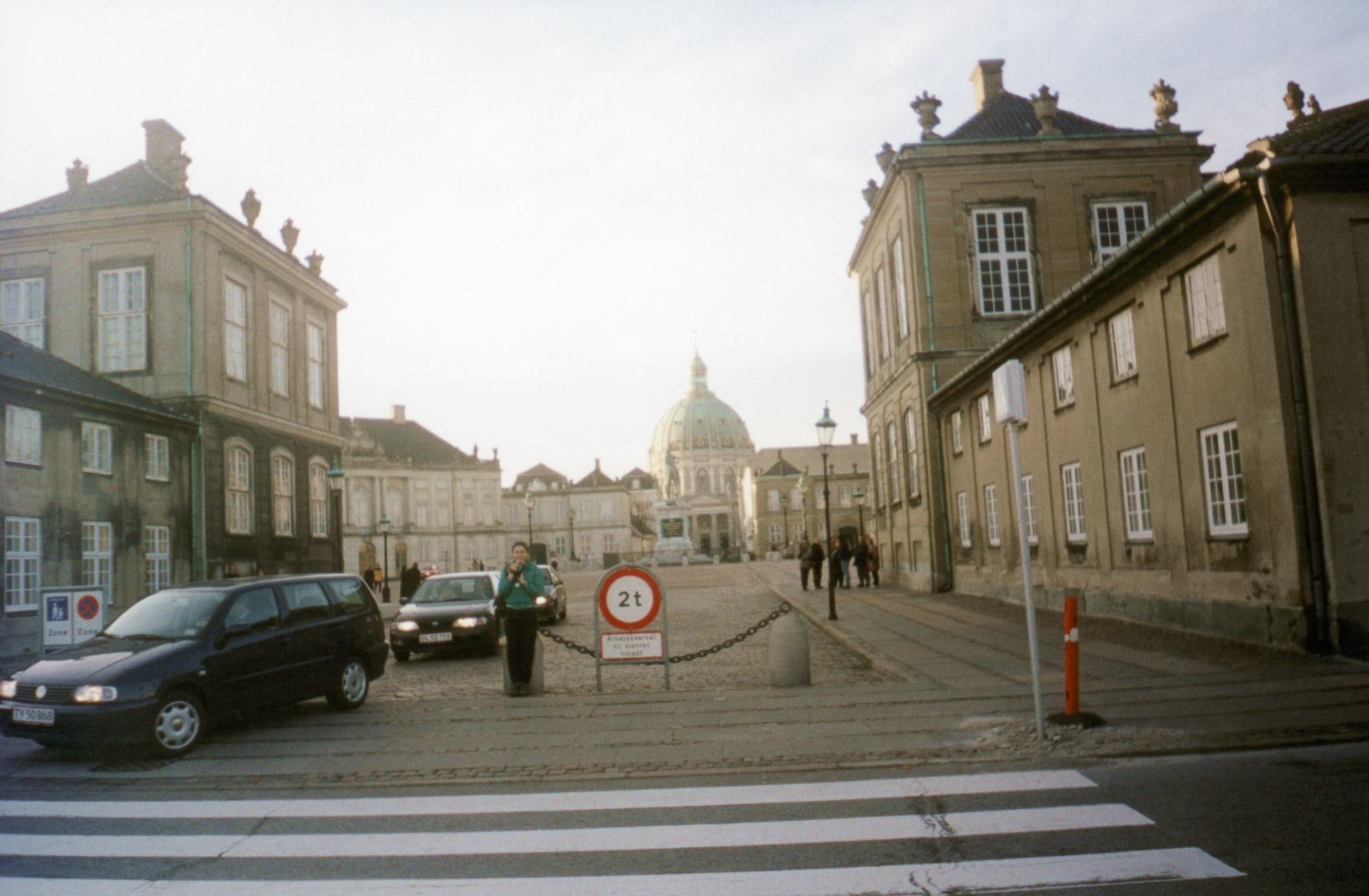
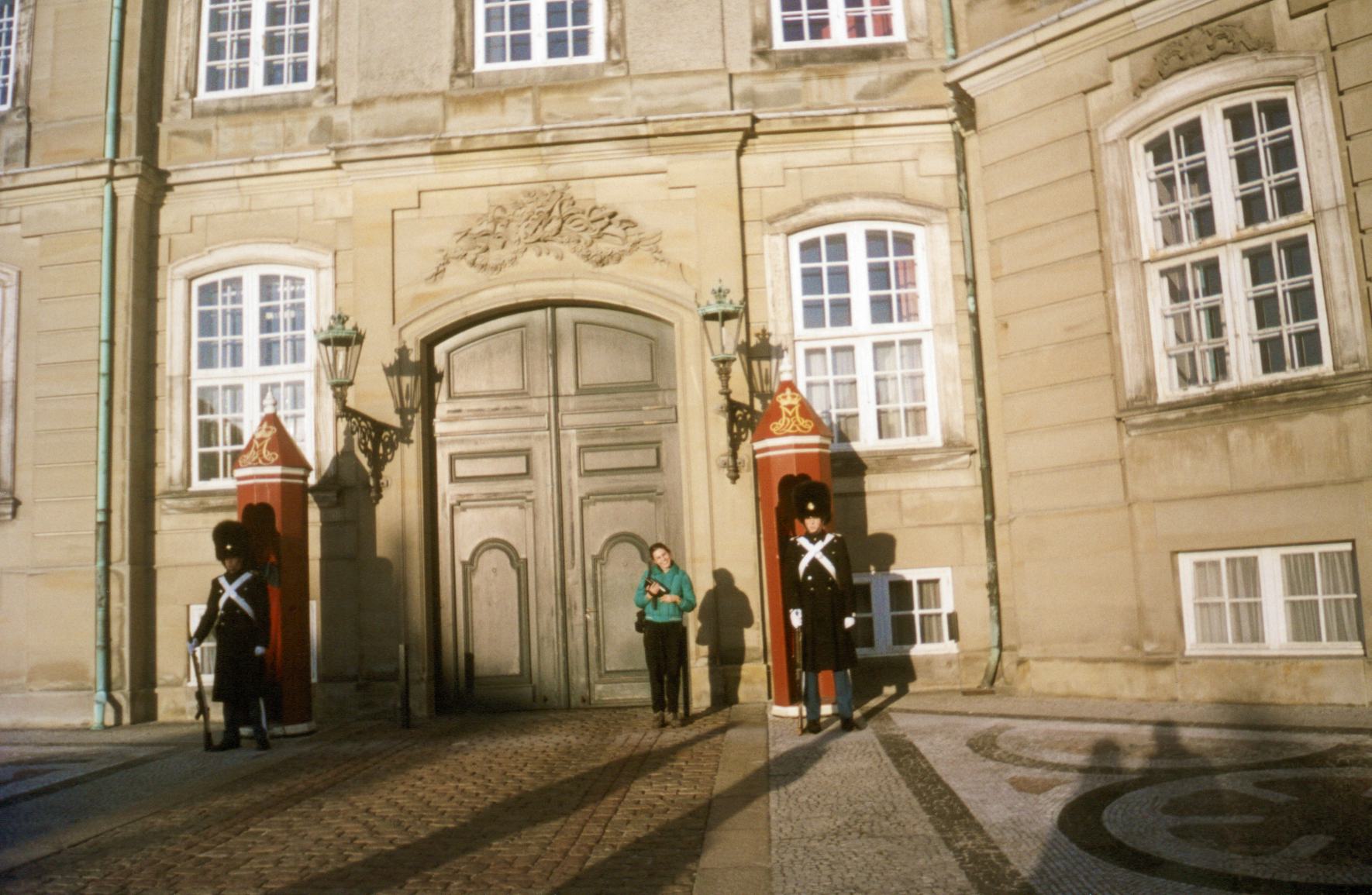
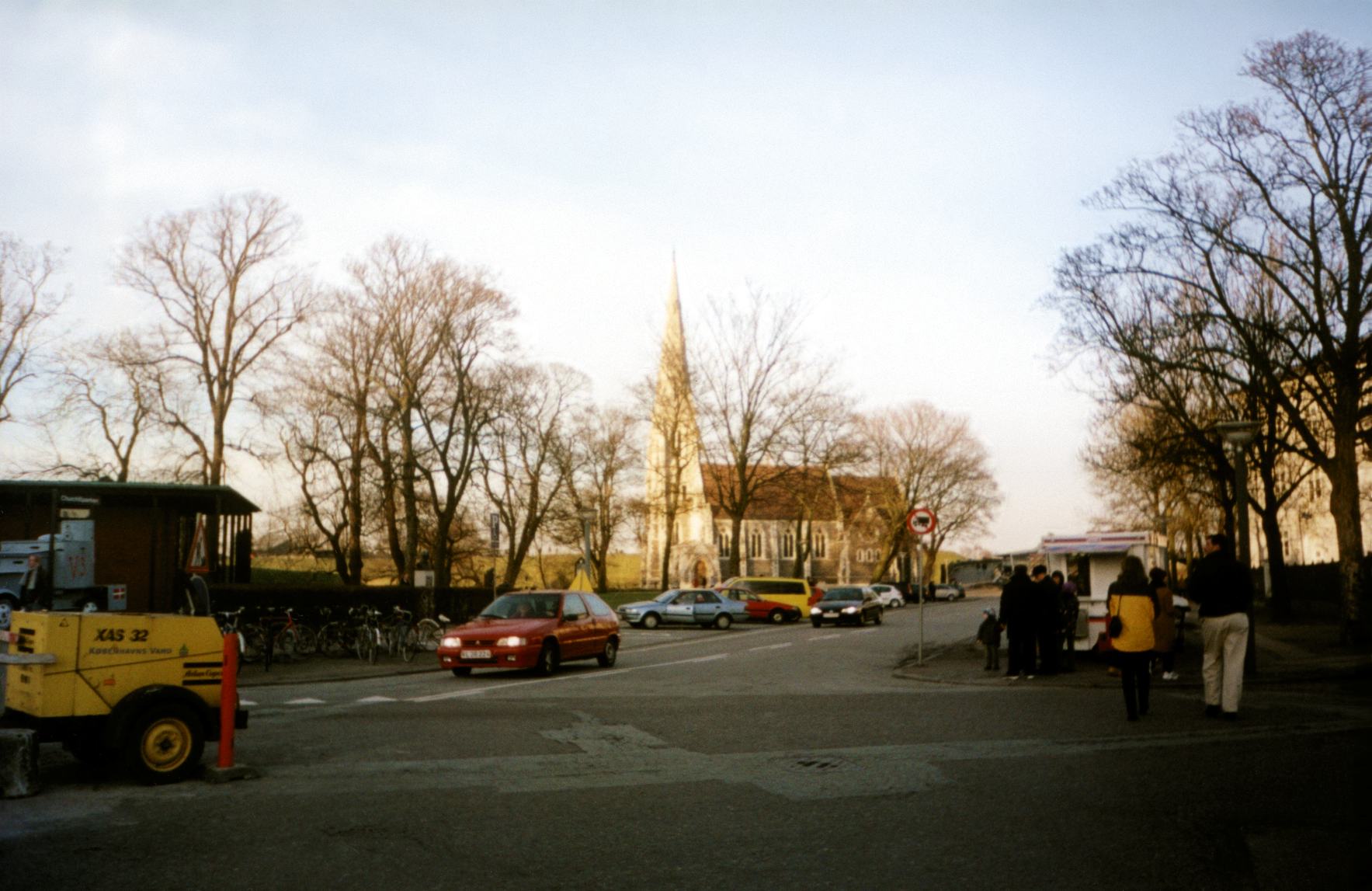
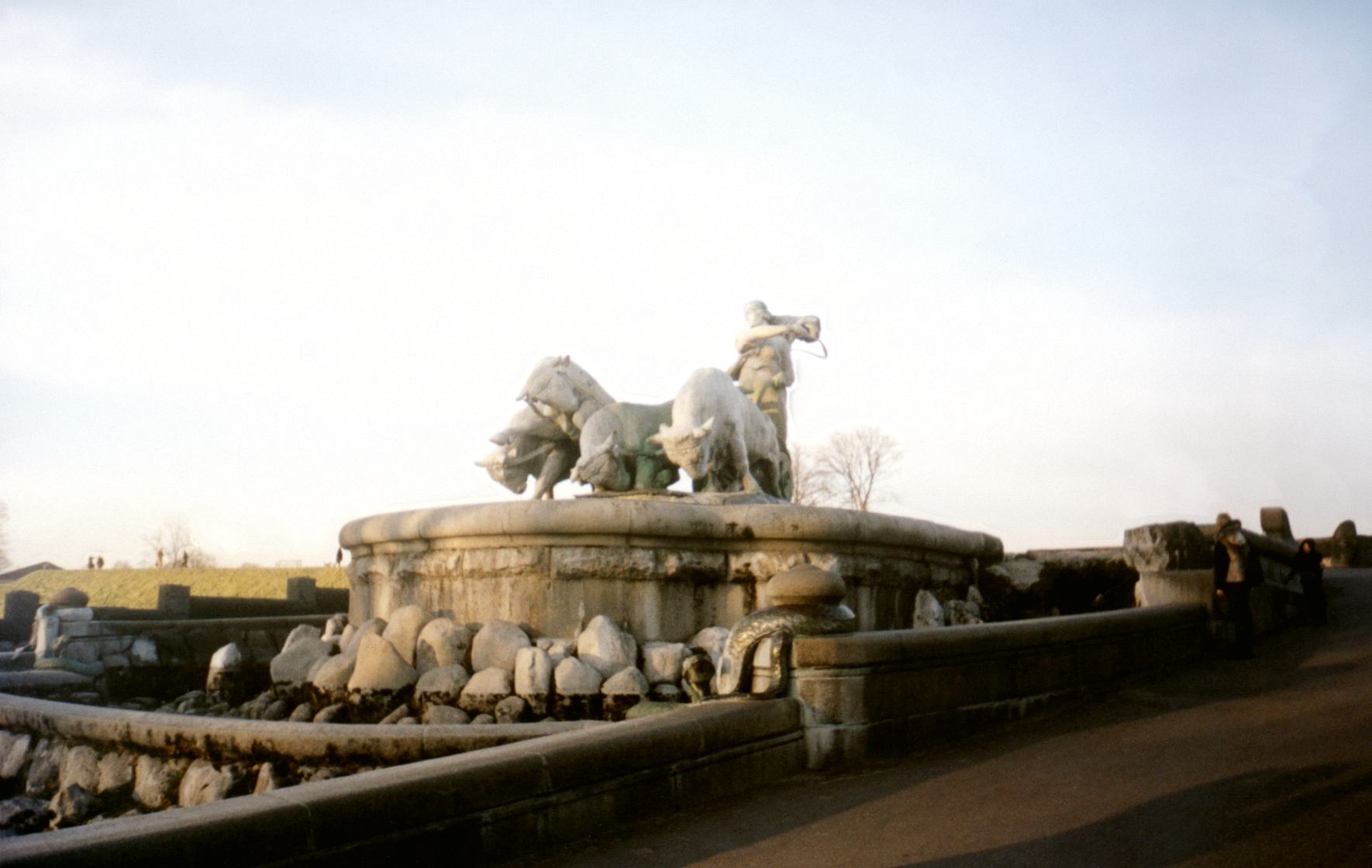
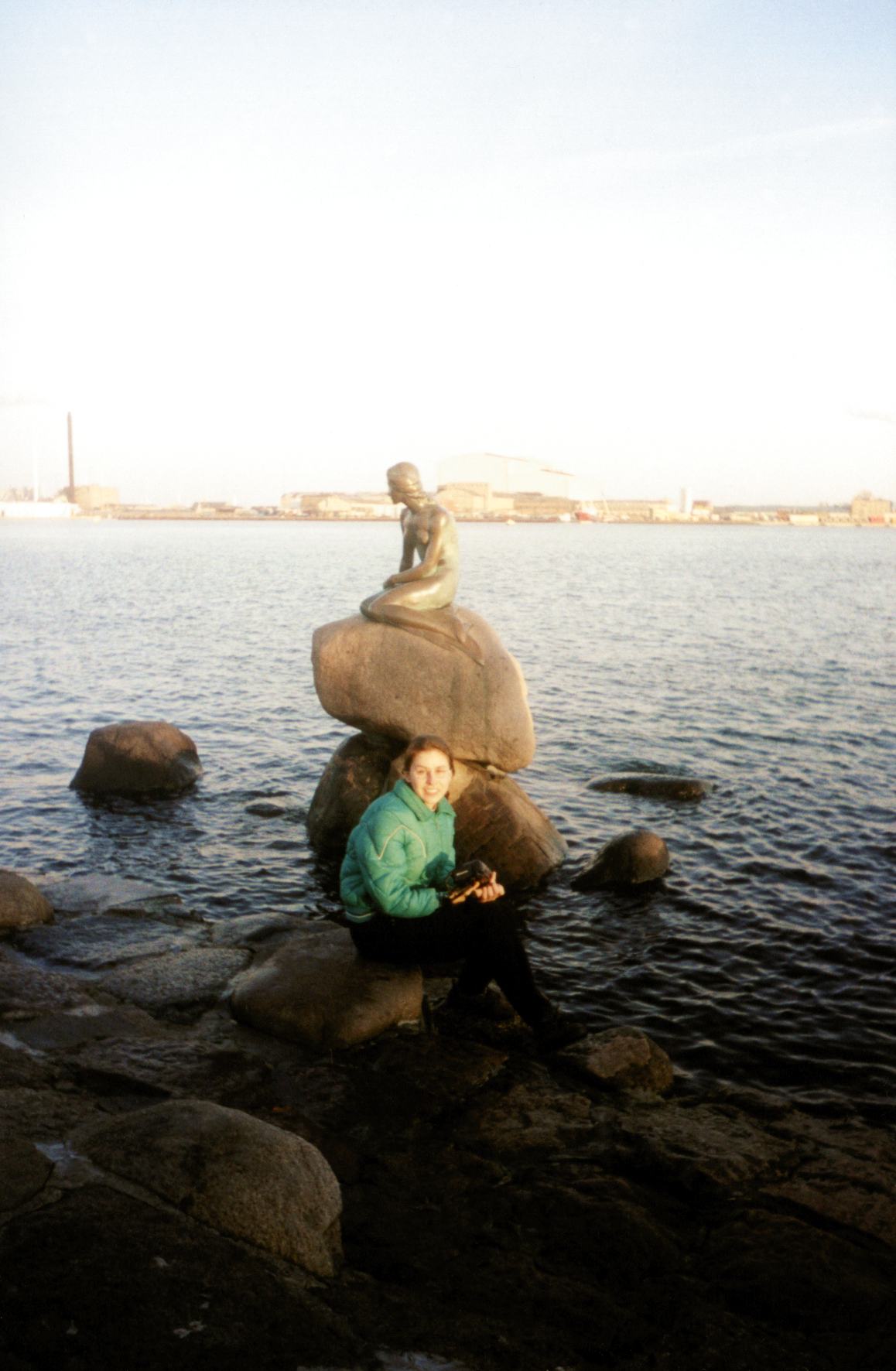
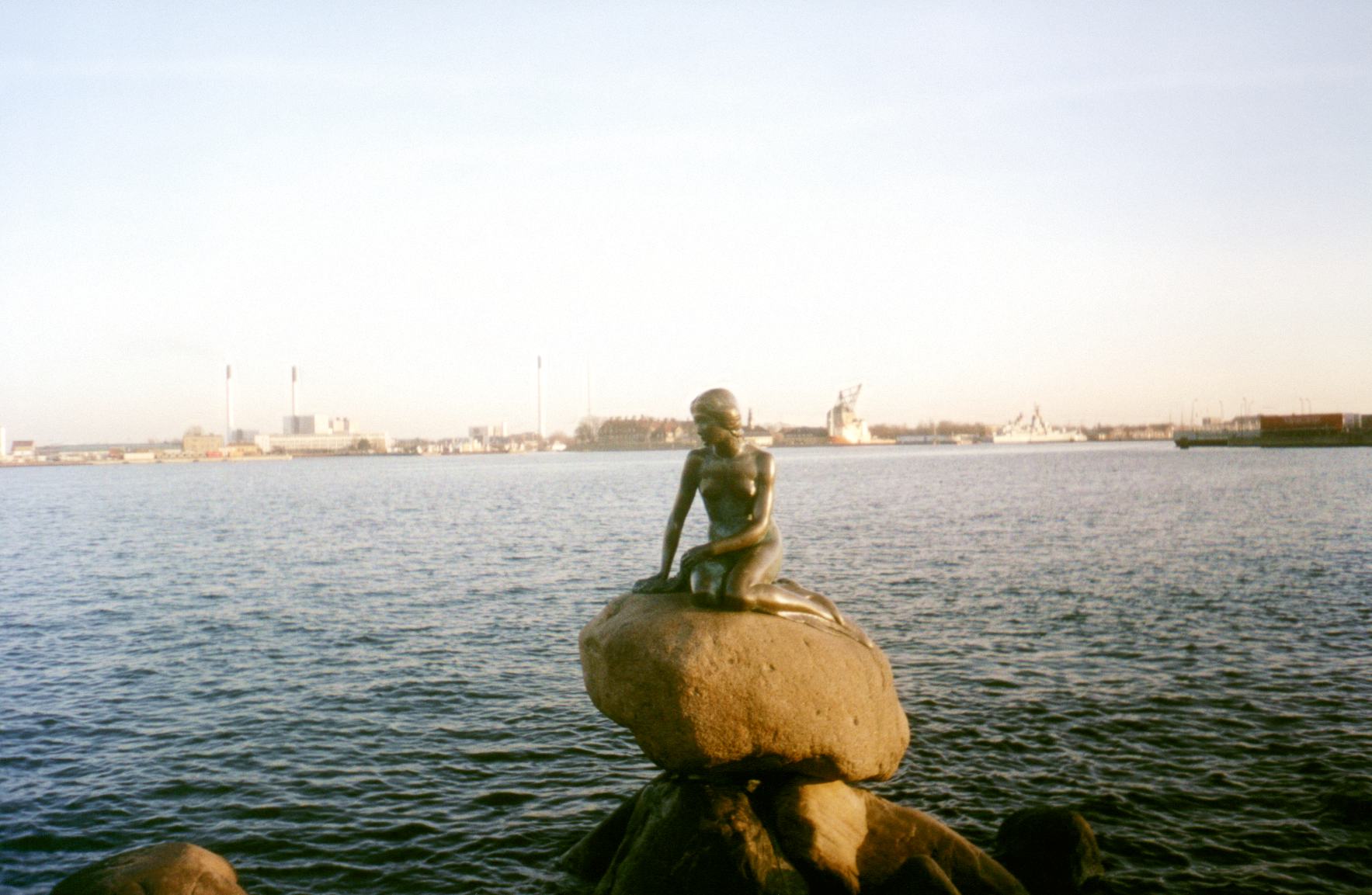
Denmark is a small country. Three hours later we’re on a ferry to Germany. It’s shorter than going by the second bridge, and cheaper too. A warm wind ruffles our hair and only the winter constellations remind us that it’s still early February.
We need somewhere to sleep in Germany. Lena tries phoning friends in Göttingen. Sadly, nobody’s home. While we still have the energy, we carry on towards Hamburg. Before long the road turns into the famous German autobahn. This is where it gets interesting. There’s no speed limit here. The recommended speed is 130.
In daylight and on a dry road, fair enough. At night in the rain, though, it’s like some sort of computer game. People are hurtling home after their Sunday outings. Three lanes in one direction. Everyone is changing lanes and overtaking. The sheer pace takes your breath away. No falling asleep here. The left lane is doing over 200. At 150 to 180 I’m dawdling in the middle lane, ducking into the far right from time to time. Even Tanya wakes up in alarm.
It’s interesting here. The main thing is to stay alive. Surprisingly, accidents are rare. People are used to it. Everyone has terrific reflexes. Girls in tiny runabouts like the Ford Ka go every bit as fast as the swanky Mercs. Another nice thing is that the kilometres fly by. The signs are excellent. Germany probably has the most sensible road signs in the world. Petrol stations and toilets, however, are few and far between. You can quite easily pass a sign telling you the nearest toilet is a hundred kilometres away. There’s an excellent motel halfway between Hamburg and Hanover, but we decide to go a little farther. We never do find the next one. At midnight, short of Göttingen, we decide to spend the night in an ordinary parking area.
In most civilised countries nobody bothers about you. Stay for the night as long as you like. In some of them you can even put up a tent. Germany is quite different. The moment you stop, self-appointed police helpers take an interest. Respectable citizens appear and stand about watching carefully. Usually nothing comes of it if you keep out of trouble, but they may call the police.
I can tell you that spending the night in the wildest country in the middle of a civil war is more peaceful than spending it in Germany.
There’s nothing for it. We want to sleep. We’ve done 1,200 kilometres today. Sleeping in the car is fairly safe, but it’s very cramped with four of us. We leave Tanya and Masha in the car, and Lena and I go off to sleep in the bushes. If anyone finds us here we’ll be in real trouble, of course. But who’s going to look? The night is dark and the bushes are thick. The others will call us on the mobile if there’s an alarm.
It’s warm outside, though the wind is strong. The sky is full of stars. I love being out in the open. A night in a sleeping bag under a bush suits me better than a fancy hotel in town. What’s happening begins to feel unreal. Instead of listening to the clatter of a tram in snow-covered Saint Petersburg, I’m sleeping in the middle of Germany and telling the time by the stars.
It starts drizzling in the morning, but we’ve already had a good night’s sleep. We go back to the car and wake the girls with a shout in our best fake German: “Deutsche Polizei! Guten Morgen! Hände hoch!” Half asleep, they aren’t even frightened. What a disappointment.
We drive to the nearest petrol station near Göttingen. We decide to wait for dawn and have breakfast there. It’s a palace of glass and fountains. We drink coffee, eat breakfast and charge the phones. I love visiting wonders of design like this. There are so many ideas I could put to work for Russian clients afterwards.
Our next stop is Nuremberg, where we’re planning a walk. It may be the most beautiful city in Germany. A great many buildings survived the war, so the city has kept its old appearance. A picturesque river, a castle on a hill and towering churches.
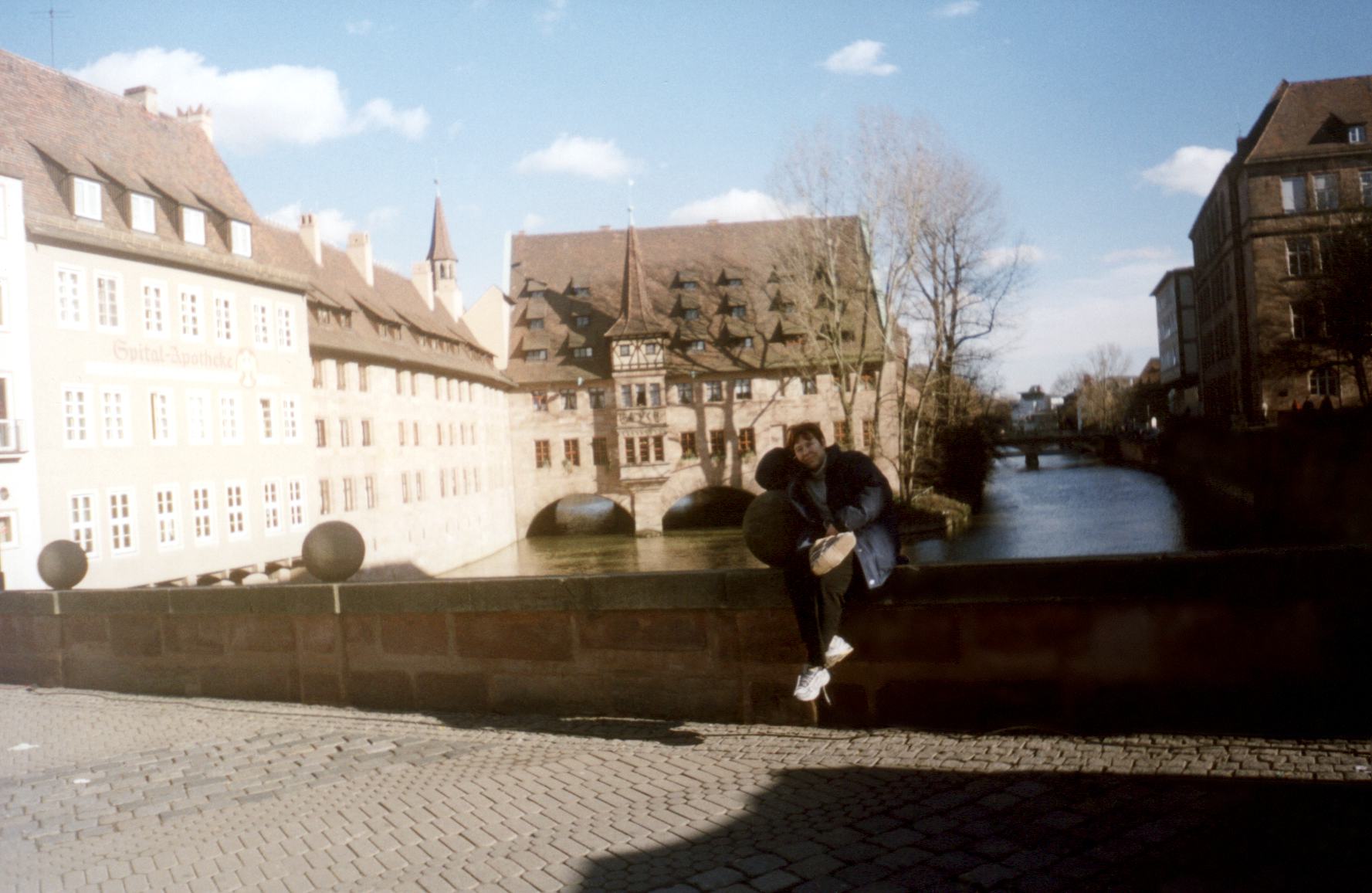
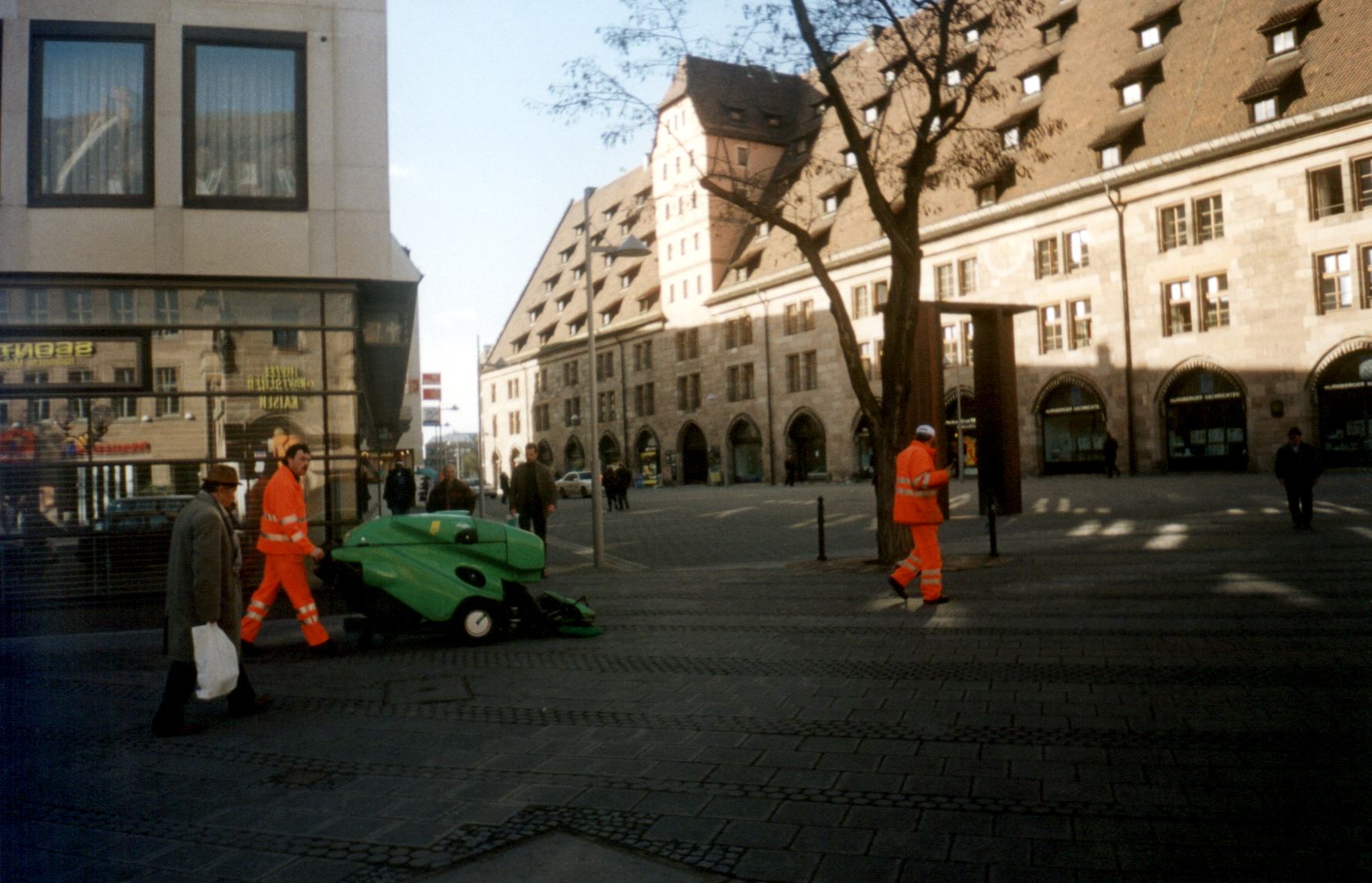
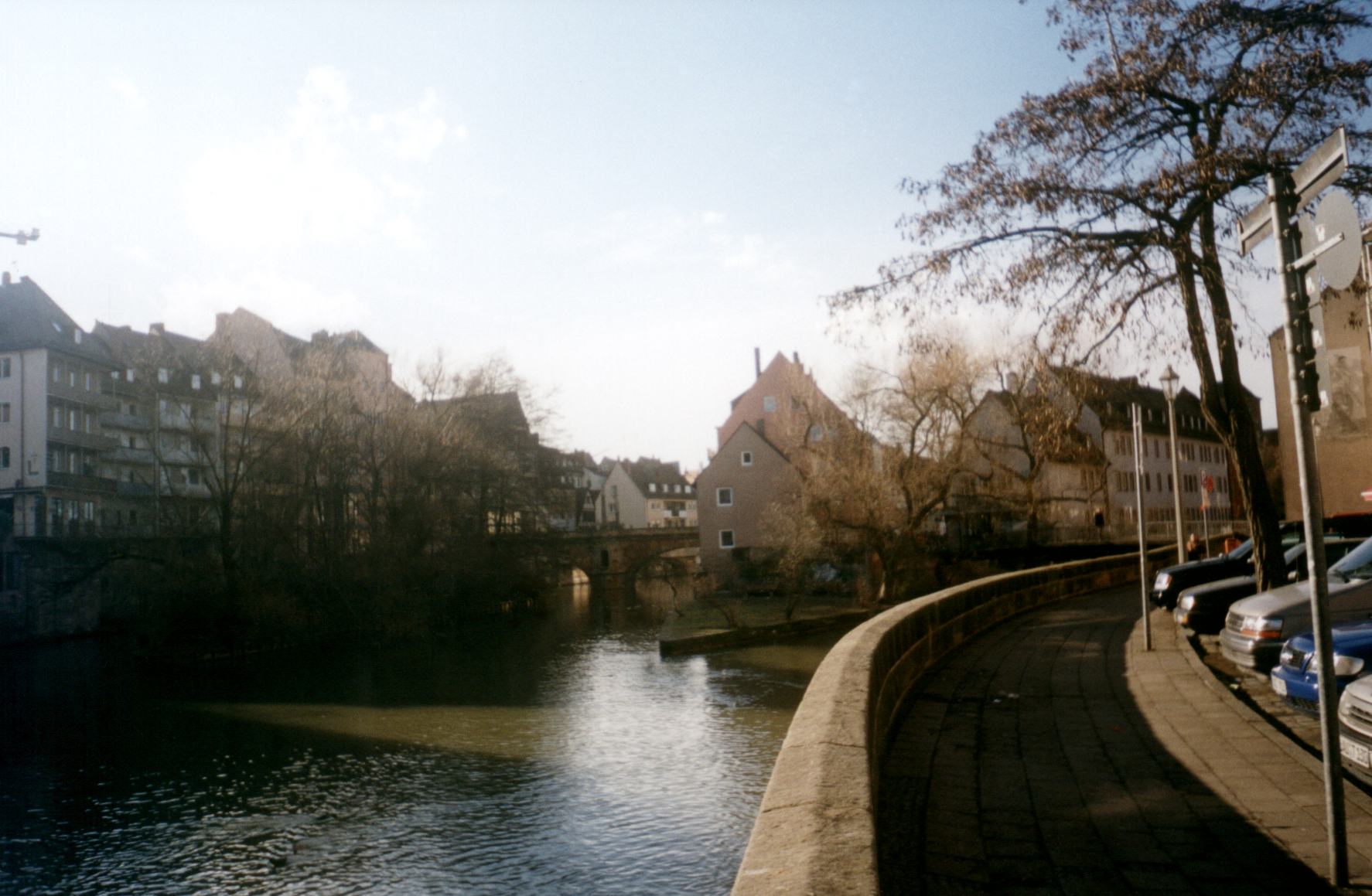
You have to pay to park, but it isn’t expensive. We pay. To our surprise, the drivers of the cars next to us don’t. The police come along and give them all a ticket. The Germans are an interesting lot. Everything is supposedly in order and there are laws. They pass the laws themselves, break them themselves and pay the fines. Everyone’s happy. The law has triumphed.
Today is the first working day we’re skipping. I keep thinking I ought to be at the office. My body simply can’t accept the idea of taking a holiday in winter. I’m feeling strangely uneasy.
Outside town, we stop for lunch in a parking area and take the chance to repack at last. We’ll put the winter jackets away and make better use of every spare corner in the car.
We manage to eat lunch. But repacking a car with Russian number plates? That’s serious. The threat of terrorism is plain to see. Two enormous men in plain clothes appear out of nowhere. Jeans, untucked shirts. I’d have taken them for football fans, but it turns out they’re police. They go through everything, check all our documents on the computer and scan our passports and the car’s registration papers. While they’re searching, they won’t let us near our belongings. They do all the rummaging themselves. Of course, Russian cops are even nastier when they search people from the Caucasus and might kick your face in, but this is Germany. This is the triumph of Western freedom and democracy. They go through the lot without so much as a “Sorry, we’re only doing our job.” Not a single smile. They just look annoyed that the law isn’t good enough to let them throw us in a cell for being there. I certainly don’t want to go and live in Germany, even if I’m one sixteenth German myself. Somehow this country and I don’t get on. It has a rough edge.
The sour-faced search doesn’t stop us from finishing the job. There’s almost room to move in the car now.
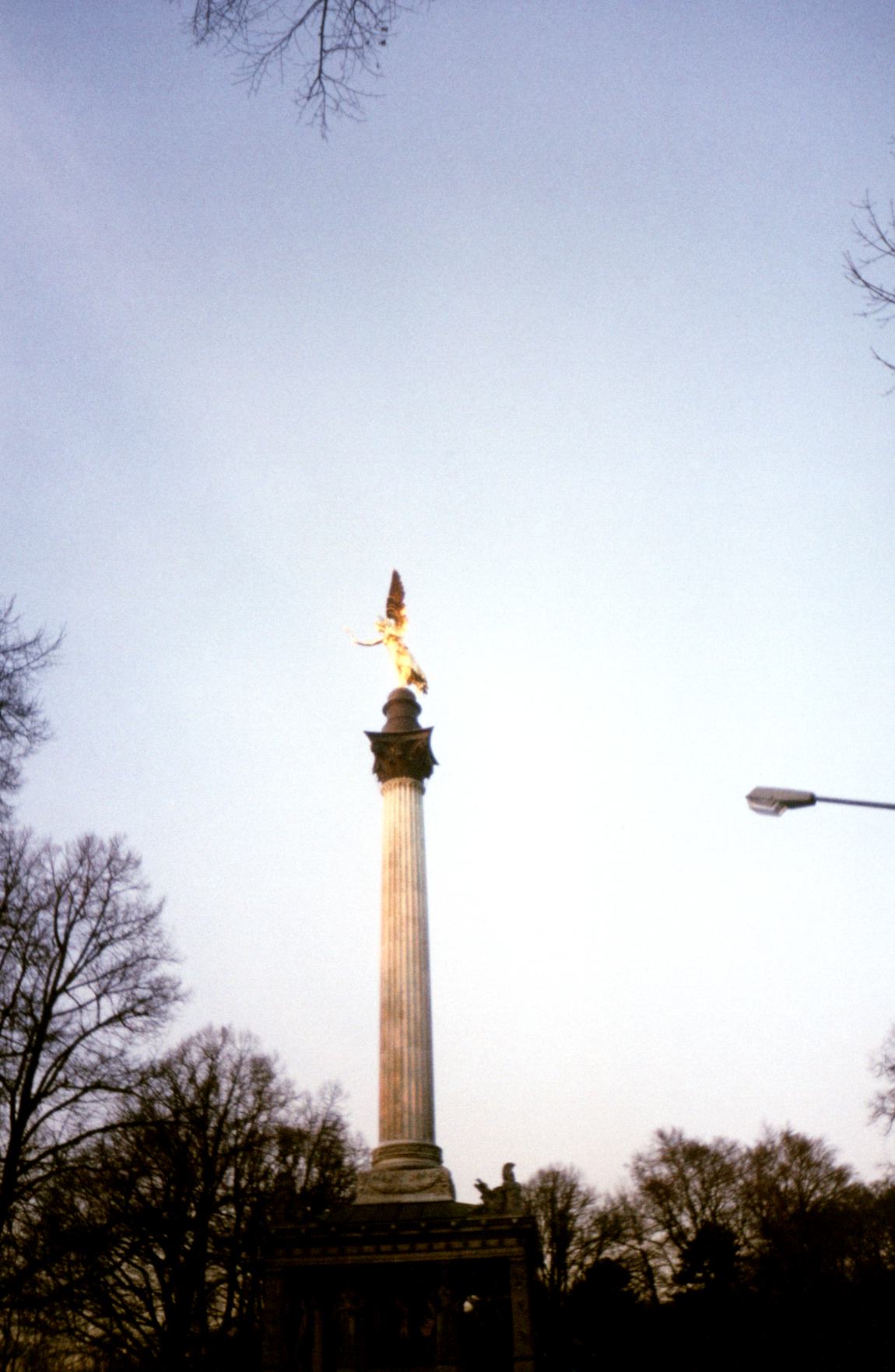
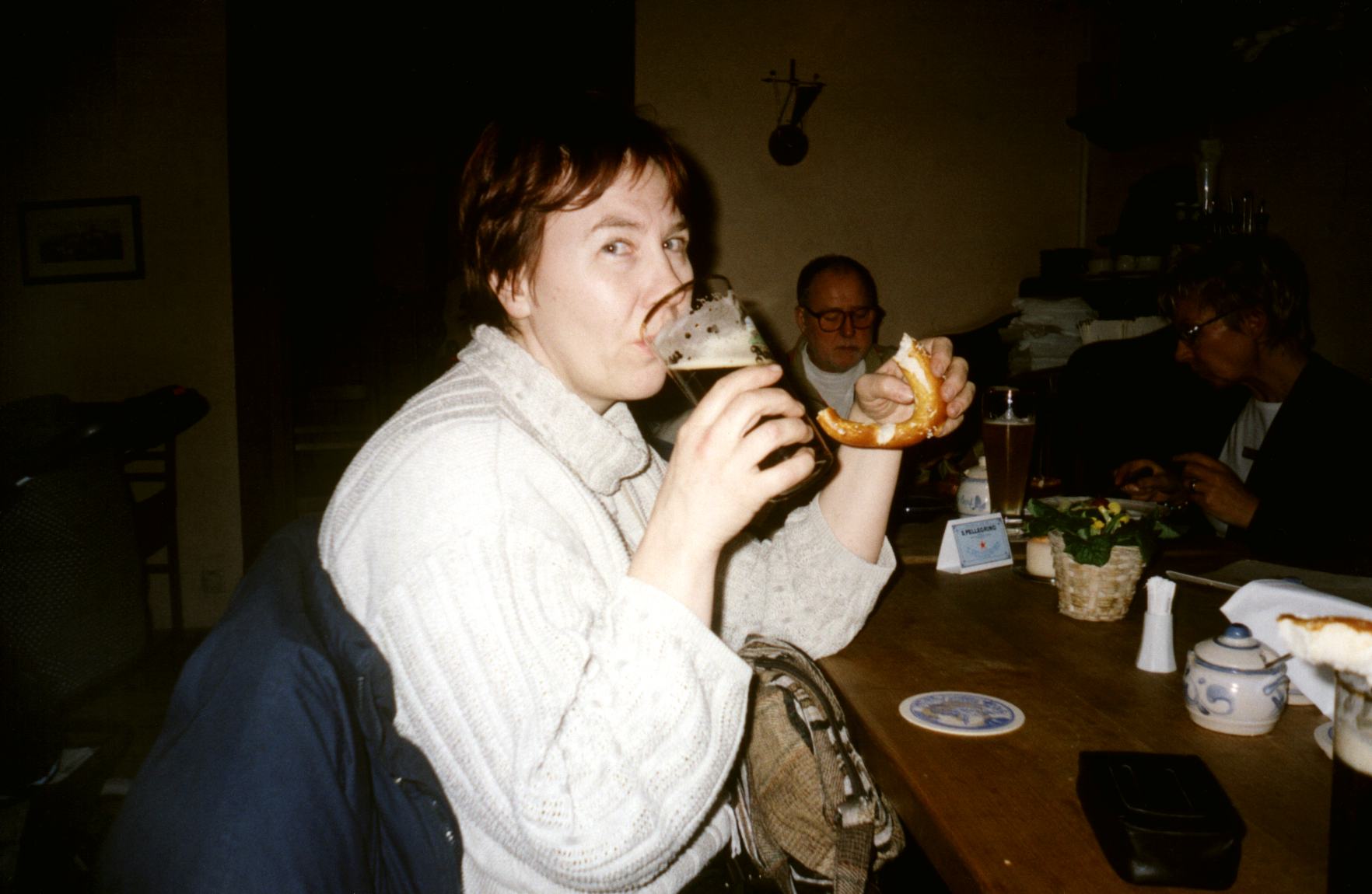
Evening finds us in Munich, a vast imperial city that reminds me of Saint Petersburg. Capital of Bavaria, birthplace of beer and home of the Nazi Beer Hall Putsch. The old beer cellars are still open. The prices aren’t low, but we manage the bare minimum for 16 euros. I used to think Munich’s cellars would still be full of neo-Nazis, but it turns out to be nothing of the sort. Cheerful, friendly people, young couples, mothers with babies. Although I’m driving, I can’t give up the chance of drinking the most genuine beer in the world. We have to walk for another hour to clear my head. It’s pitch dark by the time we set off. I’m not feeling well. My body hasn’t stood the sudden change in climate and has decided to catch a cold. About a hundred kilometres from Munich, on the Austrian border, we decide to stop for the night in a luxurious motel. To save money, we take a room for three and sneak in our unregistered Lena. I don’t know how many laws we break in the process, but 110 euros for three is plenty already. The motel is a technological marvel, with coded locks and a television that talks to me, calls me Herr Simo and starts asking for money ten minutes later.
I’m desperately sleepy. I haven’t slept properly all week. Getting ready, the ferry, the bushes. No more than four or five hours a day. I take assorted cold remedies before bed and sleep like the dead.
As soon as dawn breaks, there are the snowy peaks of the Alps outside the window, lit by the rising sun. Wonderful. I always regret not living in the mountains.
Breakfast is included at this motel, but you get it once, with a card. Whatever fits on the little tray is yours. There’s no going back for seconds. The tray, I should say, is small. It won’t keep you full all day.
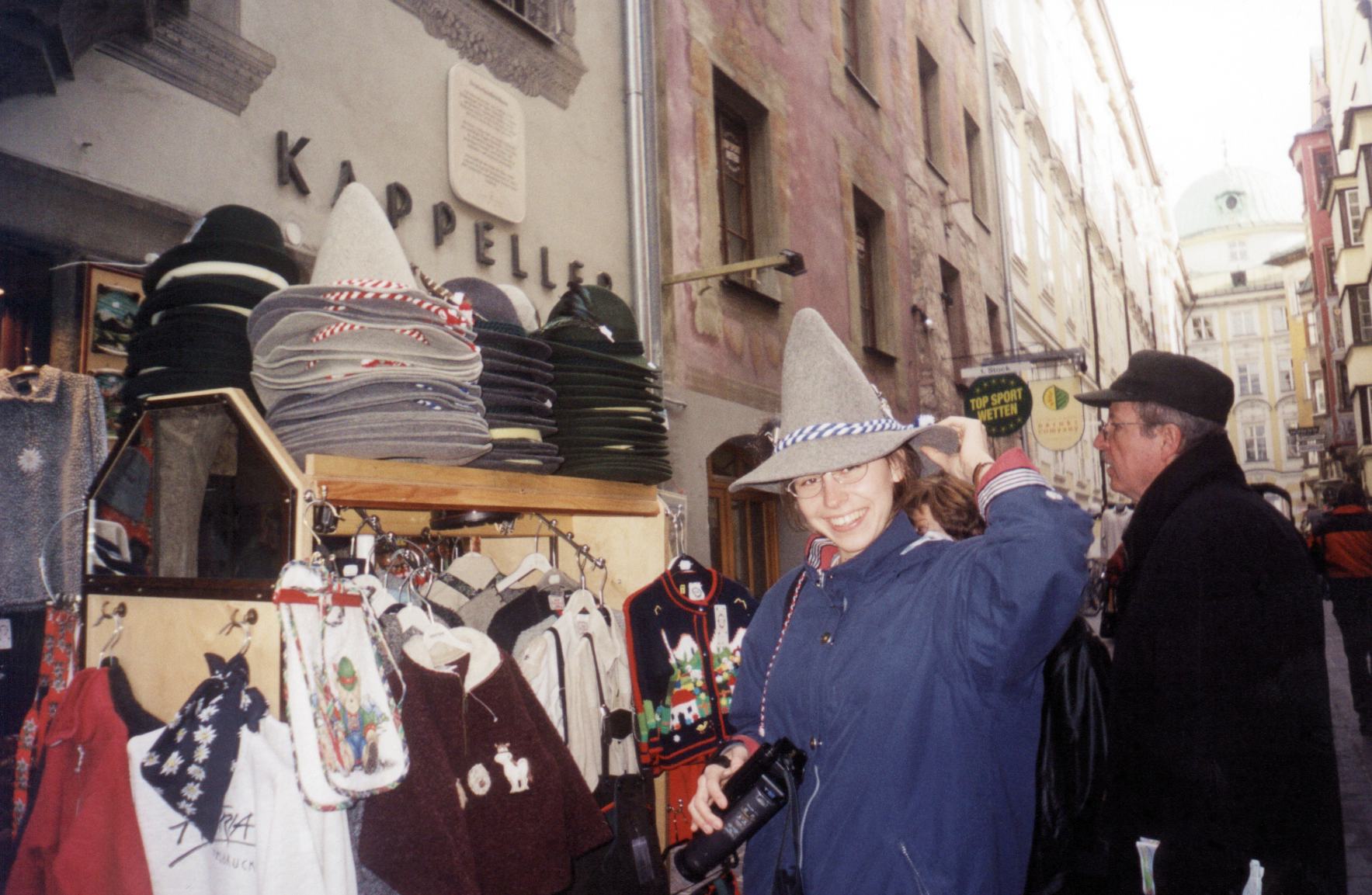
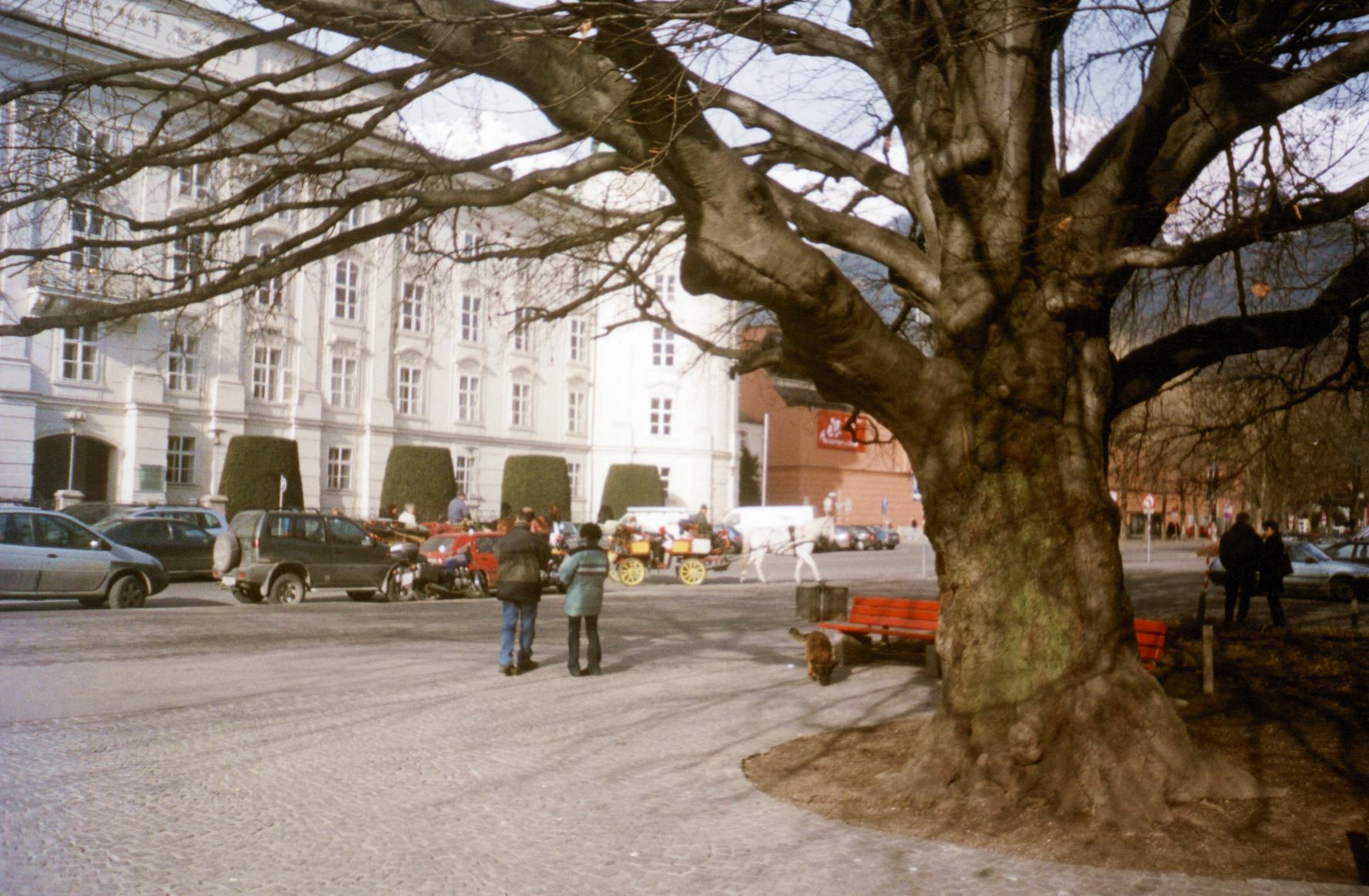
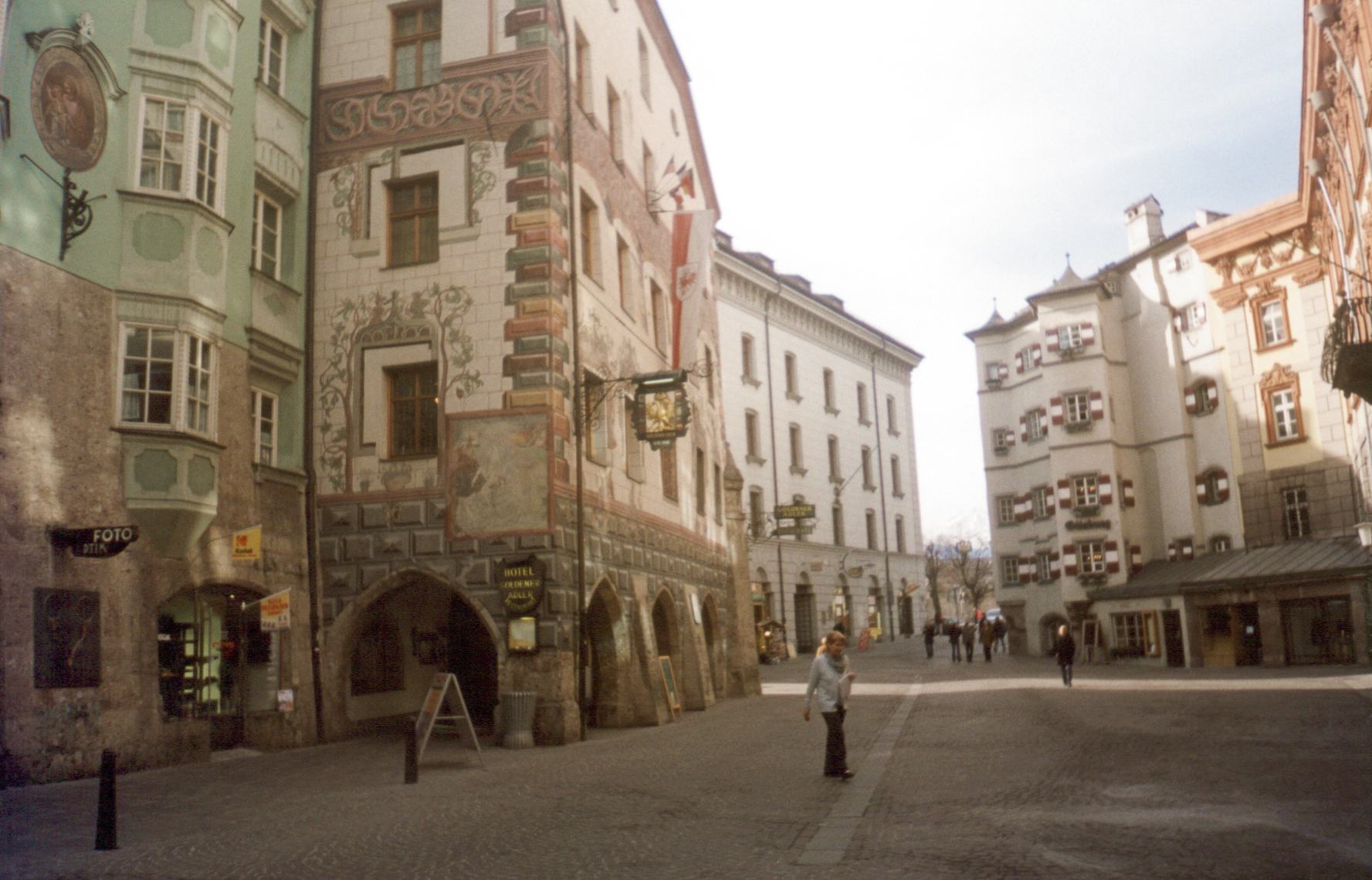
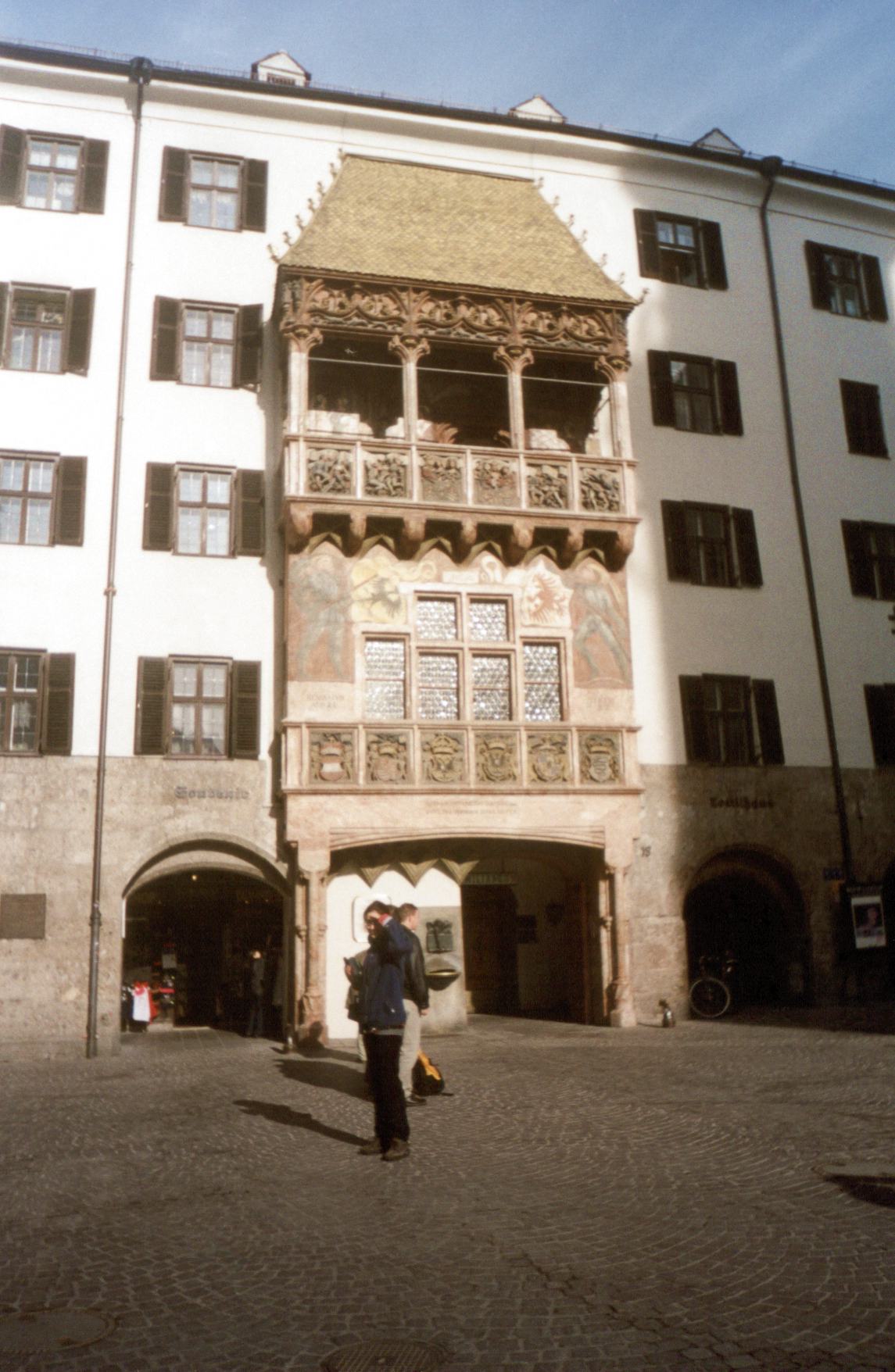
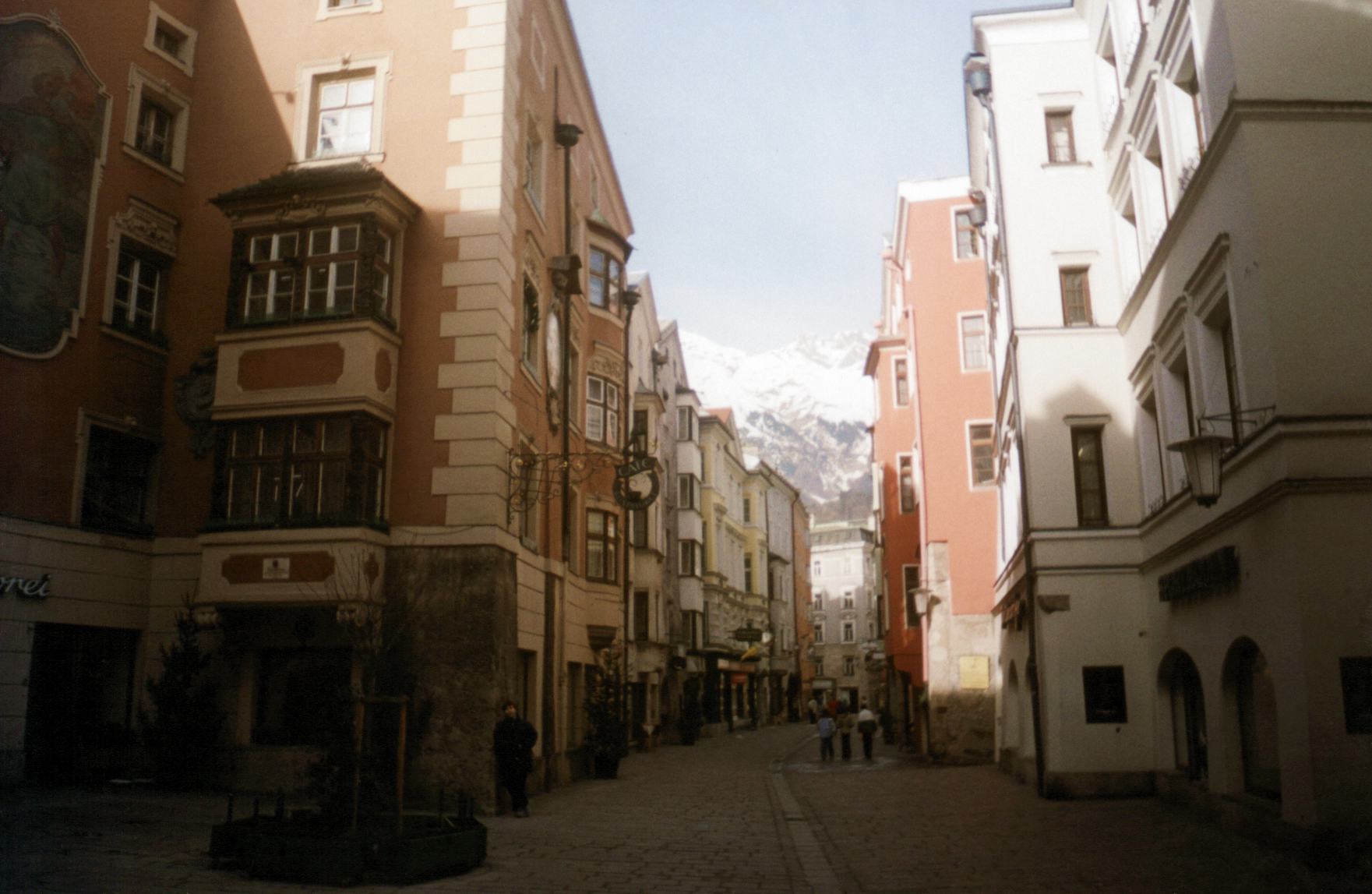
The road crosses the Alps at this point in a rather uninteresting way, with no tunnels or high passes. A few hours later, here we are, walking around Innsbruck. It’s a toy town. Every street lines up with snow-white peaks. People walk around carrying skis. Cosy cafés. Lovely music coming from all sides. After Germany, we can relax. We finally find an open bank and exchange for euros a pile of notes, French francs, Finnish marks, Icelandic krónur and the like, rounded up at home now that the euro has come in. We have coffee and a bun.
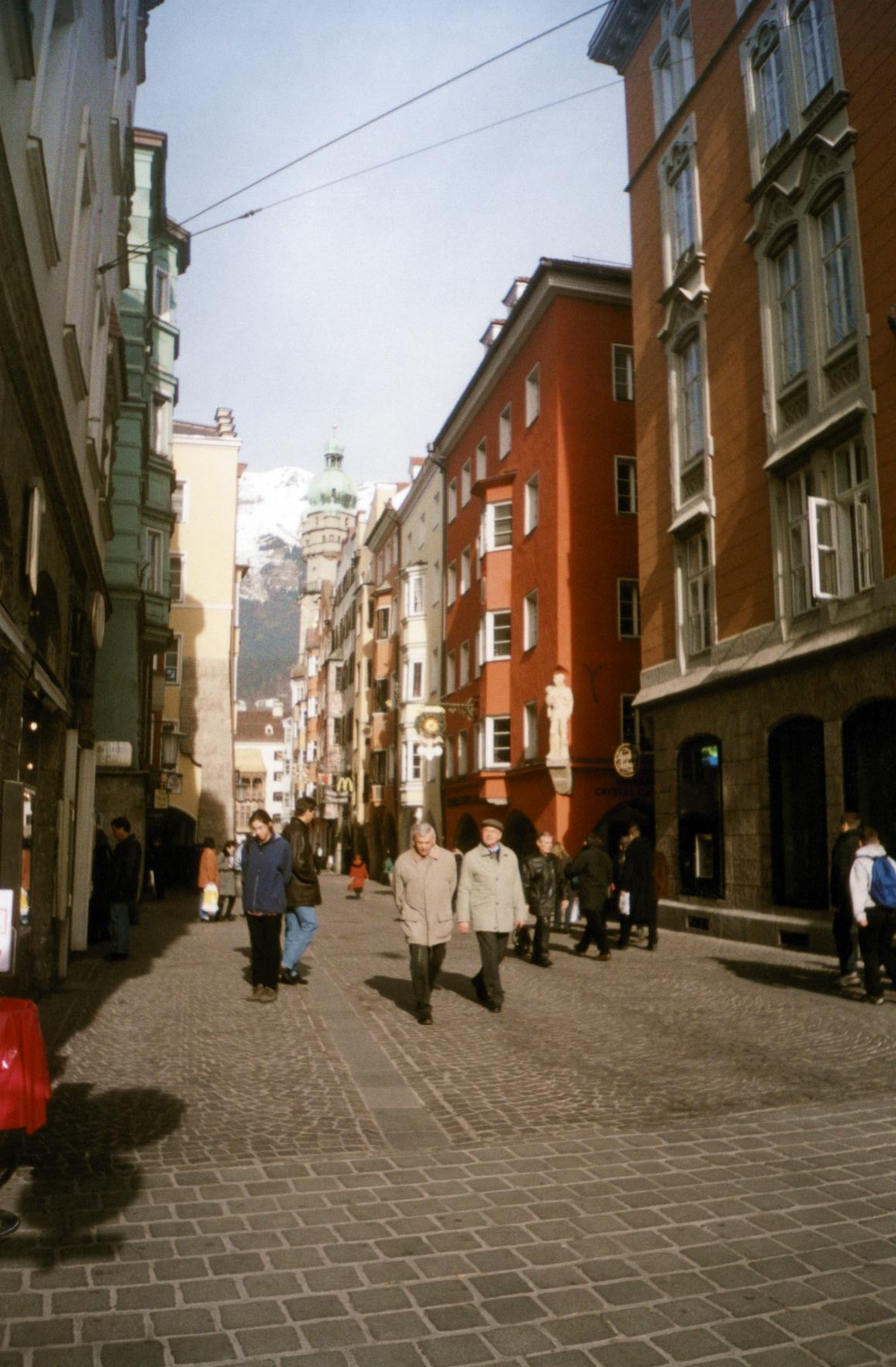
Austria ends as quickly as it began. The pass is a little higher this time, and there’s snow by the road. A few tunnels later we see another sign with a circle of European stars. This one says Italy.