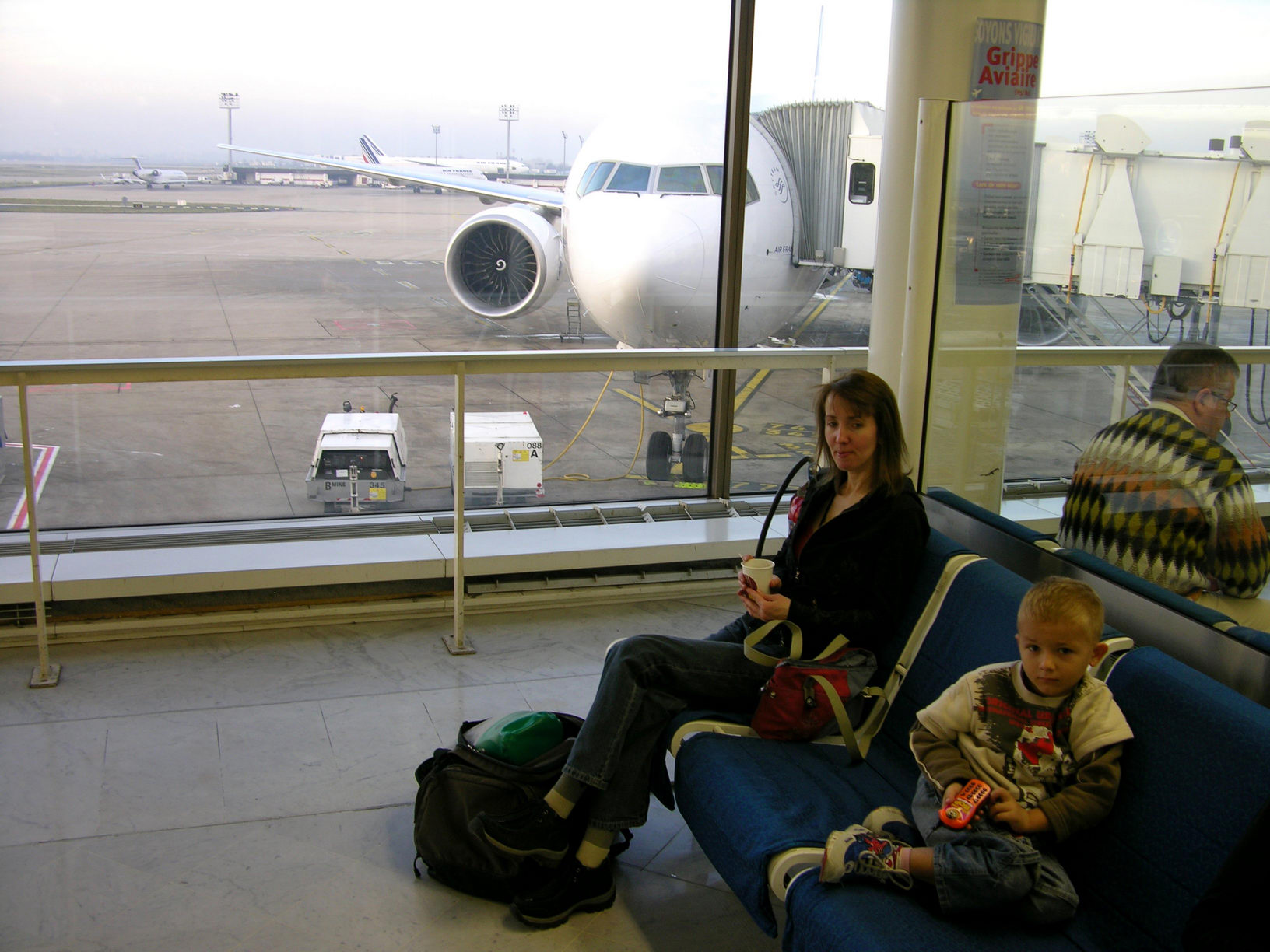
The start of the journey
Chapter 1. The road south
There are countries everyone knows all about. Soviet writers used to produce thick books on them. Every travel website has an account of hitchhiking across them. They need not be especially large or anywhere nearby. Then there are whole other worlds that hardly anyone can tell you about. Most people can't even remember their names. Try asking a passer-by where Suriname or Guyana is. Never mind the people back home. We got the impression that many people in Latin America hardly thought of them as part of their own continent. We couldn't even find a Lonely Planet book about them.
Of course, by now someone has been just about everywhere on Earth. Even so, we wanted to see somewhere that took a bit of looking for and had yet to be trampled flat. So we headed for the north of South America and the thick tropical forests of the Amazon. Eight months ahead of time I booked with KLM, out to Cayenne via Paris and back from Quito, the capital of Ecuador, via the Netherlands Antilles and Amsterdam.
Before leaving we had to run around getting visas. In our case we needed one for every country except Ecuador. There had been endless talk back home about visa-free travel with Europe. We hadn't even come to terms with Venezuela then. We sold them missiles and aircraft, and what did we get? A long discussion about tickets and hotel reservations.
This time I began with Brazil. We meant only to spend a day or two passing through, but it bordered all the countries we wanted to see. That gave me some leeway with other embassies. At one I could explain we were in transit. At another I could get away without showing a return ticket.
A Moscow agency got us a multiple-entry Brazilian visa on the strength of the original airline tickets. We had to pay quite a sum for those tickets, though only for a short time. As soon as the visa came back from the embassy we returned the tickets and got our money back on the card. The more expensive booking classes came with a small cancellation fee. For a while we had our money with the airline instead of at the bank.
Brazil gave us a visa for a fixed number of days, based on the tickets with a few extra days to spare. It did not specify exact dates. We had ninety days to enter for the first time.
We also had to get a visa for French Guiana, where we would start. I had the real tickets into Cayenne. In place of return tickets I showed onward tickets on Air Caraïbes to Belém in Brazil, bought especially for the application. They cost $300 each and were fully refundable. A good airline to remember.
Any French consulate could issue the visa for French Guiana. As usual they wanted an advance payment to the hotel that cost several times as much as the visa itself and could not be refunded. It felt like a shakedown, but we had to pay. A Schengen visa would be even harder to get once we were abroad, and an overnight transfer from Charles de Gaulle to Orly meant we needed one anyway.
I handed the hotel negotiations to the travel agency Equator. By then I had had enough of waiting for replies from French hotels. After all those emails, the only reply came from the Mercure Ariatel in Kourou. On the third try we got something resembling a fax confirming our reservation. Nobody we dealt with there spoke English. I was glad I hadn't taken that on myself. The hundred dollars the agency charged earned its keep. I still had to go to the consulate myself. Katya at Equator knew us well enough to worry that we'd never spend the night at the hotel. If anyone checked, she said, her firm might lose its accreditation. She reckoned the French kept a particularly close eye on who went into Guiana.
At first the staff at the consulate refused to take my papers. “Where's the voucher? Where's the hotel's address?” The fax was barely legible.
They were right about the fax. You could hardly read a thing. By then I had lost patience. “You've got the fax. A voucher isn't on your list of requirements, so you can't ask for one. If you can't make out the address, take it by email like everyone else. Or, if you insist on using an antique that happens to be even easier to forge, learn to read the address on it. Your requirements say nothing about how clear a fax has to be. You agree this is a fax. If you don't believe it, pick up the phone and dial the number. You might get through on the twentieth try. That's what you're paid to do.” It worked better than I had expected. They took the papers without a word and three weeks later handed me the visa, no questions asked, eyes down. By then they'd known me for years at that consulate and knew I wasn't about to give up.
There was still time to apply for another country's visa, but I couldn't face going to Moscow. We decided to try our luck on the way.
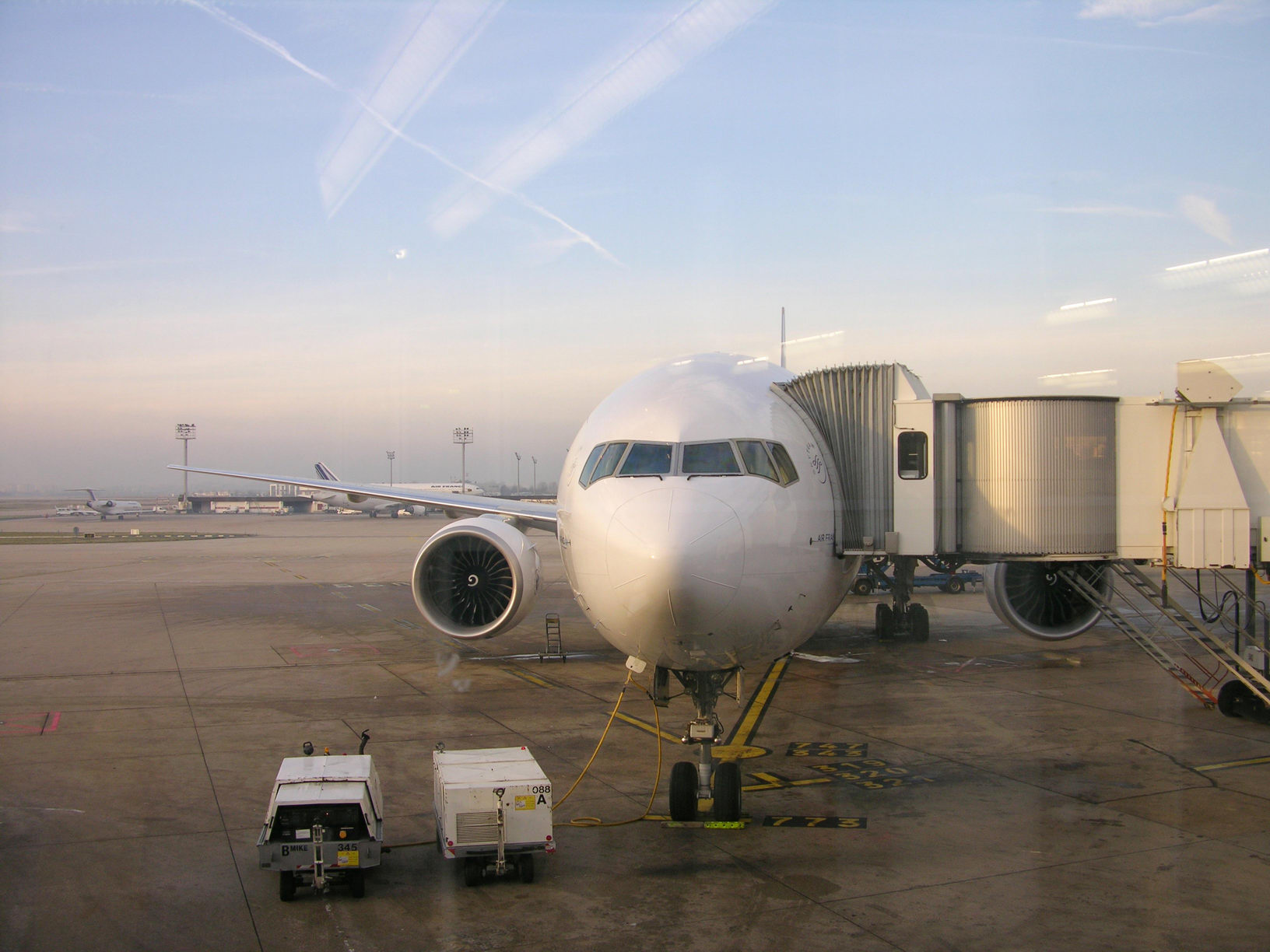
On 28 December, as usual, we finished our work in the taxi on the way to the airport. The government had prepared a little New Year's present. It was threatening to prevent 10,000 people from leaving the country on account of unpaid fines, taxes and the like. Anyone with a car had reason to wonder whether every vehicle tax payment had reached the right office and been properly recorded. Those last few days were nerve-racking. I was almost ready to find some unofficial way across the border. Then the young woman in the green epaulettes brought the stamp down on our passports, and all that anxiety turned to delight. There it was, that rush of feeling, that sense of freedom. I felt like the luckiest man alive. The whole world lay ahead. A window seat, the southern stars, the mighty Amazon. Fifty-four days on the road.
Our first flight took us to Paris. We had to leave the airport and spend the night in town, then go on from the other airport the next day.
We had just eighteen hours in France and hired a car anyway. Two months earlier we had picked up the same kind of car at that very counter. Now they wanted two credit cards in the same name to prove you could pay. They apologised, but those were the new rules for a list of countries considered especially risky, Russia among them. Fortunately we'd come prepared with two cards apiece. At least nobody tested us for polonium-210. We got a Peugeot 206 this time.
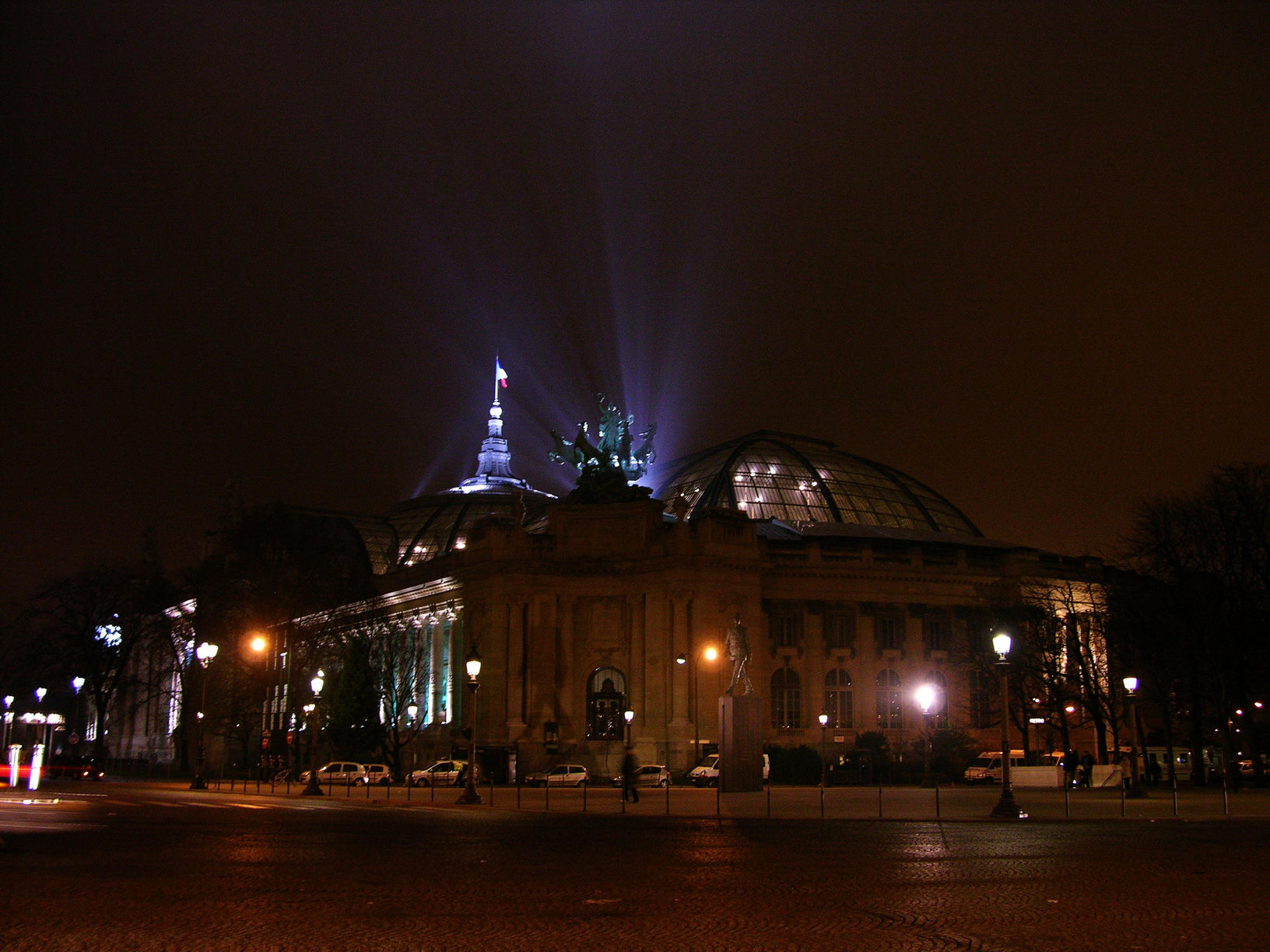
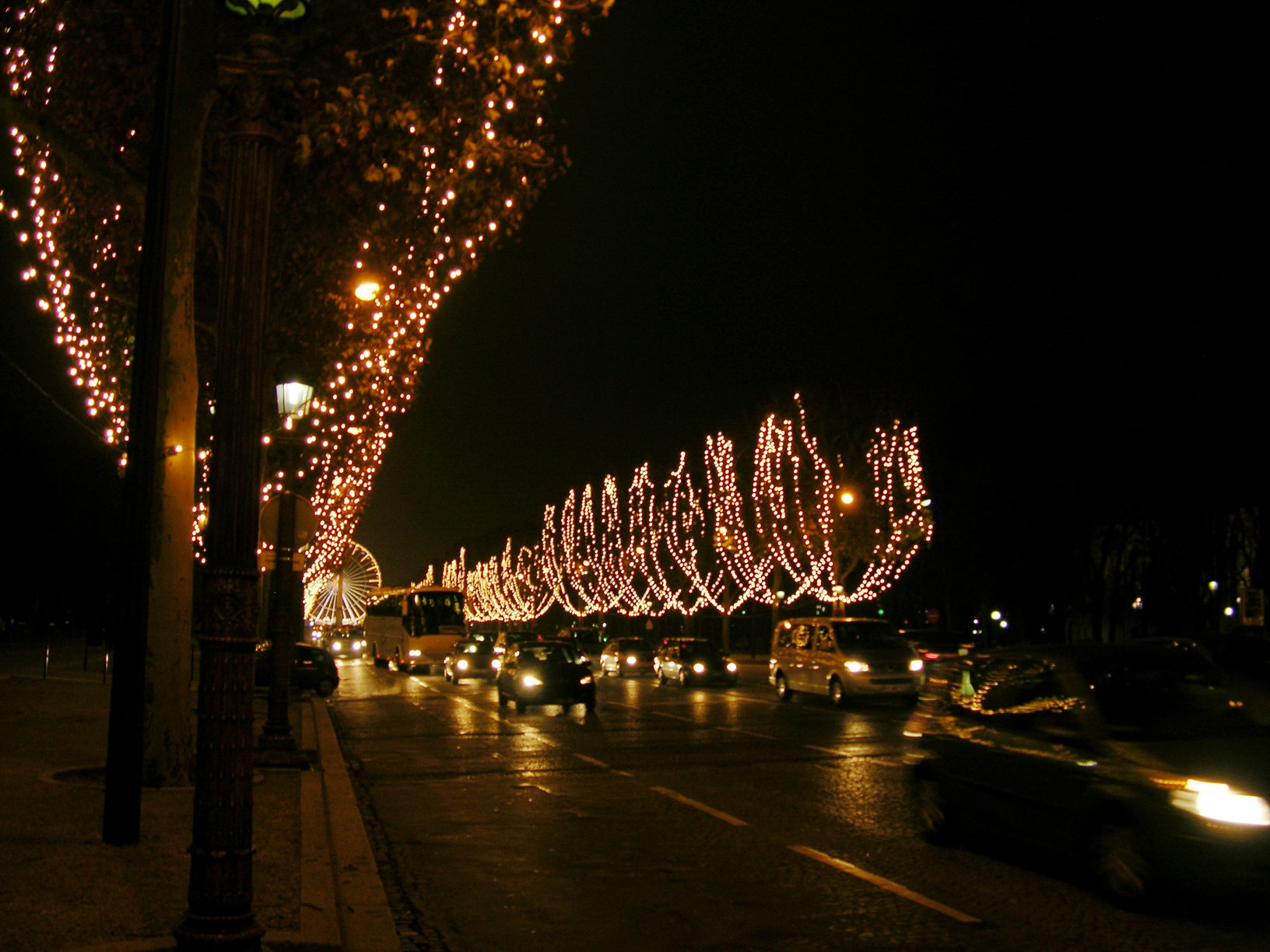
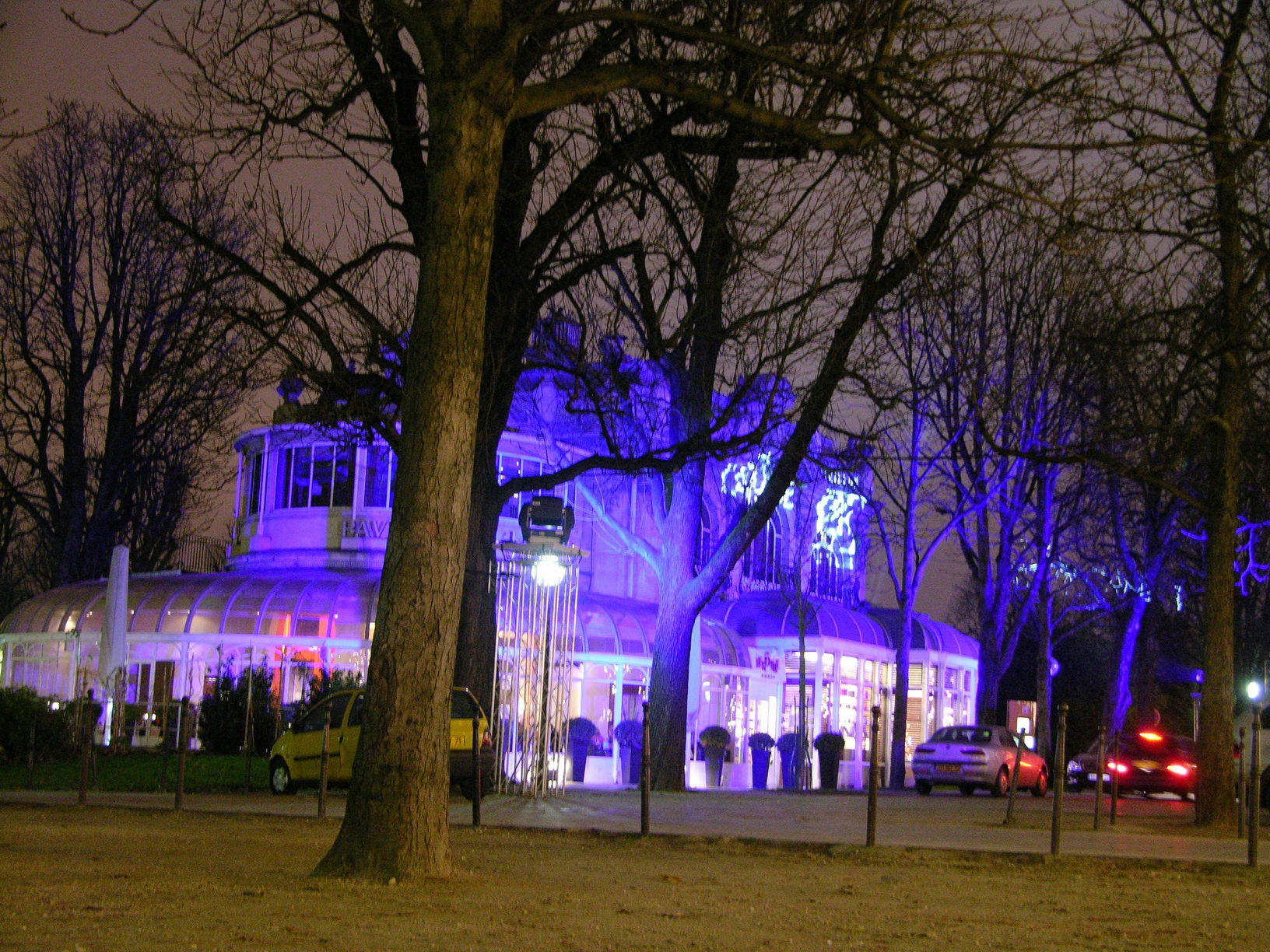
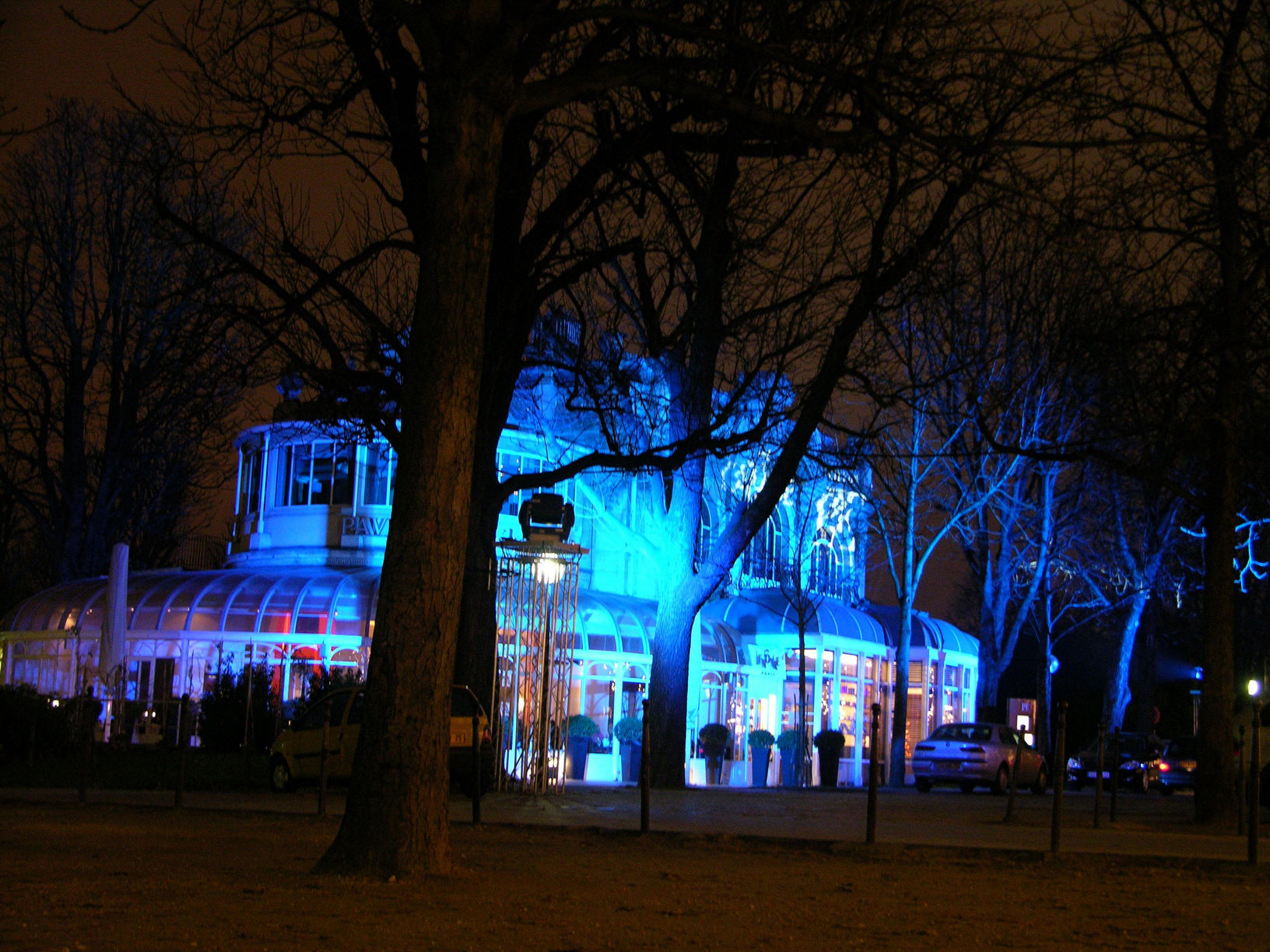
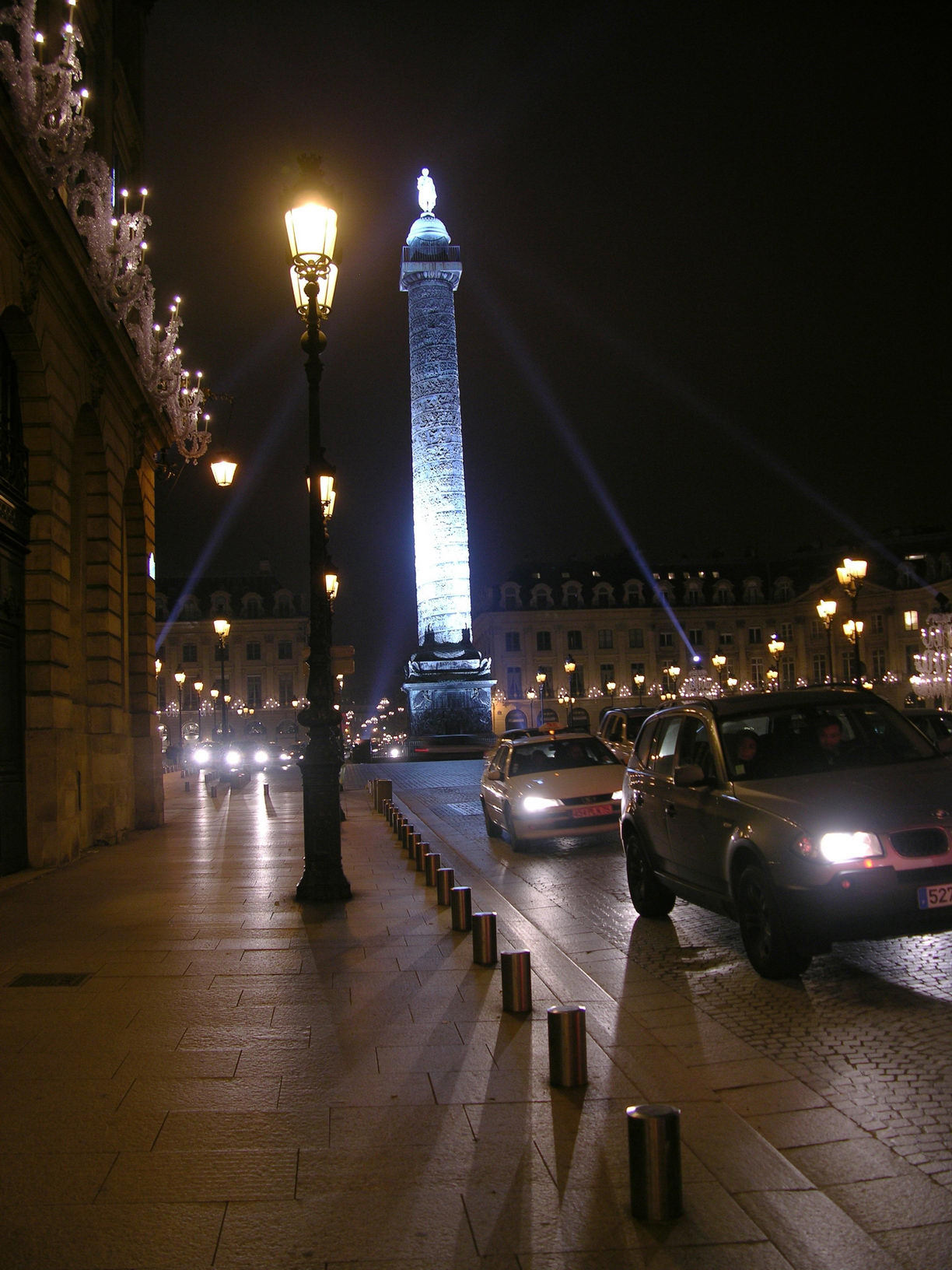
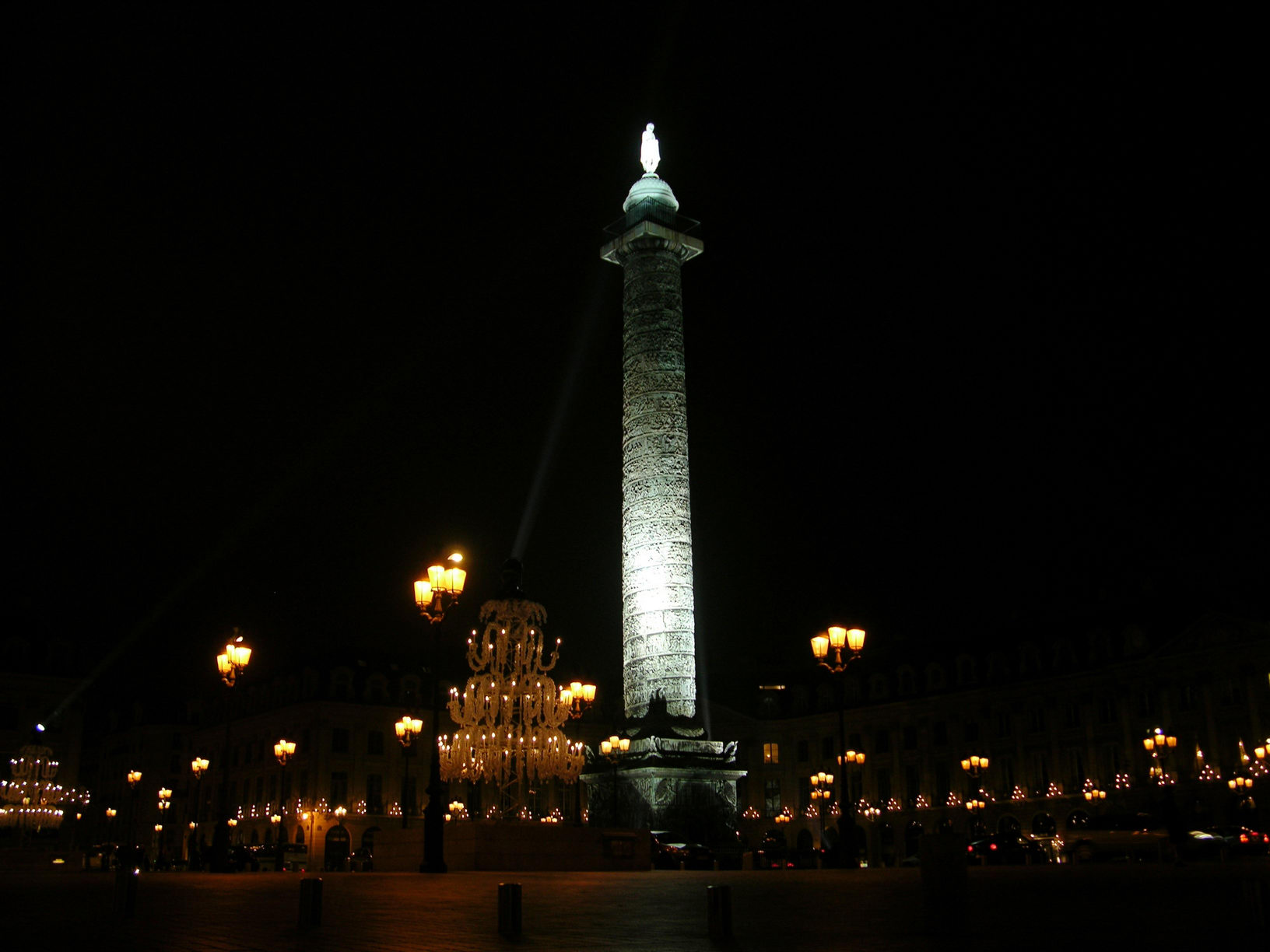
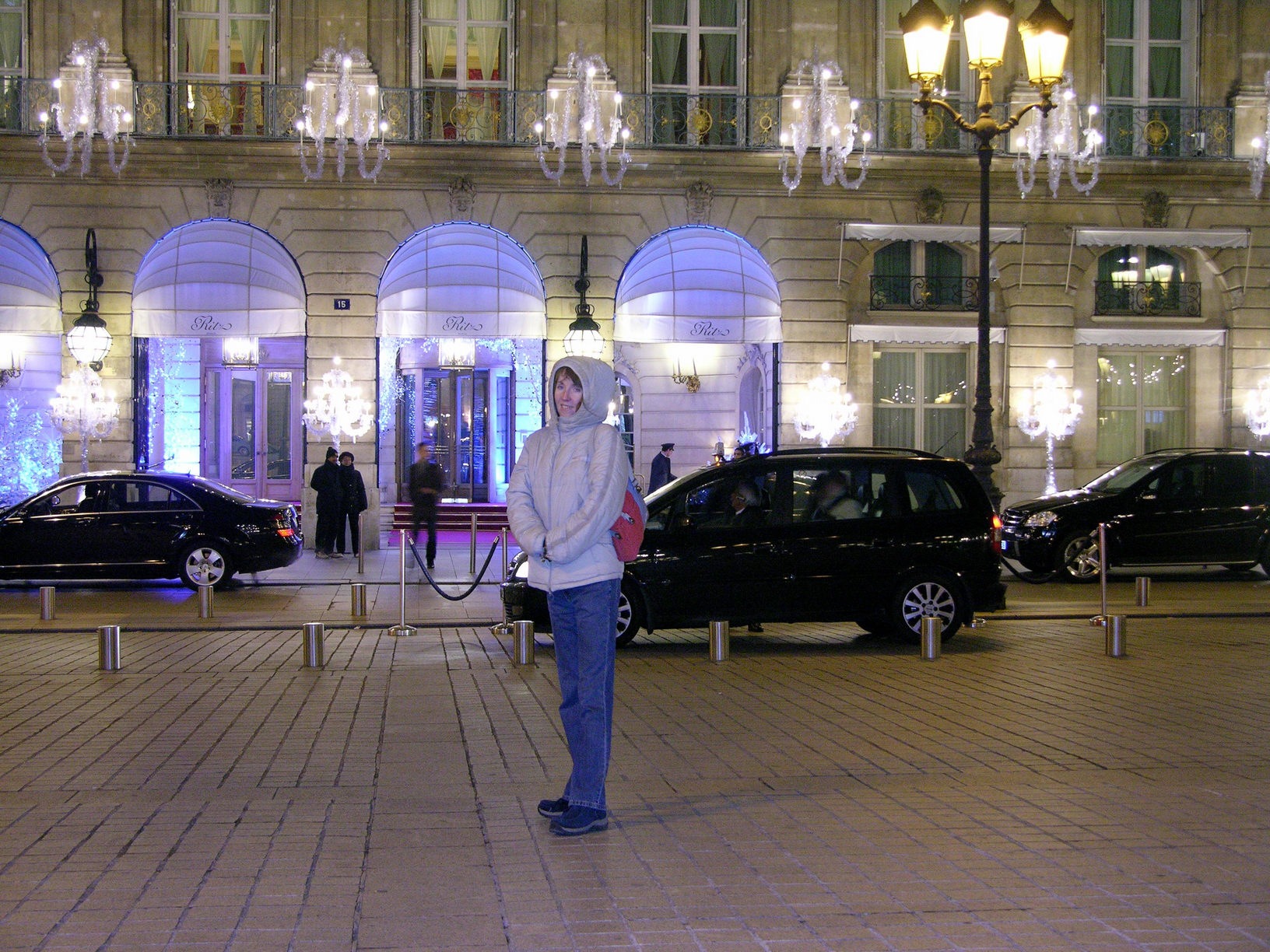
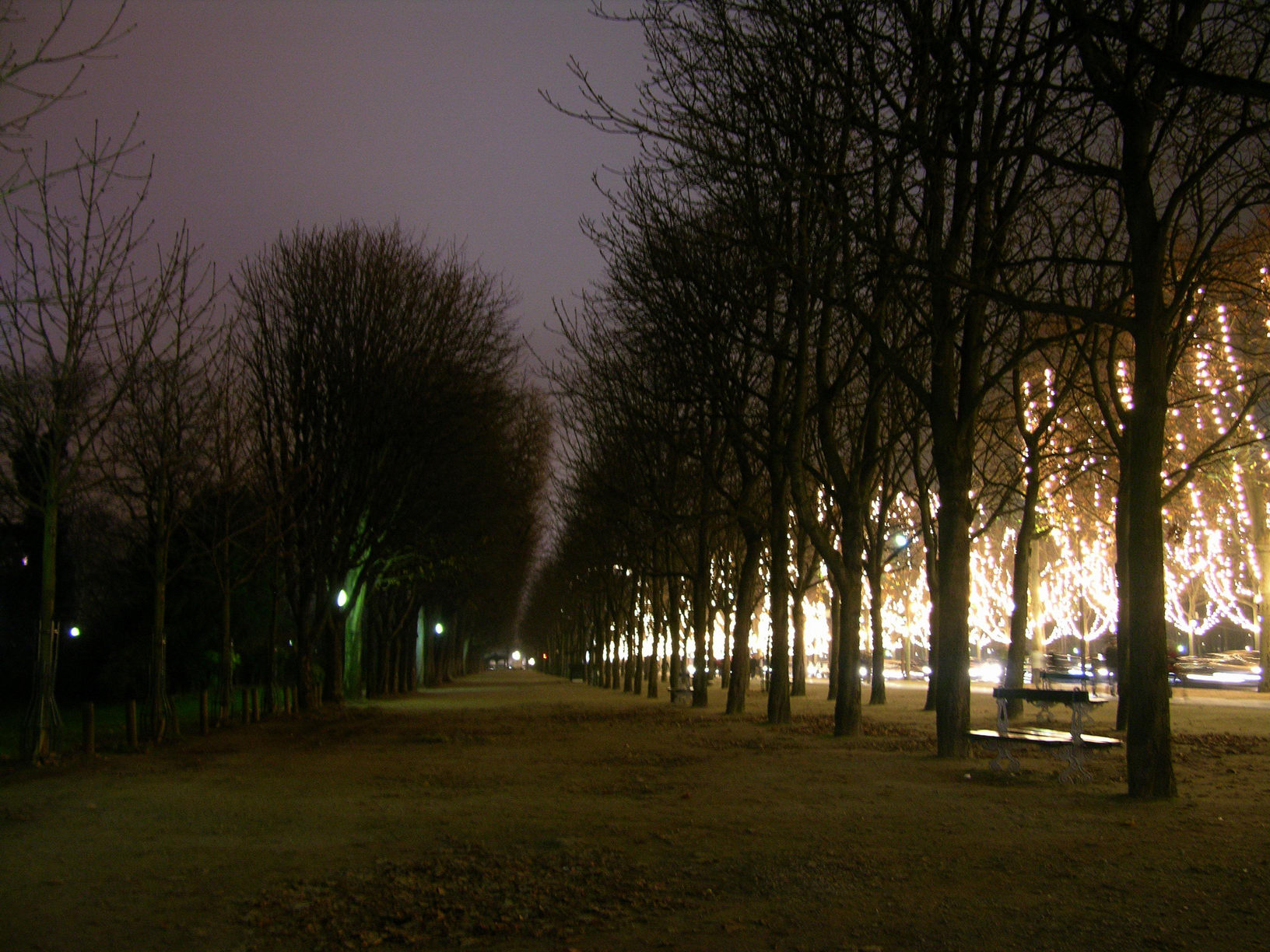
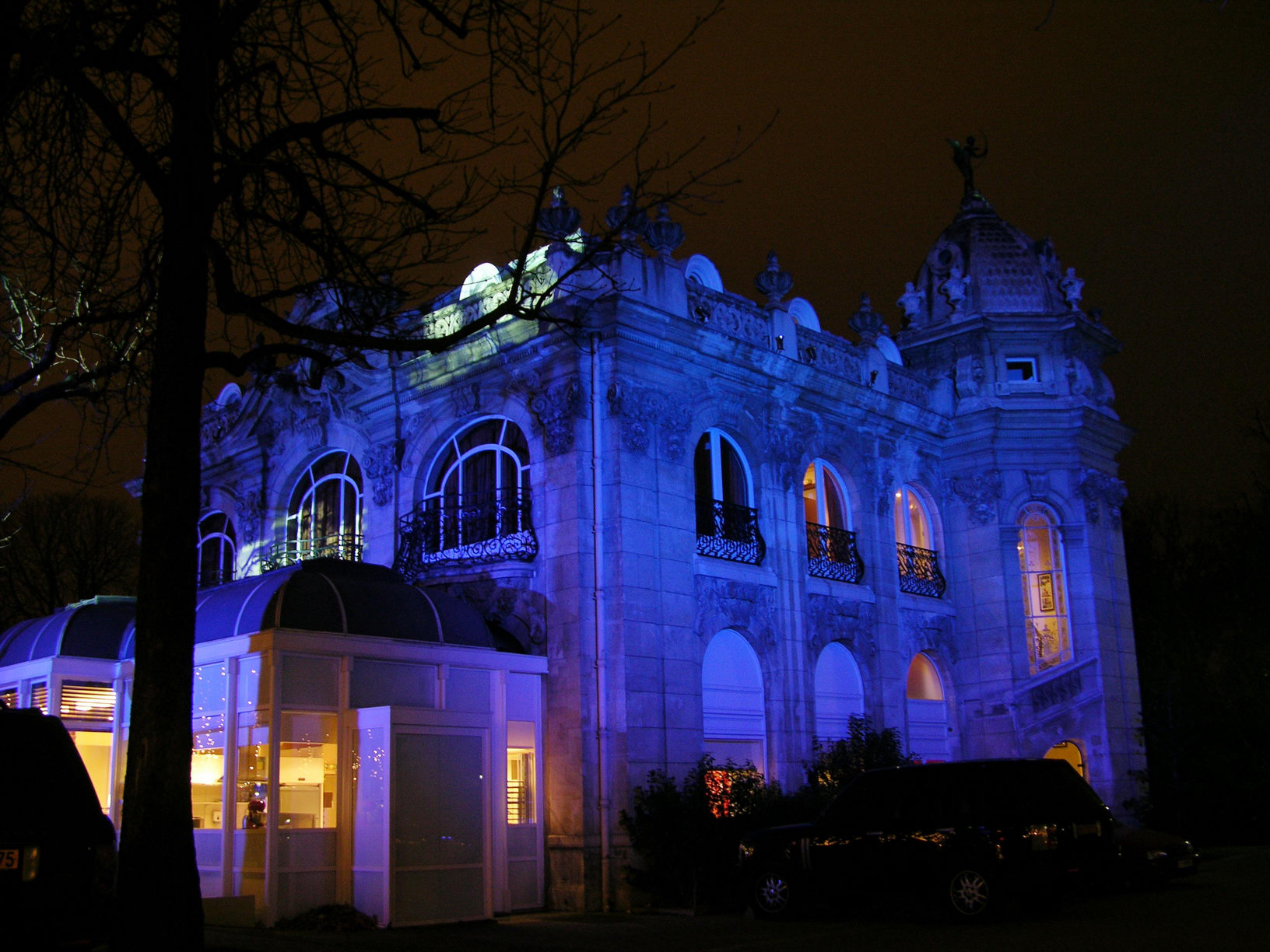
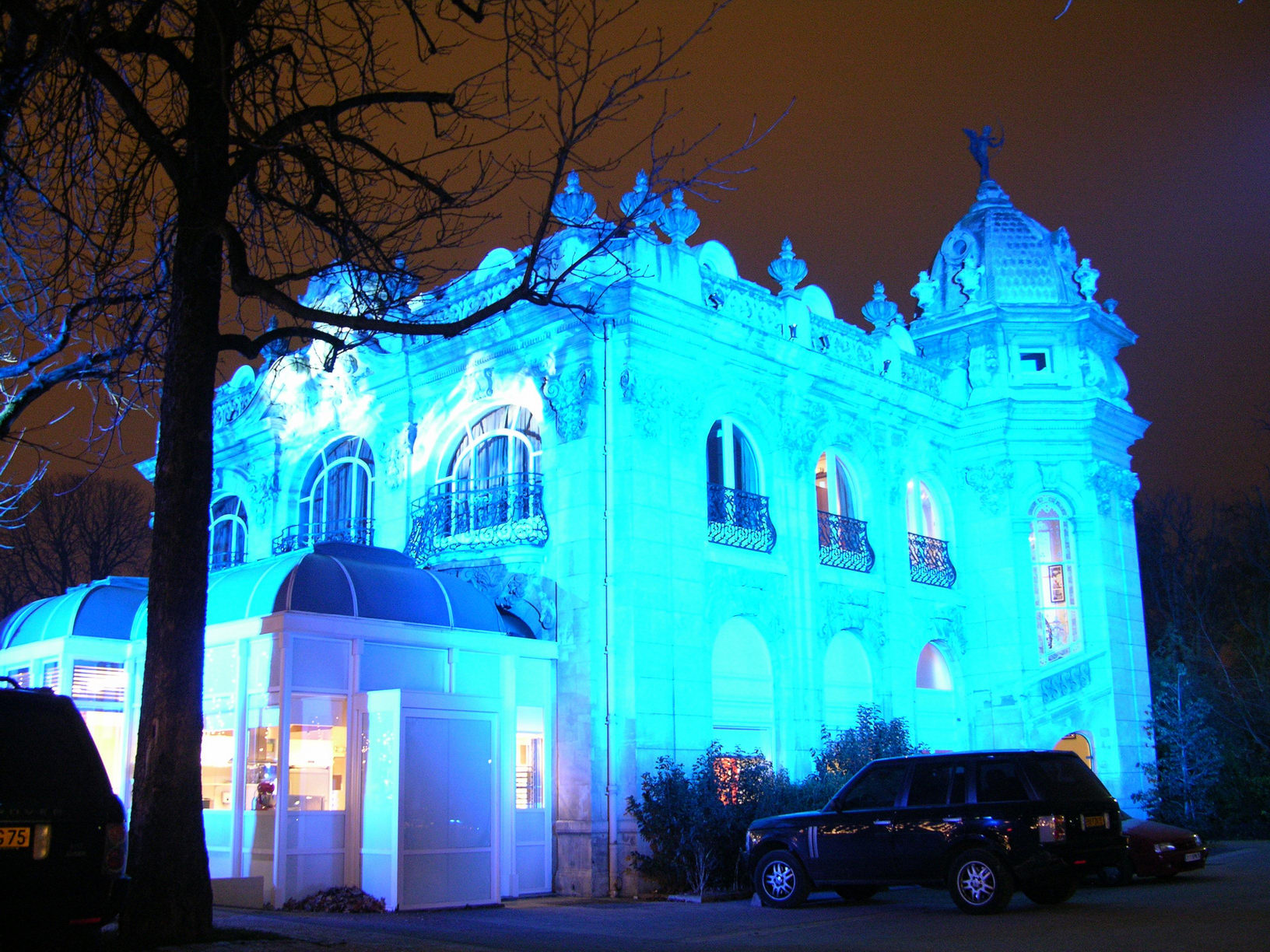
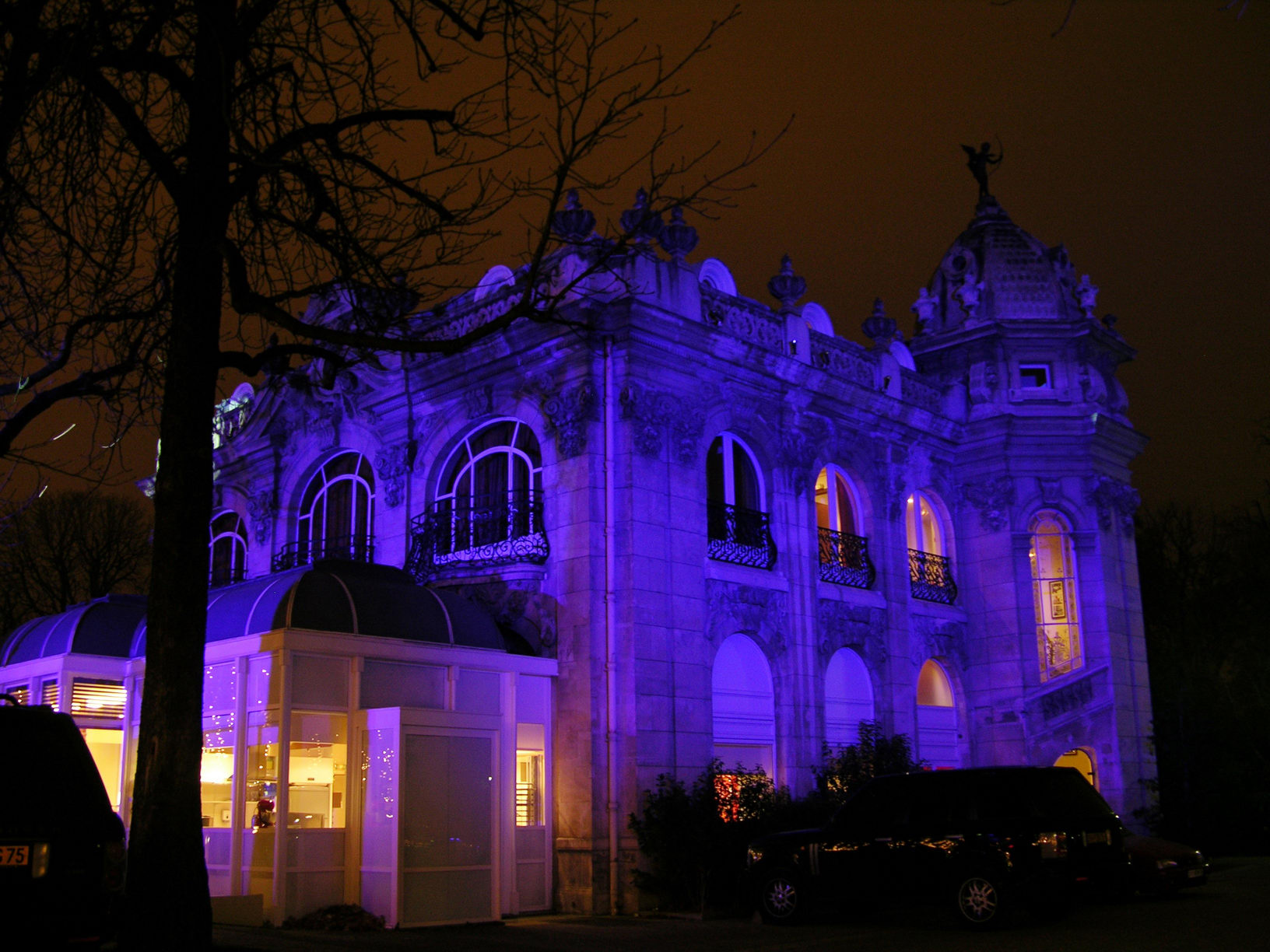
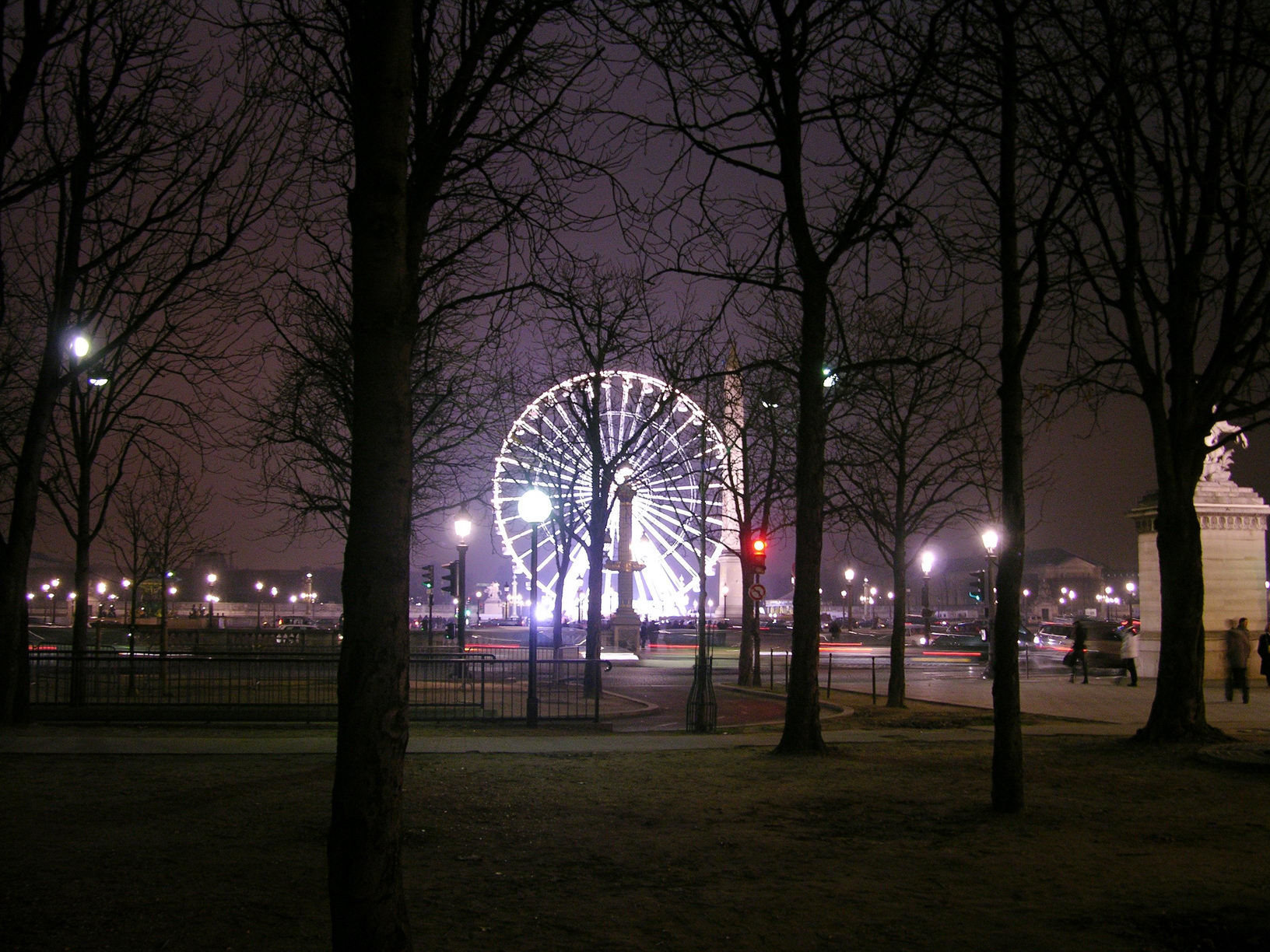
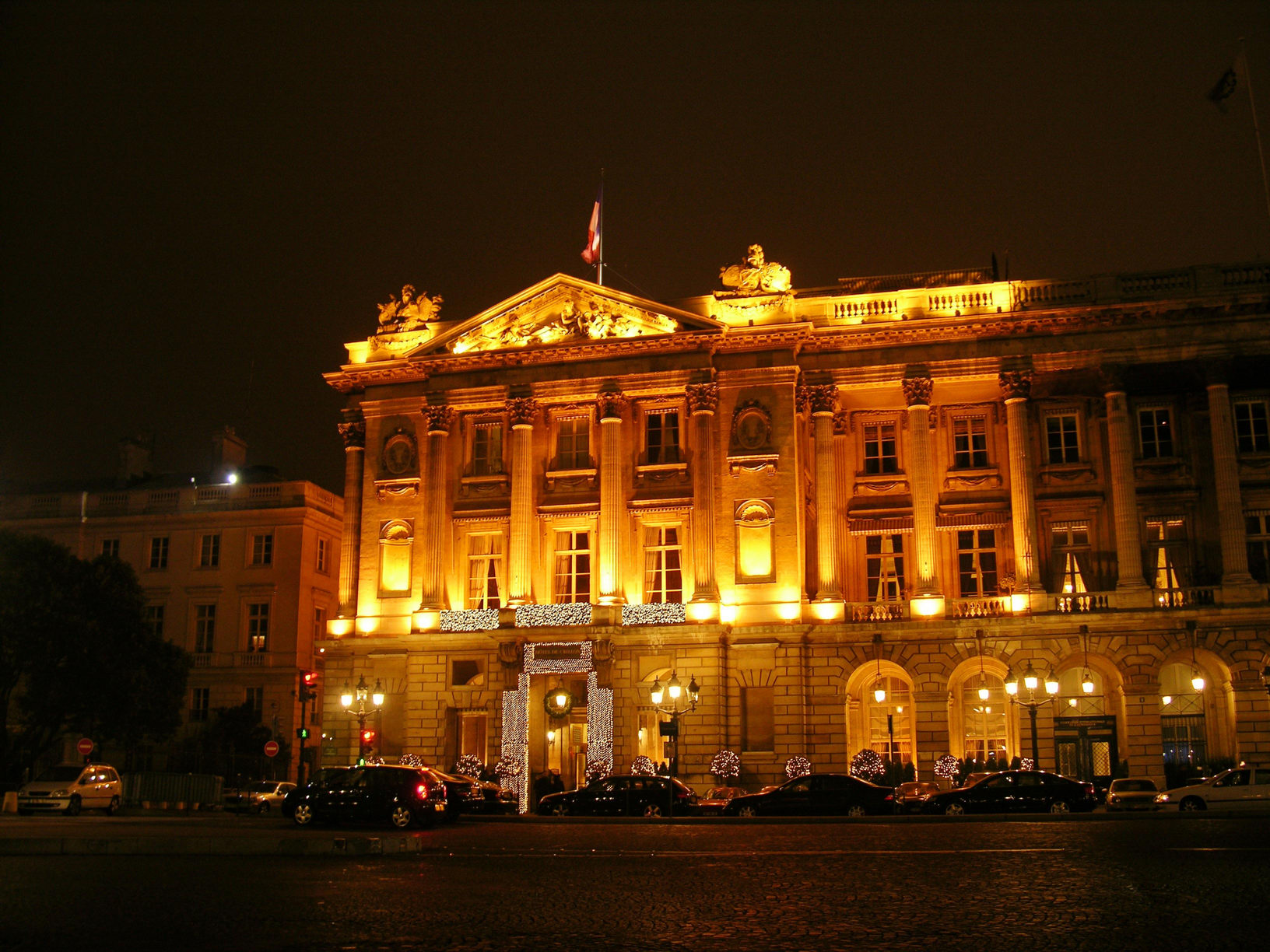
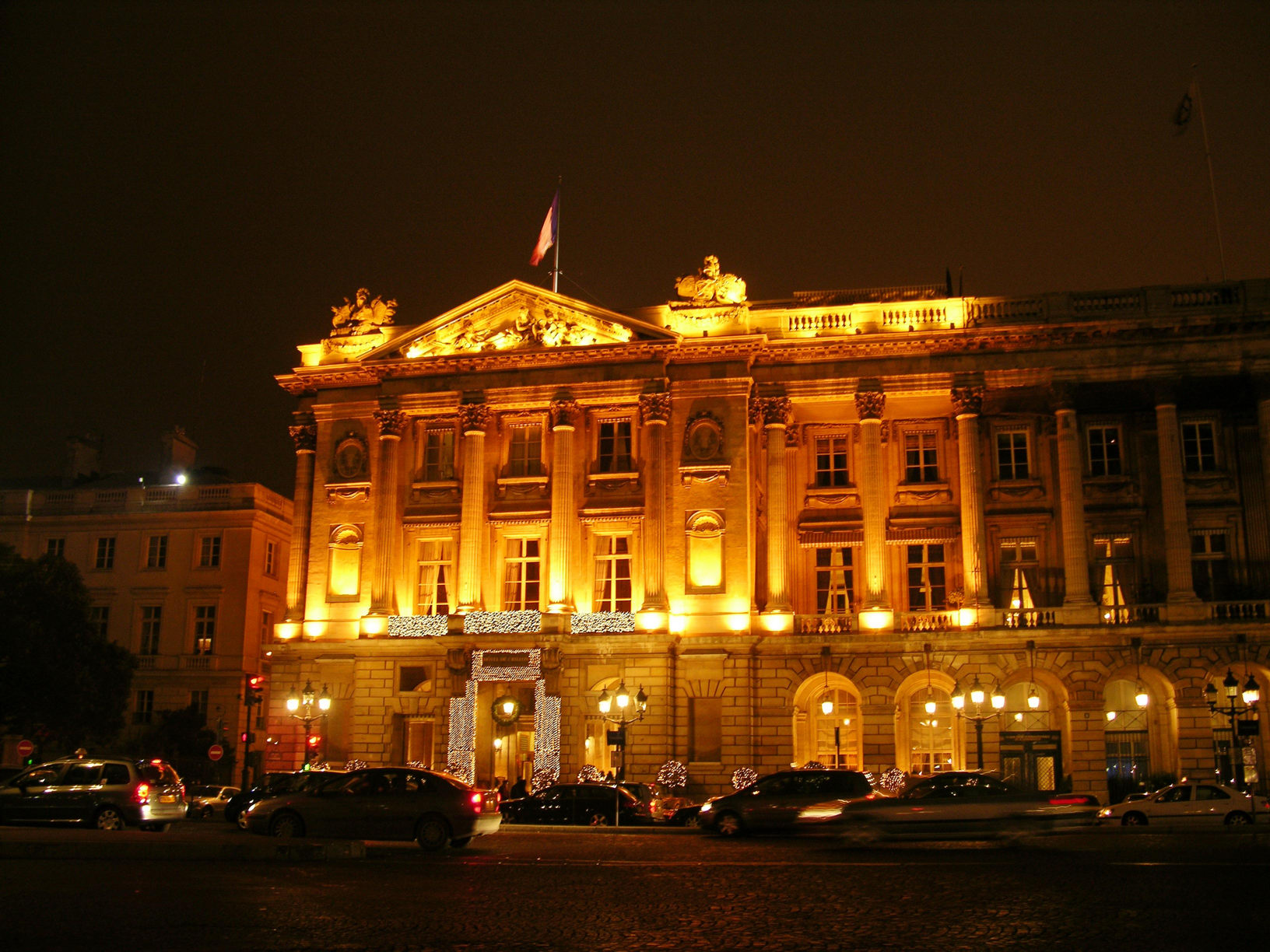
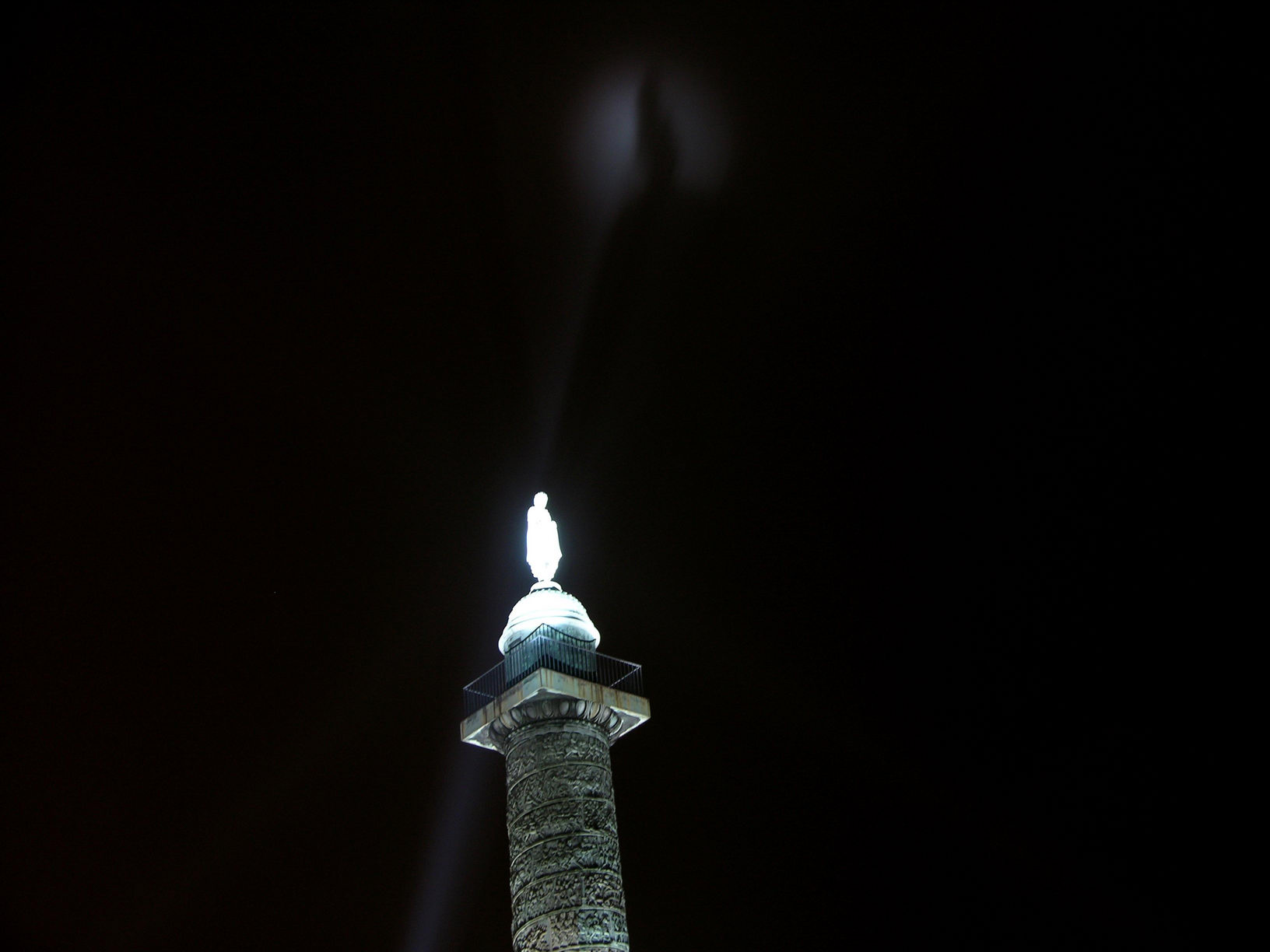
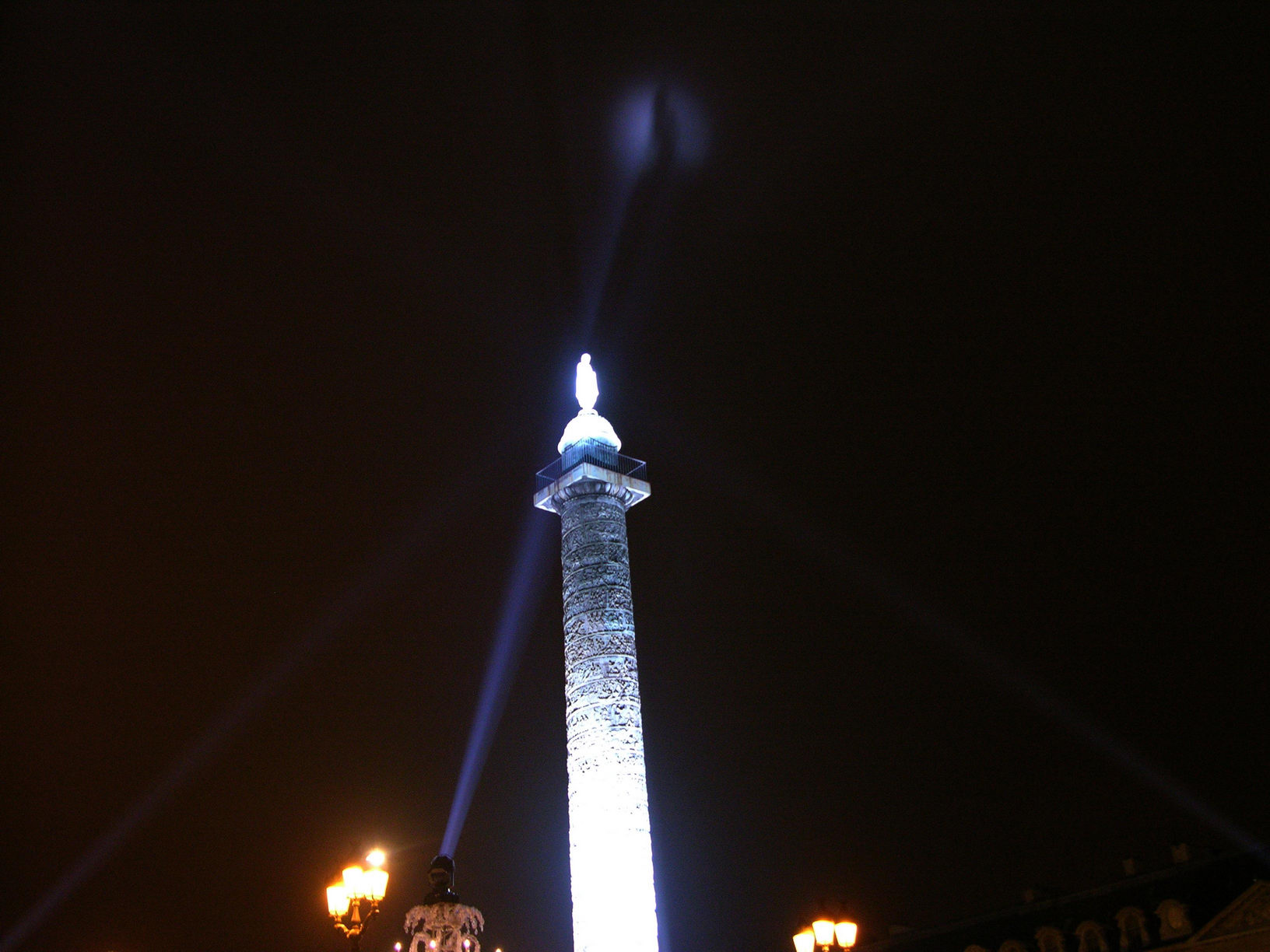
First we went looking for dinner. We hadn't eaten since morning, and there was no hot meal on the plane any more. We parked near the Place de la Bastille, by a Chinese restaurant we knew. Afterwards we went over to the Champs-Élysées and walked through the city at night. We made it as far as the Vendôme Column and the Ritz. It was cold, dark and miserable. Well, what had we expected? It was December and we were wearing summer clothes packed for the tropics. Time to run back to the car, where at least we could drive around. Paris at Christmas was as lovely as ever. Hardly any cars were out, and we could wind unhindered through the narrow streets in the centre. It was midnight by the time we reached the hotel near Orly, chosen to make sure we caught the flight next morning.