French Guiana
Chapter 2. French Guiana, in the jungles of the European Union
Air France flies from Orly to French Guiana every day. Return fares sometimes go as low as €400. The state subsidises the route to hold the remnants of the empire together. Orly is Paris's second airport and is used for domestic flights. Guiana may be a long way off, but it counts as an overseas territory. So, like Martinique, it gets put with the domestic flights.
There used to be one Guiana. Then it was divided between the British, the Dutch and the French. The first part gained independence and is now simply Guyana. The Dutch part became Suriname on independence. And the French part remained French. In French they write Guyane, which we render differently in Russian from the name of its former British neighbour.
Although it's all France and in theory you're not crossing a border, you go through the full passport procedure. They stamp you out, and to fly into Guiana you need another unused entry on your visa. They also checked our international yellow fever vaccination certificates twice. The first check was before we even reached the desks, on entering the airport section for flights to the tropical colonies. Then, at check-in, they wanted a return ticket. As I've said, I'd returned the ticket to Brazil and had nothing apart from our tickets home from Quito. We said we'd be leaving Guiana overland, or rather across a river to neighbouring Brazil, for which we had visas. The woman at check-in went off to consult her bosses. Several times she came back with another question and disappeared into the bowels of the airport again. We were about ready to buy and return the long-suffering ticket to Belém one more time, but in the end they granted us the right to travel overland.
It was an A330, a nine-hour flight. I had a window seat, but from just after takeoff there was ocean under the wing, and there was nothing to look at until just before landing. Every other passenger seemed to be French. They fed us twice and very well, just like in the old days. A little bottle of wine came as standard on every tray, even for children.
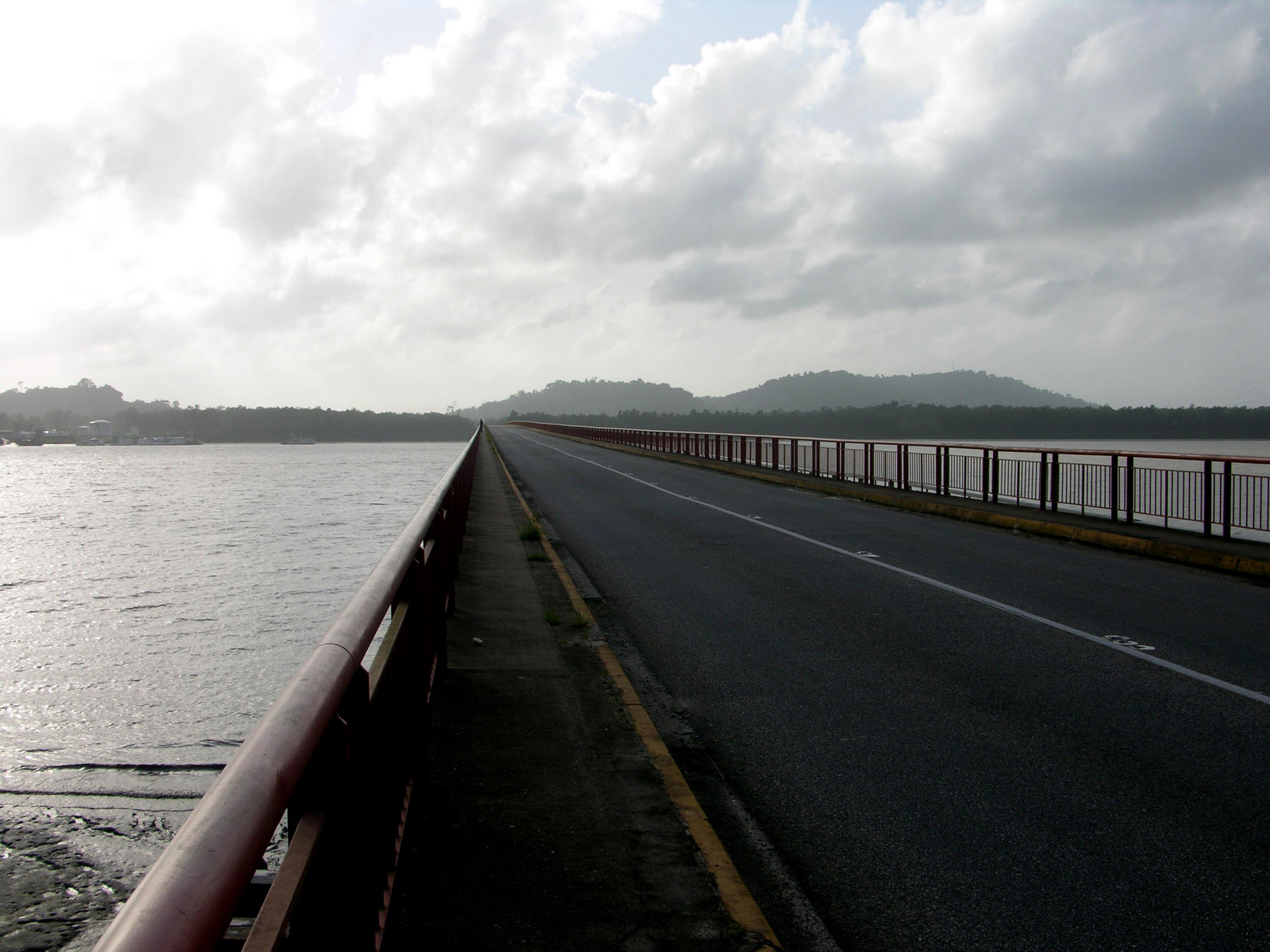
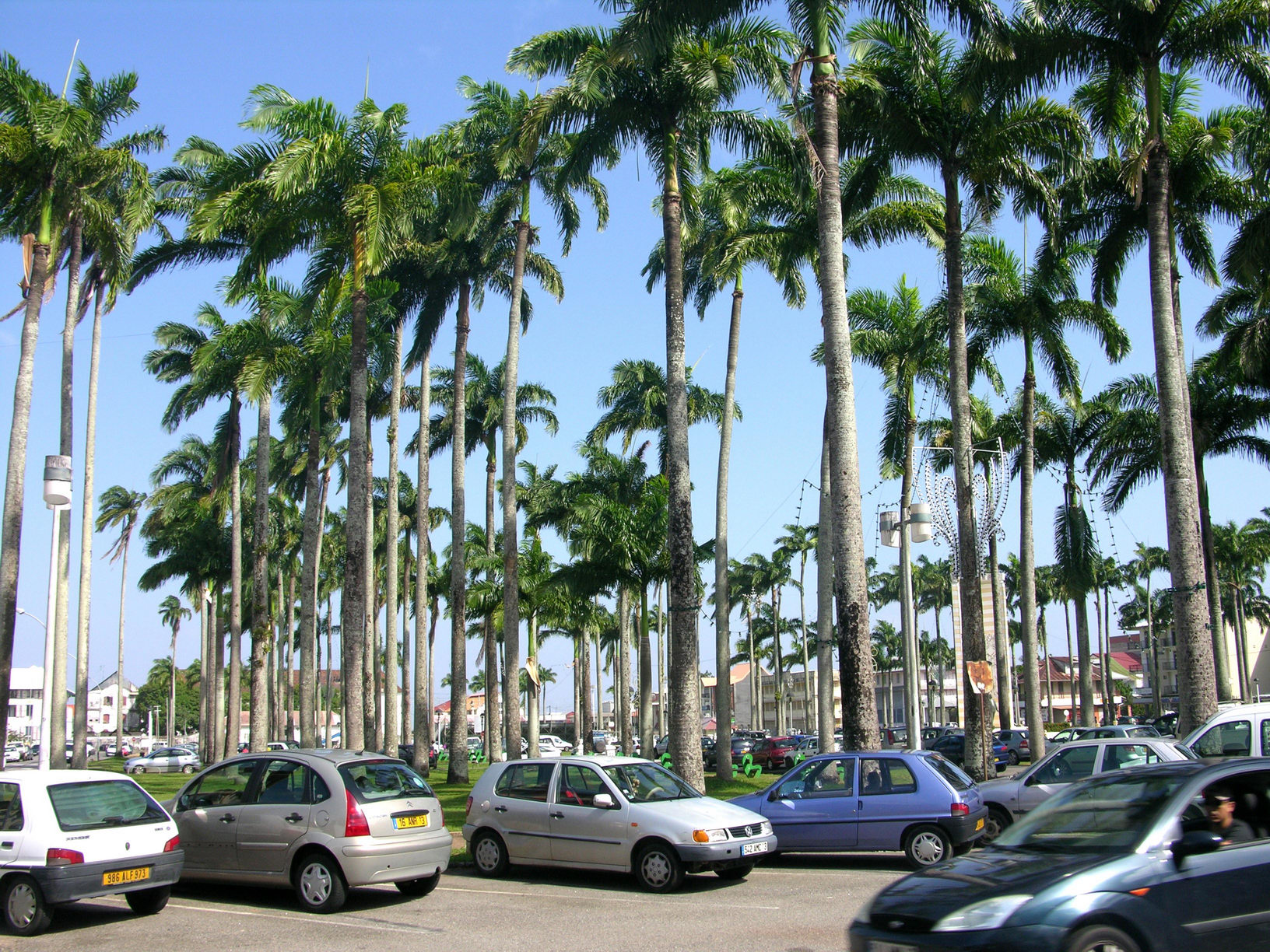
French Guiana has one international airport, Rochambeau, eighteen kilometres from the capital, Cayenne. Before landing, the plane made a broad circle over the jungle and the coastal mangroves. Lots of roads and bridges. The traffic was quite heavy. Roundabouts at the junctions. You could form a first impression of the country without leaving your window seat. I even managed to remember the way.
Passport control followed. The queue moved quickly. Locals and French citizens simply showed their ID. Nobody even entered their details in a computer. Our passports were a different matter. They studied them for a long time and copied out everything by hand into a logbook. To enter, you need either a special French visa for Guiana or a French Schengen visa endorsed for entry to Guiana. The first costs a third as much, but we had to leave the airport and change planes in Paris, so we'd gone for a normal €35 Schengen visa. The bottom line said Guyanna.
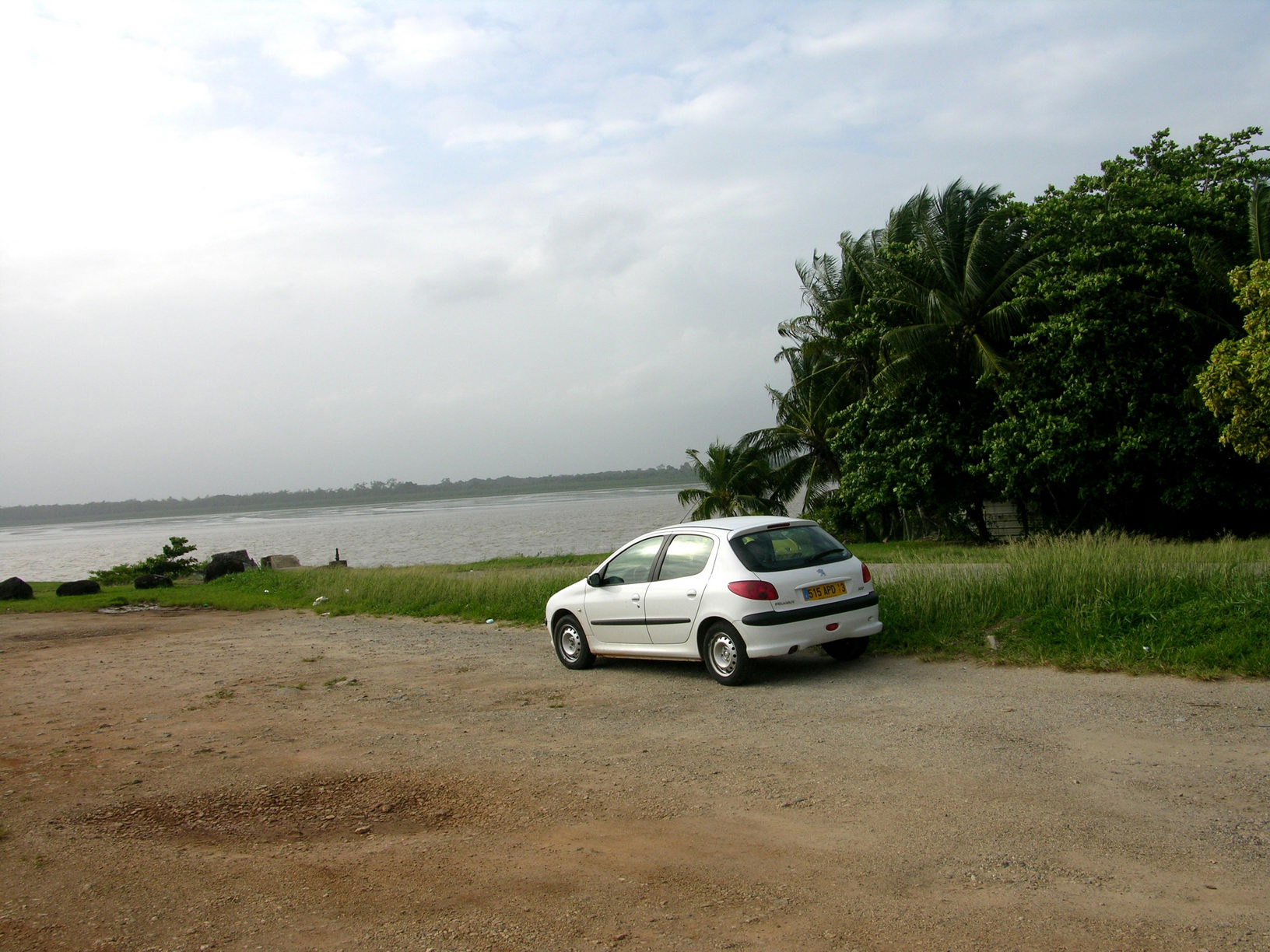
We'd booked a car with SIXT two months earlier. They were the only company offering unlimited kilometres. Now we had a Peugeot 206 for eight days.
Petrol in French Guiana is expensive, at €1.30 a litre, with diesel at €1.07.
Outside it was thirty degrees and drizzling. Pleasant French music on the radio, and the very same stations as in Paris. Plenty of road signs, so the way was easy to find. We bypassed the capital and went straight to the country's second-largest town, Kourou, and the Mercure Ariatel Kourou, which we'd booked to get our visas. We'd already paid, so we might as well use it, if only as a place to leave our rucksacks. From the capital to Kourou it's sixty kilometres on a narrow, busy road. The hotel took some finding. The town turned out to be large and confusingly laid out, and we were going right to the outskirts (5°10.701′N, 52°39.657′W).
For €135 you get half a detached cottage by the little Lac du Bois Diable, right beside the space centre fence. That's for two. It was more nearly the price of a day's worth of visa than a night's accommodation.
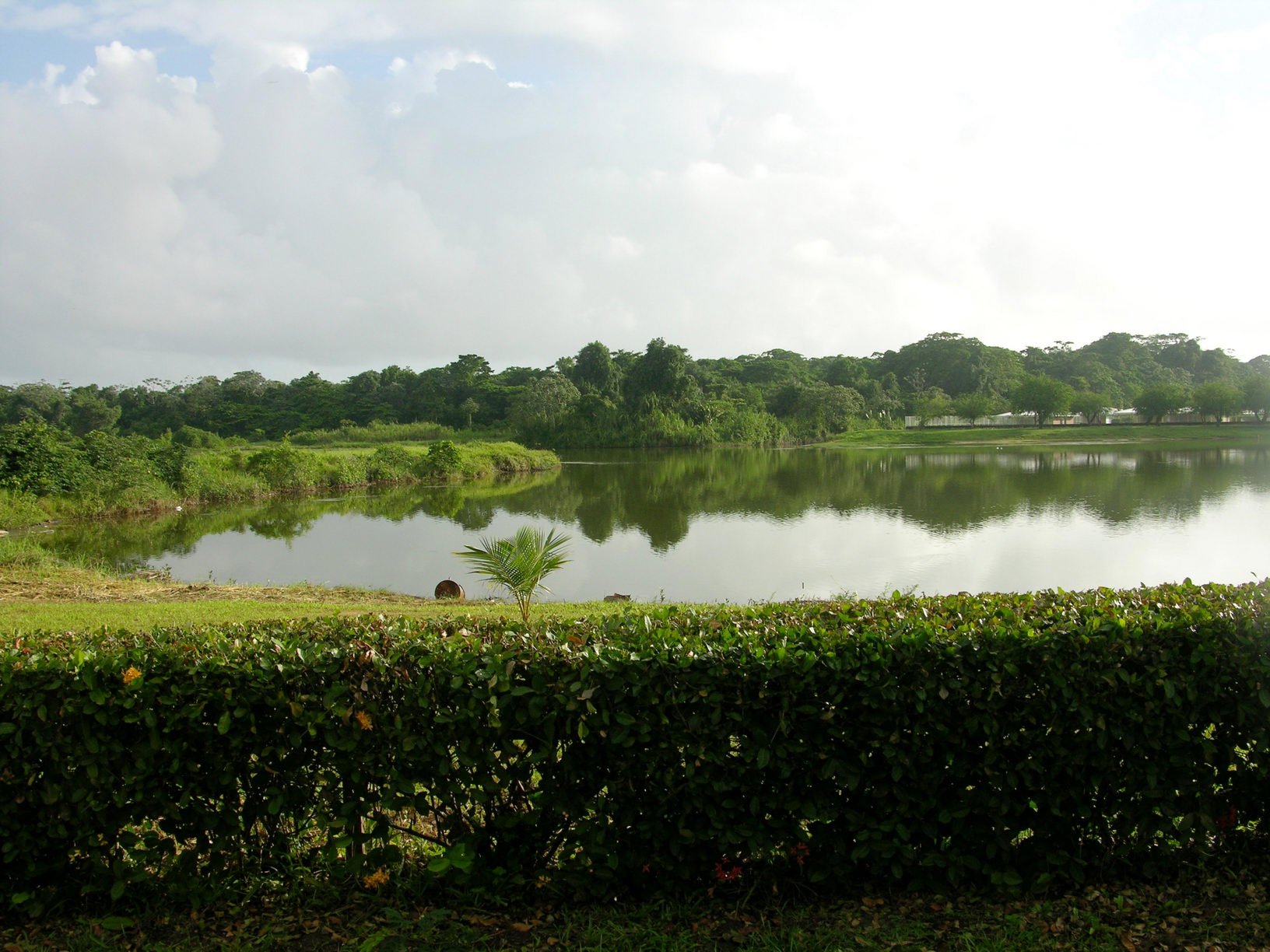
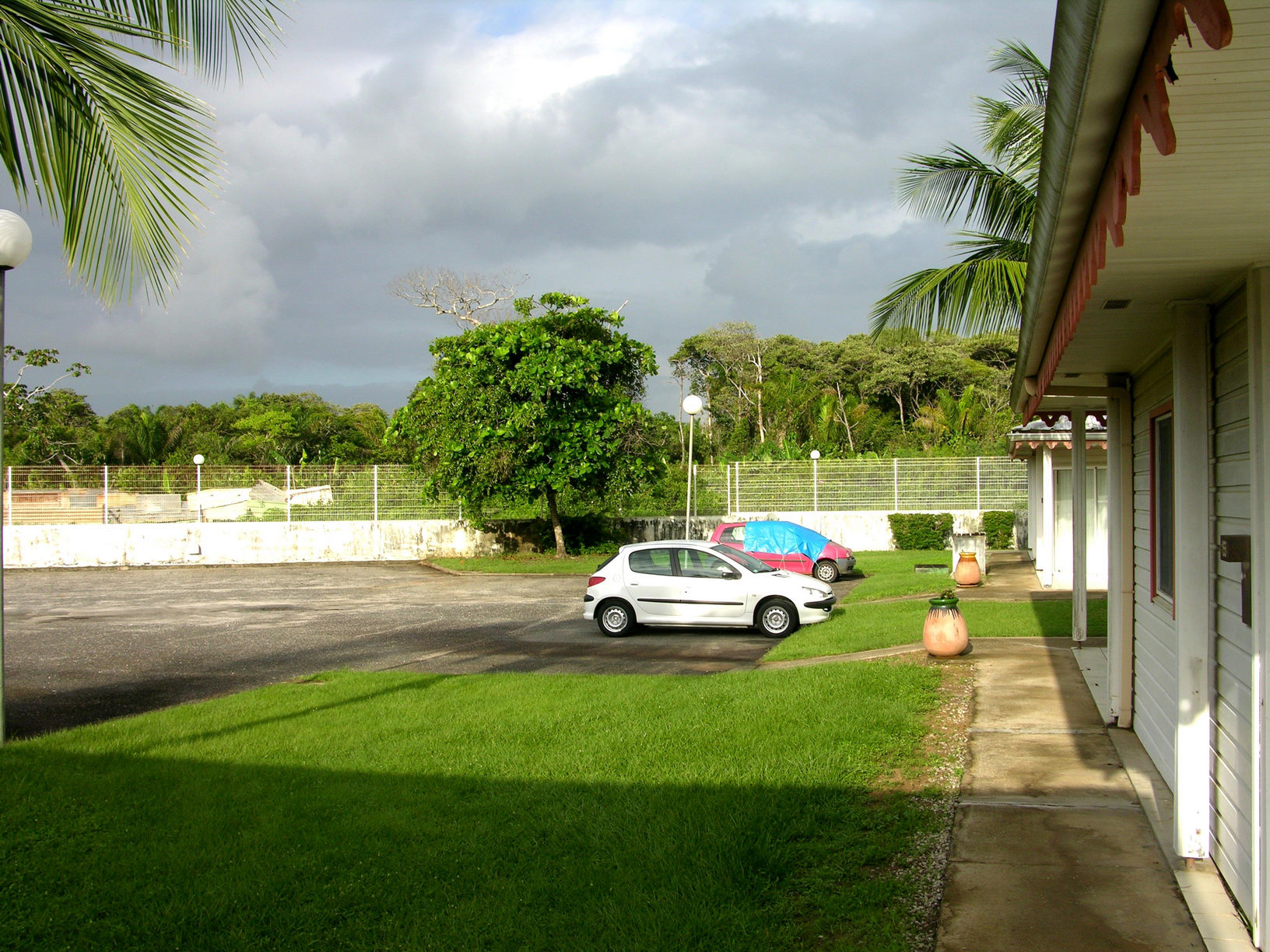
Kourou, in effect, is the town that grew up around the European space centre. The French had been launching rockets there since the sixties.
It was dark by the time we left the hotel. All we had time for on our first day was dinner in a little Chinese restaurant. The Chinese, Vietnamese and Laotians have the whole cheap food market between them. You have to look quite hard to find an expensive, empty restaurant serving classic French cooking.
French Guiana is three hours behind Greenwich and, accordingly, six behind Moscow winter time. That made for a long day for us, and by then we badly wanted to sleep.
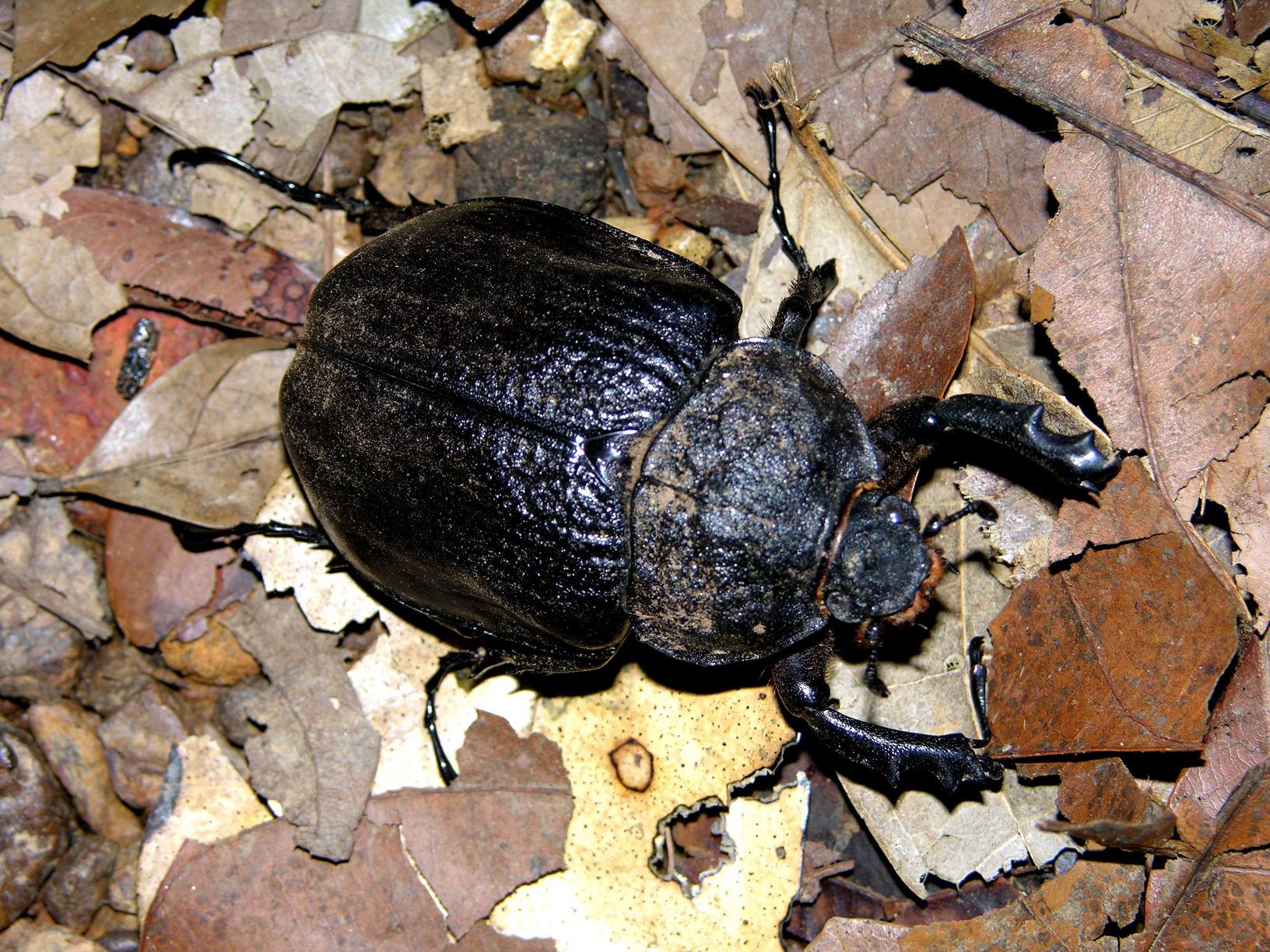
In the morning we woke to birdsong. The cold winter silence of Saint Petersburg had turned into a riot of tropical life. You never get used to that. On the first day your body flatly refuses to believe it's anything but a dream, and all you have to do is open the door to see it with your own eyes. There's a crested oropendola right on the fence and a huge beetle crawling by the entrance.
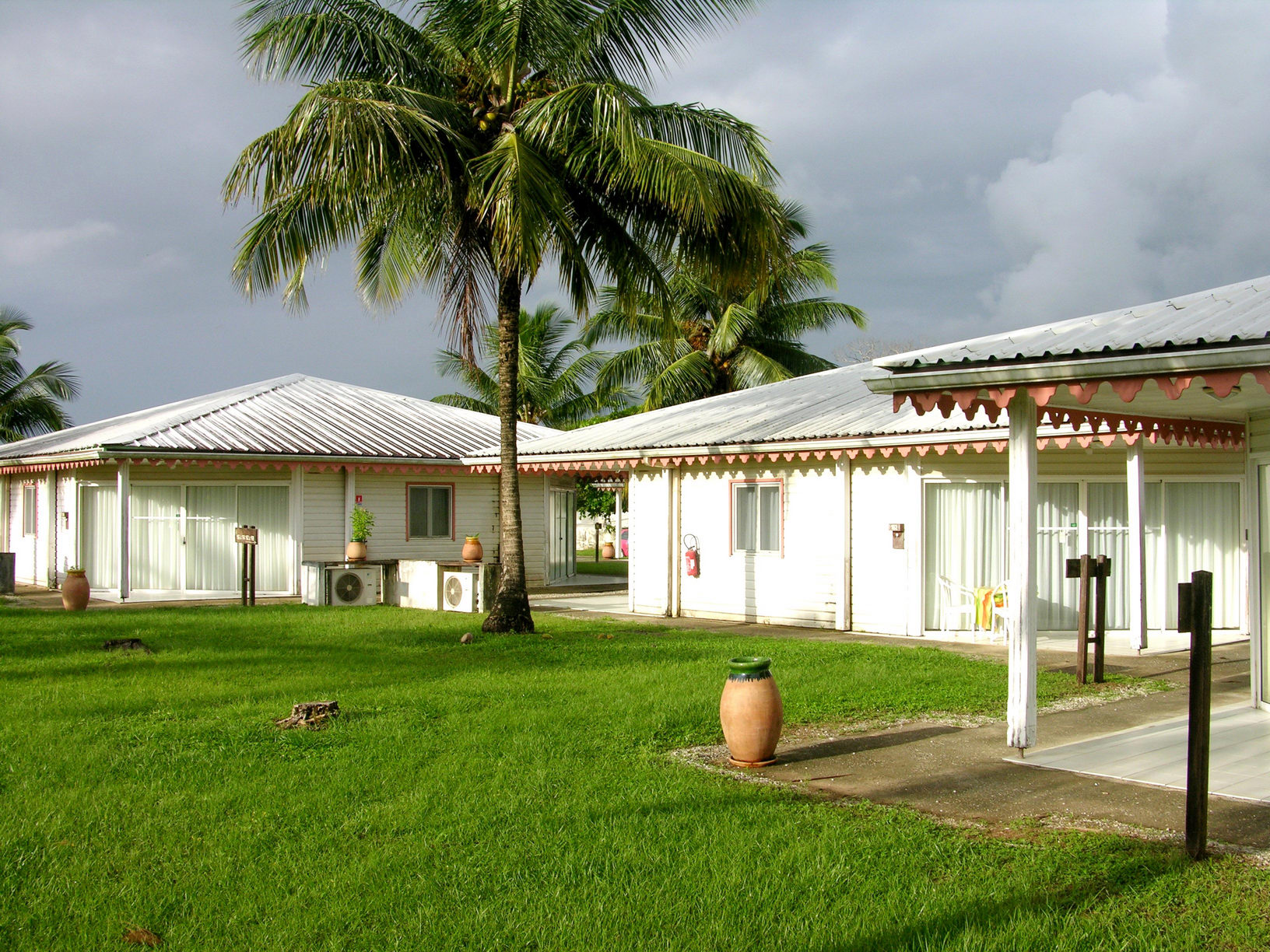
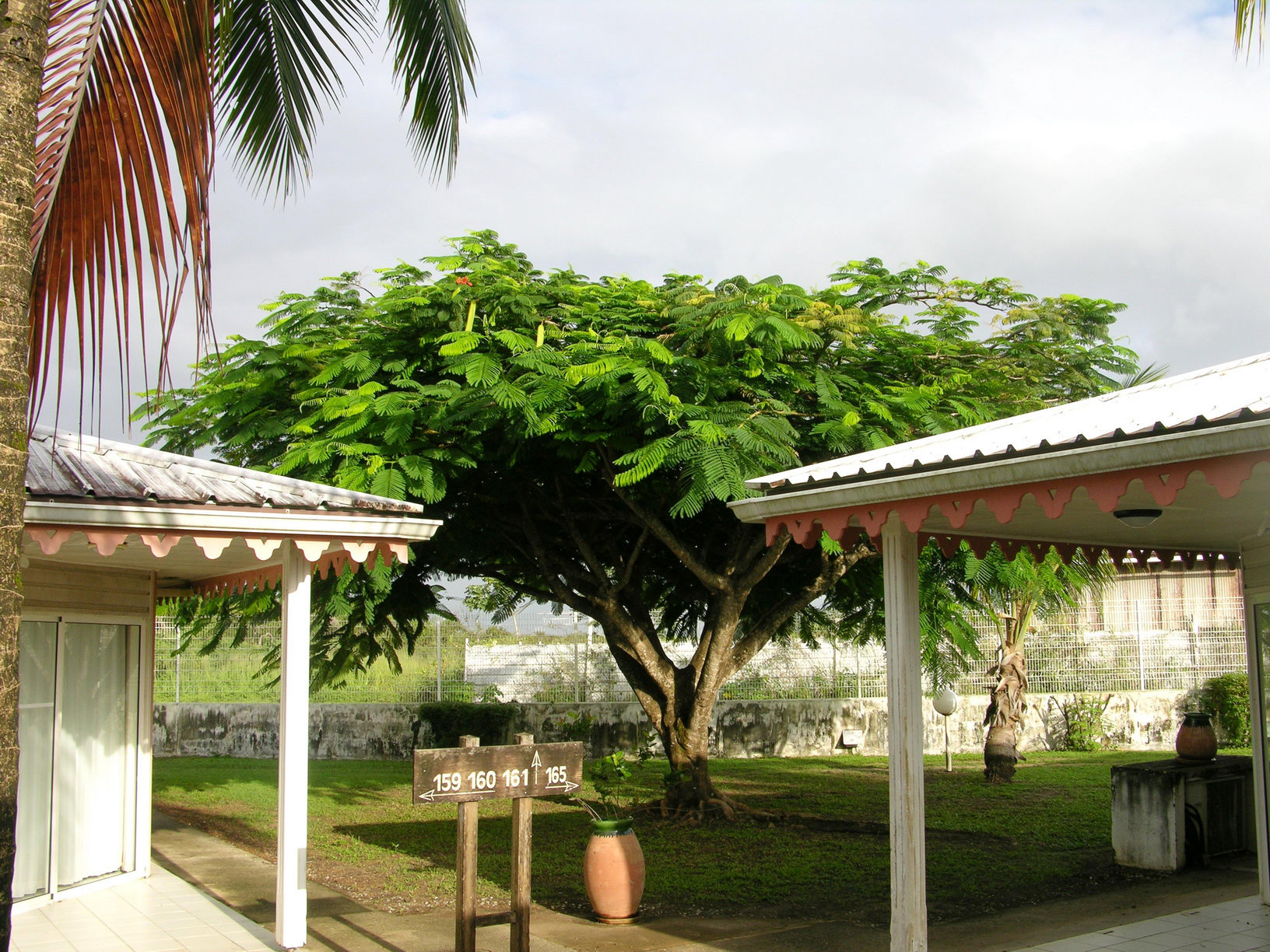
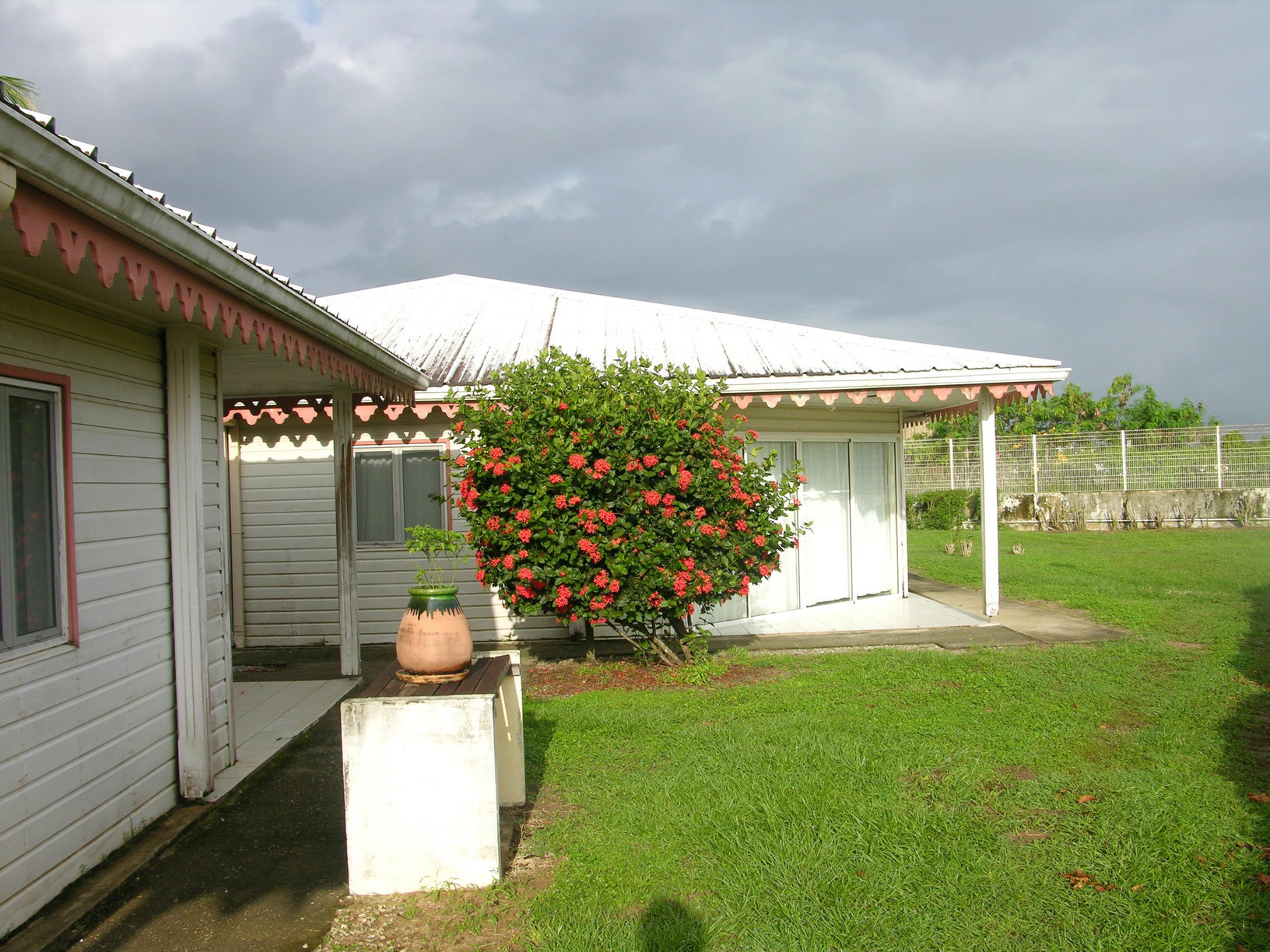
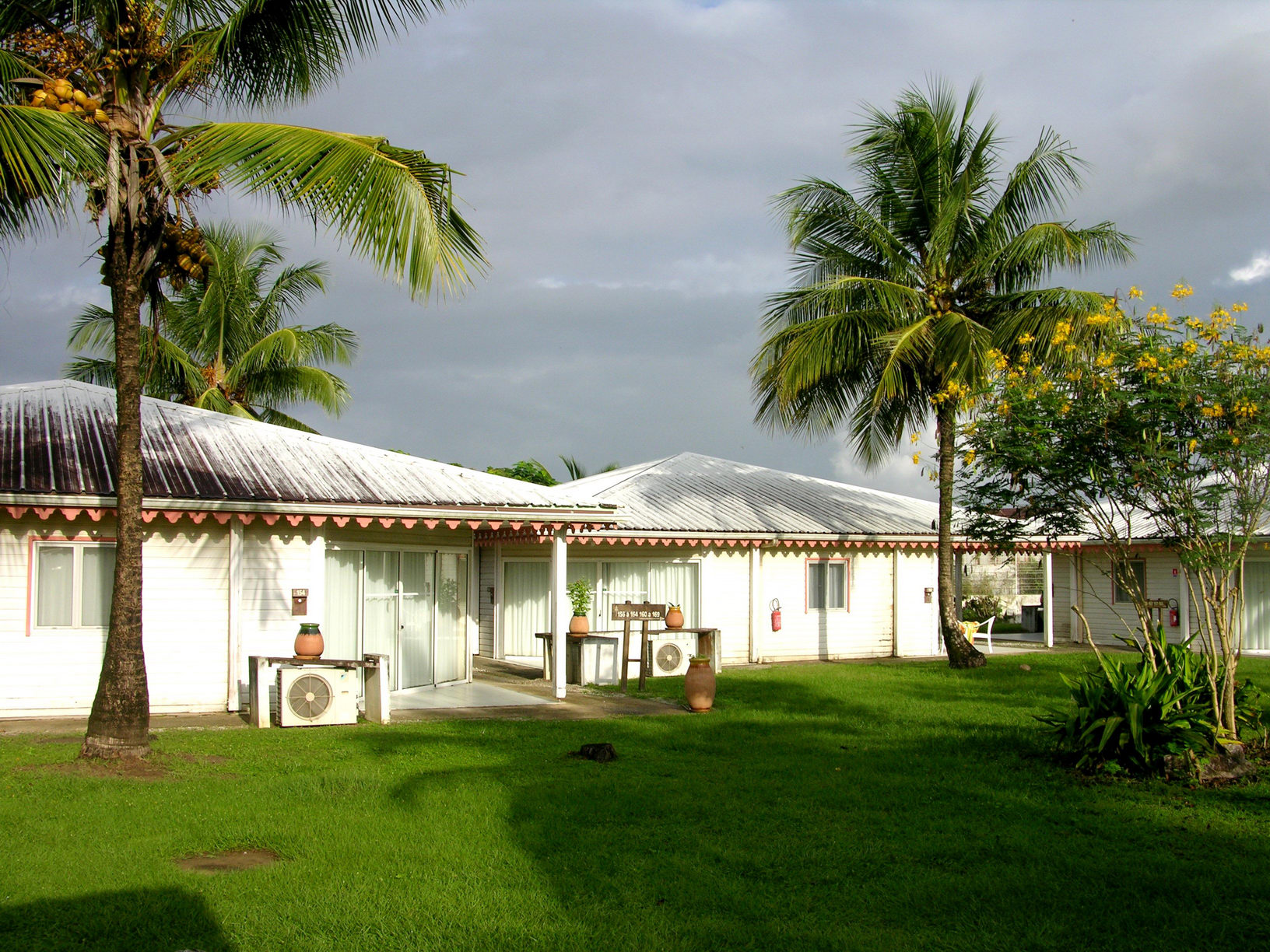
The cottage had a kettle, a stove and a fridge. We made ourselves coffee and drank it at the little table, looking at the rising sun breaking through the mist of a tropical morning.
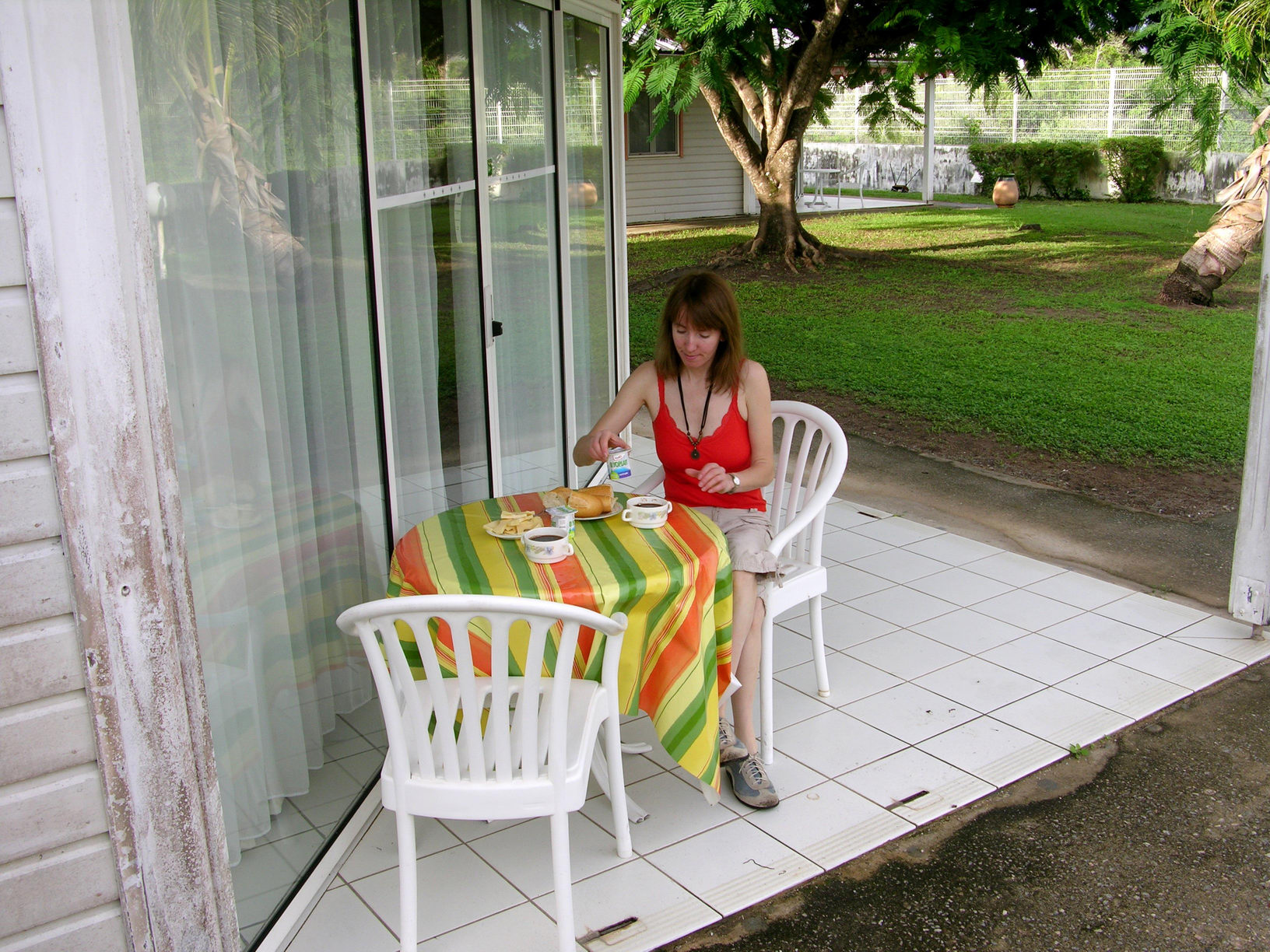
Mosquitoes were out, though. Small ones, not the malaria kind, but there were lots of them. We quickly sprayed ourselves with repellent. The fact that they don't carry malaria is no reason to ignore them. Malaria had long been gone from sophisticated towns like this, but there was dengue. There was no vaccination for it at the time, and it can kill you as surely as malaria.
Unfortunately, or perhaps fortunately, Lonely Planet had no guides to any of the three Guianas. There were only ten pages or so per country in their general Latin America book, and they were a long way from reality. It looked as if they'd written them without leaving the office.
There were local publications, of course. They were really hotel advertisements, though, rather than handbooks for independent travellers.
We'd have to drive around and look at our surroundings. Then we'd see what was interesting around here. Kourou's main attraction is the space centre, but it was closed to visitors for Christmas and we'd have to wait a few days.
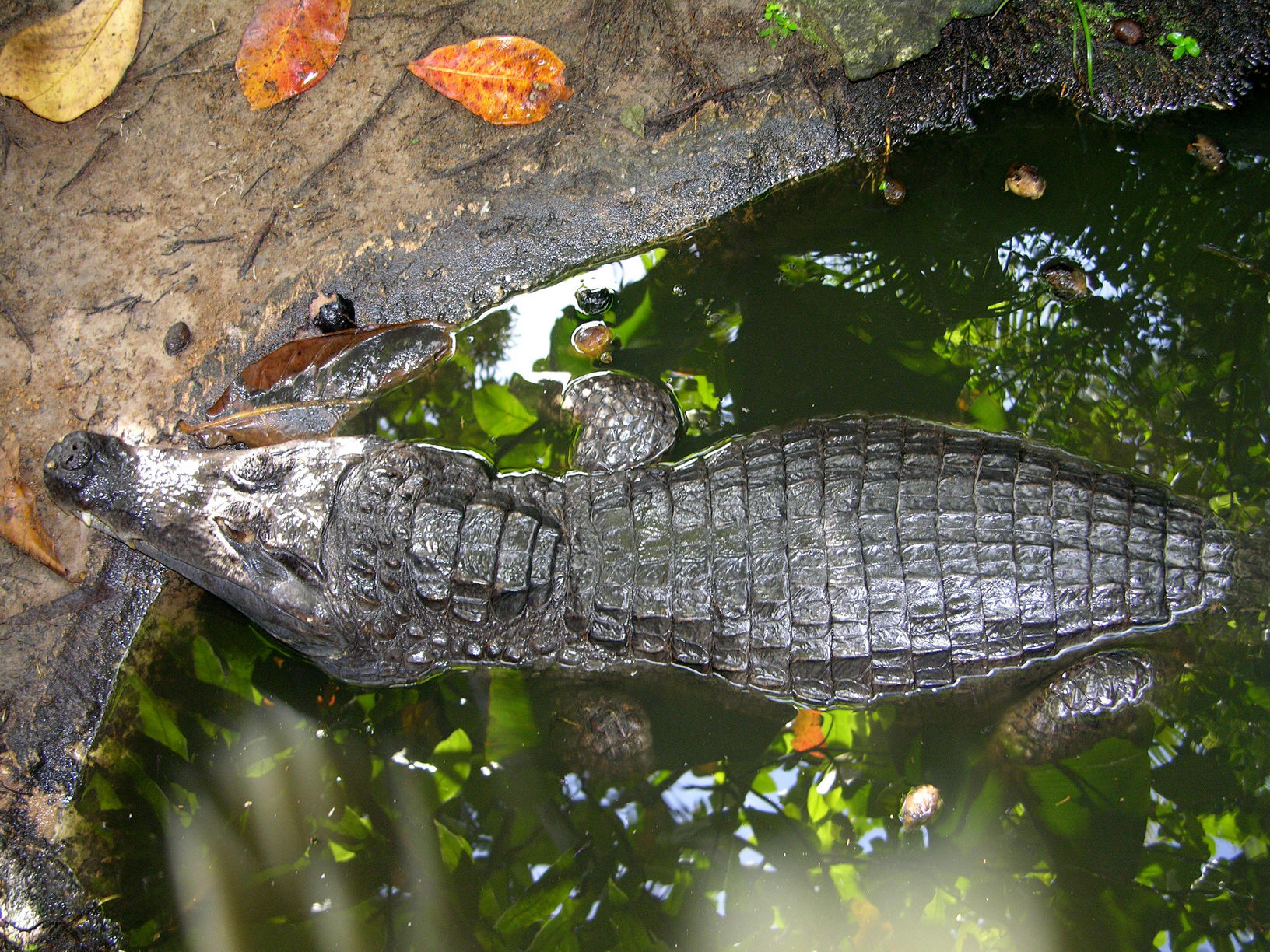
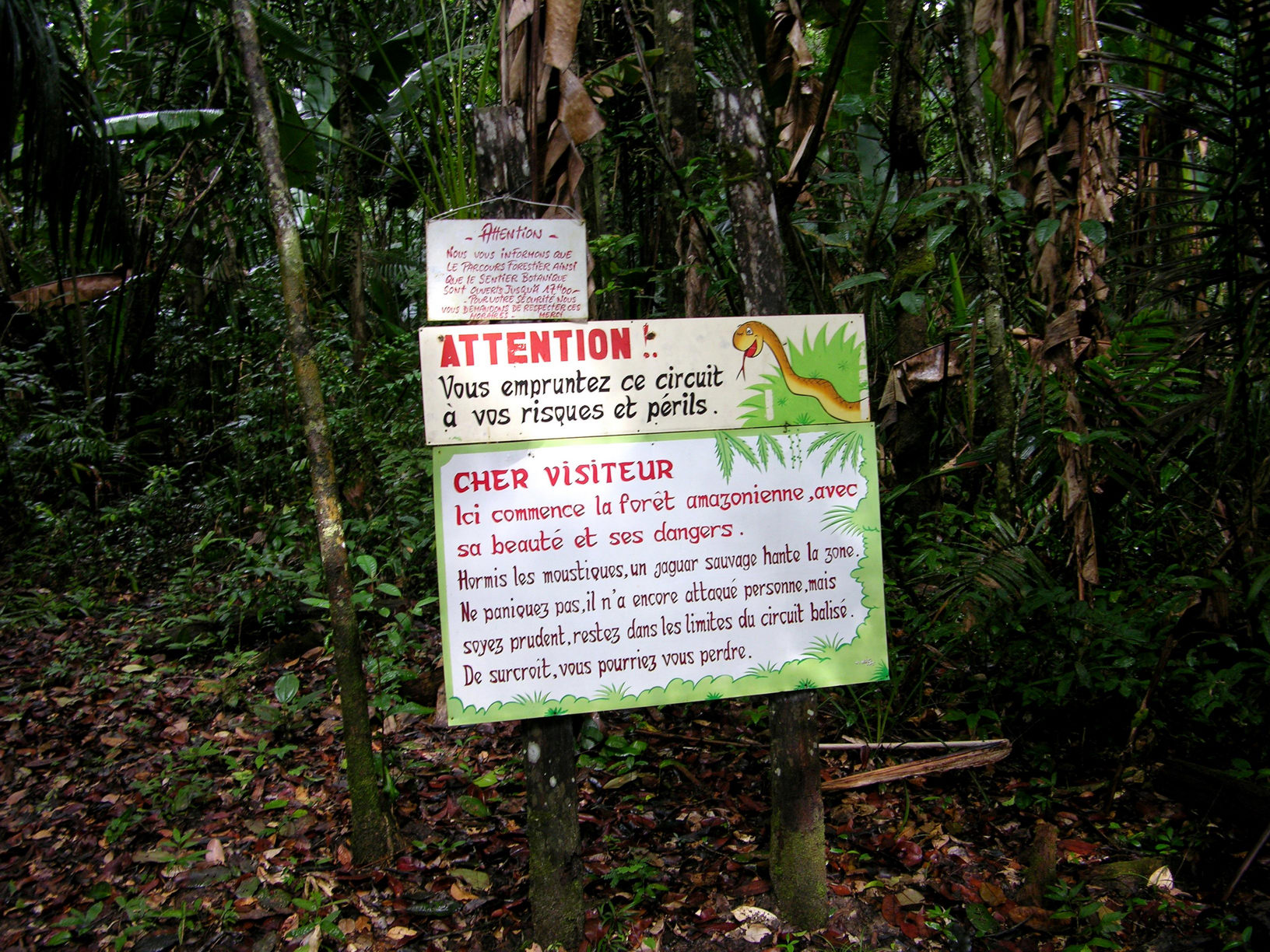
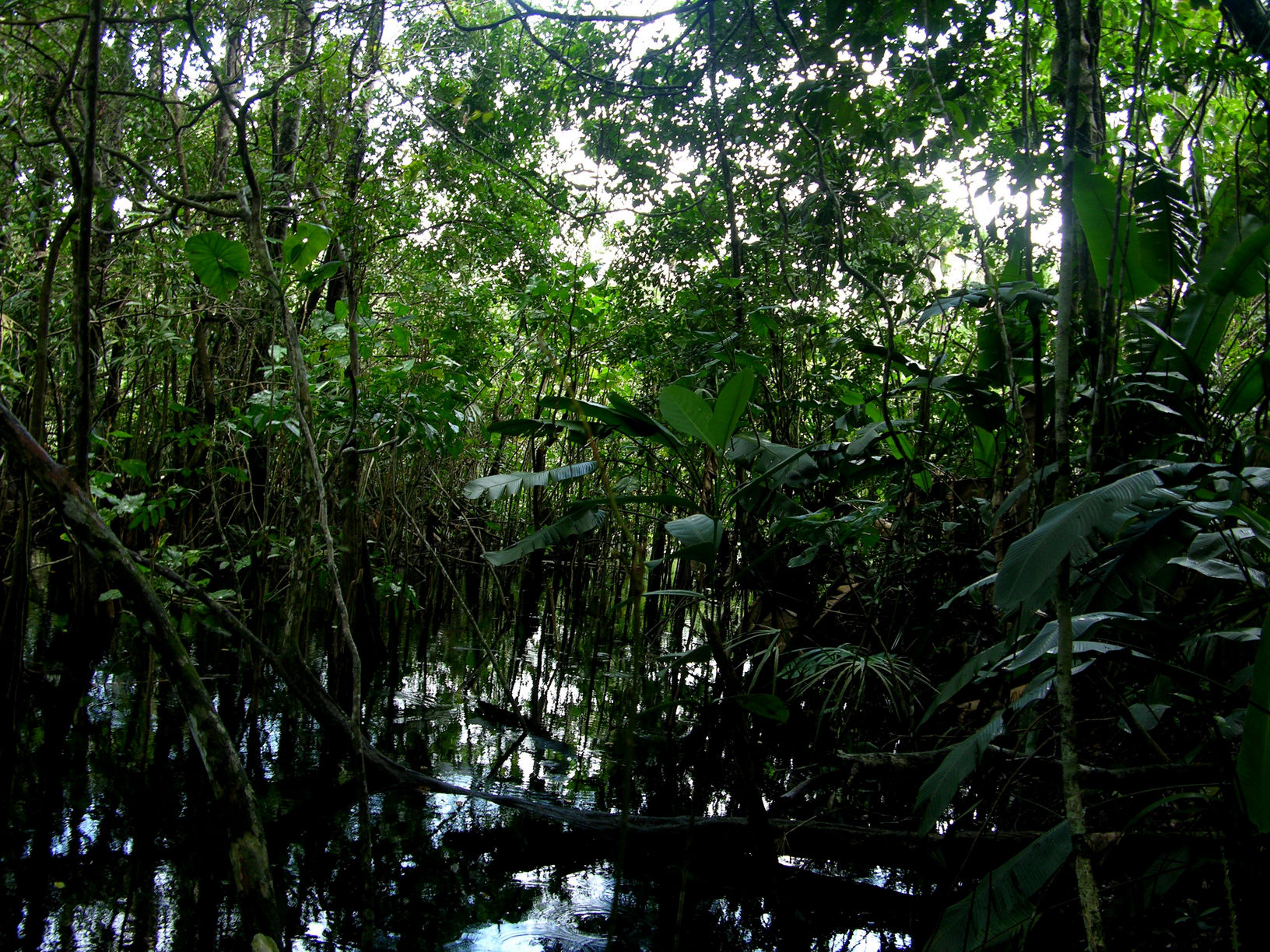
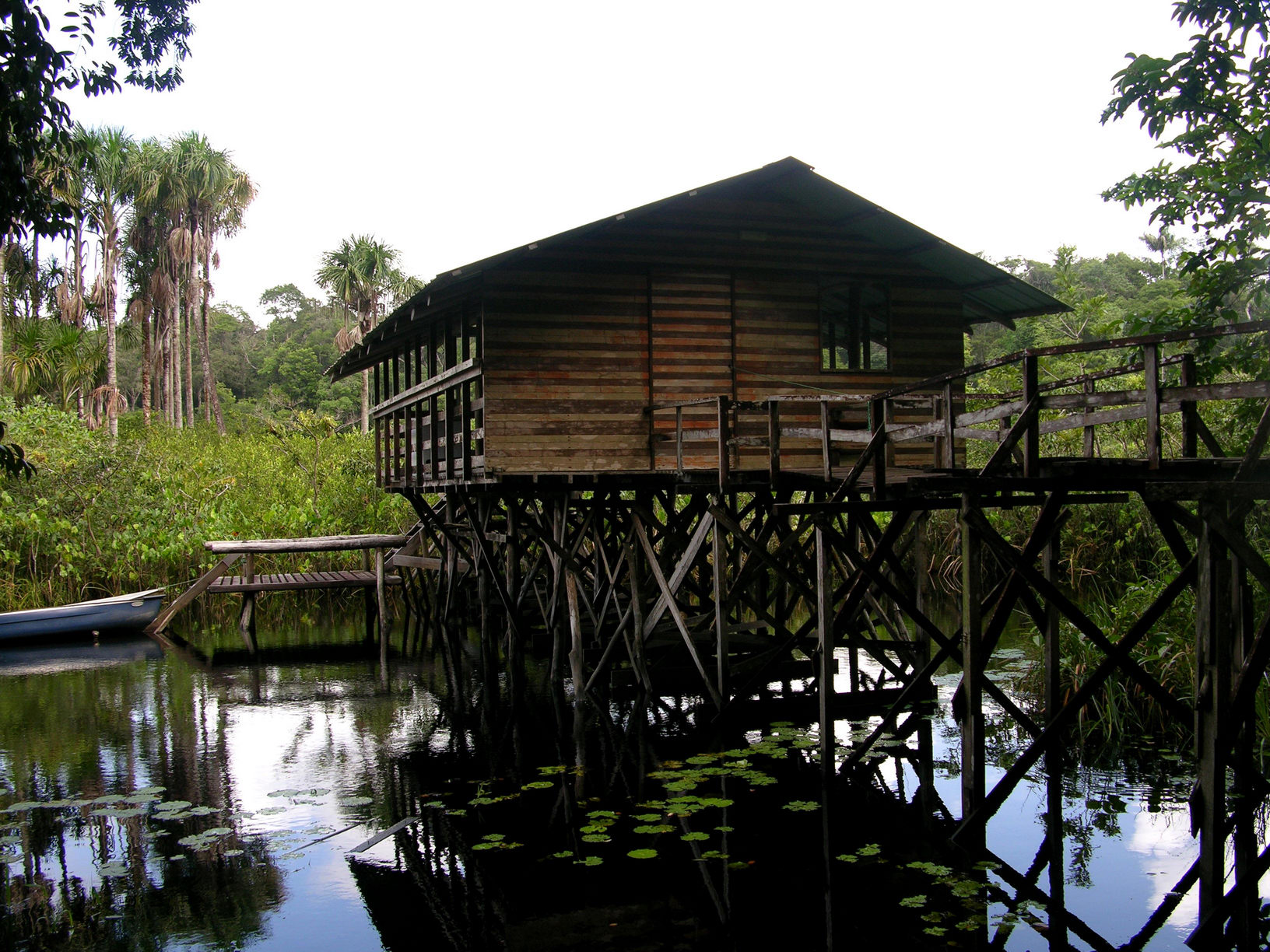
At least the Réserve Animalière Macourienne park was open. It's a small patch of forest not far from the Cayenne–Kourou road. At Tonate-Macouria, turn inland and drive a few kilometres. It's less wild forest than a zoo that gradually merges into a rainforest with paths. The birds and monkeys are in cages. With them there's no other way. Give them the slightest gap and they'd be off. The crocodiles and jaguars are in enclosures behind a fence so they don't eat the visitors. As for the rest, they wander around the park alongside people. The enclosures are large, by the way, and set in the woods, so you can sometimes climb over them, there being no keepers posted for the purpose.
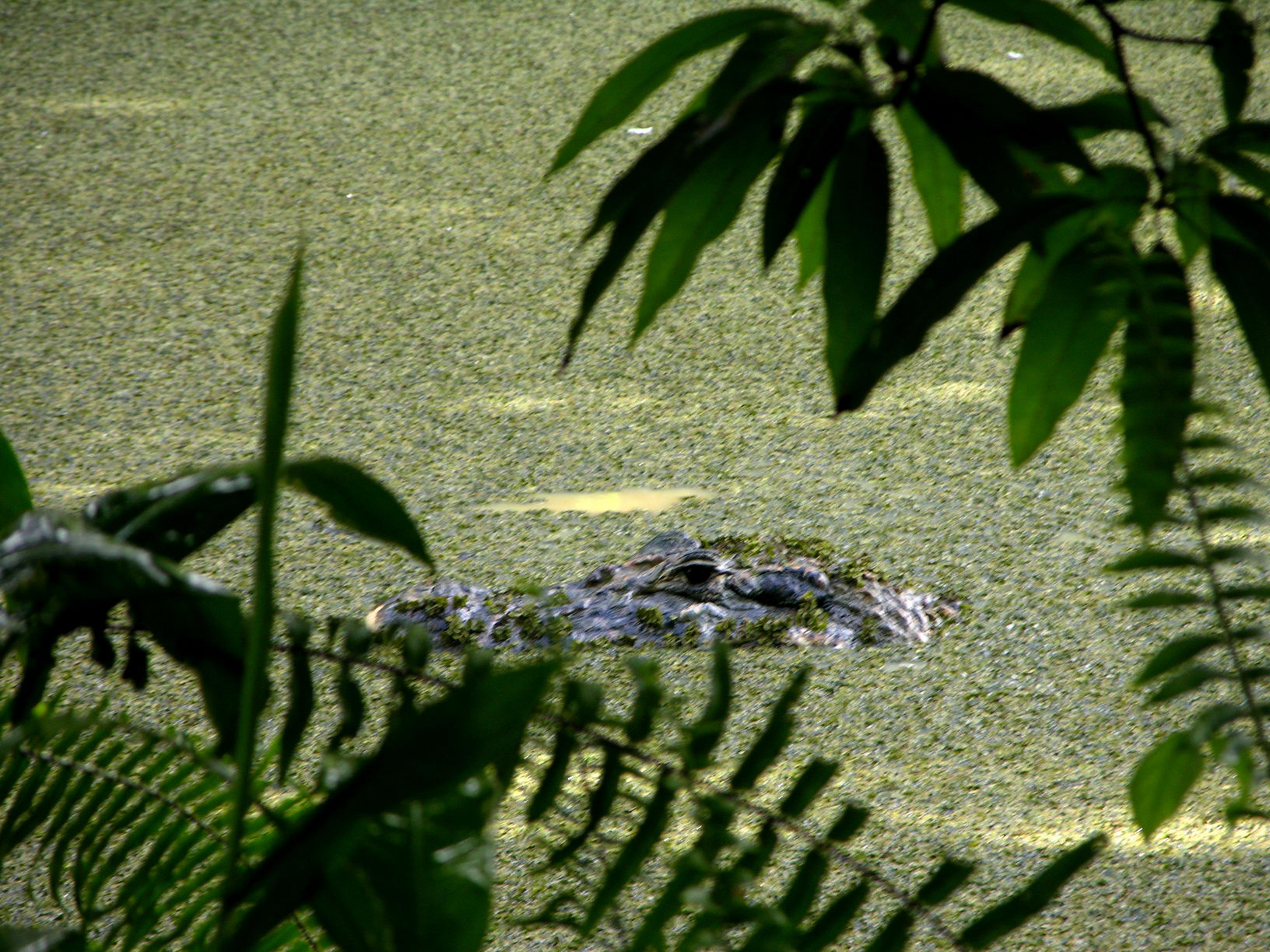
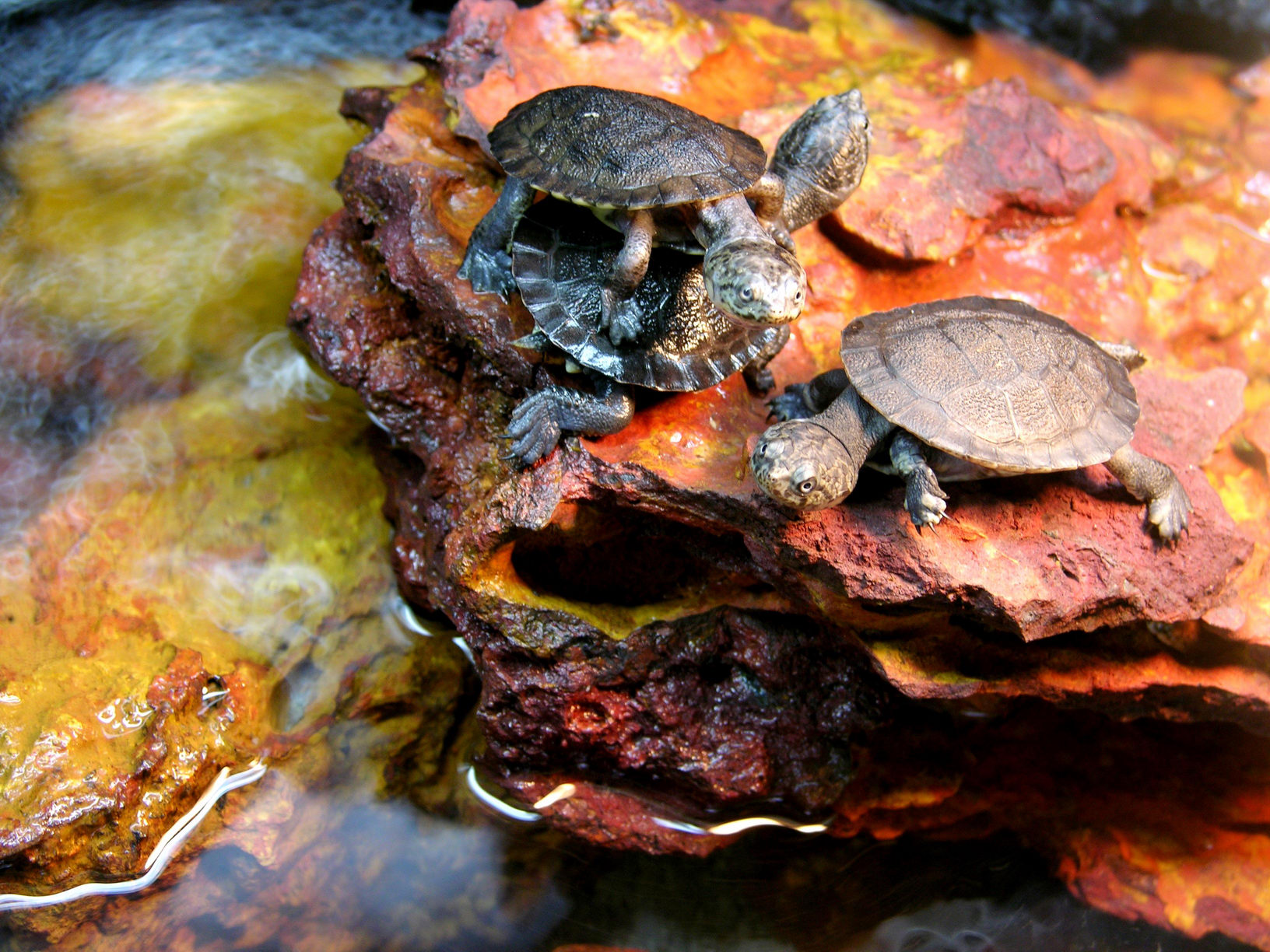
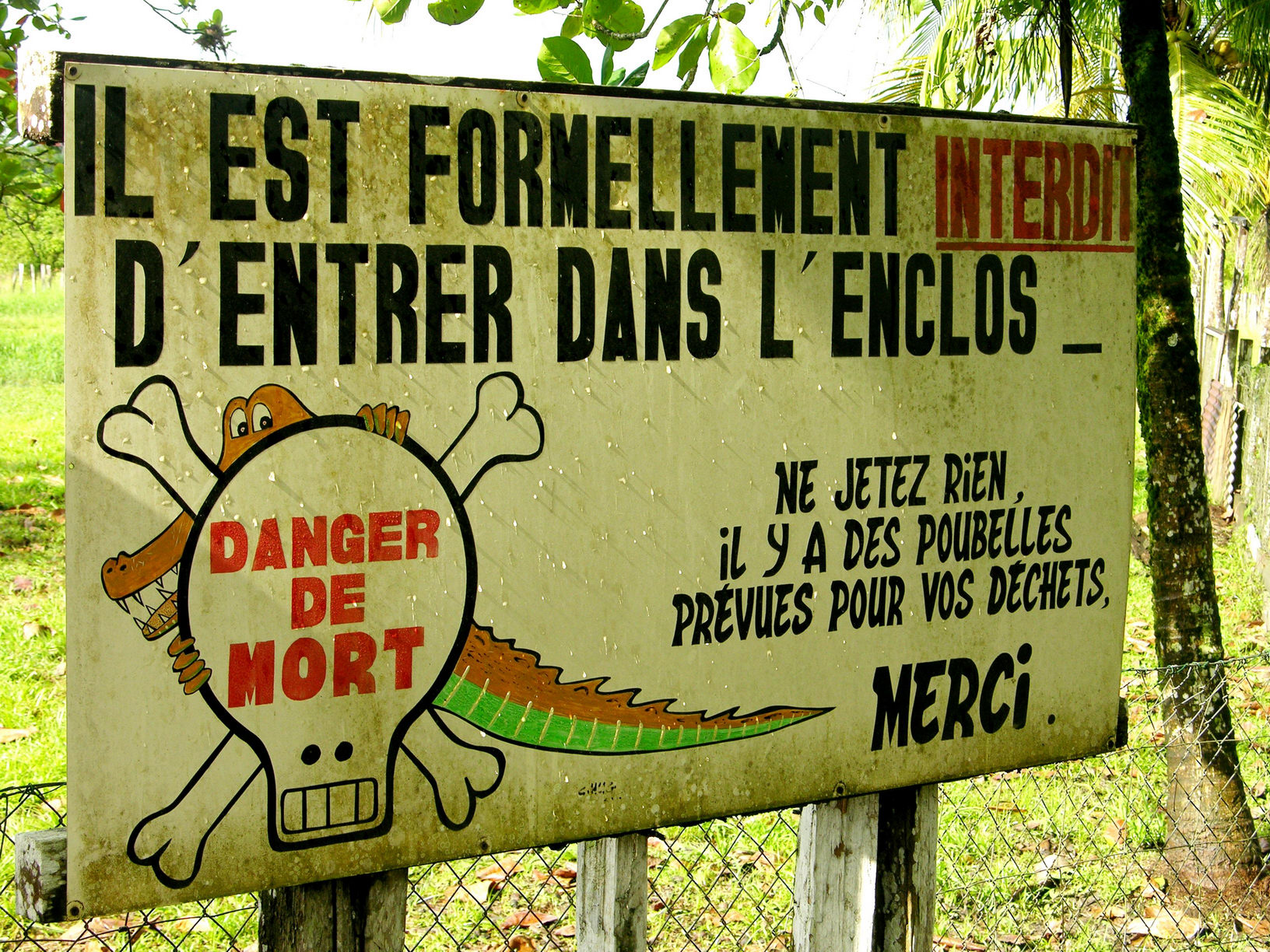
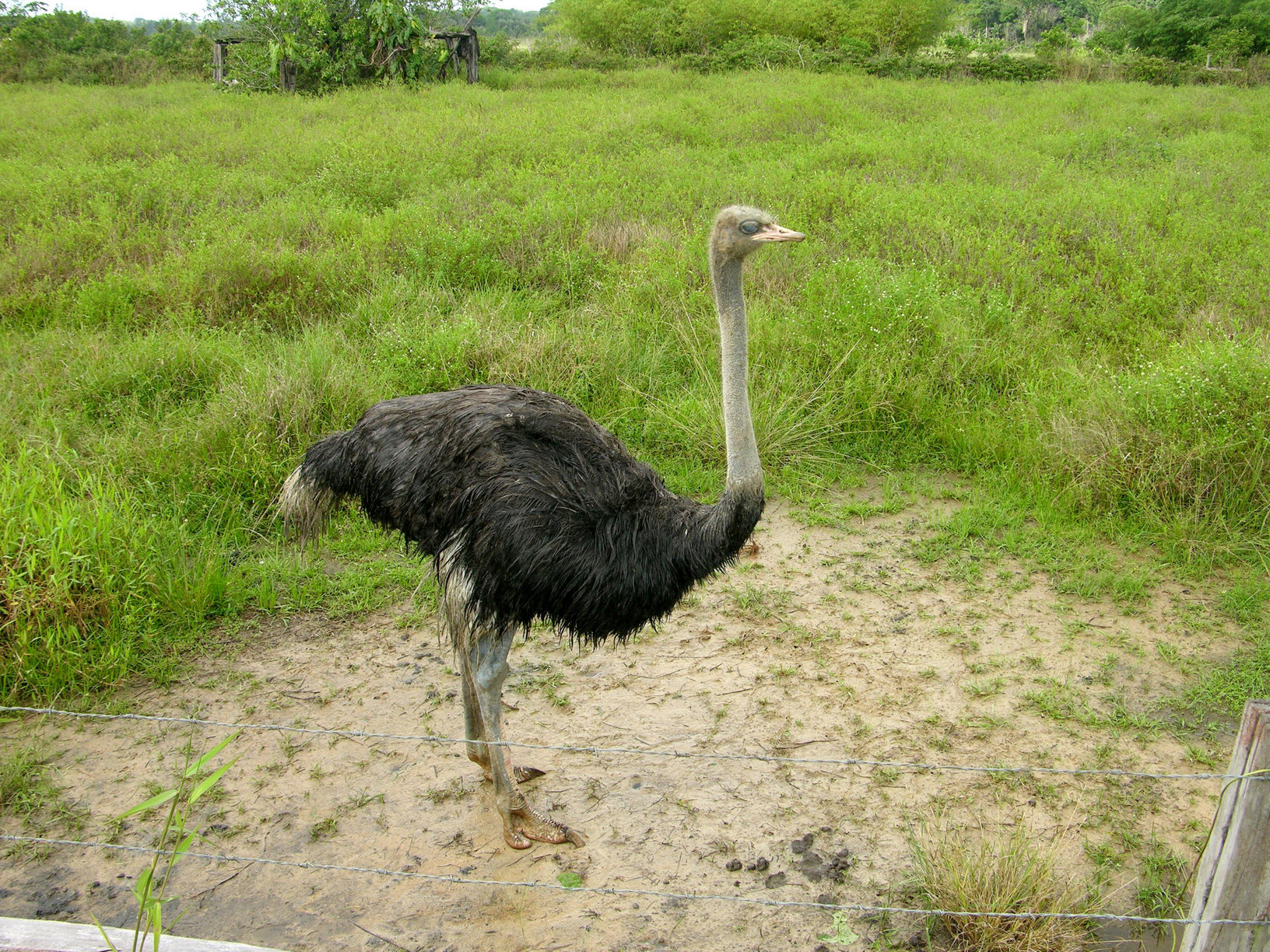
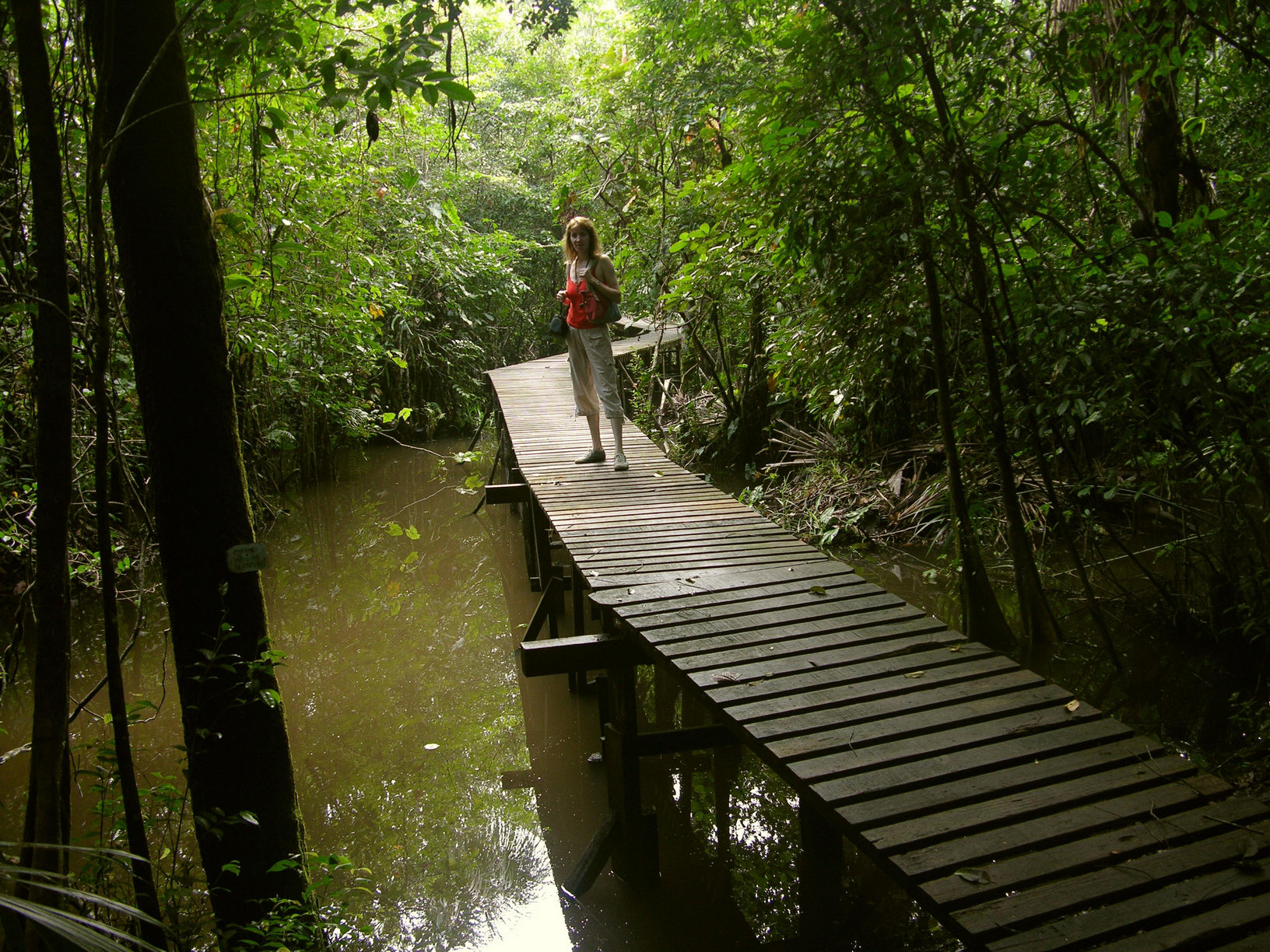
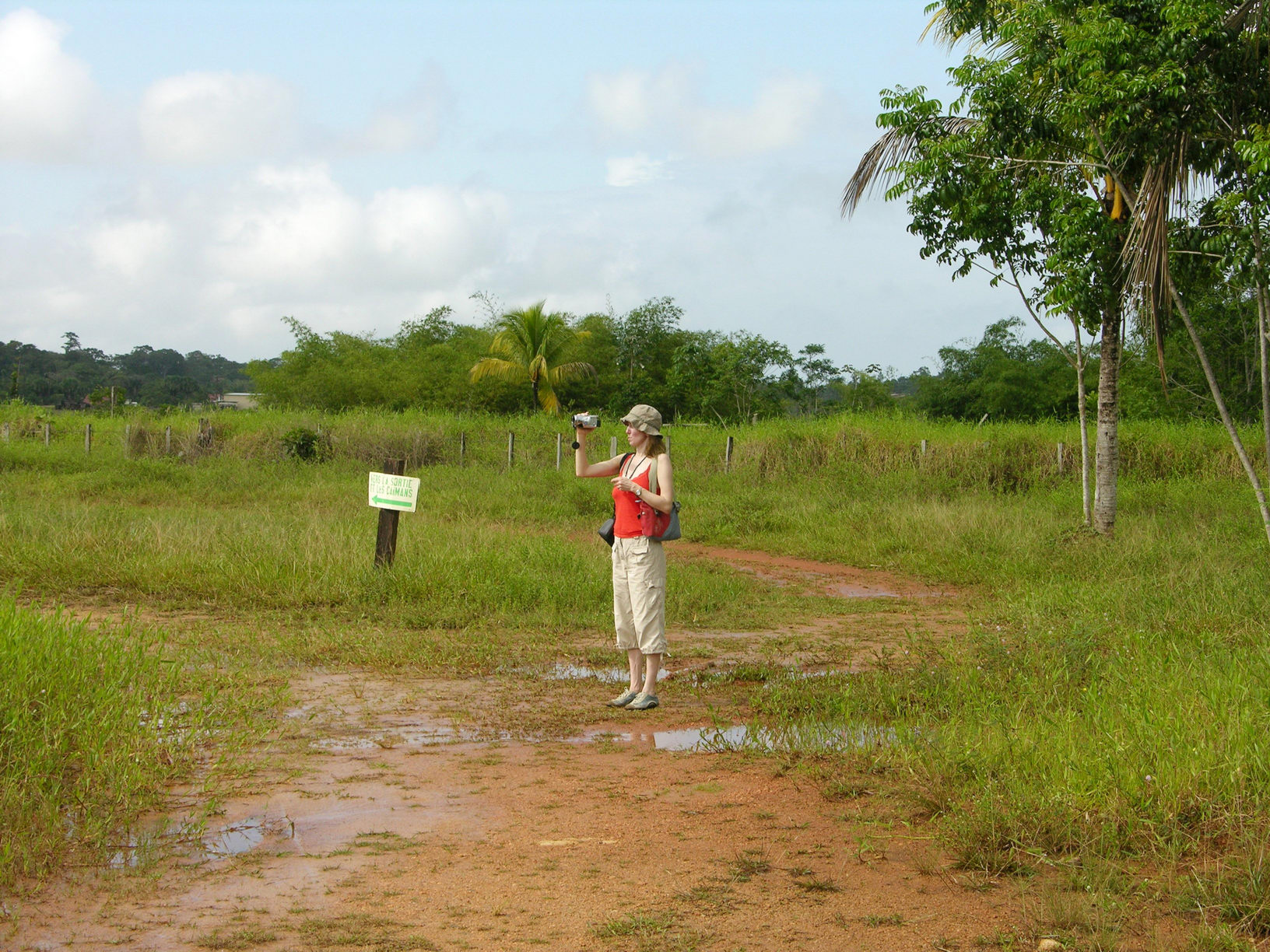
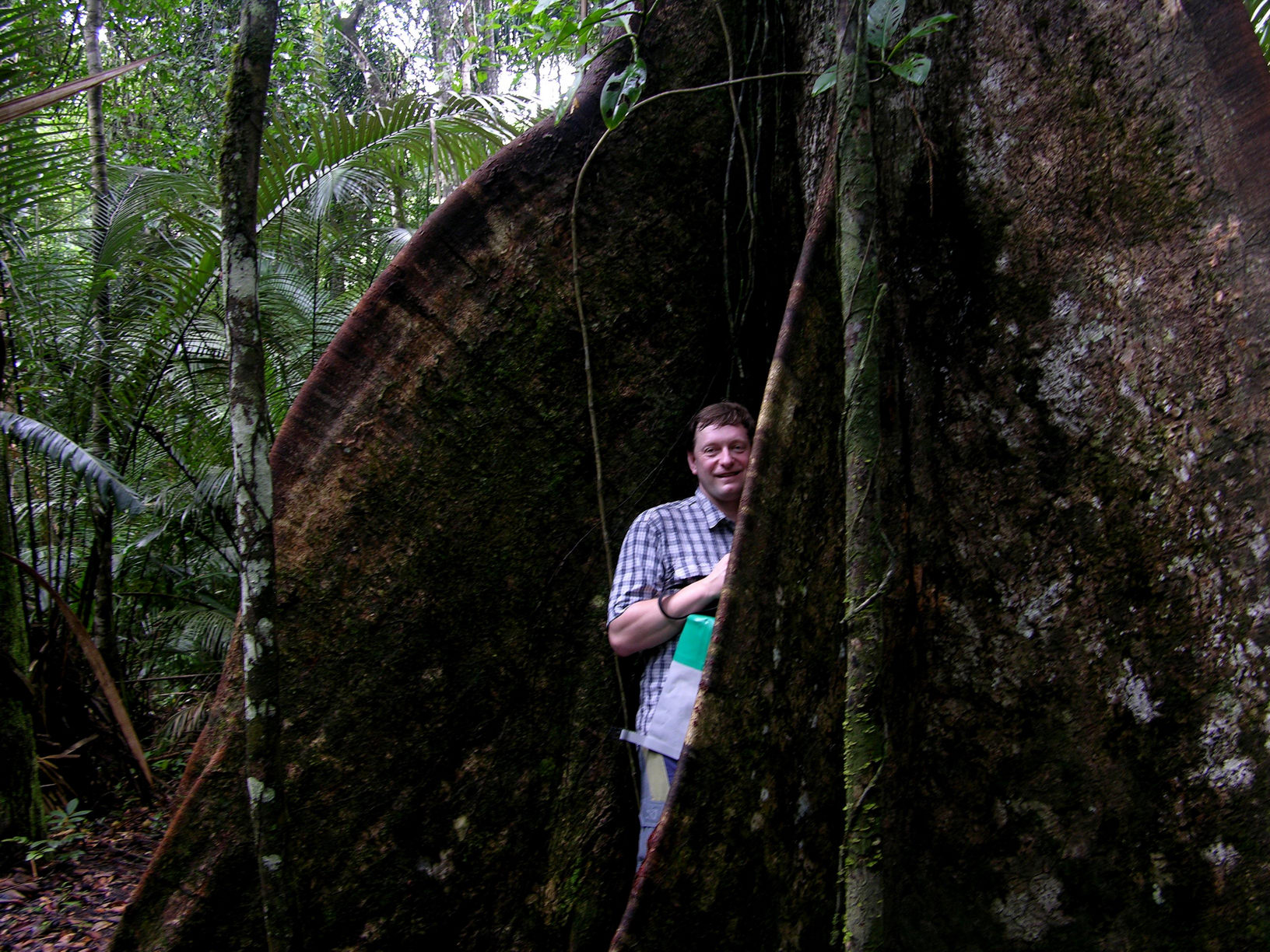
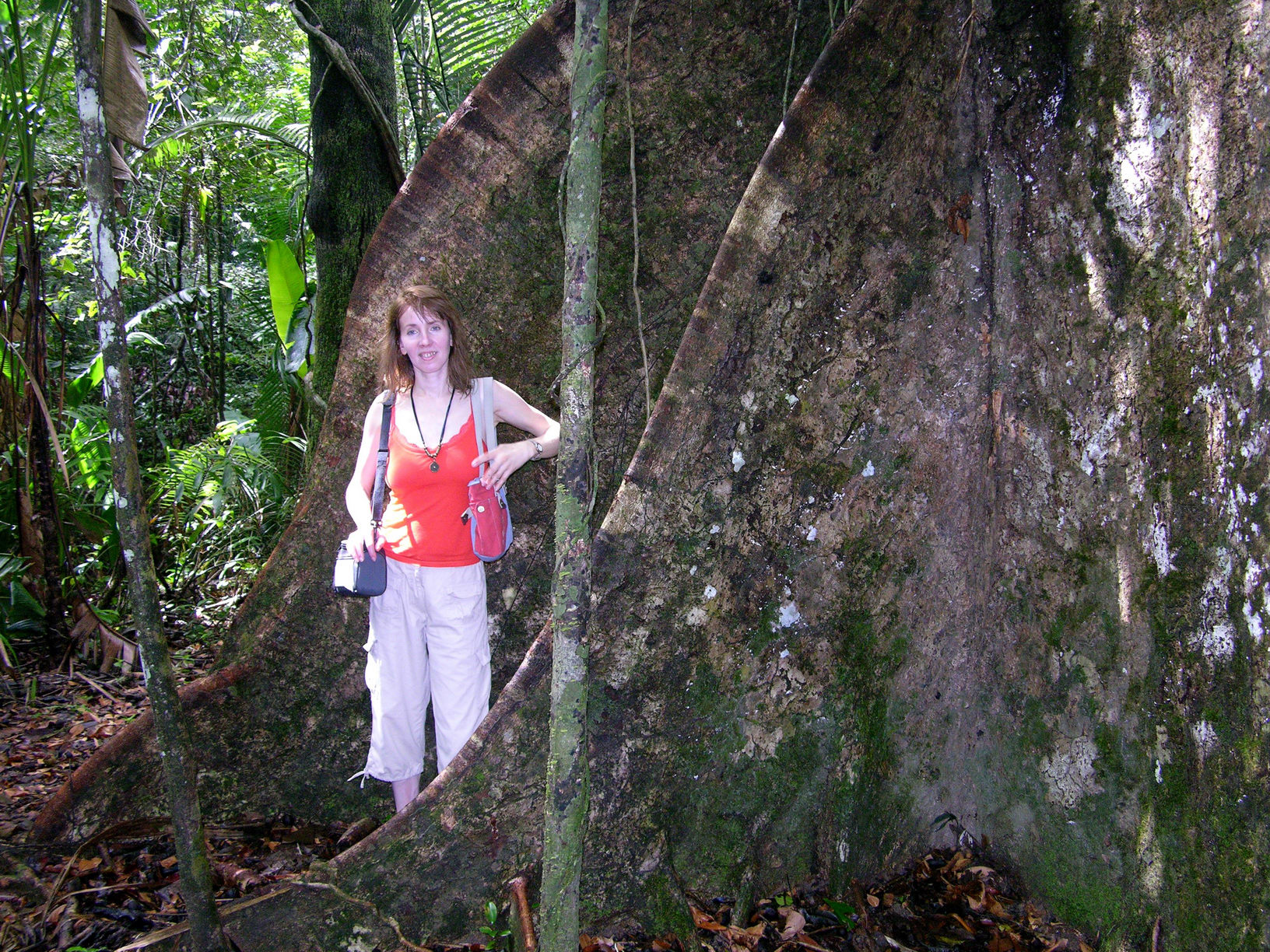
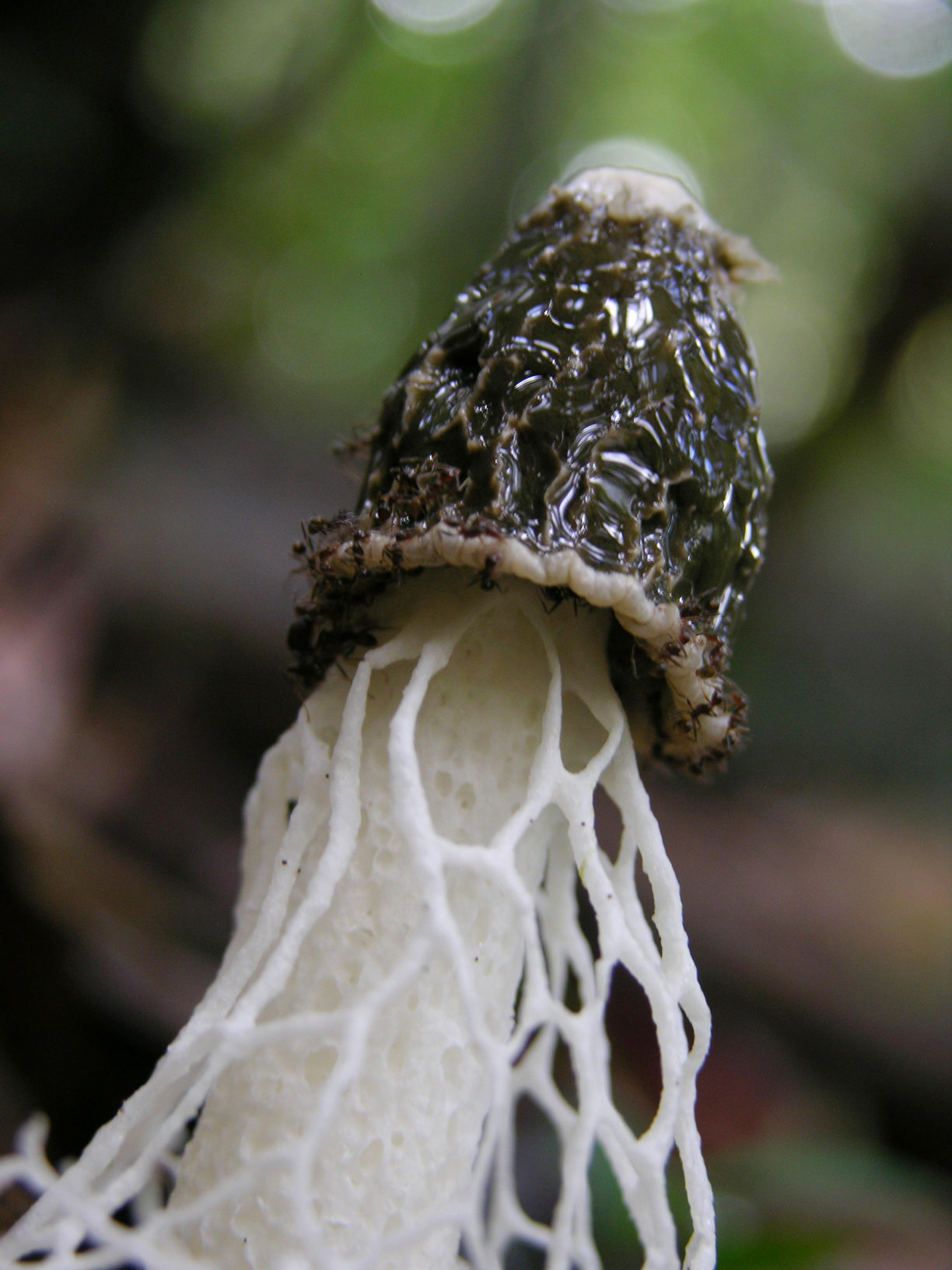
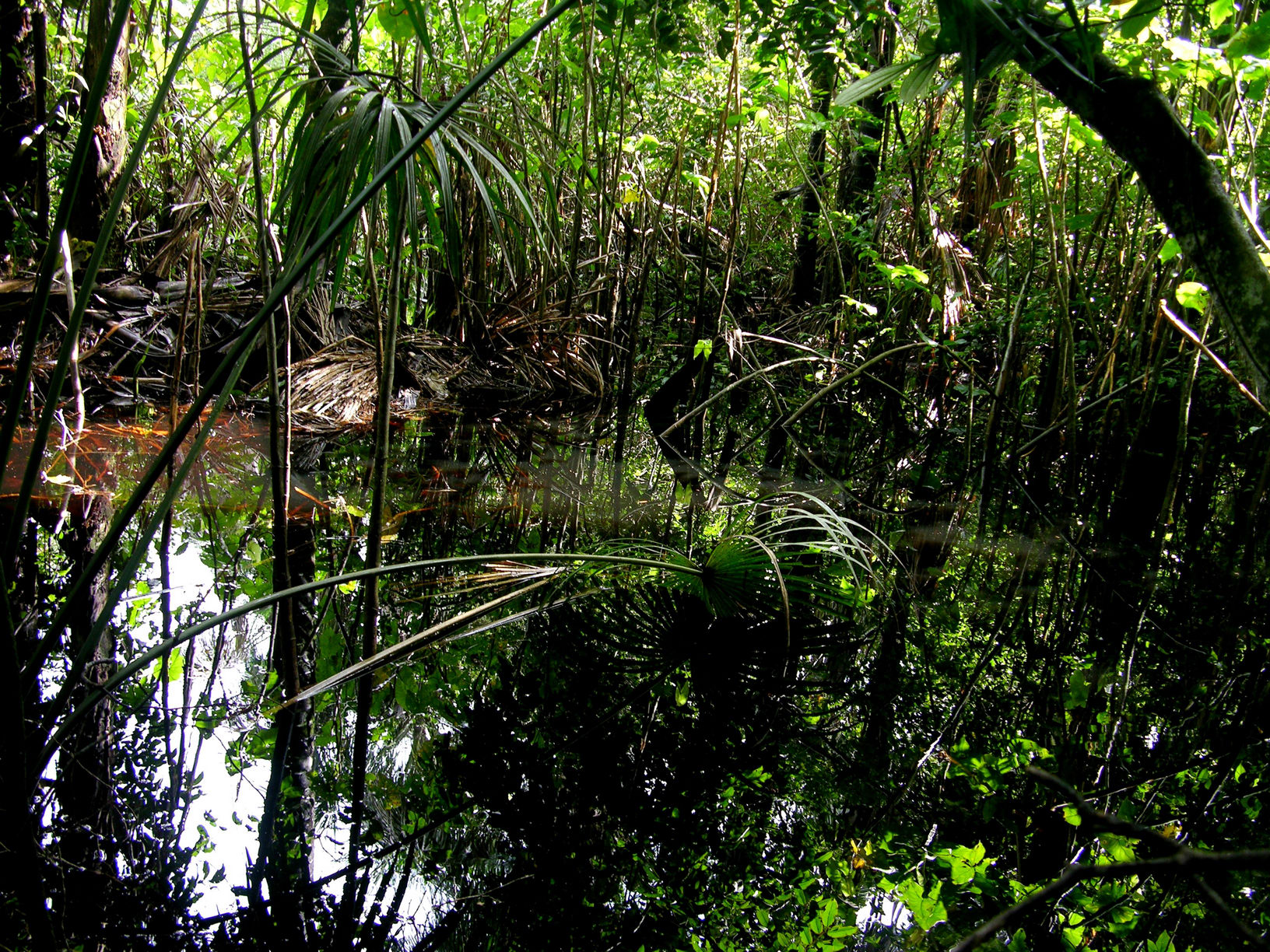
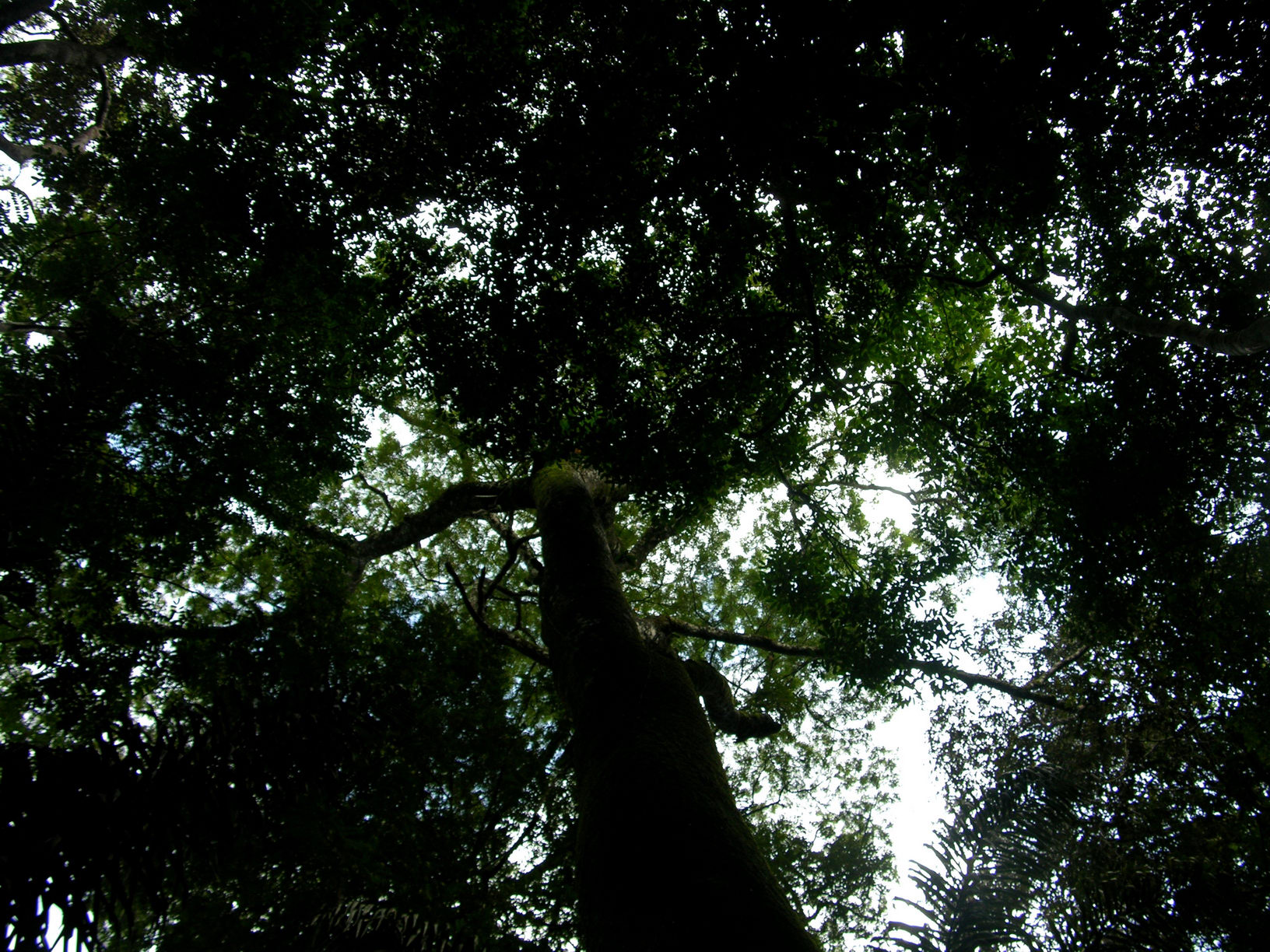
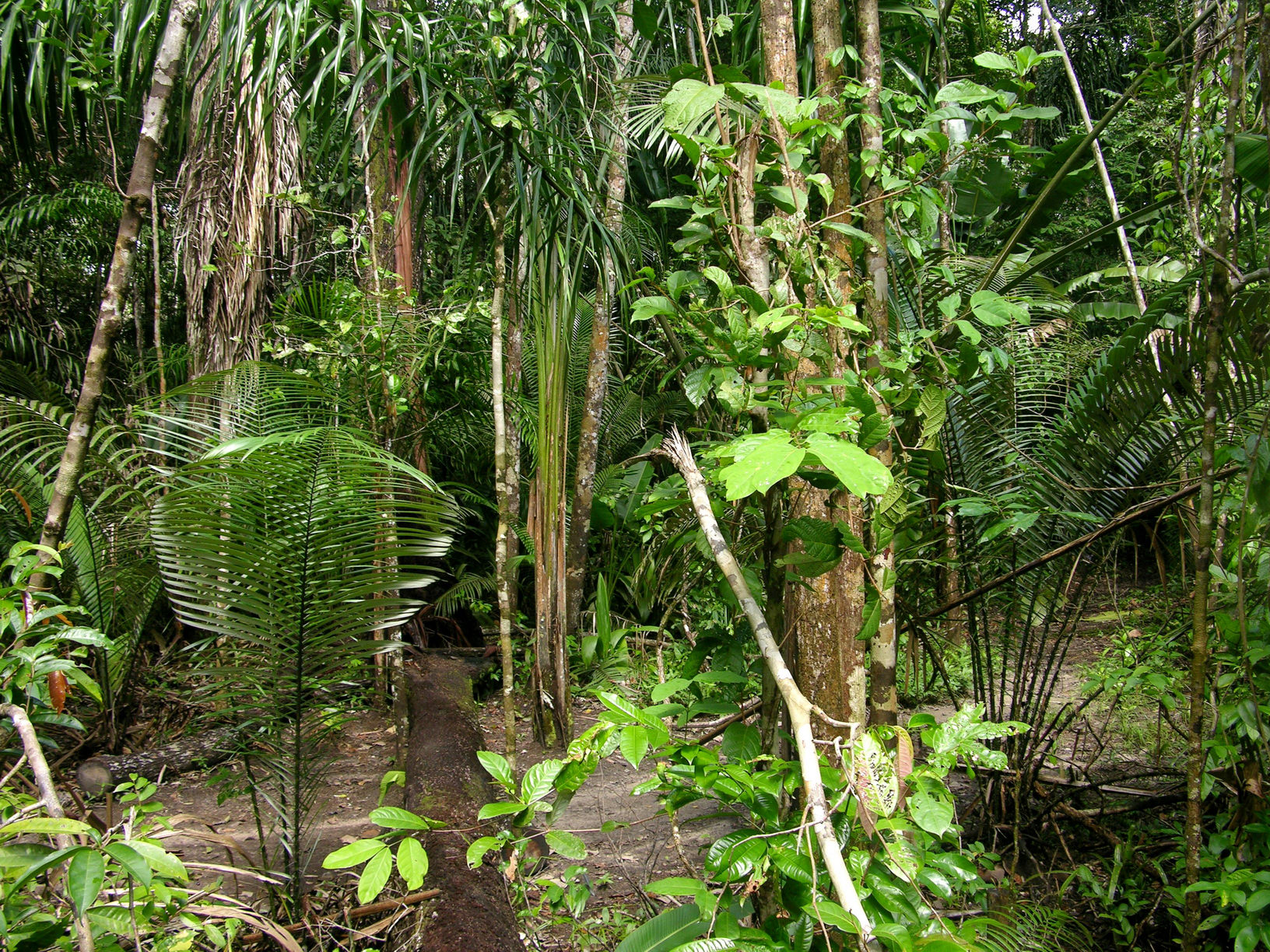
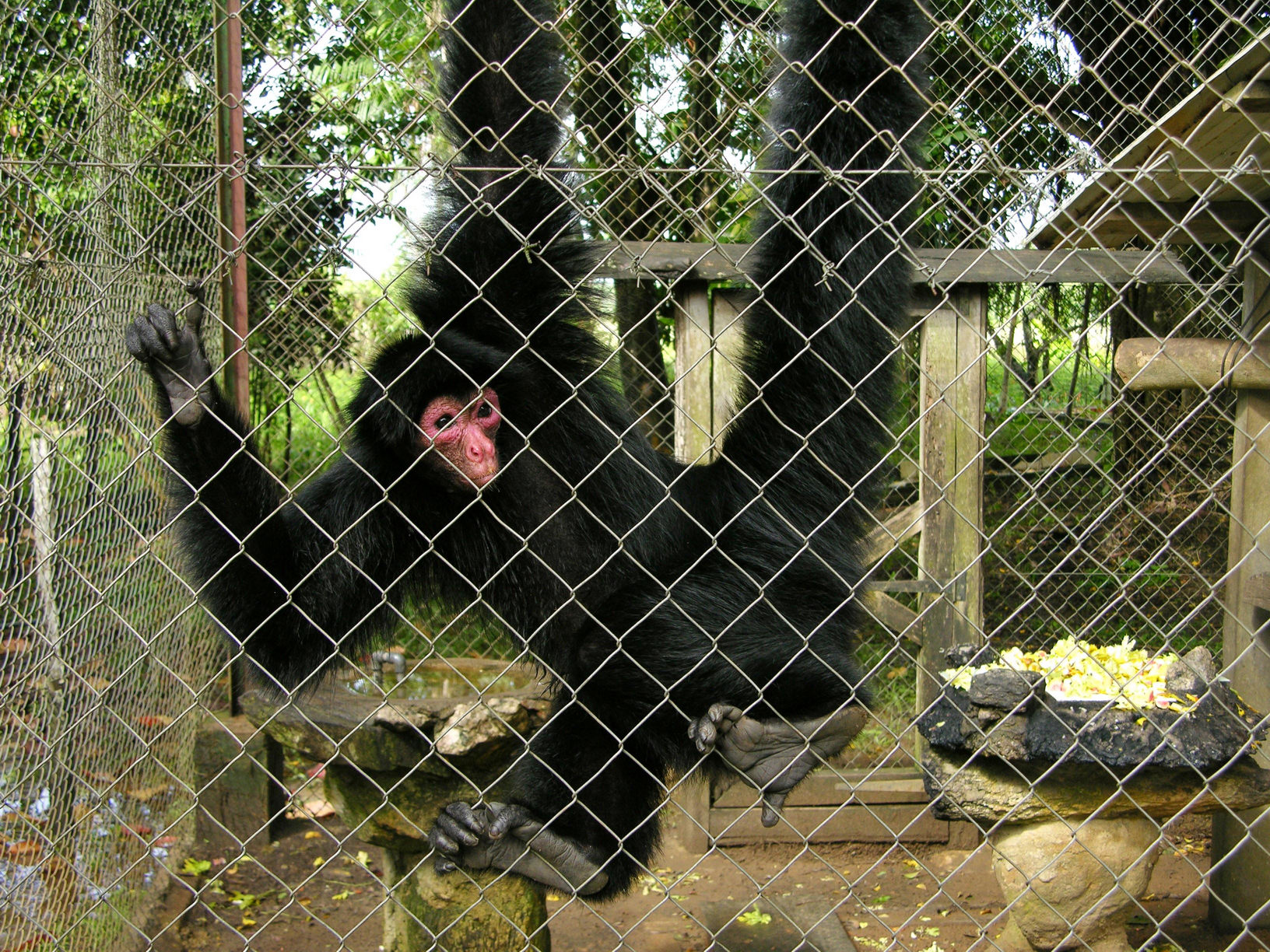
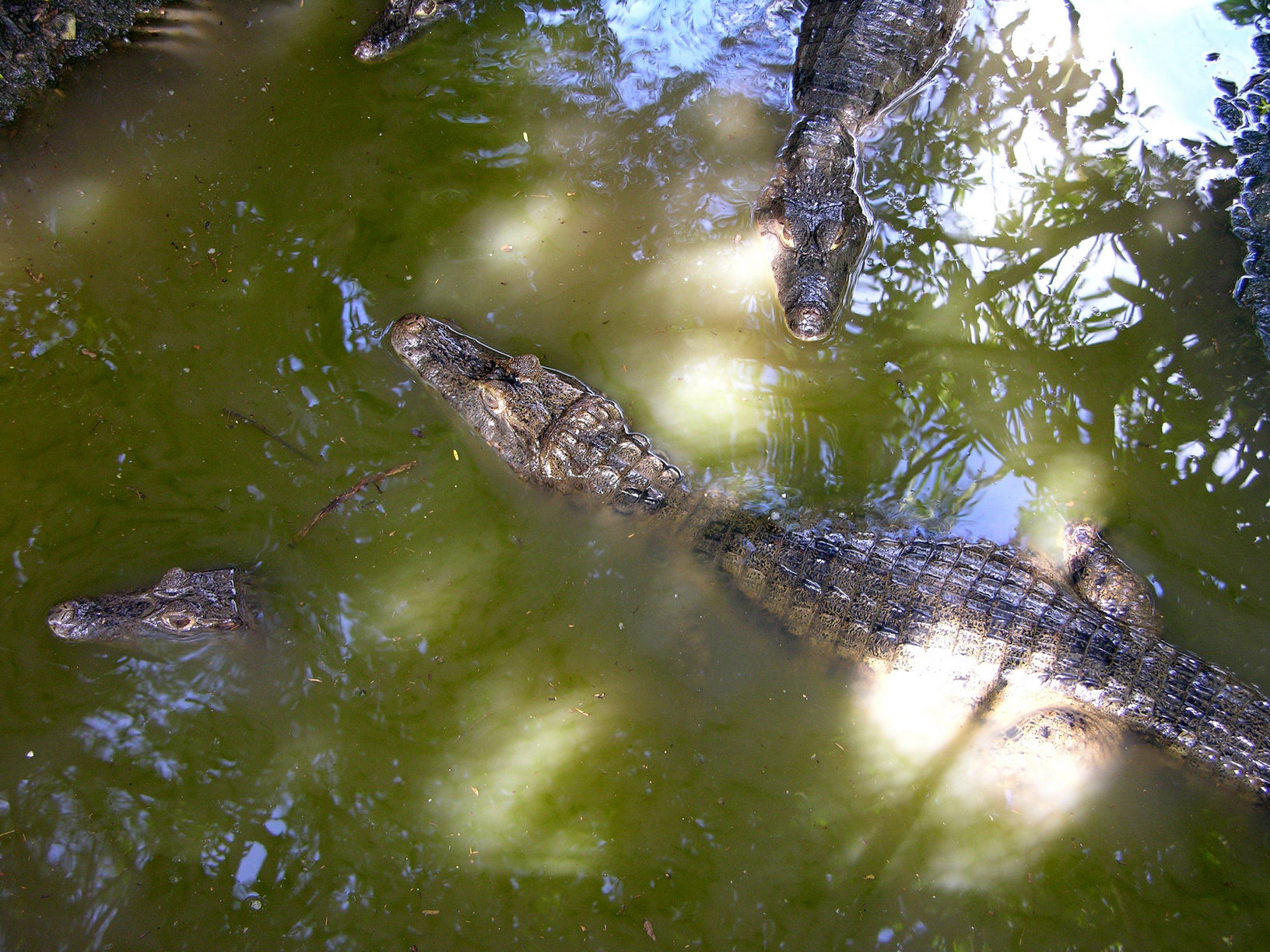
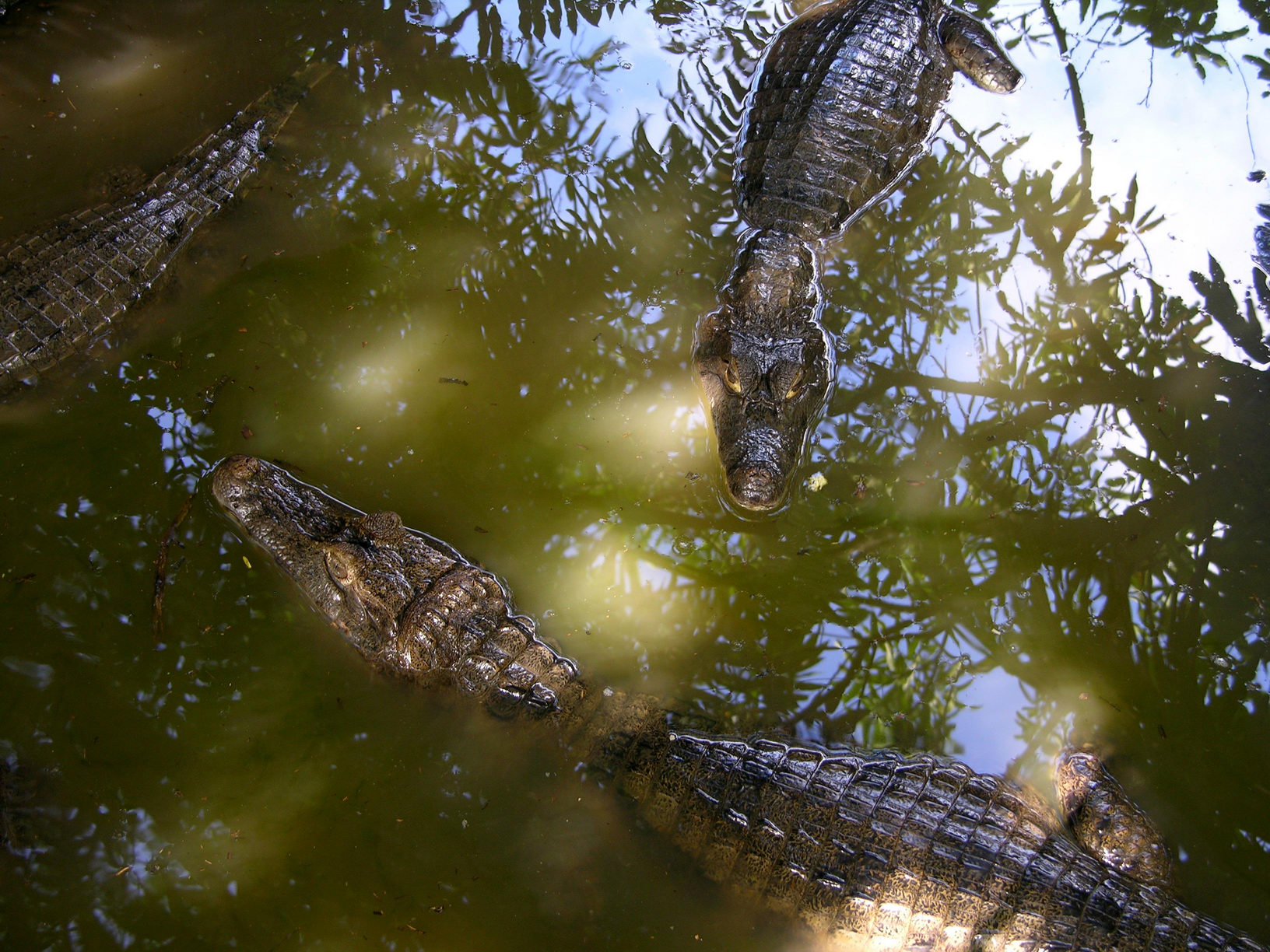
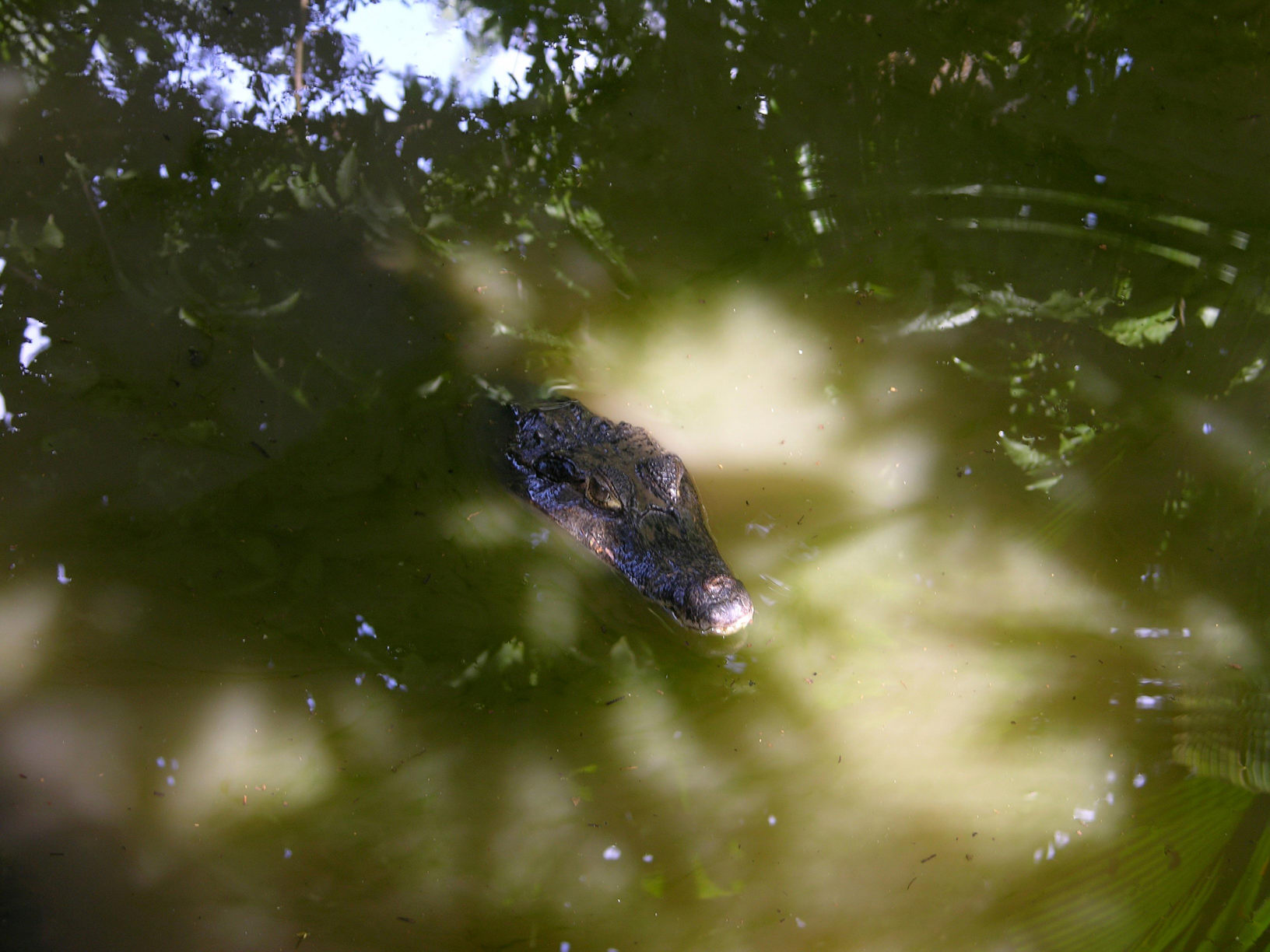
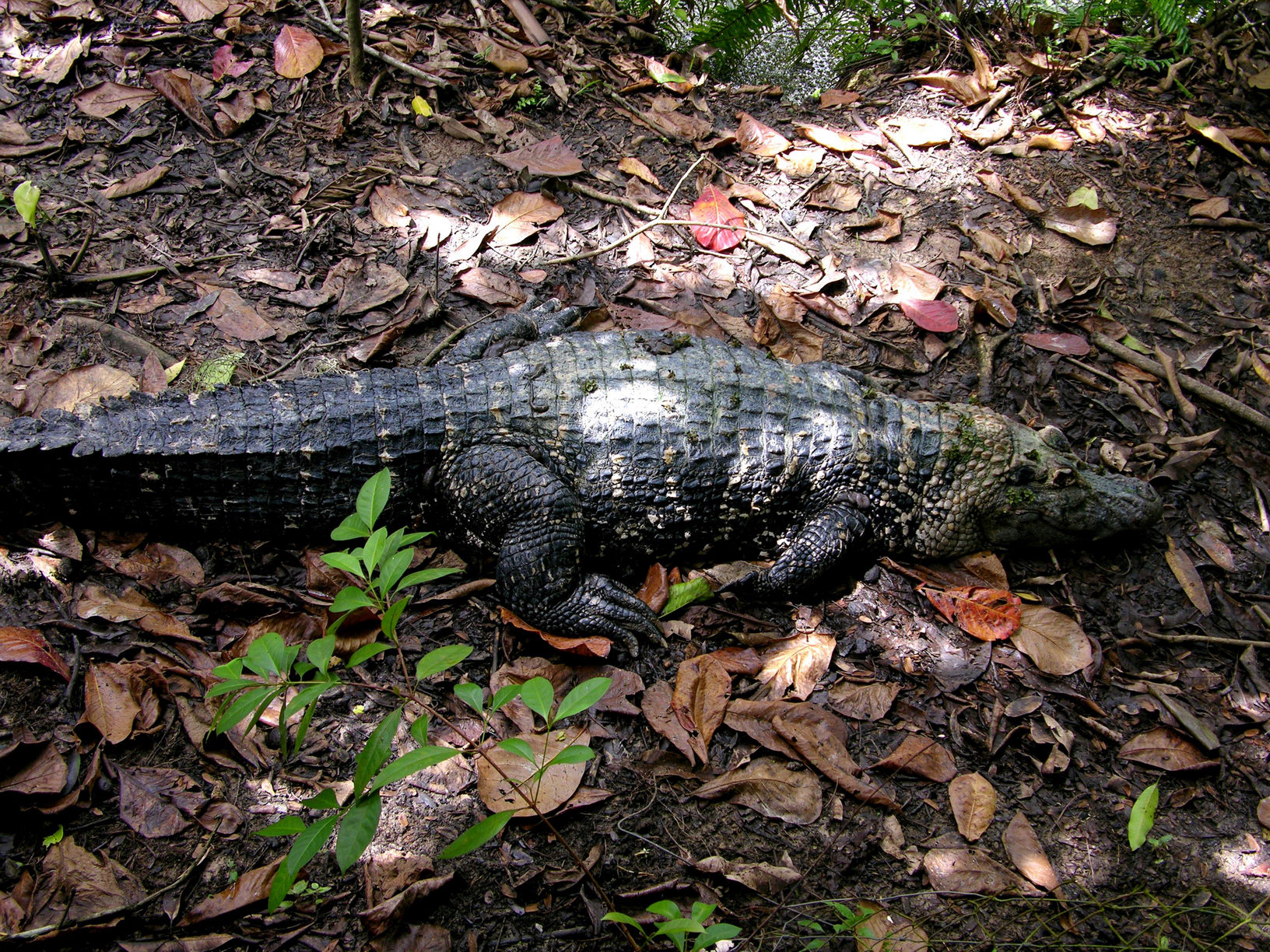
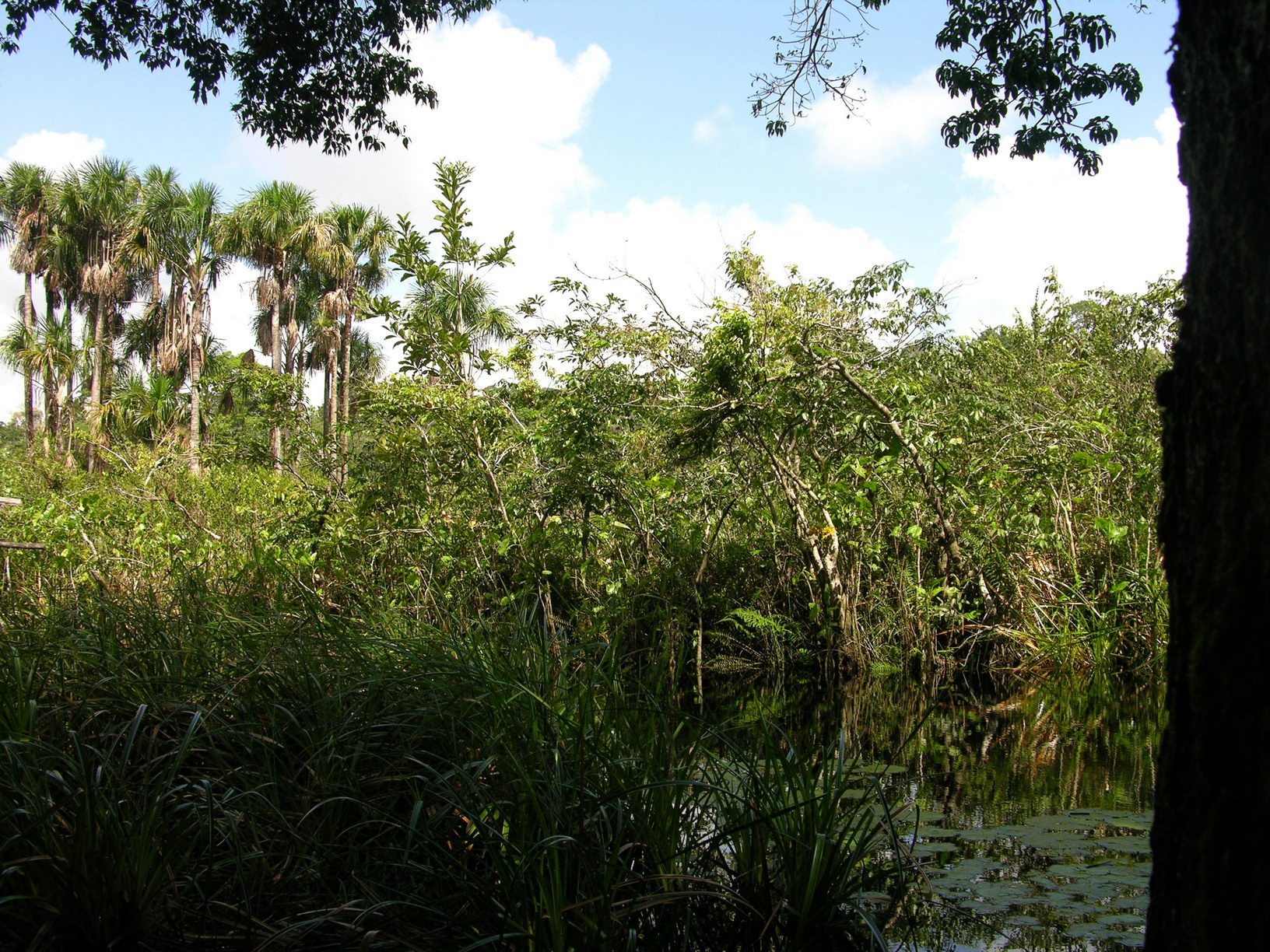
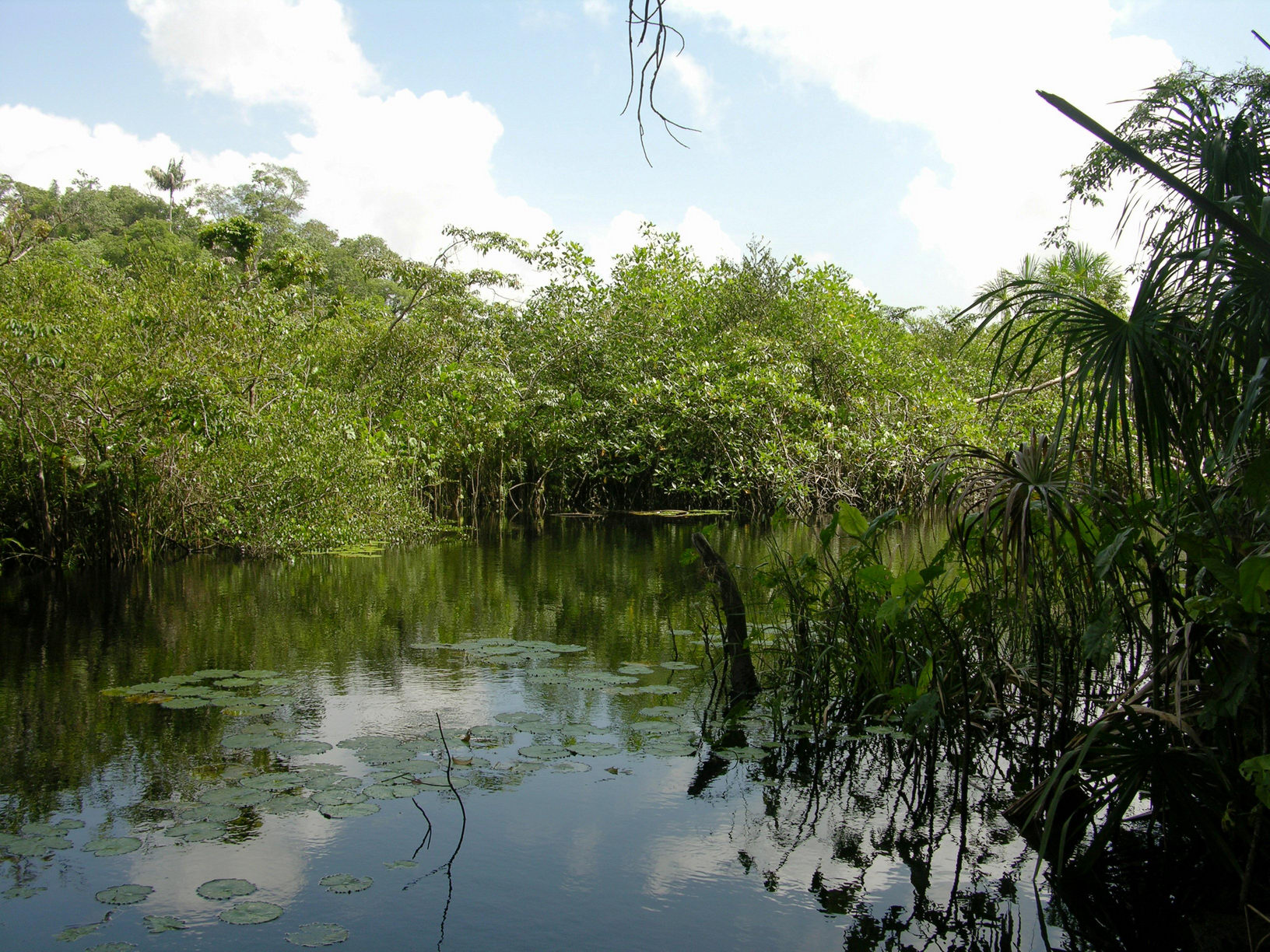
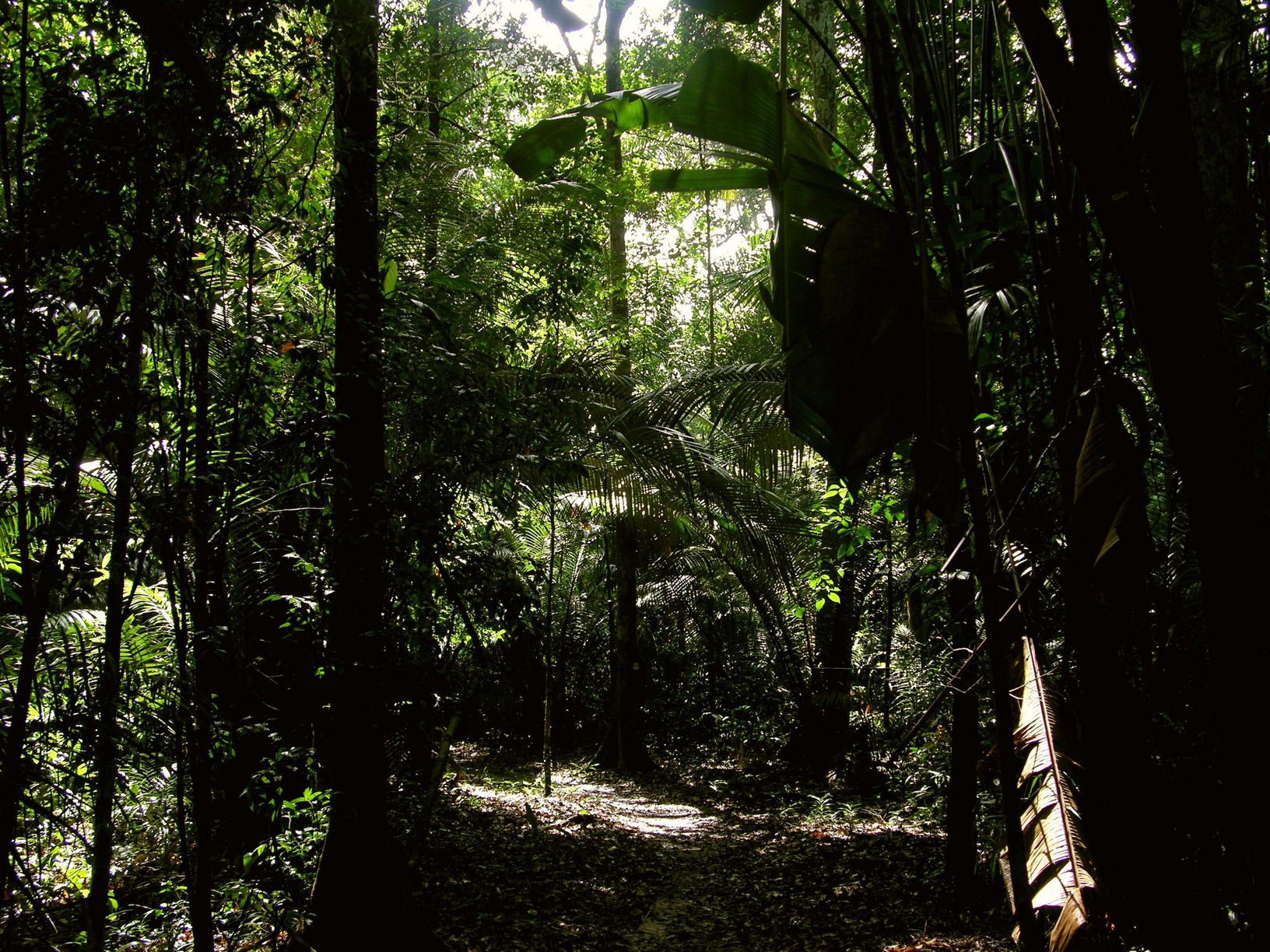
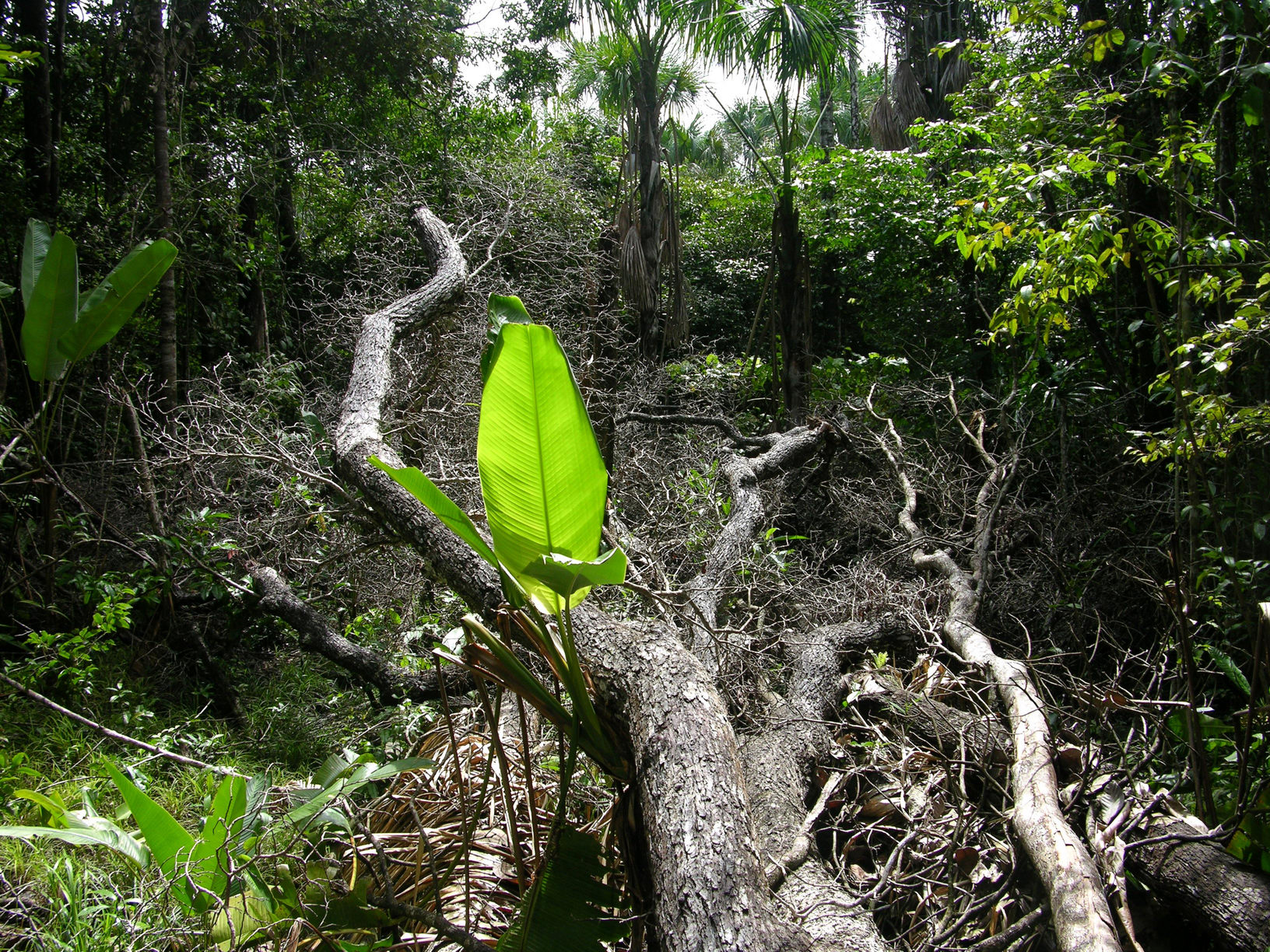
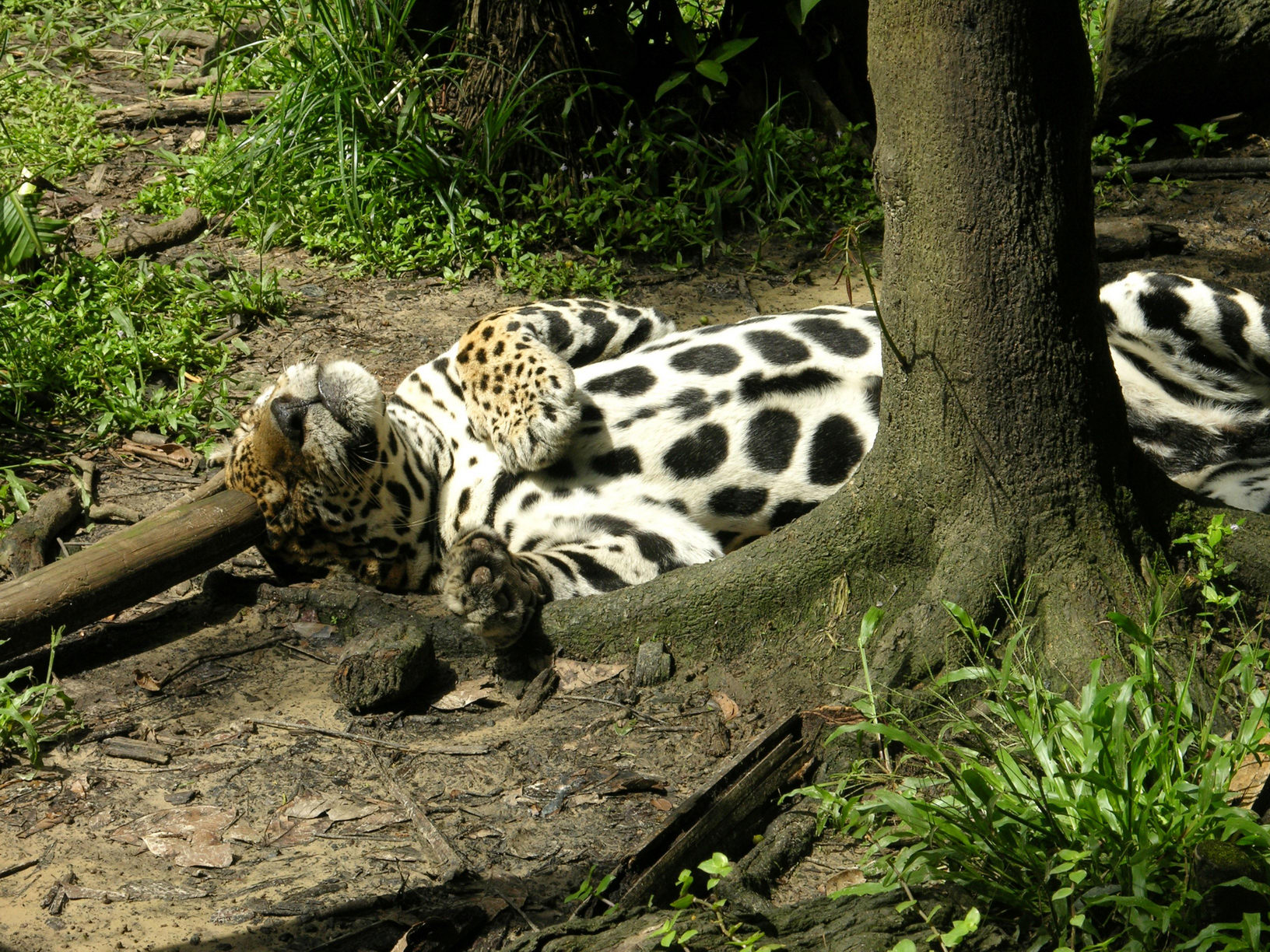
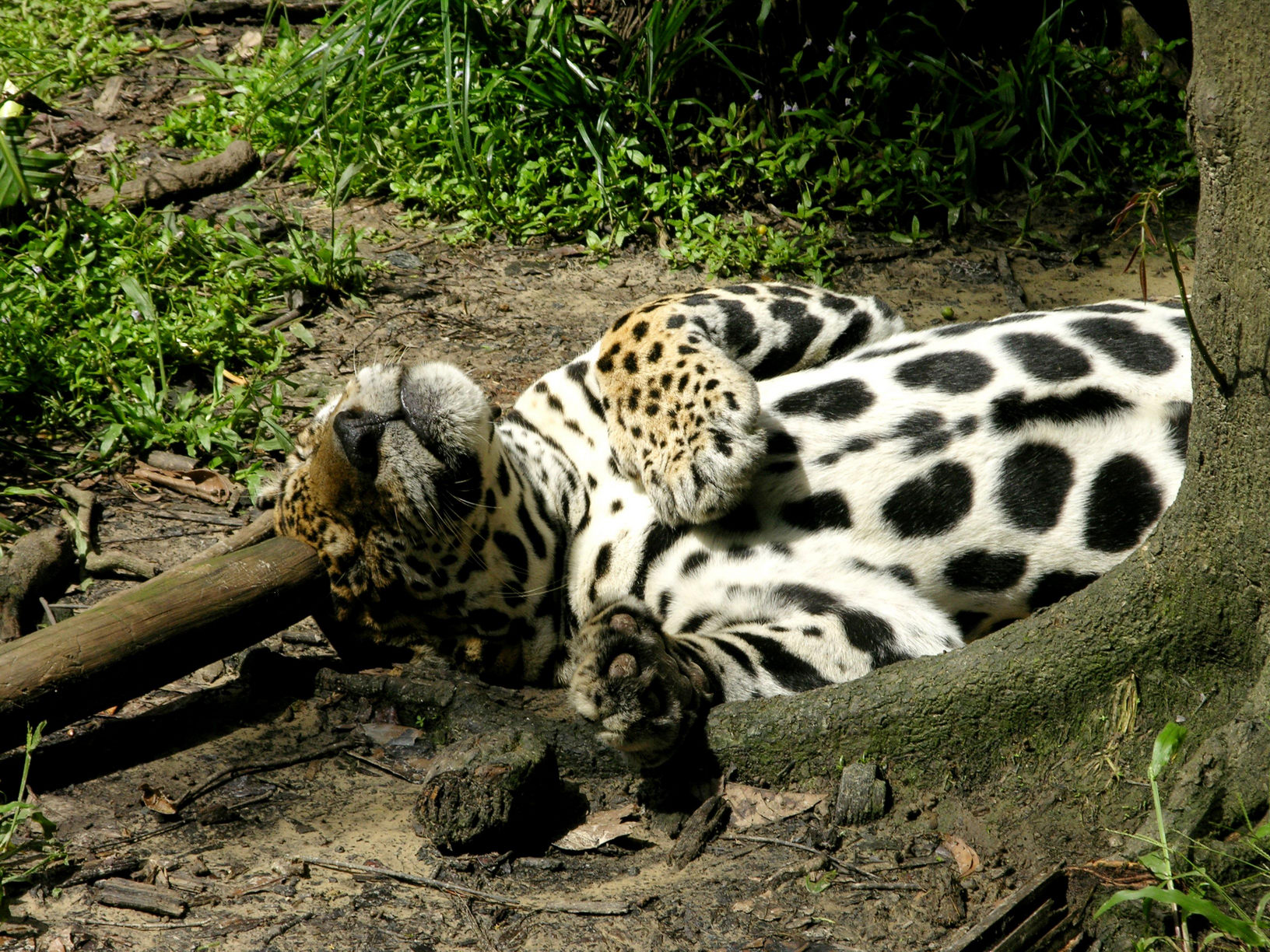
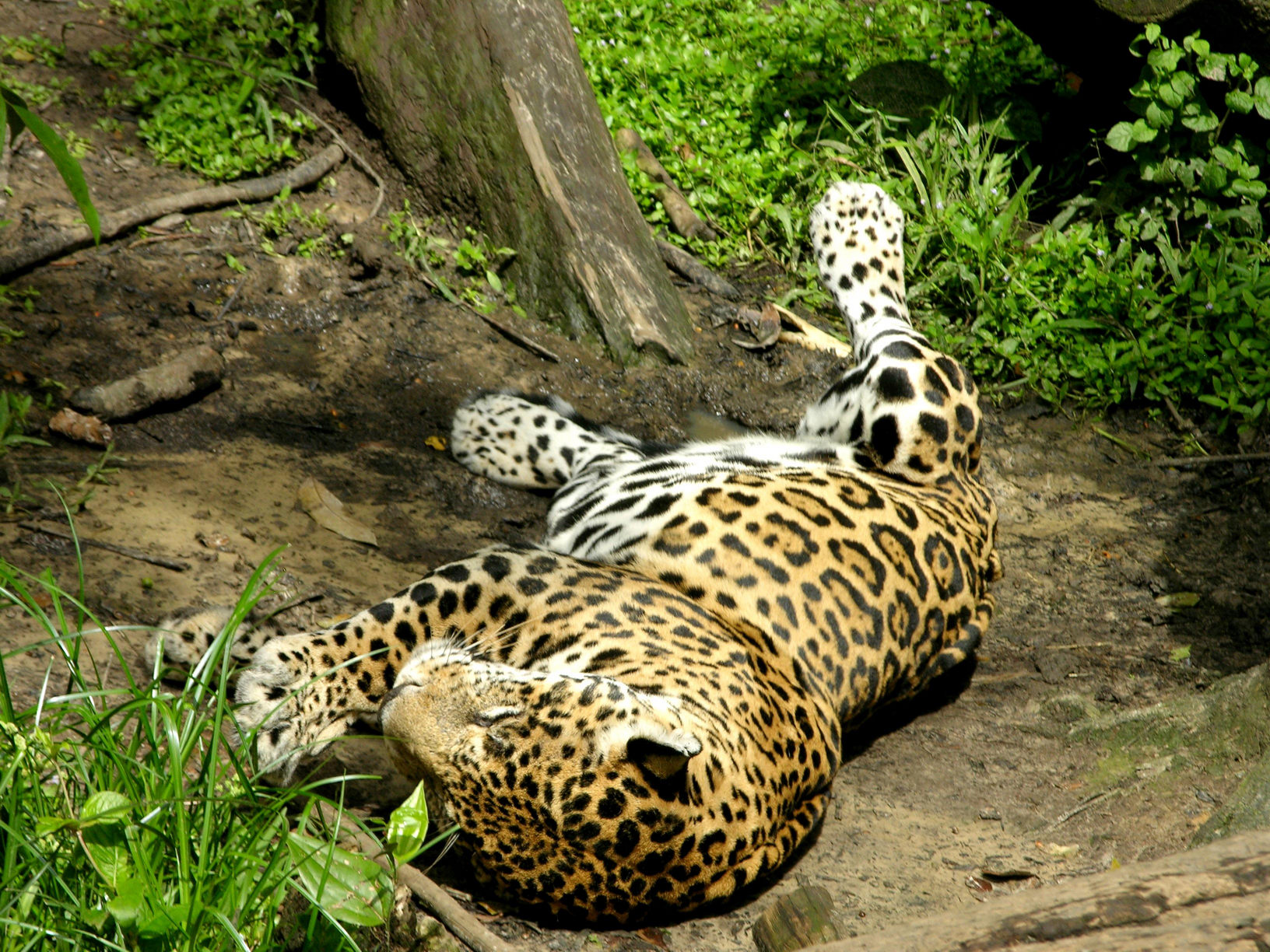
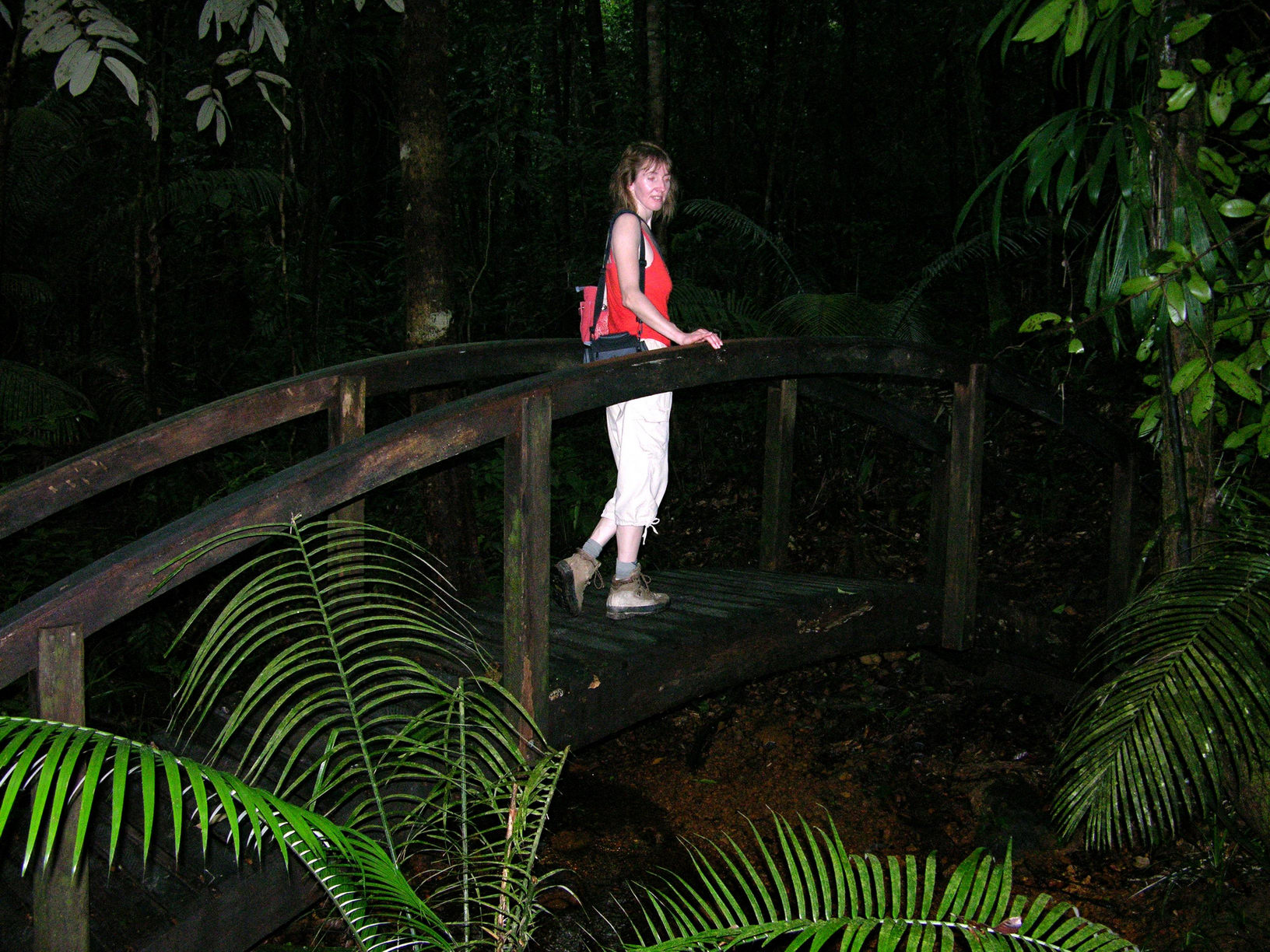
There's an hour-long trail through the woods. You walk it at your own risk and try not to tread on the snakes. We didn't yet realise how lucky we were. Only in French Guiana could you walk through the forest by yourself without a pestering guide and without breaking the rules. In the parks in other countries the guide not only gets underfoot but frightens the animals away for miles around by breaking branches with a blunt machete. There are plenty of ordinary forests that aren't national parks, of course, but it's hard to see anything in them that the locals haven't eaten yet. Rather like trying to see a bear or a wolf in the woods outside a Russian town.
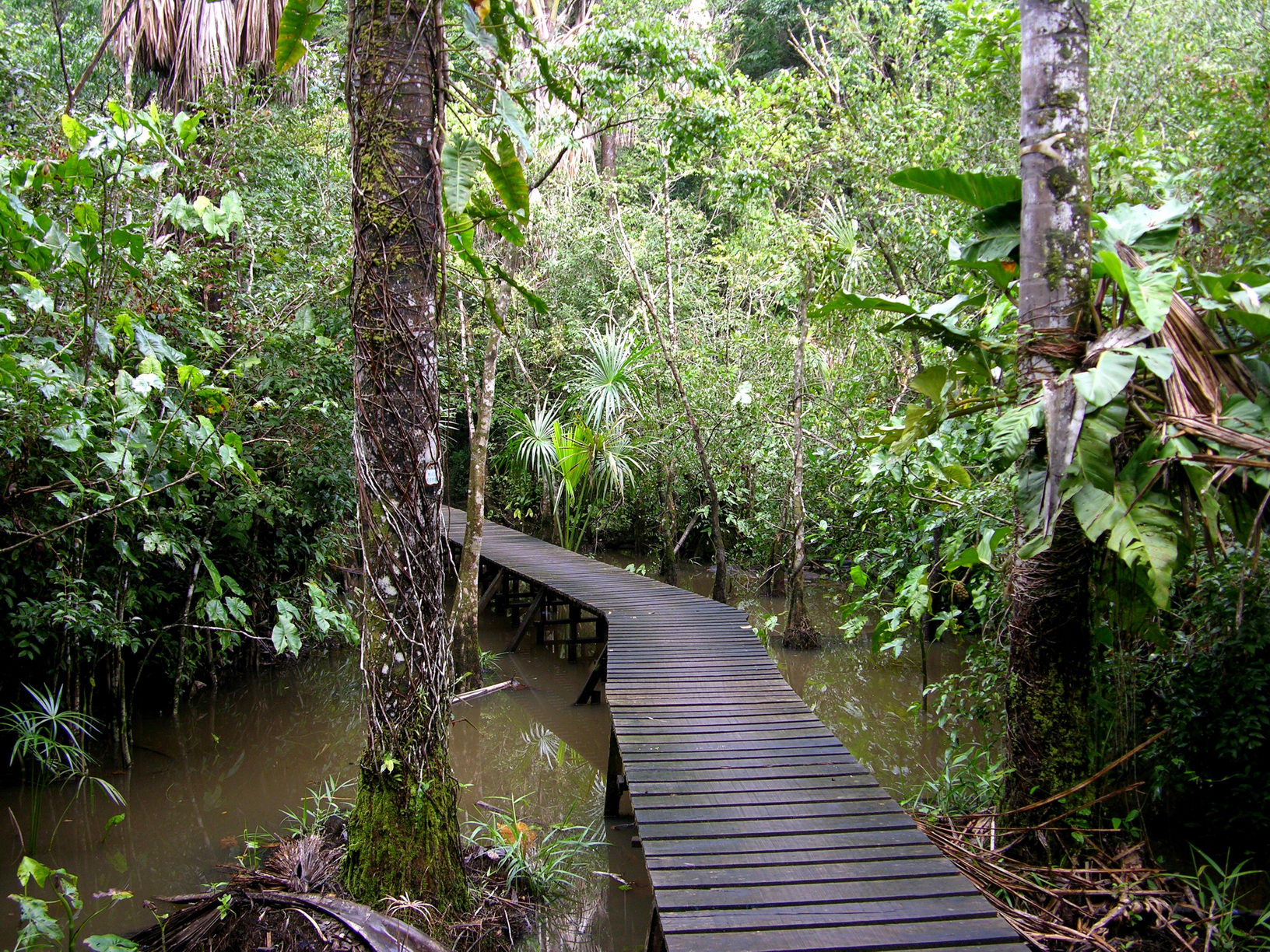
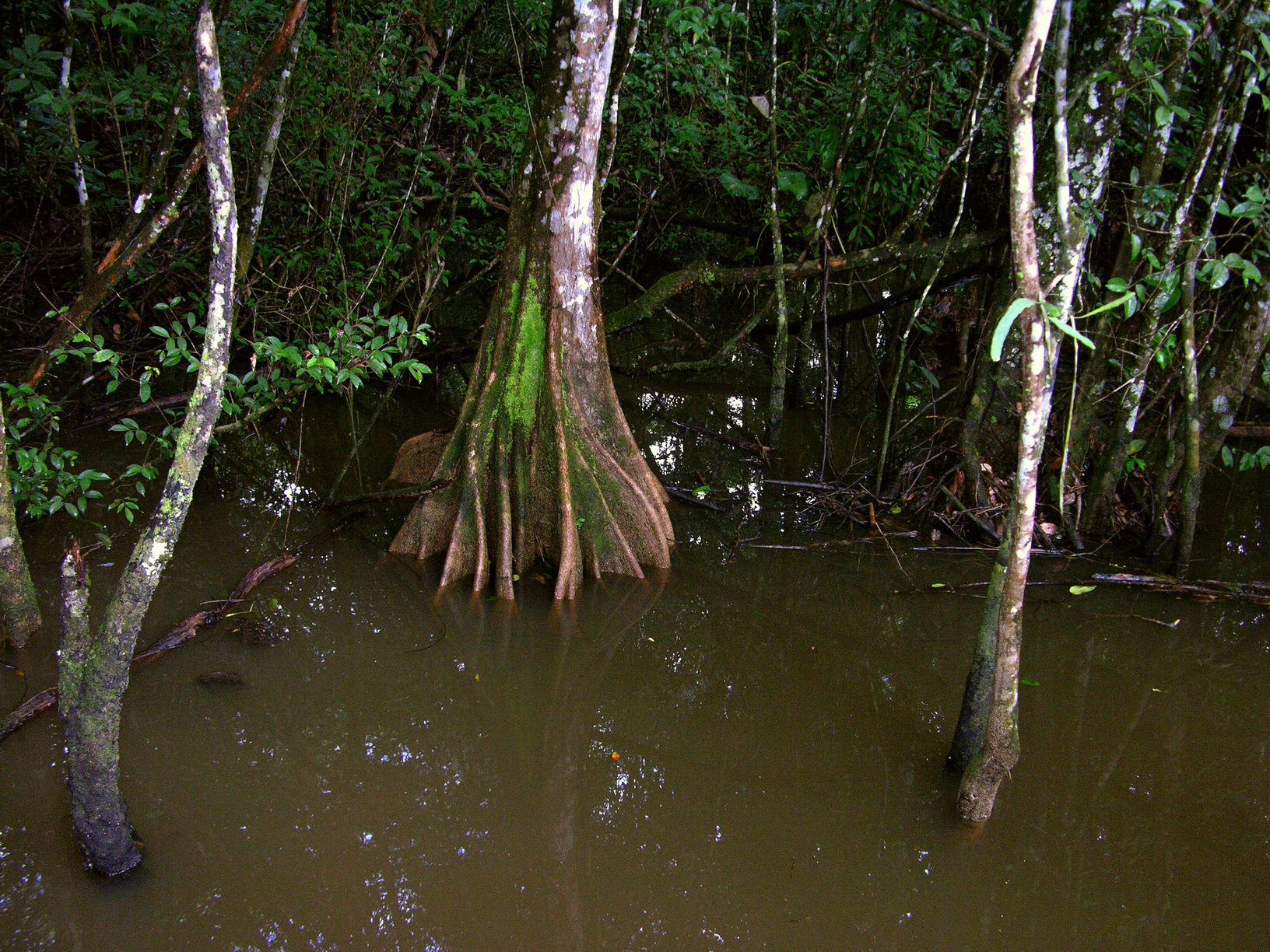
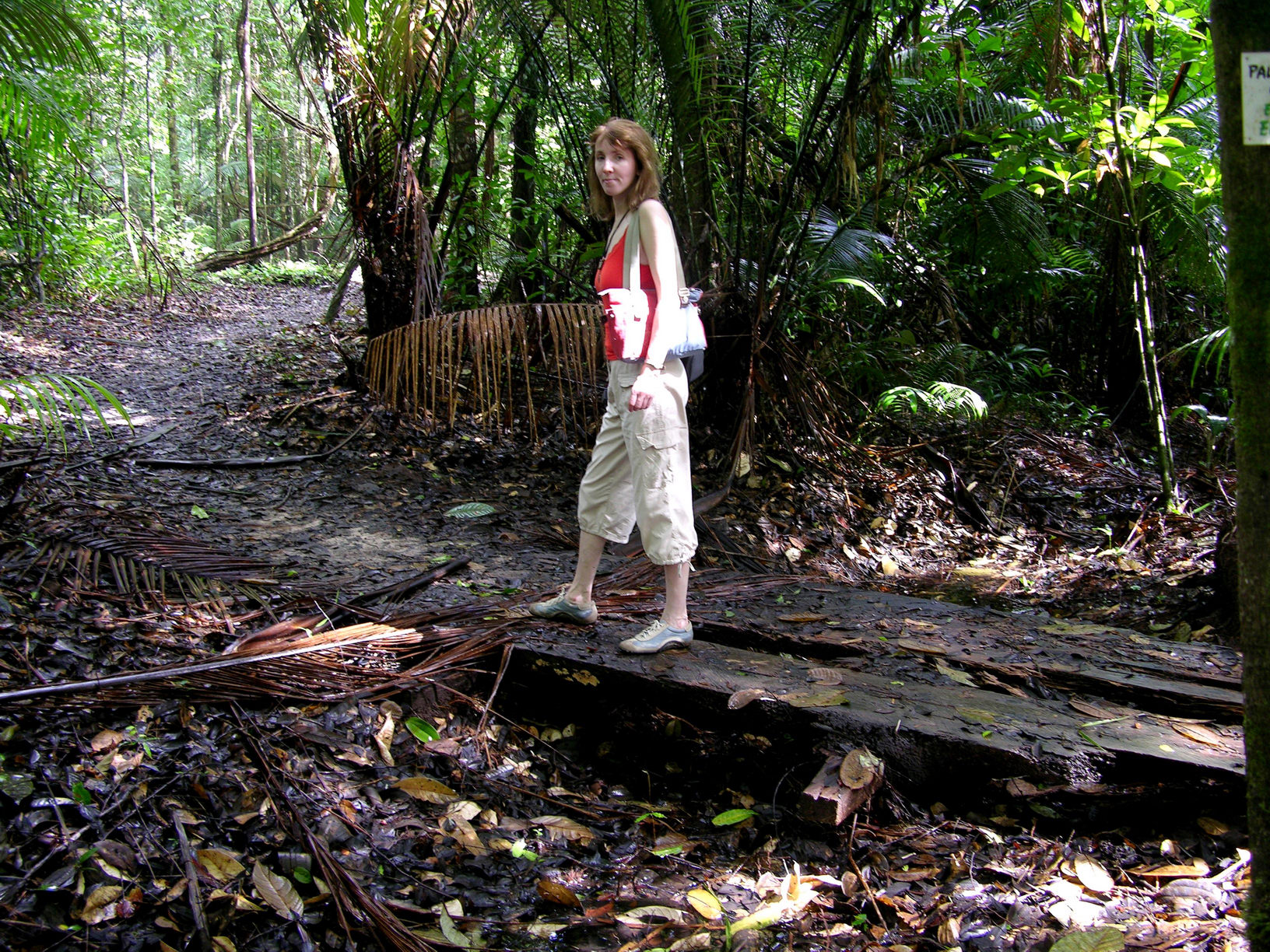
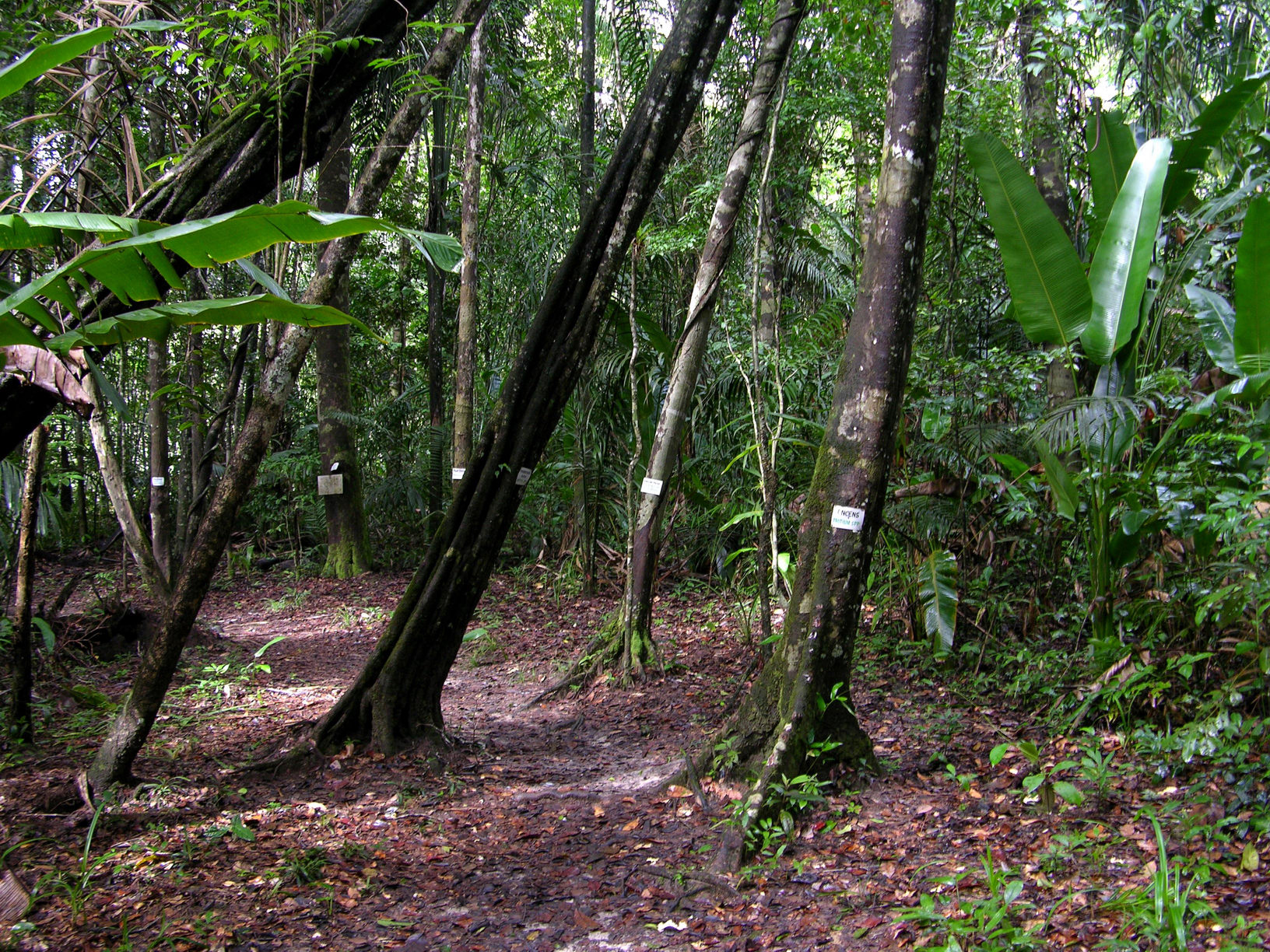
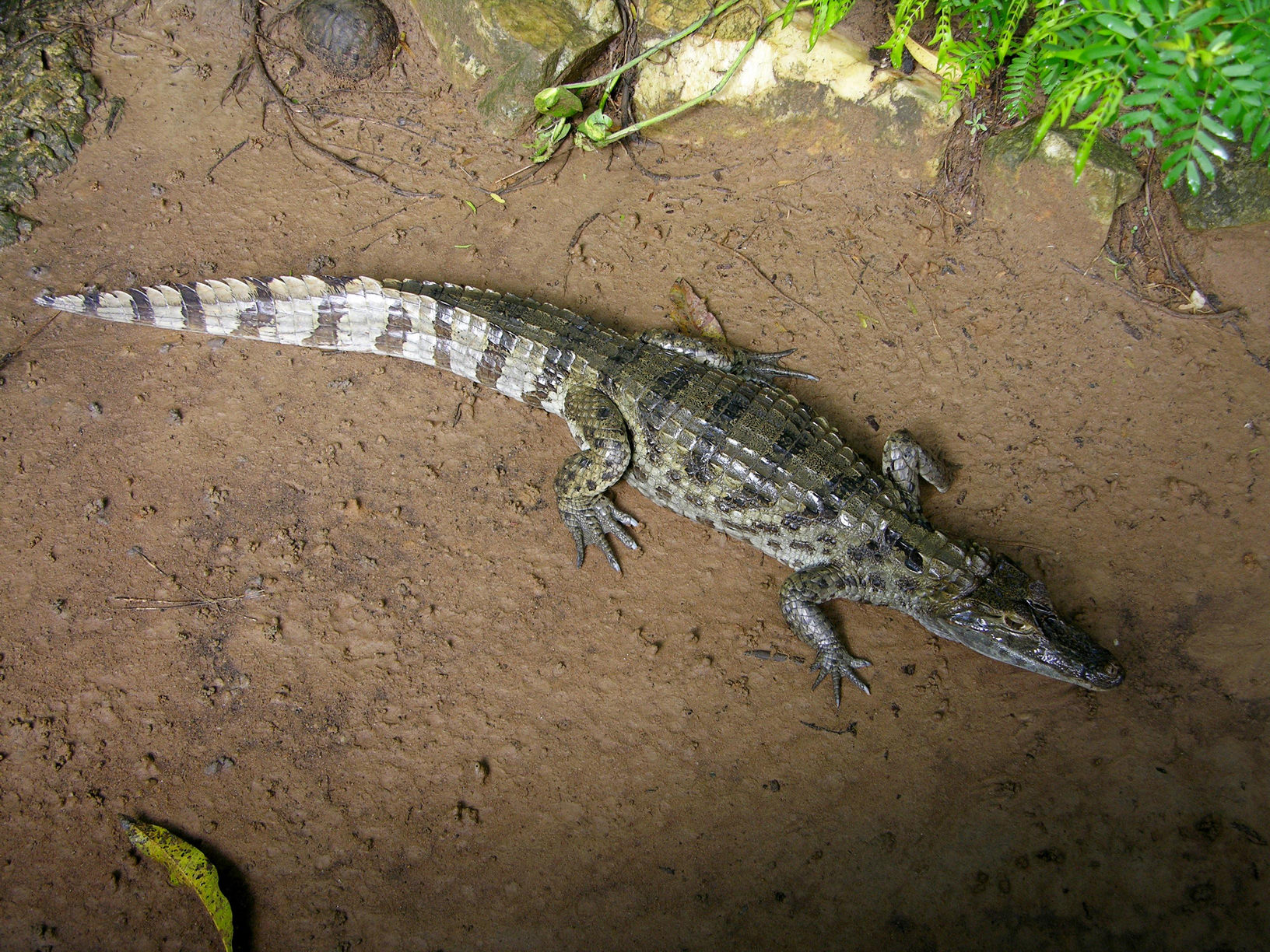
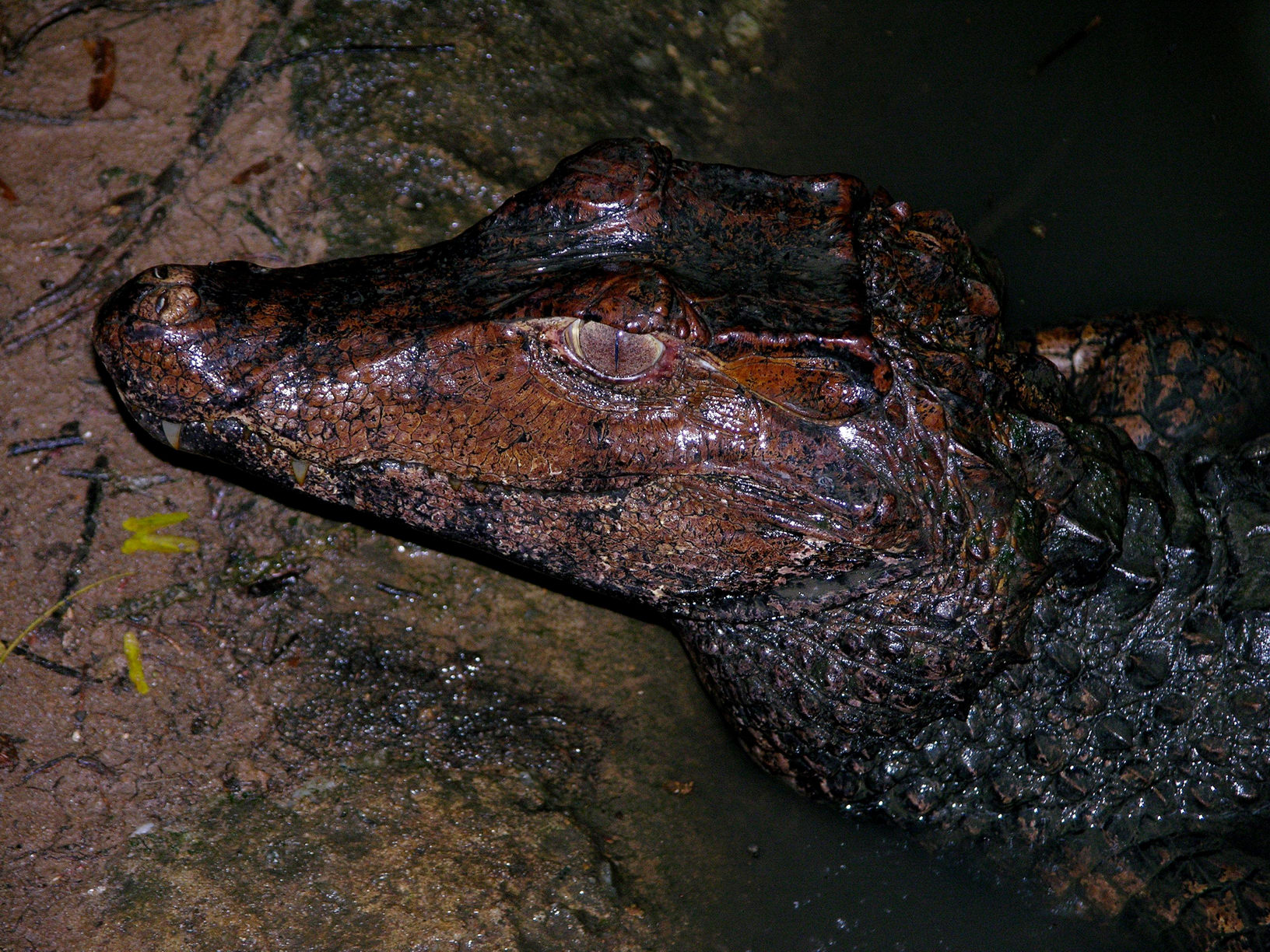
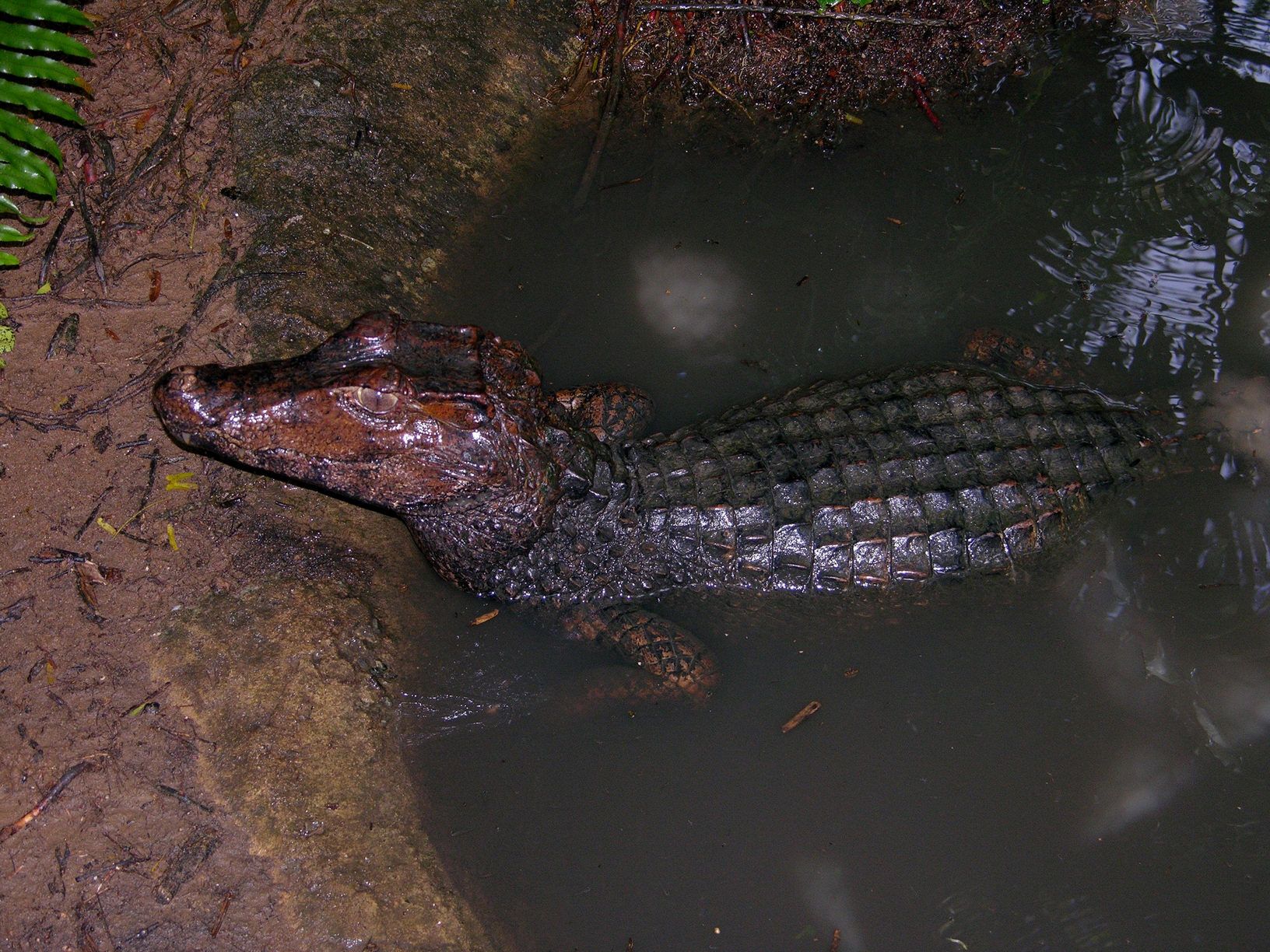
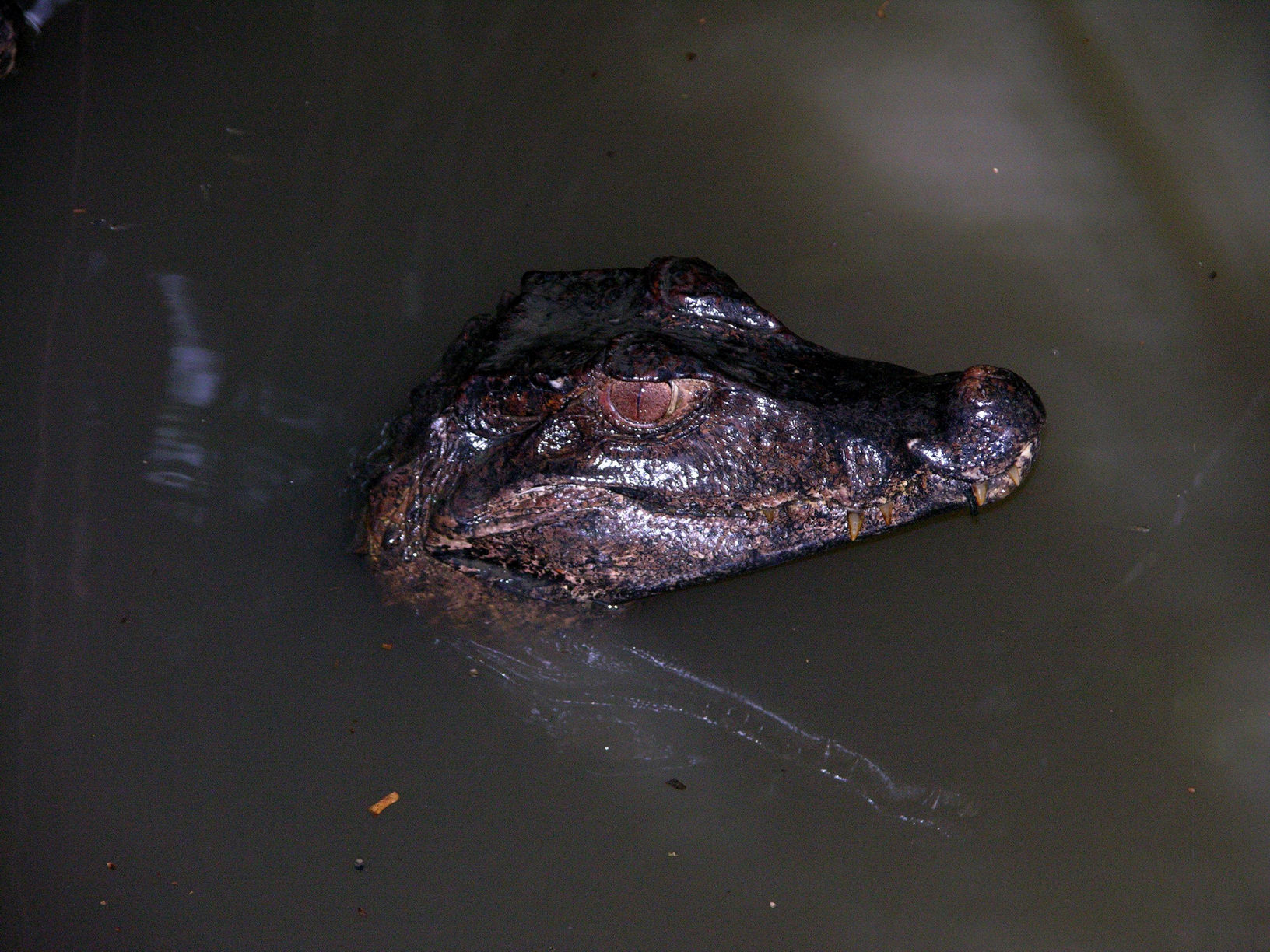
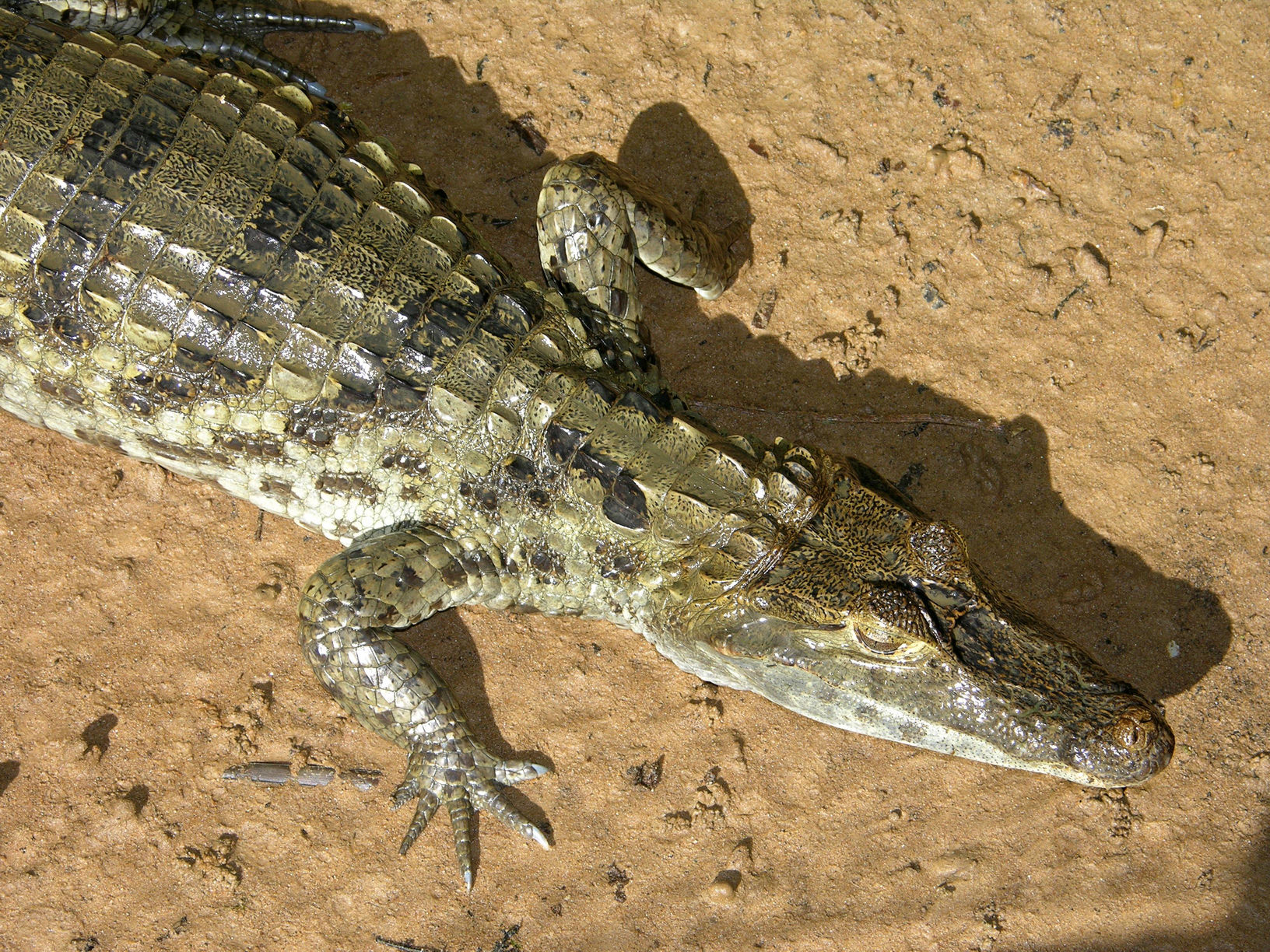
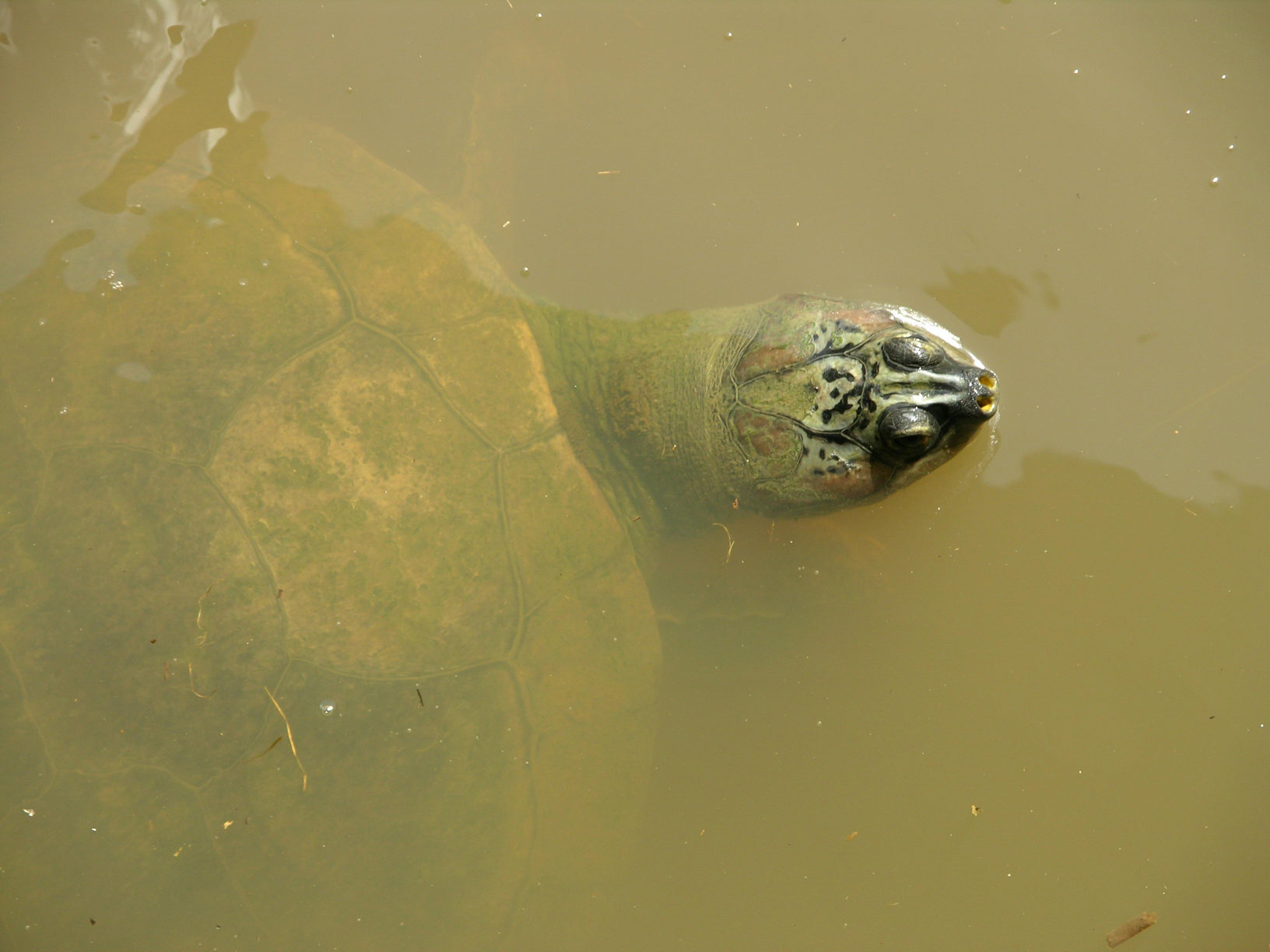
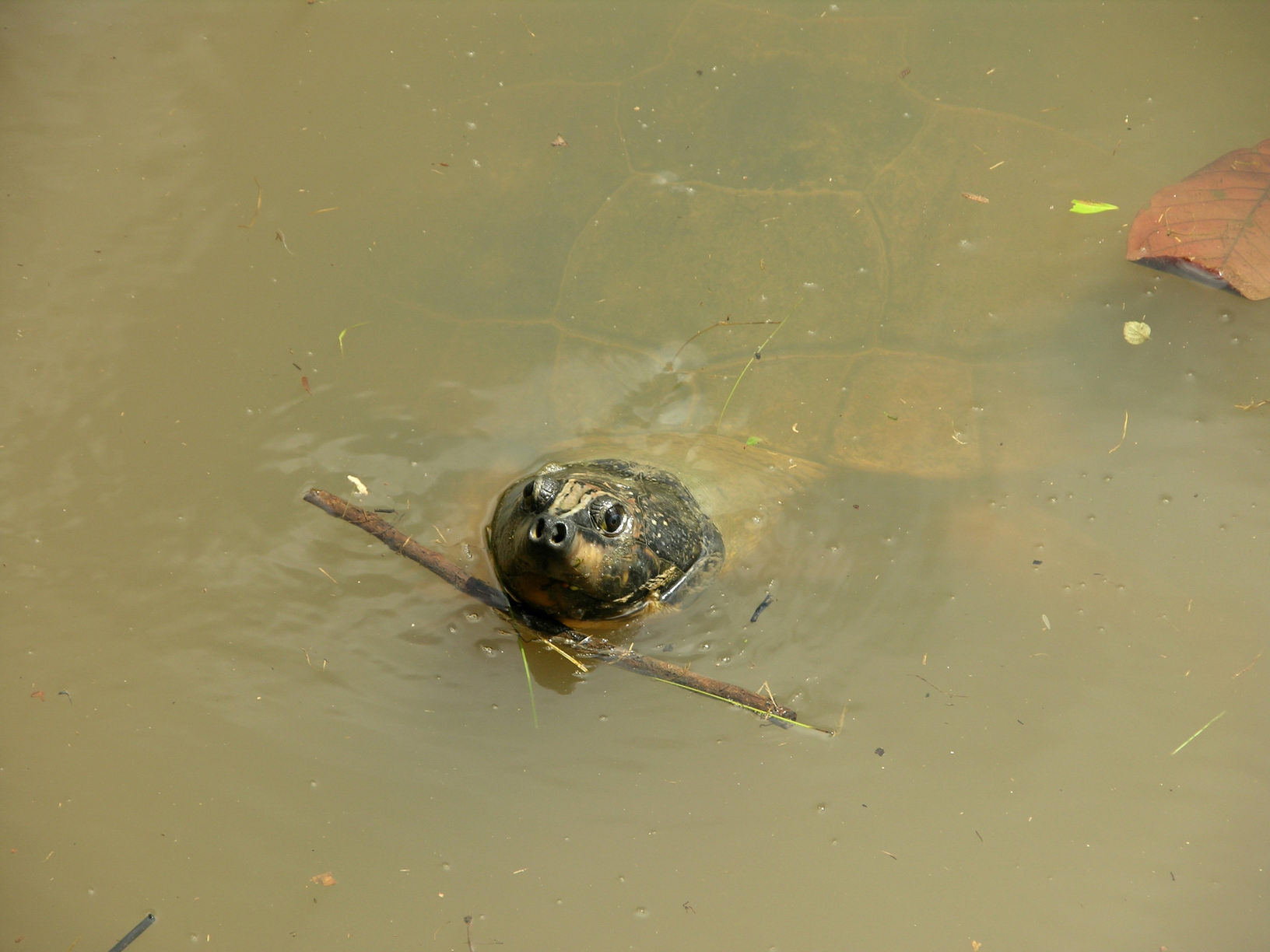
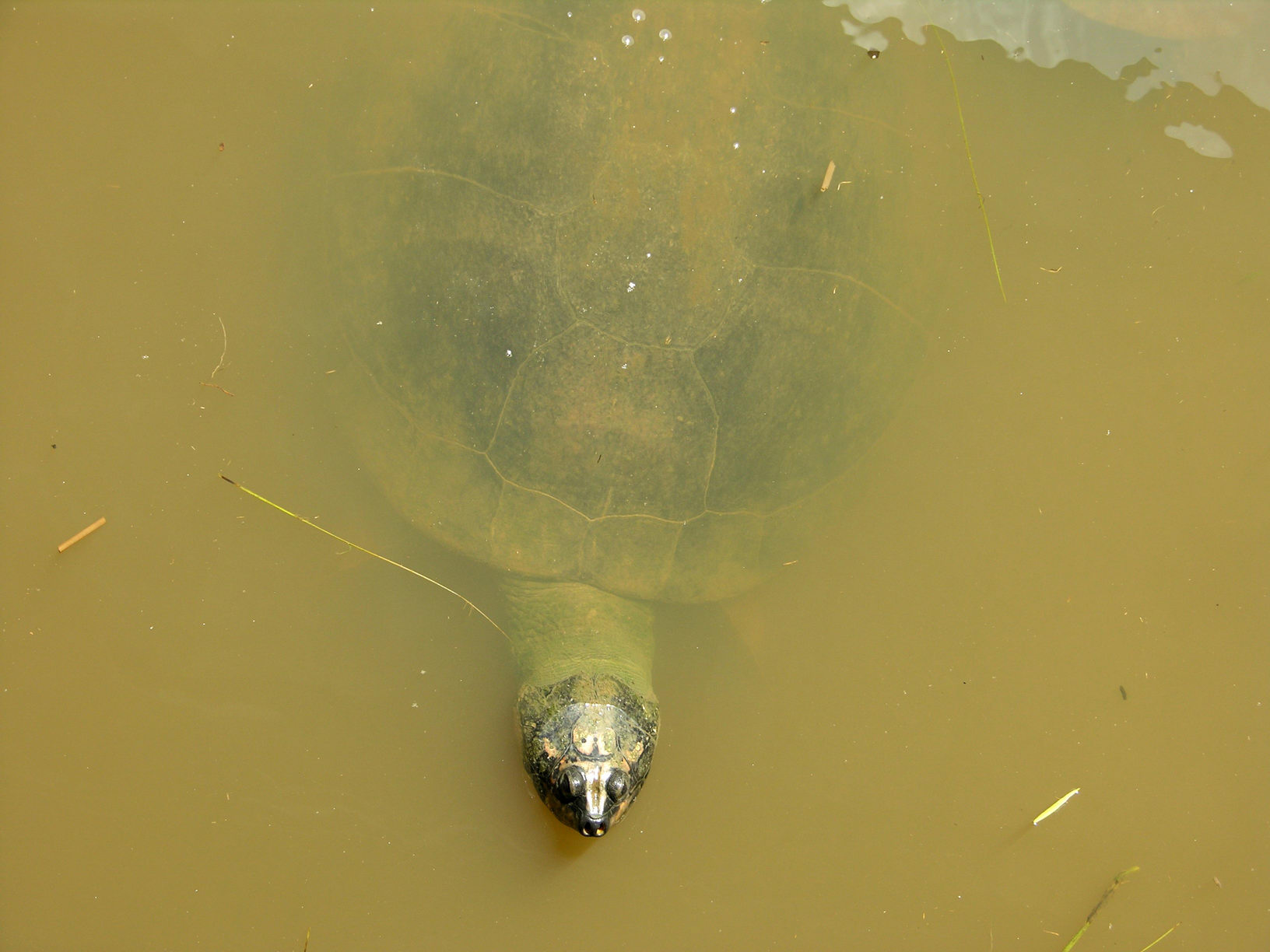
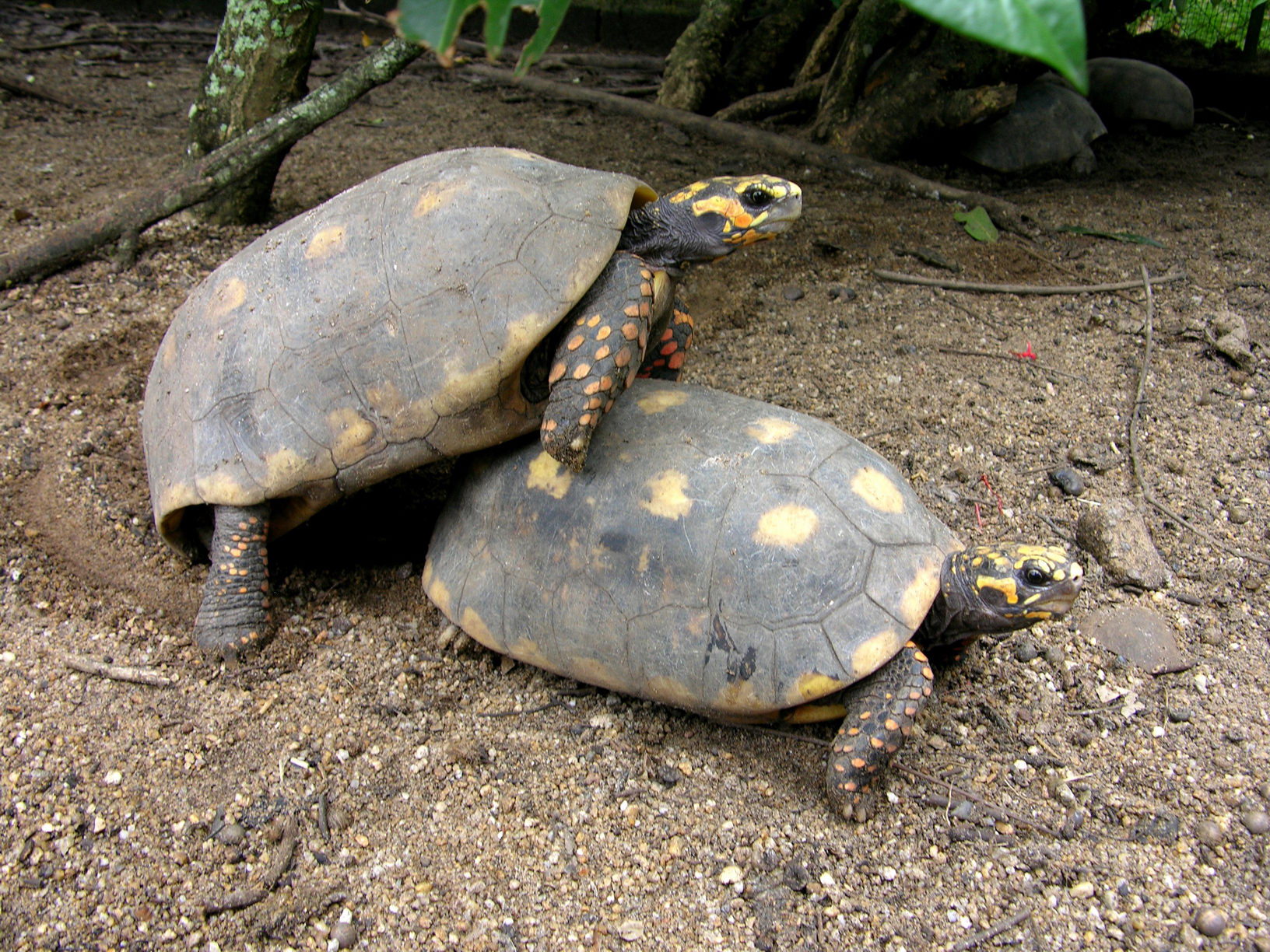
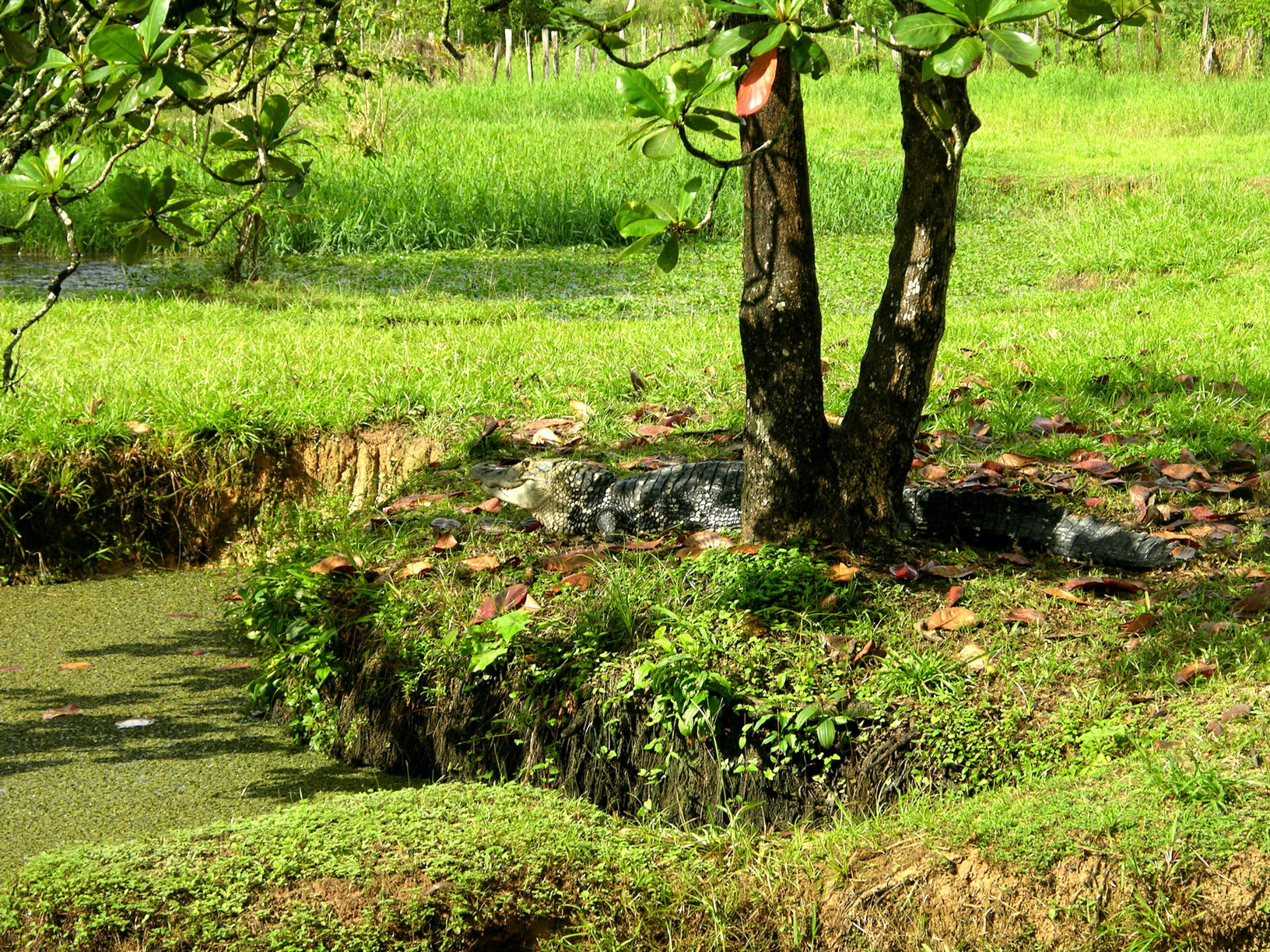
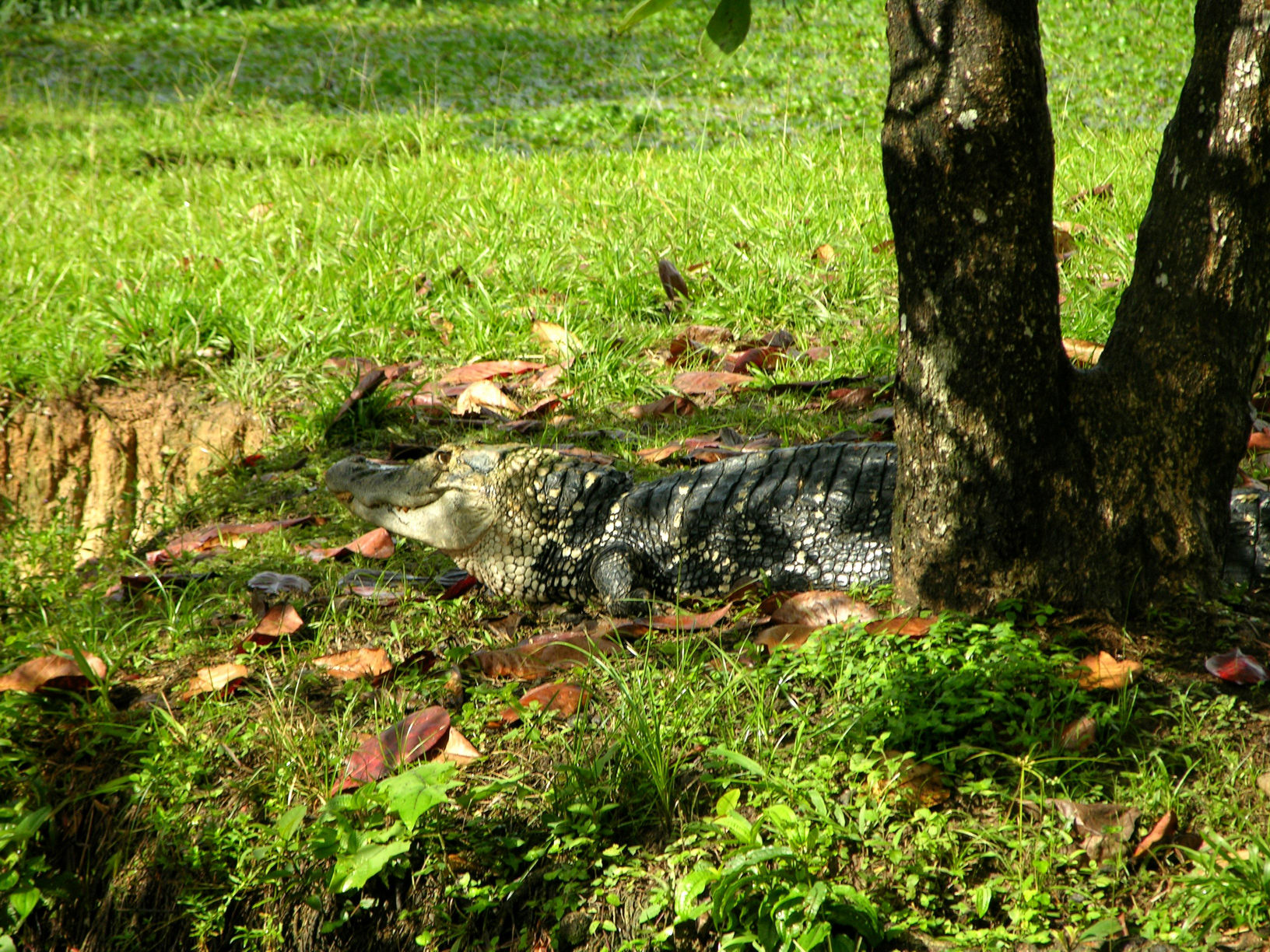
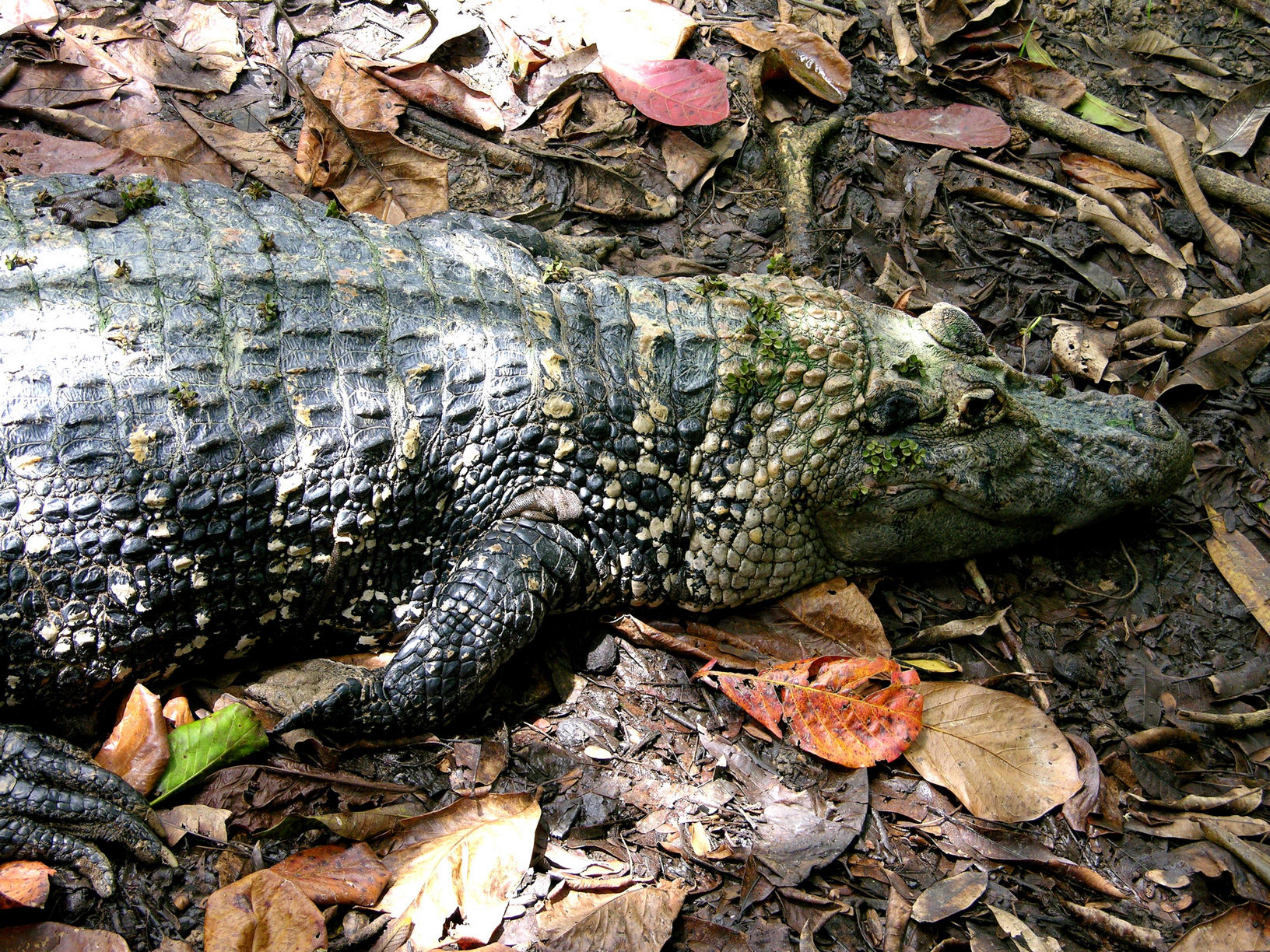
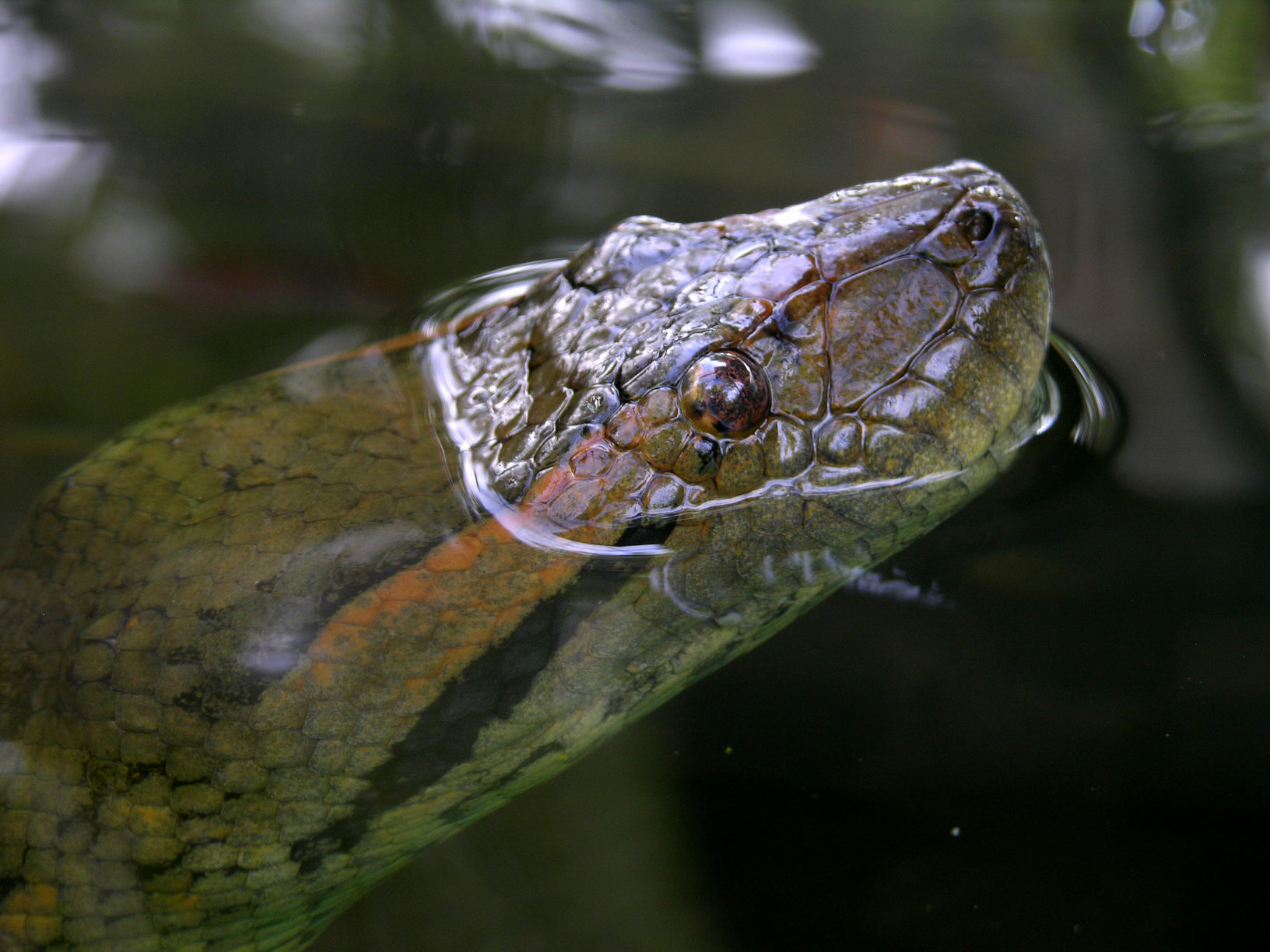
The zoo has a large collection of alligators, caimans and other crocodilians, as well as snakes and turtles. There are anacondas, some of them very impressive in size.
There were a pair of harpy eagles in an enclosure. It's the biggest bird of prey that doesn't live on carrion. The enormous bird is frightening to look at. Its crest makes the head seem even bigger, and you might be looking at some unearthly, demonic creature. Harpy eagles are hard to see in the wild. They don't soar above the forest. They sit quietly in the leaves at the edge of it and fly out only to seize a victim that comes within reach. Small monkeys are what they usually eat.
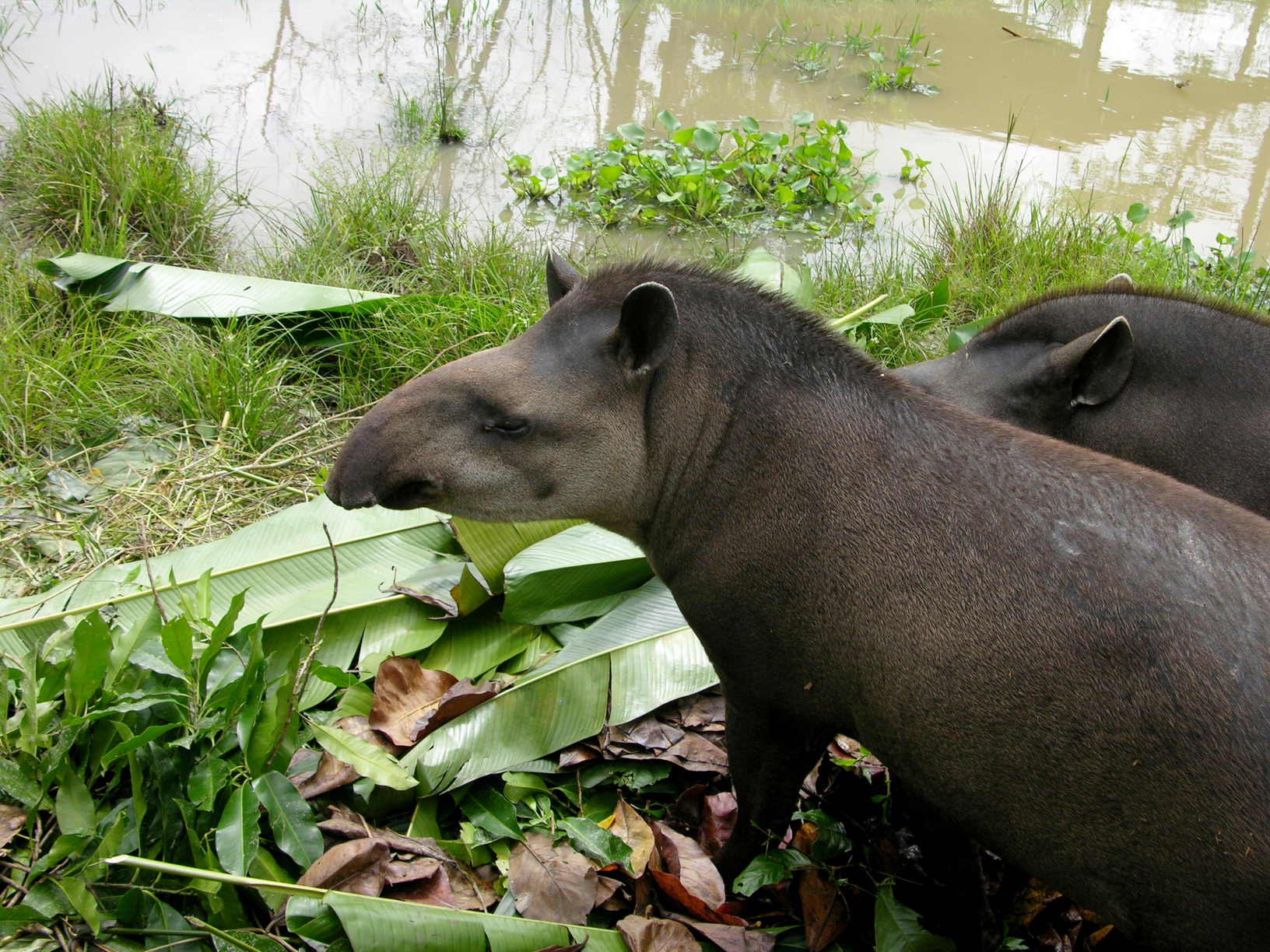
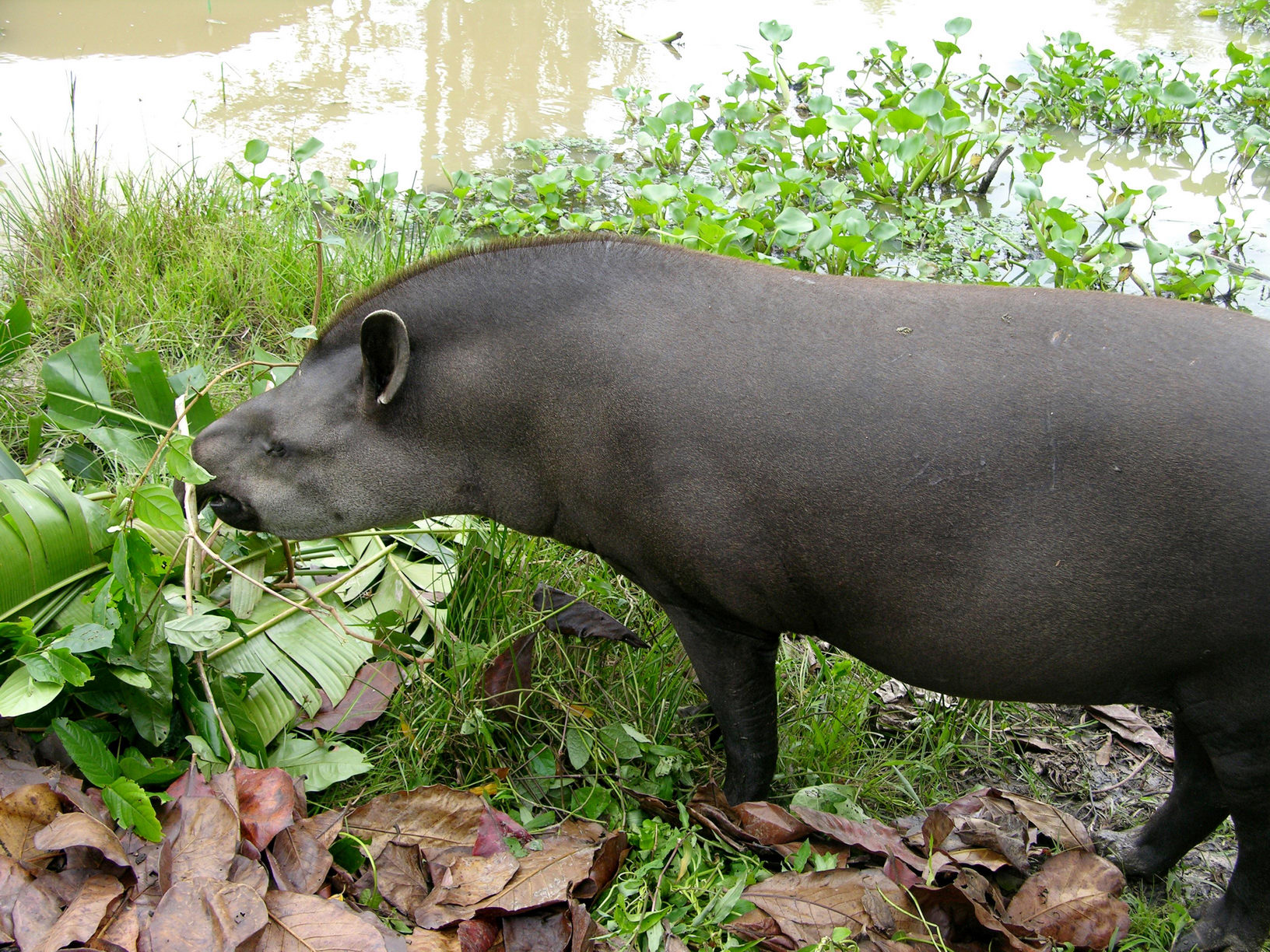
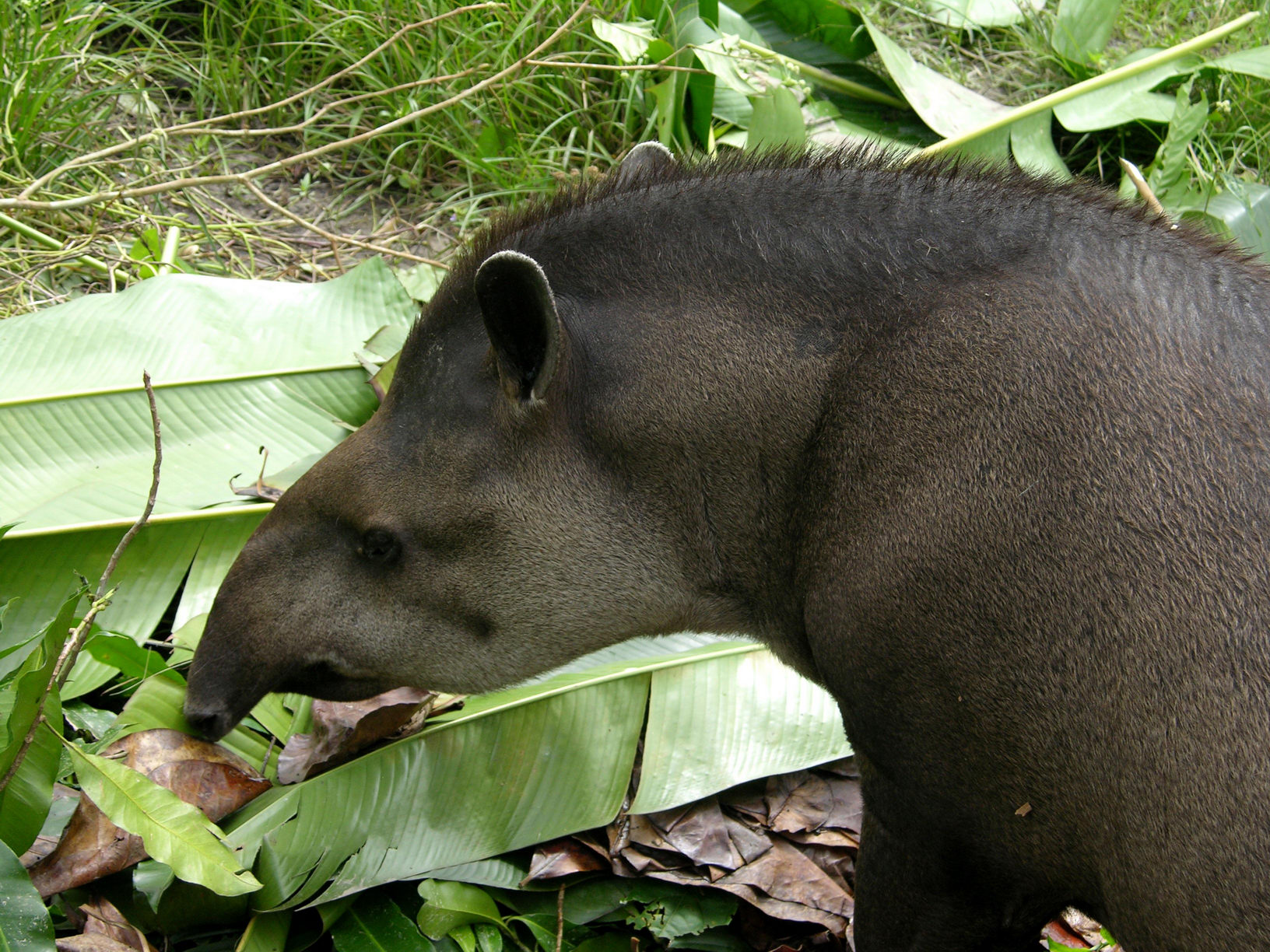
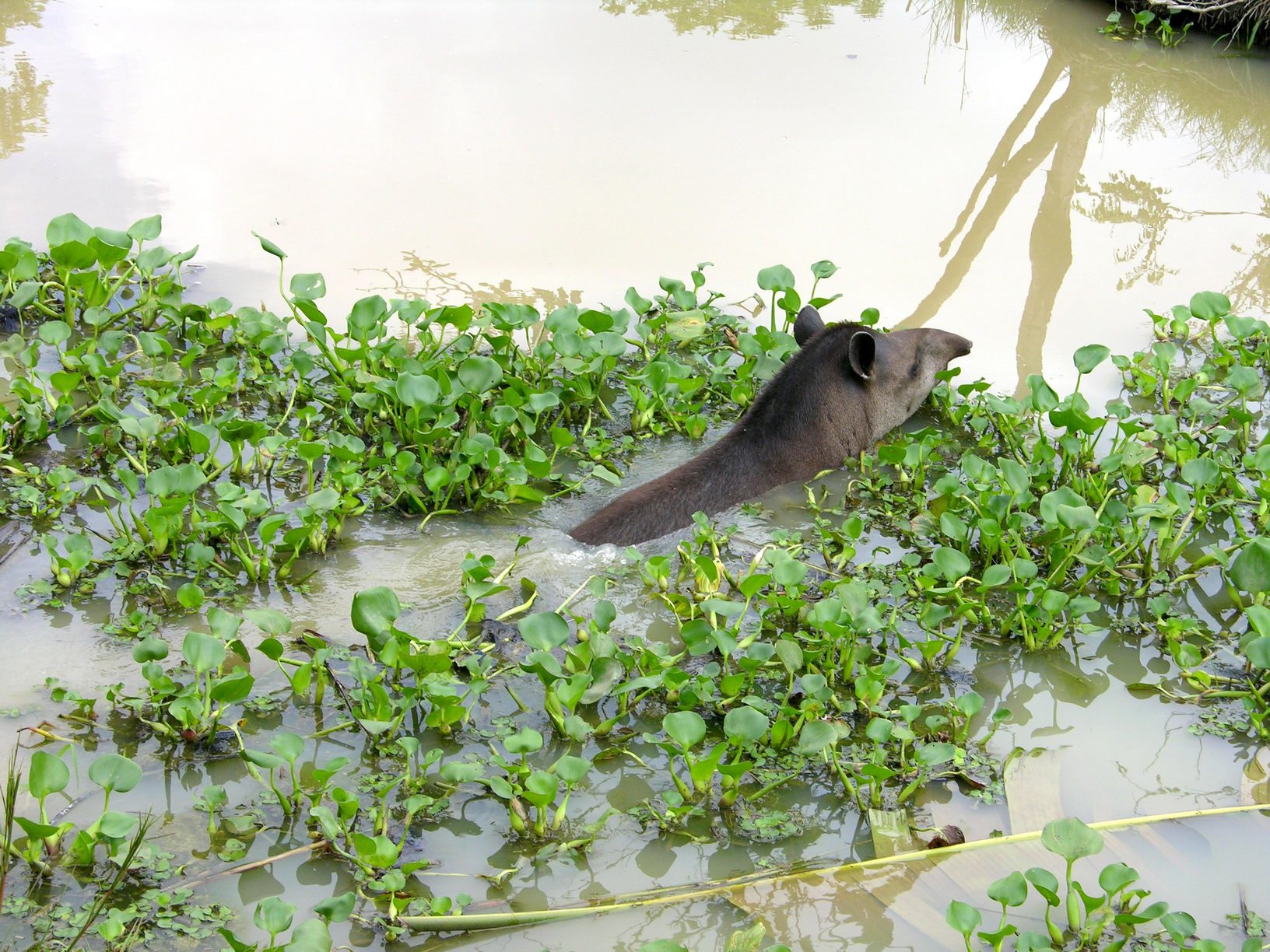
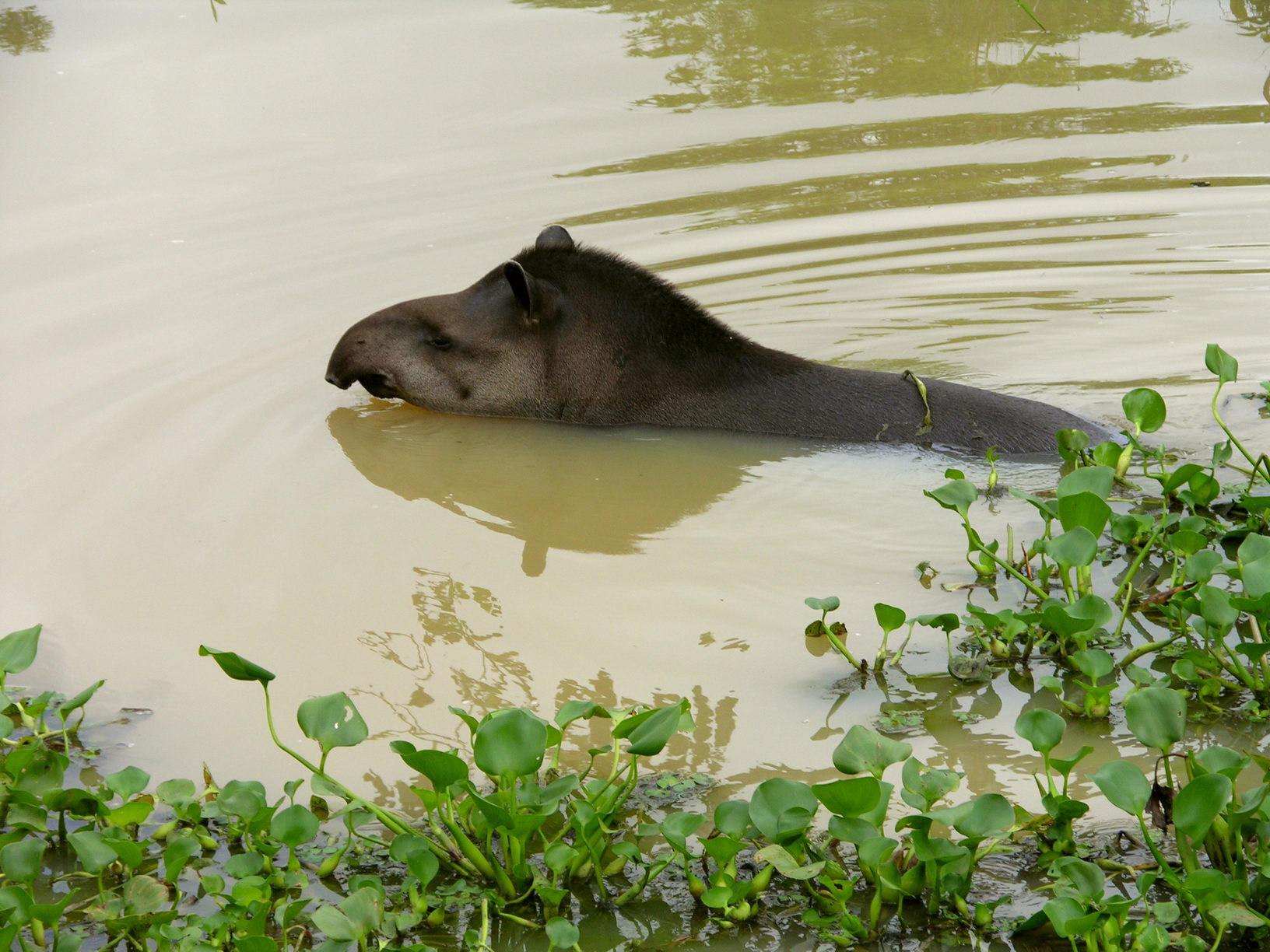
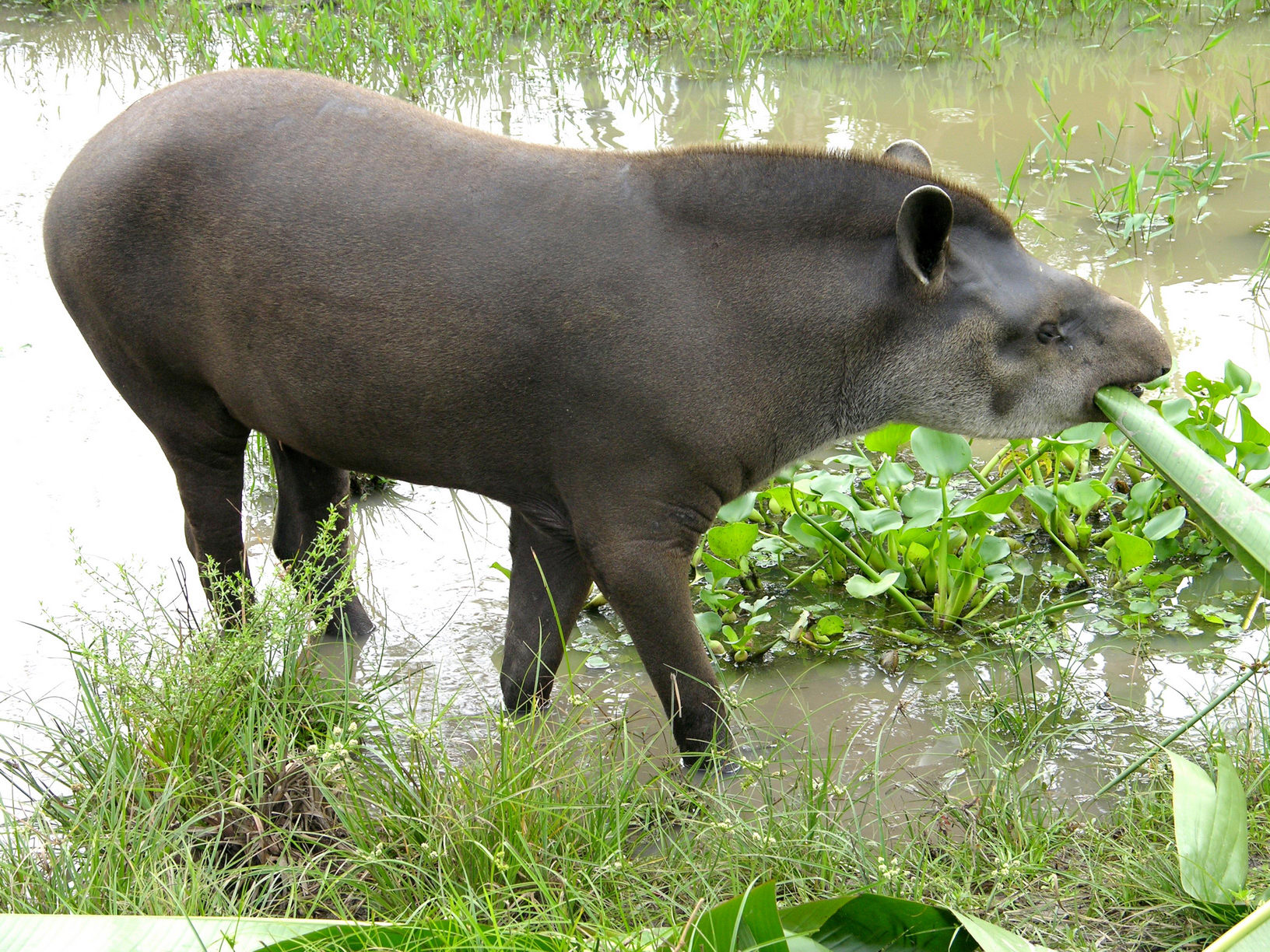
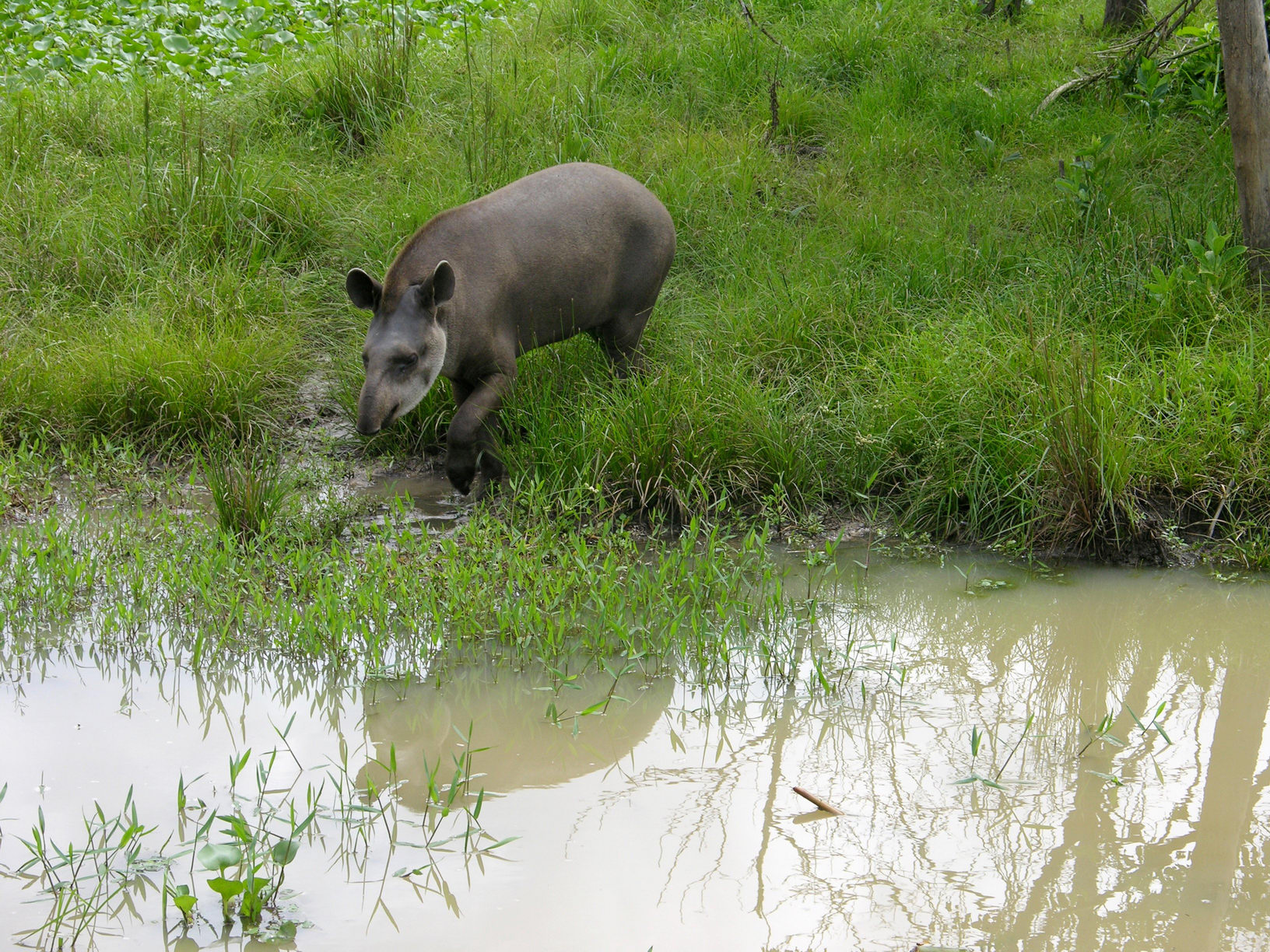
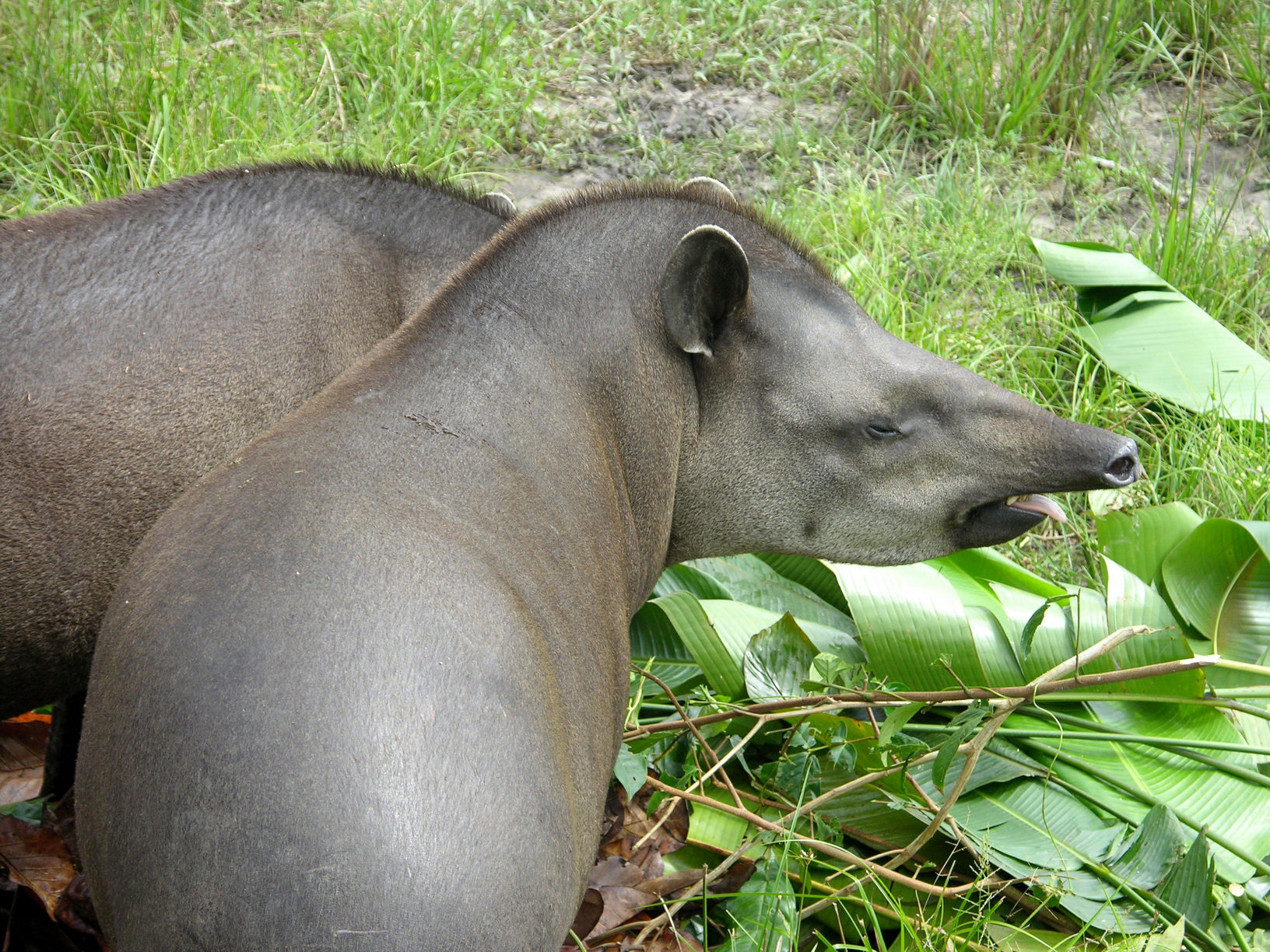
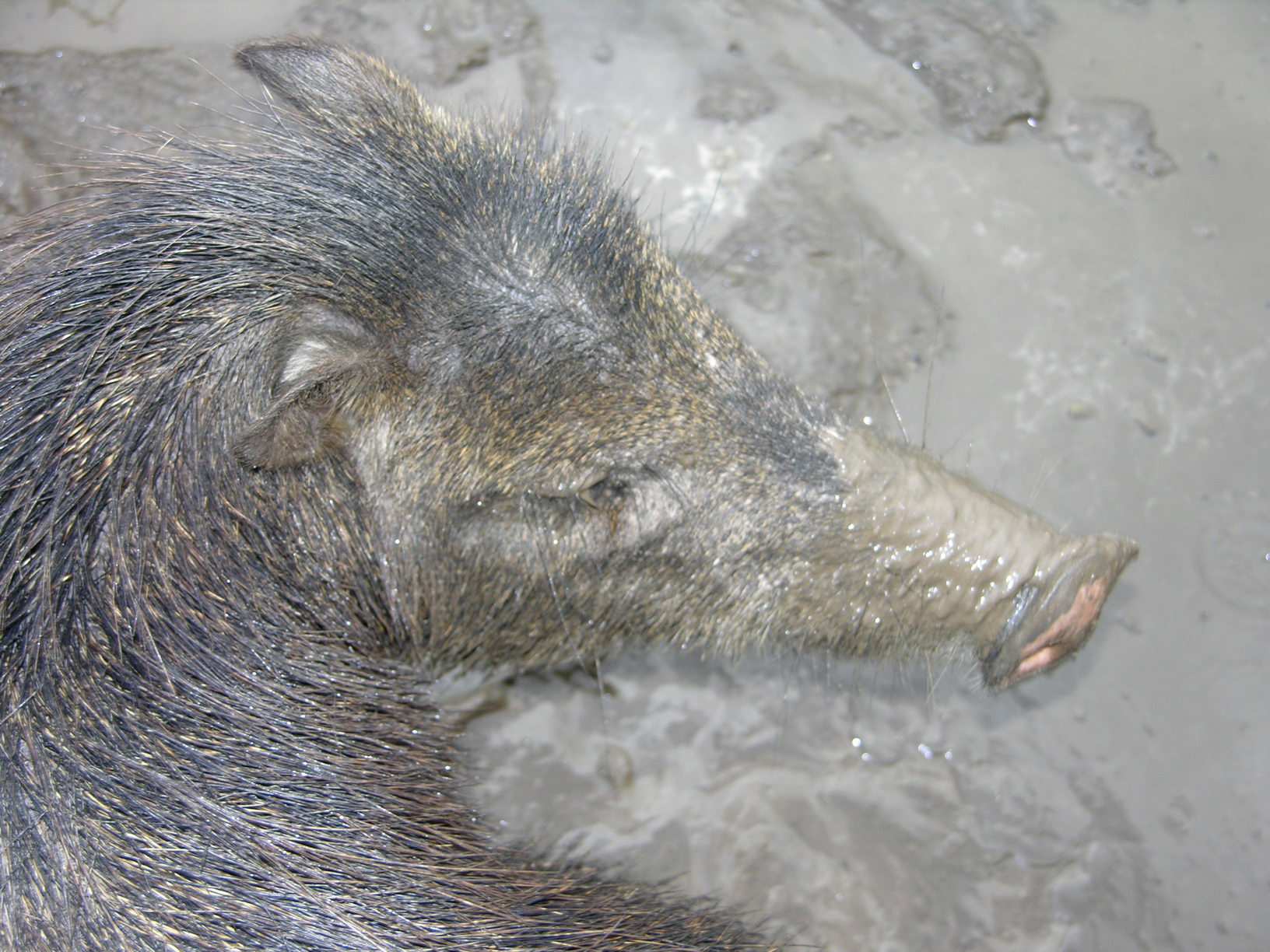
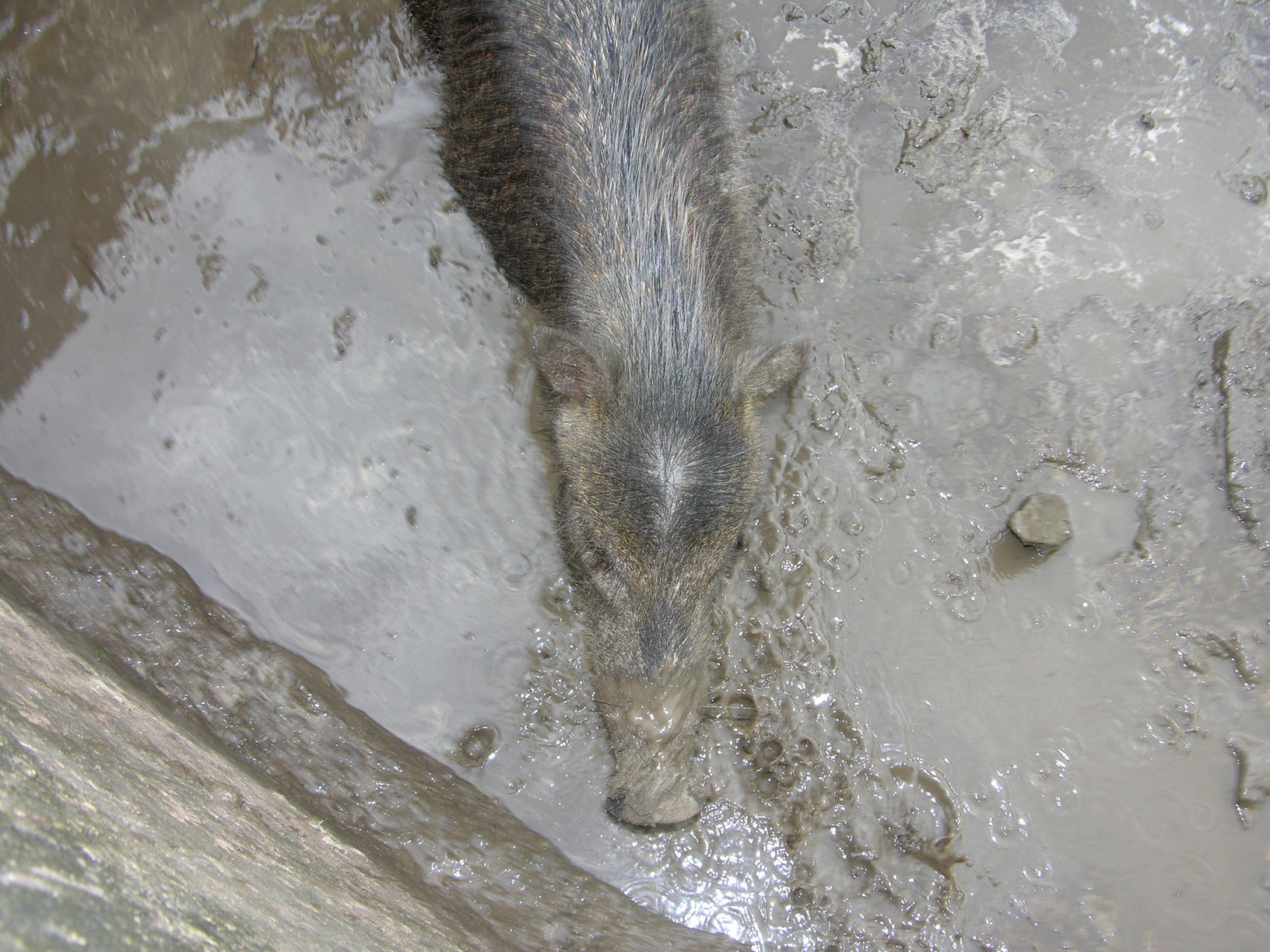
Among the mammals you can see are tapirs, unfenced and quite happily grazing on the shore of a marshy pool and chewing banana leaves as if they had all day. The little peccaries had found their bliss in a puddle of mud. They're quite tame. Scratch one on the back and it'll grunt with pleasure.
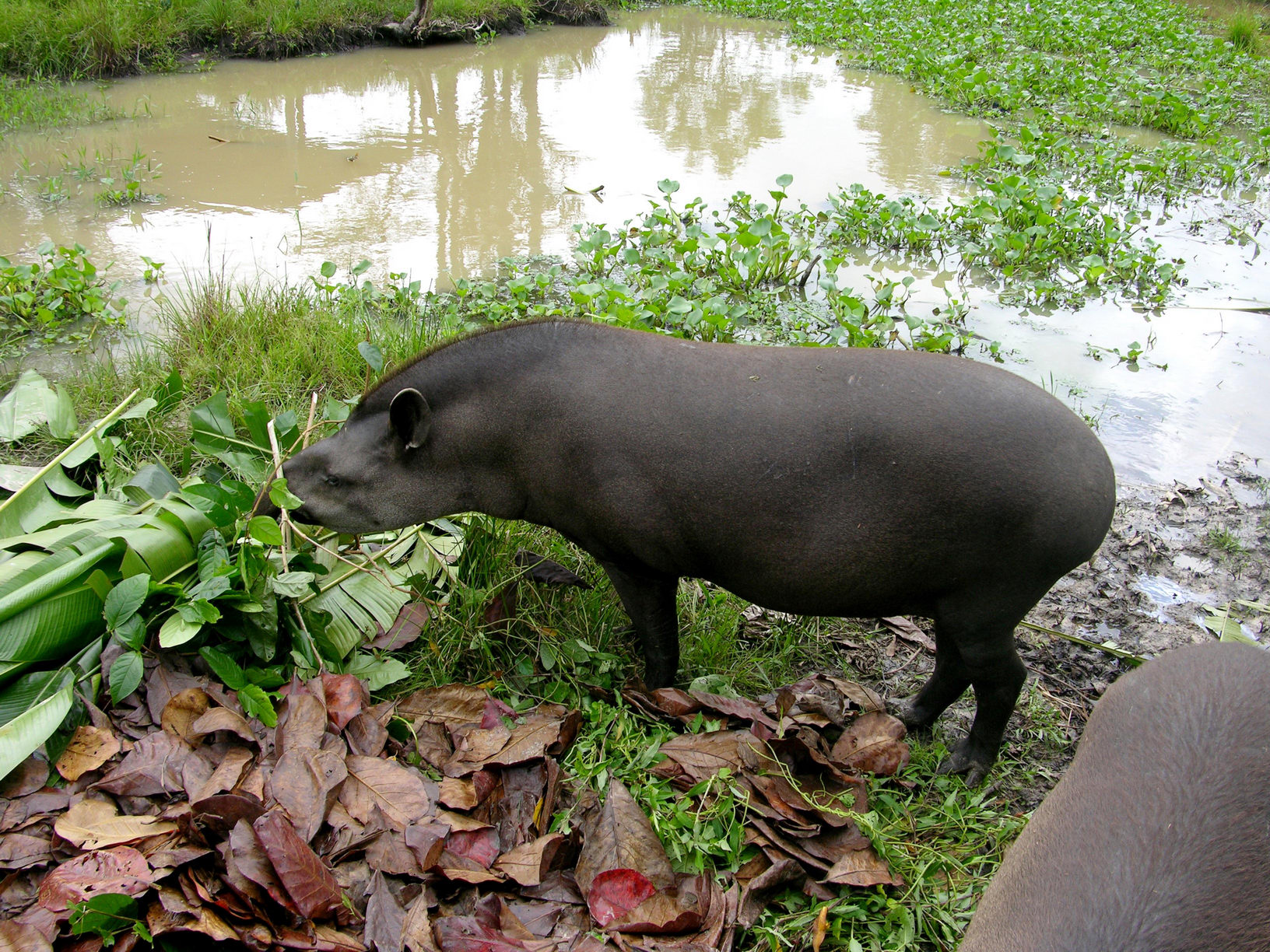
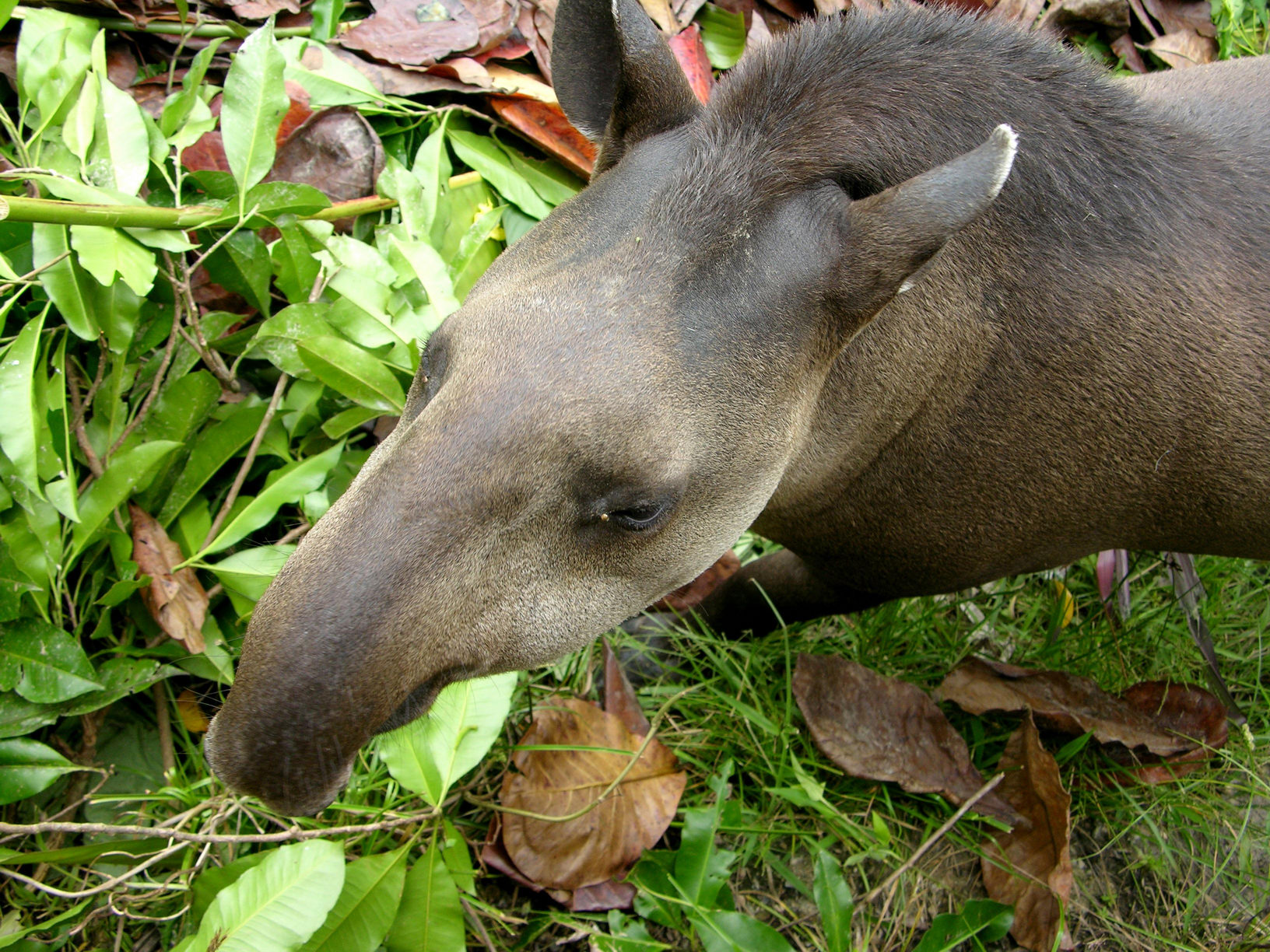
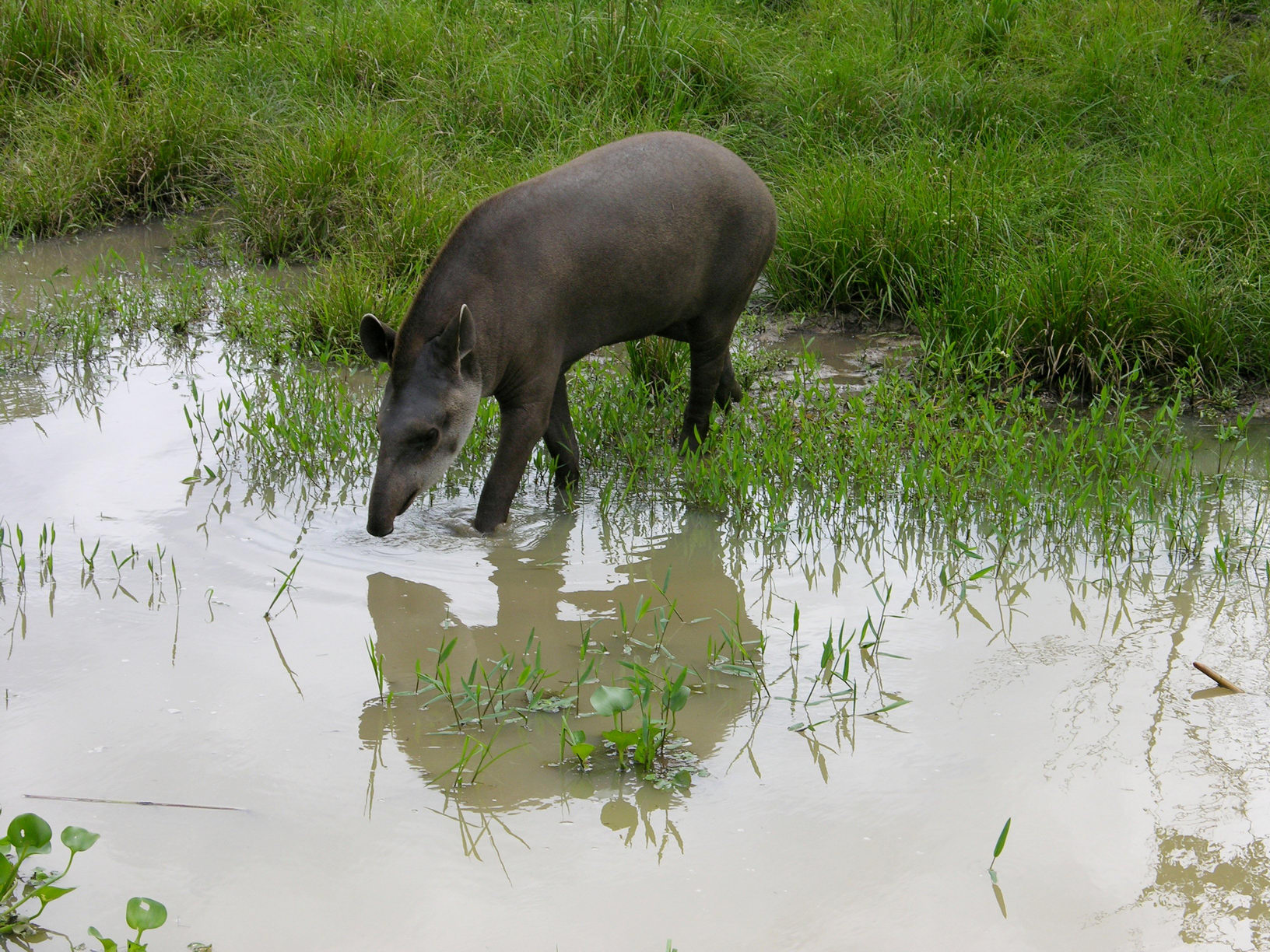
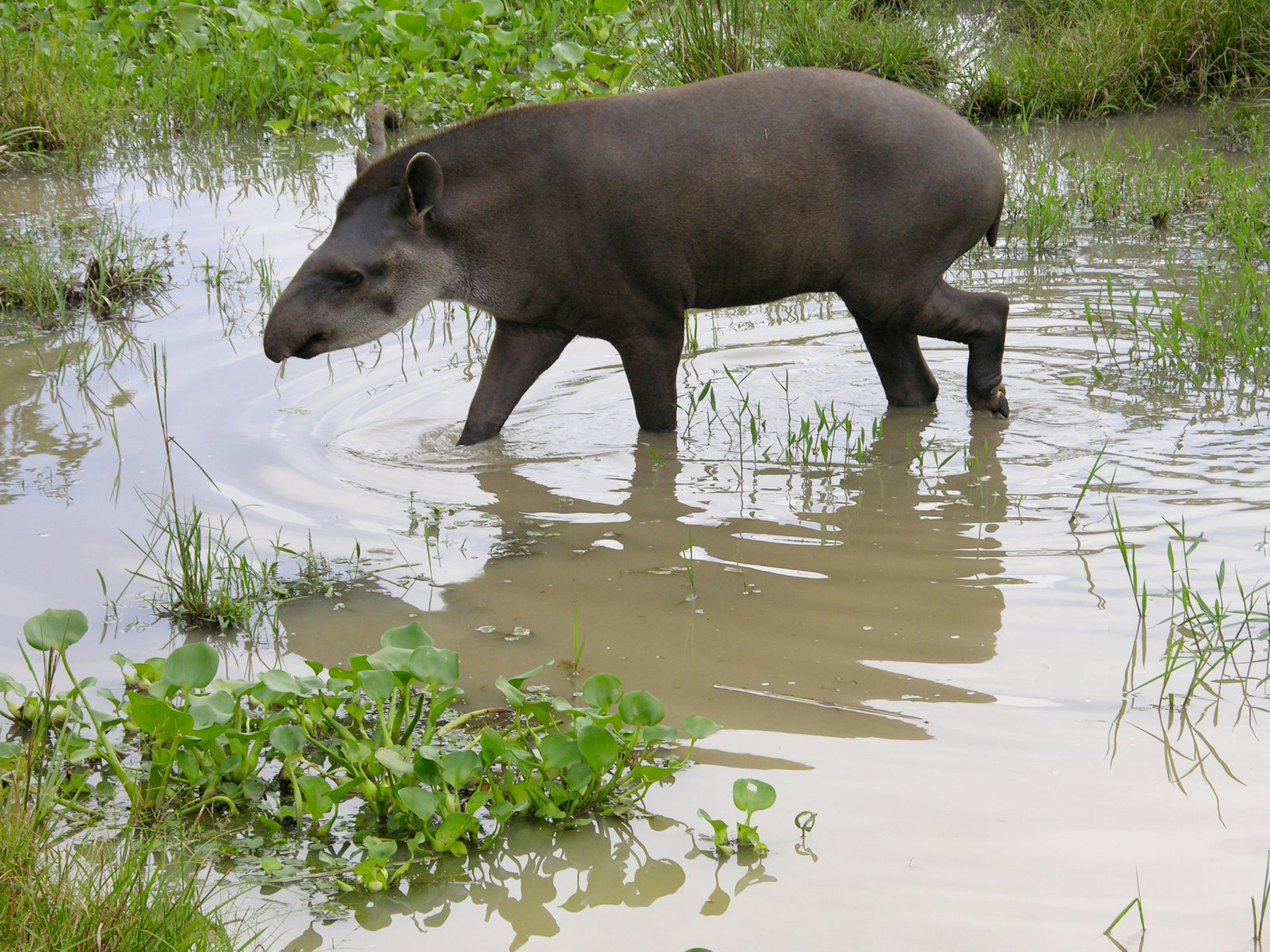
Agoutis were running all over the forest. There are plenty of them everywhere in French Guiana, even in the city parks. In other countries you'd have to look for them.
Hot as it is, it's winter now. Some trees had dropped their leaves, and iguanas rattled through the litter in numbers. The biggest are a metre and a half long.
There are turtles swimming in the streams, and caimans, of course. They're afraid of people and can't eat one. If you pester them they may give you a bit of a bite.
We spent half a day in the park and were very pleased with it.
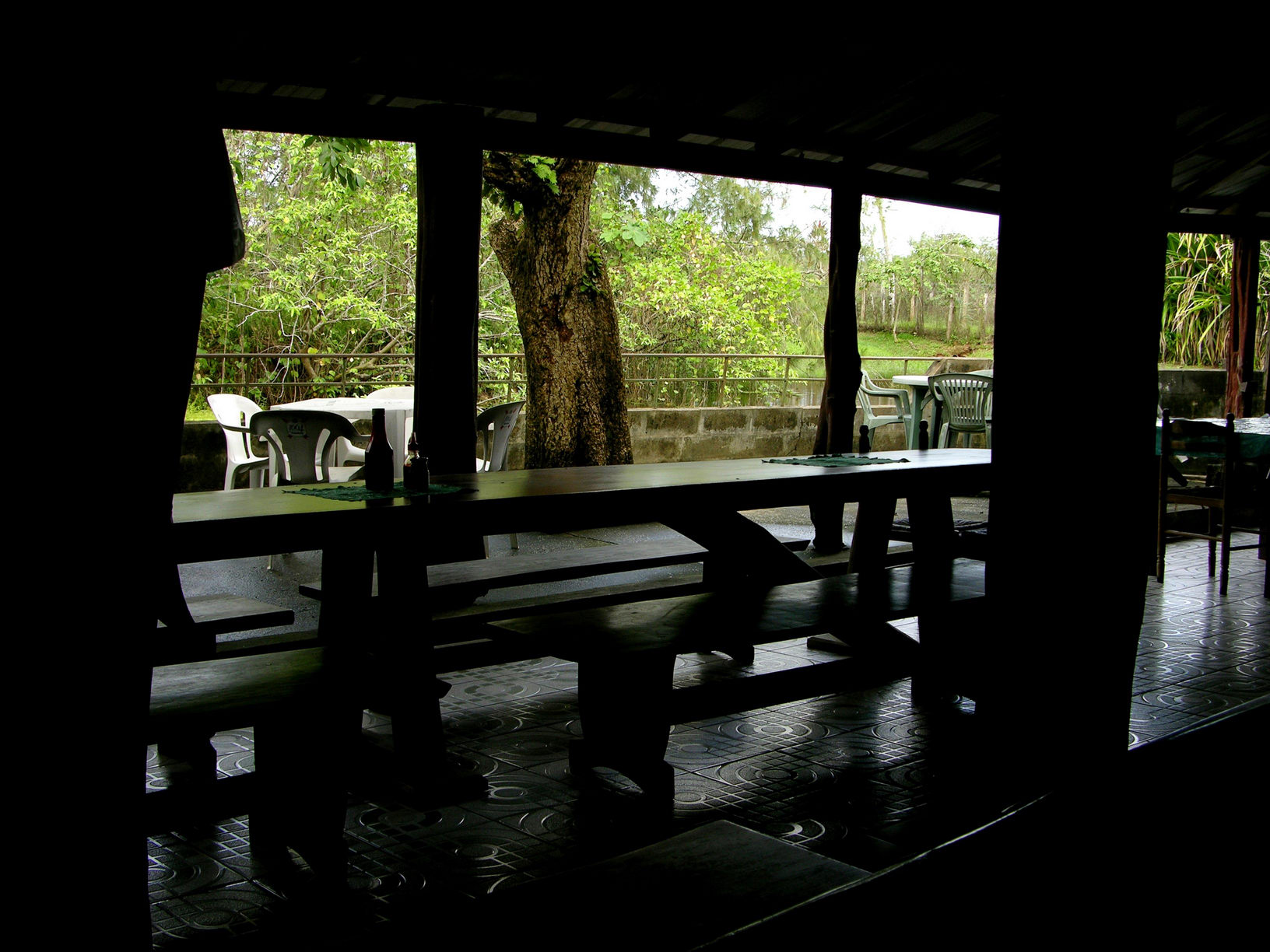
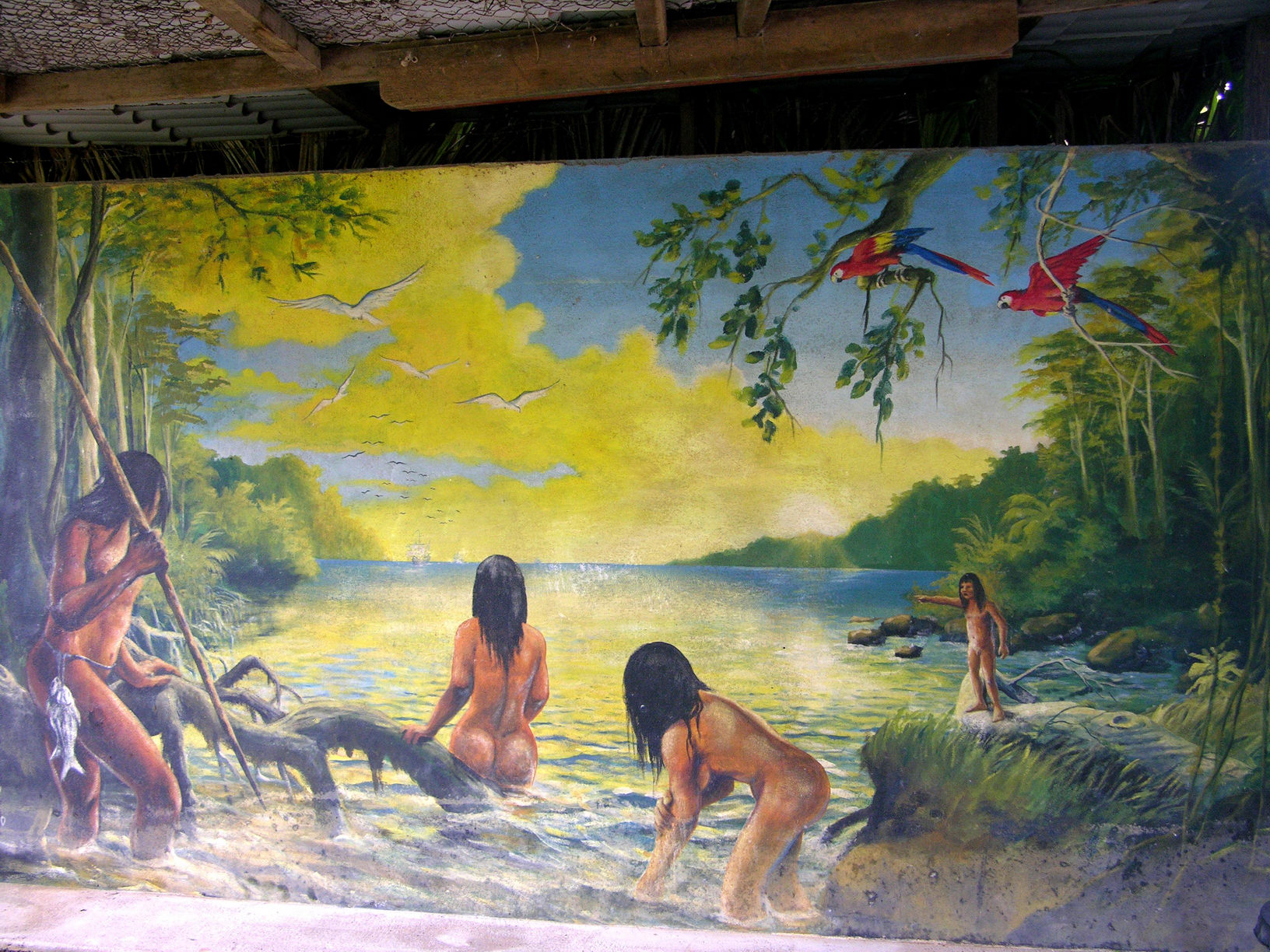
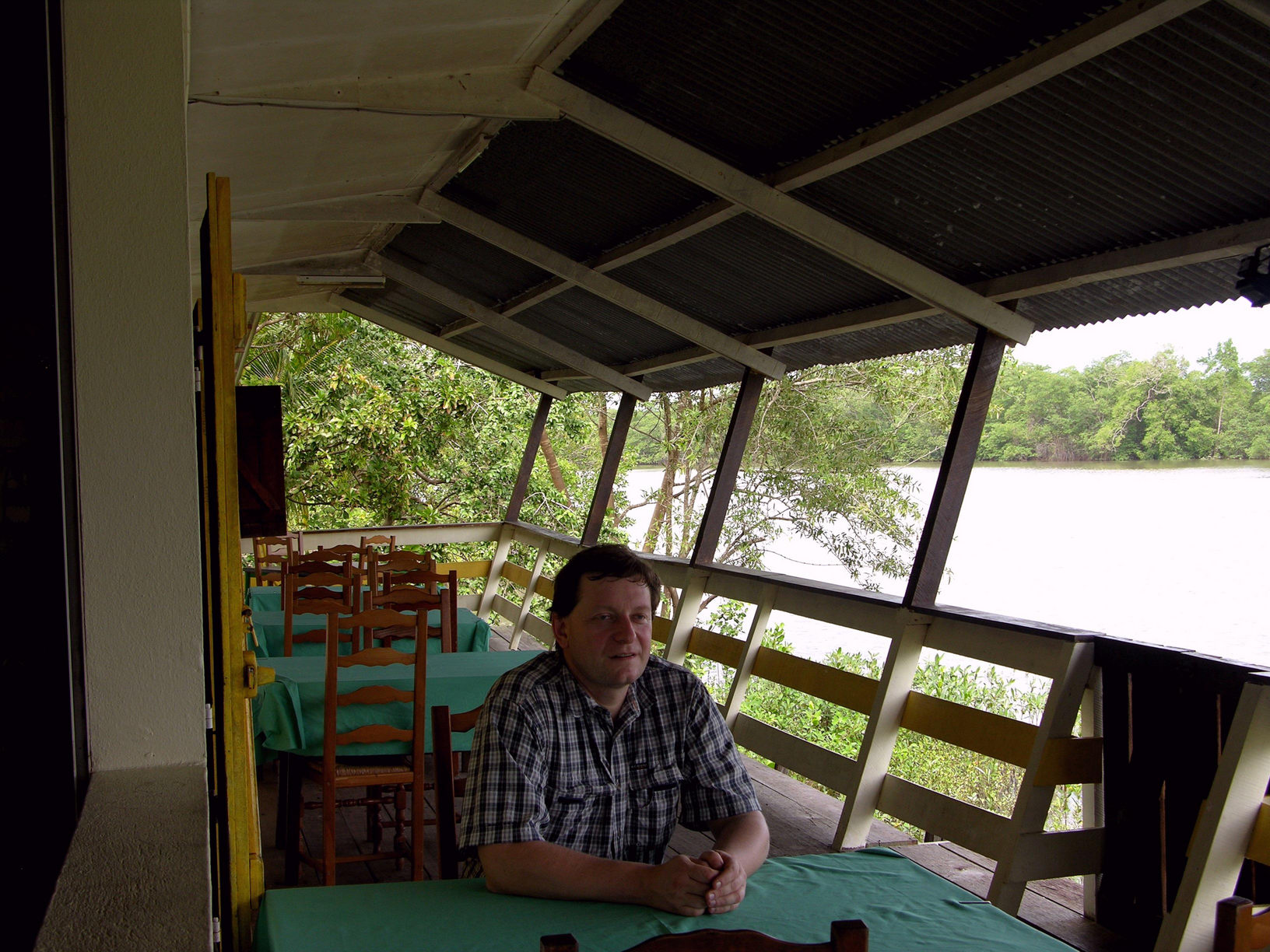
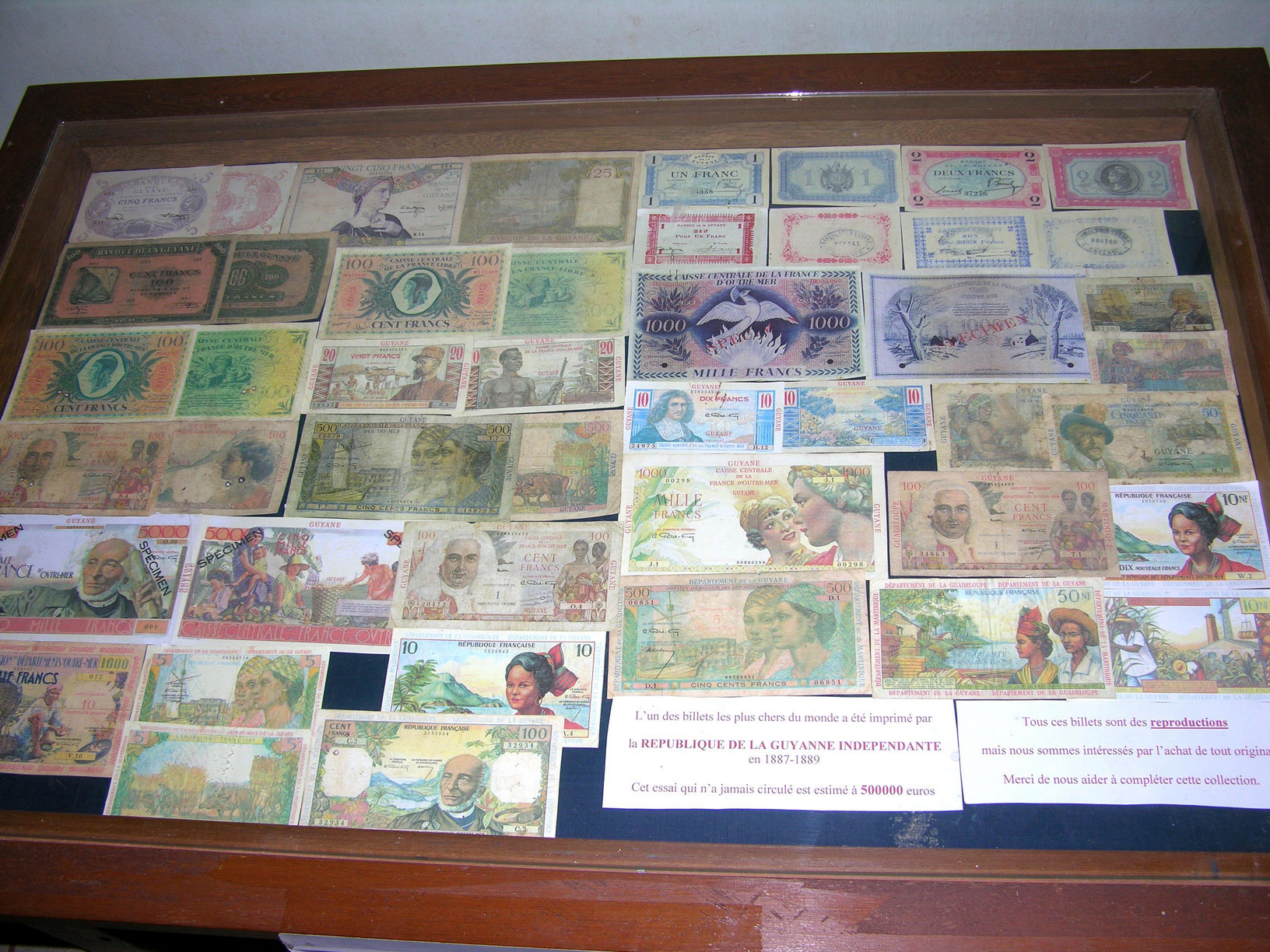
Time for something to eat. We found a restaurant serving Creole food in the little village of Montsinéry (Montsinery), on the bank of the river of the same name. We ate freshly caught fish with breadfruit. Delicious. We even managed to pay by credit card. Cards are fairly common here. There's an ATM in every town. You can pay by card almost everywhere, but under fifteen euros a lot of people take only cash or want a chip card. French Guiana hasn't had its own currency for a long time. It was French francs, and now it's euros.
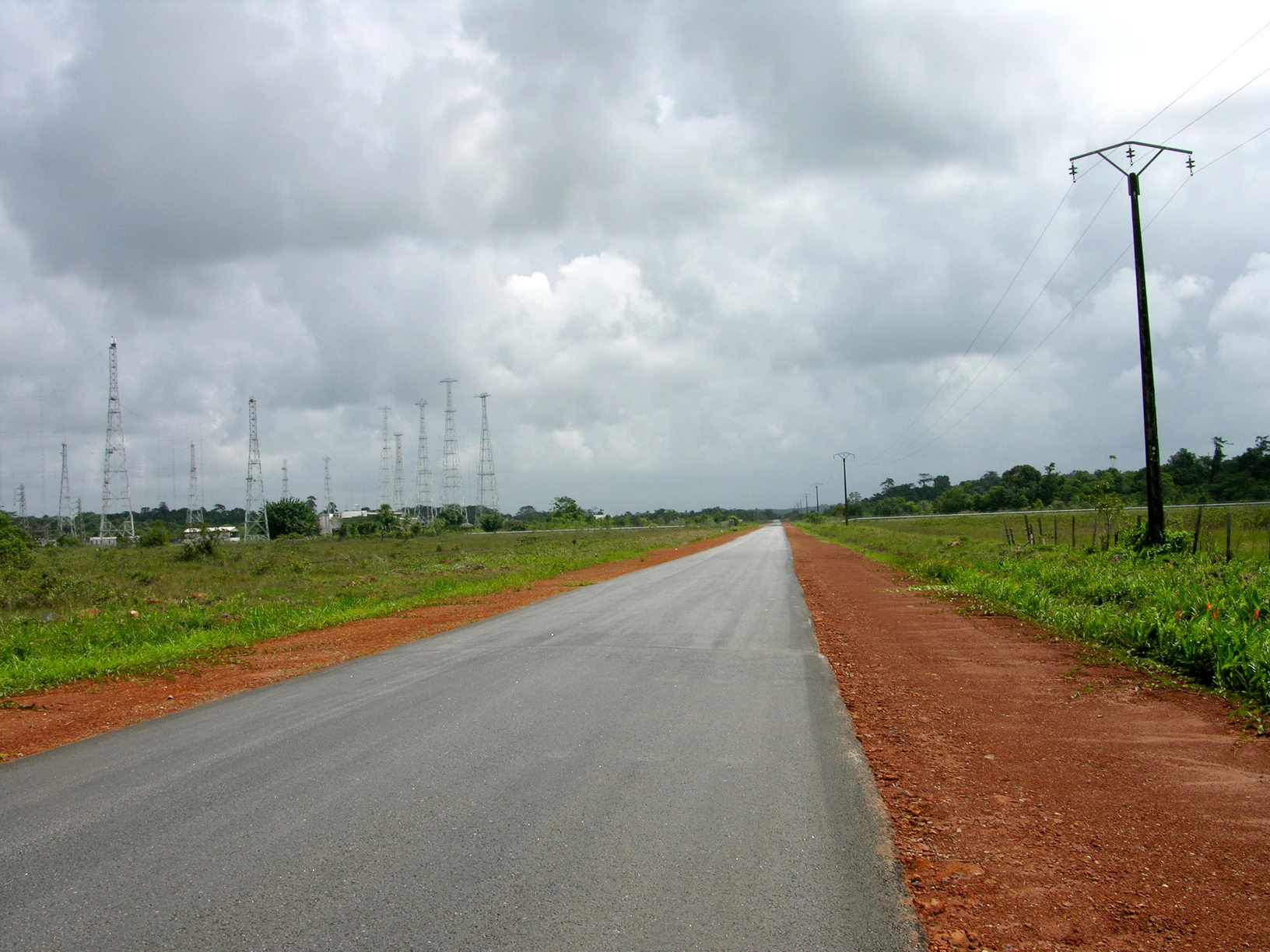
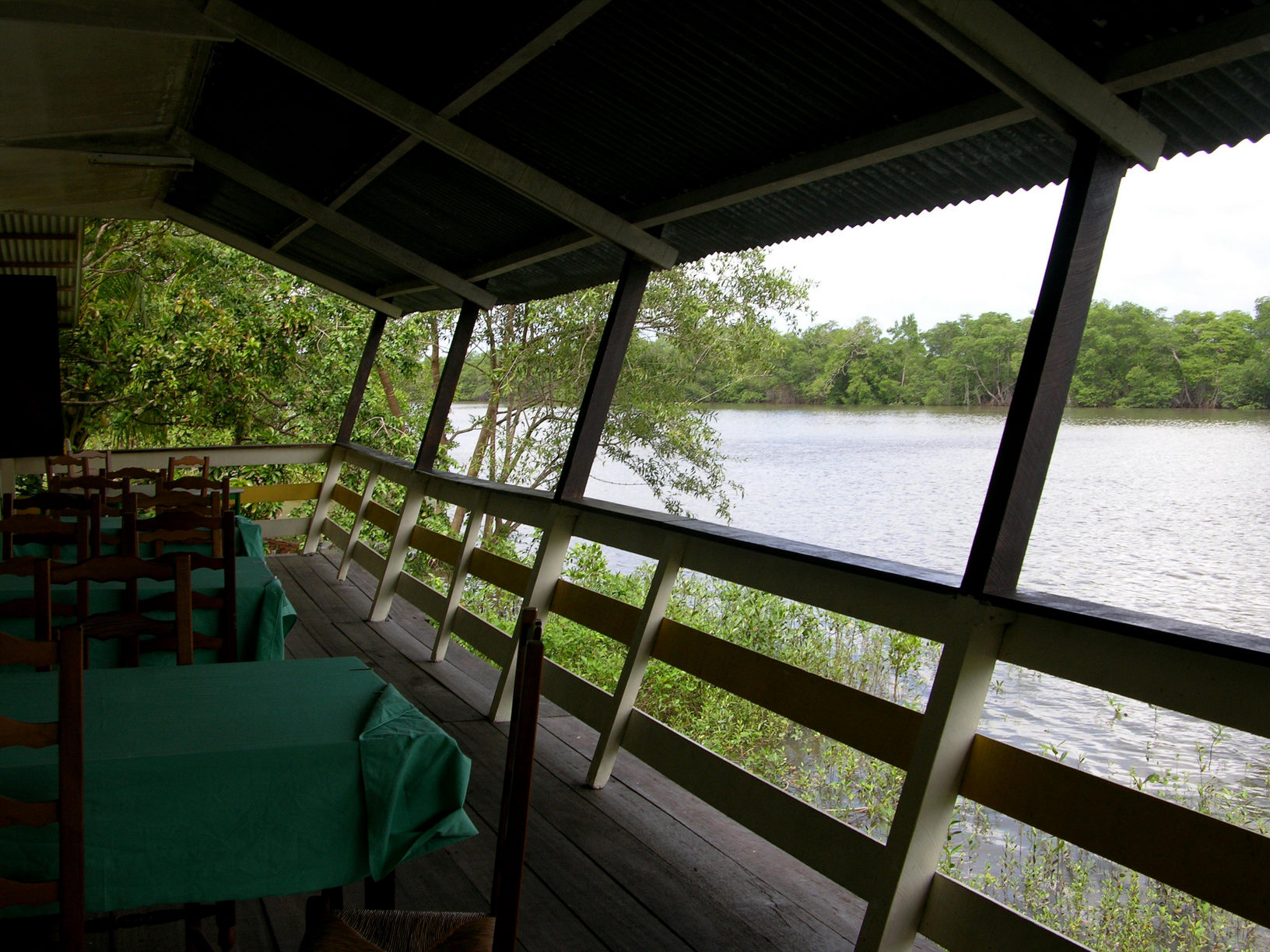
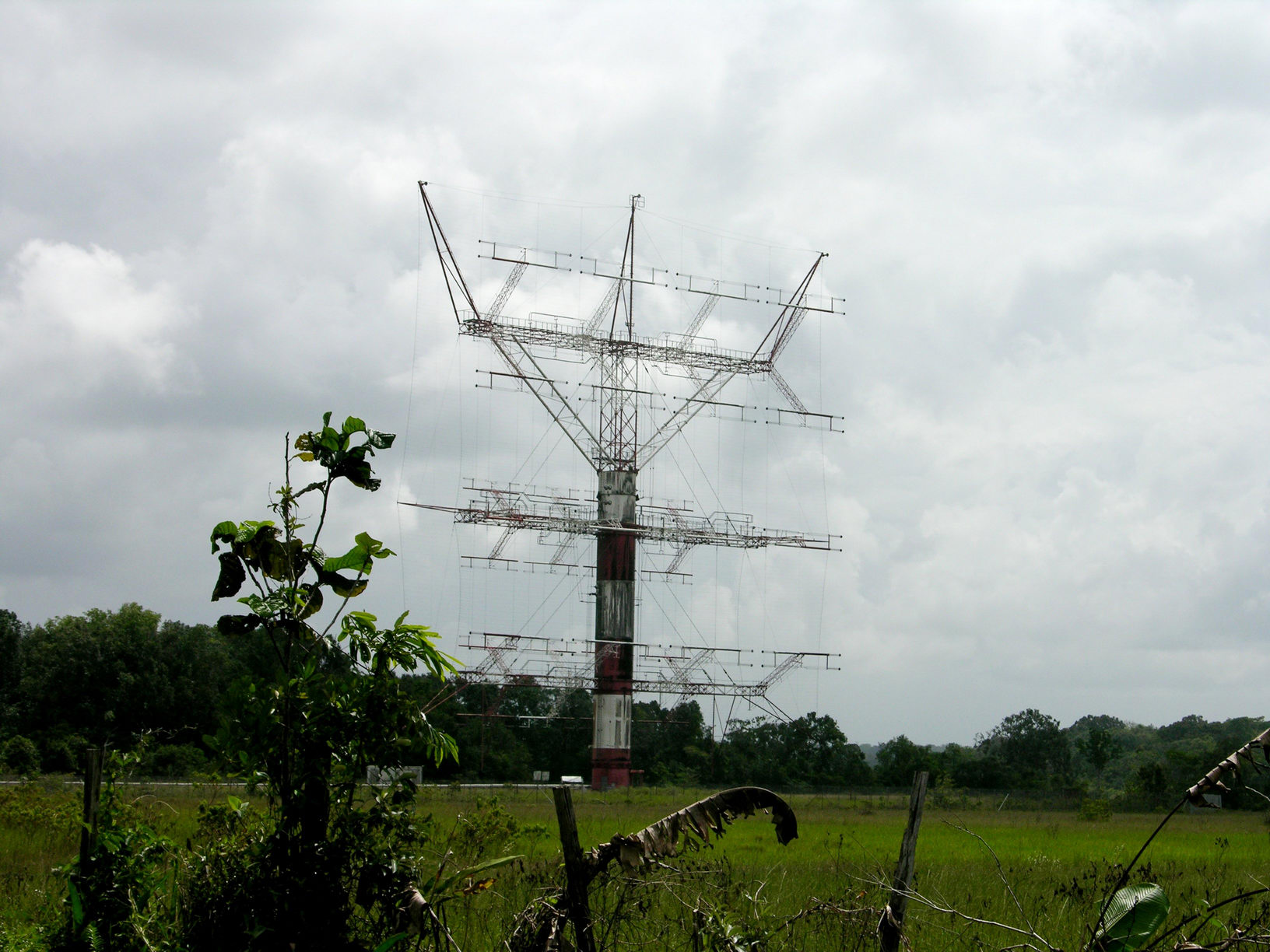
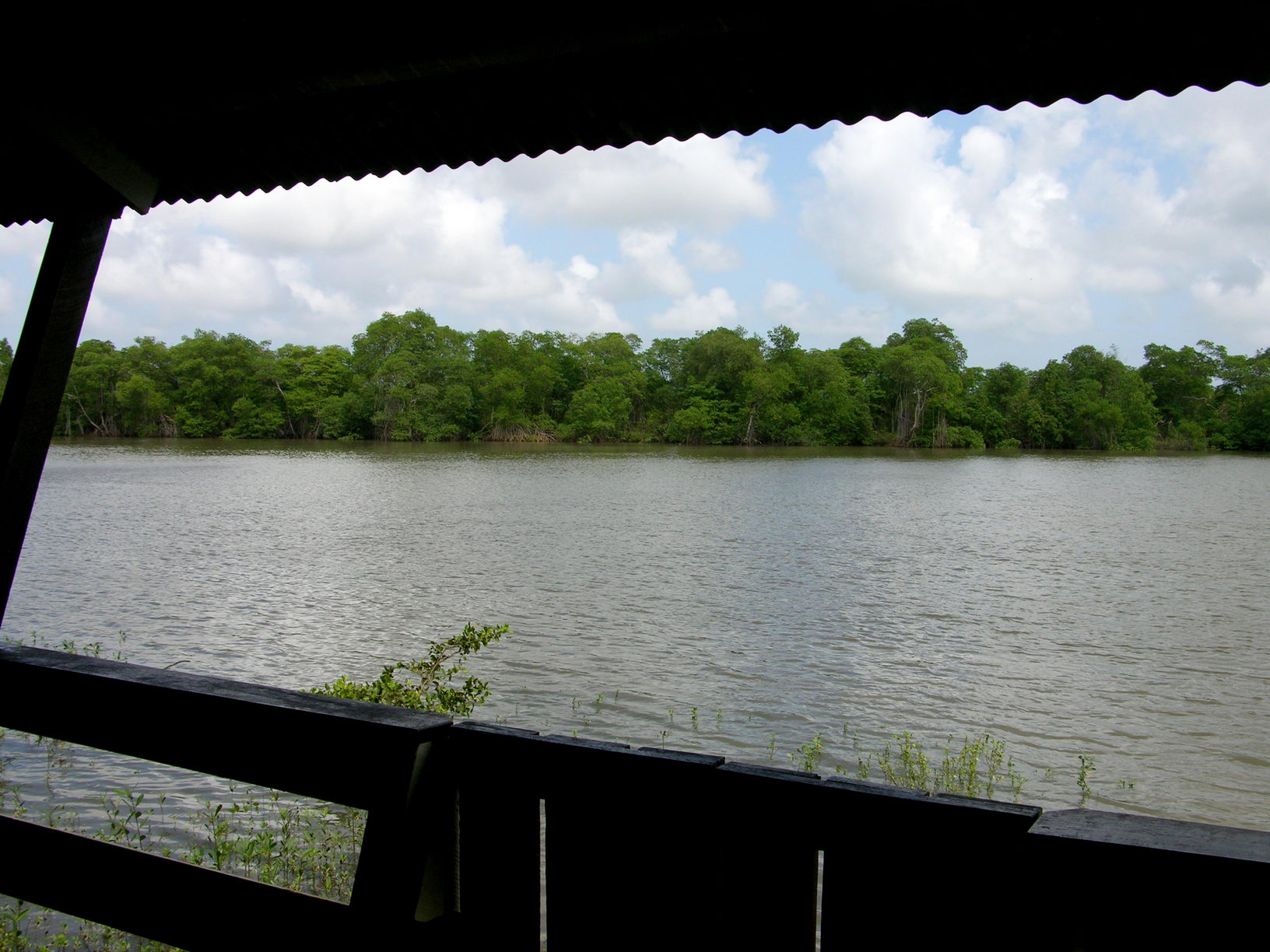
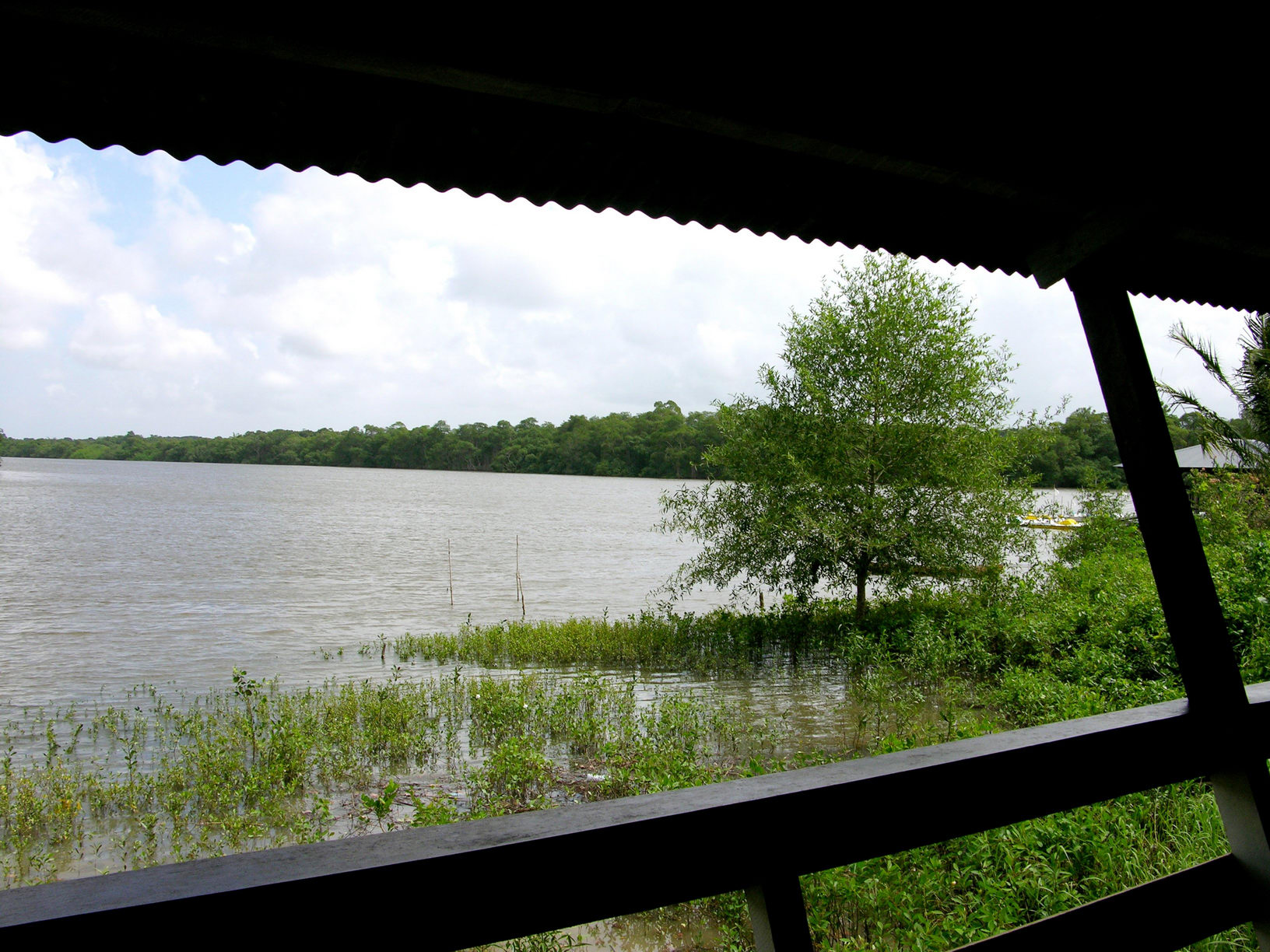
There were still a few hours before sunset. We might as well go and have a look at the space centre and find out when it would open.
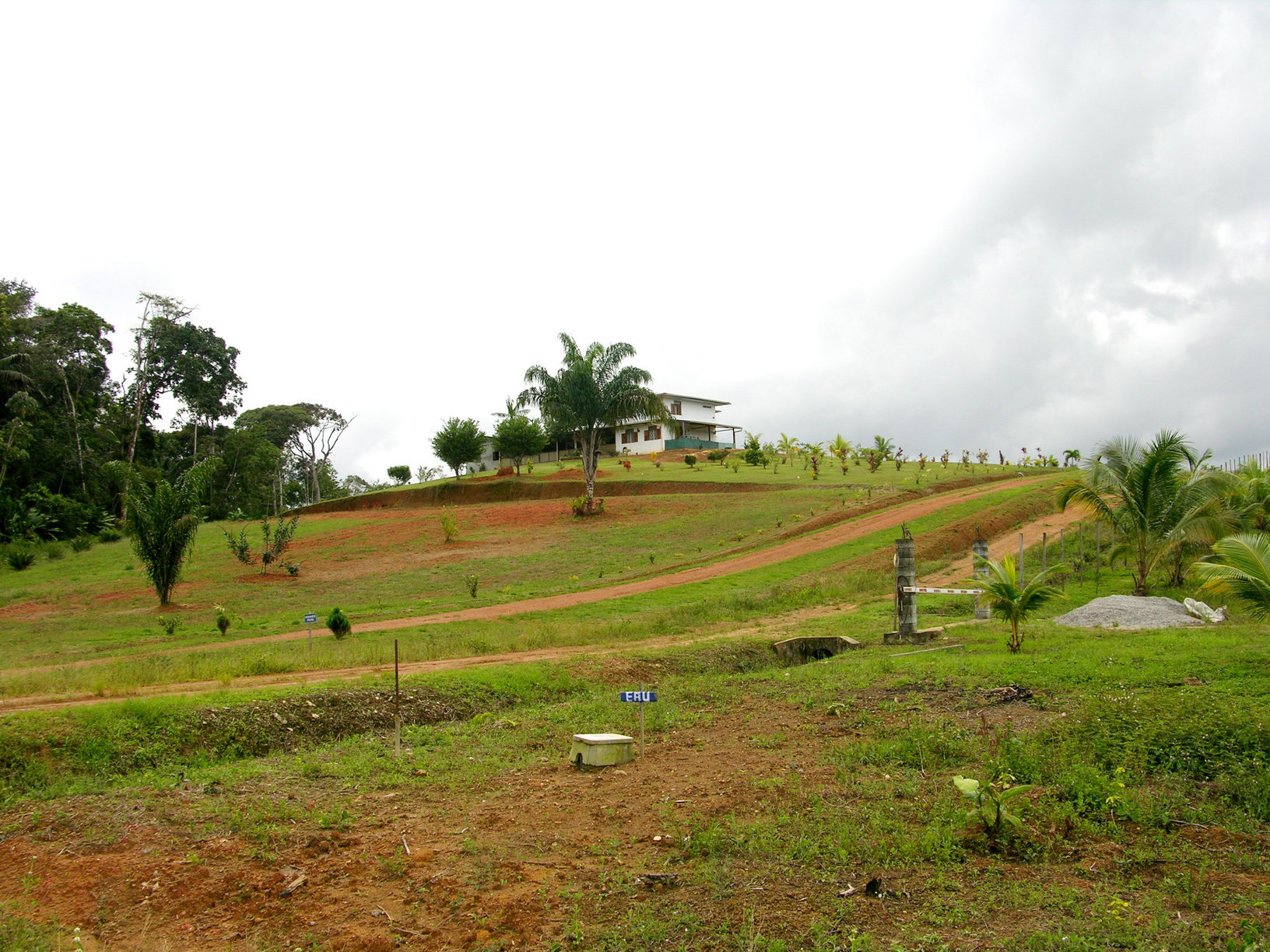
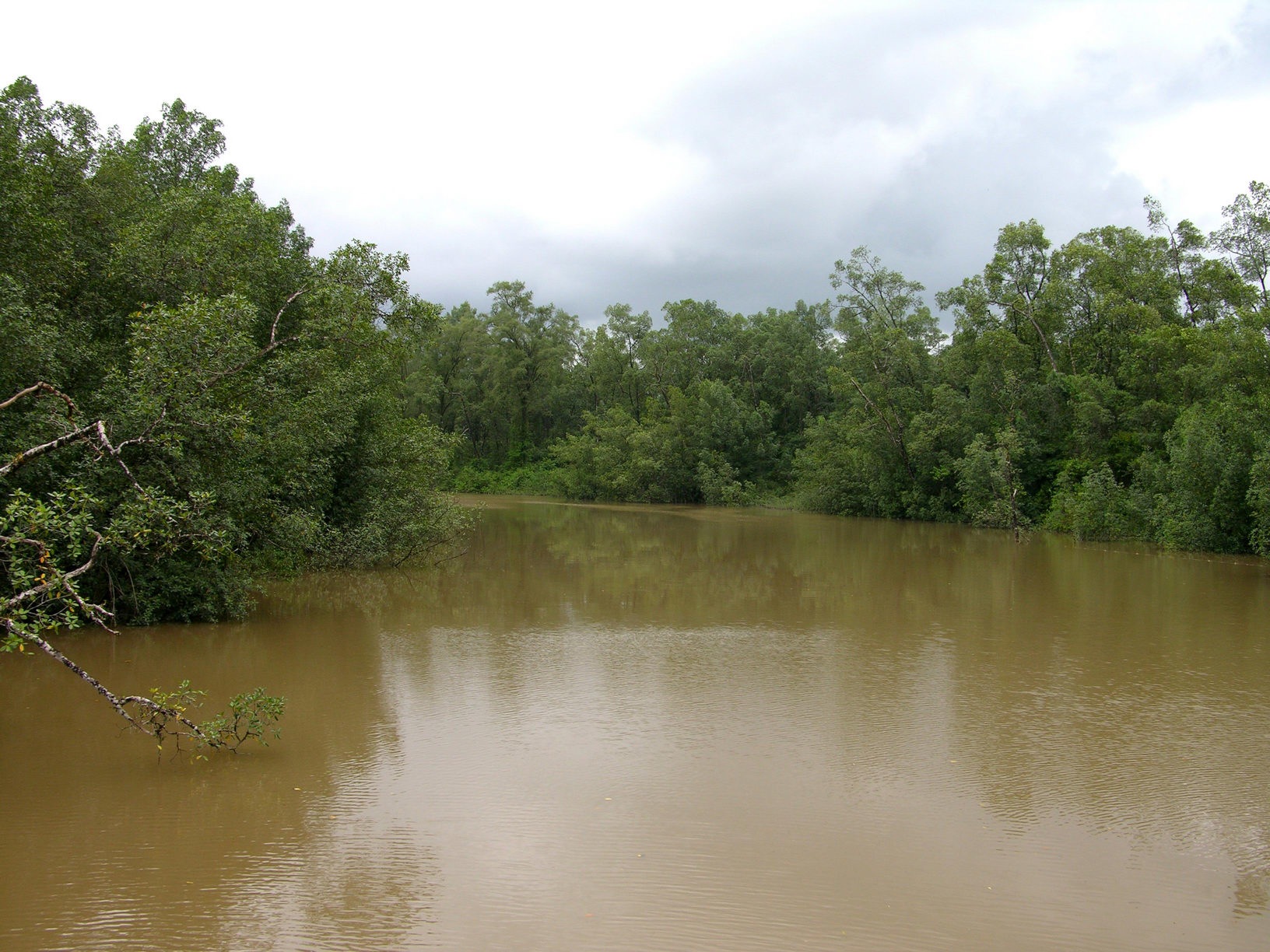
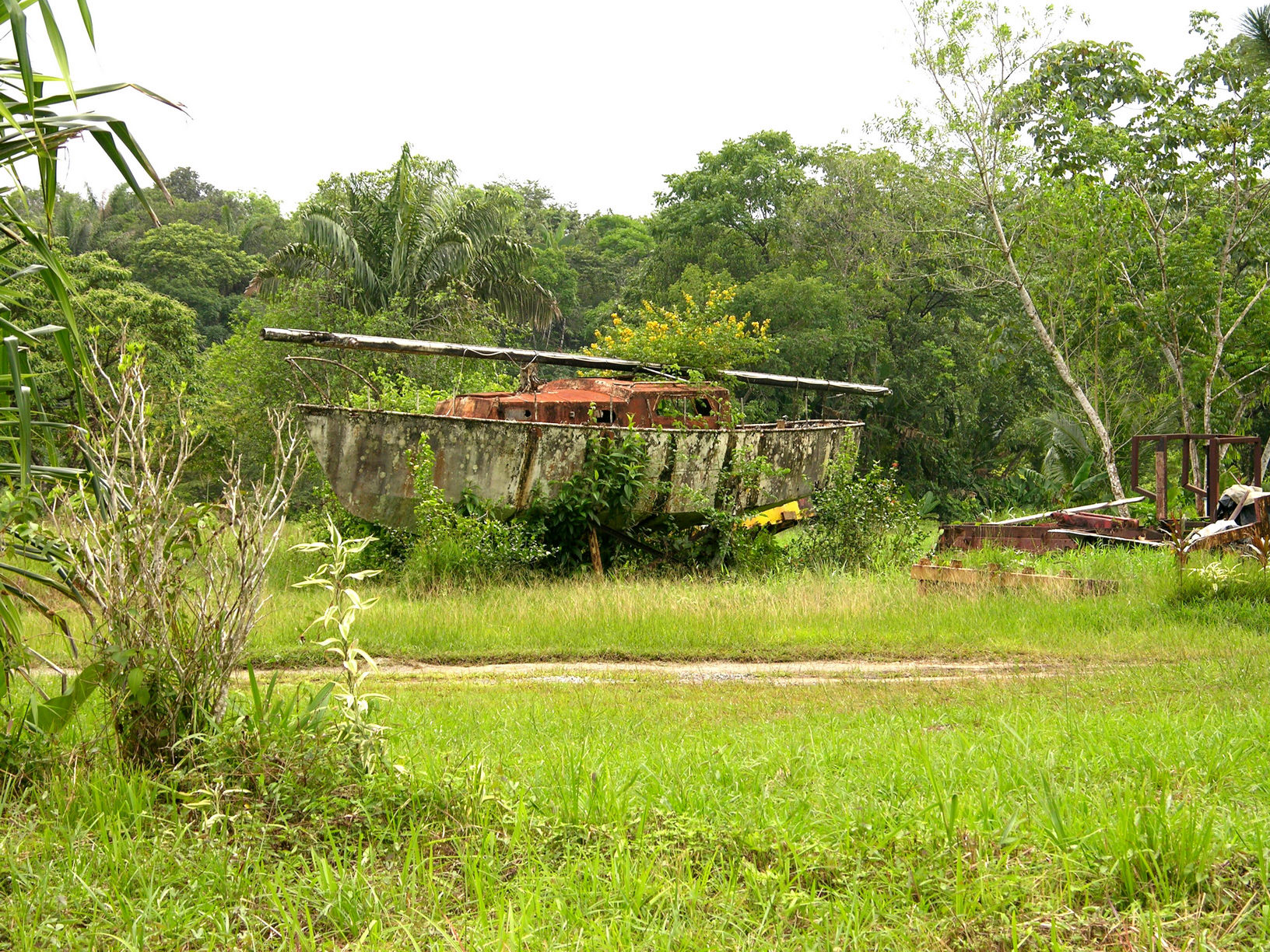
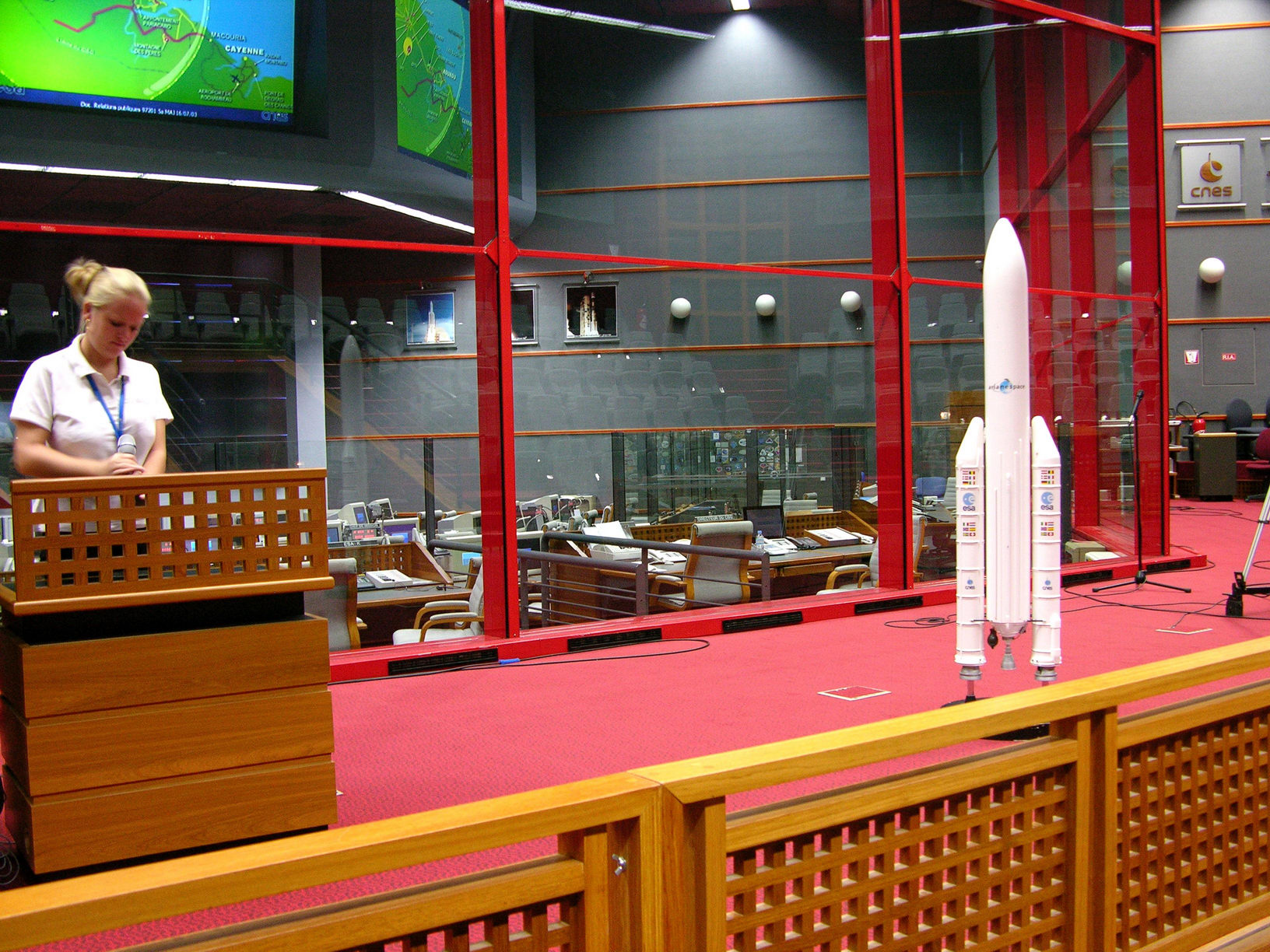
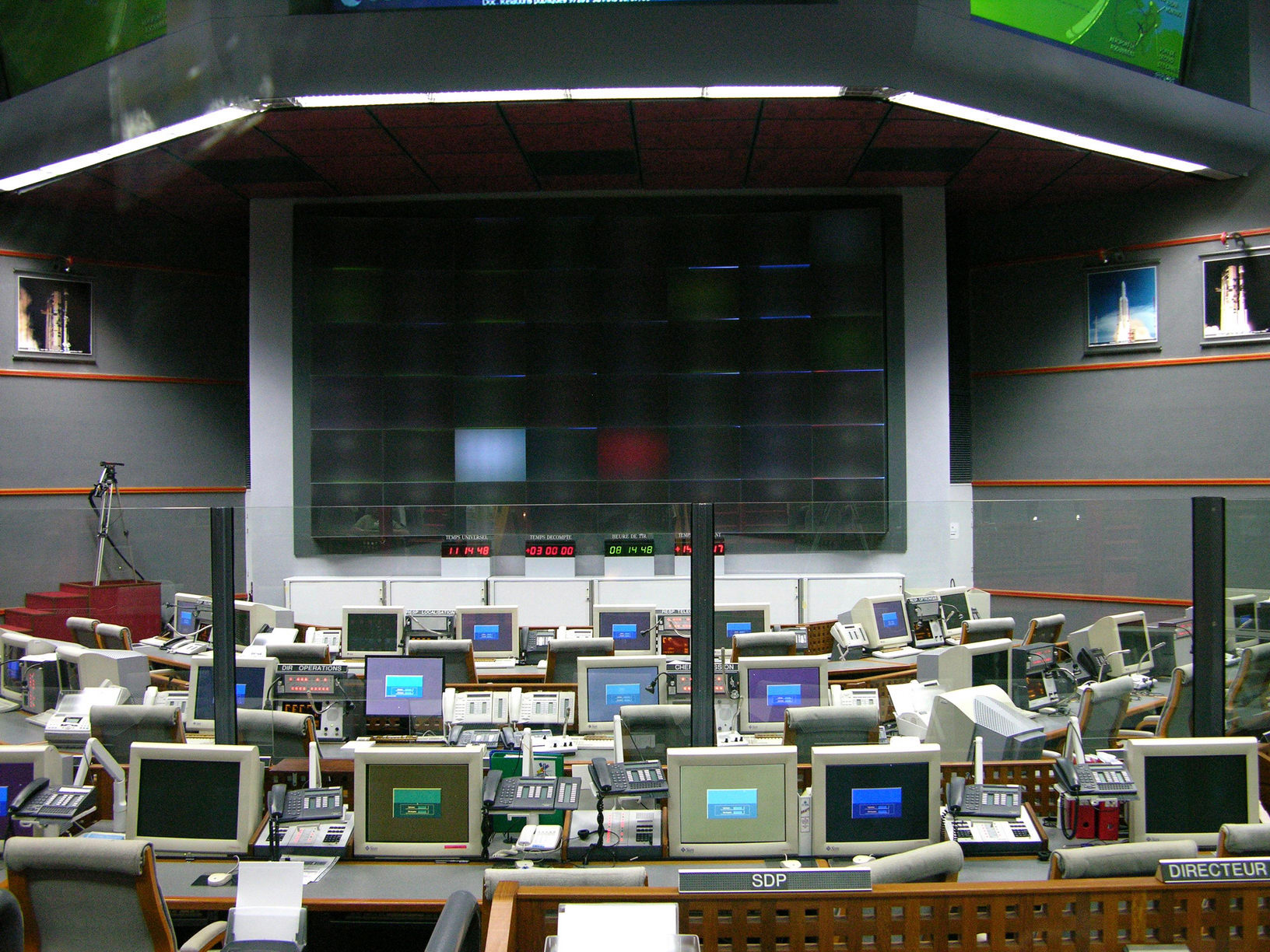
On every map the main coast road runs west from Kourou, straight through the space centre. In reality all the traffic is sent around on a bypass. You can't drive through the centre. Both roads come up against checkpoint gates. The main entrance is at the Kourou end. At the very first roundabout a sign says the road serves the space centre and traffic is restricted. There's no outright ban with a soldier and an automatic weapon to back it up. A kilometre from the turnoff are the administrative building and the “Jupiter” hall, the control centre where the bosses sit at terminals in a big room. Journalists and other visitors are separated from them by a pane of glass. Next to it is a lifesize model of the Ariane 5 rocket.
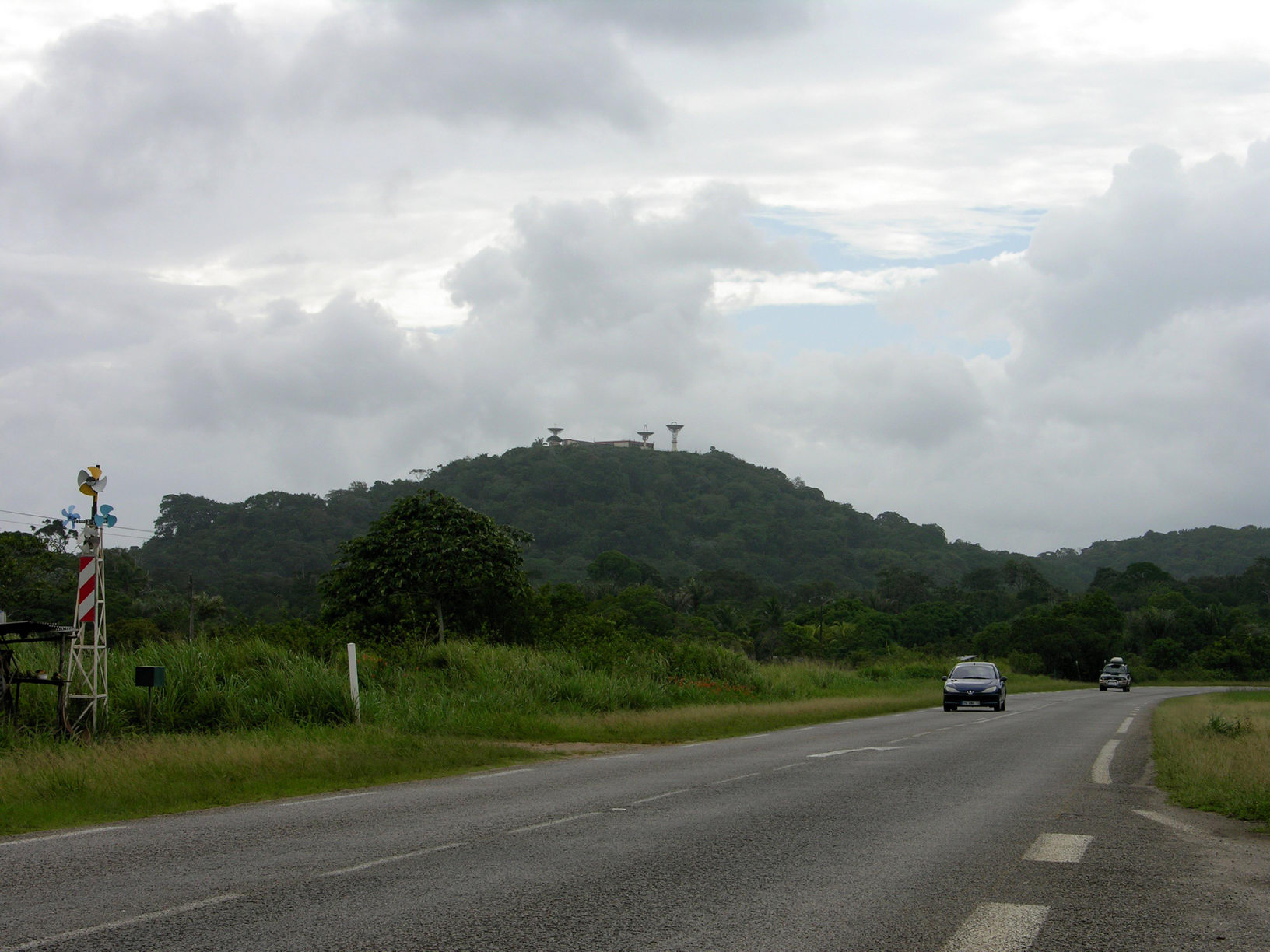
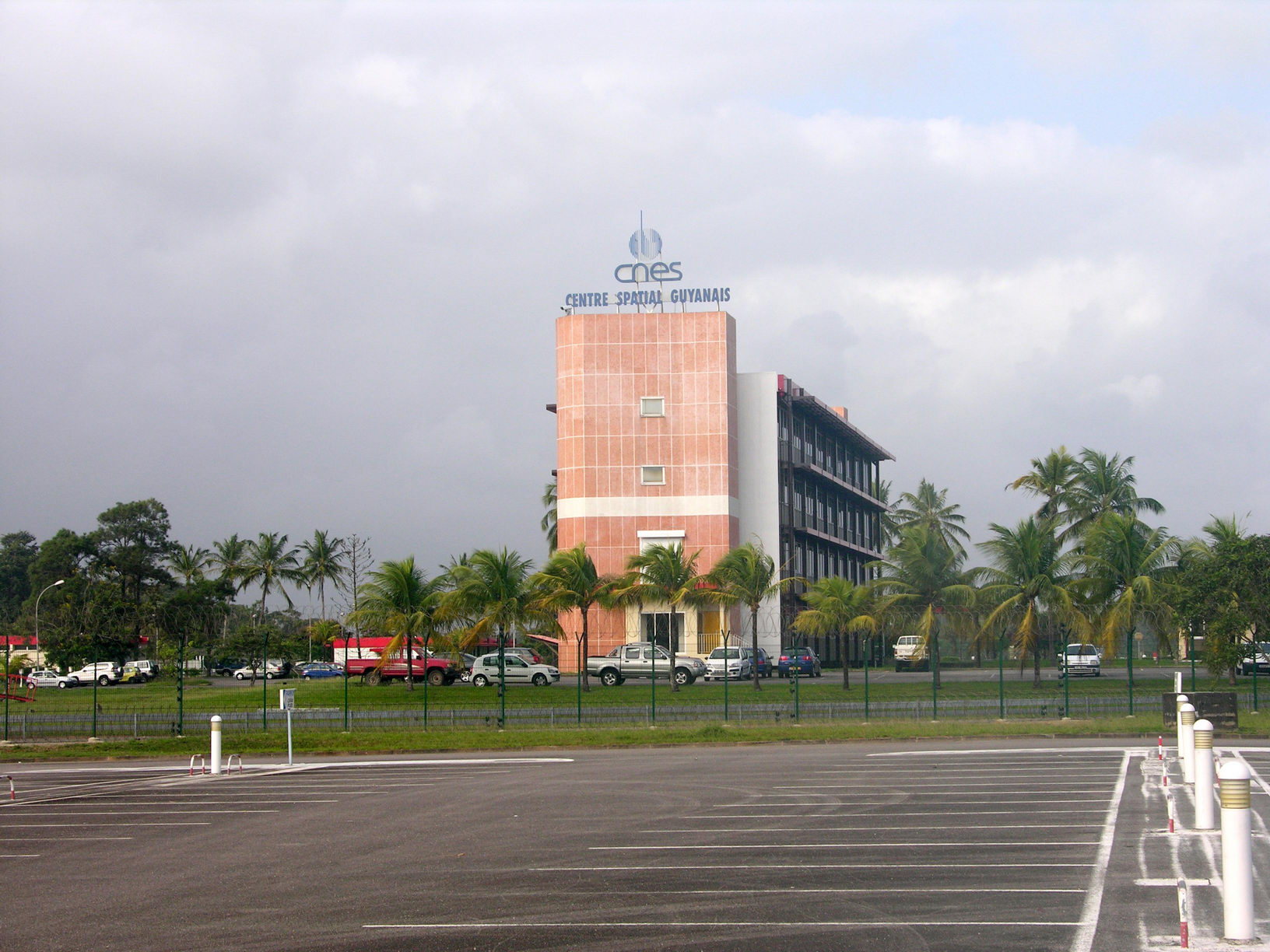
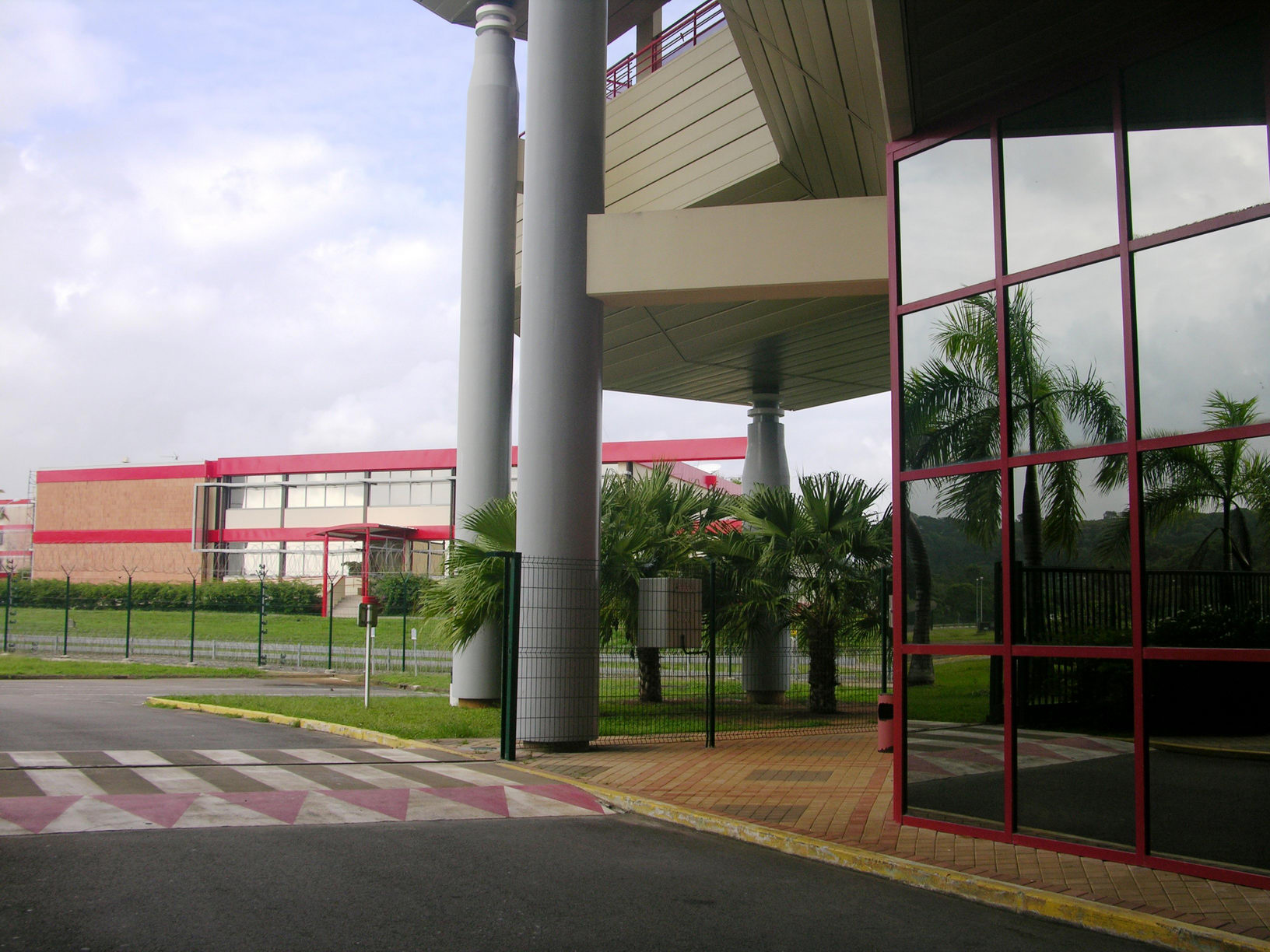
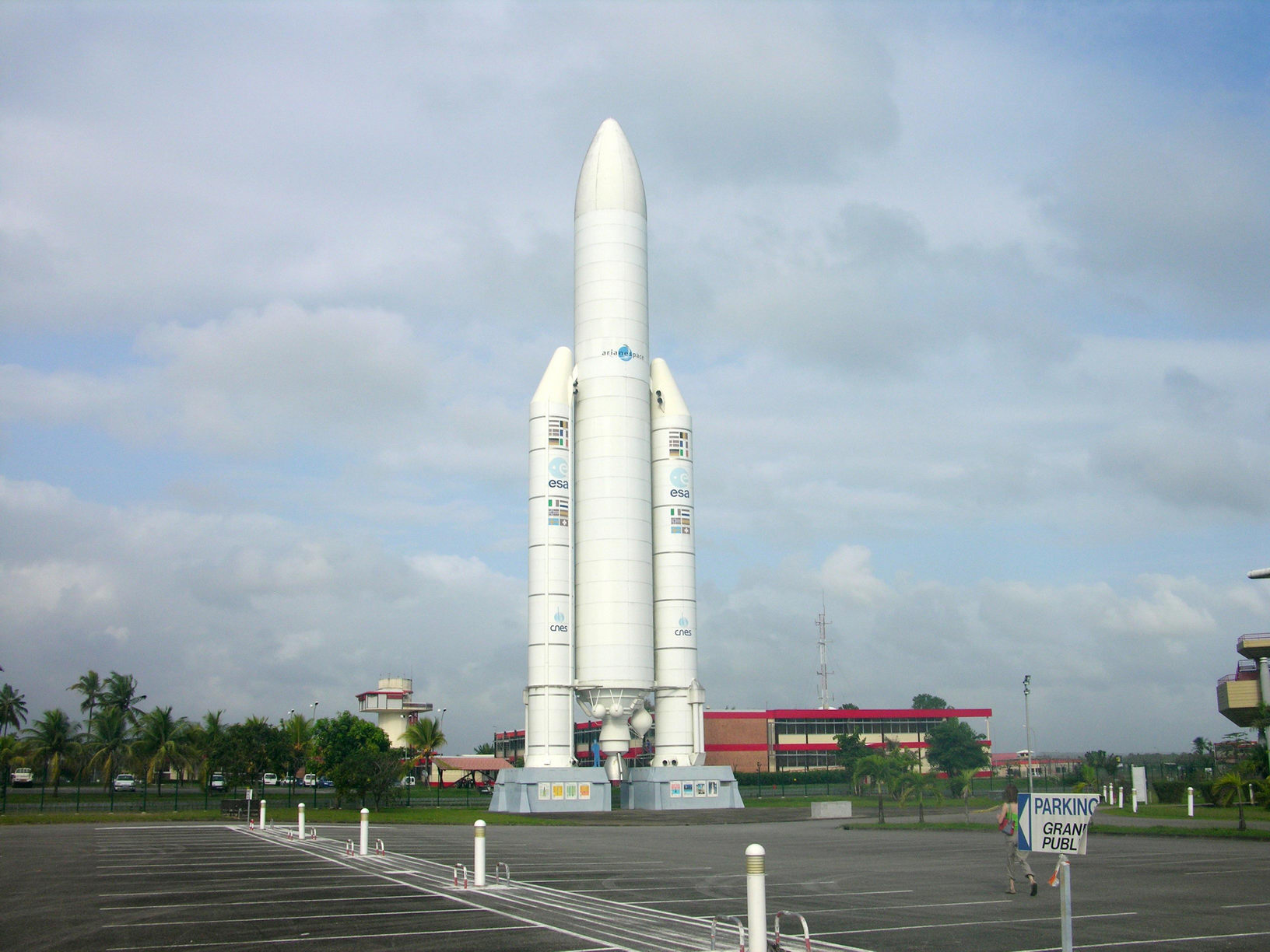
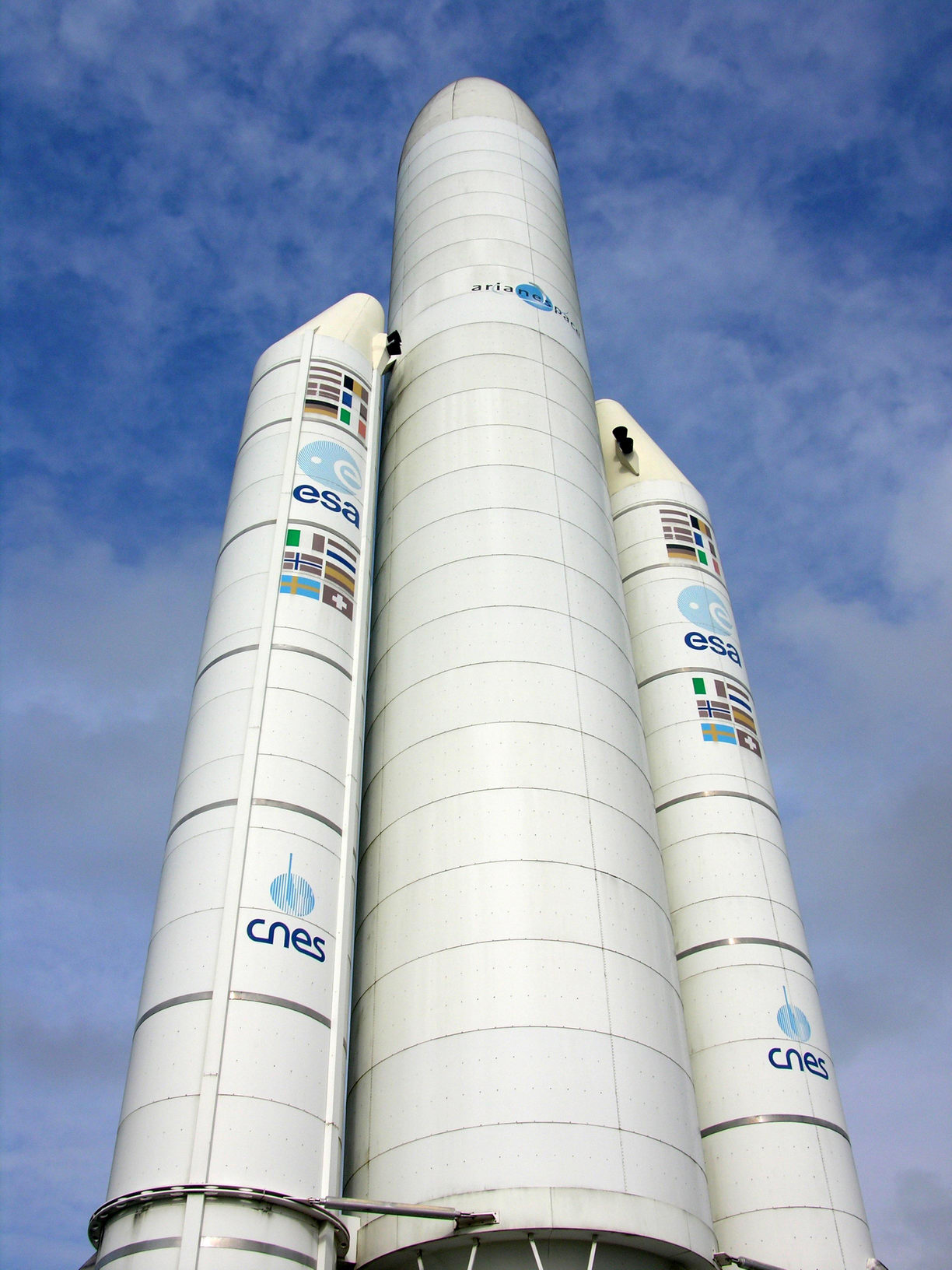
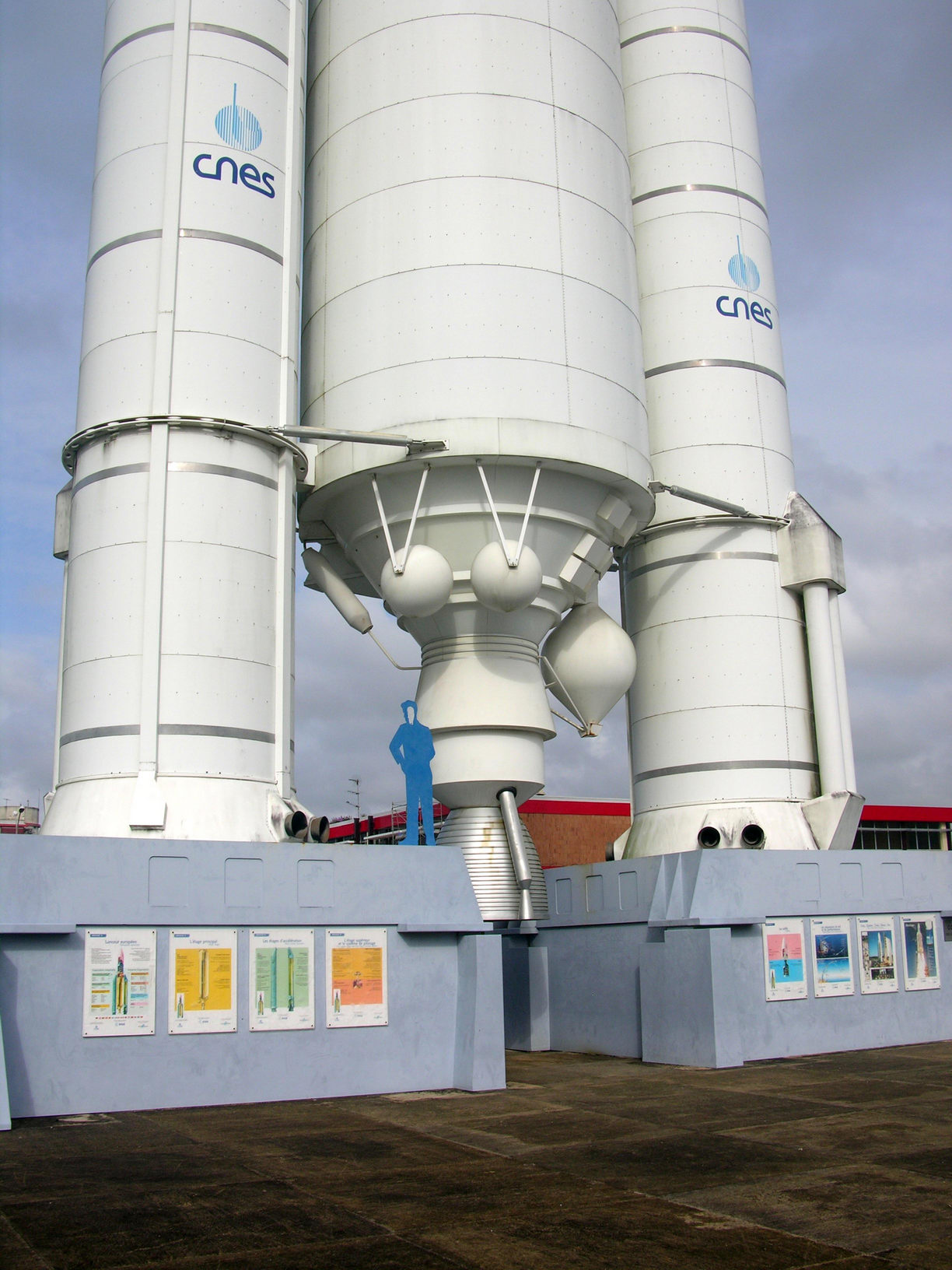
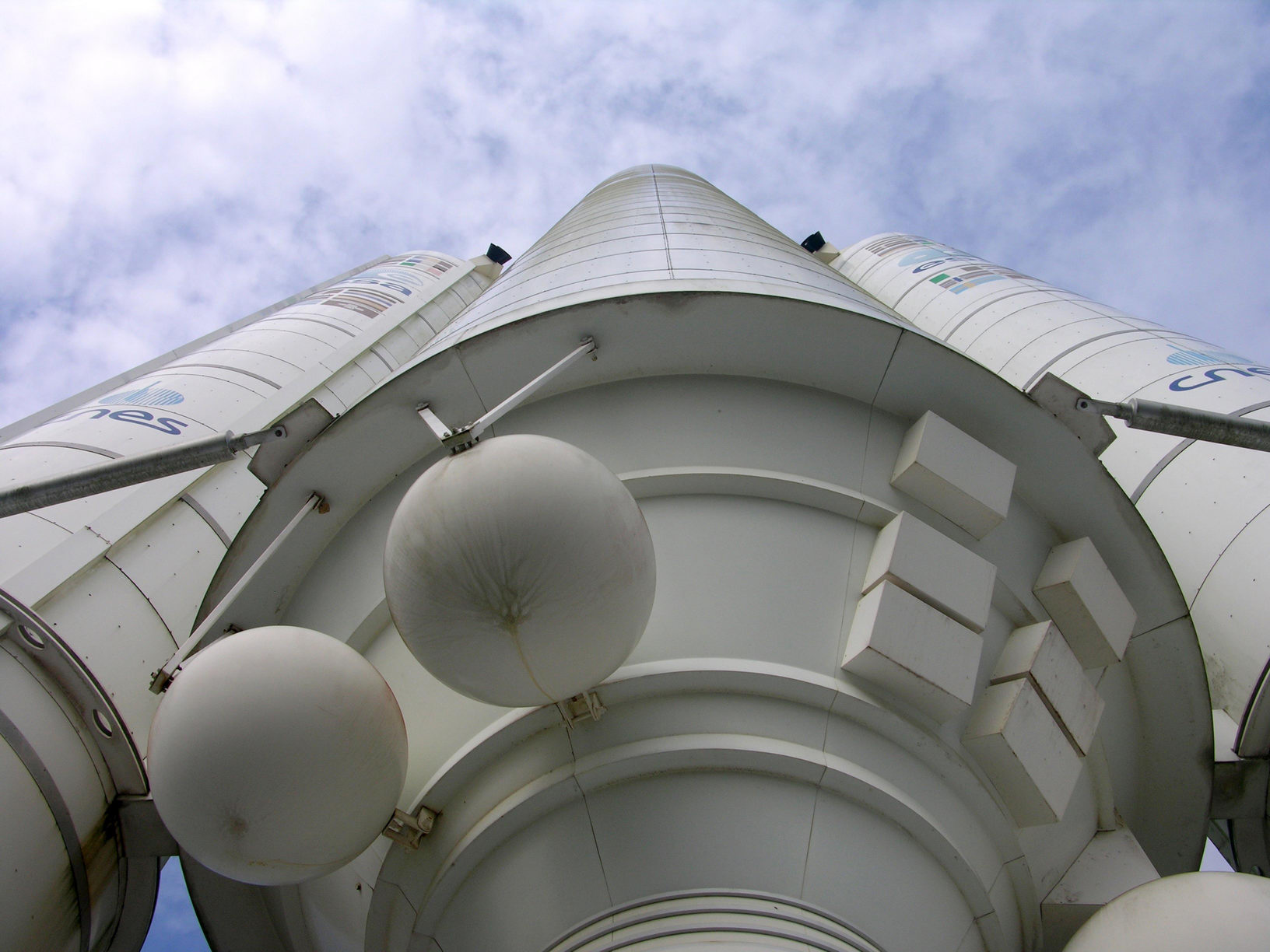
Beyond “Jupiter” you can go several more kilometres to a checkpoint near the final assembly building and the Ariane 5 launchpad.
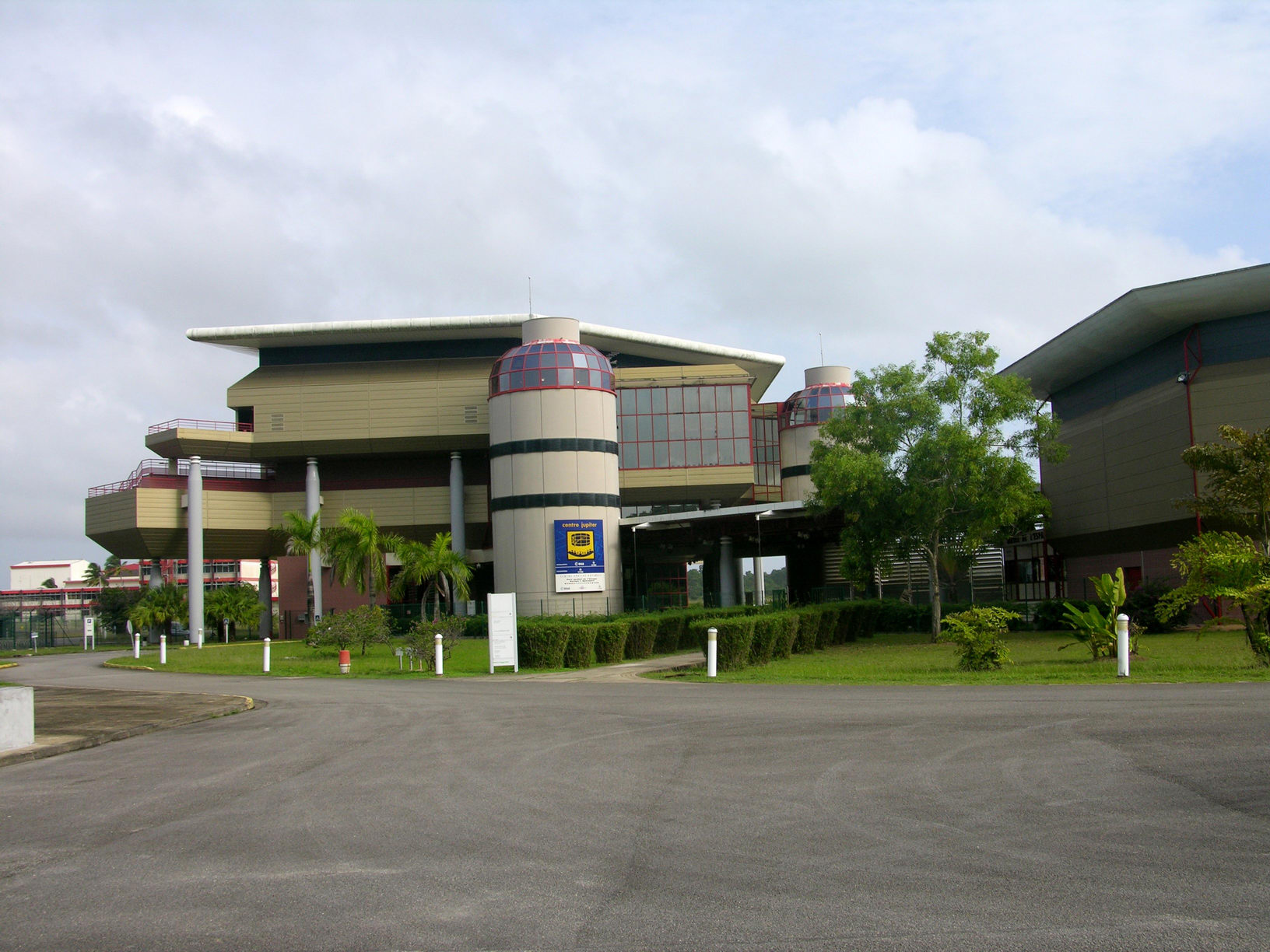
The viewing area is there too. Unfortunately they close the road on launch day. To that end there are giant steel gates at the approaches from the bypass. You couldn't ram your way through them with a tank.
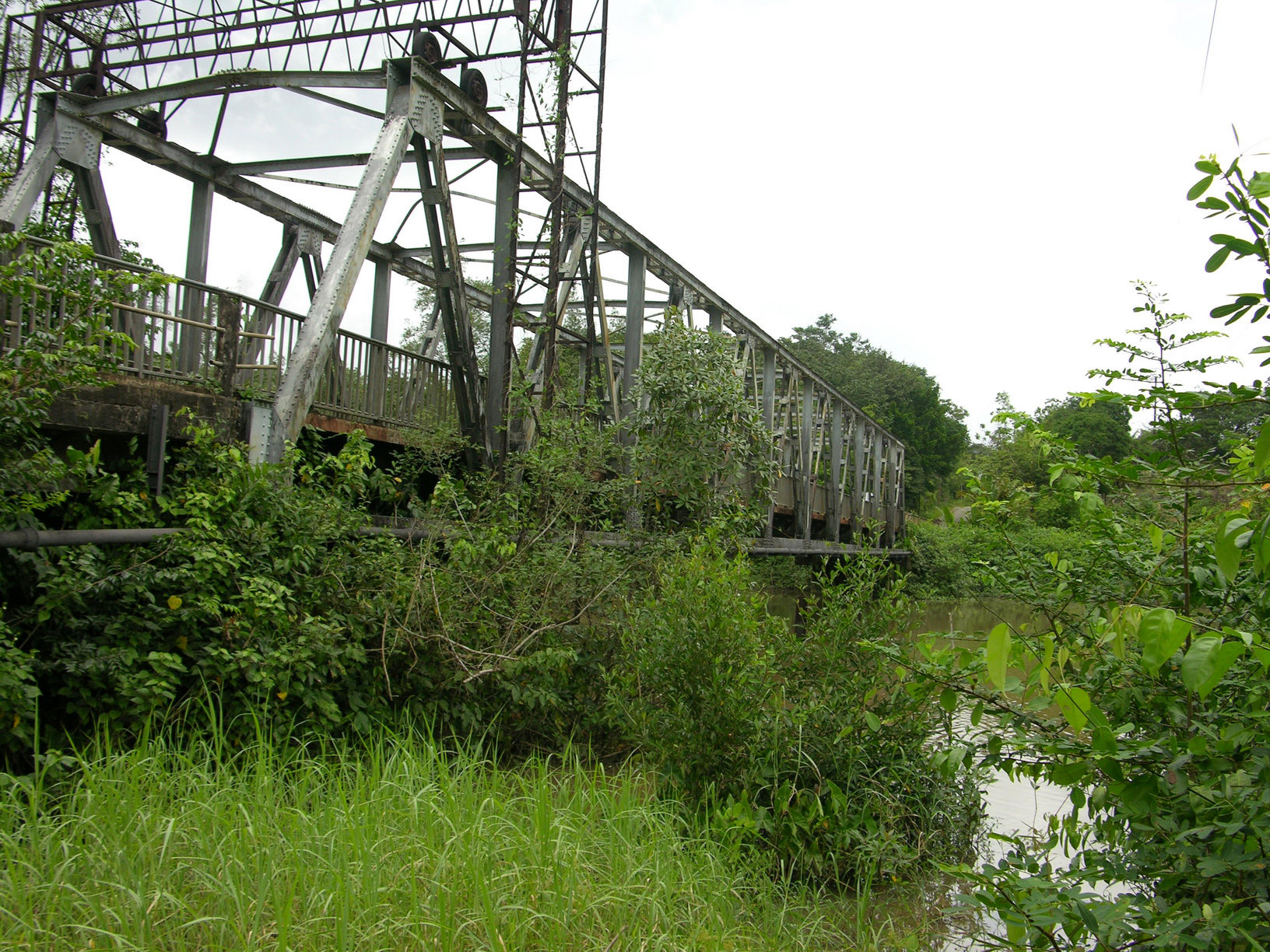
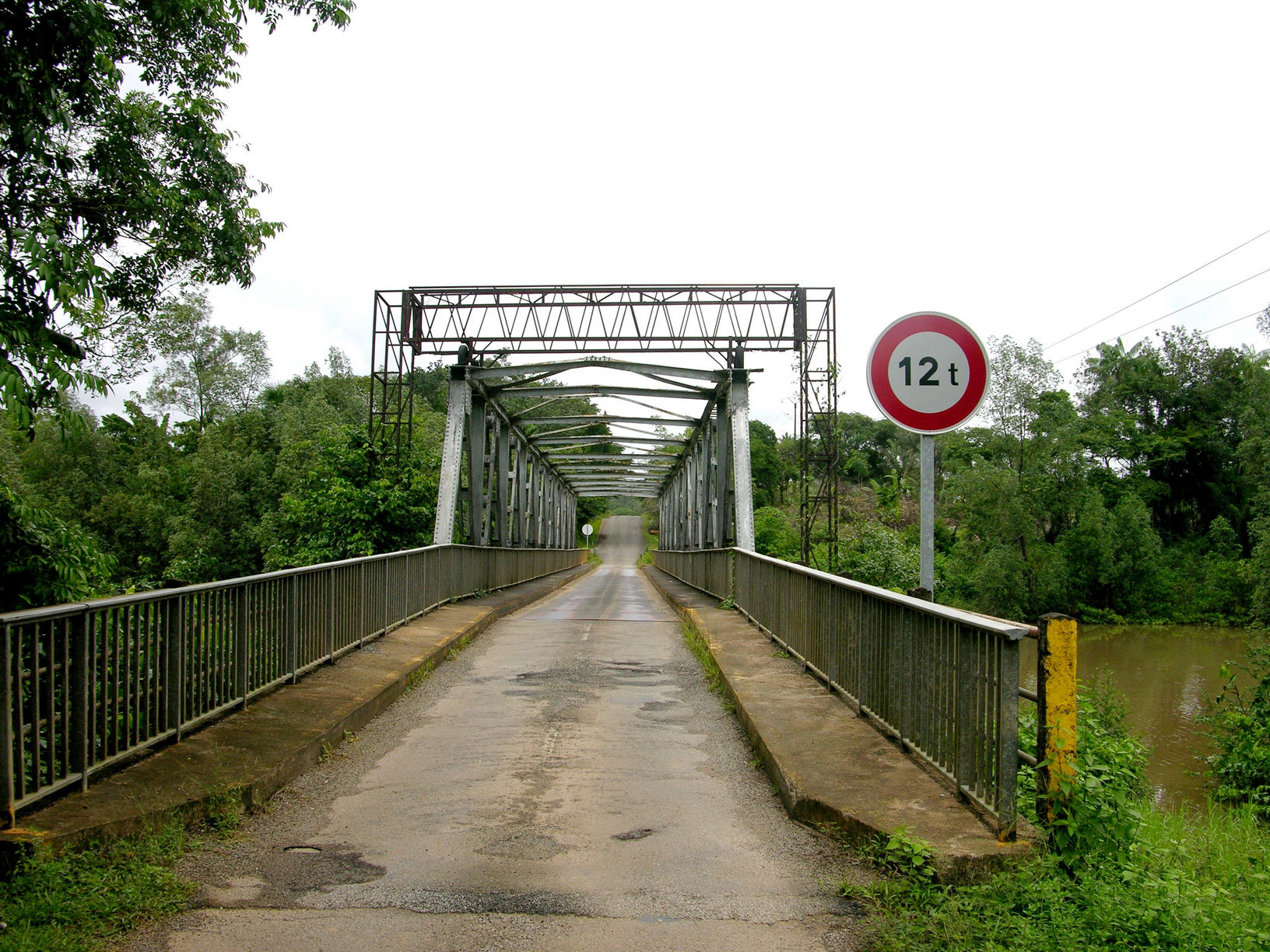
Coming east from the village of Sinnamary, you can drive as far as the bridge over the little Malmanoury River. There's construction on both sides of the road. They're building a launchpad for Russia's Soyuz rockets (5°19.061′N, 52°50.110′W). The very ones that have been flying for fifty years, that launched the first satellite and Gagarin. They've been modified a few times since then, but in essence it's still the same rocket. Now that they're building a pad, they must mean to go on launching them for who knows how long. Mind you, antiques fetch a good price these days. Listen to that: “a fifty-year-old space rocket”. At this rate it'll soon be a century old. Under the law already in force, exporting one from Russia will require an appraisal by the agency for the protection of cultural property.
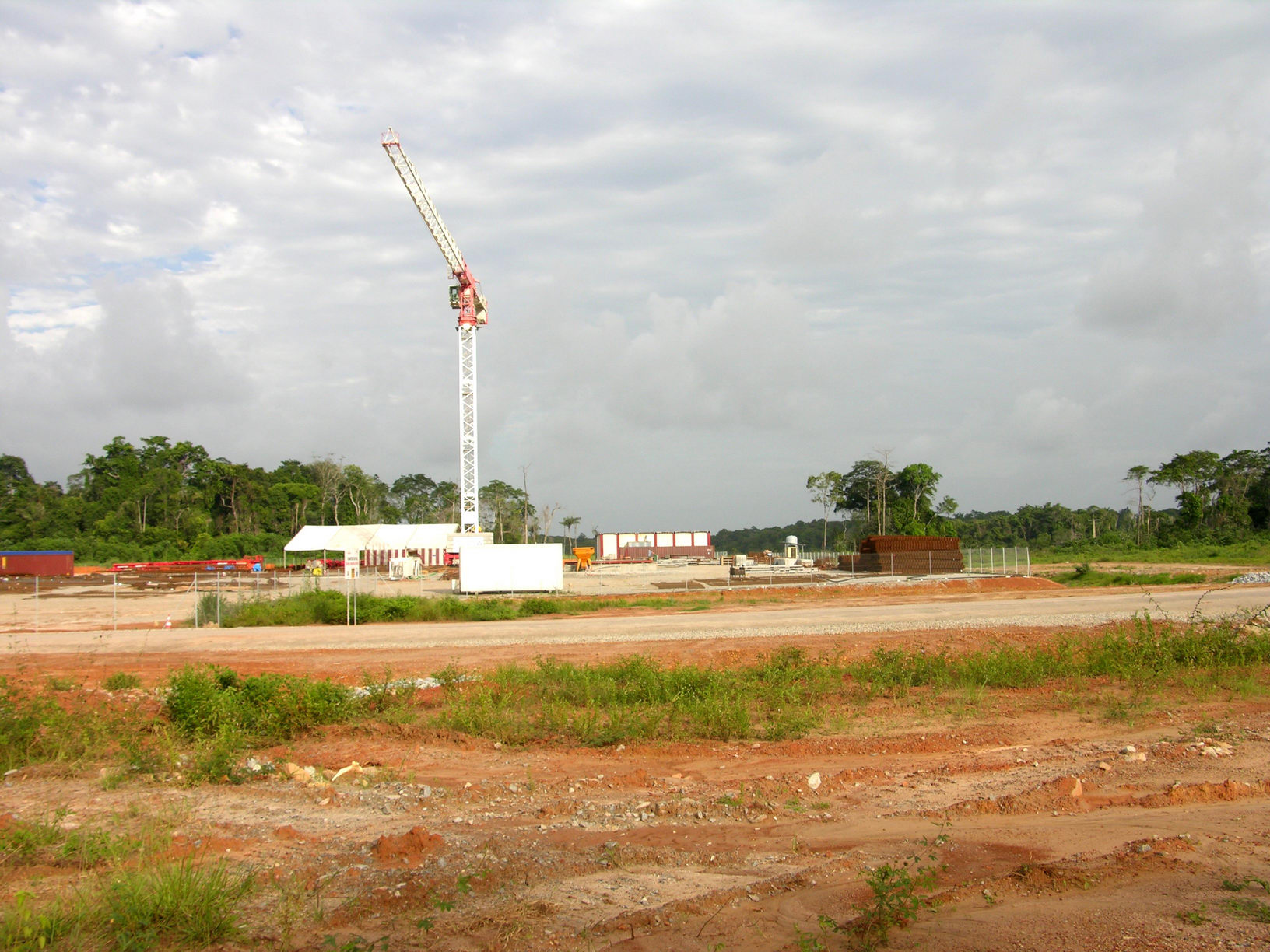
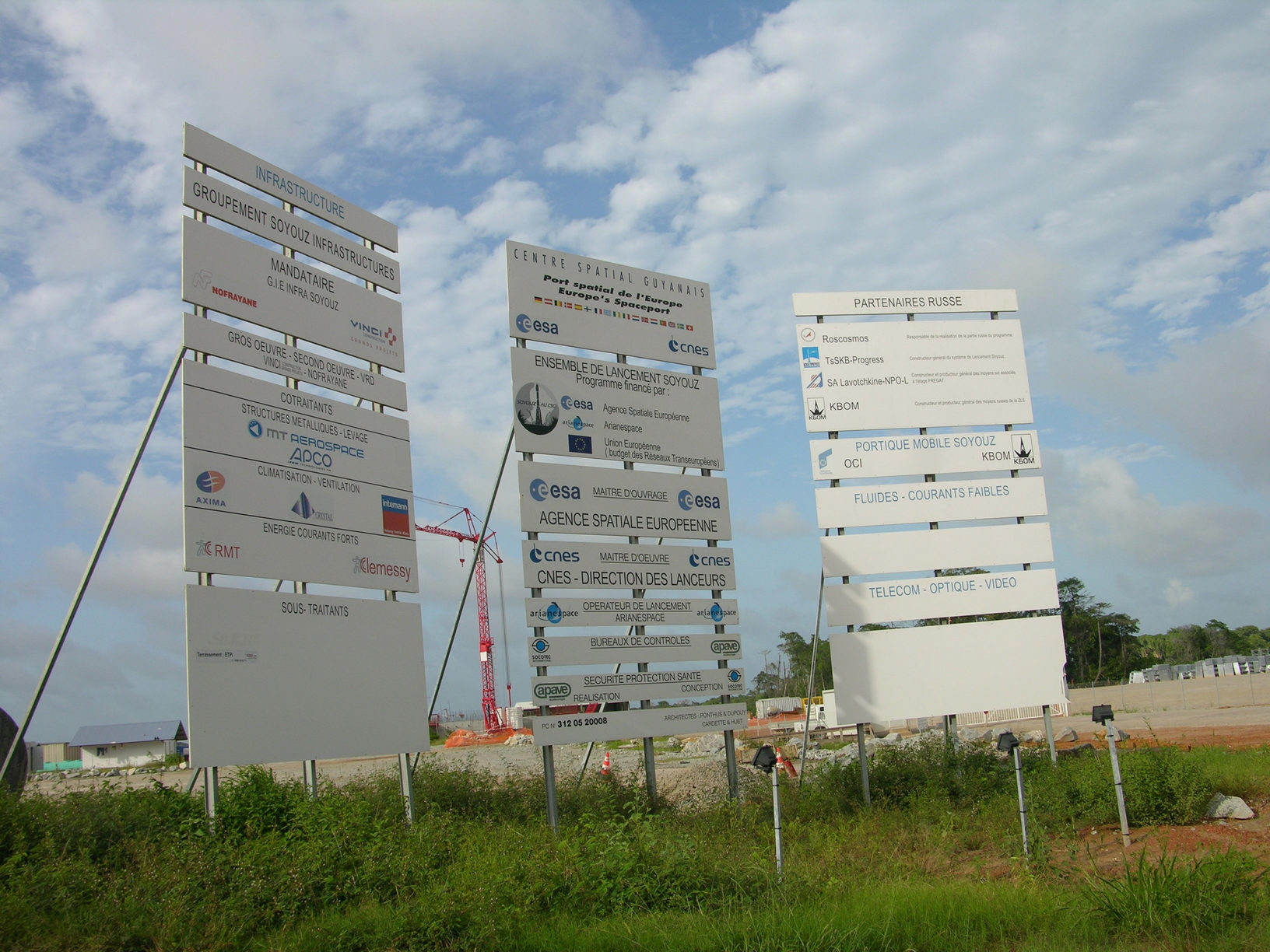
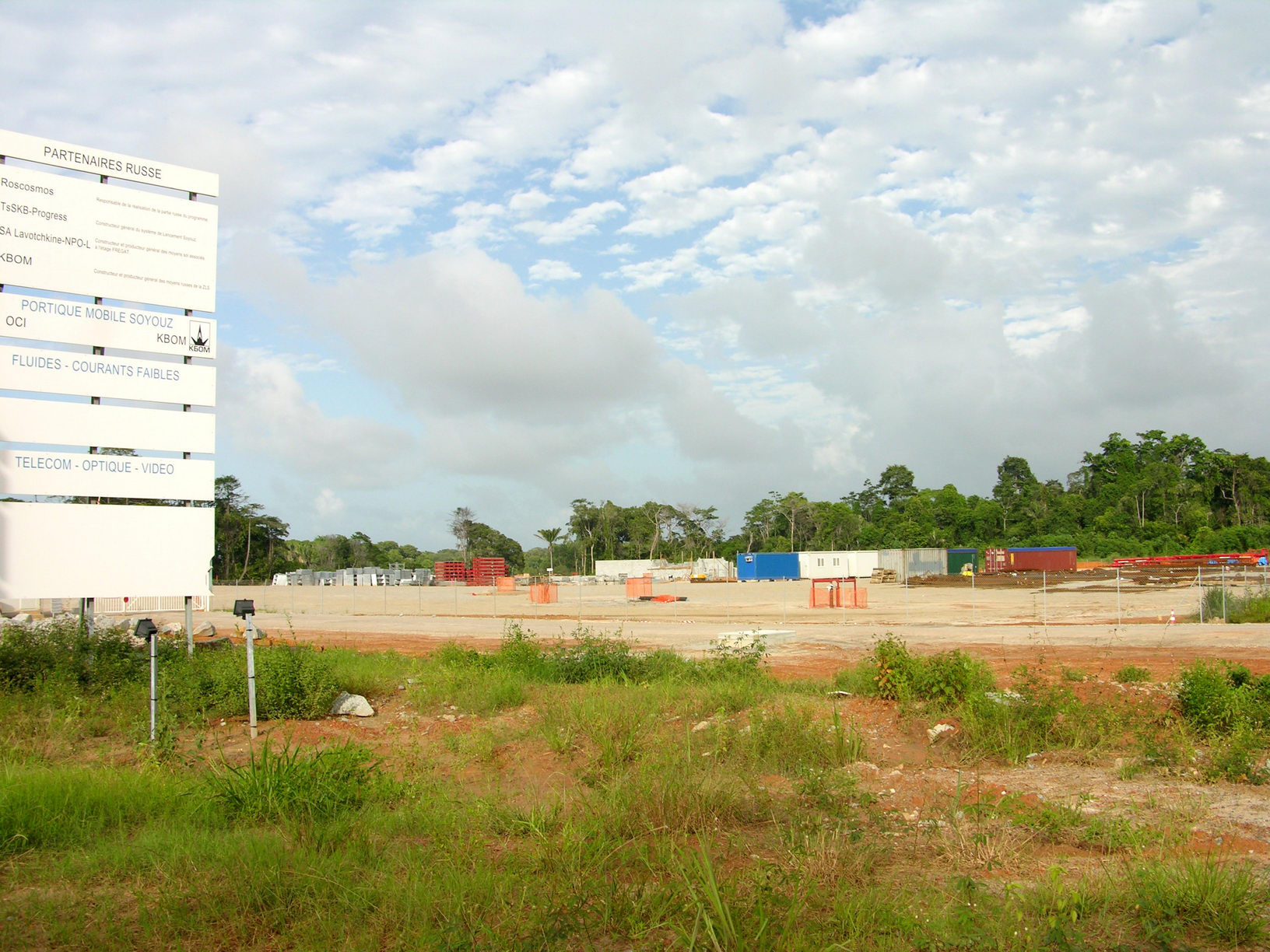
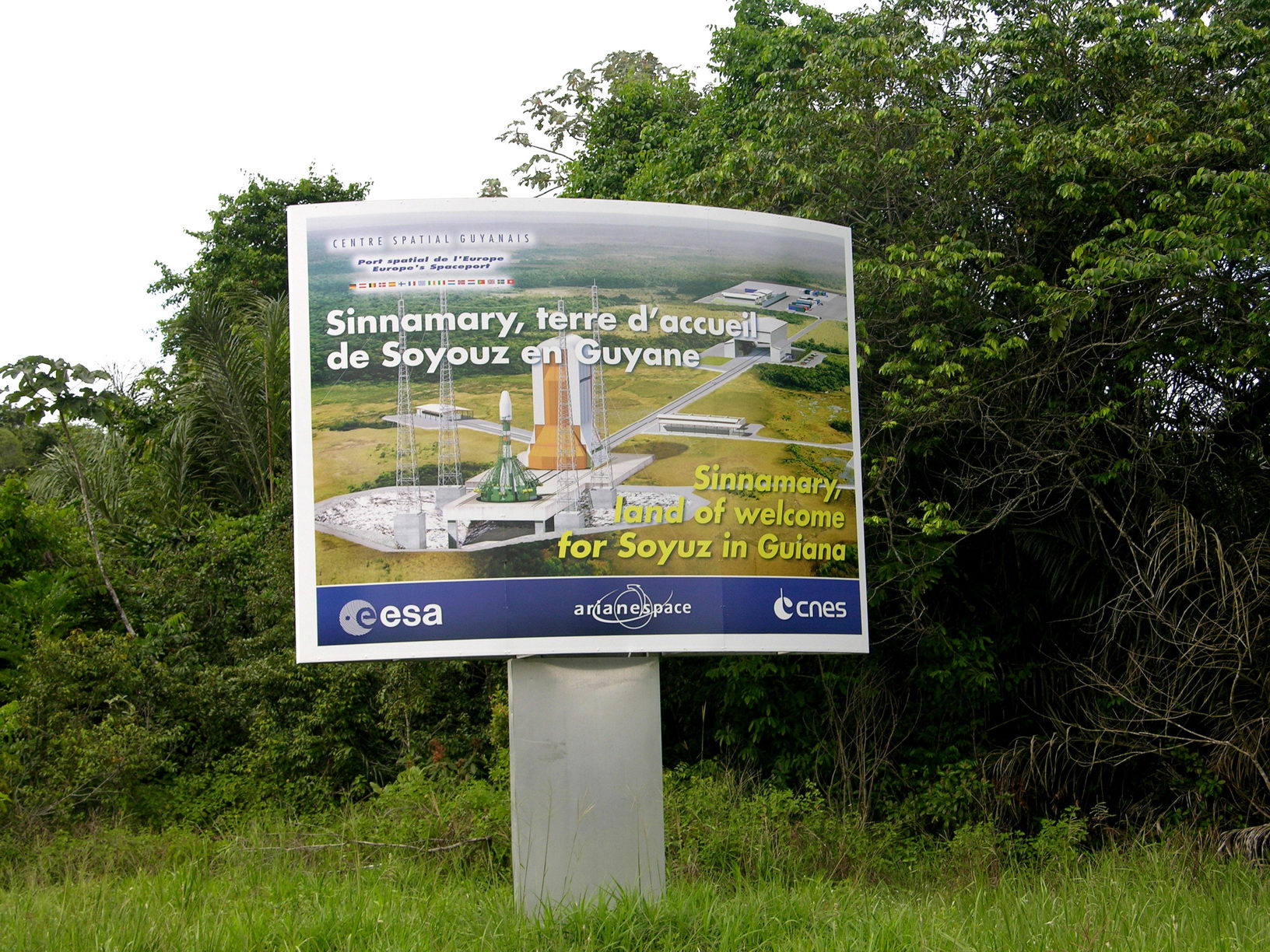
Work was still at the groundwork stage, but the first launch was promised for 2008. They would begin with uncrewed commercial satellites and later launch crews to the International Space Station.
A bit longer and the Russian space business would no longer need to depend on unpredictable Kazakhstan. Kazakhstan? It wouldn't even depend on Russia. One man hides his money by buying property in Spain, another moves his pancake shop to Chile. Why should Glavkosmos be any different? A quiet business in a warm country: the dream of every Russian official and businessman since Ostap Bender. Now even the space bosses had begun moving abroad.
The grounds of the space centre begin right at the bypass road. There are “No entry” signs everywhere, but the fences only start at the buildings and launchpads. A terrorist's dream. In tropical forest it would be hard to catch anyone. Someone could make their way to the fence, climb a tree and fire as much as they liked. One incendiary bullet in a tank of liquid hydrogen and…
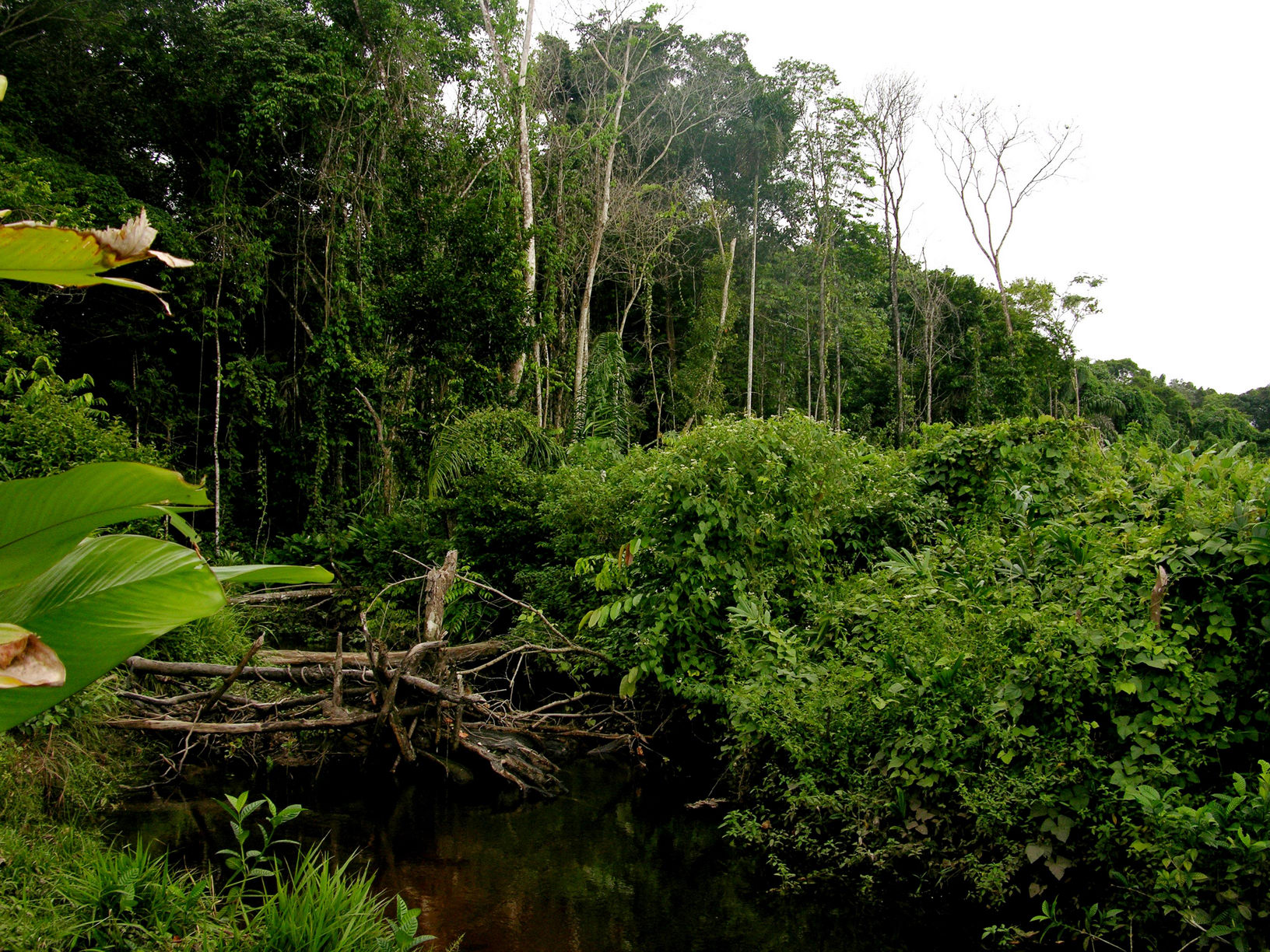
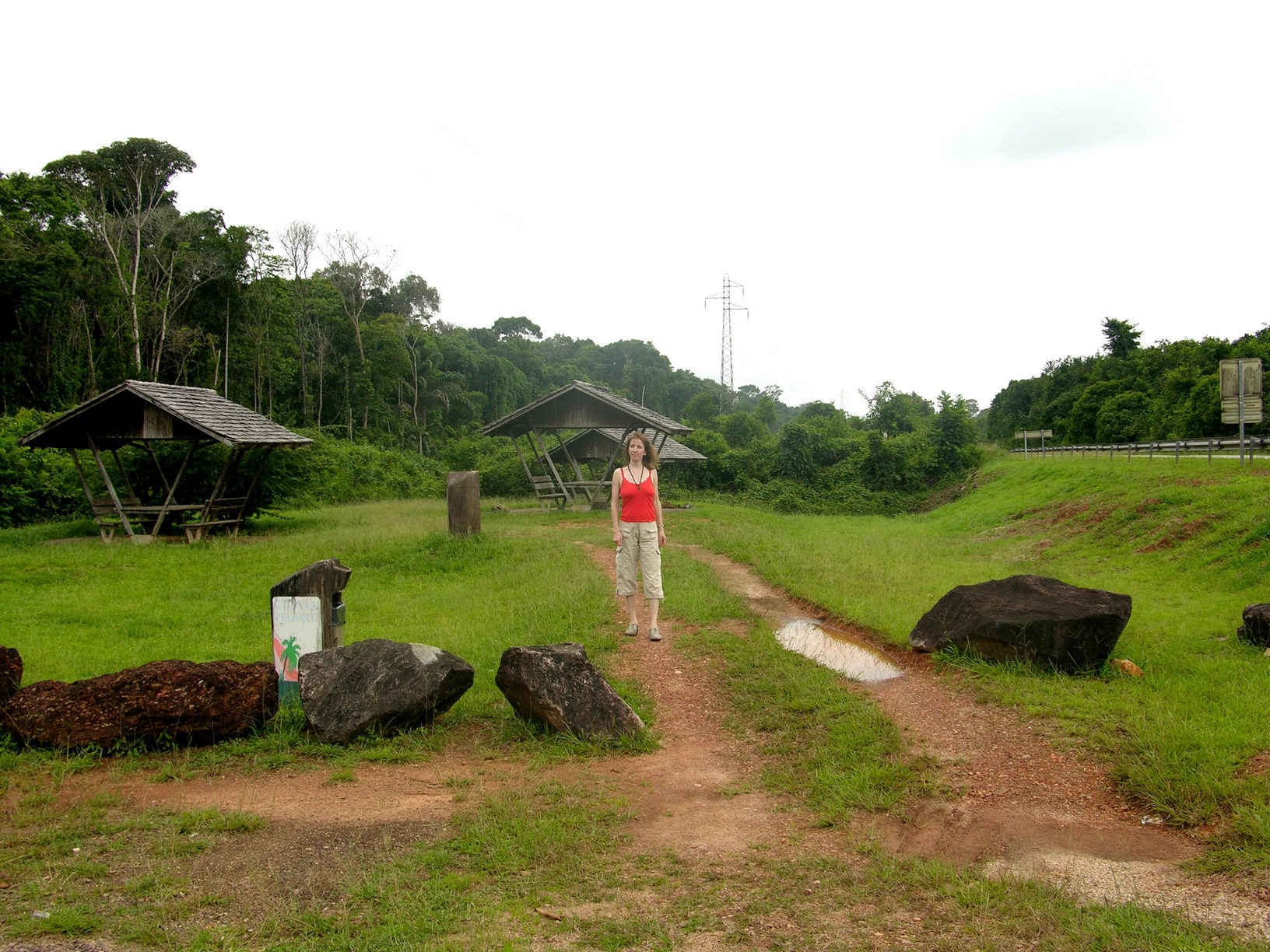
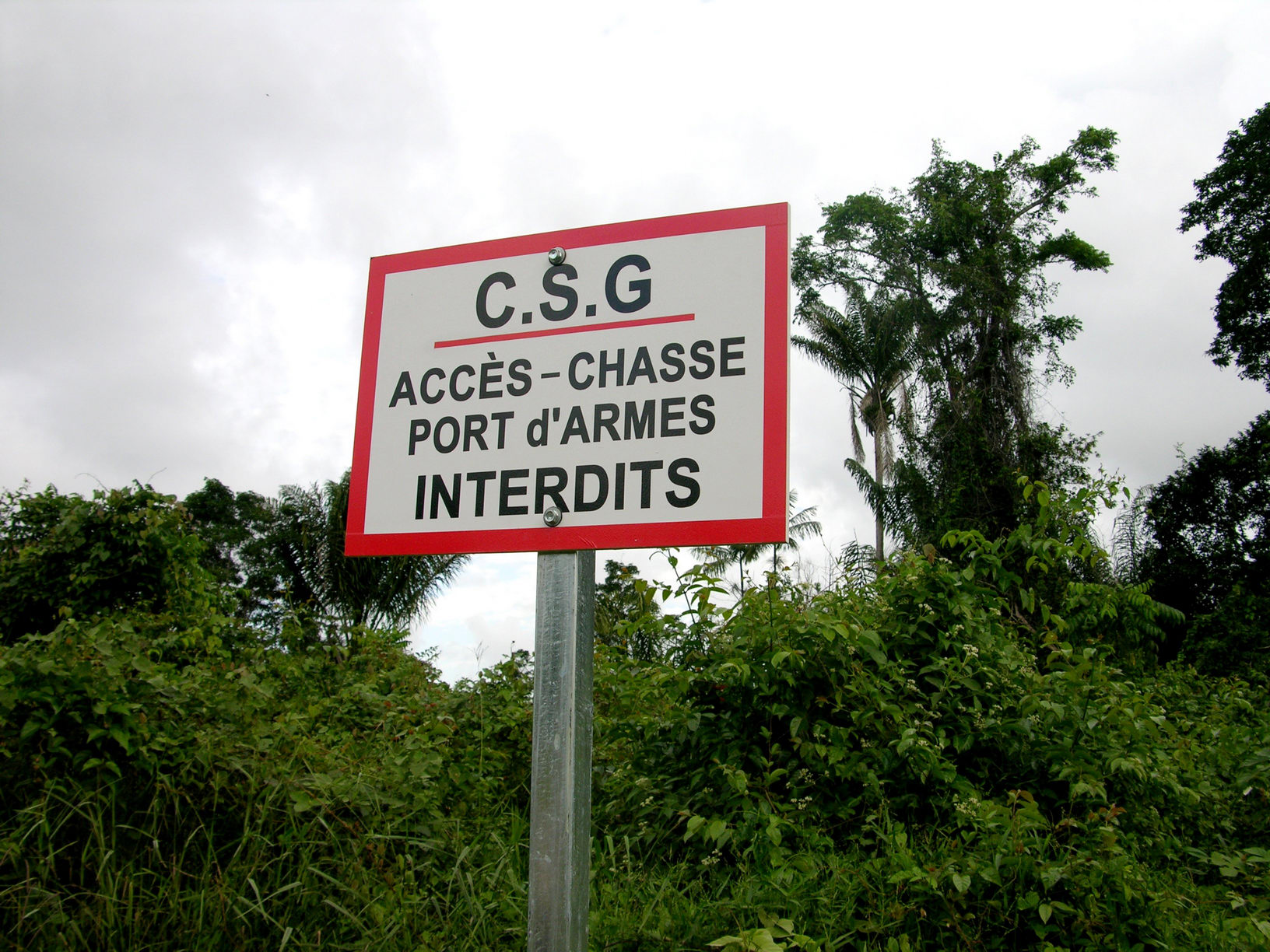
Meanwhile all the police are on the road, standing around the rocket with automatic weapons. Though come to think of it, that too is a solution. Gather all the armed men in one spot. They'll cause less trouble that way, and Bin Laden is far away and Arabs aren't native to the jungle. They might get away with it a few dozen times. Real security costs money, after all. And we already know from Fantômas what the French police are made of.
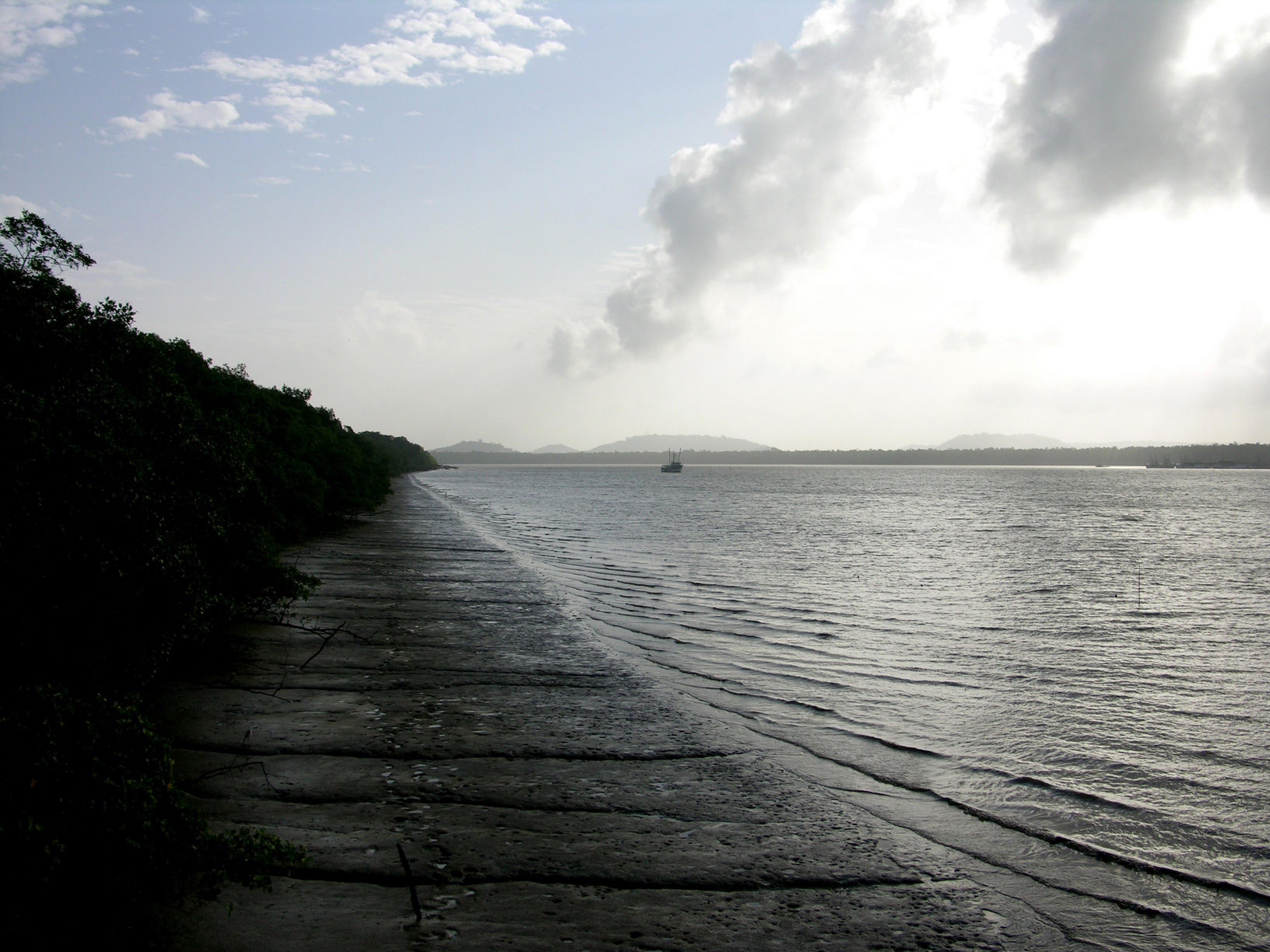
We got back to Kourou while there was still light and had time for a walk on the town beach. A very broad strip of sand runs west from the rocky headland where the Kourou reaches the ocean, all the way to the space centre boundary. Unfortunately you can swim only at high tide. At low tide it's less than knee deep and the bottom is muddy. It is almost impossible to walk in, and you'd have to go hundreds of metres to reach deep water.
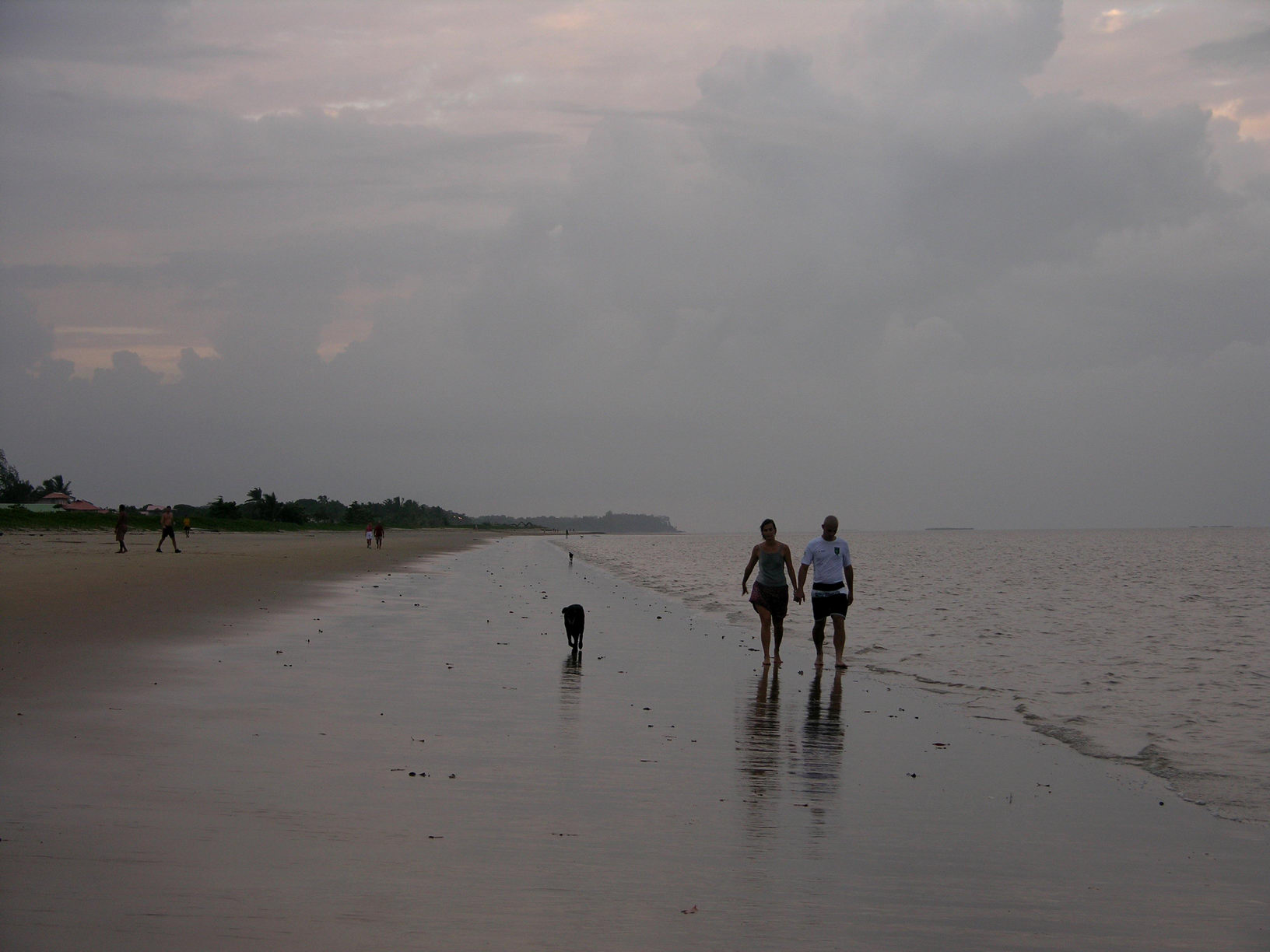
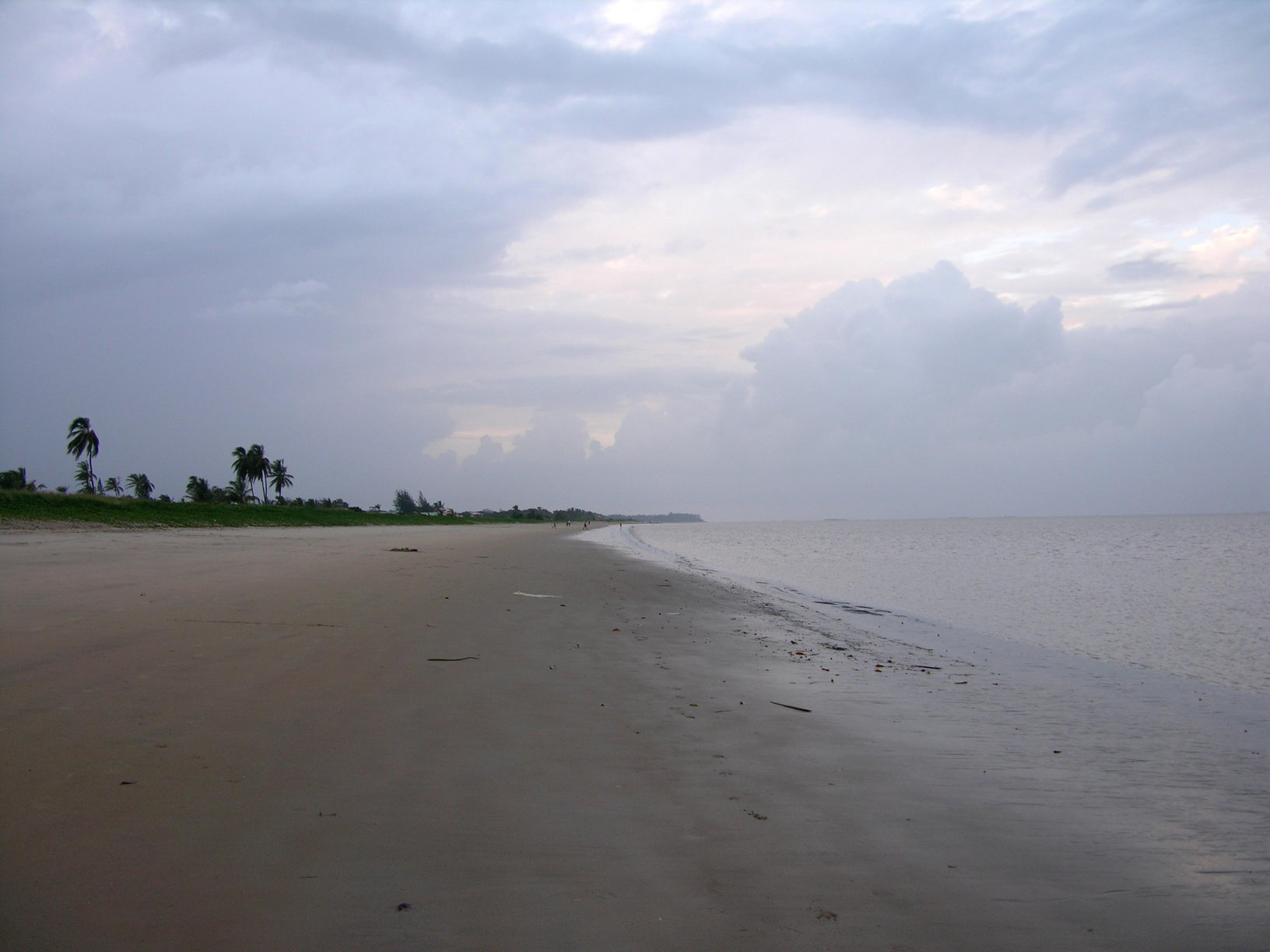
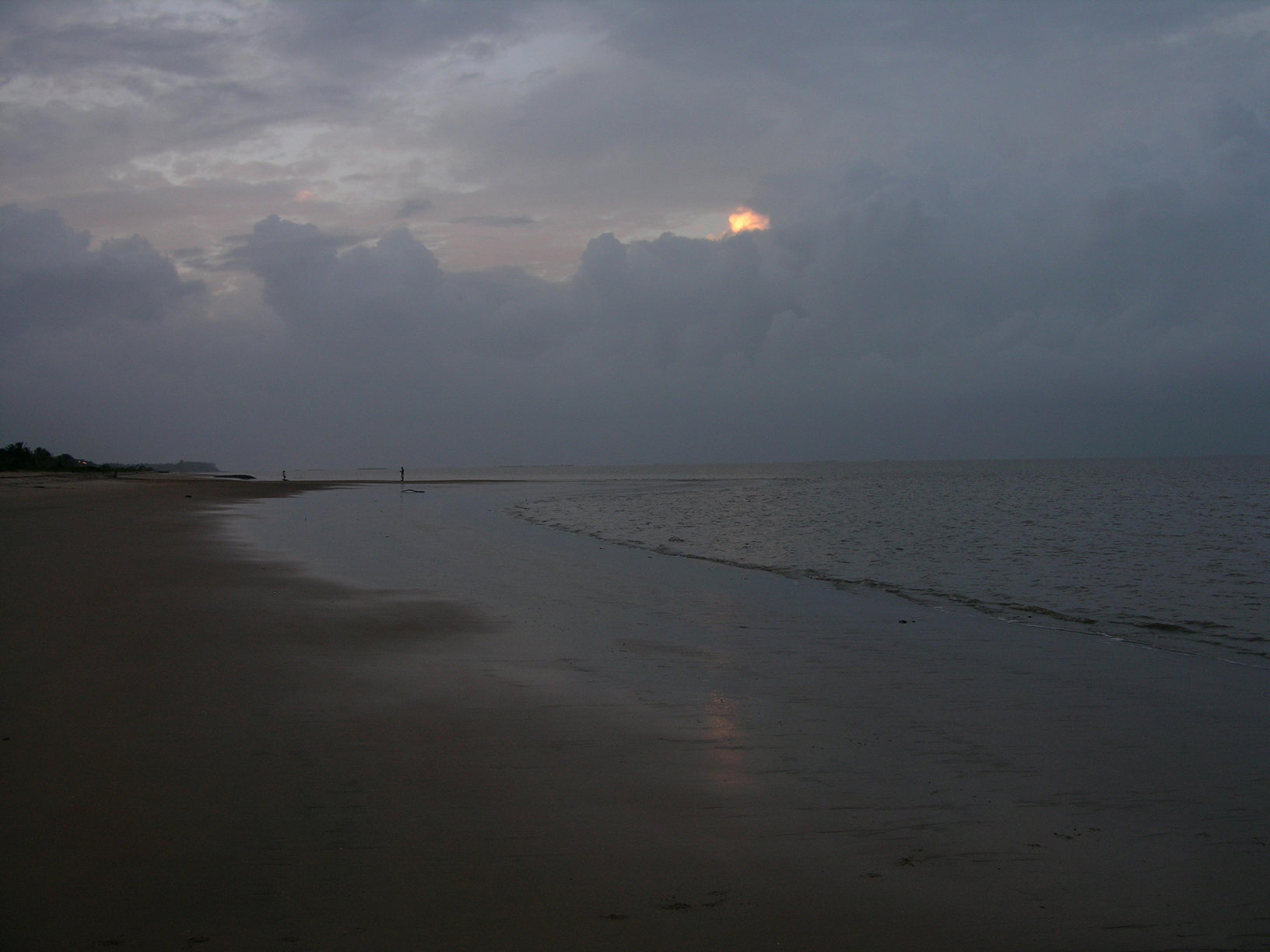
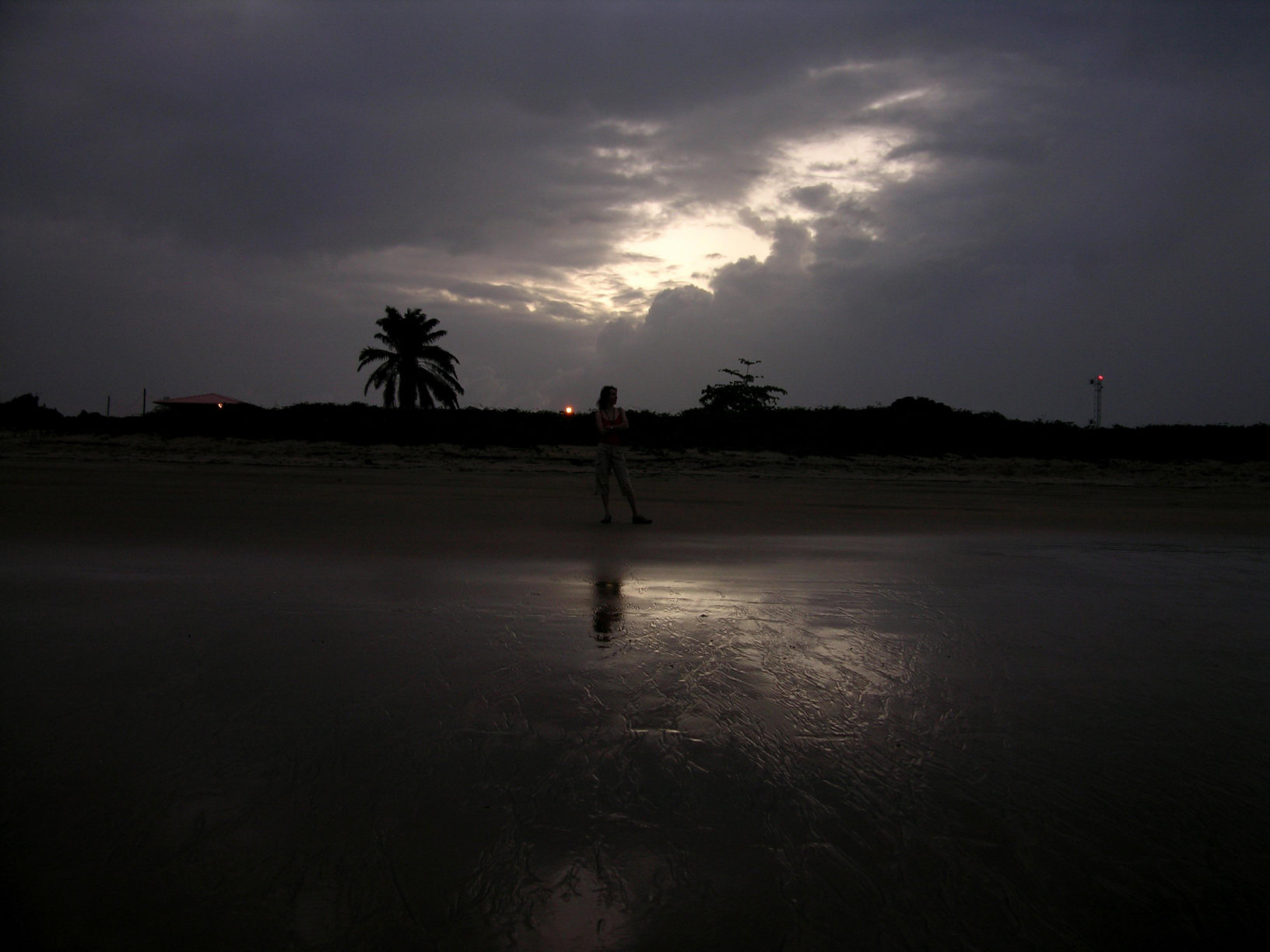
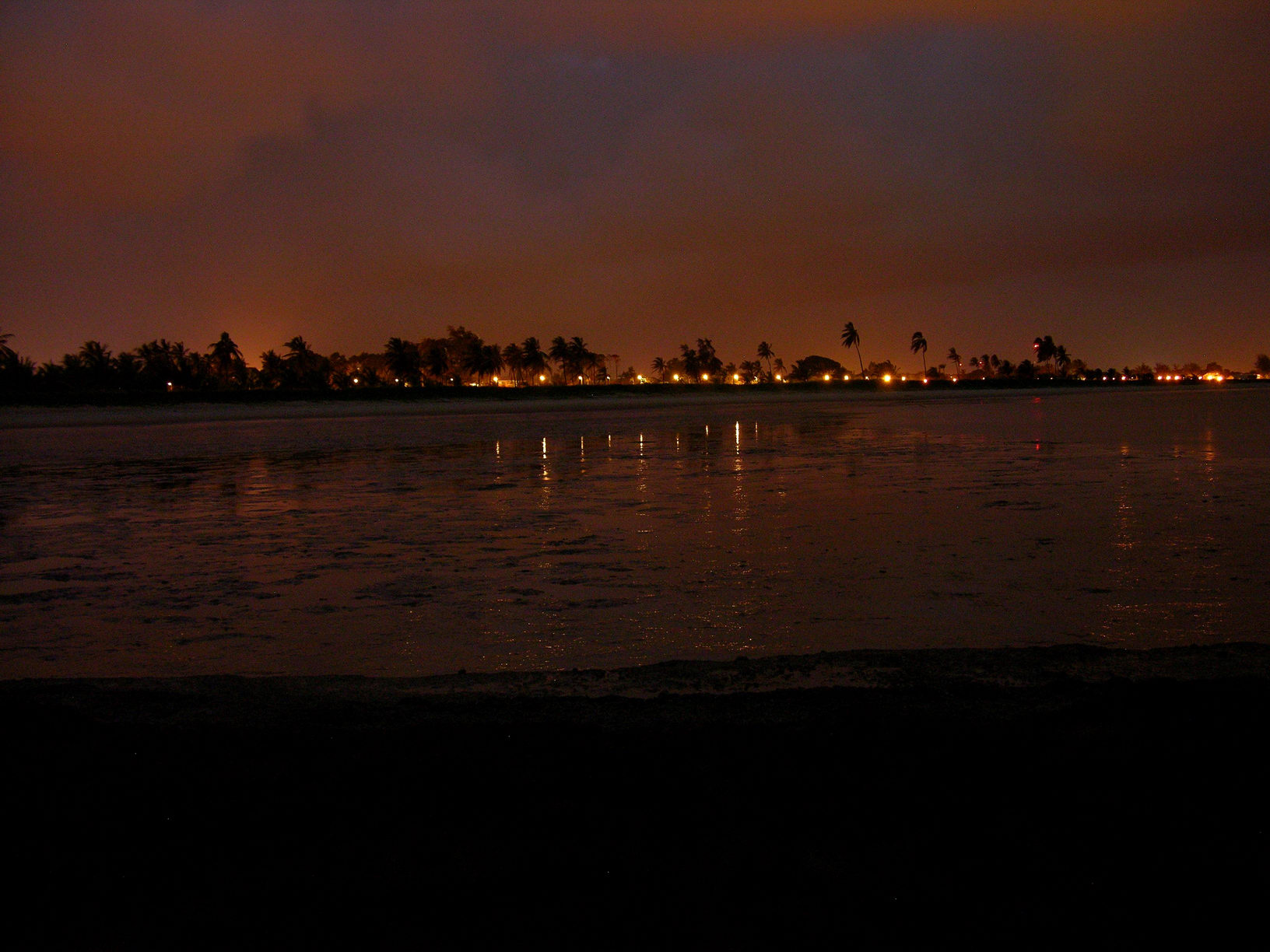
The water here is very murky. In the surf it's completely opaque with all that mud churned up.
The people of Kourou are an athletic lot. In their free time masses of people run through town and along the beach. Some take walks, but nobody dares go in the water.
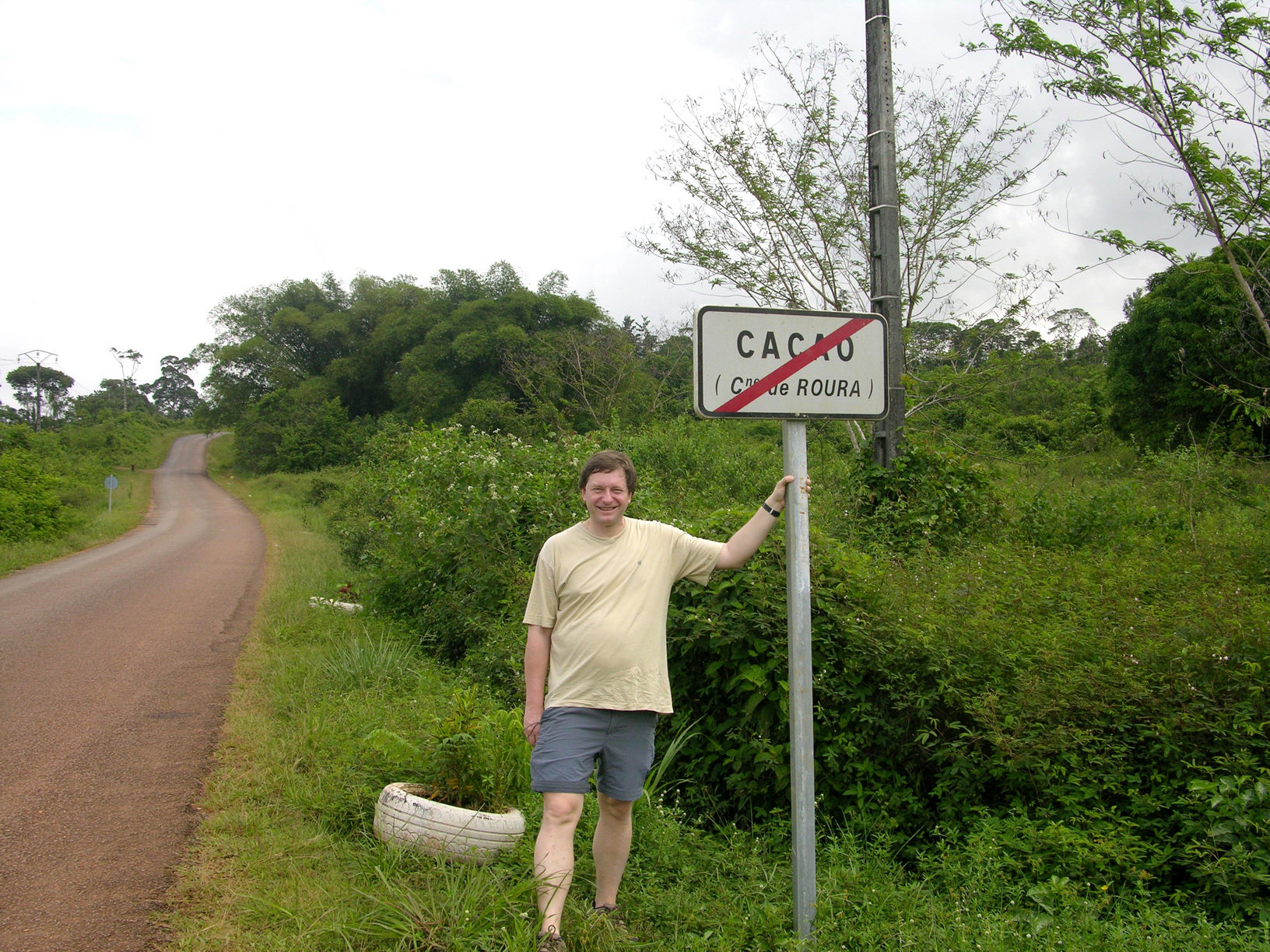
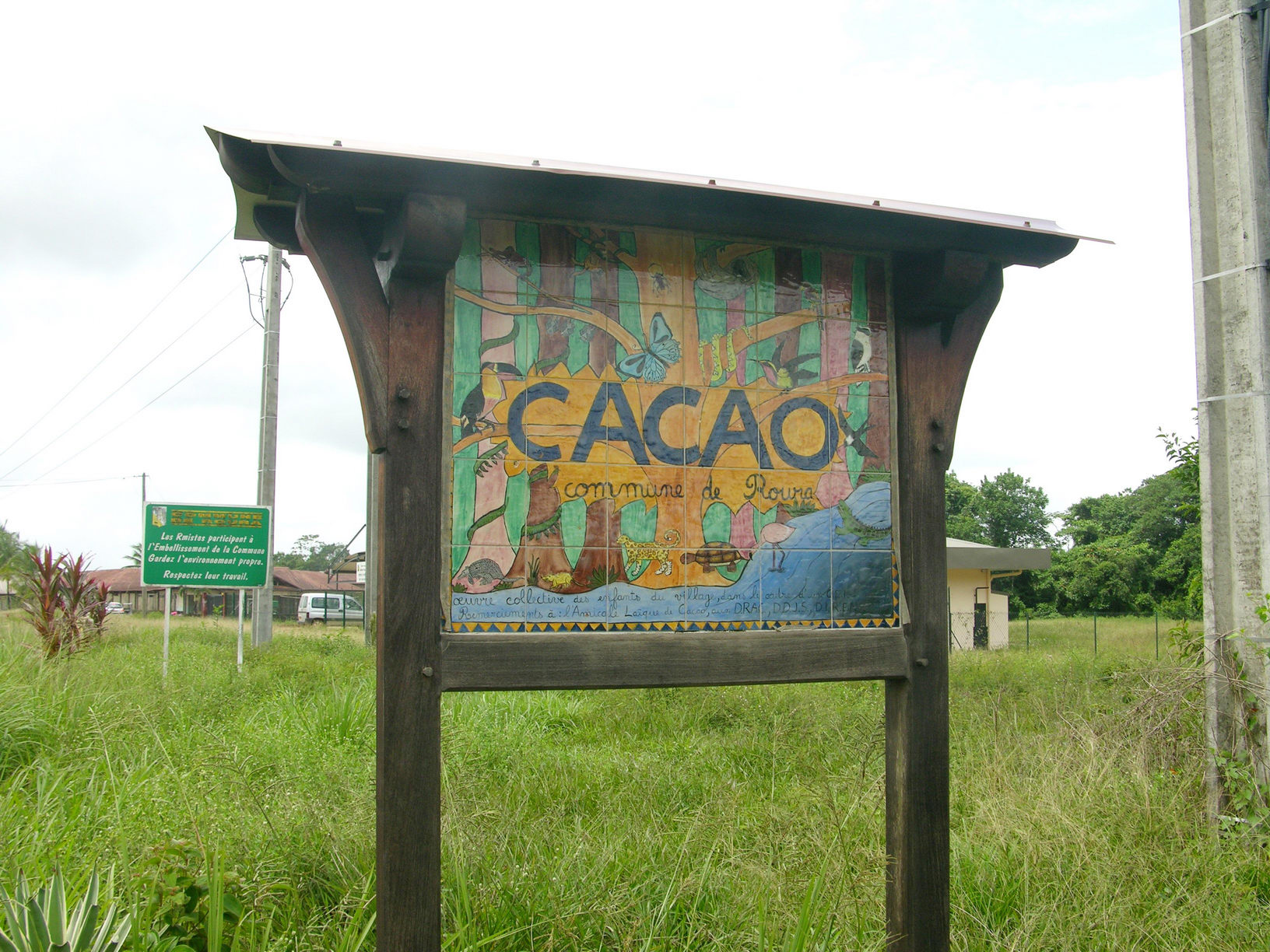
The last day of the year fell on a Sunday, which was the big market day in the village of Cacao (Cacao, as they write it there), at 4°34.227′N, 52°28.072′W. The people there were Lao, refugees from the fighting in Indochina. The French were rescuing their people who had worked with the colonial authorities or who had simply fled the war. But they moved them to Guiana, a colony the troubles hadn't reached, instead of to metropolitan France. It was probably the right thing to do. What would have awaited them in Paris? A shack in the suburbs and no work. Here, in a familiar climate, they could carry on their traditional lives in the village without much trouble.
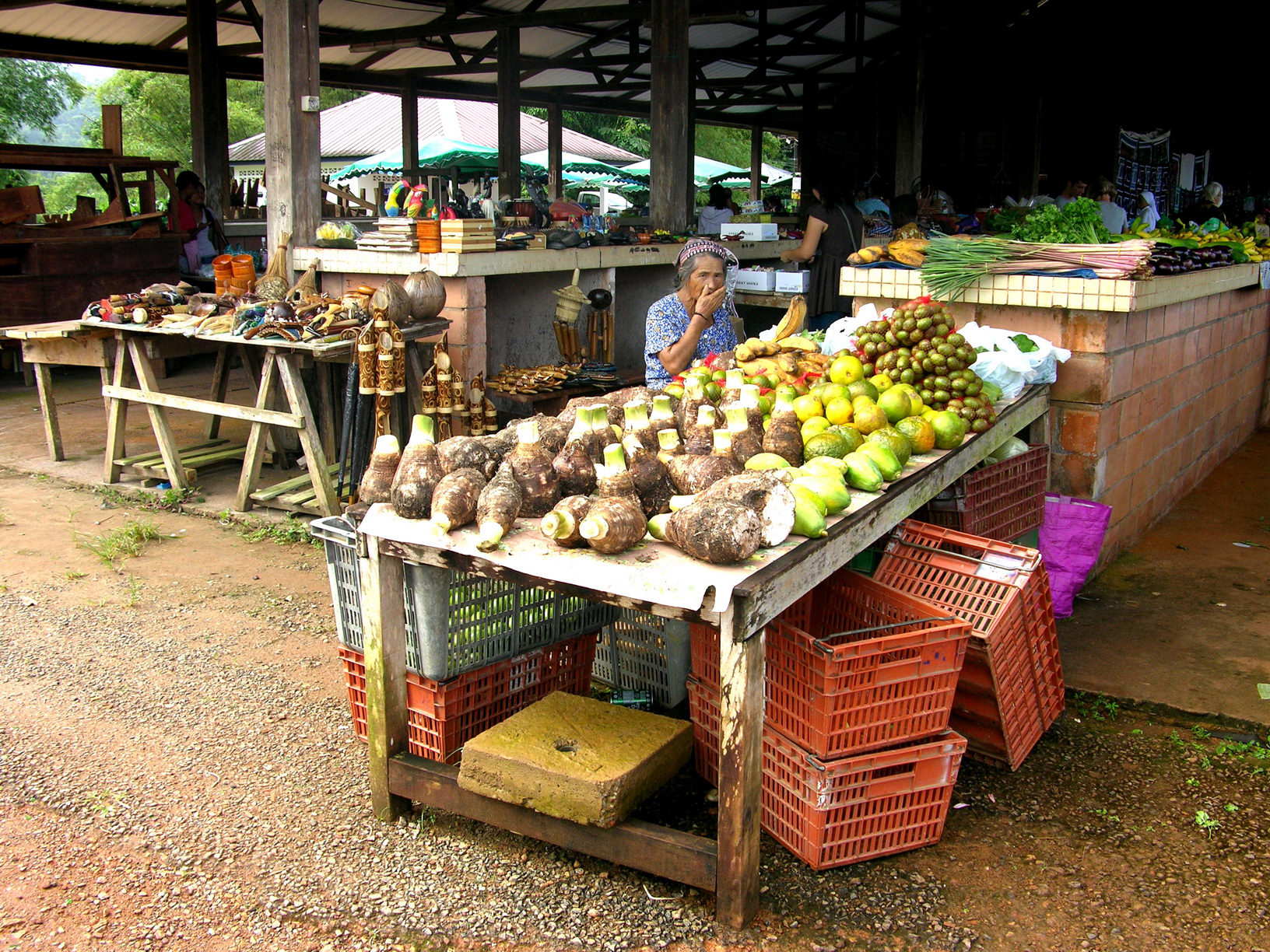
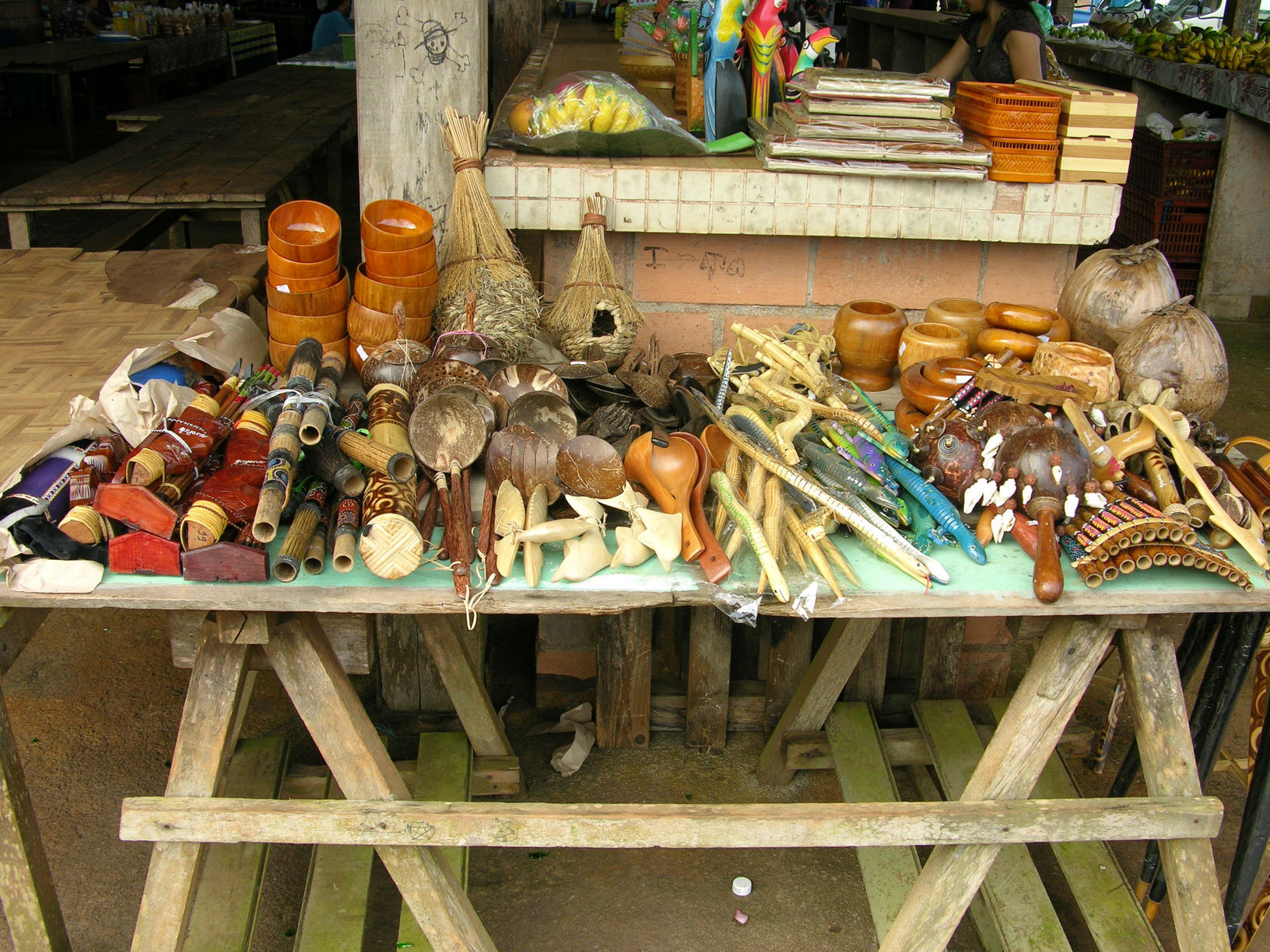
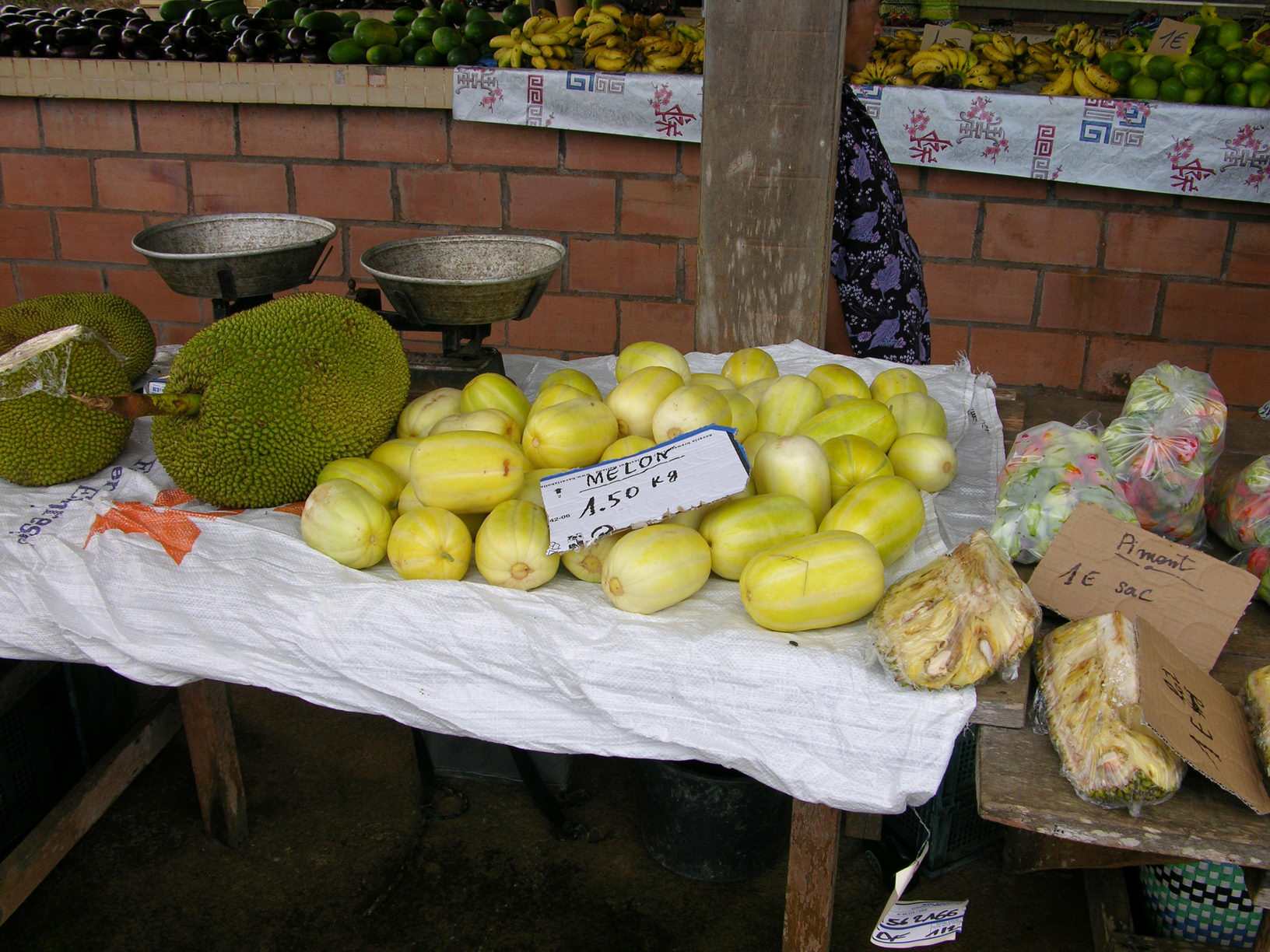
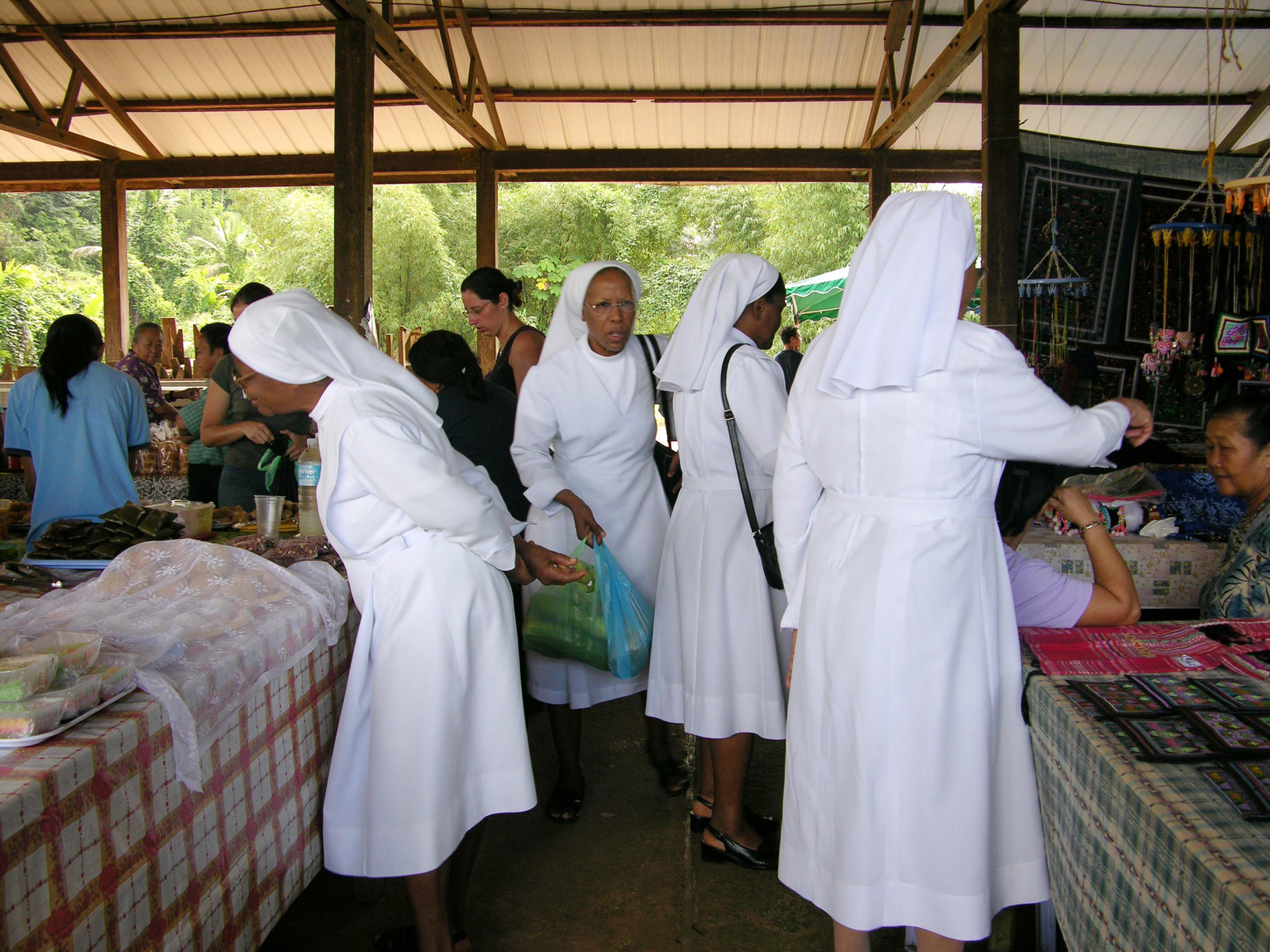
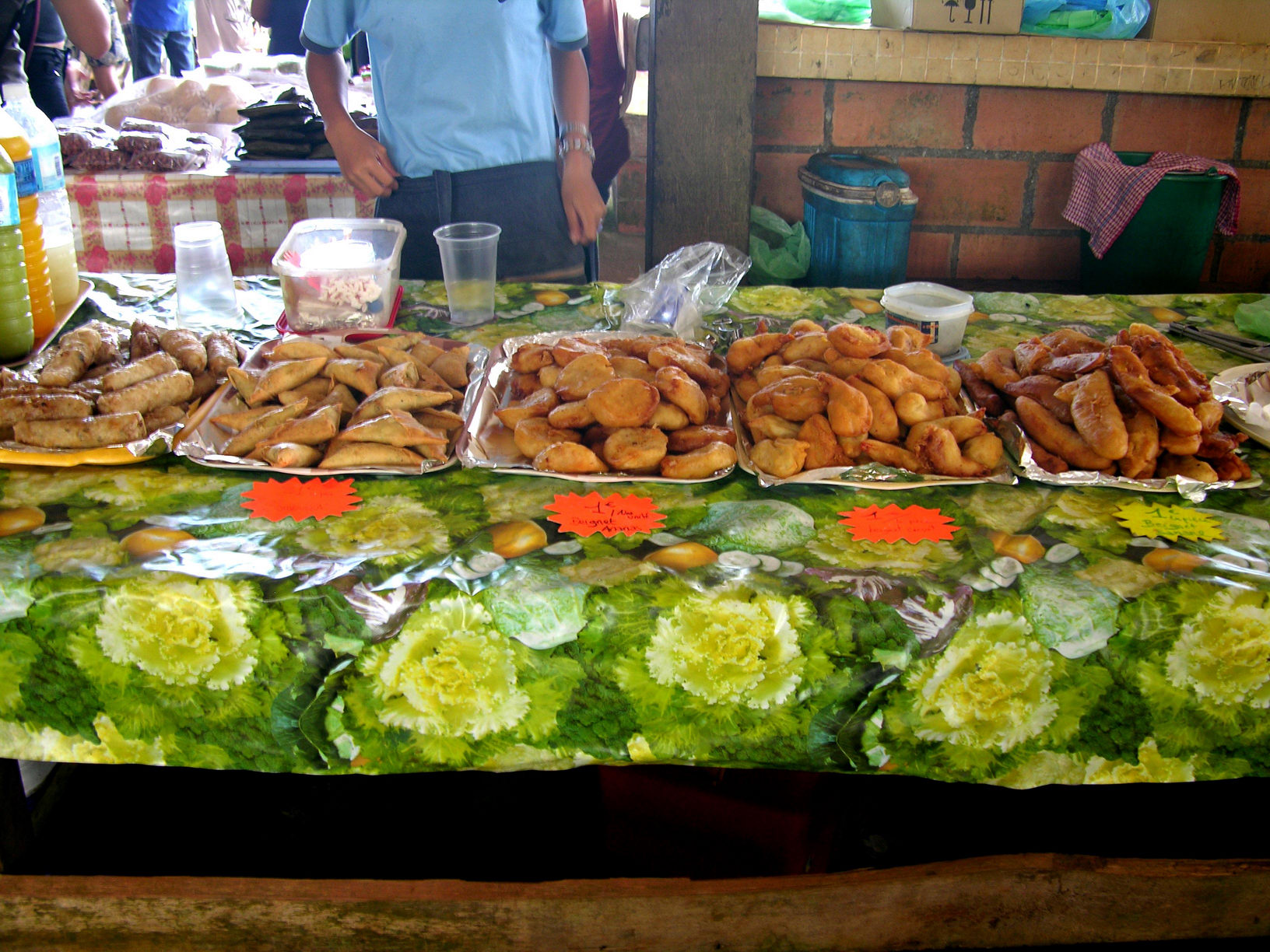
It wasn't just Lao people who were rescued this way. They came from countries all over the world. As a result, French Guiana ended up with a very mixed population. Since everyone was an immigrant, society ended up racially tolerant. With African, Vietnamese, European and Indigenous families all mixing, the variety of faces was remarkable. Now, with the benefits of civilisation, they'd also curled or, on the contrary, straightened their hair, and dyed it every colour. The result looked quite fantastical. You wanted to say people couldn't really look like that. I'm thinking above all of the young women here, some of whom are very beautiful.
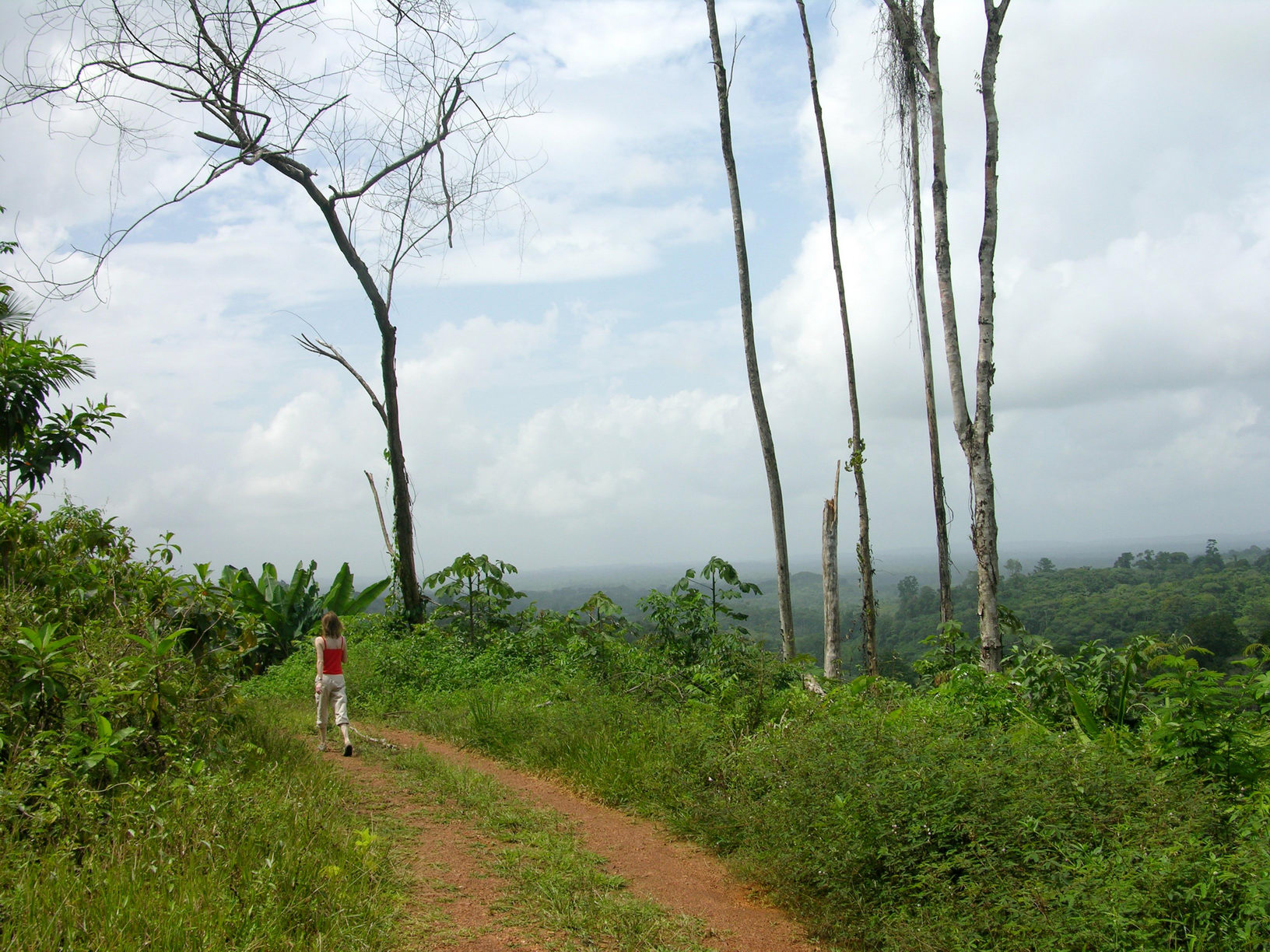
Cacao, by the way, is an exception. It consists entirely of Lao people, who brought everything with them, from rice to handicrafts. It's seventy-six kilometres from Cayenne. You go west along the coast road first, and cover the last twenty kilometres on a rough mountain road.
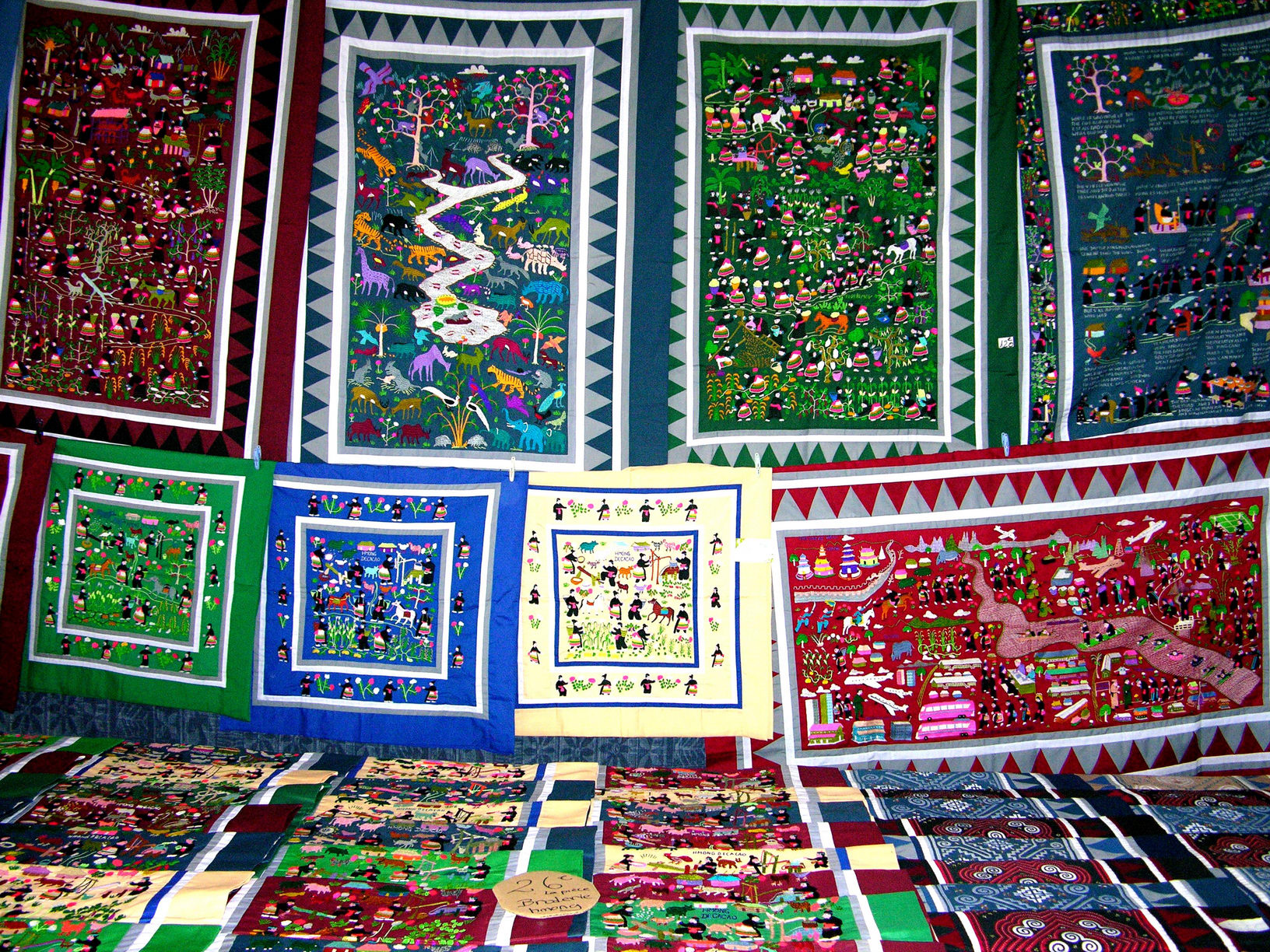
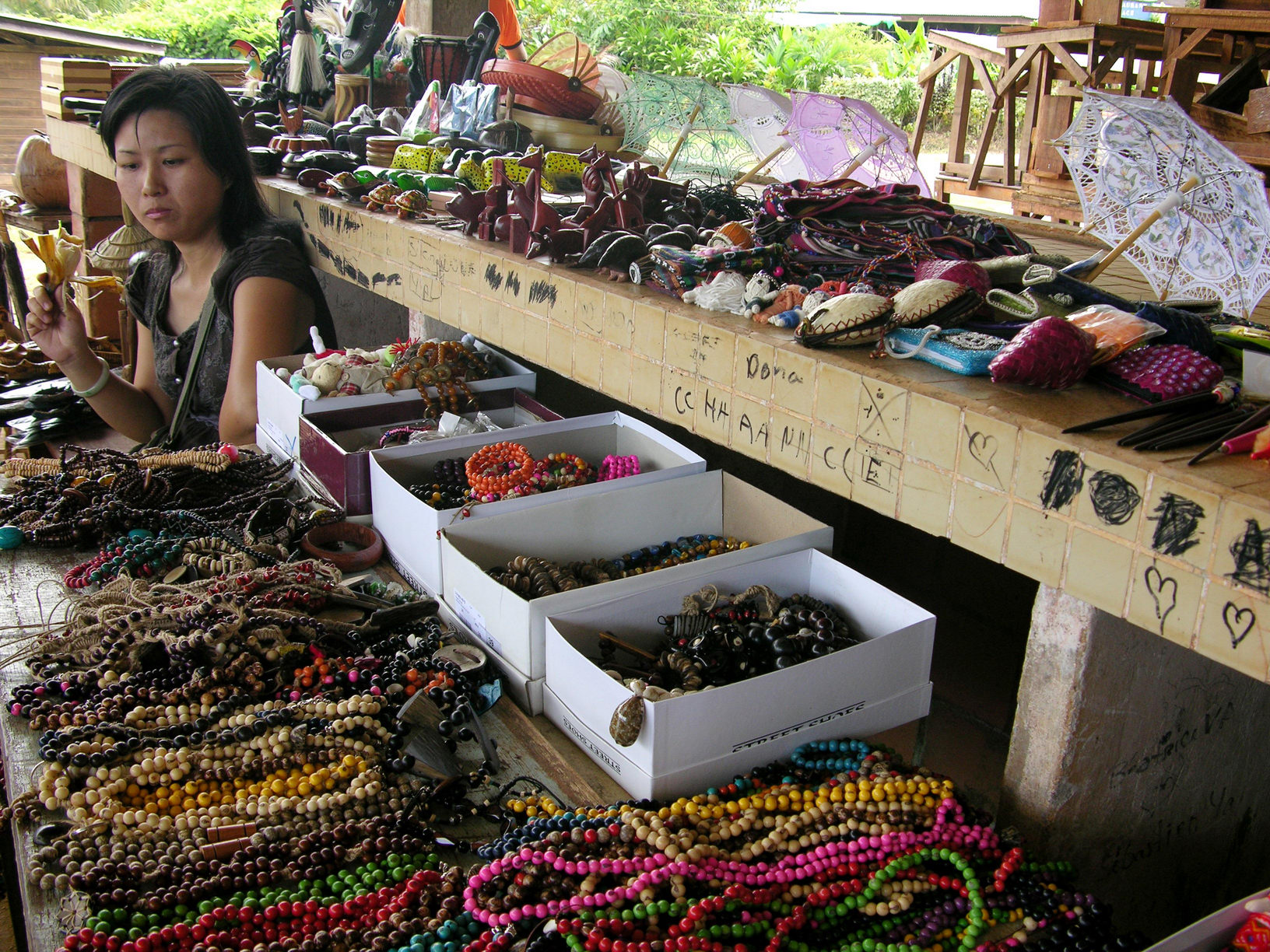
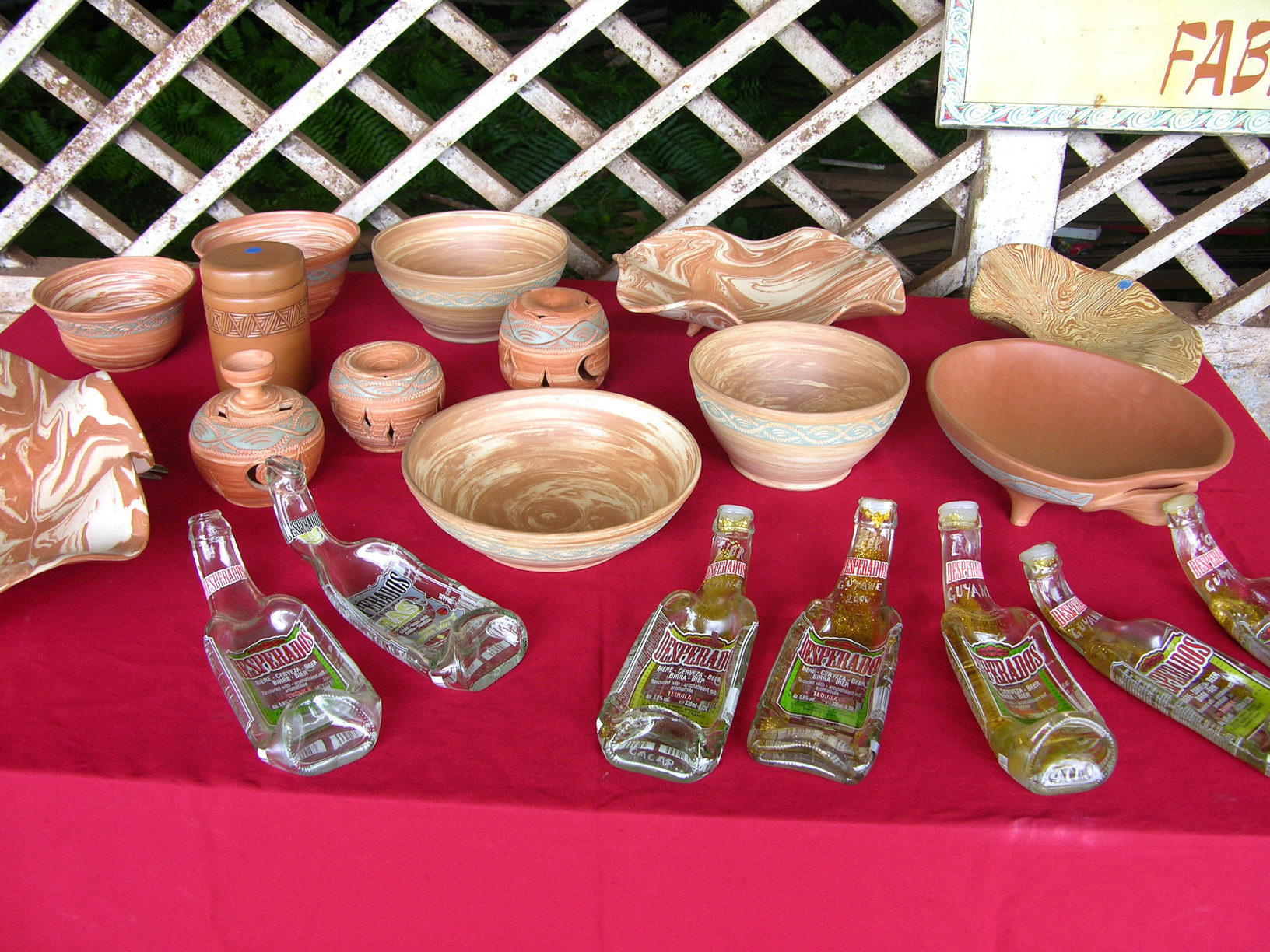
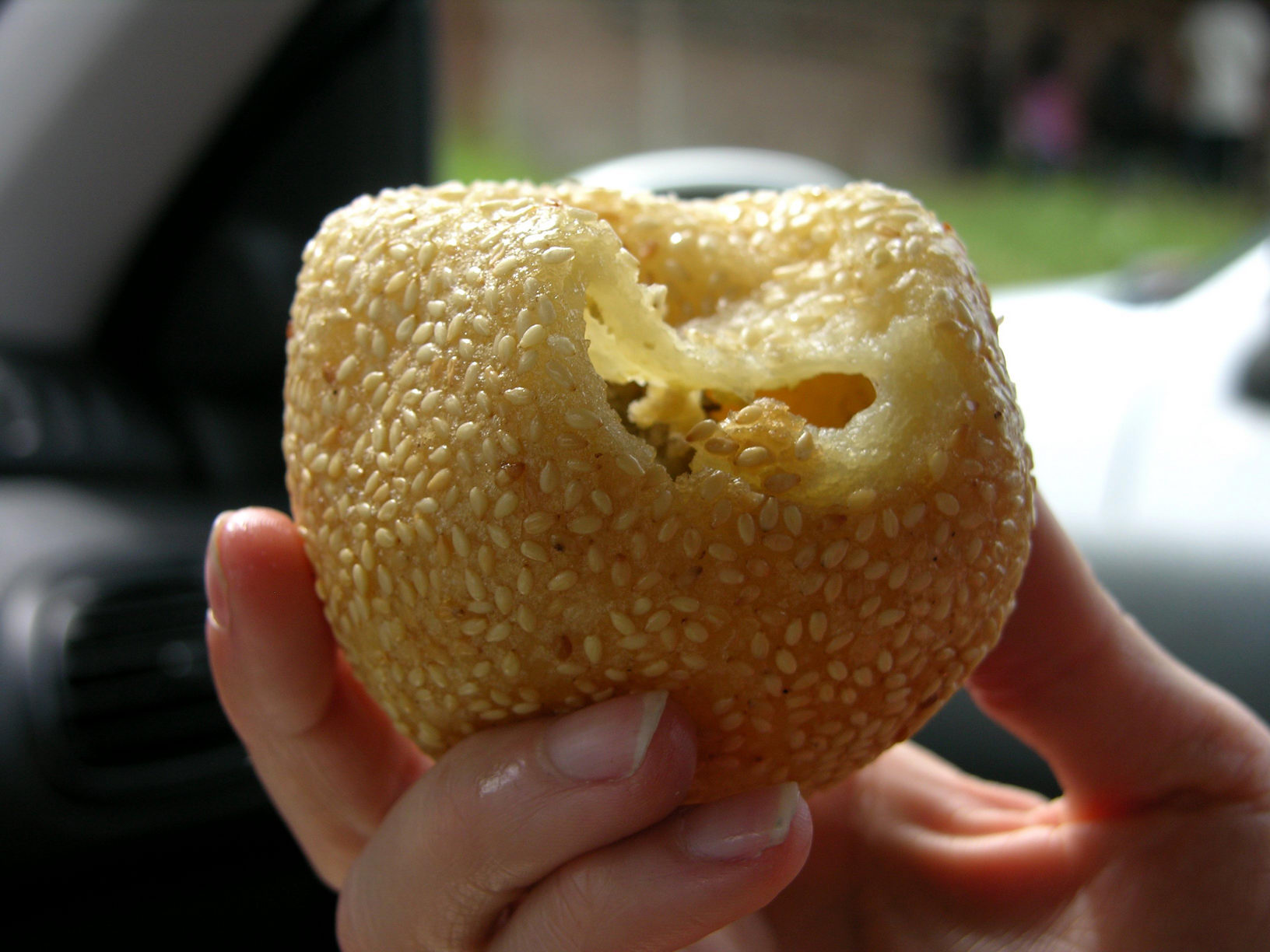
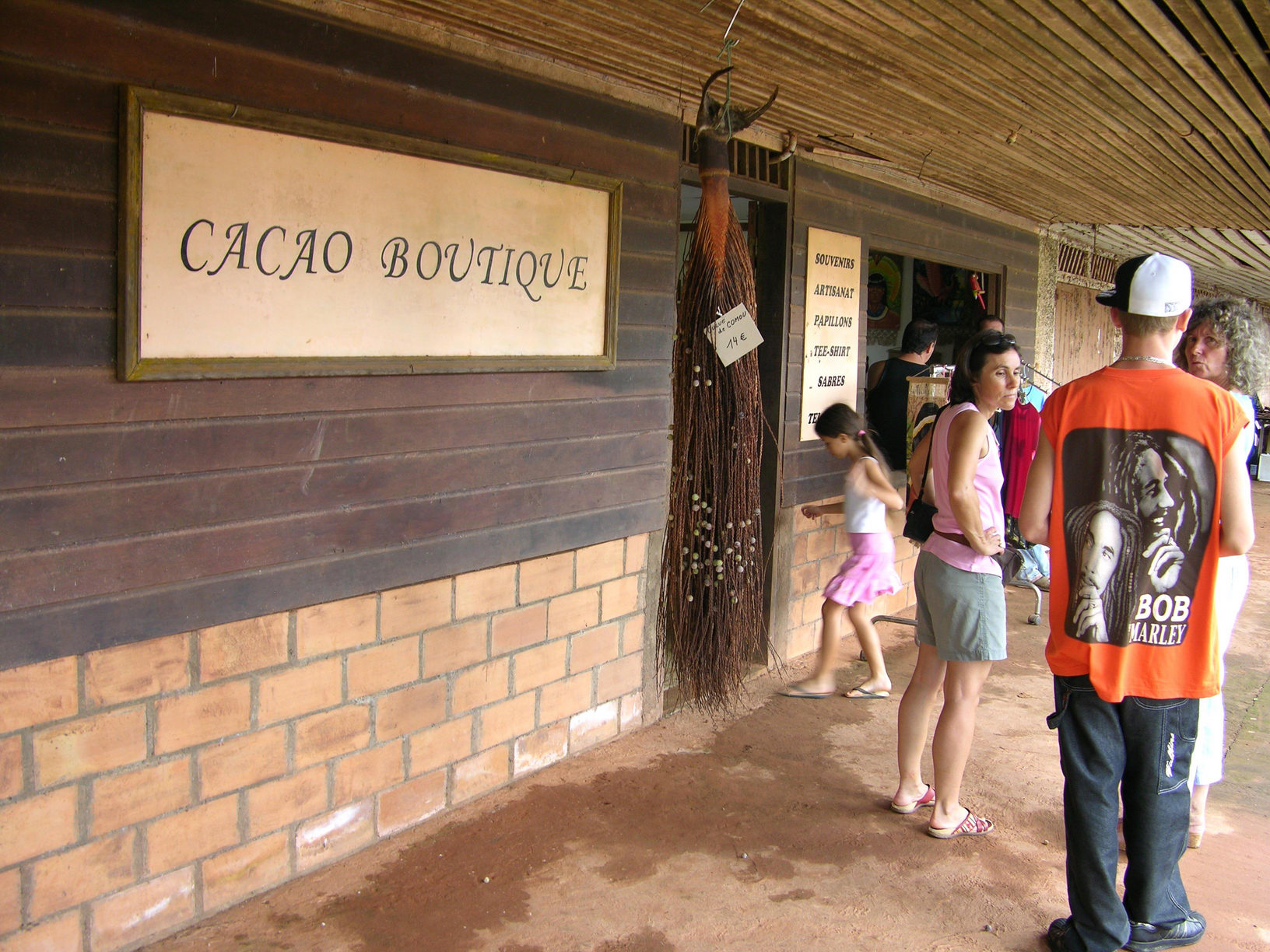
The market in Cacao isn't particularly big. It doesn't compare with the markets of Madagascar, but in Guiana there's nothing bigger. They sell everything: vegetables, souvenirs, pies and juices. The main attraction is soup with three kinds of meat and prawns, at three and a half euros a bowl. We had some and it was excellent.
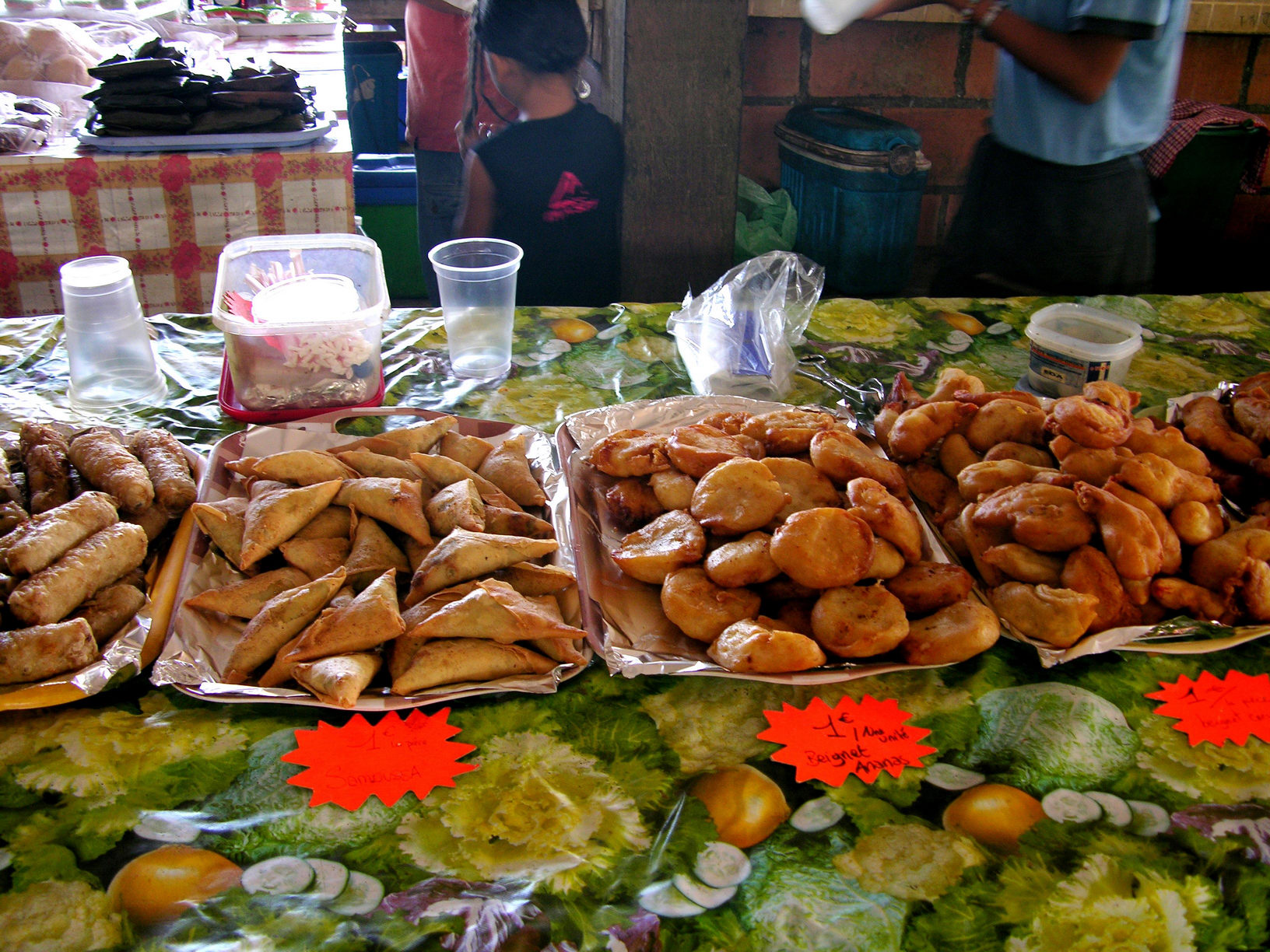
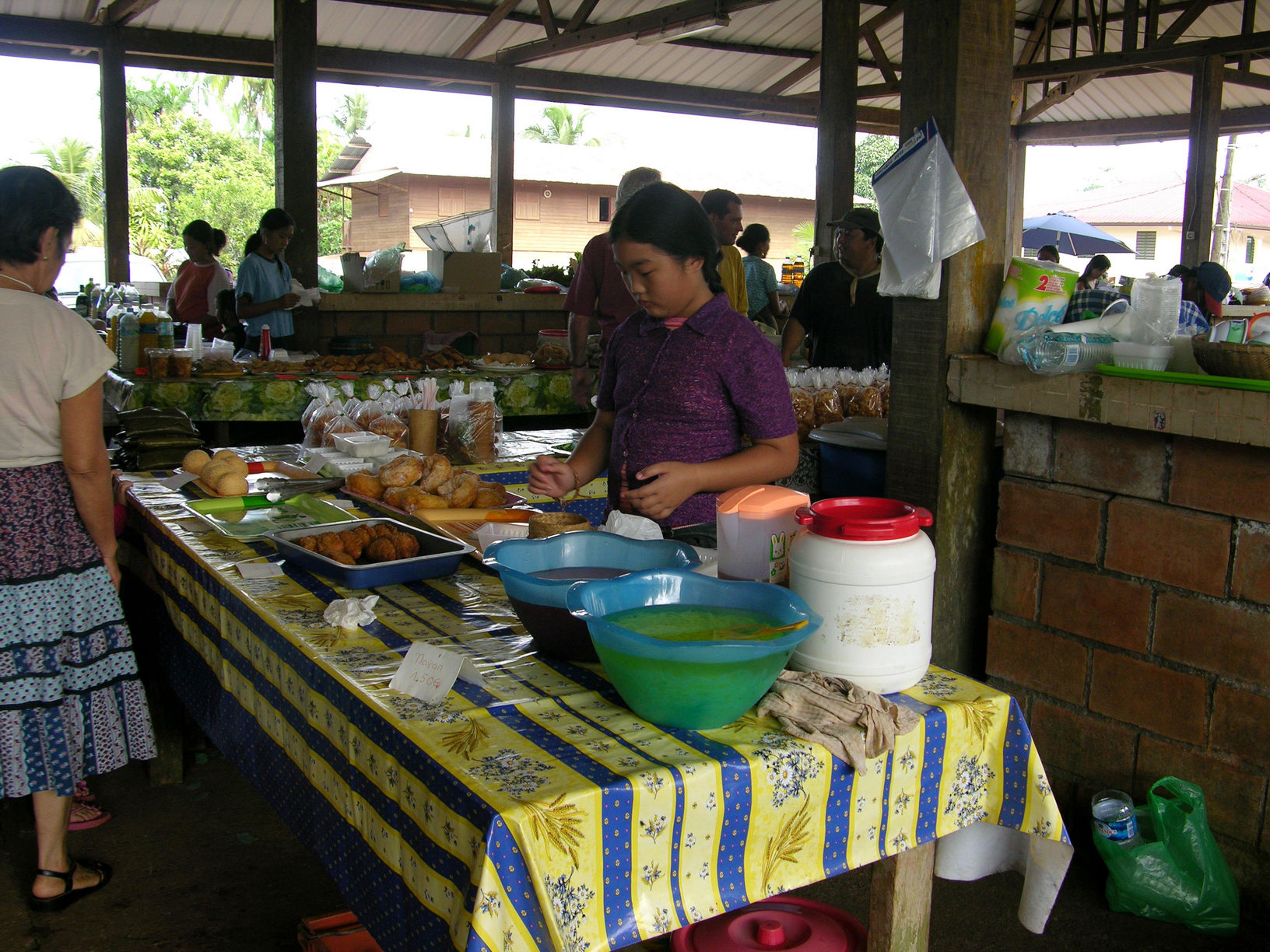
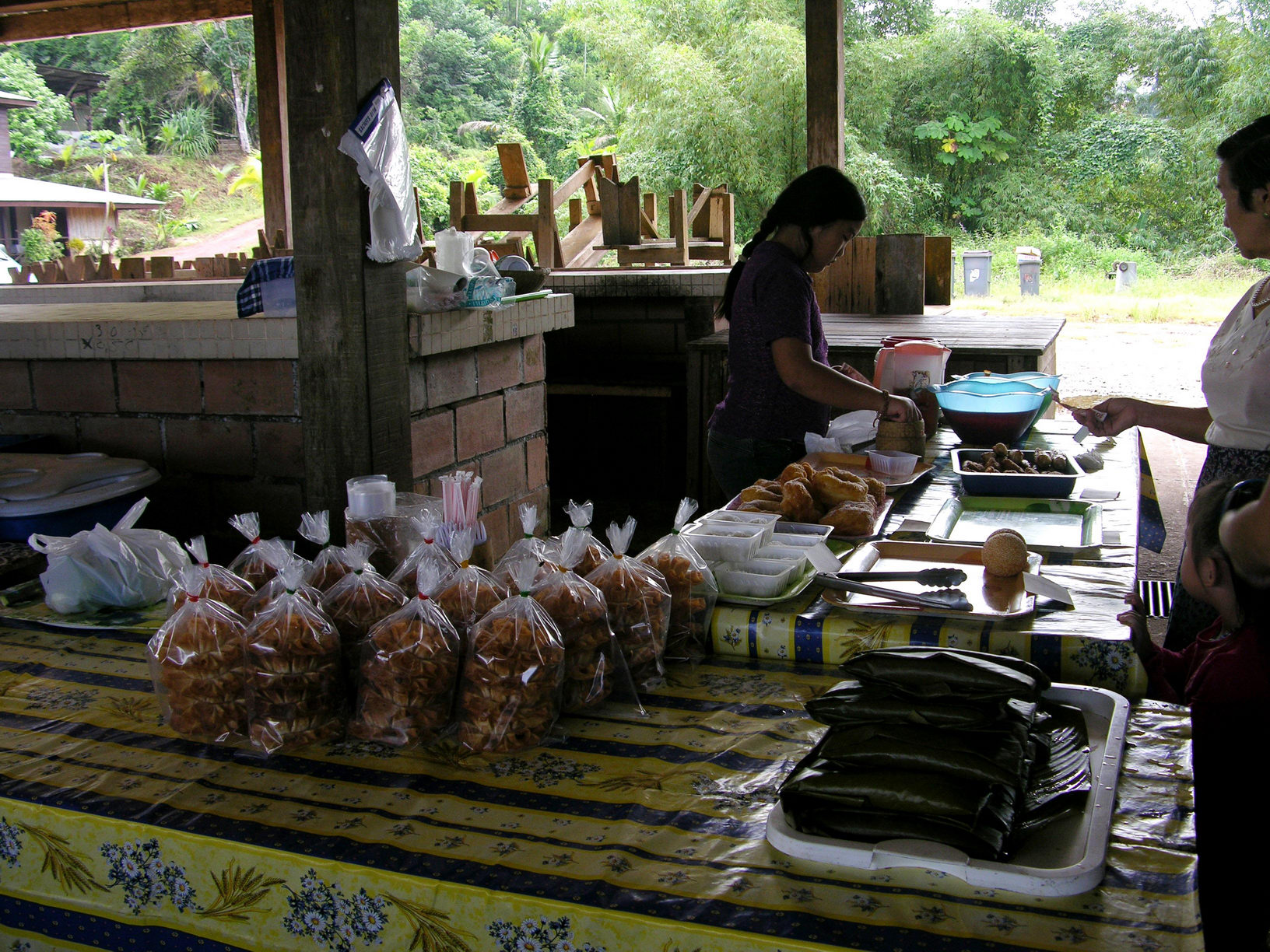
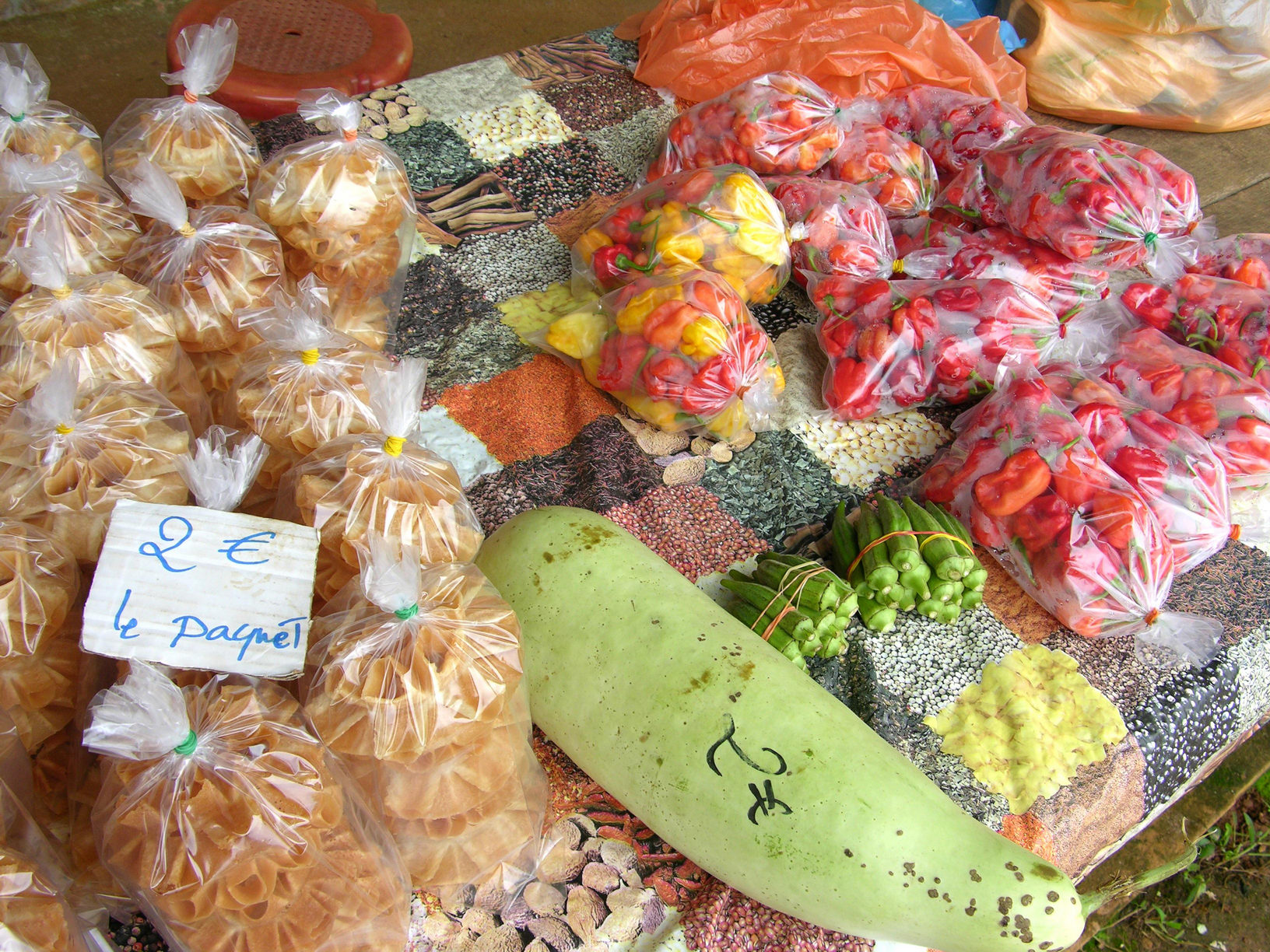
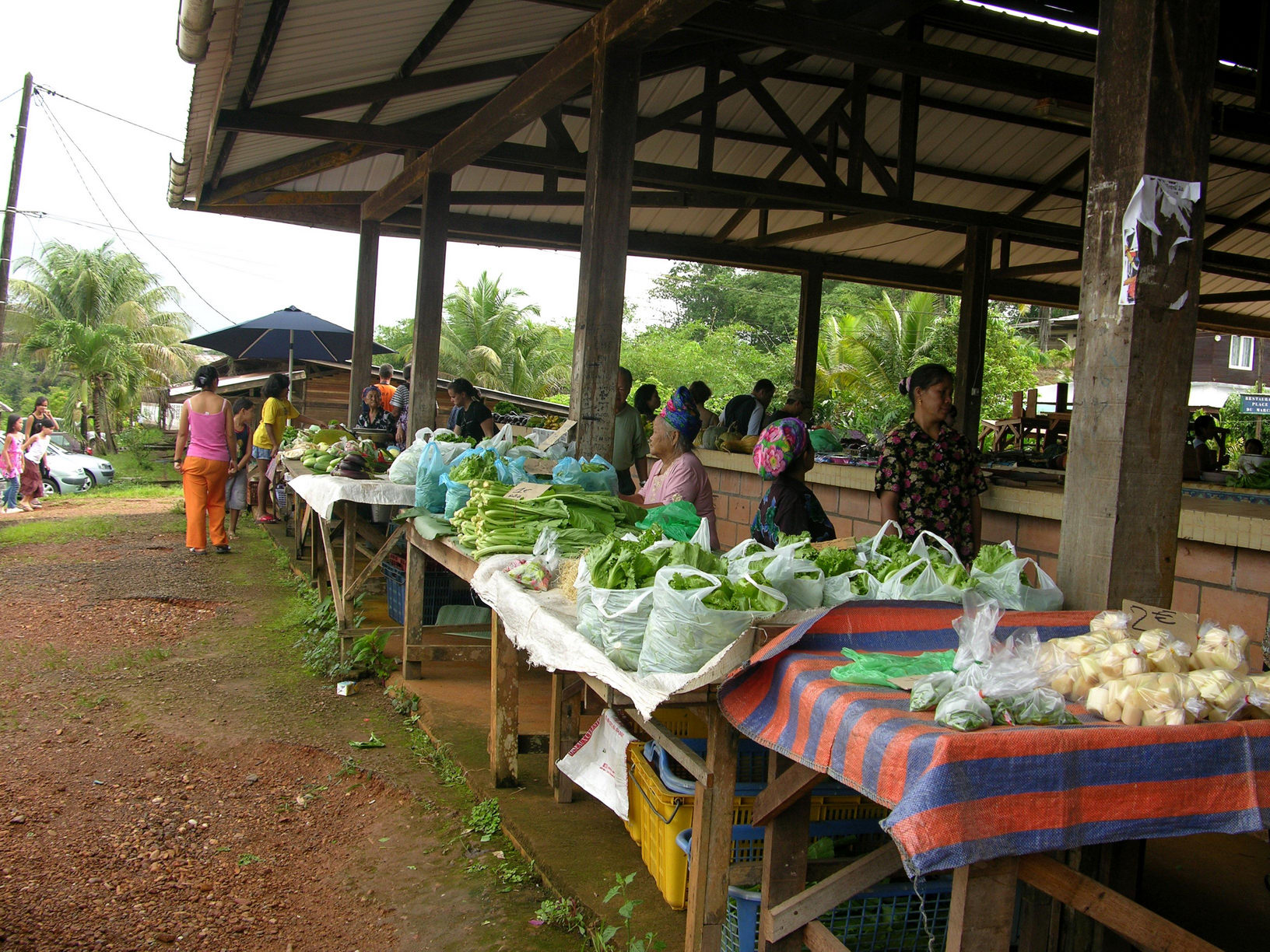
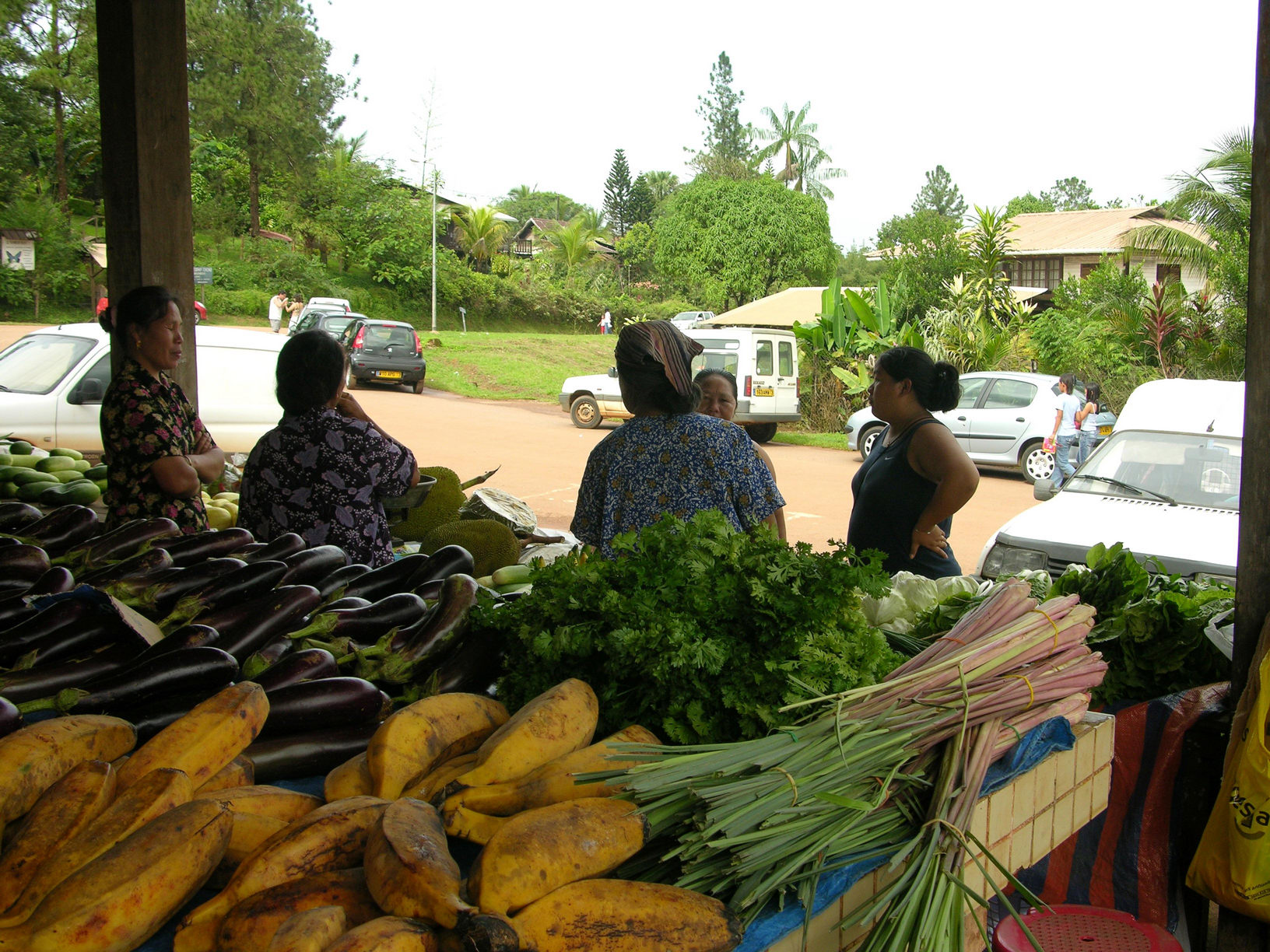
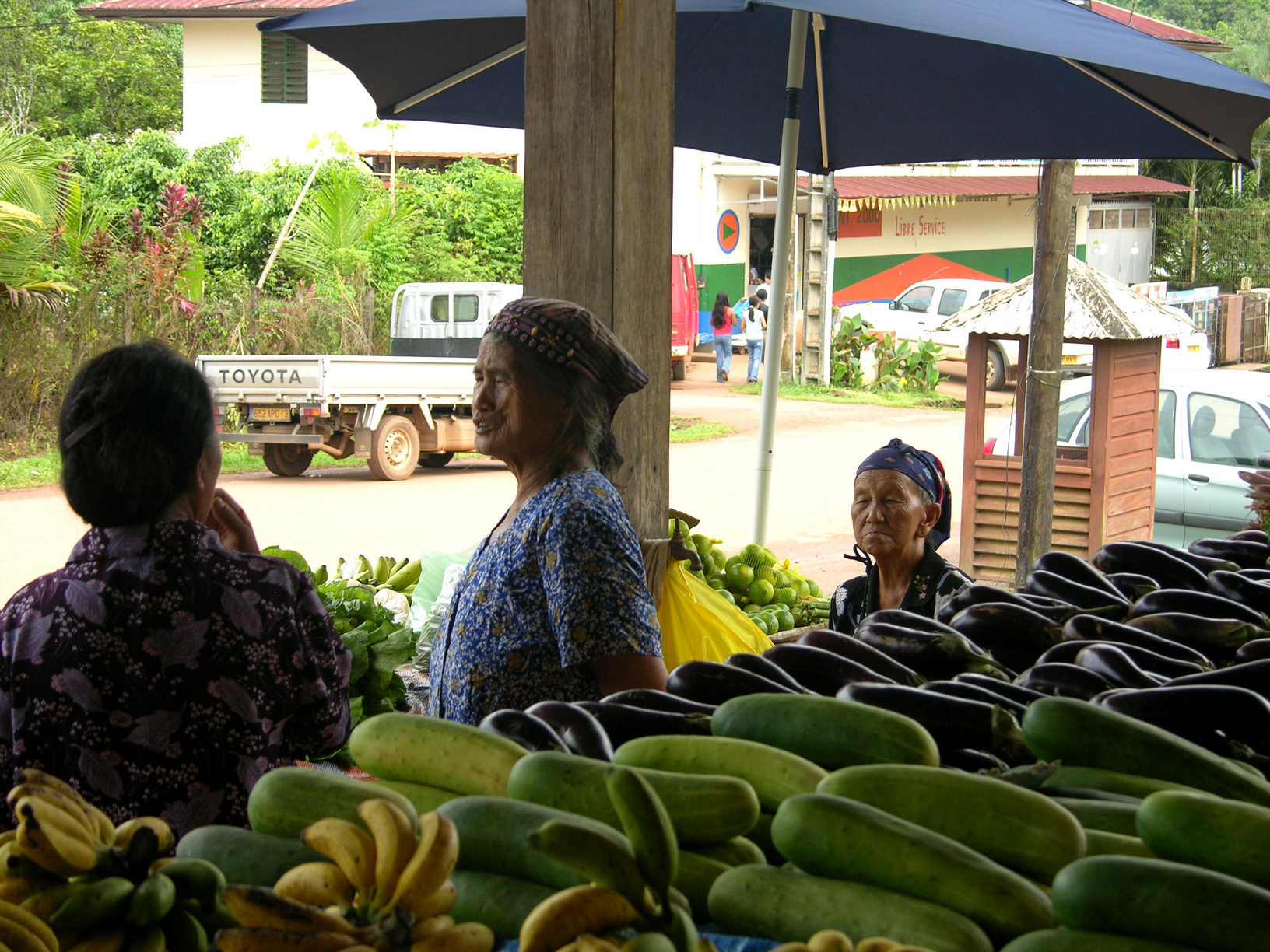
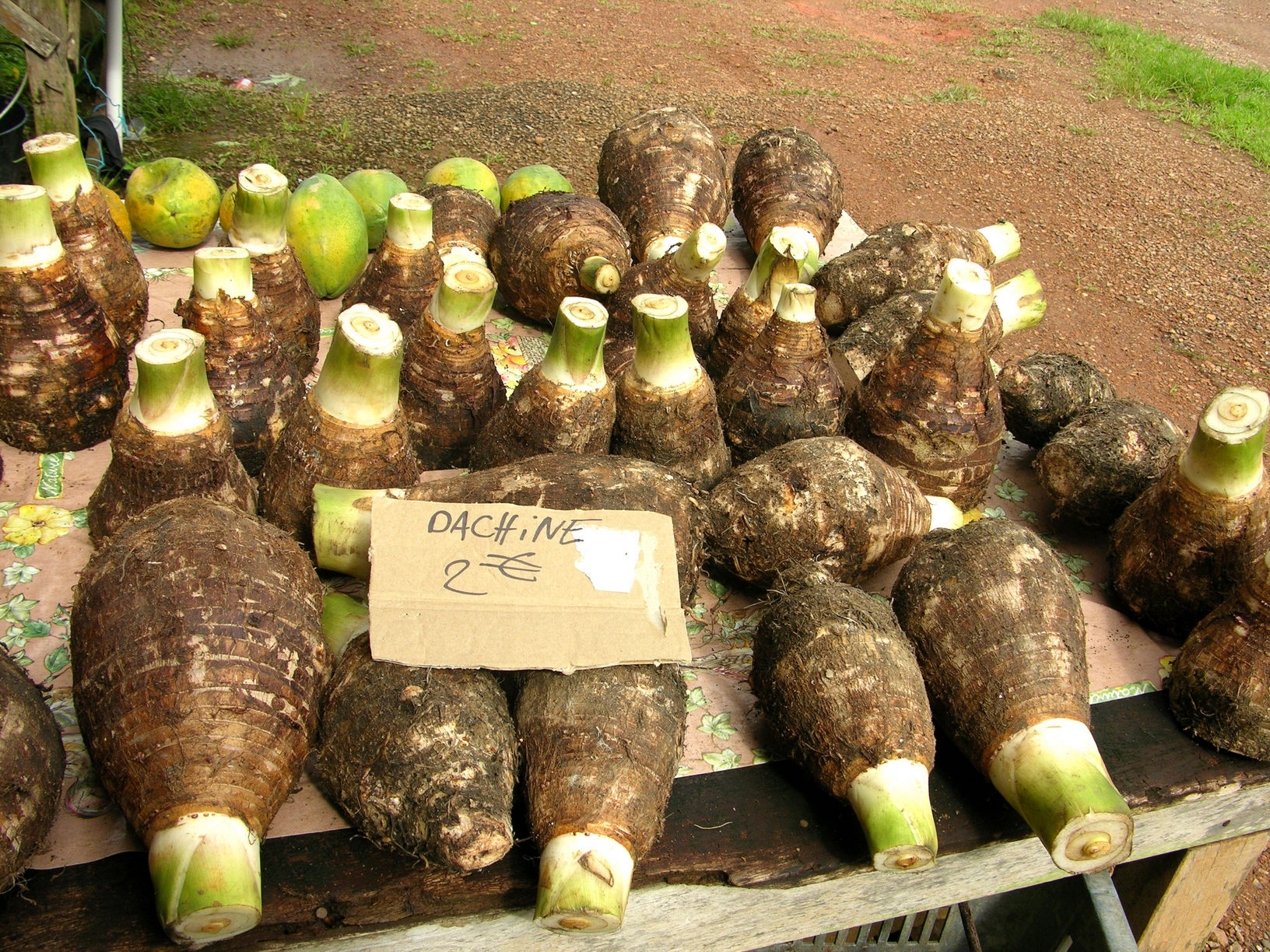
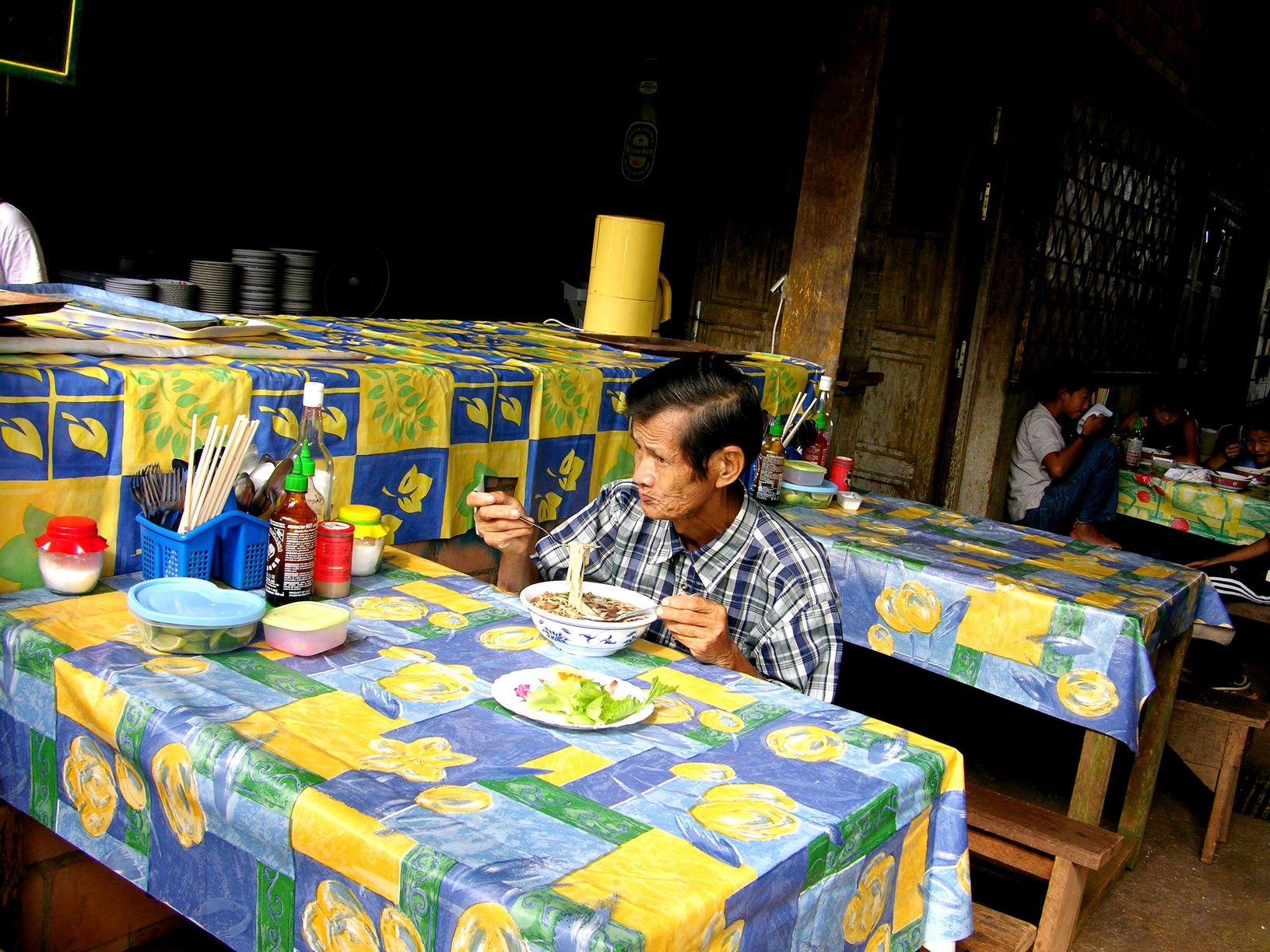
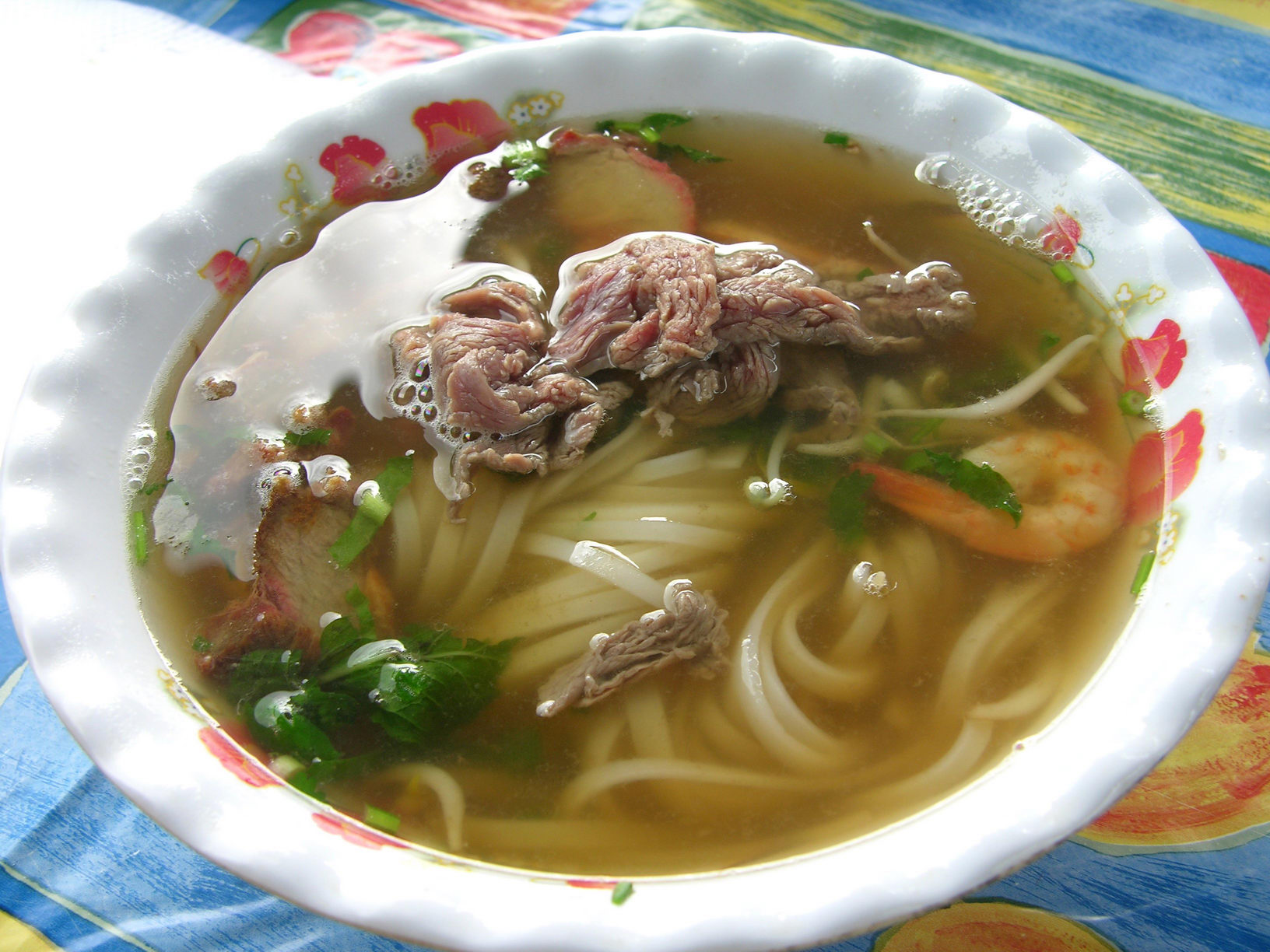
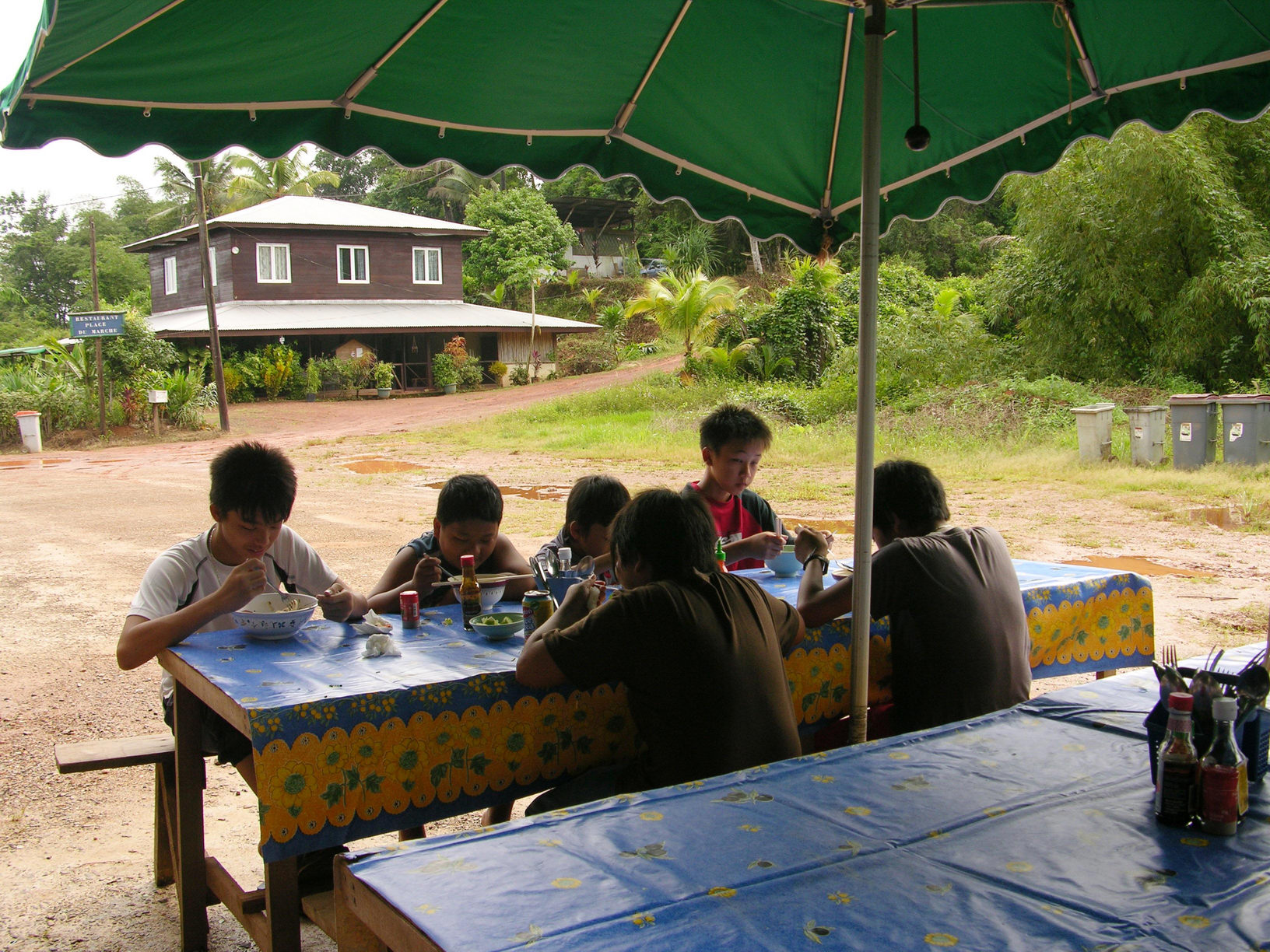
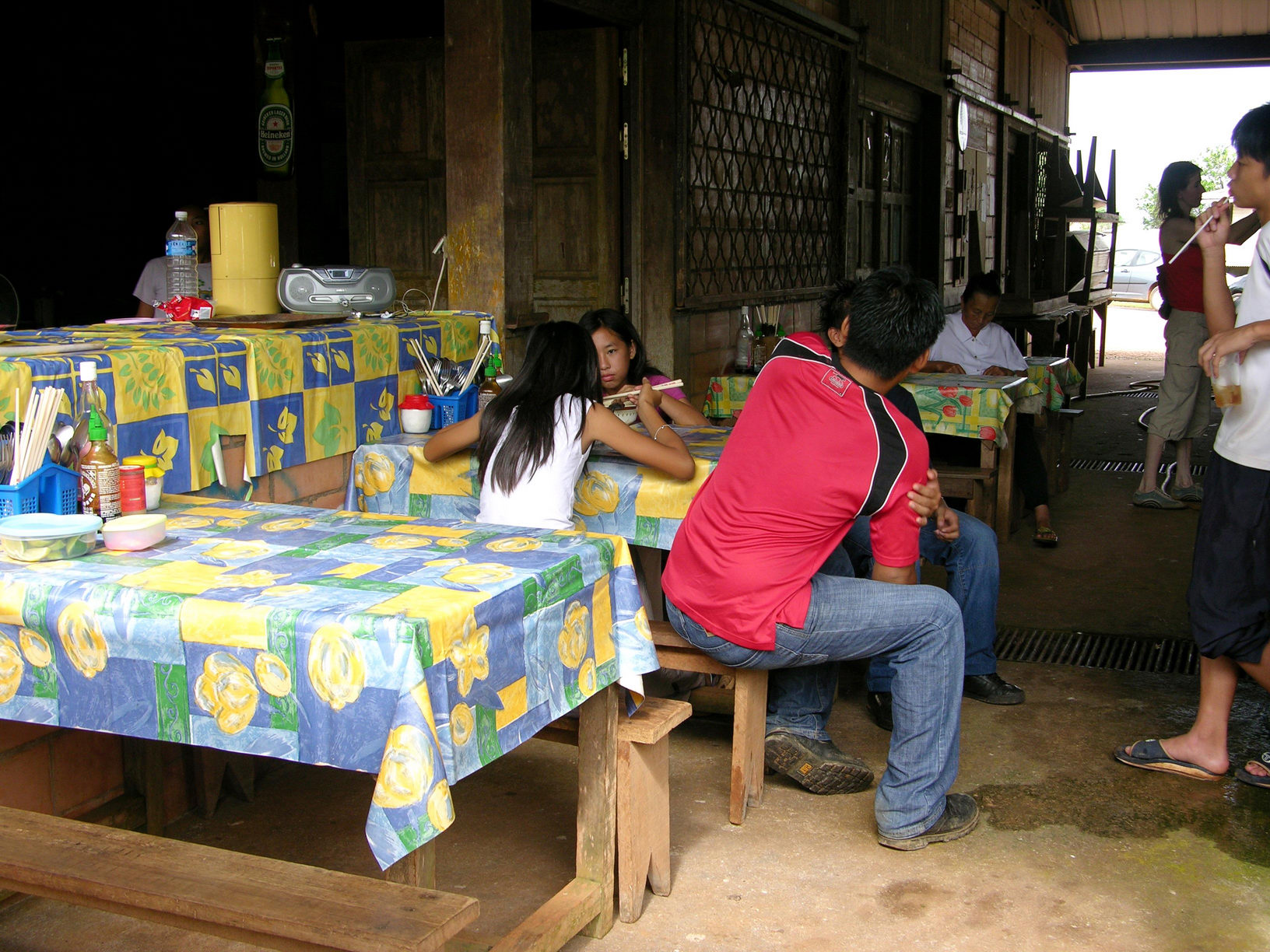
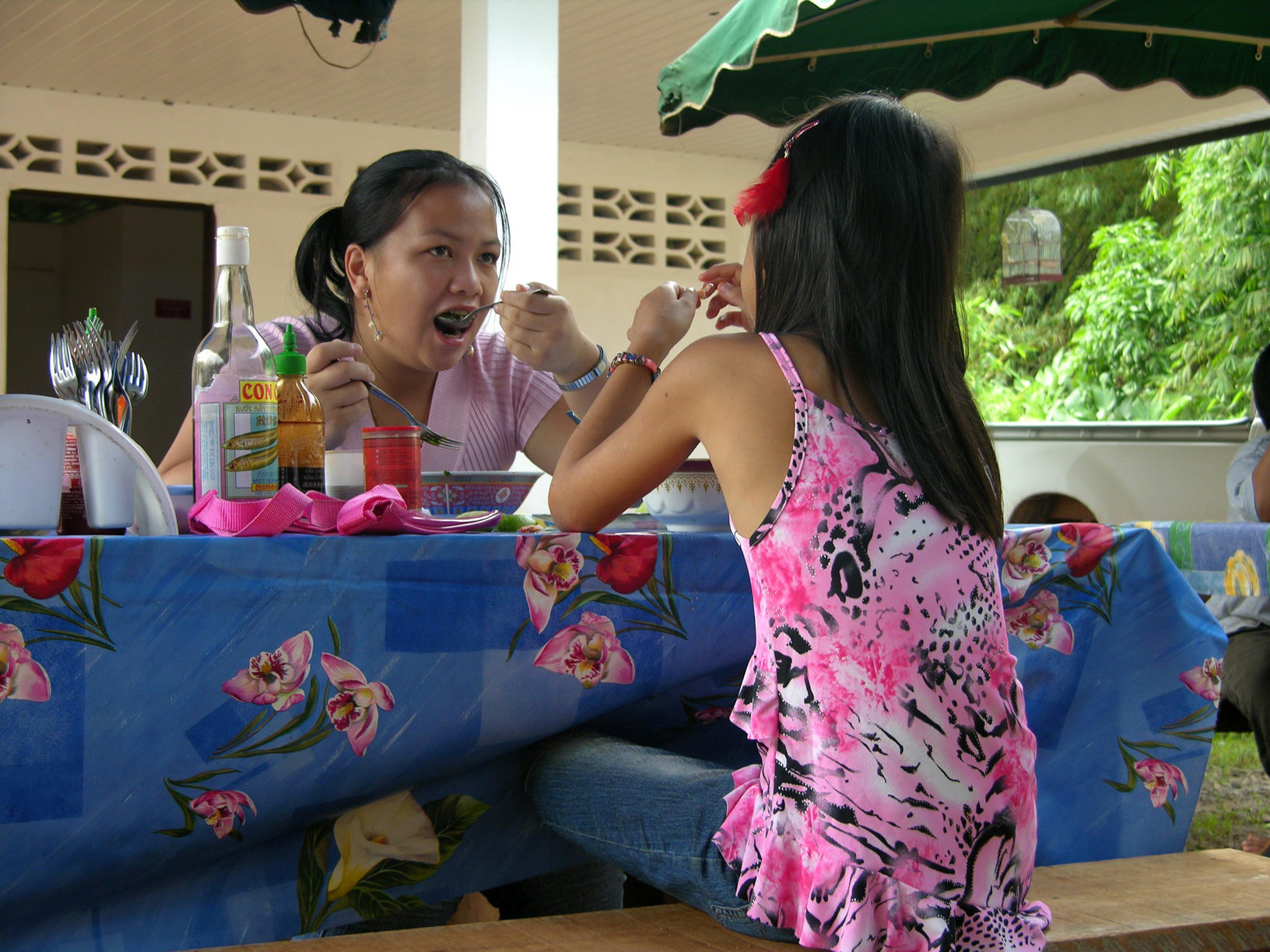
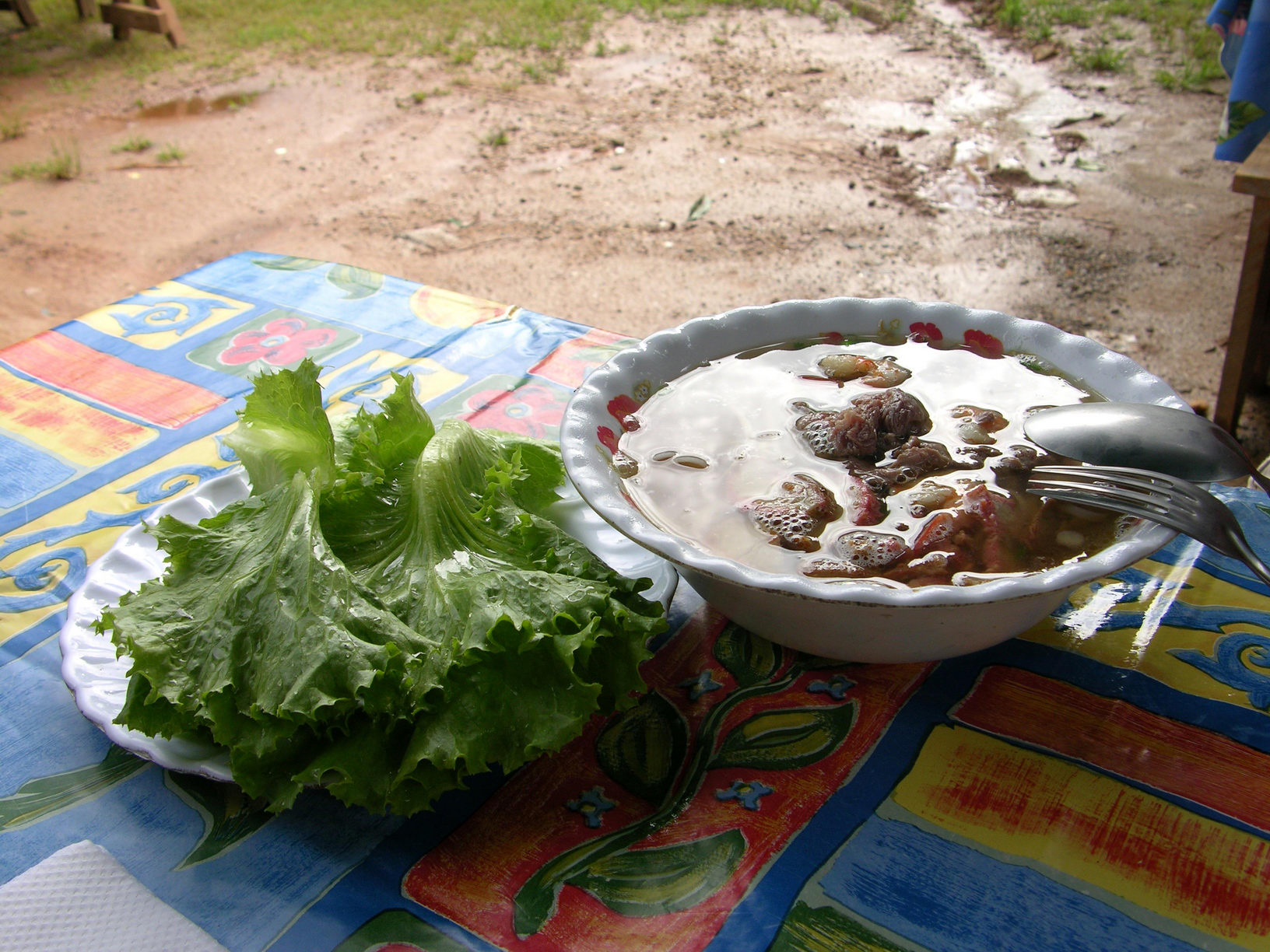
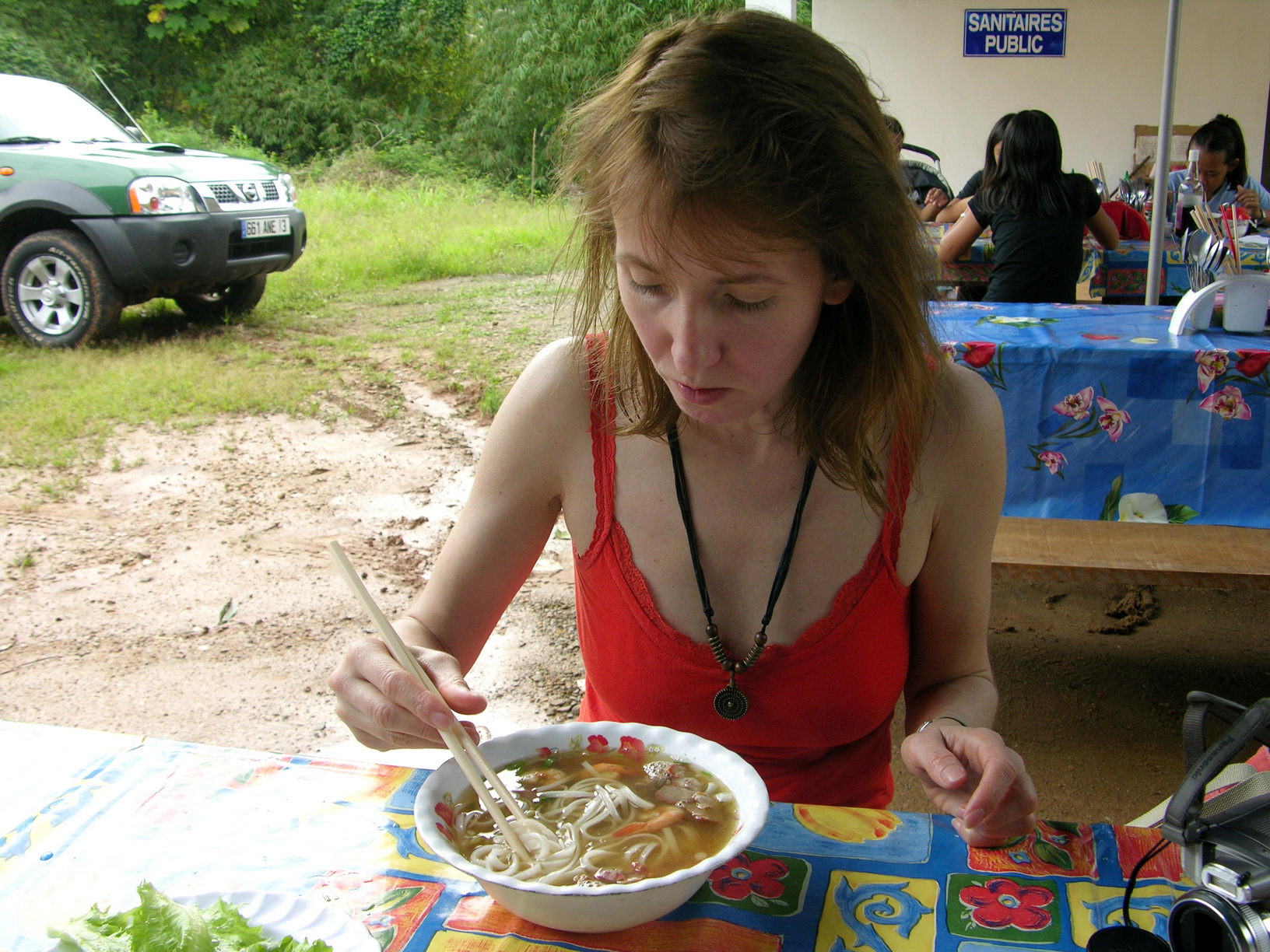
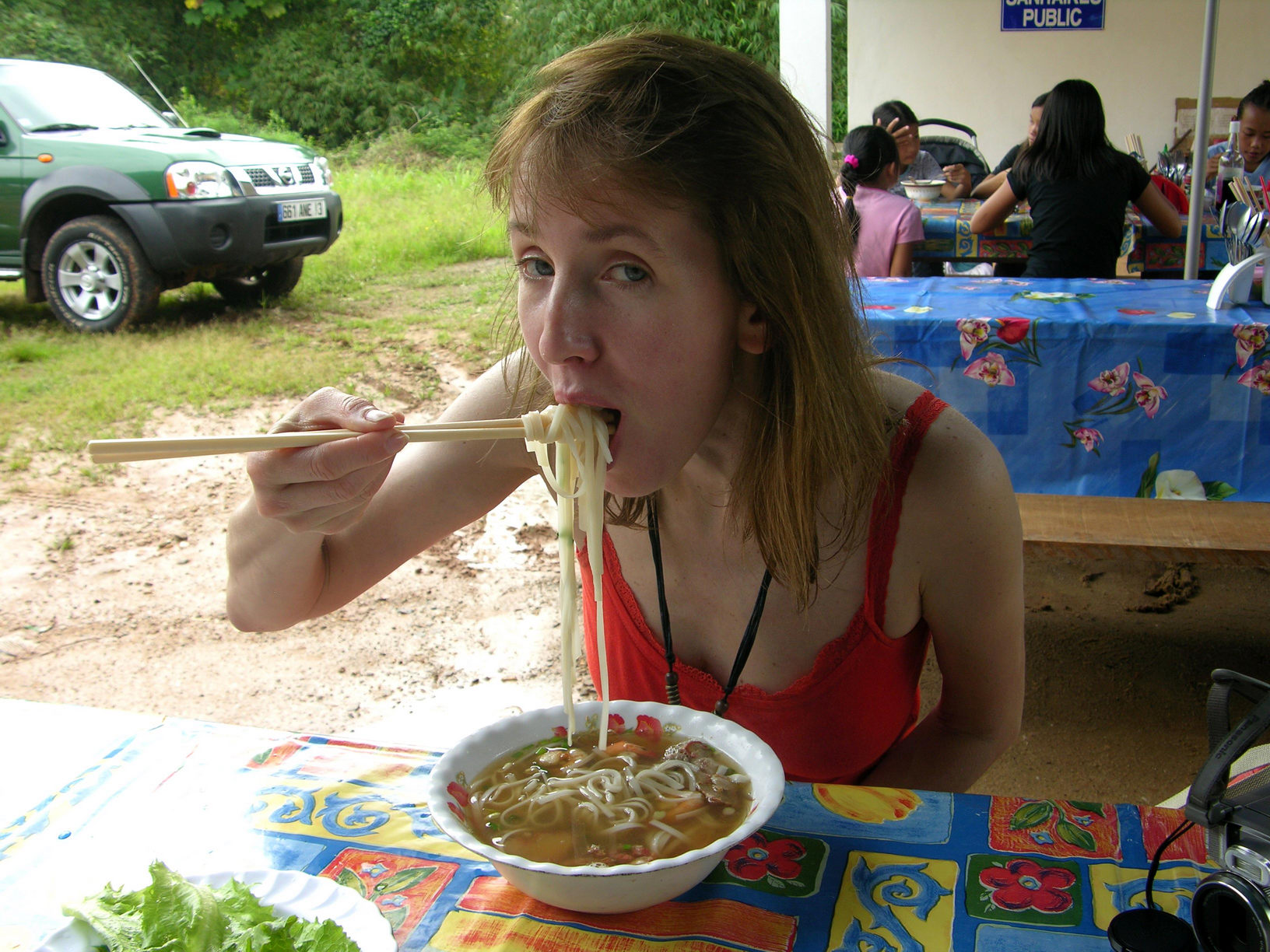
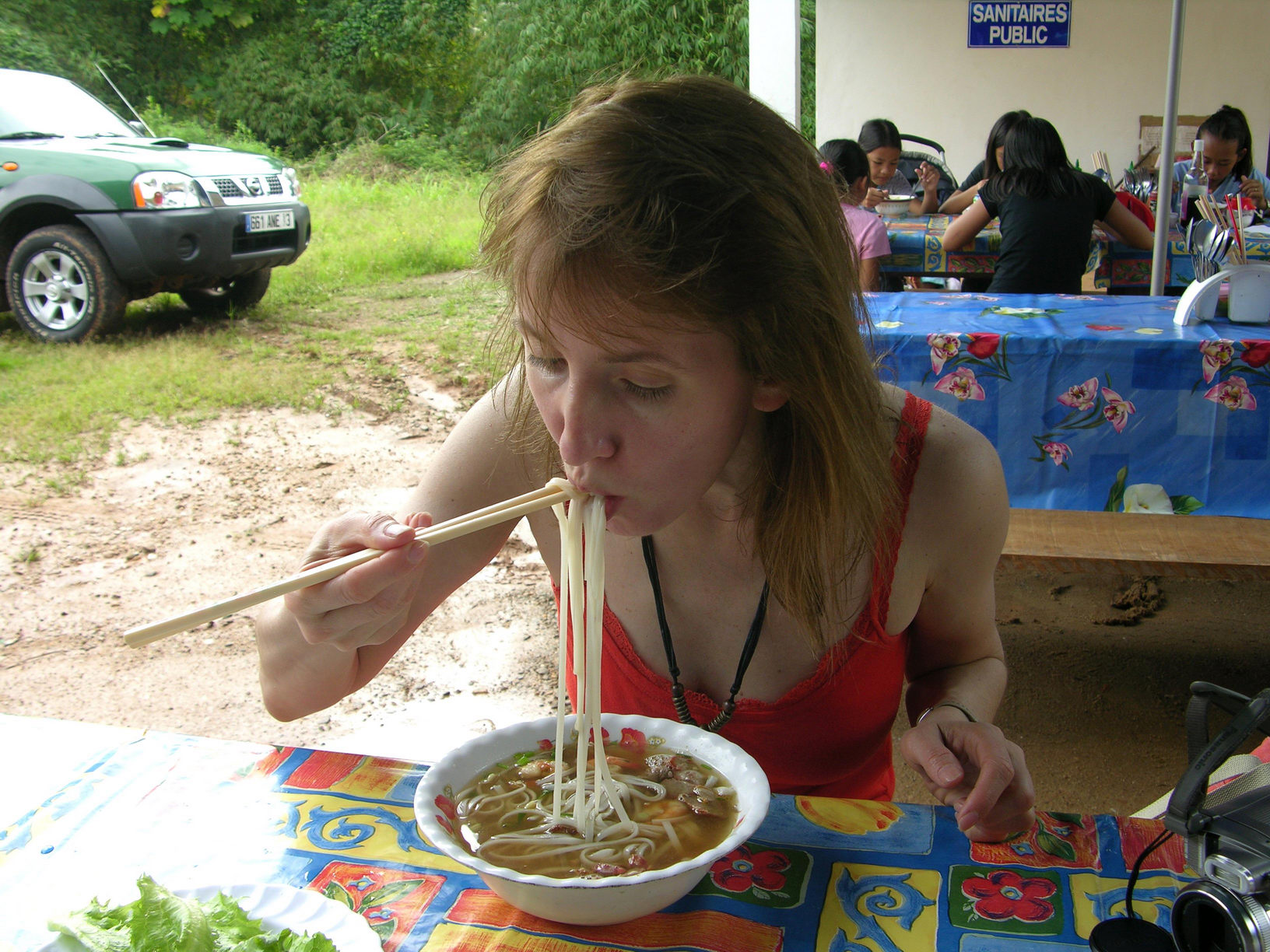
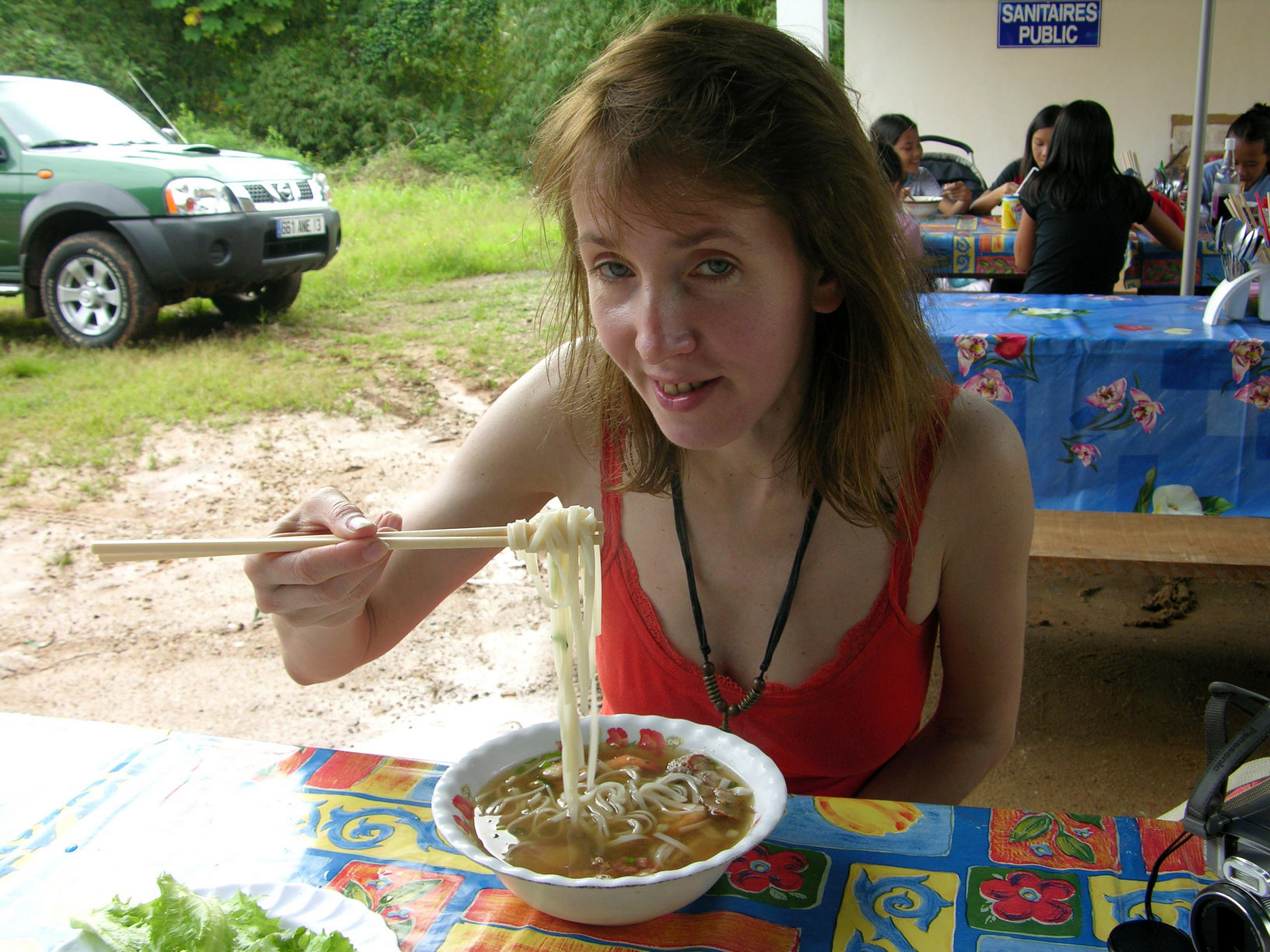
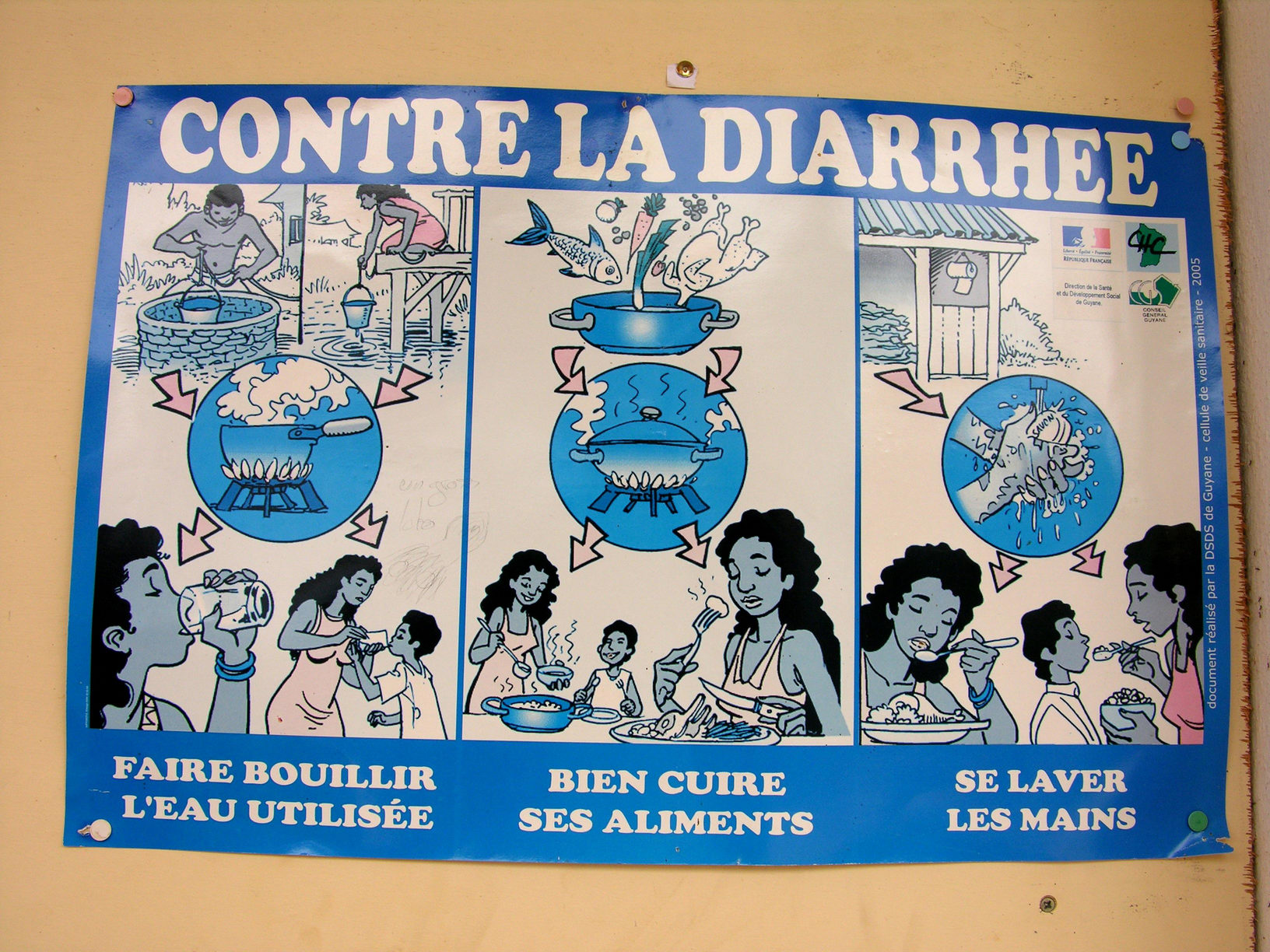
Then we ate more buns and little pies of various kinds. We finished with a luridly coloured drink made of milk and some sort of fruit. Time to call an end to restaurant food. My theory in the tropics was that the best way to avoid getting ill was to eat as the locals did and tell your insides firmly, “if you want to live, you'll get used to it”. And yes, leave the fruit from the market unwashed.
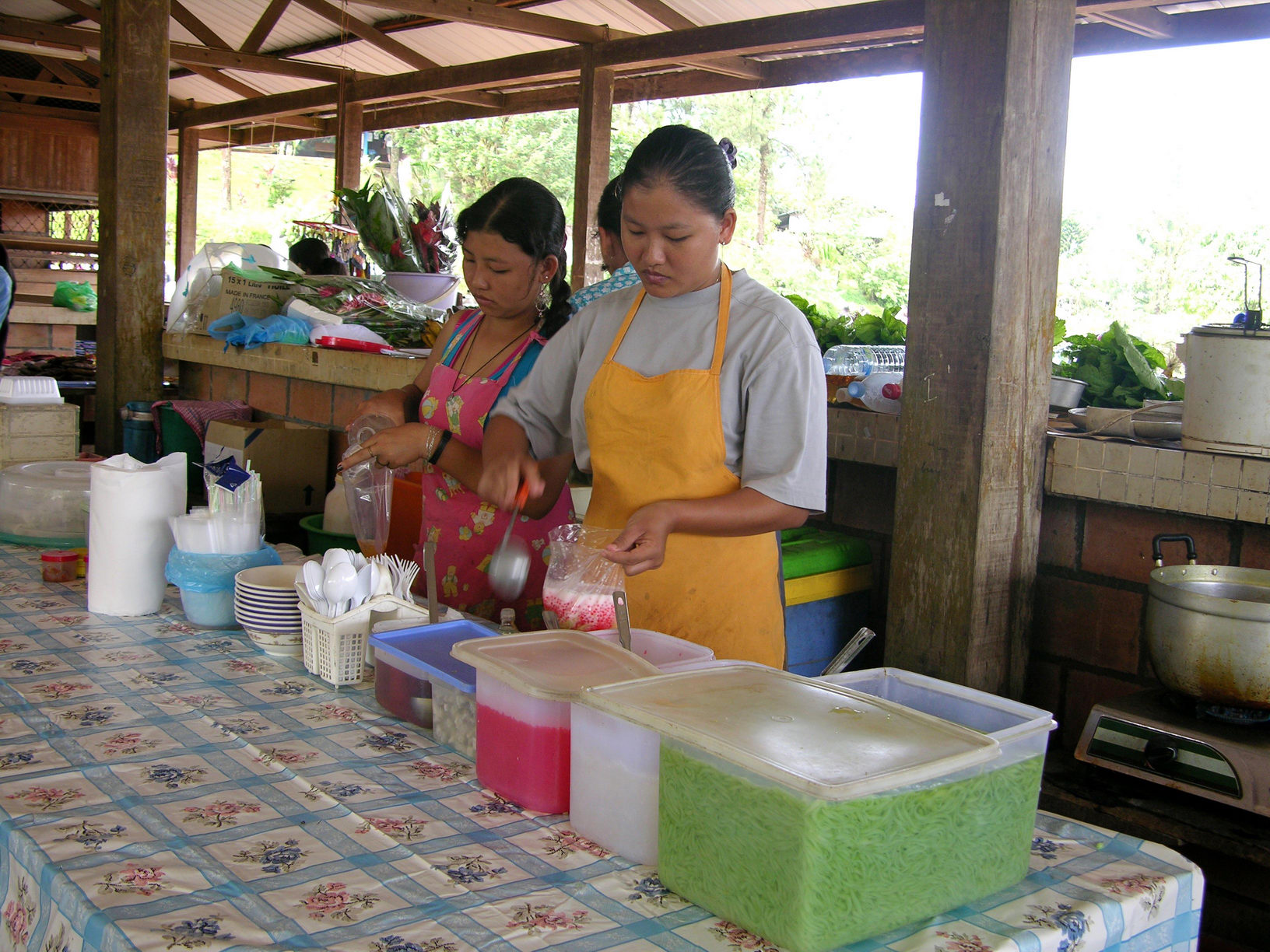
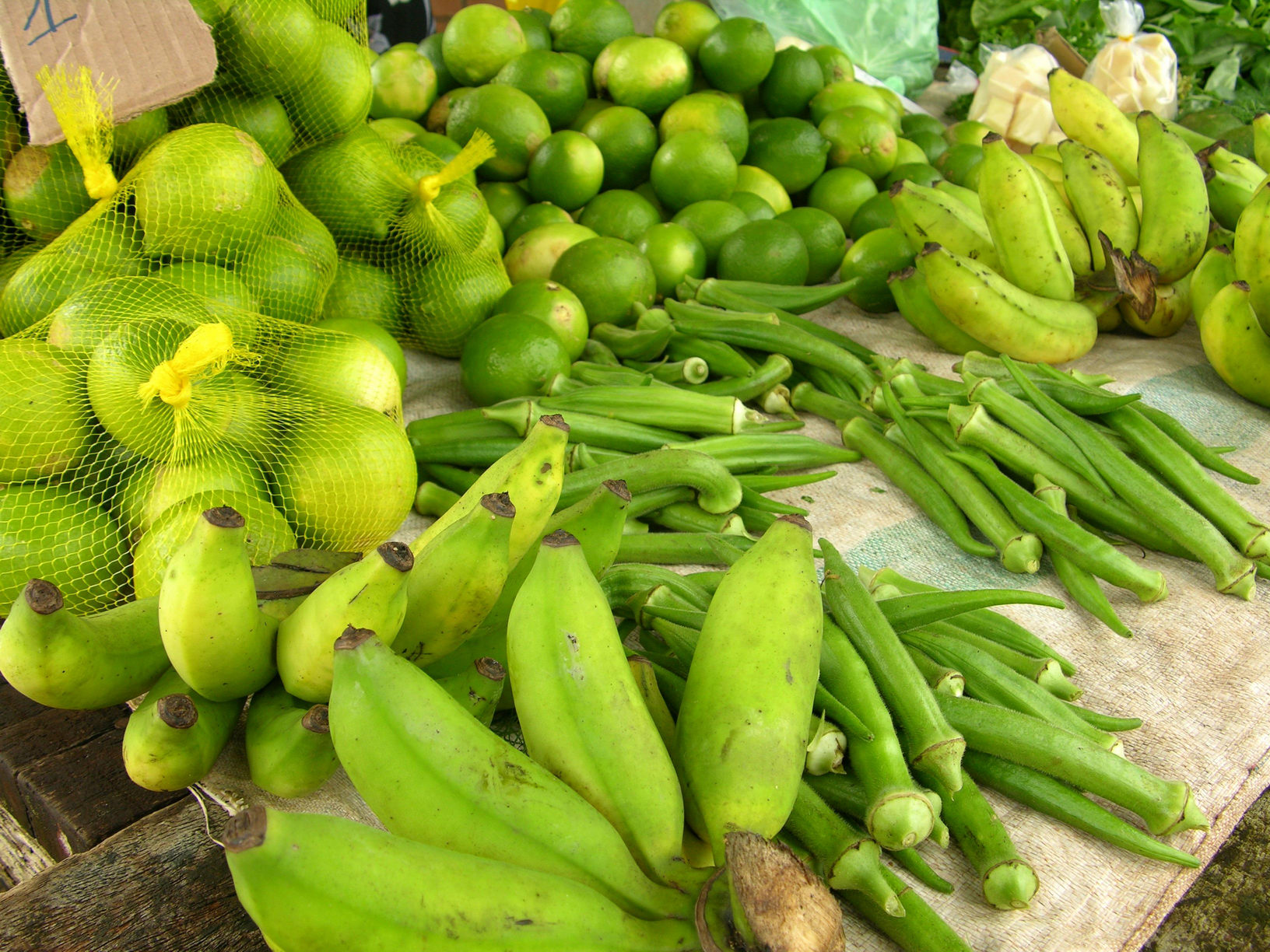
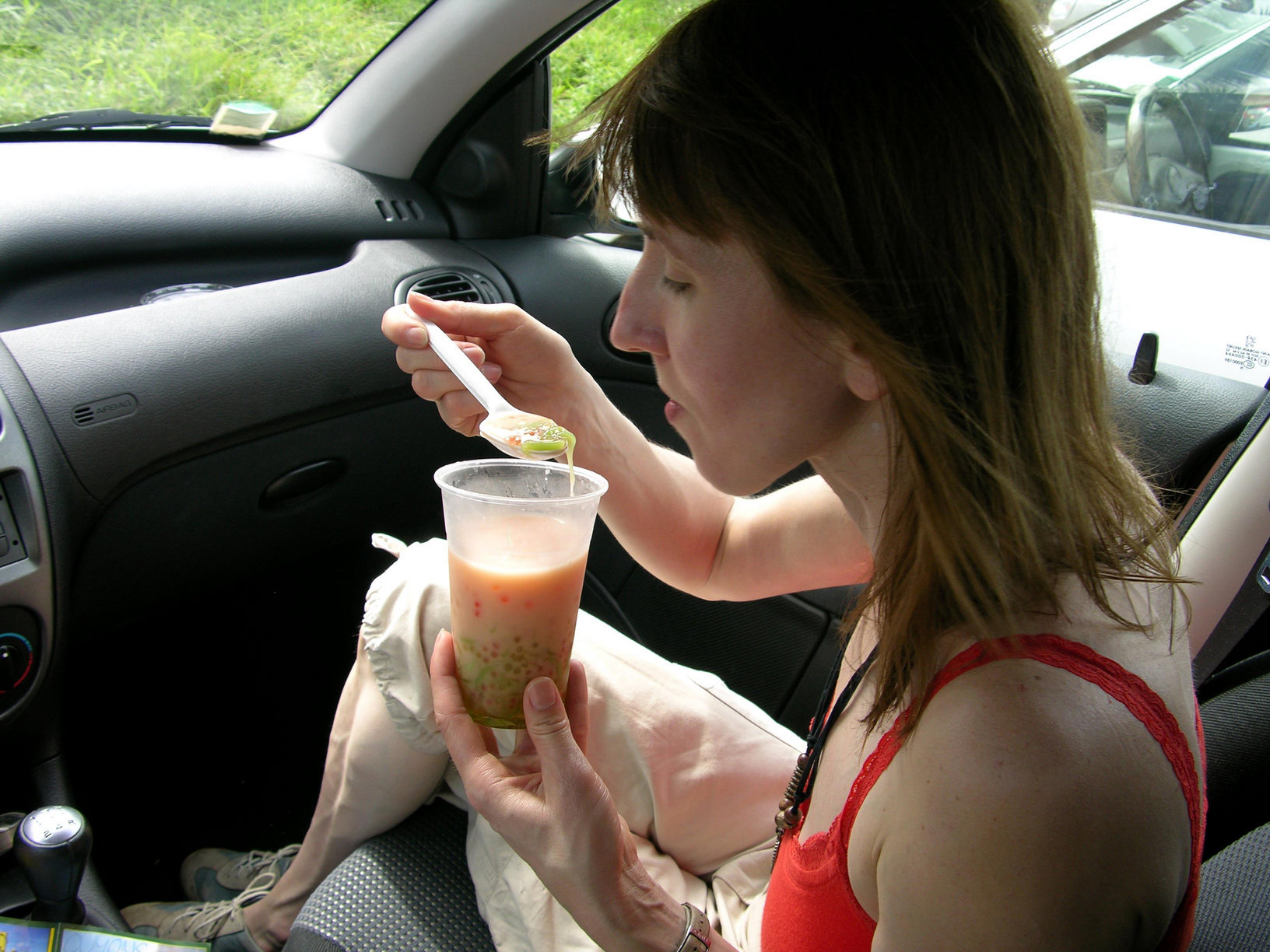
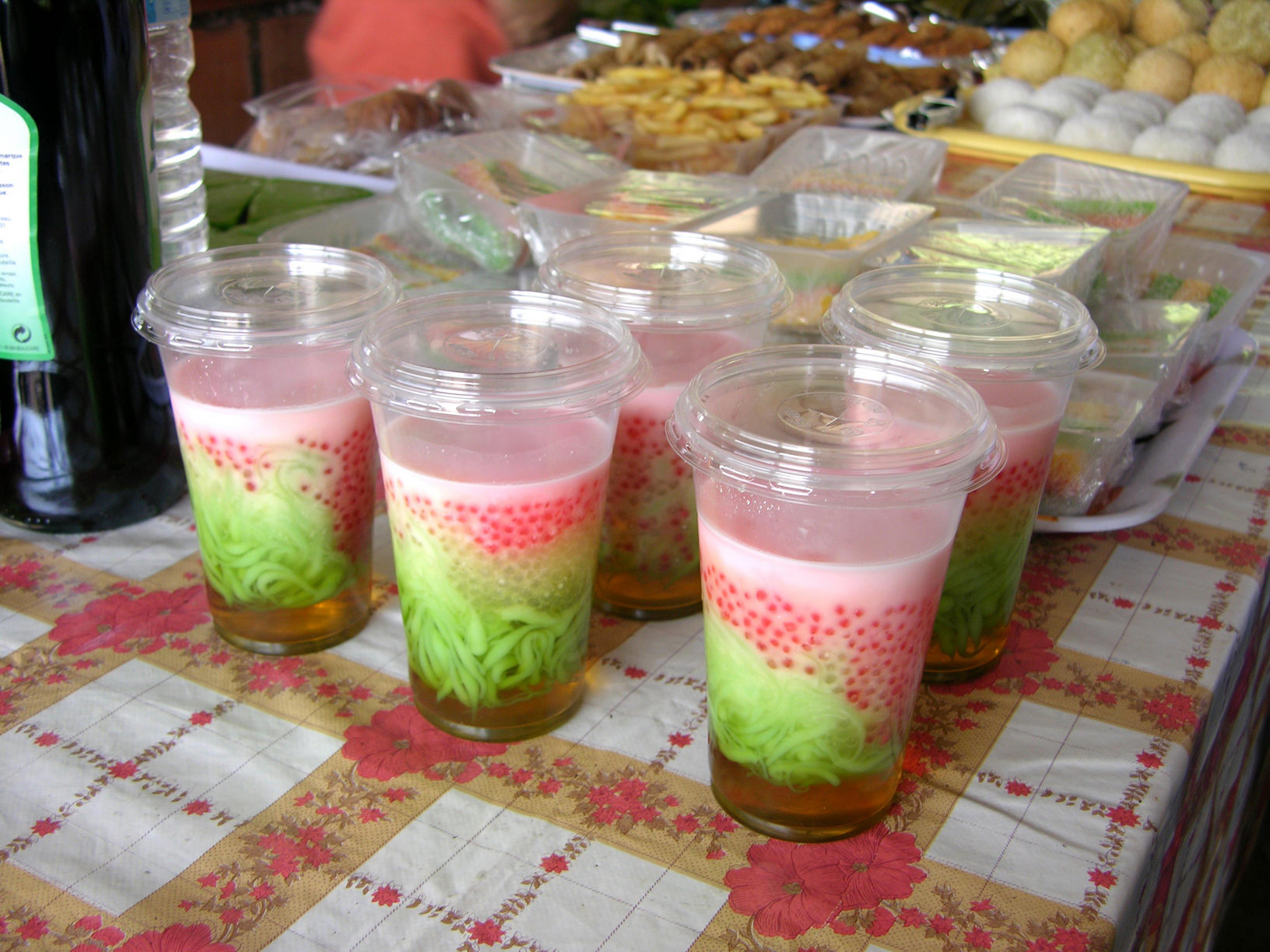
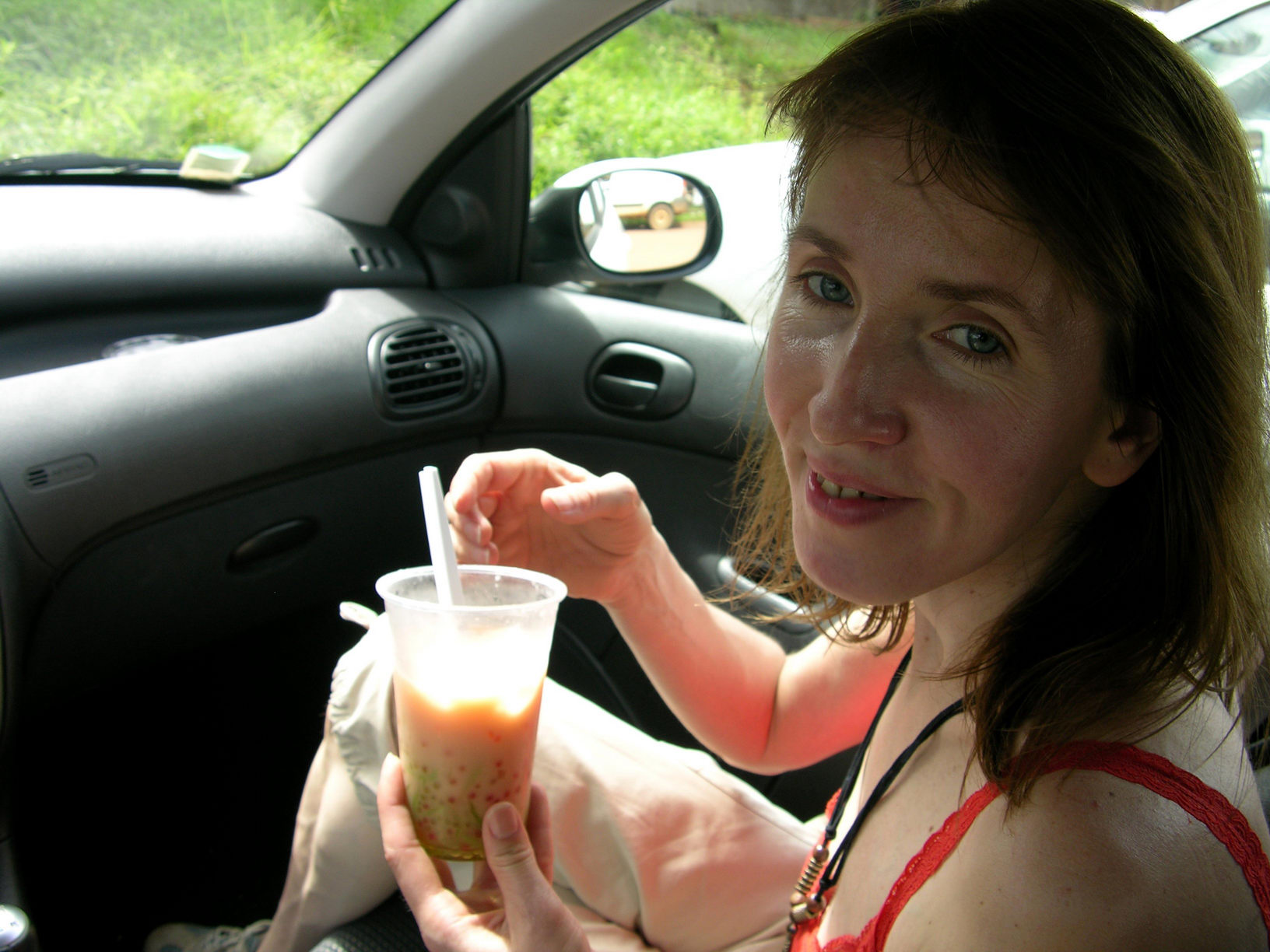
We looked over the local trinkets. Tanya even bought a few. Good by Guiana standards, but everything was dear compared with the neighbouring countries. In Ecuador the same things cost a fraction as much.
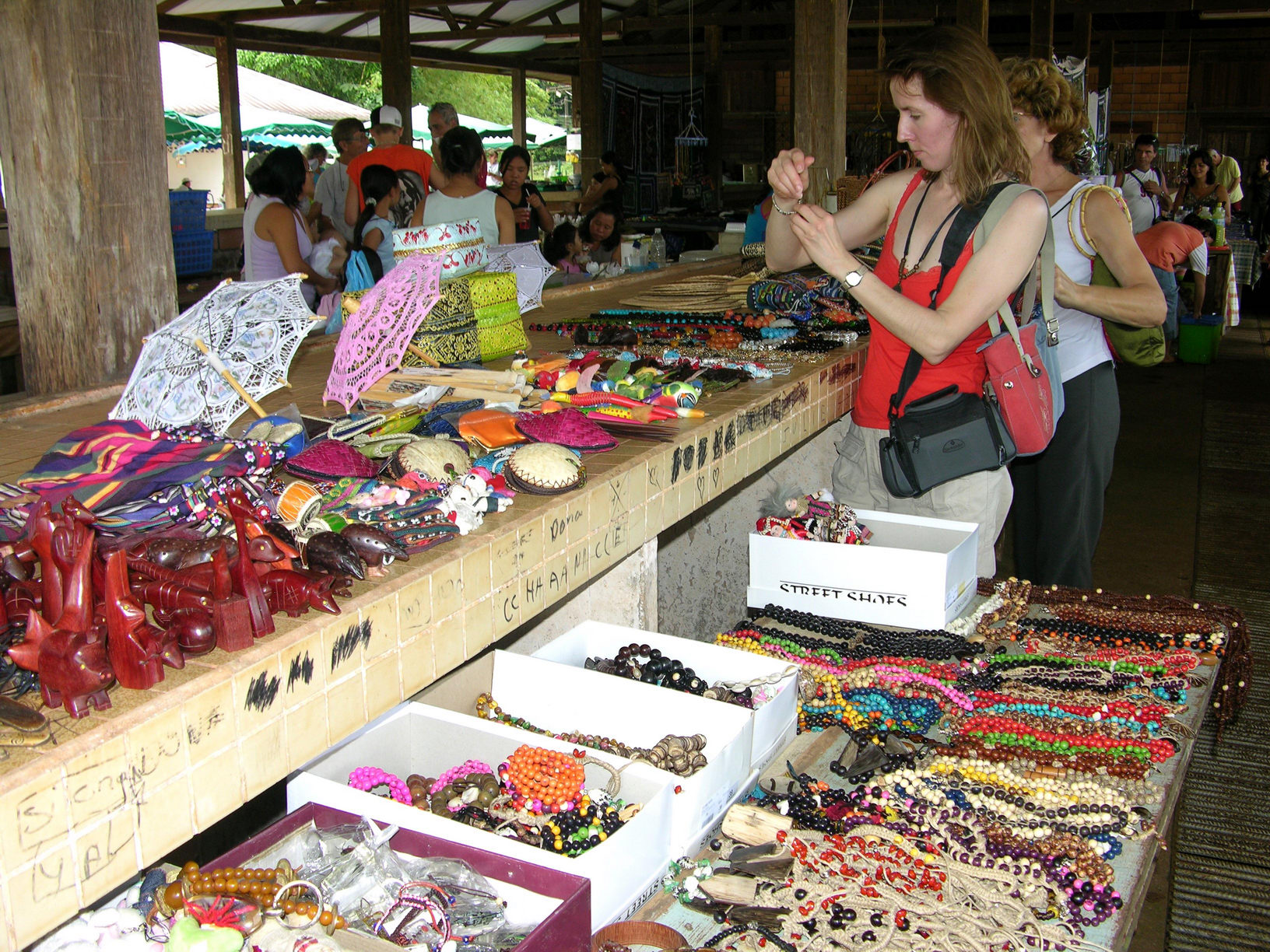
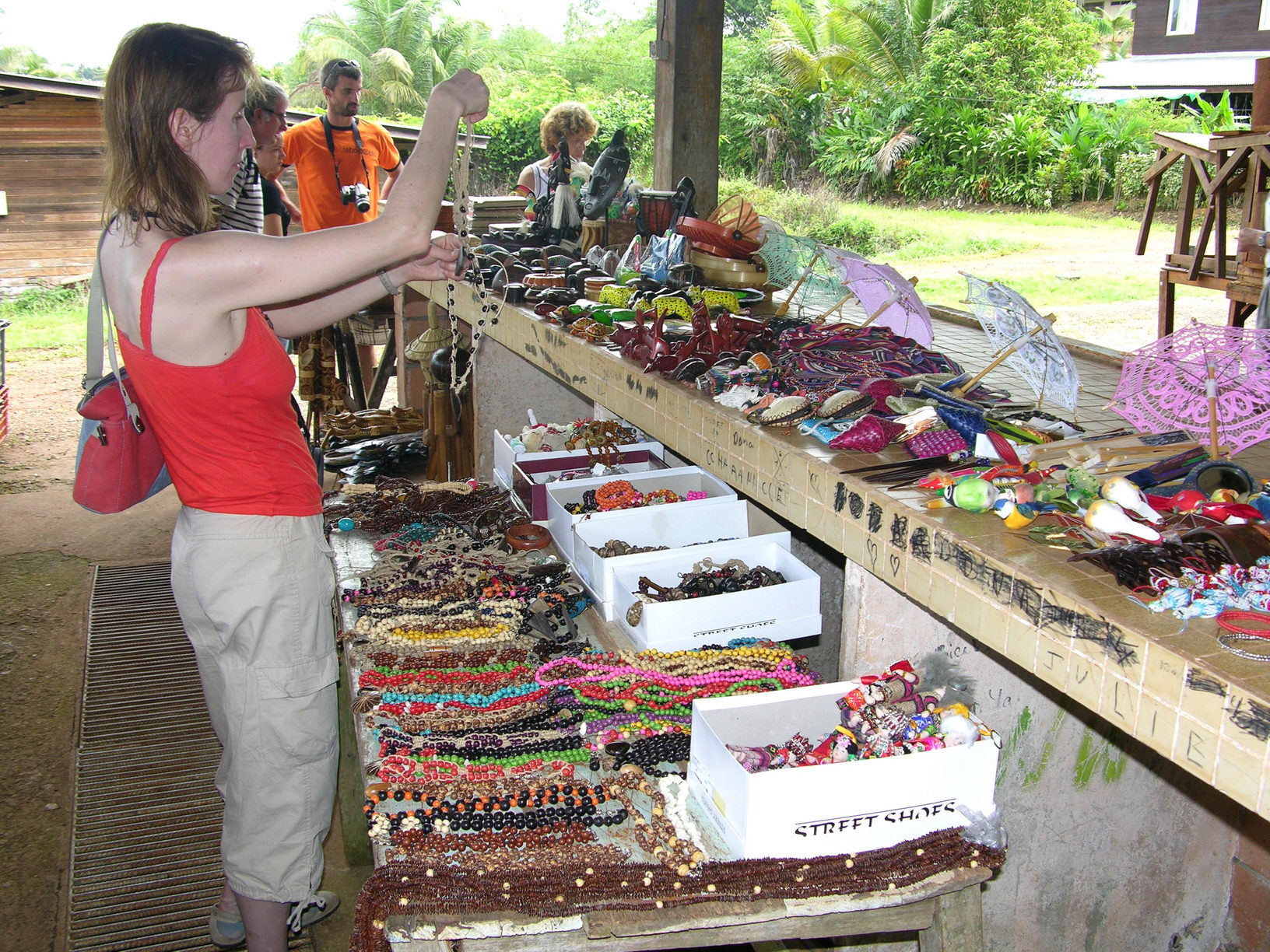
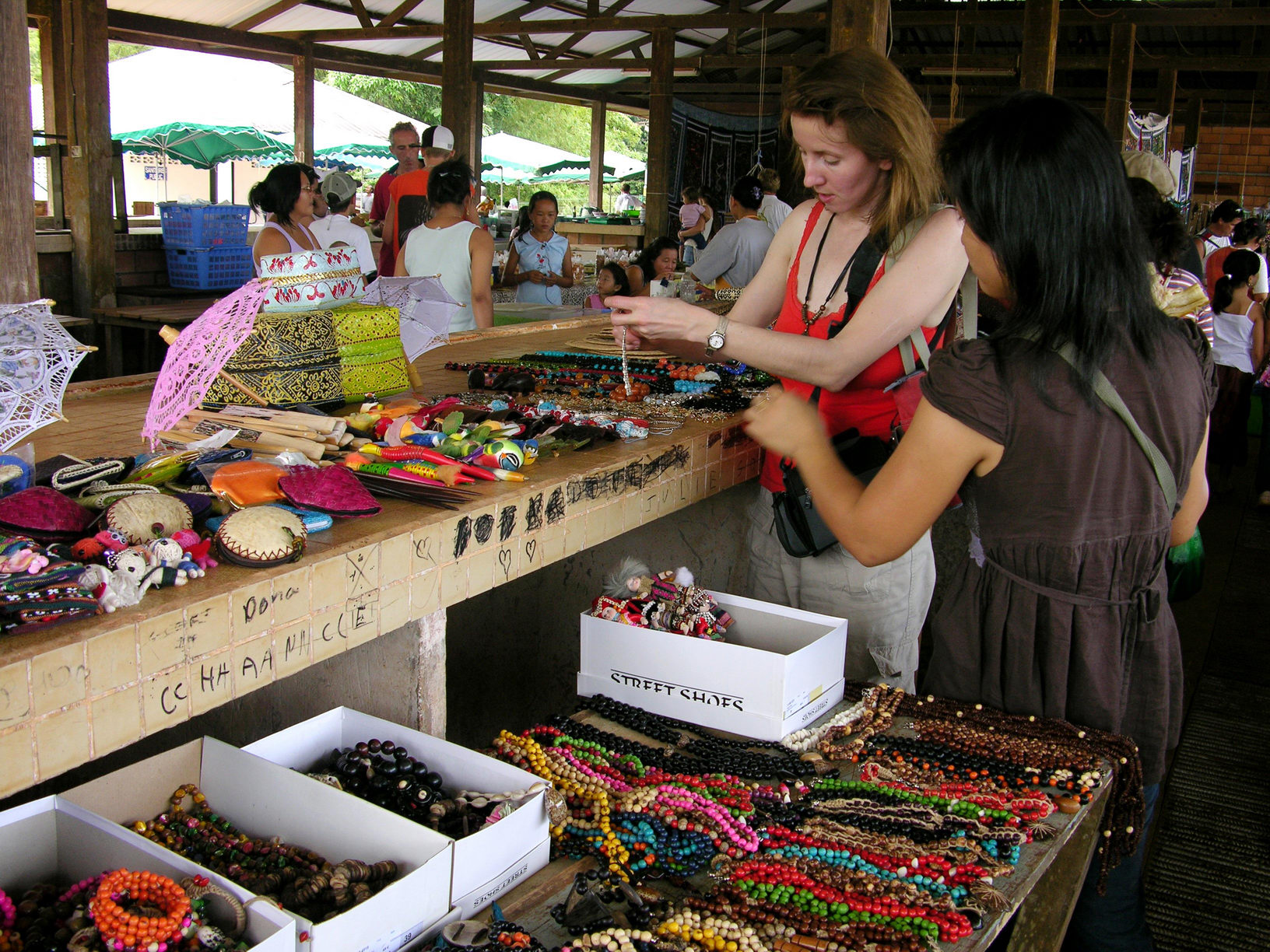
Cacao also has a museum with dried butterflies and other local curiosities.
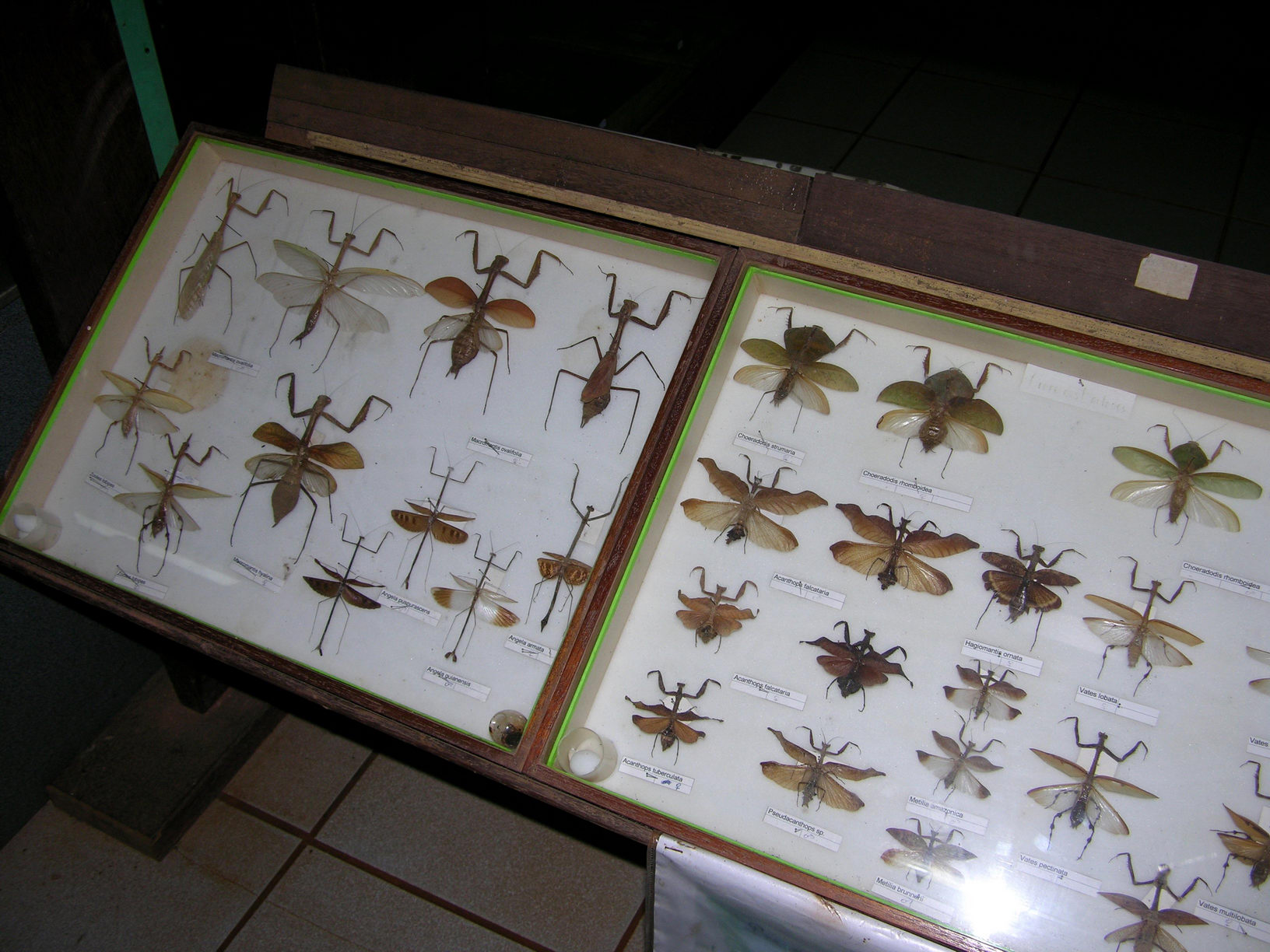
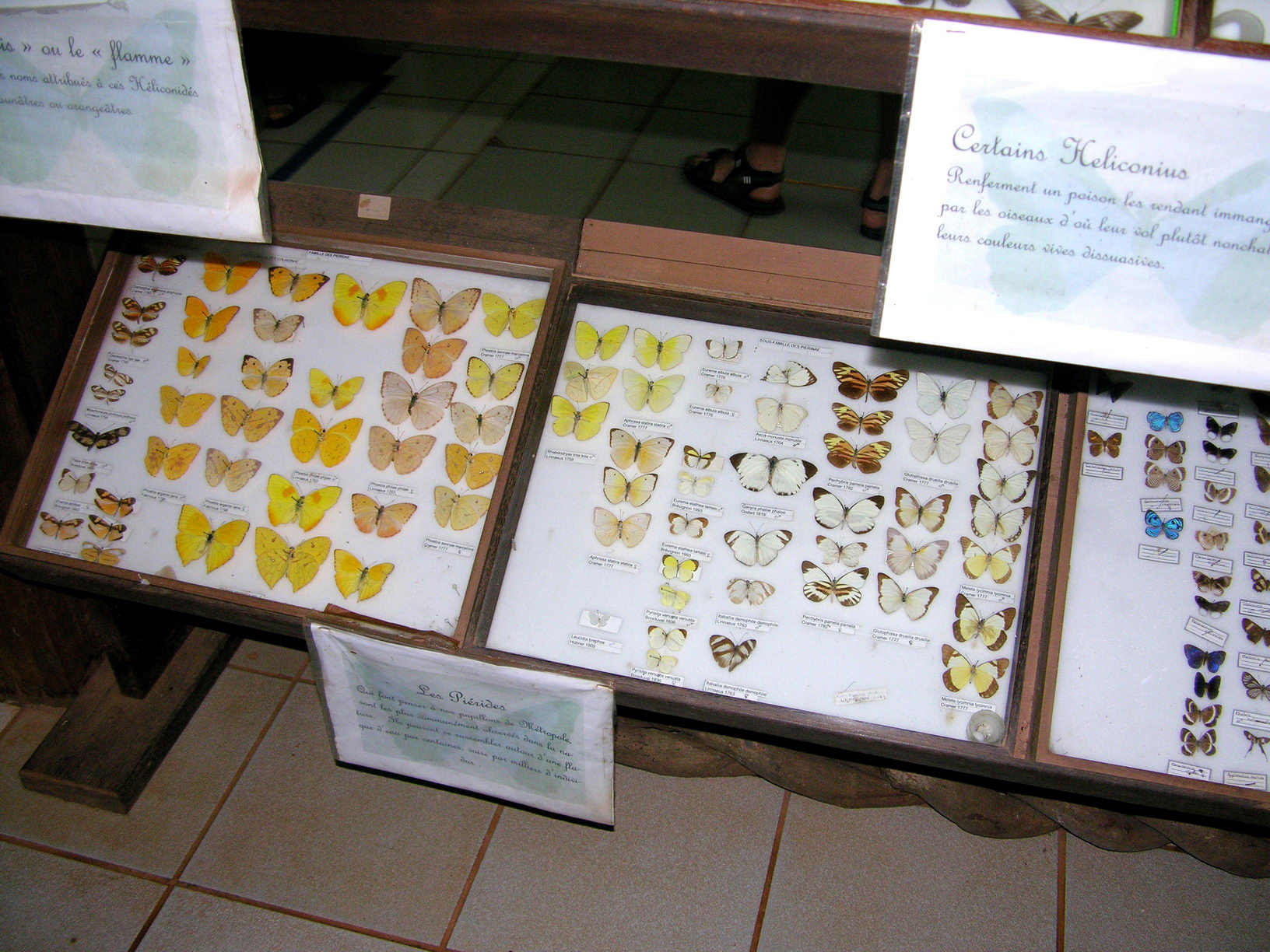
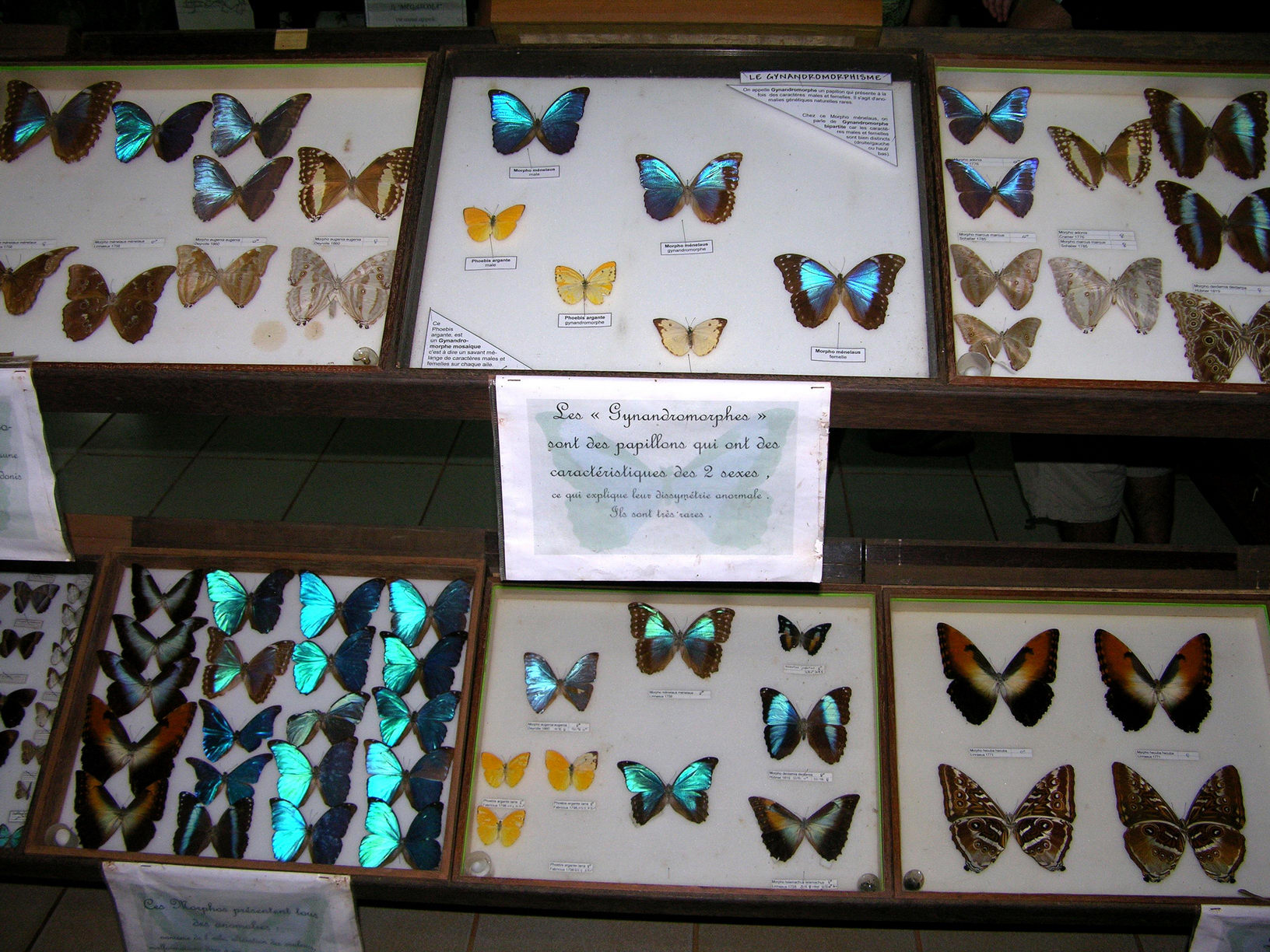
It's a pleasant little place. You feel like getting out to take a picture by the road sign, saying “Ciao, cacao!”, and remembering this faraway mountain village for years to come as you warm your hands around a mug of cocoa on a dark winter evening. Close your eyes and imagine the tropical sun and distant countries.
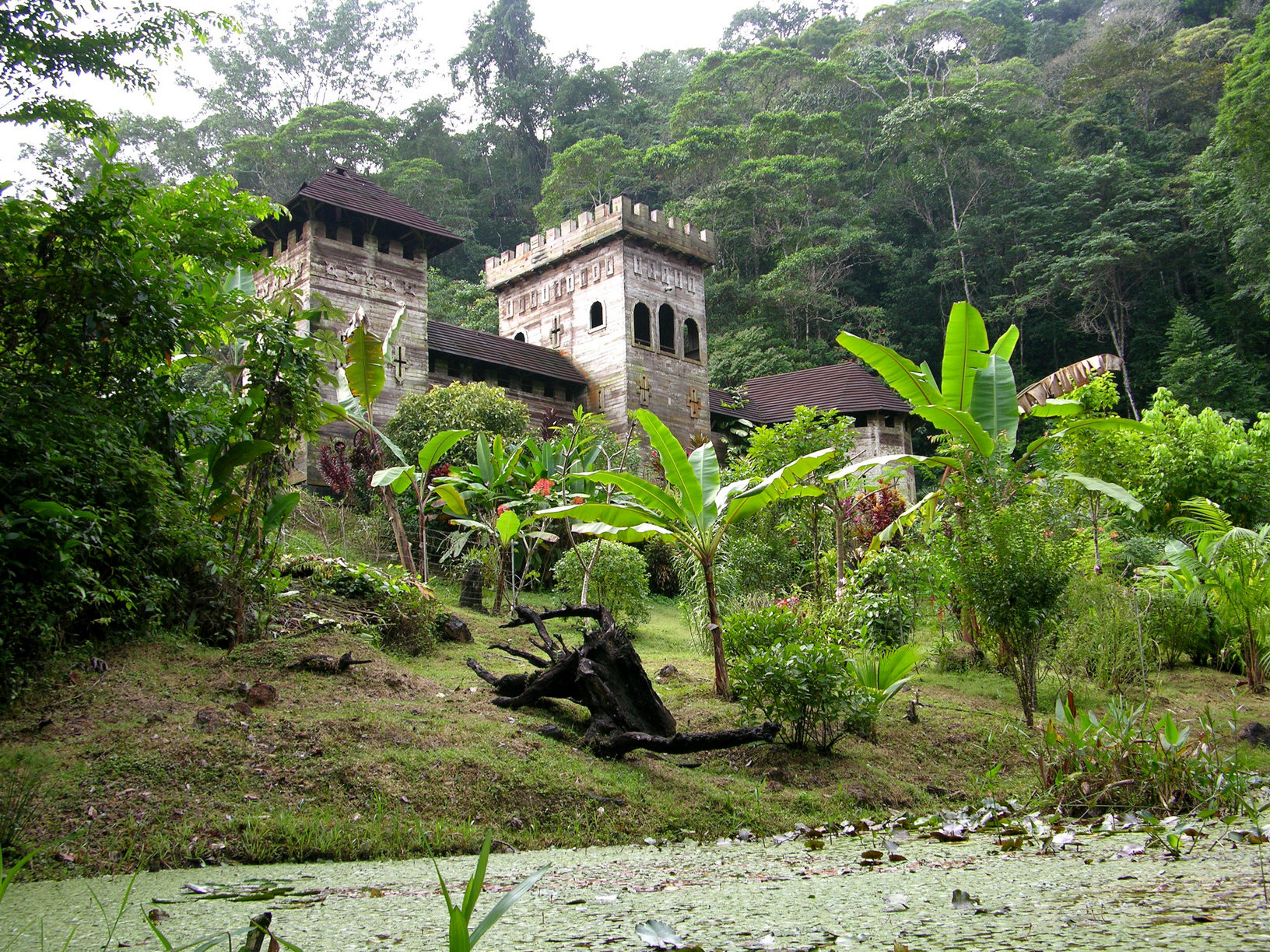
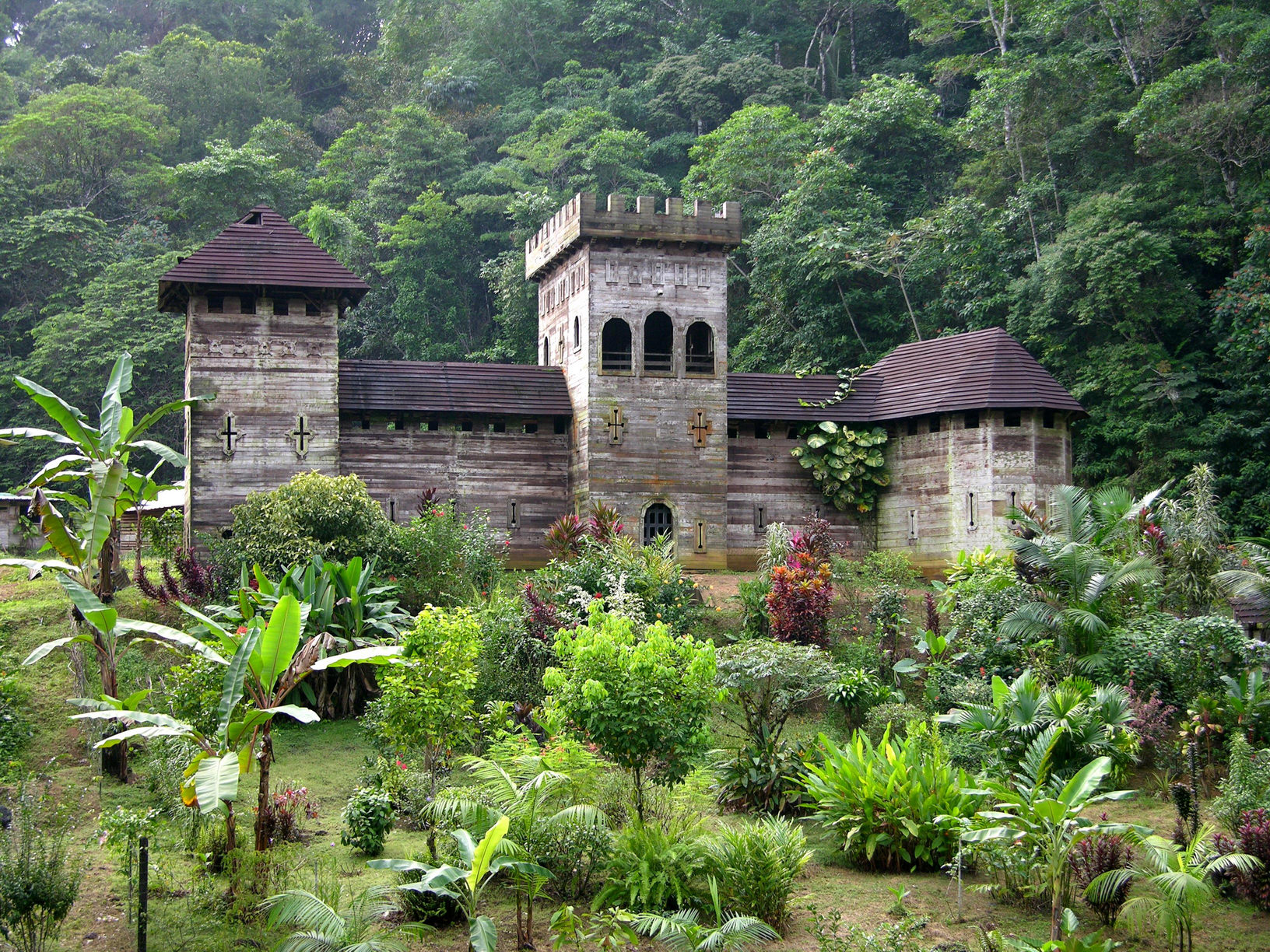
Four kilometres before Cacao, not quite there yet, we saw a wooden castle beside the road. It was built recently and it isn't any kind of historical site, but it looks very unexpected there in the jungle.
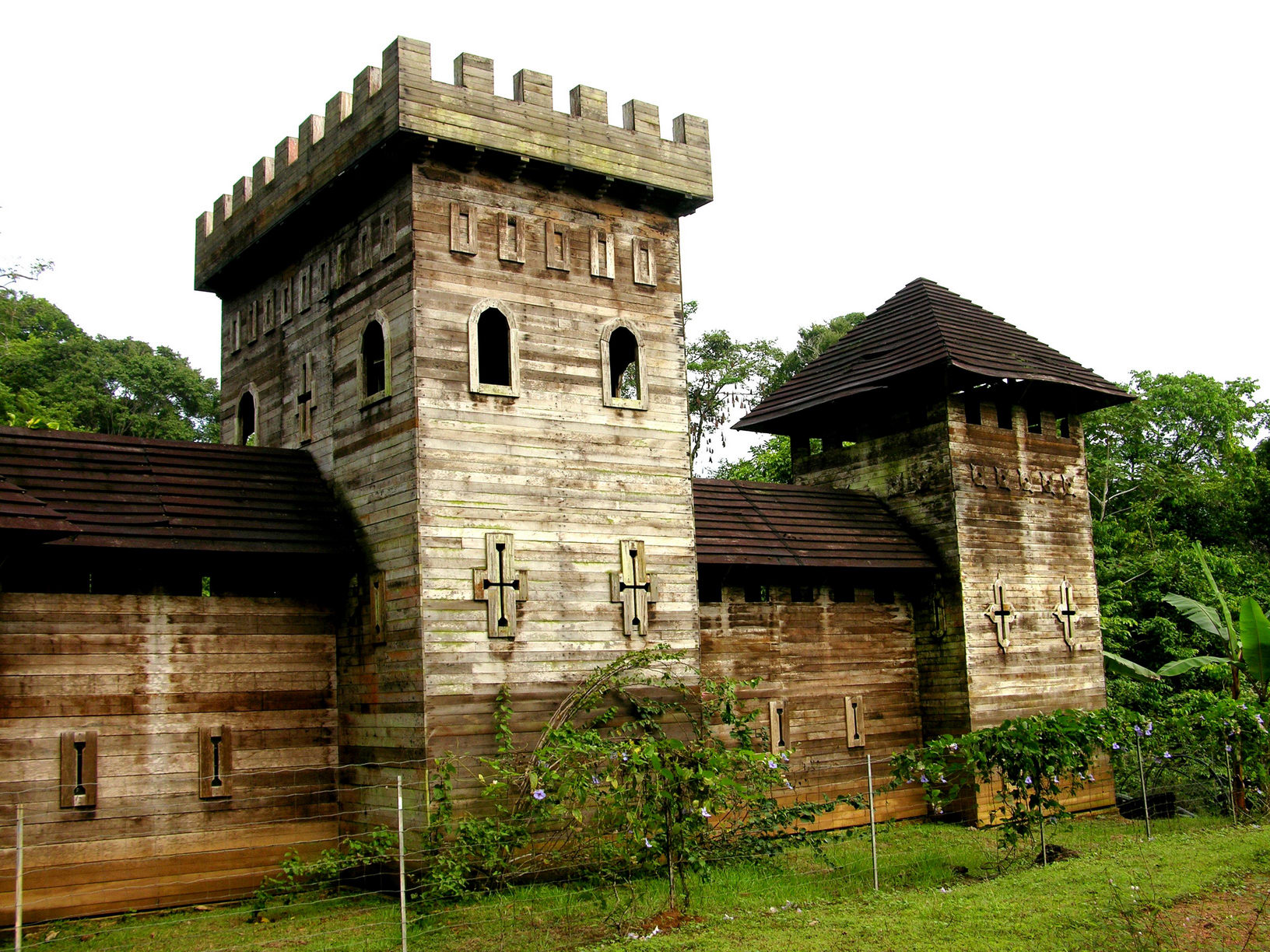
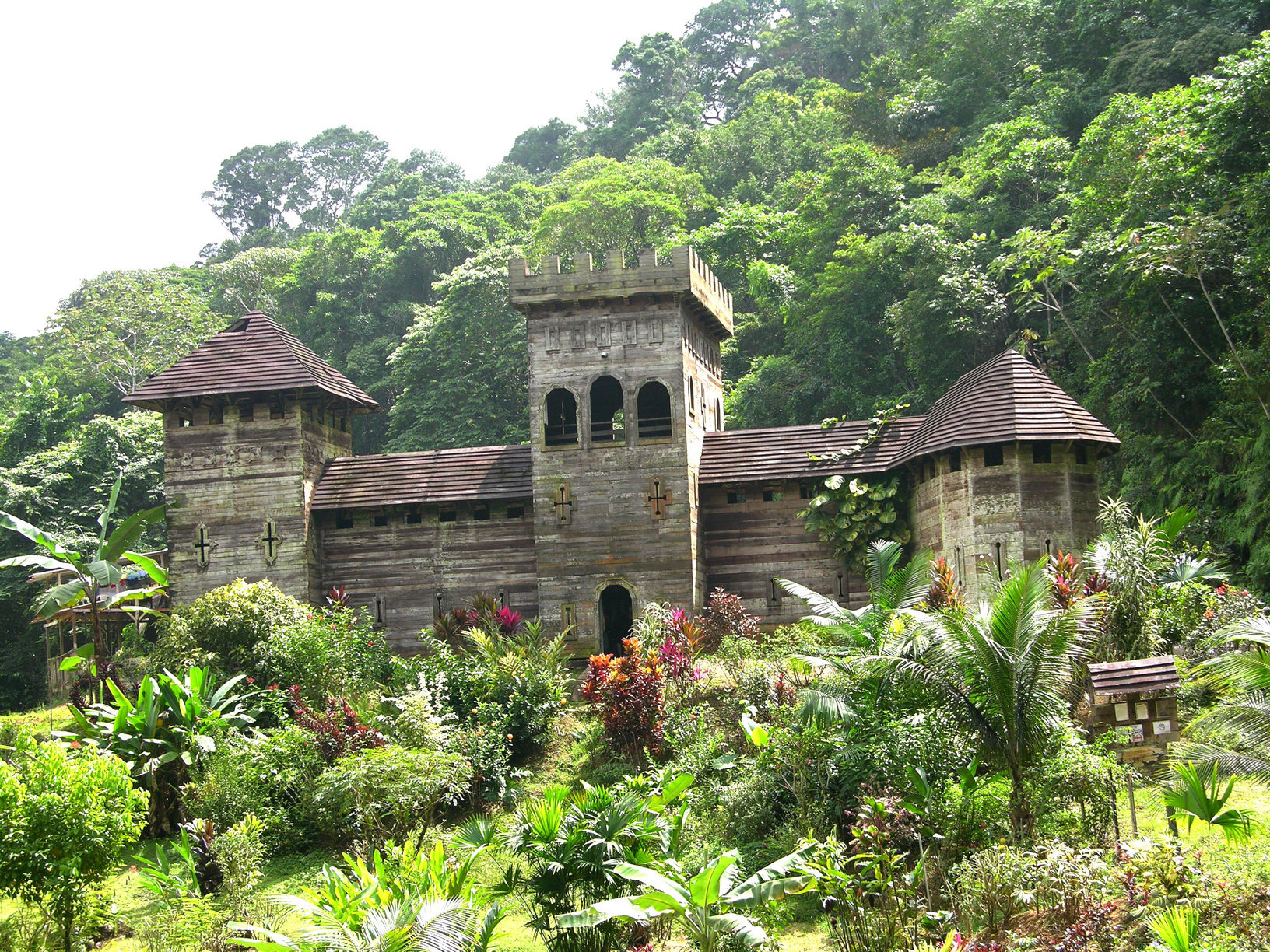
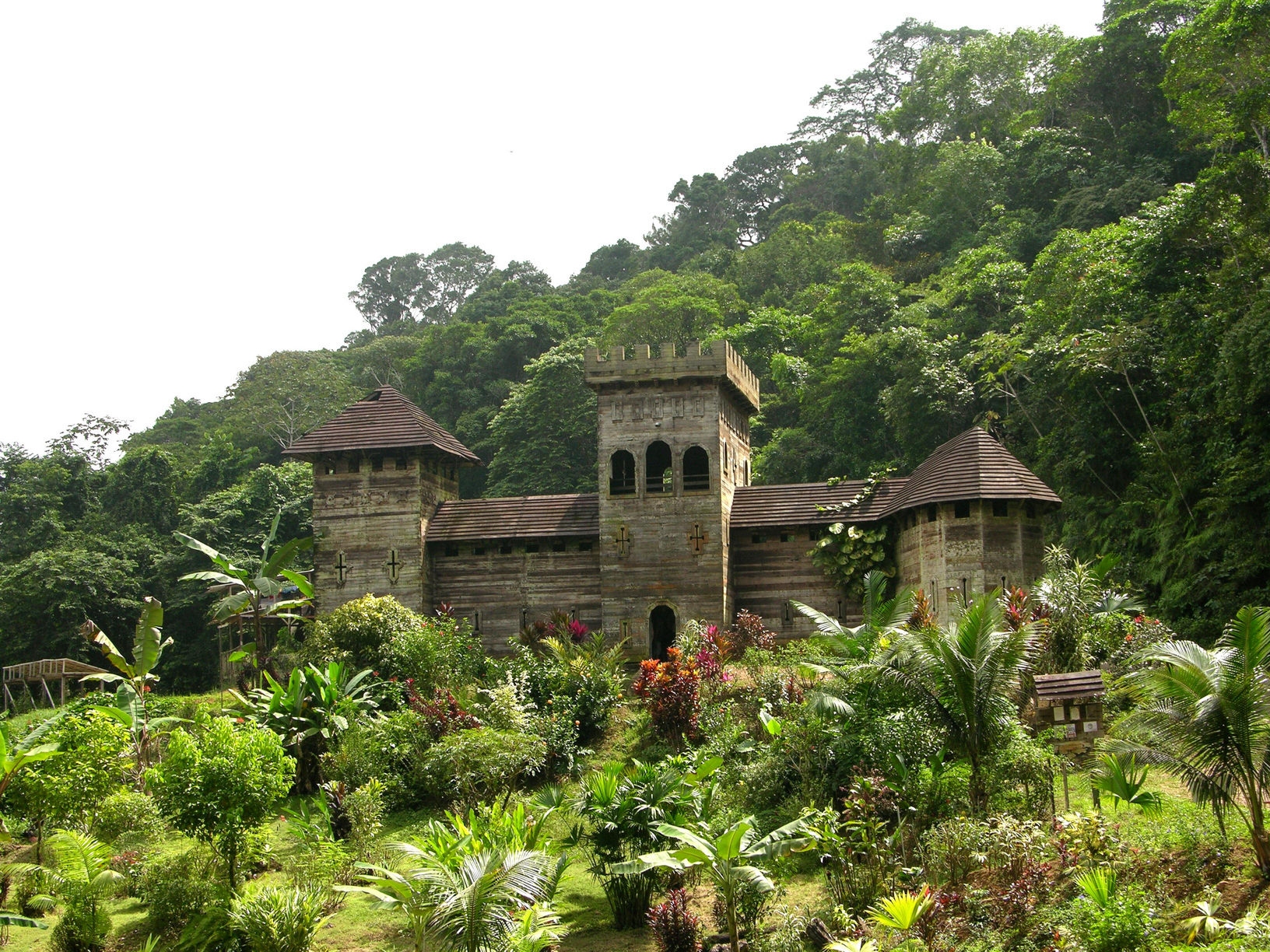
Coming down from the hills, we drove to the sea for a swim. East of Cayenne the shore becomes rocky, with sandy bays. The beaches are nearly empty and the sea is warm. A little farther north, in Miami, everything is packed. Here there's room to breathe. And this is France. Women can swim and sunbathe topless. You don't need to look for a changing cubicle. Freedom! With our swim we closed the 2006 bathing season. We spent the afternoon heat in the sea, which suited us very well. The climate here is hard going, very hot and humid. There were almost no Indigenous people here, and Europeans settled very late. That's why the French ended up here, the Spaniards having left this bit unclaimed.
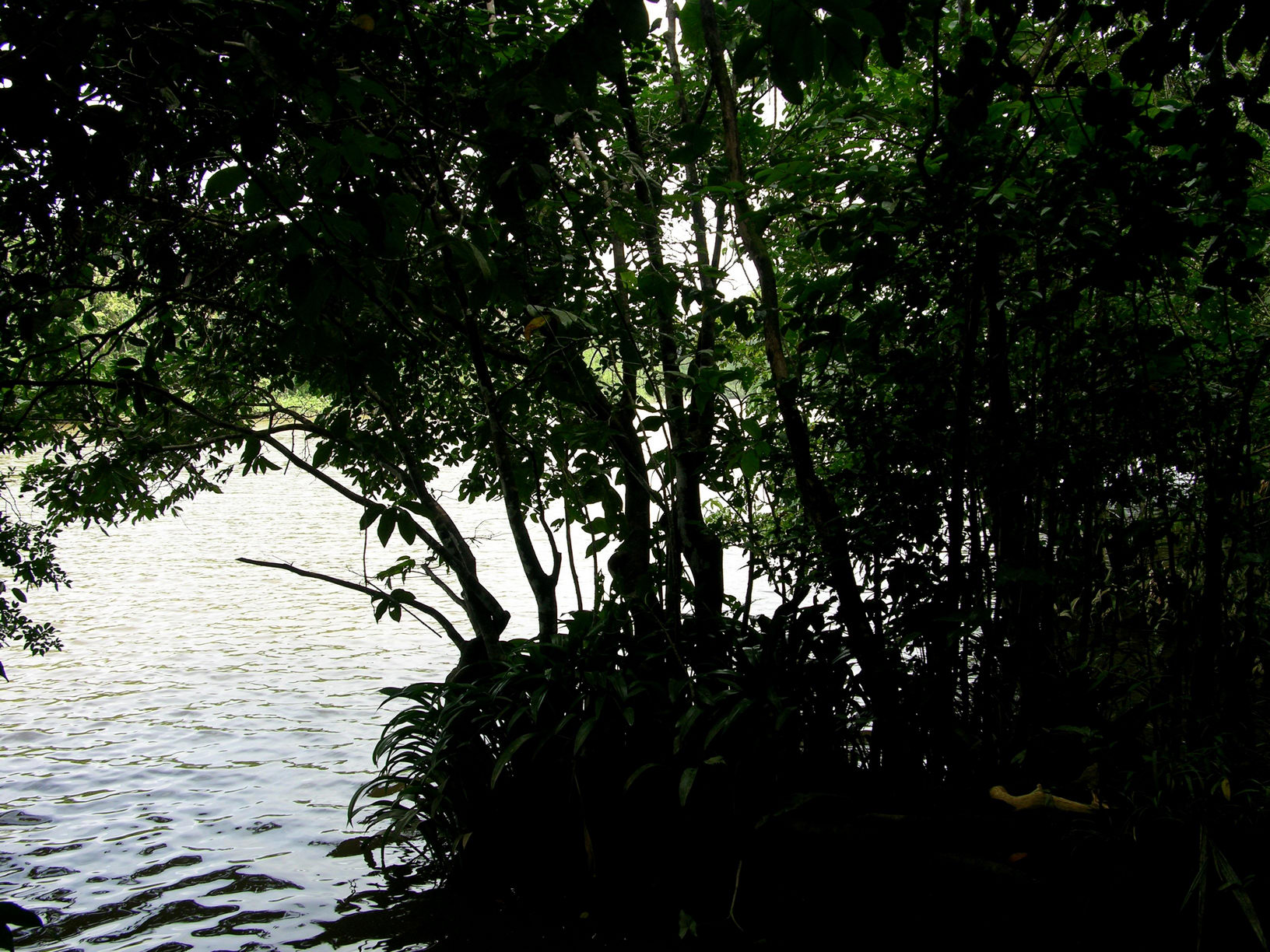
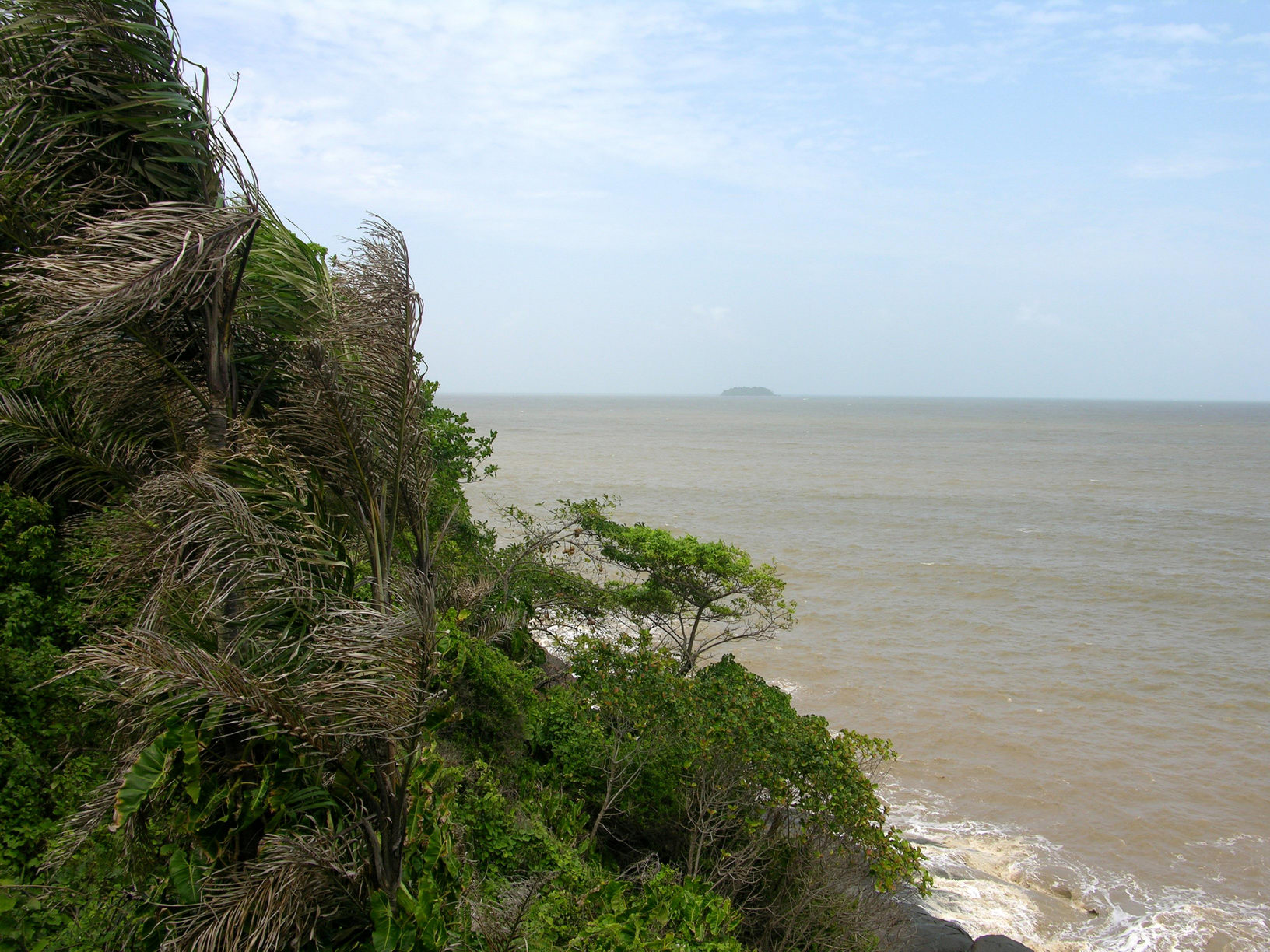
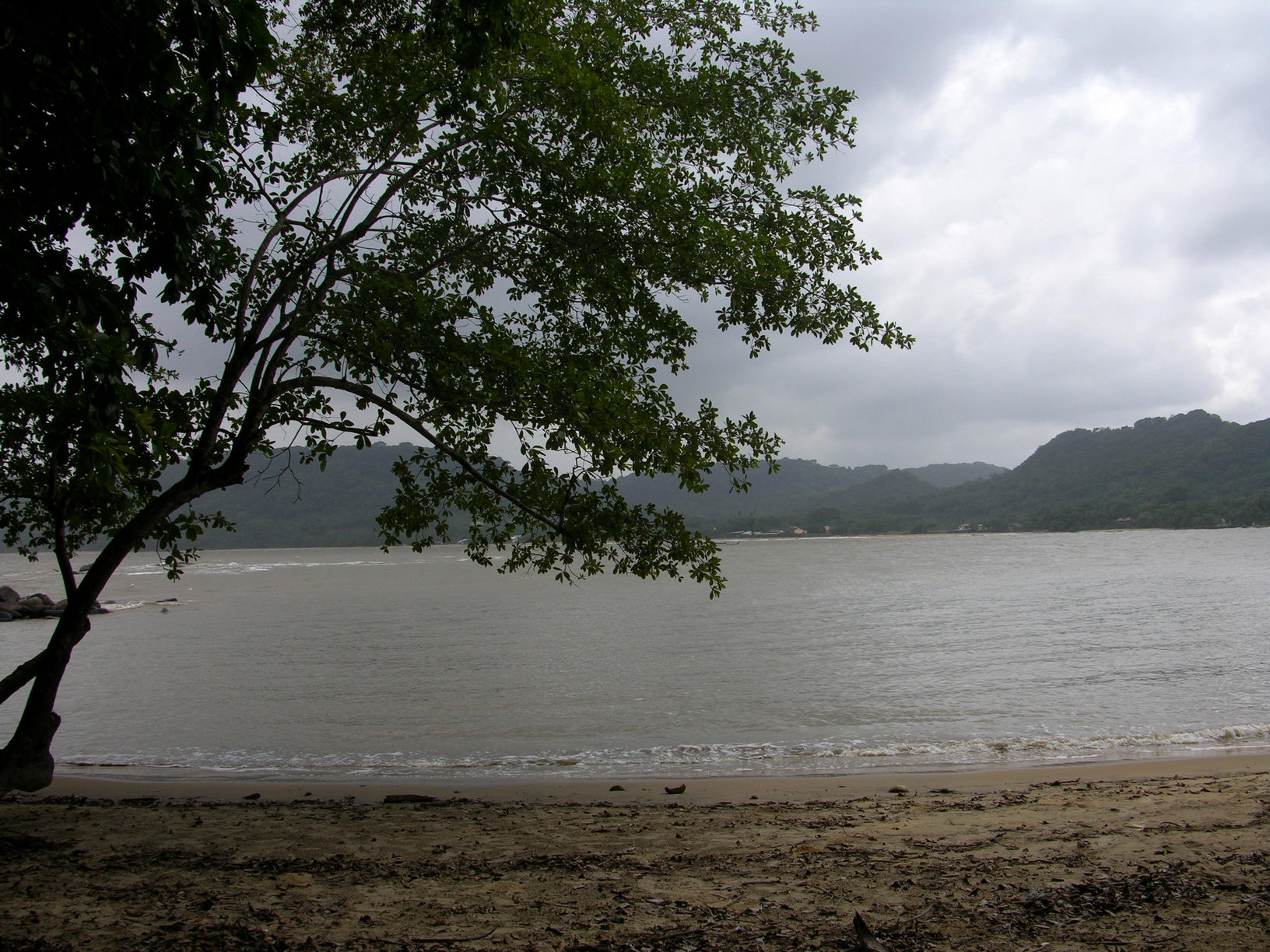
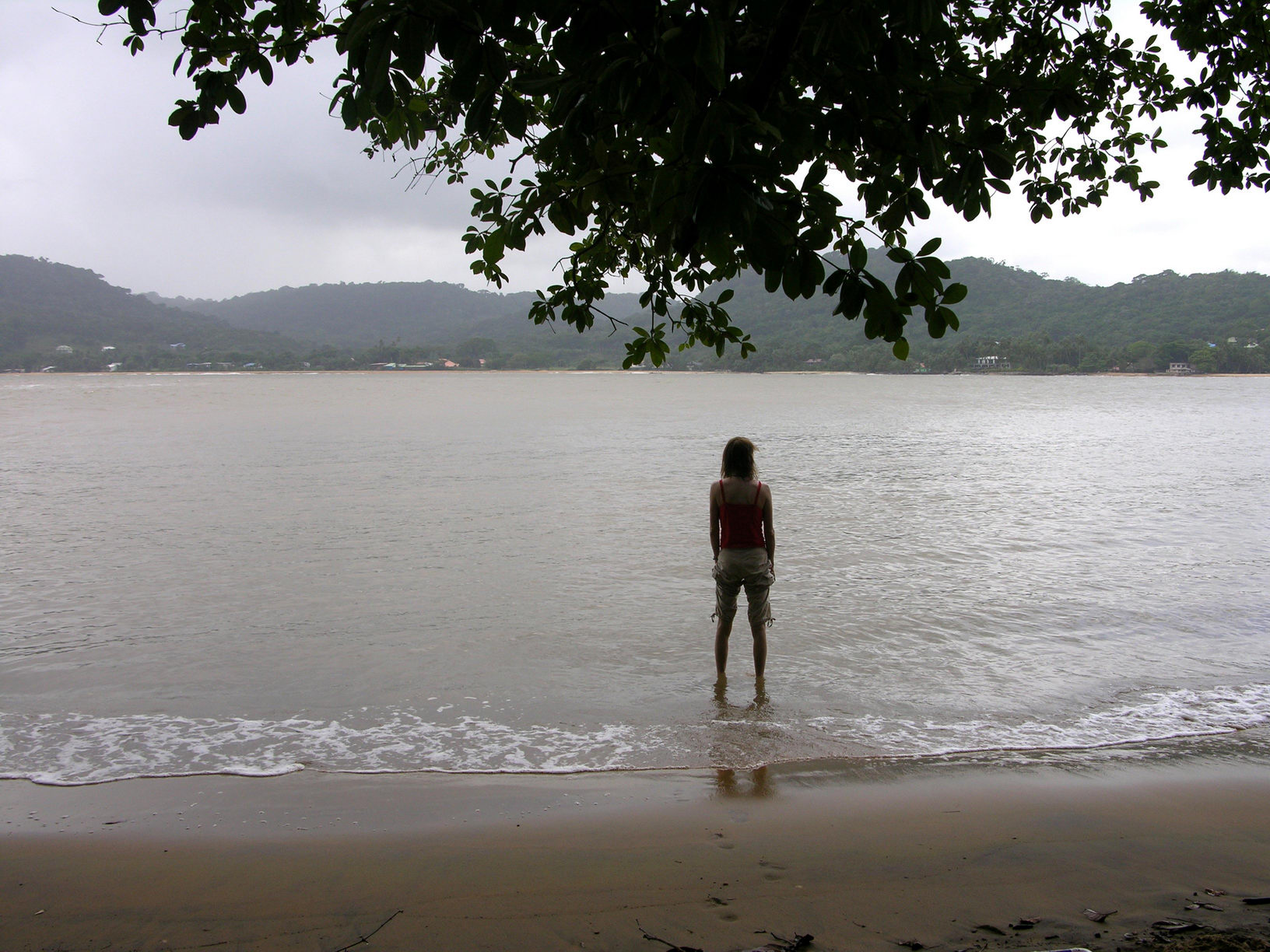
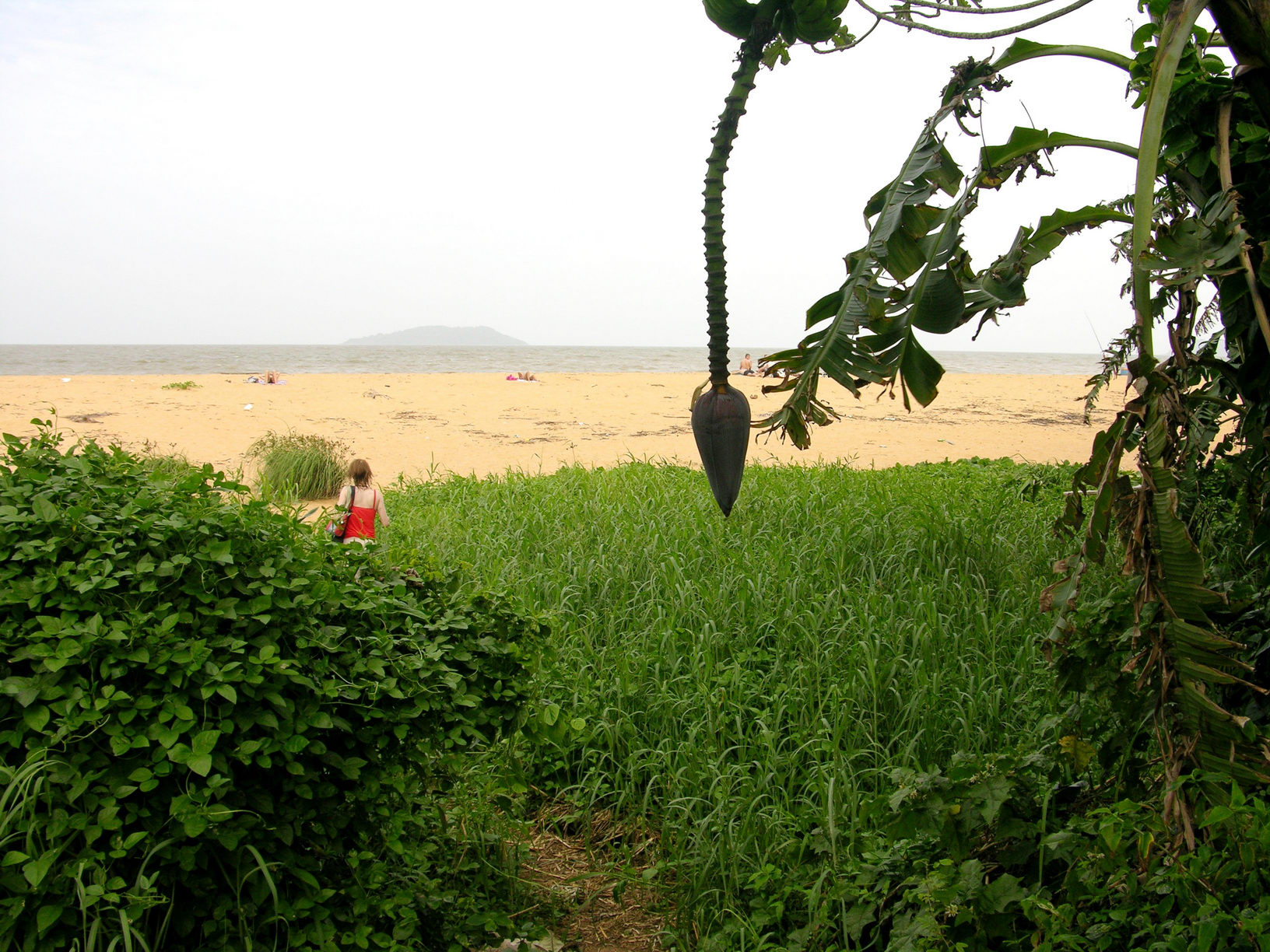
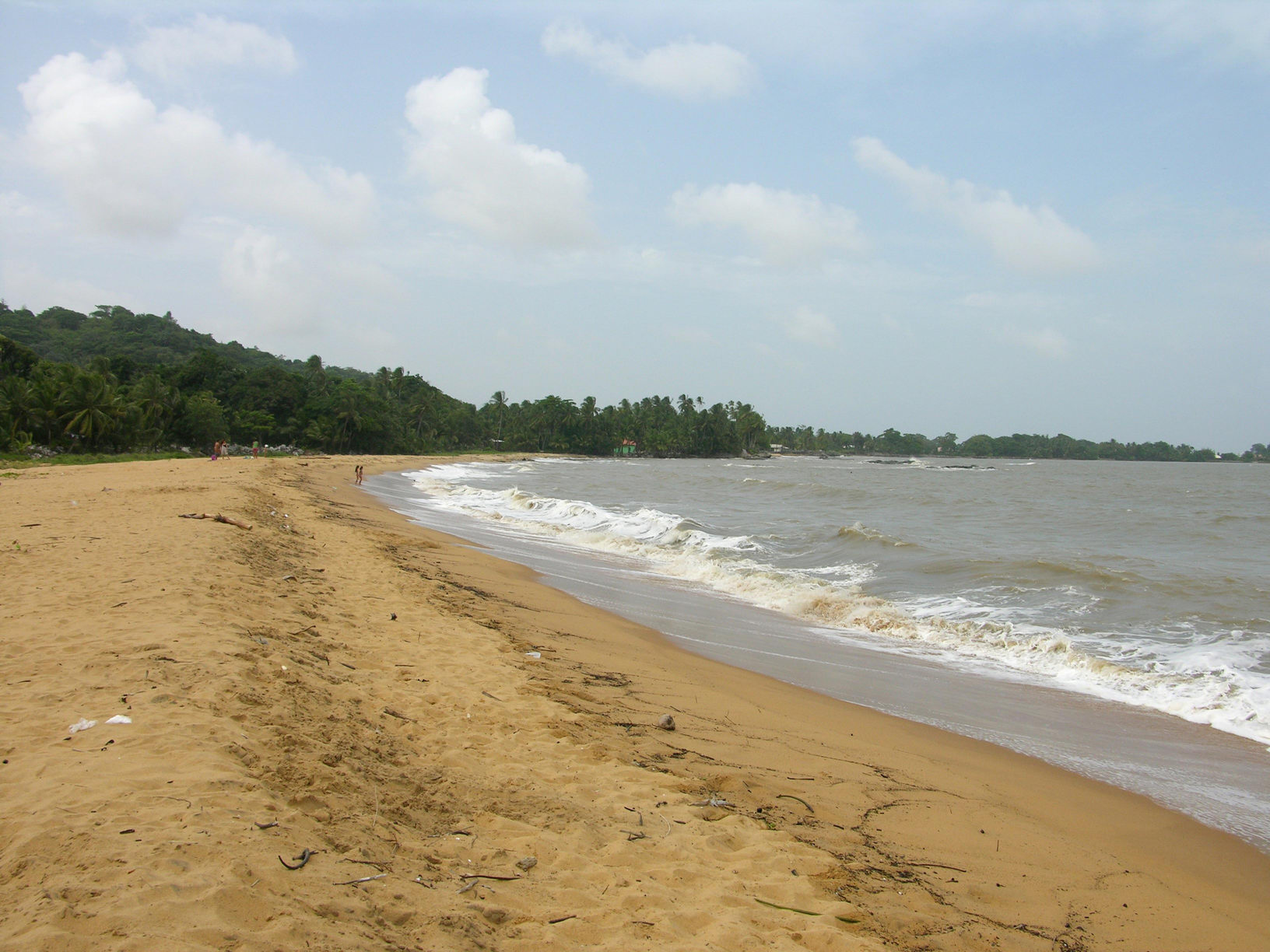
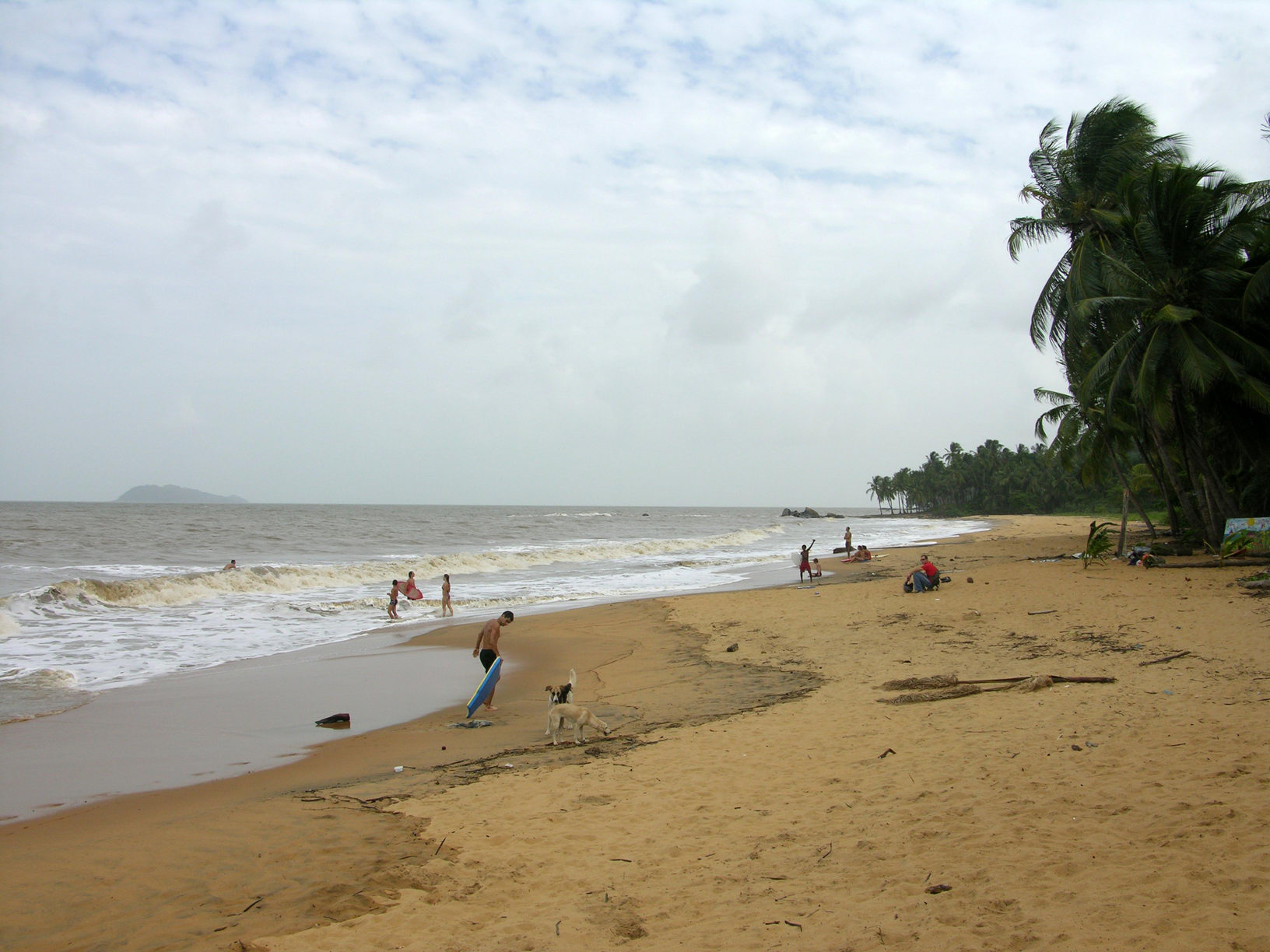
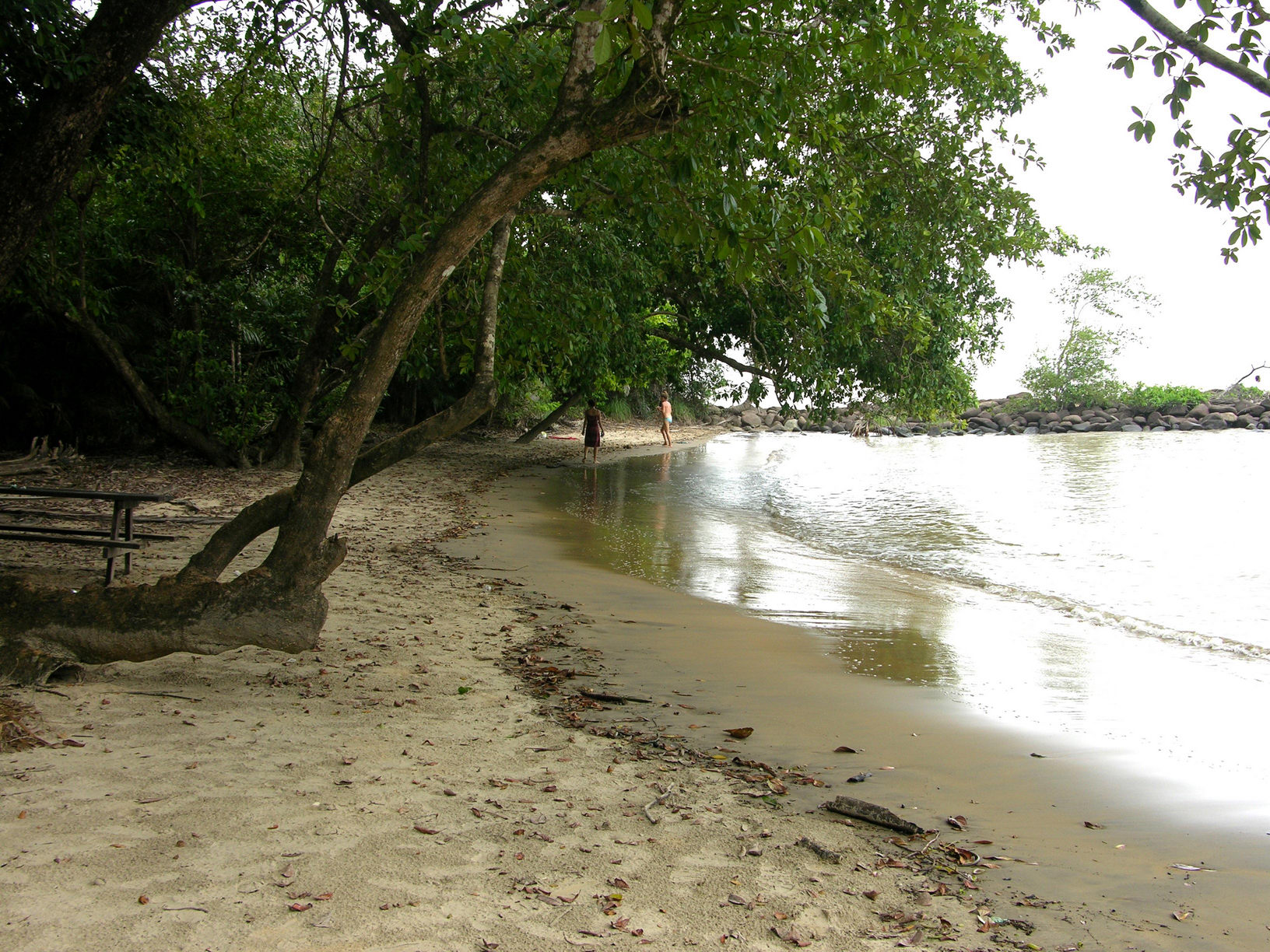
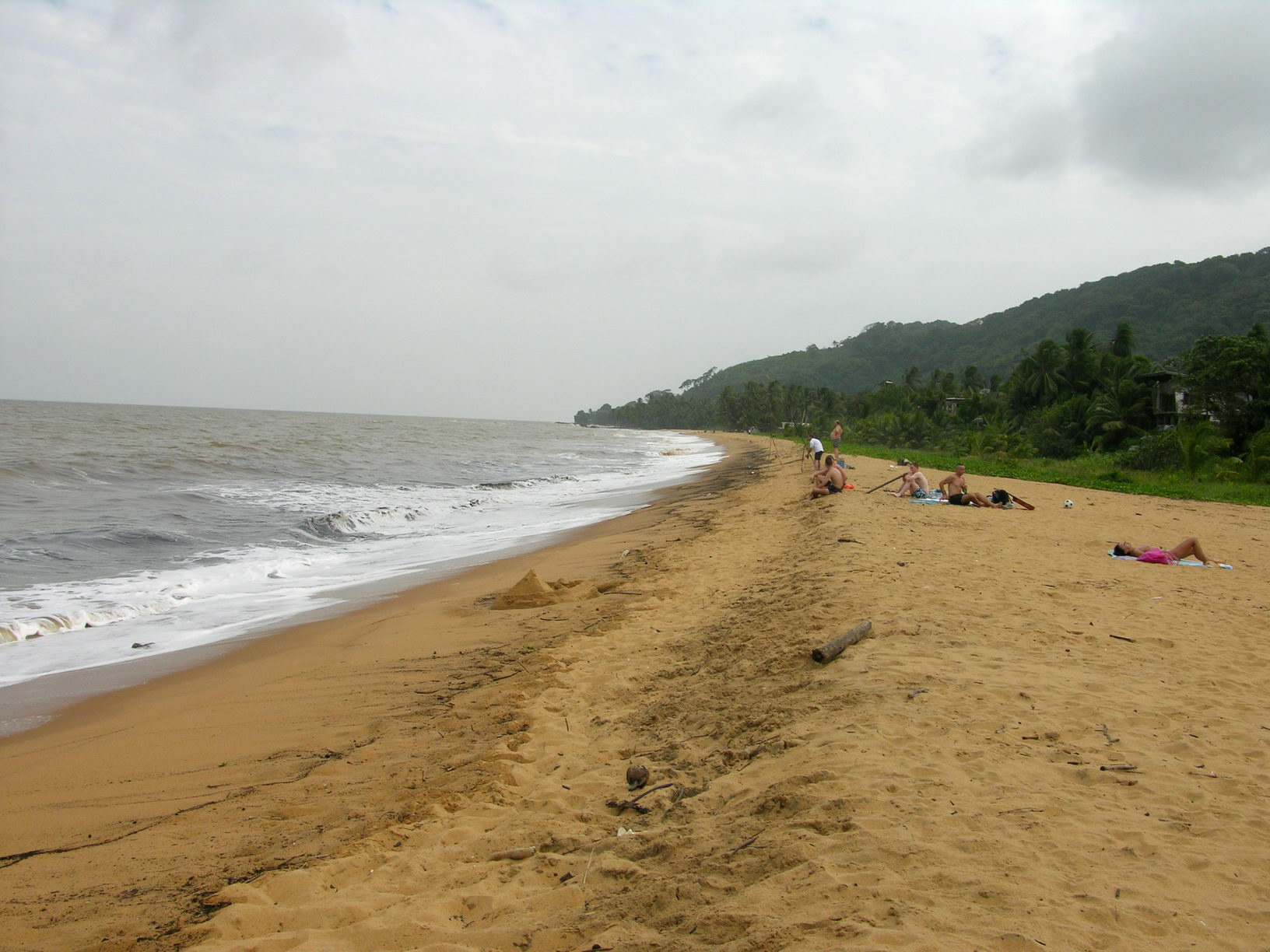
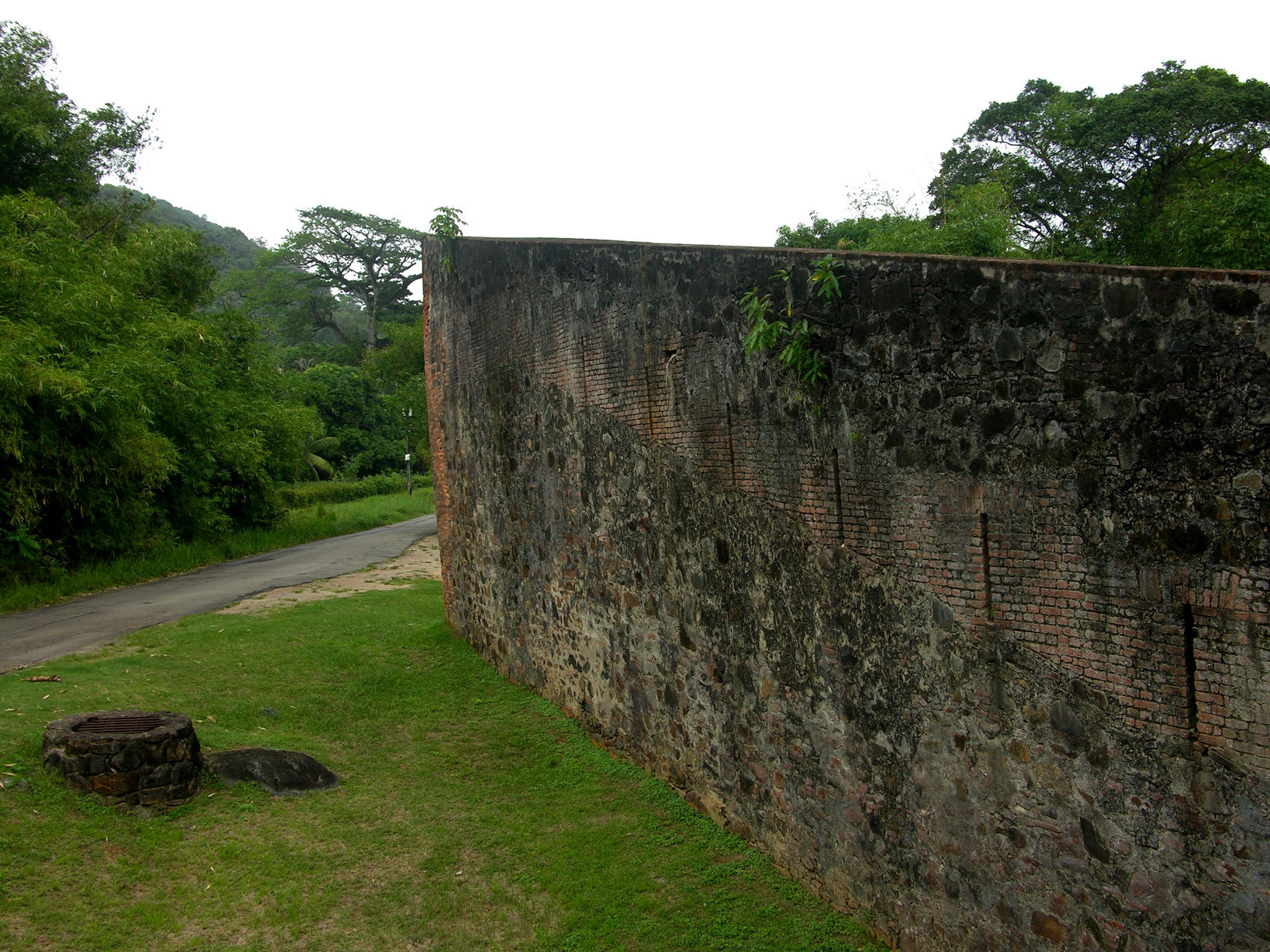
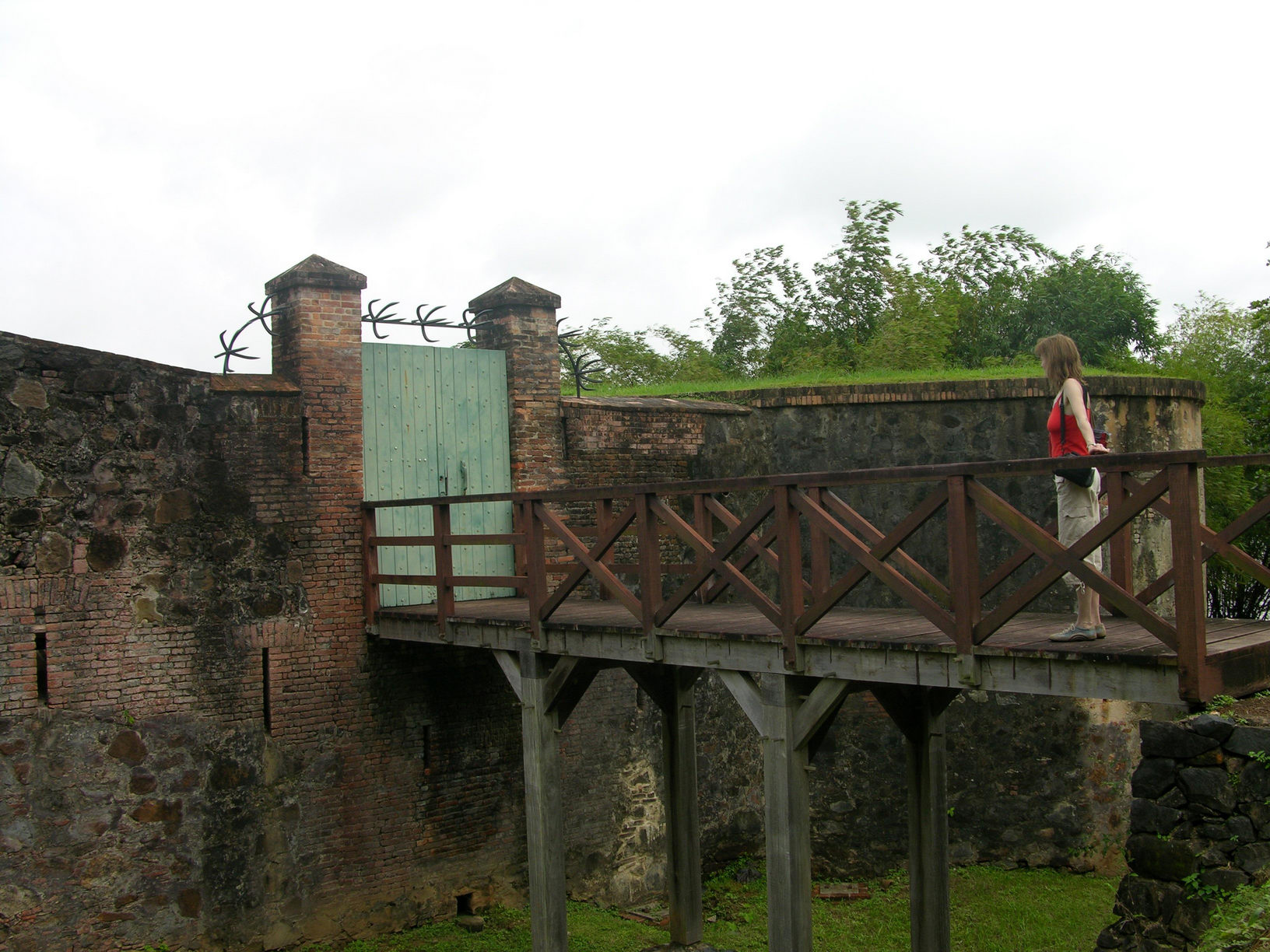
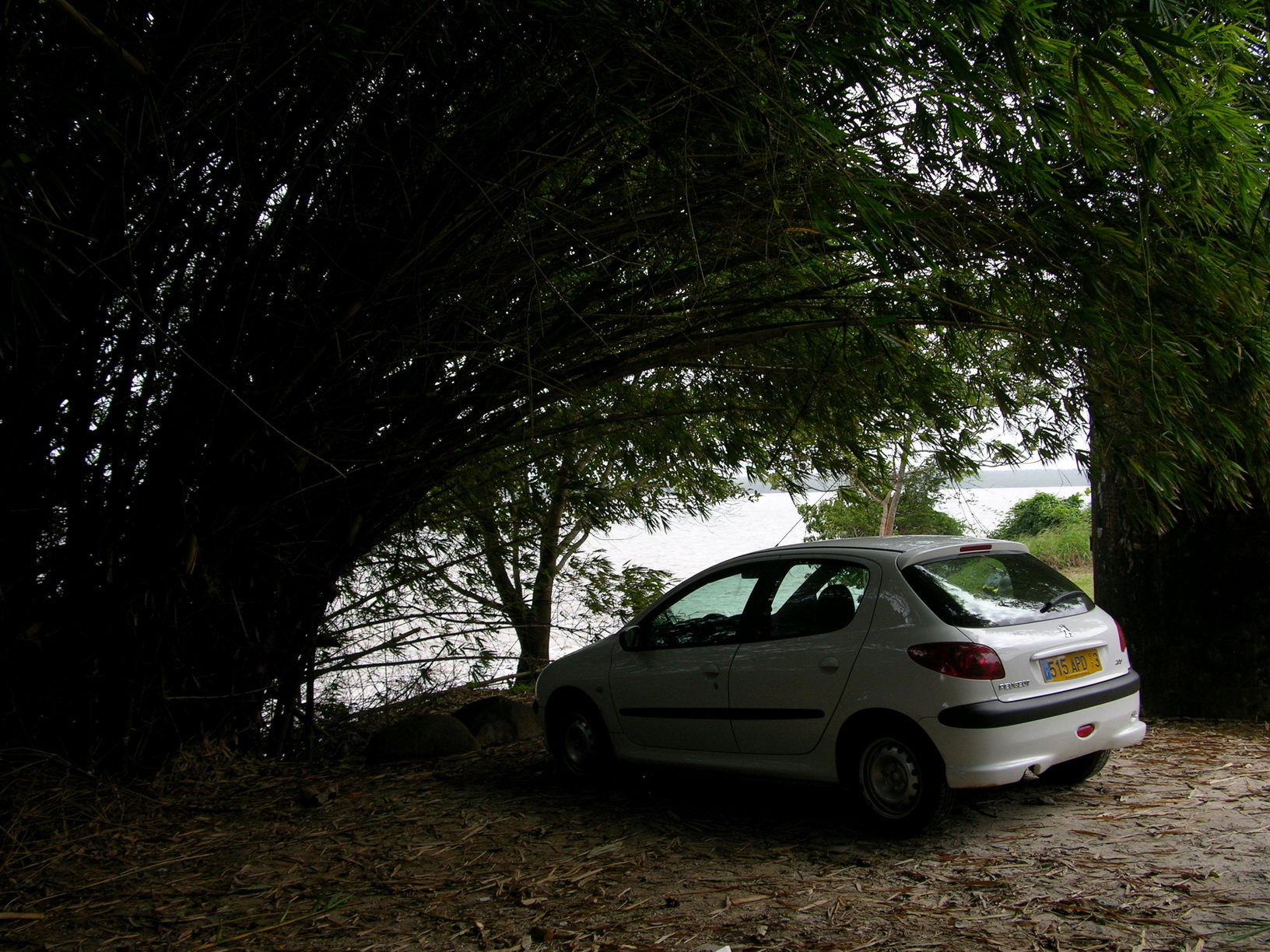
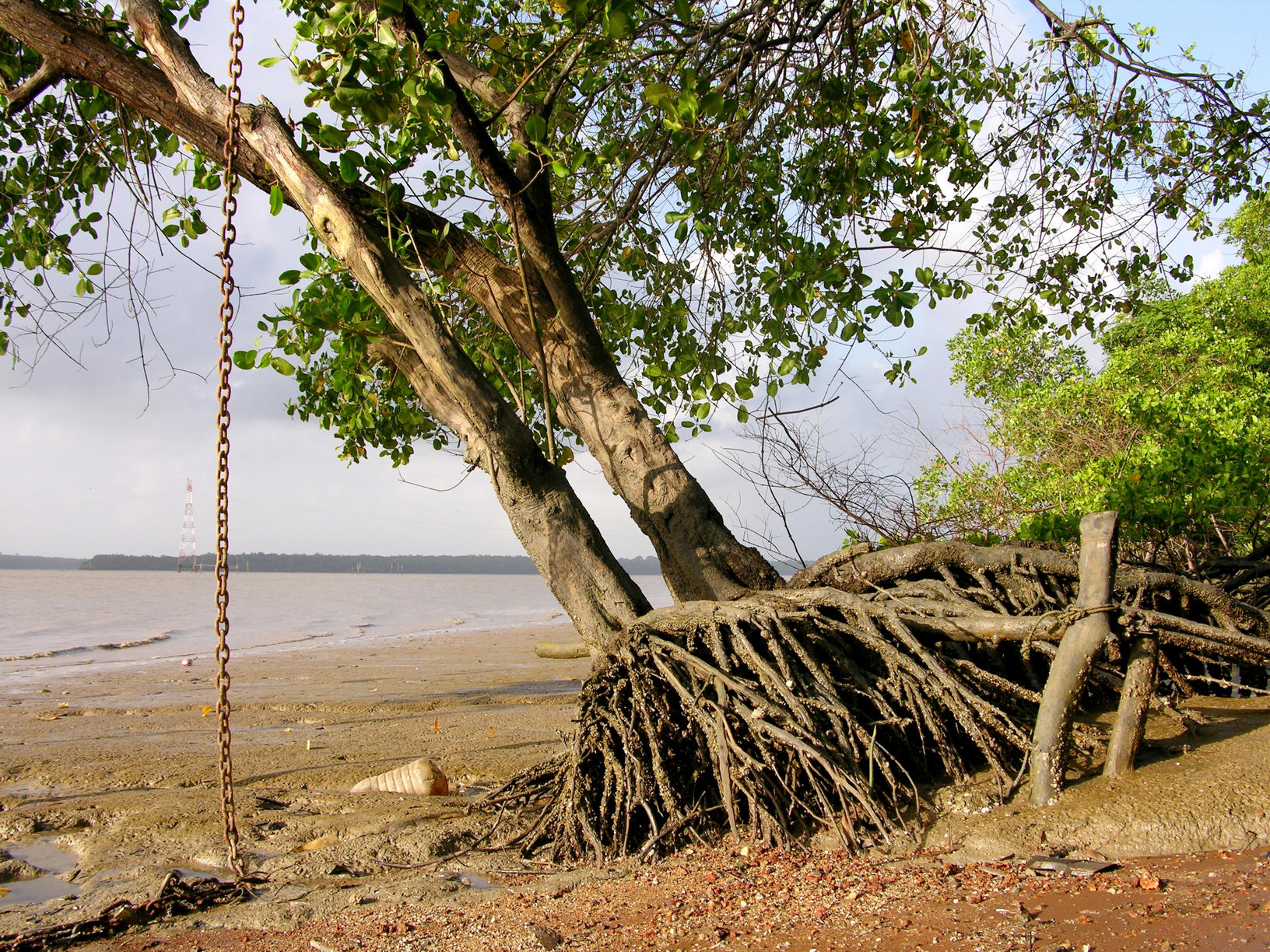
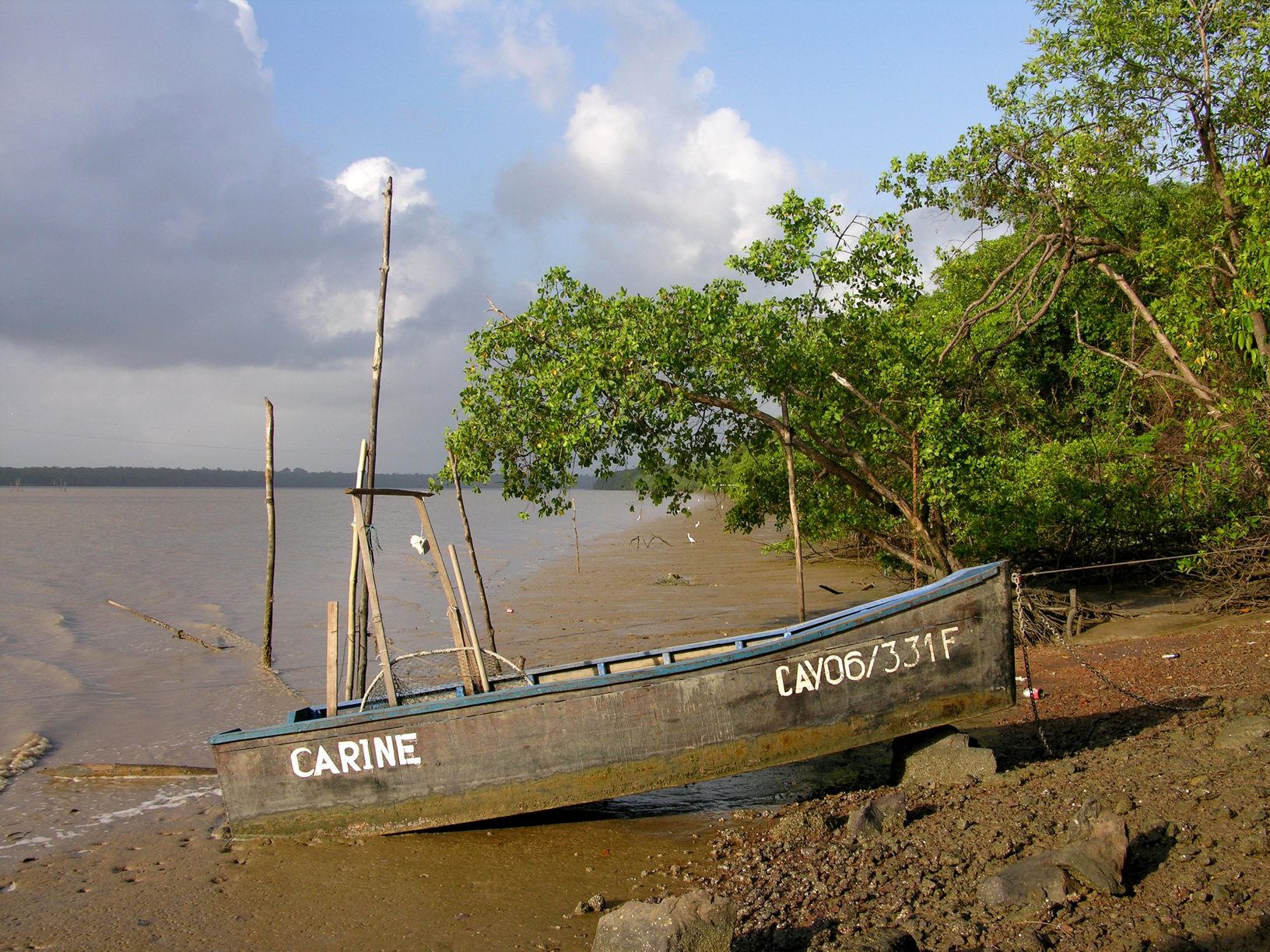
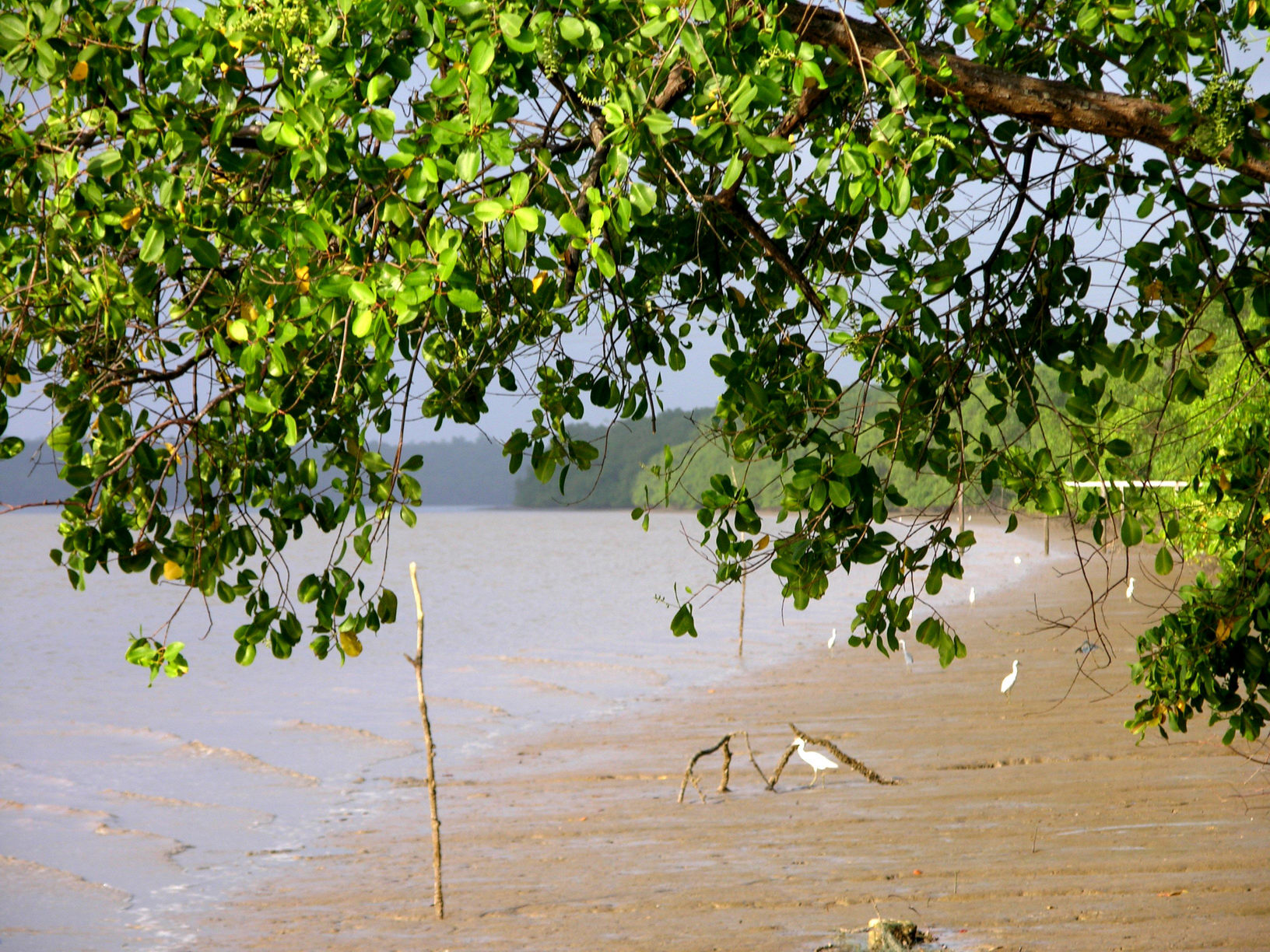
There are two rainy seasons a year here. The main one is from May to November and the shorter one from December to March. It rains often during the rest of the year too. The coast is low, with mangrove swamps everywhere.
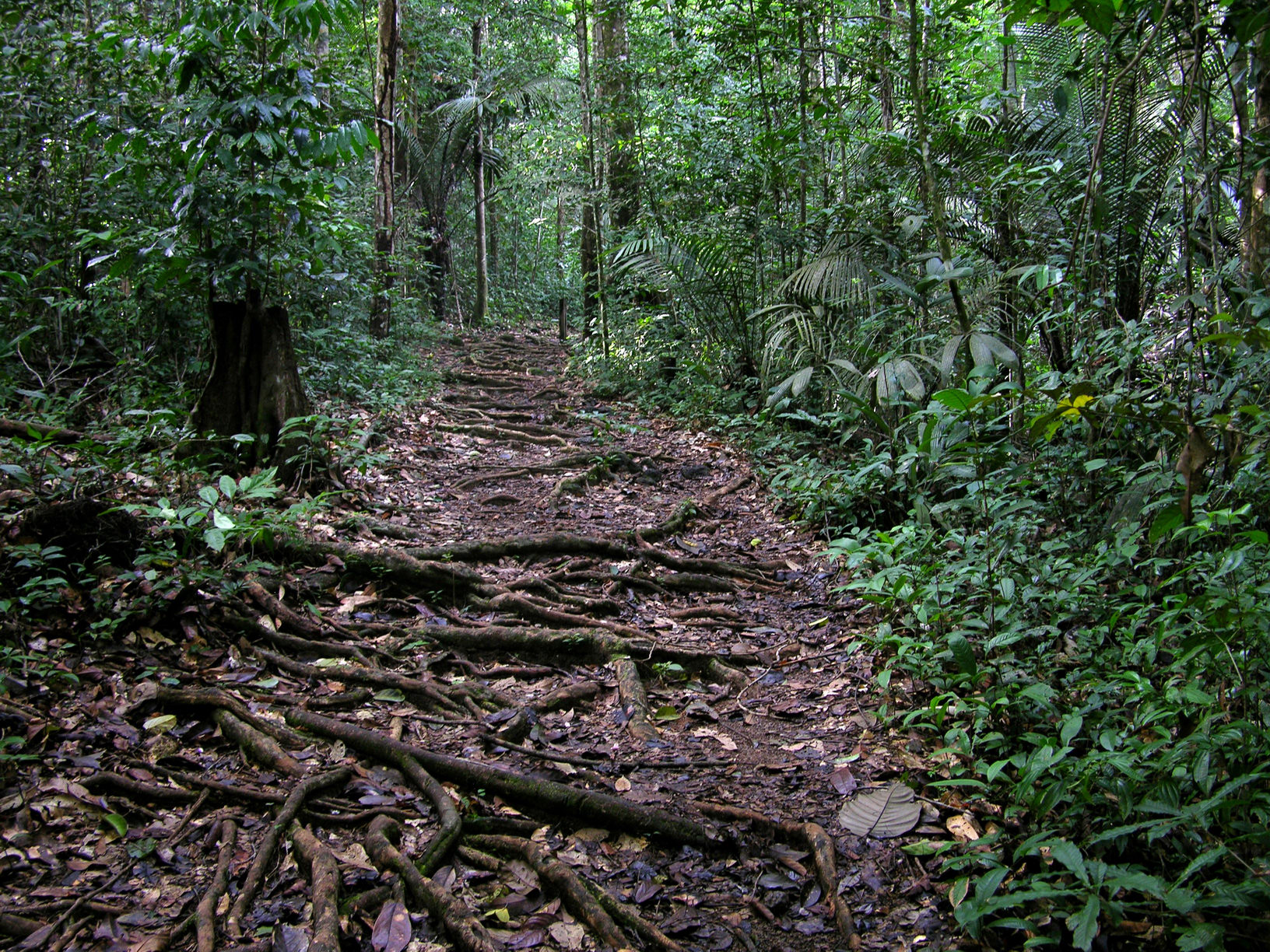
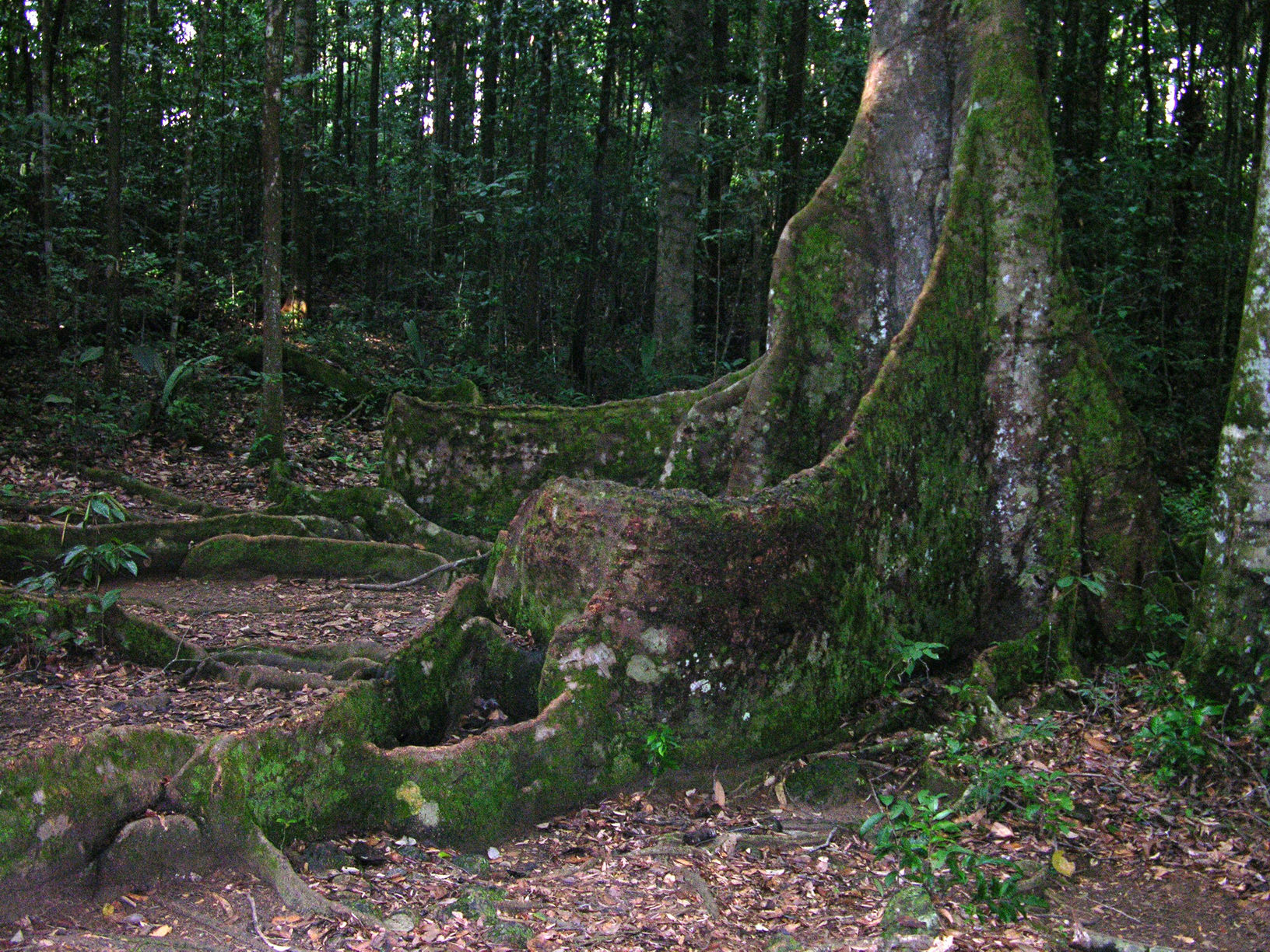
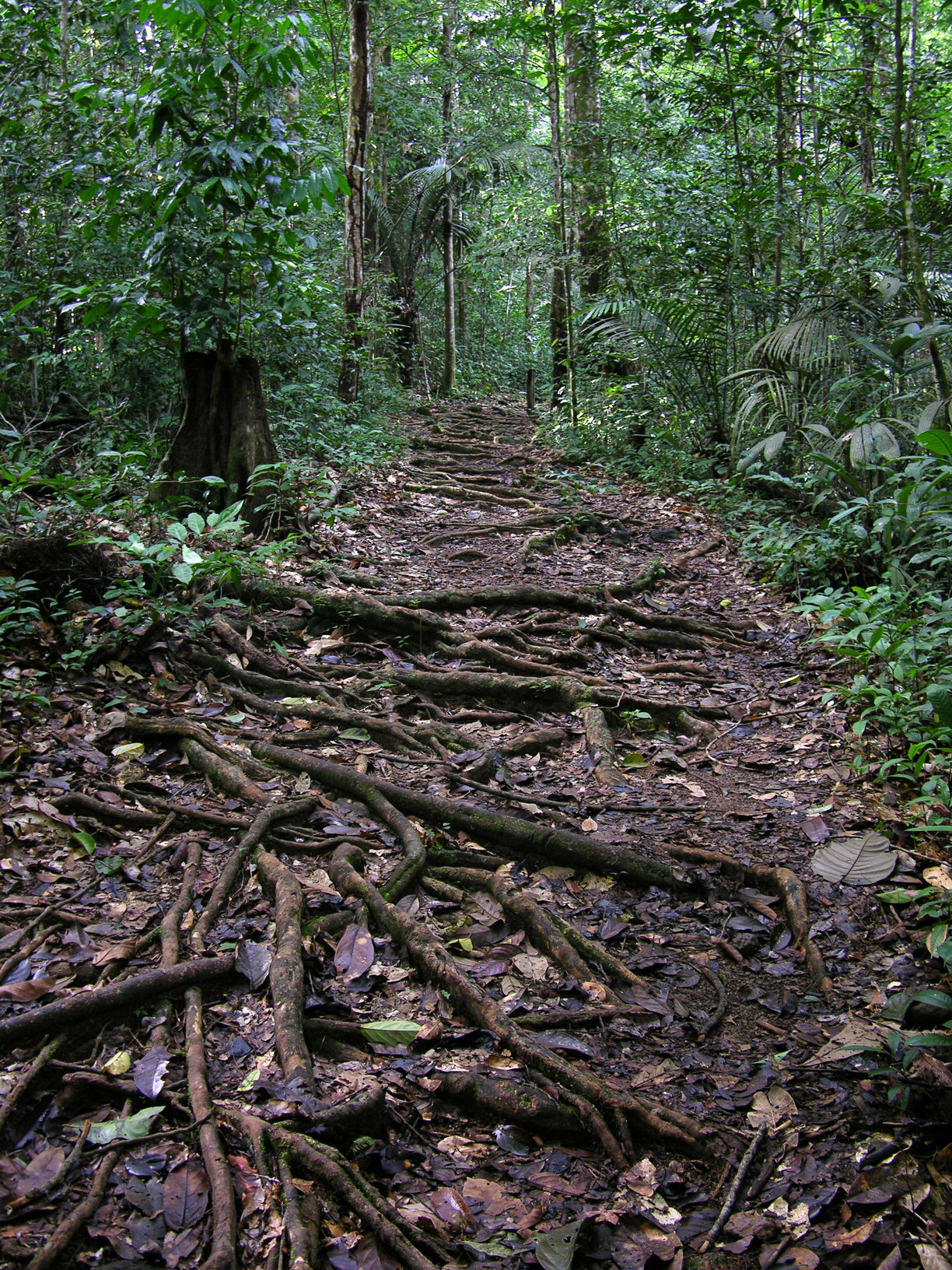
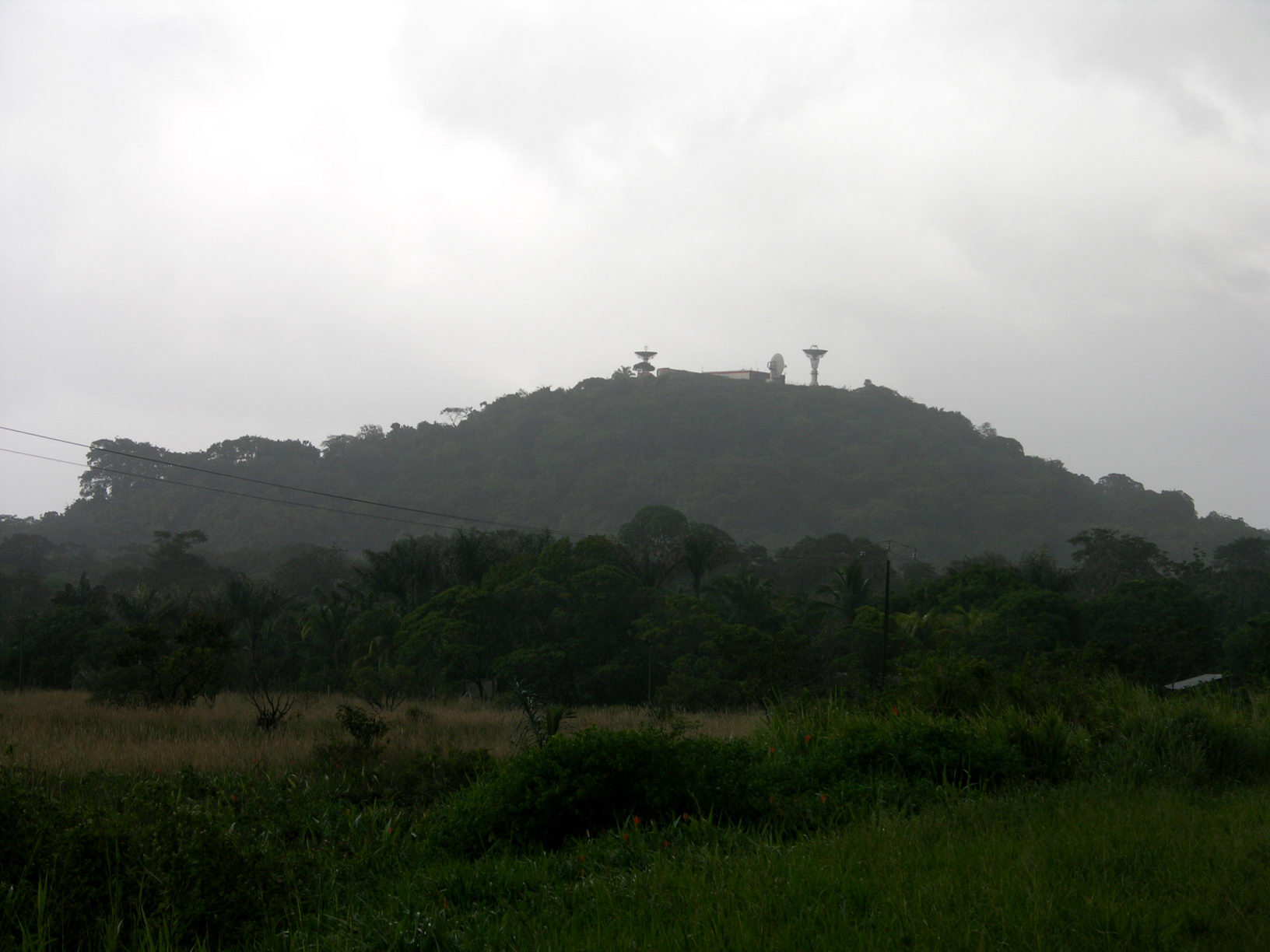
We waited for the thirty-degree cool of evening, then set off uphill with a bottle and a New Year's watermelon to see the New Year in by Saint Petersburg time. West of Kourou there's a well-made trail (5°04.299′N, 52°41.574′W) up a three-hundred-metre hill. On its summit is a lookout. As it happens, there's a fine view of the space centre. Here is probably the best place to watch a launch if, of course, they won't let you in.
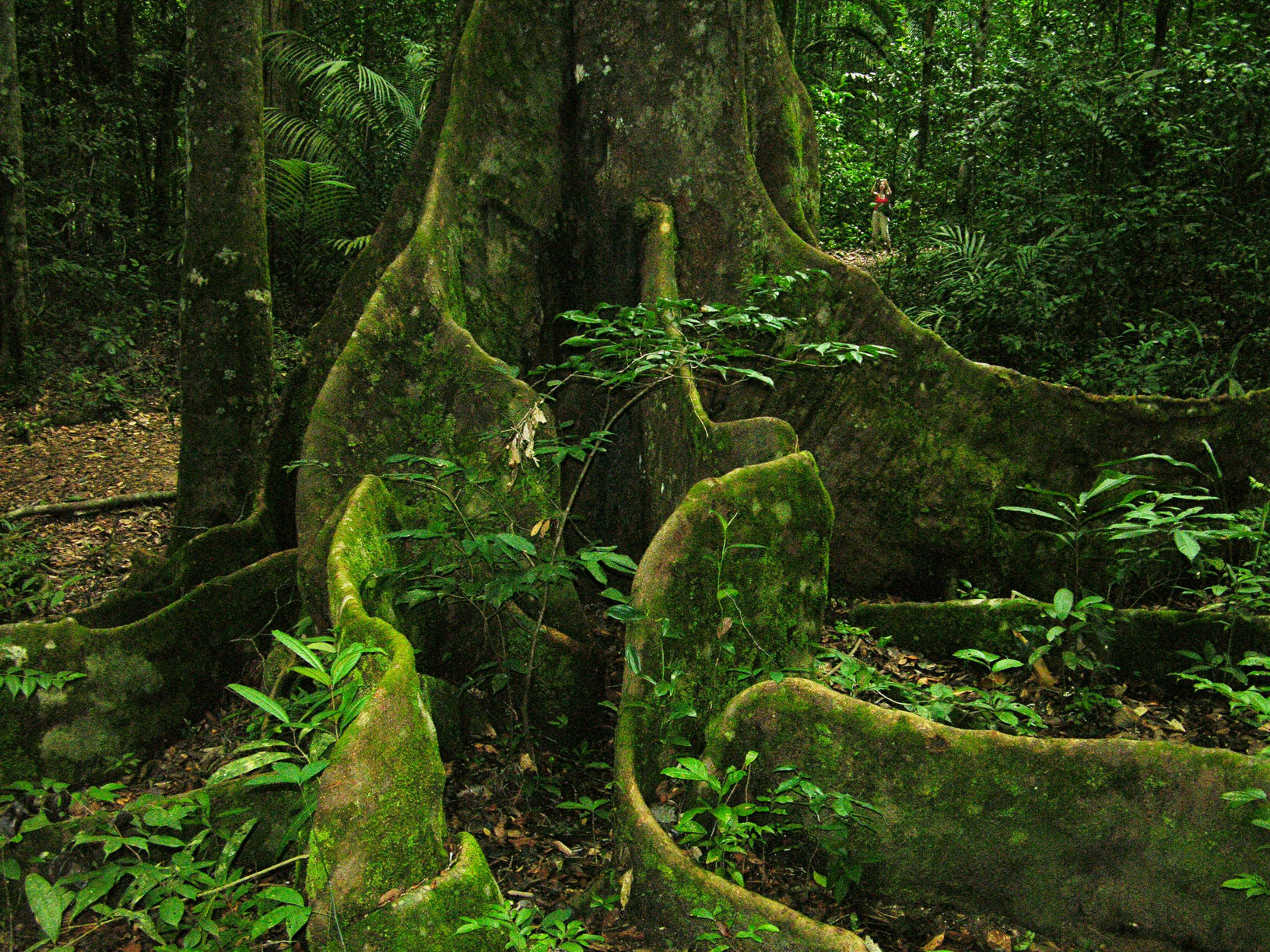
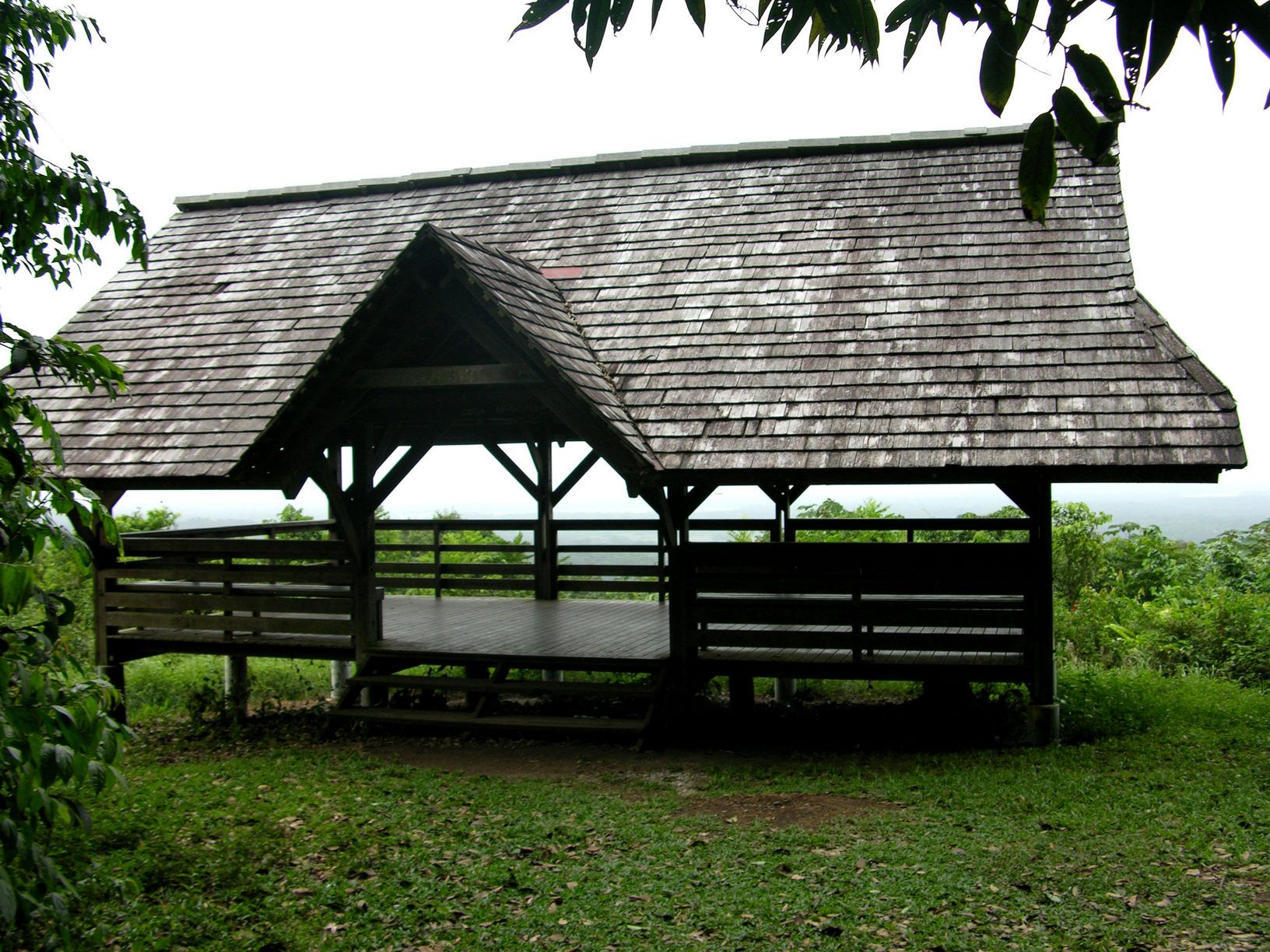
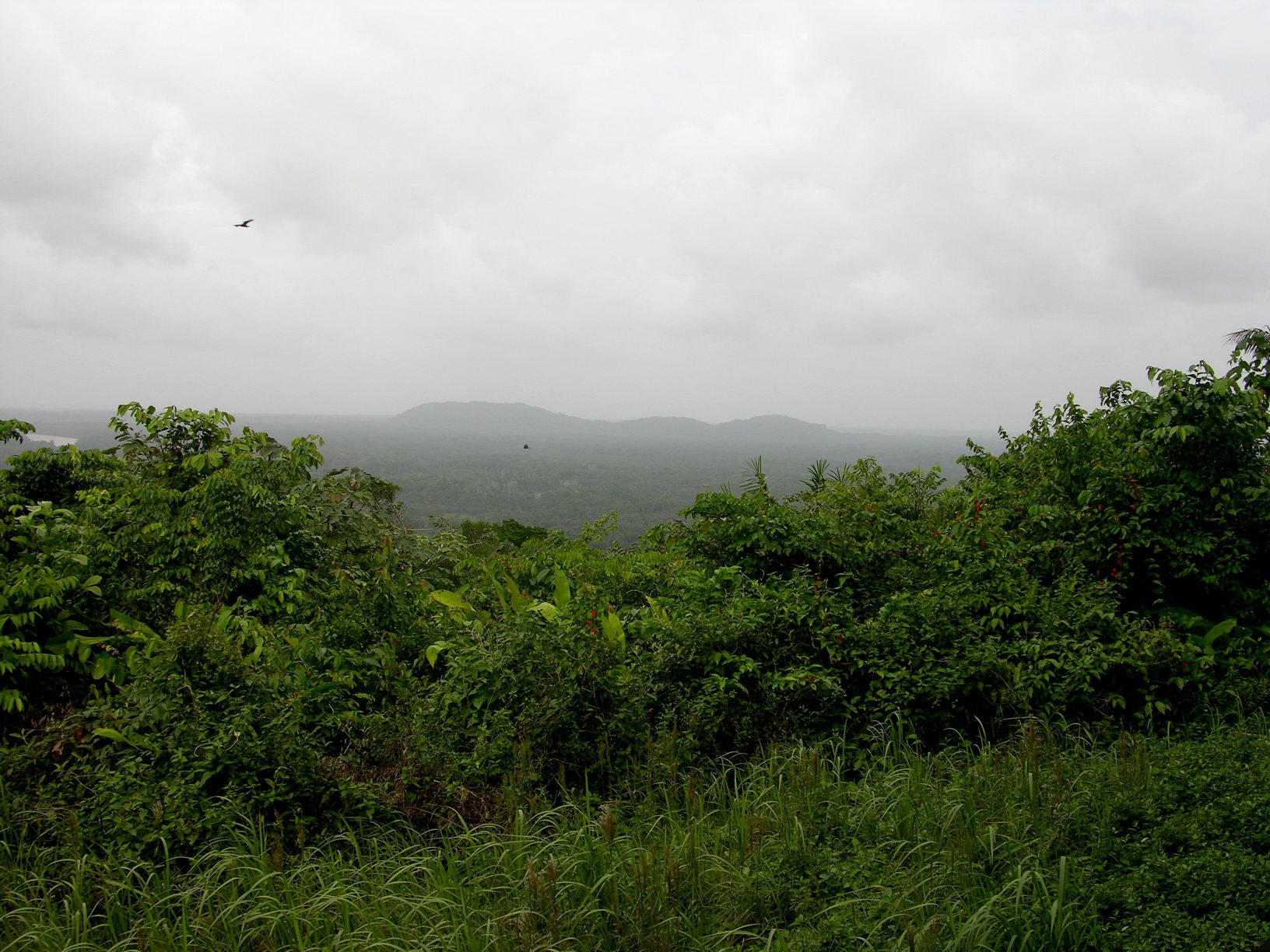
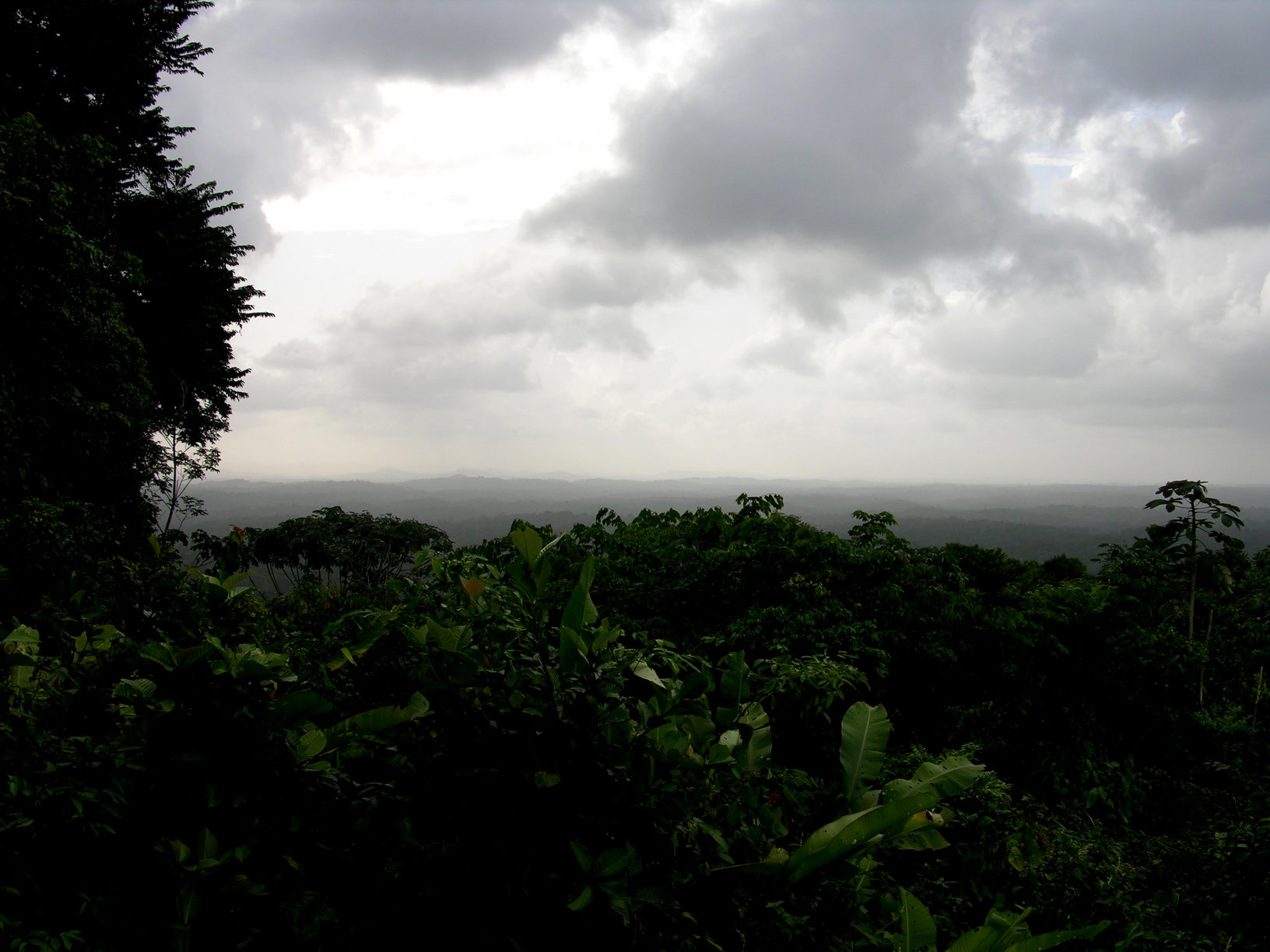
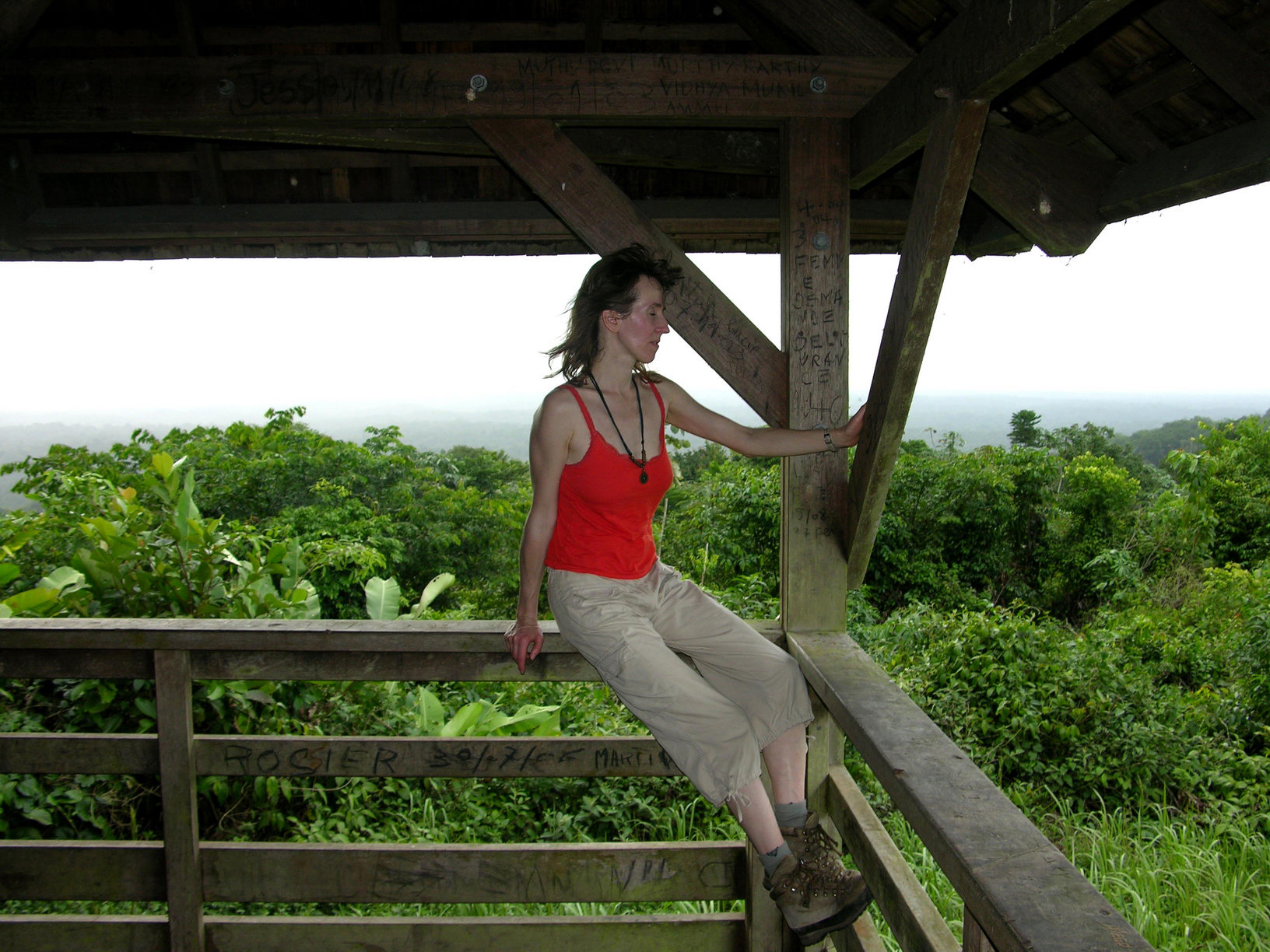
We celebrated and sent our text messages. Now it was time to go back to the hotel. A southern night falls fast. At the entrance to town the police stopped us to check our papers. They even examined the visa and turned my driving licence over and over for a long time. Good thing the bottle we'd emptied had contained juice. Otherwise they might have taken us in.
That evening we went to a Chinese restaurant again. This time we chose the most expensive one. We nearly froze under the air conditioning, but the suckling pig in sweet sauce was excellent.
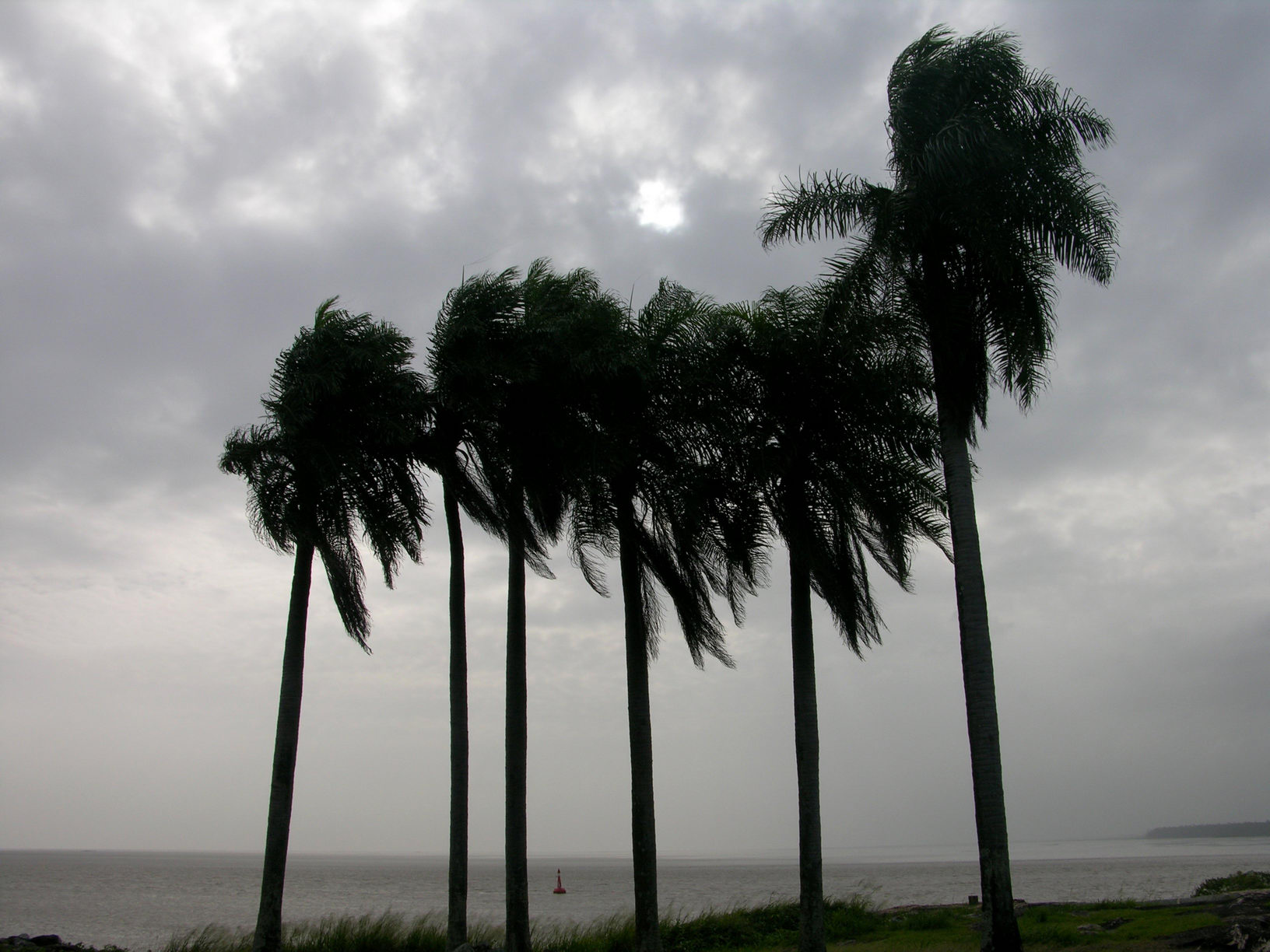
Our last drive of the old year was to the seashore, to get some air and look at the waves, the swaying palms and the path of moonlight on the water. Little lights were blinking at one another. A sad and pleasant feeling. How many more New Years like this would we see? We seemed to have made it through this year, but the future looked troubled and hazy.
We opened the real bottle of champagne at midnight Guiana time, in front of the television. The local channel was showing a merry booze-up with dancing. Ten seconds before twelve they turned the music down and counted out the last seconds of the year together. Hooray, the hard year of 2006 was over. We went down to the lake to finish drinking and finish eating. Most of Kourou works in rocketry, and they've got all sorts of pyrotechnics. The fireworks were great. They could have launched an Ariane for the occasion, or at least fired an engine on the ground. No, they couldn't spare it. They said the next launch wasn't until 10 March. We couldn't wait that long.
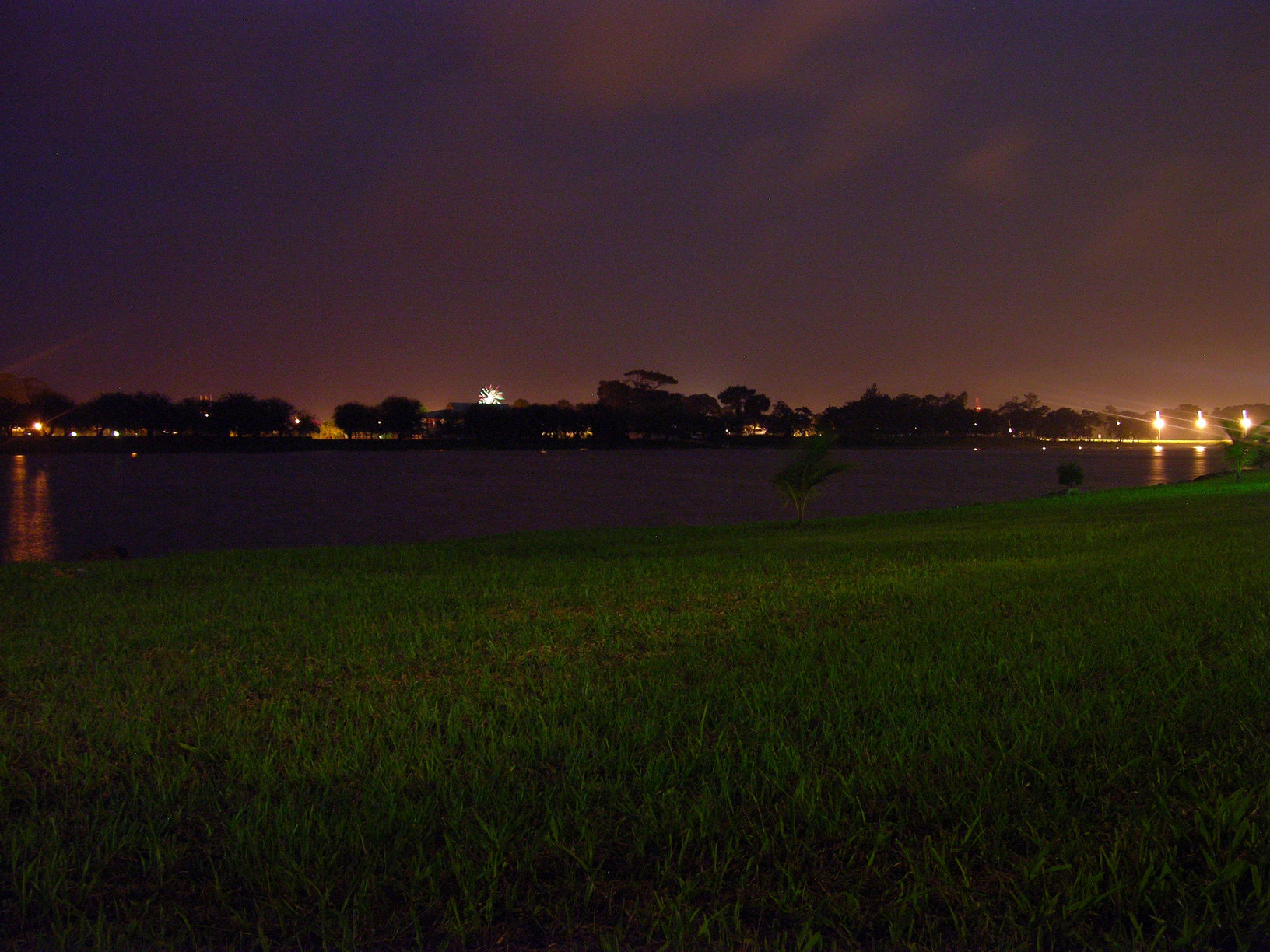
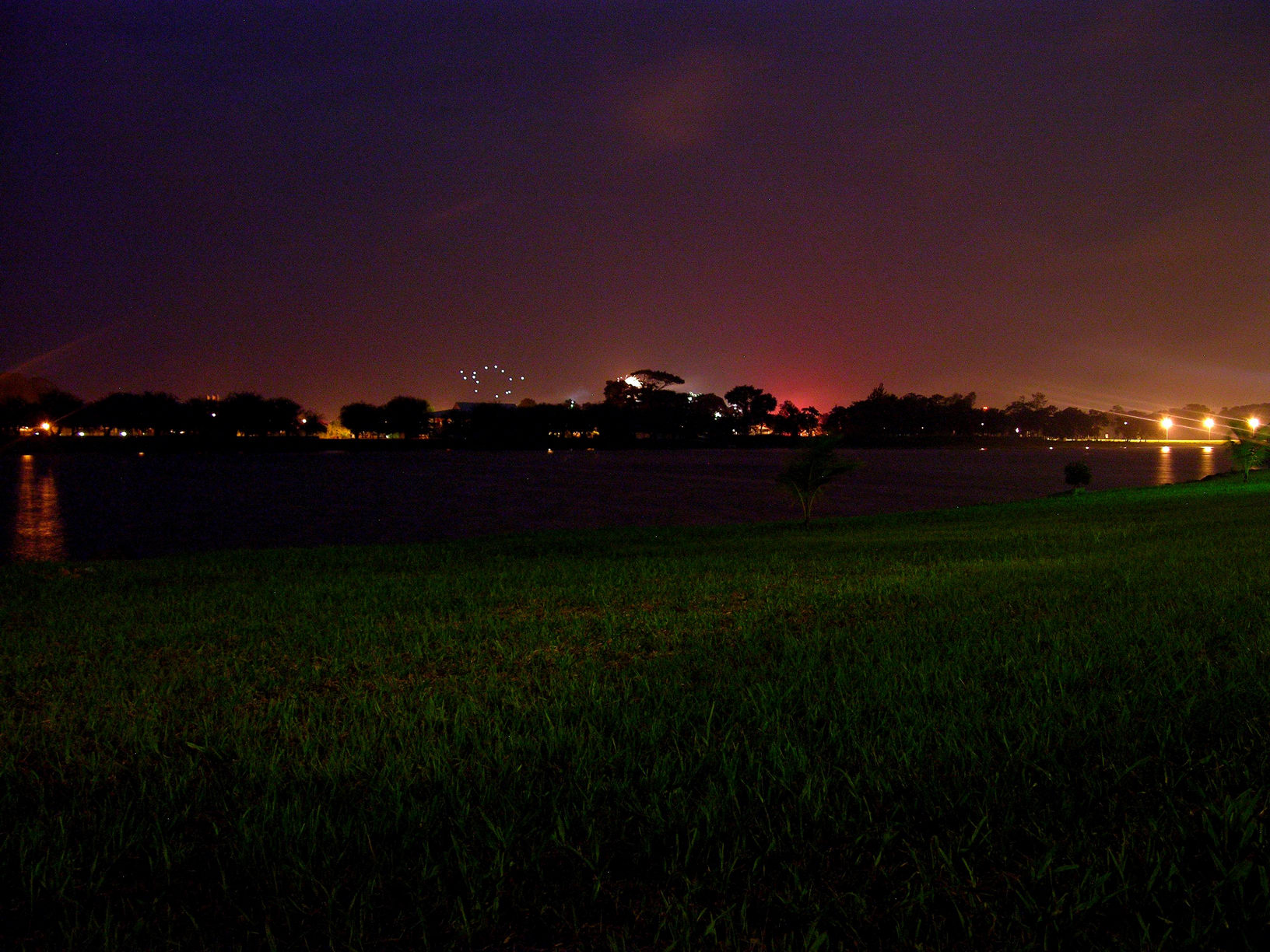
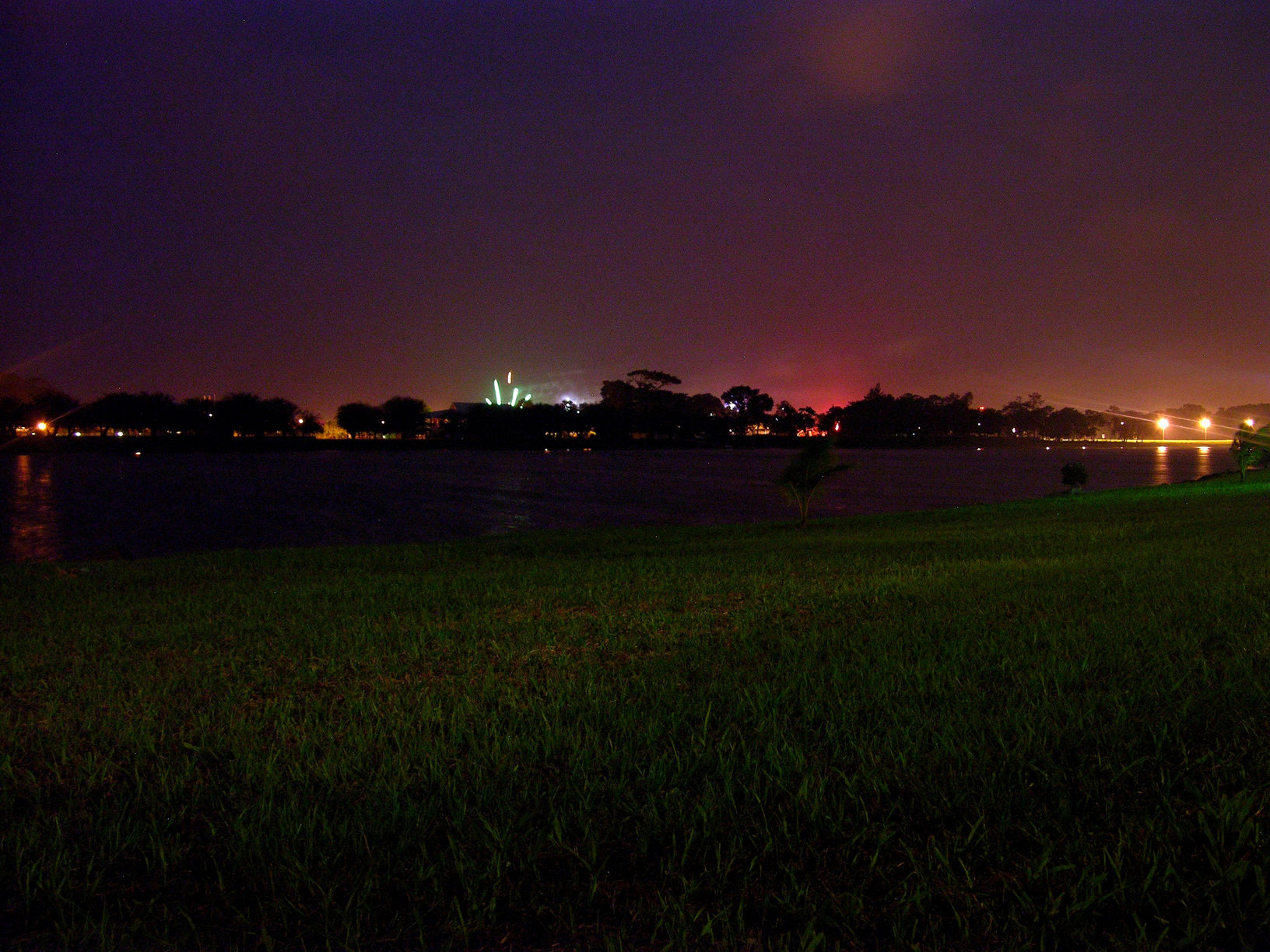
The first day of the year was a holiday everywhere. All you could do was walk. A good time to go over to the Îles du Salut, fifteen kilometres off the coast. They used to have a political prison there, where Dreyfus, the famous Jewish officer unjustly convicted, was held. Now there's a resort and a rocket tracking station. The islands close during launches. Spent boosters fall into the sea not far from them.
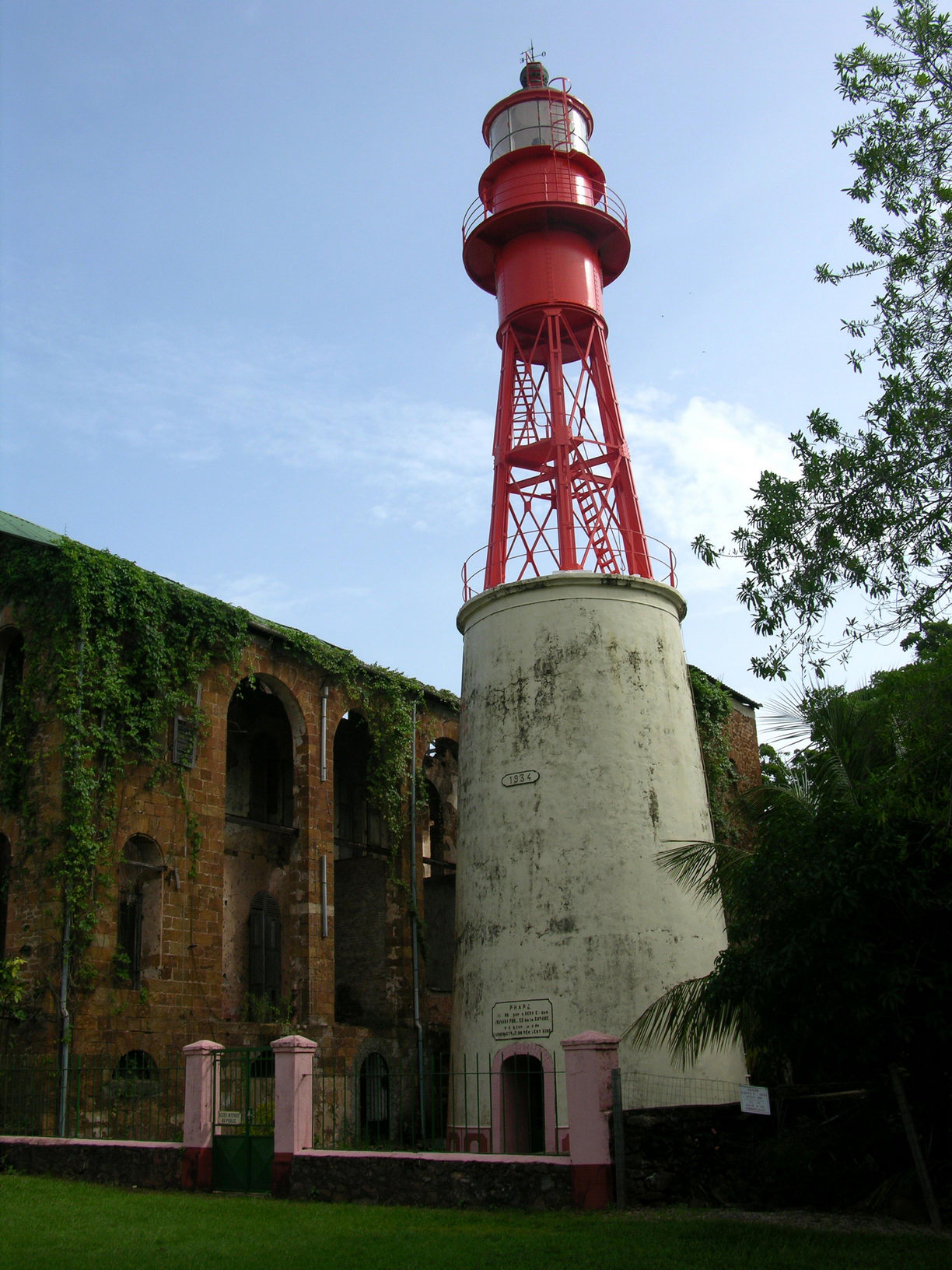
The little boat usually leaves at eight in the morning, but for 1 January they had put it back until ten. We had to use up the time somehow. We drove to the rocky headland at the mouth of the Kourou River, where it flows into the ocean. This is where they built the best hotel in town, the Hôtel des Roches, with a sea view. There's an old lighthouse and another hotel with a Police Hotel sign. Oh, what's this? And why are there bars on the windows?
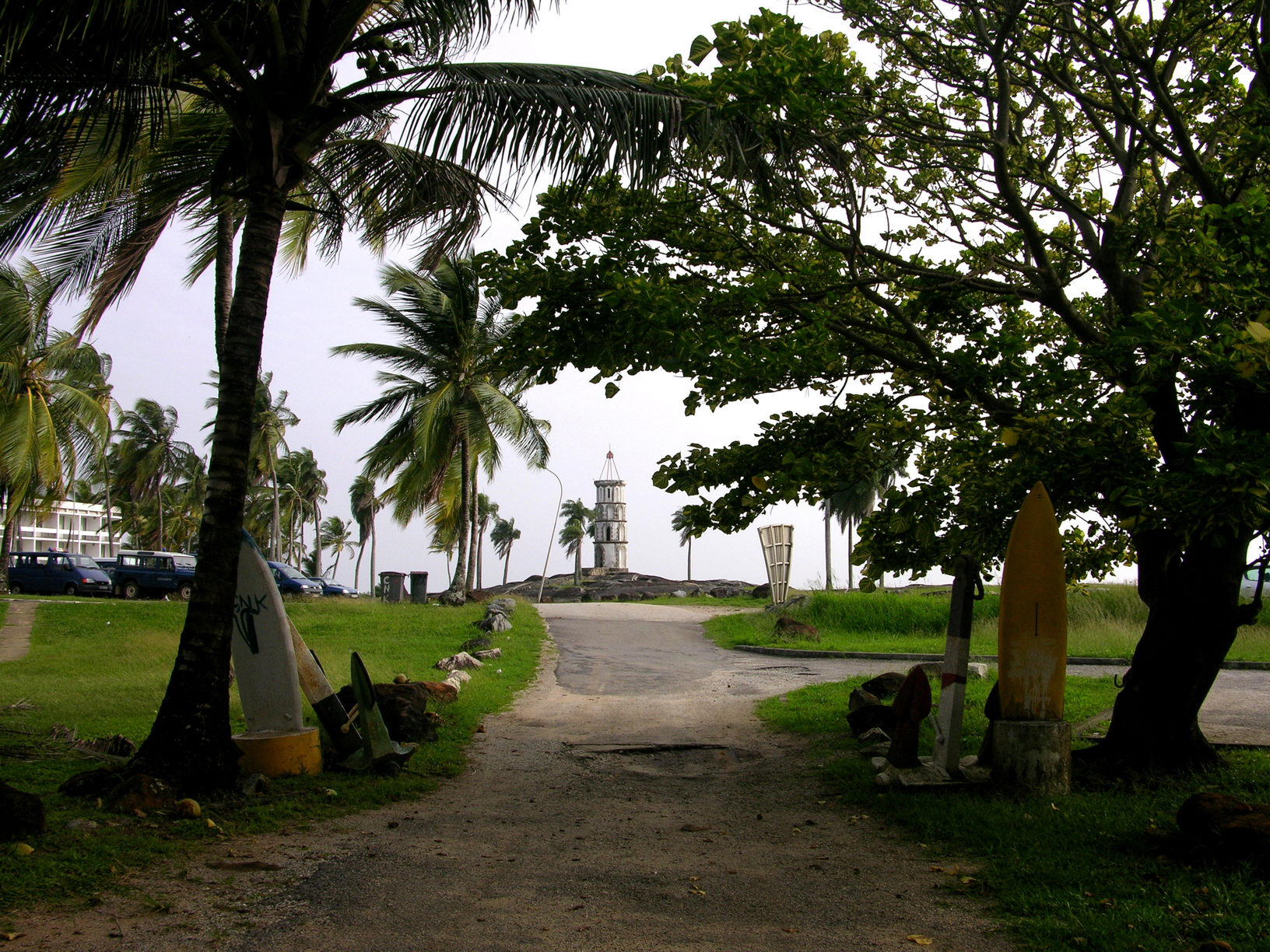
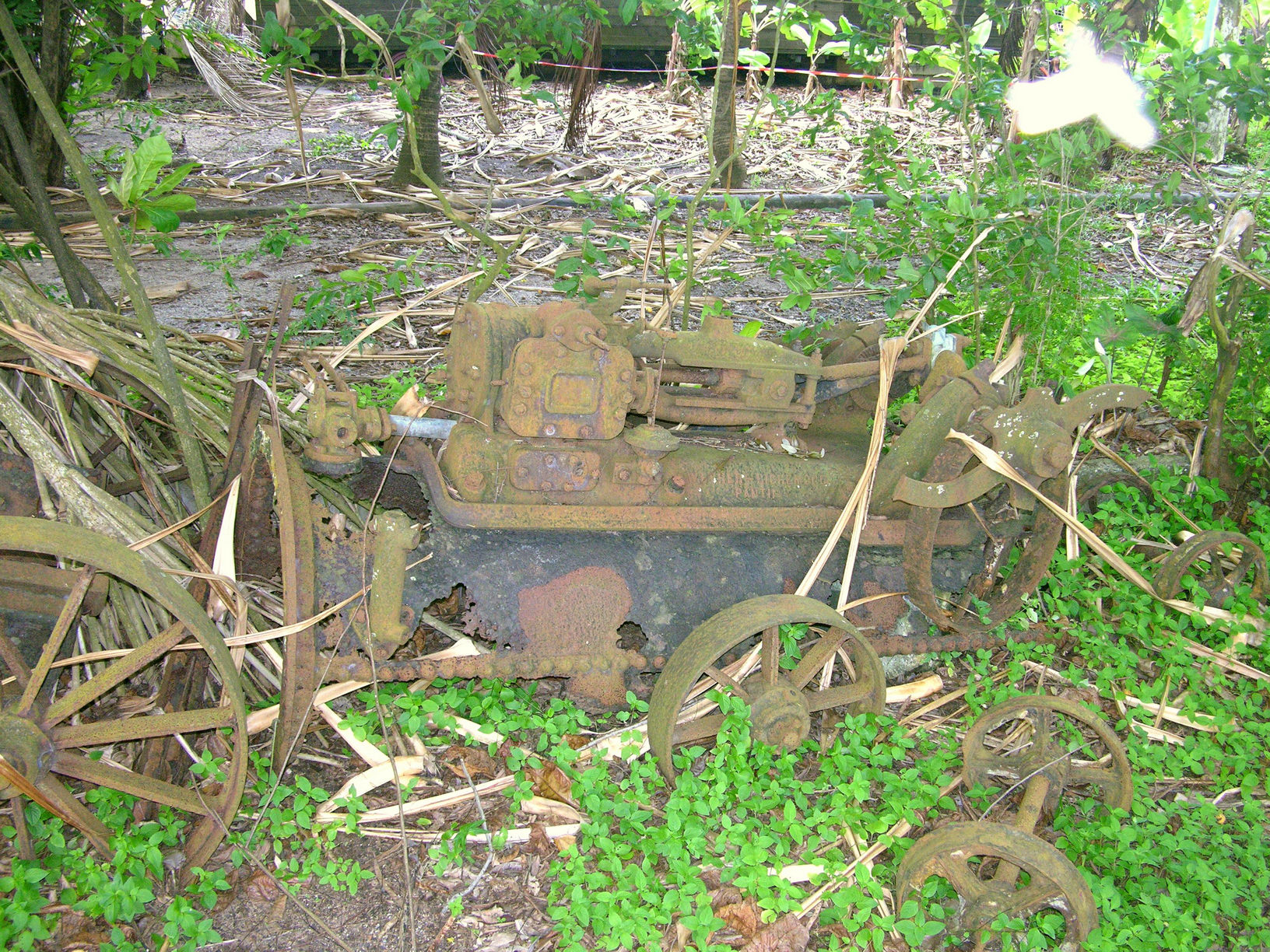
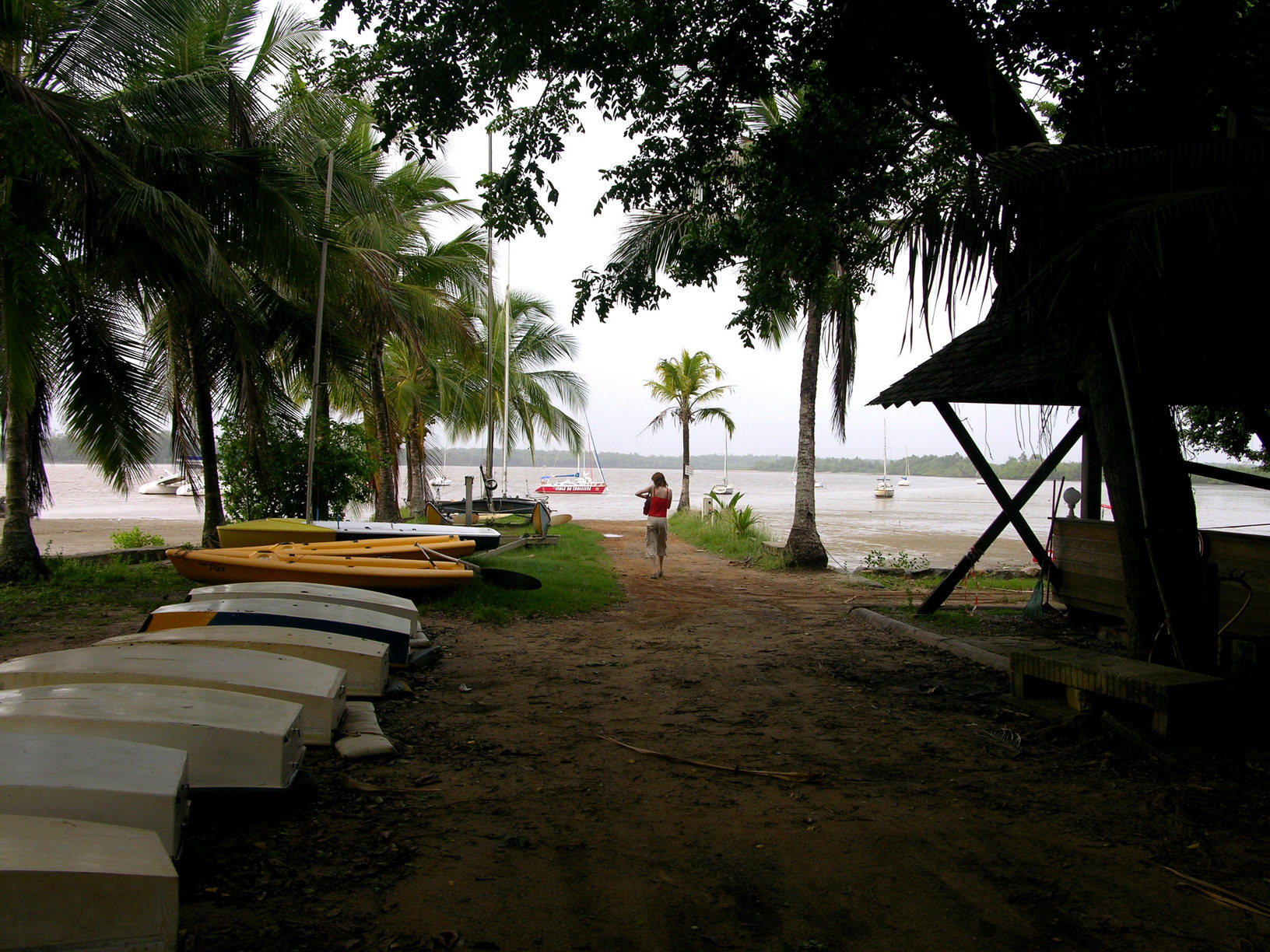
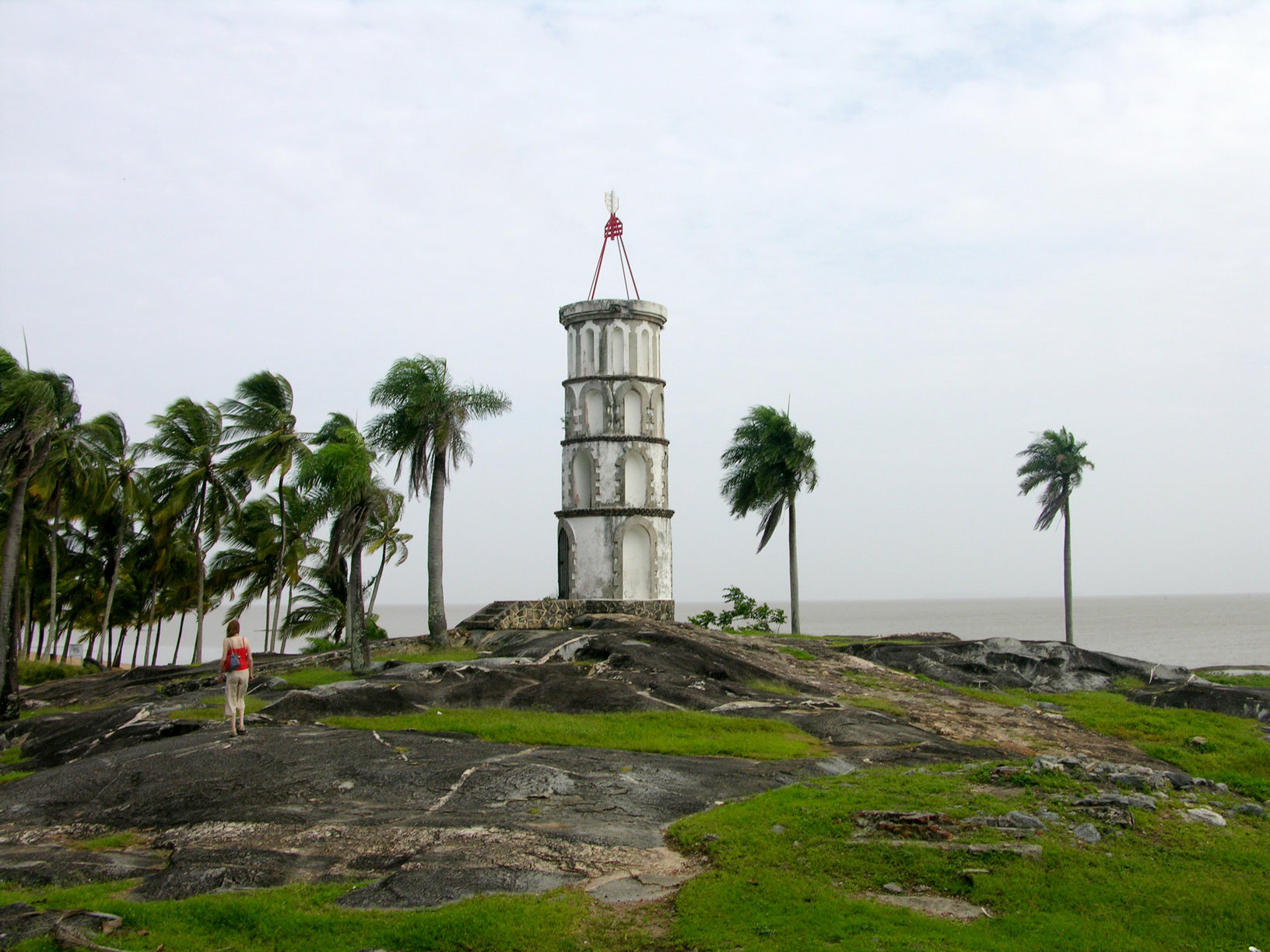
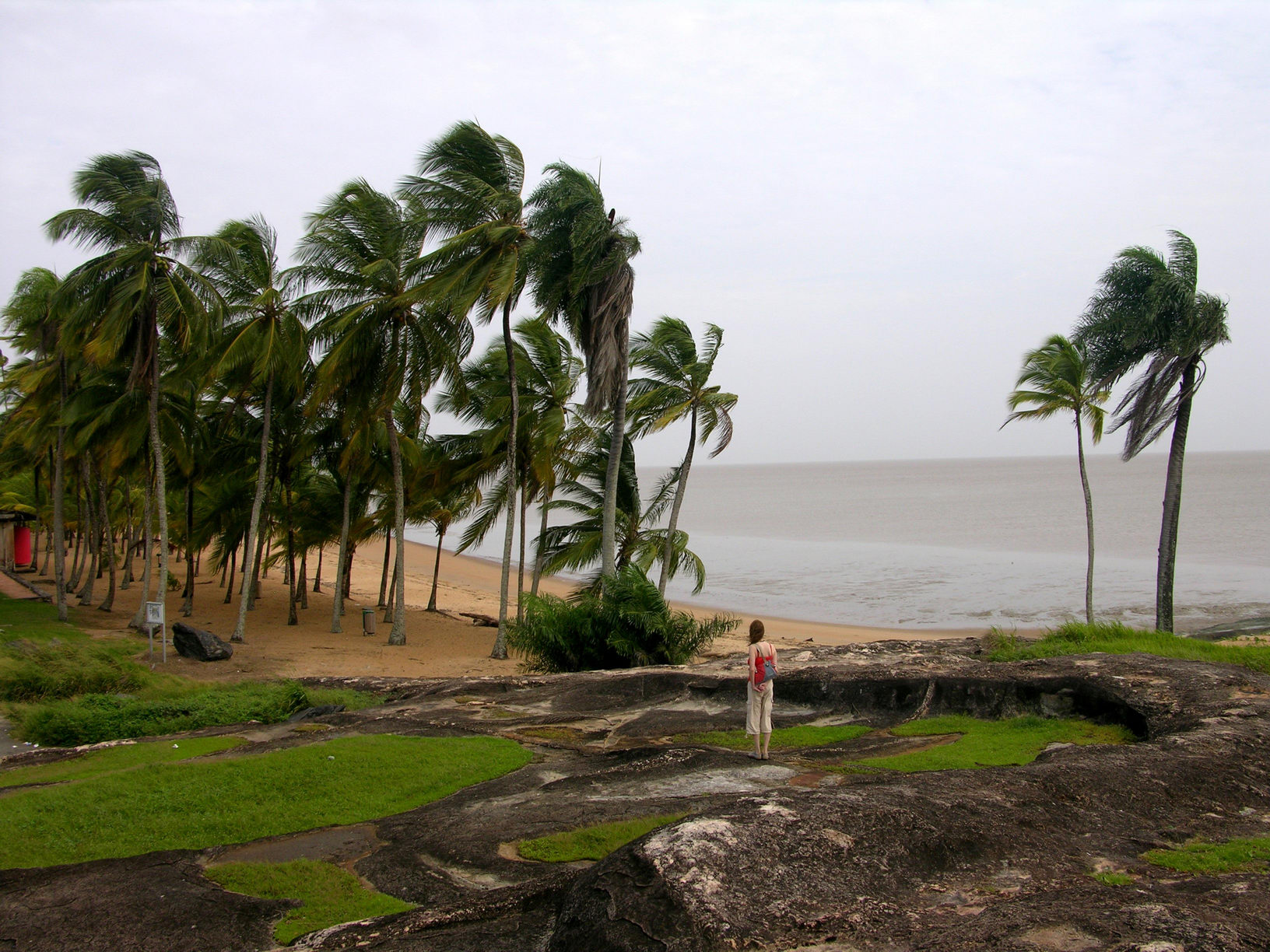
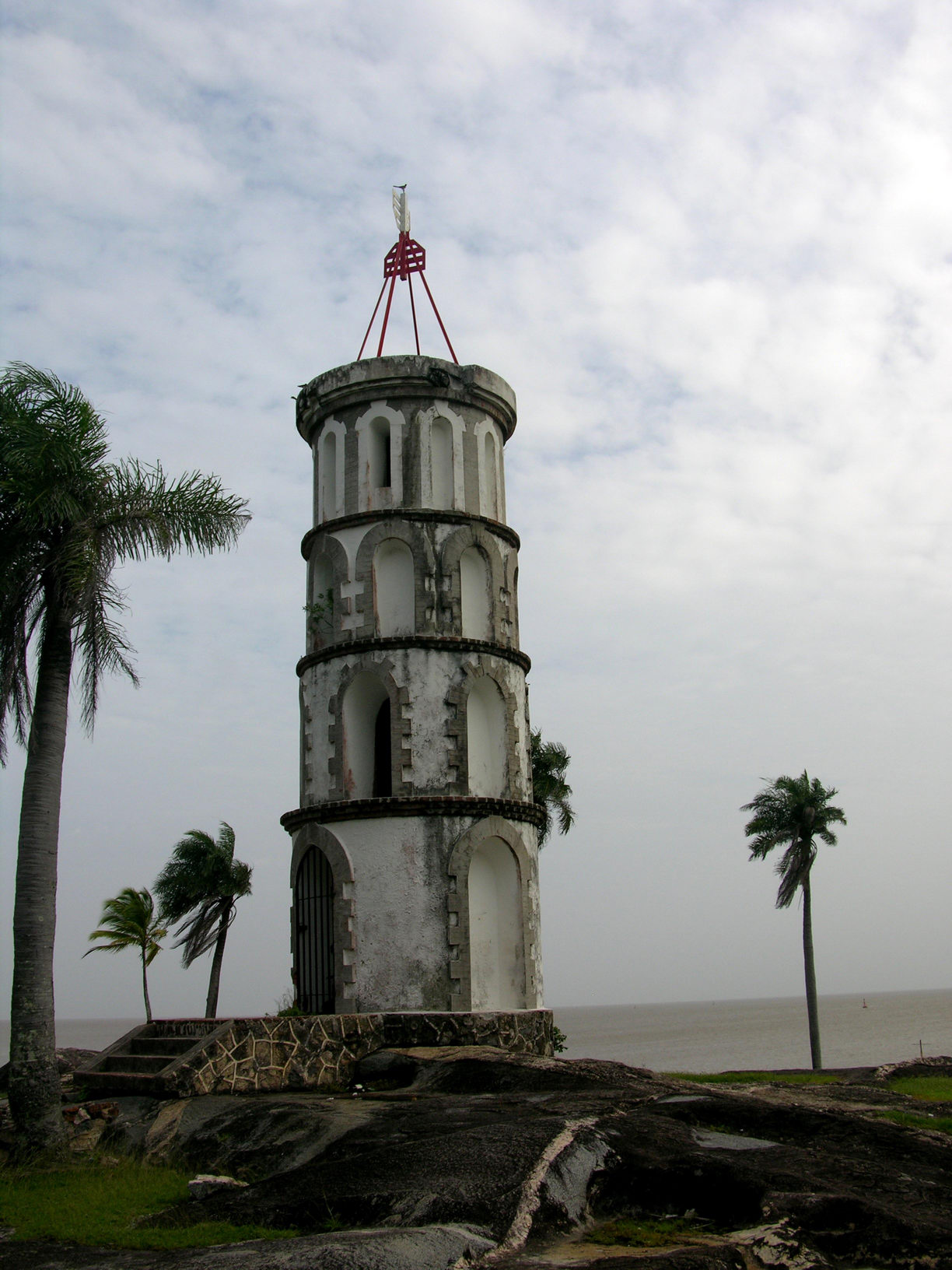
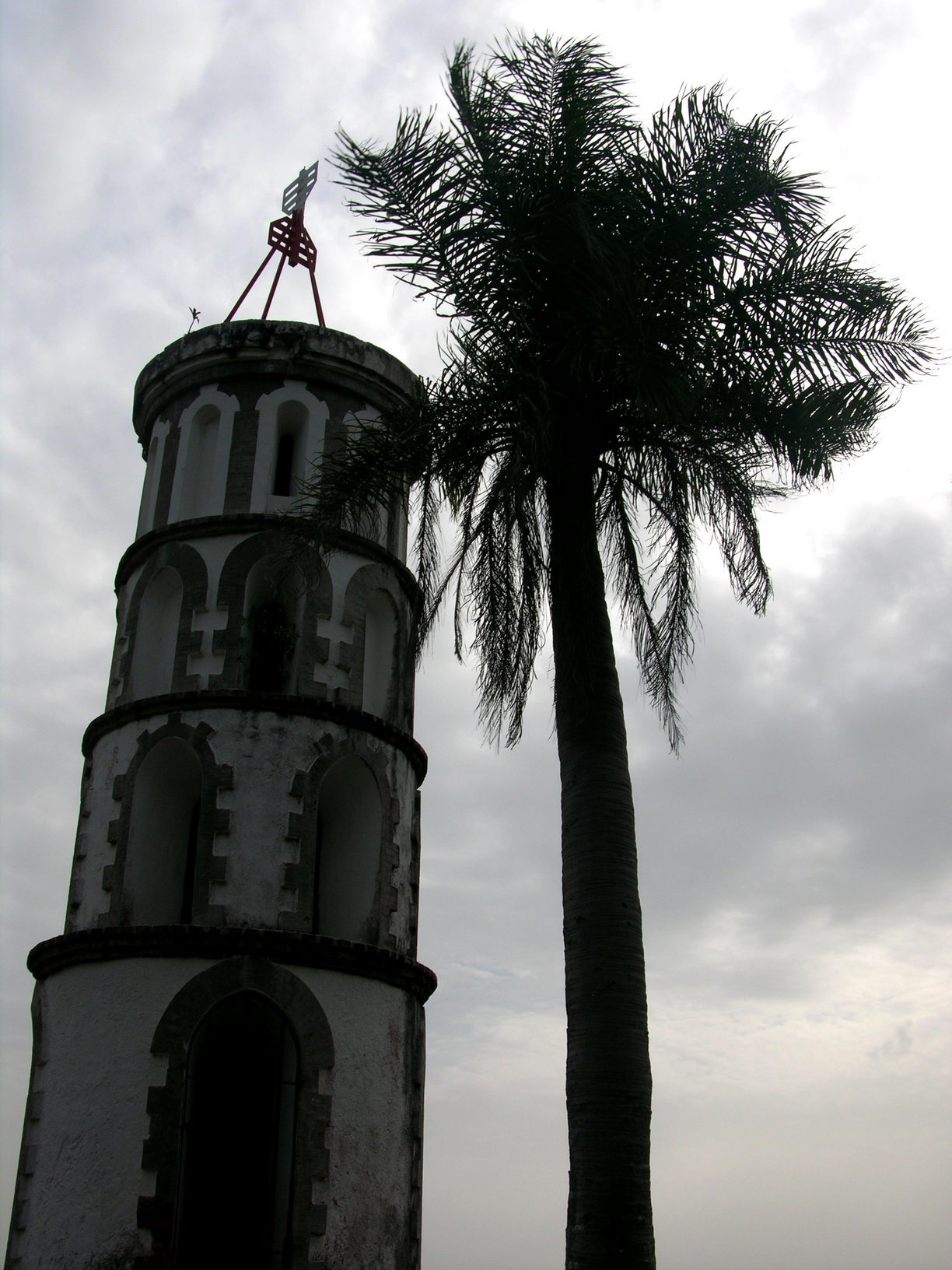
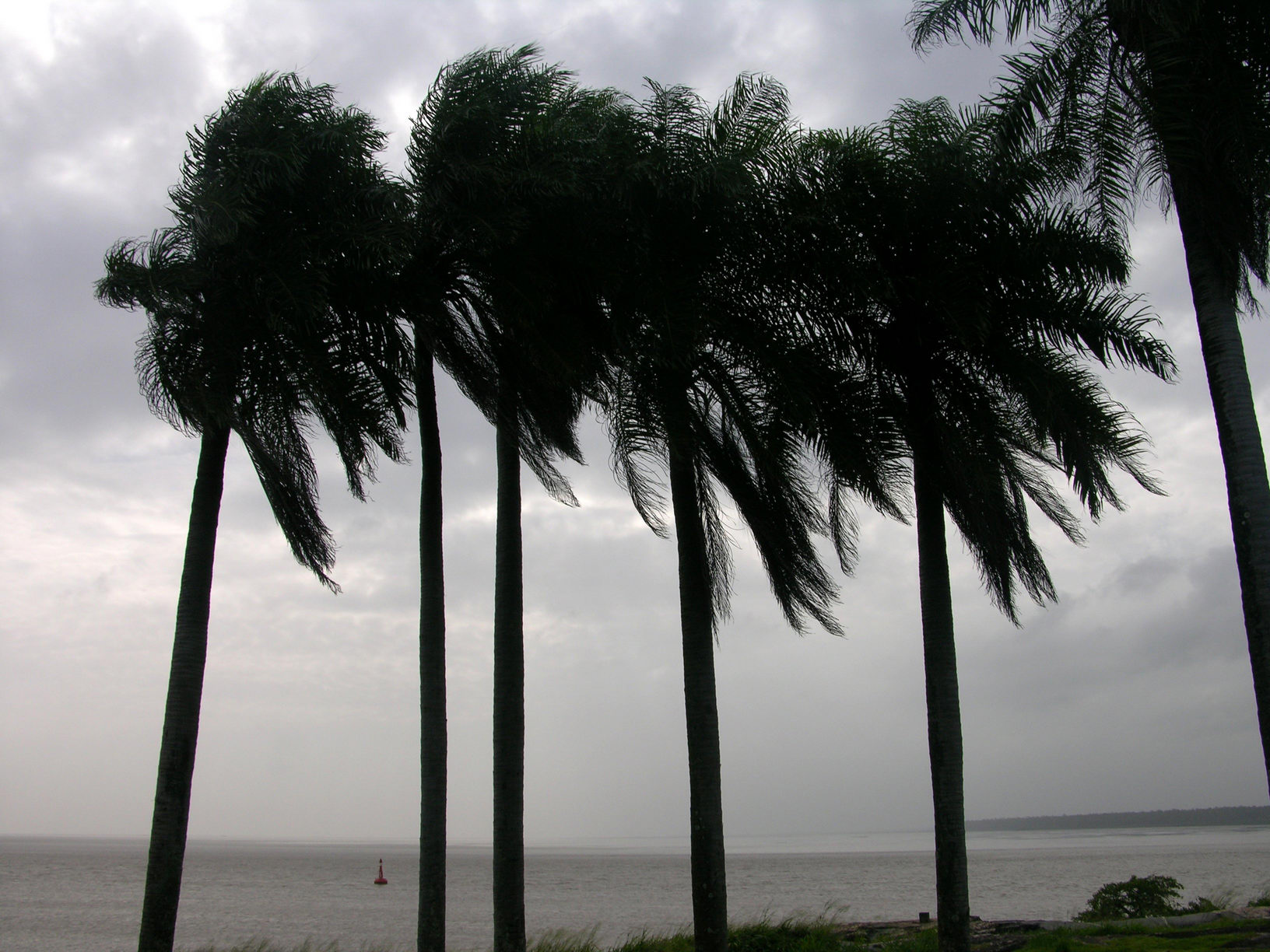
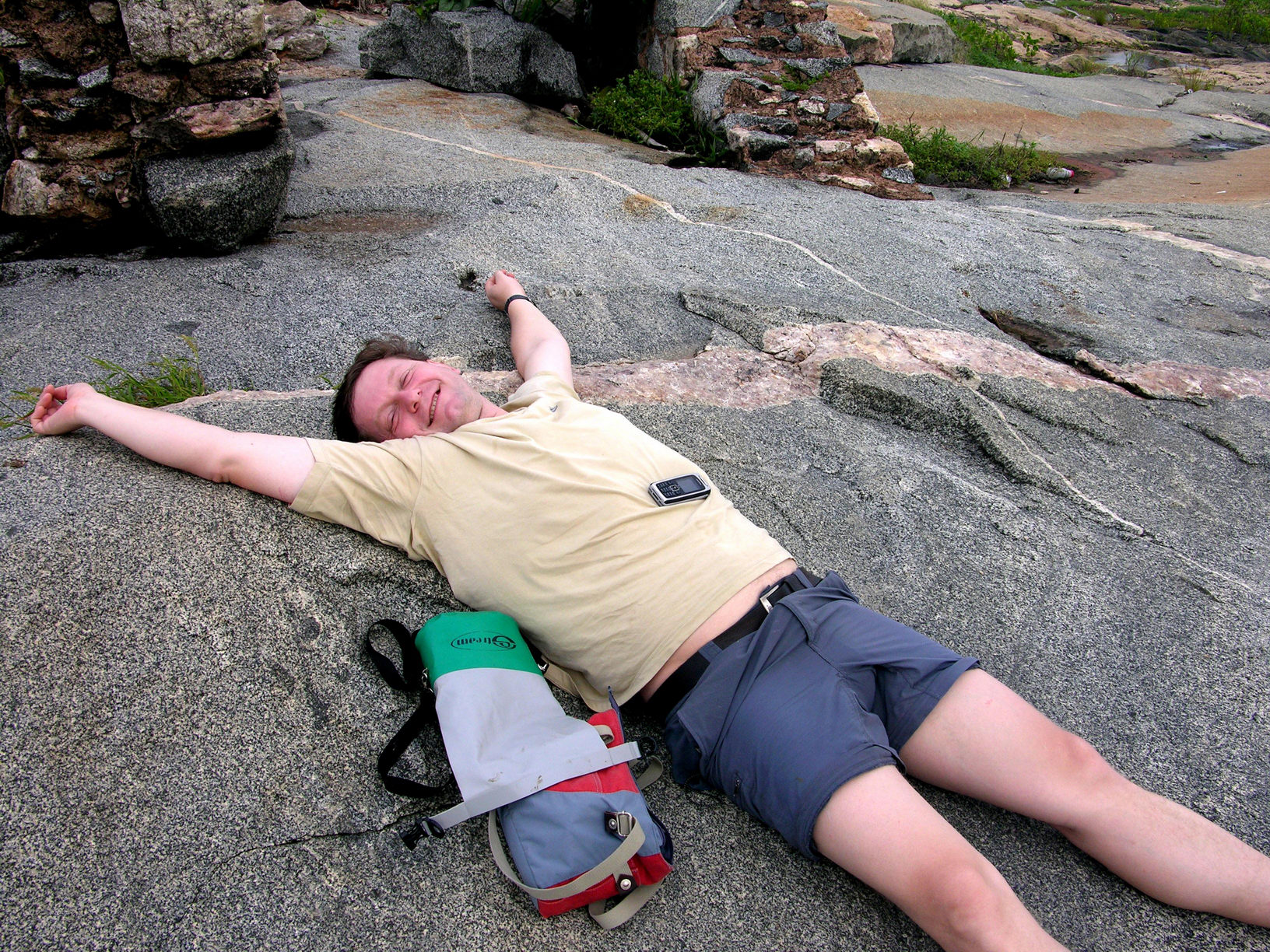
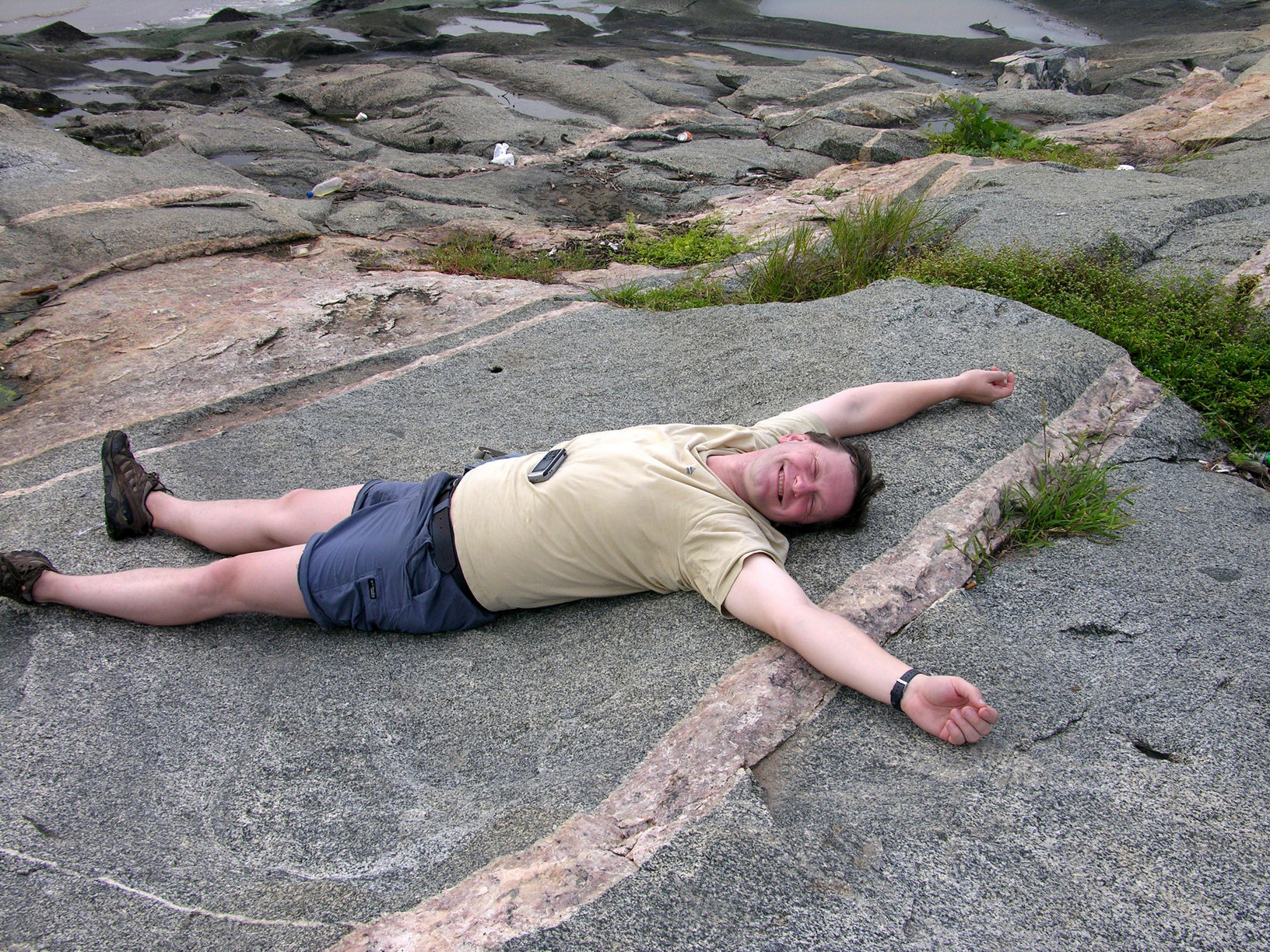
The cool of the morning hadn't lifted yet. The rocks hadn't turned into frying pans, and you could still lie down on them. No need to hurry. All the cares and worries were back in the old year. How sweet it was to lie there and do nothing.
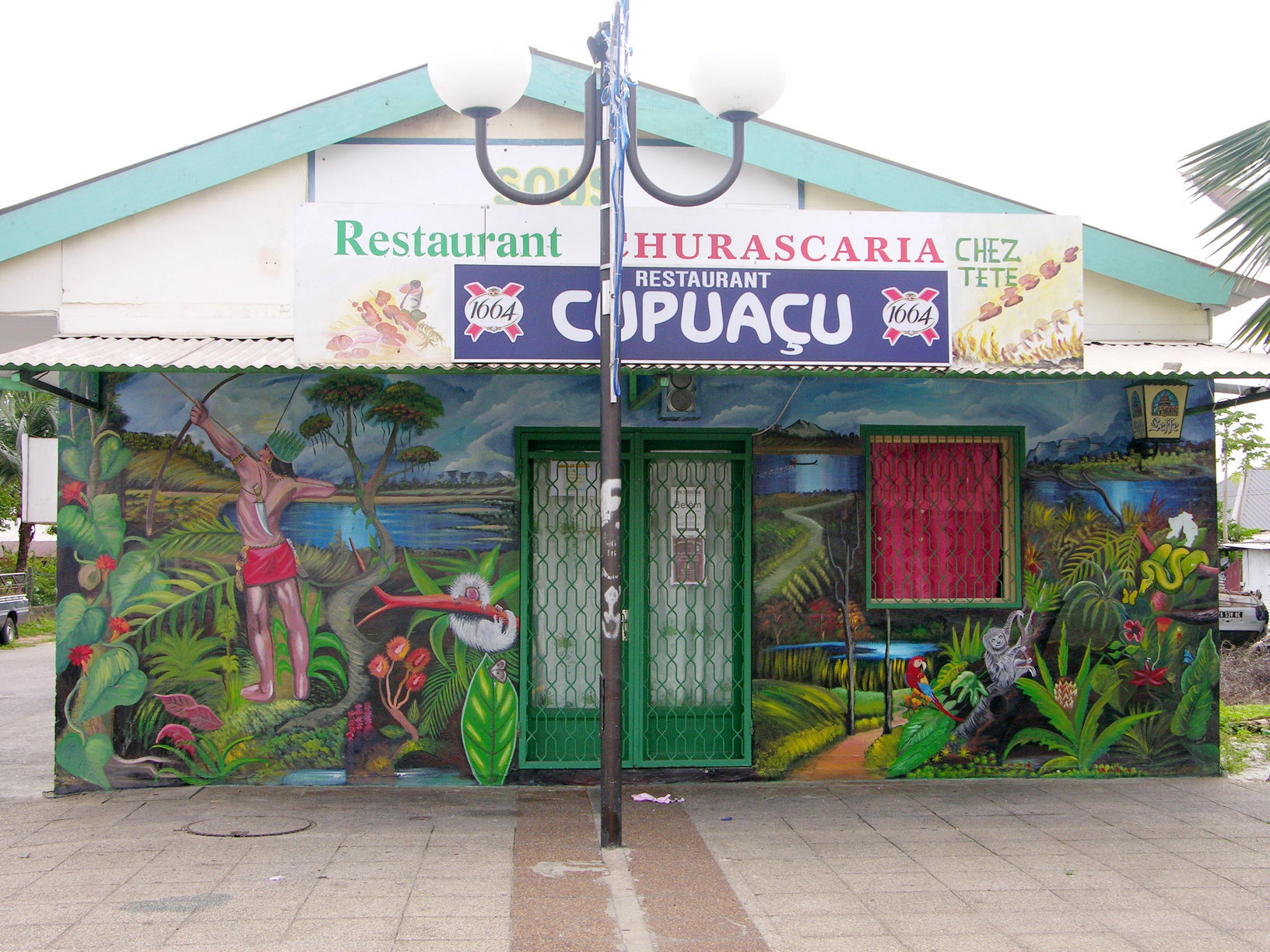
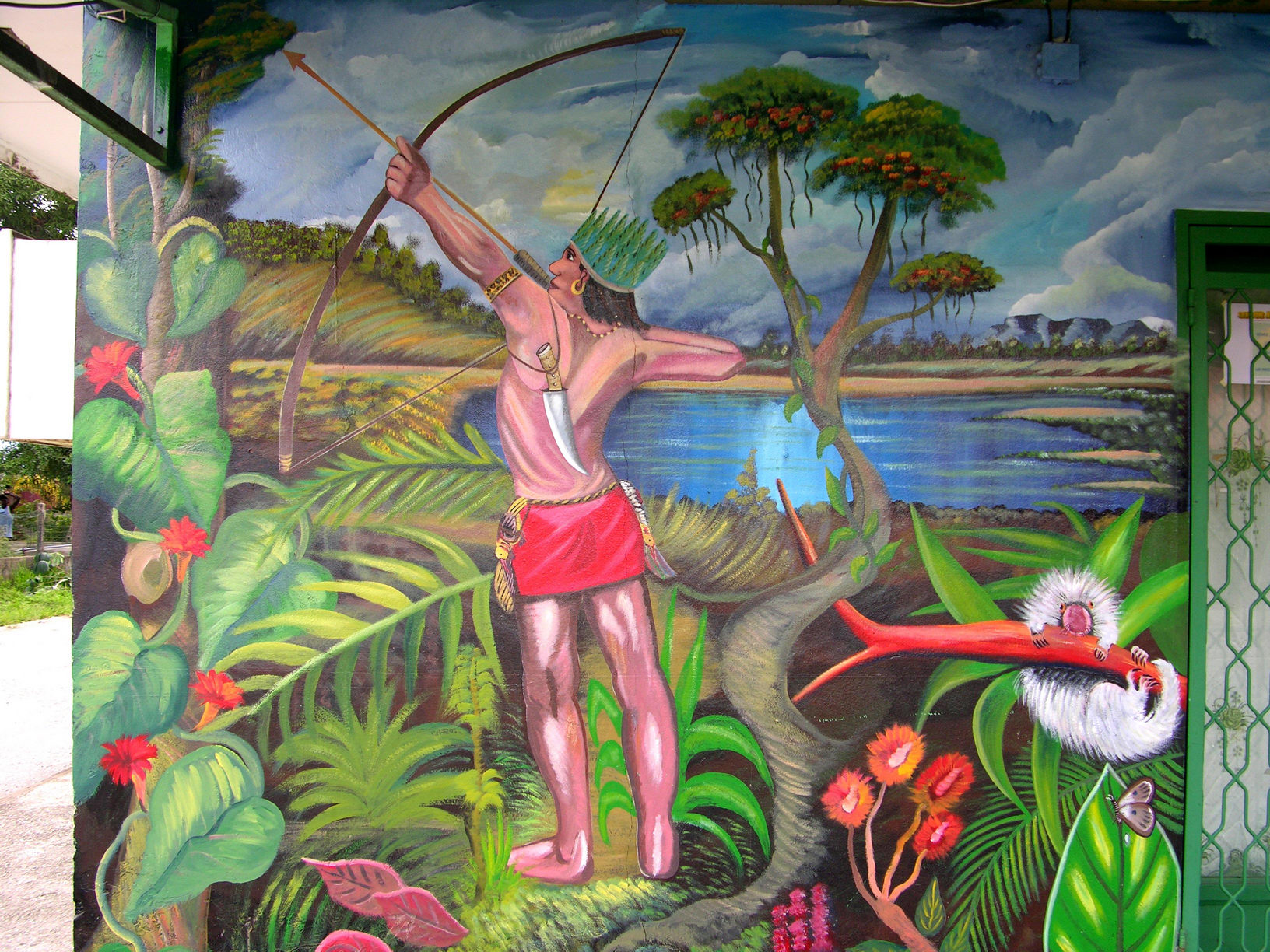
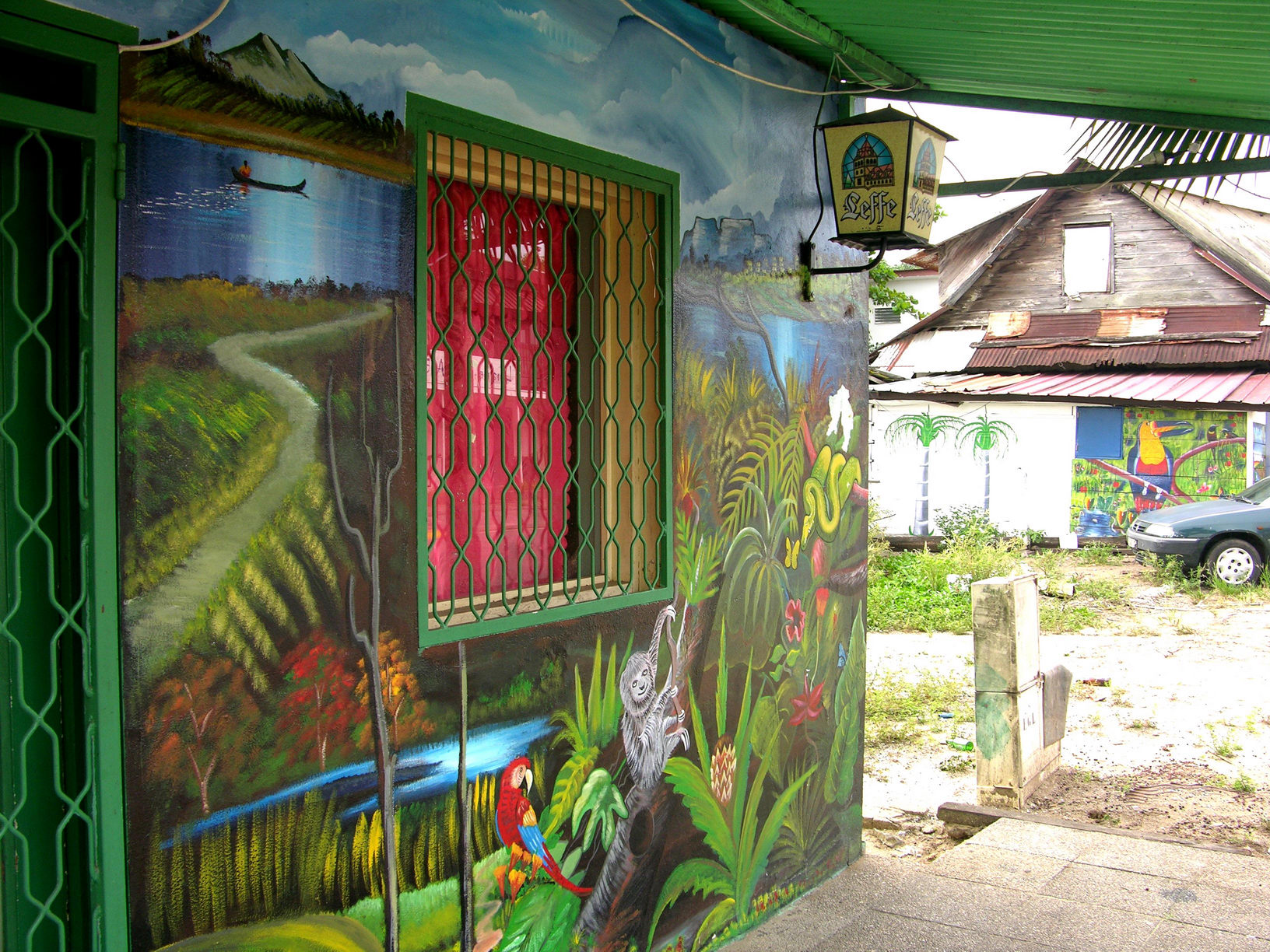
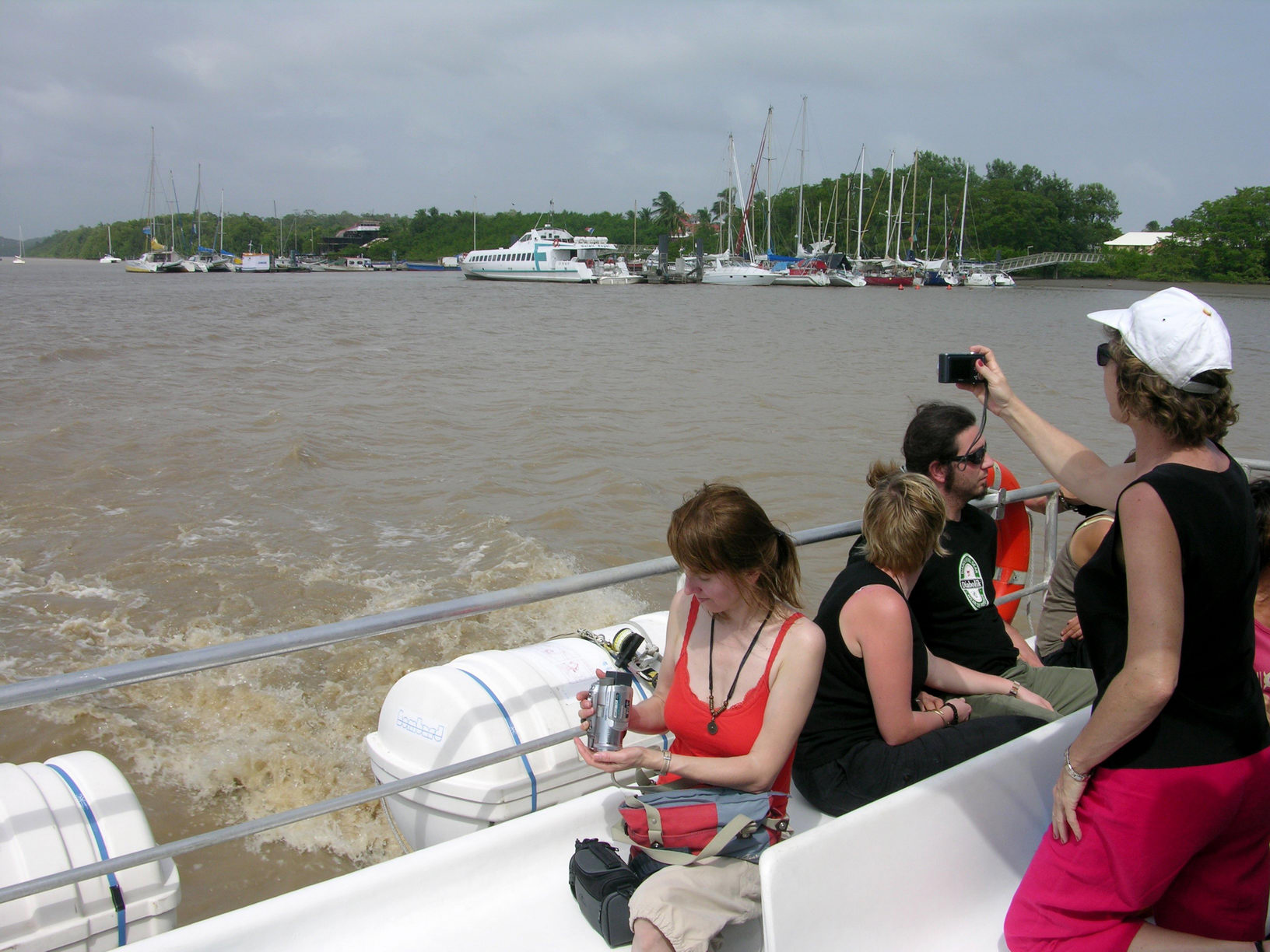
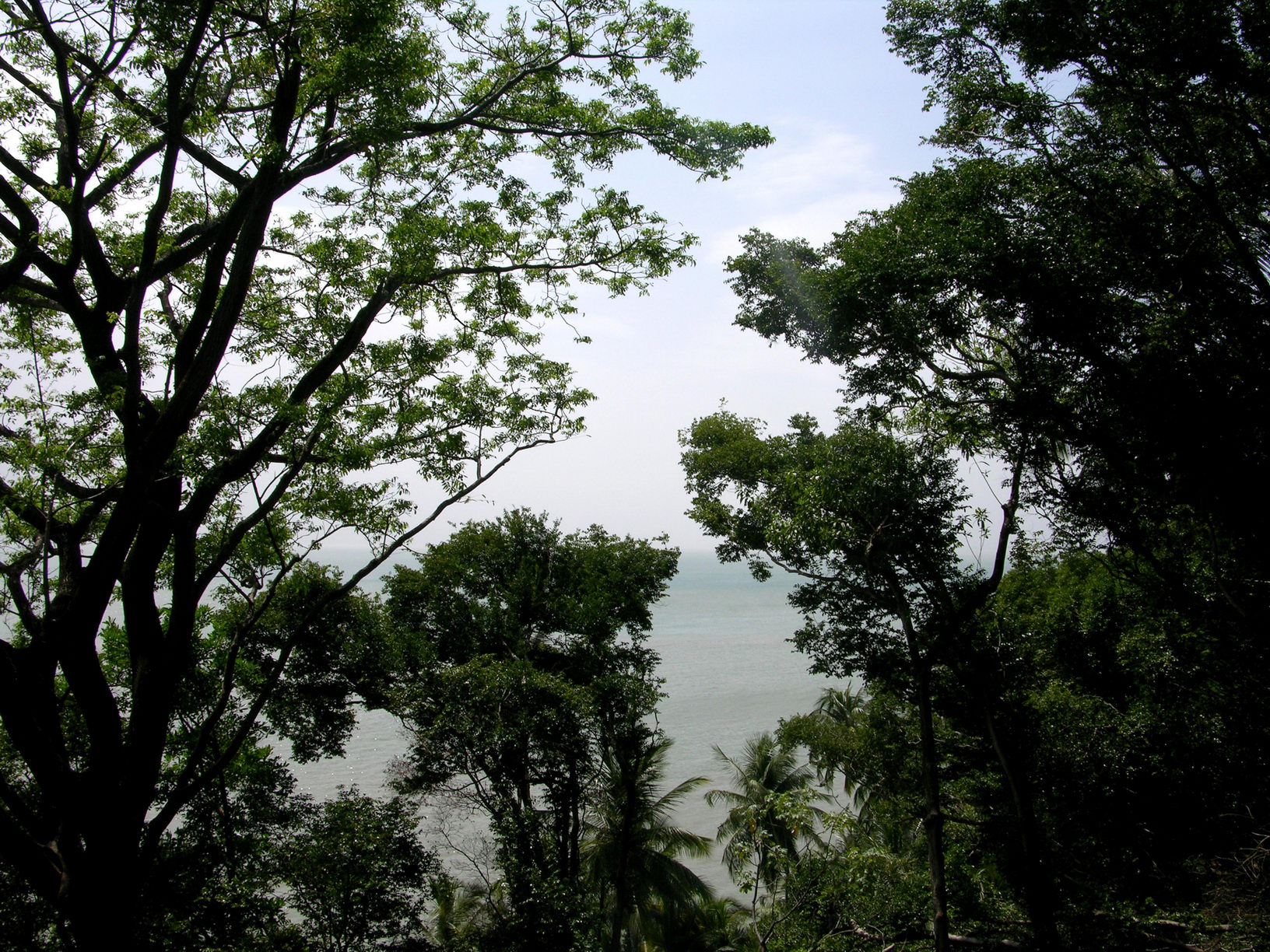
The boat to the islands costs thirty-five euros and takes an hour. Most of the way is spent in the channel of the Kourou River, among muddy pools left by the ebb tide. Only the last few kilometres are in deep, clear sea. Apparently it teems with sharks. That's why it was difficult to escape from the island prison.
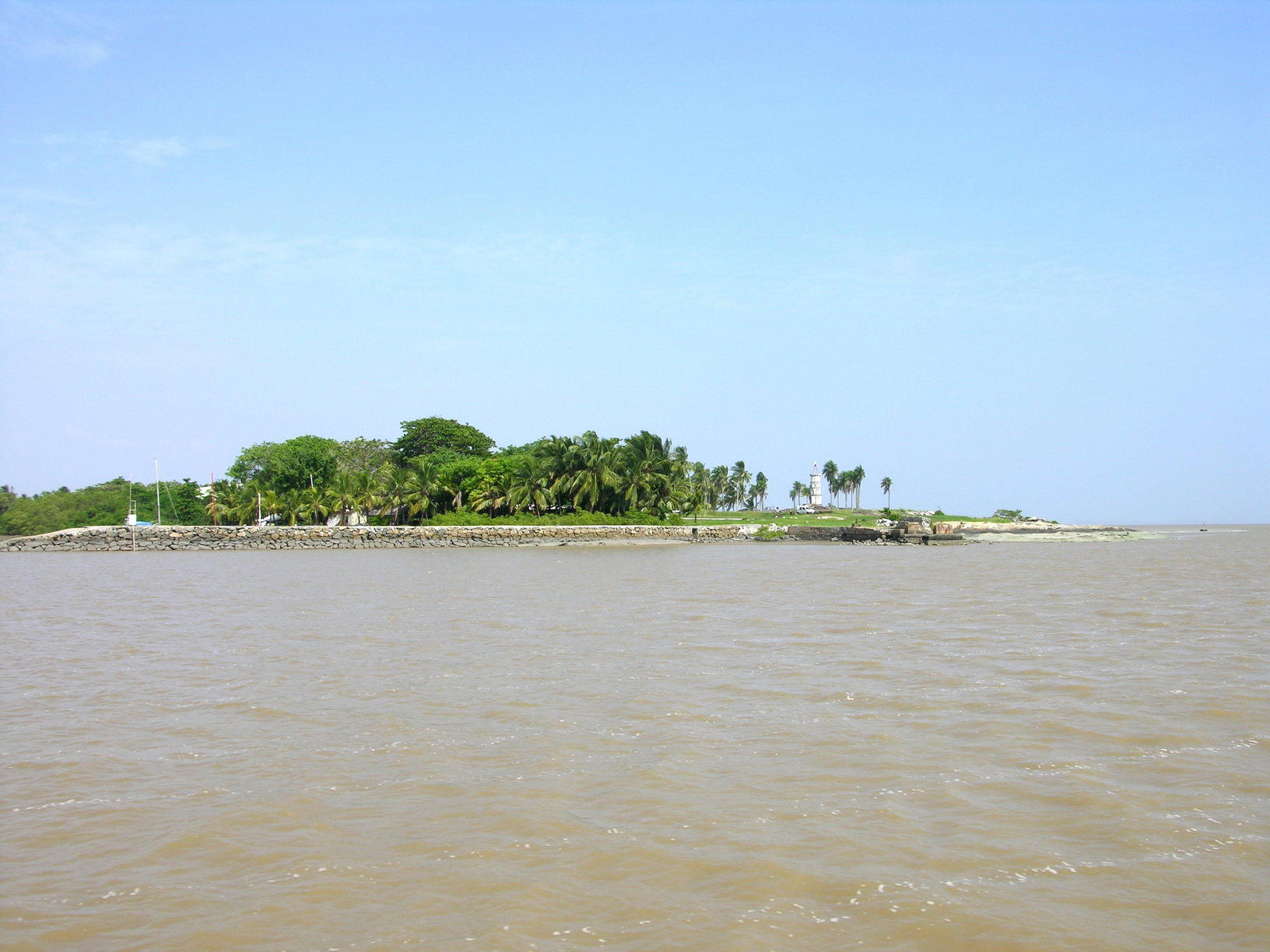
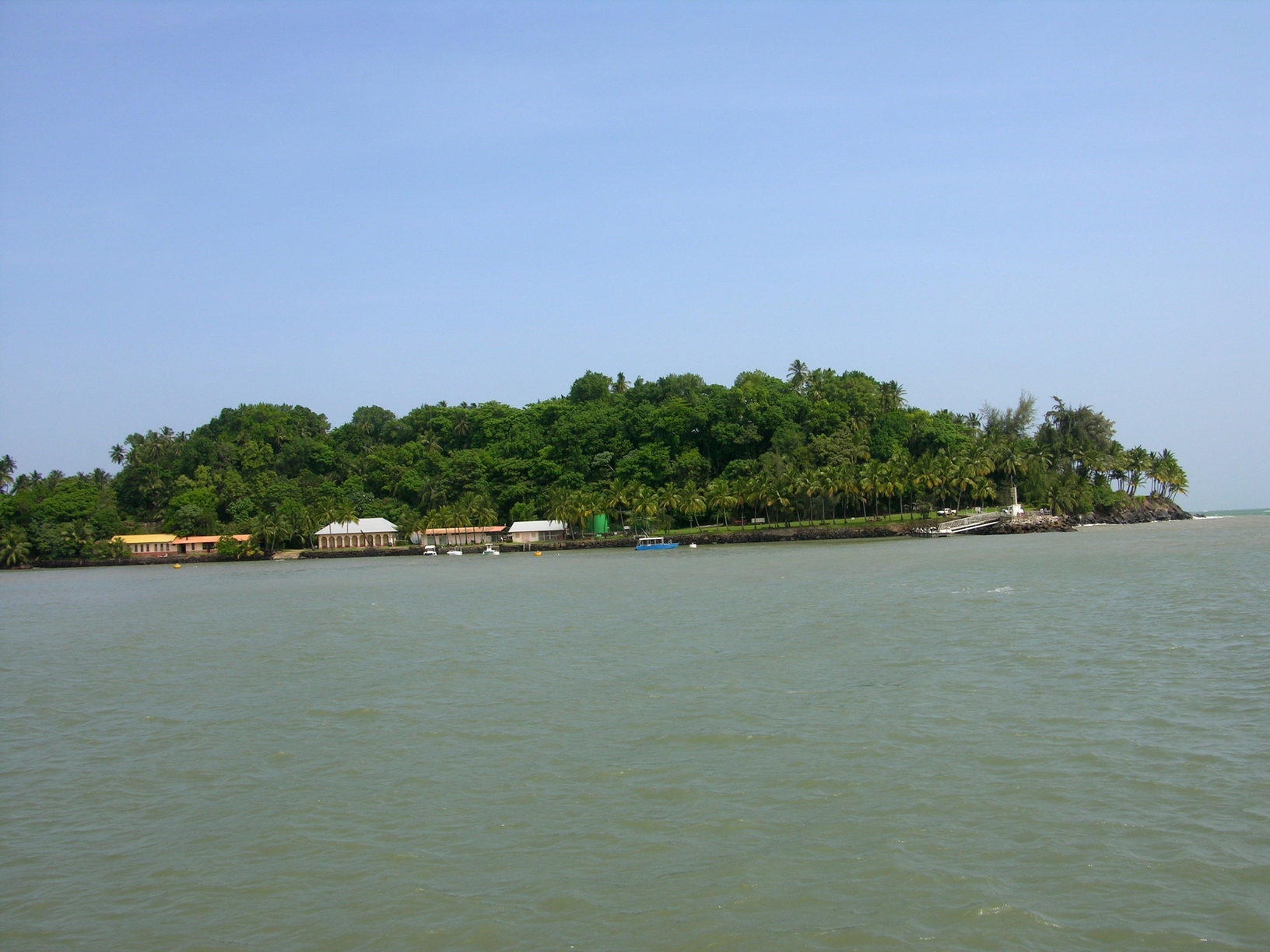
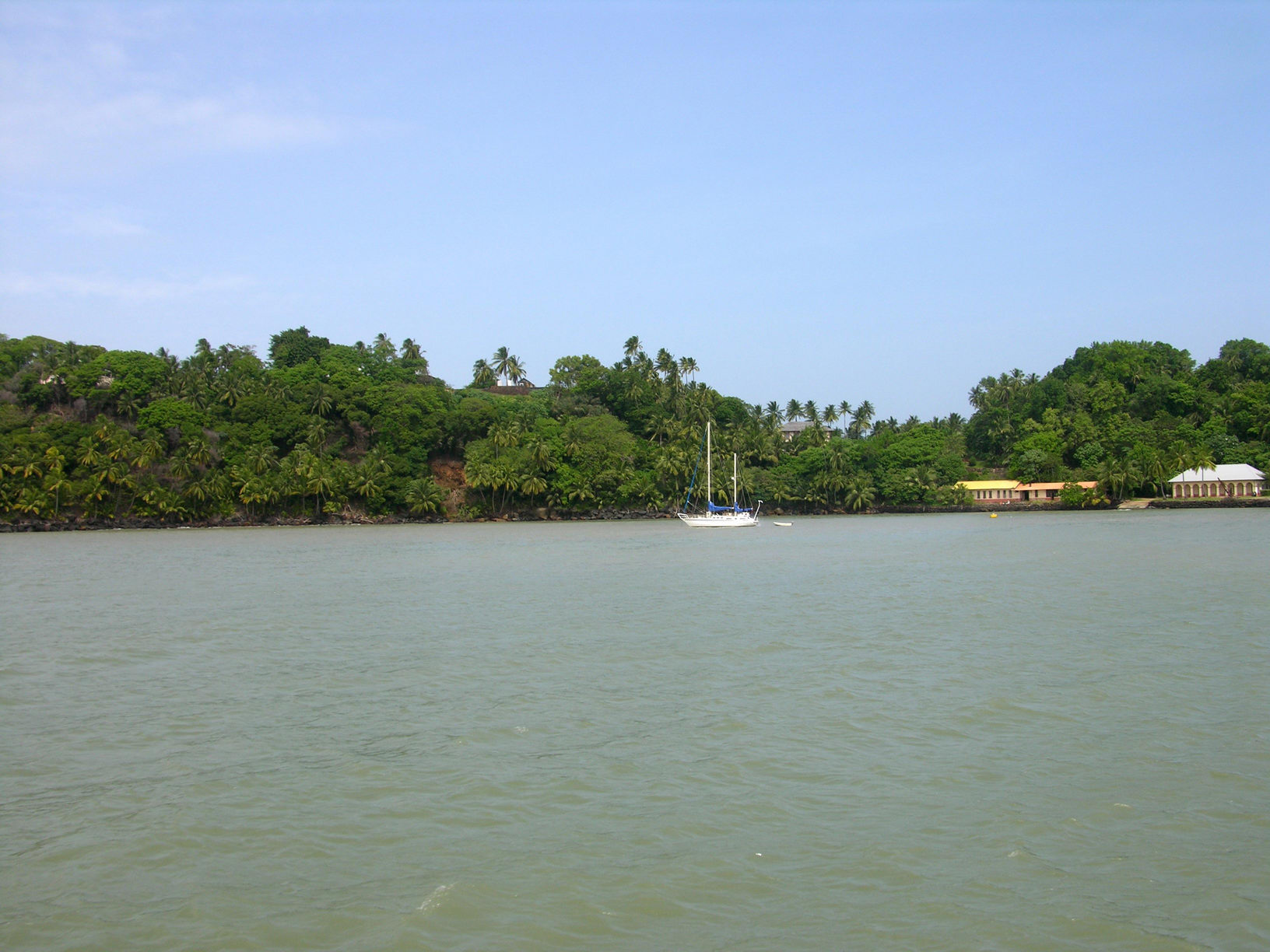
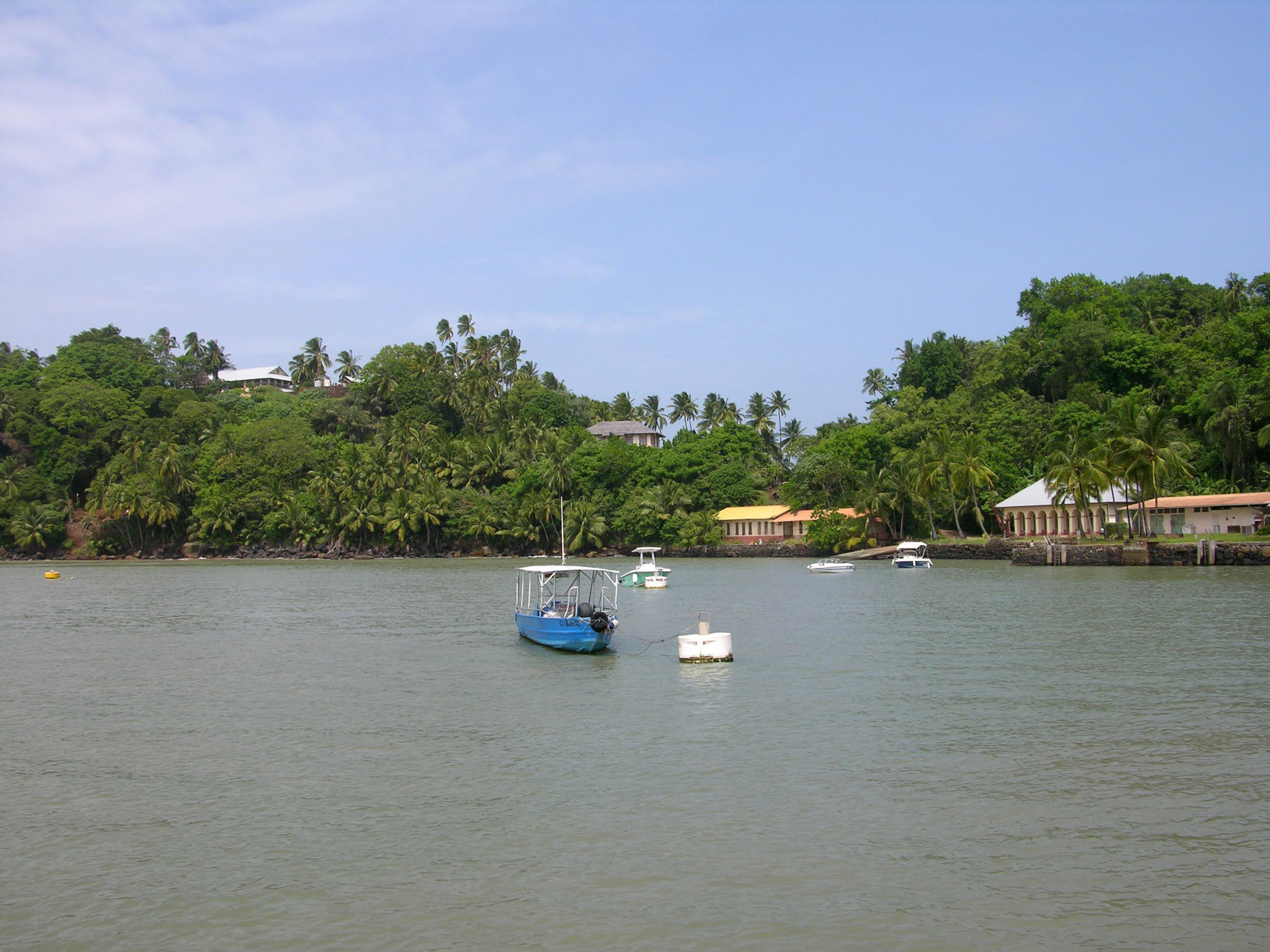
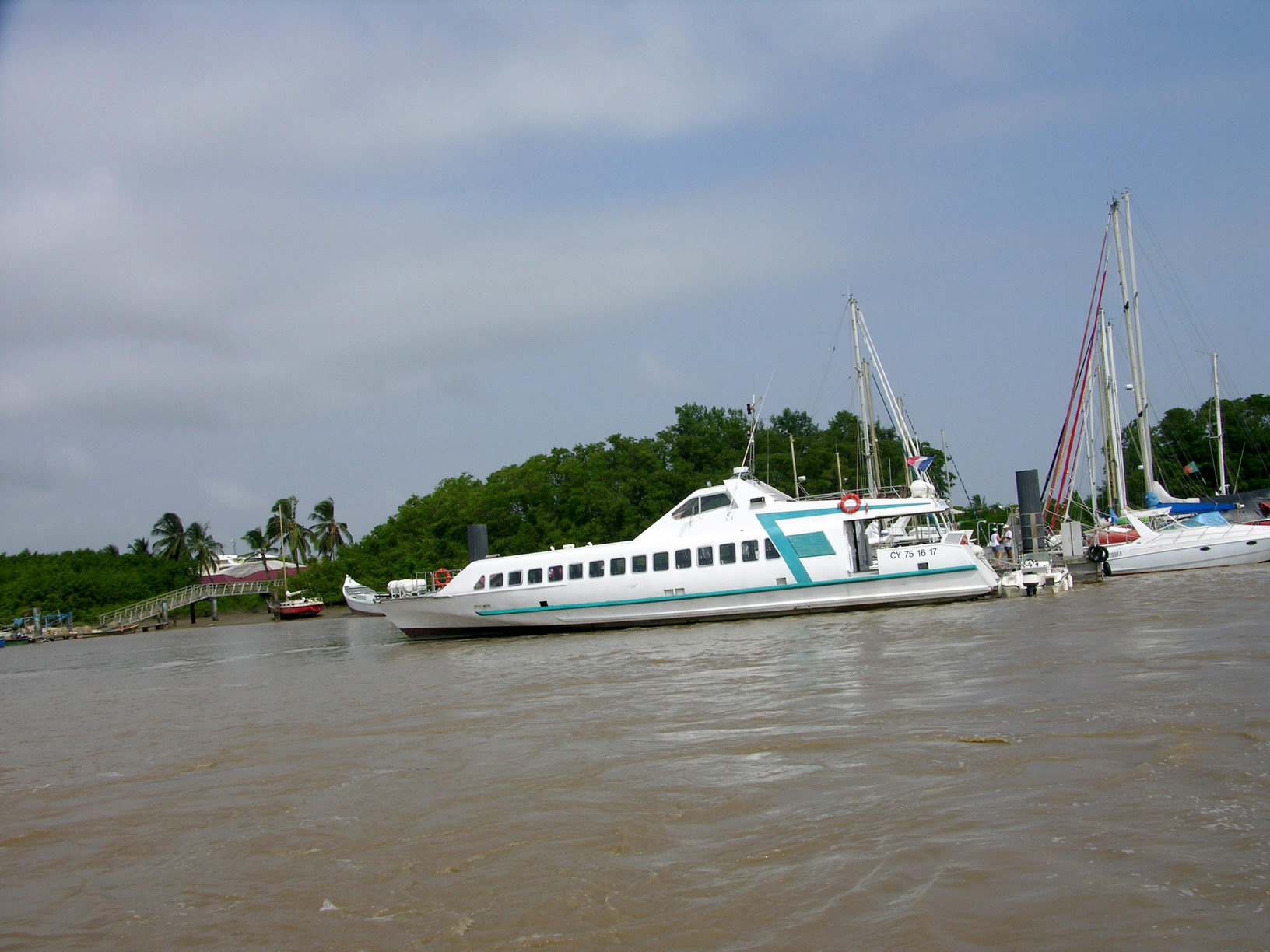
You pay for the boat when you reach the island. A jeep with a cash register comes down to the landing to collect the money, most of it for the island visit rather than the boat itself. You can stay overnight, by the way, even in a tent. You aren't allowed to pitch it on the roads, on the shore or on the lawns. That leaves only tropical undergrowth, but camping is allowed in principle. We saw just one couple in hammocks between the palm trees. There's also an expensive hotel and a restaurant. At the restaurant we ate a festive New Year's turtle.
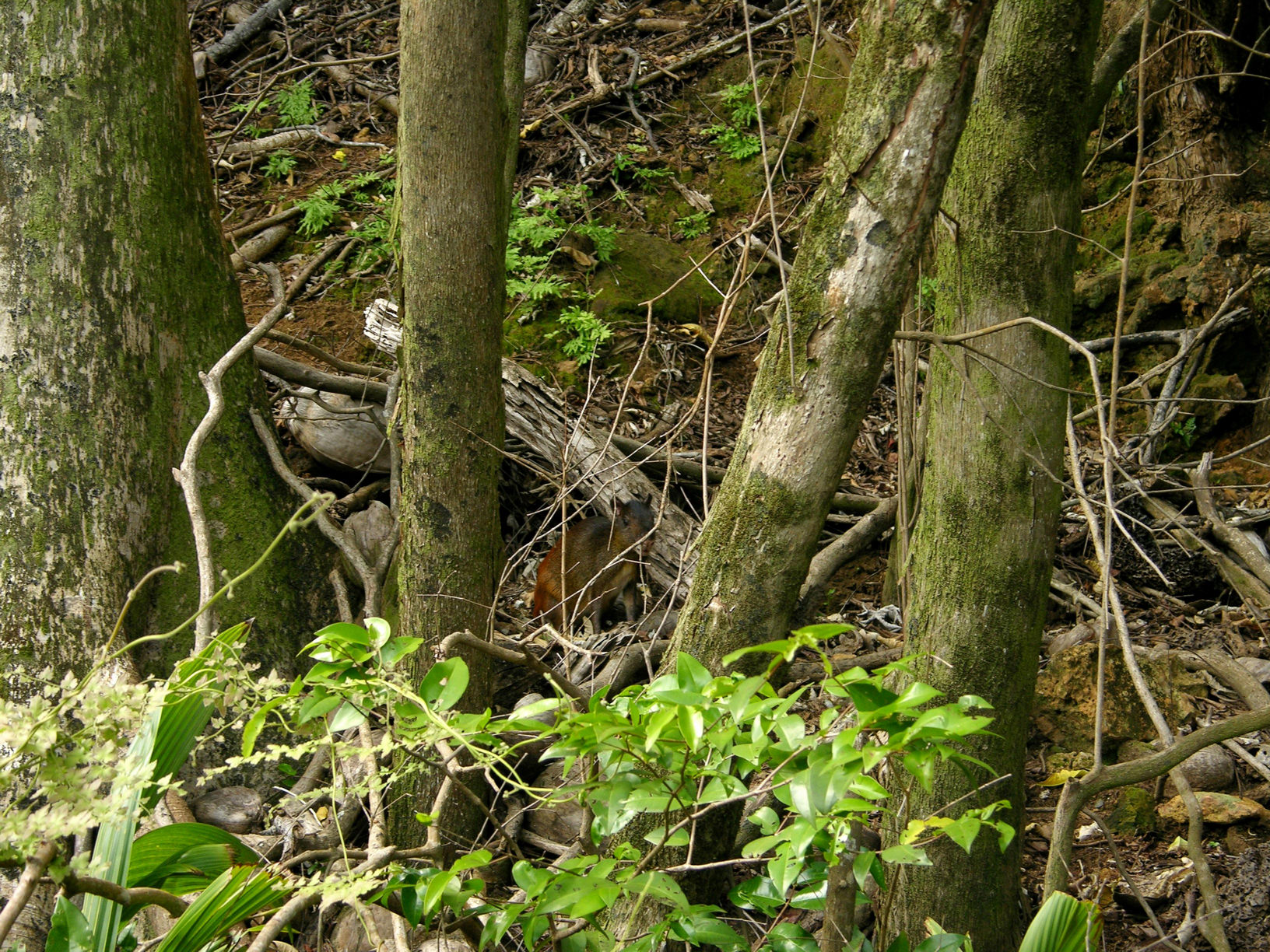
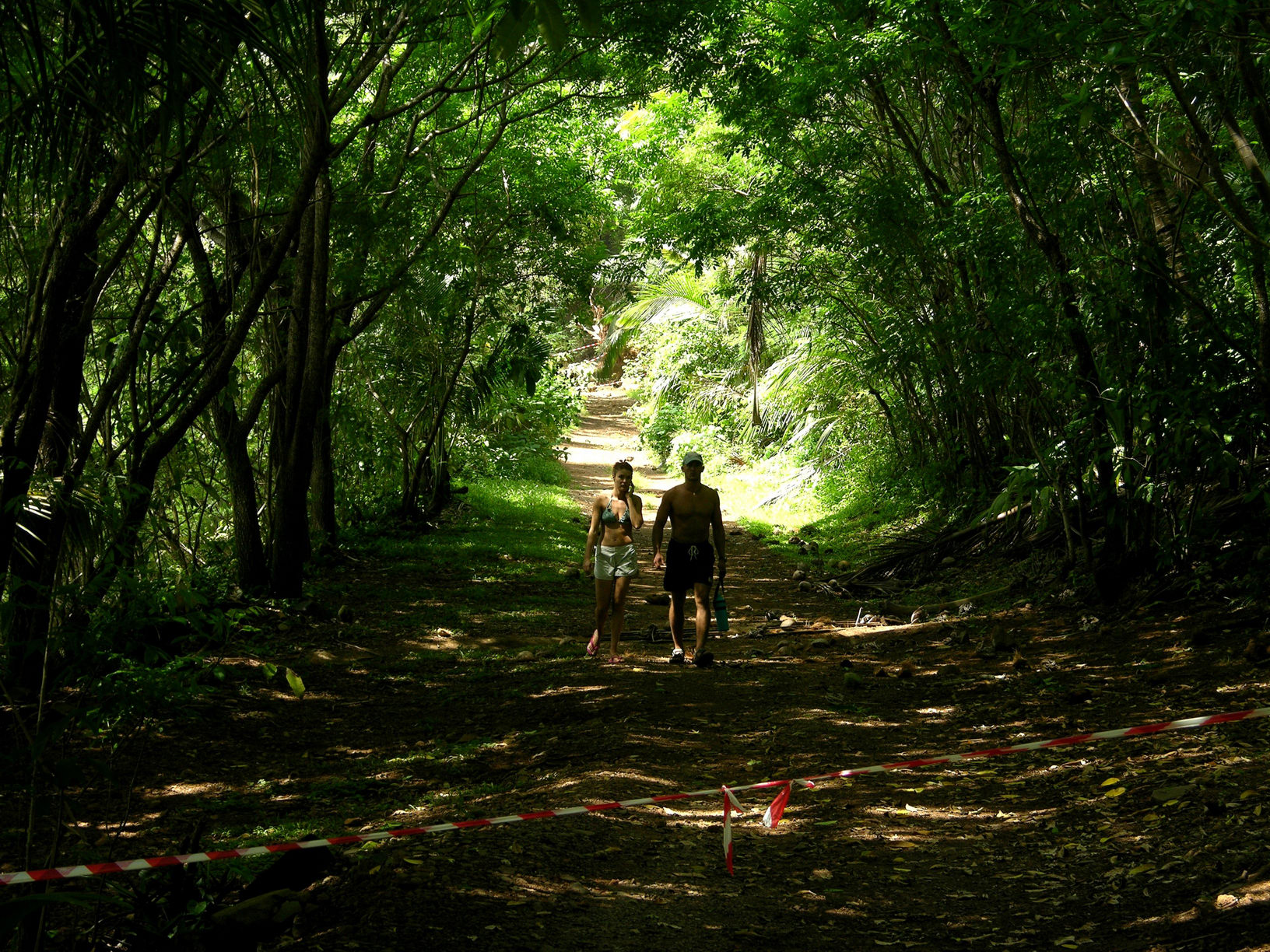
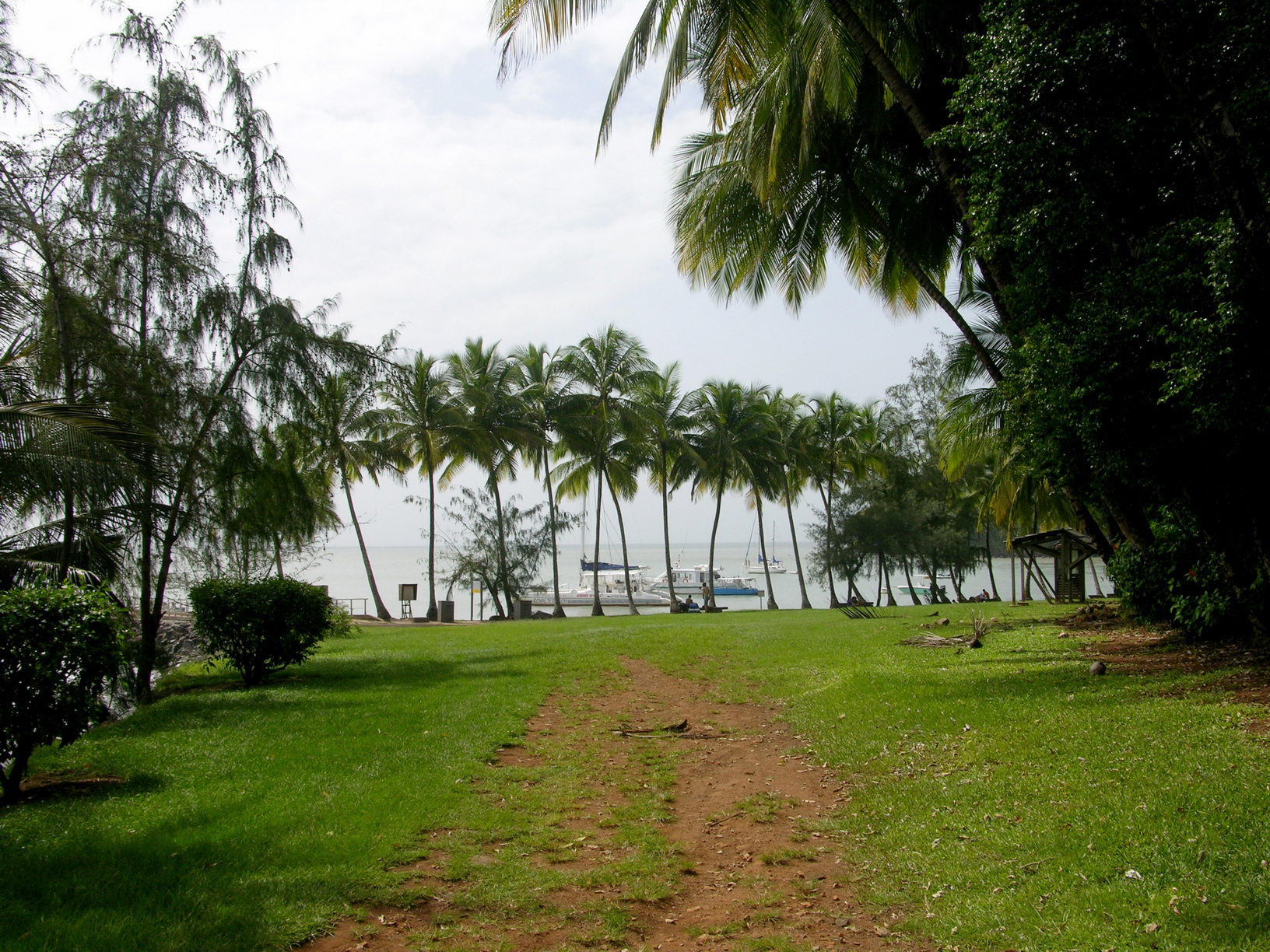
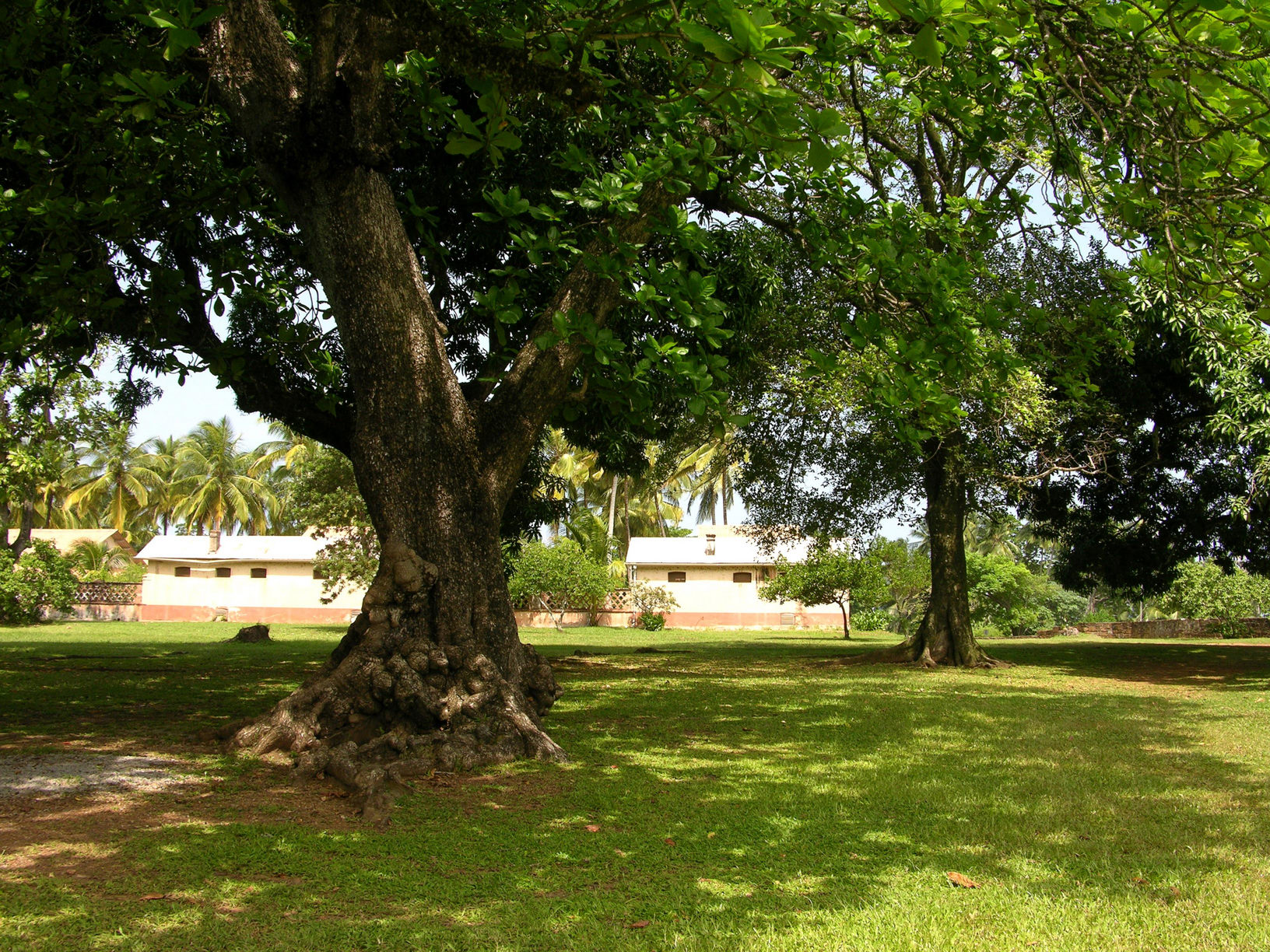
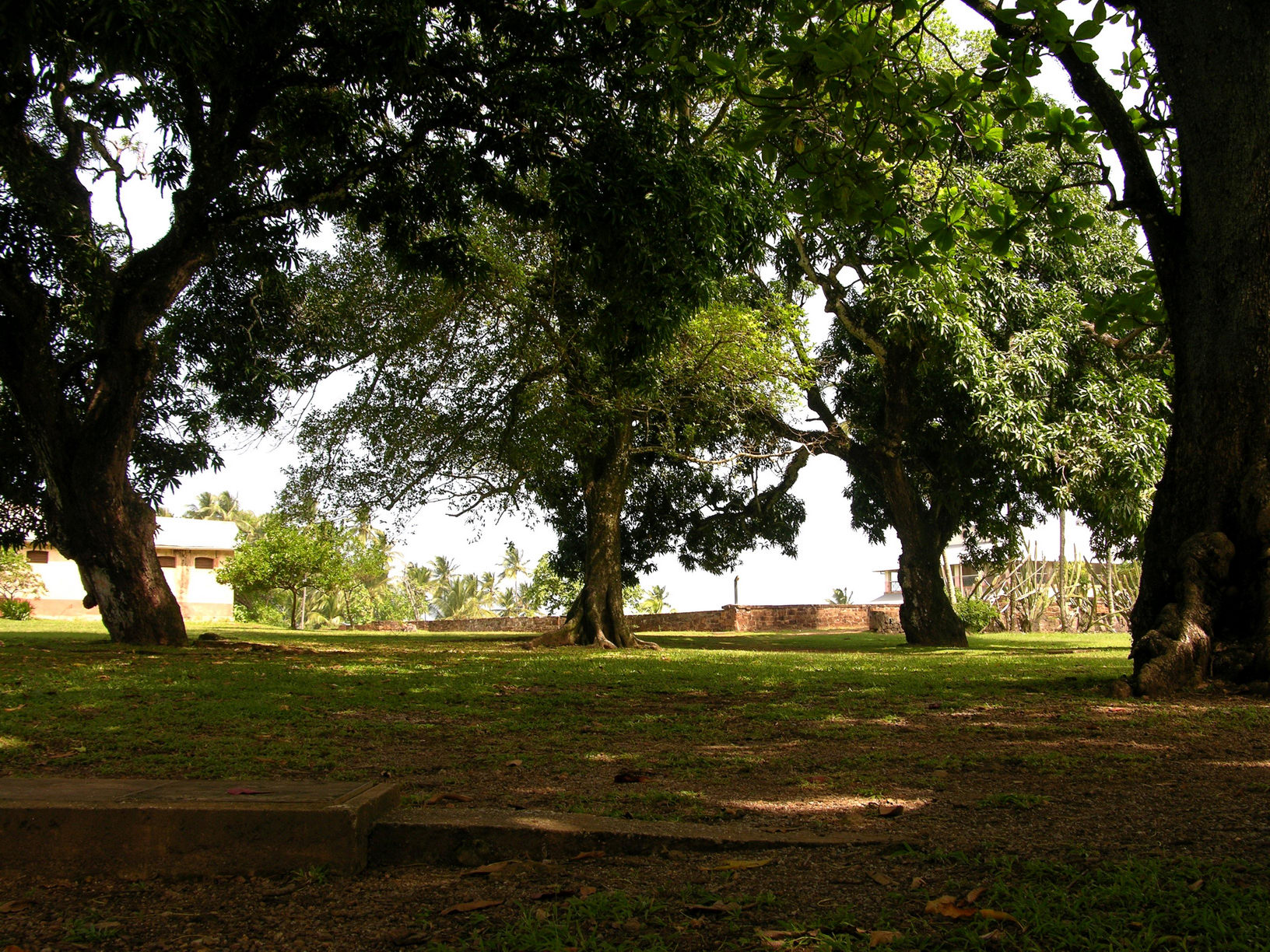
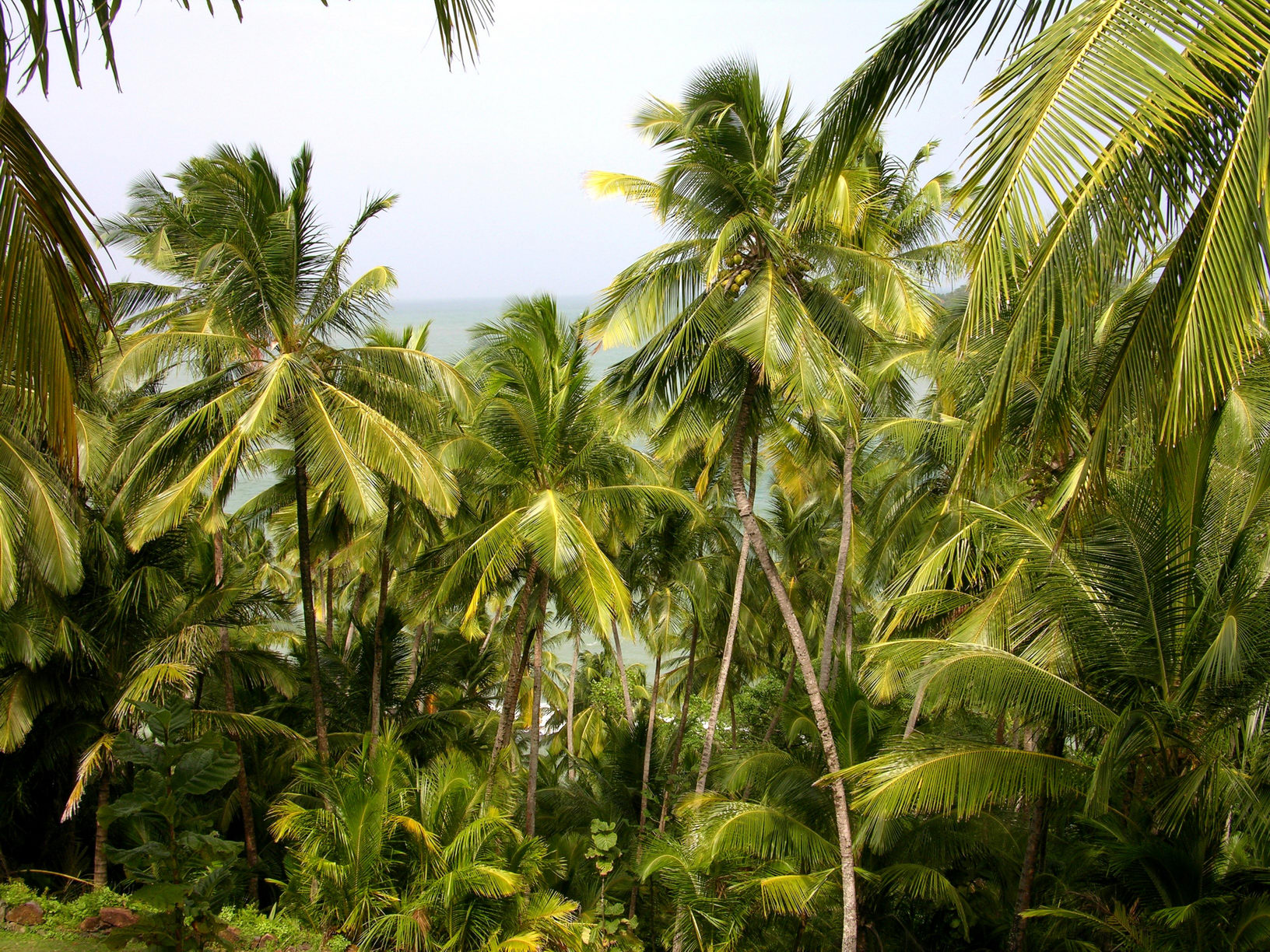
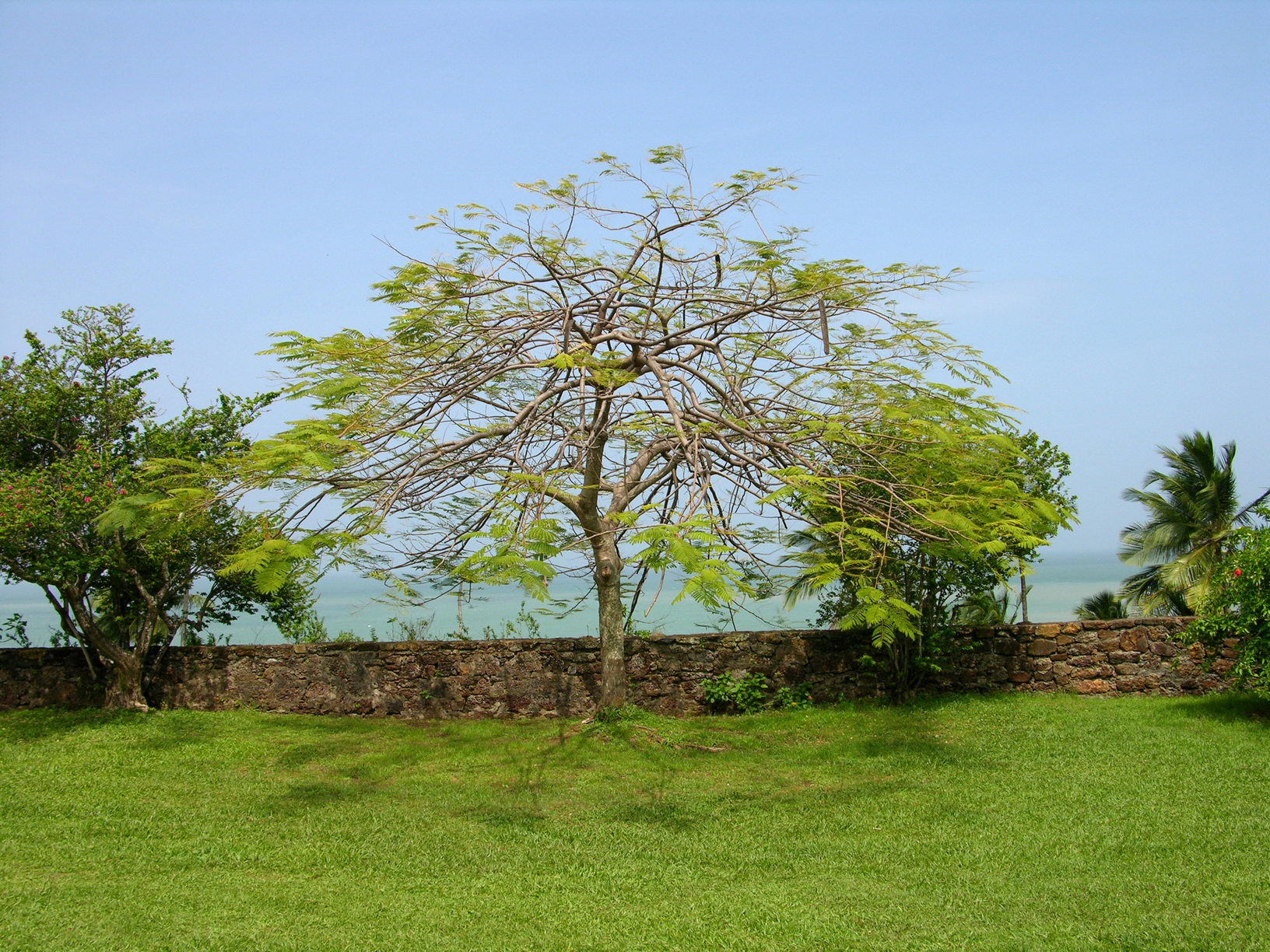
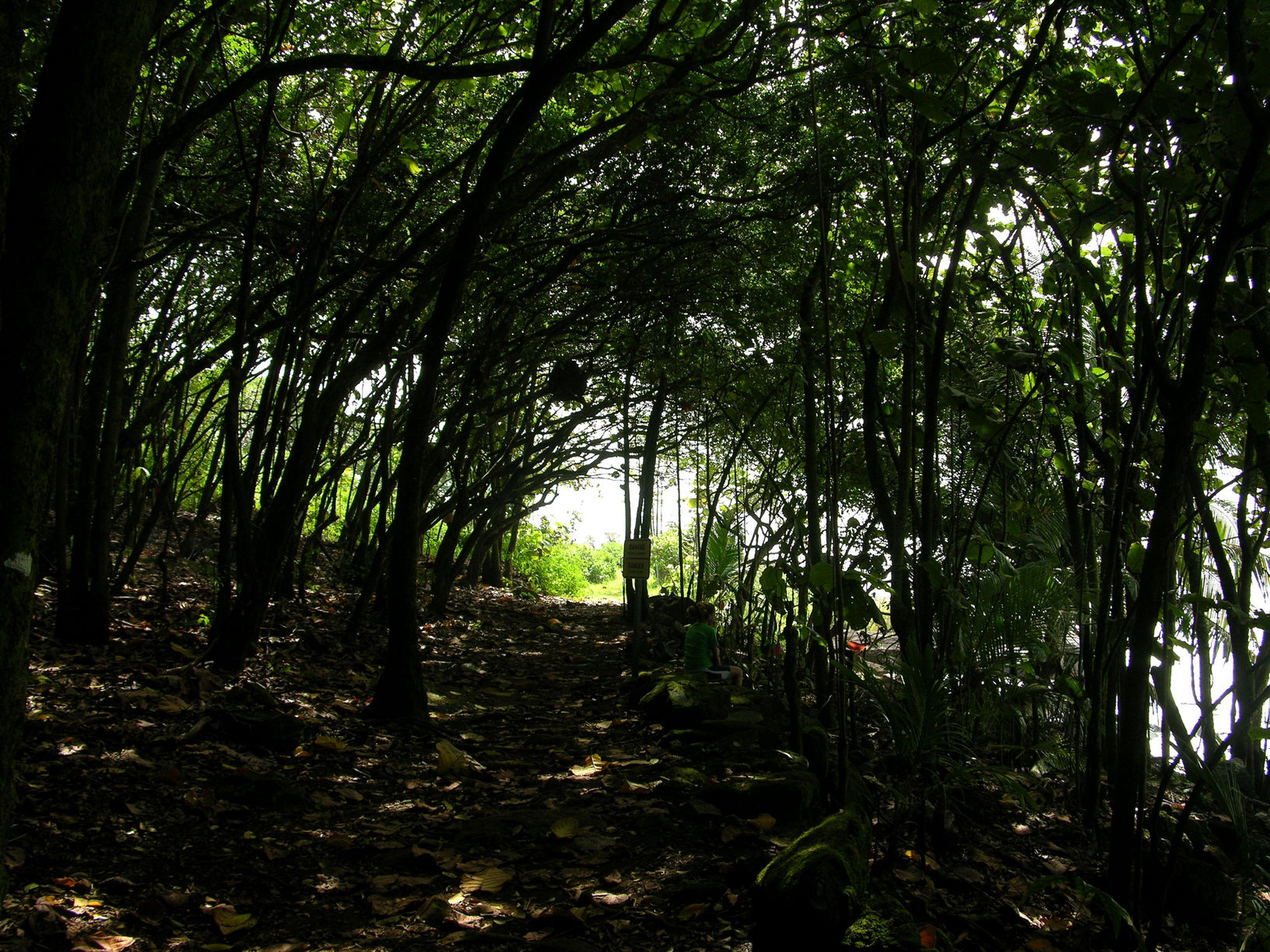
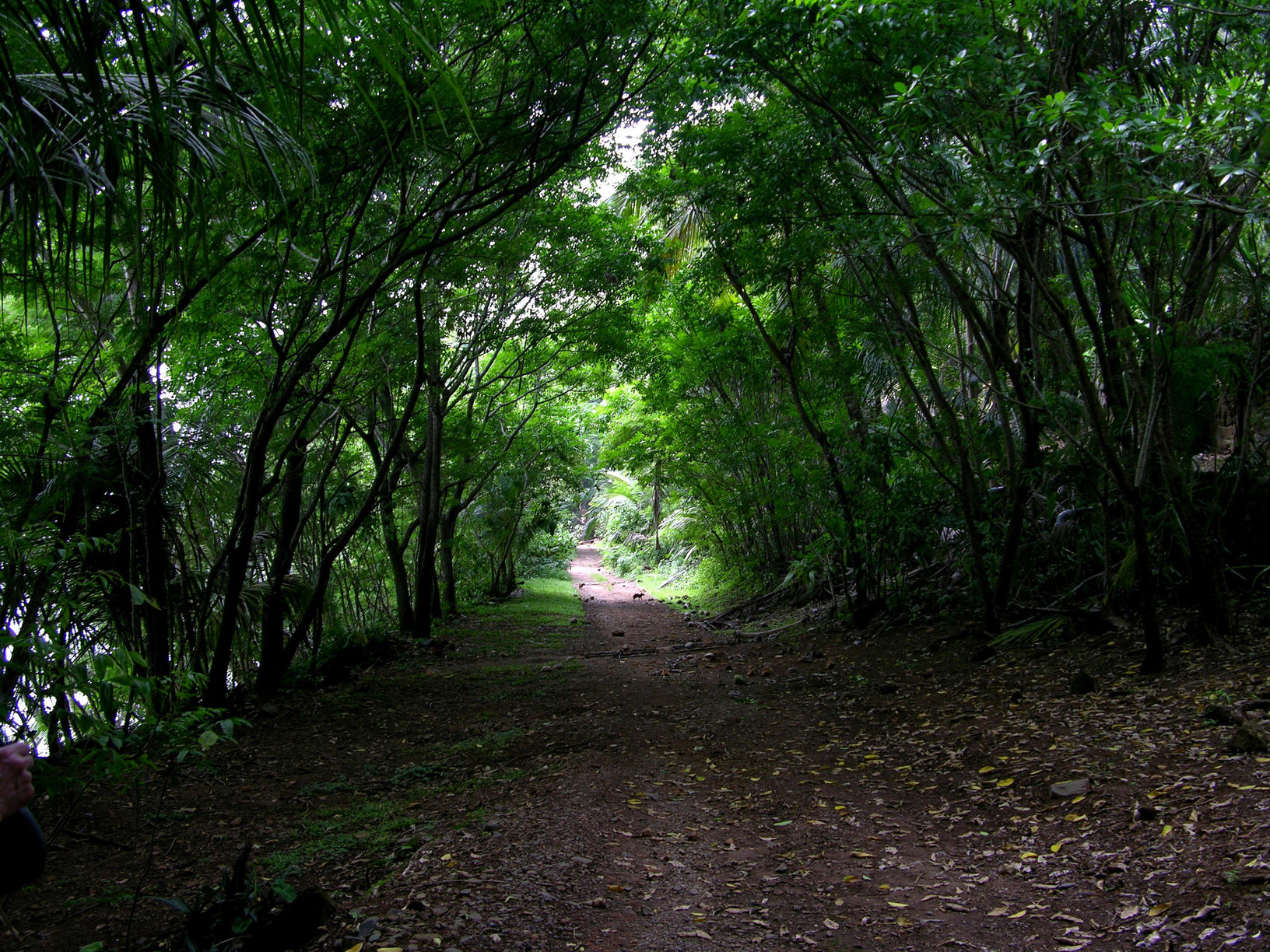
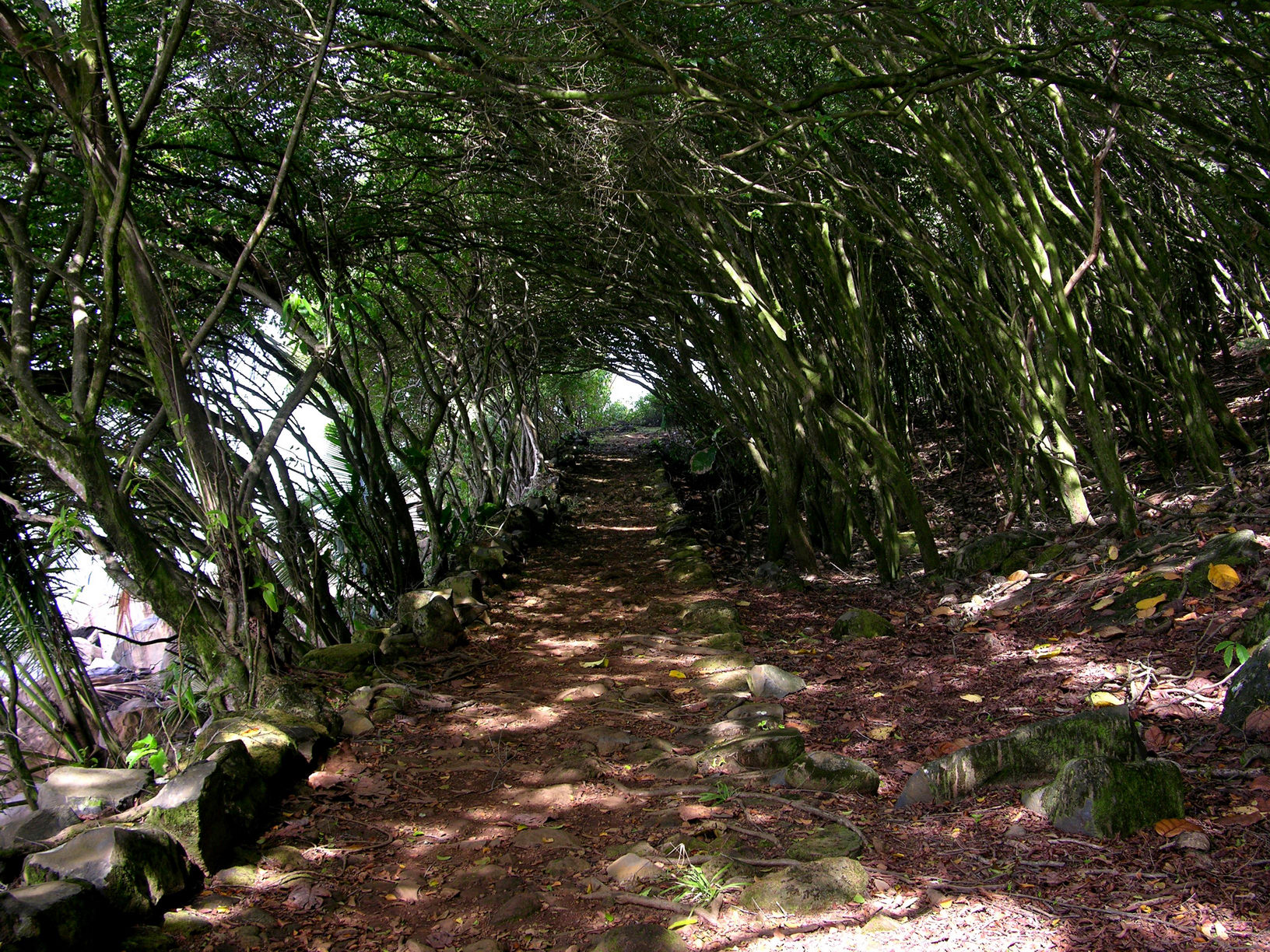
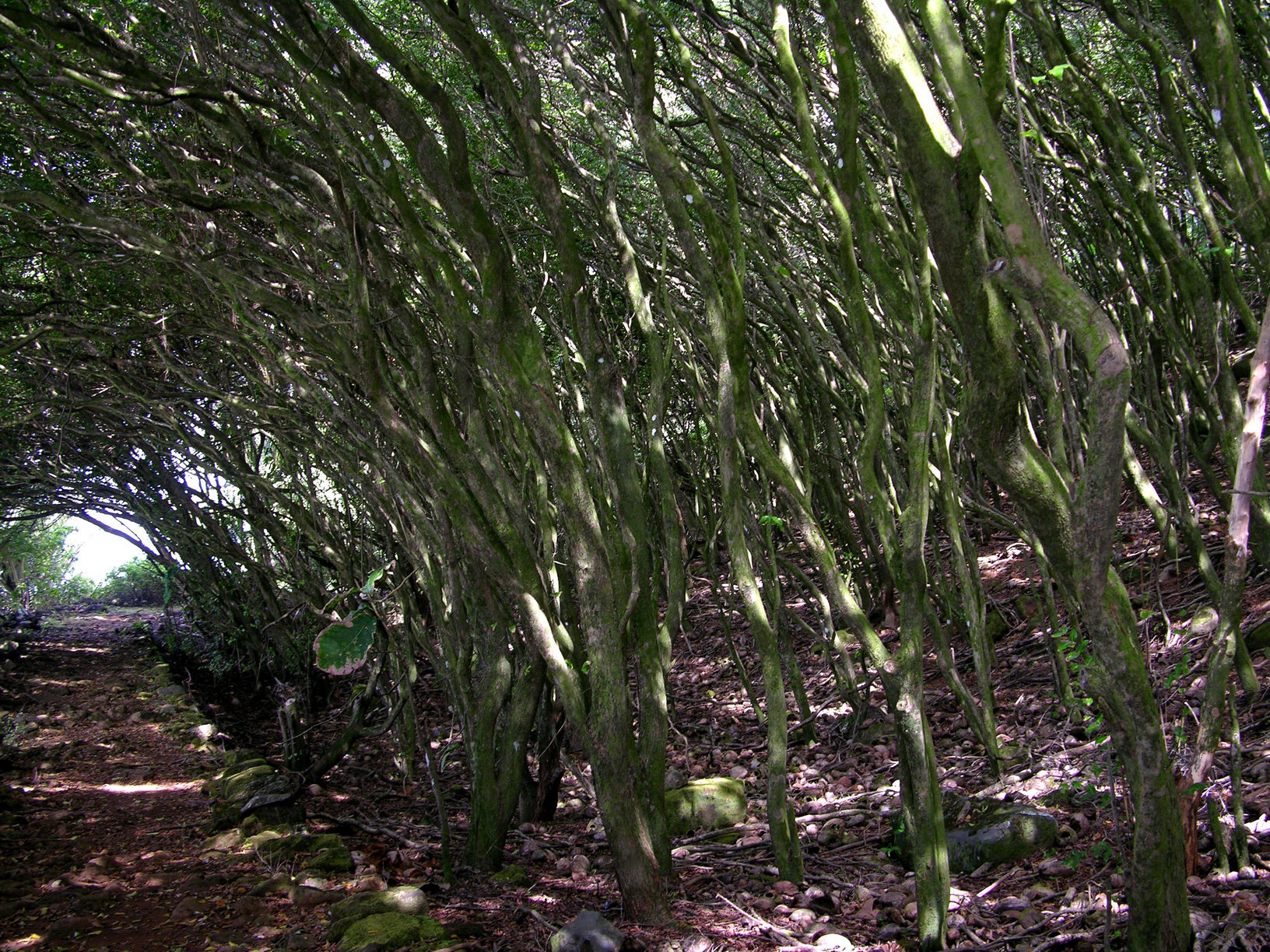
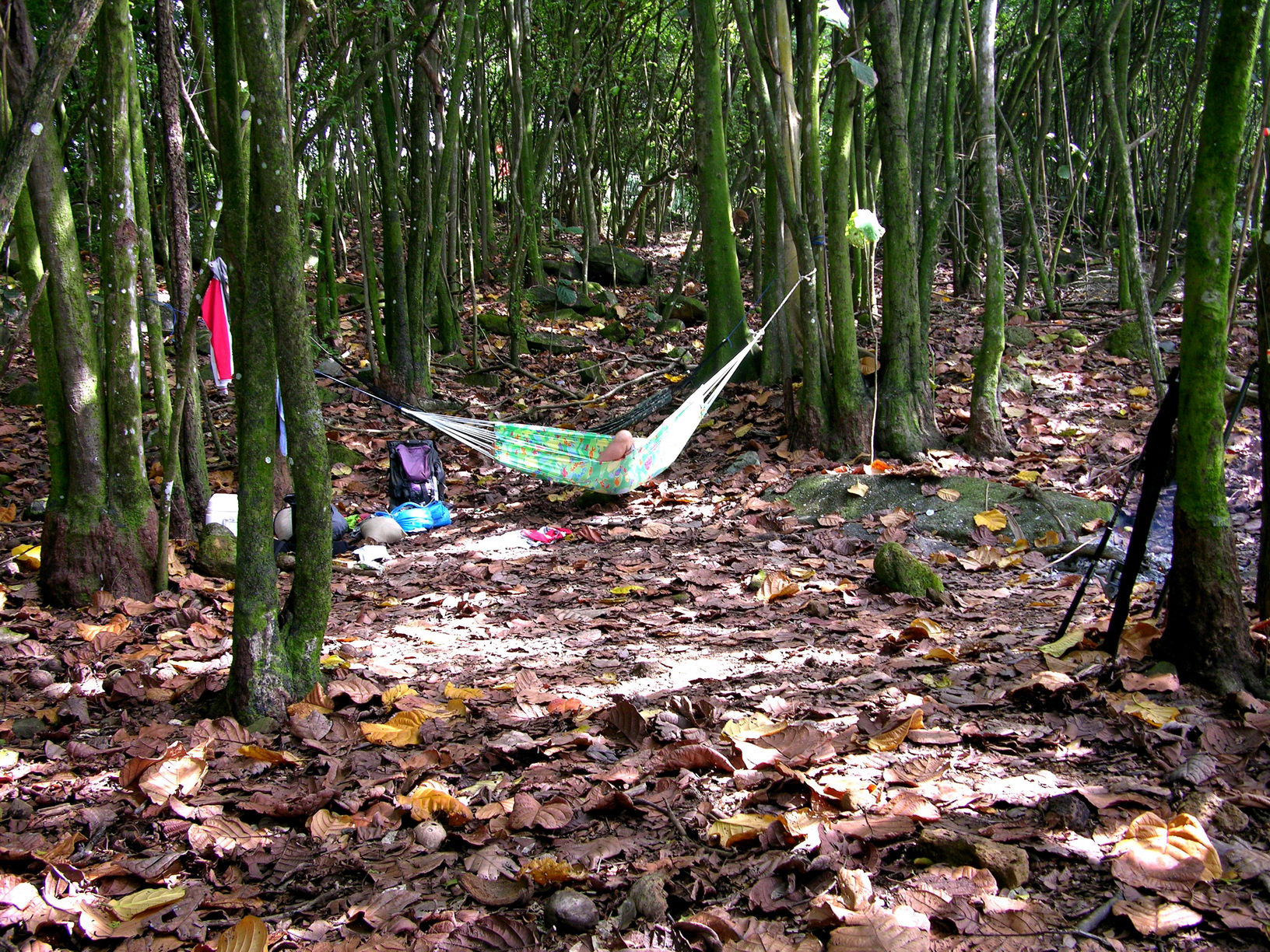
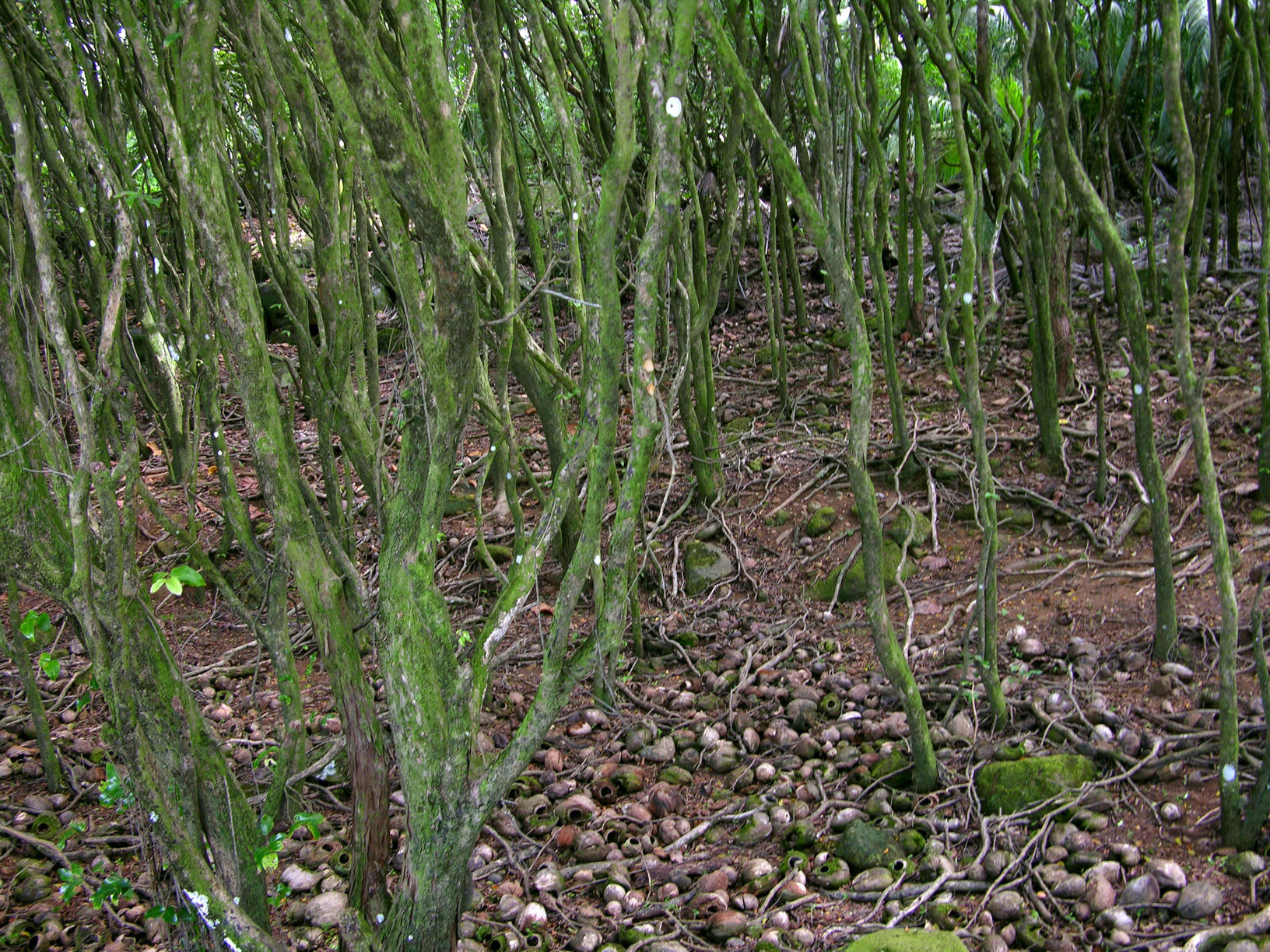
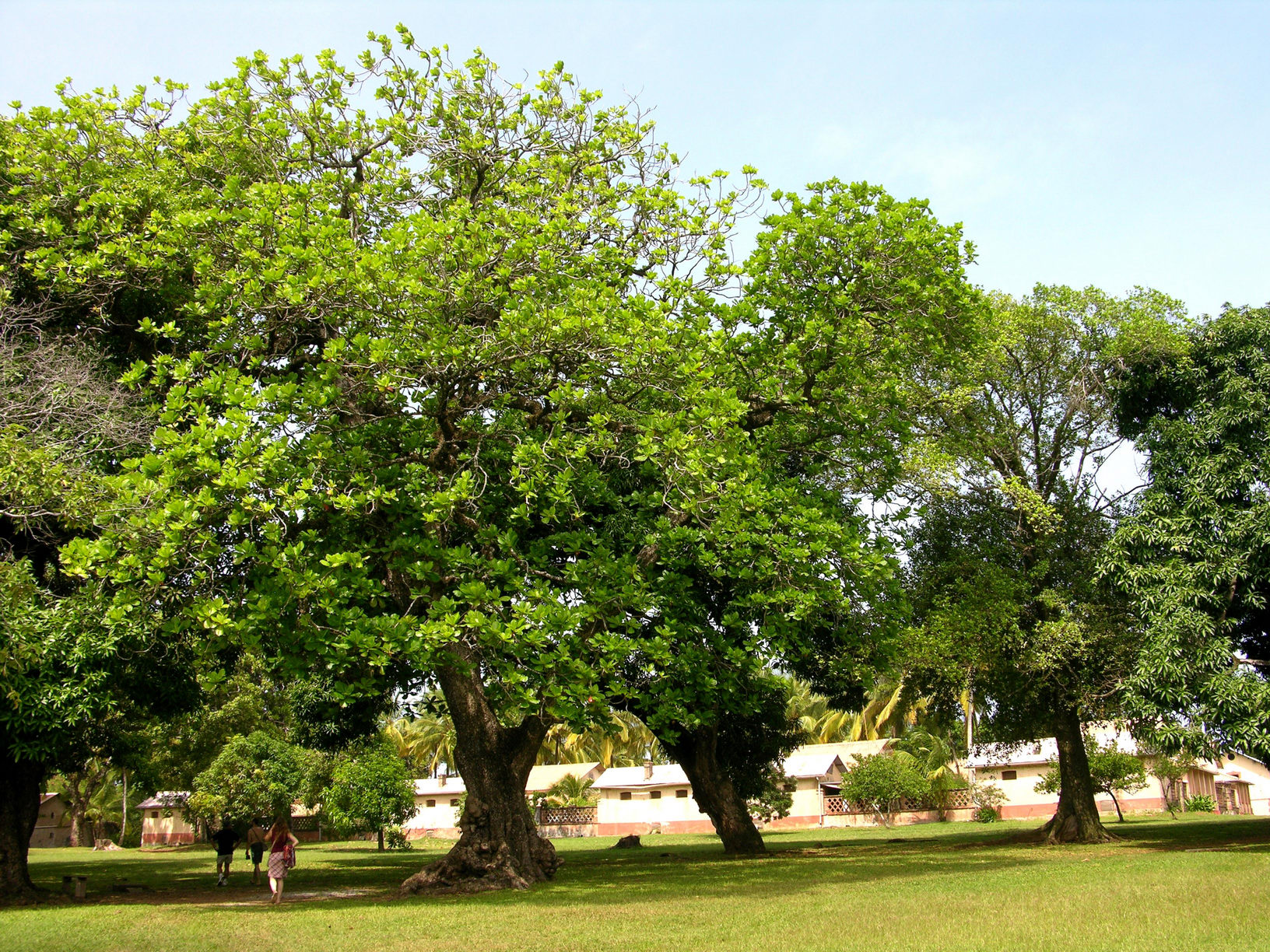
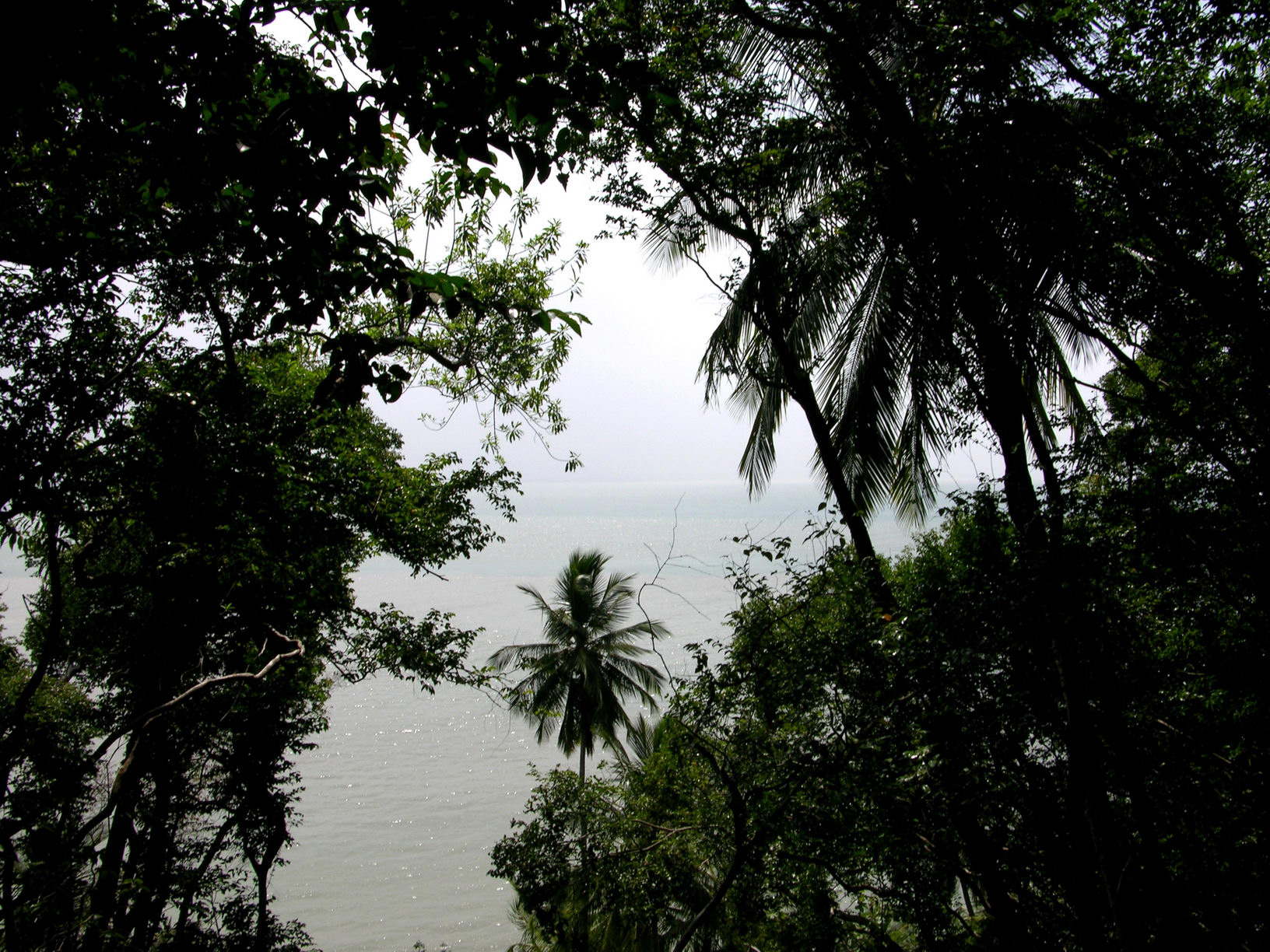
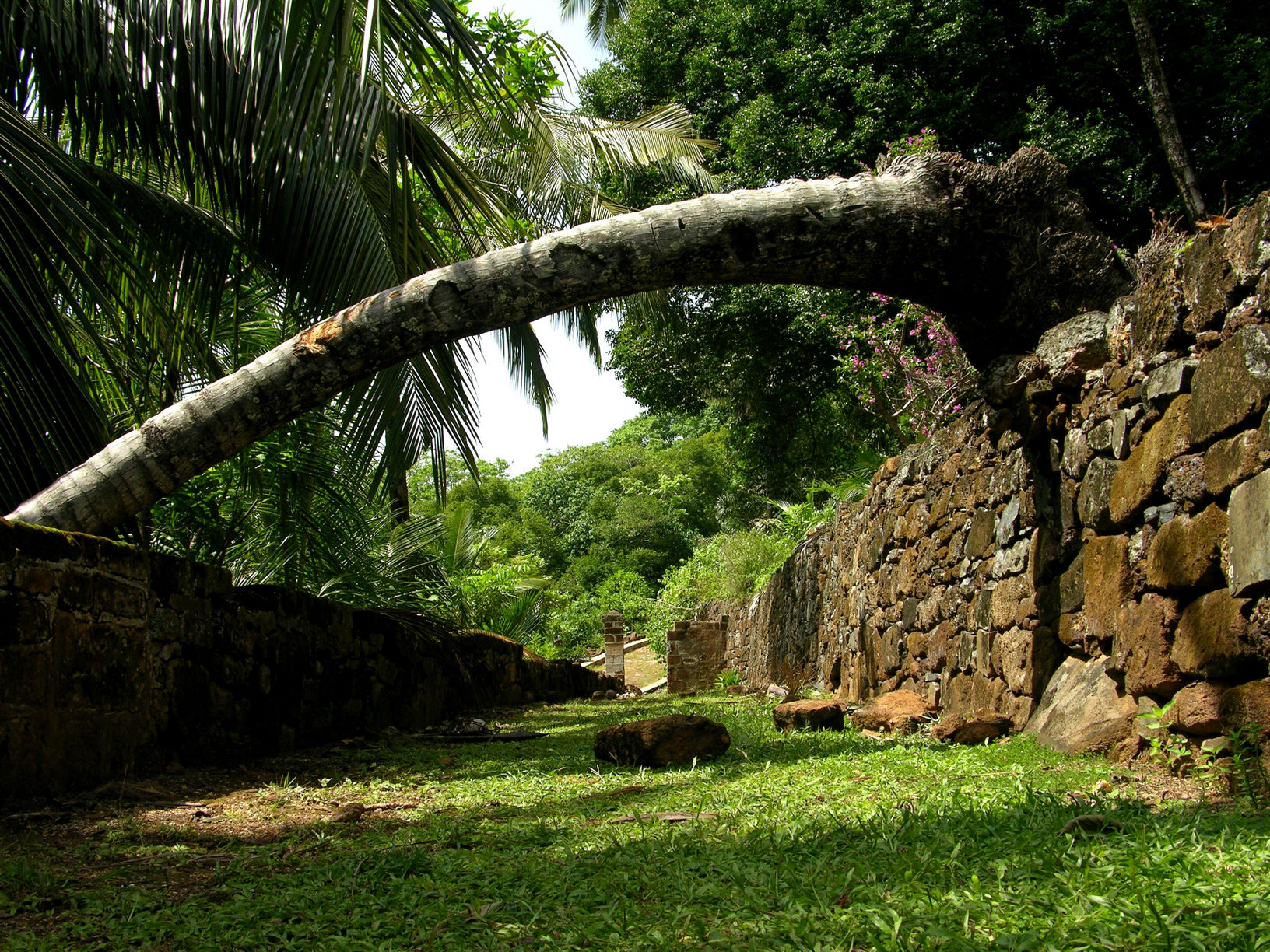
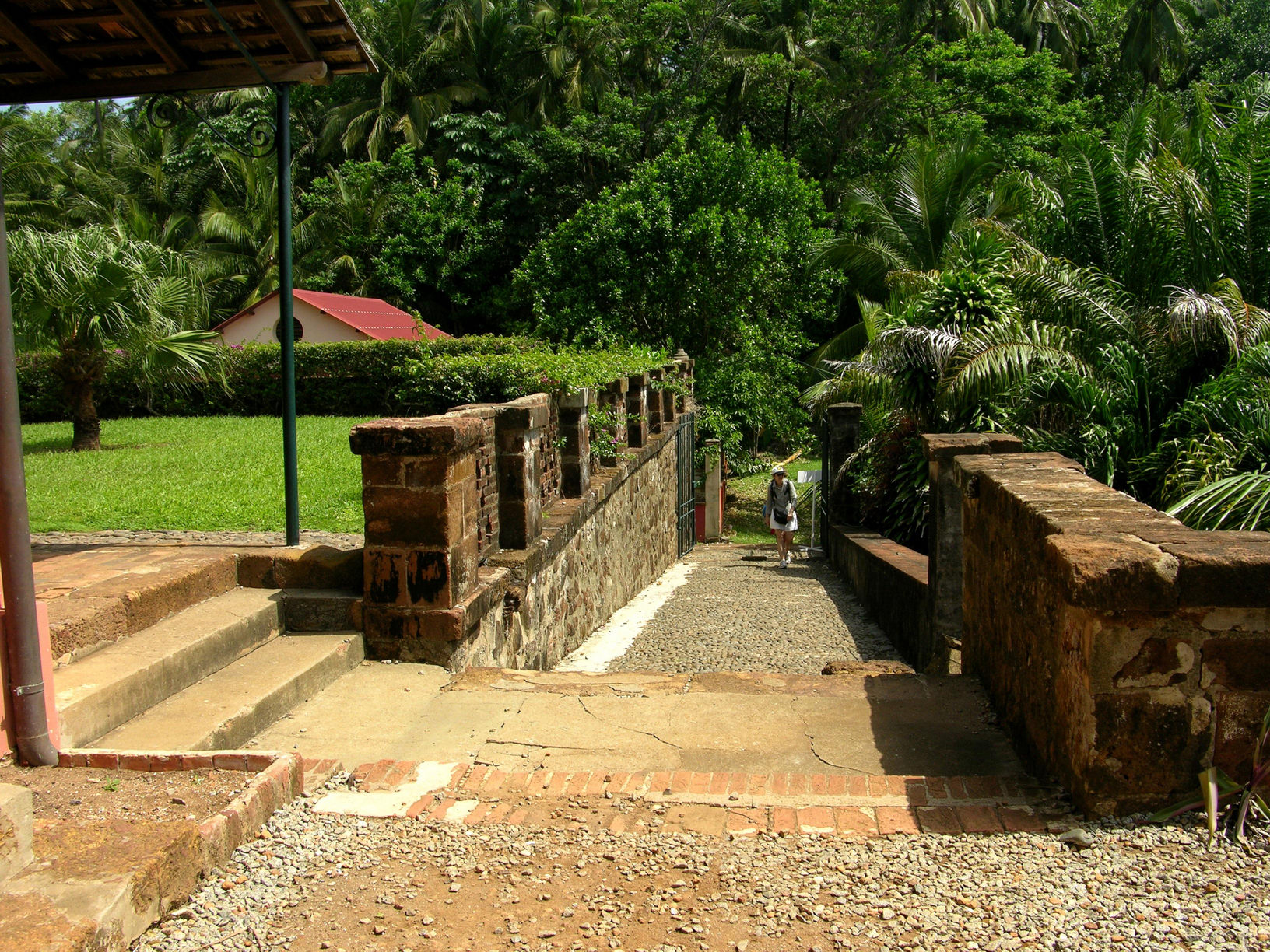
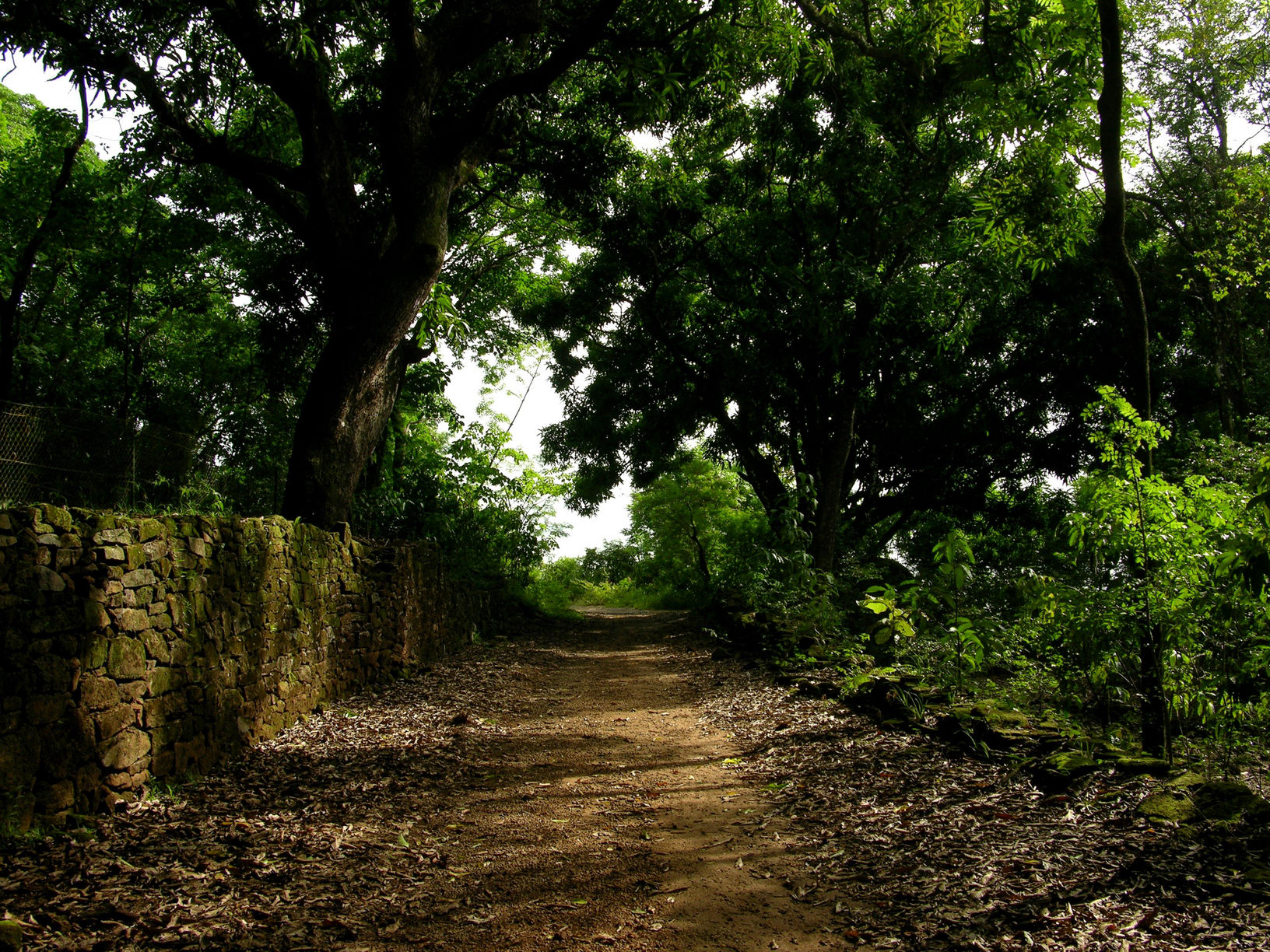
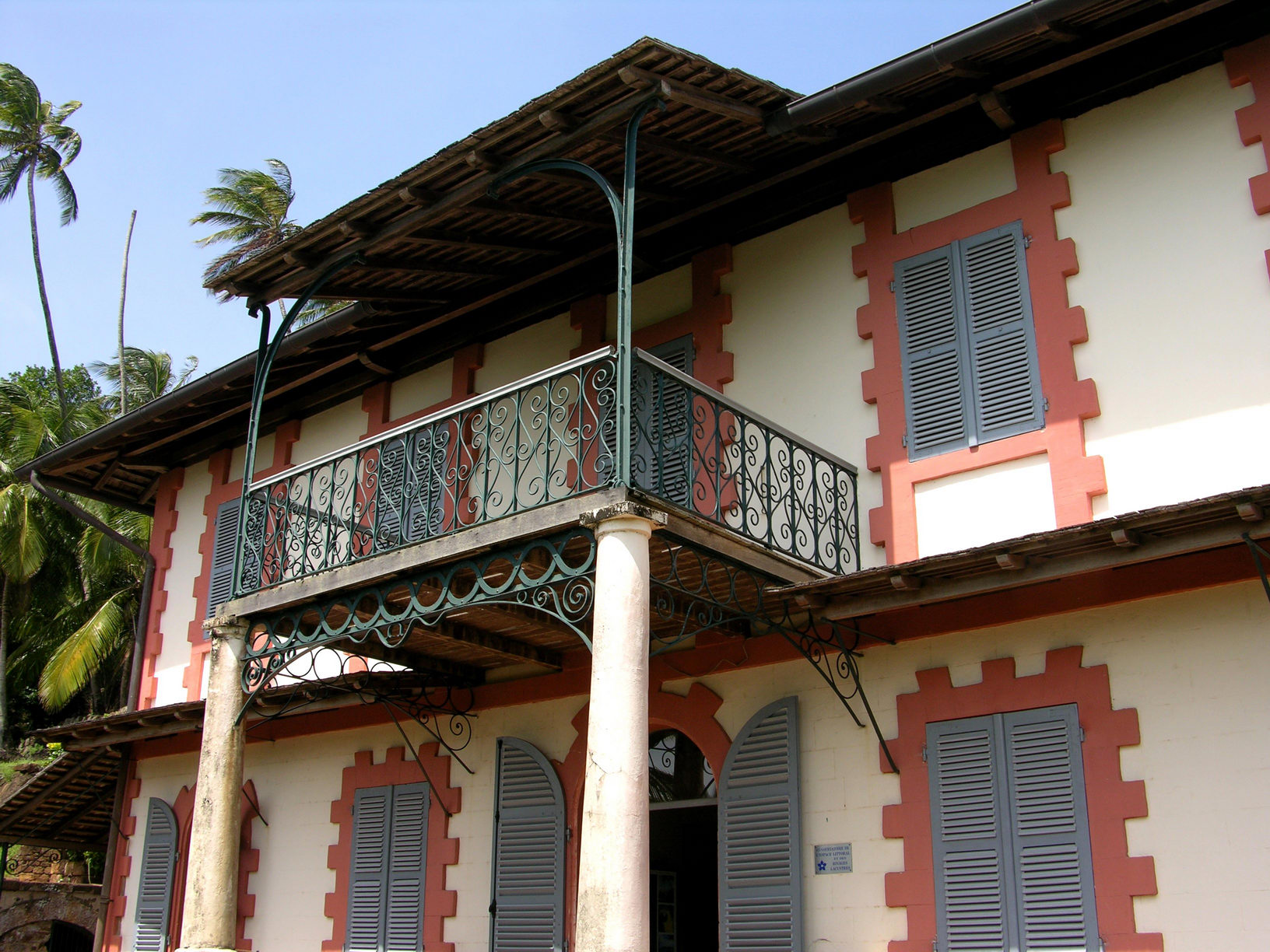
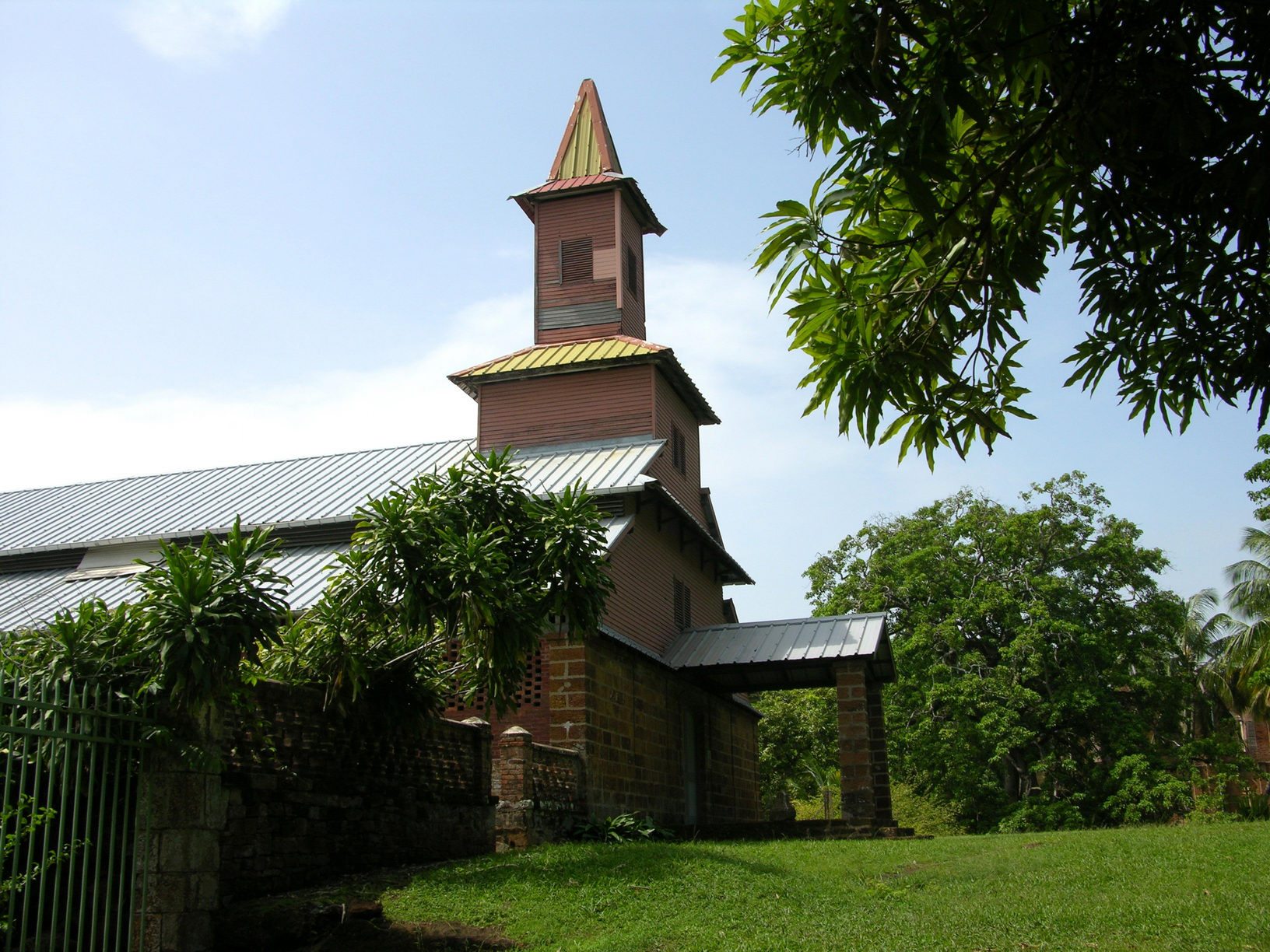
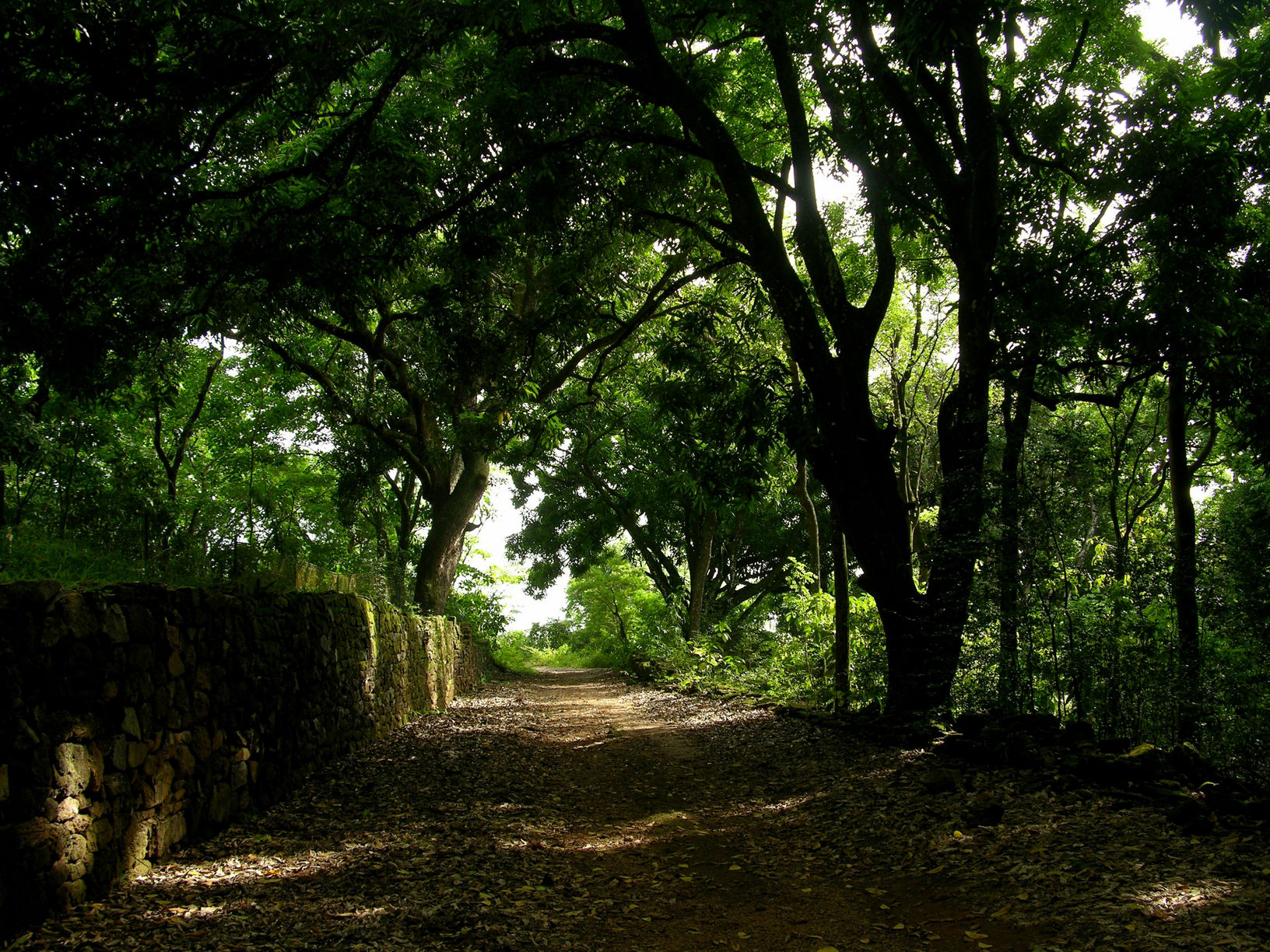
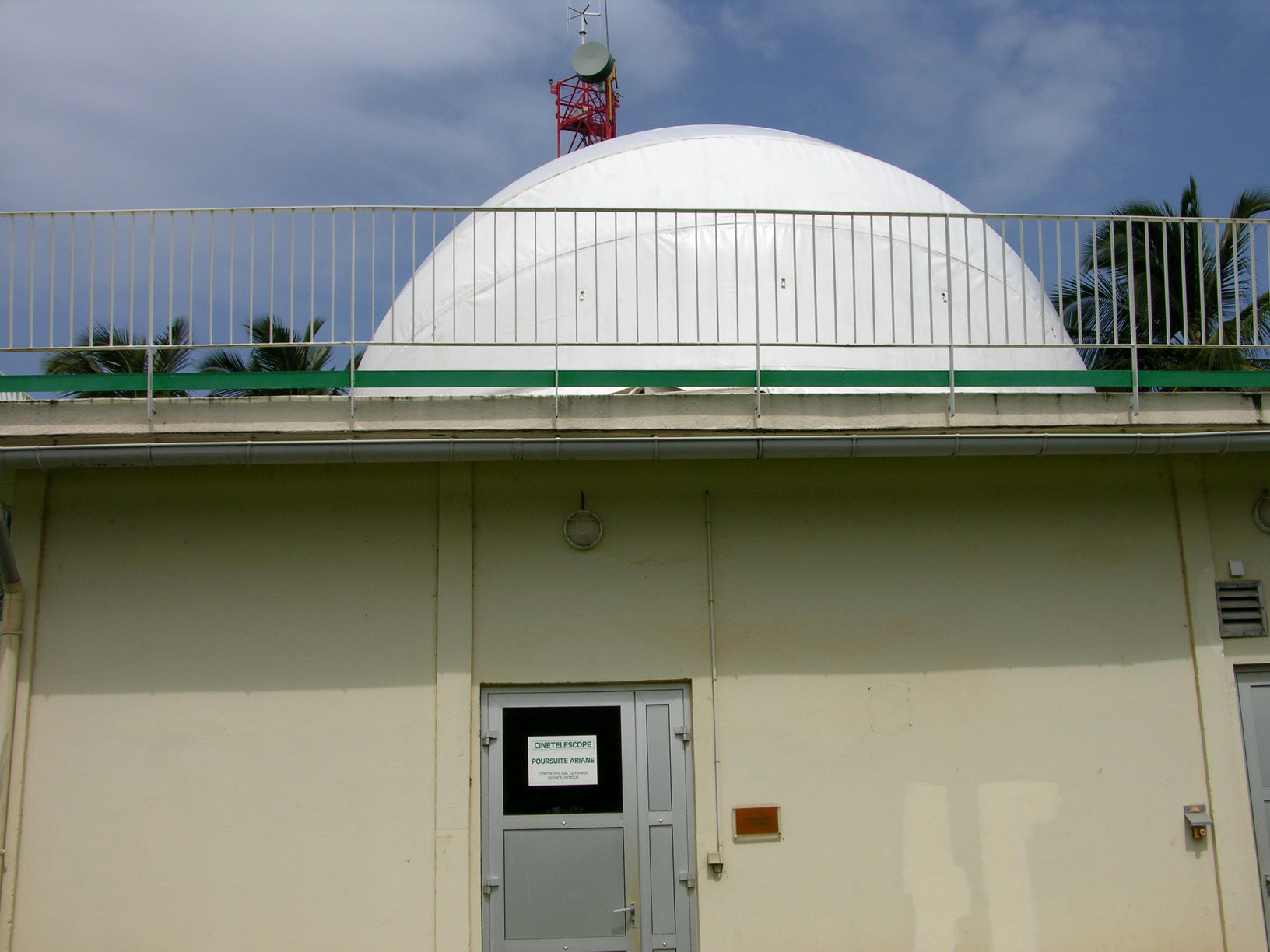
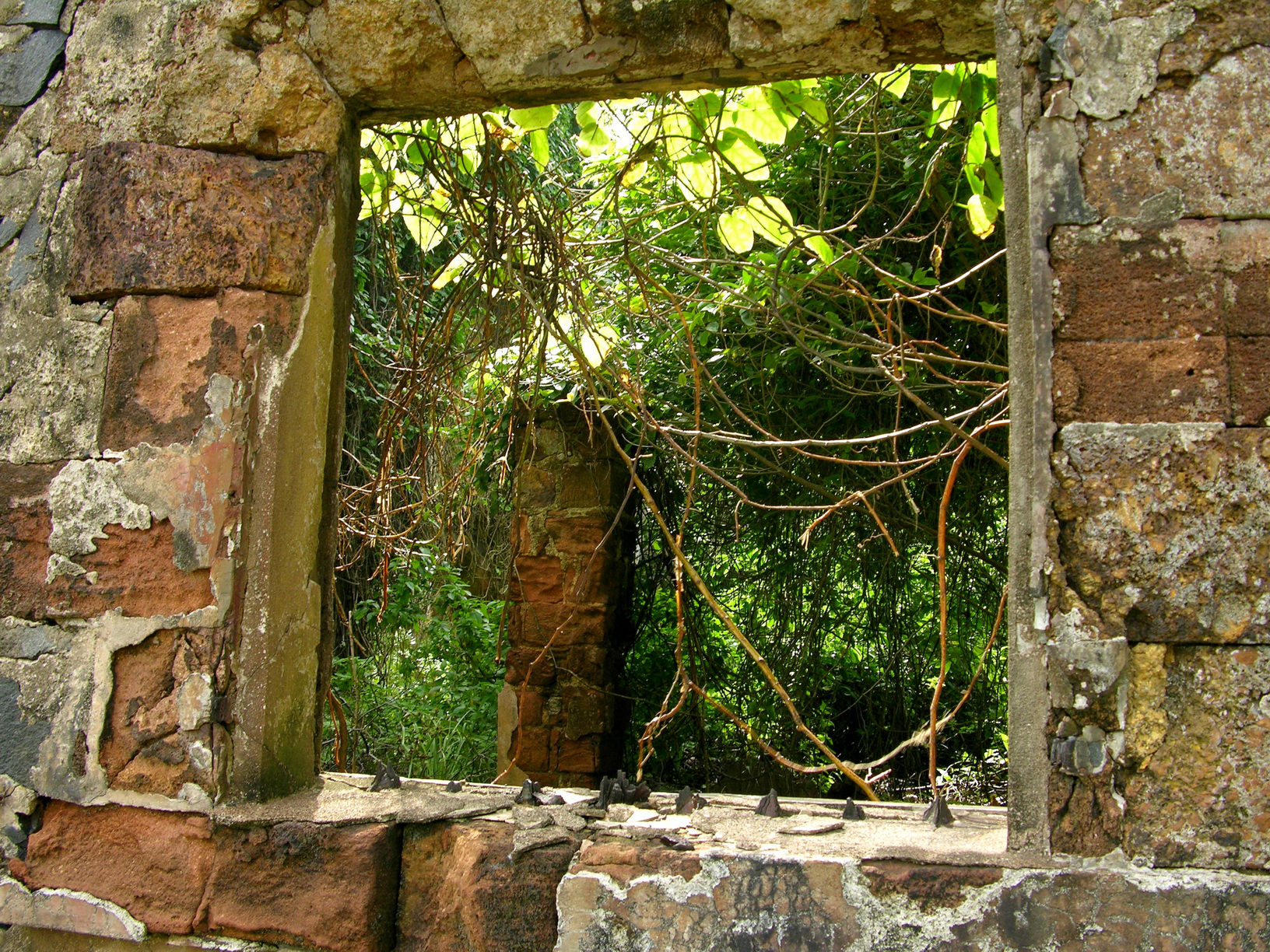
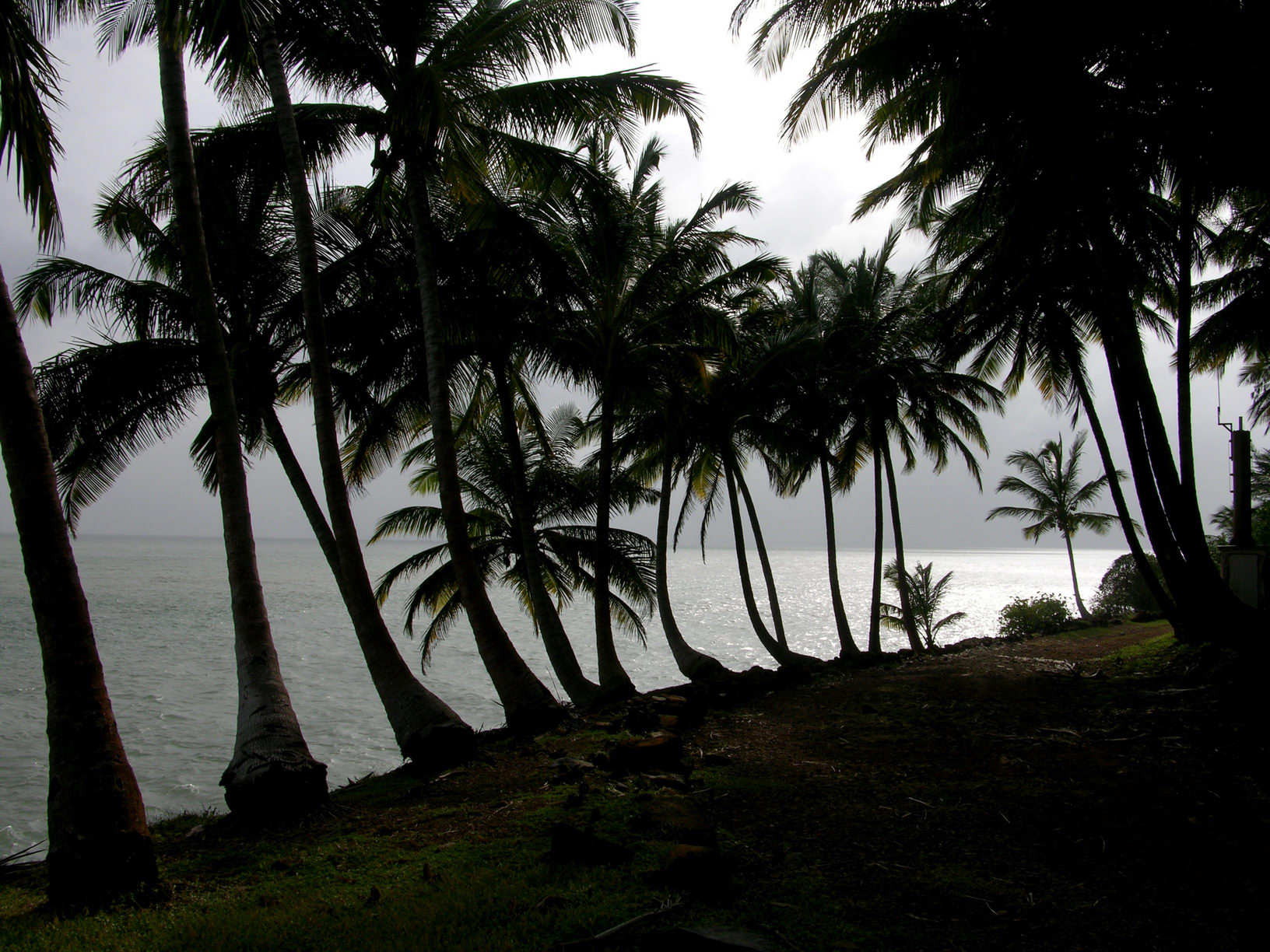
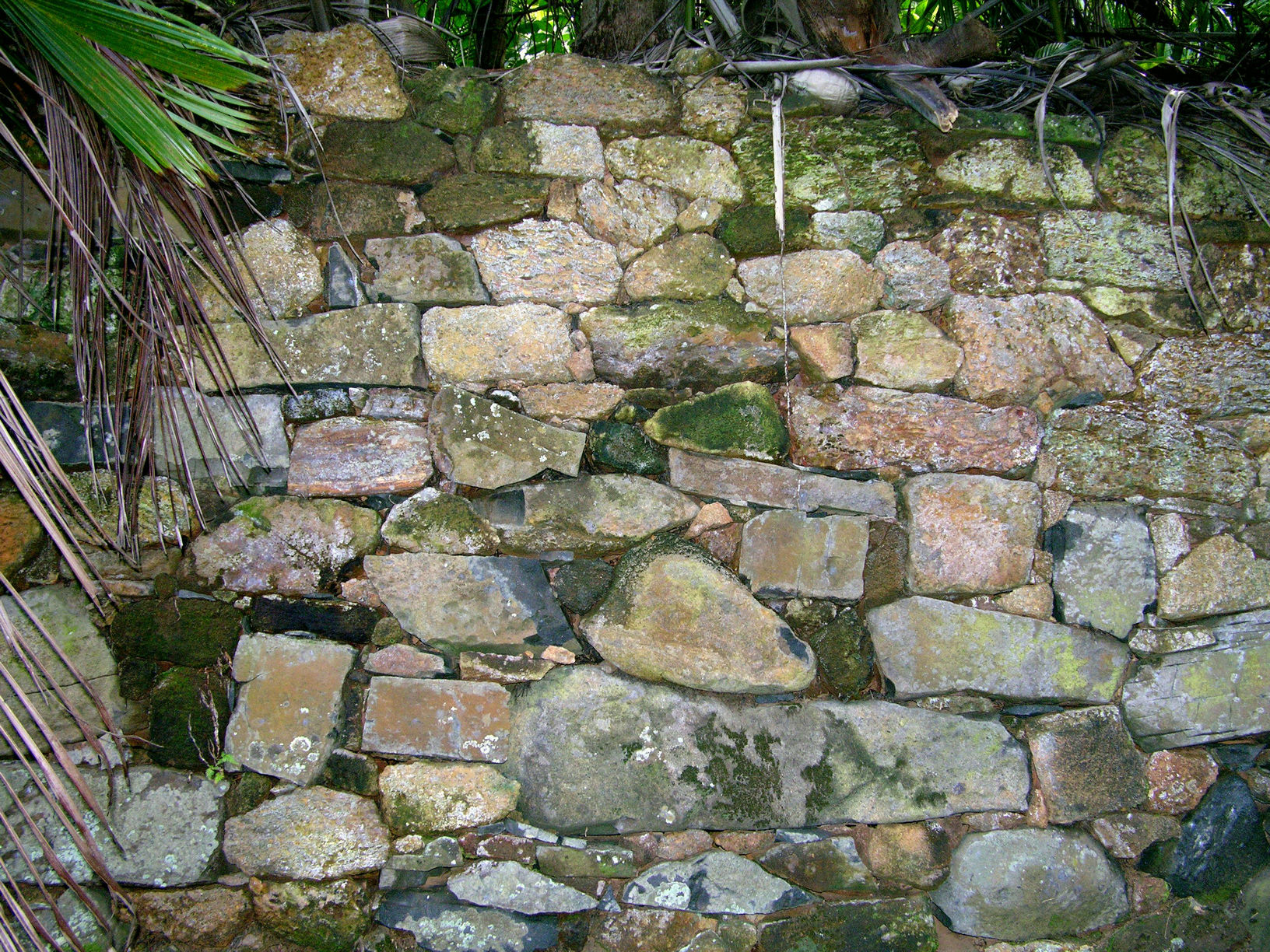
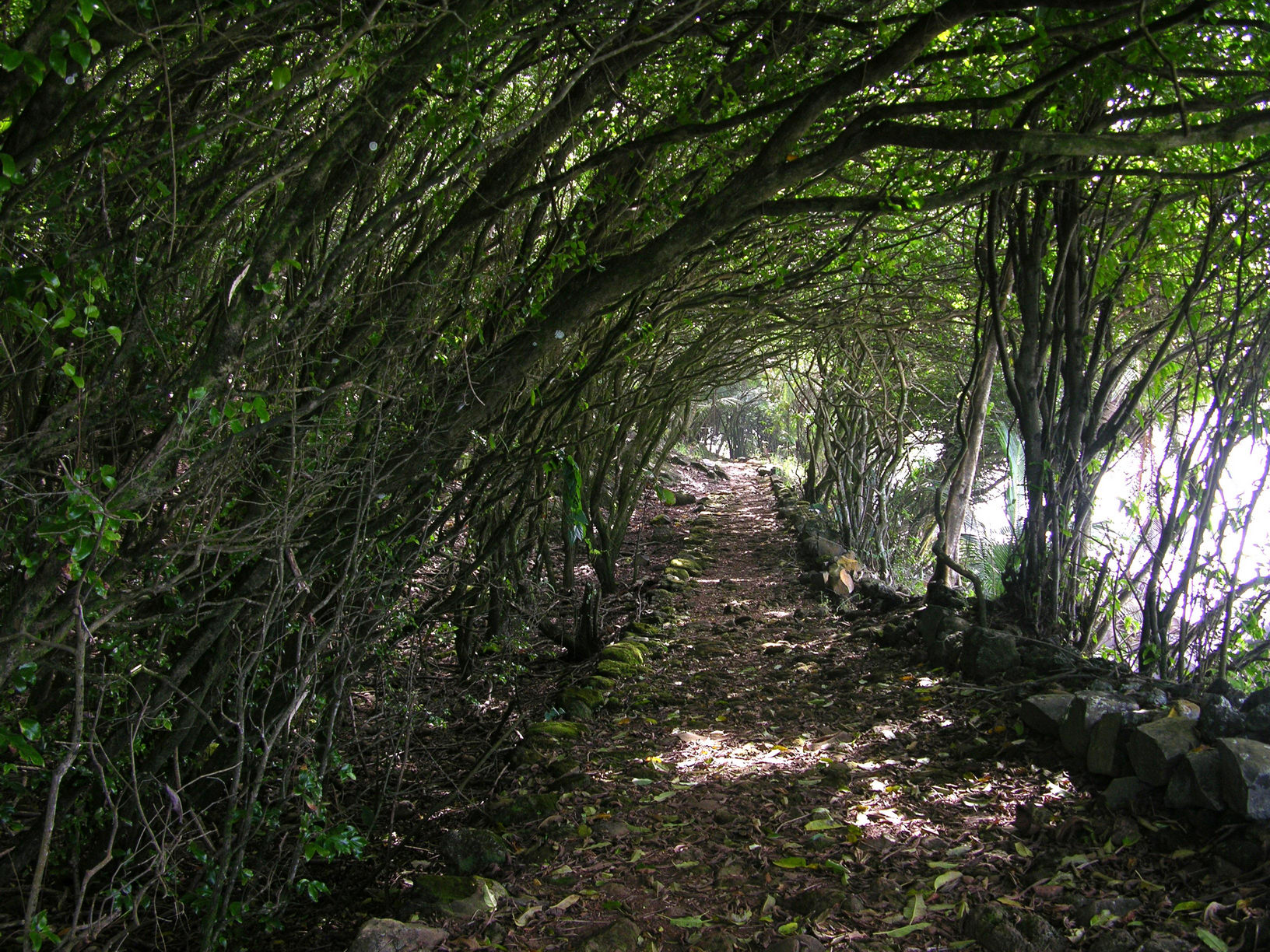
You can spend several hours walking the many little paths laid out around the island. Today all that remains of the prison is ruins. The governor's house has survived and now houses a museum, along with the church and lighthouse. At the summit is an infrared telescope trained on the Ariane's engine during launches.
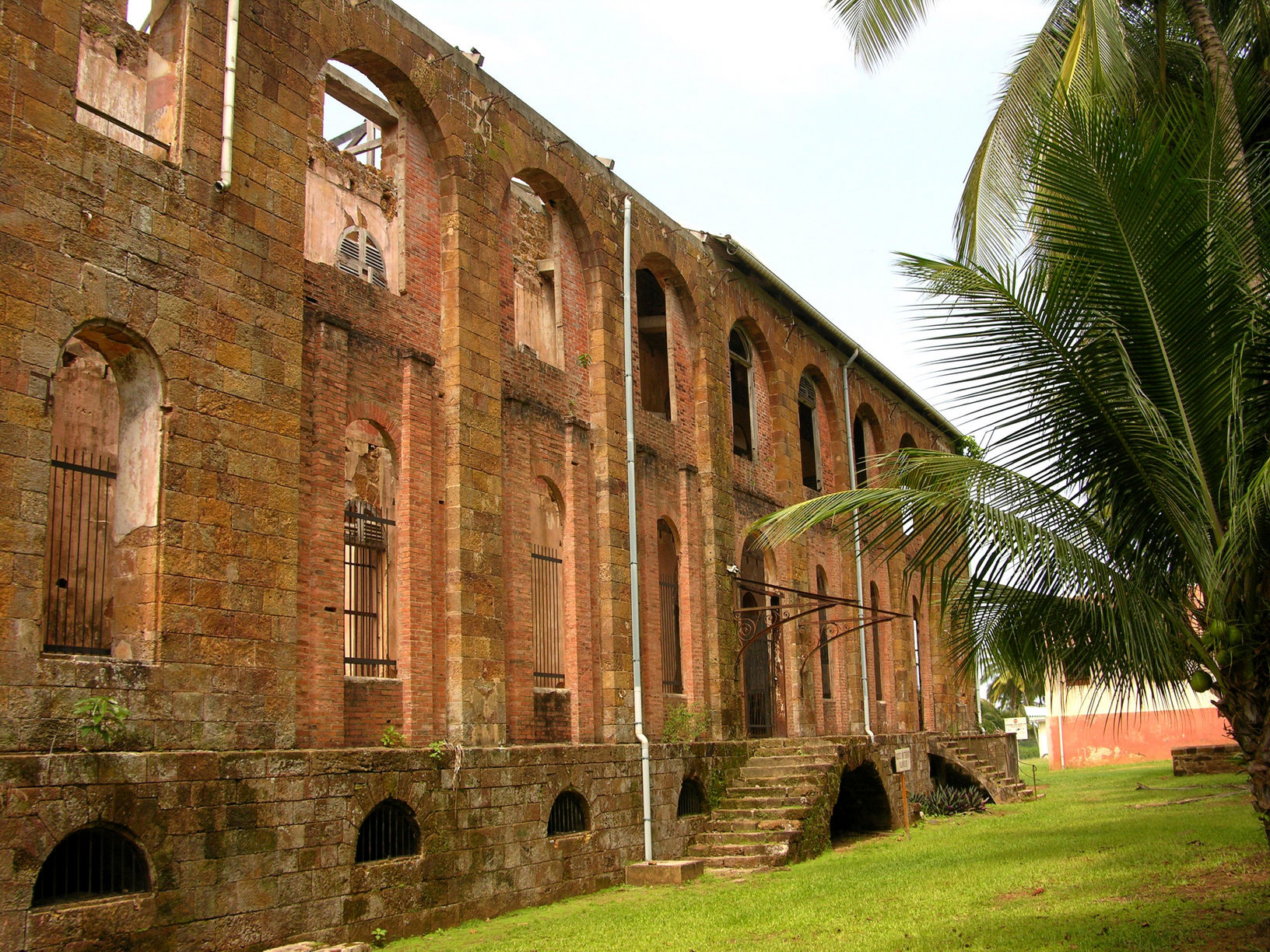
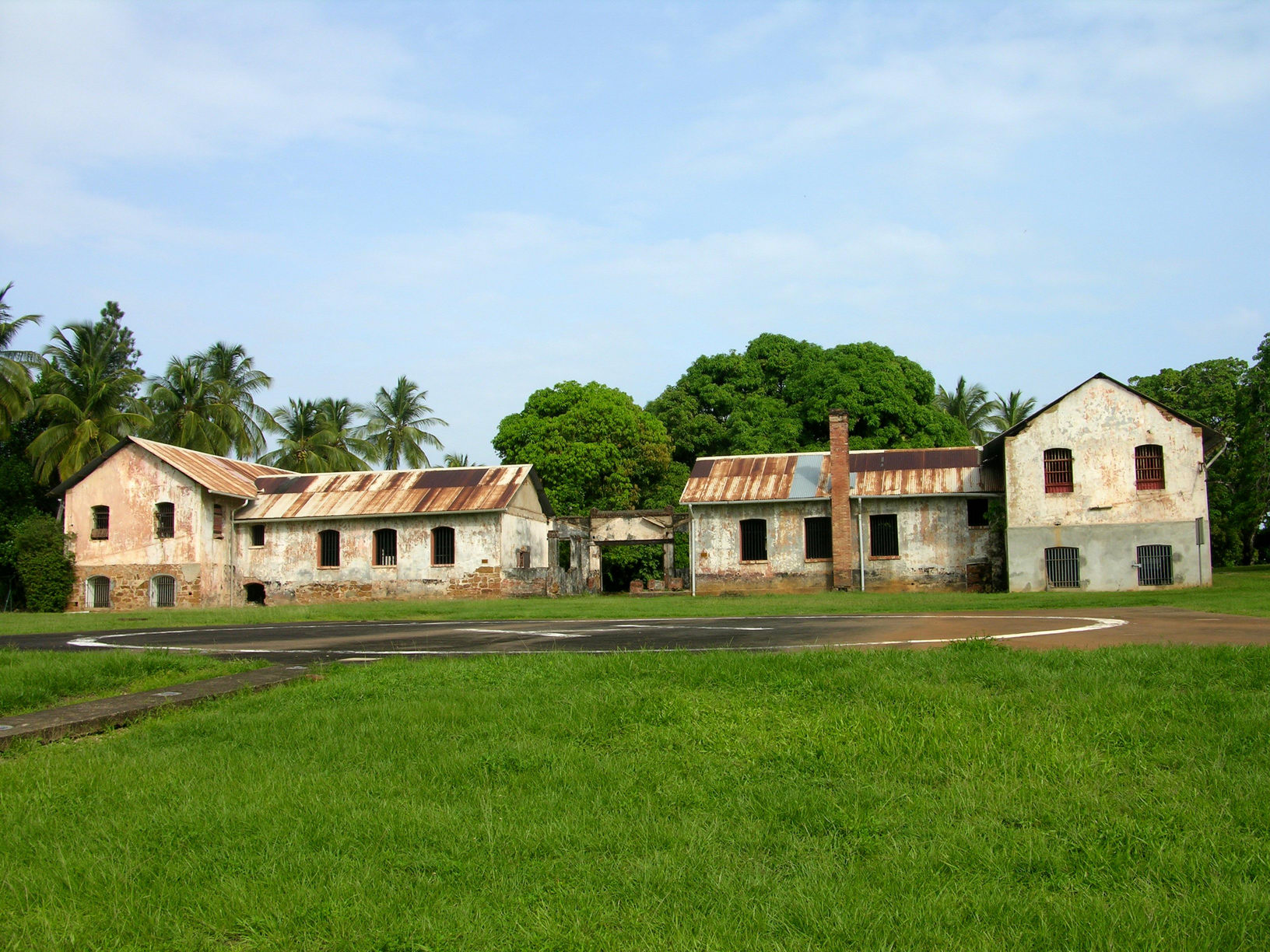
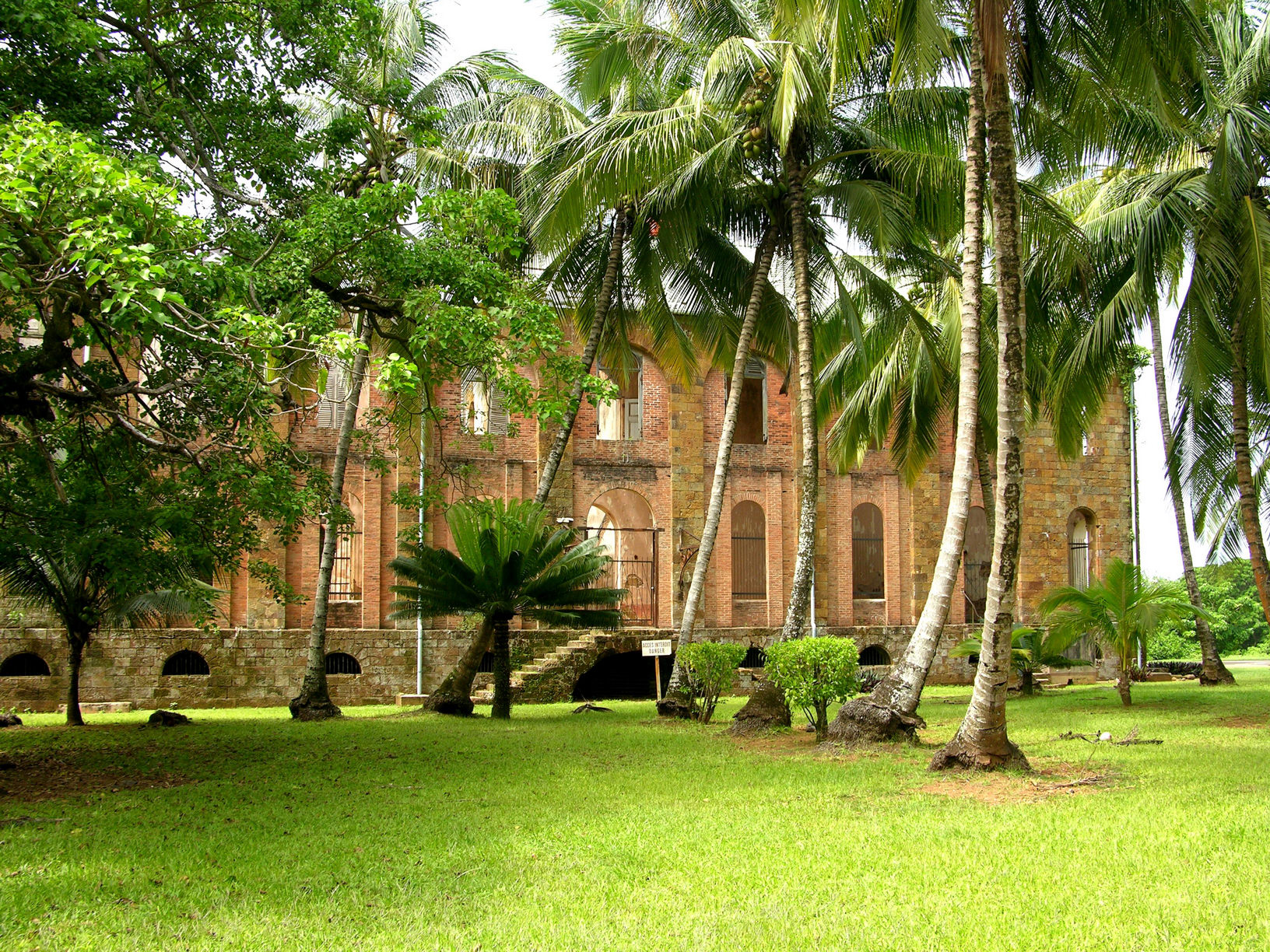
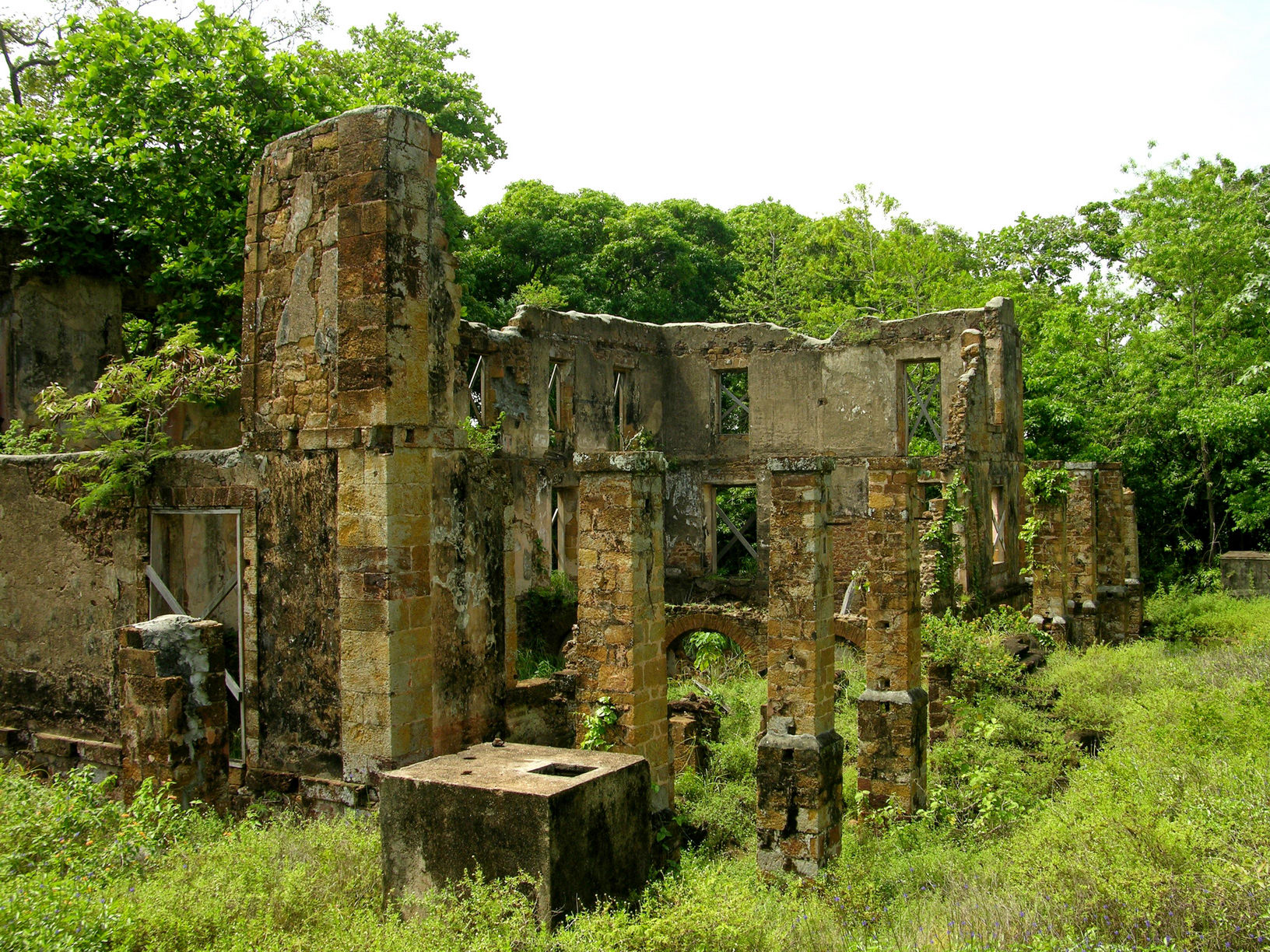
Even the mobile phone works. Mobile coverage in Guiana is limited to the towns. Even the main coast road has no reception along most of its length. The networks are the usual French ones, three of them. You get all three or none at all.
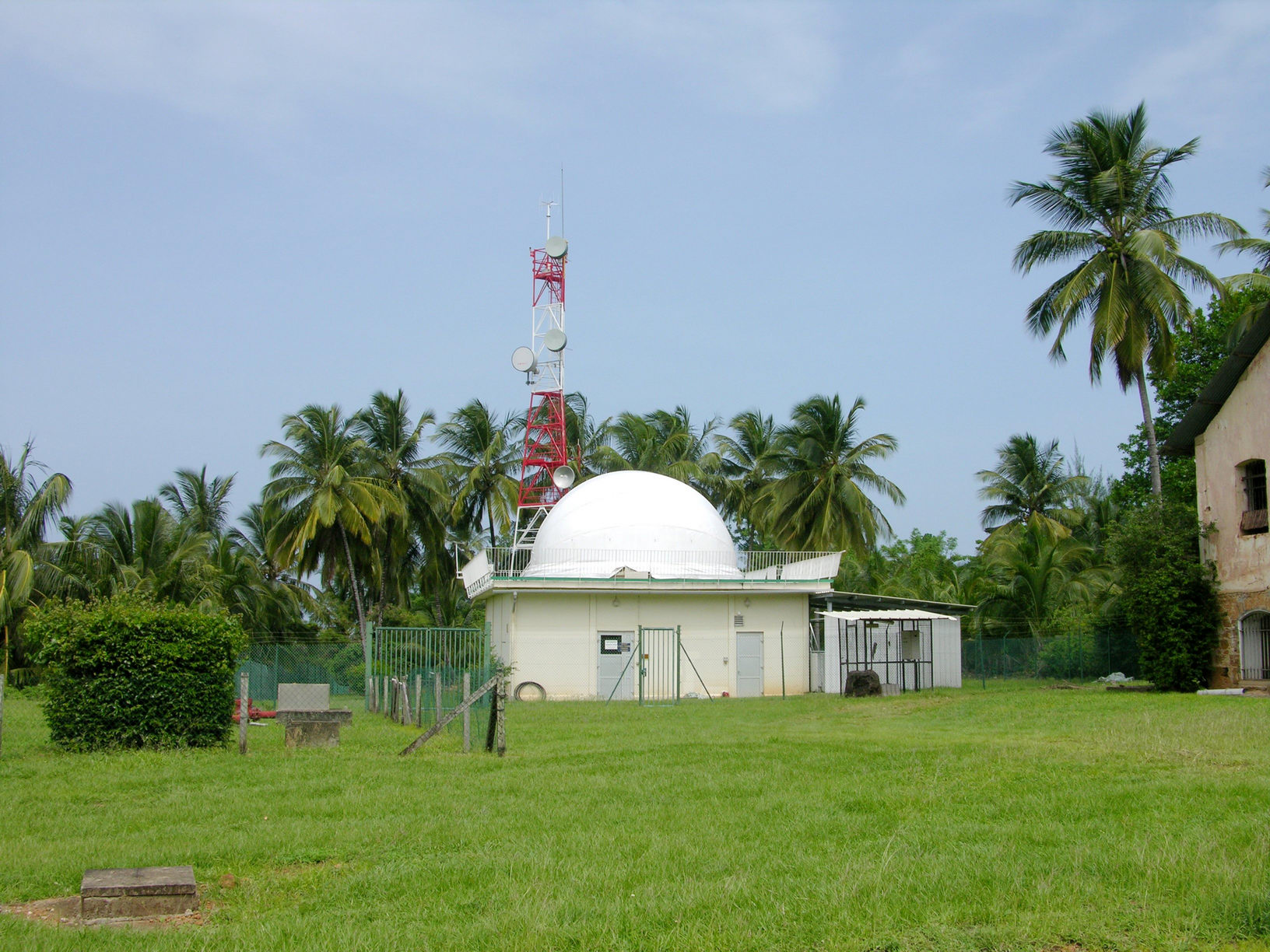
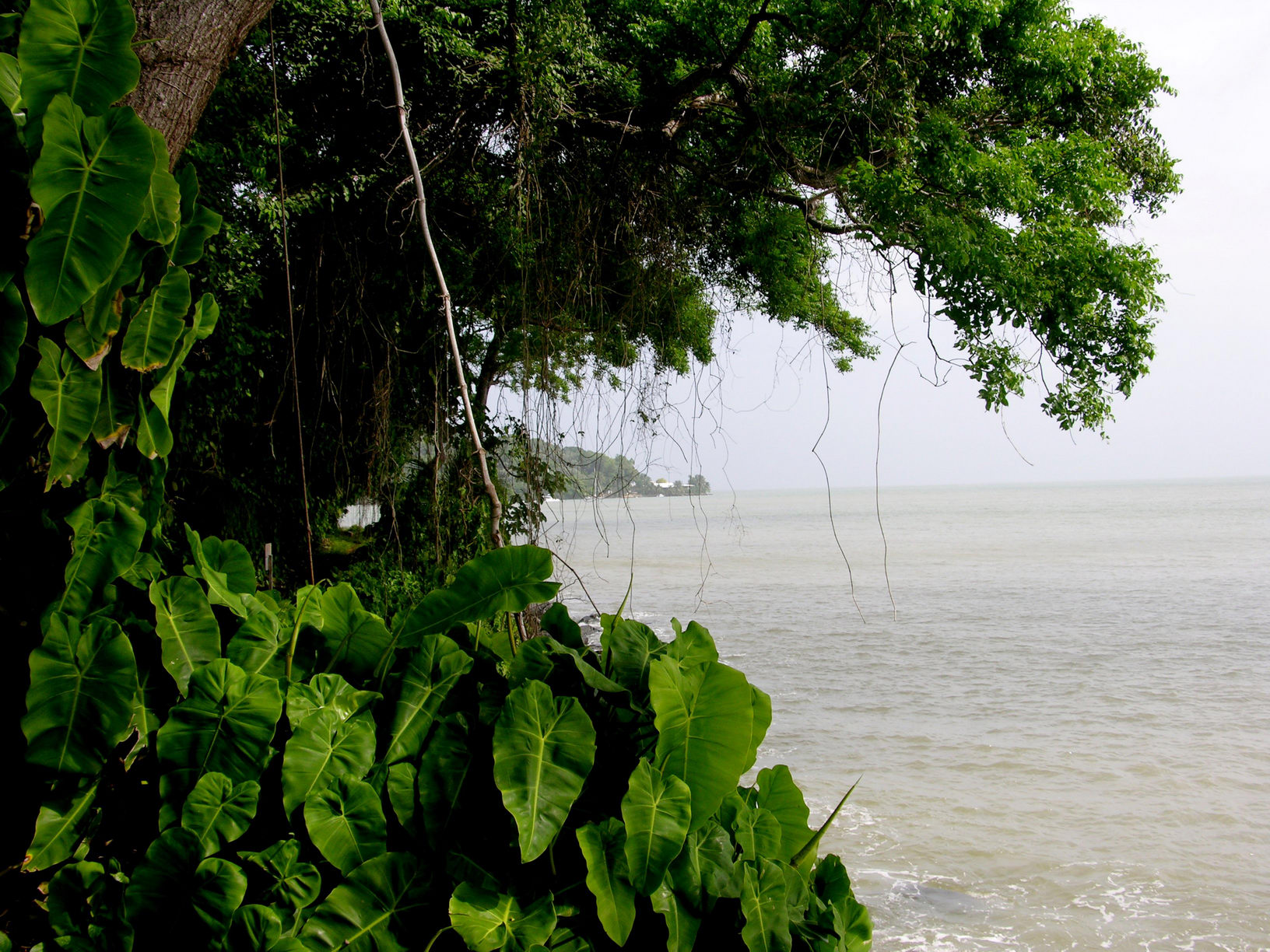
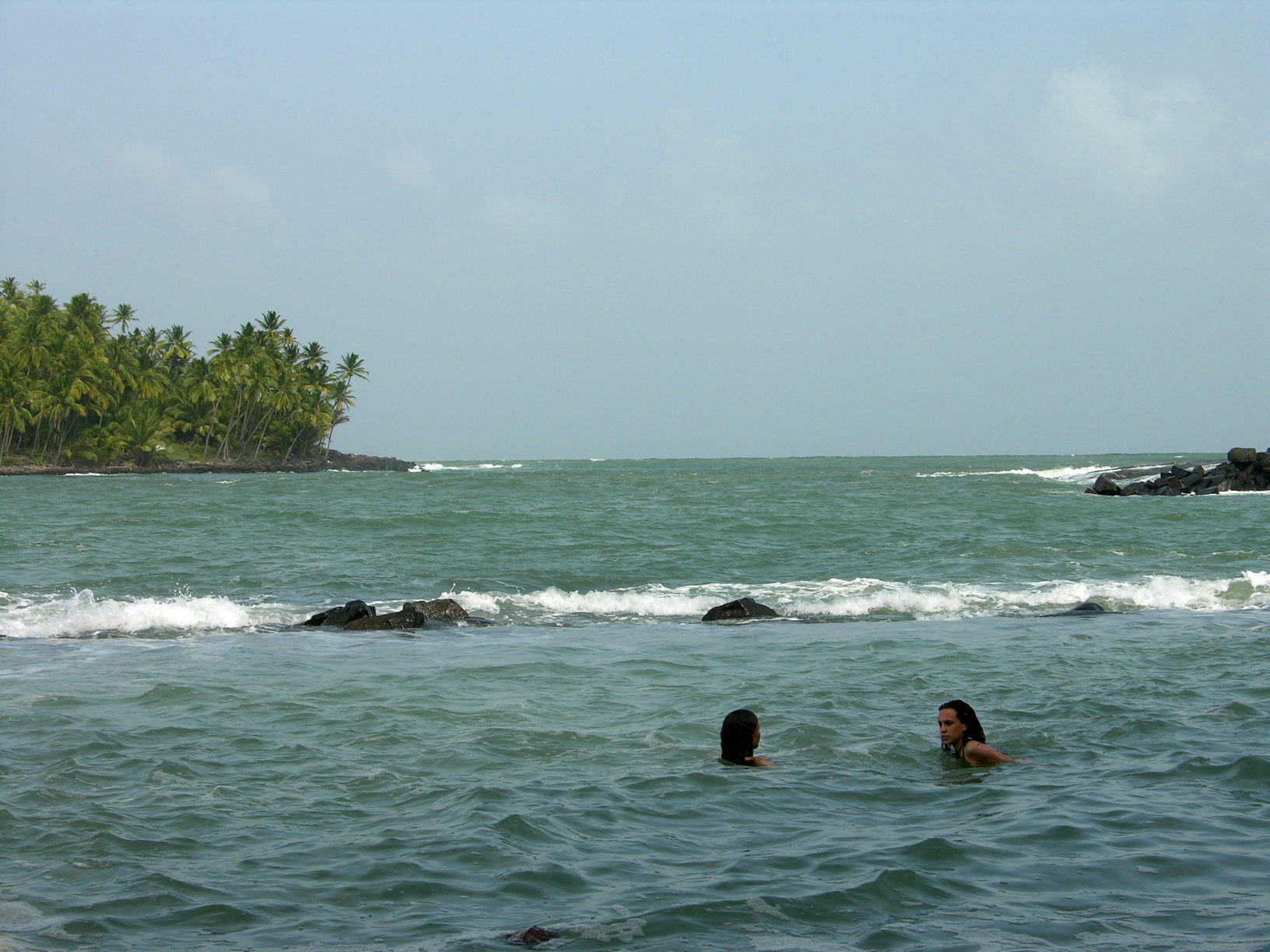
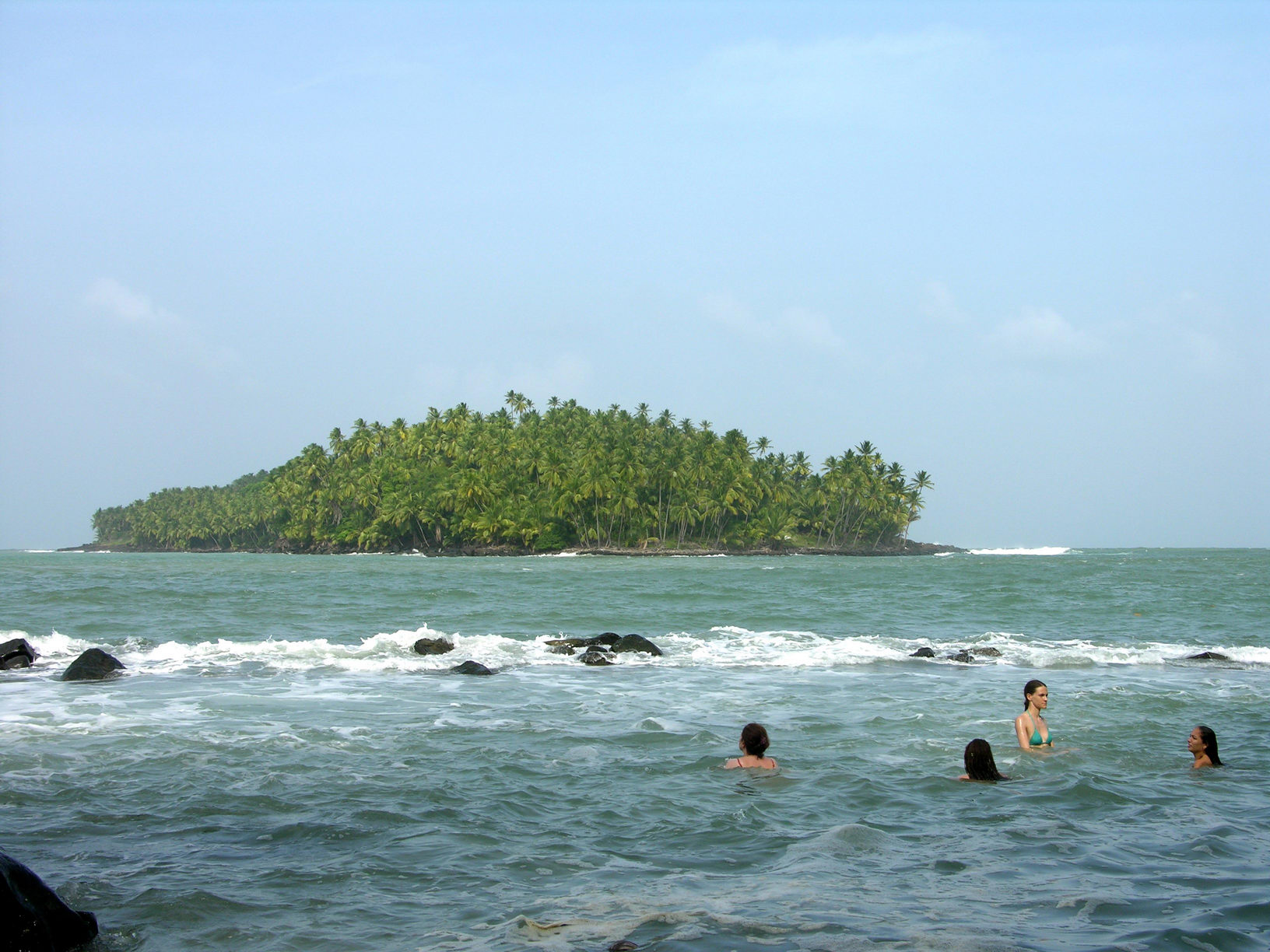
The Salut Islands, or Îles du Salut, make up an archipelago of three islands. The main one, with the landing and the prison, is Île Royale (Île Royale). Île Saint-Joseph is a place to relax, and Devil's Island (Île du Diable) is uninhabited and rarely visited because of the rocks and currents.
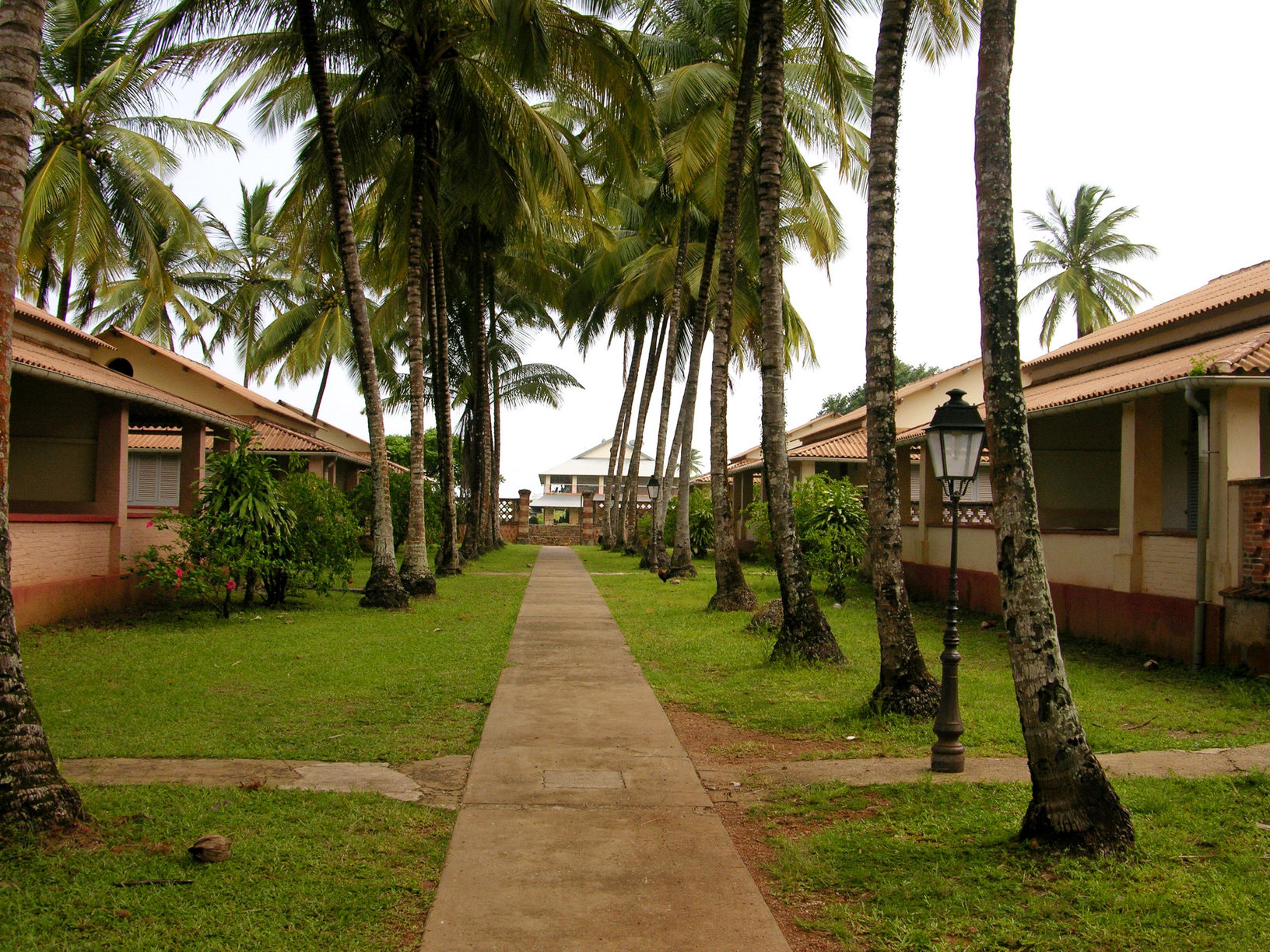
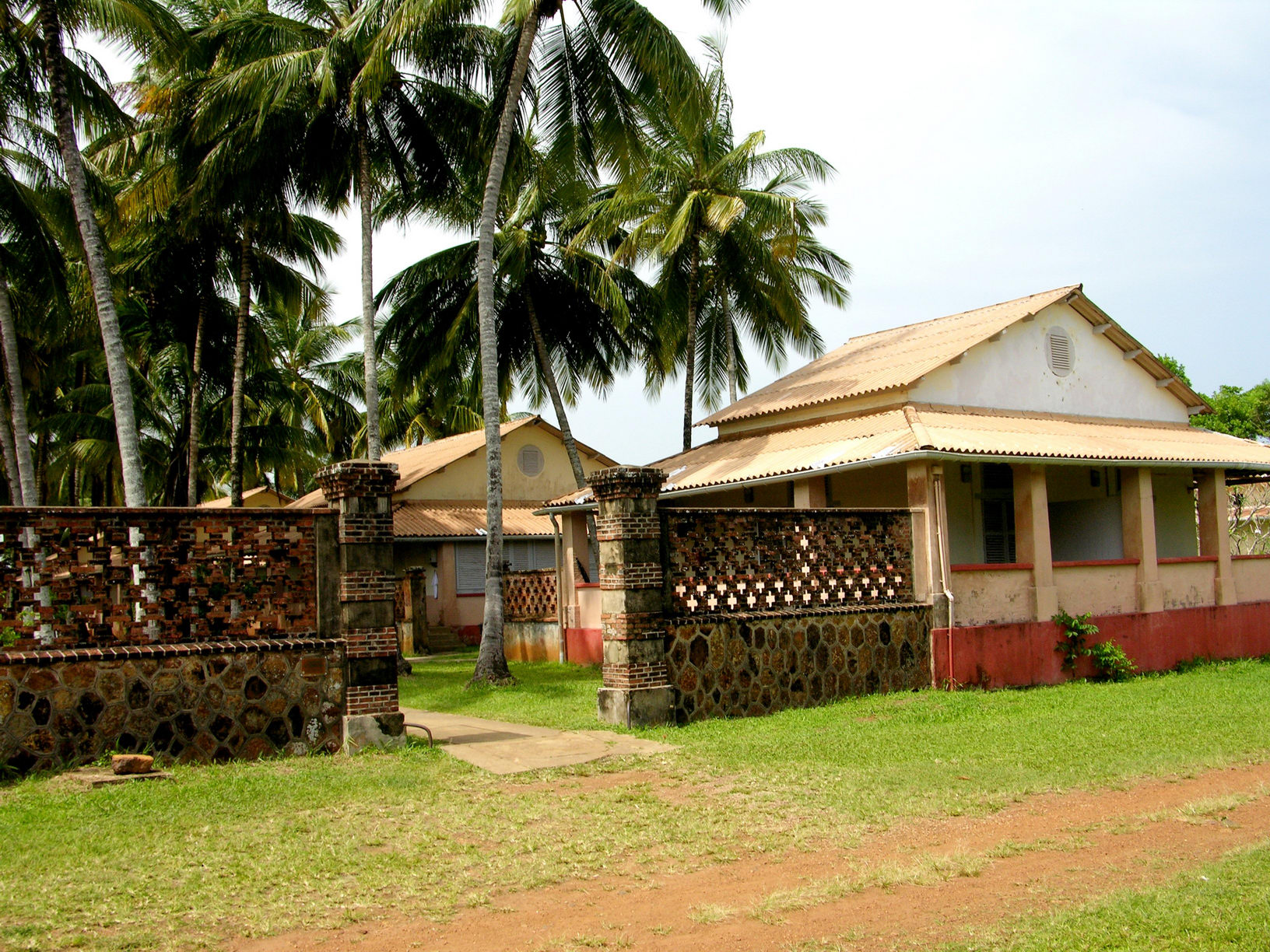
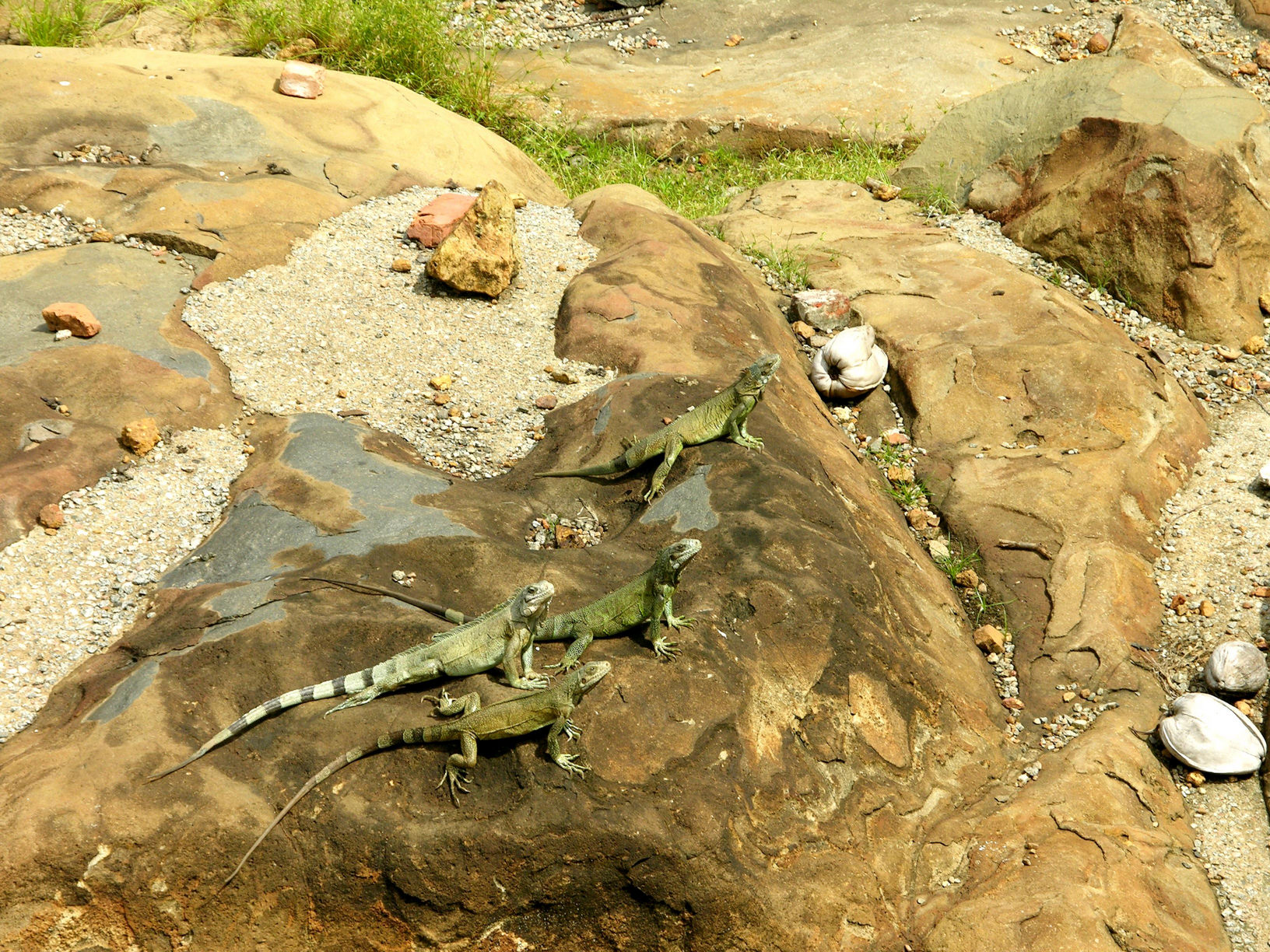
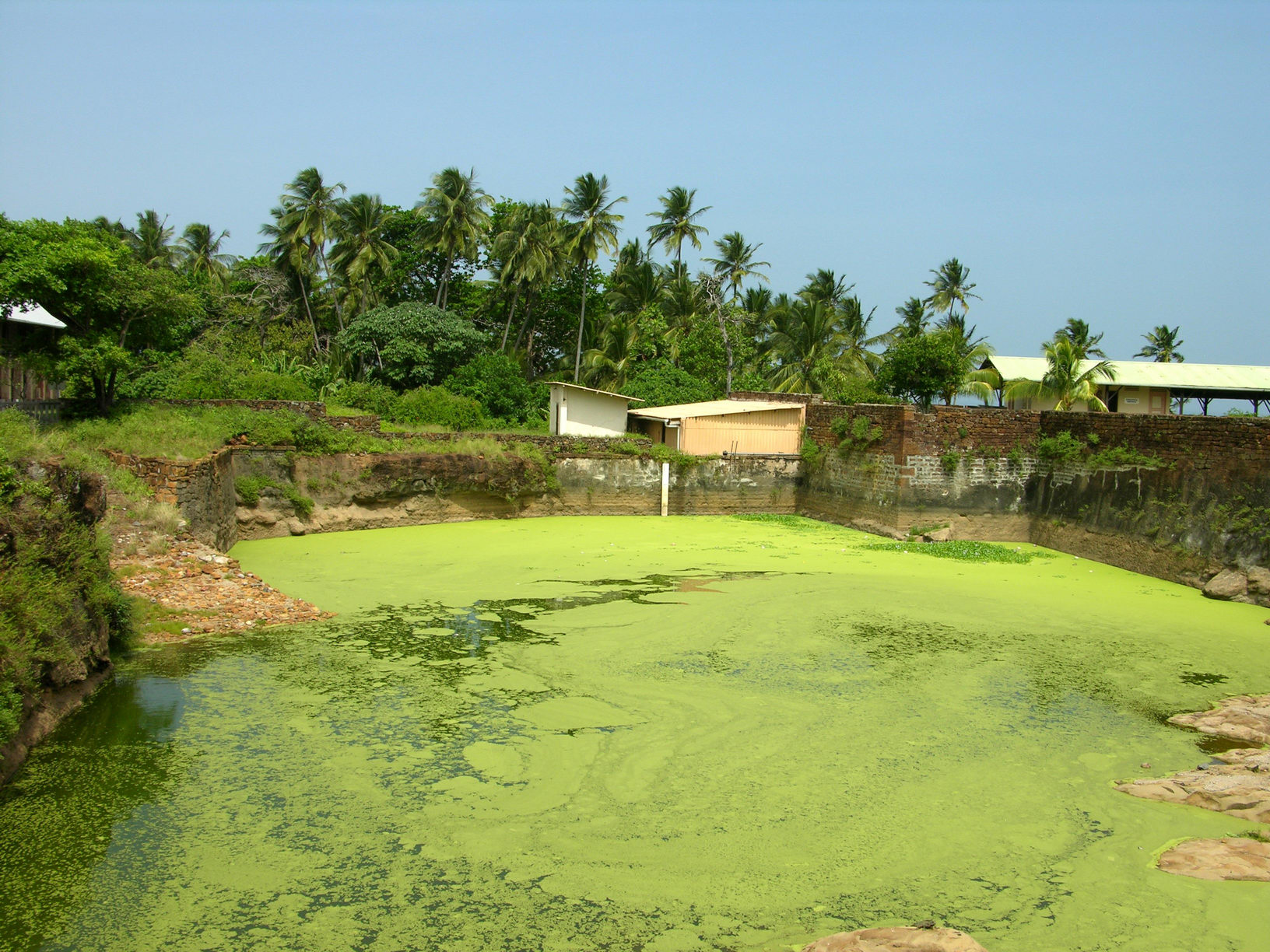
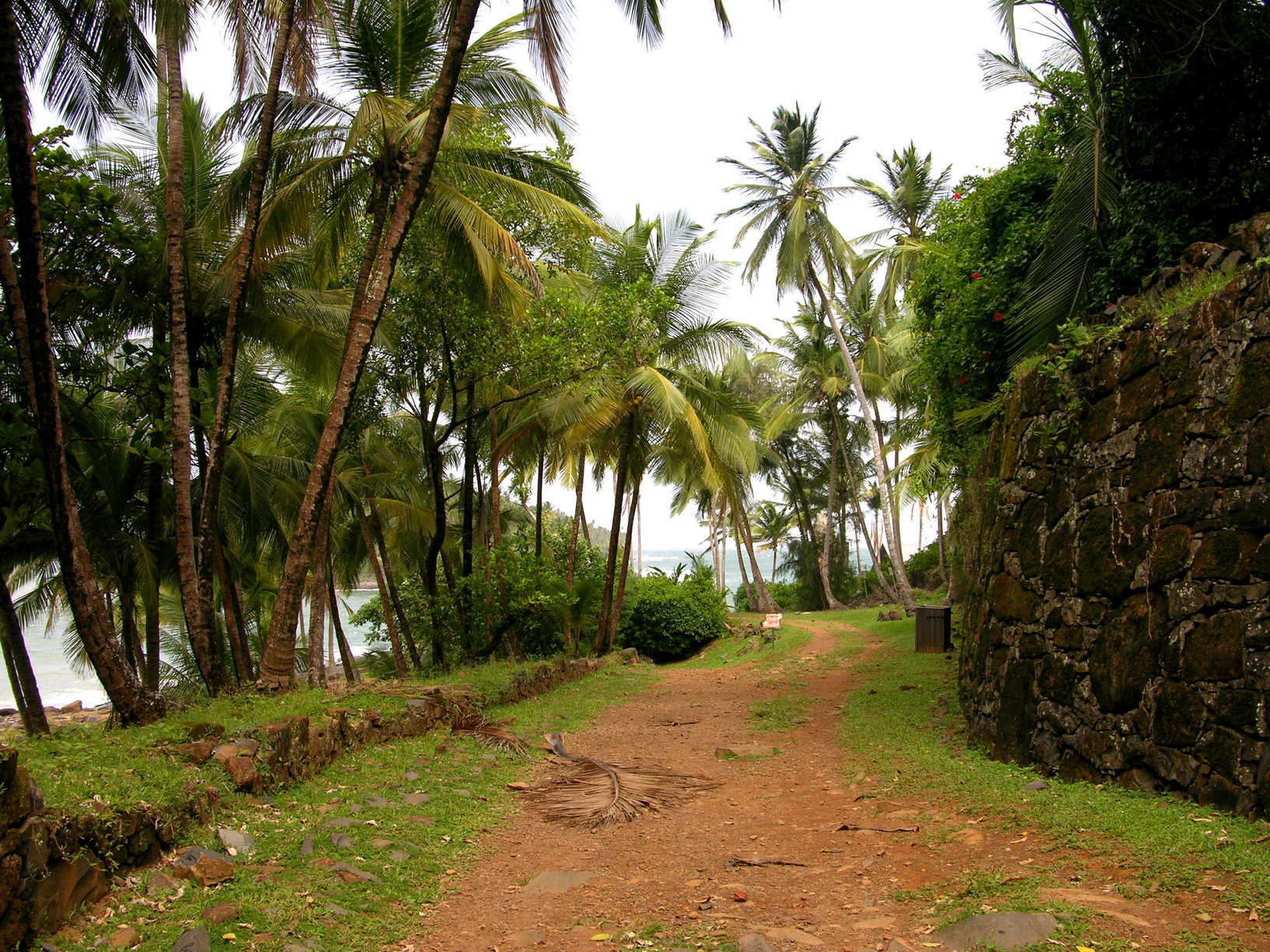
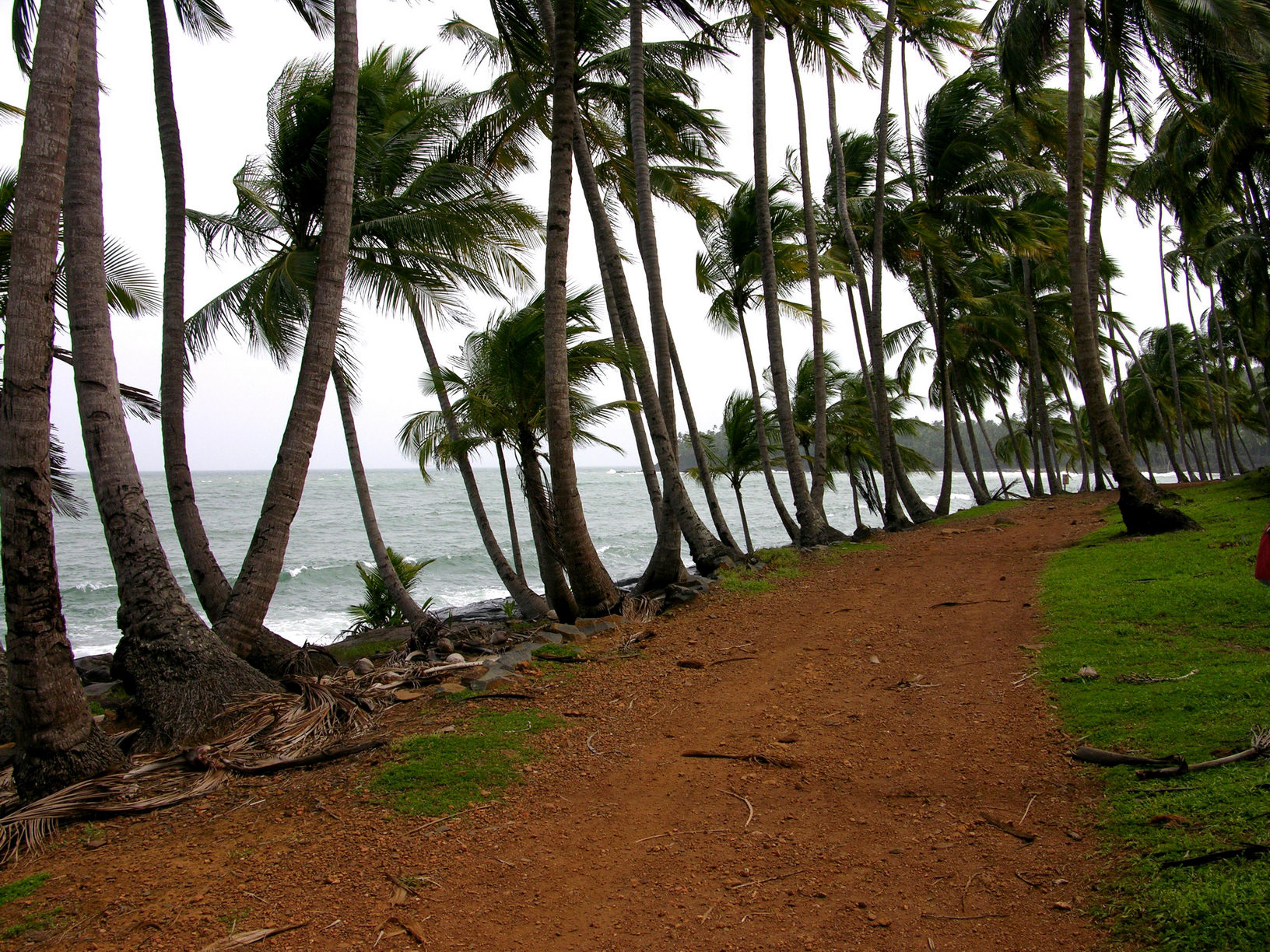
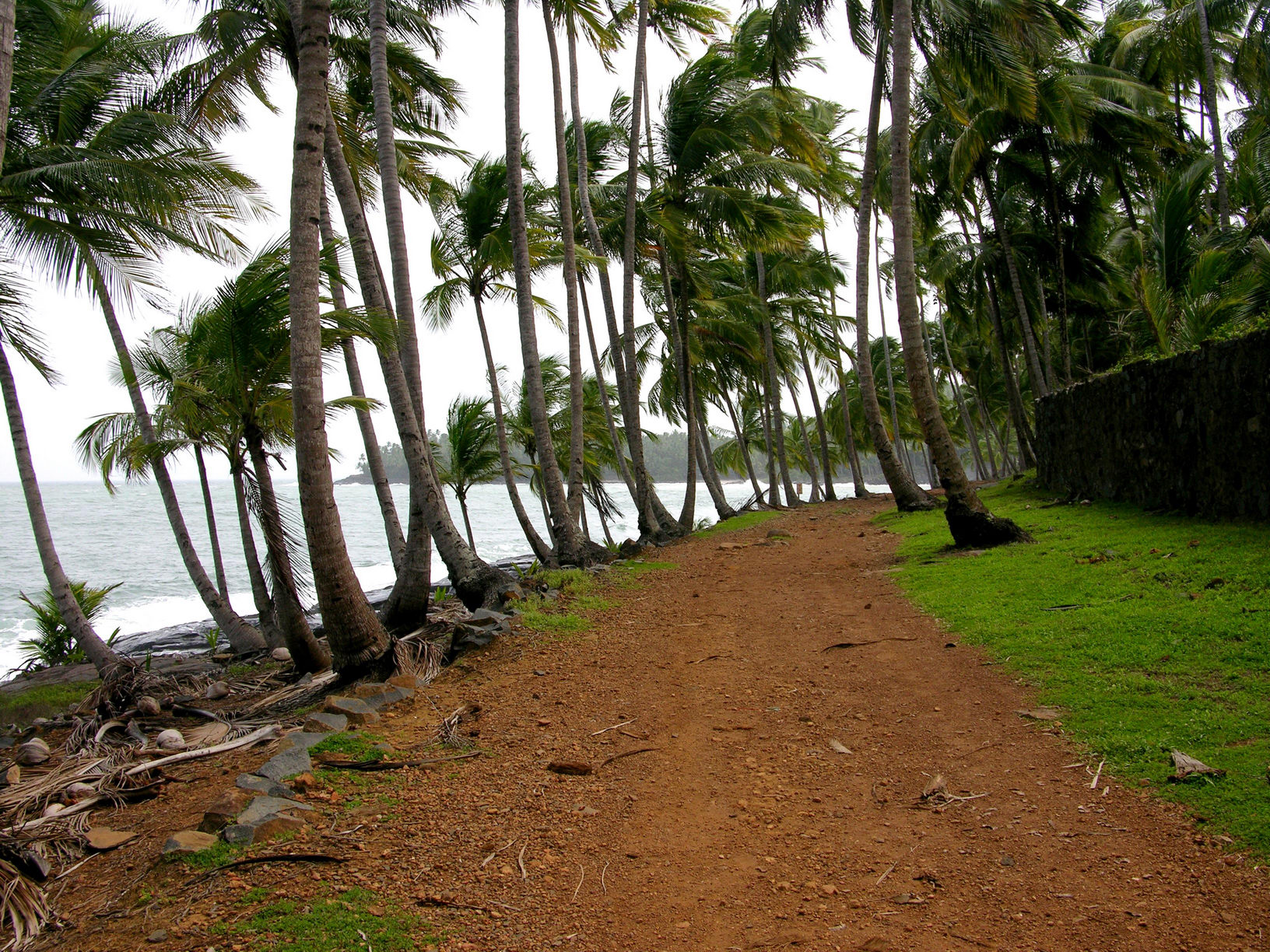
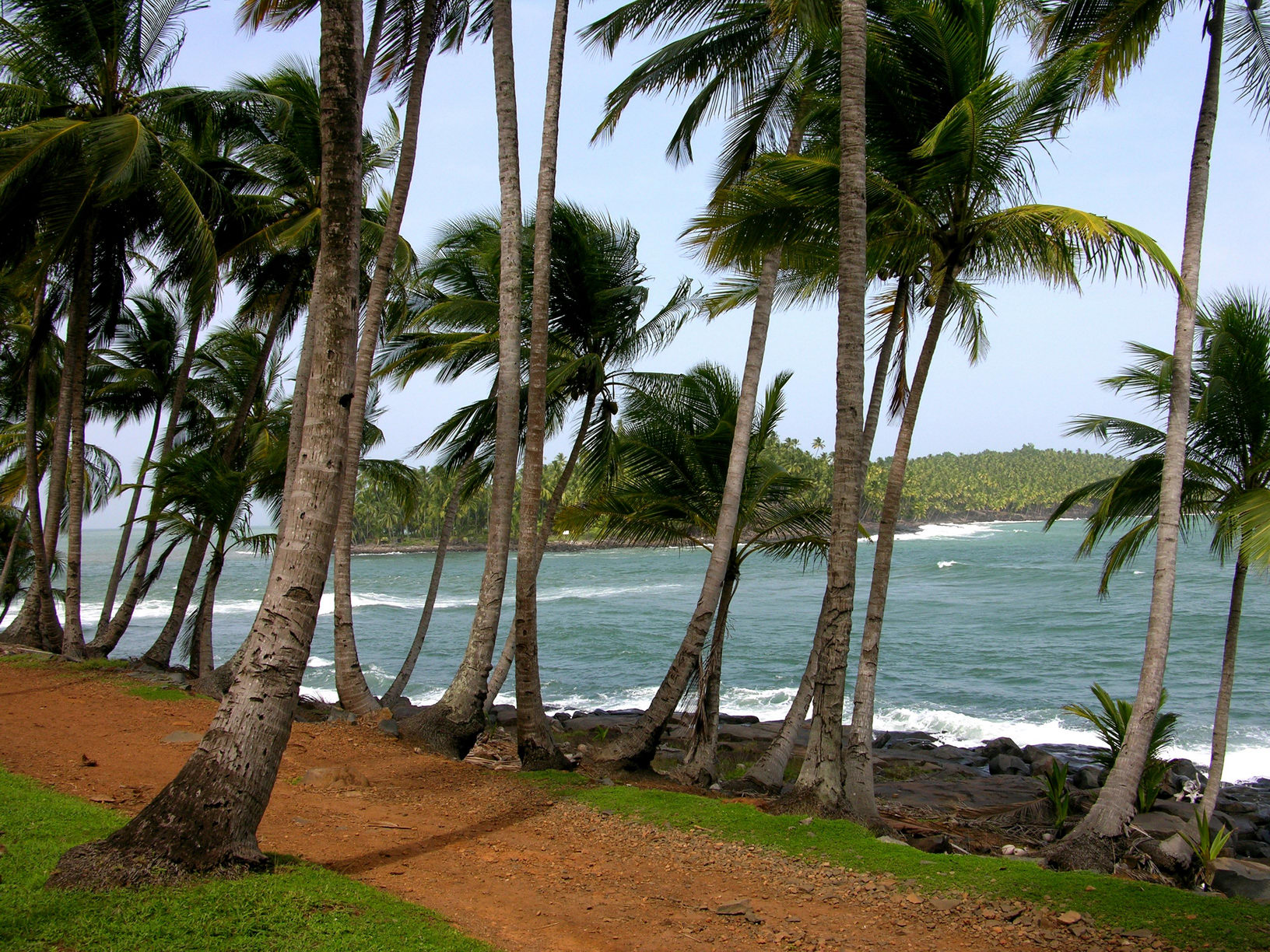
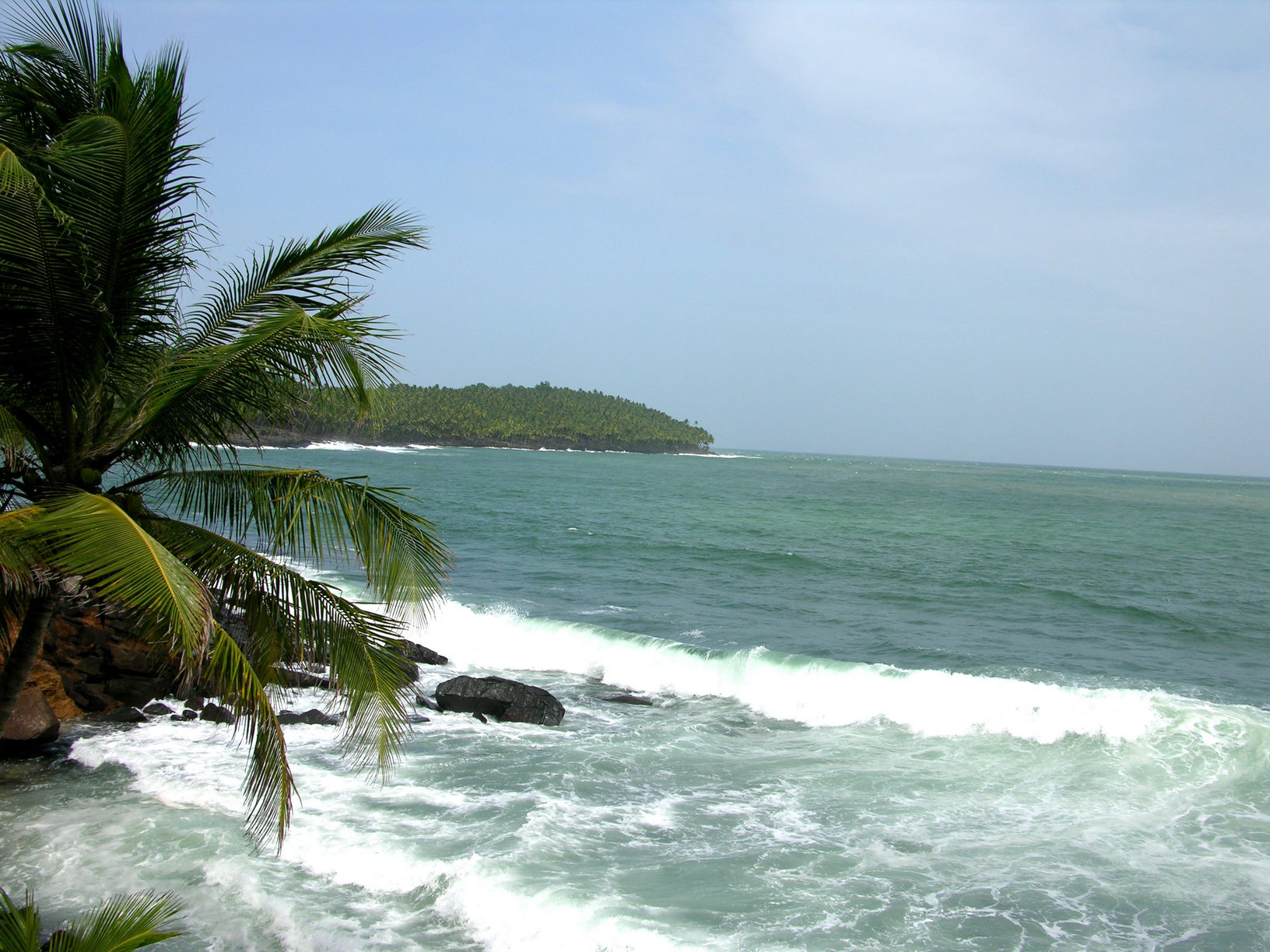
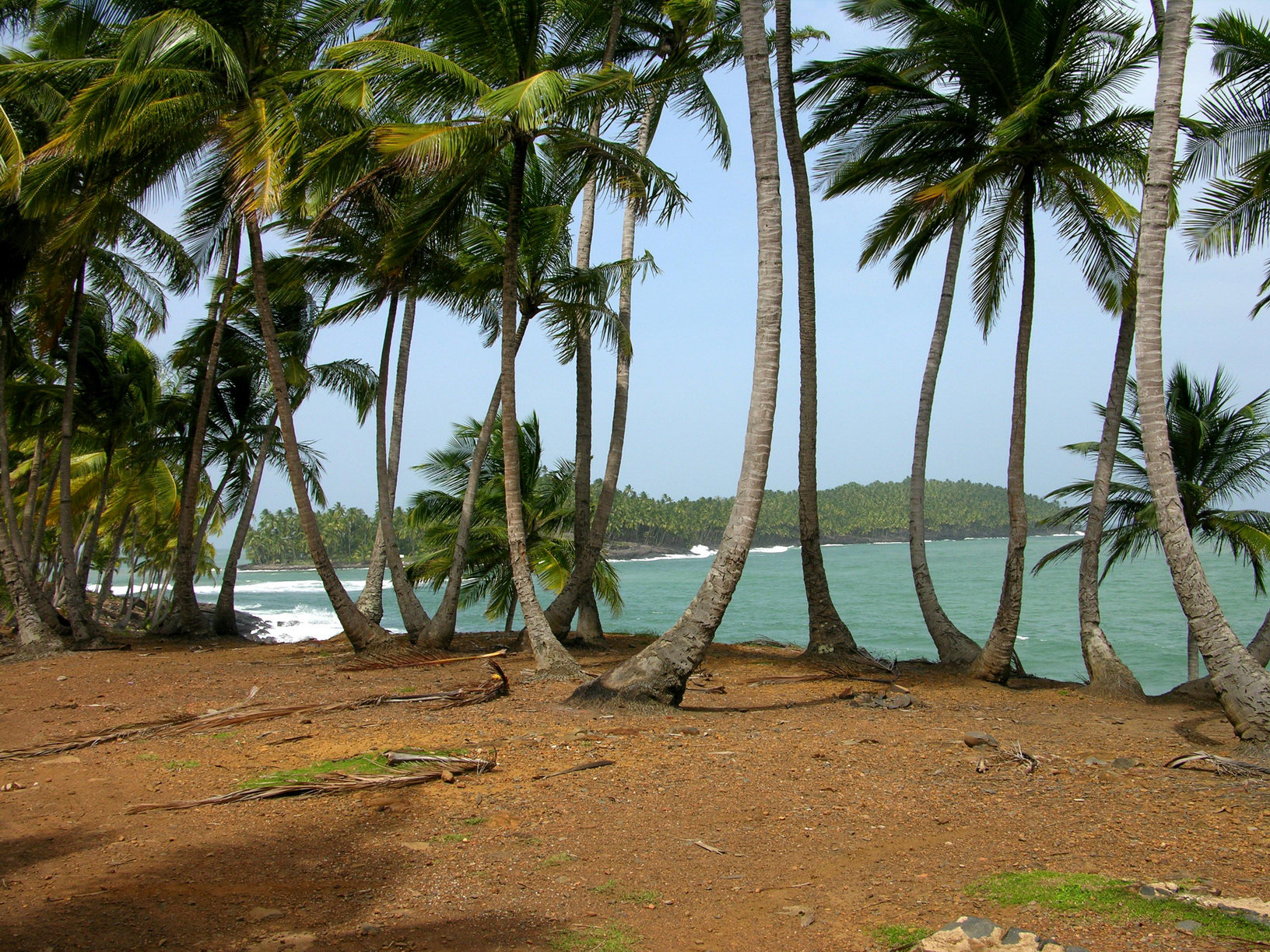
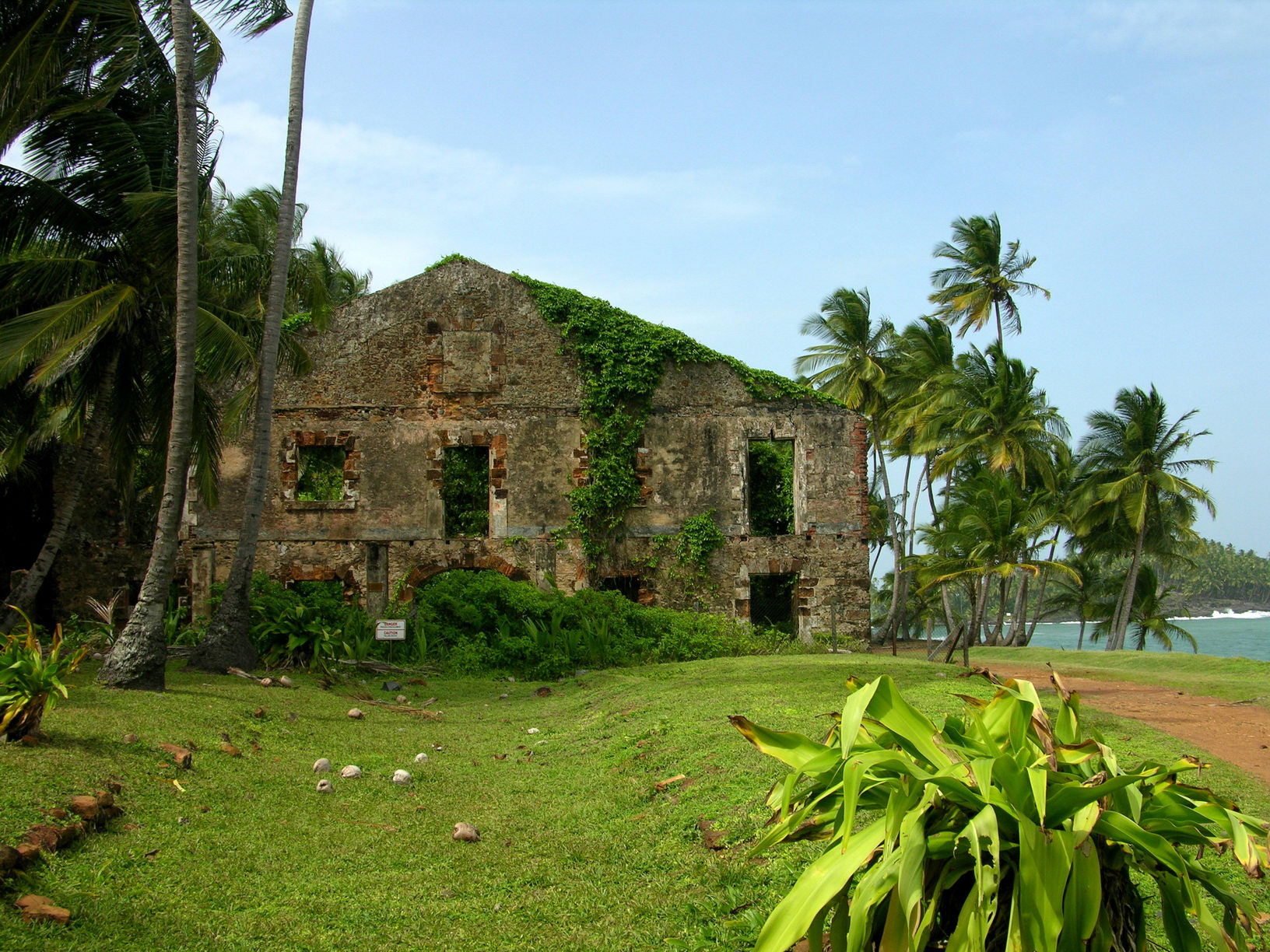
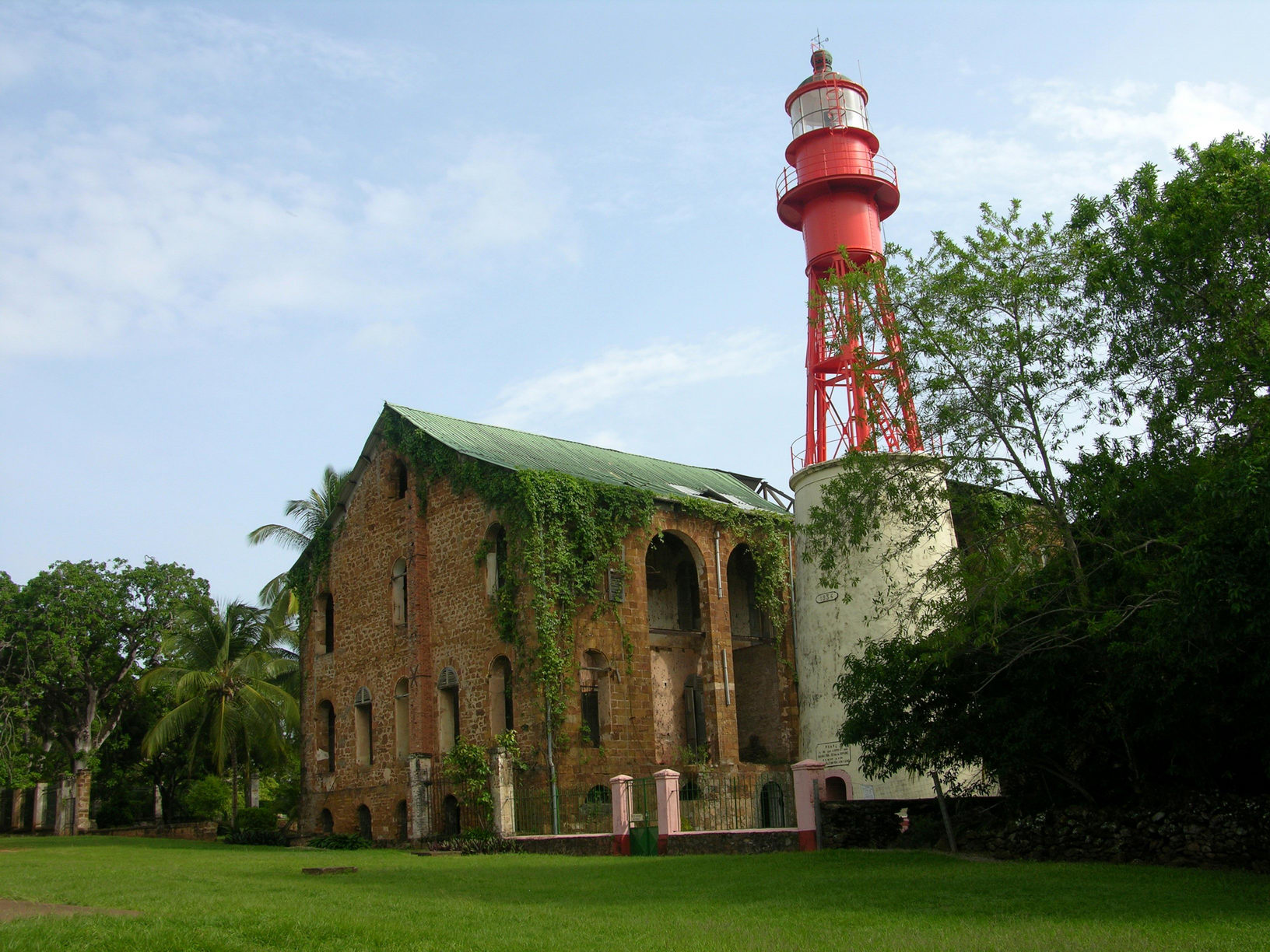
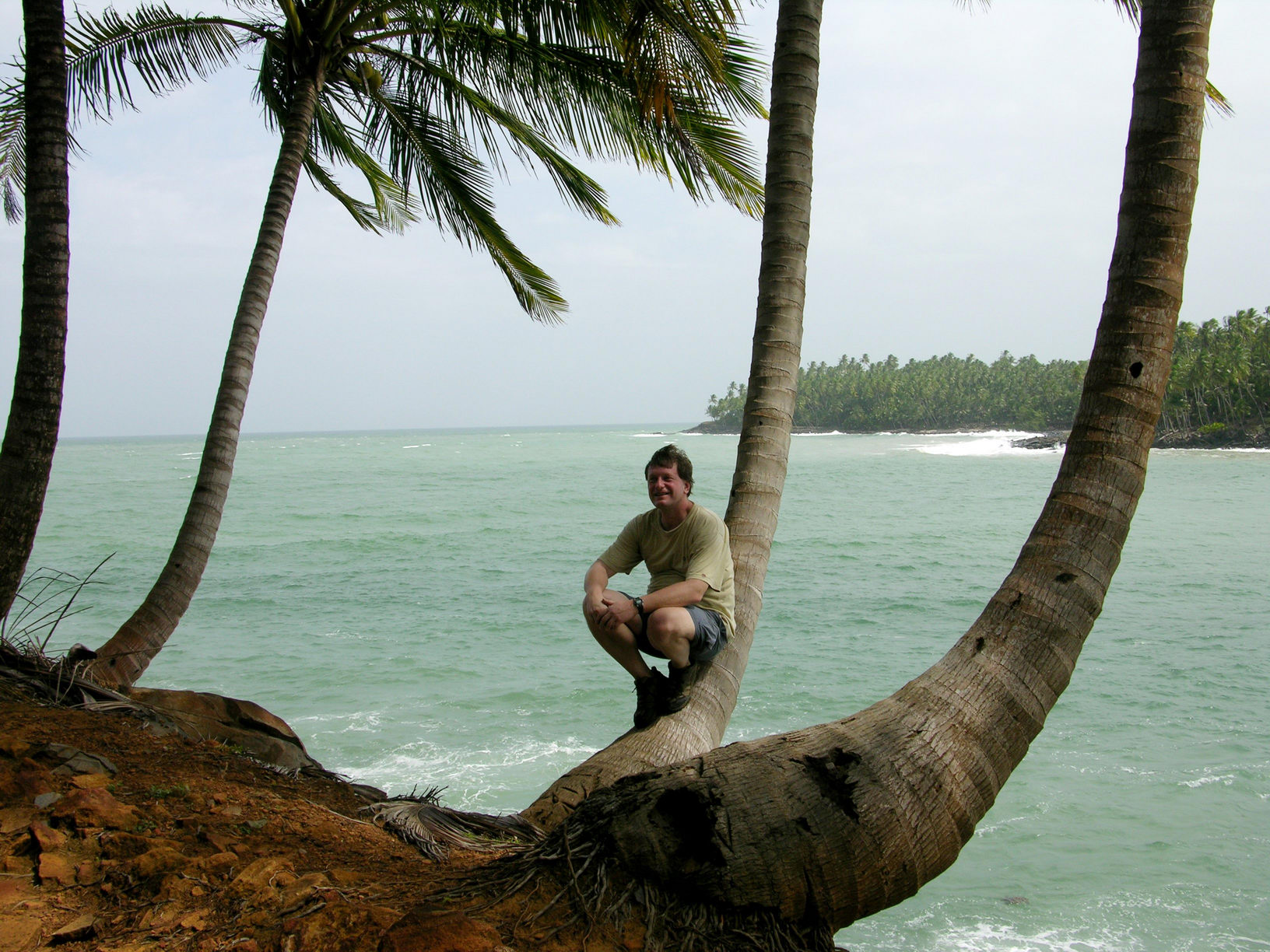
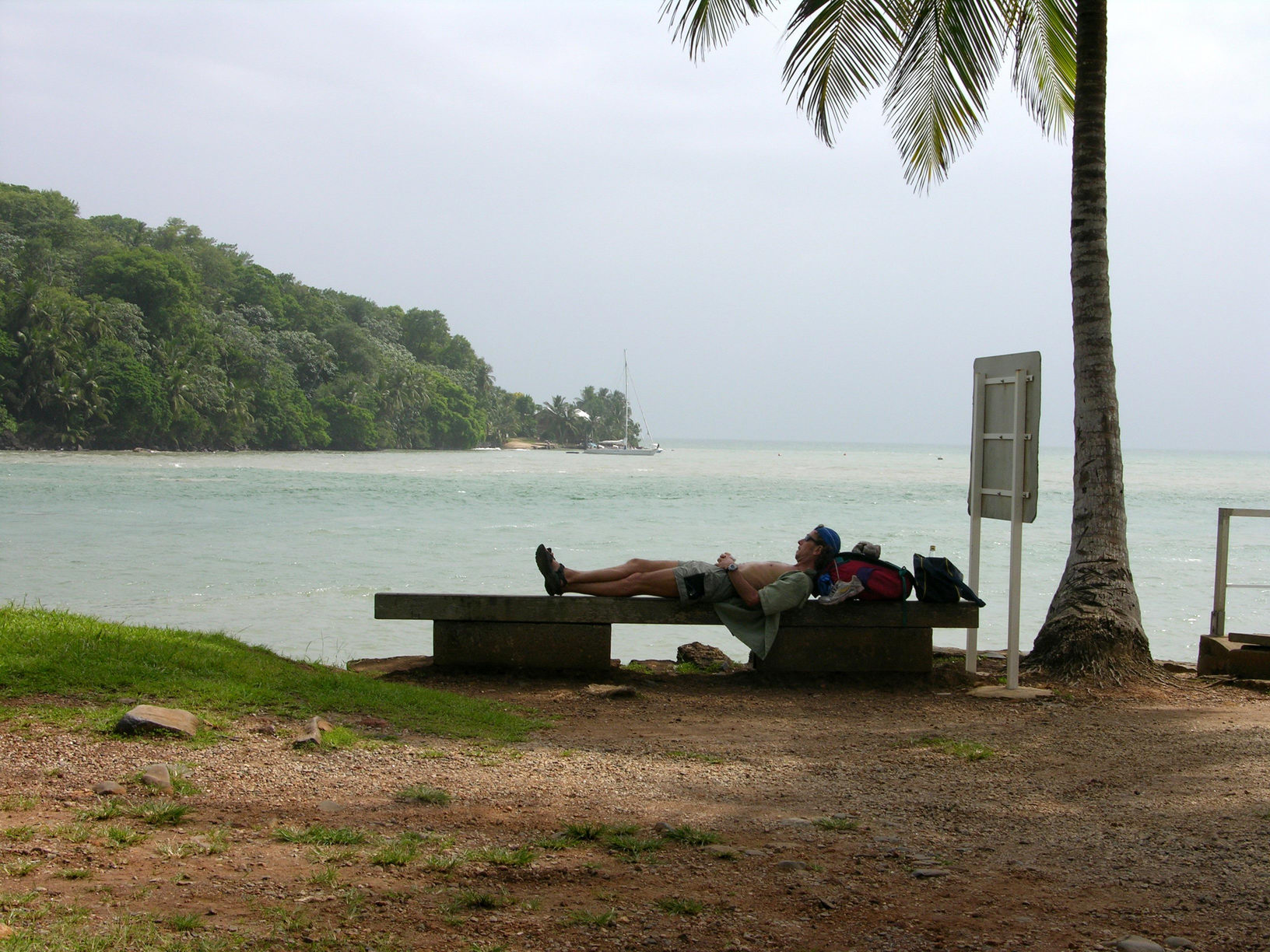
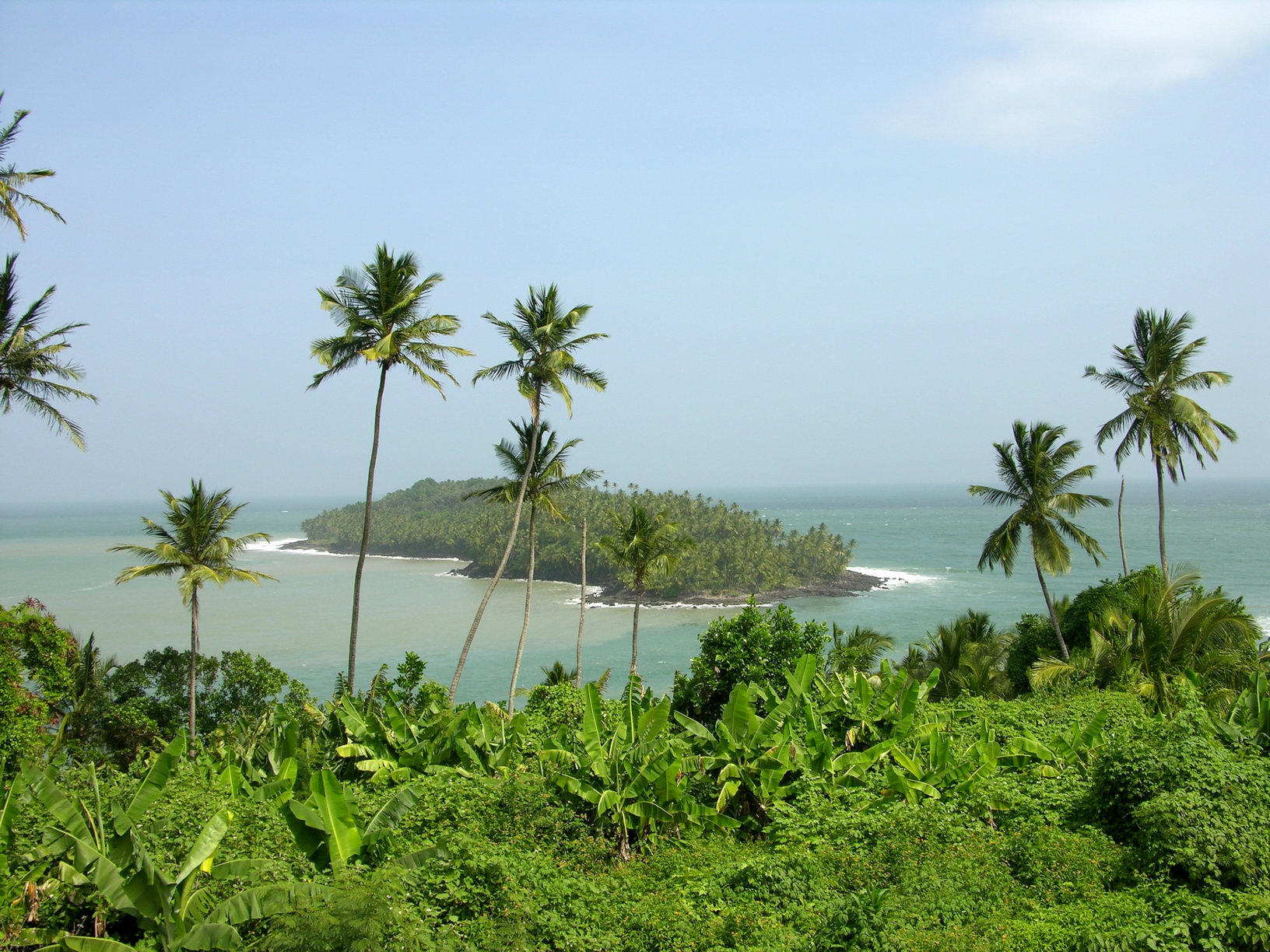
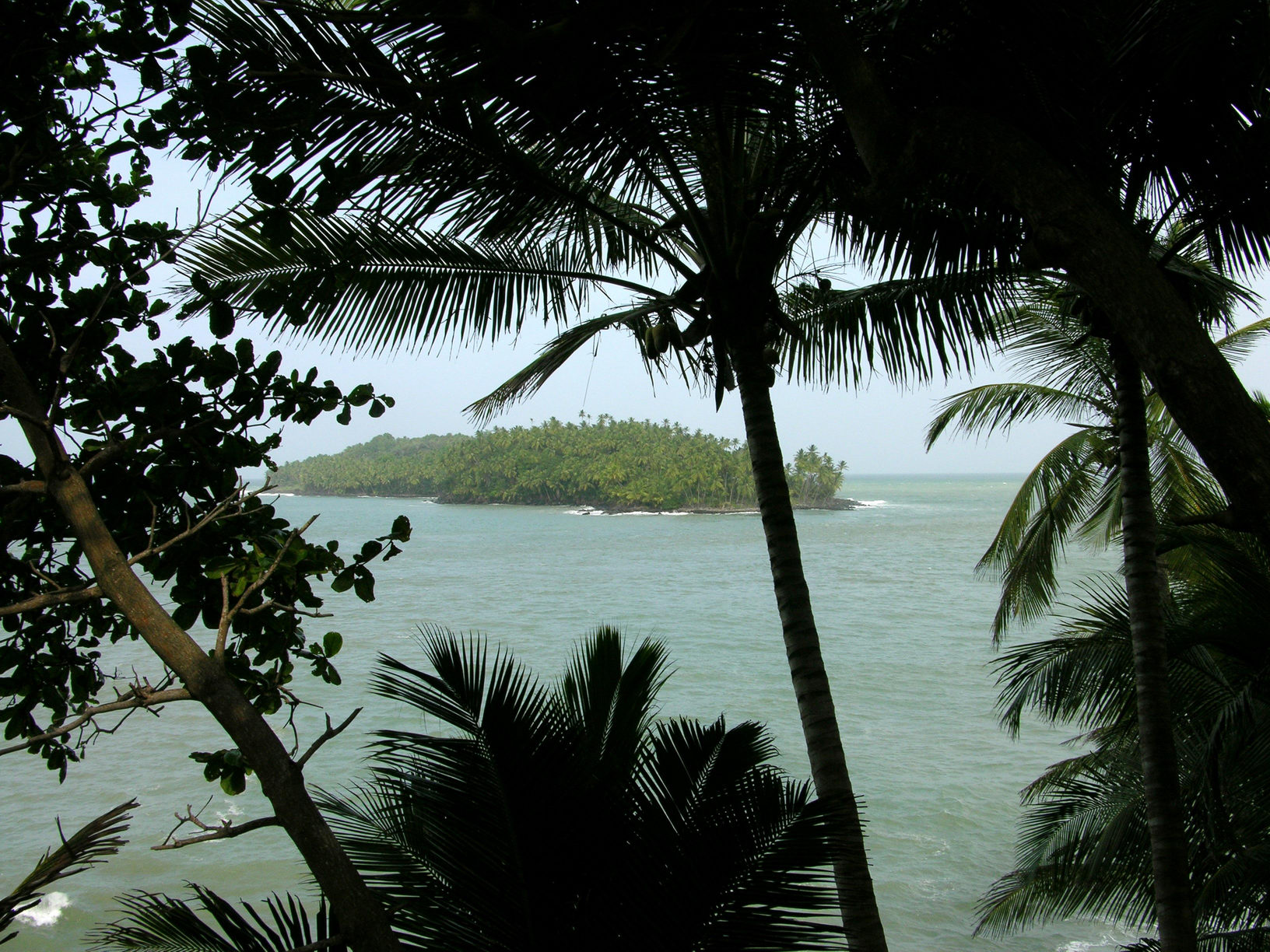
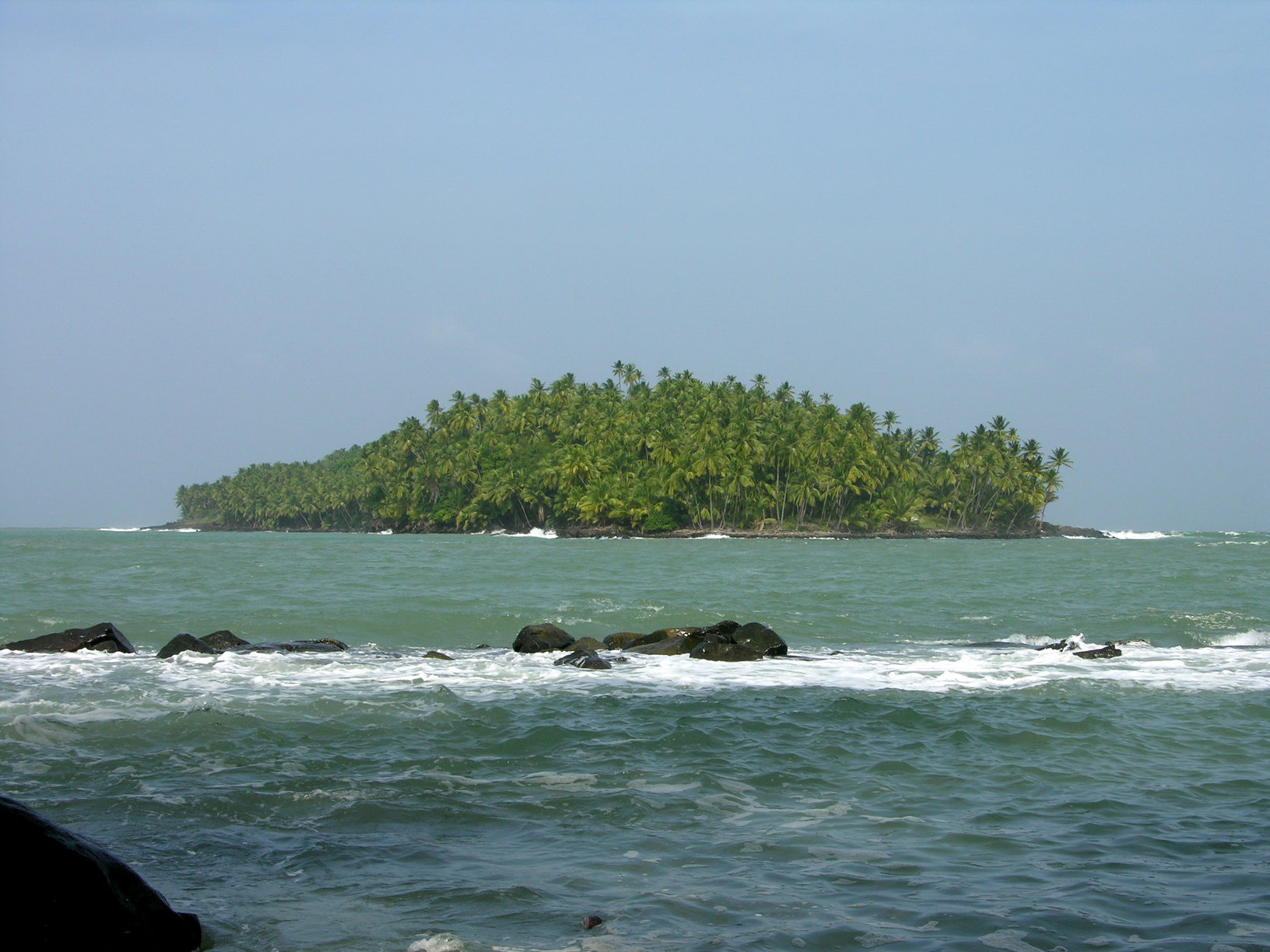
On the main island there are rocks everywhere. You can swim only in a little cove on the northern shore.
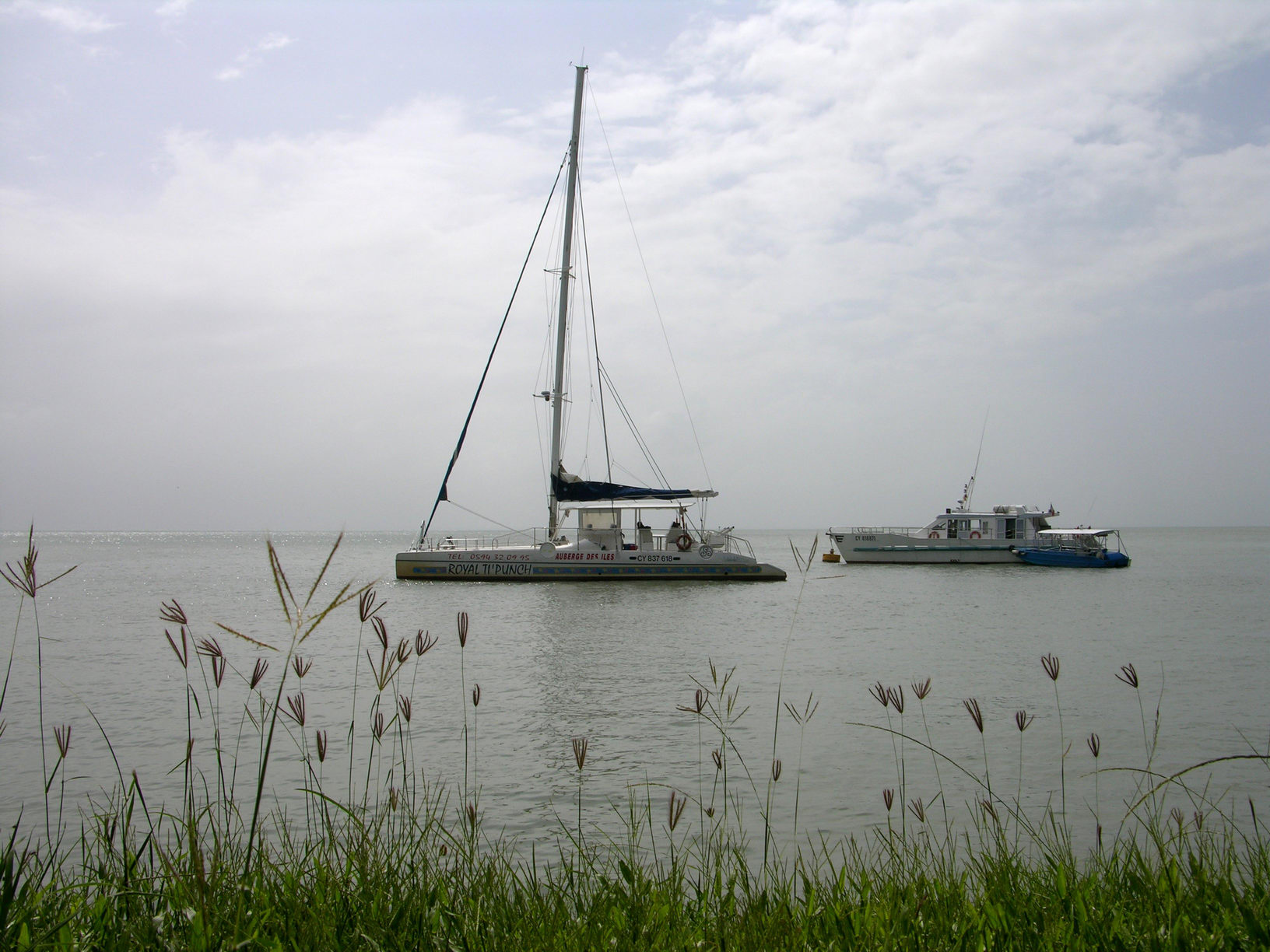
The boat back leaves at four o'clock. There had only been ten people on the way out, but the boat was packed to the gunwales going back. People had stayed for the whole holiday and were now going home with all their luggage. It was hot enough, and yet any number of children were sniffling and sneezing. Where could they have caught a cold here? Children always find a bug somewhere. And then they pass it on. Three days later Tanya and I duly fell ill and went on coughing for another fifteen days.
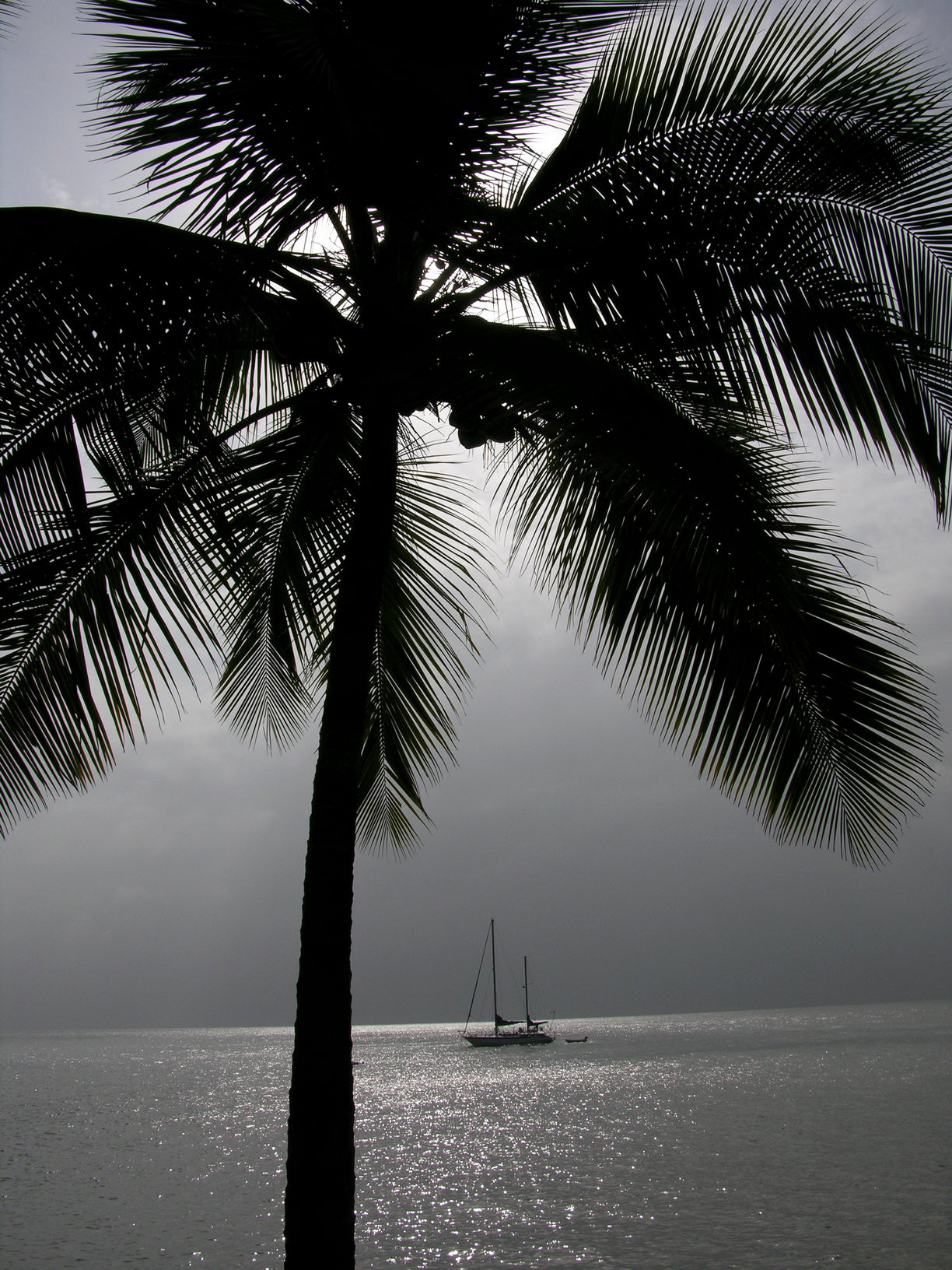
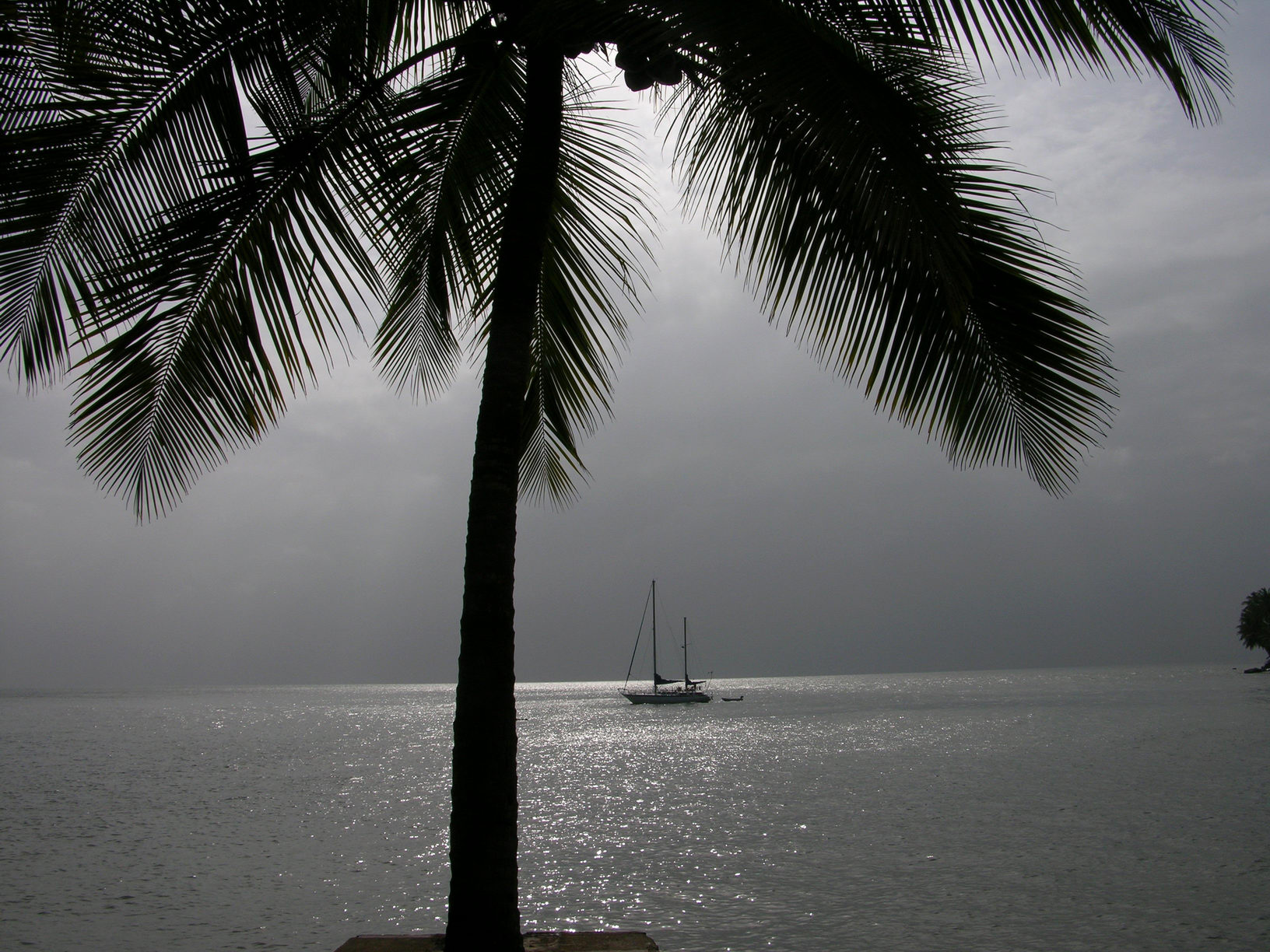
A tropical thunderstorm began when we got back. No wonder it had been stifling all day. We had to sit it out at the hotel.
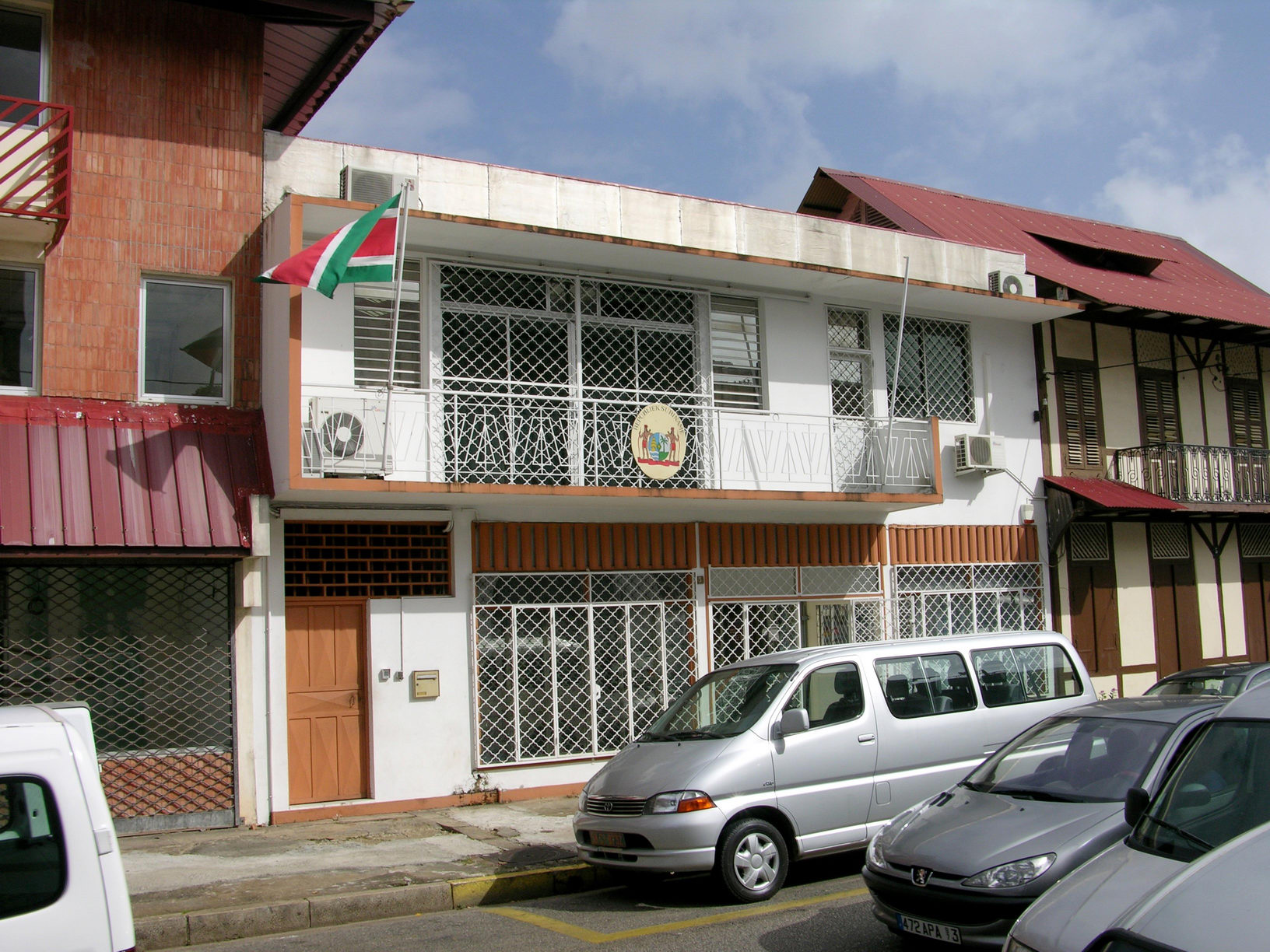
The second of January was the first working day. It was time to go on to other countries, and for that we needed Surinamese visas. Suriname has very few embassies abroad, and there was nowhere in Russia to get a visa. We'd arrived in Guiana on Friday when the embassy was already closed. It's a law of nature. If you need a visa and you've finally reached the embassy, today is Friday and Monday is a holiday.
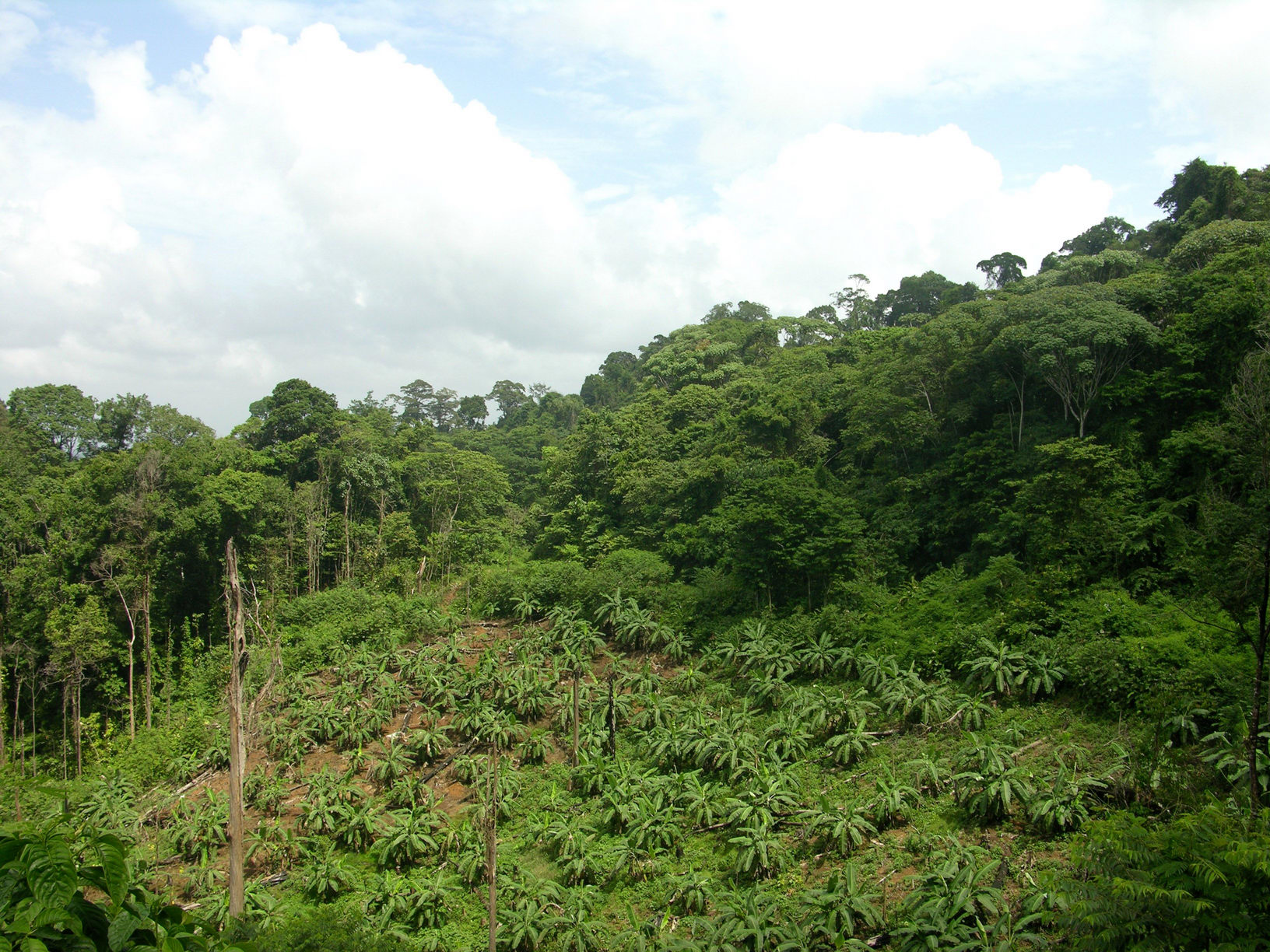
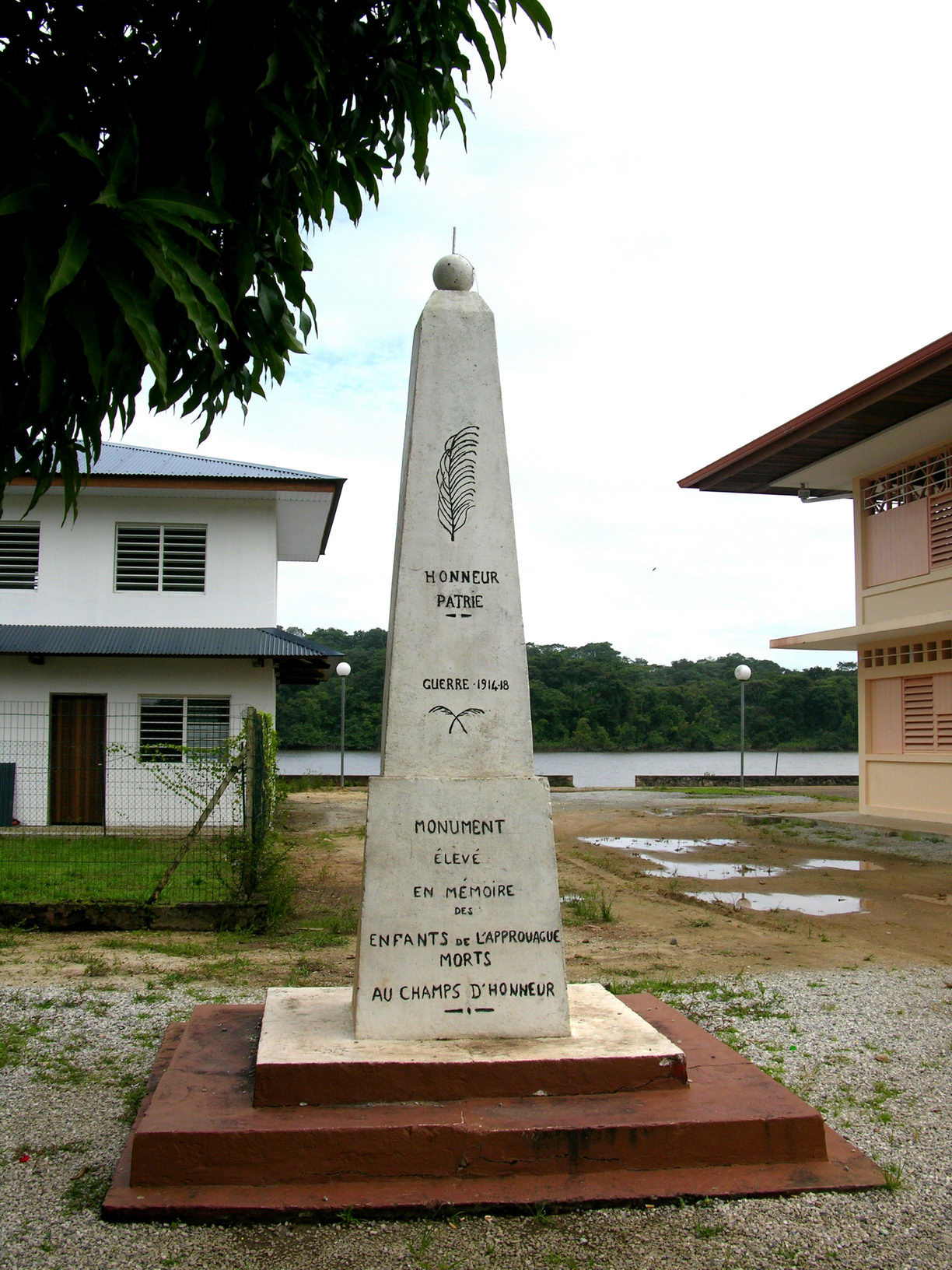
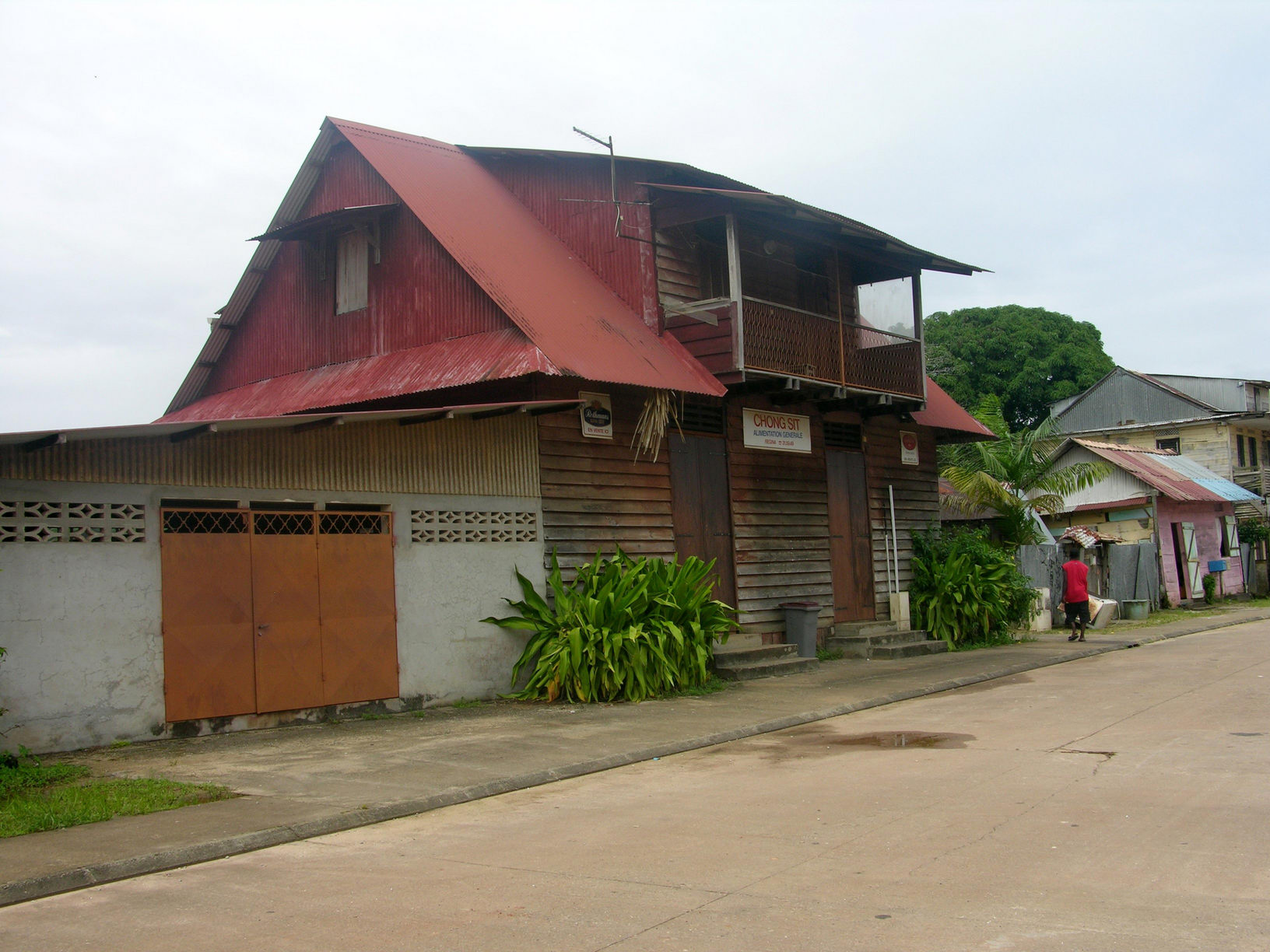
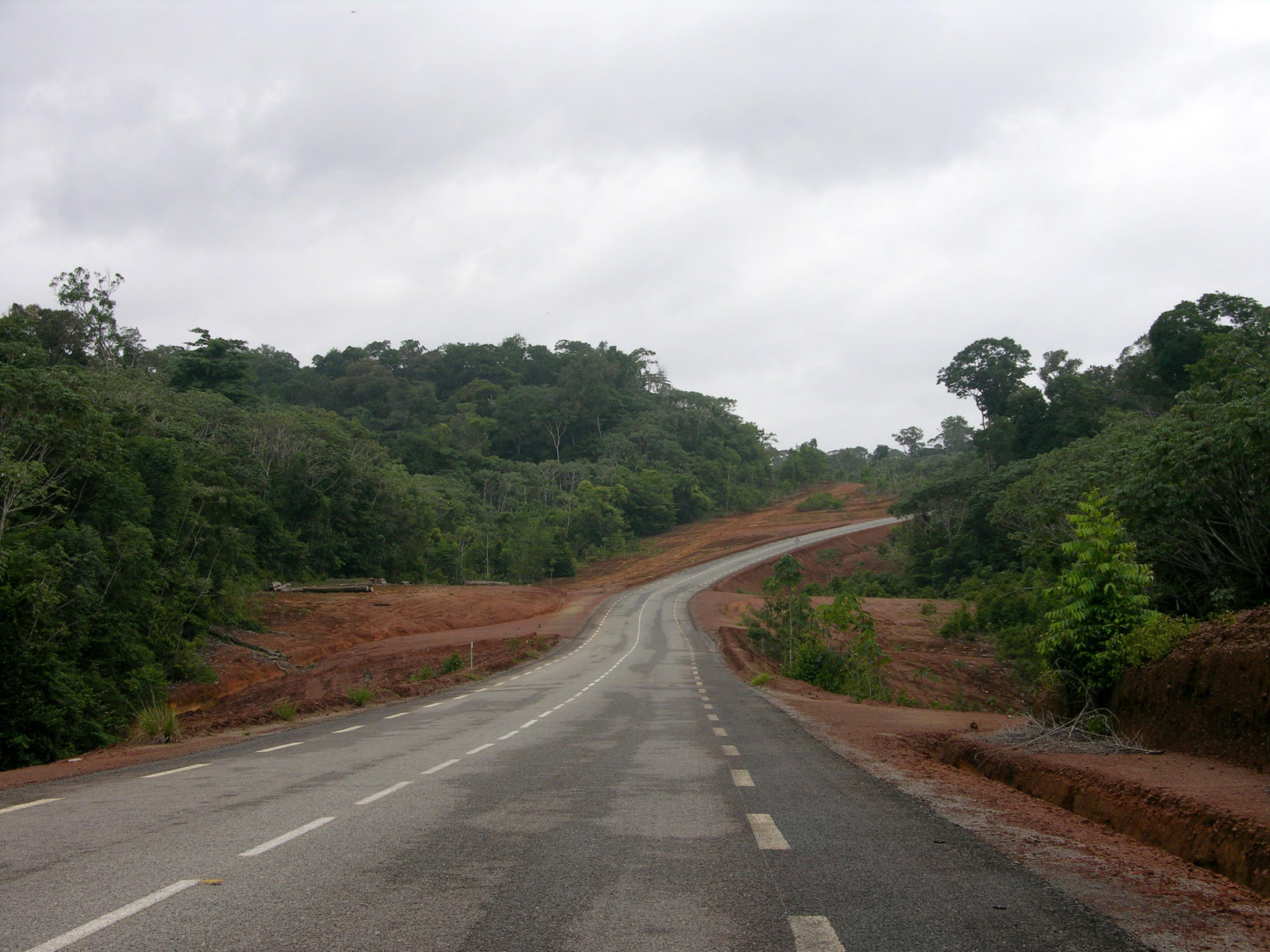
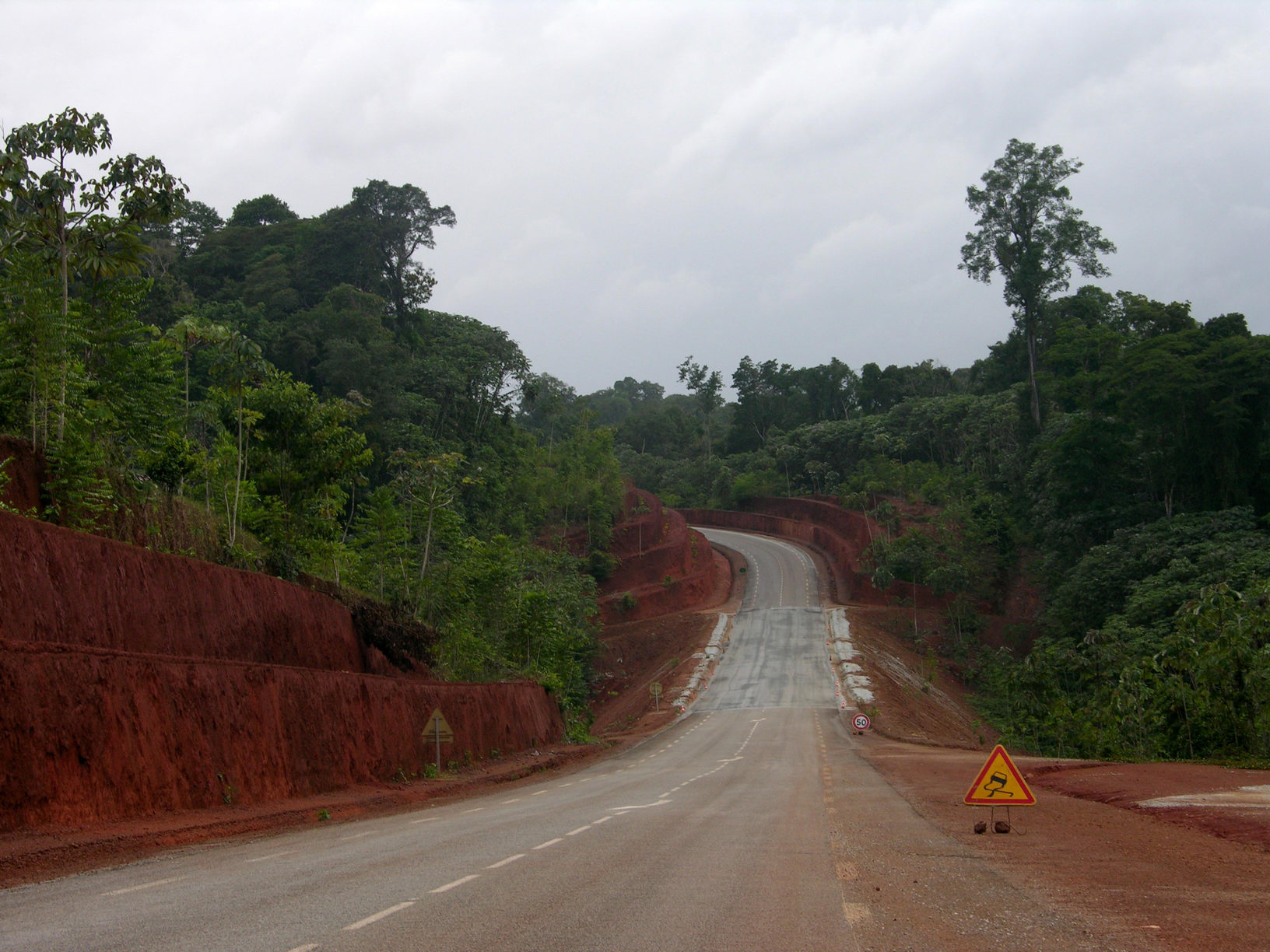
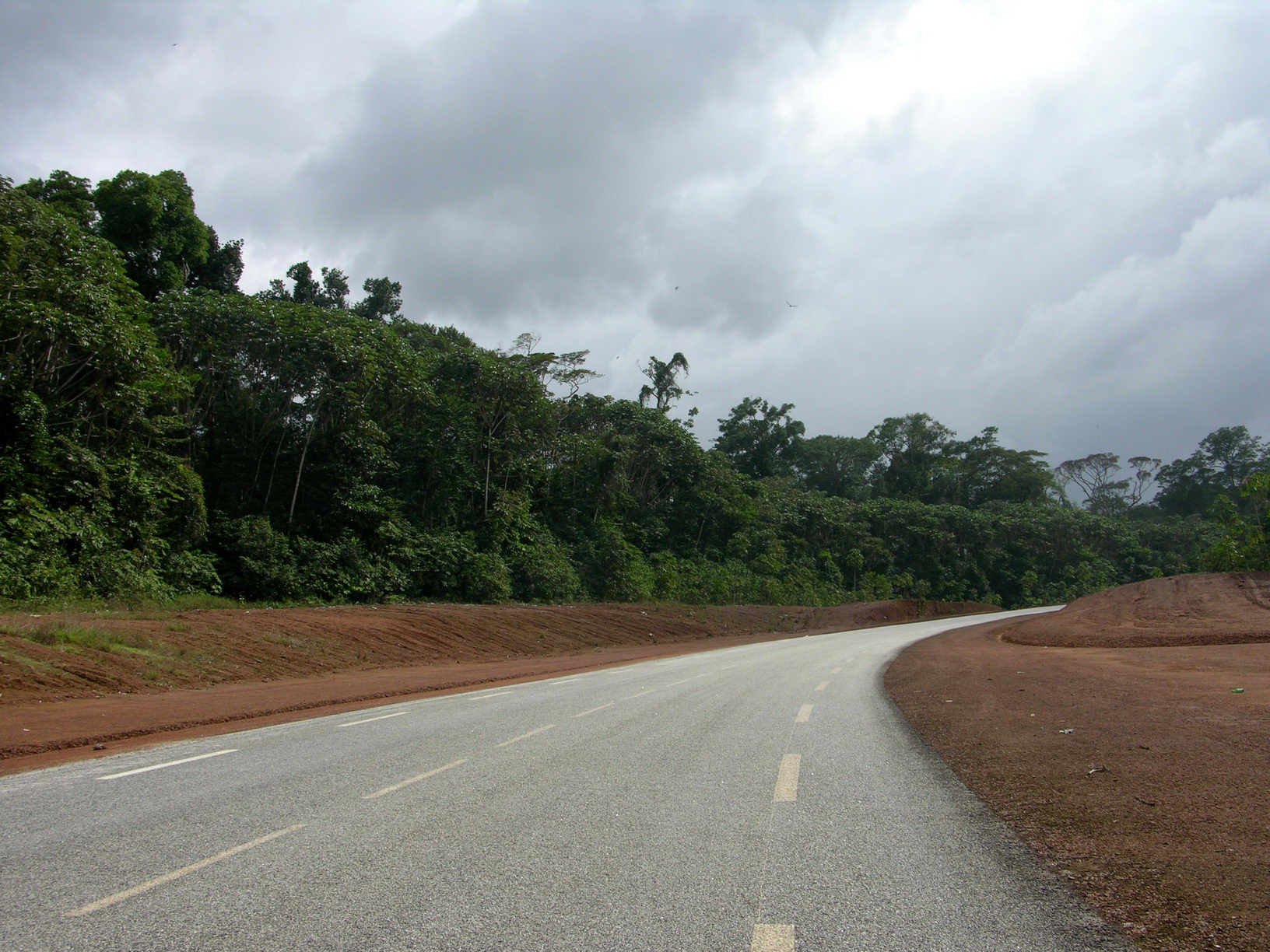
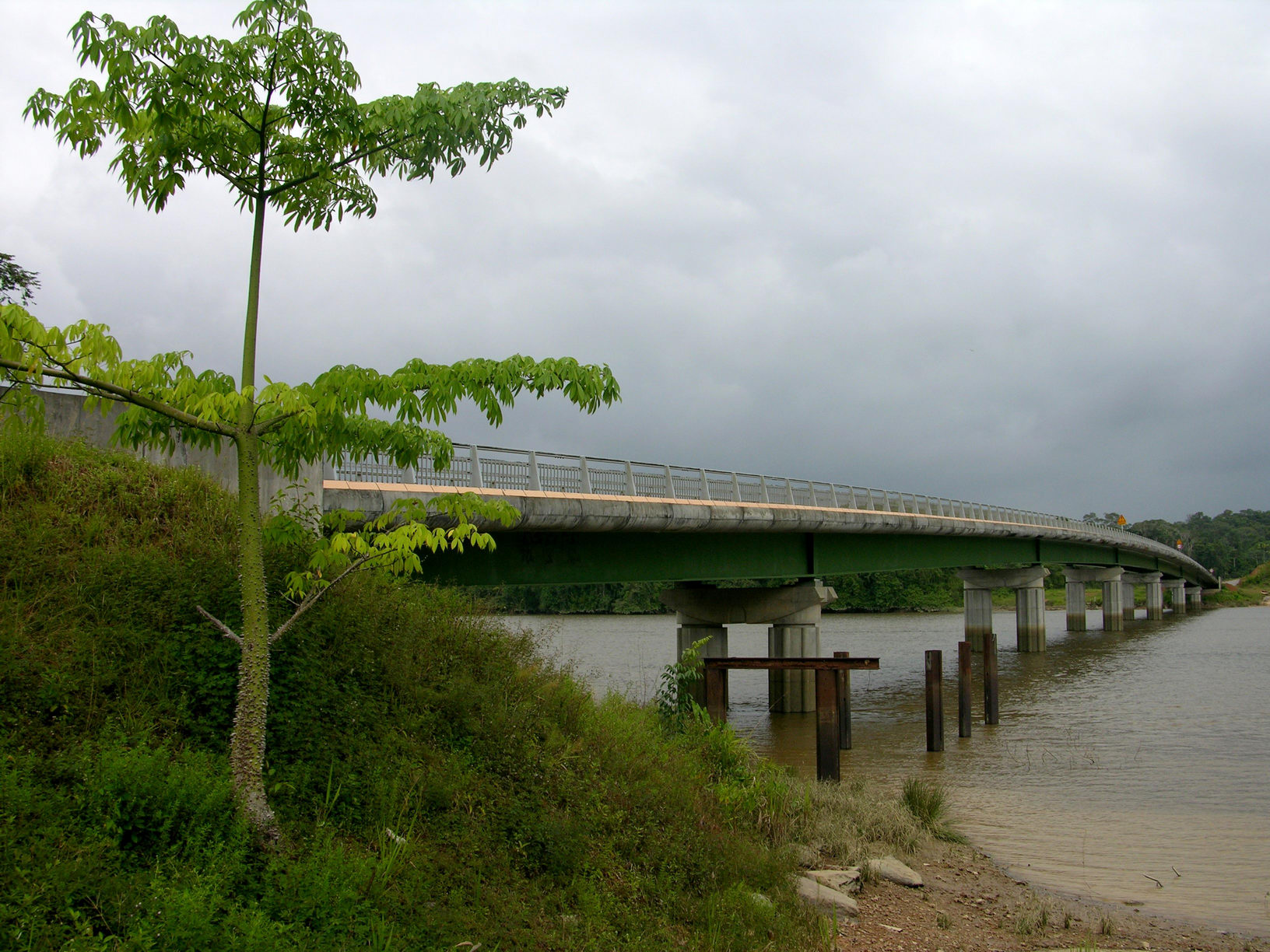
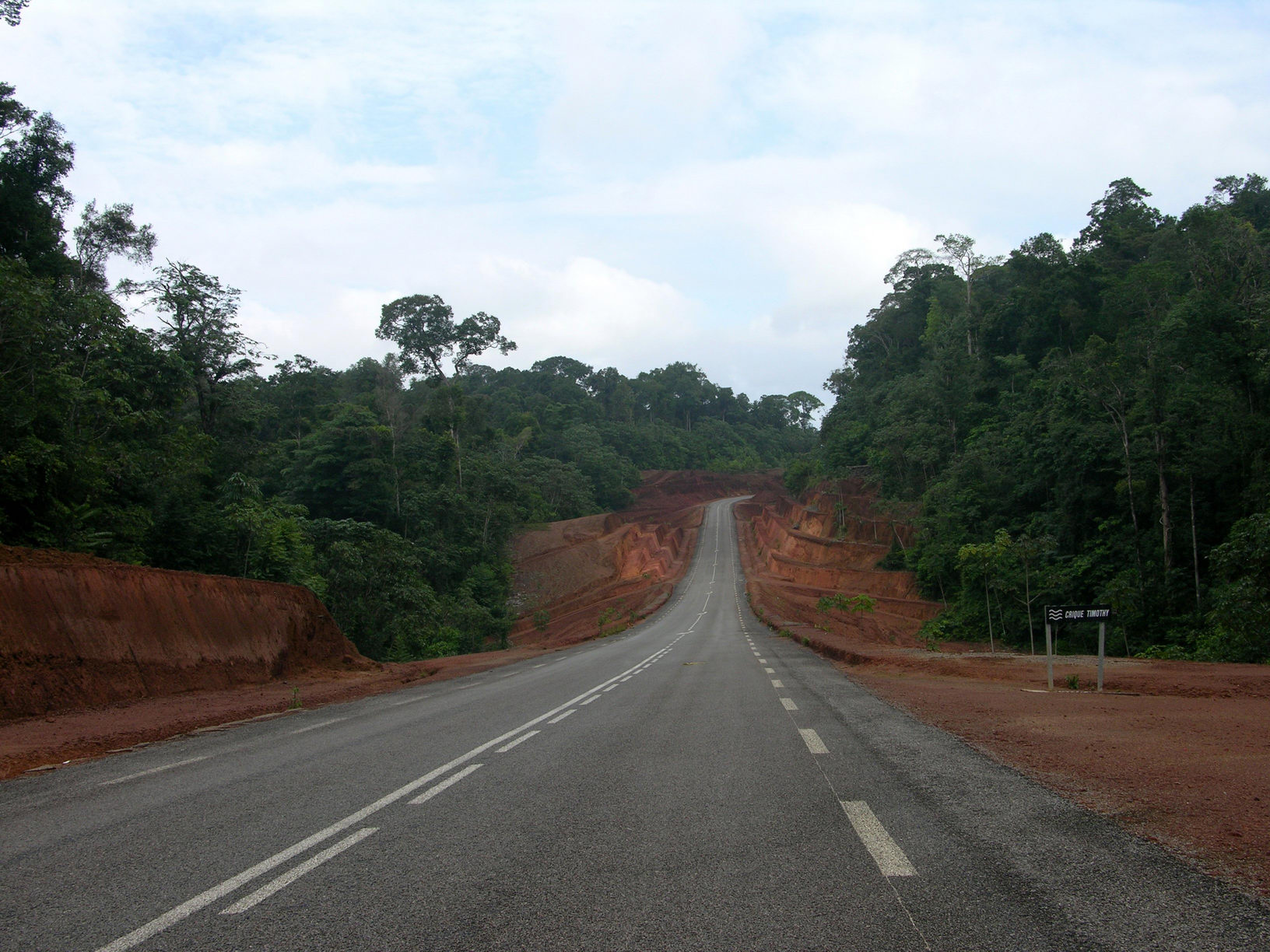
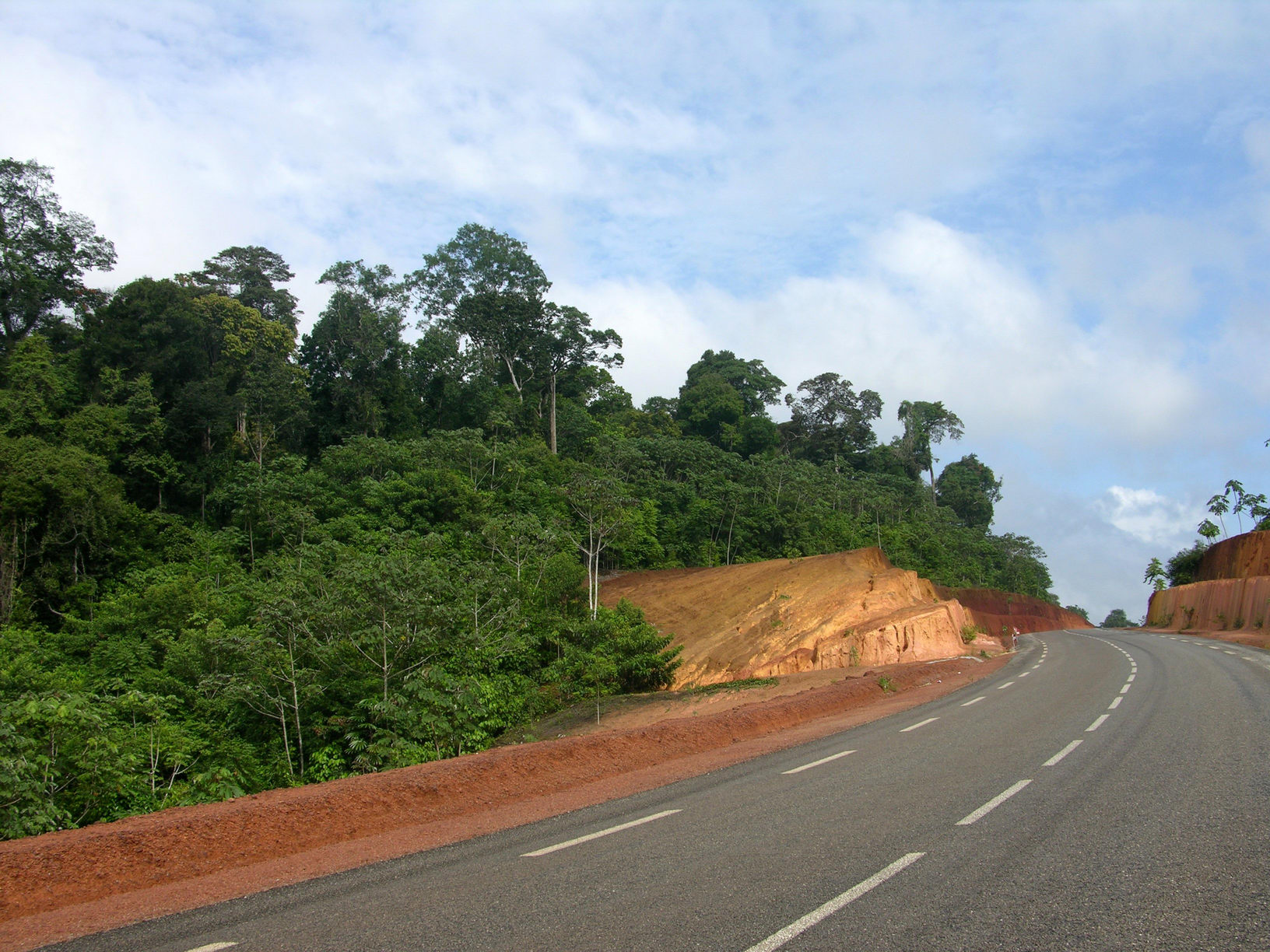
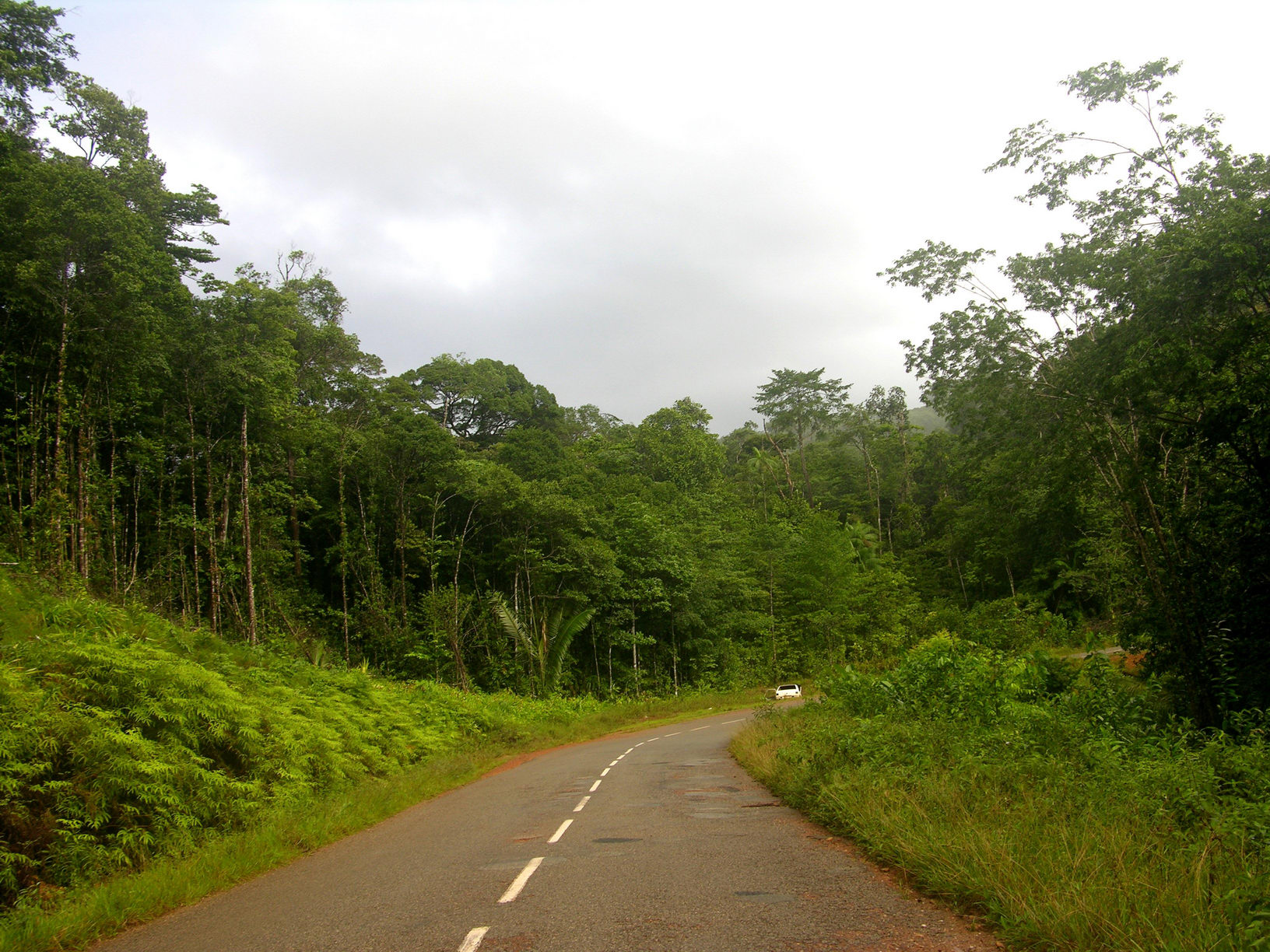
Life turned out to be crueller still. On Tuesday the second of January, we saw a notice on the wall: “The embassy is closed until 3 January.” All right, we had other things to do. Today we'd go east, to the Brazilian border, and camp somewhere in the forest. The border town of Saint-Georges-de-l'Oyapock is 250 kilometres from Cayenne. Along the entire road there's only one place that counts as a proper town, Régina (Régina), on the river Aprouague (Aprouague). After that there's another long stretch through wild forest. The road had only just been built. Before that you had to spend a day getting through in an off-road vehicle. It's almost uninhabited. Farther inland it's wilder yet. The whole southern half has been declared Indigenous territory. You need permission to visit. Only a few hundred people live there, without any transport except dugout canoes that thread through the dense network of rivers for hundreds of kilometres to distant villages. Even the borders with the neighbours aren't settled. Huge blocks of land are entirely uninhabited and there's no interest in dividing them up. It may be the least inhabited rainforest on earth.
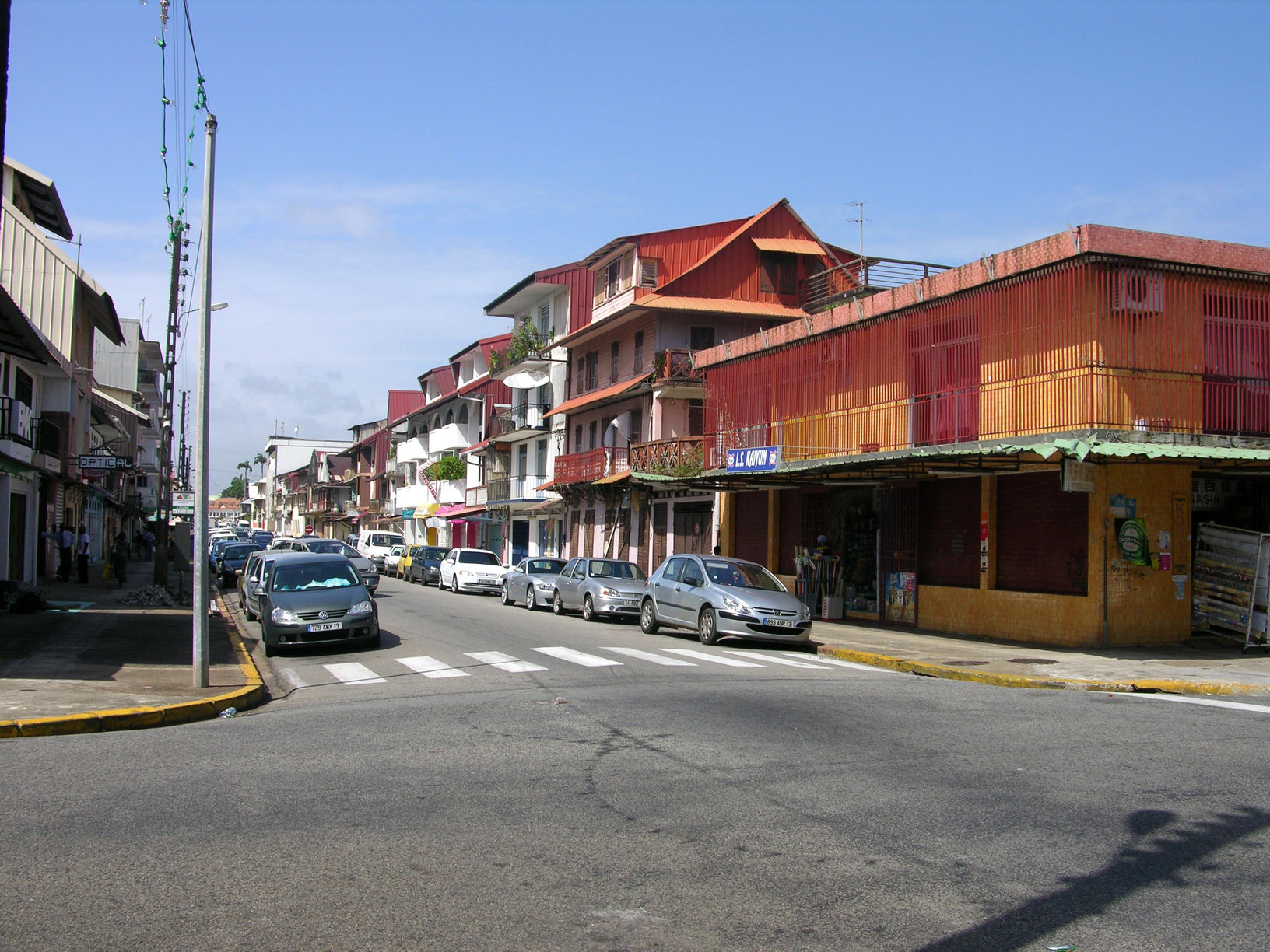
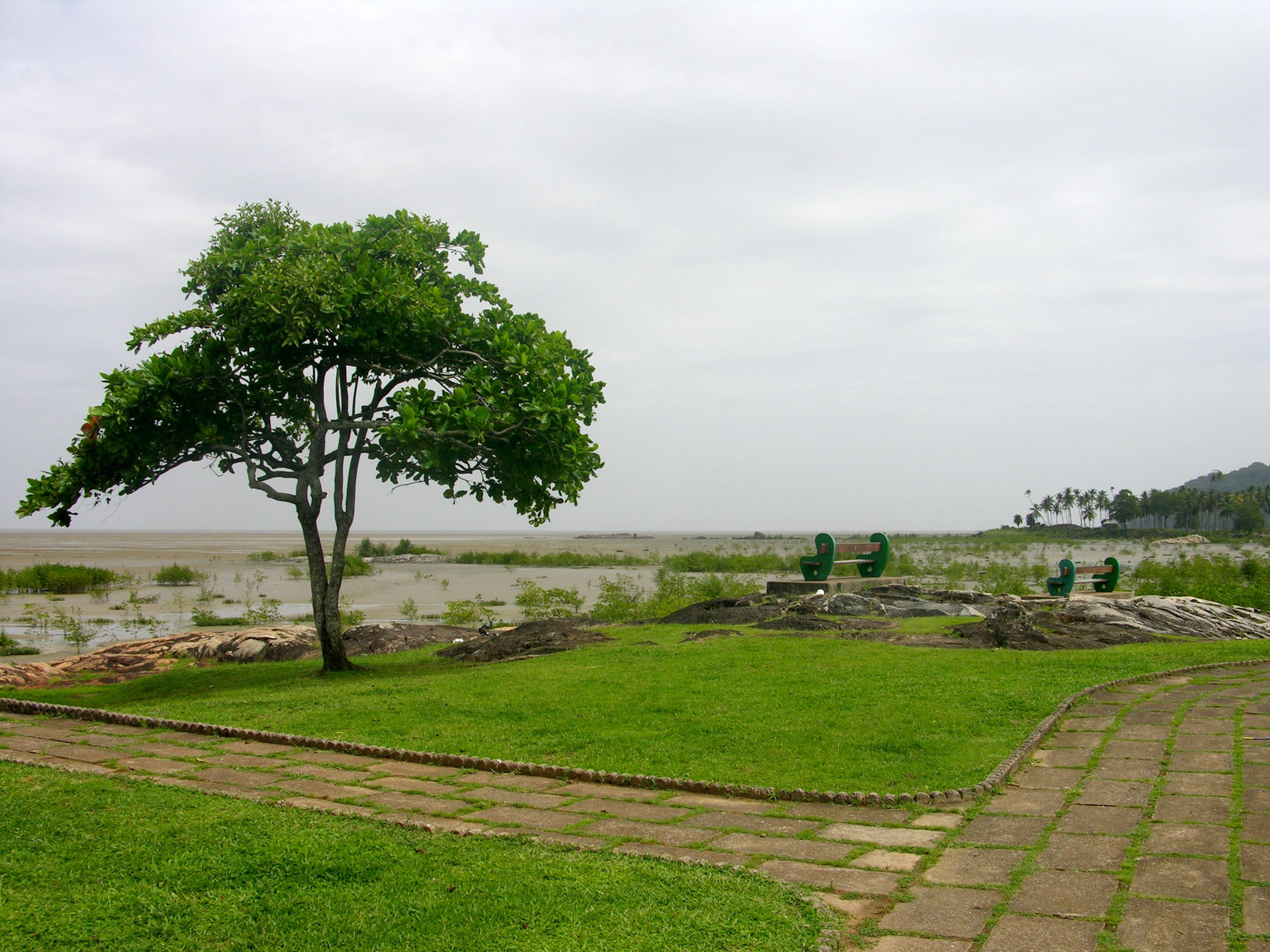
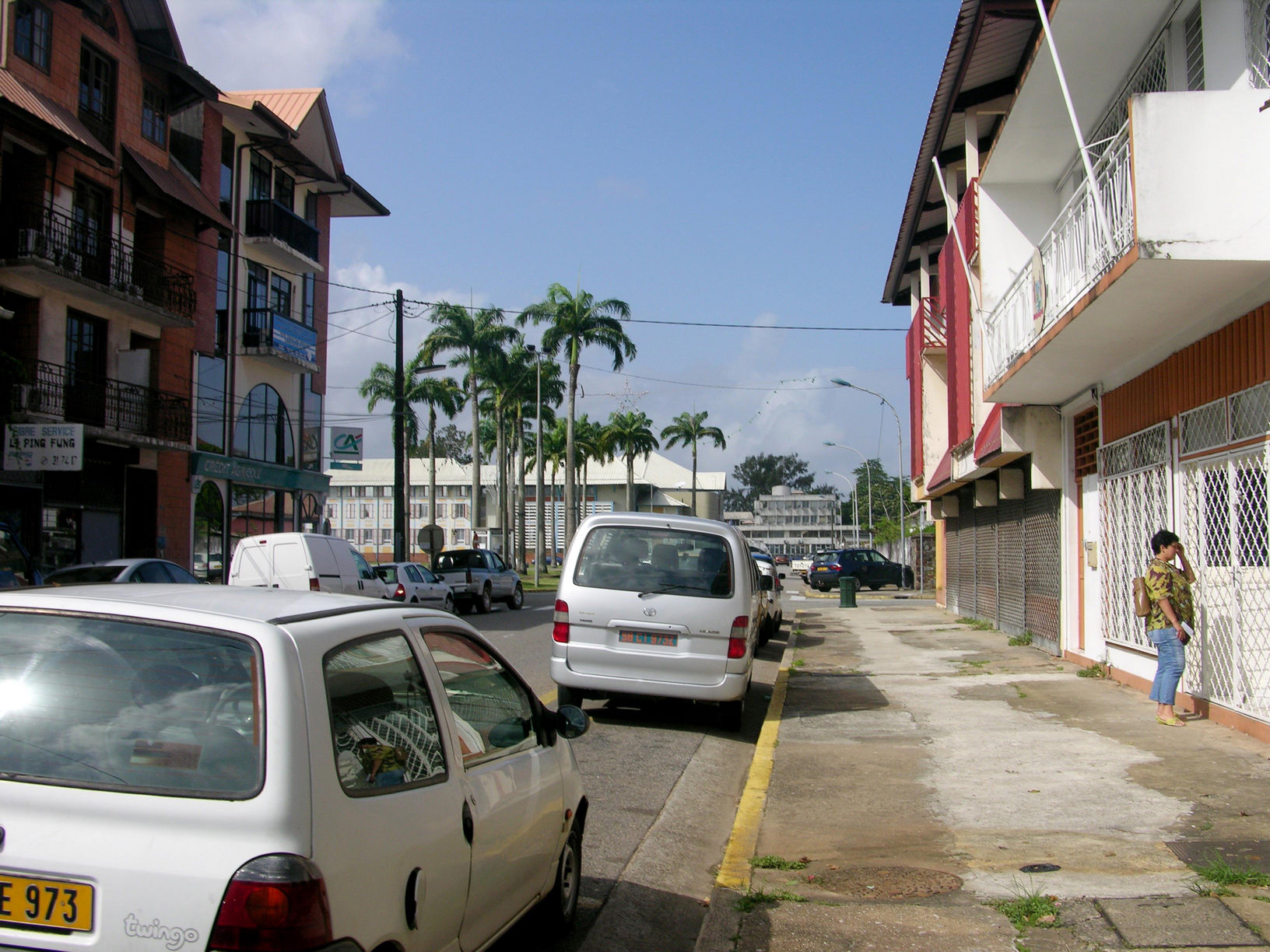
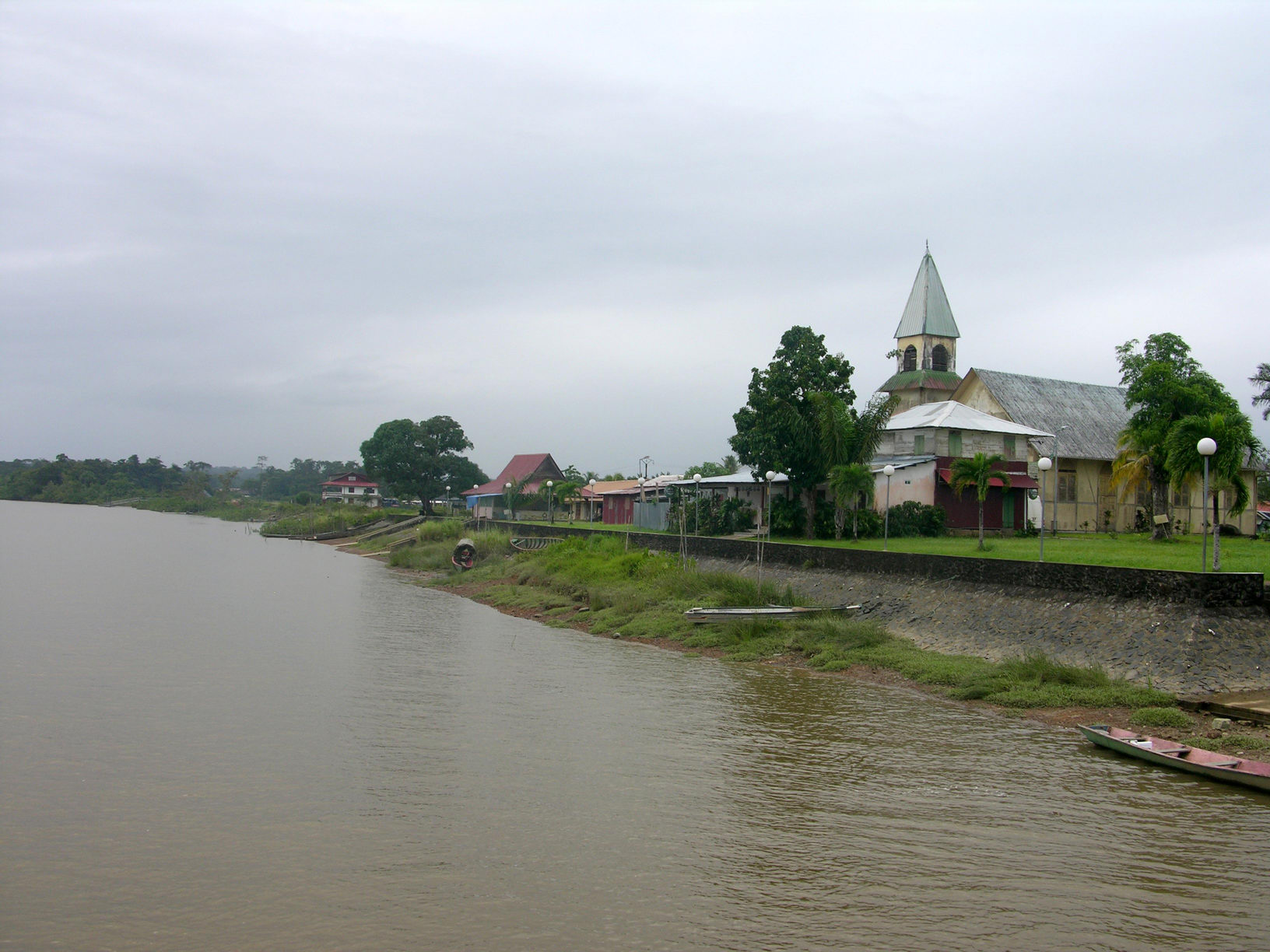
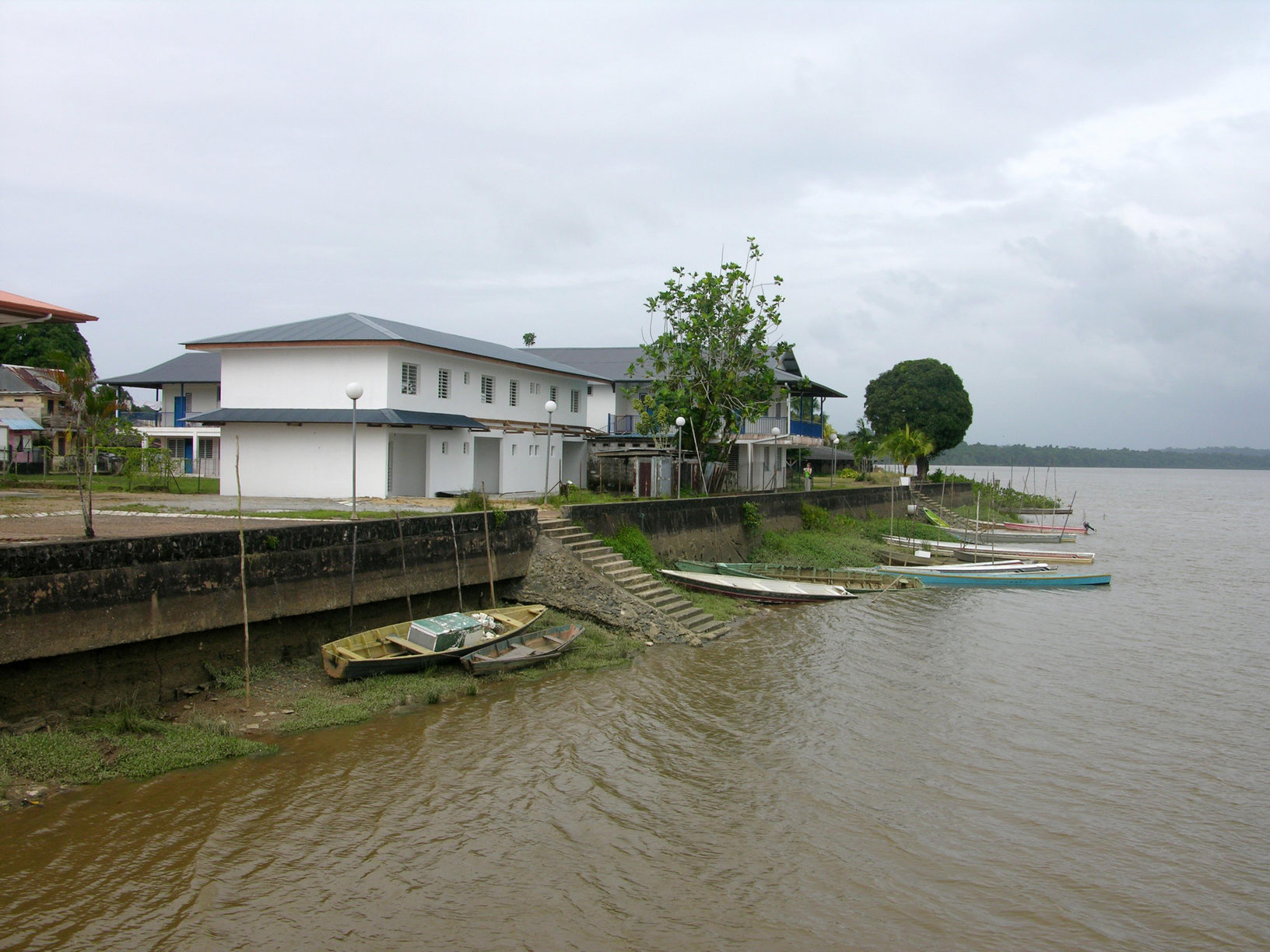
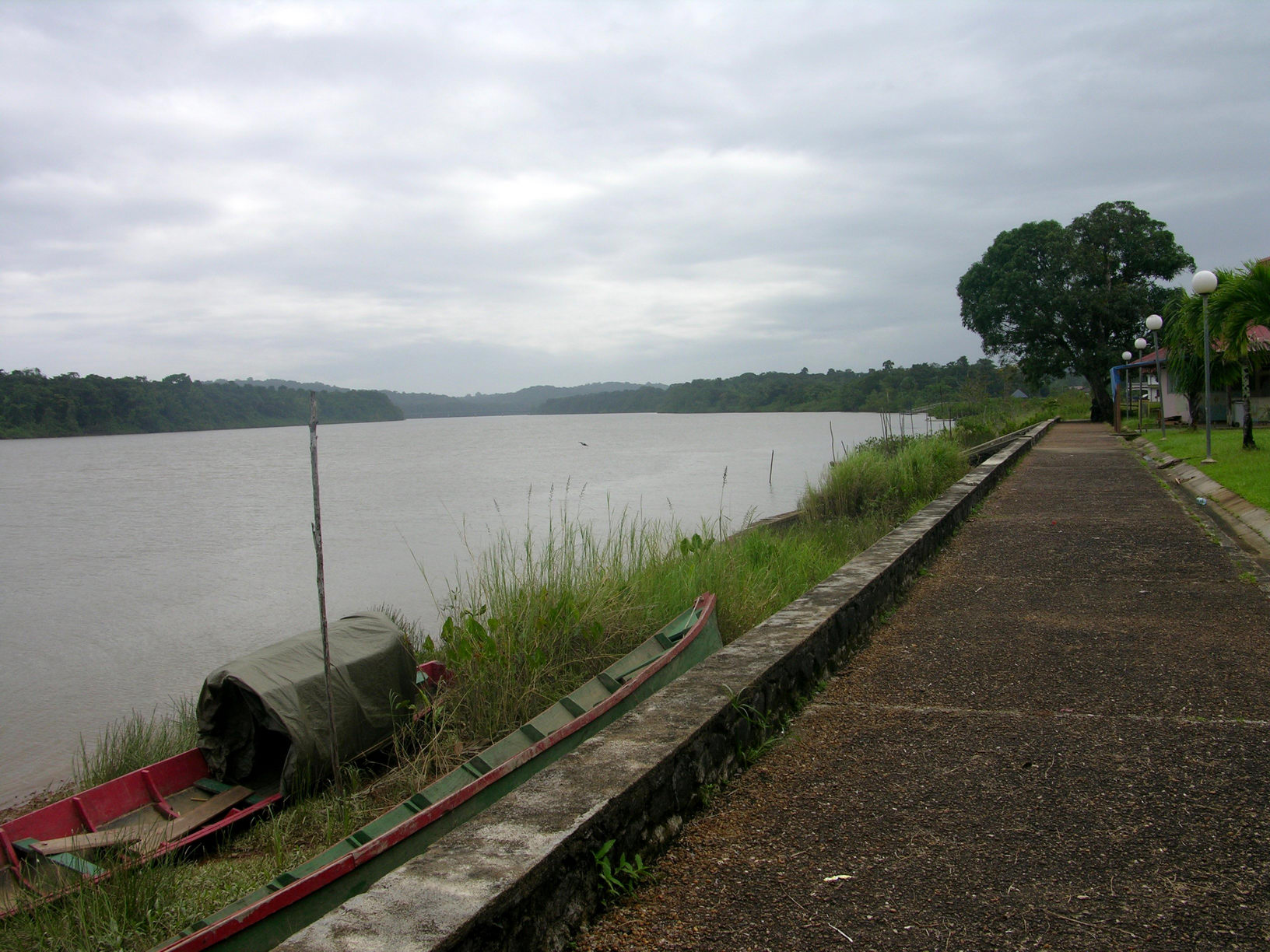
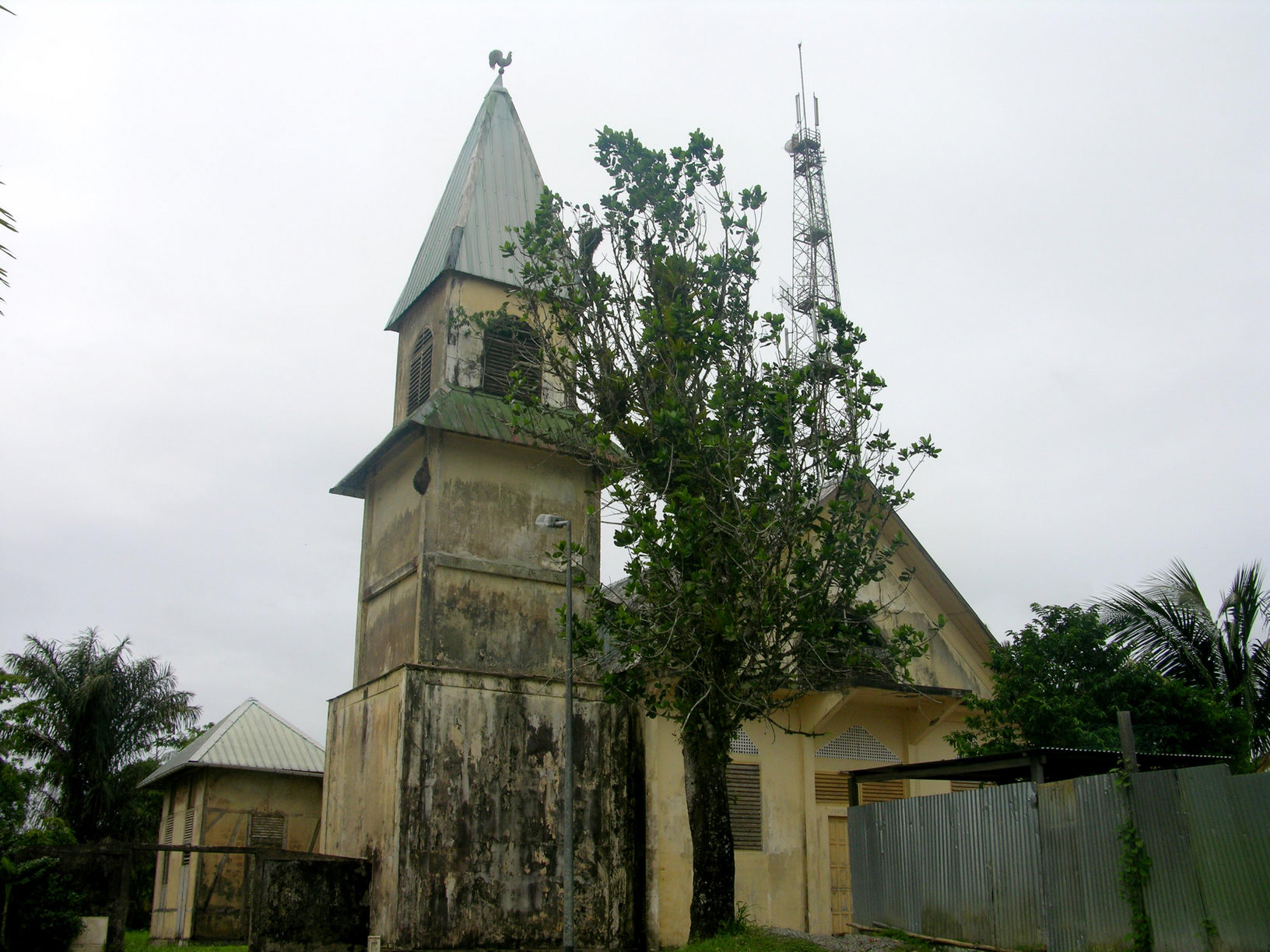
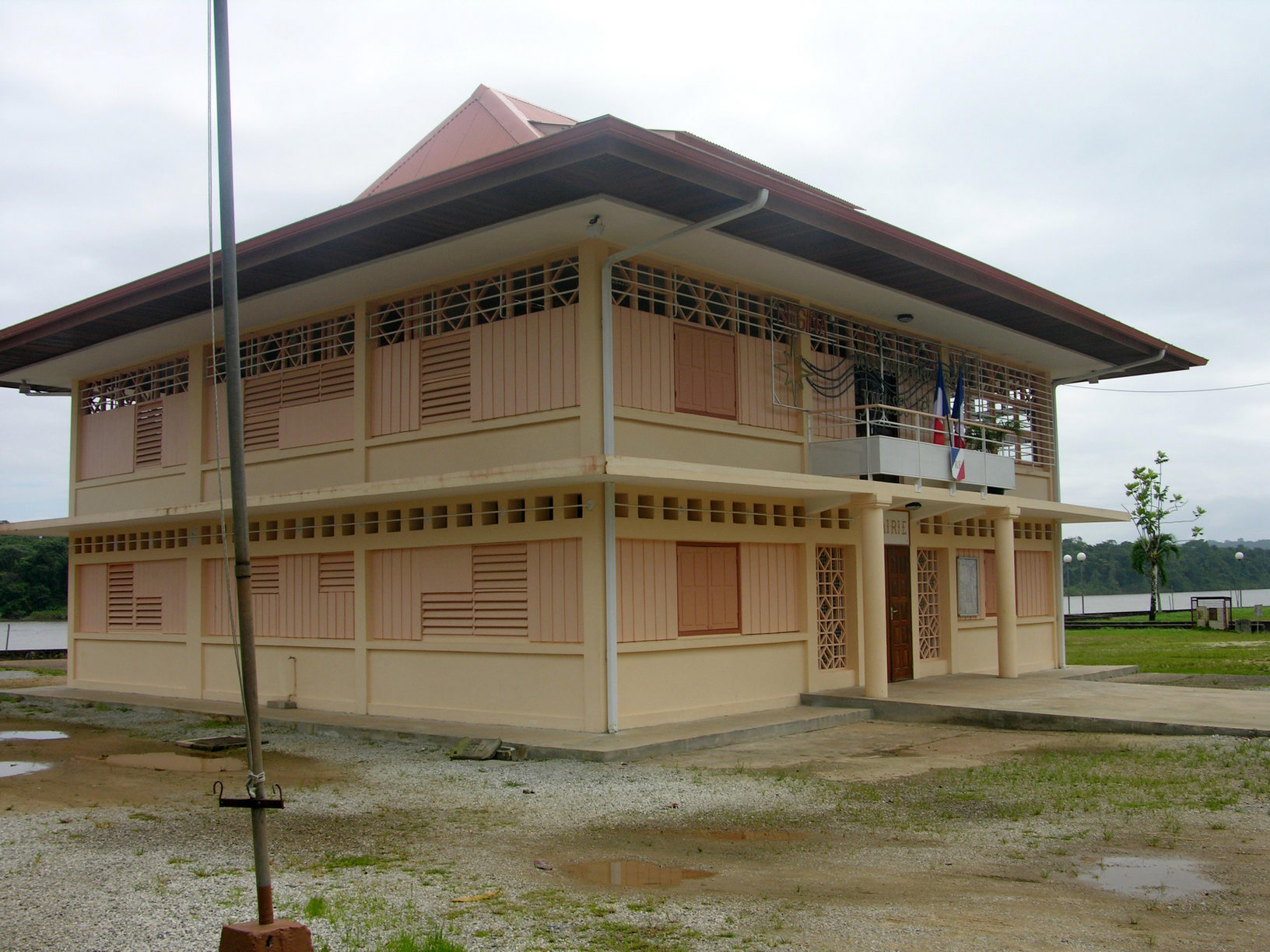
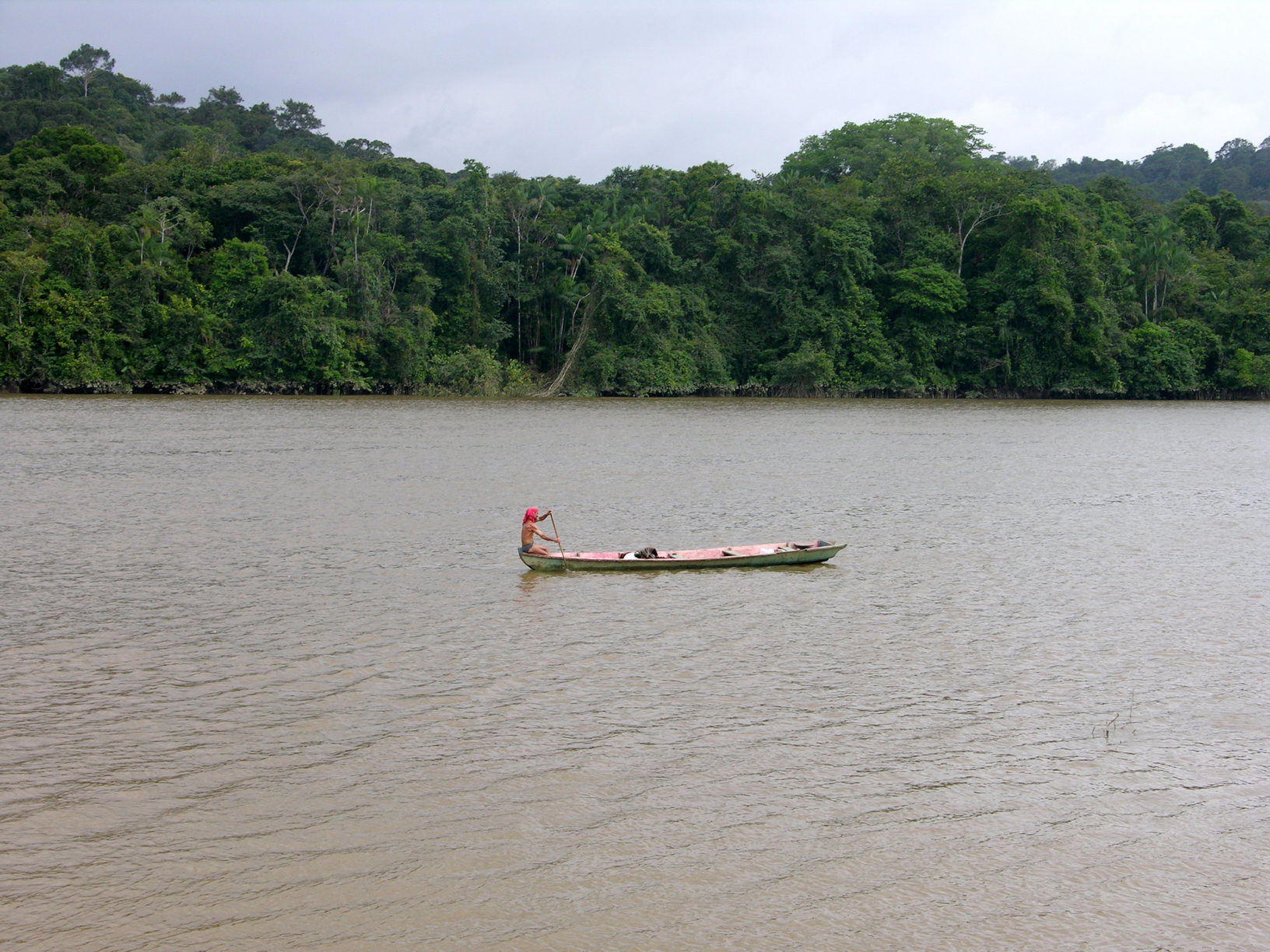
The only easily accessible town in the middle of the country is Saül, which you can fly to. From there a path runs through several villages to a road you can drive on, at Bélizon. It takes several days. People say it's a paradise for birdwatchers and backpackers. We thought we'd see plenty of trails like that and even wilder ones in Suriname, and we didn't go. Now we regret it. Still, we didn't have much time. We'd bought the visa on the strength of a €135-a-day hotel booking. Rather expensive for going walking. All we could do was drive on every road that a car could use.
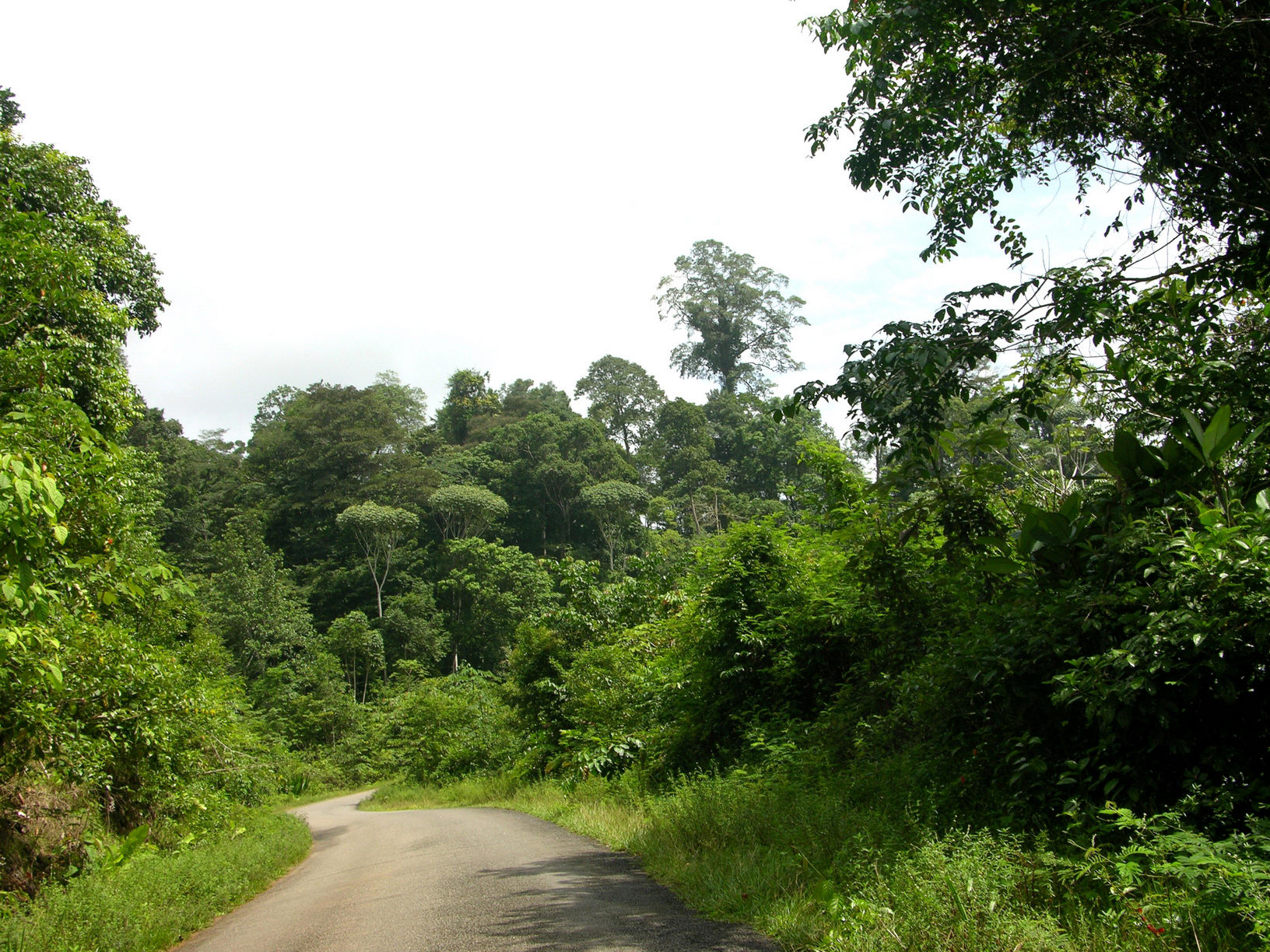
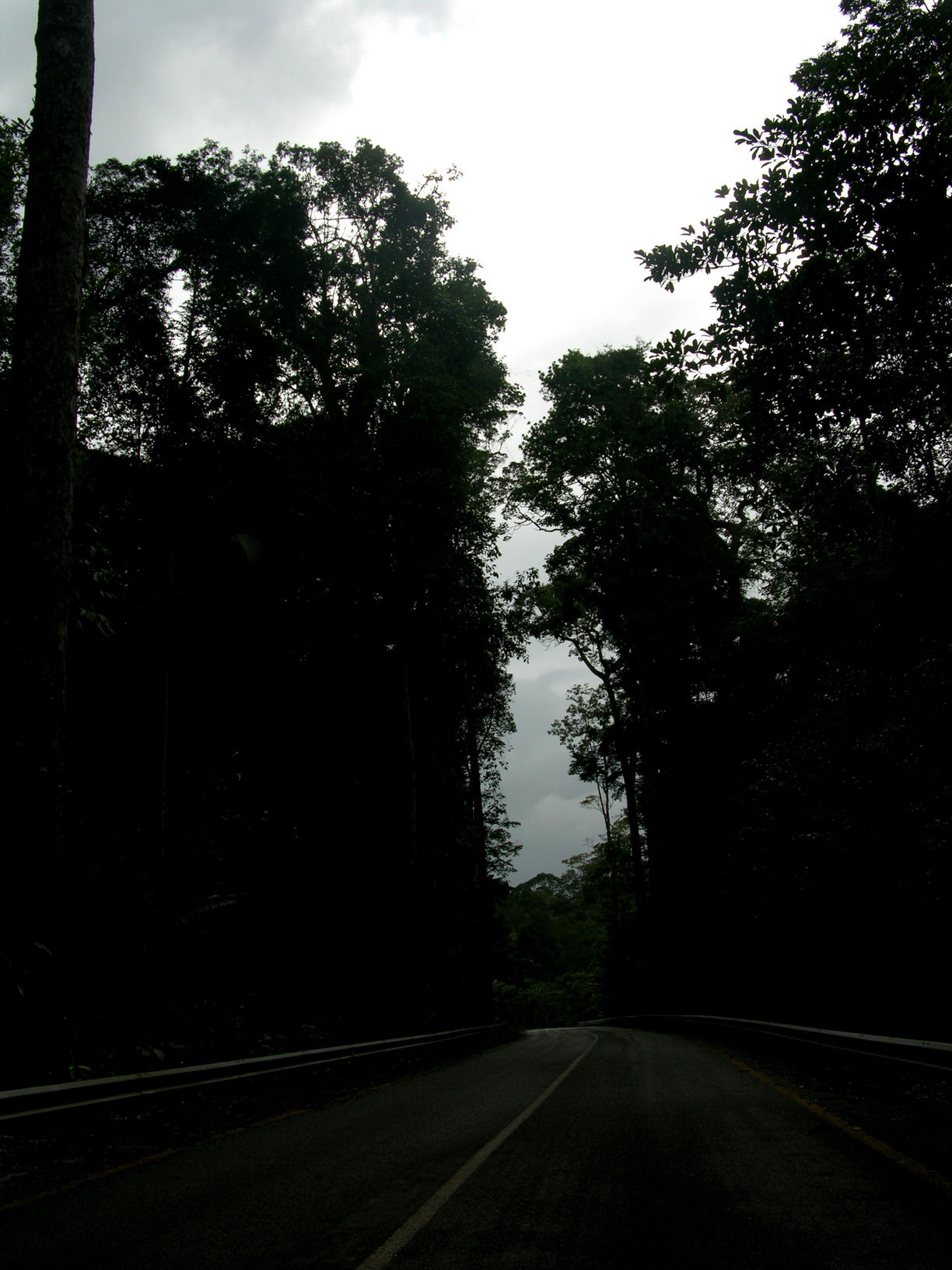
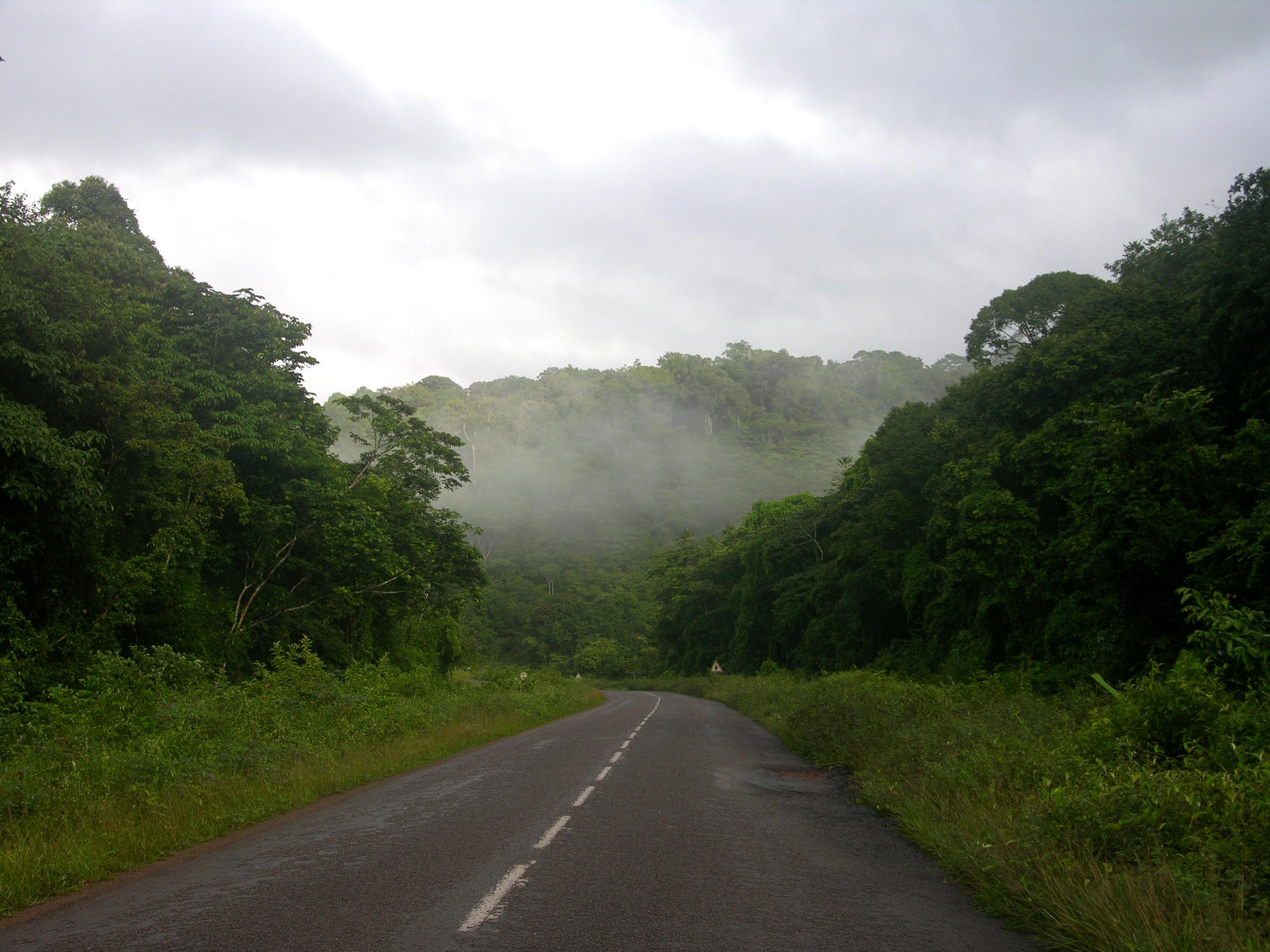
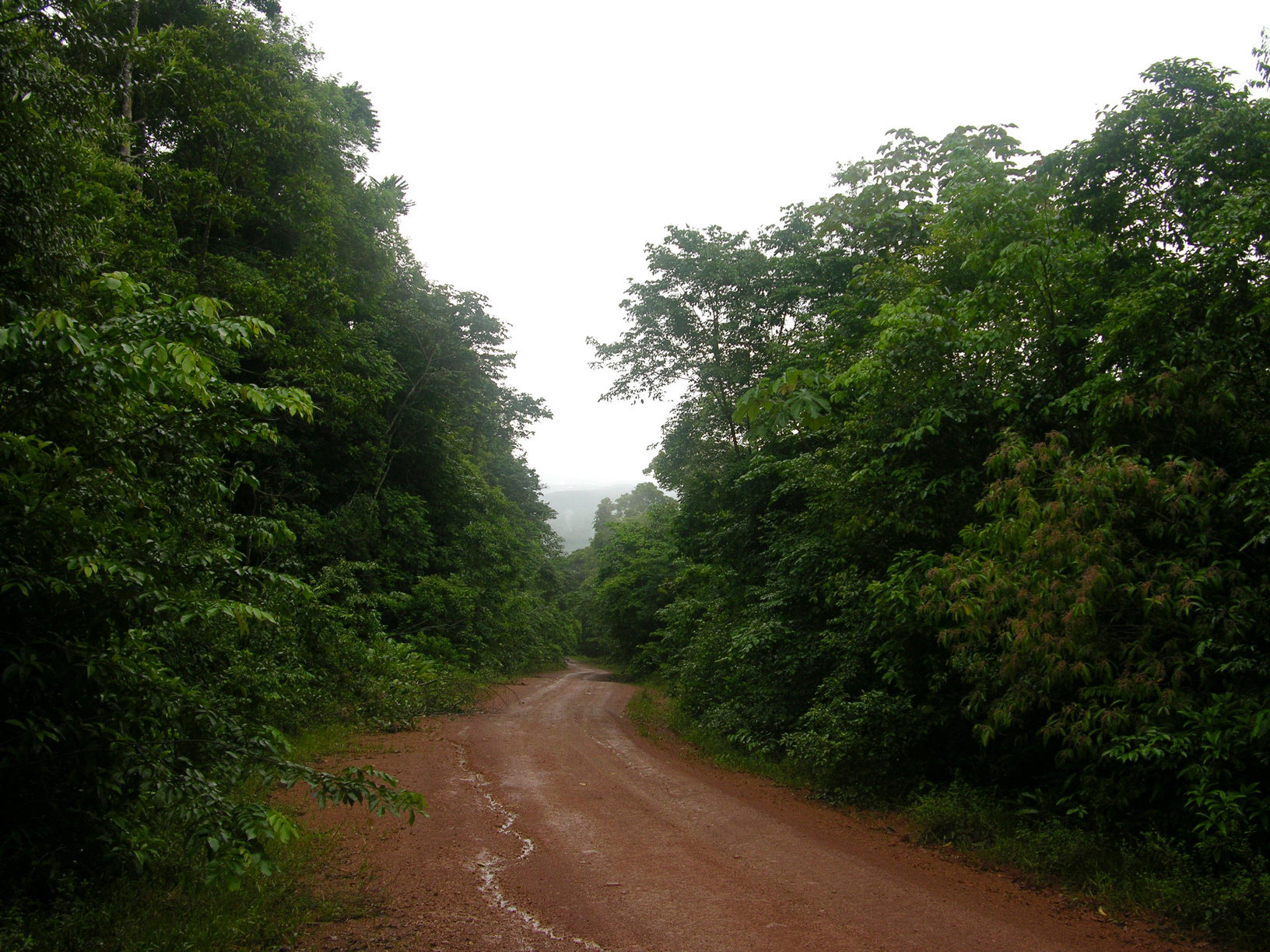
To the east the road sometimes runs as if through a tunnel. Somewhere high overhead the crowns of the great trees join up.
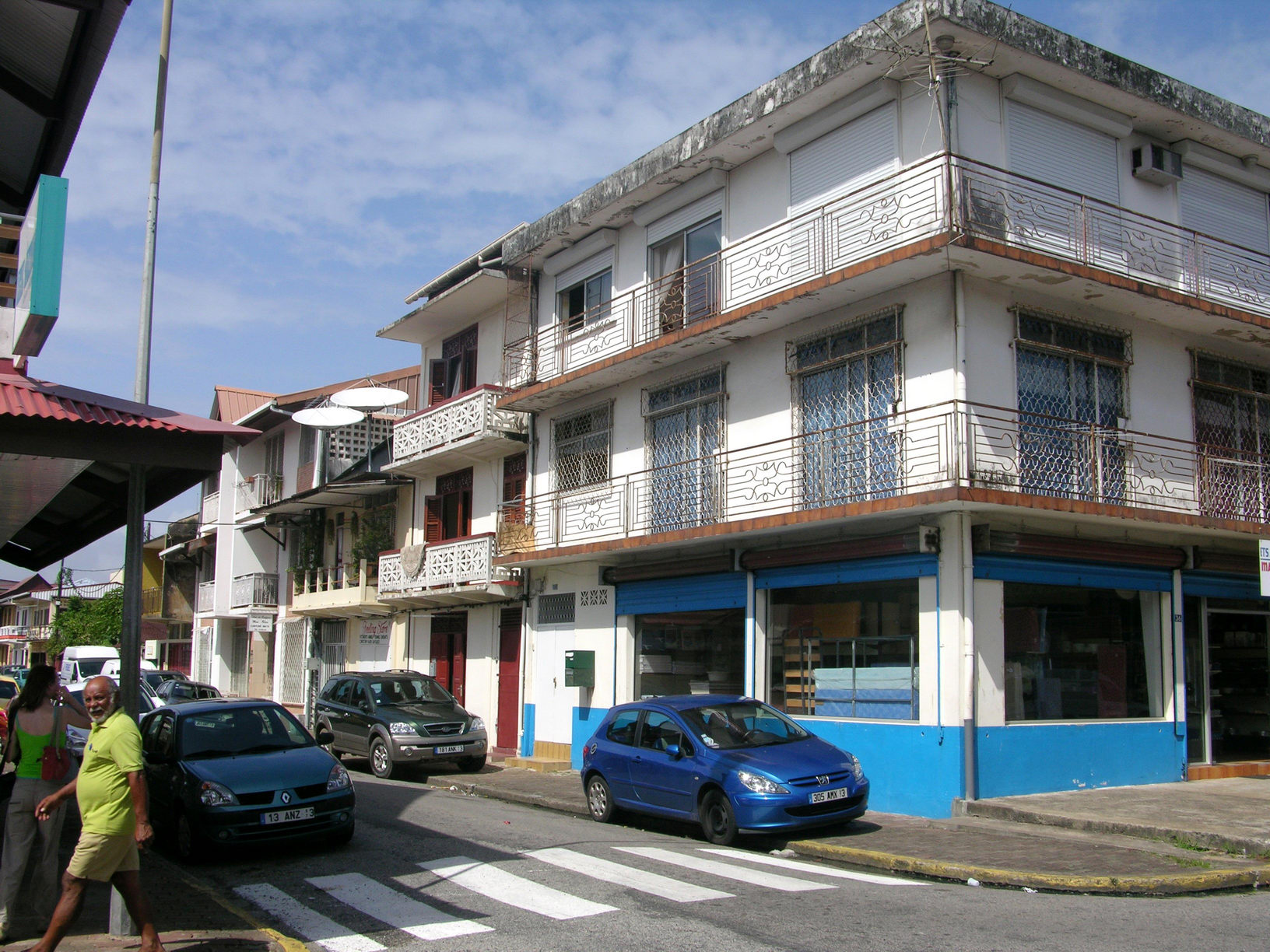
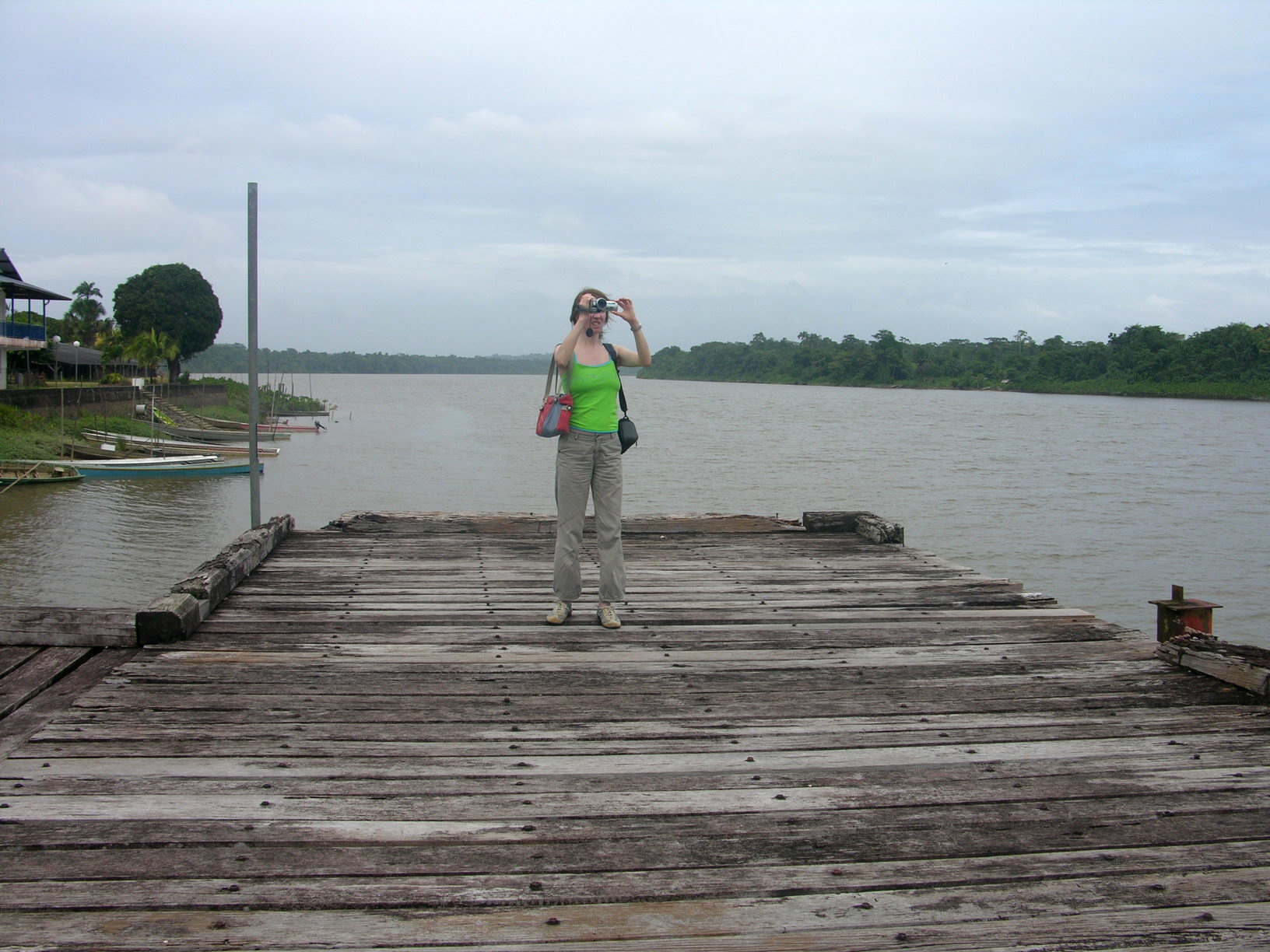
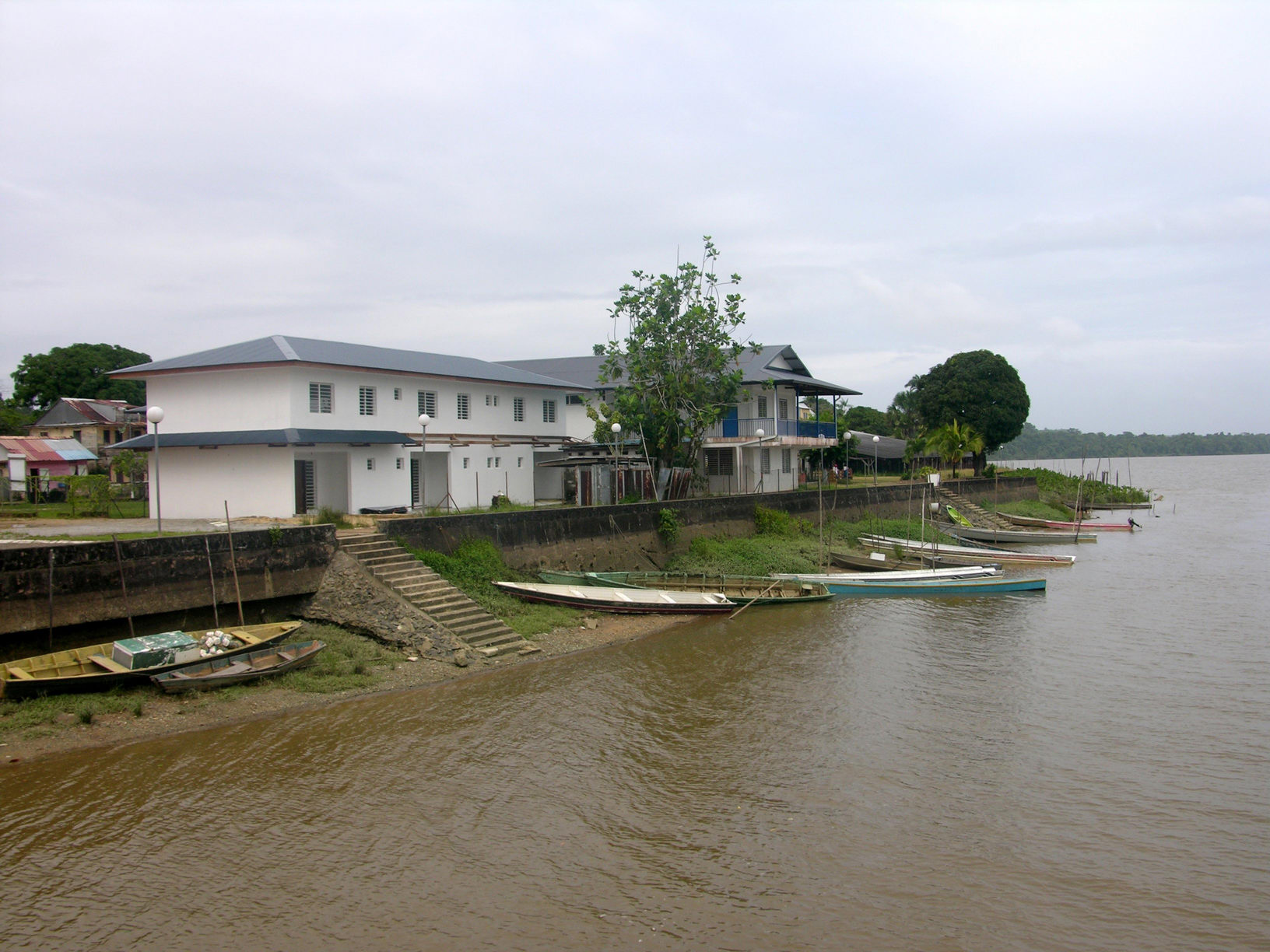
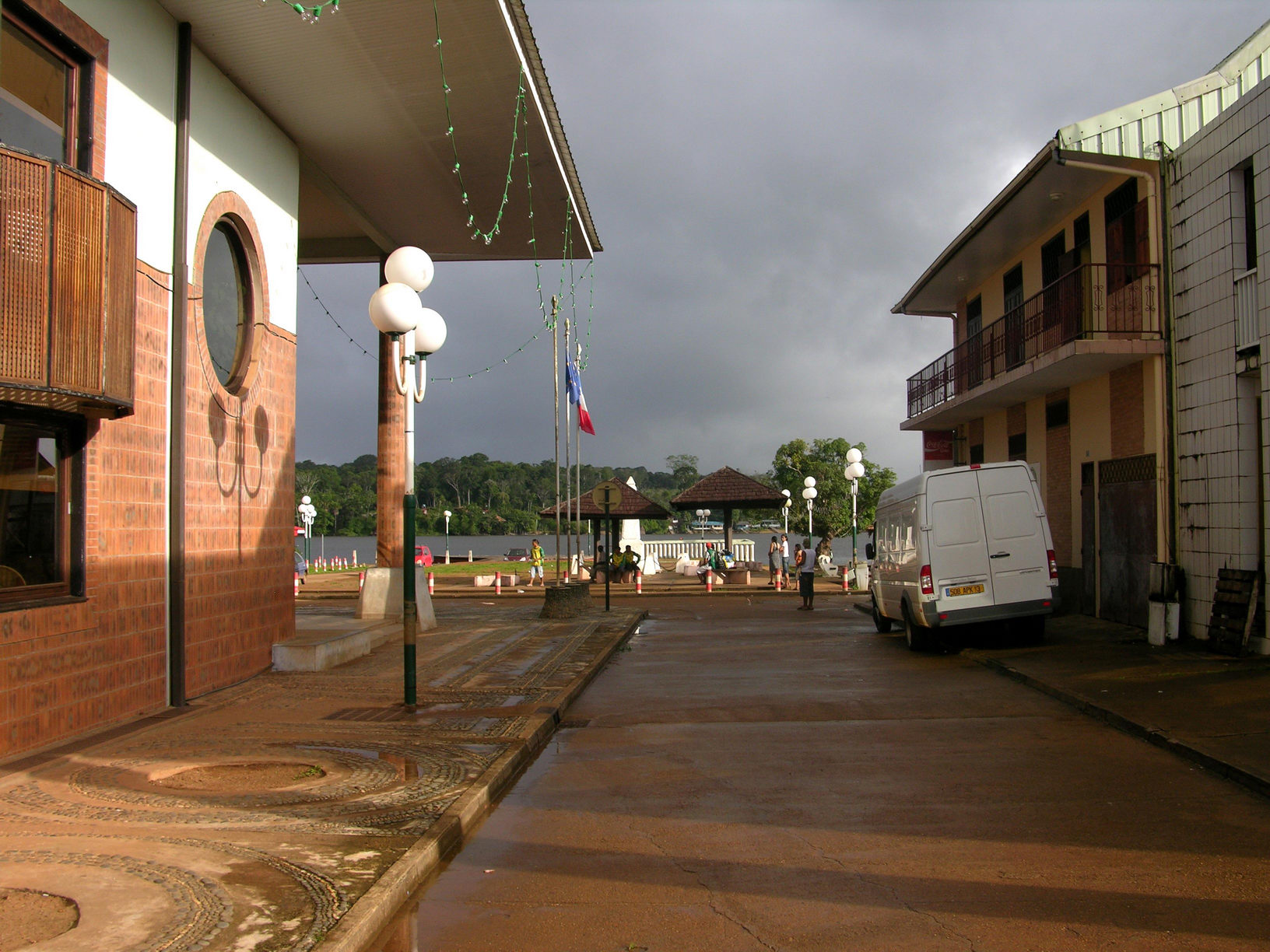
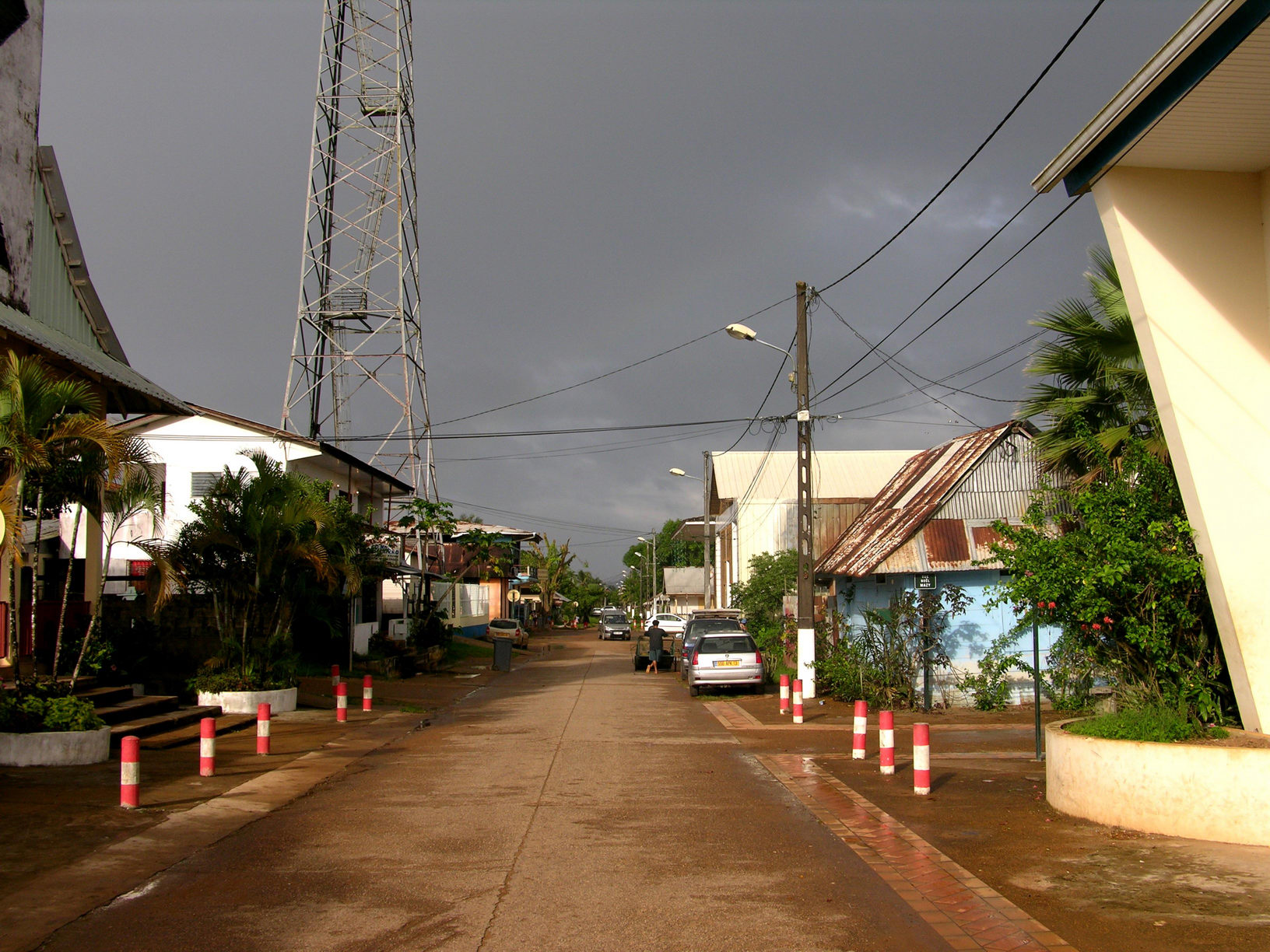
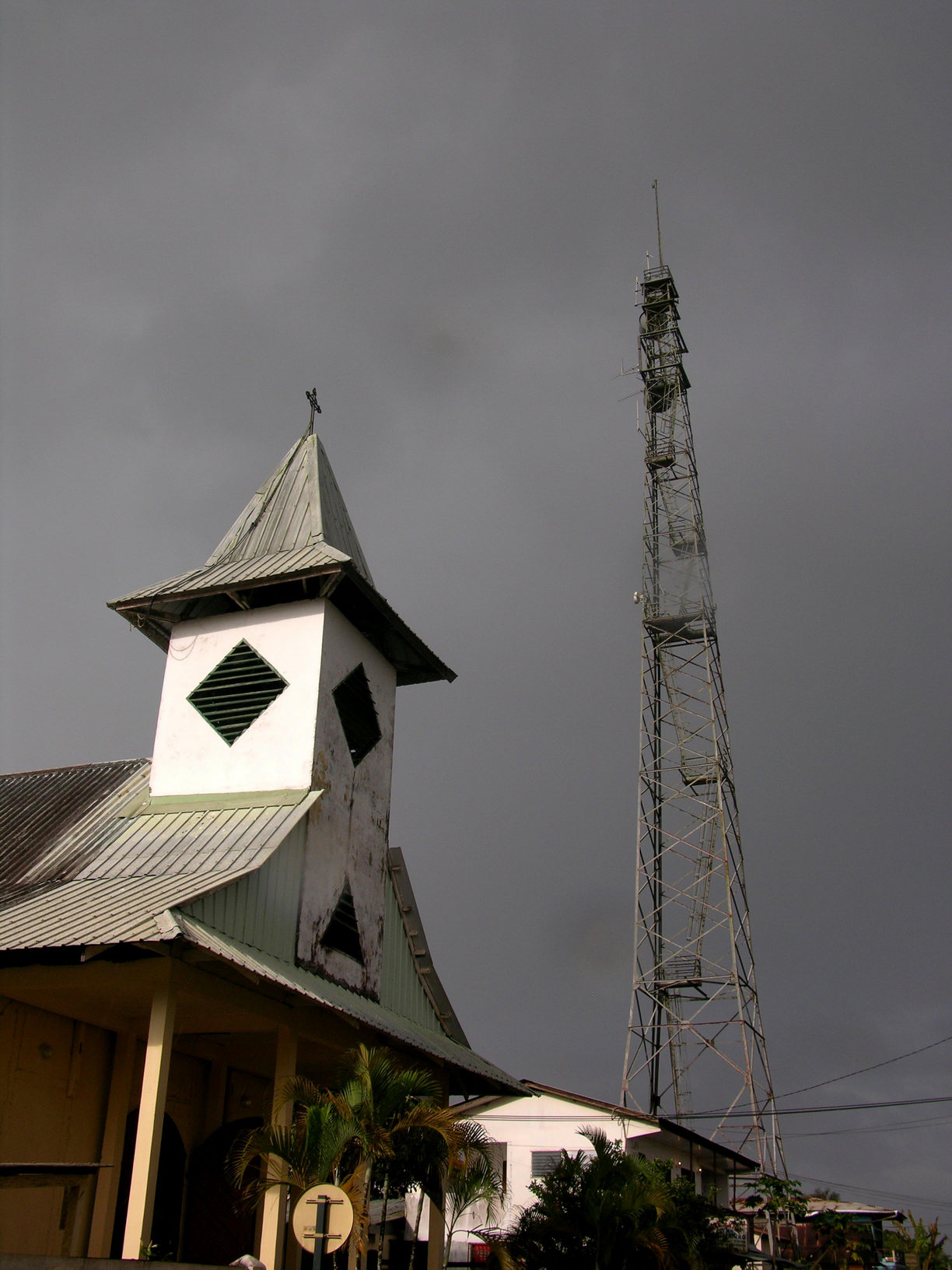
Saint-Georges is quite a respectable little town. It even has an ATM. The only thing we weren't lucky with was the weather. One thunderstorm after another. Look, there's a rainbow, there's the sun. No sooner had I got out the camera than it was raining again.
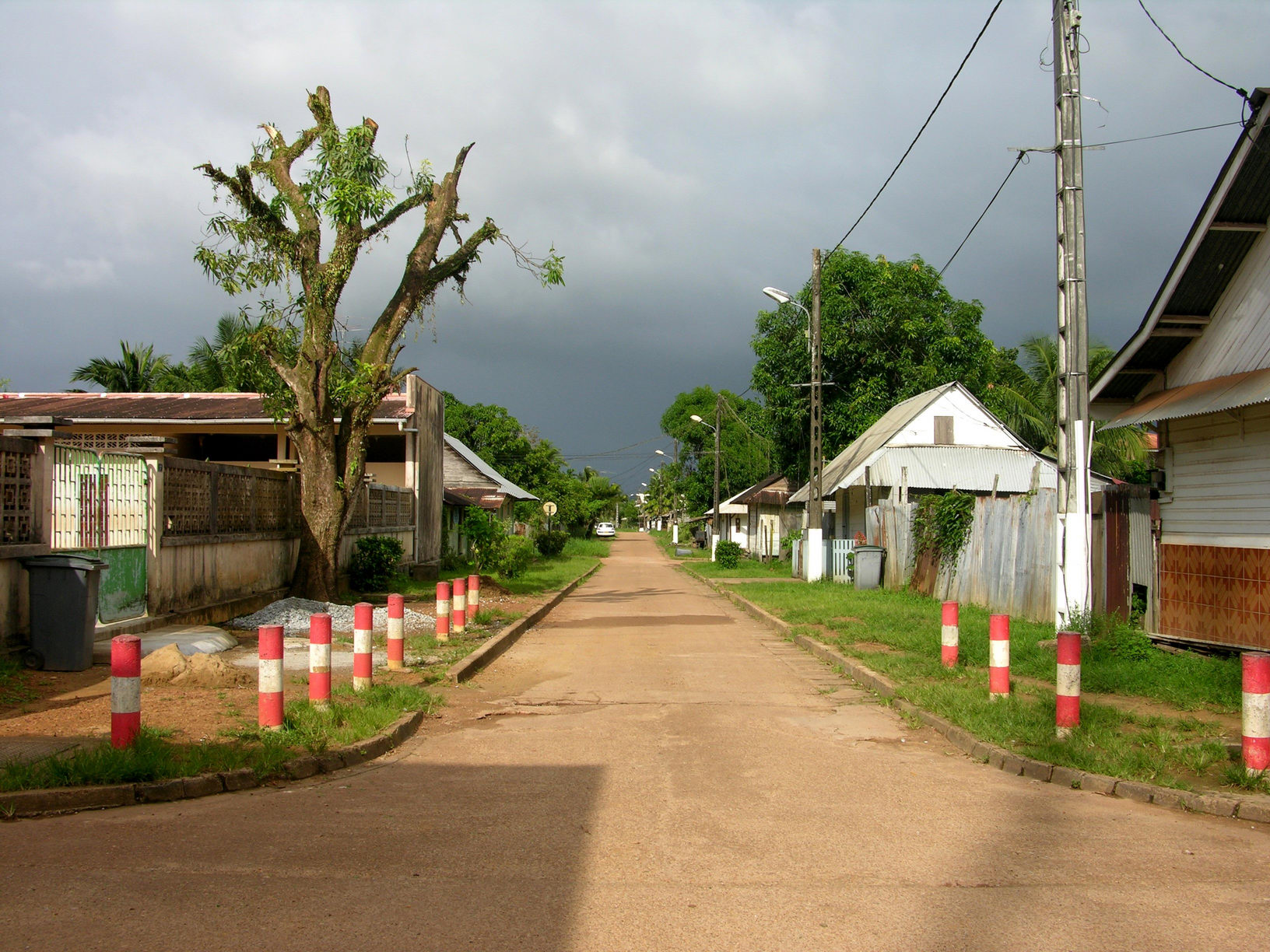
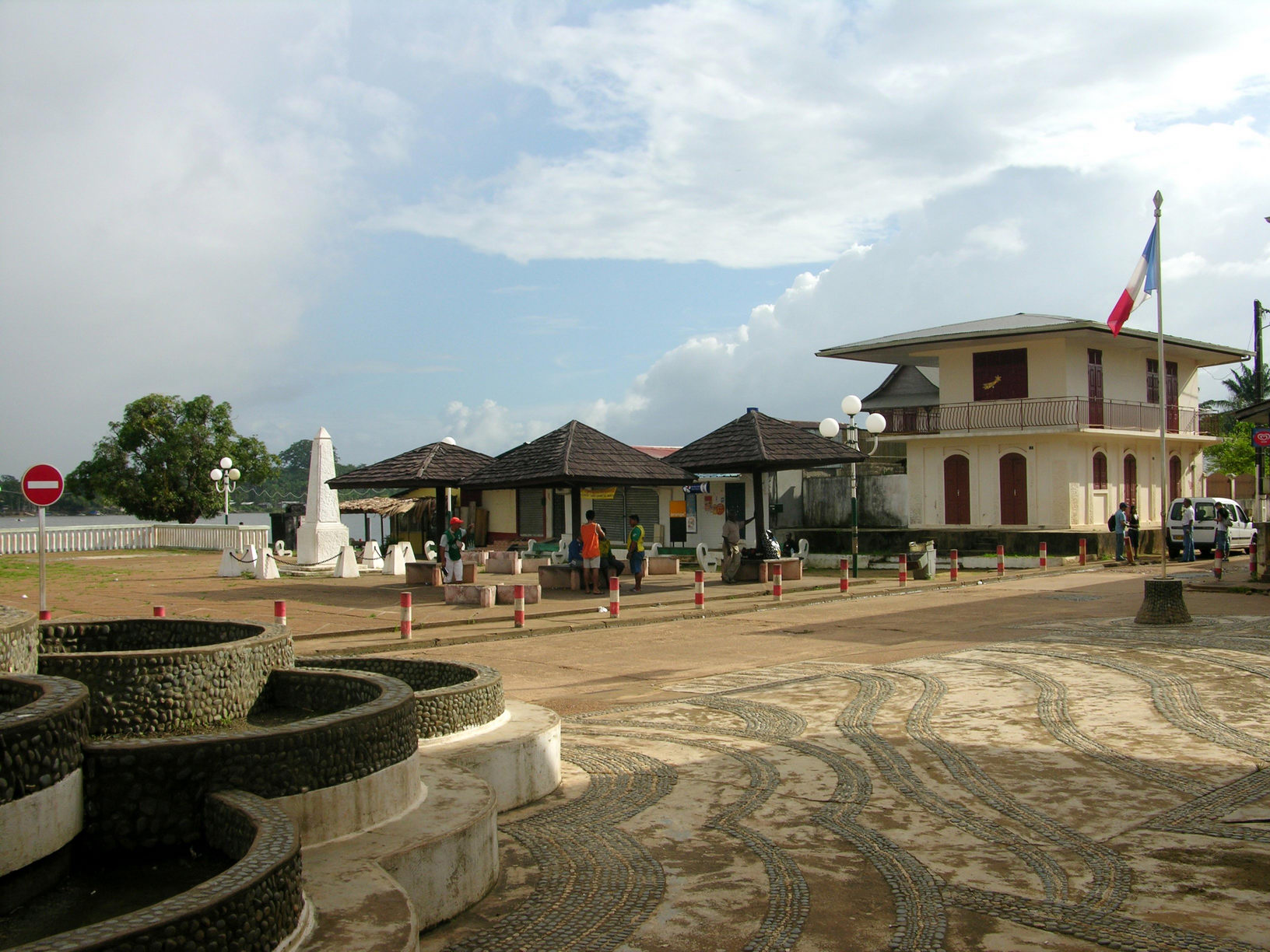
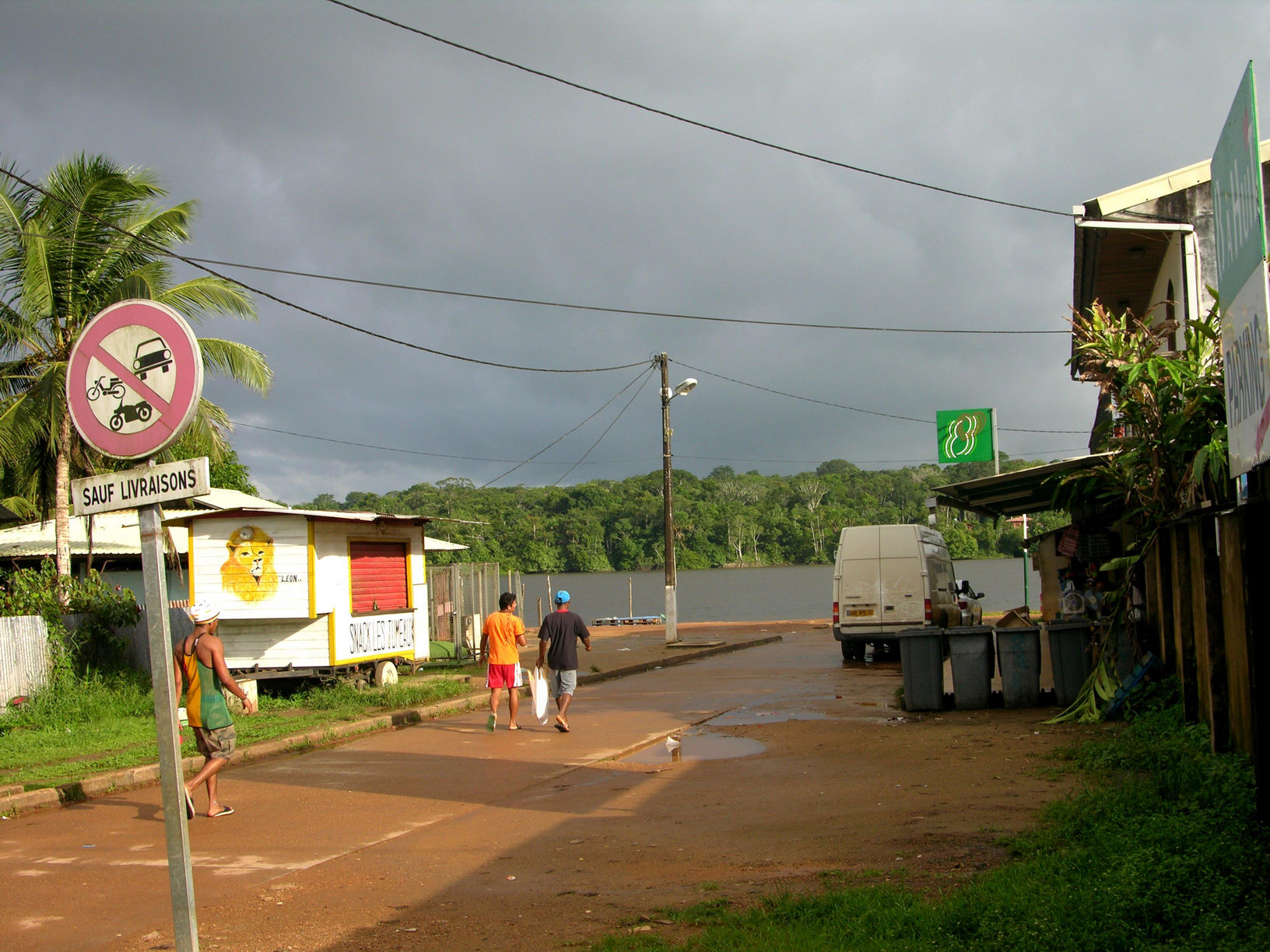
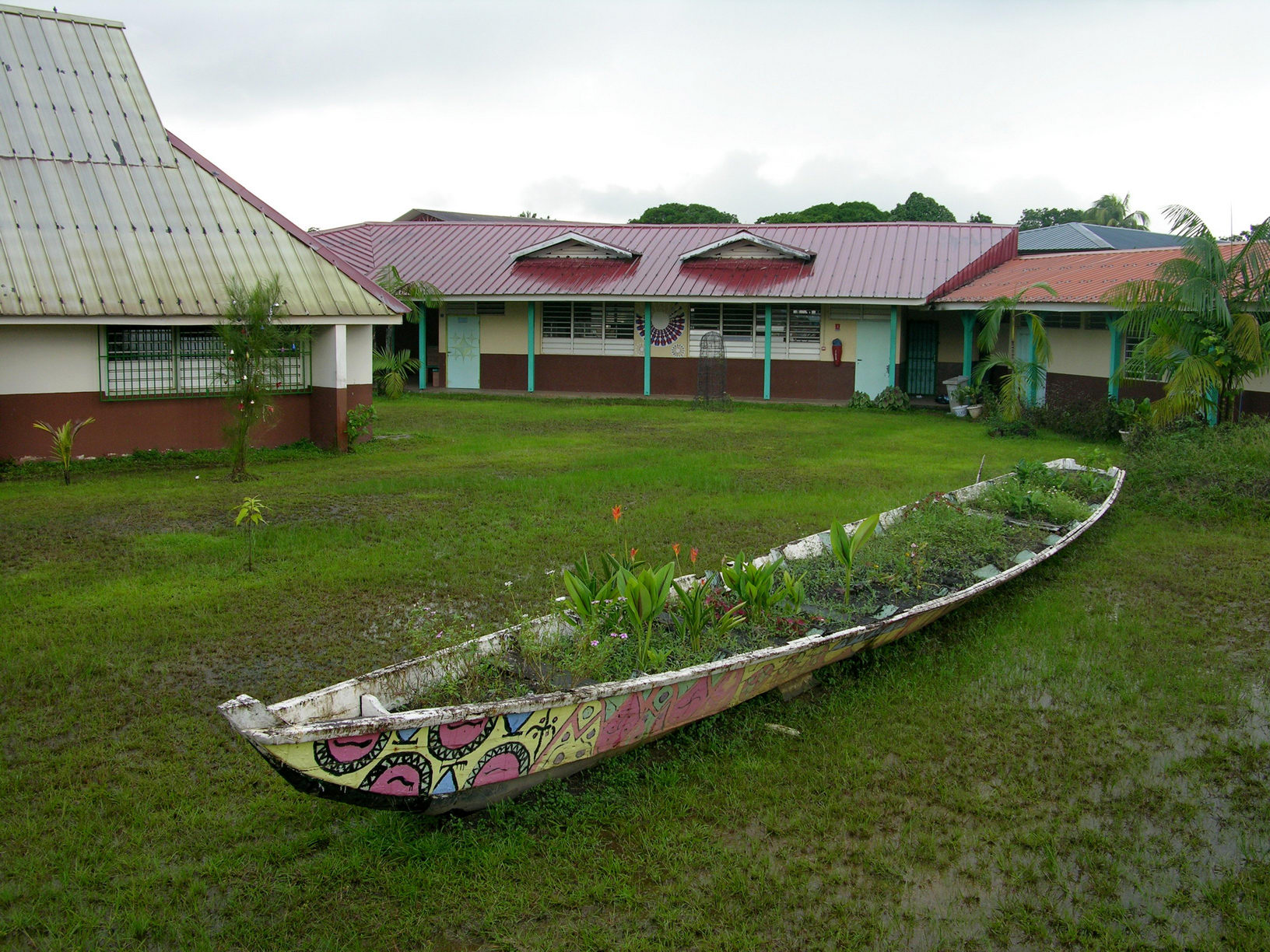
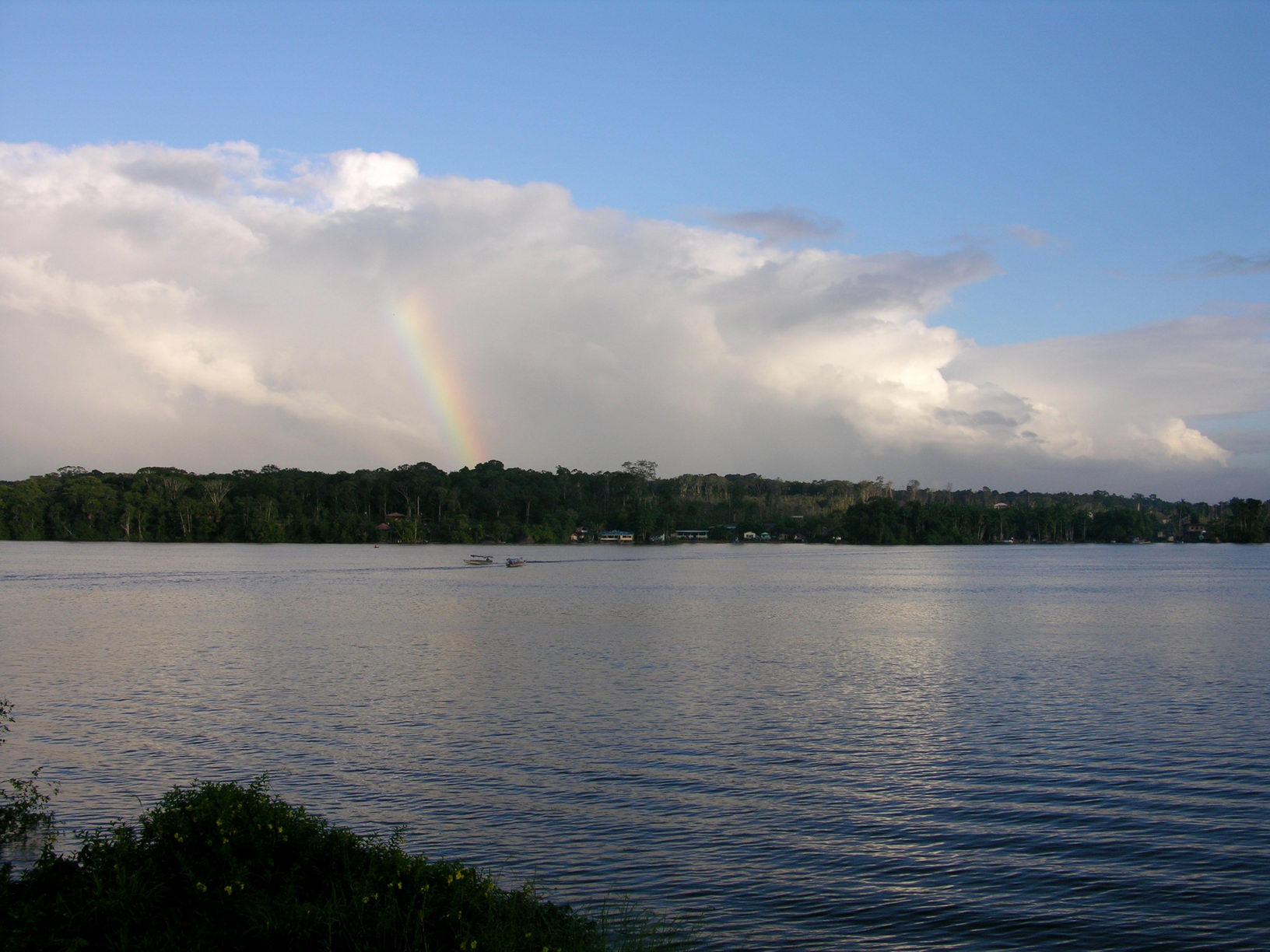
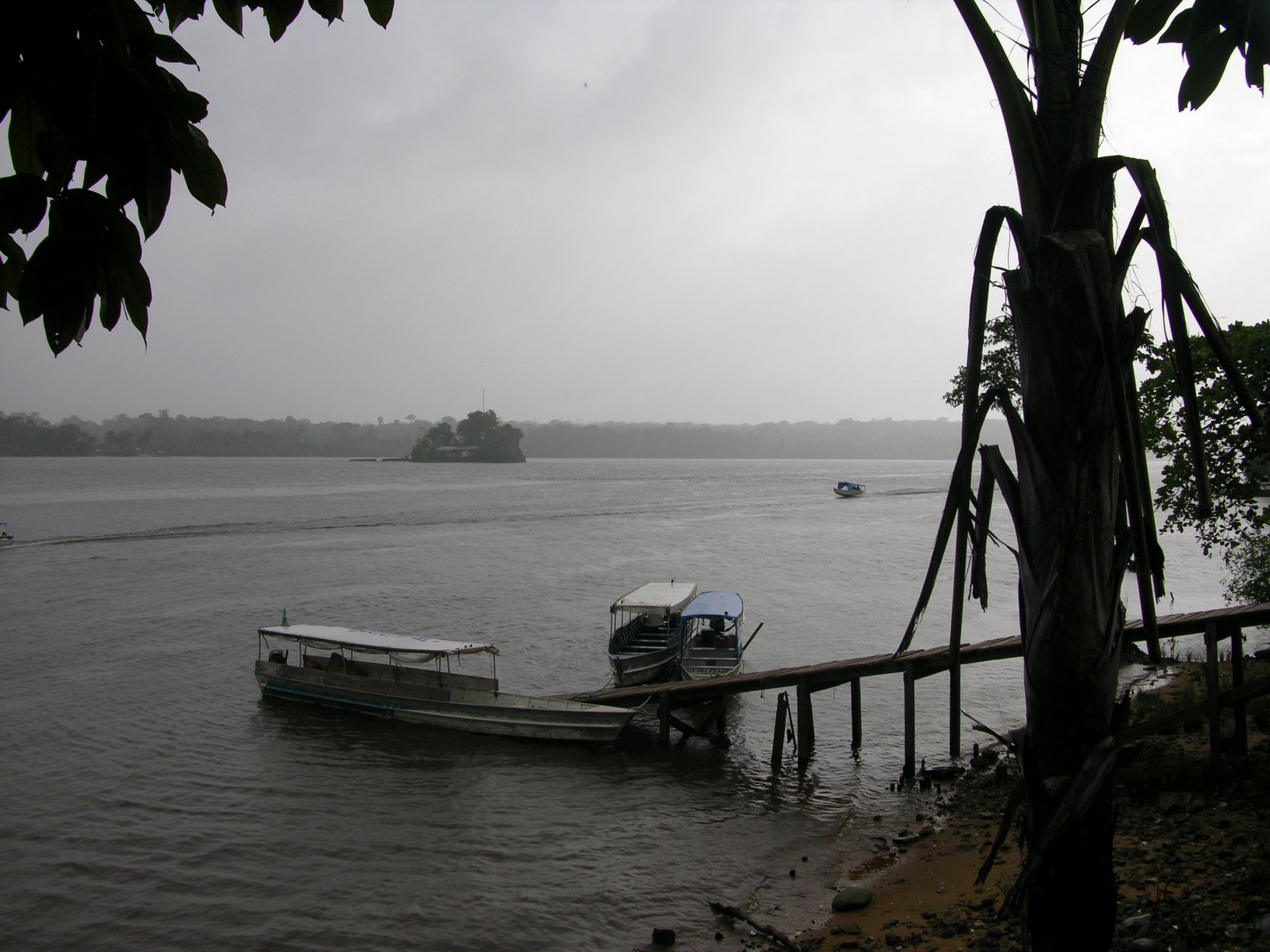
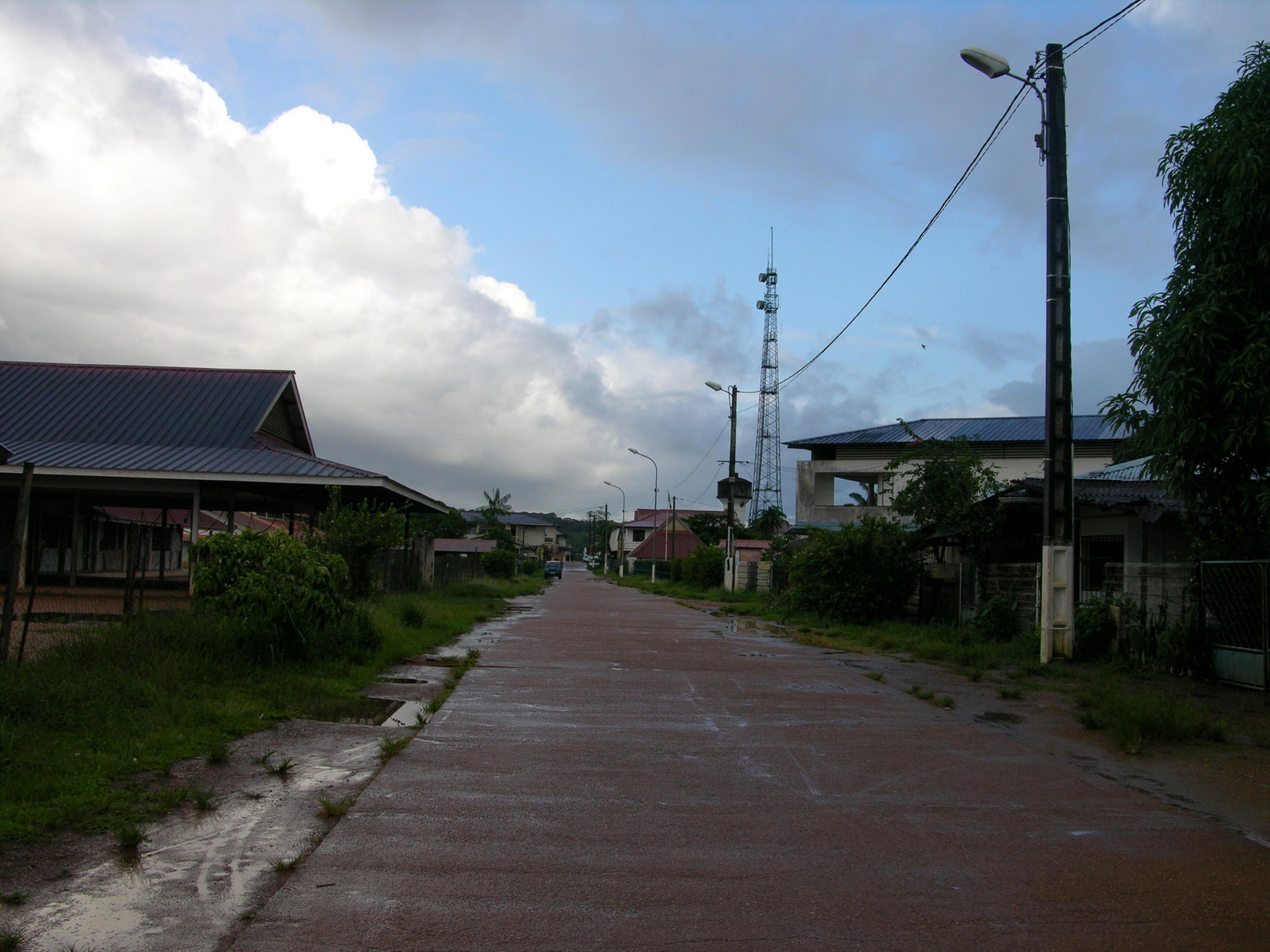
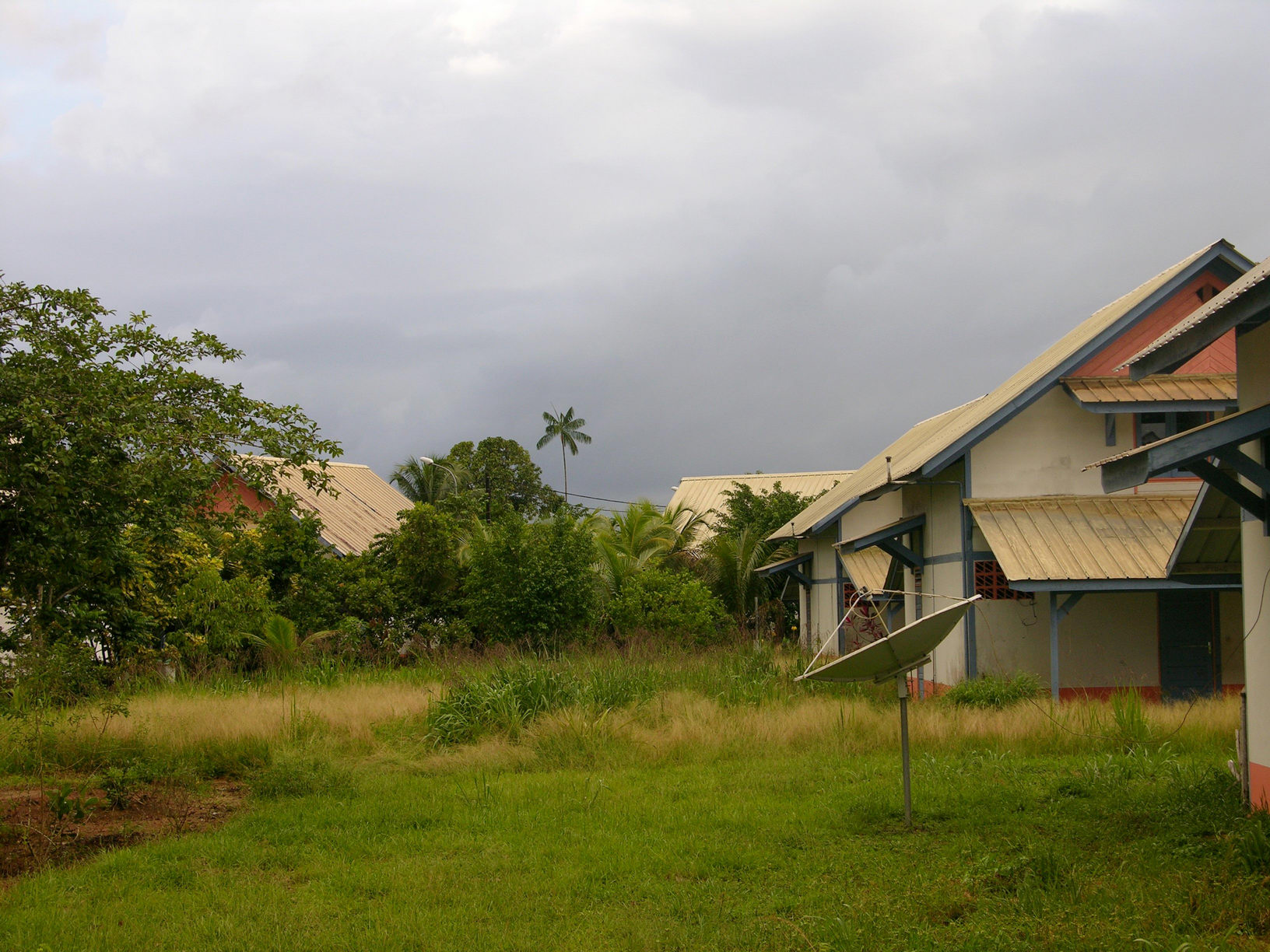
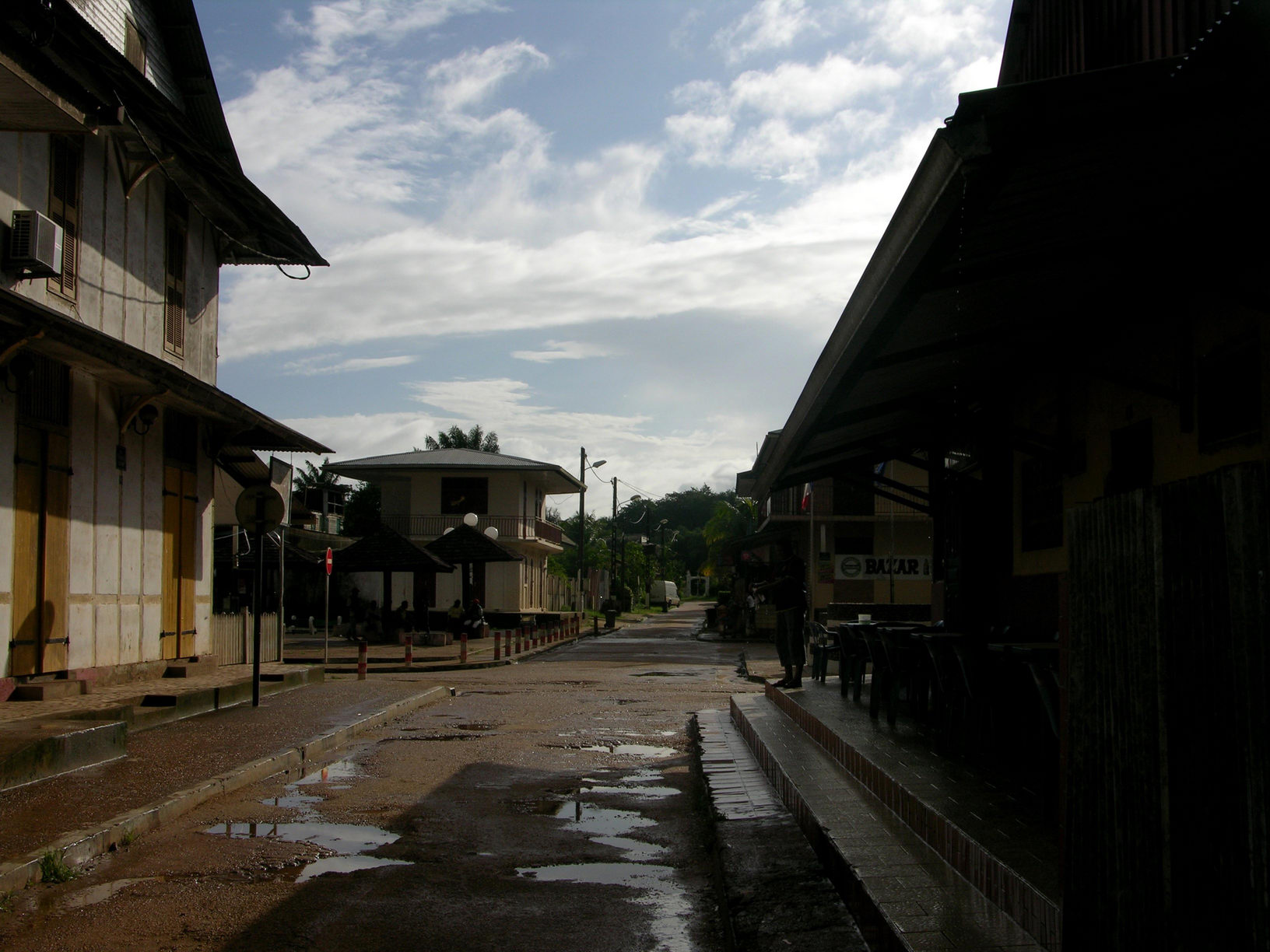
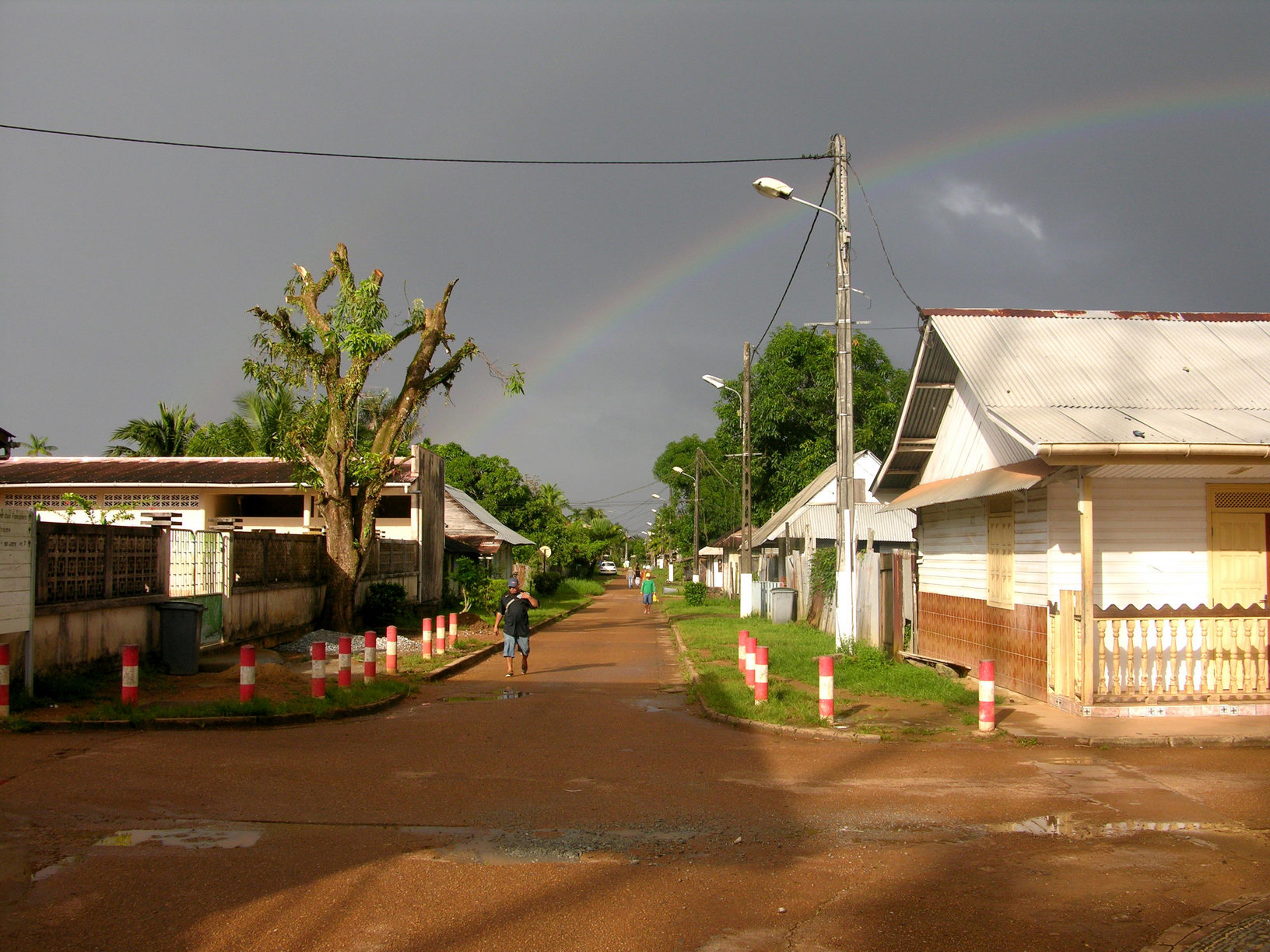
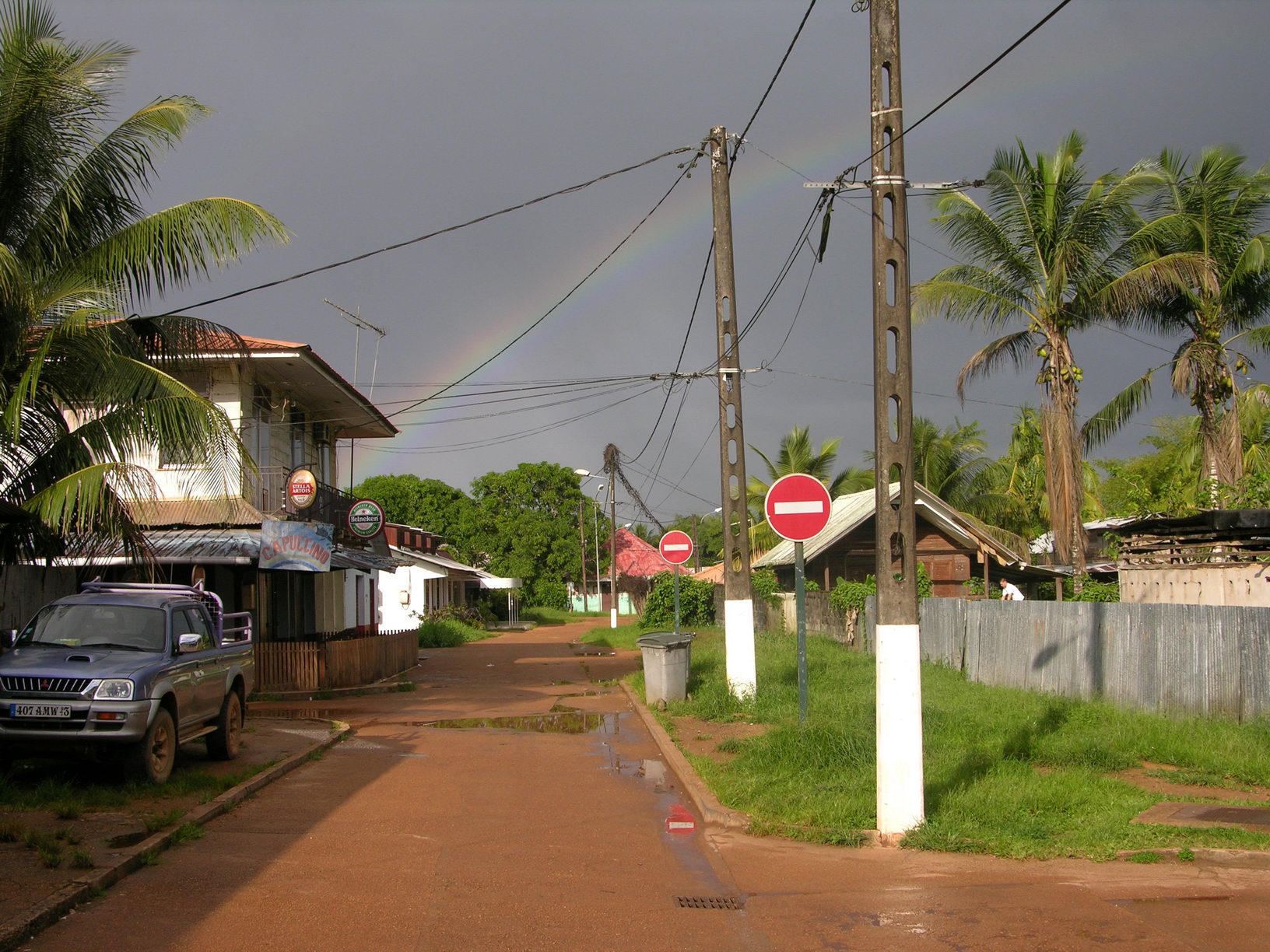
It's easy to cross the river in a dugout canoe. On the other side is the Brazilian village of Oiapoque. From there a rough dirt road runs to Macapá on the Amazon, right at its mouth. We'd originally meant to drive there, but the embassy being closed on 2 January cost us a day. We wouldn't make it now, and that other bank was so enticing. Over there was Brazil and all those wild monkeys. In this part of the country it's actually true.
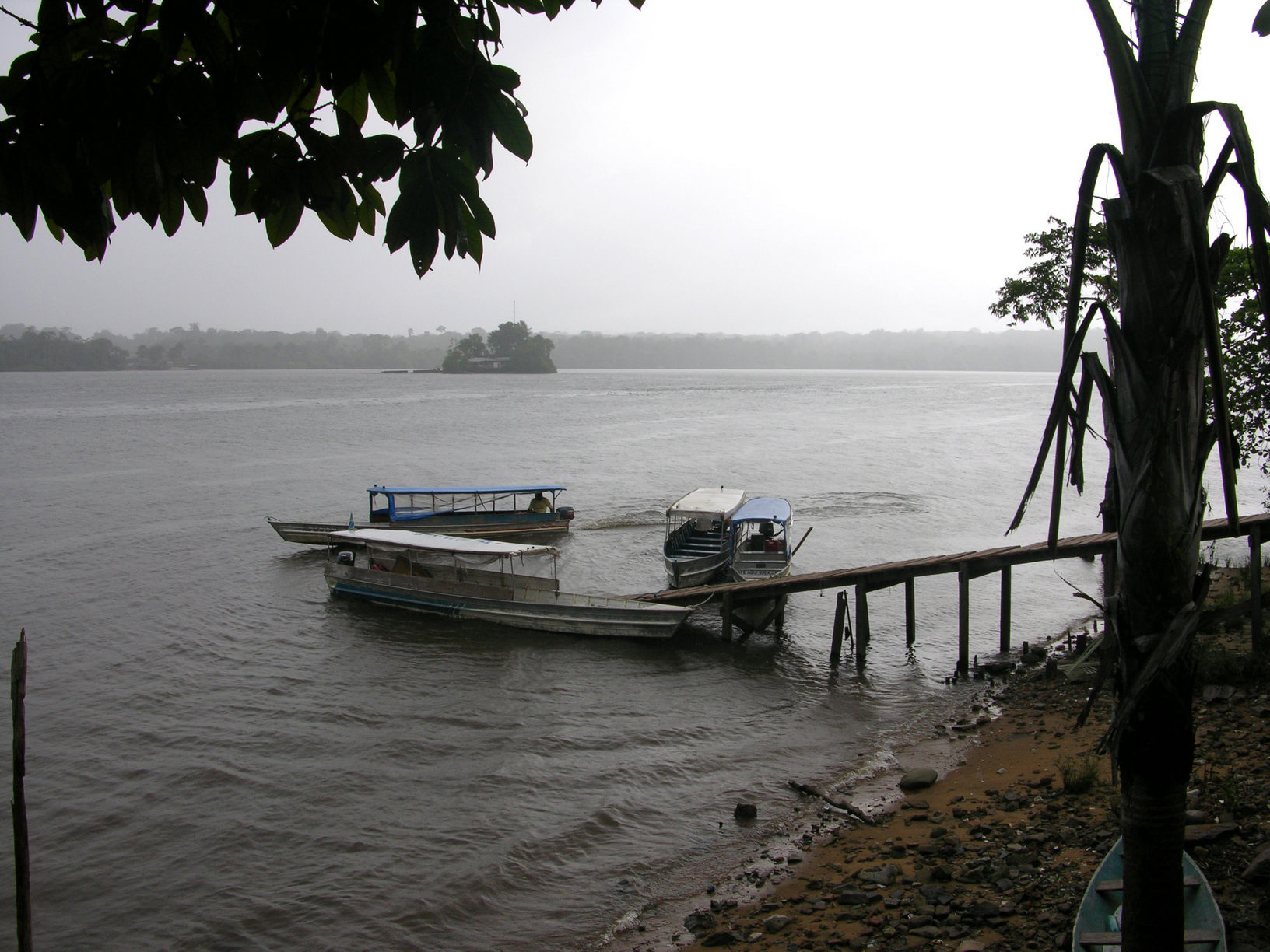
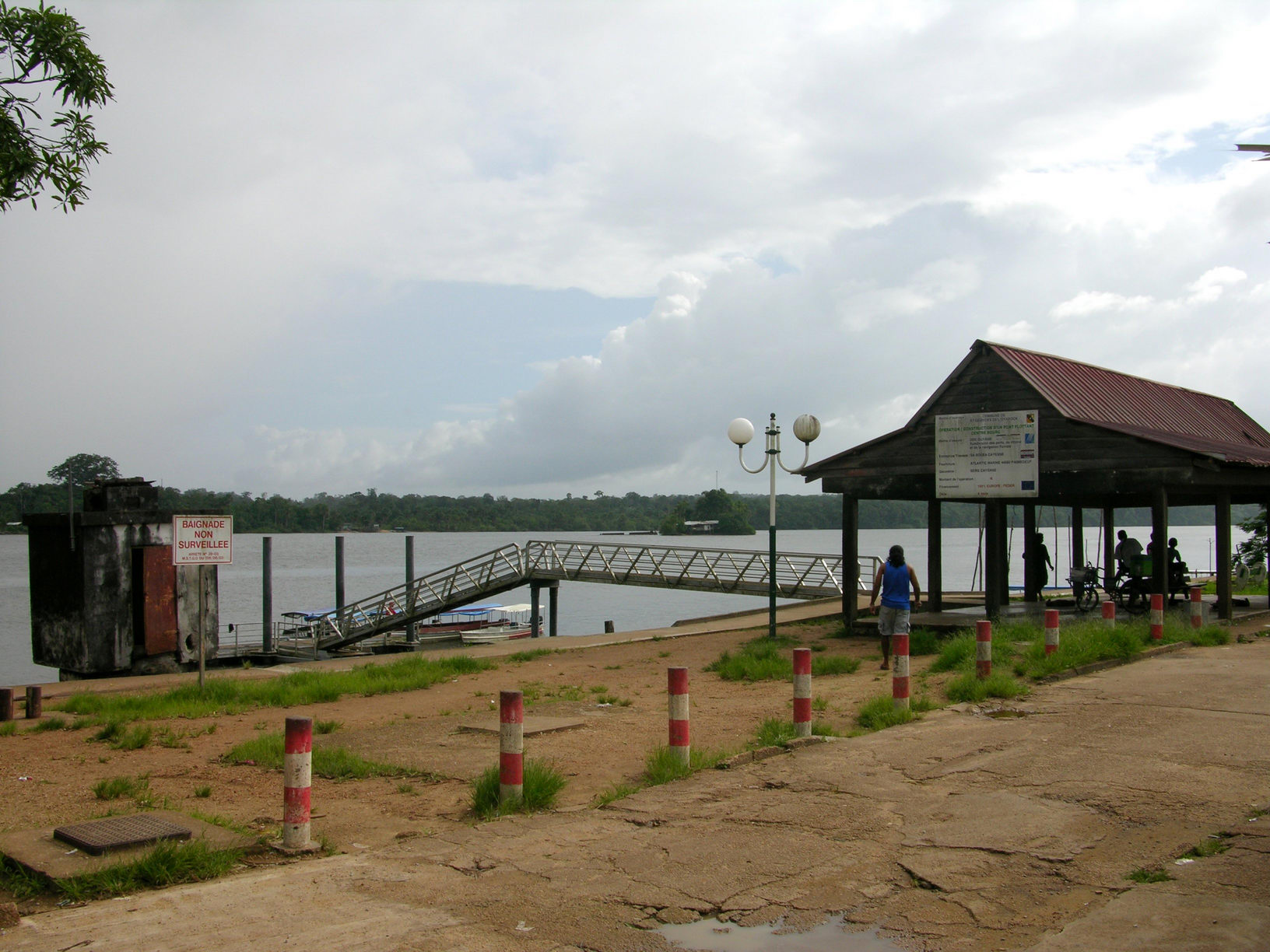
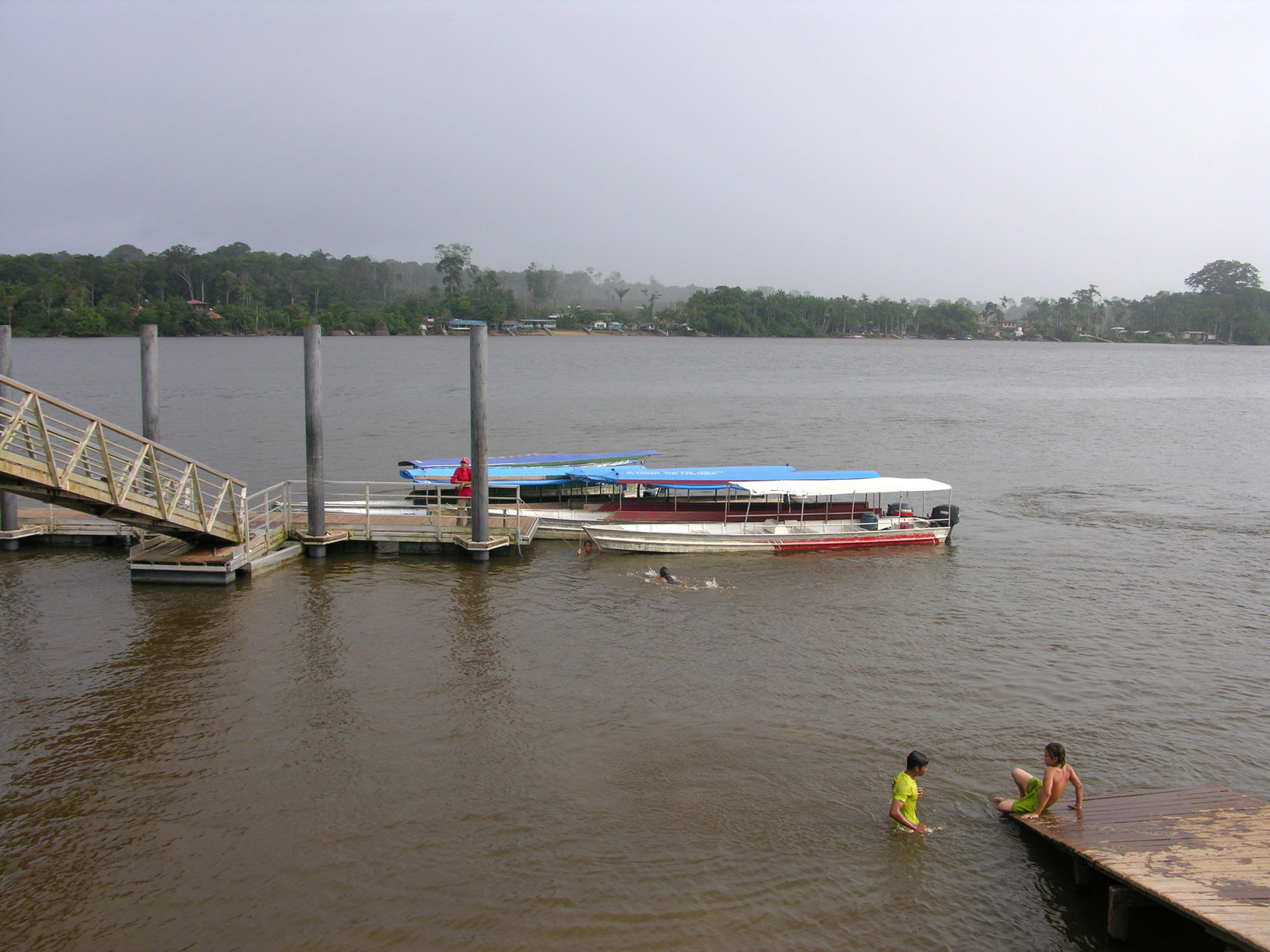
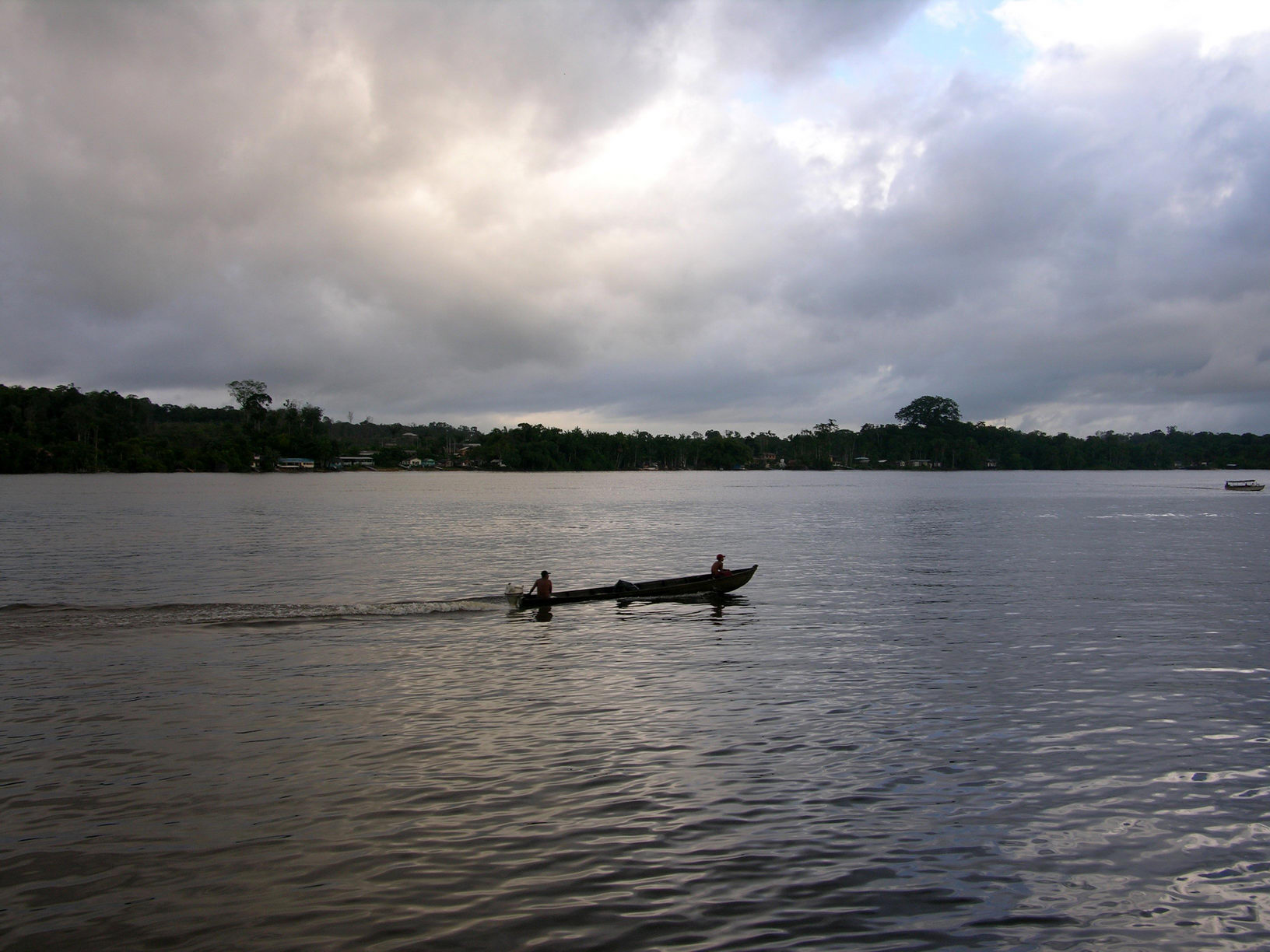
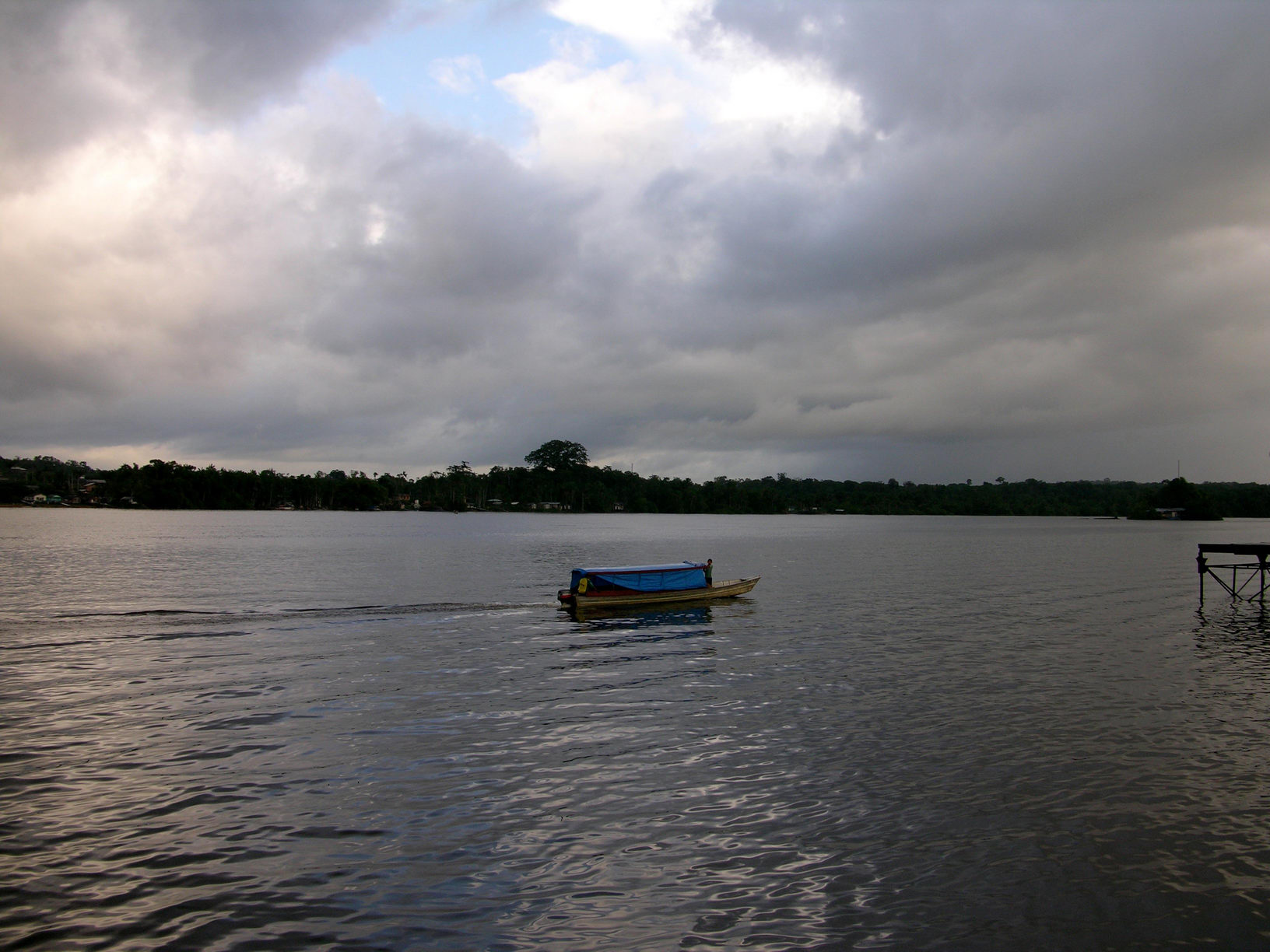
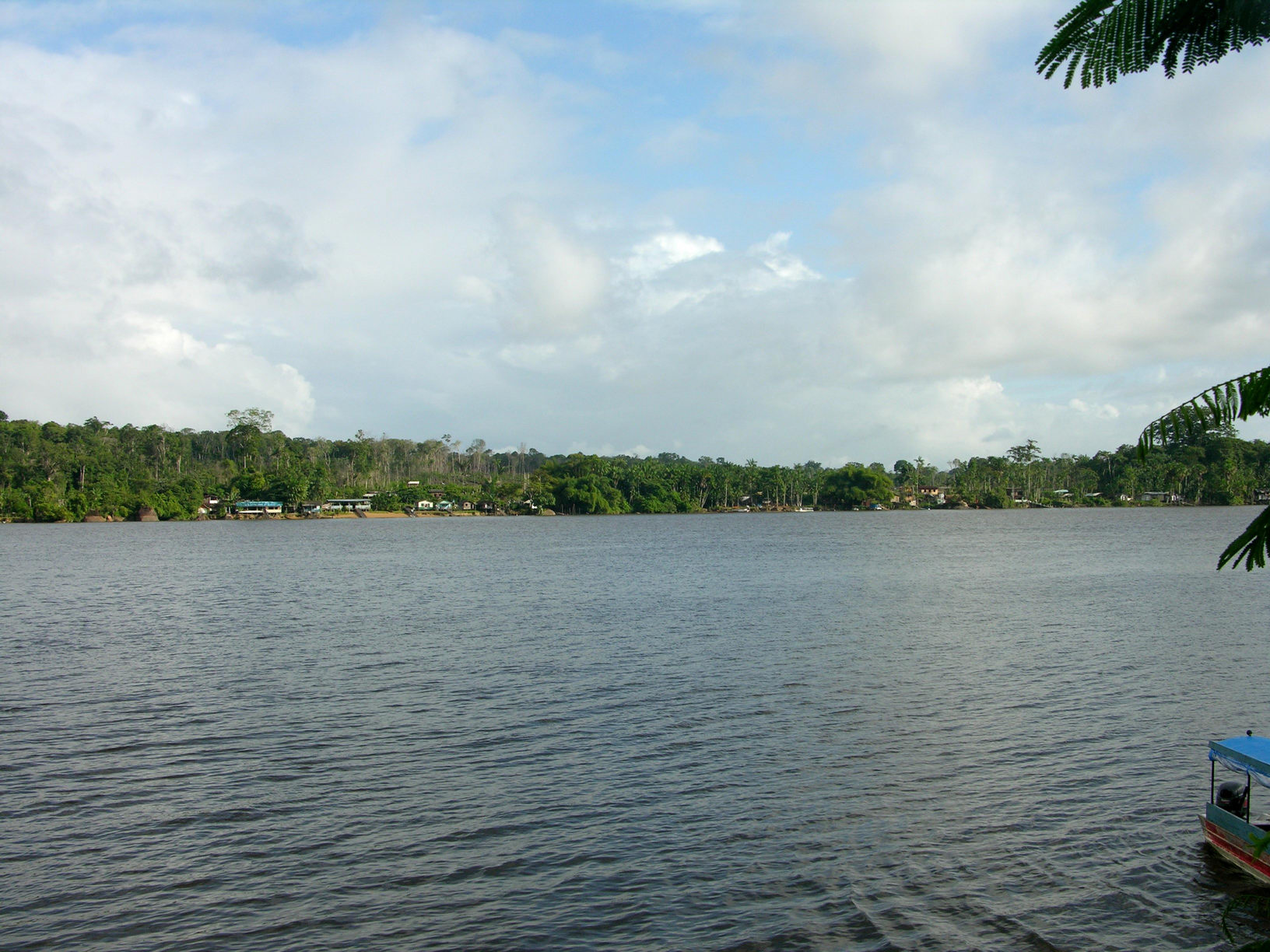
Before boarding a canoe you're meant to stop at immigration and have your passport stamped. Nobody is likely to catch you if you fail to do it, but there's a police checkpoint on the road from Saint-Georges to Cayenne near Camp Hervo. They check nearly every car and would catch you there without a stamp. We saw people making the river crossing from Brazil to Saint-Georges without visas.
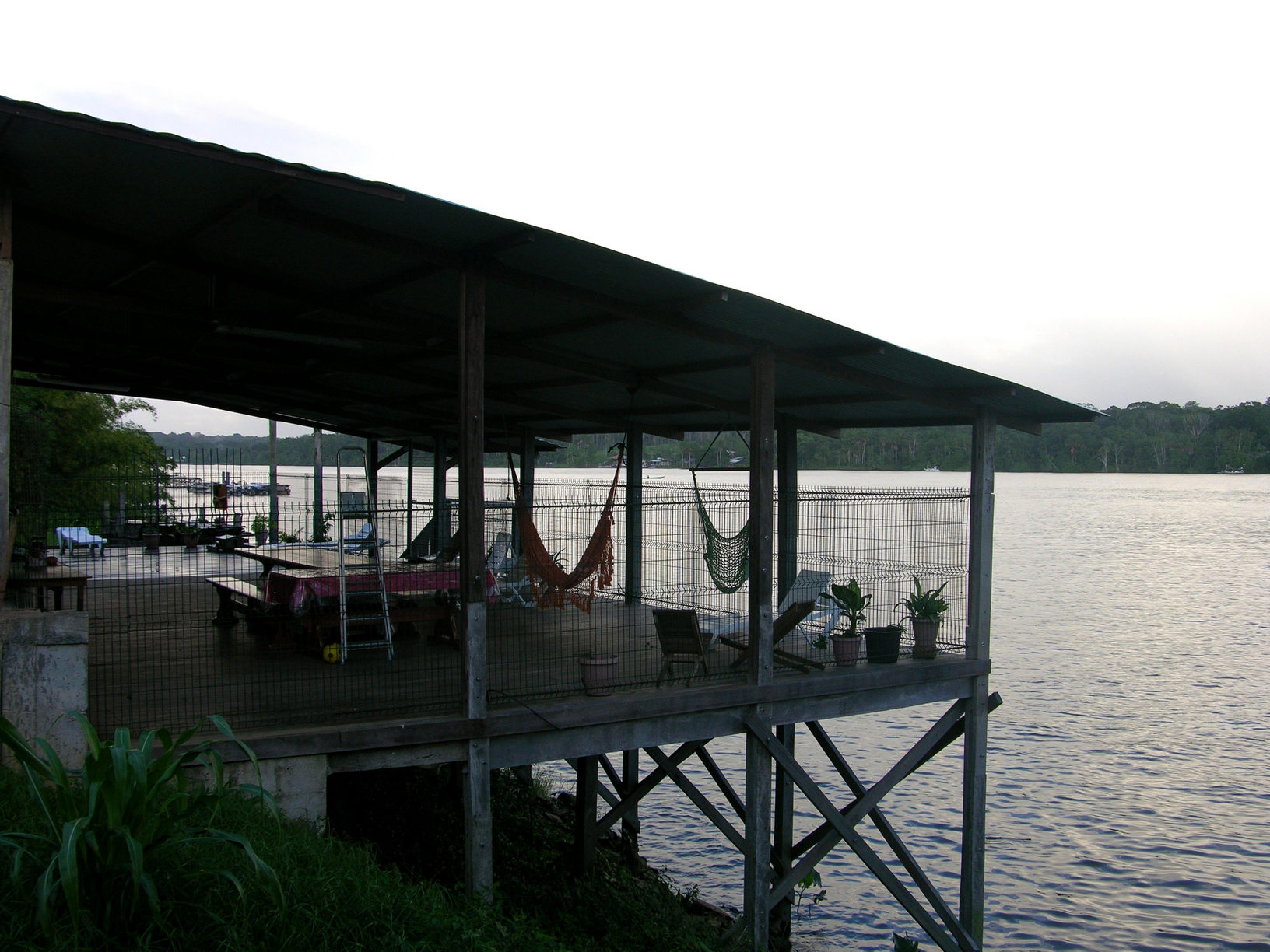
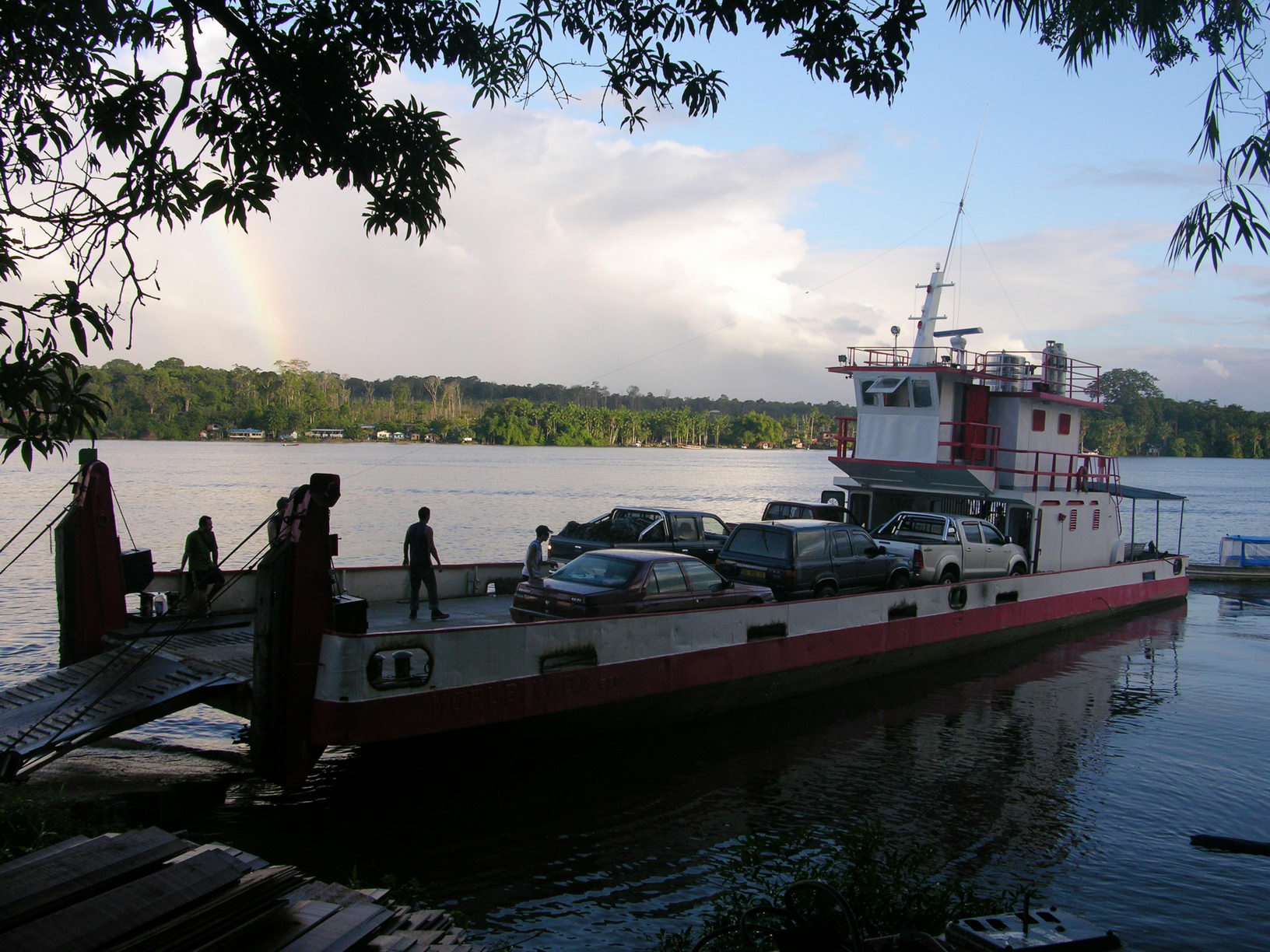
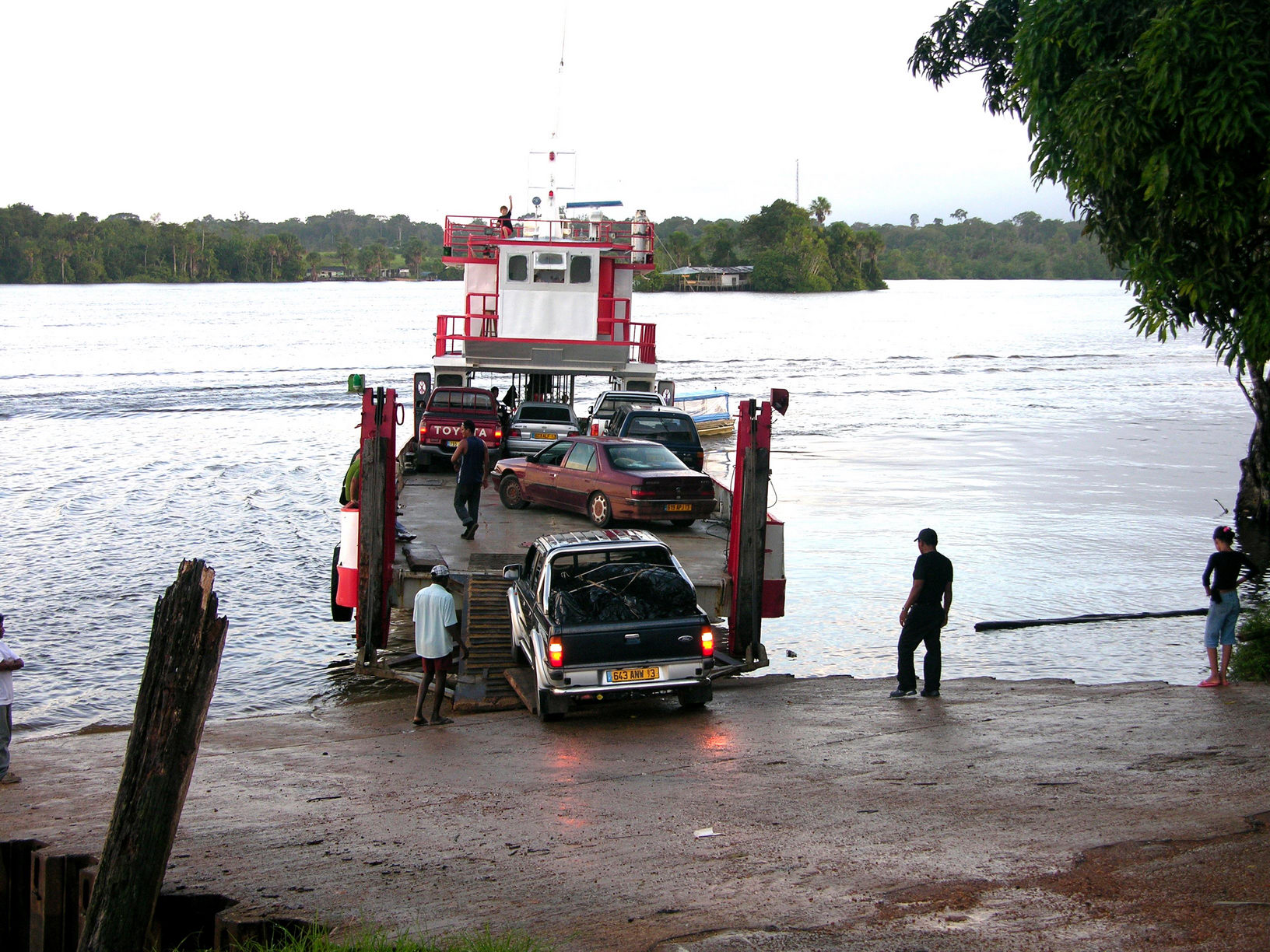
As well as the canoes there's a ferry several times a day. All the cars on it are French. For some reason Brazilians don't seem to like travelling. It should be said that the road goes only as far as Macapá and doesn't connect with the rest of the country's highway network.
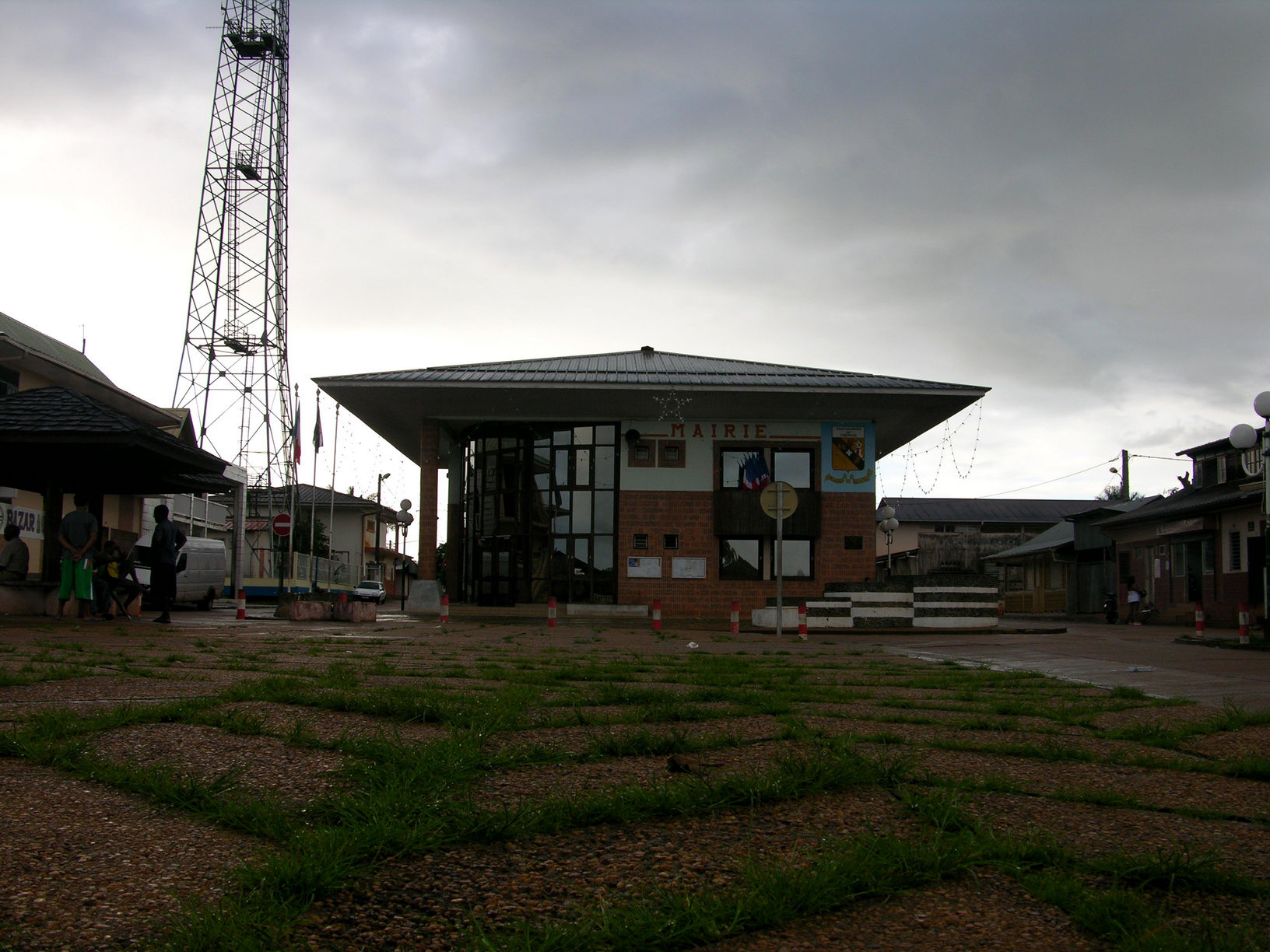
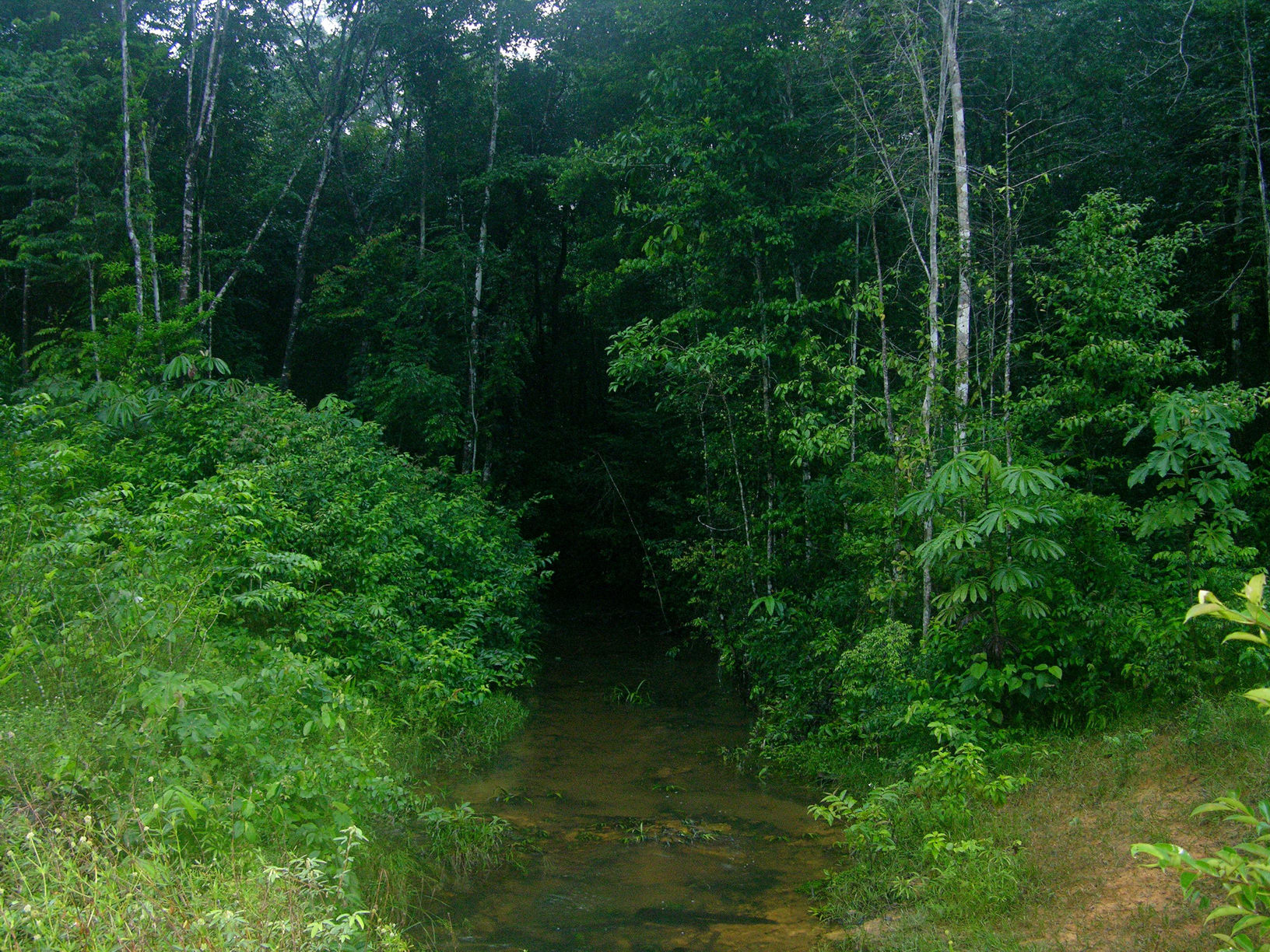
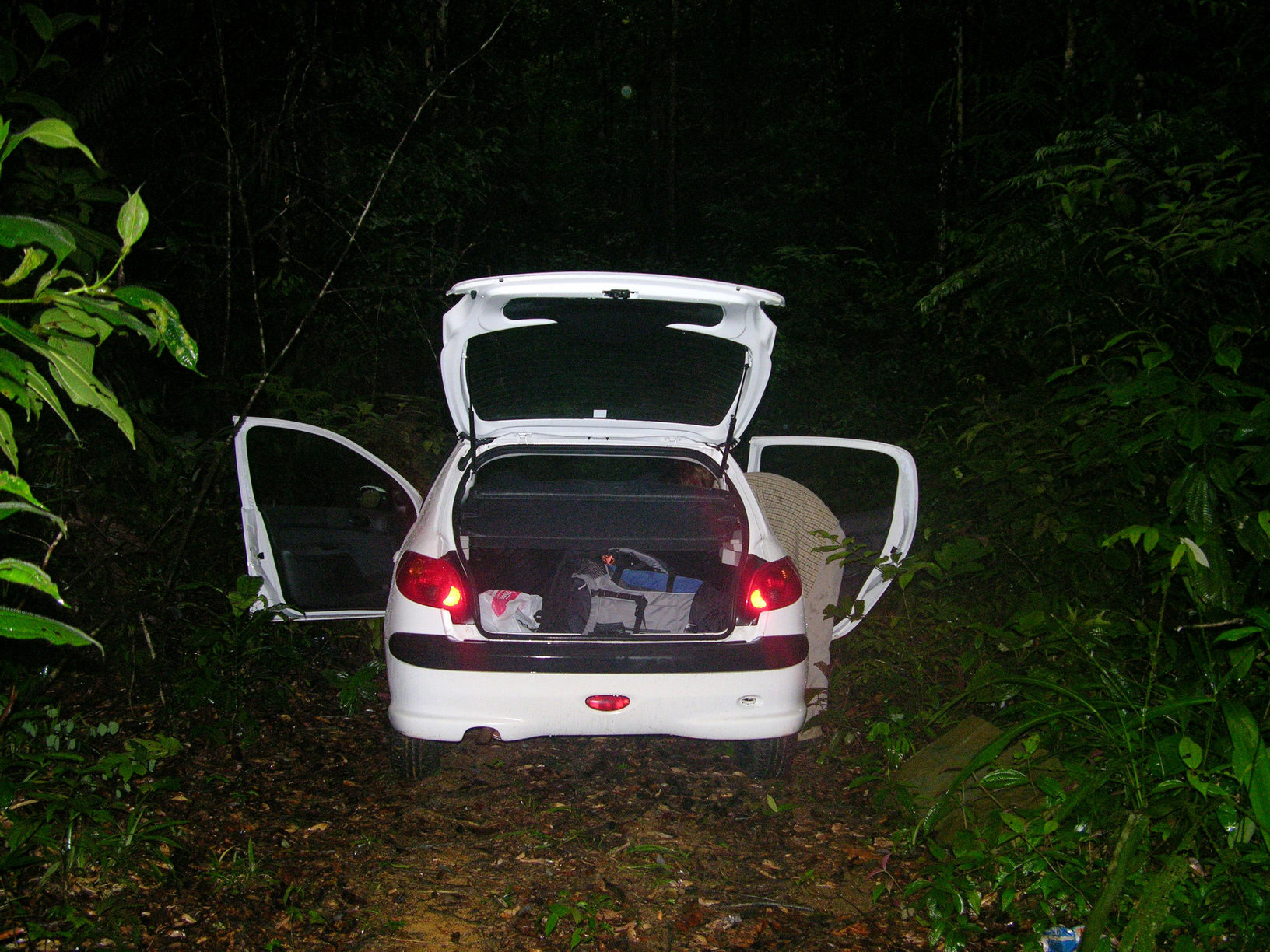
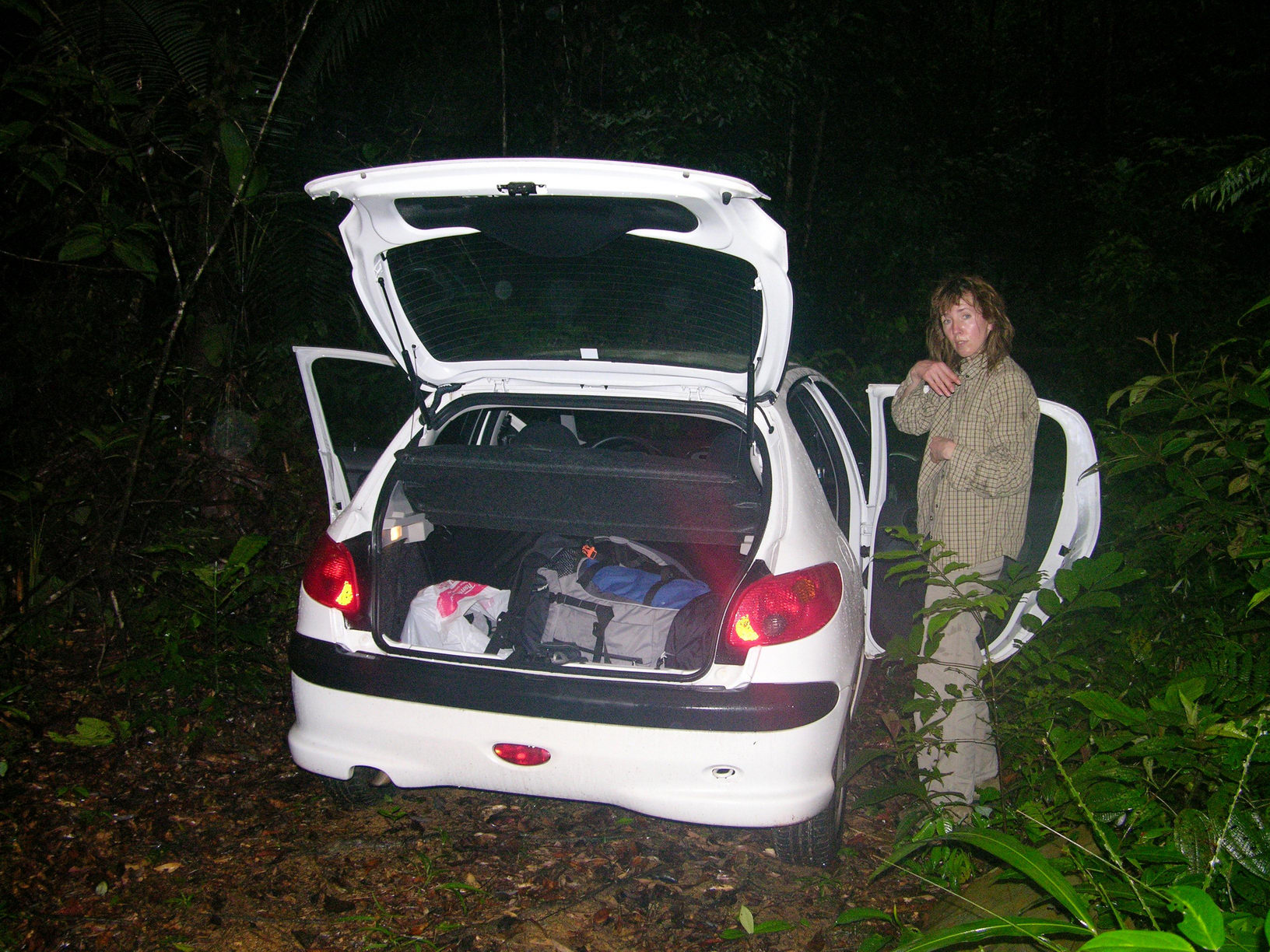
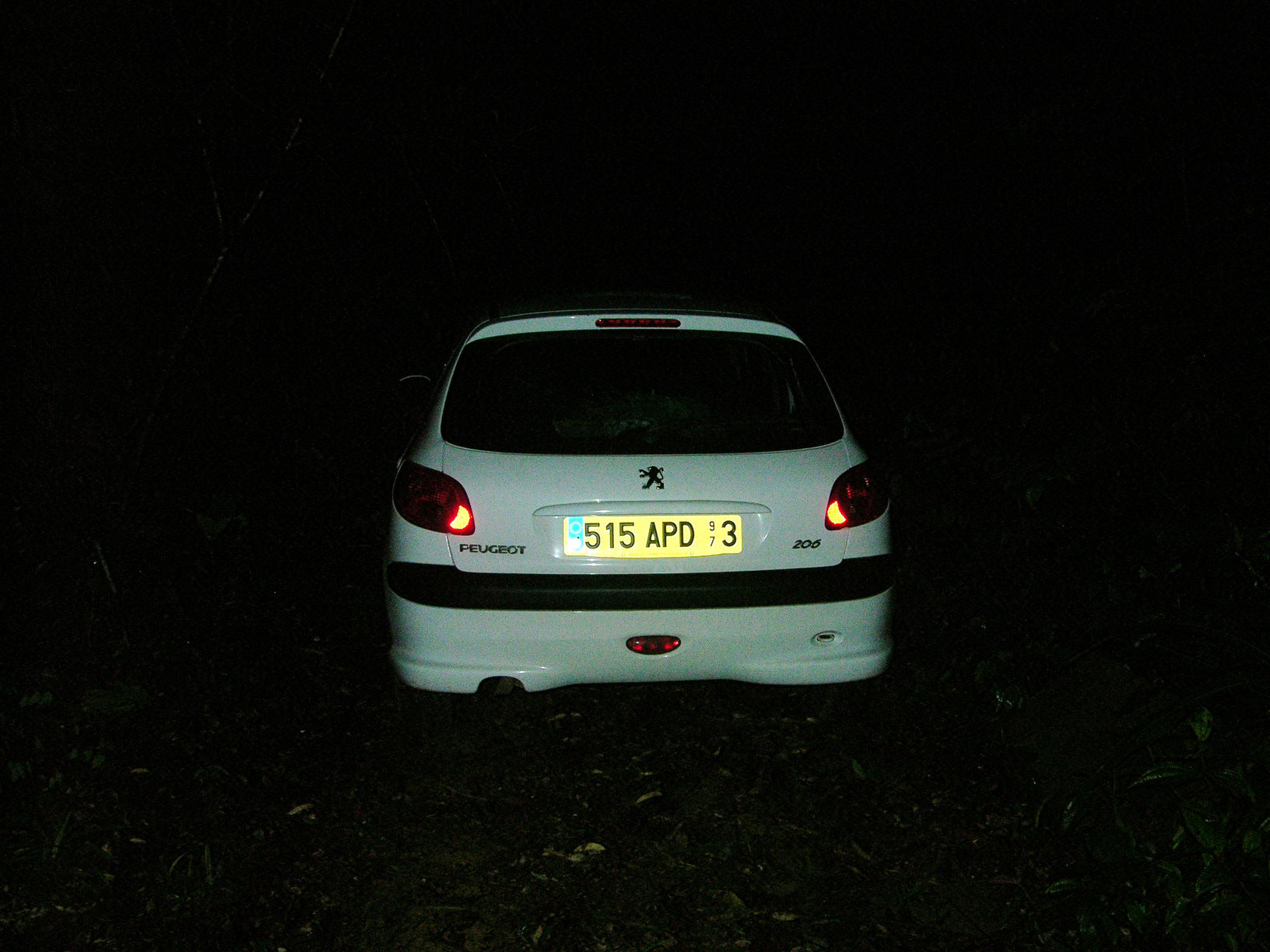
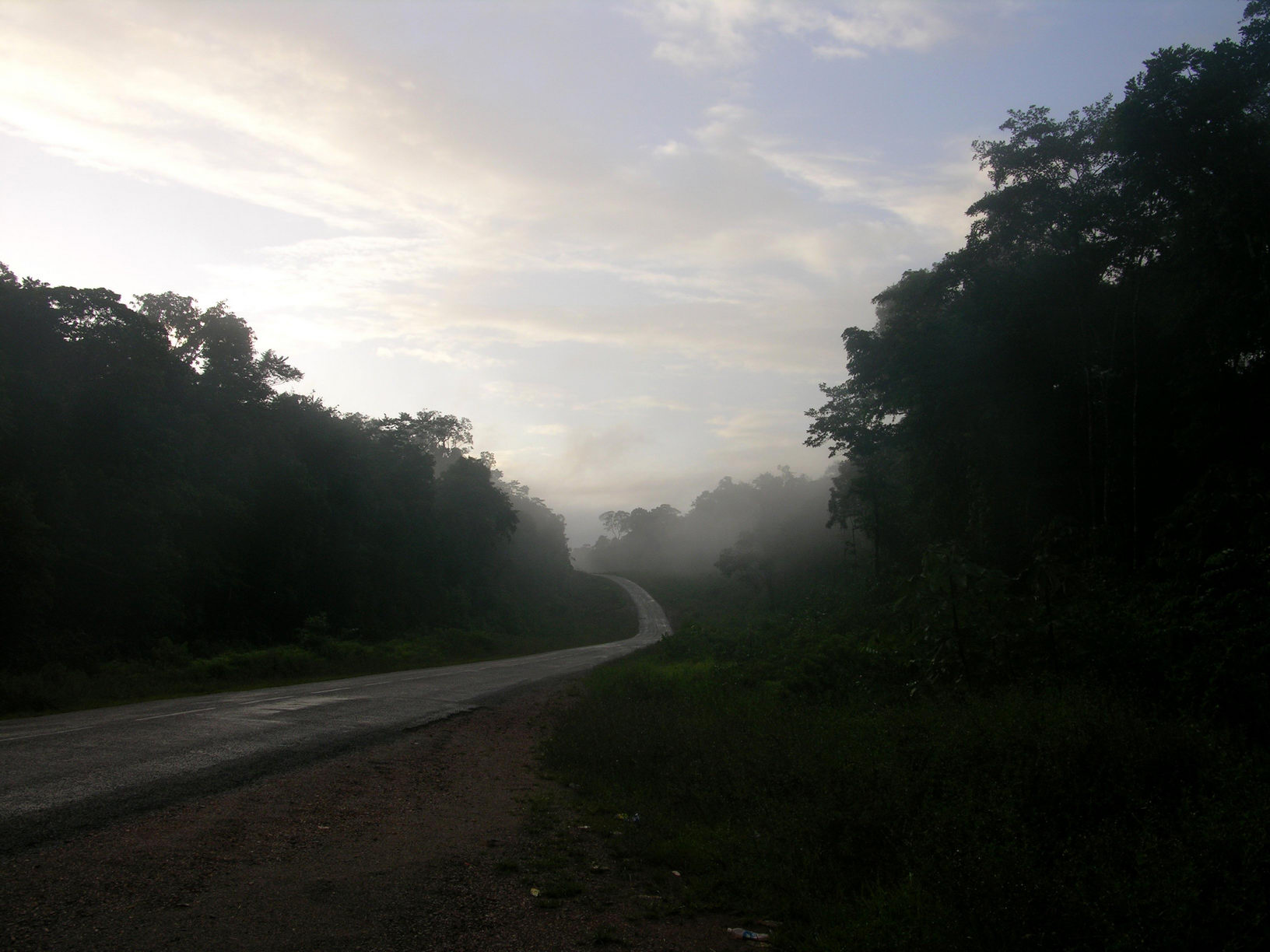
It started raining again and we turned back. On the way out we'd spotted a marvellous place to spend the night in the Maripa hills. A track went into the forest beside a little stream, the Crique Jean. The grass was very high but you could still get through. We could hide the car and be out of sight of the road. I'd marked the place on the GPS (4°25.007′N, 52°19.236′W, 19 m), so it was easy to find. It was pitch dark by the time we arrived. We drove the car in and put up the tent in a hurry. The moon shone through fast-moving clouds. A thousand cicadas sang in the forest. This was proper forest. There wasn't a dwelling for tens of kilometres around. Fireflies kept sparking here and there. How I love a tropical forest. You feel its canopy could protect you from the frightening world of people. We'd crossed the line, and now we felt like the animals for whom this was home.
Even the mosquitoes had mostly flown off. The ones that remained, though, were real malaria mosquitoes, hind legs raised like a dog's at a lamppost.
The moon was shining. There was hope it wouldn't rain. We wanted to try leaving the flysheet off the tent so that it wouldn't be quite so hot. Only the remains of the daytime rain were dripping from the trees. That's what makes it a rainforest. In the heat that didn't matter, but soon fresh clouds came and the rain came down in buckets. We had to put up the flysheet. Now it was hotter still. There wasn't a breath of wind in the forest. The sea and its breeze were far away, and this exuberant vegetation could swallow up any hurricane. Night mist came down on the jungle.
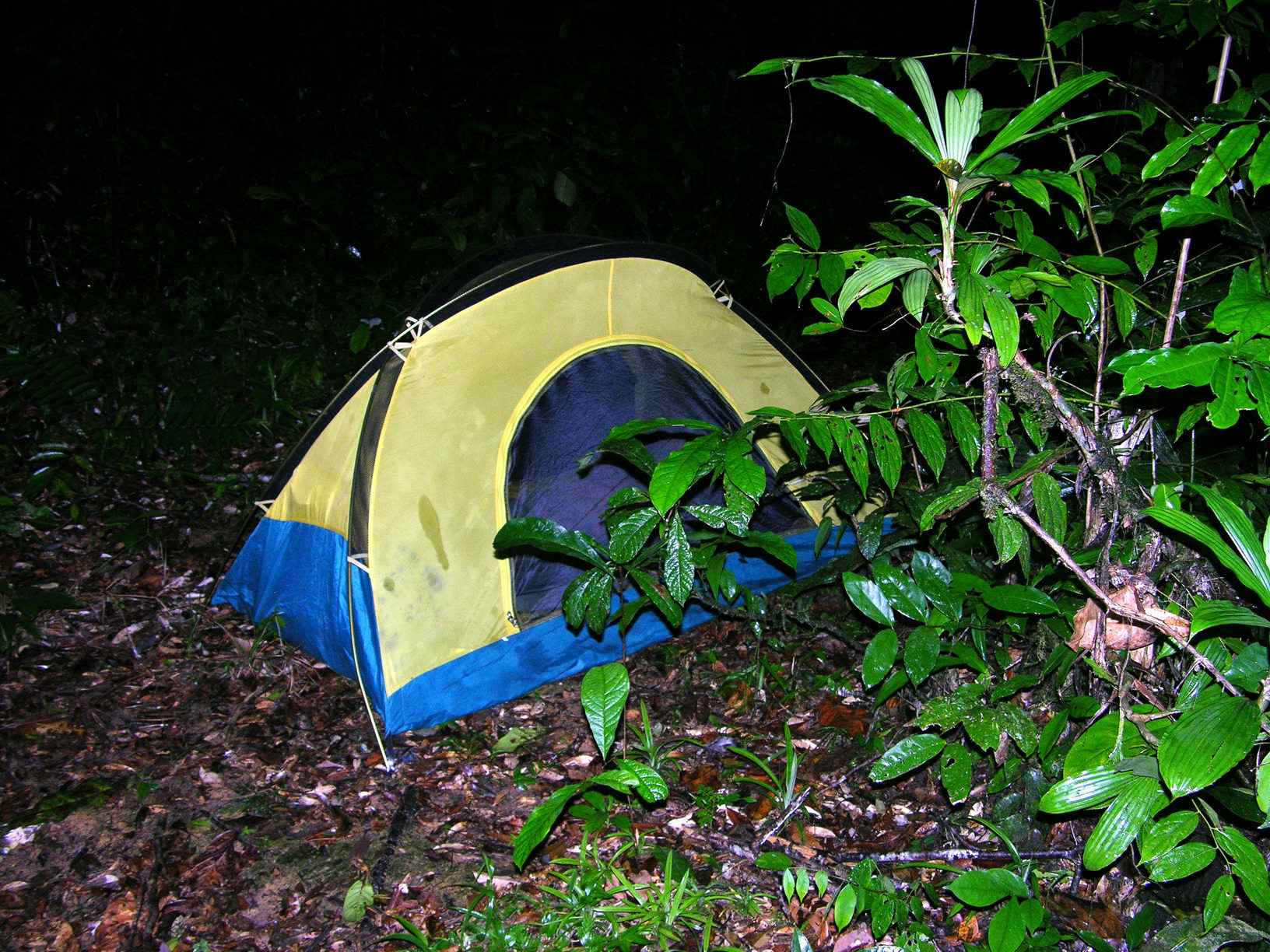
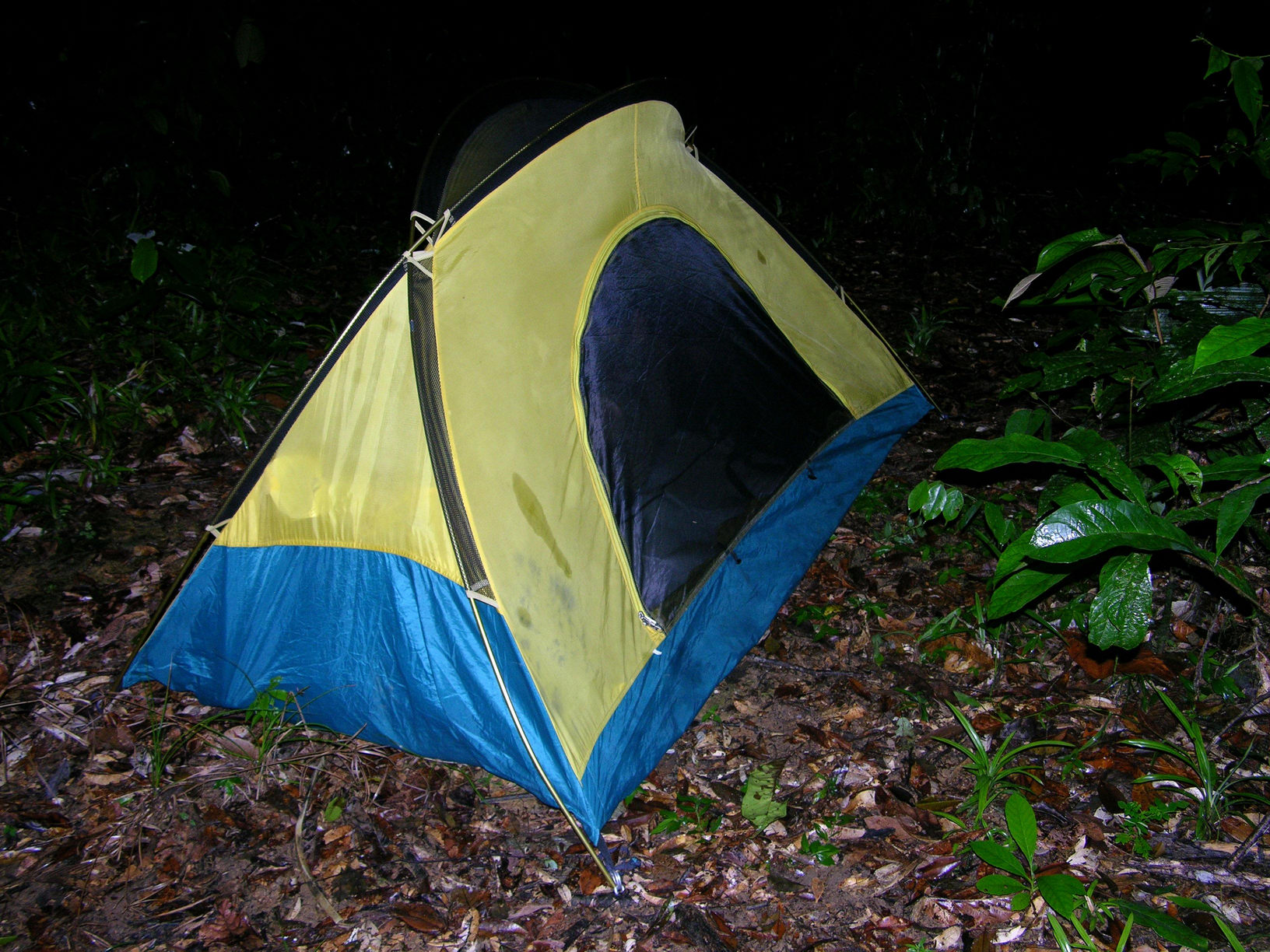
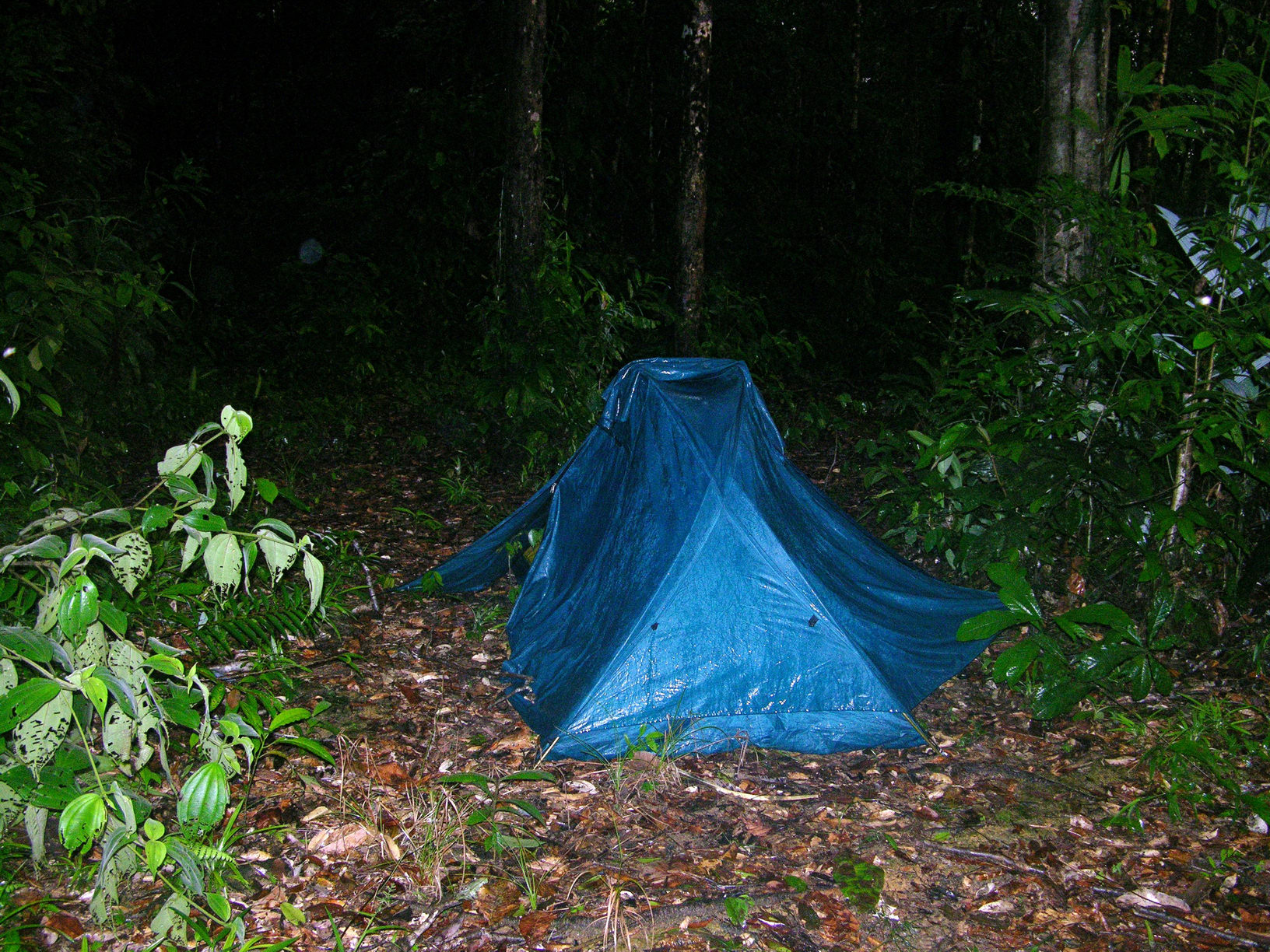
At first you think there's no way you'll sleep. Sweat pours off you in streams, for no good at all. At a hundred per cent humidity it can't evaporate and cool you. What you have to do in those circumstances is lie still and wait. Without activity your body gives off much less heat. Sooner or later it cools to its normal temperature and reaches a balance. With exactly the same temperature and humidity outside, you might even feel a little cool. It's no more than thirty degrees outdoors, after all, below body temperature.
It takes rather a long time, though, an hour or two. To hurry things along, cool down before climbing into the tent. The Crique Jean flowed right by us. I went and got into it. What bliss! The water was warm, but it still took the heat away. I lay in the middle of the singing forest. The moon gleamed among branches and the enormous leaves of the plants along the bank. A scene worth living for. I must have spent more than an hour cooling down. Then I got straight into the tent and could finally sleep.
There was a scare during the night. Someone drove up and parked. We heard people talking for a long time. A torch beam swept over our tent, but the tent was green. I'd covered the reflectors on the car with branches. They didn't see us in the end, or perhaps they did and drove off so as not to bother us.
Meanwhile a tropical downpour began. Our tent didn't leak yet, which was wonderful. The only problem was that our little car found itself in the middle of a huge puddle by morning. We'd come in over dry, cracked clay. Best not to think what was under the wheels now. A jeep would have been handy. Or perhaps not. It's easier to push this little thing than a jeep.
We got out under our own steam. The wheels slipped and spat mud, but we eased the car onto the solid shoulder of the road.
In the morning we got into the stream to wash. The water was crystal clear and we had to make ourselves presentable for the embassy. Watching me, Tanya said it was like watching a hippo bathe. Snort, scratch, go under, come up, snort…
I did get clean, including my hair. I got it cleaner than at the hotel. The water must be softer.
Now to the embassy, quickly. We made it to Cayenne by nine, when it opened. We filled out an enormously long form. Besides the form you need a photograph, a photocopy of the main page of your passport, and tickets home from Latin America. Our tickets from Ecuador were good enough. A one-month single-entry visa cost twenty-eight euros. Two months was another ten. Multiple-entry ones were easy to get too, but they cost anywhere from sixty to a hundred euros. They took only euros. You get the visa the same day, after one in the afternoon.
The rain came down in a curtain. We had to kill time by dashing from one Chinese restaurant to another. I can't eat that much.
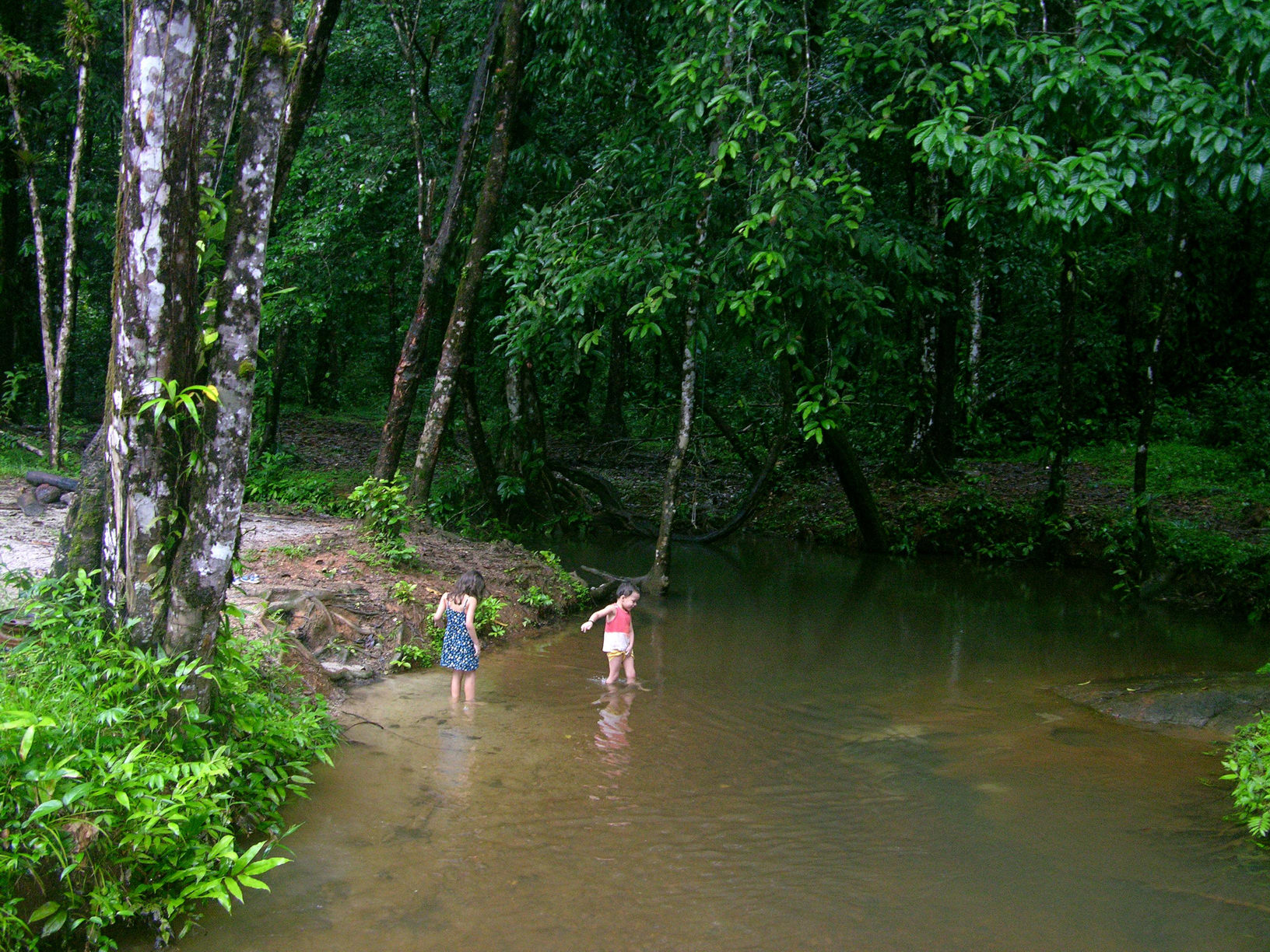
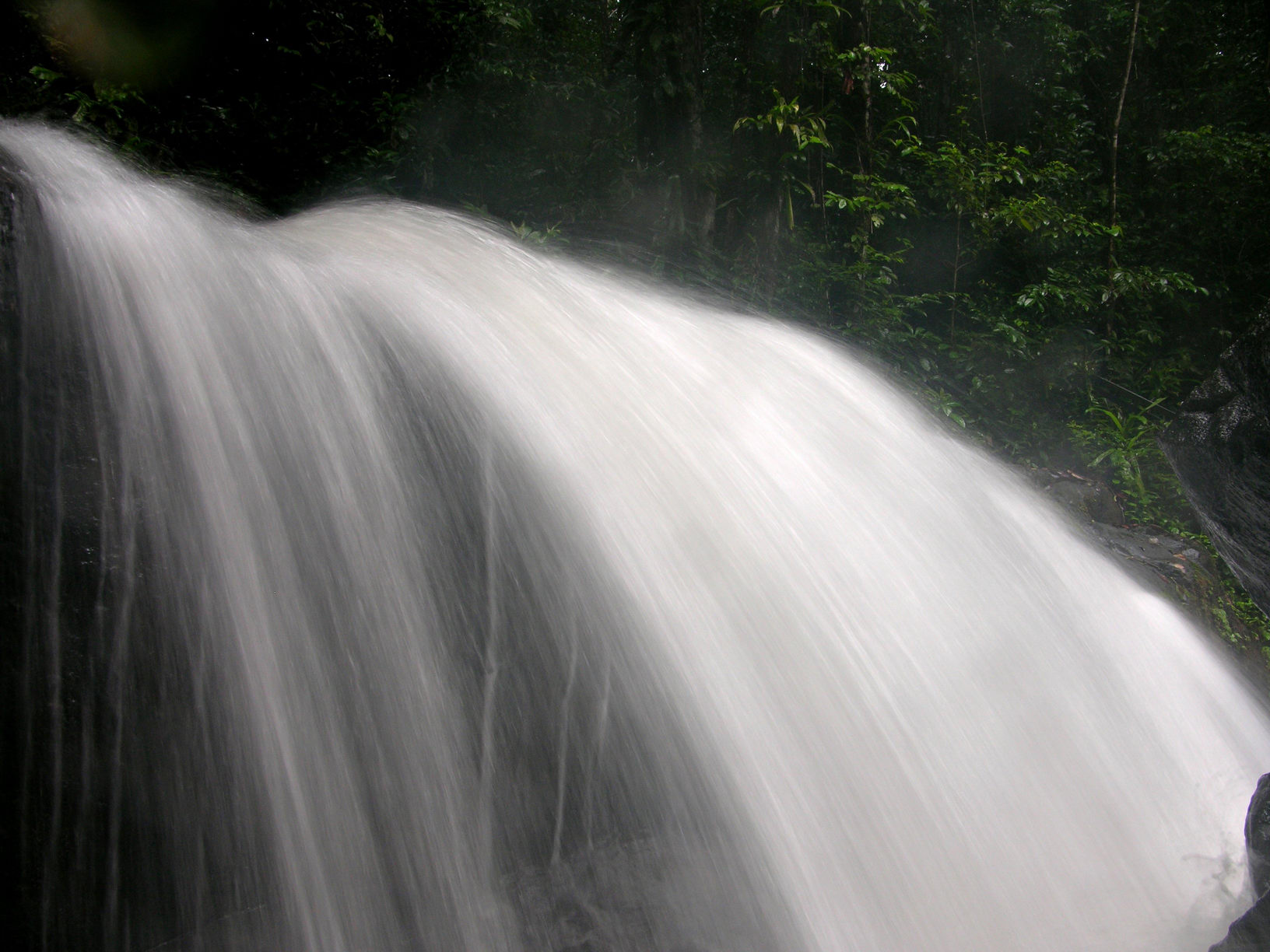
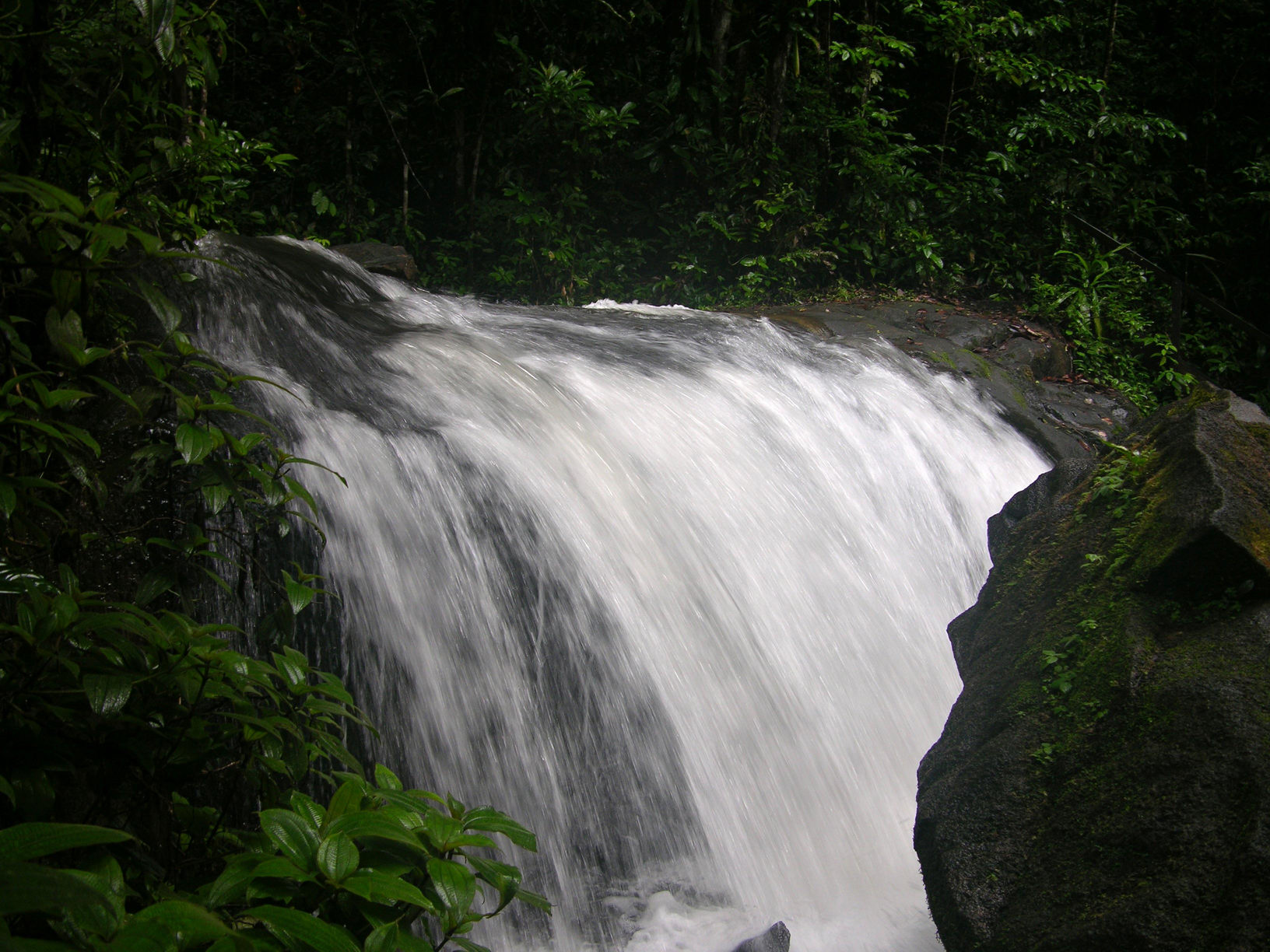
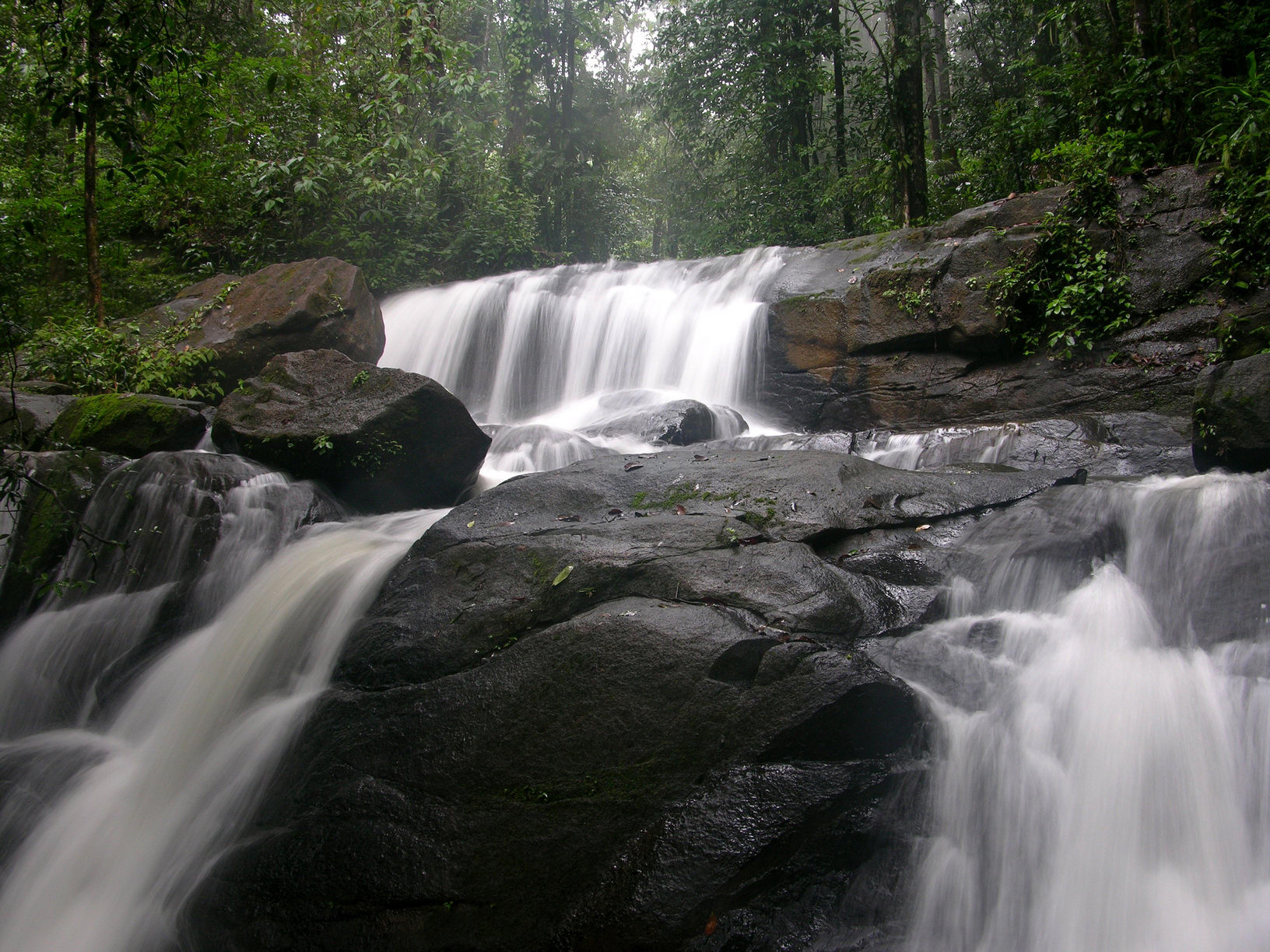
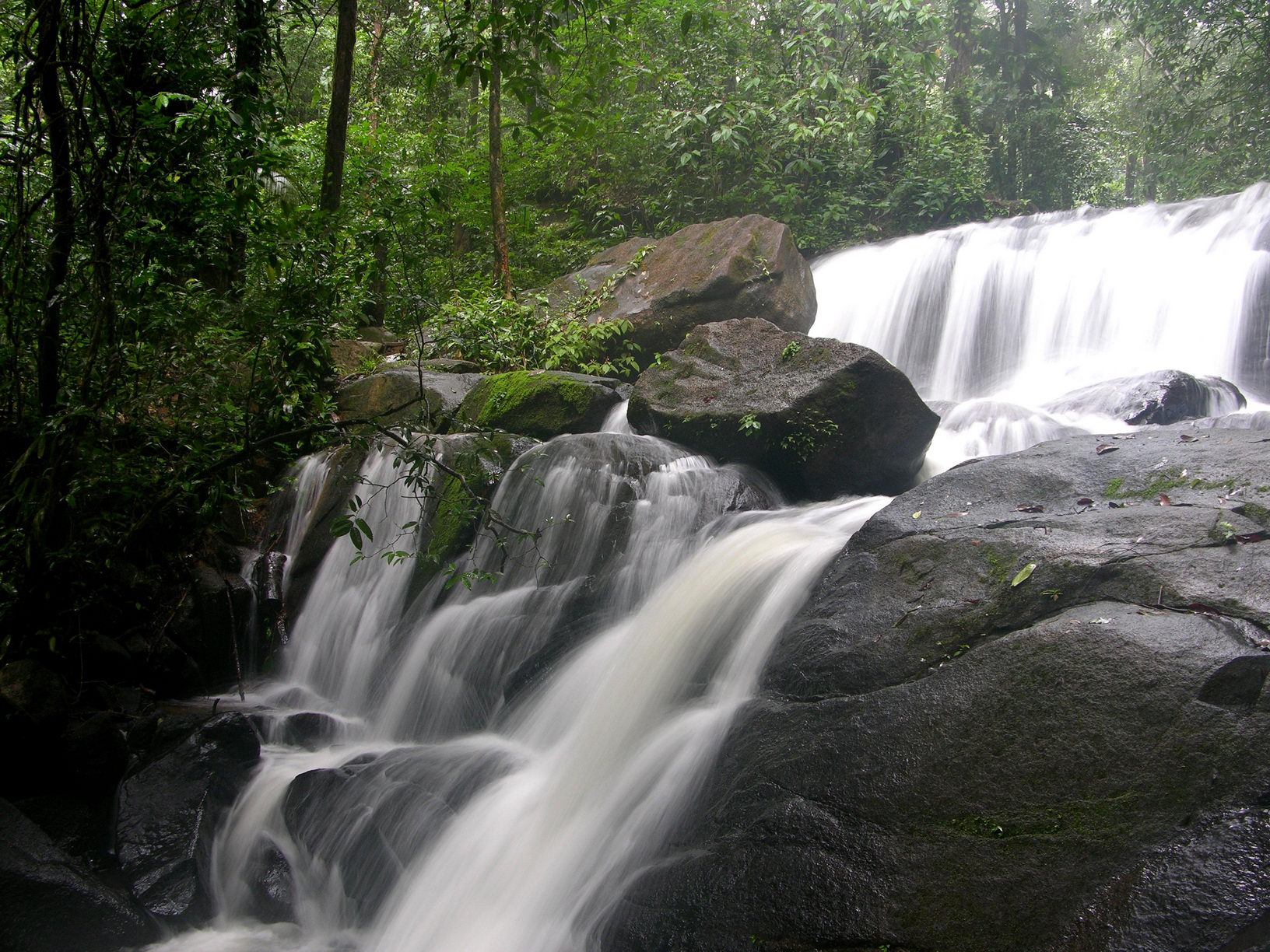
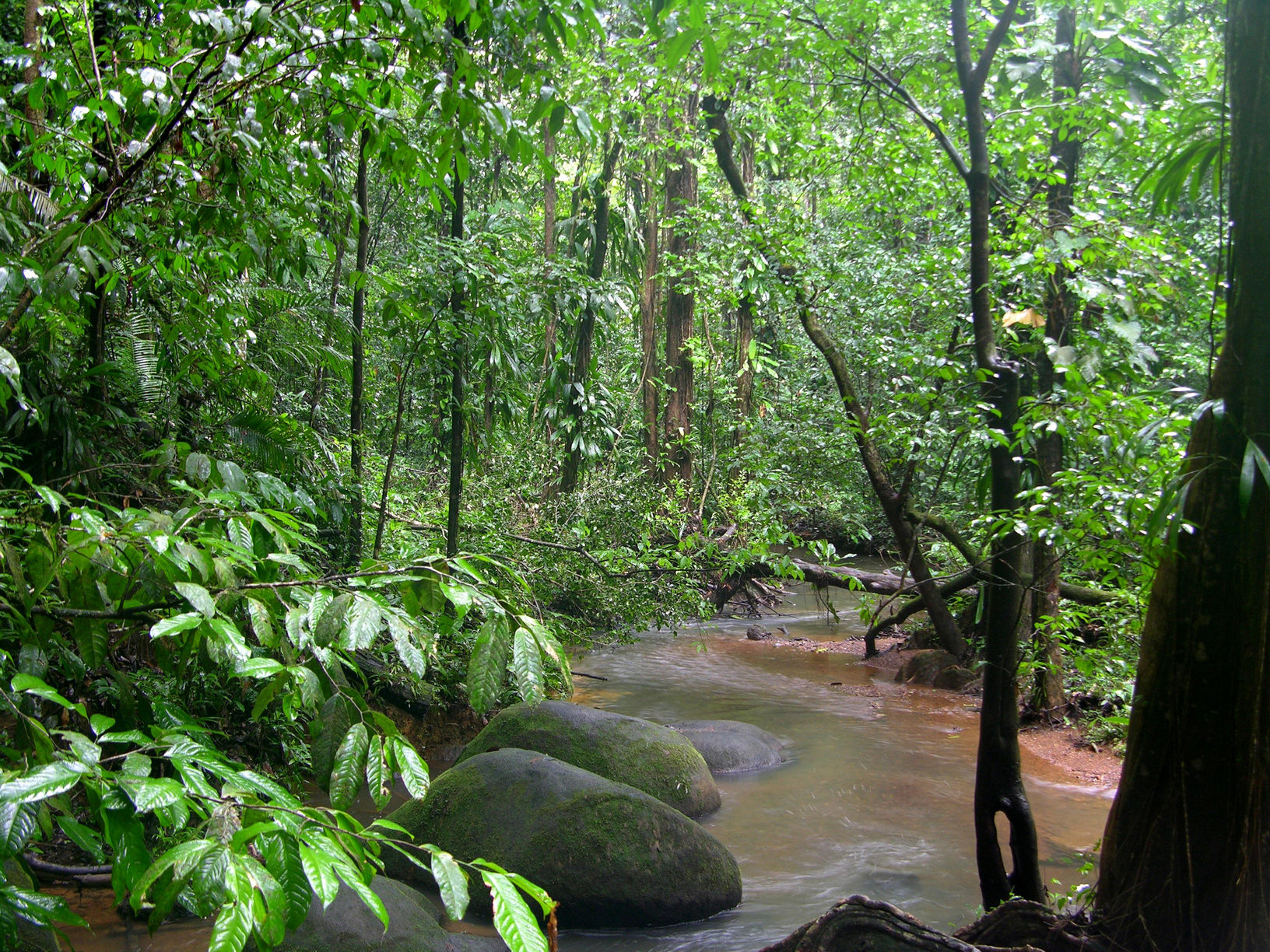
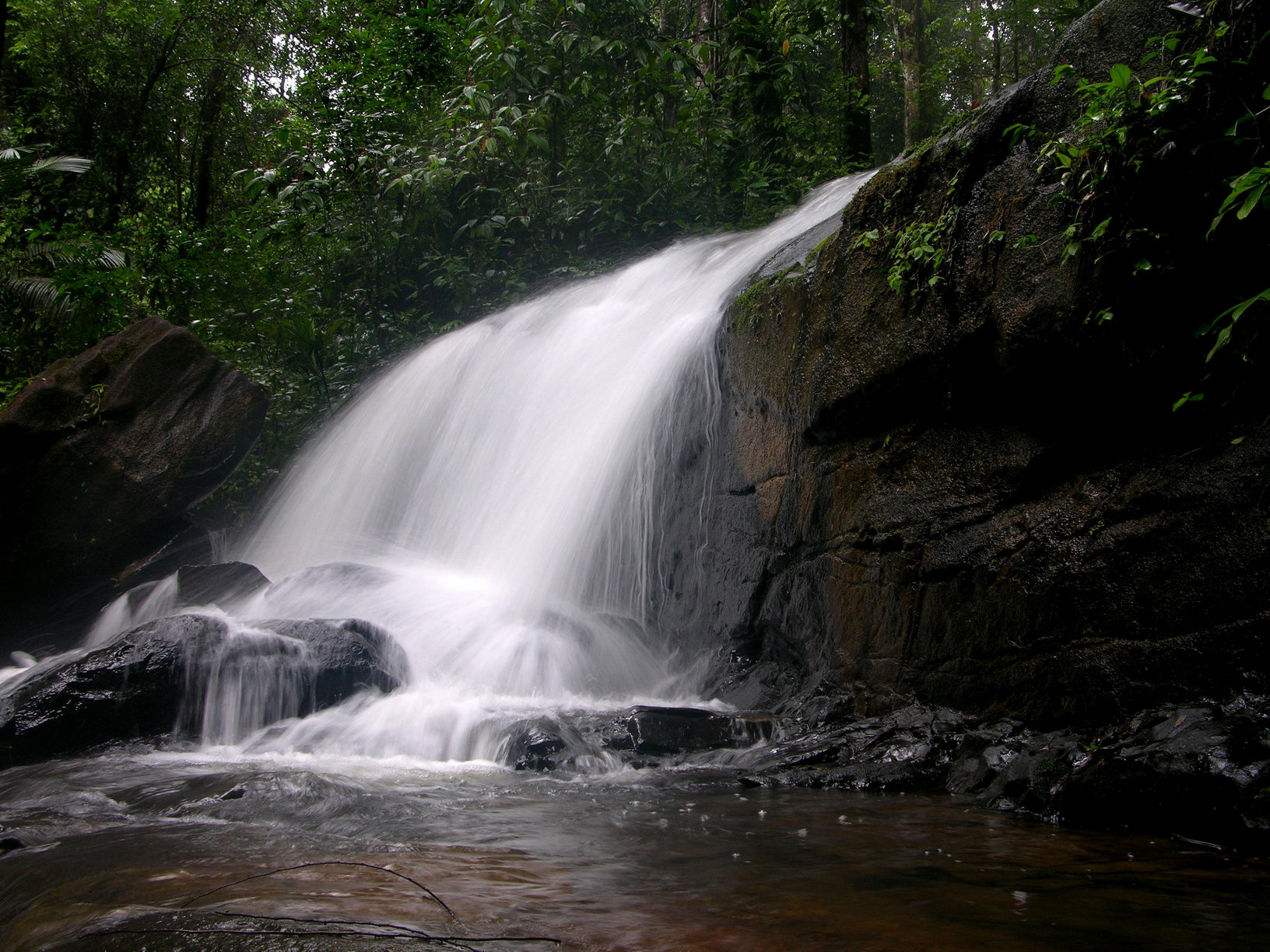
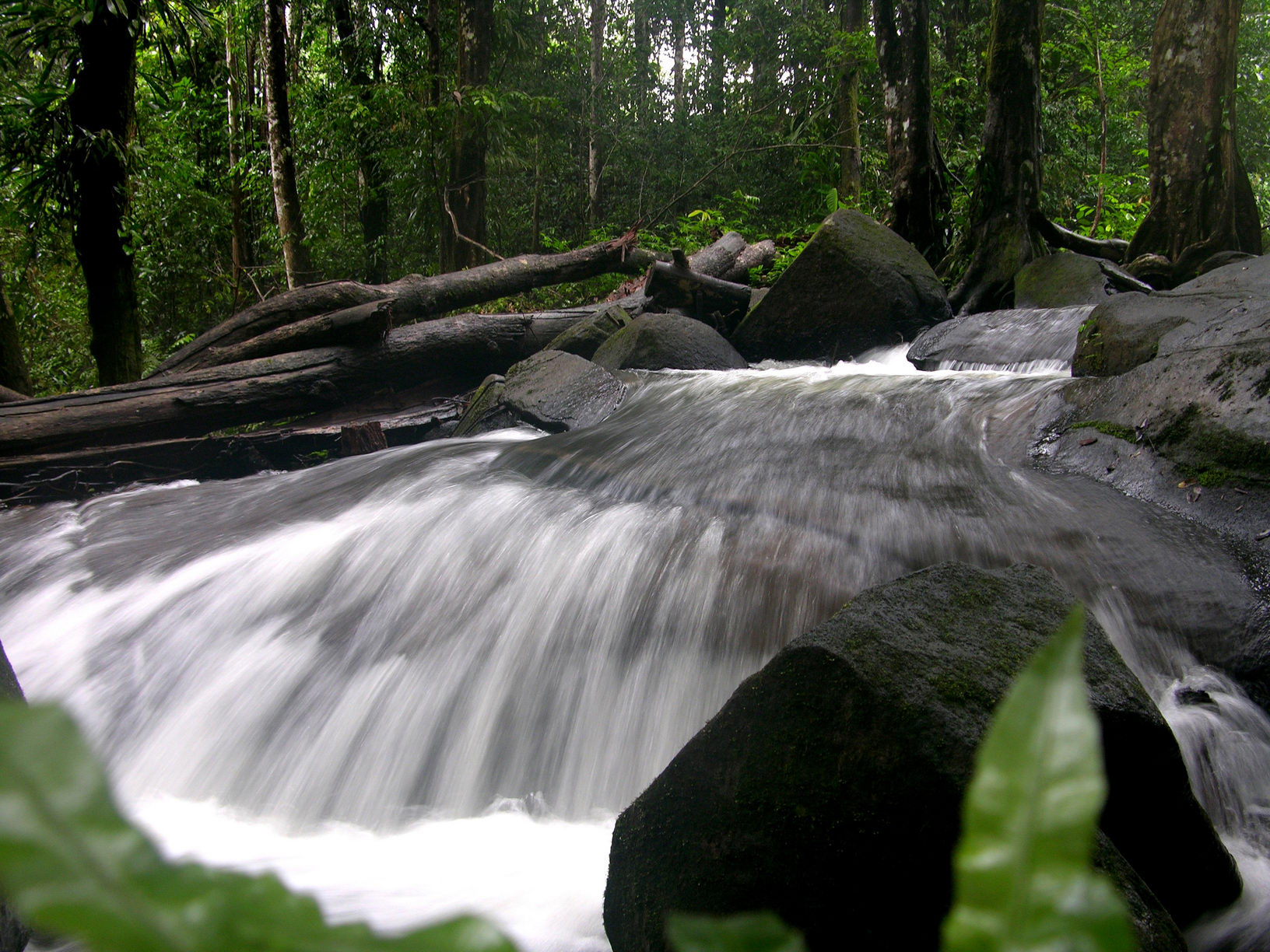
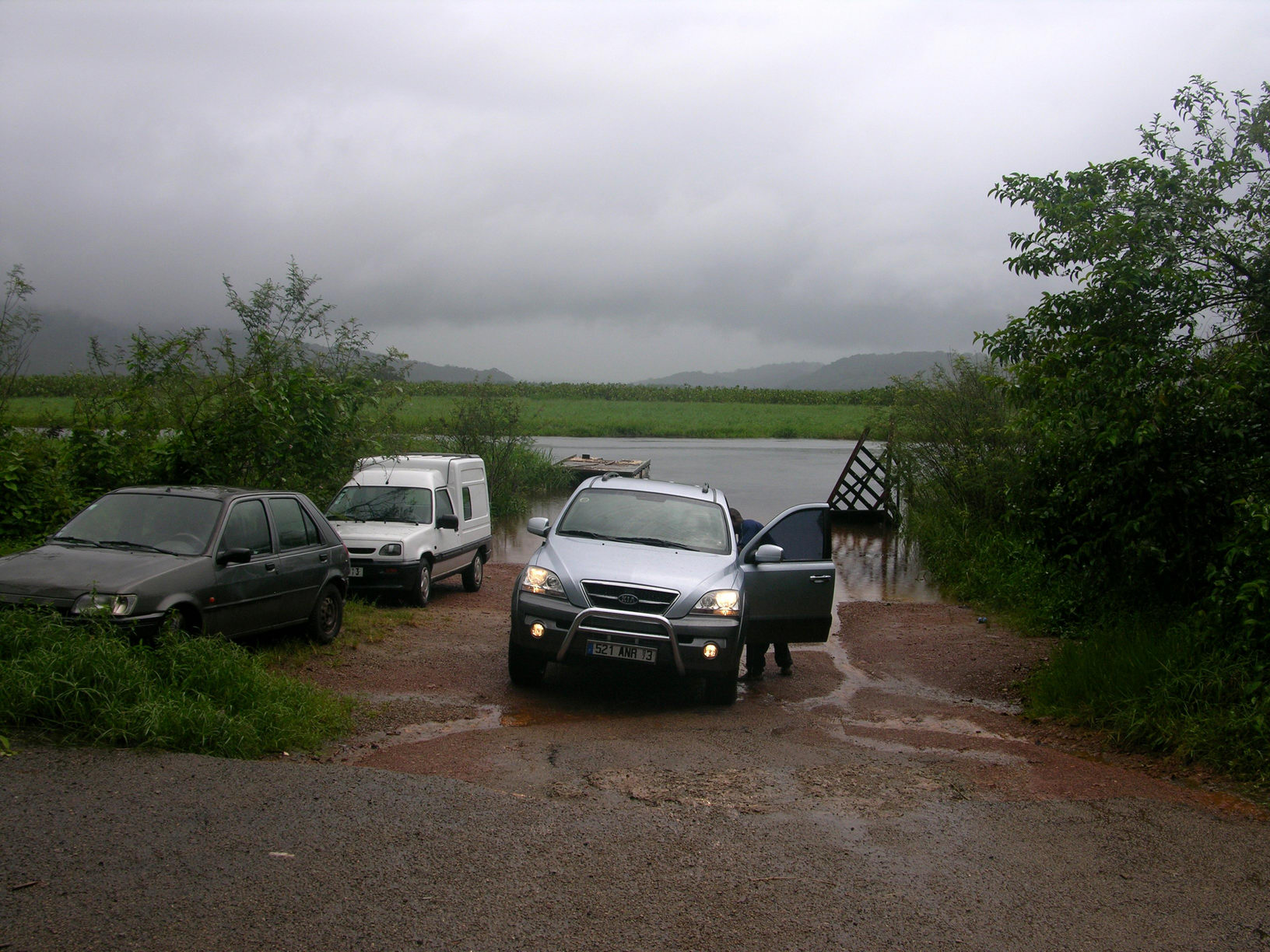
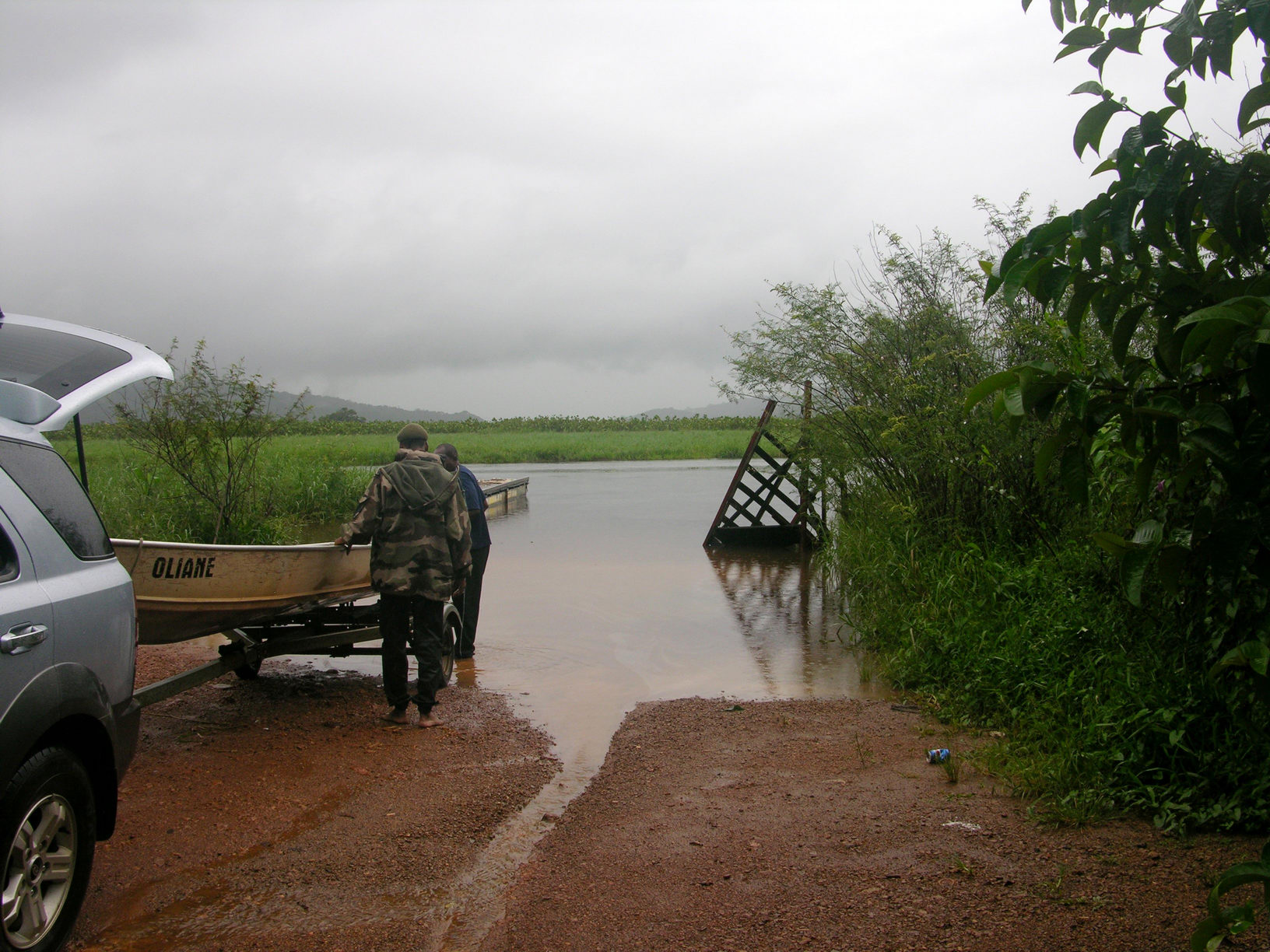
The visa came on time. It was beautiful, colourful and covered in crocodiles. Now our future was settled. We spent the rest of the day on a trip to the Trésor Nature Reserve. A wild forest road goes right through it. At the beginning there are a few side roads to a picnic area near the waterfalls. There's a restaurant there too. The falls are rather feeble, but the path past them only takes ten minutes. It's nice enough to get out for a stretch. At the very end the road reaches the Kaw River (Kaw), with a swamp beyond (4°29.931′N, 52°03.178′W). From there you'd take a boat to a village and set off on foot, then go out in a boat at night to look for caimans. The rain came down without stopping. We were already wet enough, without a dugout canoe and a swamp on top. While we wondered what to do, we got talking with a French woman who had come to show her son Guiana. Eighteen years before, she'd arrived as a young trainee. Soon she had to go home pregnant. Now she was attached to this country for ever. She kept coming back, for years, wistfully remembering her youth. And here was her son, already grown.
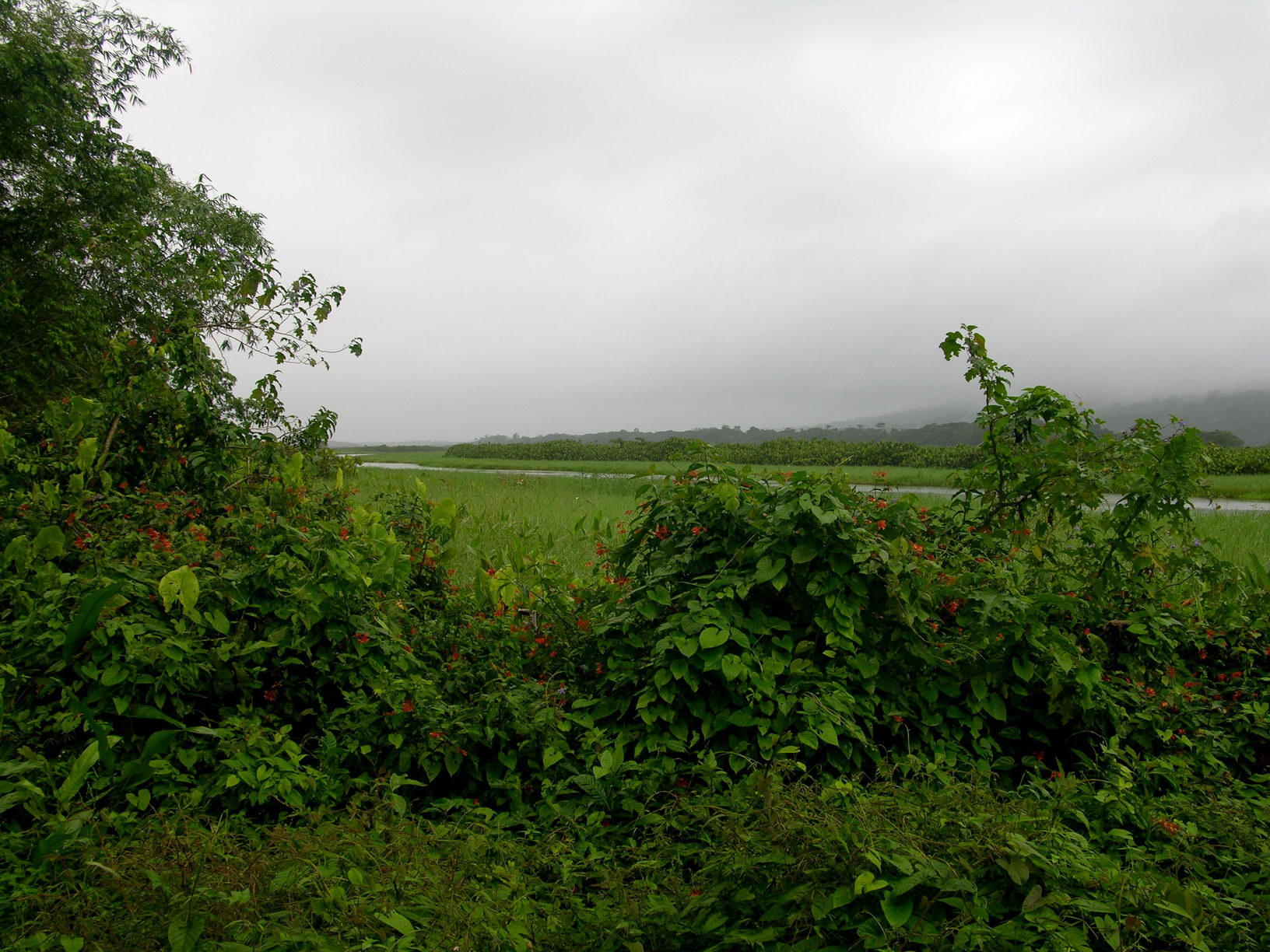
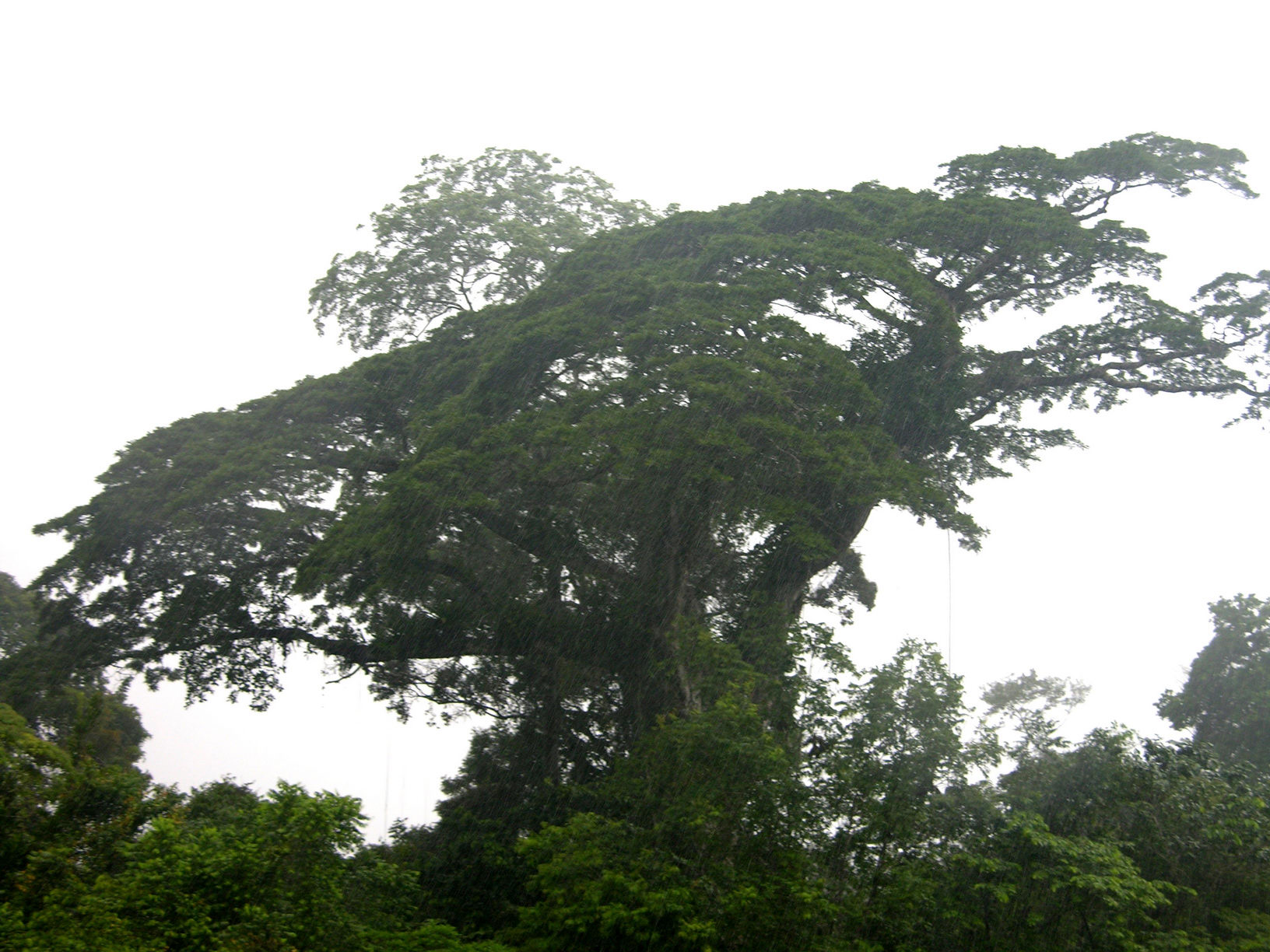
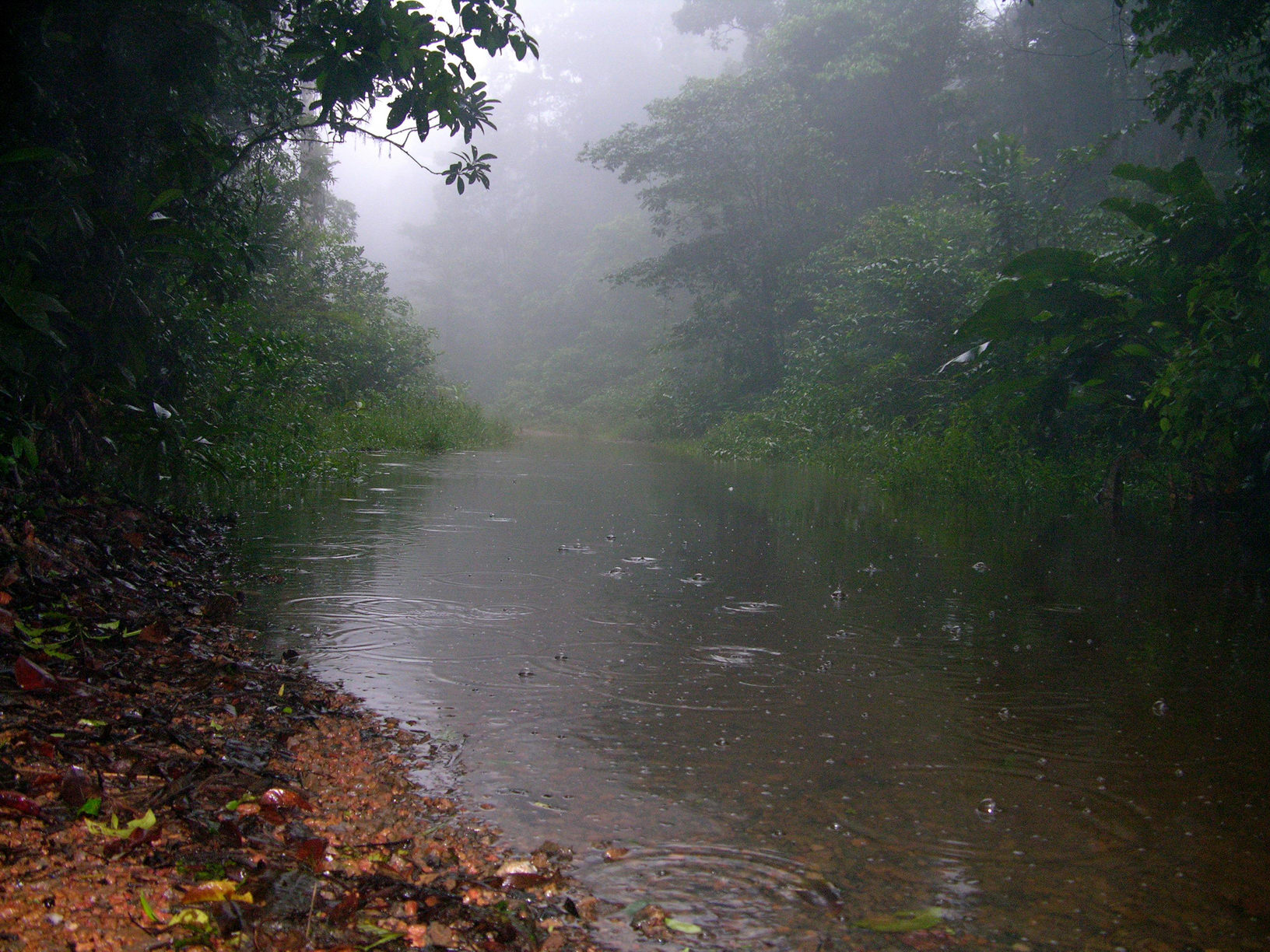
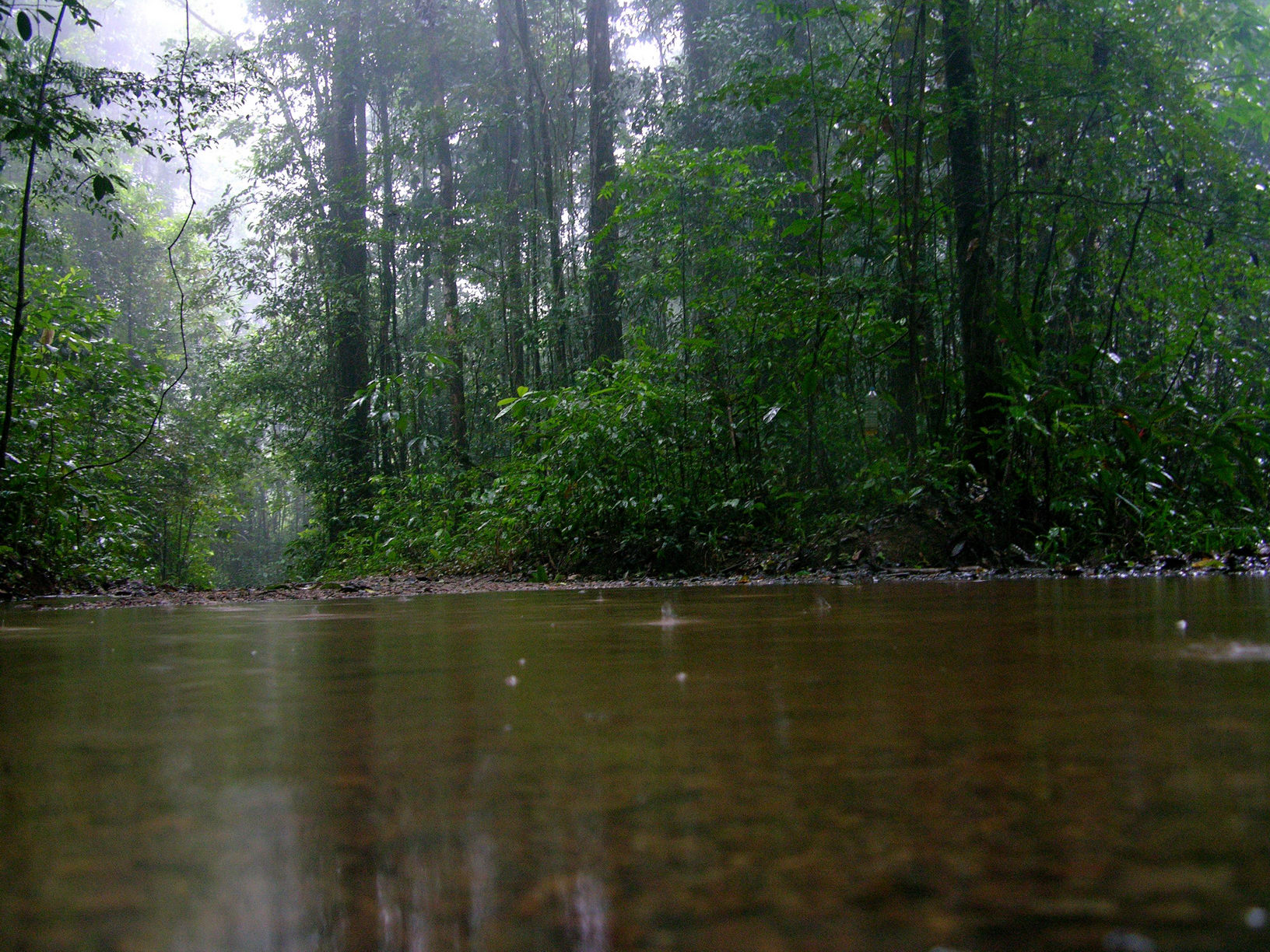
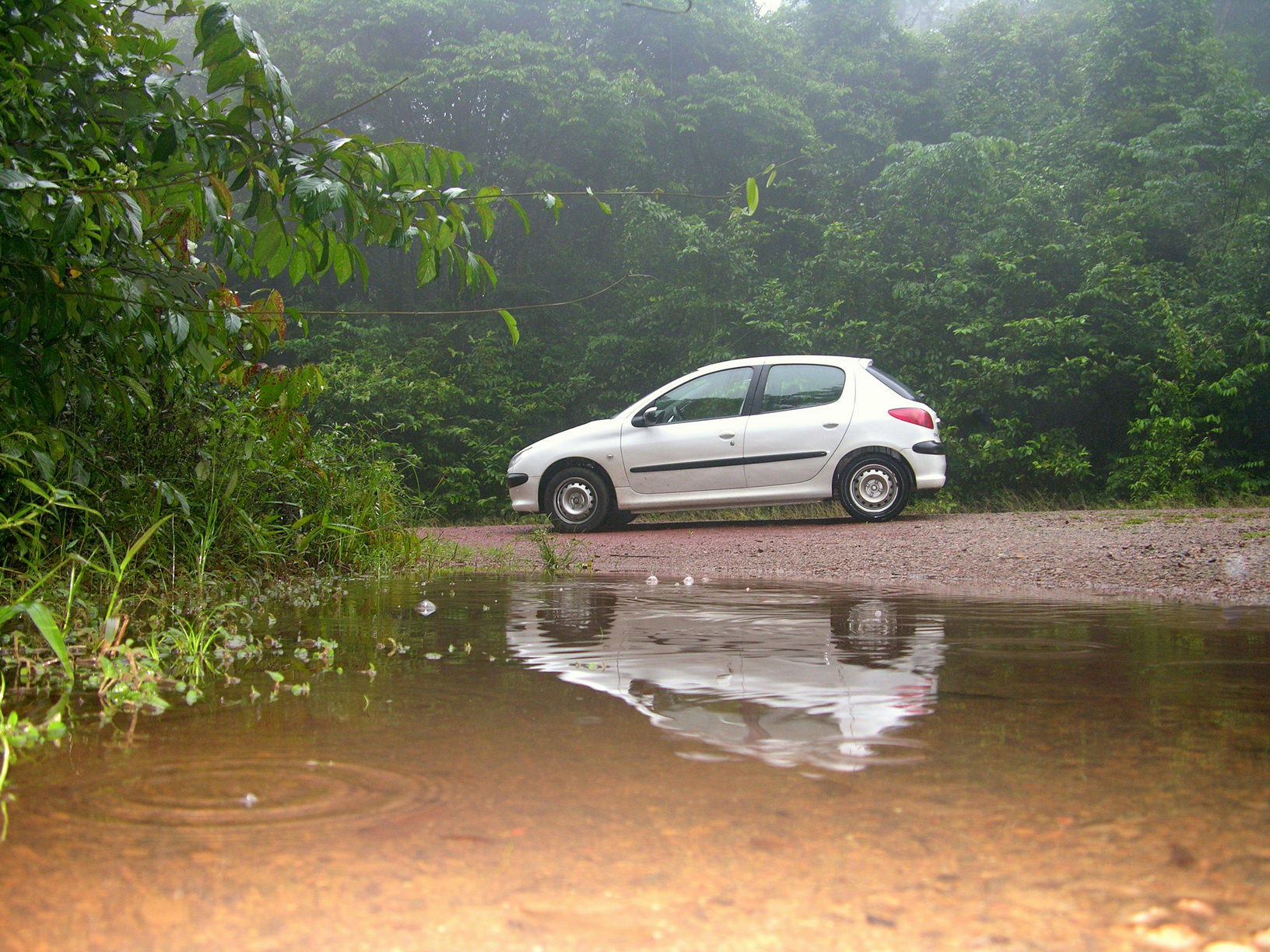
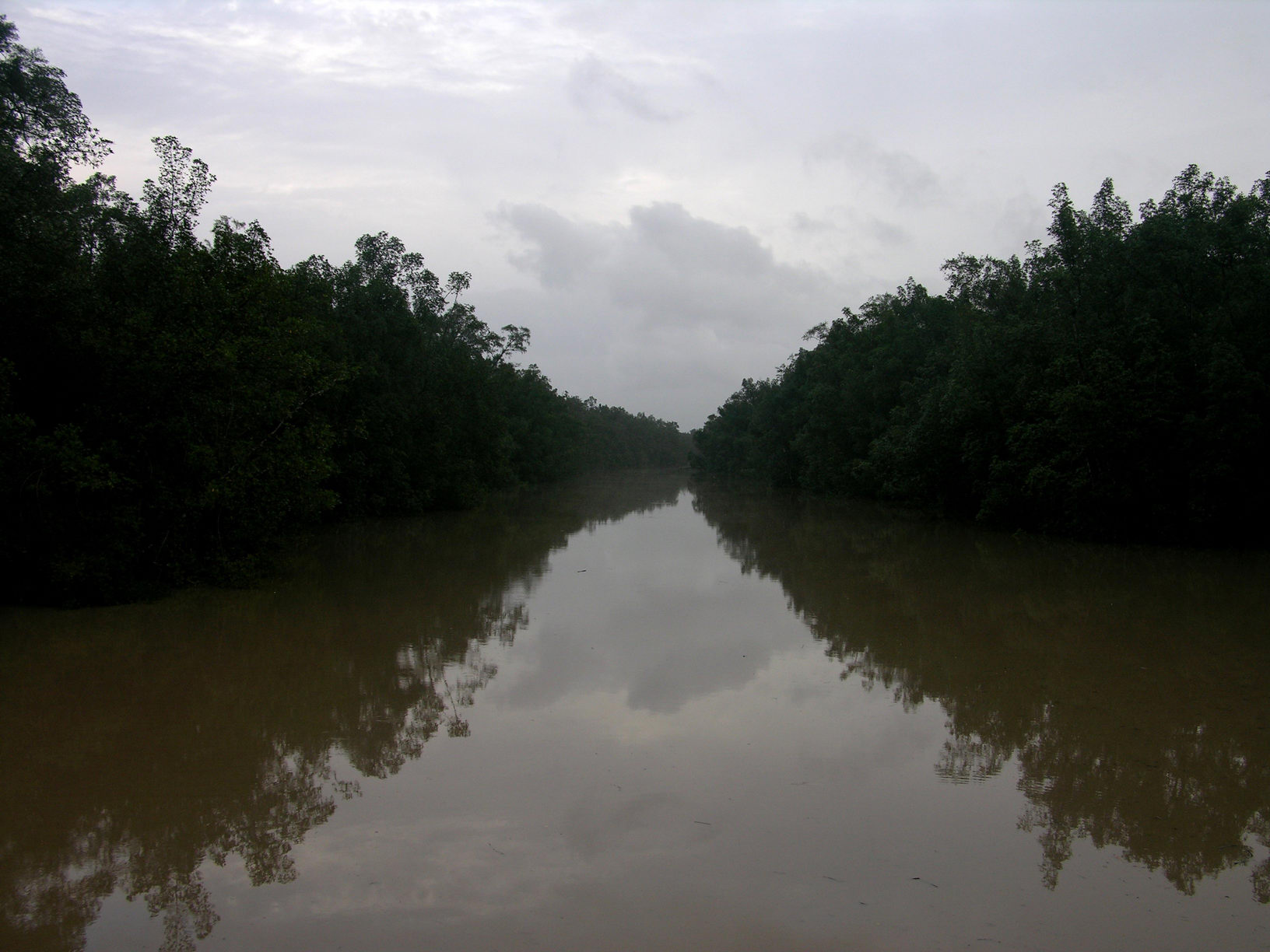
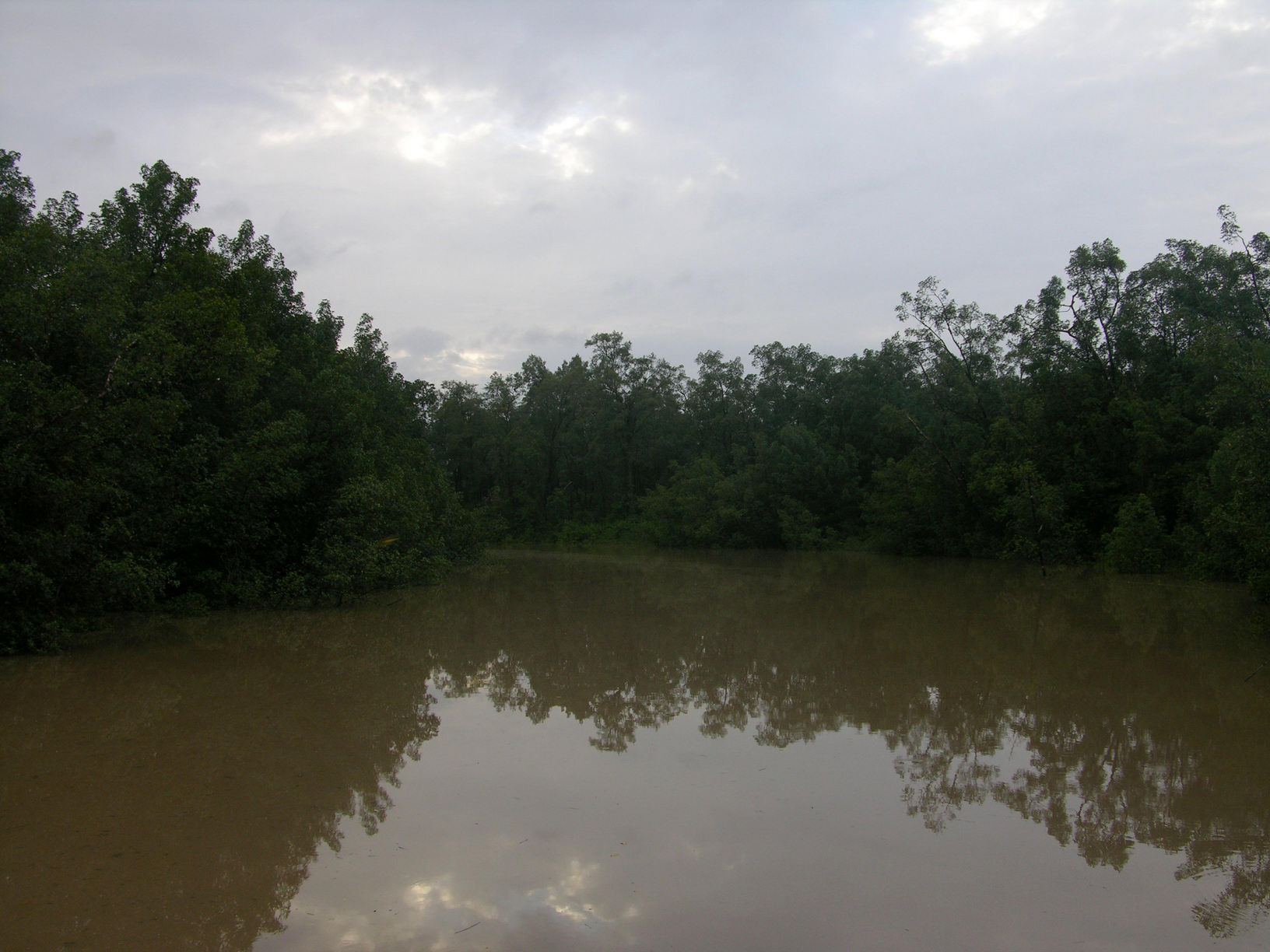
We decided not to go after the caimans. There are enough places in the world where the wetlands are full of them, while here people run after them as though they were a miracle.
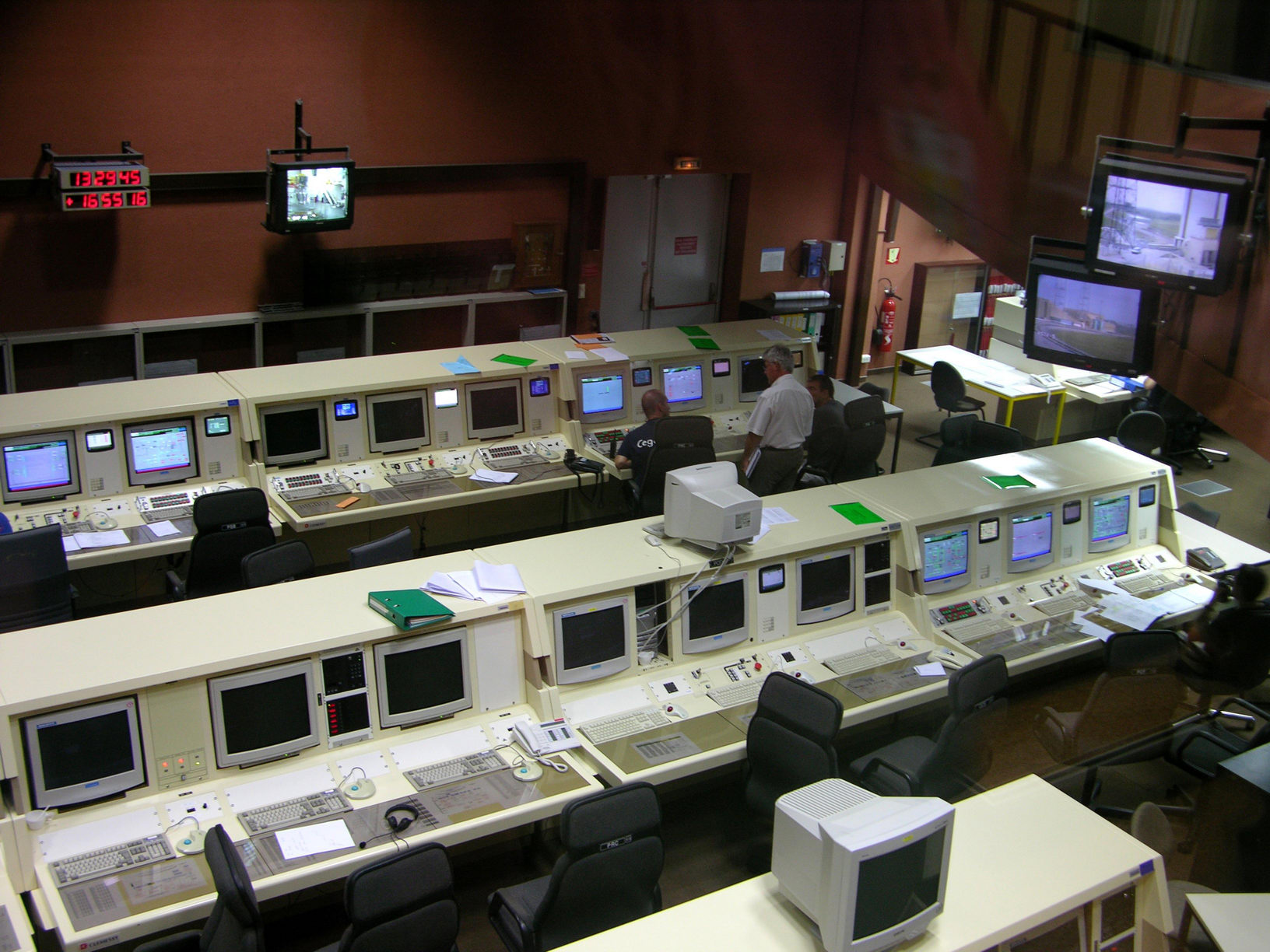
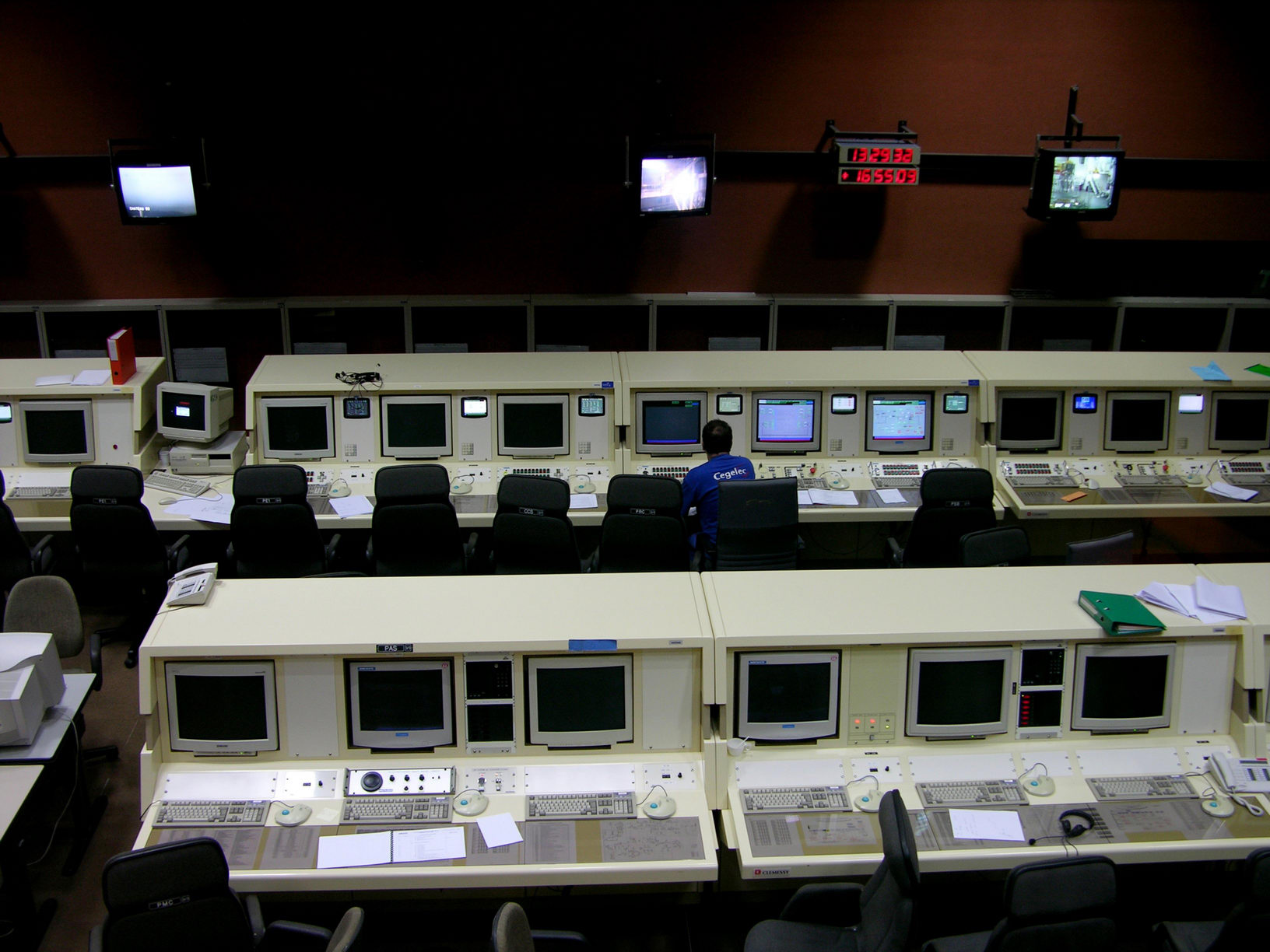
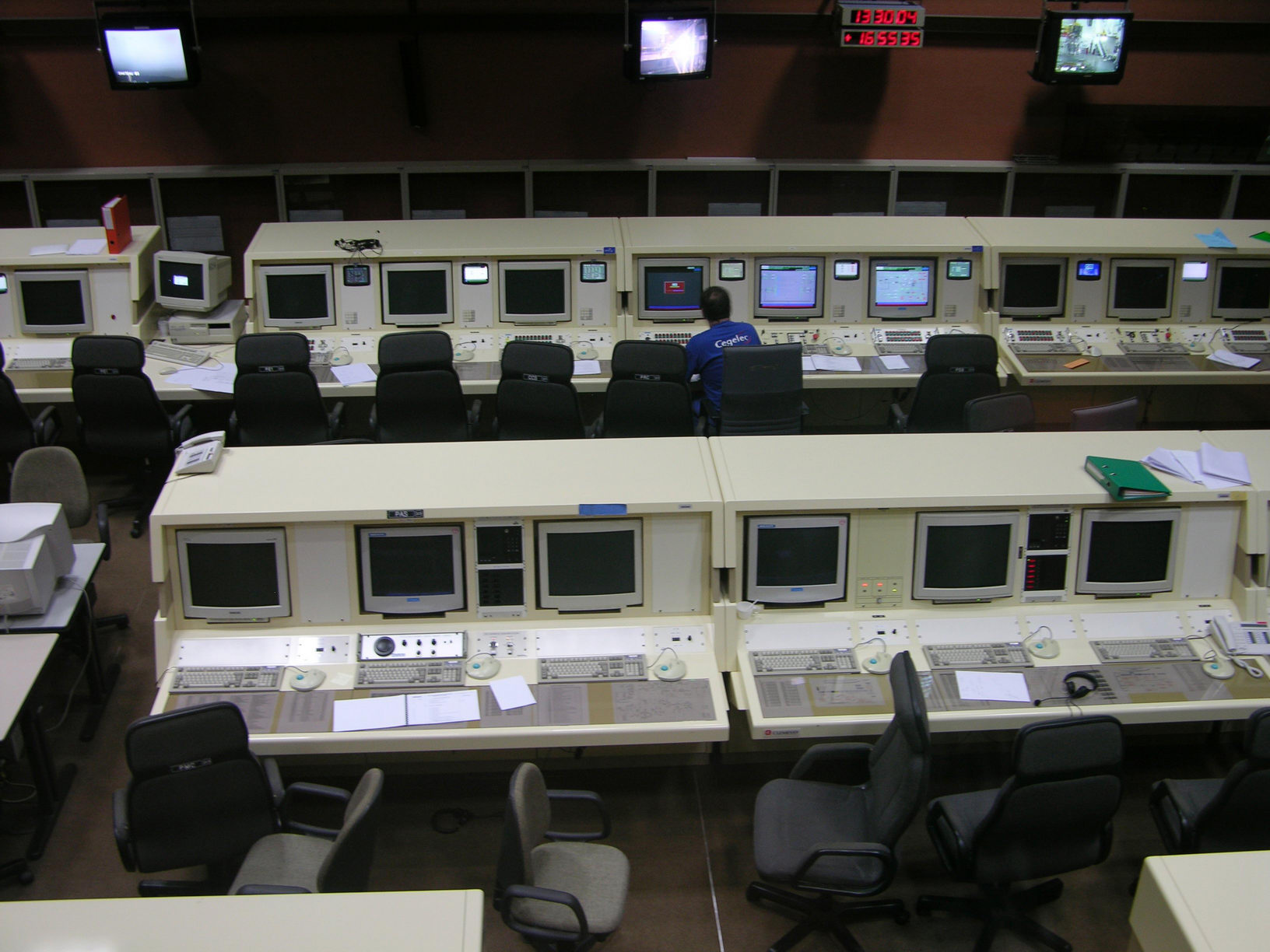
Back to our hotel in Kourou. Tomorrow the space centre would open to visitors. The tour started at 7:30. You were supposed to book in advance, though they took names just before departure as well. The tour was free and in French. It left from the space museum, in the same building as the Jupiter hall. First they took visitors' passports and gave out badges. The tour began in the hall itself, Jupiter, with a film about the rocket and a talk about the space centre. You could listen to the film in English if you asked for a headset and selected English audio. It ran on a vast screen, which shows the orbits and a map of the Earth during a launch. Between launches the hall is empty, so they use it to show films to tourists. It should be said they only show a film in there during a launch as well. The various bosses sit in front of displays looking important, while specialists somewhere else press the little buttons for them. The seats are labelled. Here sits the director of the European Space Agency, there sits the director of the space centre. The especially important ones aren't even given a computer, just a telephone.
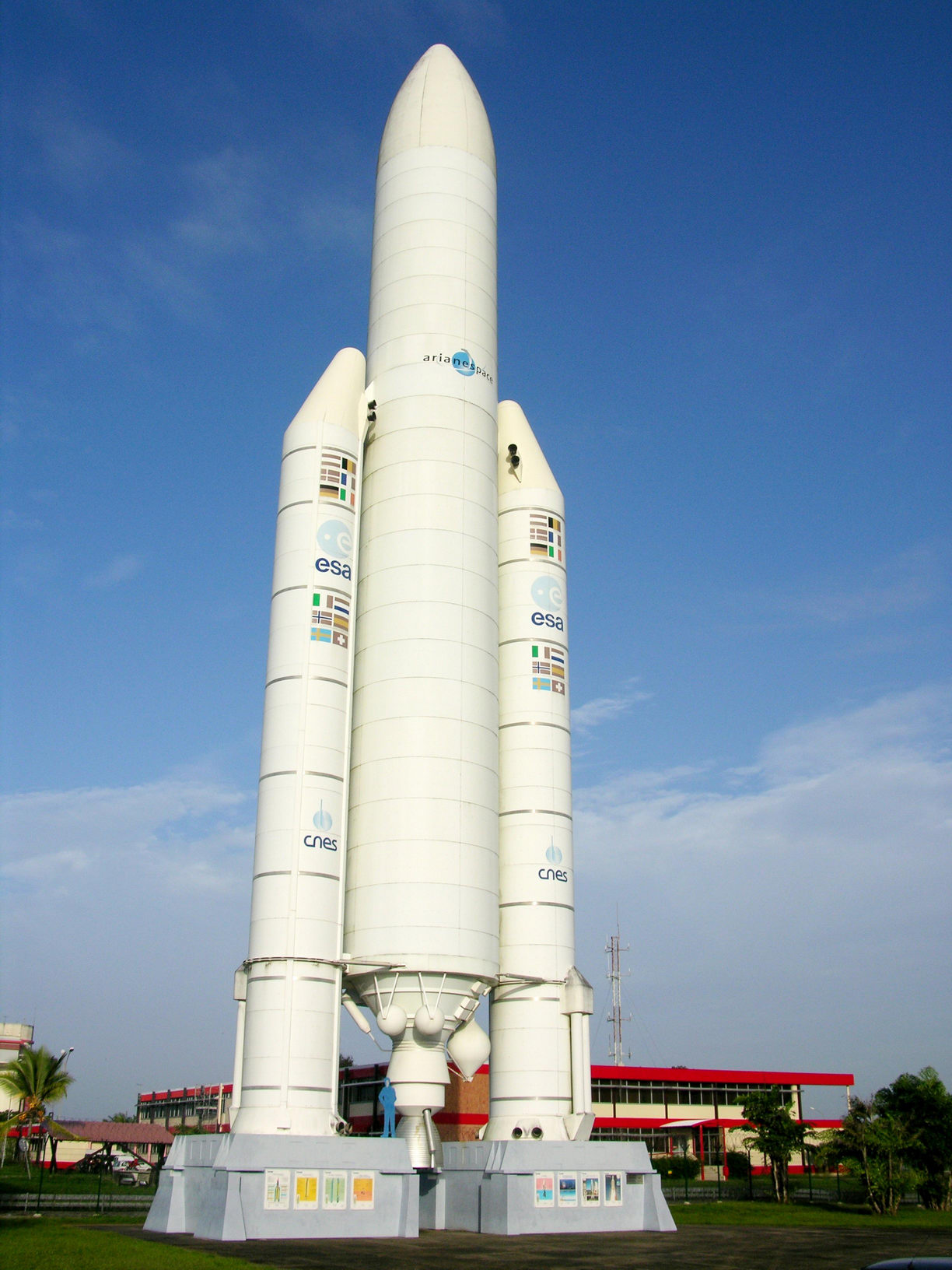
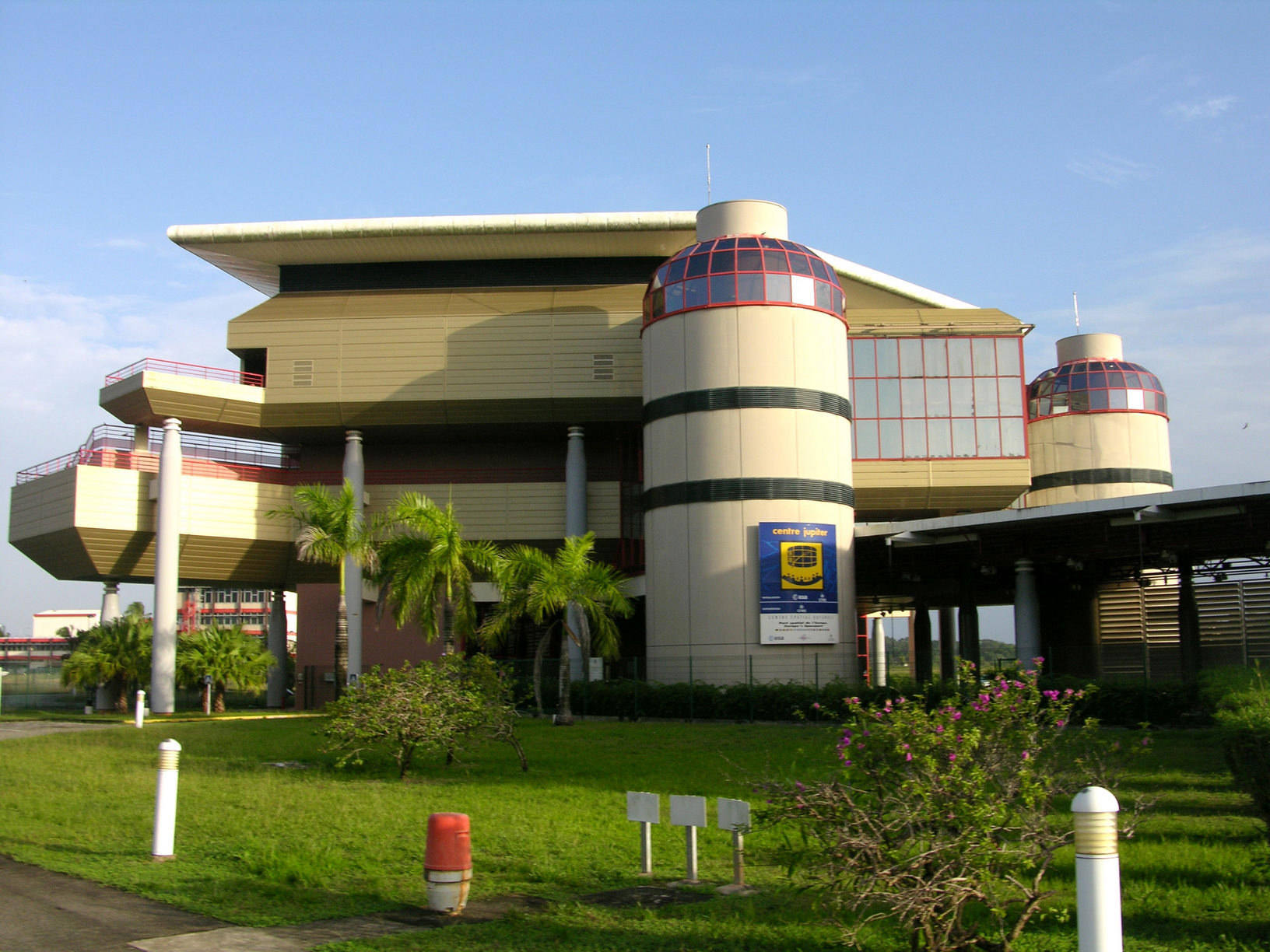
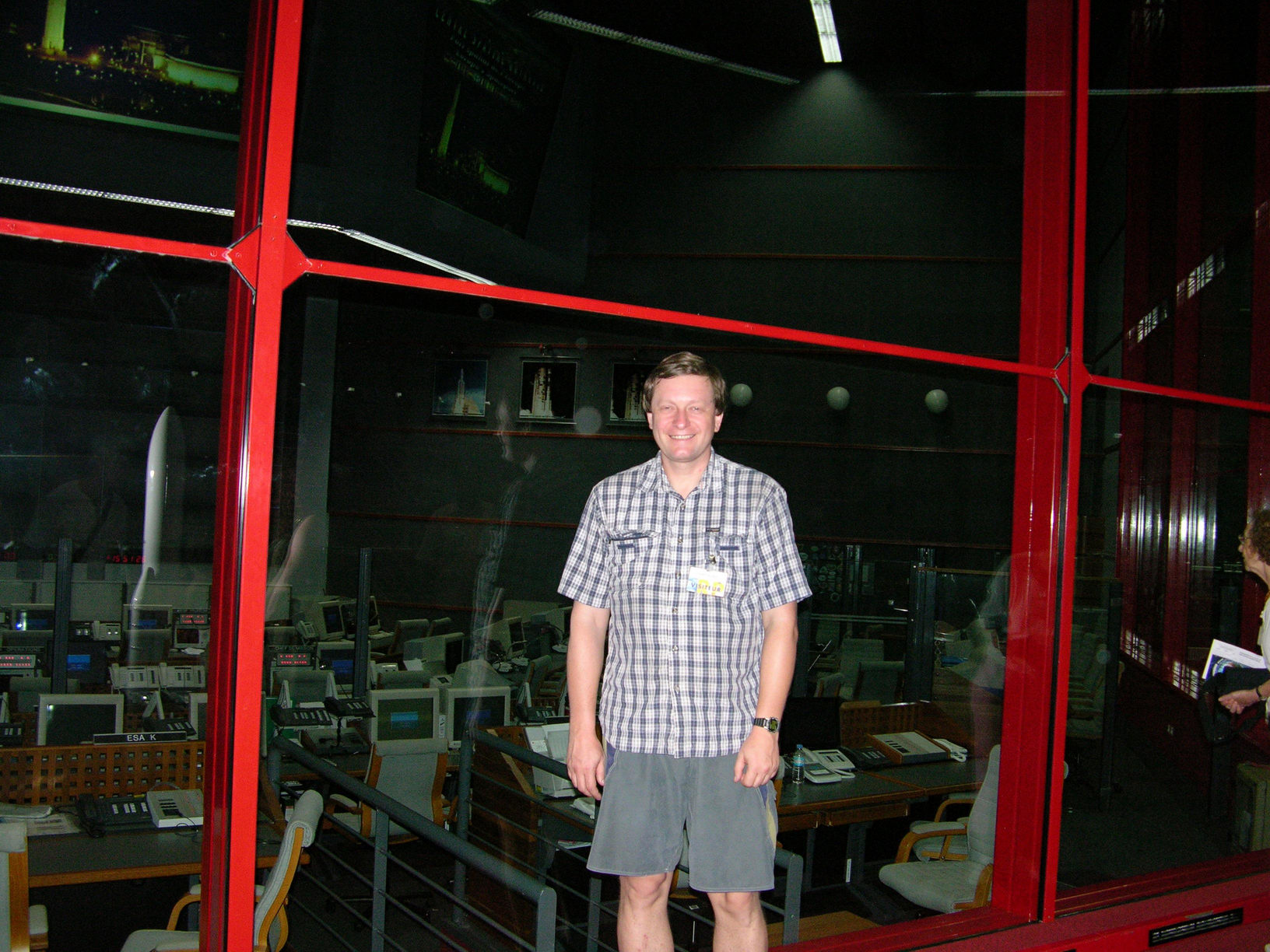
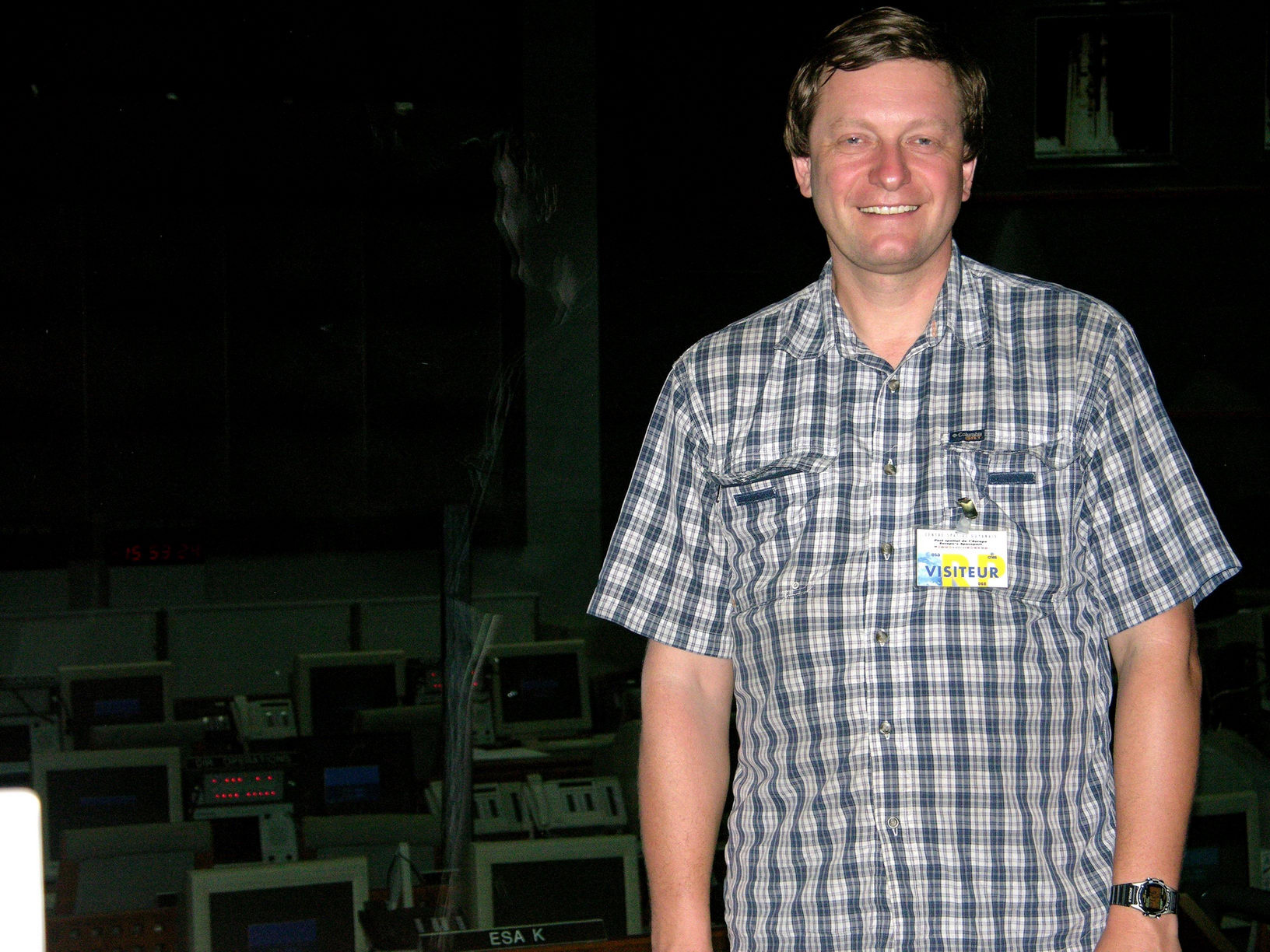
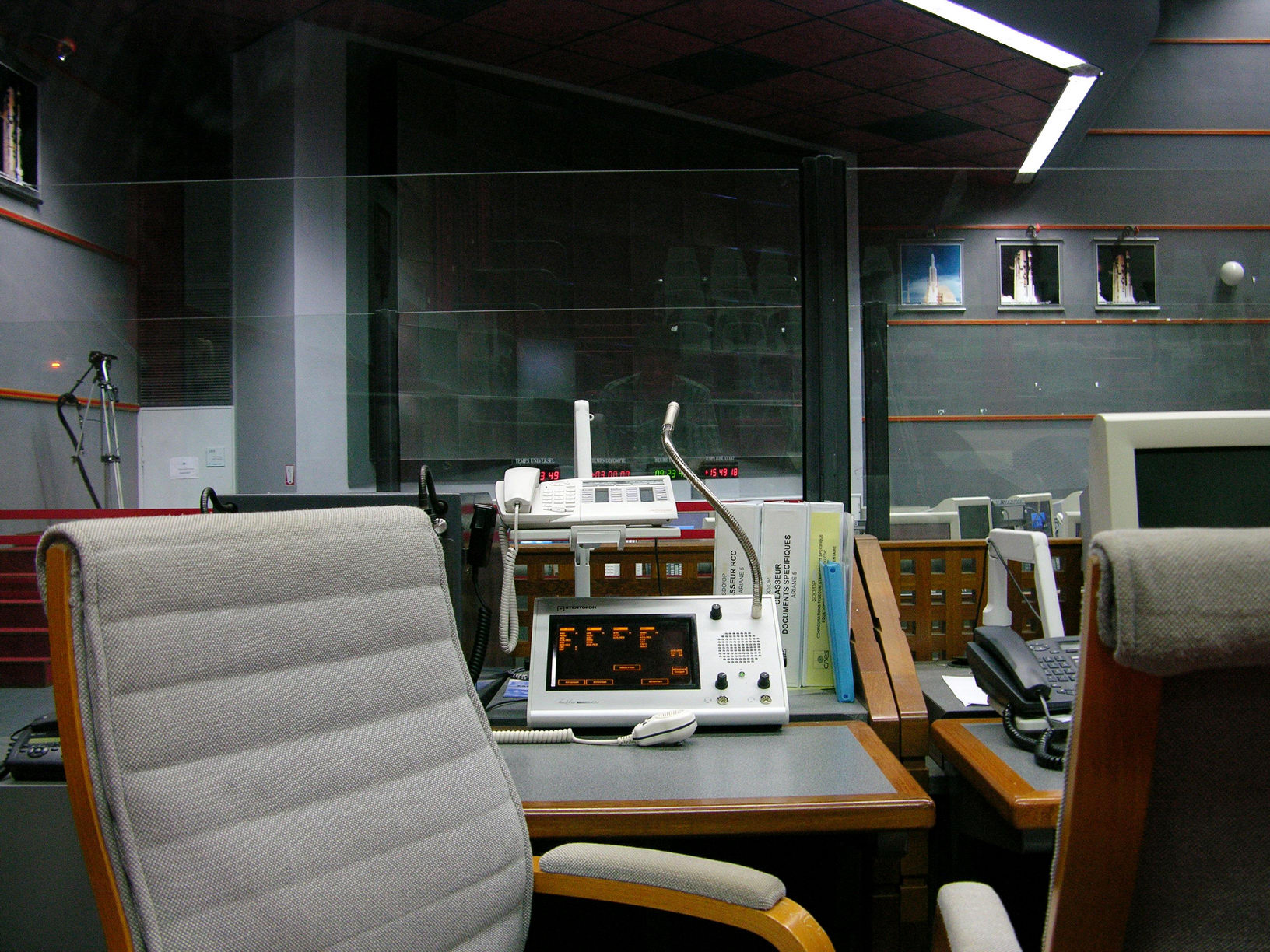
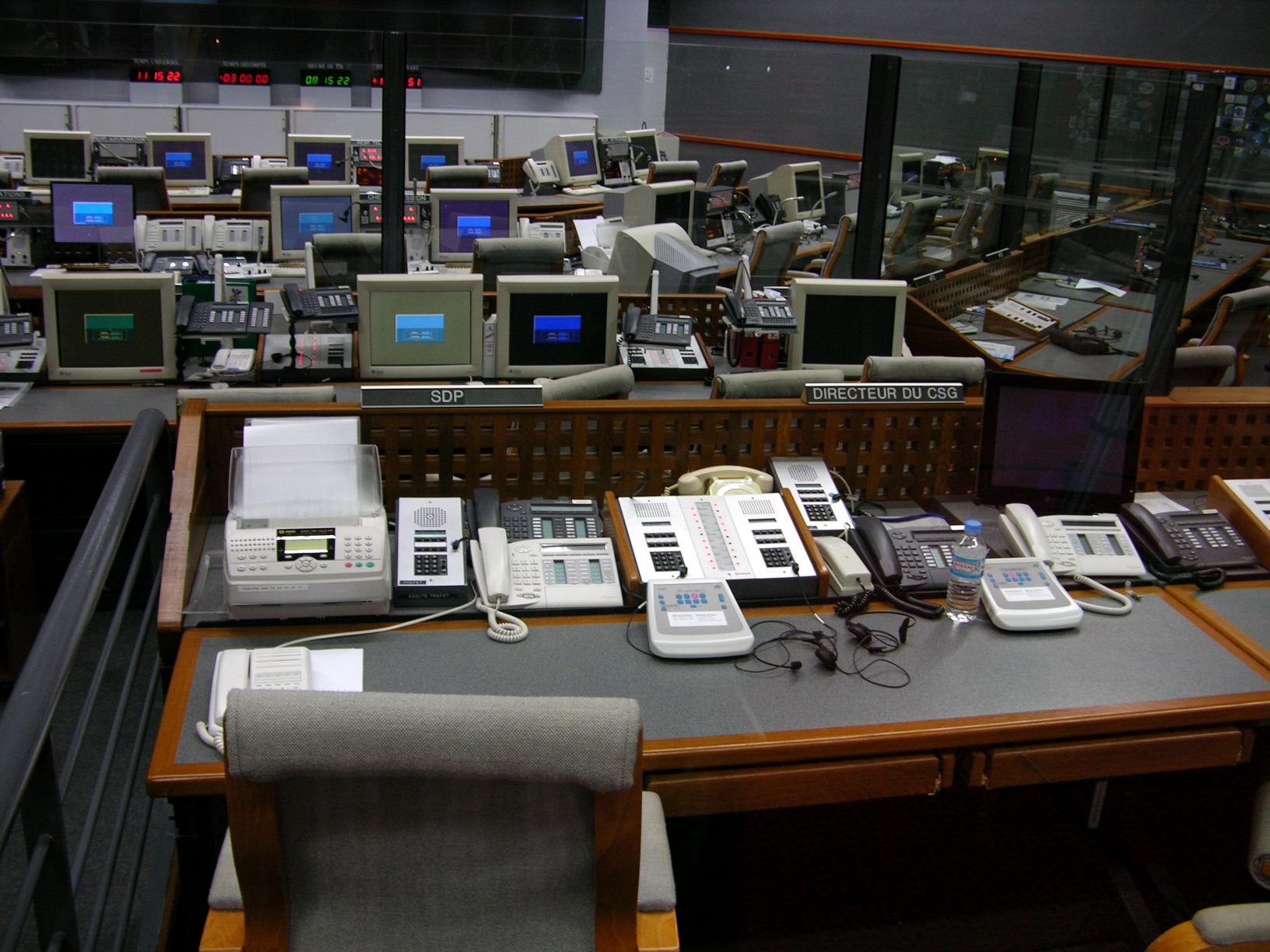
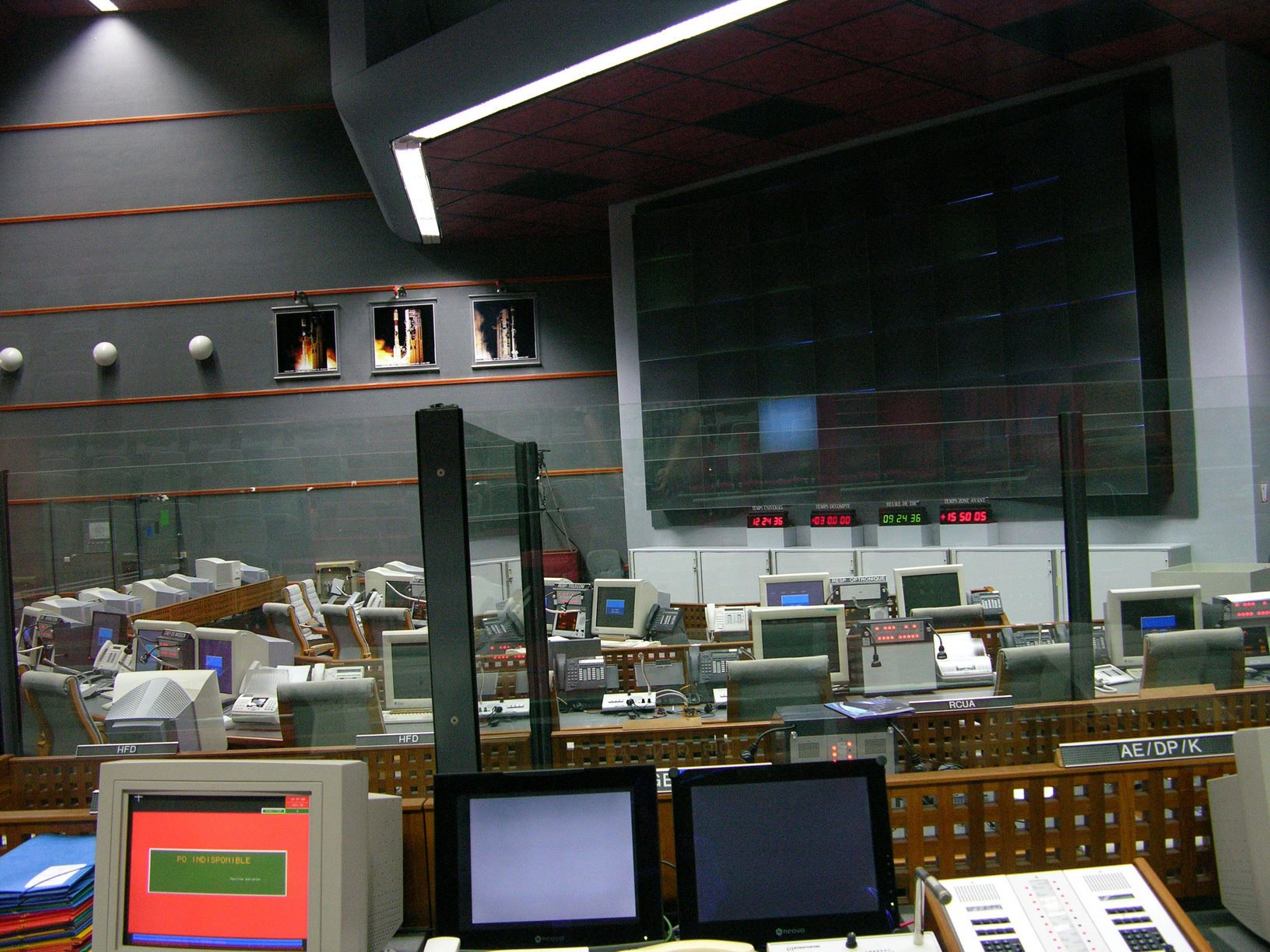
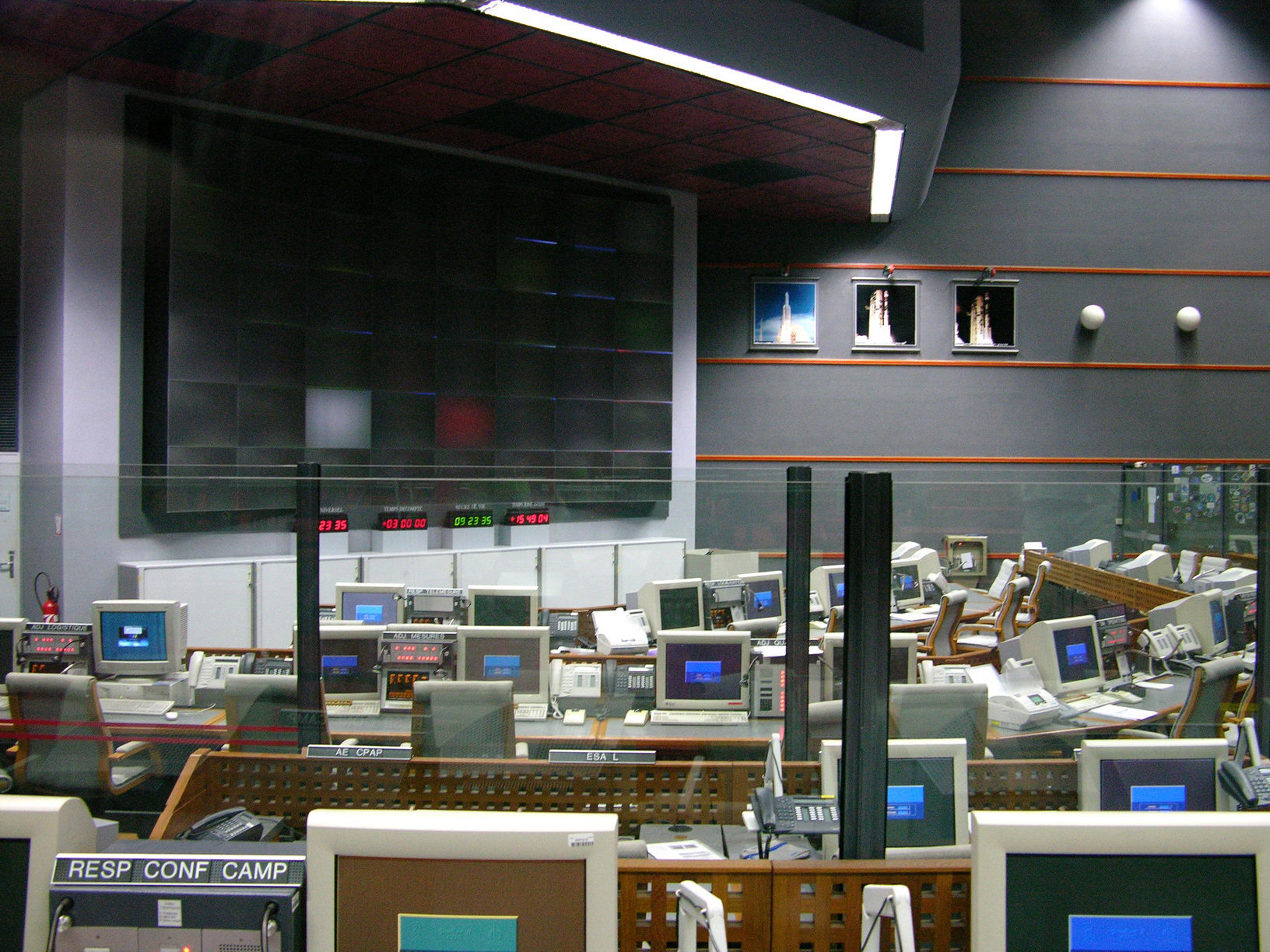
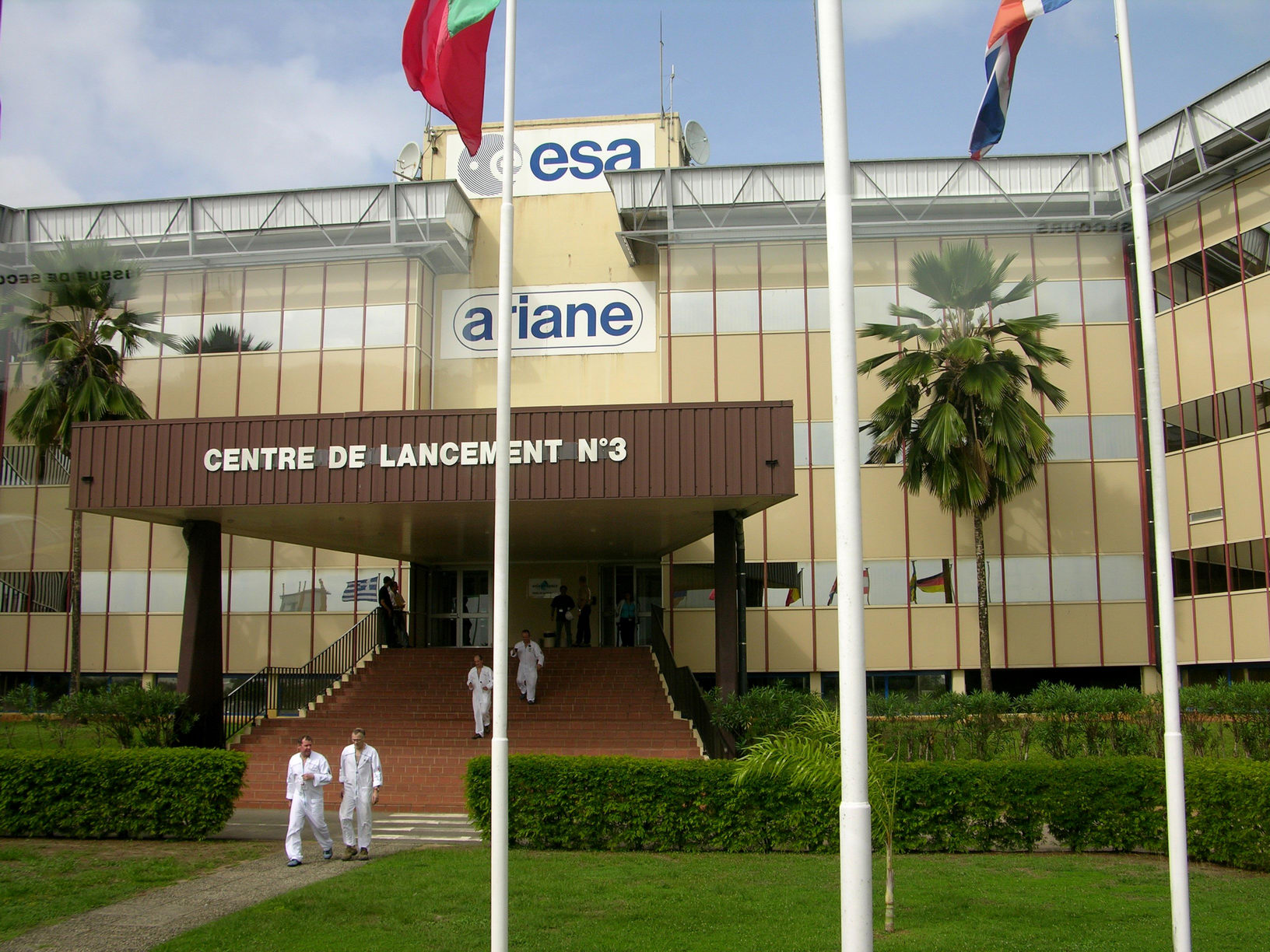
The launch is actually controlled from another building, Centre de Lancement No. 3. The bus takes you there next. The Centre de Lancement No. 3 is much closer to the launchpad, behind the fence. This is where it really starts to smell like a space centre. People wearing cleanroom coats, a room with gas masks by the entrance in case anything blows up, corridors with combination locks and doors into cleanrooms. There are a lot of buildings on the site. Satellites are prepared in another one.
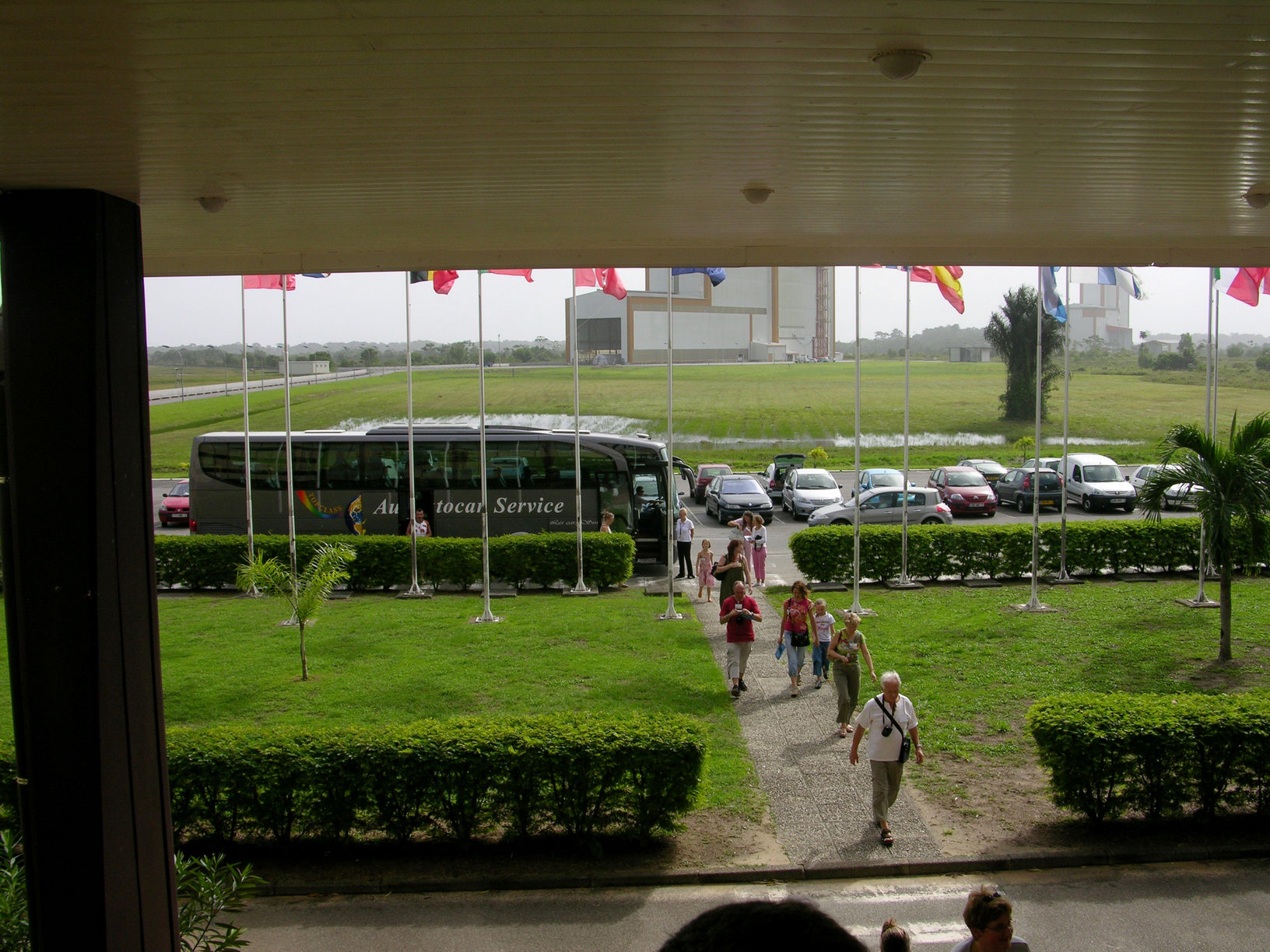
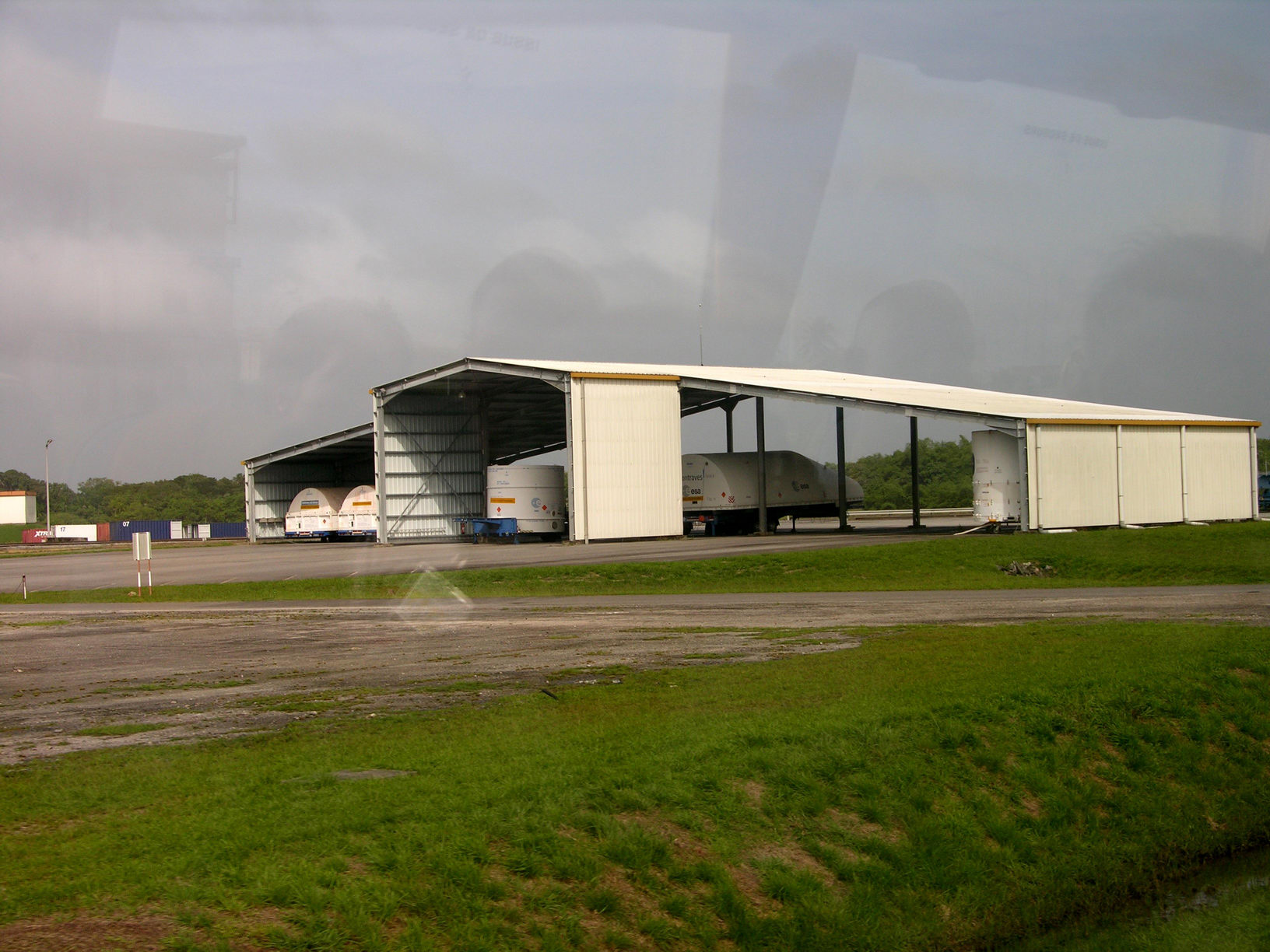
At the time only Ariane 5 rockets were launched from the space centre. The pad for Ariane 4 was no longer in use. The Ariane 1 pad was being converted for the new, inexpensive smaller Vega rockets.
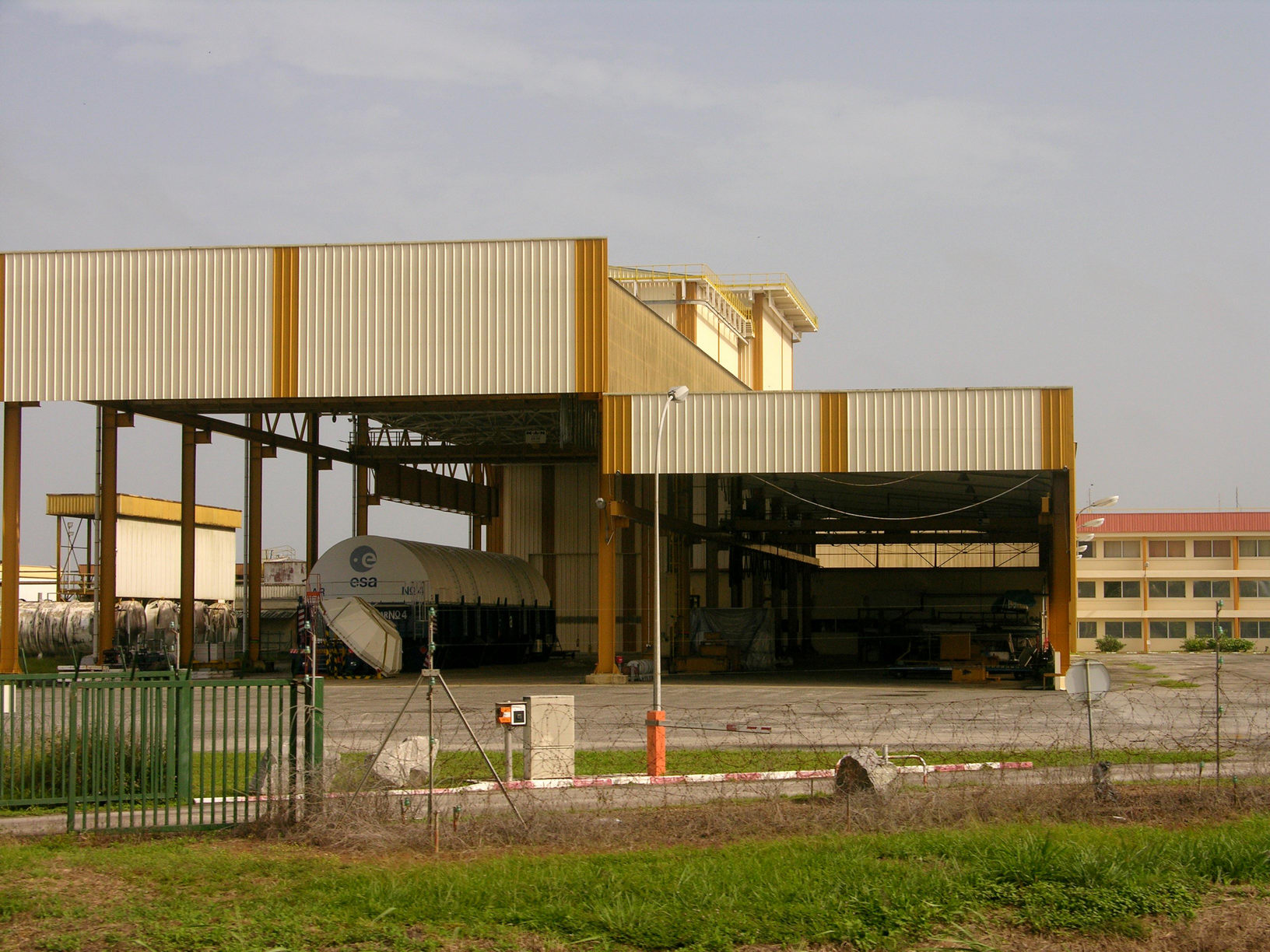
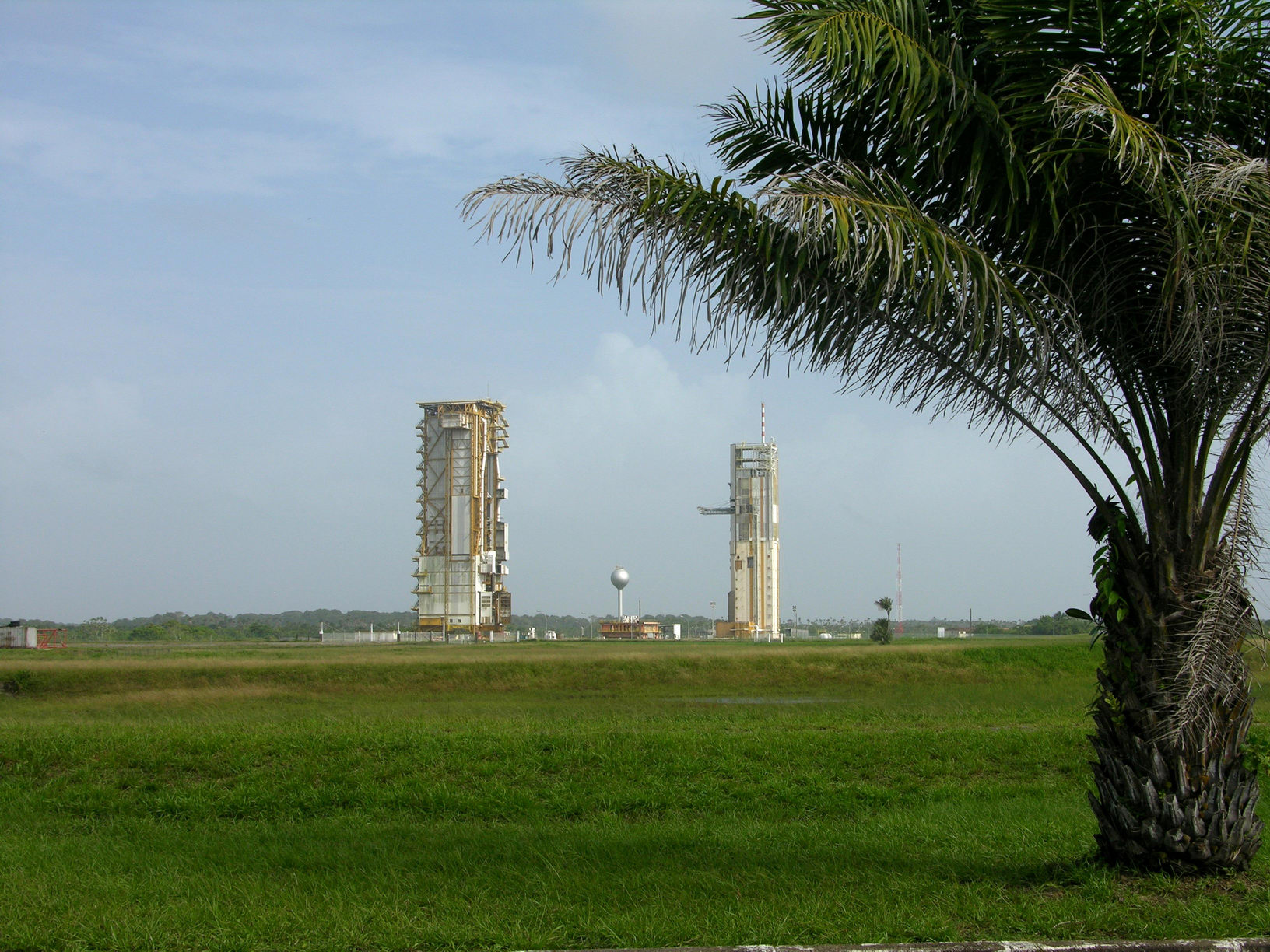
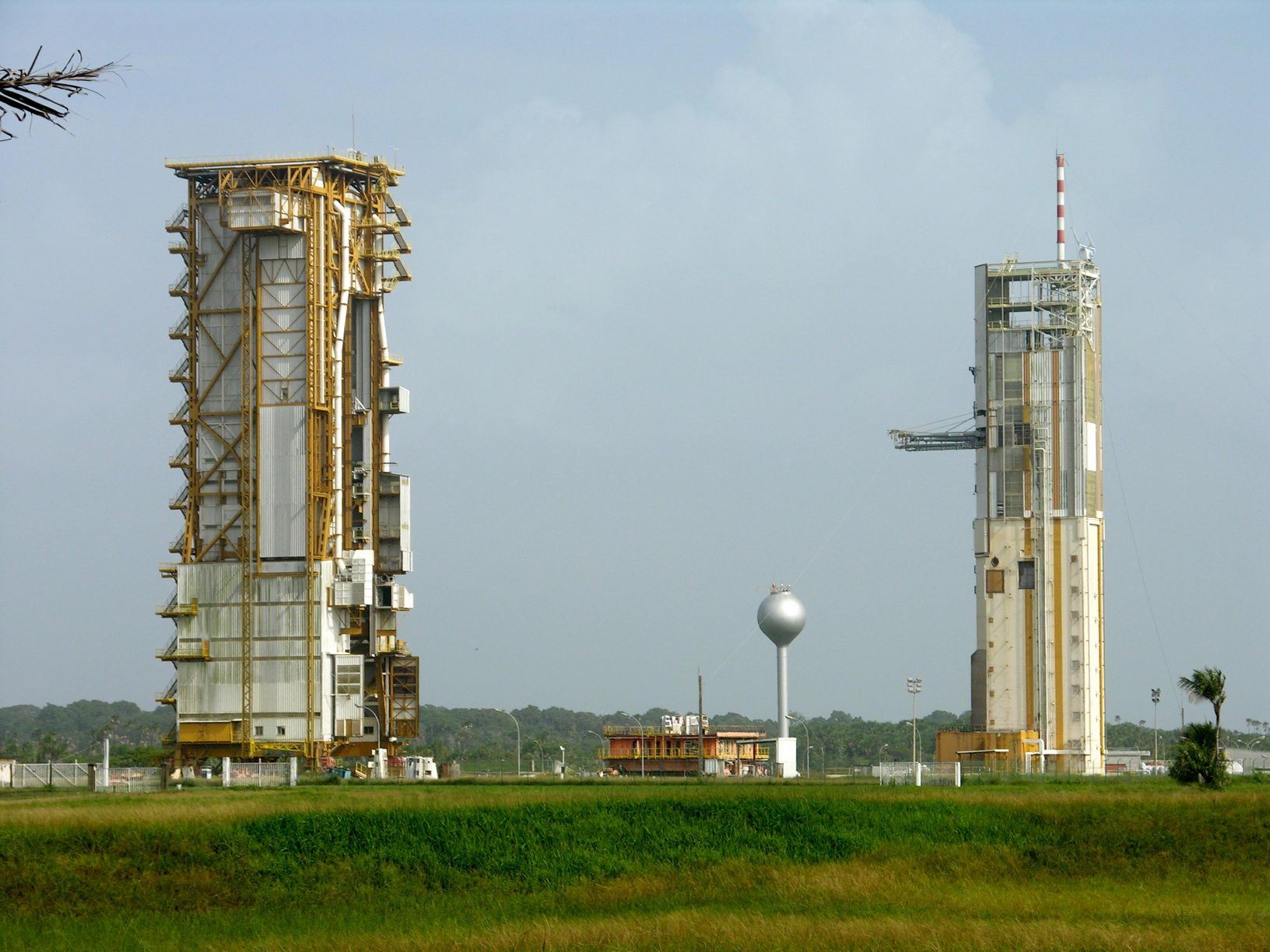
The Kourou space centre was built in the early sixties after the French were driven out of Algeria, where they had begun their space programme.
From 1968 they first tested the Véronique ballistic rocket here, then in 1970 launched the first Diamant satellite. When the European Space Agency was formed, the space centre became international and the Europa II rocket was launched from it.
Ariane launches began in 1979. Only a few a year, but they were cheap. Geostationary satellites, which make up most commercial launches, are best launched near the equator. Guiana is ideal for that. It's at five degrees latitude, there are no strong hurricanes, spent rocket stages fall into the ocean, and there's no need to pay outrageous sums to local governments.
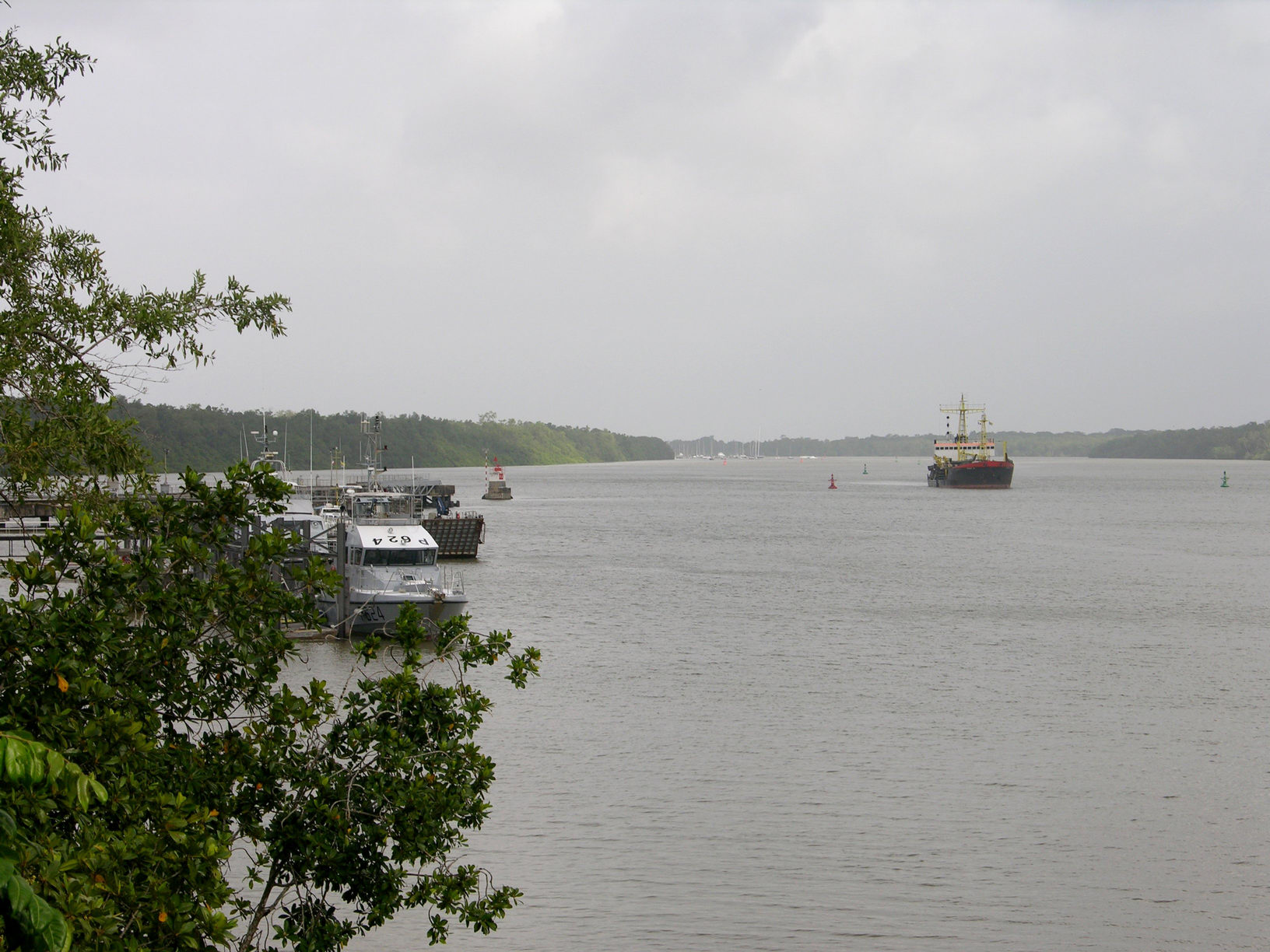
The Ariane 5 rocket has three stages, as the diary described it. The first two light at the same time, but initially the second stage runs at low power and the two solid boosters provide most of the thrust. They're made entirely at the space centre. The second stage runs on kerosene and liquid oxygen. A launch needs 180 tonnes of kerosene. The third stage uses liquid hydrogen and oxygen. The liquefied gases are also prepared near the pad. The second and third stages arrive by ship from Toulouse, in France. A special ship ties up at a dedicated berth on the quay in Kourou. They unload it at night, and a huge tractor hauls the rocket parts through town to the space centre. It's done at night, otherwise there'd be traffic jams. One of the ships came in while we were there. It was two months before the launch. The satellites fly into Cayenne from Europe or America in Antonov Ruslan aircraft.
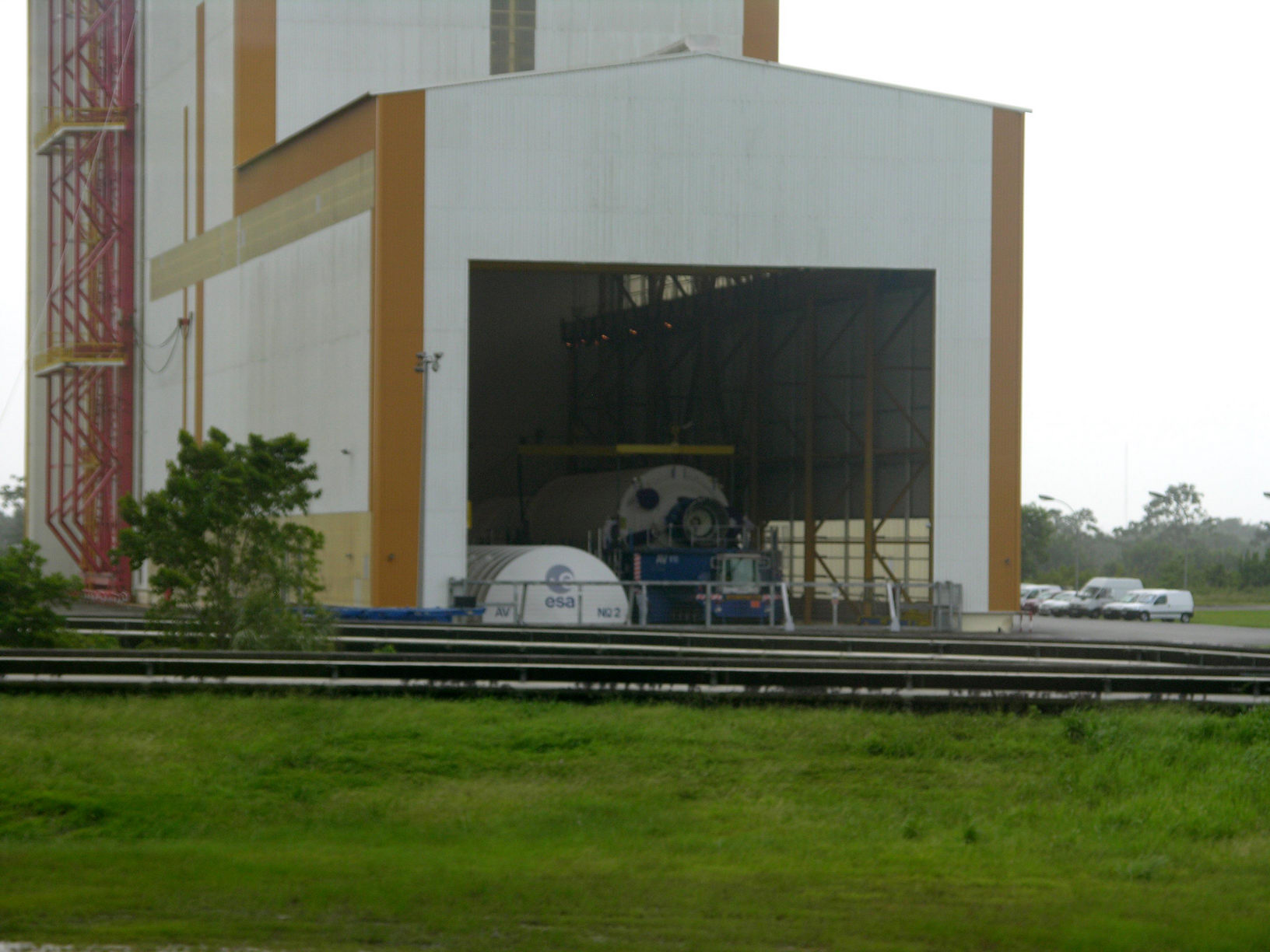
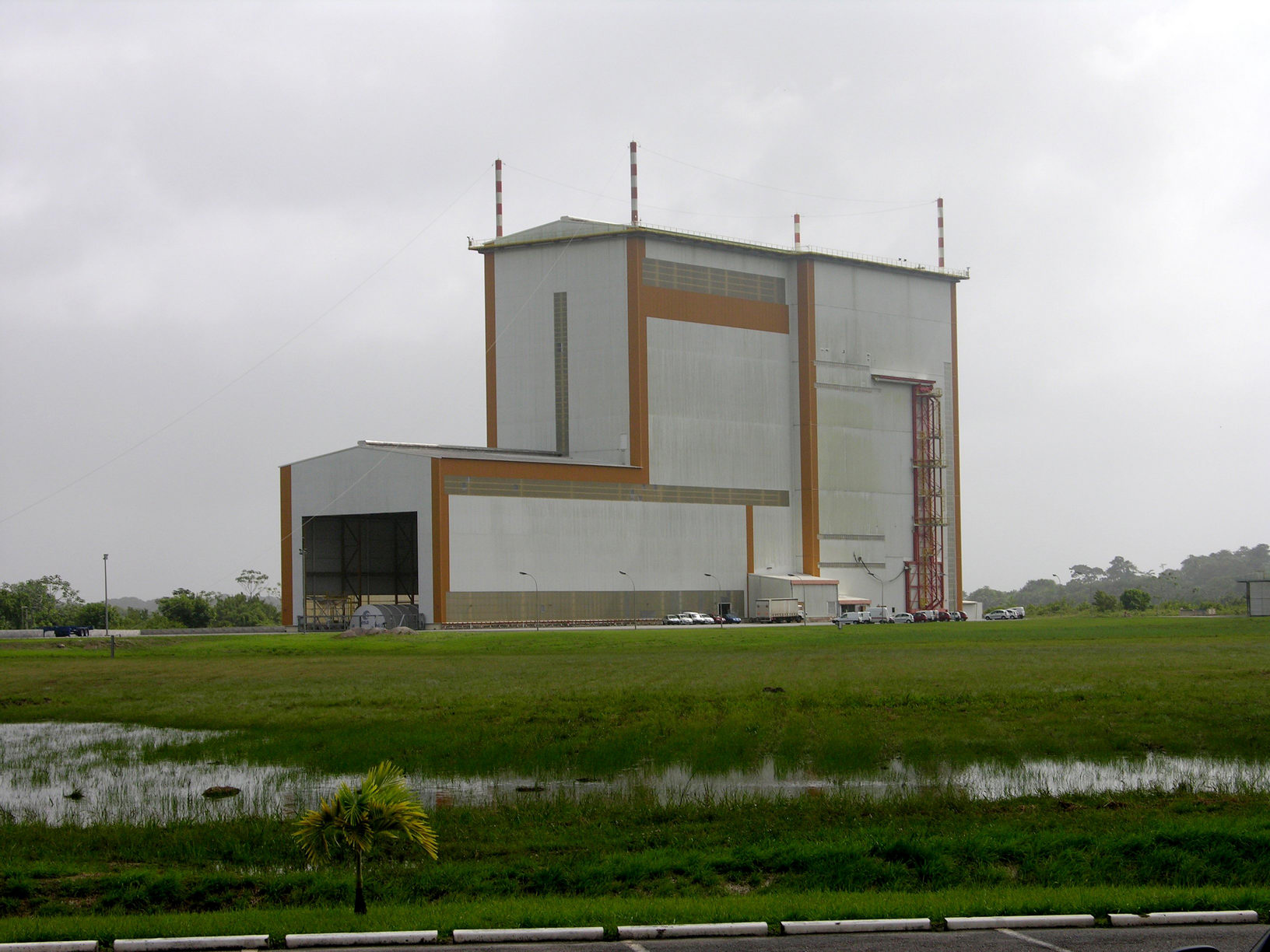
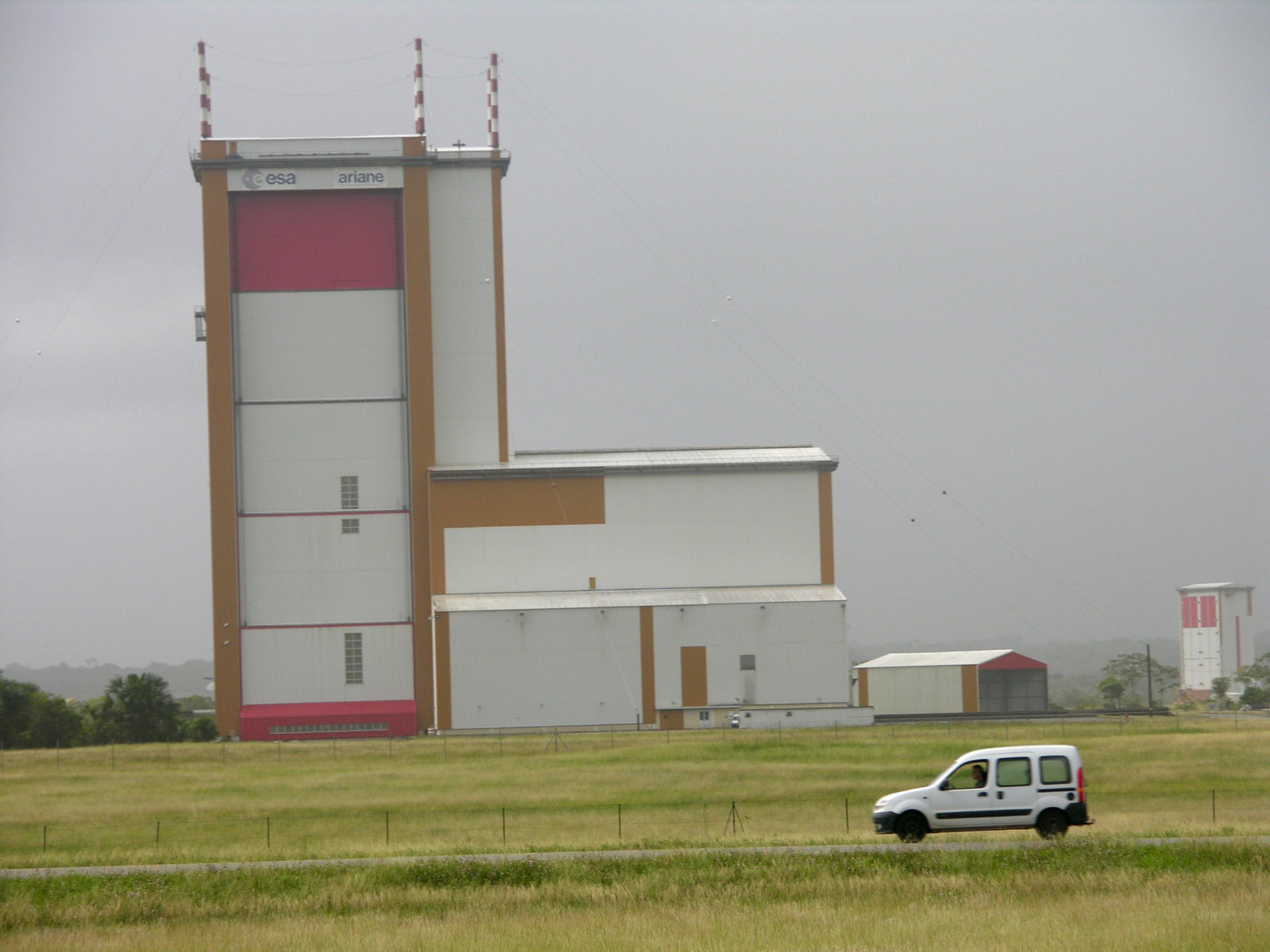
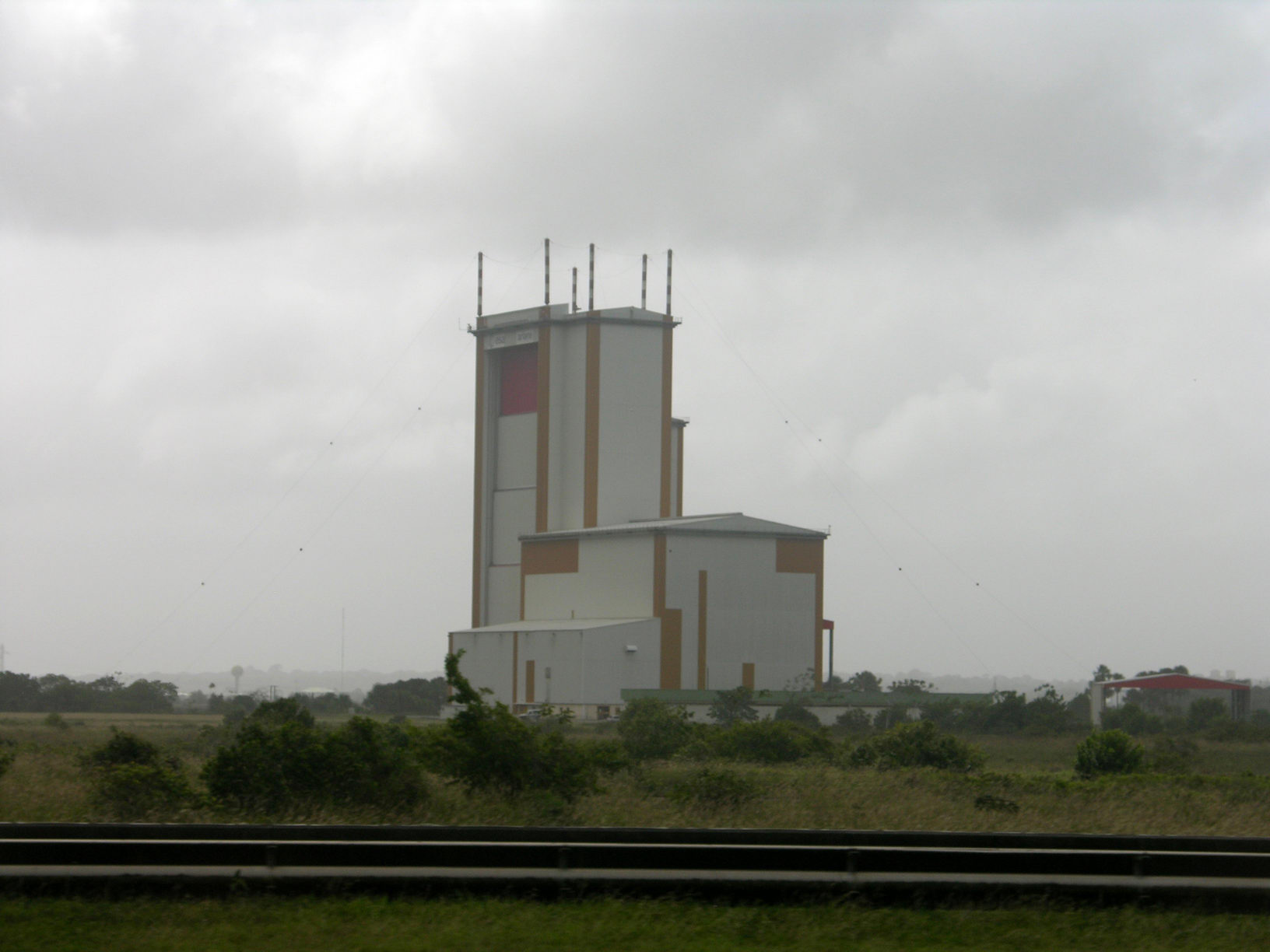
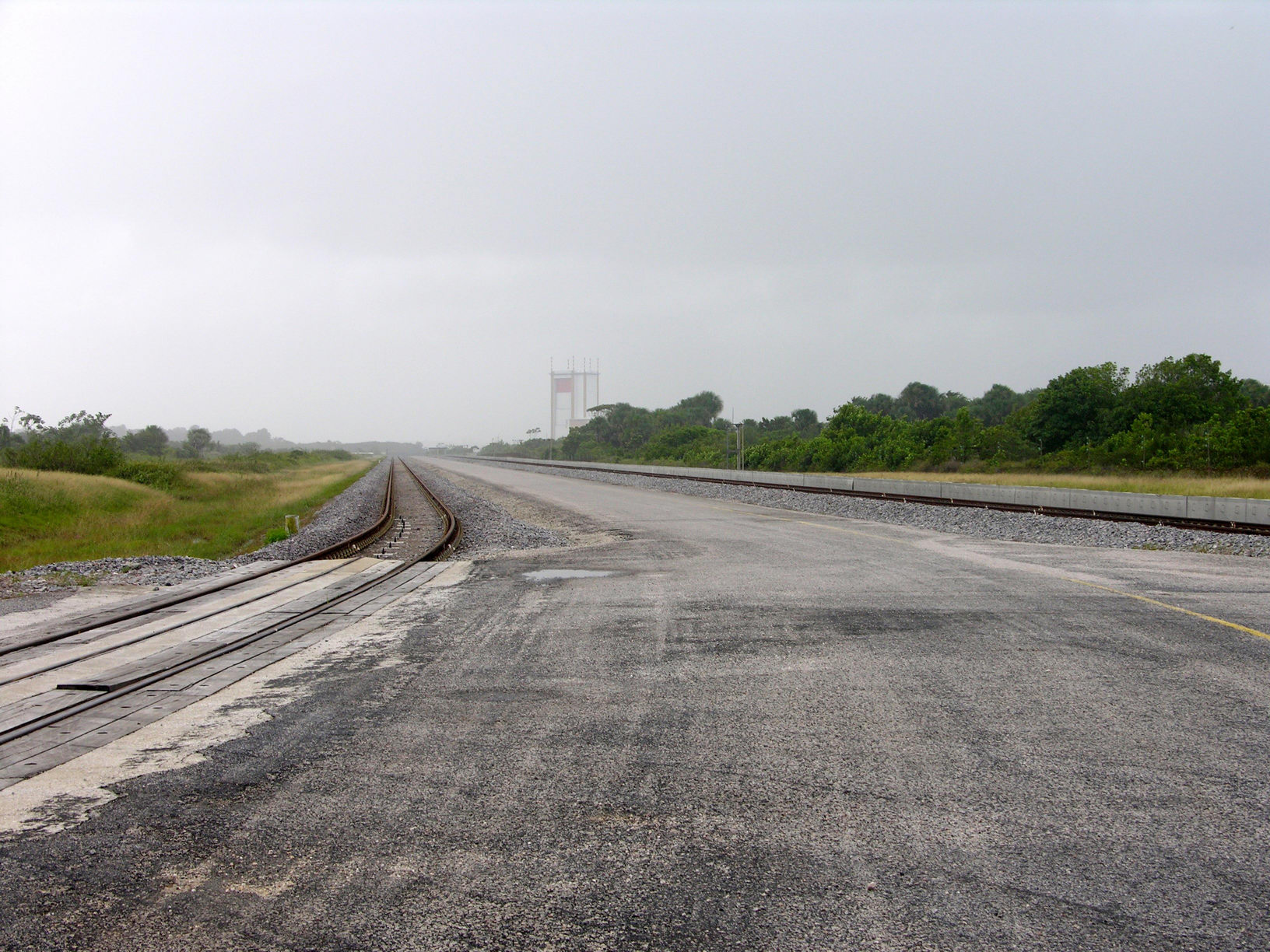
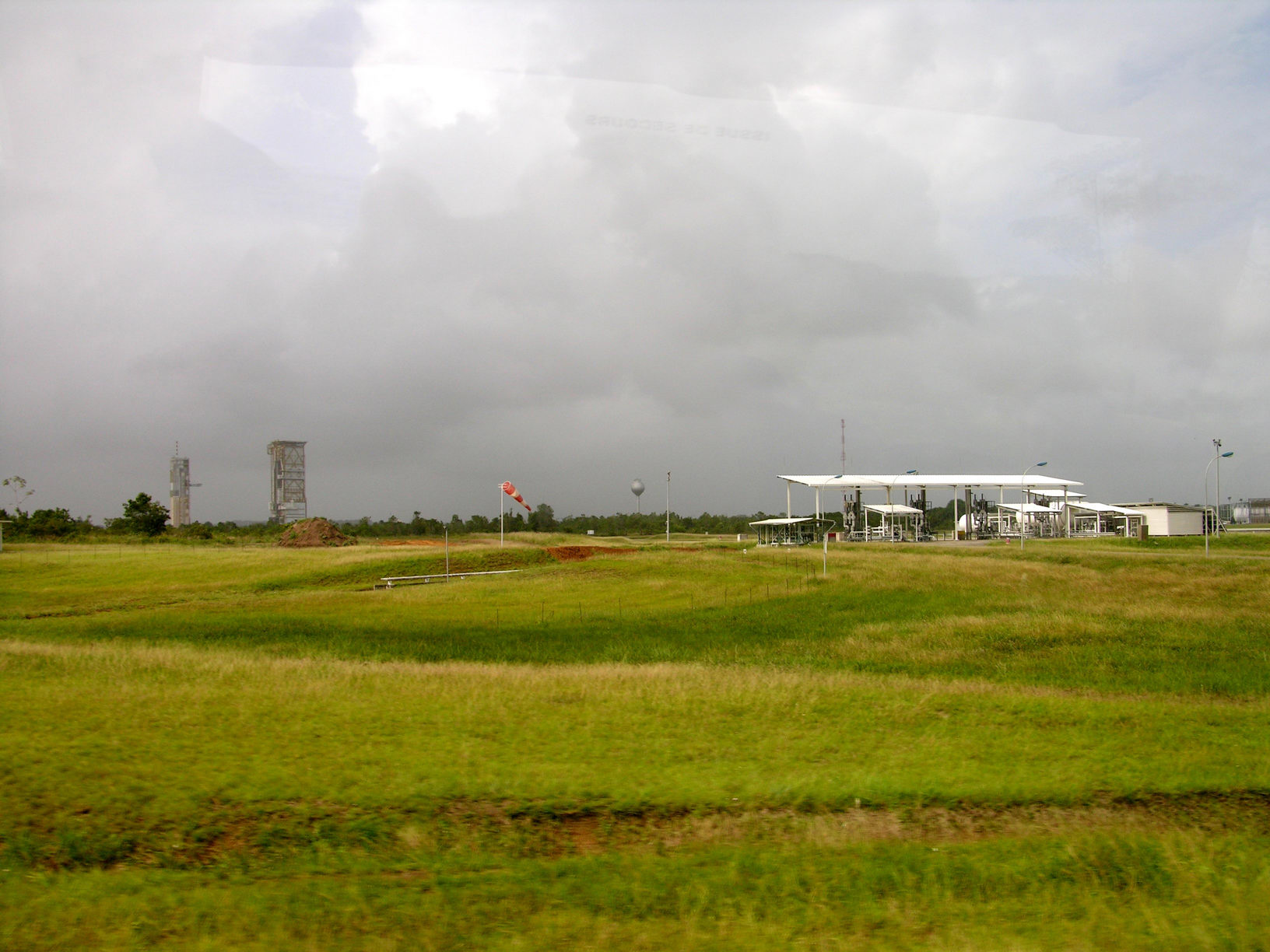
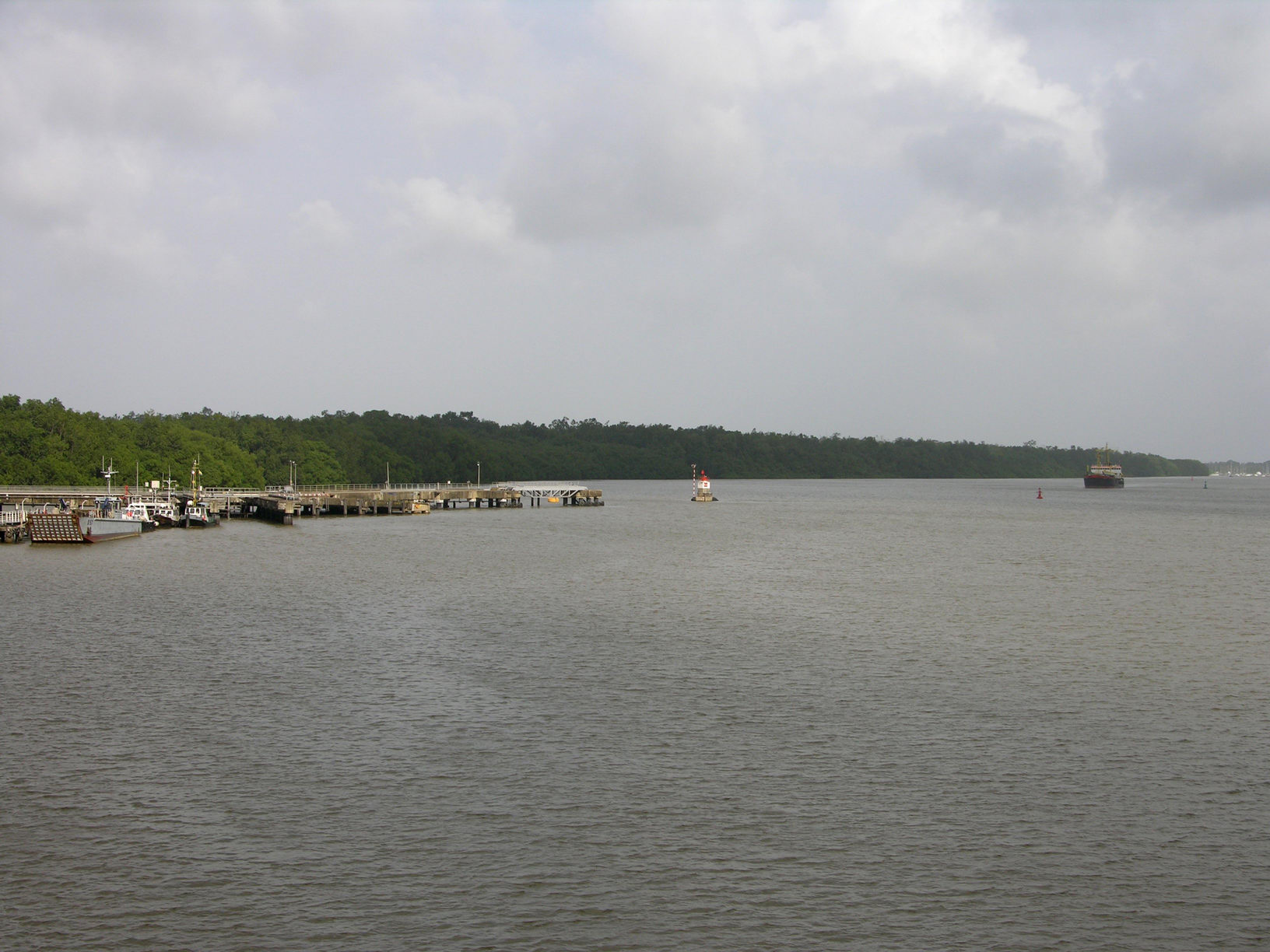
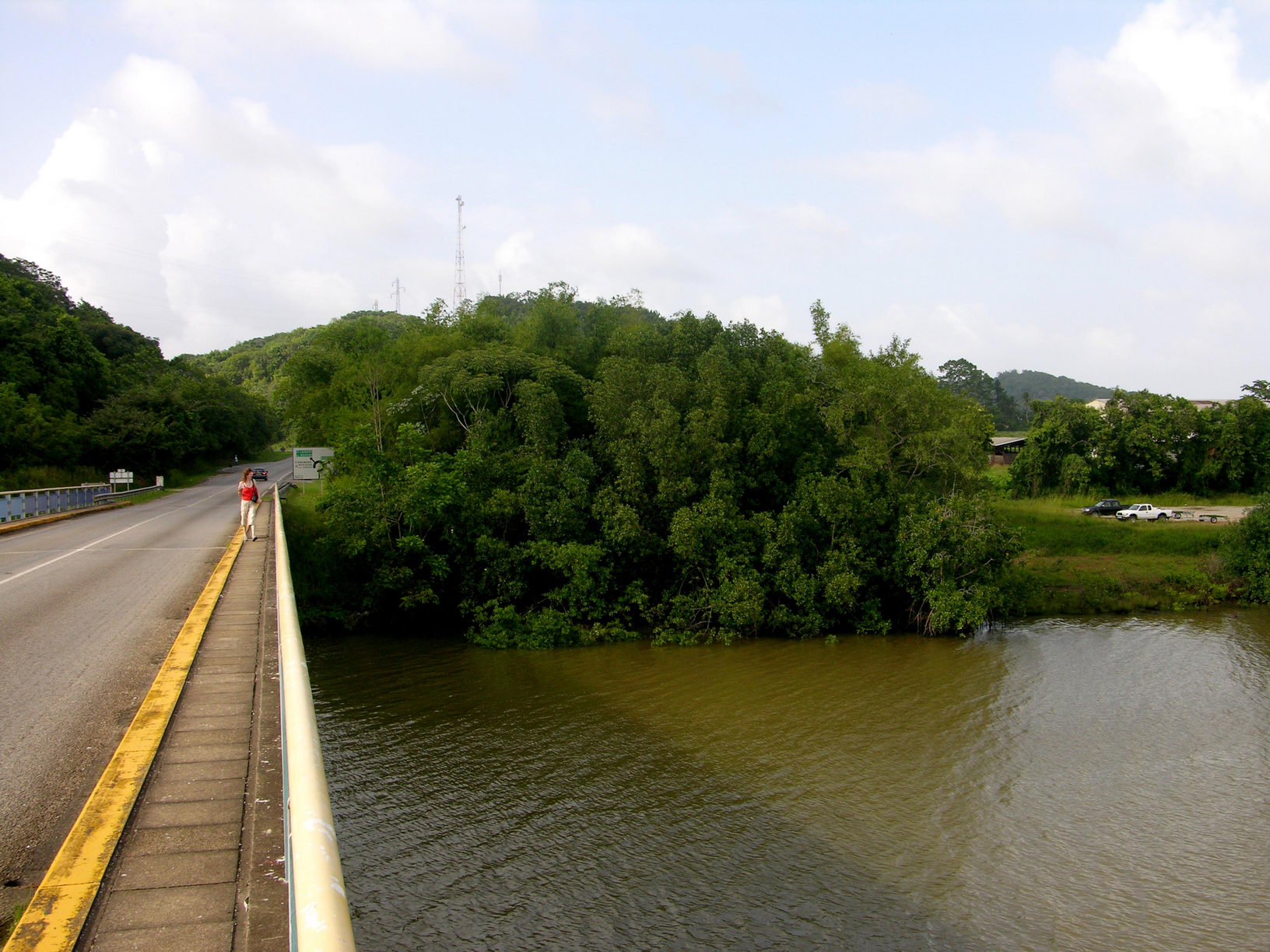
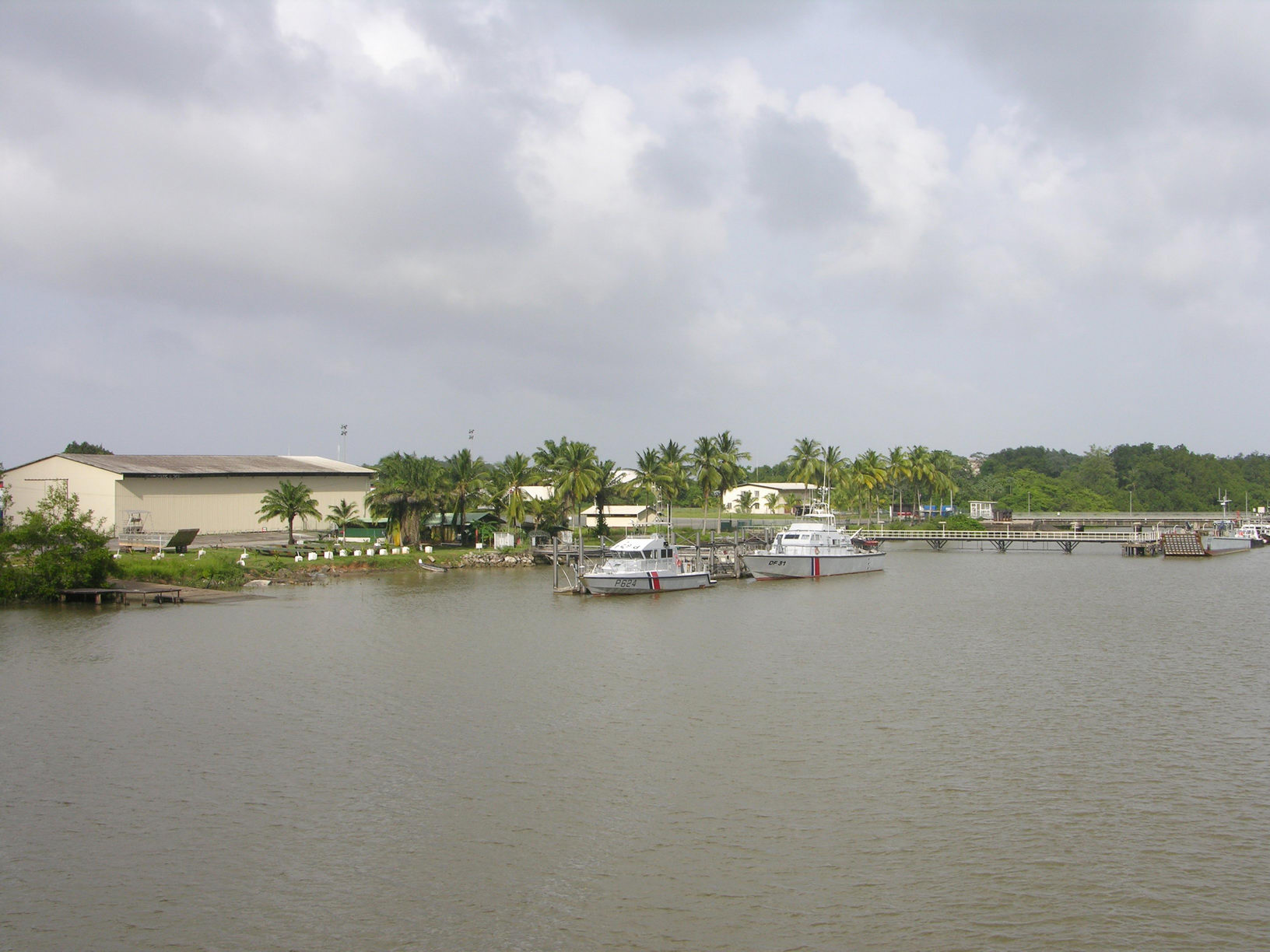
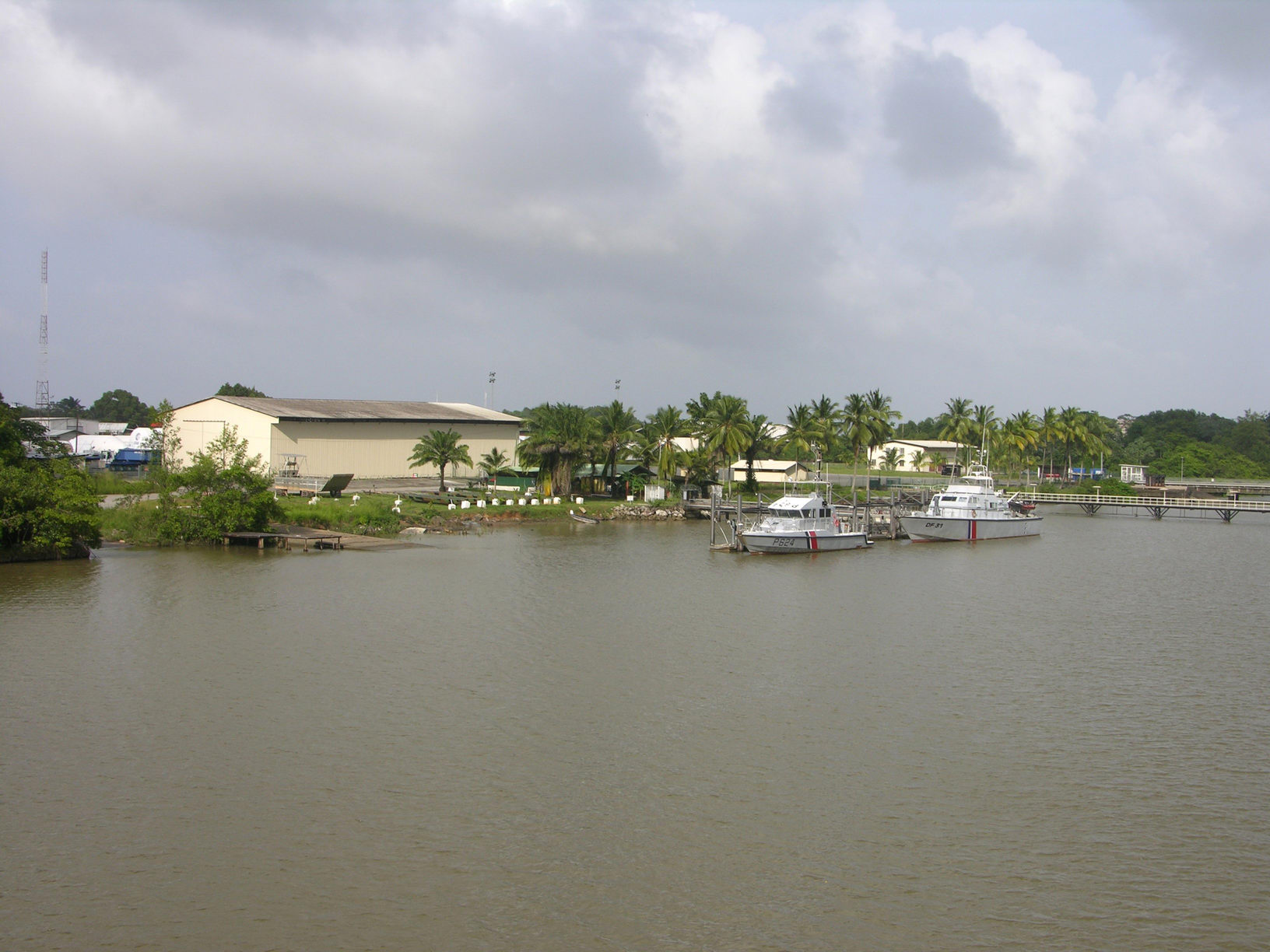
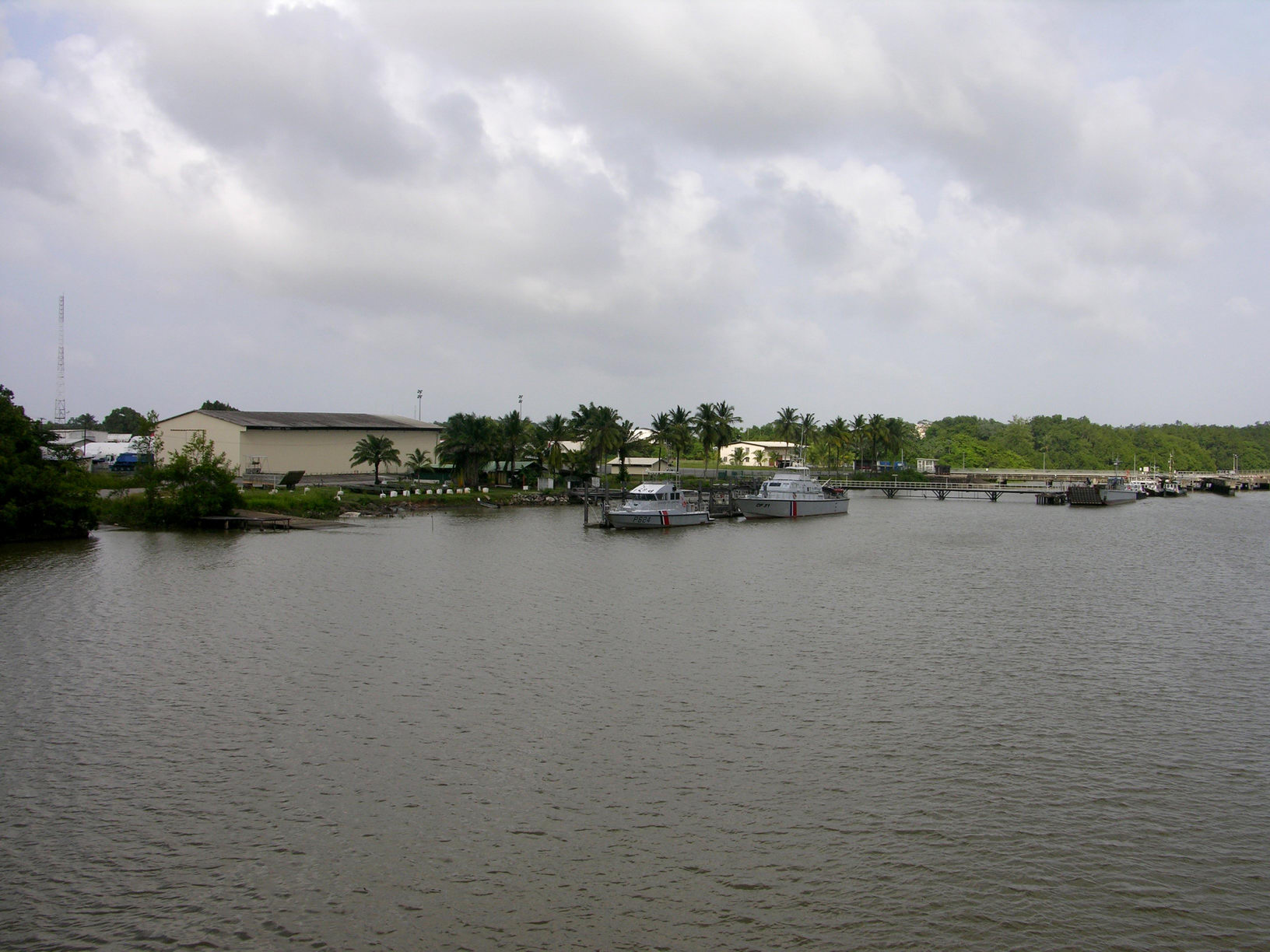
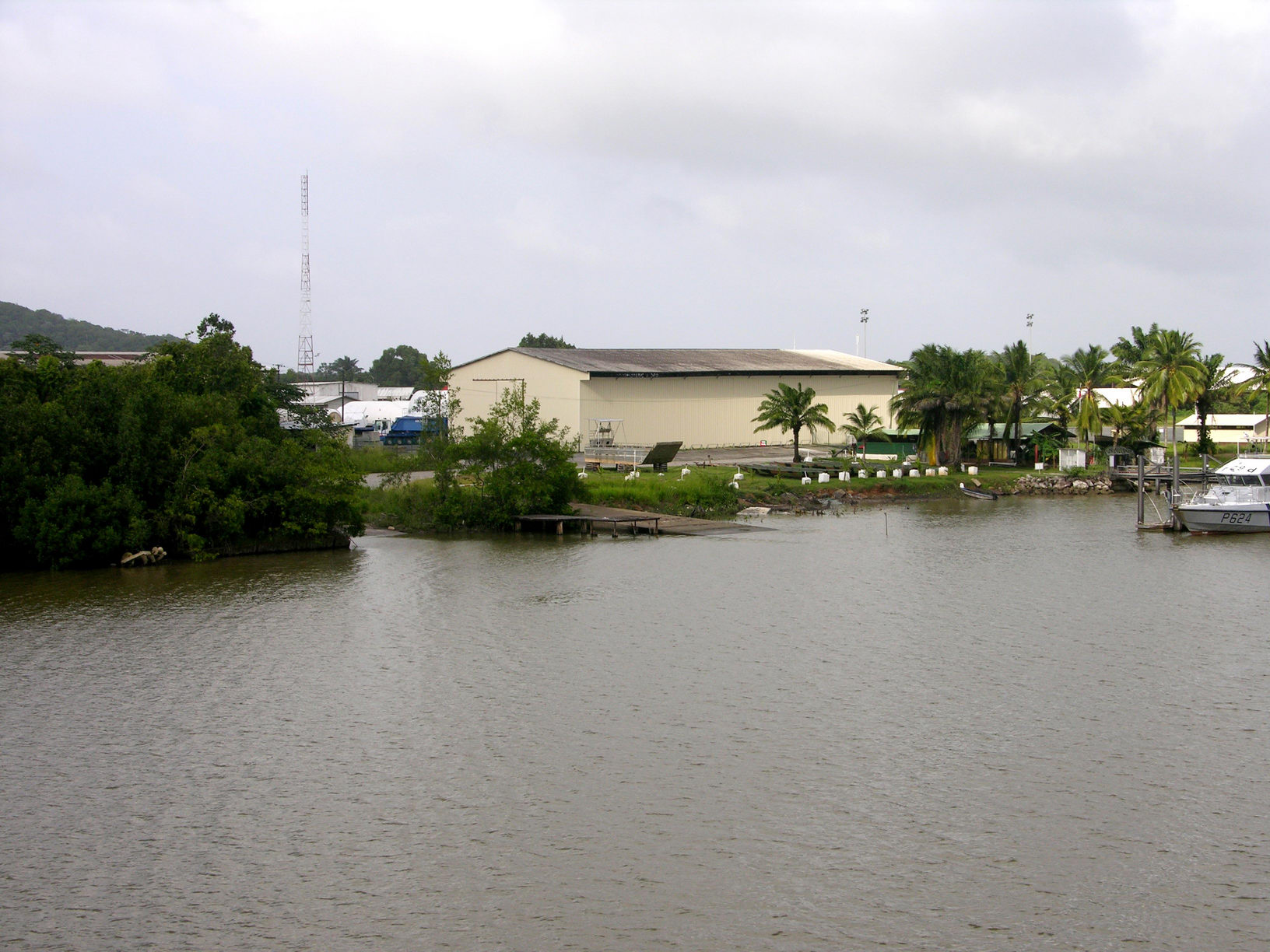
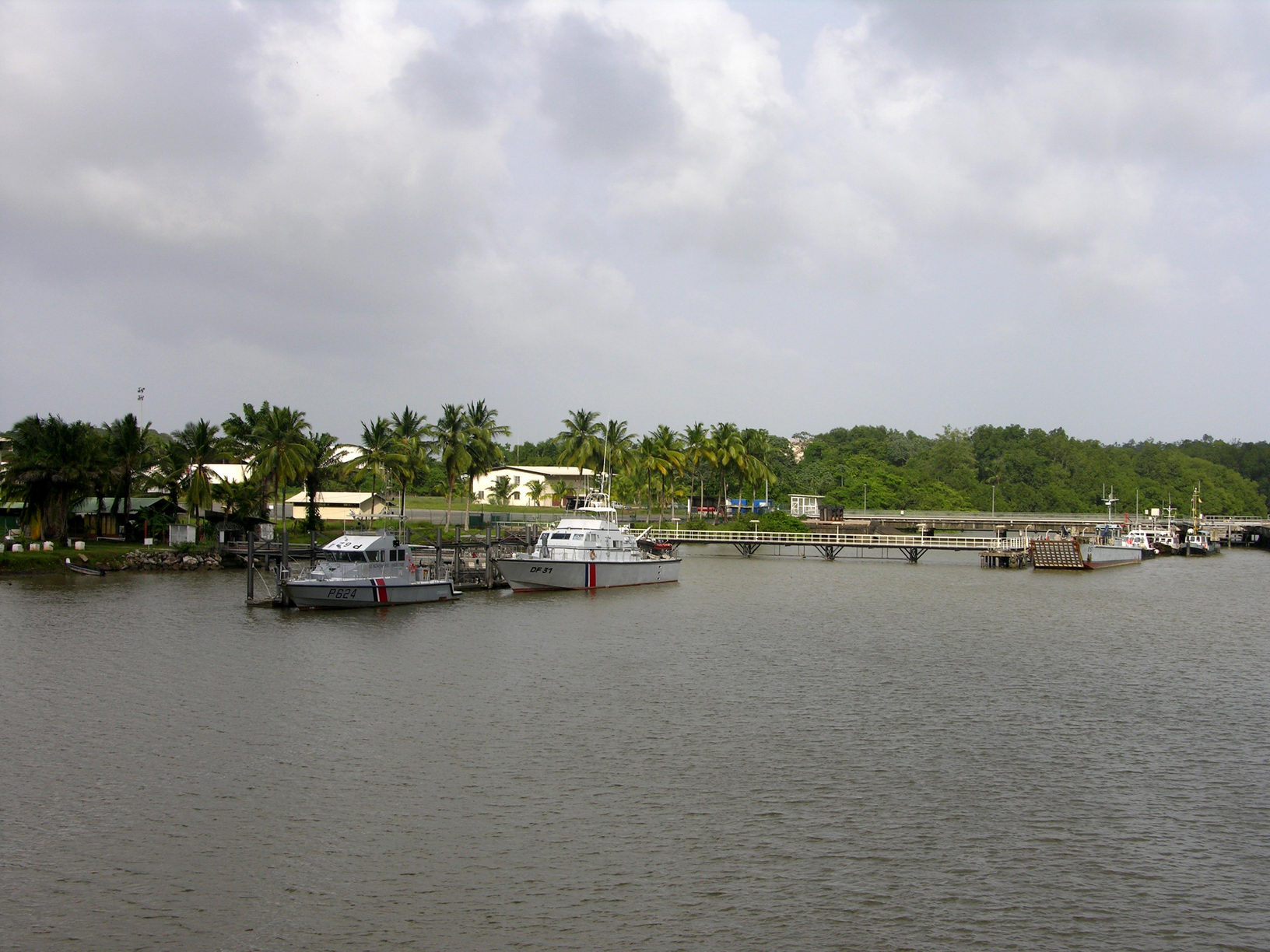
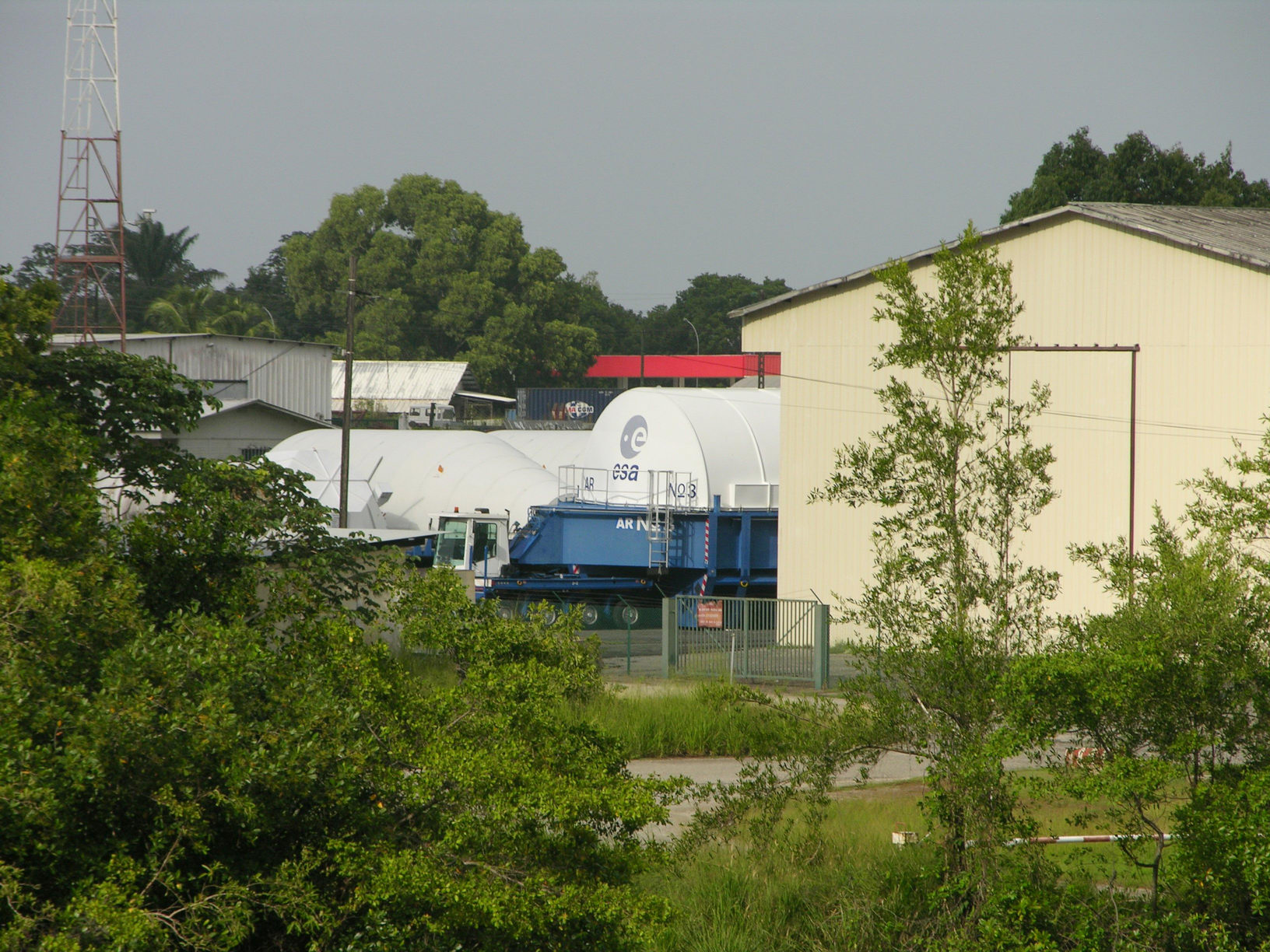
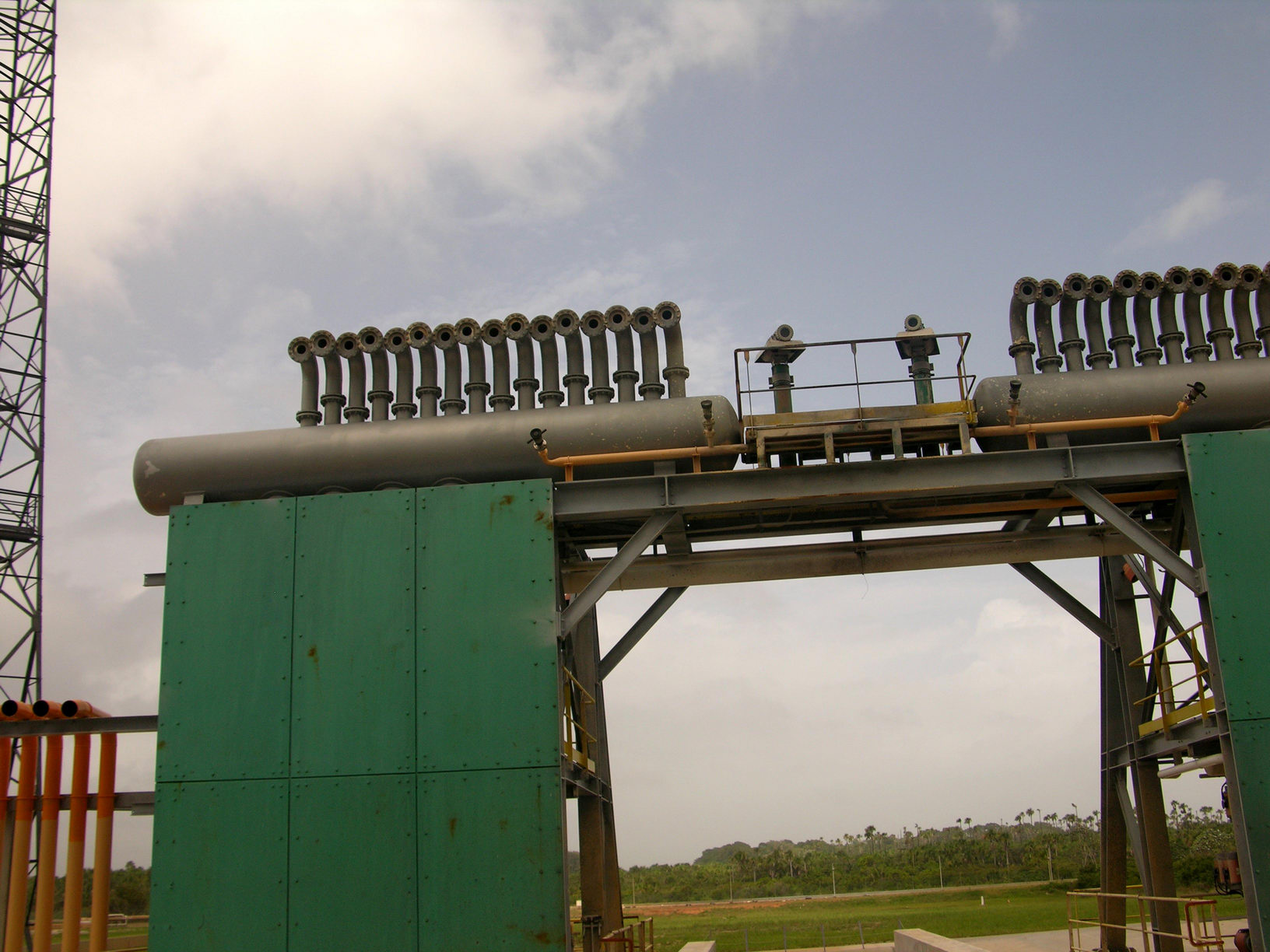
As well as the control centres, the visitors' bus takes you to the disused Ariane 4 pad and to the Ariane 5 pad. In fact at the latter it goes right up to the steel hole into which the second-stage nozzle points. The exhaust from the two solid boosters goes into concrete ducts at the sides. I'd expected to see melted iron and crumbling concrete. In fact the iron didn't boil and the paint didn't even flake off. The rocket shoots upwards quickly. A hundred metres from the launchpad oropendolas had nested undisturbed for years and the forest begins. Ten metres from launch, the polystyrene windows in the tower don't melt. A human being could survive there. If only they'd let me stand ten metres away from a rocket launch. In practice they let very few people into a viewing area a kilometre from the rocket. You can register on the CNES website to watch a launch, but the places run out many months in advance. An excellent idea, in general, to take the children to see the tropics and a rocket launch. A French visa. A cheap plane ticket.
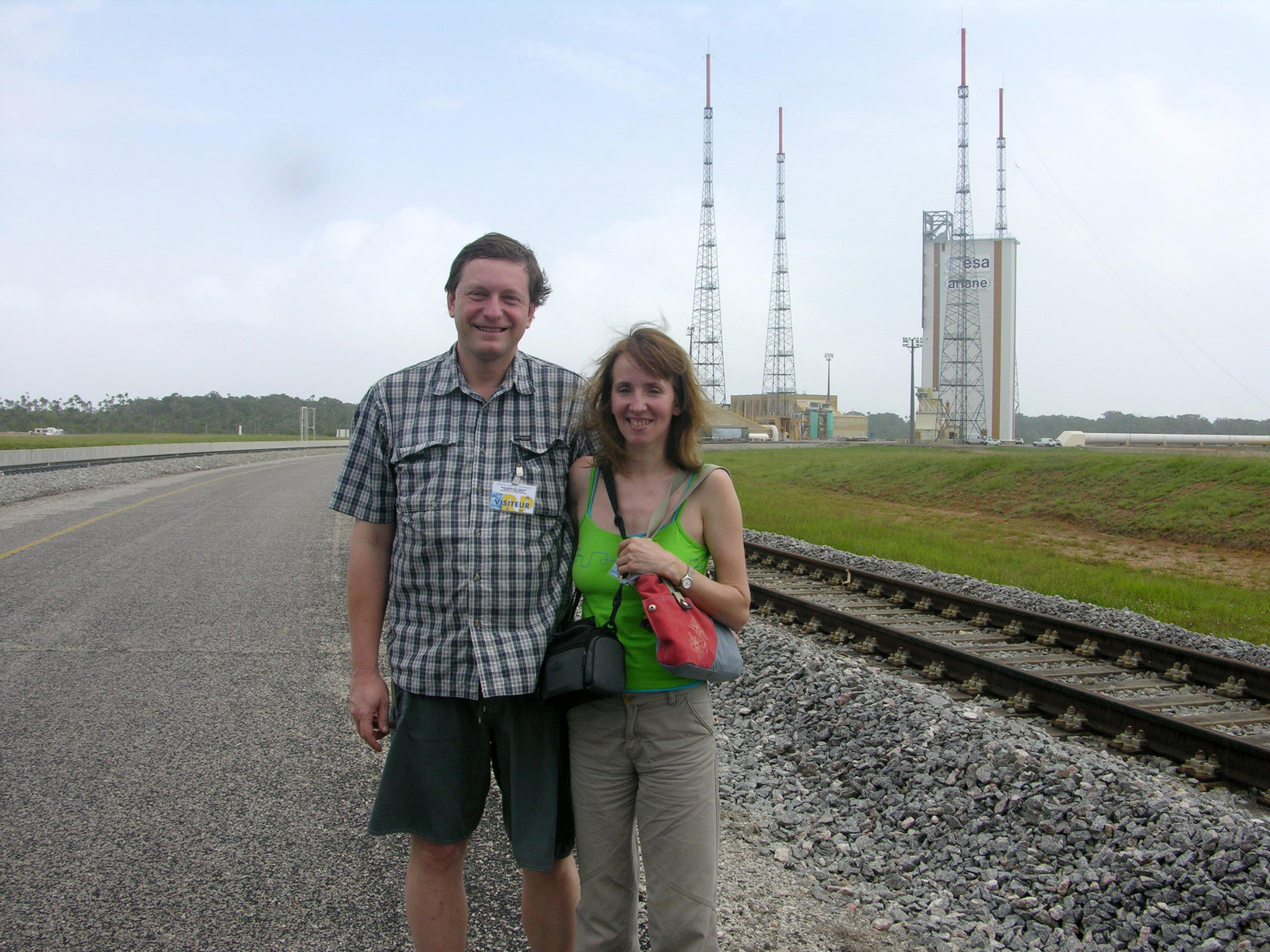
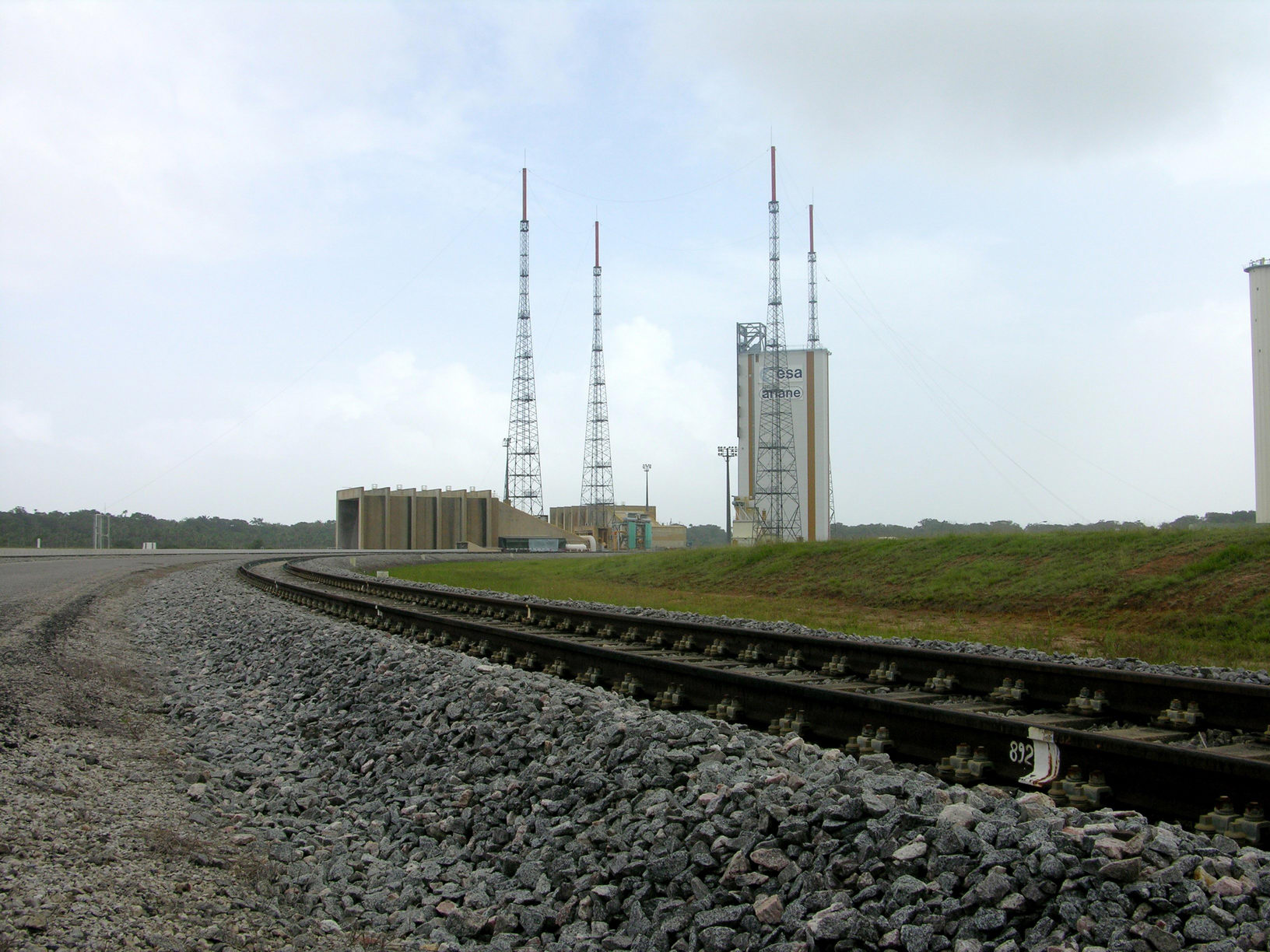
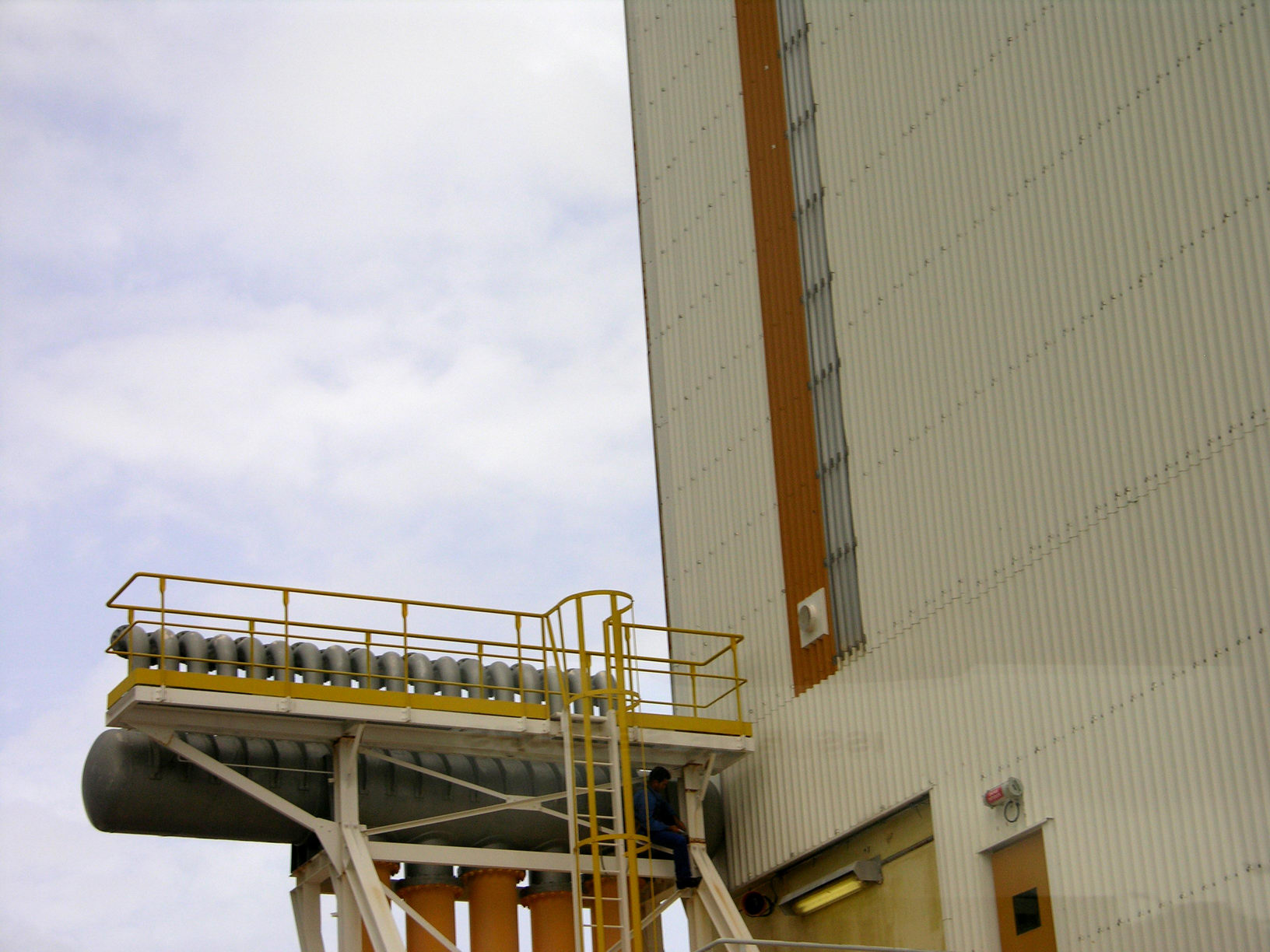
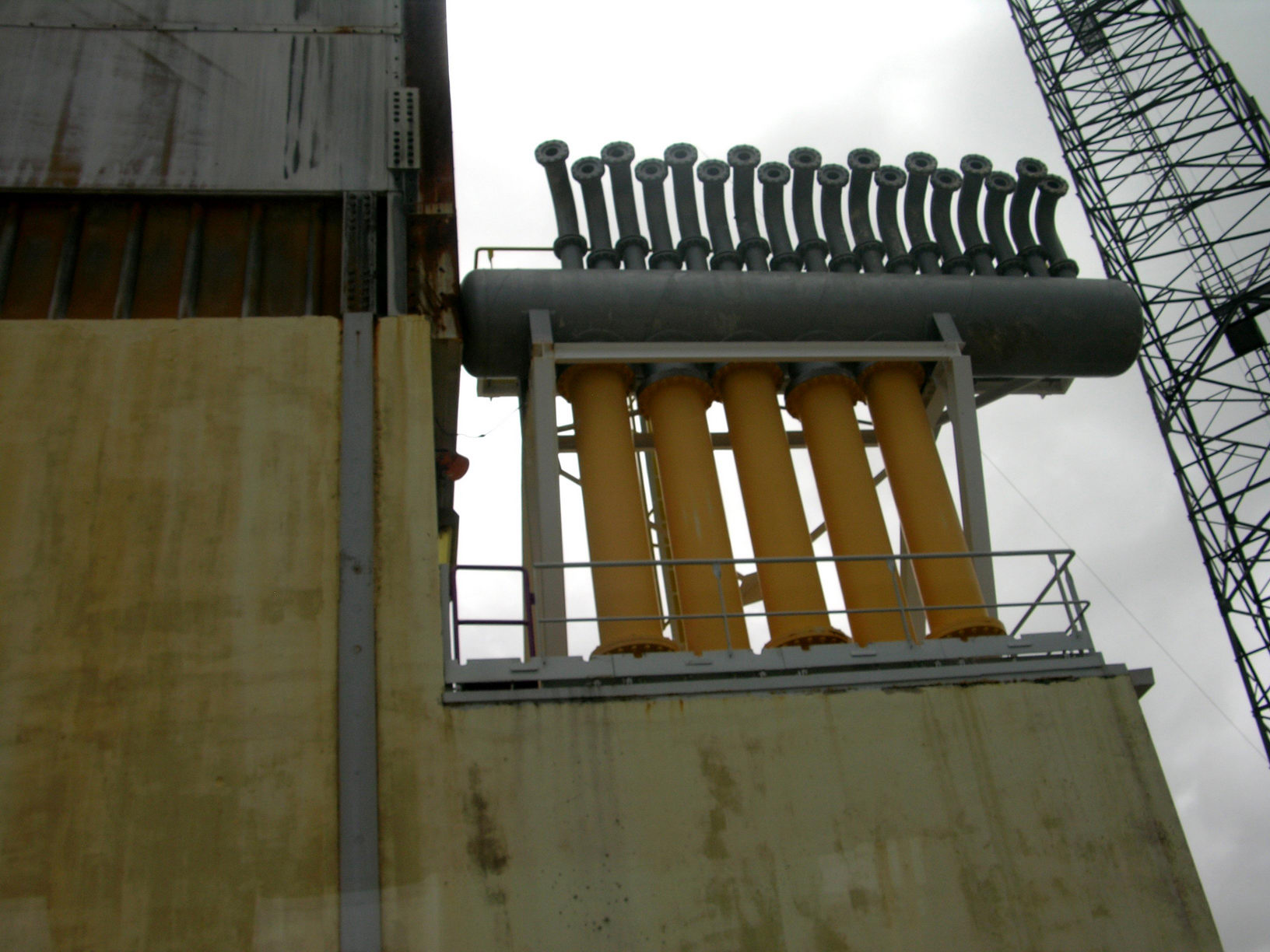
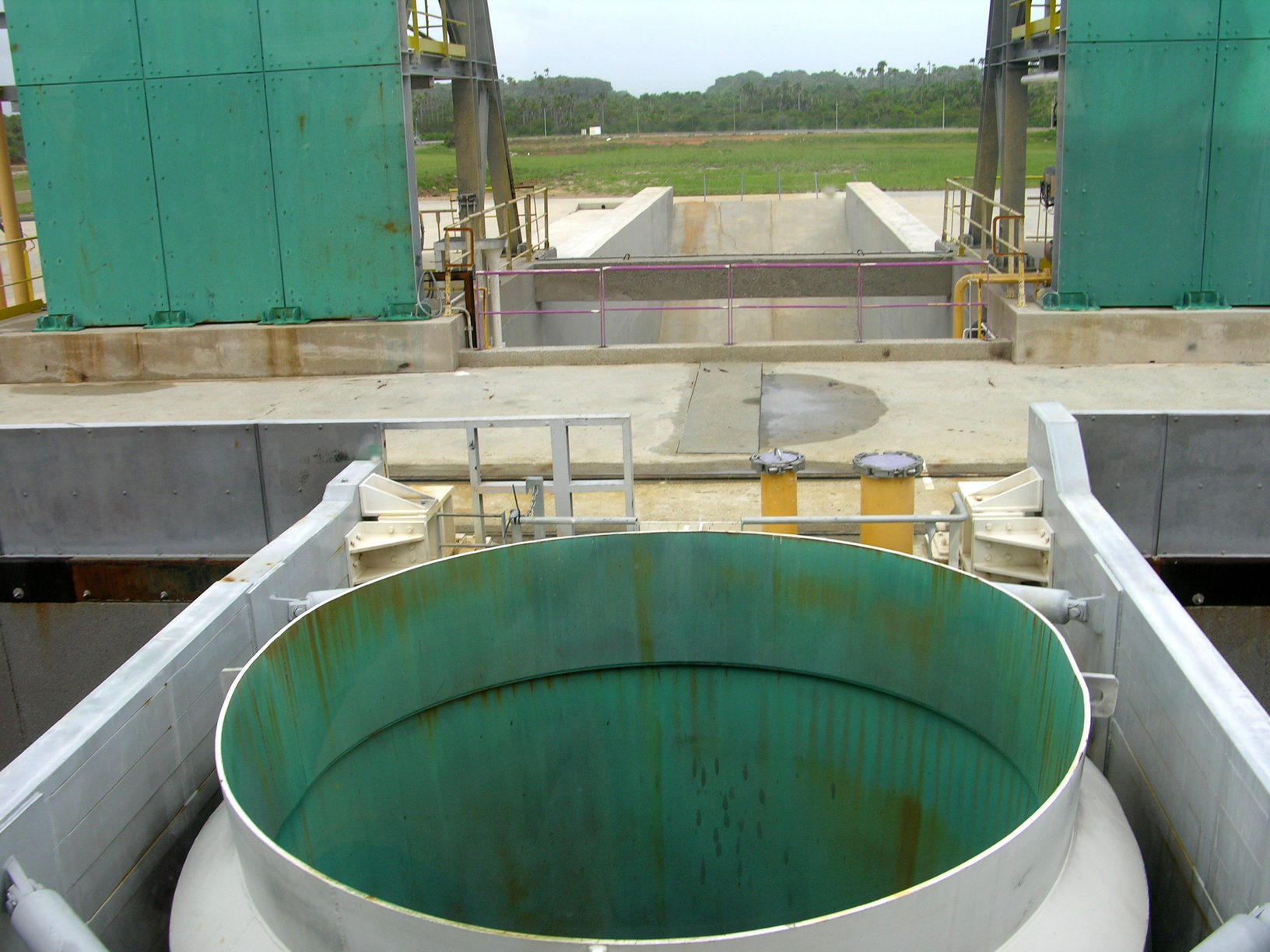
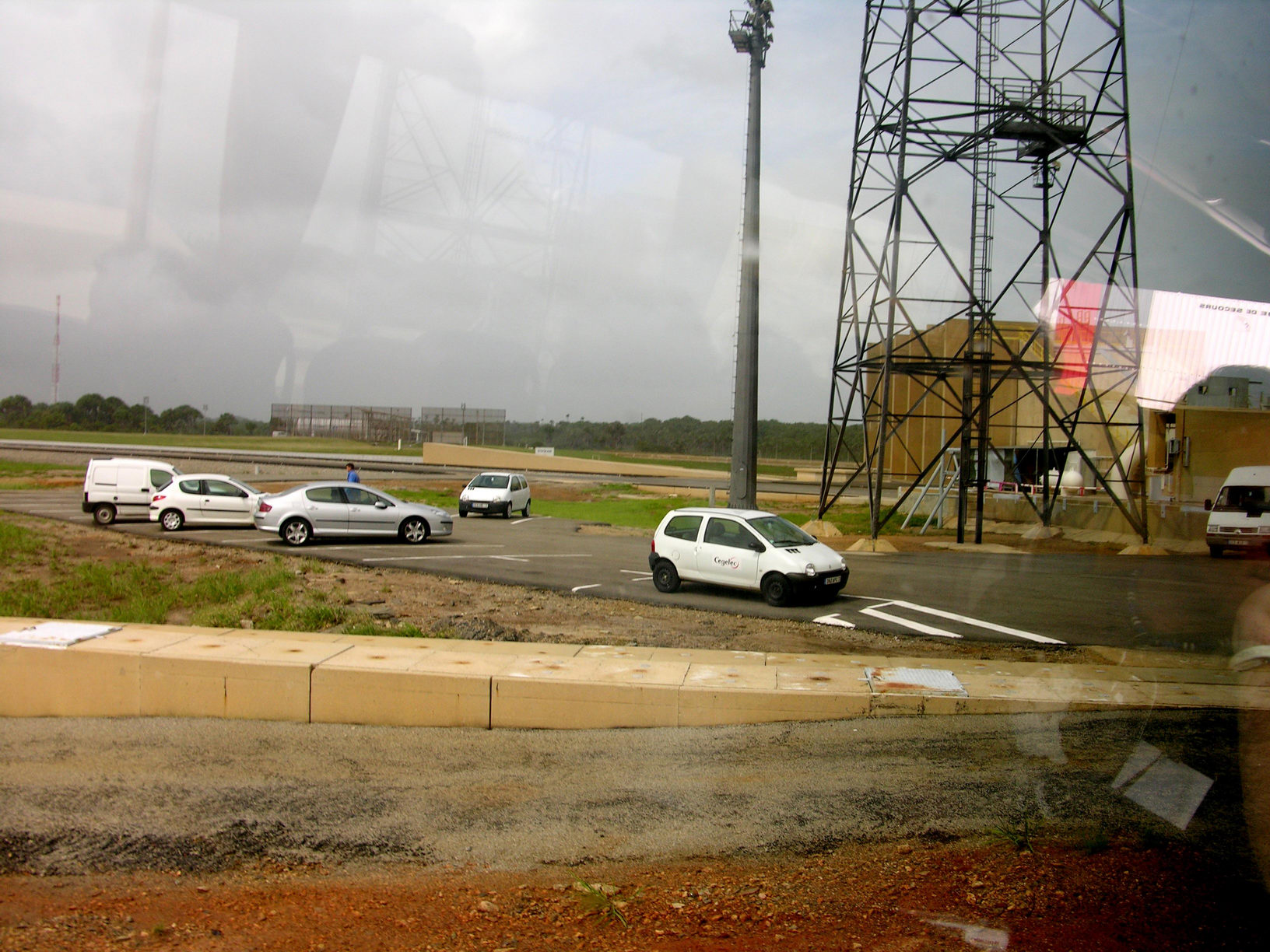
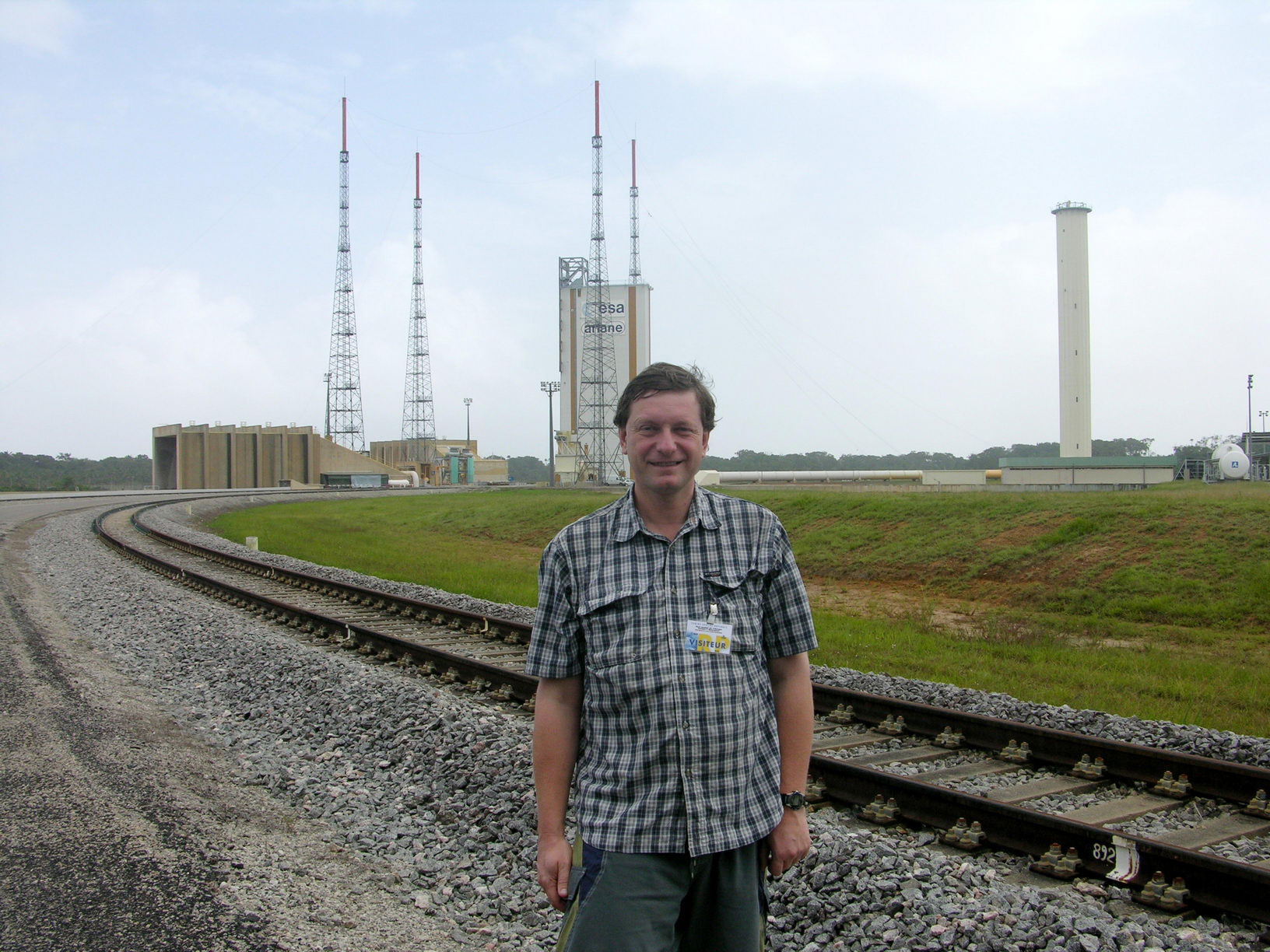
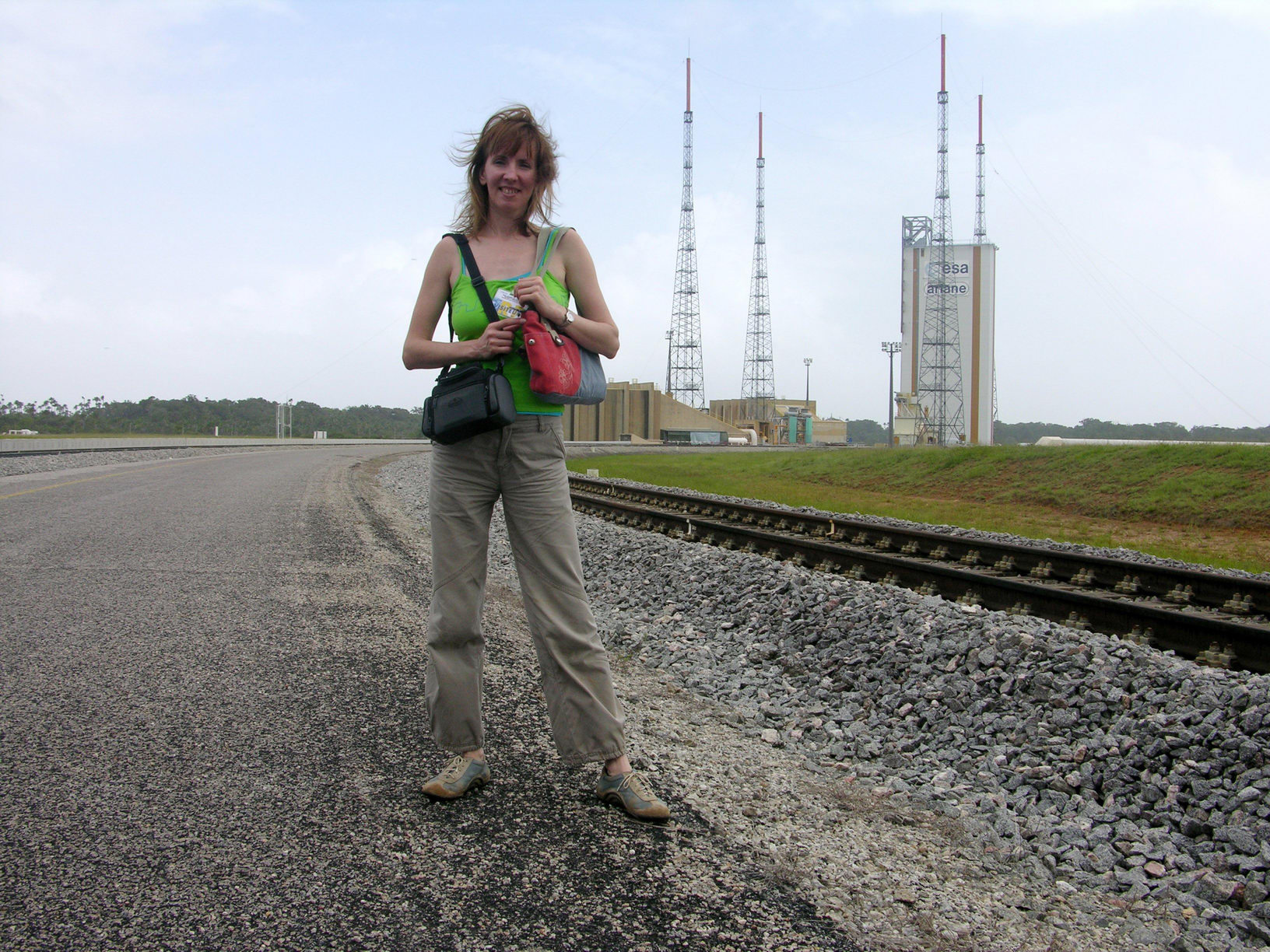
They don't let you out of the bus on the pad itself. They drive a hundred metres away so you can take photographs with the launchpad in the background.
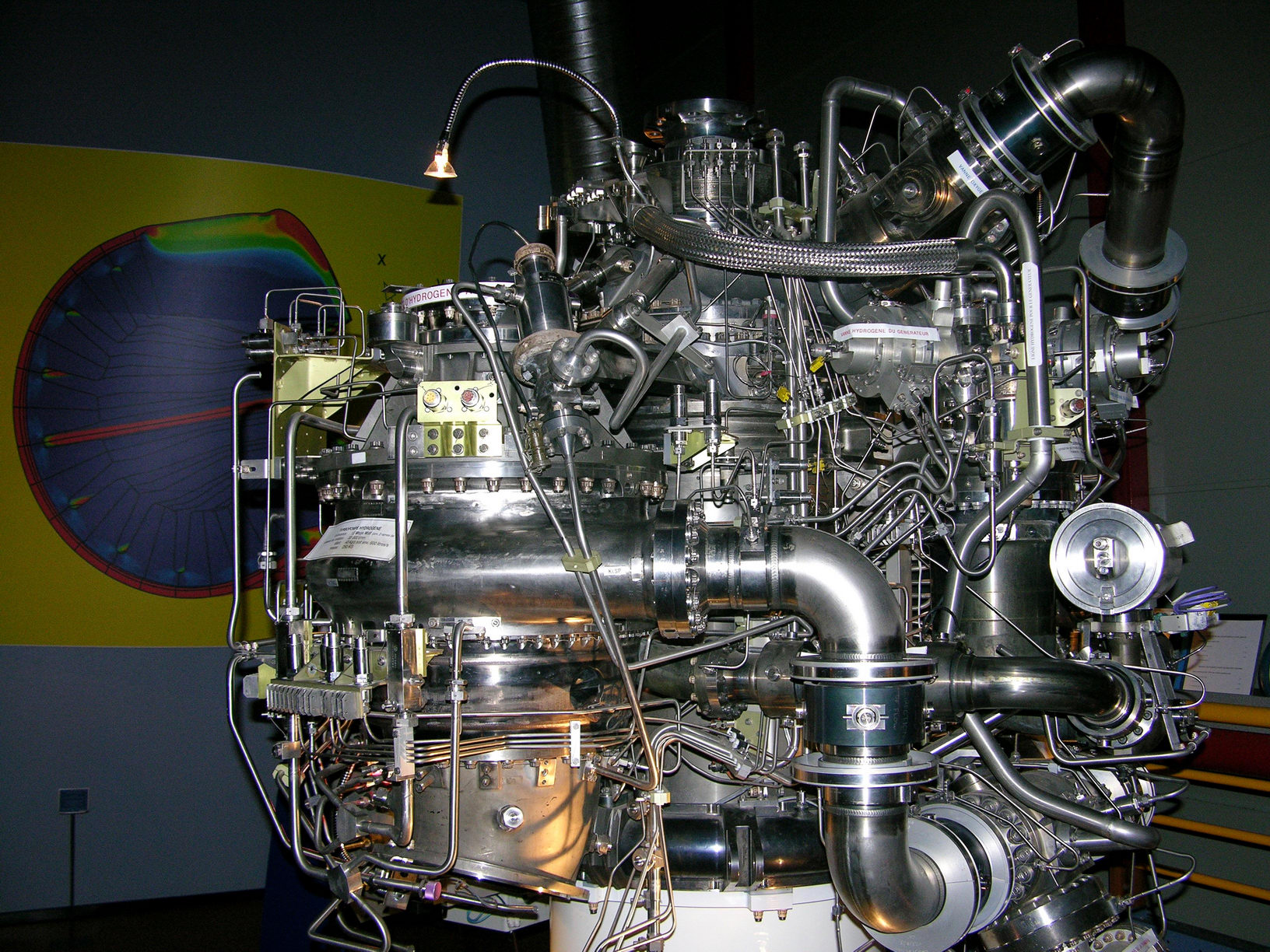
The whole tour takes three hours and ends at the entrance to the museum, which charges admission. Inside you can see what rocket engines look like and the satellites they launched. I especially liked the three-stage liquid-hydrogen engine. An impressive and very complex piece of machinery. The whole Soviet military industry could only make one by the beginning of perestroika, and even that one had little power. For years only the Americans had this technology, and it was what allowed them to fly to the Moon. The European engine isn't very powerful either.
As a boy how I dreamed of seeing a space centre and a rocket launch. I built rockets in the rocketry club and won competitions. Later I went into astronomy. I came within a hair of getting to Kapustin Yar in those days, but science fell apart. Many years went by before I ended up here in Kourou, almost by accident.
After the space centre we spent the rest of the day in the west of the country. For a start, we walked the hour-long Montagne Chapeau trail (5°17.507′N, 53°03.181′W). Another chance to walk without an escort through real forest, though along a prepared path.
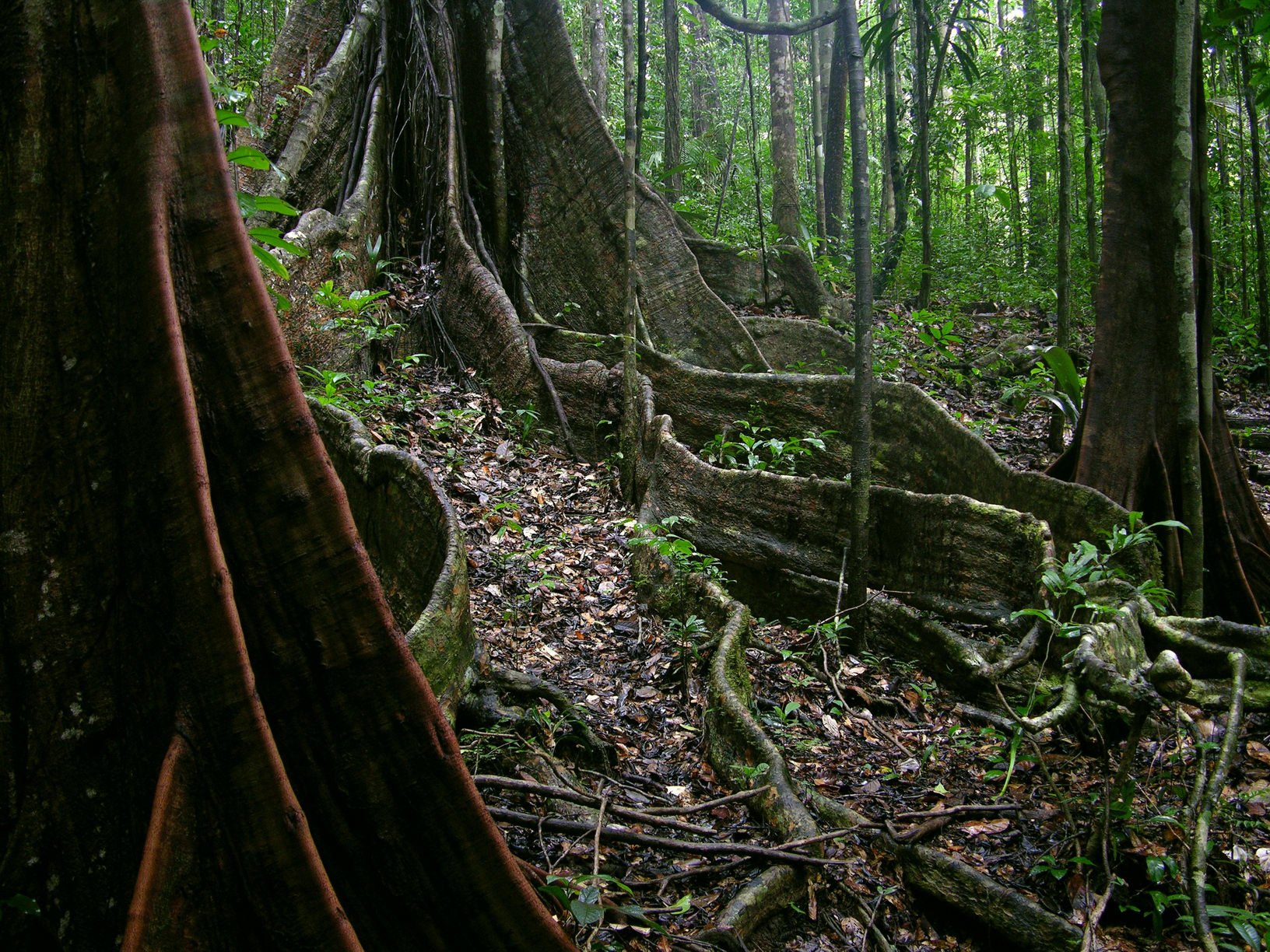
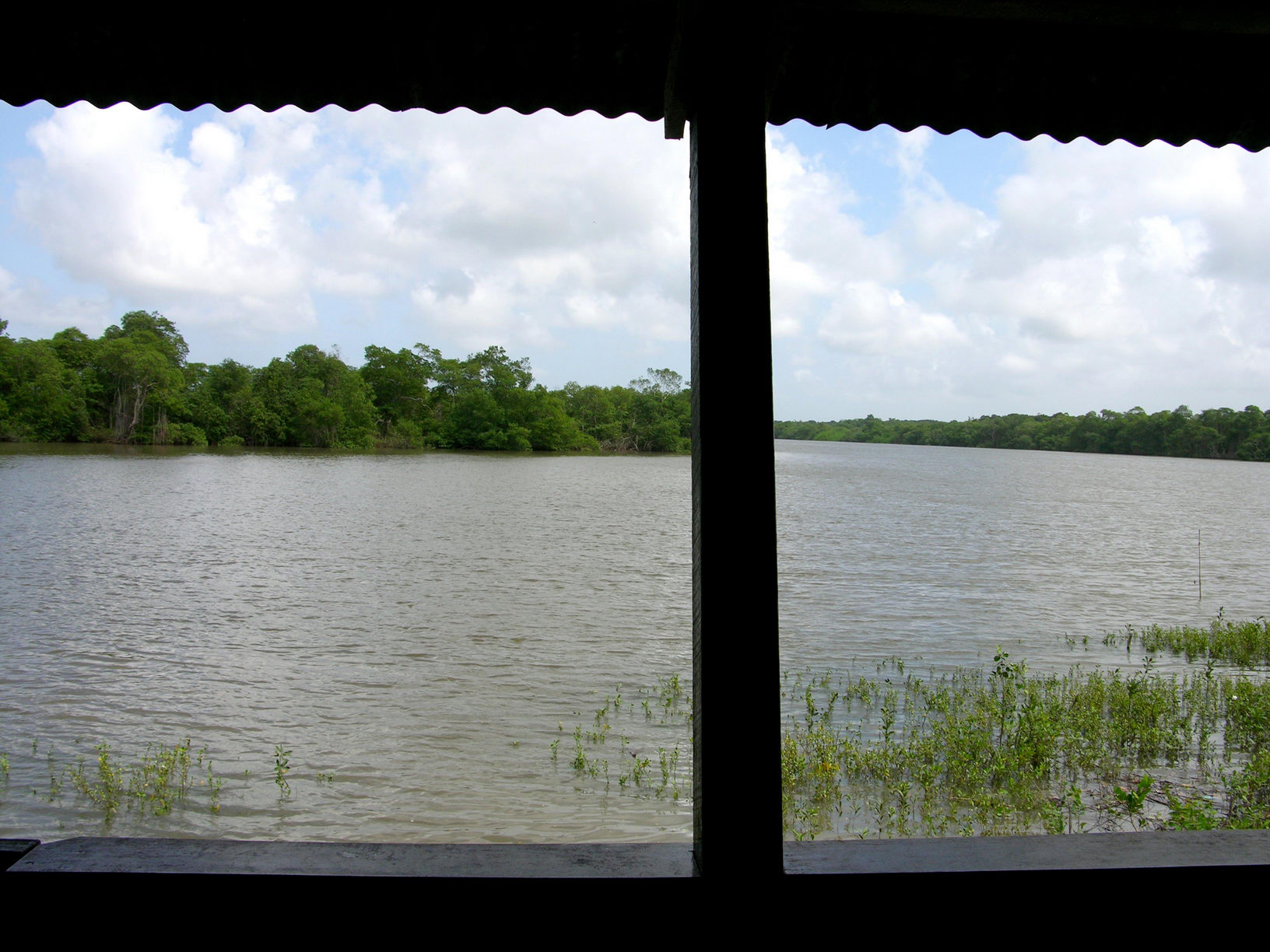
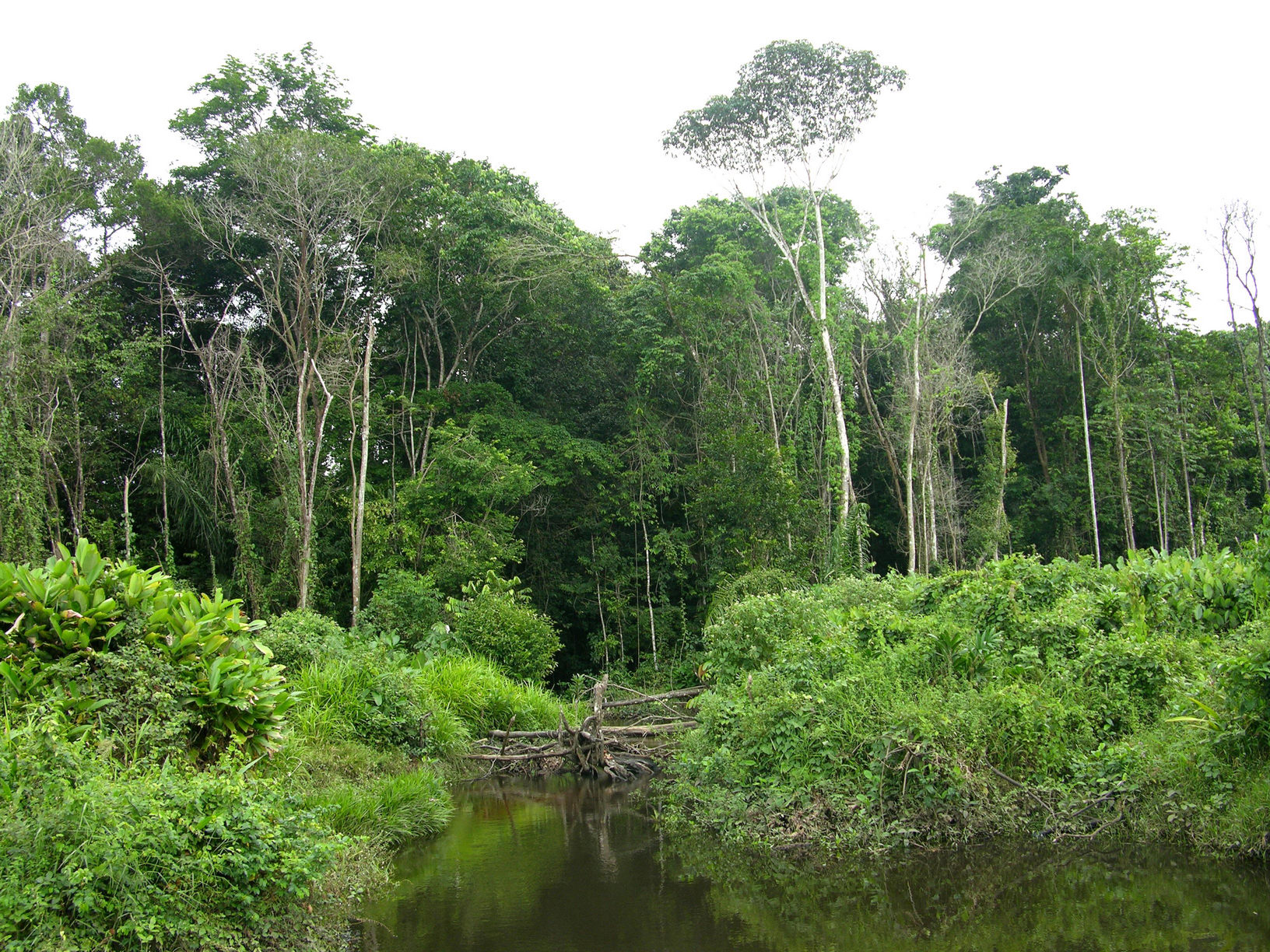
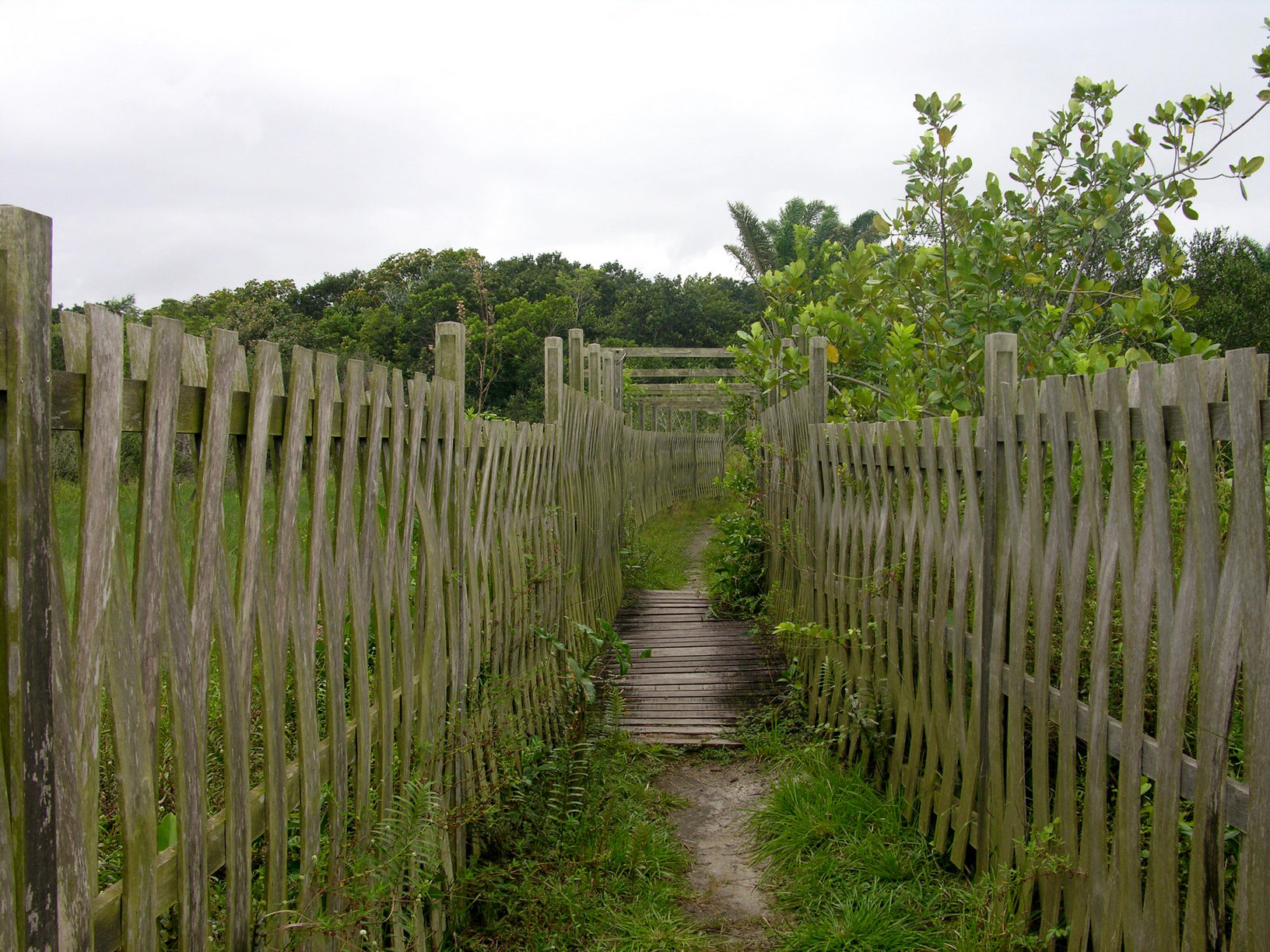
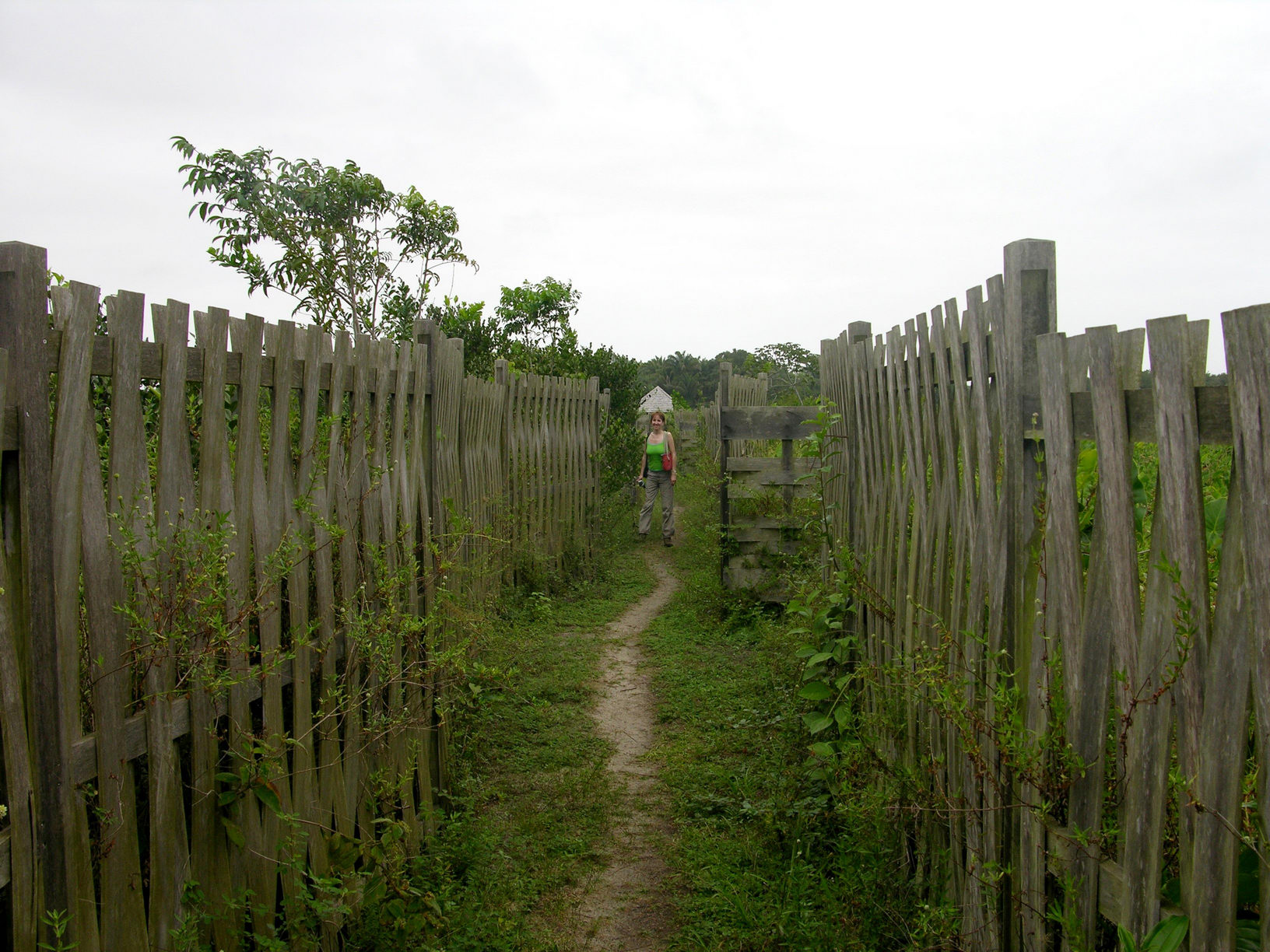
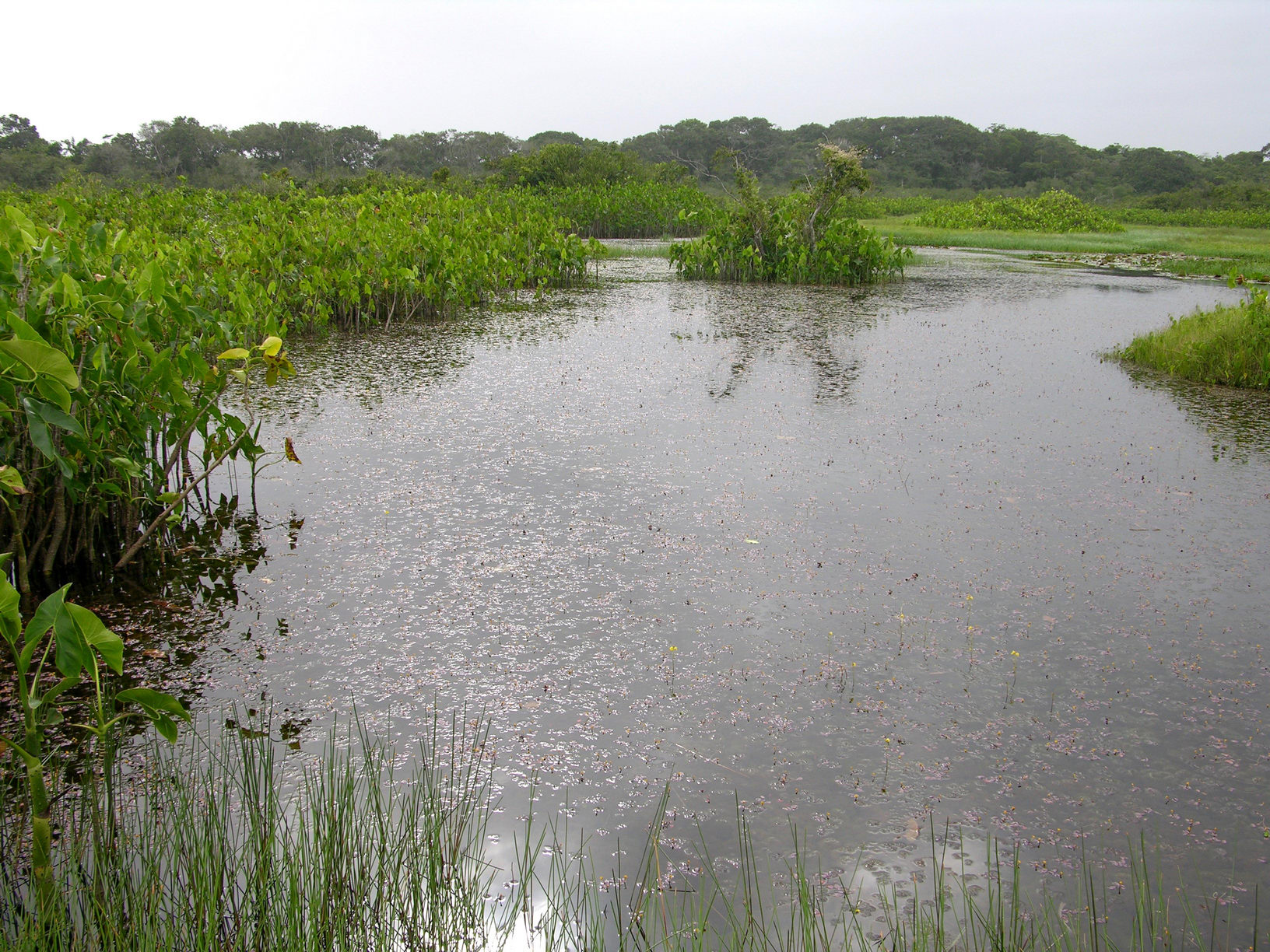
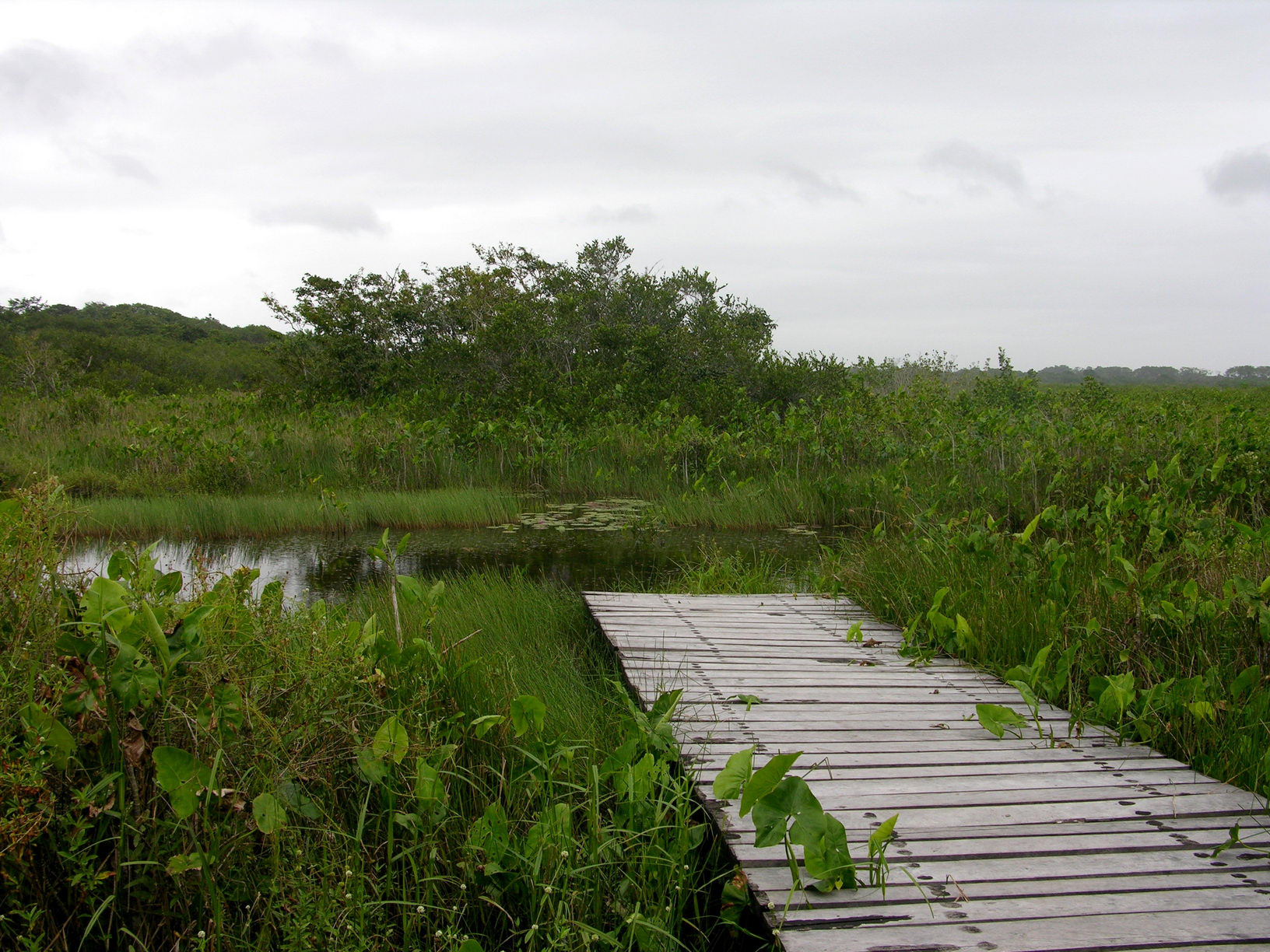
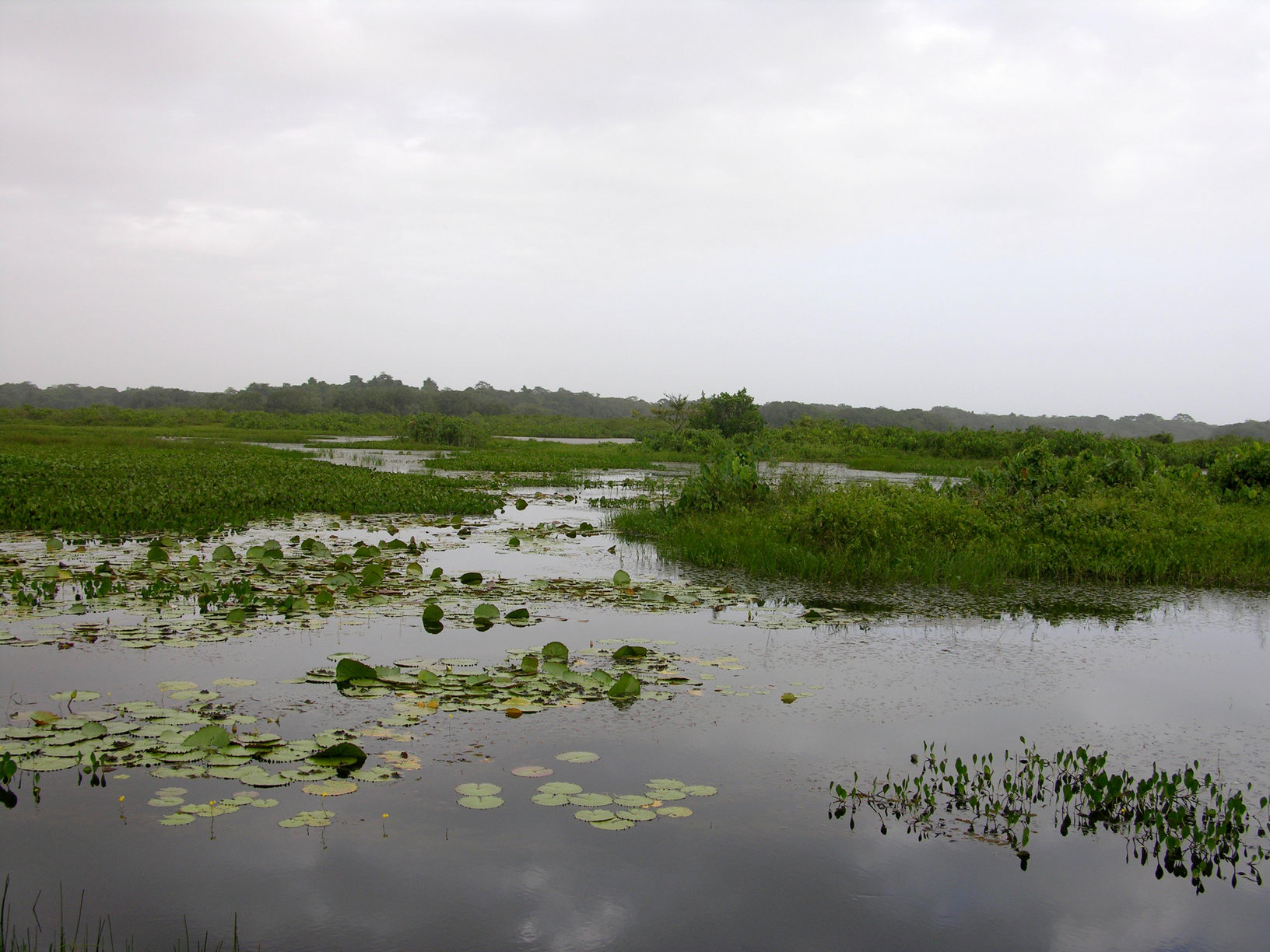
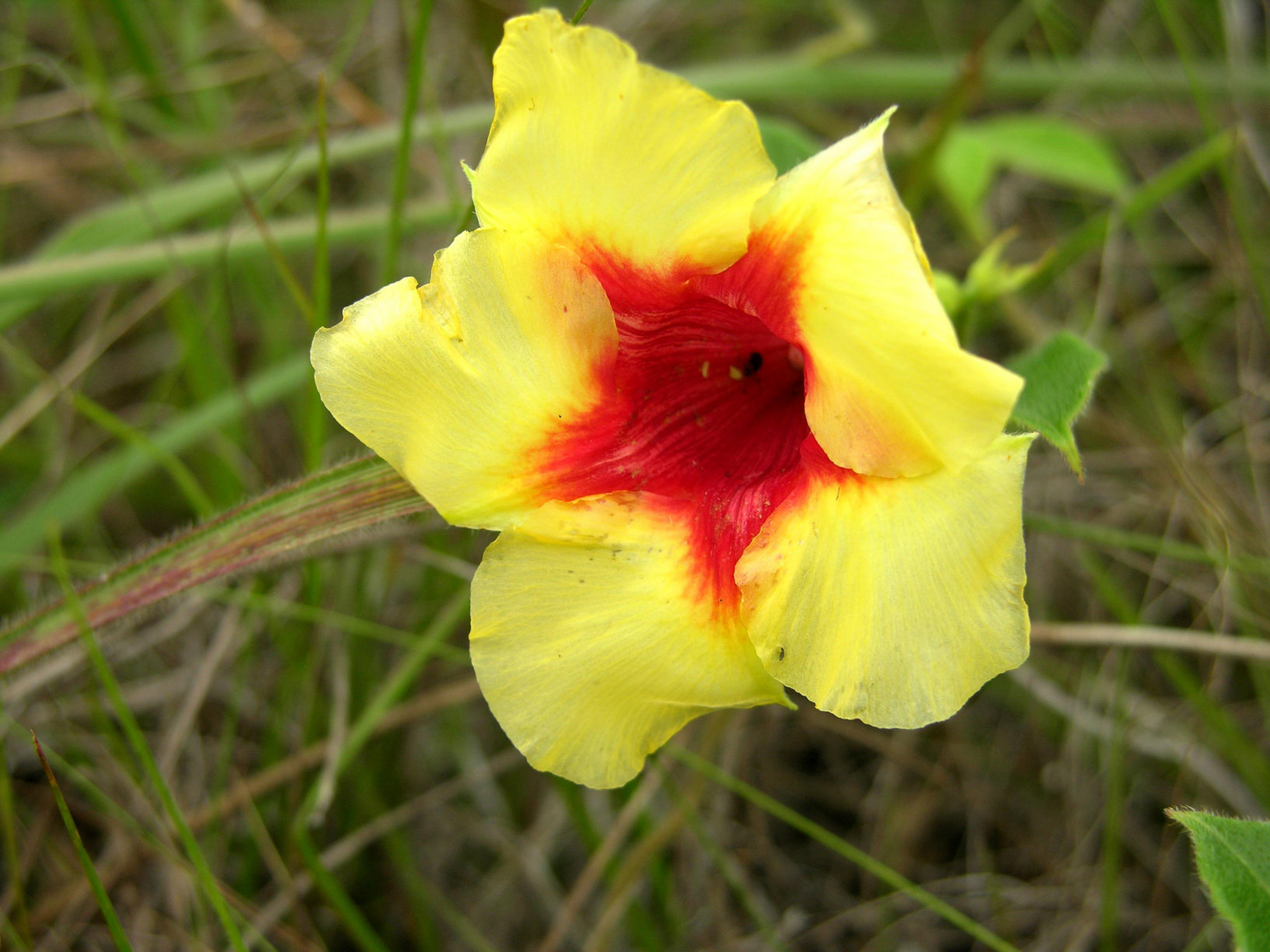
At Yiyi, a patch of coastal wetland has been made into a national park (5°25.073′N, 53°02.619′W). Behind the first coastal strip covered in mangroves comes a short spit of solid ground, and behind that a freshwater marsh. You can walk out over it on a network of raised trails. Here you can spend a whole day watching the birds. We immediately saw parrots and several kinds of kingfisher. Caimans in the water. Capuchins jumping through the bushes by the shore. And caimans in the water, of course. Another good thing about French Guiana is that these paths are all absolutely free. Sit as long as you like, and in almost complete solitude. It's surprising how few tourists there are in the country.
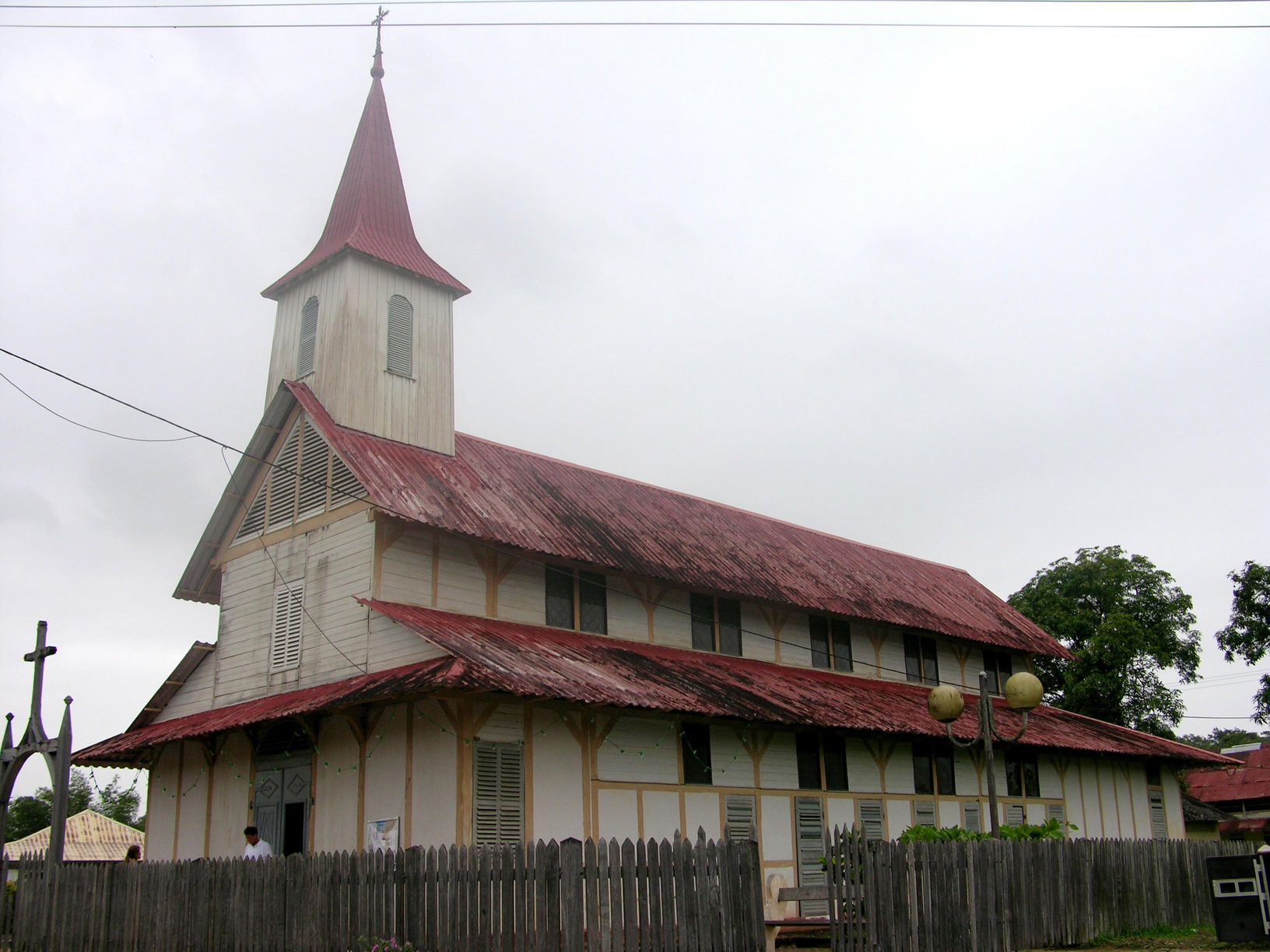
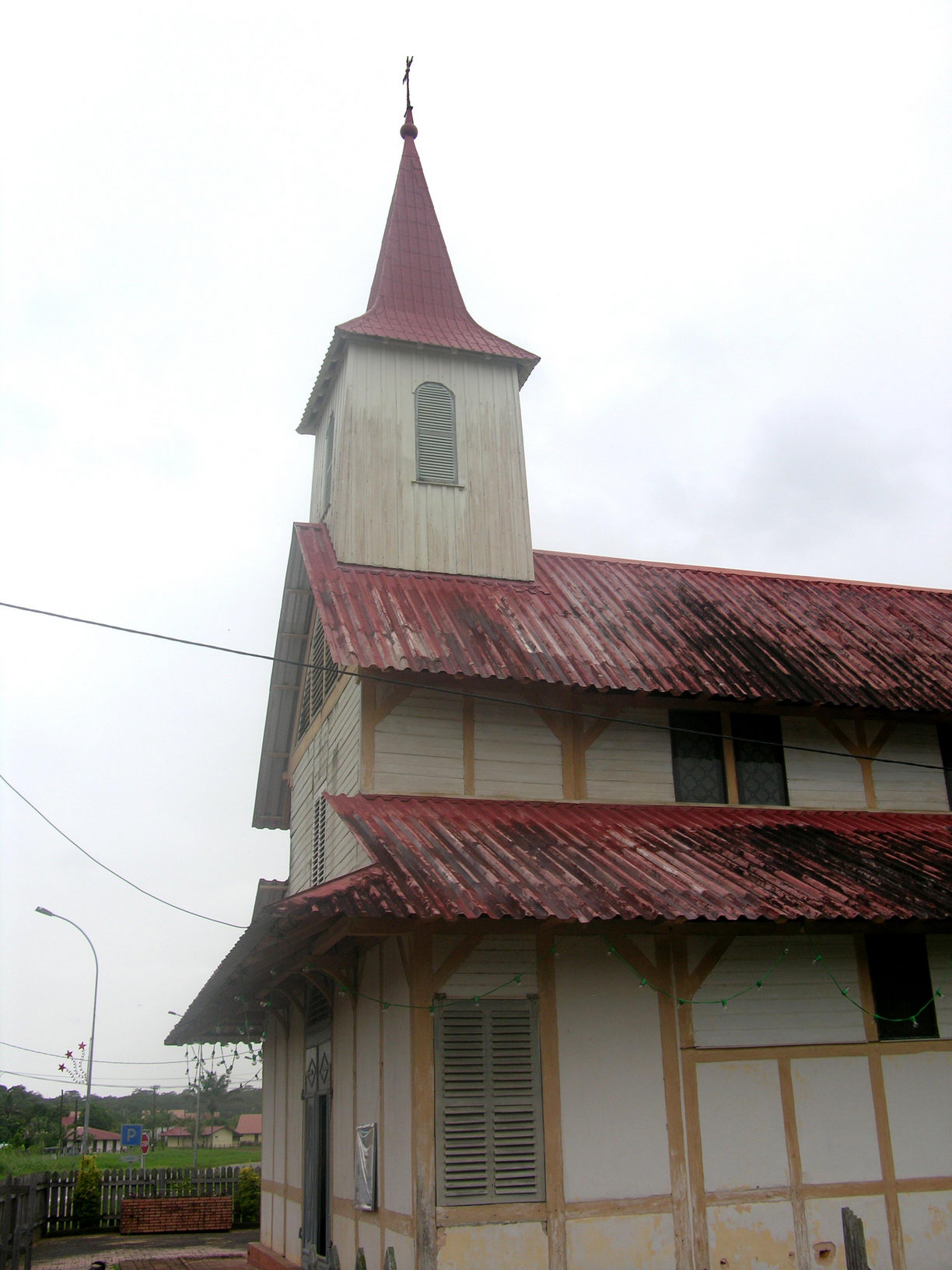
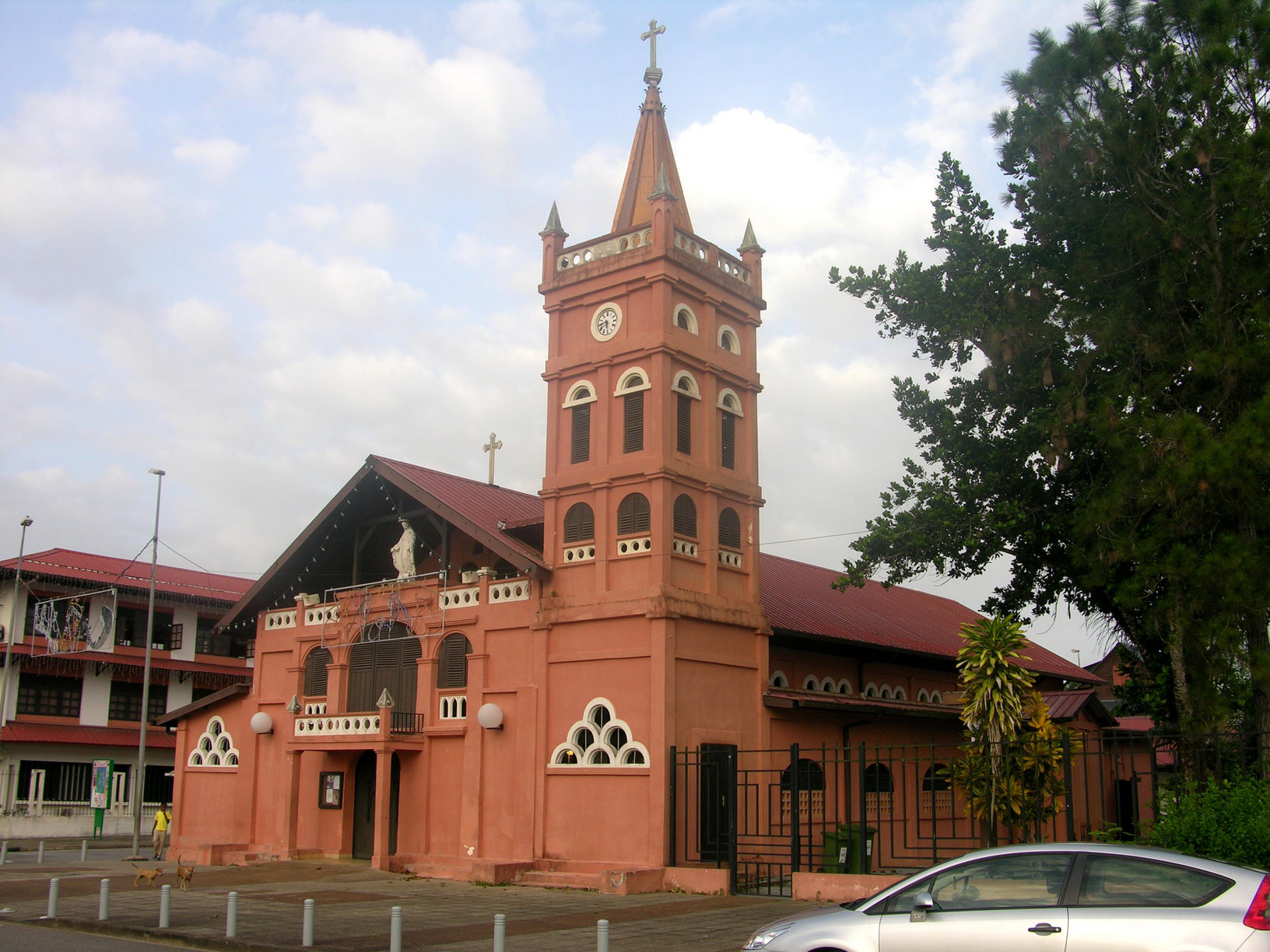
Farther along the highway is the little village of Iracoubo, where the main sight is a church painted in 1893 by a convict.
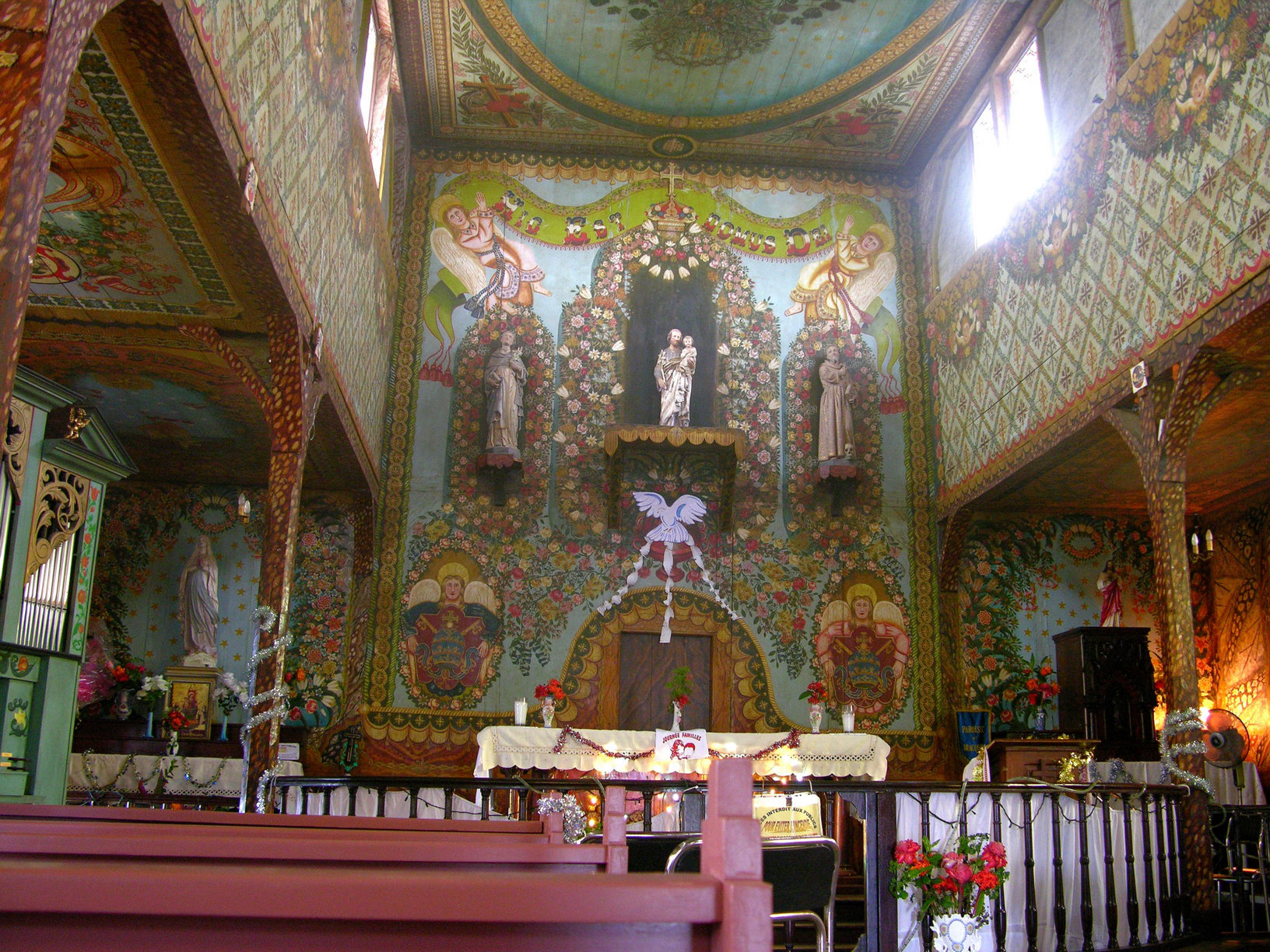
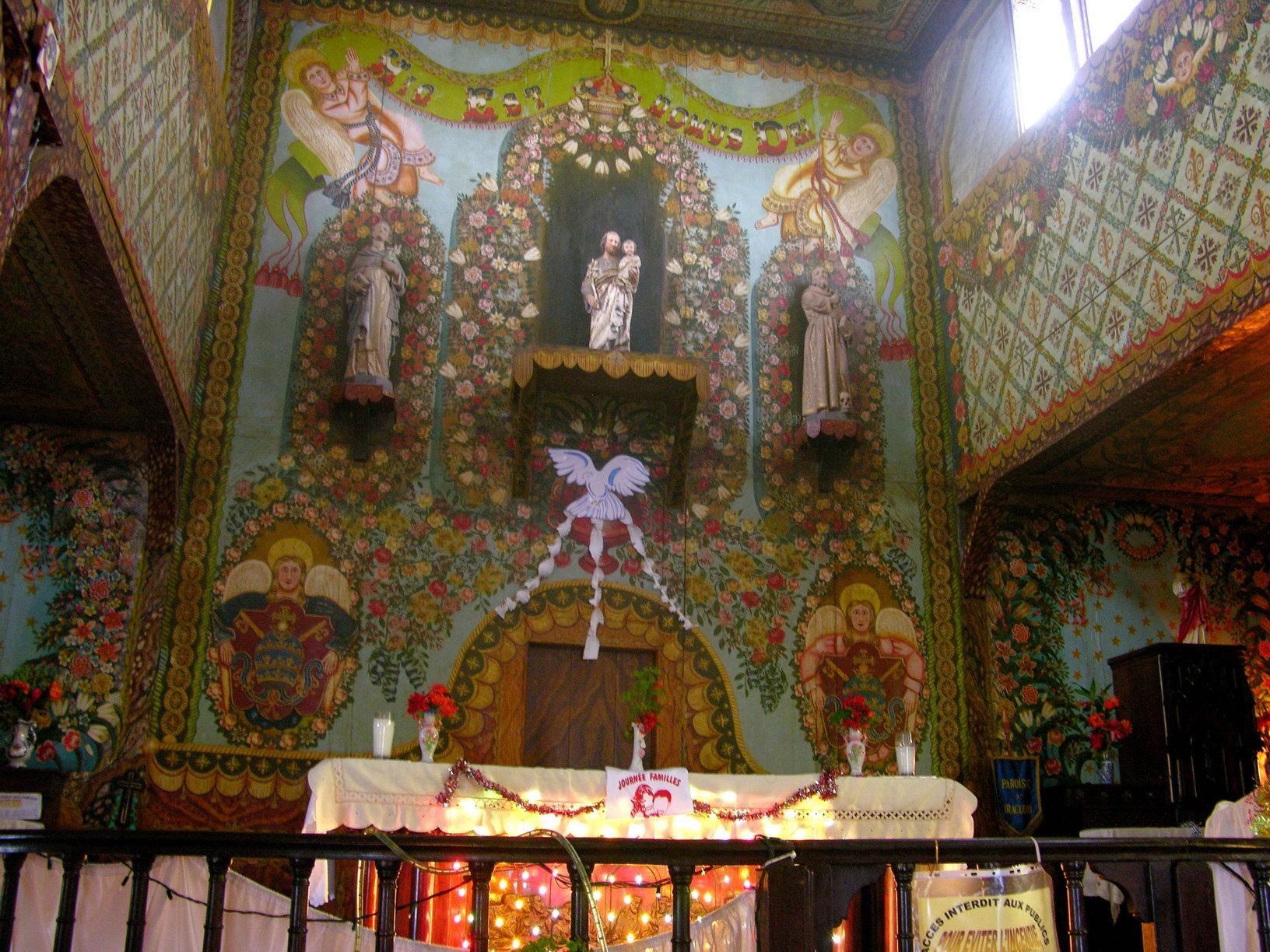
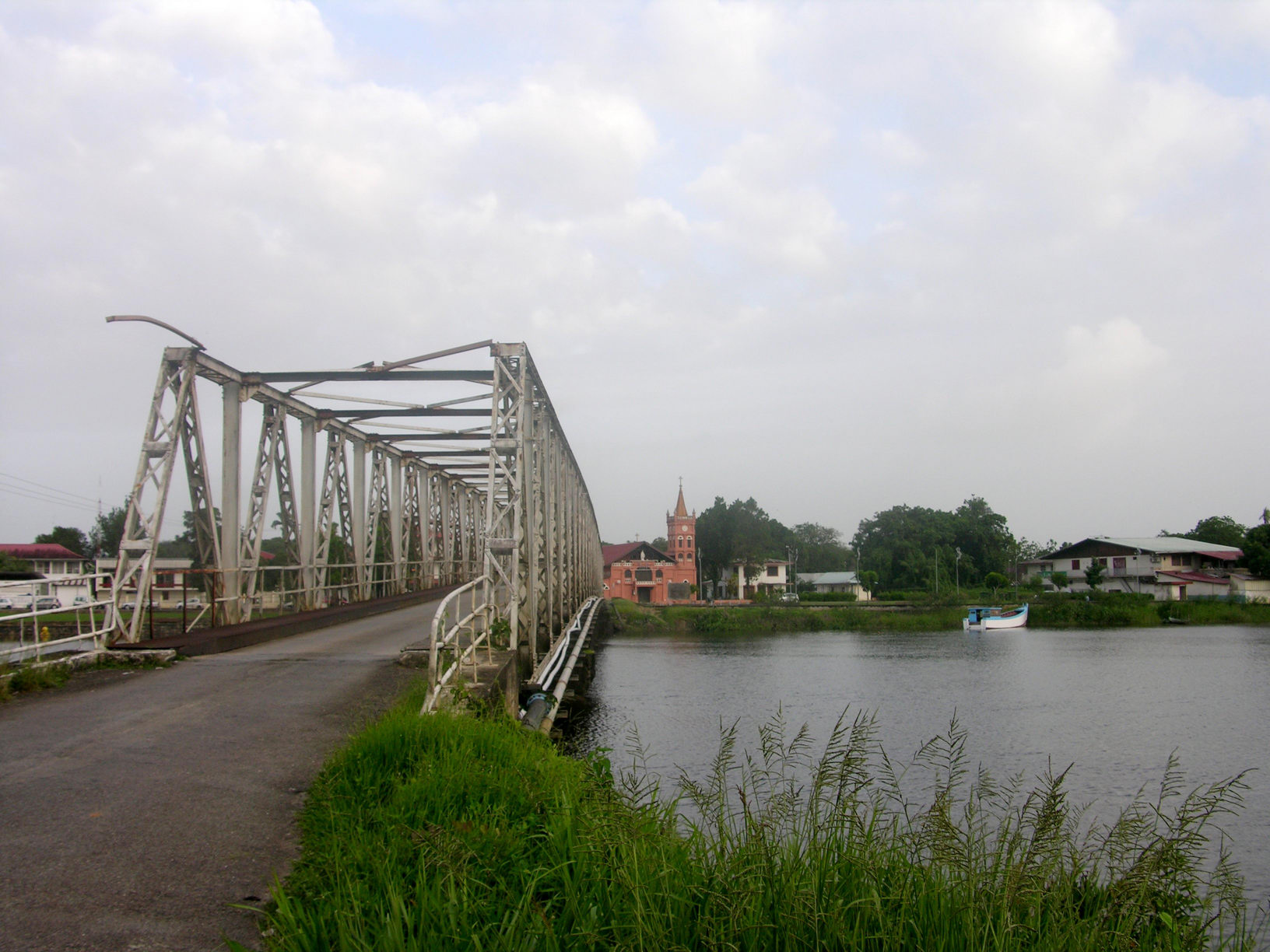
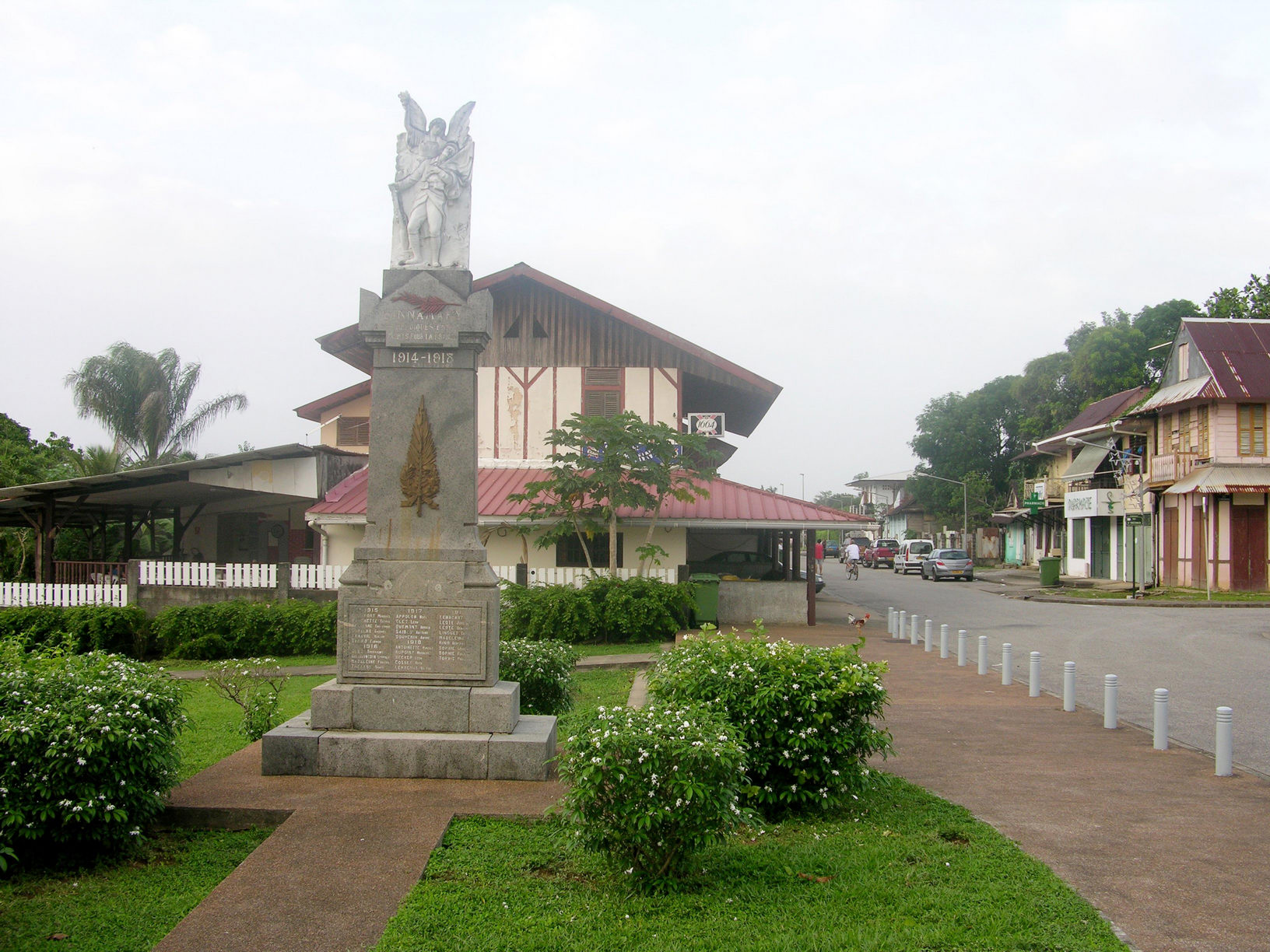
The days are short on the equator. It would be dark soon and we had to go back. Before leaving we made a quick pass through the town of Sinnamary (Sinnamary). It's said to have a lot of good souvenirs there. True enough, only they were expensive and rather large. I didn't fancy lugging them along for another fifty days and through twelve customs posts.
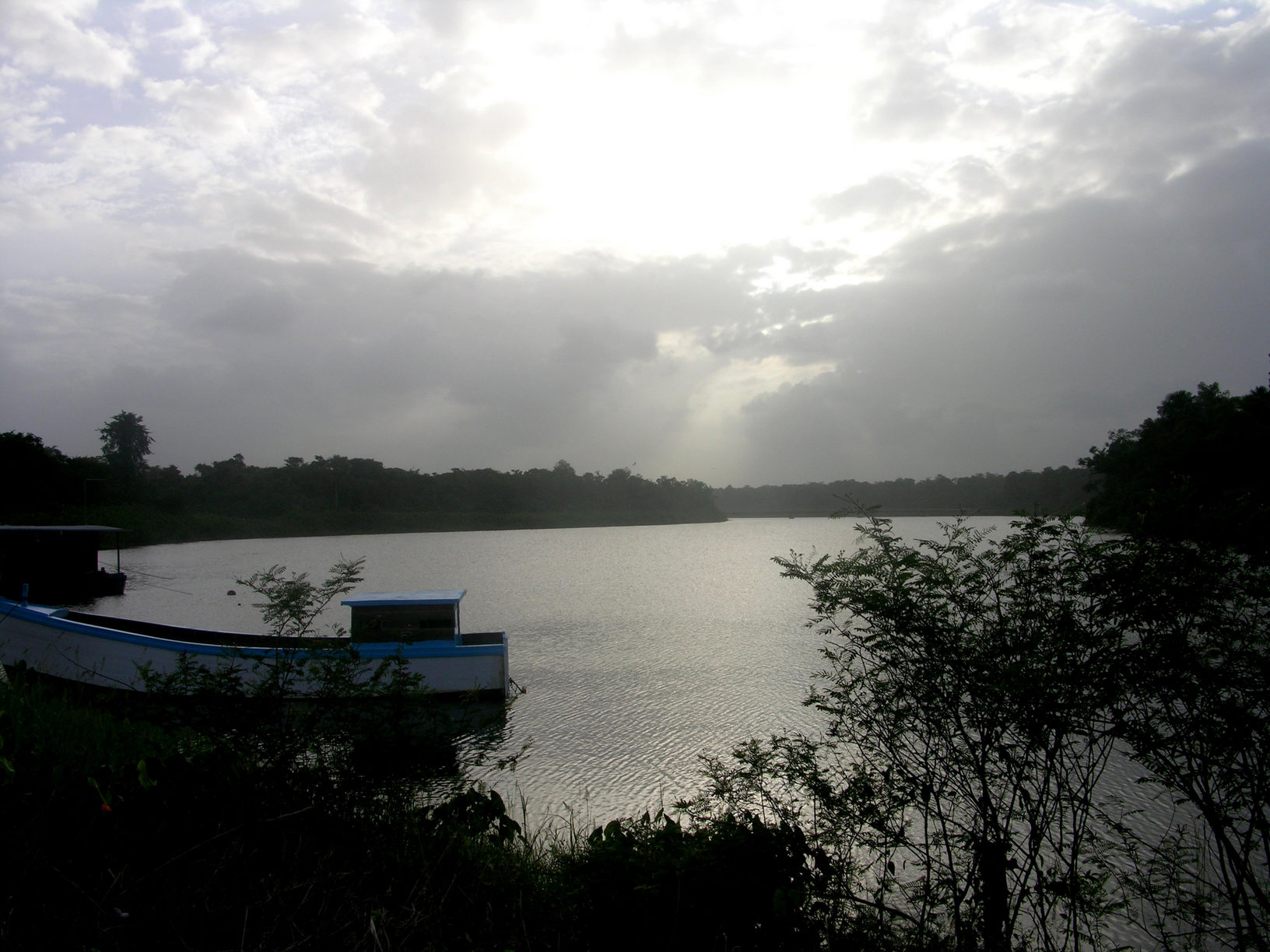
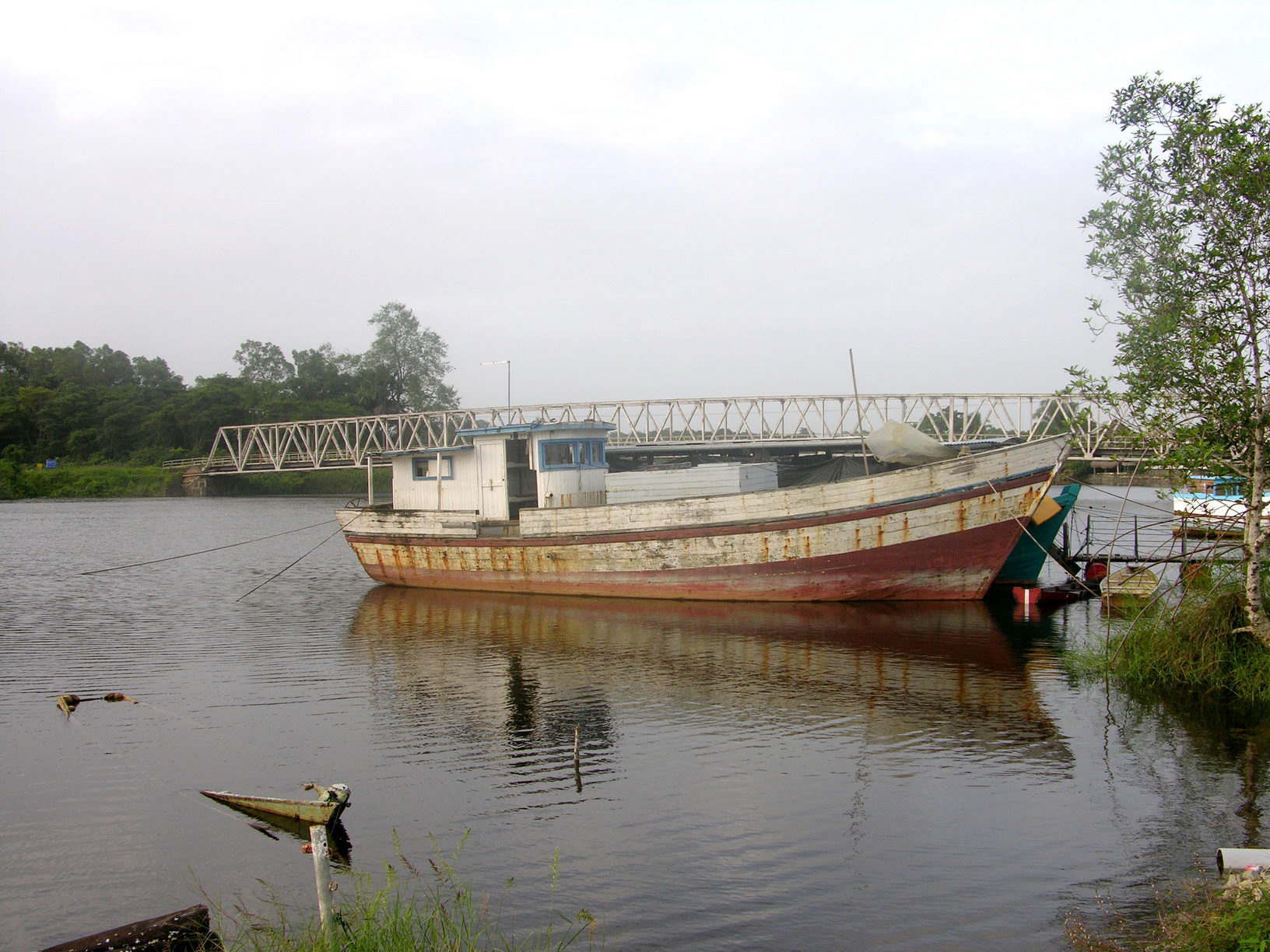
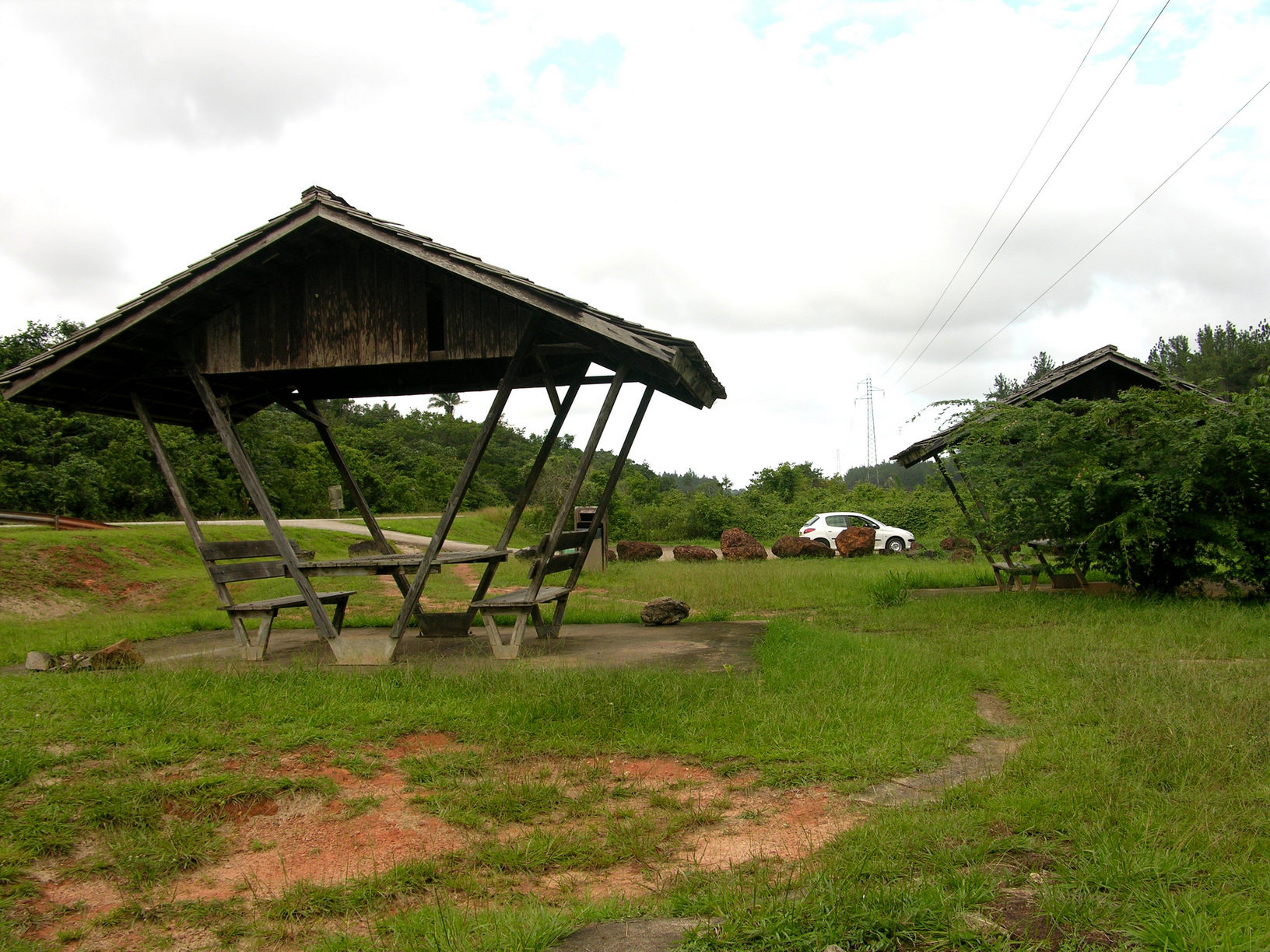
In almost complete darkness we stopped on the bypass around the space centre, in a car park by a little river (5°07.493′N, 52°43.969′W). There are three spots like that, but the one closest to Kourou is the most popular. People come for picnics and swims in the river. Drivers passing through jump out for a minute or two to freshen up and cool their heads. It's packed in the daytime, but that evening we managed a swim.
Tonight was our last night in Kourou. We'd grown used to it. It felt almost like home. We knew all the roads and had eaten in all the restaurants.
For the last time we came down to the sea and the rocky spit, to breathe the evening sea air and think about the meaning of life.
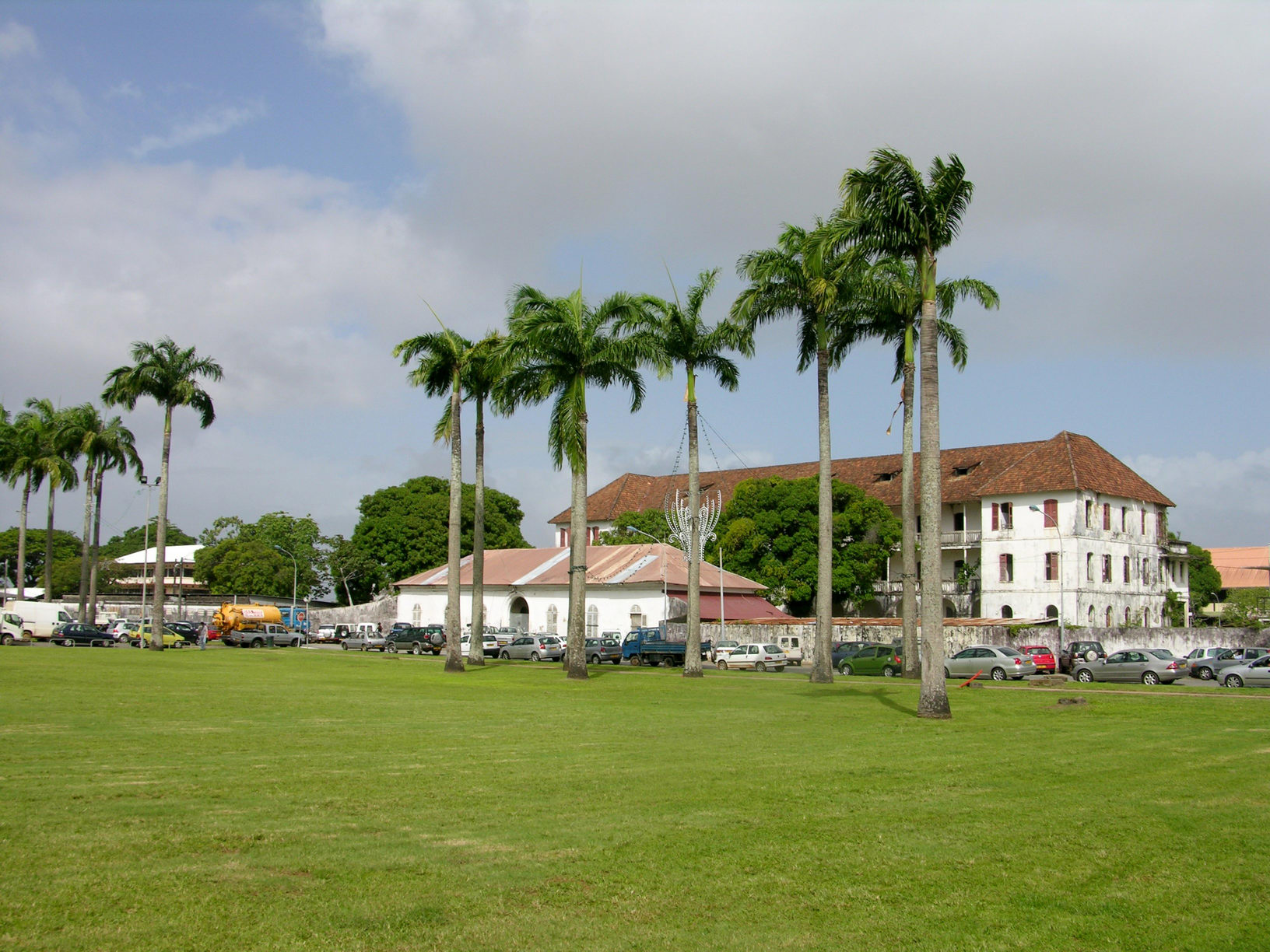
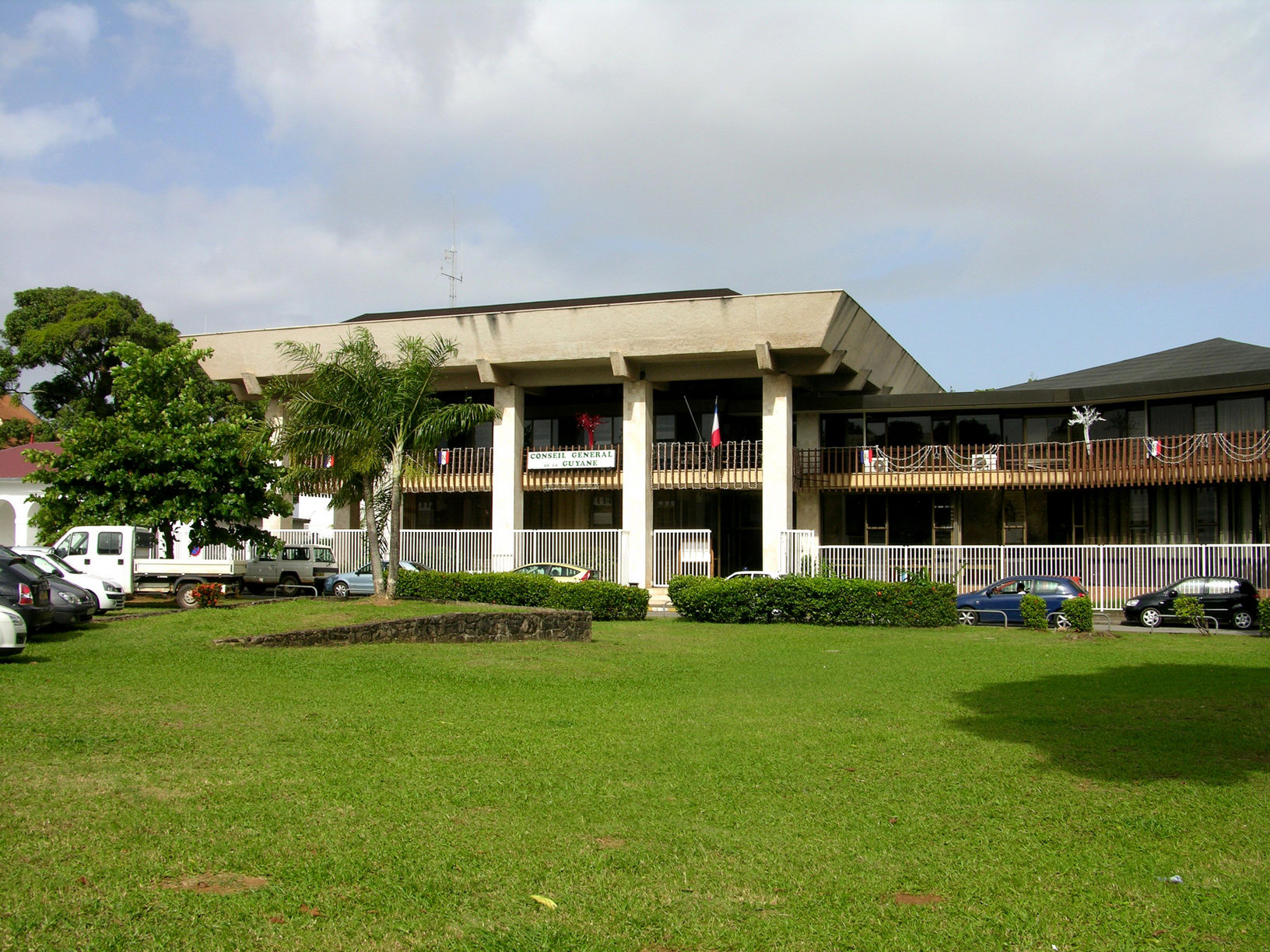
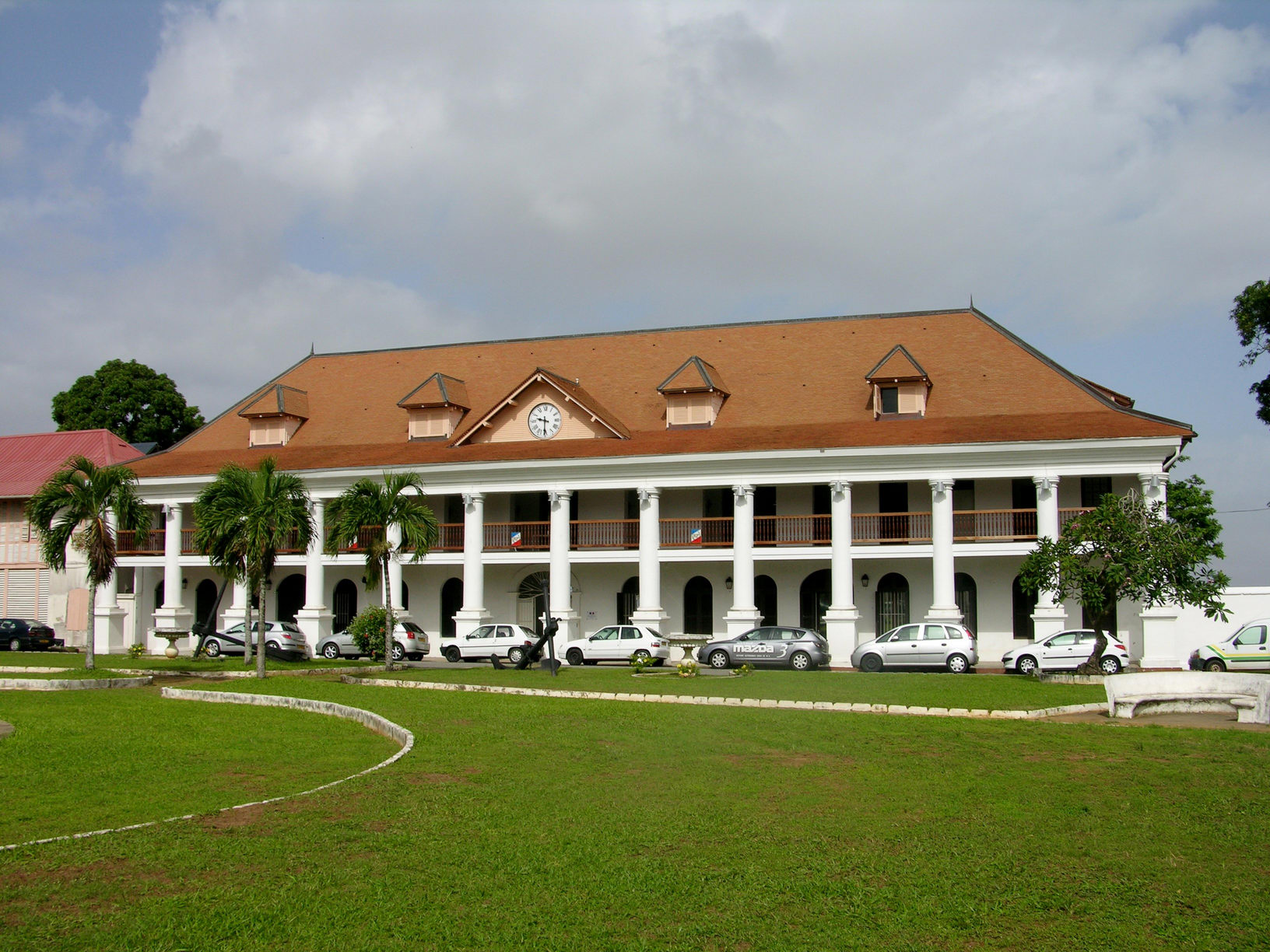
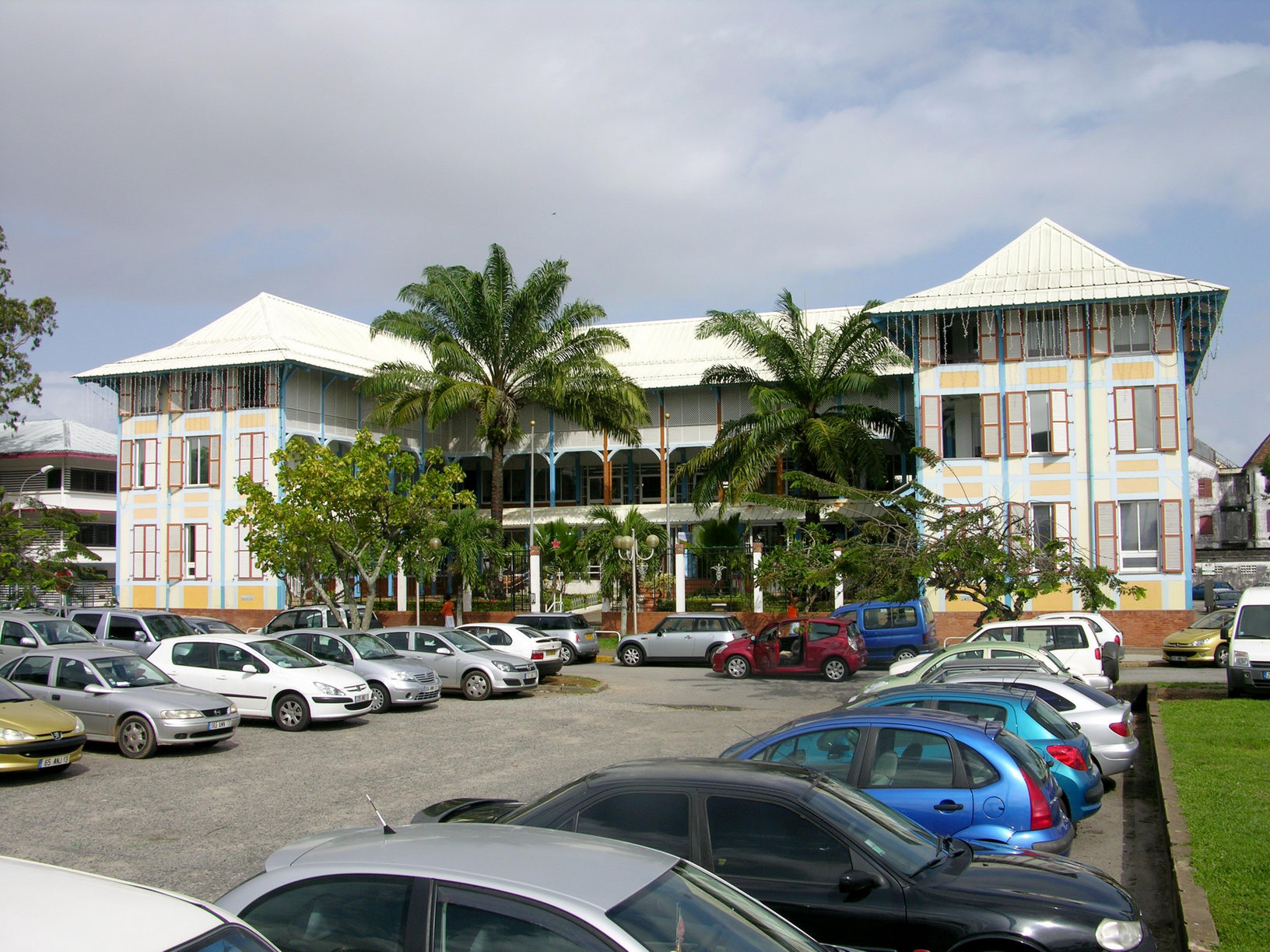
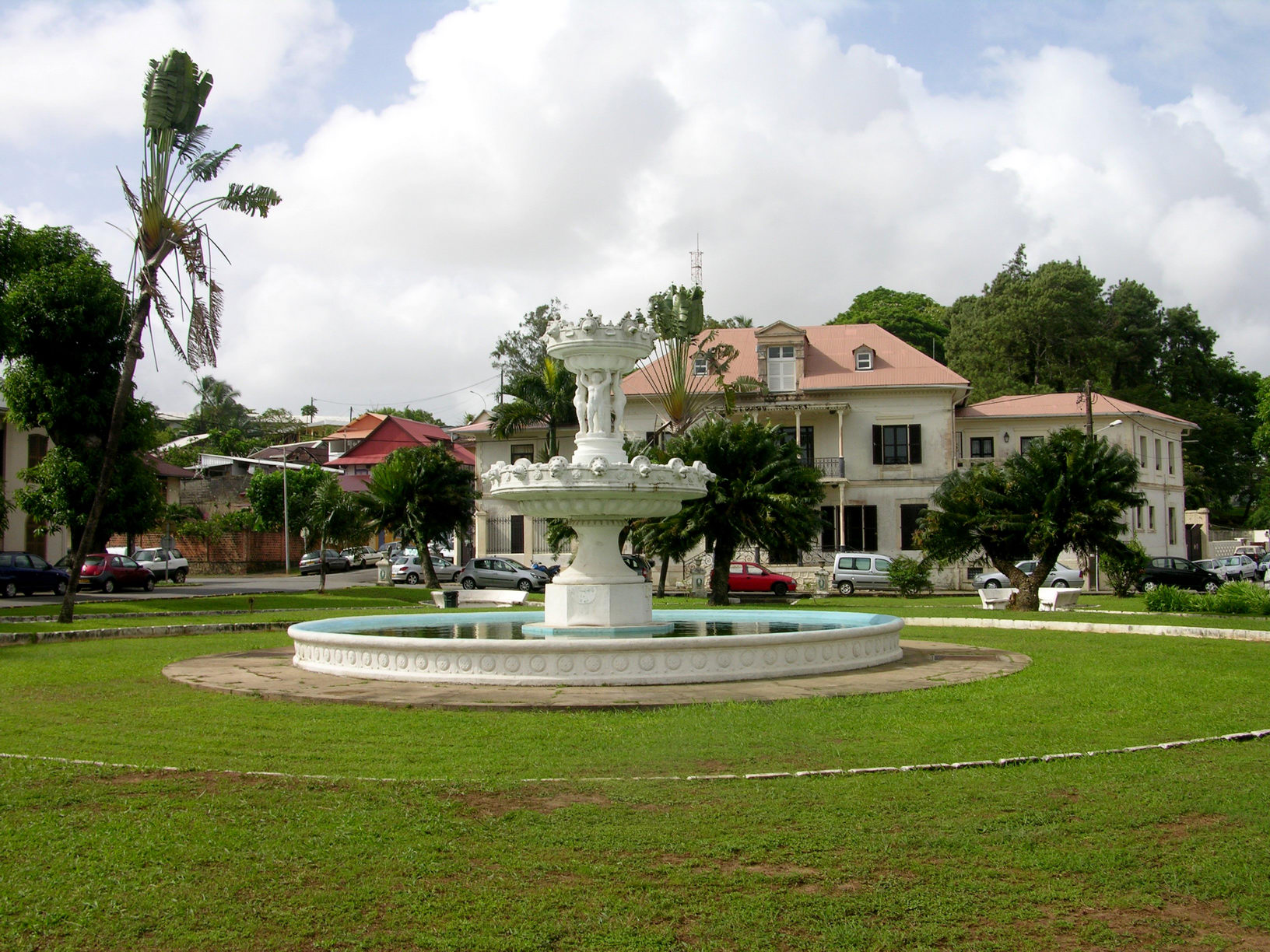
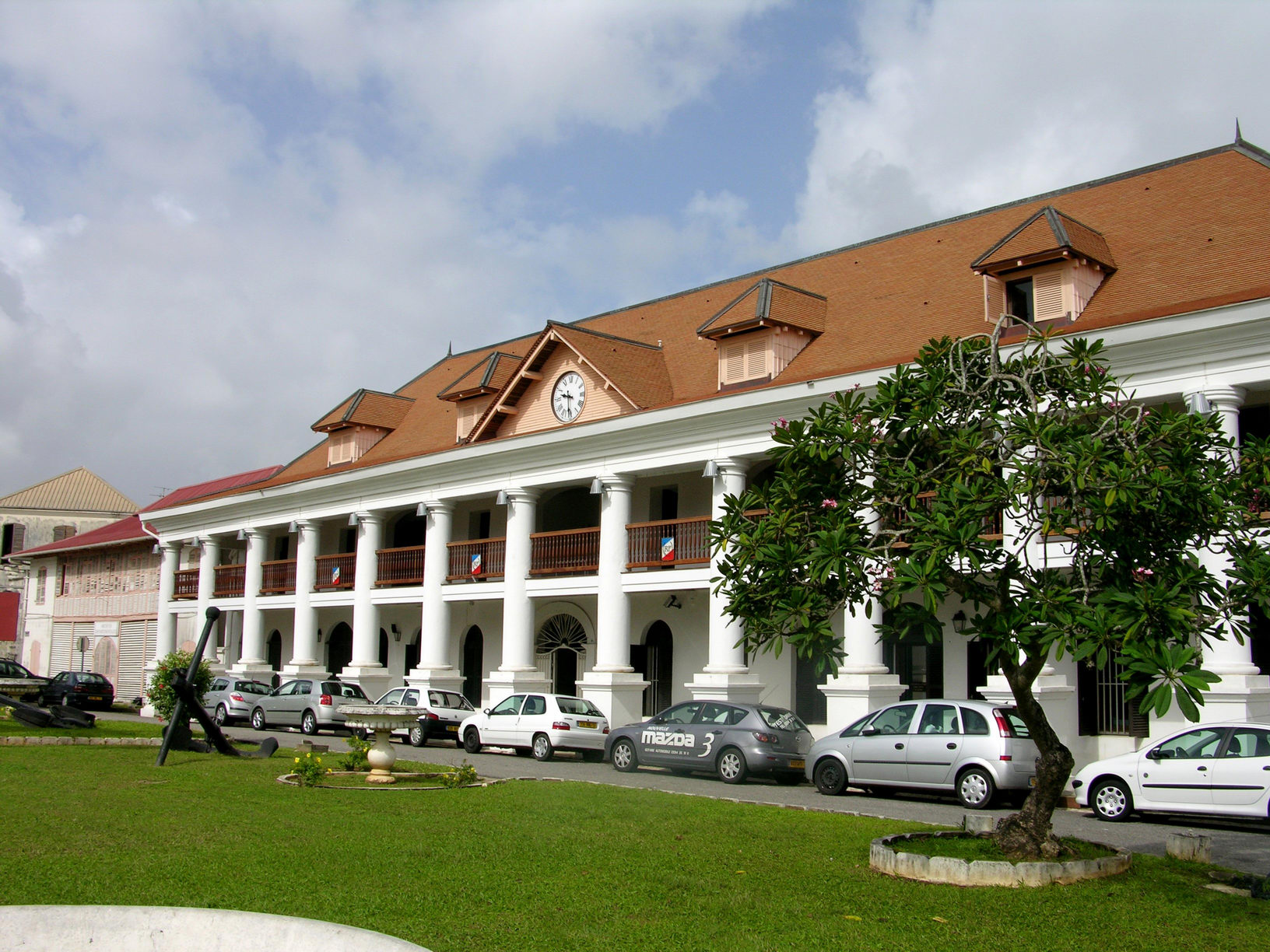
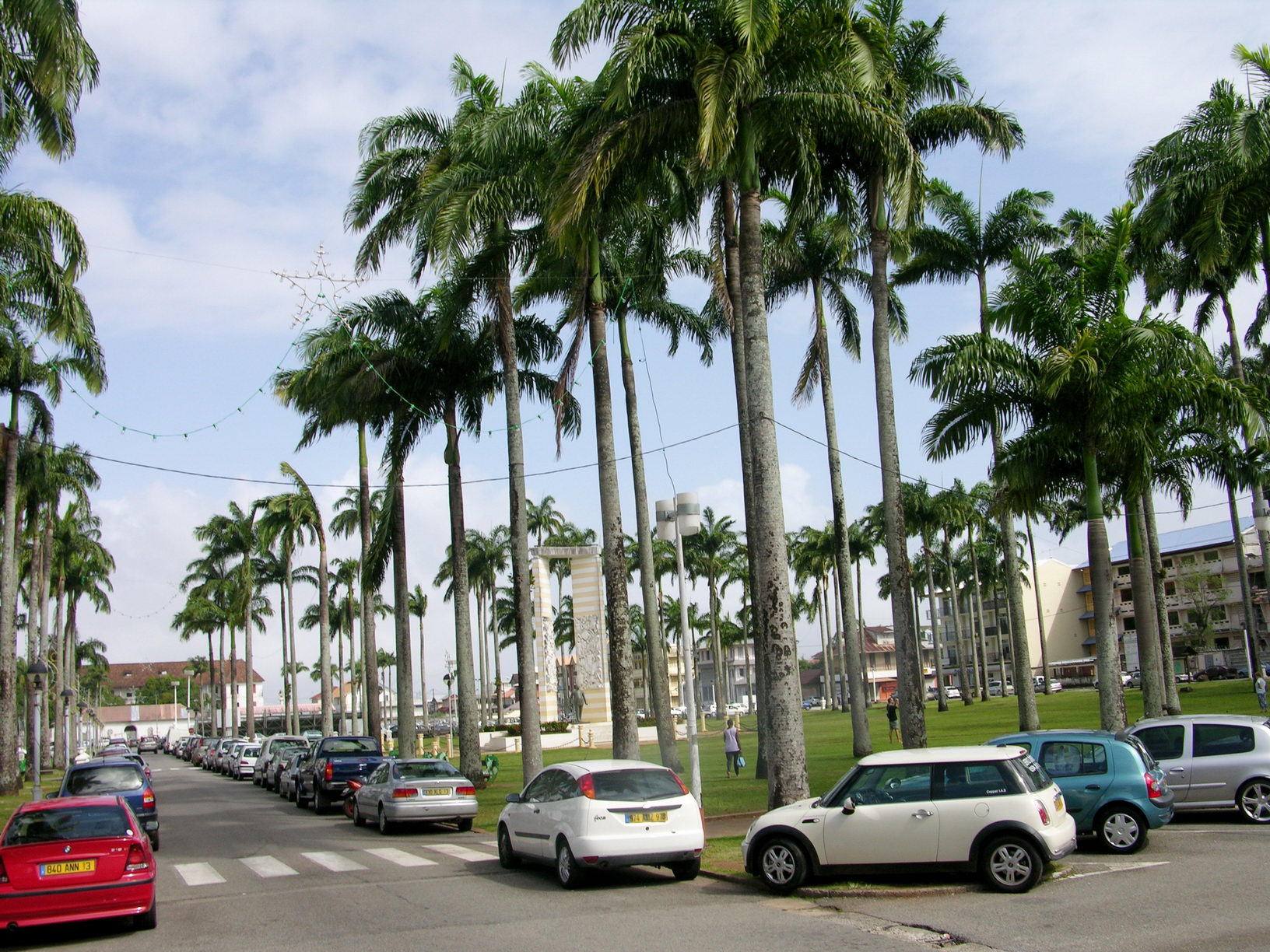
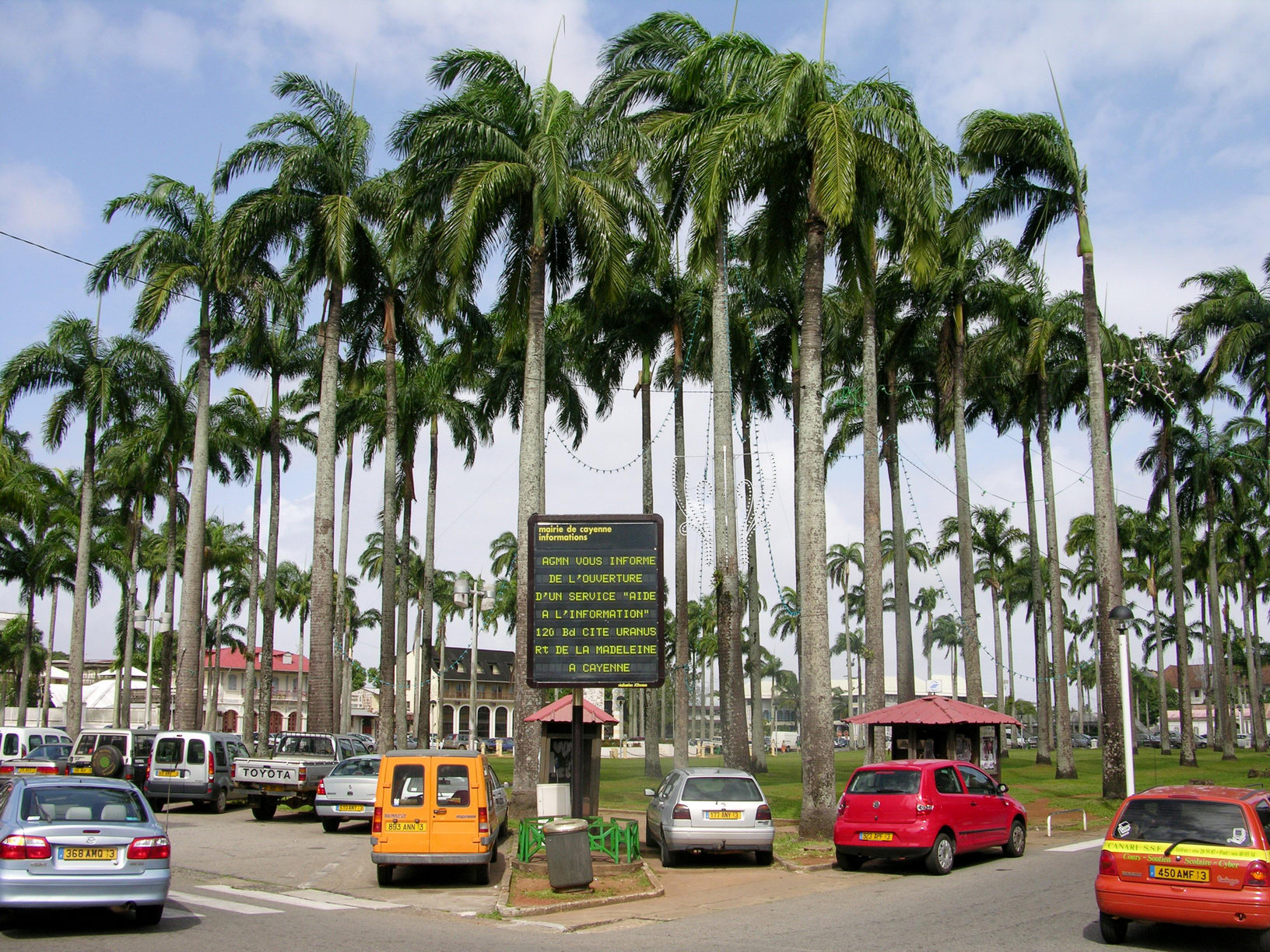
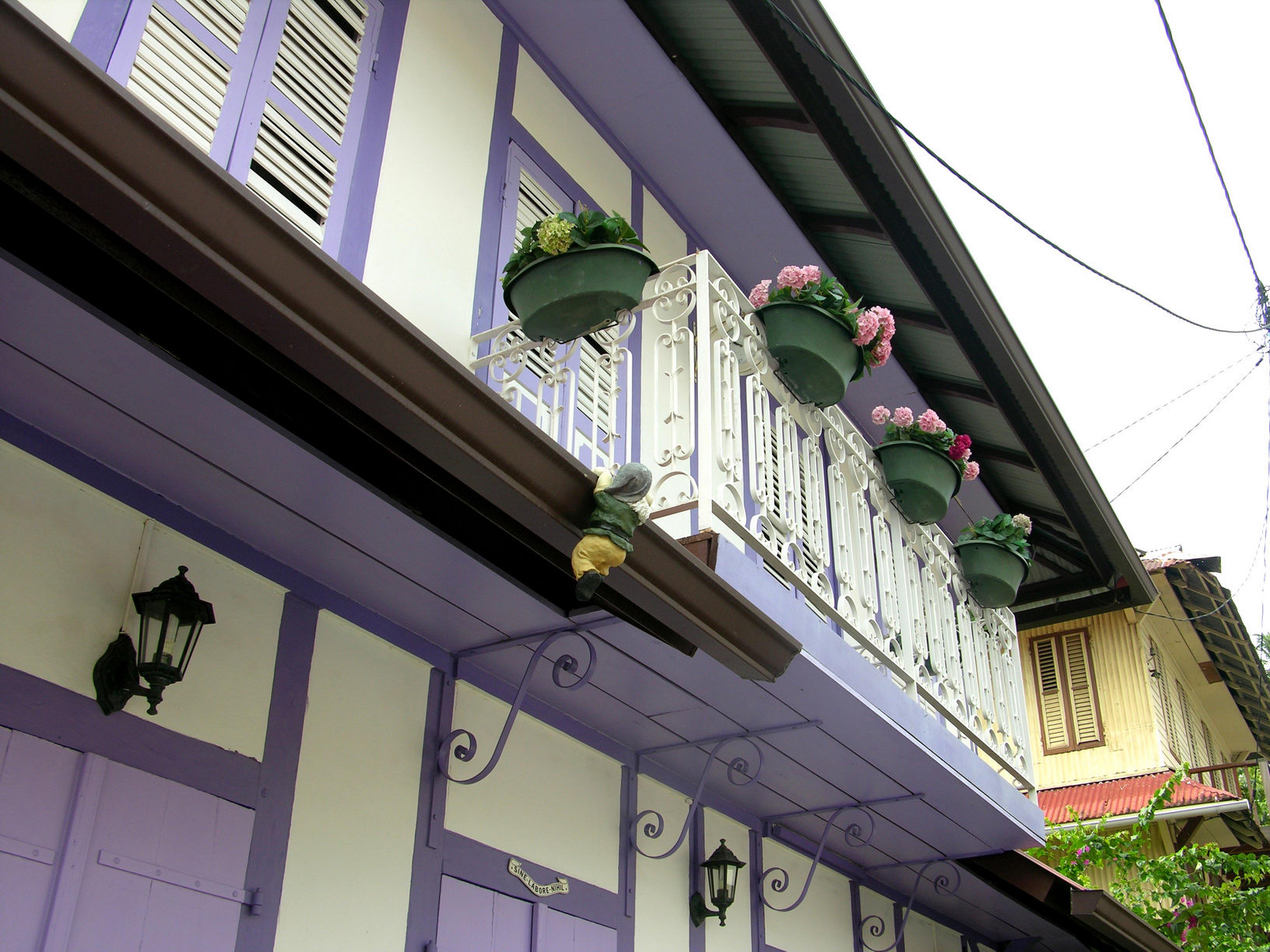
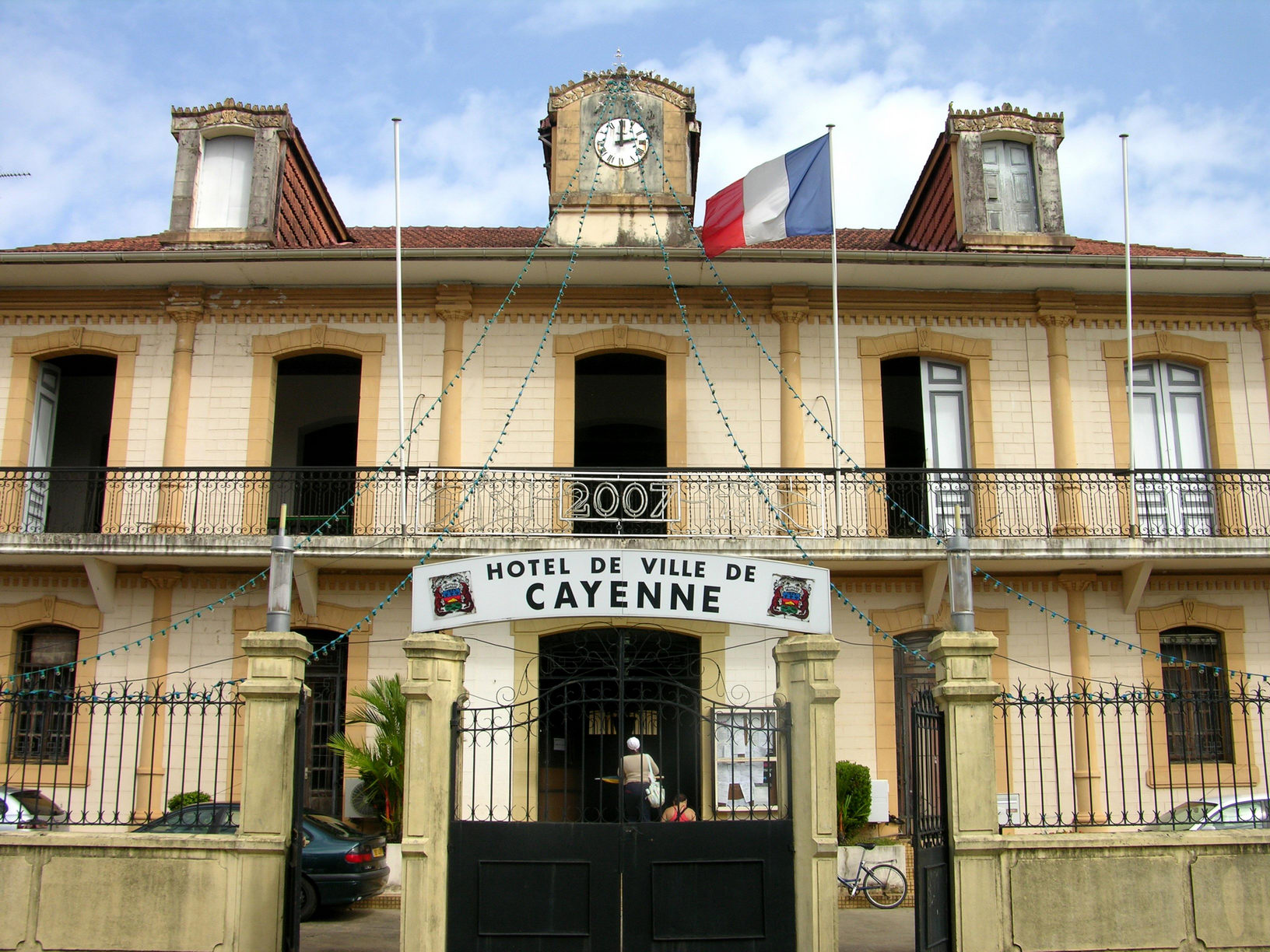
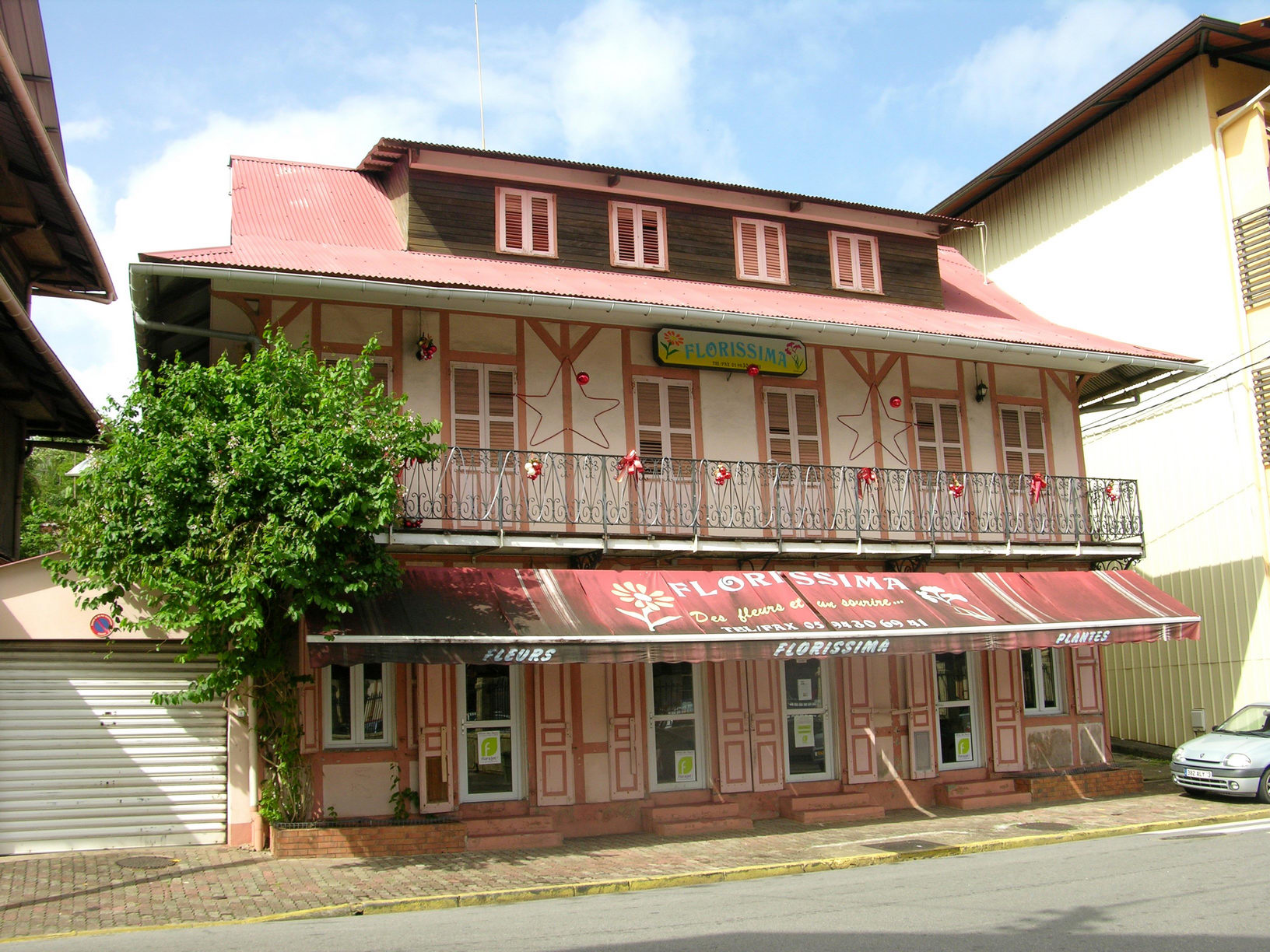
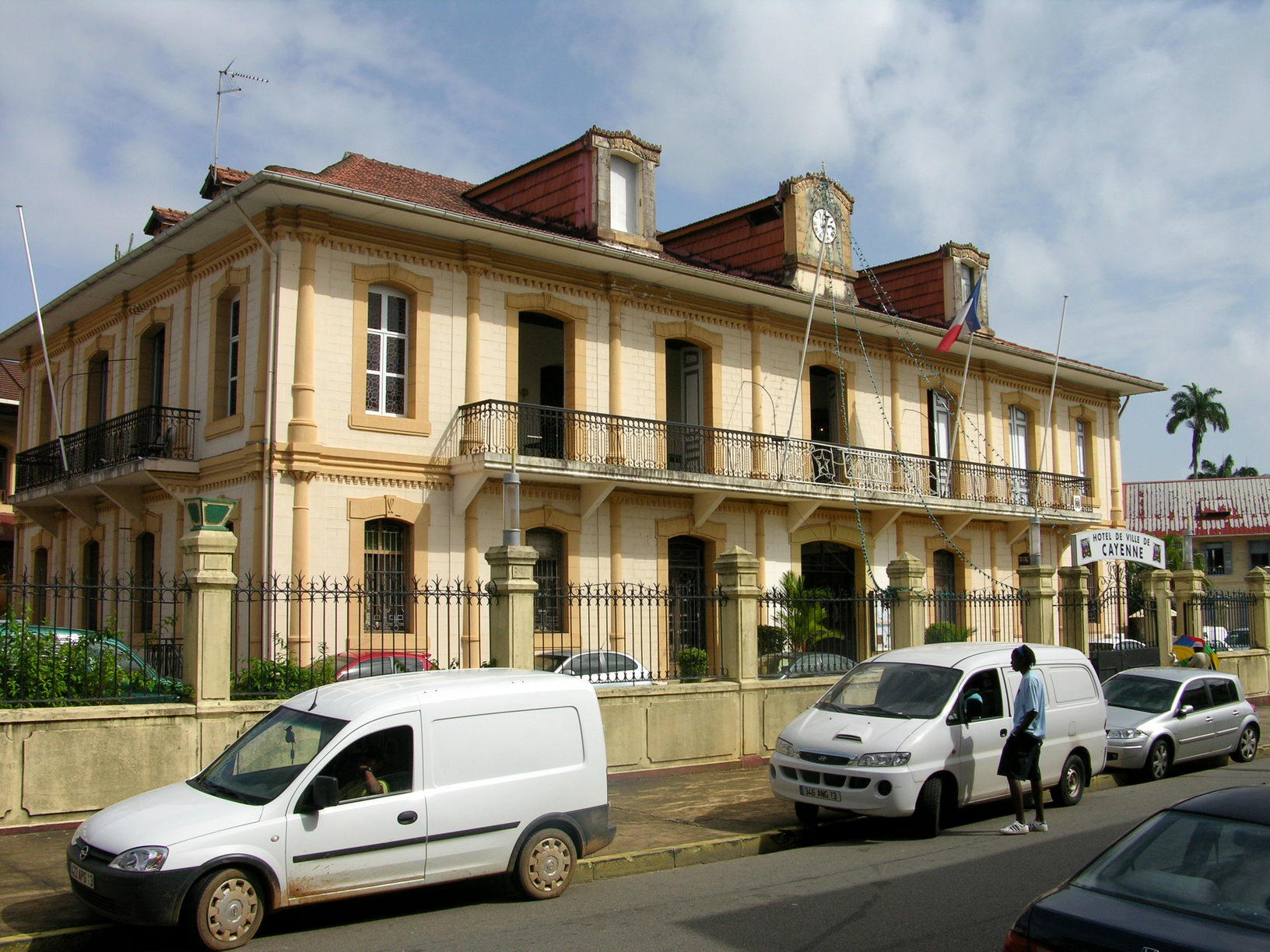
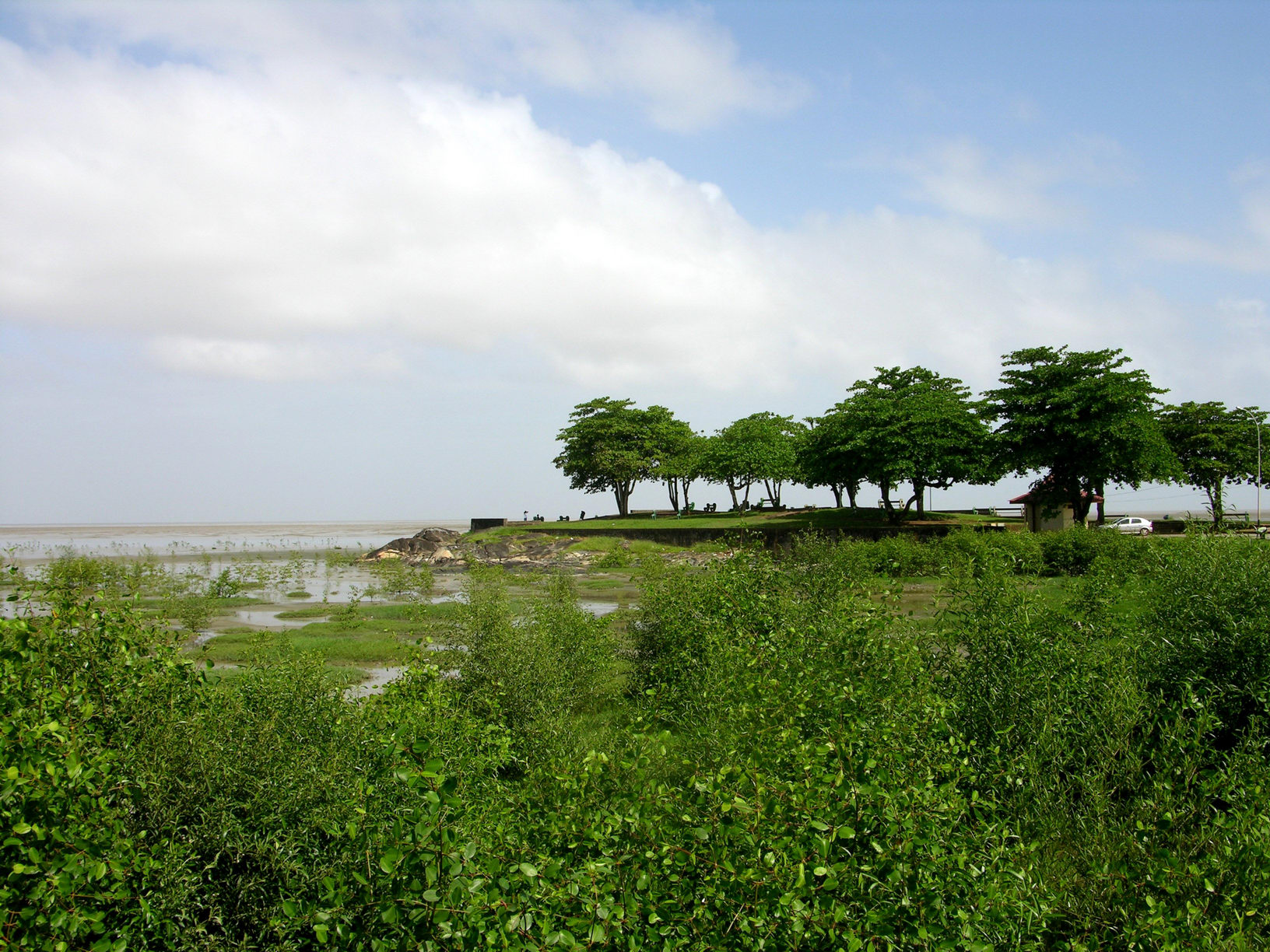
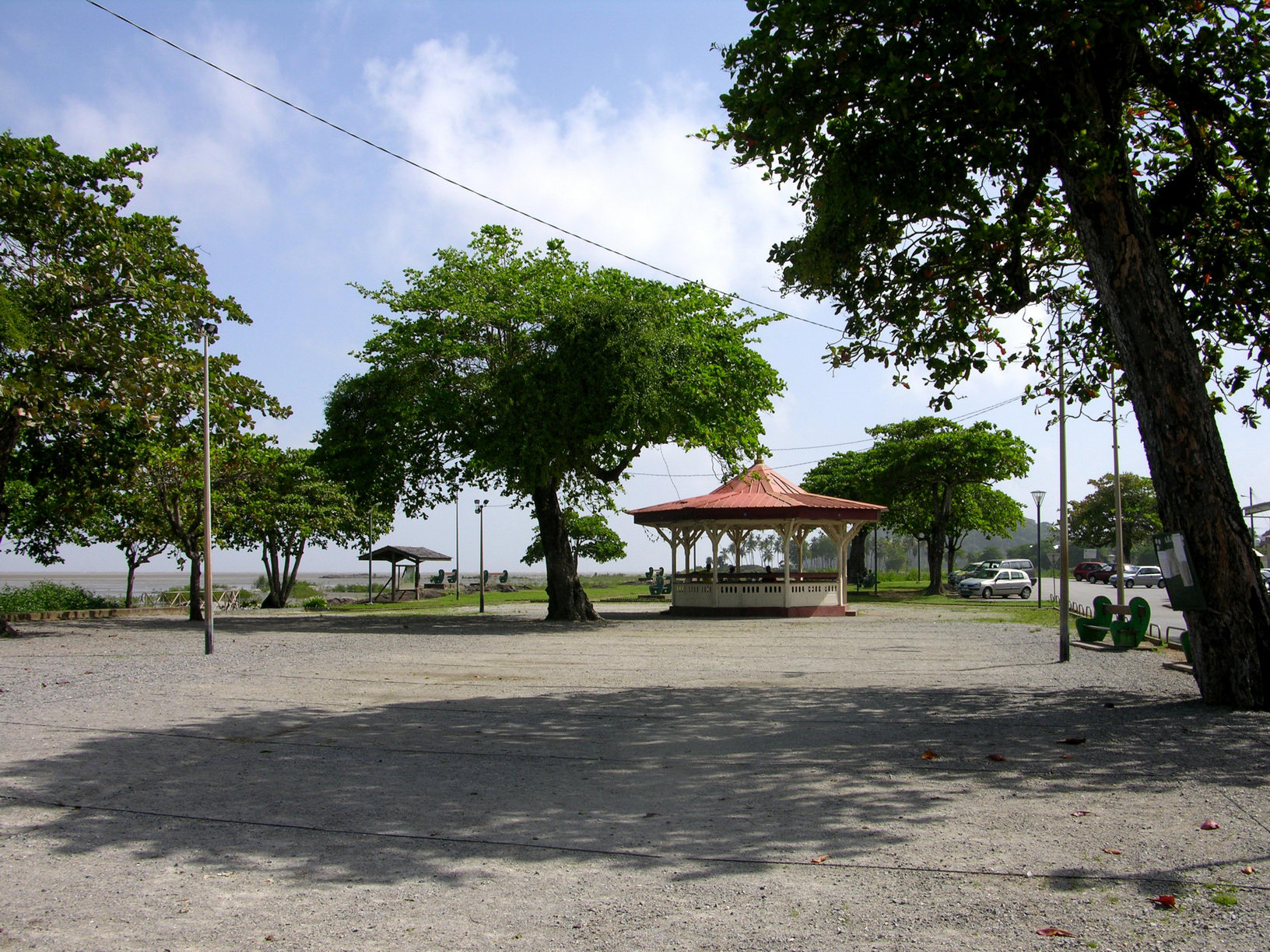
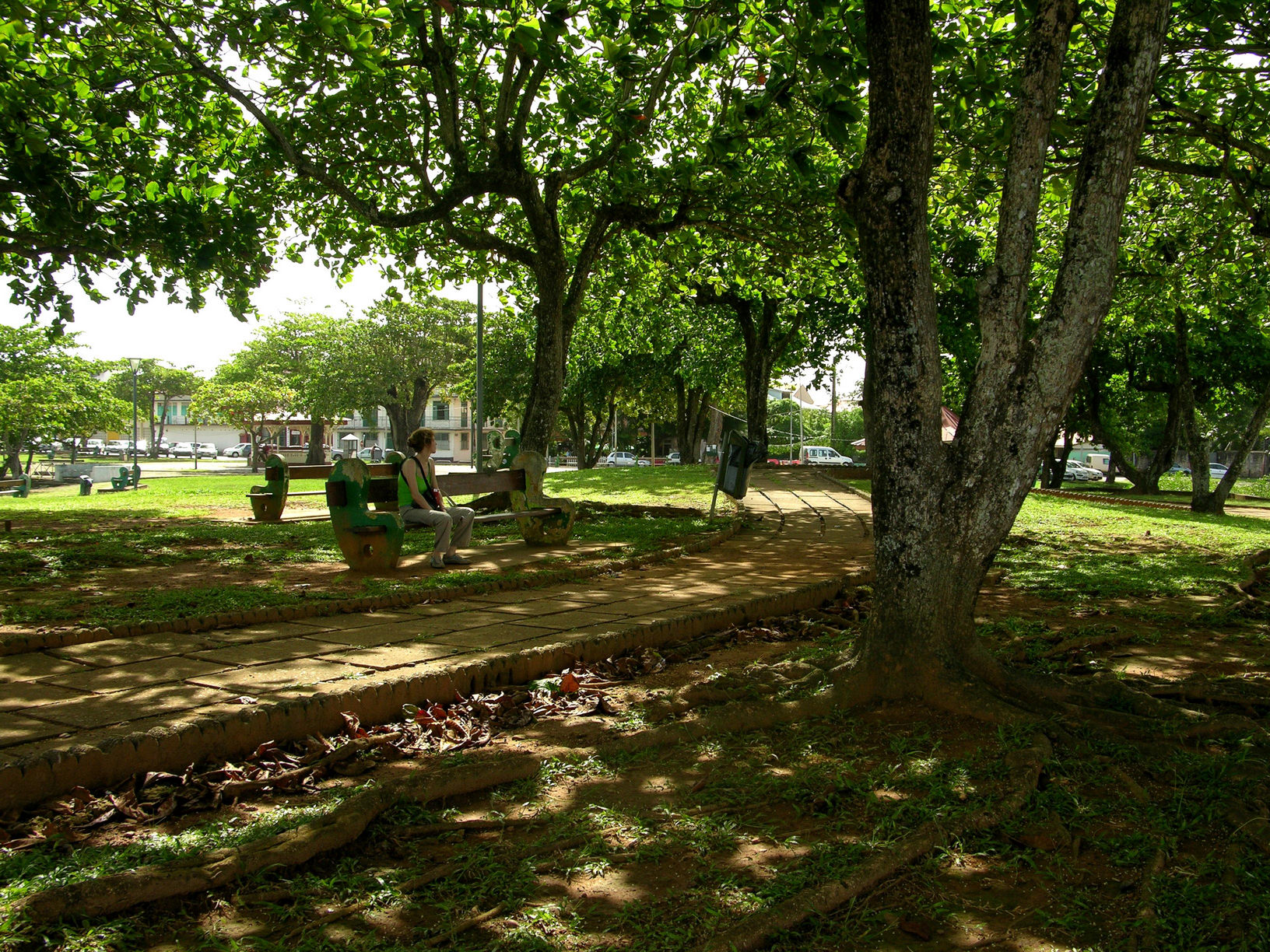
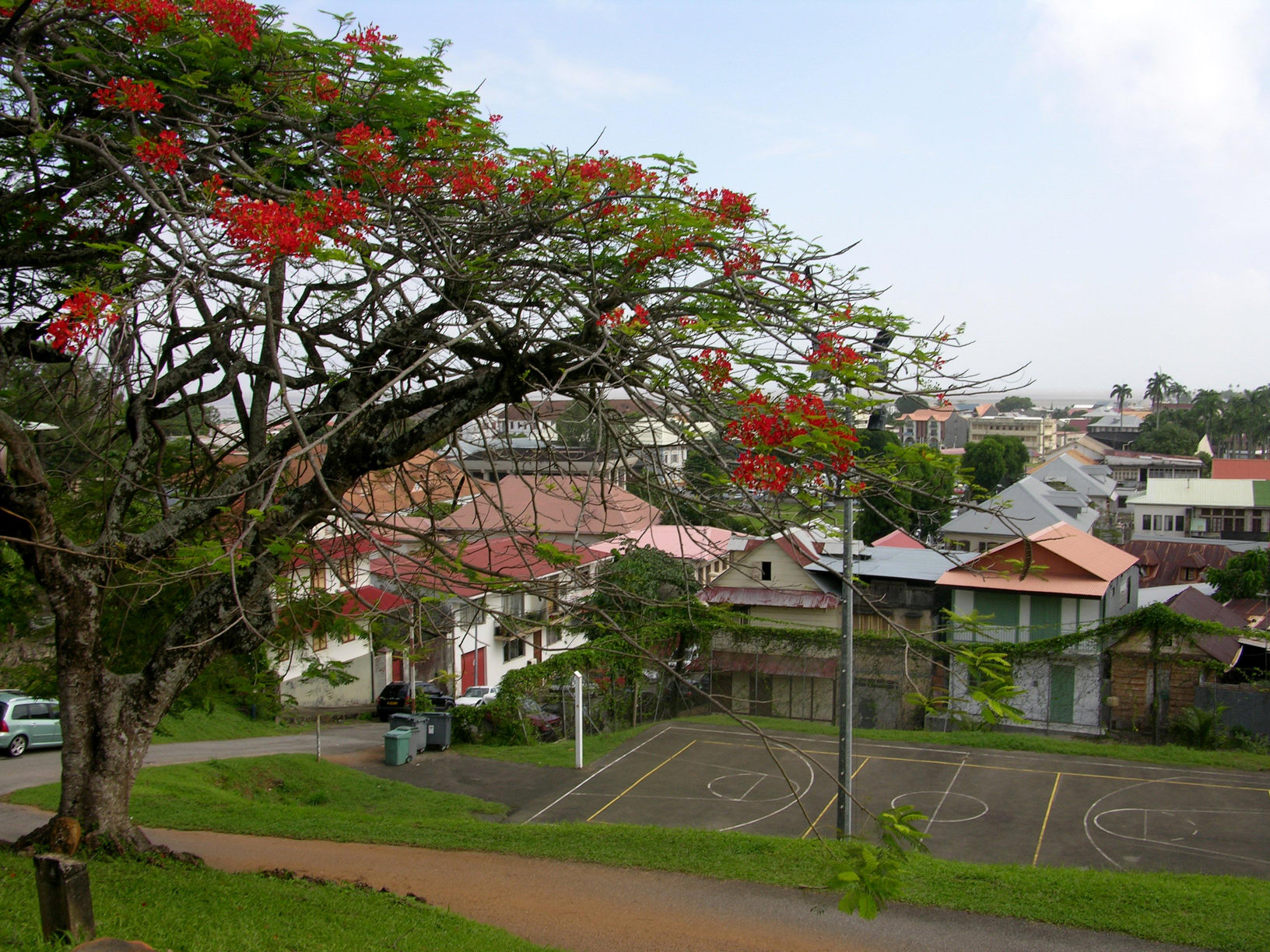
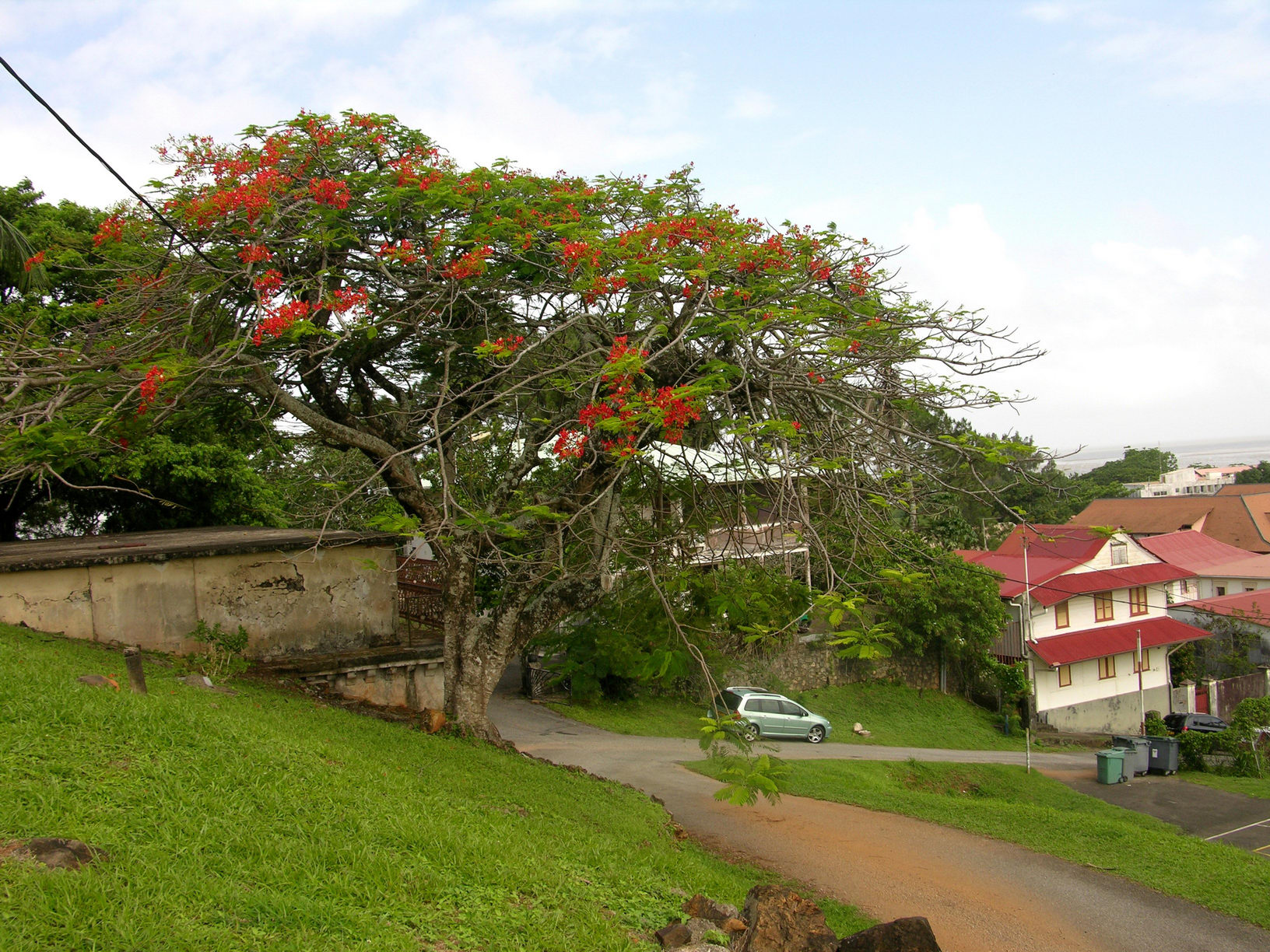
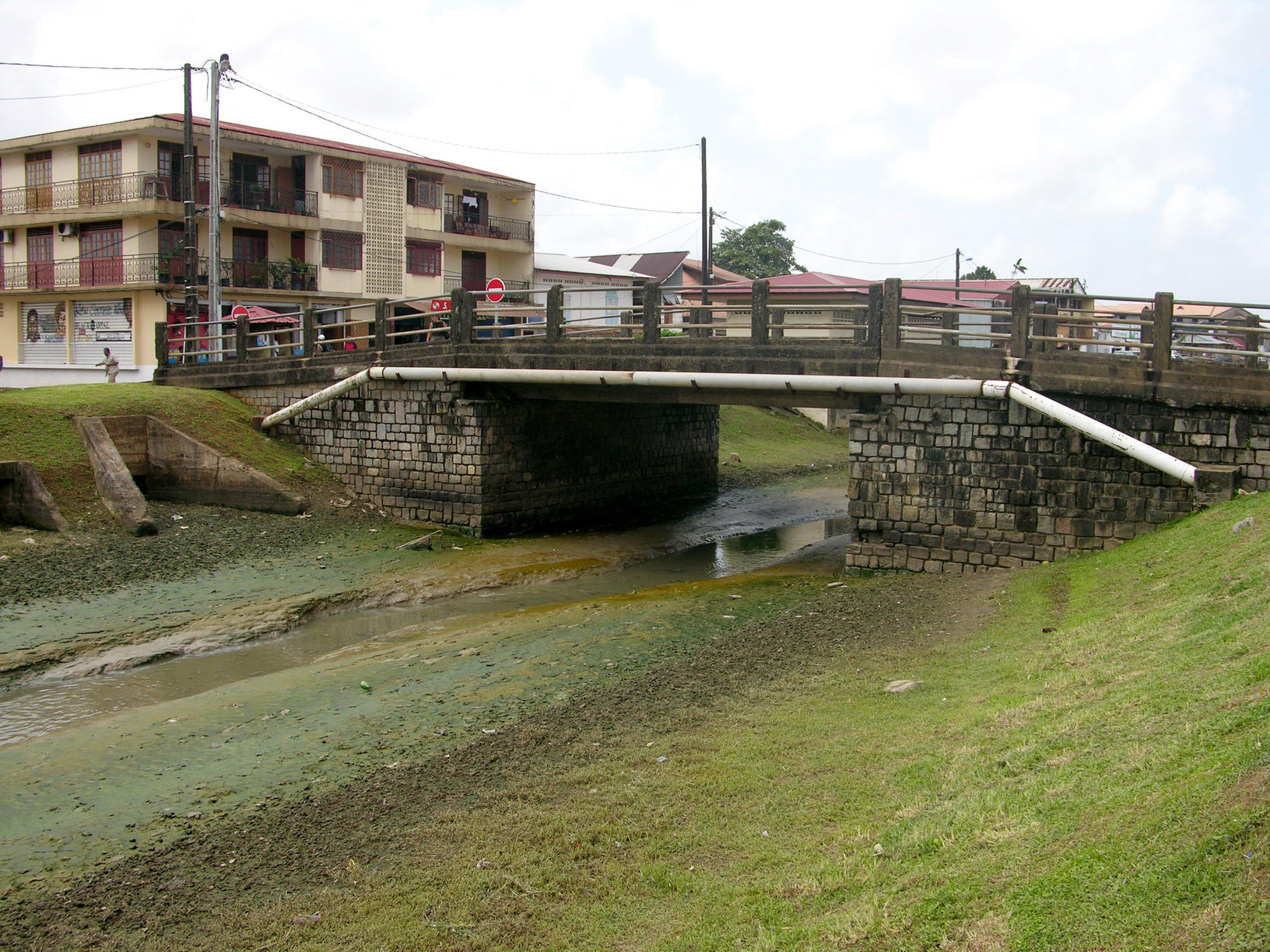
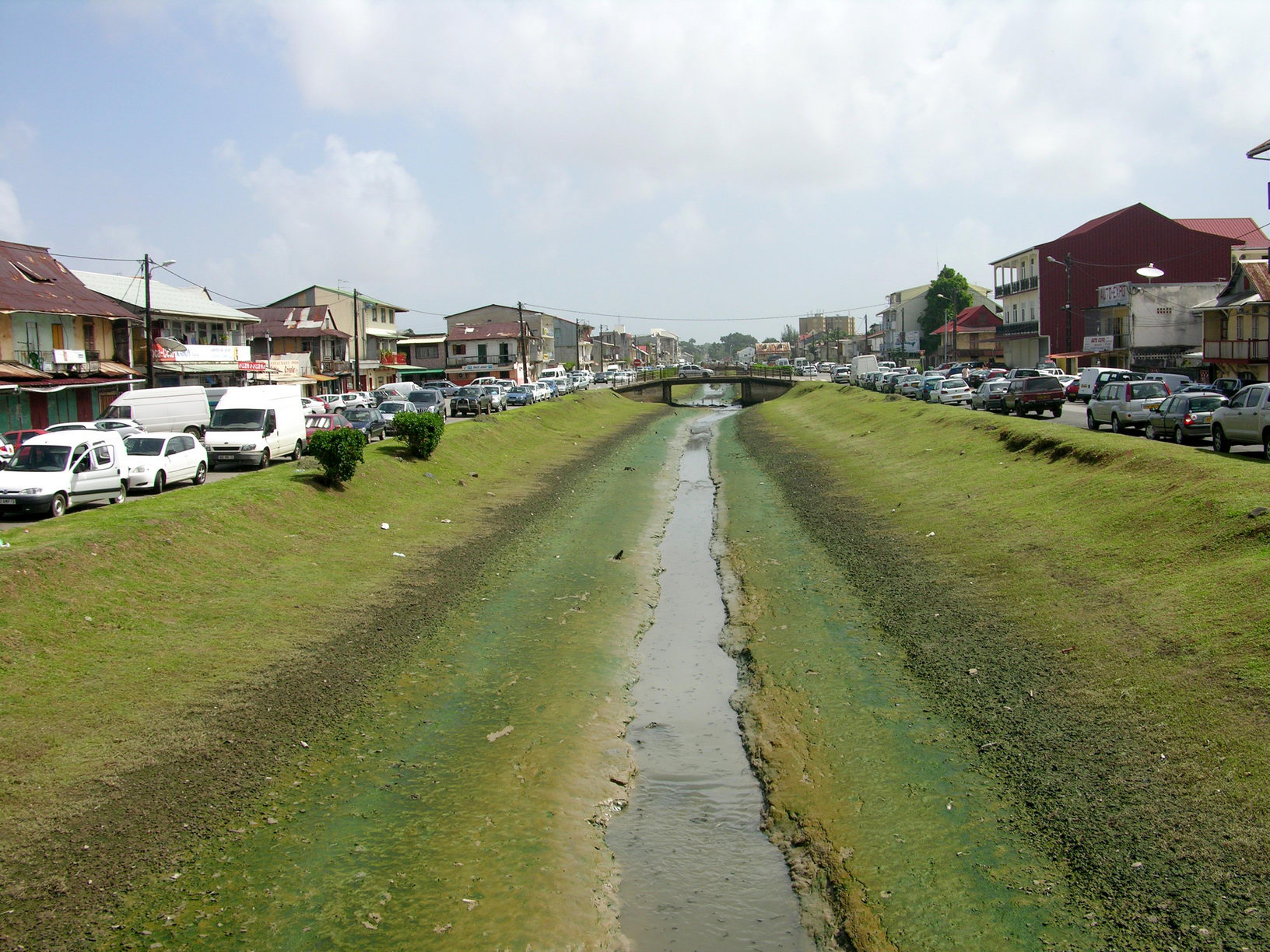
In the morning we went back to Cayenne. We hadn't walked around it yet, really. Either there hadn't been time or it had rained. At last we had a sunny day. The town is small. You can walk around the scrubbed central blocks in fifteen minutes. A fort rises above the town. There's nothing particularly interesting there. What's more, it counts as part of a naval base and access is forbidden. There wasn't a fence, though, and we climbed to the top of the hill to look down on the town from above. No one came to catch us. Besides the hill Cayenne has a little river. It looks depressing, nothing but a ditch, though when it rains it fills almost to the brim.
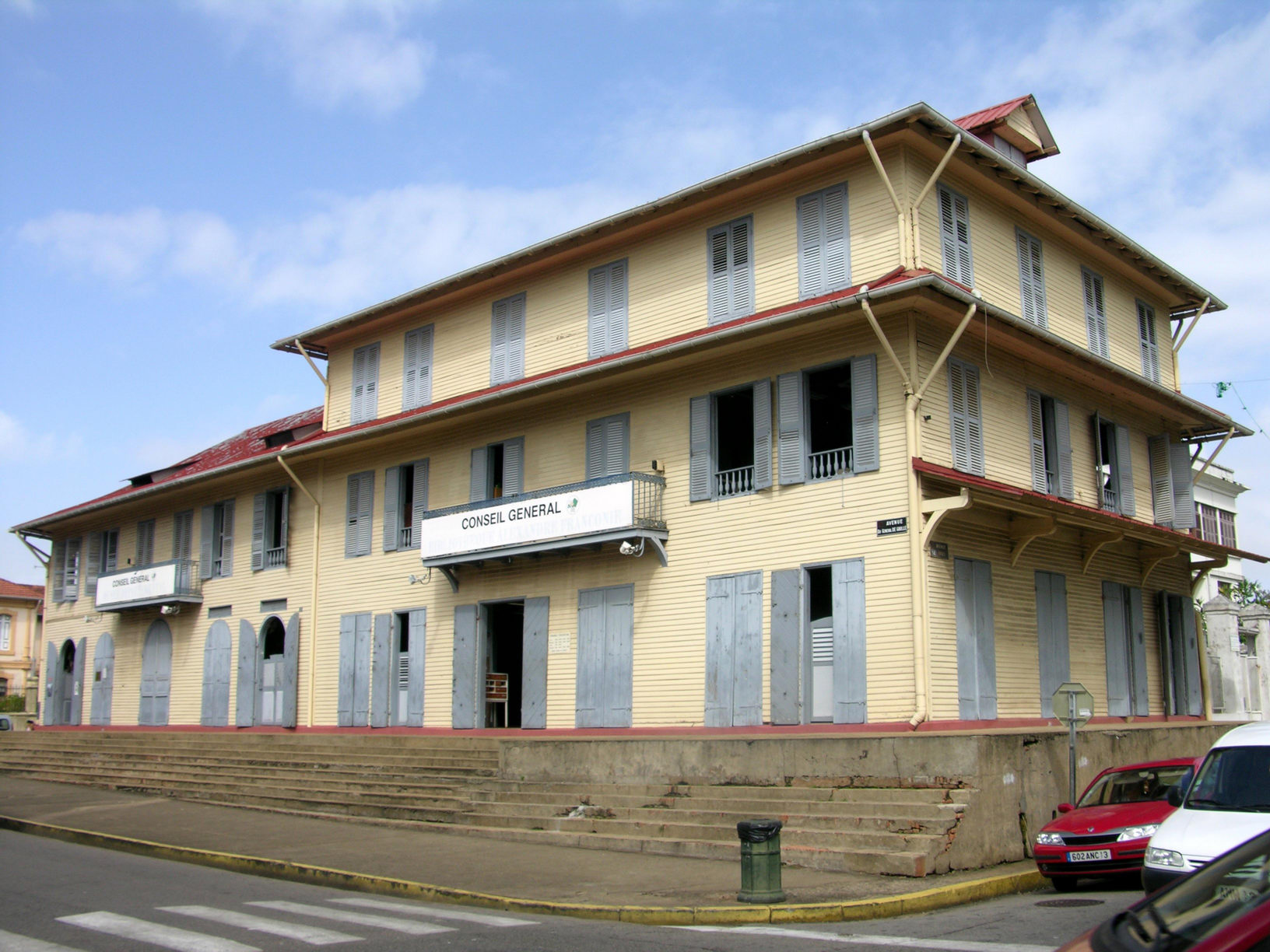
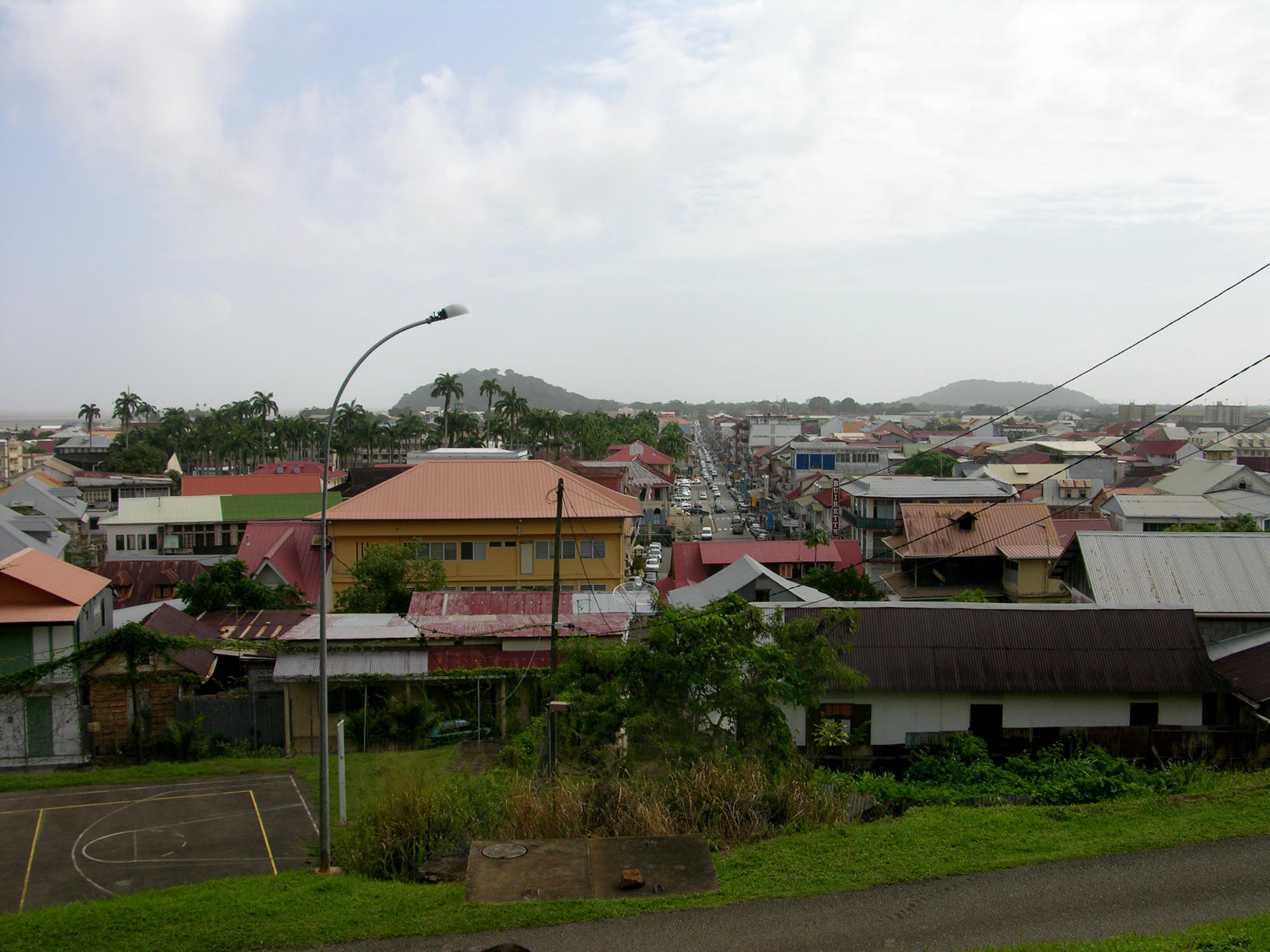
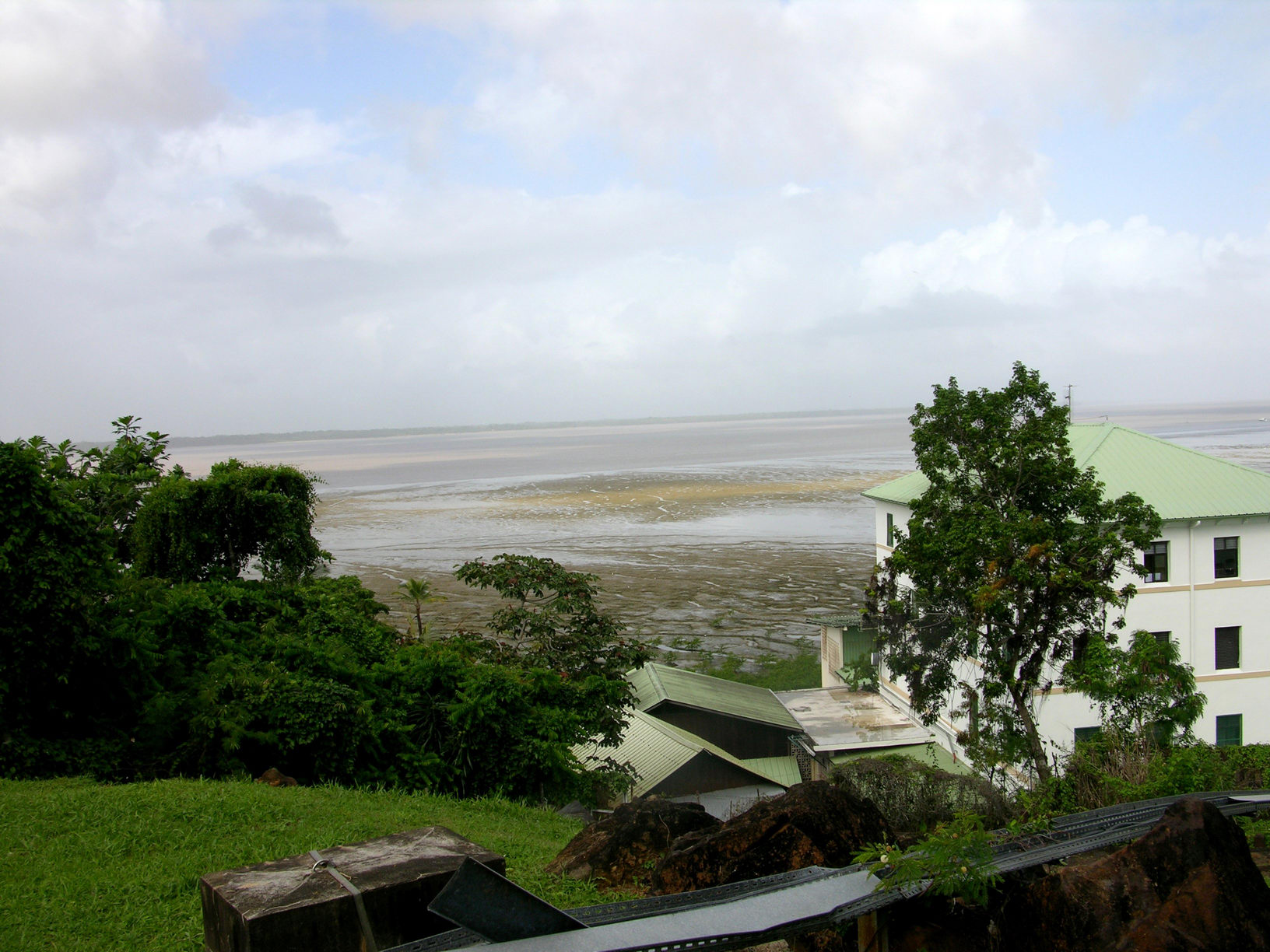
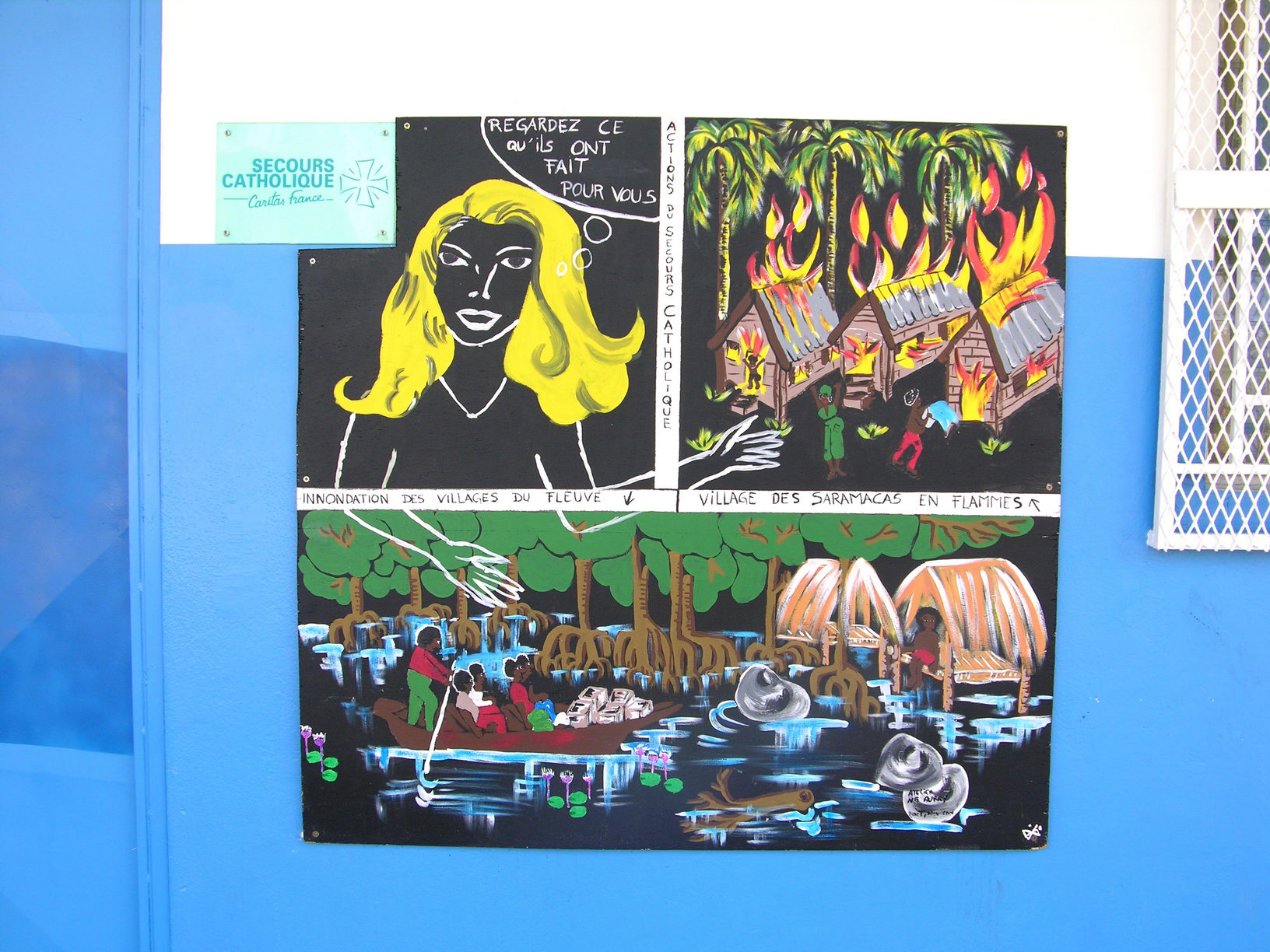
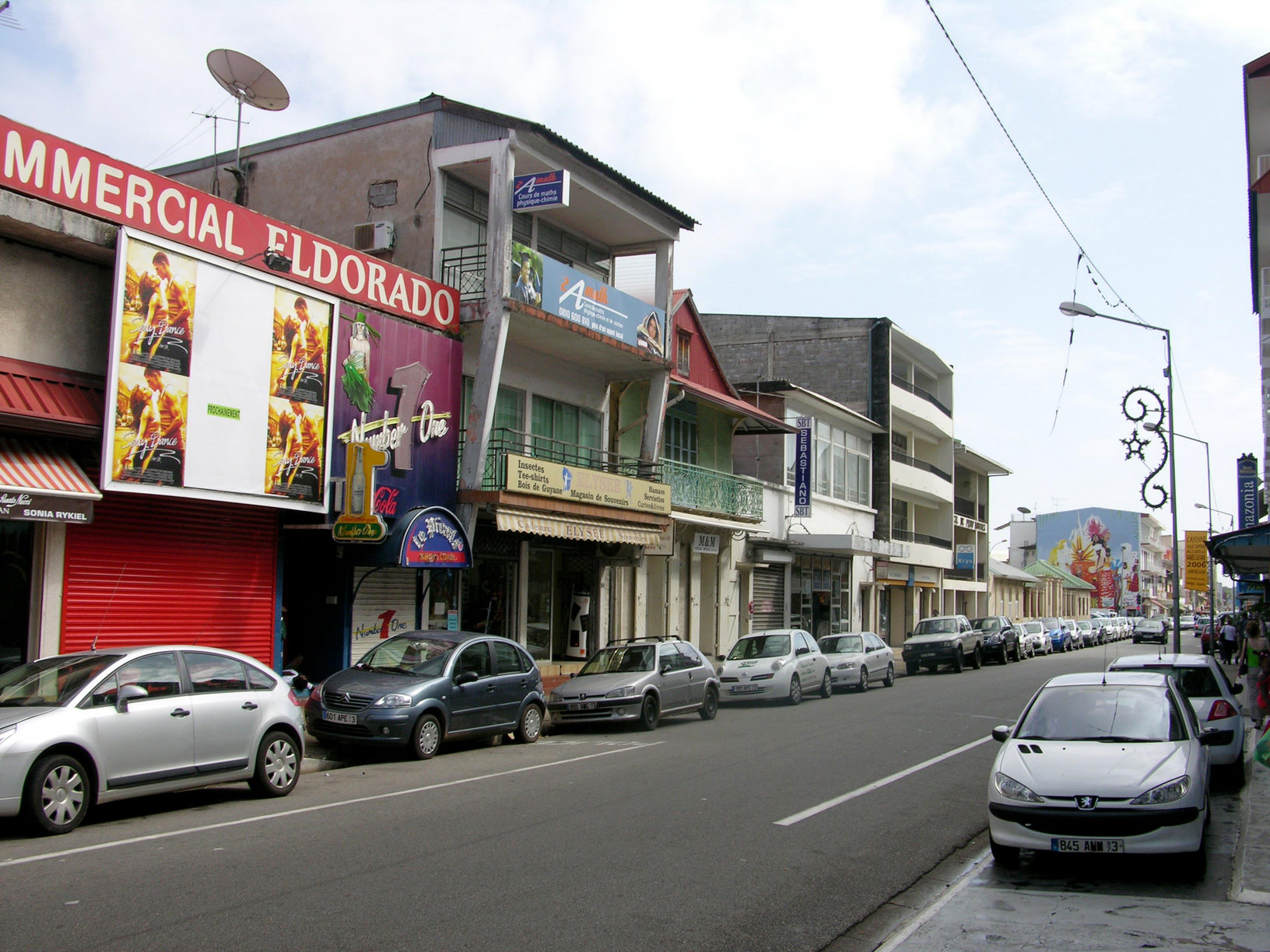
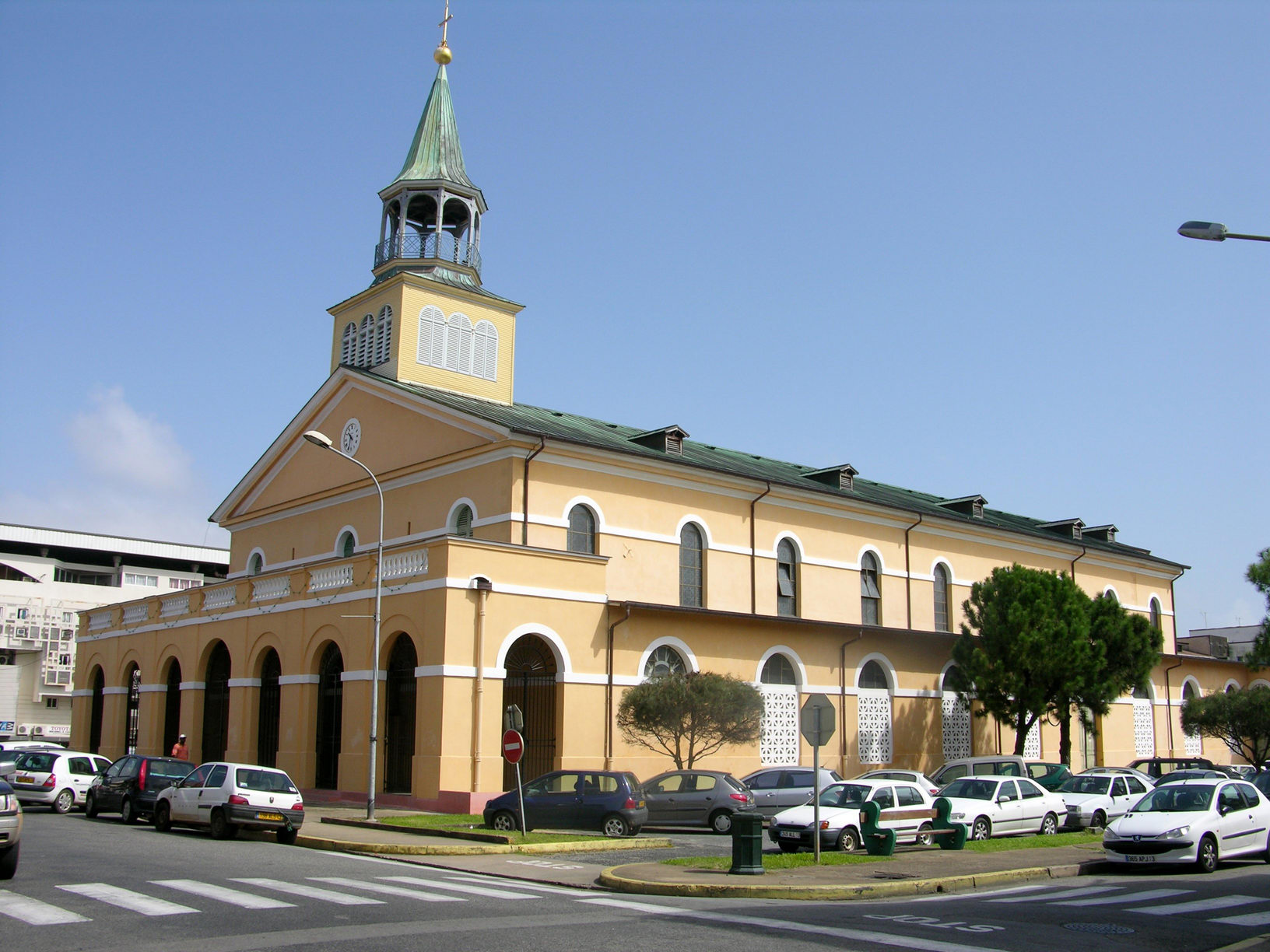
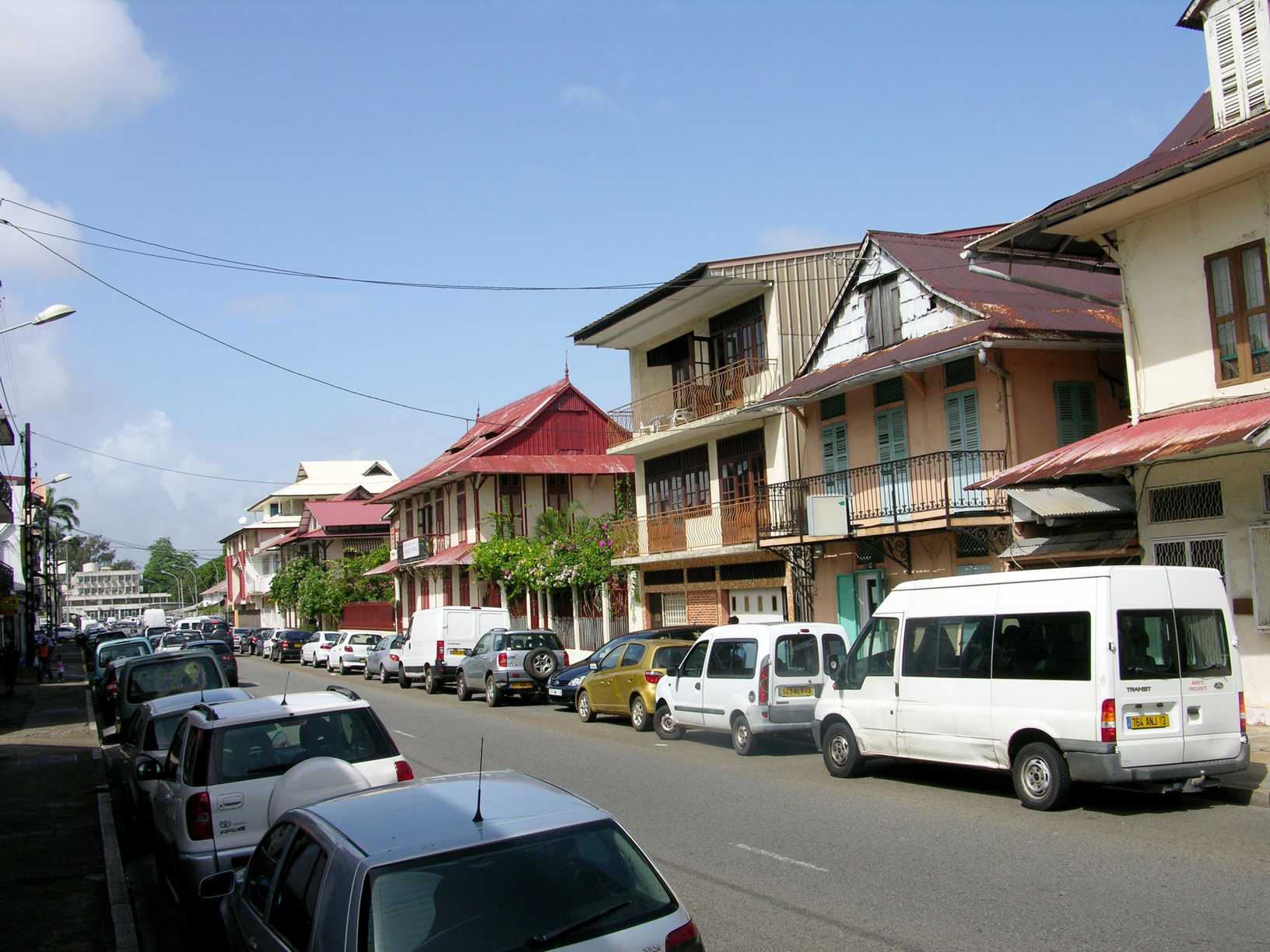
We returned the car and went to the bus stop for Saint-Laurent-du-Maroni, on the Surinamese border. Public transport in Guiana is a problem. Everyone has a car and there are no tourists. A few shared minibuses run to Saint-Laurent and Saint-Georges. The tickets are expensive, thirty-five euros apiece. They leave when full. When we reached the minibus at noon, three of its eleven seats were already taken. It was only at two in the afternoon that it finally filled up and we got under way. The heat was frightful. I can't remember anything like it on this whole journey. While we sat waiting, we regretted more than once that we'd decided against hitchhiking. The minibuses leave full and stay full to the end, so, for instance, there's no sense trying to catch one in Kourou. As a result the country has plenty of hitchhikers. At the exits from the towns there are dozens of people standing with a hand out, especially at Kourou. Drivers don't stop often, but there's a lot of traffic and you're pretty well guaranteed to be picked up within an hour.
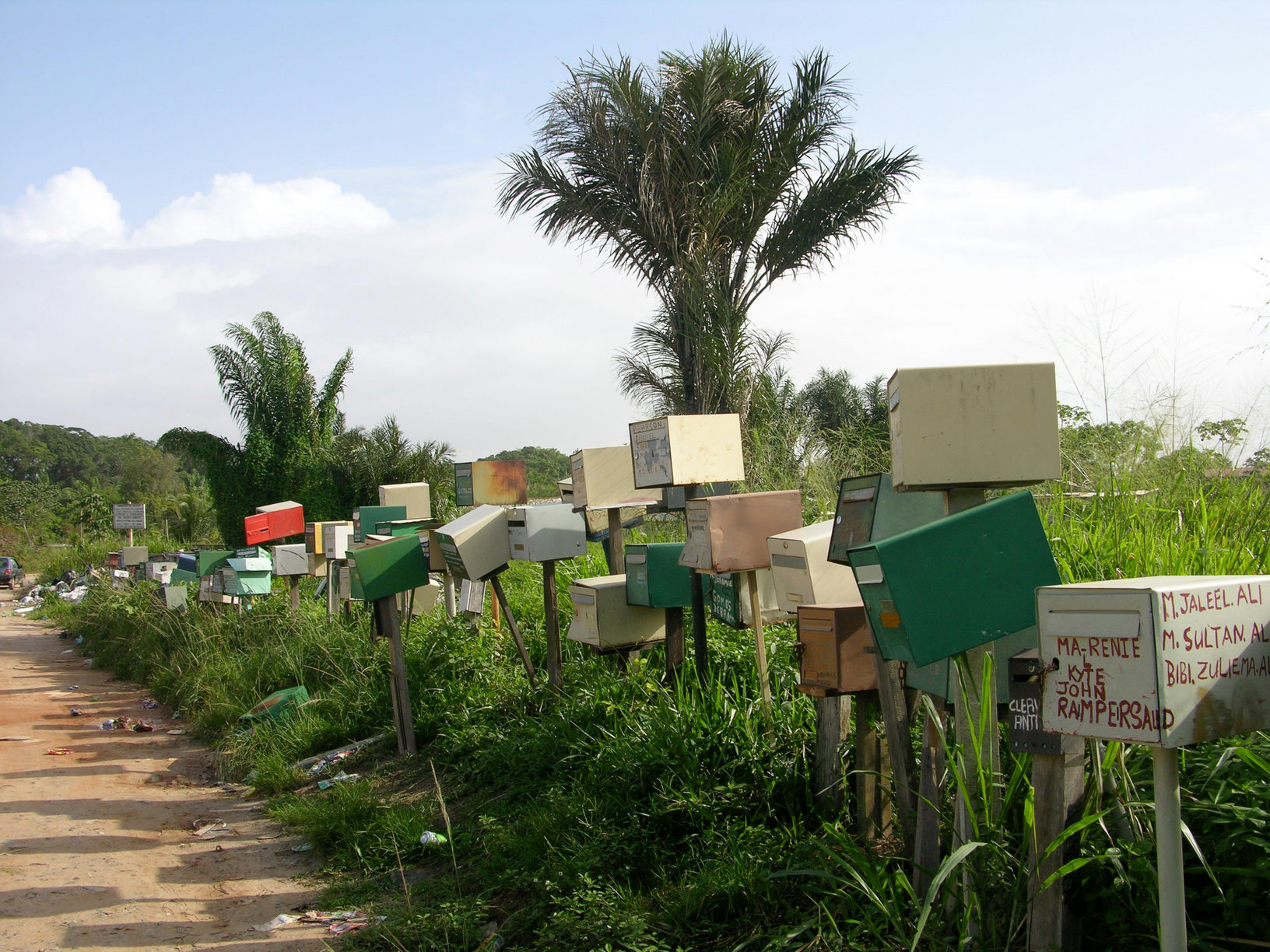
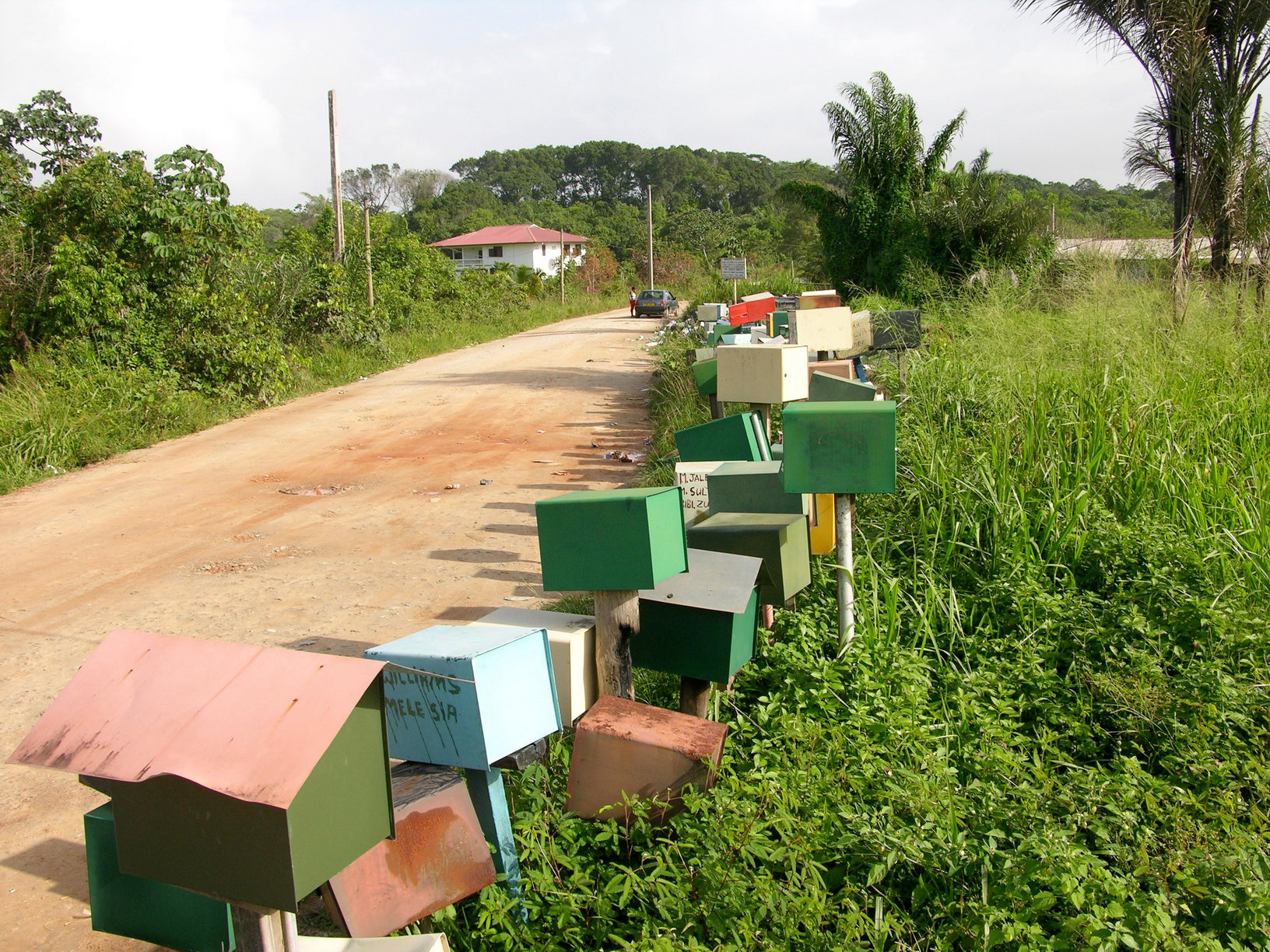
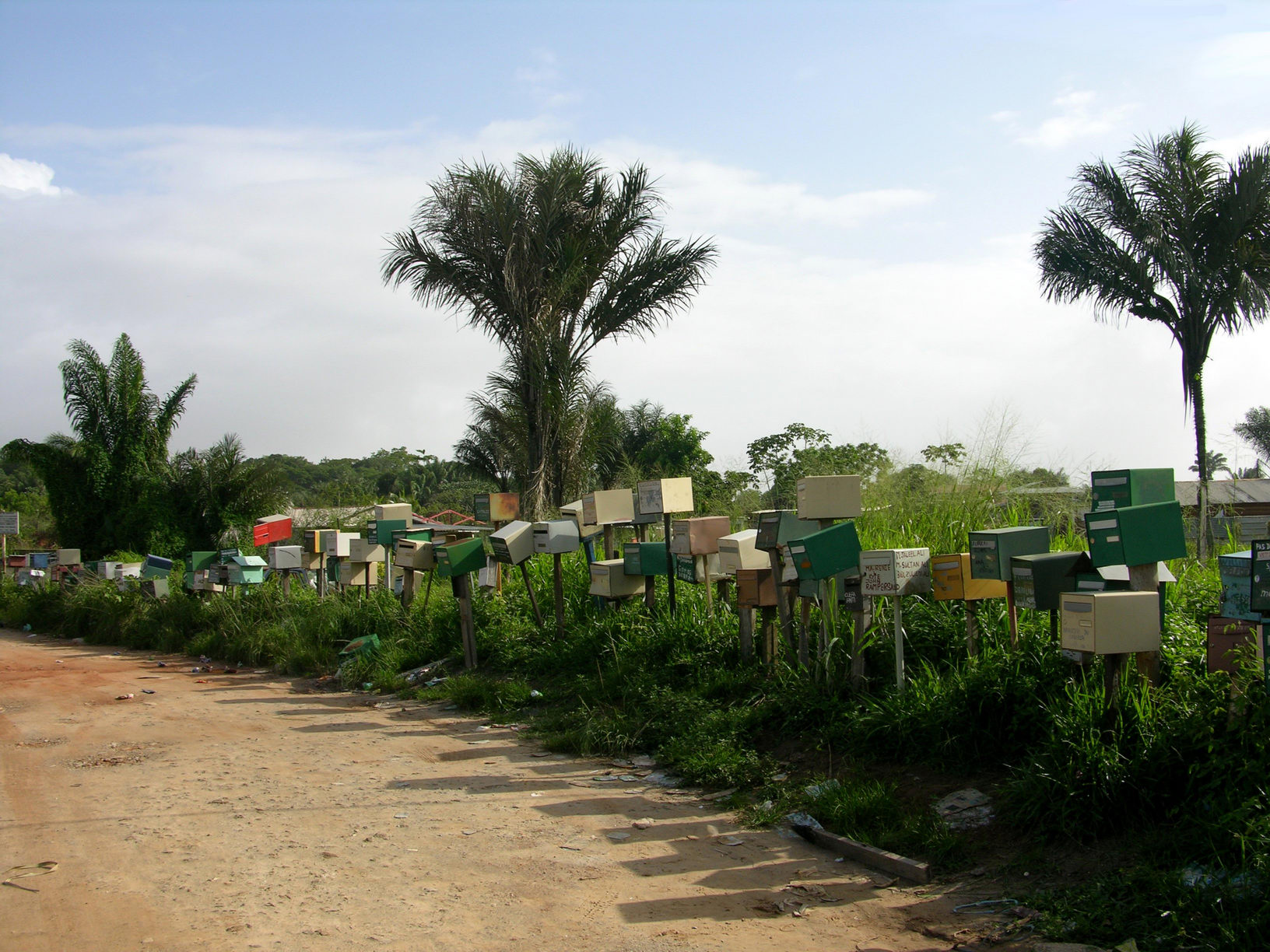
The road to the border follows the coastal strip and passes plenty of swamps. Accordingly, there are ditches beside it. People fish in them right from the road. Hundreds of cars go out fishing and come home with bags of the catch. Most of them are Chinese. No wonder. The restaurants are in their hands and they've got to supply them somehow.
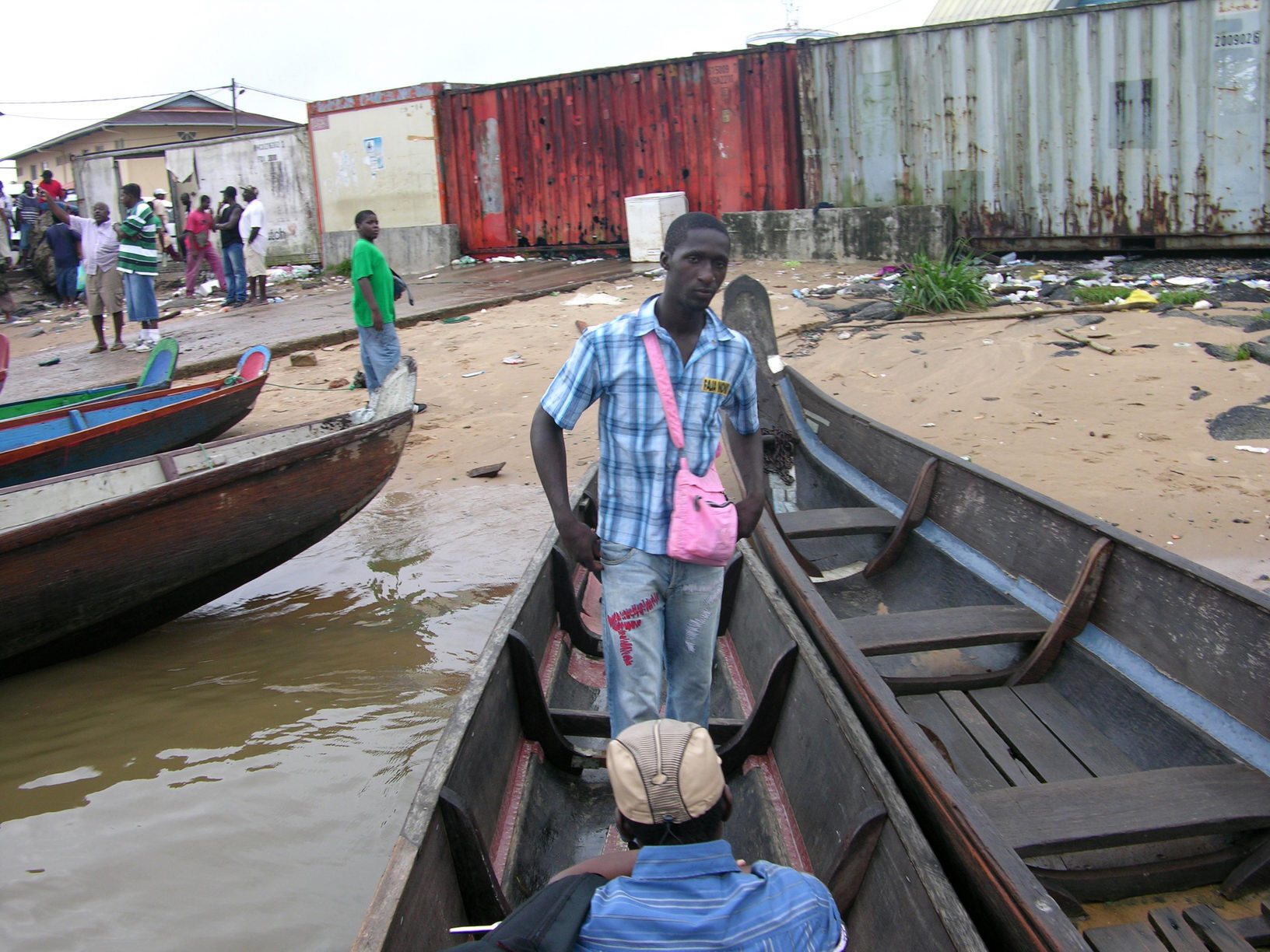
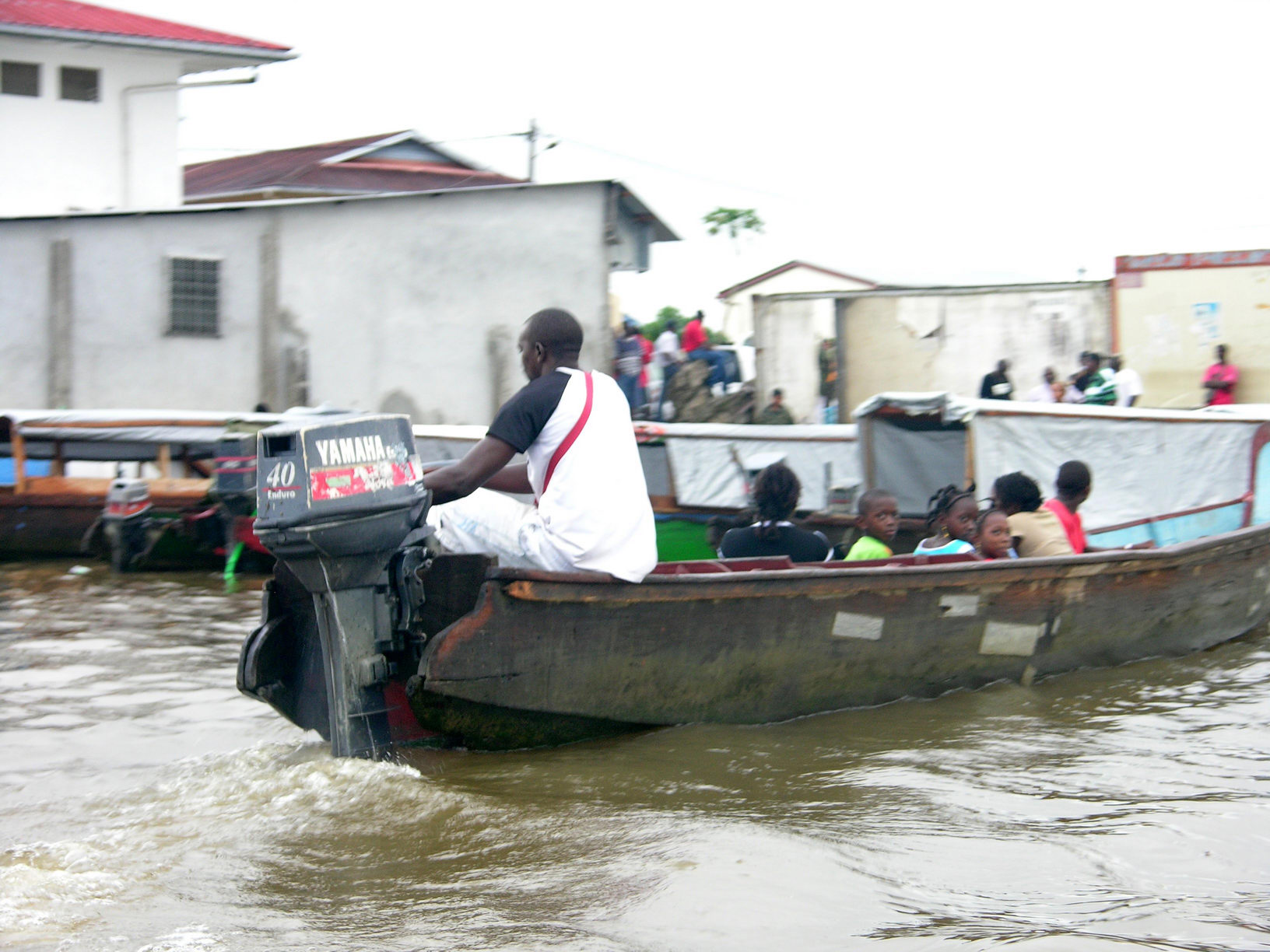
In Saint-Laurent the minibus pulls up at the dugout canoe jetty. The van hadn't stopped before boatmen crowded around it, all shouting and advertising their own boats. Most came from Suriname. At first I was surprised they spoke English, then I realised they were foreigners. With so many official languages, one more exotic than the next, Suriname has little choice but to teach English to practically everyone.
You don't have to like the United States, but you do have to know English.
They're not like the French, who know nothing beyond their mother tongue. The extent to which people in French Guiana don't know English is staggering. They seem educated enough. They do better with Russian, by the way. It's become fashionable with the building of the Soyuz pad. The people at the hotels and restaurants are learning it. It turned out that even at the Mercure, after all the trouble we'd had dealing with them in French, one of the women spoke a little Russian.
We fended off the boatmen. We still wanted to walk around town and get some money out of a cash machine. Lonely Planet said there were no cards in Suriname and you needed cash. We had to fill up our secret pockets with money.
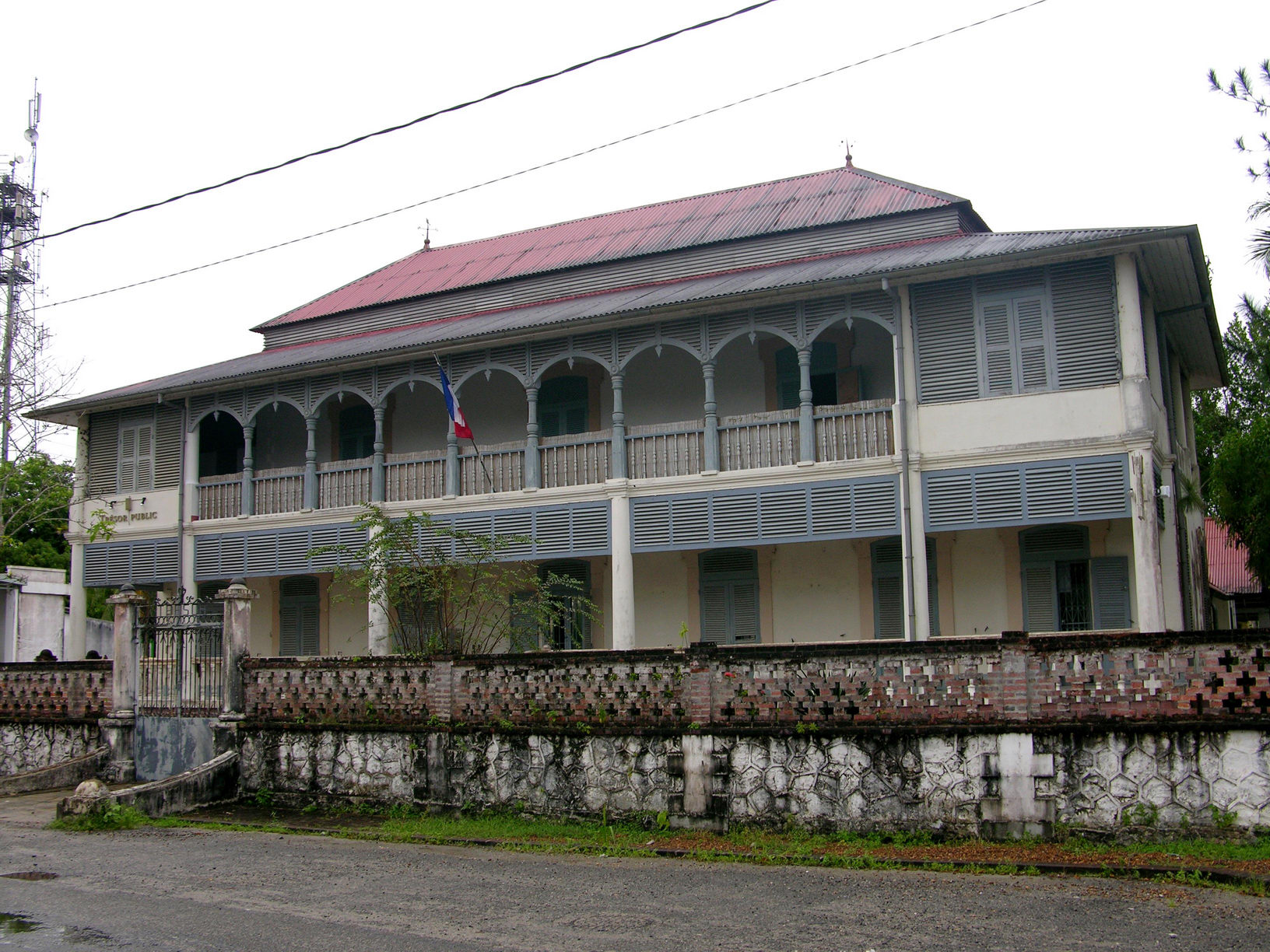
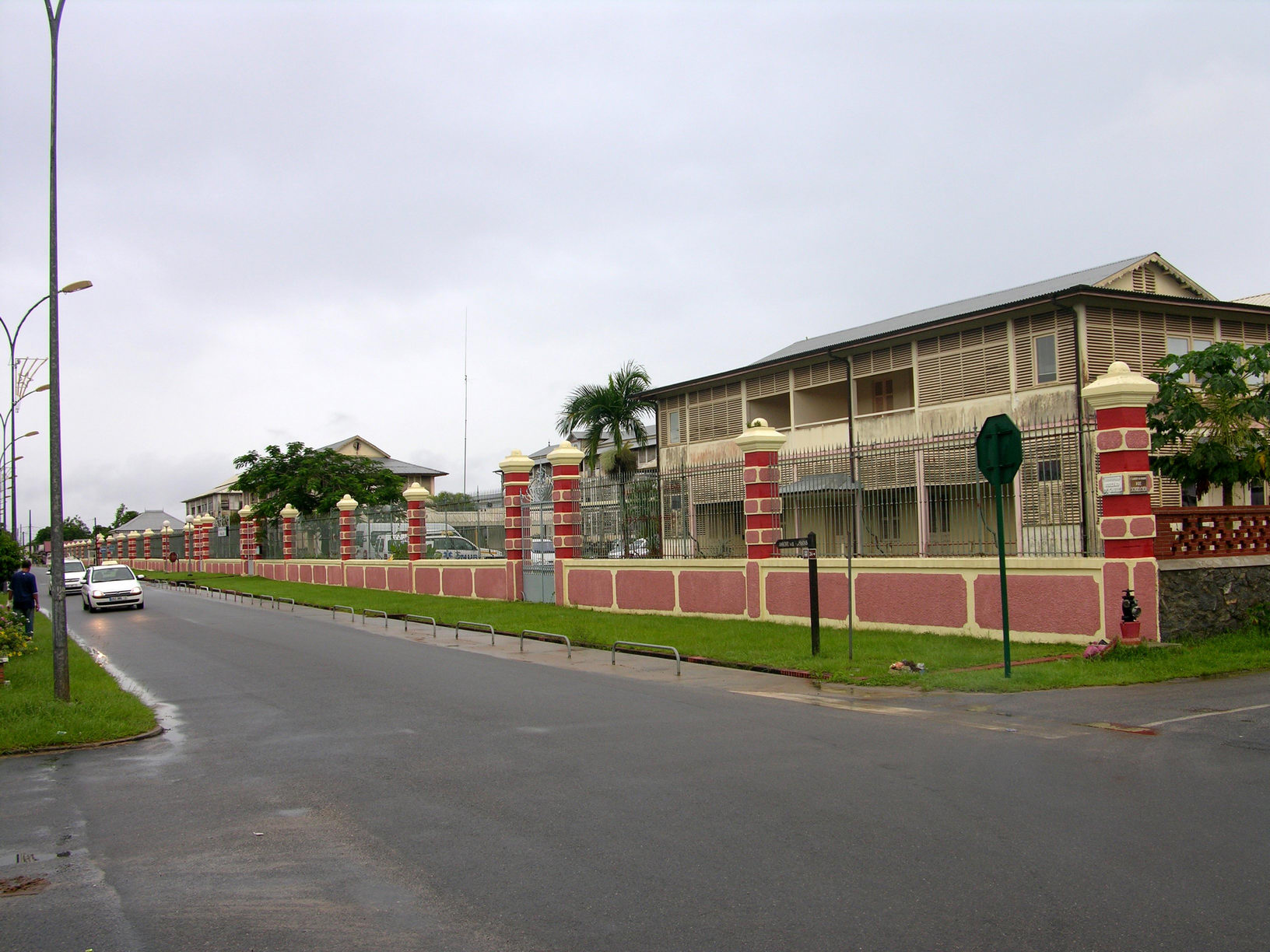
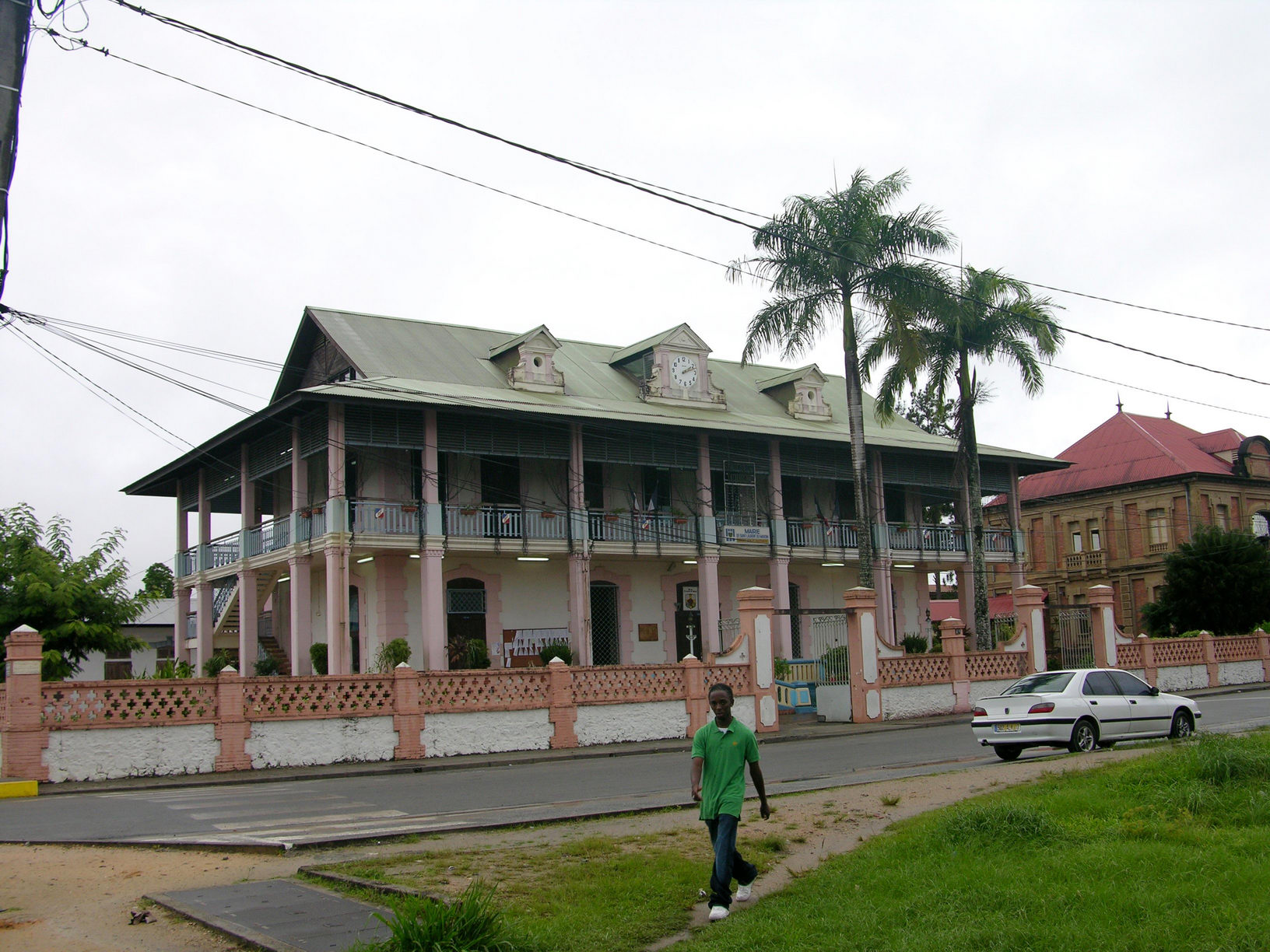
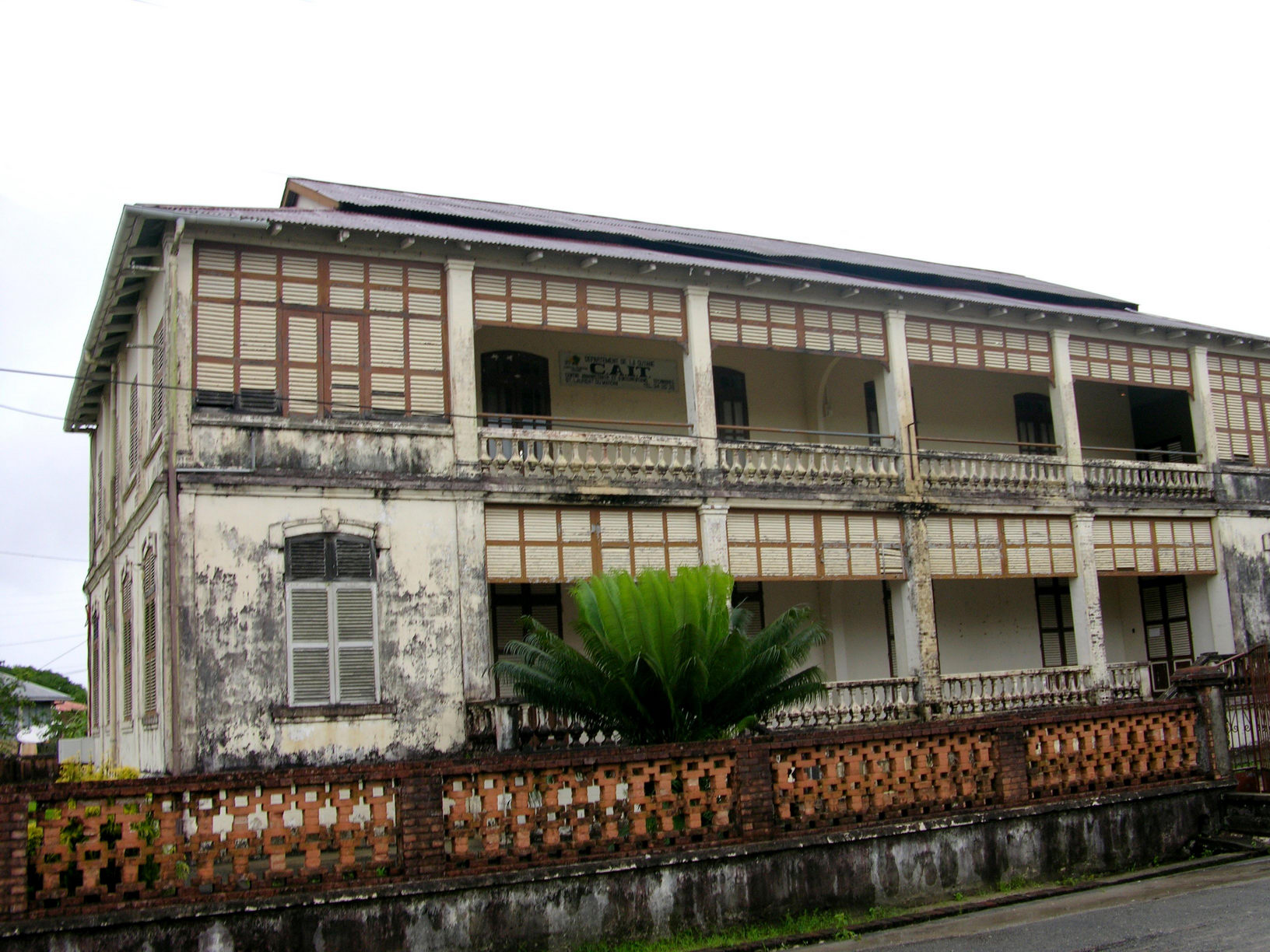
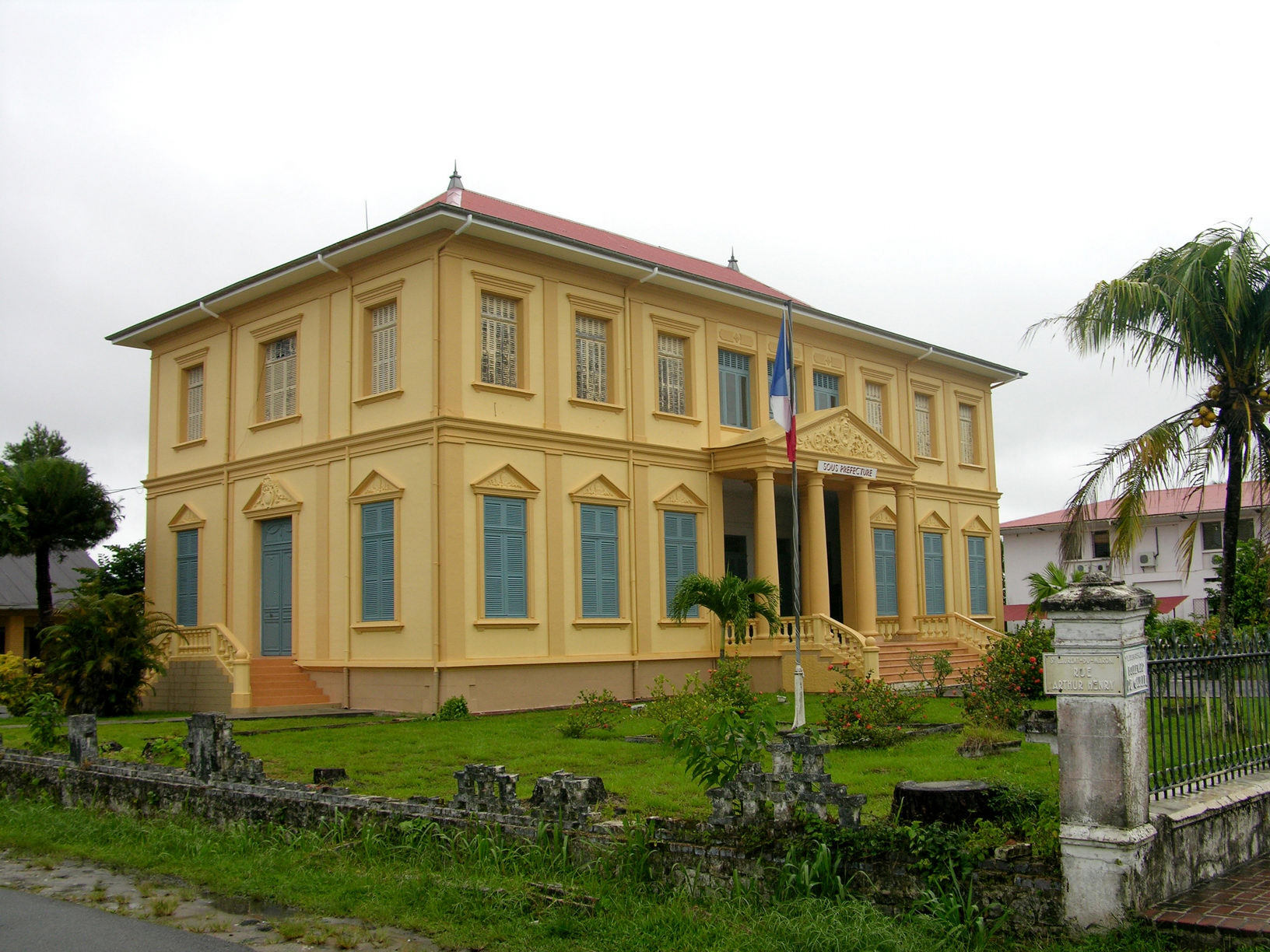
By six in the evening we were ready to cross the border. The most enterprising or hungriest boatman spotted us walking towards the jetty from a hundred metres away. We picked him for being the quickest off the mark. The crossing was five euros a head, but that was the price for foreigners. As soon as the two of us agreed to it, a whole crowd of local freeloaders jumped into the boat. They pay a euro or even less.
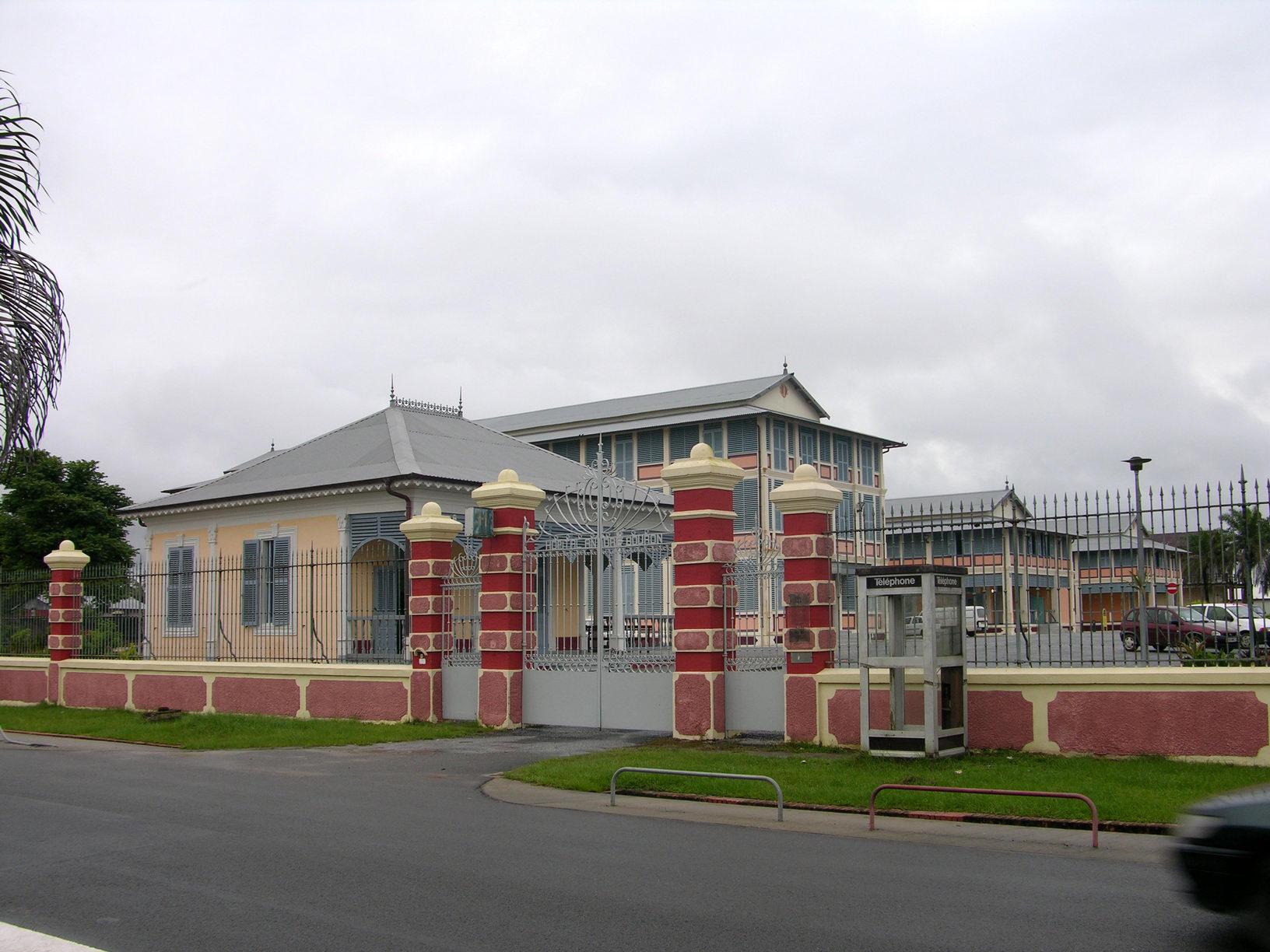
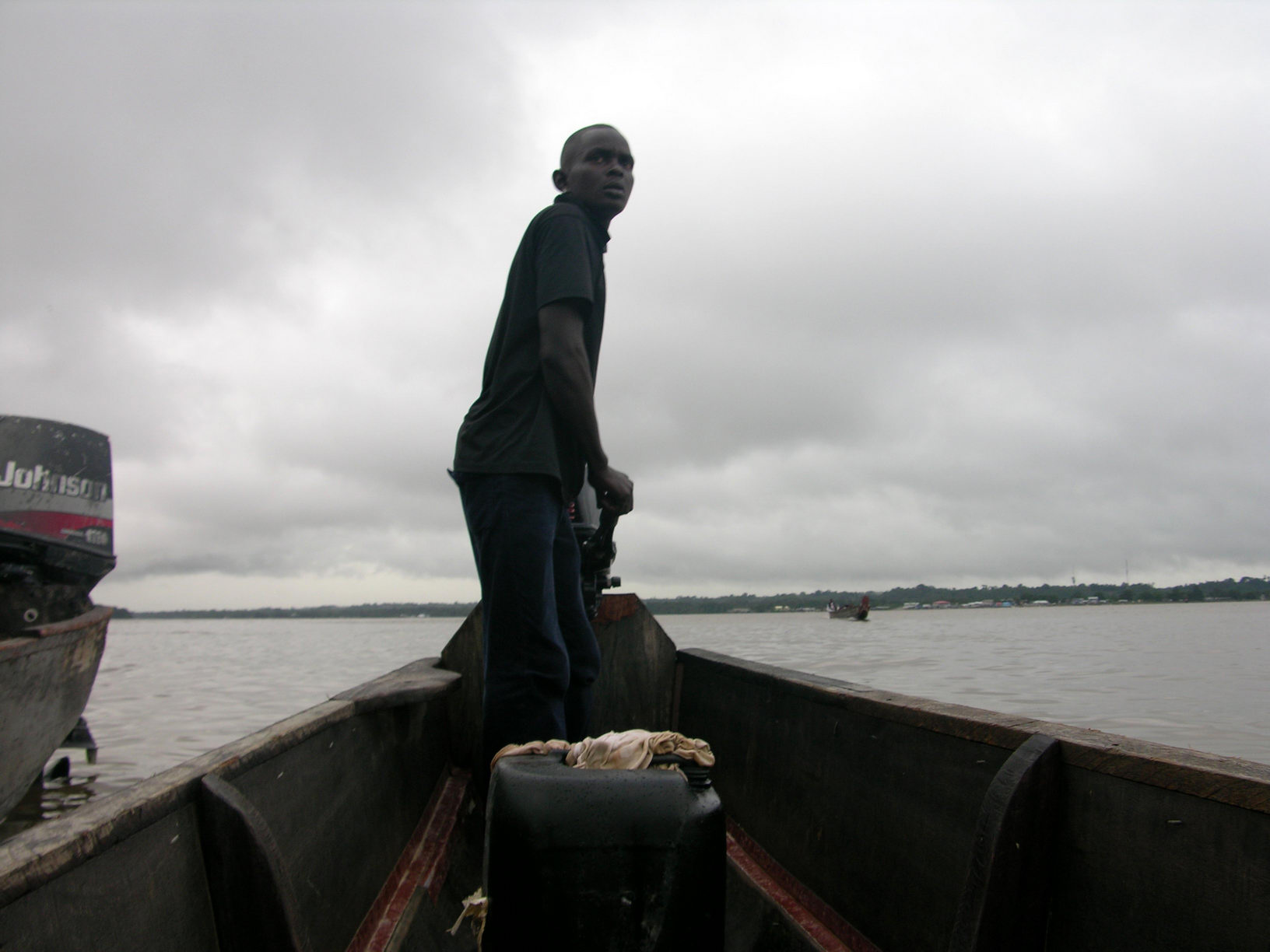
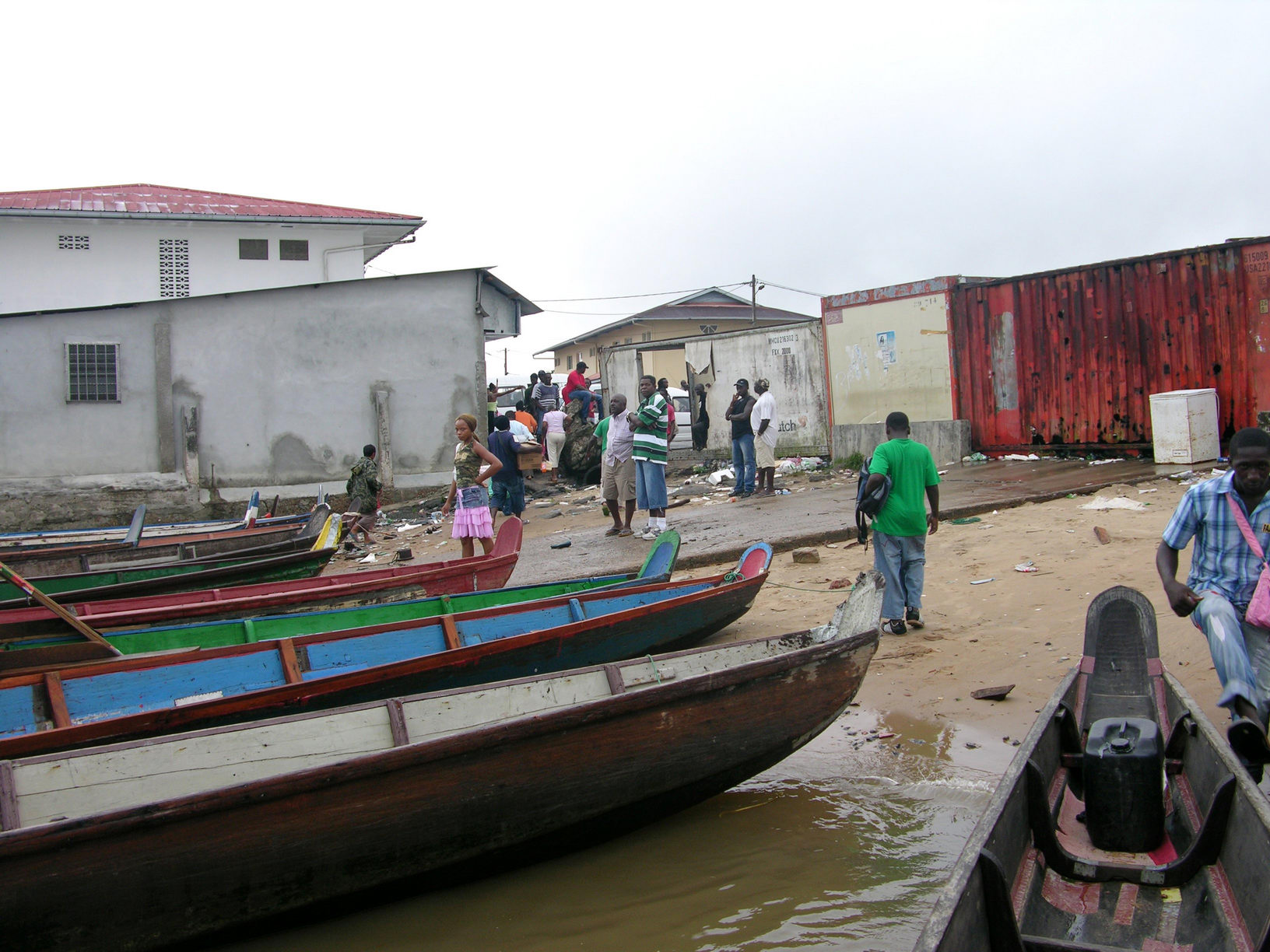
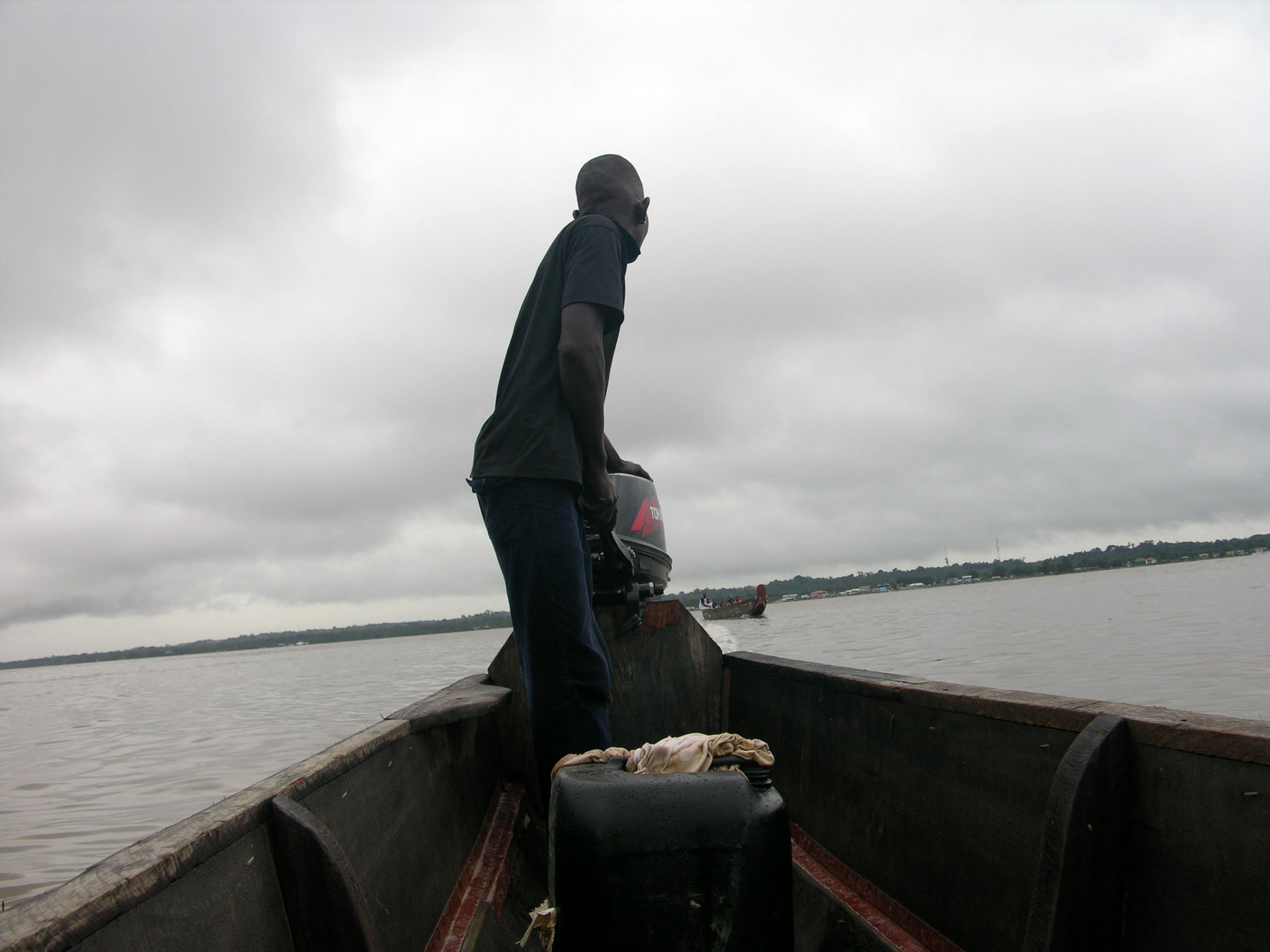
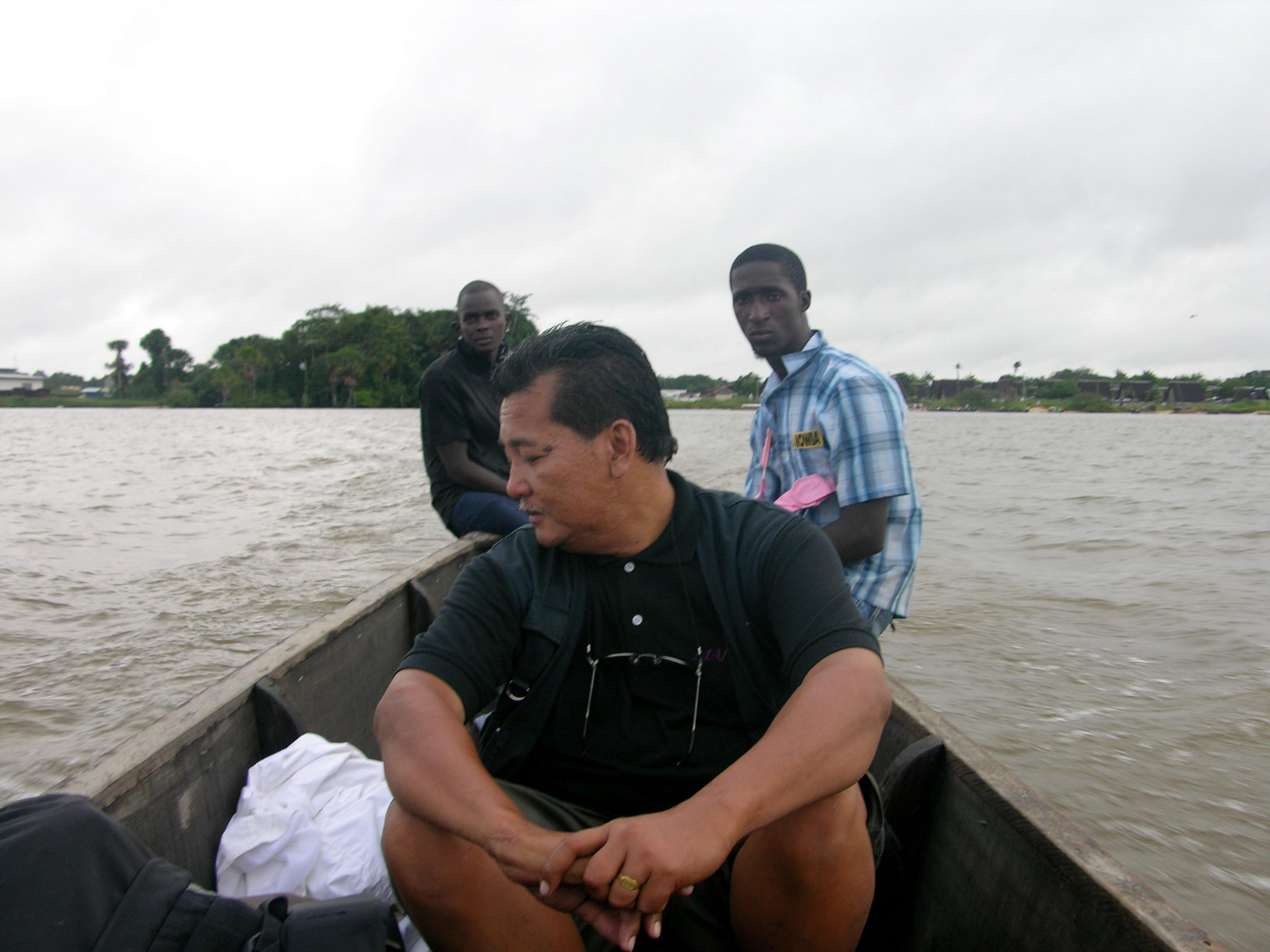
You can go across on a car ferry. It costs half as much for pedestrians, runs several times a day, and leaves a hundred metres south of the end of the minibus route. That's where the French immigration office is. If you hire a dugout, you have to take it to the ferry pier first, get out, have your passport stamped, get back on, and only then cross the river. You can cross without the stamp. Nobody comes after you. In Suriname they don't often check passports, but when they give you the Surinamese entry stamp they do look for the French exit stamp.
The border controls were quite sophisticated for such a wild setting, with computers and all the rest of it. Out of boredom they decided to check my passport. They typed in the number, and up popped the image scanned at the consulate in Saint Petersburg. There you go. I'd thought you might be able to add the word Guyanna to a Schengen visa yourself if you were neat about it.
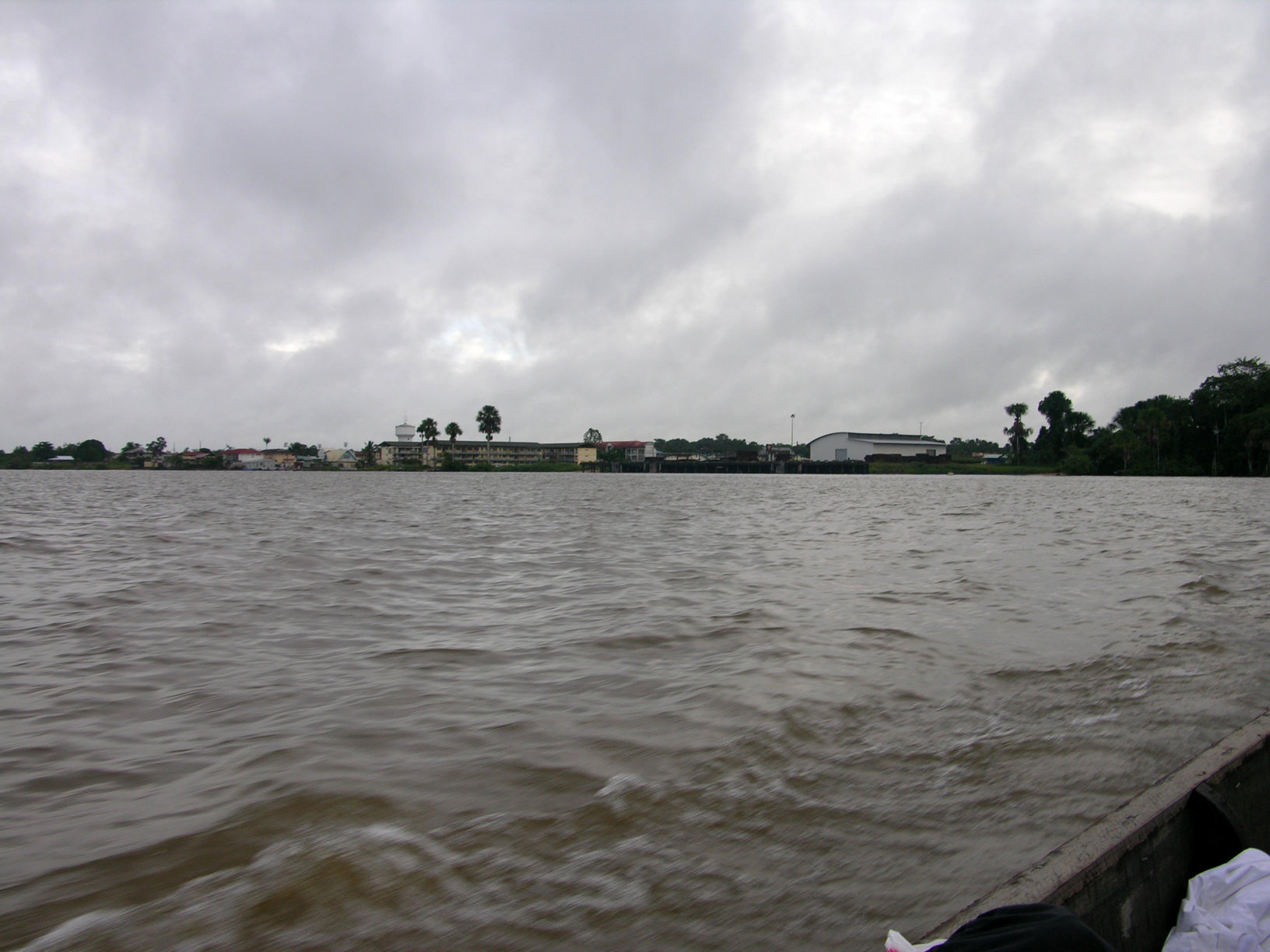
They put a little European Union stamp in our passports, with its stars and boats. And off we went. Our little vessel was waiting, a hollowed-out dugout canoe with an ancient petrol engine. Ahead lay Suriname.