Tahiti
Tahiti. In the footsteps of Kesha the parrot
Tahiti is a magic word. It entered popular culture around the world after the Second World War. Suddenly it was the fashion to spend your holiday under a palm tree in a tropical paradise. This was where aristocrats and Hollywood stars could let their hair down, where banjos played and people showered you with tiare blossoms.
The legend has roots in the first European voyages through the Pacific. Magellan's crew had endured storms and hunger on the long crossing after leaving Tierra del Fuego. My old idea of those voyages was that sailors expecting to perish would one day see islands straight out of paradise. Samuel Wallis reached Tahiti in 1767, well after Magellan's crossing. The stories of islanders welcoming weary sailors with food and affection helped create that European picture of the South Seas. Tahiti had no malaria, and it seemed to promise fine weather and an escape from every calamity. No wonder Gauguin chose to live in the islands. He had travelled far and had decided it was here that he wanted to paint and live.
Tahiti is the largest island and the centre of French Polynesia, though people often say “Tahiti” for the whole place. There are many islands. By reputation Tahiti itself was the least interesting one. The islands came within reach of tourists after the Americans built an airfield on Bora Bora during the war and civil aircraft began to fly longer routes. Wealthy visitors started coming, especially after Mutiny on the Bounty.
Behind the Iron Curtain we could only look longingly at dog-eared magazines about that other world. Andrei Mironov sang about Tahiti, far from the news. Then there was Kesha, the runaway parrot from the Soviet cartoon. Thanks to him, a whole generation, or several generations really, took that fairytale word to heart. “So there I was, flying over Tahiti… Have you been to Tahiti?”
We never had. We hadn't even been to Bulgaria. I didn't know where Tahiti was. As a child I was more drawn to wild polar islands, and later there was no time for sweet dreams. The Canaries, the Seychelles, the Maldives, Tahiti. What did it matter? They were places where we weren't and never would be. We couldn't afford the suburban train to Priozersk.
I remember looking up that magic word on a map as soon as I'd earned some real money. Good heavens, it was a long way. A few hundred-dollar bills were hardly going to get us there. We had to wait until a round-the-world ticket made the flight to Tahiti something of a free extra. It was time, Tanya and I decided. After all those long, hard hikes we could rent a bungalow over the water and lie in a deck chair. We'd get a photograph to show the people who said, “Glaciers, deserts, rocks, jungles, penguins. So what? Have you been to Tahiti? Have you lain in a deck chair outside a Bora Bora bungalow?” Now I can answer, “Yes. We have.”
We flew in from Easter Island on LAN Chile. We left most of our bundles at the airport luggage counter until our departure. That was expensive, but it was beyond us to drag sixty kilos around. We withdrew cash at the ATM. The local currency was the CFP franc, a little over a hundred to the euro. The banknotes were large and lovely. There were beautiful women in place of presidents. You could hang one on the wall and admire it like a painting. The higher the denomination, the prettier the woman. Perhaps that was so a foreigner who spoke no French would know how much a note could buy. The five-thousand-franc note had a general on it, though. How indecent.
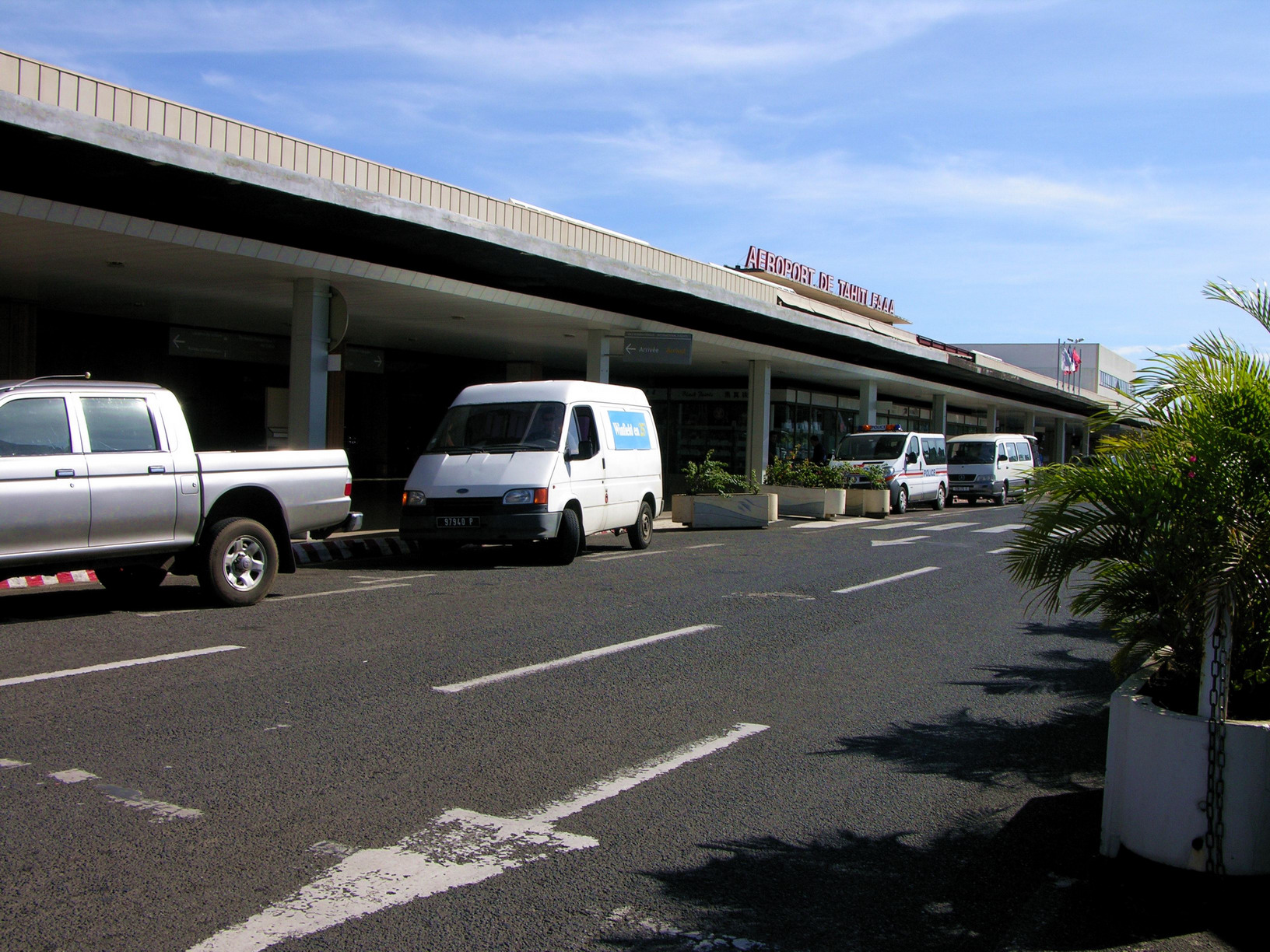
We'd applied for the visa like complete novices, through a travel agent and with a paid hotel reservation, so we went straight to the hotel we were expected at. After Chile, the roads, junctions and new cars were striking. Our first night was in the capital. The Tiare Tahiti Hotel looked straight out onto the waterfront and cost €160 a night. Tahiti was expensive. You could camp for 1,500 francs a person or find guesthouses for 2,000, but how were we supposed to squeeze a fax confirming the reservation out of them, especially without French? Try explaining that there was a country in the world that needed this piece of paper sent through an exotic museum appliance with the faintly indecent name of FAX. And why pay up front if you can simply say where and when you want to spend the night? Never mind. I didn't see much prospect of it getting easier. Given what I thought of our country's policy towards Hezbollah and Iran, I was glad they let us in at all.
It was an expensive hotel, and they really were waiting for us at one in the morning. We had a room. The air conditioning was out and there was no fan, either. In the humid tropics it took us a while to get to sleep.
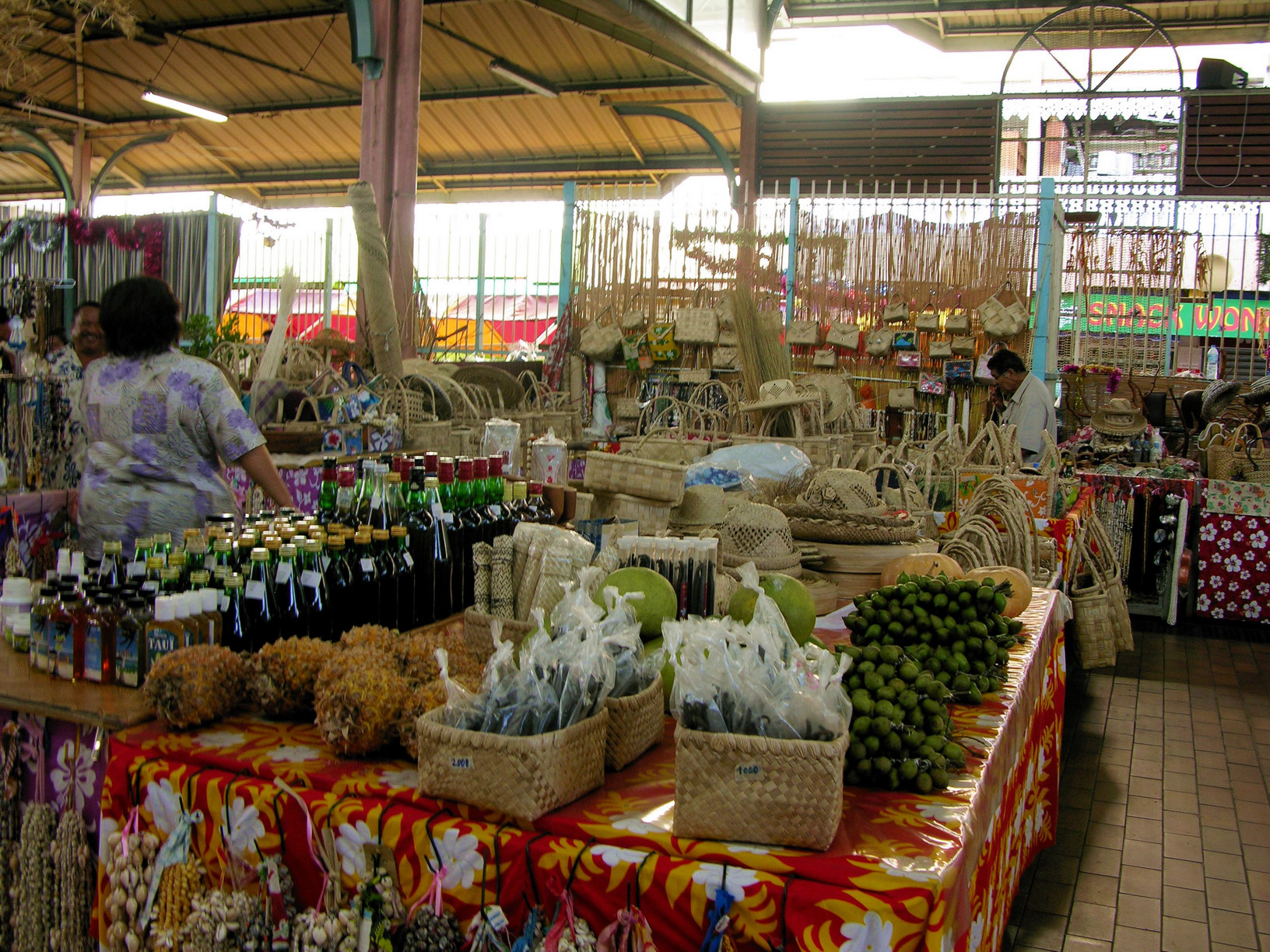
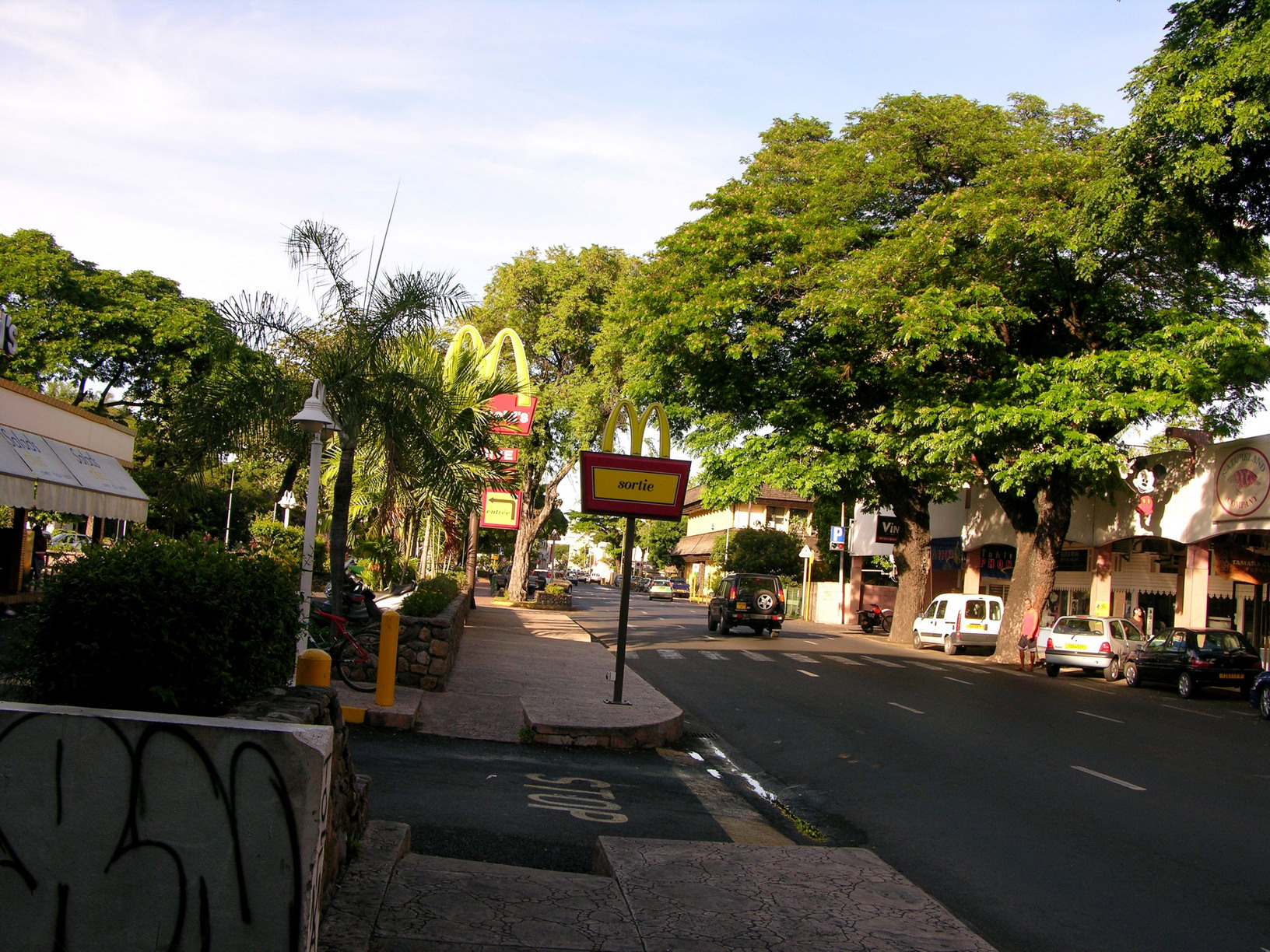
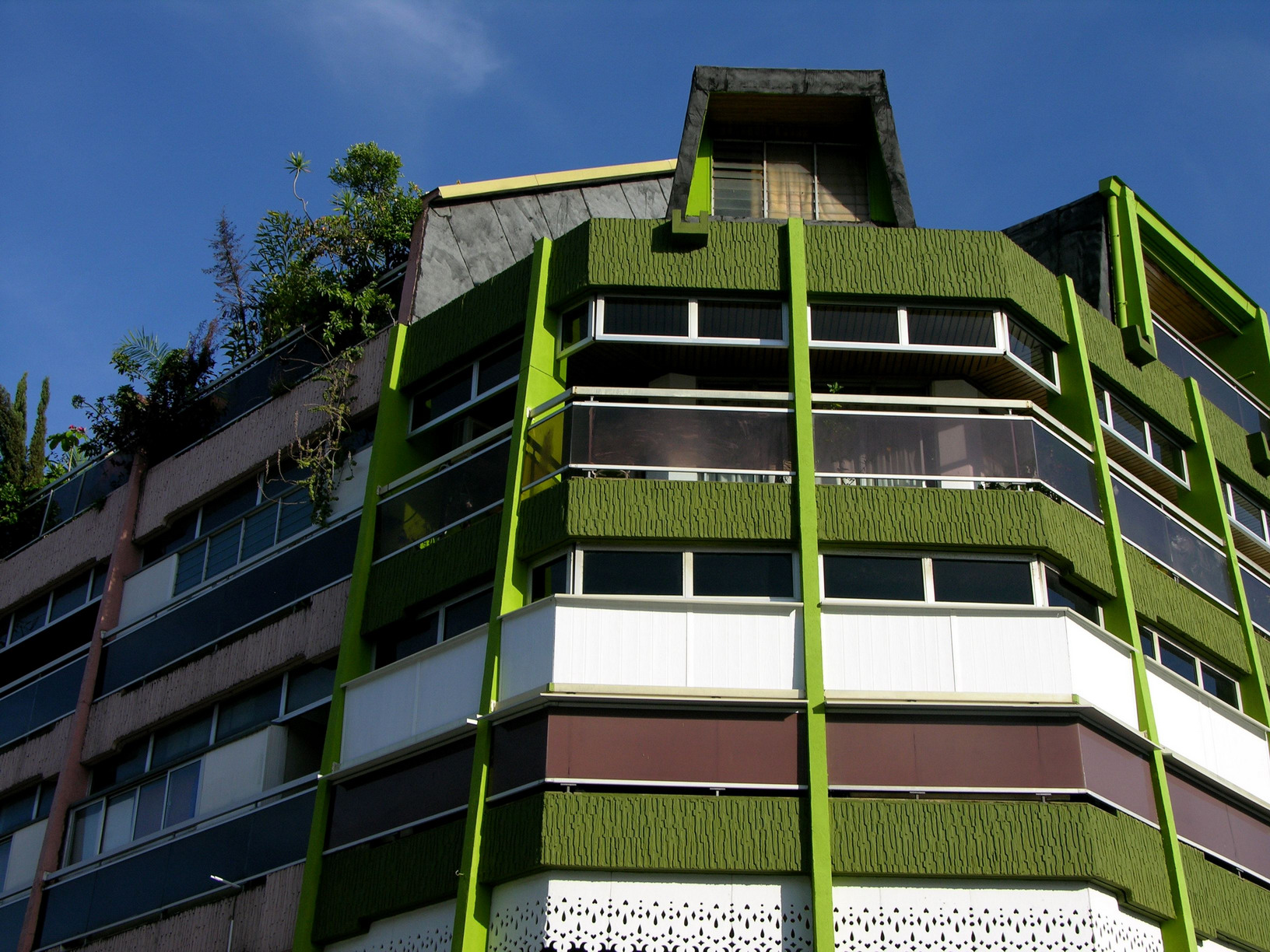
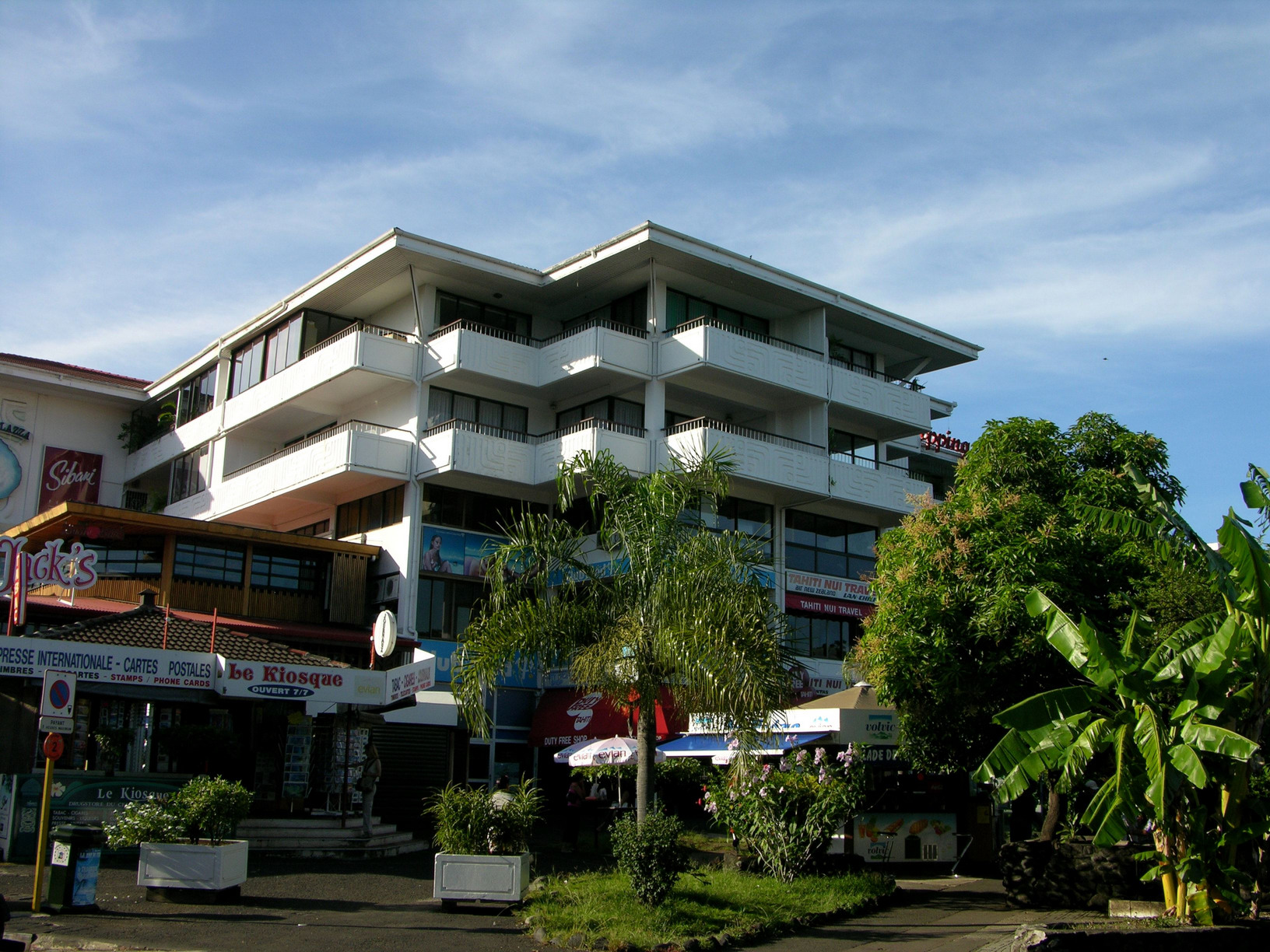
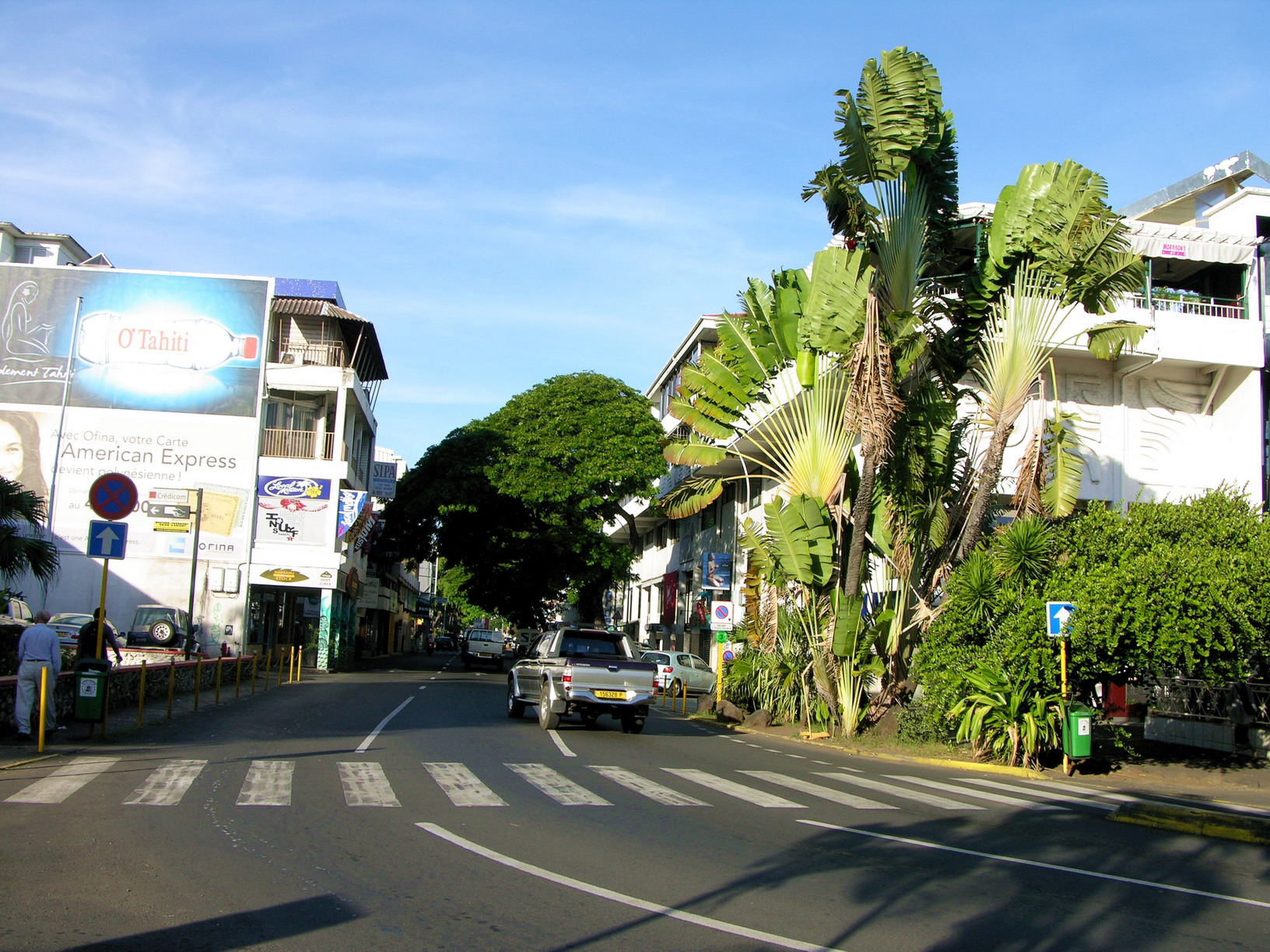
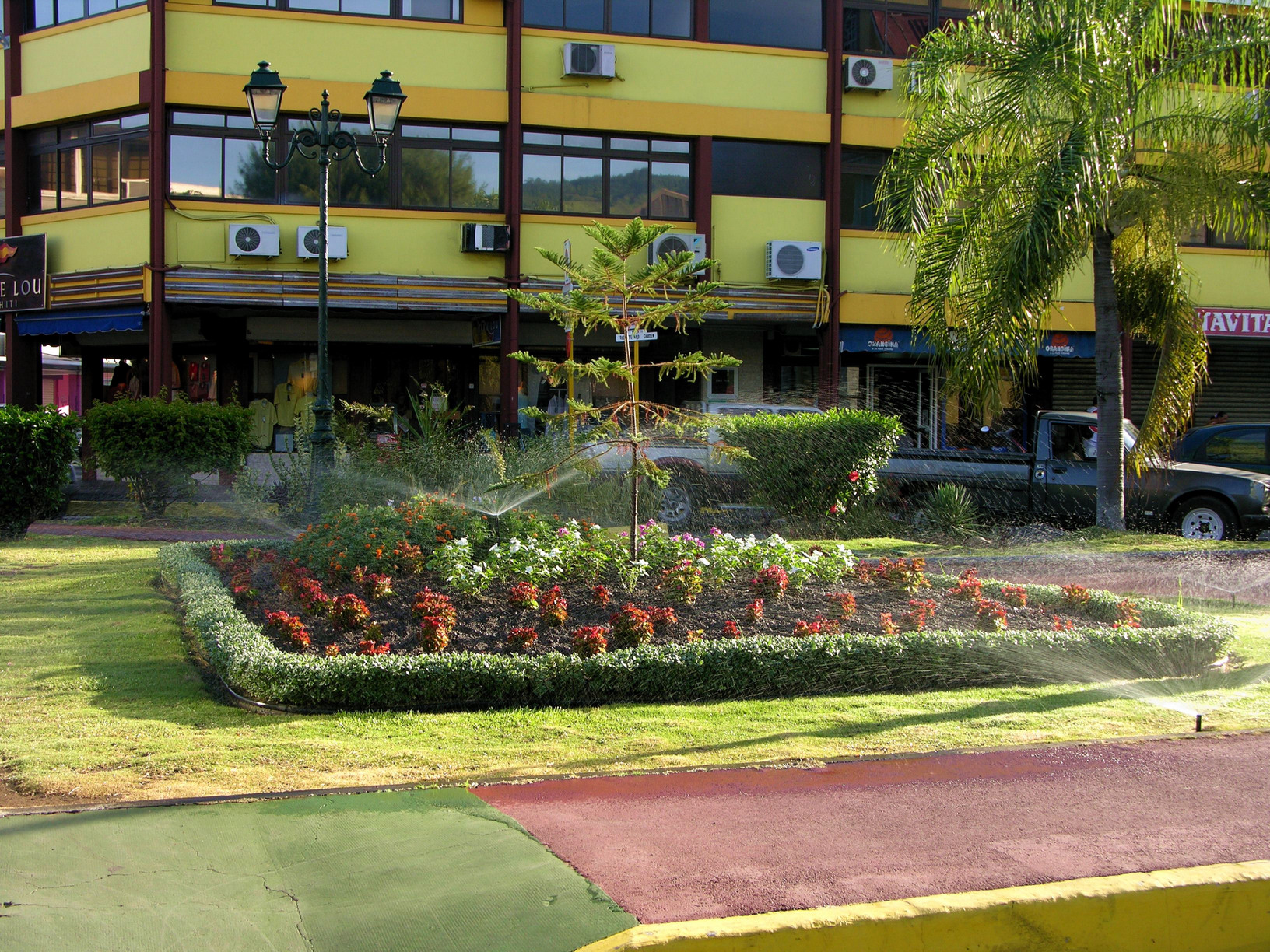
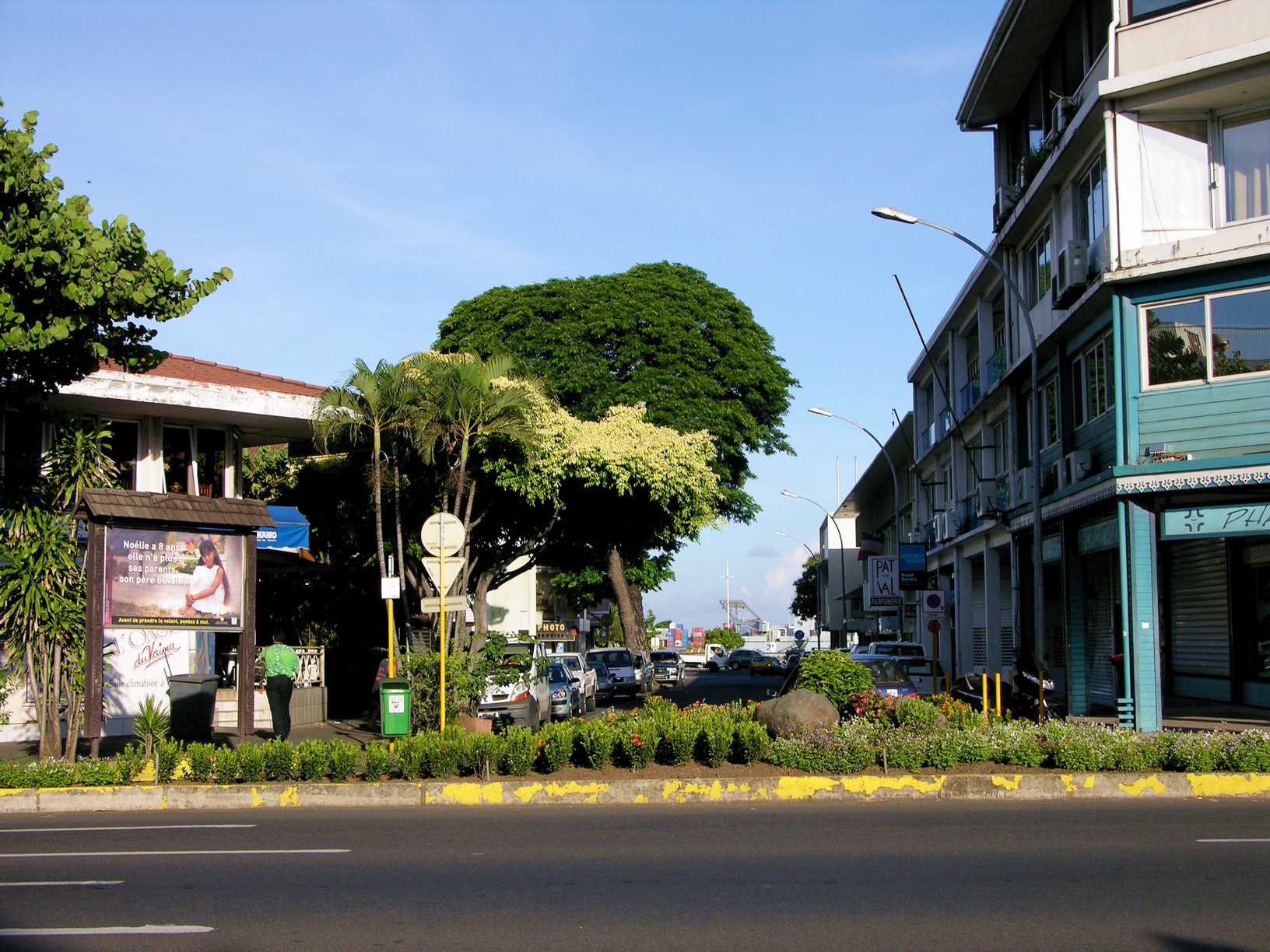
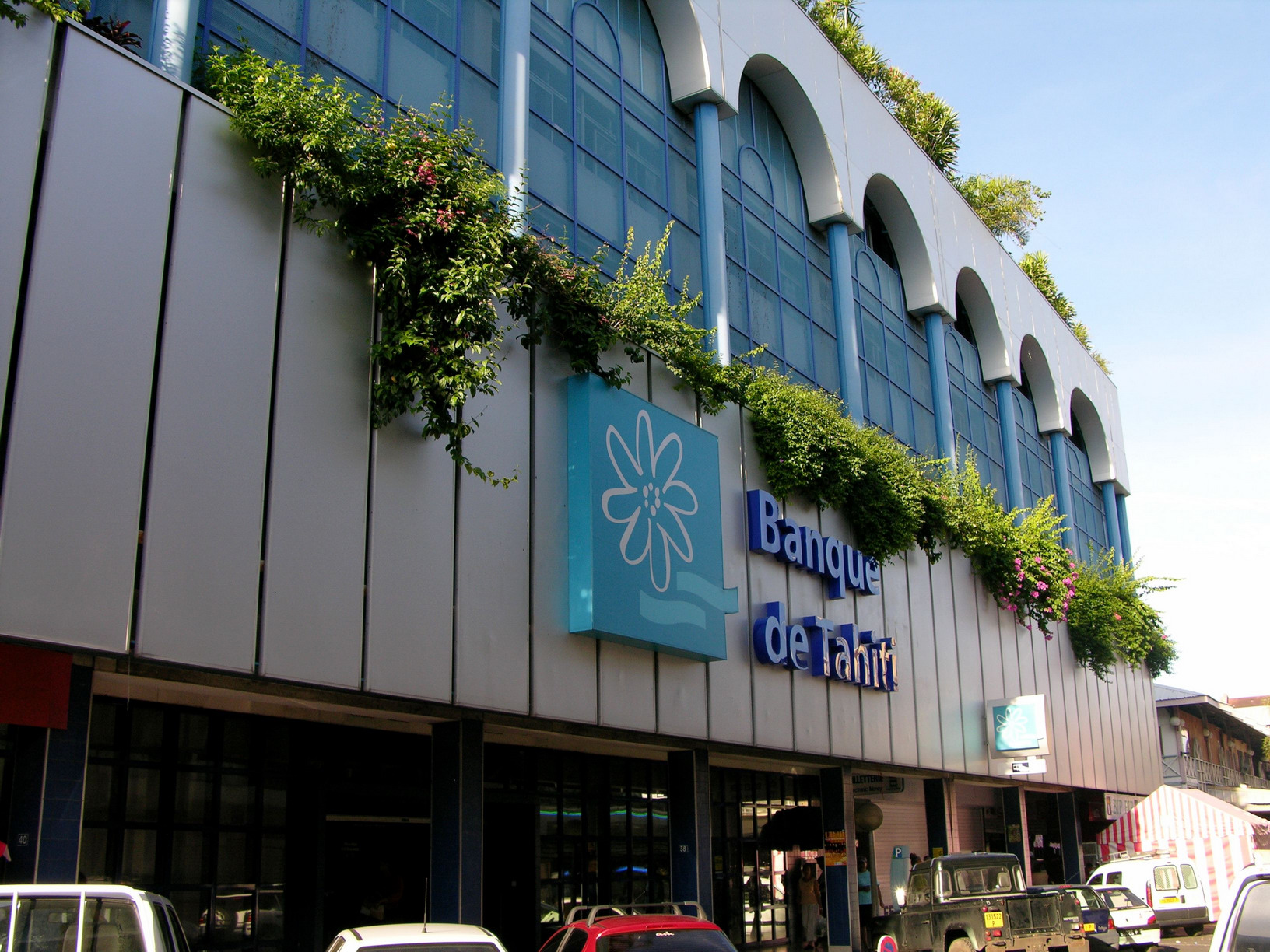
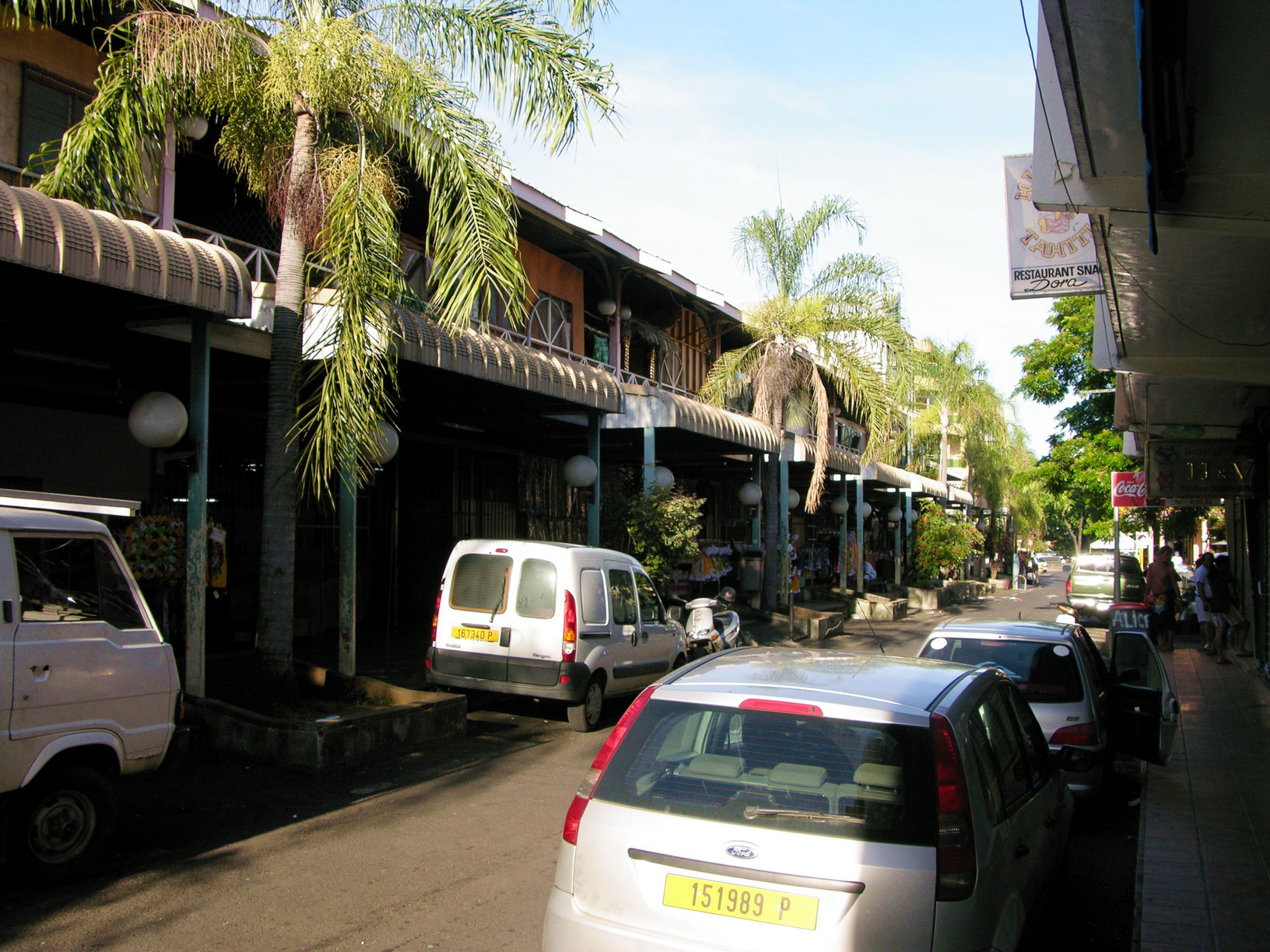
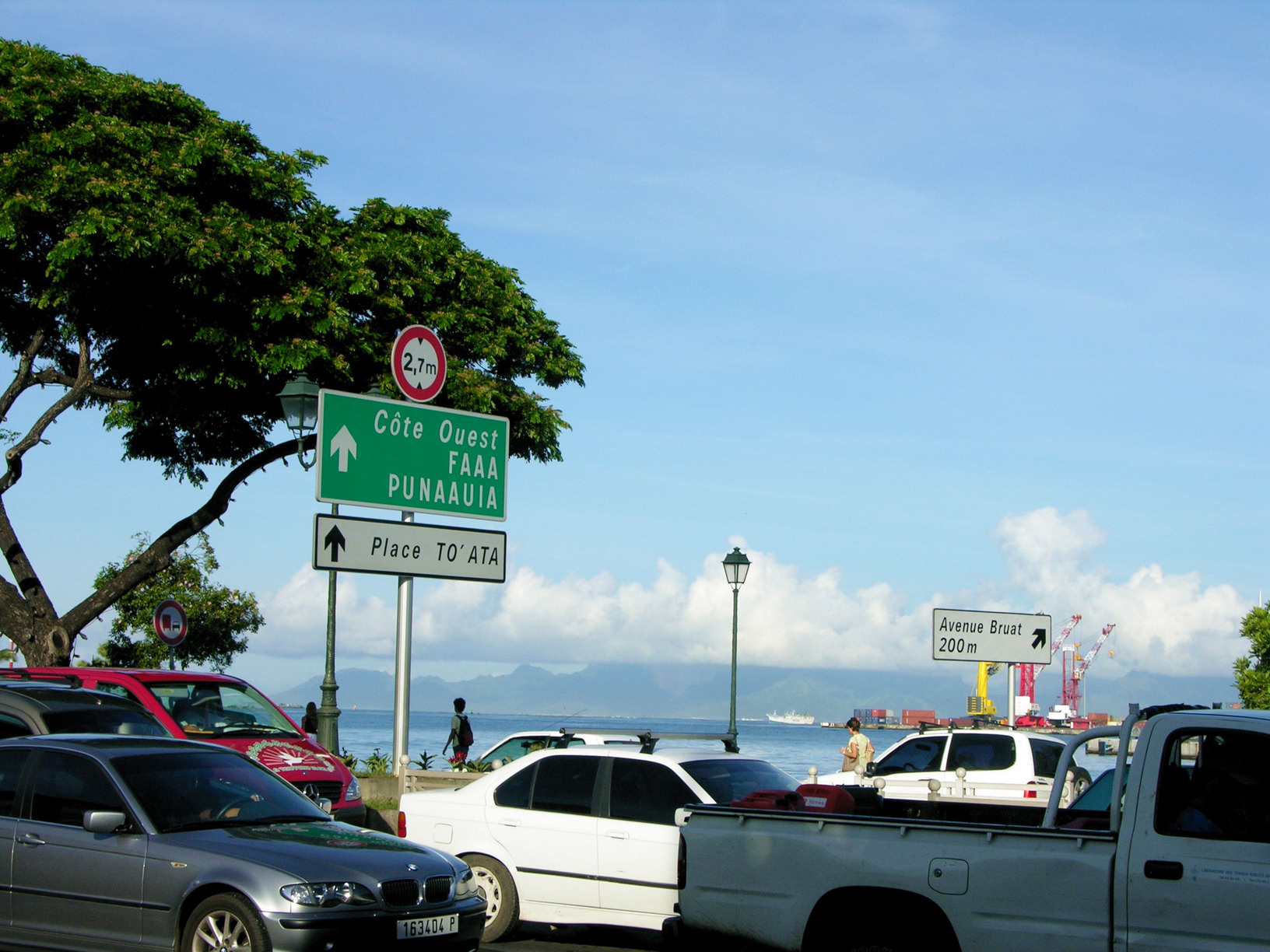
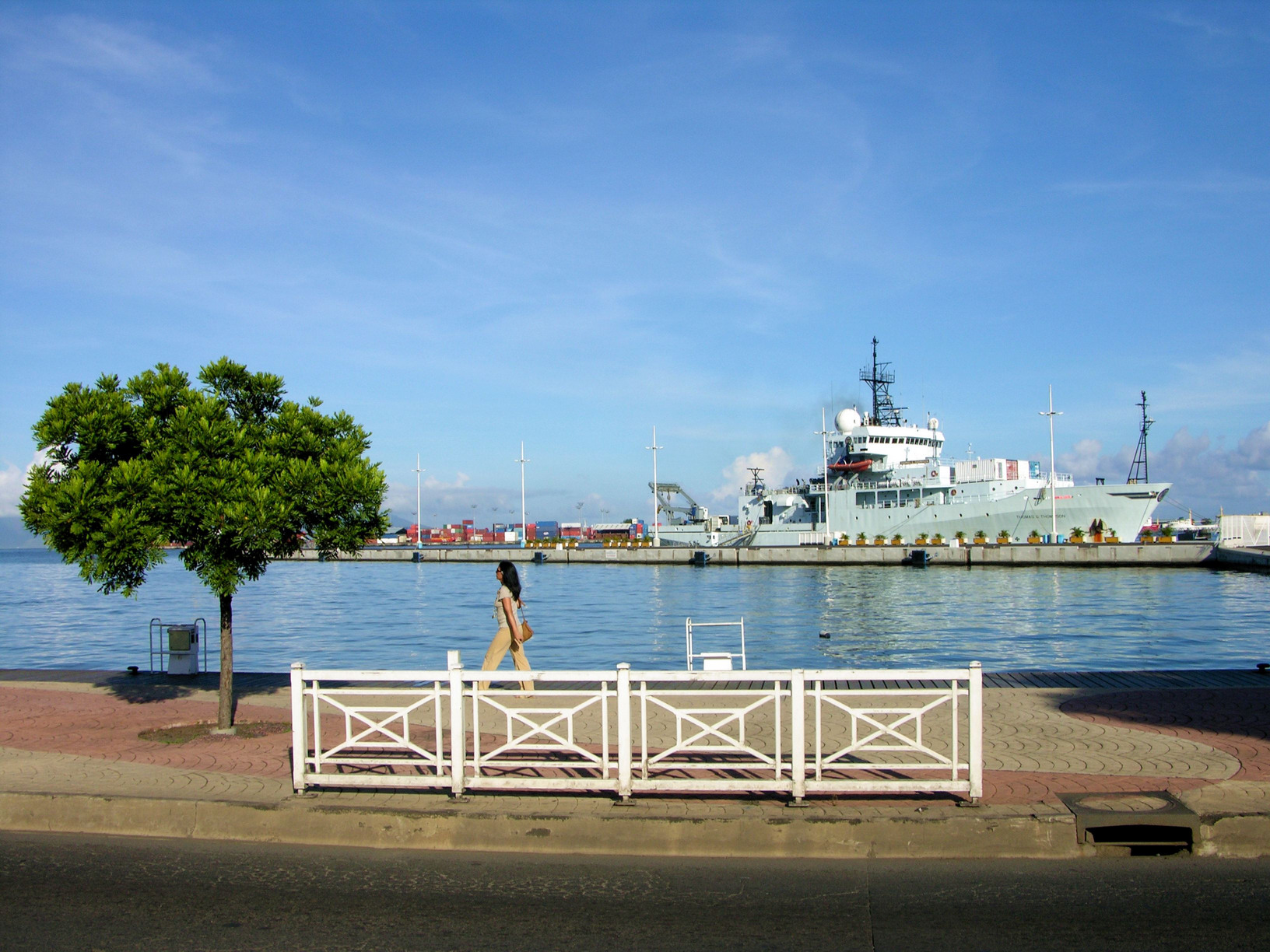
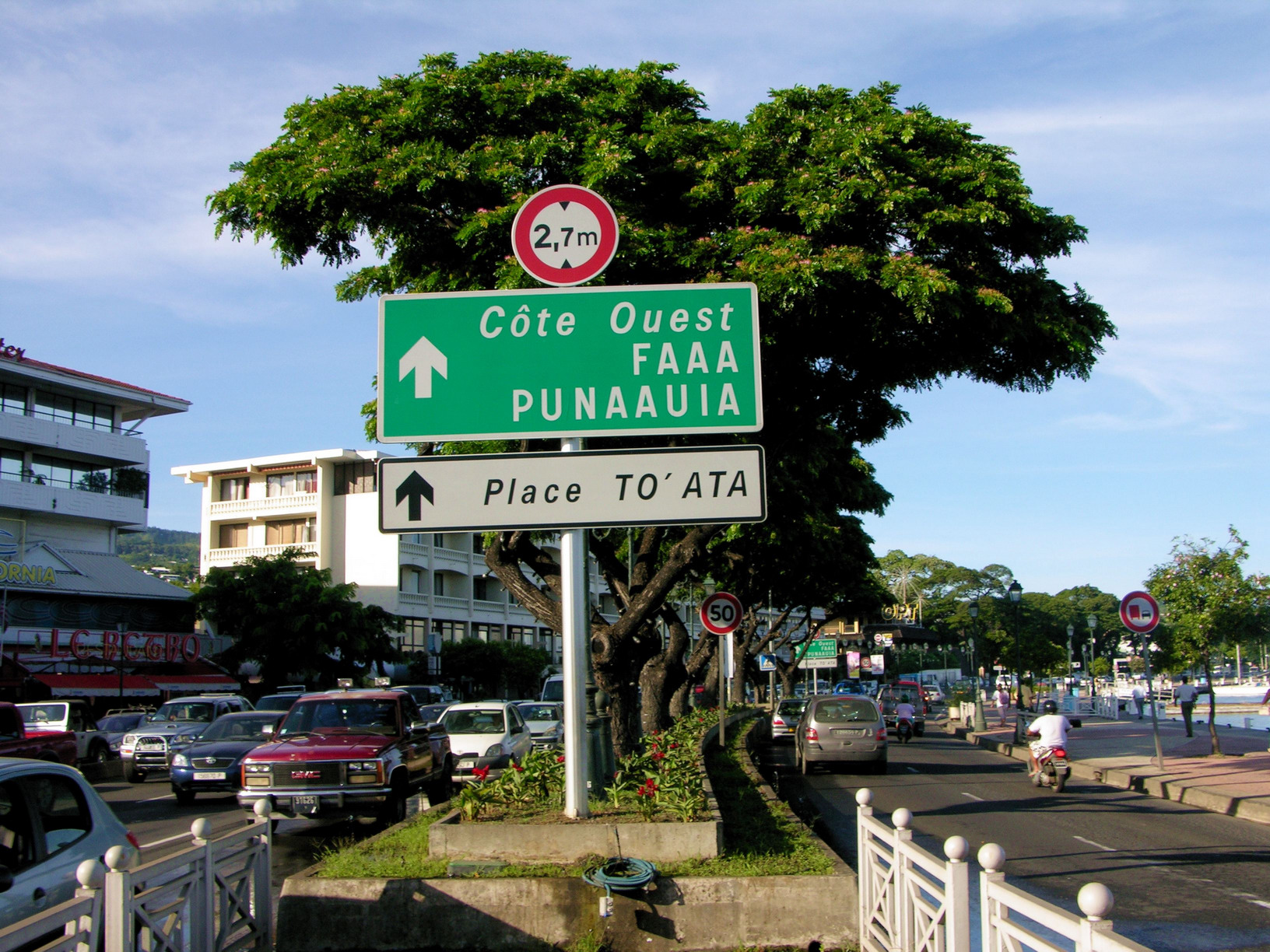
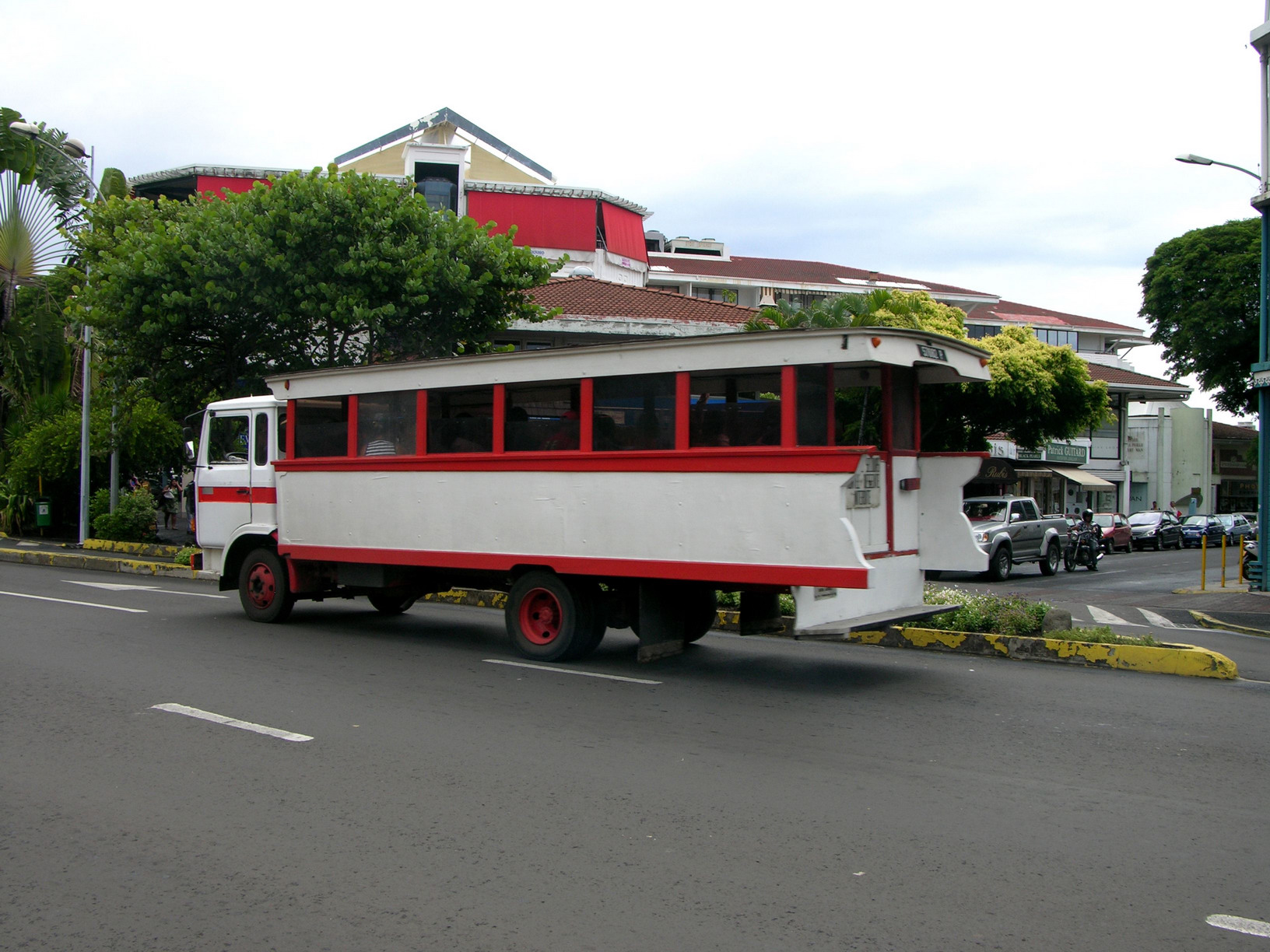
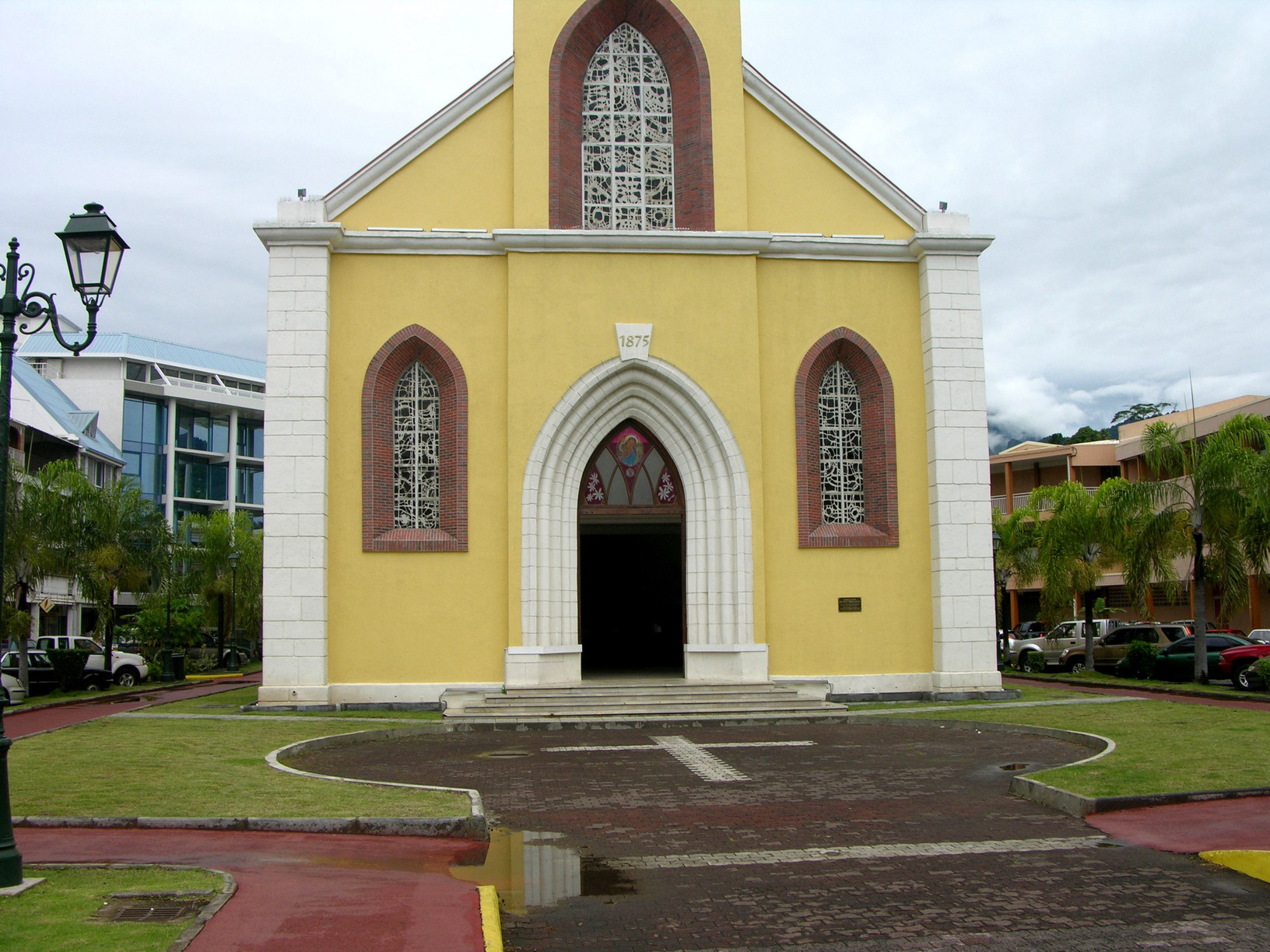
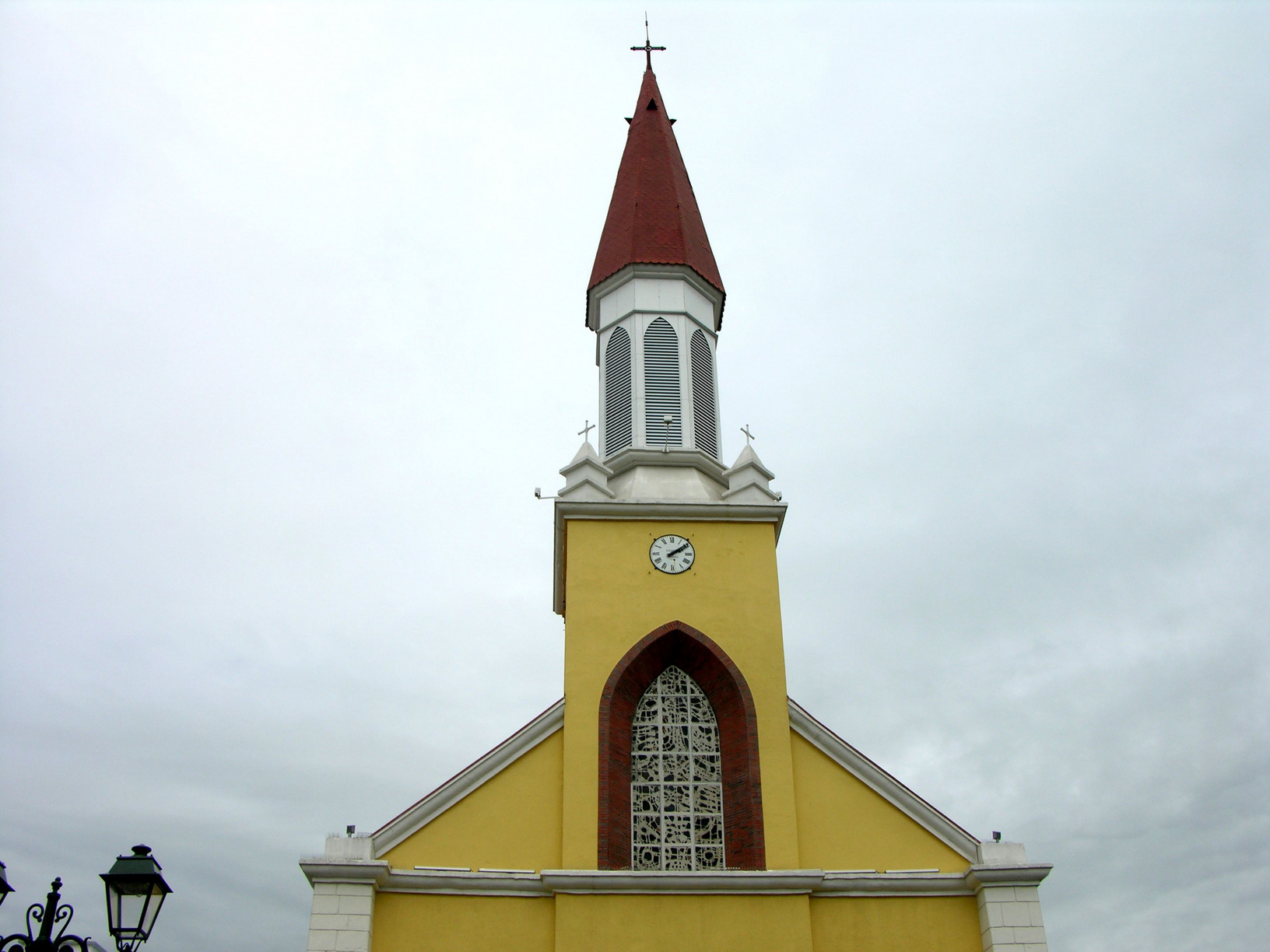
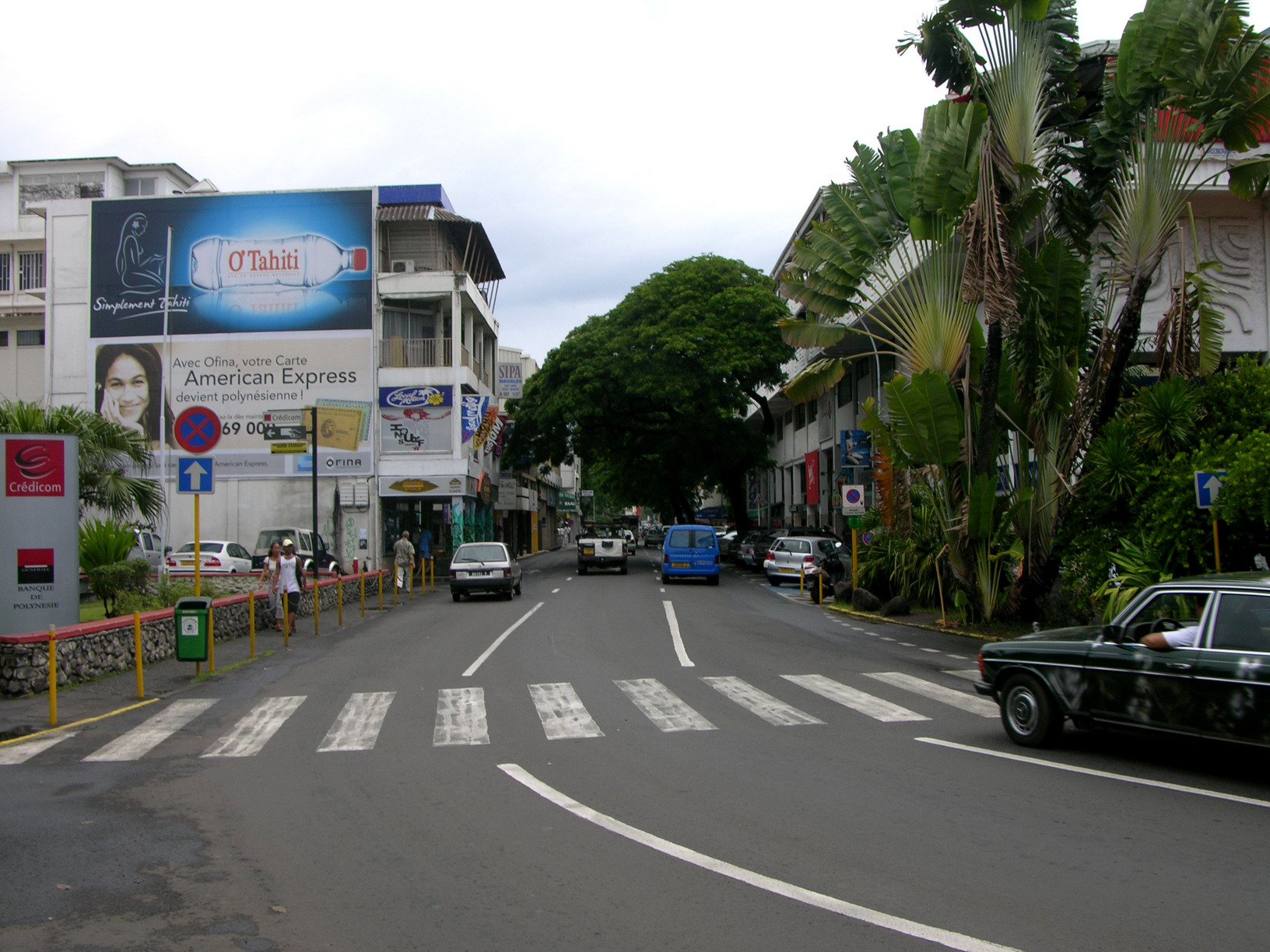
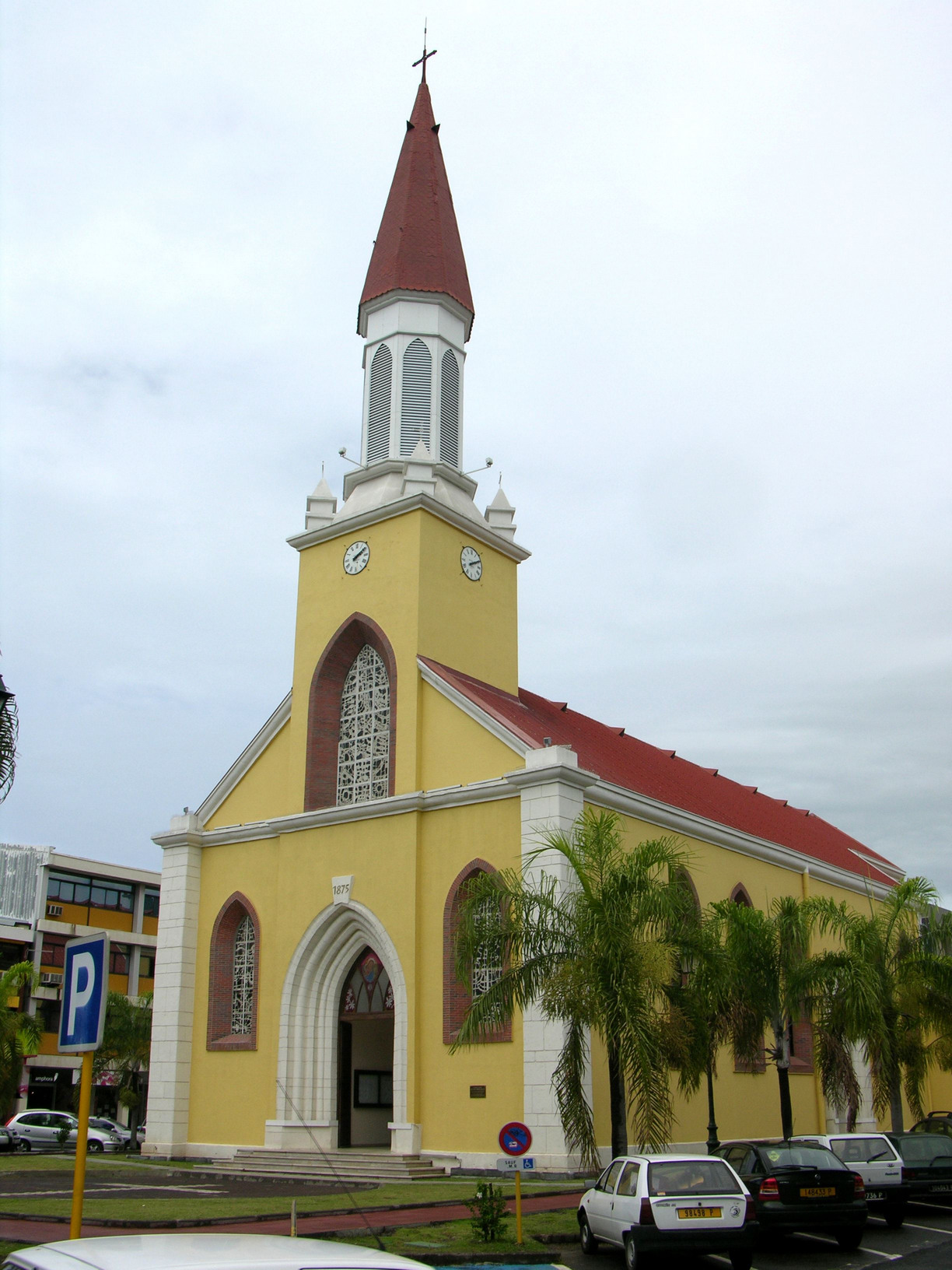
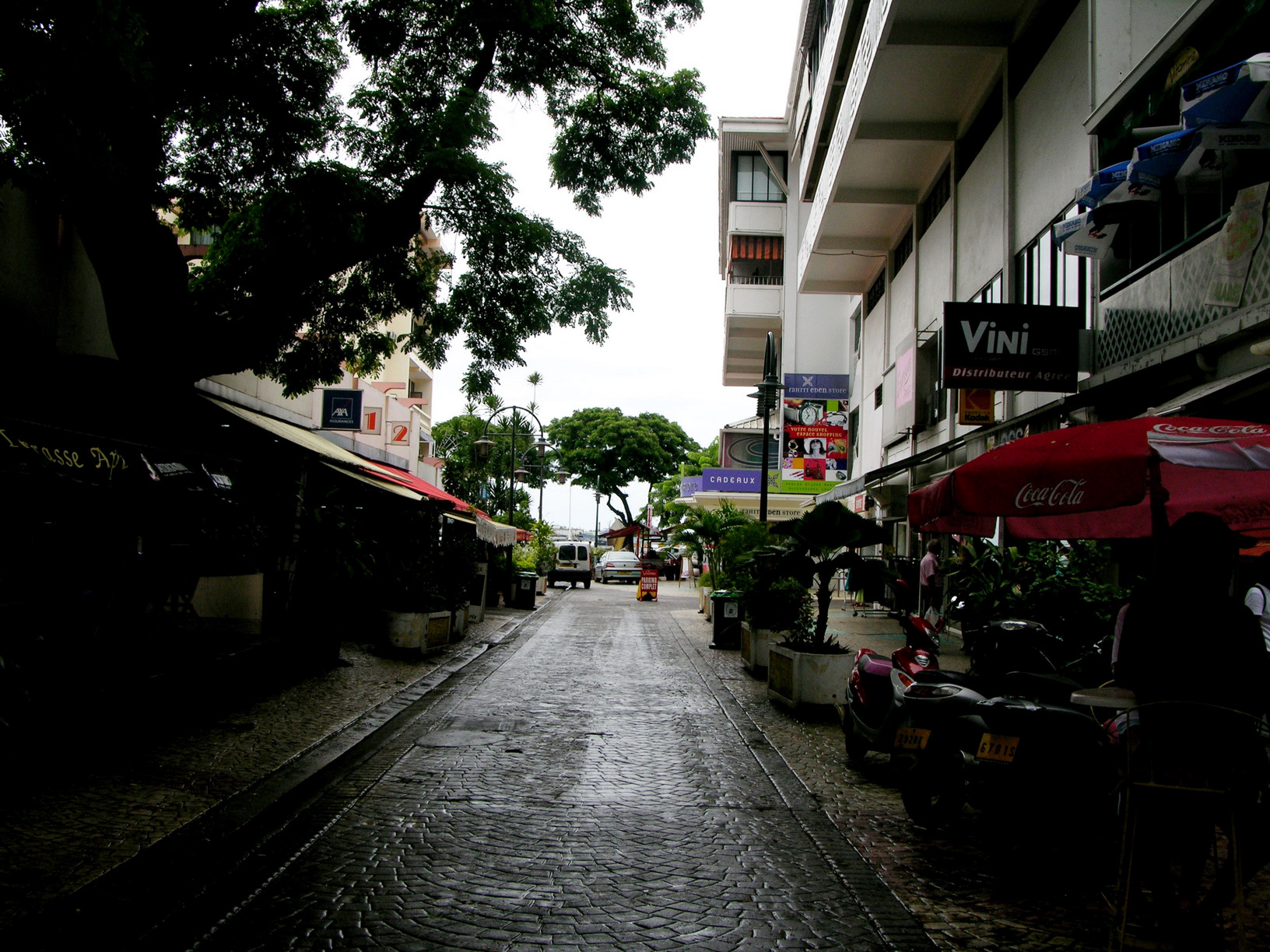
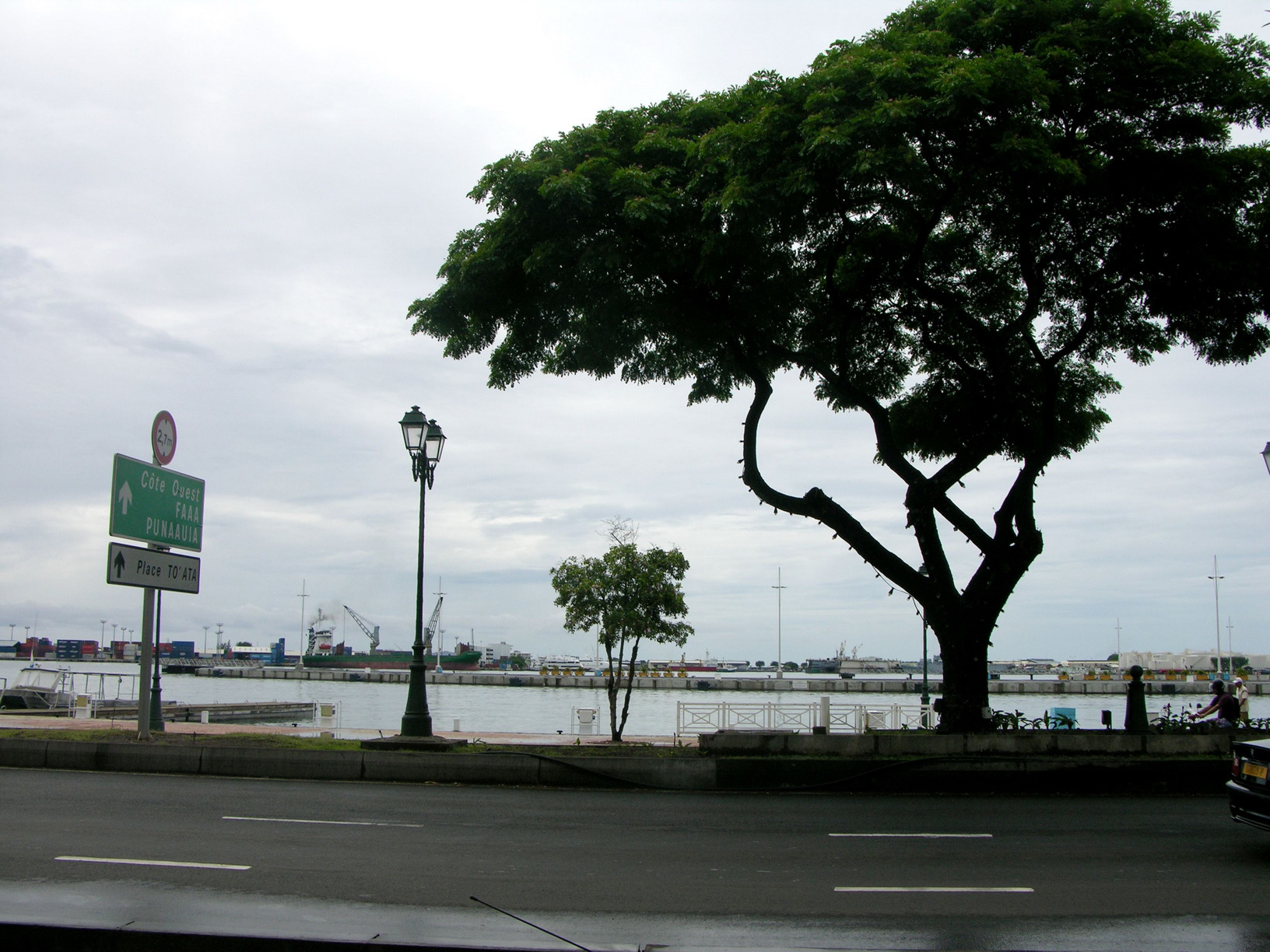
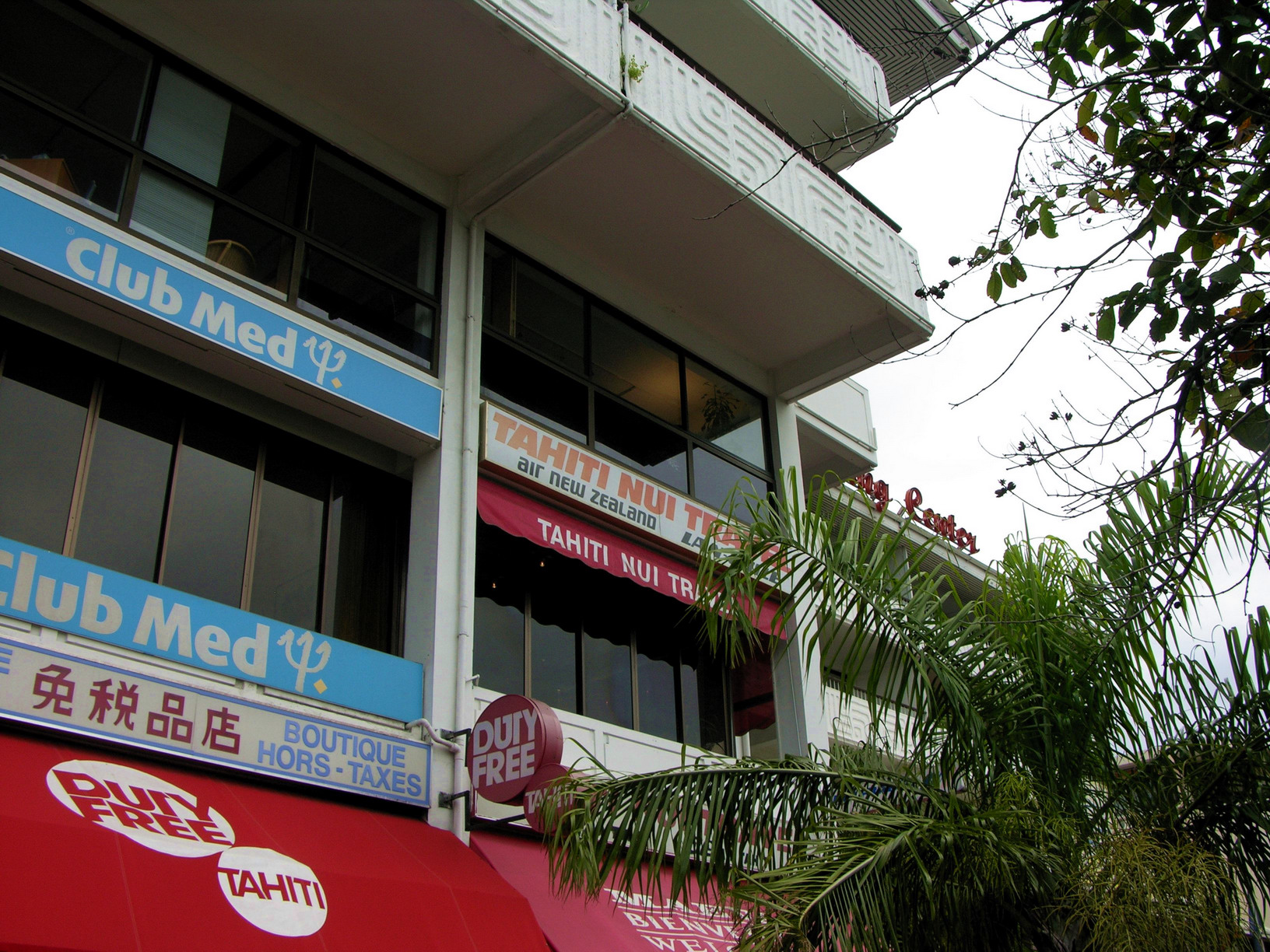
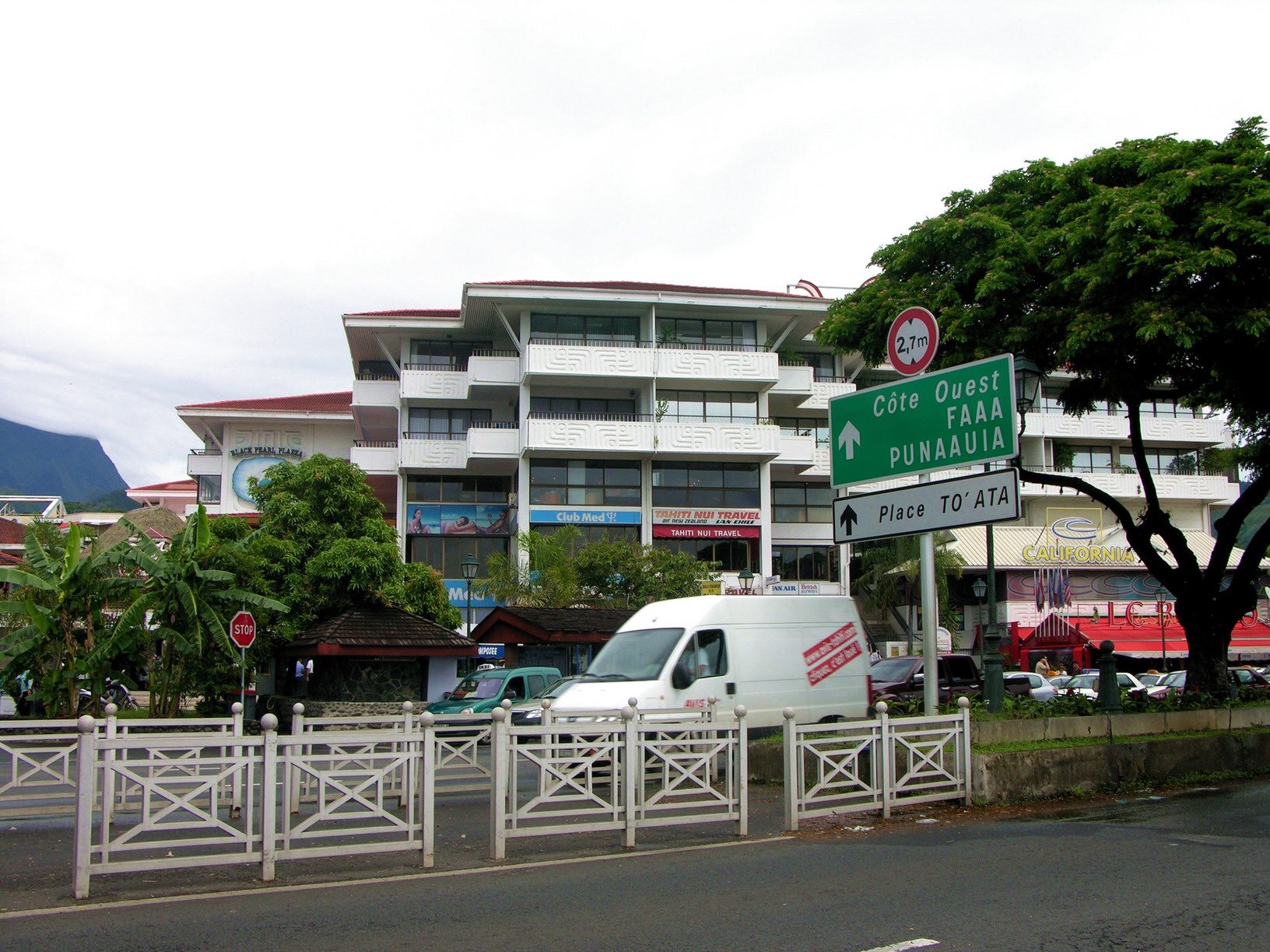
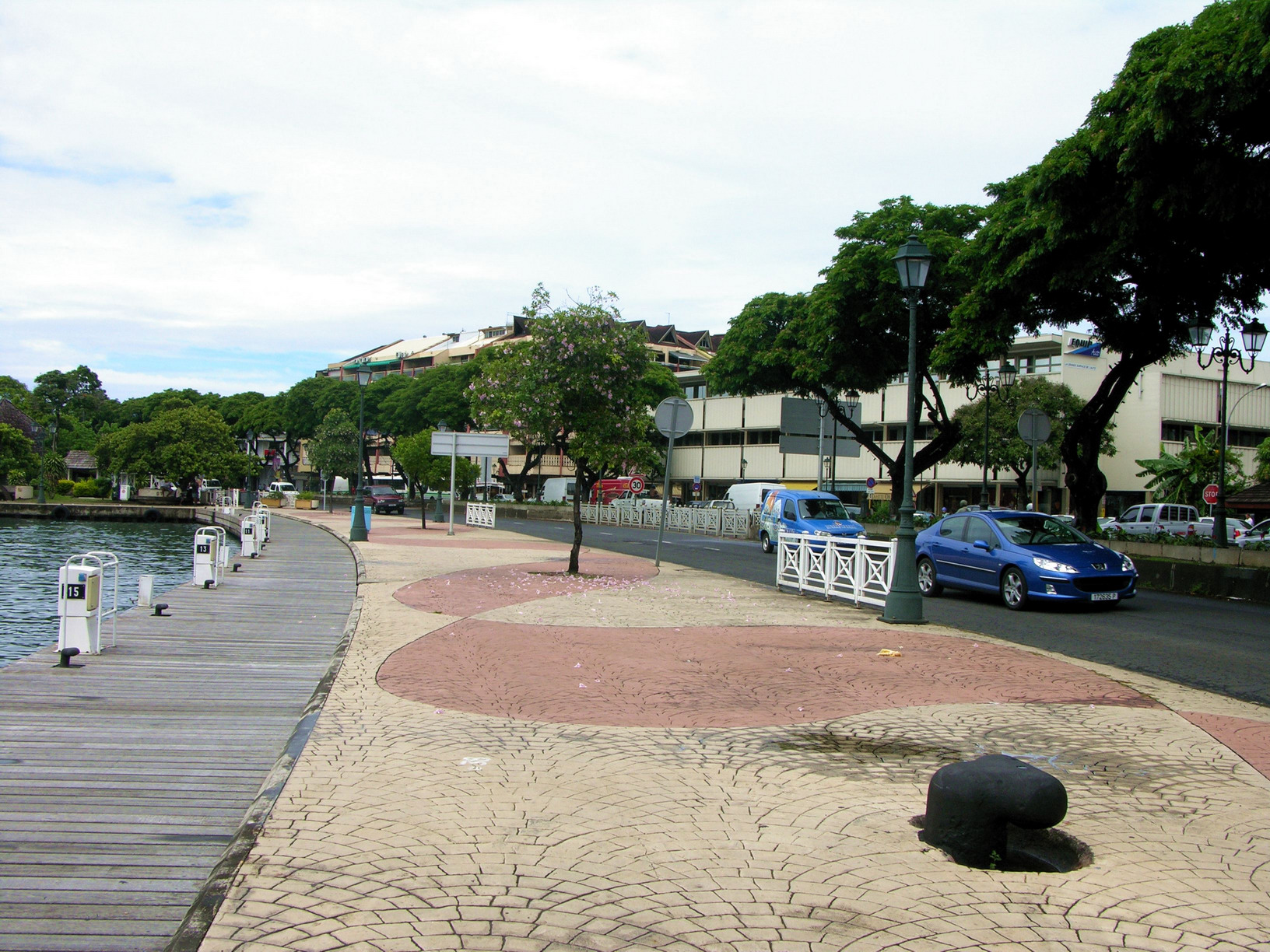
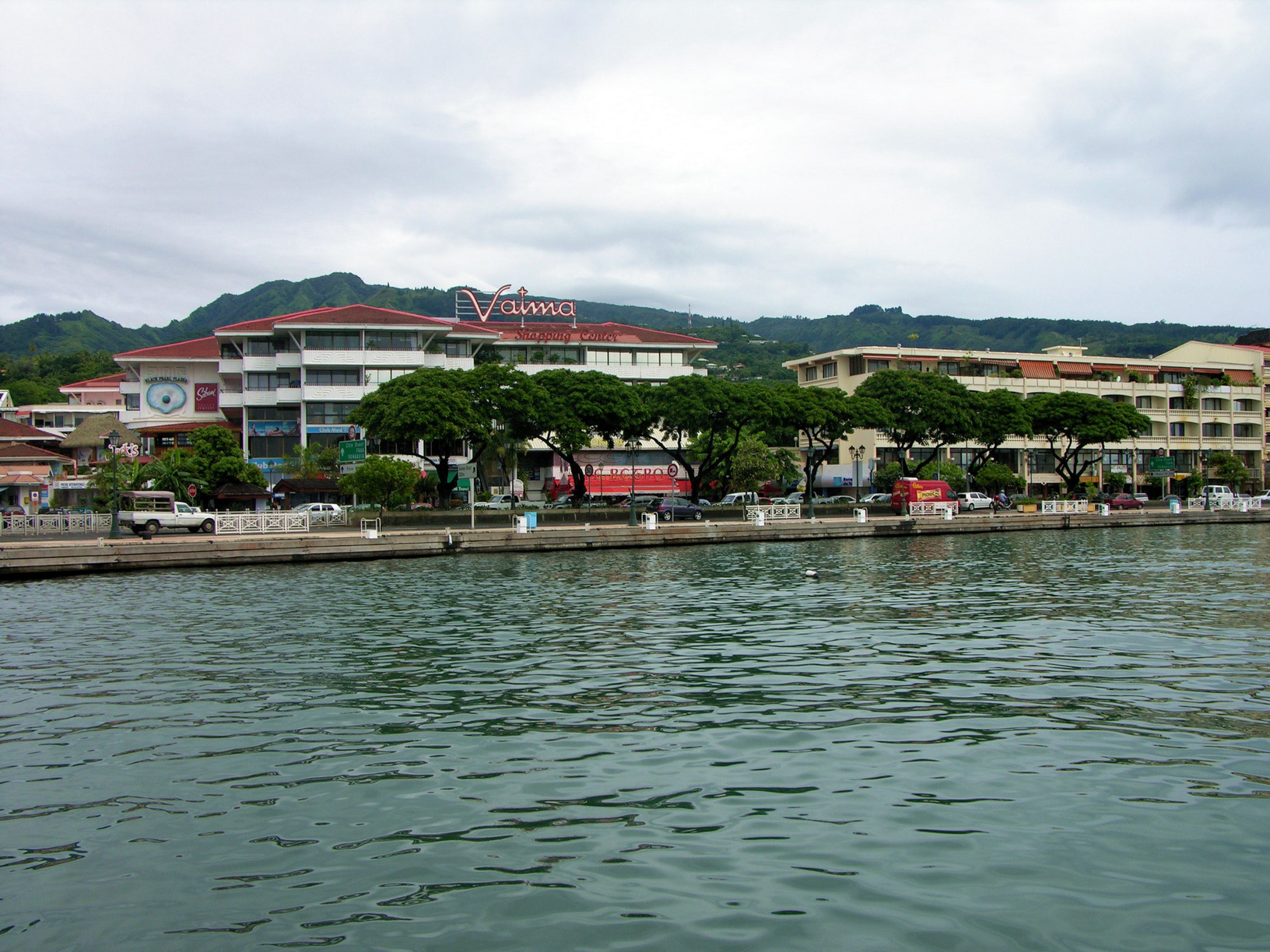
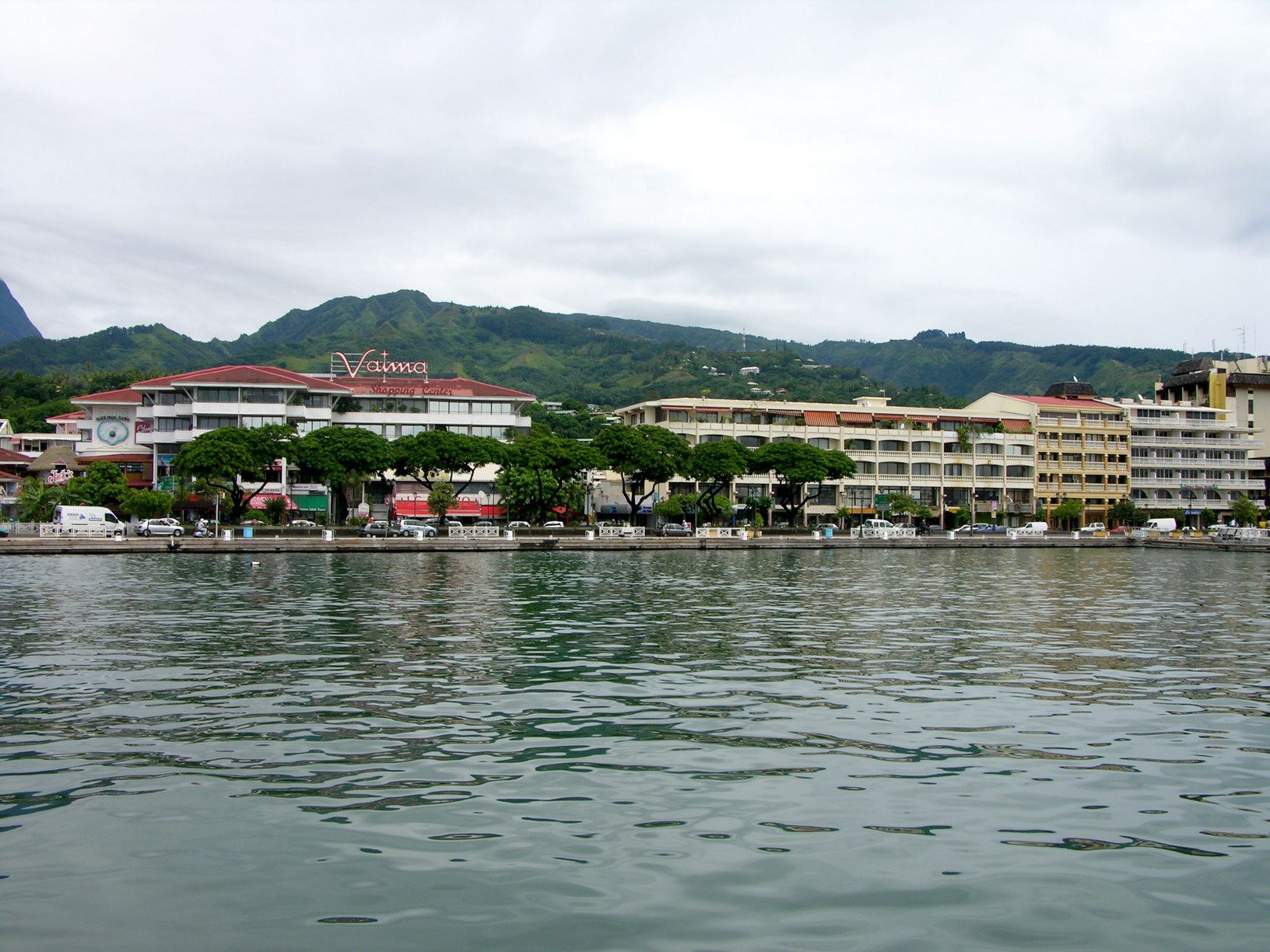
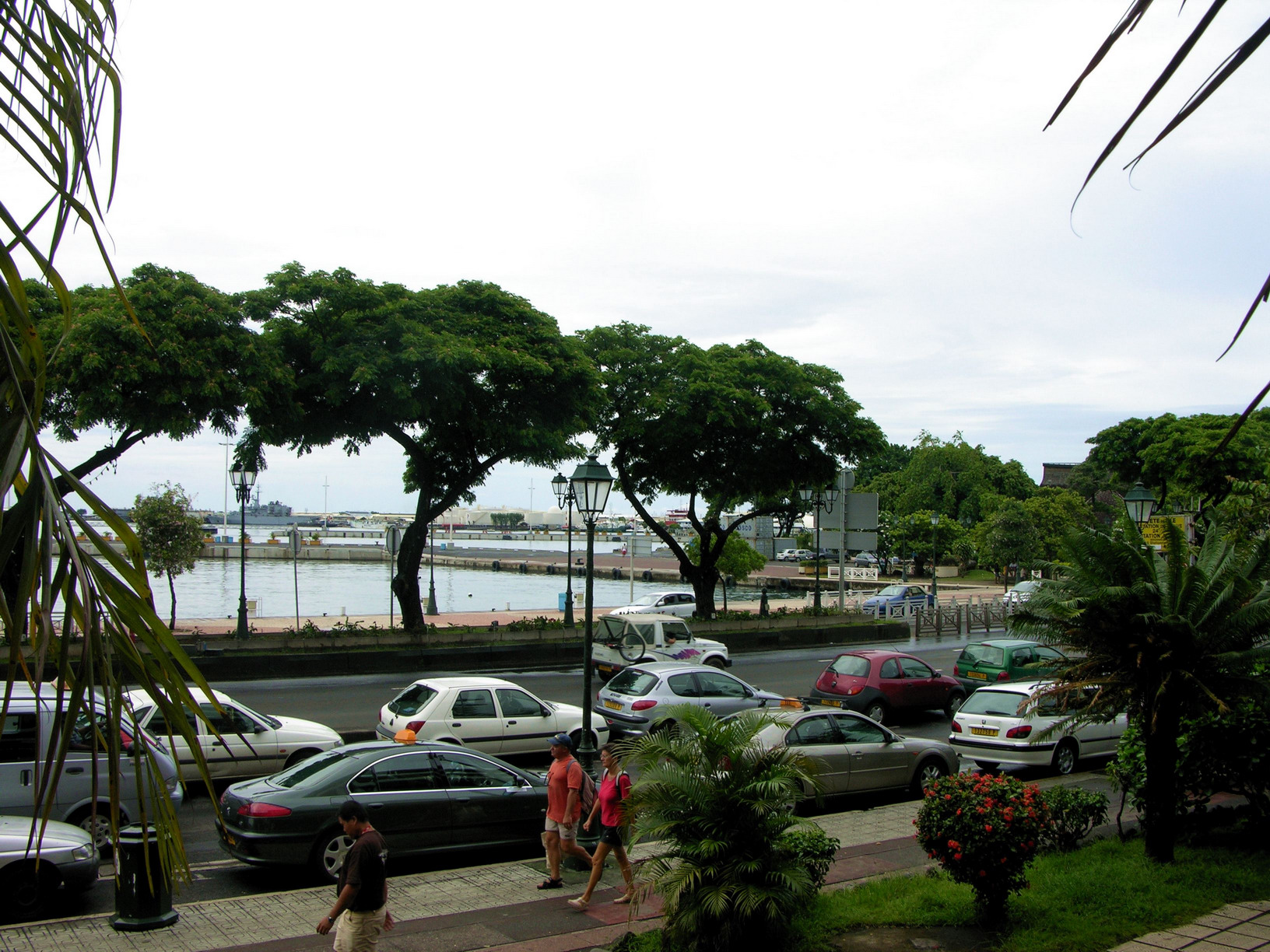
In the morning we walked around the streets of the capital, busy Papeete. It was a noisy little European town. Everything, down to the waterfront, felt like the French Riviera.
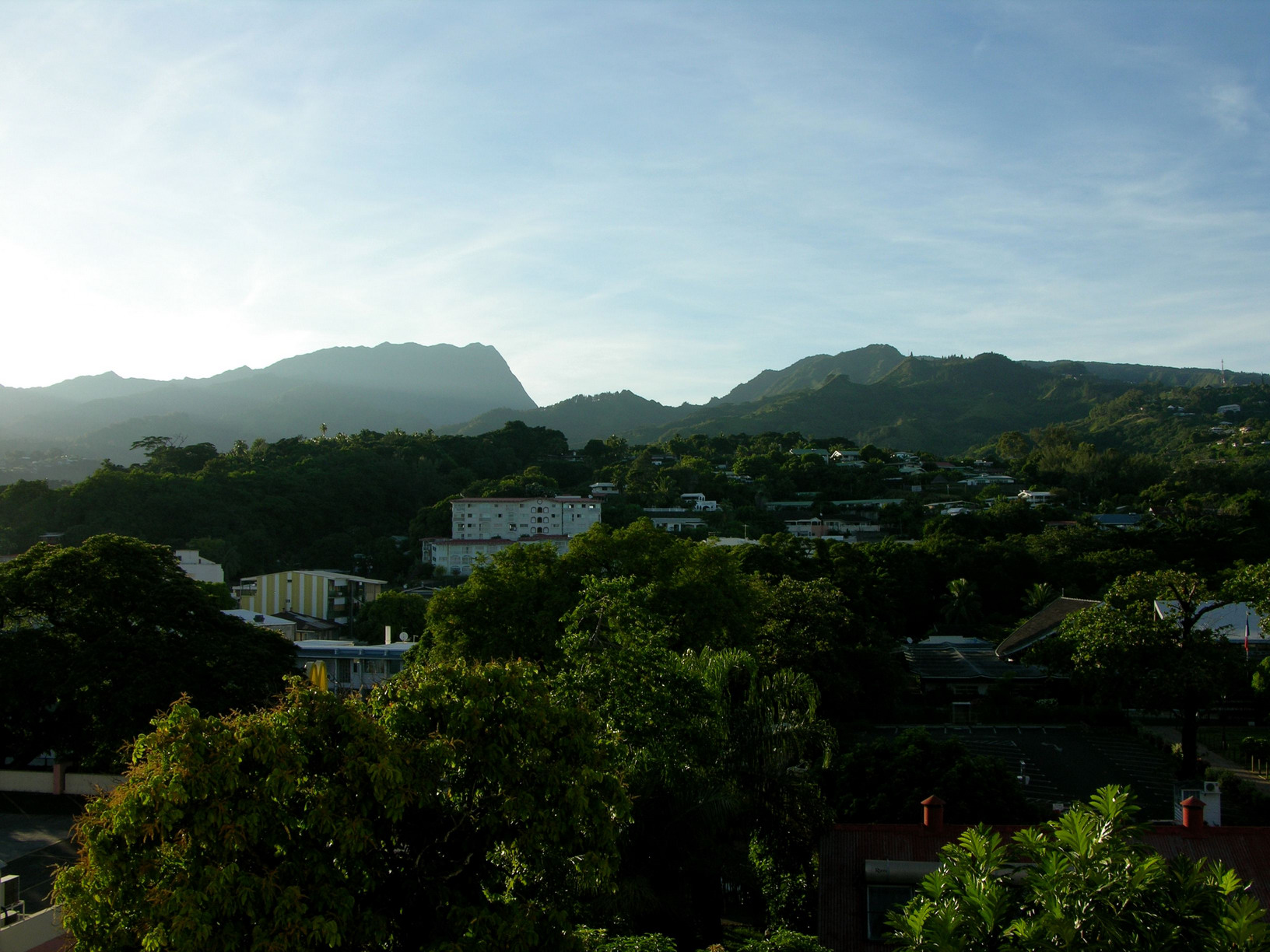
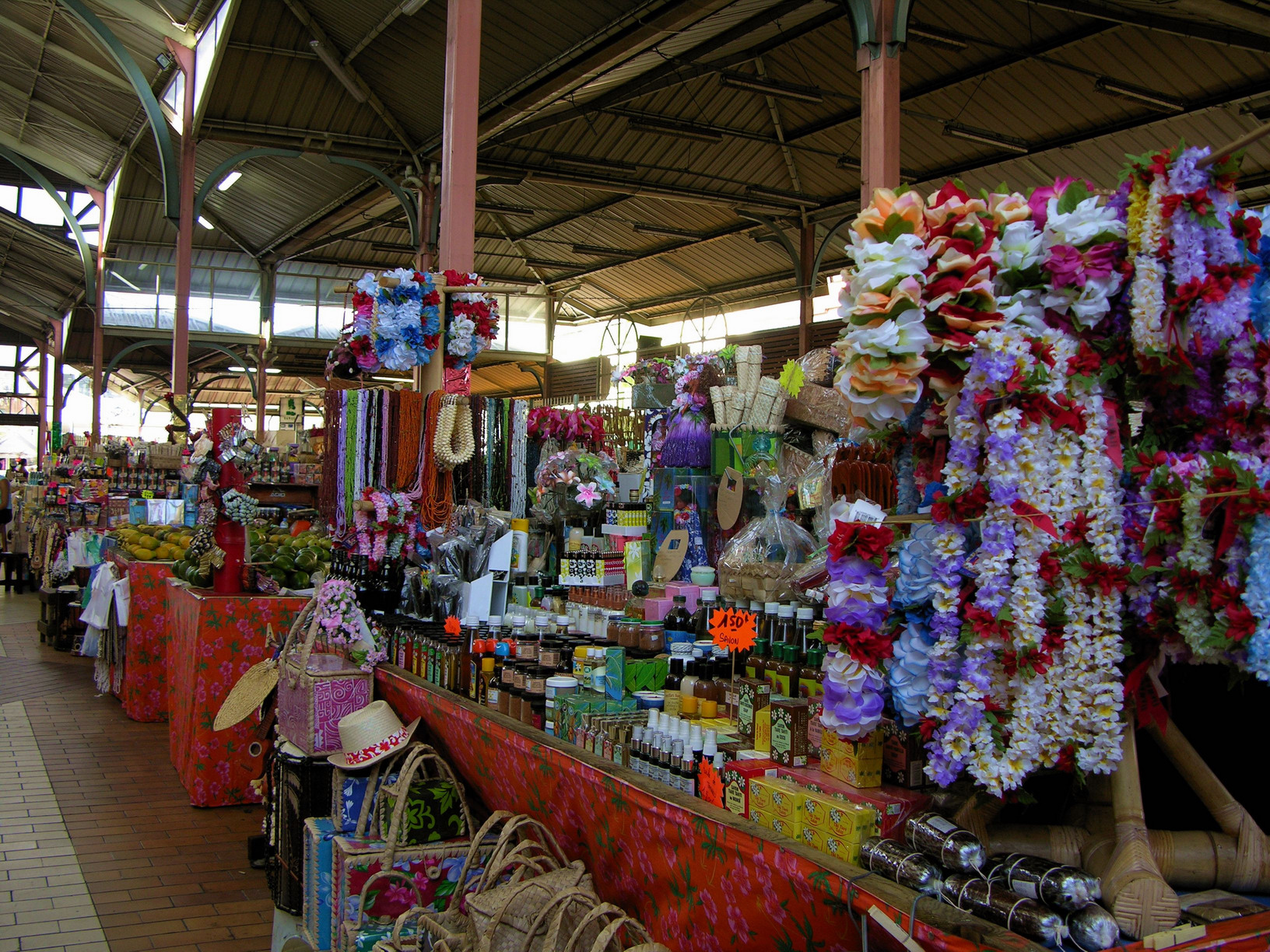
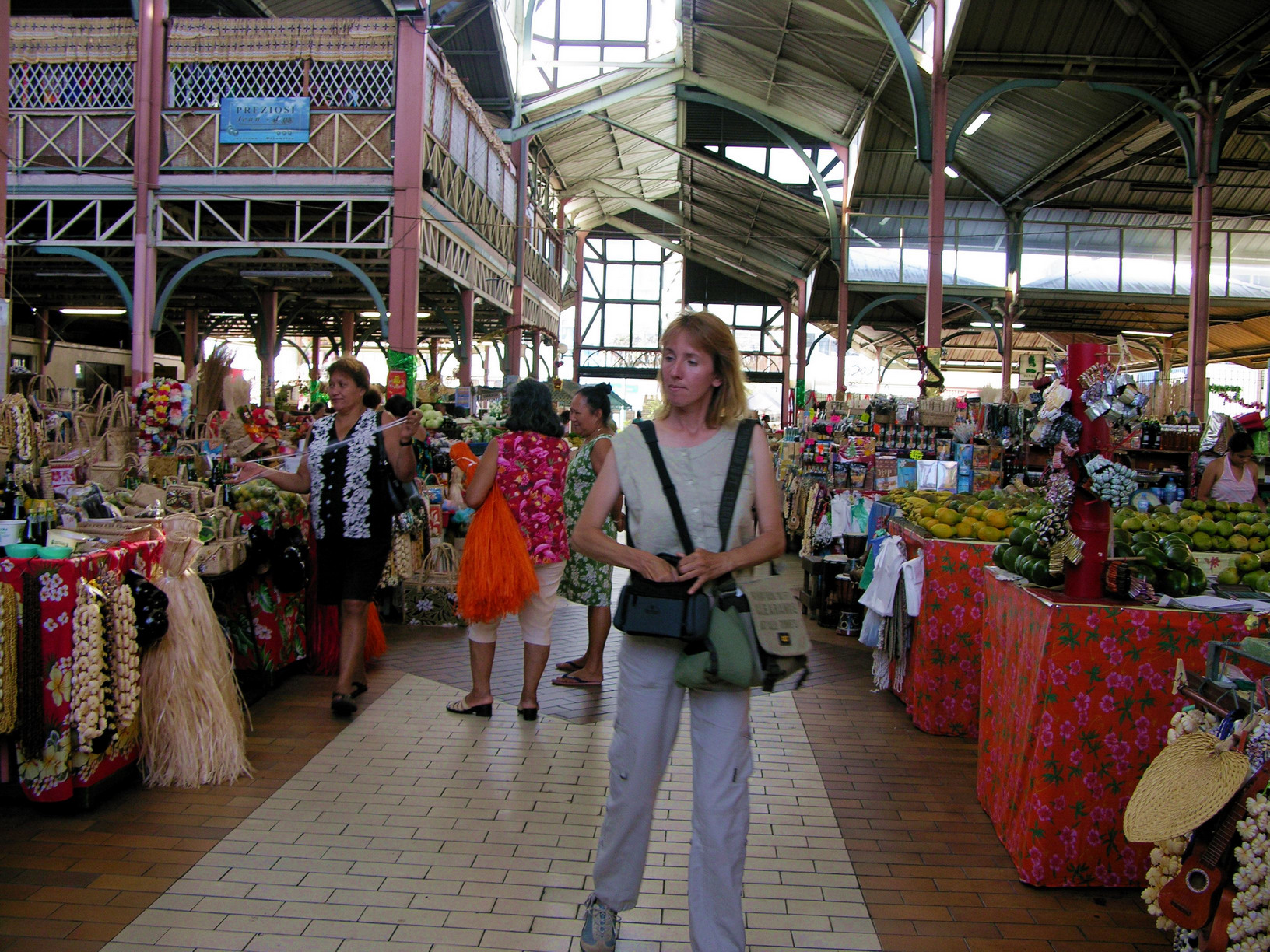
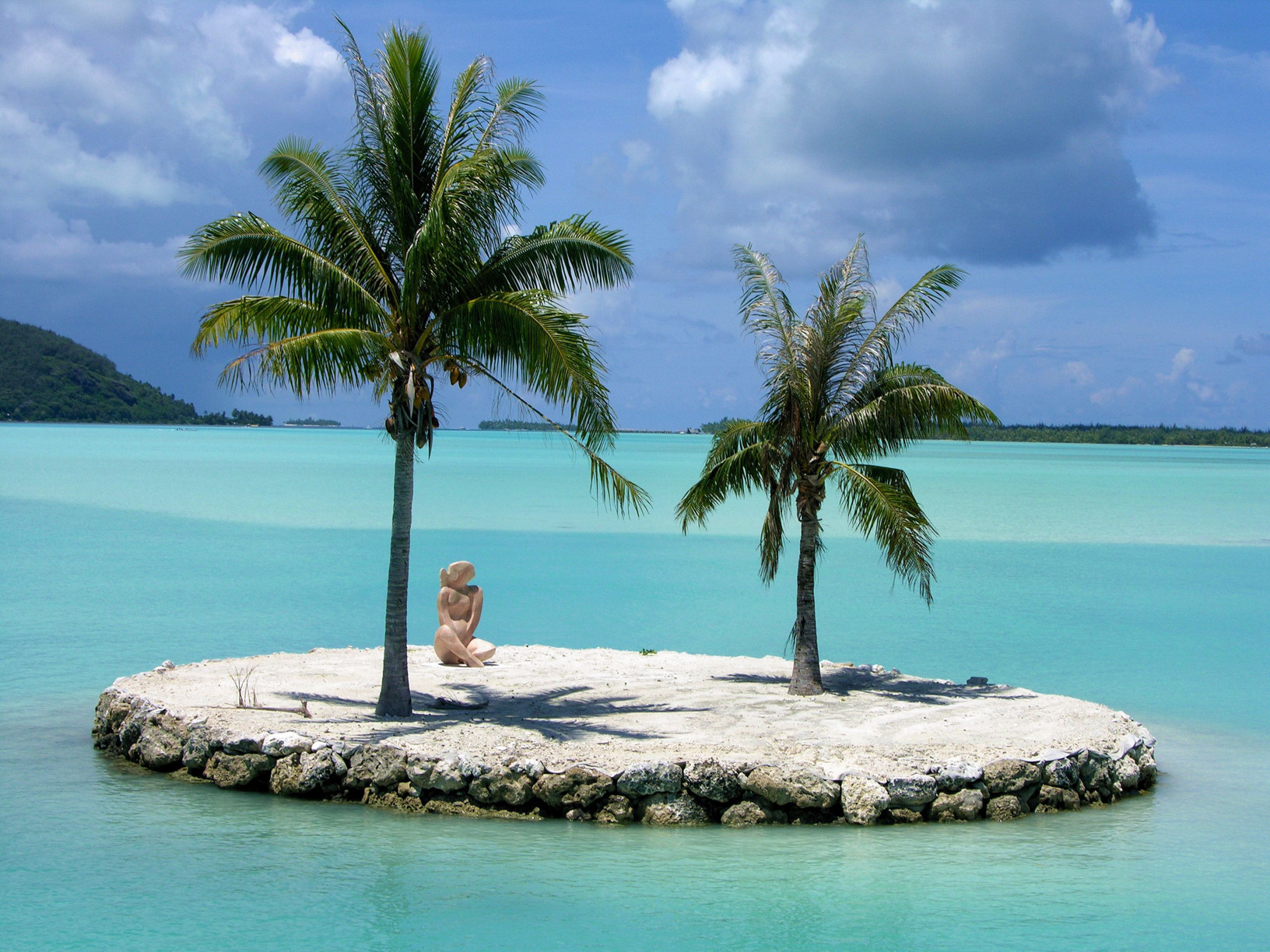
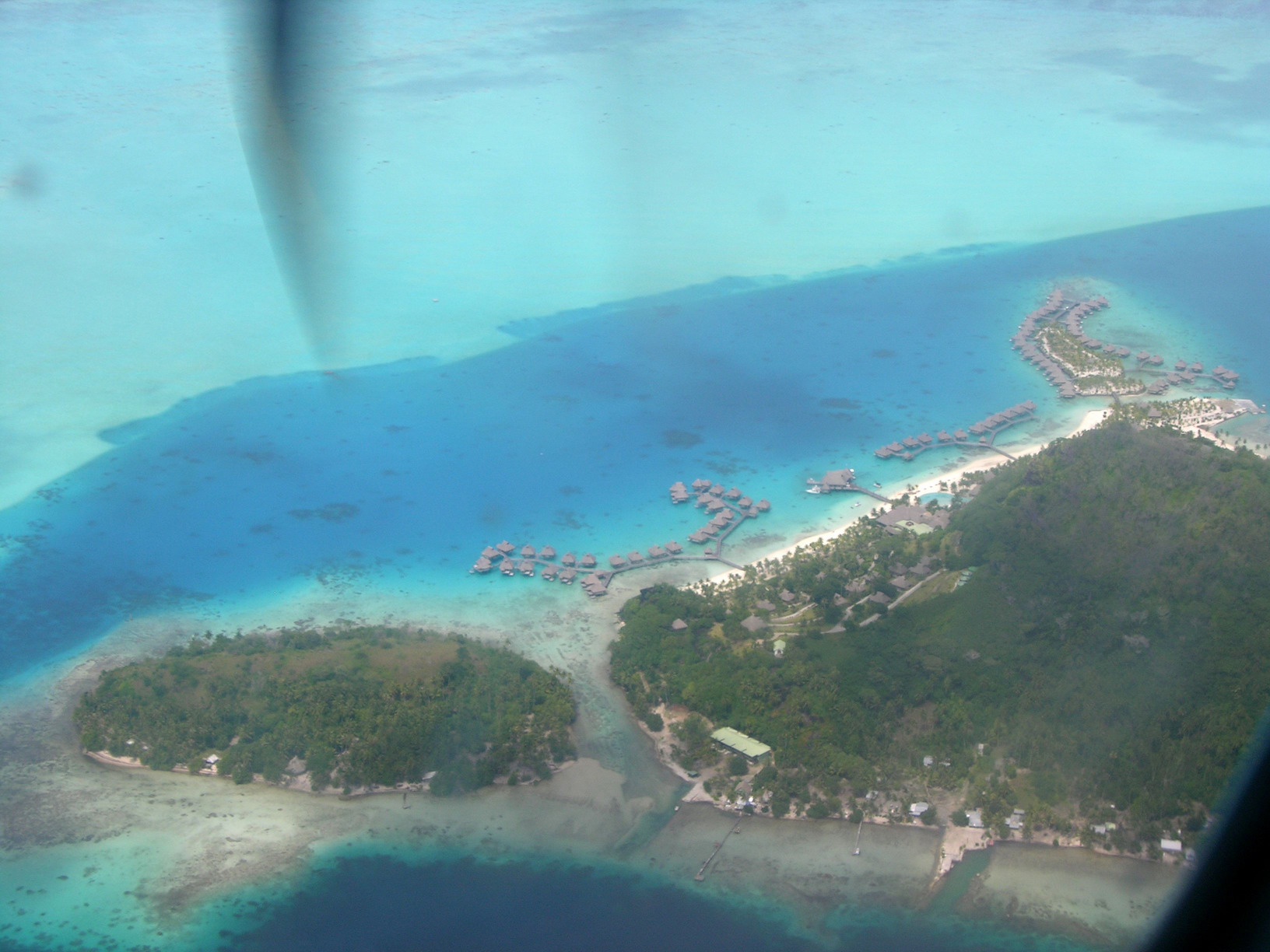
Then we flew to Bora Bora. We had reserved our tickets back in Saint Petersburg and had meant to pay for them in Chile, which proved impossible. There turned out to be plenty of space and we got an earlier flight. Bora Bora was 250 kilometres away, with stops on Moorea and Huahine, so we had another landing on the way. It was a bonus. You could look down on one island after another, each lovelier than the last. Jagged volcanic rock, green slopes, waterfalls and blue lagoons. It hardly looked real.
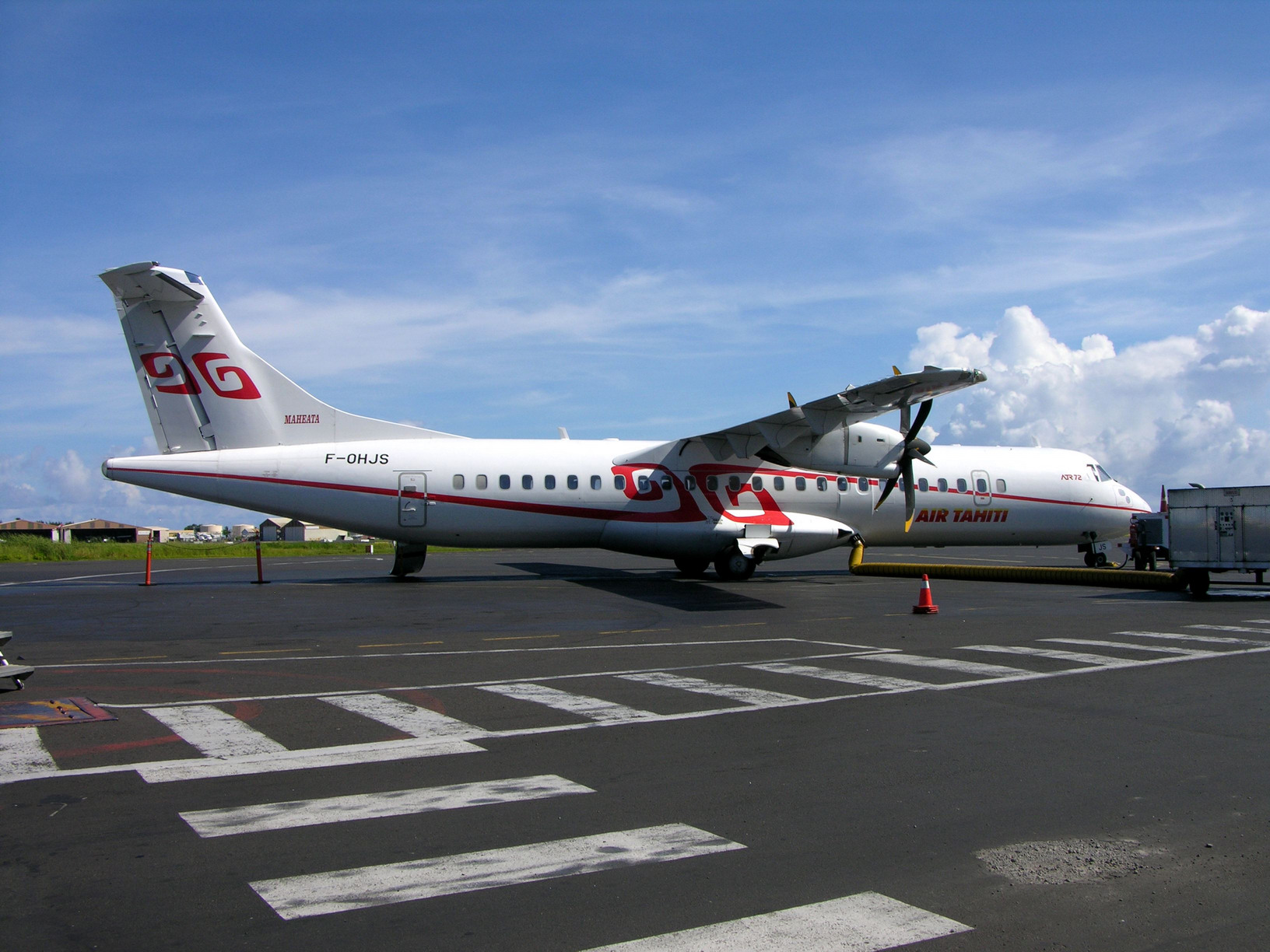
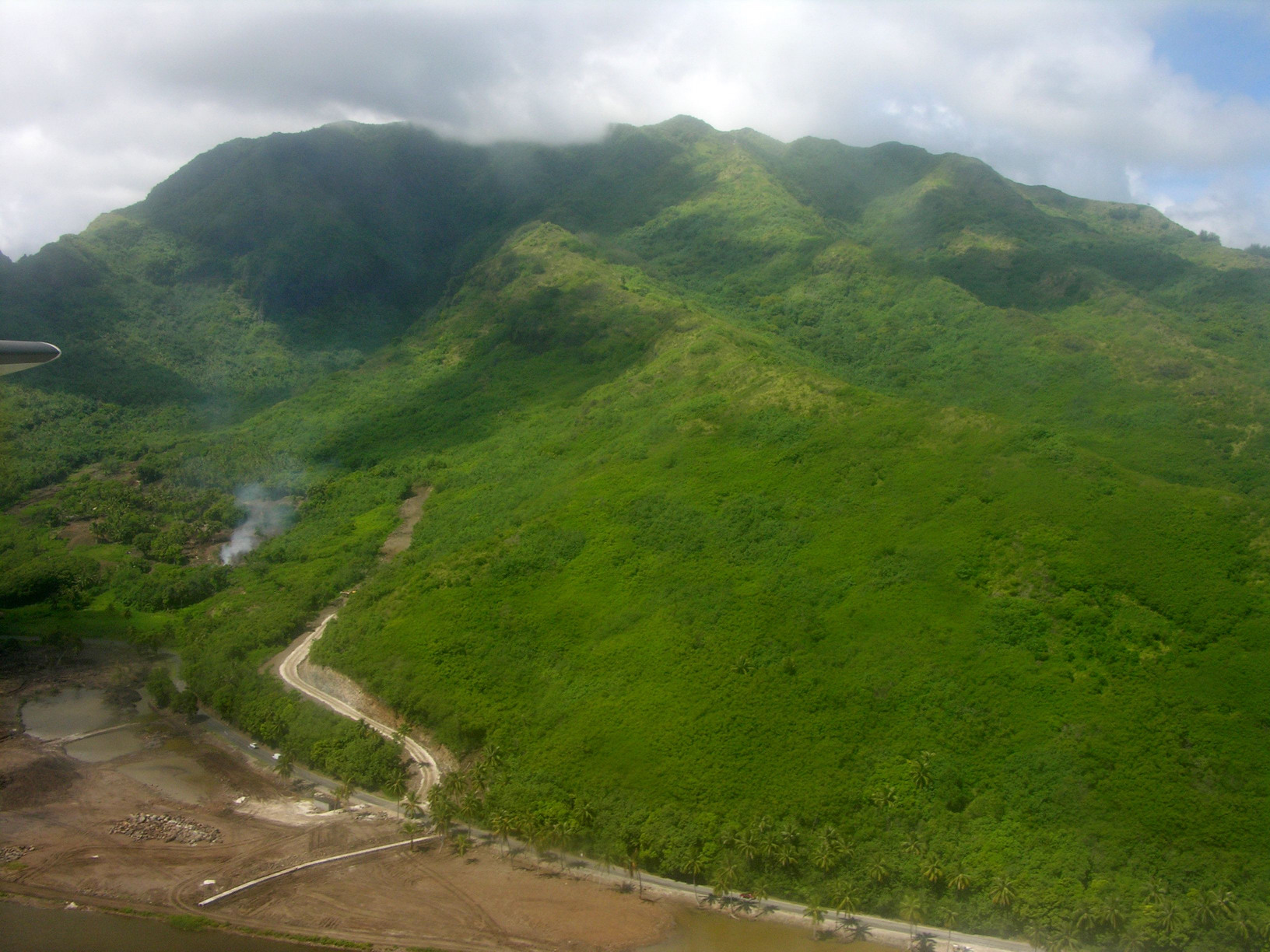
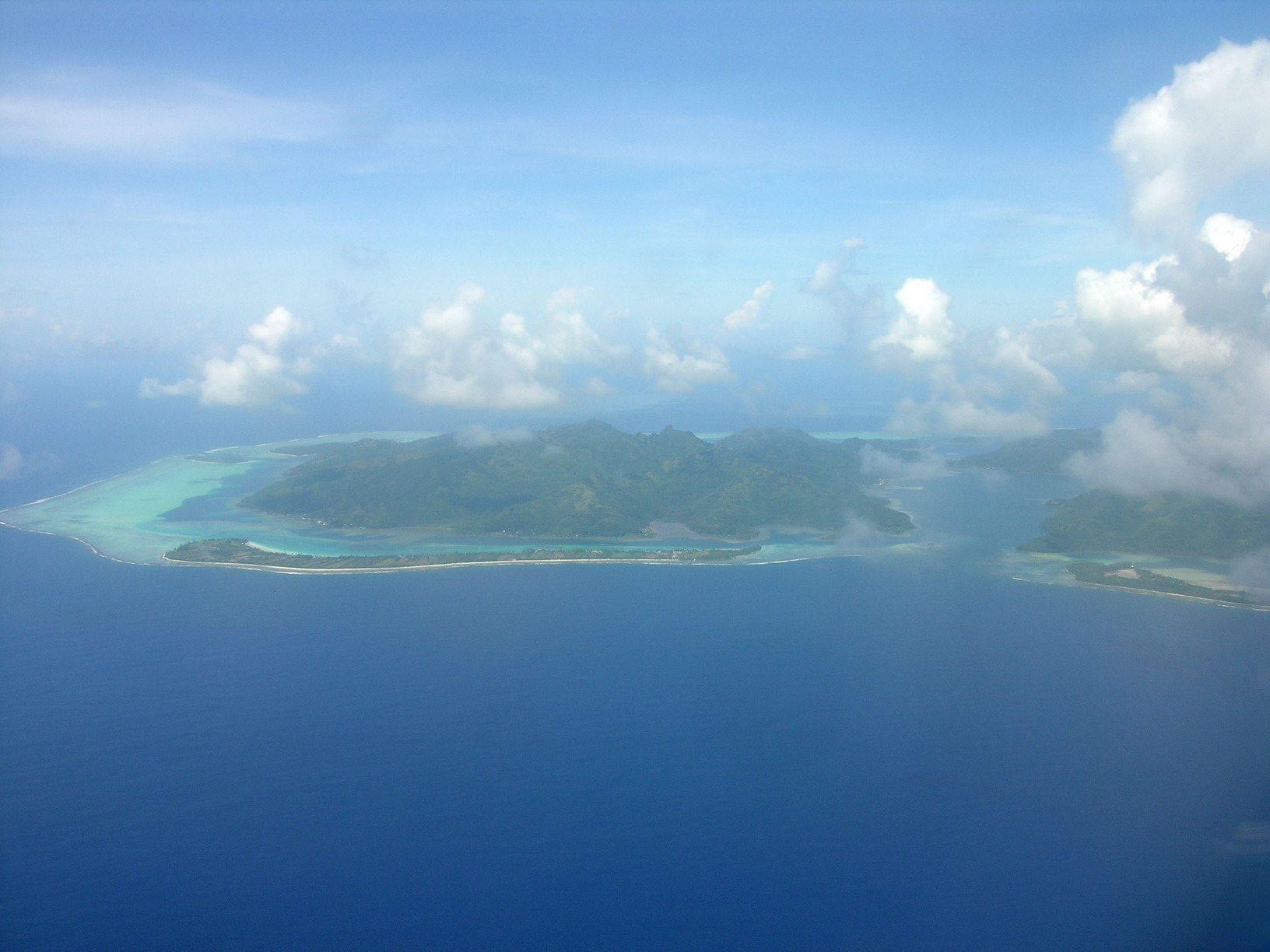
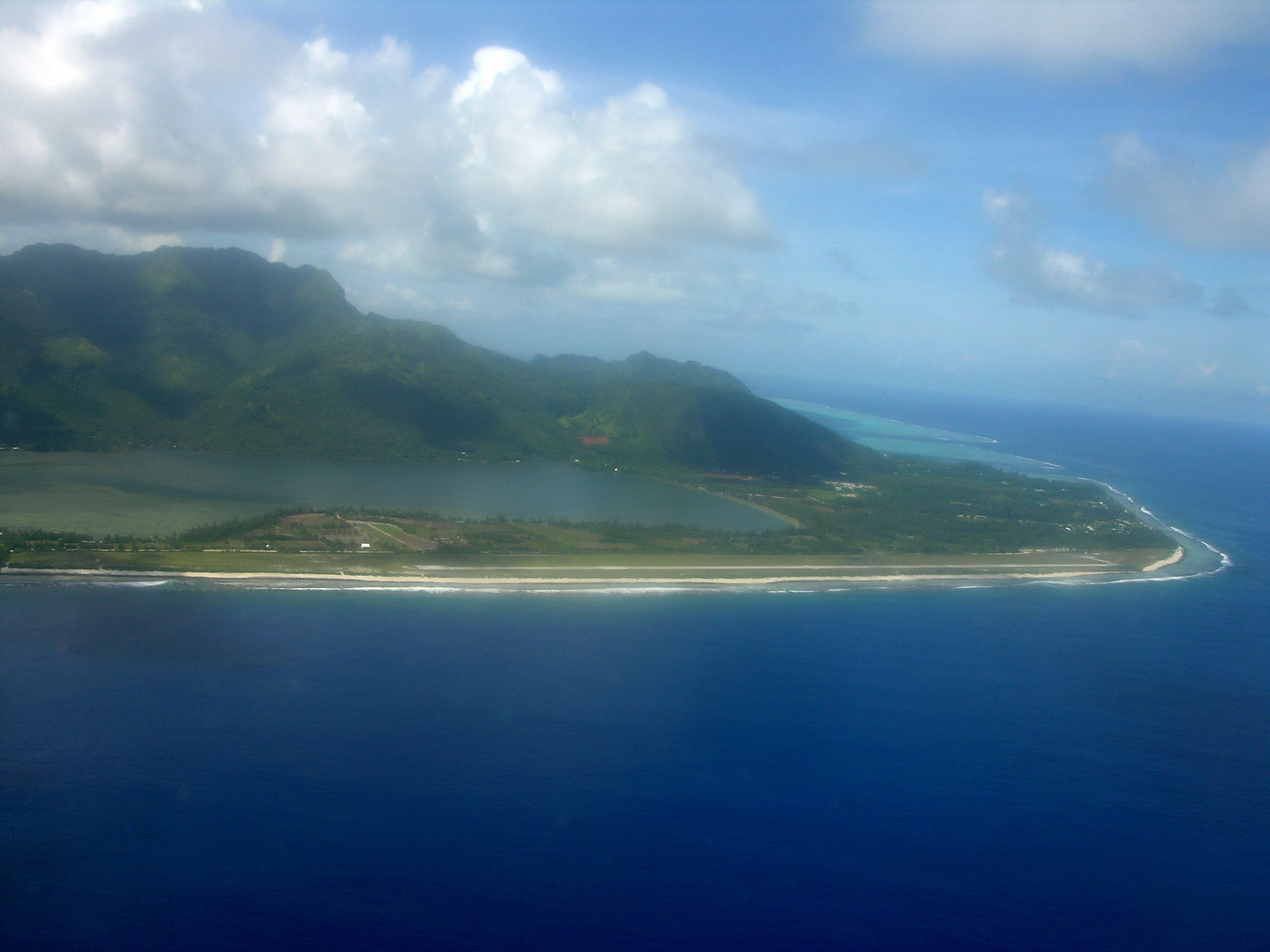
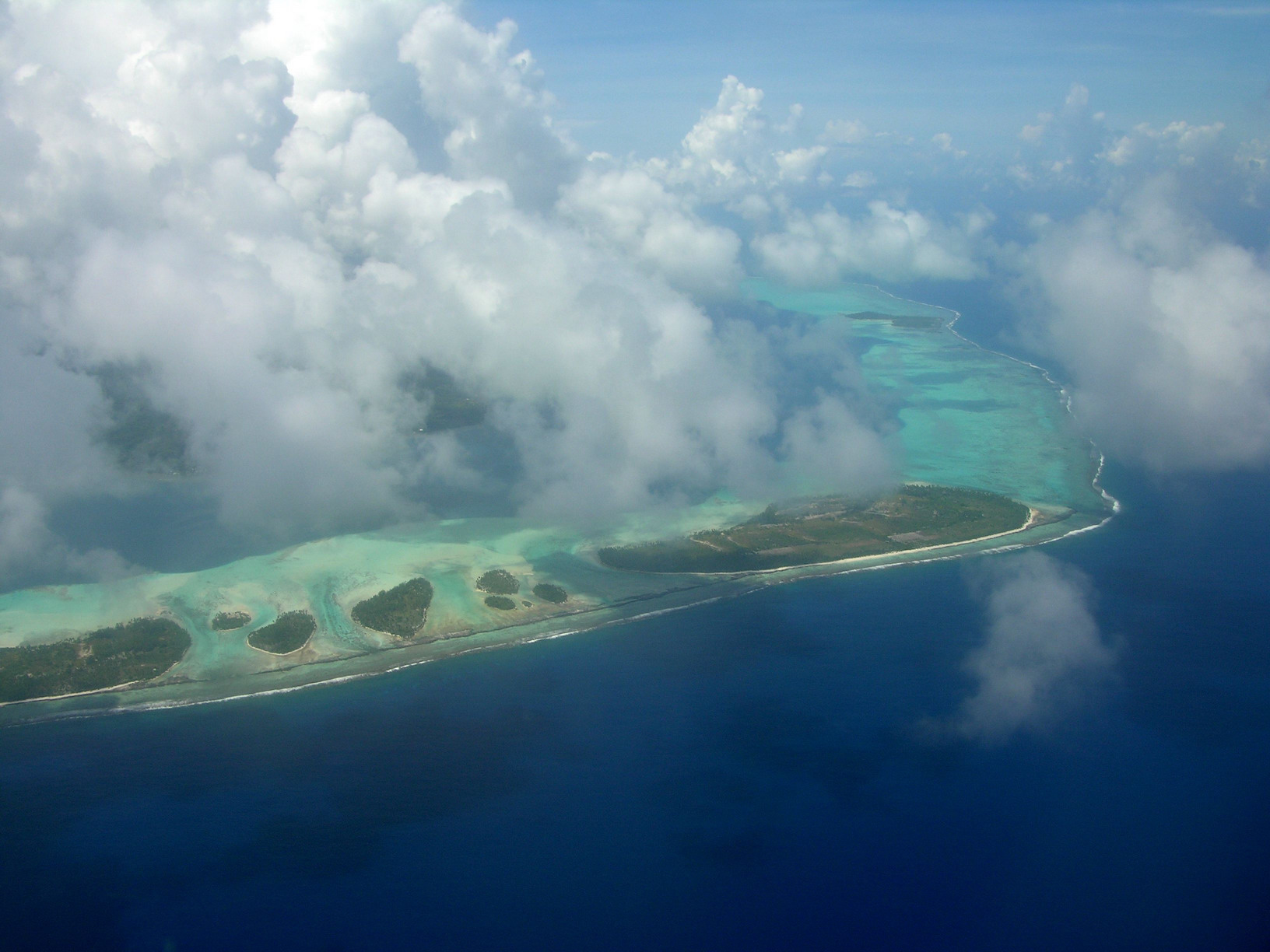
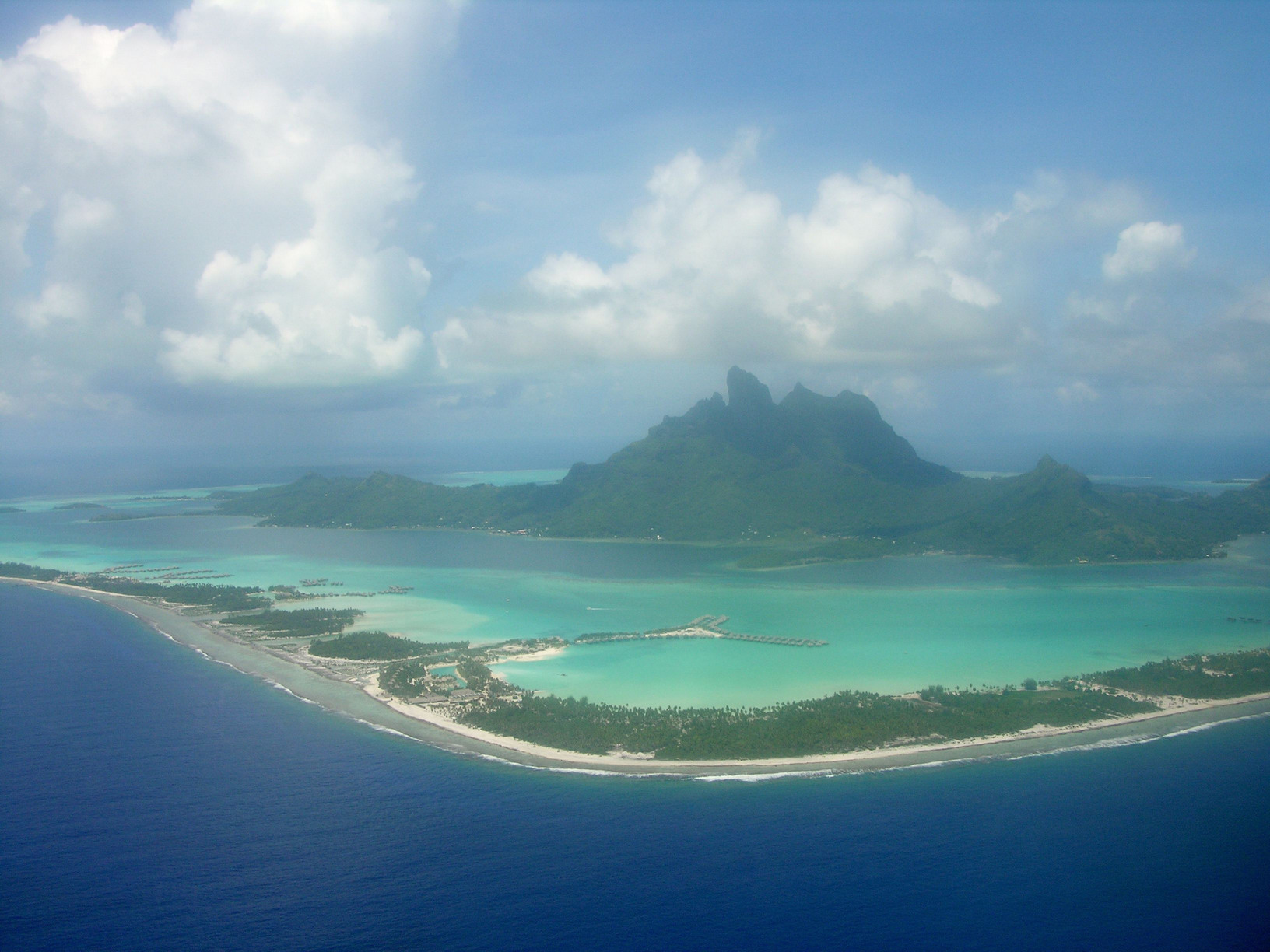
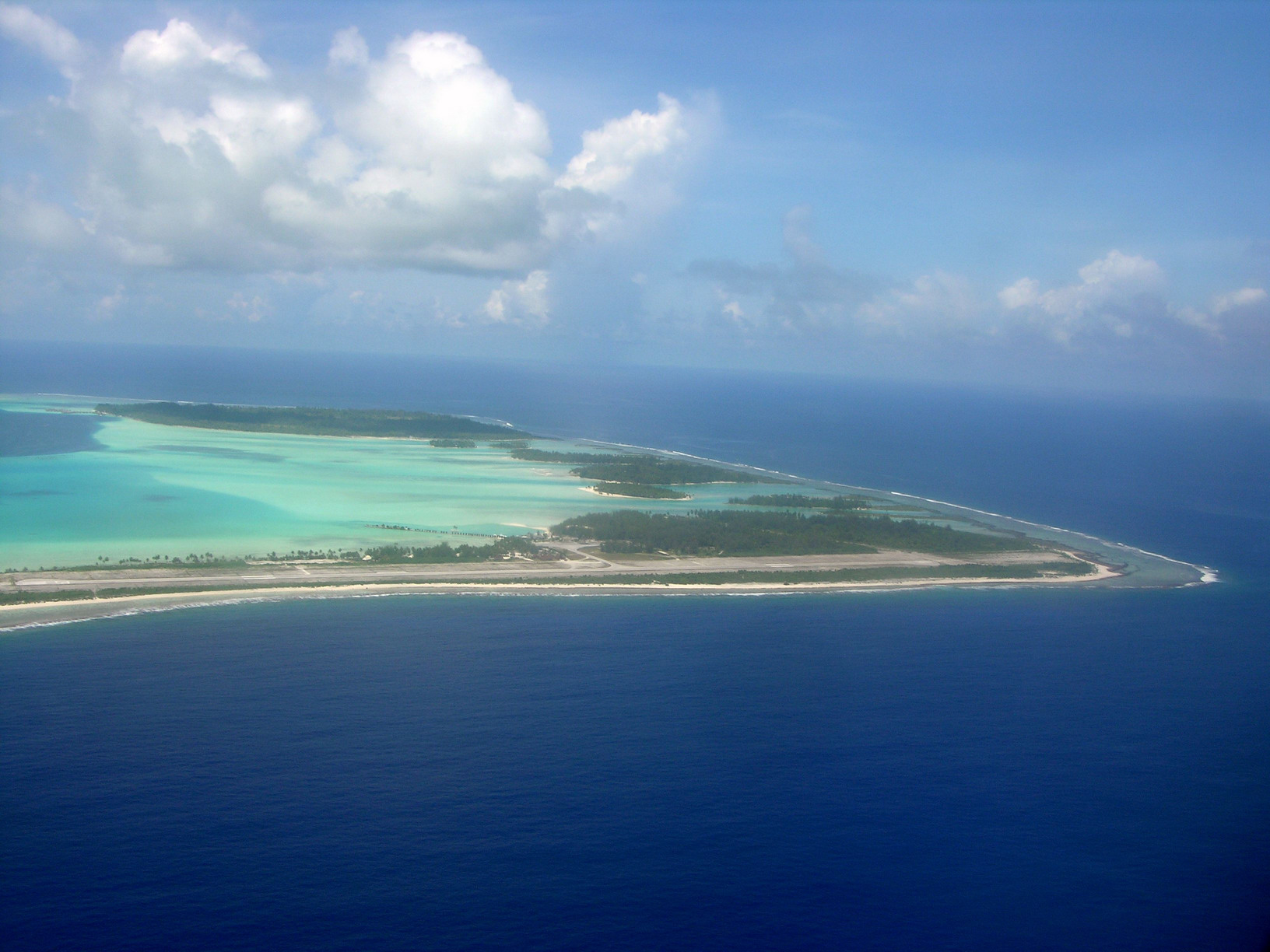
Bora Bora's runway is out on an island at the edge of the lagoon, away from Bora Bora proper. That first Polynesian airport now took only local traffic. The territory's main airport, Faaʻa, opened in 1961 on Tahiti. The Boeing that flew to Paris had “Bora Bora” written on it, but that was the aeroplane's name. They had enough islands for the whole fleet.
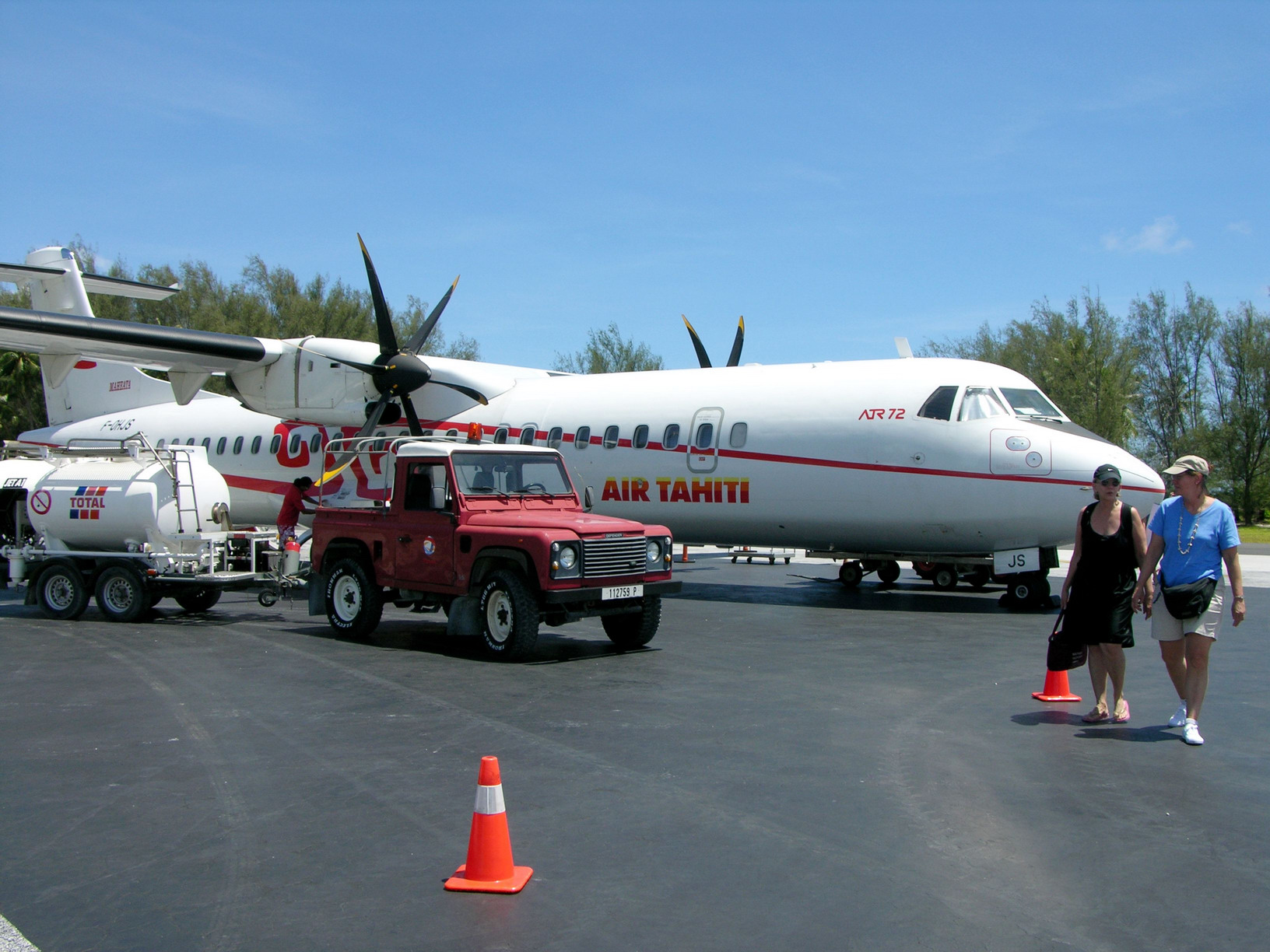
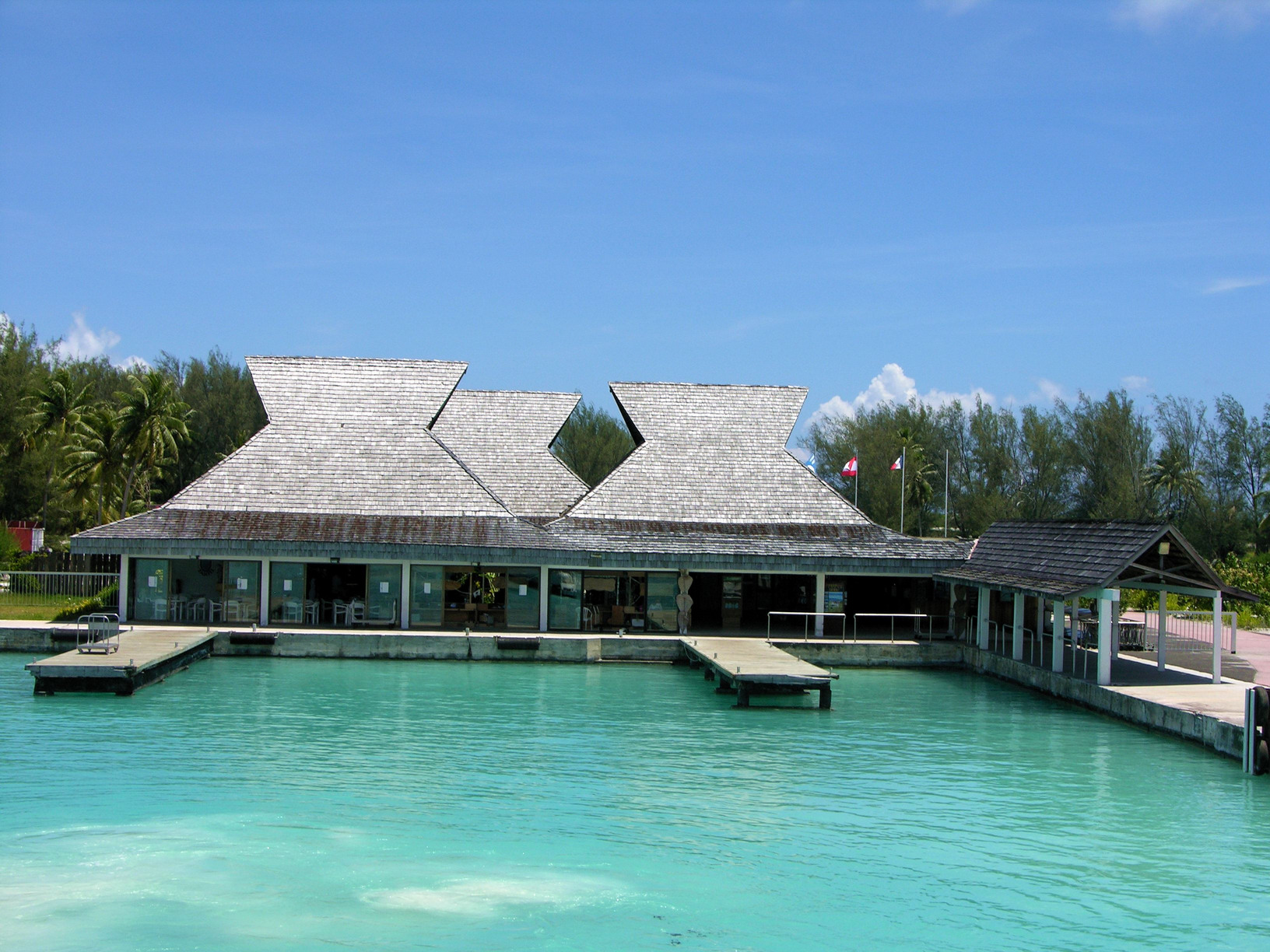
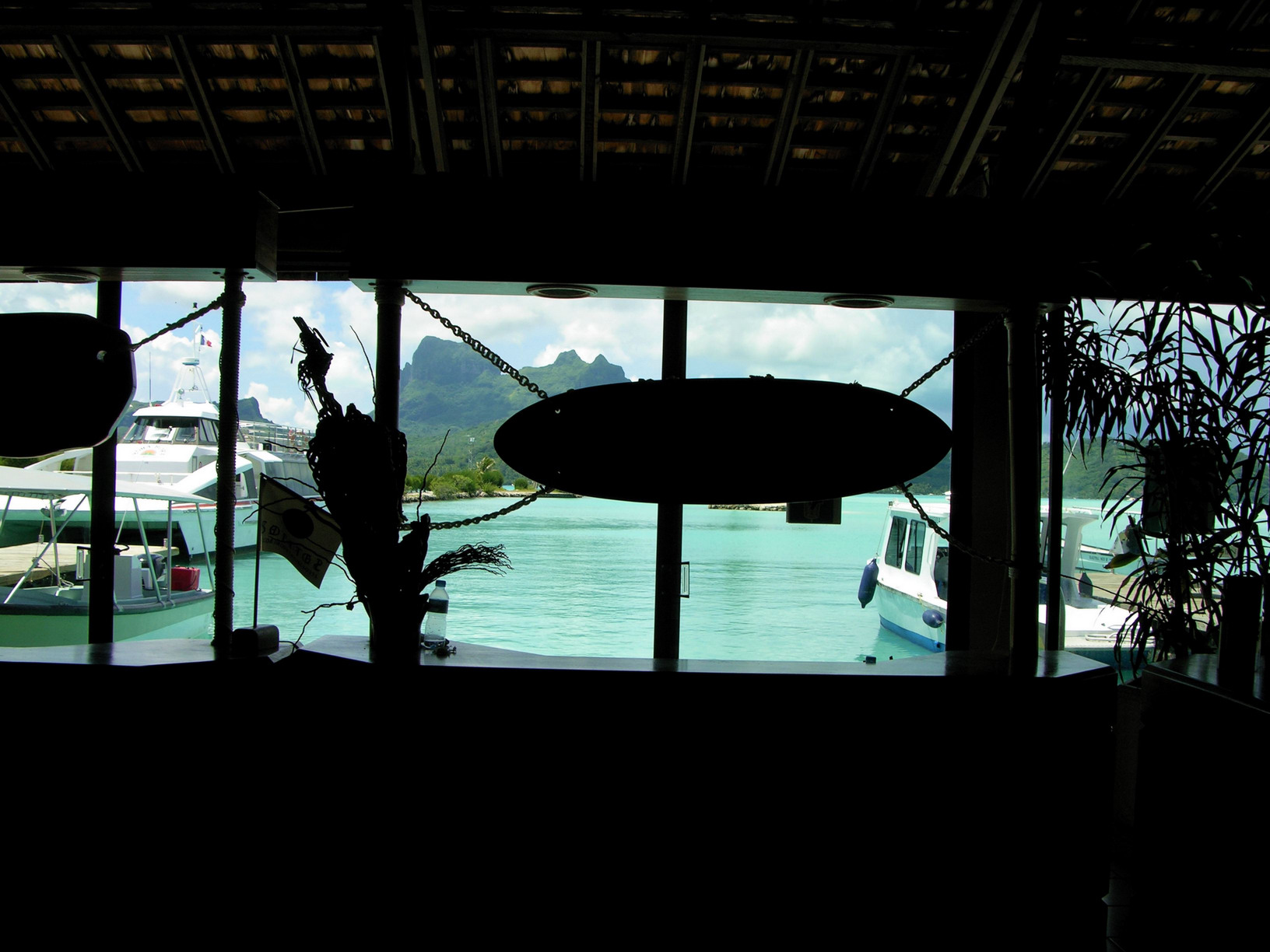
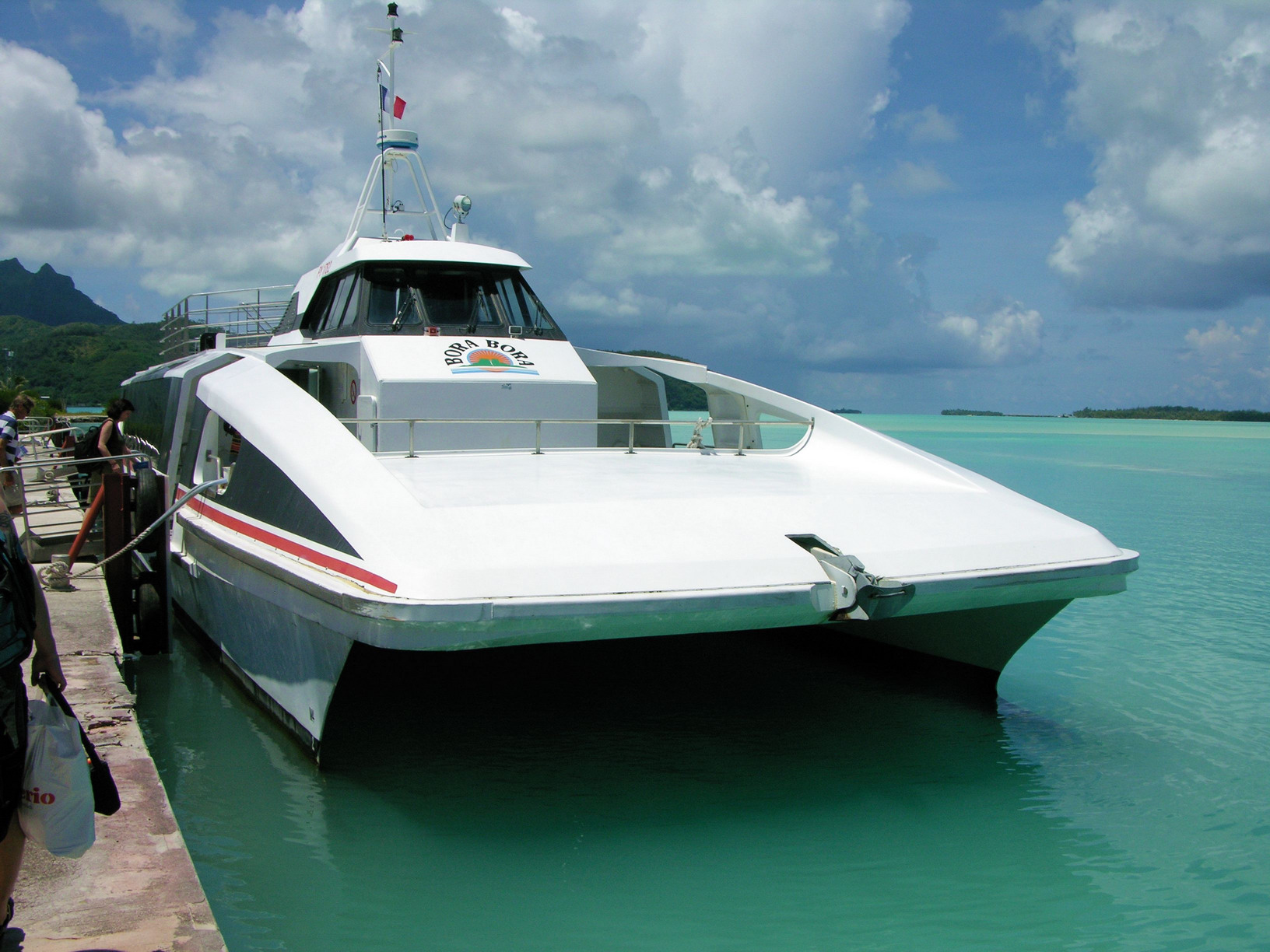
A fast ferry ran from the airport island to Vaitape, the main town on Bora Bora. Its departures were timed to meet arriving flights. There were plenty of flights every day and it was hard to be left without a seat.
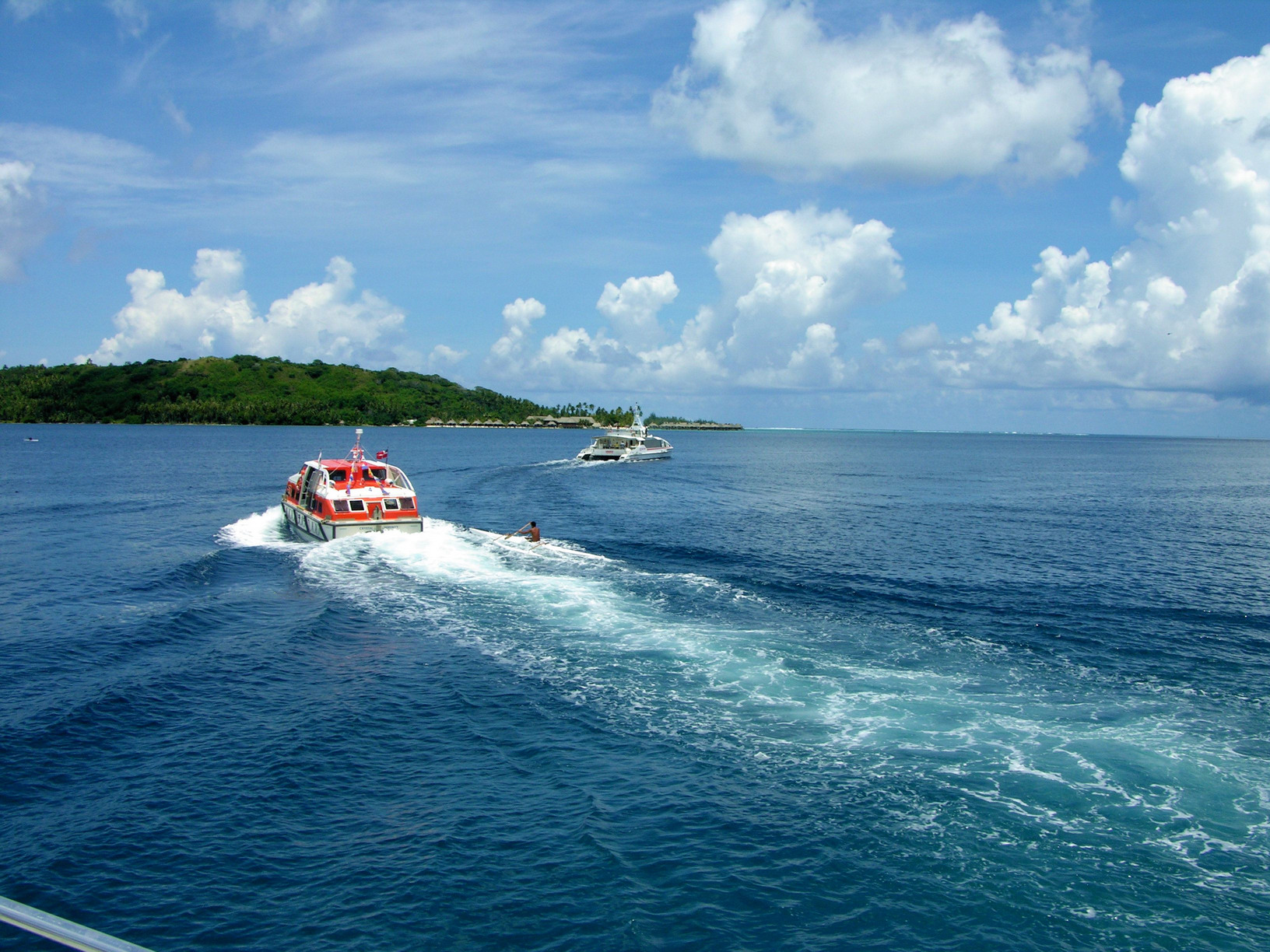
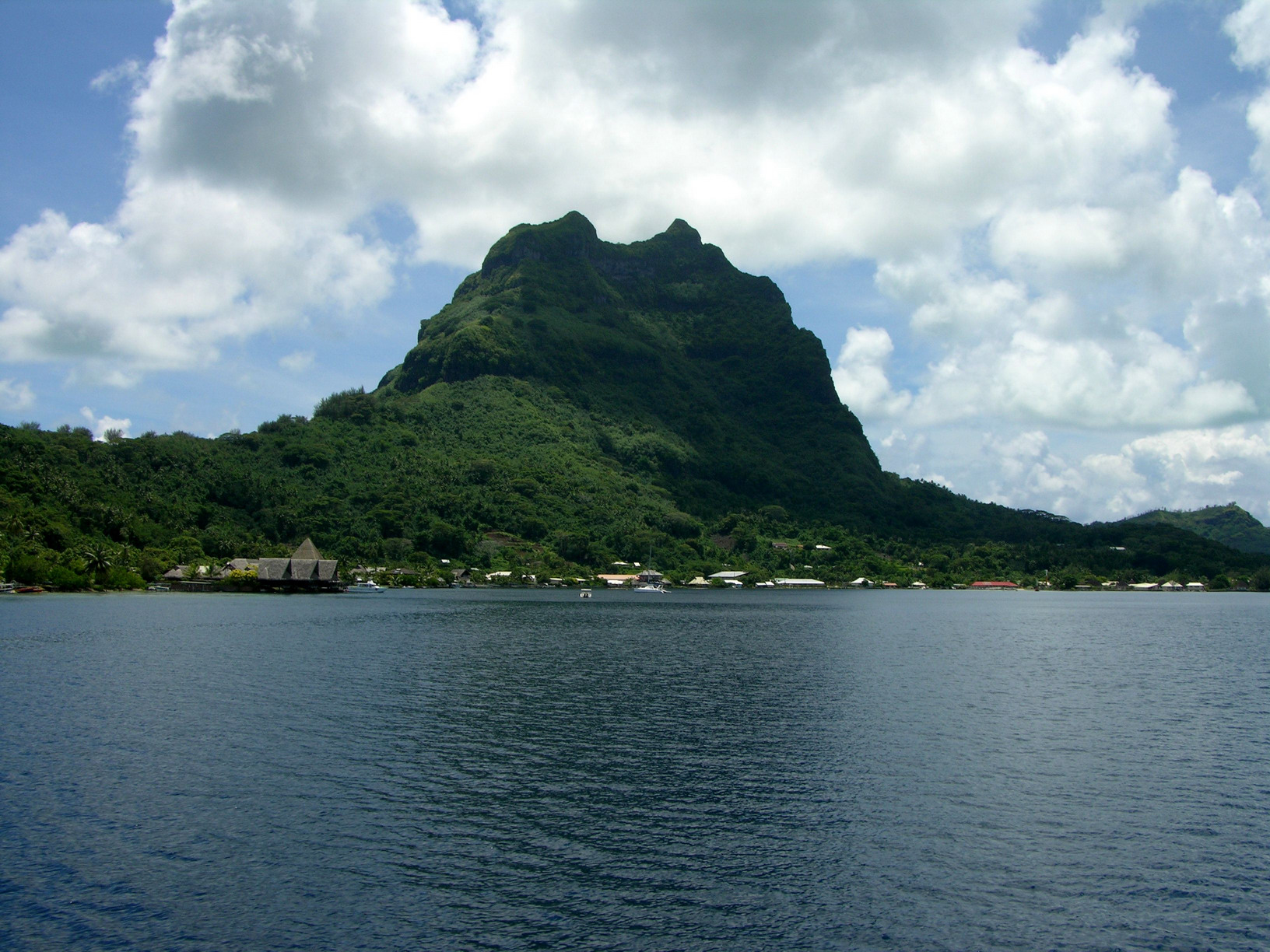
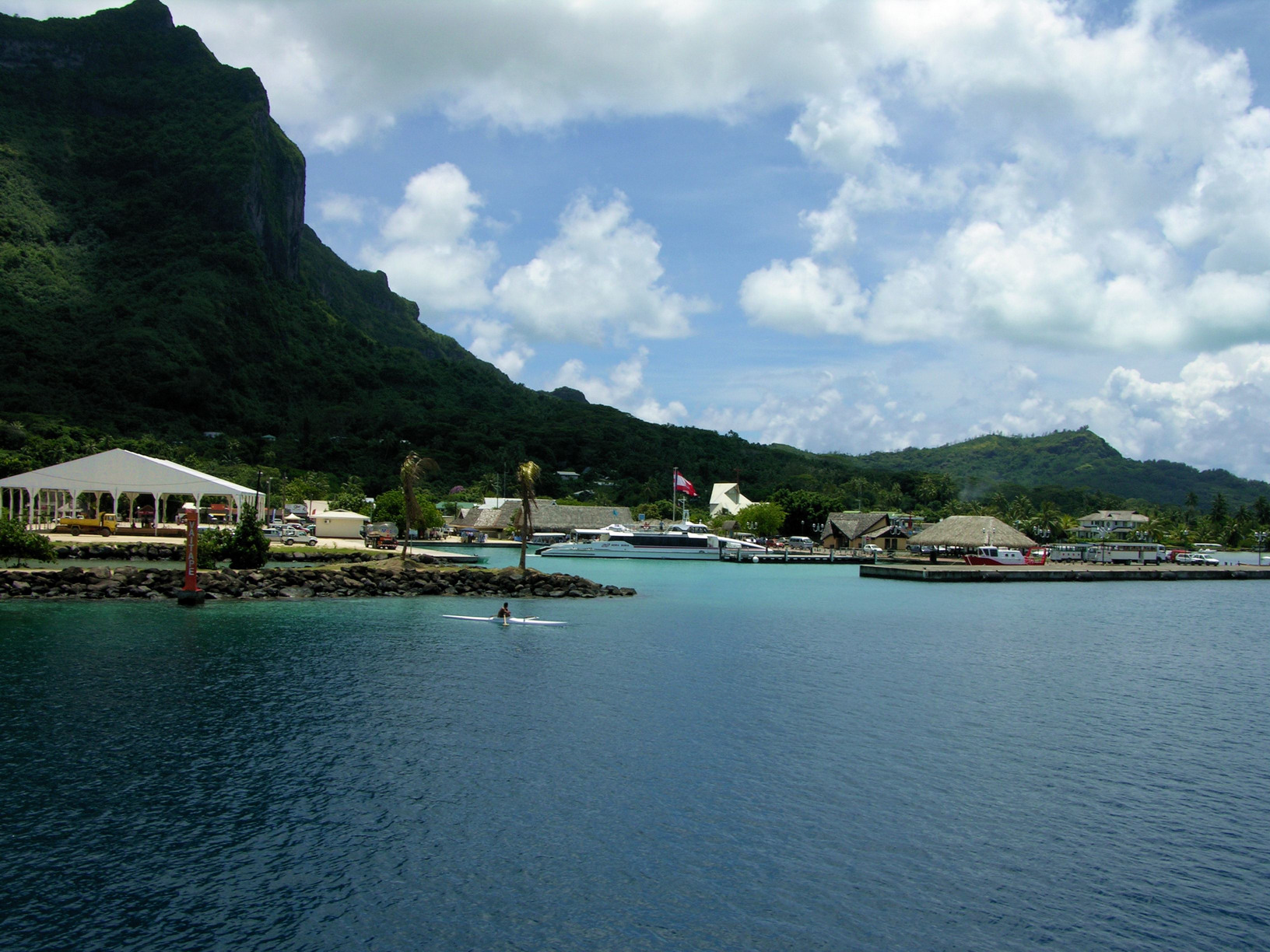
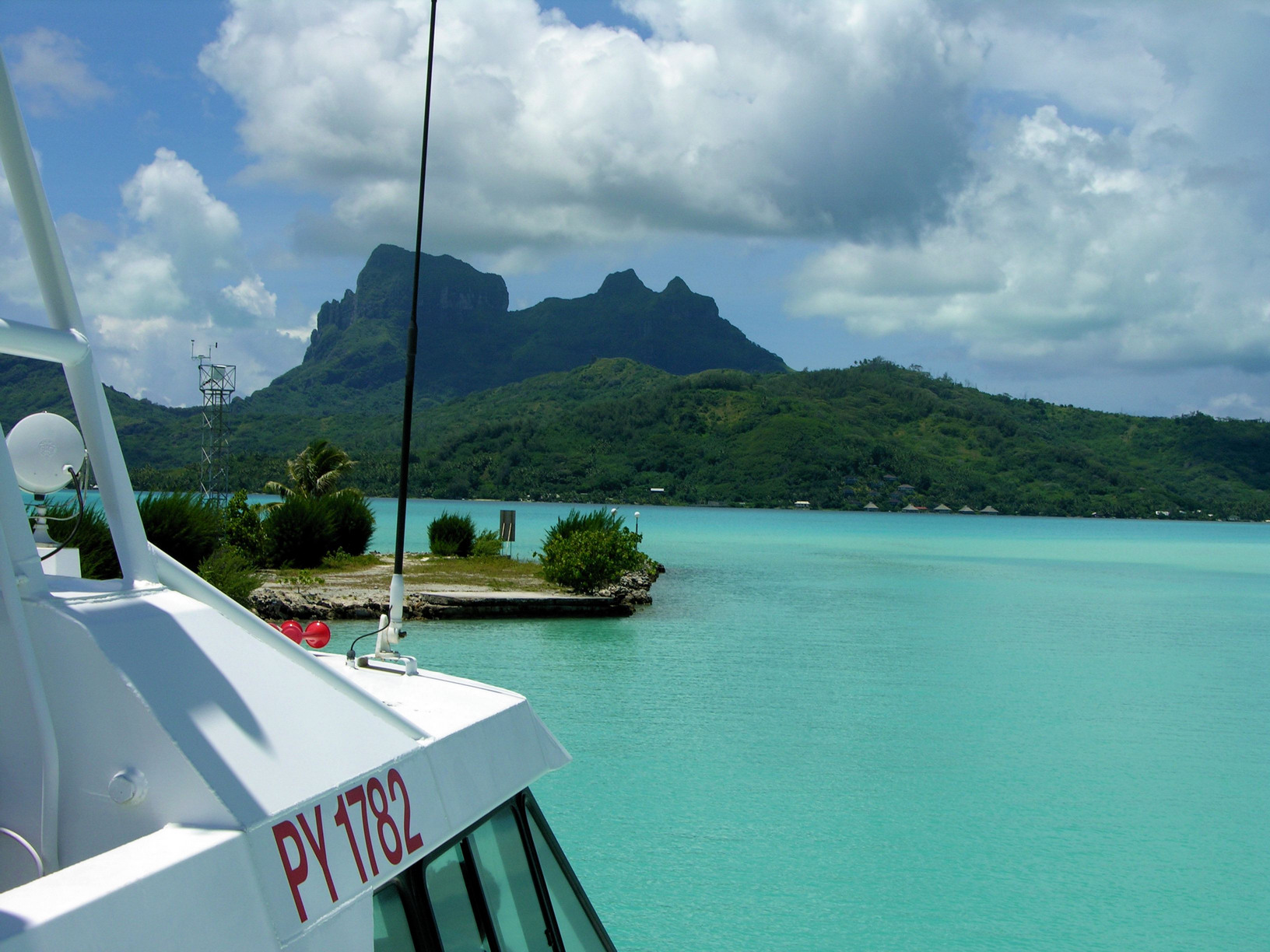
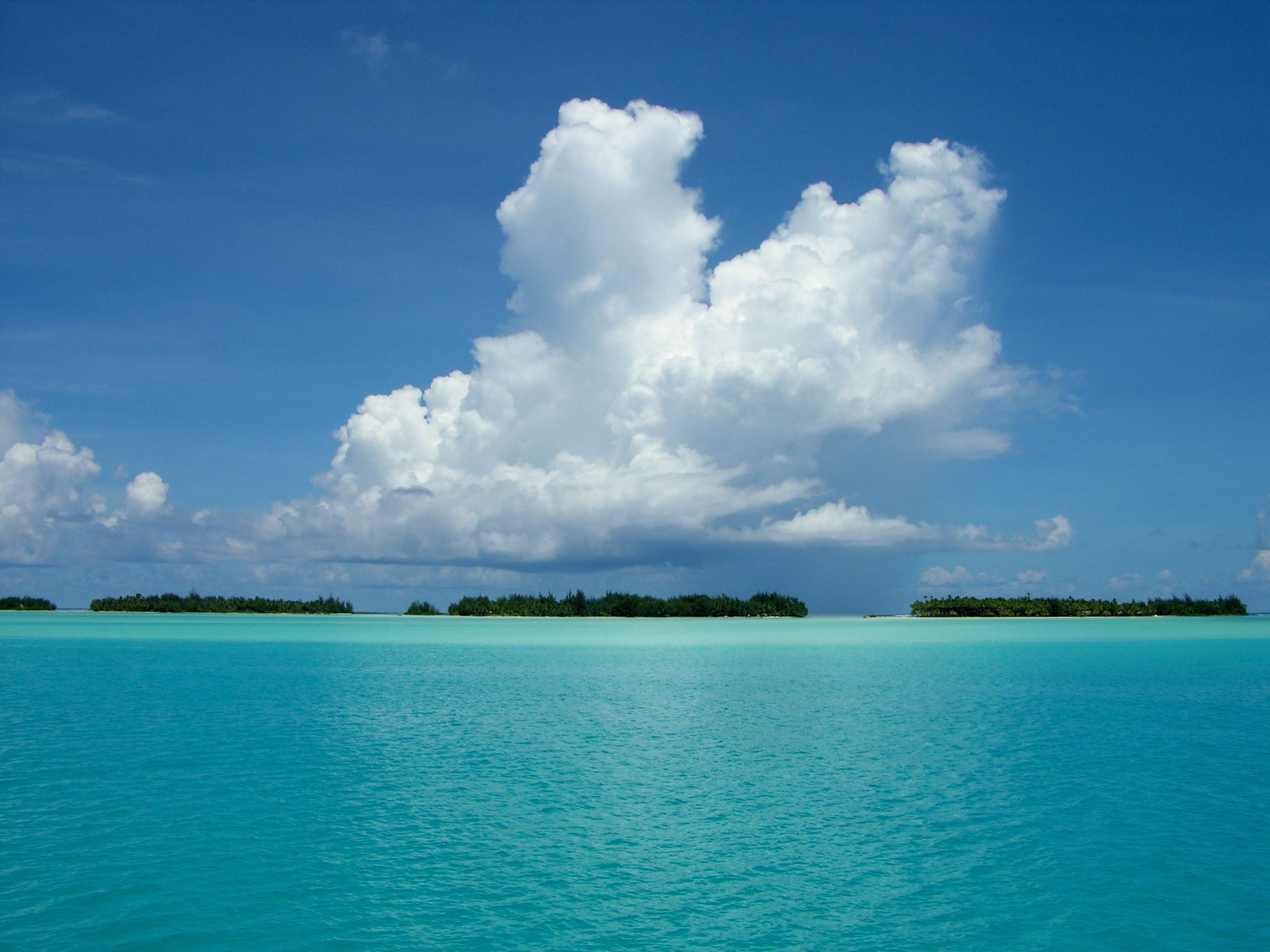
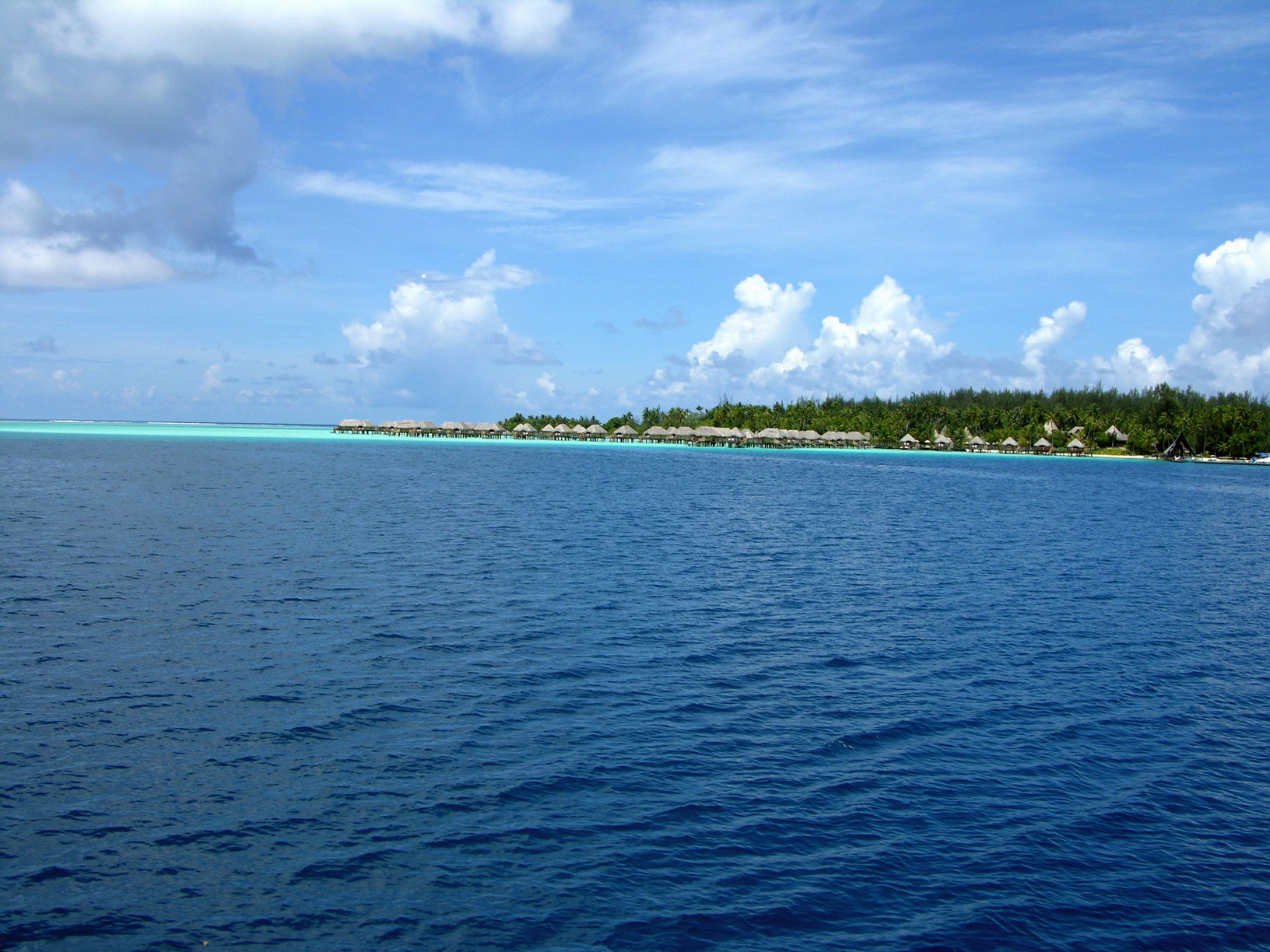
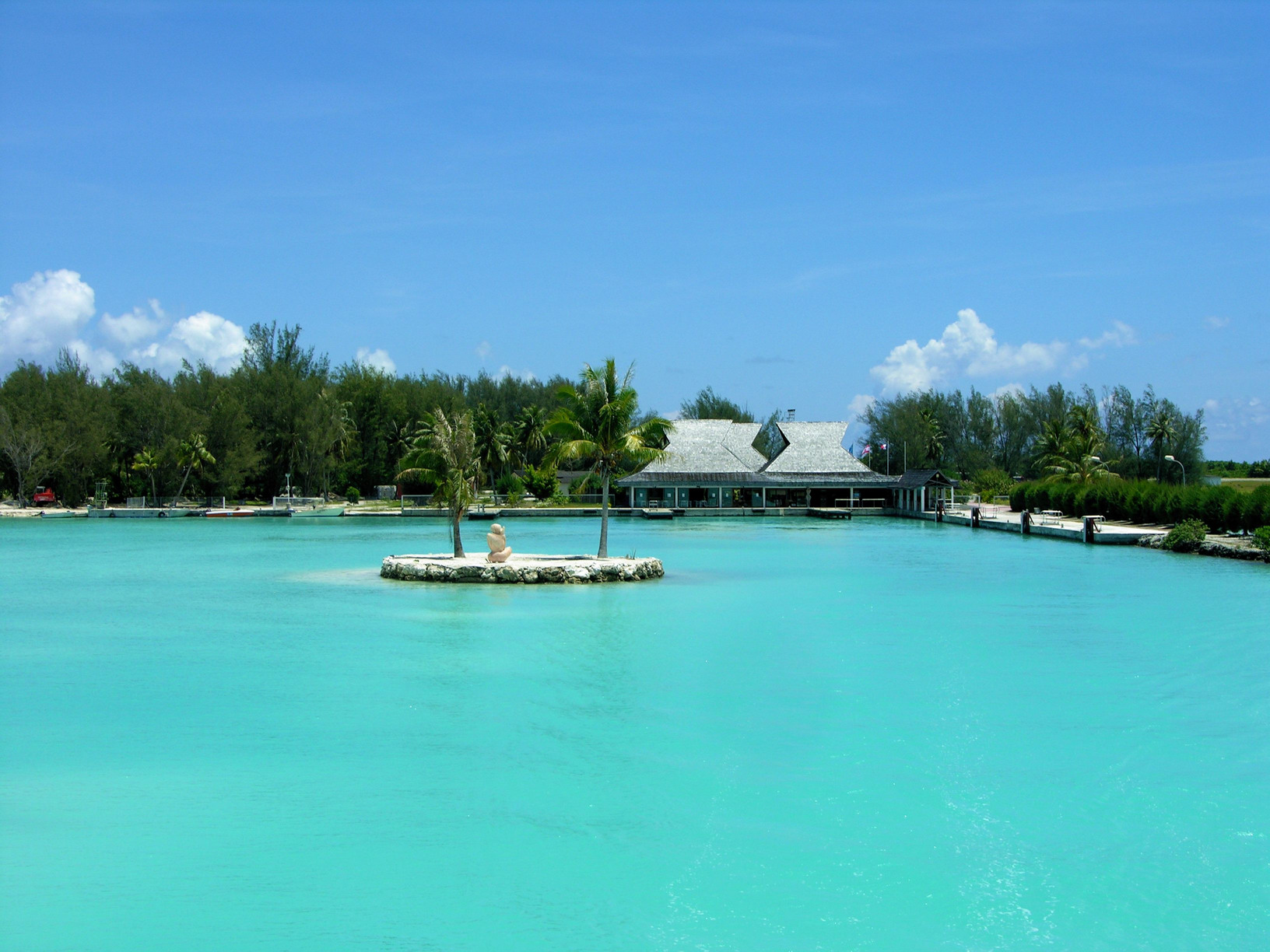
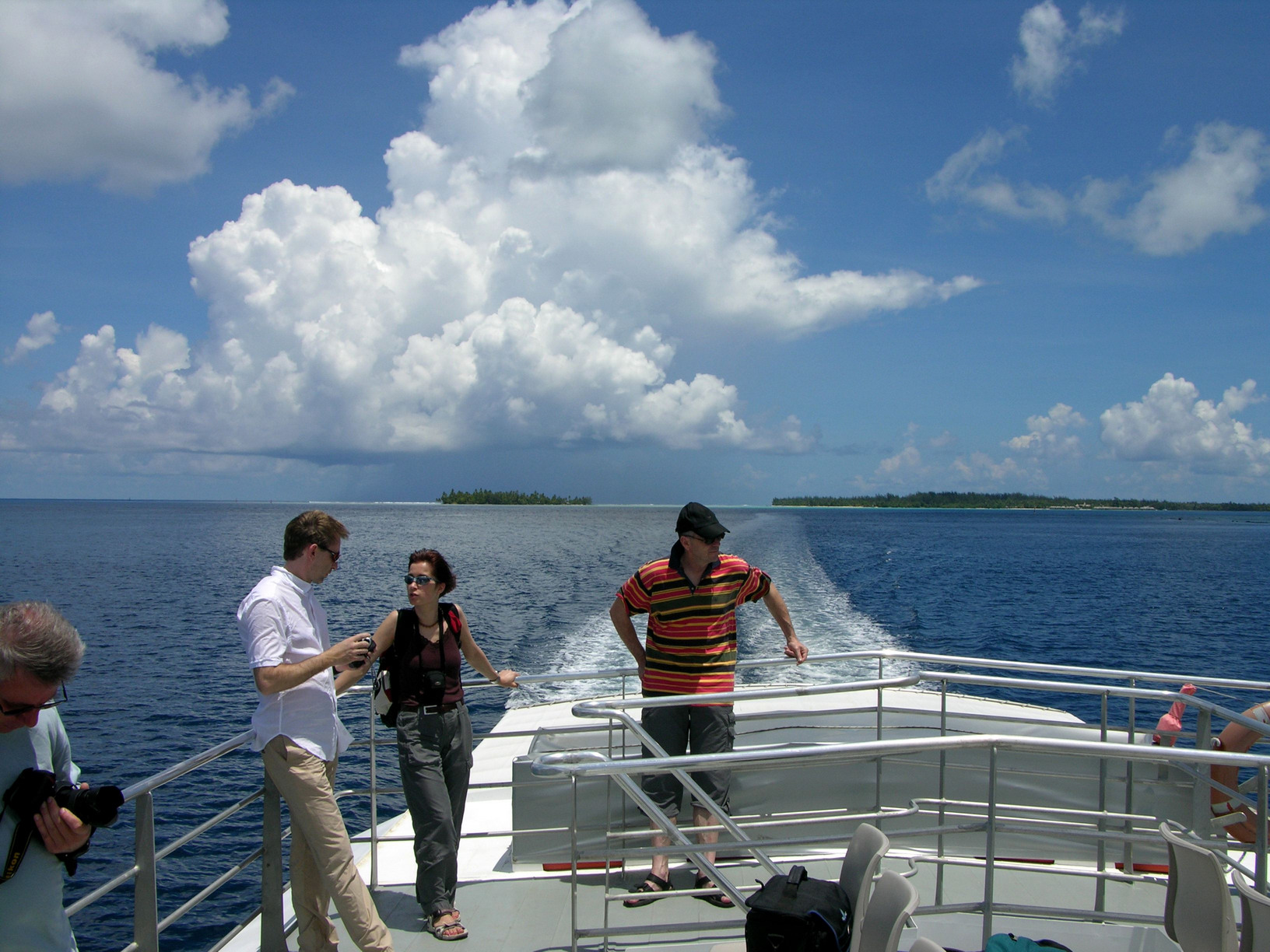
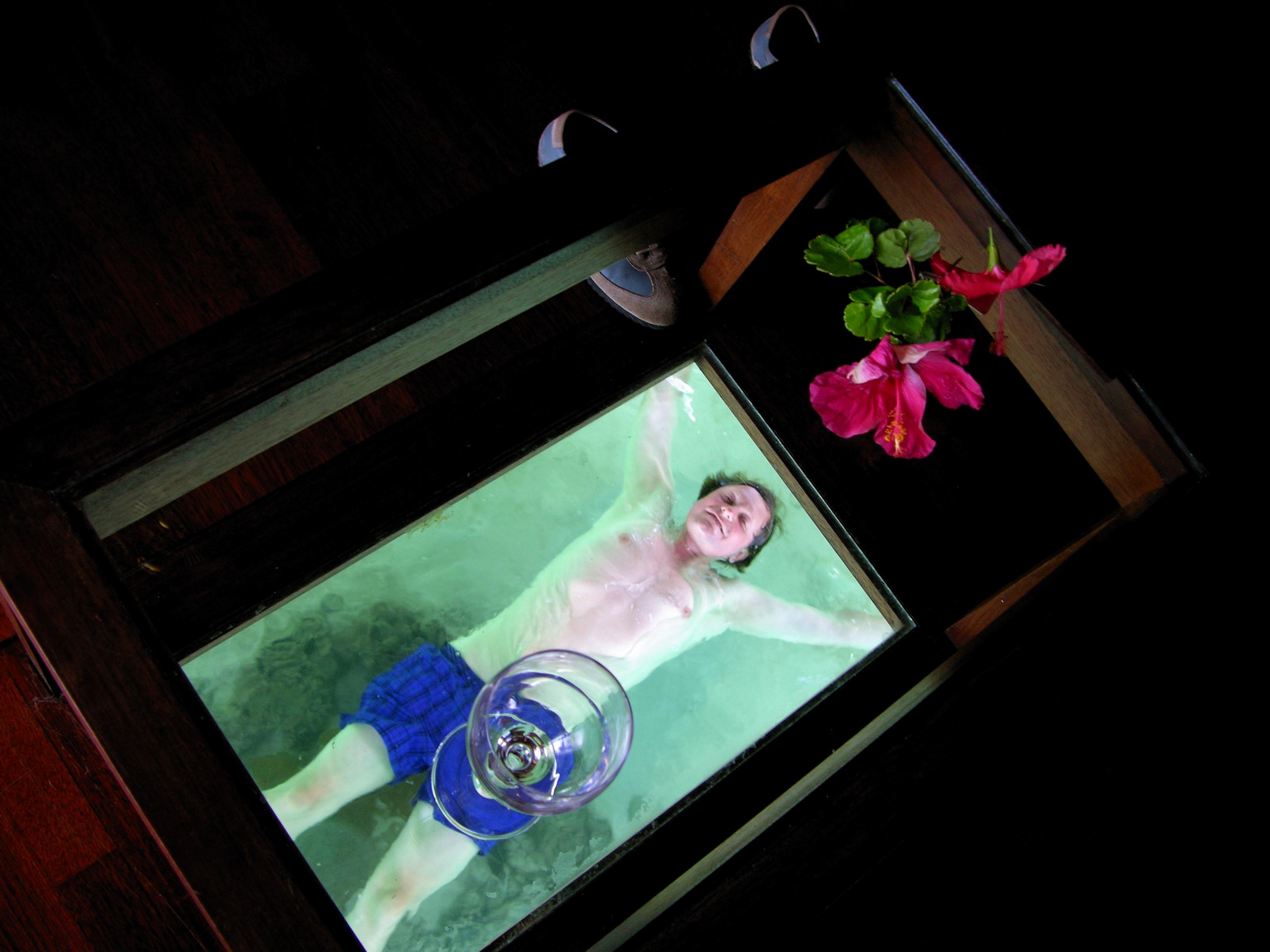
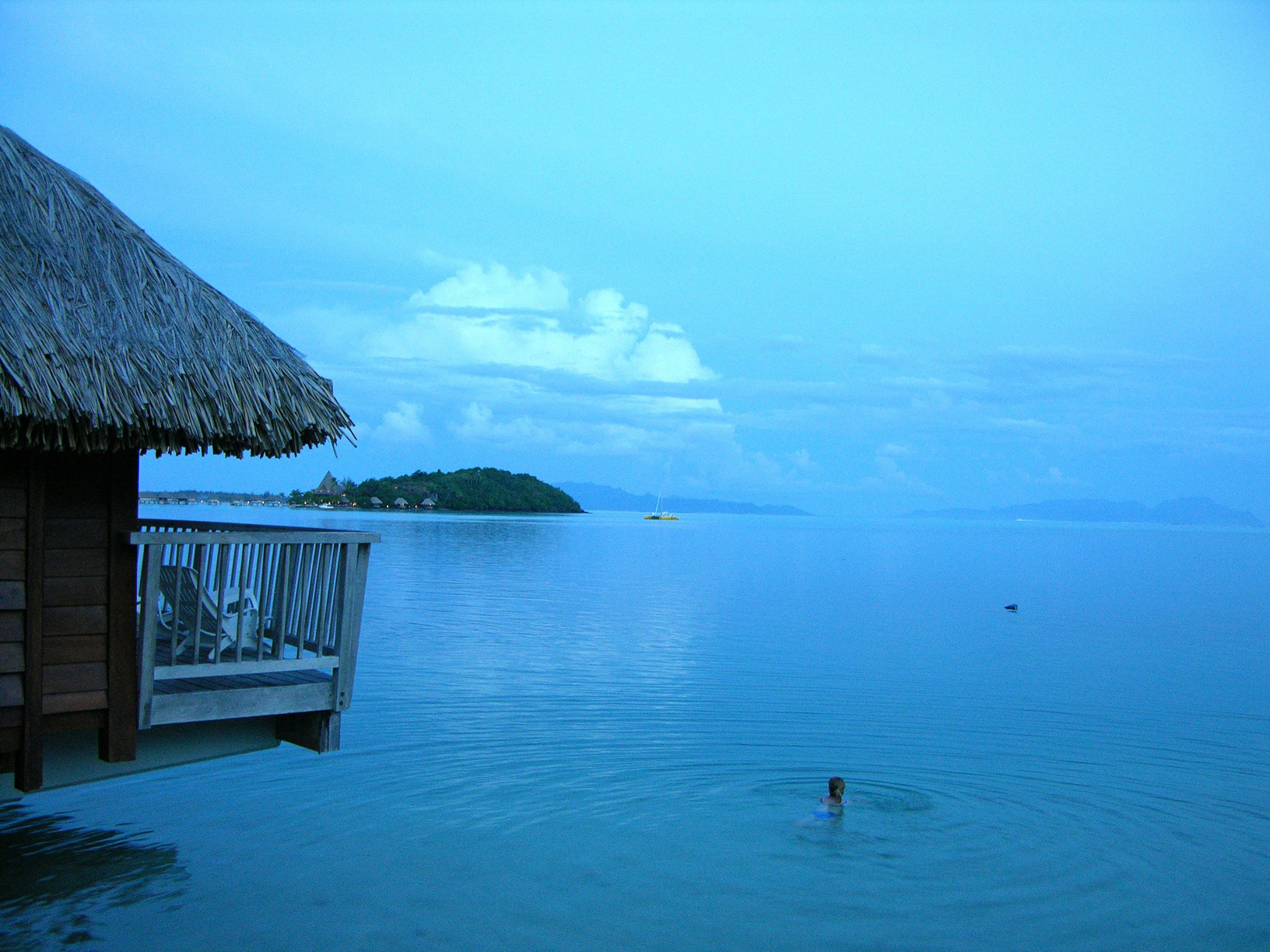
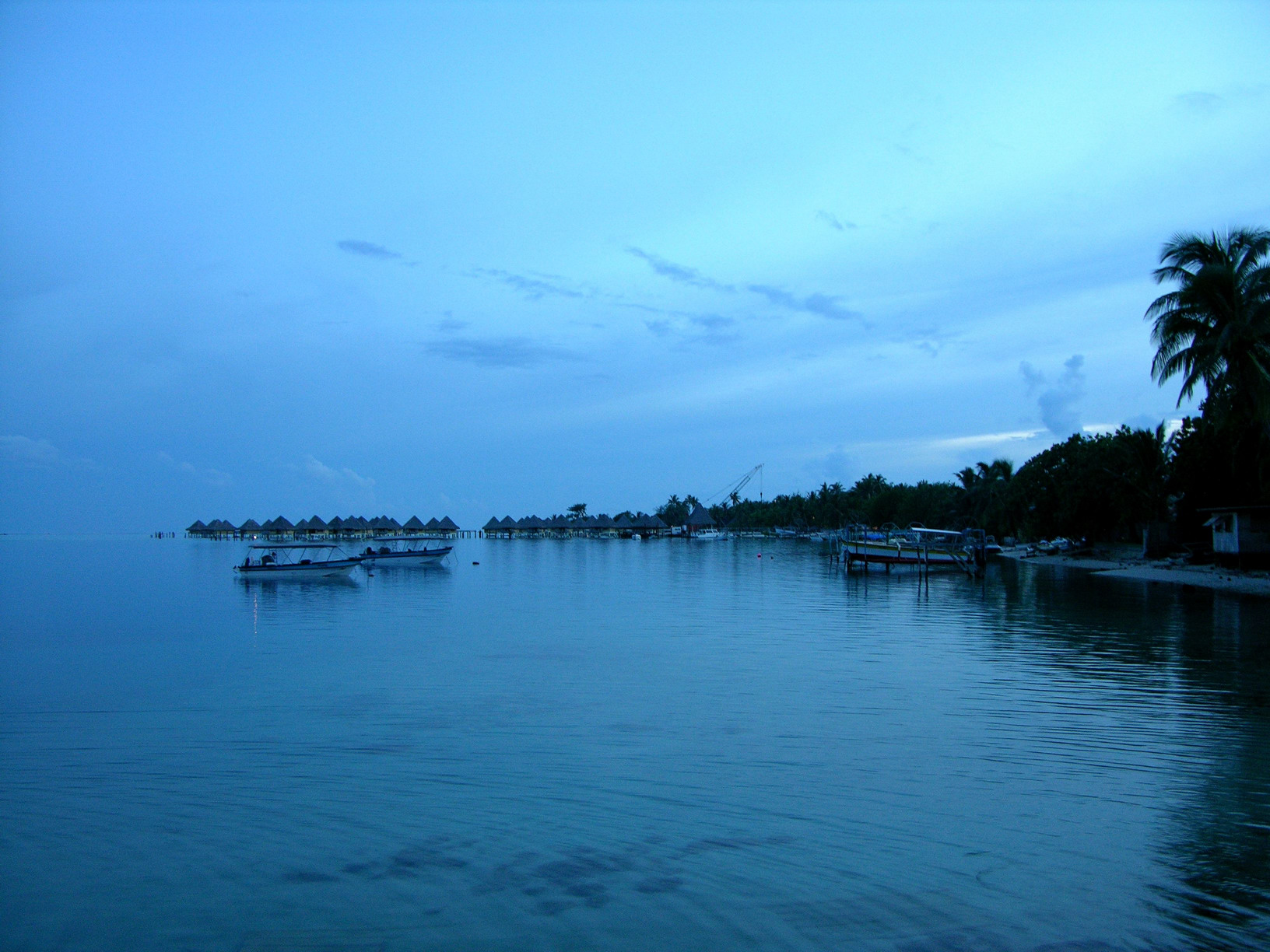
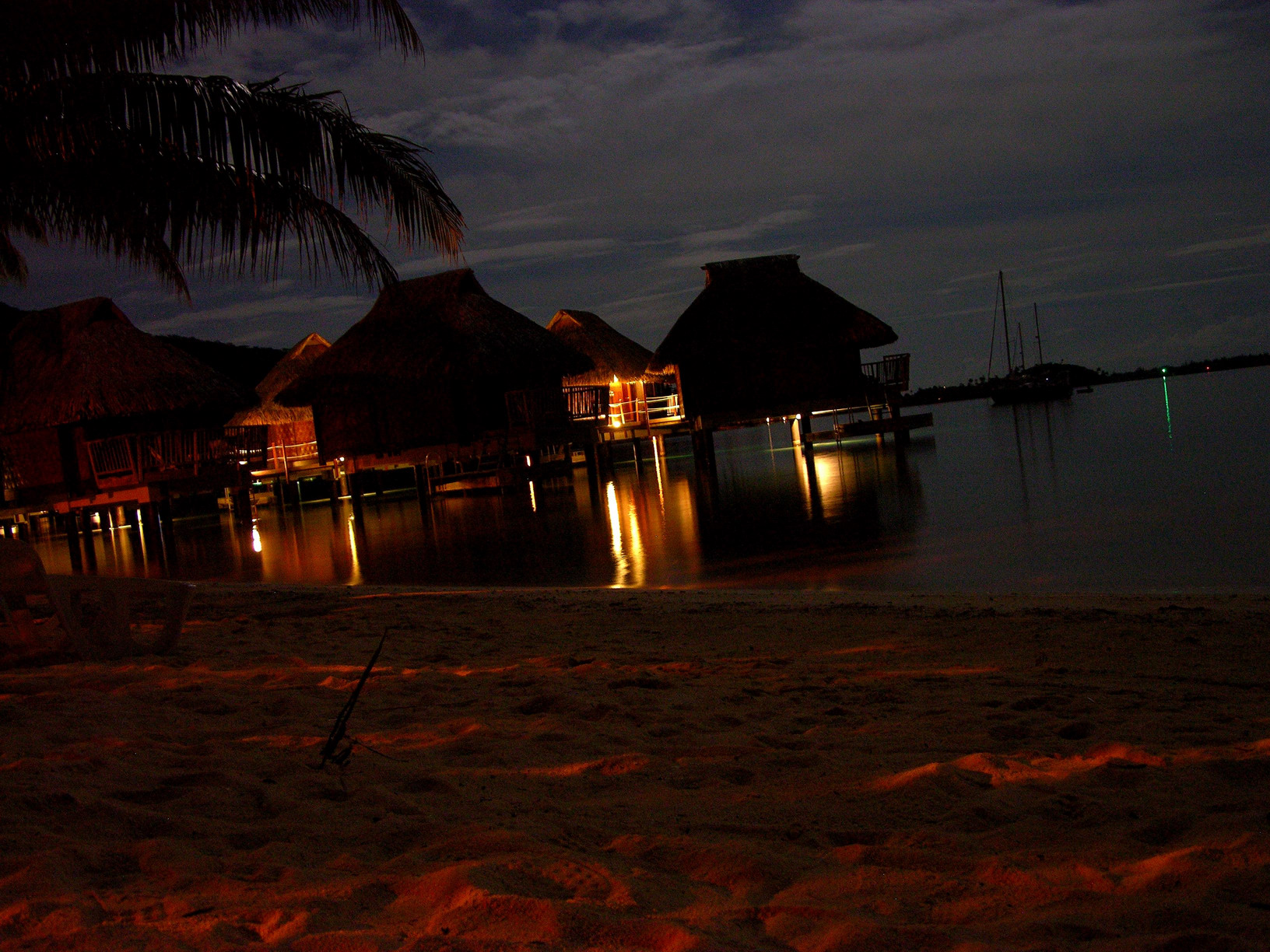
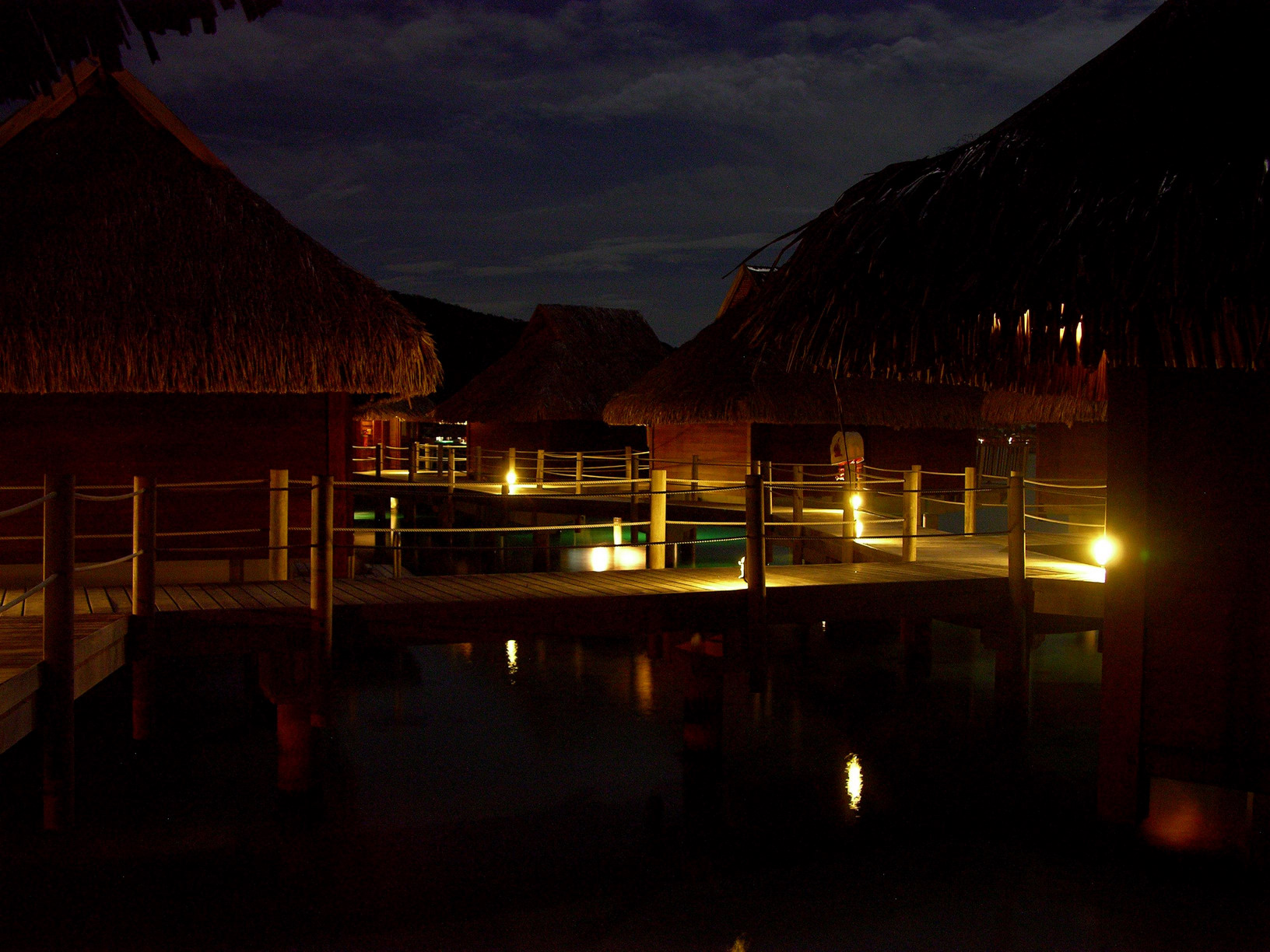
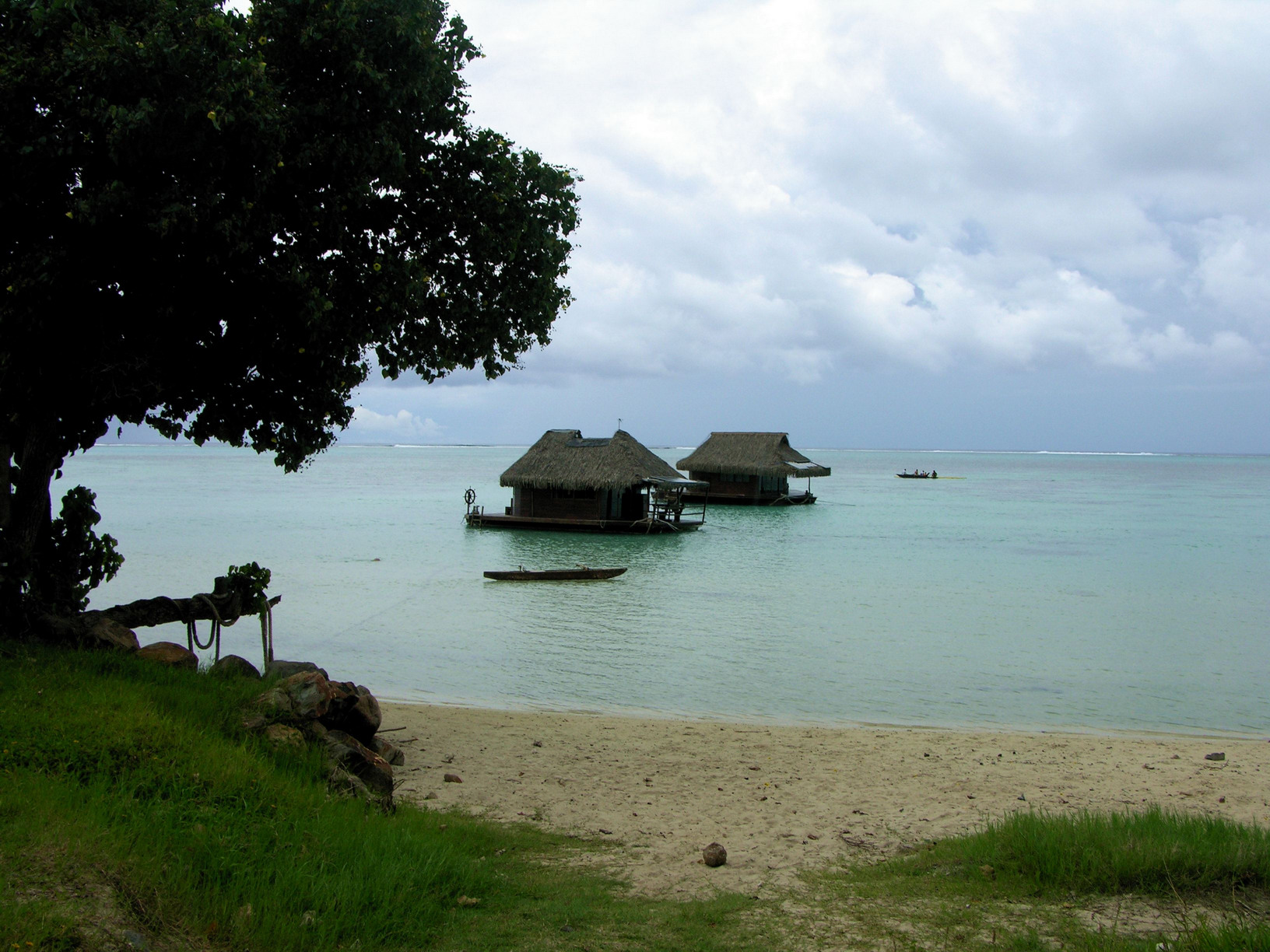
Minibuses went from the main town in every direction. We were going south to the Maitai hotel, where we had prepaid for a night in a bungalow on stilts over the lagoon. That's the local tradition. The best bungalows stand out over the water. Prices ran from €400 to €1,700 a night. At the top end a Tahitian woman in a wrap would bring breakfast by outrigger canoe. A proper bungalow had a glass panel in the floor, lights for the night and a bit of coral growing underneath to draw the fish. You could also choose a sunset bungalow or a sunrise bungalow. It was hard to imagine even a confirmed early bird getting up at six to watch the sun rise, so sunset fetched a higher price. We ended up on the sunrise side. It seemed a pity to spend €1,400 for a sunset when you could walk across and see it. For that difference you could get a taxi, or a helicopter for that matter.
Our bungalow cost €450. Breakfast was €40 extra. It was a fairly ordinary continental breakfast, though it was a buffet. You could have your fill of sausage and eggs, with fruit, juice, bits of cheese and plenty of other small things. You didn't leave hungry.
The hotel ran beautifully. Everything was in its place and everyone knew their job. It worked like a travel agency. If you wanted a helicopter flight, a submarine trip a hundred feet down, or dinner at a restaurant, you only had to ask at the desk. They would arrange it all and in many cases put it on the final bill.
They showed us to our bungalow. We'd made it to the world's grandest resort. It was a step up even from Courchevel. Everything, down to the lavatory, was decorated with fresh tiare blossoms. We were already wearing flower garlands. If we were going to take a holiday, we might as well do it properly.
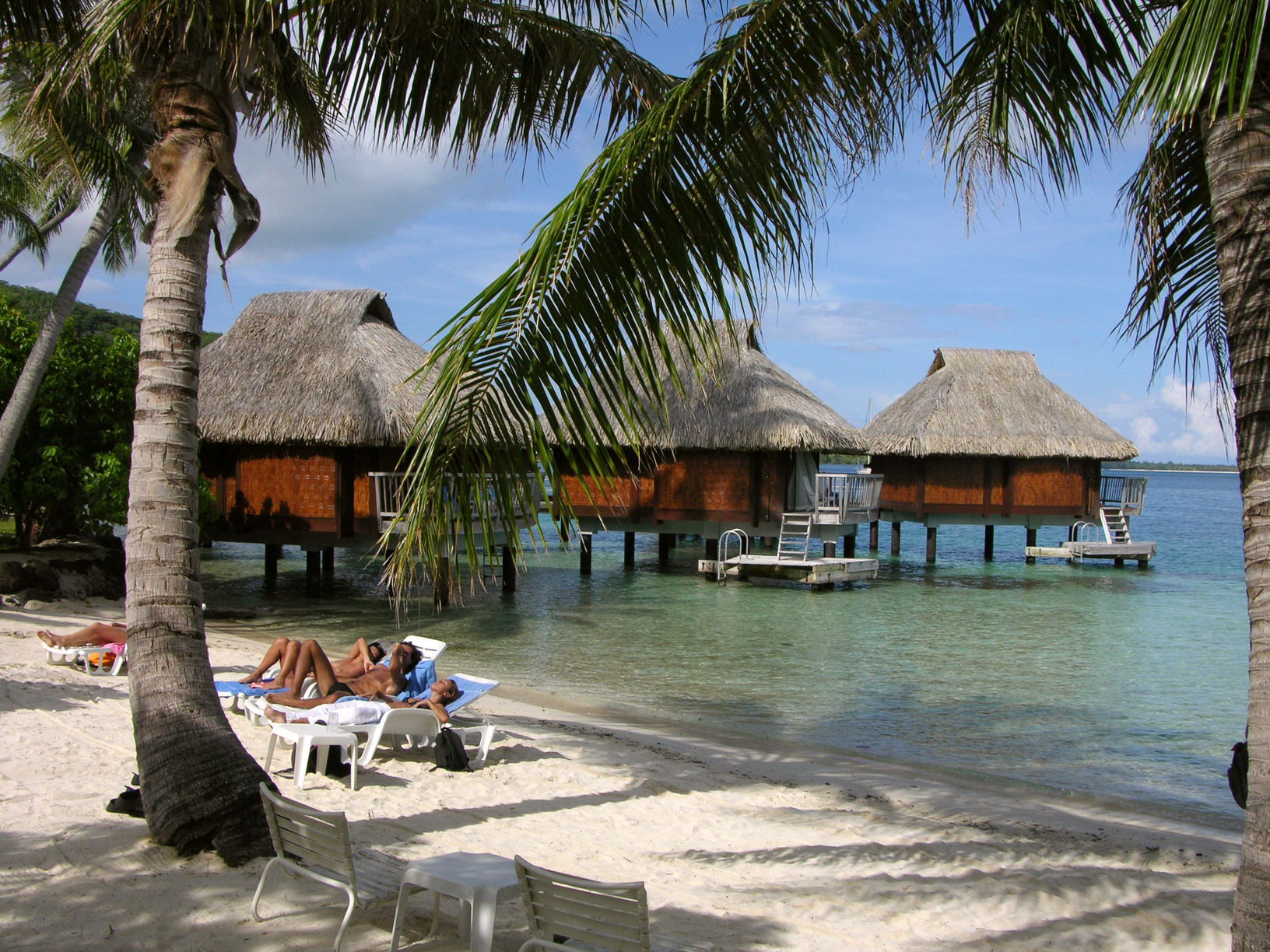
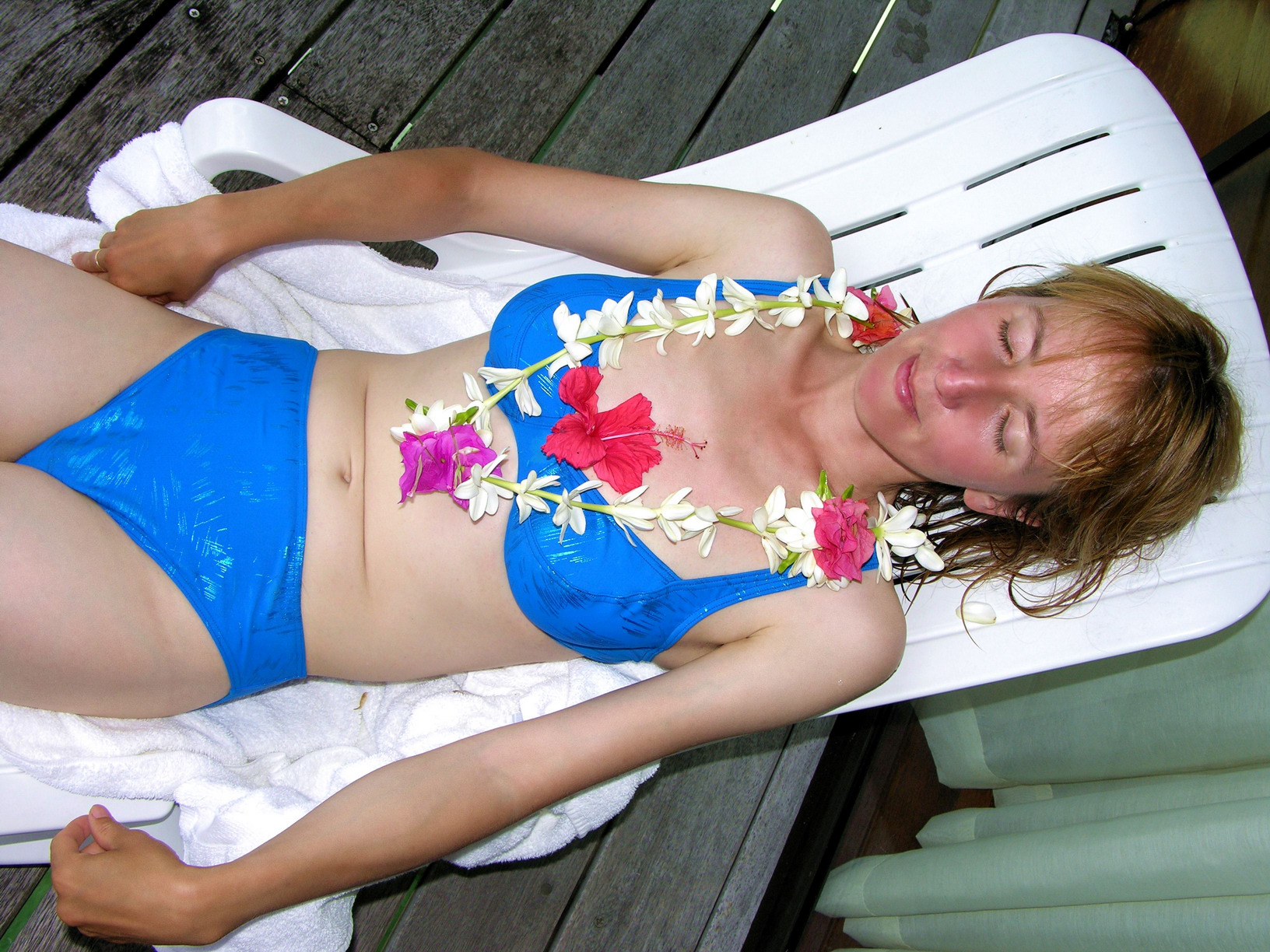
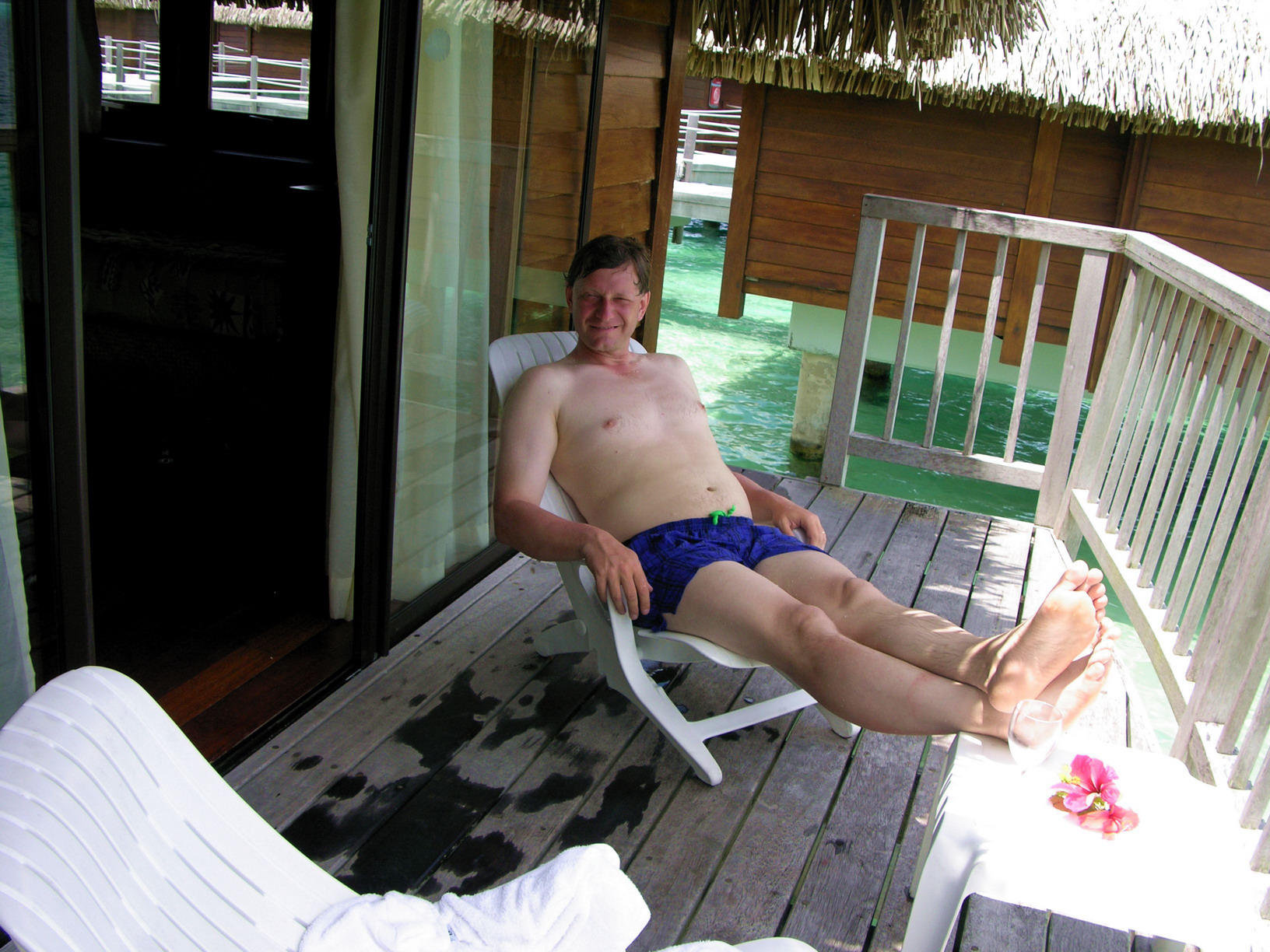
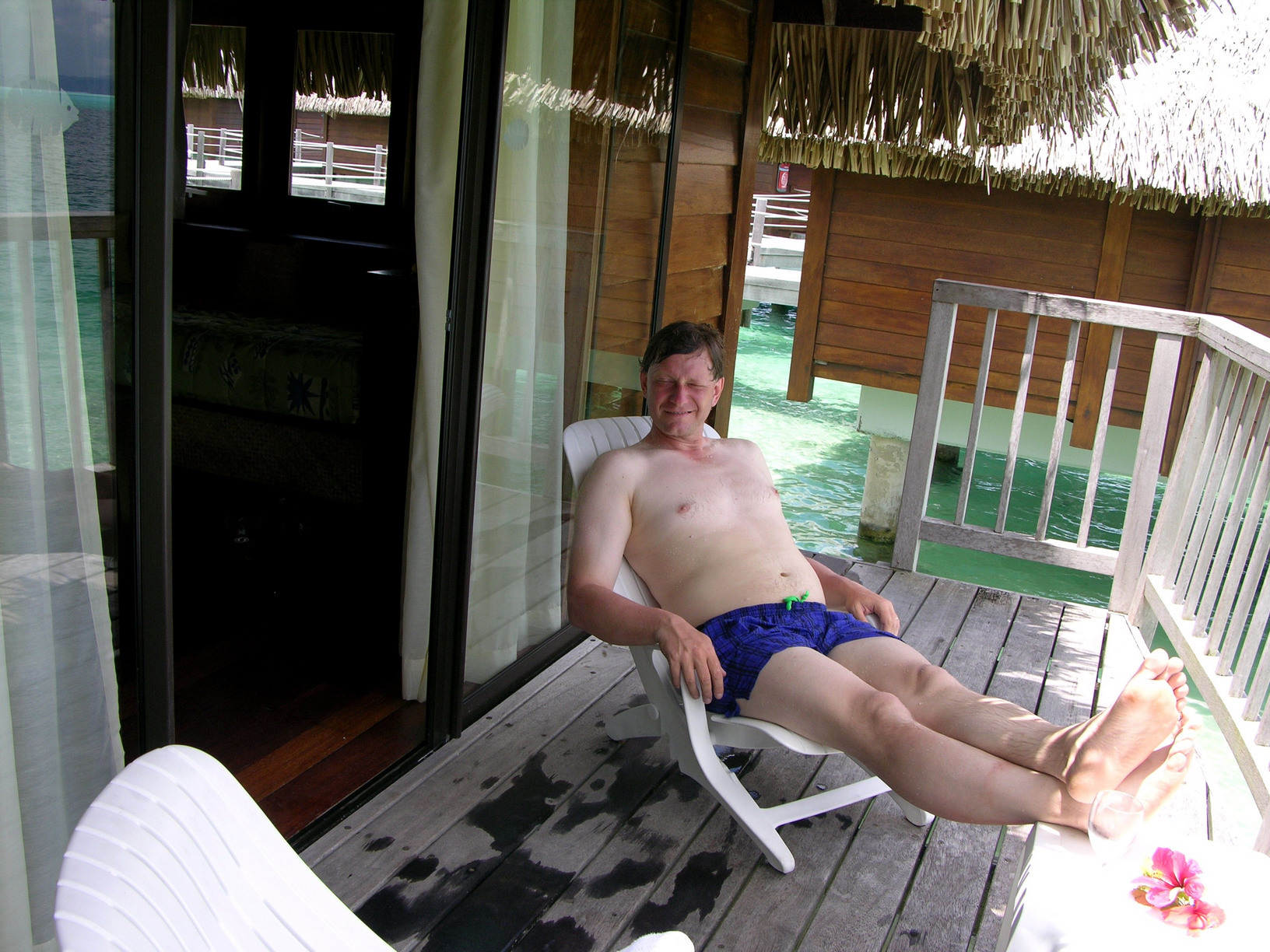
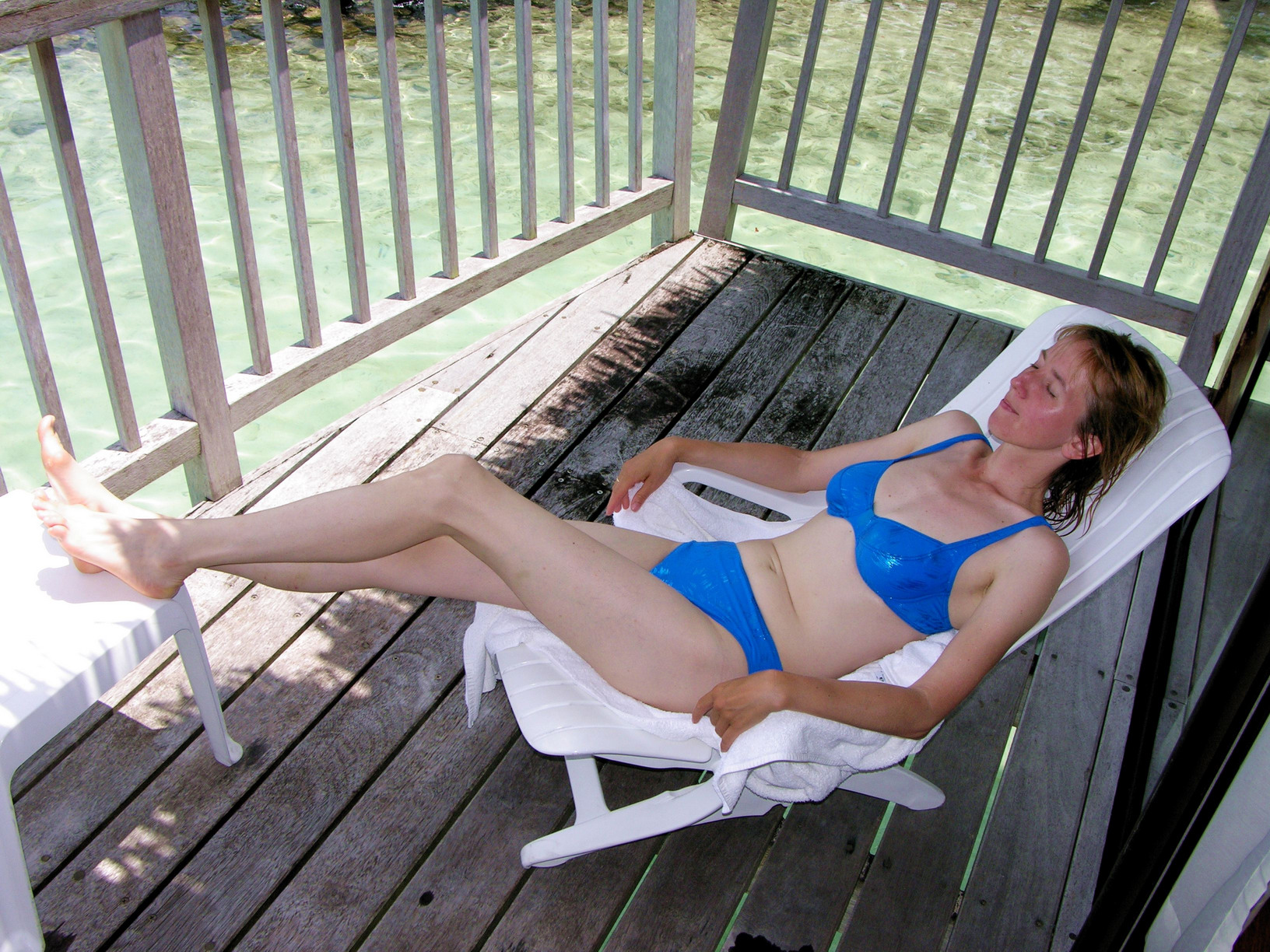
We lay down in the deck chairs and drank wine from the minibar. This was how the privileged took a holiday. Minibar wine, and none of your own port brought from home. A ladder went straight into the sea, with a shower at the top to rinse off the salt. We'd already been down for a swim, and drunk all the wine. We sunbathed wearing flowers and very little else. The women could go topless, by the way. Then there was the balcony with its view of the sea, another swim, another glass. Just like one of those foreign films we'd coveted in the seventies.
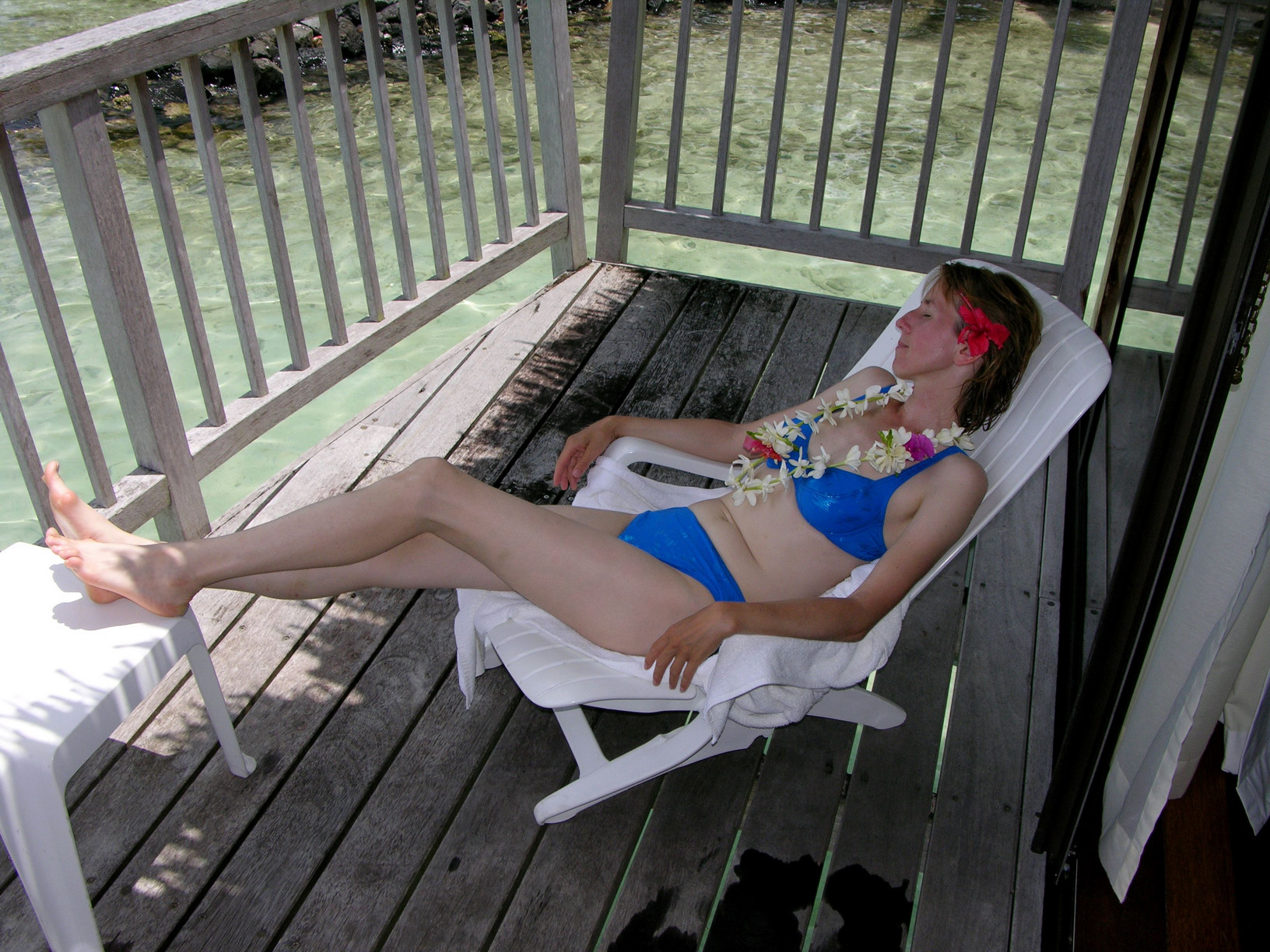
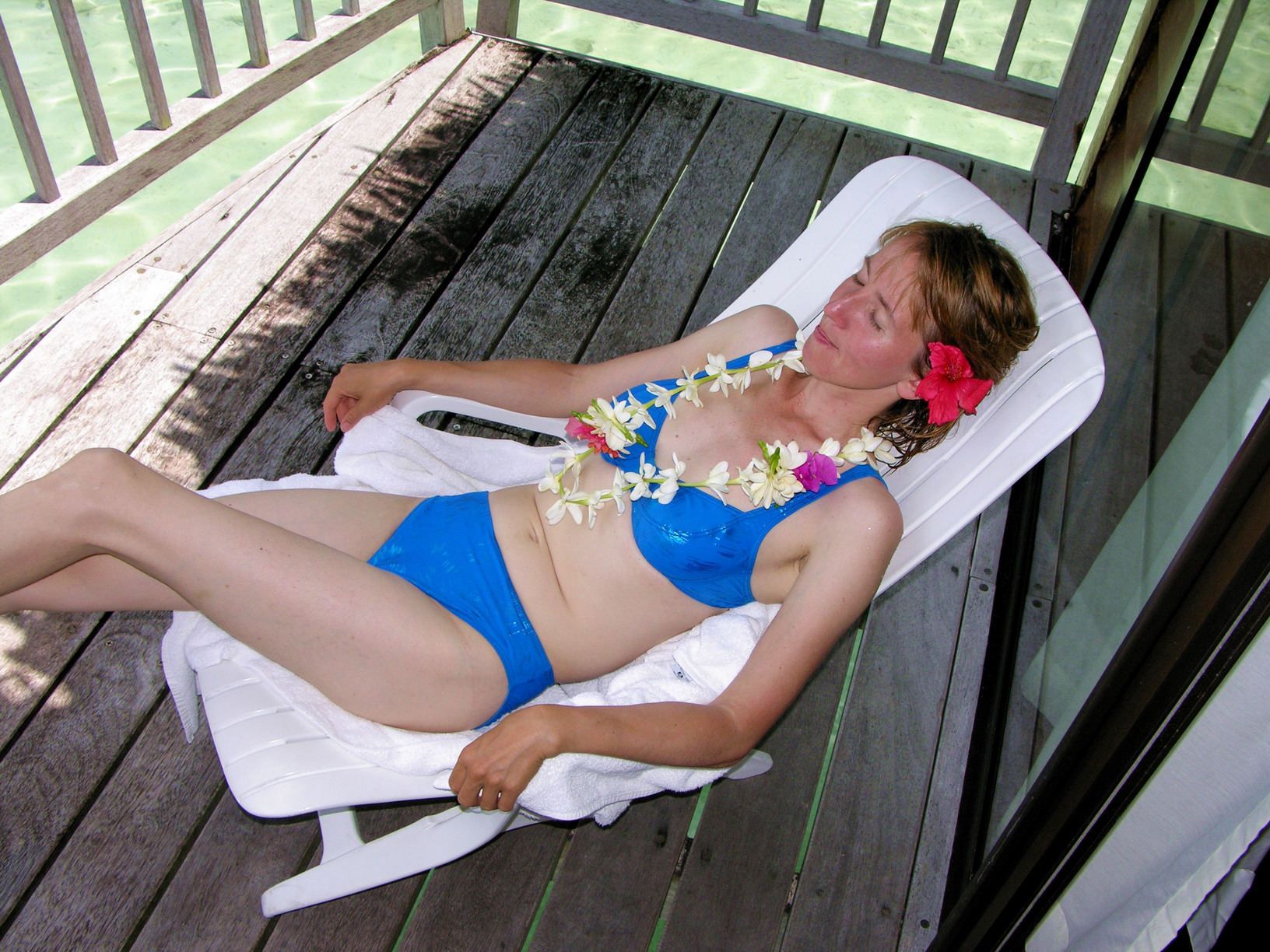
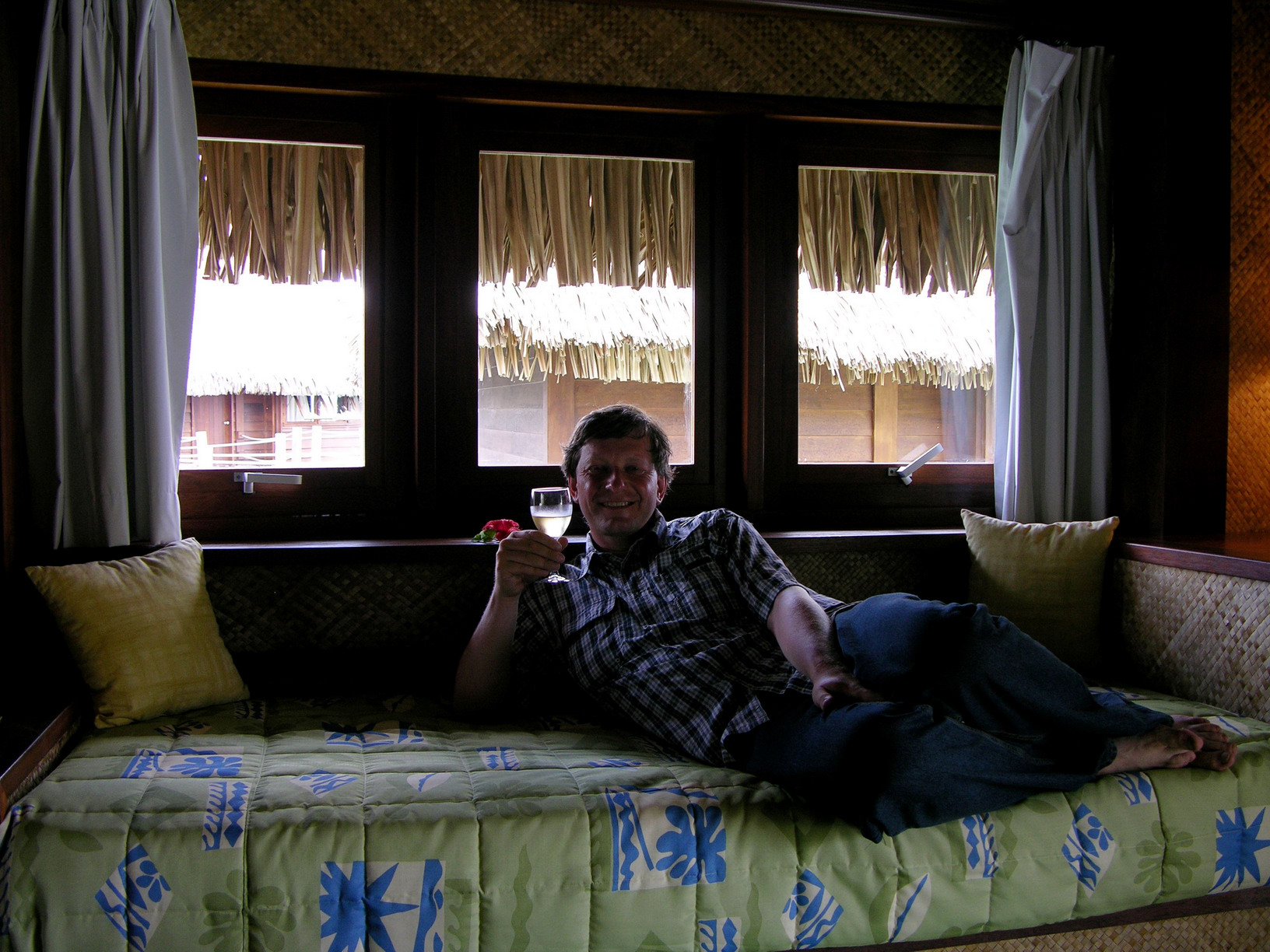
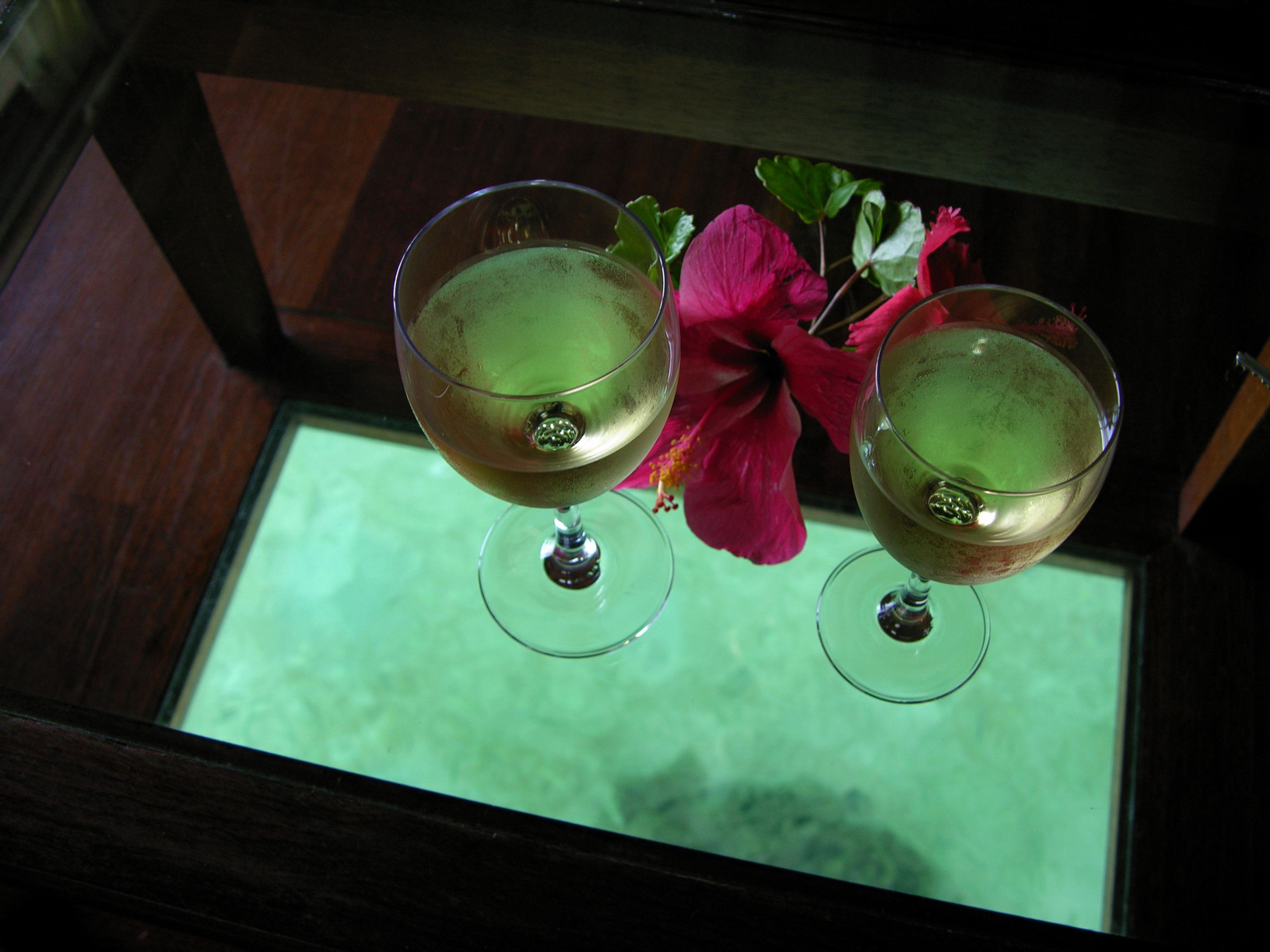
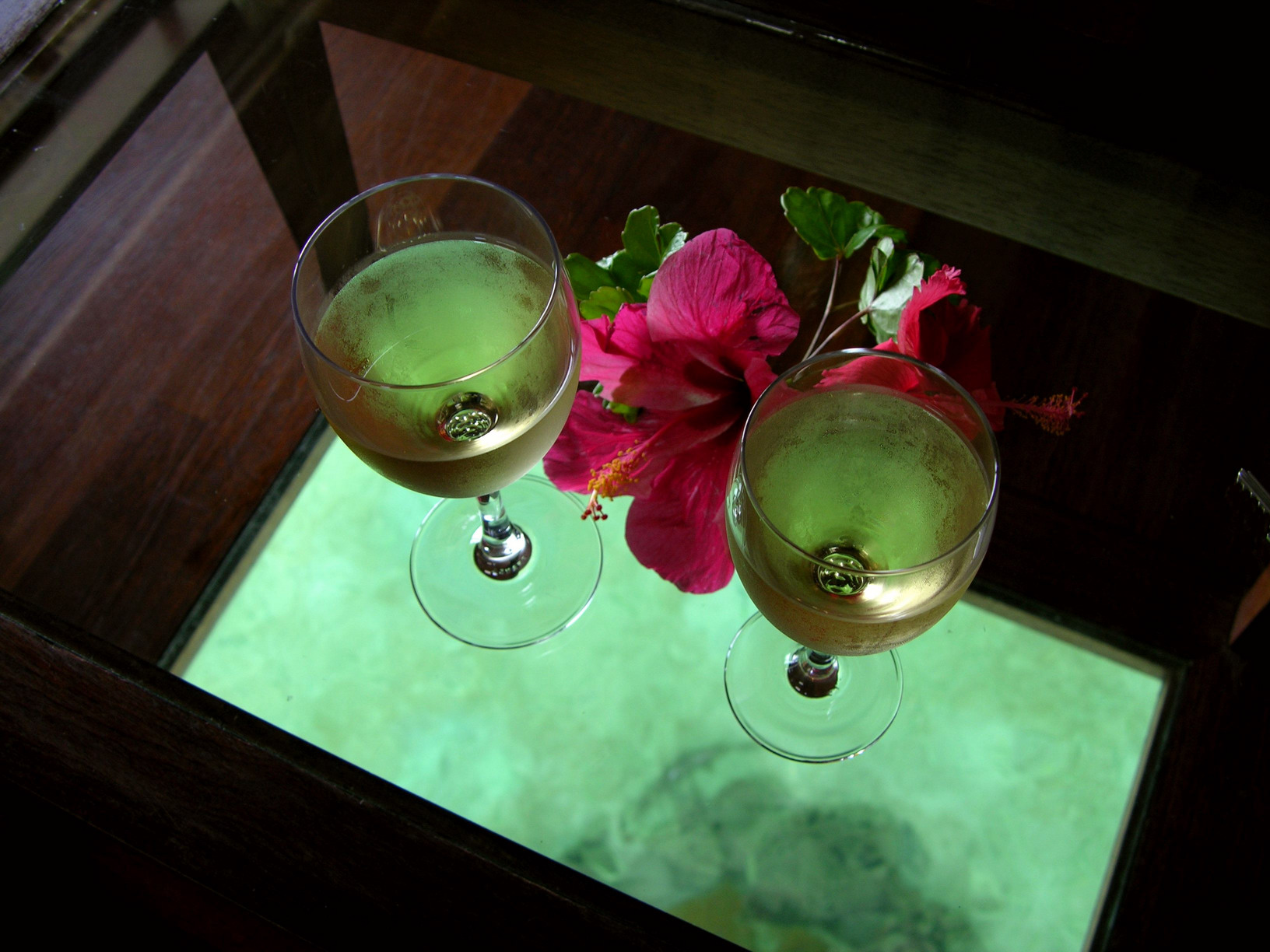
After two hours we were bored. We had to stay put. Each hour was costing us real money and it would be a waste to go out. After three hours we went for a walk. I wanted to see what the shops had to offer. All I had were jeans, swimming trunks and torn trainers. It was too hot for the jeans and no restaurant would let me in dressed like that. I still needed something to wear on the plane. I could go barefoot for now, although that wouldn't get me into a restaurant either.
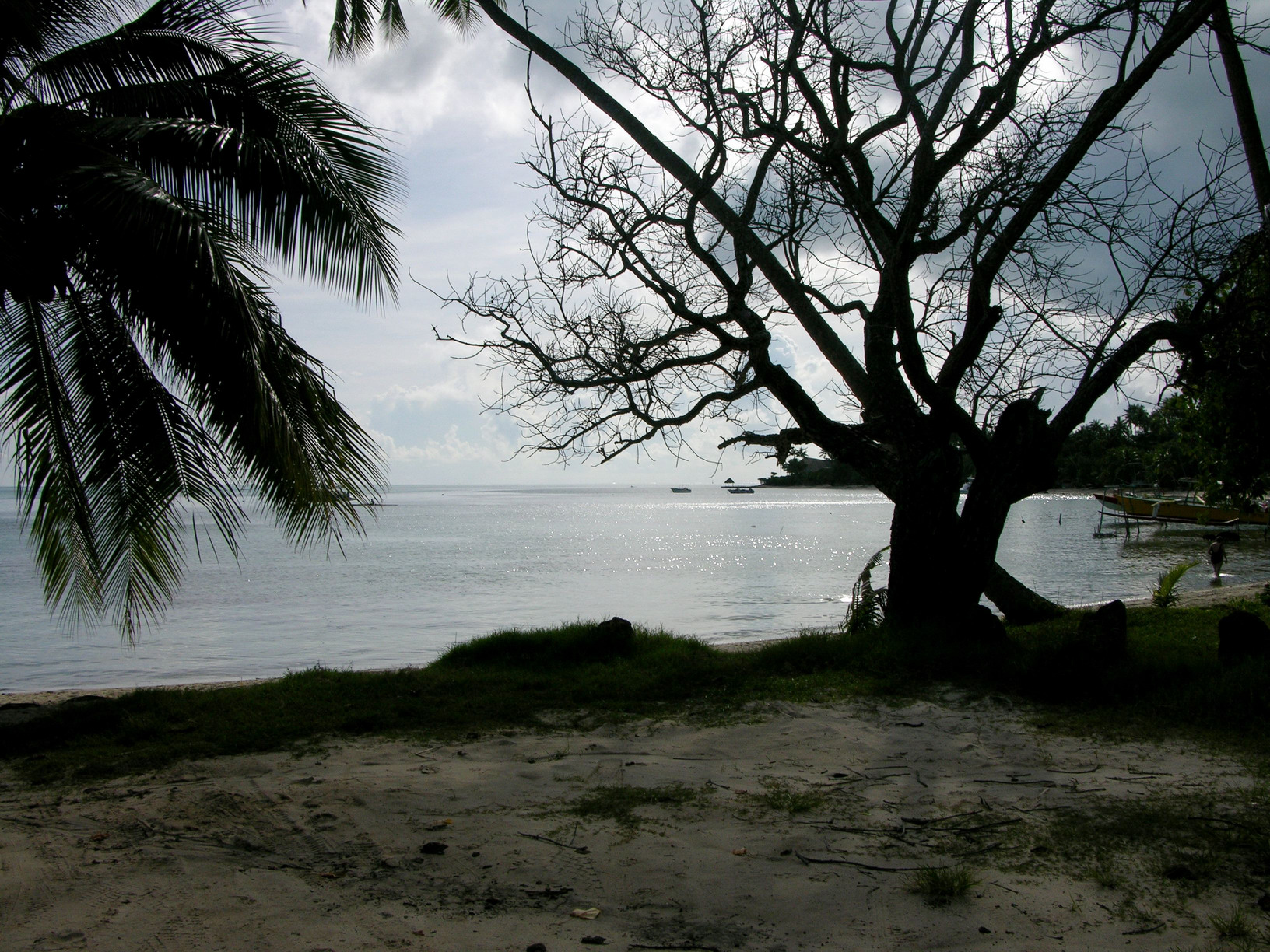
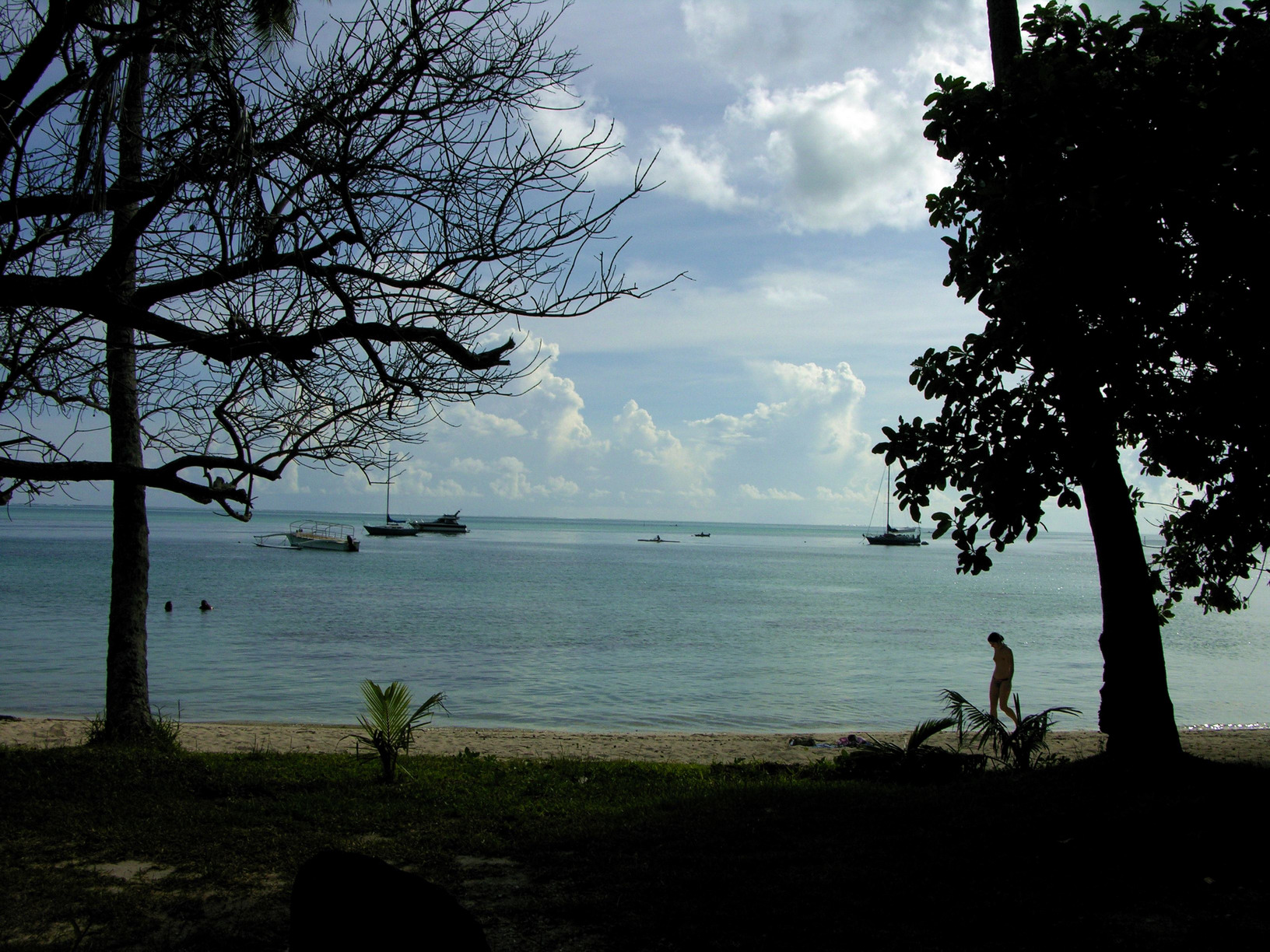
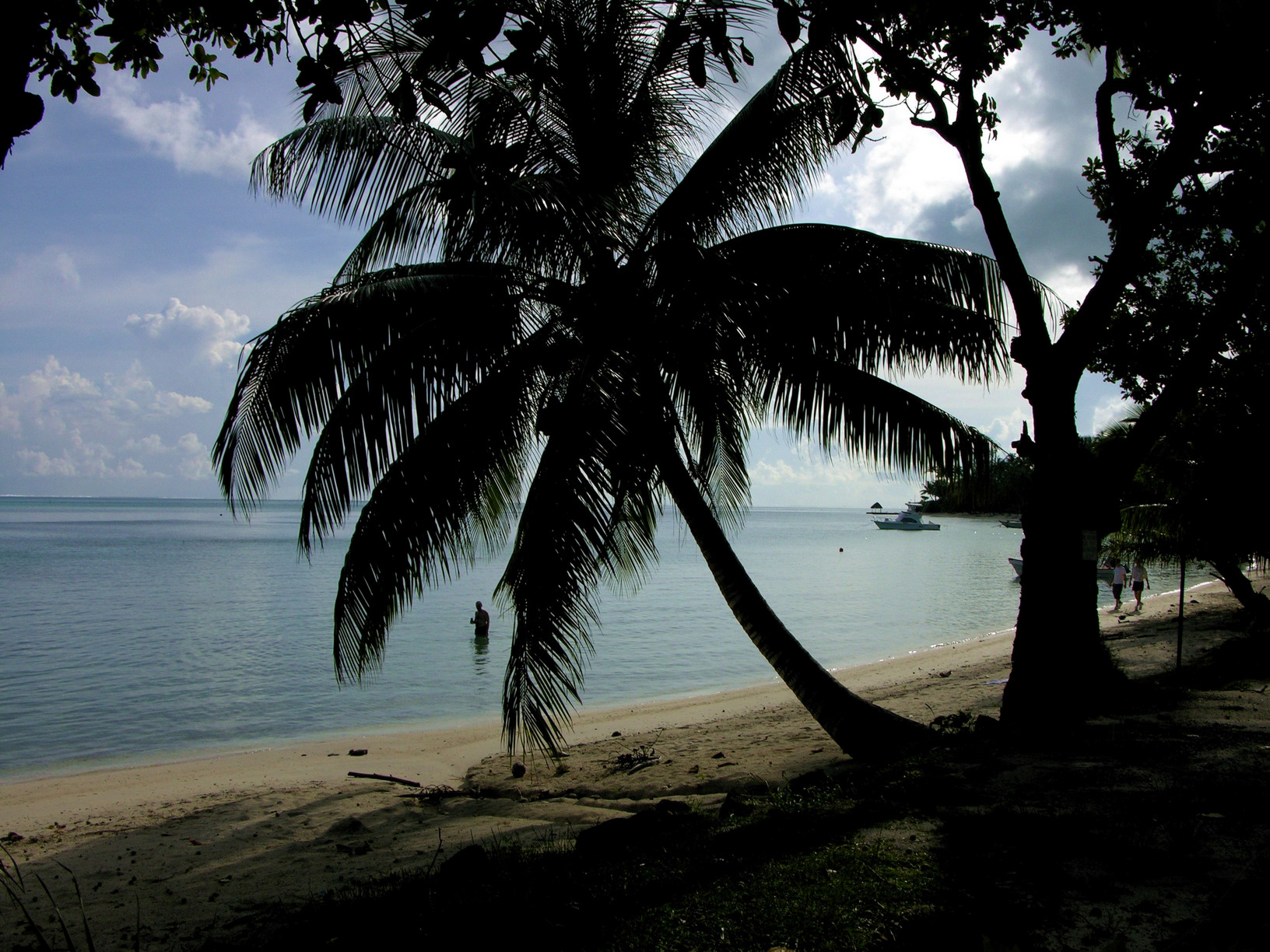
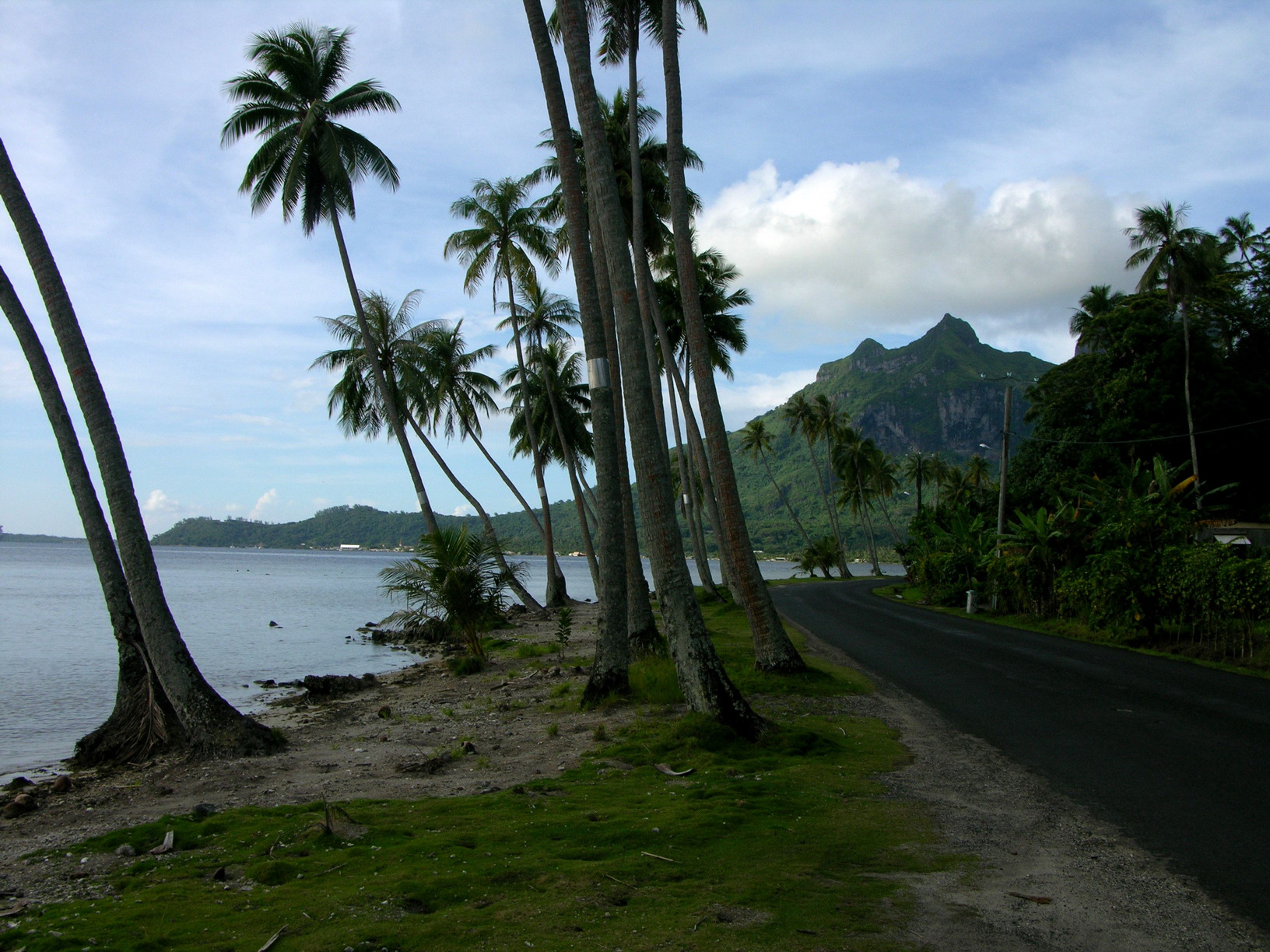
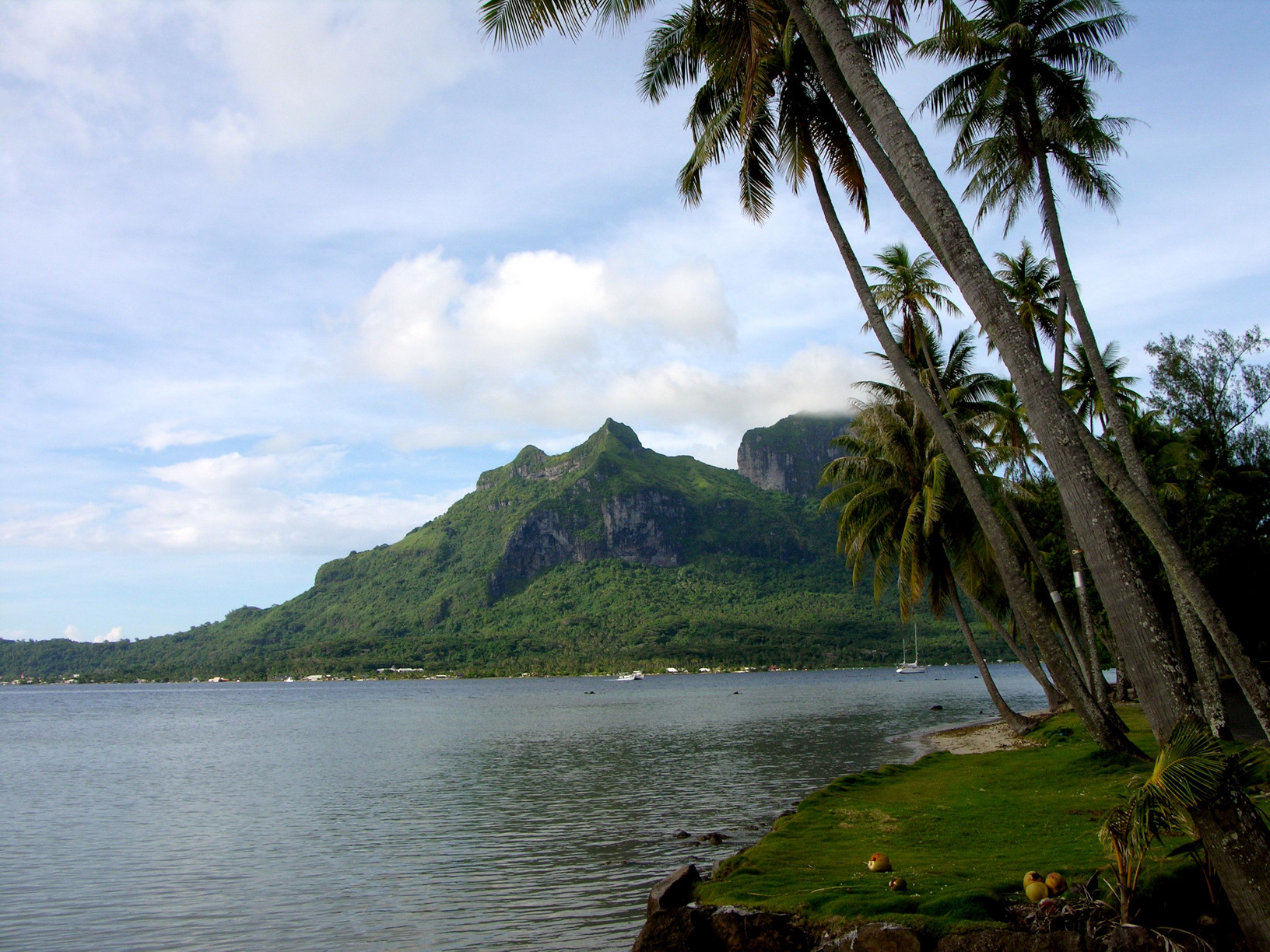
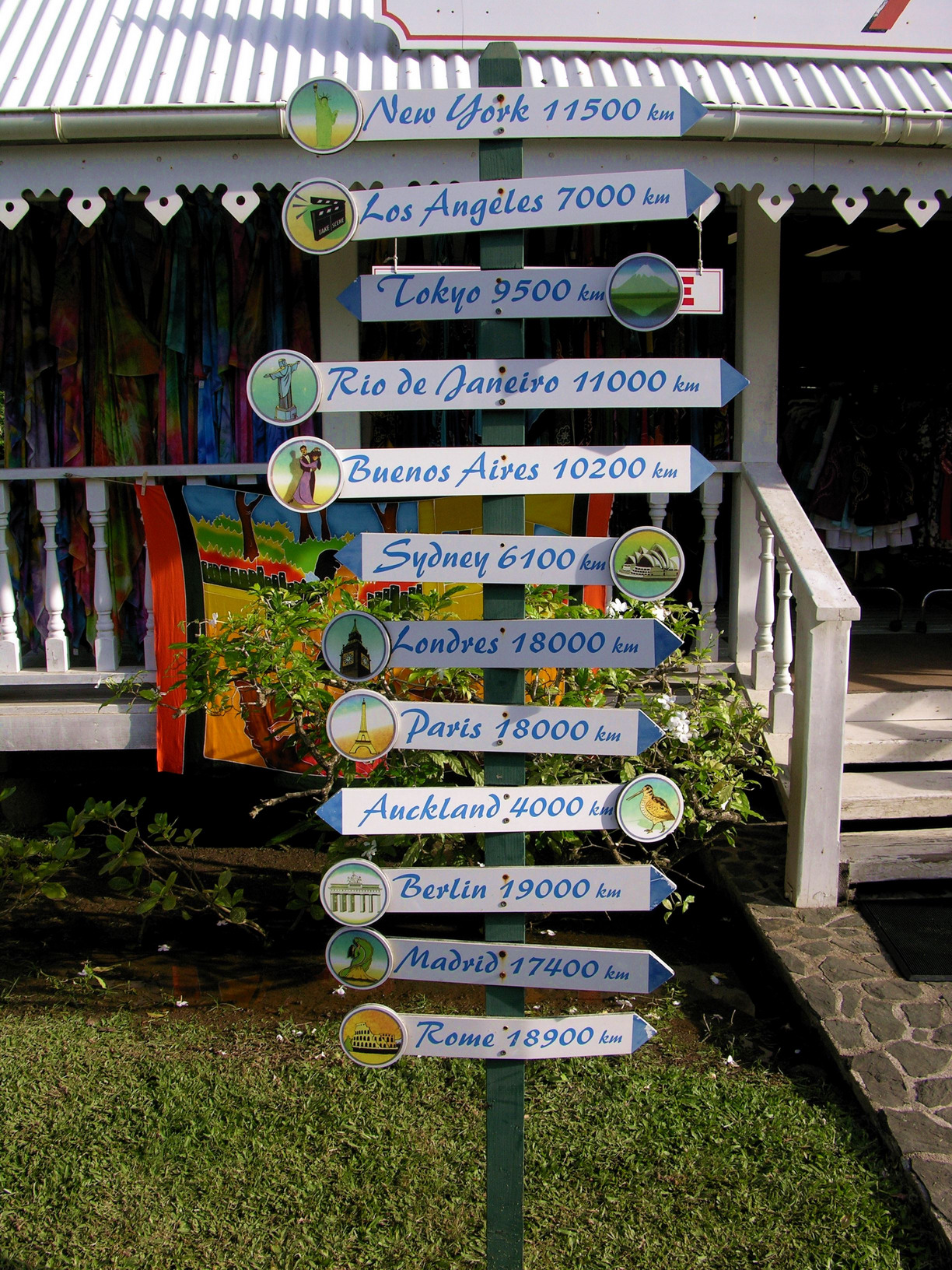
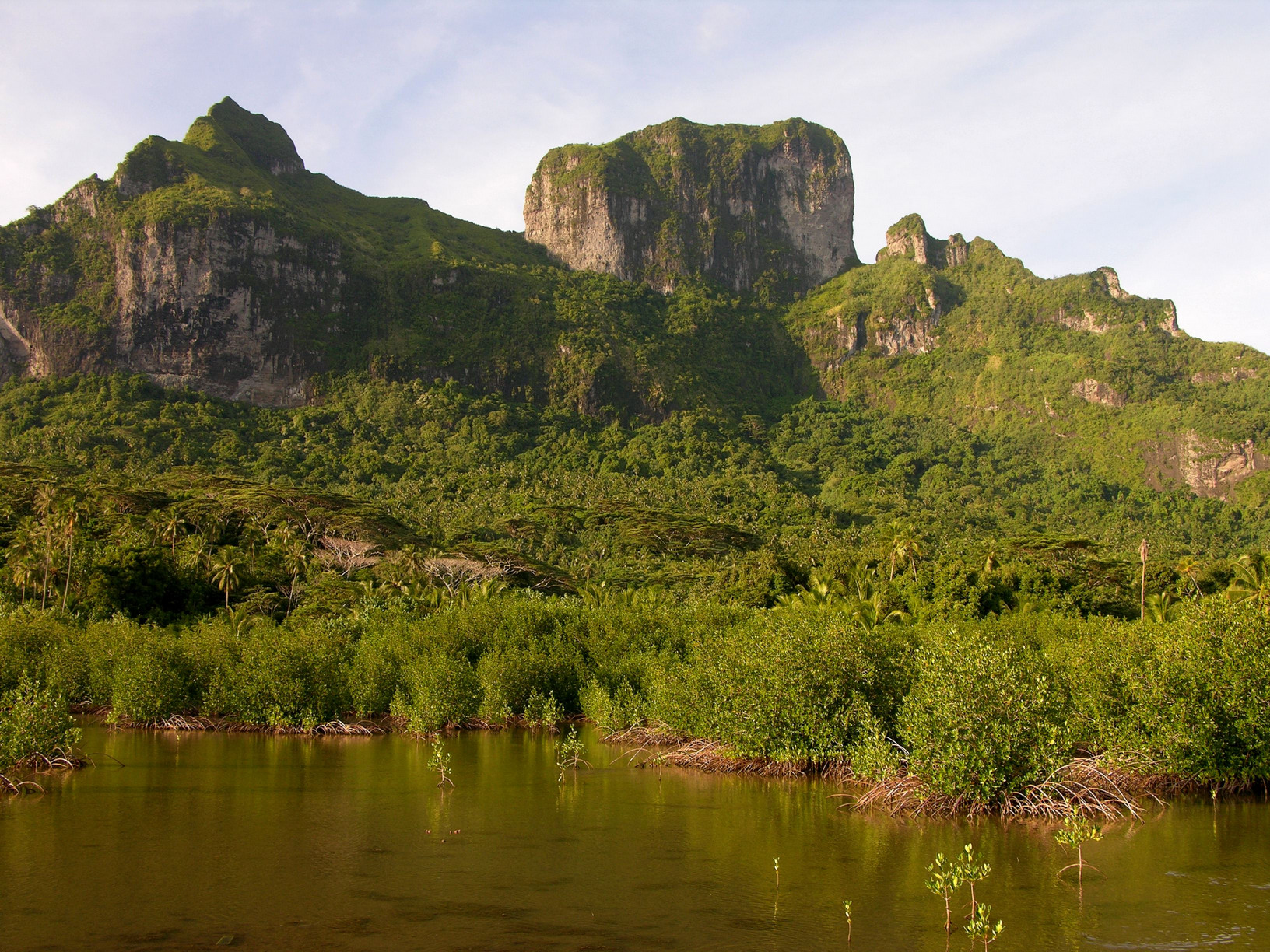
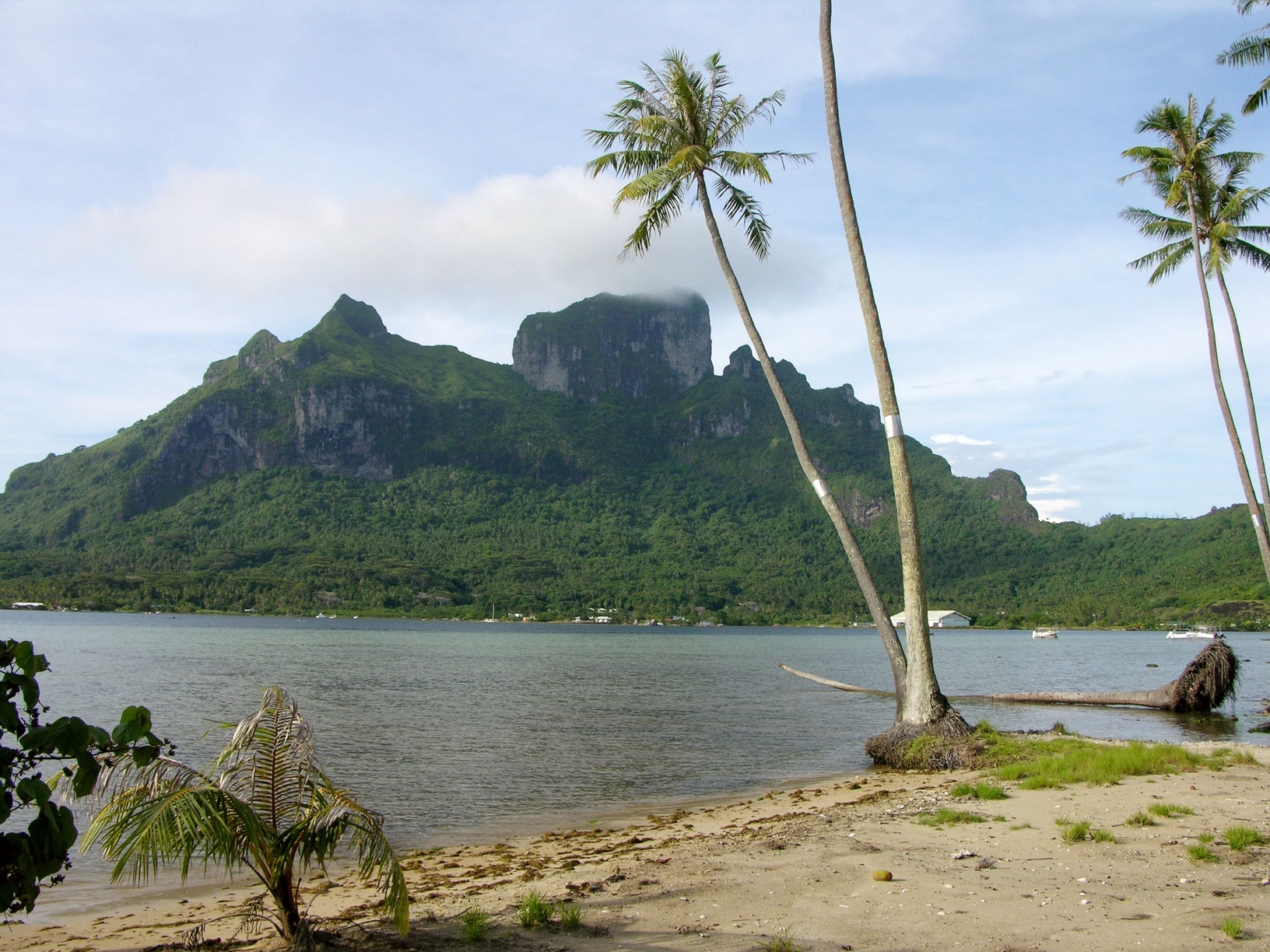
There were shops here and there, and the lack of anything to buy was astonishing. I found shorts, but for shoes there were only flip-flops. You couldn't wear those to dinner either. Tahiti was supposed to be a place where ties were forbidden and everyone wore bright shorts and pareos to look the part, but there were limits. Step by step we got as far as Vaitape, the island's main town. Twelve kilometres, as it turned out. There was a path up into the mountains. How I wanted to follow it into the jungle. But we were supposed to be on holiday in Bora Bora, doing it properly. So we went to a restaurant.
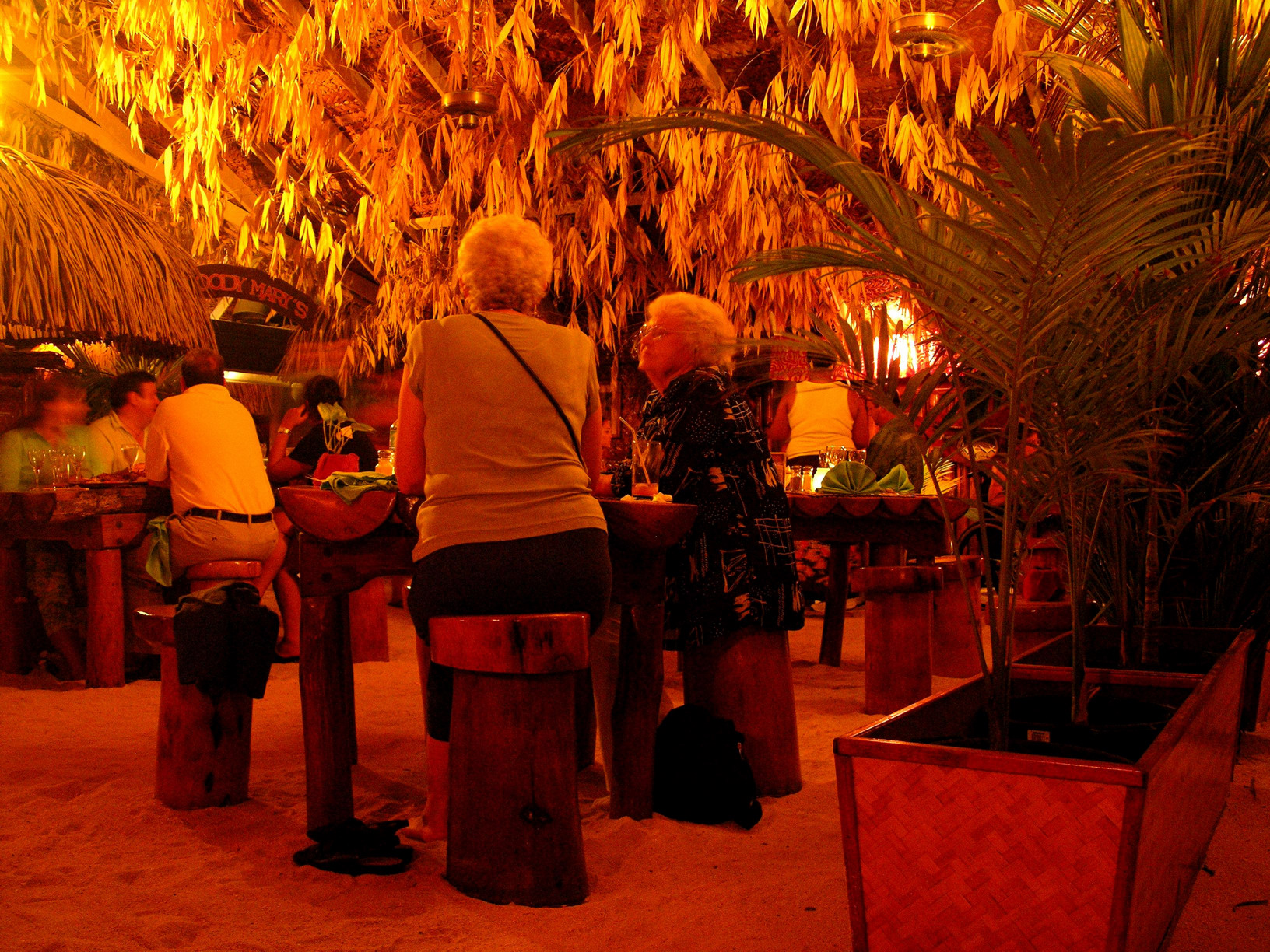
Bloody Mary's was the most expensive and famous restaurant in Polynesia. It seemed every American president, Hollywood star and rock musician had been there, including the Beatles. Two enormous boards outside listed the celebrities. They tended to be presidents and stars from earlier years. I couldn't see any current names, and even Madonna and Michael Jackson were missing.
You needed a reservation. All they had that evening was the last sitting, at eight. After nine, Tahiti apparently went to bed. I'd expected the drinking and flirting to last until dawn. Instead it was like the children's bedtime show back home. Nine o'clock, off to the loo and then to bed. We nearly gave up and cooked dinner on the Campingaz stove in our bungalow. We still wanted to try the famous restaurant and booked a table through reception when we got back.
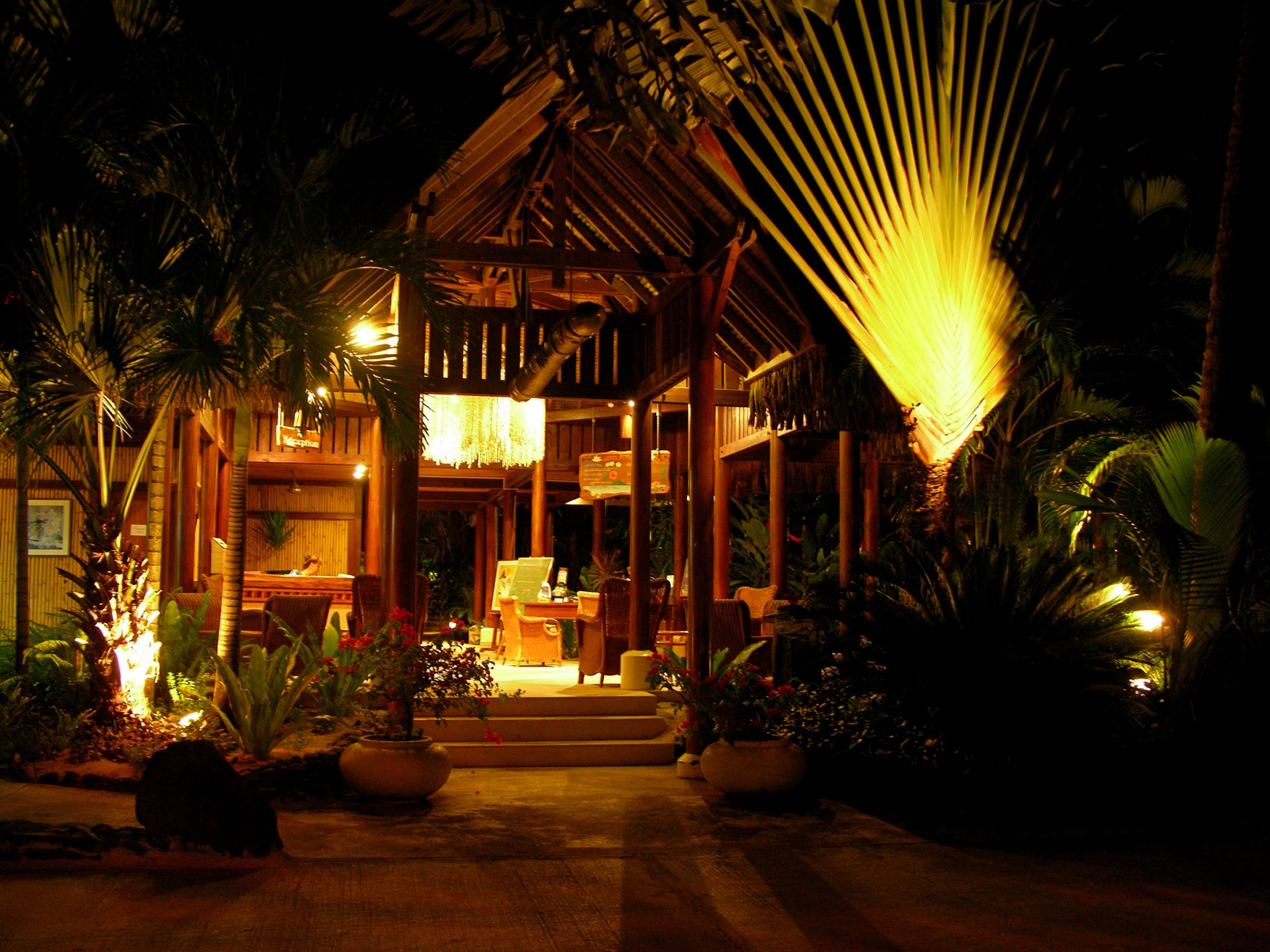
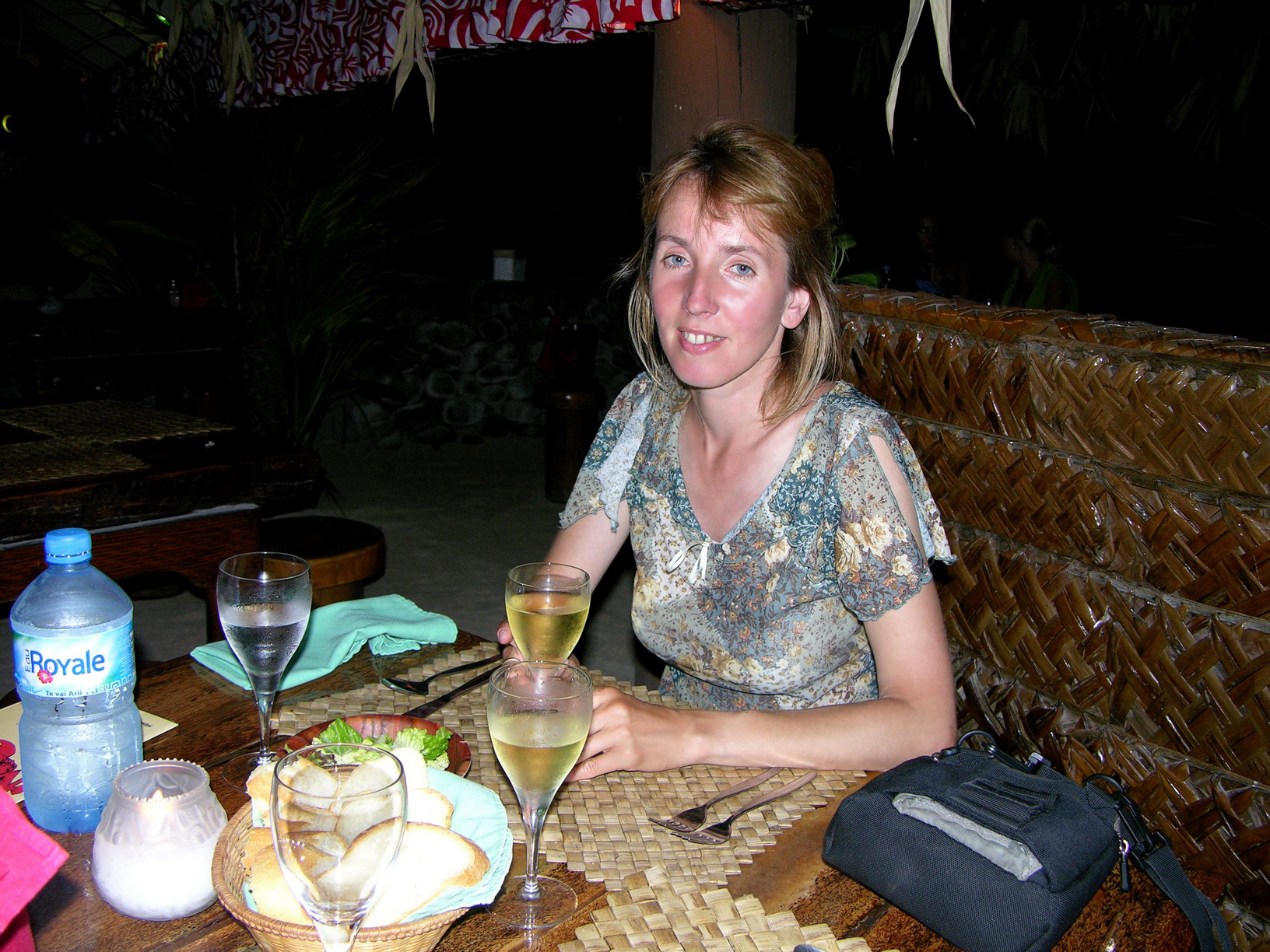
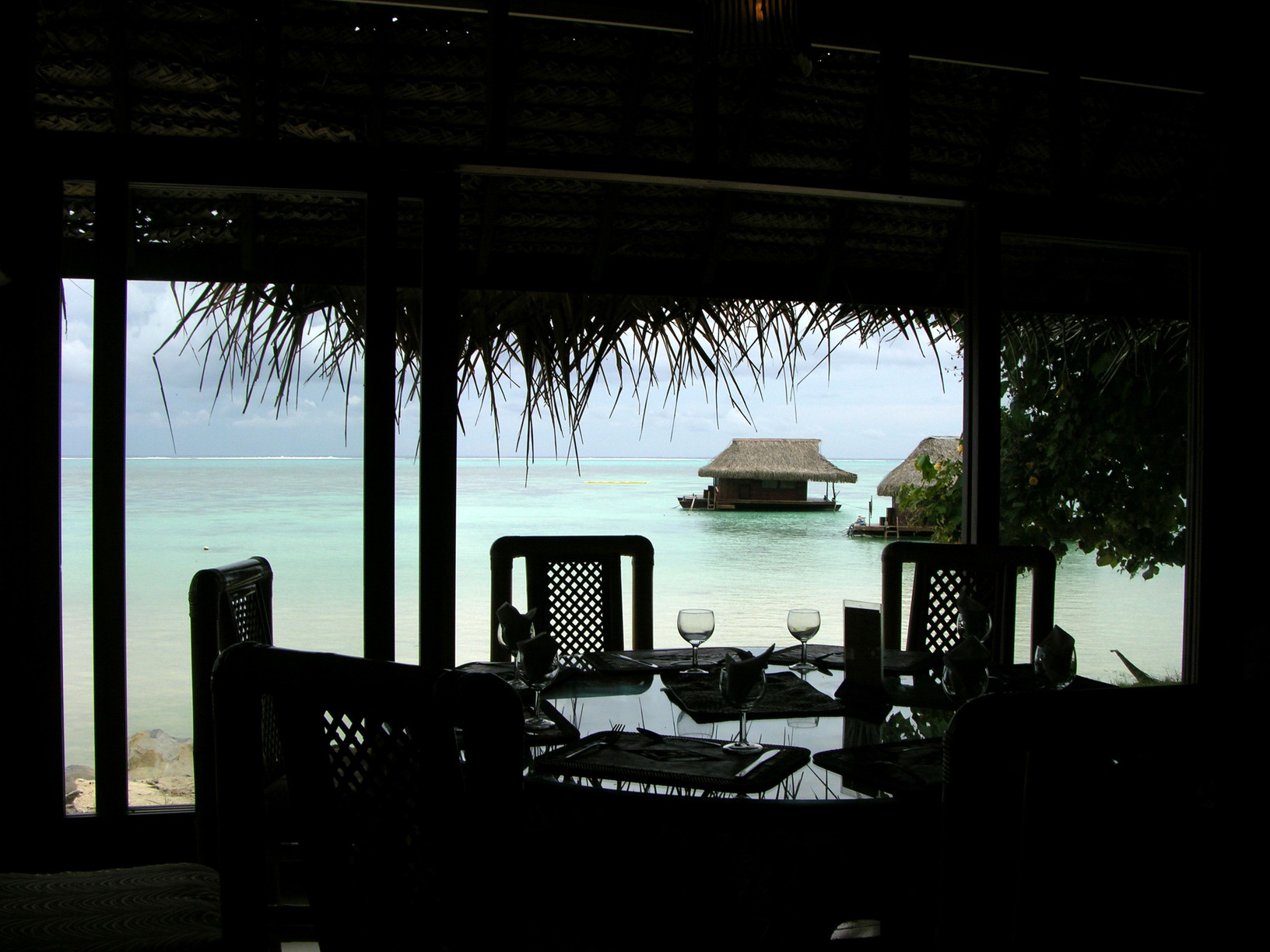
They sent a driver to collect us at the hotel and took us back afterwards. The restaurant was a lovely thatched building, beautifully lit, like a place in a story. As soon as you entered, they led you to a big table to see the tropical fish and choose which one you wanted and how they should cook it. Our host fired off a long list of unfamiliar words. At least it was in English, though I still couldn't keep the names straight. I chose what I could understand. Moonfish, with tropical potatoes and other vegetables.
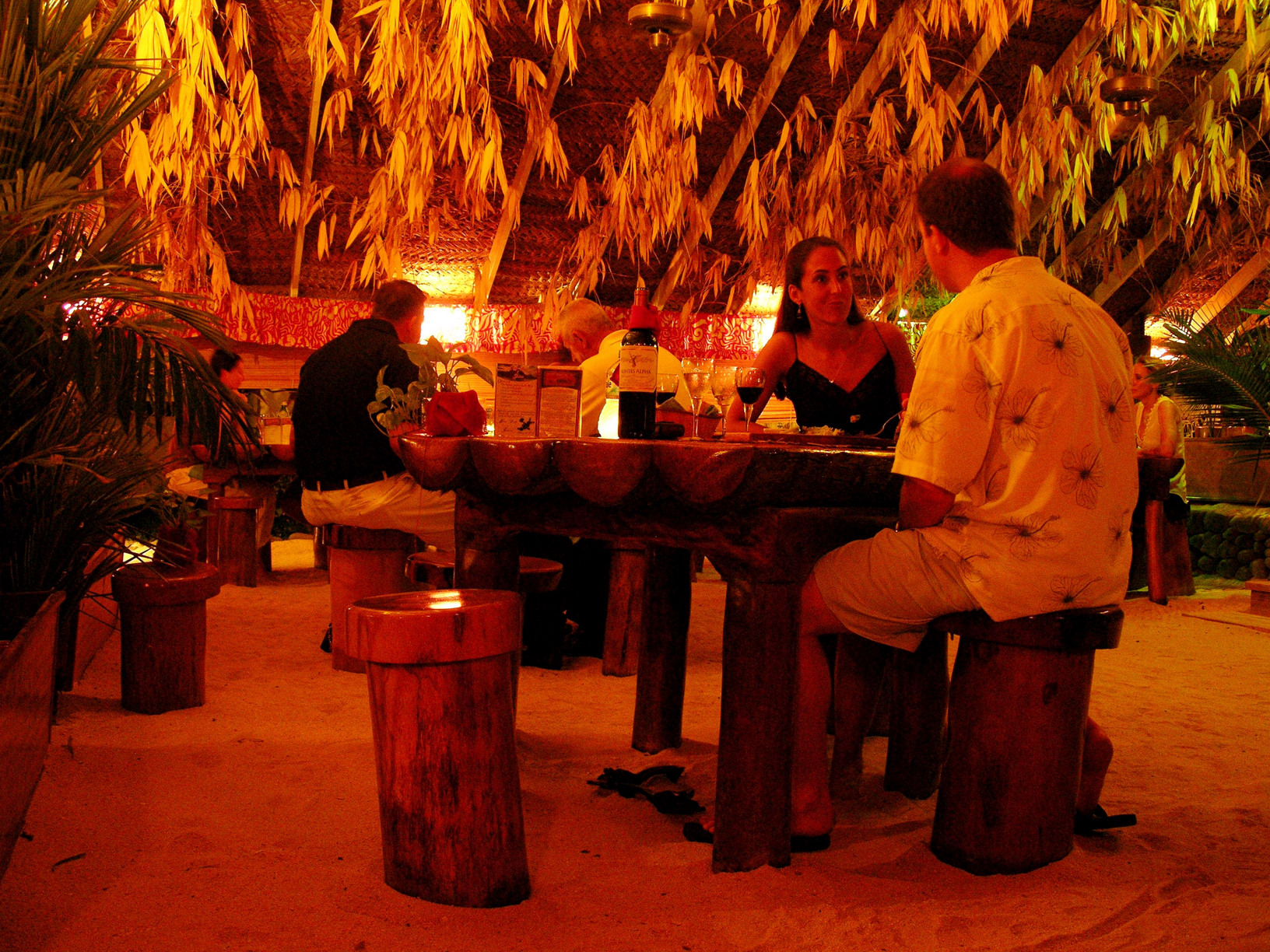
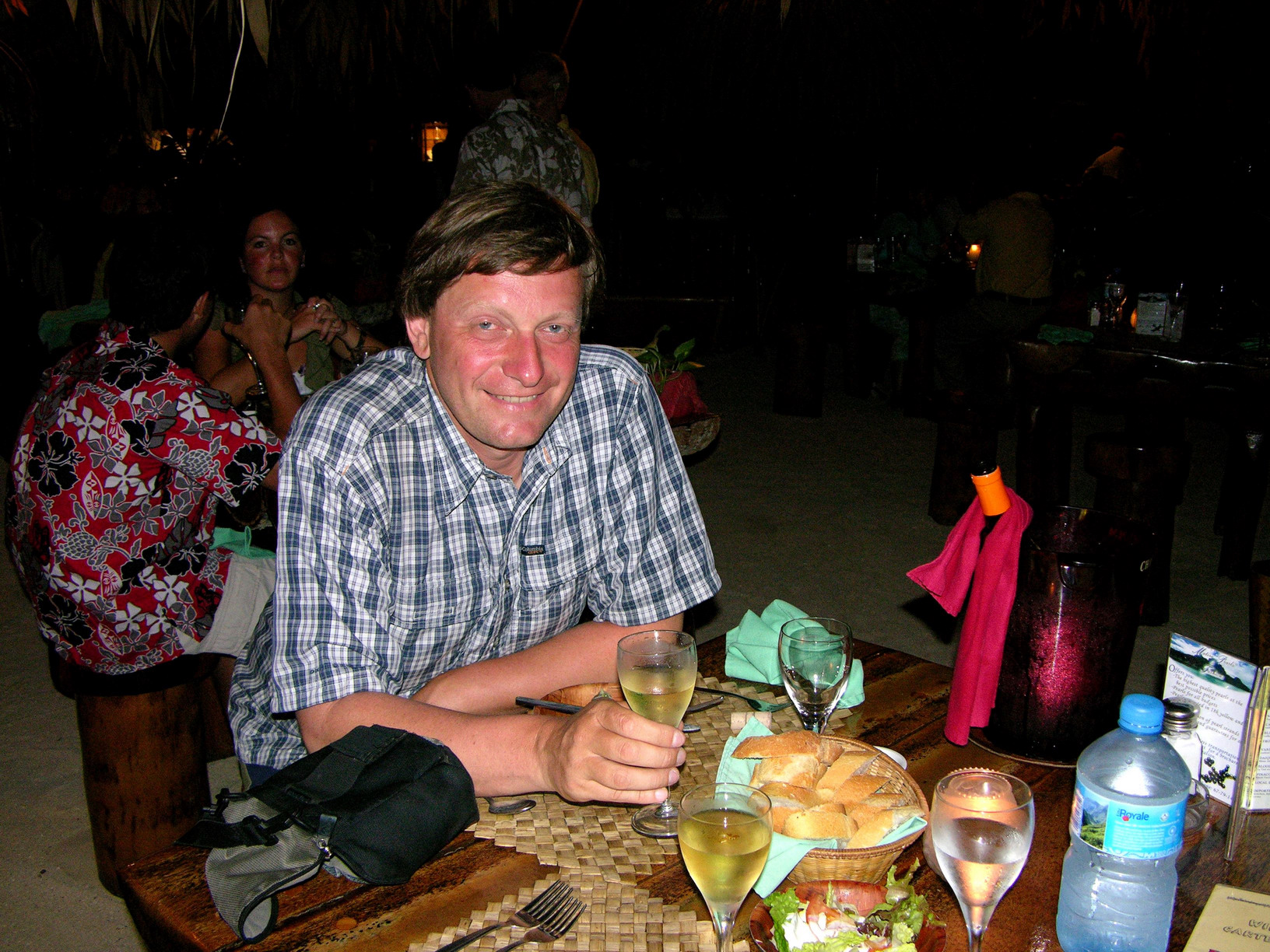
Then came the wine. Bottles started at thirty dollars and went up to who knows what. “I feel like a red,” said Tanya. The answer was, “Have you seen James Bond? Surely you remember only a Russian spy would drink red with fish. Any one of the Bonds, from Sean Connery onwards, might have sat at one of these tables. With fish, we must order white.”
We had a good time and were glad we went. The whole evening, including the ride from the hotel and back, came to $150. It would have cost more in Moscow. Happily we settled down on the balcony to look out at the sea, raided the minibar again and went for a swim. Then we wanted to go to bed. Old age.
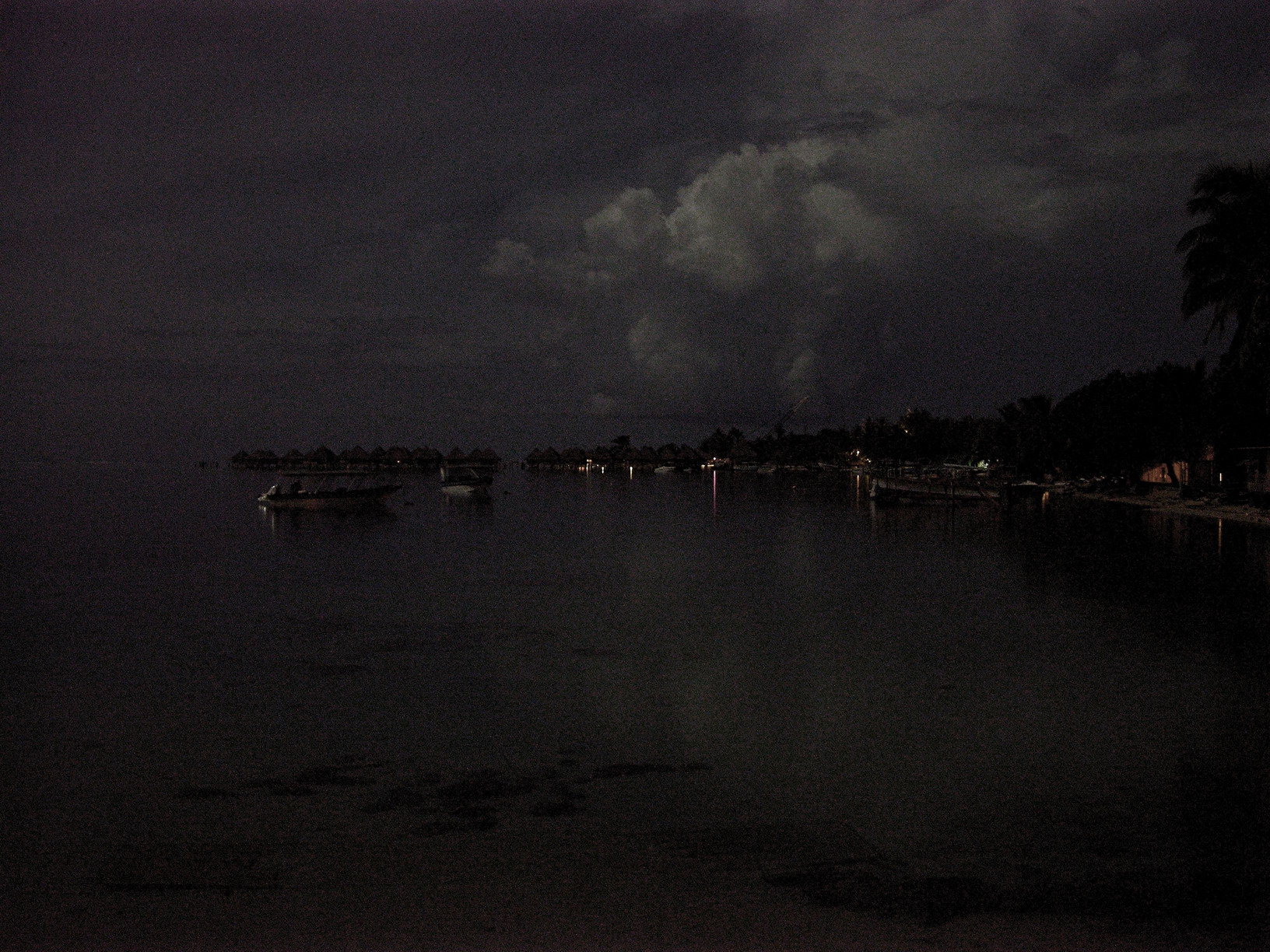
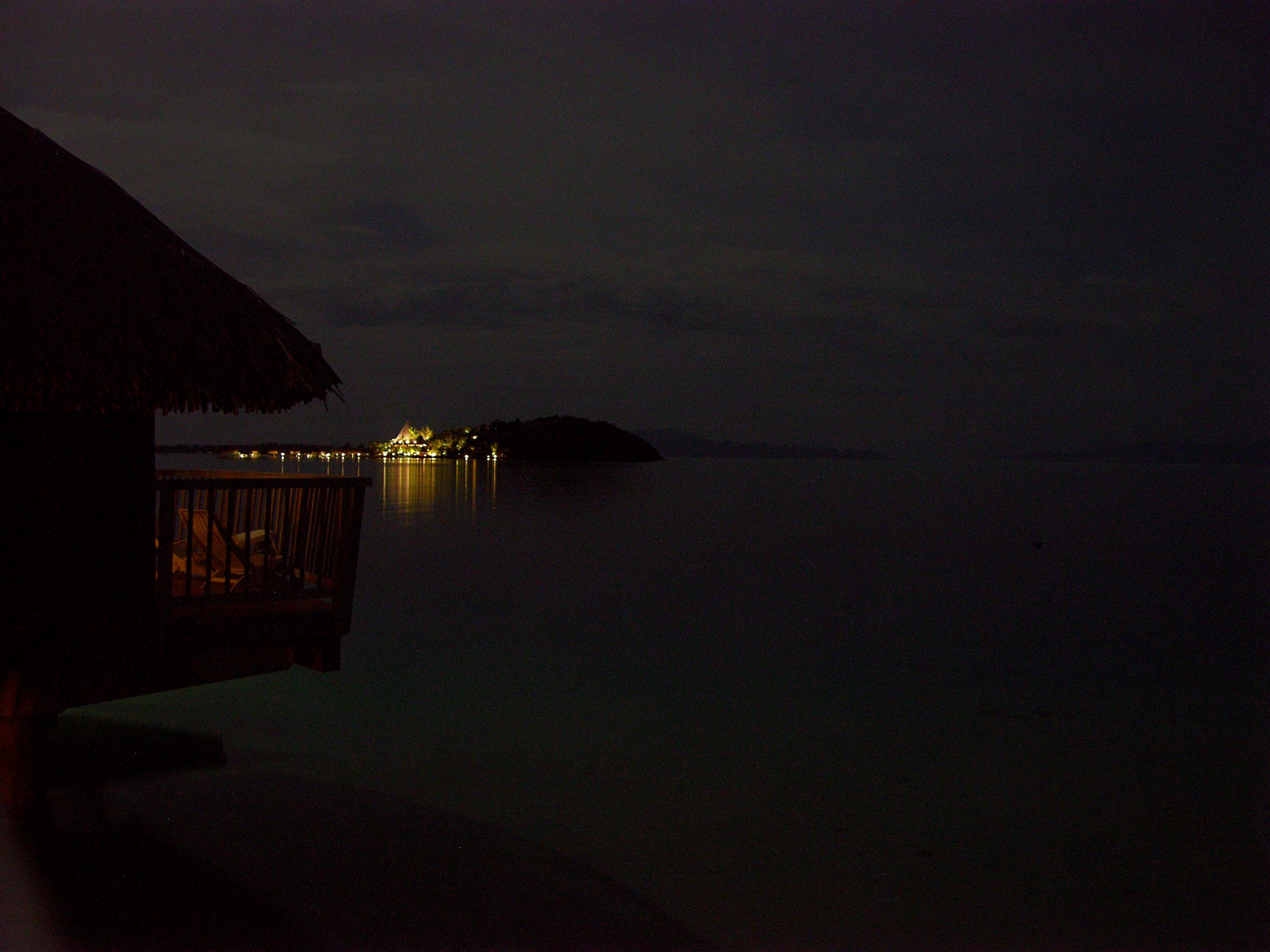
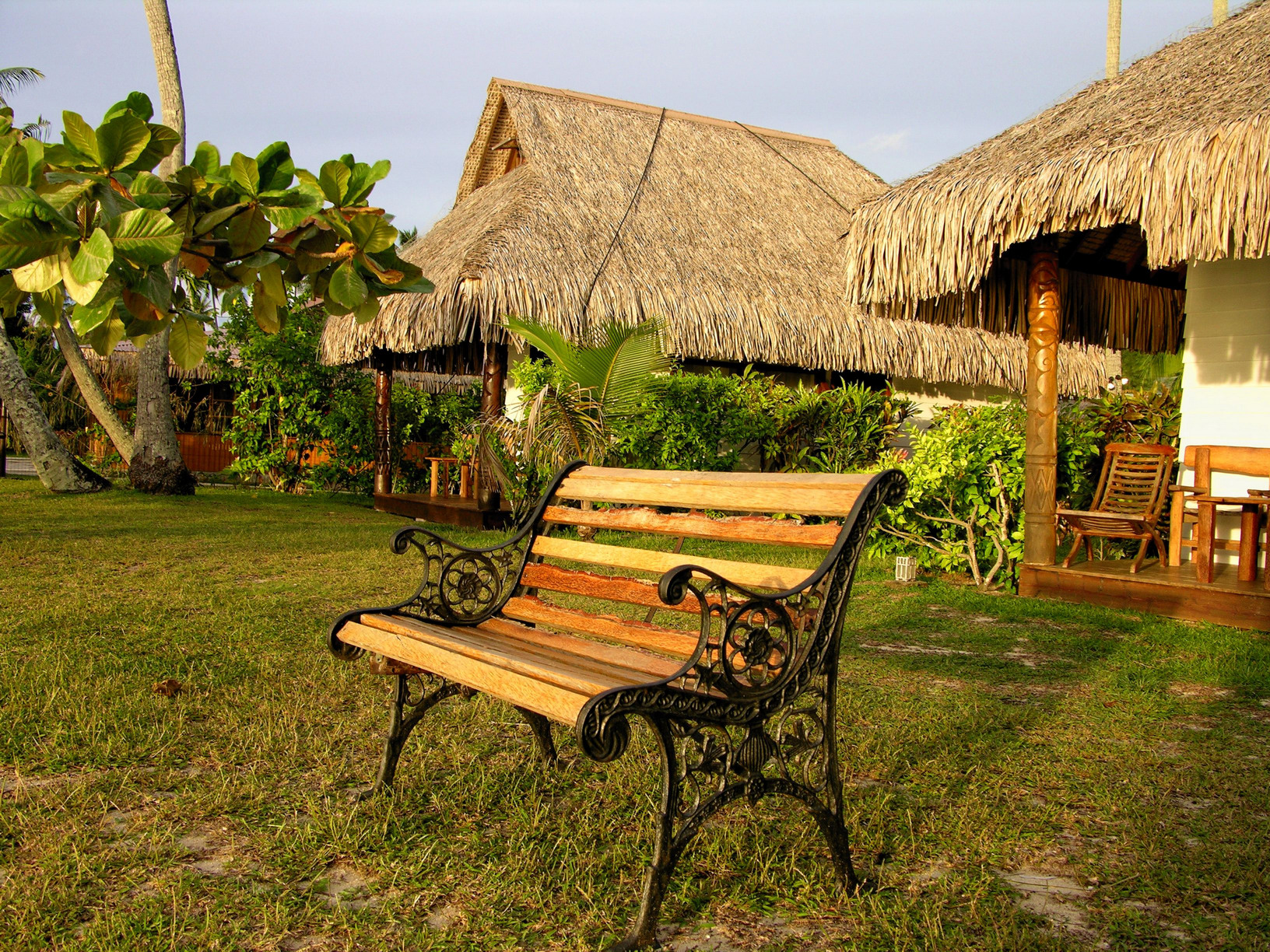
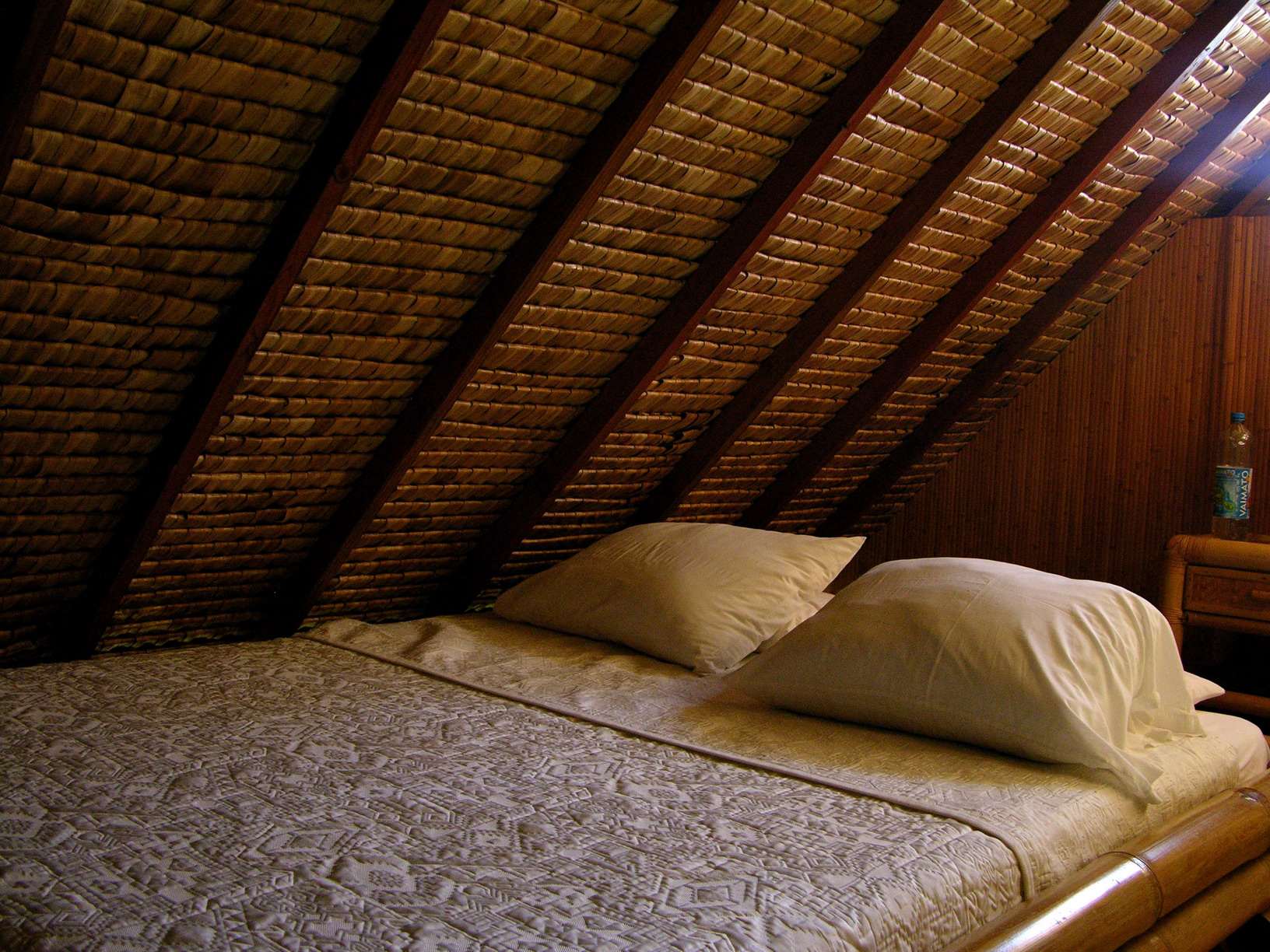
In the morning we had a flight to Moorea. We had two nights in a bungalow there, this time on the shore and a little cheaper. The plane made a stop along the way again. At the Fare Vai Moana we got a two-storey bungalow for €223 for the two of us. More flowers everywhere. We weren't going anywhere that day. We'd sit quietly and swim. The time had finally come to take it easy properly.
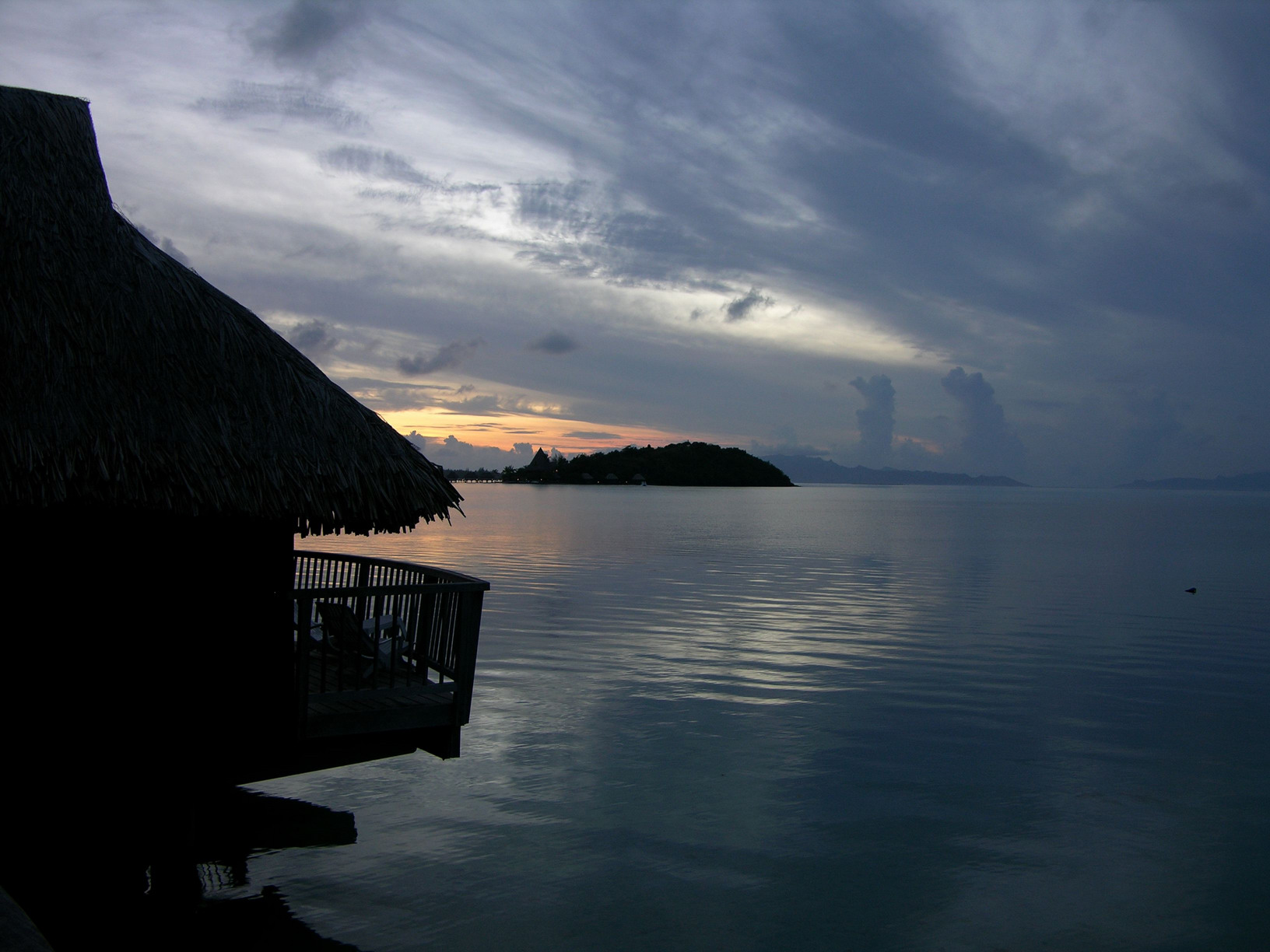
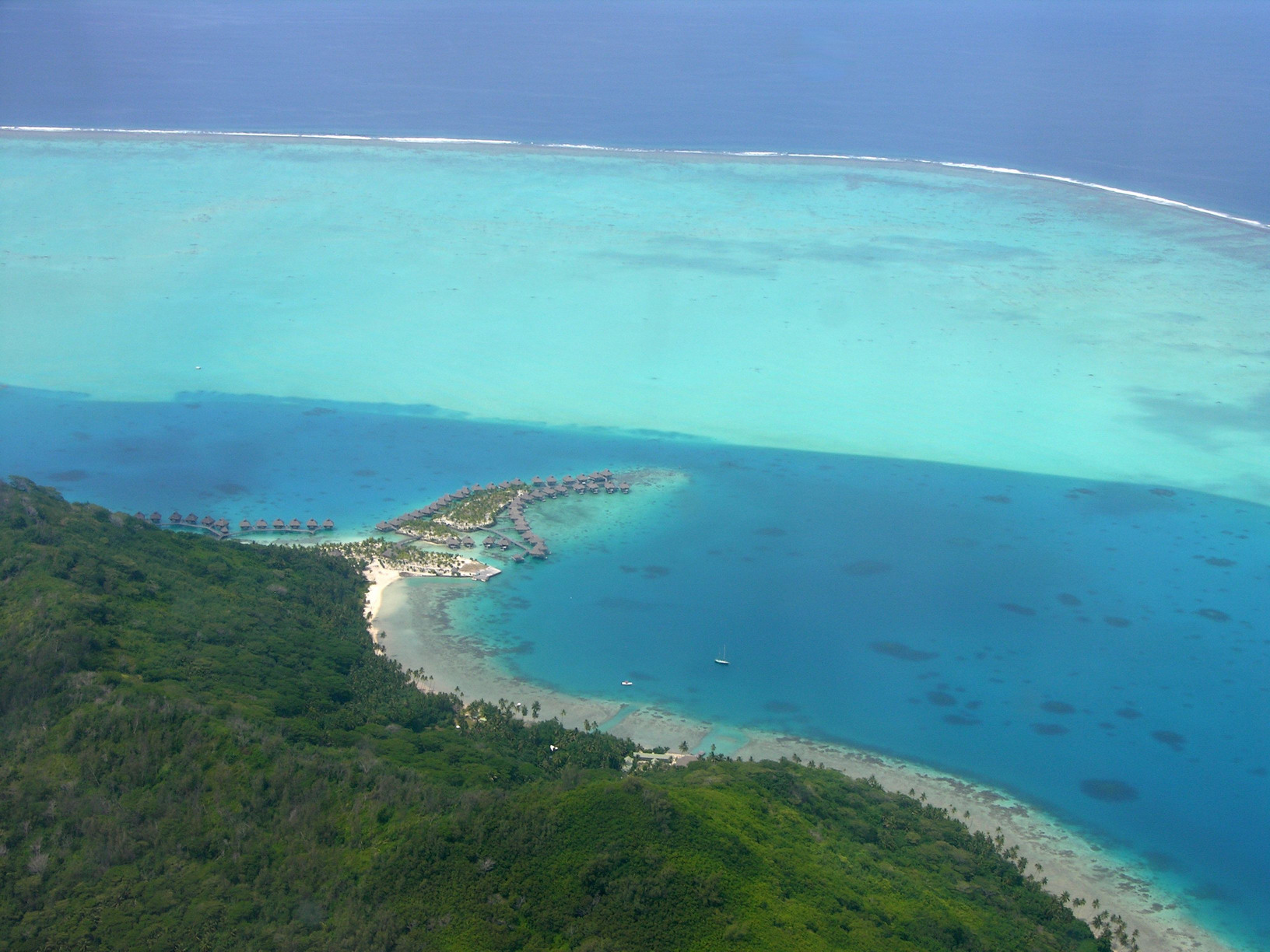
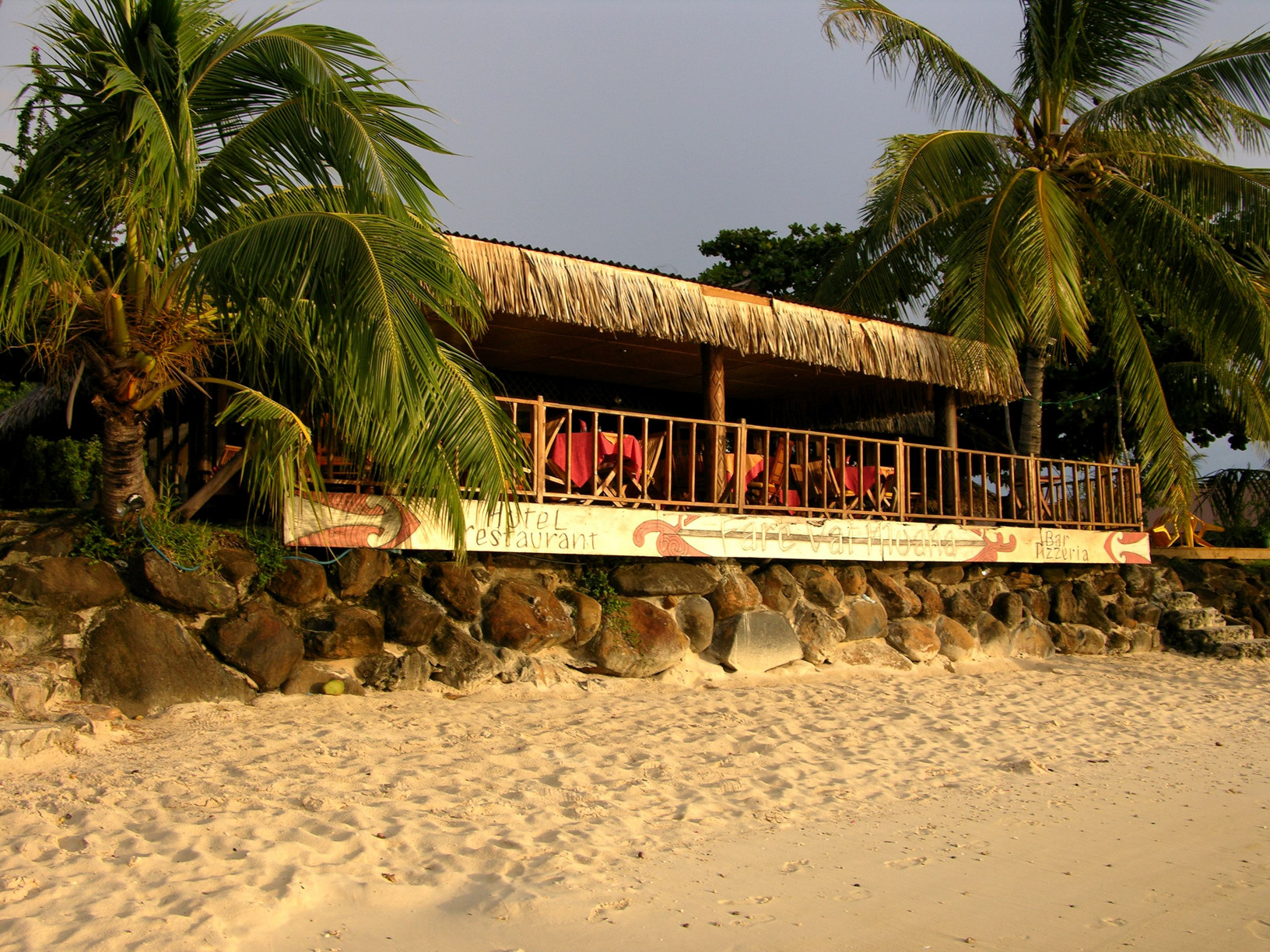
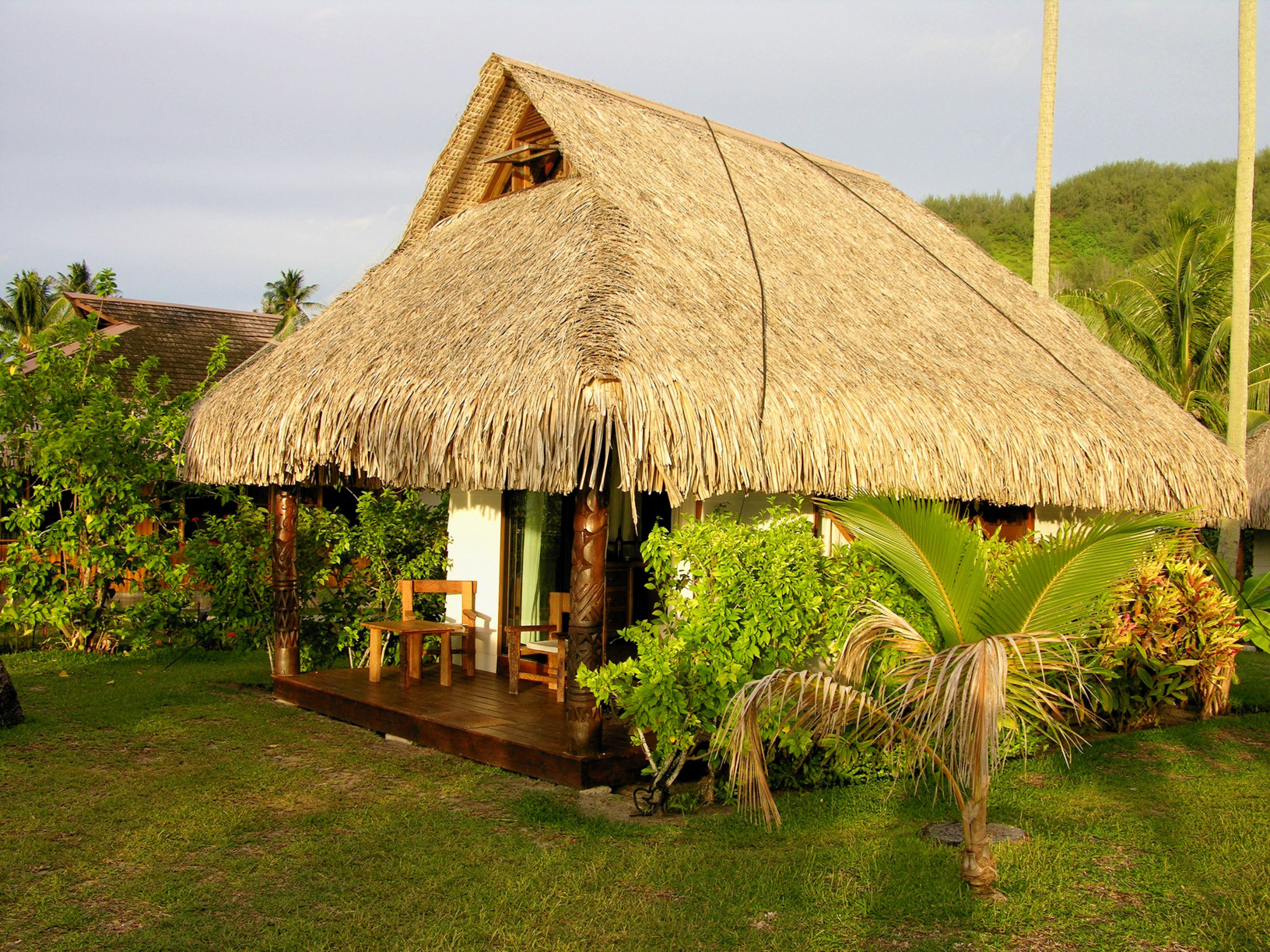
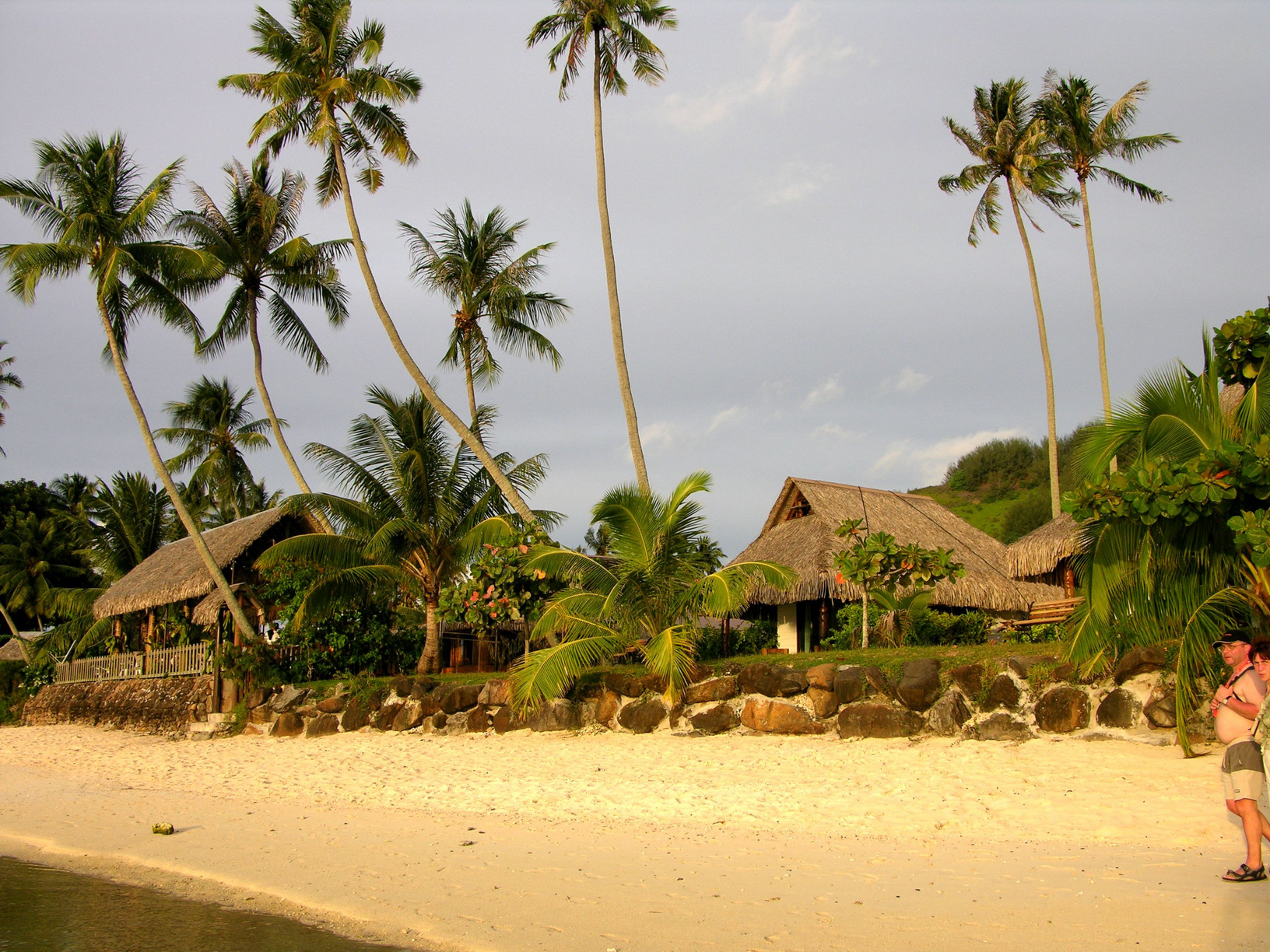
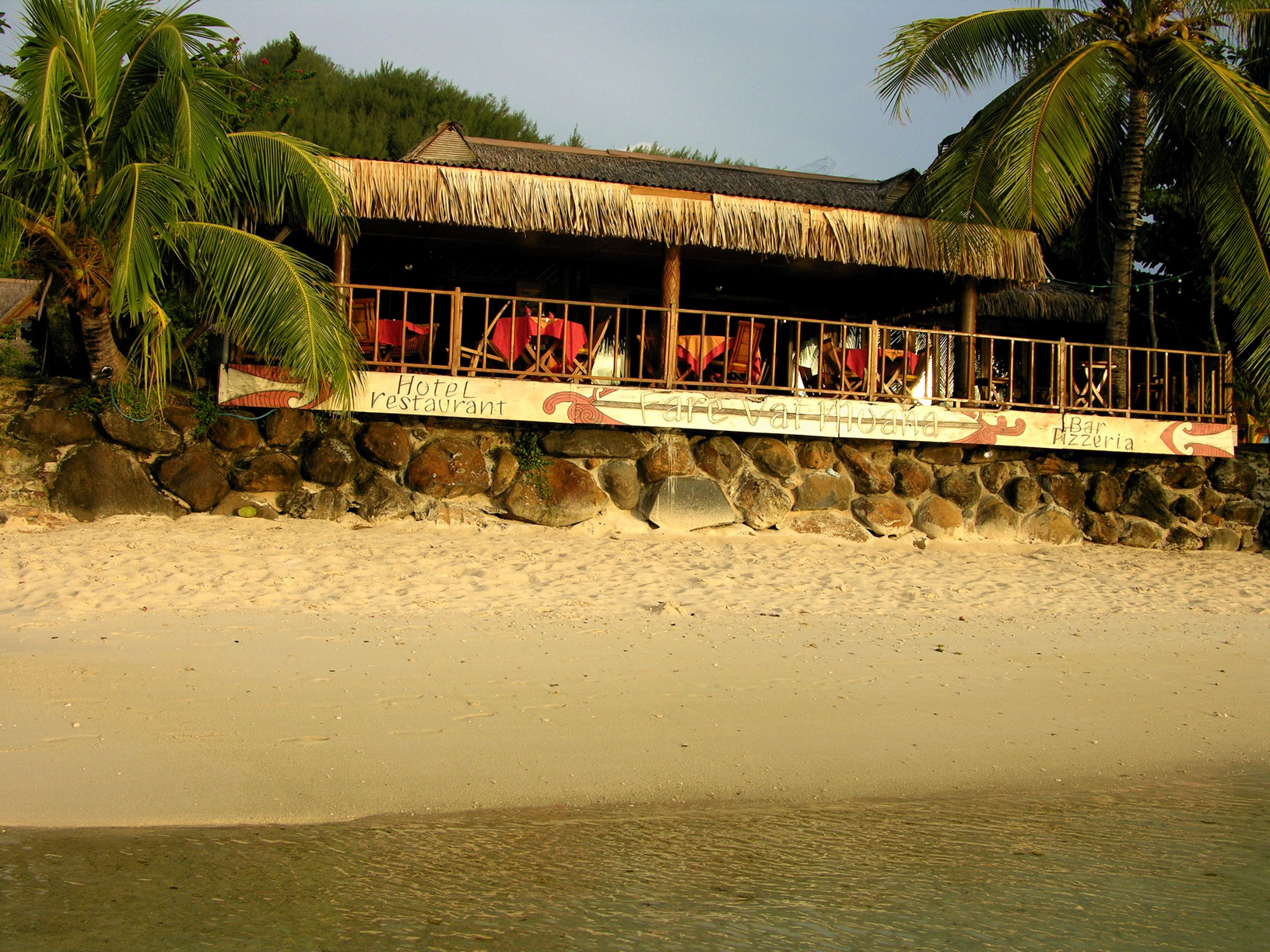
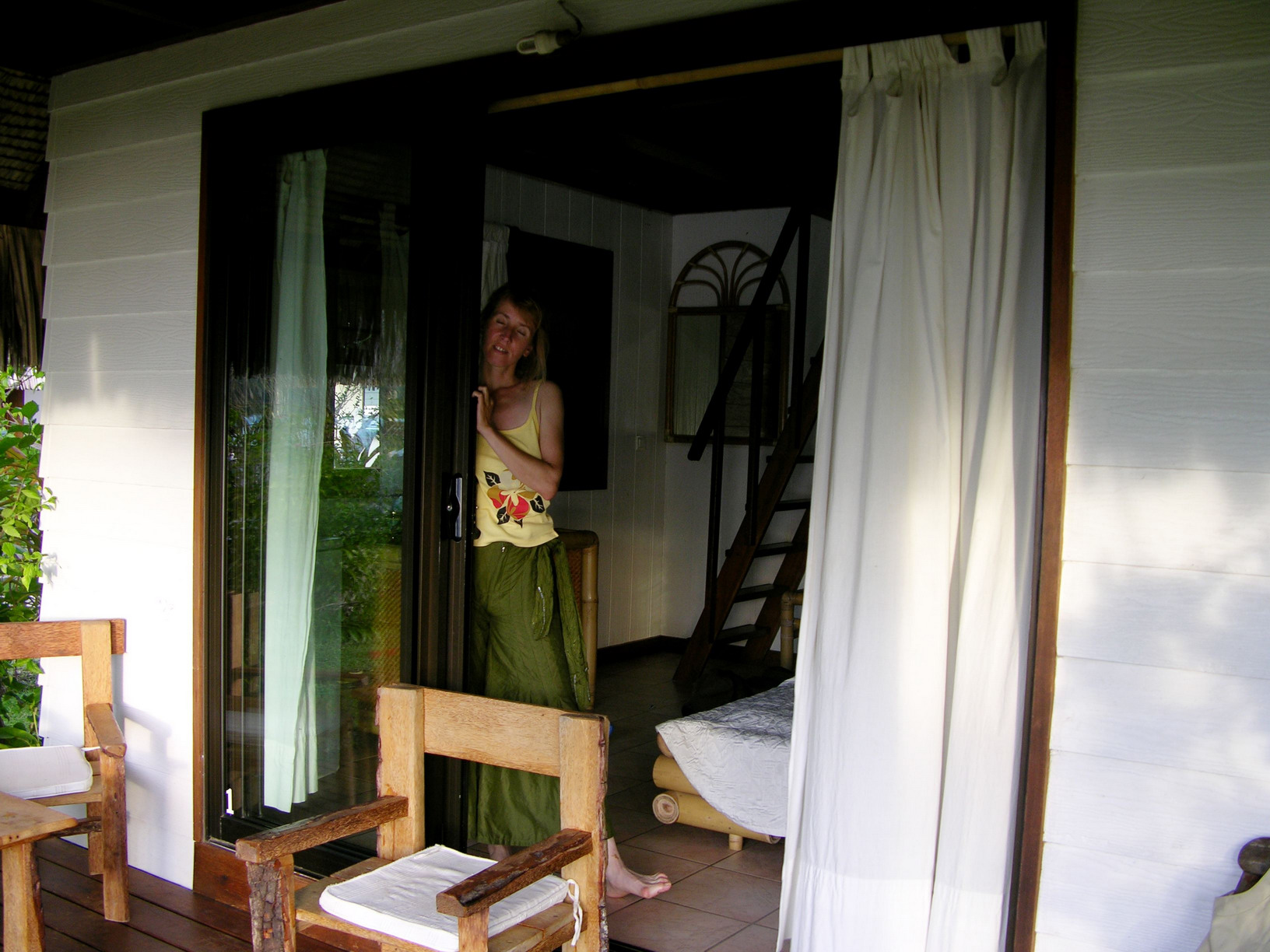
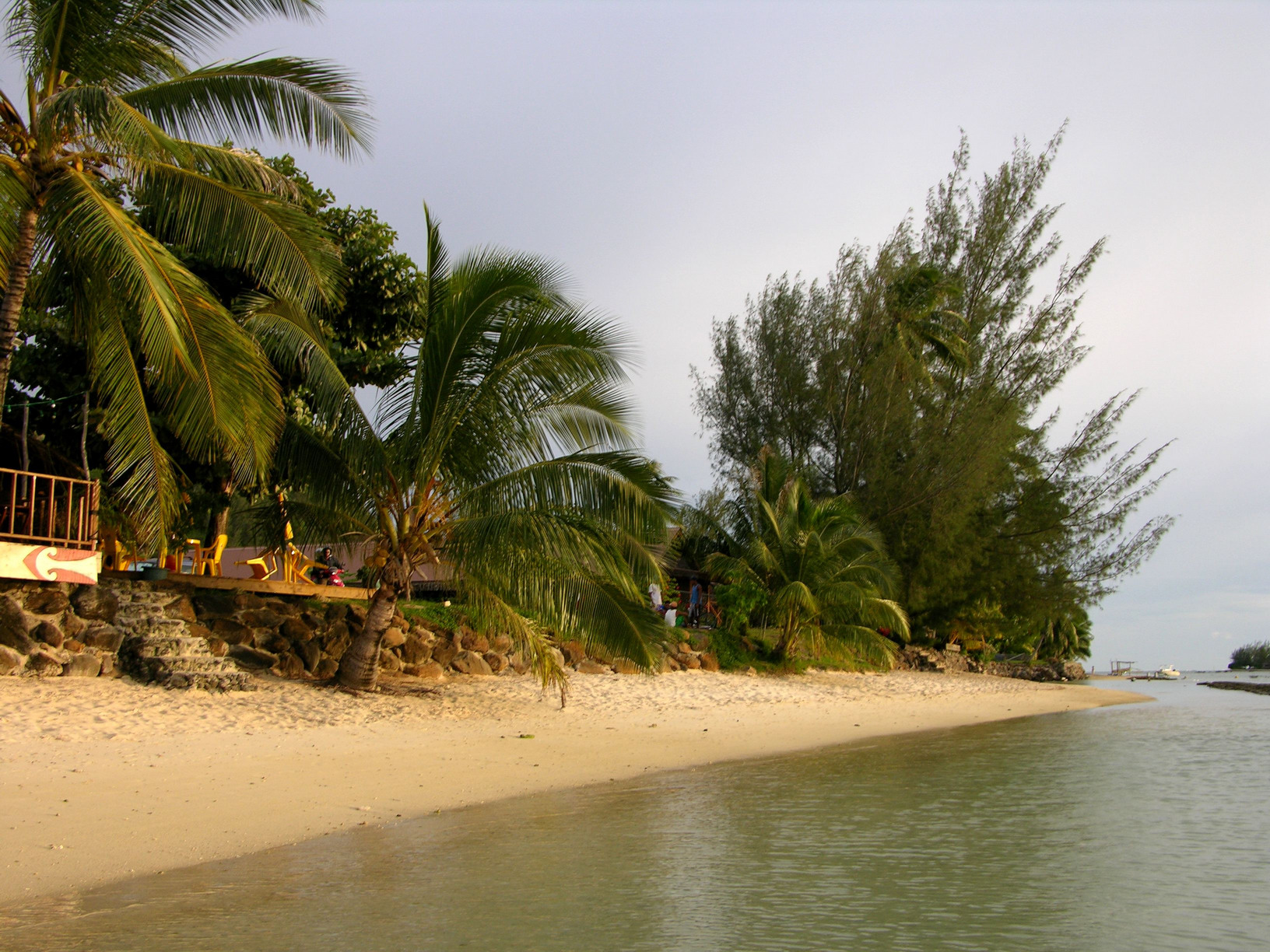
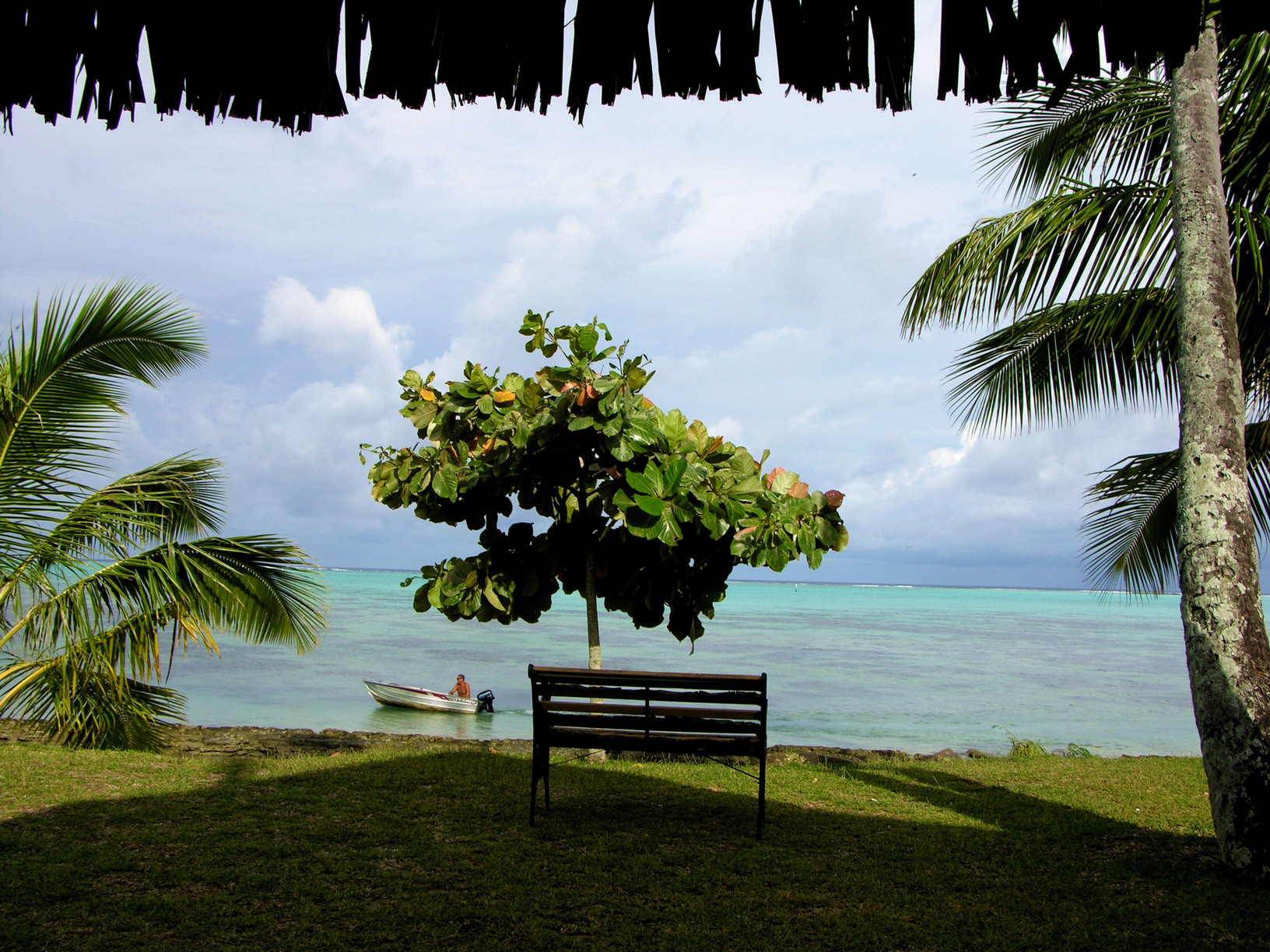
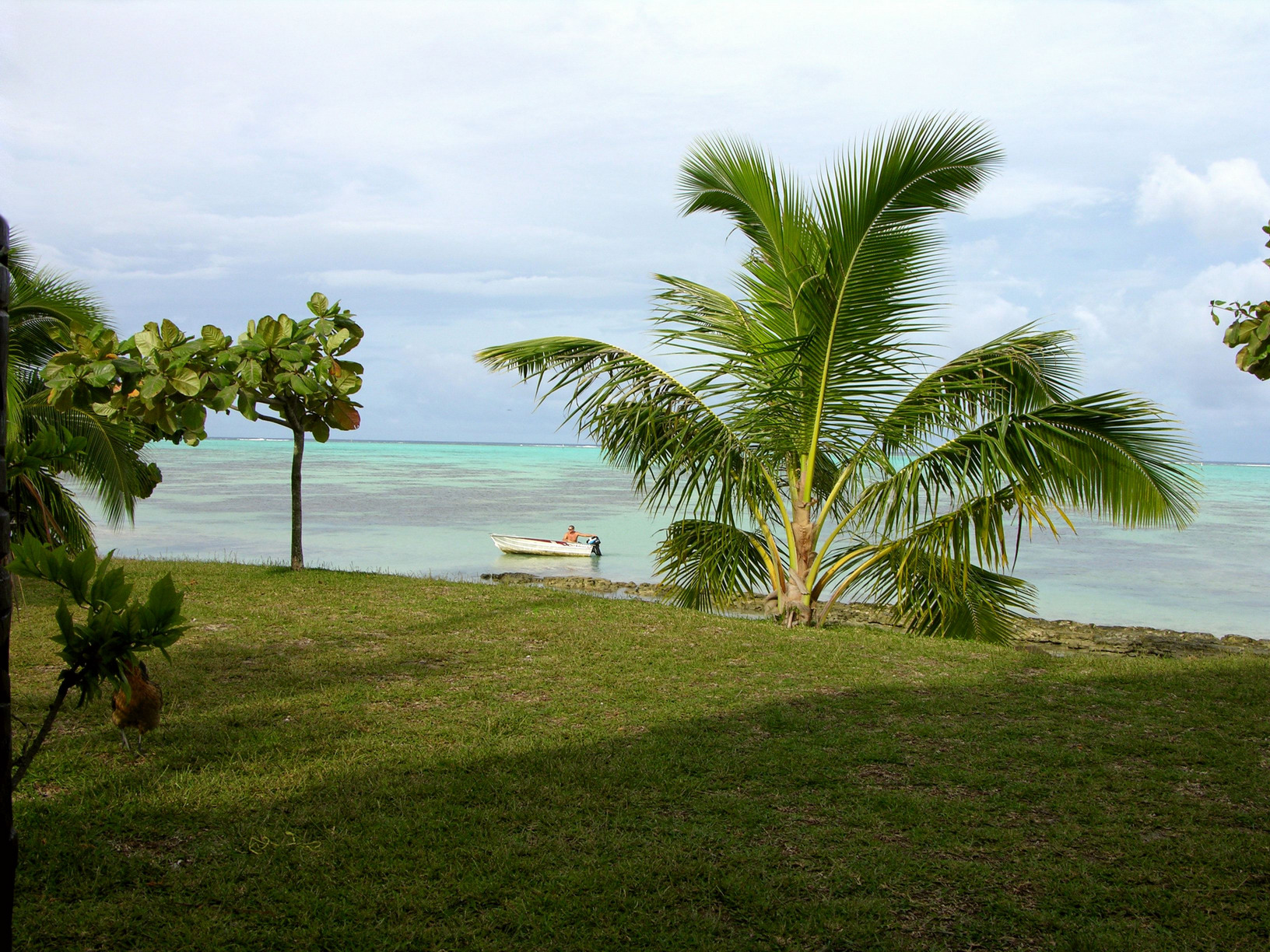
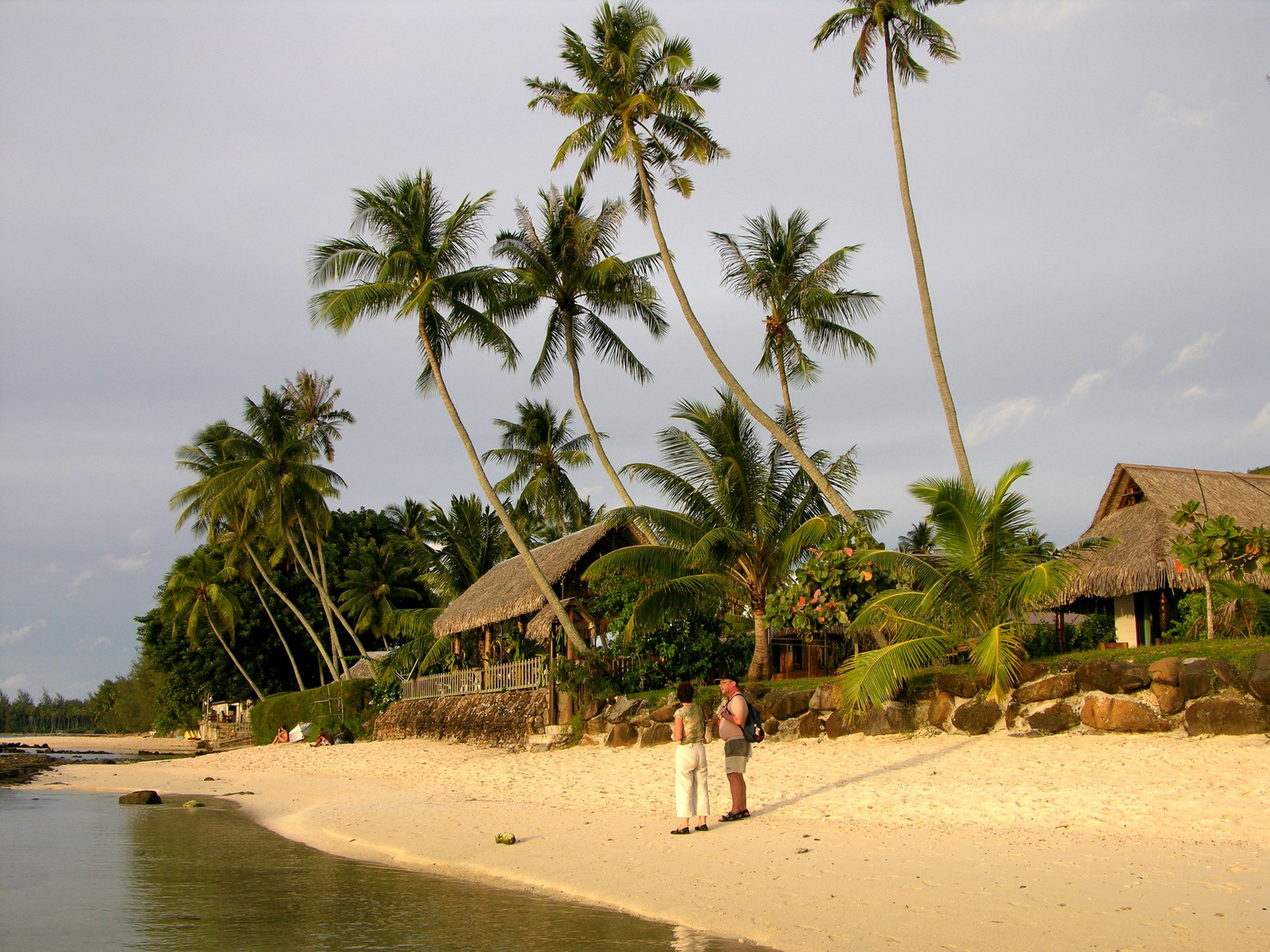
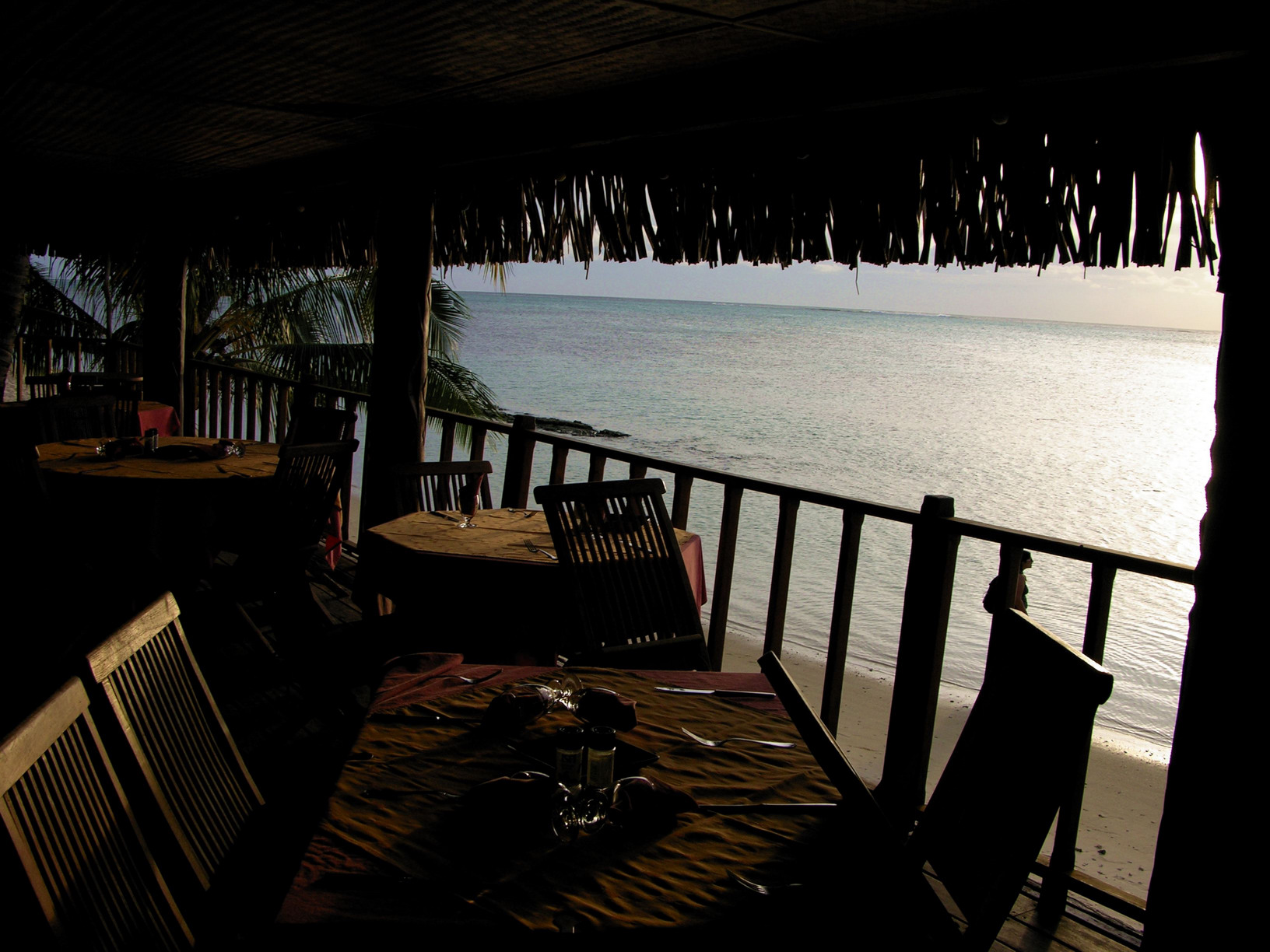
Very well, we'd swim. An extensive lagoon runs around Moorea, with waves breaking on the rim of the reef and little uninhabited islands inside it. Our hotel and the one next door had no boats for hire. One of the islands was only two kilometres away. I decided to swim over while Tanya waited. I made it and ended up more exhausted than if I'd climbed the nearest mountain. It was the tidal current rather than the four kilometres there and back. Most of the swim was a fight with the water. And people did go to that island. They came by motorboat for picnics.
The current carried me a kilometre out of my way and I had to walk back. On the way I came across an enormous abandoned hotel with hundreds of bungalows. It had all been beautiful, but vines were taking over and before long it could pass for an ancient ruined city. What had happened? They had simply run out of tourists. Tahiti's days of glory were behind it, I thought. New resorts and new little paradises had sprung up around the world at far lower prices. That's where the young had gone. They didn't remember the old films and their stars. To them Turkey was ten times cheaper and more fun. Tahiti had none of the beach towns devoted to entertainment that now lined the Turkish and Egyptian coasts. A quiet holiday and ten-dollar cups of tea were for well-off couples of a certain age. They were everywhere here. They'd had the dream, and now it had come true. At last he had taken his wife somewhere he'd been promising her for twenty years. The sea, the convertible, Tahiti. Tanya and I were among our own and felt quite at home. For Tahiti, though, I thought difficult times lay ahead. At those prices it would be hard to compete. A thousand kilometres away, the Cook Islands had the same banjo music, tiare blossoms and bungalows over the water at a half or a third of the cost, with younger visitors and more going on.
That was all the more reason to go to Tahiti while there was still time. Kesha the parrot had never said, “So there I was, flying over the Cook Islands…”
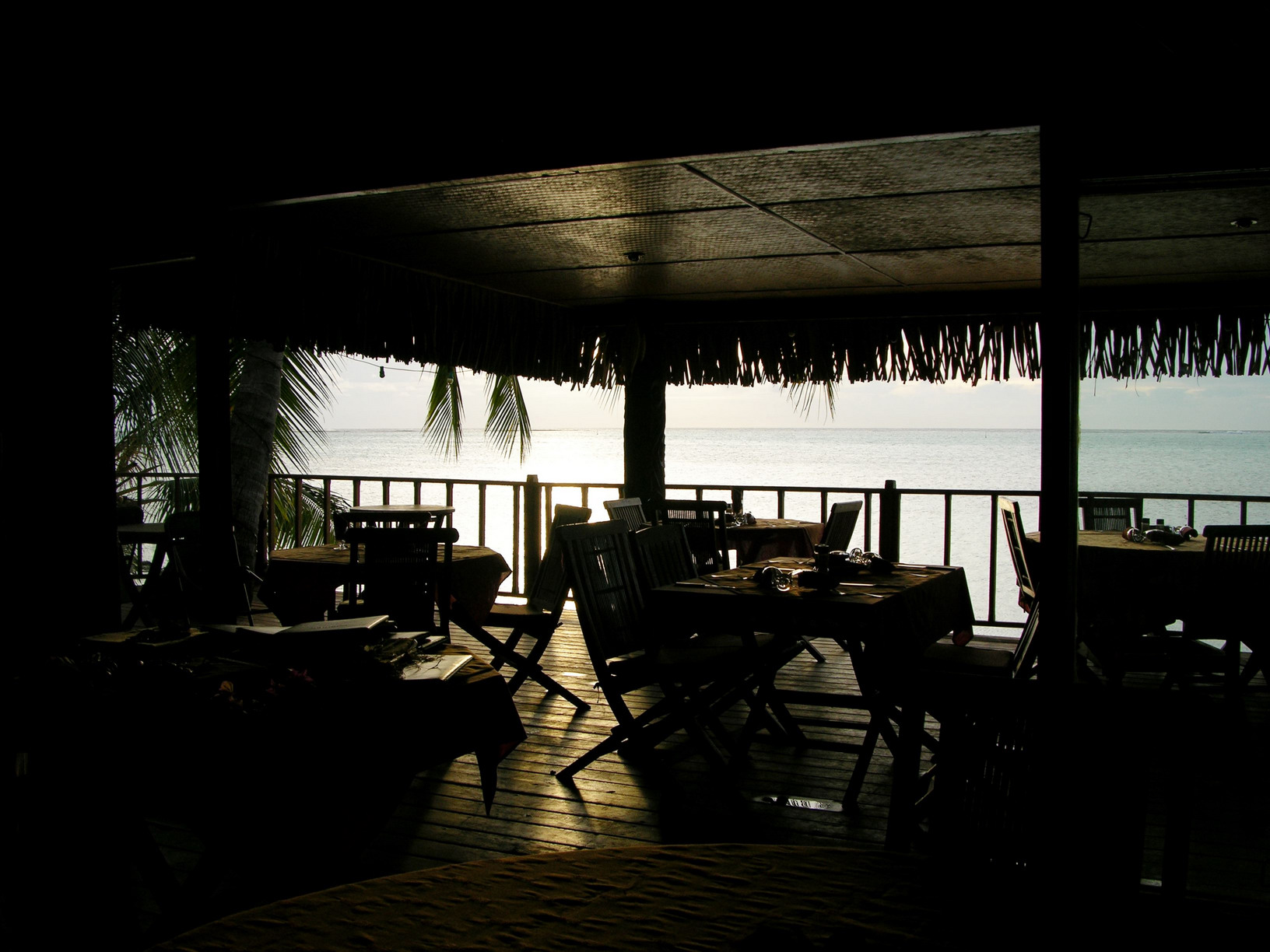
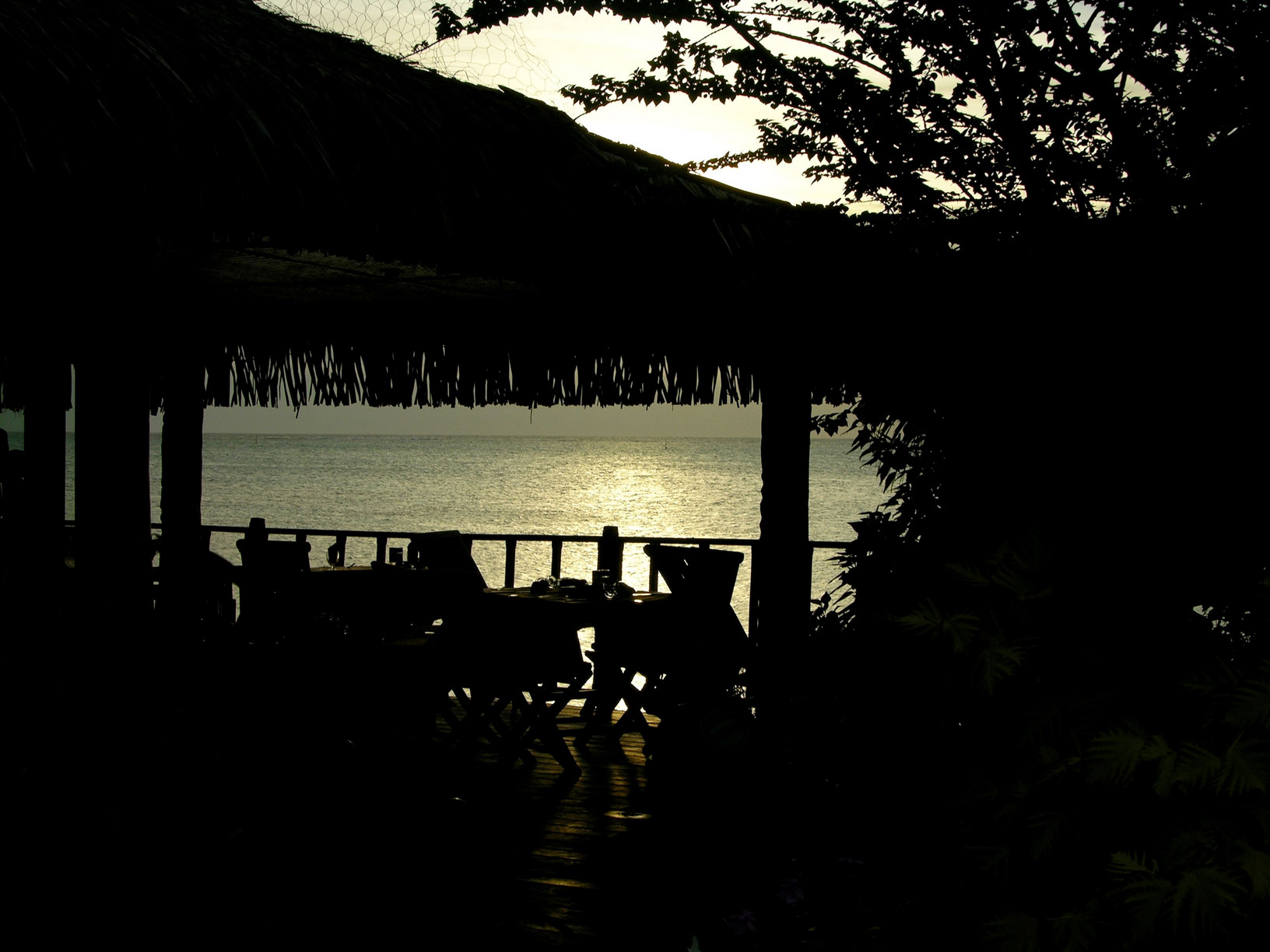
That evening we went to our hotel's restaurant and discovered they weren't expecting us. We'd been meant to tell them in advance. We had to look elsewhere, and everywhere seemed to require a reservation. Thankfully, we found a Chinese restaurant. No queue, good food, big portions, low prices and courteous service.
Next morning we rented a car. The island was large enough for a good drive, especially given that the day had turned out wet. We got soaked just running from the Europcar office to the car park. Downpours here were heavy and long. We had to wait it out at the cultural village called Tiki Village. There you could have a meal while watching the local performers.
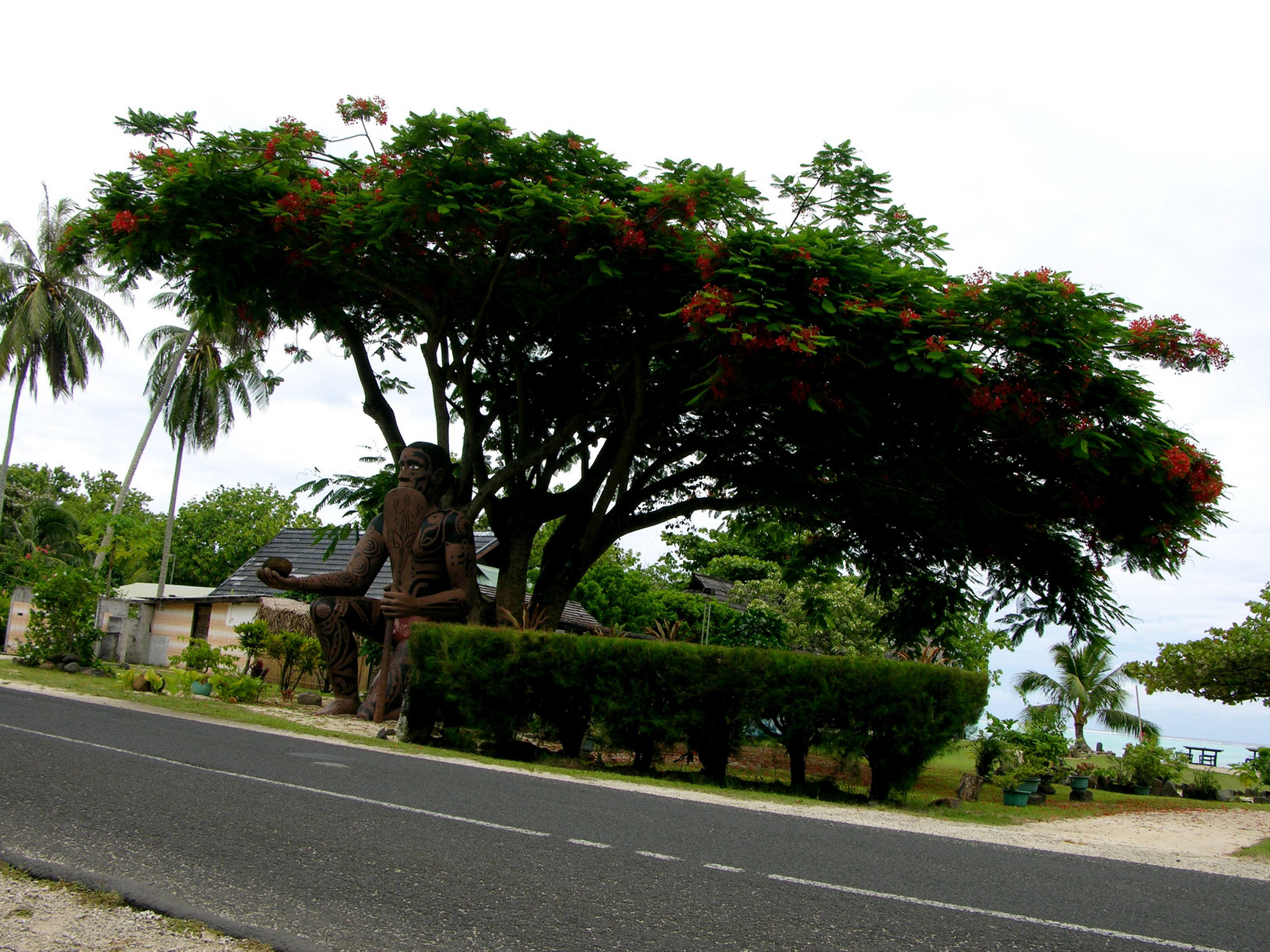
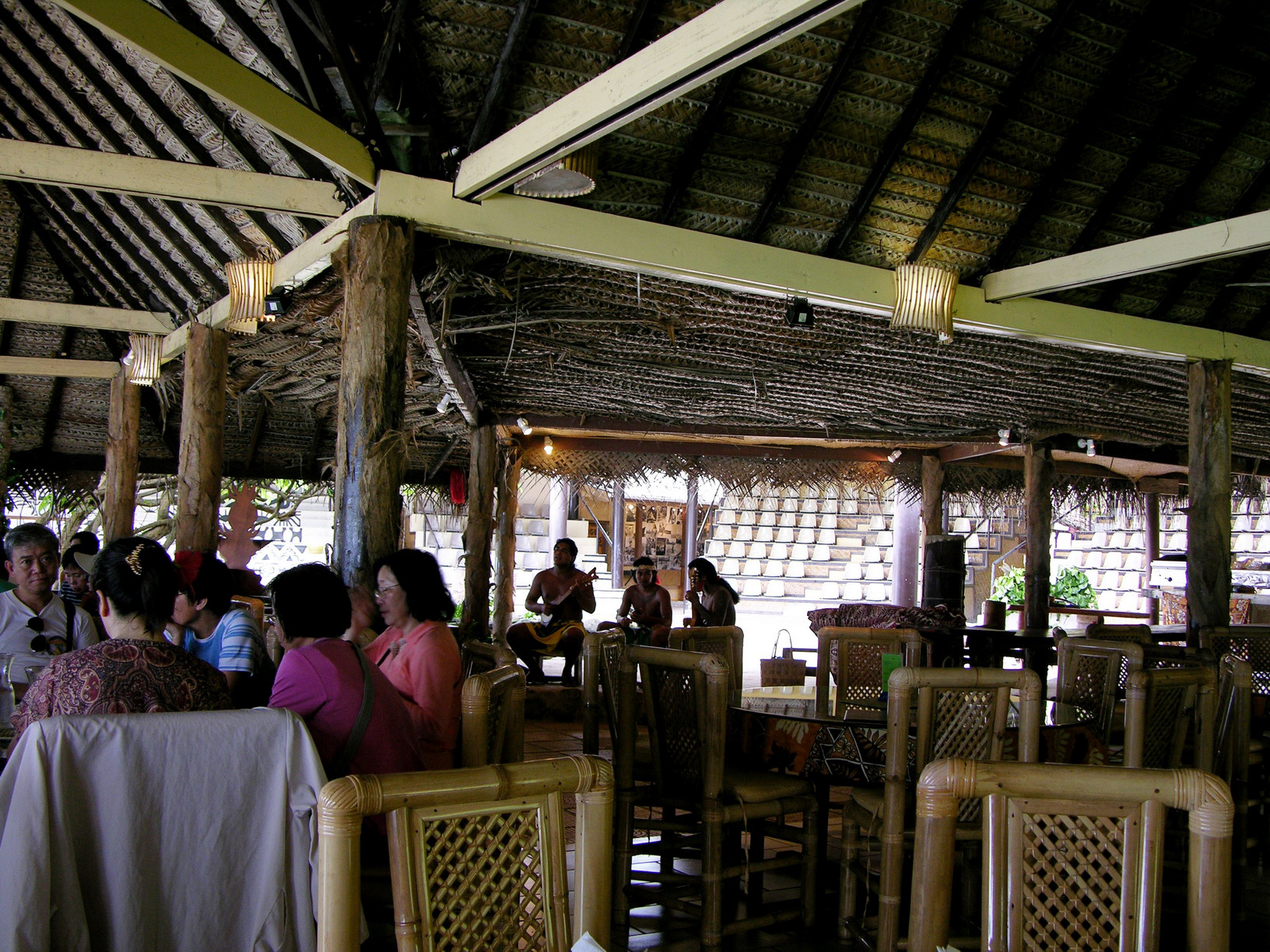
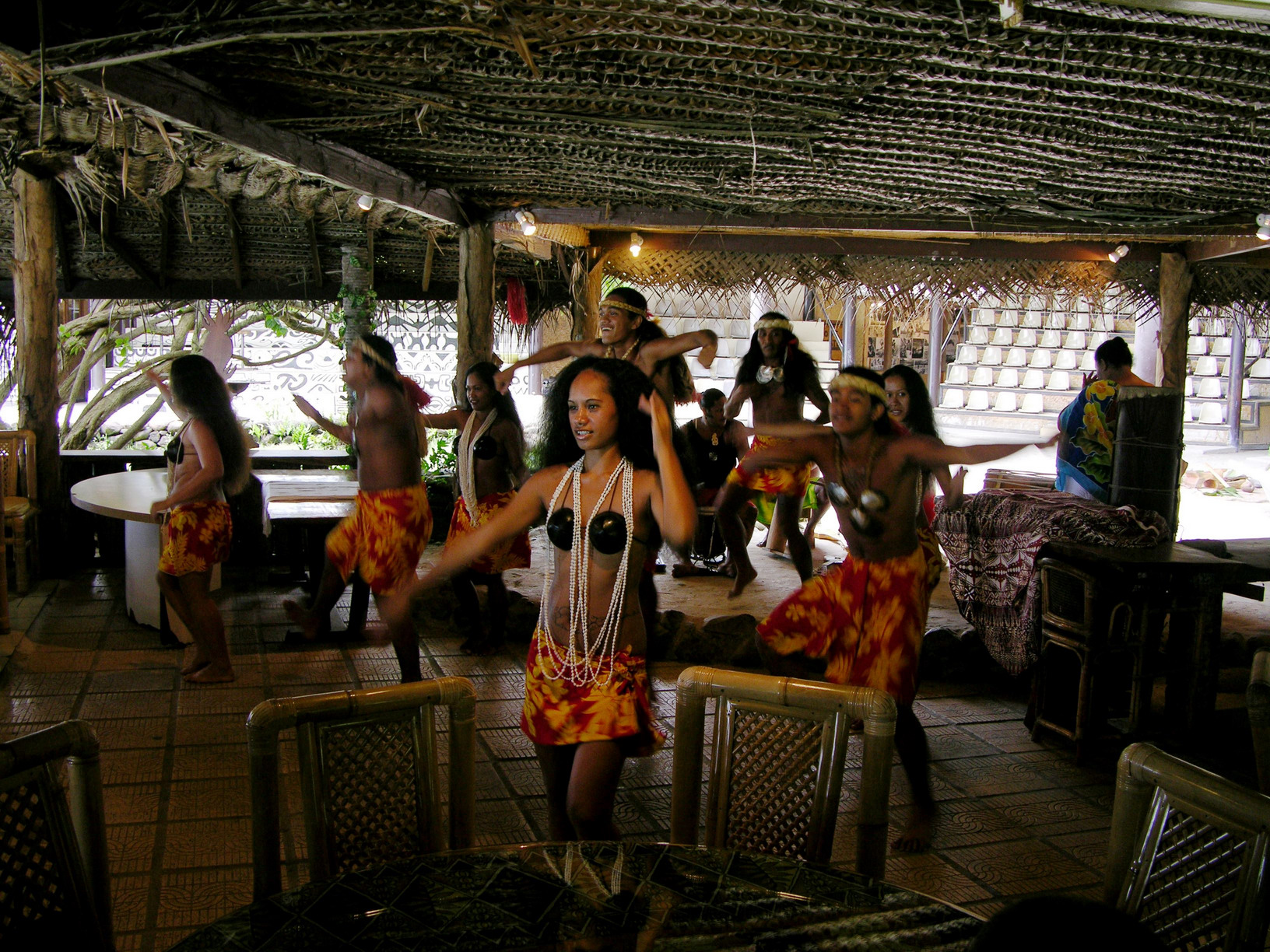
The Tahitian women danced beautifully. Tanya especially liked the dance showing all the ways to wear a pareo. The announcer tantalisingly explained that tradition called for no swimsuit underneath a pareo and then pointed out that this was a family show. Come back at night, pay more, and Miss Moorea would dance for you properly. What I didn't like was the way the dancers picked on peaceful diners and pulled them up to dance or say something in the local language. I did like one expression. To my ear the Polynesian for “very beautiful girl” sounded like the Russian for “salt the banana”. There was something deep and philosophical in that.
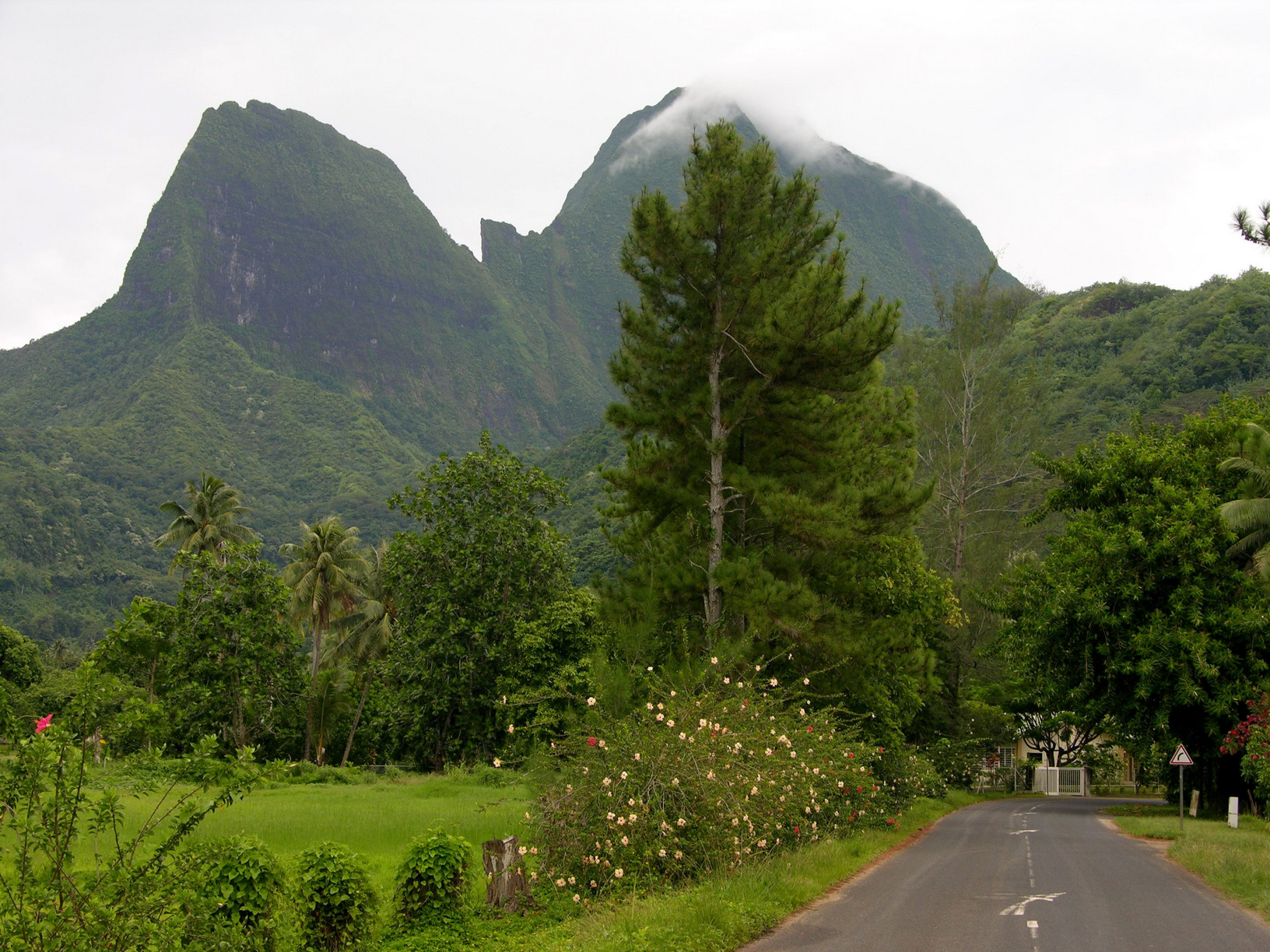
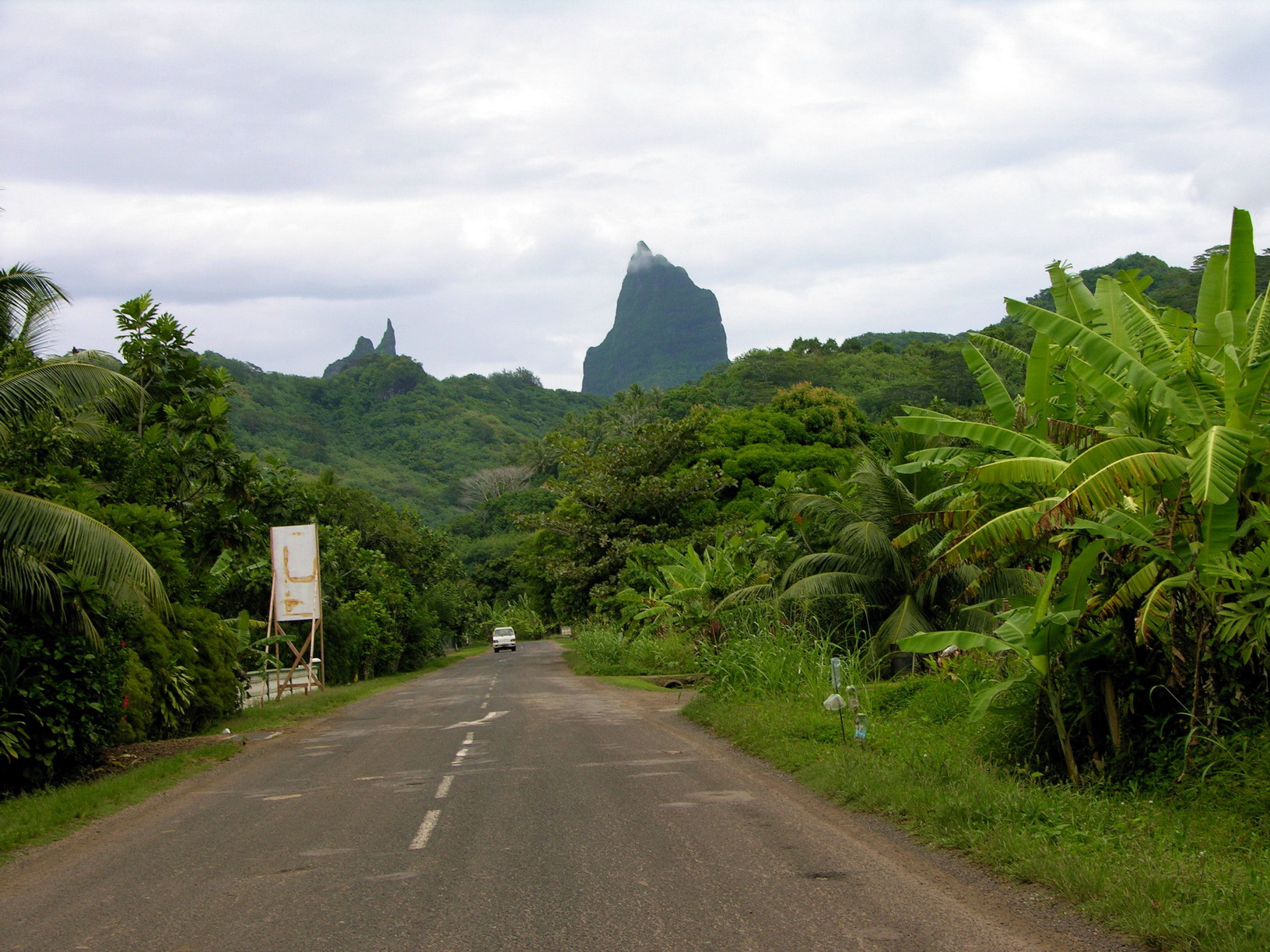
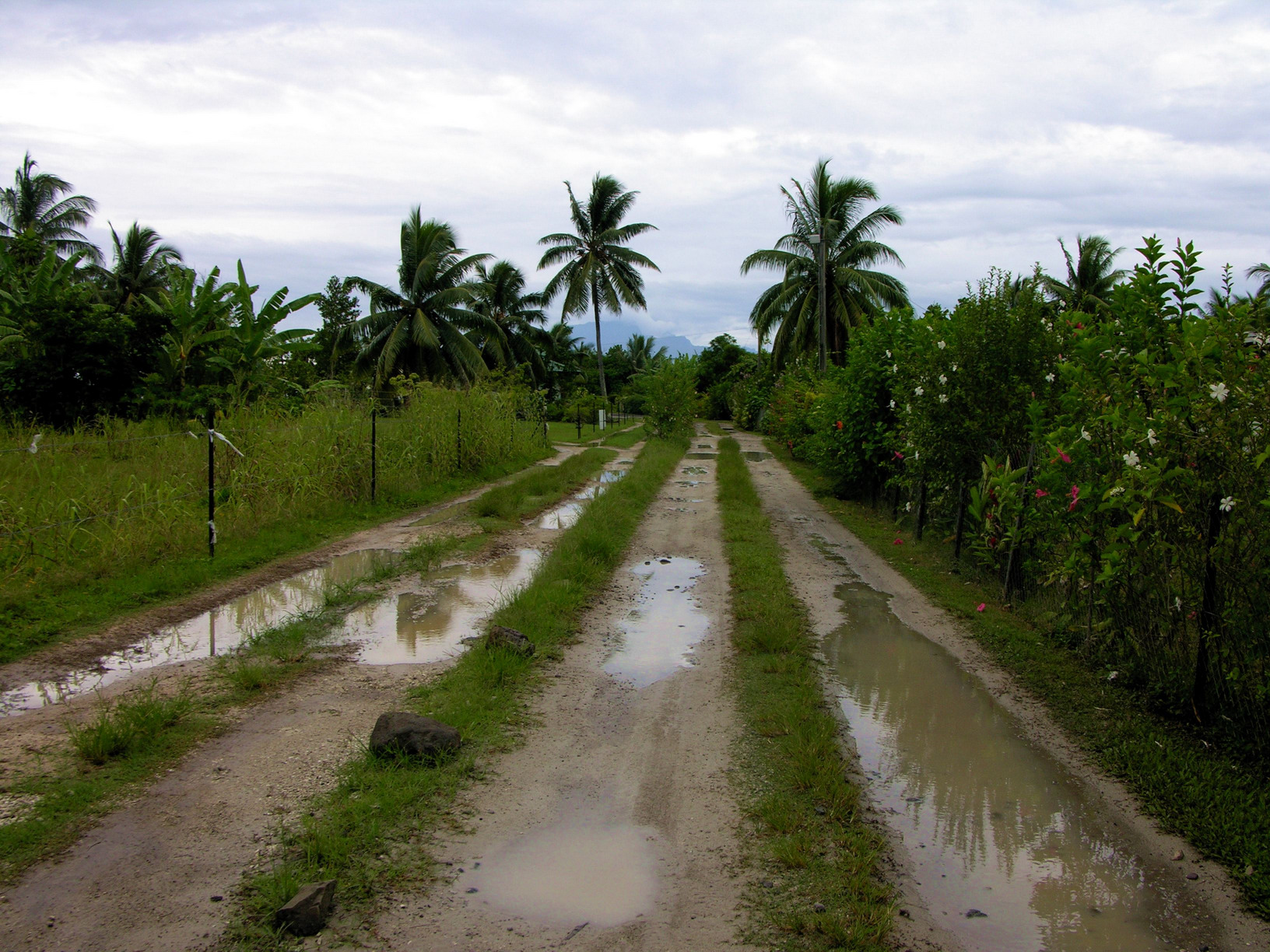
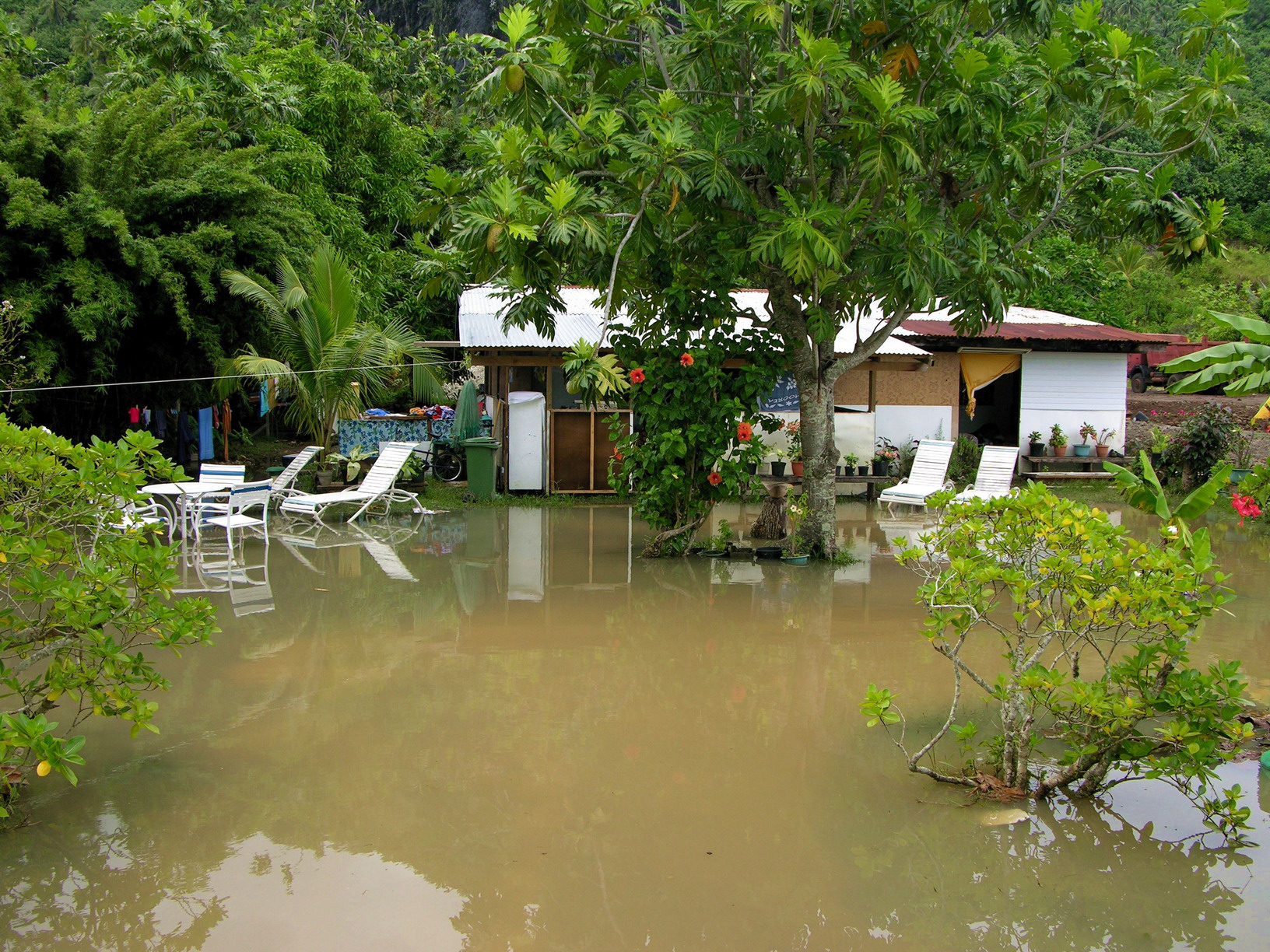
As soon as the rain passed, you could see the mountains come alive with water. Here were great torrents pouring down in one waterfall after another. A lot of houses and their front lawns were under water. Now I understood the warning in Lonely Planet to make sure a tent site was dry and couldn't flood. In places the water was knee-deep.
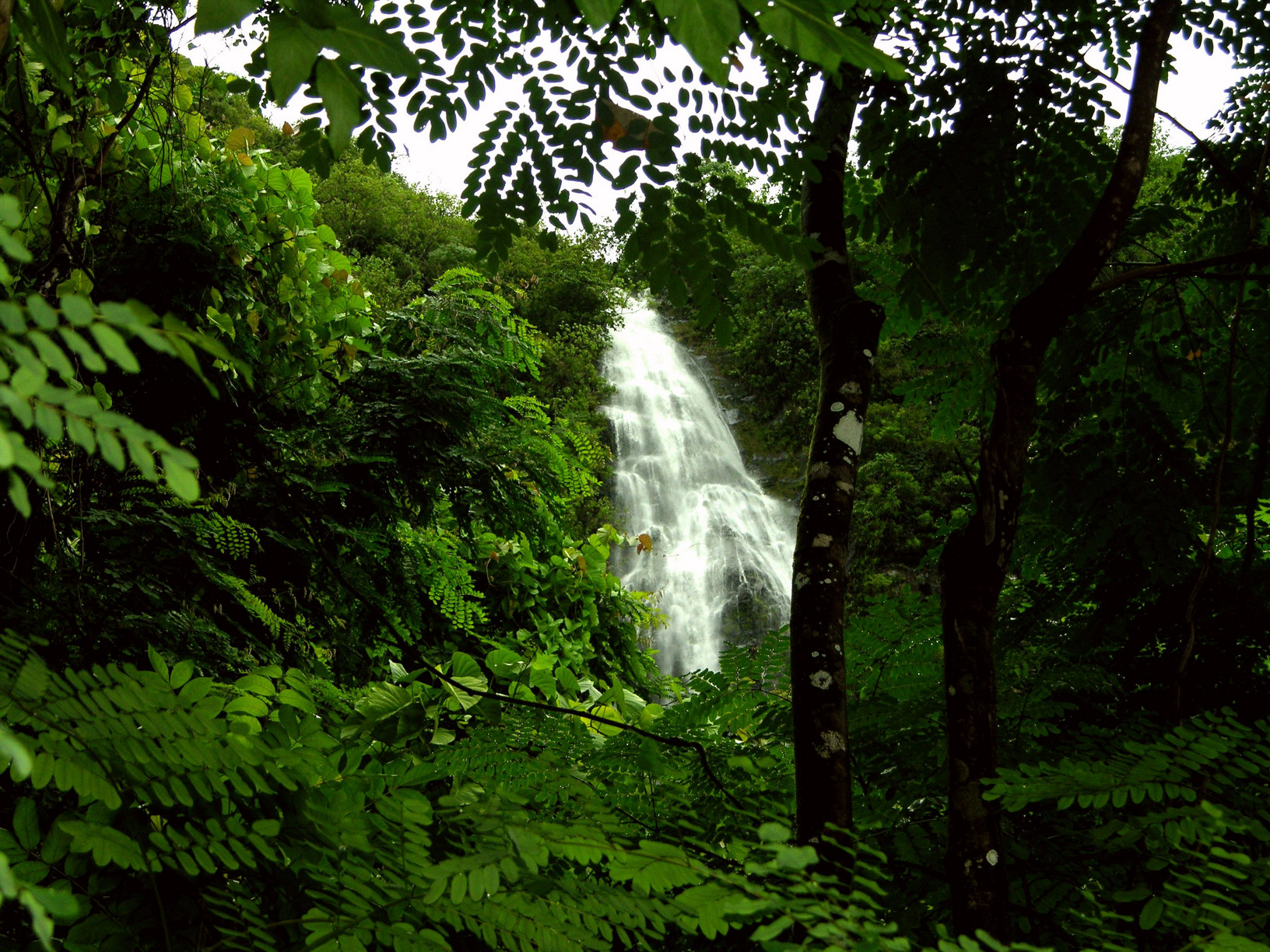
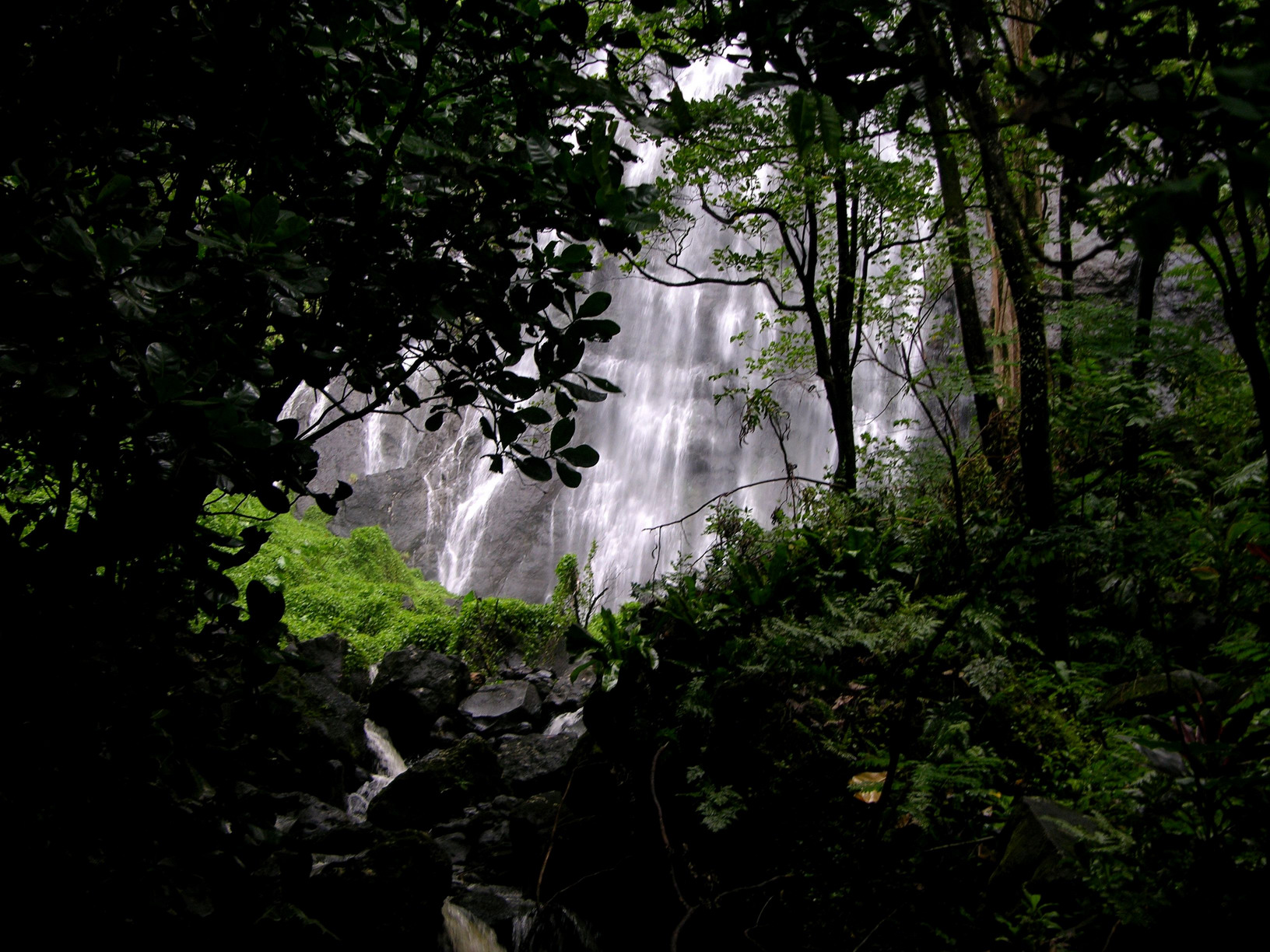
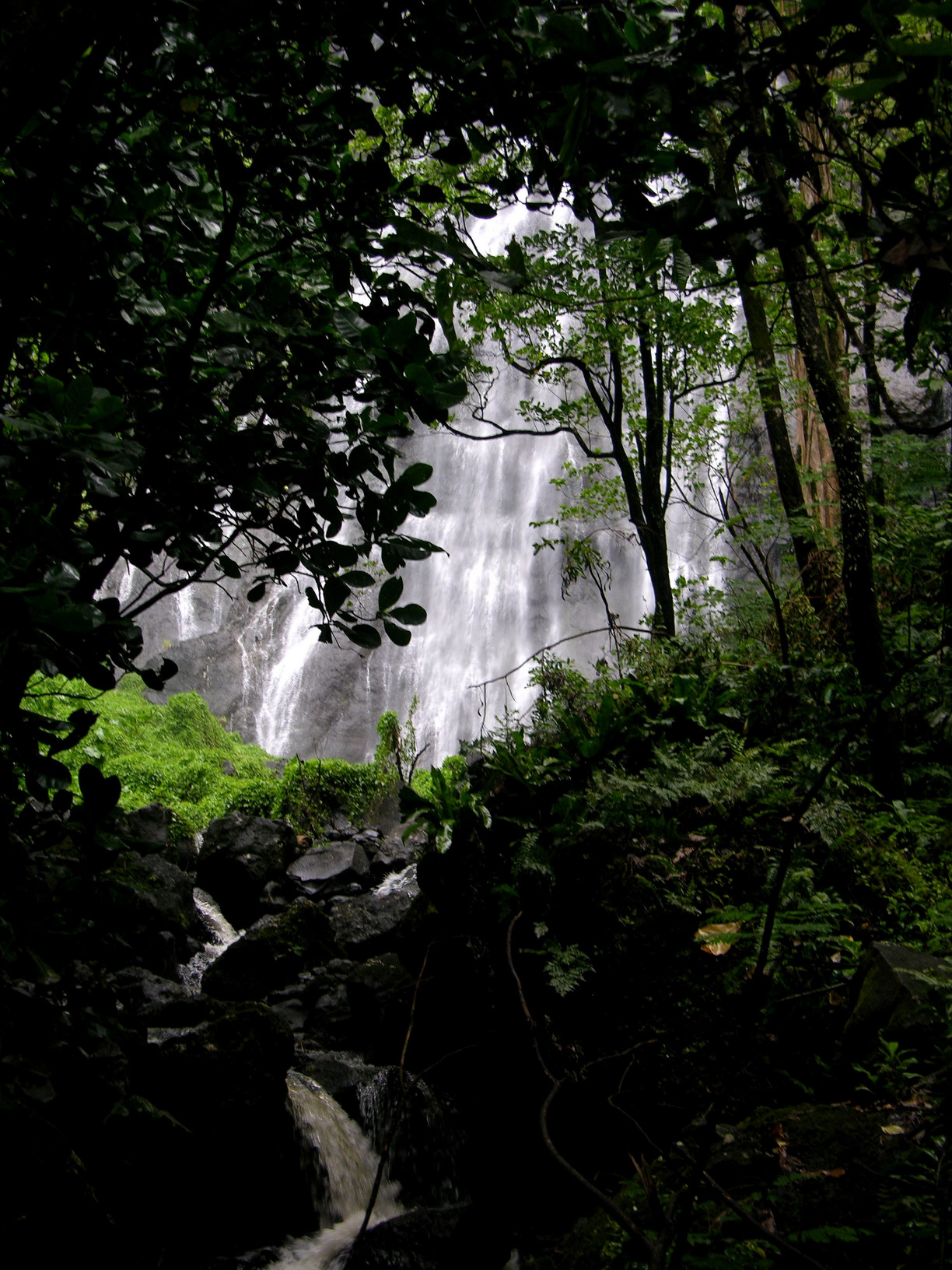
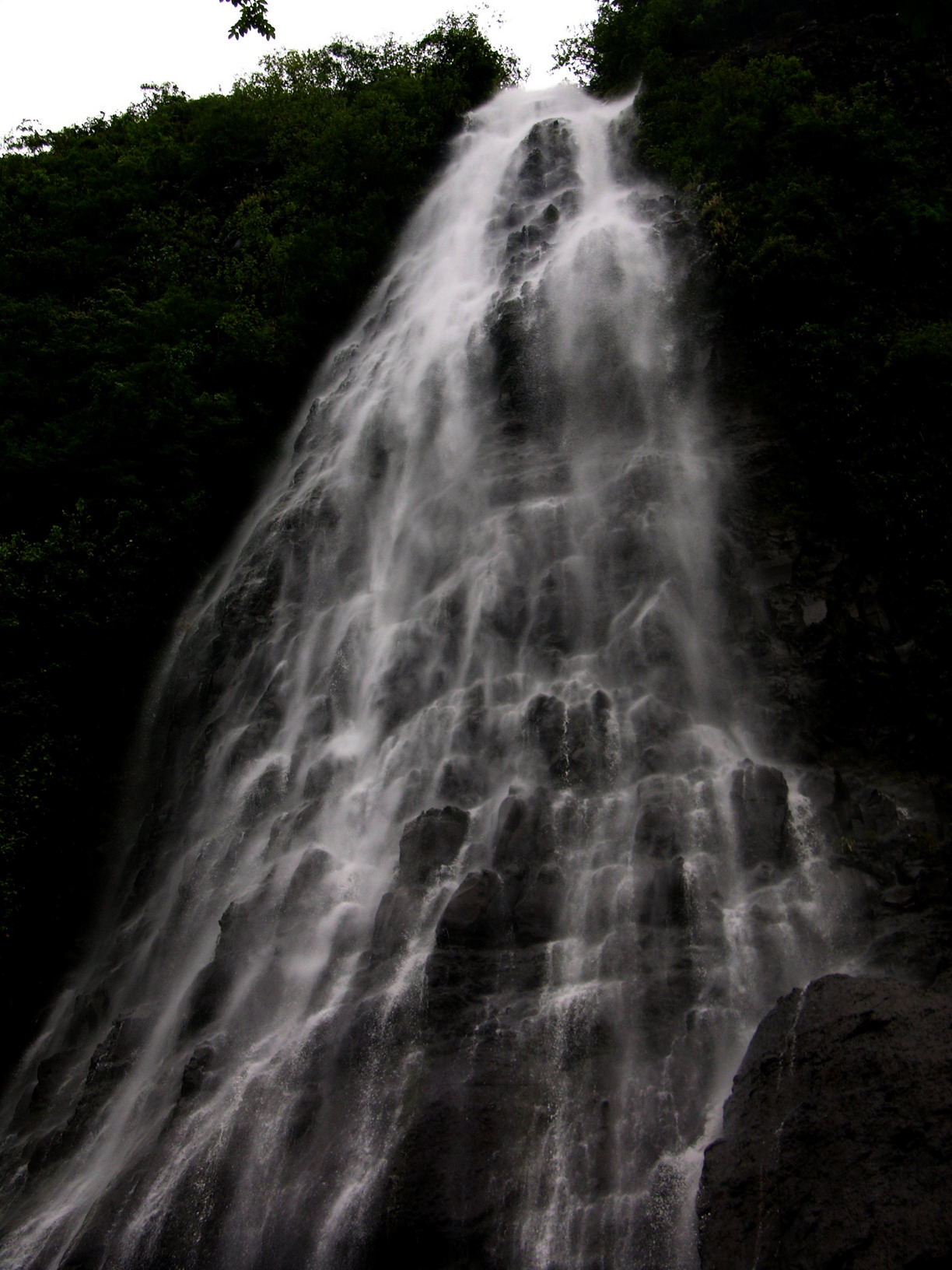
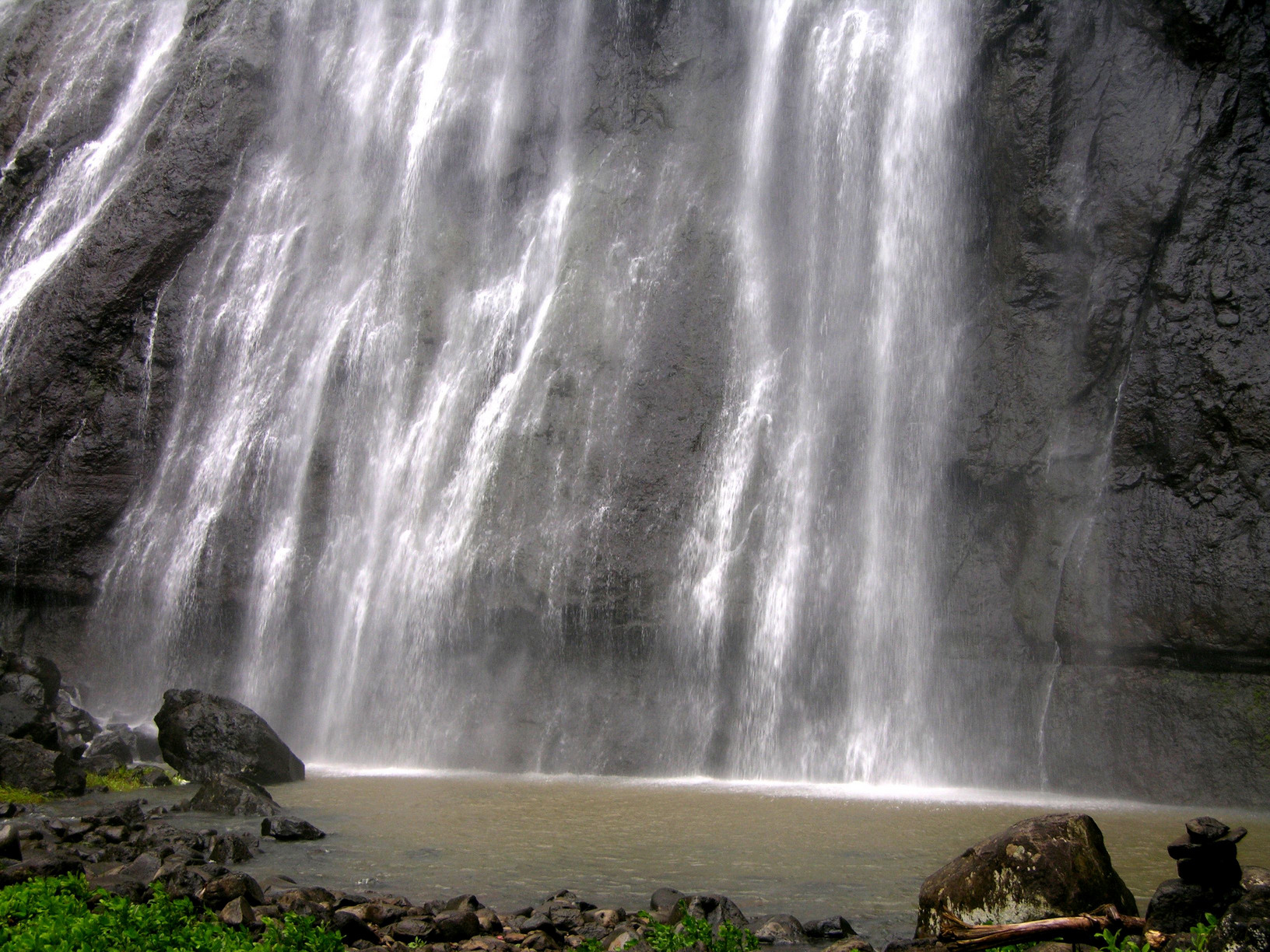
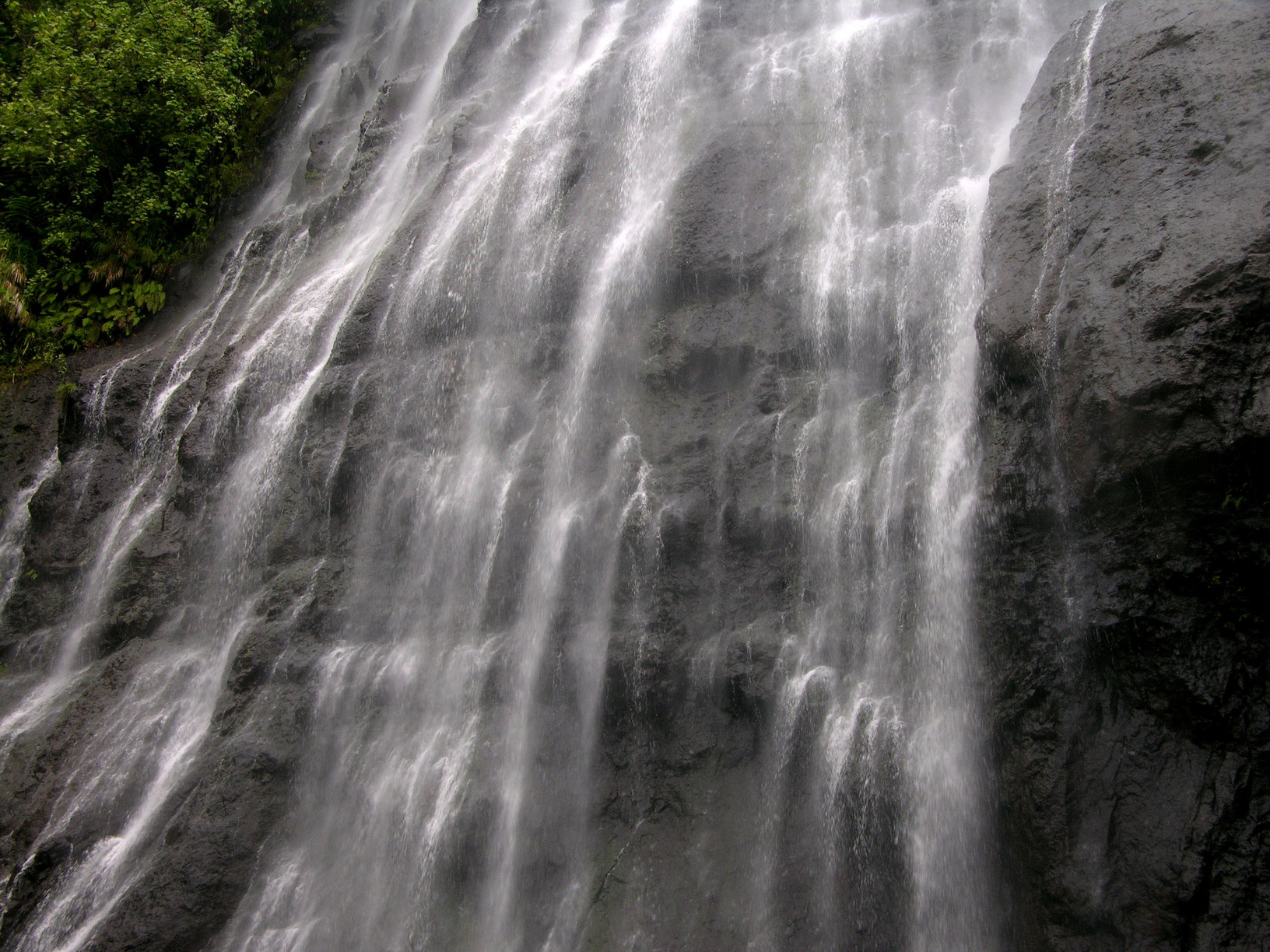
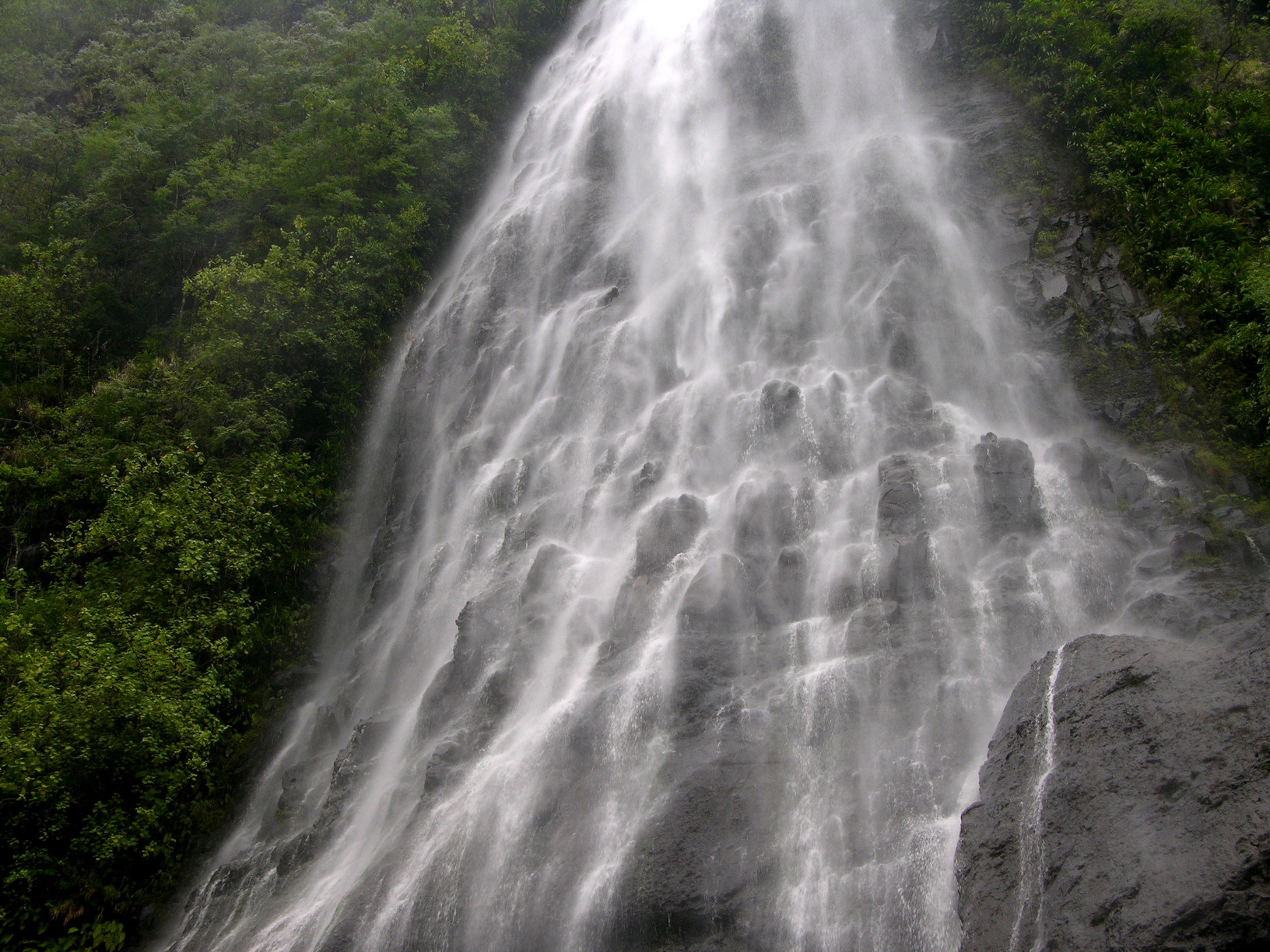
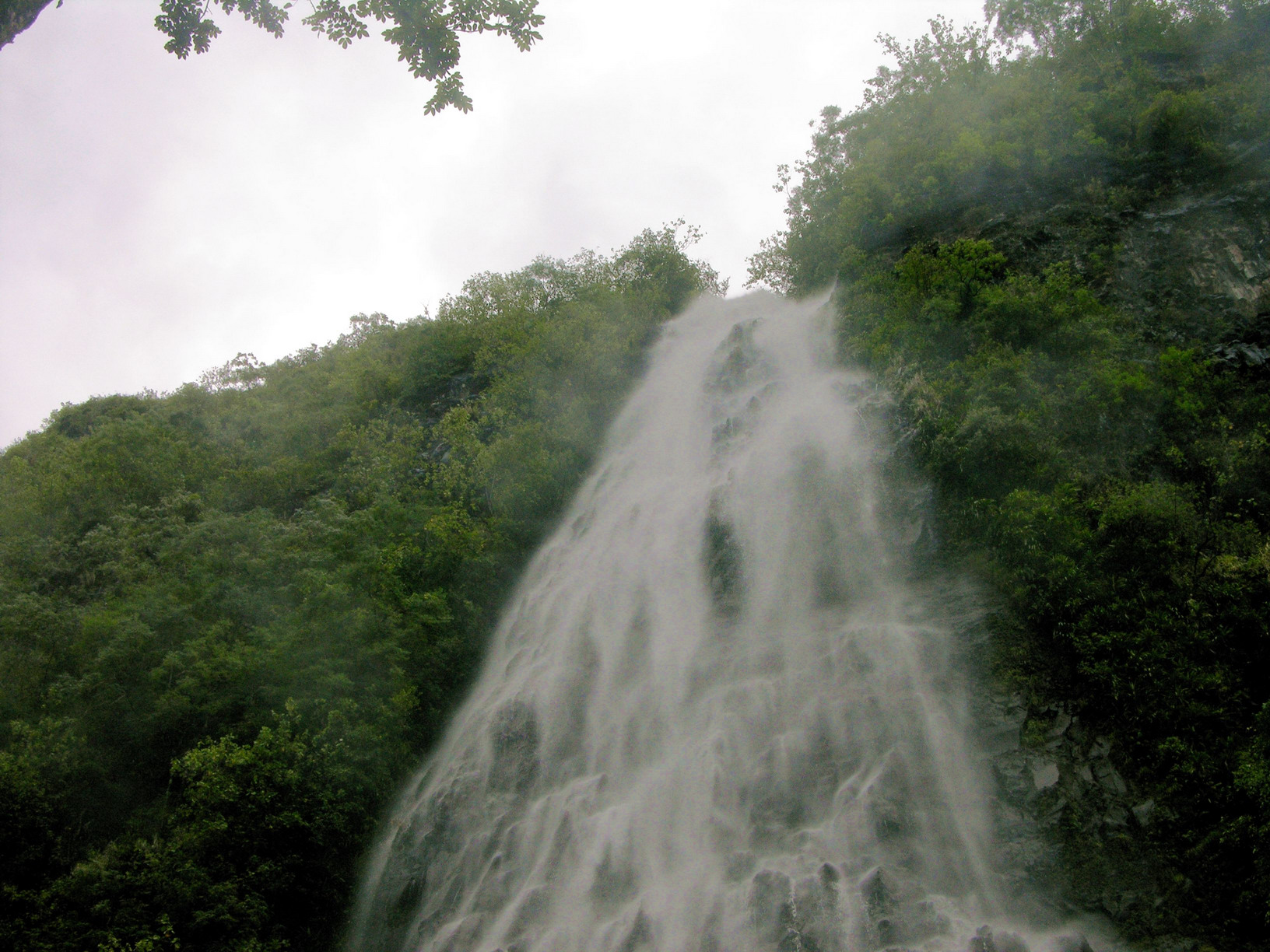
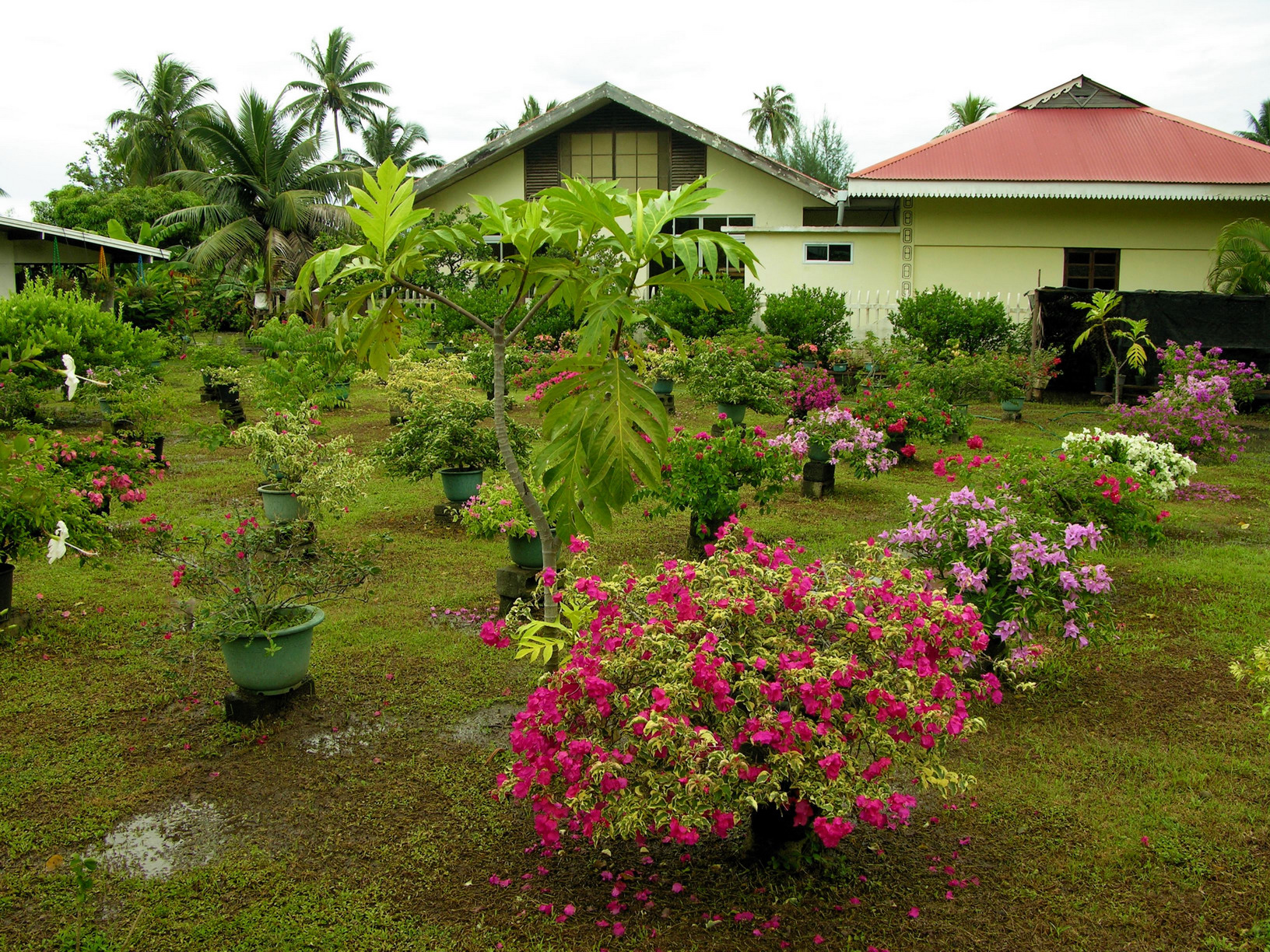
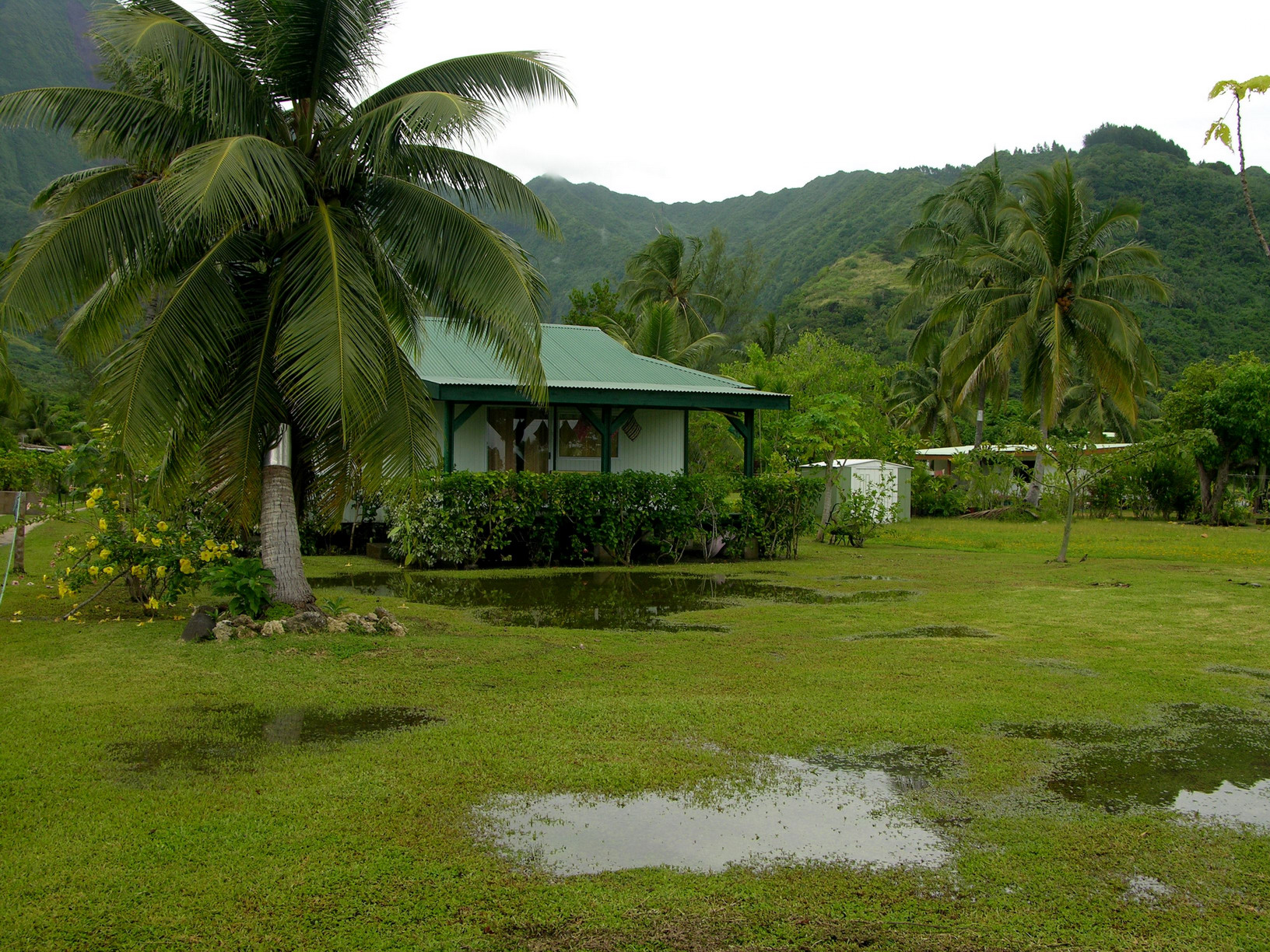
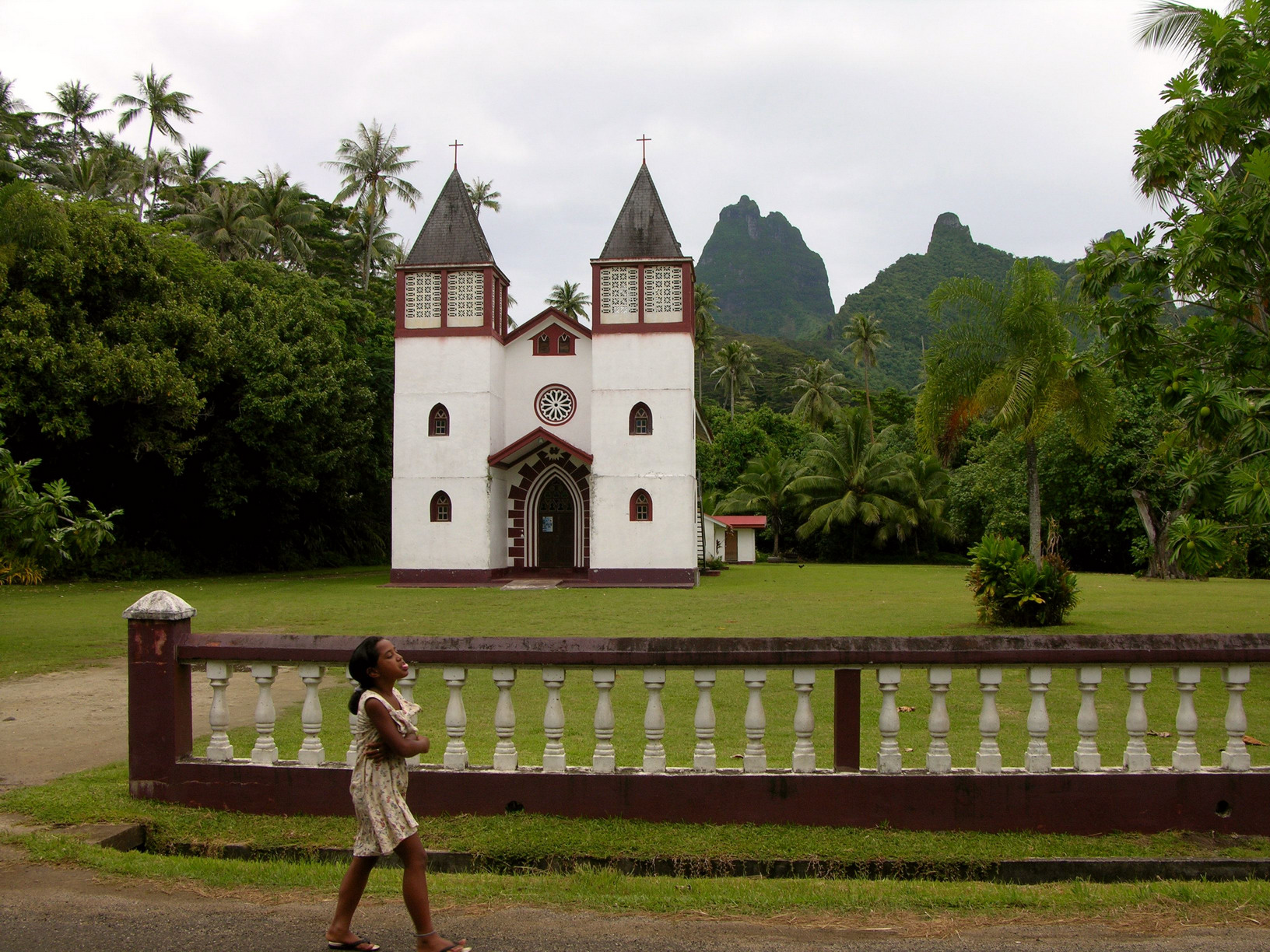
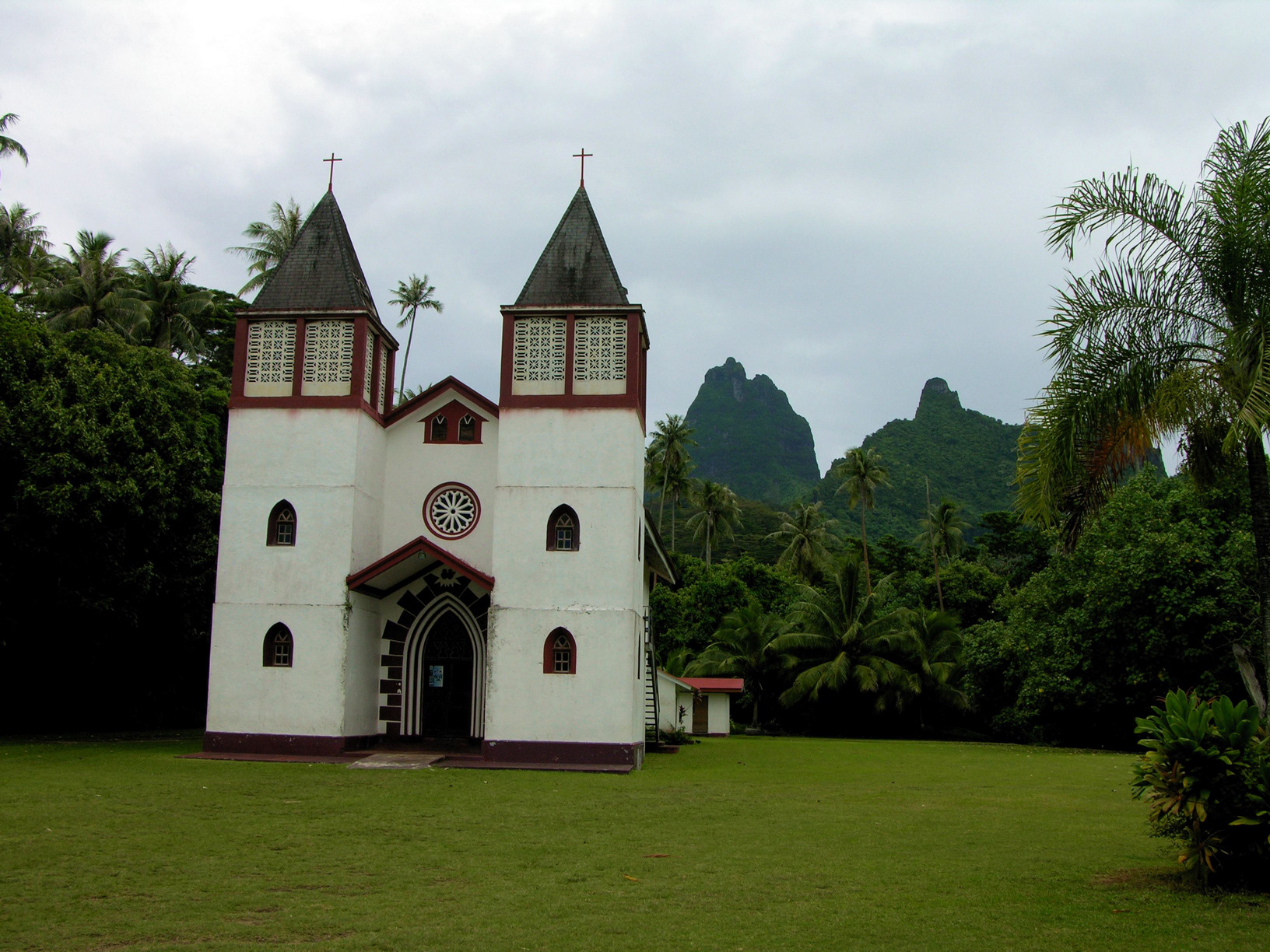
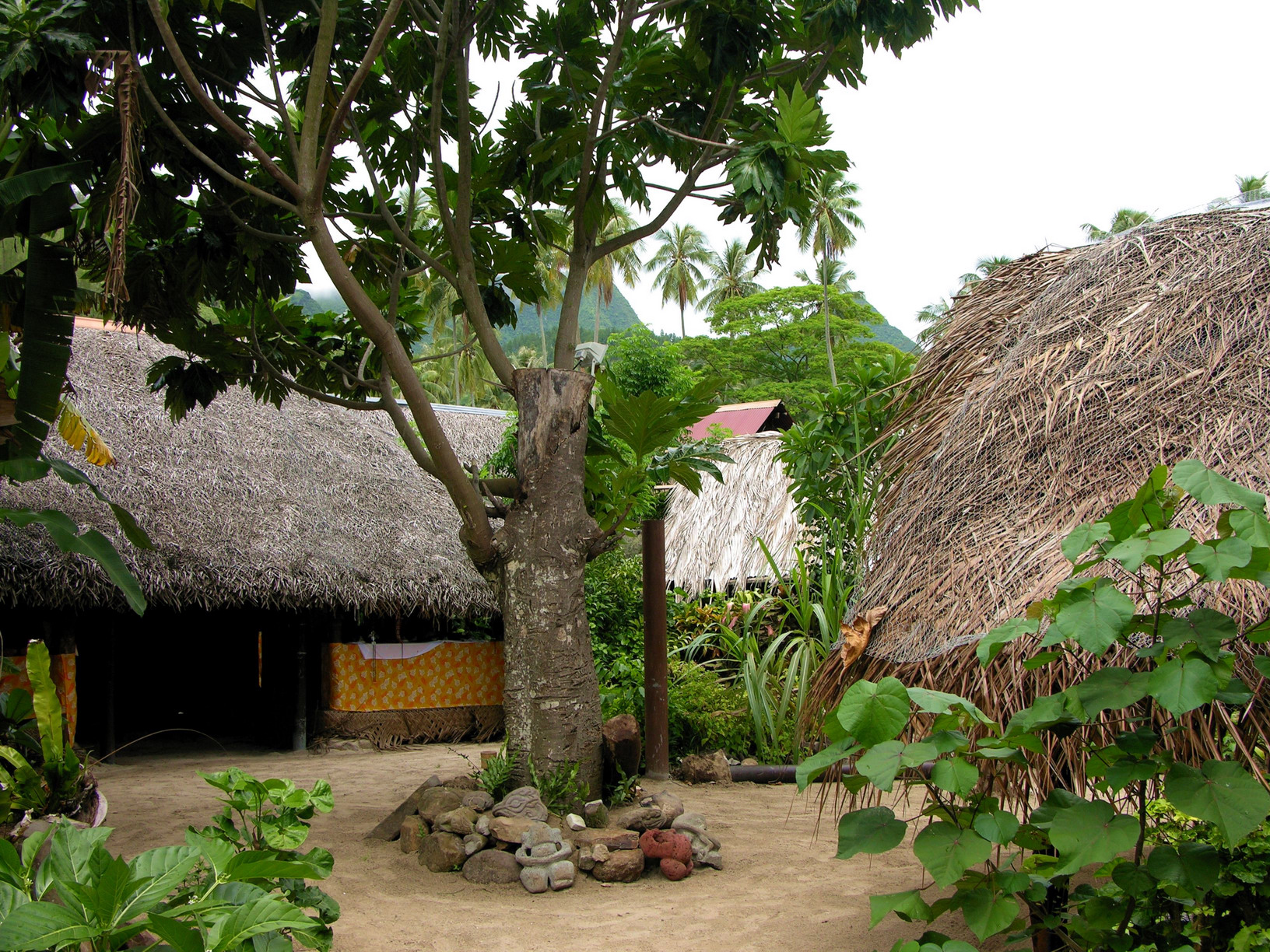
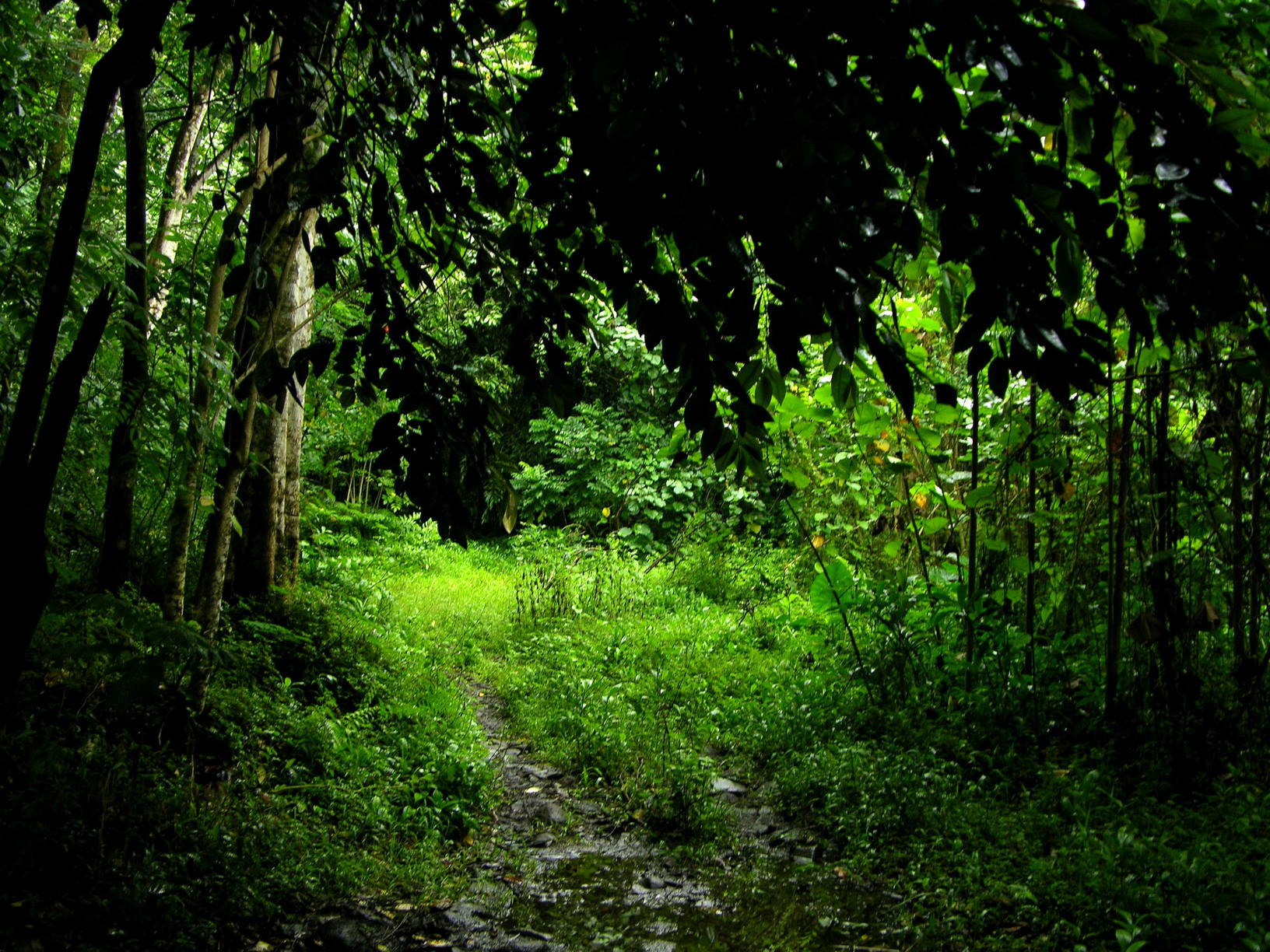
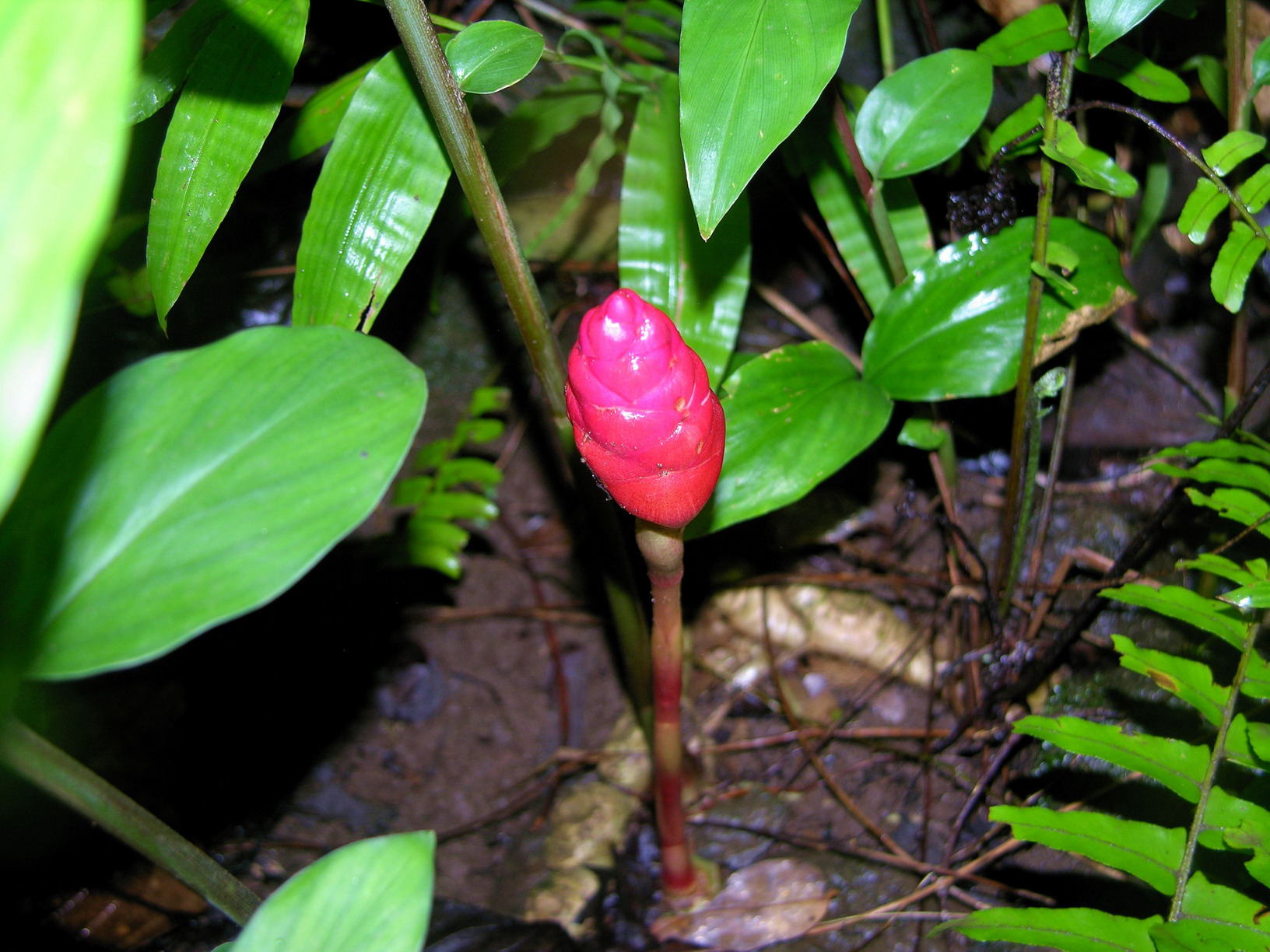
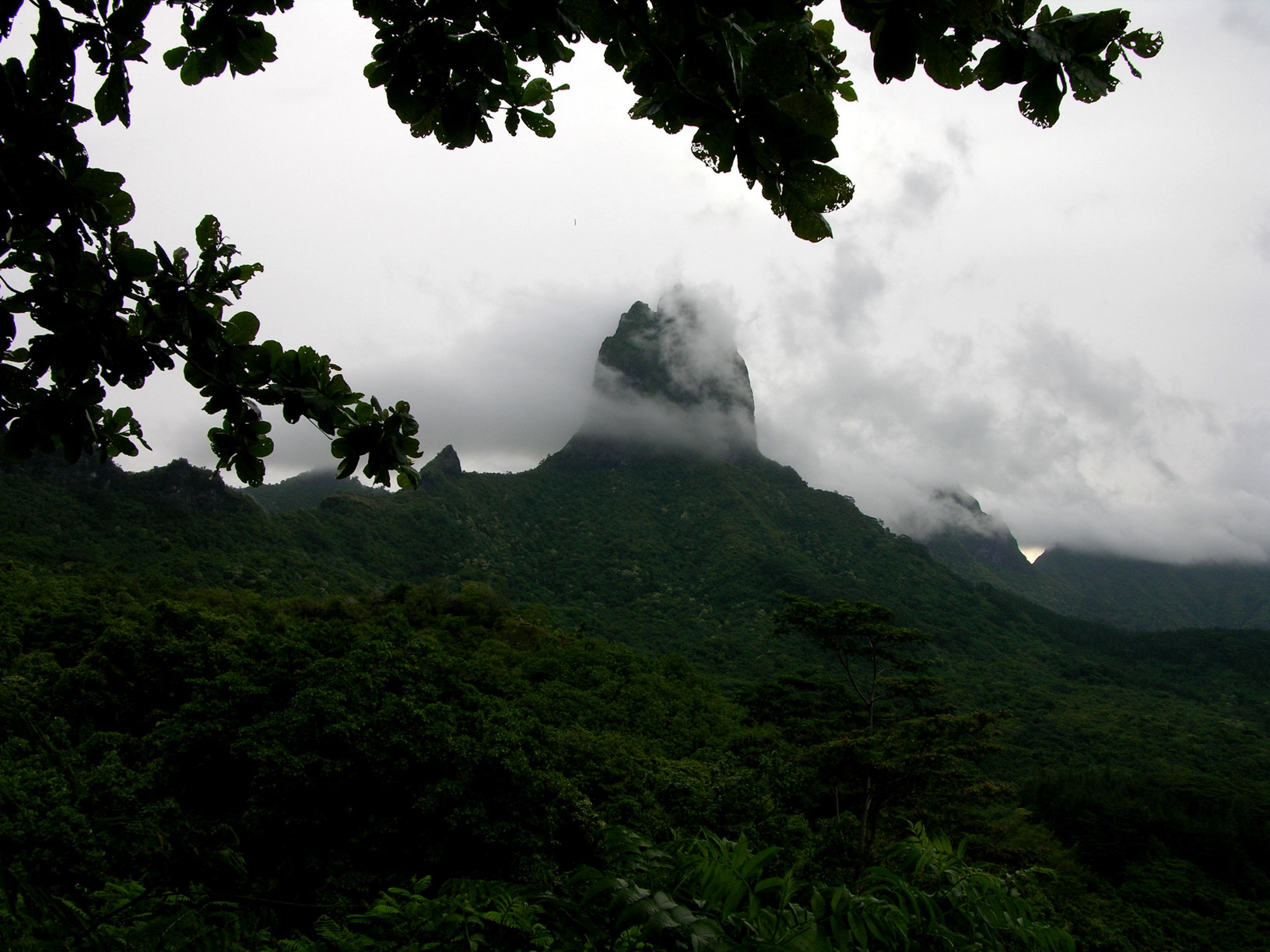
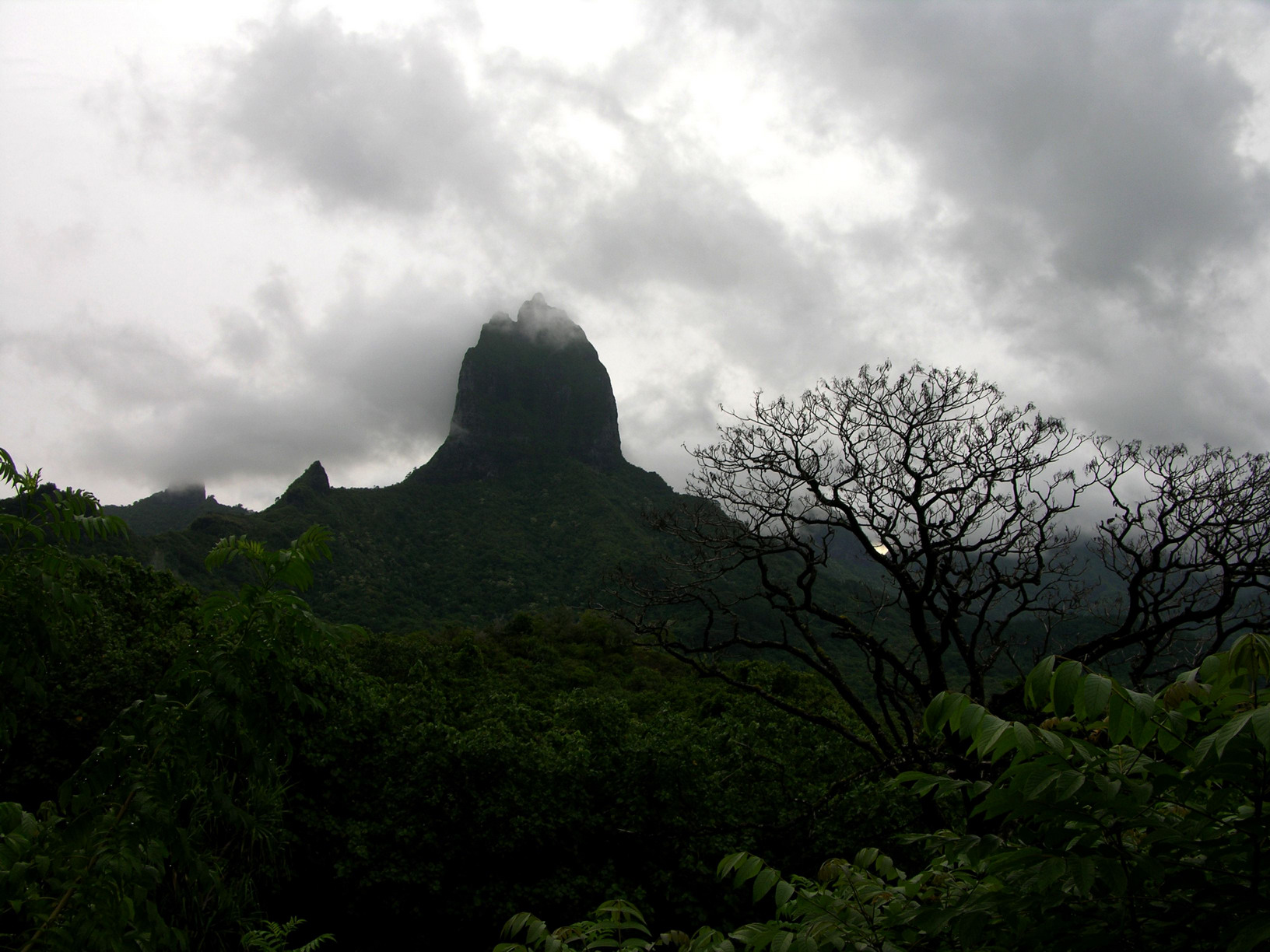
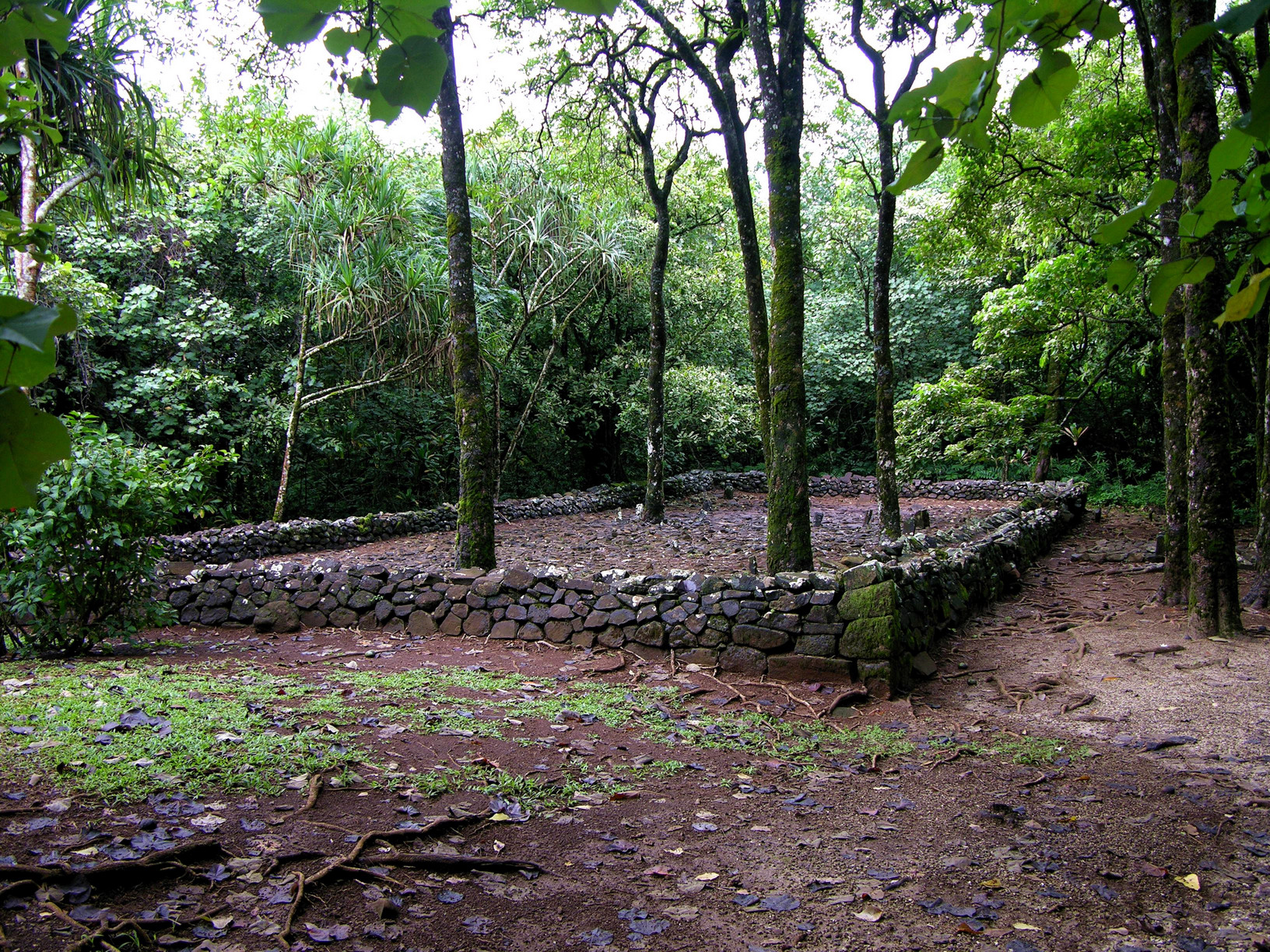
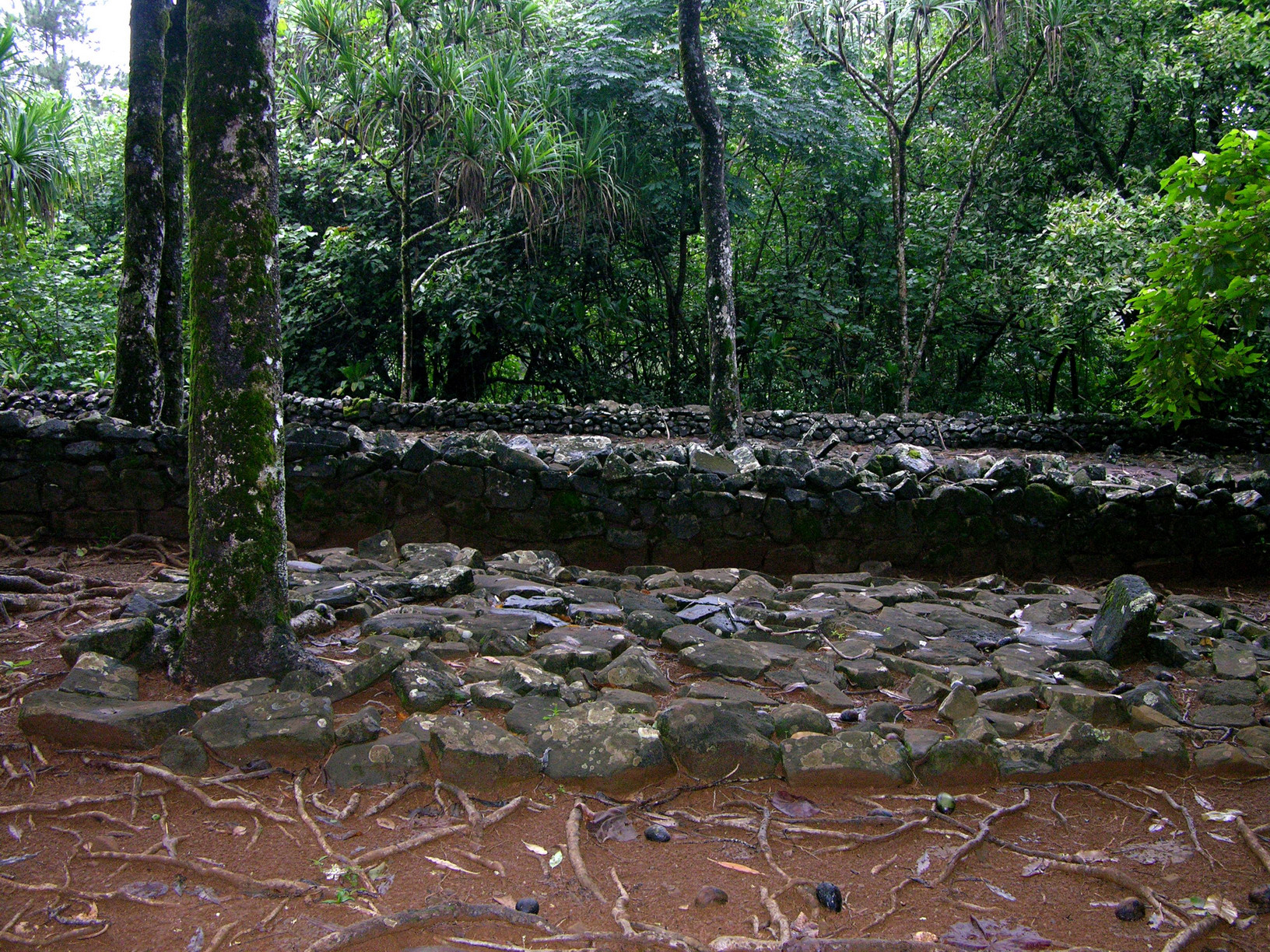
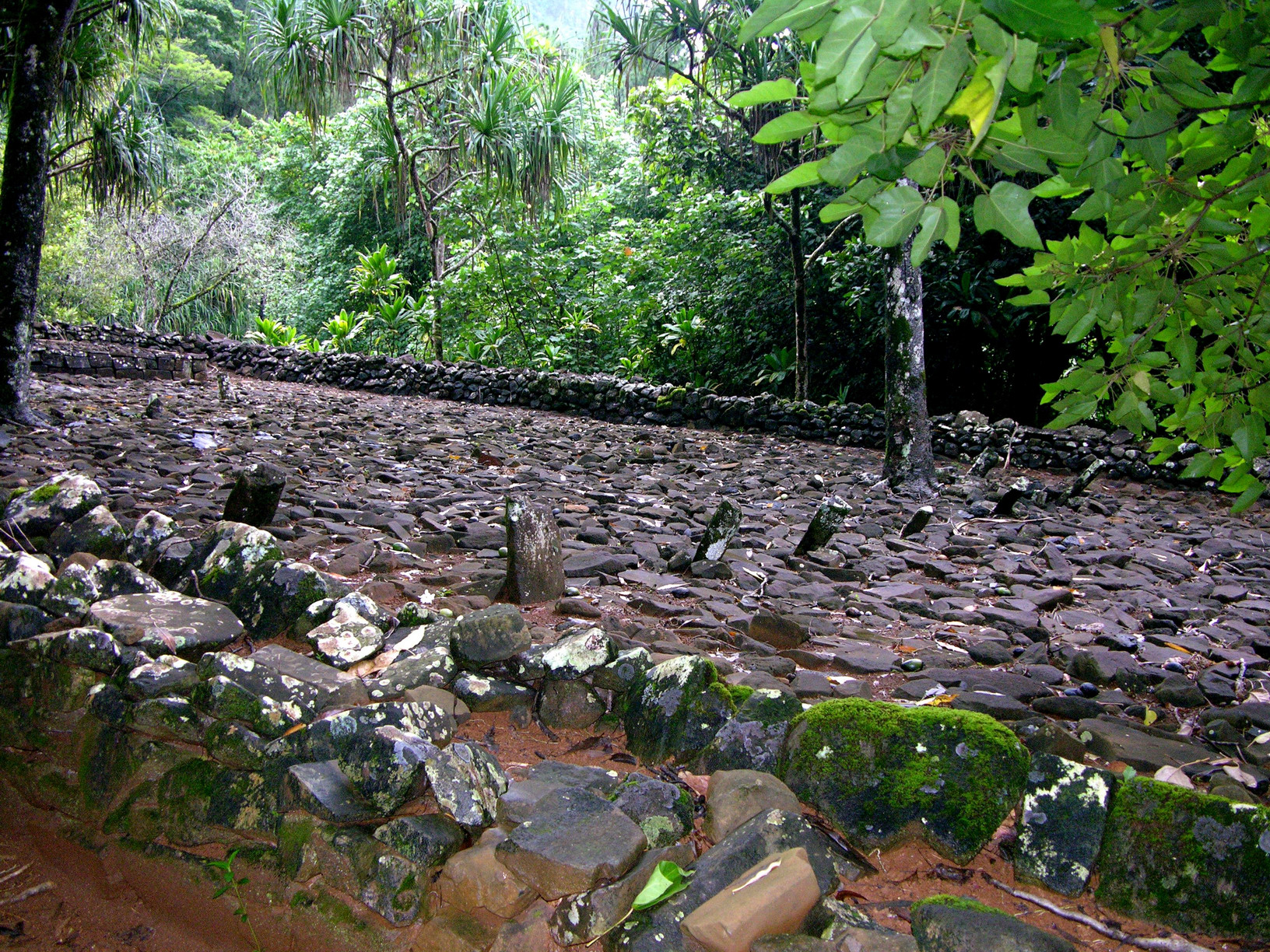
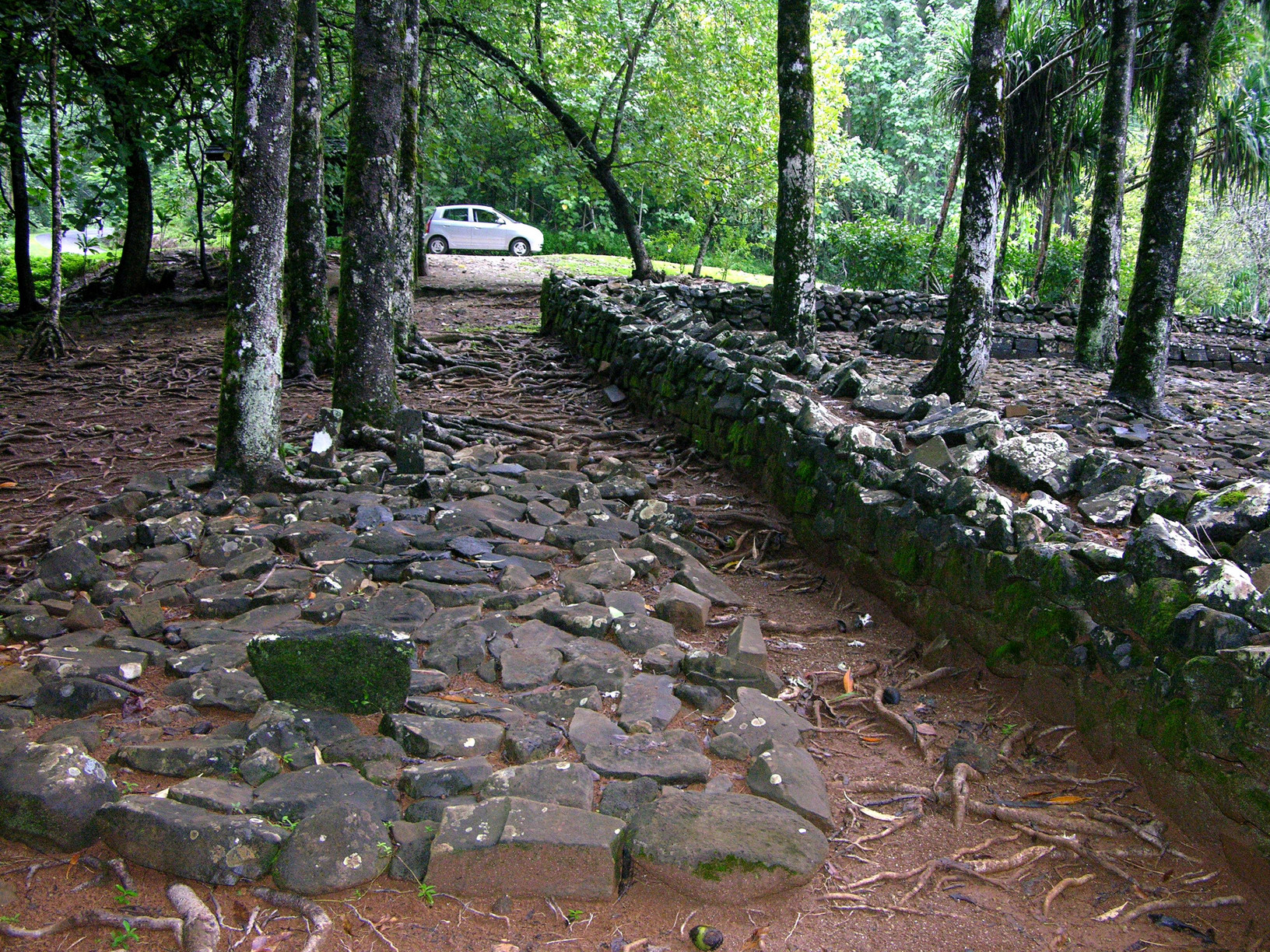
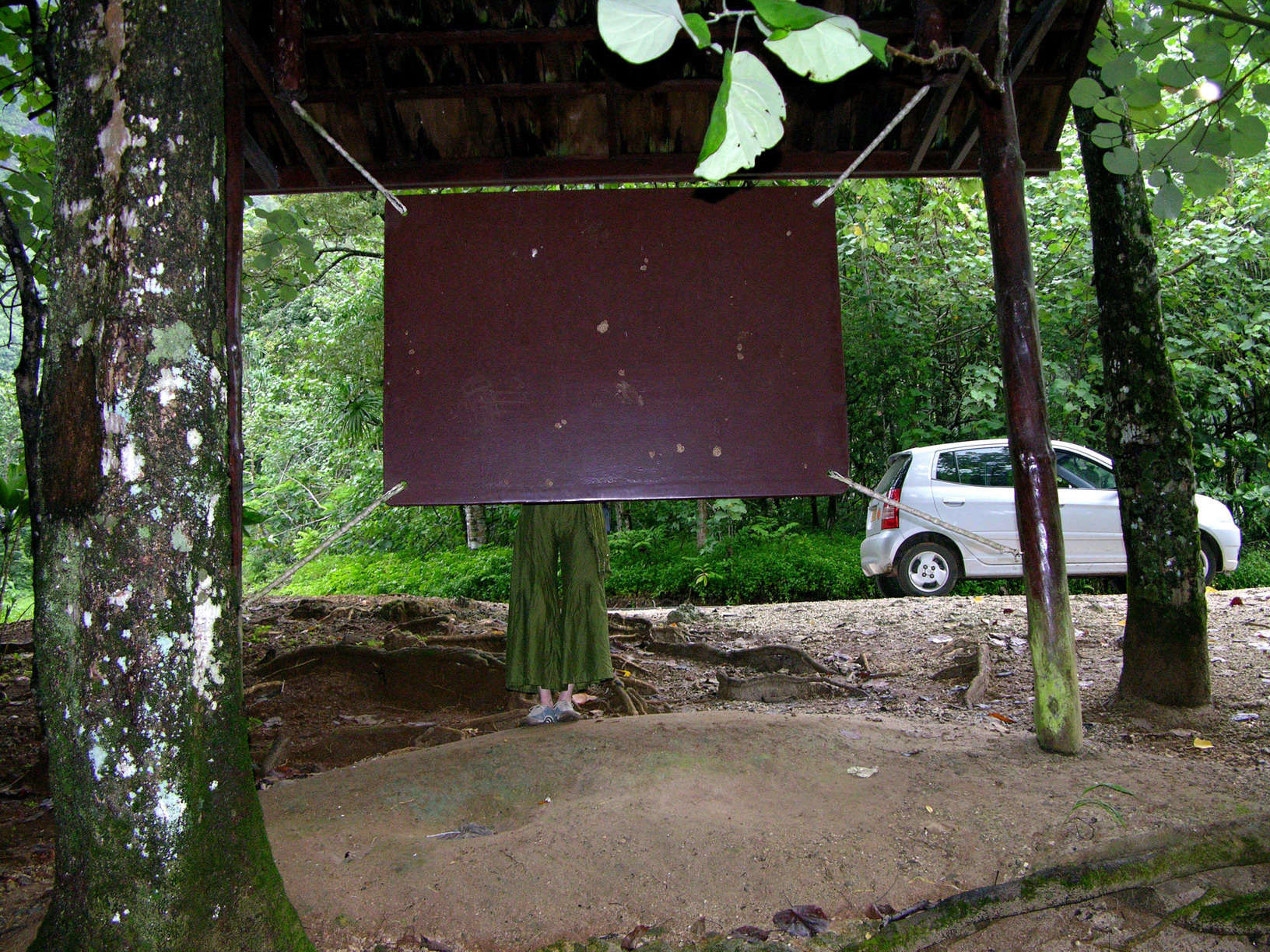
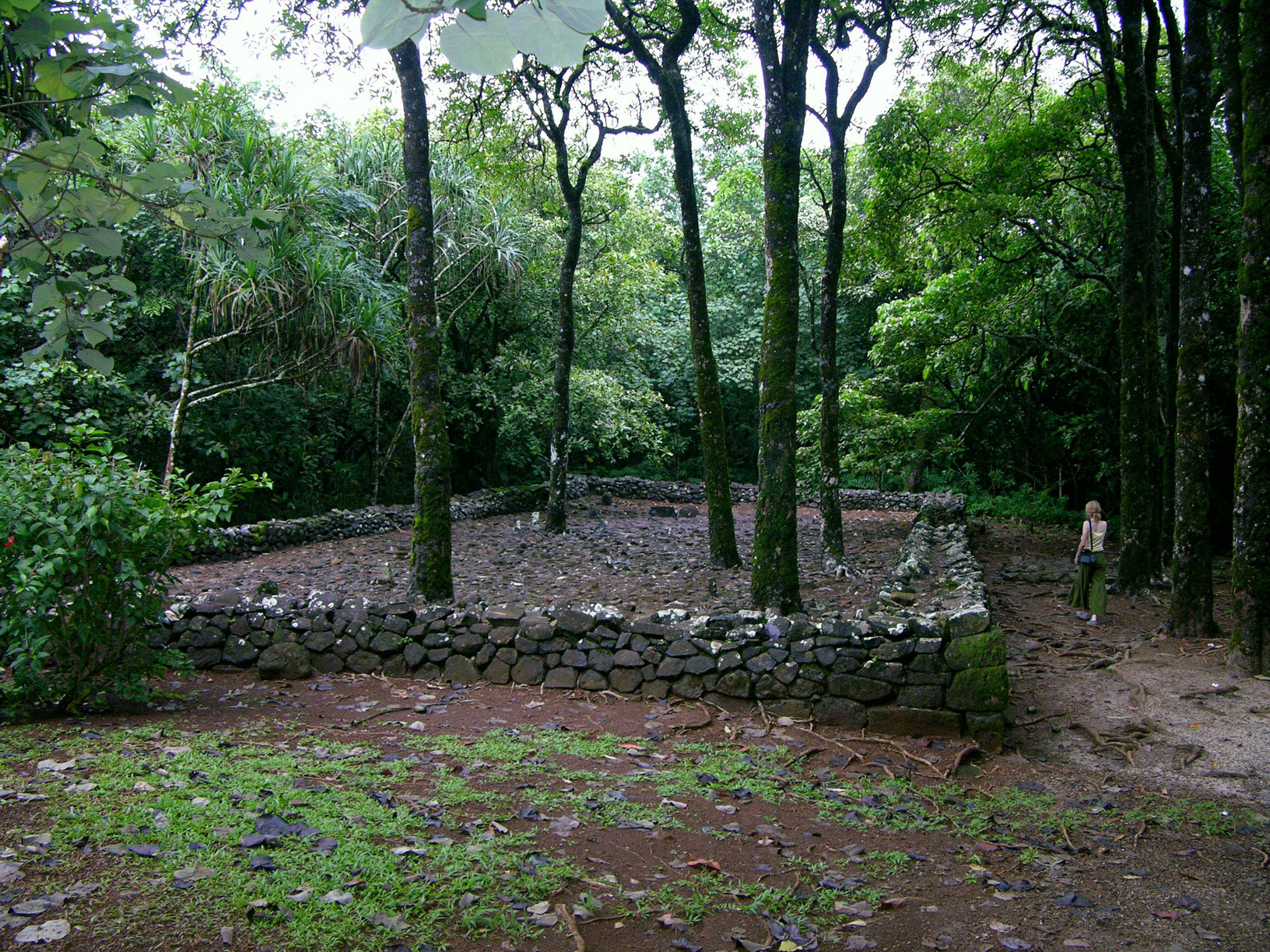
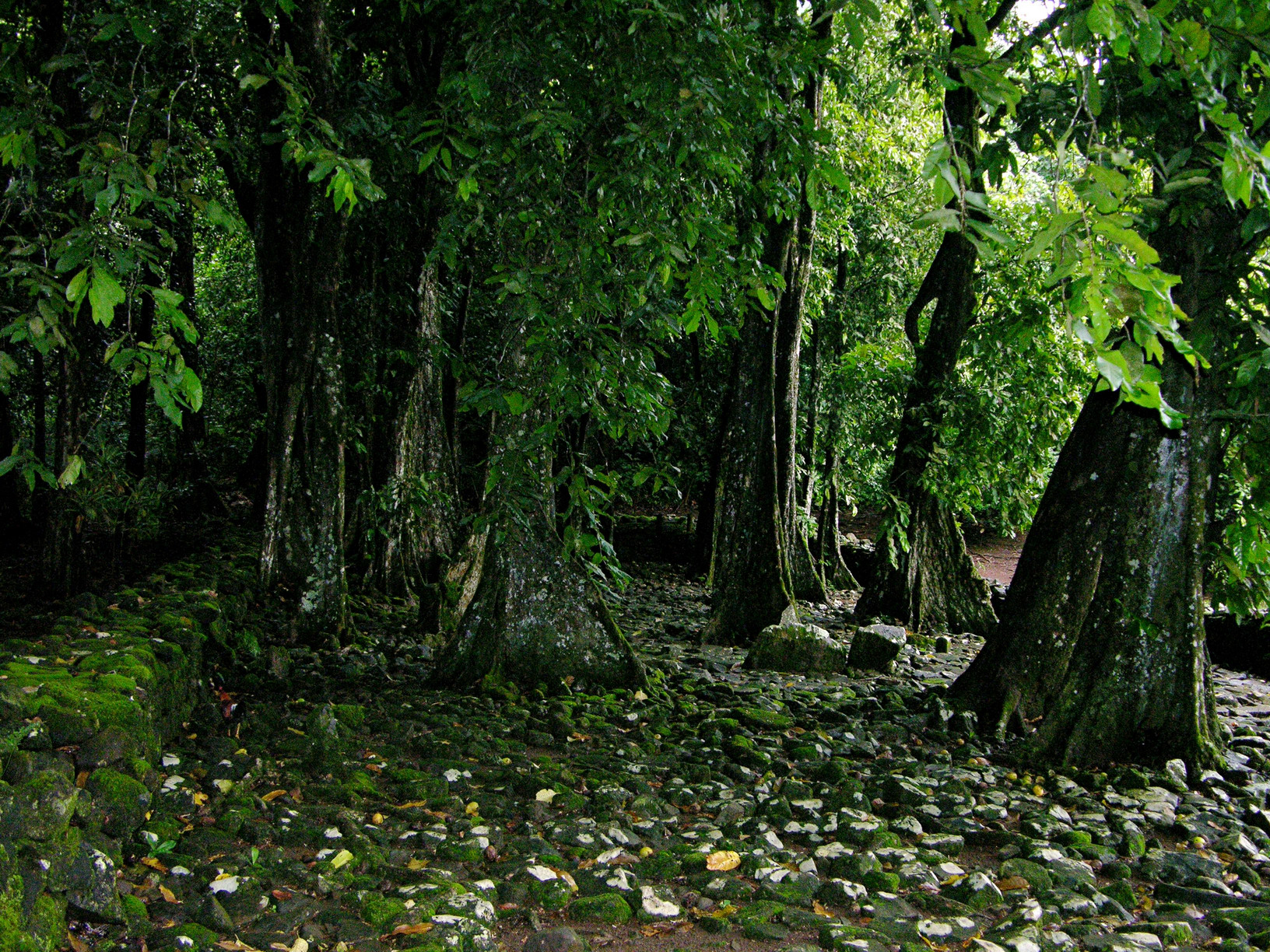
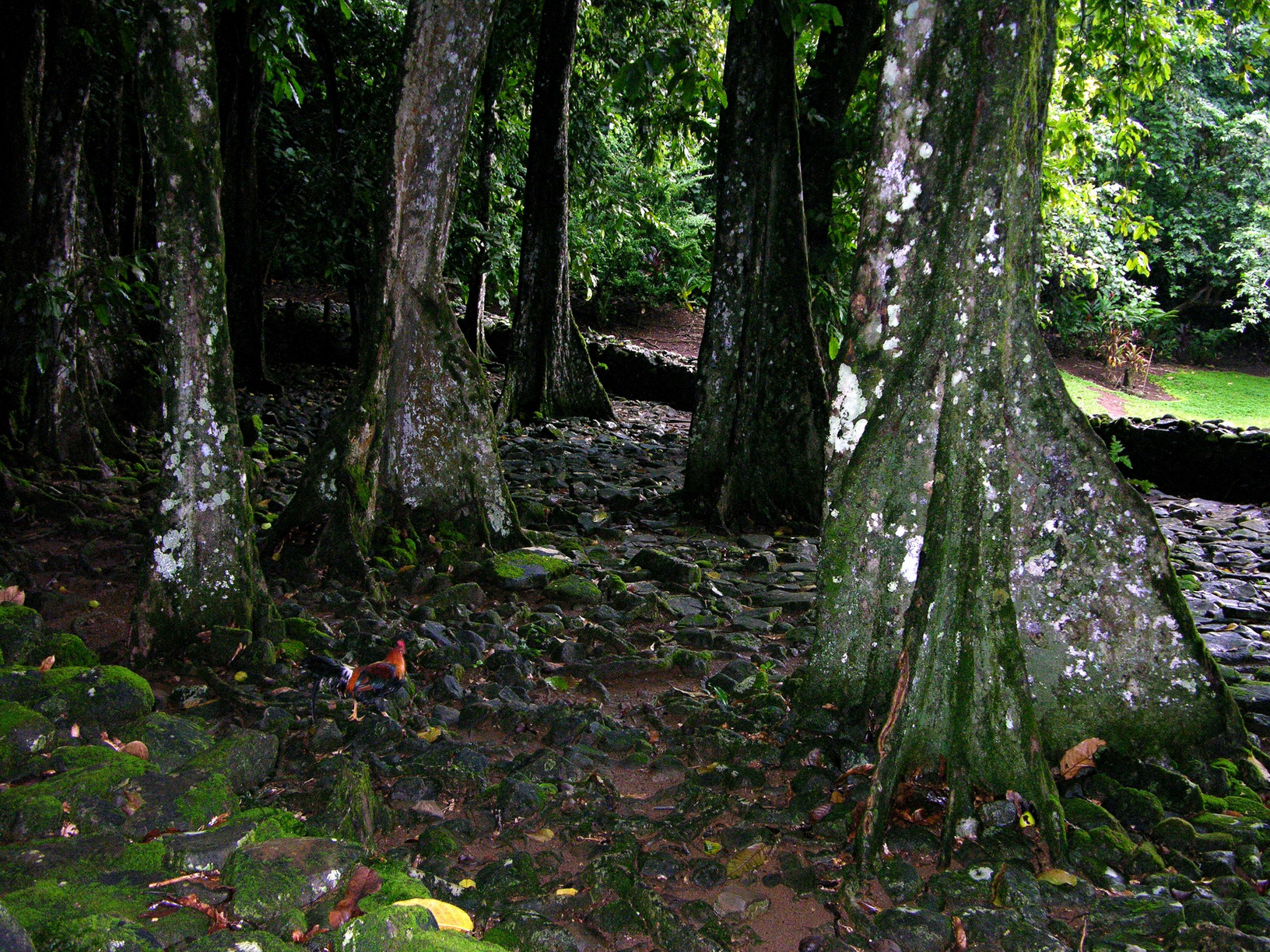
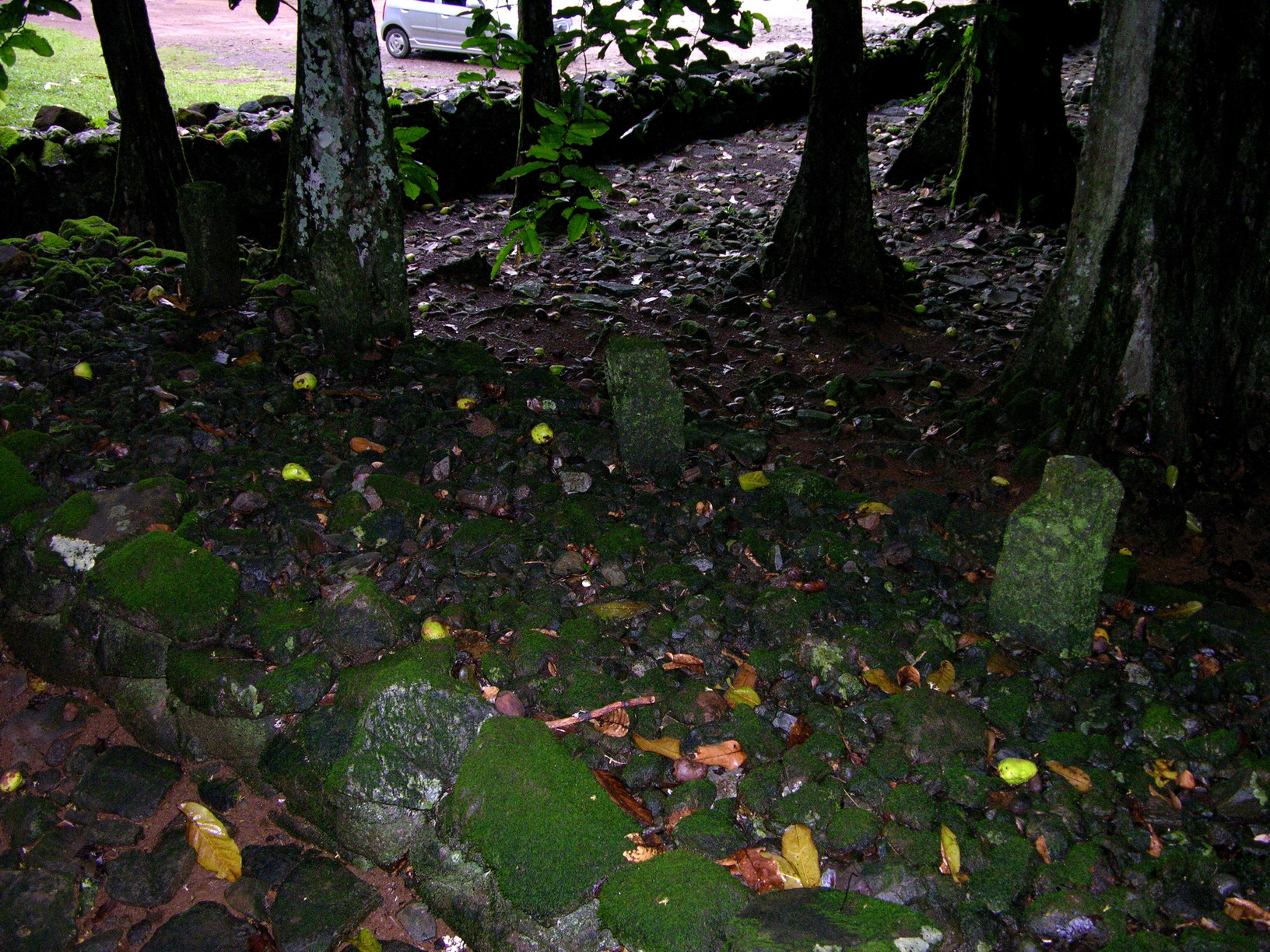
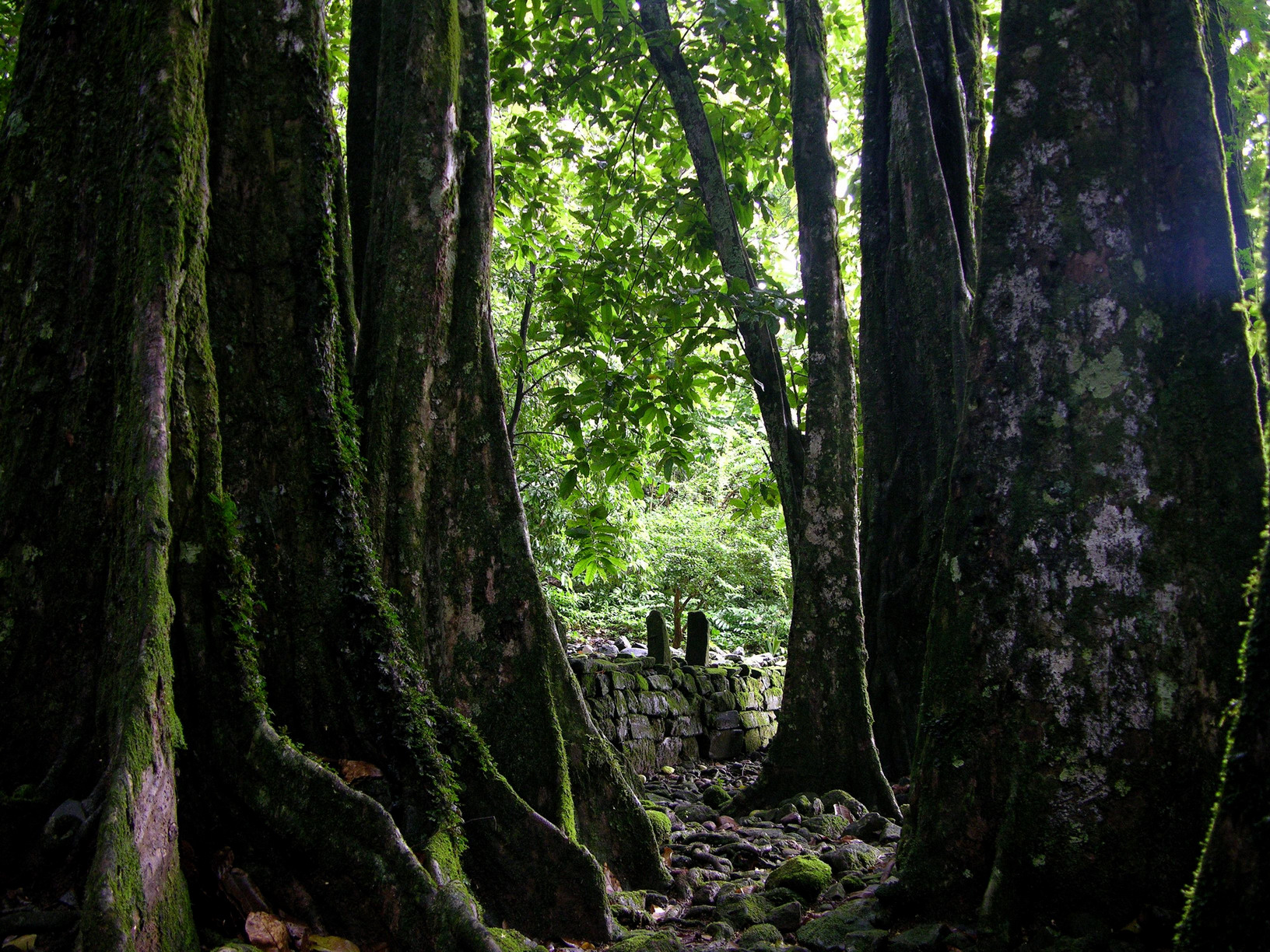
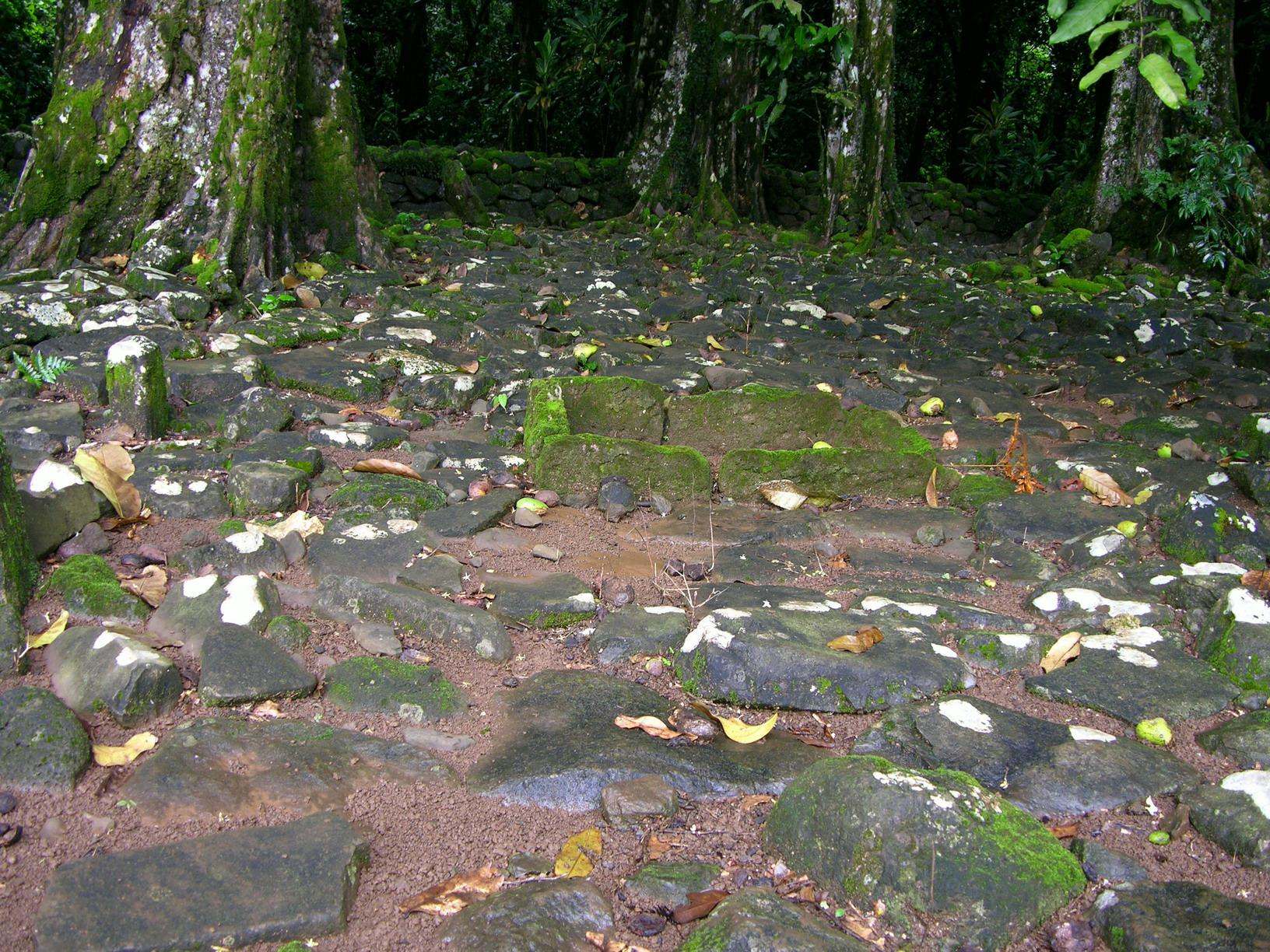
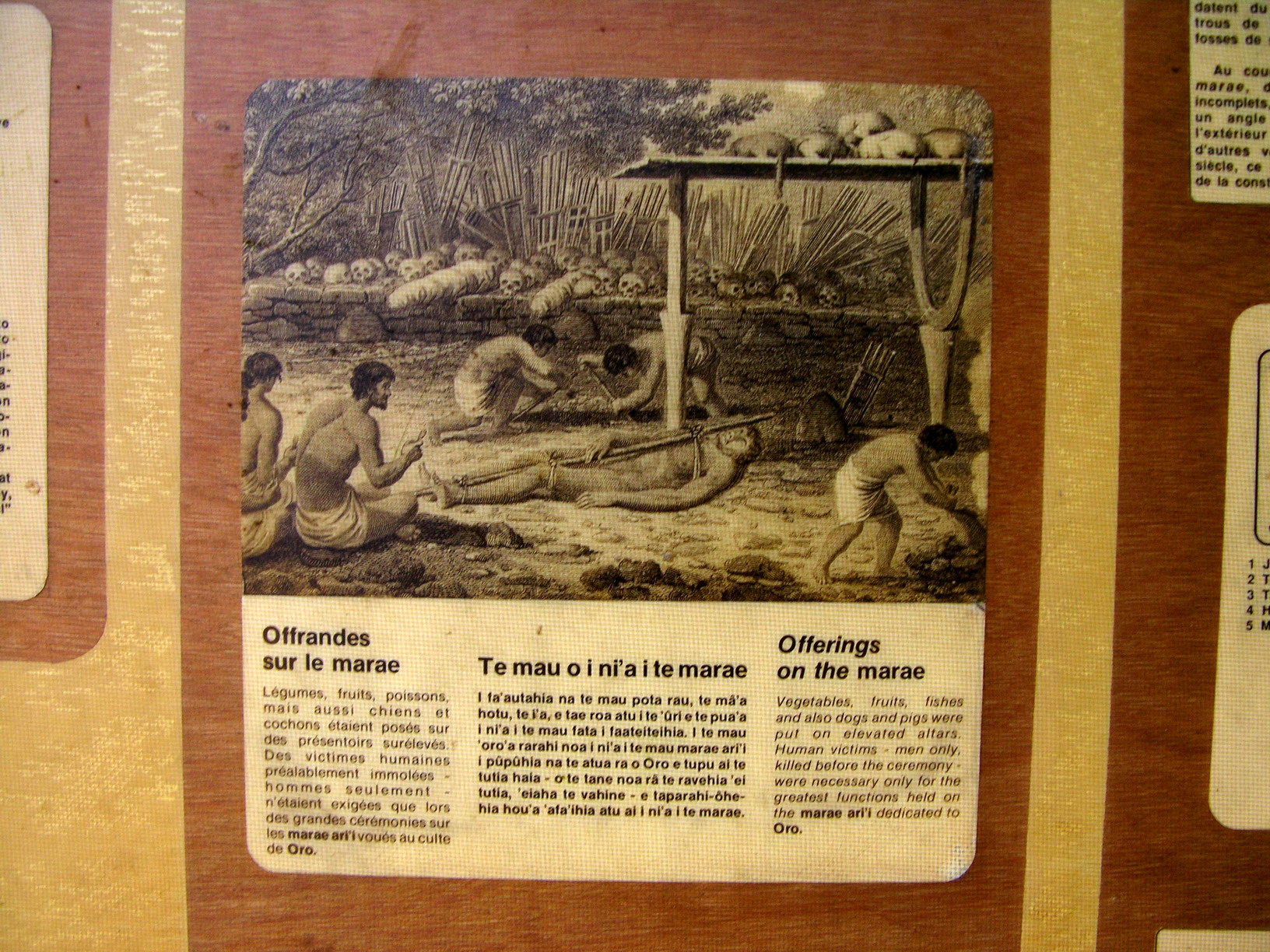
It was especially wet walking through the tropical forest. It covers the whole central part of the island. The islanders of earlier centuries left marae, ceremonial sites that are often little more than piles of stones. One might have been a place to stand before going fishing, for example. There are plenty on Moorea, but seeing every last one would be a dreary business. One site did stand out.
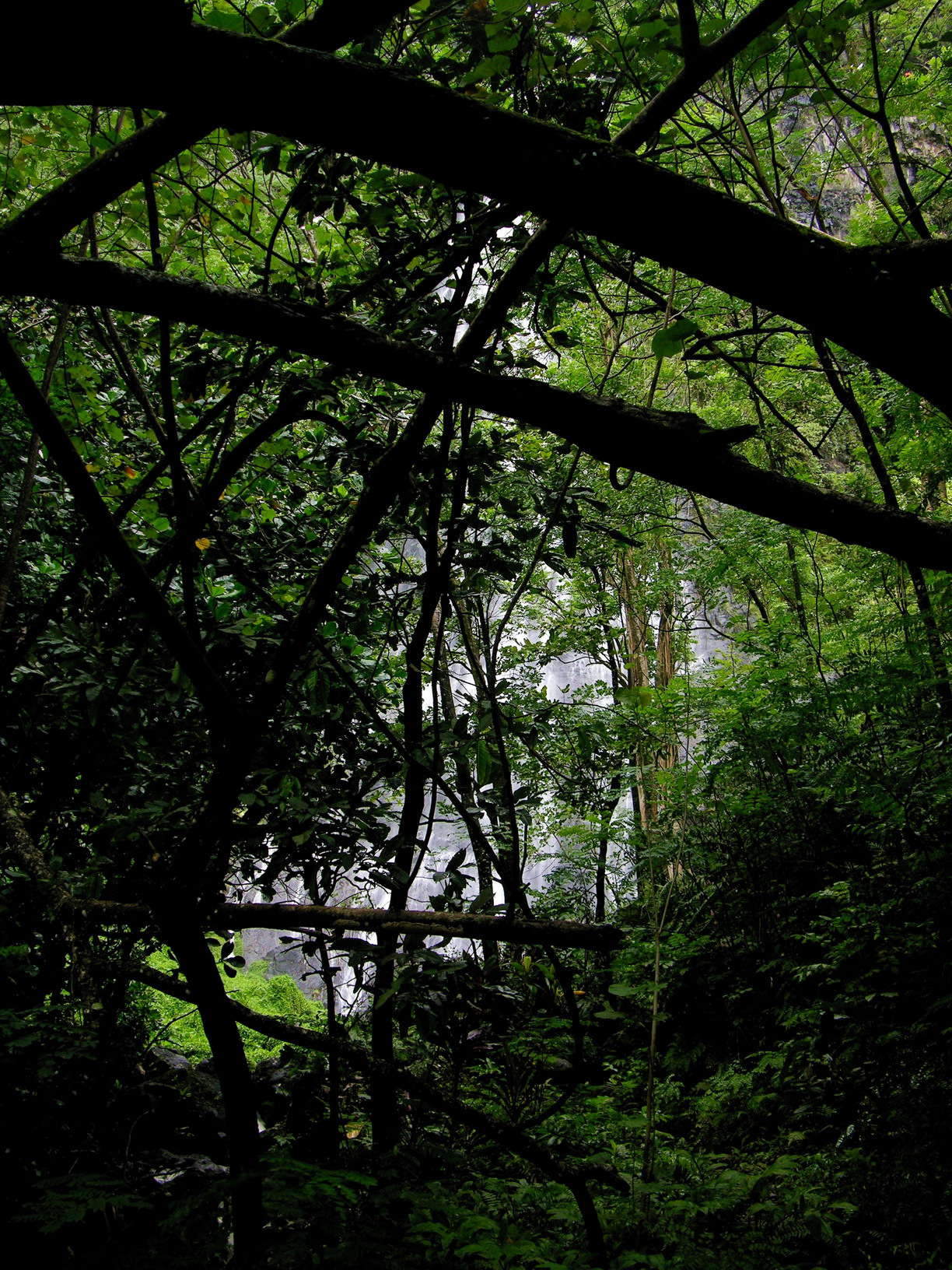
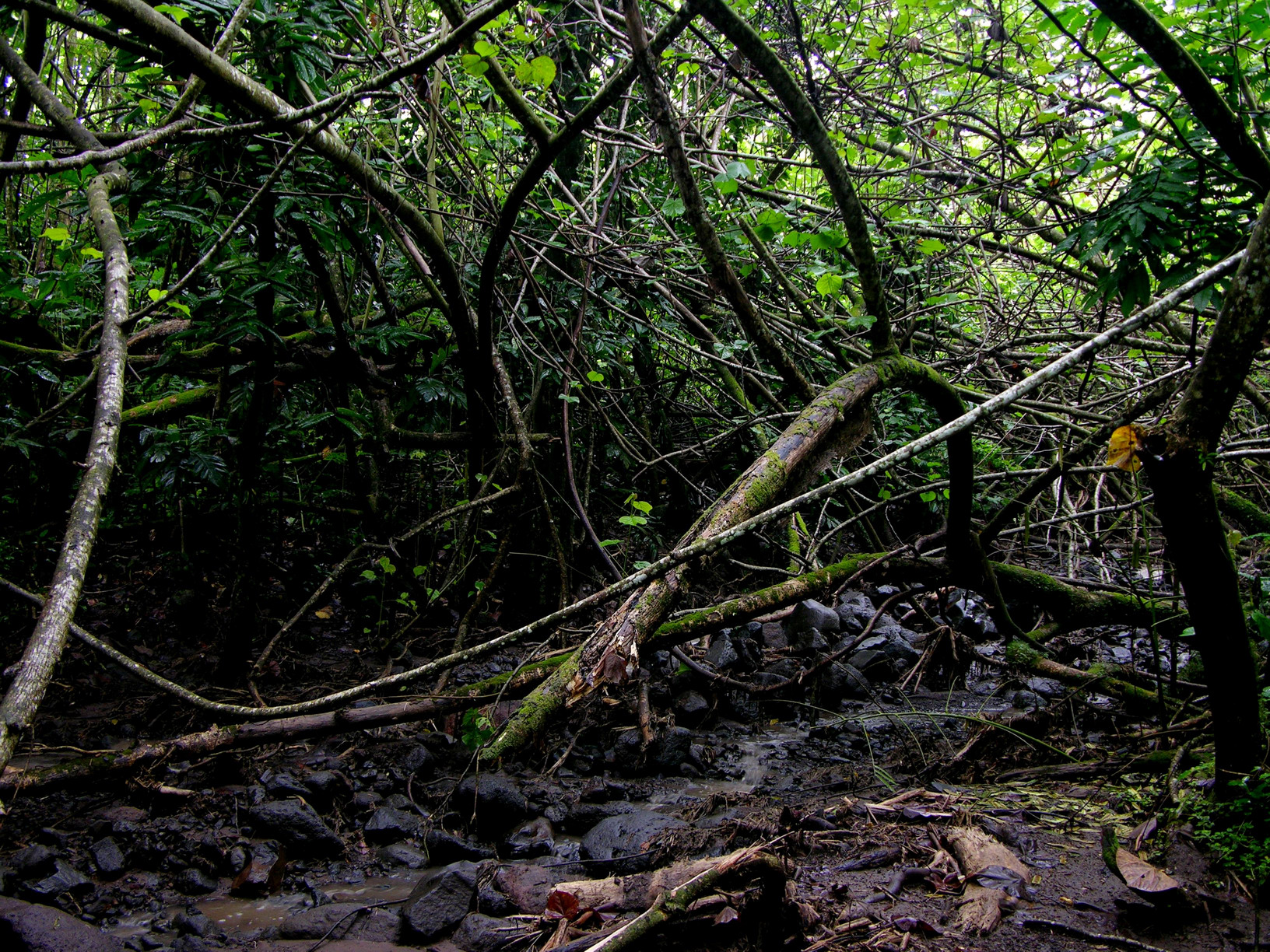
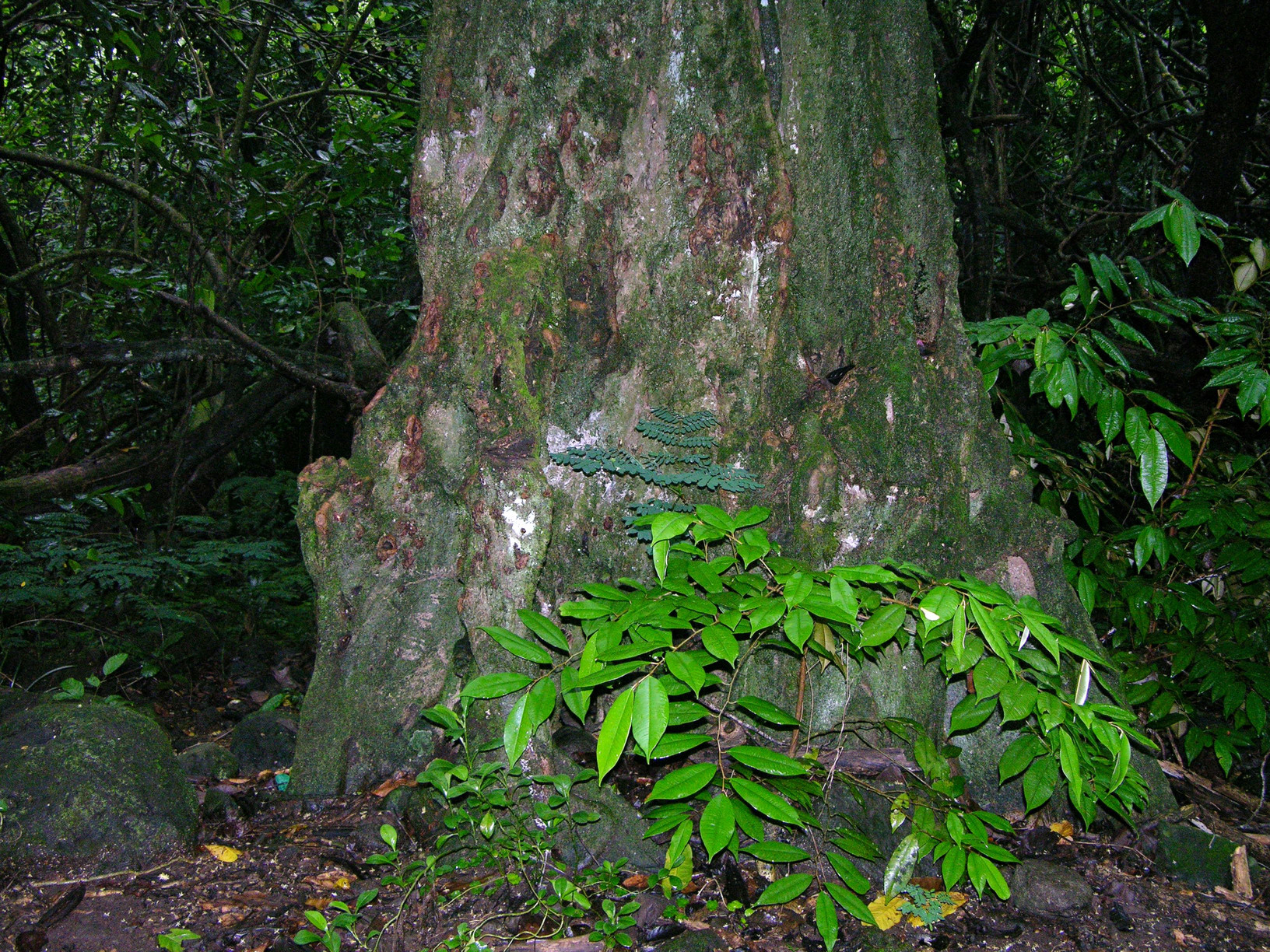
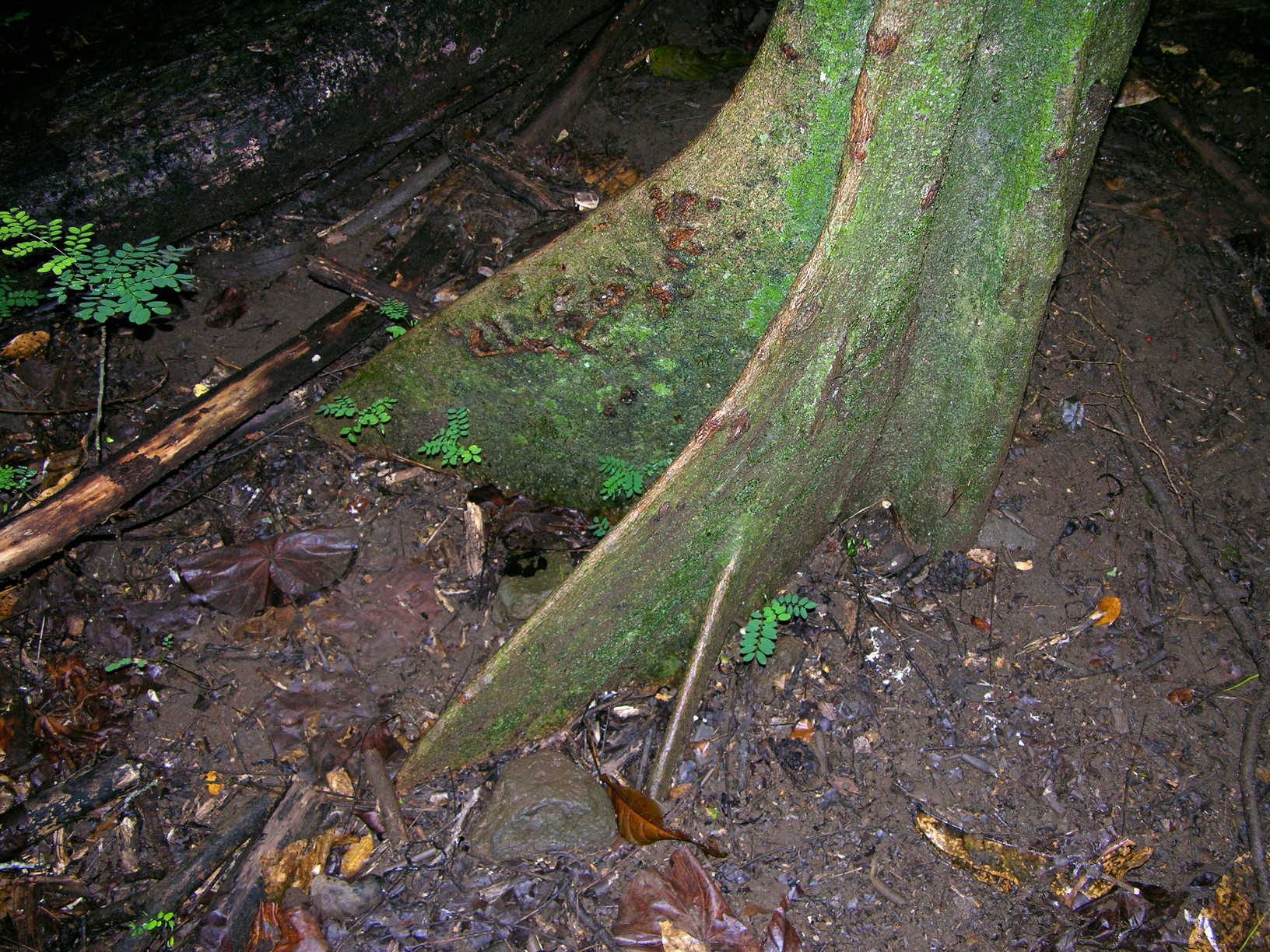
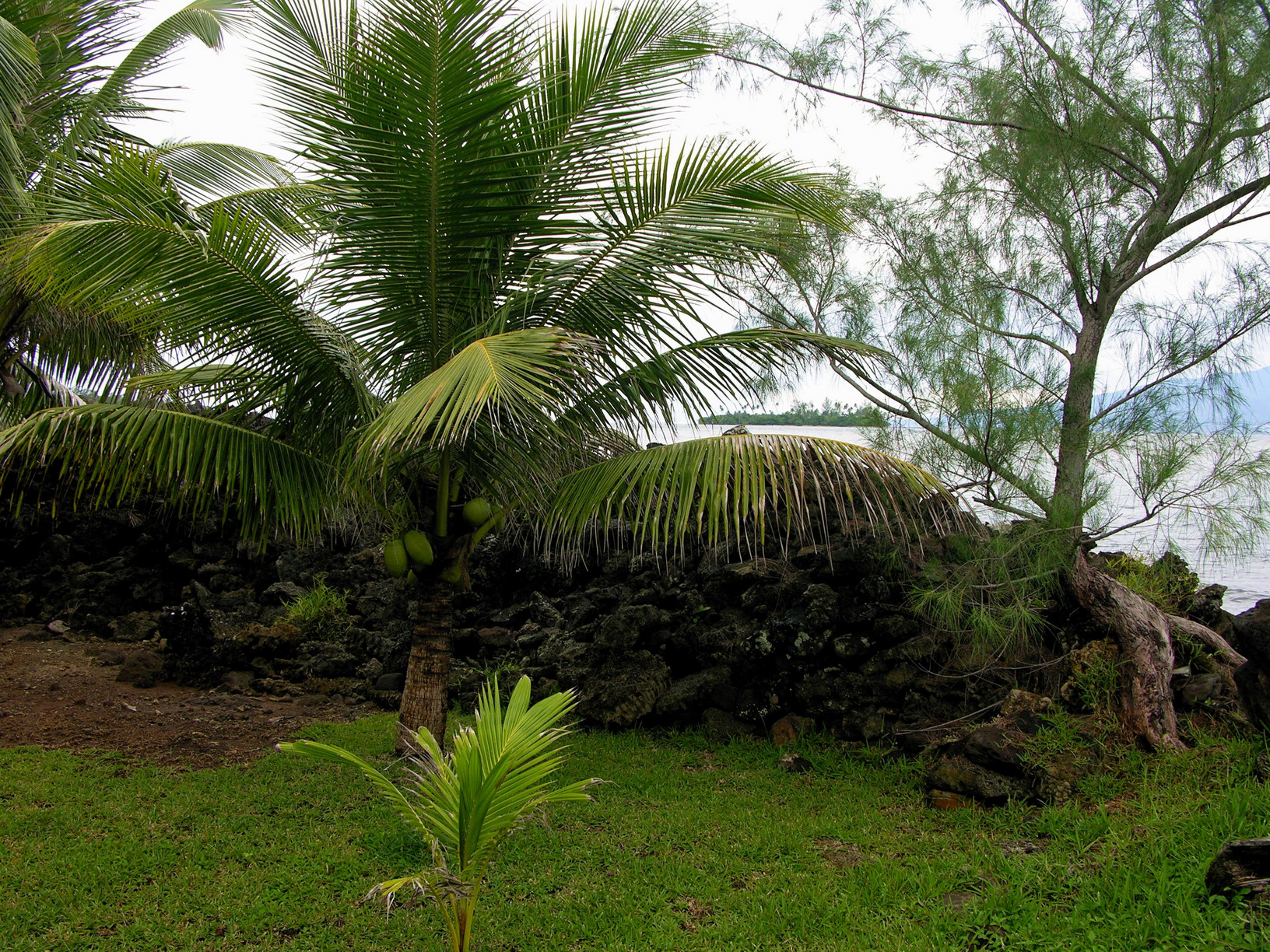
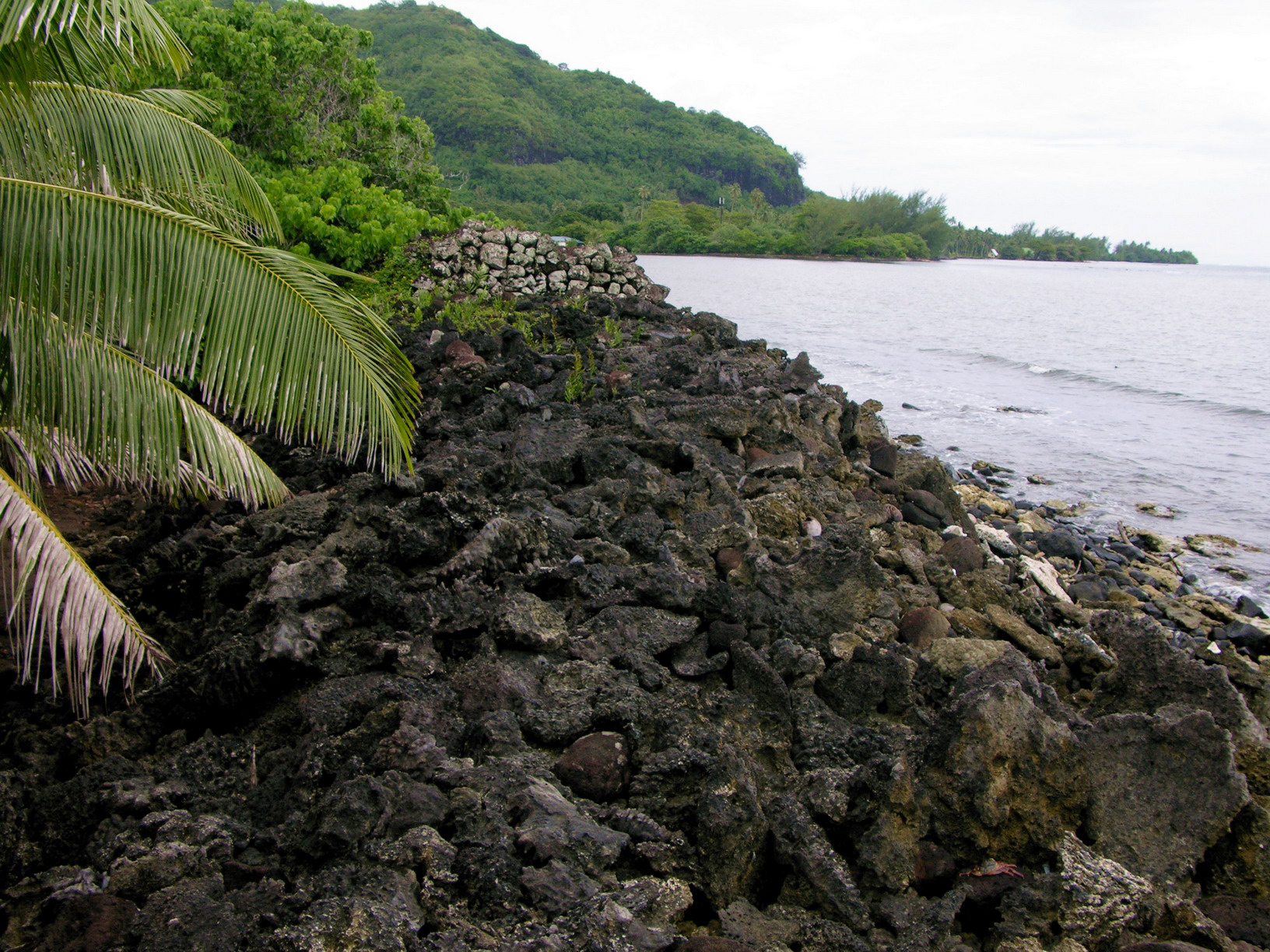
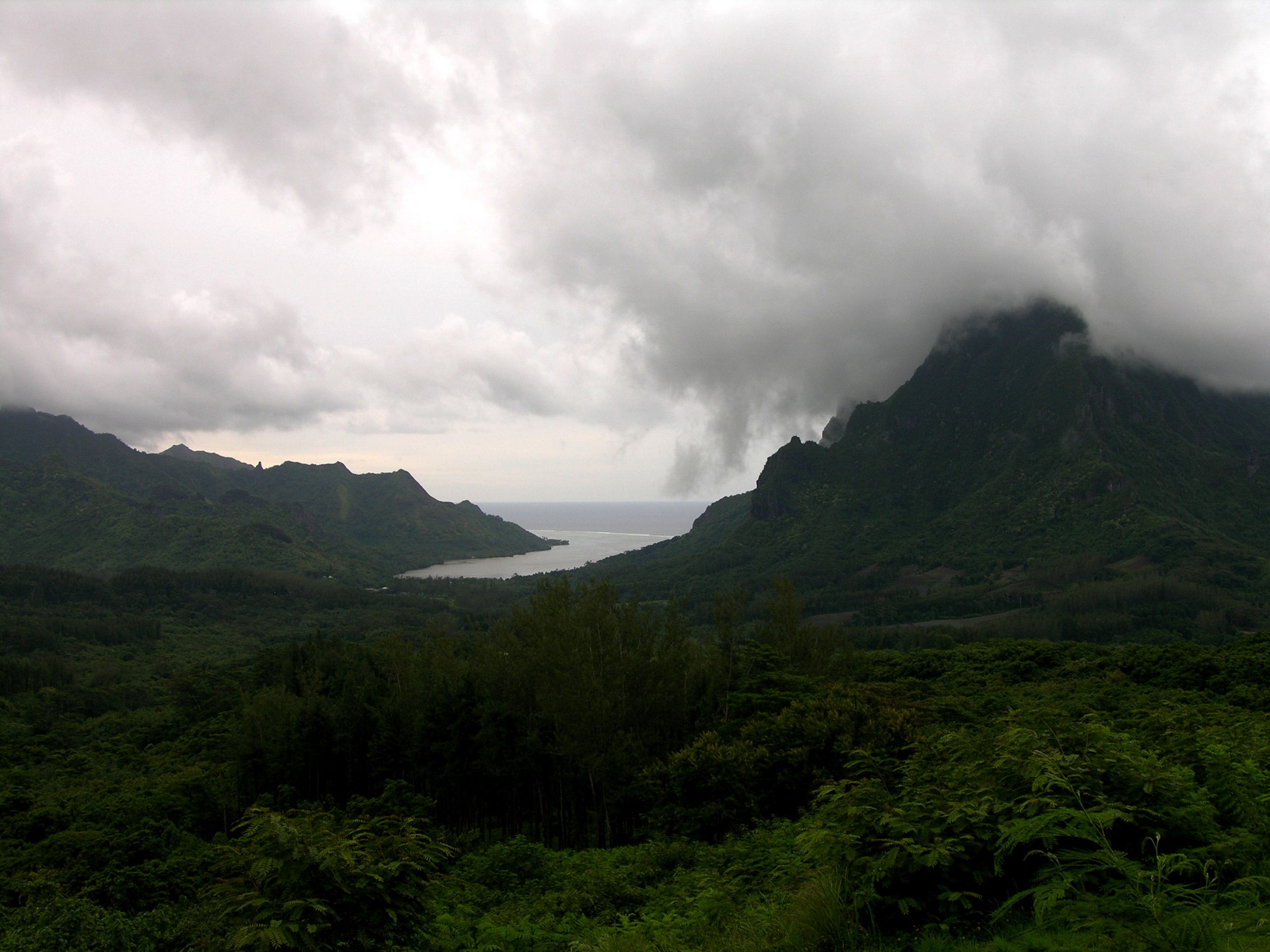
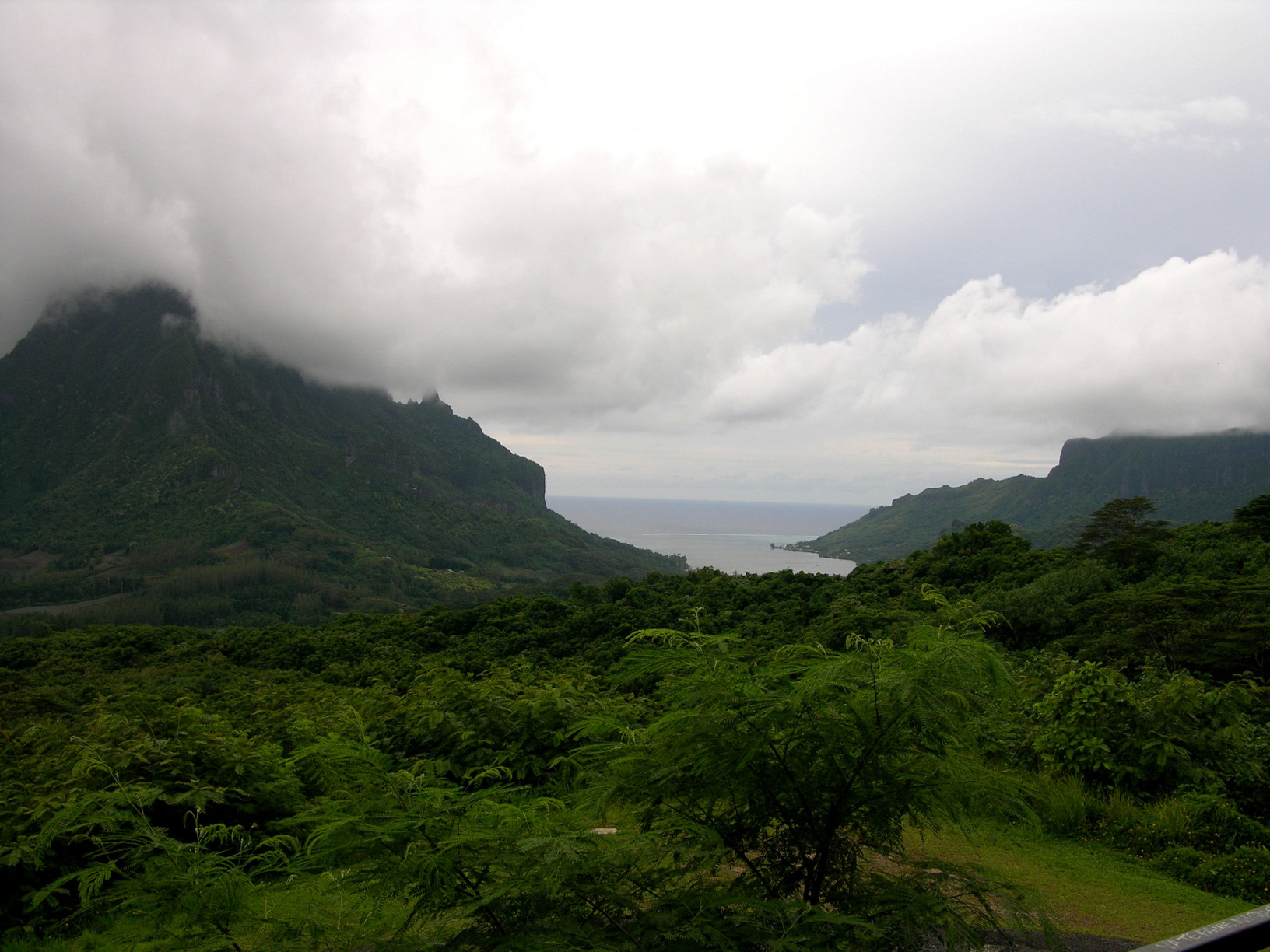
A road leads up from Cook's Bay and ʻŌpūnohu Bay to a lookout. The view is worth it in its own right. The other thing you pass on the way is the Titiroa marae, with a place for archery practice, an area for priests and their rites and places for sacrifices. The sacrifices were sometimes human. The rainy day ended in a beautiful, blood-red sunset.
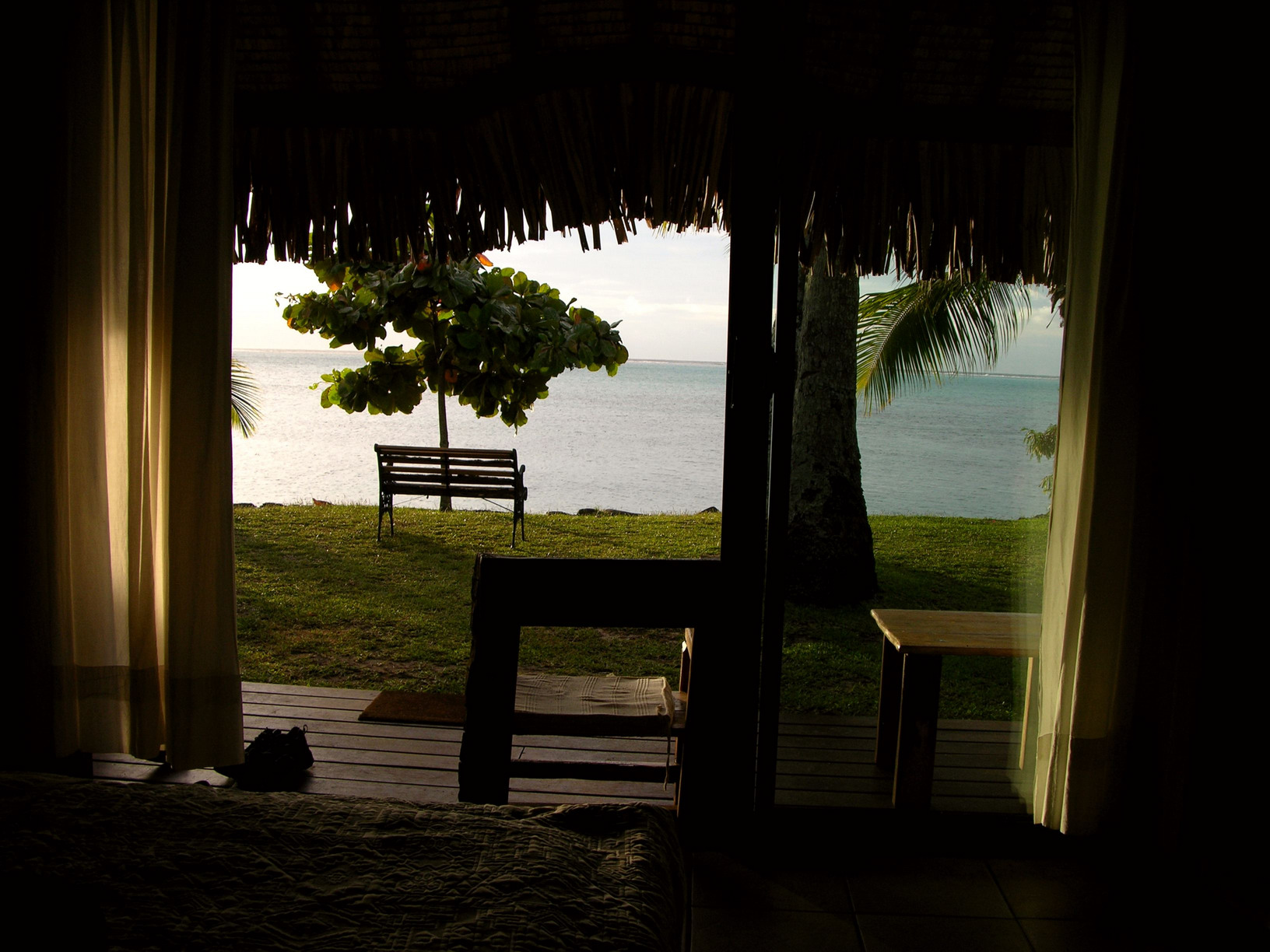
This was our last night. We'd been on the road for fifty days. Home was still far away, but from now on we would spend the nights on planes. It was a melancholy thought. We went back to the Chinese restaurant for a farewell dinner, even though this time the staff went out of their way to invite us to the restaurant at our hotel. No, we were cross and hadn't forgiven them for yesterday.
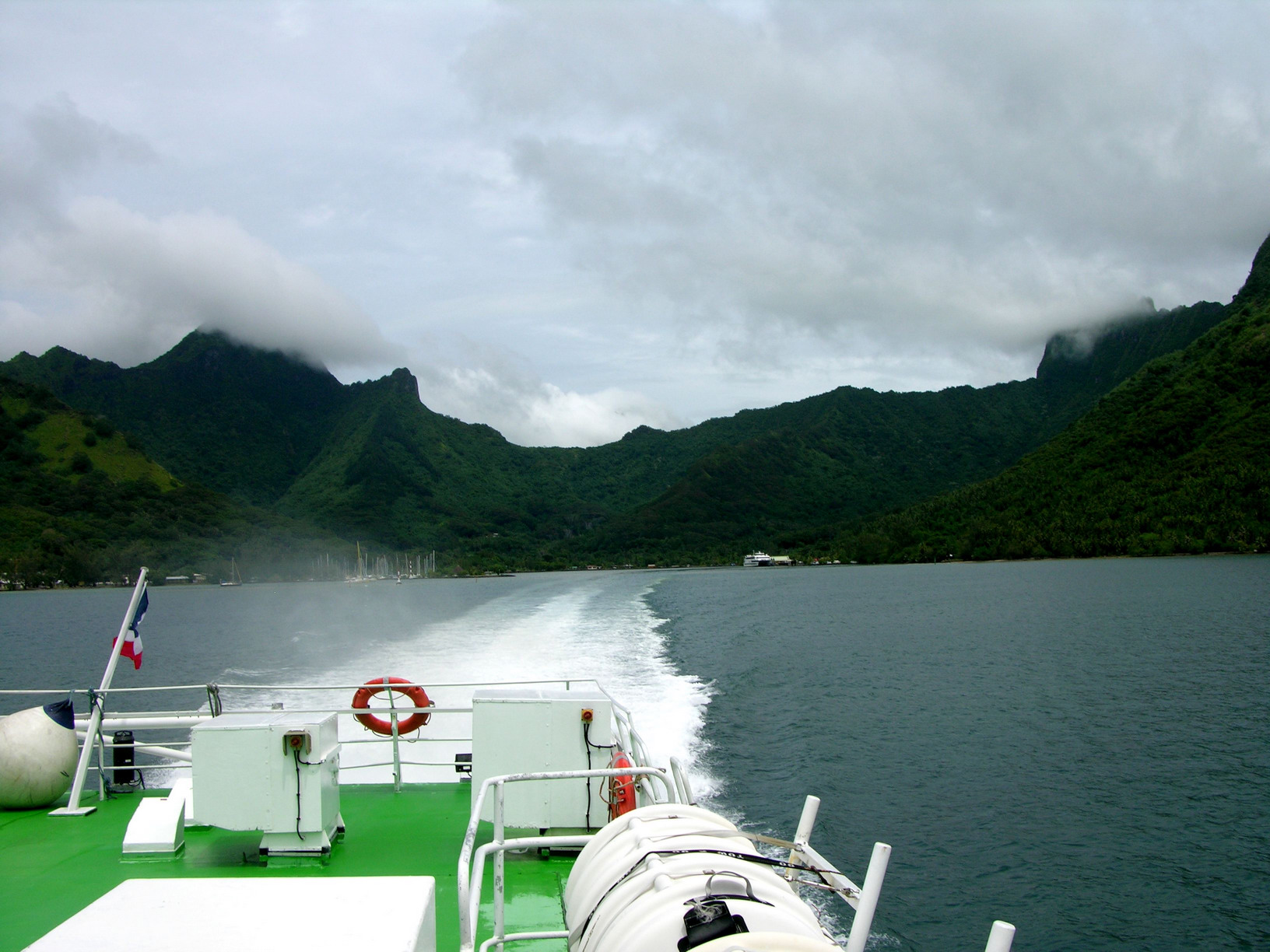
In the morning we dropped off the car at the ferry terminal and crossed to the main island, Tahiti, on the fast ferry Aremiti 5. The distance between the islands is twenty kilometres. The crossing took thirty minutes and the ticket cost 900 francs. There was always room for passengers on foot. They sold tickets until departure. It was a big boat and somehow everybody fitted. You could also fly with Air Moorea then, for 4,200 francs.
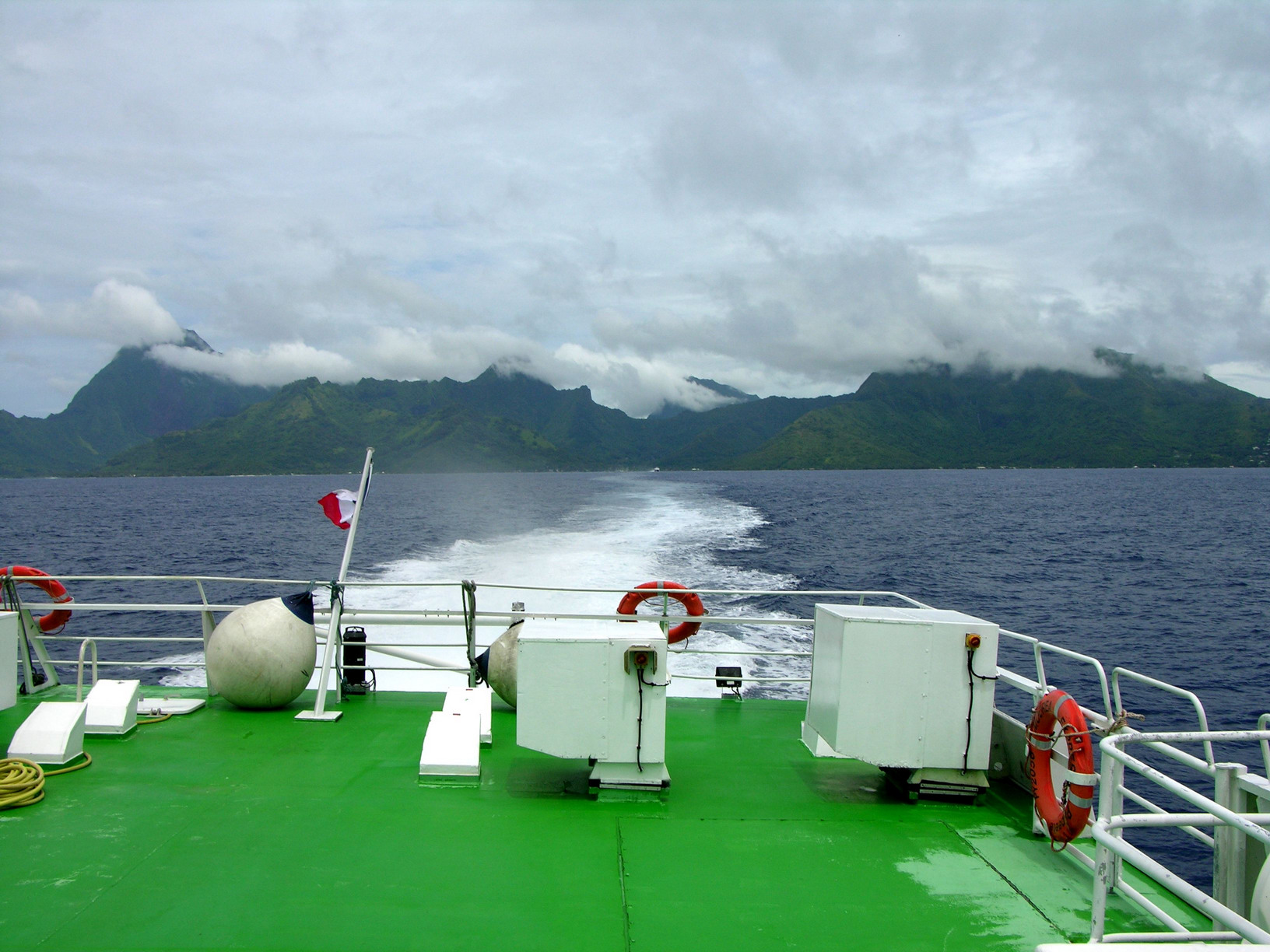
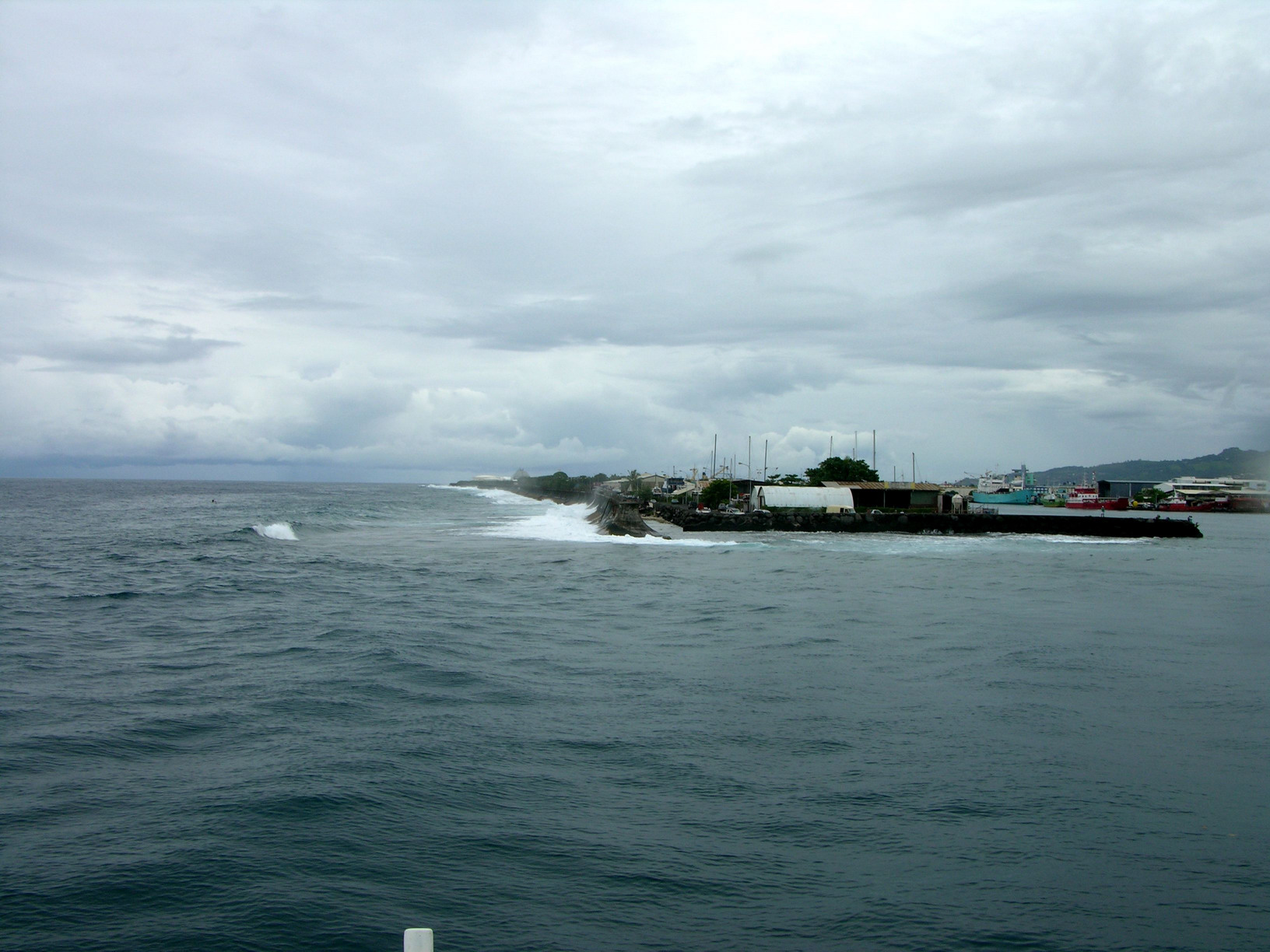
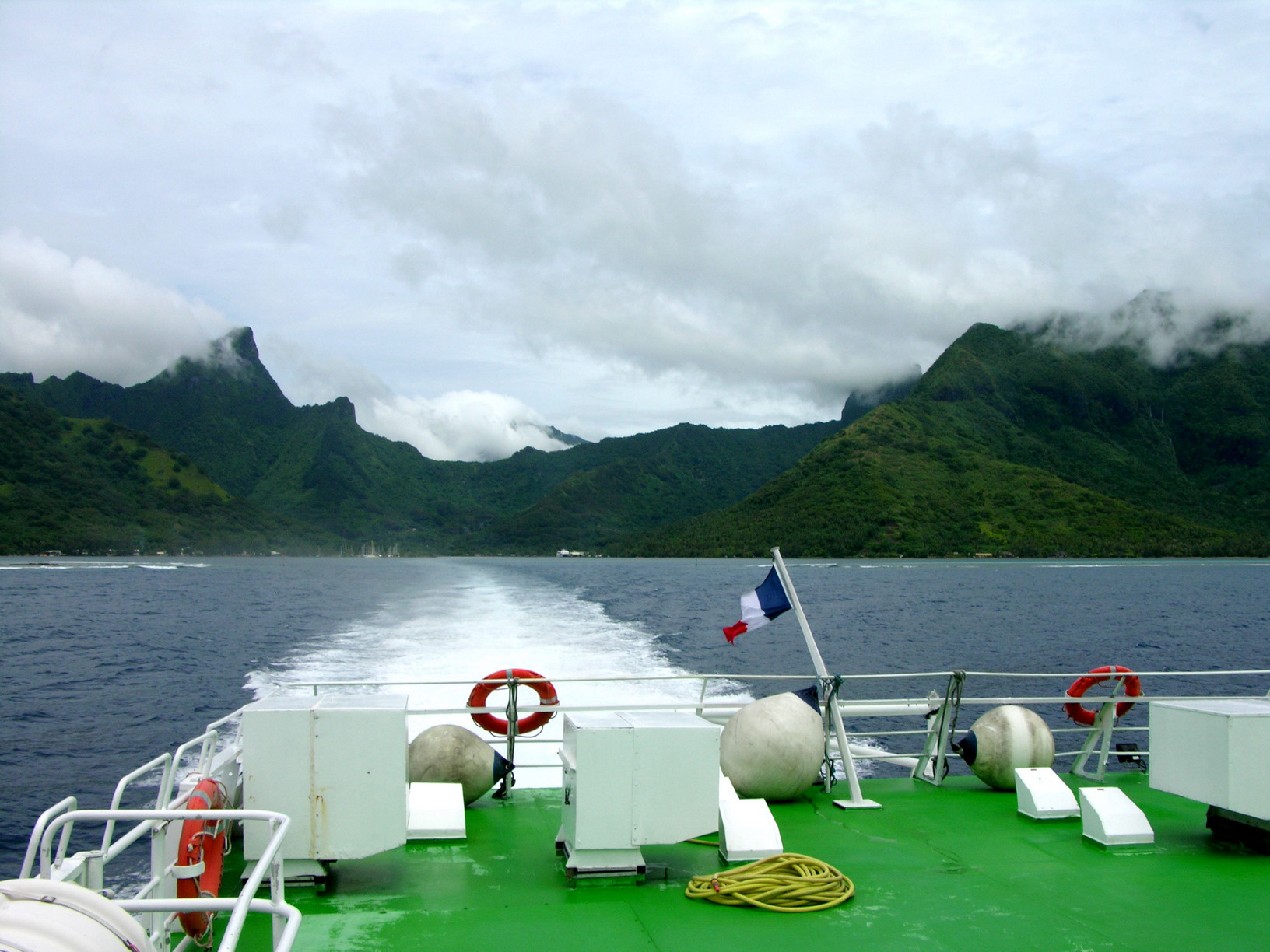
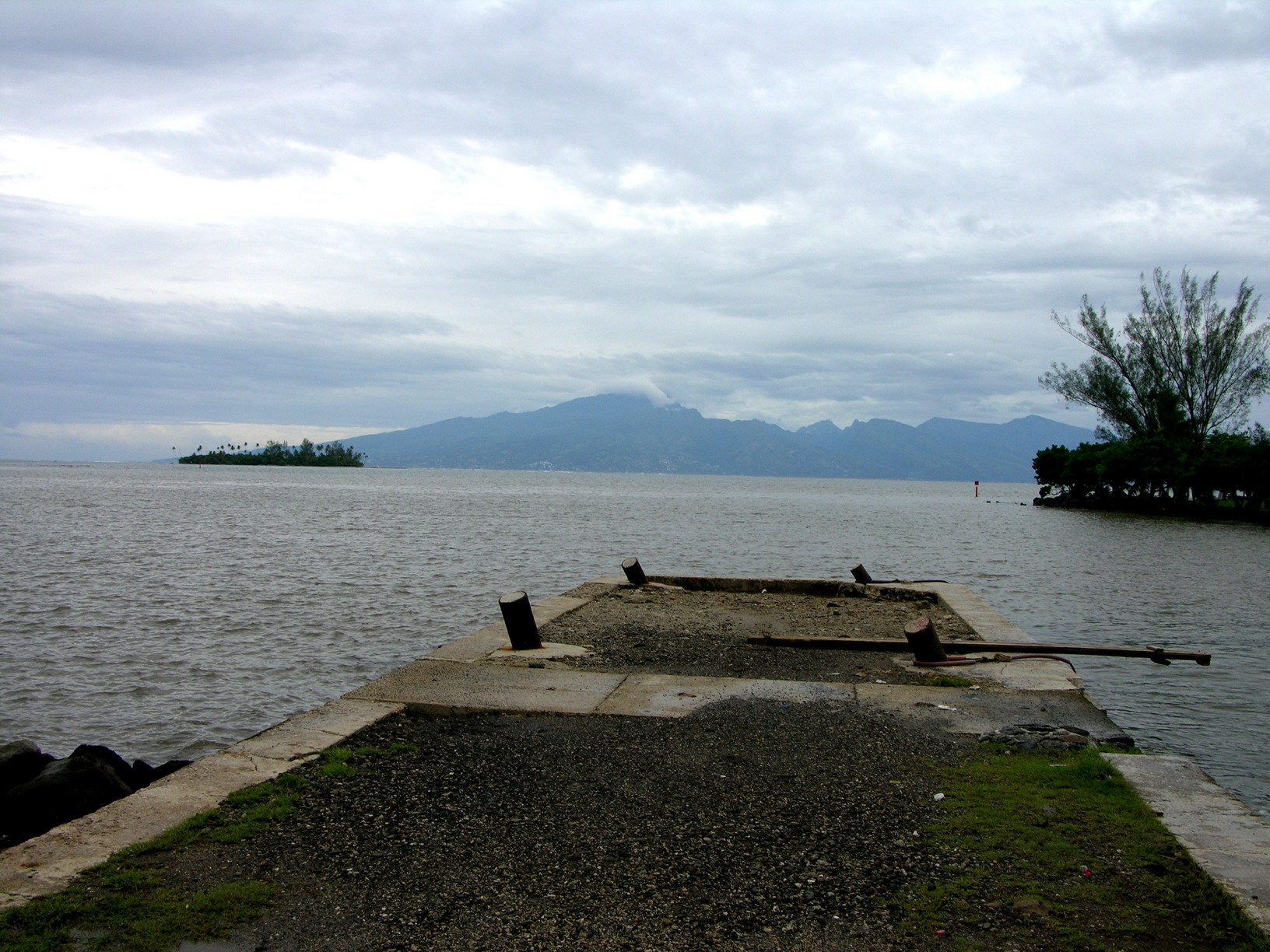
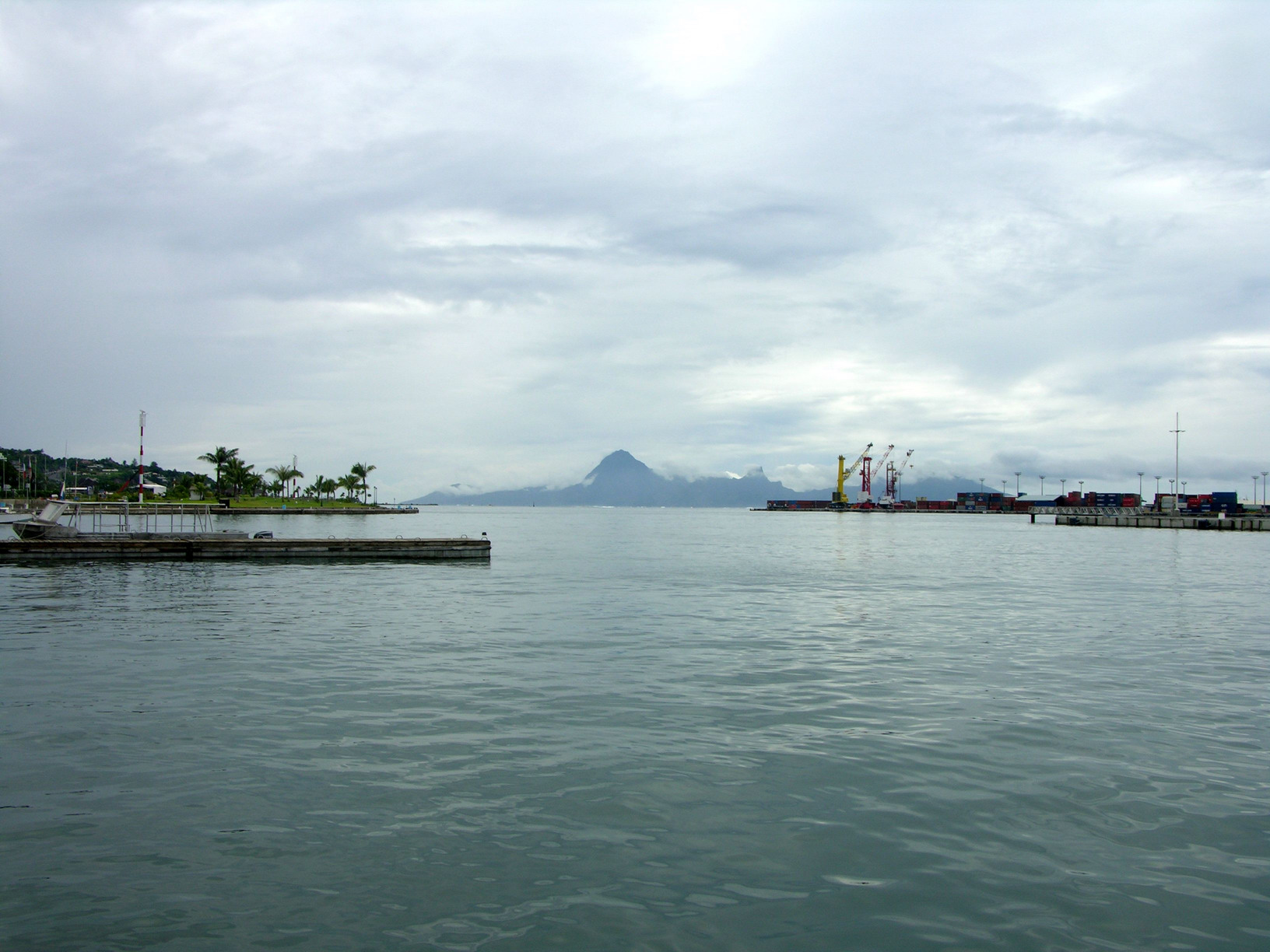
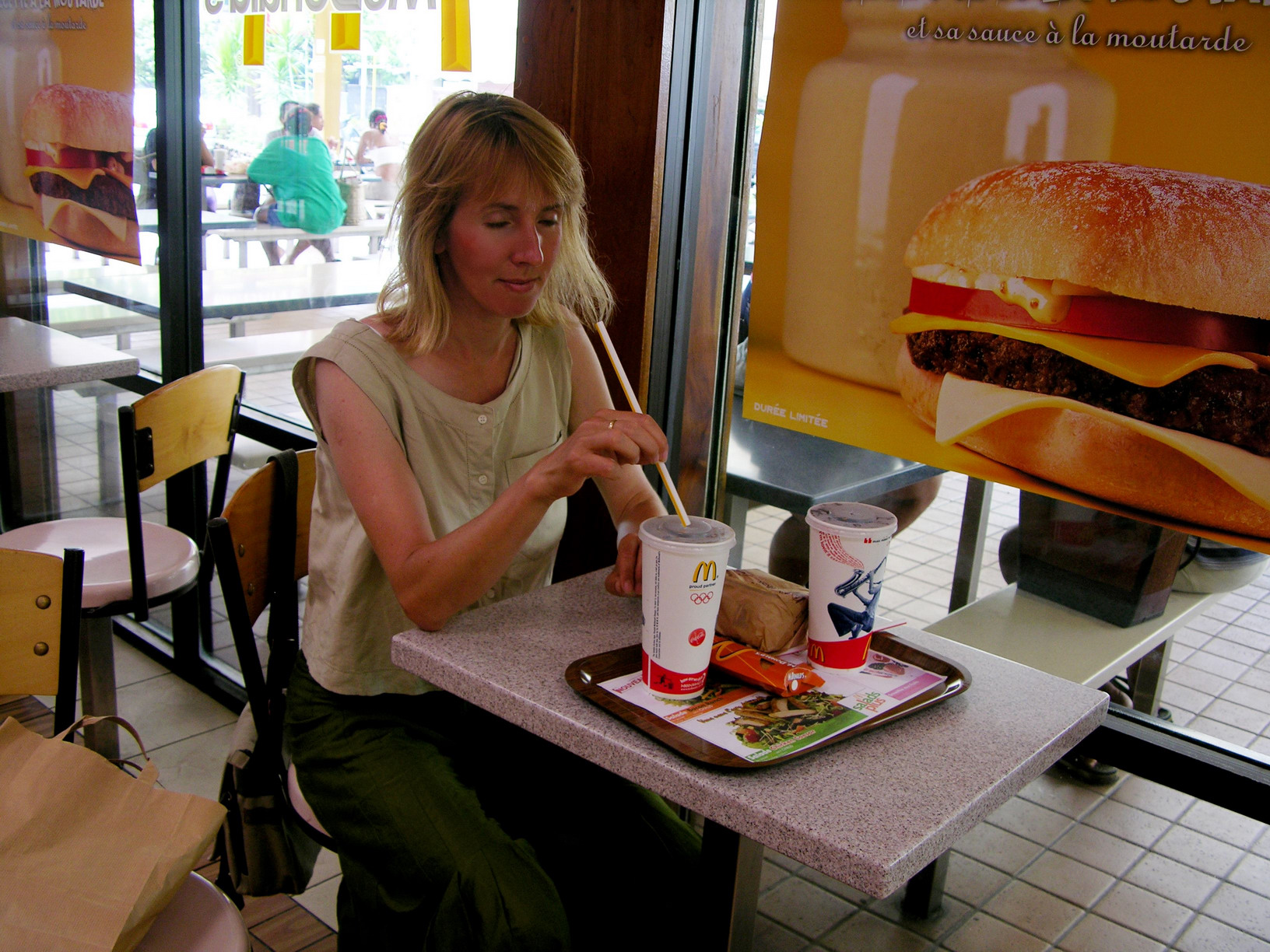
On Tahiti, we had also reserved a car. It's a large island, and you can't get far without a car. You can, of course, take another stroll through the streets and along the waterfront of Papeete, or stop by McDonald's.
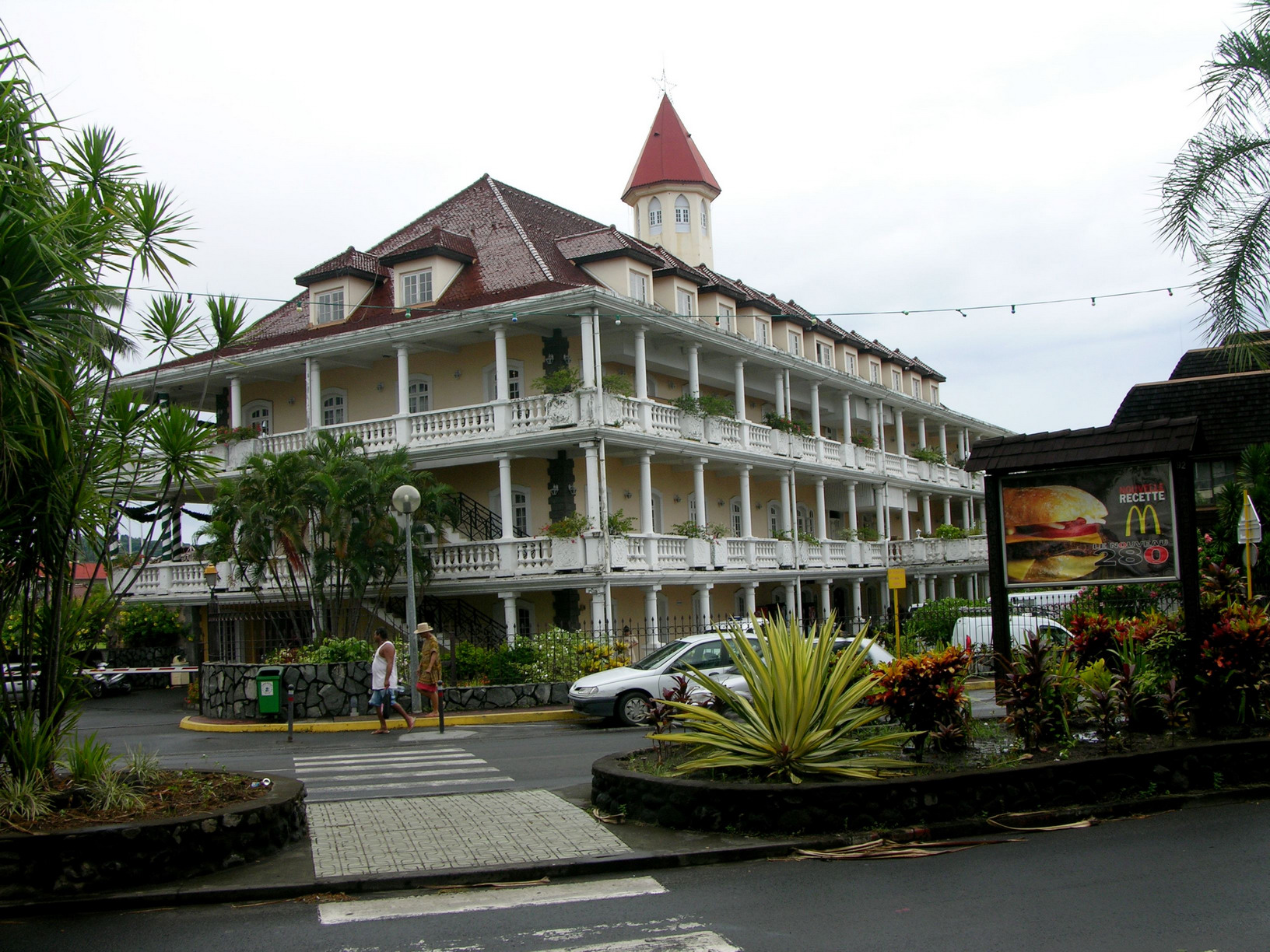
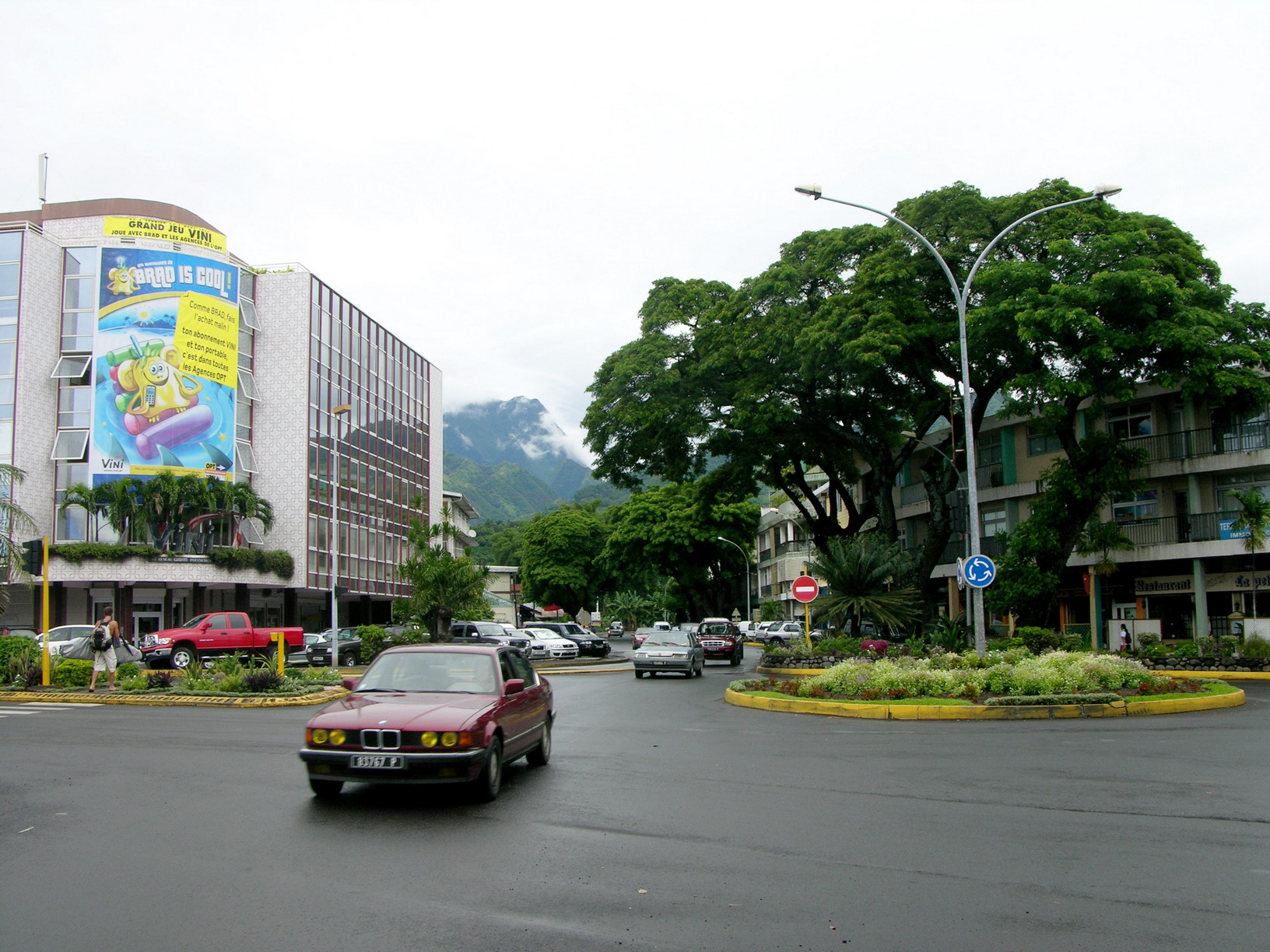
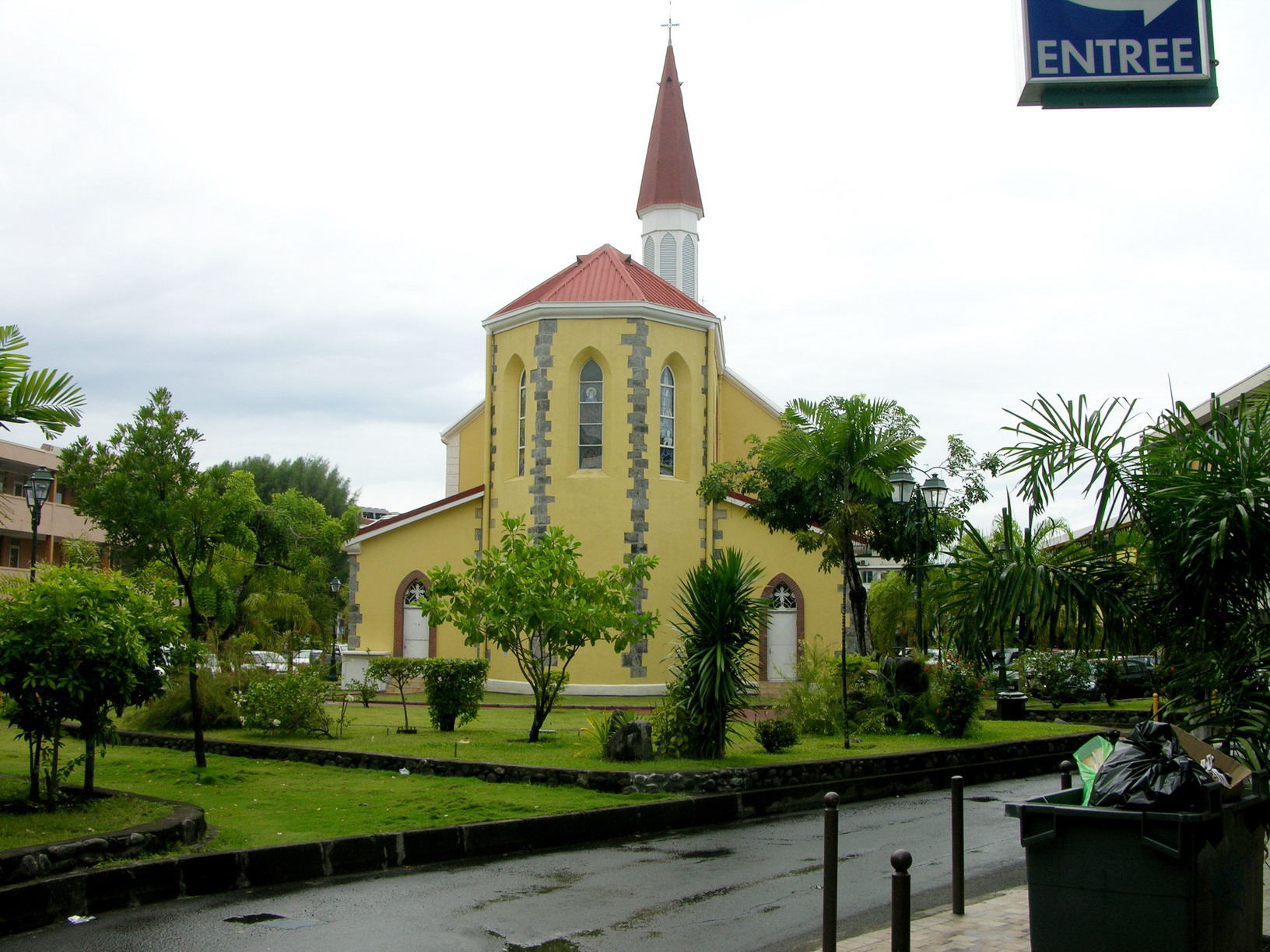
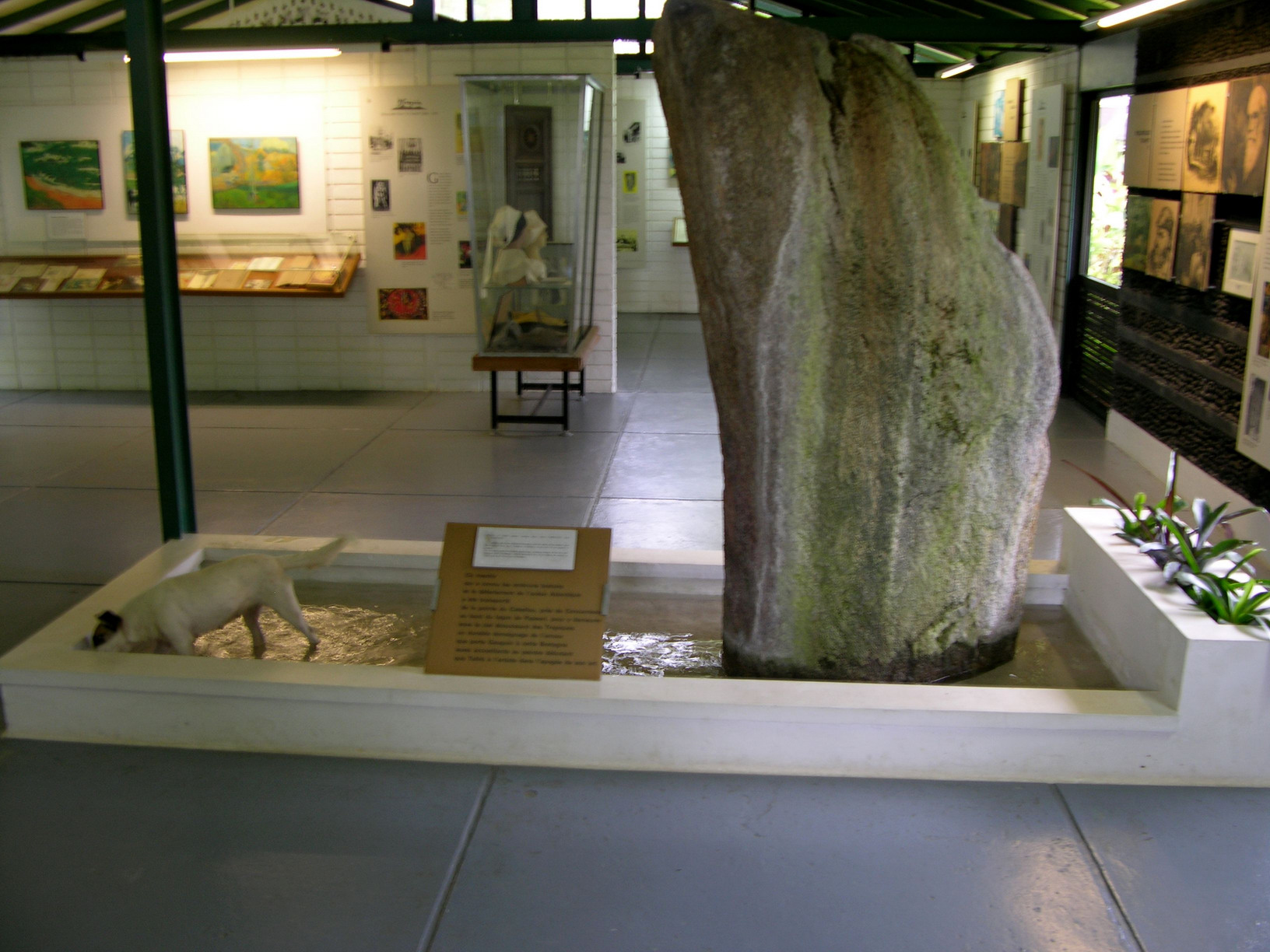
We drove out of town to circle the island clockwise. There were traffic jams everywhere and the day was nearly over when we reached the Gauguin museum, twenty minutes before closing. We got into the museum, but the beautiful botanical garden had already shut. Most of the pictures on the walls were copies. Art lovers will forgive me, I hope, for remembering best the model of Gauguin's hut and a local mongrel that bounded inside, bathed in the fountain in the middle of the main hall and marked every corner of the corridor.
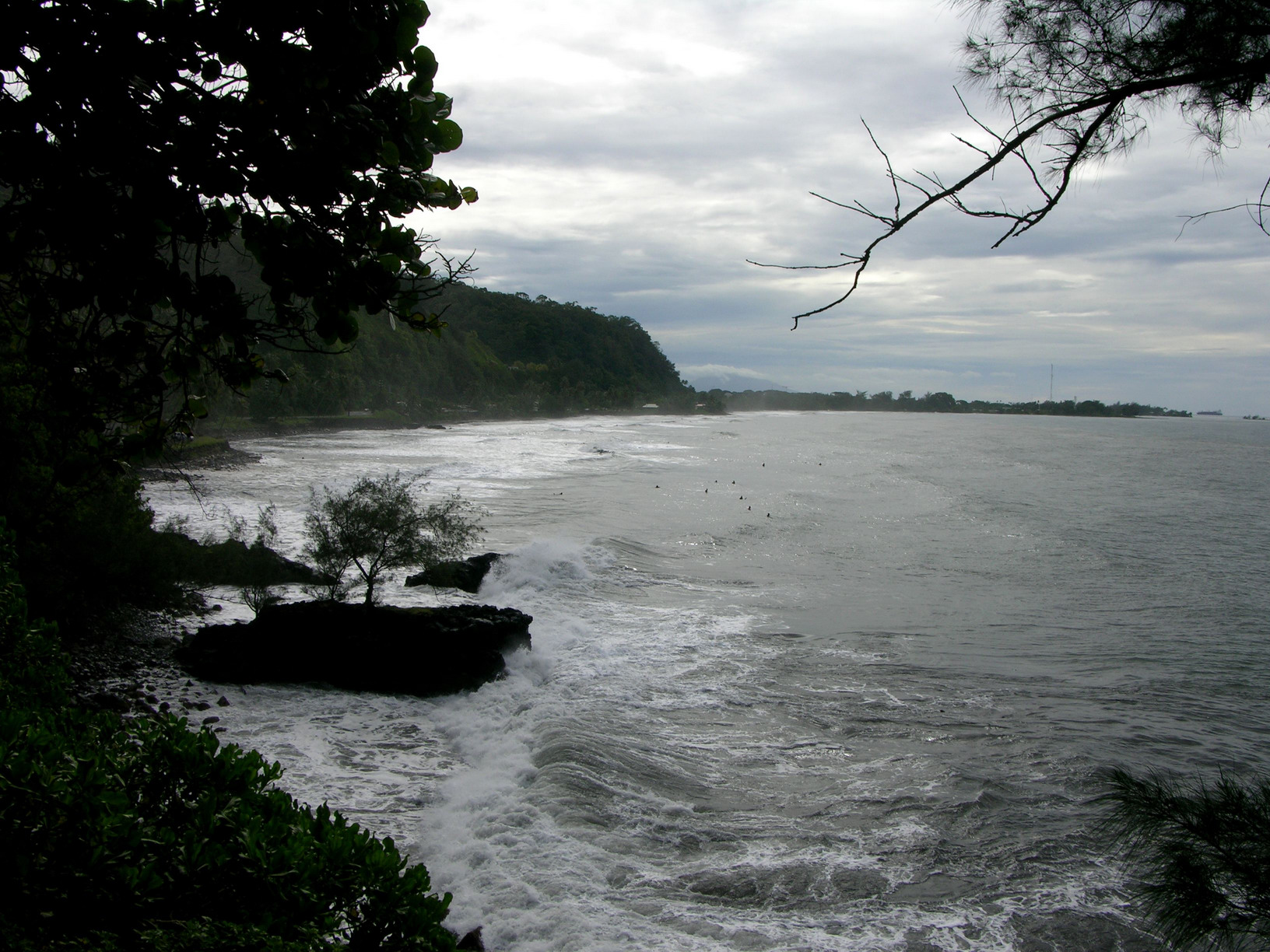
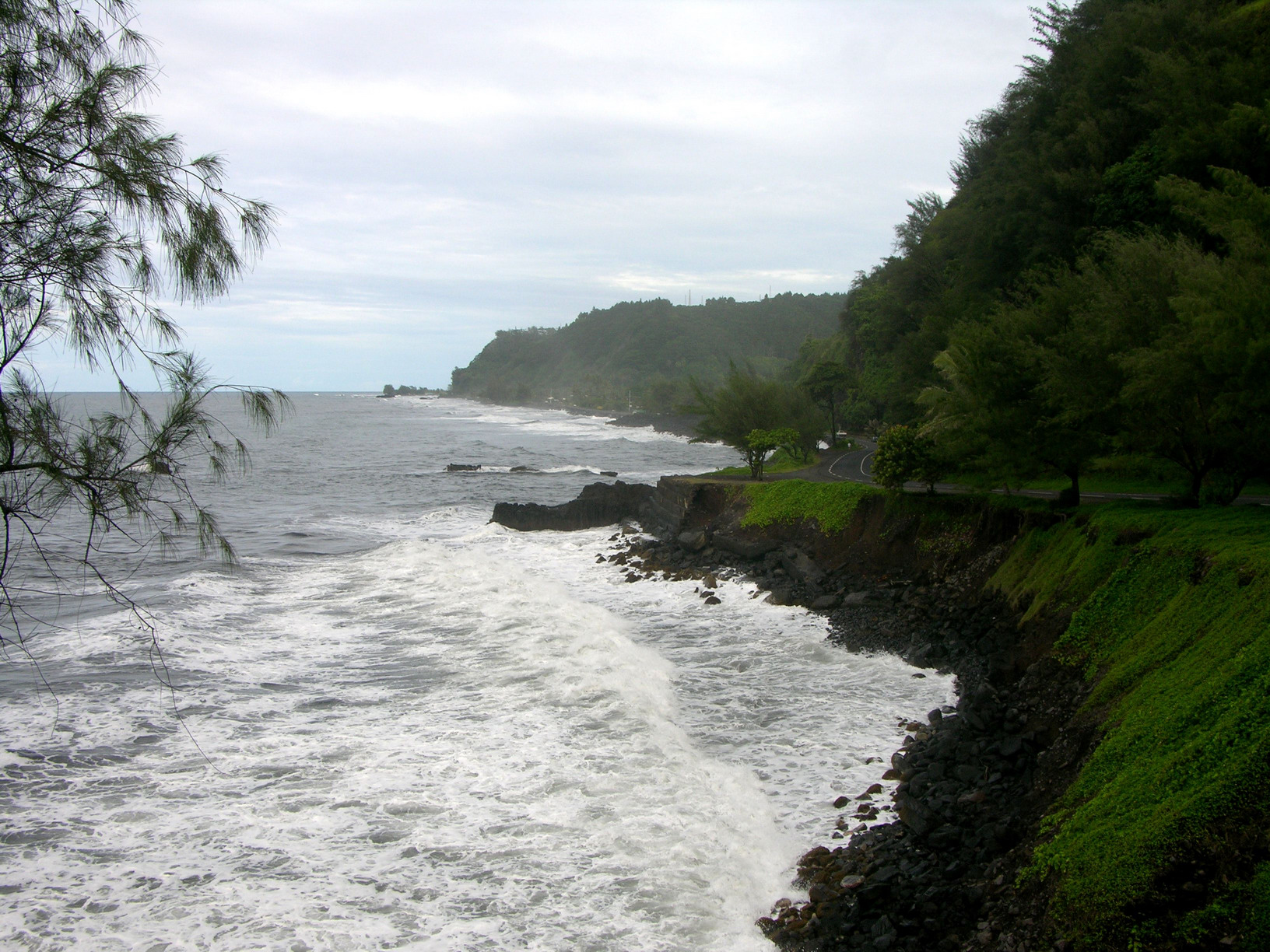
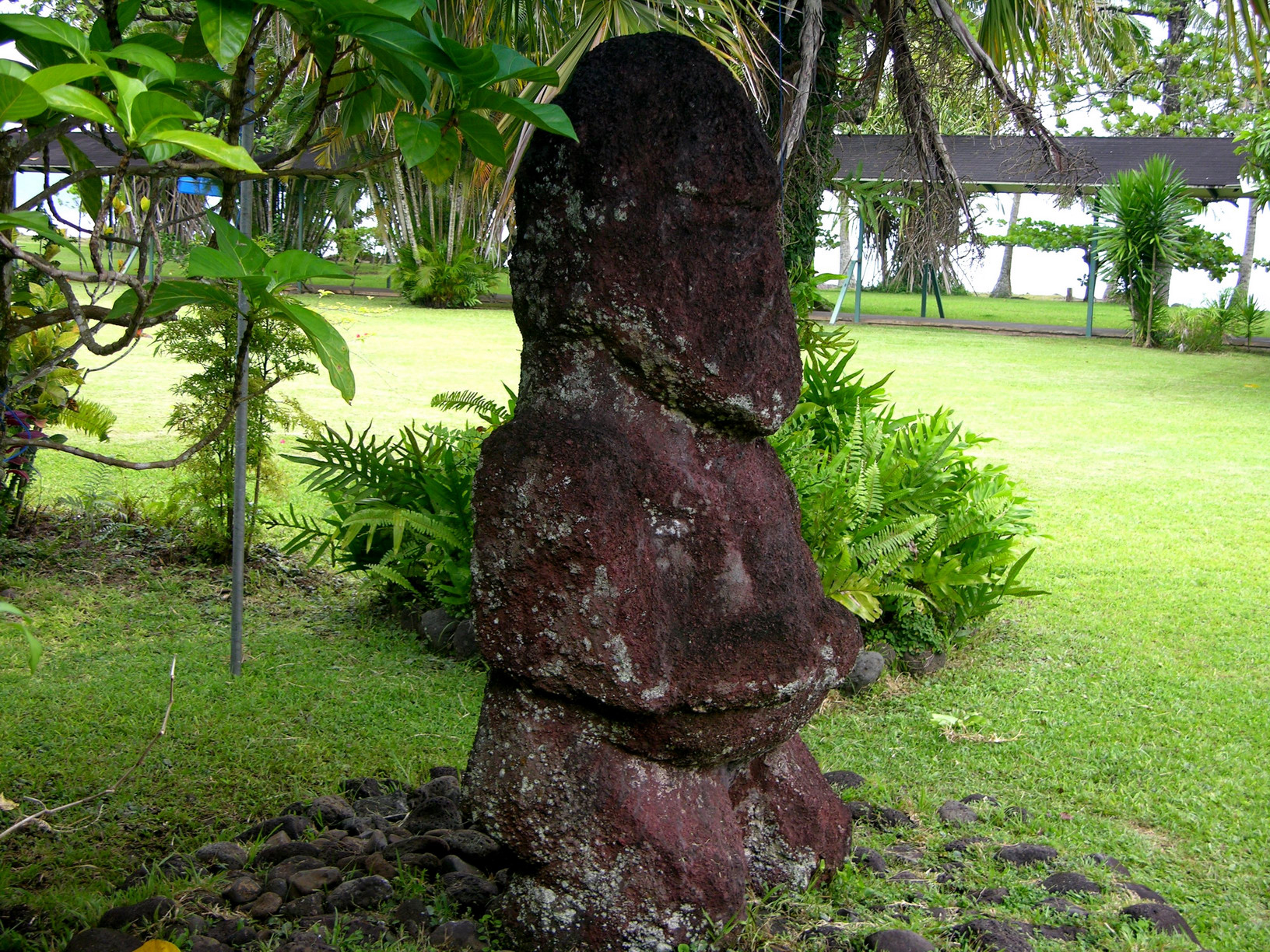
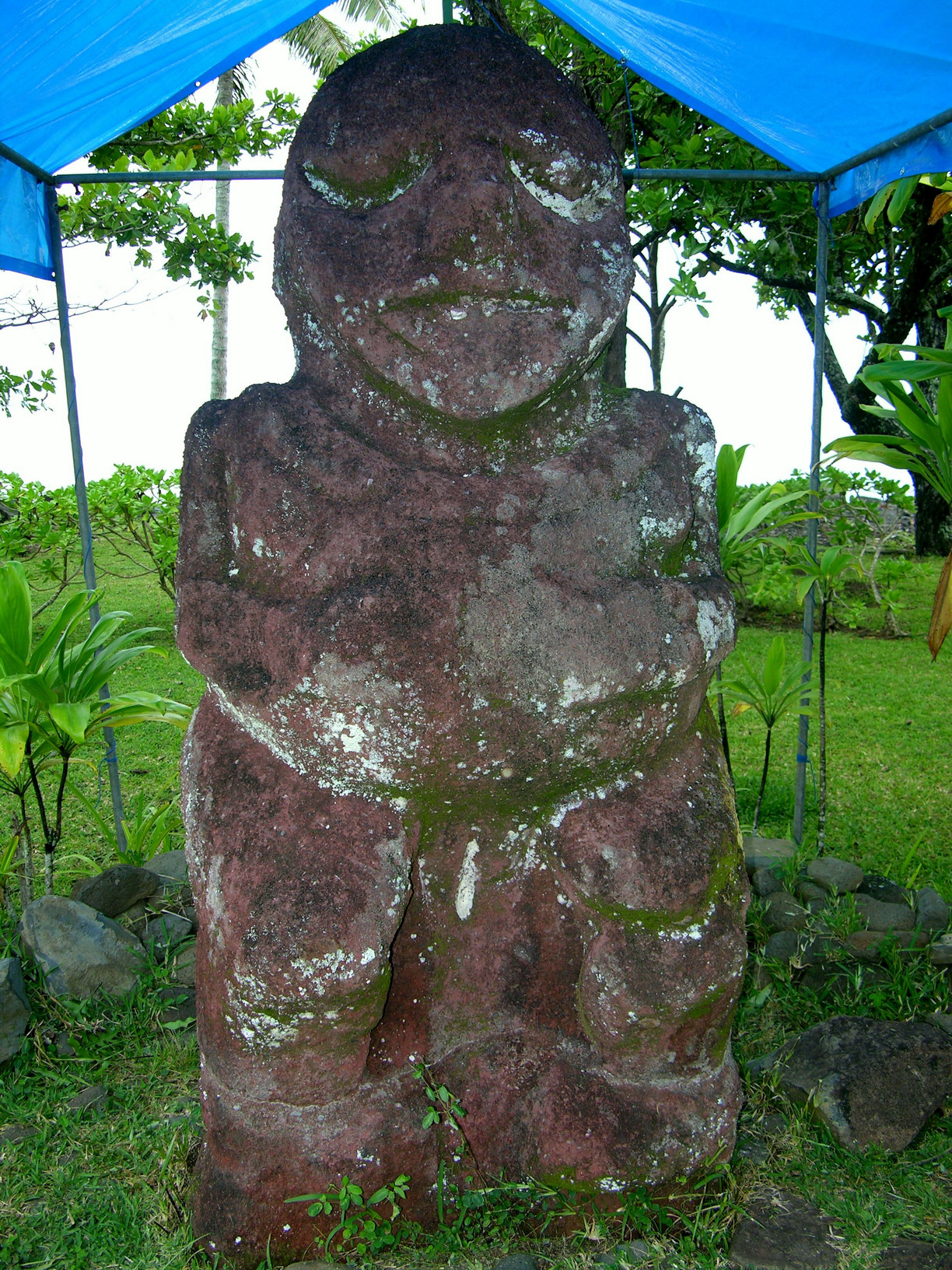
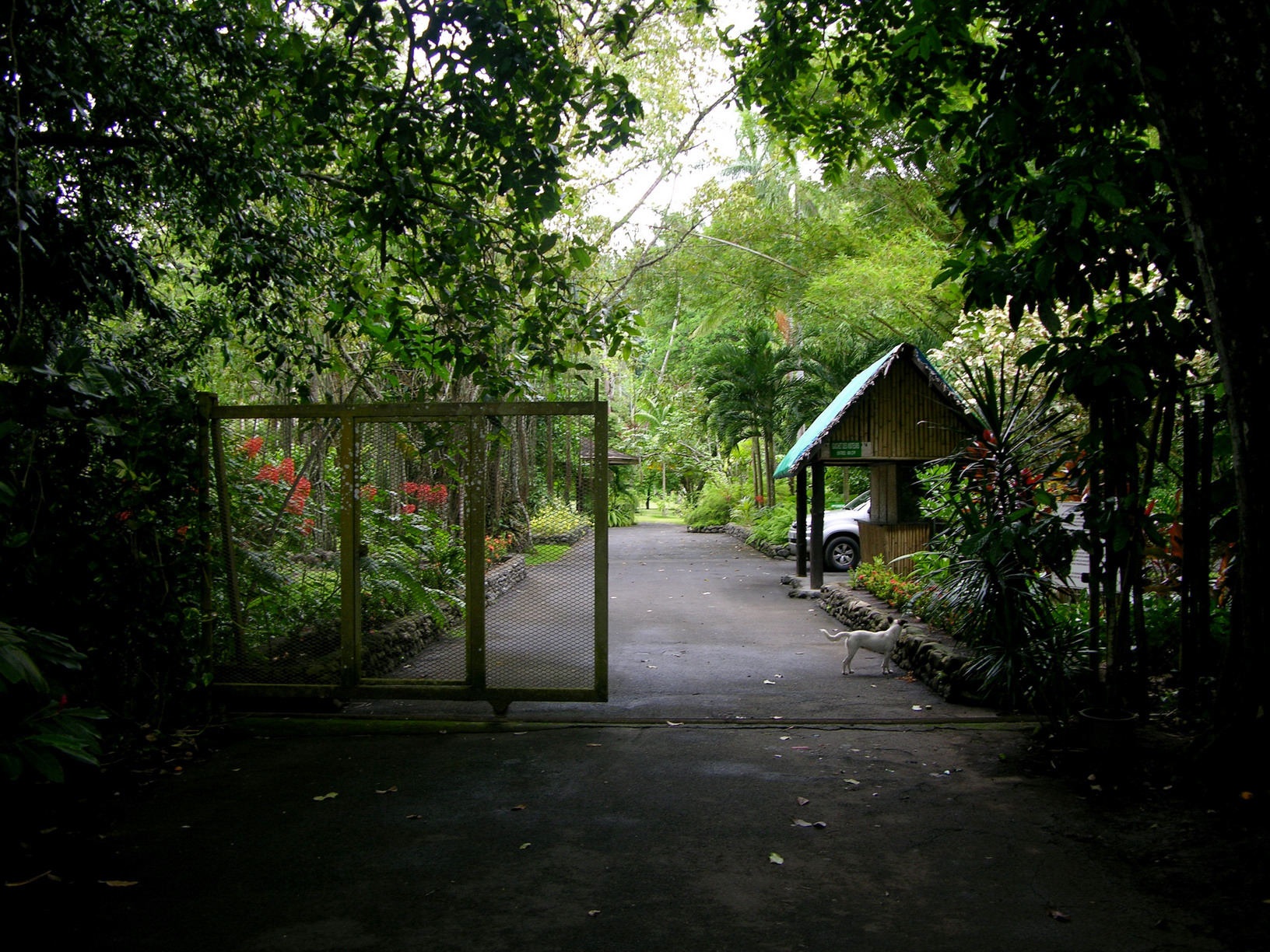
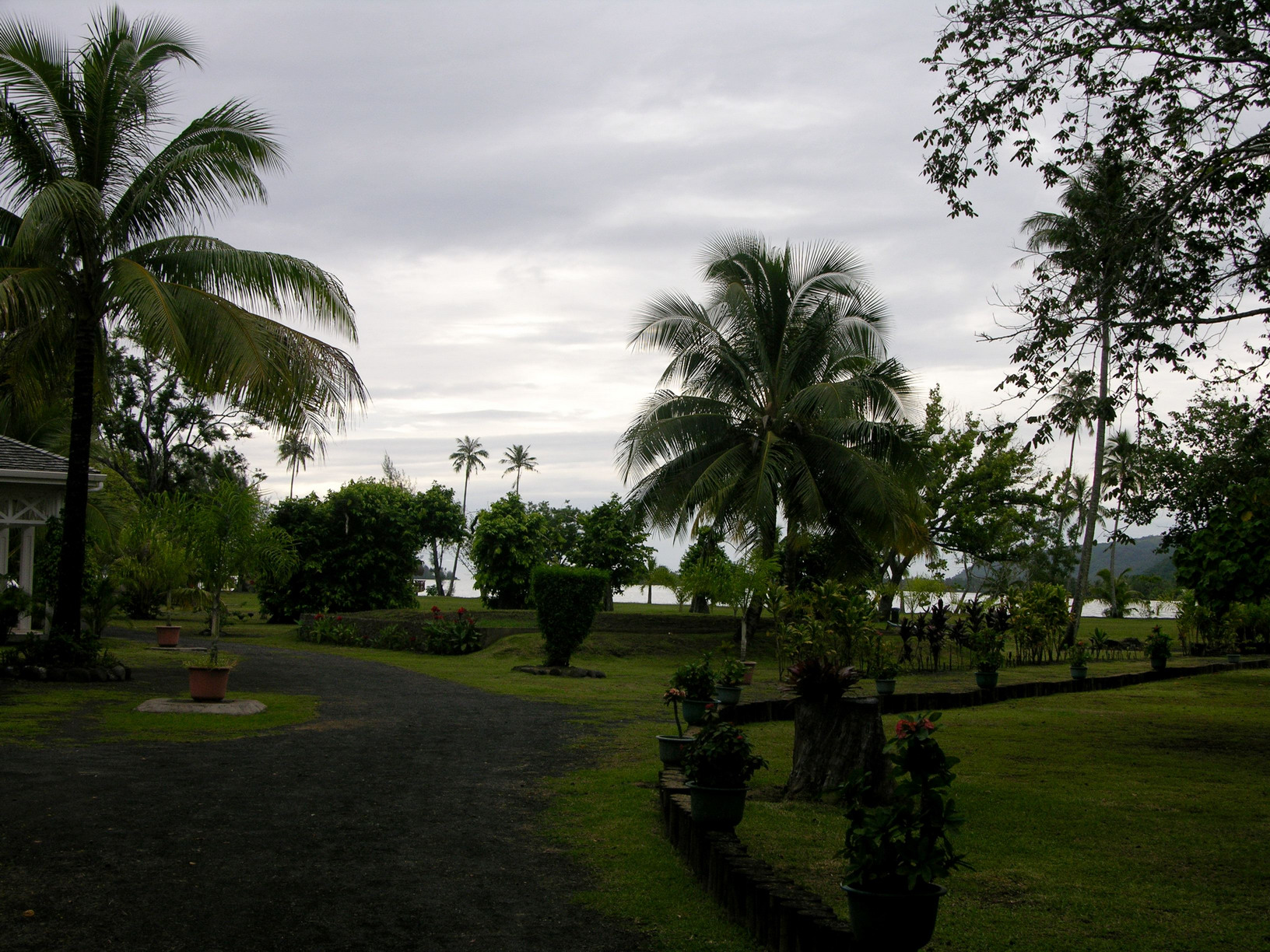
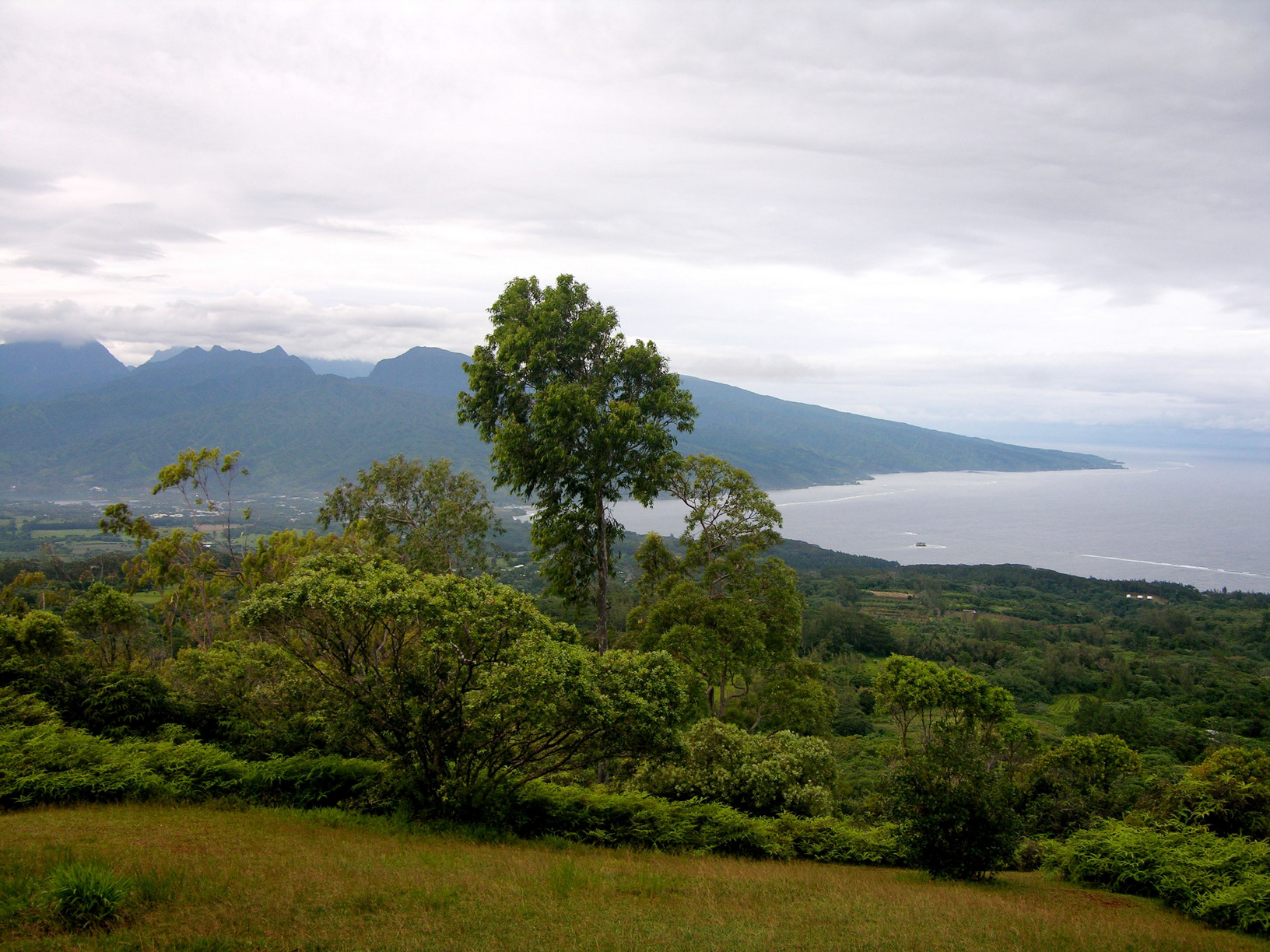
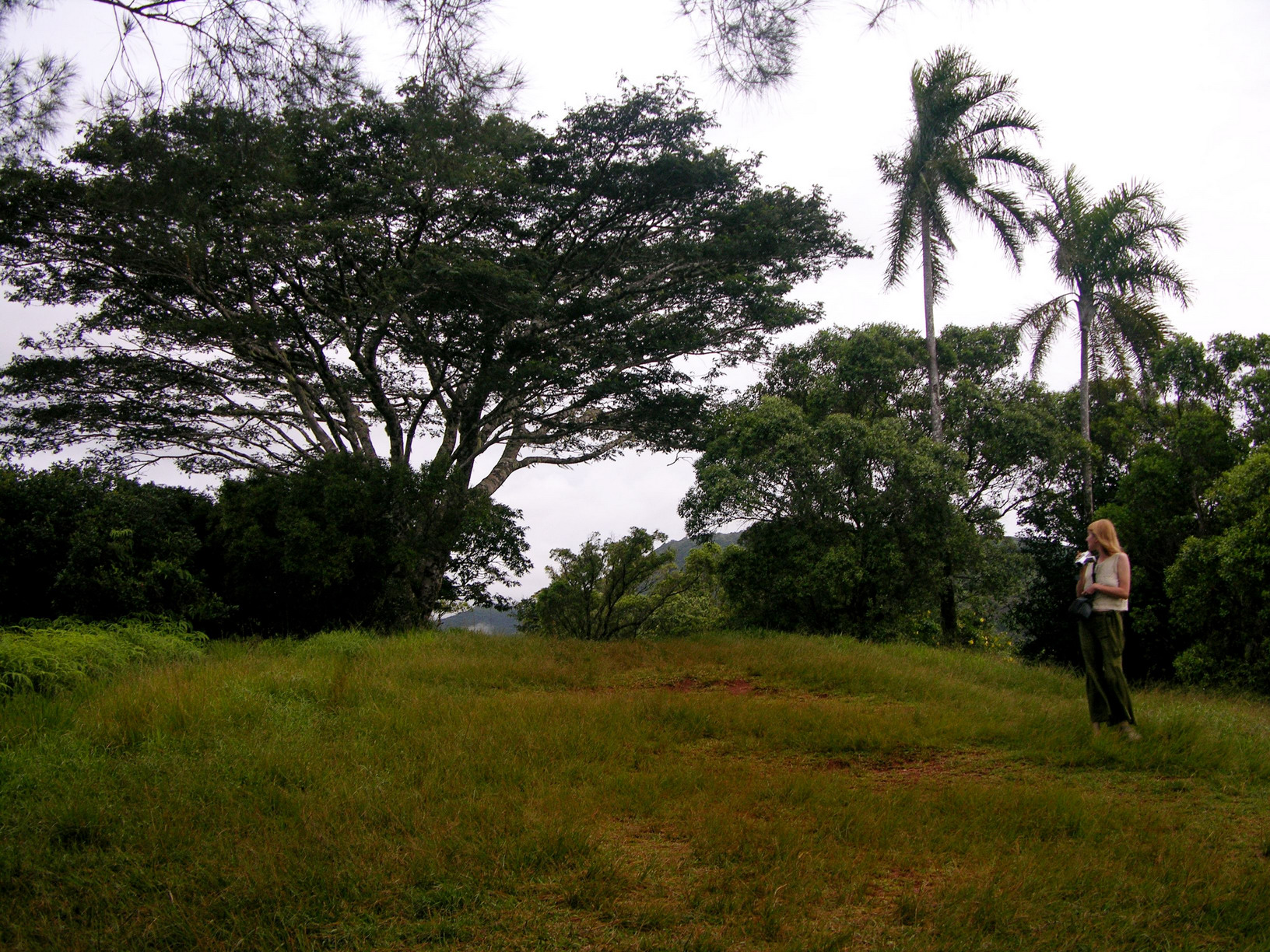
Tahiti is made up of two volcanoes joined by a short isthmus. A road circles the main, larger volcano, Tahiti Nui, while on the smaller Tahiti Iti there are just two stretches of coastal road that don't meet. We drove along both. We started with the northern one, then went up to the lookout, high above the coast in the mountains of the smaller peninsula. Here we watched the sunset.
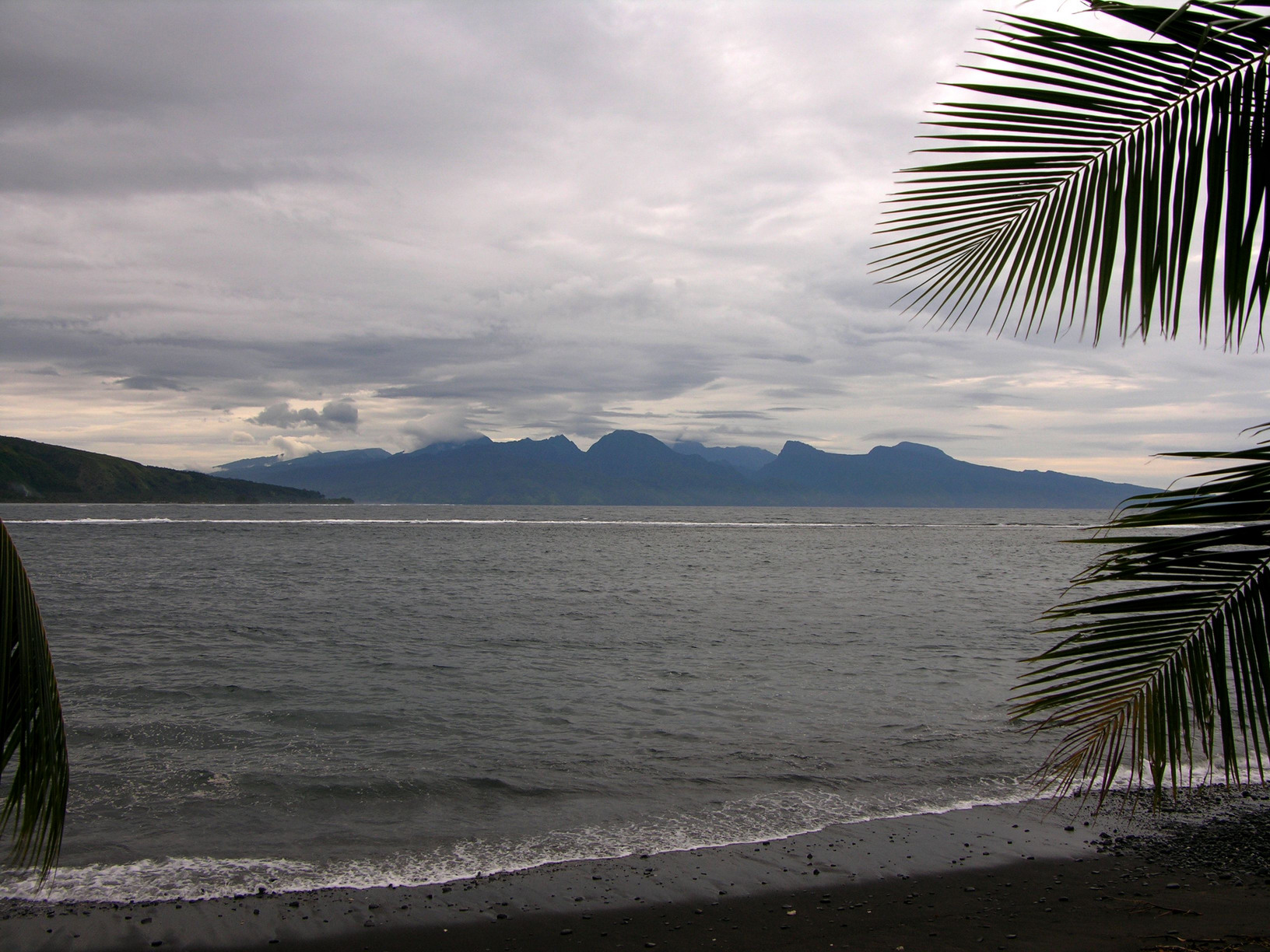
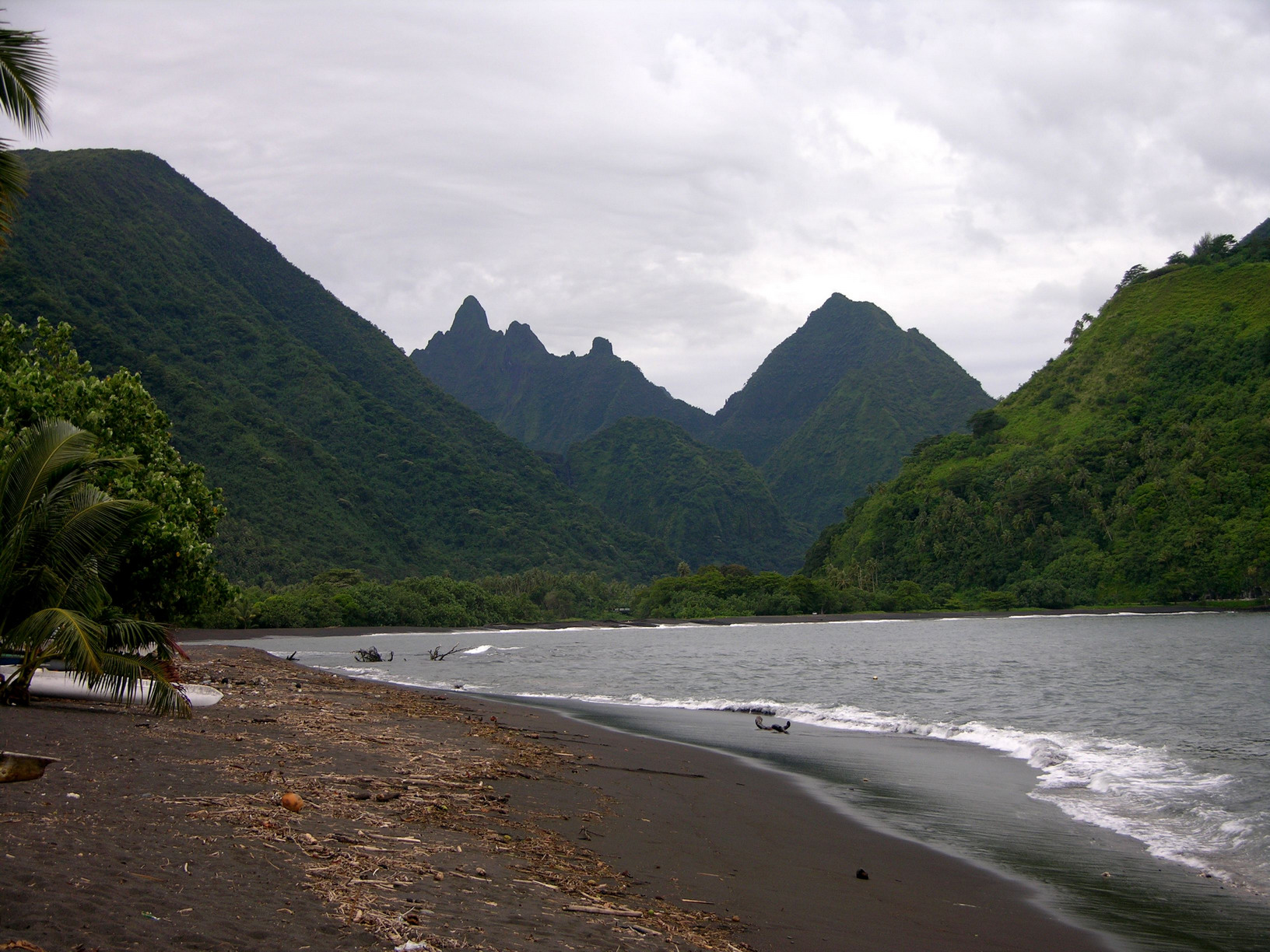
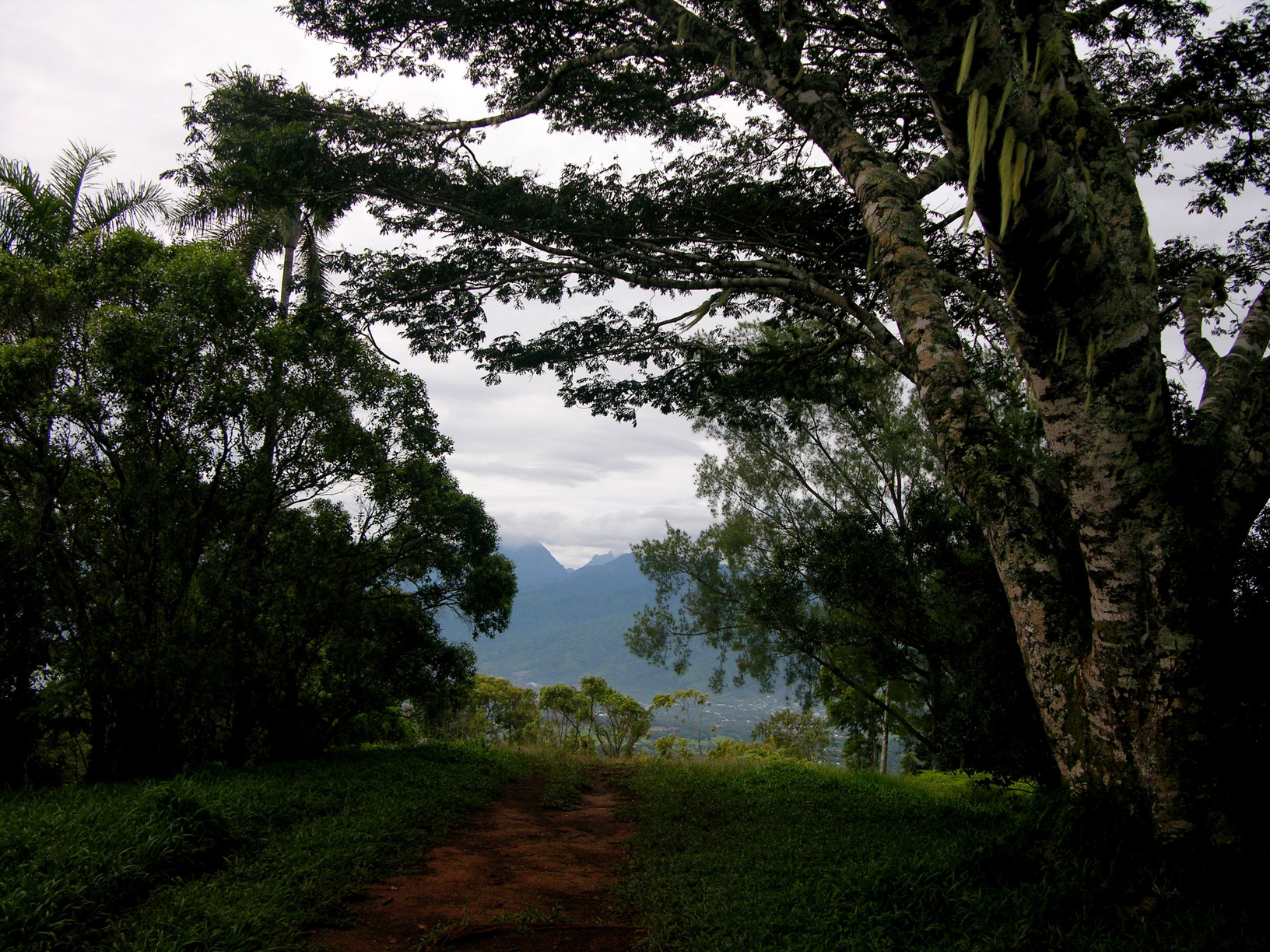
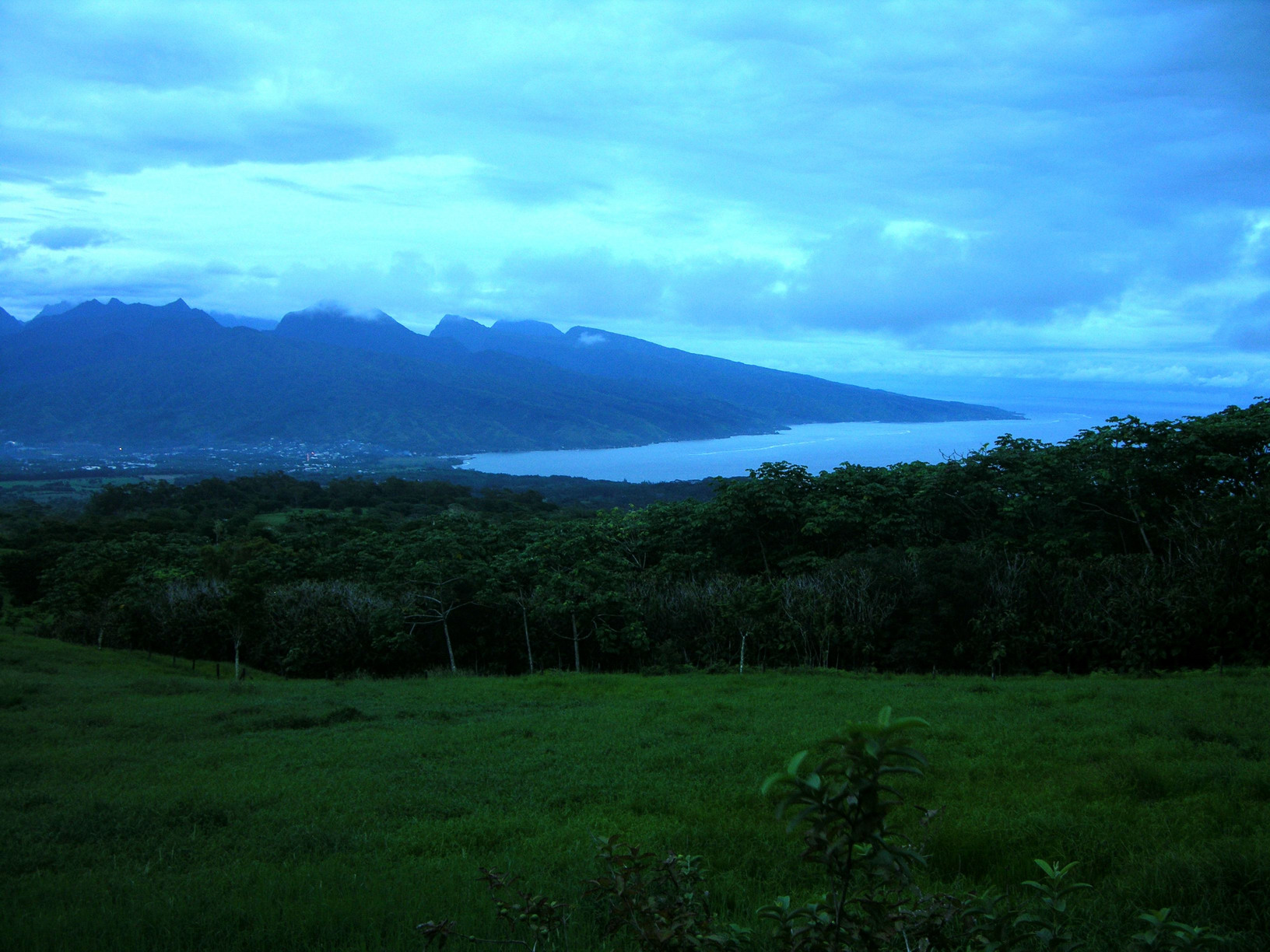
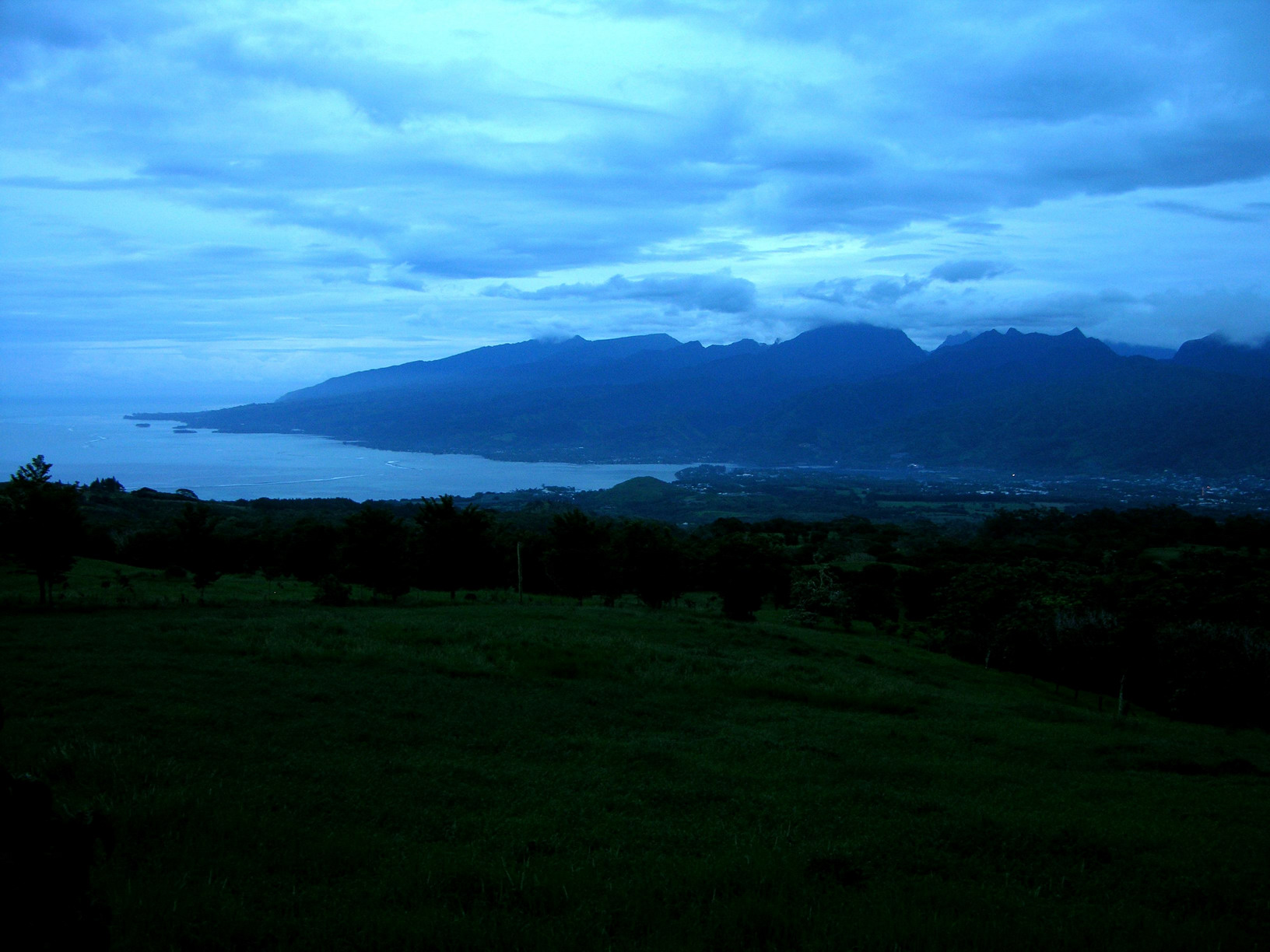
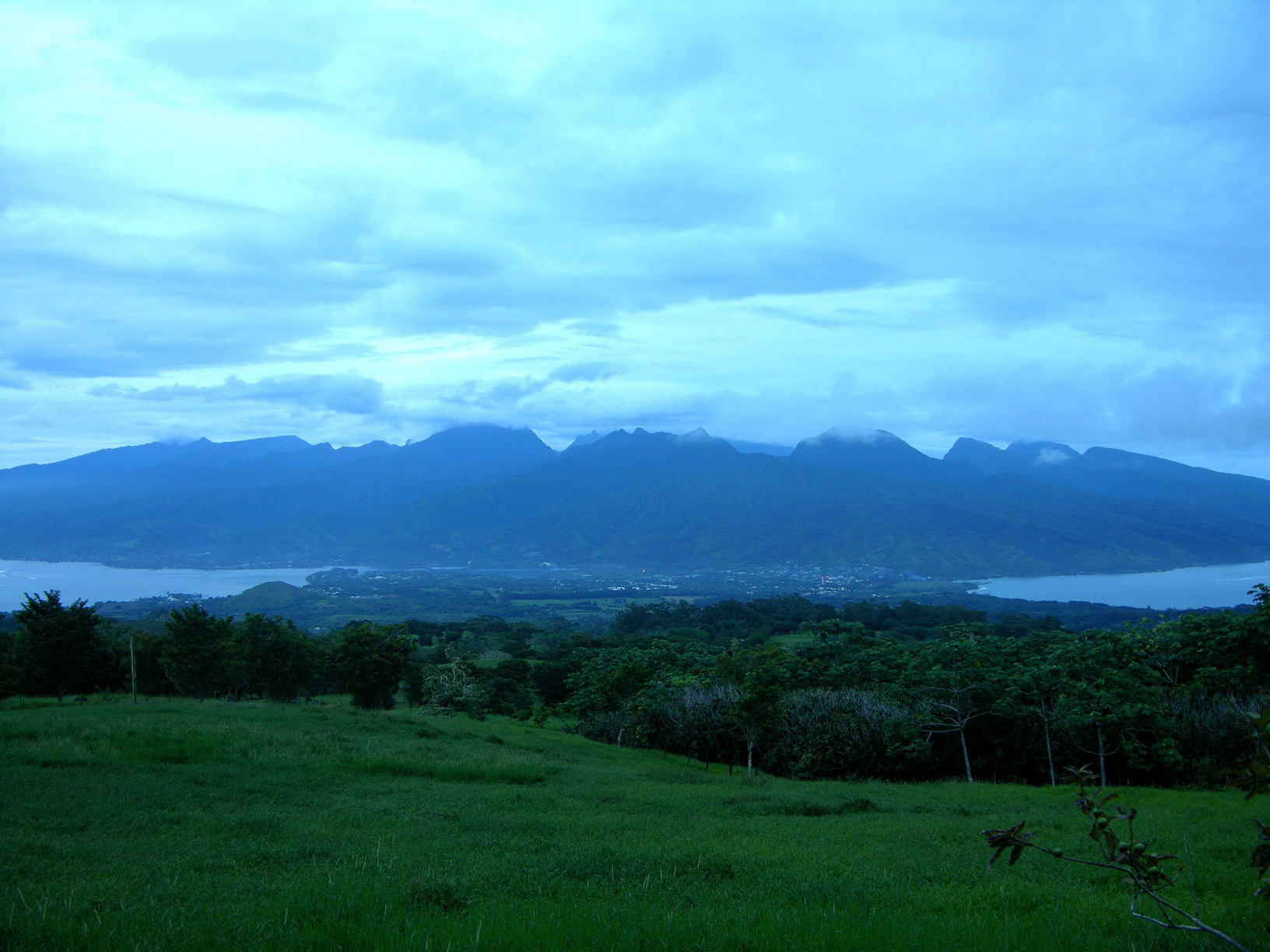
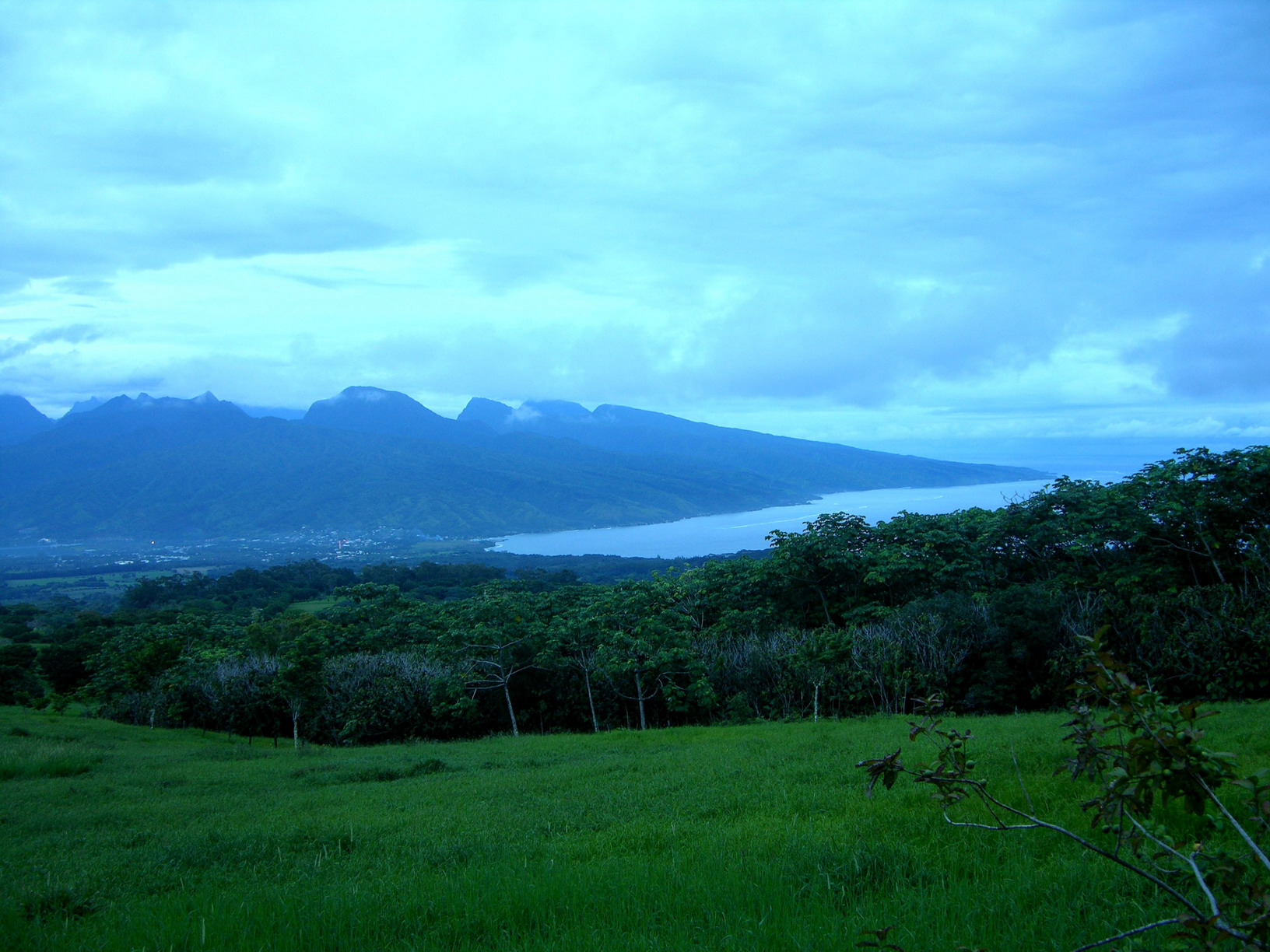
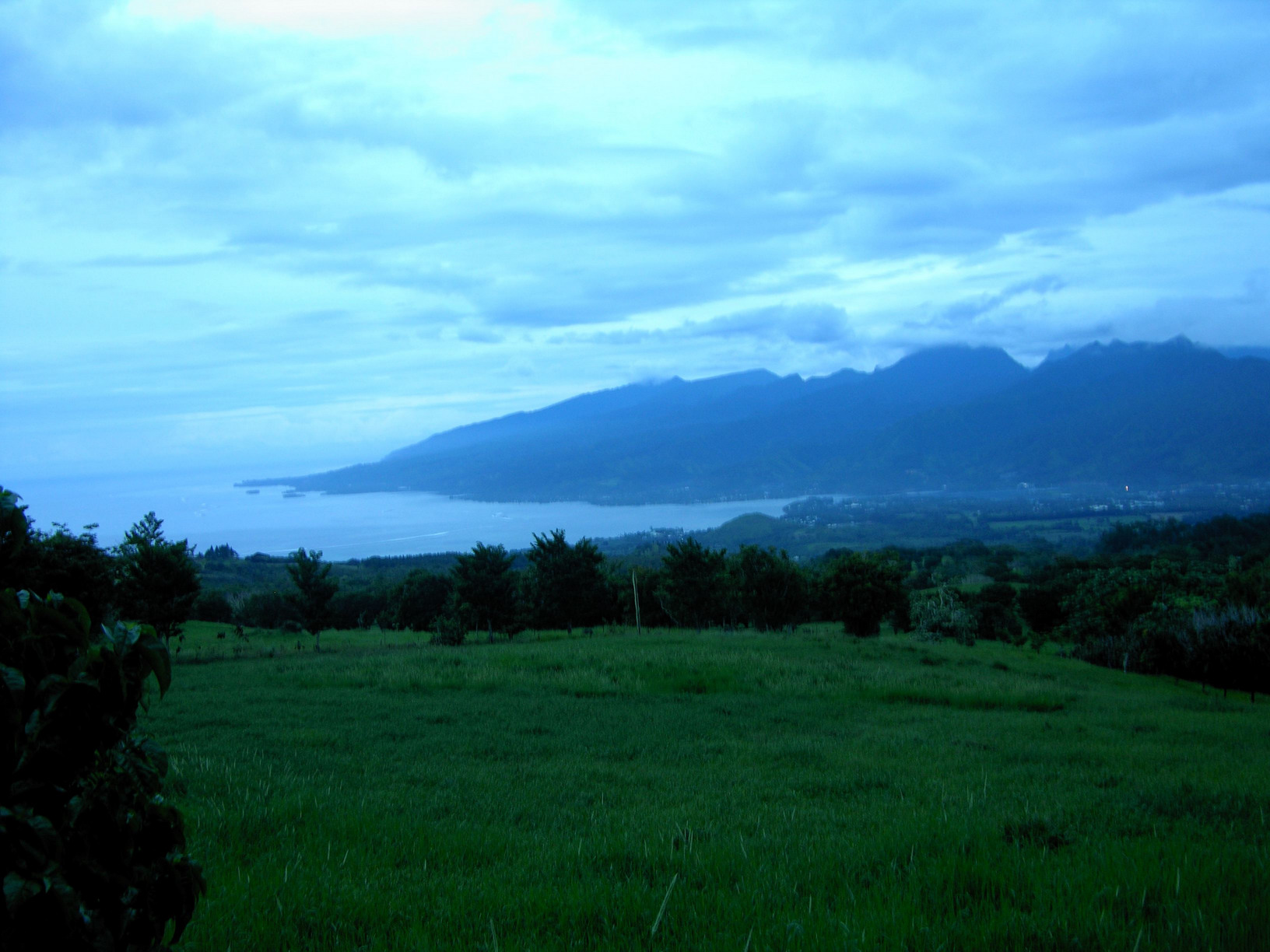
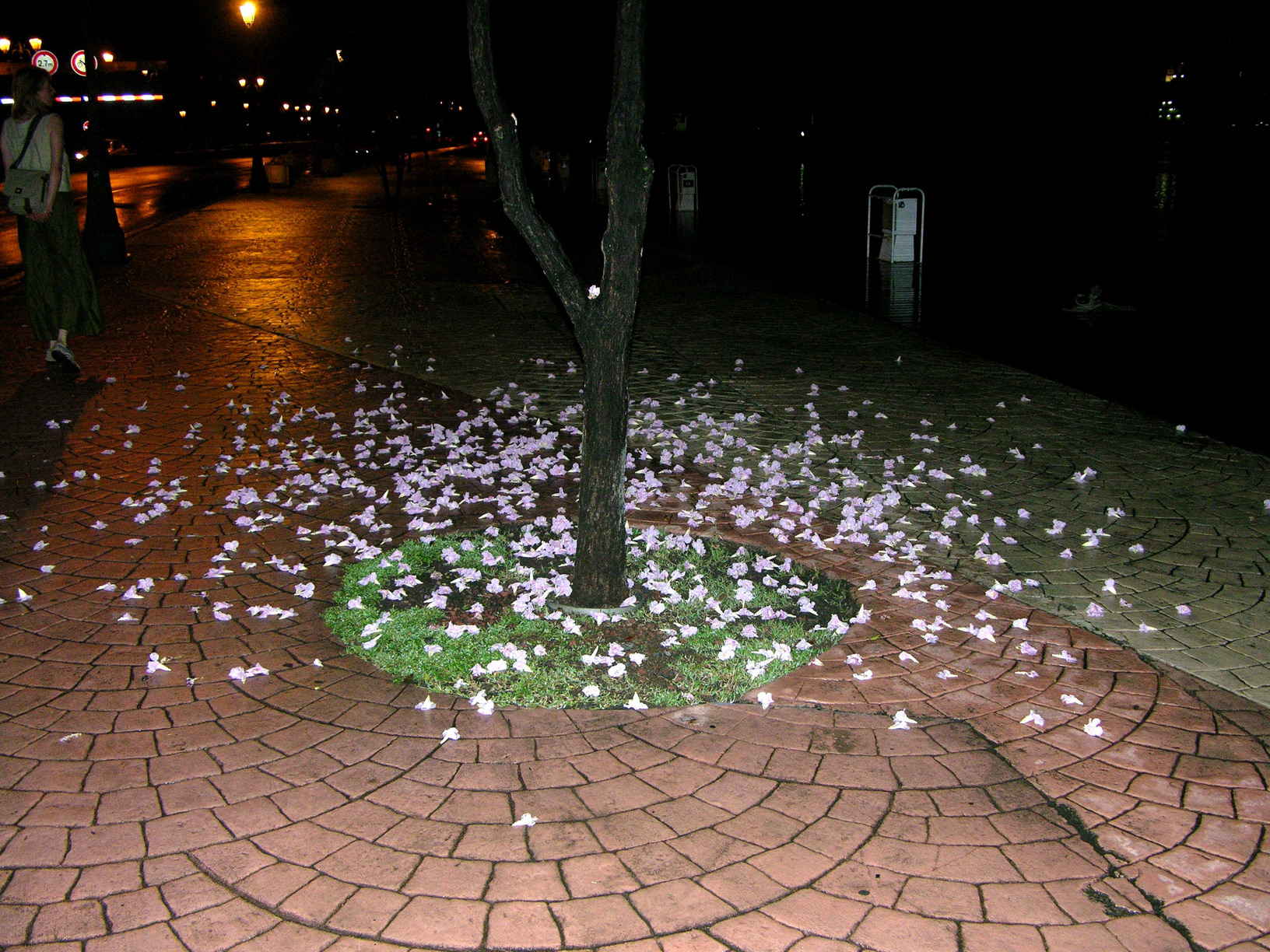
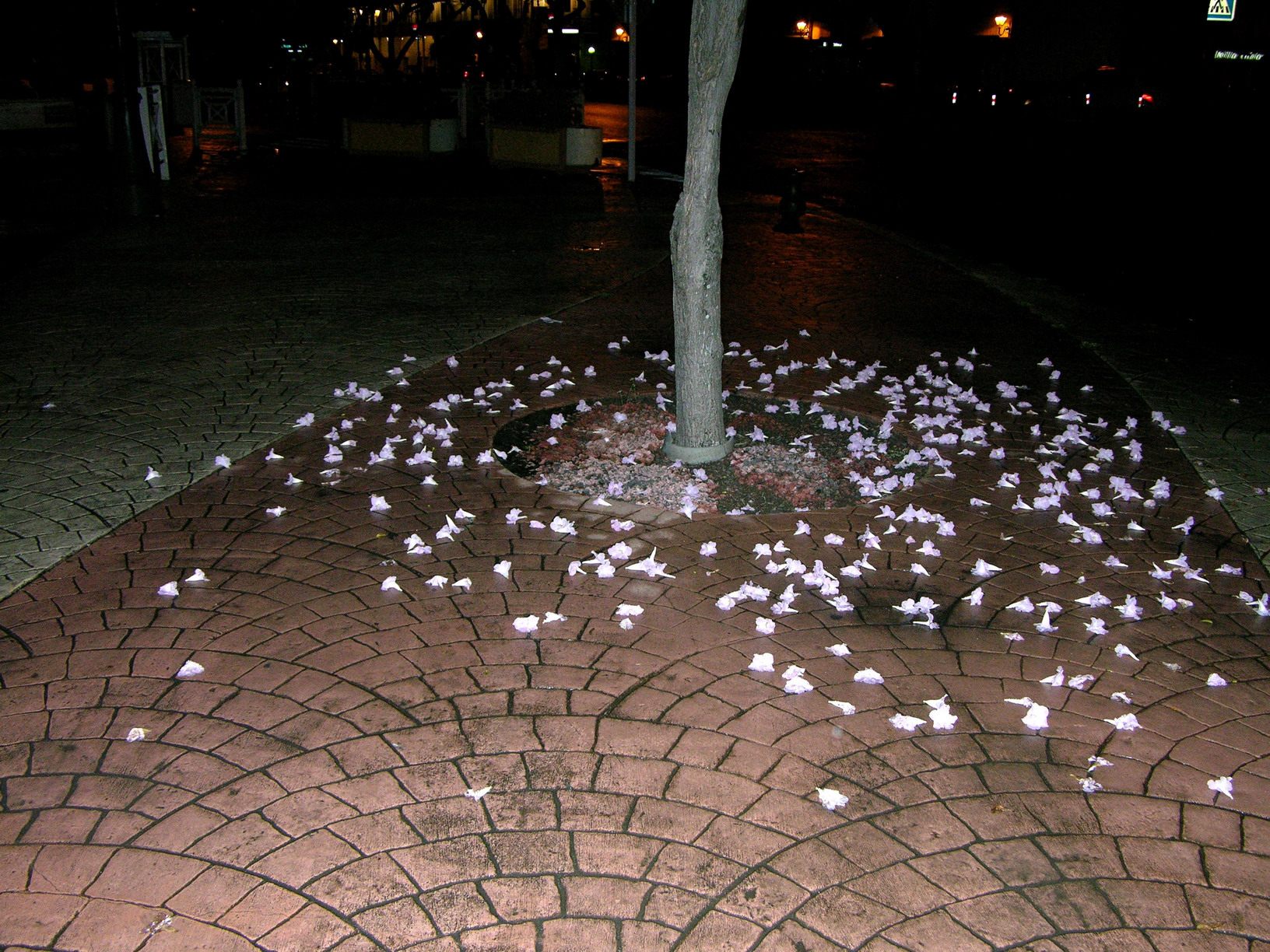
It was dark when we came down. In an out-of-the-way village we put another batch of postcards into a postbox. Our flight was at two in the morning, so we still had lots of time to drive. It was a pity we couldn't see much in the dark. Tahiti has all sorts of interesting places, with caves, waterfalls, wonderful rocky mountains and a four-wheel-drive road across the island from north to south. The travel agents all told us it was no place for tourism. Tahiti is a young volcano with far less lagoon space for overwater bungalows. Yet there is plenty to do once you leave the beach. I'd have liked to hike into the mountains with a tent. They're the highest in French Polynesia, and the view from two thousand metres is magnificent. In the end we had to see it at home in other people's photographs. Buying hotel reservations to secure a visa makes a week of backpacking rather expensive.
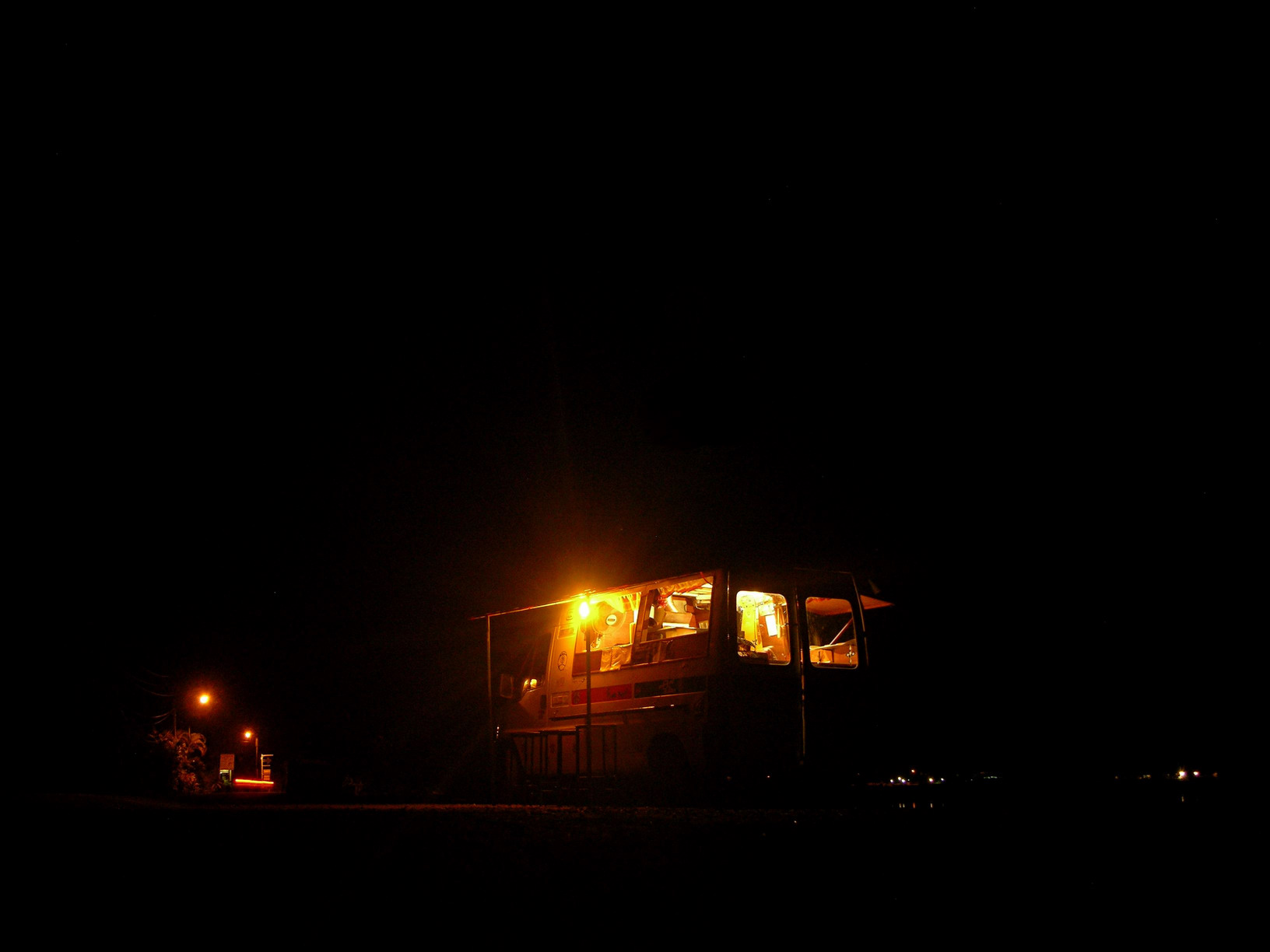
On the south coast we found a pizzeria in a trailer by the water. It usually fed surfers from the nearby beach, but its young owner had stayed on in the hope of serving a few more passing cars, such as ours. He spoke four languages and worked with hardly a day off. His profits could reach $200 a day. Under the local rules as he described them, he'd needed no permits, had no cash register and saw no sanitary inspectors. He did pay tax. If only it were like that back in Russia. He dreamed of a round-the-world trip of his own, by the way.
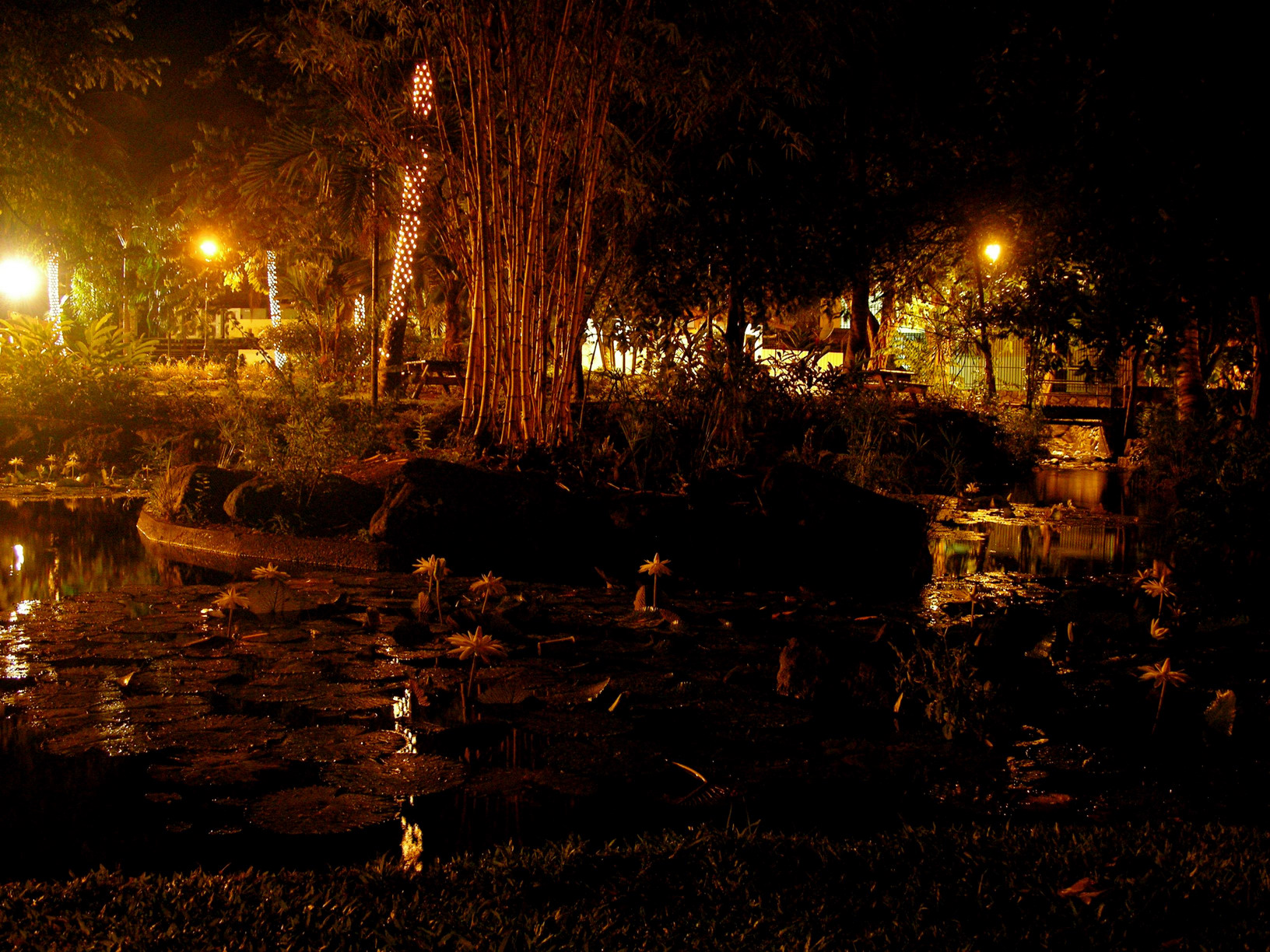
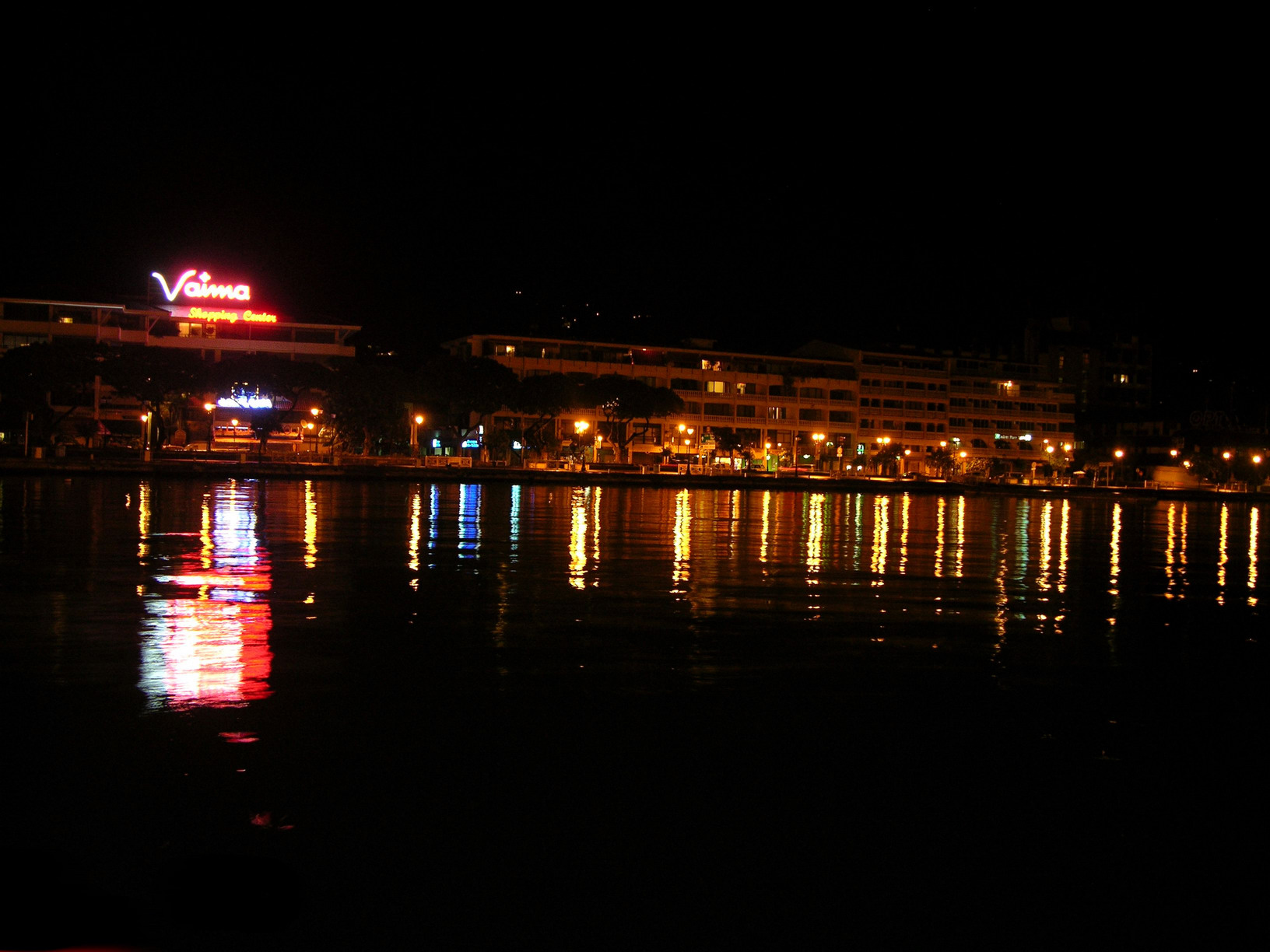
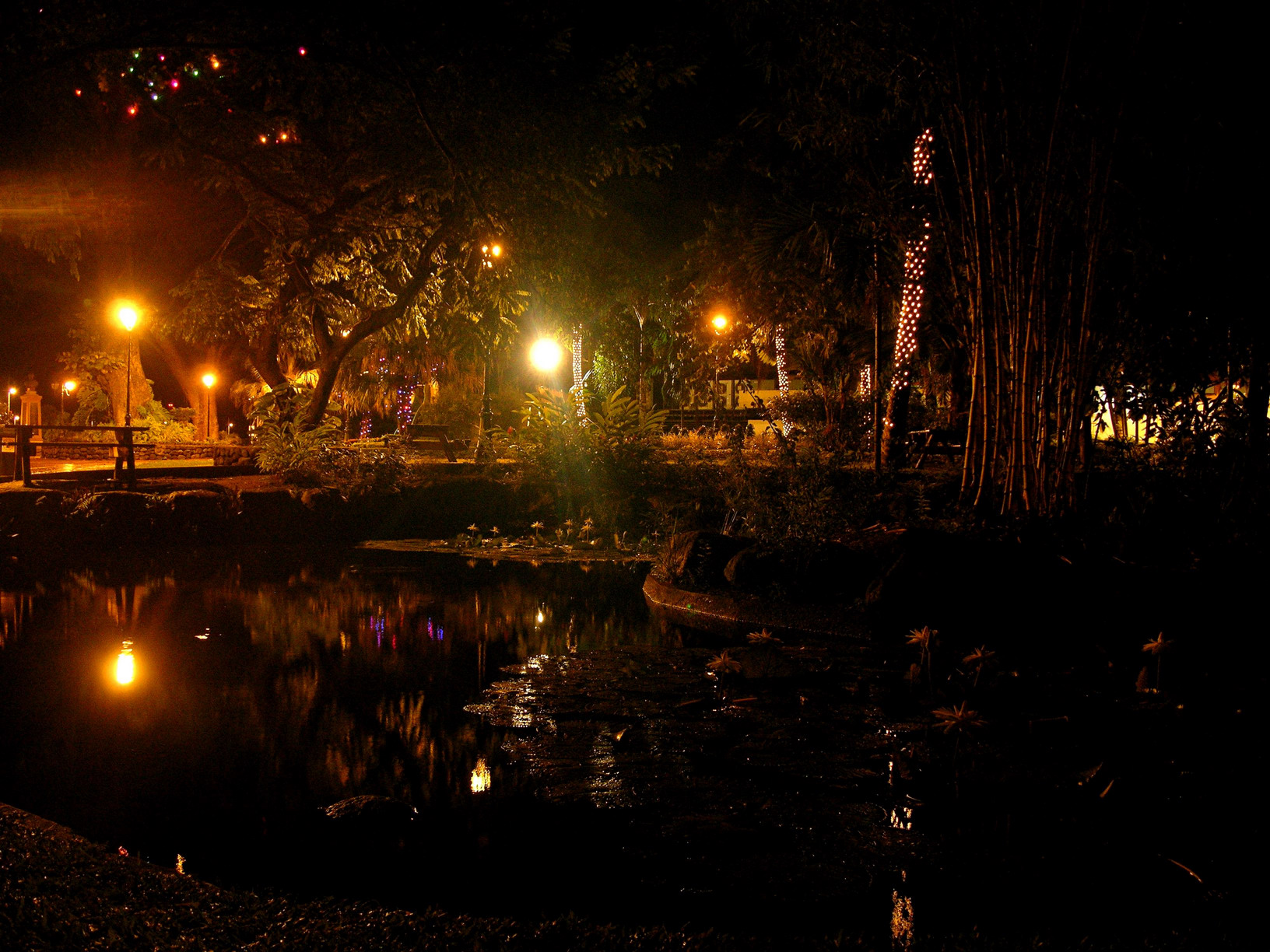
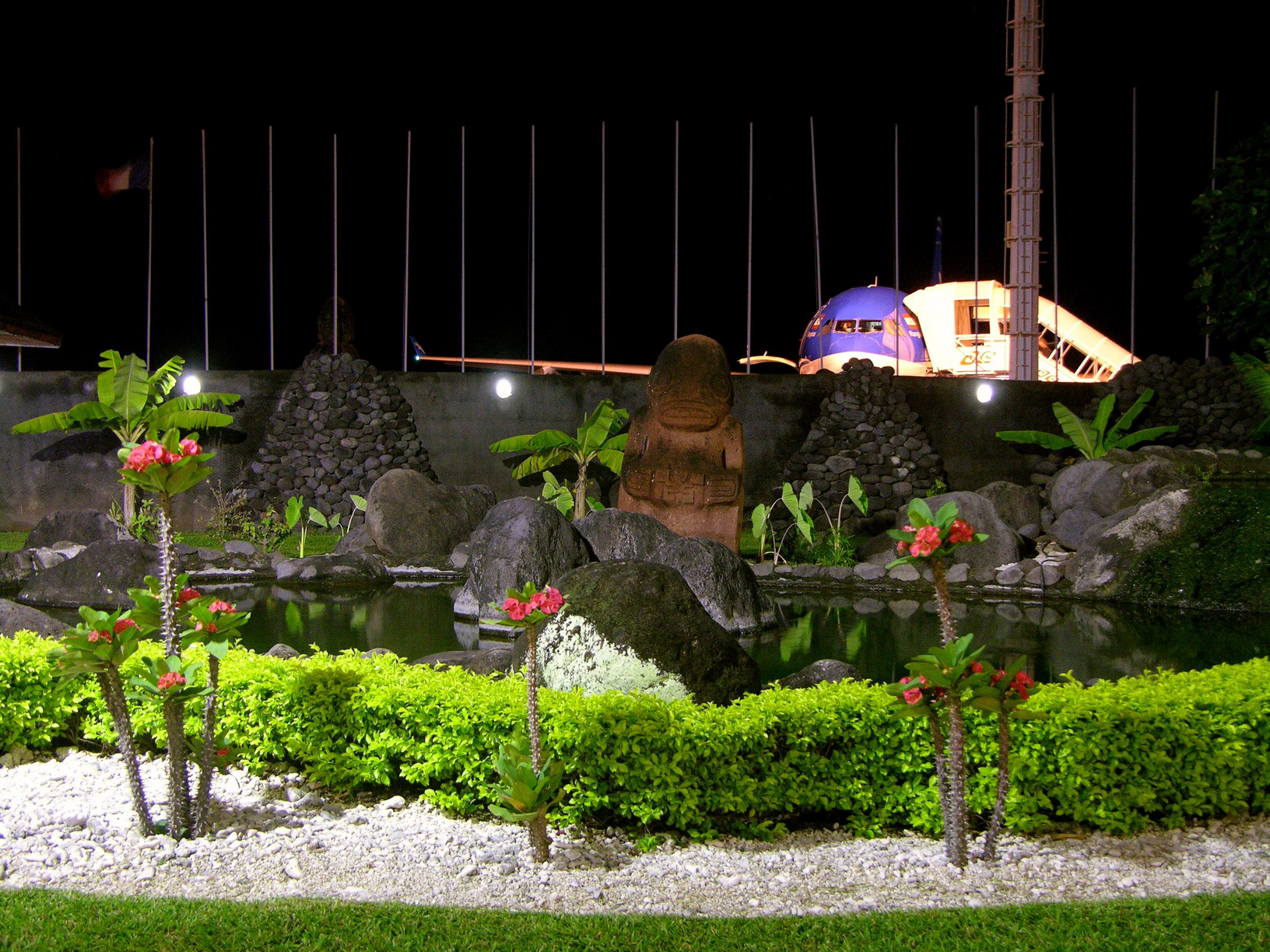
We still had time before the flight and went back to the capital for a wander around the city at night. Here it was quiet too. The only life we found was in one nightclub. We got back to the airport shortly before midnight. We needed to get there before the left-luggage counter closed to retrieve our bundles.
Now came the crucial moment. Could we check everything in without paying extra? We put the heaviest things into our hand luggage. At the scales I discreetly supported the bag with my foot to take some of its weight. It still came to thirty kilos a bag, but that seemed to be acceptable here. Our cases disappeared peacefully into the X-ray machine. On the man's screen the profile of the stone figure from Easter Island came up in the rucksack. Everyone laughed and he gave us the thumbs-up. The entire load was now checked through to Saint Petersburg via Sydney, Bangkok and London. Our hand luggage, pockets and shoes, on the other hand, were inspected more thoroughly than I'd ever seen.
First we were flying to Sydney. The aircraft belonged to Air Tahiti Nui, but the flight was shared with Qantas, which meant we could take it on our British Airways ticket. Everyone was given a flower before boarding.
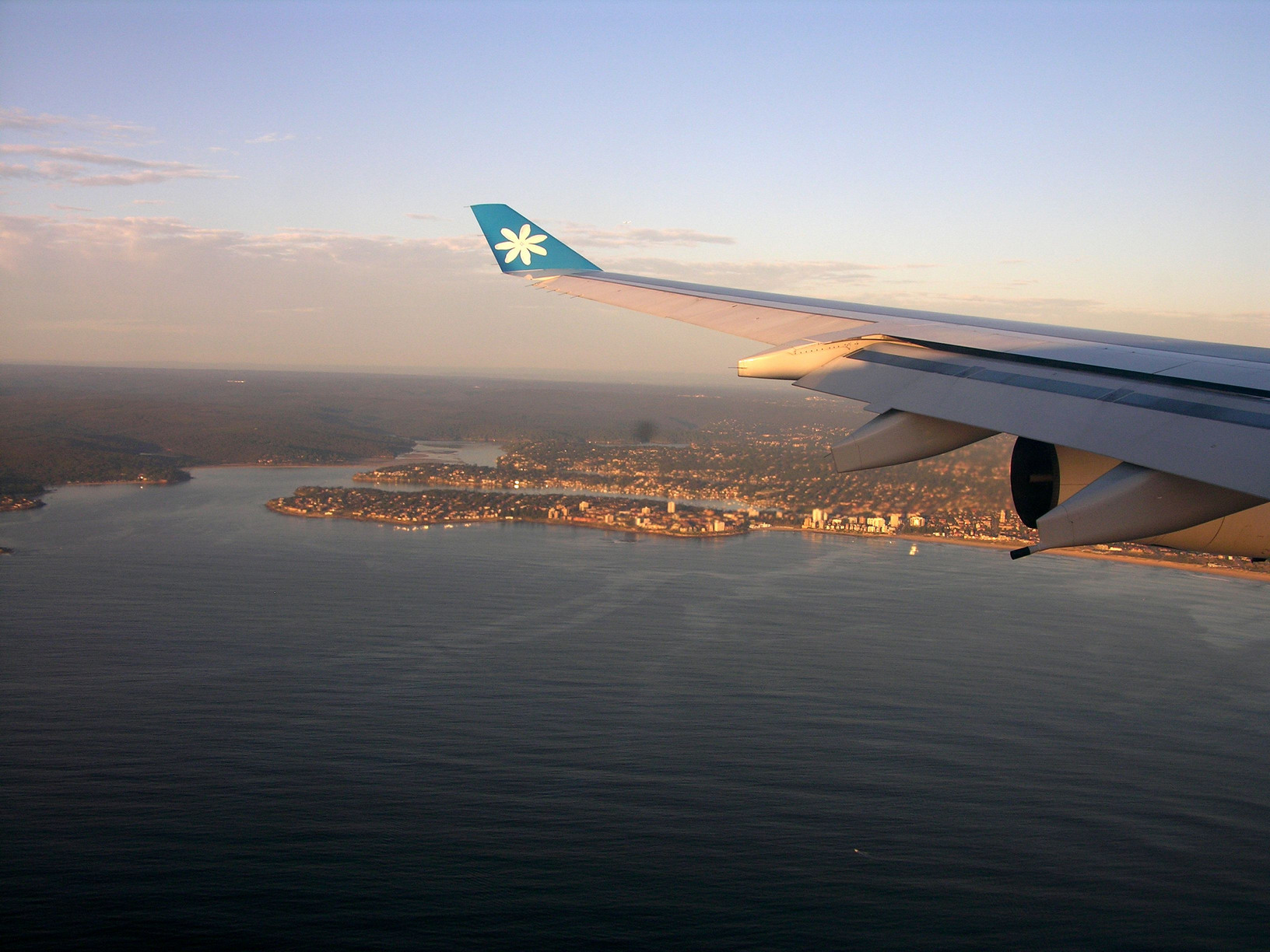
The flight took eleven hours. What a distance we still had to go. From Europe it all looks so close together. We slept through most of the flight. I woke as we passed near New Zealand, only seven hundred kilometres from Auckland.