Alexander Simo’s diary
From 7 July to 5 August 1997 we travelled from Severobaykalsk to Khuzhir. There were four of us. Sasha and Tanya Simo paddled a Taimen-3, and Sasha and Marina Sochava paddled a Taimen-2.
There is also Marina’s diary. The same trip, from a different point of view.
7 July 1997. Saint Petersburg
Left home at 19:00. We got a ride to the station and bought water and a lot of instant mashed potato. At 21:10 we caught train 65 from Saint Petersburg to Omsk. We stayed awake until the bridge over the Syas, then fell asleep.
8 July. On the train
All day on the train. We woke before Buy. We lay around the whole day and did not even get out at the stations. It was hot outside and my allergy was playing up.
9 July. On the train
All day on the train. I woke near Kungur. We filmed the Chusovaya and Pervouralsk. From Yekaterinburg we went south towards Kazakhstan. We walked around Kamensk-Uralsky and Kurgan. That evening the train went through rain and thunder.
10 July. Train and Omsk
Arrived in Omsk early in the morning and took turns walking around the city. The Irtysh was very muddy. We bought open-sleeper tickets on train 12 from Chelyabinsk to Chita and spent the day riding across a dull plain as far as Novosibirsk.
11 July. On the train
We woke before Krasnoyarsk, took a walk, stocked up and ate very well at a restaurant. In the evening we unloaded in Tayshet. There were no trains to Severobaykalsk. We went to a hotel, where two double rooms cost 130,000 roubles. As soon as we settled in, tickets to Lena became available. We bought Admiral Kolchak beer. (55°56.451′N, 98°00.178′E)
12 July. Tayshet and the train
We checked out of the hotel at 11:00 and hung around Tayshet all day. Tanya and I walked around in the morning. The town has an enormous number of shops. It was very hot. We bought some milk and drank it in the hospital courtyard. I got overheated and had a headache all evening. We had no trouble getting tickets. We got a whole compartment and three sets of bedding in Severobaykalsk bags. It was train 76 from Moscow to Tynda.
13 July. Train and Severobaykalsk
We woke just after Bratsk. There was a long stop at Lena station and we went for a walk. The train went on along the Lena River and across the bridge where construction of the Baikal–Amur Mainline began. The railway is alive and well, as it turns out. There are some old rotting barracks, but it has regular traffic and well-kept, completed stations like Zvyozdnaya and Ulkan. We went to the restaurant and ate Nordic instant mash. In the evening we filmed the mountains and tunnel (1, 2). The Baikal Tunnel is one of the longest in Russia, if it is not the longest.
We reached Severobaykalsk late in the evening, at about 23:00. A lovely station and a respectable, clean town. We started taking our gear to the beach, but we met a man who told us to keep away at night because of the local toughs. He spent ages frightening us and urging us to stay at his place. Once we were there he had even worse stories. Stay clear of the shore by Baykalskoye because of the drifters and exiled followers of Semyonov. Watch out for the Buryat nationalists, who would kill you at the slightest provocation. Farther into the taiga the bandits fire carbines at anything that moves. I think he meant the rangers. Then he added that his neighbours were afraid of him because he owned two carbines and had a habit of shooting first and thinking later.
We were a little frightened. In the end he let us sleep in his room, fed us and gave us two buckets of potatoes for the journey.
14 July. Severobaykalsk
Air temperature 28°C in town, 22°C on the beach. The water in Baikal was 18°C. We got up at seven and moved our gear to the beach. We packed up and walked around Severobaykalsk until 16:00. We swam. It was sunny and we got burnt. A strong northerly brought wind and waves. We bought a lot of food and set out in a little storm. The strong north wind from the Angara was the verkhovik. We paddled until 21:00 and camped on Boguchany Island (55°25.906′N, 109°13.138′E). I was out of practice, fell into the water as I landed and got thoroughly wet.
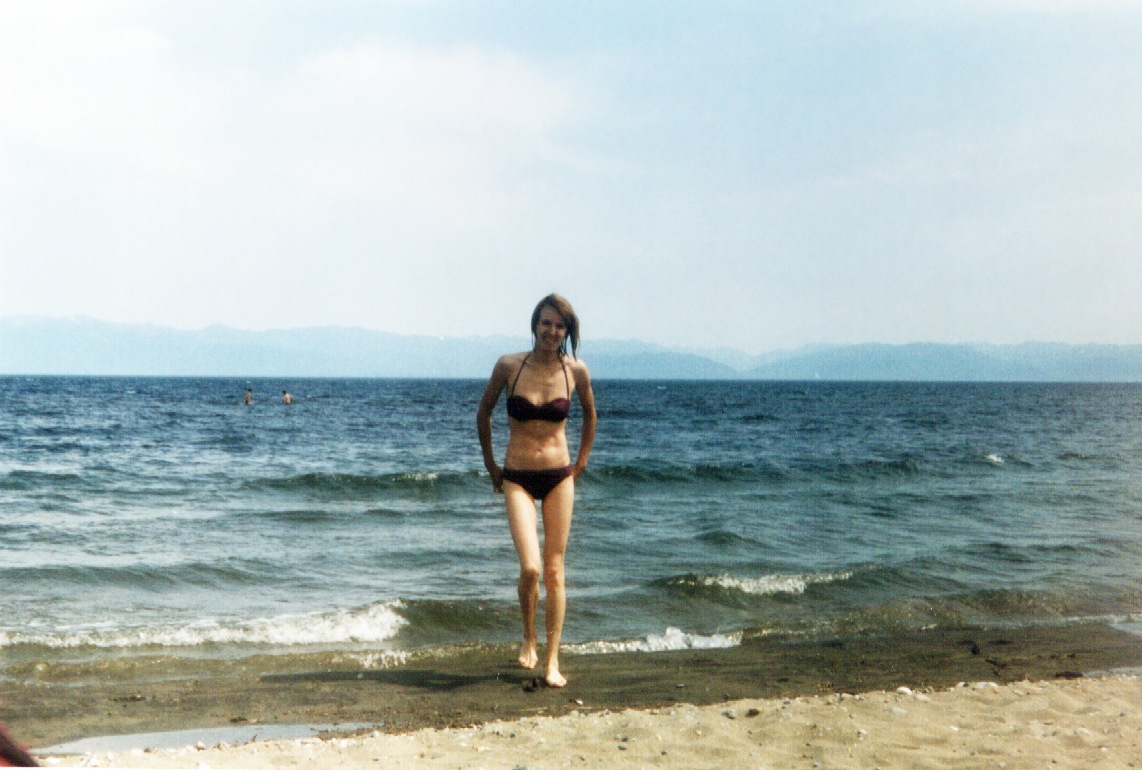
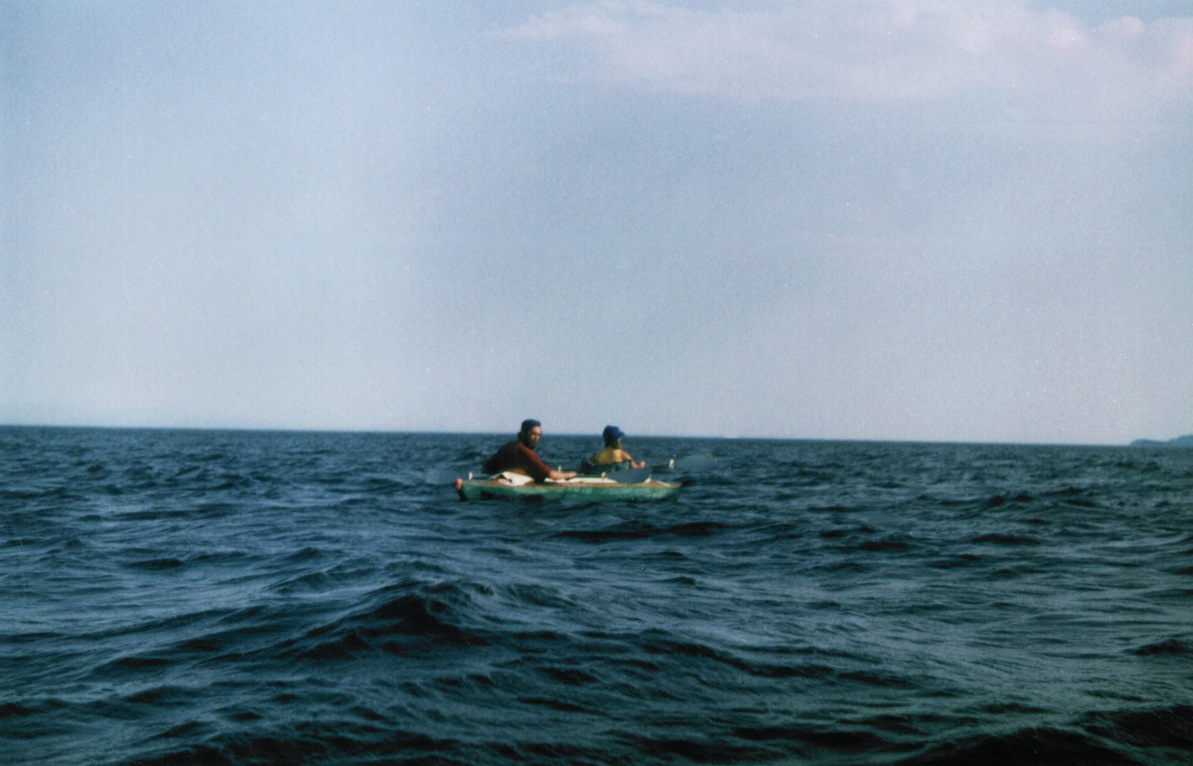
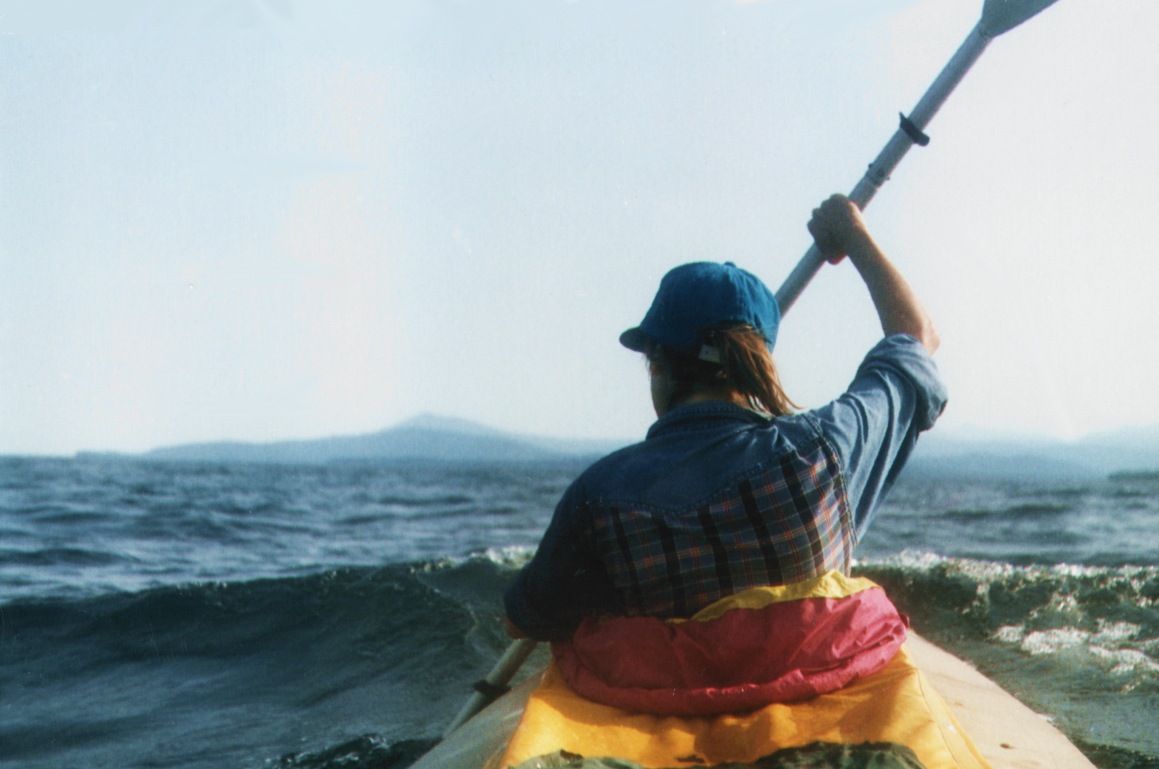
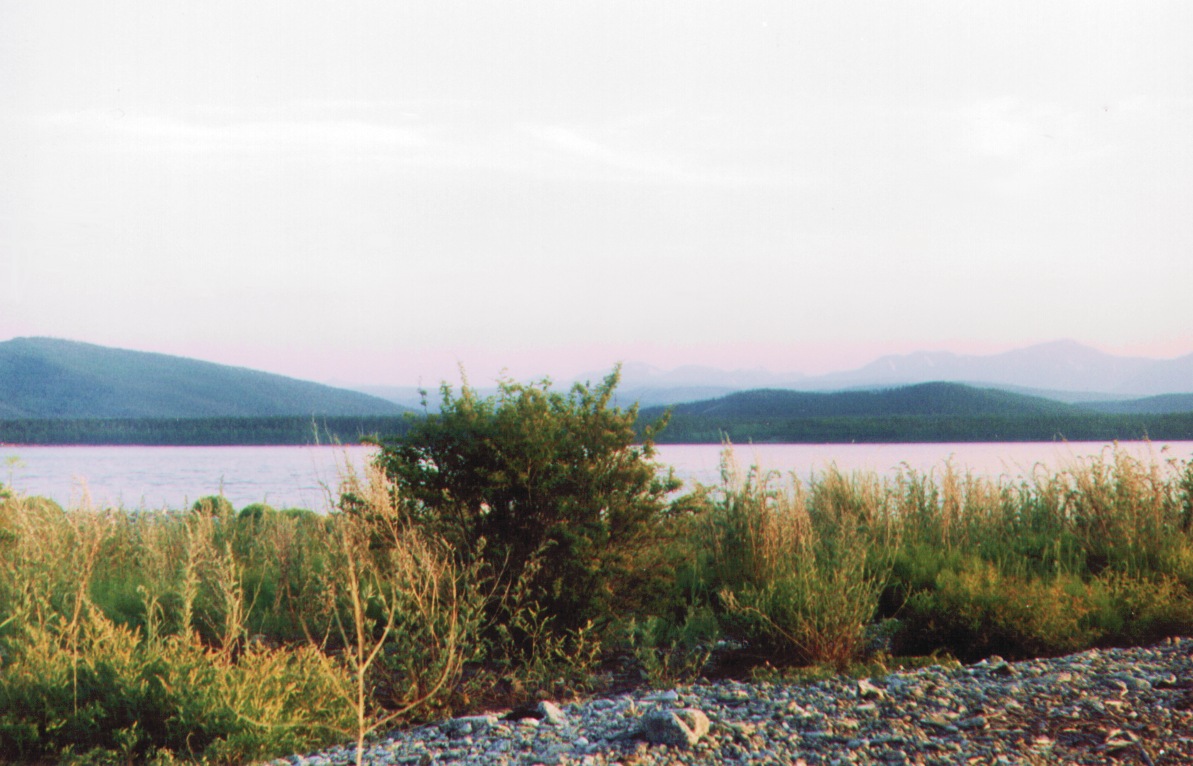
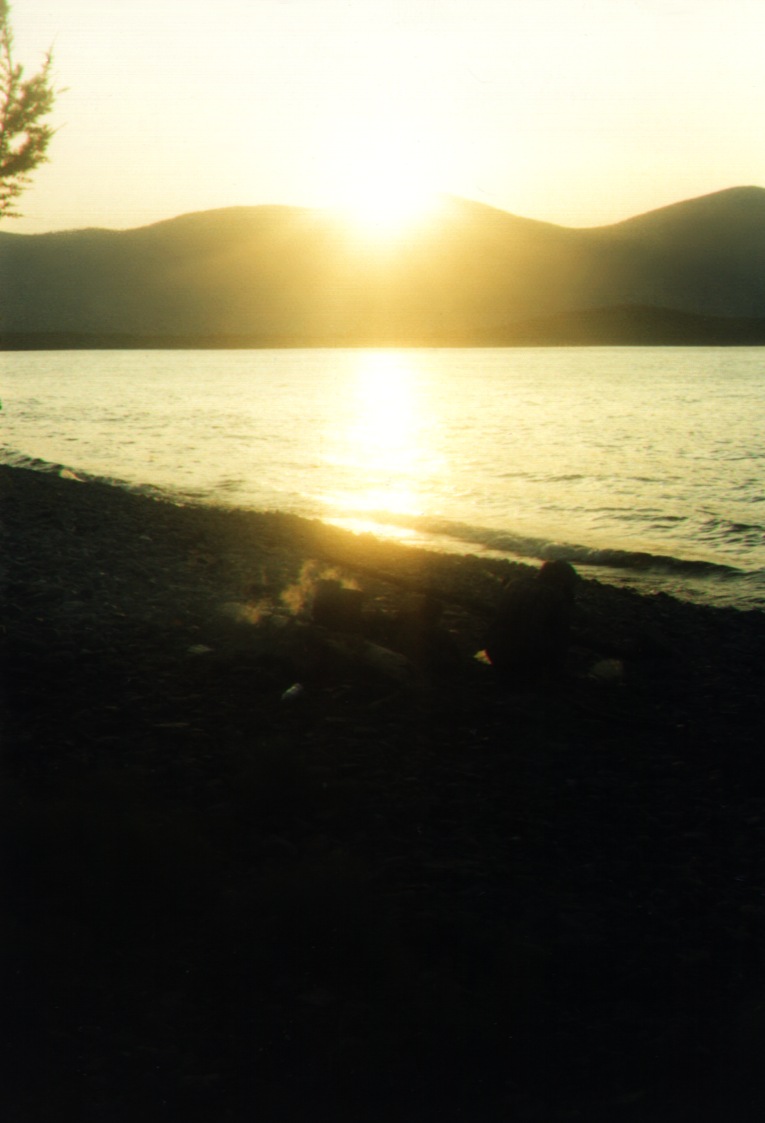
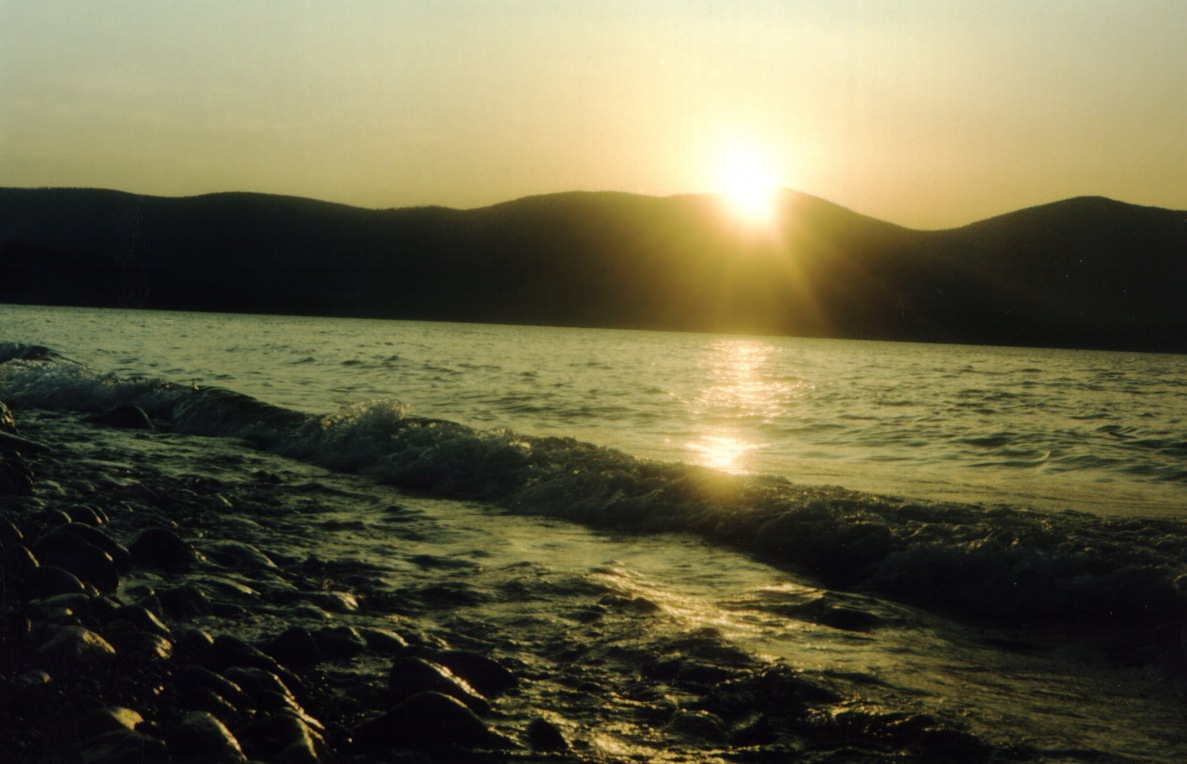
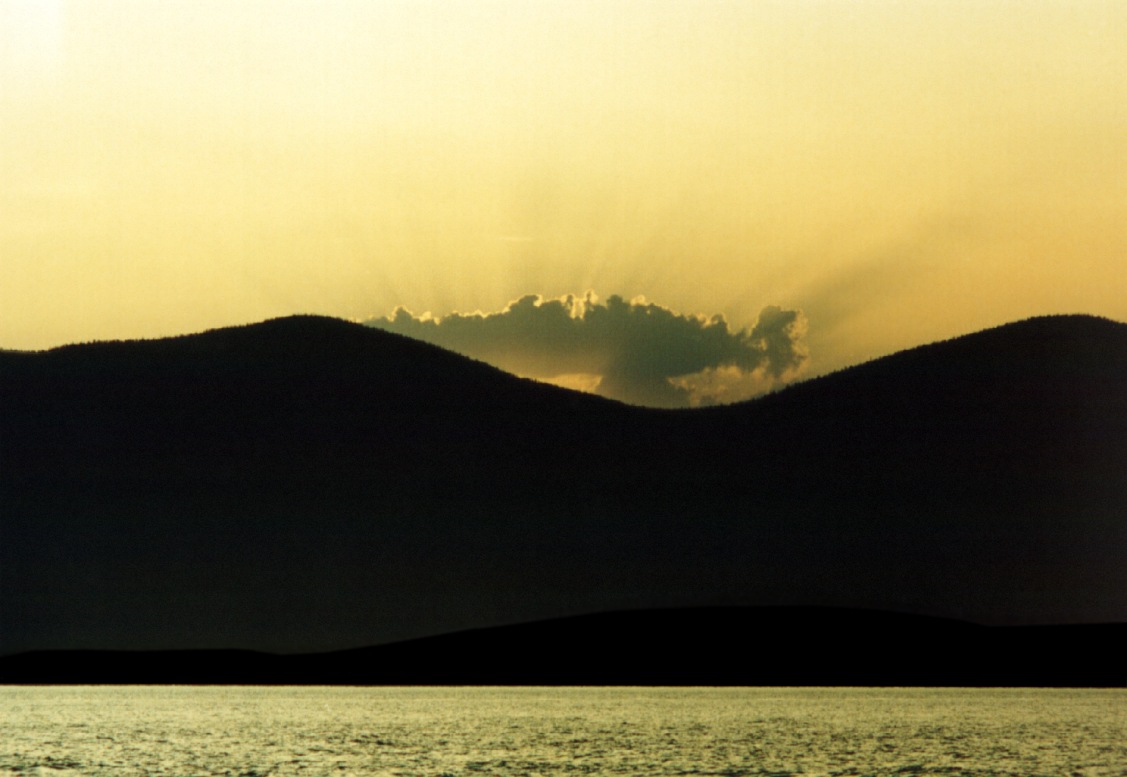
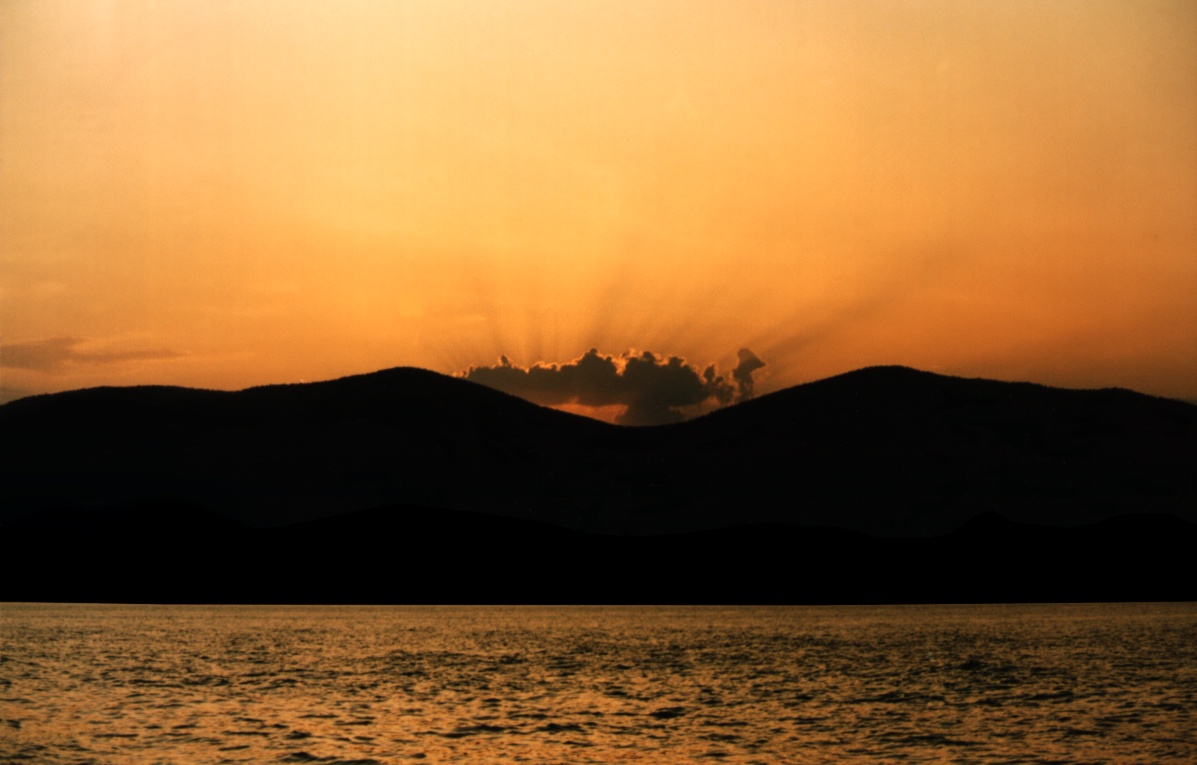
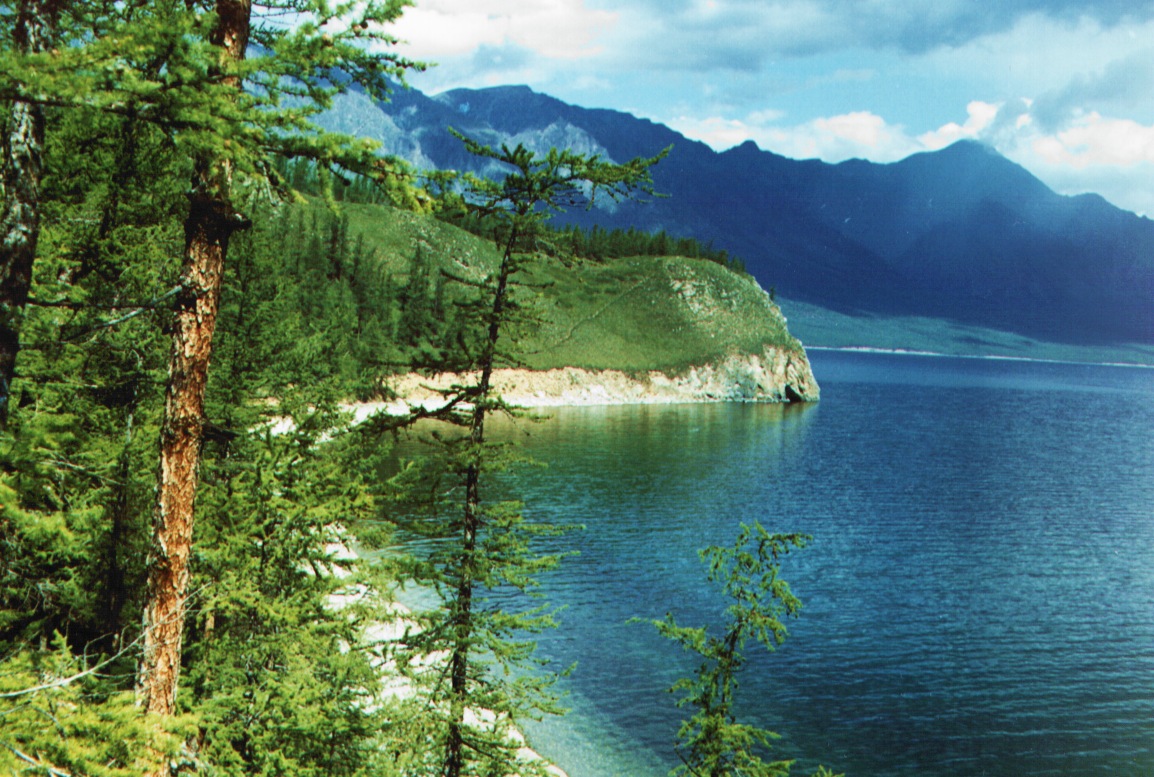
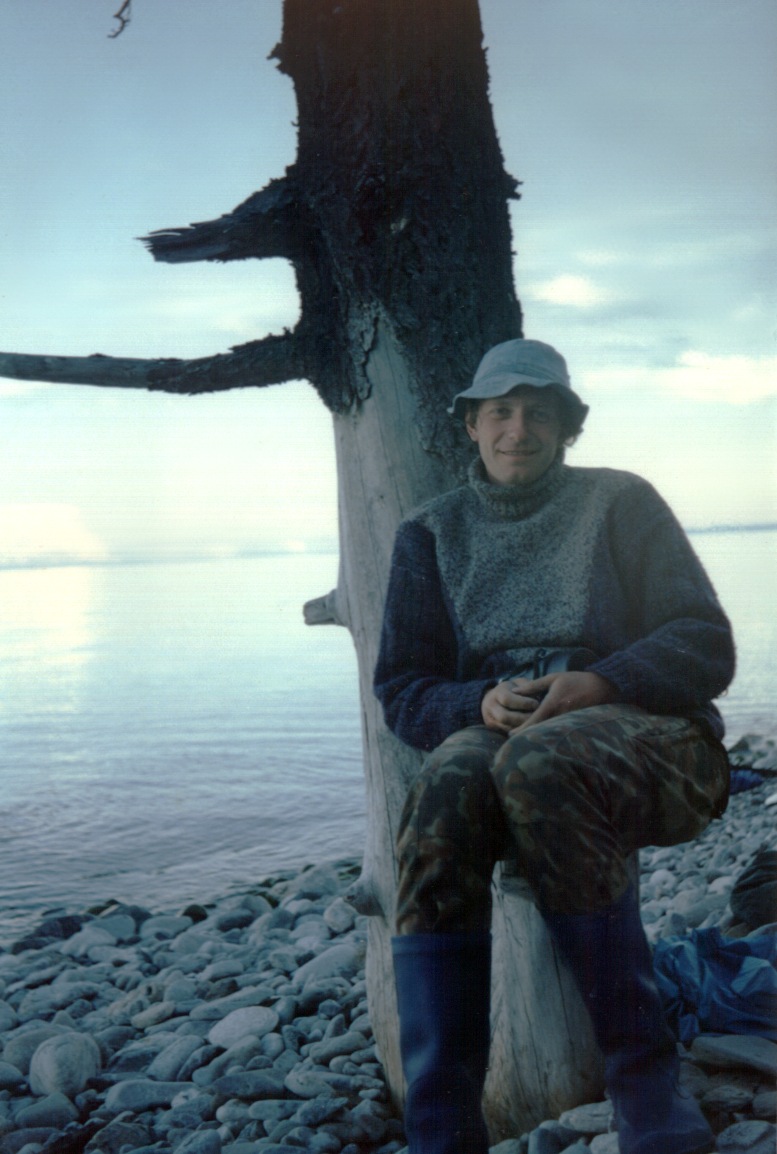
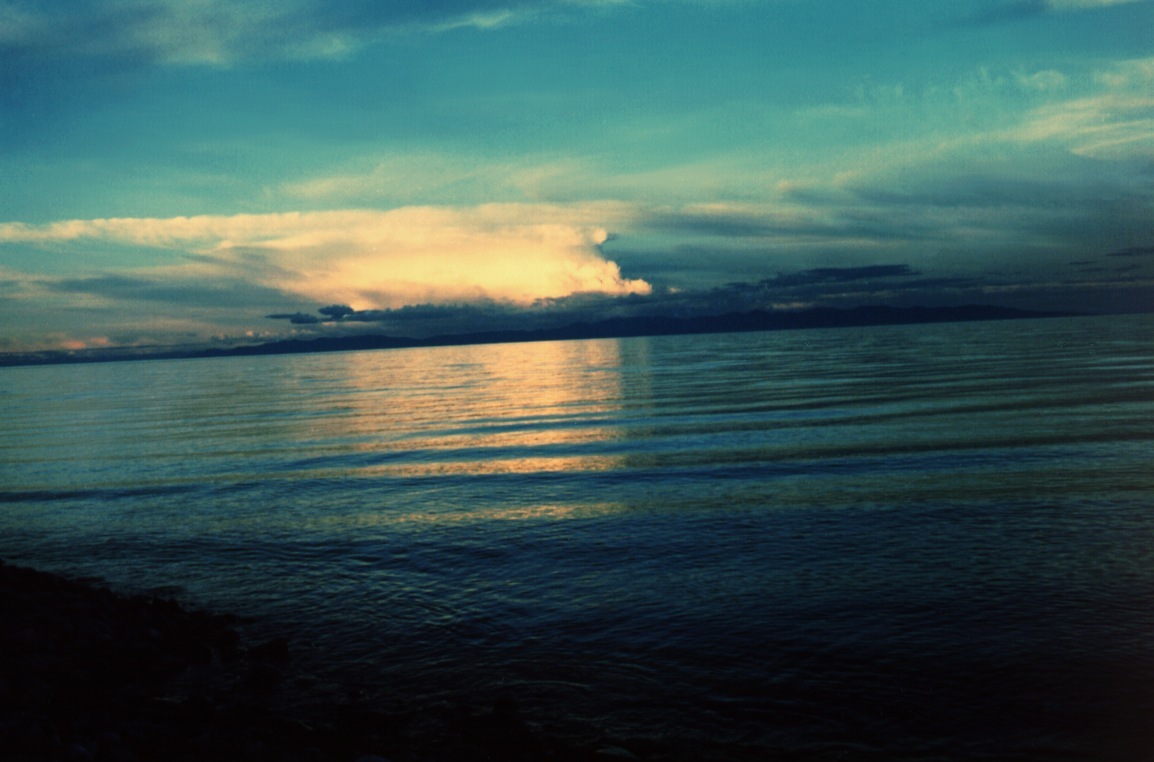
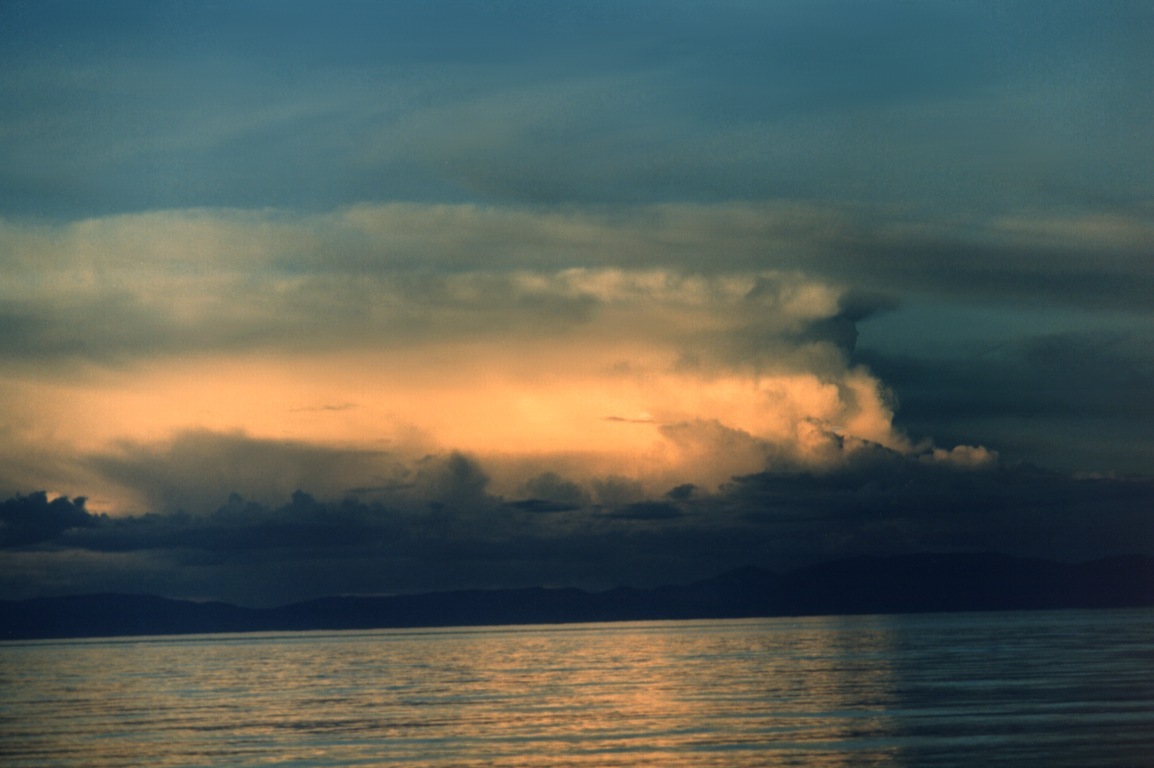
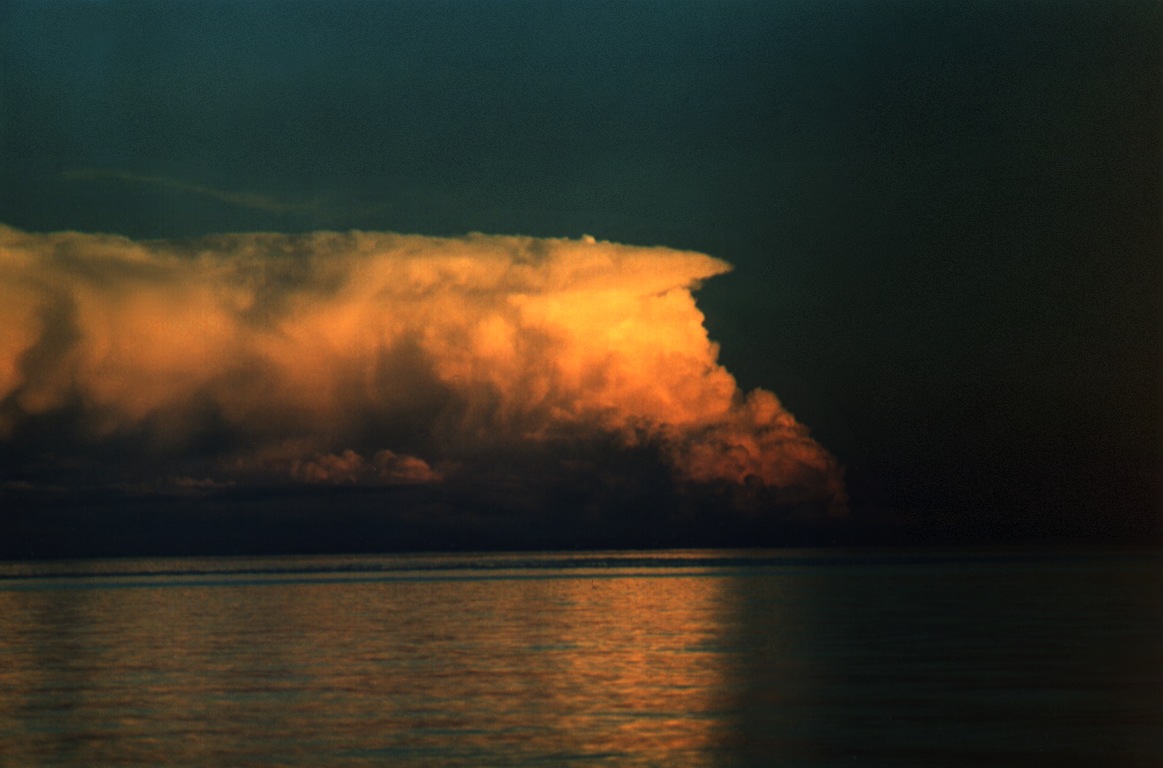
The island is unnamed on the map and barely visible. It is perfect for camping. There is a road along the shore to Baykalskoye and people race motorbikes on the beaches. Best to stay away, especially after the man’s stories. Gull chicks ran about on the island. We opened a bottle of good wine. It was warm and pleasant. After seven nights in trains we were finally in our tent in the quiet. The sun set beautifully behind the mountains (1, 2, 3, 4). The wind died, but in the evening a strong wind came down from the mountains and fog rolled in. It was our first taste of Baikal’s power.
15 July. Lake Baikal
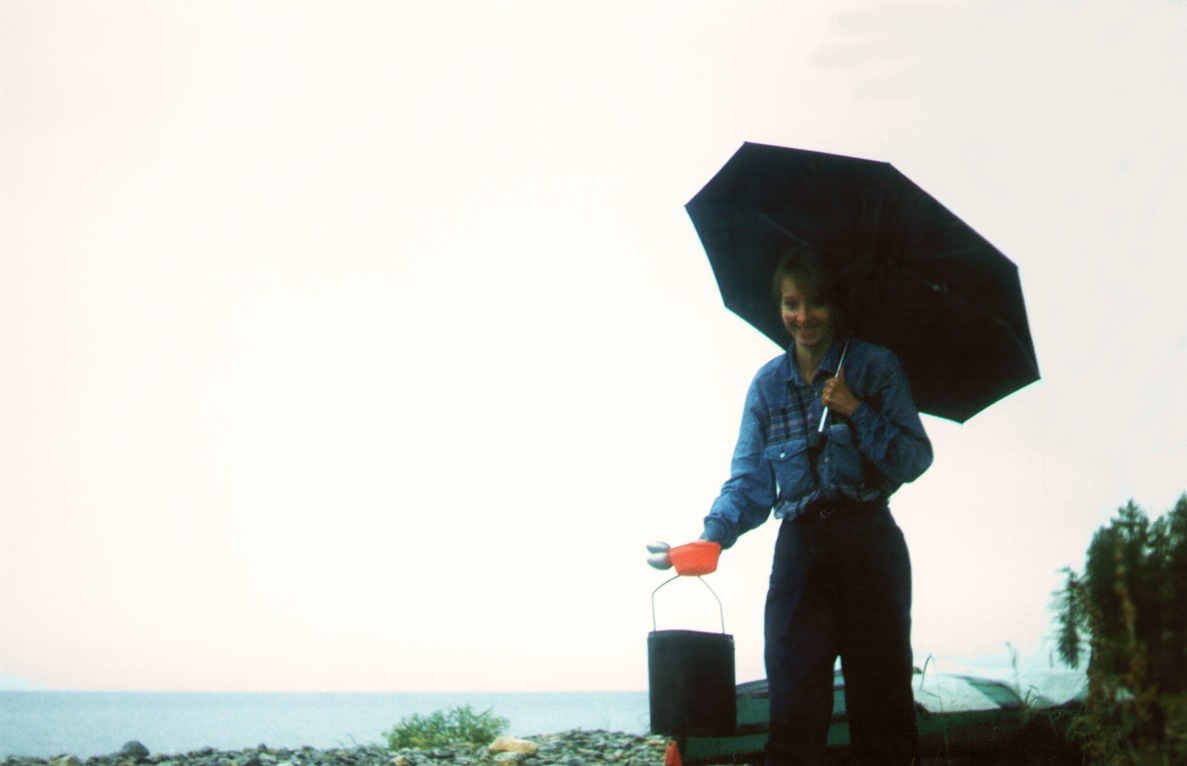
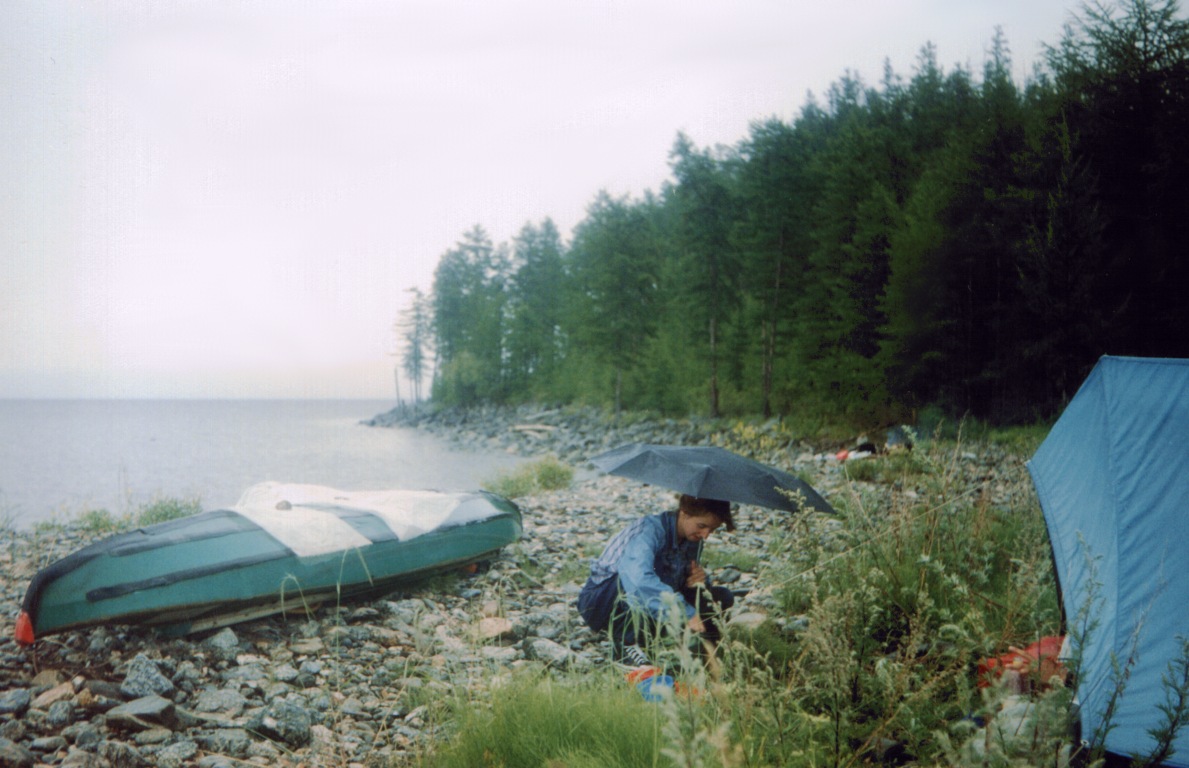
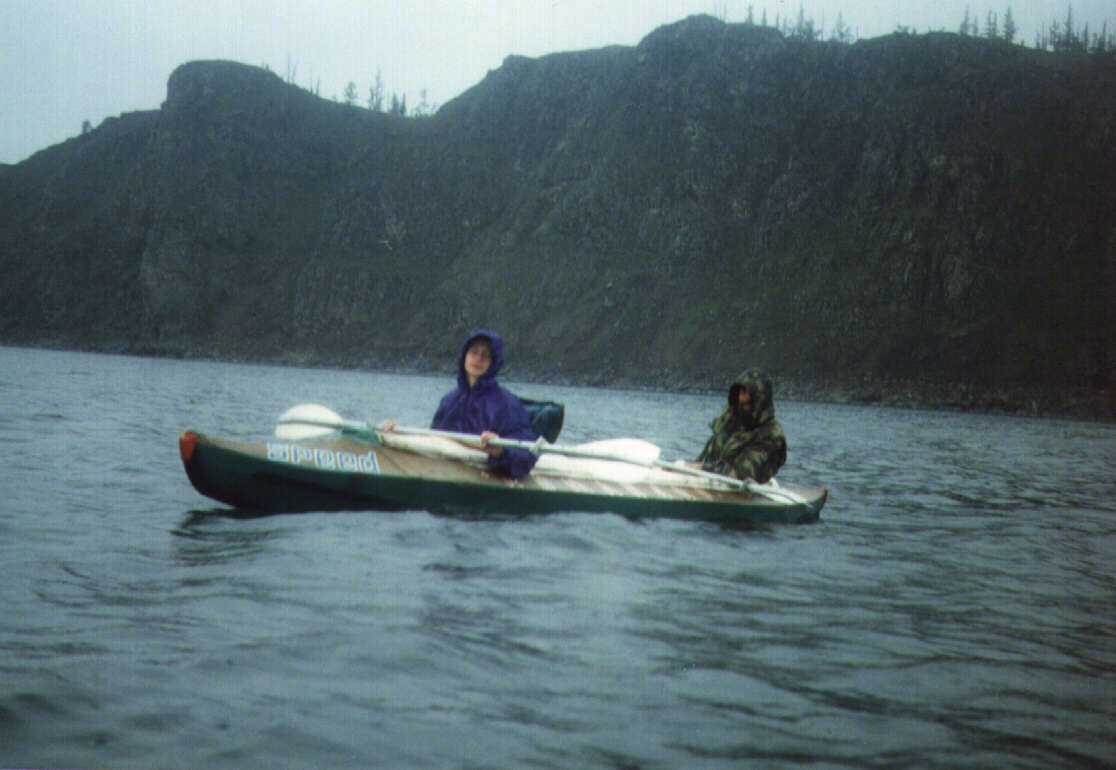
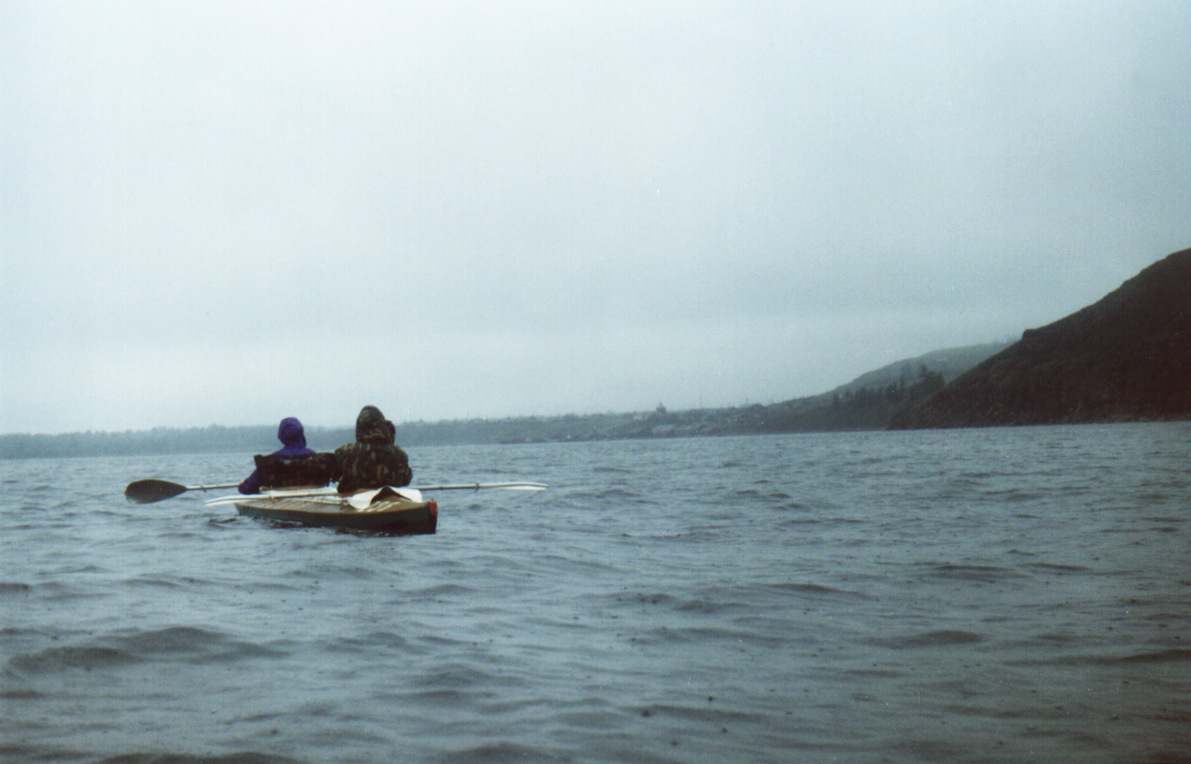
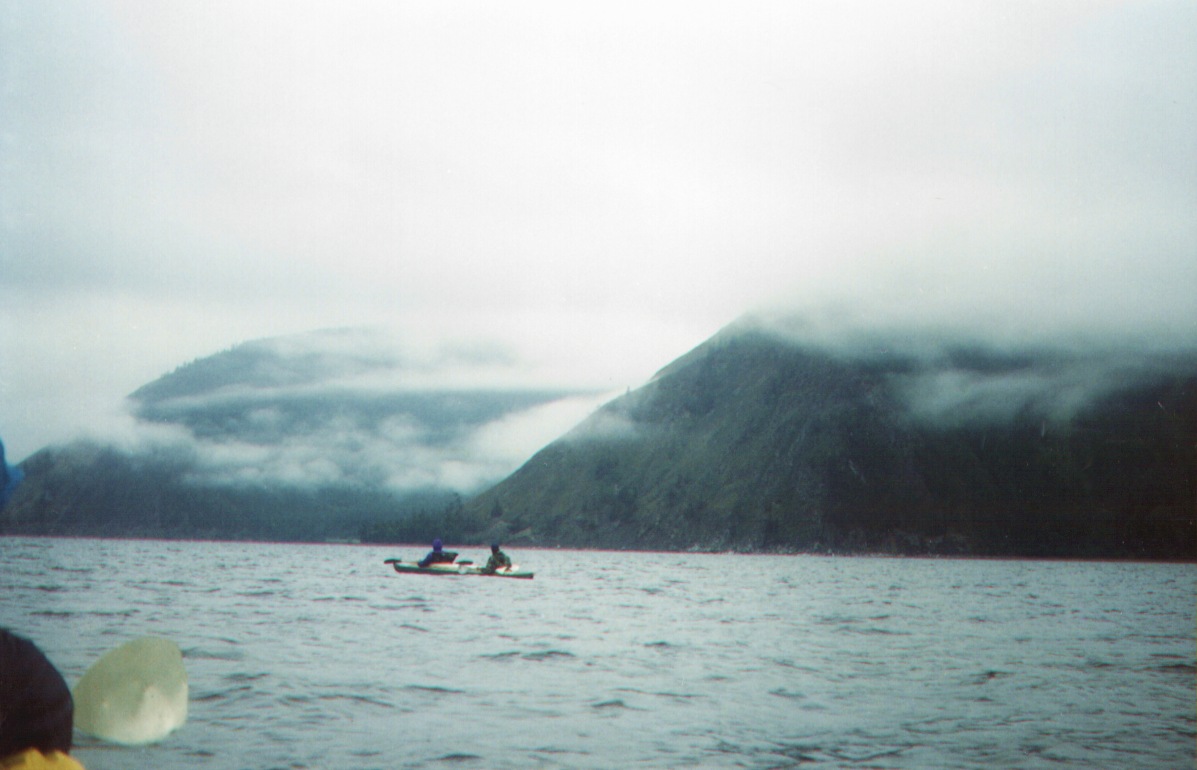
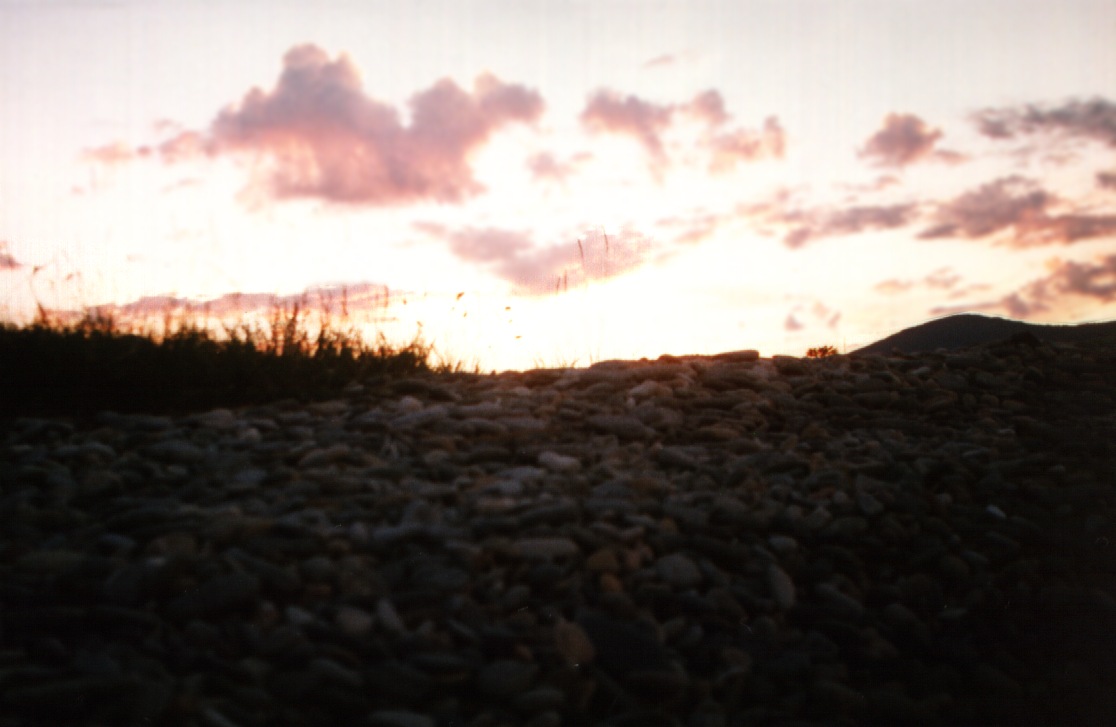
Rain and cold from the morning. We made coffee under the umbrella. There was hardly any wind. At 17:00 the rain stopped and we left. As soon as we pushed off the rain started again. We passed the village of Baykalskoye and fog set in. Around 22:00 we camped on a little headland (55°13.078′N, 109°10.577′E). We could not pinpoint the campsite in the fog. We lit a big fire. It was a curious headland, with stones as flat as pancakes, perfect for skimming. The stones made an arc, behind which a meadow gave way gradually to a bog. We swam that evening.
16 July. Lake Baikal
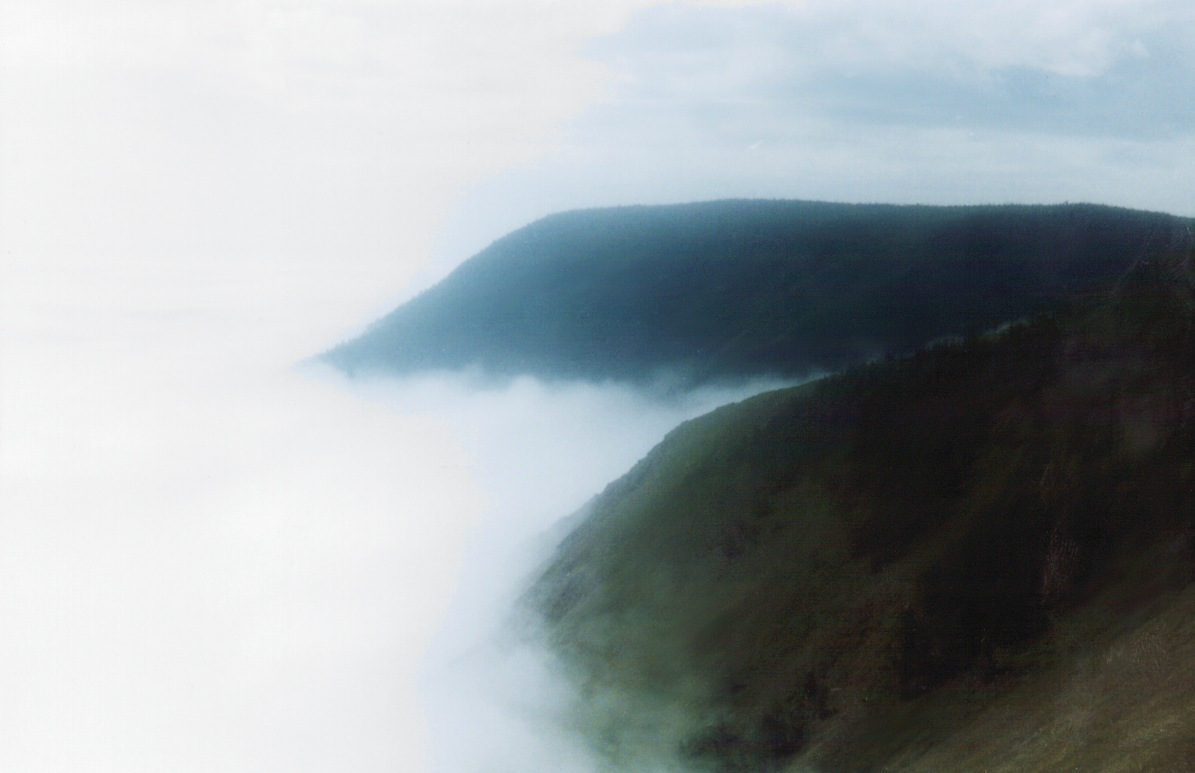
Fog in the morning. I scrambled up a mountain and got above the clouds. The mountain was steep, the humidity was 100% and it was hot. I felt old age creeping up on me. The slopes were beautiful, covered in grass and flowers. The houseleeks looked very funny, like little cabbages. There were burrows all over the slopes, though I saw no sign of their owners. Getting above the clouds was harder than it looked. I climbed for a couple of hours. The heat at the top was terrible, but the view was astonishing. I could see the mountains across the lake.
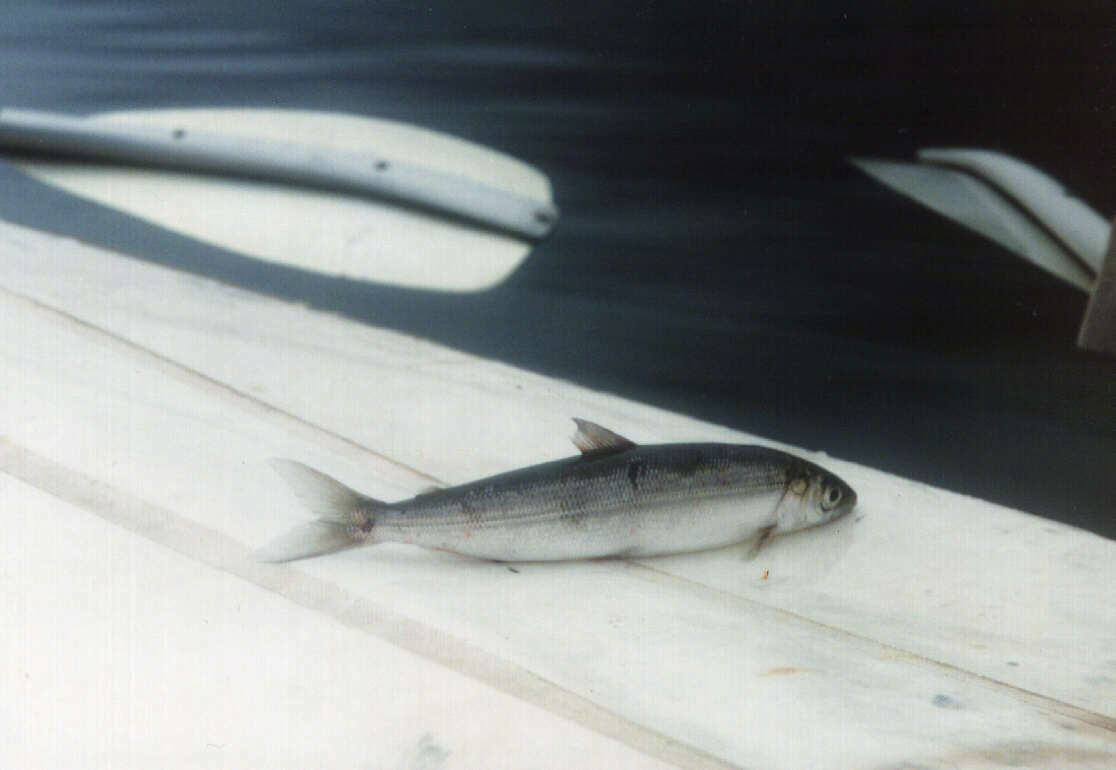
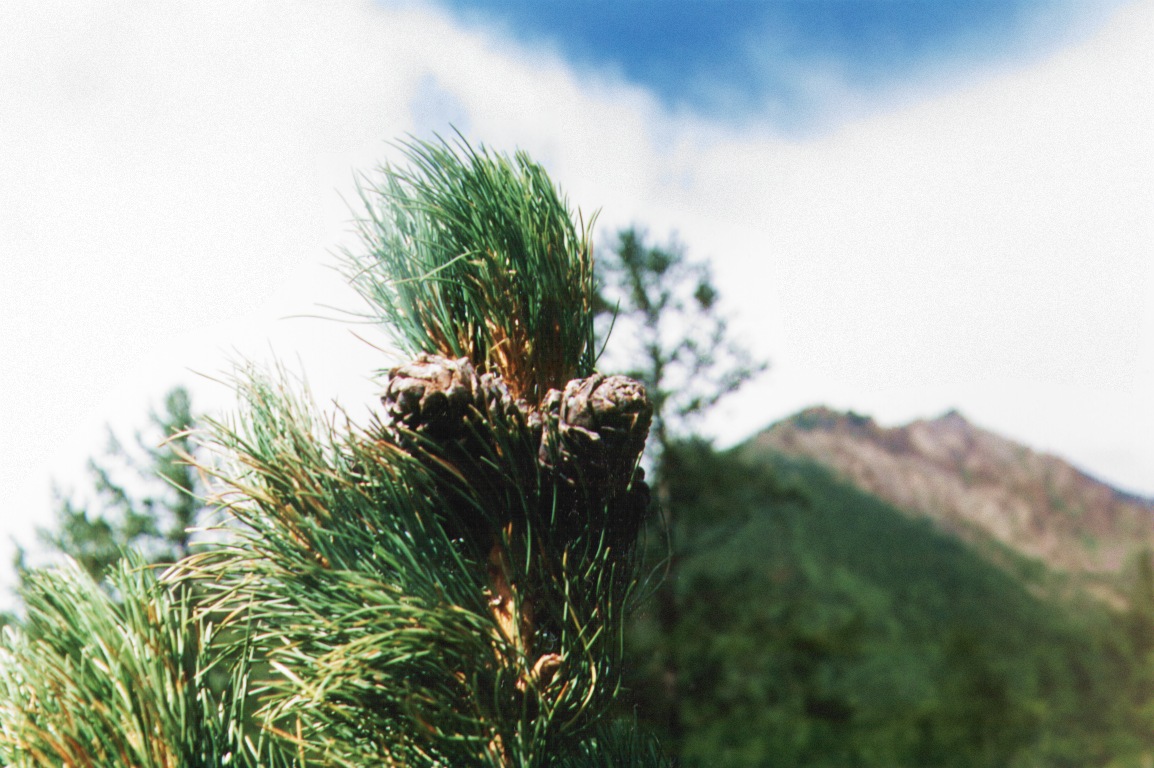
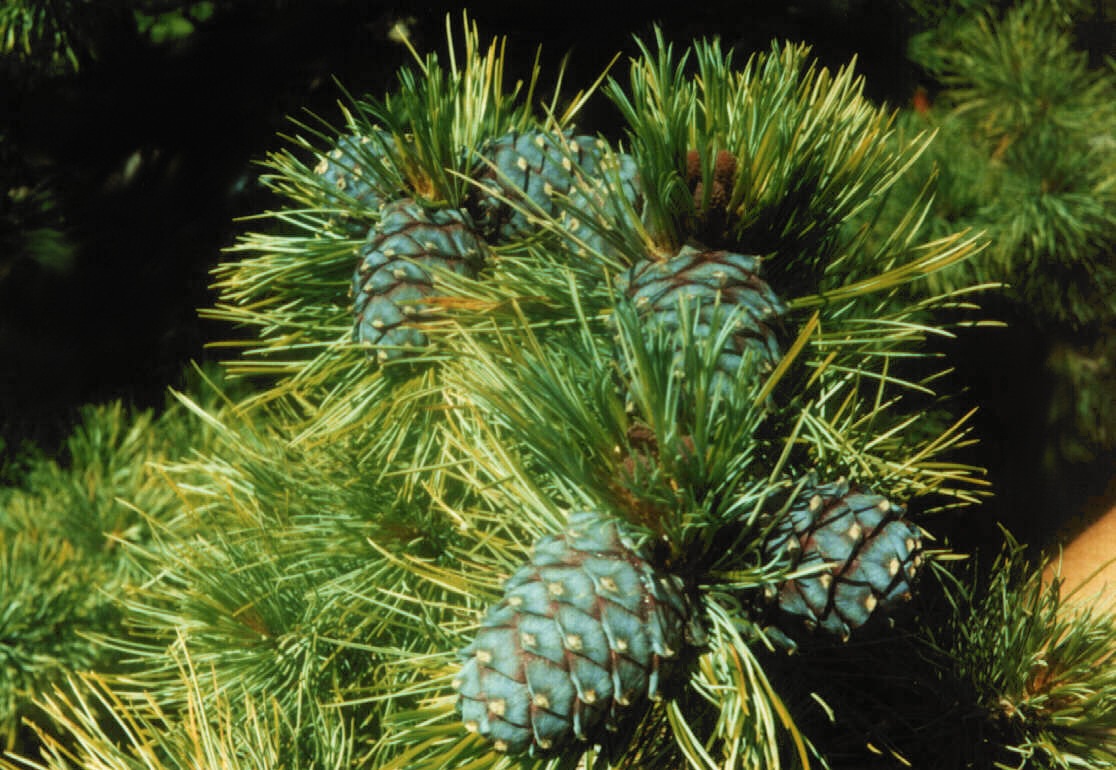
We pushed off at 15:00. The fog sank down. We had lunch on a very pleasant beach seven to ten kilometres short of Cape Kotelnichny. I climbed a Siberian pine and picked a cone. Rain began towards evening and it turned cold, with fog everywhere. The Sochavas picked up a half-dead omul. It was floating belly up but still moving its tail.
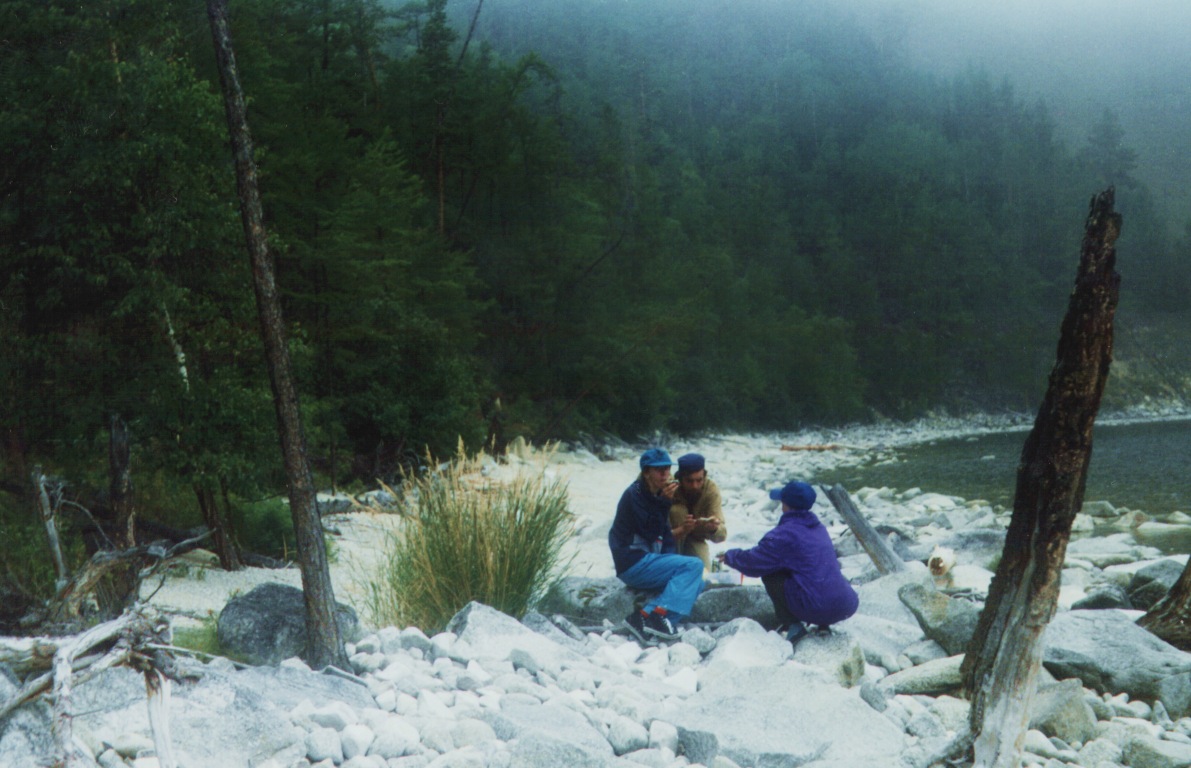
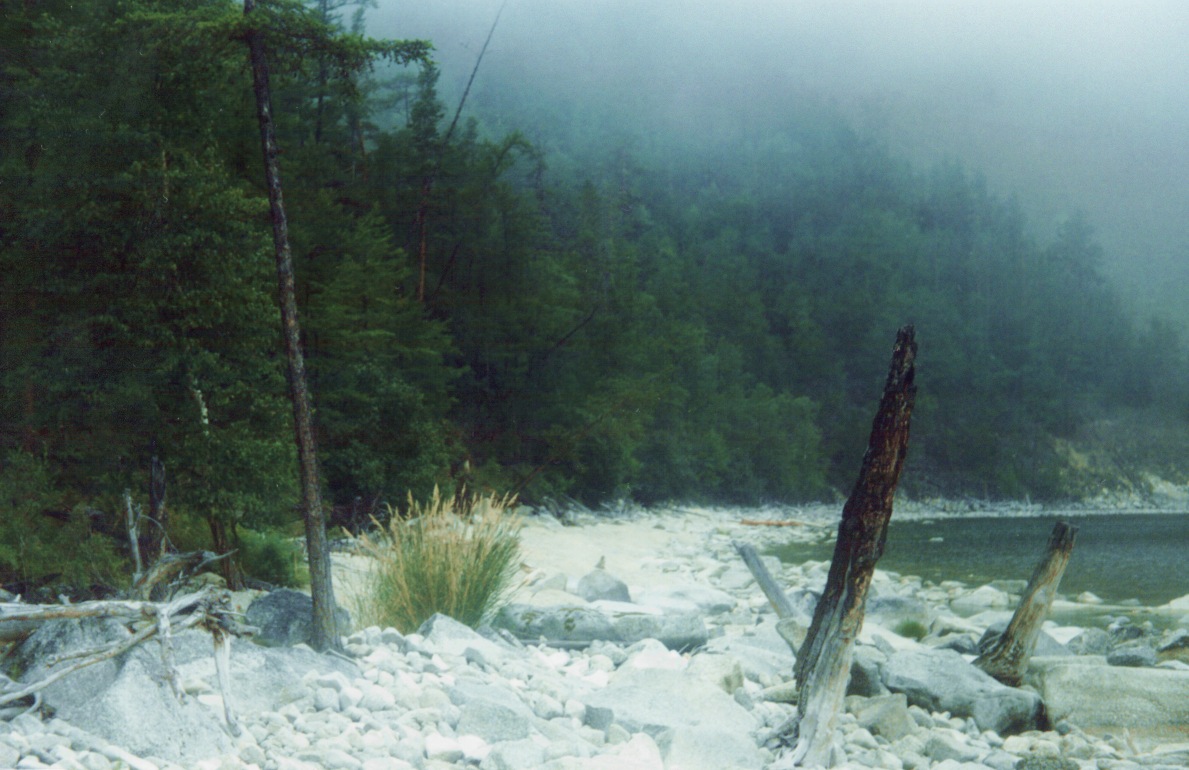
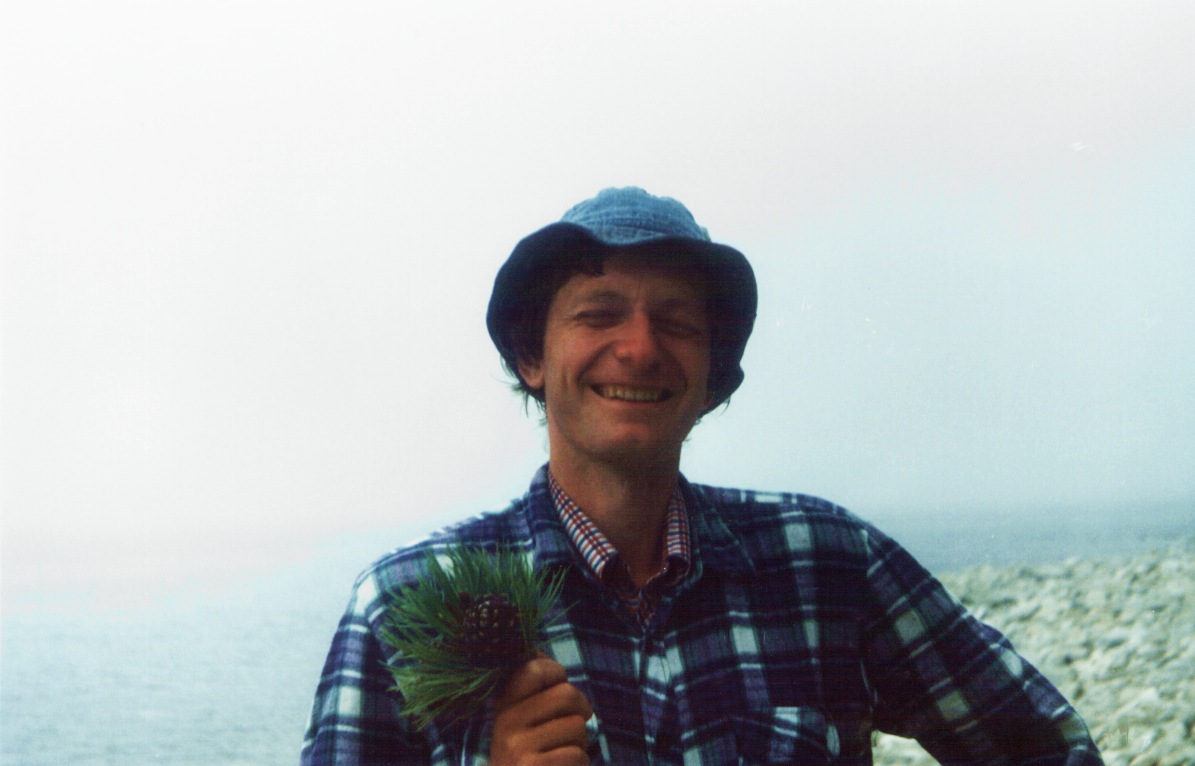
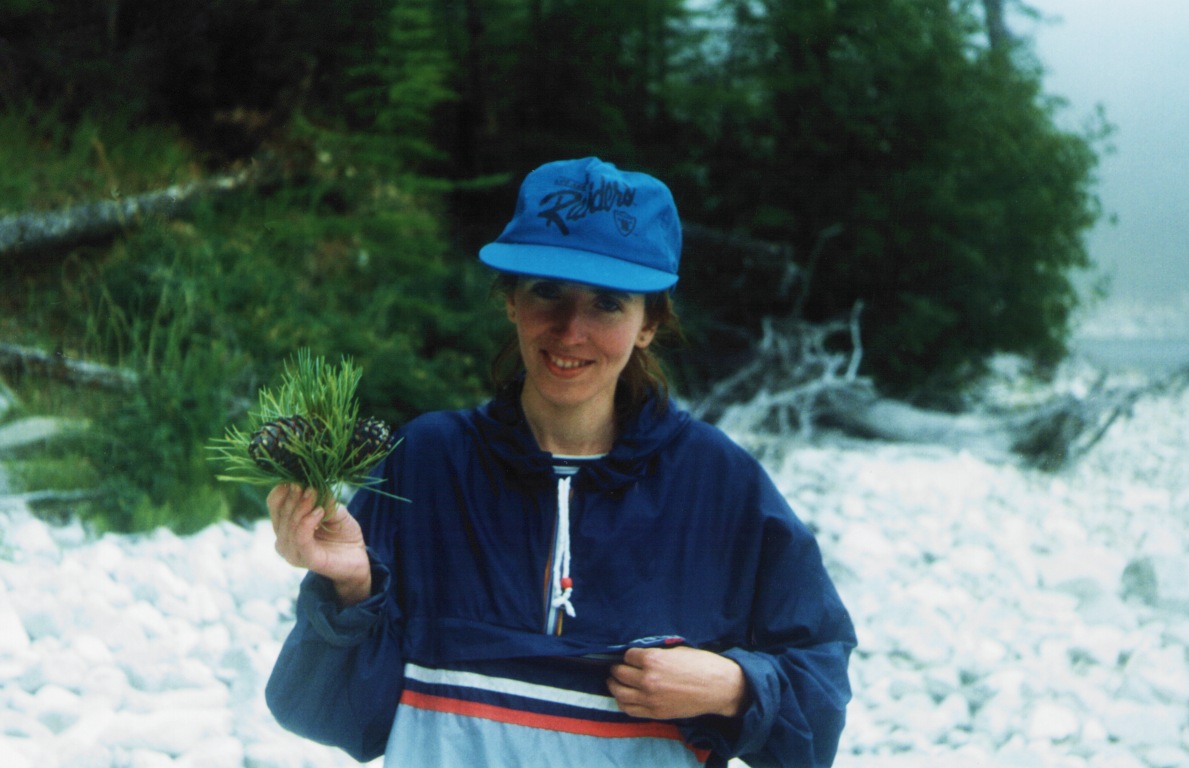
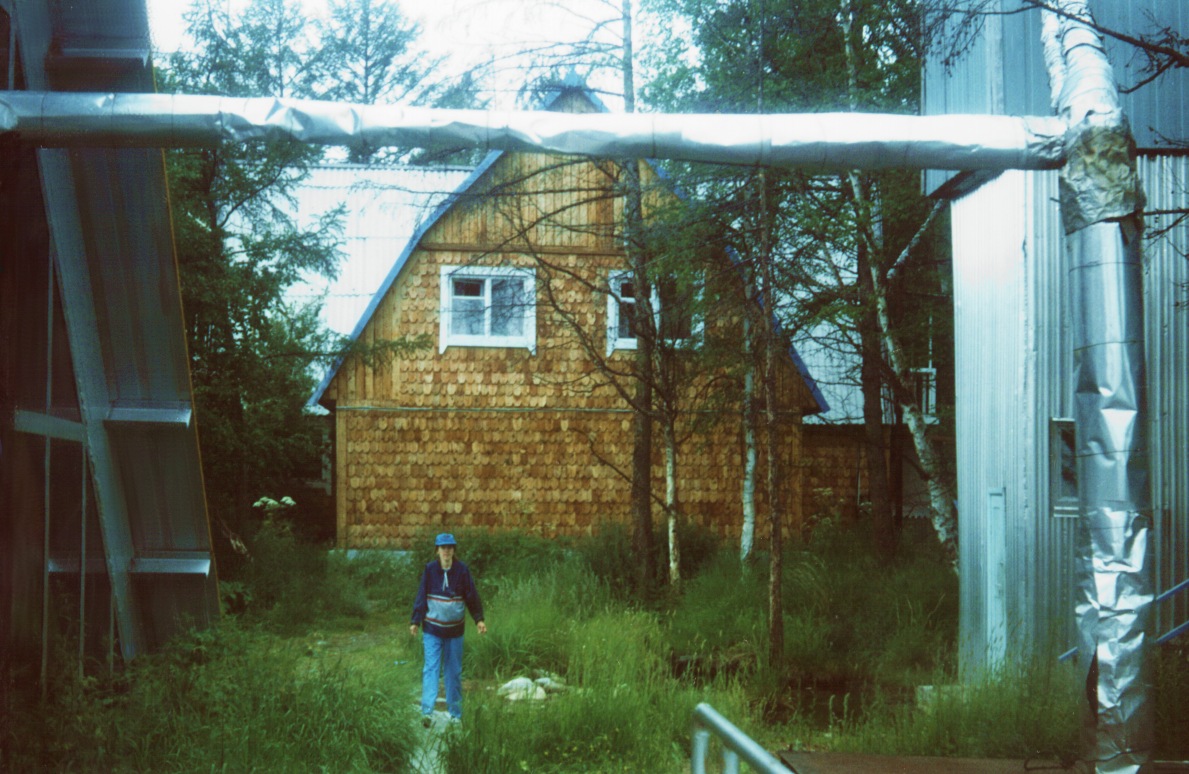
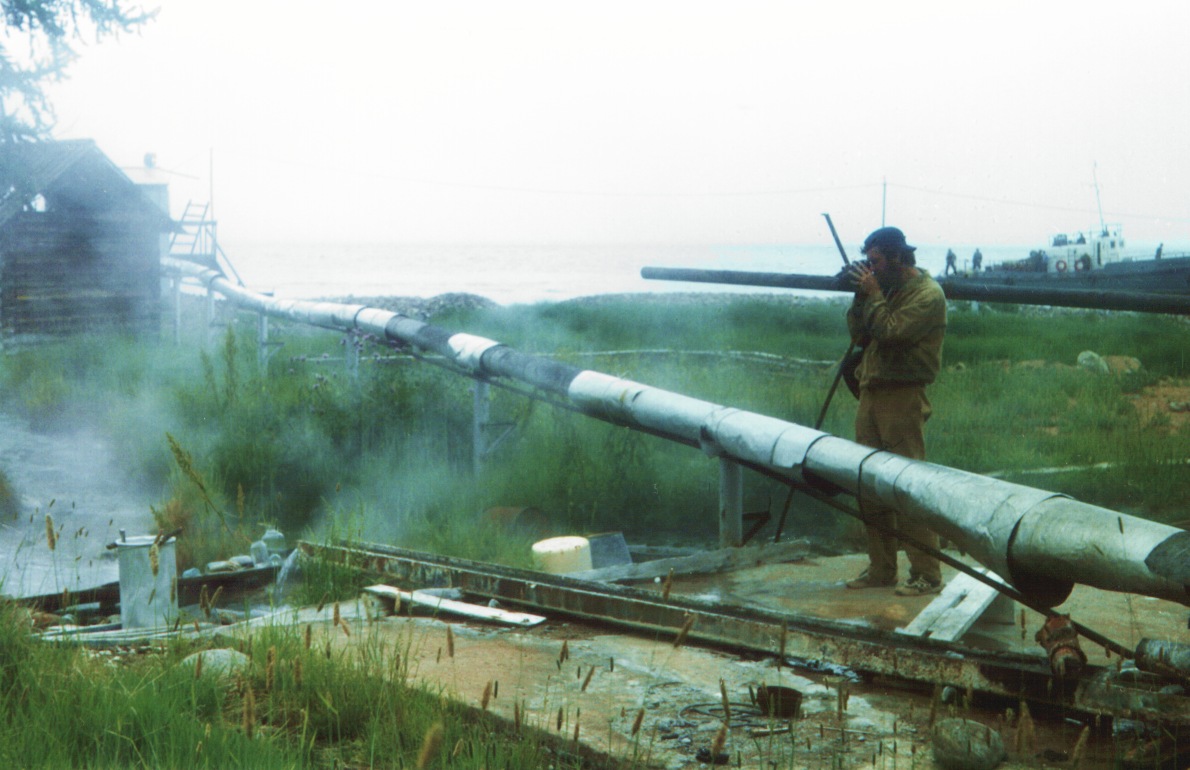
At 20:00 we reached Cape Kotelnichny. There is a building with a pool over a 70°C hot spring. In fact there are two pools. One was being cleaned while the other was in use. One is outdoors and the other under a roof. The pool water was 40–45°C. I was soaked and frozen right through. Getting into the pool was an indescribable pleasure. We lay there warming our bones for about twenty minutes. Sochava said that if we stayed any longer we would get hopelessly ill when we went back out into the cold and rain. Entry was 15,000 roubles. We bought three omul for 5,000. People come to the pool regularly from Severobaykalsk, by motorboat in summer and by car over the ice in winter.
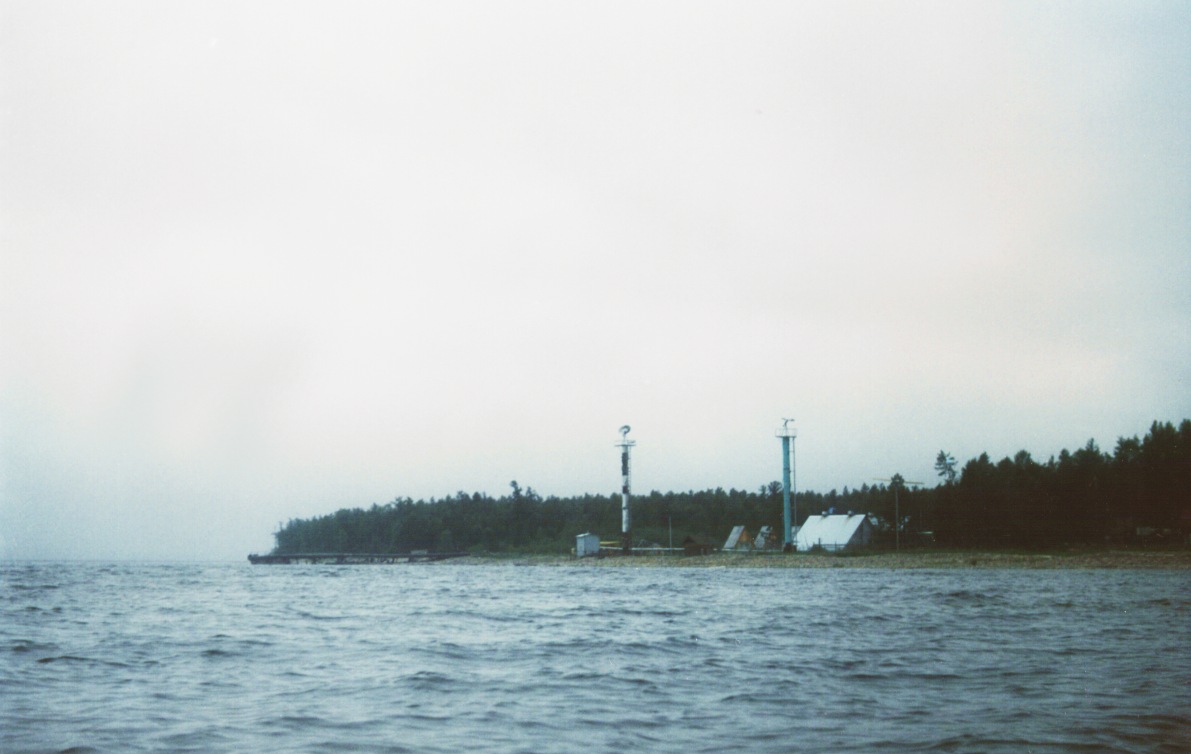
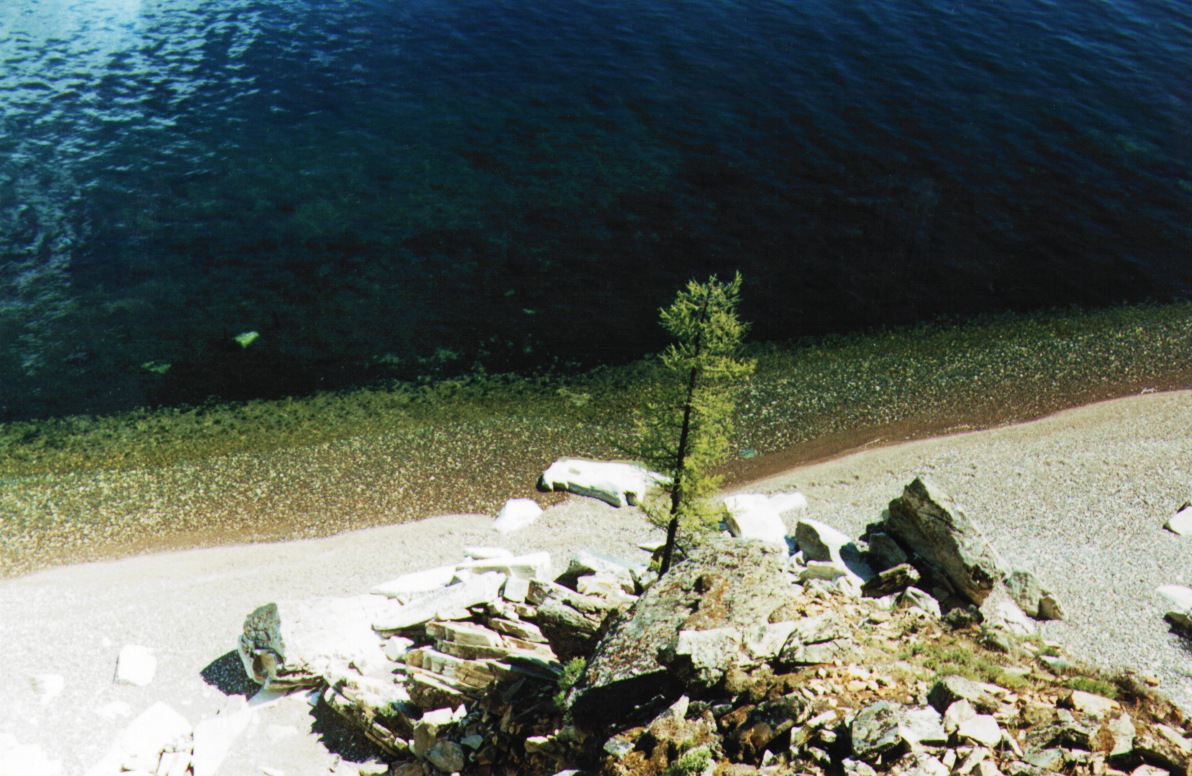
We left at 21:00, rounded the headland and camped by a cliff at the mouth of the Kurkula (55°01.678′N, 109°03.961′E). The cliff around the headland was the first real one we had seen. We did not see the river at all, just heard a strange noise that turned out to be a waterfall. Towards evening the fog dispersed and we saw huge, beautiful mountains. Our spirits rose at once. Perhaps we would finally have fine weather. We listened to Gorodnitsky on the radio, lit a big campfire and went to bed late.
17 July. Lake Baikal
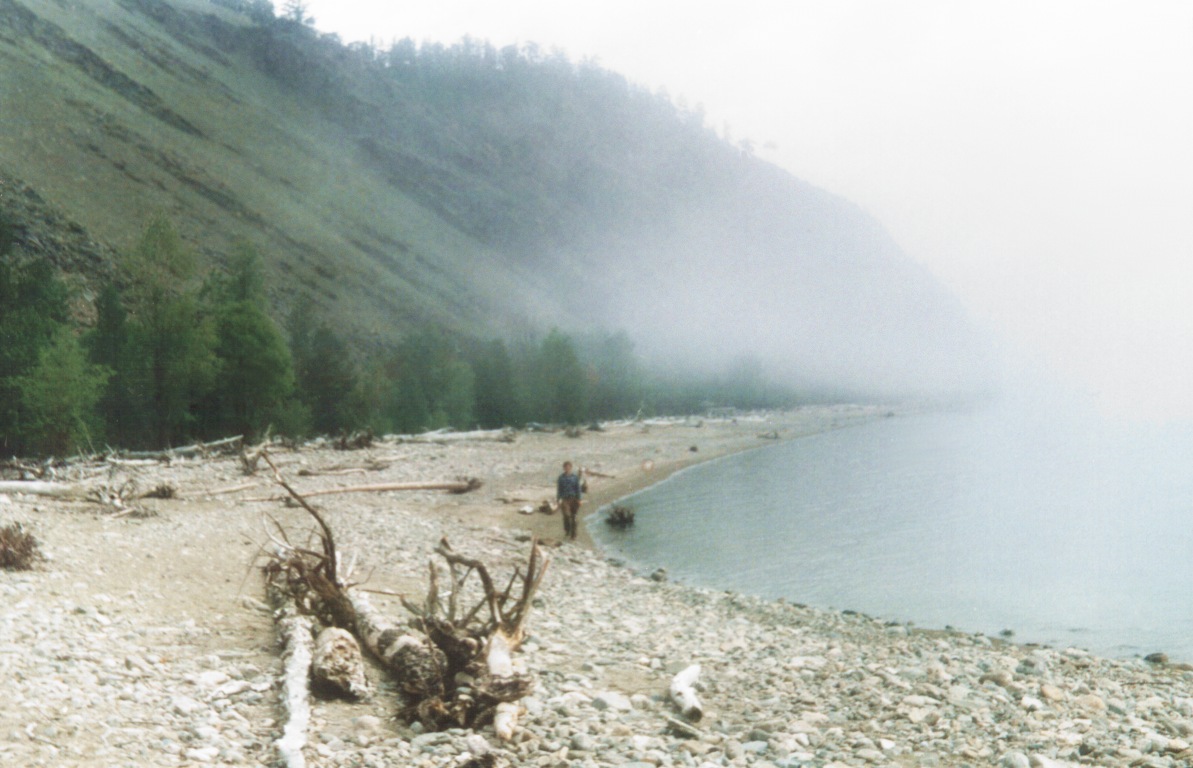
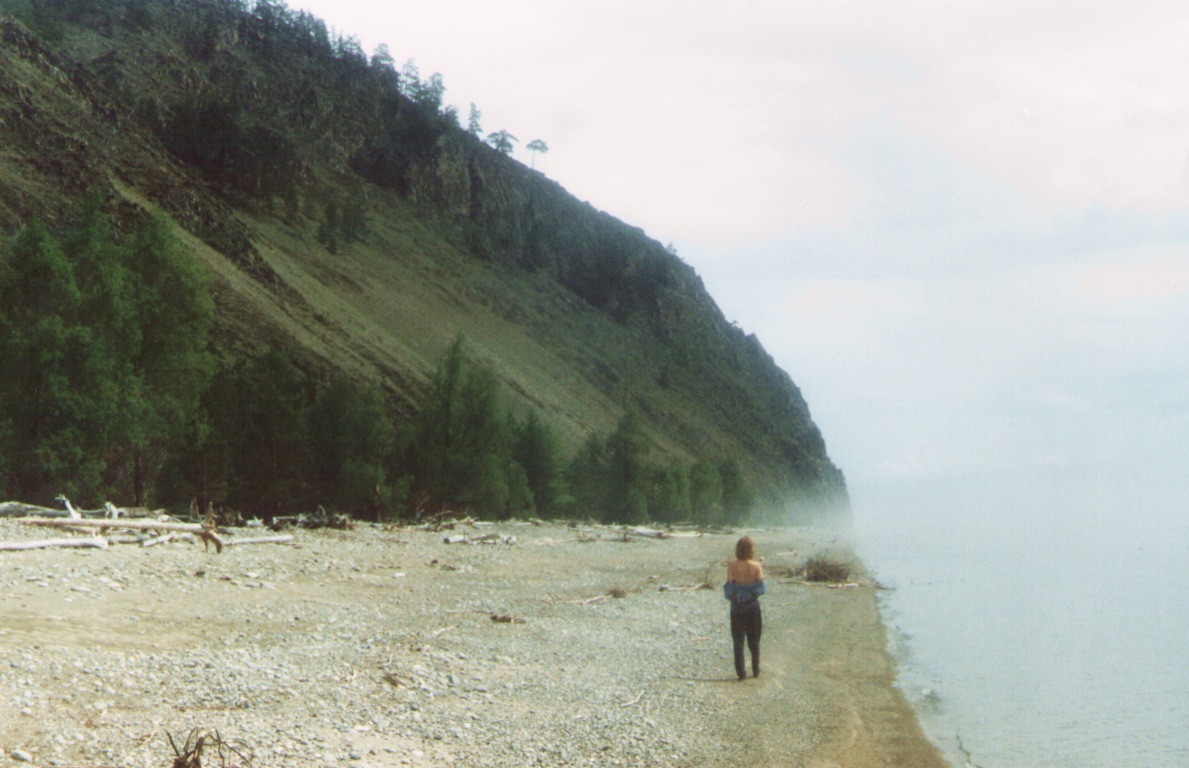
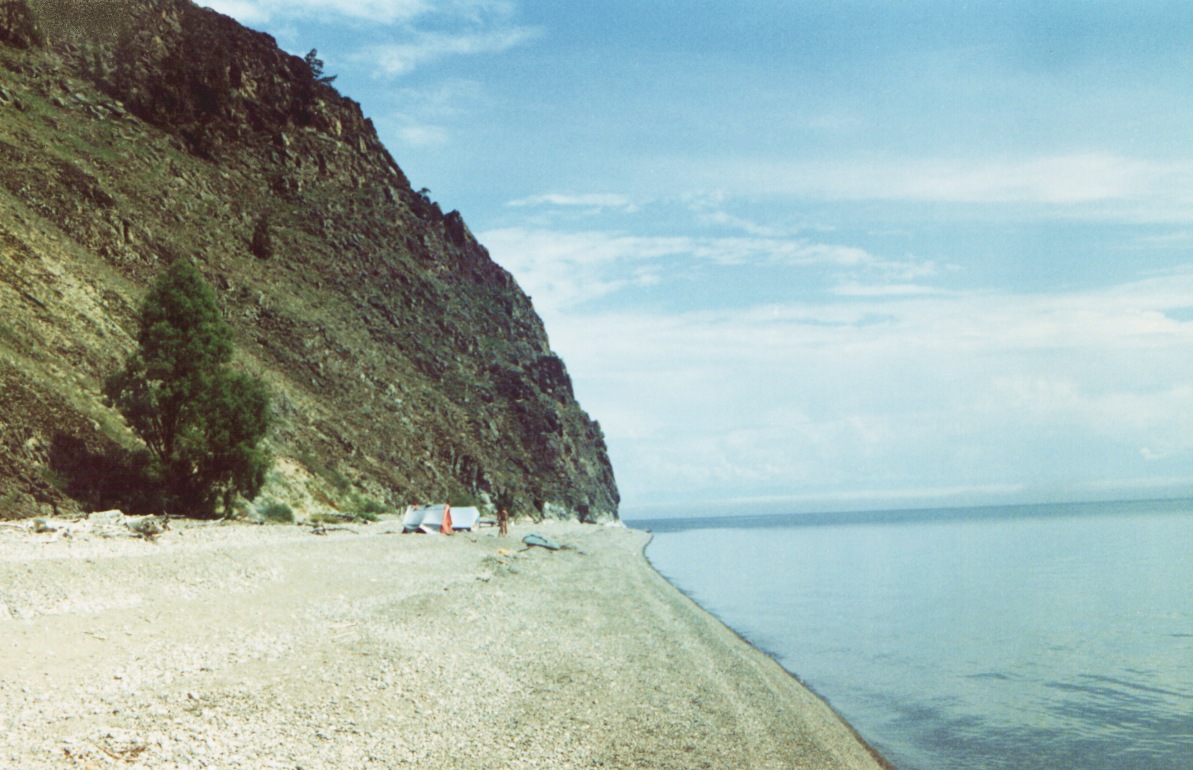
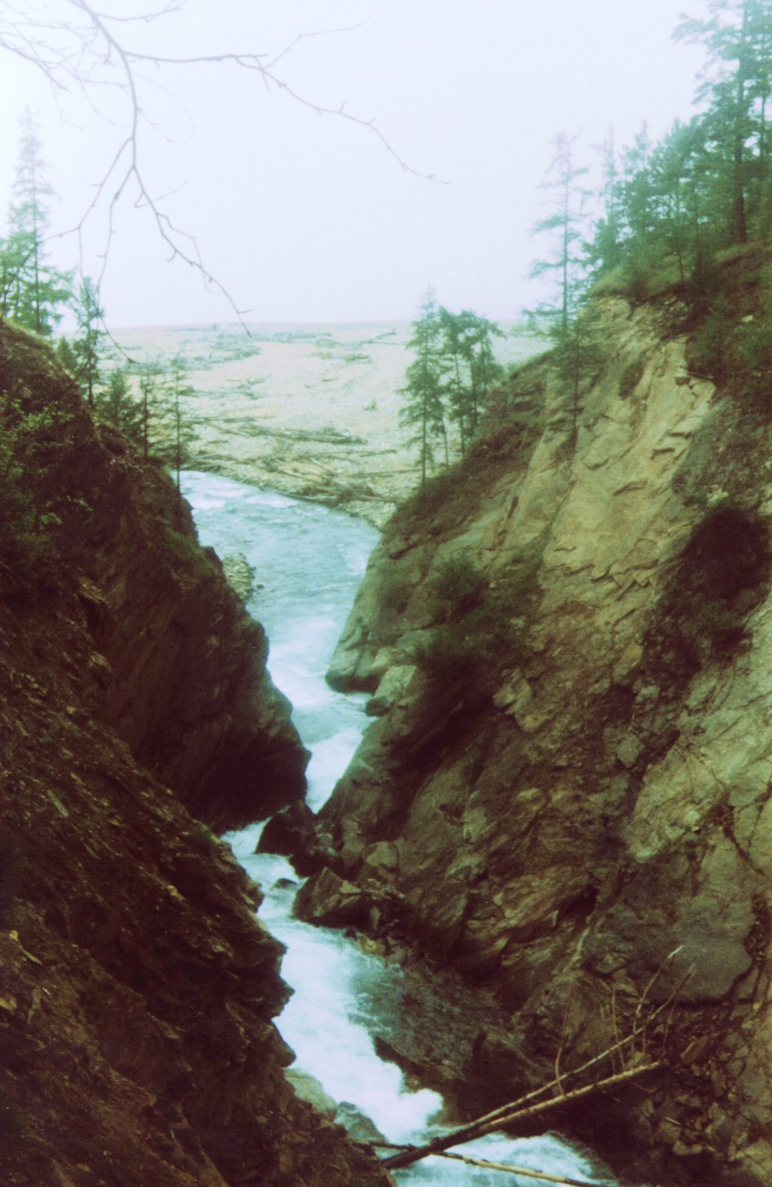
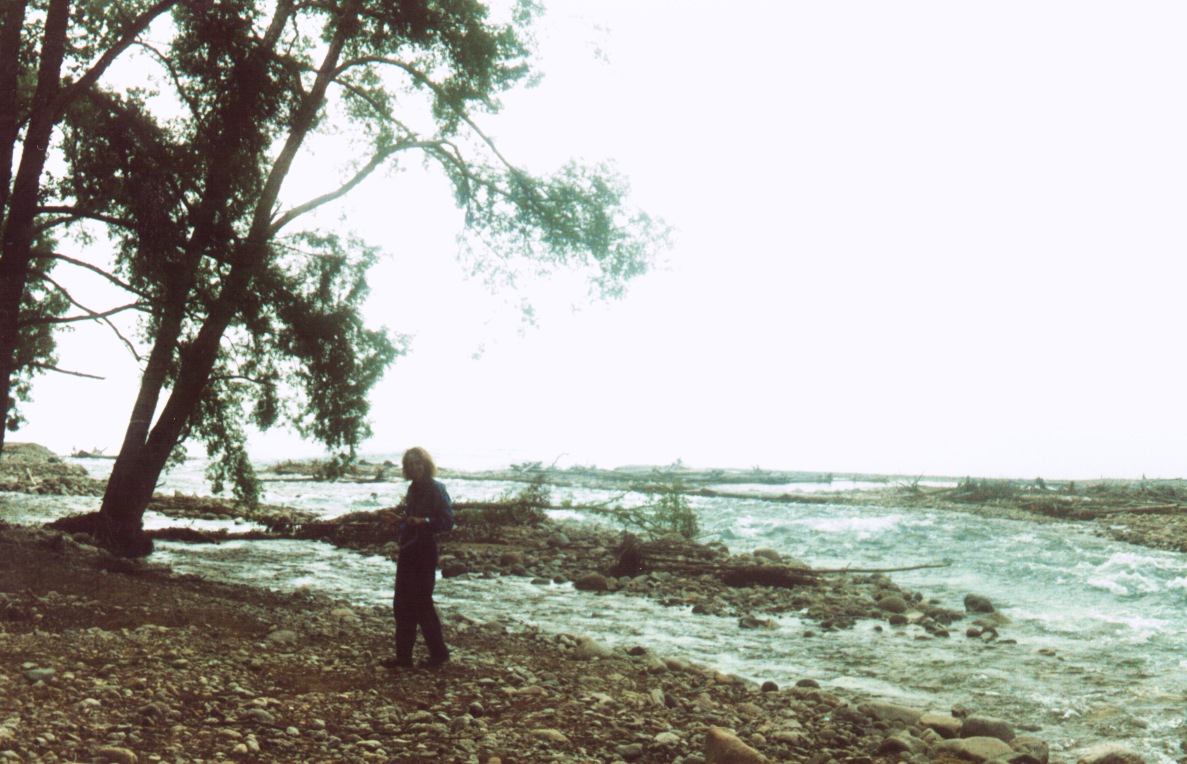
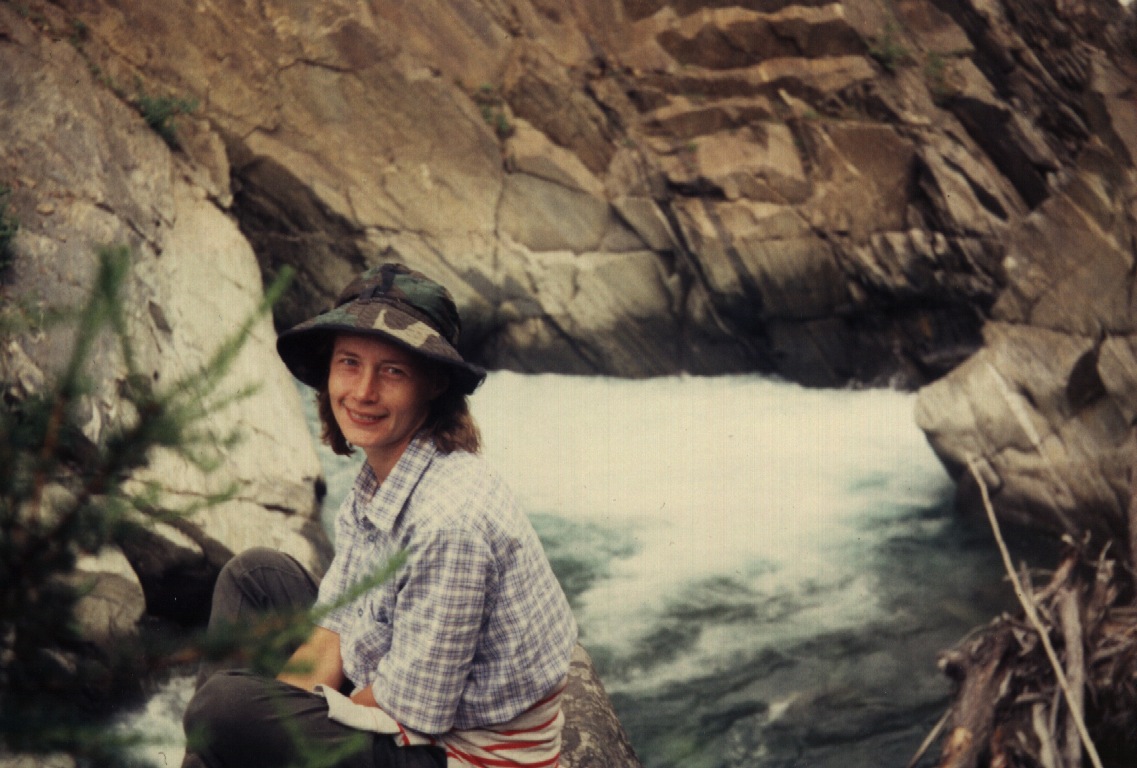
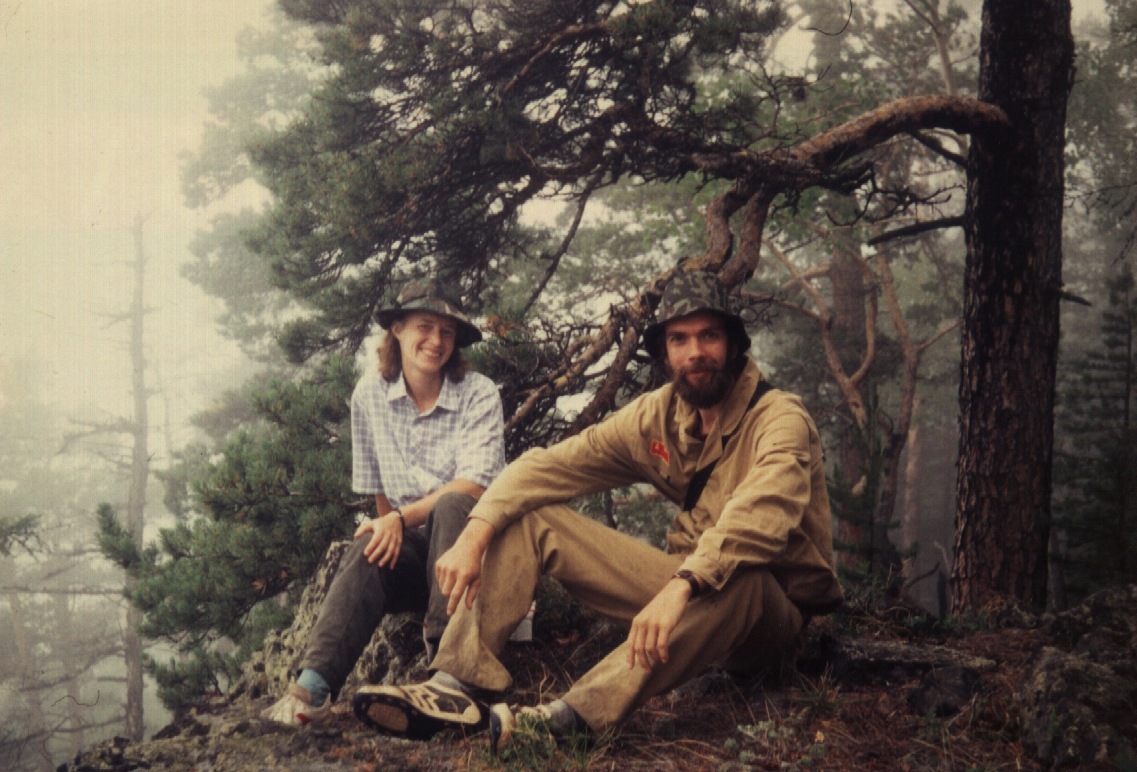
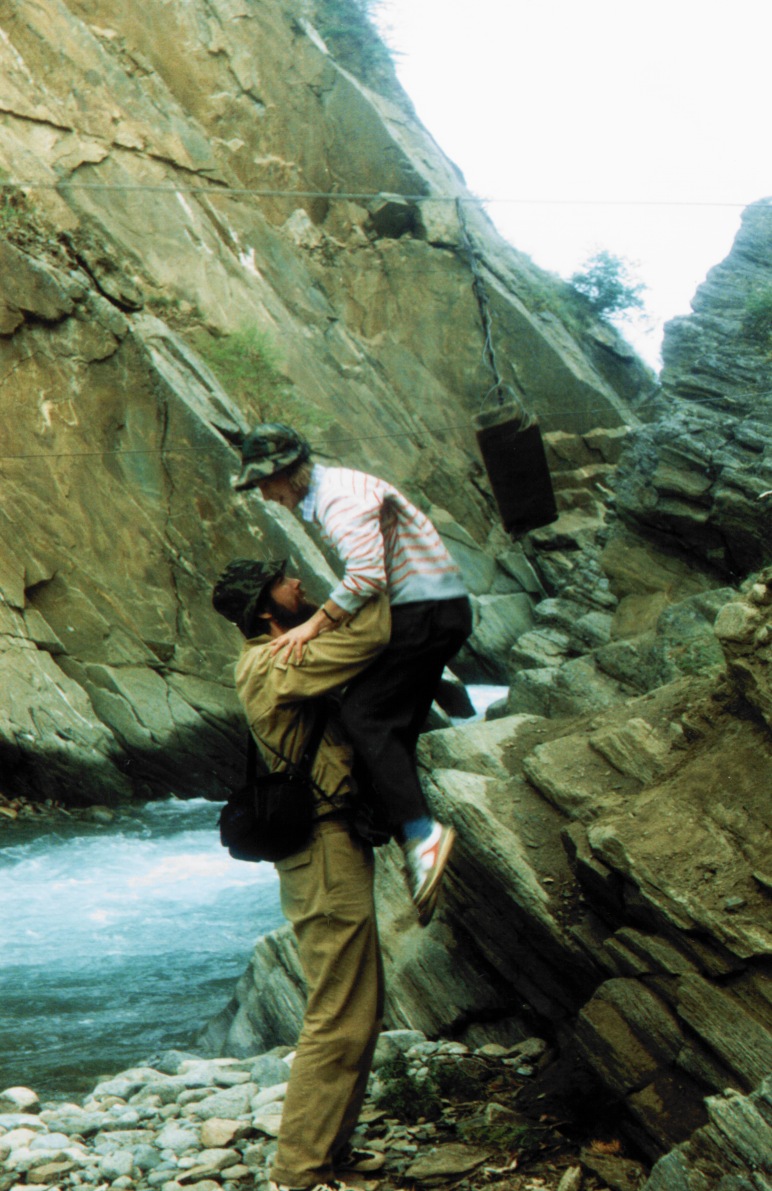
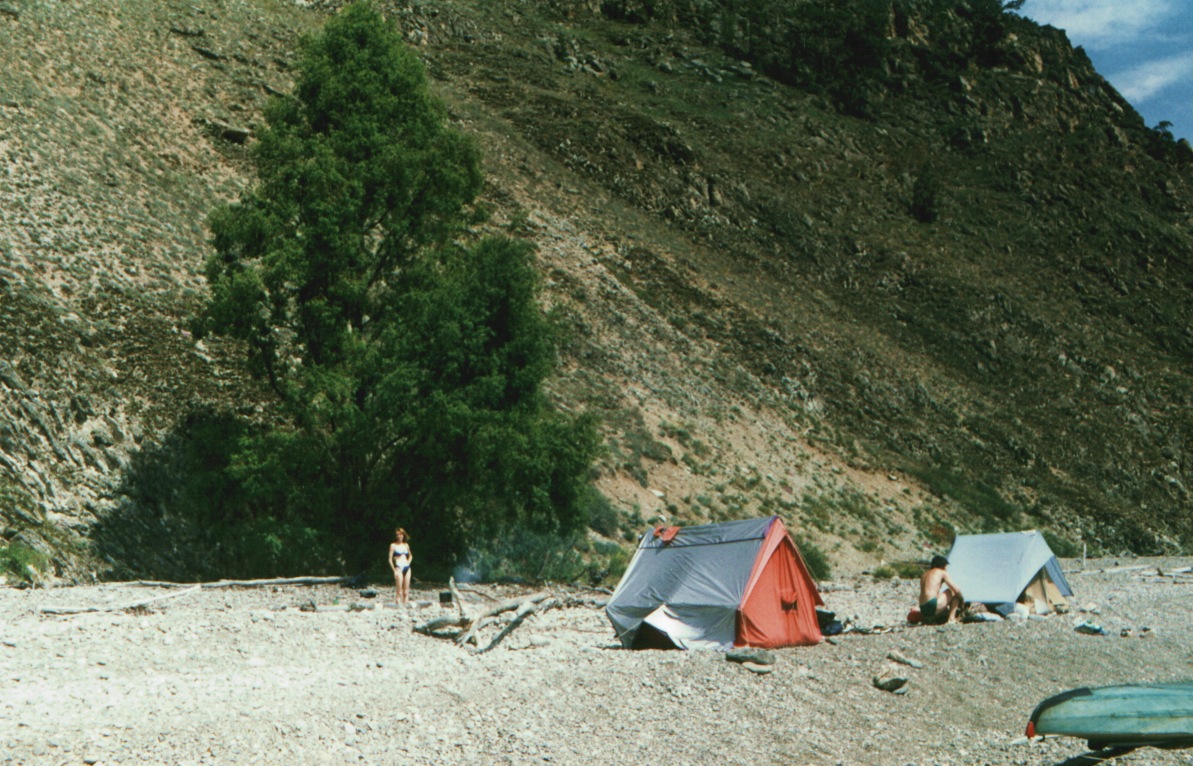
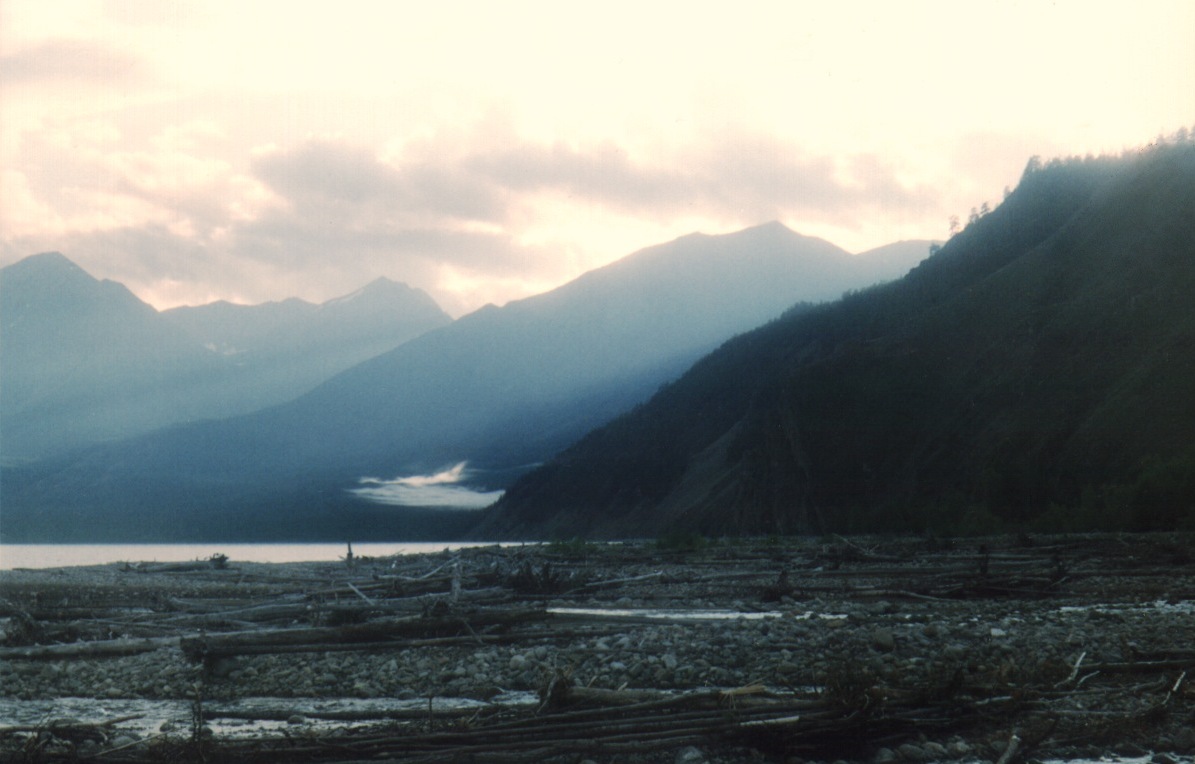
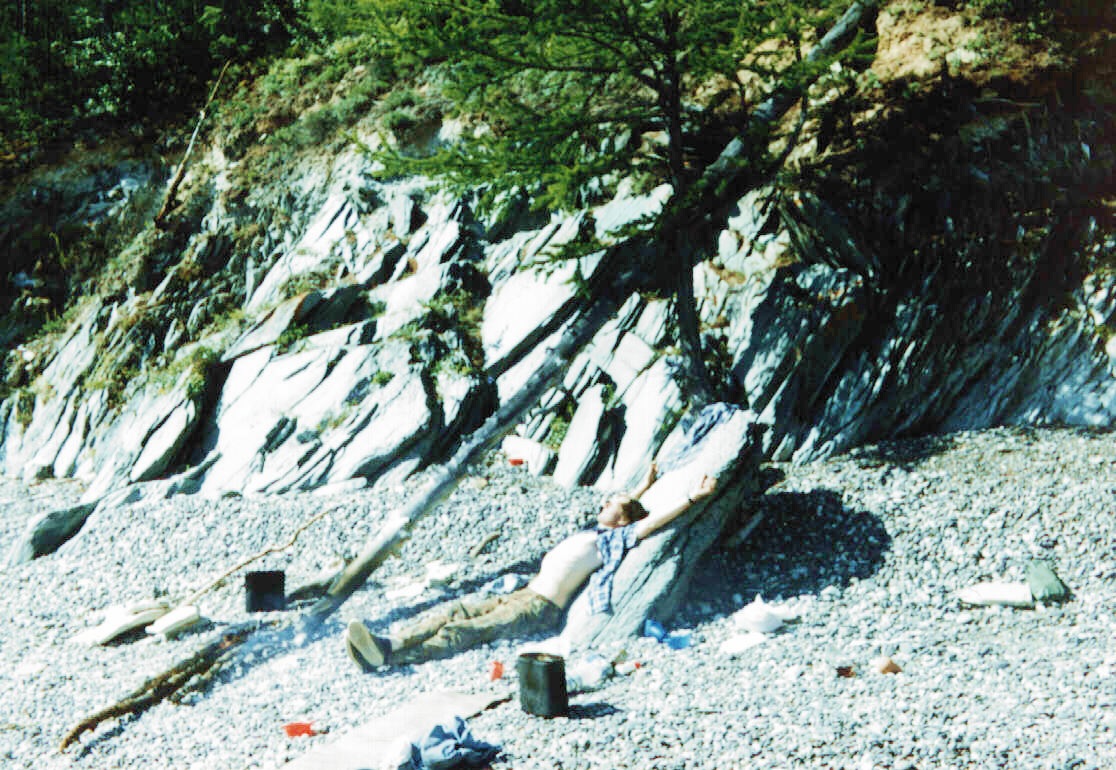
We stayed at camp and went walking (1, 2, 3). We went to the Kurkula River (view upstream, second view), where there was a lovely rapid (2, 3, 4, 5) and a crossing (1, 2, 3, 4). I crossed and cut my hand badly. We scrambled up a mountain and gathered lots of mushrooms. On the shore were the remains of a vast abandoned camp, with stone paths, pictures of yachts made of stone, and stone fire pits and saunas. It looked as though fifty people had camped for a week. We sunbathed.
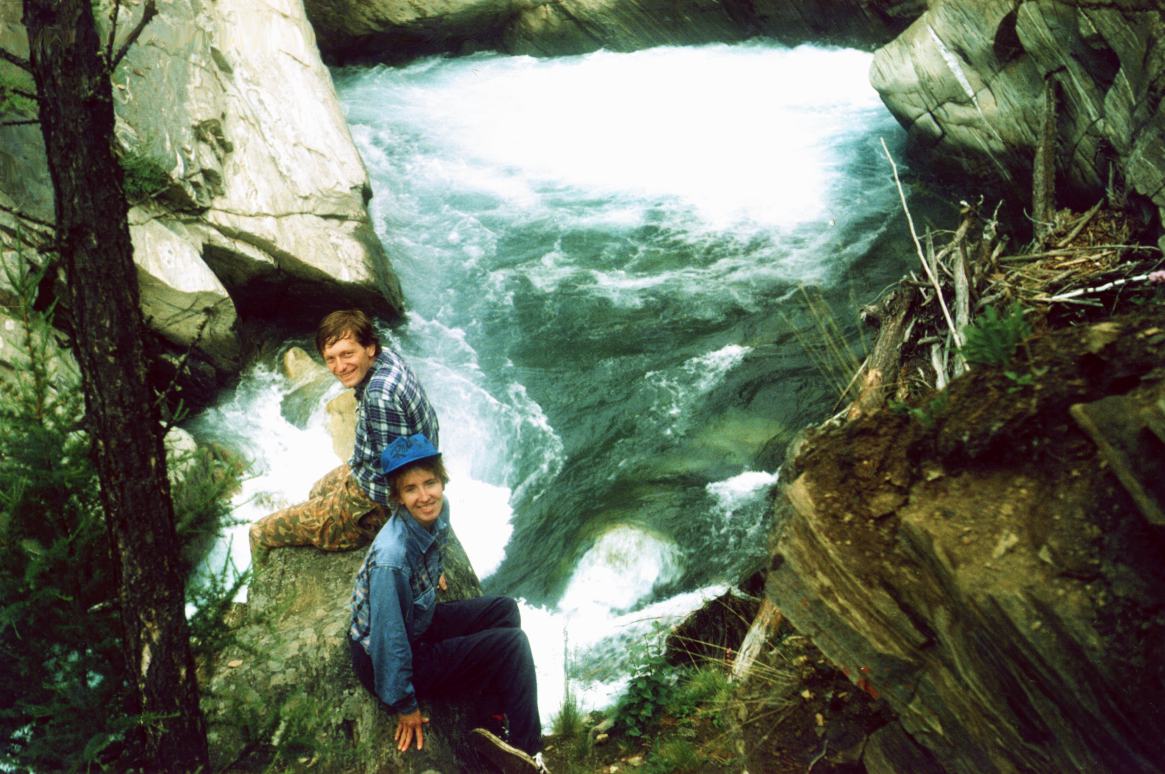
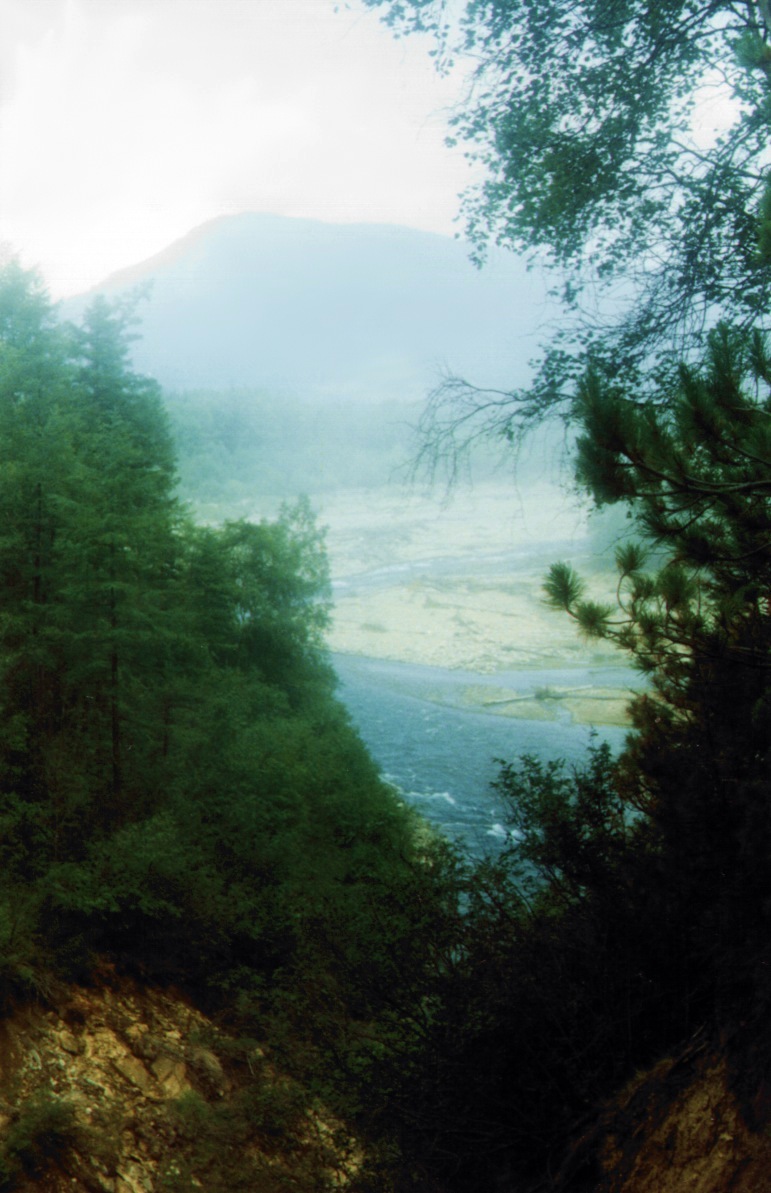
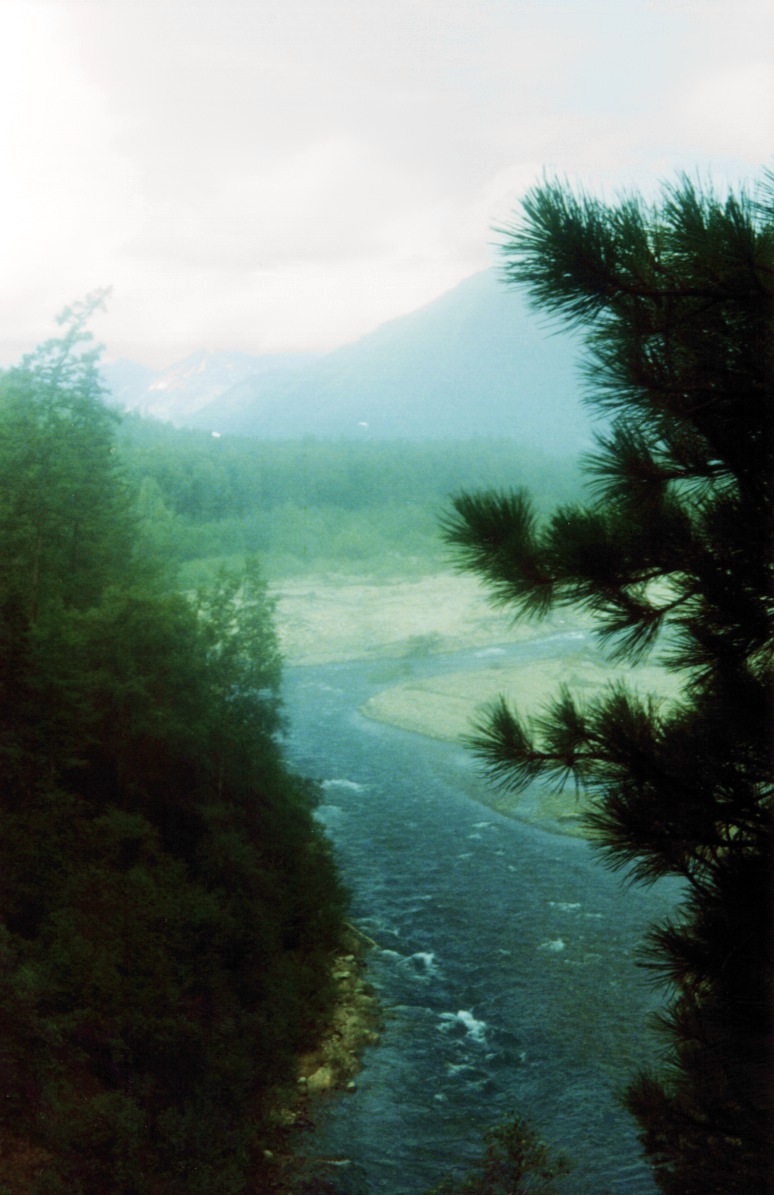
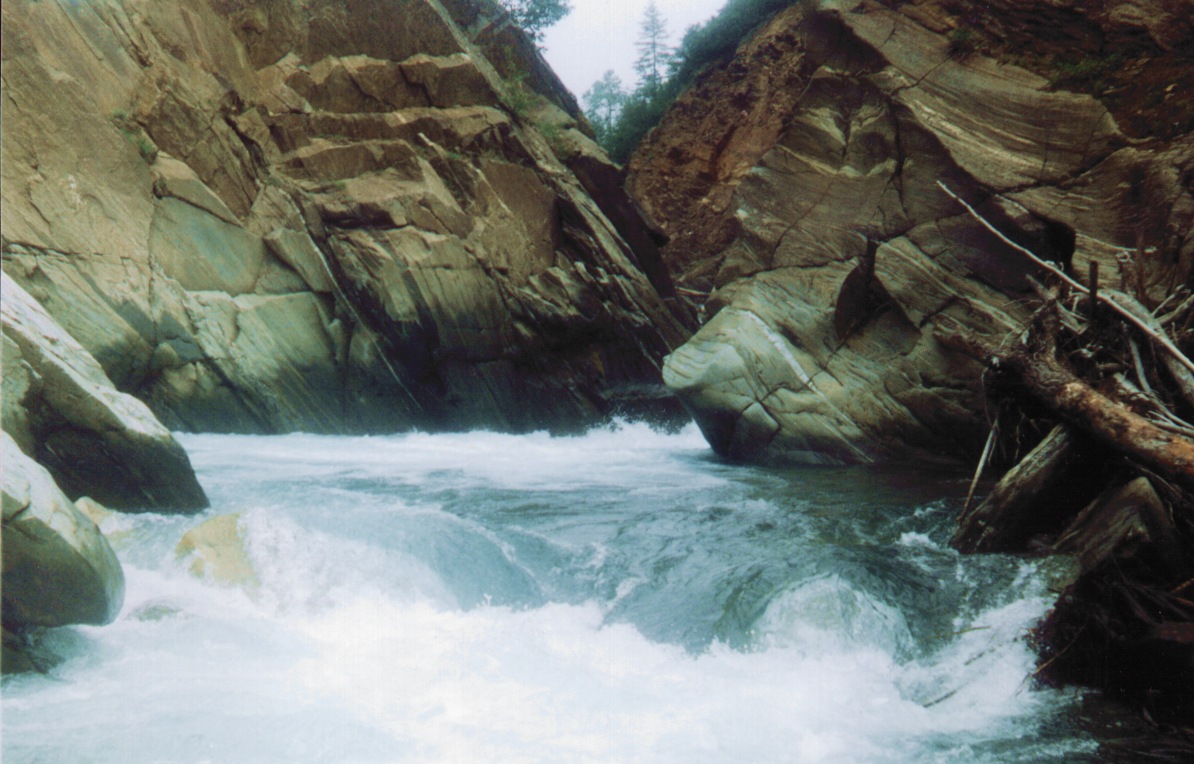
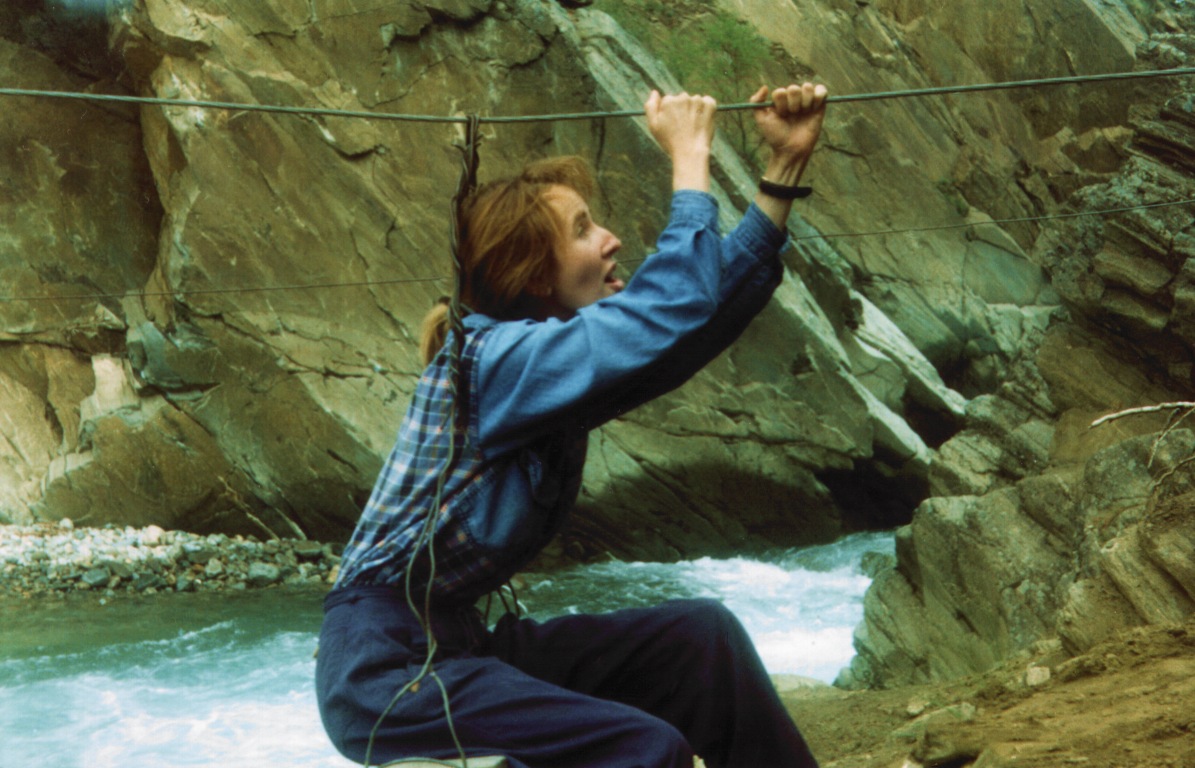
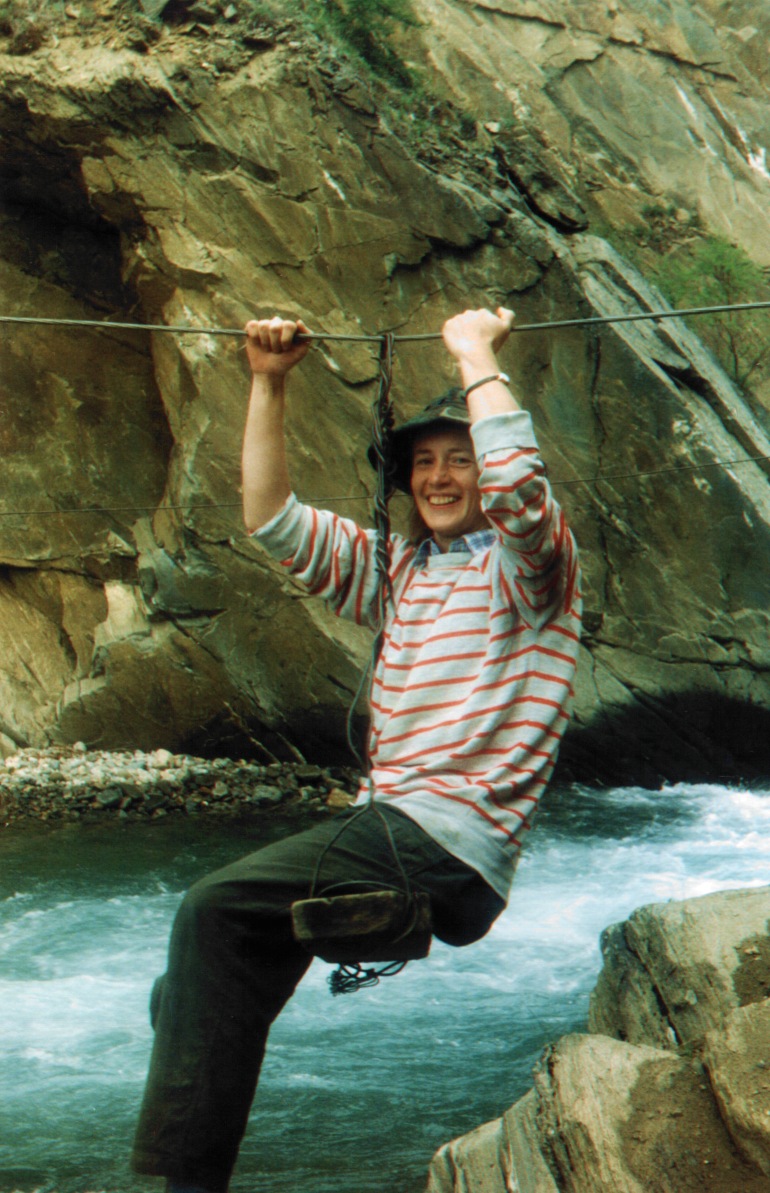
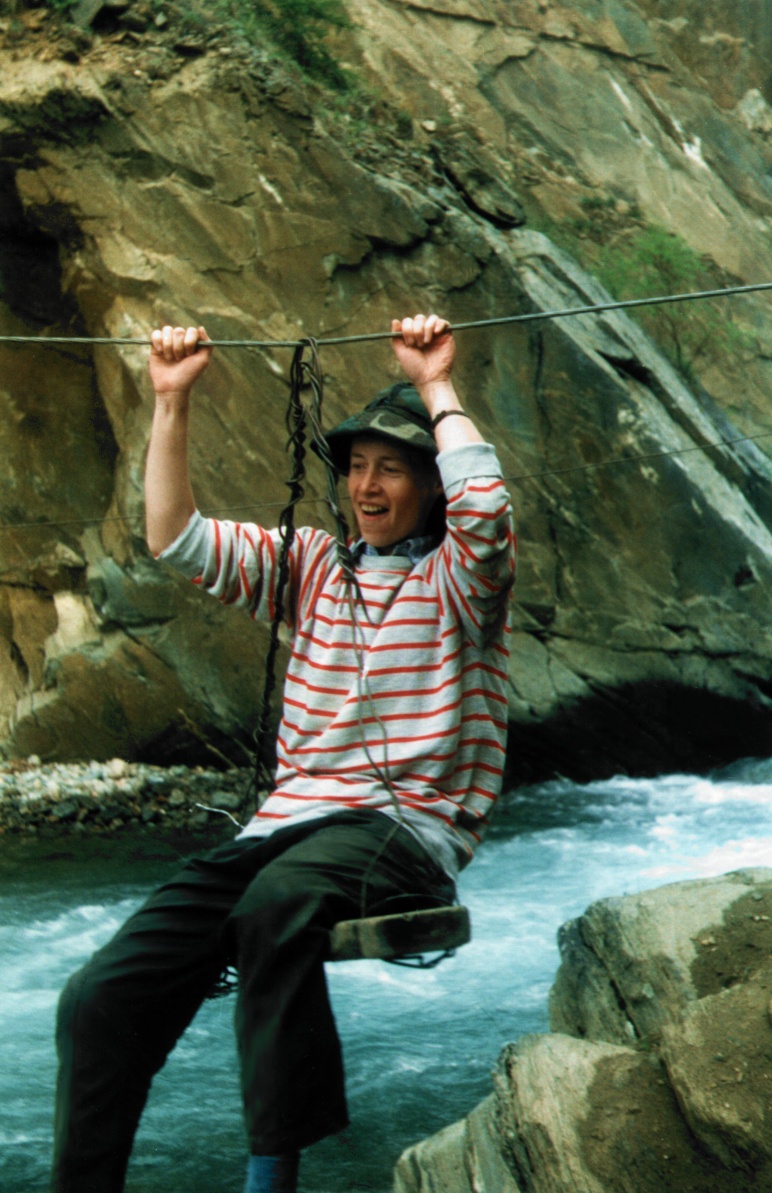
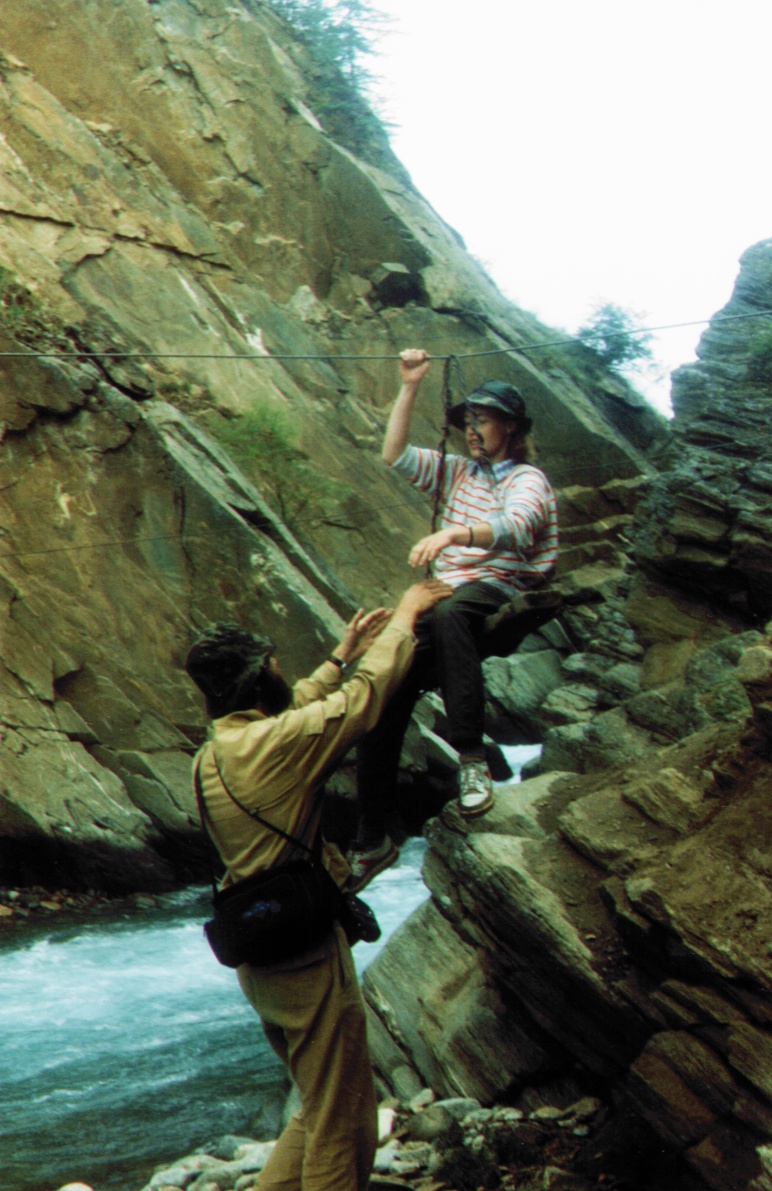
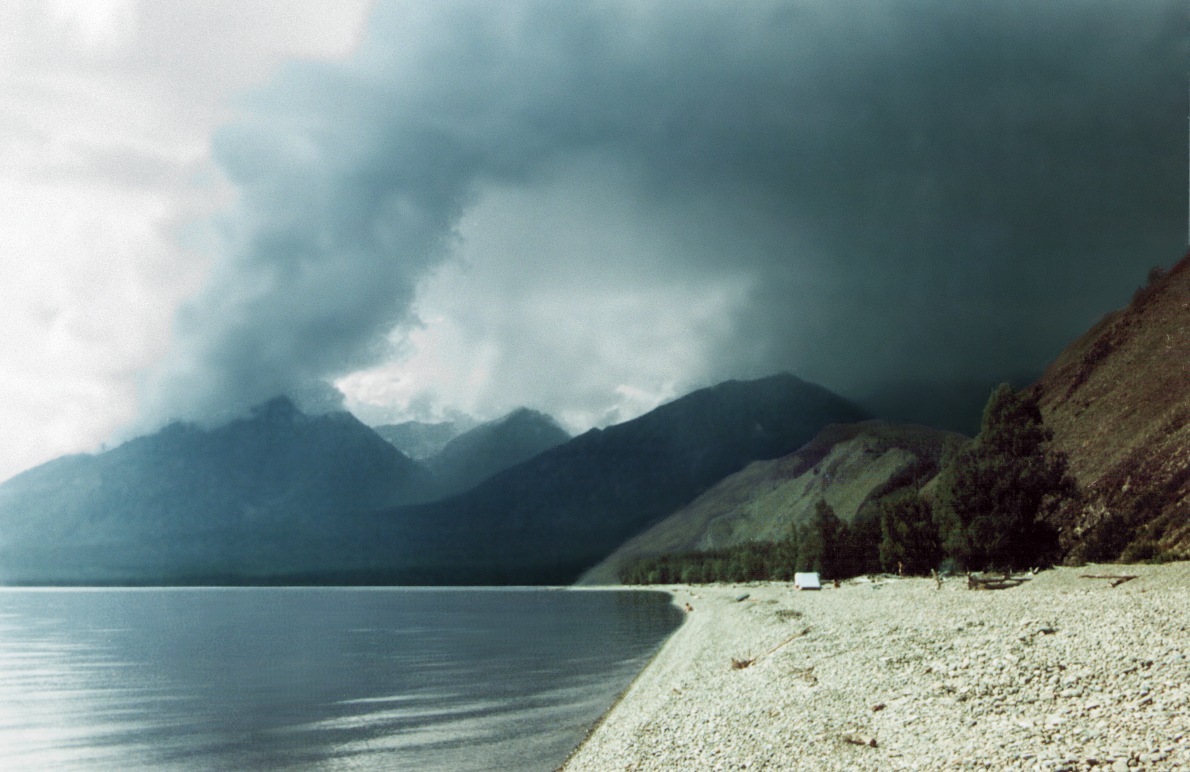
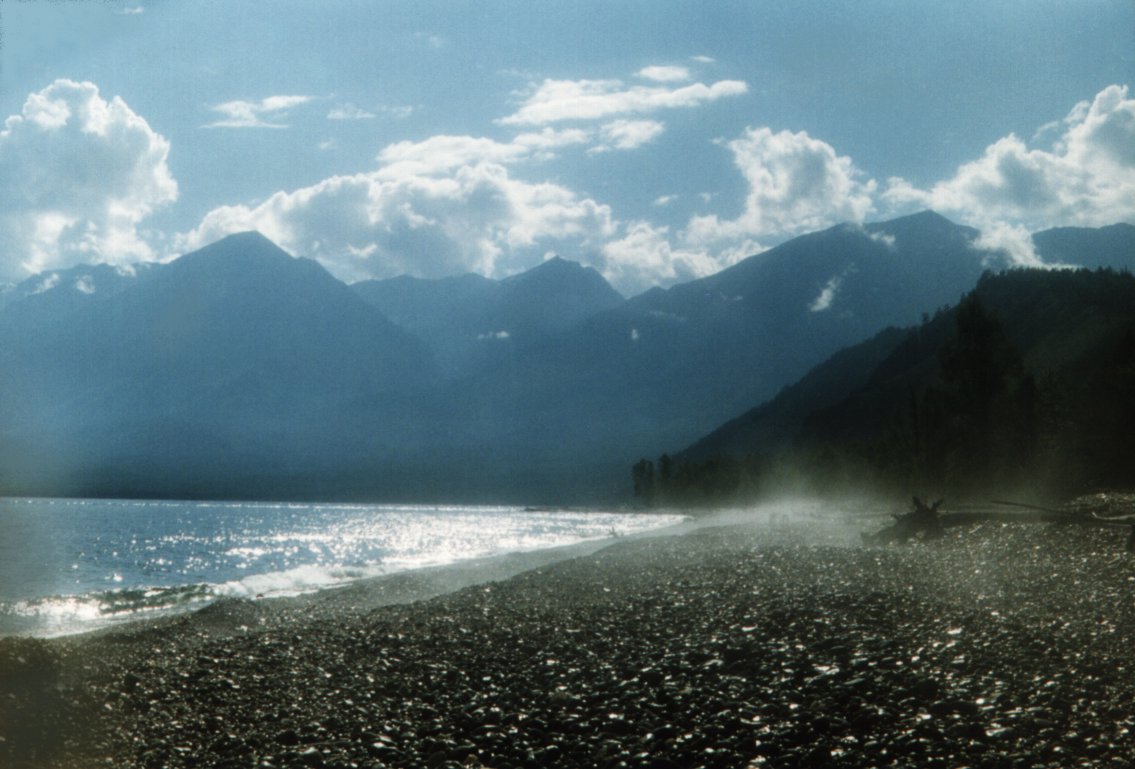
There was a strong wind and a swell. Our boats were in among the rocks, so we did not get around to leaving. We were feeling lazy, of course. There were thunderstorms (1, 2, 3).
18 July. Lake Baikal
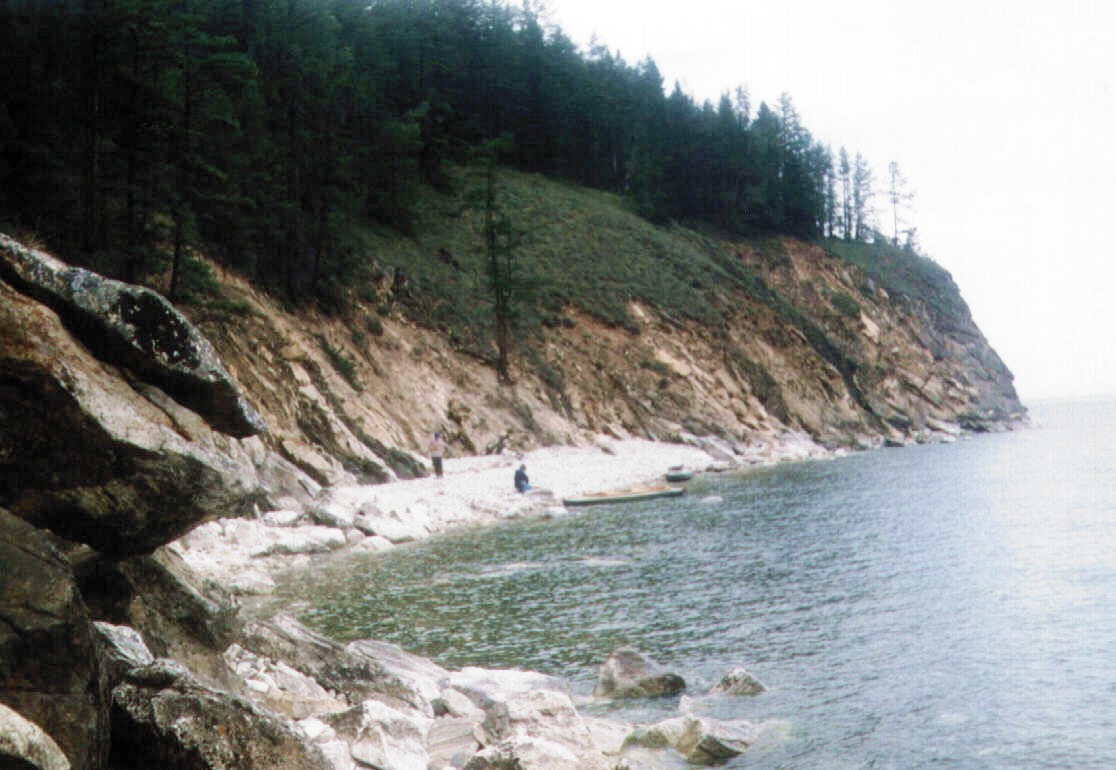
We woke at 09:00 and decided to leave straight away. We pushed off at 11:00. It was 30°C in the sun, 24°C in the shade and 11°C in the water. Past the river mouth there are no campsites until Cape Bolosodey. Just beyond the mouth of the Molokon is a small peninsula with good campsites on both sides. We stopped for a beer on a marble island where all the stones are white, then continued. There is also a good campsite on Cape Muzhinay.
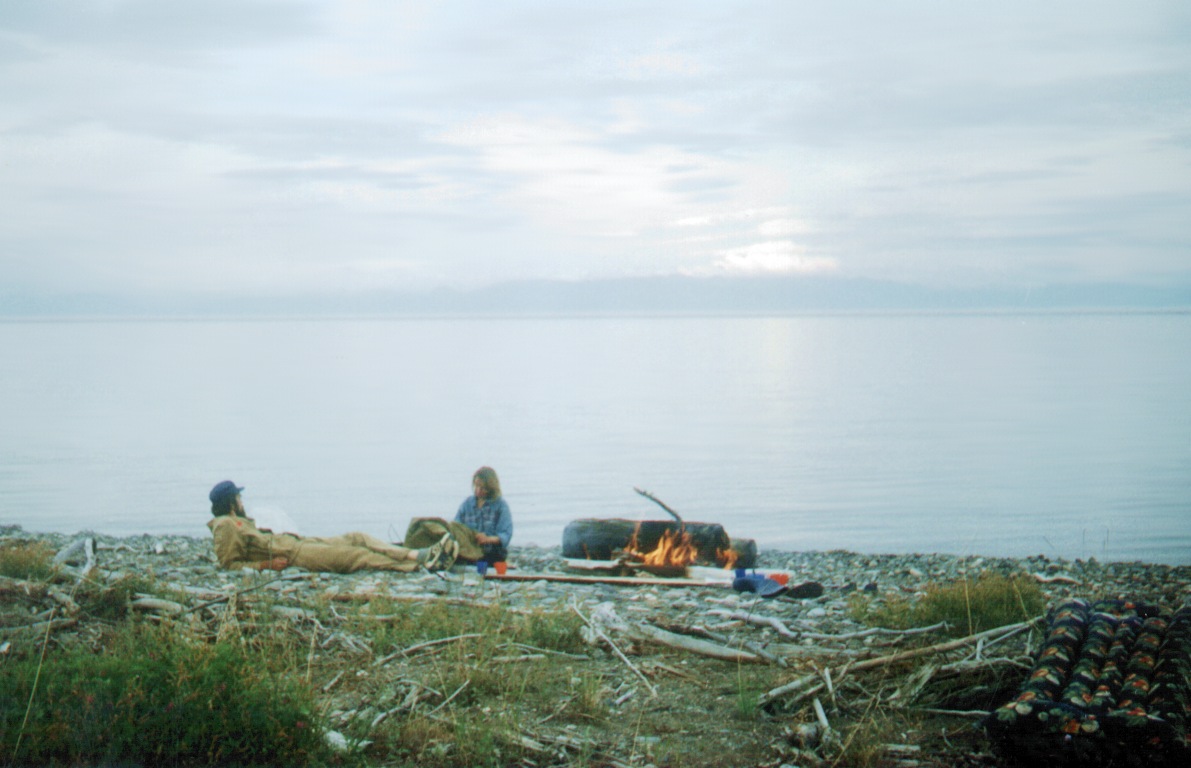
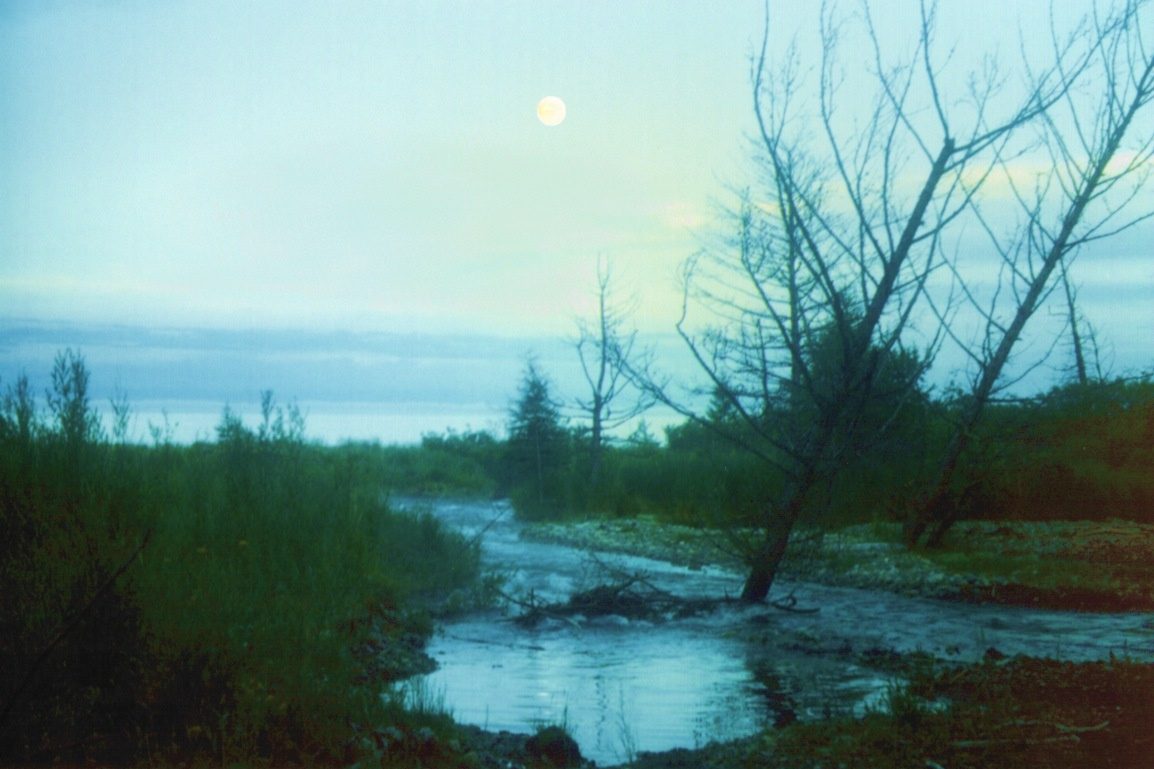
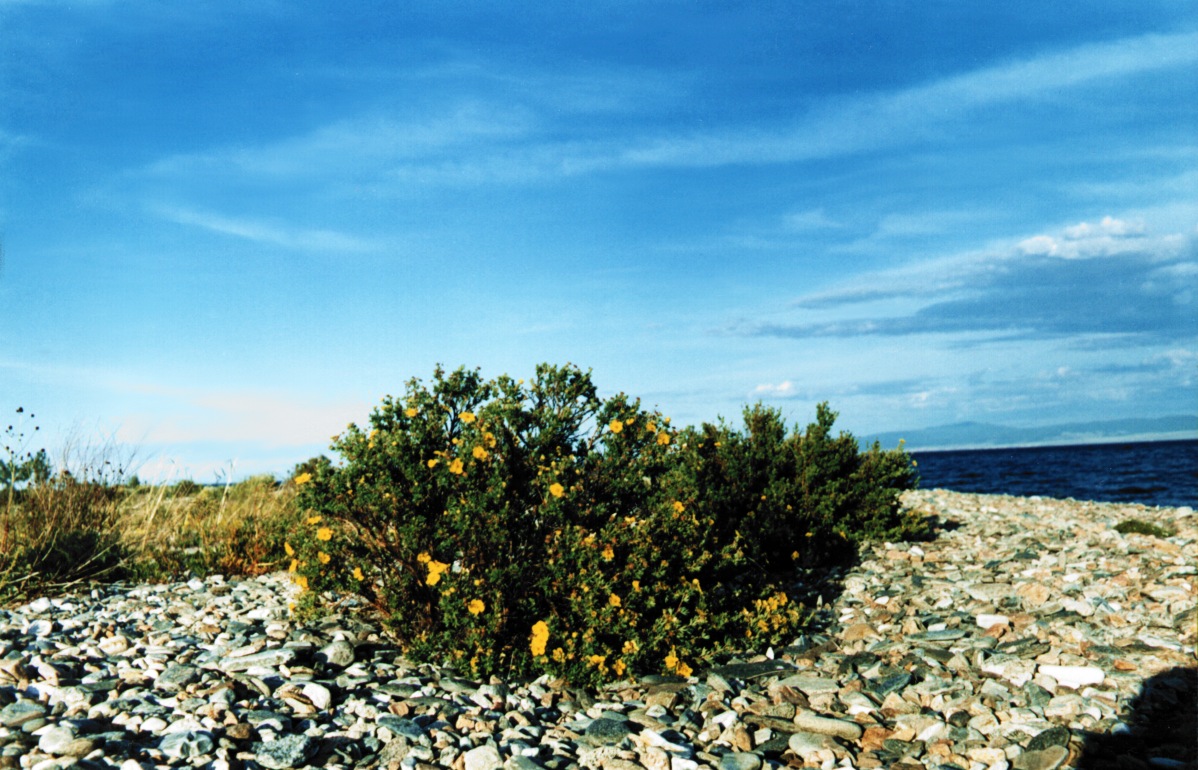
When we came up to the cape the rain stopped. It was calm so we went on. The moment we got out into the open lake, a strong headwind blew up and waves rose. We headed ashore. Getting there was not as quick or simple as it had looked. We began to think we might drown there, but the wind stopped just as abruptly as it had started. We made it to Cape Bolshaya Kosa and camped near a small stream (54°46.394′N, 108°50.854′E). The spit was covered in pretty flowering shrubs and bright flowers. The flowers were unusually big, like garden varieties. Forget-me-nots, poppies, daisies, tansy and a lot of flowers we did not know were all in bloom at the same time. Wild onions and sorrel grew abundantly along the shore. We made soup with them. The sky cleared in the evening and the moon came out. We are hoping yet again for fine weather tomorrow.
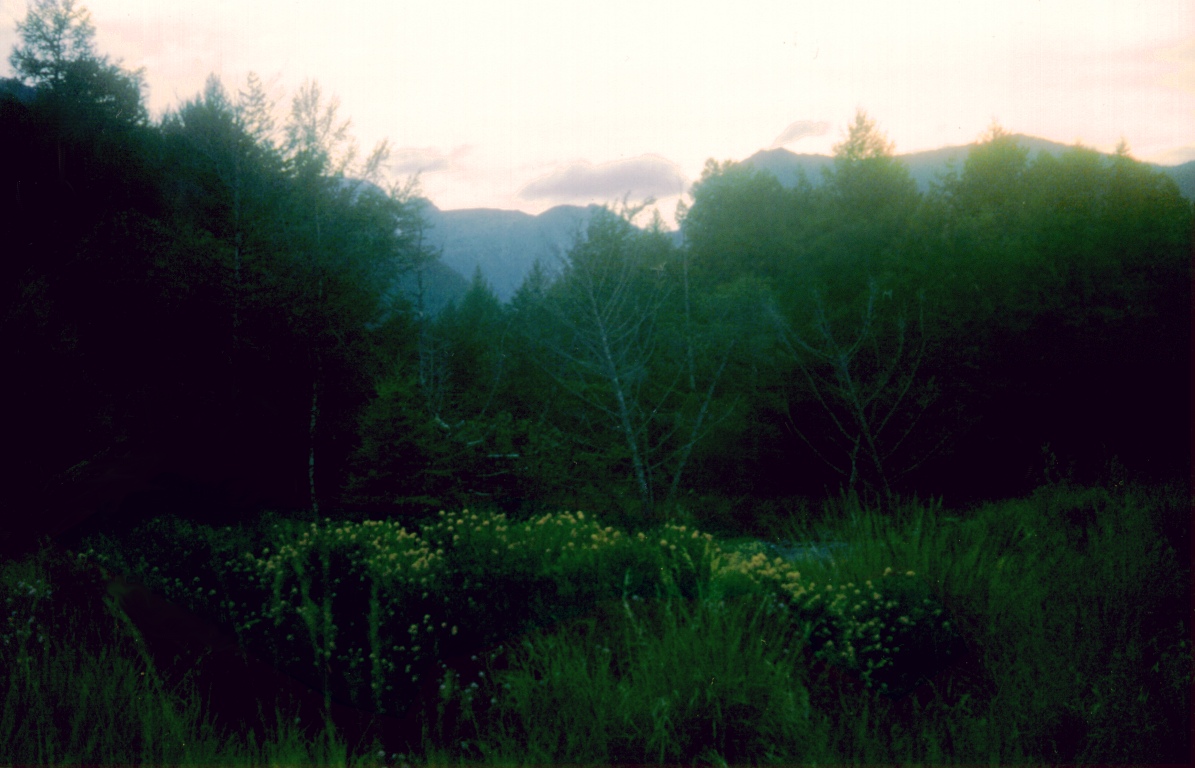
19 July. Lake Baikal
It rained viciously all night, putting an end to our hopes of sunshine. In the morning it poured even harder. We could not even get out to make coffee. It was 18°C in the tent, 11°C outside and the same in the water. A strong southerly was blowing. The rain let up around 14:00. Some of us tried to find mushrooms, but there were hardly any, just three in a dry riverbed. The forest was soaked. The rain started again, and since we were wet already and had nothing to lose, we pushed off at 18:15.
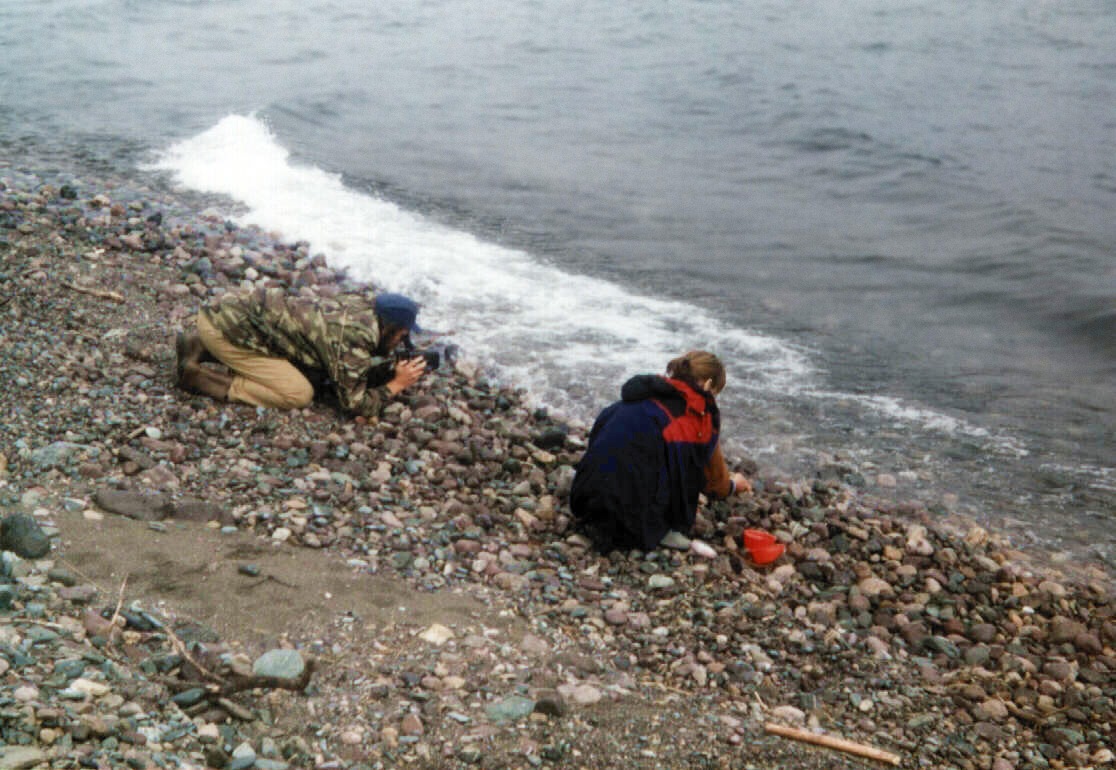
There was a boat and a lot of people beyond the cape. Seven people in catamarans were camped on Cape Malaya Kosa. We camped just short of Cape Bolshoy Cheremshany, which we later found out was full of bears. Beyond Malaya Kosa you can camp only on the headlands, as the bays are all scree below the cliffs. We set up camp near a big mountain covered in dark forest (54°40.554′N, 108°47.263′E). Bergenia grows in the forest in place of grass.
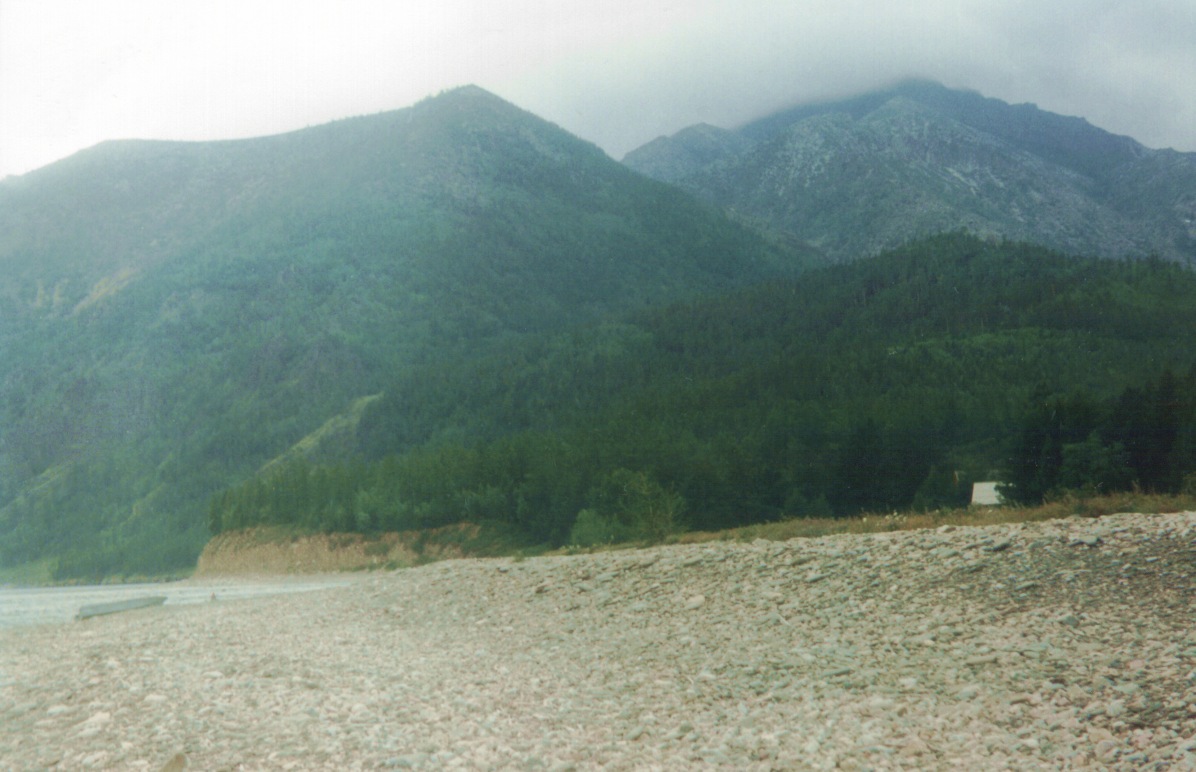
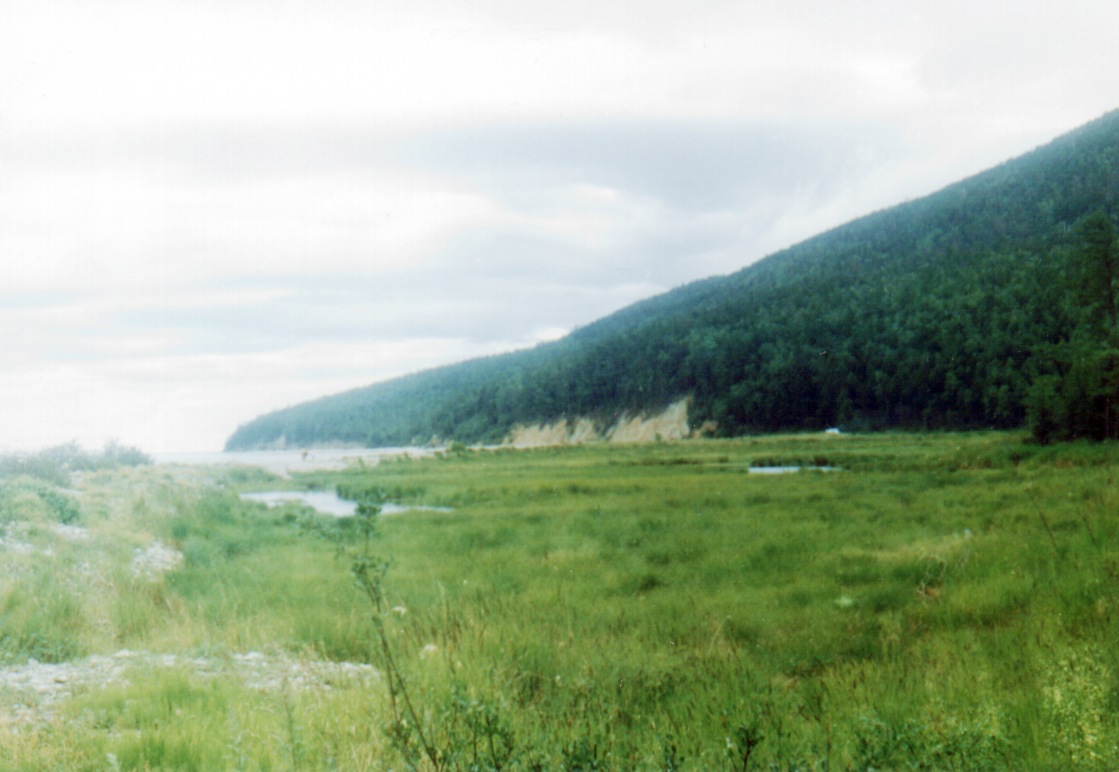
Today is Tanya’s and my ‘national holiday’. We met seven years ago on the White Sea. We picked bunches of flowers, made ourselves a little table for the celebration, opened a bottle of champagne, ate a bar of Fazer chocolate and a celebratory serving of soup, and kissed, of course. The night was clear. Once again we looked at the moon with hope. Tanya imagined hungry bears all night. They must have been full and stayed in the woods.
20 July. Lake Baikal
Morning, 22°C. Sun through the clouds. It felt hot. We put on sunscreen. We left at 13:15 and a gornyak began as soon as we pushed off. The wind was blowing at 30–40 m/s. It blew from the shore, so there were no waves close in. But look away for a moment and it carried you out into the open lake. You cannot paddle into a wind like that. We were thrown onto Cape Bolshoy Cheremshany.
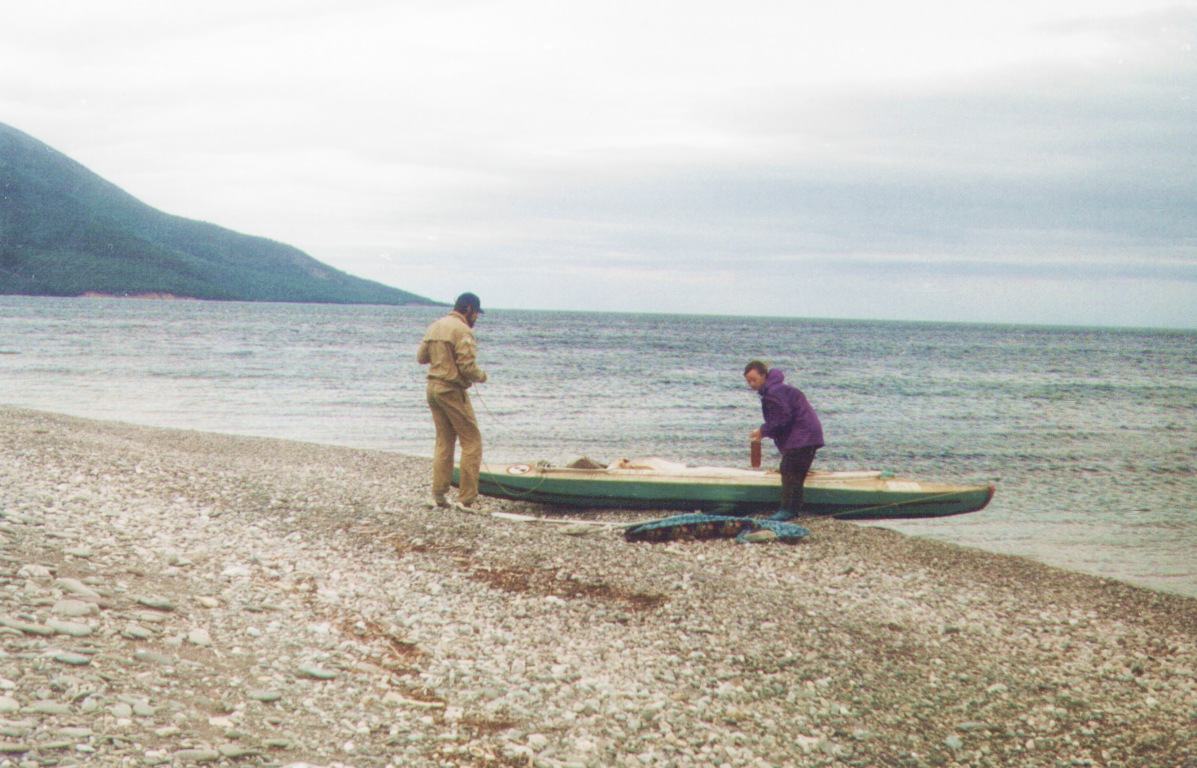
We would have stayed the night there, but we met a 65-year-old man paddling from Severobaykalsk to Irkutsk on his own. He planned to go on despite the wind, though he intended to stay within arm’s reach of the shore. We felt ashamed and followed him. With a tremendous effort we reached the next headland. Towards the end the wind was behind us, so we decided to cut the corner. Soon the wind was hitting us from the side and trying viciously to flip the kayak. The waves grew very steep and high. When we finally paddled ashore, there was no end to our happiness. From land we watched the man battling the wind for a long time, until it eventually tossed him onto our cape too.
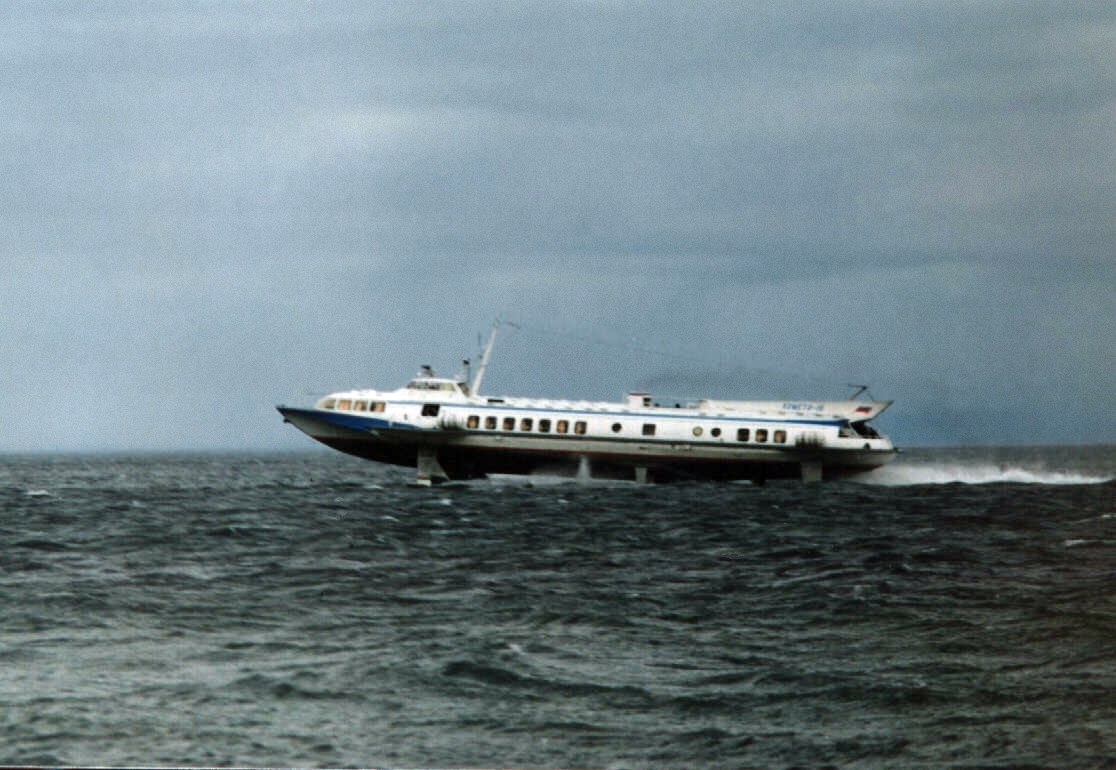
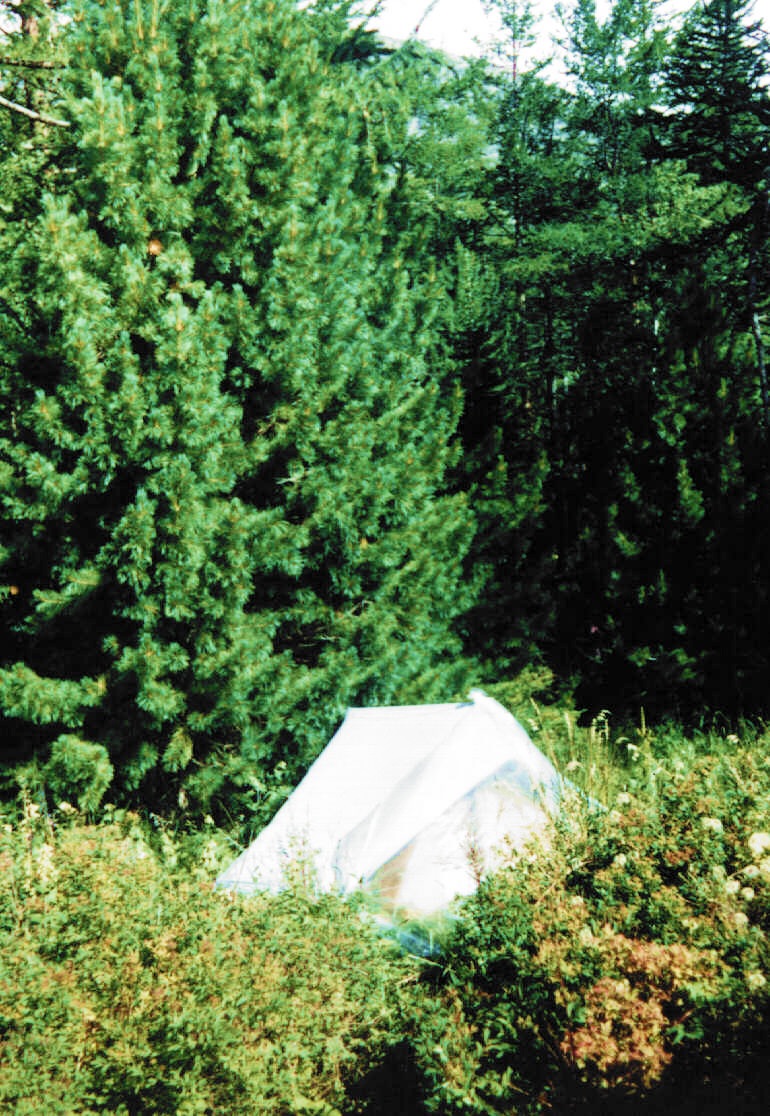
The rain started again and we hurried to put the tent up in it (54°34.234′N, 108°41.750′E). Amazingly, even in this weather the Kometa was still running. We camped right on the cape and tied the tent to a Siberian pine. Once we had unloaded the kayak, the wind swept it down the shore. We caught it just in time and tied it to the pine as well. The other man buried his in the sand for good measure.
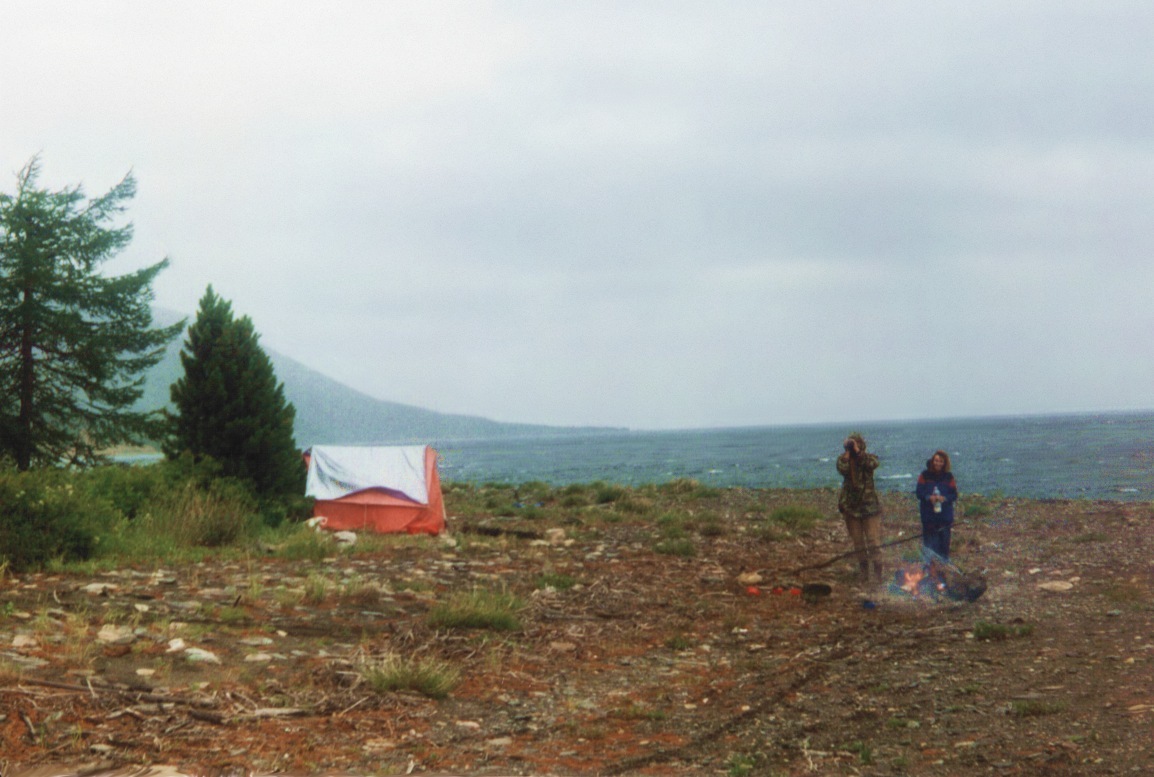
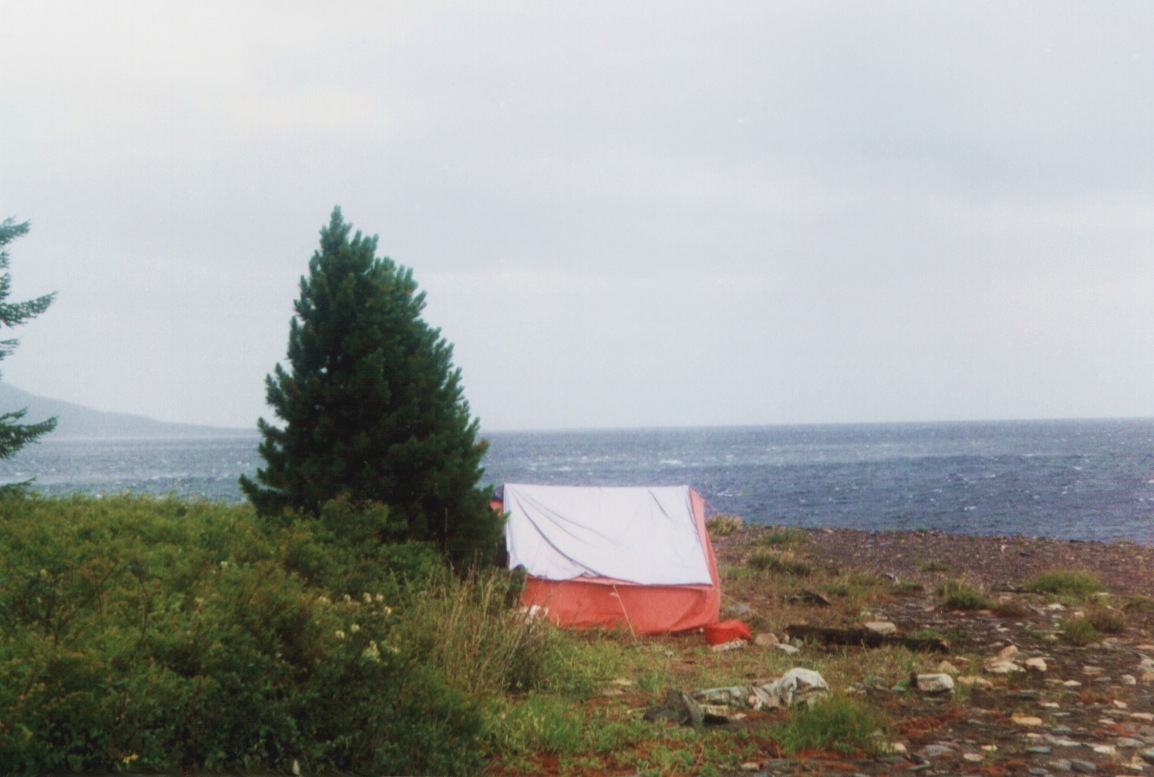
Eating was nearly impossible. First the wind knocked the soup pot over. Then it blew the soup out of the bowls and especially out of our spoons, so we could not get any into our mouths. We had to eat in the tent. Next the mugs of tea left outside were knocked over. We hurried to weigh everything down with stones, but even then a few things blew out into the open lake.
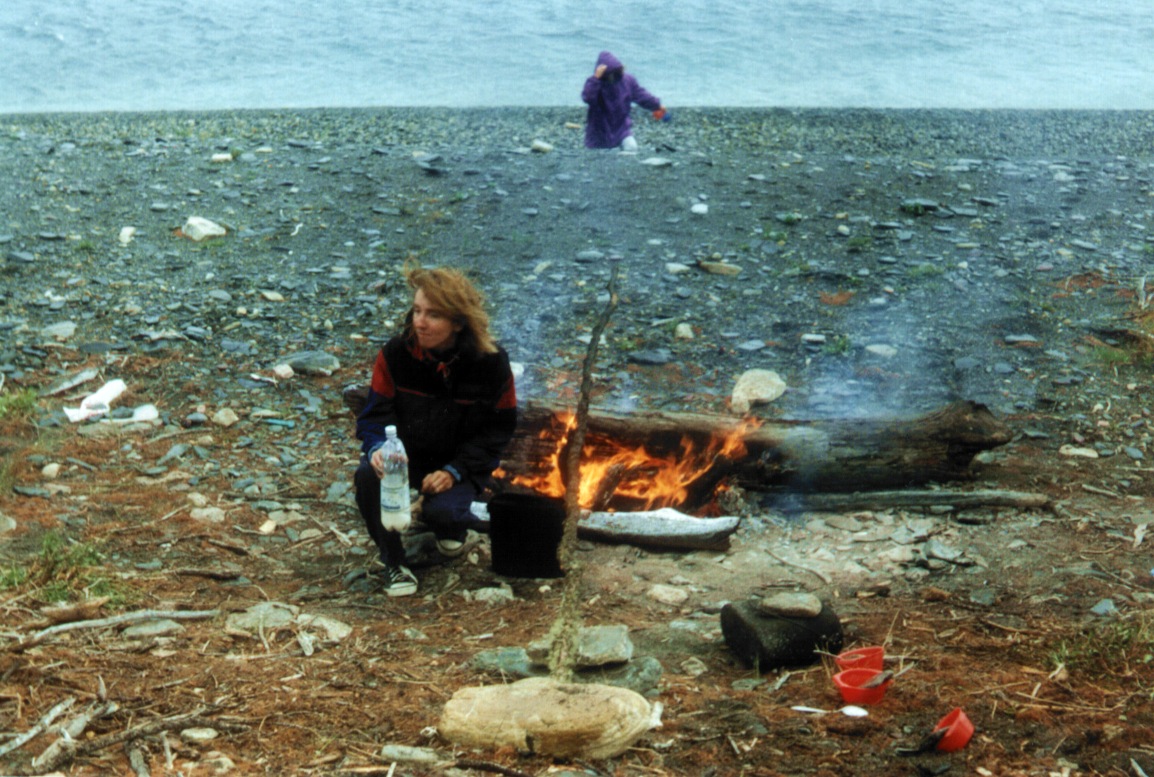
In the evening the wind eased a little and the ranger’s motorboat appeared, pitching horribly in the waves. He was quite a character, named Fyodor Fyodorovich. He explained that entering the reserve cost US$2 a day, though pensioners and scientific expeditions were admitted free. We asked when the wind would let up. He said it could blow for a week. Then he told a ‘heartening’ story about a man who had been swept out by the last gornyak and had drifted three days in the middle of the lake. The wind from the far bank blows towards the middle too. The man survived, but they had to cut the paddles from his hands. Even the bravest are advised against going out in this weather.
At our previous campsite there was a little cross with the dead man’s name. We asked who he was and what had happened to him. Fyodor Fyodorovich said, ‘Oh, there are plenty of little crosses here and the same thing happens to all of them. Glug, glug.’ While he was talking to us, his motorboat blew off the shore and he raced to catch it. By evening everyone had the chills. I began to worry that we had eaten something with botulism in it. We fell asleep early, at 23:00.
21 July. Lake Baikal
When Tanya and I came out of the tent in the morning, the other tents, the man’s and the Sochavas’, were gone. We decided they must have blown away. That was more or less what had happened. At 05:00 the wind picked up again and ripped their nylon flysheet to shreds. It looked as though someone had cut it into thin strips with a razor. They had to move deeper into the forest in a hurry. We woke at 11:00.
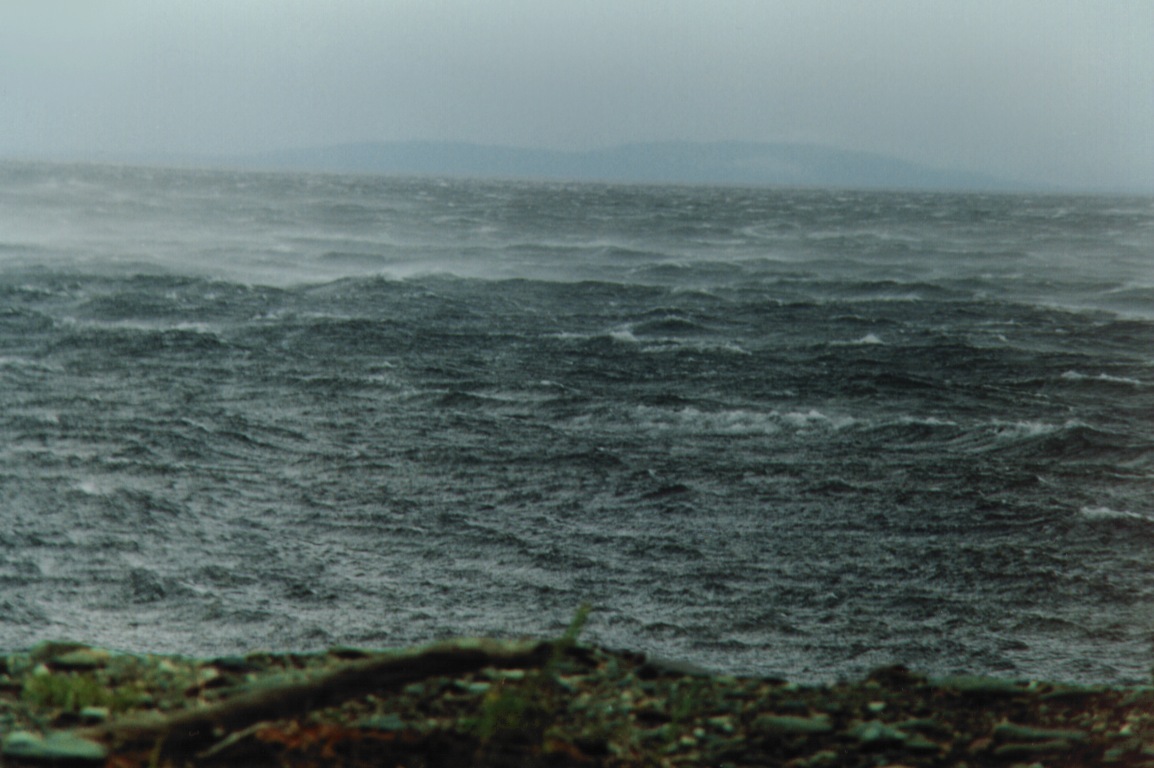
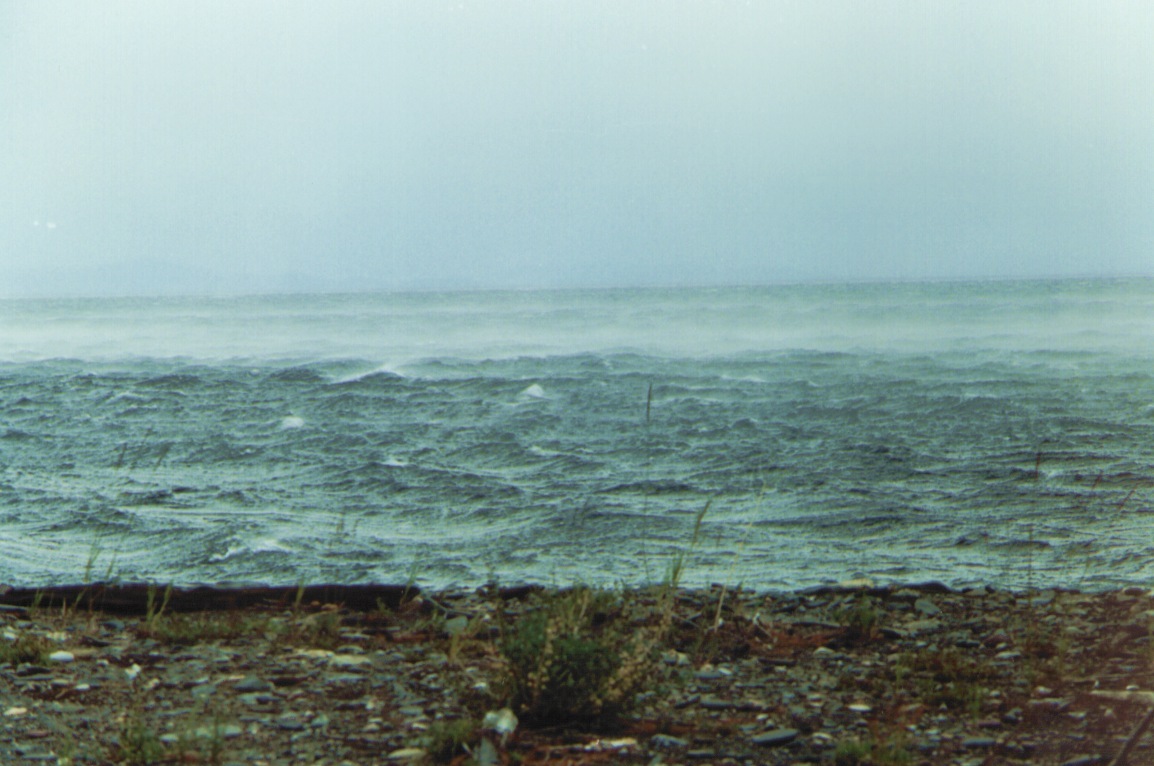
Nobody died of botulism. We got away with diarrhoea. Outside it was raining and blowing a storm, or perhaps it was spray blowing off the lake. The wind tore the crests off the waves and sent them across the lake in a solid white wall. When a load of water hit the tent it felt as though someone had tipped a bucket over it. Beautiful, though. It was 13.5°C outside and the walk down to the water was frightening, in case you got swept away. Around midday the wind snapped a five-millimetre nylon rope holding down our flysheet. It should have been able to withstand a tonne of tension.
The rain stopped only towards evening and we climbed the nearest mountain. First we walked through trackless taiga. It was slow, hard going, with civilisation 150 kilometres away. Then came a long scramble up the scree. We reached the ridge. The women were afraid to stick their heads over it in case they got blown away. The force of the wind felt about equal to gravity. These winds must be common here. Huge holes have worn into the rock, and the wind rushes into them with a menacing whistle. We climbed into one of them.
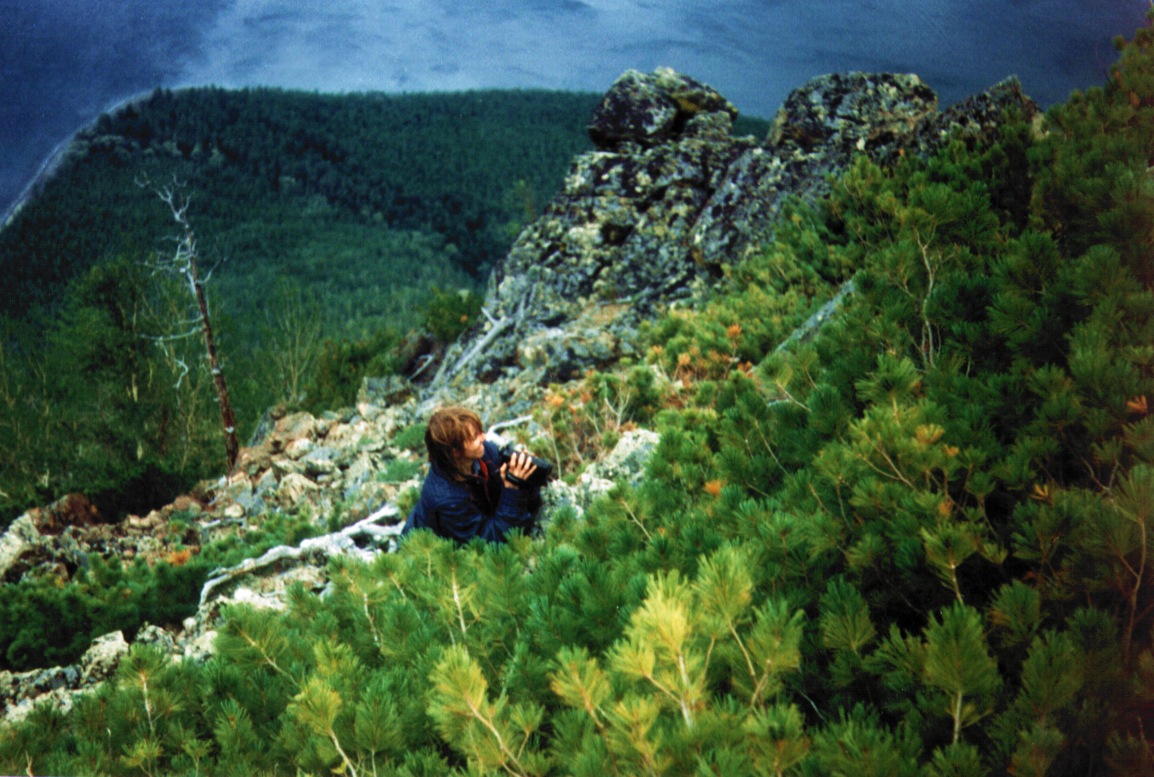
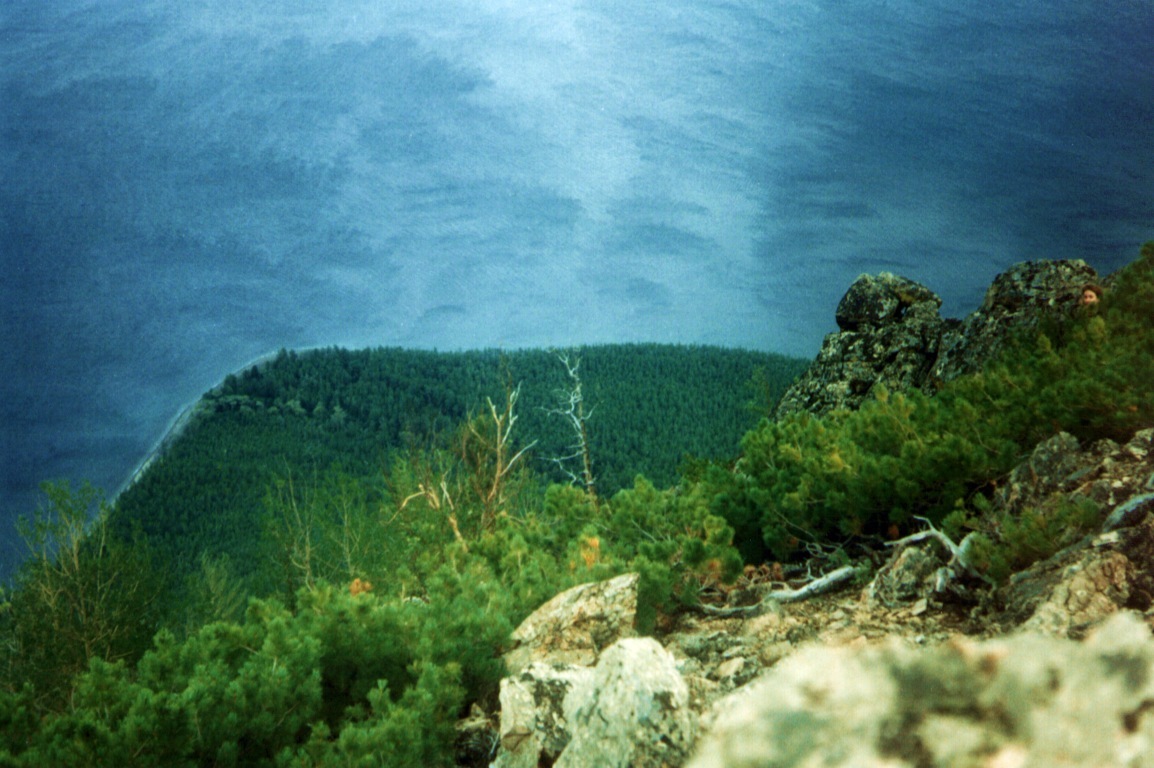
We were on the summit at 21:00, about 500 metres above the lake. The sky cleared as we began to head back and we had a beautiful sunset. Once again we began to hope for good weather, though with less conviction since Fyodor Fyodorovich said July was always like this. On the way down we dug up a little Siberian pine to plant at home.
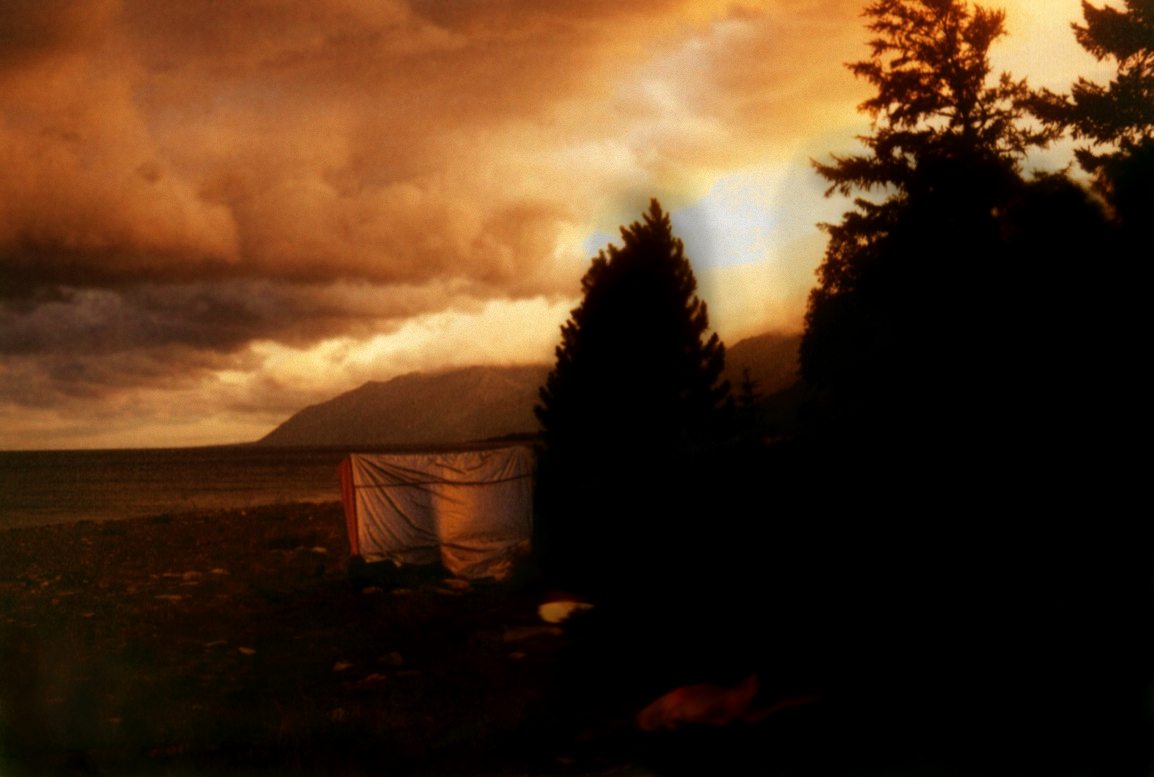
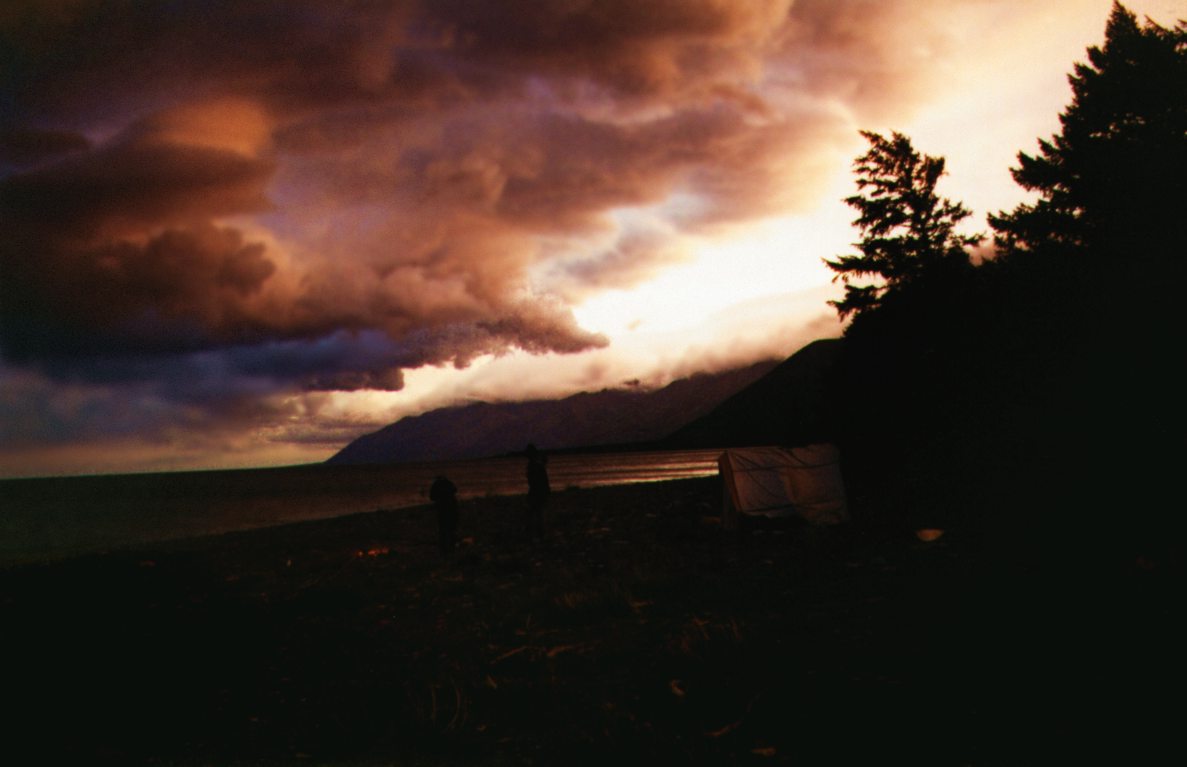
In the evening we went to see the man. His name was Vladimir Yakovlevich Bezmenov, a section head at TsIAMS, from Moscow. He had been kayaking all his adult life. He told us a lot of interesting things, but he himself was the most inspiring example. He gave us tea and dinner. Unlike us, he had hauled all his food from Moscow. When we asked how he had done it, he said he had put everything in his backpack along with the kayak and walked. At sixty-five!
22 July. Lake Baikal
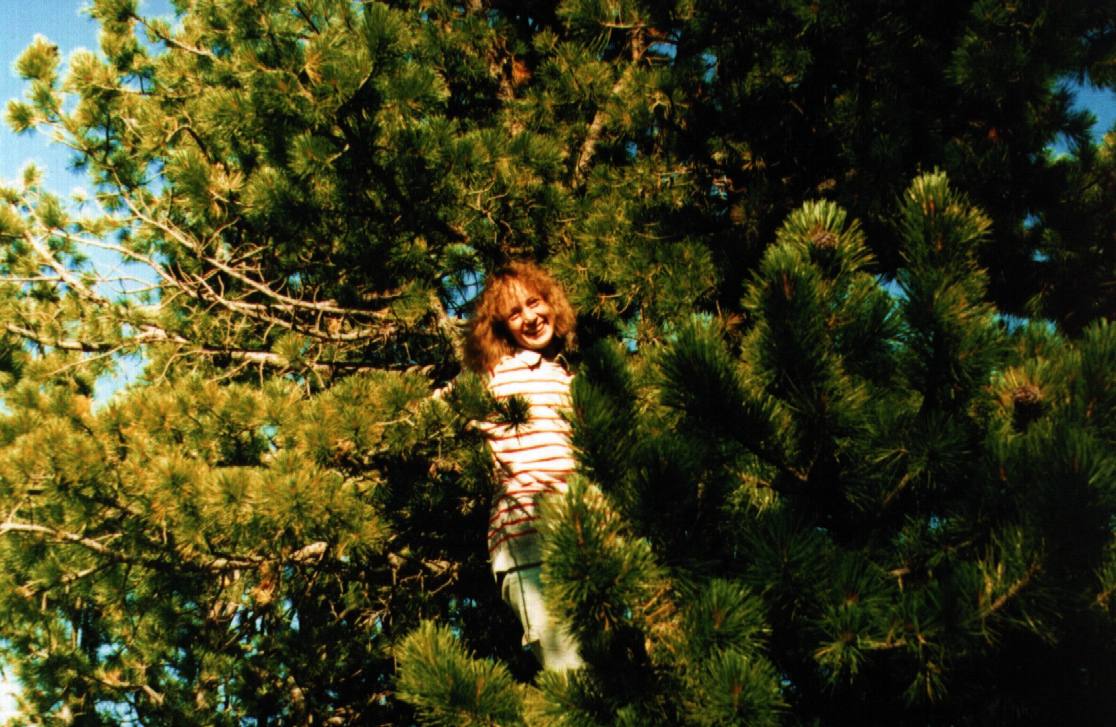
The weather was fine in the morning, but only 18°C. Tanya tried washing her hair in Baikal and froze both her head and her feet. We had to heat water in the pot, and then called for a communal wash. There were many Siberian pines on the cape and we spent a long time climbing them. They have so many branches it is hard to get near the trunk. You have to climb about a metre out where the branches already bend. We picked some cones and tried eating the nuts. They were edible, but everything ended up covered in resin. We left at 13:10 and checked in with the ranger at Cape Elokhin.
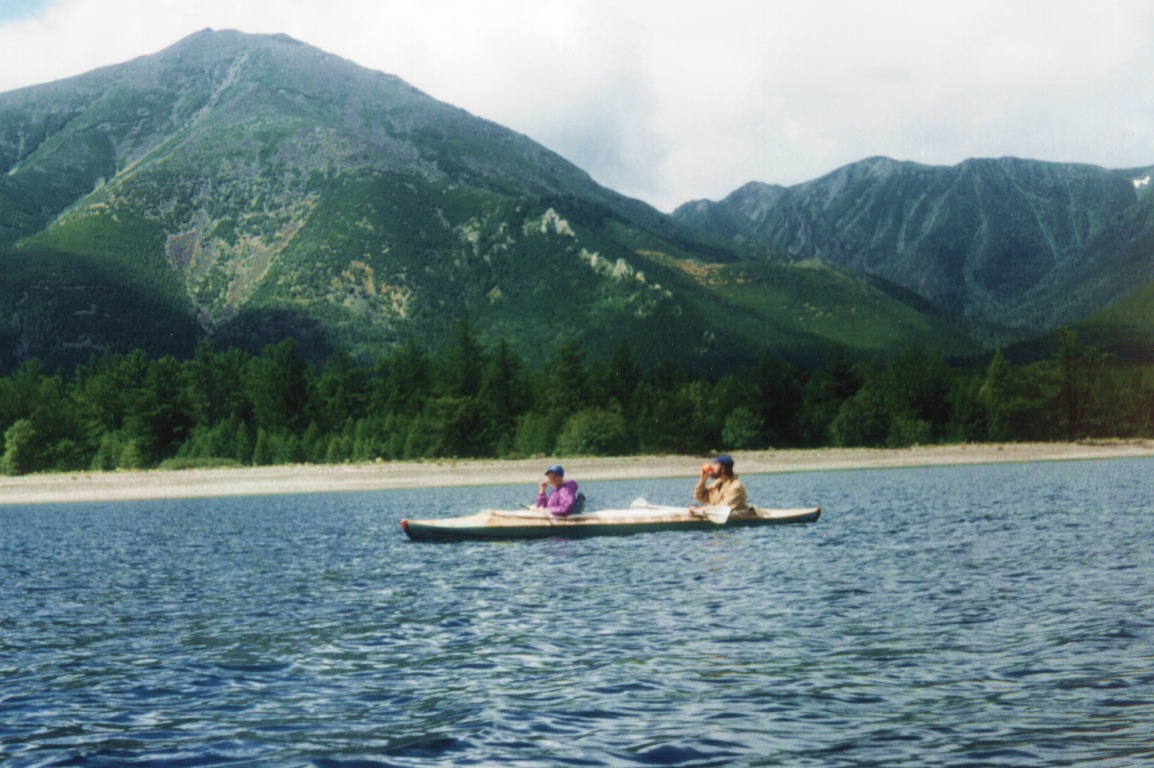
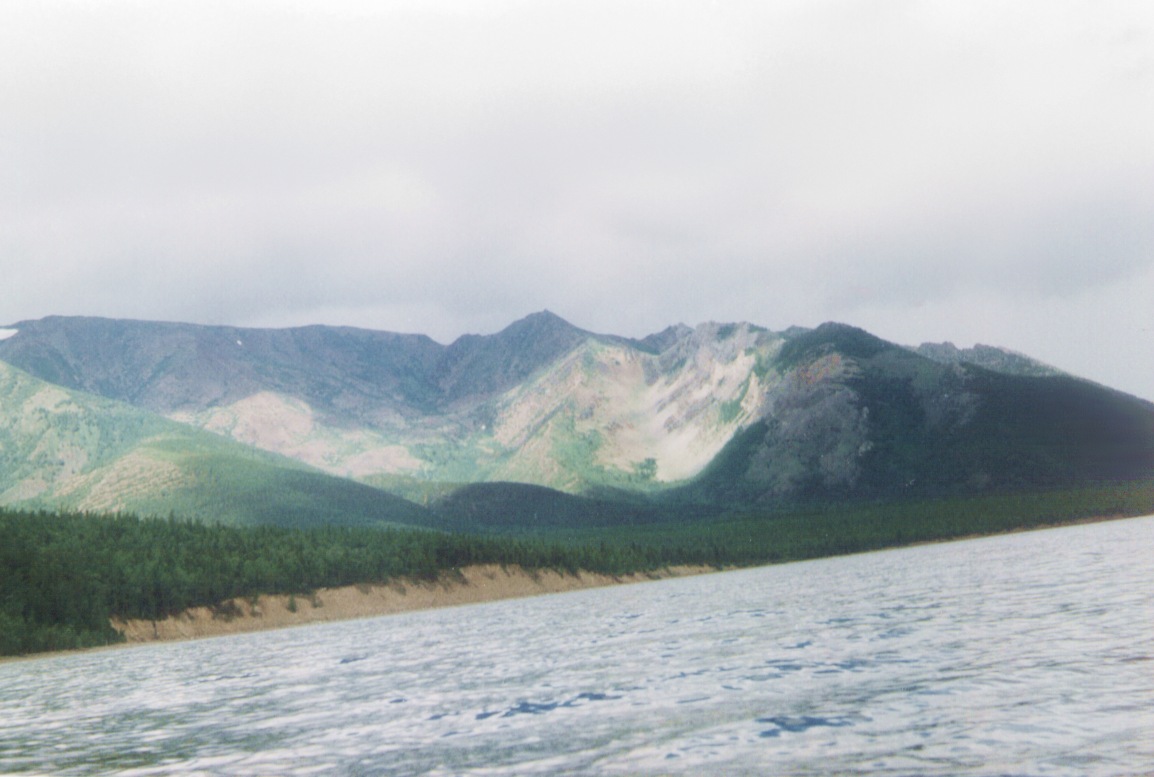
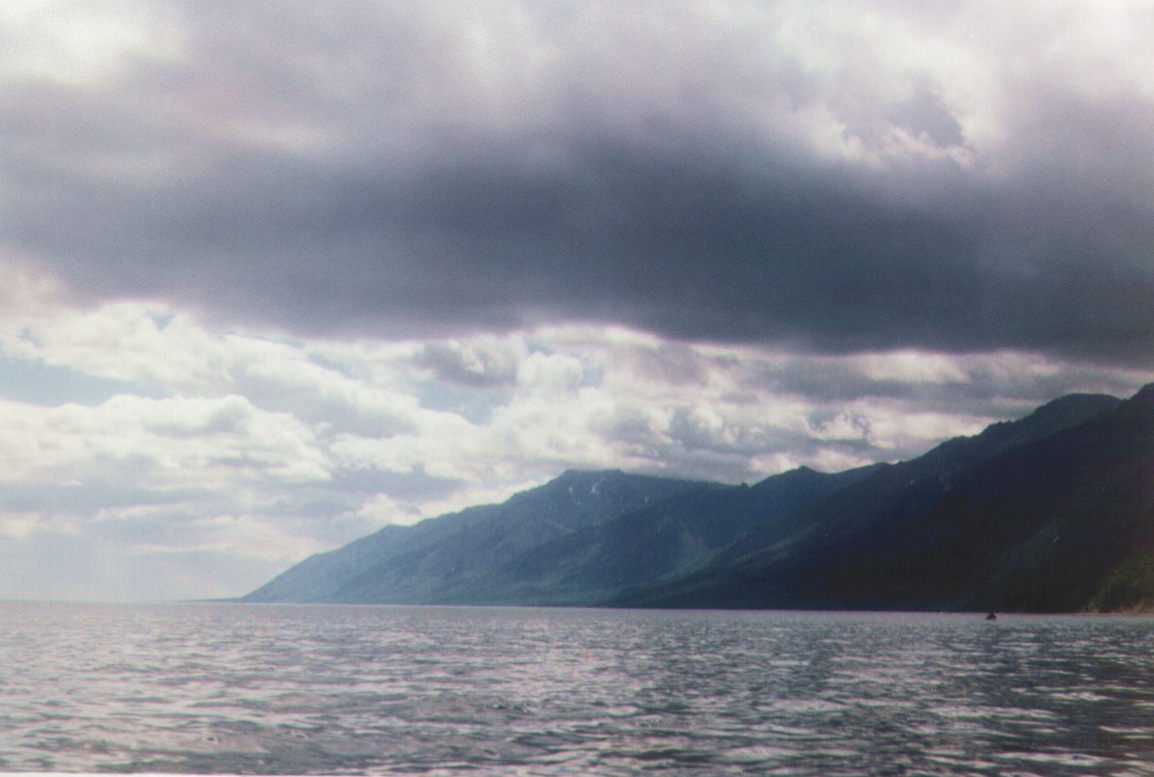
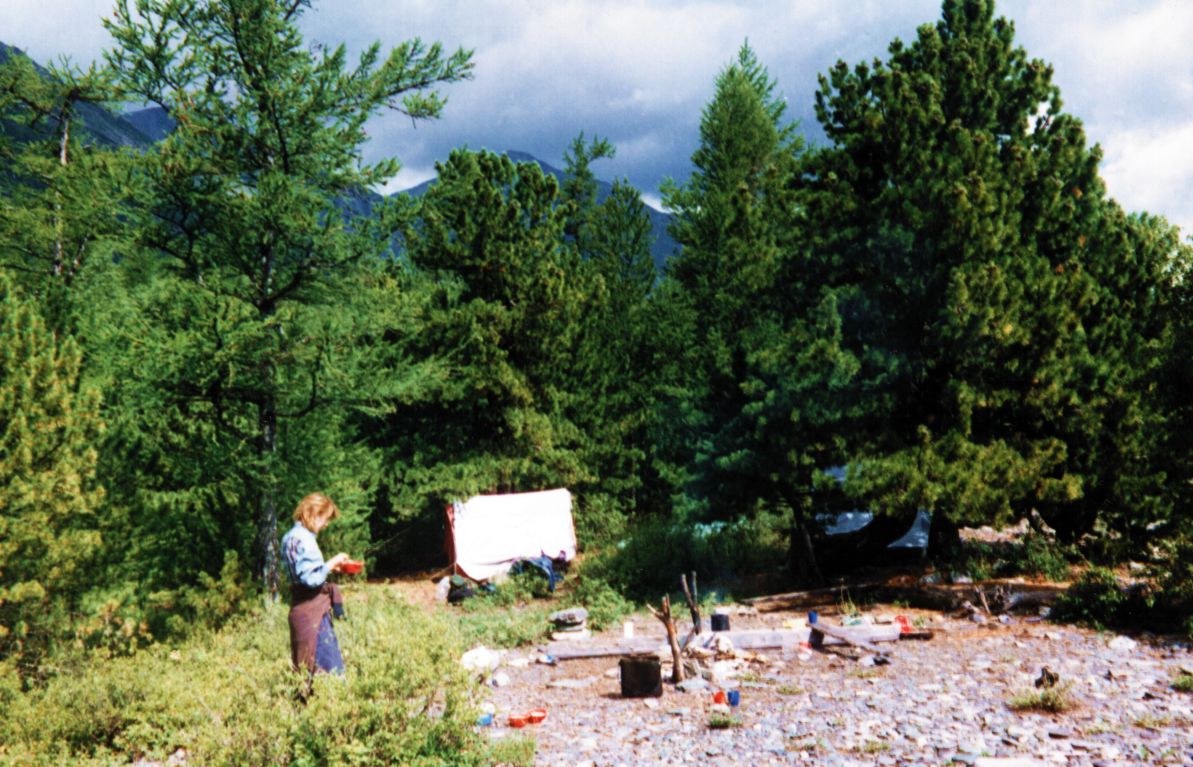
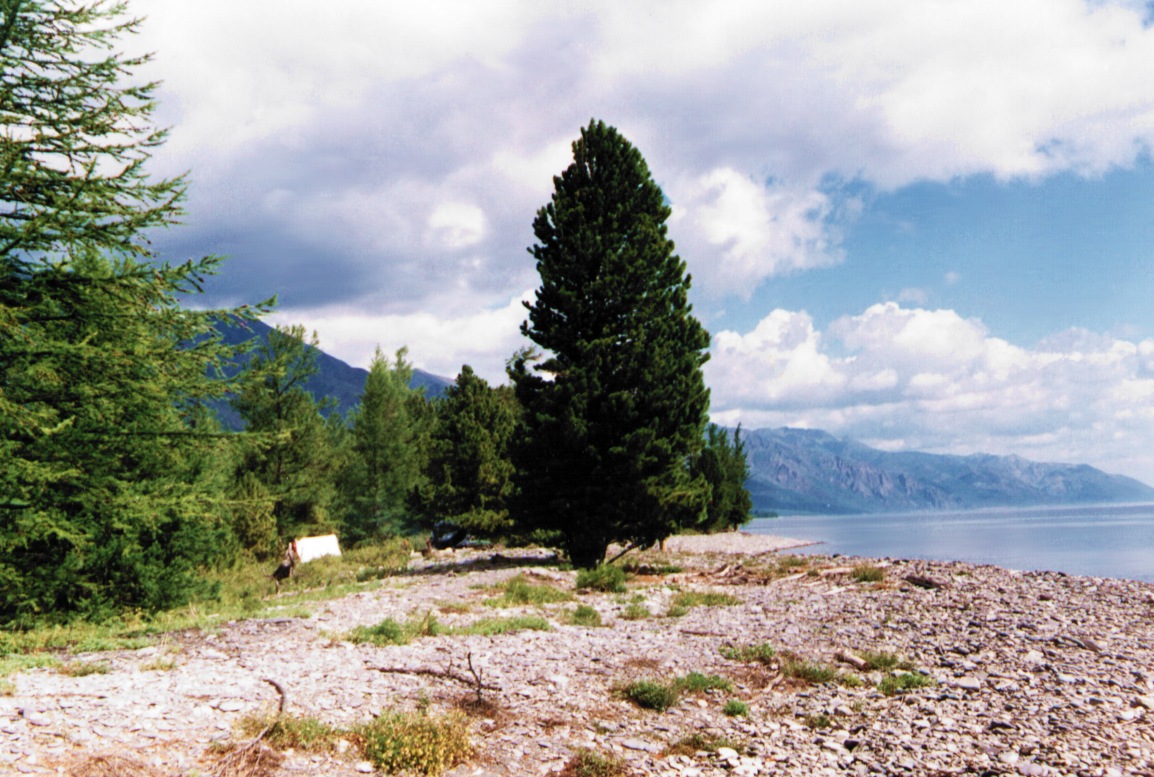
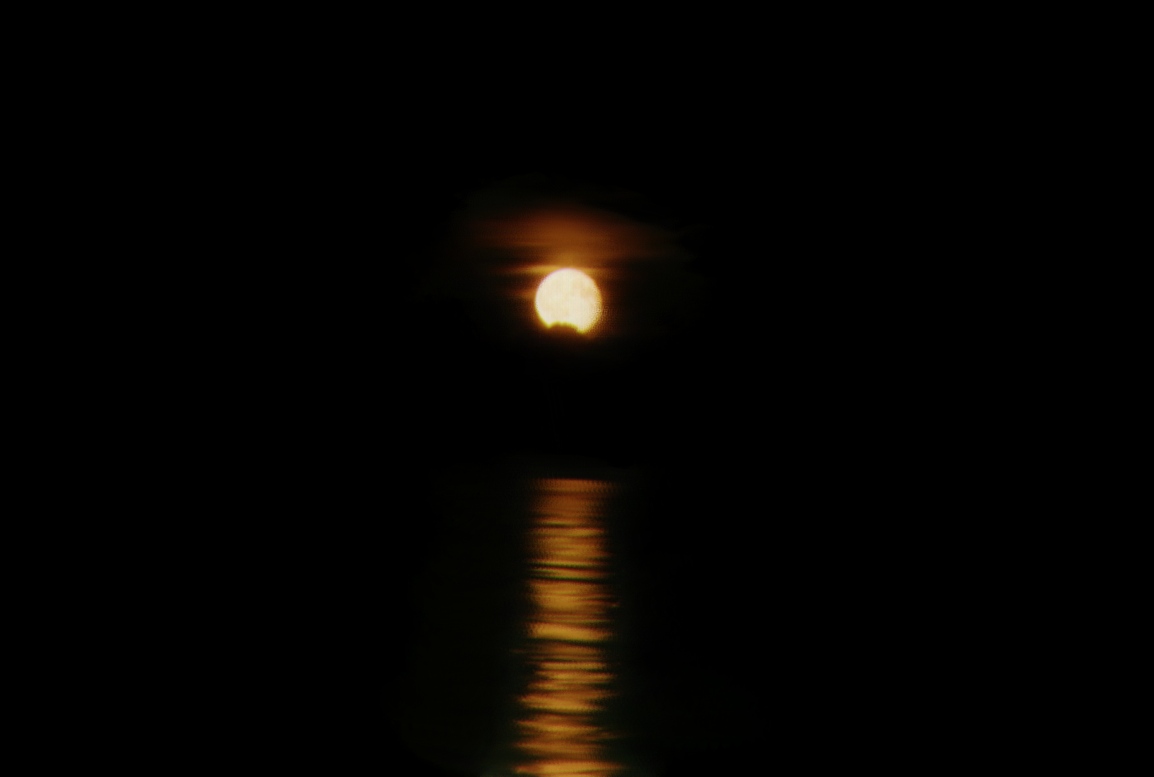
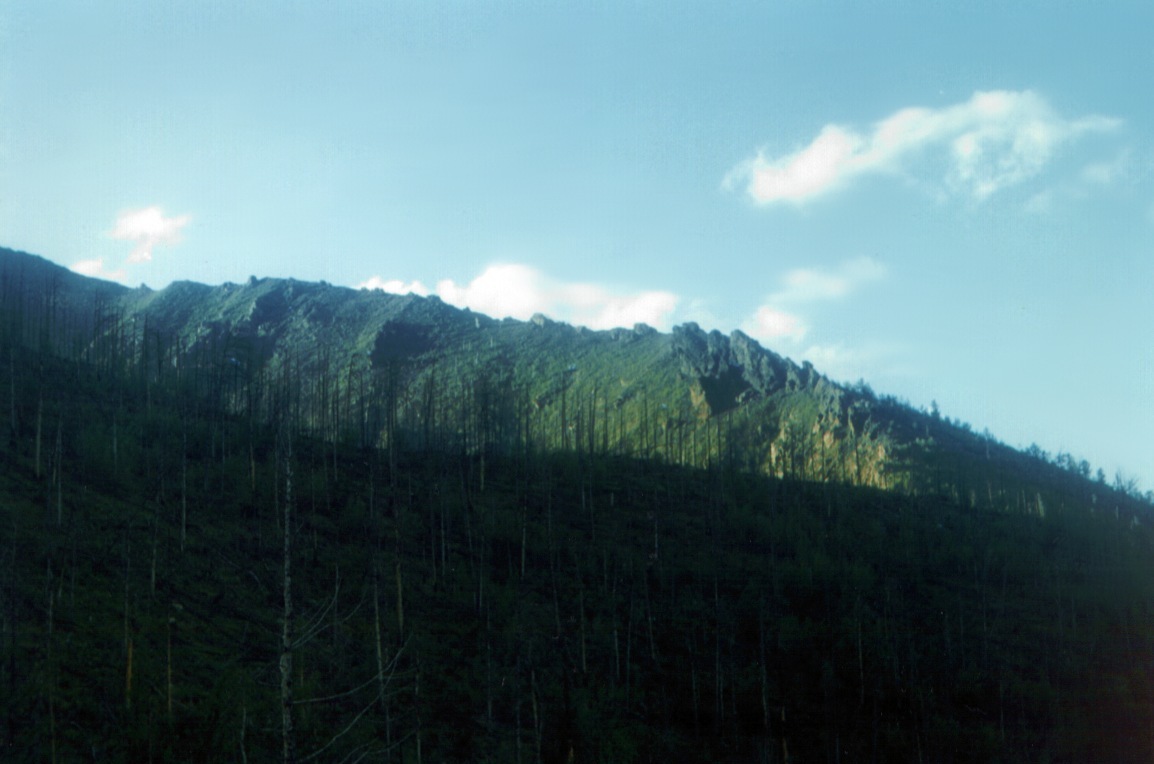
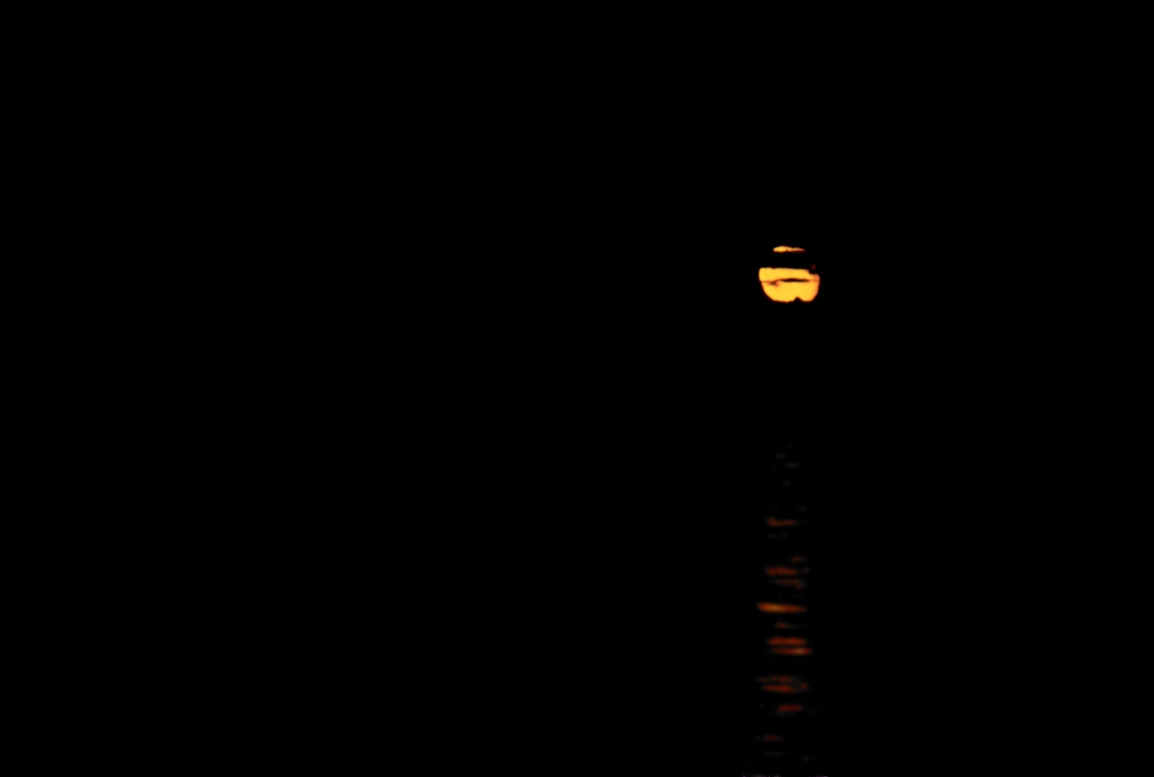
The weather changed quickly throughout the day. The mountains were beautiful, partly hidden by clouds and mist, with shining slopes freshly washed by rain. In some places it was raining and the sun was shining at the same time. We entered the reserve’s waters and passed a lovely waterfall, where we went ashore for a bite and took photos. At 19:00 we camped on Cape Yuzhny Kedrovy (54°22.230′N, 108°30.943′E). True to its name, it was all Siberian pines. It dropped to 9°C towards evening. The night was clear and the moon rose beautifully over the rocks of the Barguzin Range across the lake. It got down to 2°C overnight. We had not expected this sort of cold from Baikal. Tanya pinched all my warm things and put her feet in a backpack.
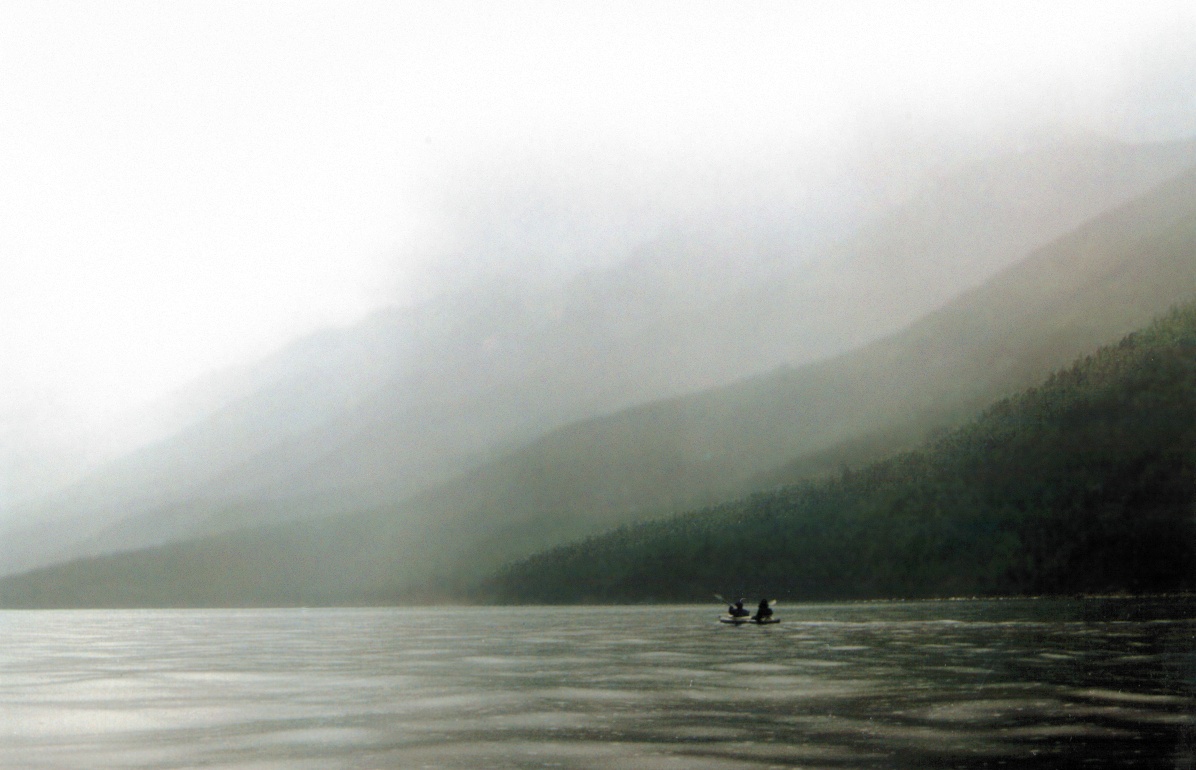
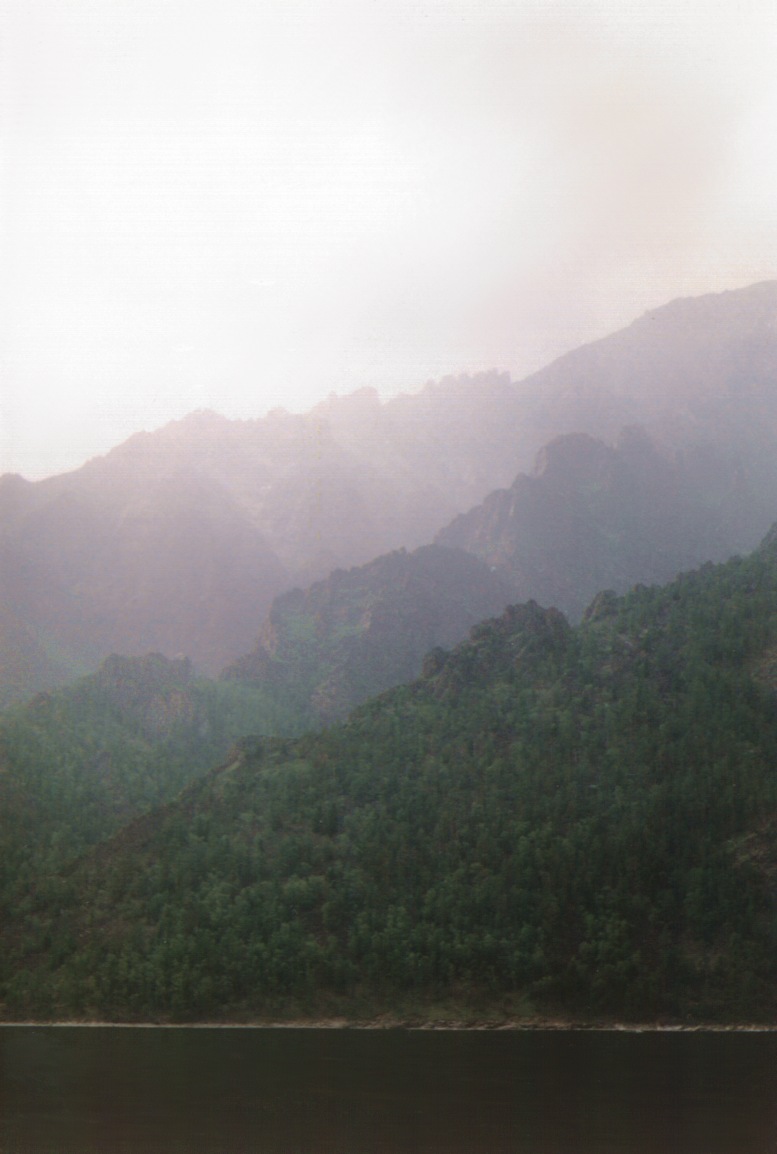
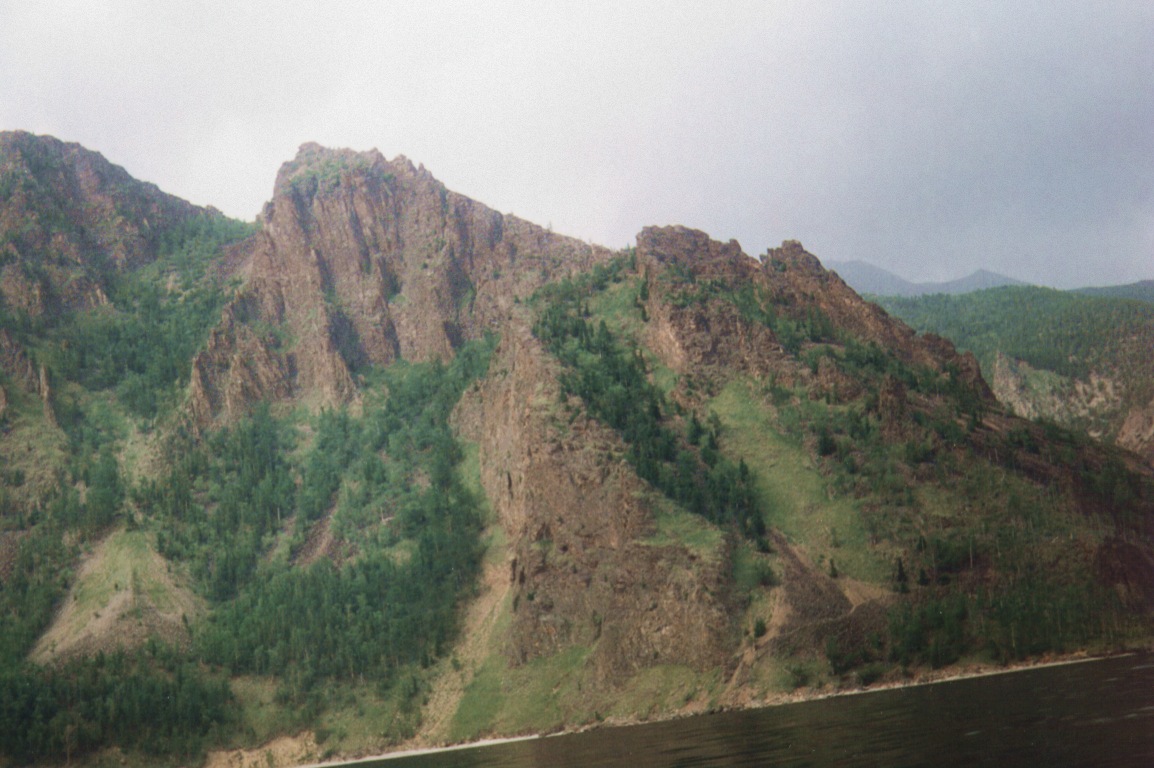
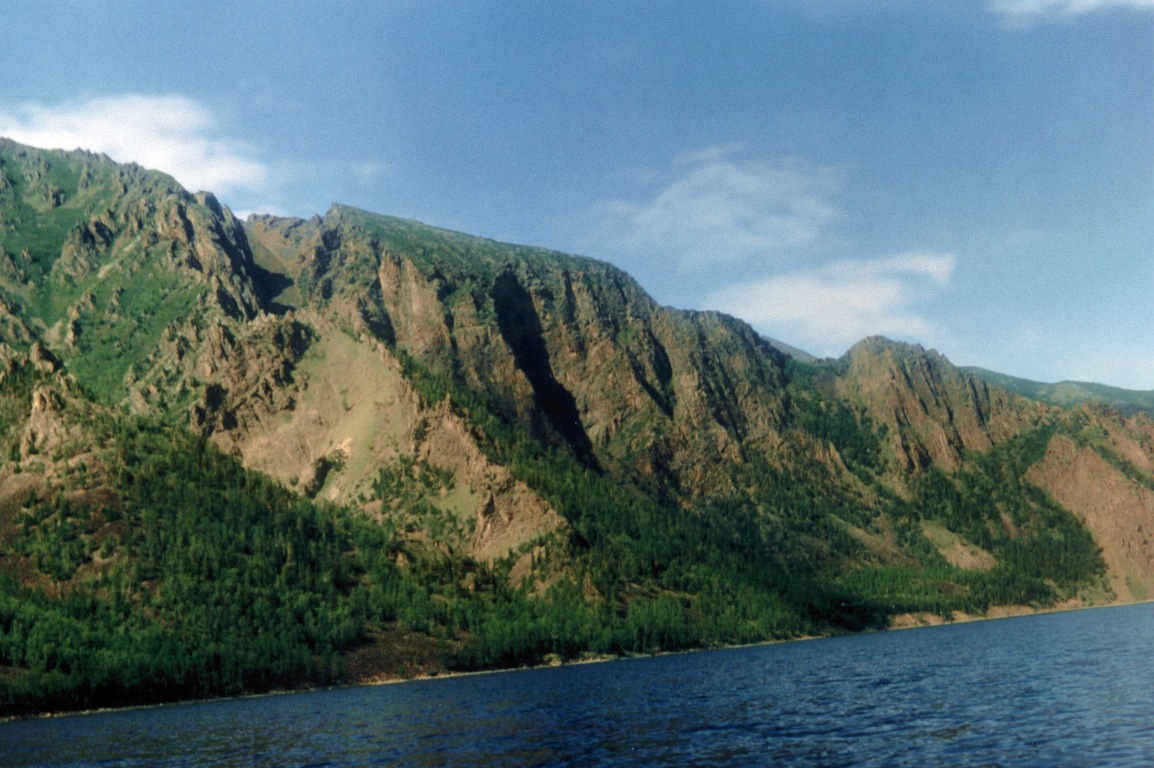
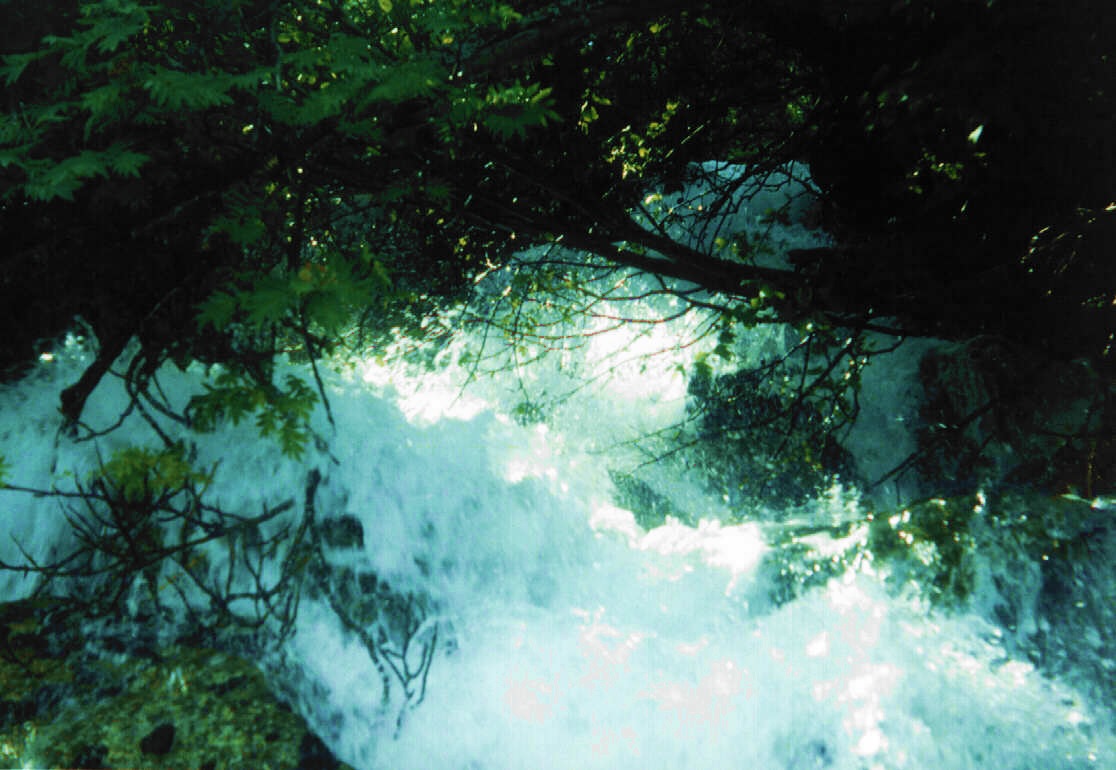
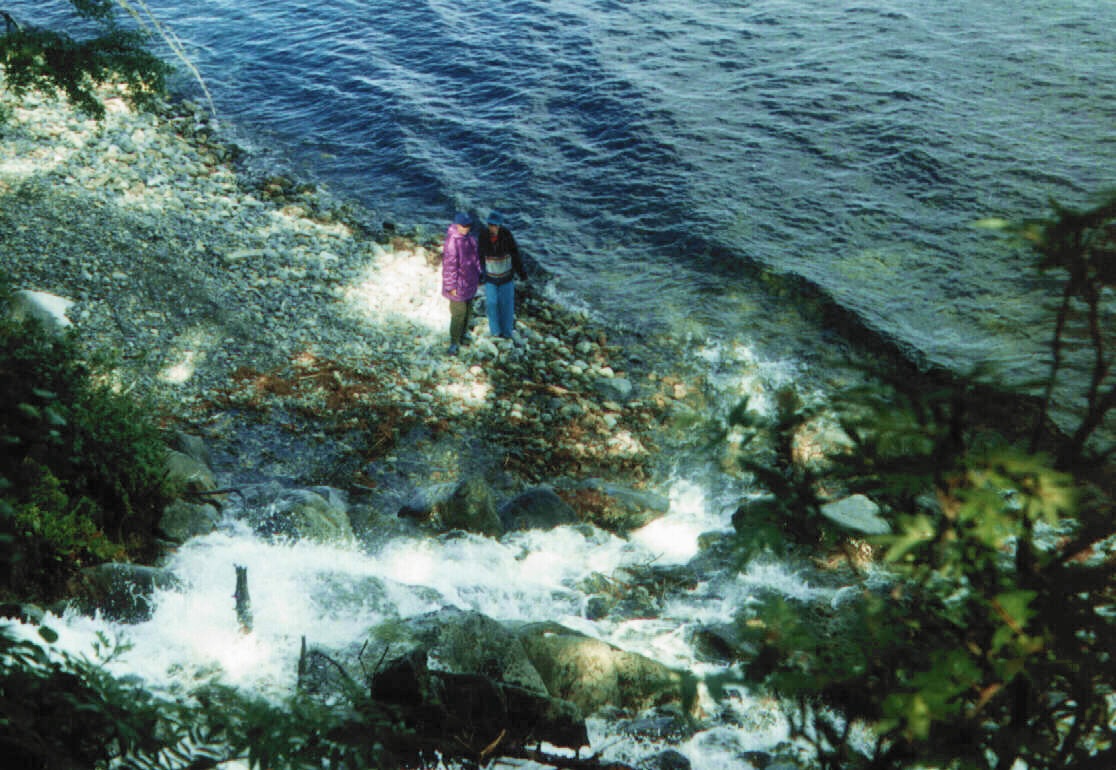
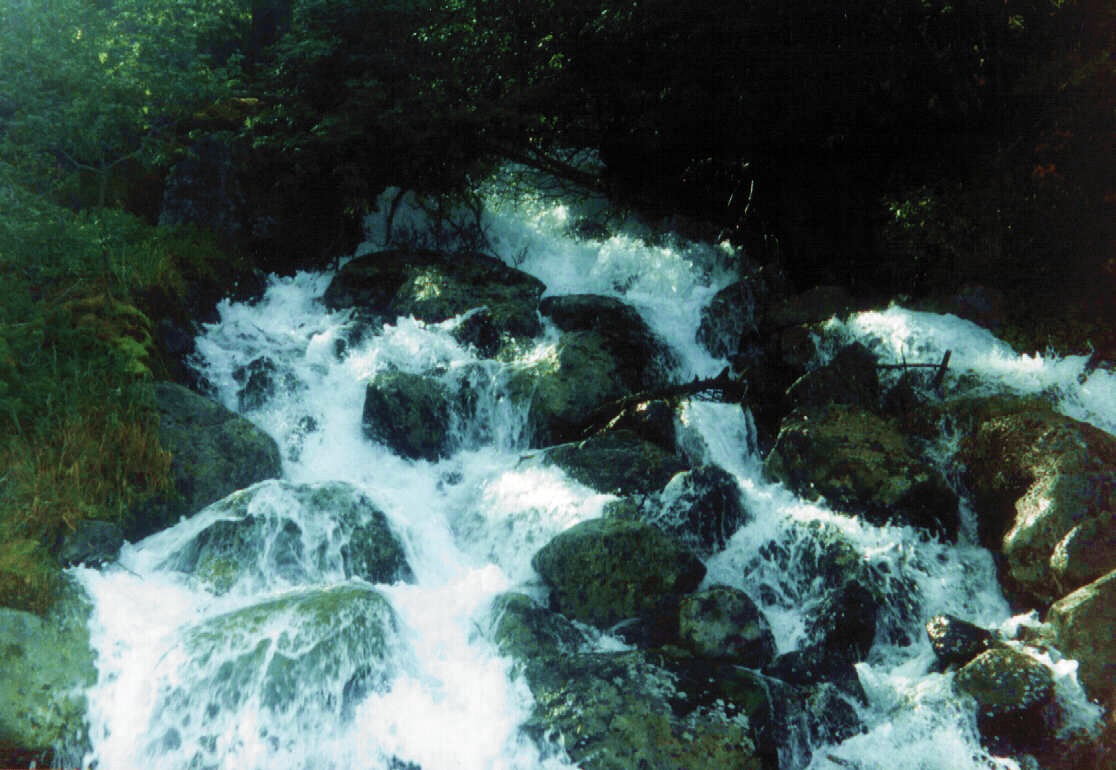
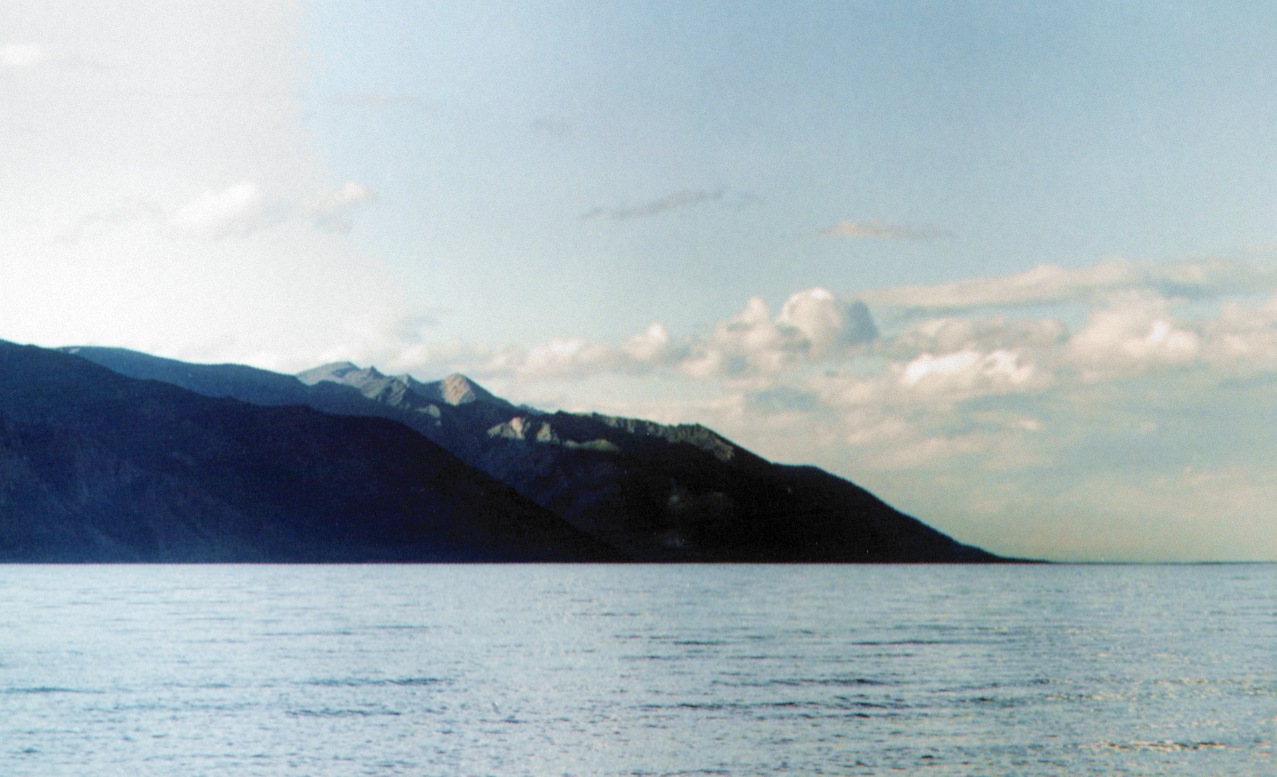
23 July. Lake Baikal
We woke at 11:25. Sunny but cold, 9°C. Tanya and I set out for a mountain 2,201 metres high. First we spent about two hours getting through fallen timber. We found some red-capped mushrooms and had to throw them away. We were hardly going to lug them up the mountain. Then we walked on big, rocking stones in the heat. We had brought no water because we were counting on the stream down the gorge. It turned out to flow under the stones. We could hear it, but could not see it. There was a little puddle in a rock. We dropped a Supradyn tablet in it. It is supposed to have a lot of minerals and vitamins. Then we drank straight from the puddle, having no mugs, of course.
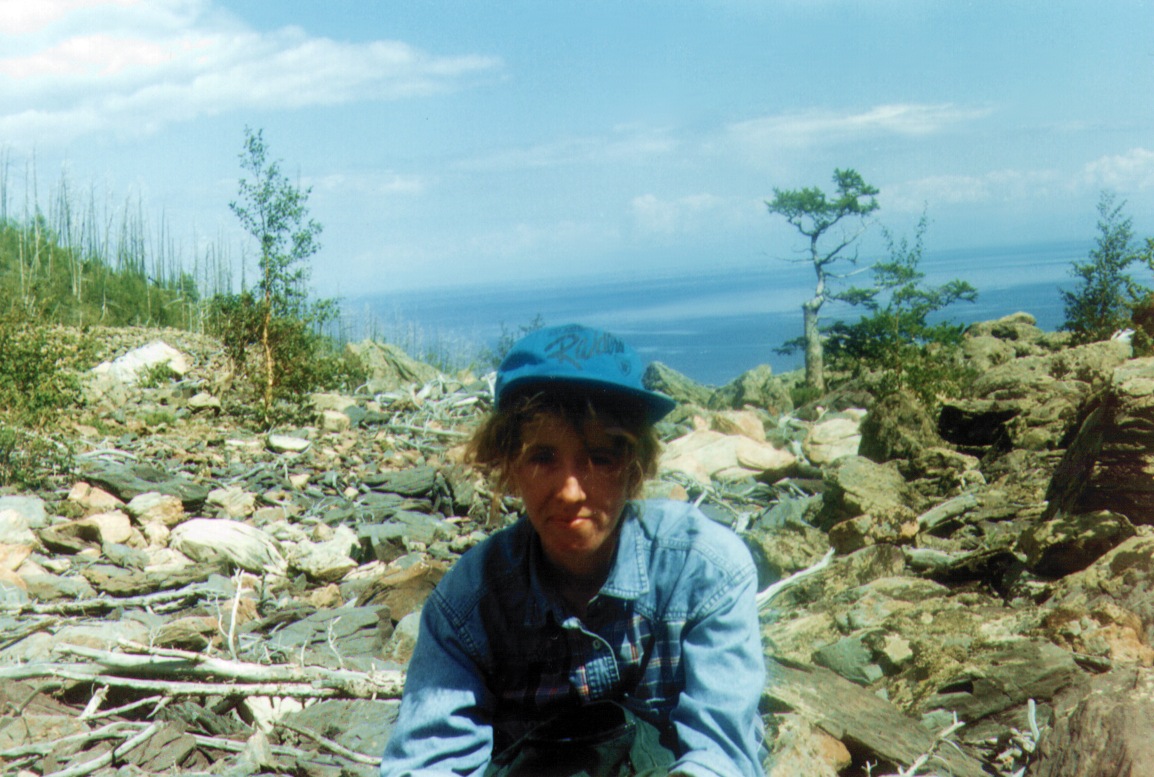
Then it rained. The stones got wet and very slippery, and Tanya squeaked miserably. Next came a thicket of hard-to-cross dwarf pine. We reached the first snow patch. The rain started again. At last the steep climb began in earnest. The rocks grew steeper and the dwarf pines thicker. By 18:30 we had climbed the next peak over, which was about a hundred metres lower. It was too late to get to the main summit, especially with a thundercloud covering it. A shame, but there was no helping it. The view from this mountain was good enough anyway. We saw what was on the other side of the pass. A cloud.
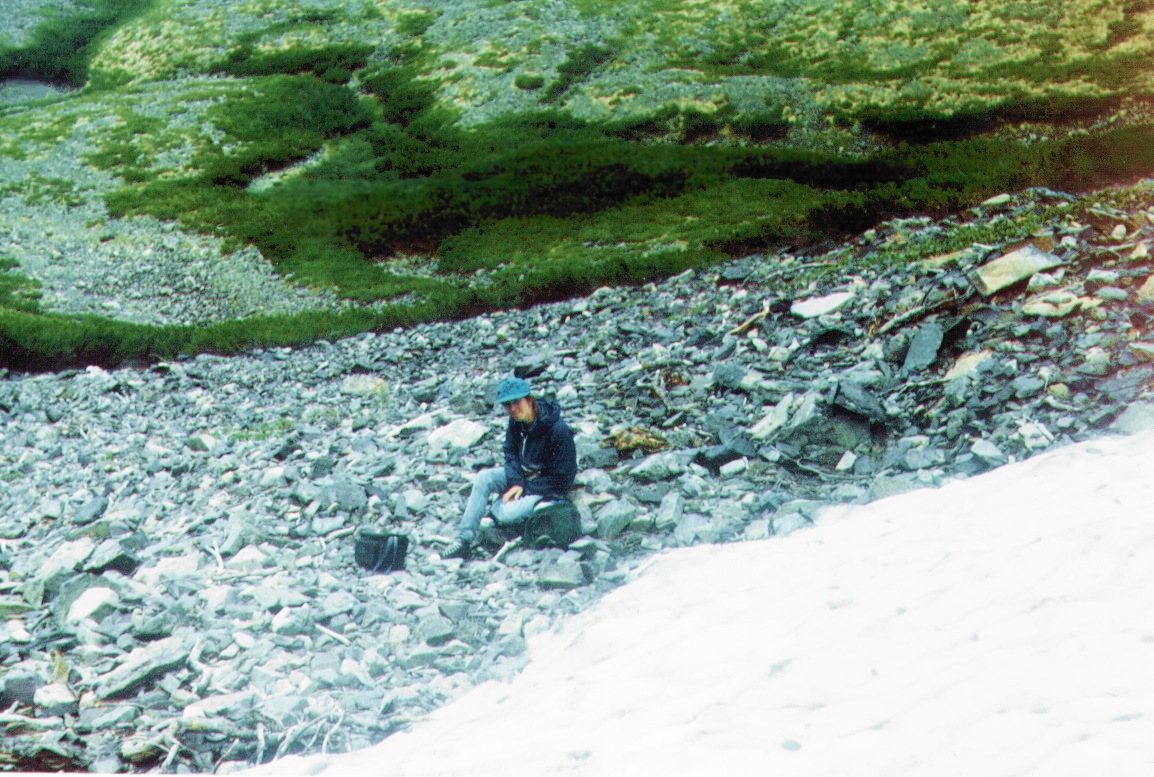
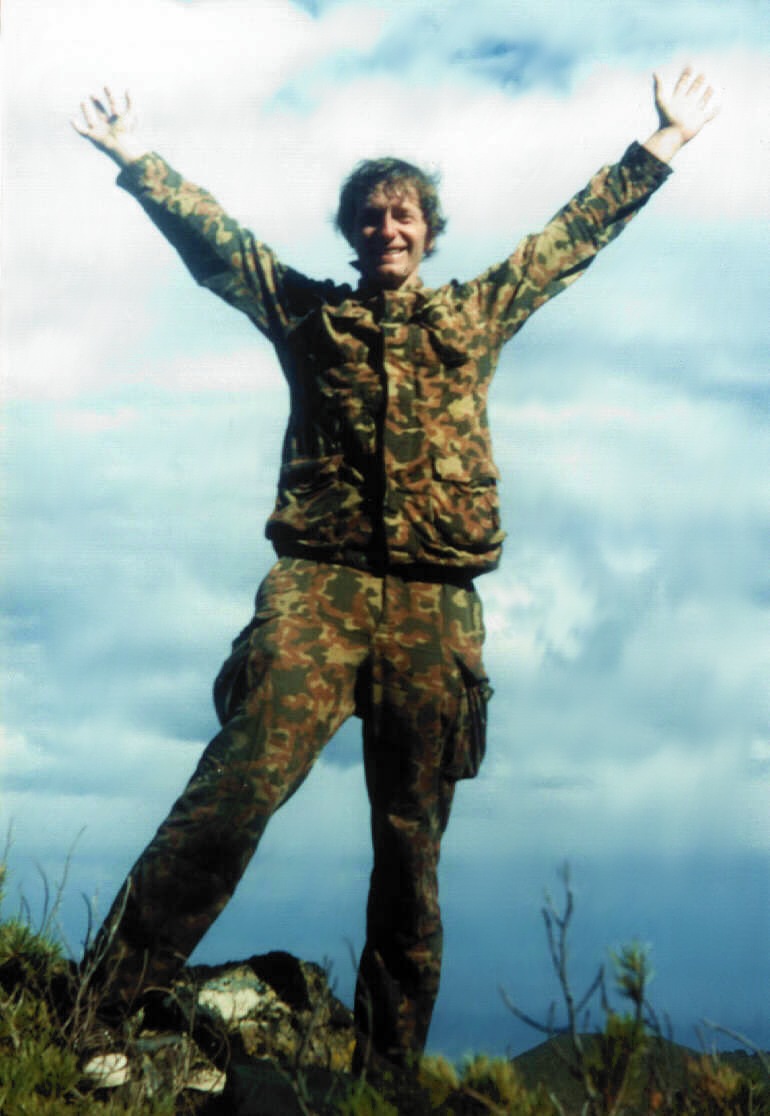
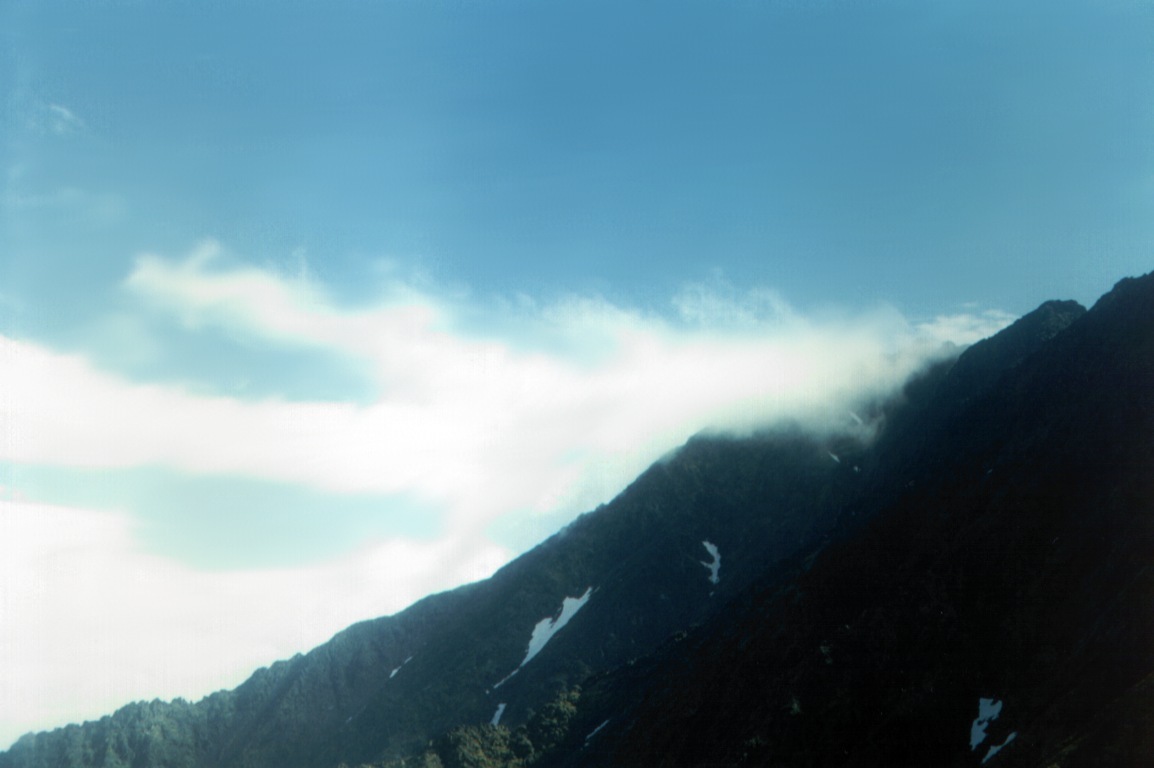
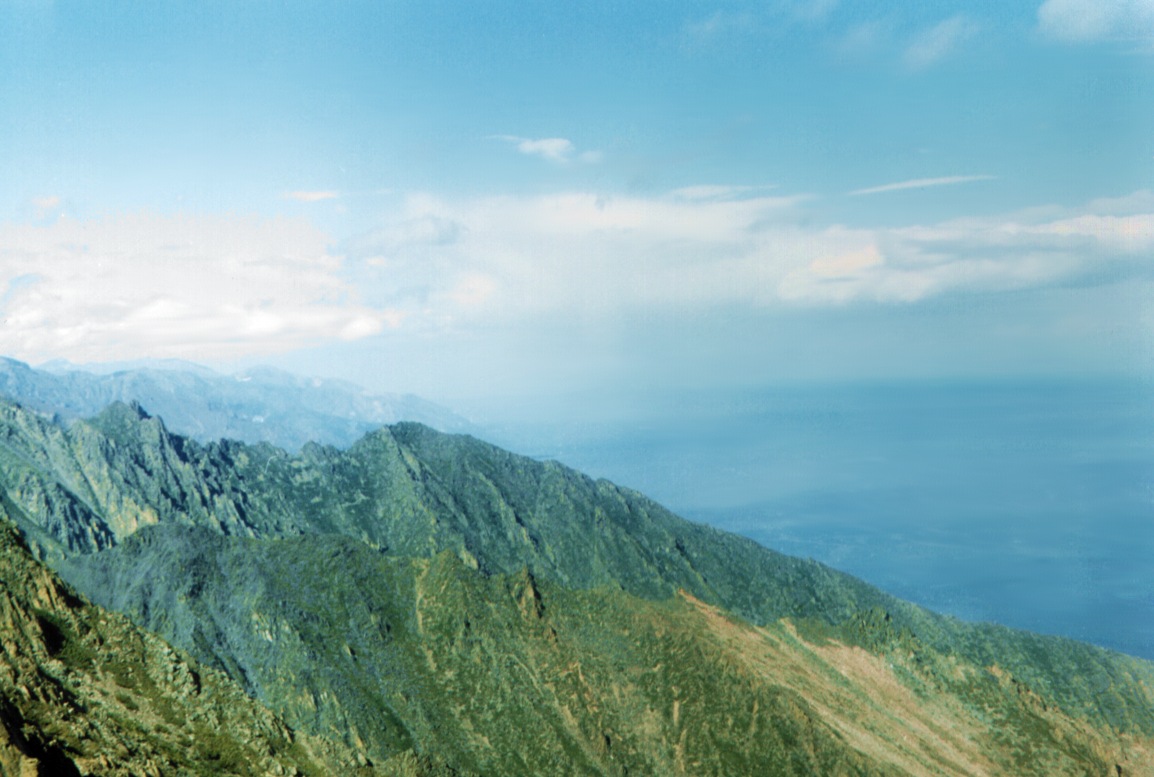
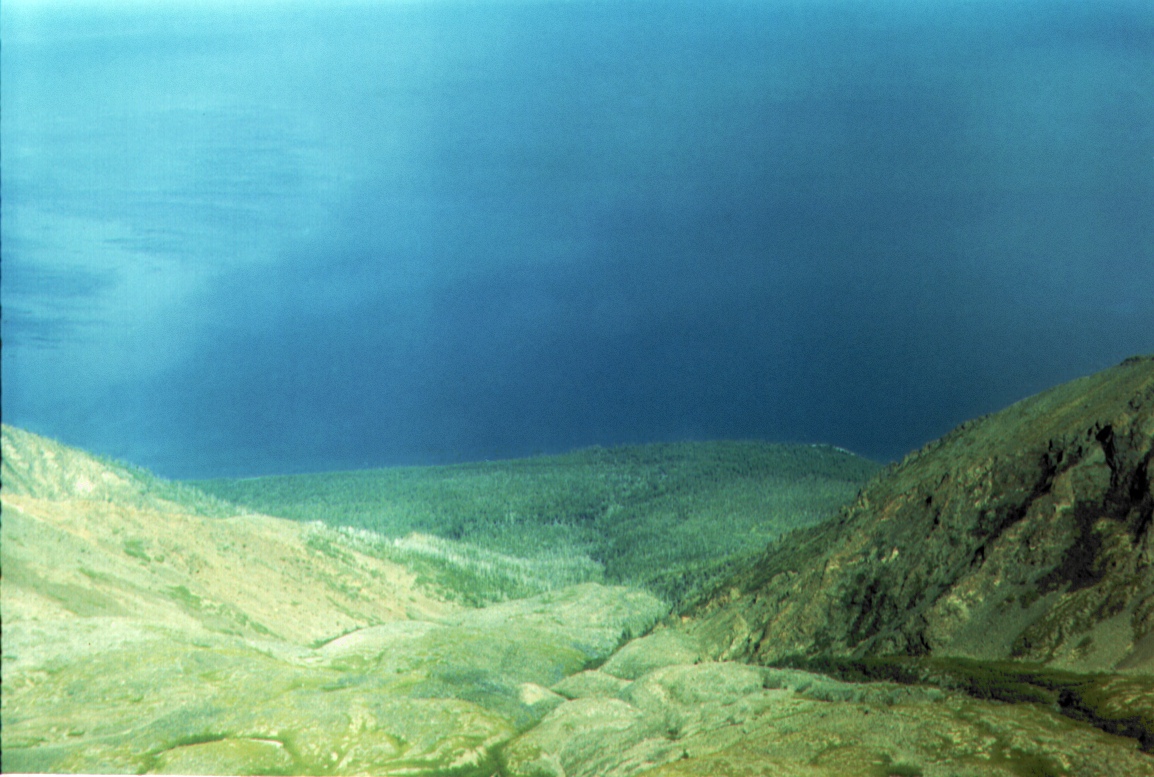
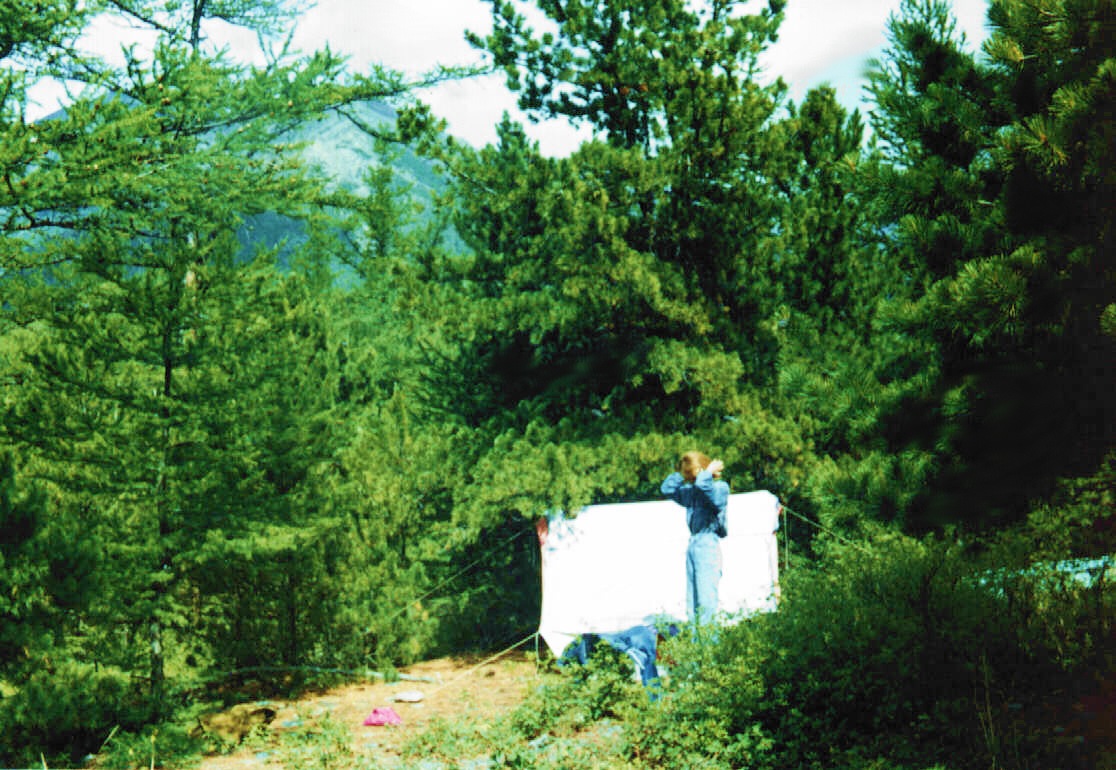
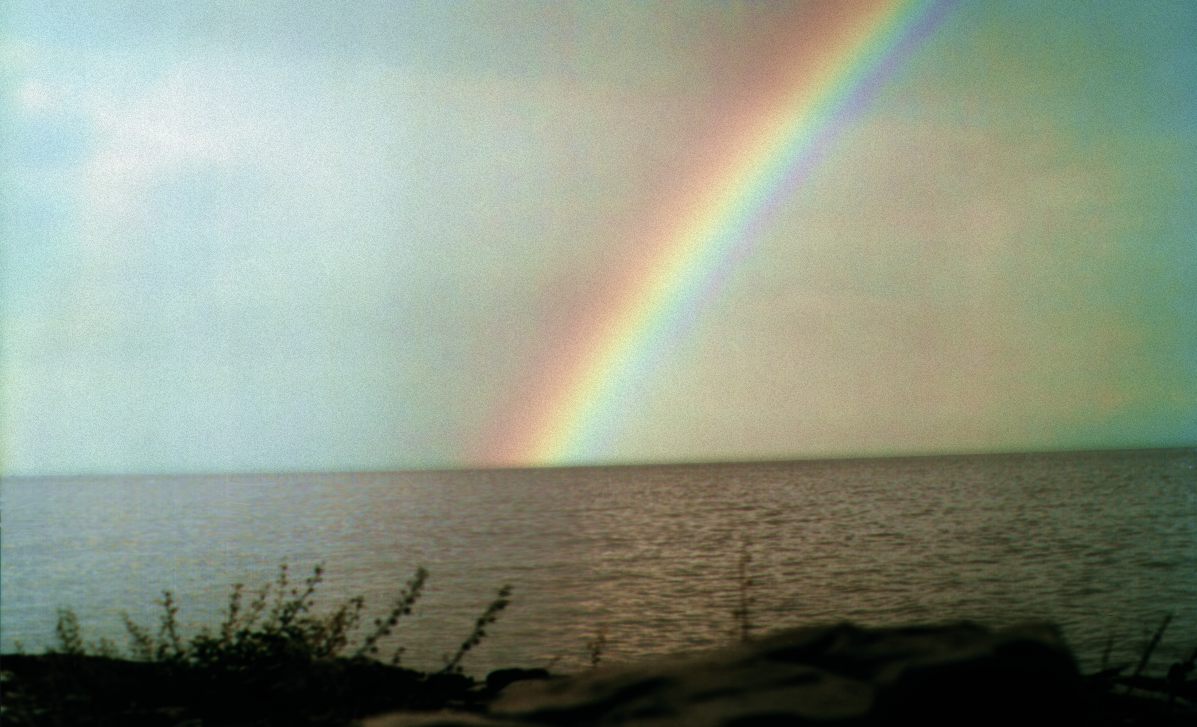
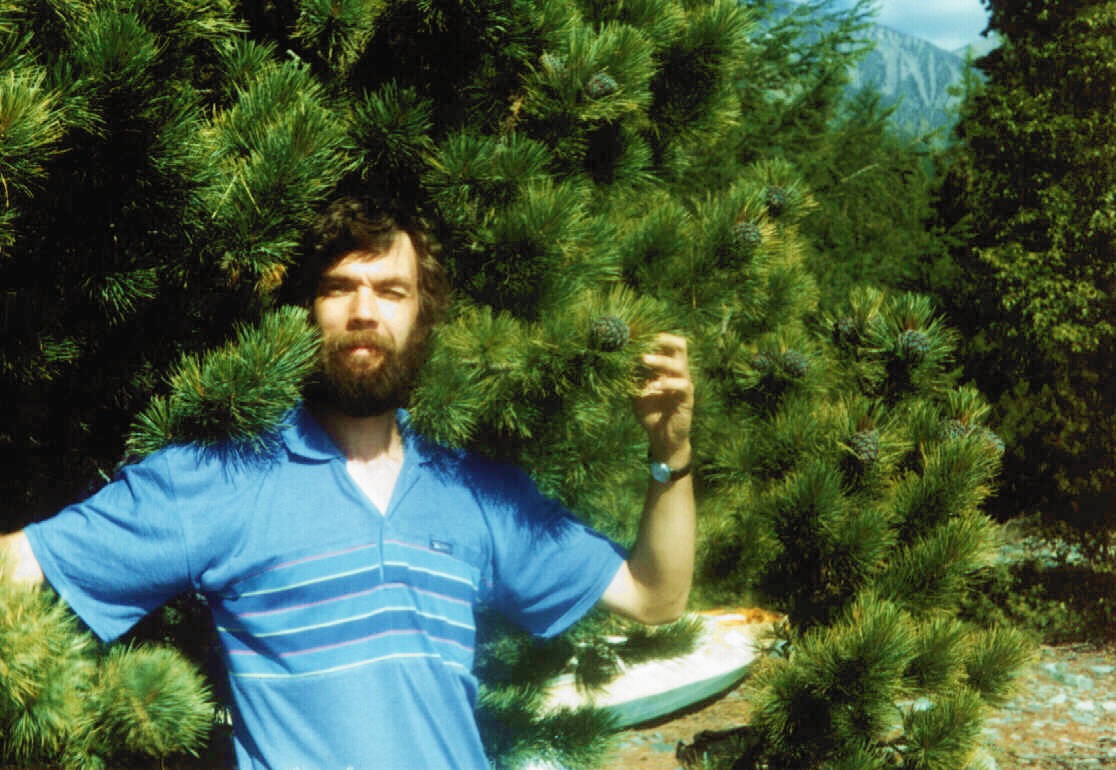
We went back through rain and thunder. We saw a cute little hamster, reddish and fat. So that was what dug all the holes on the mountain slopes. We were exhausted, especially at the end, fighting through the taiga near the shore. We got back soaked, having carried the video camera against my stomach to keep it dry. Our faithful friends had hot dinner waiting. While we were away they took photos in the Siberian pines (2, 3, 4, 5, 6) and photographed a rainbow. We got back at 21:50, nearly in the dark. That evening we were treated to another beautiful moonrise. The night was cold again.
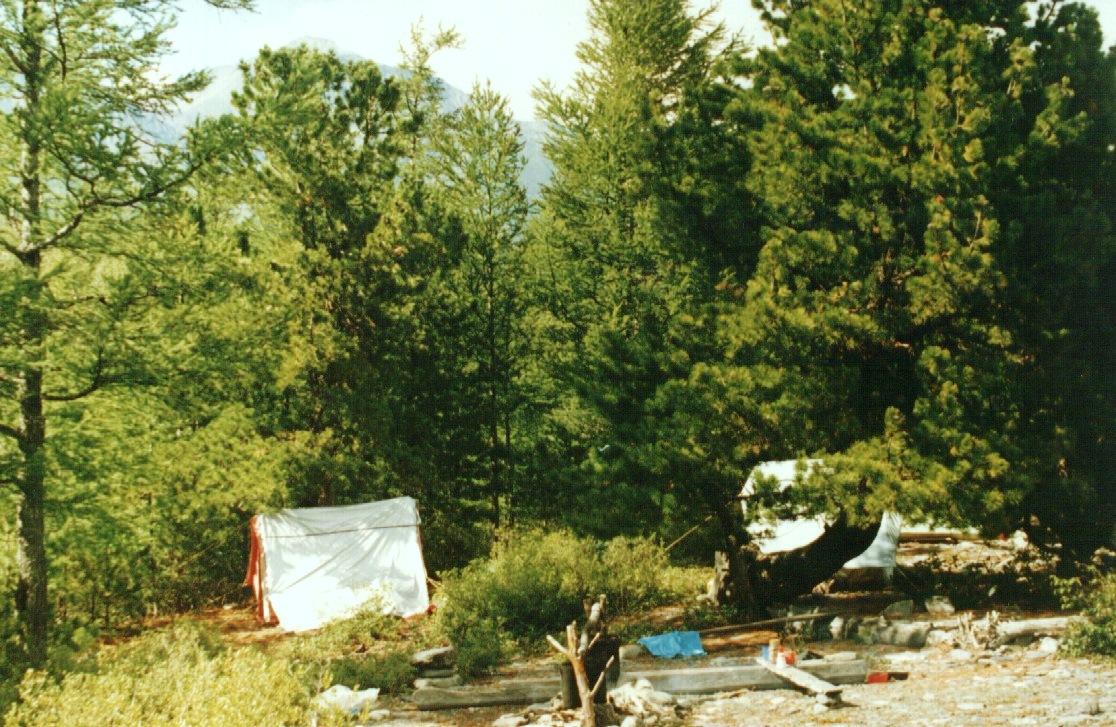
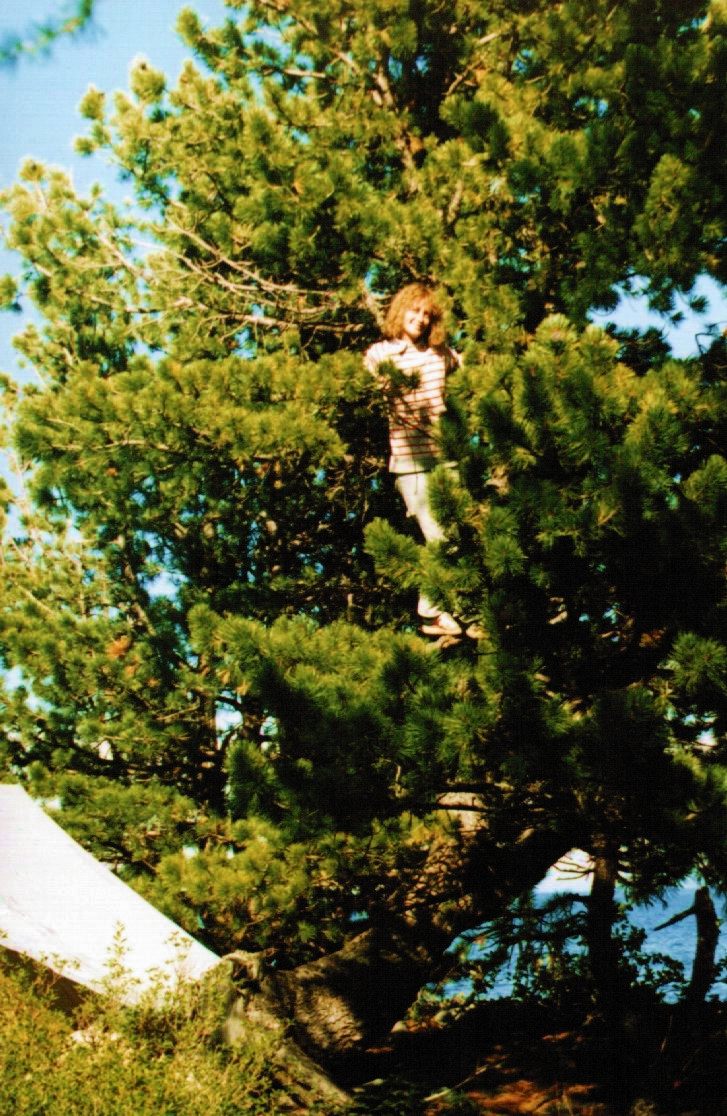
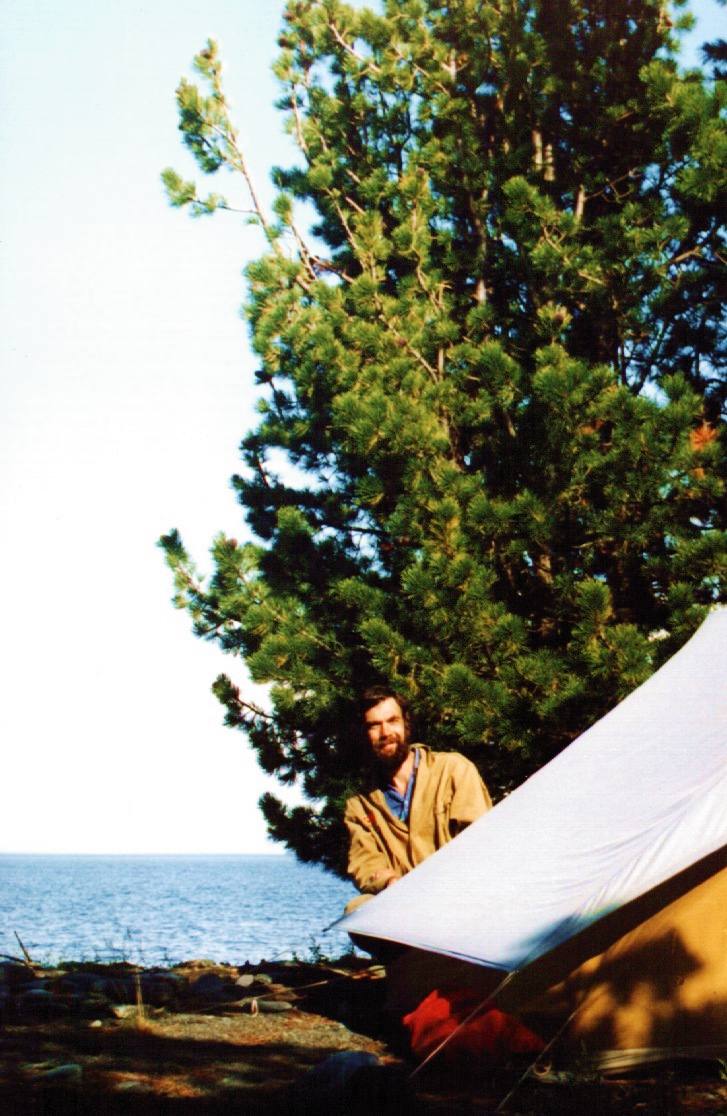
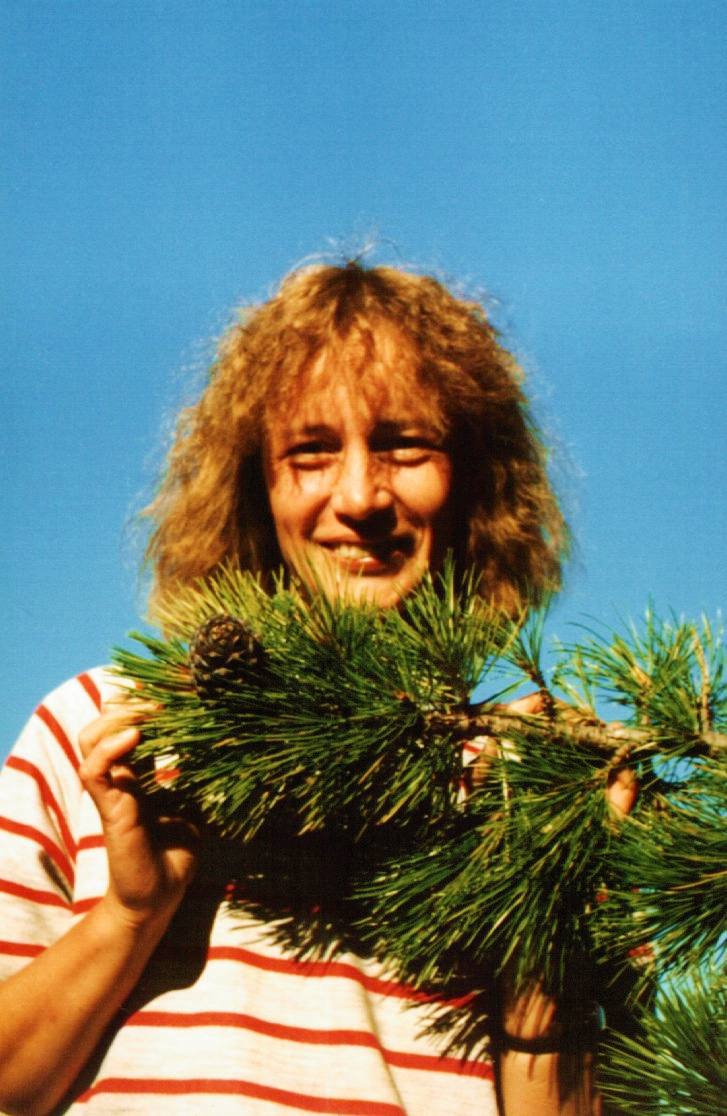
24 July. Lake Baikal
In the morning the air was 14°C and the water 8°C. We took pictures with the Siberian pines and cones, and left at 12:30. We rounded Cape Zavorotny with its little village. While we were paddling there were four spells of rain, three of them with thunder. Sometimes the sun came out between showers.
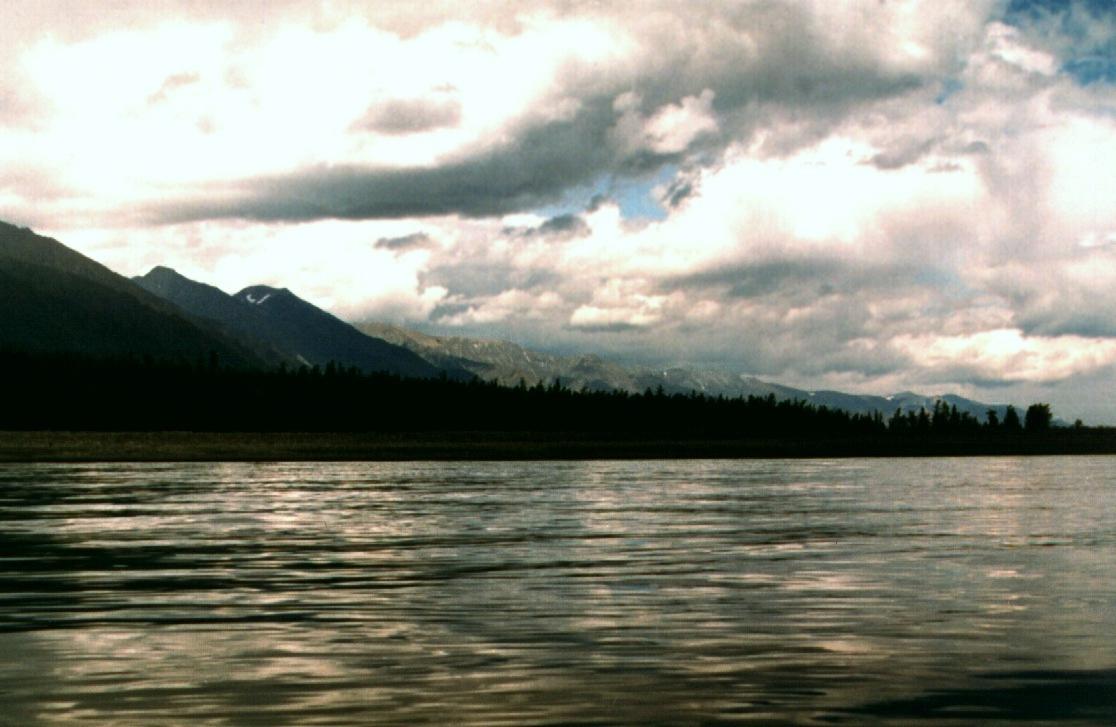
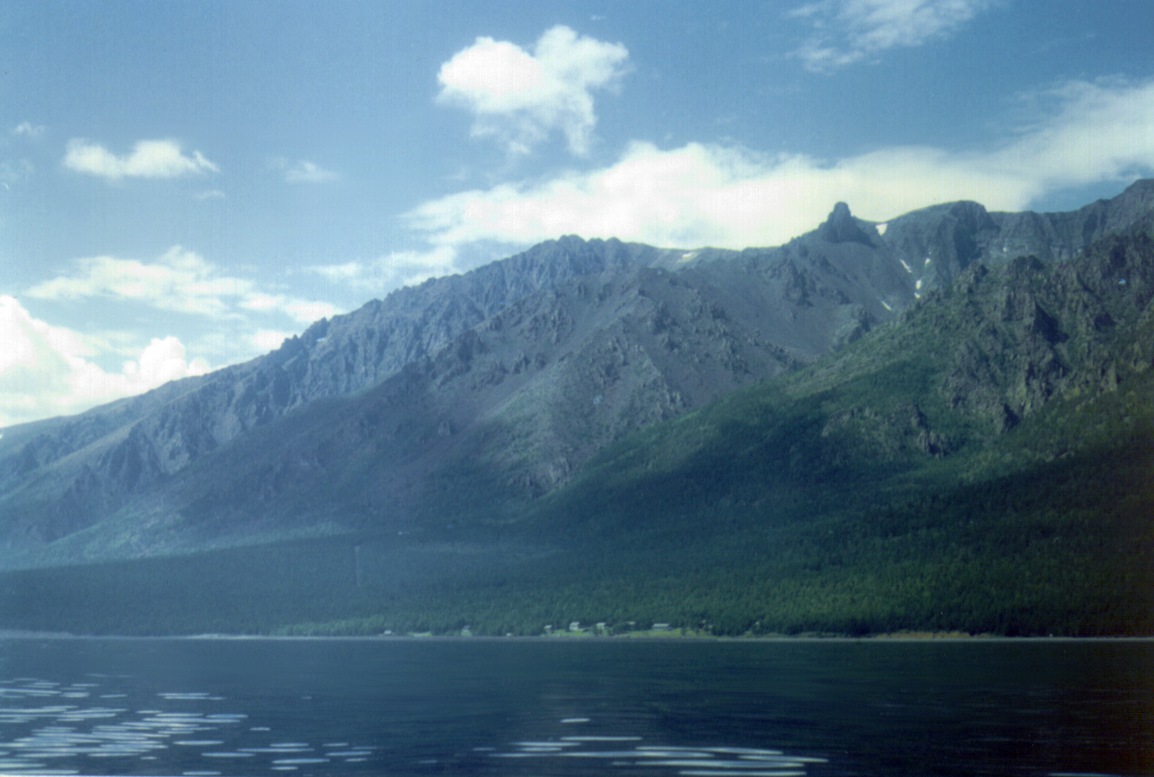
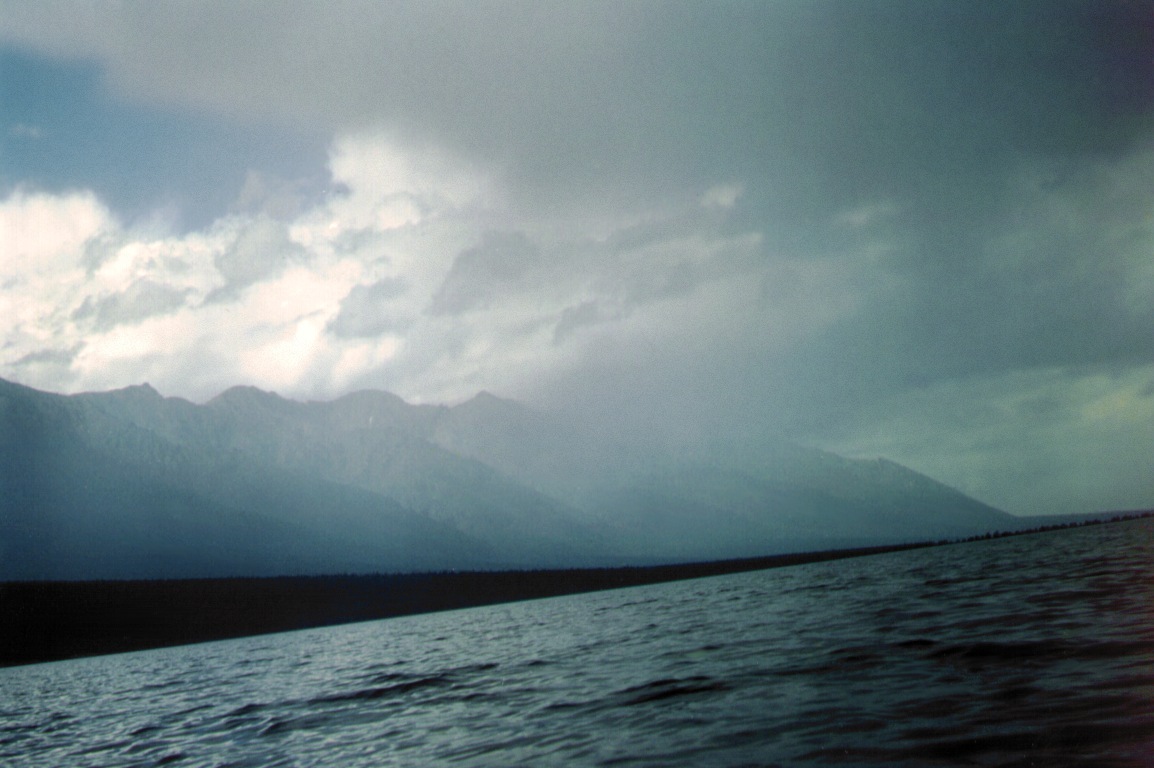
On Cape Maly Solontsovy there is a small lake cut off from Baikal. The water is dirty but warm. Somebody, Sasha, went swimming in it. The rest of us were so cold that we gave him a hard time for it. Before he could get dressed, the next downpour came. We sat under a sheet of polythene on the shore, waited out the rain and drank beer. Beer does not go down well when you are that cold and wet. Tanya and I had a hard time paddling all day, probably from wearing ourselves out on yesterday’s climb. Sasha and Marina, on the other hand, were well rested and shot ahead.
In the middle of Solontsovaya Bay we got a wonderful view of the source of the Lena. Just then a dreadful thunderstorm came down from the mountains. We raced for shore, but it was farther away than we had thought, and we had to face the storm in the middle of the lake. Lightning was cracking nearby. It was terrifying. It took us fifty minutes to reach the shore. By then the storm was over and we got a rainbow. The wind and waves were right in our faces. We came ashore on a little beach where a seal had been warming itself on a rock (54°05.558′N, 108°17.645′E). We scared it off, but it swam around all evening, waiting for the invasion of its territory to end.
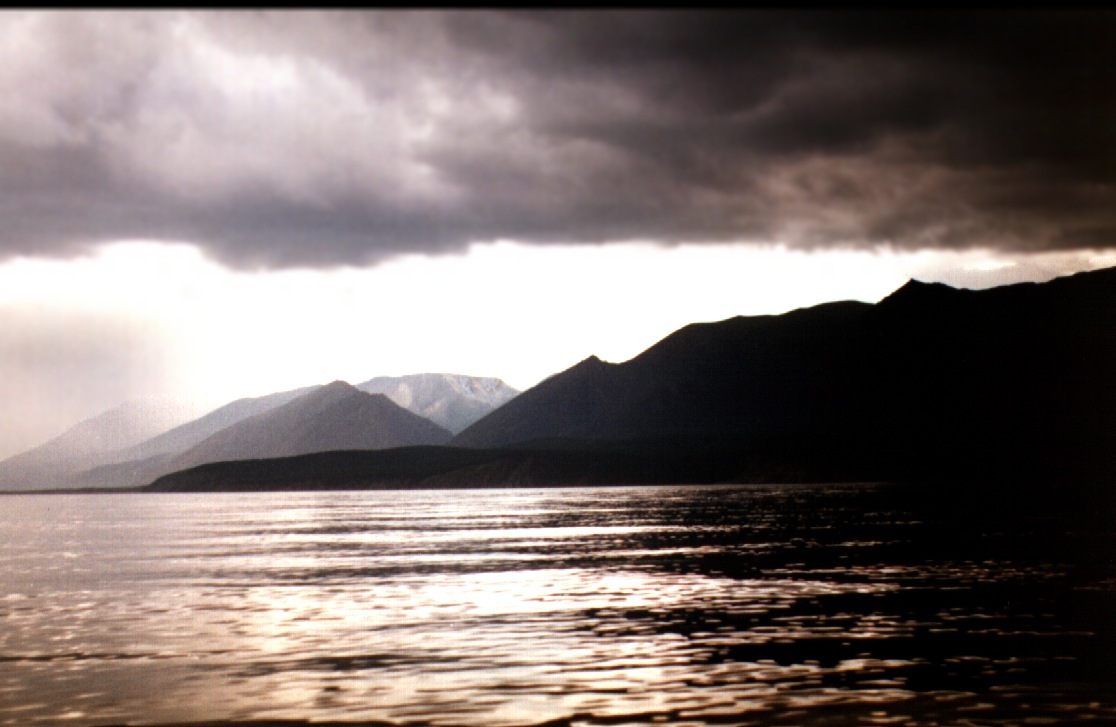
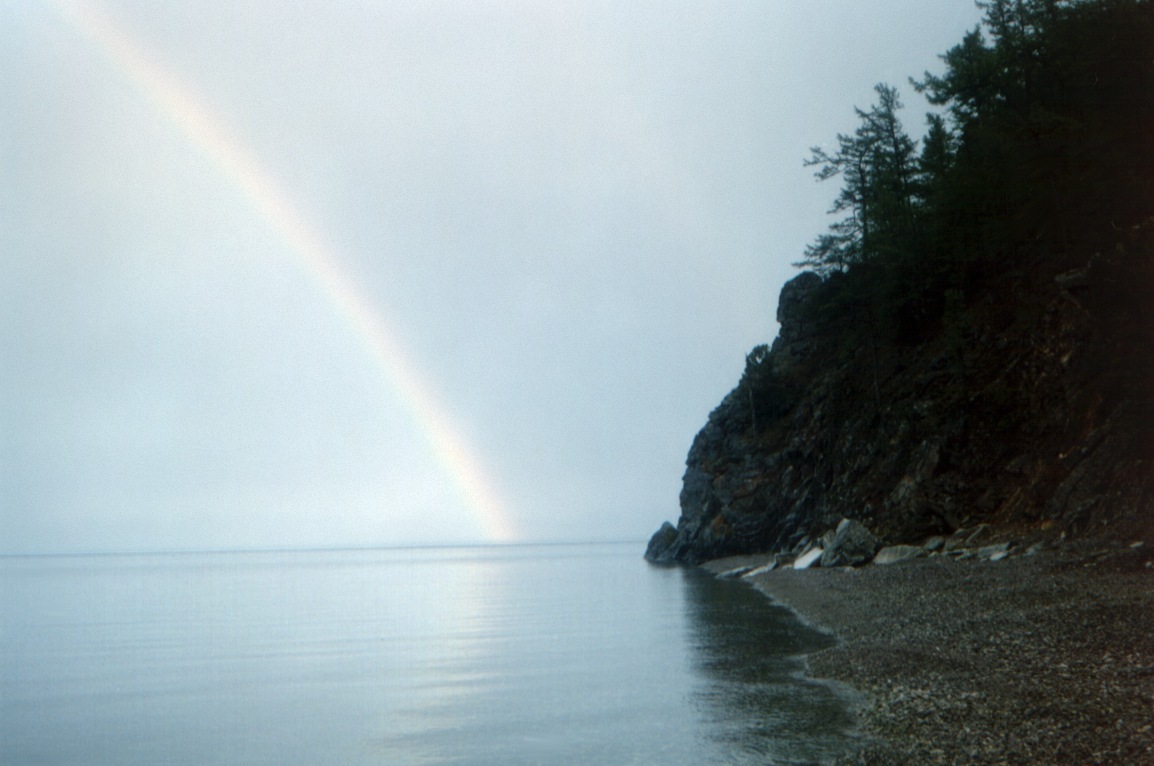
We had lost Sasha and Marina and had not seen them since the storm. I paddled into the neighbouring bays to look for them. After all, we had the pot and the soup. I could not find them, so we camped apart. We had to throw firewood down from the cliff.
25 July. Lake Baikal
Woke up to heat and sunshine. A very nice campsite, with a natural stone armchair by the fire, perfect for eating and sunbathing. Clear water. We pushed off at 13:00. At 13:40 we met up with the Sochavas. They had camped three bays away, also below a cliff. They had looked for us too, but only on land. The deputy head of the reserve had come over that morning and taken 176,000 roubles for four days’ passage through the reserve.
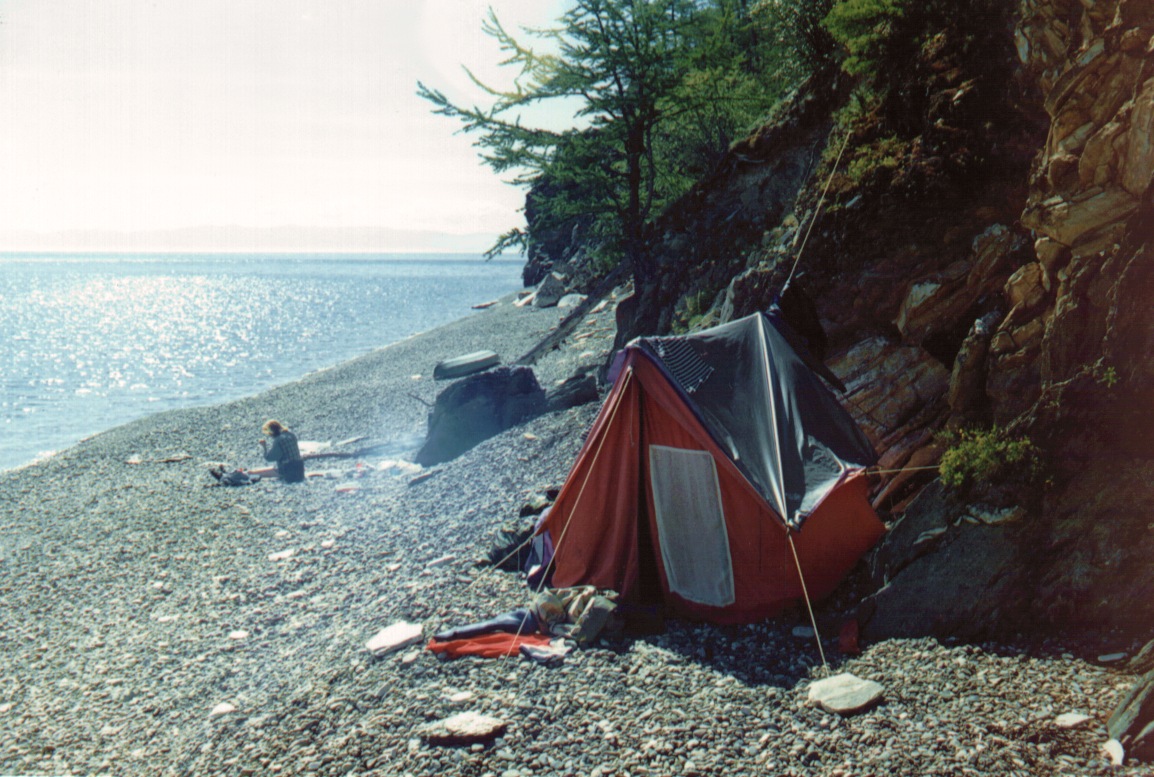
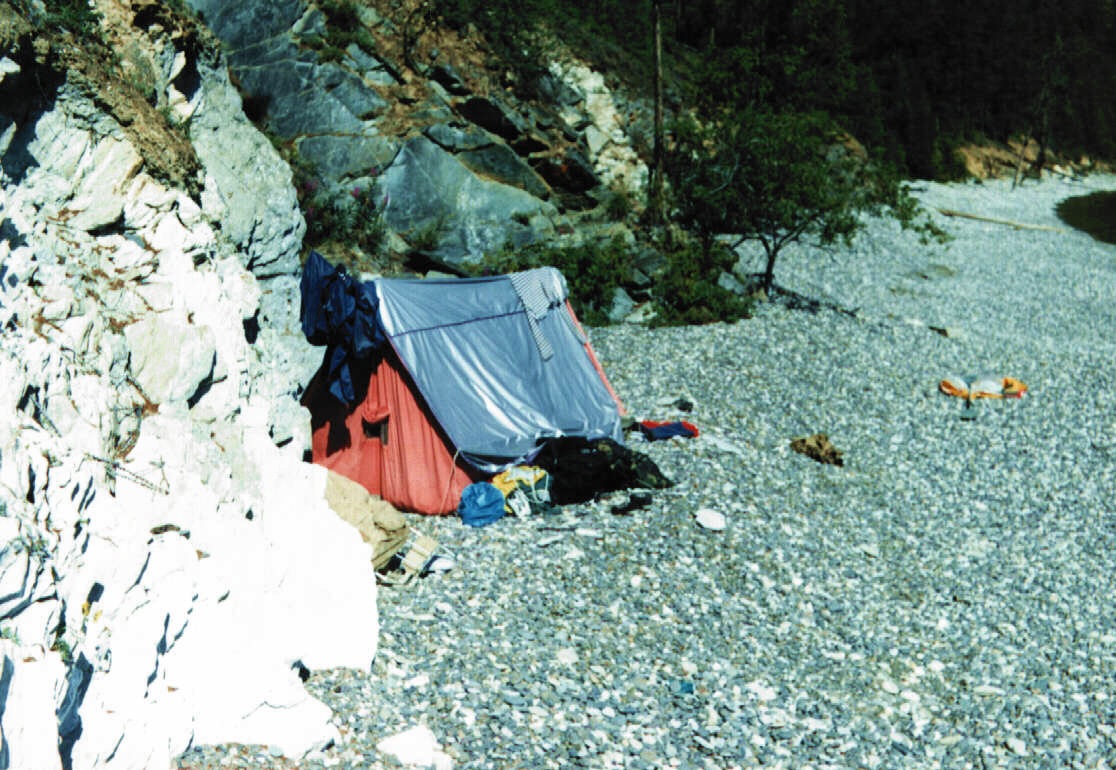
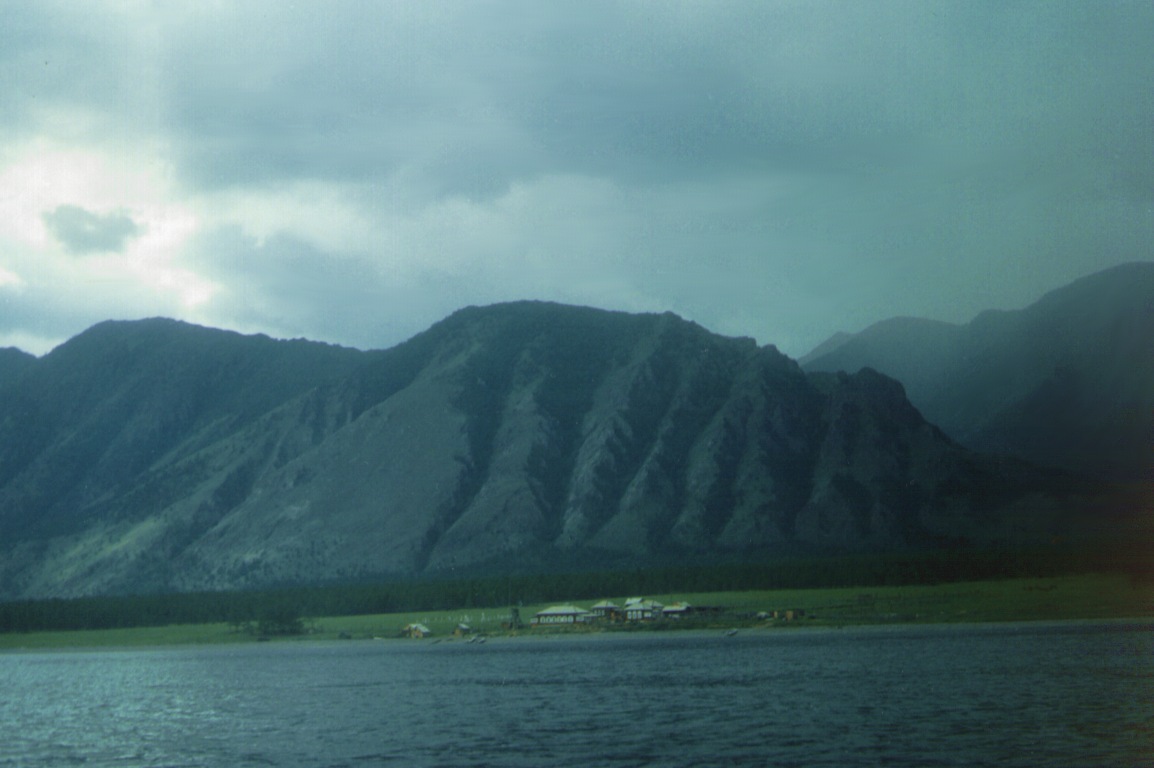
We passed Cape Pokoyniki and the weather station, where the reserve office is also located, without calling in. We rounded Cape Shartlay and got a view of Olkhon. Shartlay is the closest approach to the Ushkany Islands. Only thirty kilometres and we could have been on the opposite shore. We did not go. In the evening the lake was covered for a kilometre out with butterflies, moths and other insects. The wind had probably blown them off the slopes.
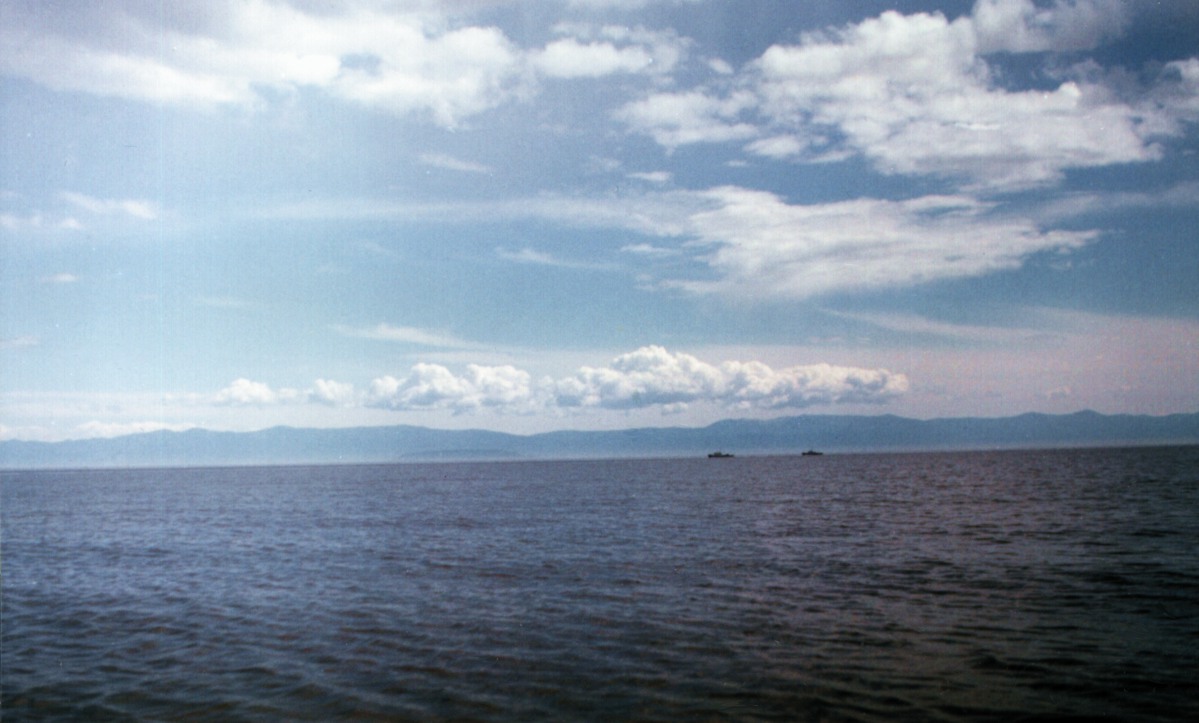
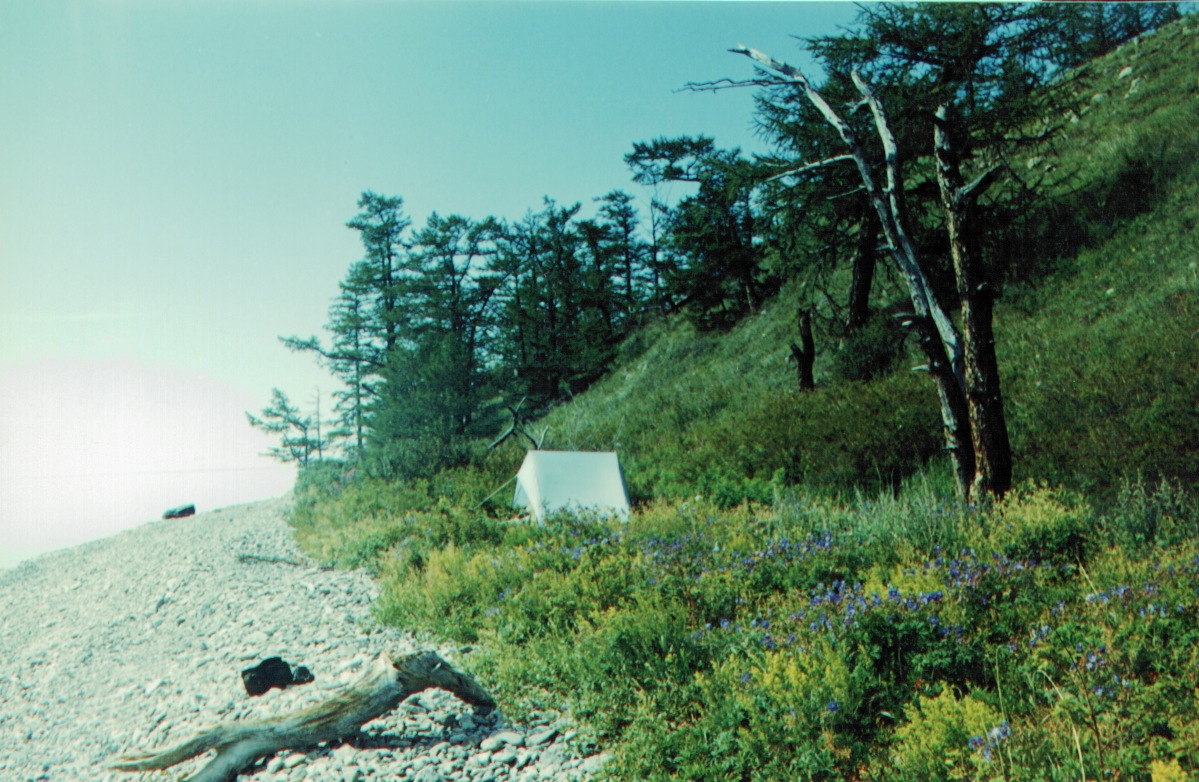
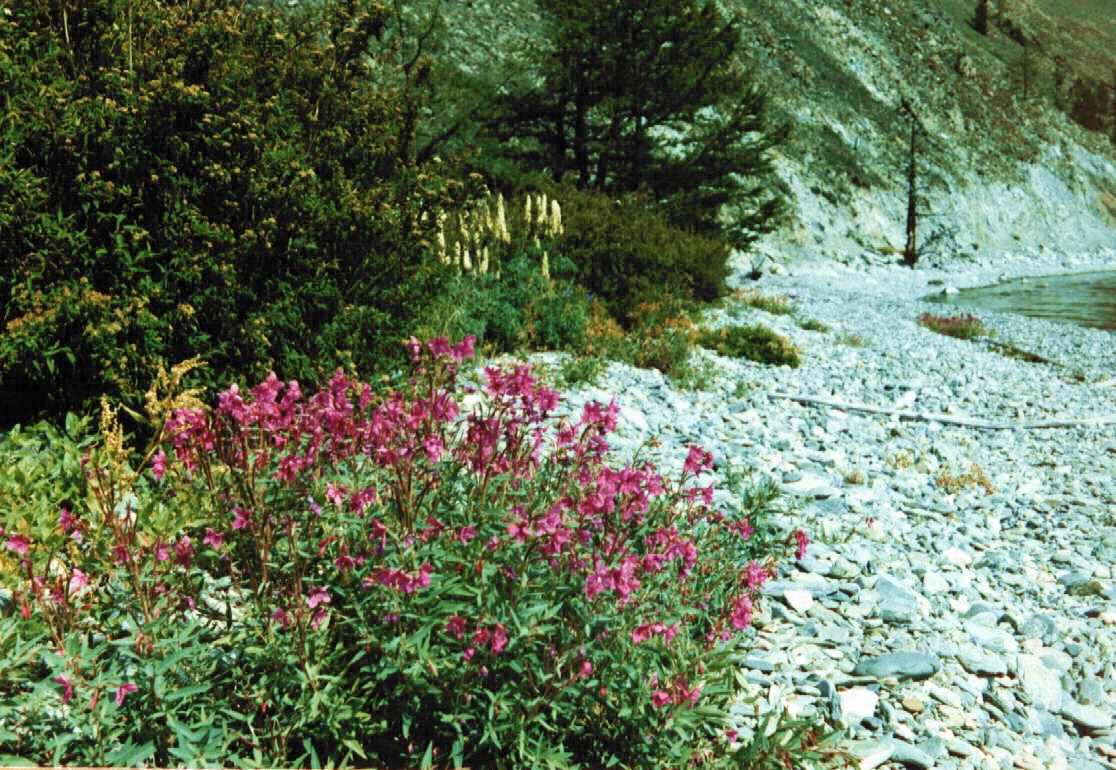
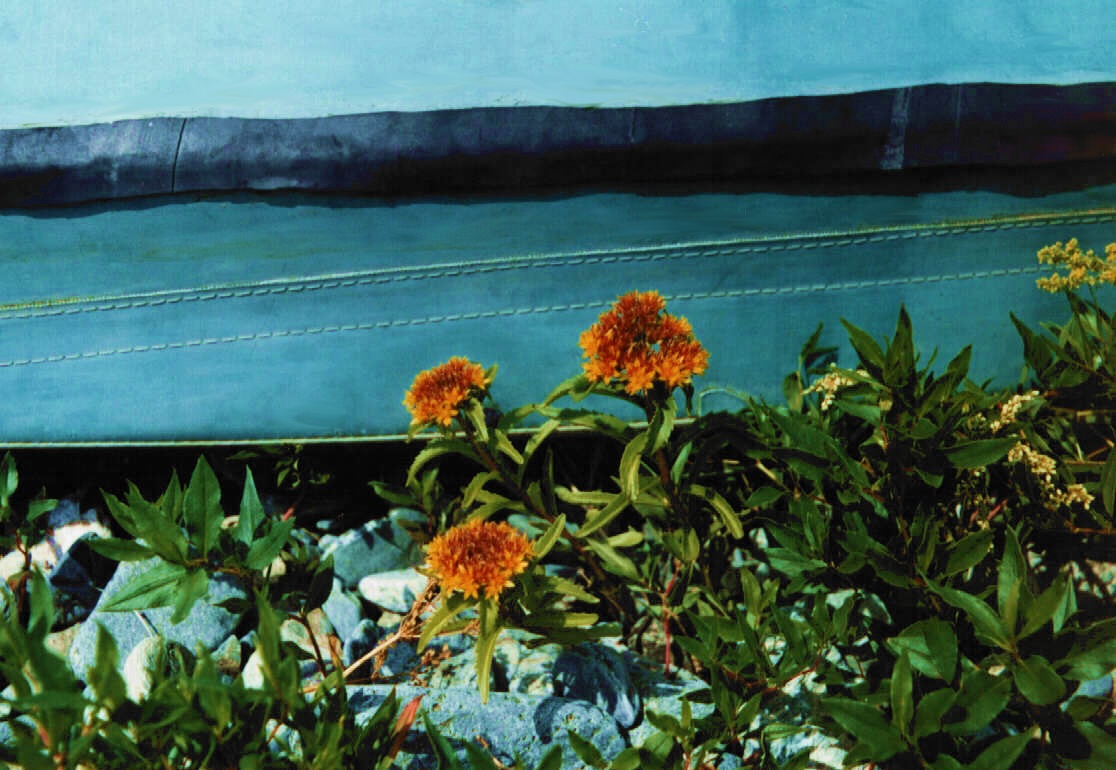
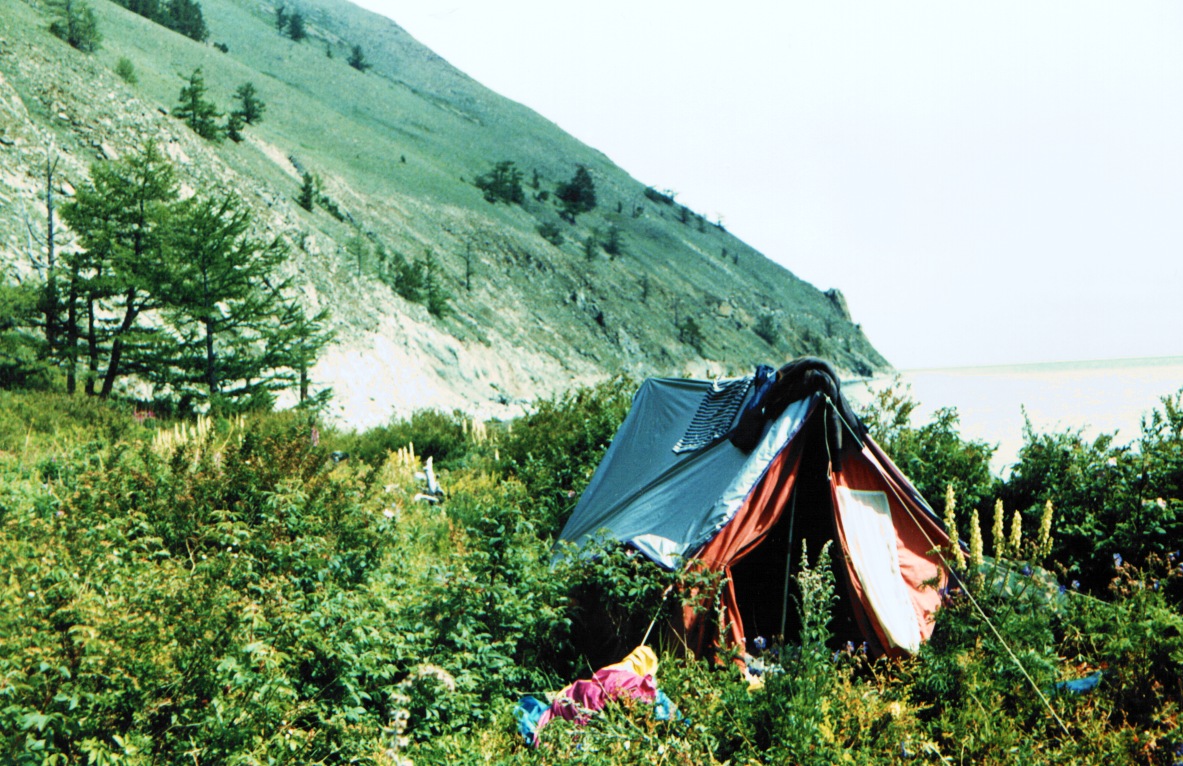
We camped between Cape Shartlay and Cape Ryty on a small beach covered in all kinds of different, unfamiliar flowers. According to local belief, evil spirits live at Cape Ryty and women may not go there. Curiously, the belief was borne out. Tanya turned mean, threw soup and bit. I had to exorcise the evil spirit with vodka. One glass and the spirit was gone. In the evening I repaired the radio and watched another moonrise at 02:00. It was so beautiful you never get tired of it. Another cold night. The thermometer showed 3°C.

26 July. Lake Baikal
Morning sun and heat, though the water was still 8°C. We left at 13:45. The weather was changing for the better. Perfect calm. At last we saw a blue Baikal instead of a grey one. We passed Cape Ryty, and after a small cliff we were out of the reserve. The forest gave way to bare meadows, with horses grazing. We met a local Buryat.
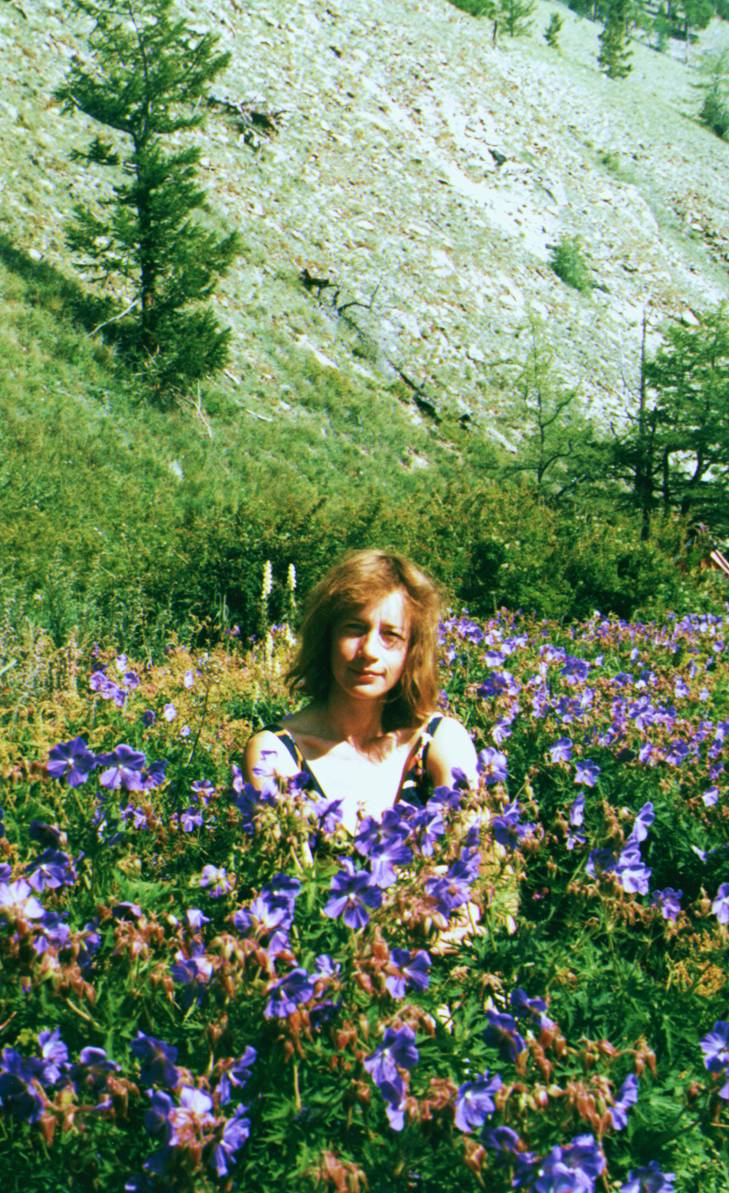
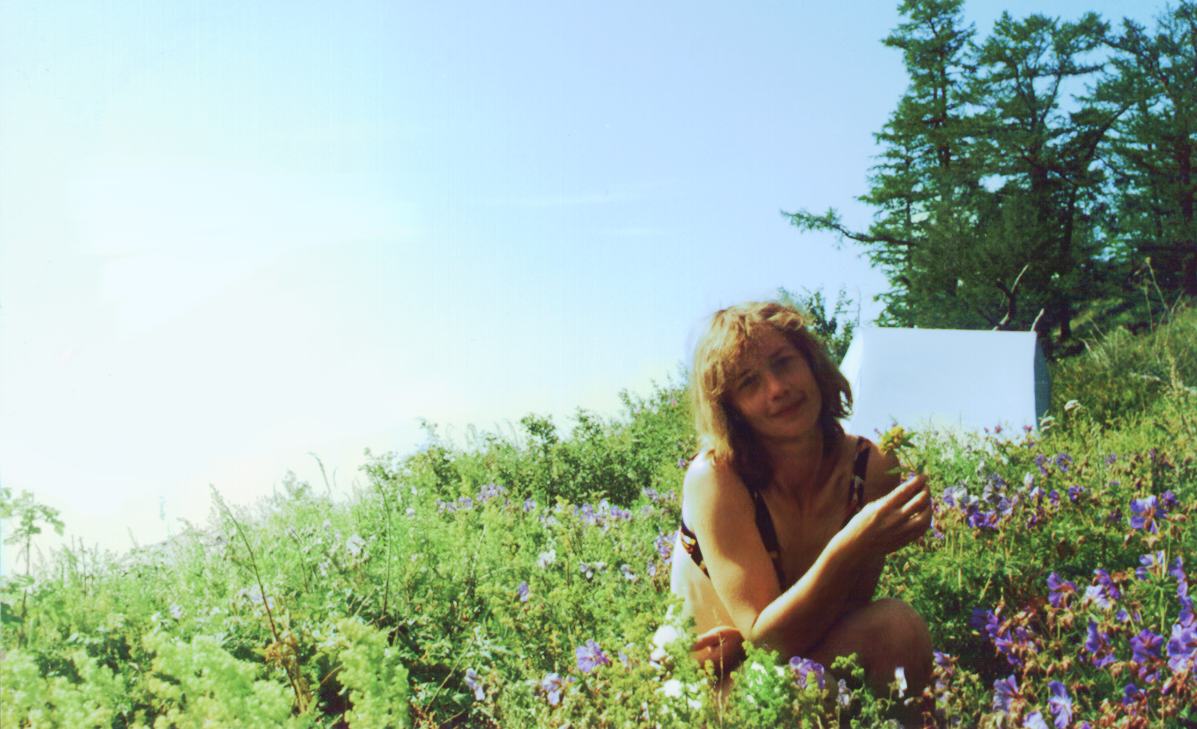
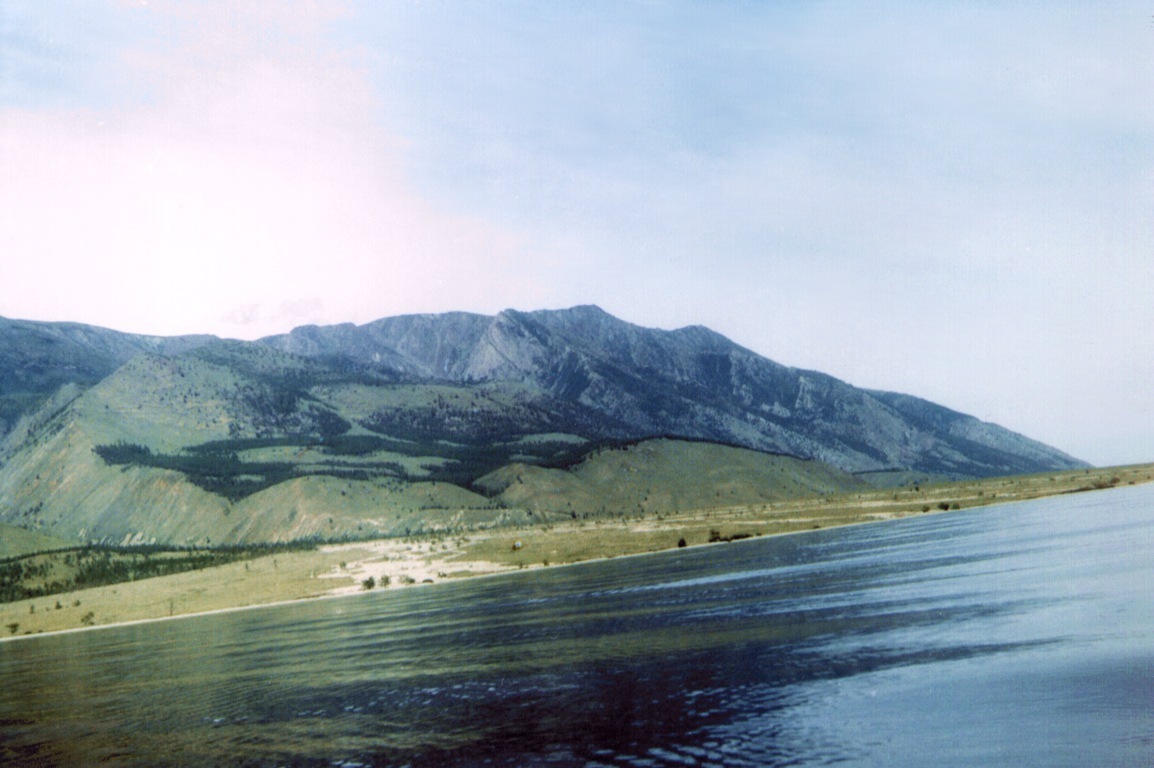
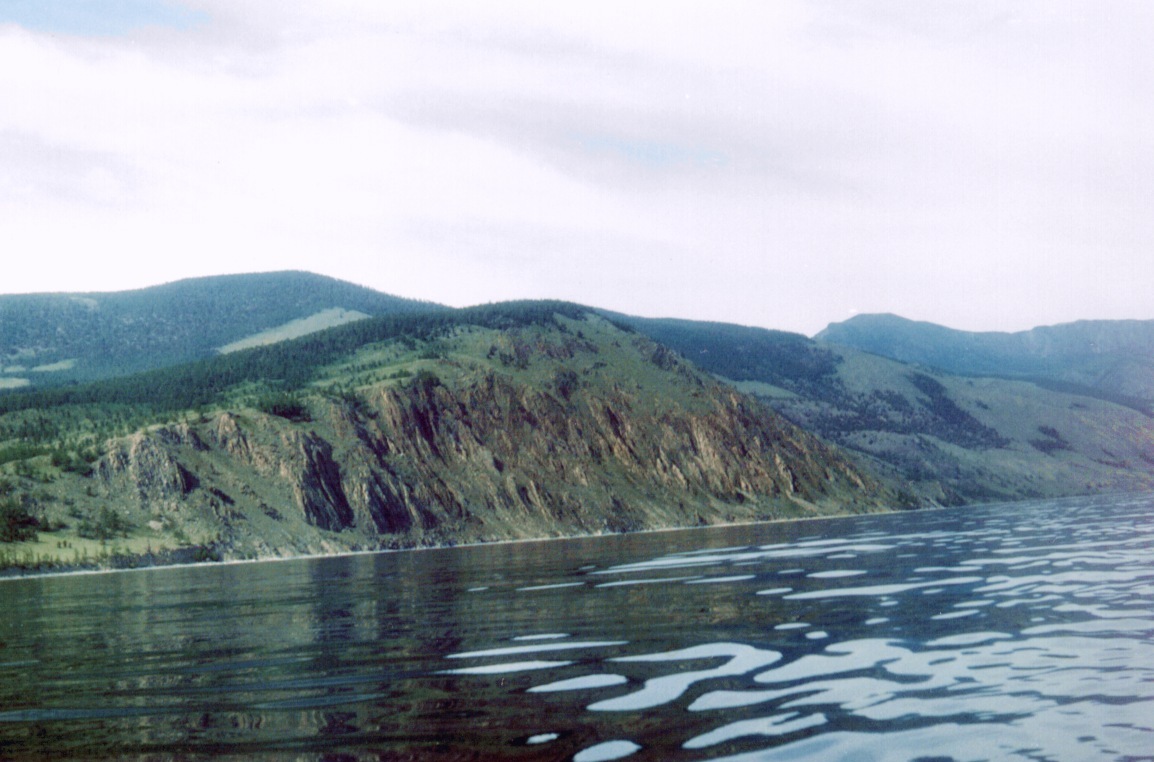
The map shows a twenty-kilometre vertical cliff ahead. When we set out, people had warned us we would be unable to land. Sochava had even suggested bringing ropes to haul the kayaks up a hundred-metre cliff. In fact, you can always find a little beach below the cliffs. We camped on one at 20:00 (53°42.425′N, 107°46.448′E). First we saw a fox and went after it, then stayed where we were. It was a warm evening, 15°C at 23:00, with beautiful evening clouds over Baikal. We had to pitch the tent on top of large cobbles.
27 July. Lake Baikal
It was hot as soon as we woke, 32°C in the tent. We swam and sunbathed. The water was still 8°C. We left at noon and paddled for three hours along the cliffs to the village of Onguryon. The village itself is set back from the shore, separated from Baikal by a big bog. You can walk there from the landing, which is marked as Tudu on the map. From there it is three kilometres to Onguryon. I stayed to watch the kayaks while the others went to replenish our food. Normally the shop is shut on Sundays, but we happened to arrive on the day of the Irkutsk regional election. The shop was open, but there was no bread and everything was very expensive.
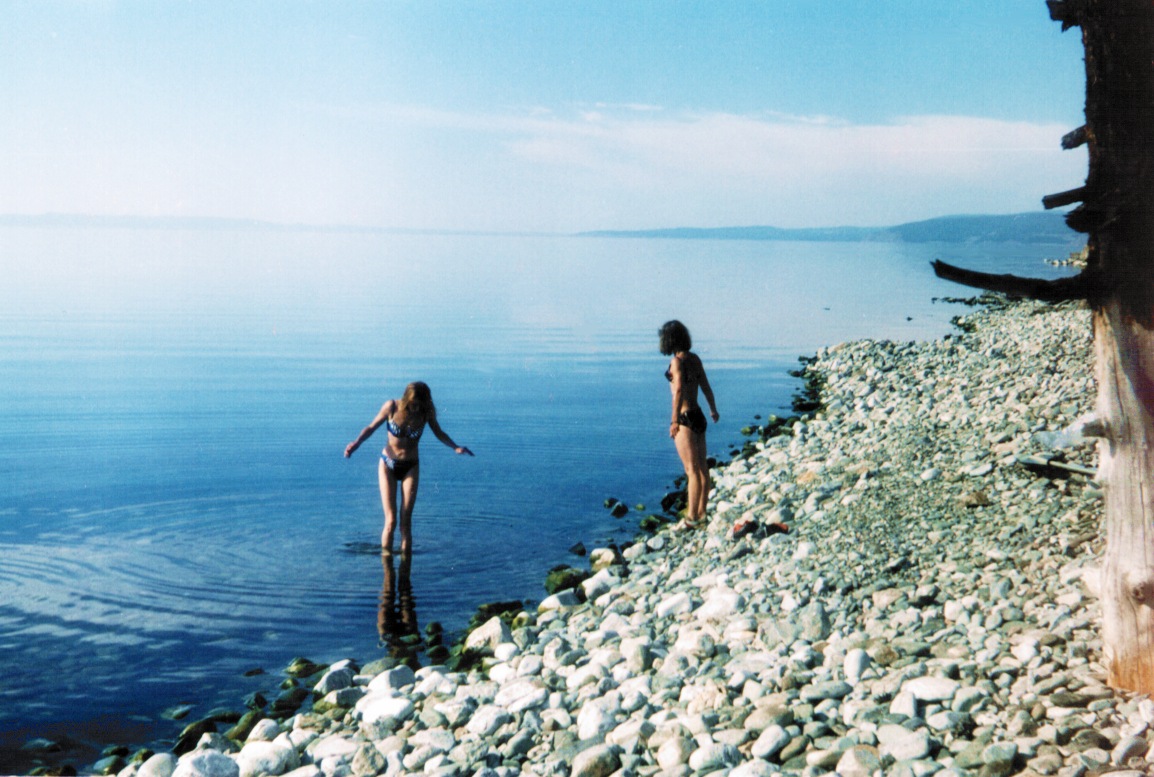
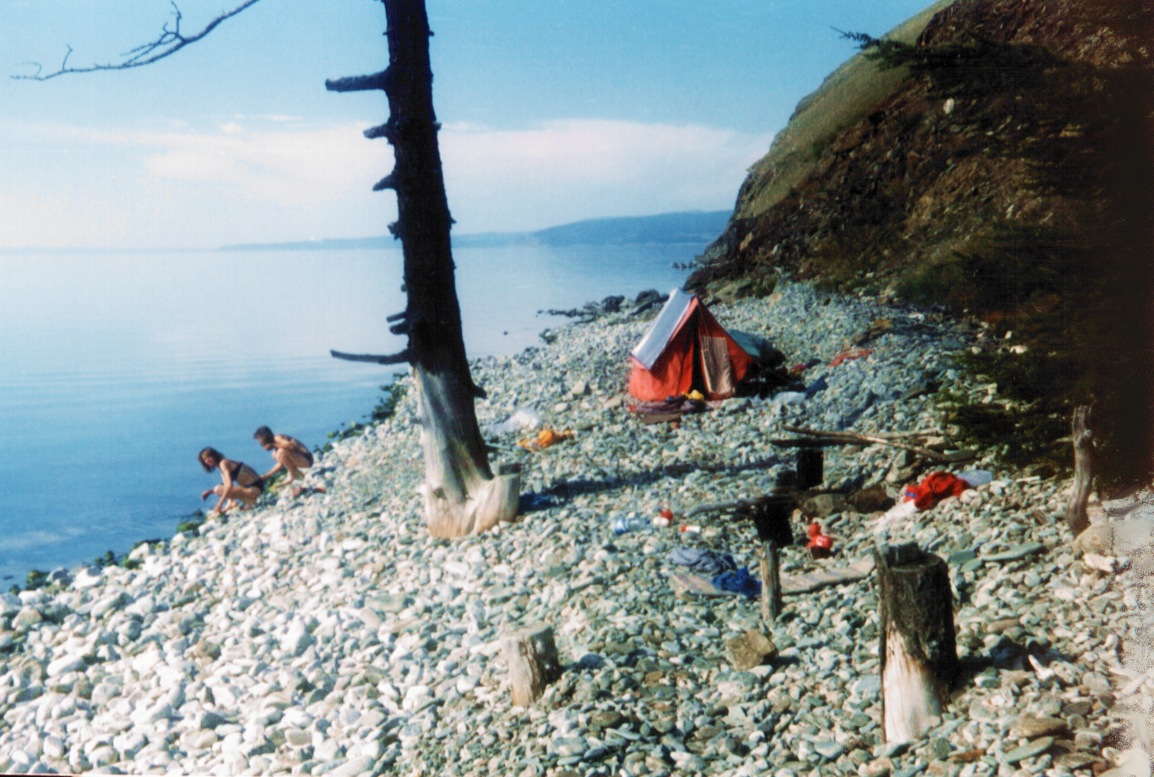
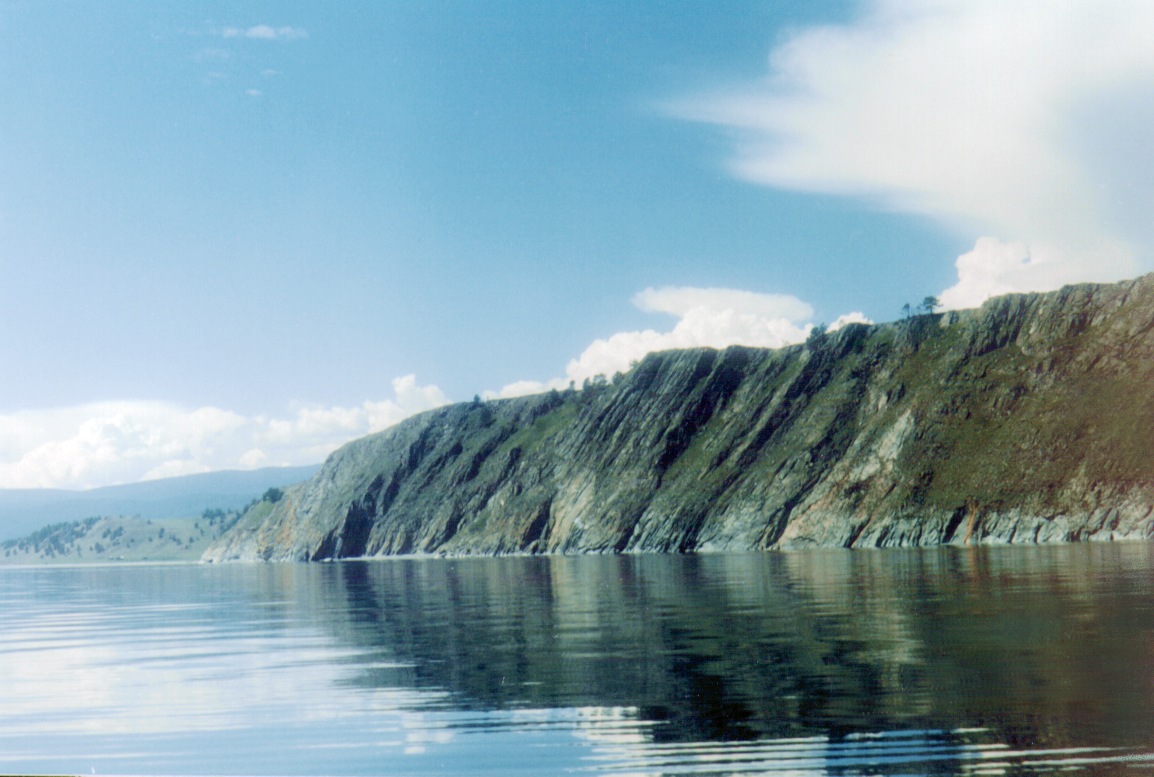
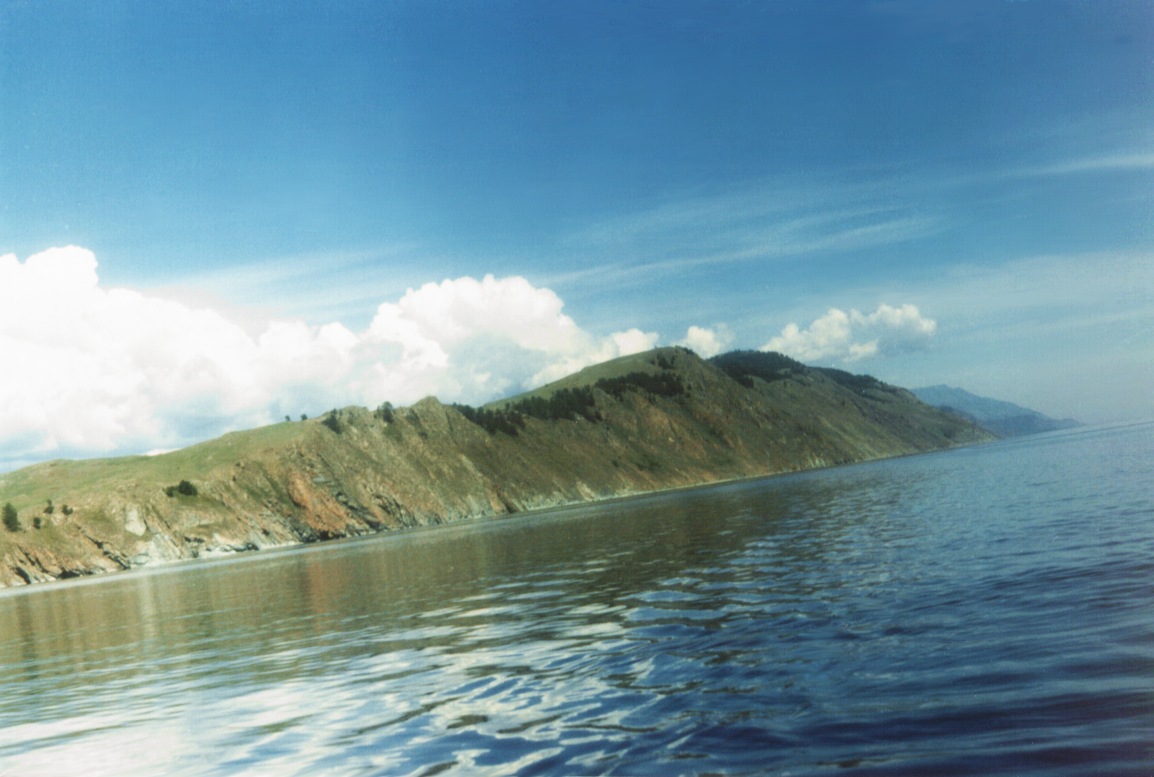
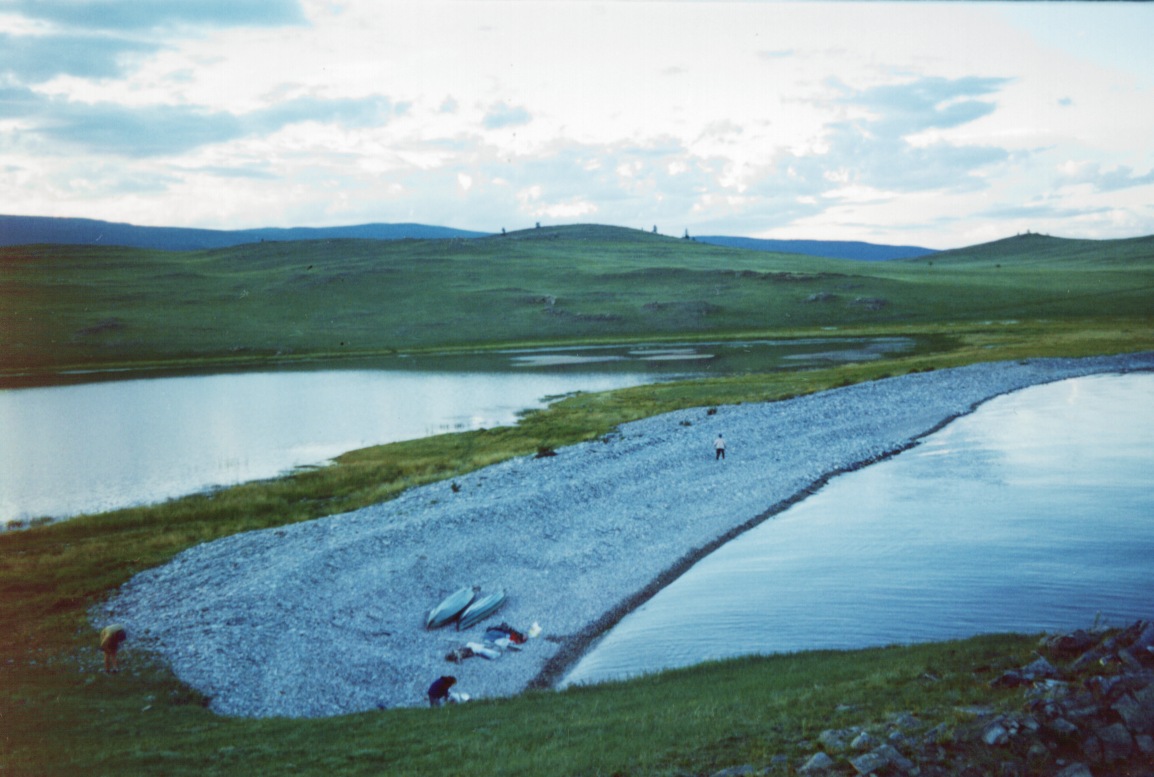
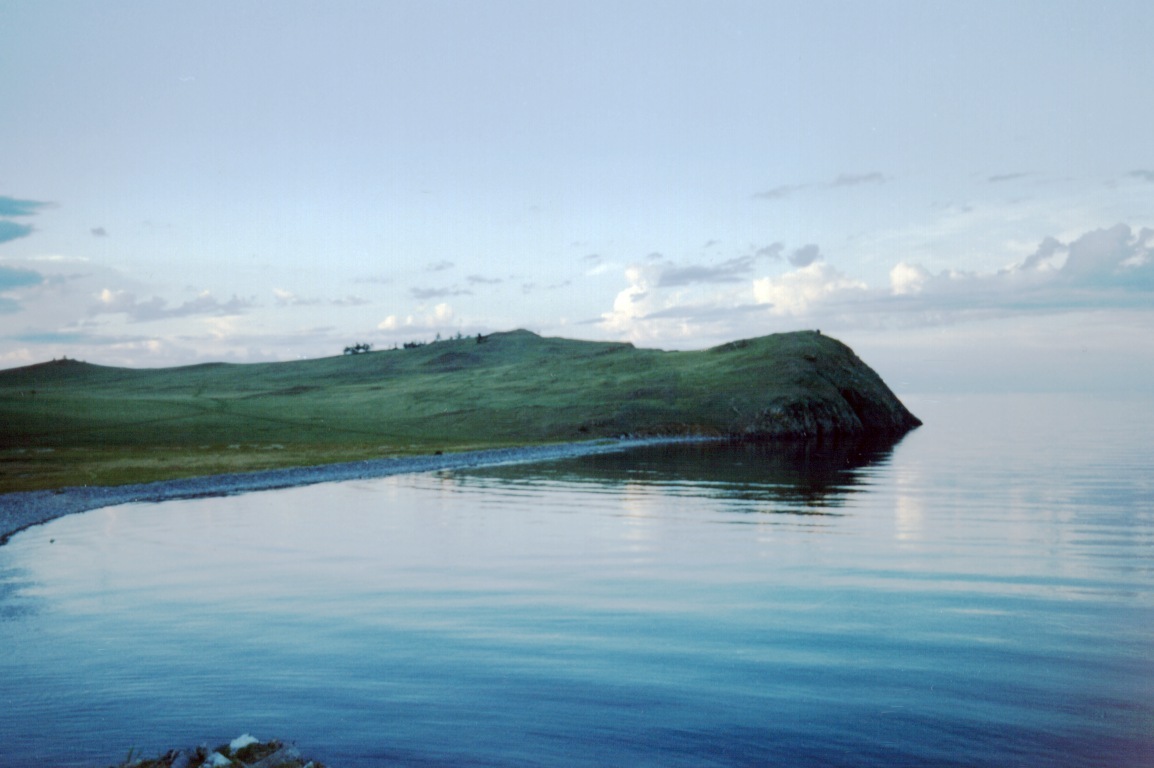
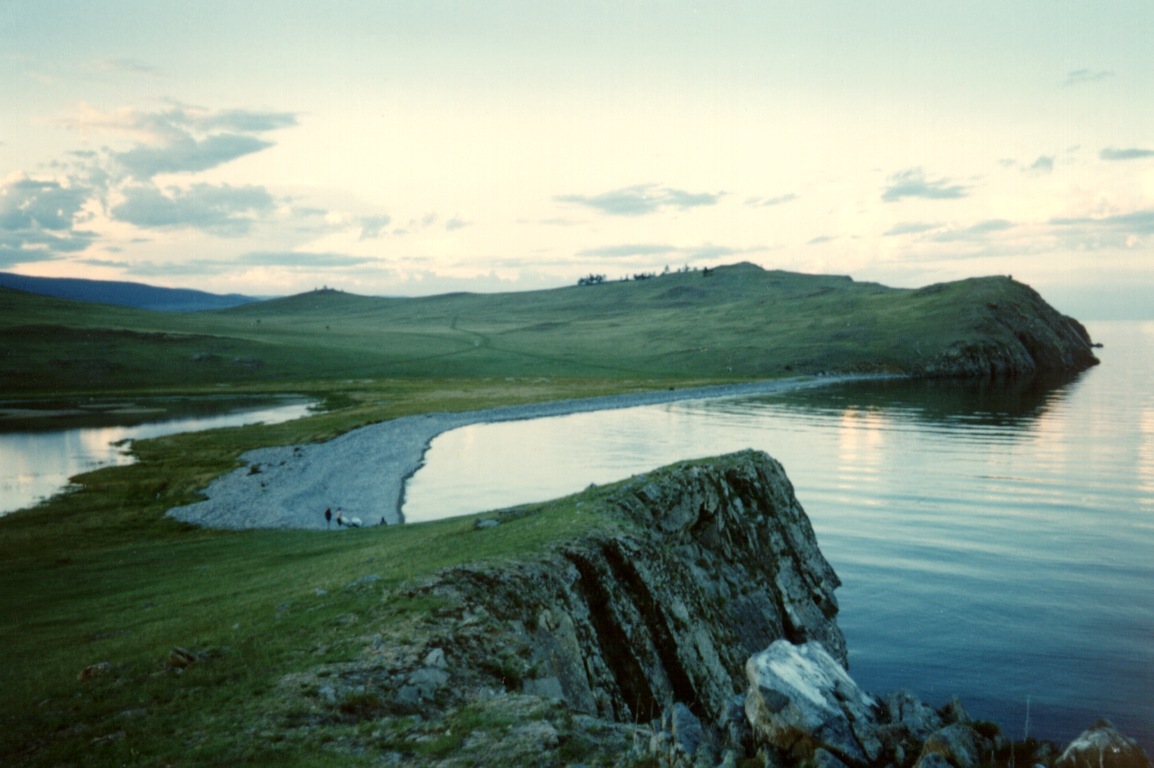
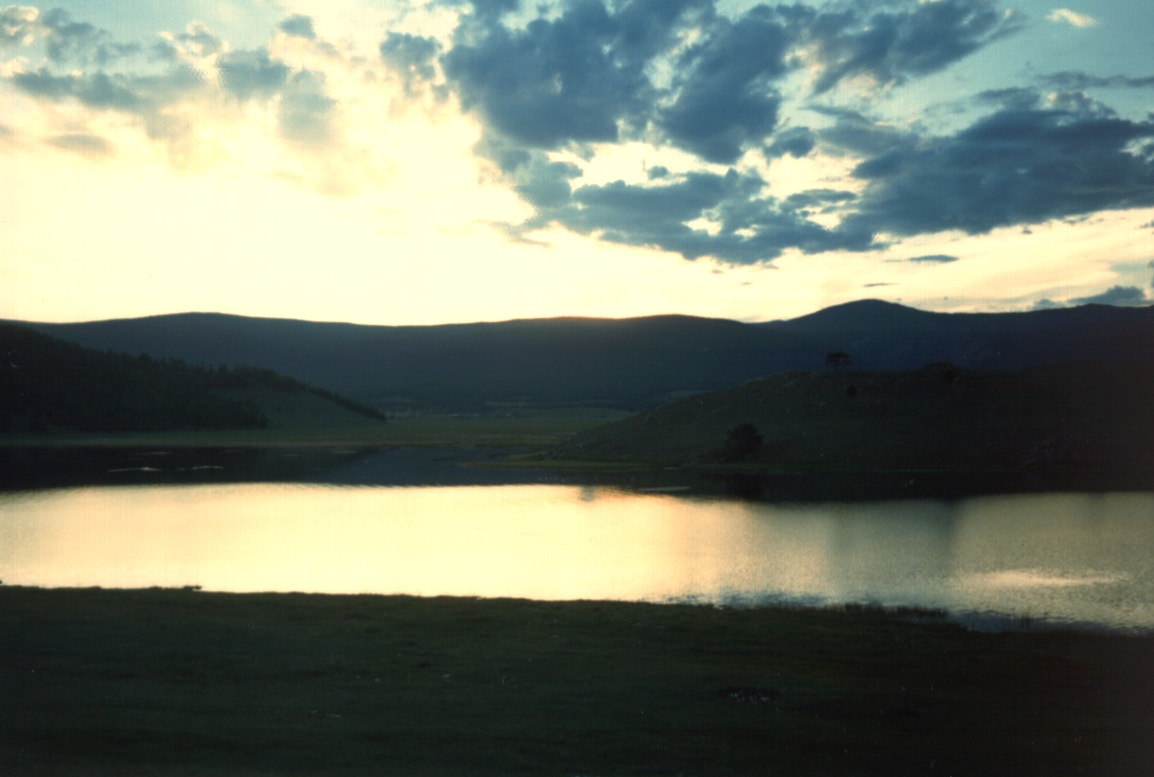
At 17:00, having eaten some of what we had bought, we set a course for Cape Aral. We arrived at 21:10. There were traces of tourists and horses. The nearby village of Zama has a few houses and no shop. That evening there was a beautiful sunset, followed by an exceptionally clear sky and bright stars. I do not think I had ever seen the Milky Way like that. (53°28.273′N, 107°32.402′E)
28 July. Lake Baikal
Sunny in the morning. It was not all that hot, 20°C in the shade, but the water was finally up to 12°C and reached 17°C in the bay. A completely cloudless sky. We pushed off at noon. The campsite had a cave you can enter from the water, so we paddled inside. Sunlight came through openings below the water. It was about twenty metres long. After the cave on the Chusovaya it did not make much of an impression. The mountains along the shore were nearly bare of trees by now.
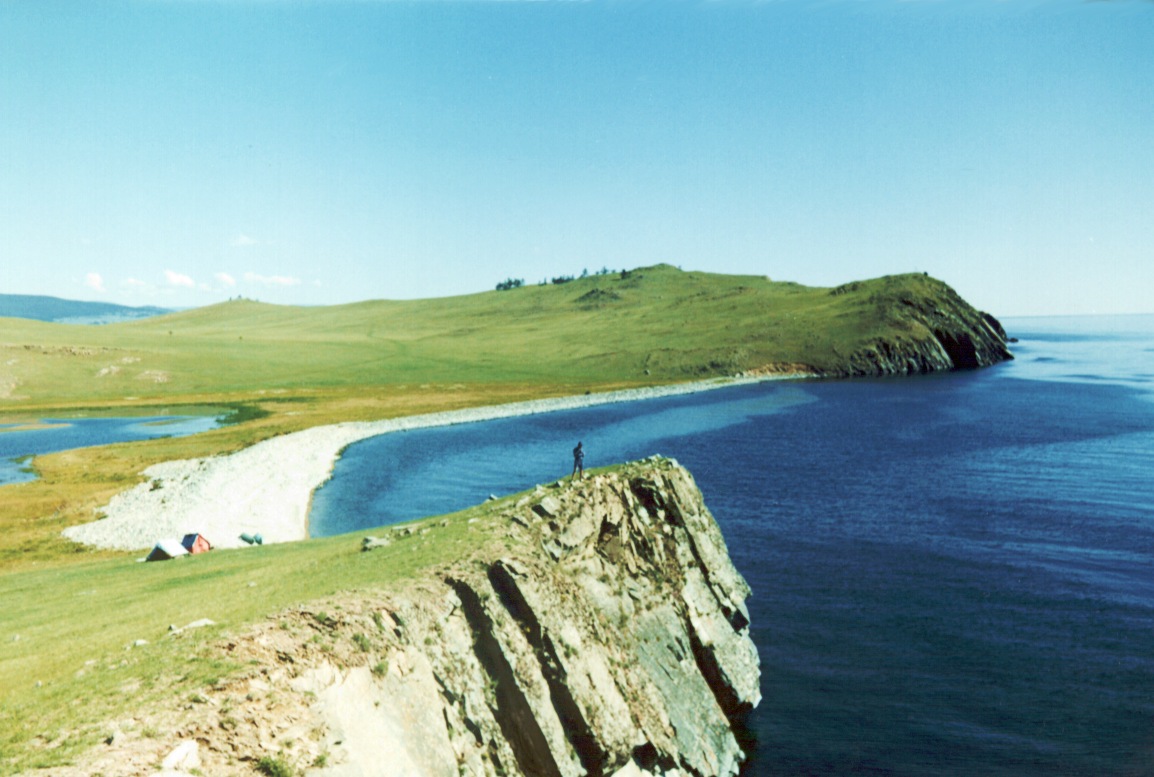
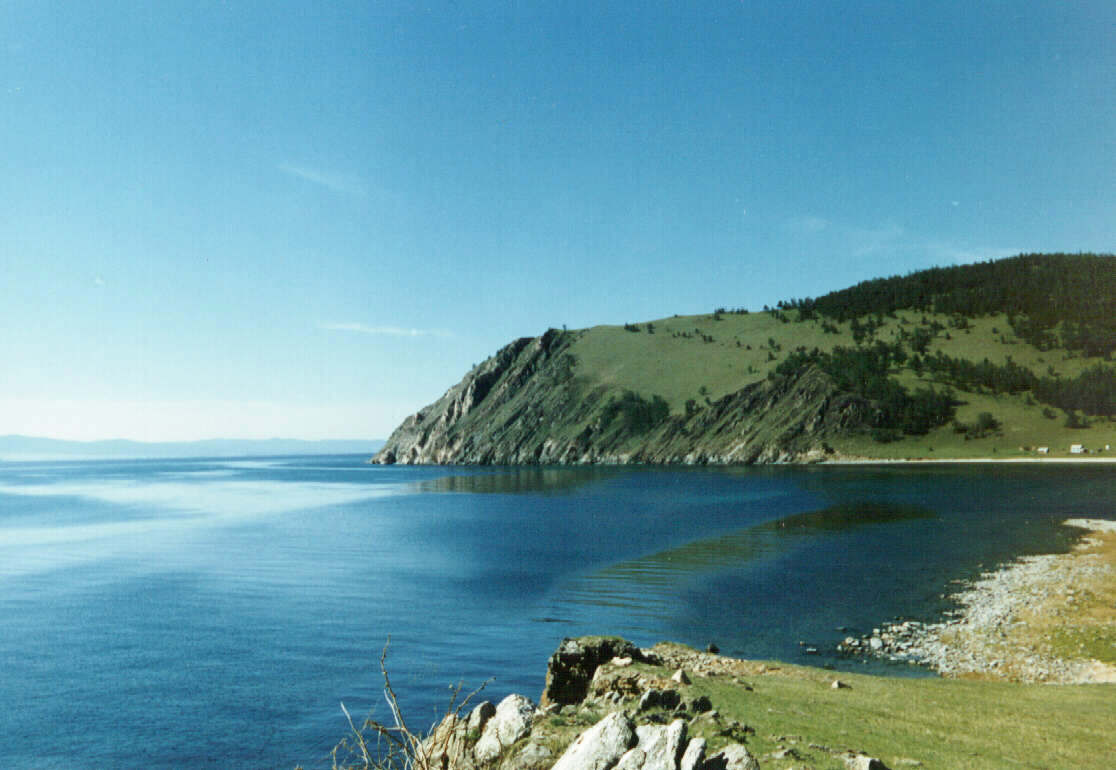
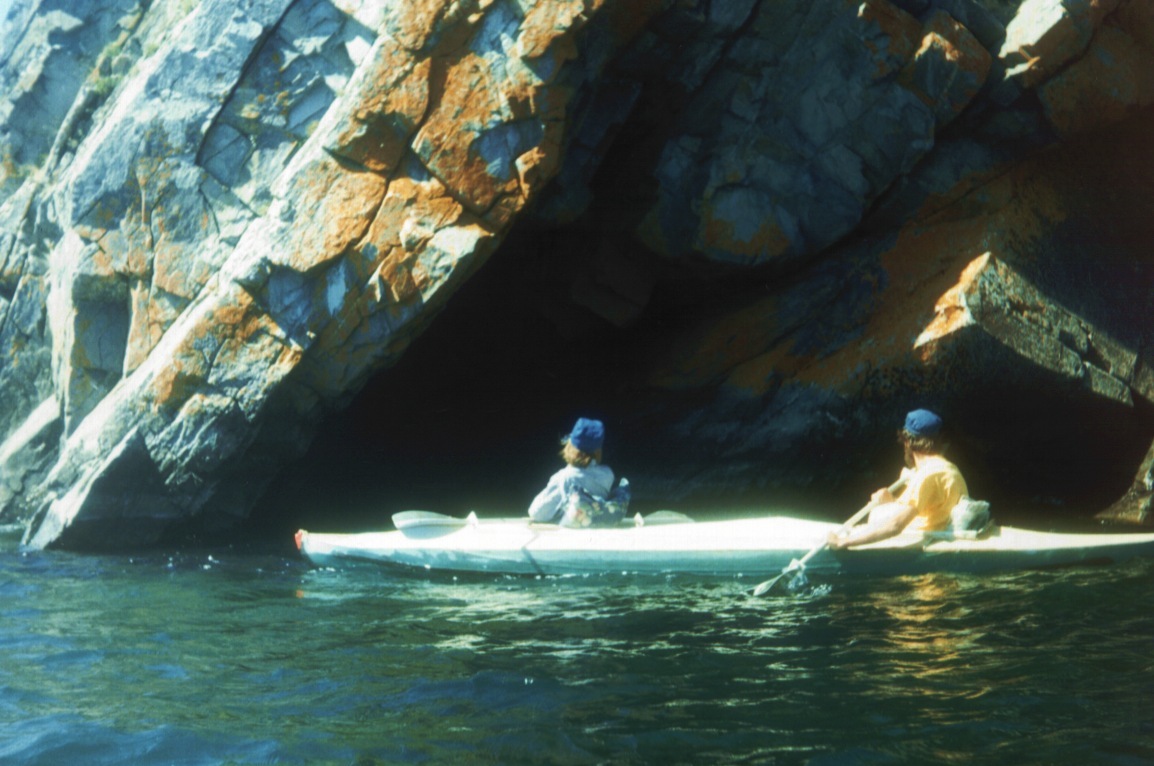
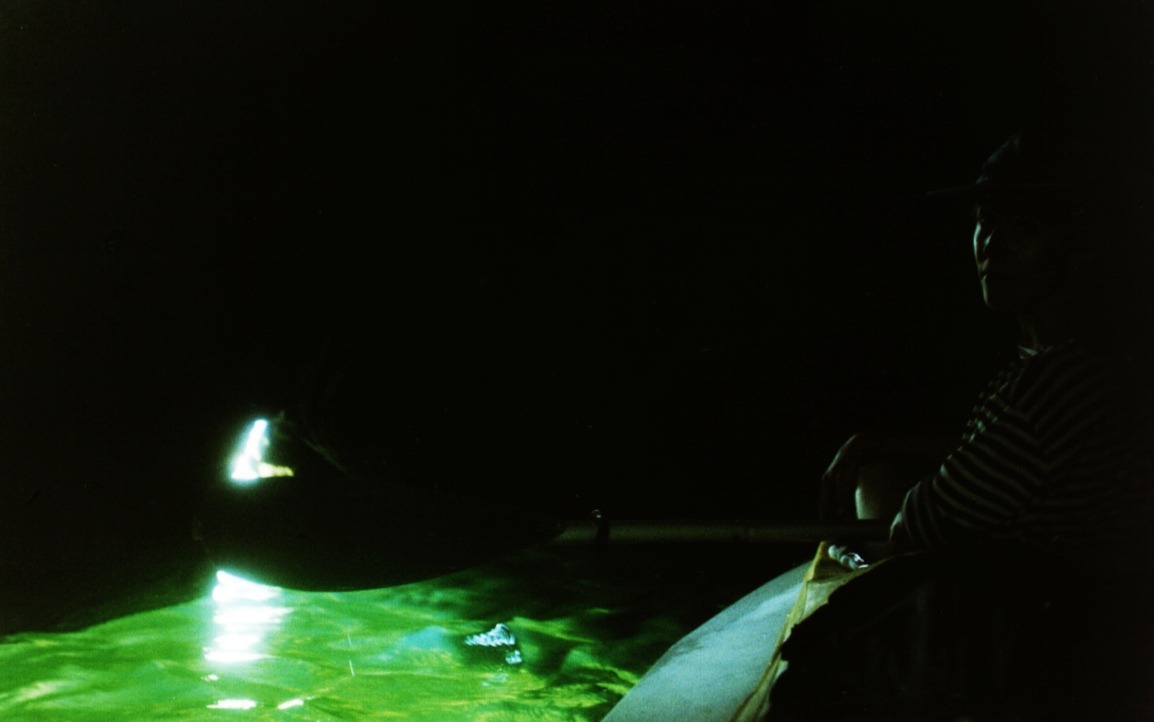
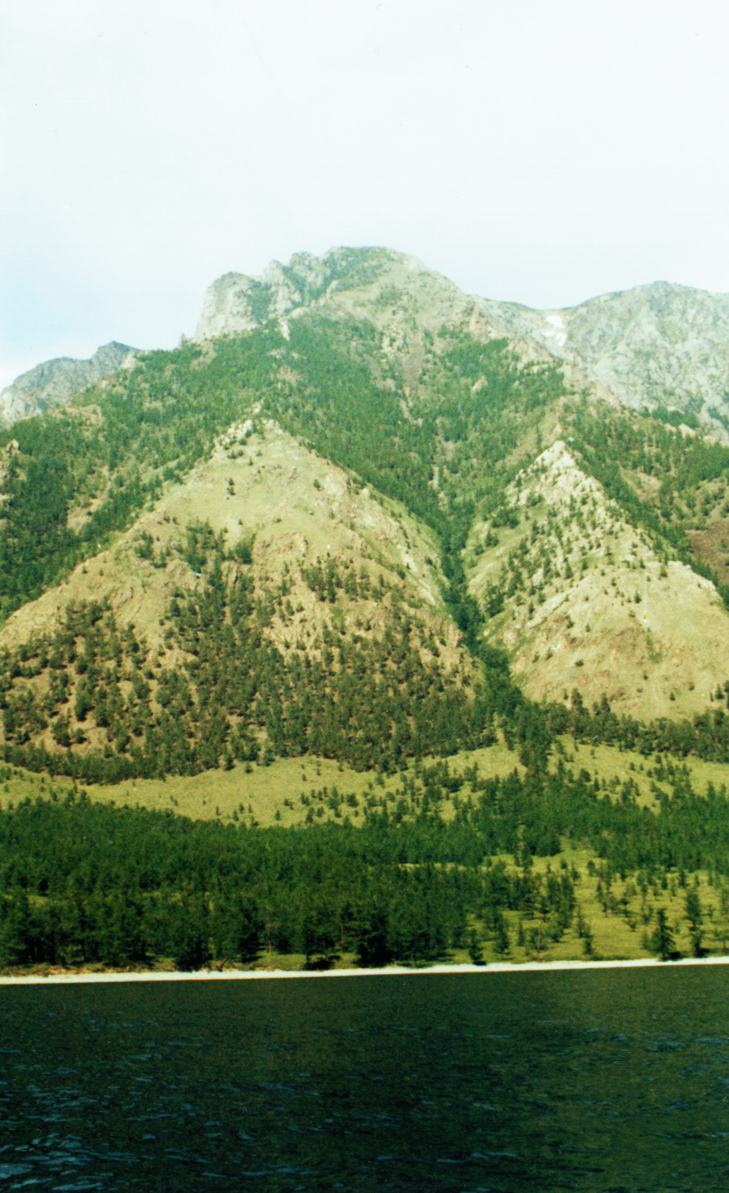
The Barguzin came up as we left and soon it was stormy. Once again we were a long way from shore. How had we managed that? We cursed and paddled for the nearest land. There were whitecaps all over the lake, but the wind was behind us, it was warm and the waves were less steep. We stayed close to shore and filmed while catching big waves. We rounded Cape Zunduk and nearby Mount Zunduk. Beyond Cape Khuzhir we stopped for lunch. Sun, beach and sea. It was just like the tropics. We sunbathed. Then we rounded Cape Oto-Khushun in a heavy swell and got good video of it.
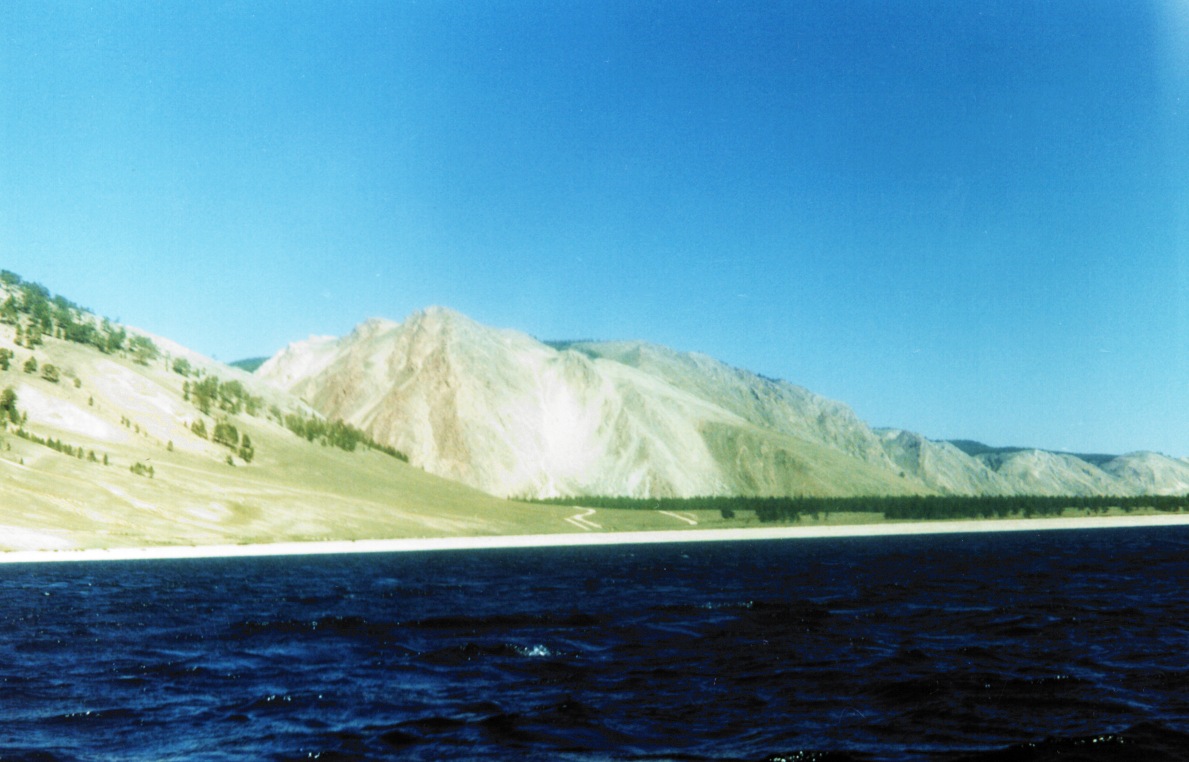
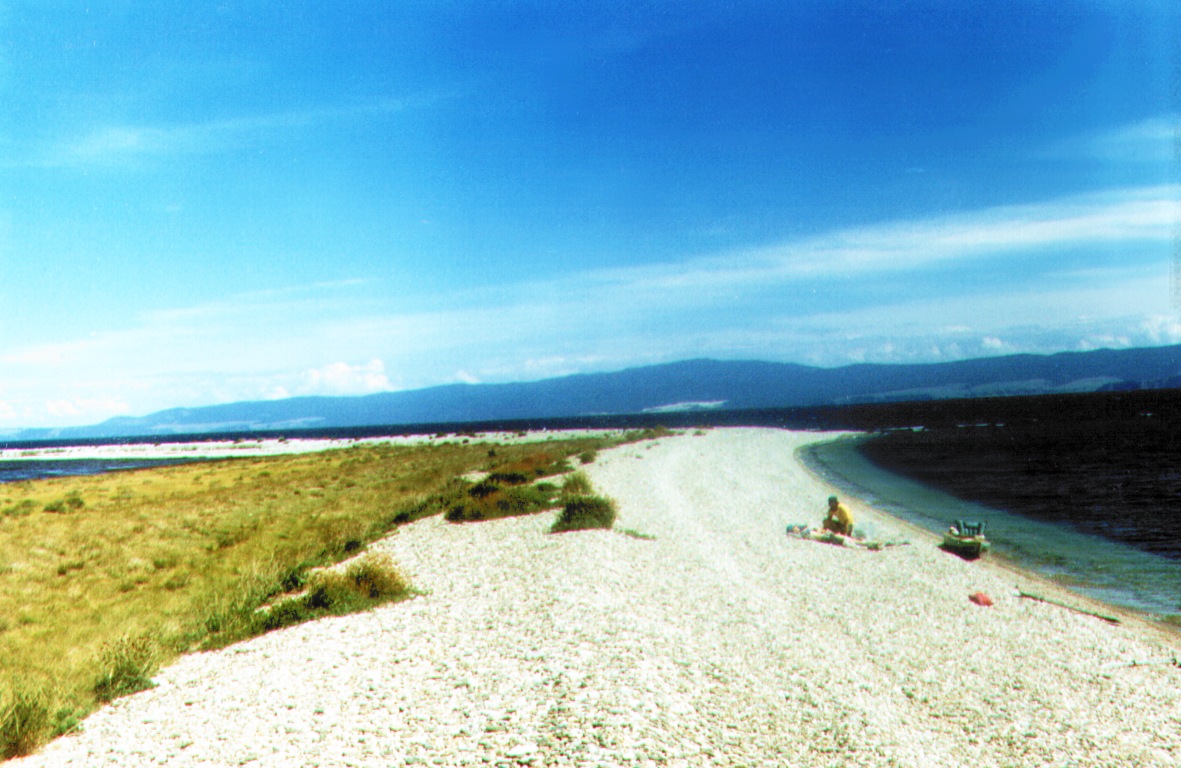
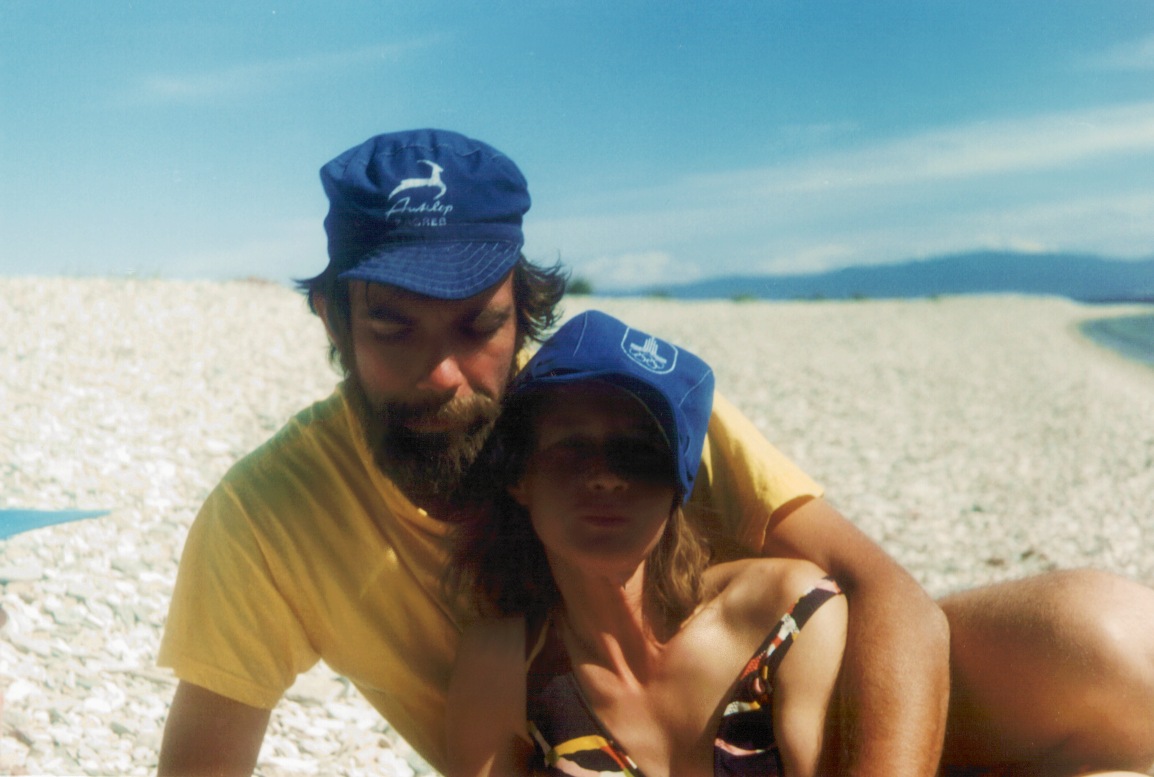
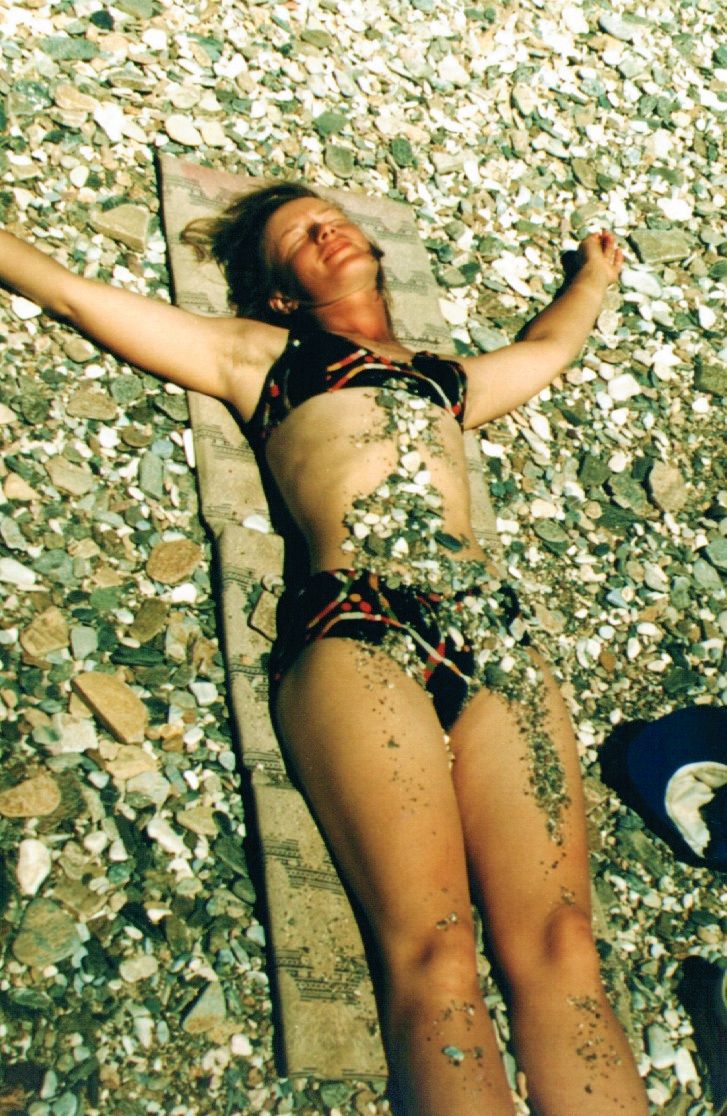
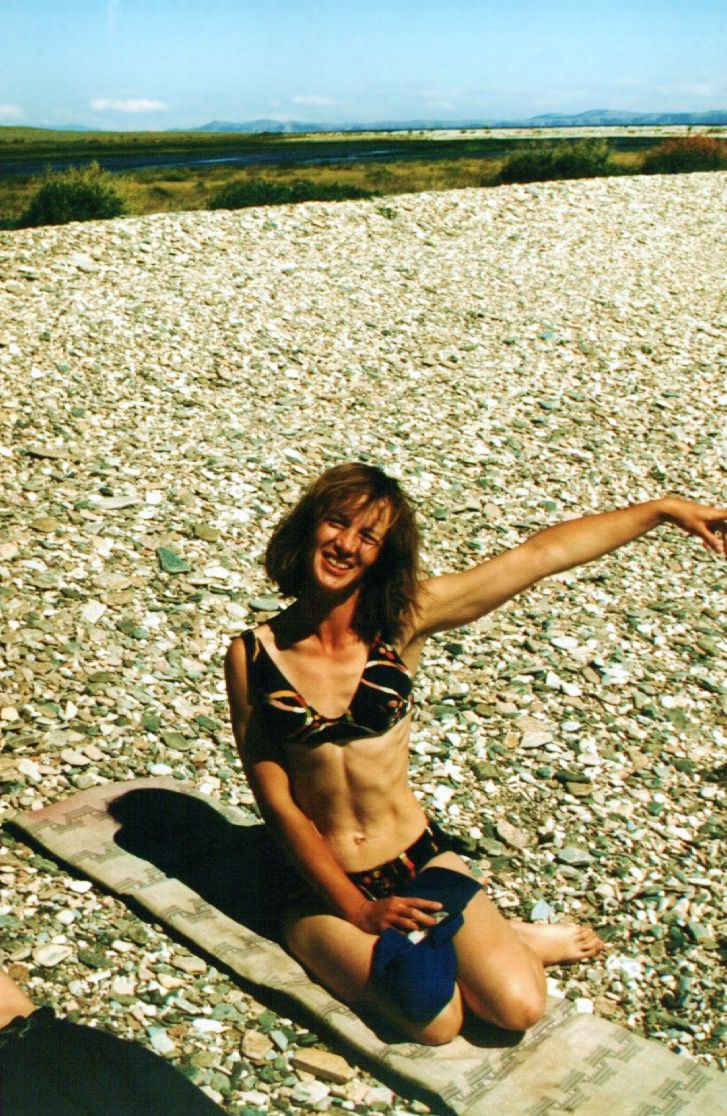
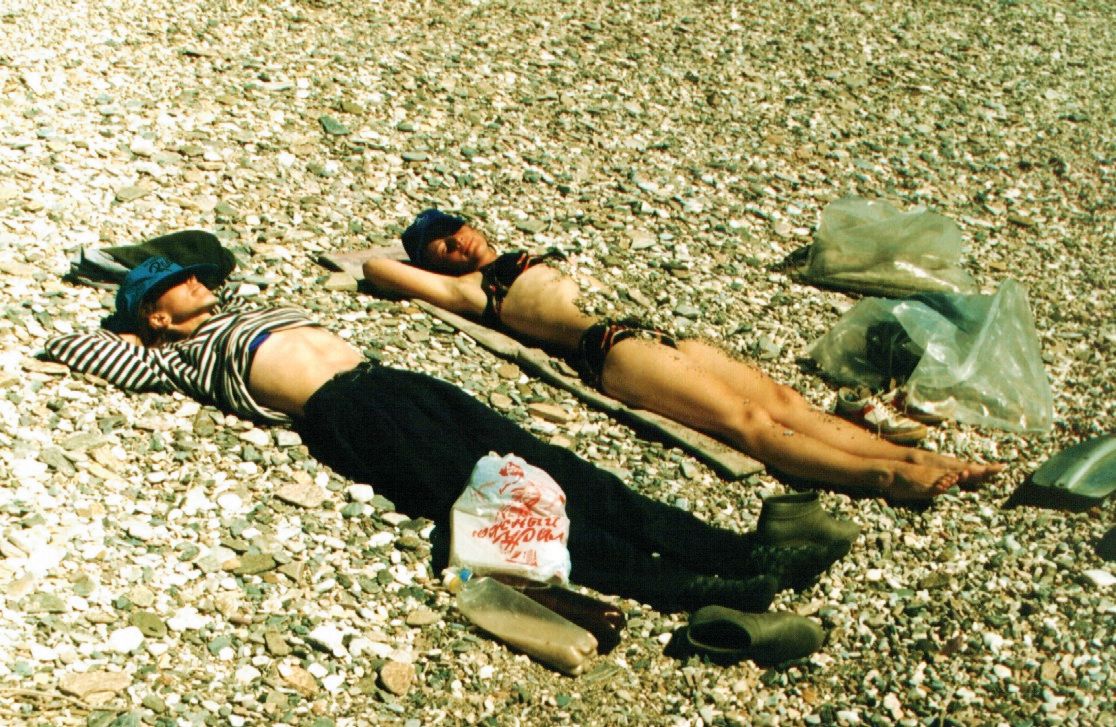
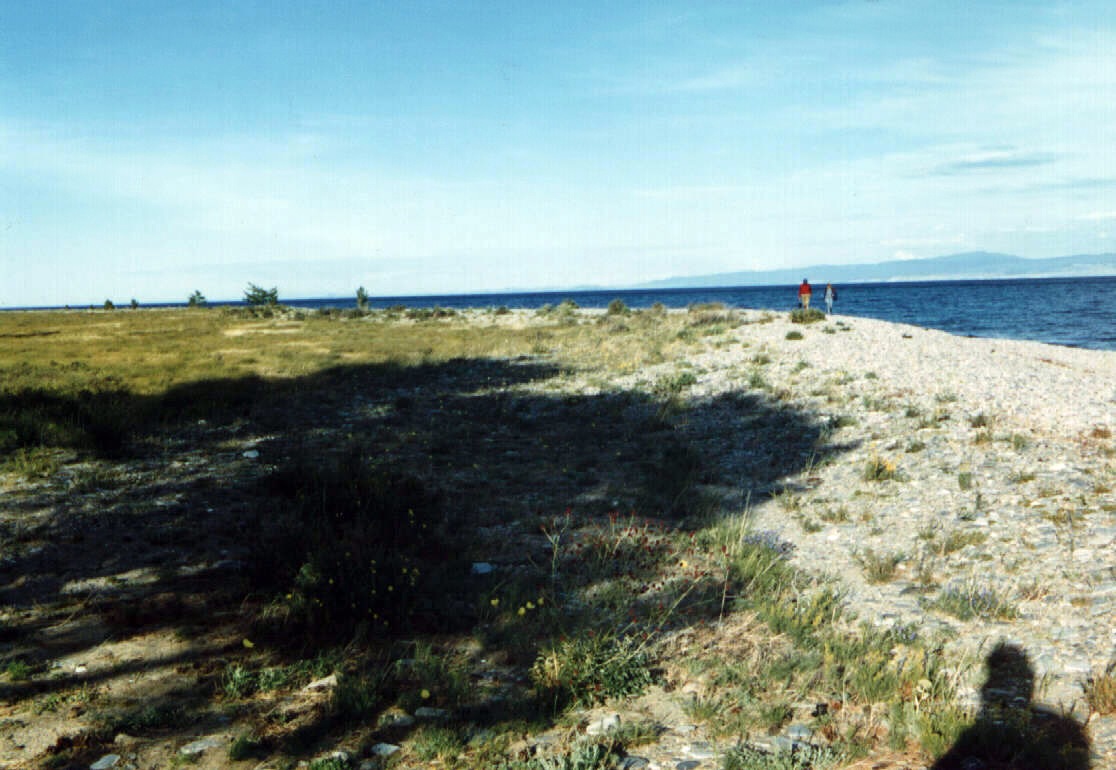
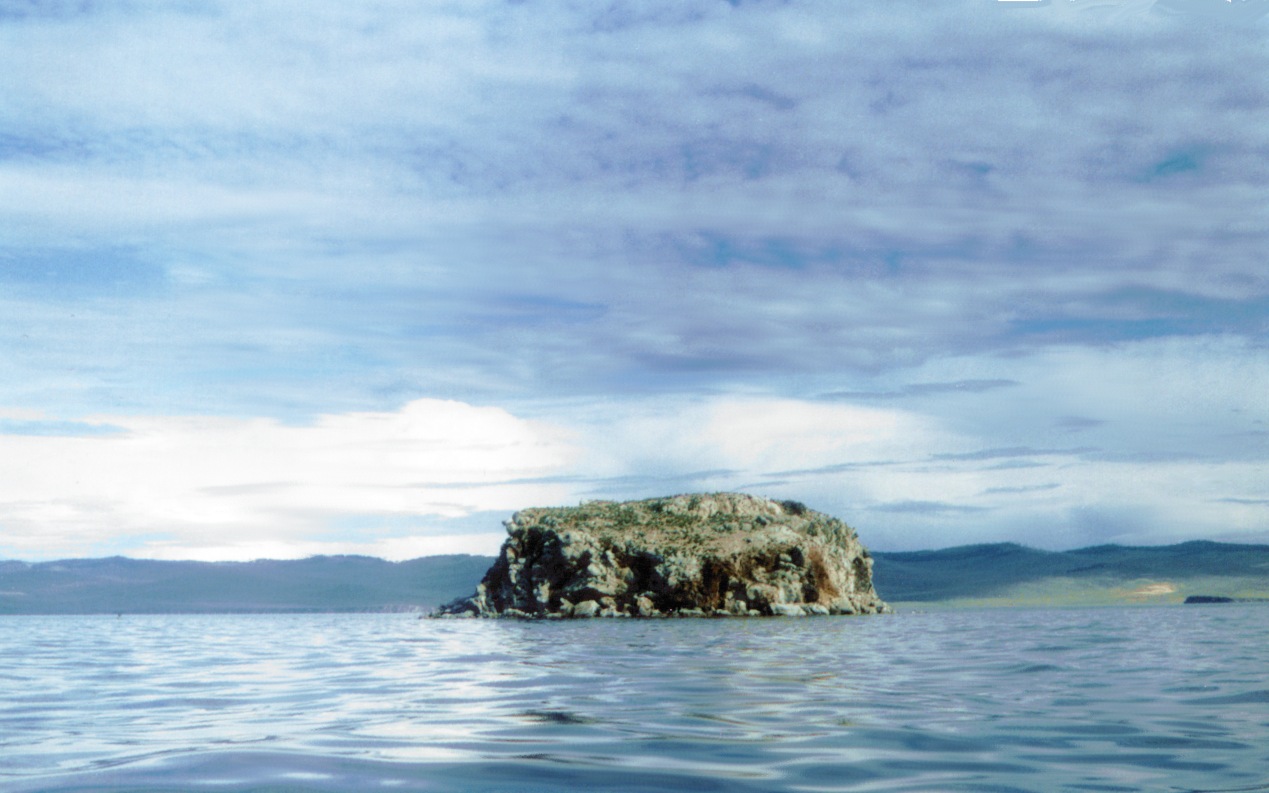
At 19:00 we landed near Cape Yadyrtuy. We had wanted to camp on Izhilkhey Island, but it turned out to be a little rock with nowhere to pitch a tent. The shore was packed with tourists. The newly rich were driving their four-wheel drives along the beach. There was no firewood, but plenty of broken bottles and rubbish. A road ran right along the beach. Dismal. One lone flowering shrub. There were weeds in the water and we had a hard time finding clean water. Our tea tasted like cabbage soup anyway. Just as well we drank it in the dark. (53°17.889′N, 107°11.808′E)
29 July. Lake Baikal
Sunny and hot. No waves or wind in the morning, but at noon the Barguzin started blowing again. At 16:00 a headwind came up suddenly, perhaps the Sarma, and flattened the waves. There was an appalling number of tourists along the shore, one per metre, all with cars or buses, portable tents, kitchens and toilets, and firewood they had brought with them. We had no choice but to paddle to Olkhon. We set a course for Oltrek Island and then Ogoy Island. We finally reached our goal and camped in a little bay on Olkhon (53°06.958′N, 107°01.210′E).
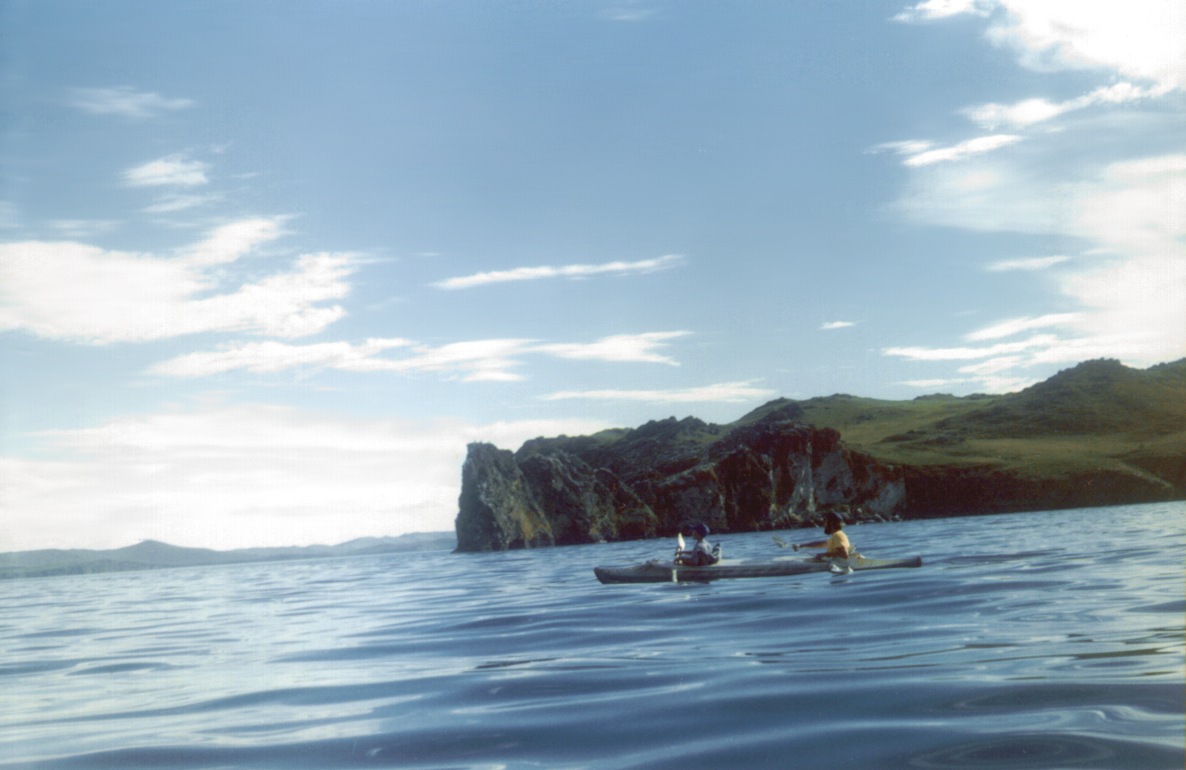
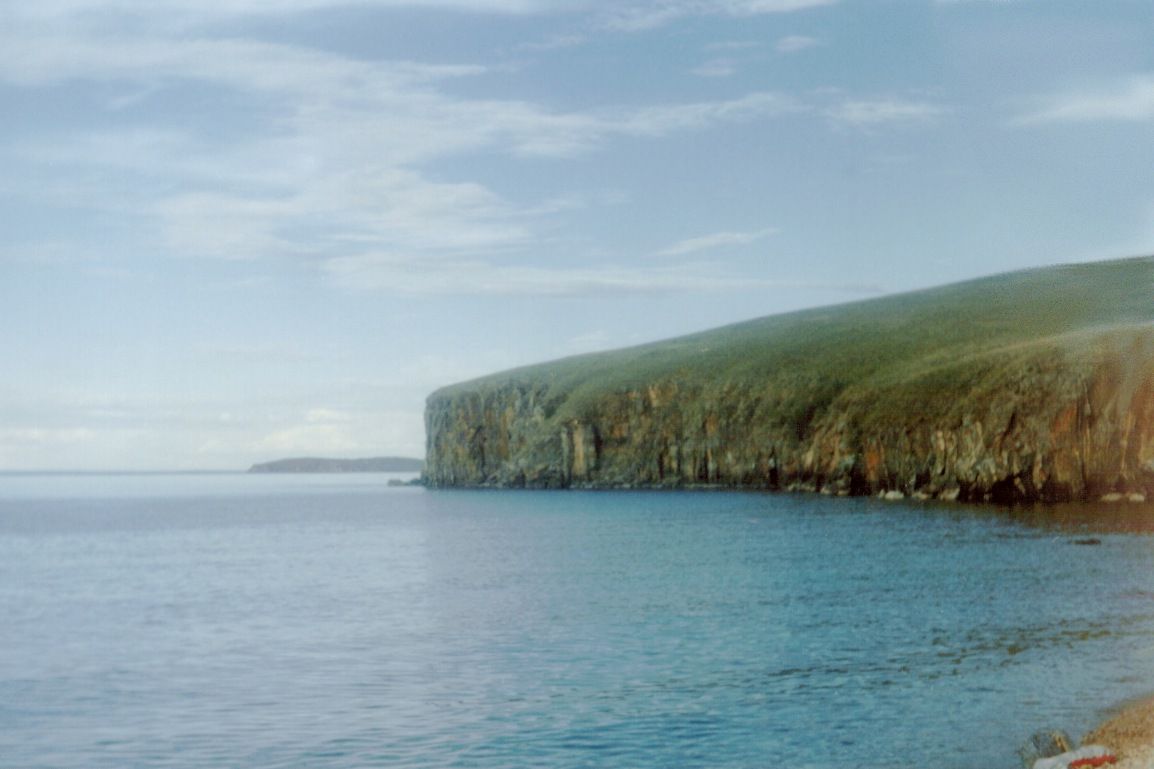
This might be our last campsite on Baikal. No tourists. We had it to ourselves! There was no wood, either. We found a little Siberian pine stump and spent an hour and a half sawing through it at the base. We won. A celebratory farewell dinner, and a salute with the firecrackers we had brought. We burnt the things we no longer needed or wanted to take back to Saint Petersburg. Better to give them a romantic end than an awful death on a Saint Petersburg rubbish tip. We ate a little cake bought in Onguryon.
30 July. Lake Baikal
No clouds in the morning, 28°C. Calm, water 11°C. We declared it bath day and washed our hair. Where would we spend the next night? We chose stones to lug back to Saint Petersburg, forty kilos all told. There were two options. The first was to paddle to MRS, the Little Sea Fishing Station, which the map calls Sakhyurta. The second was Khuzhir. I wanted Khuzhir. It seemed a shame to come to Olkhon and miss it.
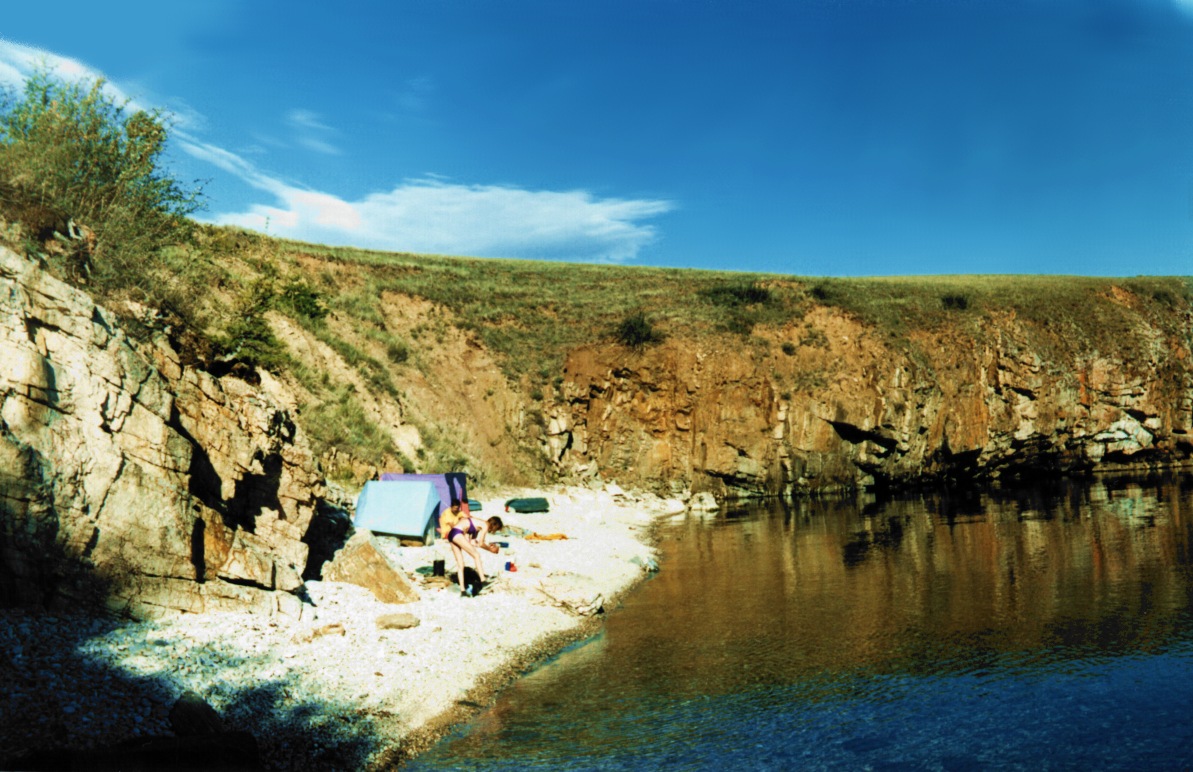
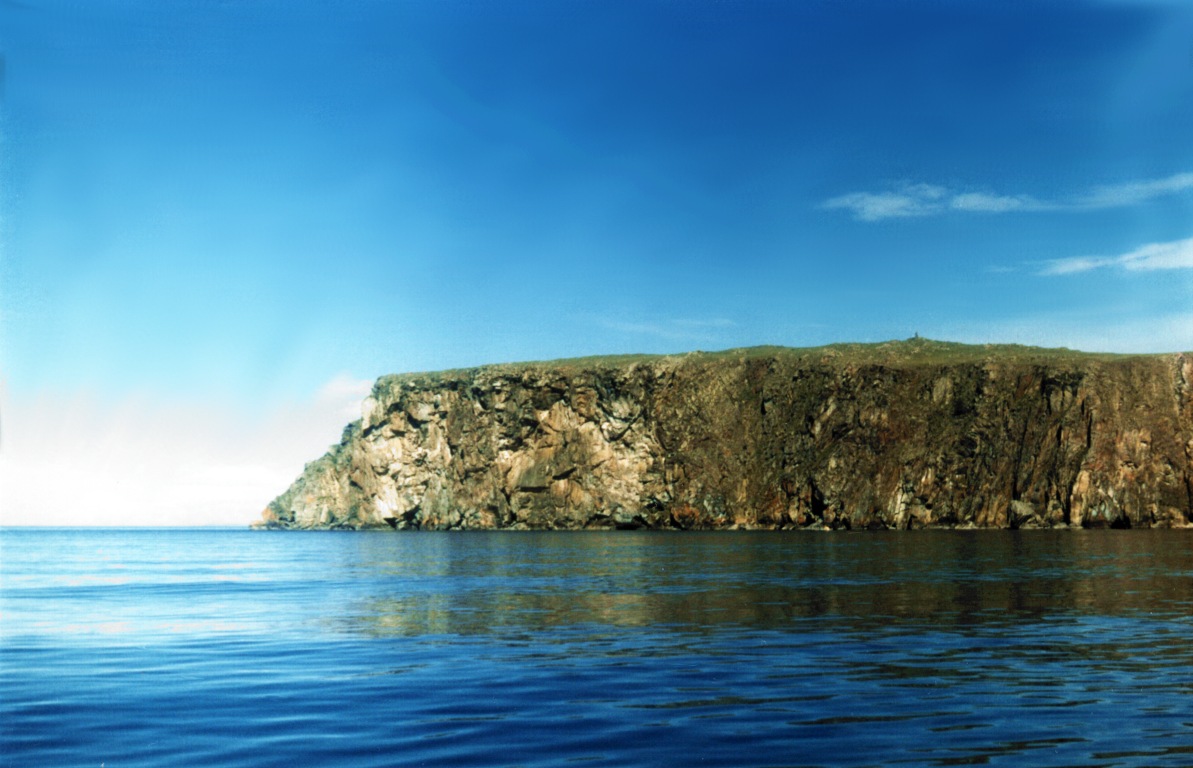
Tanya and I went to scout out Khuzhir and find out whether the Kometa called there. If it did not, we would go to MRS, but at least we would have spent an hour in Khuzhir. It was five kilometres to the road, hot and sandy the whole way. There is a real desert in the middle of Olkhon. All it lacks is camels. We reached the road and the village of Yalga. The whole village looks like one big yard shared by people and sheep.
We found two Buryats hitchhiking by the road with a huge fish in their hands. We asked about transport from Khuzhir. They said the Kometa stopped there and there was a bus at eight. We would never get a lift, because there were simply no cars until the next ferry. We got talking. They were both Buryat, but one was from Pushkin and the other from Toksovo. They told us about local customs, Buryat shamanism and the veneration of ancestral spirits. Olkhon was a prison camp in wartime. Many different people stayed on to live there afterwards, including Poles and German prisoners of war.
After chatting to the locals we headed back. If the Kometa went to Khuzhir, so could we. We passed near Zayachy Island and left camp at 16:00. The paddling was hard. The Barguzin began blowing again towards evening, but this time it was a headwind. That put the waves right in Tanya’s face. She squeaked. At 20:30 we were in Khuzhir. Before us was a magnificent beach of tiny golden pebbles, like amber. We could not photograph it because the camera had broken.
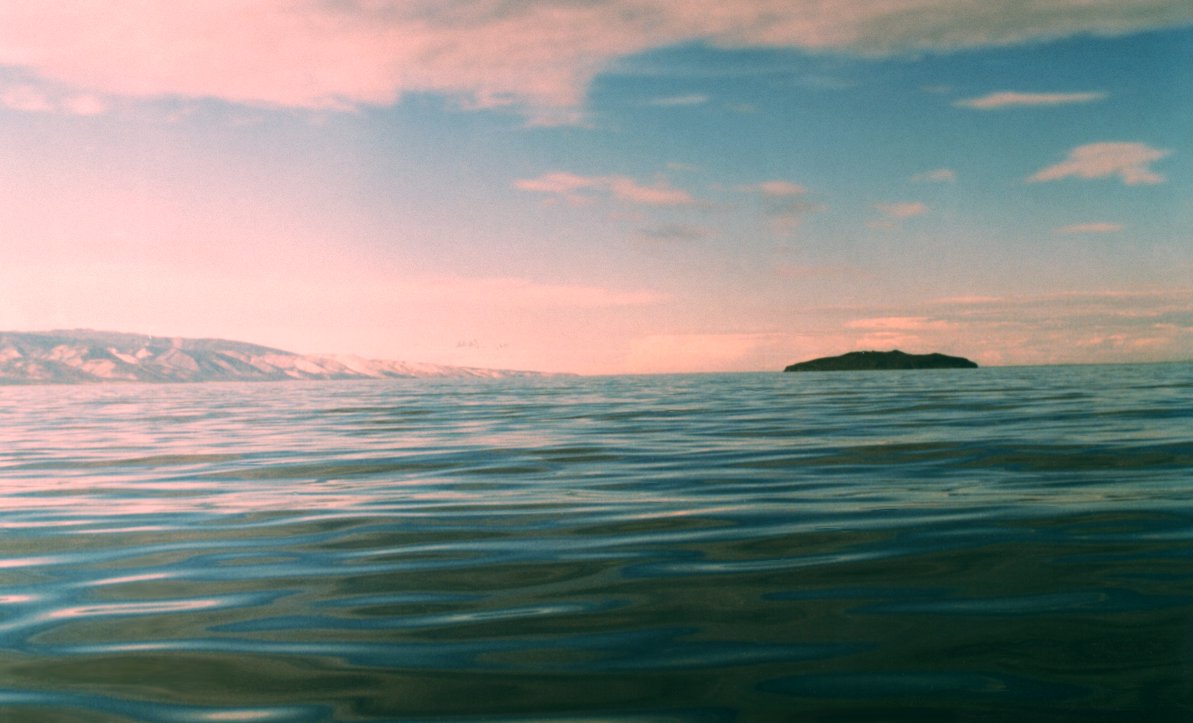
Once we had looked around, we learnt that the Kometa did not always stop, so we decided to take the bus. We shifted our gear much closer to town and camped by the pier, setting up in near darkness. Sasha and Marina paddled off to see Cape Burkhan, the sacred Buryat rock with its famous cave. Tanya and I stayed to set up camp. We put the tent right on the shore, on pleasant fine shingle, and took the kayak apart. It was pitch dark by the time we made soup. The two of them came back swearing about the rock and the cave. We went to sleep, though only briefly. We had to get up at four. (53°11.387′N, 107°19.521′E)
31 July. Lake Baikal to Irkutsk
We got up in the dark. It looked as though there would be a lovely sunrise. A thin crescent moon hung in the sky, all that was left of the lovely round moon we had watched rise. Tanya and I had packed the day before and went to the village to see the rock. Khuzhir is the local centre. It has an airstrip but no regular flights except in the off-season or by arrangement. The pier had rotted, so the Kometa could not tie up. Passengers went out in a little boat and transferred to the hydrofoil. It stopped only if it had passengers to meet, and to arrange that you had to send a radio message for 50,000 roubles. There were two banks, one just built, and a weather station. There had been no electricity for several years. First they ran out of fuel, then the generator broke.
The whole village is fenced, and so is every house. Cows are driven through the streets. That is what people live on. The larch houses are beautifully made. The street names are interesting. Nowhere else in the Soviet Union had I seen a 19th Congress Street, for instance. The cape turned out to be forty minutes away. The sun rose just as we reached it. I climbed onto the rock. It was trickier than it looked, so Tanya stayed below to take my picture. I loved that rock, bright yellow in the rising sun against the deep blue sky. Fishers were going out and gulls flying around. I almost became a shamanist. It was worth coming to Khuzhir. I felt a kind of peace and sadness. This was my last look at Baikal. There was a long road and winter ahead.
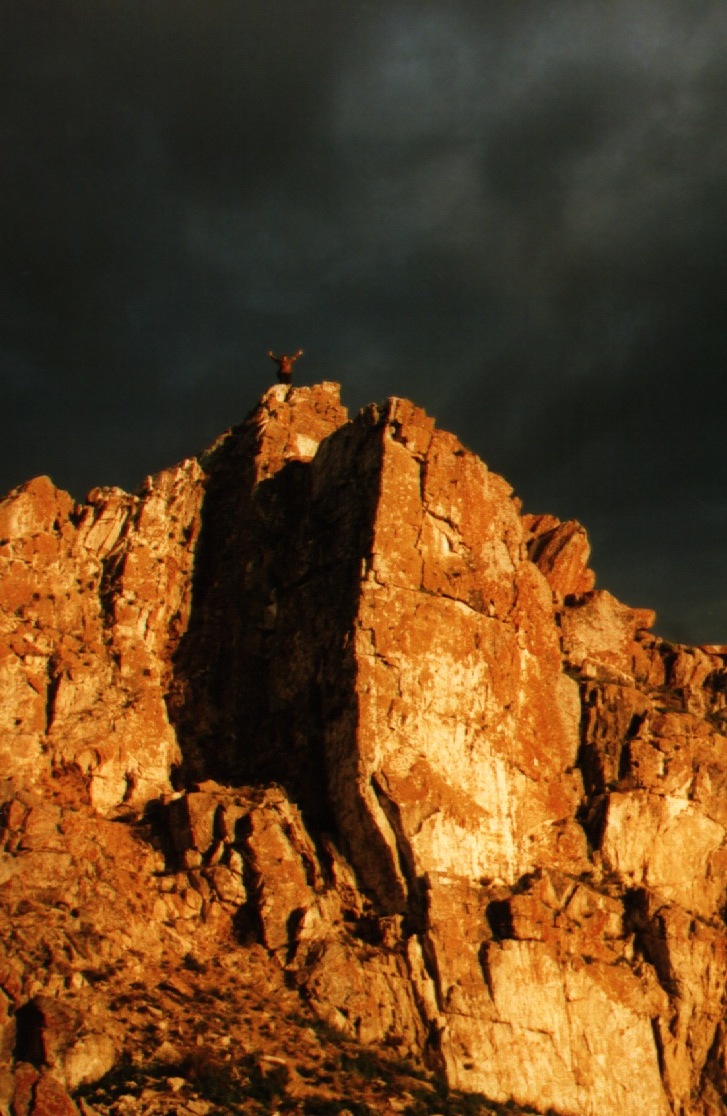
The cave is more of a narrow crack in the rock. The openings are indeed hard to spot, and you get the impression that a person has walked right through the rock. Unfortunately it is easily reached by coach parties and badly defaced. The cave dweller’s markings are buried under a thick layer of obscenities.
When we got back and moved our things to the stop, we found out there would be no bus because it had broken down. Tanya and I went to look for another ride and do some shopping. There were plenty of vehicles in the village, all without number plates, and nobody wanted to drive the 300 kilometres to Irkutsk. We did well at the shop, though. We bought and drank three litres of milk, along with bread baked locally, and ate our fill. We sent telegrams home.
At last we found a ride with the owner of a Toyota minibus. At 100,000 roubles a head he took nine of us and all our packs. The bus was packed to the roof. The driver was not expecting it and spent the whole ride wondering what was wrong with his vehicle. It would not pull uphill, it pulled to the side and bounced at speed, the tyres looked flat and the door rattled. Tanya and I sat in the front seat and looked out the window.
As we drove through Olkhon, ground squirrels darted across the road. For some reason they had to do it right in front of the vehicle. Some were unlucky and got run over. A female capercaillie was hit while we watched, feathers flying. At the ferry we found we still had two hours to wait. We got one last chance to walk on Olkhon and look at Baikal. After peaceful, quiet Khuzhir, we reached bustling MRS, full of tourists. The road climbed the hill from there, then descended once more to the lake and gave us a final view, of Mukhur Bay.
Now we only had to get out of the national park without a heavy financial loss. They checked every vehicle. We were lucky and passed for local Buryats. Perhaps we looked like them after the trip. The road to Bayanday was unpaved and they had begun laying asphalt in places. It was like the Paris–Dakar rally. The road after that was excellent. There were several kiosks on the boundary of Olkhon District and we got out to eat. According to local Buryat custom one should tie a strip of cloth to a stake at such stops. The roadside bushes looked as though they were covered with snow from all the strips. Beneath them, as usual, was rubbish and an improvised toilet.
We reached Irkutsk at 16:00. No convenient trains. The 30th, 31st and 1st are the worst days. Trains that run on even or odd dates miss two days in a row. No trains and no tickets. The next train was number 1 from Vladivostok to Moscow, at 00:07. They said there were never tickets for it. The next one was in the morning. We took turns walking around Irkutsk, a pleasant city. Tanya and I shared a bottle of Bavaria beer. Towards evening I desperately wanted to sleep and decided we had to get onto the train at any cost. When it arrived I made straight for the conductor in charge and we came to an agreement, without even paying extra. We got our gear aboard in a hurry. Off we went. Three days to lie back and worry about nothing. We had tickets to Buy, as planned.
1 August. On the train
In the morning we passed Tayshet, where we had spent a whole day on the way out. We bought food in Ilanskaya. In the evening we stopped for a long time in Krasnoyarsk. I filmed the station.
2 August. On the train
We passed Novosibirsk early in the morning, Omsk in the daytime and Tyumen in the evening. After Tyumen we went through a mighty thunderstorm.
3 August. Train and Buy
We went for a walk in Vyatka during the day. In the evening we arrived in the splendid town of Buy. No suitable trains, so we spent the night at the station. It was Railway Workers’ Day and there was a drinking party at the station. They would not let us sleep. They turned on music over the loudspeakers, a song about a boy wanting to go home. I had had enough, climbed up and pulled the wires off the speakers. There were mosquitoes in the waiting room, more than we had seen at Baikal. I was out of the habit. We still managed to sleep for a few hours.
4 August. Buy to Vologda
We walked around town in the morning. It was tiny and dull. The first train in the right direction was the local from Buy to Vologda, so we took it. It took four hours and stopped ages at Ratkovo-Rozhnovo. The others practically ate me alive for dragging them onto that train. To my mind anything was better than sitting in Buy. It had open-sleeper carriages, so we managed to get some sleep and see Vologda as well.
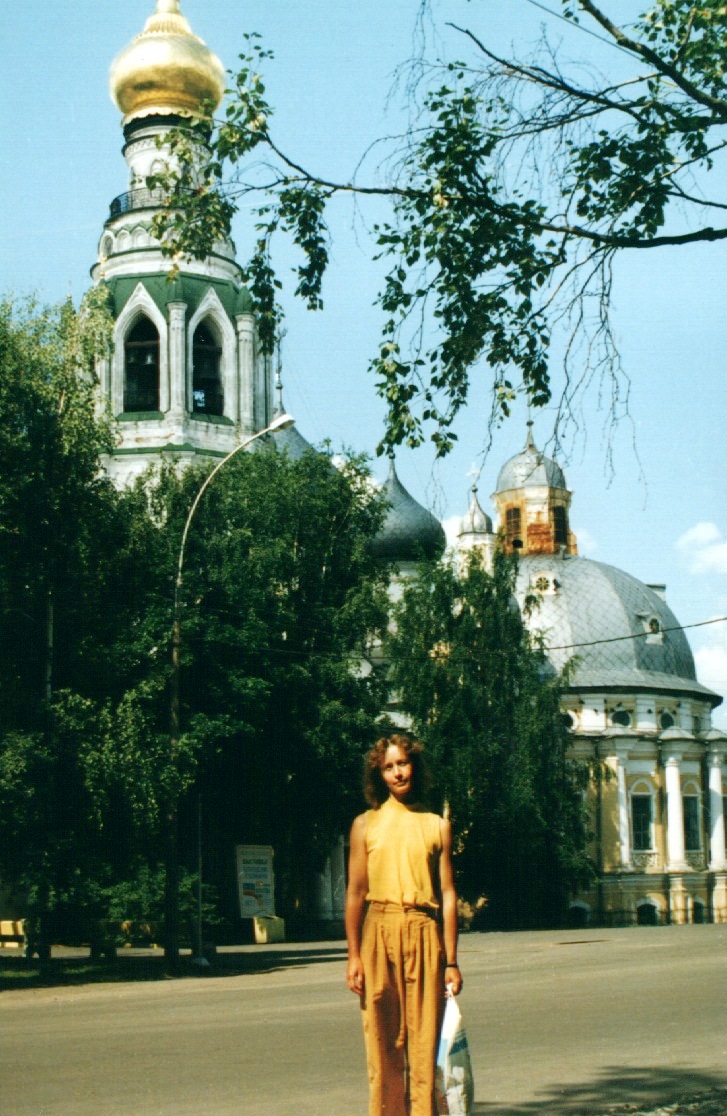
On arrival we got the last tickets for the train from Sverdlovsk to Saint Petersburg. I went to a restaurant and had a thoroughly enjoyable meal. We had plenty of time left to walk around Vologda, so we did. I remember the bell tower. It cost 5,000 roubles to go up and we did, though Tanya squeaked and was afraid of the height. We boarded the train in the evening and started celebrating the Sochavas’ wedding anniversary. We opened a bottle of champagne and shot the cork into the open window. We ate one cake, then another, and a box of chocolates. We fell asleep early.
5 August. Saint Petersburg
Up at 03:00, arrival at 04:20. We were used to Baikal time, so it did not bother us. There we were at the station. We did not feel like waiting for the bus. A taxi for 50,000 roubles and we were home in twenty minutes. Eleven thousand kilometres behind us.