New Zealand
New Zealand, 2003
A kiwi with feathers
Many years ago, when the world was small, you could see the horizon from the window of our house. I even remember how we took the tram out to it. In time I had to admit that you couldn't get there, but deep down I always wanted to try. All right, it would move away as I went, but at least I'd see what lay beyond that beckoning patch of blue I could just make out through the binoculars.
The usual childhood question, “What happens if you ride the tram all the way to the farthest terminus?”, gradually gave way to a question about Chukotka. Then the expanding world closed in on itself somewhere way down in the cold Antarctic seas. What a shame there isn't so much as a miserable scrap of an island directly under our Saint Petersburg, on the other side of the globe. The planet is put together in such a way that almost everywhere there's sea beneath inhabited land. But the nearest inhabited land on the other side turned out to be a fascinating place. That's how I started, little by little, to find out about New Zealand and get ready for the trip.
A good many more years passed before I discovered, quite unexpectedly, that a trip to New Zealand was a perfectly real possibility.
We began with the visas. Back then the New Zealand Embassy in Moscow didn't even require an invitation (see the embassy website for current visa information). You had to show an itinerary, reserve flights and hotels, provide a bank statement to show you could pay for it and attach a few other bits of paper that were easy to come by. You didn't even have to take it all to Moscow in person: you could send it by post. At the appointed time there'd be a telephone interview, and the decision on your visa would be based on that. New Zealanders don't like to turn people down. They do like asking for another stack of papers until the process goes on for ever. Travel agencies and visa agents therefore spoke ill of the embassy. There wasn't a definitive list of papers that would always suffice; there was a certain amount of common sense.
I didn't trust the post, so one freezing December morning I found myself in the queue on Povarskaya Street. What I heard there wasn't encouraging. The women in the queue said this was the most difficult embassy of all; even the Americans were easier to get through. I very nearly ran off to the agents, who promised something or other for $250 a head, but then it was my turn.
It turned out to be much simpler. Rules are rules, but in the end they go by common sense. First they look in your passport to see where you've been and why, and compare it with what you tell them. Ours were full of assorted stamps, and our eyes lit up with anticipation when we talked about the route. I'd booked just five nights. We meant to spend the rest in a tent. That was enough. The telephone interview came down to how my firm would survive without me for so long, and why we had so many visas and stamps from Arab countries such as Libya and Syria. Then they said they were happy to give visas to people like us; we could pay for the tickets and pack our bags.
We meant to fly just before New Year and see it in way off in warm New Zealand. New Year is my favourite holiday, with just one drawback: the cold. Now there was a chance to see it in at the height of summer. We weren't the only people who'd had that idea, and by early November there was practically nothing left. They say you should book in August. We had to pass on the cheaper Aeroflot option and take Lufthansa via Frankfurt and Singapore. Airport taxes and all, the pleasure cost US$1,850 per person. At first we got tickets for 30 December, which meant seeing in the New Year on the plane. But in the last few days before departure we finally made it off the waiting list for the 29th. That would give us ten hours in New Zealand to find somewhere worthy of the occasion.
The long journey began on an Airbus A320. Twenty-five below, a cold airport, coffee out of an urn in a disposable cup for two dollars: none of that concerned us any more. A few steps along the air bridge and we were aboard a German plane, hence abroad. Outside the window the snow-flattened reeds began to race past. The plane lifted off, turned over the southern part of the city and plunged into Saint Petersburg's everlasting clouds. The first breaks in them came over Germany.
It was raining in Frankfurt and four degrees above zero. Infuriating. Fly a little way and there's no winter any more. Peter should have cut his window to Europe somewhere farther south.
We still had our warm Saint Petersburg clothes on and began peeling them off a layer at a time. We even had to buy a bag to put them in.
The next leg was to Singapore: 10,600 kilometres and twelve hours nonstop on a Boeing 747. The route was almost a straight line: Chechnya, Afghanistan, the India–Pakistan border, to say nothing of Ukraine and its air defences. Quite a straight line. I told myself that we were high above the range of shoulder-fired missiles, but flying over a war zone still made me uneasy. I wondered how they did things there. Do military aircraft request a flight level to go and bomb the next village? How do they manage not to run into civilian planes?
On long-haul planes there are television screens in the cabin and from time to time they show a map with the aircraft's position marked on it. I could watch that particular show without taking my eyes off it. Alas, they spend most of the time showing detective stories and other video rubbish. A shame. It's enough to make you book business class, or an A340: there everyone has their own screen and can choose from fourteen channels, one of which shows the map the whole time. Cheaper, of course, to bring a GPS receiver and hold it up to the window for your own independent source of information.
Those of us who like to look out of the window soon had another disappointment. Once everybody had been fed, night was declared on board and everyone was told to close the window shades. That was more than I could bear. I pulled a blanket over my head, leant against the uncovered window and got my look after all. We were flying east, so time went by at double speed. Dawn came over the mountains of Afghanistan. The first red rays touched the snow-covered peaks and fog rose in layers above the valleys. How much my sleeping neighbours missed.
The mountains looked utterly lifeless. Not the slightest trace of a road. We saw the first signs of anybody living there only on the approach to Kabul. Cloud hid the long-suffering Afghan capital itself and didn't clear until we were over India. This was a completely different scene: an unbroken plain beneath the wing, divided into squares of cultivated land. Villages everywhere and a lot of traffic on the narrow roads. Oddly enough, there was no settlement at the very edge of the ocean, not even a road along the coast. The last stretch took us over the Bay of Bengal and Malaysia. The Andaman Islands stood out clearly in the middle of the sea. Malaysia didn't look much different from India except that there were more rice fields and ships off the coast. The sea traffic off Singapore was especially busy.
The plane circled the airport several times and at last touched down. Palm trees everywhere. It was 29°C outside and a thunderstorm was brewing. I switched my phone on. It rang at once. Apparently we needed to sign a contract before year-end and show that the money had been spent. The thirtieth of December is just the time to do the whole year's work. What pleasure it gave me to say I couldn't come in because I was in Singapore and there was no way I'd be back in time.
Singapore is hot, but you barely notice it. You walk straight from the plane down a tube into a beautifully air-conditioned airport. The size is impressive. There must be something like two hundred gates. Corridors with moving walkways go on for kilometres. A fast little train goes from one end to the other. Halls with fountains and aquariums, palm trees, hundreds of shops. I hadn't thought there could be anything bigger than Frankfurt, but this was about five times the size. Why be surprised? Asia has several times Europe's population. Naturally the airport is several times bigger too.
We didn't have Singapore visas, but it looked as though we might be allowed out of the airport. On the immigration card was a fierce warning: bring drugs into the country and the death penalty awaits. There was no queue for passport control, but the city was half an hour away and we had only four hours. We decided to stay at the airport.
Our flight to Auckland was on an Air New Zealand Boeing 767. It was listed as a code-share with Lufthansa, but the plane and crew were already New Zealanders. They wore funny uniforms like English policemen, dark green, with little helmet-shaped hats. Before boarding there was another thorough search.
While we were boarding, the storm broke. The flight was held up by an hour or so. It was pitch dark when we took off.
Another 8,300 kilometres and ten hours to go. A quick meal, then it was night again as far as the airline was concerned, complete with closed shades. There wasn't much to look at outside this time: darkness and unbroken cloud. The first specks of light appeared over Australia. The route cut straight across the continent, entering south of Darwin and leaving directly over Sydney. Almost nobody lives in the middle. Little settlements of one or two houses are tens if not hundreds of kilometres apart.
The fires, on the other hand, stood out a mile. From up there you could see expanding rings of fire several kilometres across. The sun rose on the last day of the year as we approached Sydney. The enormous city, its skyscrapers, its famous opera house and bridge, was laid out beneath us.
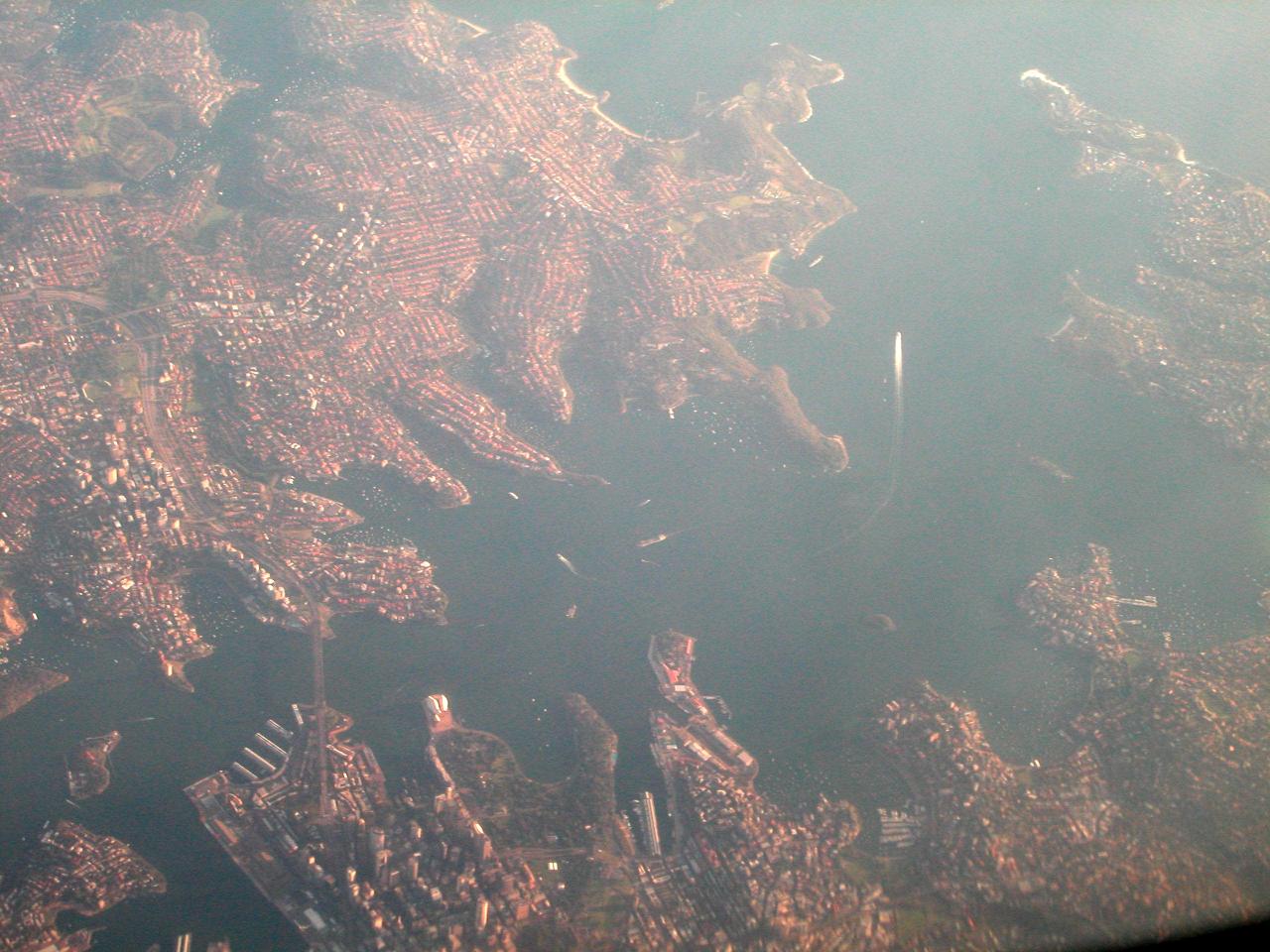
From distant Russia, Australia and New Zealand look as if they're next door to each other. In fact the Tasman Sea between them is more than 2,000 kilometres wide. We spent nearly another three hours in the air, peering into the misty distance and waiting for land.
Meanwhile the morning feeding began. Now you could see the local differences. These people were nothing like as solemn as the Germans. They went about laughing, all a bit comical and a little disorganised. I remember a girl handing out jasmine tea and calling “Jasmine tea! Jasmine tea!” in the voice of a wind-up toy. There were three choices for breakfast, fish or chicken, for instance. That's fine when it's that simple. It's worse when they ask you to choose between two words you don't understand and can't even repeat. I can't tell a rump steak from an escalope in Russian, let alone English. Tanya got the hang of saying “first” or “second” at random. Either way it was edible.
At the appointed time the coast appeared below: beaches with rocks between them, enormous ocean waves breaking on the sand, roads and little villages. I looked hardest at the roads. Traffic kept to the left, and there was plenty of it. I kept trying to imagine what driving on those roads would be like in a few hours' time.
The plane touched down. The longest flight was over. After twenty-four hours in the air I'd got such a taste for it that I was sorry it was finished. Flying is one of the most absorbing things to do. I used to dream of flying a long, long way someday. Now there was nowhere farther to fly. What a pity the Earth is so small.
Most international flights, ours included, arrive in Auckland, New Zealand's biggest city. The capital, Wellington, is smaller and lies among the hills. Its airport is awkwardly situated and most airlines prefer to fly to Auckland.
We began with passport control. There were hundreds in the queue. The officials worked quickly, but we stood for at least half an hour. The only difficult question was where we'd be staying in New Zealand. We wrote down the first motel we'd booked. That did it.
But passport control was just the beginning. At the start of the whole business you had to fill out a card with a host of questions. All over the place there were warnings: two hundred dollars for a wrong answer, a hundred thousand and prison if there were consequences.
On the card you had to say that you weren't bringing anything prohibited into the country, and the list was enormous (New Zealand Customs). It ran from virtually all foodstuffs and Liberian diamonds to articles produced with forced labour or made in pariah states. New Zealand must lead the world in going through people's luggage on the way in. Only Libya might give it much competition, and it goes after tinned pork and products from Israel.
The most serious checks were on things taken from nature. We understood that you couldn't bring in seashells or coral of any sort. They're afraid of something getting into the local waters. I wondered whether they scrubbed and sterilised the hull of every ship that came into port. There was also a long list of things made from protected animals or plants: hippo meat, a crocodile belt or wallet, an ivory earring, a knife with a handle of precious wood. All prohibited. In short, you'd better look very carefully through your things before setting off. They could take exception to any old bit of wood. If it's prohibited they'll take it away and make you pay a fine.
As for animals and anything connected with them, don't even ask. Everything's forbidden. You were also asked to confirm that you hadn't been on a farm or in a wild forest for thirty days, or in prison in the past year. What happened if you had been there, belonged to something or got yourself charged, I couldn't say.
If you said on the declaration that you had nothing to declare you could take the green lane. Even there they'd X-ray everything and quite likely go through your belongings all the same.
Besides the absolutely prohibited articles, there were things they'd let in only after inspection. These included all used outdoors gear: boots, tents, skis, bicycles, gaiters, clothing. Anything that had been out in the bush. They were worried about diseases and seeds.
You had to pack all those things separately, clean off visible dirt and show them in the red lane. They'd take them away to be disinfected, free of charge. After about half an hour you'd get them back after sterilisation. It was worth noting that the process didn't leave them smelling of anything nasty.
Practically all our gear was new, except that on our feet were our trusty old hiking boots. After much hesitation we ticked “yes” and went to the red lane. At the entrance a woman asked to see our soles, made sure there wasn't a particularly thick layer of mud, made a note and sent us back to the green lane. They took not the slightest interest in us there.
My advice, on the strength of that experience: in case of doubt, go to the red lane. You won't lose time; if anything you'll save it.
The formalities were over. We were in New Zealand.
I withdrew a thousand local dollars from a cash machine. NZ$1 was worth US$0.53. Their money was interesting: all plastic, with see-through windows. You could put the notes in water and they'd be none the worse. You could tell it was a country for travellers. One side of every note had a celebrity, the other some form of wildlife. On the coins, the English Queen and a kiwi, a heron, and Cook's Endeavour.
We'd booked a car. Over the internet, through the AA's rental directory, the only company we managed to book with was the international firm Budget. It was expensive, but the smaller companies hadn't answered our emails. We could have taken our chances and looked for a car in town, but on the afternoon of 31 December that seemed risky. We might have ended up with no transport for the whole long holiday.
So it was NZ$80 a day. A sad business, but at least we could wheel our luggage trolley straight up to the airport counter, sign without a queue and be handed the keys like civilised people. The one hitch was that they said we could drive this car only on the North Island. To go to the South Island we had to turn it in and get another one there. It made financial sense: we wouldn't have to pay to take the car on the ferry. It did mean a lot of extra bother. We had no idea how much trouble that would turn into, and agreed. Experience taught us to choose a company that lets you take your car between the islands. With a longer booking you'll make up the NZ$300 difference, and save yourself at least a whole day as well.
Having dealt with the paperwork, we left the airport building with the same luggage trolley and went looking for the car park.
And at that moment we finally saw the bright summer sun and the riot of greenery of a December summer. The miracle had happened. It was even hot, much like summer in Sochi. A little cooler might have been more comfortable.
Everything was splendid, except that I was scared stiff. There was our car, a Toyota Corolla. Only two months old, not yet 10,000 kilometres on the clock. Poor thing: it had drawn the short straw and had to go about with me in a country that drove on the left. So young, and it might meet its end at the first junction. I opened the door with trembling hands and got in. Then it occurred to me that I simply didn't know how to work an automatic. I'd been allowed a go in one once, but I'd forgotten it all. Two pedals, fine. But how are you supposed to start it? With the lever in Park? Somewhere else? I tried the key. Nothing. It caught about the tenth time; I couldn't tell you why. The car park was crowded and tight. Better find another place to experiment. It was running, anyway. We could learn later. At least I understood R for reverse and 2 for low gear going forward. That would do for now. I eased my foot off the brake. It moved. Odd that I had to press so hard on the accelerator, and that I hardly needed the brake. It was half an hour before I realised I still had the handbrake on. Never mind; first get clear of the crowd. There I was, backing very gently, since I hadn't got as far as trying anything else, when a car came towards me. Going forward, I'd have remembered which side to pass on. Backwards, though ... Somehow we got past each other. From the other driver's eyes I could tell I hadn't observed all the rules. Gathering my courage, I changed direction. The first few kilometres. I could do this. I even got through a roundabout. Nearly all the junctions in New Zealand seem to be roundabouts. You always give way on entry, as in Europe – to the traffic coming from the right, fortunately, which is easy to get used to. It's much harder to pick the right exit lane, particularly on a dual carriageway with a median. The right-hand side calls to you. Traffic was busy. People didn't park on the shoulder. In our fright we hadn't got out the map, and now we drove wherever the road let us. That generally meant straight on or left: in other words, in circles. It felt like driving for the first time after passing the test. Half an hour later I'd got the hang of it a little and parked outside a shop. We got the map out and looked about. No idea where we were, but plenty of signs, so we followed them. Before long we were on the motorway, State Highway 1. Everyone in their lanes, almost as at home. At home I always drove in the far-left lane; I'd do the same here to begin with. Naturally you had to look out for anything on your left before changing lanes. Nothing new there: at home a Mercedes on your left is dangerous too, and always in the right. Oh, and I couldn't find the rear-view mirror. You look and it isn't there. You remember to look the other way and by the time you've switched your gaze it's already too late.
We got out of town and calmed down. We even began taking video and looking about. There was such a beautiful forest around us! Everything in flower, birds in the air, bright reds and yellows, greens running riot in every shade.
We saw the familiar McDonald's sign and turned in for coffee. I was terribly sleepy. I hadn't slept for two nights, in fact, and there were still 300 kilometres to go. We had a Big Mac. Everyone spoke English, but the barely intelligible sort. They asked us a heap of questions we didn't understand. Rather dispiriting. Tanya had studied for two years, finished everything Denis' School had to offer and collected a stack of certificates, but she still couldn't manage to speak English.
Then we tried crossing the road, which was dangerous too. You could make yourself look left first – no, right – but halfway across there was no more time to think. All you could do was stride boldly under the wheels of a car coming from the left.
Only fifty kilometres from Auckland, the motorway merged gently into roadworks and the narrow old road with no median. Traffic was heavy, almost at a standstill at the entrance to towns. Of course an empty road is nicer, but when you're falling asleep and everyone's driving on the wrong side, it's easier to tuck in behind someone and follow as if on a towrope.
One nuisance: it was hot out, and I was wearing winter hiking boots. We had nothing else. We'd meant to buy shoes at a supermarket on the way out of Auckland, until it turned out this wasn't Europe. Supermarkets sold food, with a few household goods and things like batteries thrown in. There weren't many, and they were near town centres, not on the way into town. People did most of their shopping in little specialist shops. Those were in the centre, where we were afraid to drive: narrow streets and junctions without lights. There were still grocery shops where they took a scoop to enormous sacks and weighed grain into little bags.
We ran out of patience in Hamilton. In we went to the centre, where I bought sandals and a light shirt. Hurrah, life was possible again. Then I turned right onto the main road and nearly caused a crash. I'd let through everyone coming from the right and made it to the middle. I let the oncoming traffic go as well. The cars hurtling along from the left, though, I never saw. The poor man nearly went up on the pavement. Hmm. No guarantee we'd live to see tomorrow.
We planned to spend the night in Rotorua, a small tourist town by a geyser. Another 150 kilometres to go. The road was hard going. Every few dozen kilometres we stopped and ran round the car a few times to stretch and wake ourselves up.
We reached our destination without mishap. The motels nearest the geyser were full and very expensive. A room could cost several hundred dollars, but the town had a vast number of motels, hundreds by the look of it. The whole main street seemed to consist of one kind of accommodation after another. In New Zealand, as far as we could see, it was almost impossible to be left with nowhere to sleep, so there was no need to book anything in advance.
There were several ways to stay the night.
A hotel. You could usually find one in even a small village.
A double usually cost NZ$60–600, with a substantial, tasty breakfast included. A very decent room was a little over a hundred. More than that was for the swankiest hotels or an exotic location, say, looking out on a geyser. Sometimes the room had an electric jug; more often there was one for everybody on a table in the corridor. In cheaper hotels the bathroom and toilet might be in the corridor too.
The hotel shades gradually into a sign saying B&B – bed and breakfast. Very often it's outside a house where the owners let a spare room to make a little extra money. Usually it stands empty and you'll be greeted with delight as rare and welcome guests. The only thing is that there's a fair chance the owners won't be home; by nine at night they've gone to bed.
A simpler alternative was the BBH network, Budget Backpacker Hostels. In other words, cheap digs for the rucksack brigade. The rooms are very small and have bunk beds. There may not be any linen. The shower and toilet might be down the corridor or in the room.
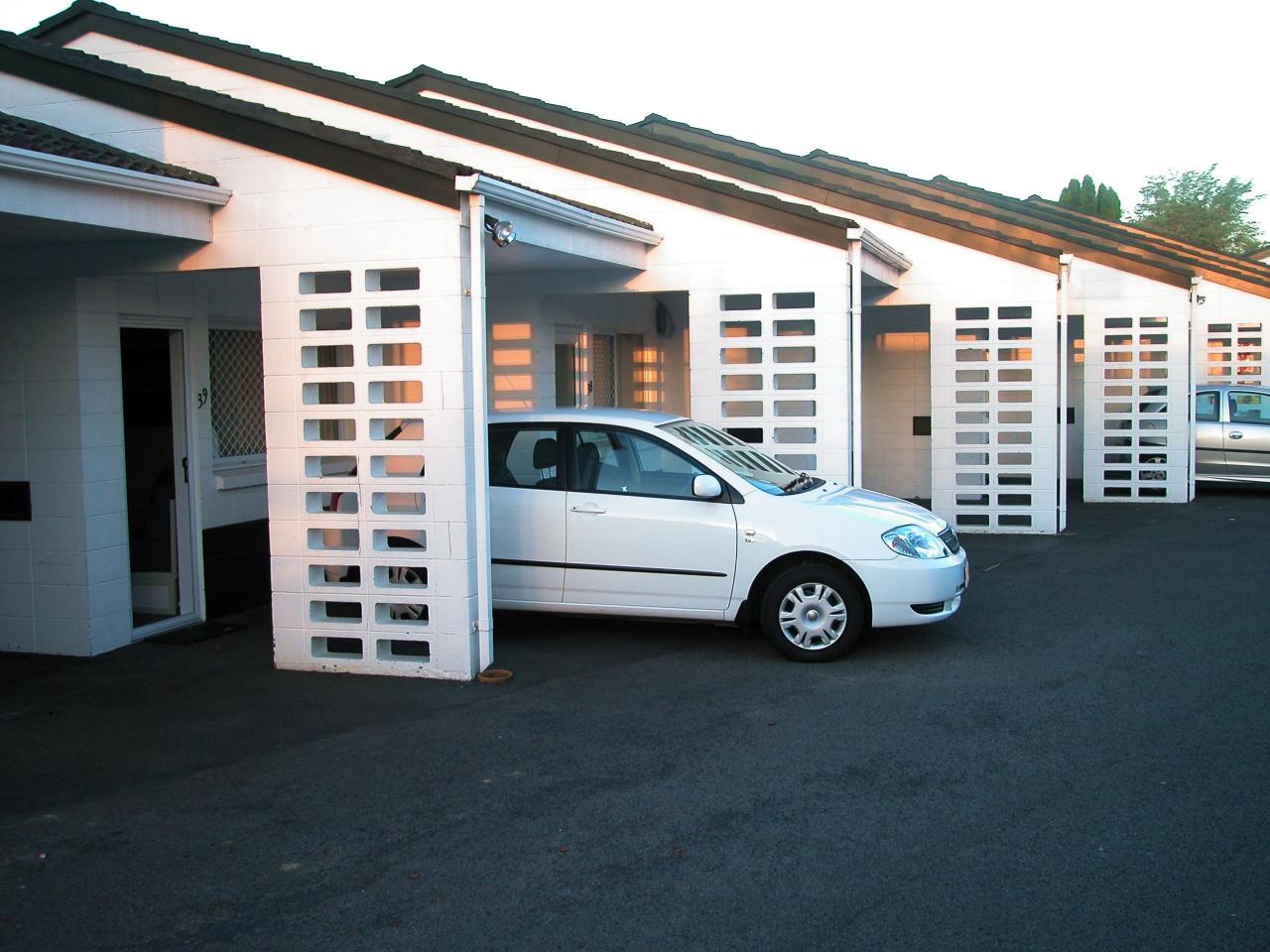
A motel means parking right outside your door and a fine array of kitchen equipment: stove, microwave, toaster, electric jug, coffee maker, fridge, all sorts of pots and pans and plates and other odds and ends. A bathroom and toilet in the unit are taken for granted. Breakfast isn't included. They can bring it on a silver platter if you arrange it the night before, but it will cost more than at the café next door. The room may have cans of beer, crisps and other rubbish, but those cost extra. A motel double was NZ$65–110, usually around eighty. The unit was generally big, with two or three large beds, sometimes in separate rooms. You could fit four in without trouble, or possibly ten.
There were campgrounds too. Two people could stay in their own tent for NZ$10–20 or in a little cabin without bedding for NZ$20–40. The facilities were in a separate building. Some campsites operated on trust: you picked up a numbered envelope, removed the tag, wrote the date on it and attached it to the car or tent, filled in a few boxes on the envelope, put the right sum inside, and dropped it in the box.
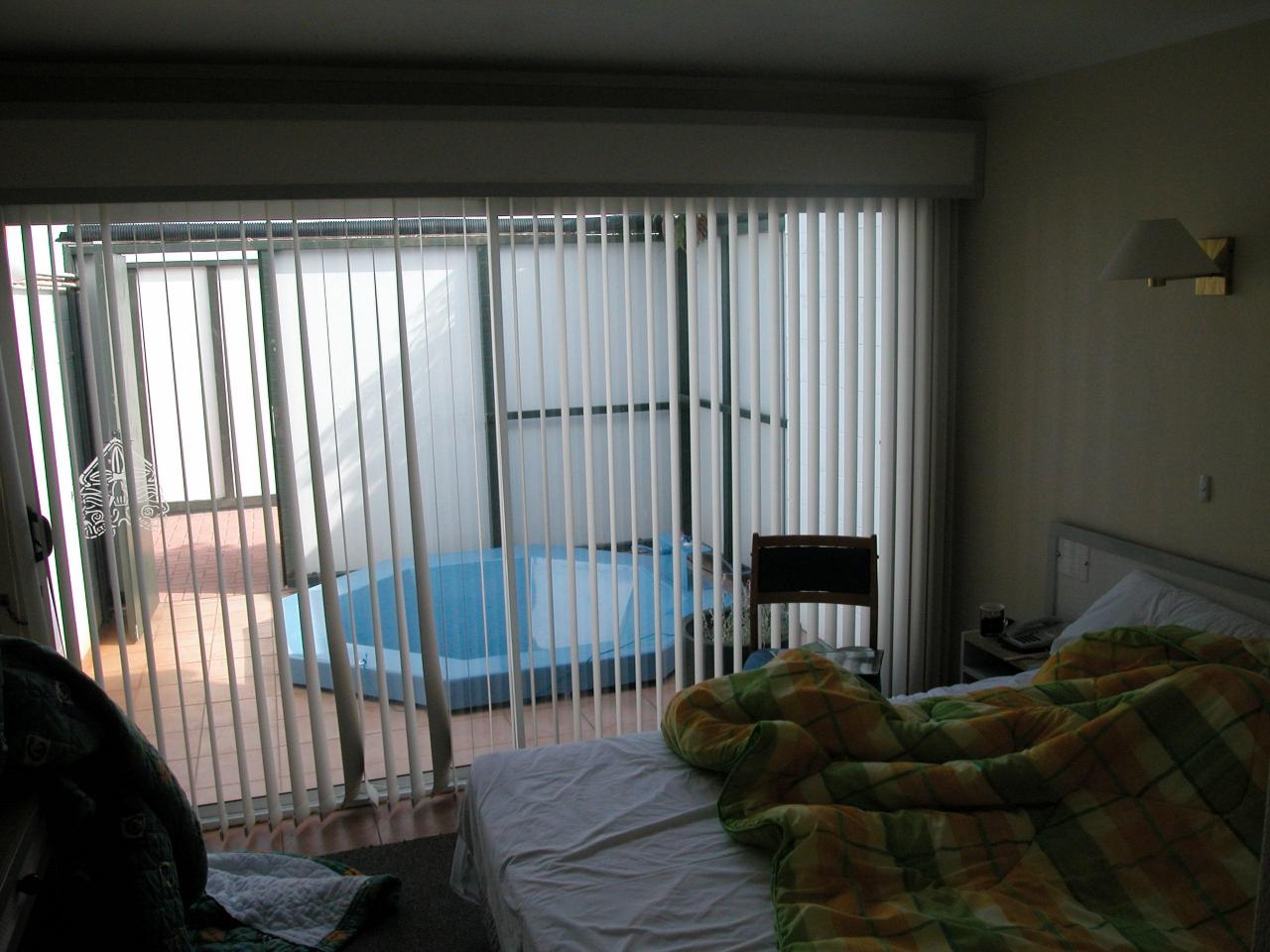
In Rotorua the nearest room we found to the geyser was at the Alpine Motel, at NZ$110 (38°09.515′S, 176°15.437′E). Expensive, but Rotorua is an expensive place. We could no doubt have found something cheaper, but that meant a lot of driving around town, parking, turning round and attempting other daring manoeuvres on the left. For our first day that was a bit much, so we went looking on foot, which sharply narrowed the search. What's more, it was almost six in the evening and people were beginning their New Year celebrations. A little longer and we might have been out on the street. Rotorua is a resort in a geothermal area. The thing to do here is to soak in a warm puddle. By tradition any decent hotel has to have its own thermal pool with a little geyser, preferably a private one for each room. Rotorua has plenty of warm puddles, but still vastly fewer than visitors. A private puddle therefore costs a great deal and has to be booked beforehand.
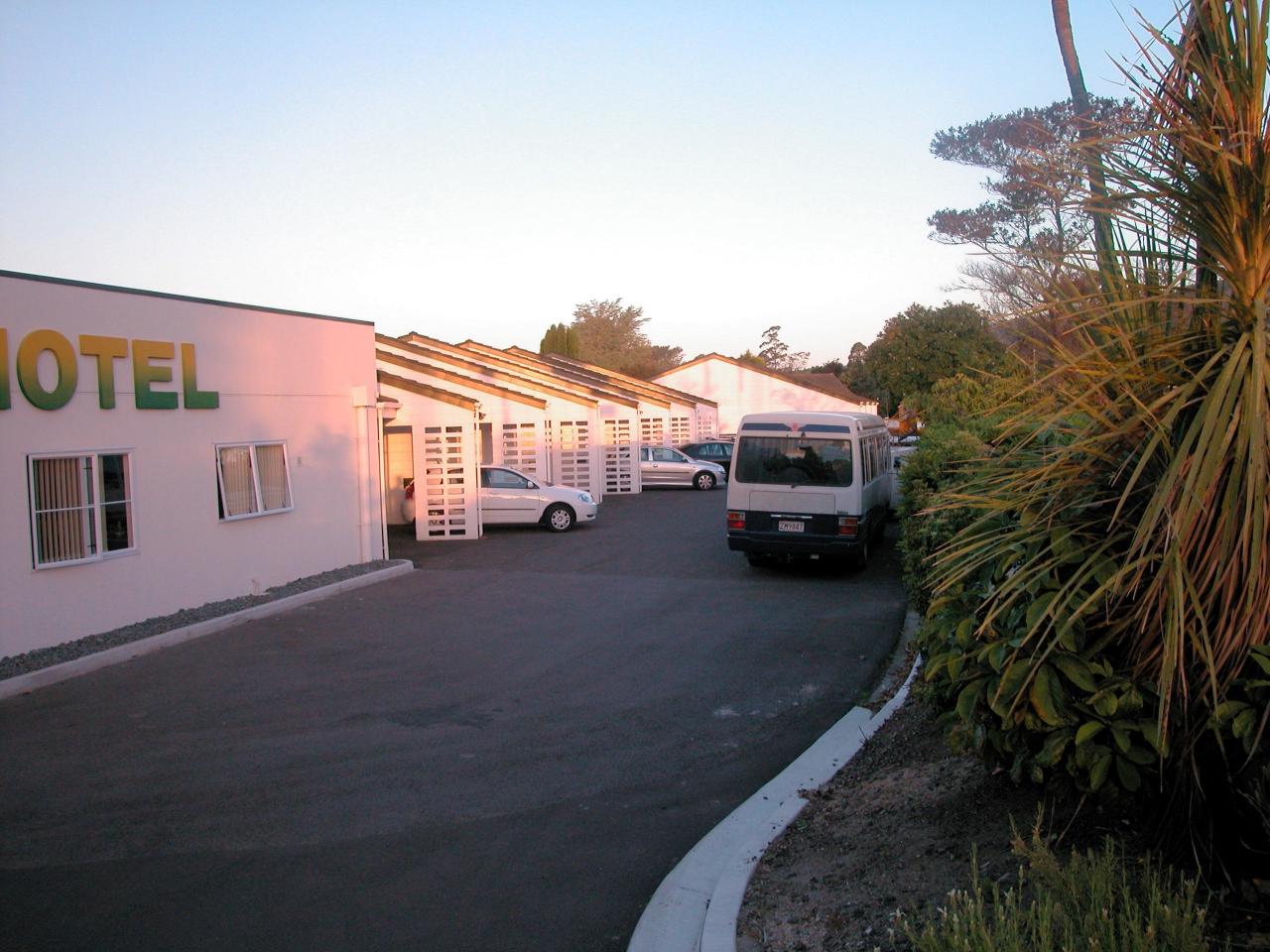
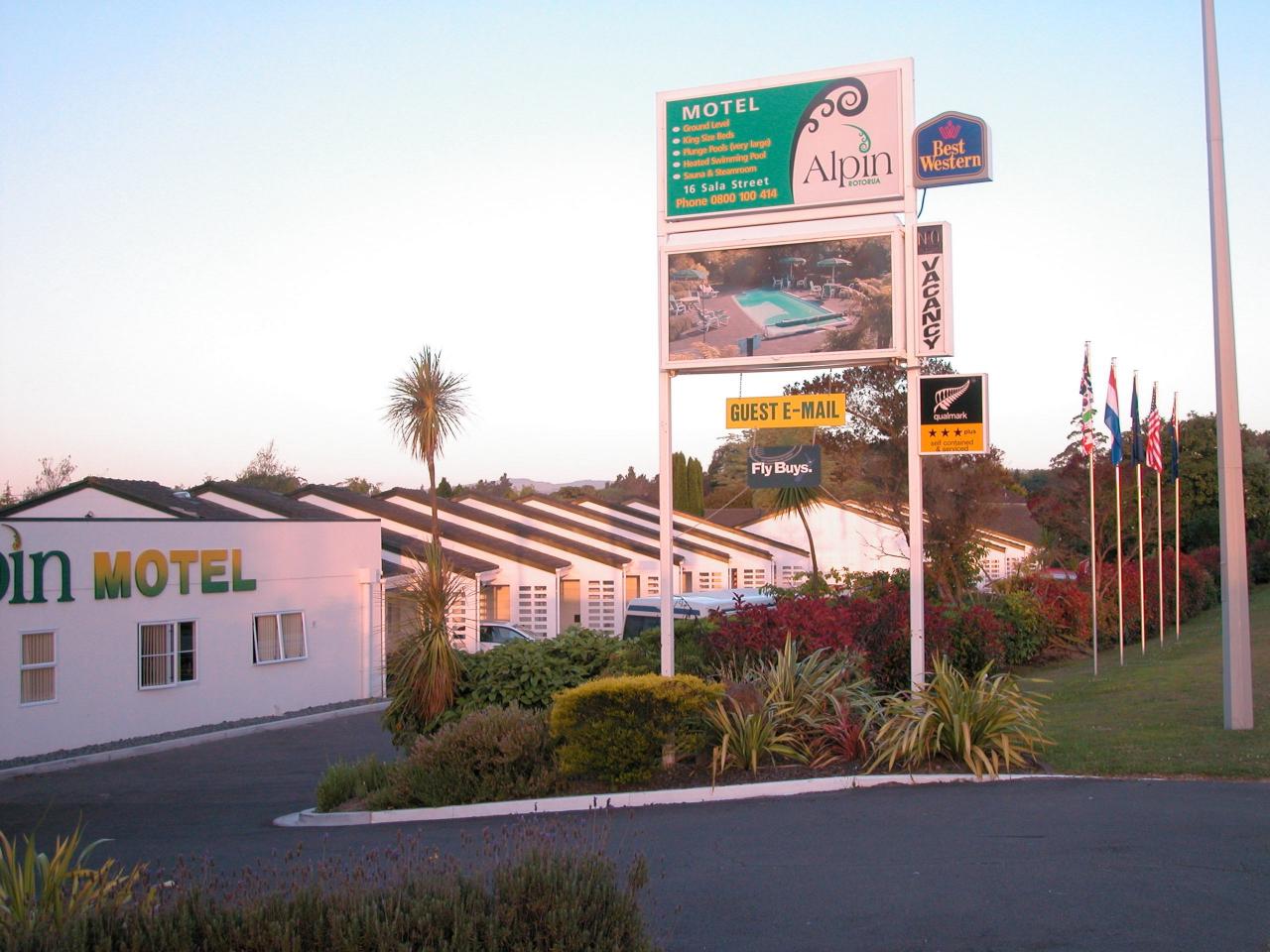
They solved this simply. Put a two-by-two-metre bath with an air compressor in each room, call it a Private Spa, and now every hotel advertises its very own plastic geyser.
We left the car and went to look for groceries. Finding something edible on New Year's Eve wasn't as simple as we'd thought. The shops had long since shut. On Fenton Street, the main road, just one shop was open until eight, and we got some food there. In Europe alcohol comes from a specialist shop that opens for a few hours a day; here it's the other way round. Wine is everywhere, and the specialist shops open when everything else has closed. You can also get something to eat at petrol stations. Many stay open round the clock, though by no means all; something to keep in mind if you're driving at night. Speaking of fuel, diesel was about NZ$0.68–0.69 a litre and Super petrol NZ$1.03–1.09. The attendant usually filled your car for you. The one thing I didn't understand was whether you had to tip. It looked as if you didn't: I never saw anyone else do it, didn't do it myself and saw no puzzled faces. New Zealand is pretty free of tipping altogether. Nobody expects it even in restaurants, and an attempt to give someone a tip can come across as arrogant or disrespectful.
We got a bit more to eat at a BP station. Everything was sorted. The enormous journey was behind us, and so was 2002. We could relax and celebrate the New Year. All around us was the dusk of a fine summer day. Crickets chirped in the bushes. The last rays of the red sun lit the tops of strange southern trees.
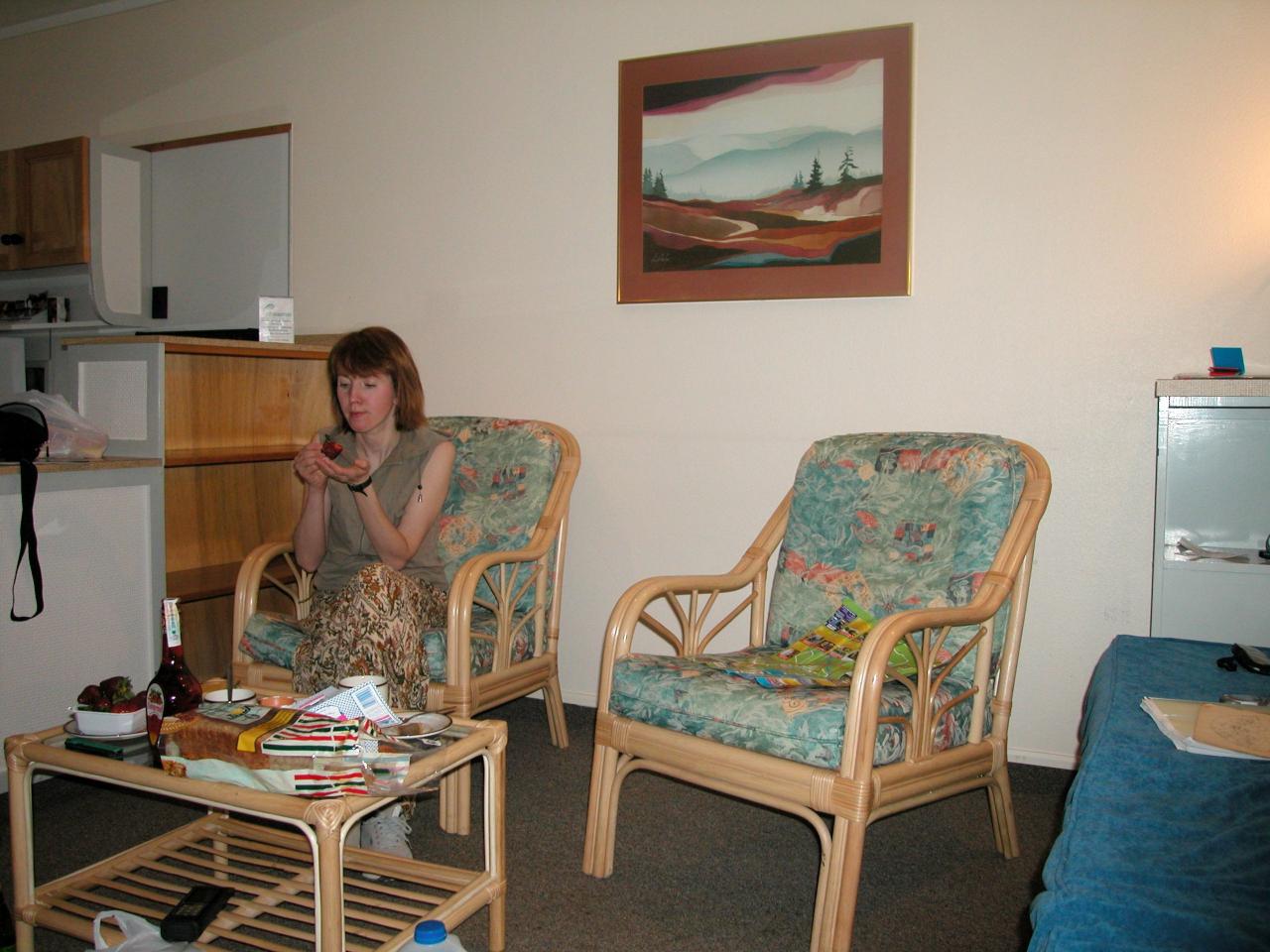
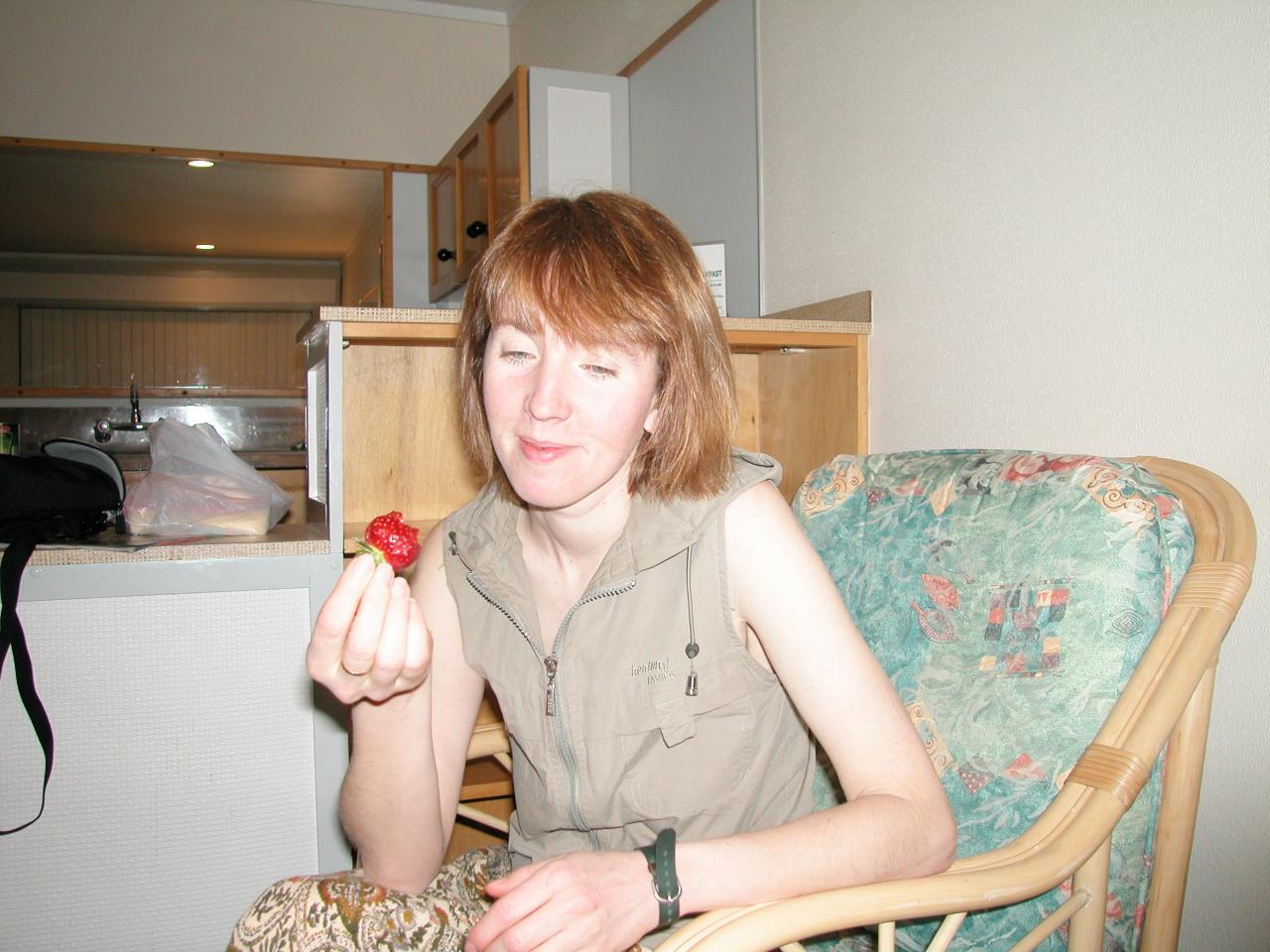
It was strawberry season here. Two dollars would buy a little box. So Tanya and I sat in front of the television and ate strawberries. There was a concert for the fiftieth anniversary of Elizabeth II's accession. Very pleasant music.
Throughout my childhood I'd had a recurring dream that I was in New Zealand, went outside one evening and saw an unfamiliar southern sky. I'd forgotten it for years, of course, but now I remembered. The moment had come. I took a few steps and there they were, the Southern Cross and the Magellanic Clouds. I found the stars on the chart and tried to learn them. Their names are full of the spirit of the great voyages of discovery: Bird of Paradise, Peacock, Indian, Toucan, Goldfish, and Flying Fish for good measure. No Great Bear, though. At the latitude of the middle of the North Island, you can see only the southernmost star of the Plough, and then only in the local winter. In the far south of the South Island you can't see so much as its paws.
We wanted to celebrate properly, but wanted to sleep even more. We decided on a two-hour nap. I set alarms on all the phones and that did the trick. We didn't sleep through New Year. We shared a bottle of Saint Petersburg champagne. We couldn't be sure of getting anything to drink here, so we'd brought a bottle from home to be on the safe side.
We woke up at about eight in the morning, local time. Russia was ten hours behind. In that faraway cold country it was still last year. We made coffee. Motels normally set out a few sachets of coffee, cocoa and tea.
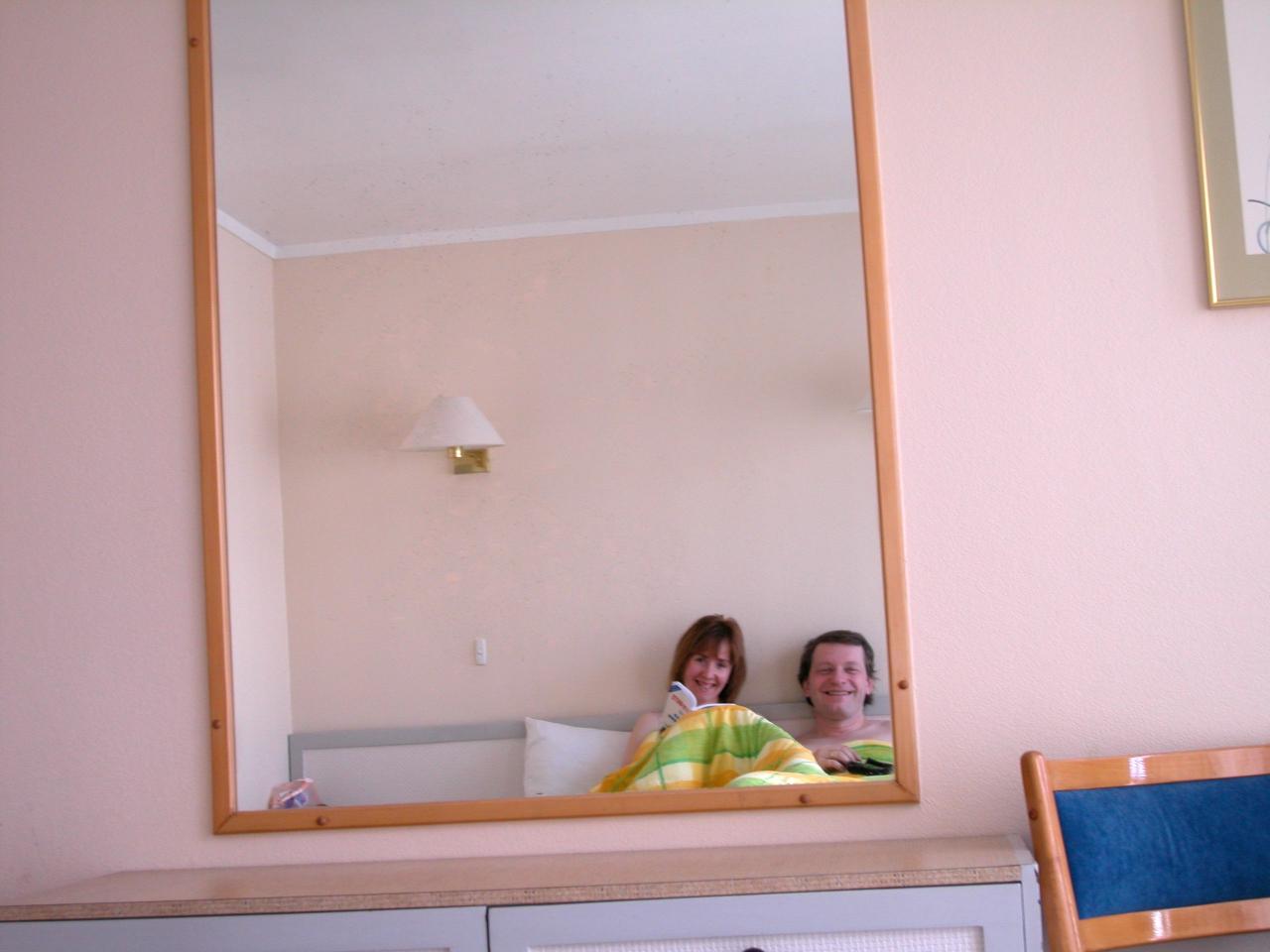
We saw in the New Year a second time on Moscow time, watching CNN. They had a live picture from Moscow with the Kremlin bells. Amusing and rather annoying. However far you go, you can't get away from the Mausoleum and the Spasskaya Tower.
New Zealand had several television channels. TV One was the main one. Large motels had satellite television. In some towns there was a local channel too, “Geyser TV” in Rotorua, for example. The programmes were a pleasure to watch. No sex or violence. The ads were infrequent and not irritating. Lots of public service announcements: don't drink, don't break the rules and so on. In Russia, for instance, they suggest you pay your taxes and go to your eternal rest.
There were several channels, but most of the public service advertising was against reckless driving, smoking and drink. Here's an example. A helicopter, sirens wailing, and rescuers cut a girl out of the wreck of a car. She's screaming in terror. A man tries to take her hand, but it's broken and covered with blood. Then he remembers driving with the girl he loved, stroking that hand before anything had happened to it, overtaking everyone.
They also gave plenty of airtime to a DIY programme, showing you how to make nice things yourself without spending much.
At Russian New Year's midnight I sent a great many text messages. An expensive pleasure from New Zealand: thirty-seven US cents plus Russian VAT. There was only one GSM network, Vodafone NZ. There was also a CDMA and TDMA competitor, Telecom New Zealand. Neither had good coverage, probably no more than a quarter of the country. In Norway, where population density and distribution are much the same, things were immeasurably better.
Calls were worse. Incoming calls were US$4.15 a minute; calling Russia was cheaper, US$2.83 for sixty-nine seconds. It was very costly, so I bought a prepaid local SIM. You could do this at Auckland Airport. There was a stall where it was also worth getting an adaptor to put a European plug into a New Zealand socket. Oddly enough, adaptors weren't easy to find after you'd left the airport.
For foreigners Vodafone offered only prepaid cards. One cost NZ$20. Five dollars was refundable if you brought the card back when you no longer needed it. Ten could be credited to your account if you filled out the enclosed form and mailed it free of charge. I did, but as of writing nothing had been credited. The account came with no money on it, so you needed to buy a cardboard recharge card and enter its code. The cards were available at just about any shop. Look for the PrePay sign.
The cards were of the SIM² standard. They had more memory and a host of extras. The main advantage, though, was that the phone displayed the name of the base station instead of the obvious network logo. Very handy for finding out where you were. Unfortunately roaming was for New Zealand citizens and permanent residents only. I'd been ready to take the card home to Russia and use it in the car to see where I was. New Zealand SIMs lasted a year from the last top-up; you could put even a single dollar on them with a credit card. There was no monthly fee.
All well and good, but the chief reason to buy a local SIM was that calls to Russia then cost less than US$1 a minute. Texts worked both ways, too, and sending one cost twenty local cents.
The room cleaner put an end to our idle morning. Apparently throughout New Zealand you're meant to be out of the room by ten, and we were reminded to make up our minds: stay another night or get out quickly. We'd already paid for the next night at the motel next door while still in Russia, for the embassy's sake, so out we went.
We started the day with the most famous geyser (Whakarewarewa). Tickets were NZ$18. A Māori performance came with the price, whether you wanted it or not. The Māori we encountered had long since come to live much as Europeans did. To us they seemed to occupy a lower social rung more often than not, but we saw no obvious hostility with the white population. They did often live separately, and there weren't many mixed marriages. Many worked in shops or services, but the tourists had to be shown something exotic. They paid a lot for it. So a local man arrives in an expensive car, takes off his suit, puts on a loincloth and goes out to dance. Tastes differ, and some may enjoy it, but Tanya and I didn't last five minutes. In a place like Tonga the locals put on a much better show. Here the whole thing looked rather synthetic.
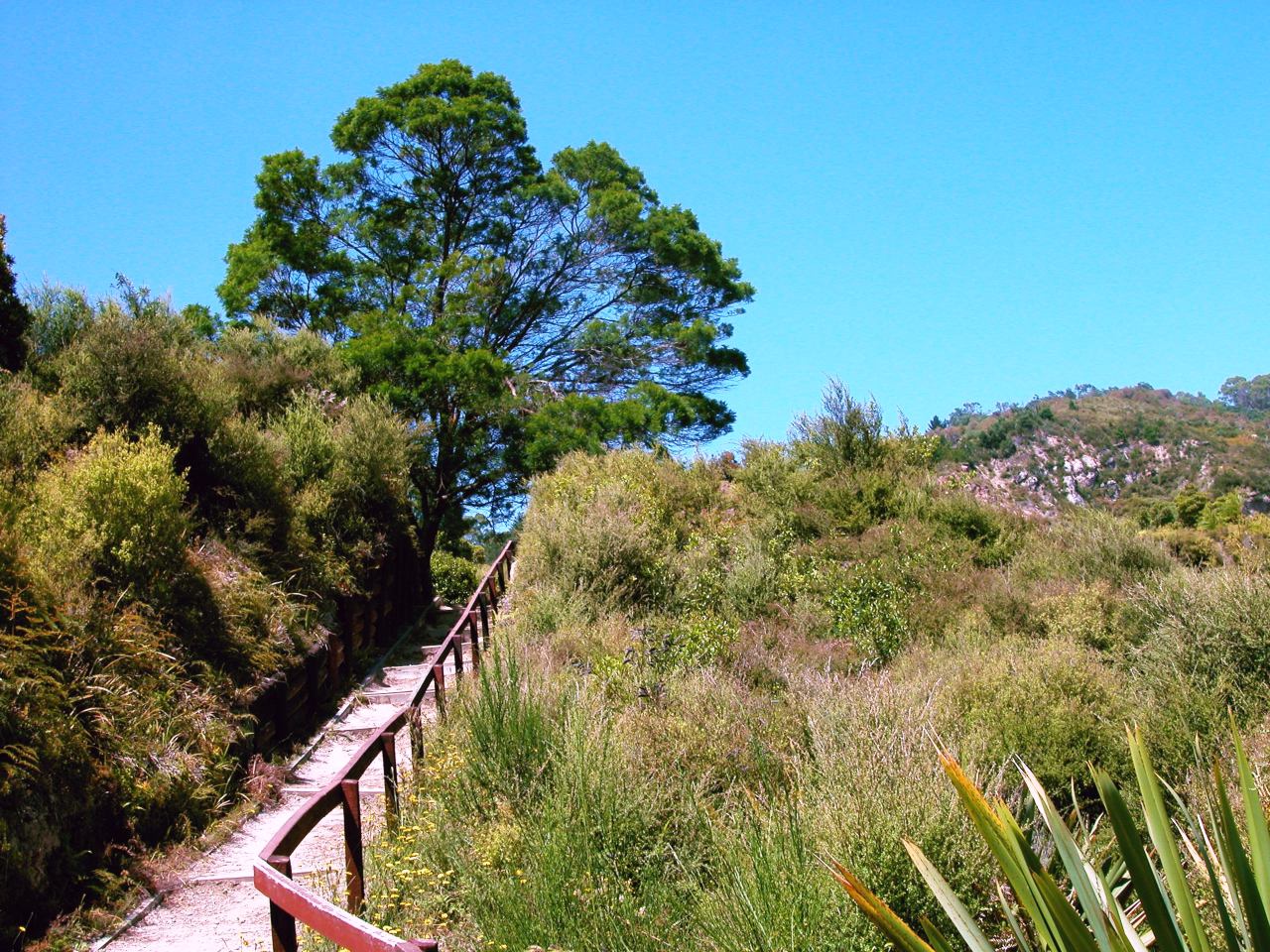
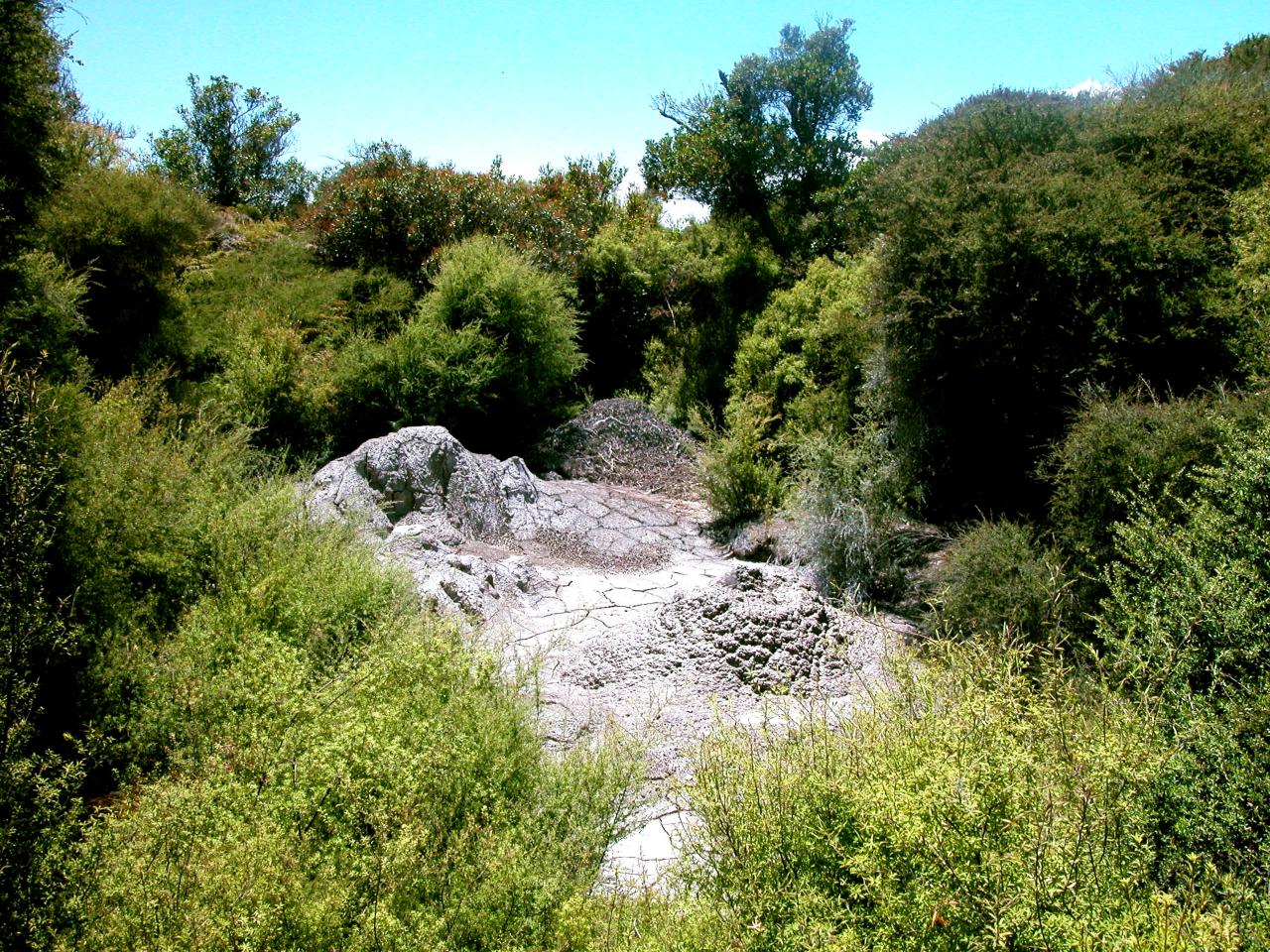
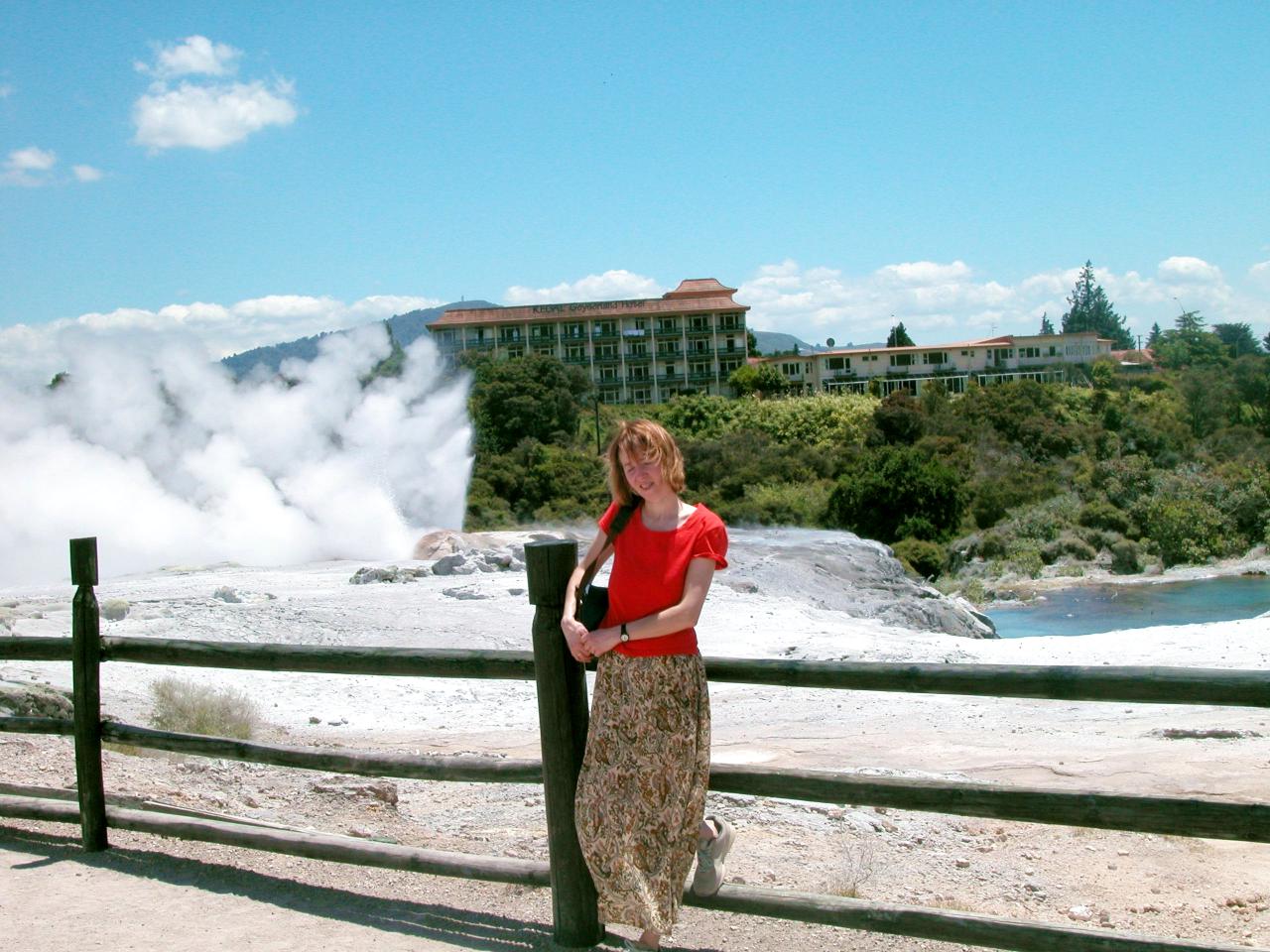
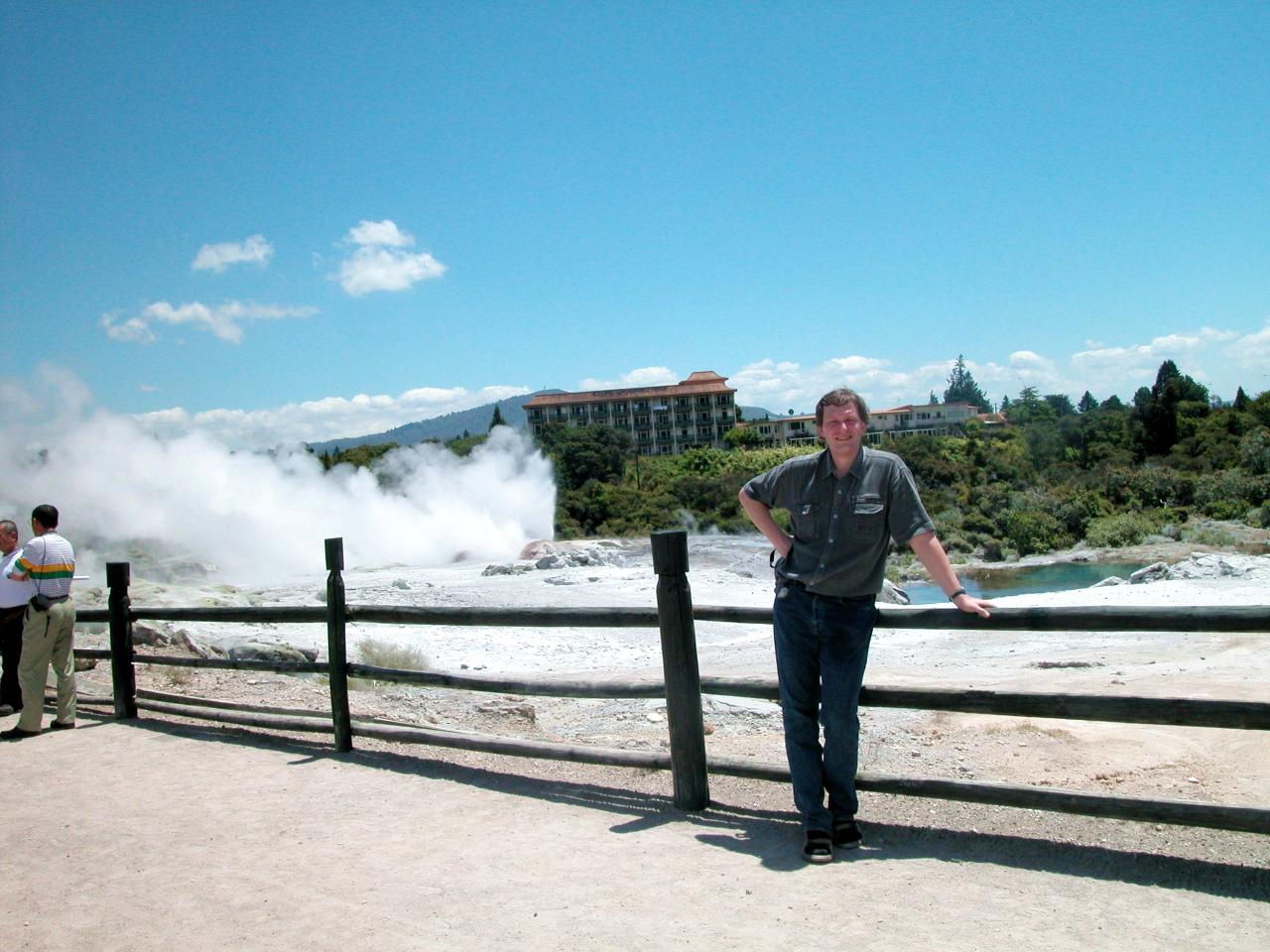
We went for a walk among the bubbling pools and mud volcanoes. There are paths everywhere and you're not allowed to leave them. No one was watching, but that didn't take away the feeling that you were in a cage. In Iceland all this is much easier, and admission is free. What particularly annoyed me was that for the NZ$36 we'd paid we could look at the geyser from the left; to see it from the right you had to go round to the other side and pay just as much again. The geothermal area is divided by a fence. Usually, in the Western world, people don't go climbing through fences, and we respect local customs. Here, though, life is richer than that. The locals had worn a path and broken a hole in it. We stood and watched the New Zealanders climb through, little old ladies with sticks included, and then followed their example. Let's call the money we saved a refund for the part of the Māori show we didn't watch on either side.
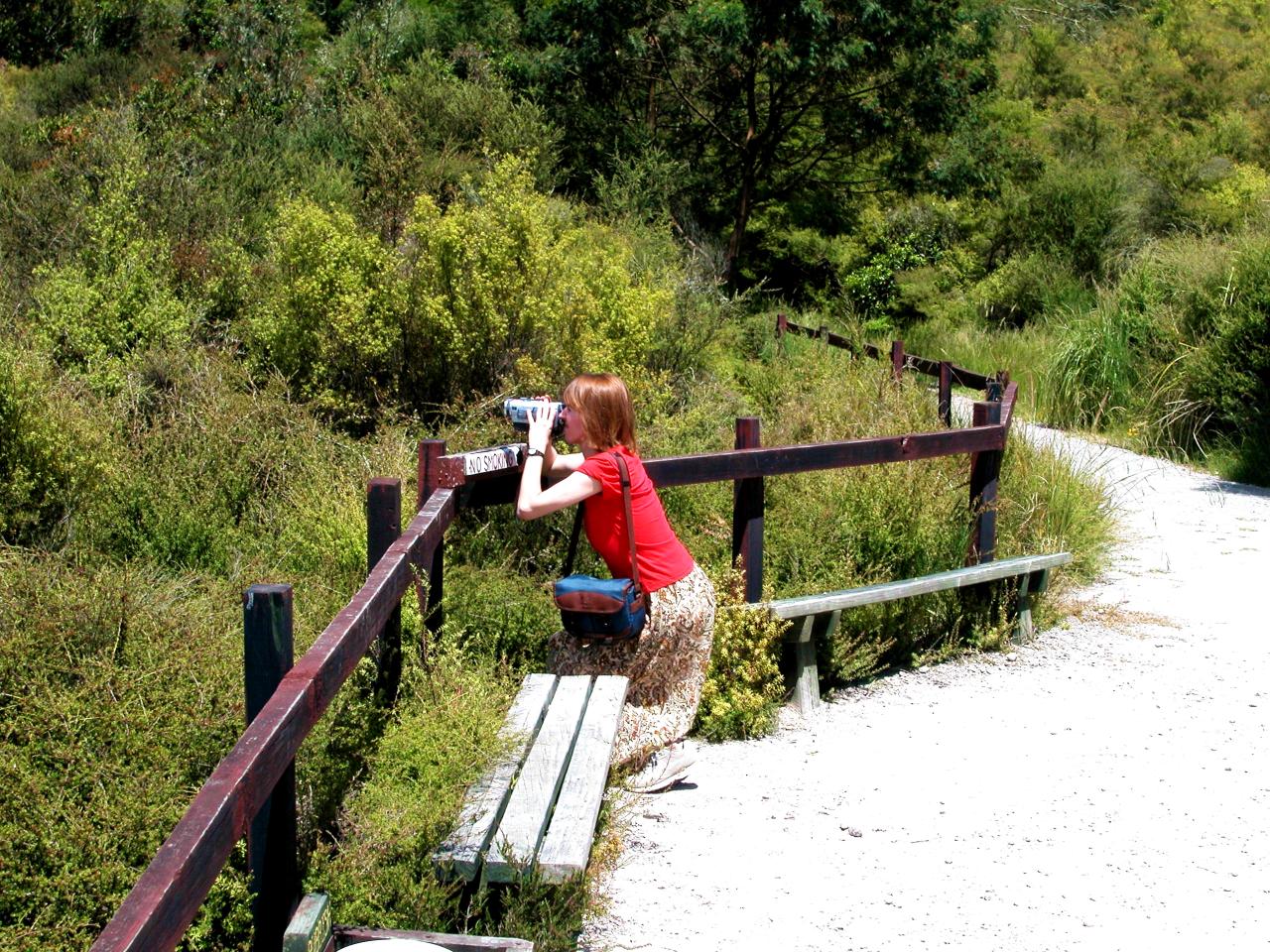
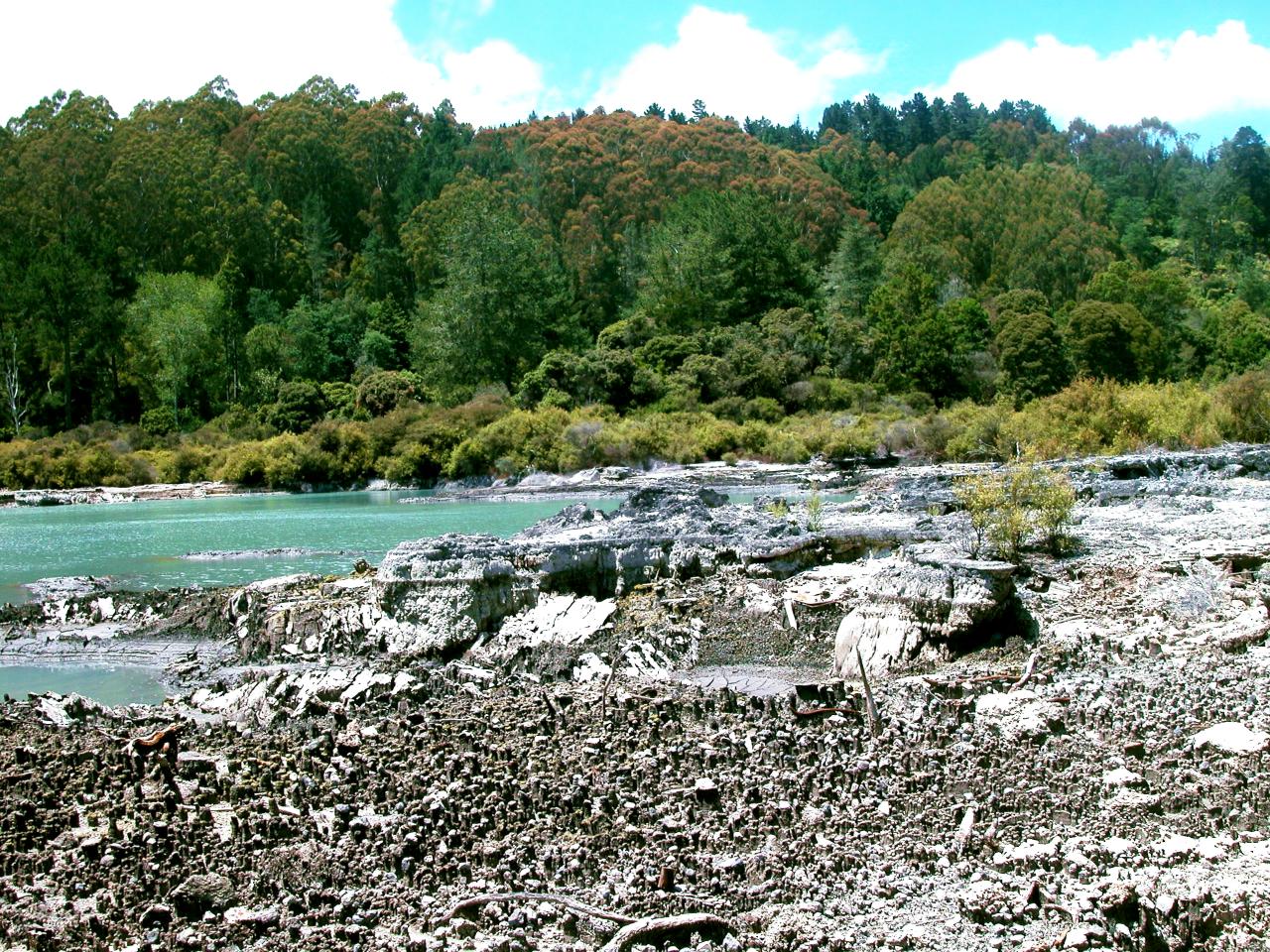
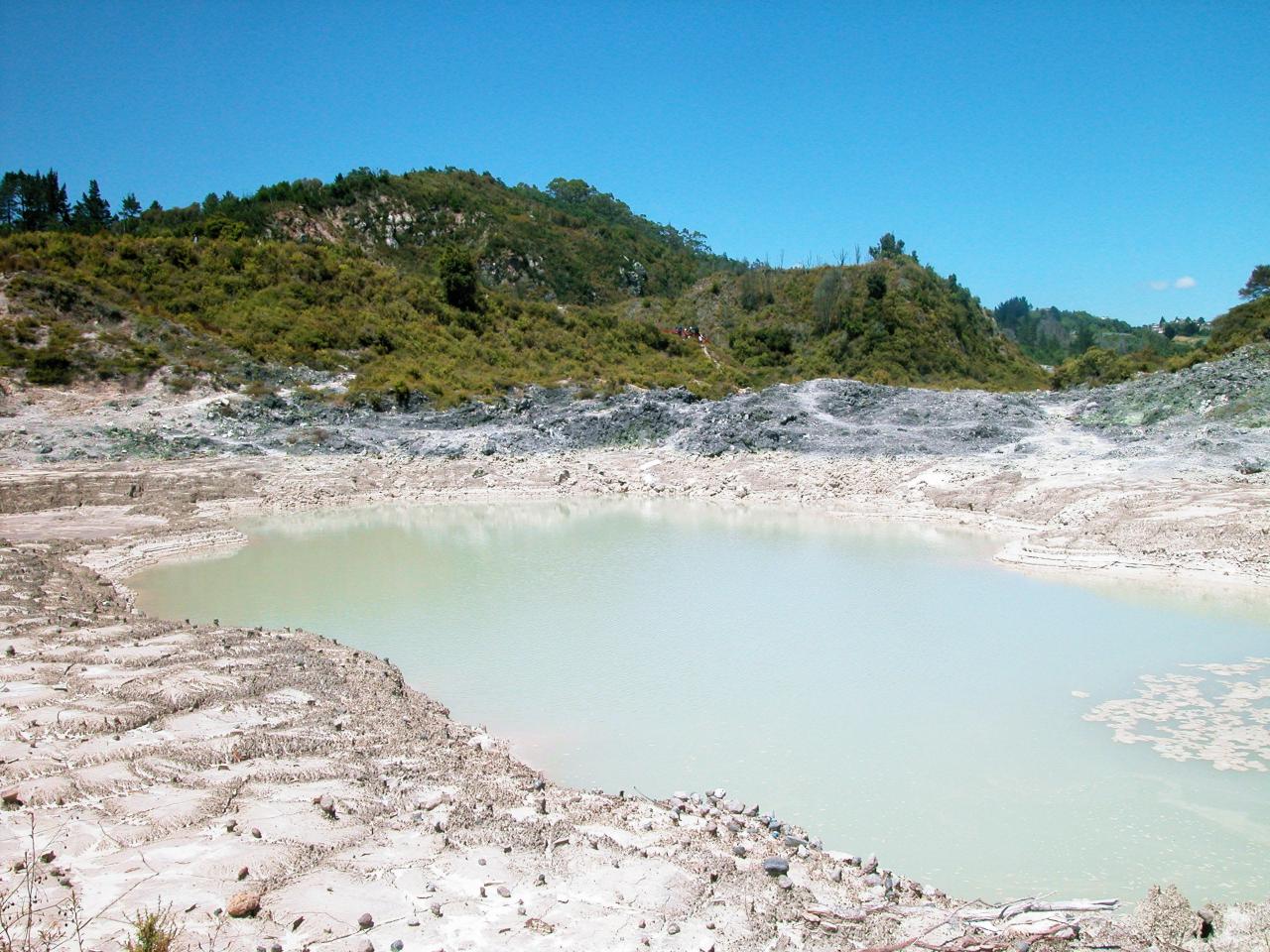
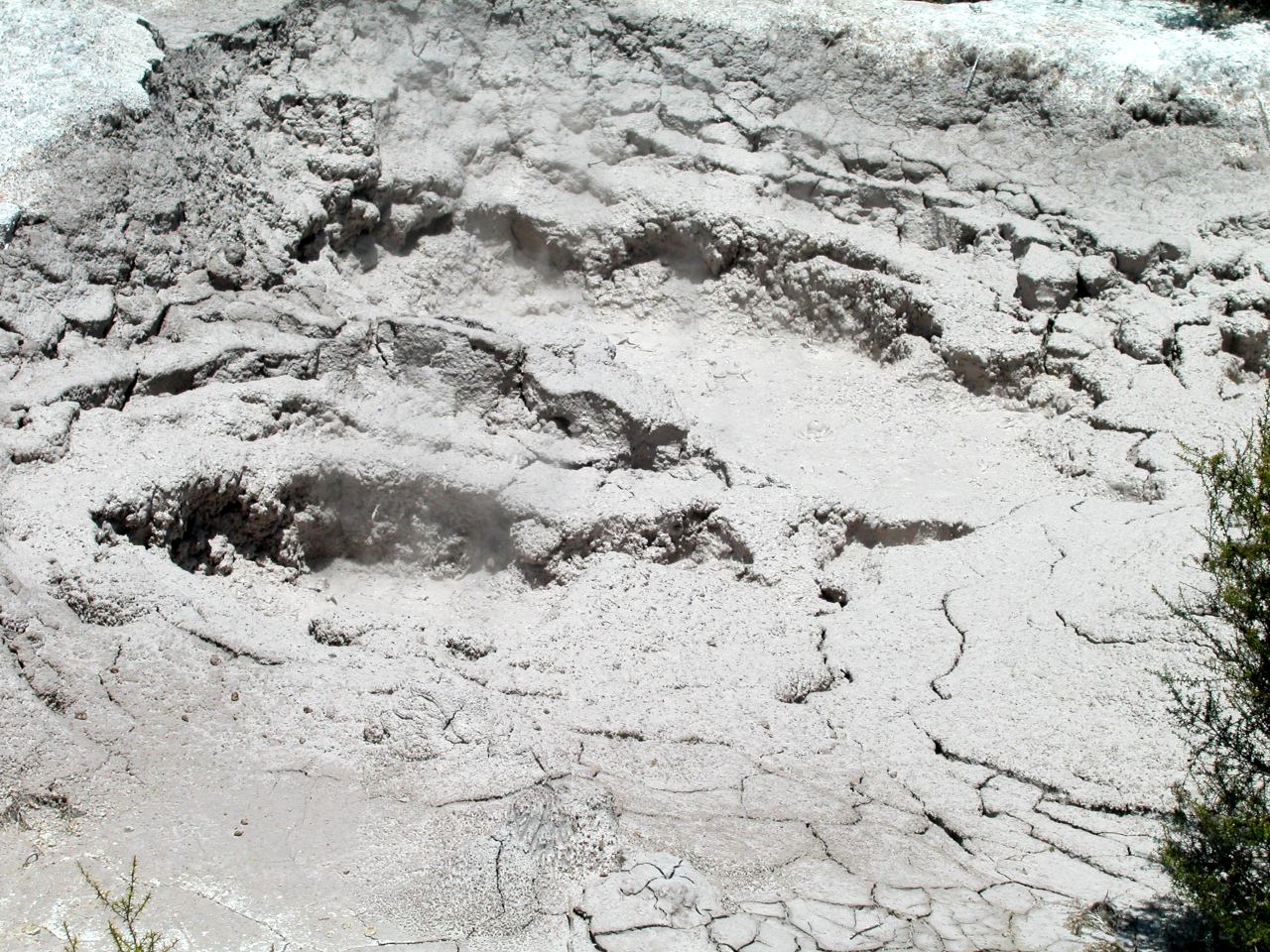
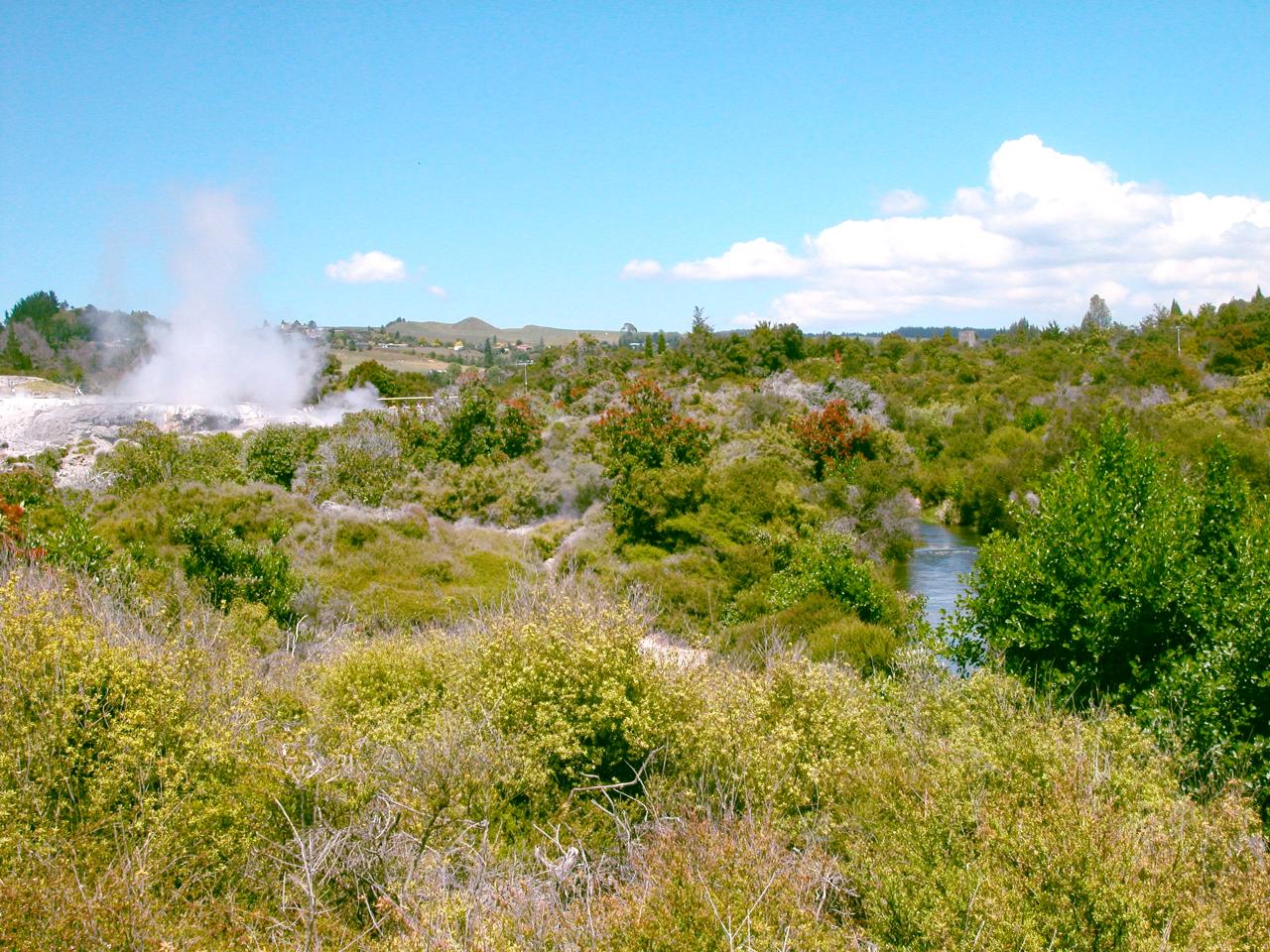
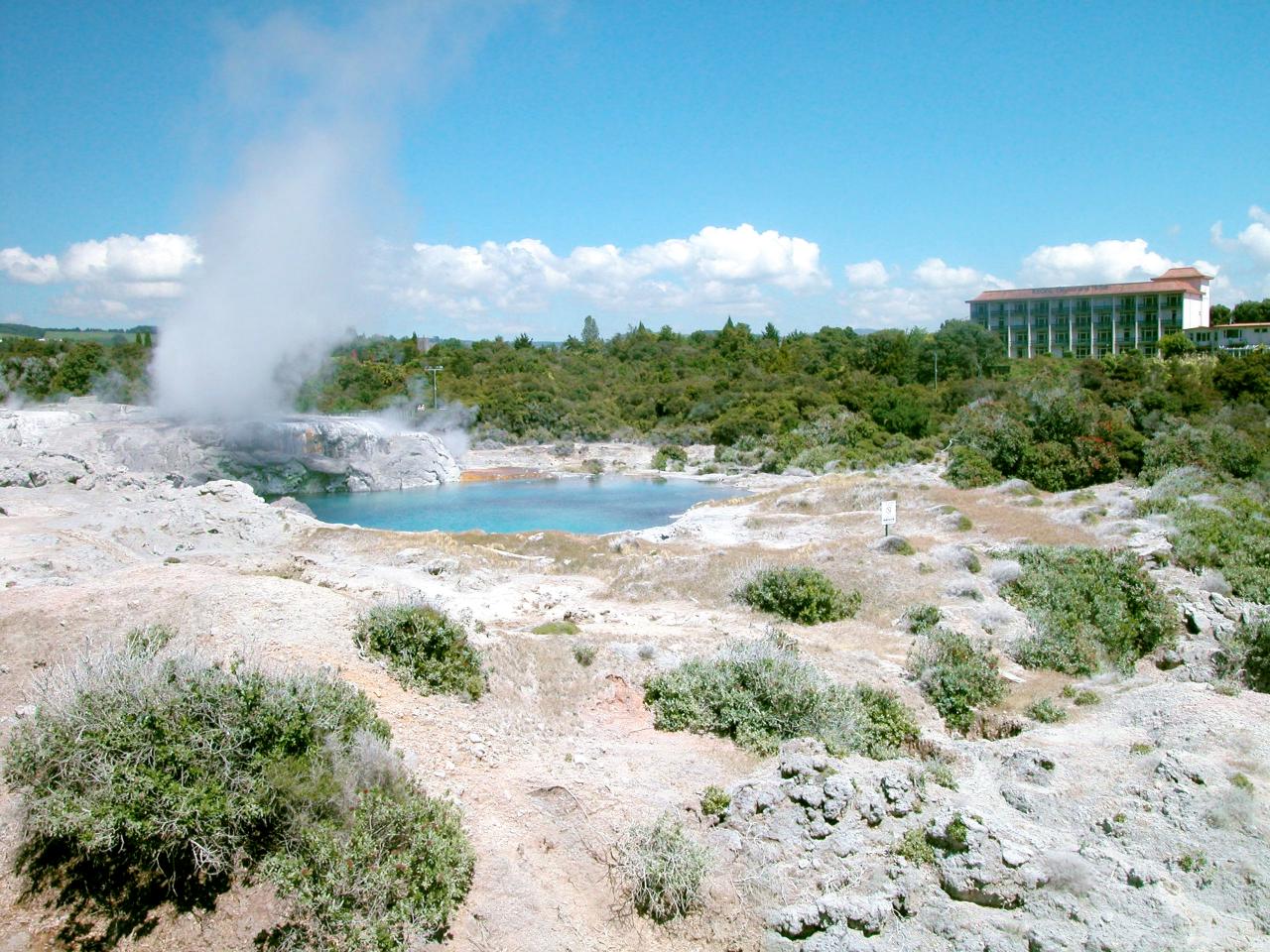
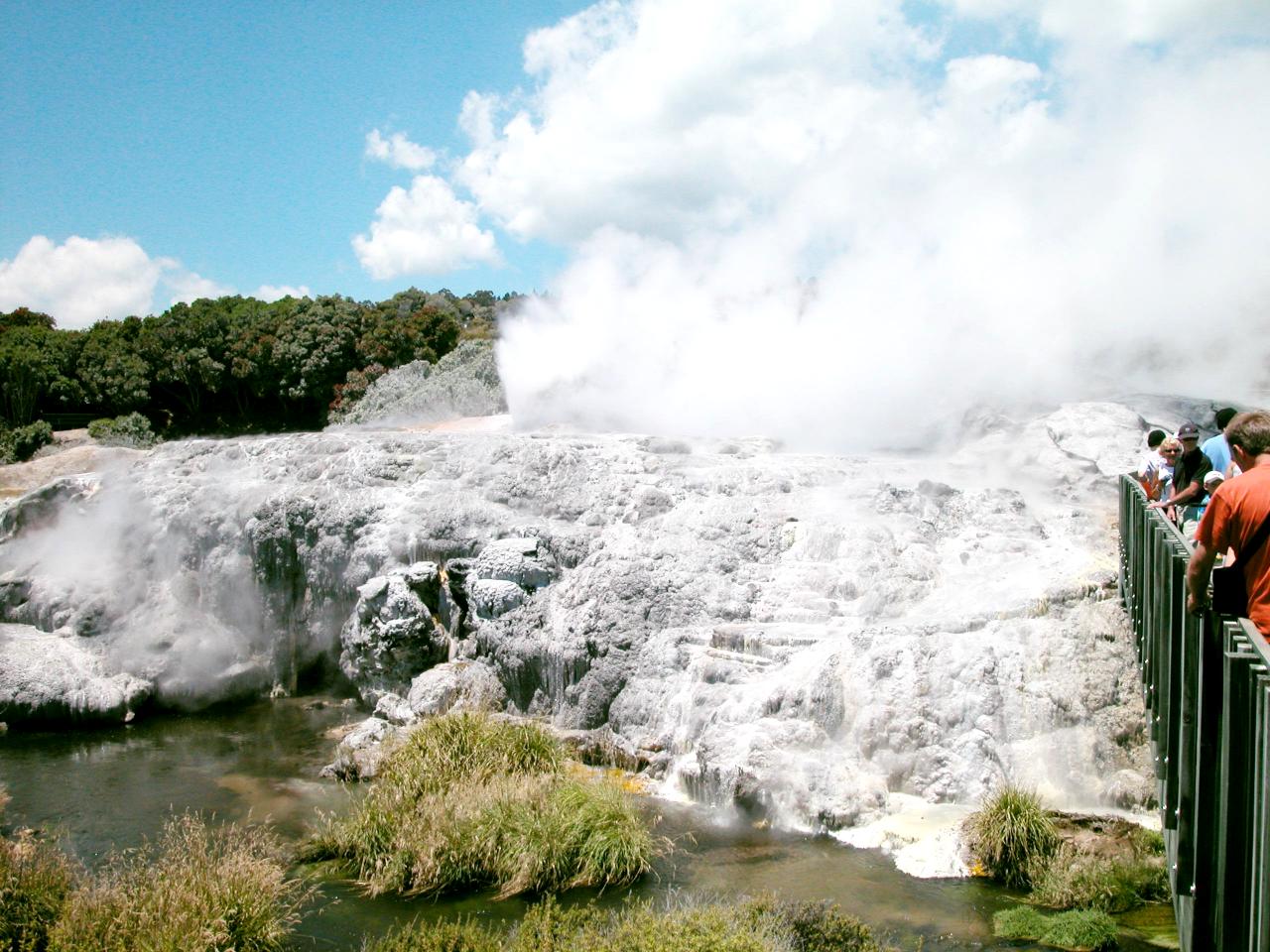
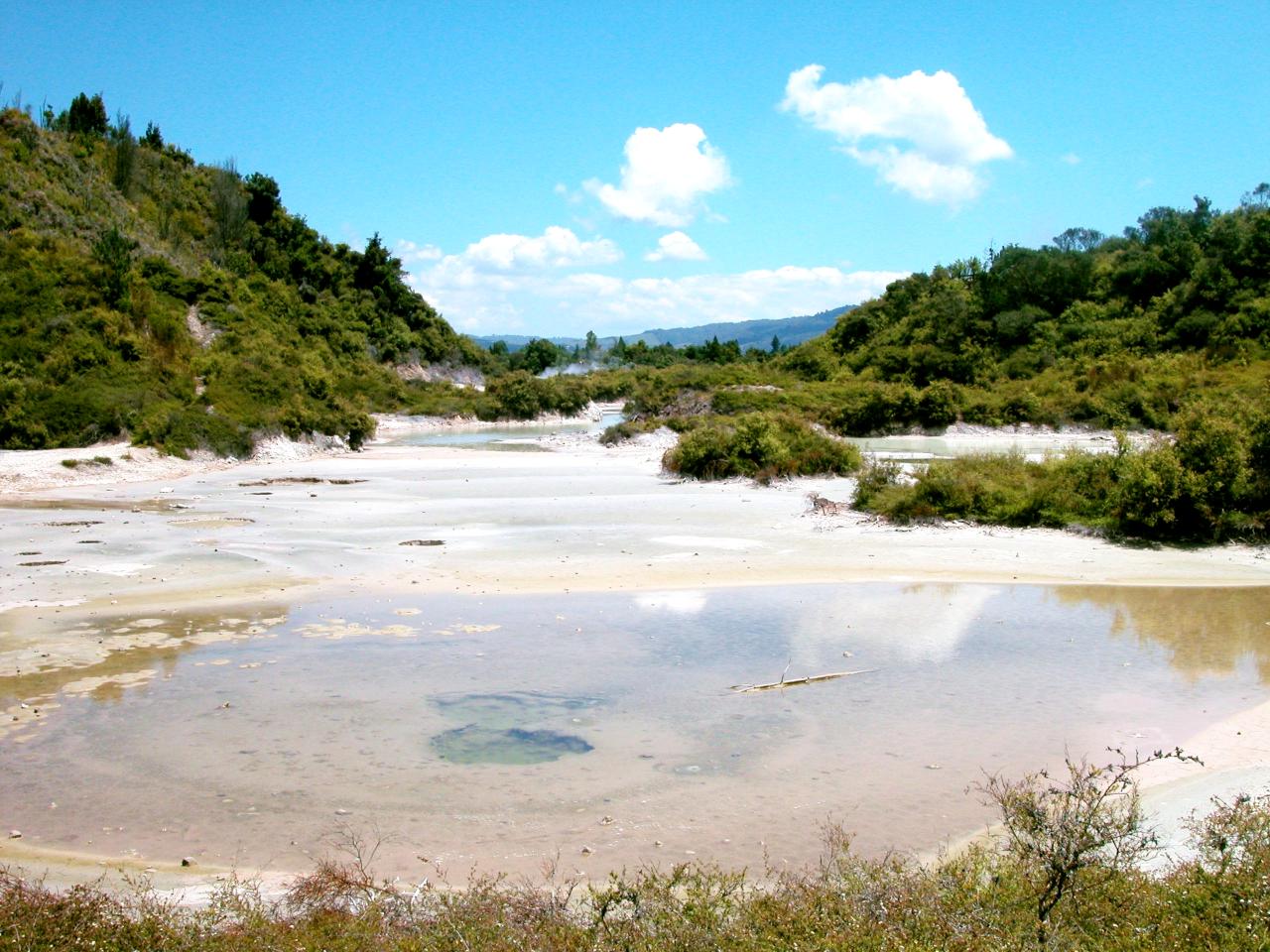
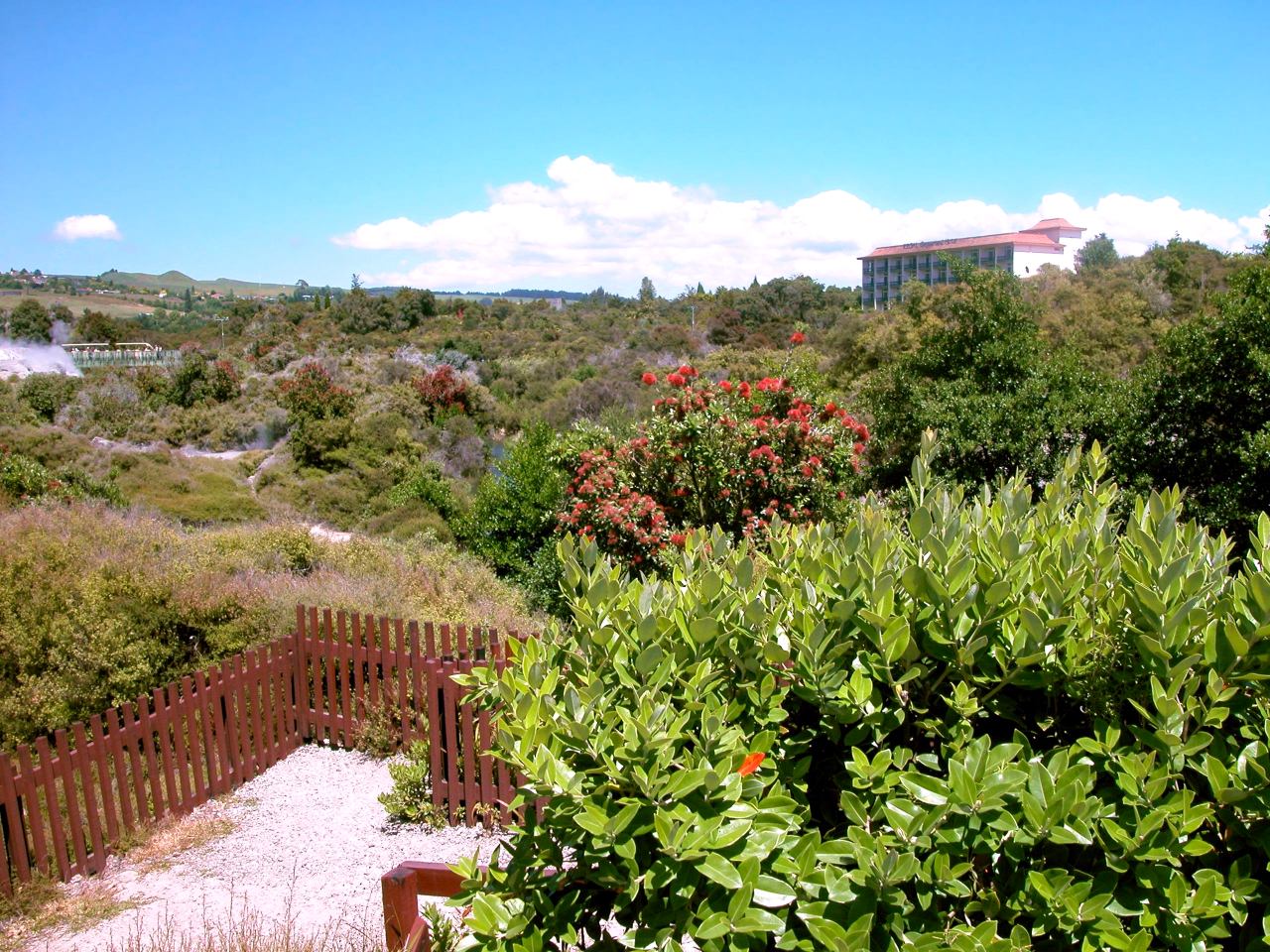
That put us in a better mood. We later discovered that fences and fees of that sort aren't typical of New Zealand. This was an exception: too many tourists and too much money washing about the district.
Of all the geothermal areas we'd seen around the world, the one at Rotorua stood out for its rampant greenery and the sheer number of little mud volcanoes and springs, tucked under every bush. You couldn't possibly see it without proper paths. For one thing you couldn't get through the bush, and for another it would be all too easy to scald a leg.
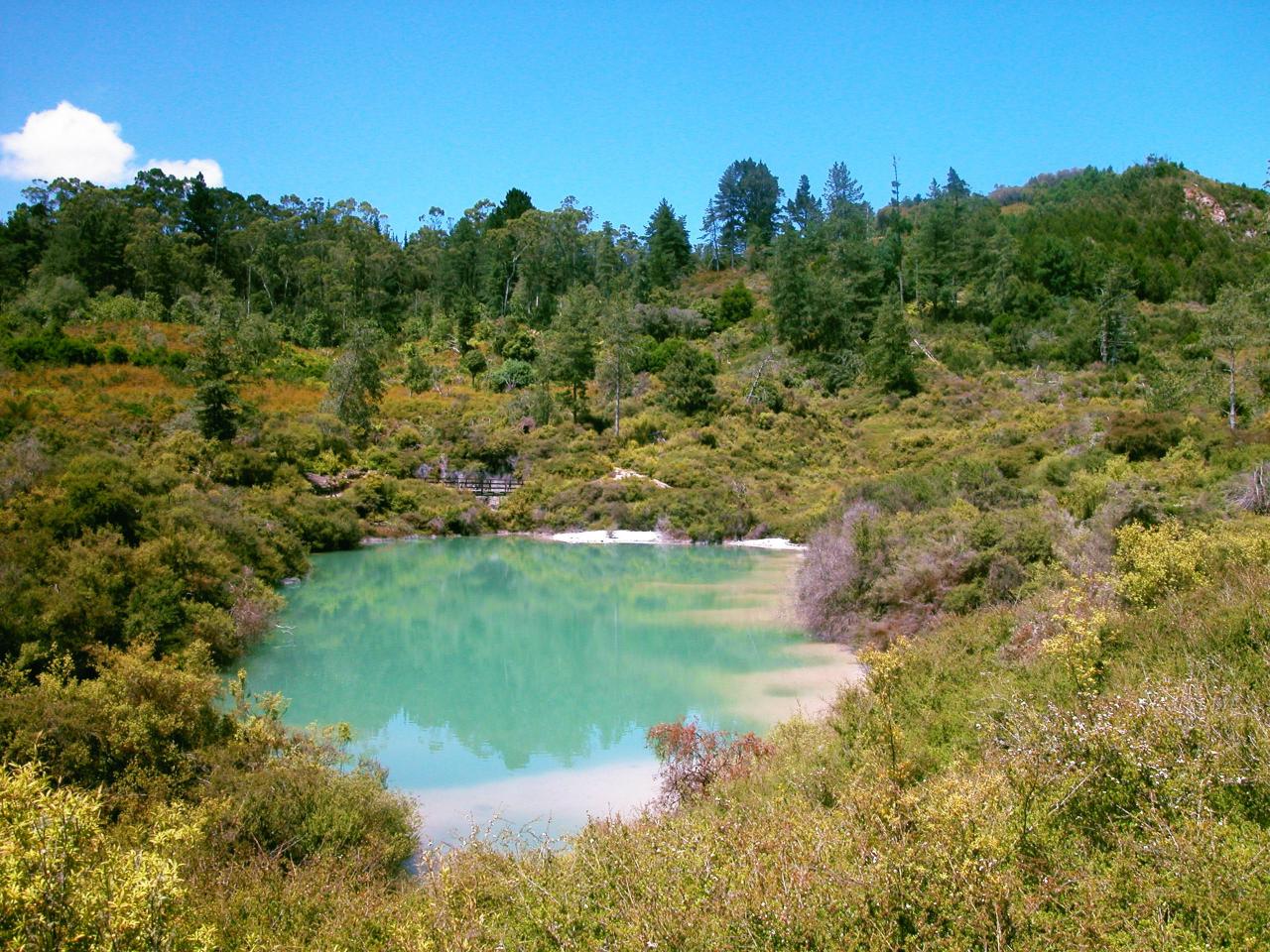
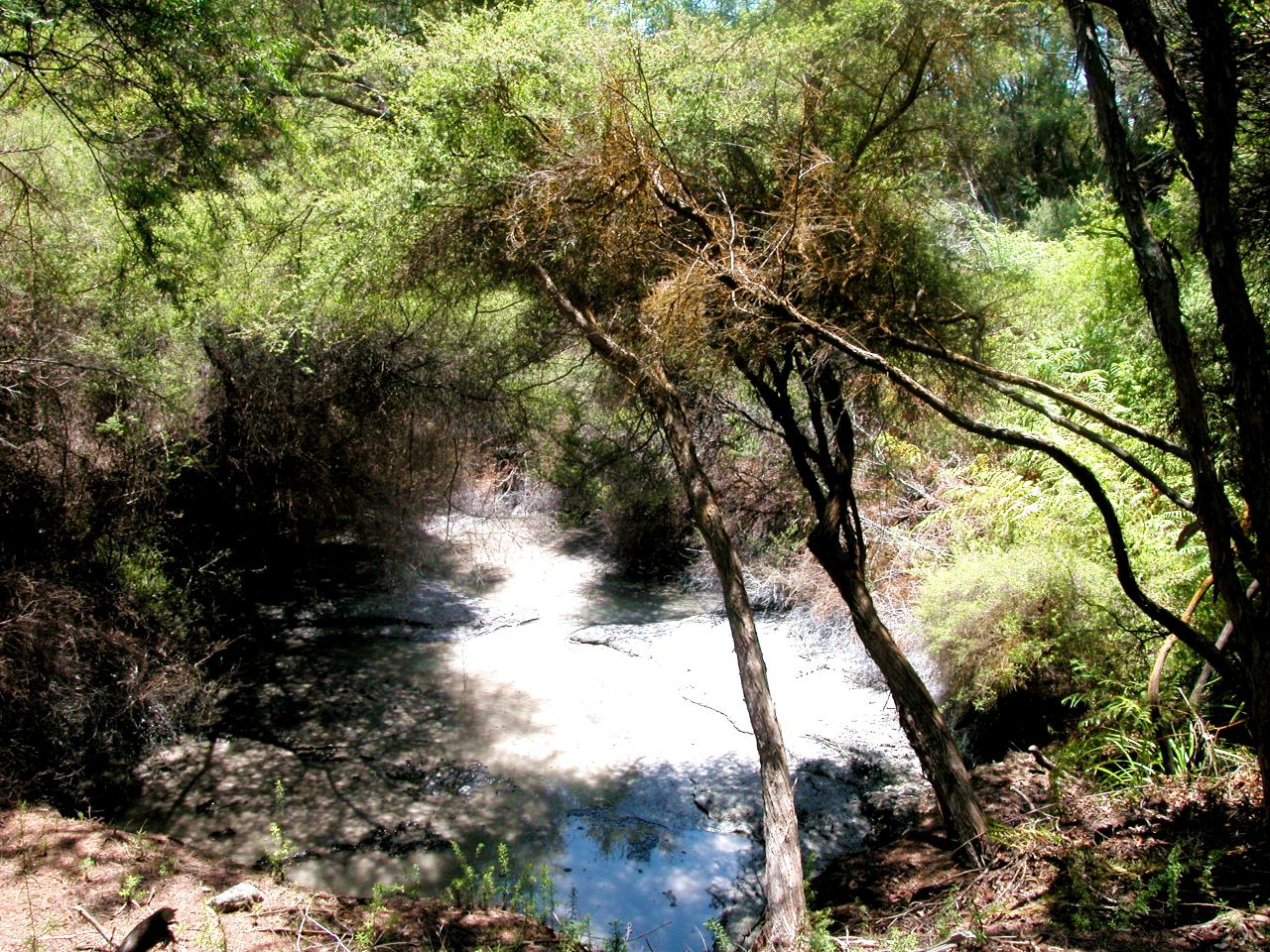
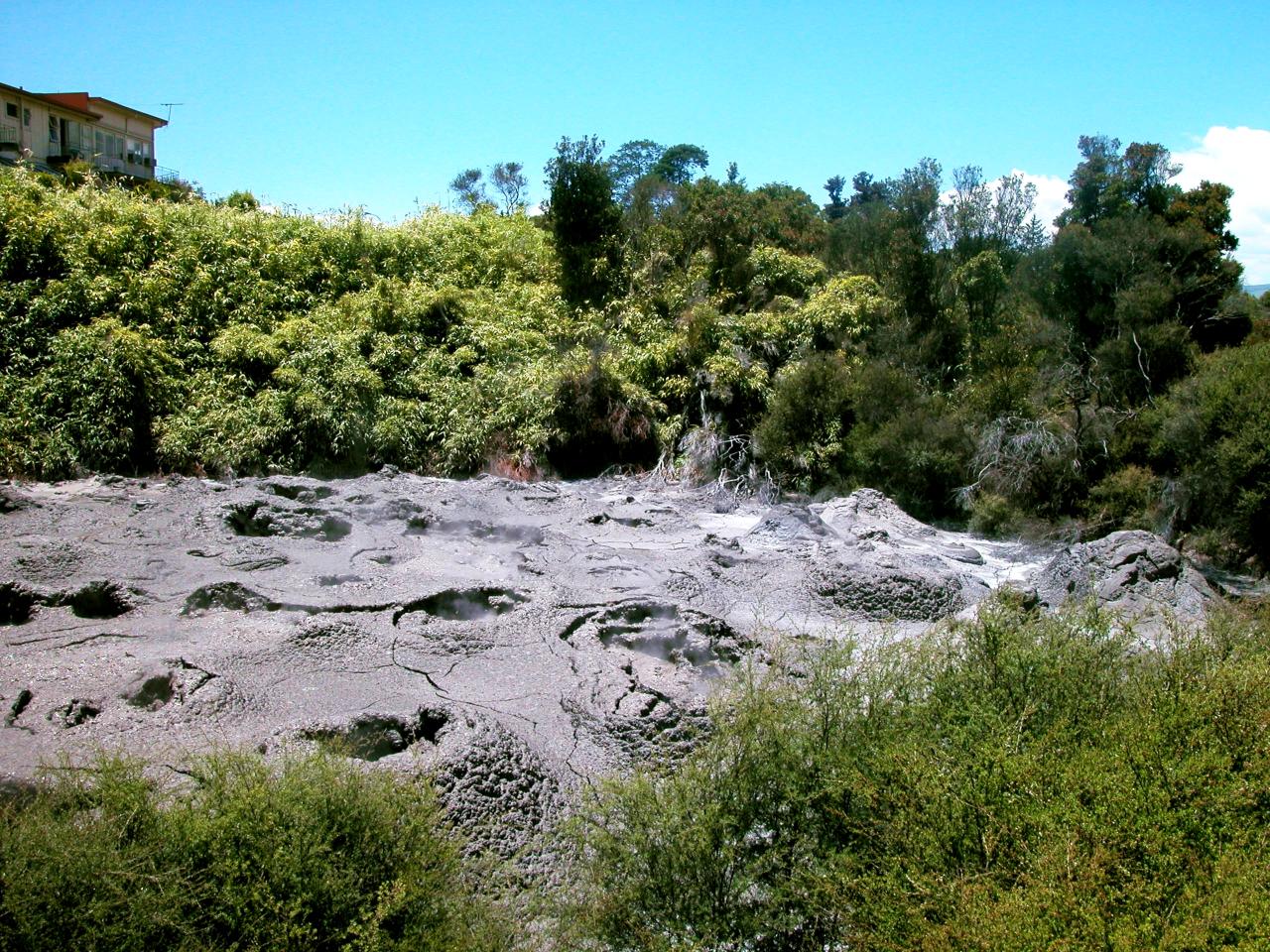
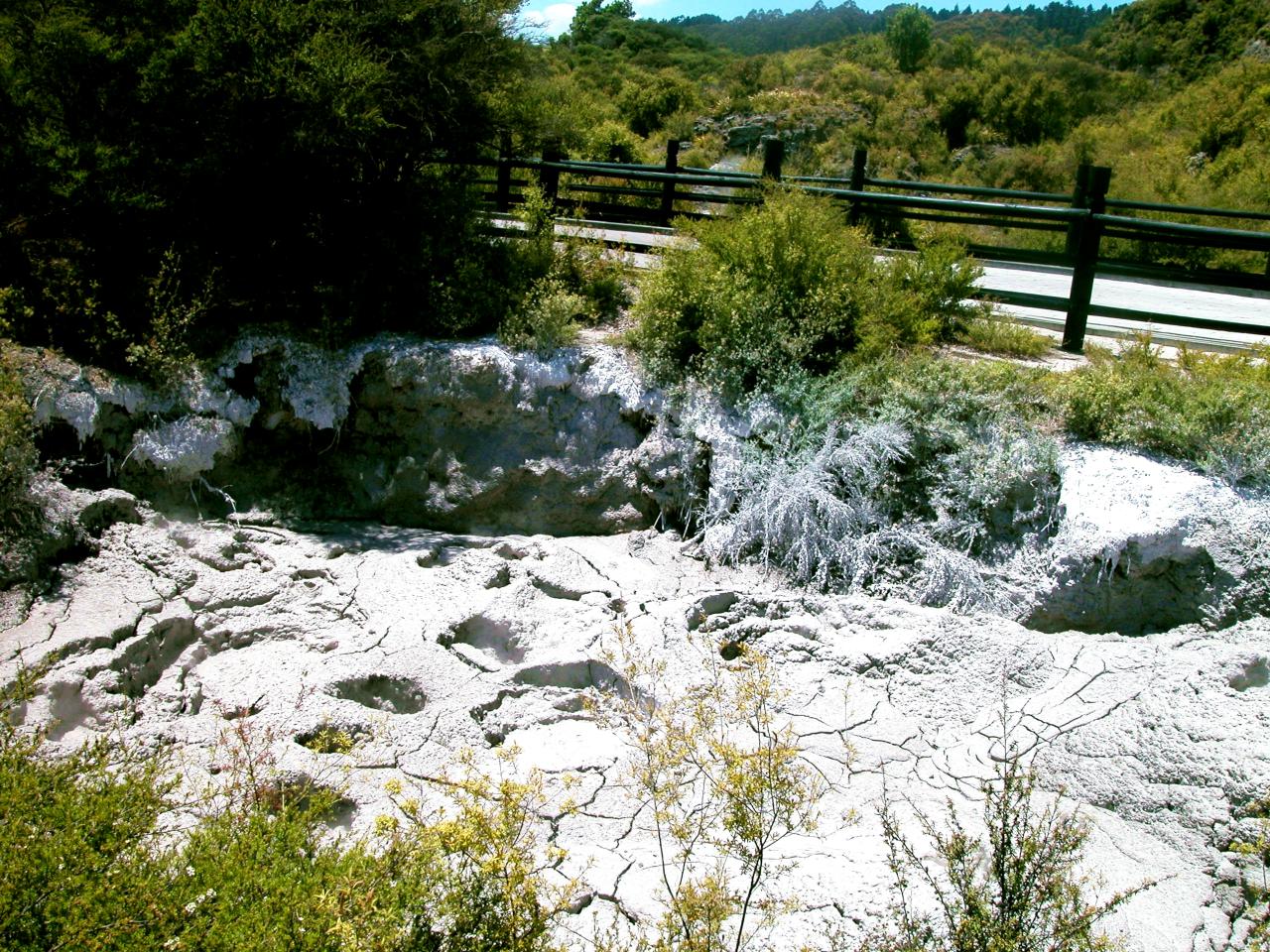
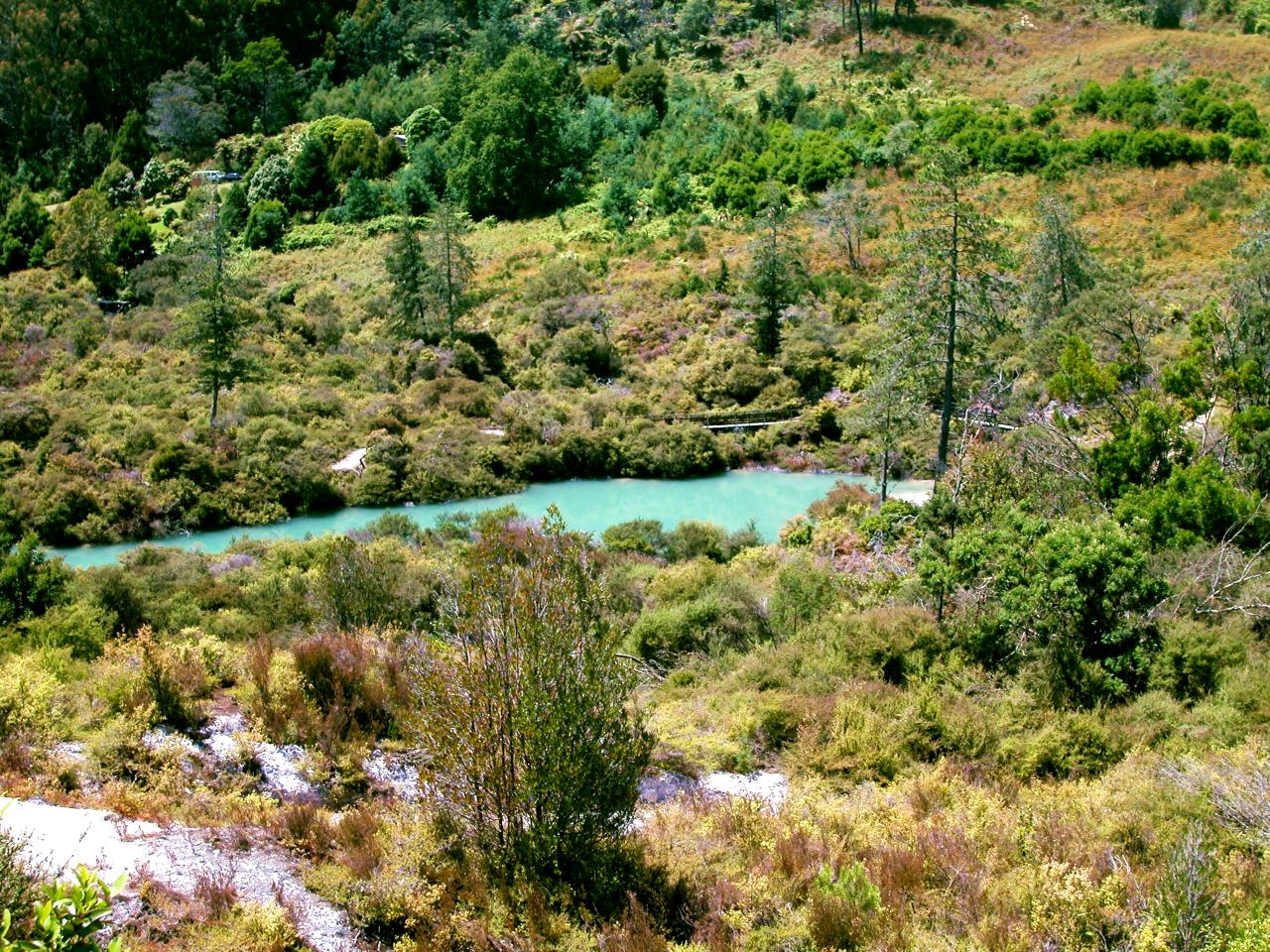
Boiling water and clouds of steam everywhere, with the sun beating down from above. Hard going if you're not used to it. Every now and then I called Russia to wish people a Happy New Year. Thirty below there. No, on the whole I'd rather be hot. And I kept thinking what a miracle it was. We were on the other side of the Earth. Our Saint Petersburg was somewhere underneath my feet, but you only had to dial the number and you could talk to somebody. The connection was very good. Barely any delay. The signal wasn't going by satellite.
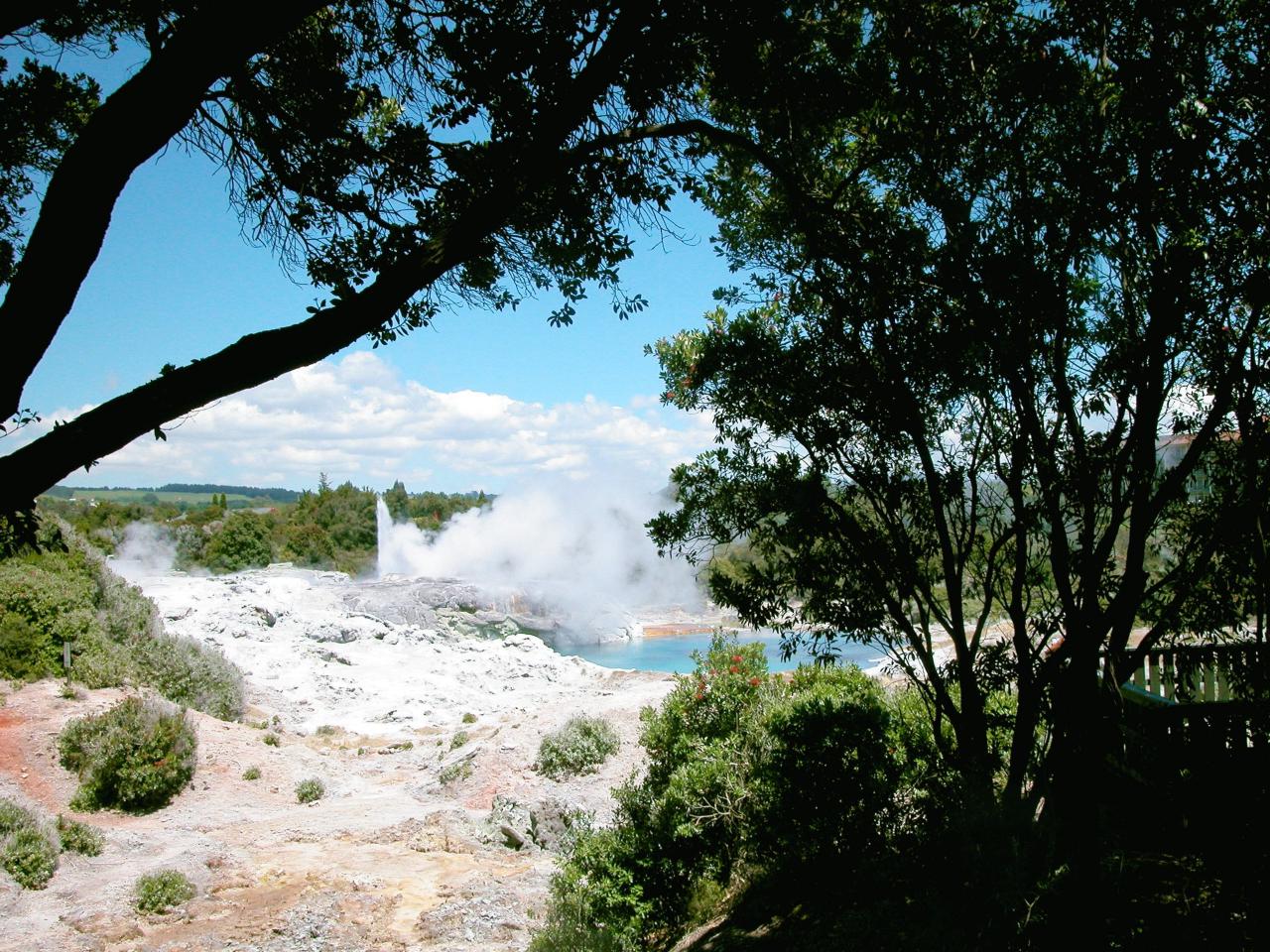
The active geysers at the time were Pōhutu and the Prince of Wales Feathers. I never quite worked out how they were supposed to behave, but the whole time we walked around they sent water shooting up ten to fifteen metres, with varying success. There was another one here eighty years earlier that reached sixty metres, but it stopped erupting in the 1930s. Earlier still, from 1900 to 1904, there was a 500-metre geyser in the Waimangu Volcanic Valley, twenty-five kilometres south of Rotorua. Nothing like it exists anywhere now, or has done in living memory, as far as we could tell.
In only a few hours walking round the geysers we both managed to get sunburnt. We had to find sunscreen in a hurry and buy wide-brimmed hats.
We lunched at a petrol station and drove to see another geothermal area. There are a lot of them around Rotorua. In fact the whole hundred-by-fifty-kilometre patch of land is one big geothermal area. The most interesting bits have paths and a ticket office. Some are free, and the small ones are beneath anybody's notice. Steam can come out from under a bush in a farmer's yard or out of a roadside ditch. I particularly liked the cemetery in Rotorua, where steam came straight up through cracks in the headstones.
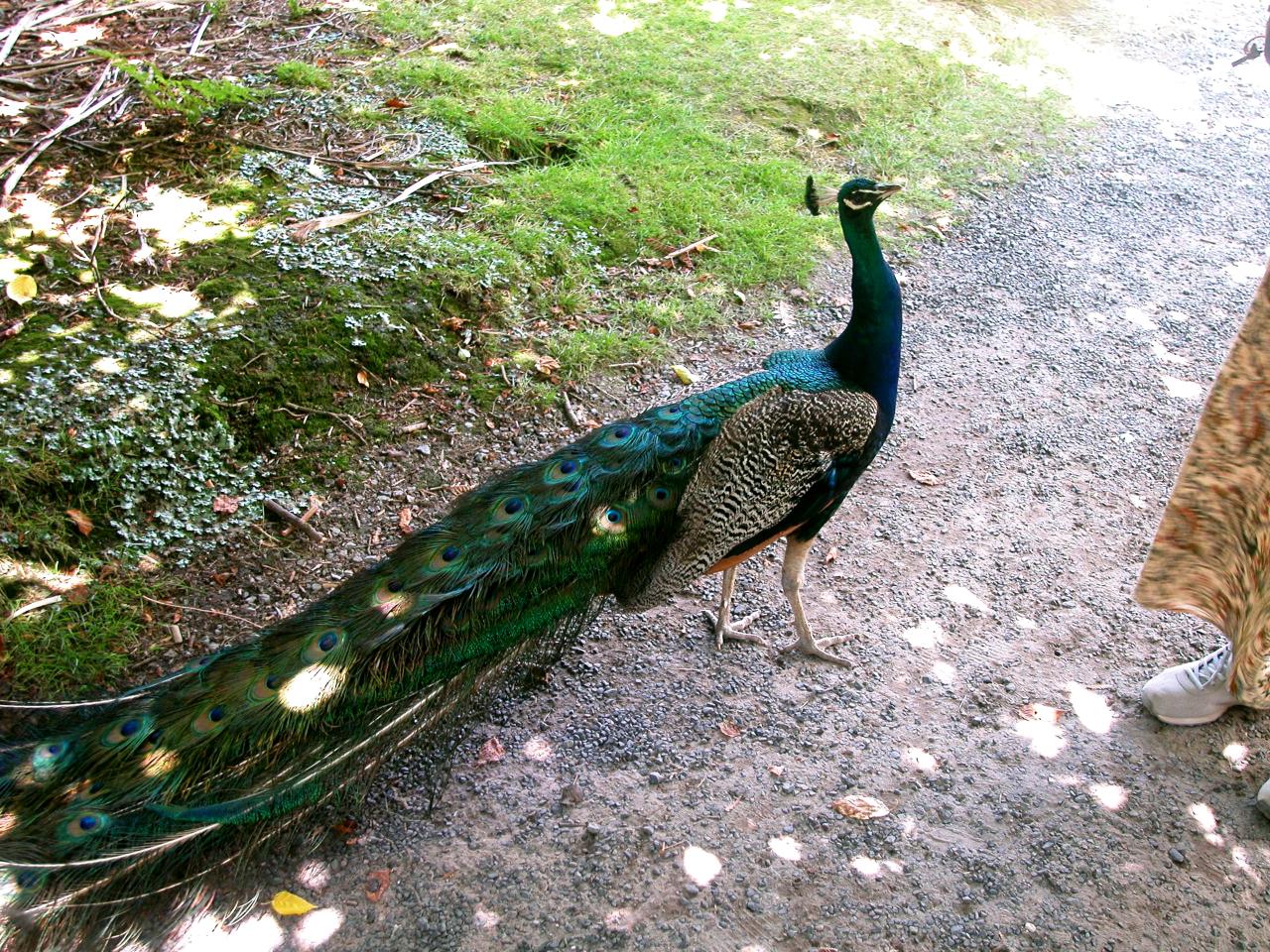
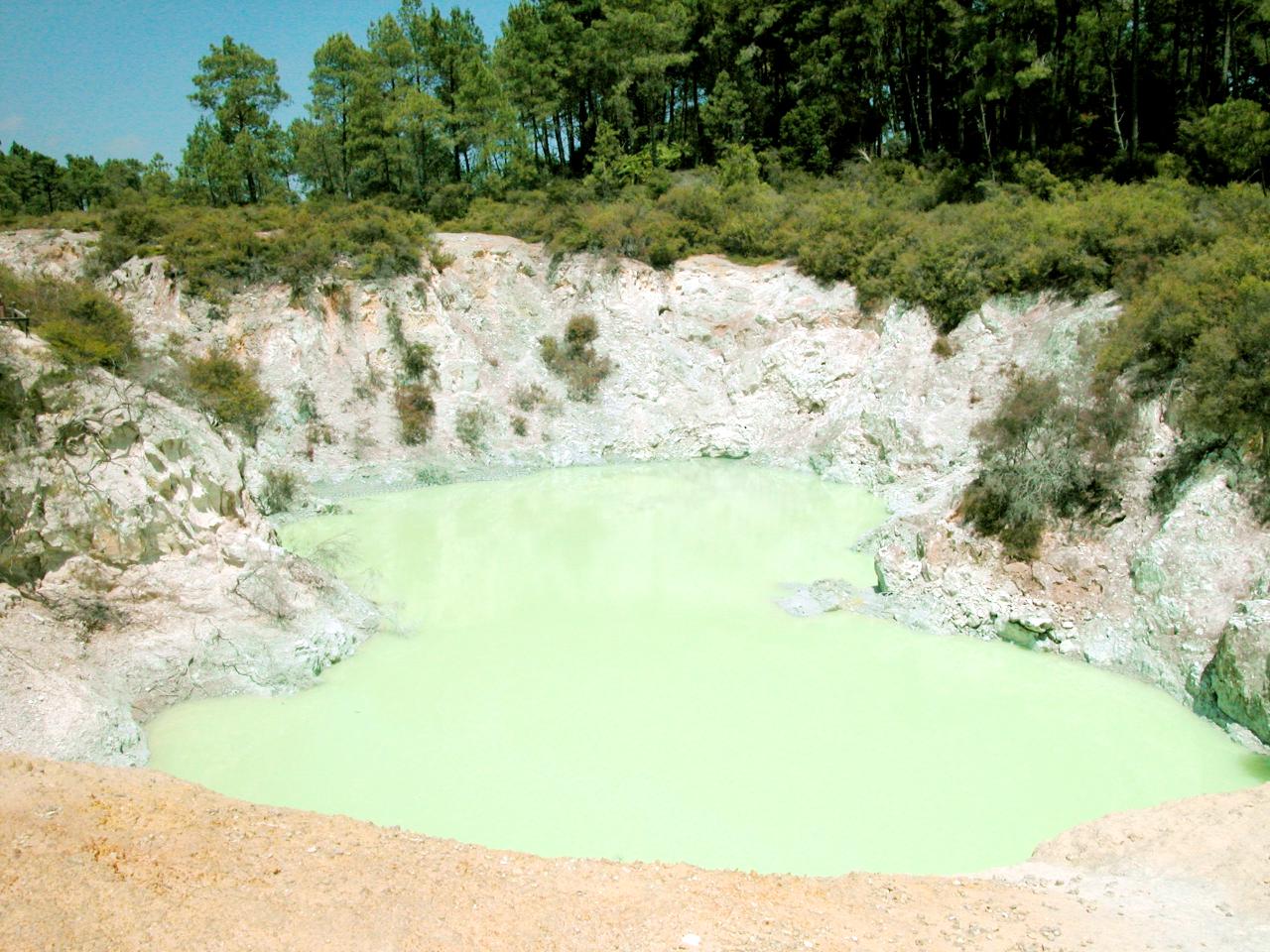
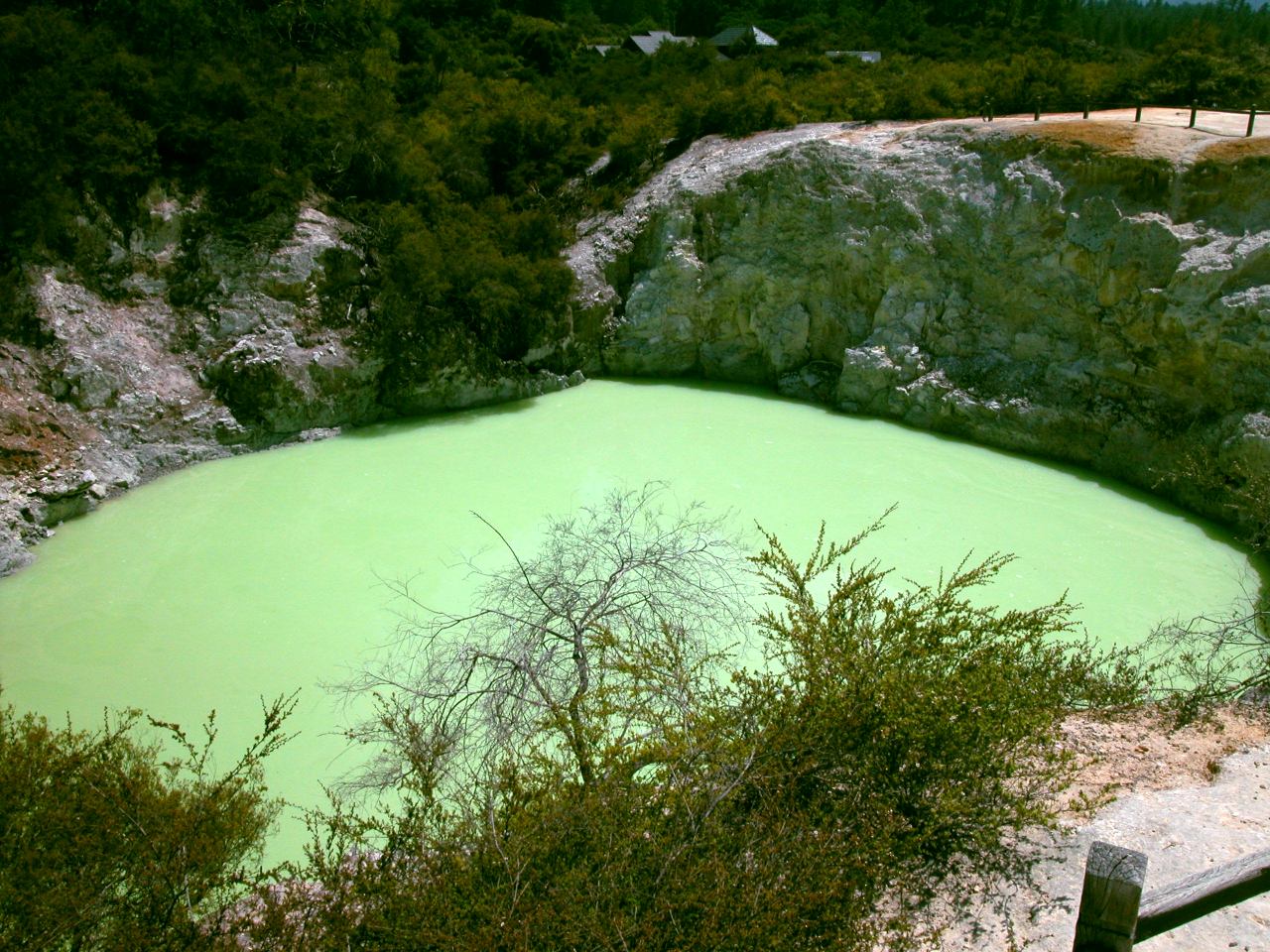
On the north side of Lake Rotorua there's a patch of bubbling mud called Hell’s Gate (Hell’s Gate website). For NZ$12 you could have a mud bath, or just take a walk among the pools and volcanoes, all with devilish names like the Devil's Cauldron. We went to have a look. Lonely Planet suggests bringing food because pigeons with glowing eyes will demand some. I don't know about pigeons. We were accosted by a peacock which demolished half a loaf. It made us wonder whether our English had failed us and we'd mixed up peacock and pigeon.
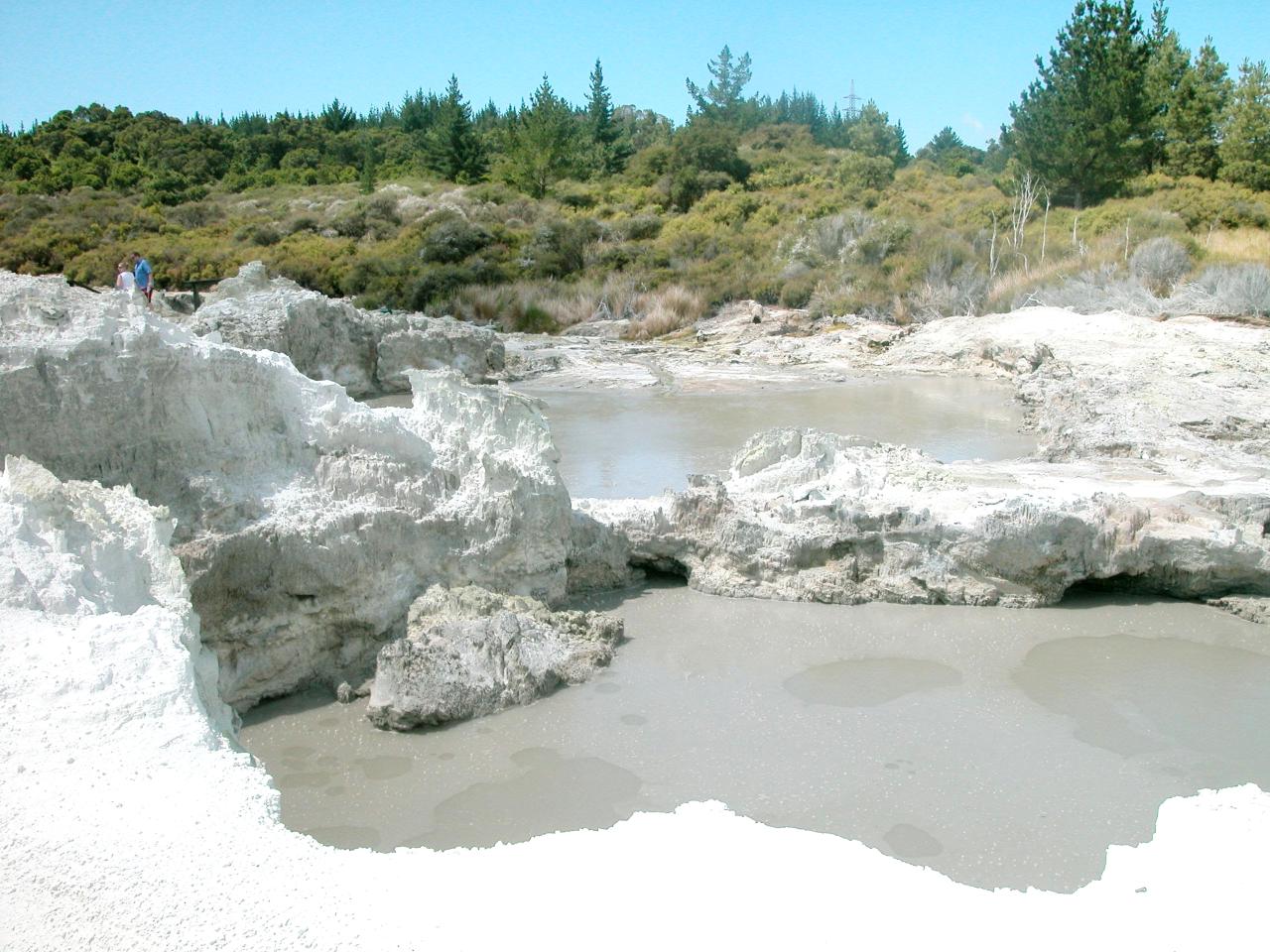
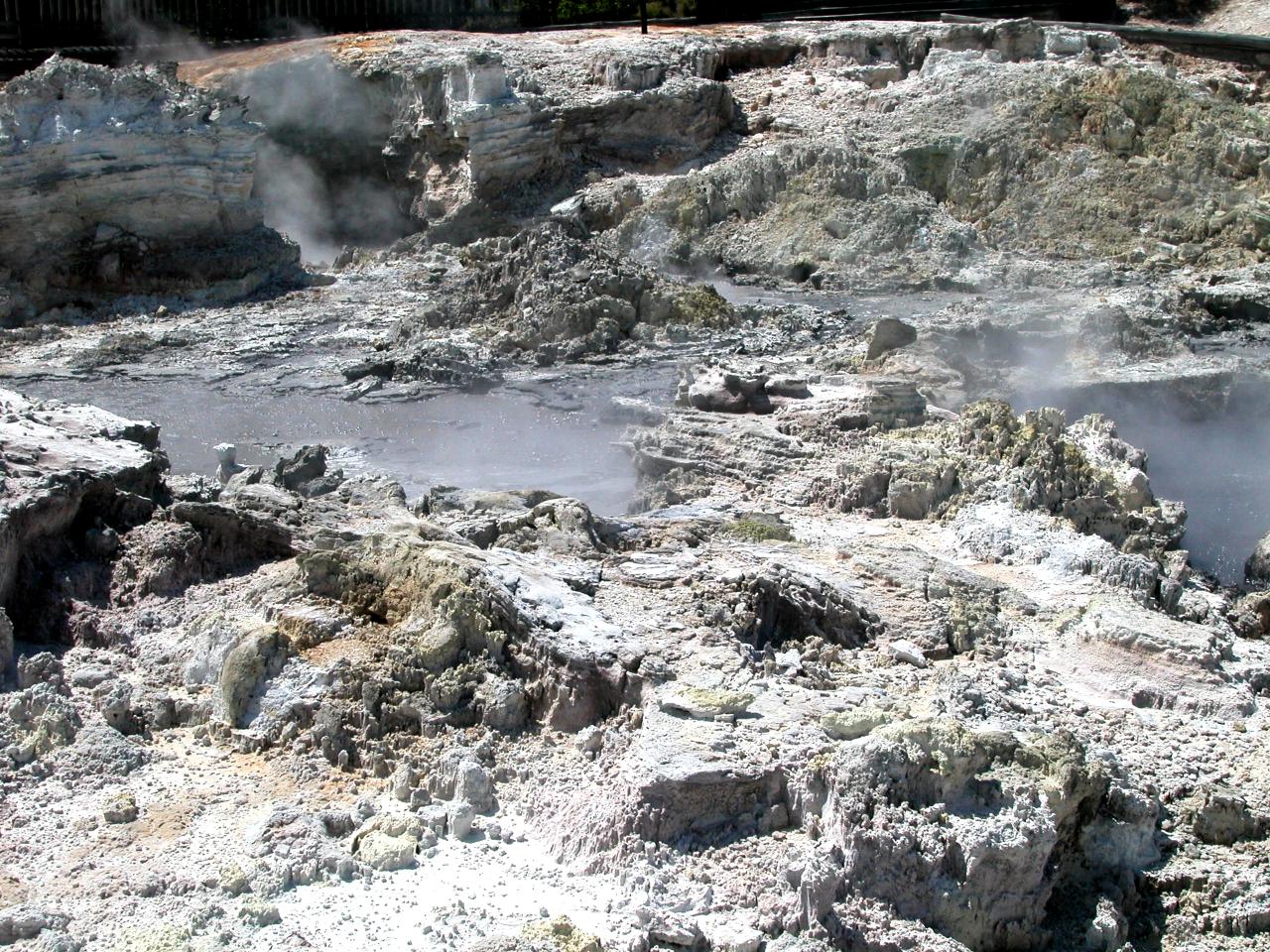
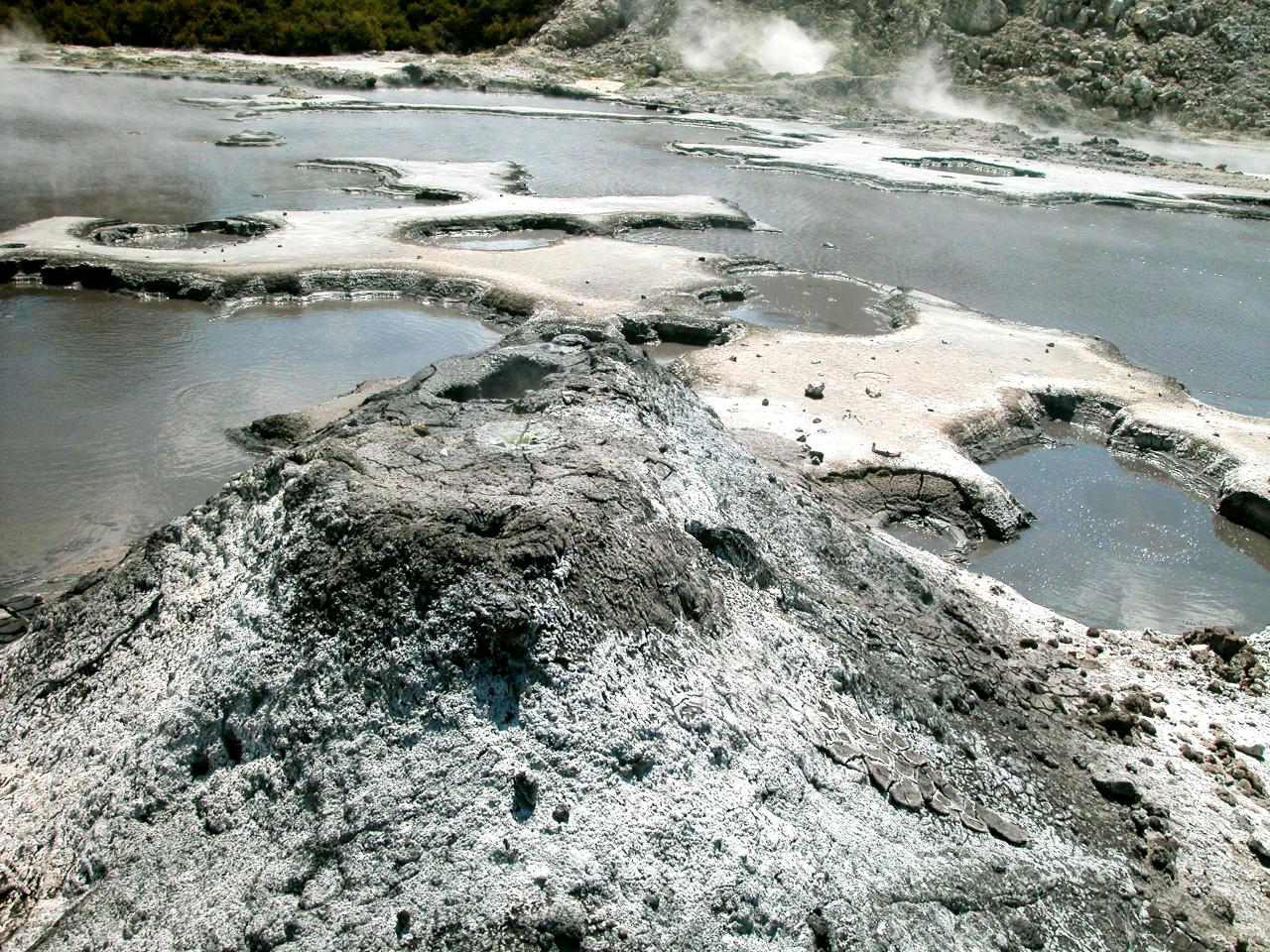
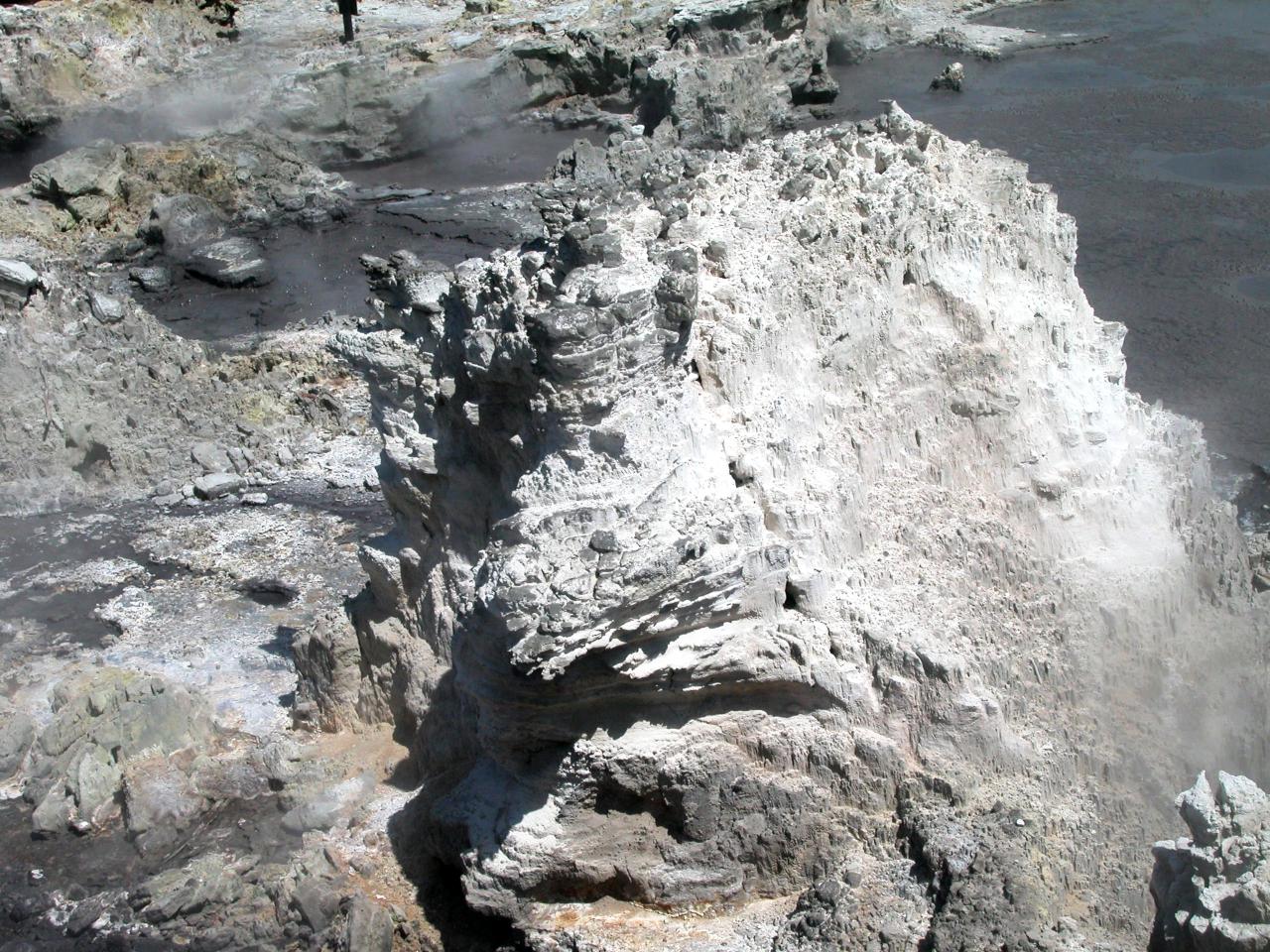
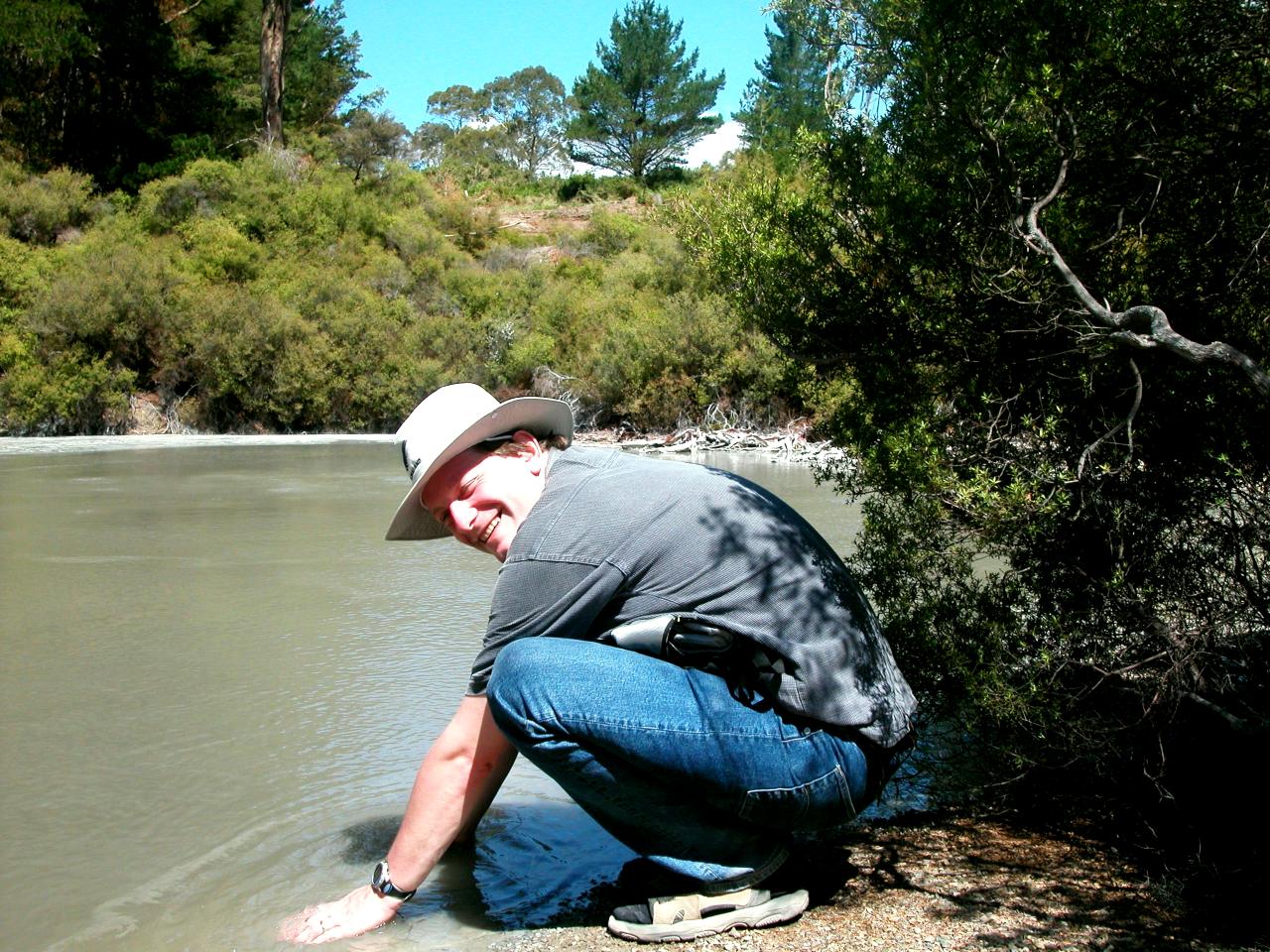
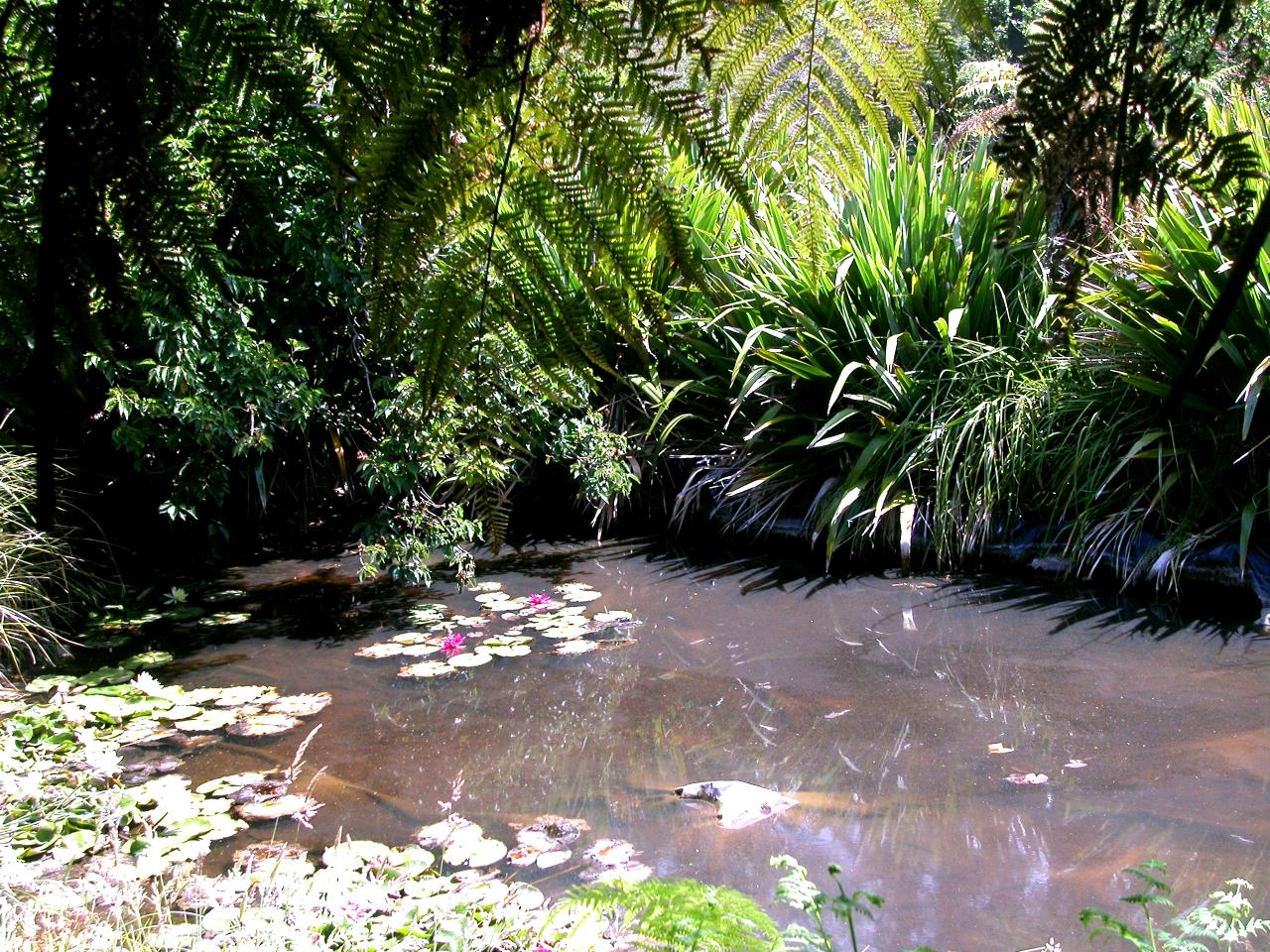
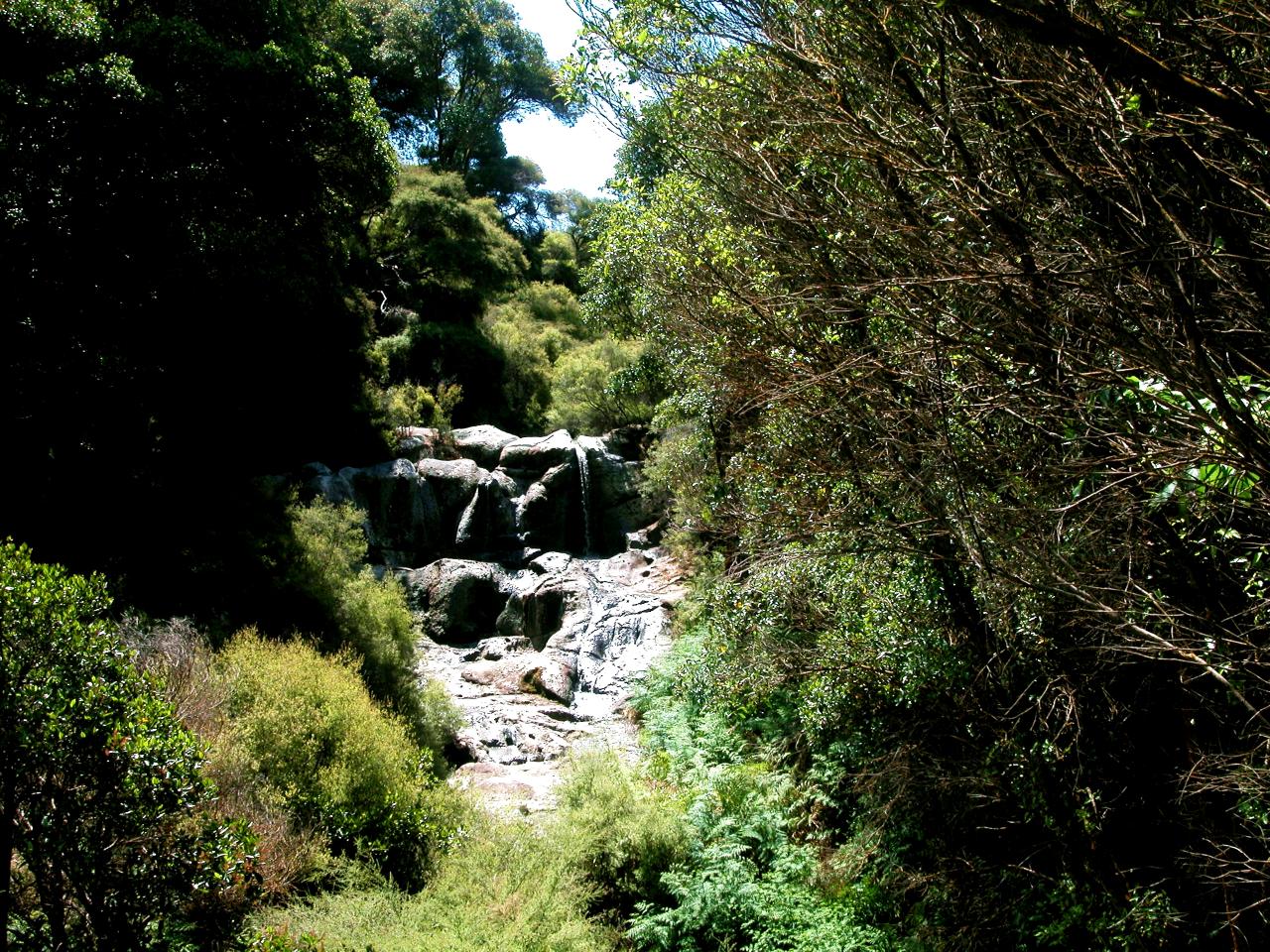
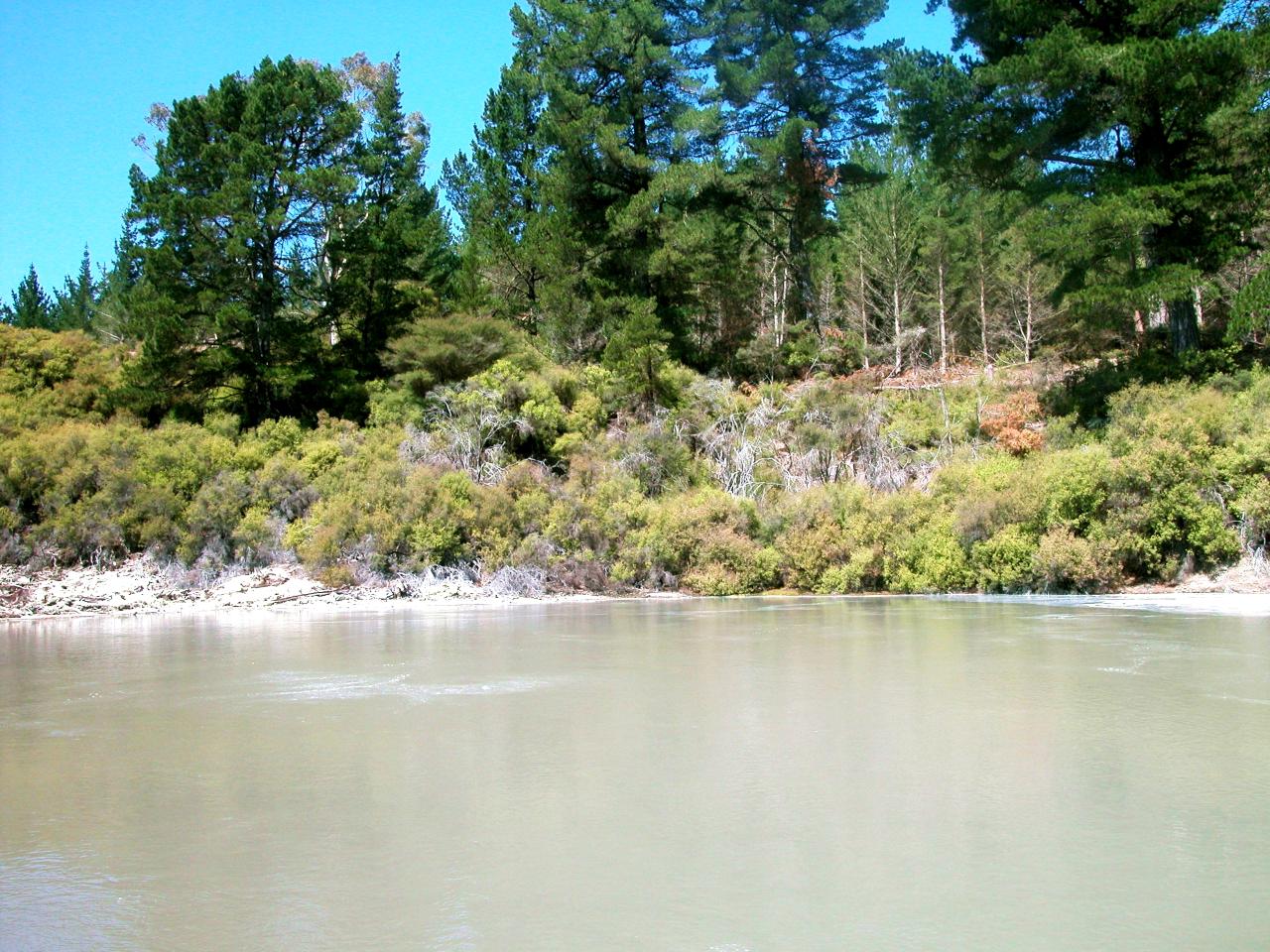
By the mud volcanoes there were, as usual, plenty of hot rivulets and pools. The water was cloudy and full of sulphur, at anything between 40 and 100°C. You couldn't say there was no life at those temperatures. Insects crawled about, and birds on their long thin legs waded through almost boiling water.
We had booked a motel for the next two nights (38°09.028′S, 176°15.197′E). We'd done it over the internet back in Saint Petersburg. New Zealand accommodation is well represented online. There were two sites: on the AA accommodation site you could do the whole thing online without writing to anyone, but Jasons had a considerably bigger choice.
In the evening we bought a bottle of Chilean wine and went on celebrating the New Year in California's Pacific time zone, in our appointed Private Spa – private mineral spring, so to speak. A pleasant pastime, except that the bath made as much noise as a tractor. There was a rule against using it after eleven so as not to disturb the neighbours' sleep. By local standards that's the middle of the night. People in New Zealand are up early; better not leave it past eight or you'll have a short day. The attractions and most of the shops shut at four or five, the last grocery shops at eight or nine, and after ten the motels close.
In the local summer, the Russian winter, New Zealand was ten hours ahead of Moscow. The Chatham Islands got an extra forty-five minutes, so they were the first to see in the New Year.
That was from October to April. The rest of the year New Zealand was on winter time and Russia on summer time, bringing the difference down to eight hours.
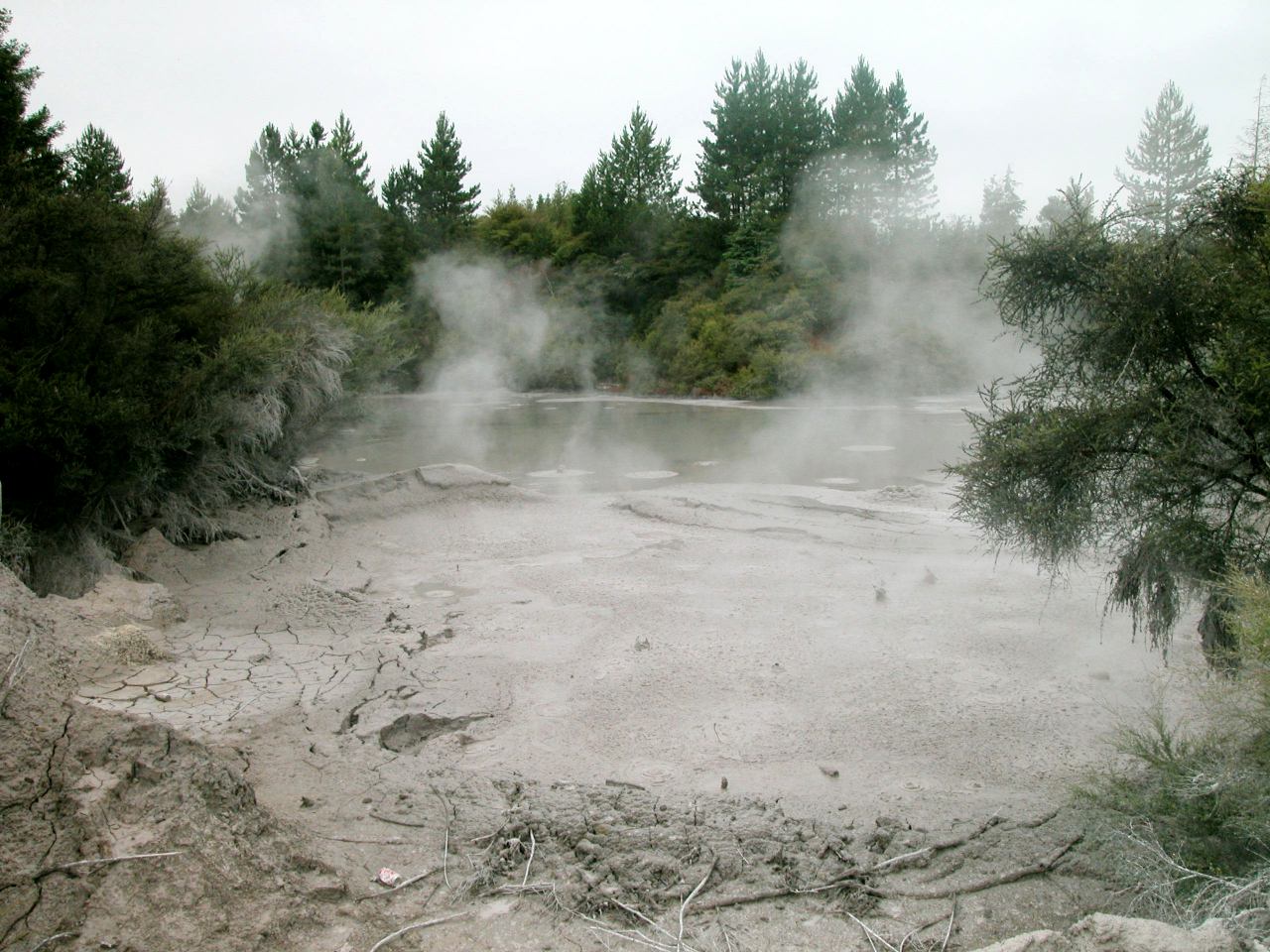
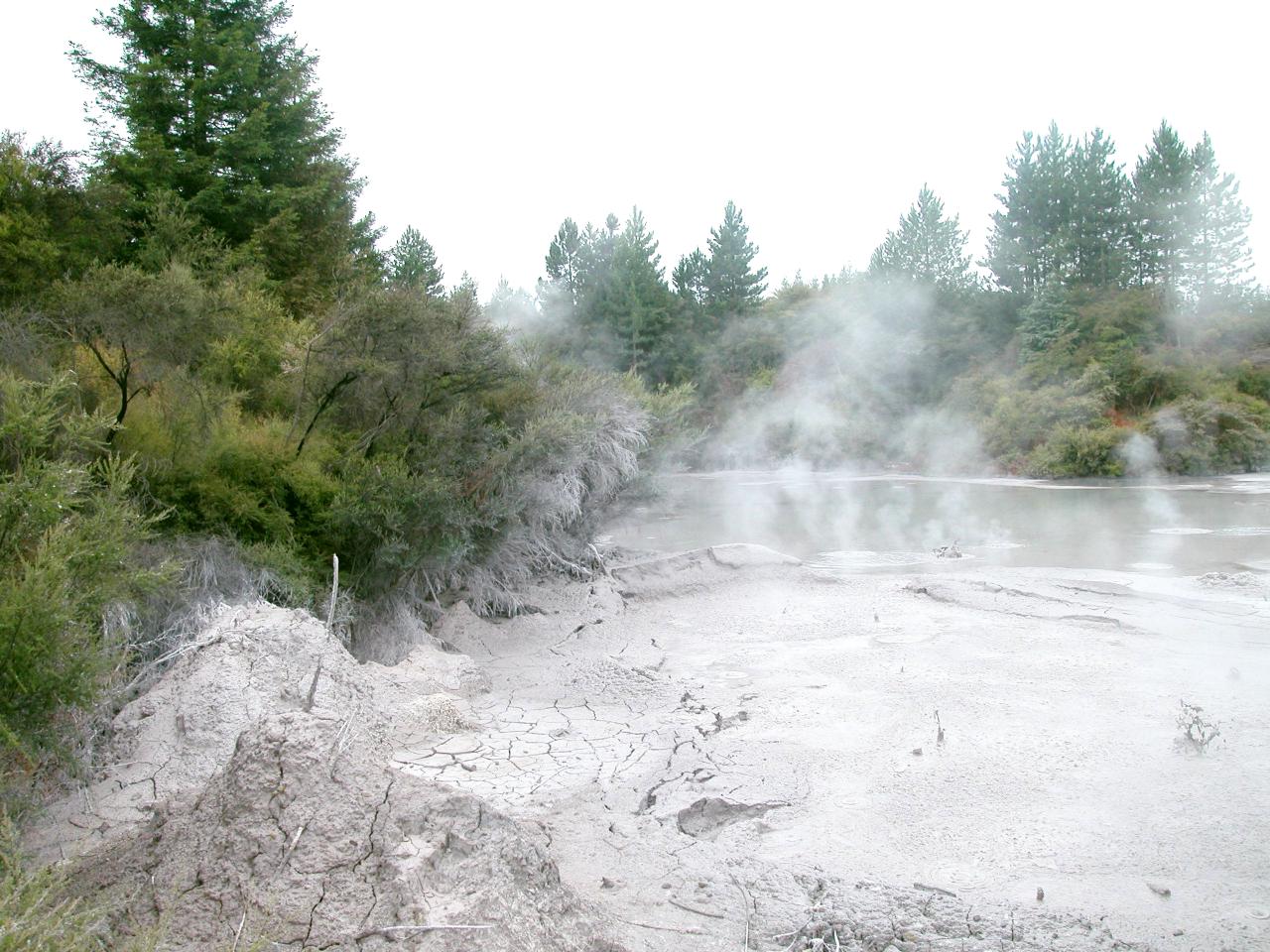
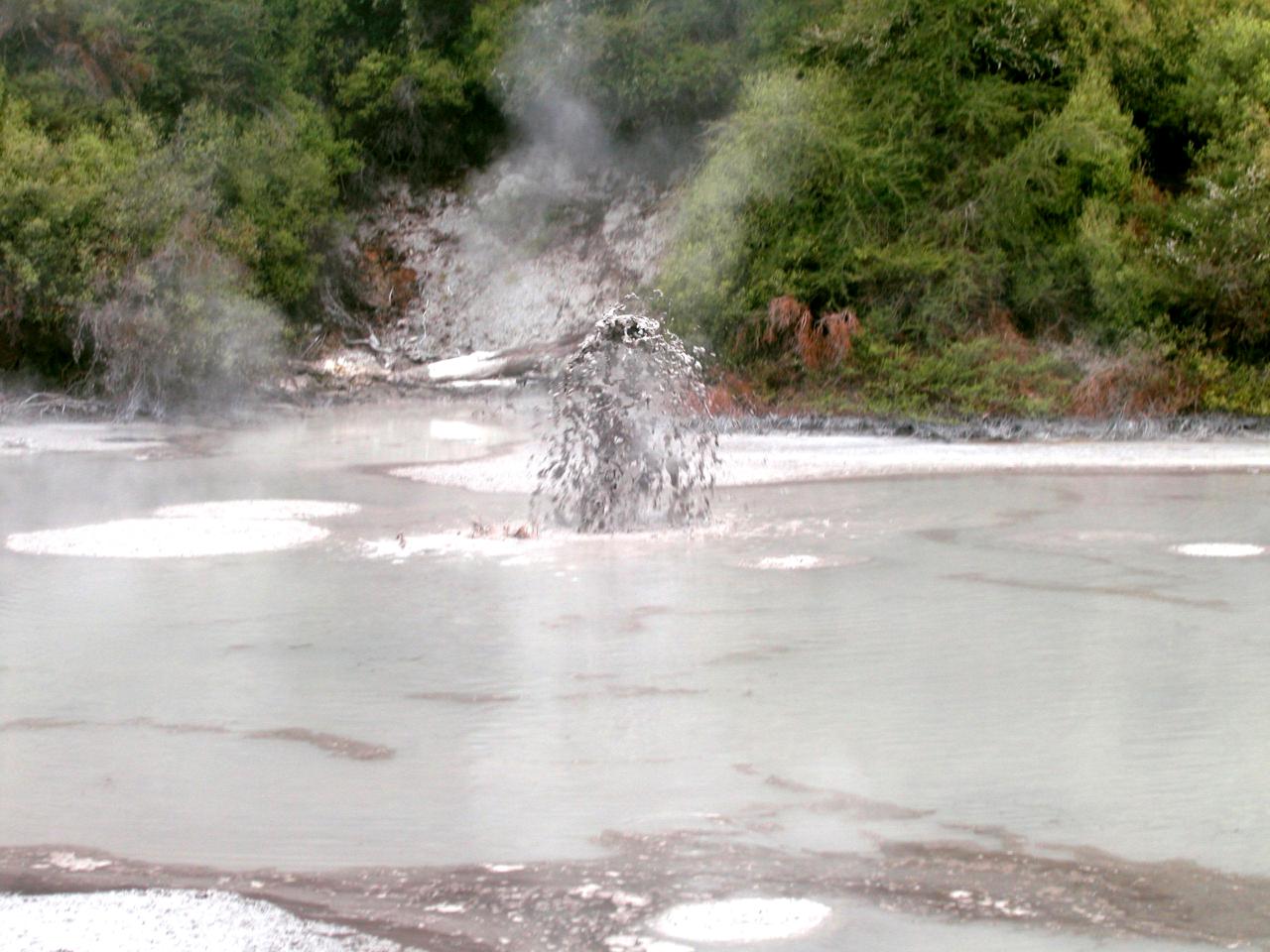
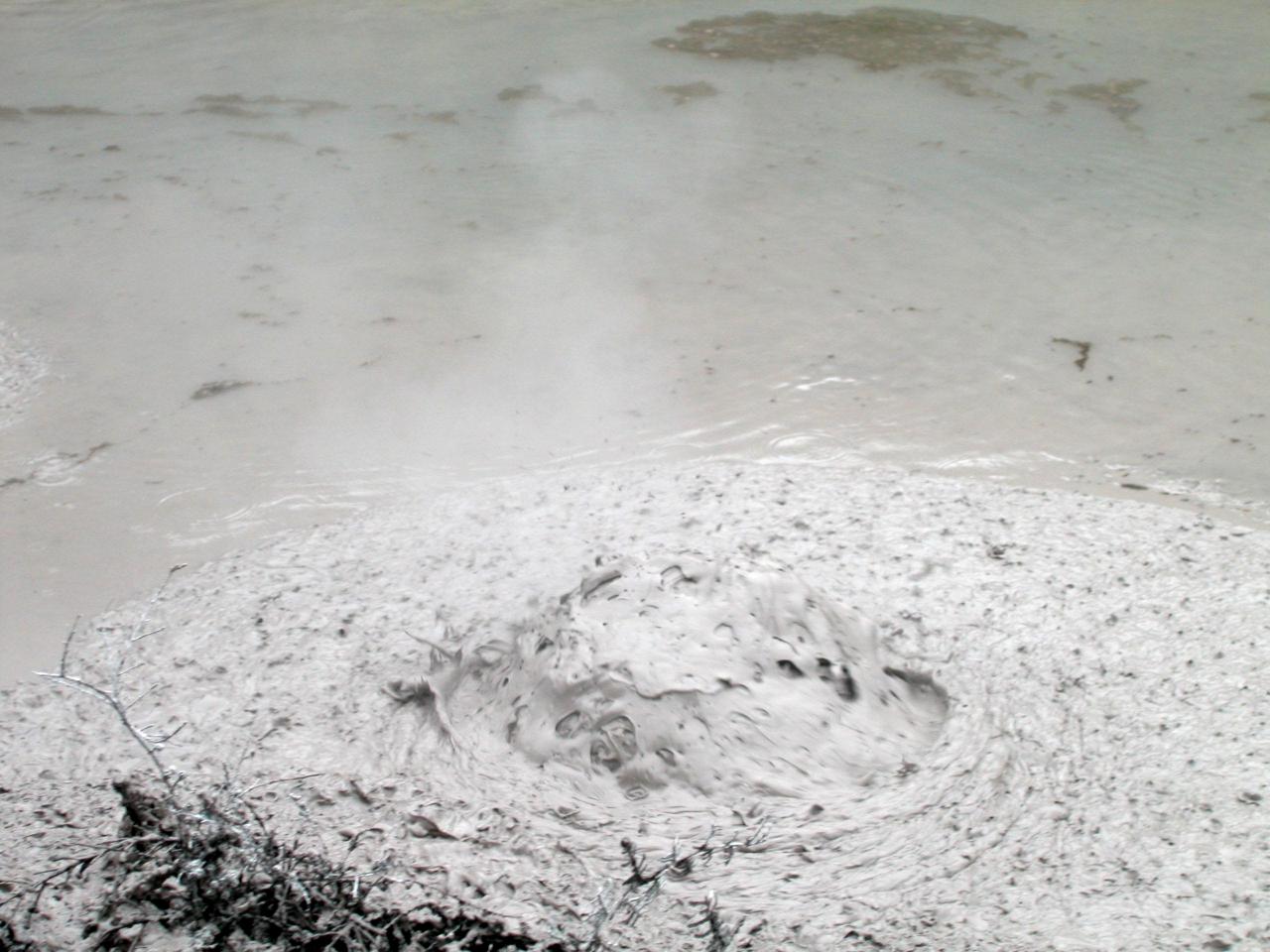
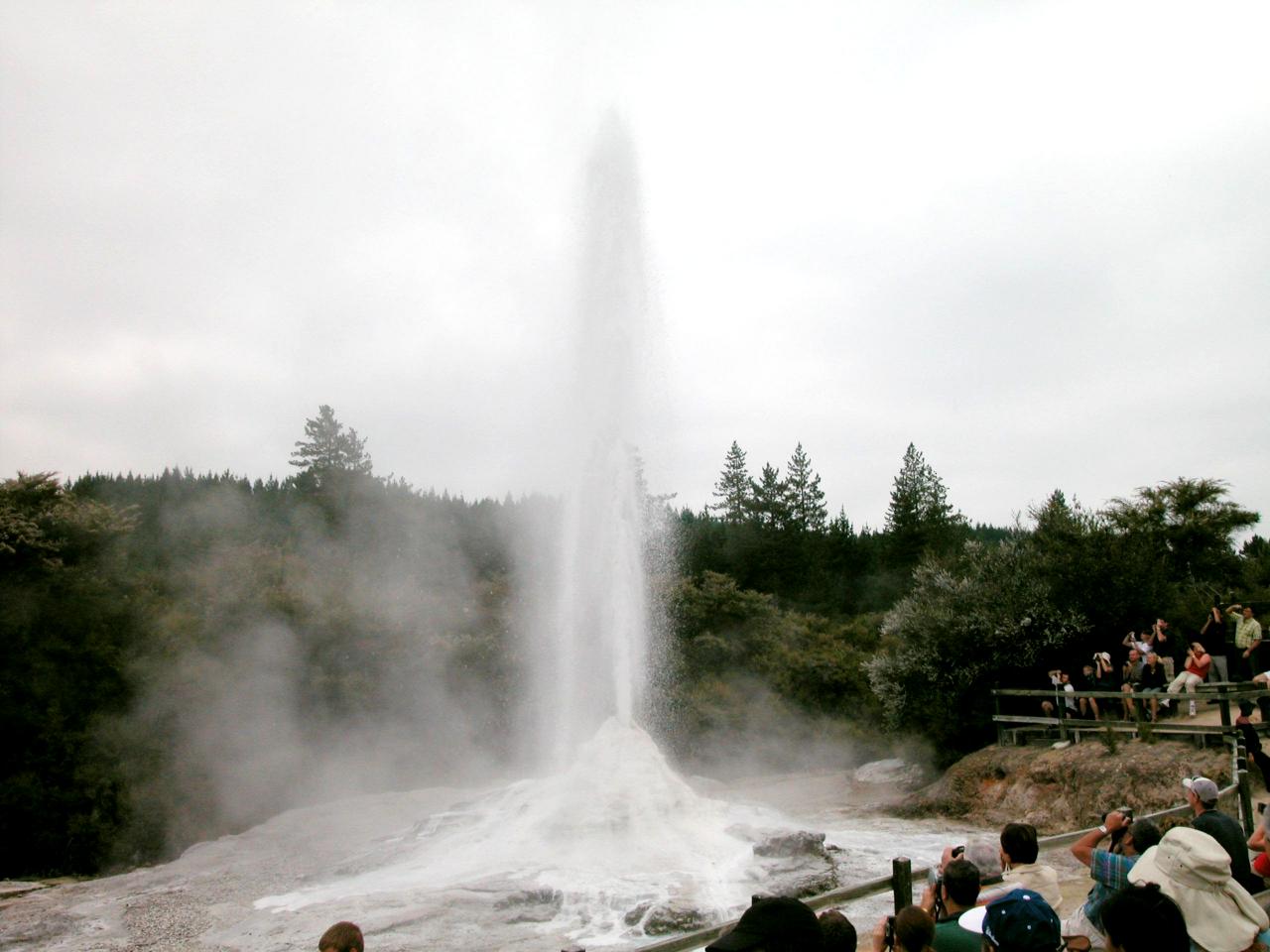
Thirty-two kilometres south of Rotorua is another famous geyser, Lady Knox. It goes off at precisely ten in the morning. We began our third day with it. It's in the Wai-O-Tapu geothermal area (geothermal area website). Admission to the lot was NZ$16.50. There's a road laid out for the visit. First, at no charge, you can see an enormous mud pool; then you go to the visitor centre to buy your geyser ticket, and after that you drive on to see it erupt.
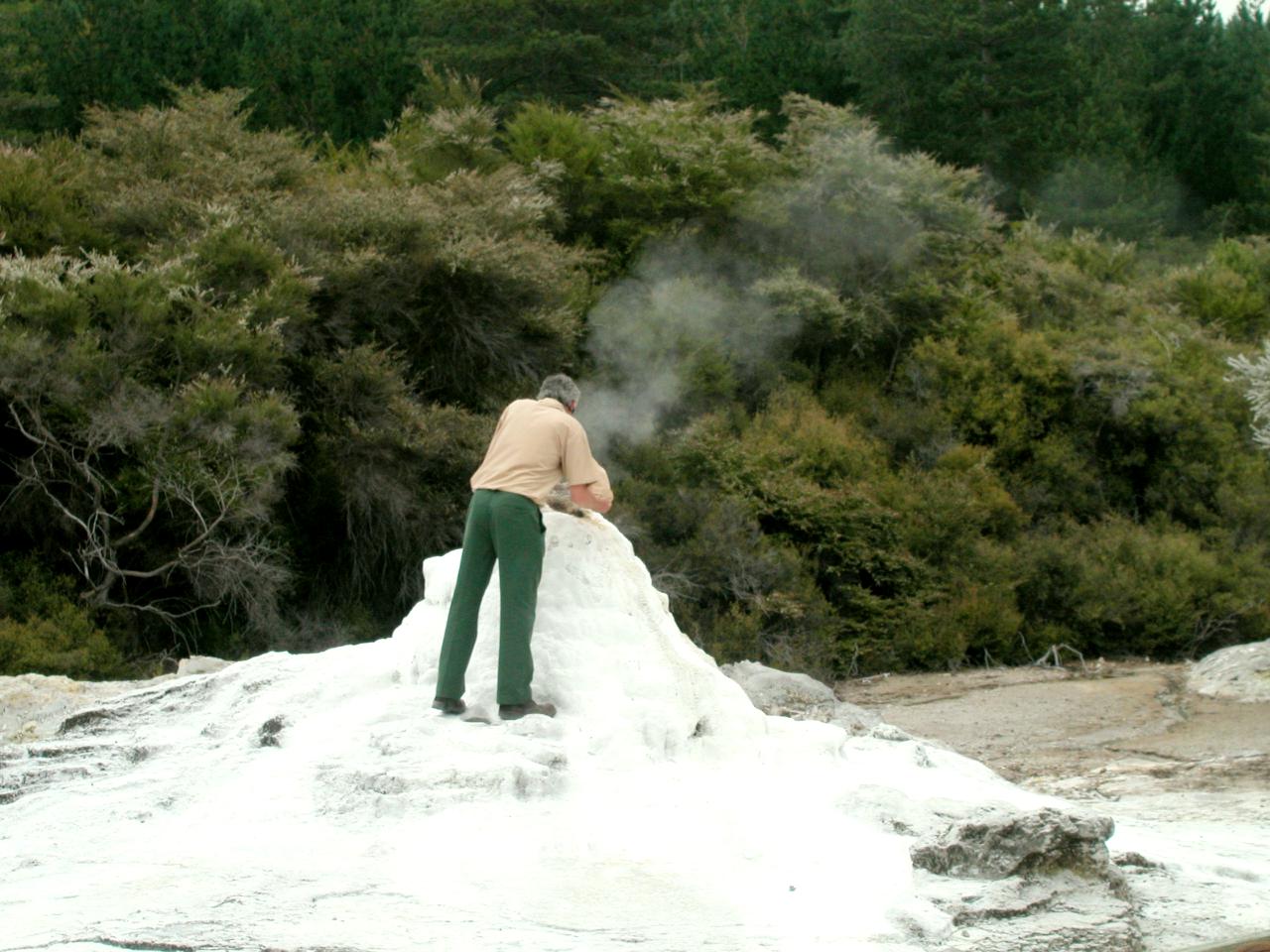
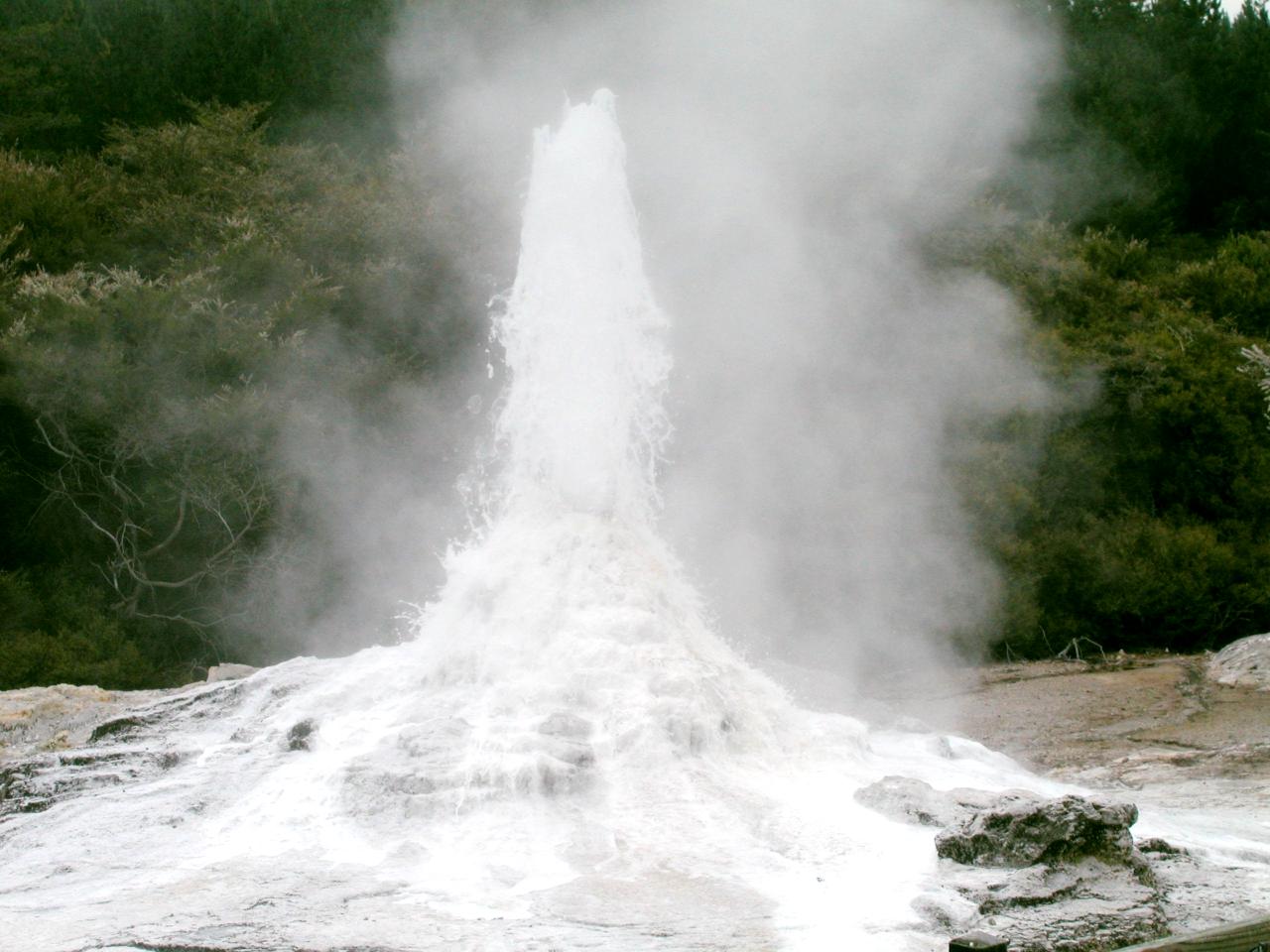
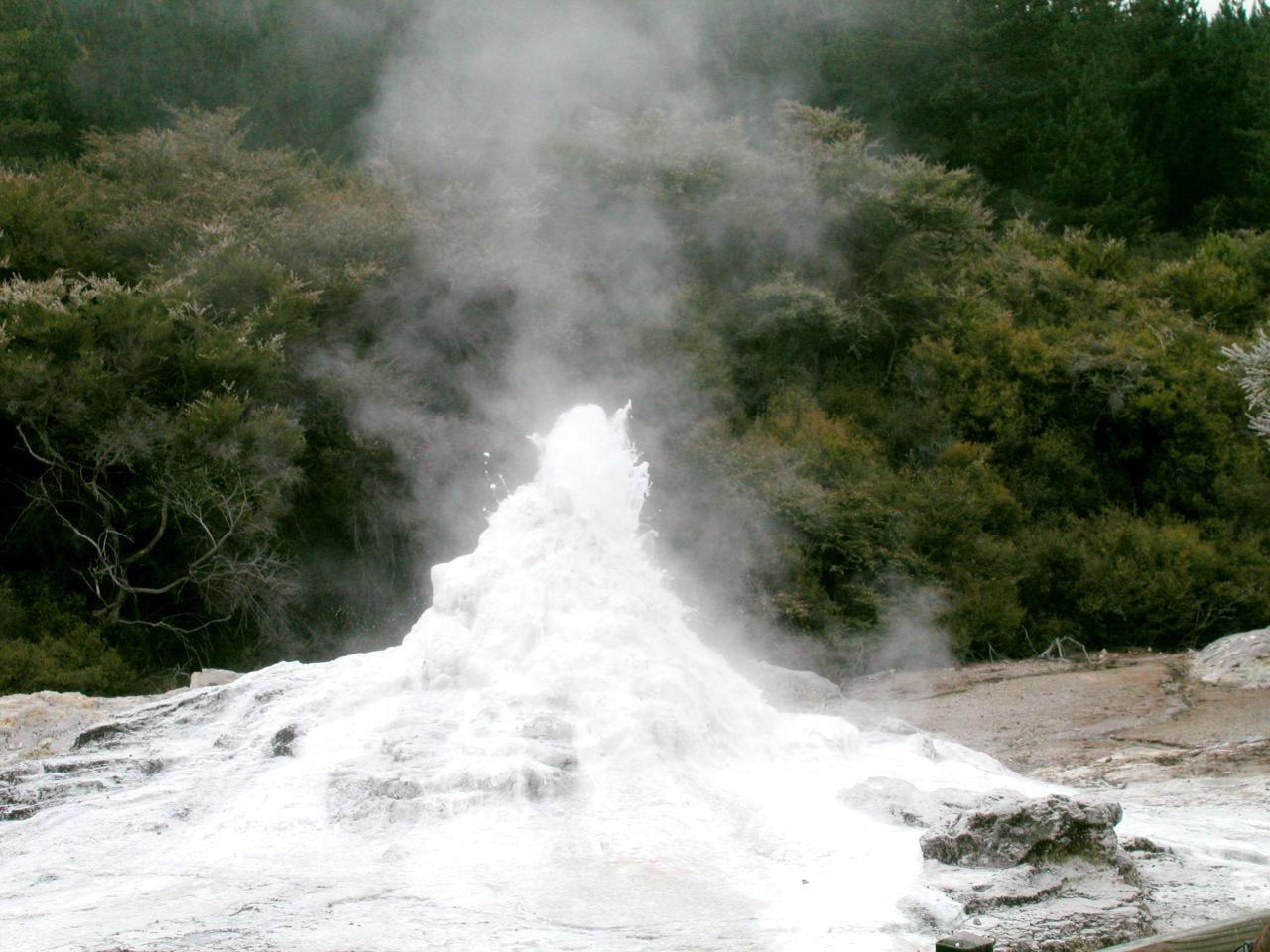
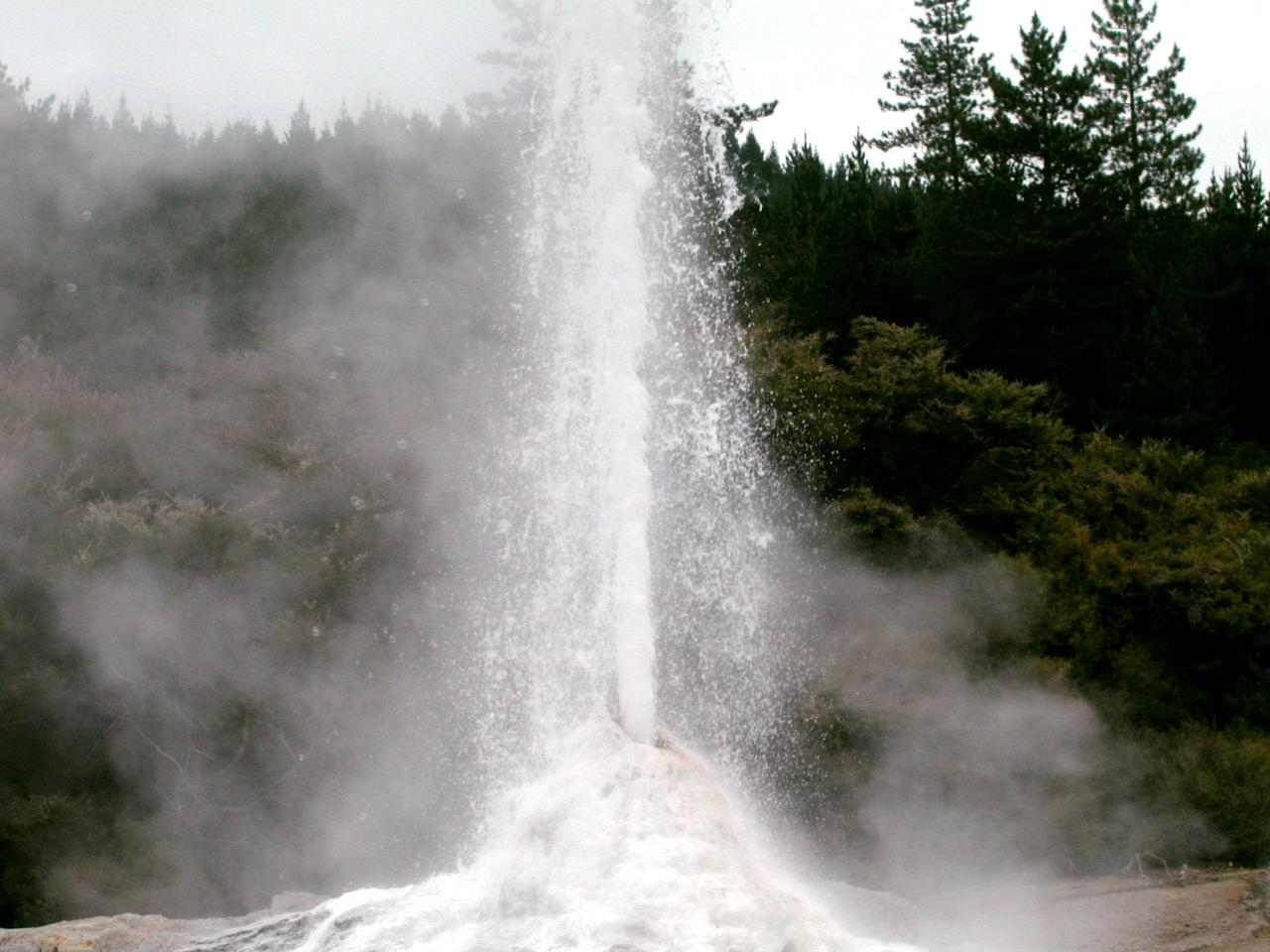
The geyser itself is a white cone about a metre and a half high, built up from mineral deposits. At the top is the hole it erupts from. Around it are stands built in an amphitheatre for the audience. Five minutes before the eruption a man comes along and pours two kilos of washing powder down the hole to lower the water's surface tension. When it reaches the lower layers, the water boils and a jet shoots up about ten to twenty metres. As I understood it, it doesn't go off without the soap. Prisoners at the nearby prison discovered the effect when they decided to wash their clothes in a convenient hot pool. There's a long tale about the prisoners and the beautiful Lady Knox, the governor's daughter for whom the geyser was named. It's told in the interval between putting in the soap and the eruption. They have mighty loudspeakers for the occasion, and the man is equipped with a radio microphone. The eruption lasts about five minutes.
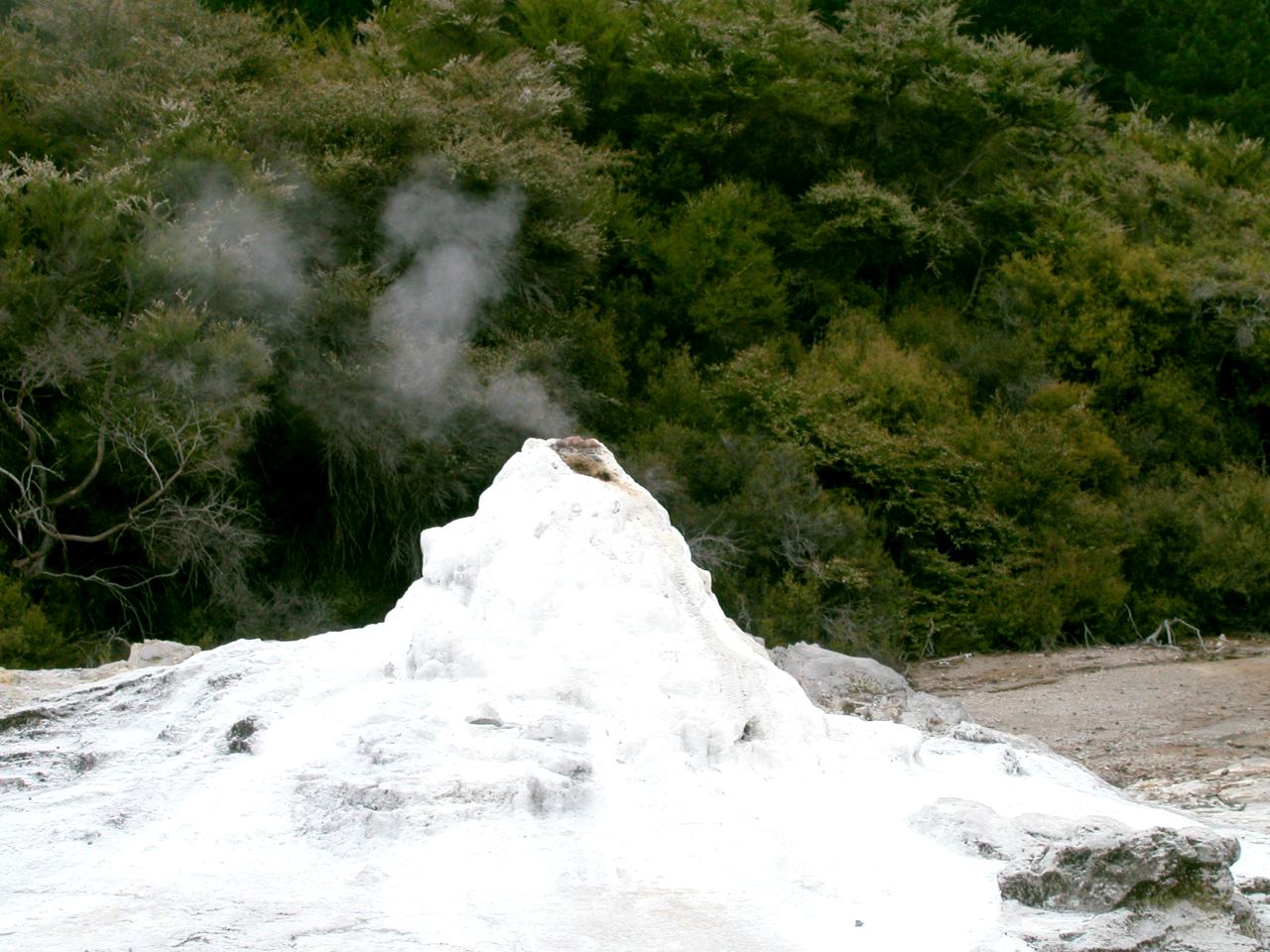
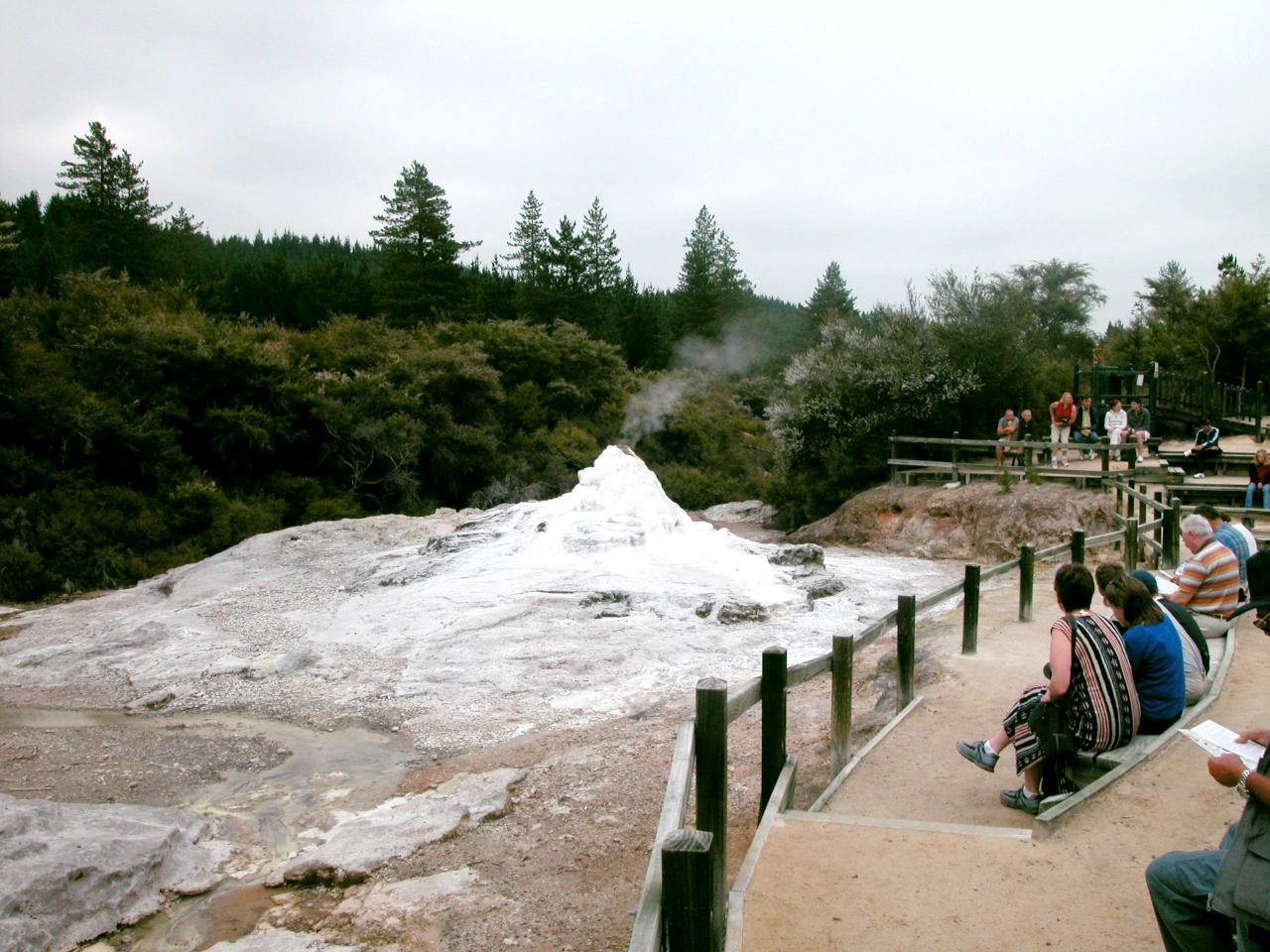
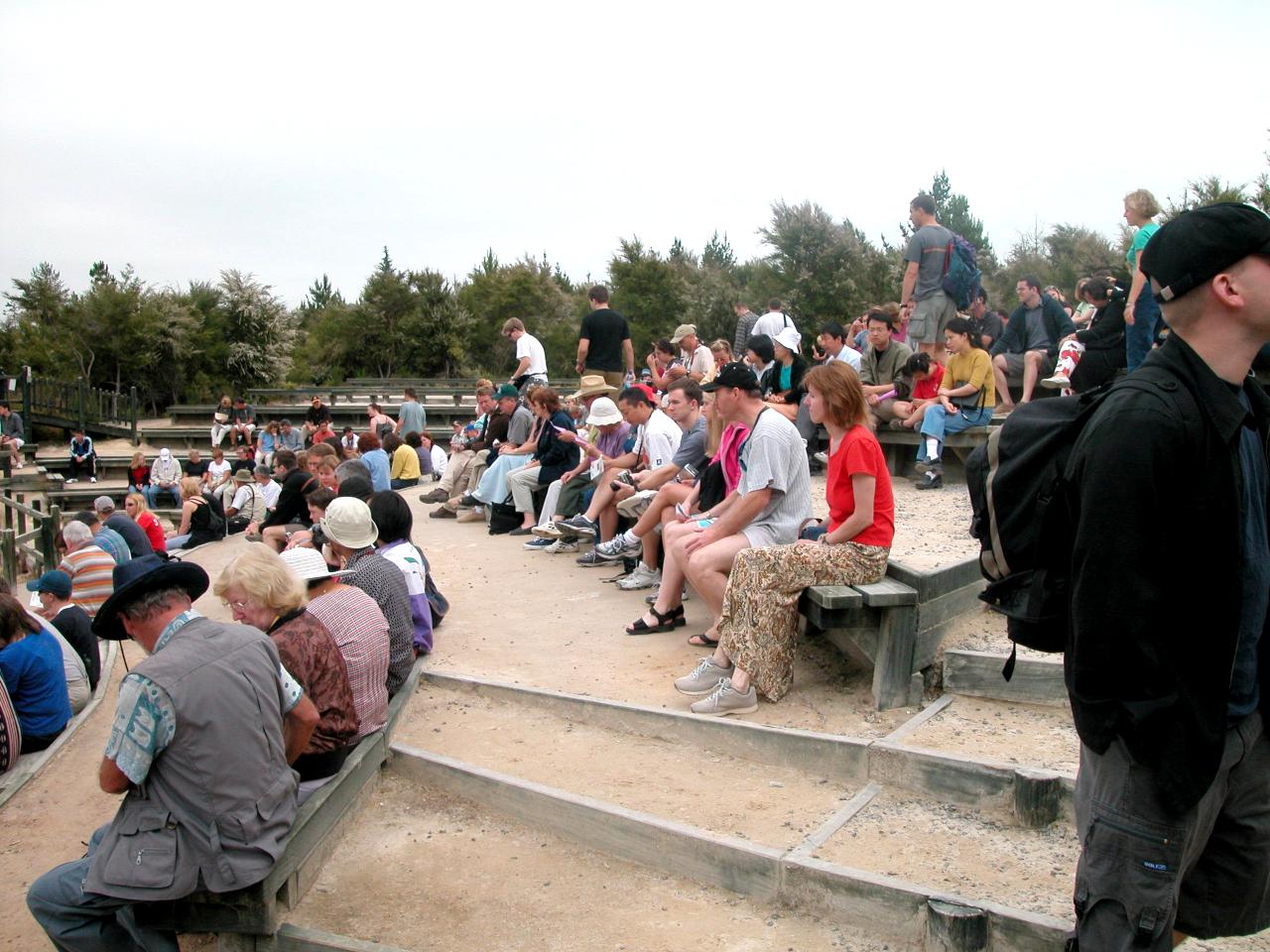
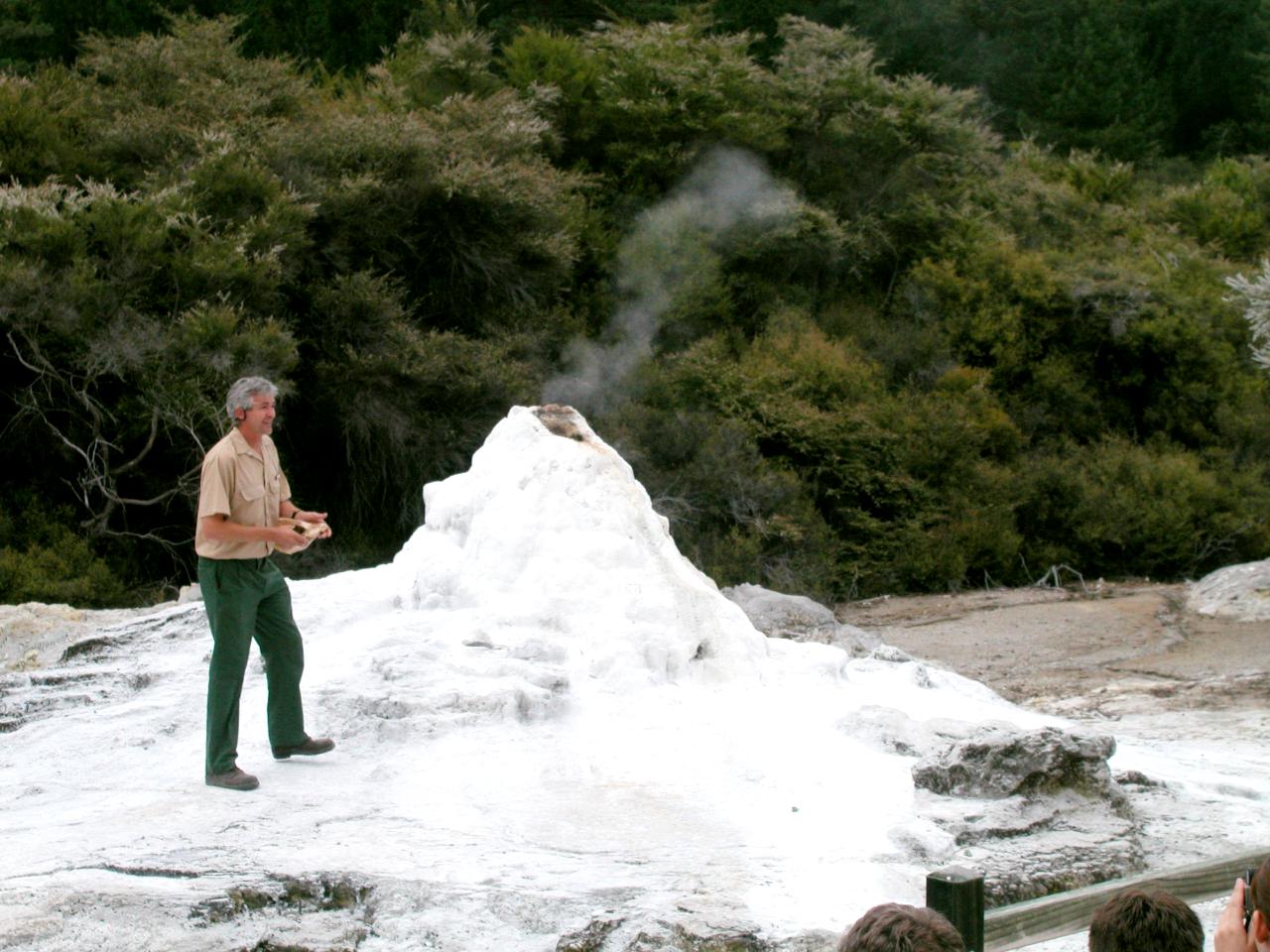
After that you can drive on to the actual geothermal area. As at other sites, there are plenty of mud volcanoes and multicoloured hot pools. Perhaps the one that deserves a special mention is Champagne Pool. Bright blue water covered in bubbles is surrounded by an orange-red rim. It's sixty metres deep, and the water at the bottom is 240 degrees. As the water circulates, carbon dioxide dissolved under great pressure comes out in bubbles. The same thing happens in real champagne, though the temperature is usually lower.
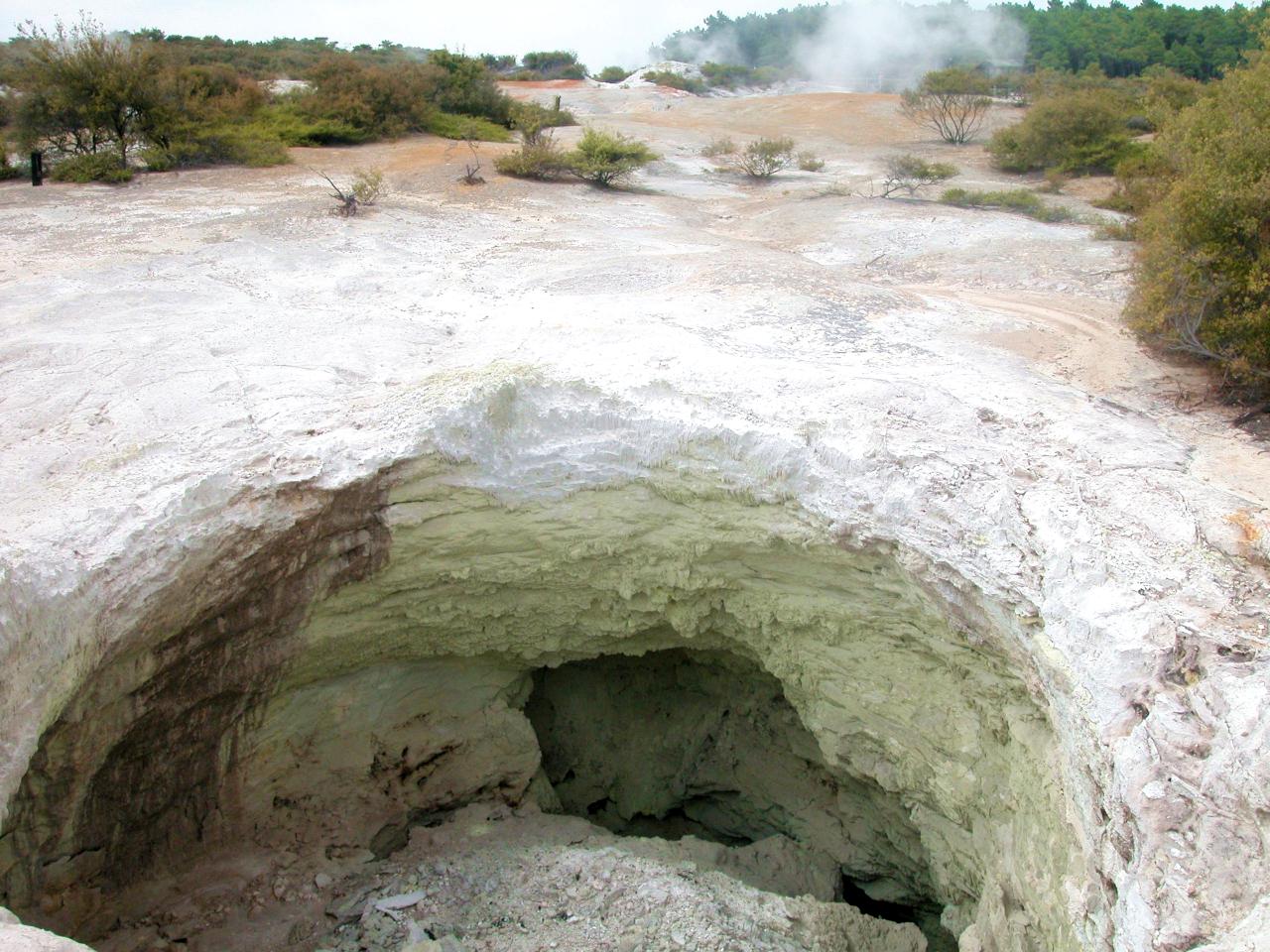
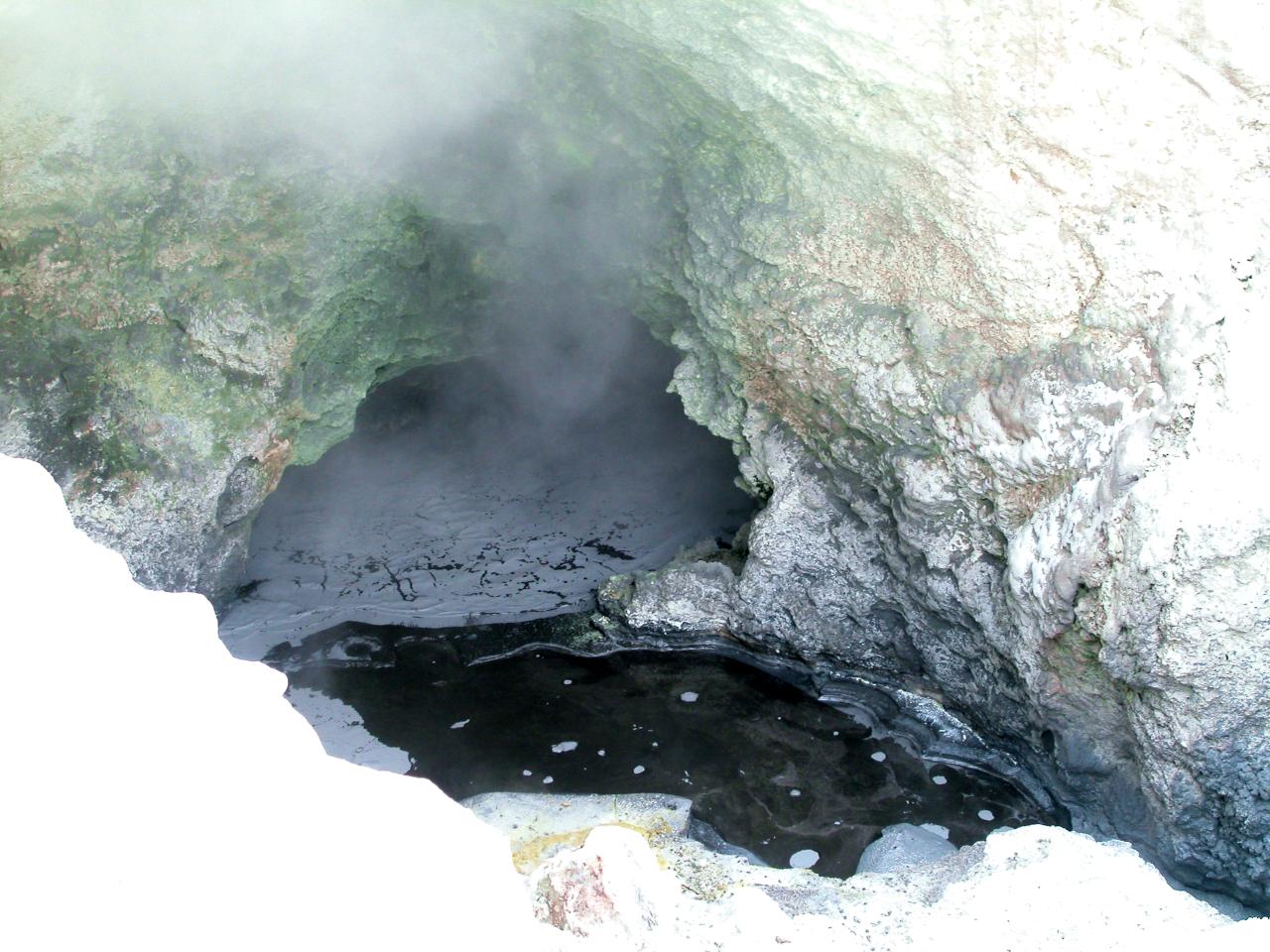
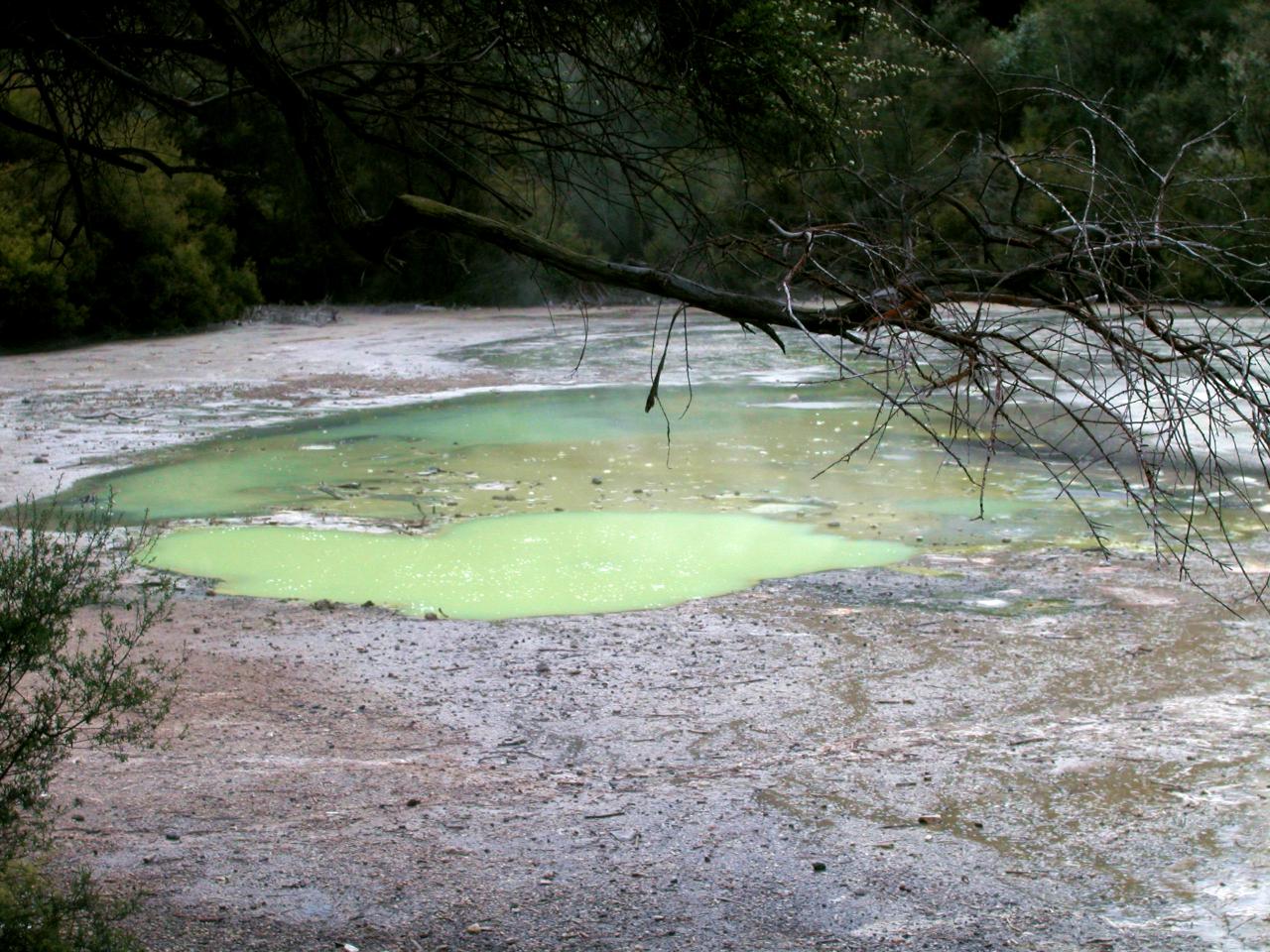
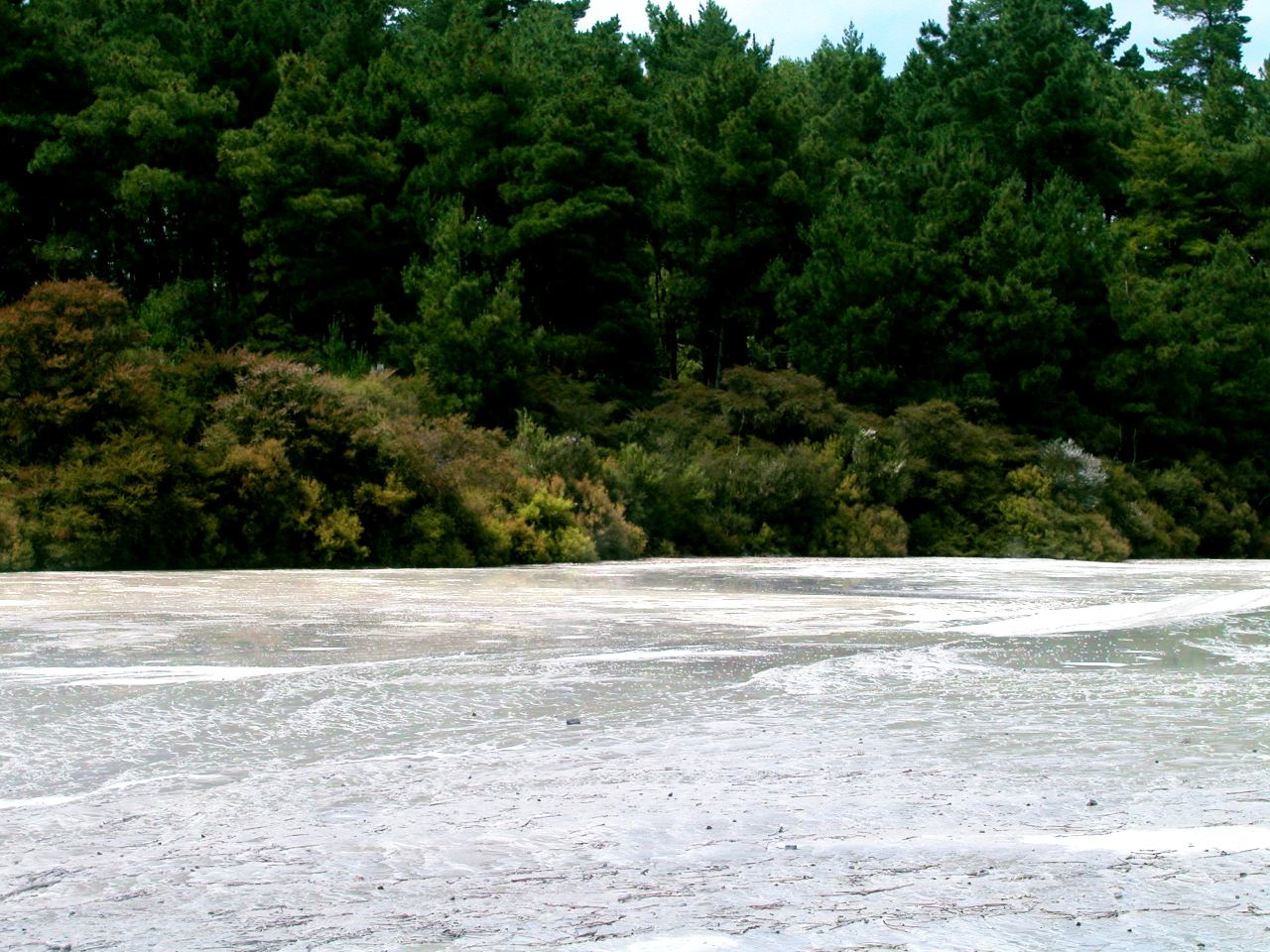
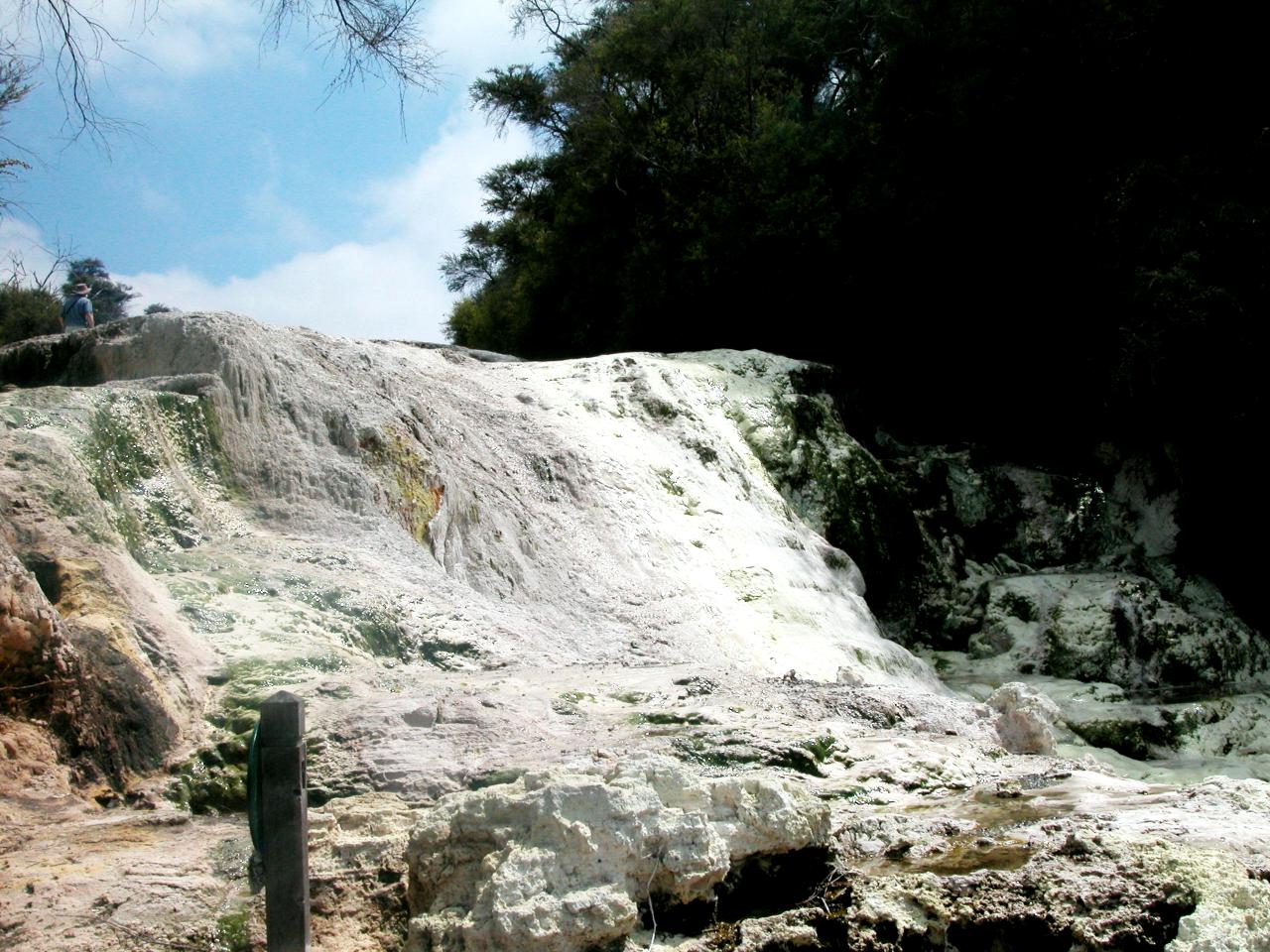
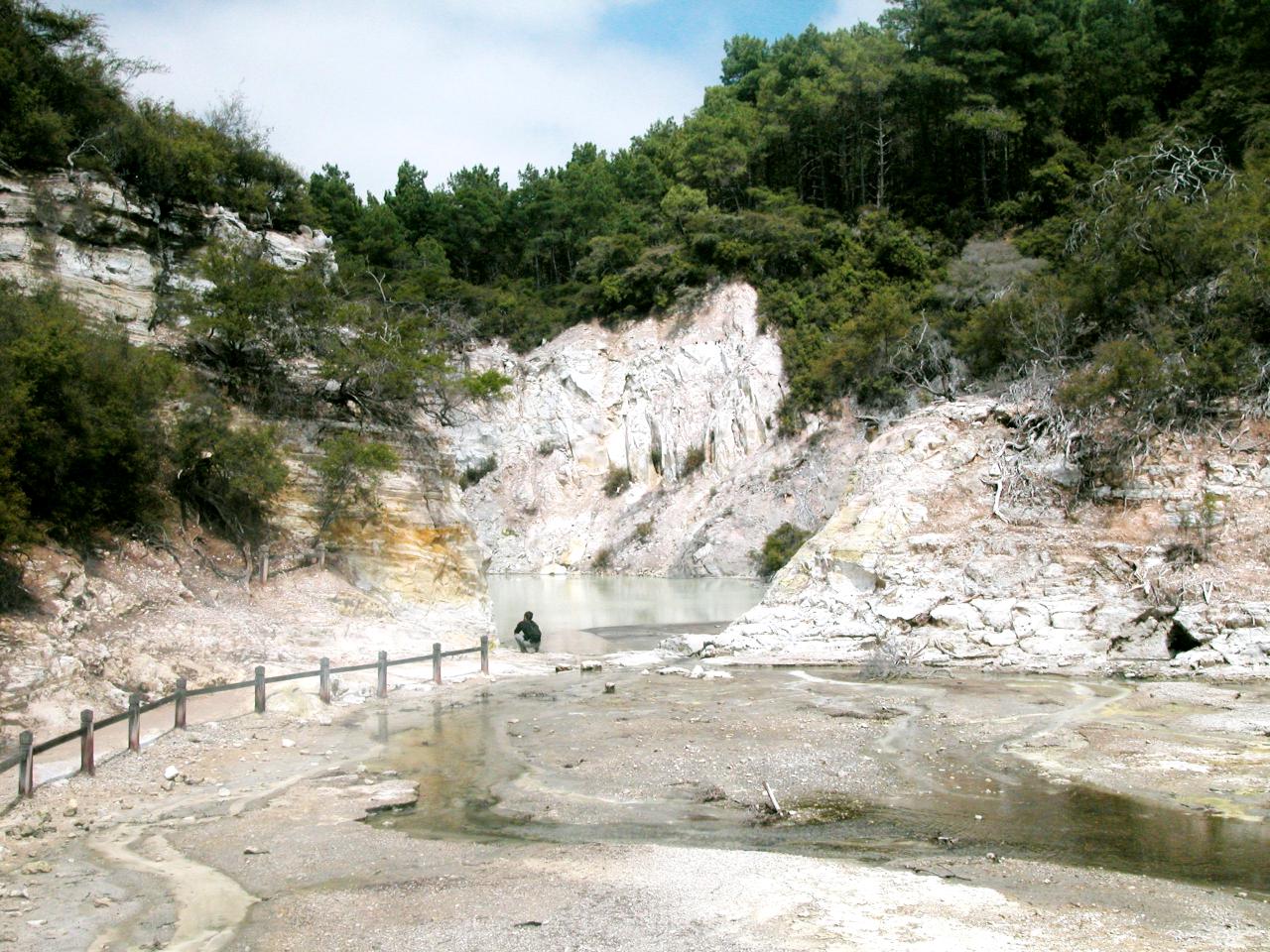
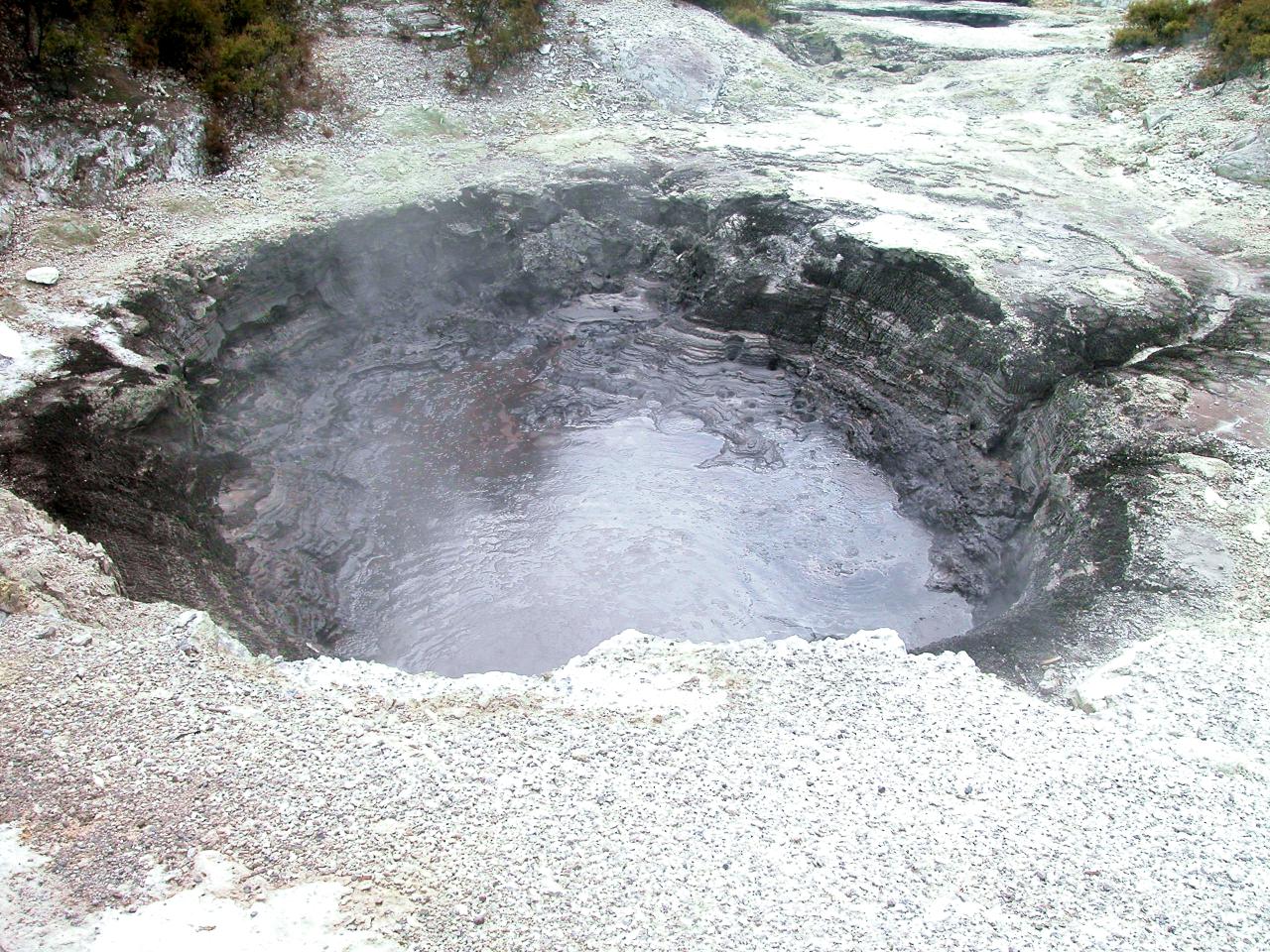
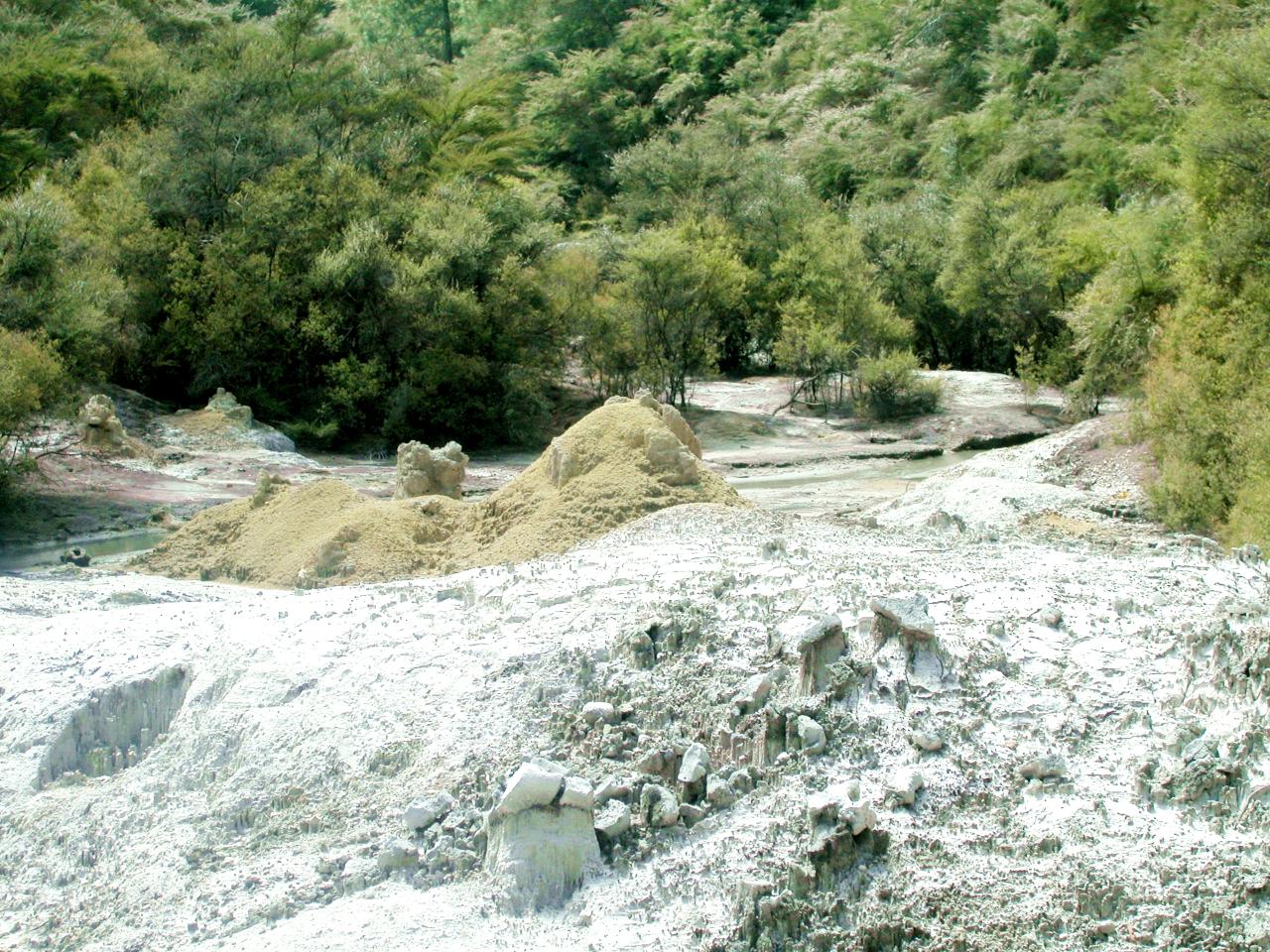
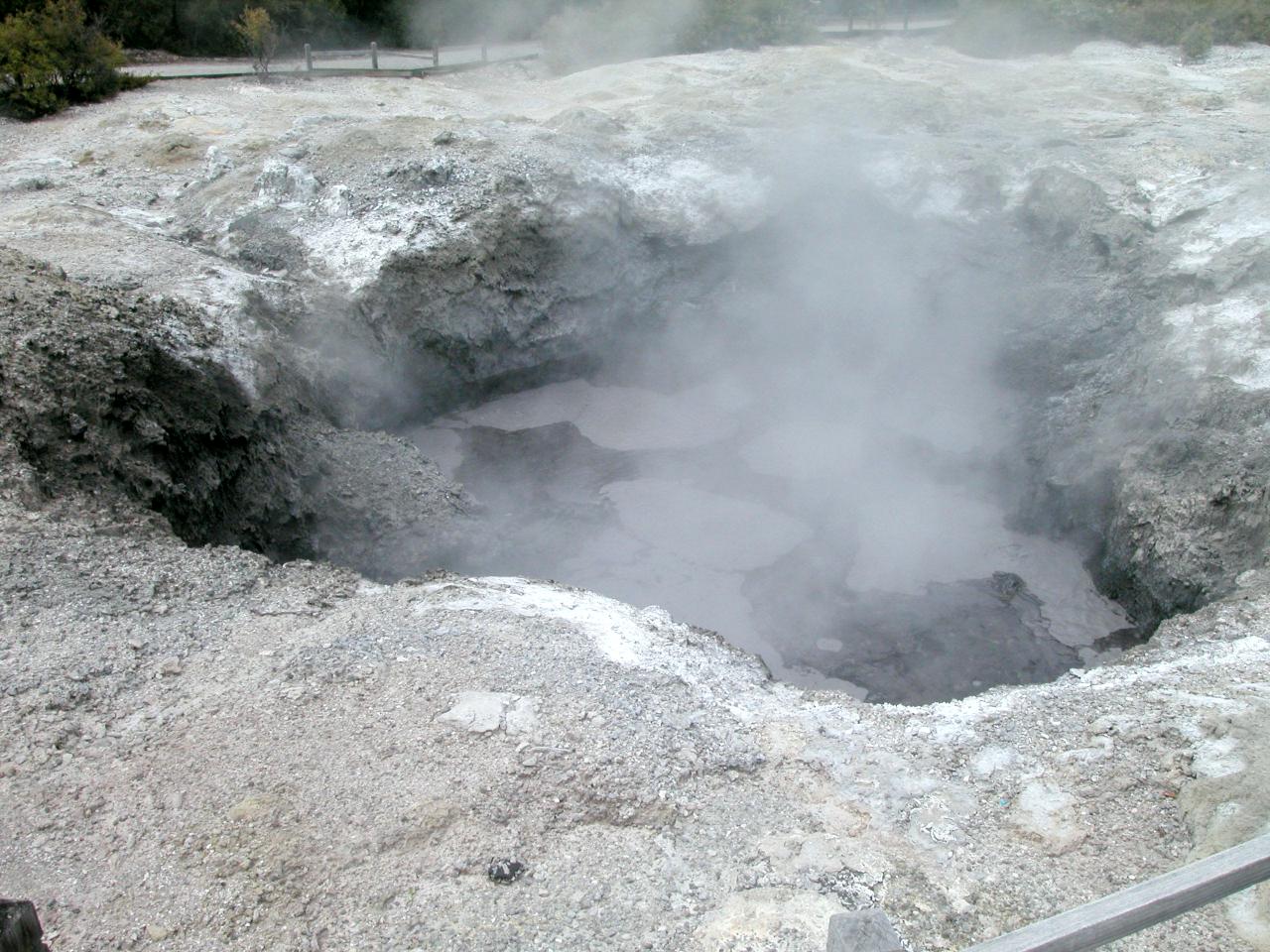
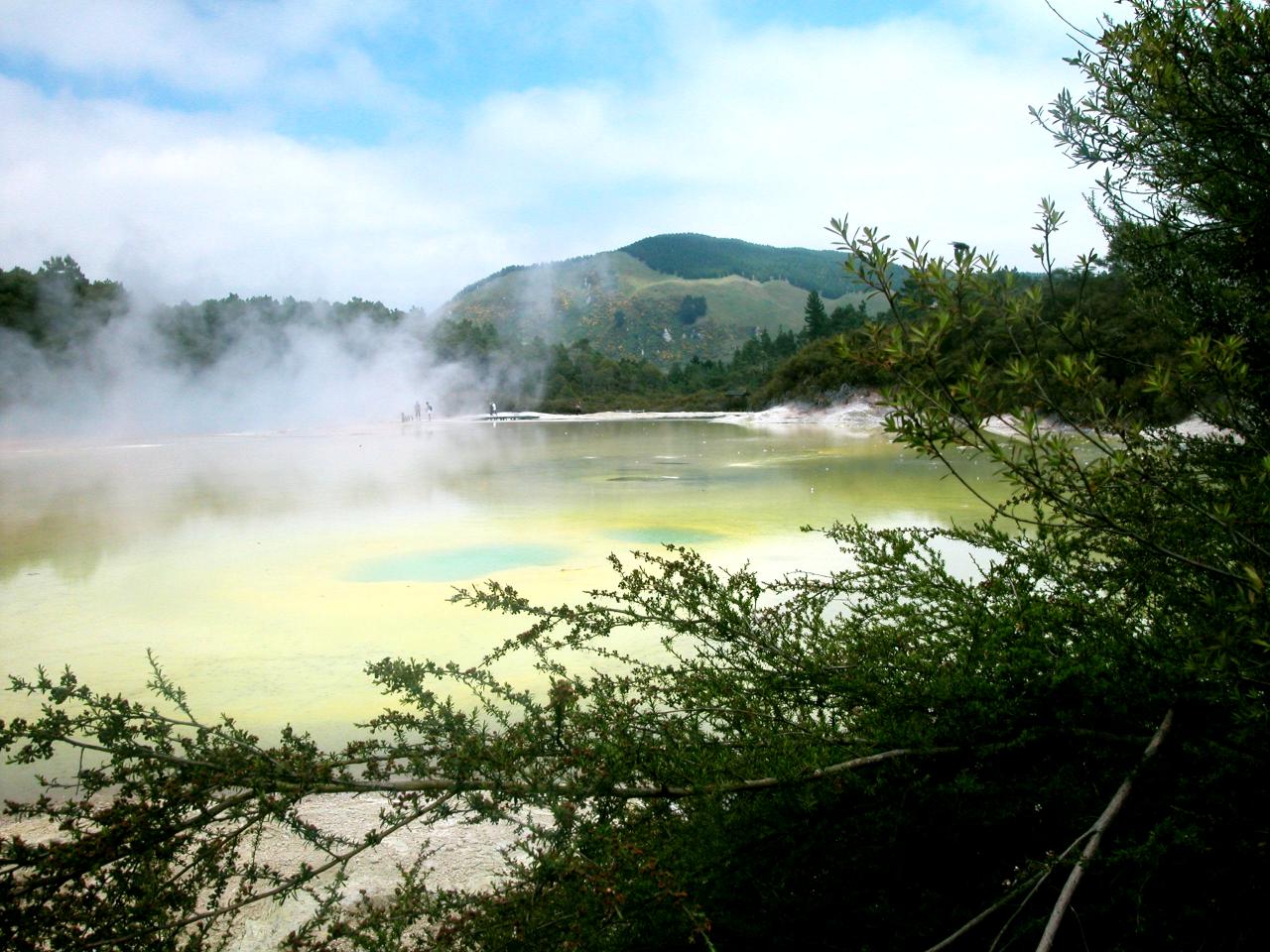
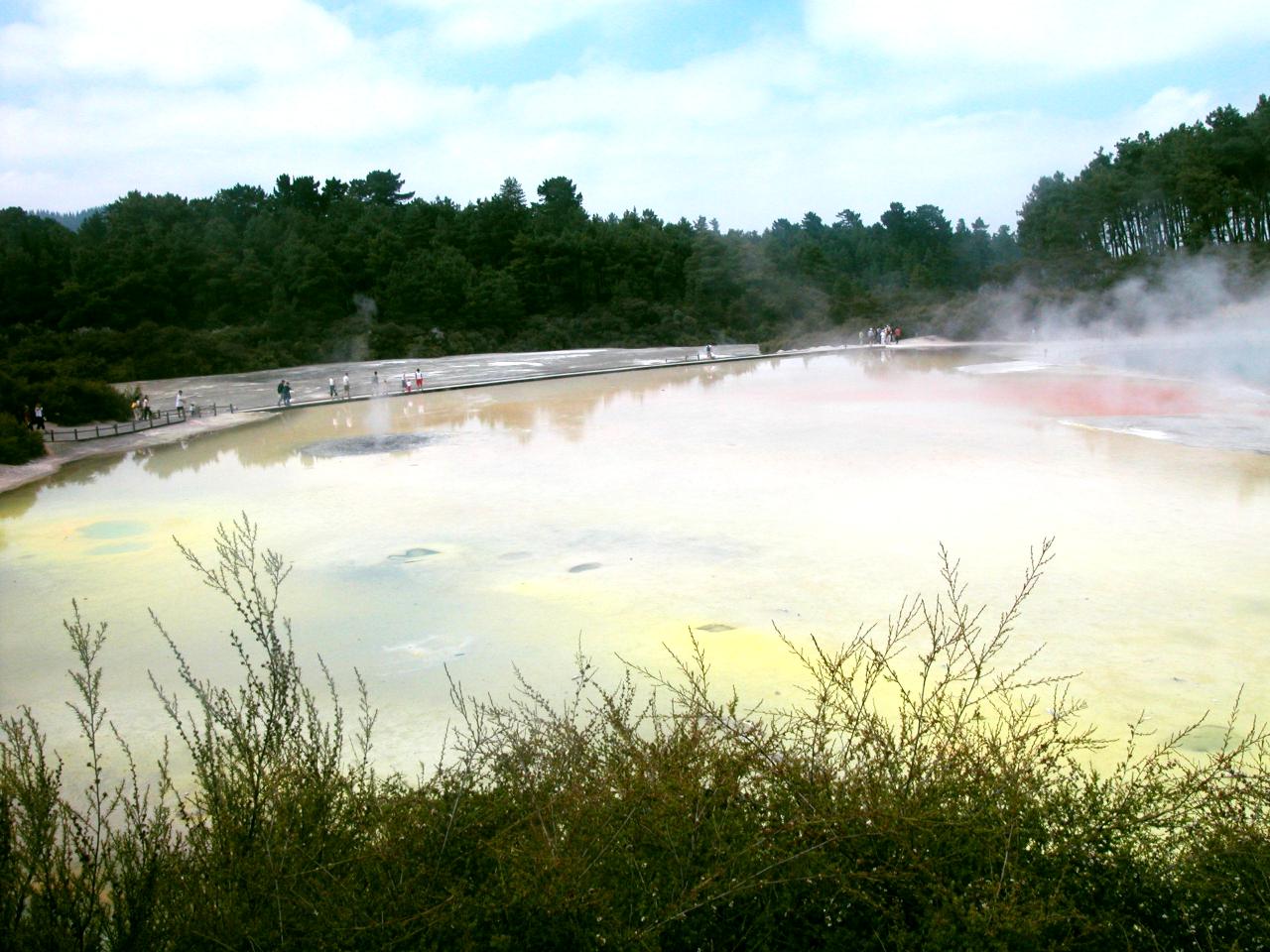
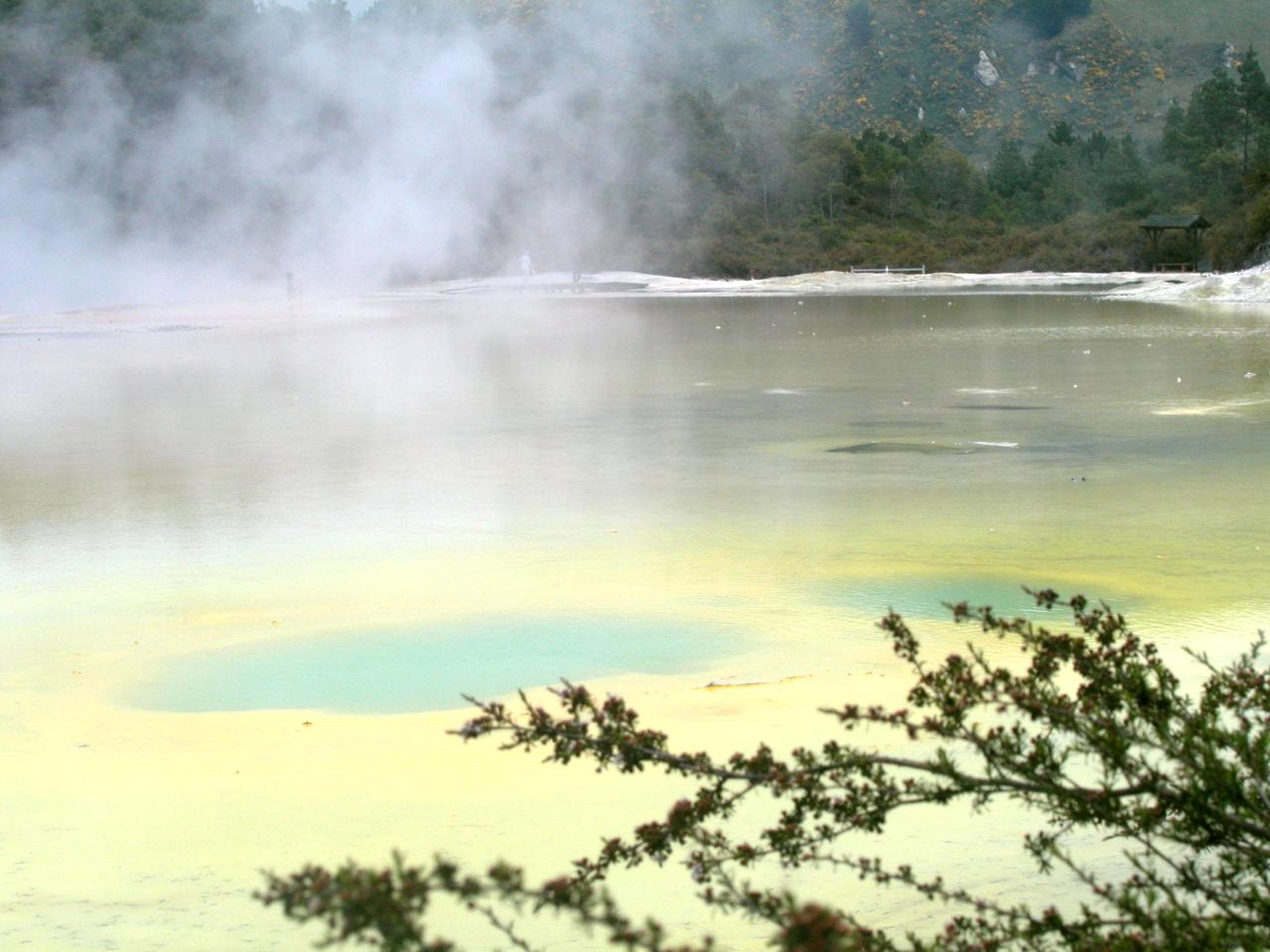
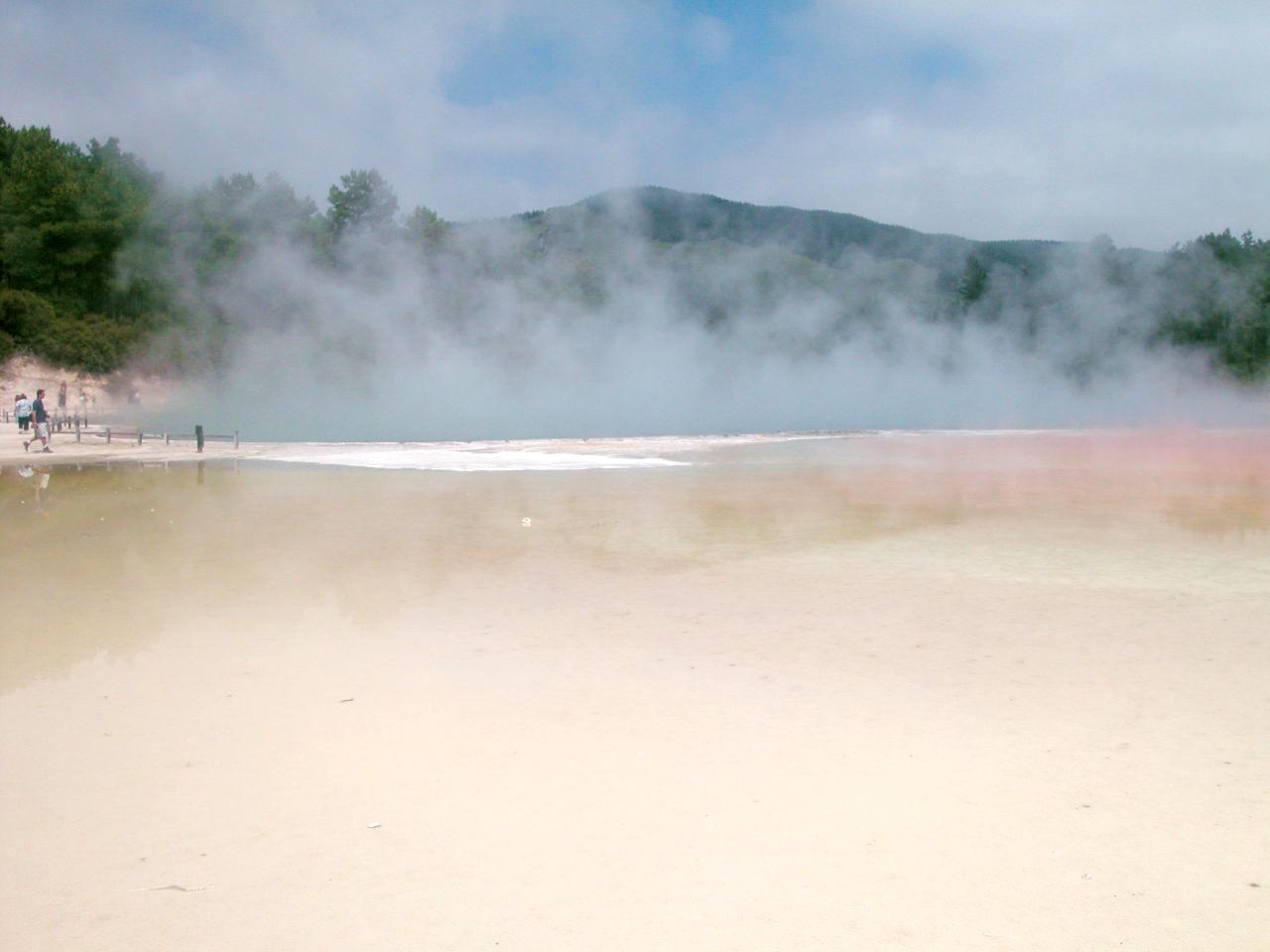
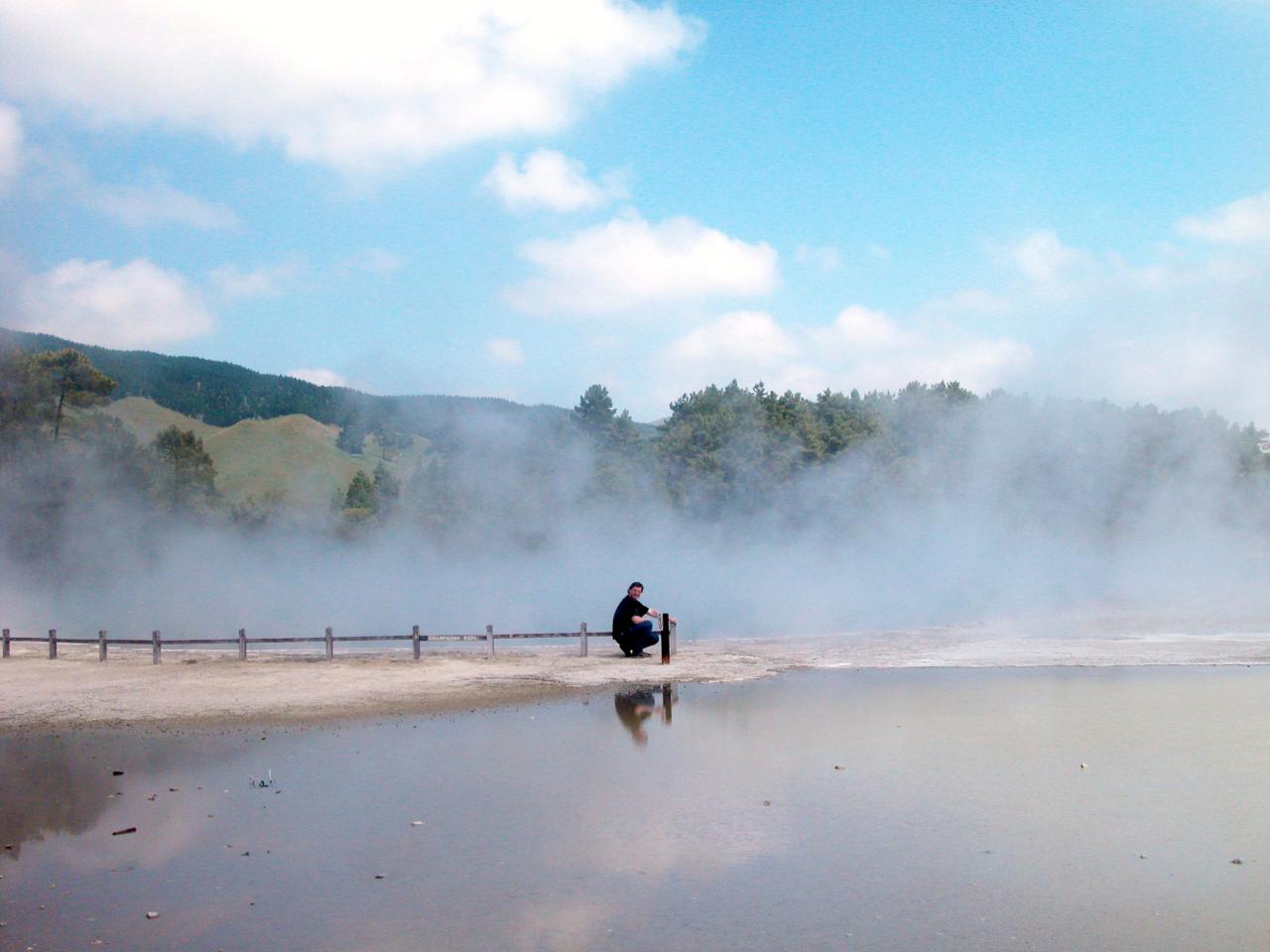
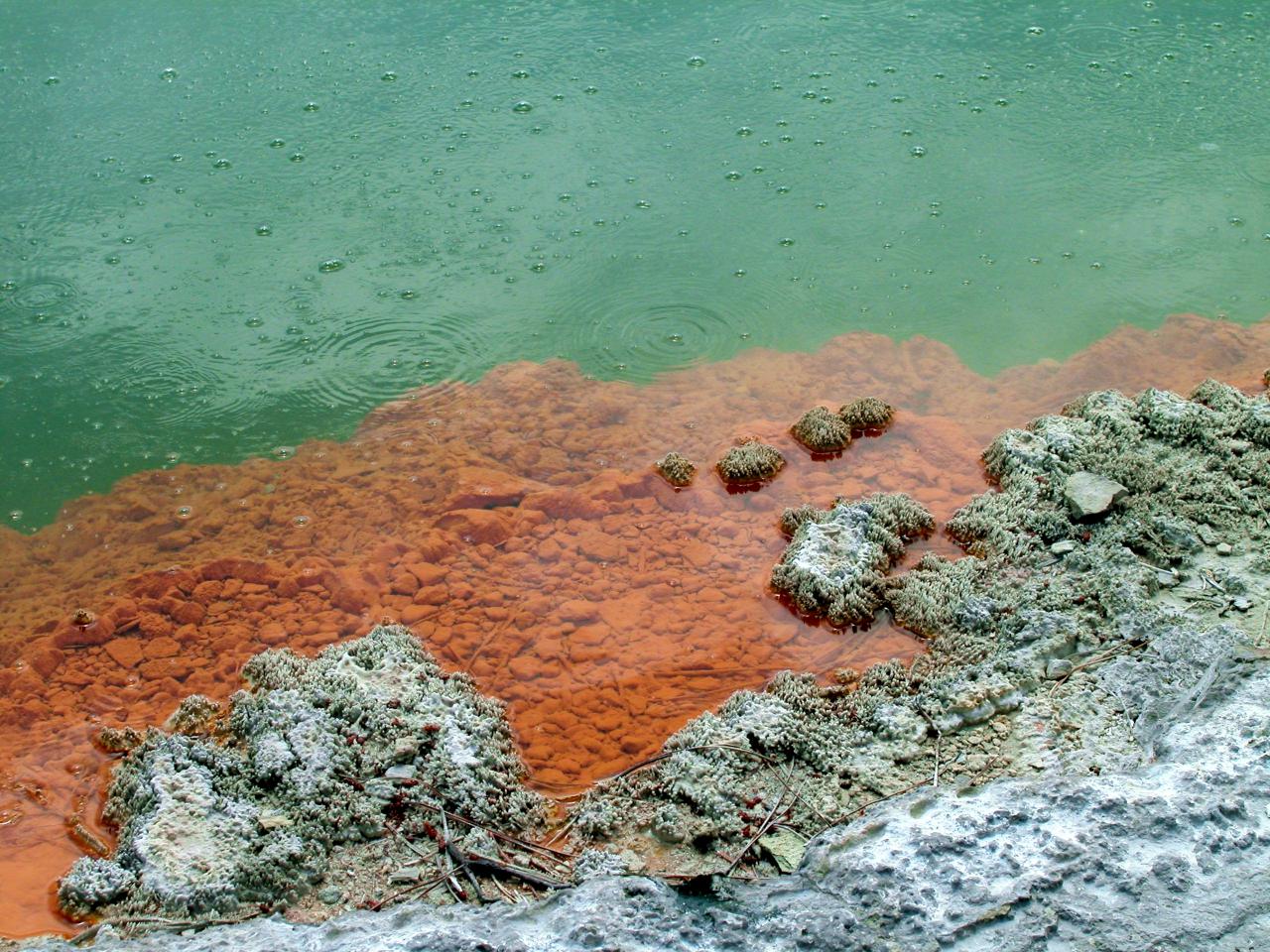
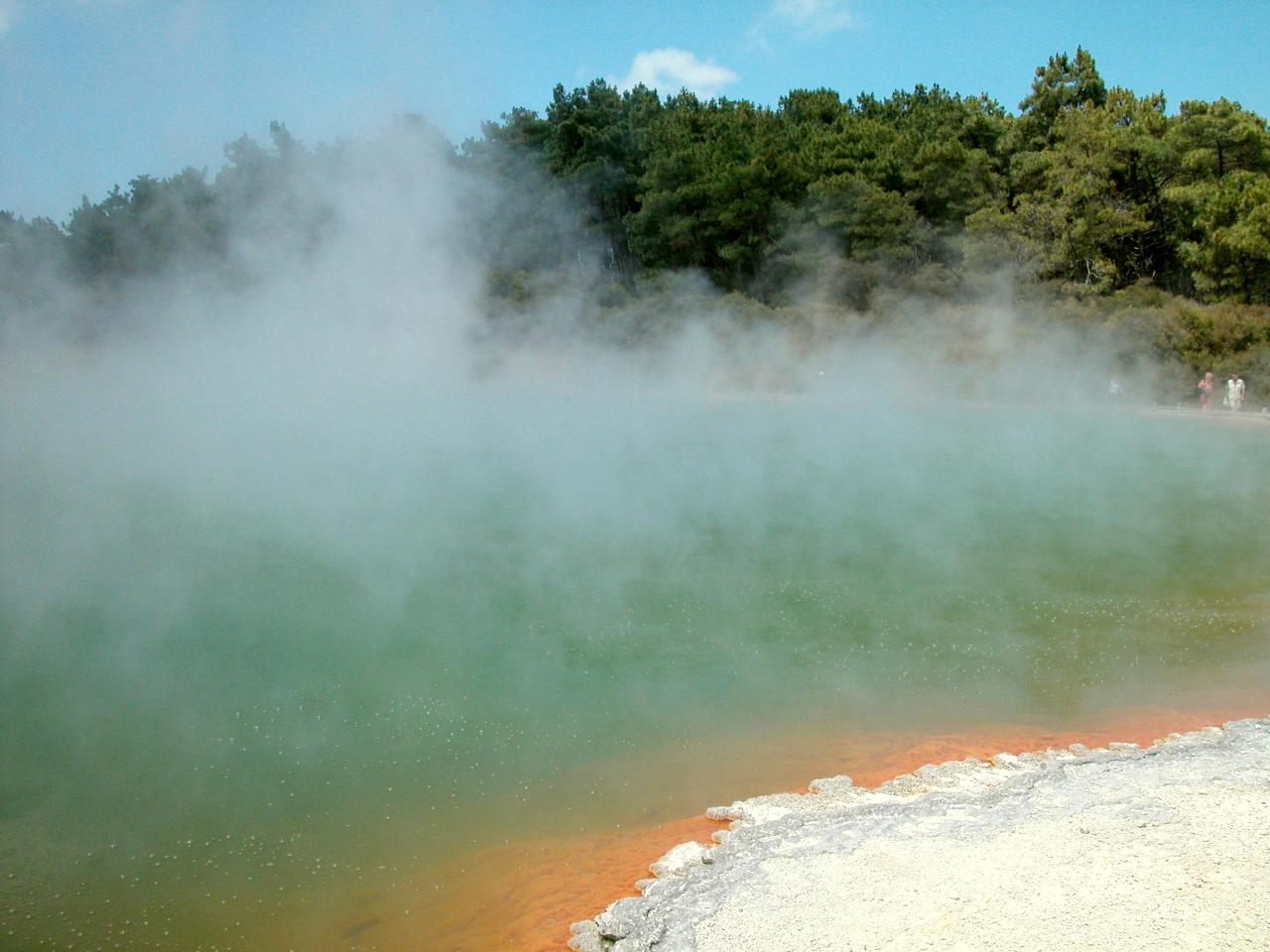
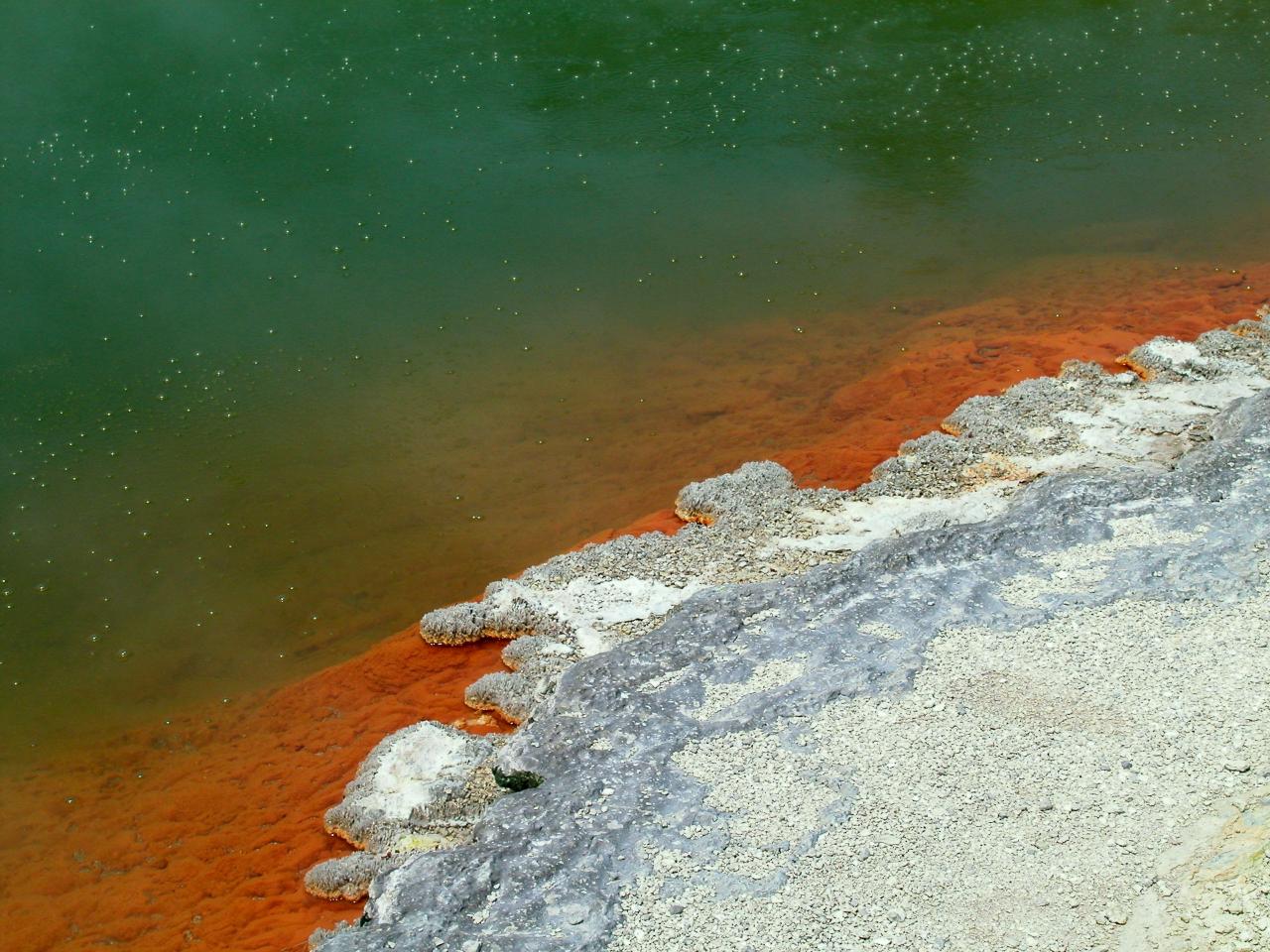
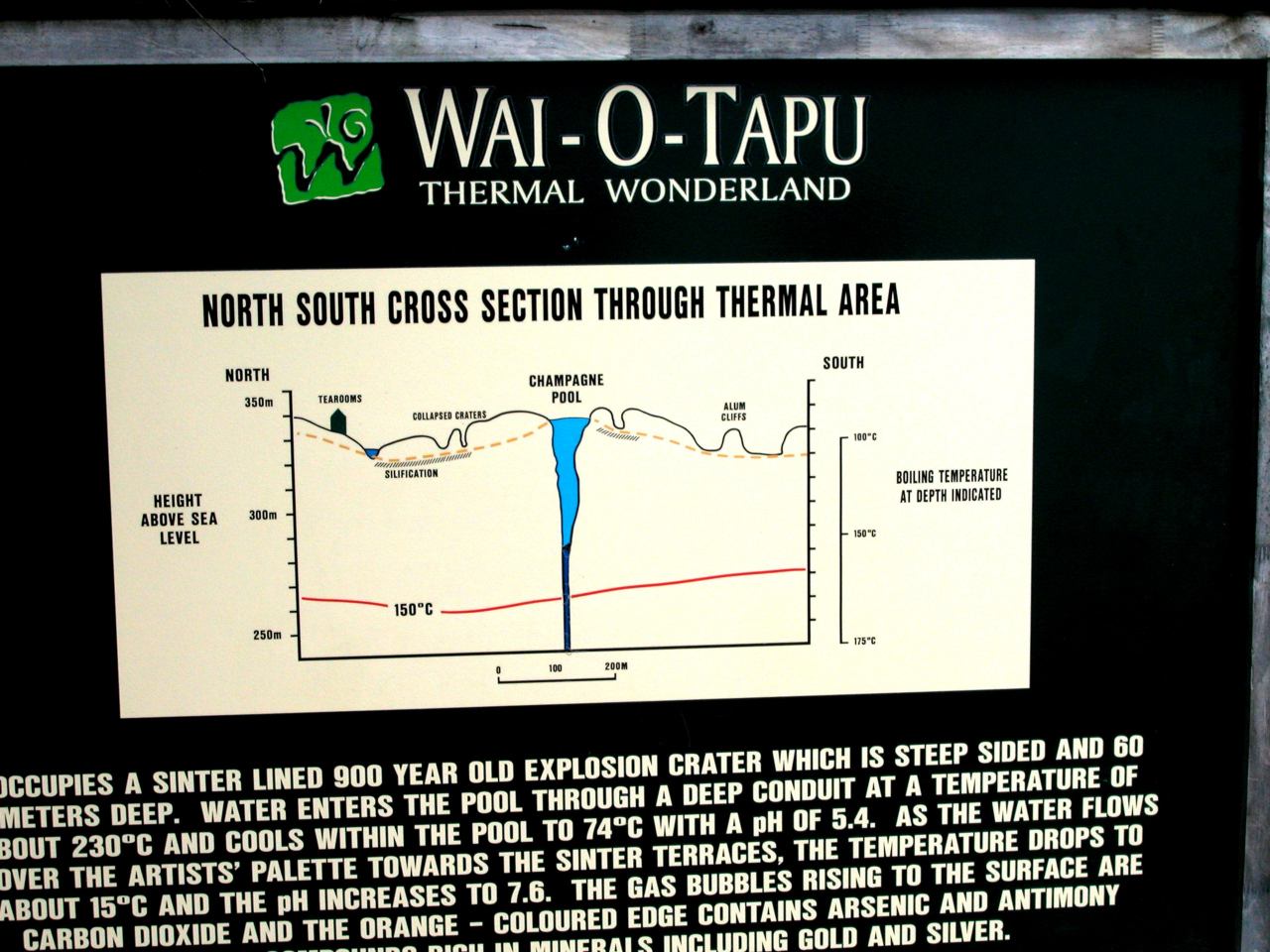
Salts of several elements come up with the water from below and are deposited here, creating a completely unearthly range of colours. The descriptions for tourists make much of the gold and silver salts, just so everyone knows how precious the sight before them is.
All over the area there's a network of paths. If you walk the whole route, it takes roughly two hours.
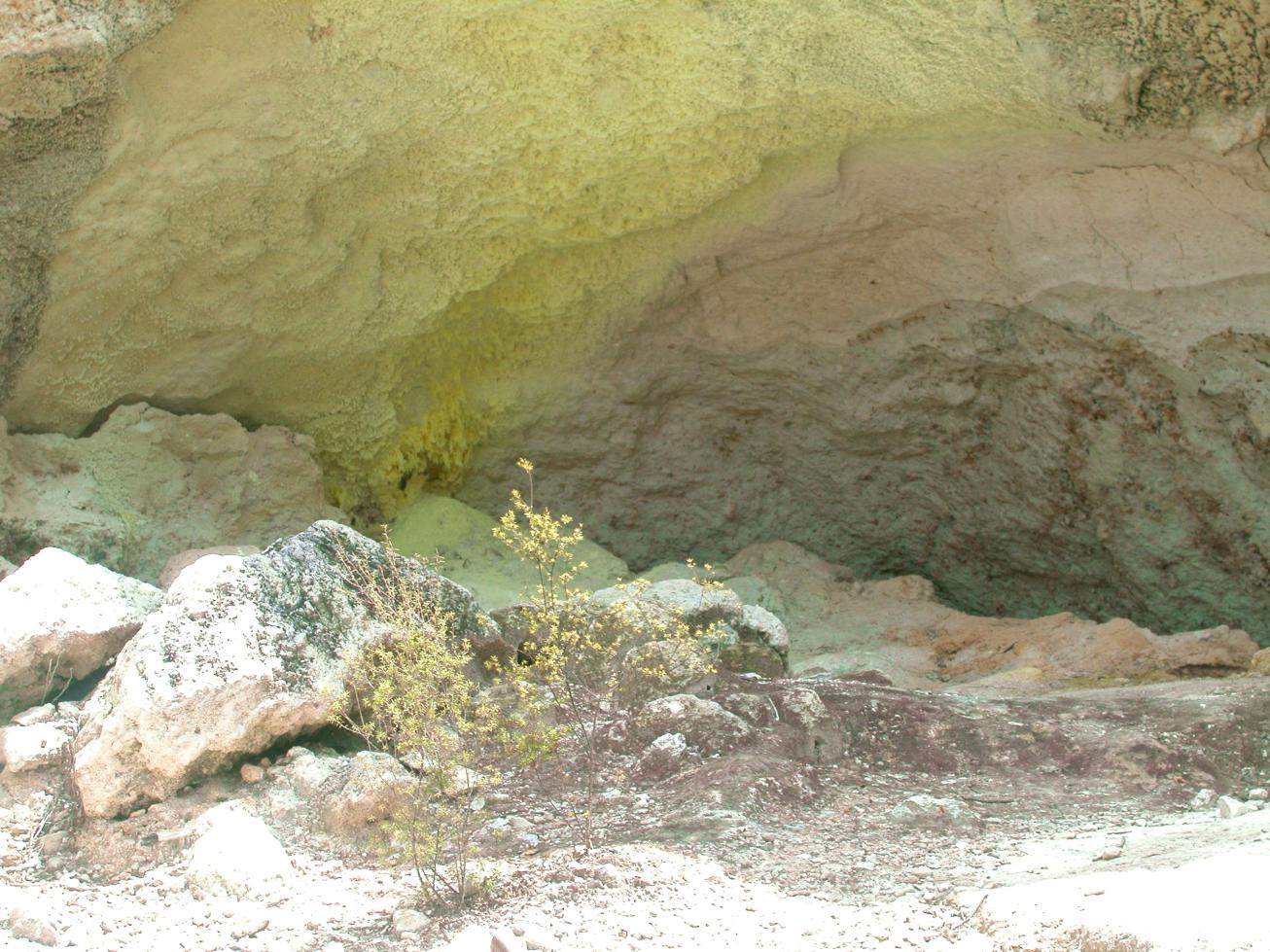
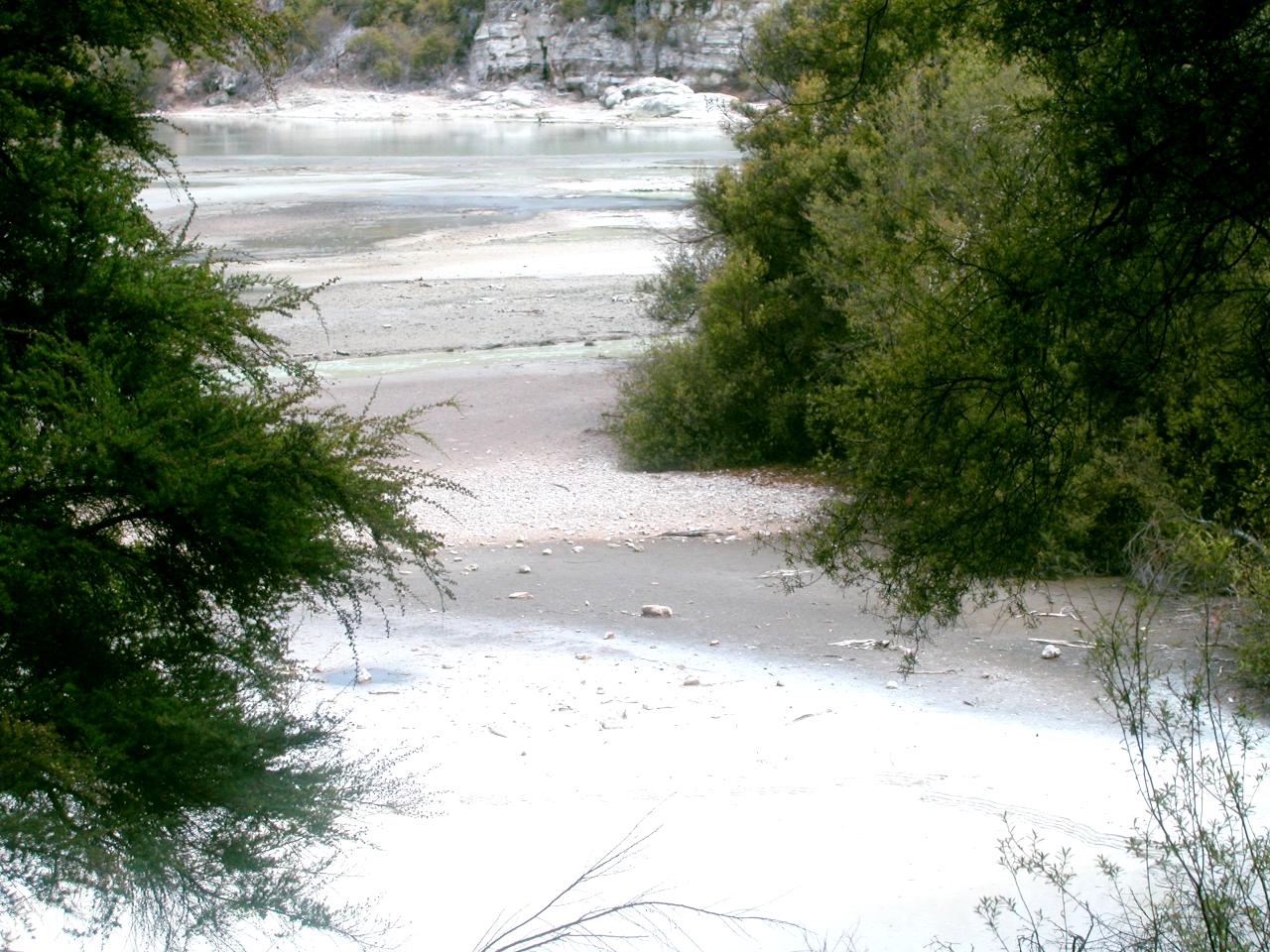
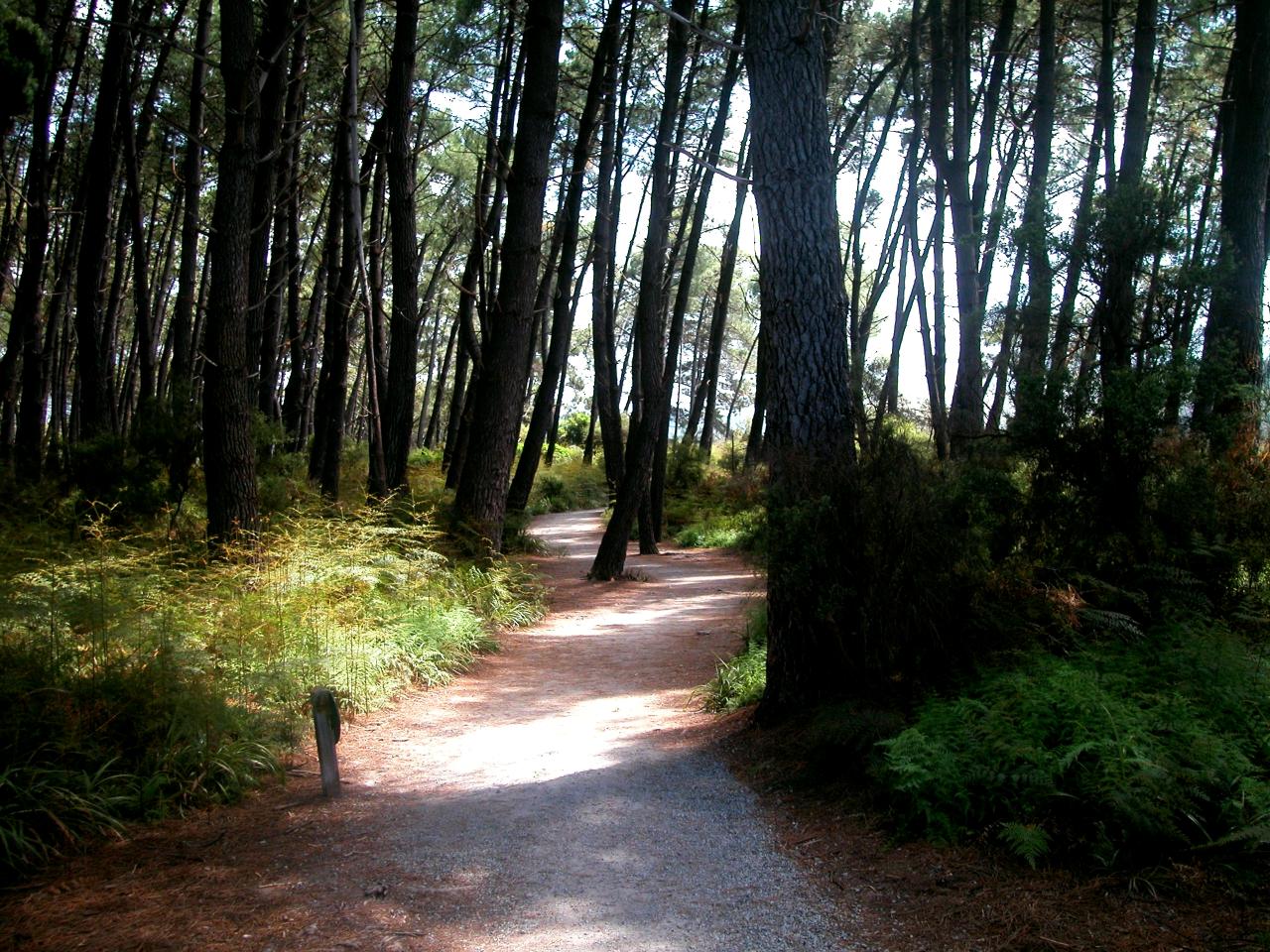
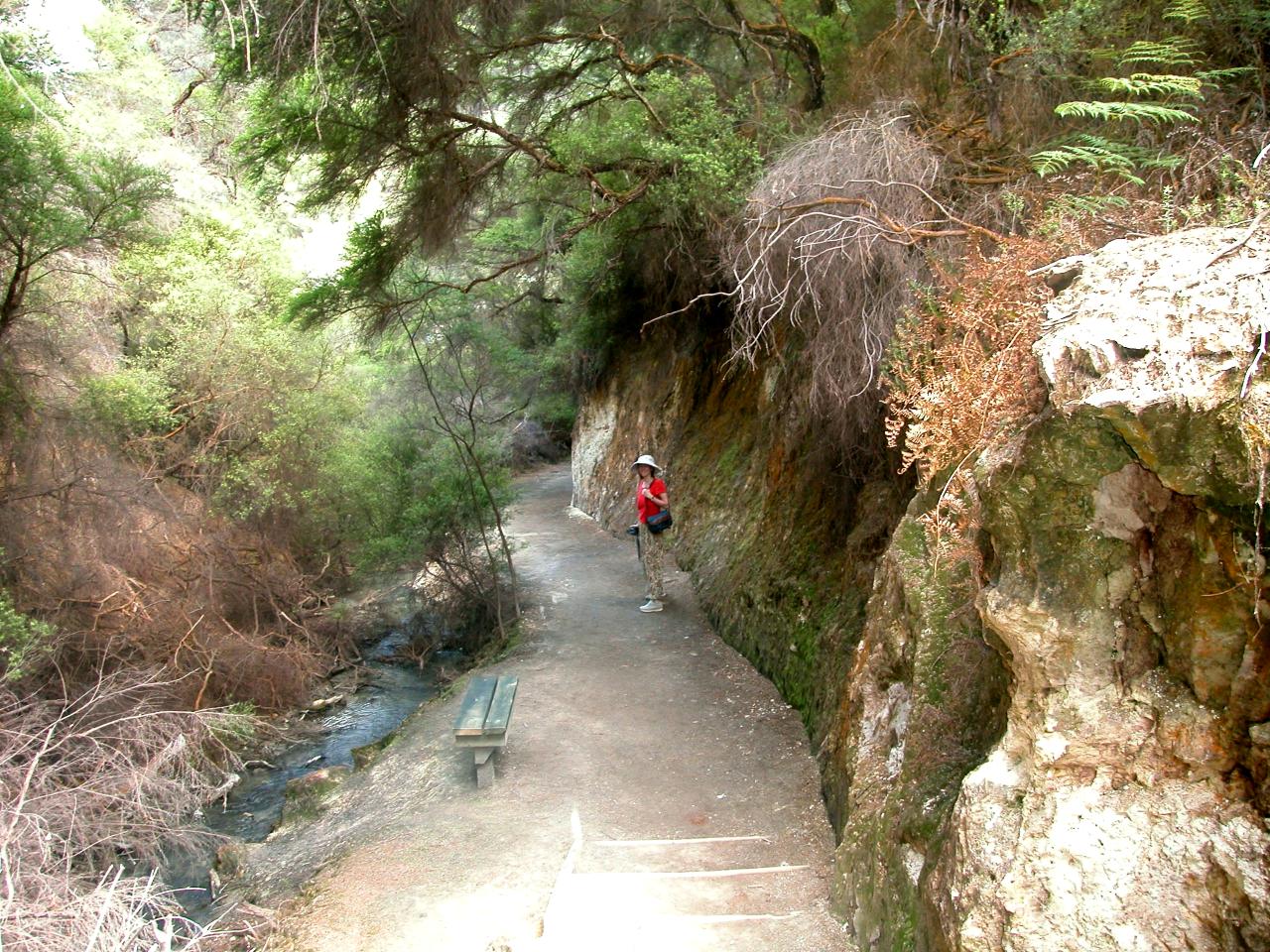
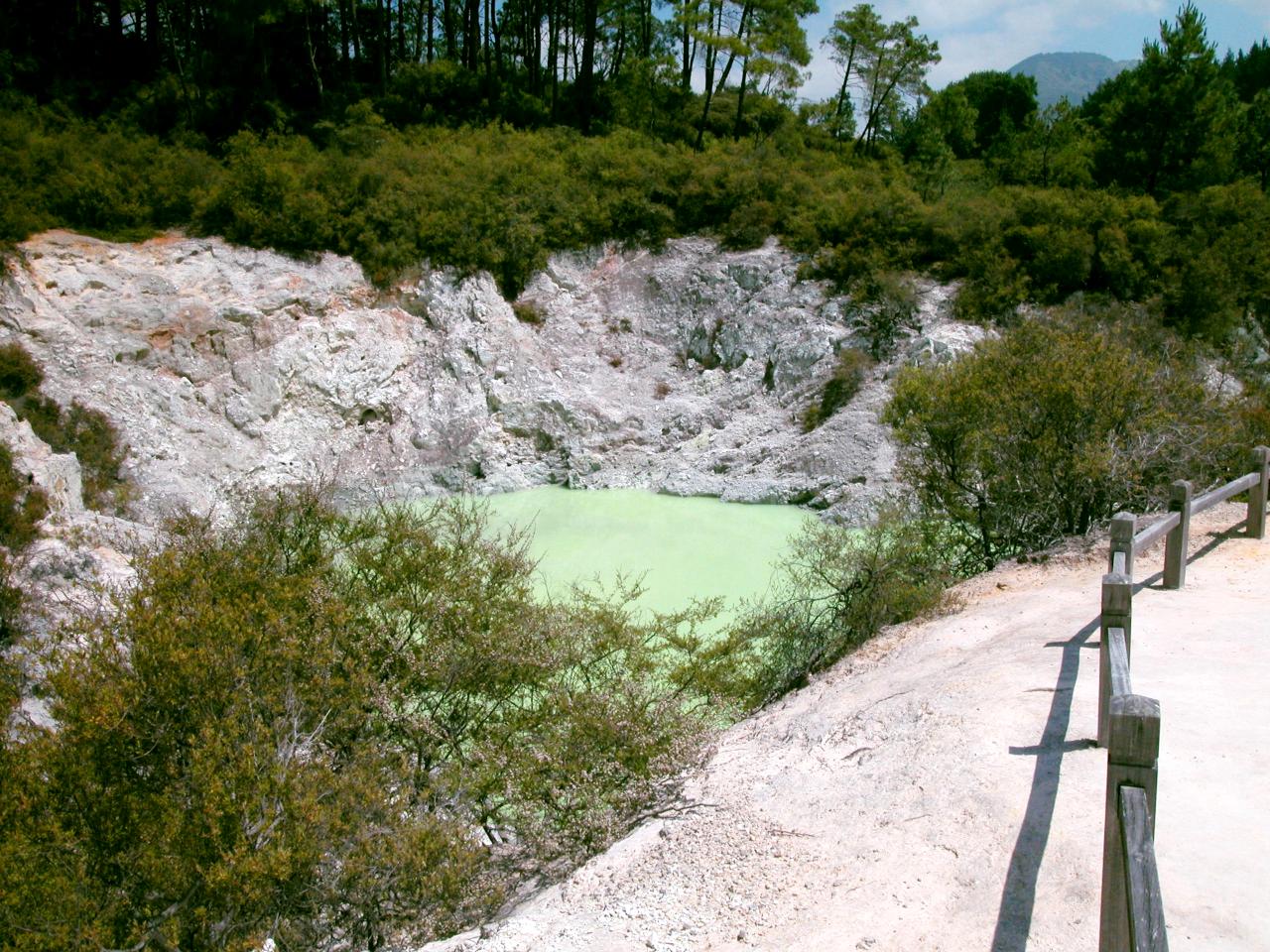
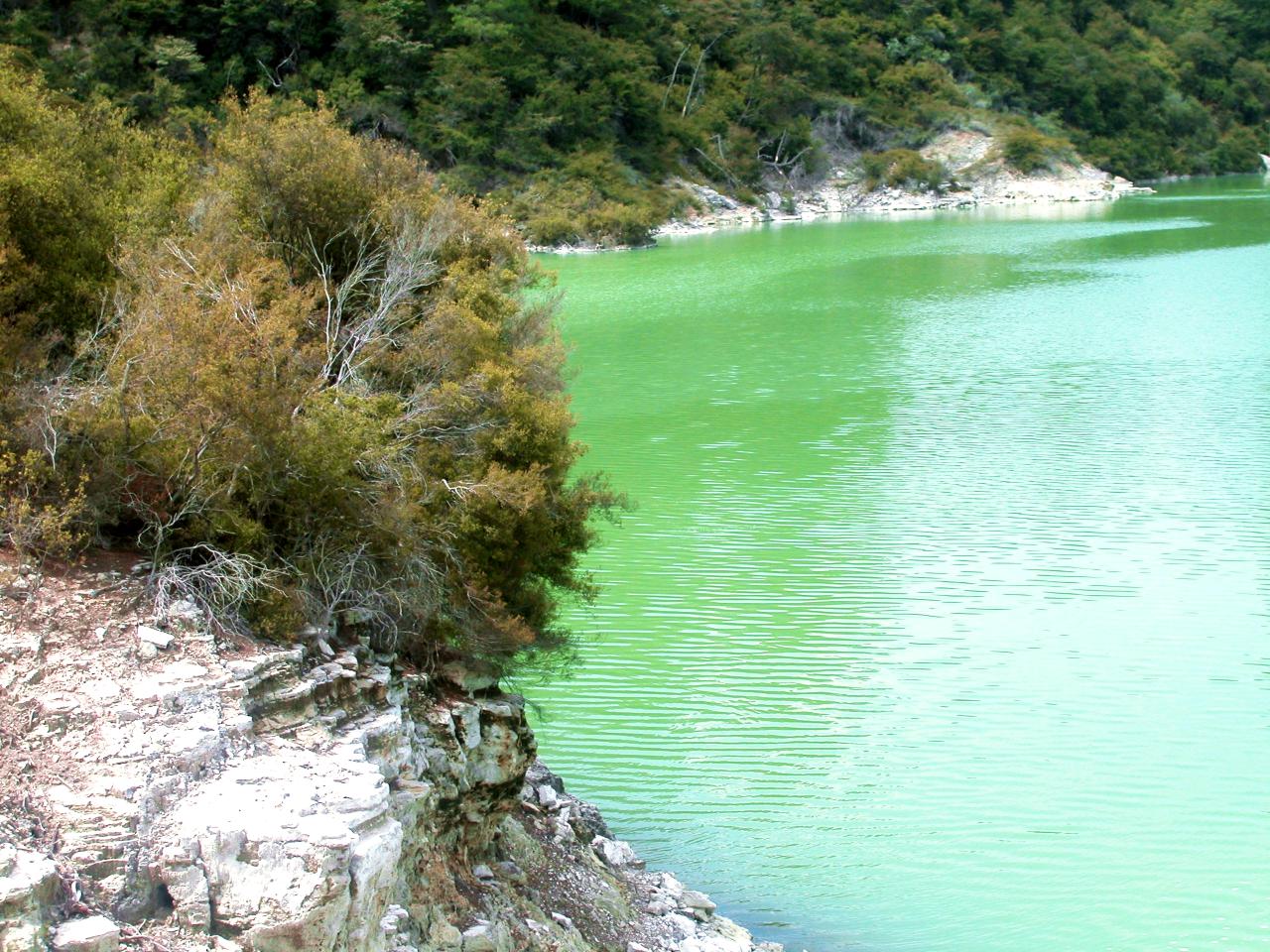
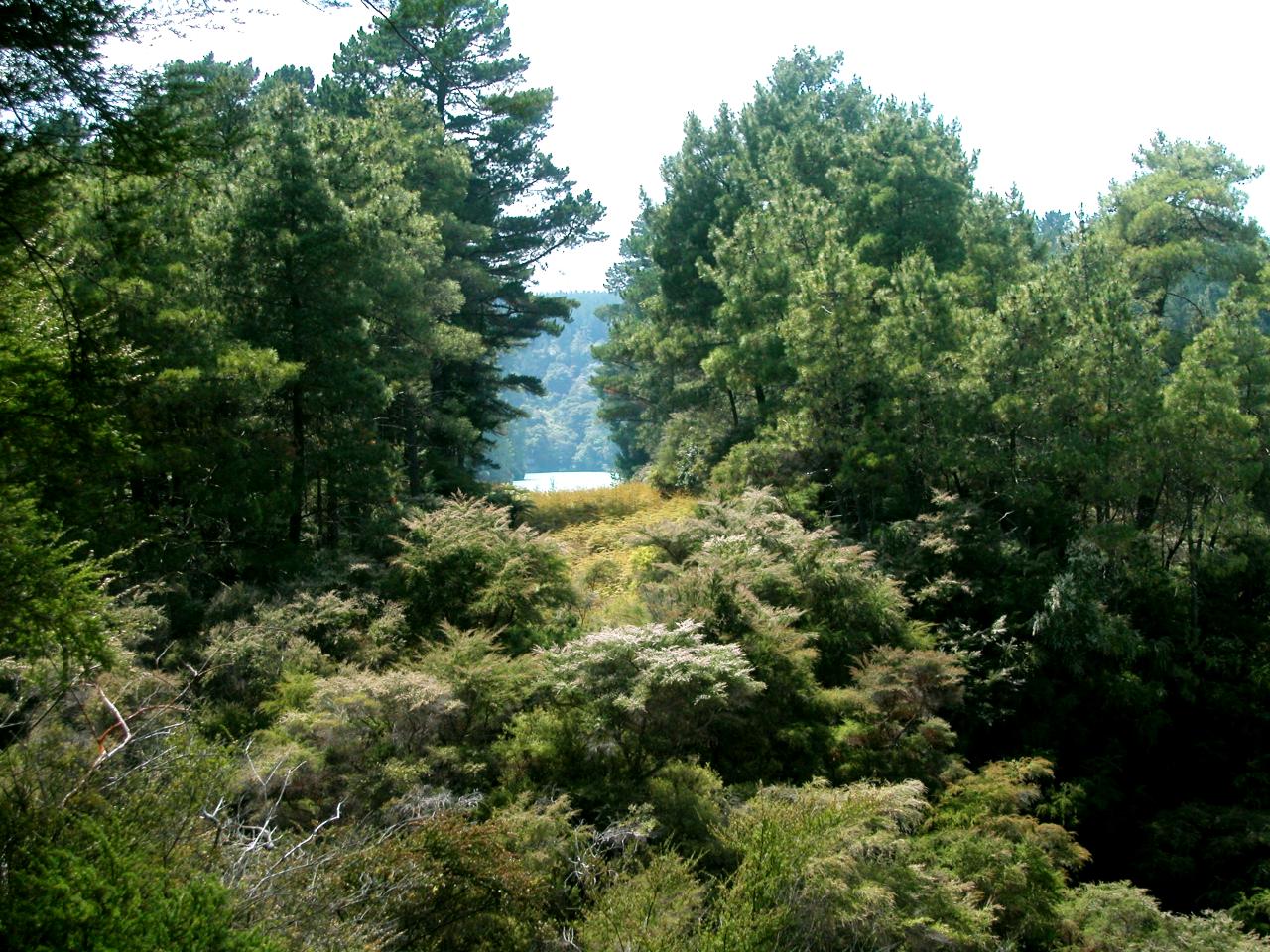
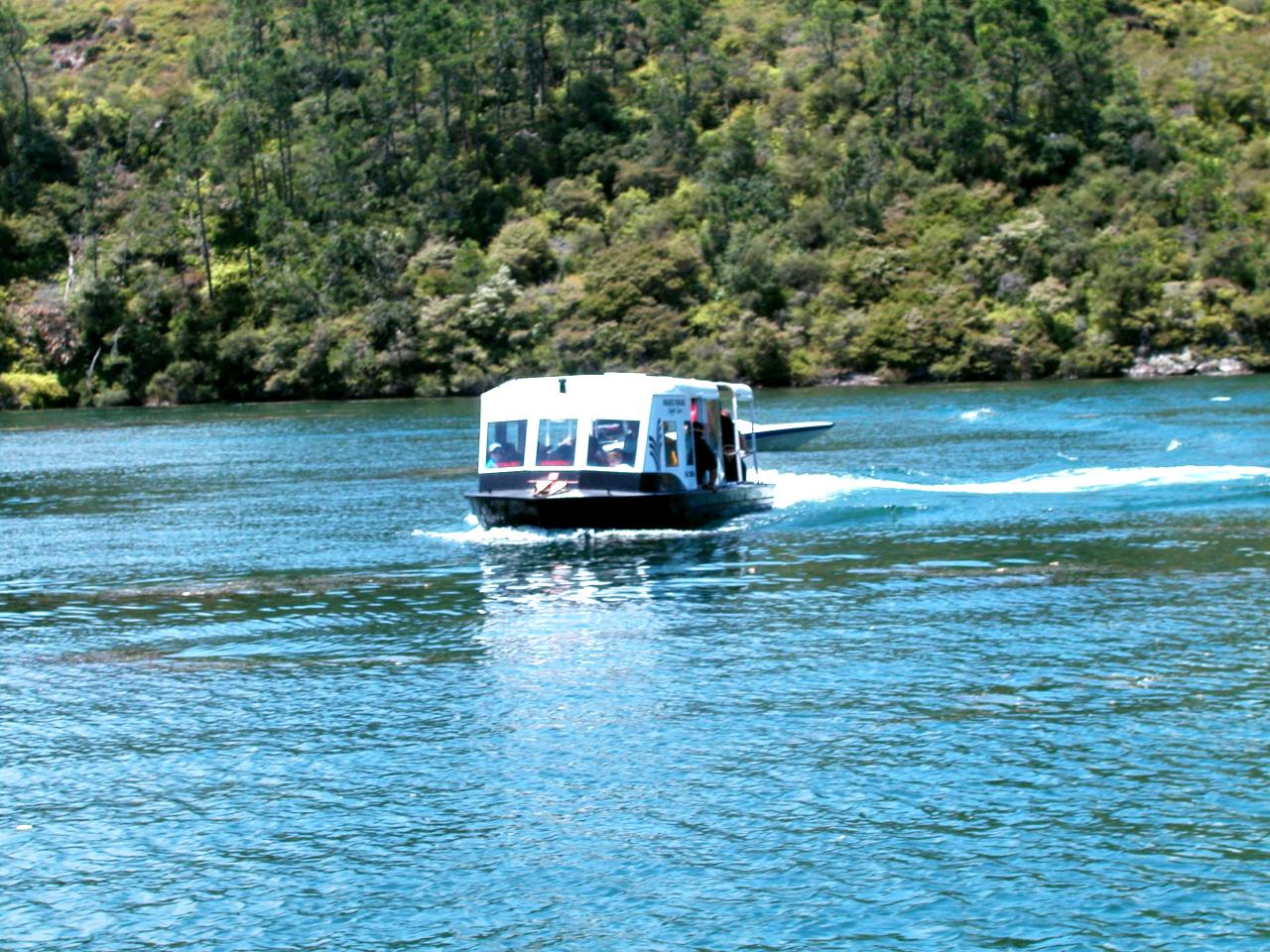
About ten kilometres west is the Hidden Valley of Ōrākei Kōrako (visitor information). To get there you take a little ferry across the river. The boat is included in the admission, which was NZ$19 per person. It goes back and forth all the time, so you won't have to wait more than ten minutes. By the departure point is a campground with a glorious view. A pity we'd already paid for our night's lodging, or we'd have stayed there.
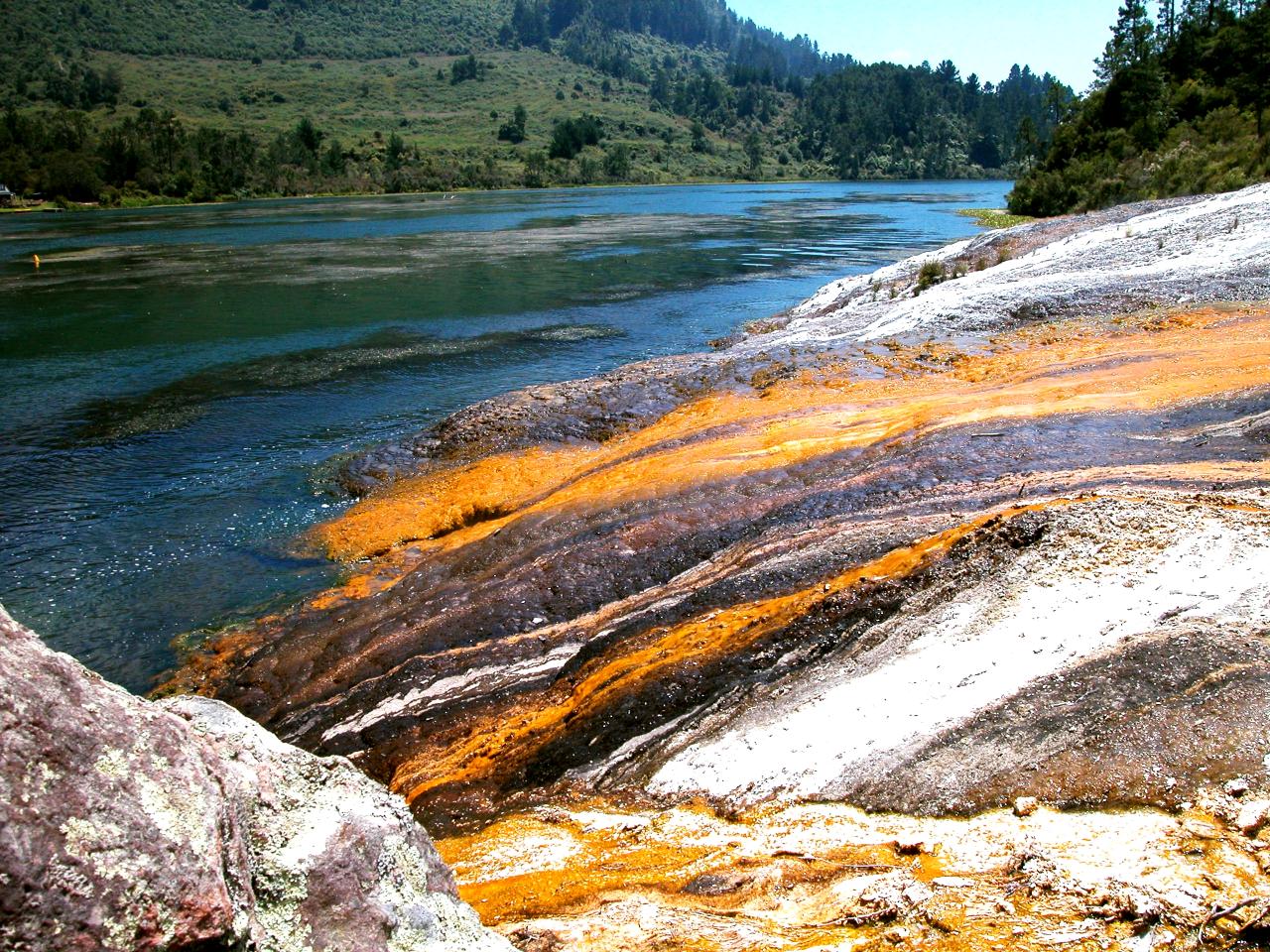
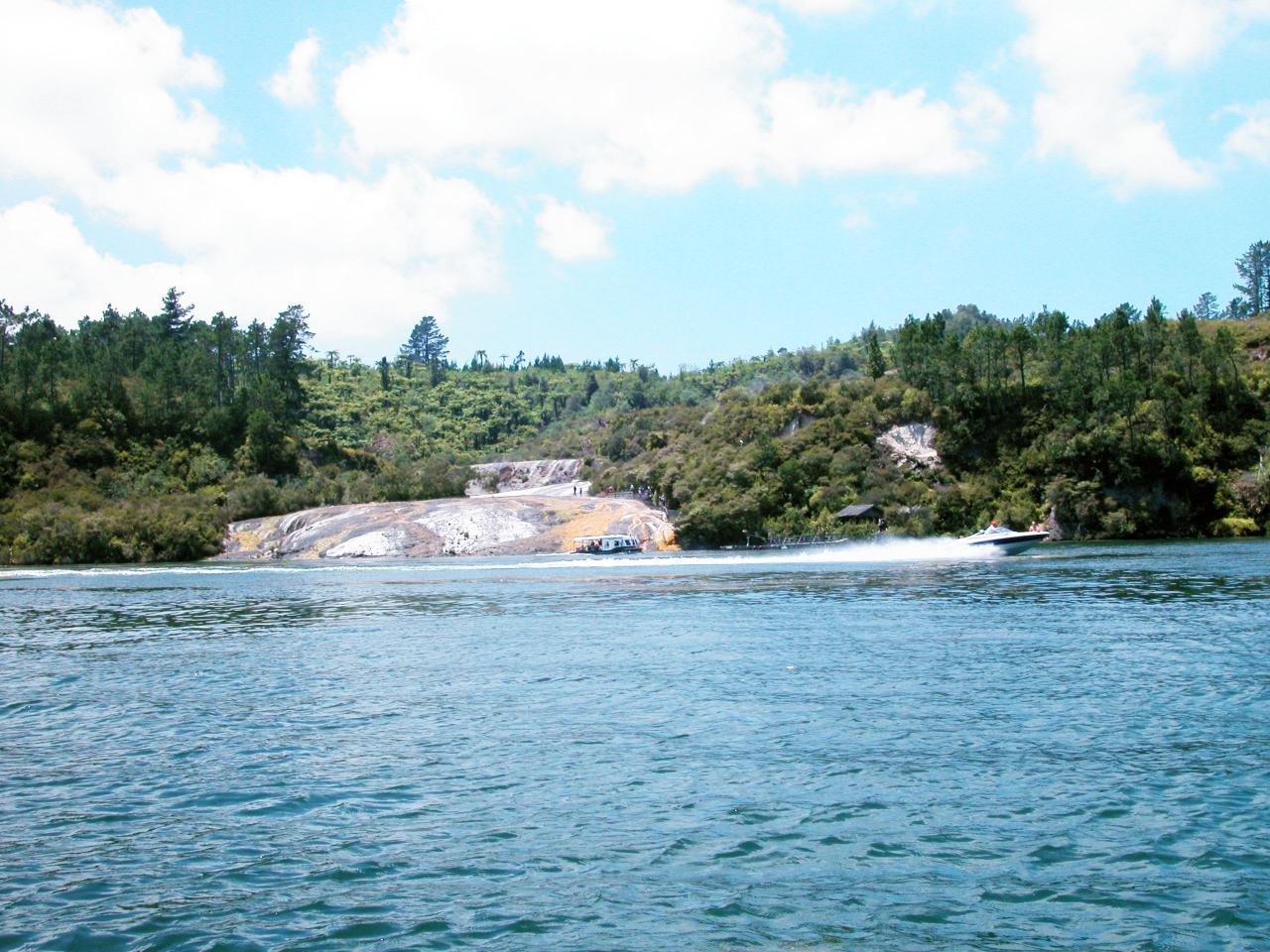
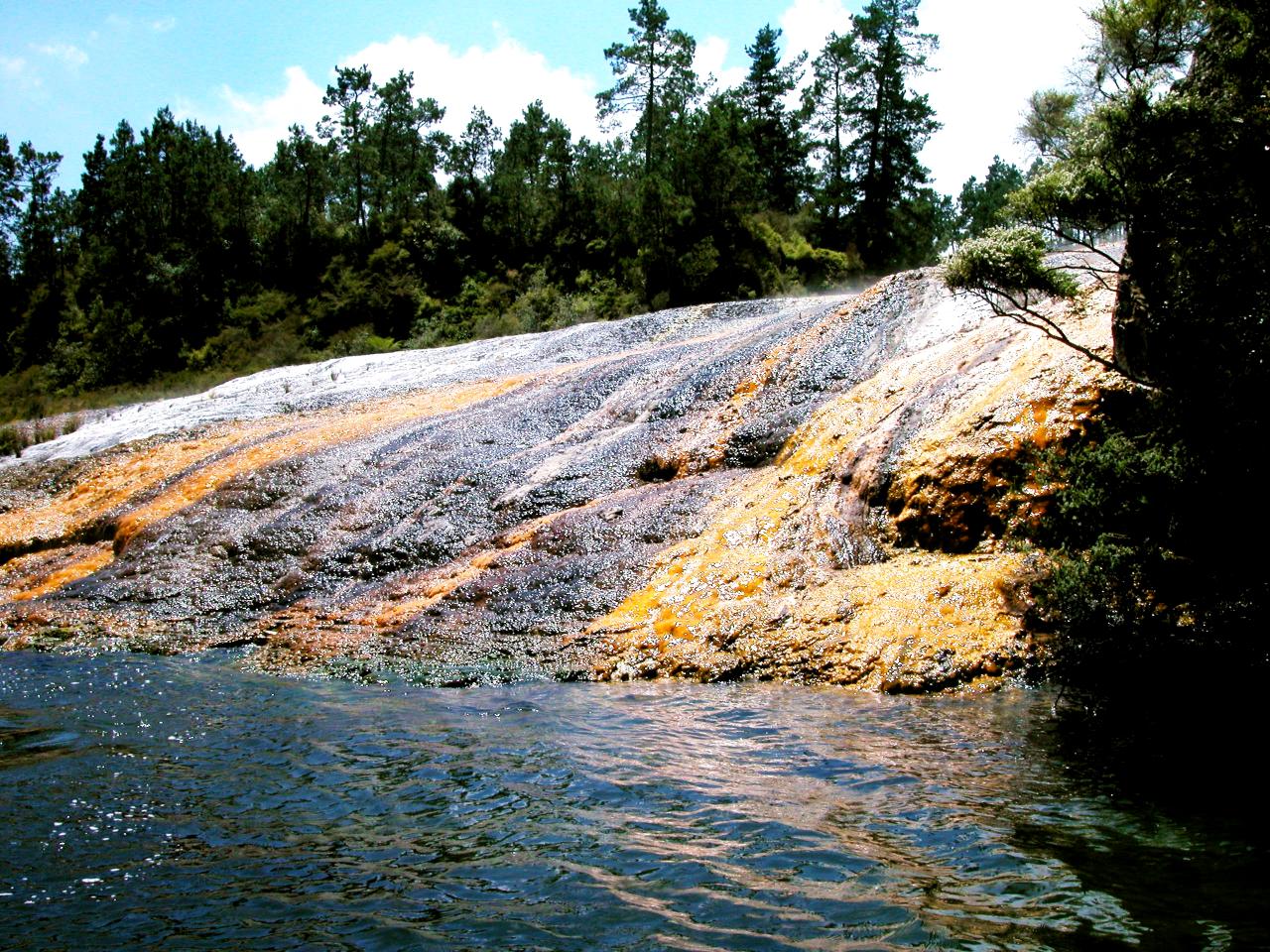
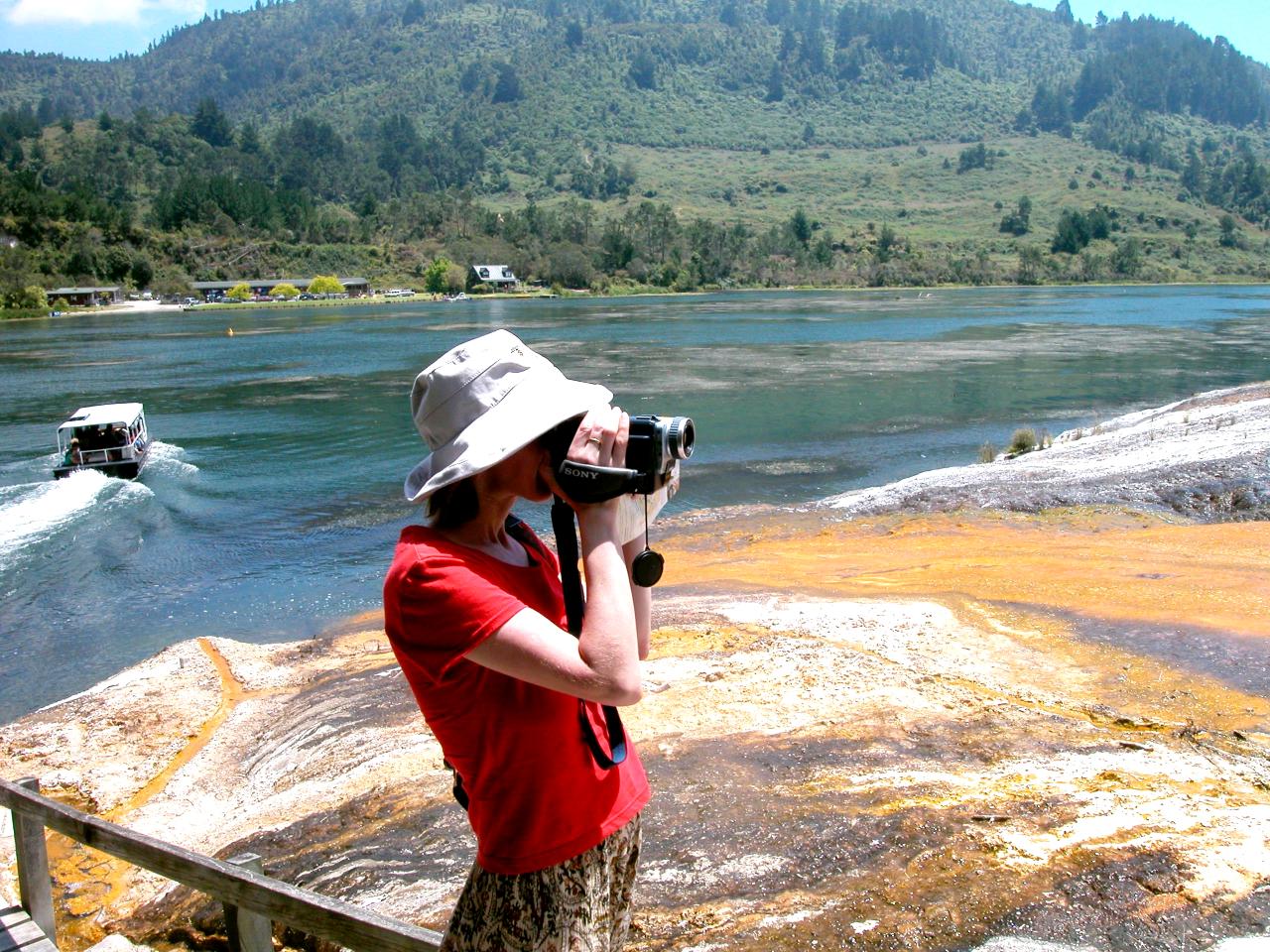
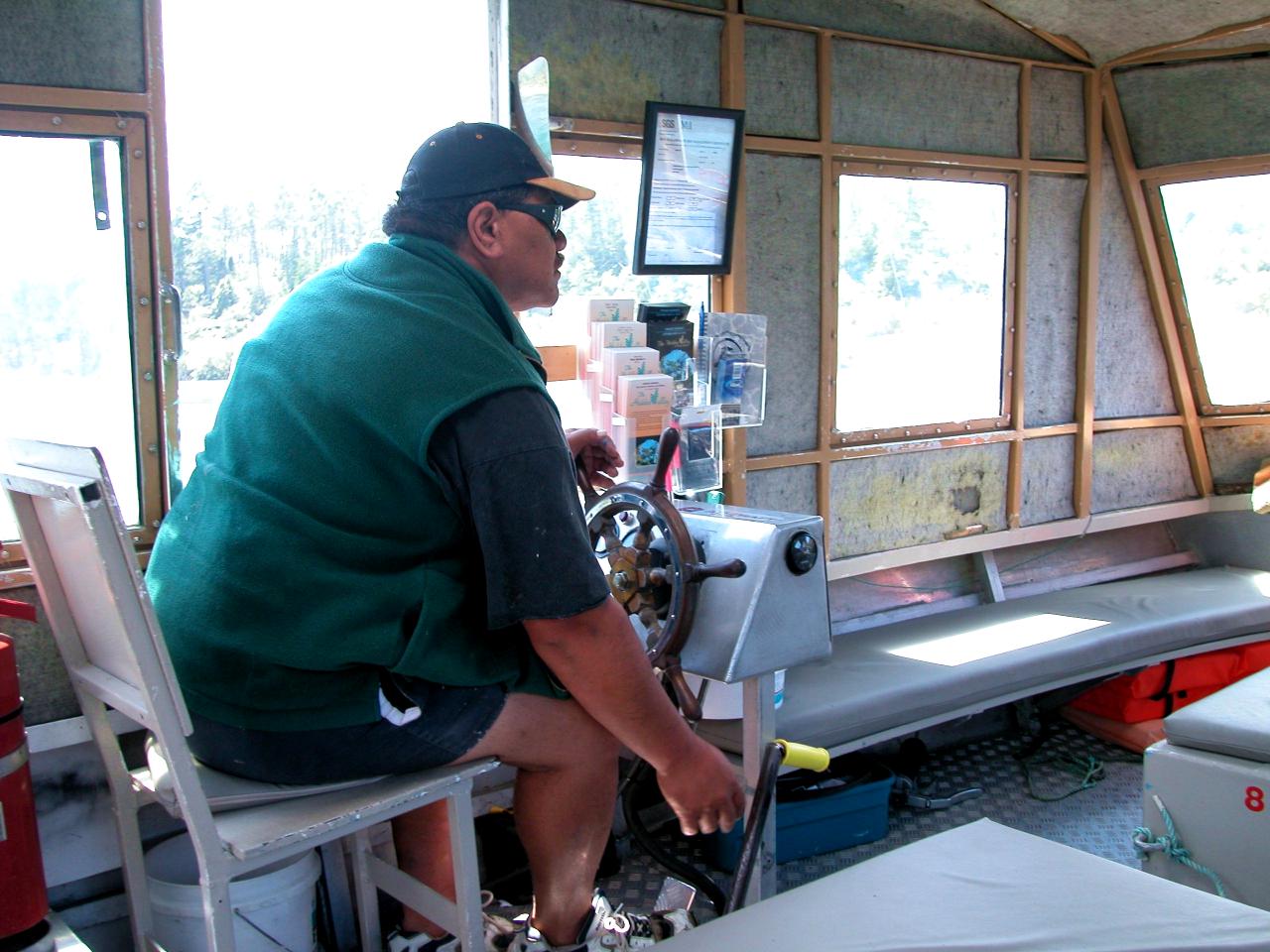
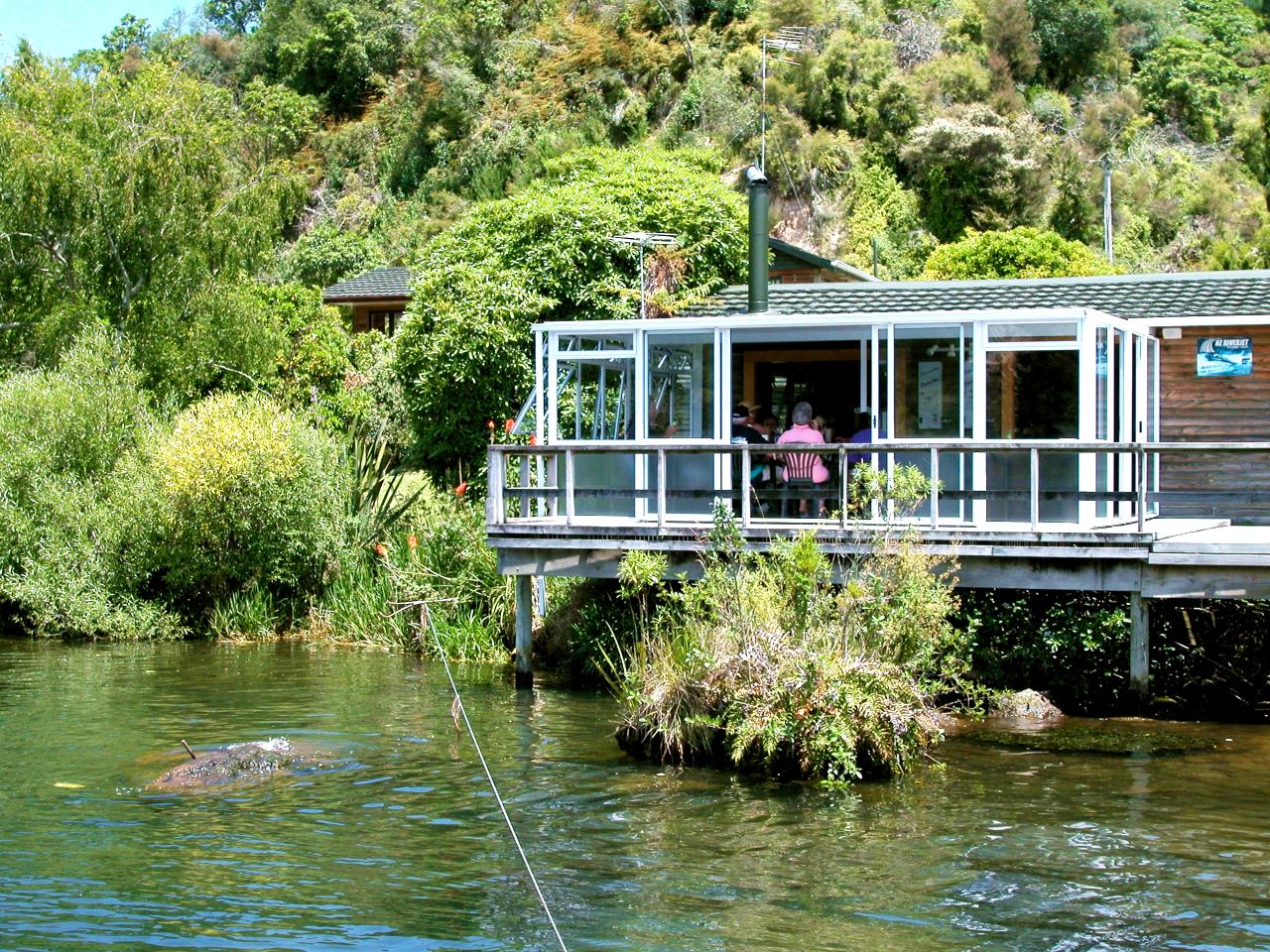
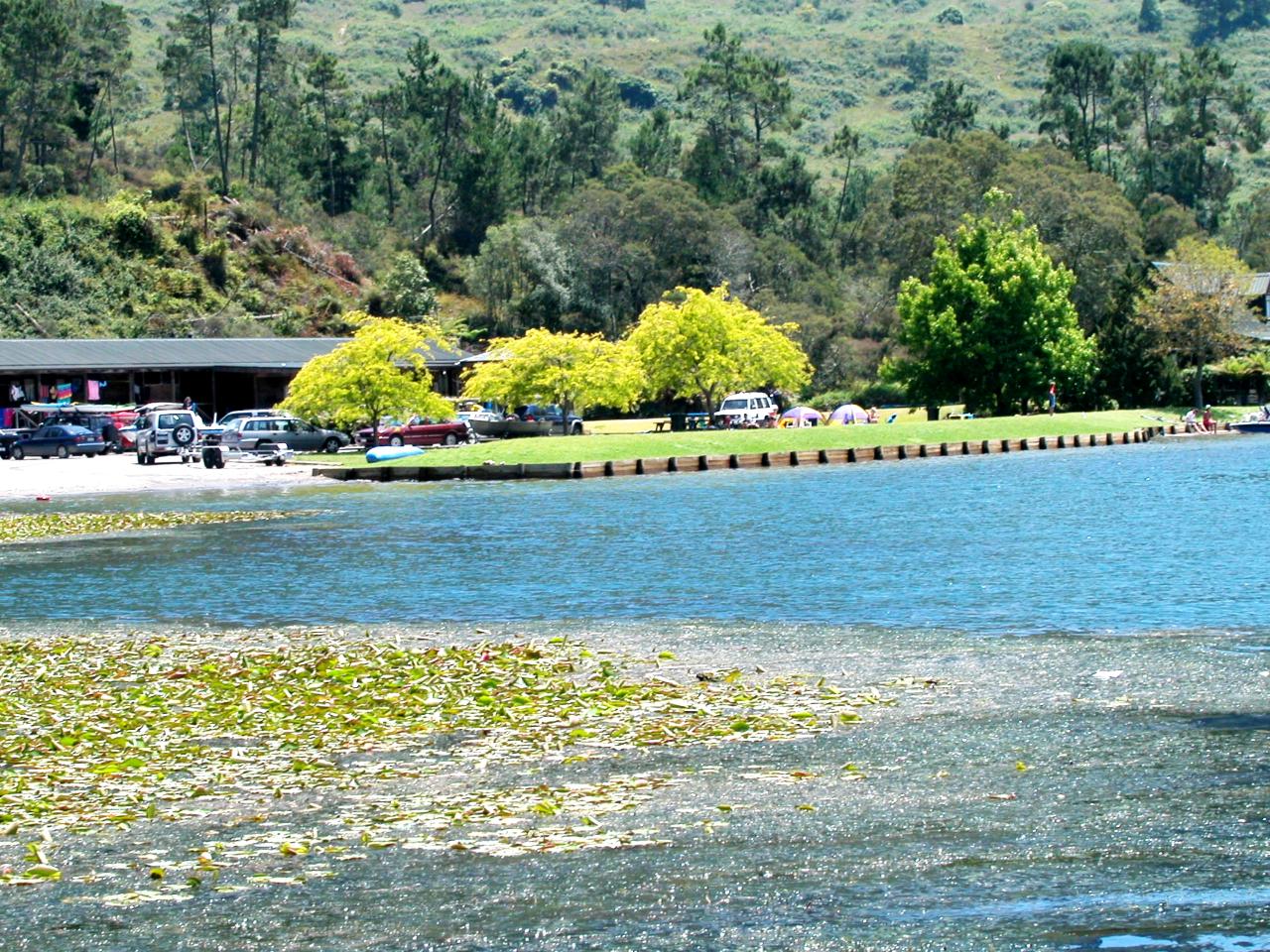
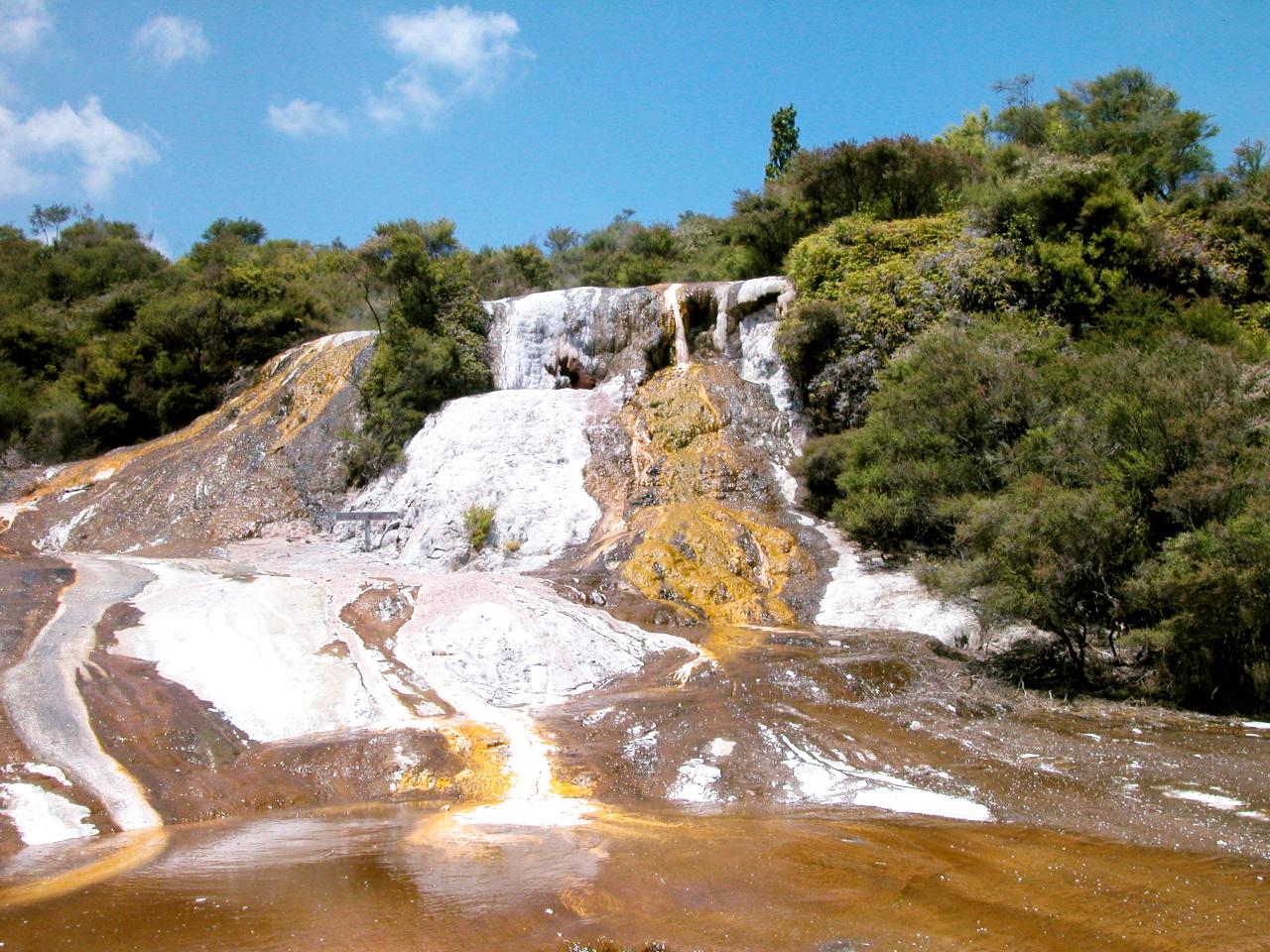
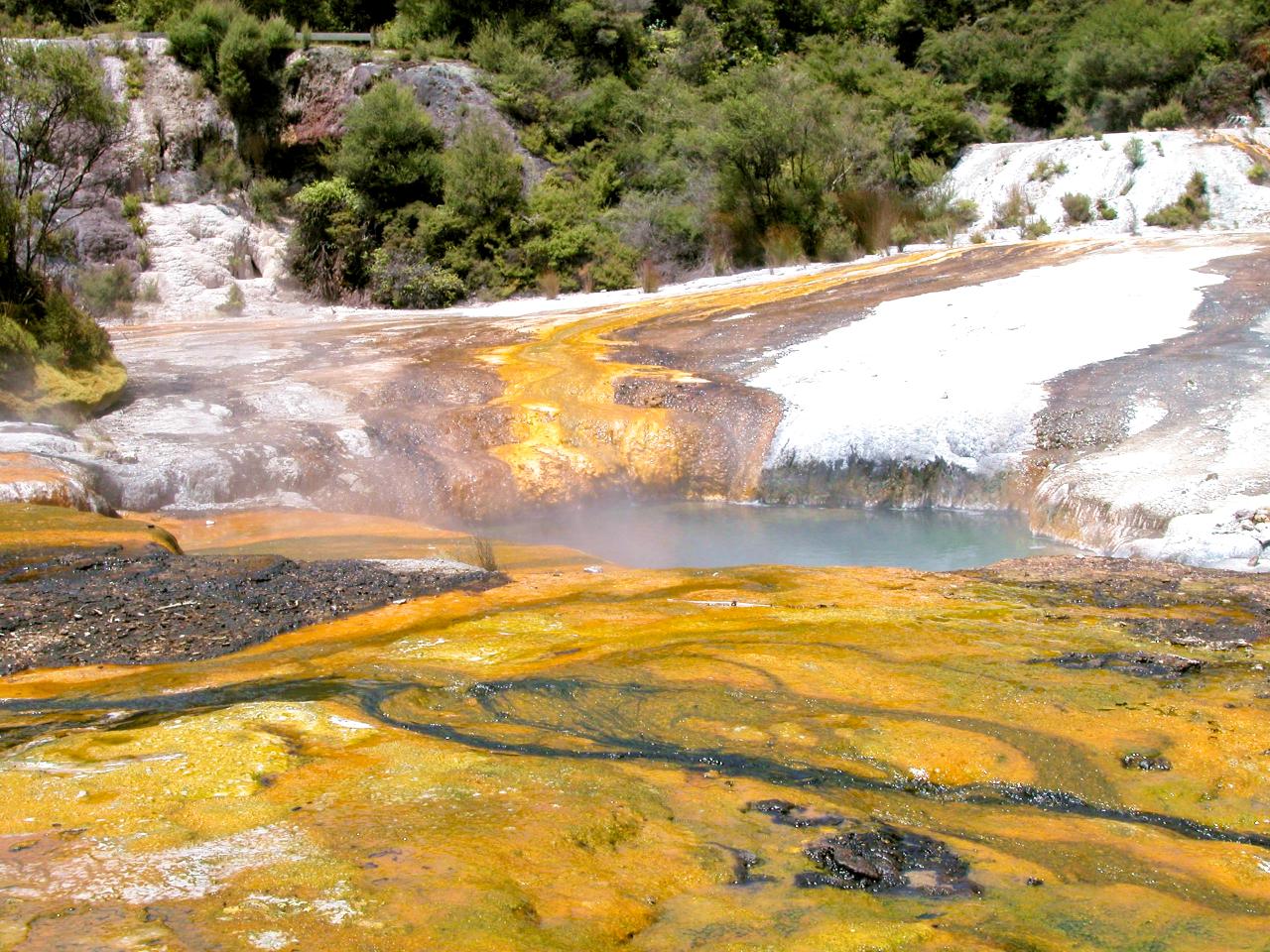
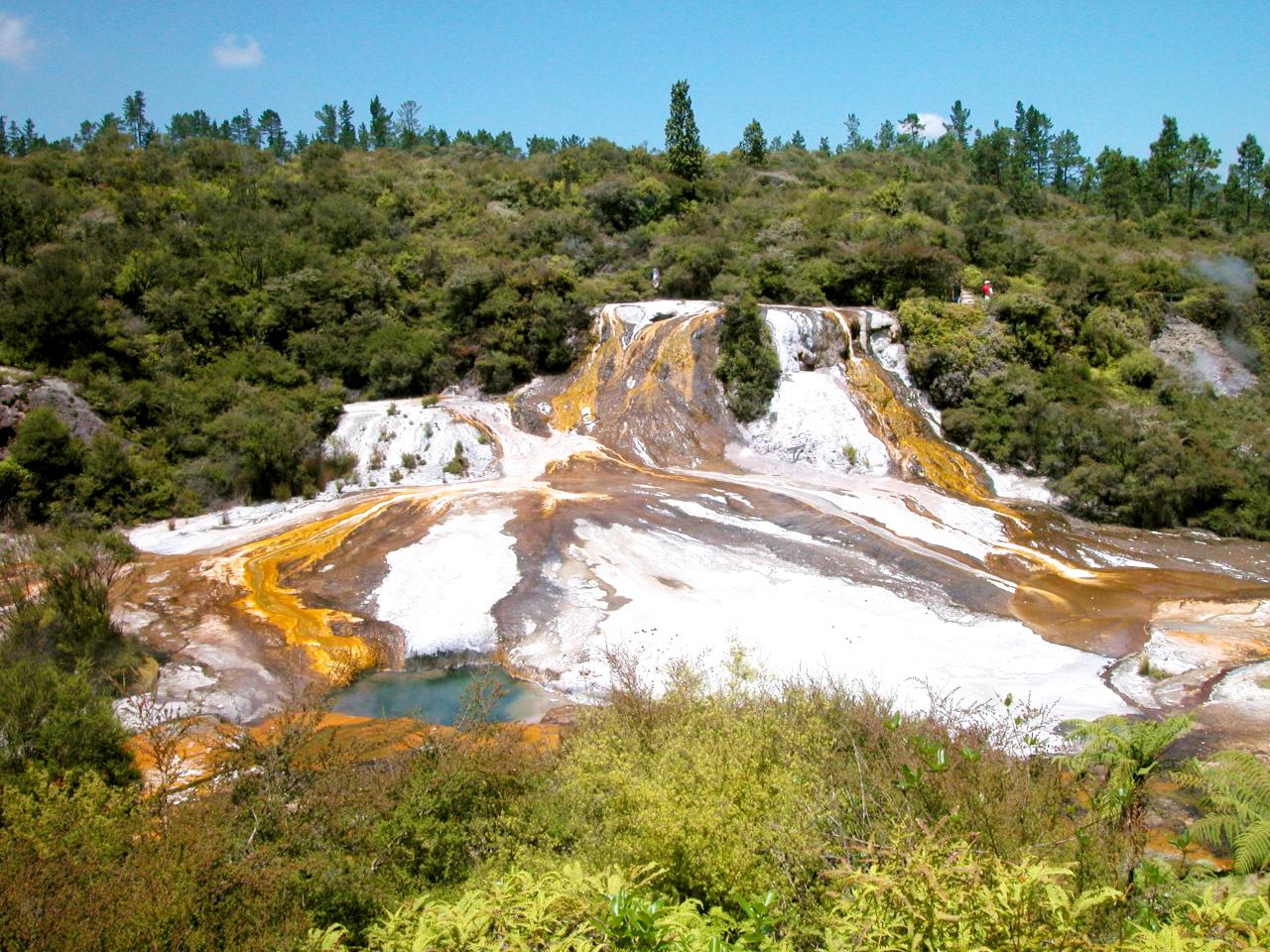
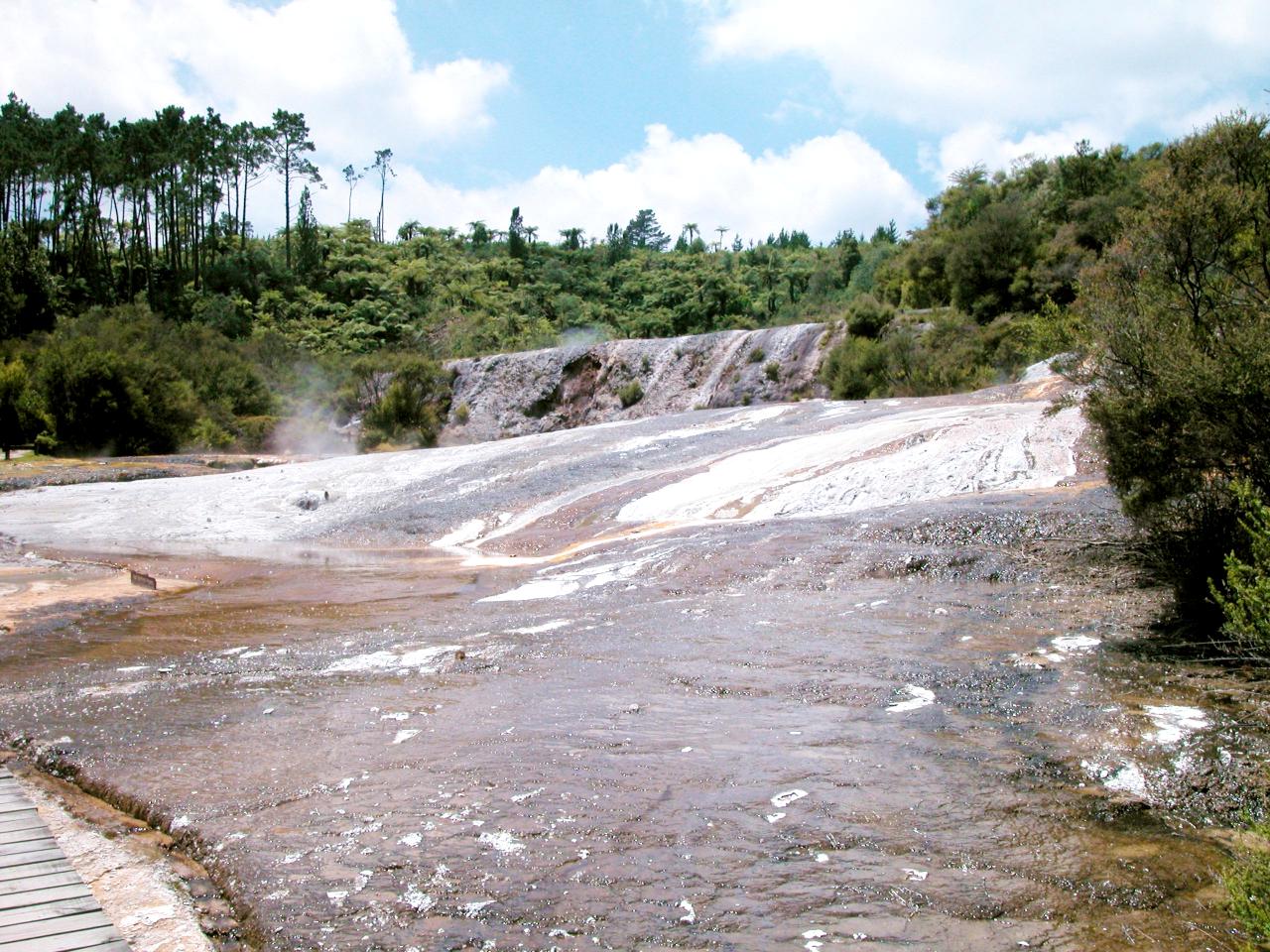
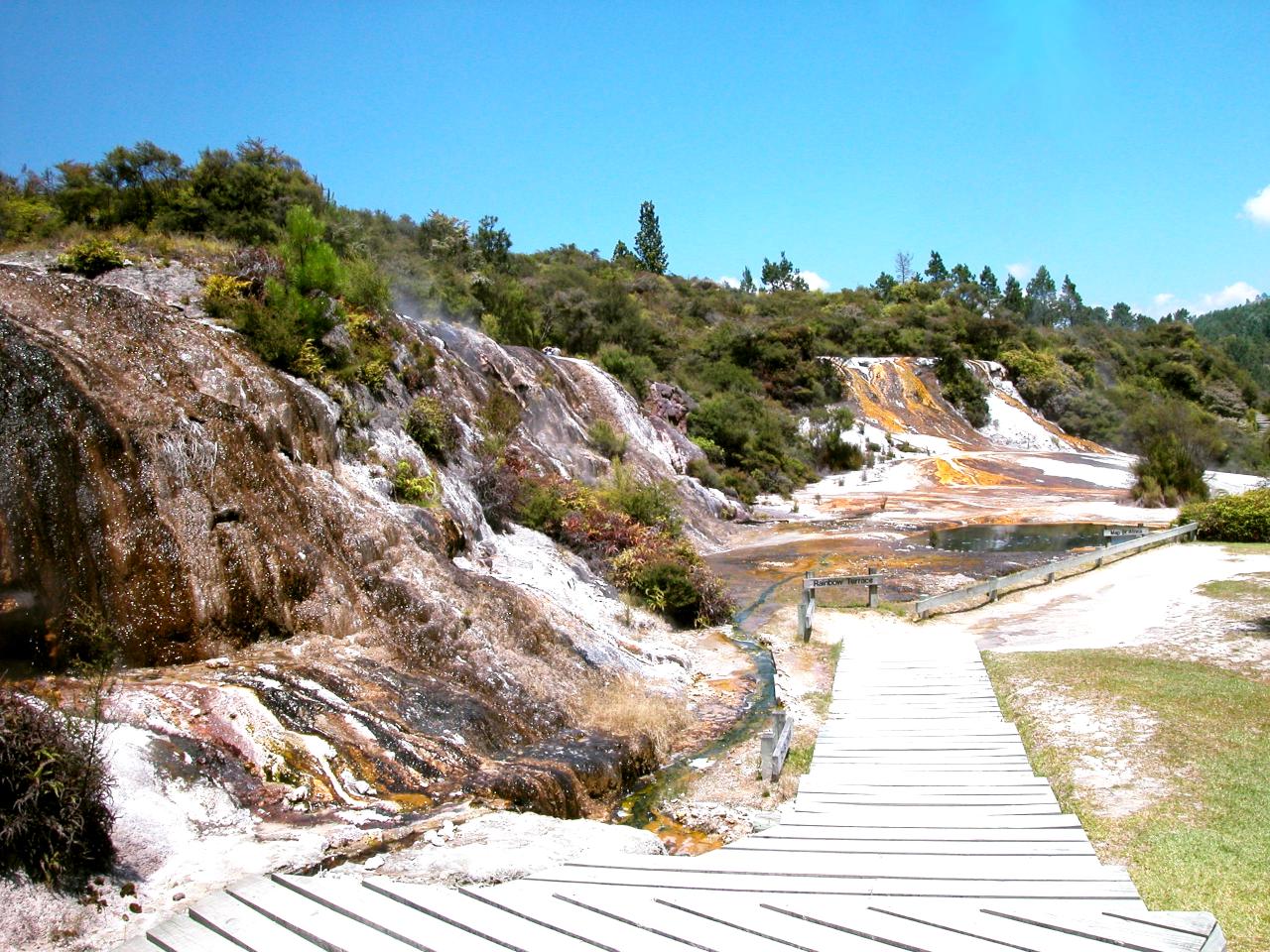
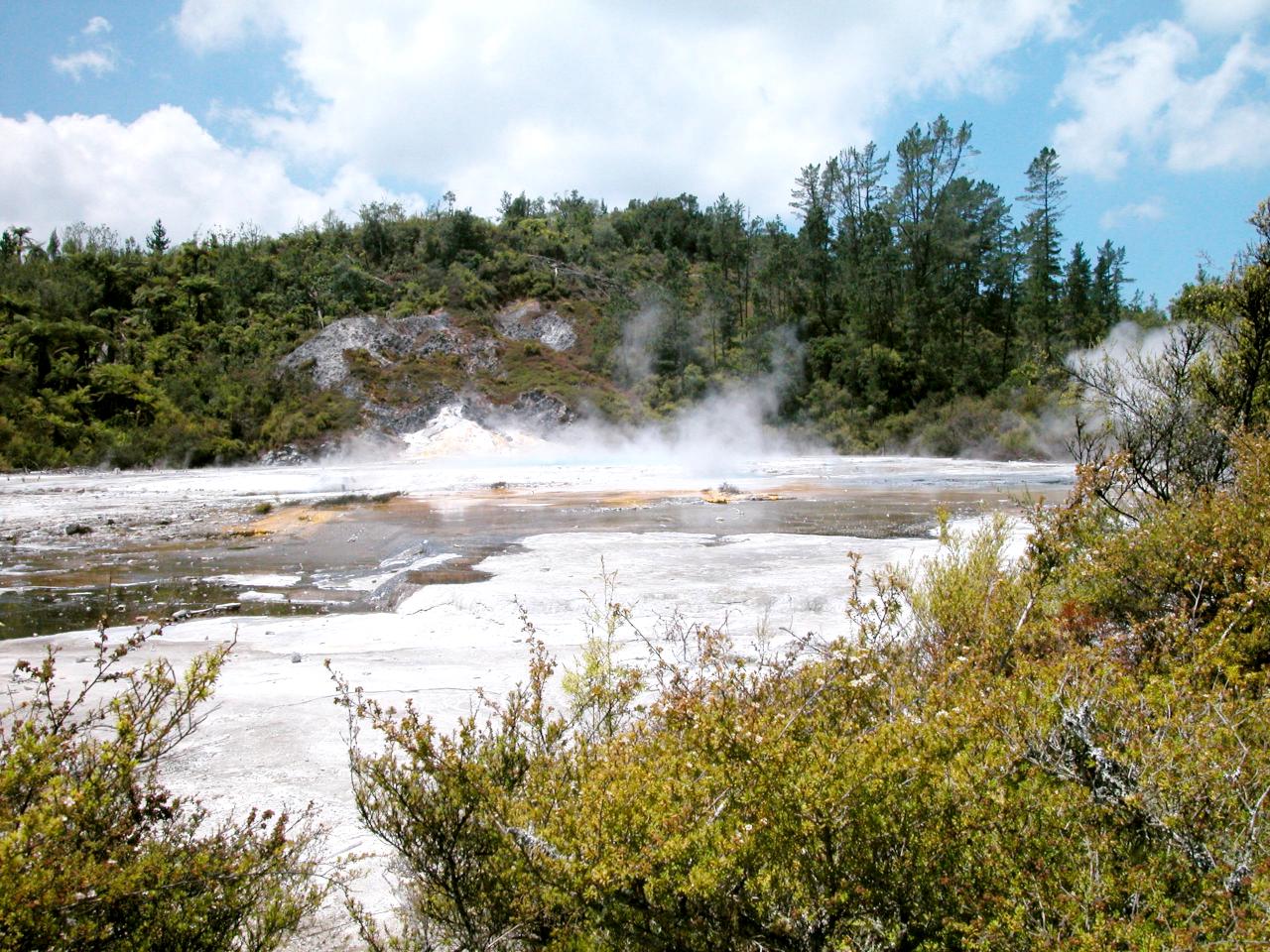
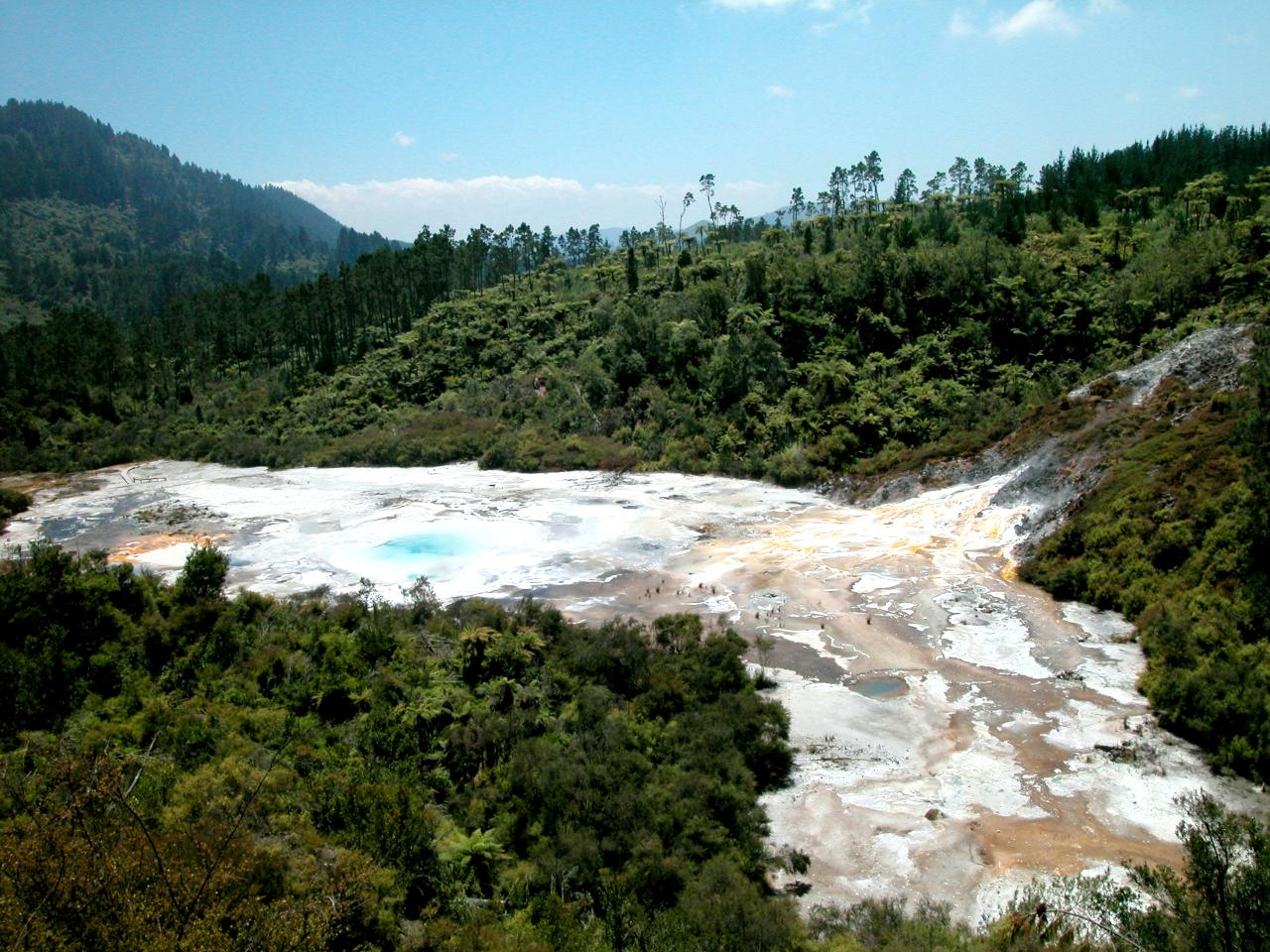
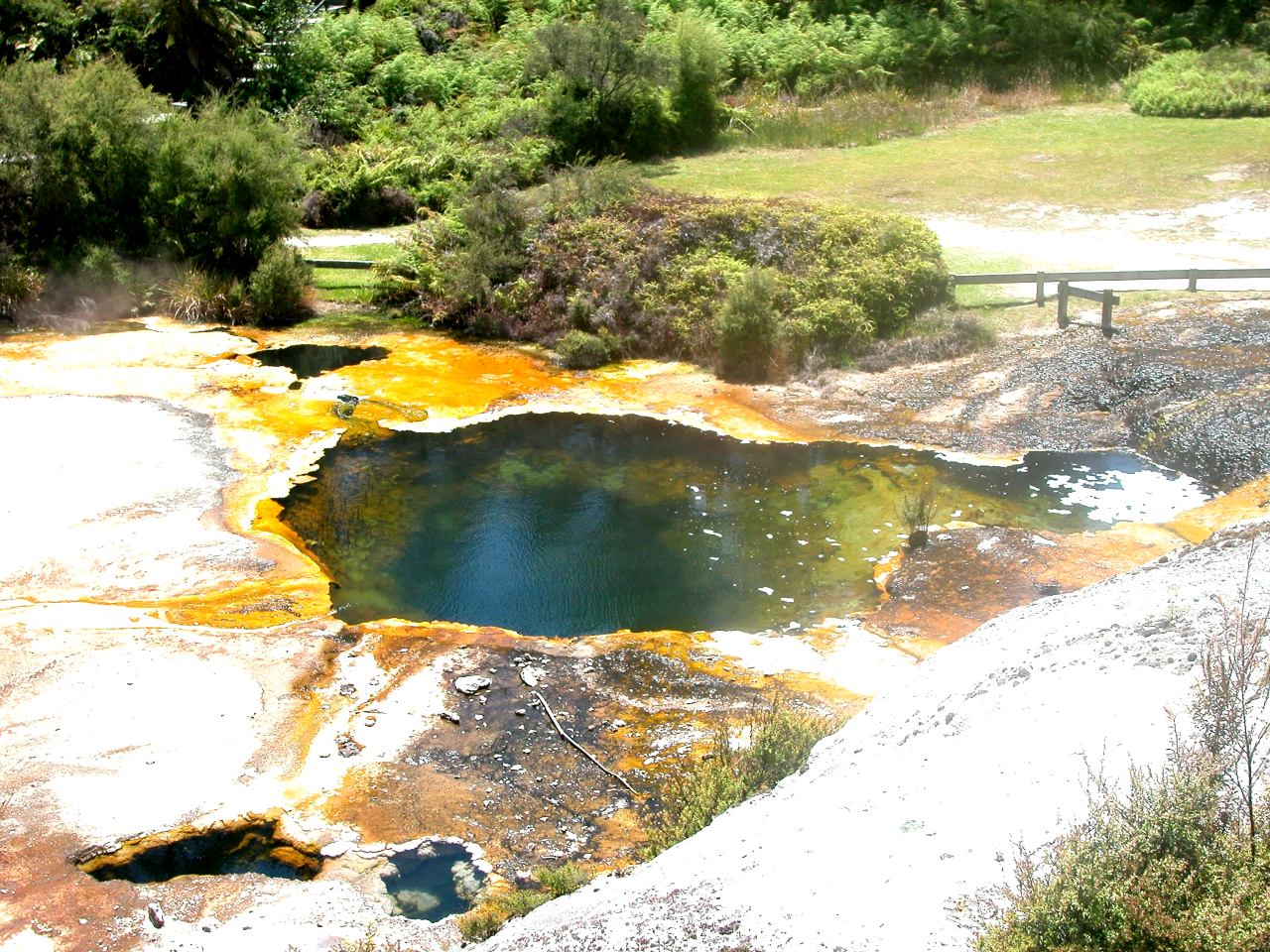
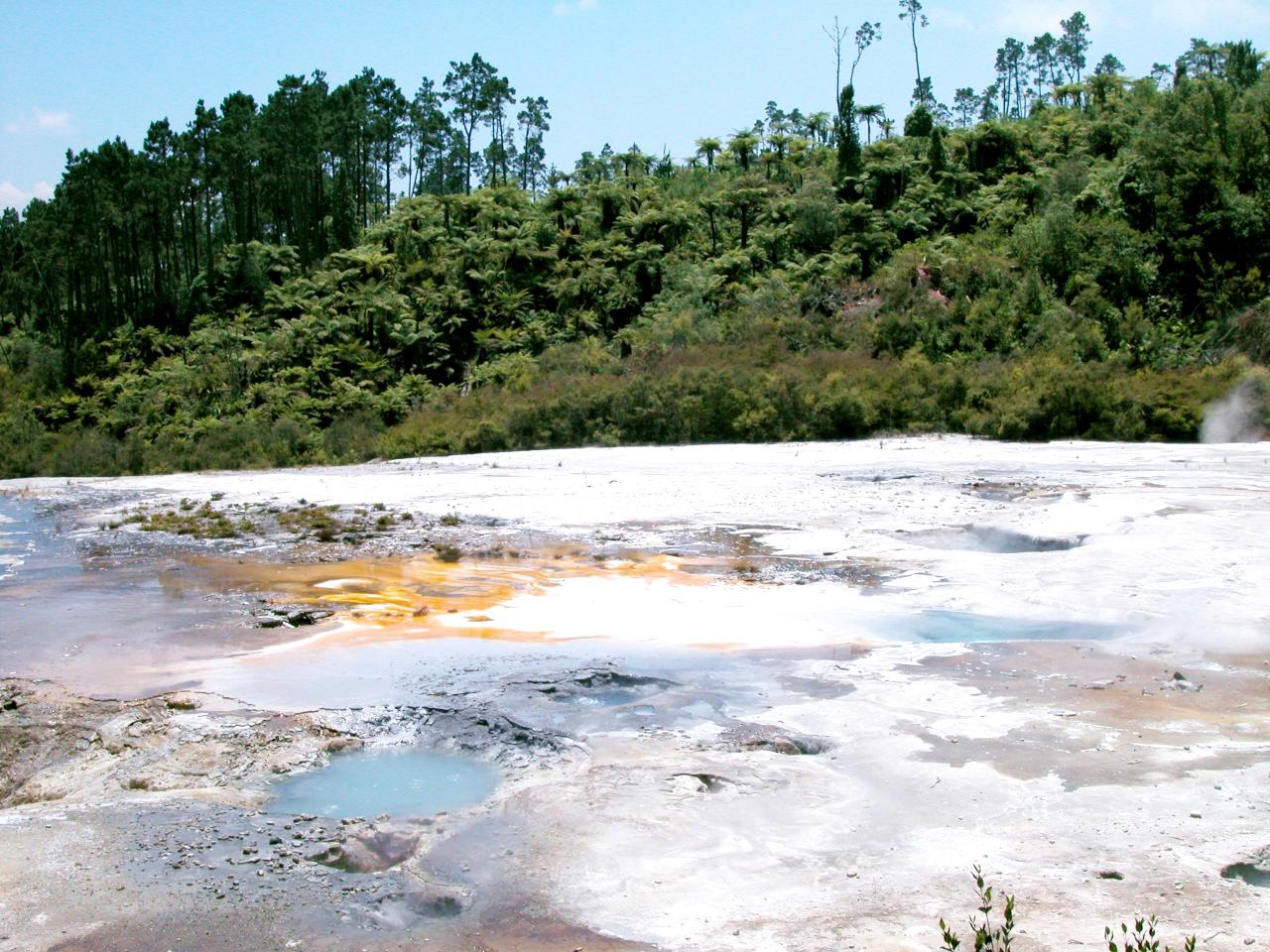
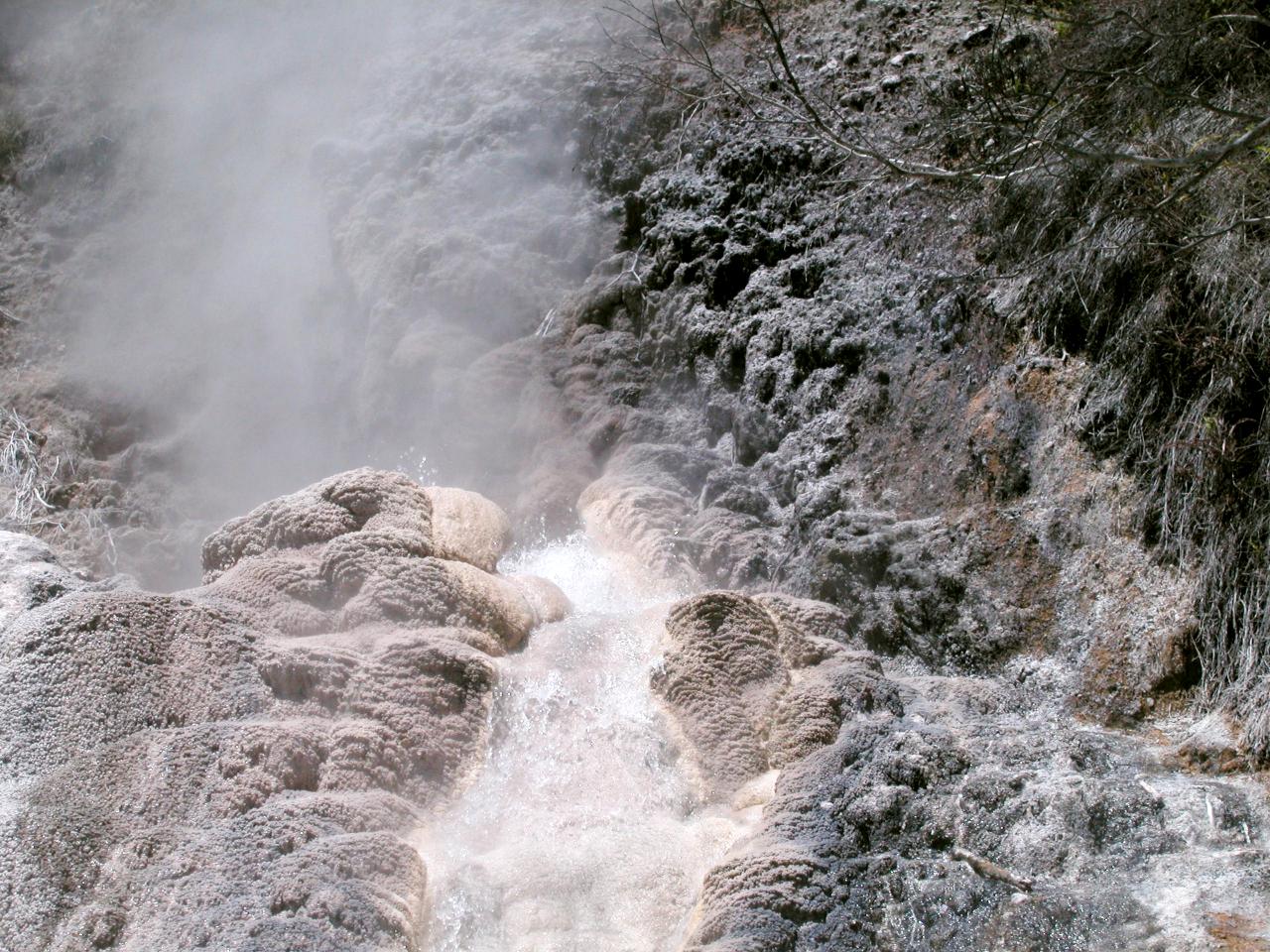
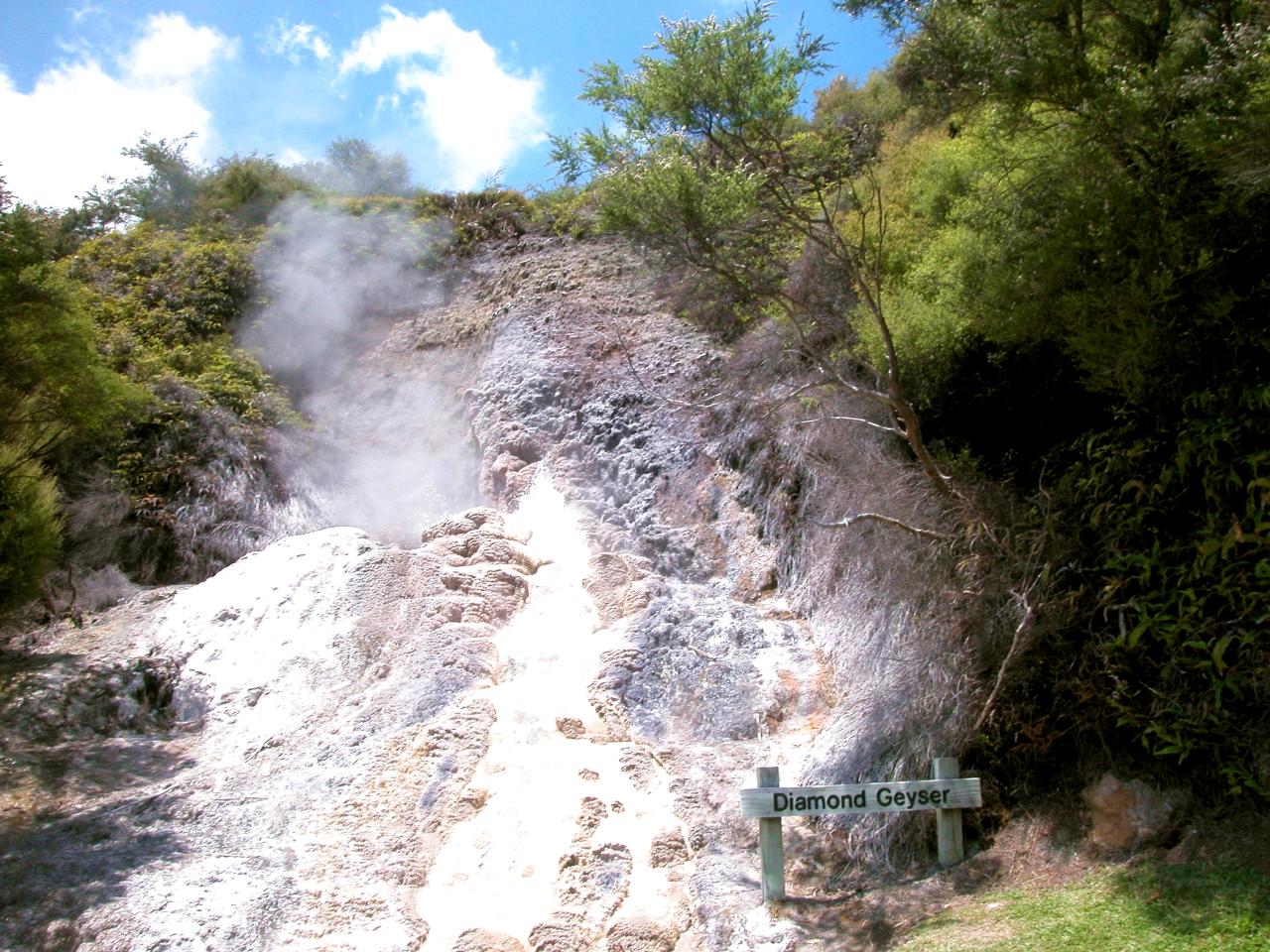
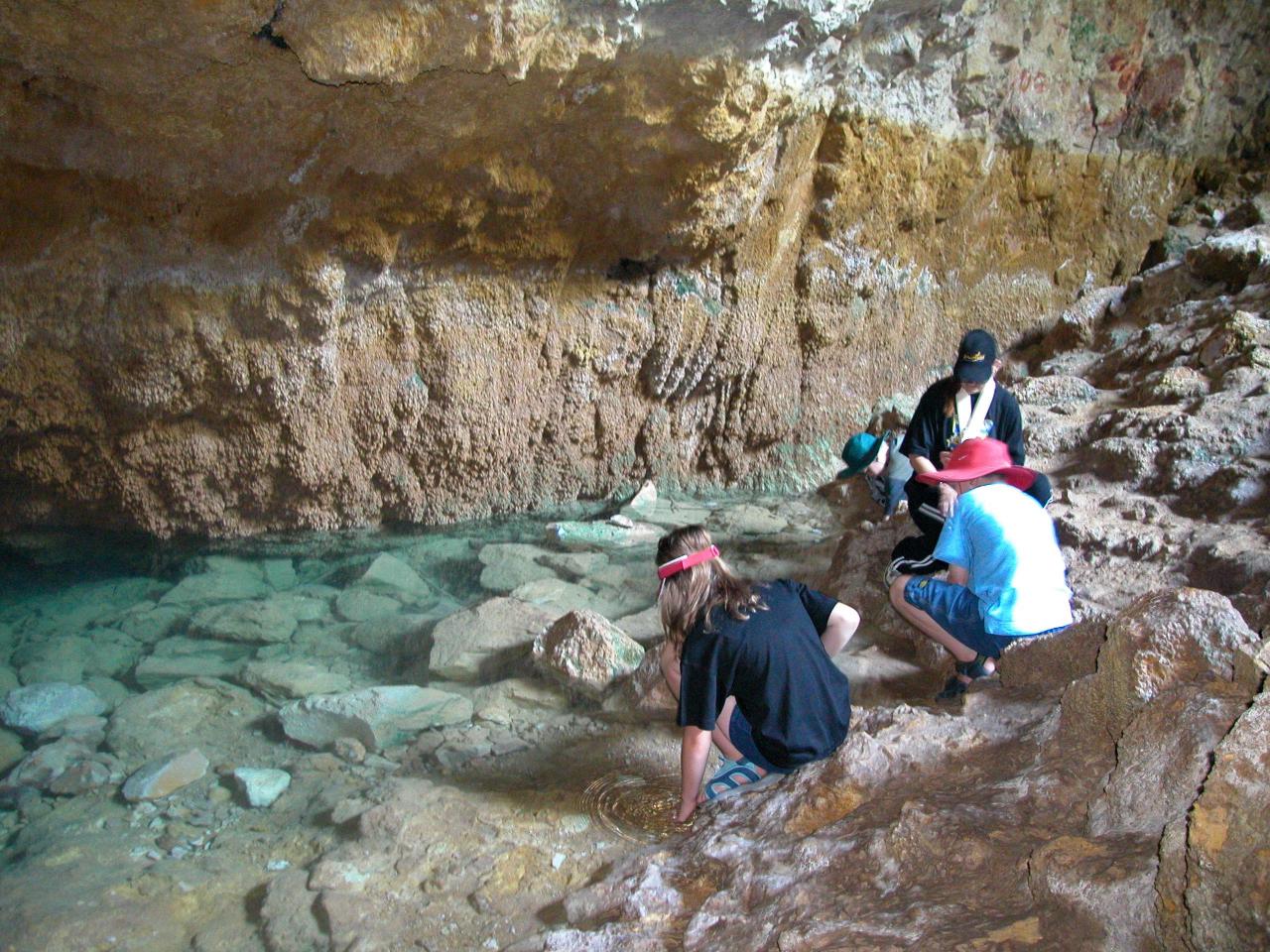
What sets it apart from the other springs is that hot water runs down a rocky cliff. Countless little streams have stained the stone, each in a different colour. Ōrākei Kōrako has its own small Diamond Geyser. There's also a cave. To a caver, of course, it's no more than a little hole with a warm pool at the bottom, without a trace of stalactites. But it's worth climbing down, if only to look back up at the way out, framed by giant tree ferns.
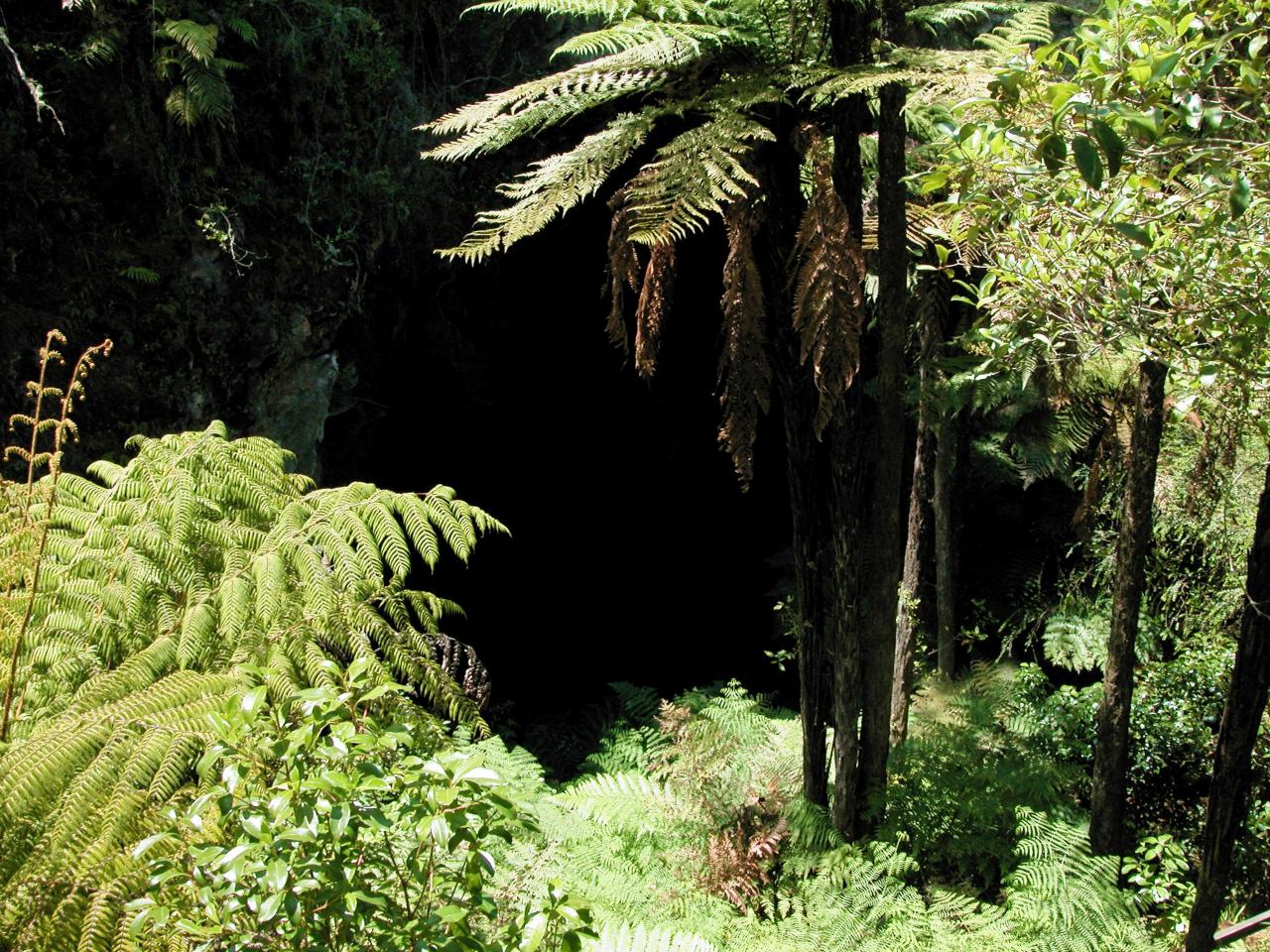
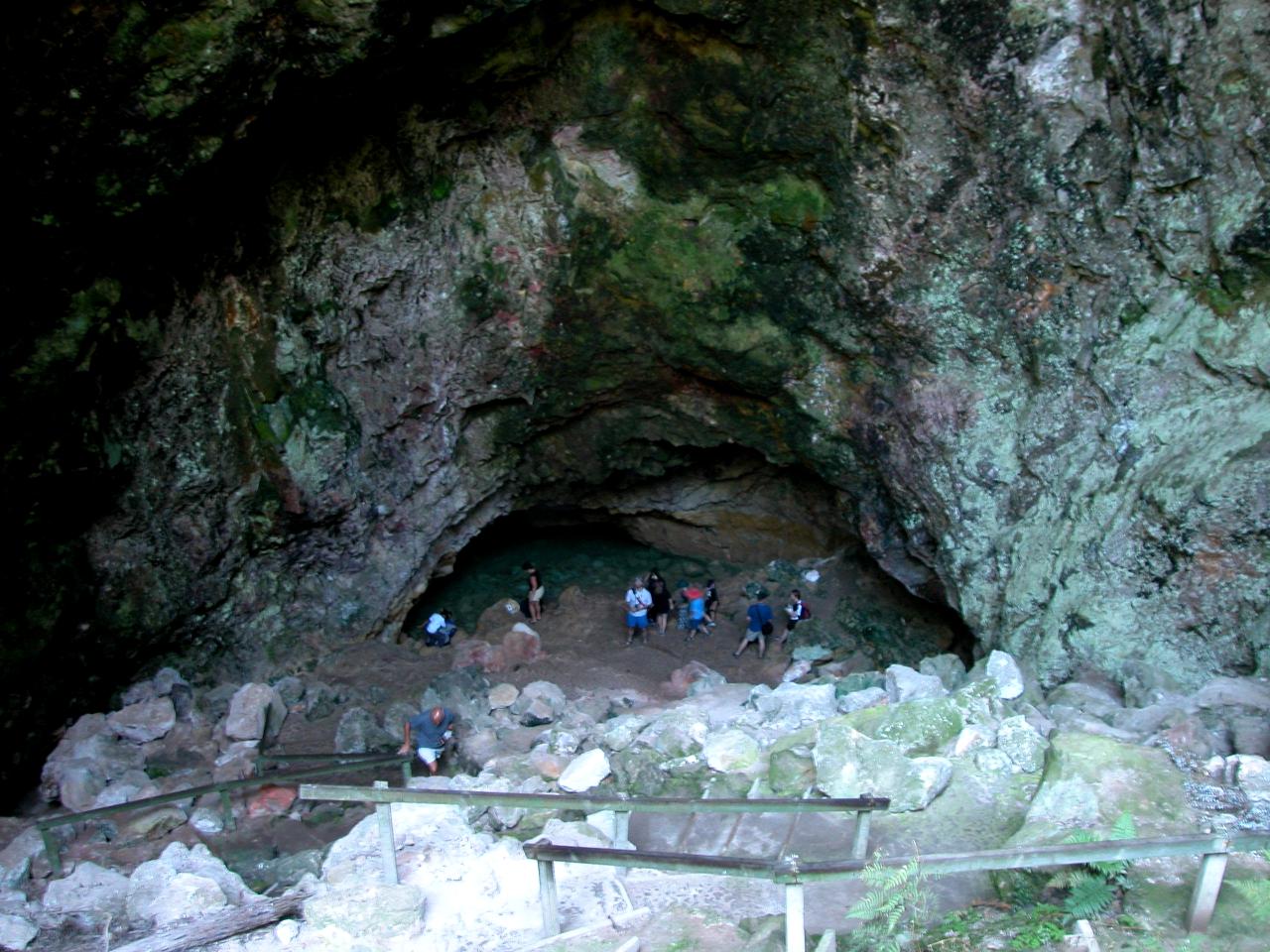
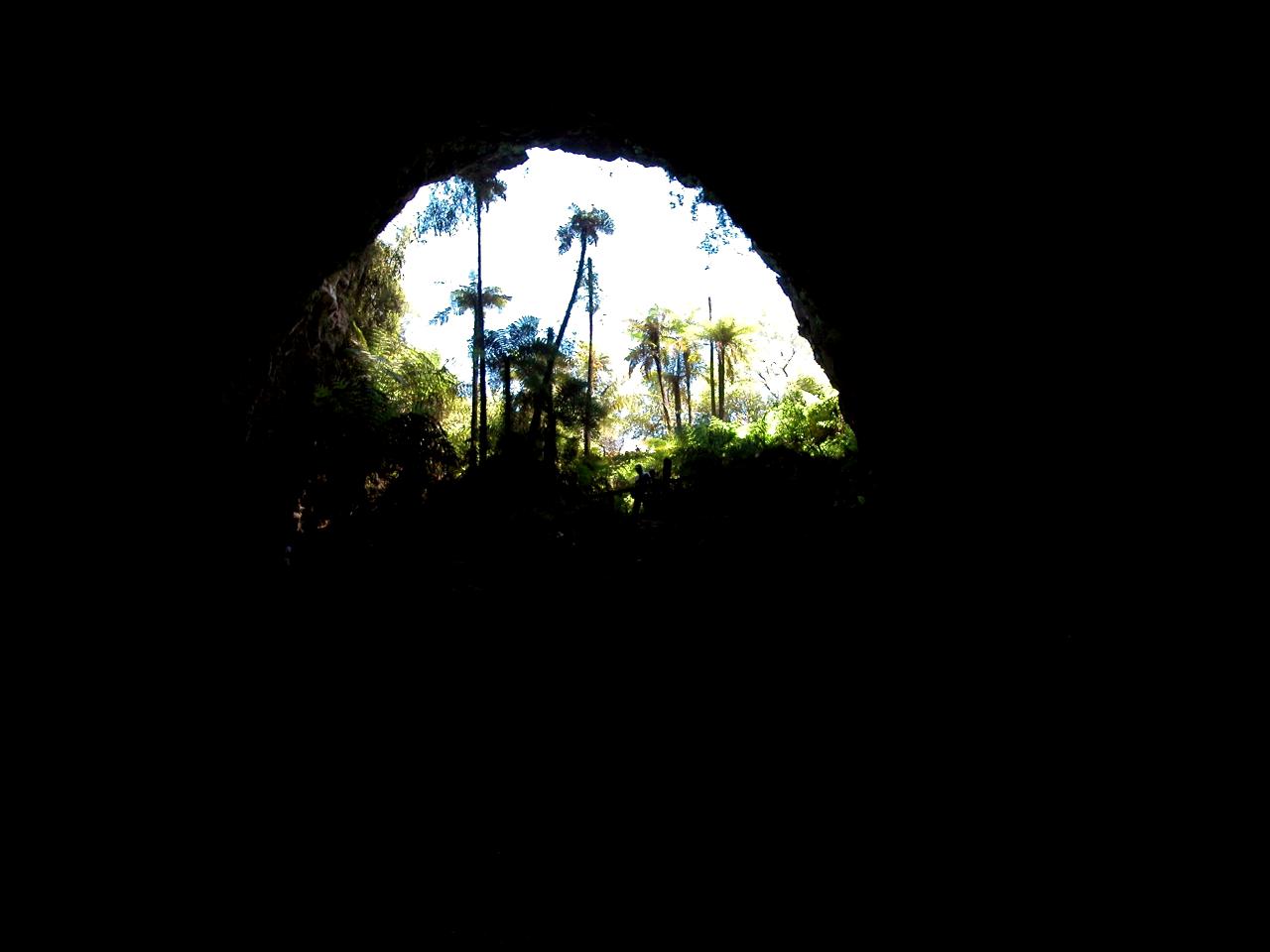
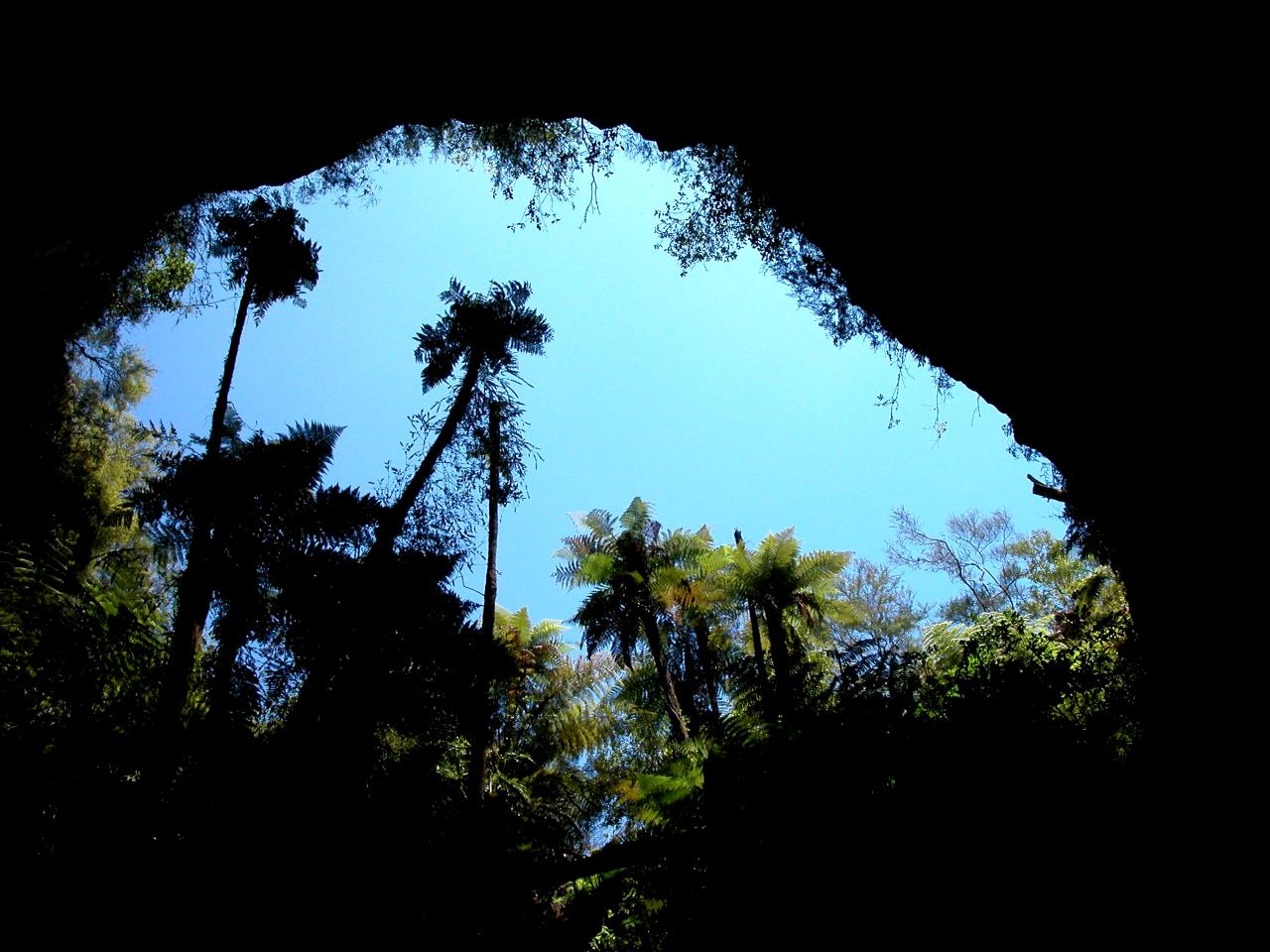
A tree fern looks like a palm, but in essence it's just a giant fern. Every year the fronds grow a little higher and the trunk is left below. Rather like a date palm, except that the leaves are fern fronds and, most importantly, it reproduces by spores. One of these trees can grow twenty metres high and forty centimetres across. A good portion of the New Zealand bush consists almost entirely of the plant. We read of four kinds. The frond of the ponga, or silver tree fern, often appears as a symbol of New Zealand. There's a widespread belief that tree ferns grow only there, but you can find them in other countries too, for instance in Madagascar.
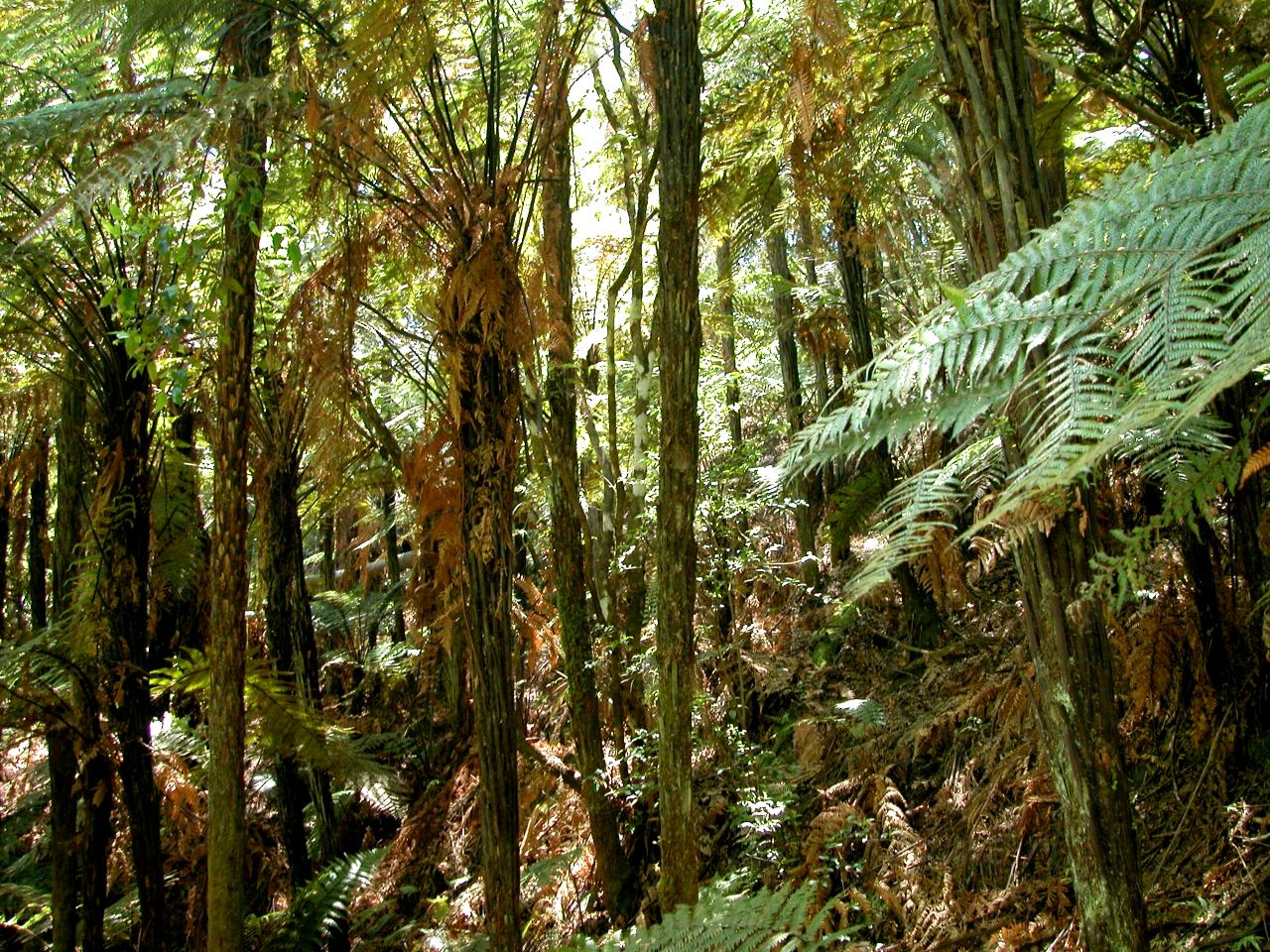
The trunk is about as hard as lime wood. Walking through a forest made up of nothing but tree ferns isn't particularly interesting: the trunks are about a metre apart, the fronds somewhere above you, and underfoot there's a thick layer of old dead ones. See one standing on its own, though, and it's a delight.
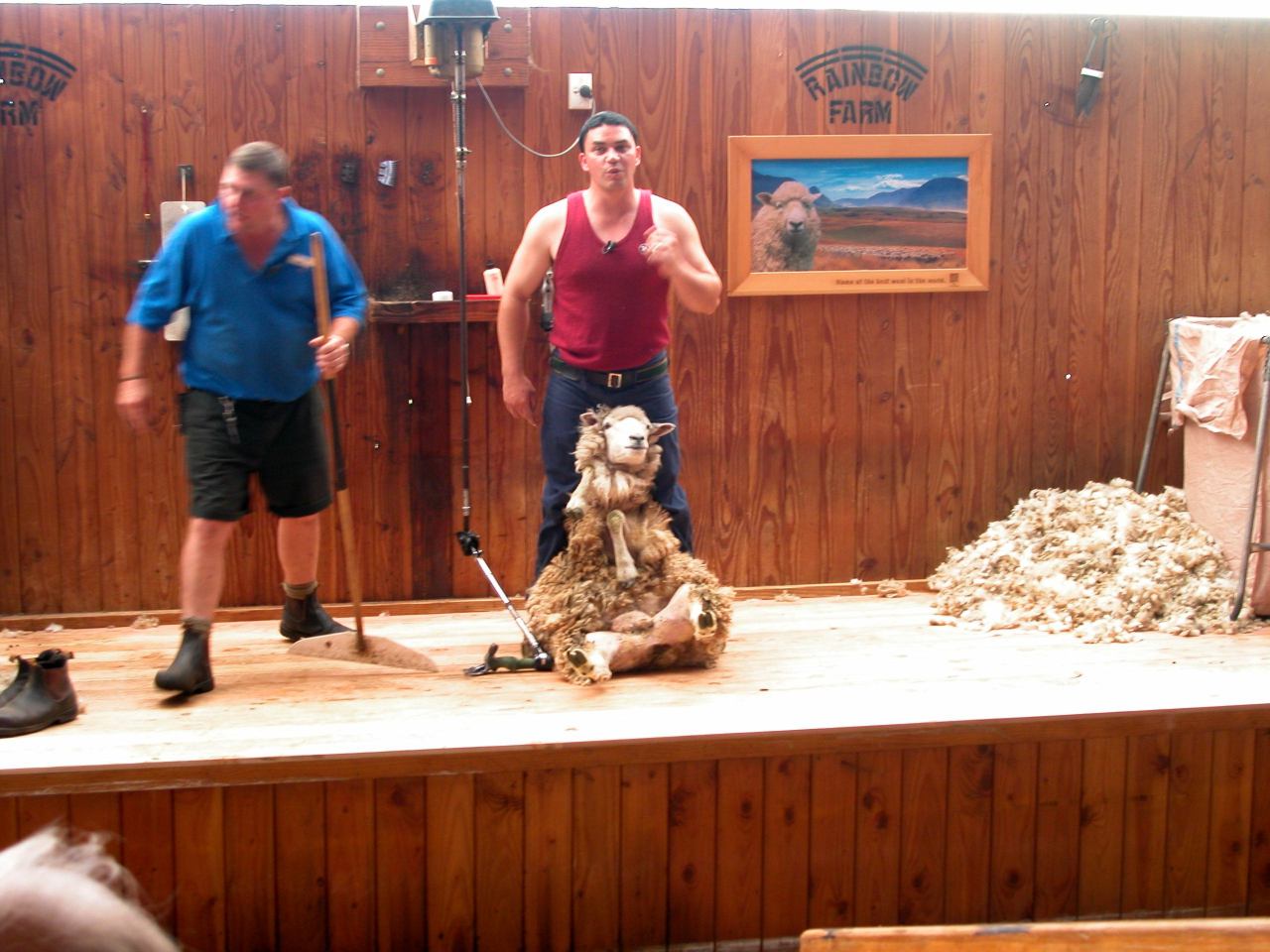
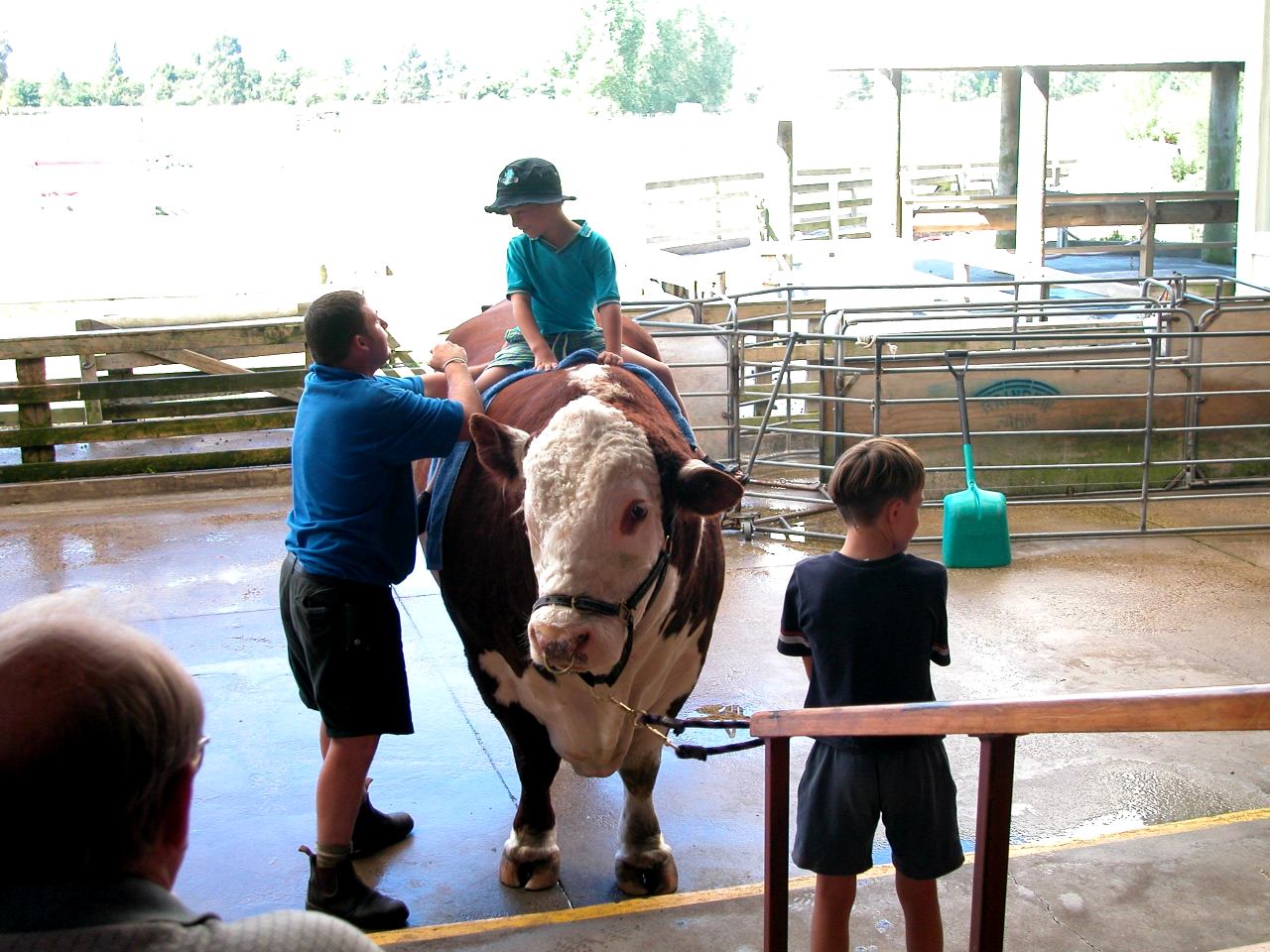
That evening we still had time for Rainbow Springs, an attraction three kilometres north of Rotorua, designed mostly for people on very organised tours. The visit was in two parts. First a farm show, where they show you a ram being shorn and the dogs running the poor animal about. Children get to feed the calves. It's probably meant entirely for children, but most of the audience is grown up. The presenters keep grabbing someone out of the audience to take part, and asking them to do something like milk a bull. If you don't want to be the centre of attention, sit farther back, in a corner. The make-up of the audience was interesting. At the start our presenter took a roll call. A quarter local, a quarter Australian, another quarter Japanese, Korean and Chinese put together. A few fewer Americans. From Europe there was one family from England, besides us, and we said nothing about where we were from. A sad thing, to live in a country whose very name wouldn't cheer the people around you.
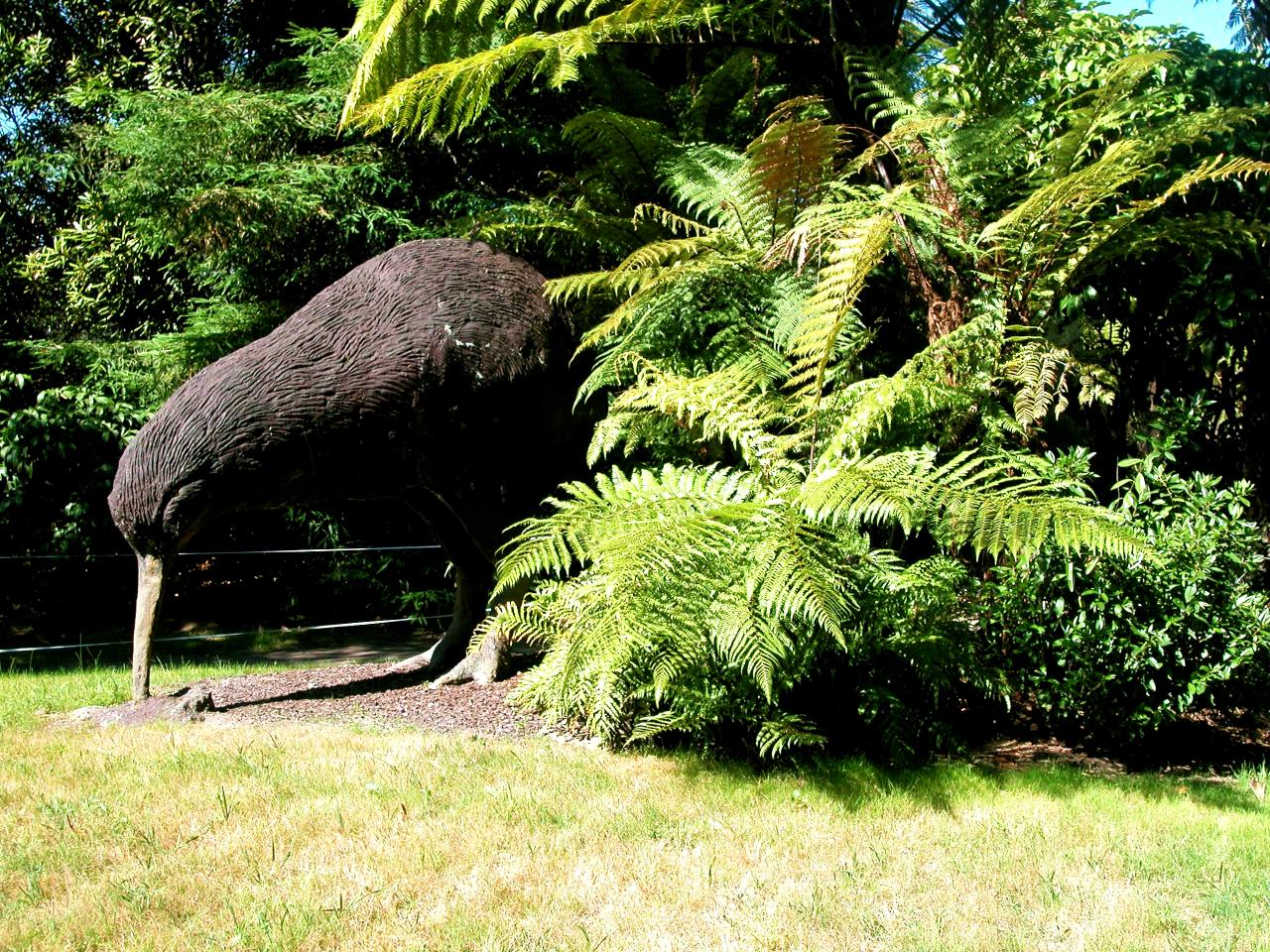
The main reason we were here was the kiwi. You could see one behind a barrier in a small zoo (Rainbow Springs kiwi exhibit). There was no telling whether we'd see one in the wild. Here we were guaranteed success. Going home from New Zealand without seeing a kiwi was unthinkable, so we were in a hurry to get it done.
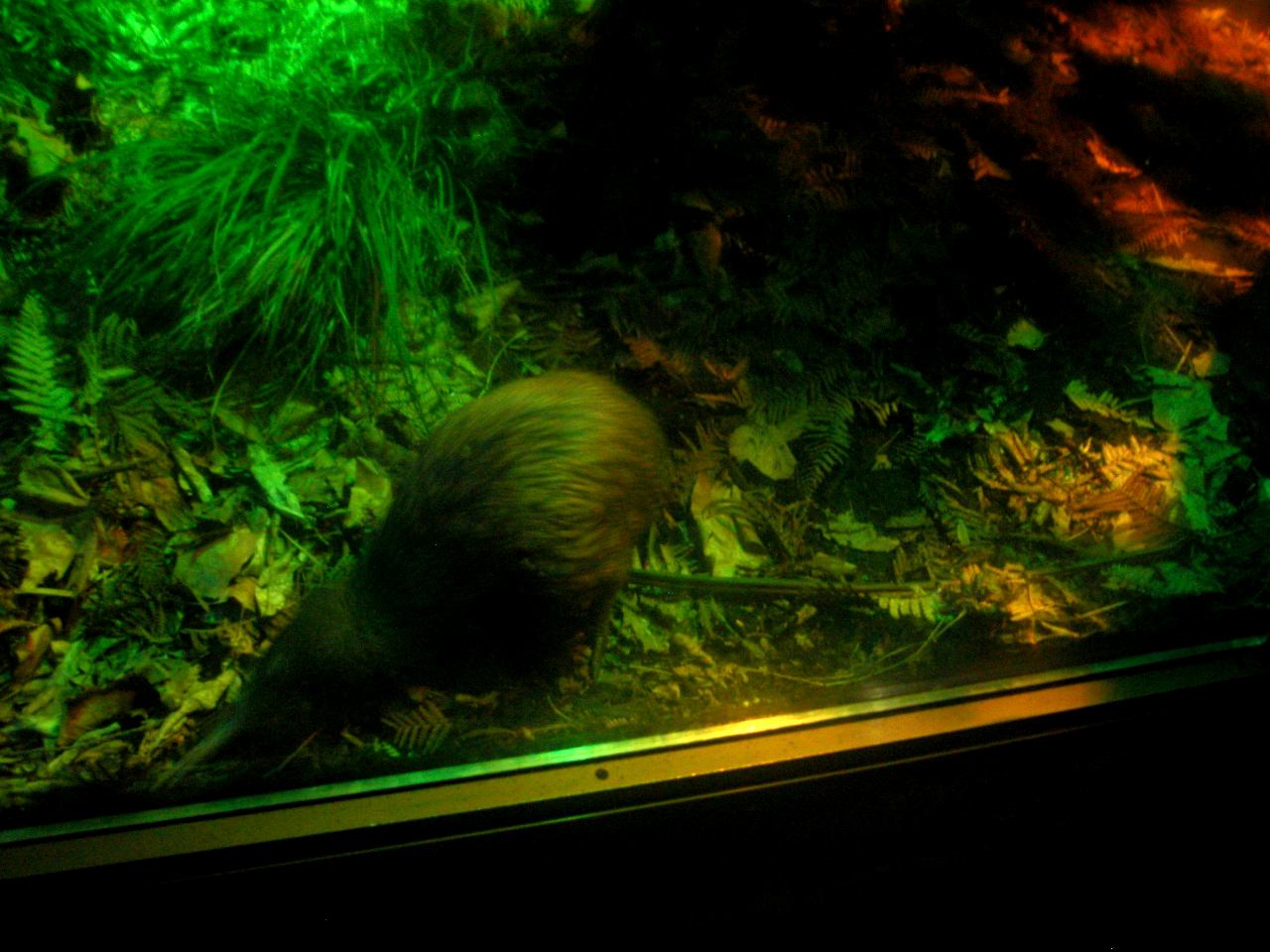
A kiwi is a marvellous thing. A cross between a cat, a crow and something that goes rustle-rustle in the bushes. An almost spherical body, long legs, a head with a long beak on an even longer neck. Active at night. It waddles through the bushes with an air of great importance, industriously rustling and turning the earth over in search of a worm. It can't fly; its wings have all but disappeared, small as a centimetre or so, though the bird itself weighs three to five kilos. It lays one enormous egg, a whole half-kilo, and raises just one chick at a time.
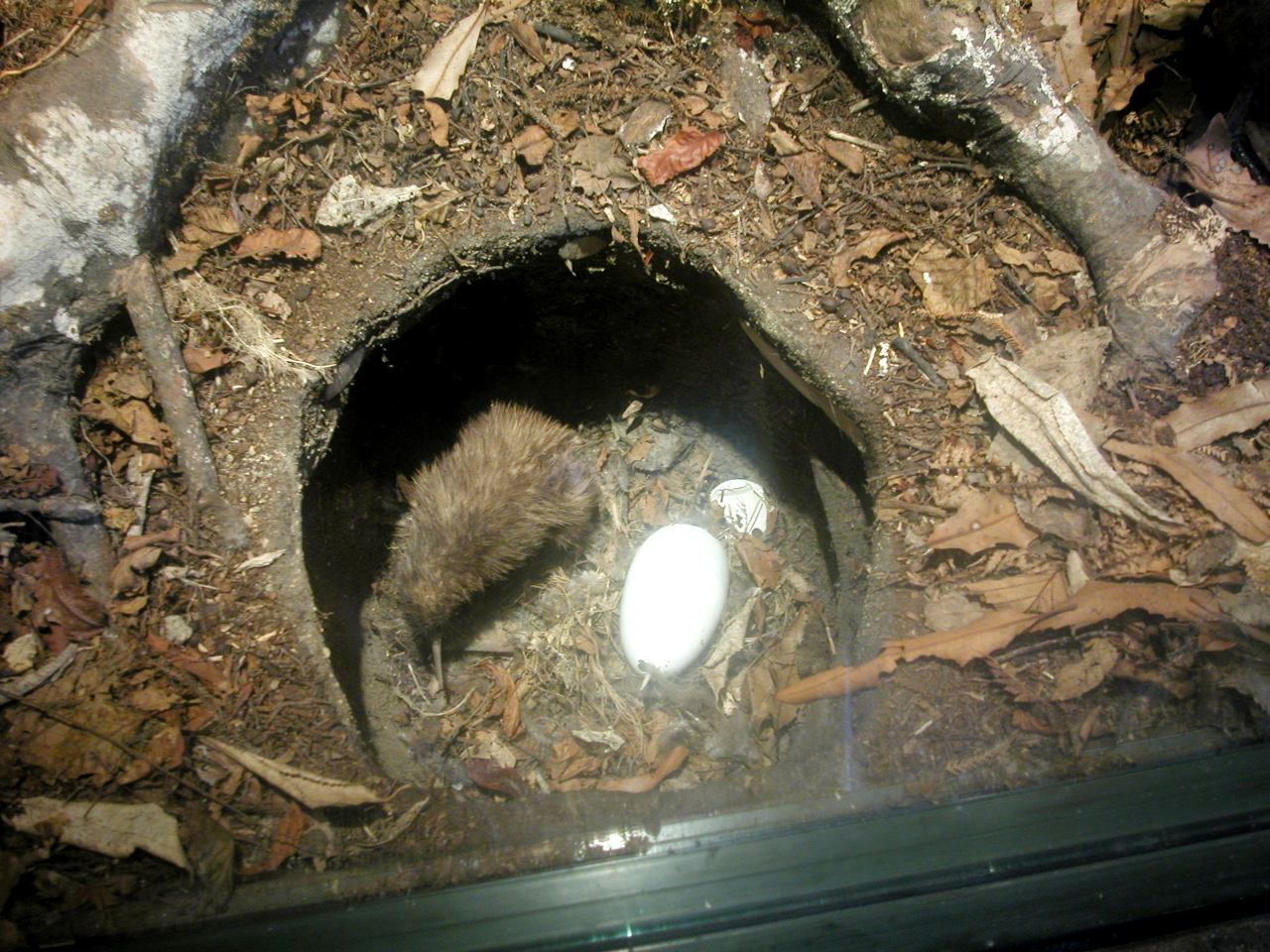
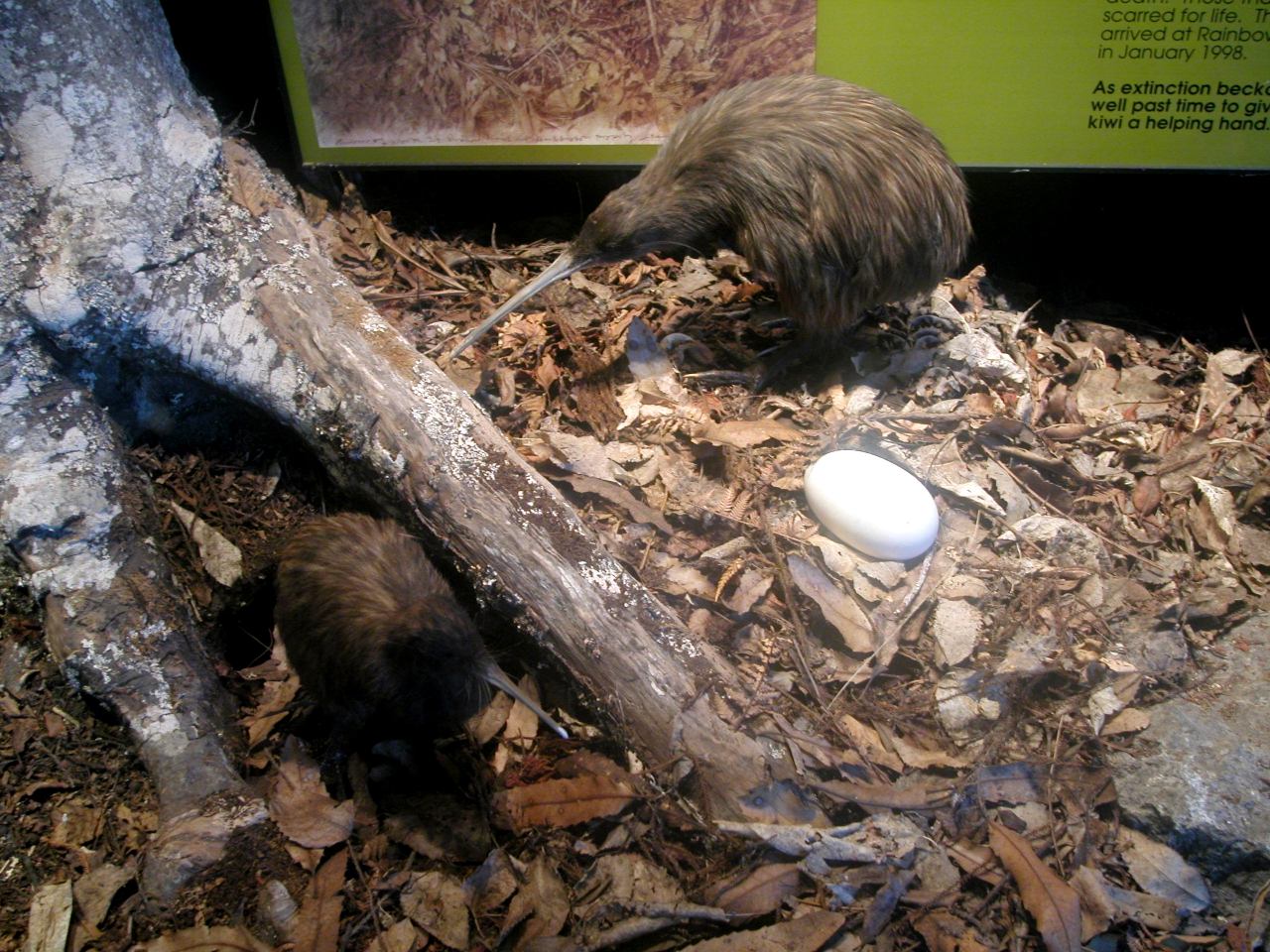
Whenever I tell people back in Russia about it, they ask if the fried egg tastes good. To a New Zealander that's like asking, “Oh, what lovely children you have running around. Are they tasty?” The kiwi is sacred here. New Zealanders even call themselves Kiwis, and this remarkable bird has become another name for the country. I understand that. After meeting that funny little hen, something in me felt warmer; a new presence had come into my life. I doubt a day has passed since when I haven't thought of the kiwi. When Tanya and I feel sad now, one of us says, “Do you remember the kiwi?” and our troubles don't seem so frightening.
The zoo has a dark enclosure where night and day are reversed. So there's no need to wait till dark, and the ordinary tourist can easily commune with the sacred creature. There was only one bird, but we had done it: we'd seen a kiwi. Only now an even more radical idea had got into my head. I wanted to stroke a kiwi. Surely it must be a wonderfully soft, fluffy creature. I was jealous of the national park staff. They could do it every day if they liked.
No flash photography. The sign says it stresses the bird. Without flash there isn't enough light, and it never stops moving. An infrared video light gave quite good results, though it was all in black and white, of course.
A delicate creature, and a very important one, naturally. It doesn't do well in captivity and is susceptible to infections.
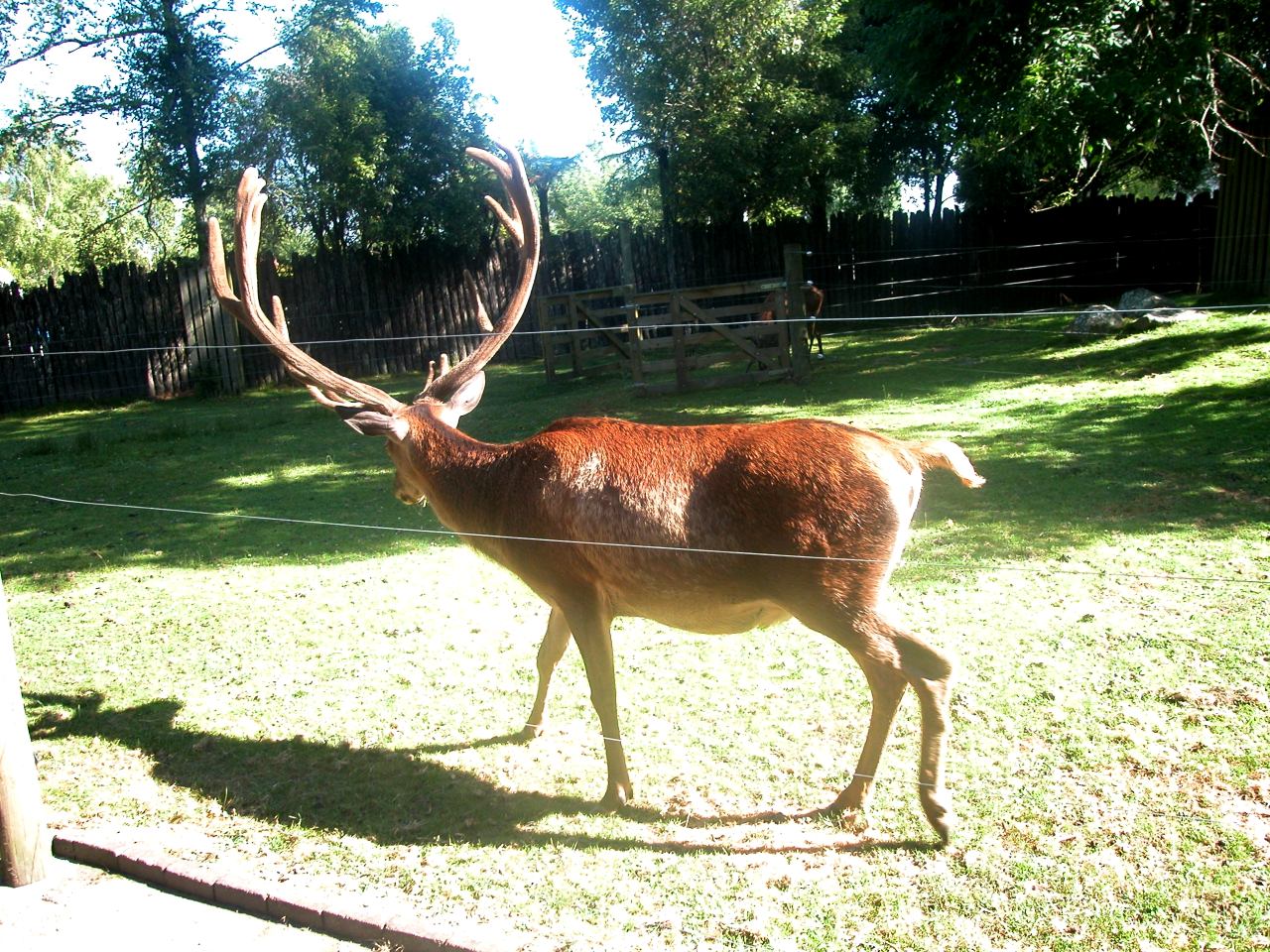
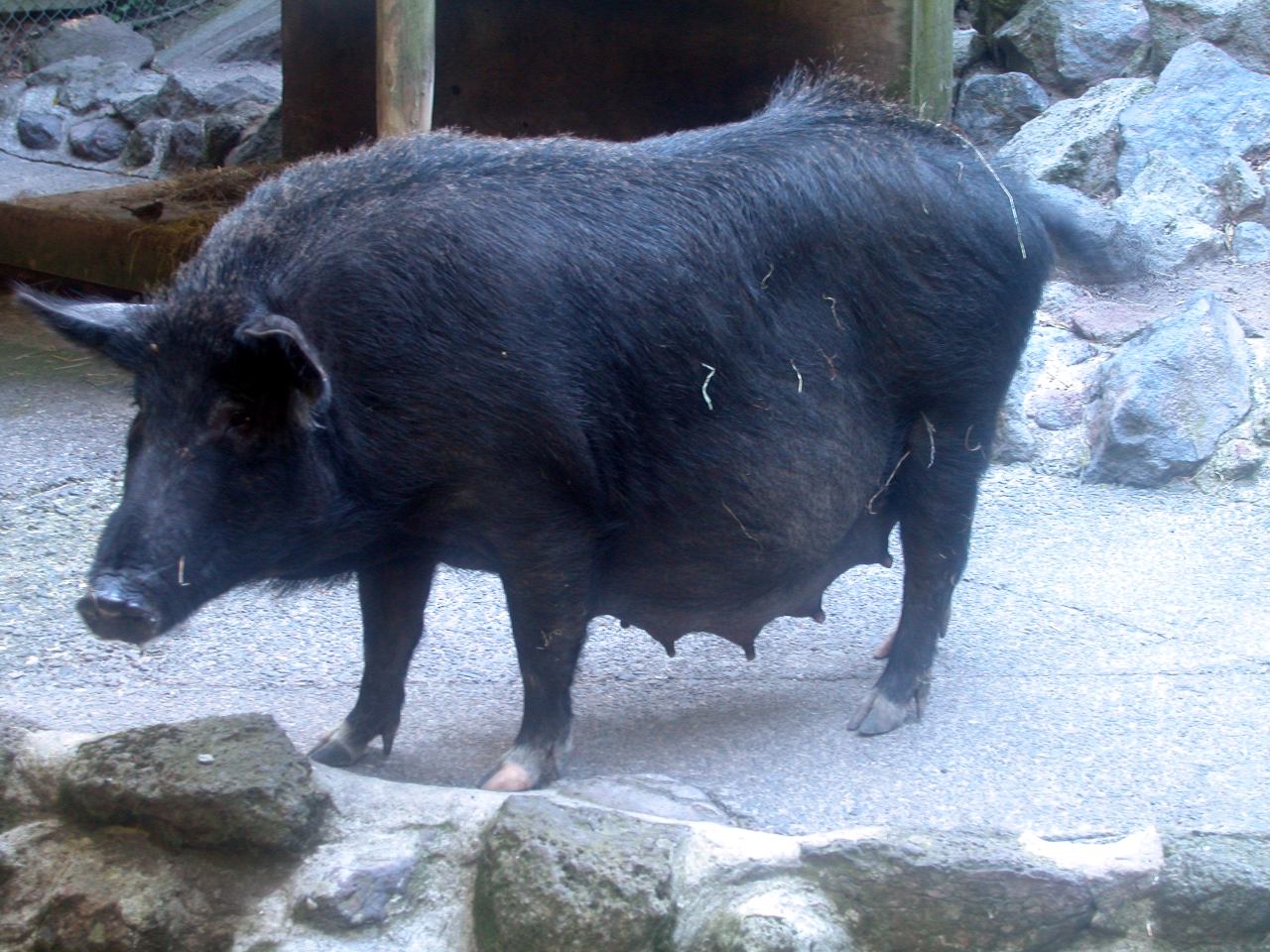
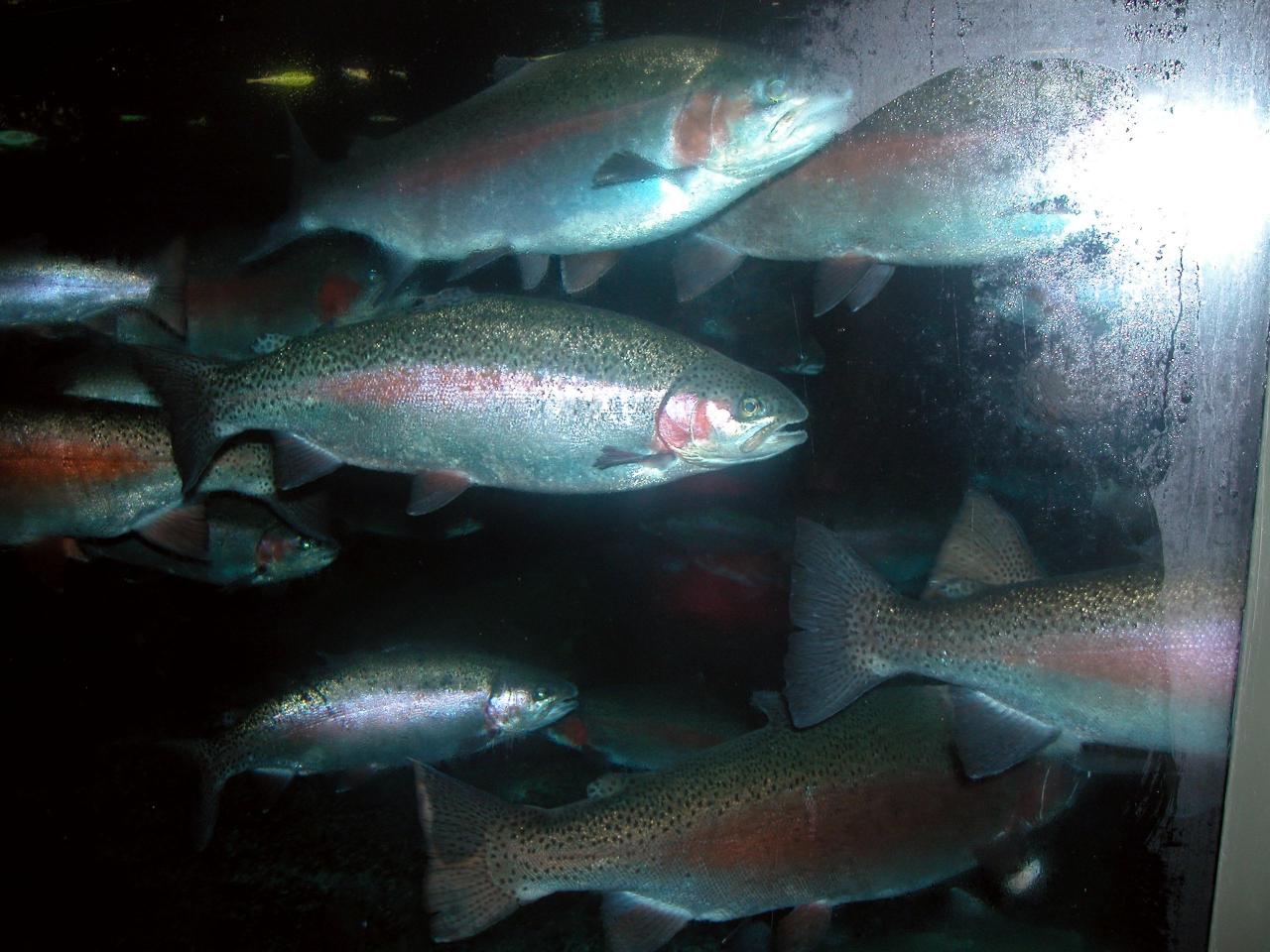
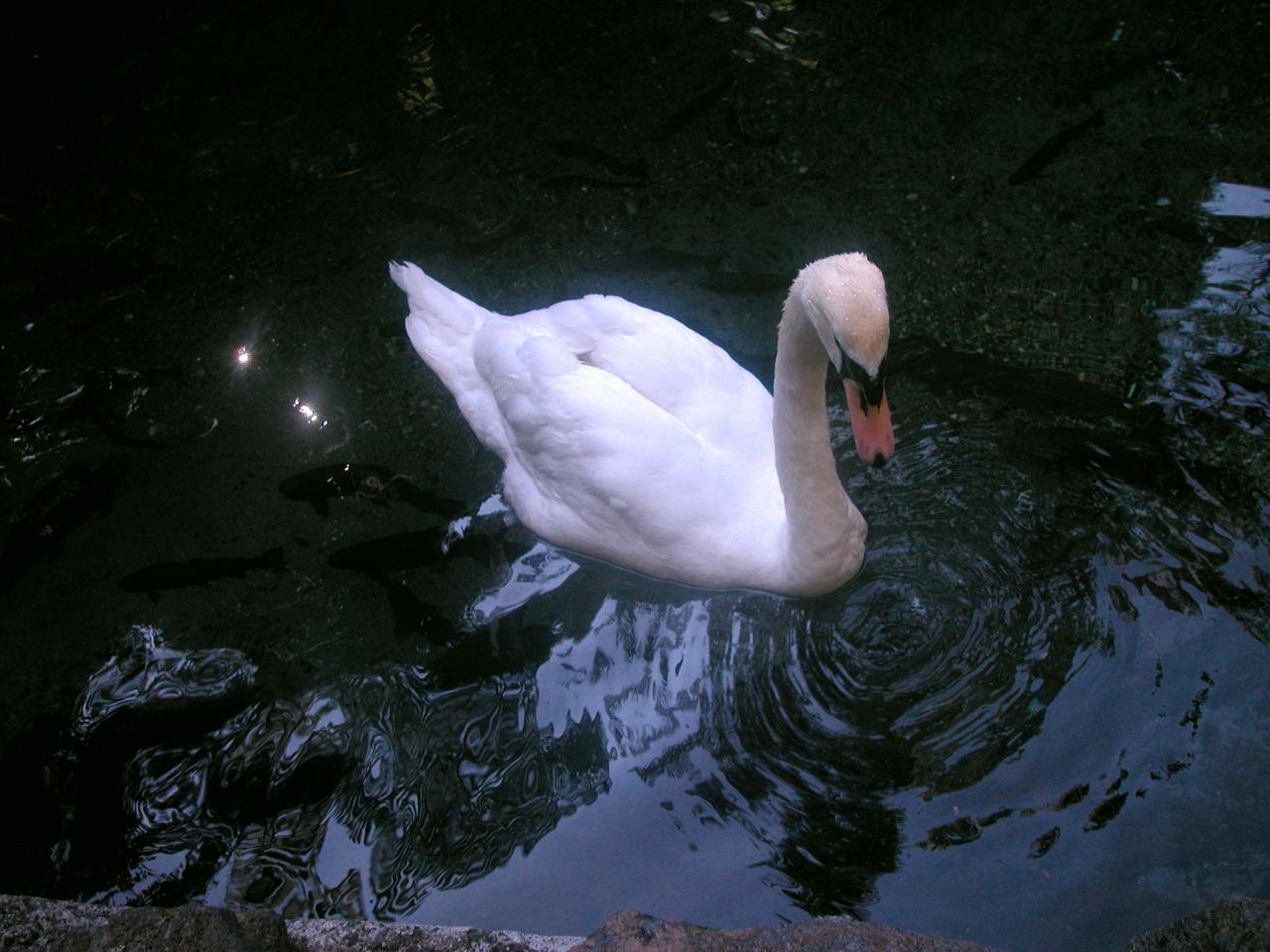
Besides the bird, the zoo had deer, a pig of the kind Cook brought to New Zealand that went and turned wild, an aquarium full of trout and a lot of other little creatures.
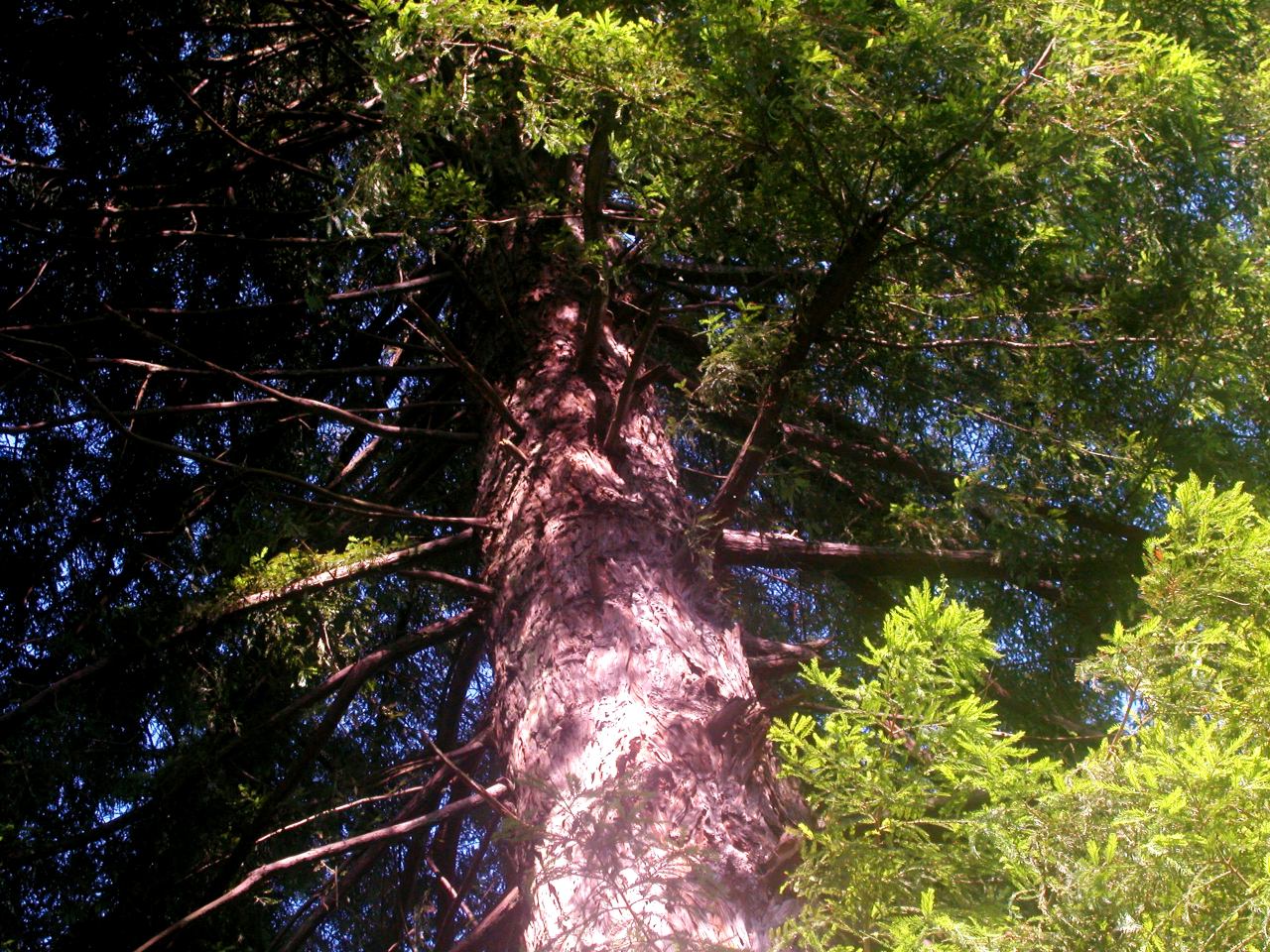
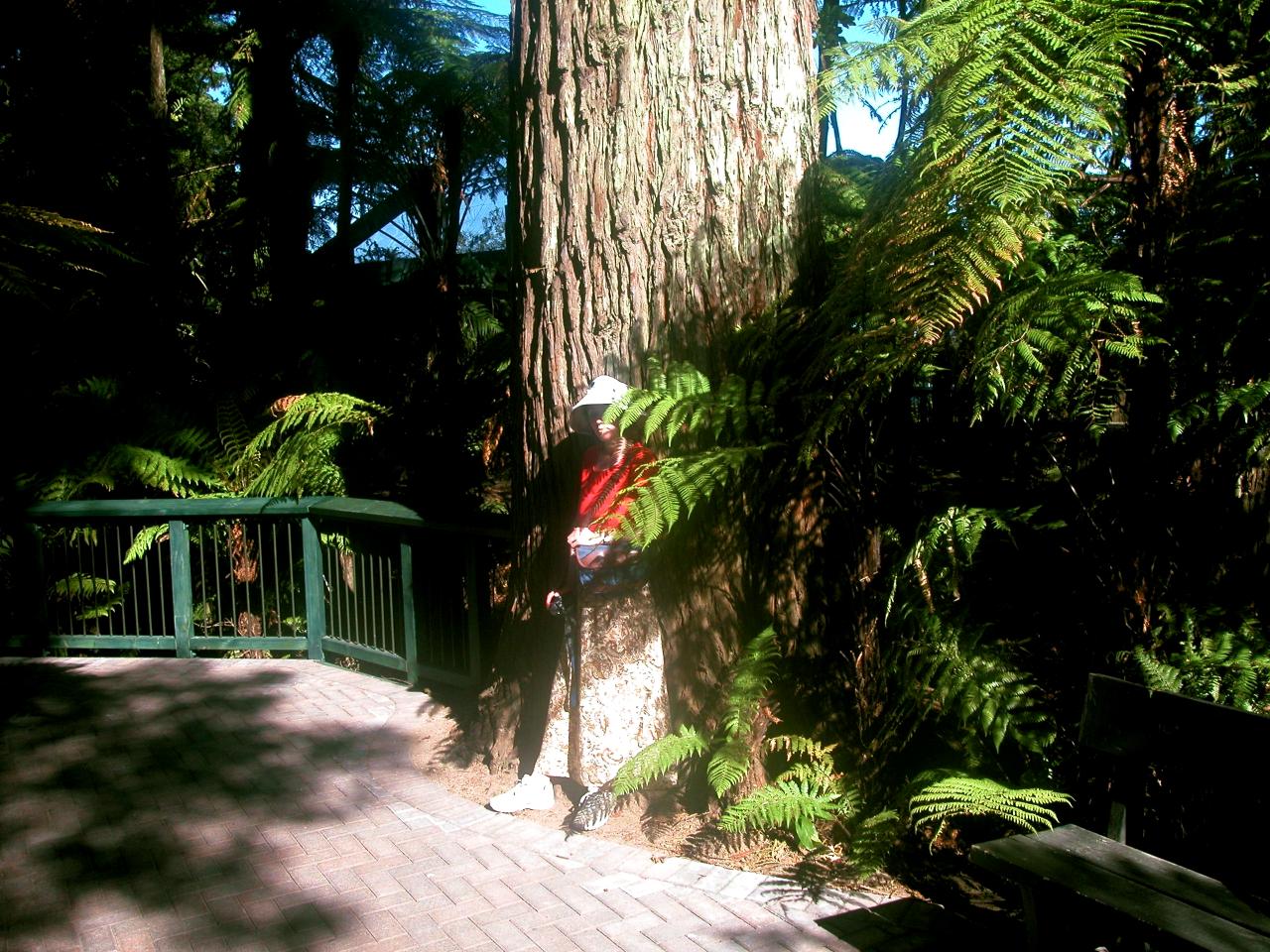
American redwoods were planted in the park about a century ago. They've taken to the place beautifully, and are now more than a metre in diameter.
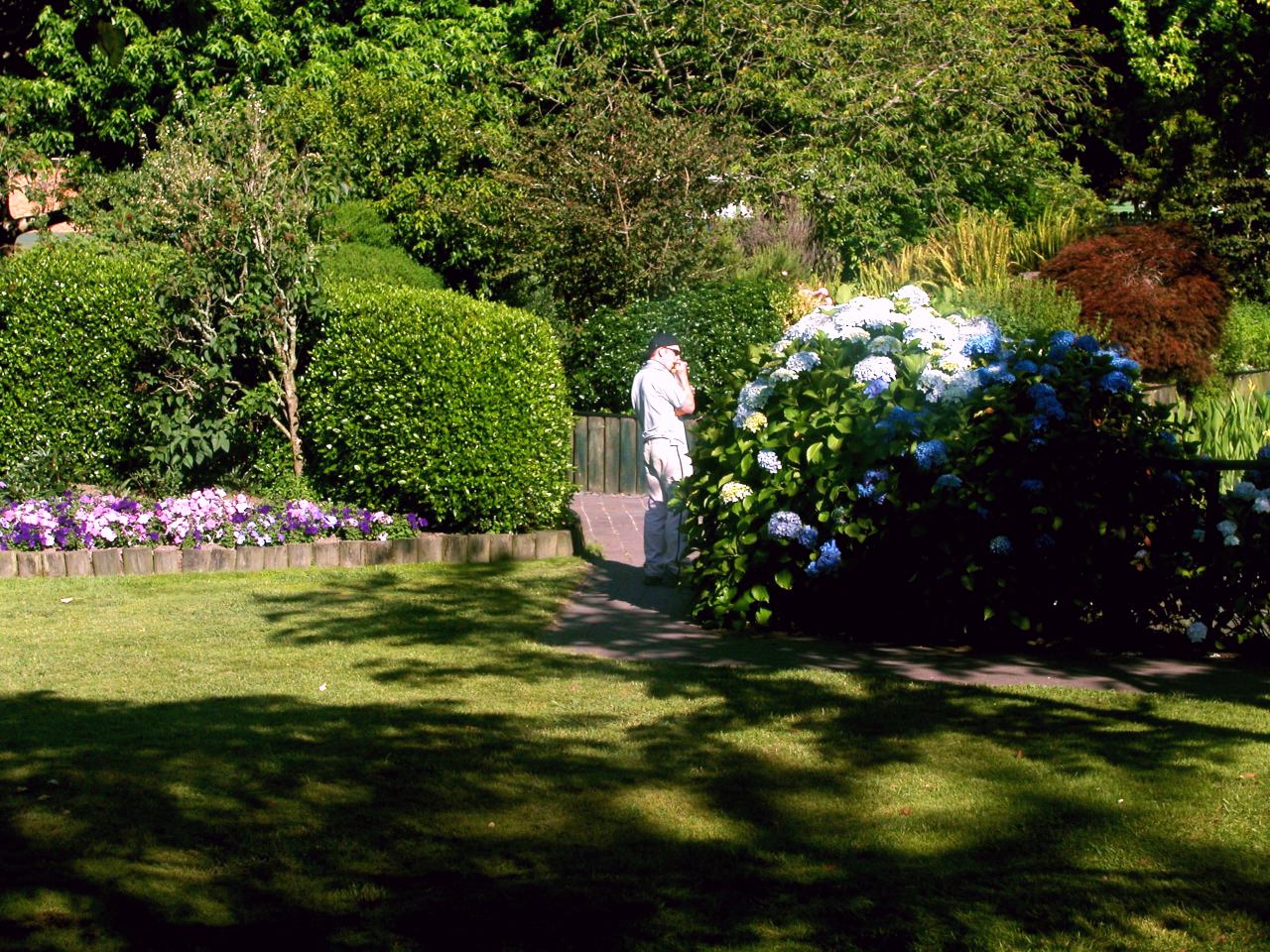
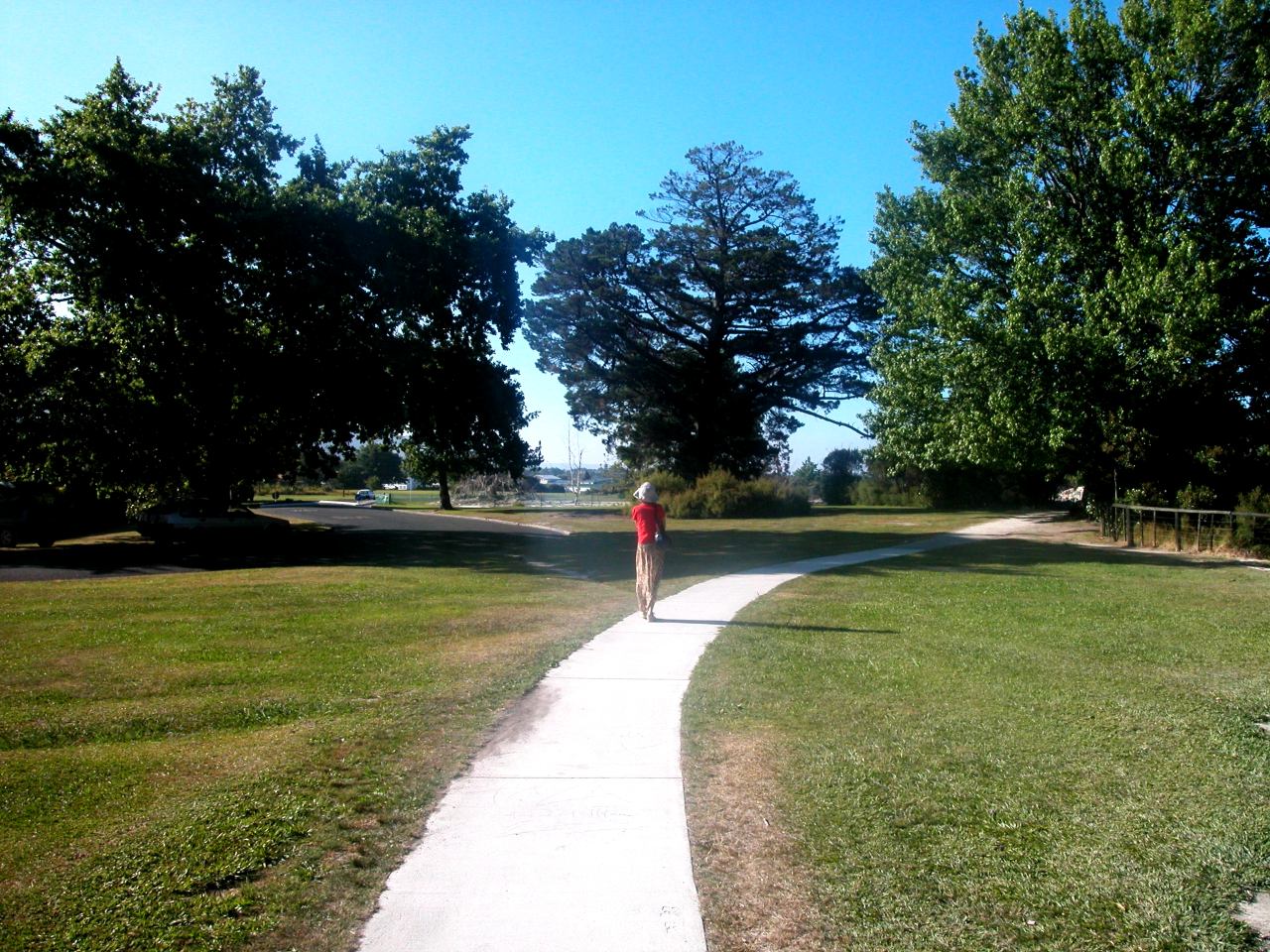
Back in town, we went for a walk in the local park. It's a very unusual one: lots of hot pools, with little bridges and paths through thick stands of mānuka. Signs everywhere tell you what the bushes are called. As I understood it, there was kānuka and mānuka. Mānuka is the local tea tree. The rest are seldom seen. Each spring has a legend attached to it. They attribute the stories to the Māori, although I suspect Europeans made them up. For instance, the reason the water's hot is that once upon a time a beautiful young woman used to bathe here in the altogether. The spirit of the lake put up with it for a long time, but finally couldn't stand it any more. The good Lord made it a lake of boiling water, to put a stop to such goings-on.
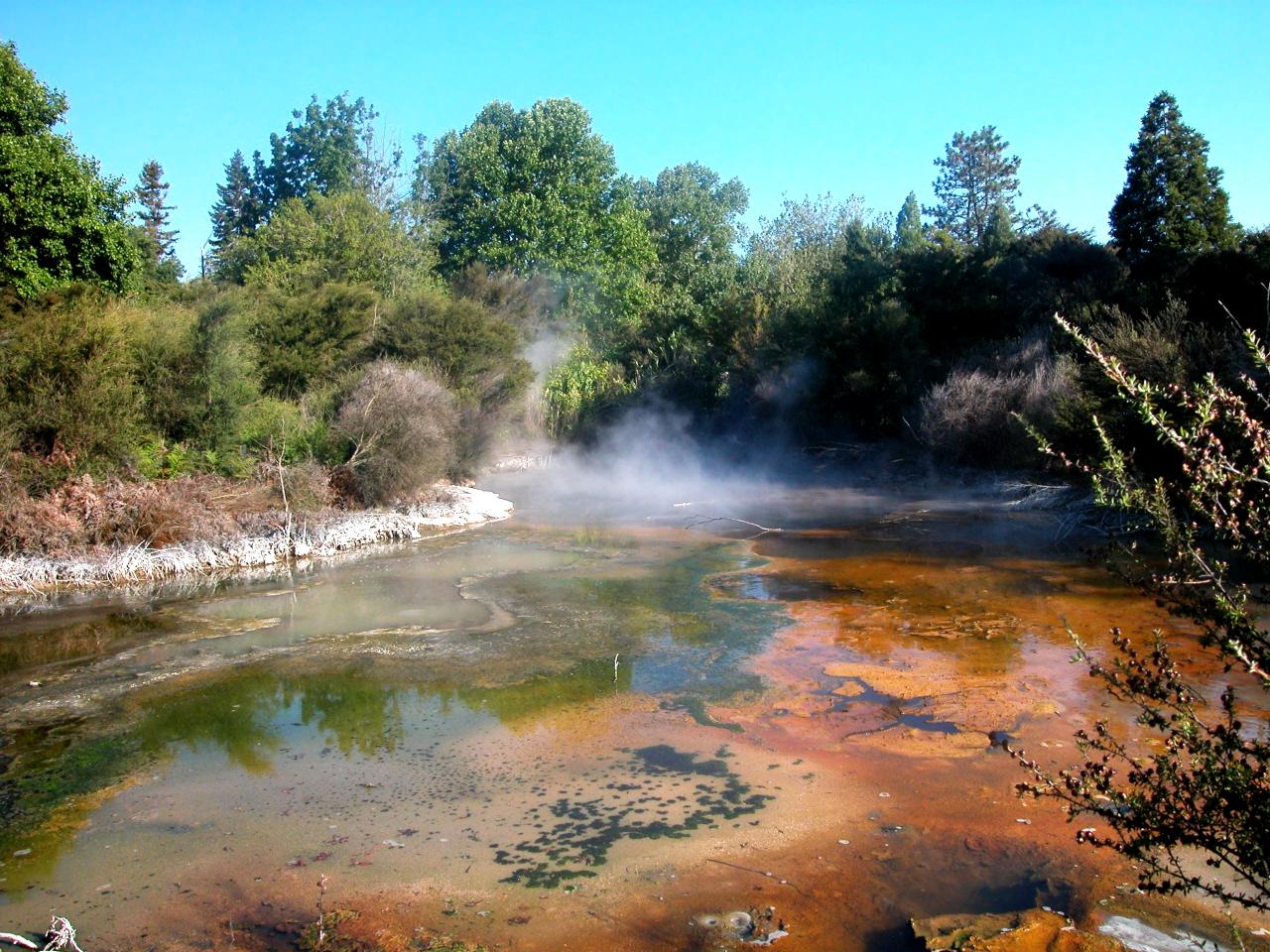
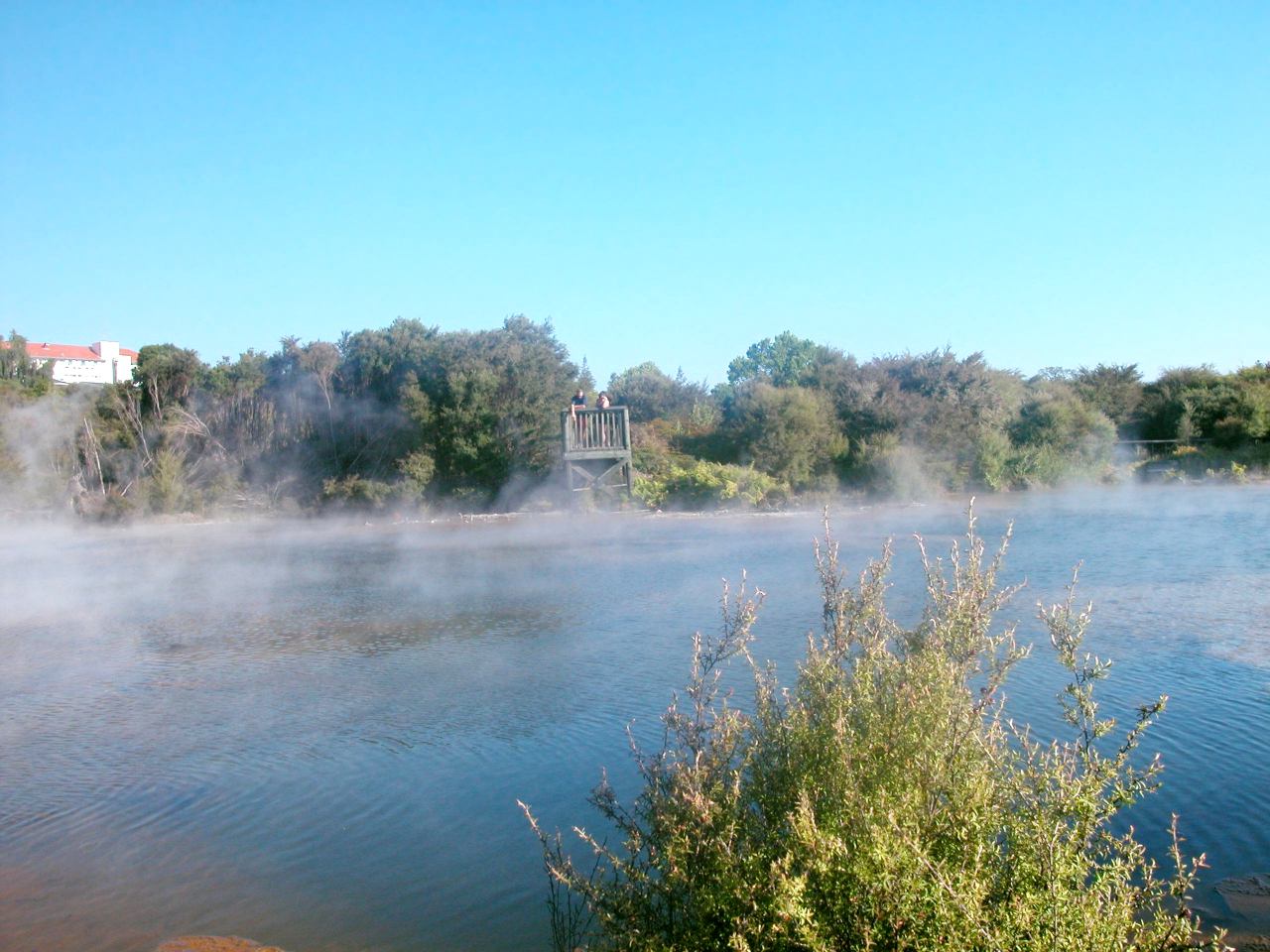
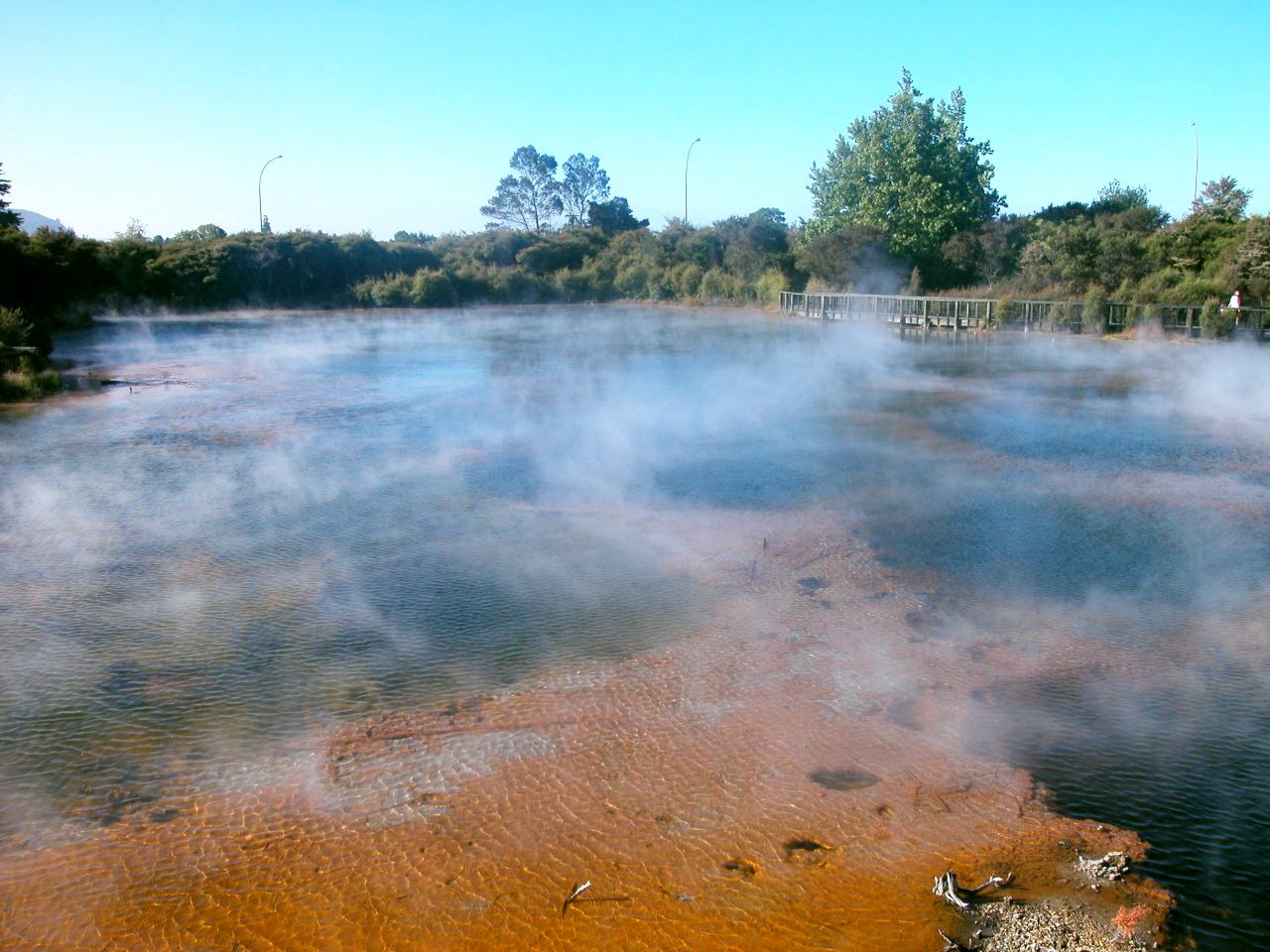
The locals seem quite untroubled by this hot sea. They fence it off to stop children climbing in, and that's that. The mud volcanoes sometimes erupt and can wipe out everything alive for tens of metres around. The local response amounts to putting up a “road narrows” sign on the road next to it for as long as it goes on.
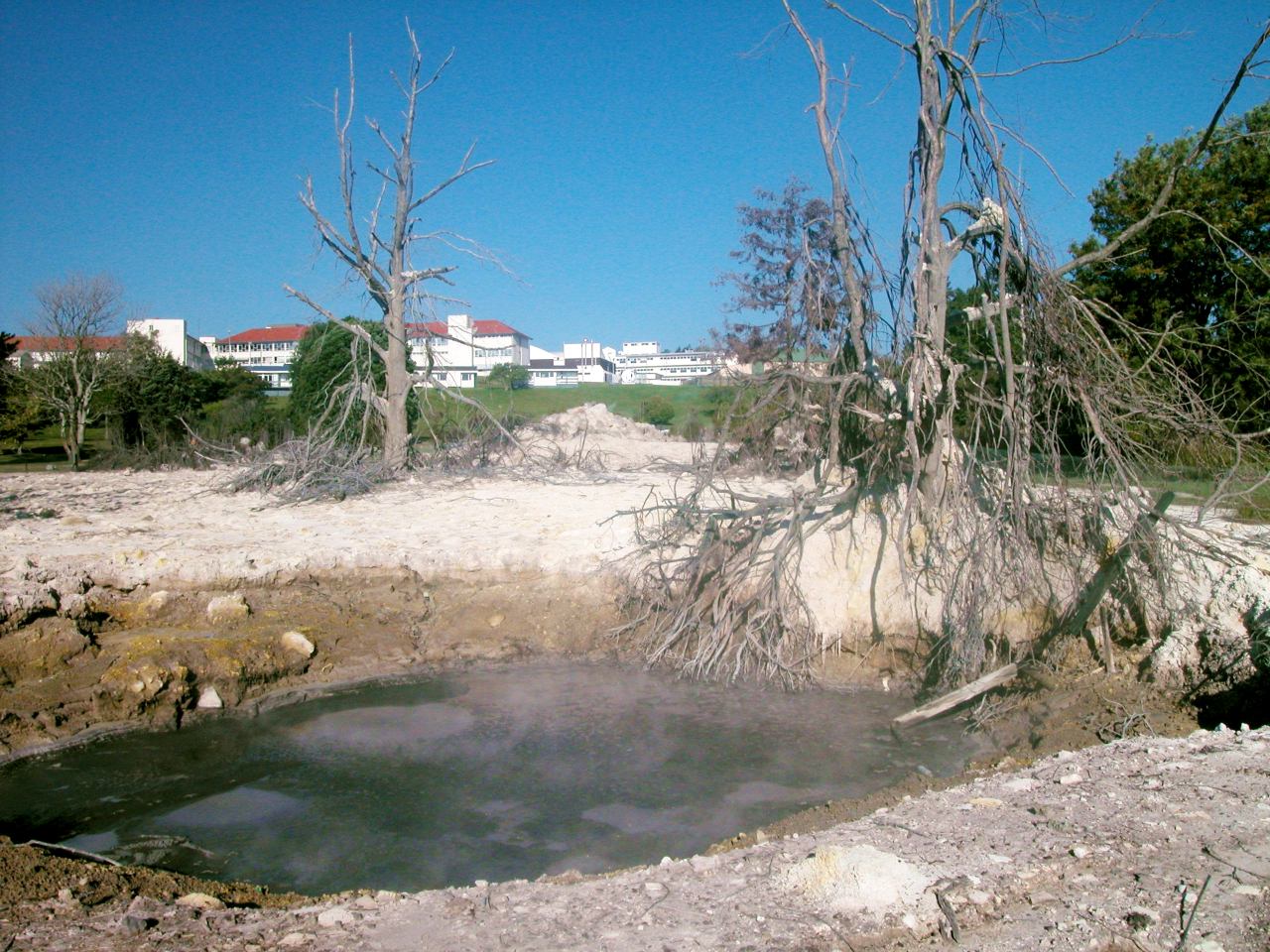
There are several more interesting volcanic areas around Rotorua. Mount Tarawera would be worth a whole day. Its catastrophic eruption on 10 June 1886 took many lives and destroyed the highest geysers and mineral terraces like the ones at Pamukkale in Turkey. Nowadays you can only look at the dried remains, visit the crater and see a few hot springs. You have to do it on foot, several dozen kilometres of walking. There are no roads.
Alas, New Zealand is a big country. By my reckoning you'd need several years to walk all the trails on offer and see all the beautiful places marked “View”. It was time for us to go on south.
On the way we stopped at the geothermal area called Craters of the Moon. In principle it's free, but there's a little hut at the entrance with a dear, smiling old lady collecting donations. You couldn't possibly say no to her, and it was a pleasure to give. The place was well laid out and the rubbish picked up. That costs money, and the local enthusiasts who do the work deserve financial support. It is very different from its geothermal neighbours. Instead of coloured pools and geysers there are enormous craters. At the bottom are pools of boiling mud. You can feel the tremendous energy fighting its way out of the Earth. The steam hides the far side of the crater. Now and then the wind blows the clouds clear and you catch a glimpse of sharp rocks rising from the bottom.
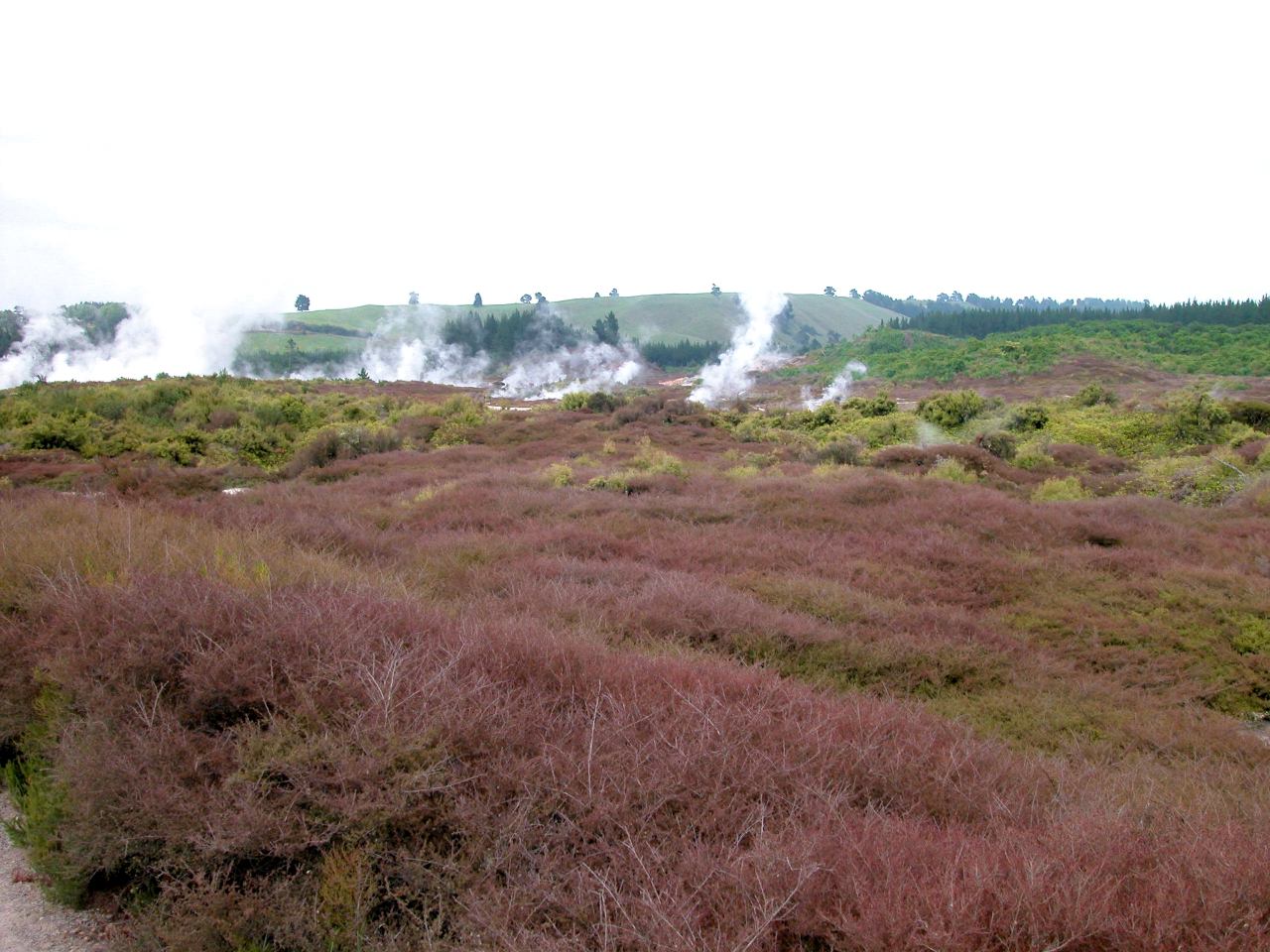
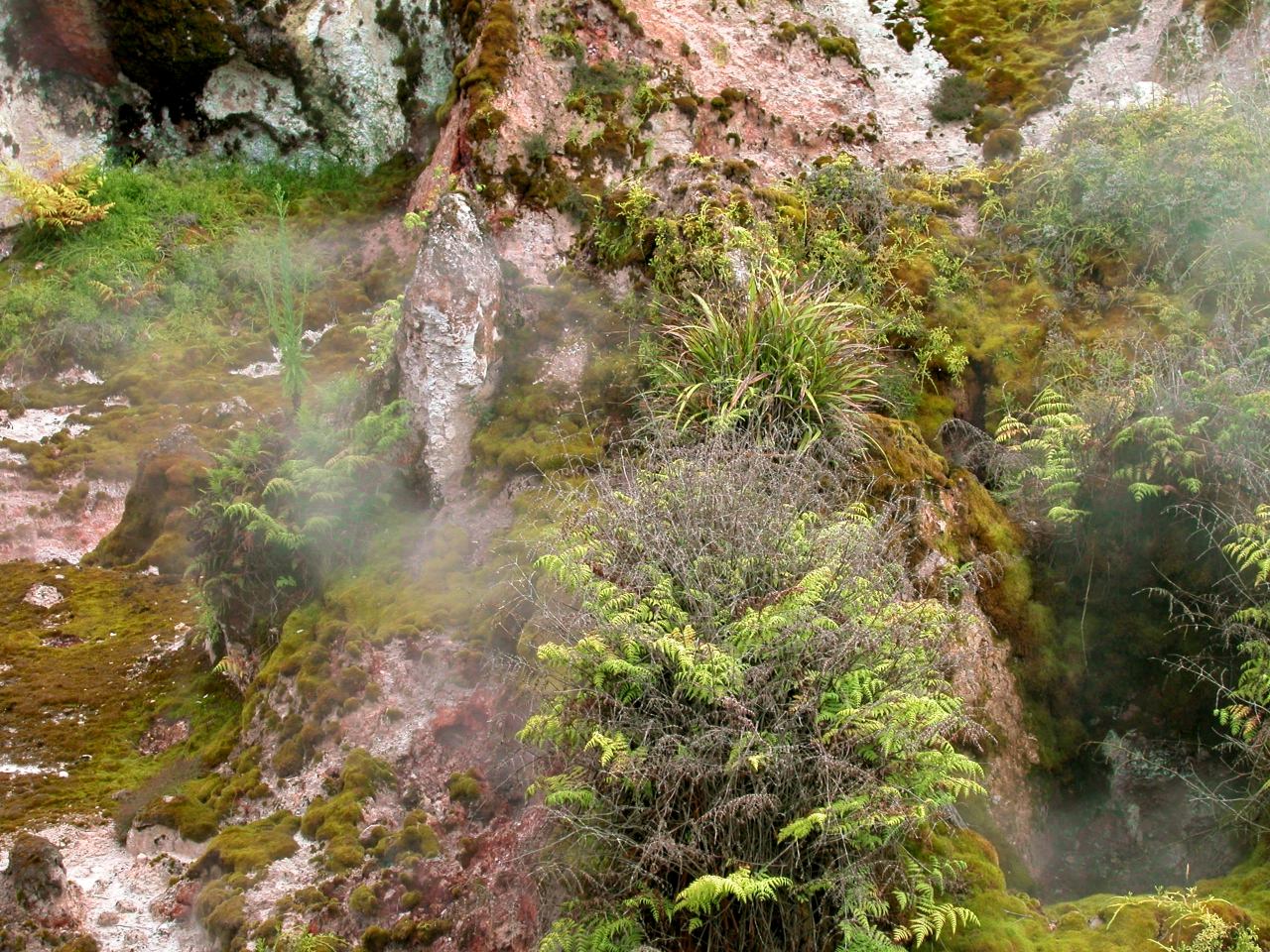
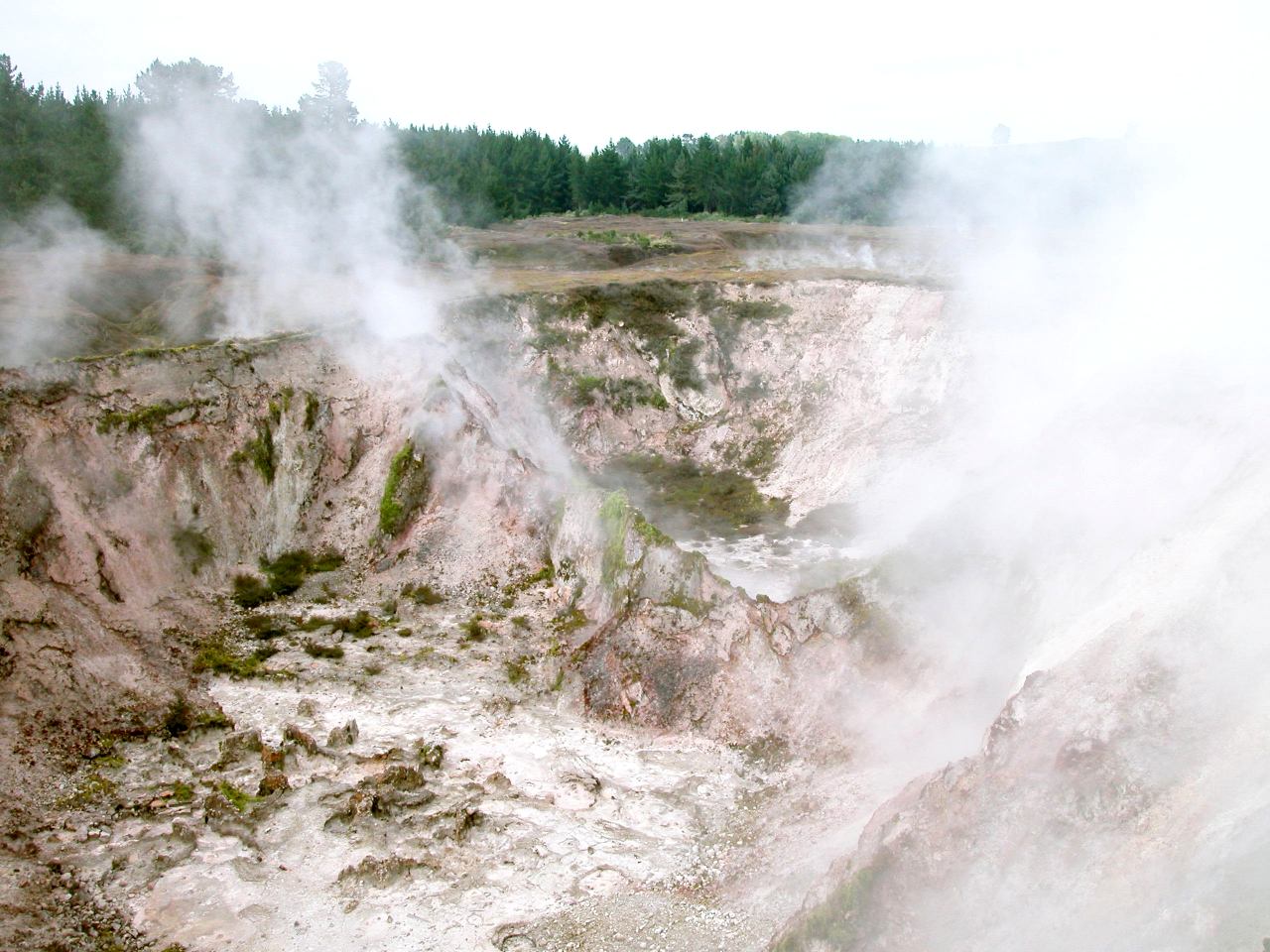
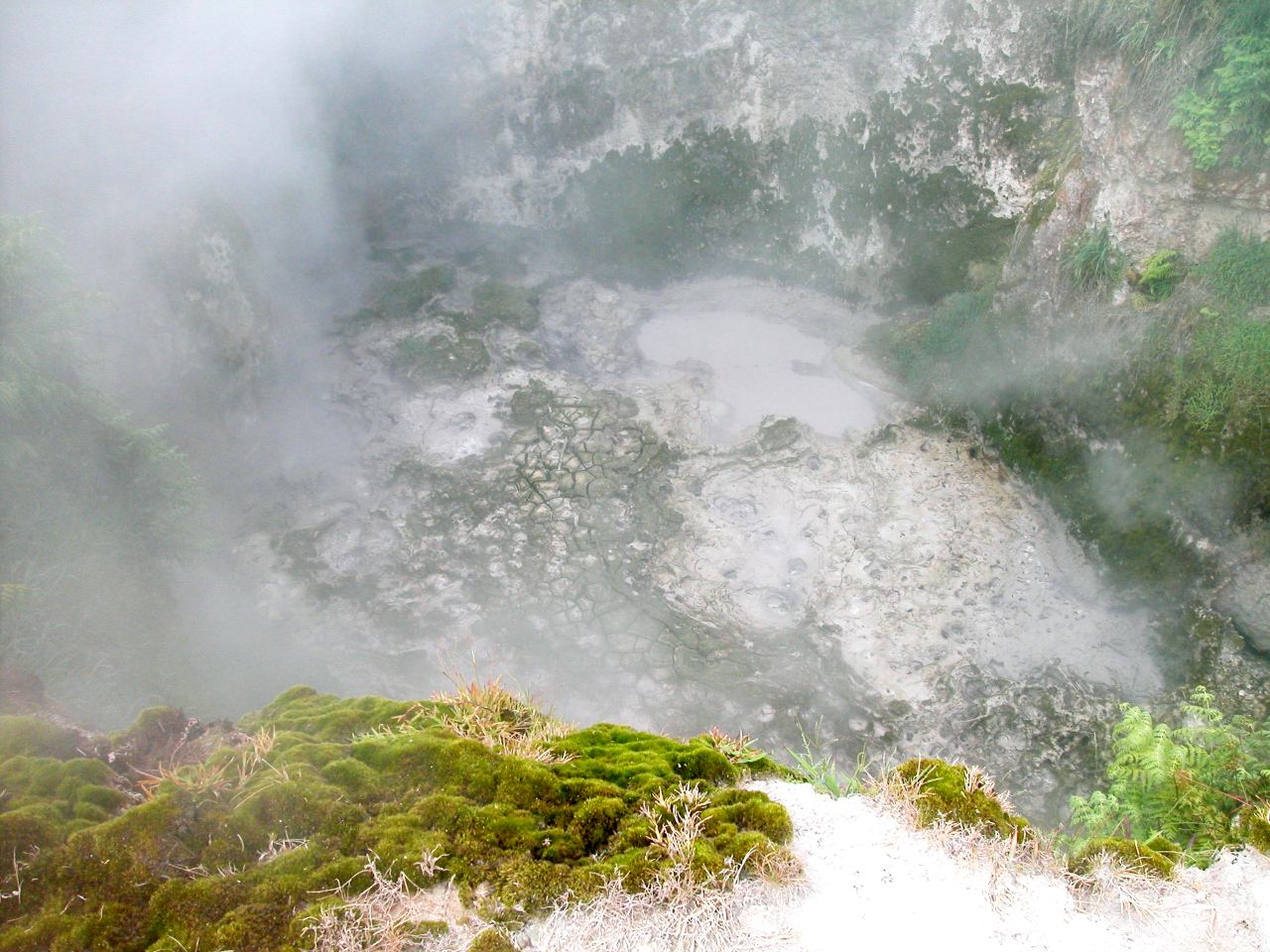
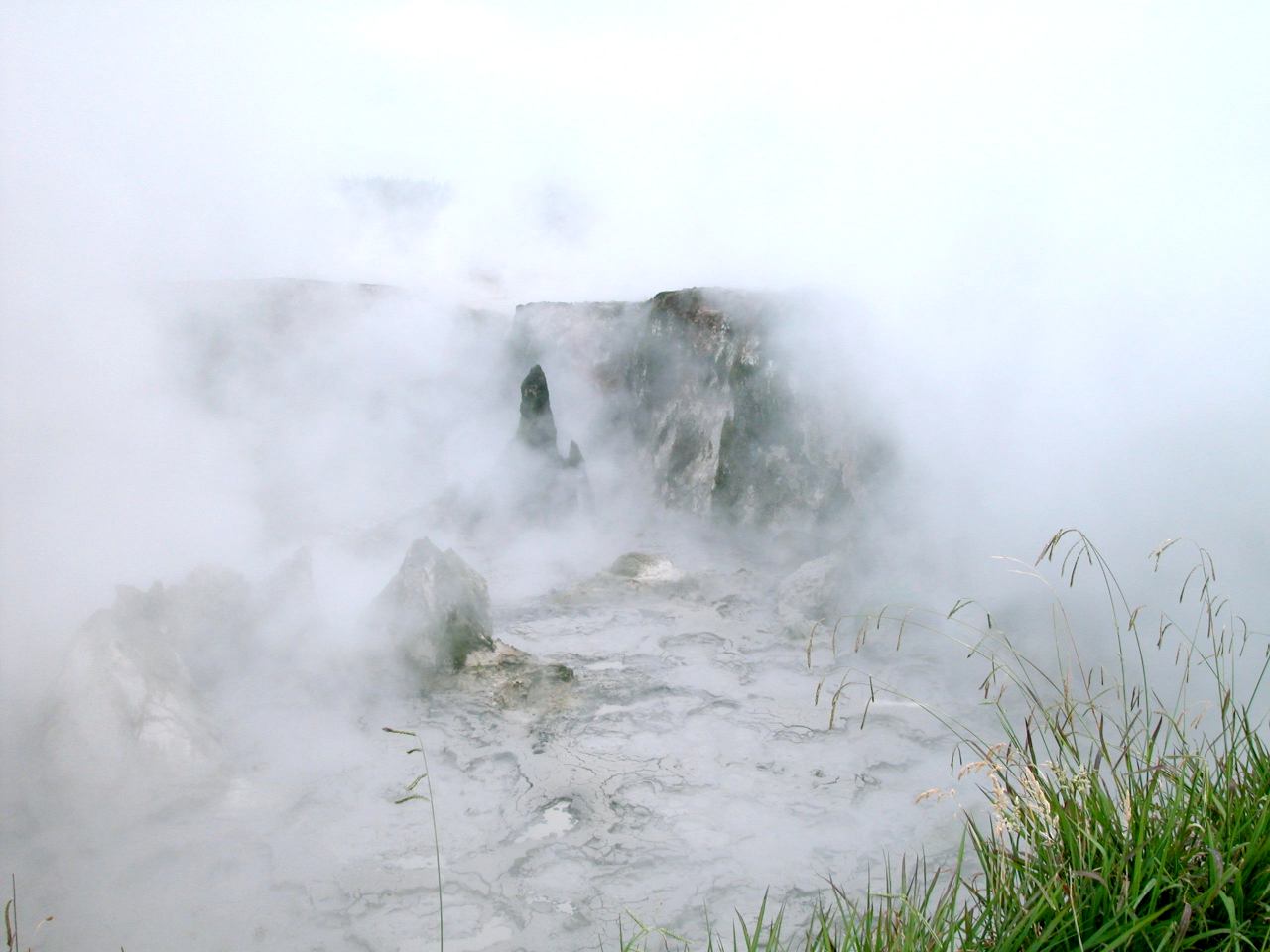
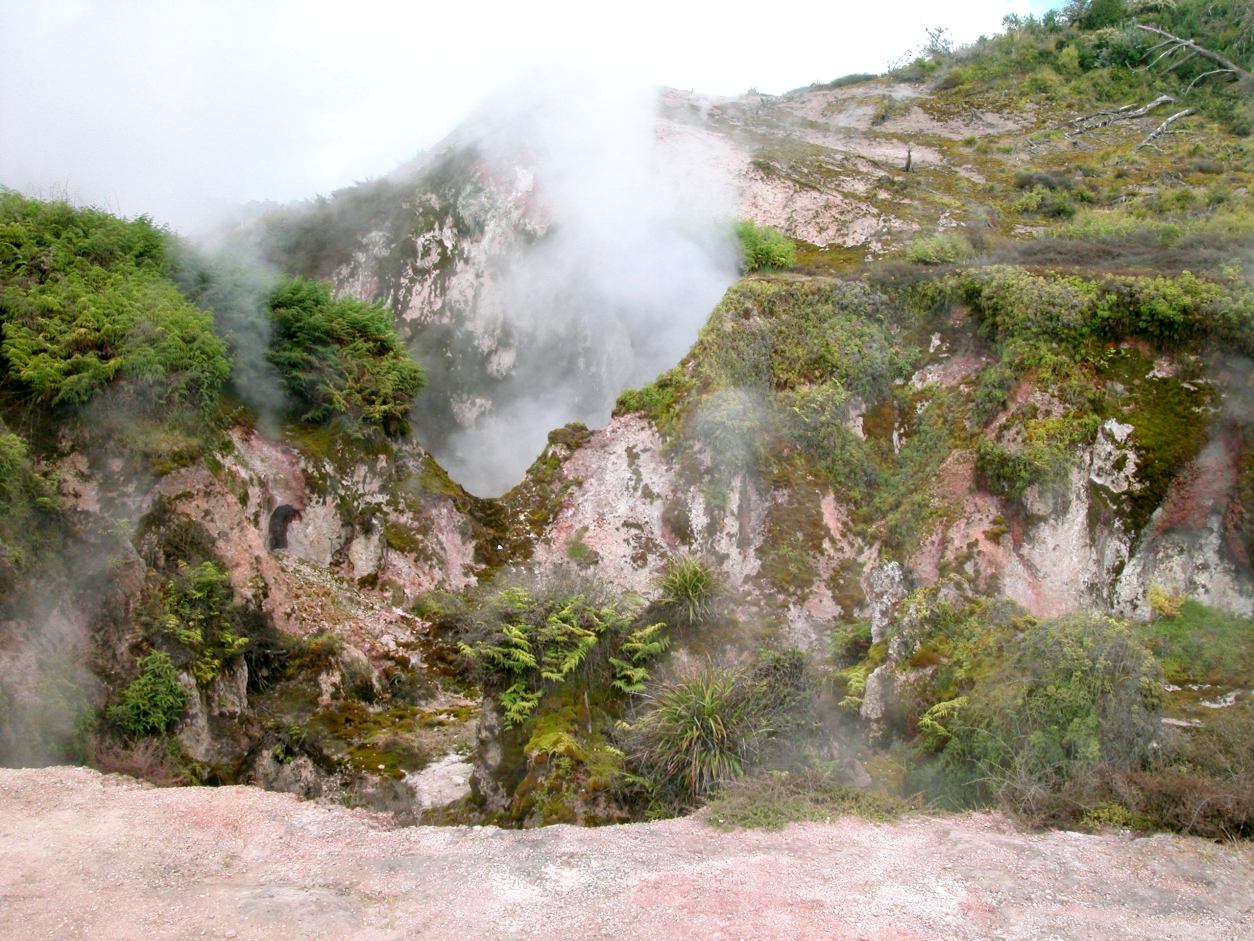
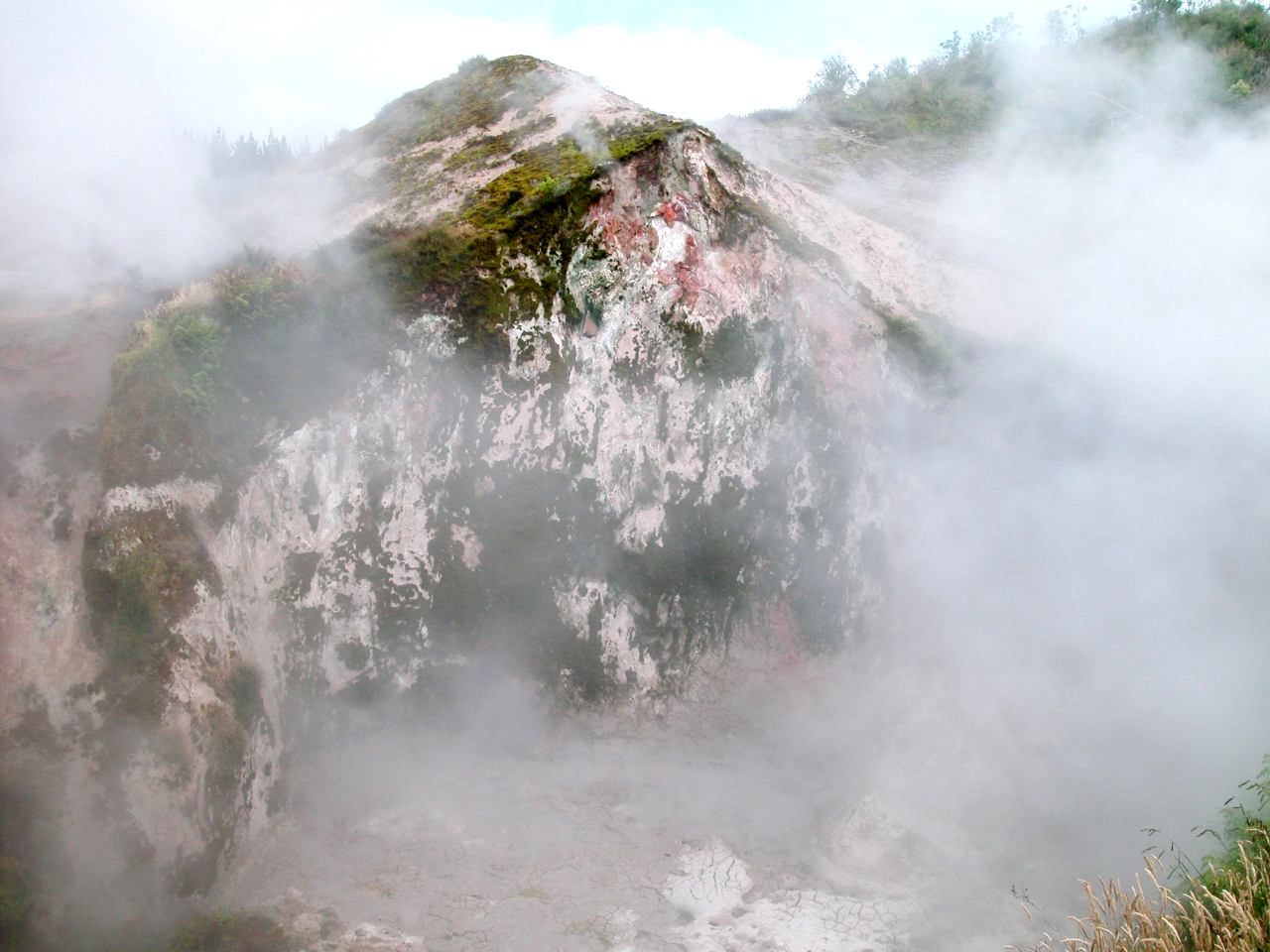
After a start like this you might think all New Zealand is one big expanse of boiling mud with bushes growing over it. Not at all. In effect this is the one little patch that's volcanically active. Drive a little farther south and that's the end of the geysers.
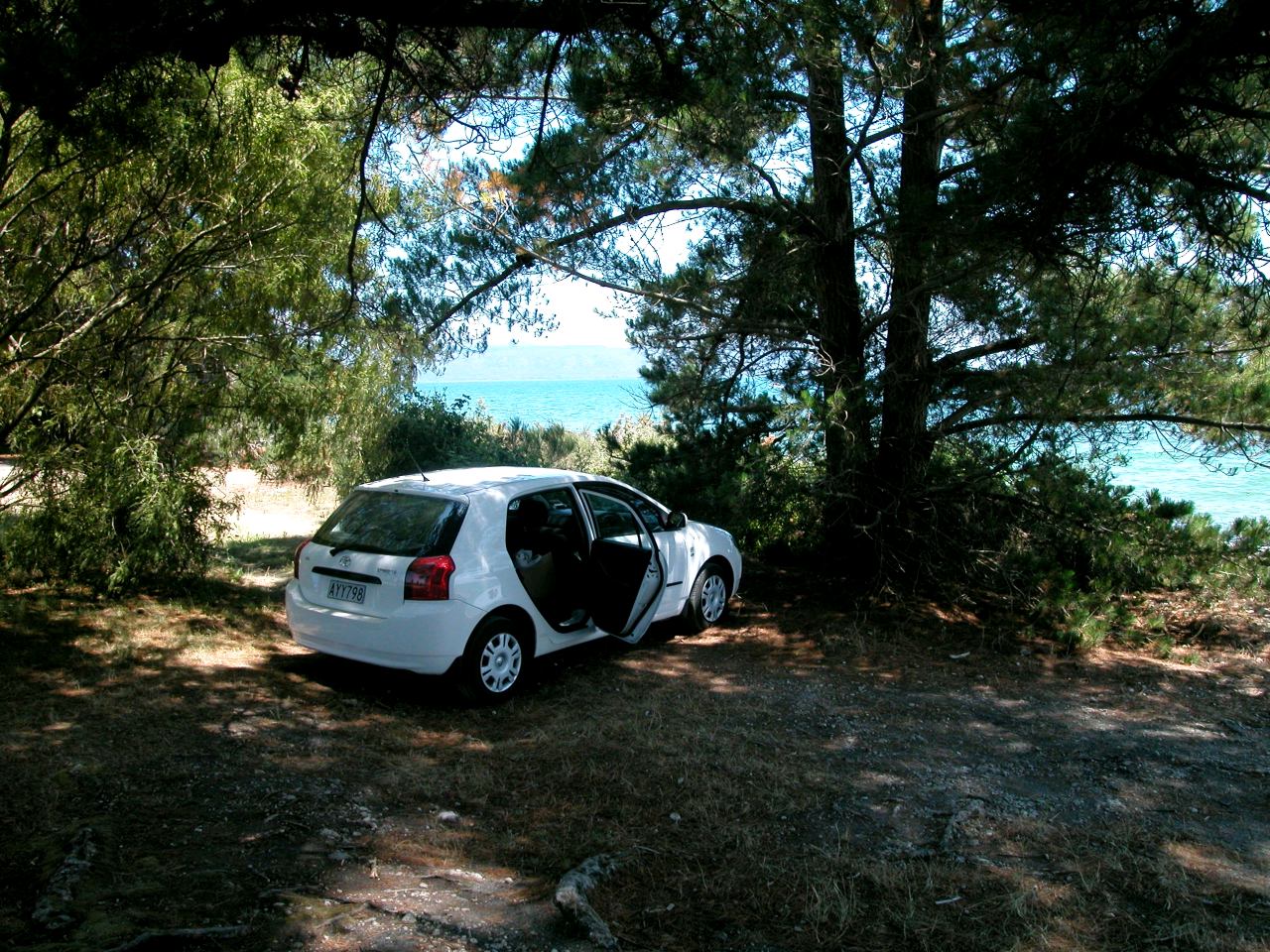
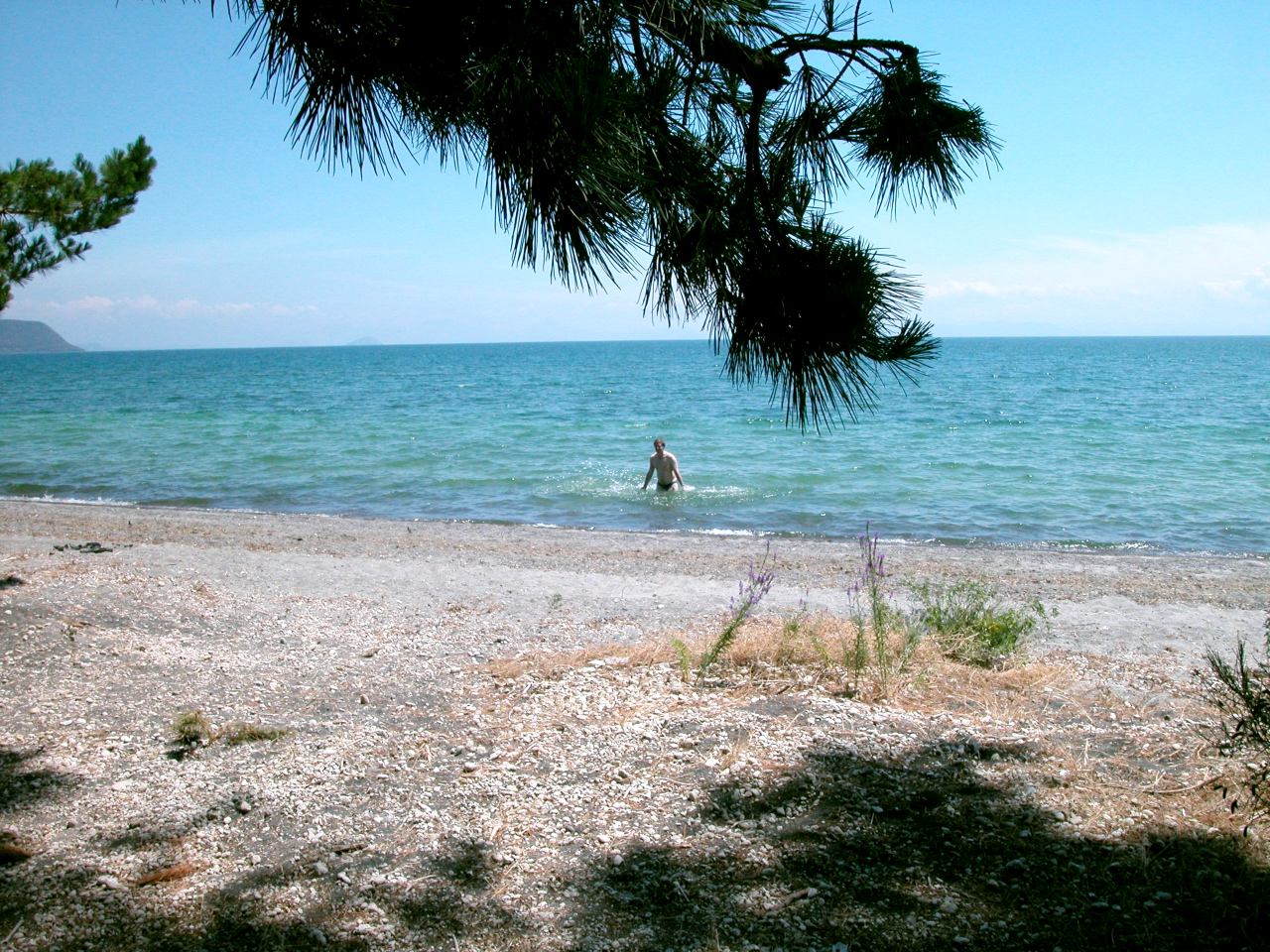
Near the middle of the North Island is New Zealand's largest lake, Taupō. This is the one Jules Verne wrote about in In Search of the Castaways. Tanya and I are very fond of Jules Verne, and anything associated with his books makes us want to go and touch it with our own hands. We could take a swim in the lake, for a start. Nothing could be simpler. State Highway 1, which we were following, goes right along the shore. Take any one of a number of gravel turn-offs and you'll find yourself on a beach. The water was about 20°C. And so, on 3 January, we opened our 2003 swimming season.
One of the most popular things to do in New Zealand is go walking on tracks laid out for just that purpose. They call it tramping. Tramping comes in all sorts. At its most civilised the track has aluminium plates underfoot and bridges a wheelchair can cross. At its least civilised it's a barely visible path through mountains and swamps, the sort of thing for a very experienced walker; you might call it trekking instead. There's no charge for walking, though now and then there's a donation box. The best and most interesting tracks run through national parks, and many take several days. There are little huts with lots of bunk beds for overnight stays. Usually you'll find tent sites nearby. Sometimes you can camp on the beach, or by going five hundred metres off the track. Each park has its own rules but they're all run by the Department of Conservation, DOC for short. A bed in a hut costs money – NZ$5, $10 or $15 a night – with discounts for children and students. A single annual pass covers nights in the cheaper huts. DOC's website has the details. Among the tracks, the Great Walks stand out. As the name suggests, they're the most interesting and famous. Where there's fame there's demand, and the huts fill up. So for the Milford, Routeburn and Kepler tracks you need to book ahead, especially for the best known, Milford. You had to be on DOC's website on 1 July, when bookings for the October-to-April summer season opened. All places went soon after. By October the Milford was booked solid to the end of the season and you could have trouble getting onto the Routeburn or Kepler around New Year. The Milford problem was that only thirty people a day were allowed to start. Everyone had to have a hut bed, a place on the boats that crossed the water and a seat on the bus to get to the start. What's more, it was expensive, NZ$380 for the lot. You couldn't take a tent instead. On the other tracks there was no online booking, and in fact nobody kept track of how many spaces were available. You might not have a bed by the time you got to the hut you'd picked, but nobody could stop you from going. The rules were that before setting foot on a track in a national park you filled in a registration form at the local DOC visitor centre and bought your hut tickets. The DOC office also always displayed the weather forecast and other useful information.
Our plan was to spend almost half the trip on foot with a pack. We started with a track across the volcanic massif near Mount Ruapehu. As it appeared to us, all the New Zealand volcanoes were concentrated in this small area, apart from Mount Egmont standing by itself. In Māori legend the volcanoes are gods, and the massif where they stand is their dwelling place: sacred ground, and the sin of going there is a grave one. A volcano erupts when the gods settle scores. In the stories they're at it all the time. Once they fell out so bitterly over women that the god Taranaki lost his temper altogether, tore himself out of the earth and went down to the sea. He stands there to this day in proud isolation, now also known as Mount Egmont.
The volcano gods who stayed together are now in Tongariro National Park, New Zealand's oldest park, founded in 1887. The Māori entrusted this sacred land to the New Zealand government to keep it from being taken over by settlers.
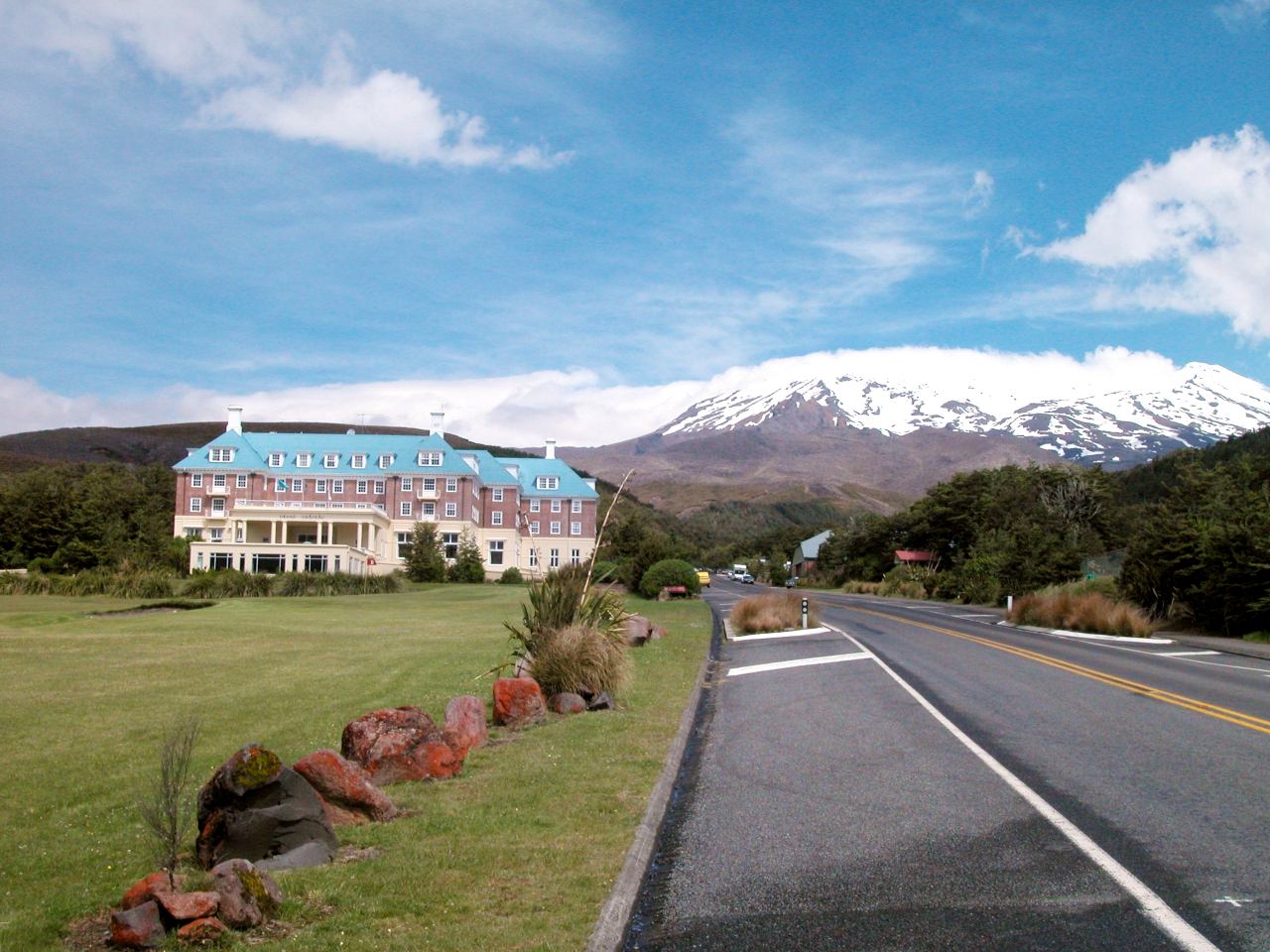
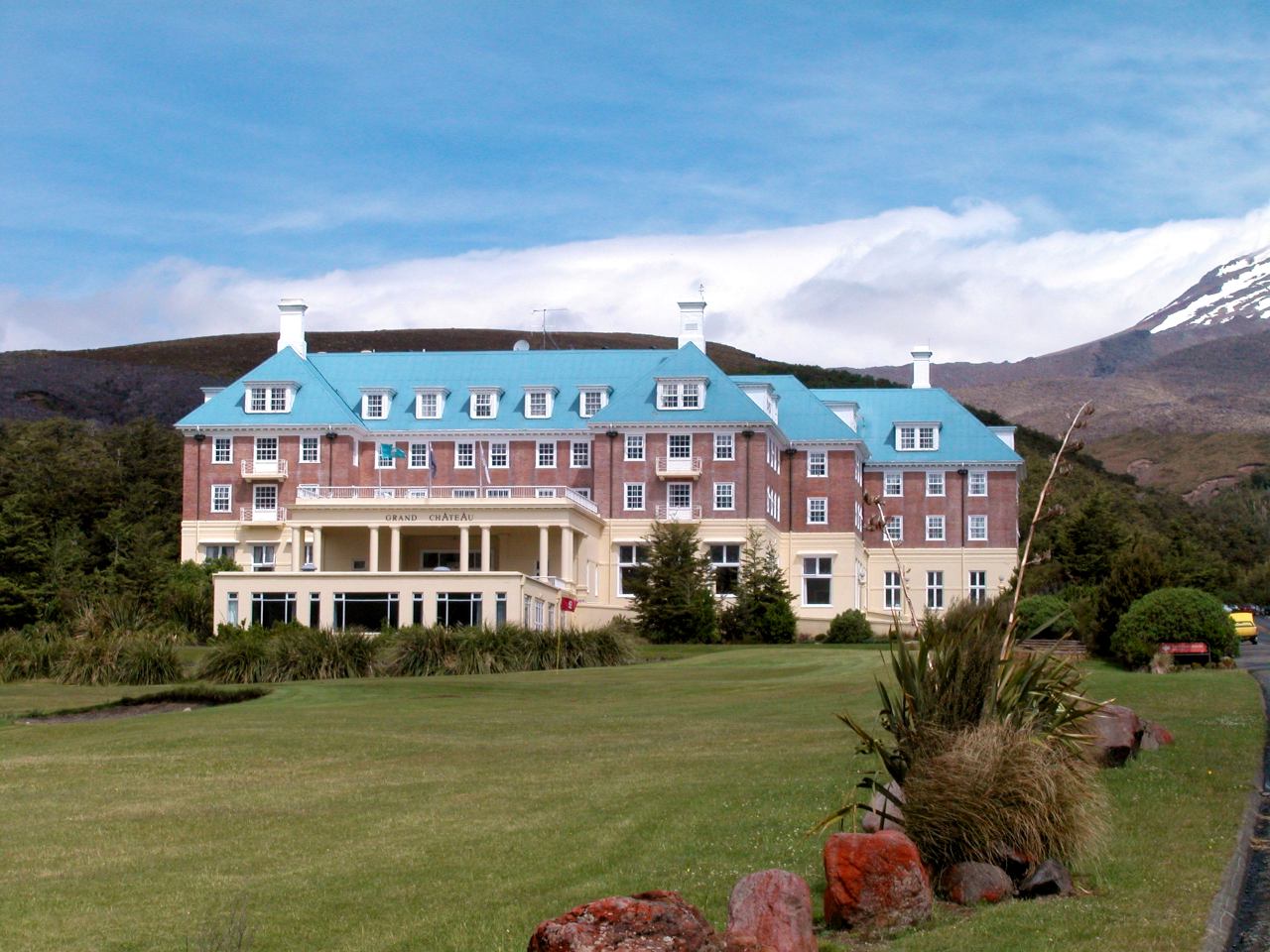
There are plenty of tracks through the mountains. Together they make up one of the Great Walks. You paid NZ$15 a night per person if you stayed in a hut, and NZ$10 if you camped. Tickets came from the DOC office at Whakapapa Village. You could also buy a good topographic map there or look round a small museum. There's a café and somewhere to leave a car for a walk of several days. On the way into the village there is the large Grand Chateau hotel for people who want to get out into nature without having to go and sleep in the bush.
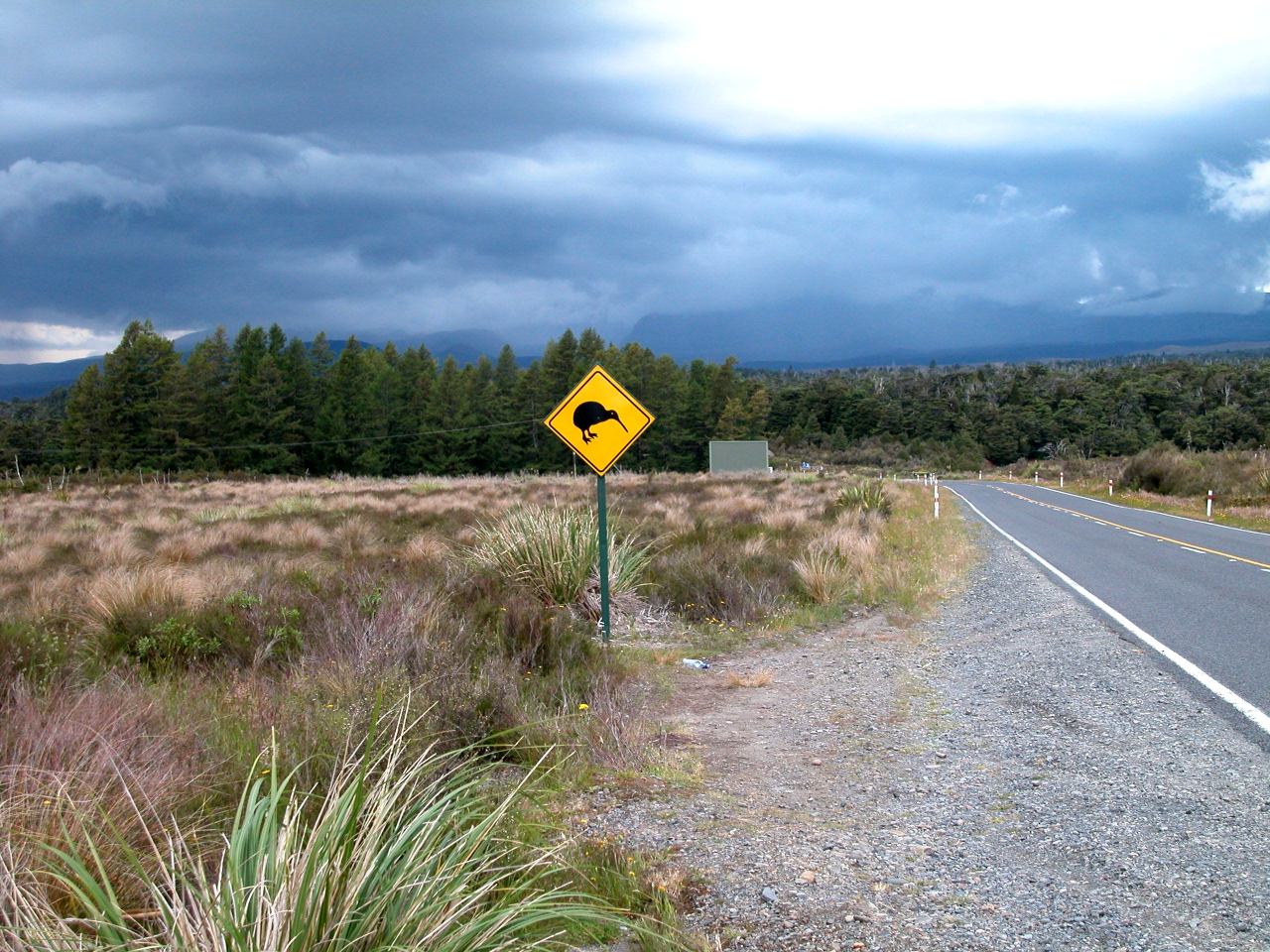
Kiwis live in these forests. There's even a warning sign by the roads in case one appears in front of the car, but we didn't see any. Fortunately we didn't see any run over either.
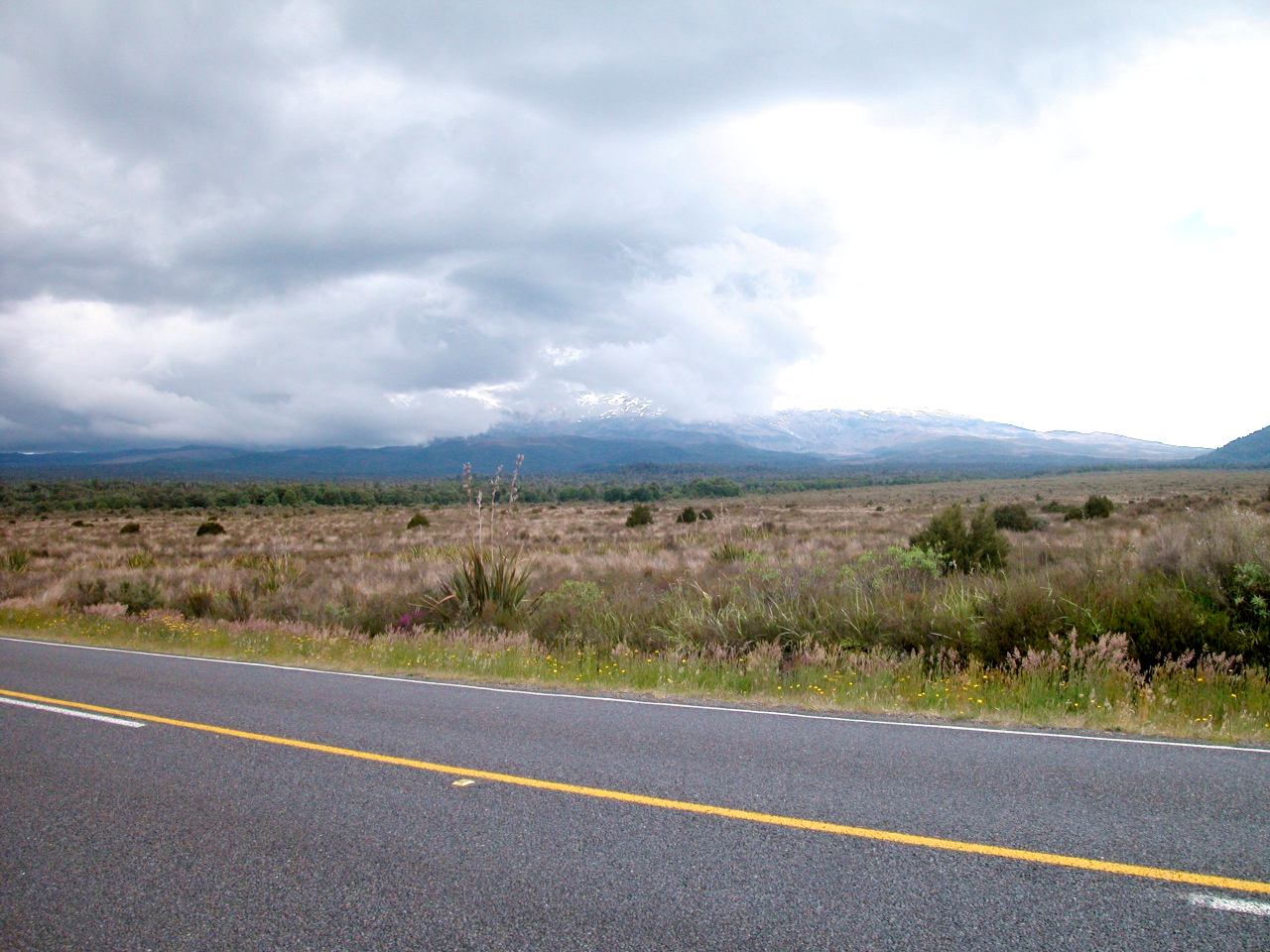
We didn't arrive at the DOC office until four in the afternoon, but there was still time to buy tickets. We decided to spend the rest of the day getting to Mangatepopo Hut (39°08.682′S, 175°35.808′E). The sign put the walk at four hours and thirty minutes. We usually beat the average walker these times are meant for, but here we were only five minutes ahead of schedule. New Zealanders are a hardy lot and hard to compete with. Several young fellows passed us on the track; we only managed to overtake a couple of schoolgirls. There was room to spare at the hut and we got a room for ten to ourselves. In addition to bunkrooms, huts are supposed to have a communal dining room. There are gas rings where you can cook in your own pot. No utensils are provided. There's a washbasin outside and a tank supplied with rainwater from the roof.
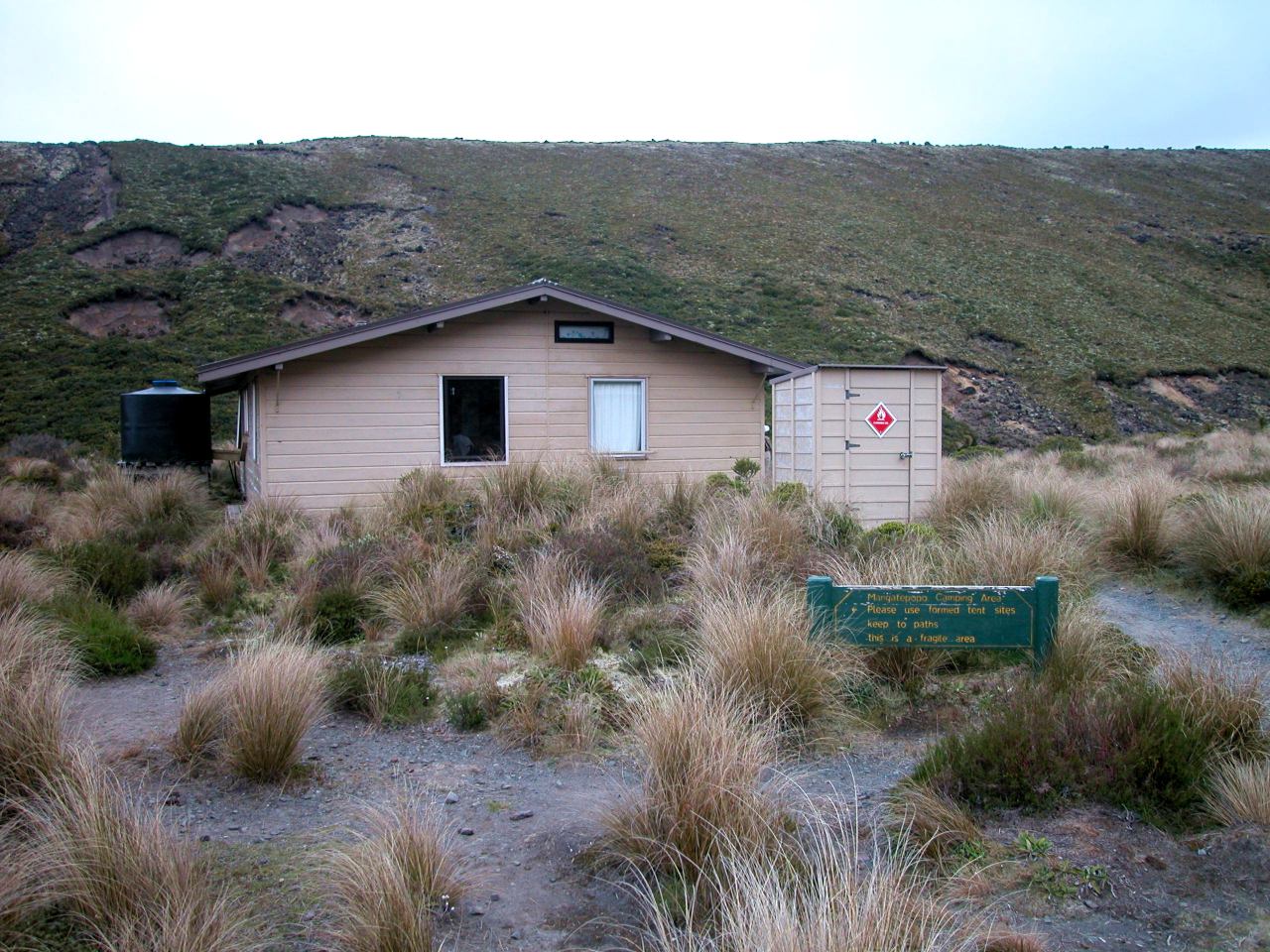
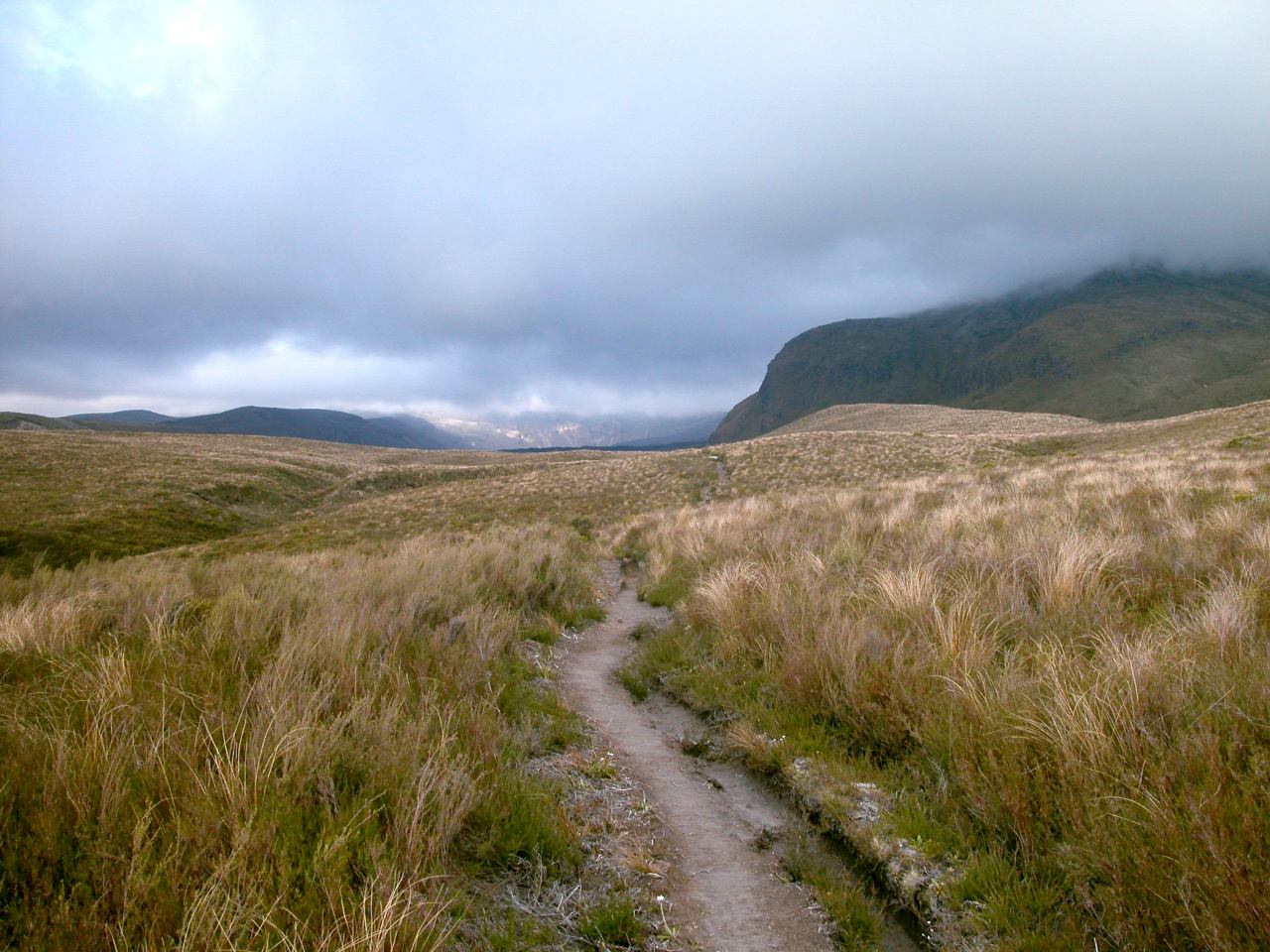
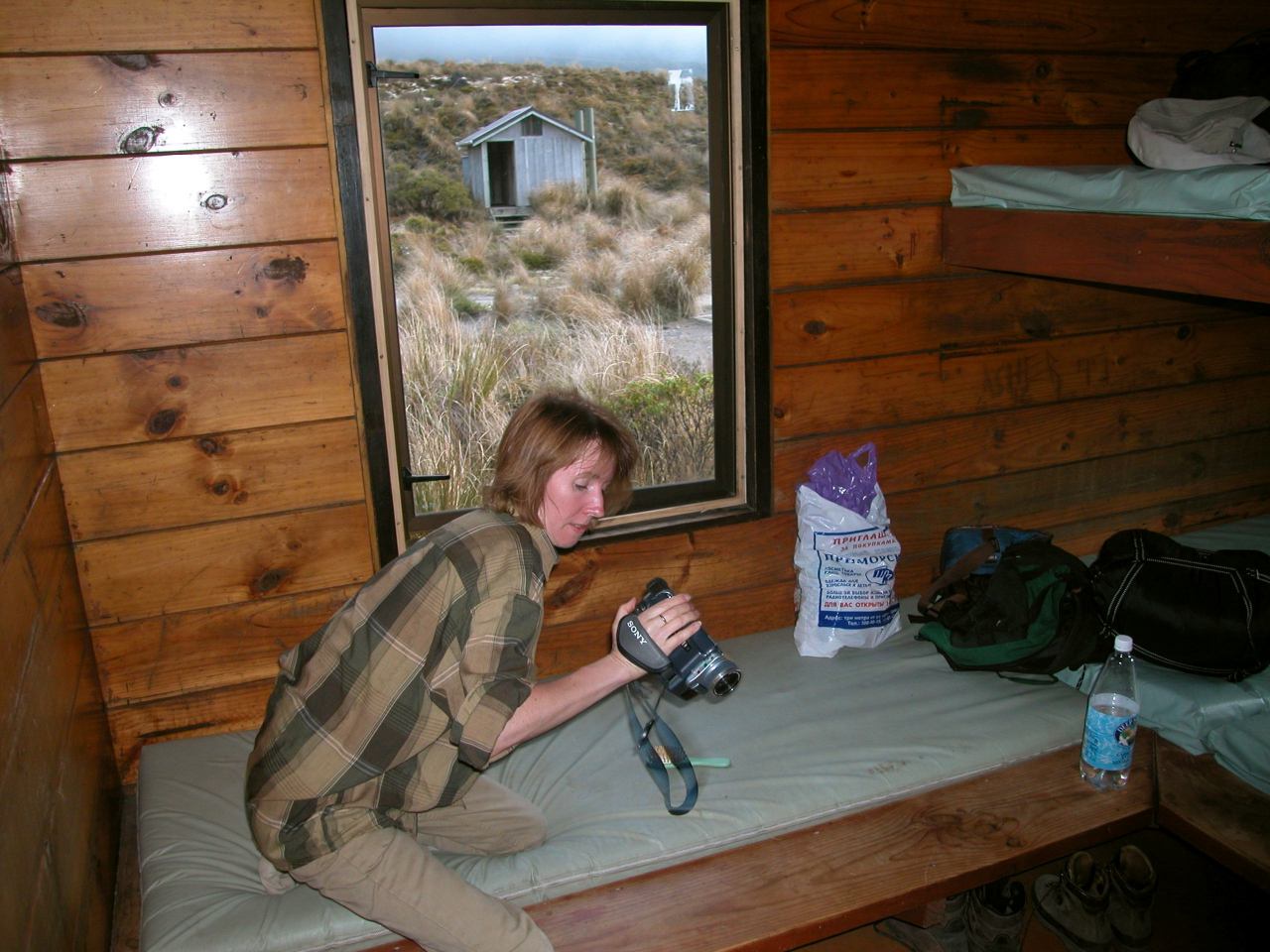
Boots come off at the door. A gas heater stands in the middle of the kitchen. In summer it's warm enough as it is, but people use the tracks all year. It's quite cold here in the mountains and there's snow in winter.
The hut is staffed by one person, whose job is to clean up during the day and check tickets. Sometimes they go home and there's no one in the hut but the people staying. Either way you're expected to sign the visitors' book.
Several other people spent the night there besides us. I remember two strapping young fellows who'd just finished teachers' college. They told us with pride that they'd be teaching little children in the first years of school. It was an honourable profession, they said, and they were lucky to be going into it. Before the new school year, they wanted to travel about the country and learn things they'd be able to tell their pupils. All evening they had fun with their own age group. No drinking, perfectly decent. The young people sat there looking out at the beautiful country, talking about books they'd read and their plans for the future, and singing. It made me envious just to watch them. They live in a country that has got something right, a country with a future. In the morning they left for the mountains before we did, at first light.
Beyond the hut the track goes steeply up to the foot of Mount Ngāuruhoe. It's only 2,500 years old. The perfect cone rises to 2,291 metres. In summer you can go to the top. There's even a marked track, and it's supposed to take only an hour and a half. These New Zealanders are a dashing lot. We'd just climbed five hundred metres and were entirely out of breath. Now they proposed that we scramble a kilometre up a slope of loose rock in an hour. Alas, age and years in offices and cars made it impossible for us to climb every hill in sight. We settled for the neighbouring volcano, Tongariro, at 1,967 metres. Some snow patches hadn't melted near the top. That's how life goes. Two days flying south and here we were in the snow again. To the north of the summit is another truncated cone with a huge plateau at the top. It even has two lakes. I'd been looking at its photograph in Lonely Planet for years, longing to get there. Now the moment had come and we were walking across that enormous plain. Only the lakes had dried up in the hot, dry summer.
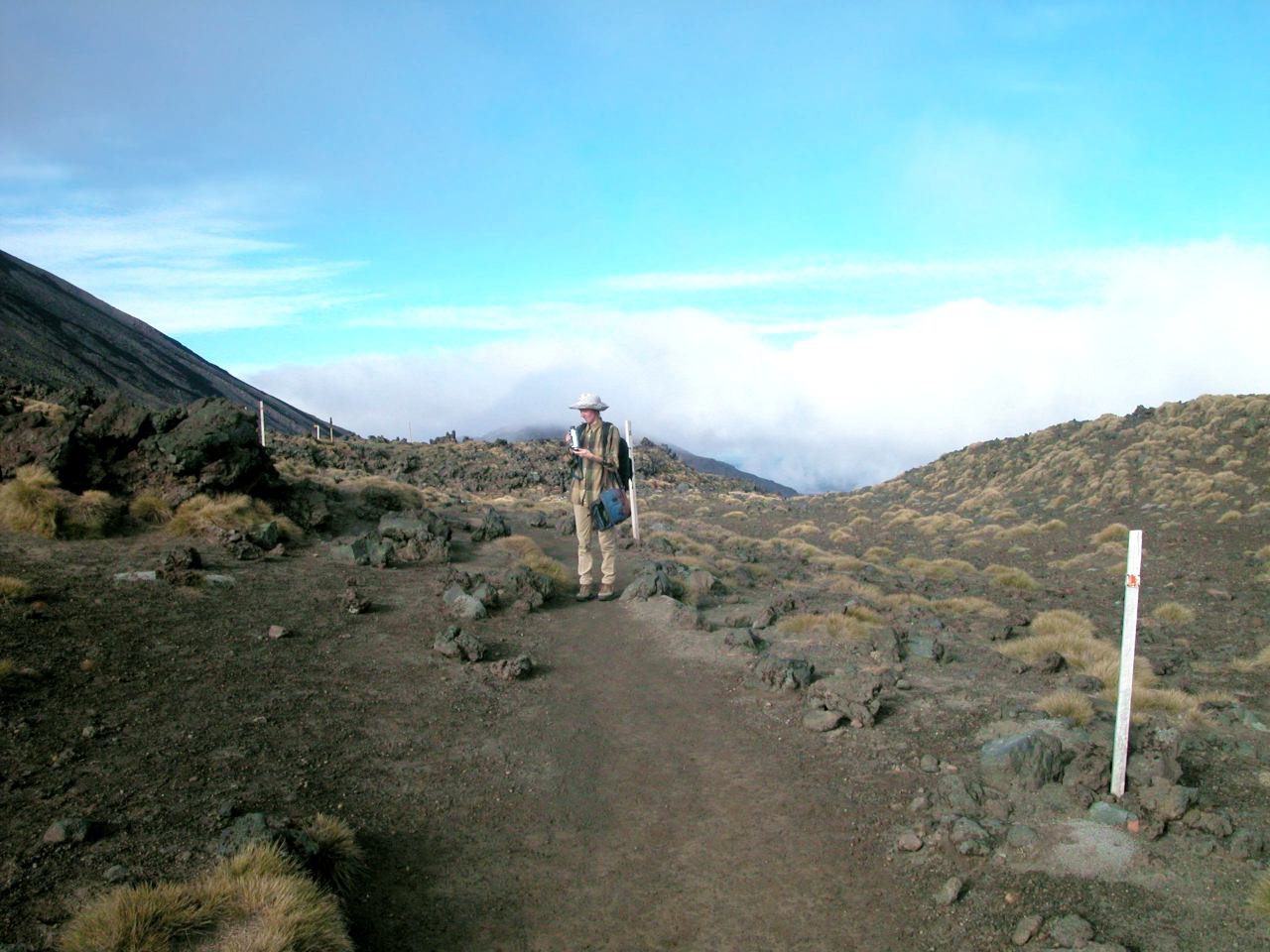
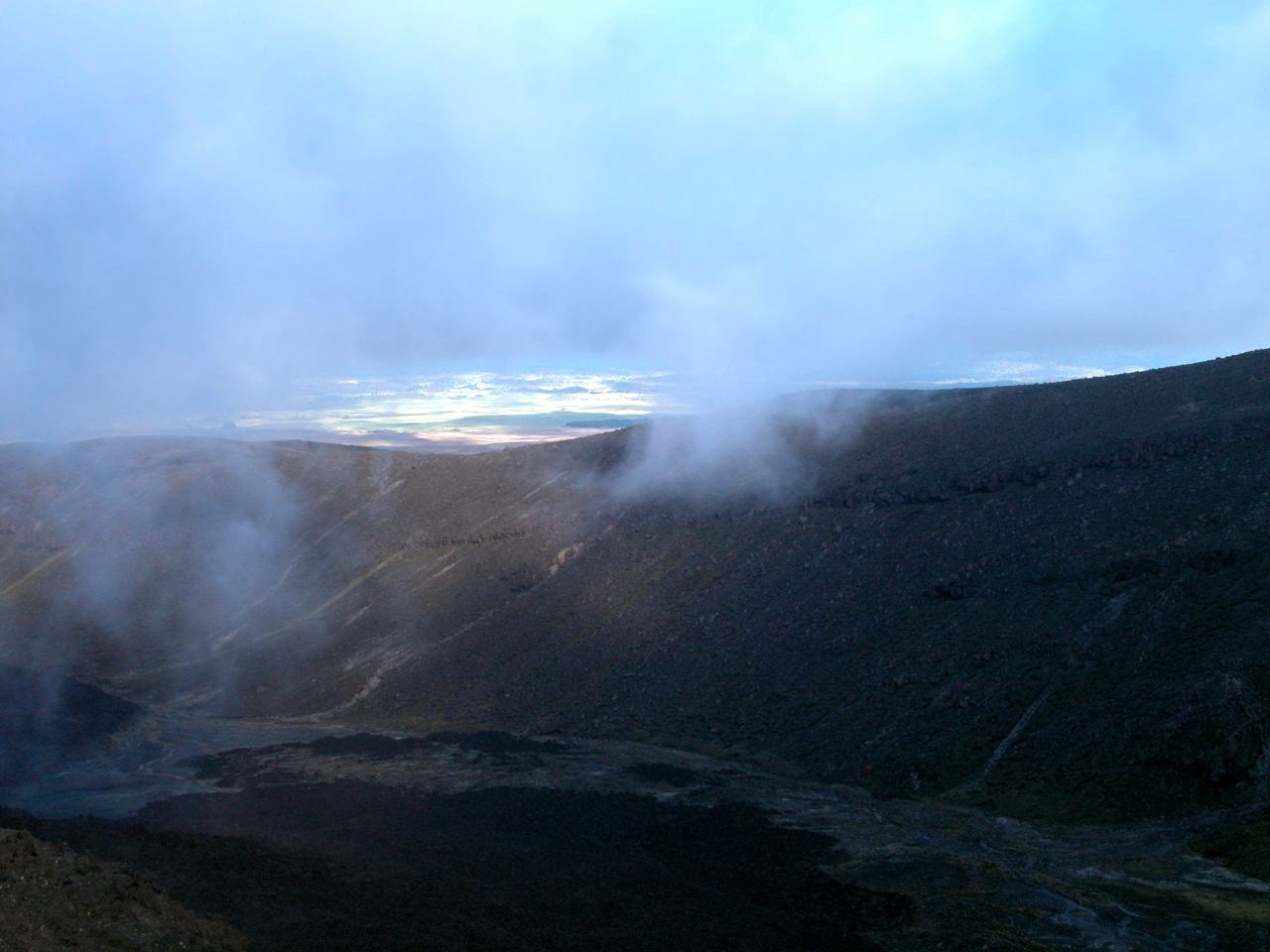
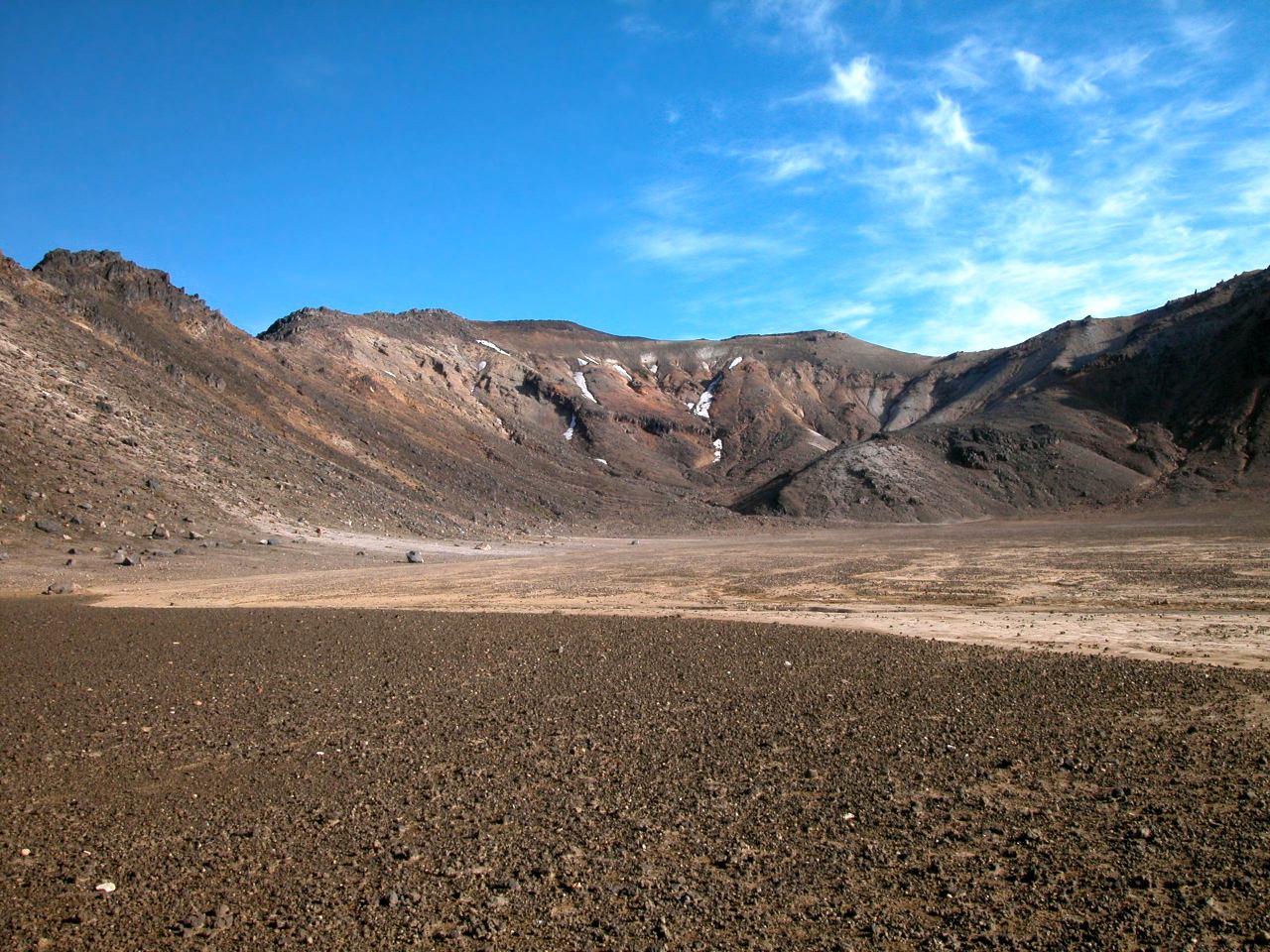
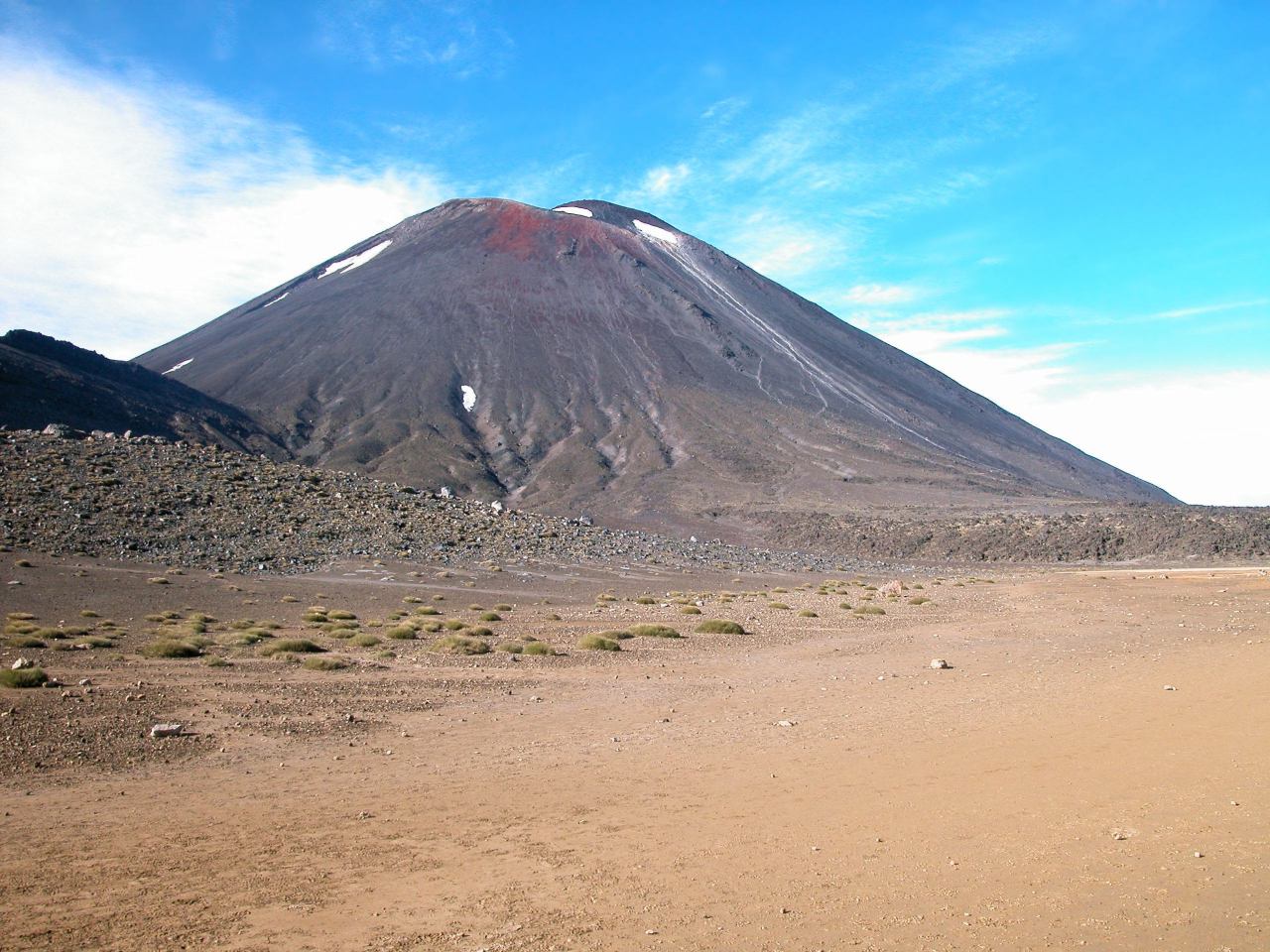
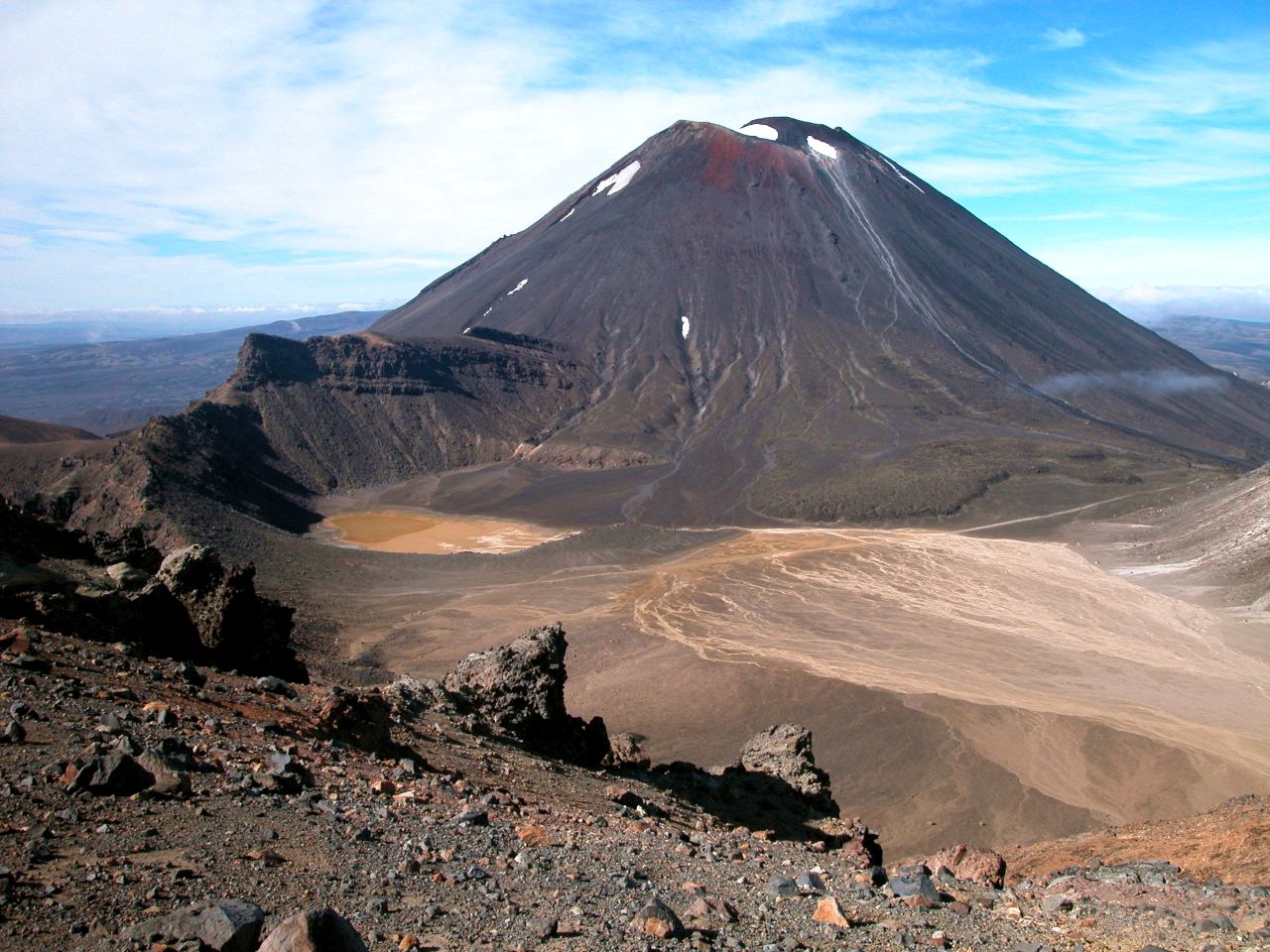
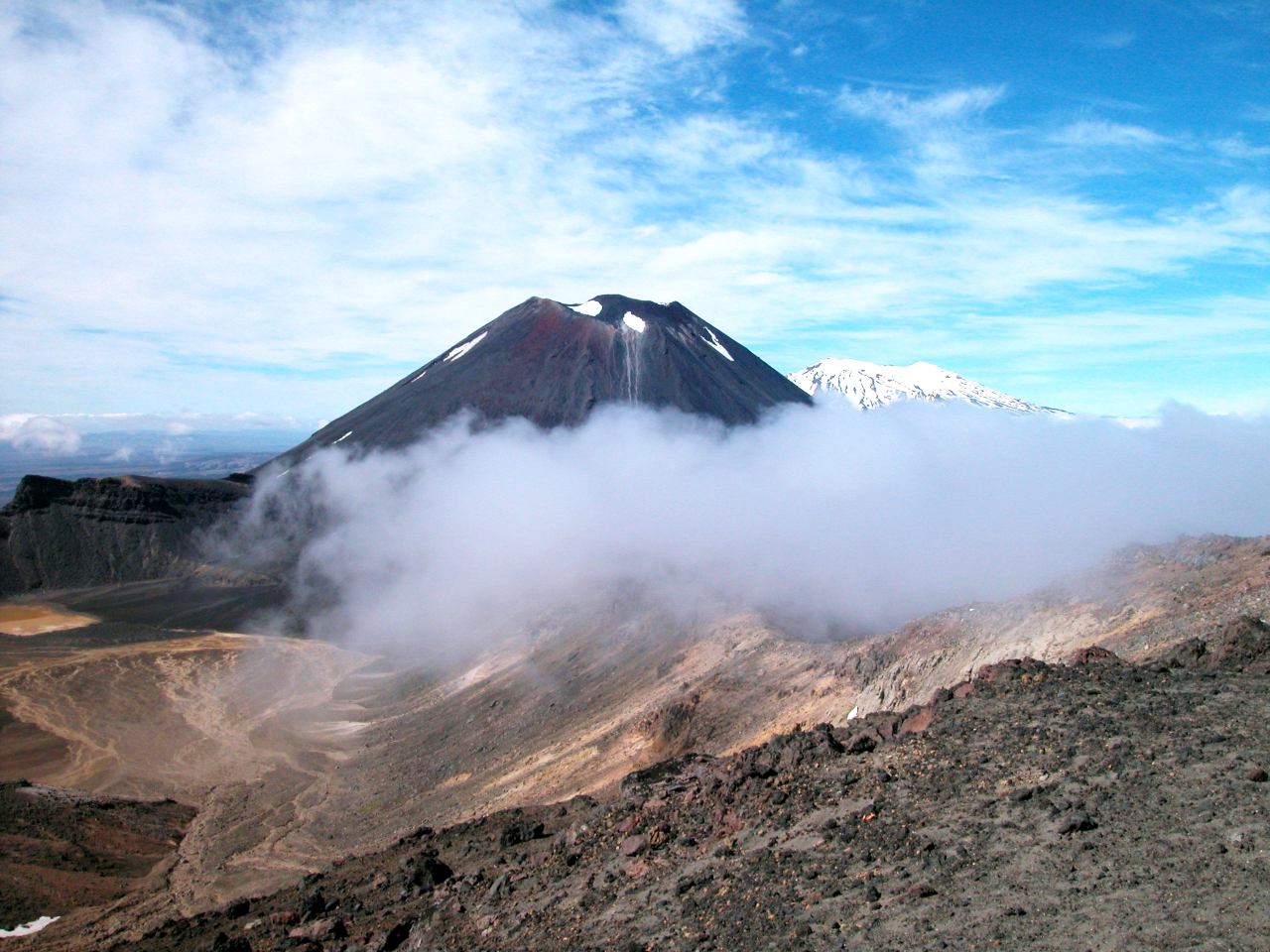
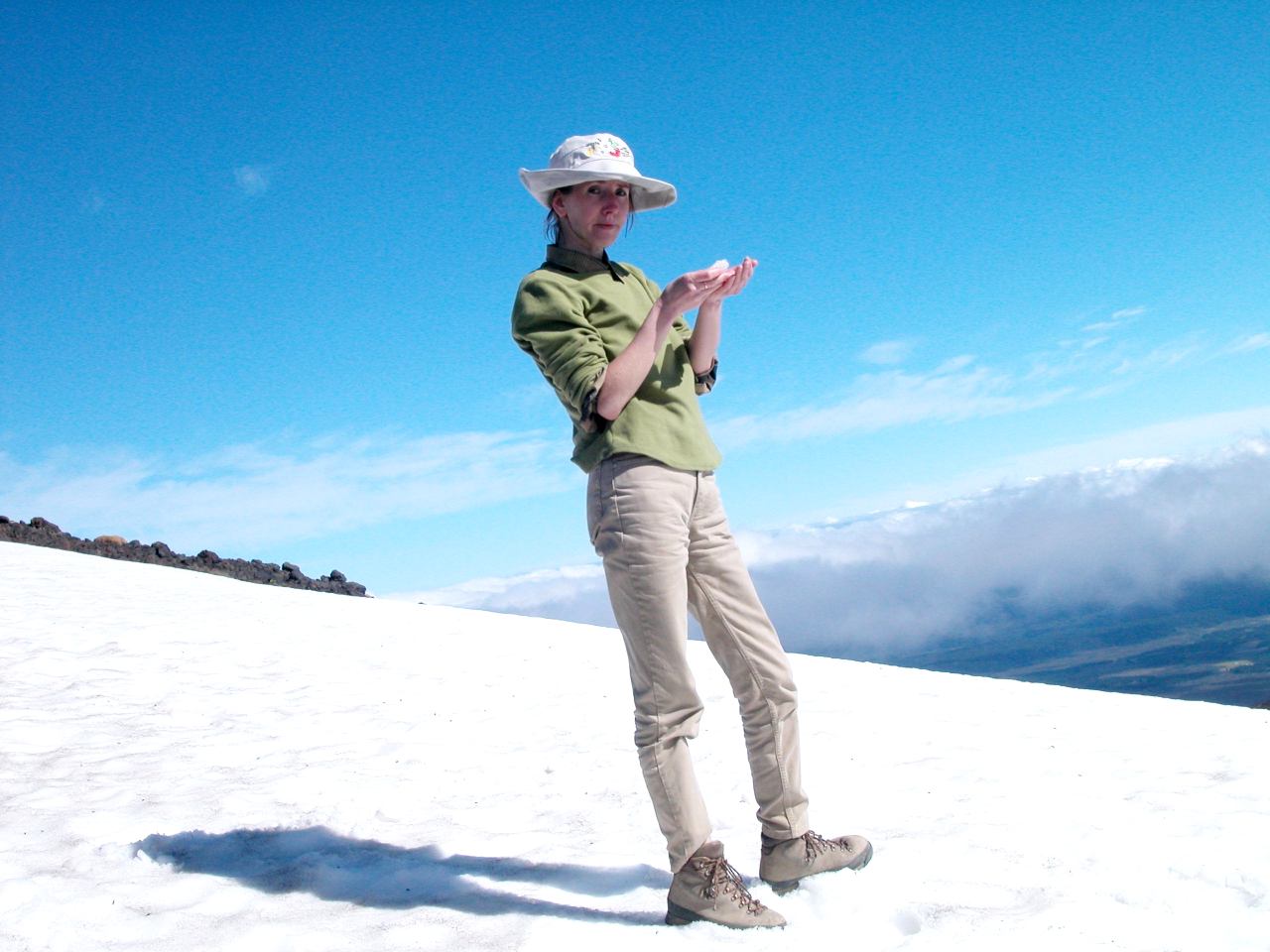
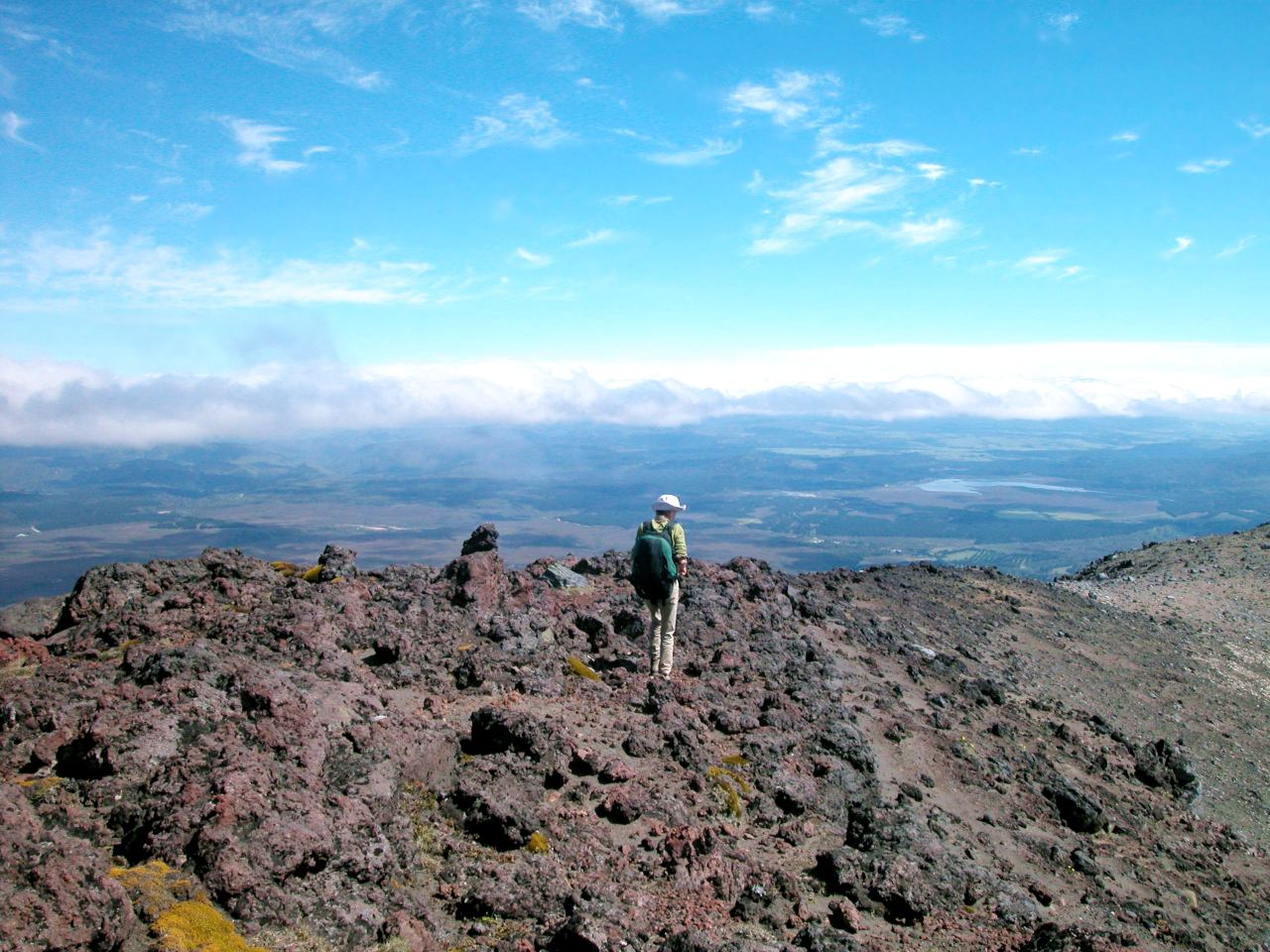
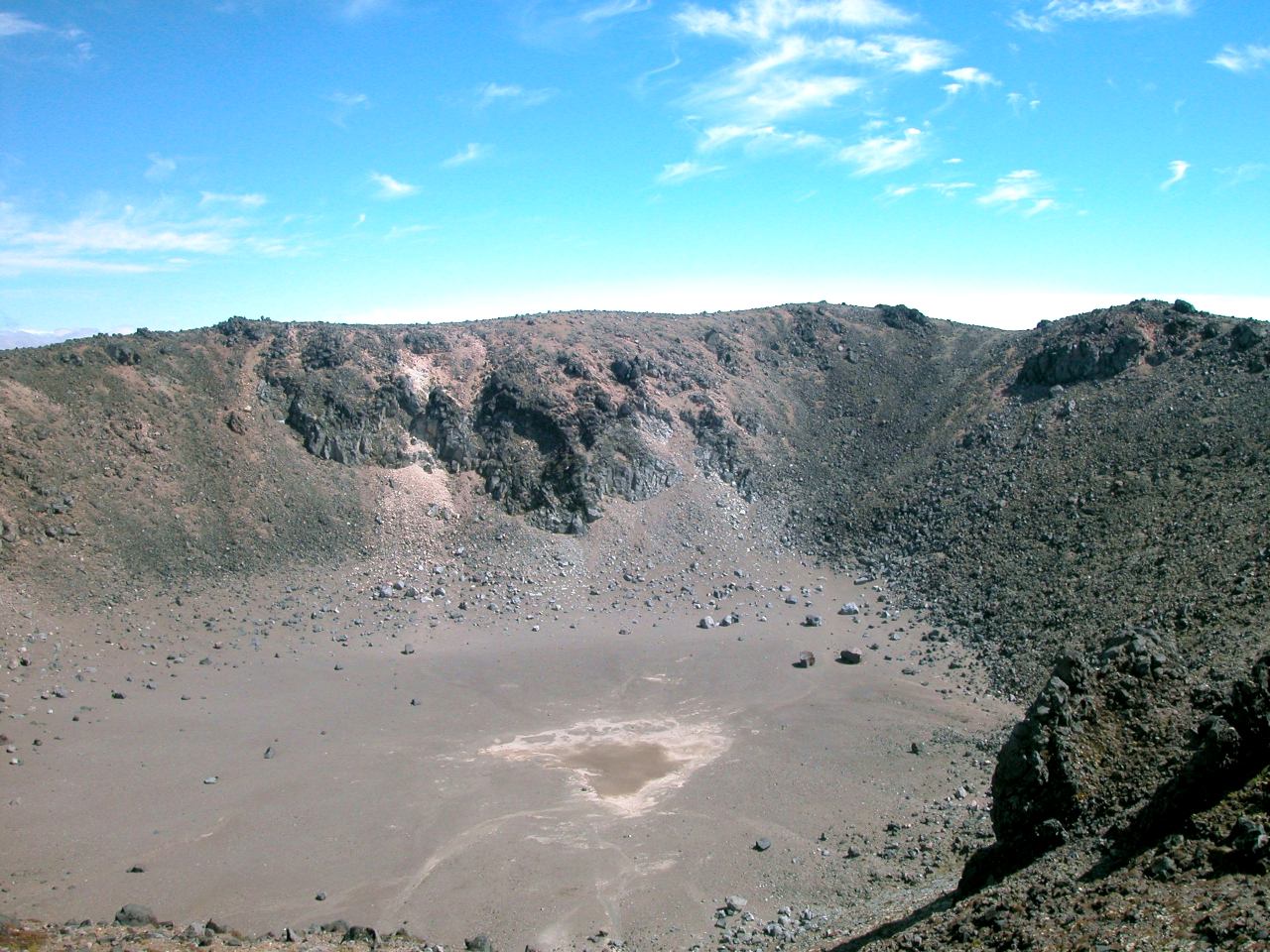
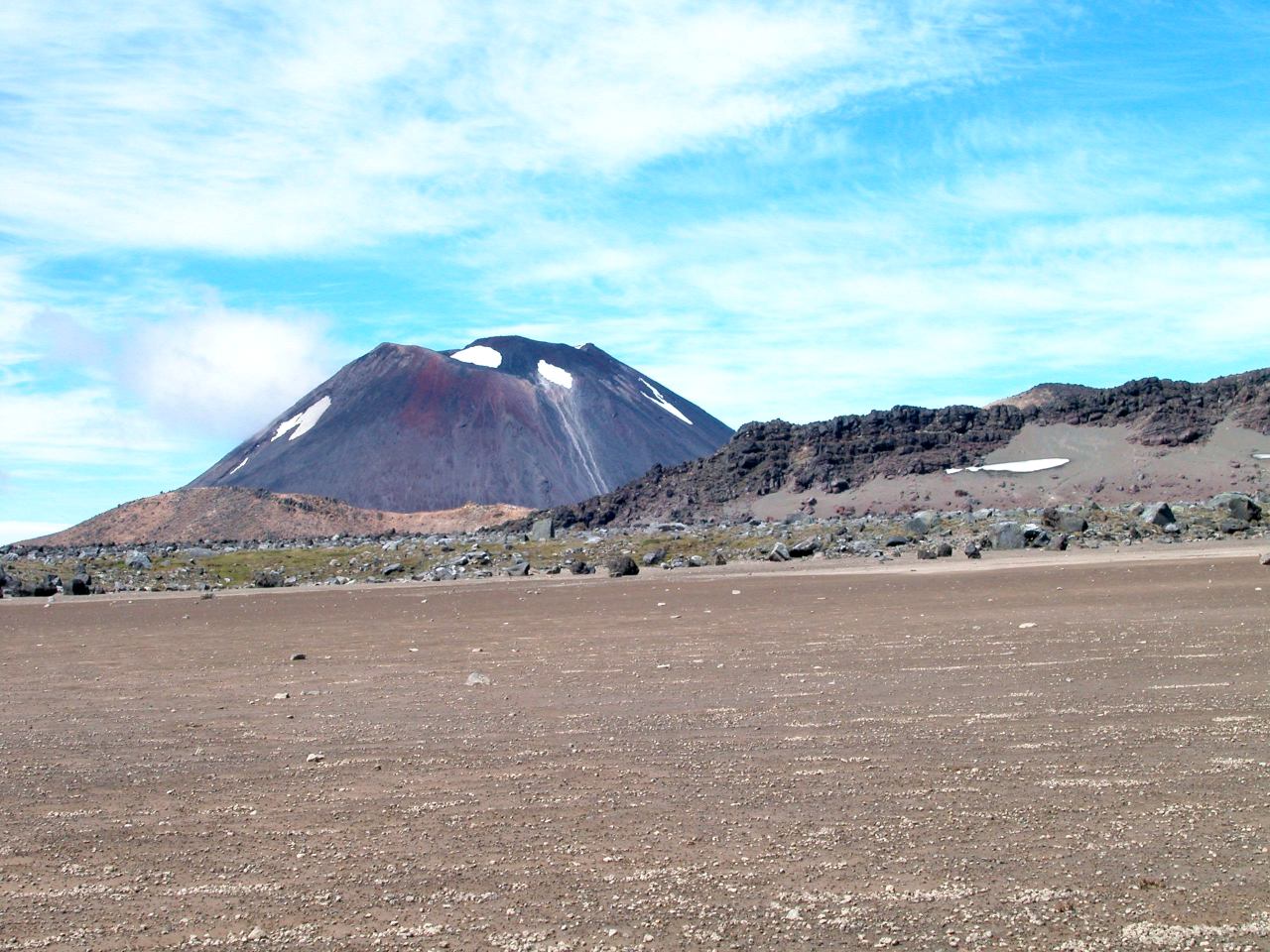
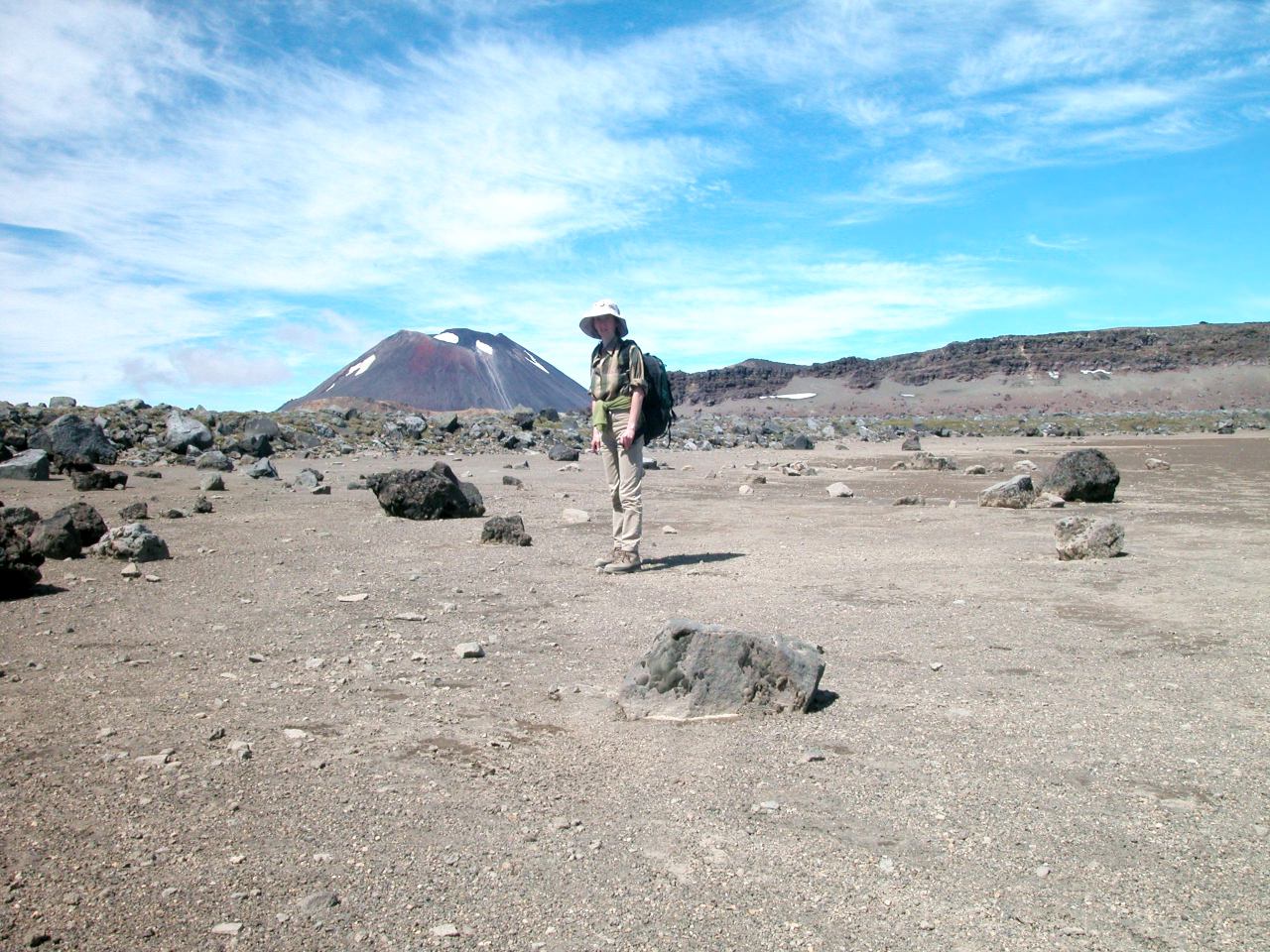
We came down the western slope and rejoined the usual track. Tongariro, incidentally, has the most liberal rules for visitors. You can leave the path and camp anywhere you like, as long as it's at least five hundred metres from a marked track.
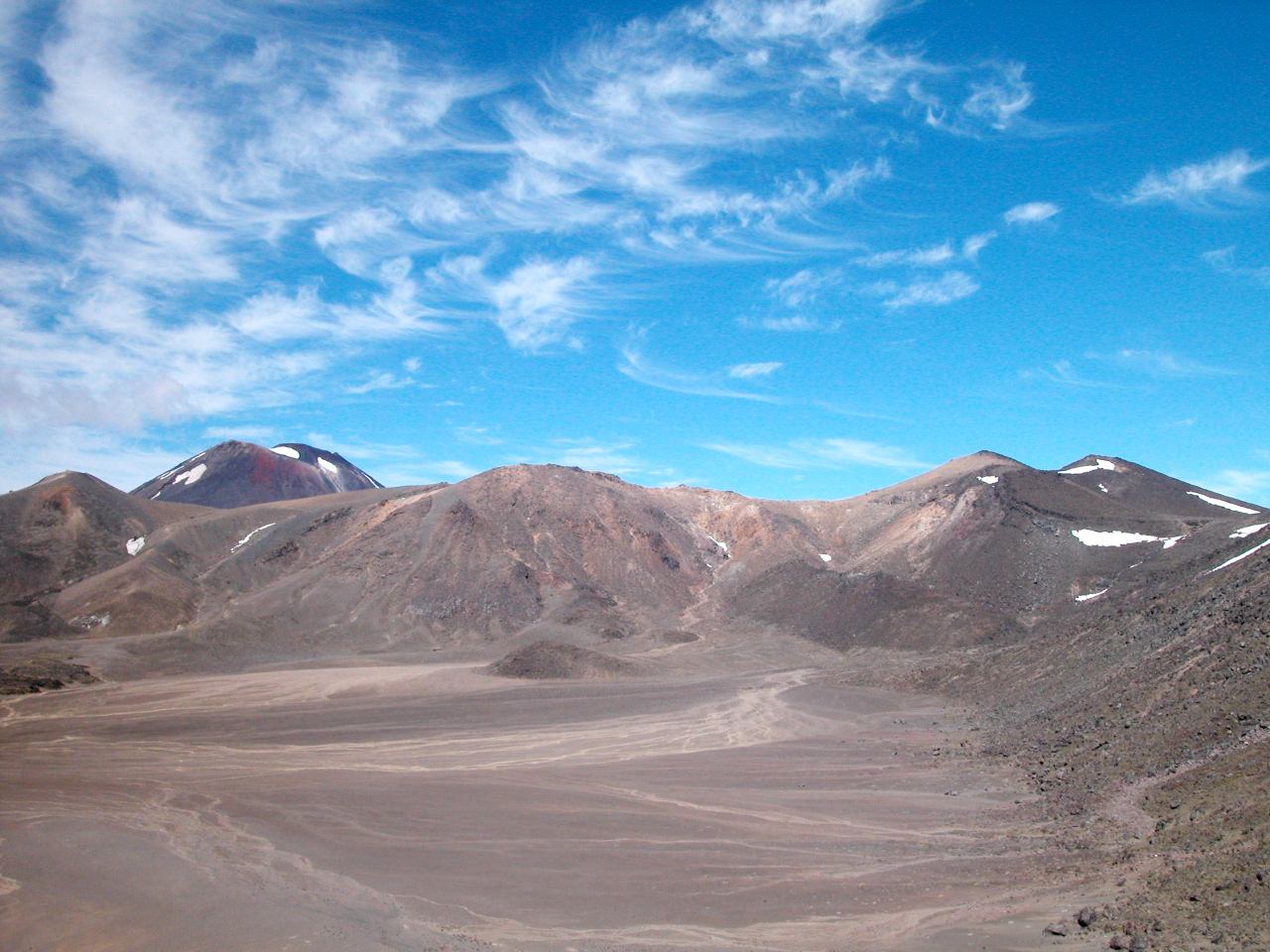
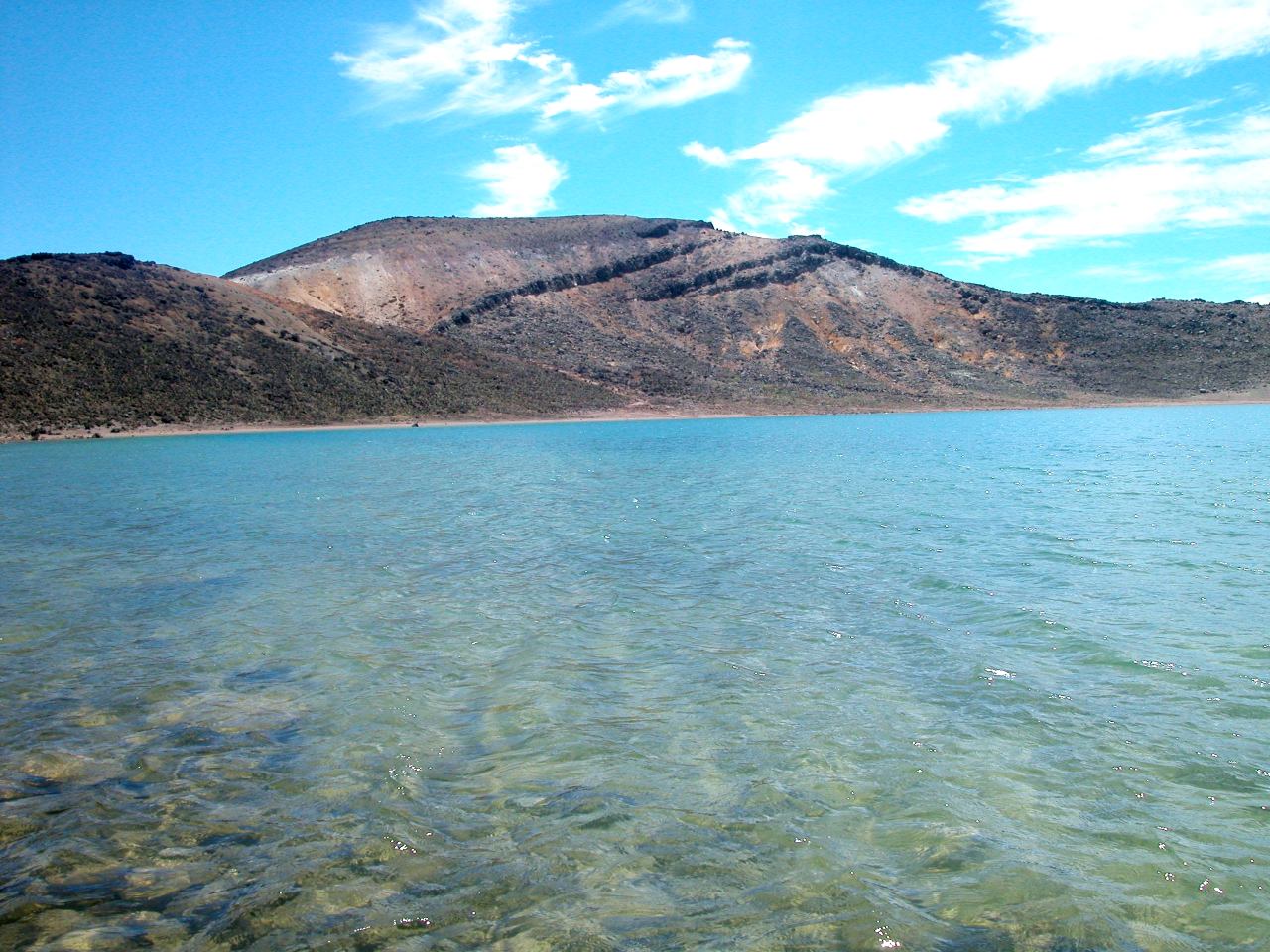
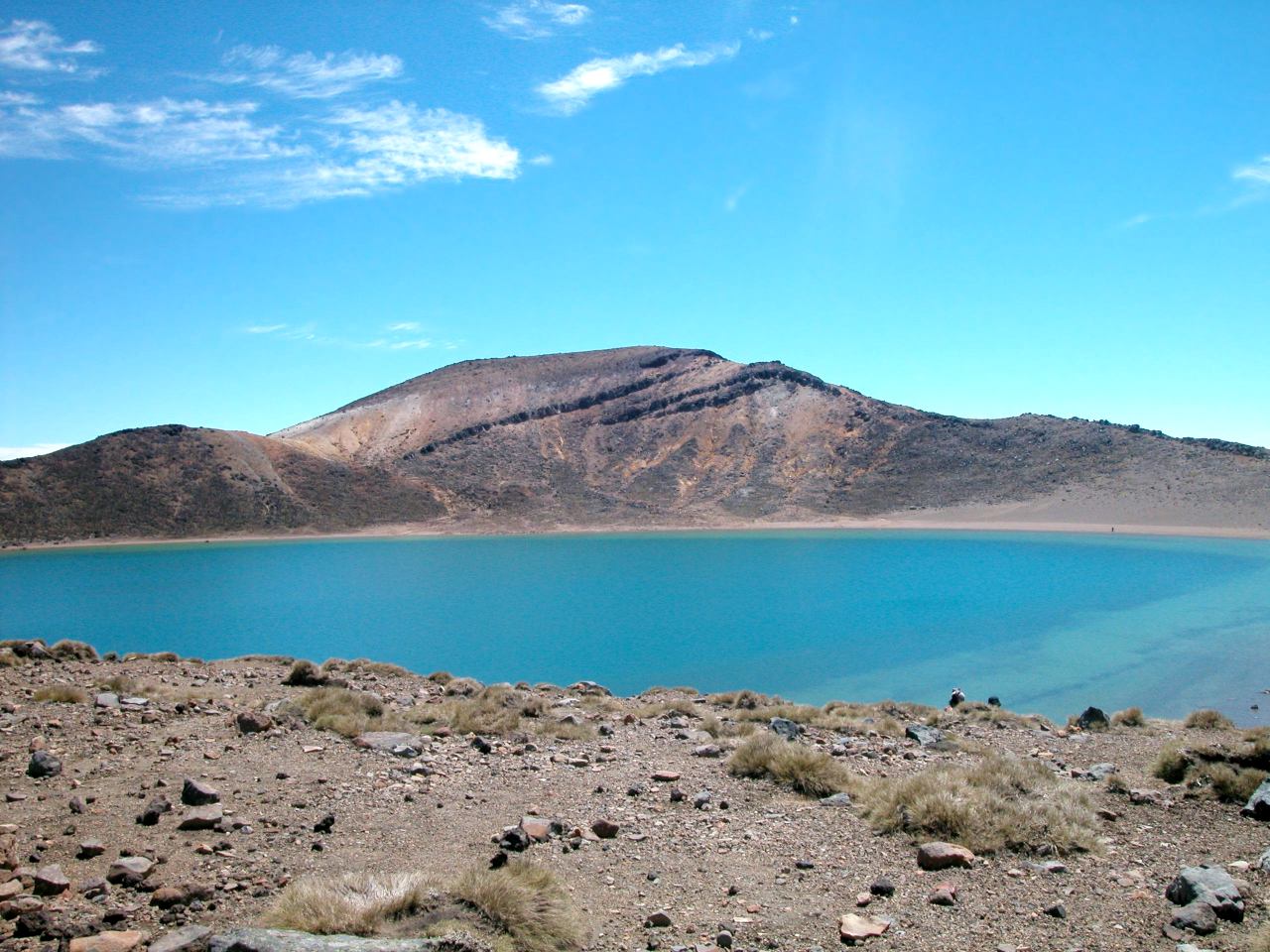
Several lakes in old craters shone in different colours in the valley between the volcanoes. The largest, the blue one, Blue Lake, was filled with clear, fresh water, not much above freezing. The other two, the Emerald Lakes, were a poisonous shade of green and looked full of sulphur. They were cold too, and the water tasted slightly sour. A few weak fumaroles were doing duty for volcanic activity at the time. The last eruption we'd read about from the red crater a little above them, Red Crater, was in 1926. The marked track goes right along the lip and you can see it in all its glory. It really is worth a look.
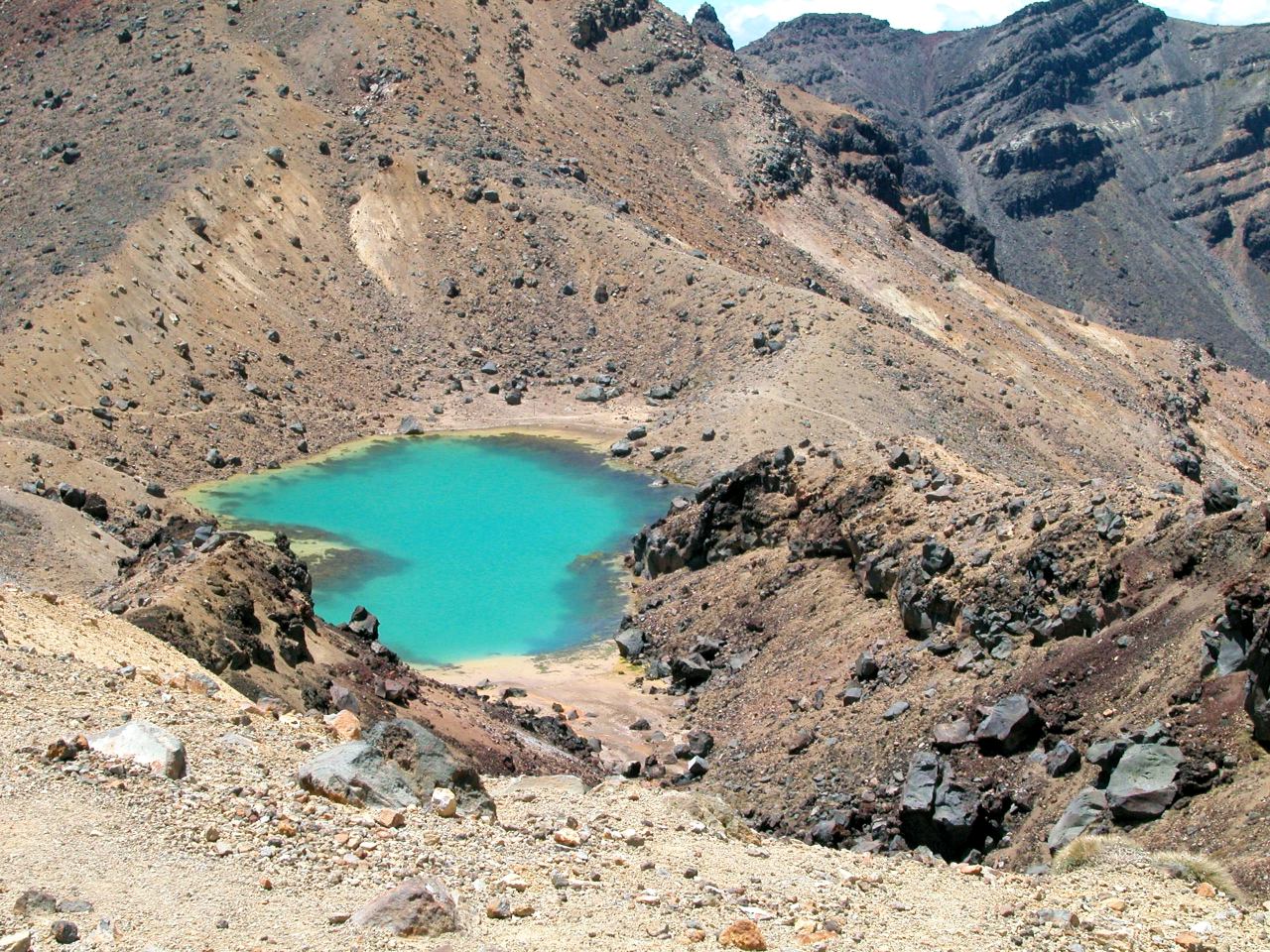
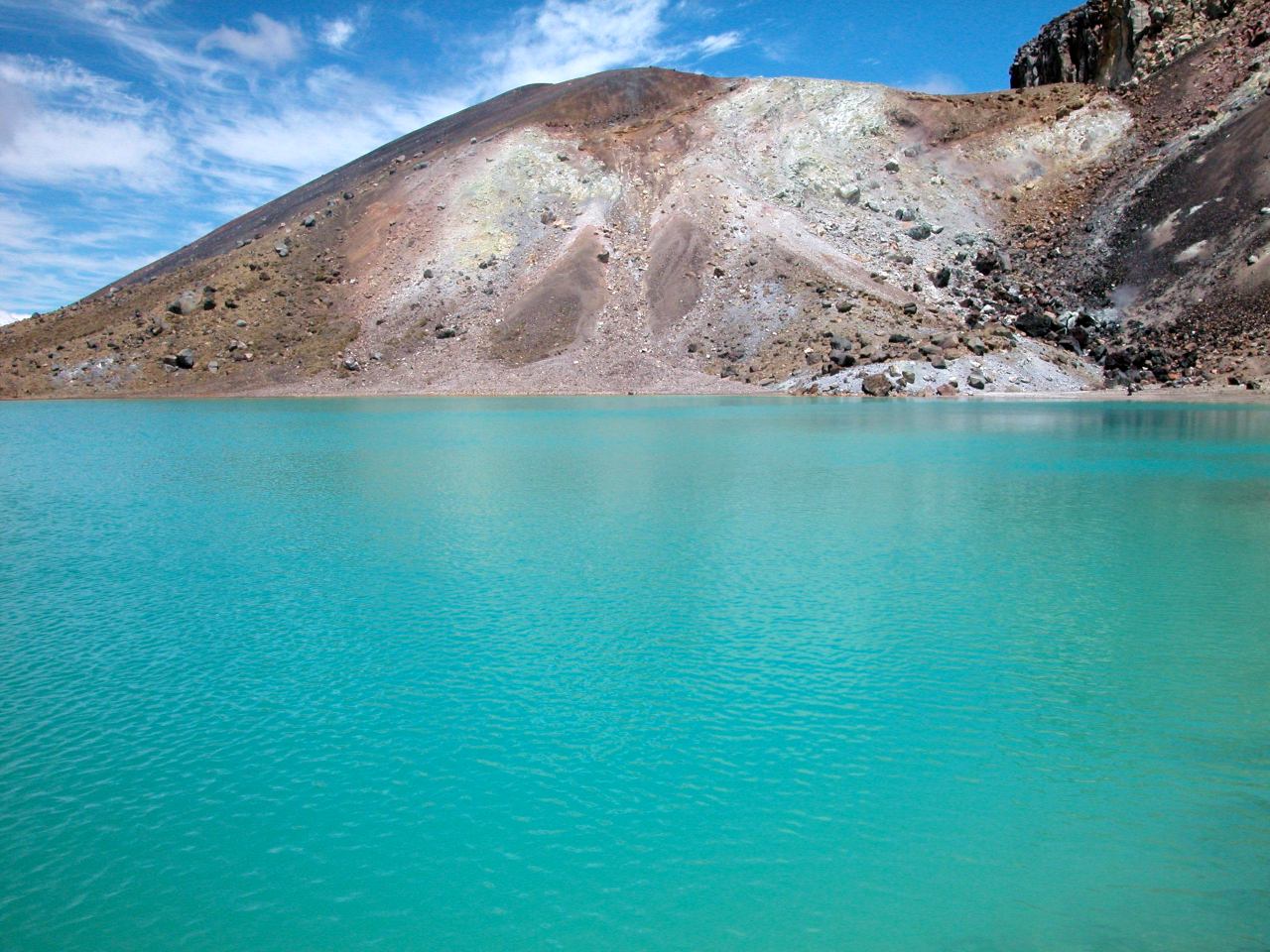
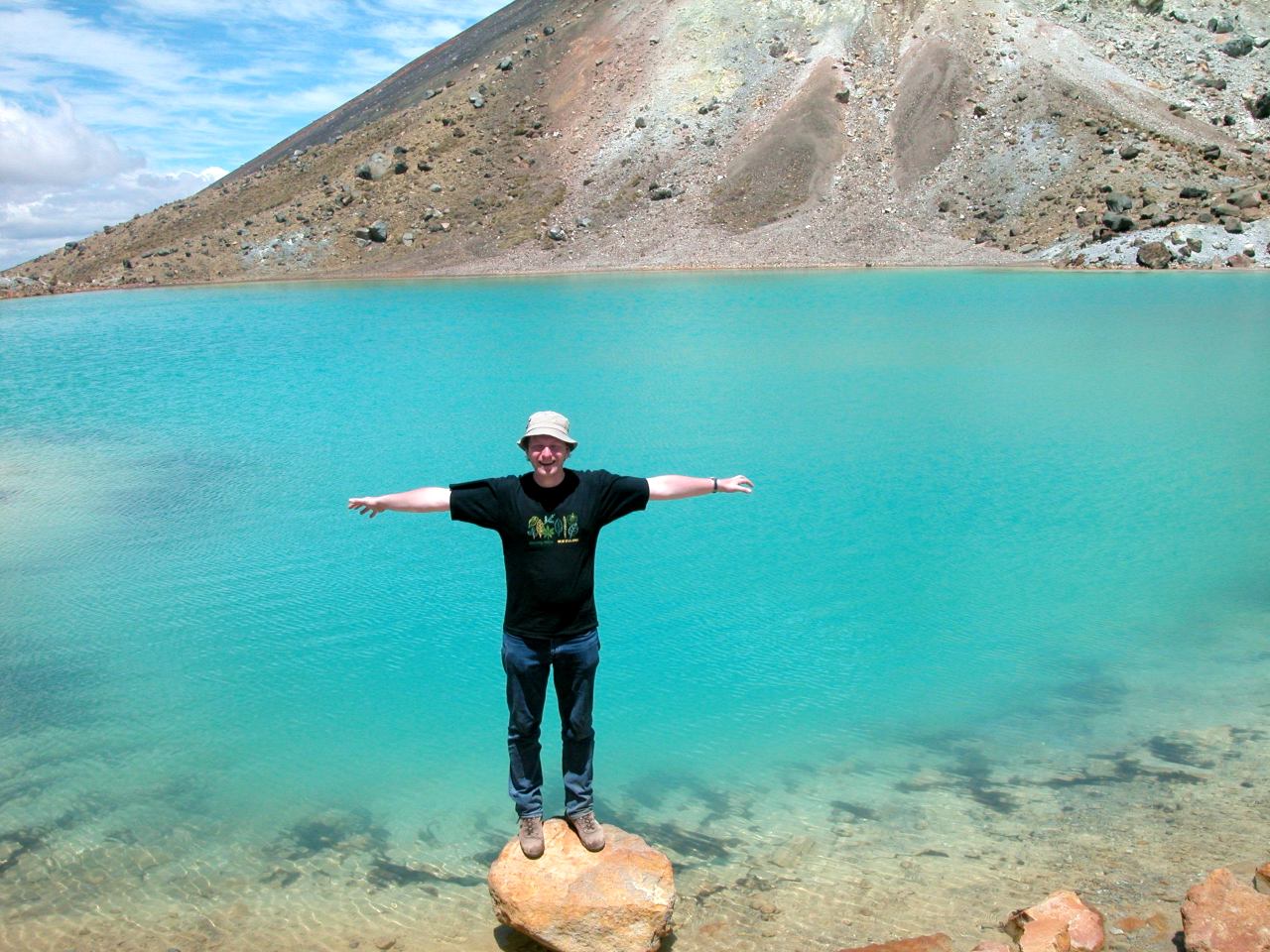
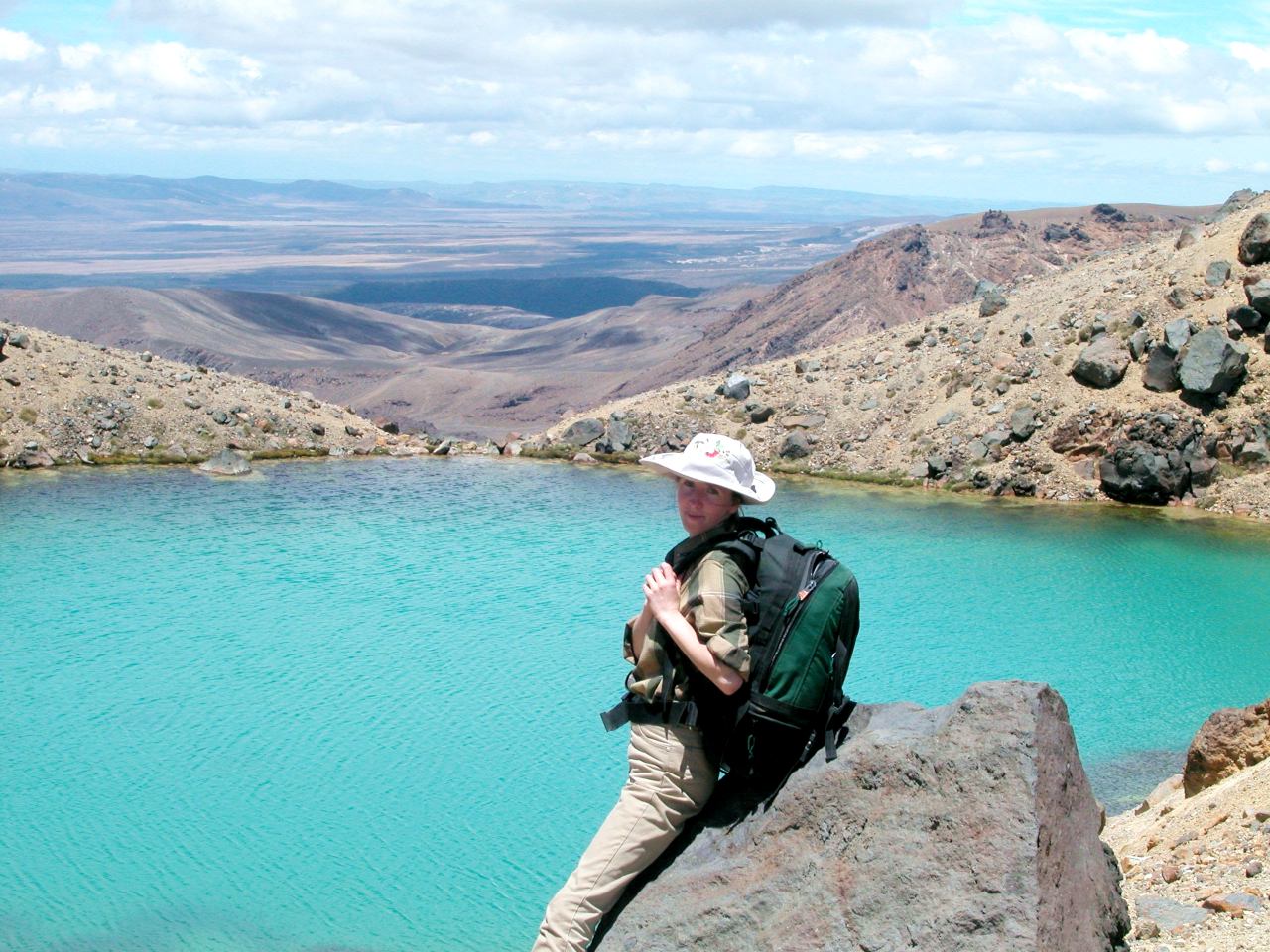
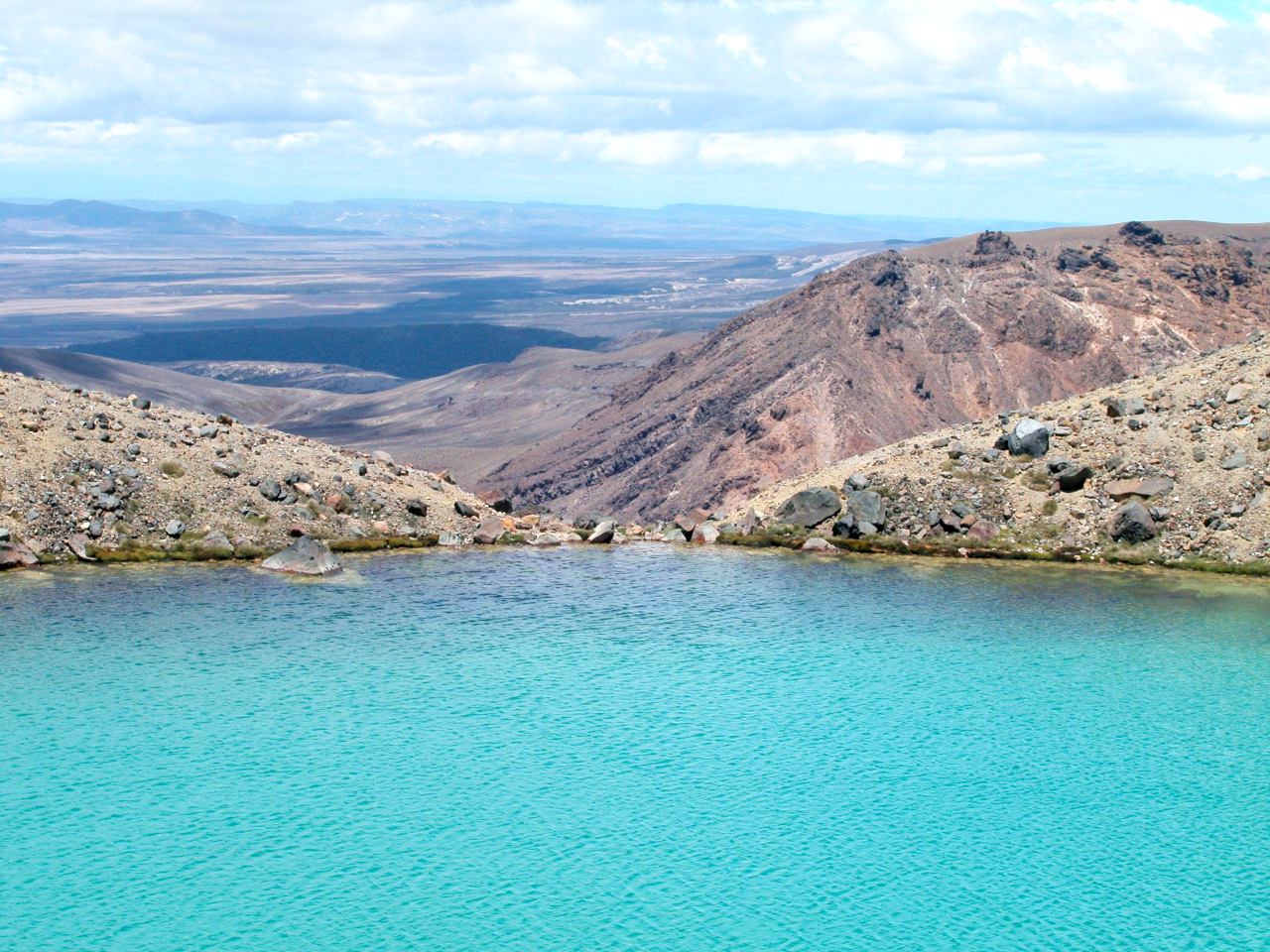
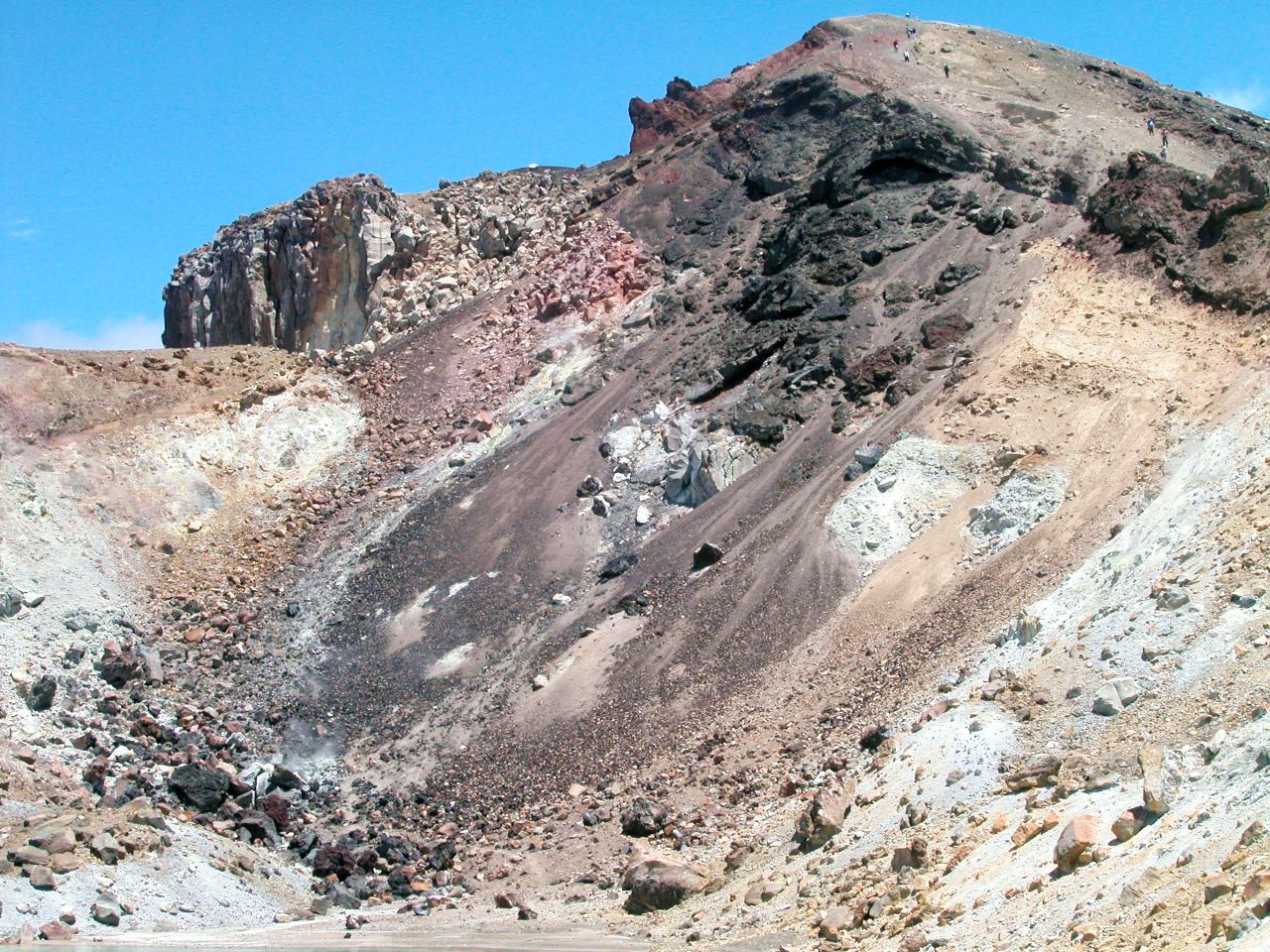
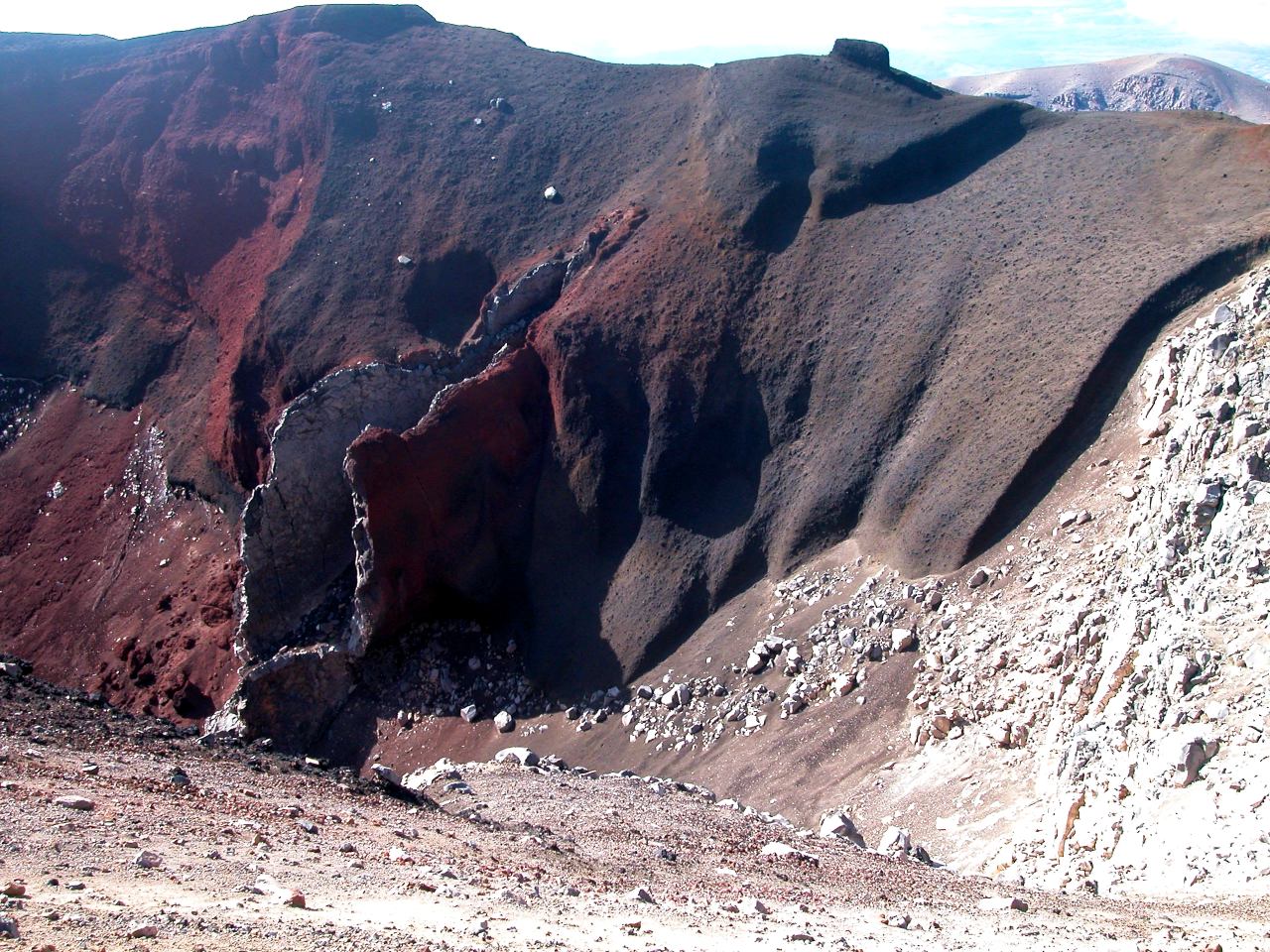
We were lucky with the weather: a warm, sunny day, though rain was forecast for tomorrow. Having come down from the mountains and lunched at Oturere Hut, we decided to carry on to the next place to stay, New Waihohonu Hut (39°12.498′S, 175°40.782′E). A lovely little path wound through low hills. There were no tourists left. Tiny stunted shrubs in a lava desert, lit by the setting sun. Happiness, in a word, and all the nicer for knowing that it was January. Beneath our feet, in Saint Petersburg, it was thirty below.
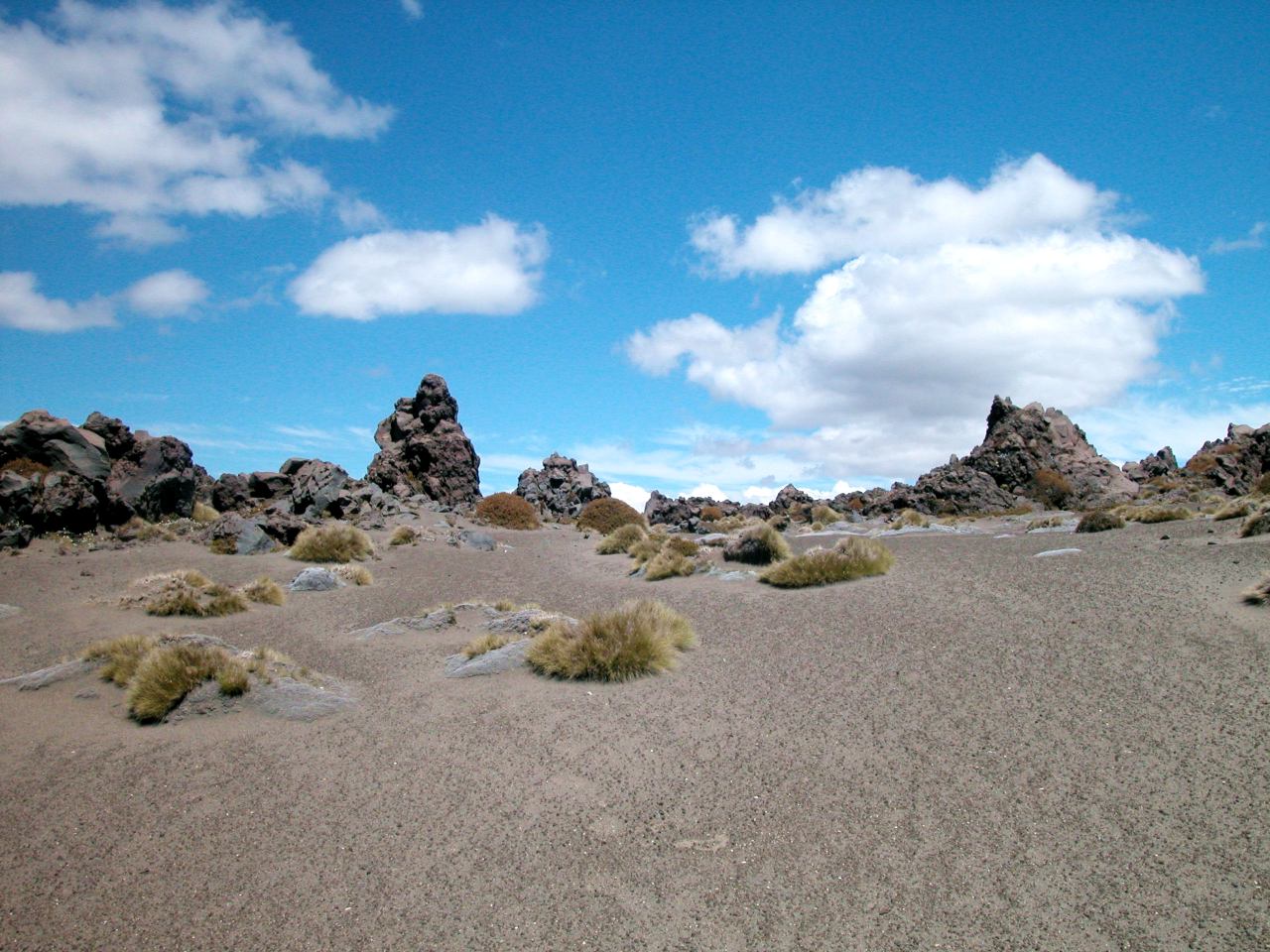
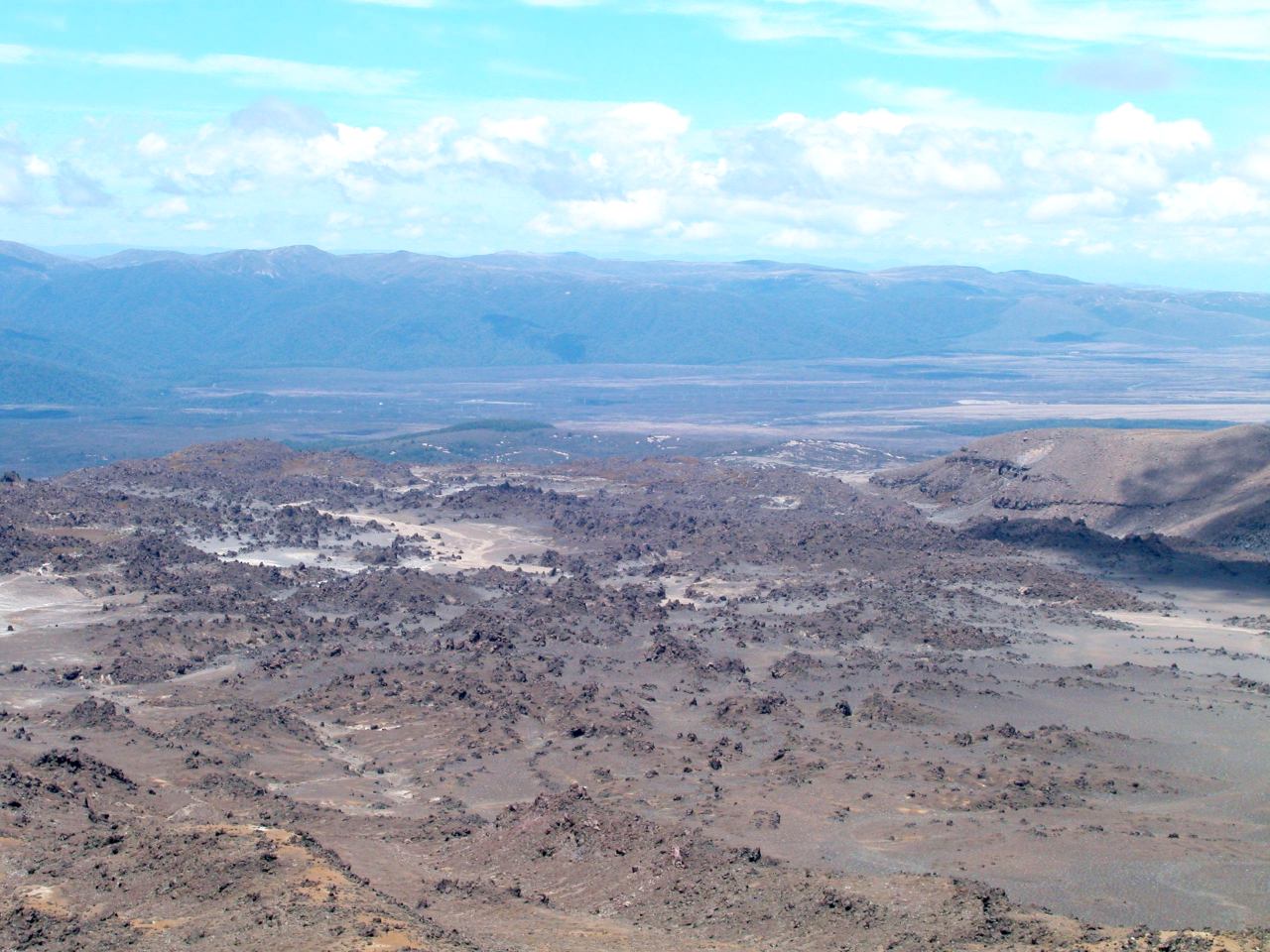
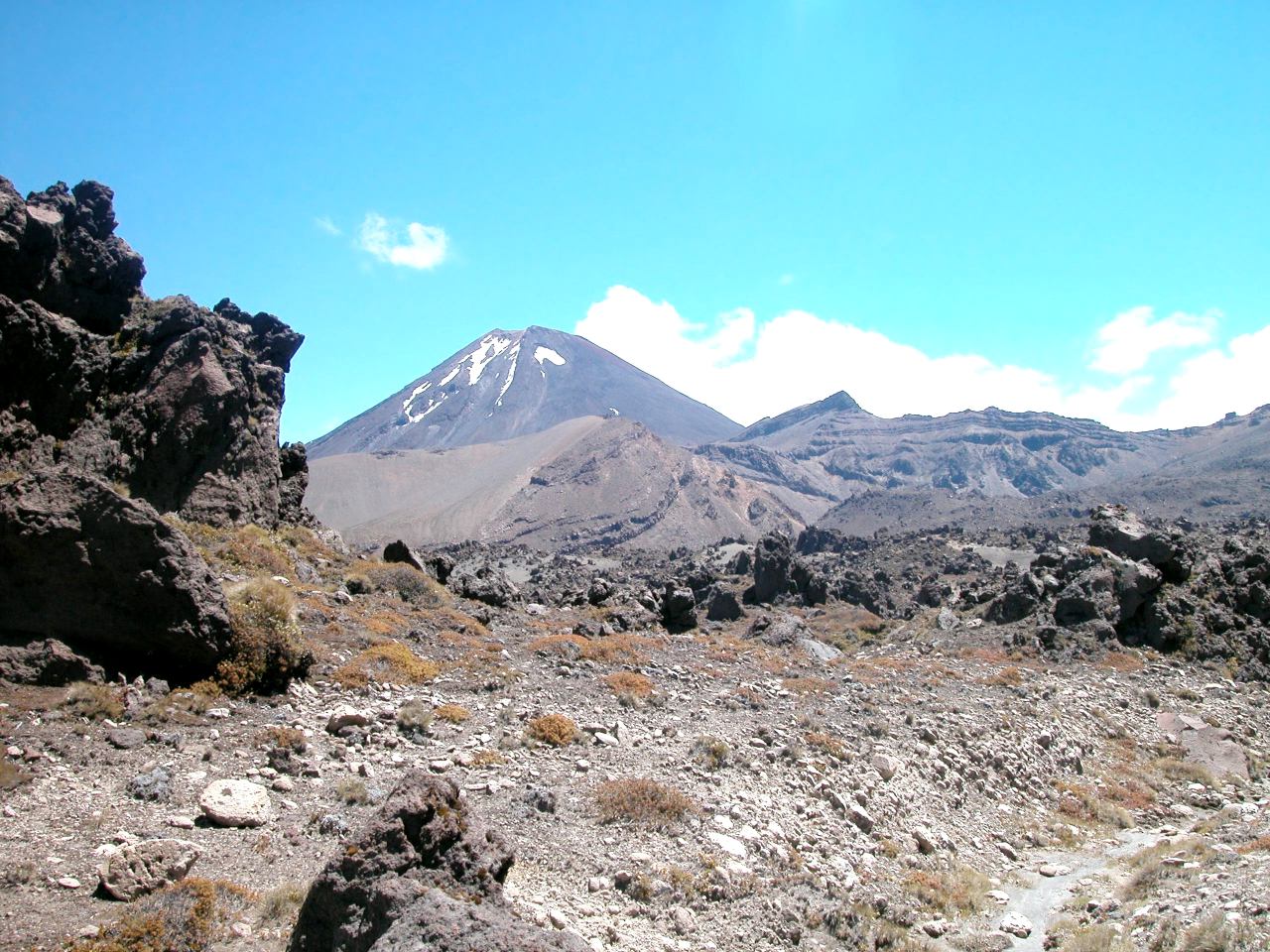
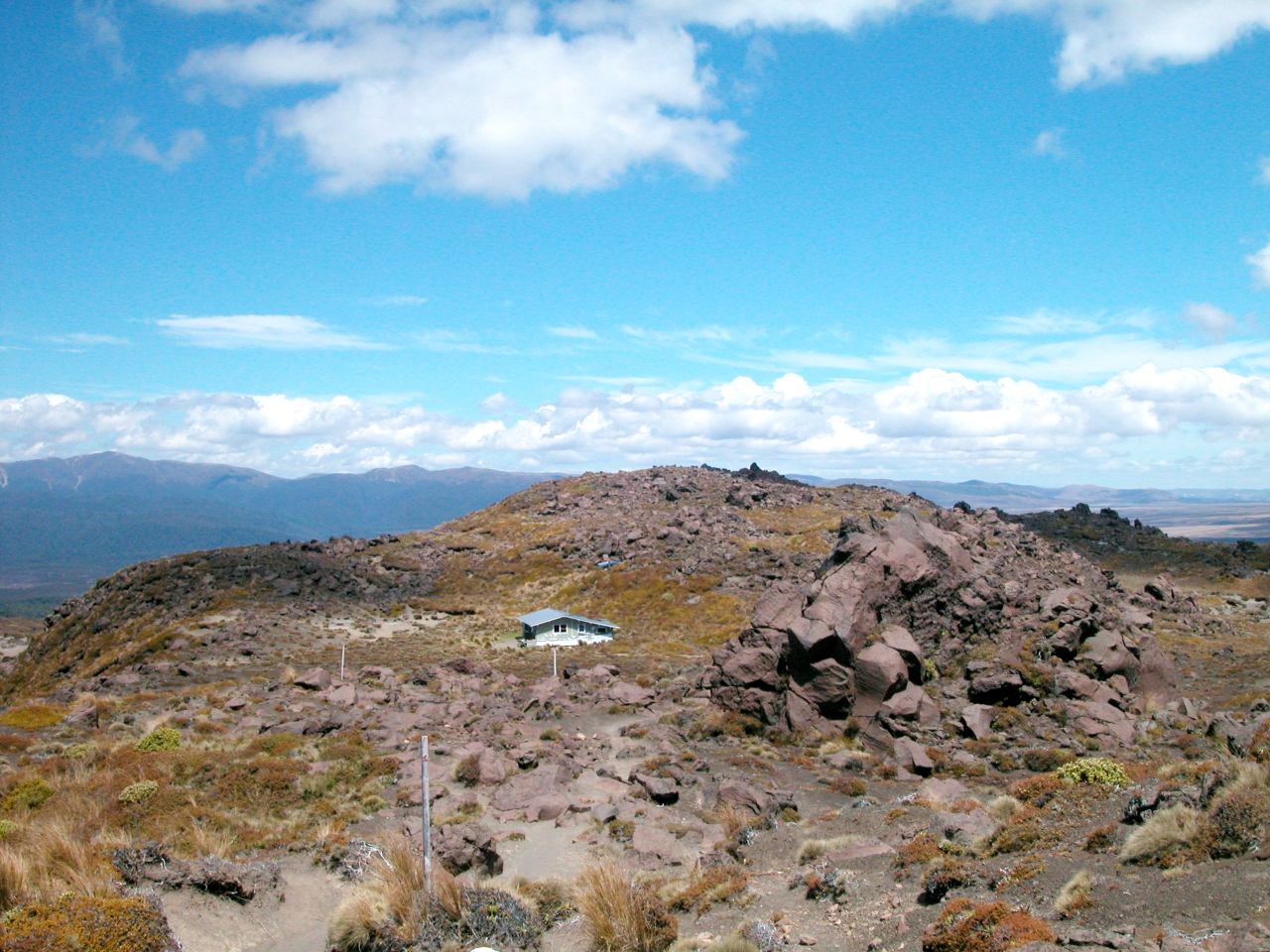
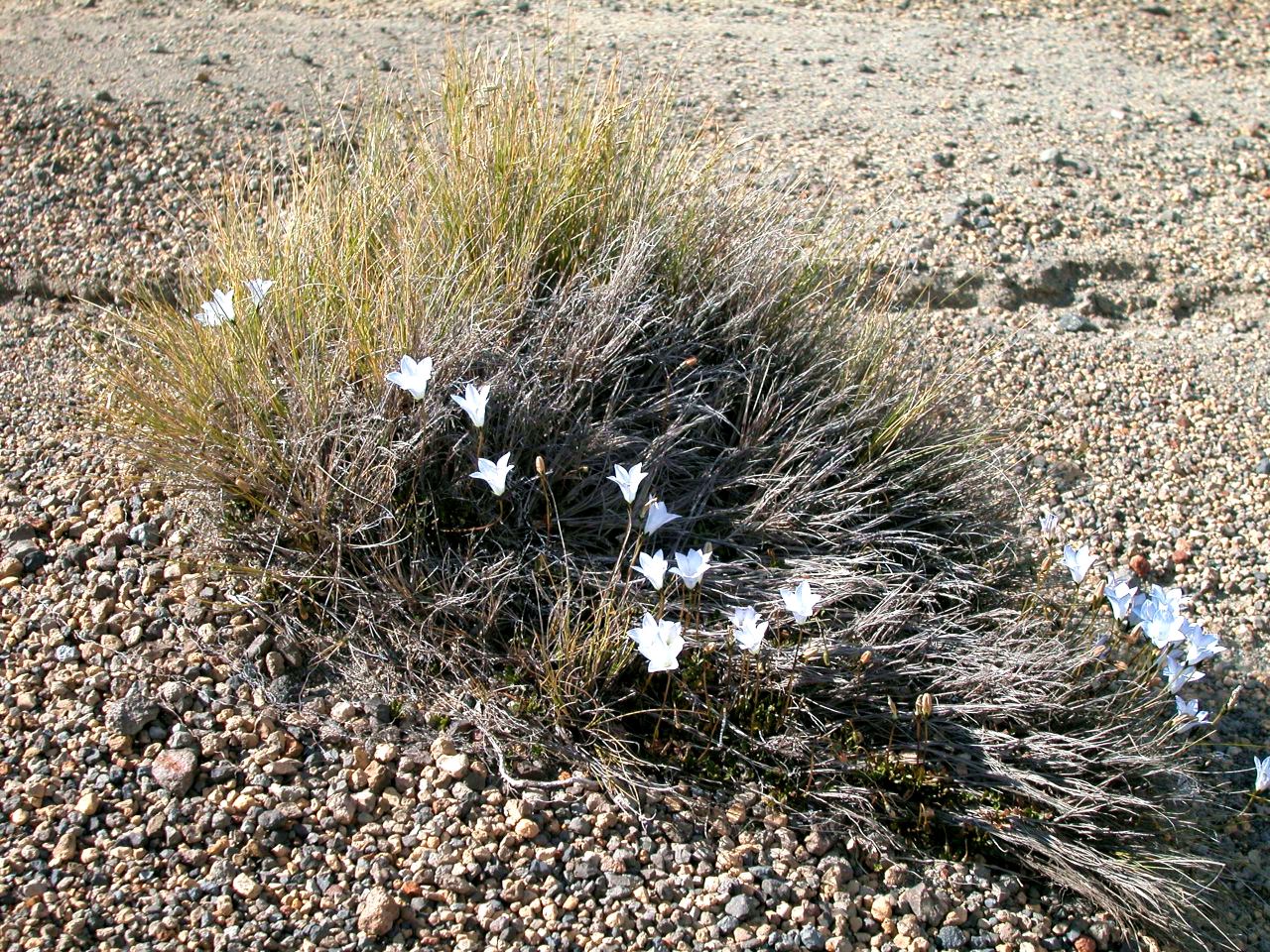
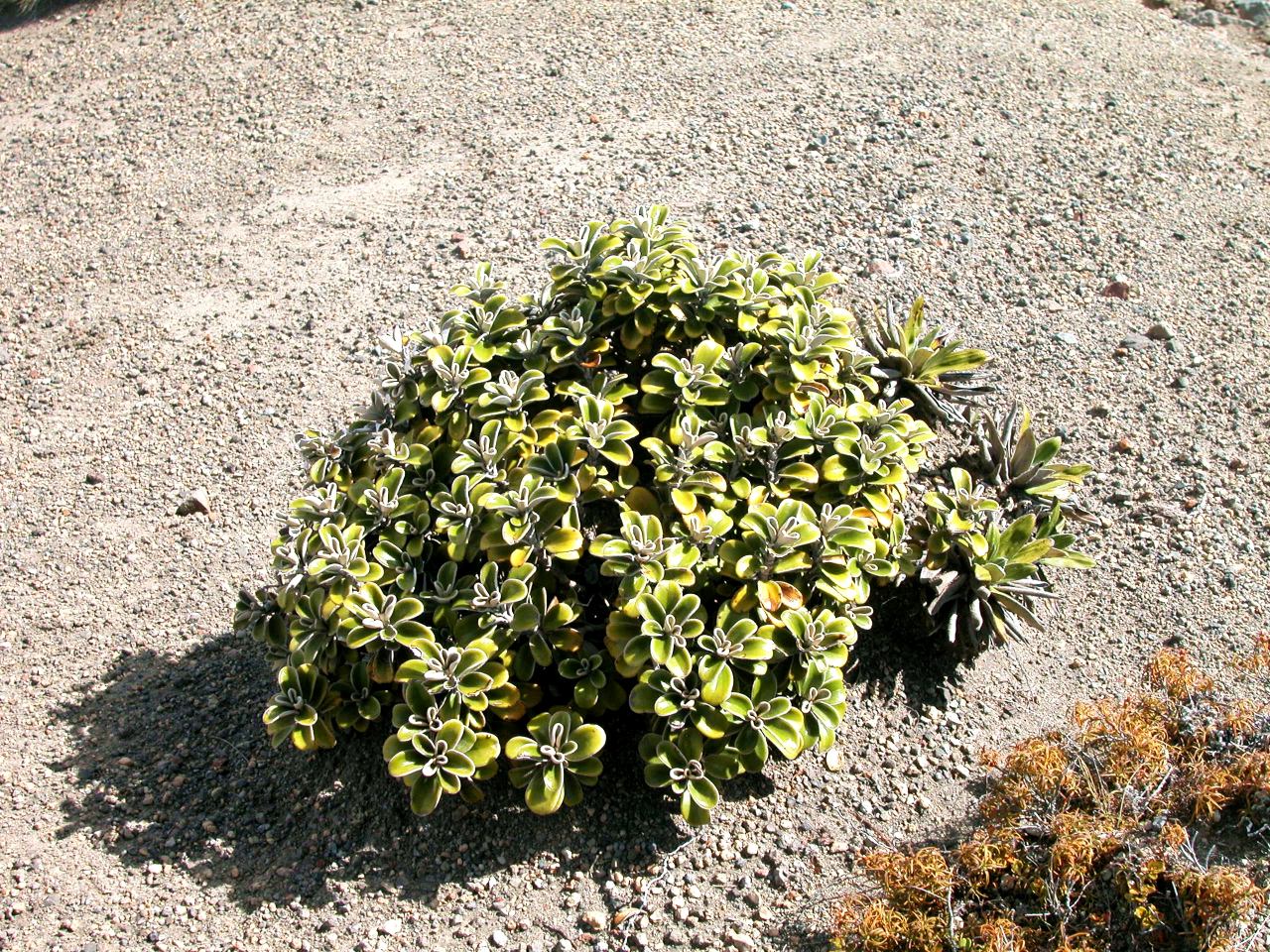
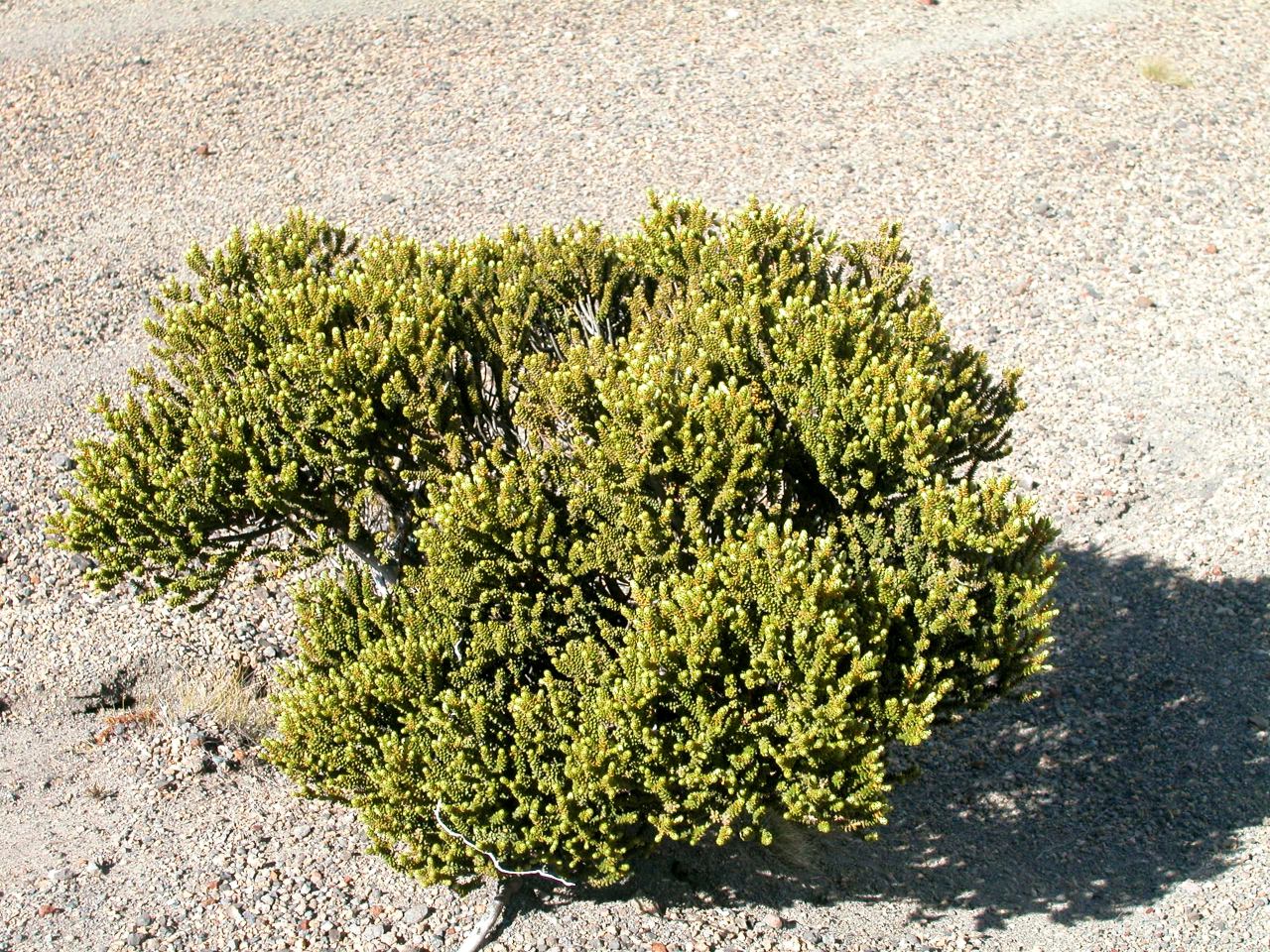
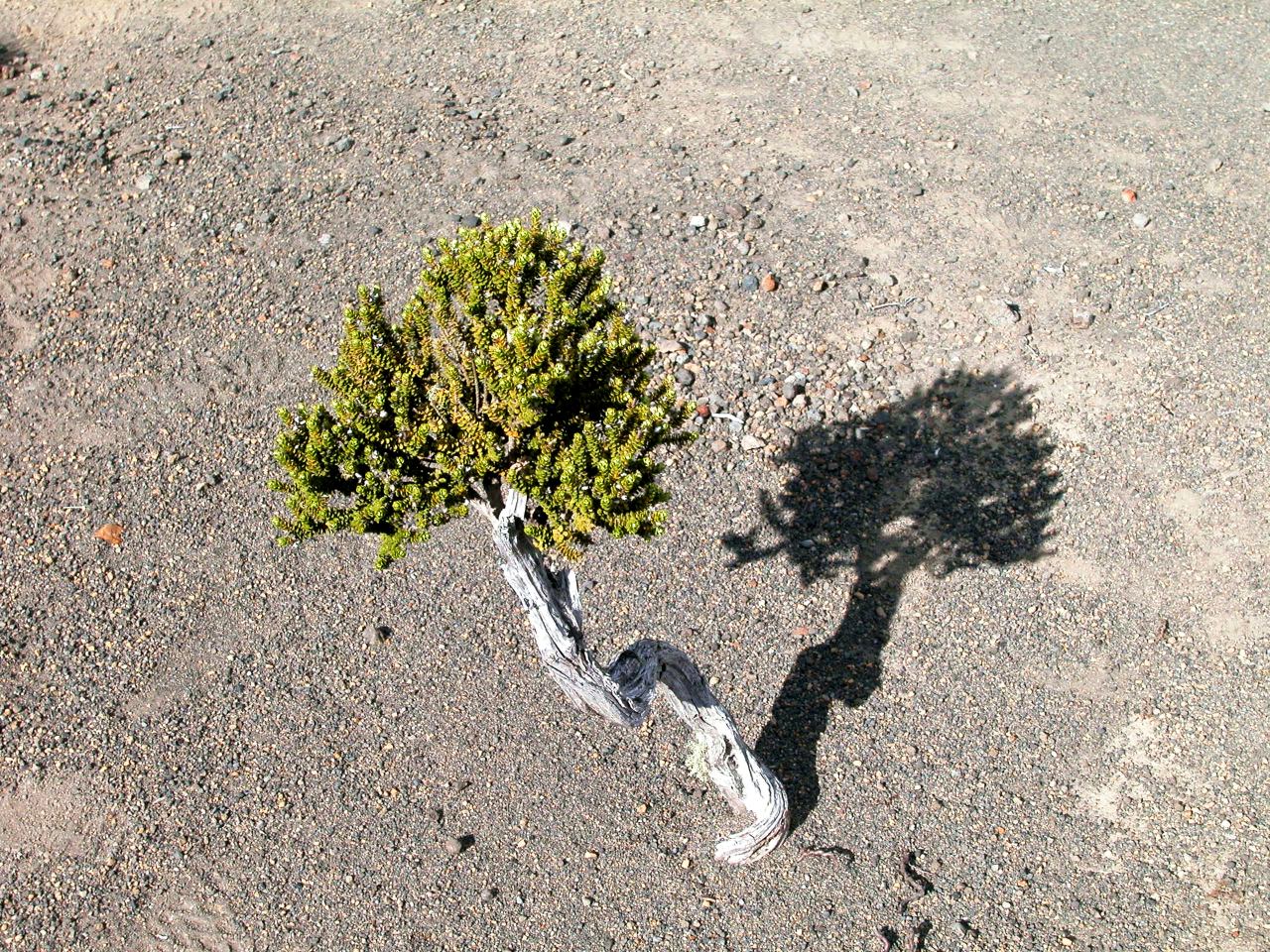
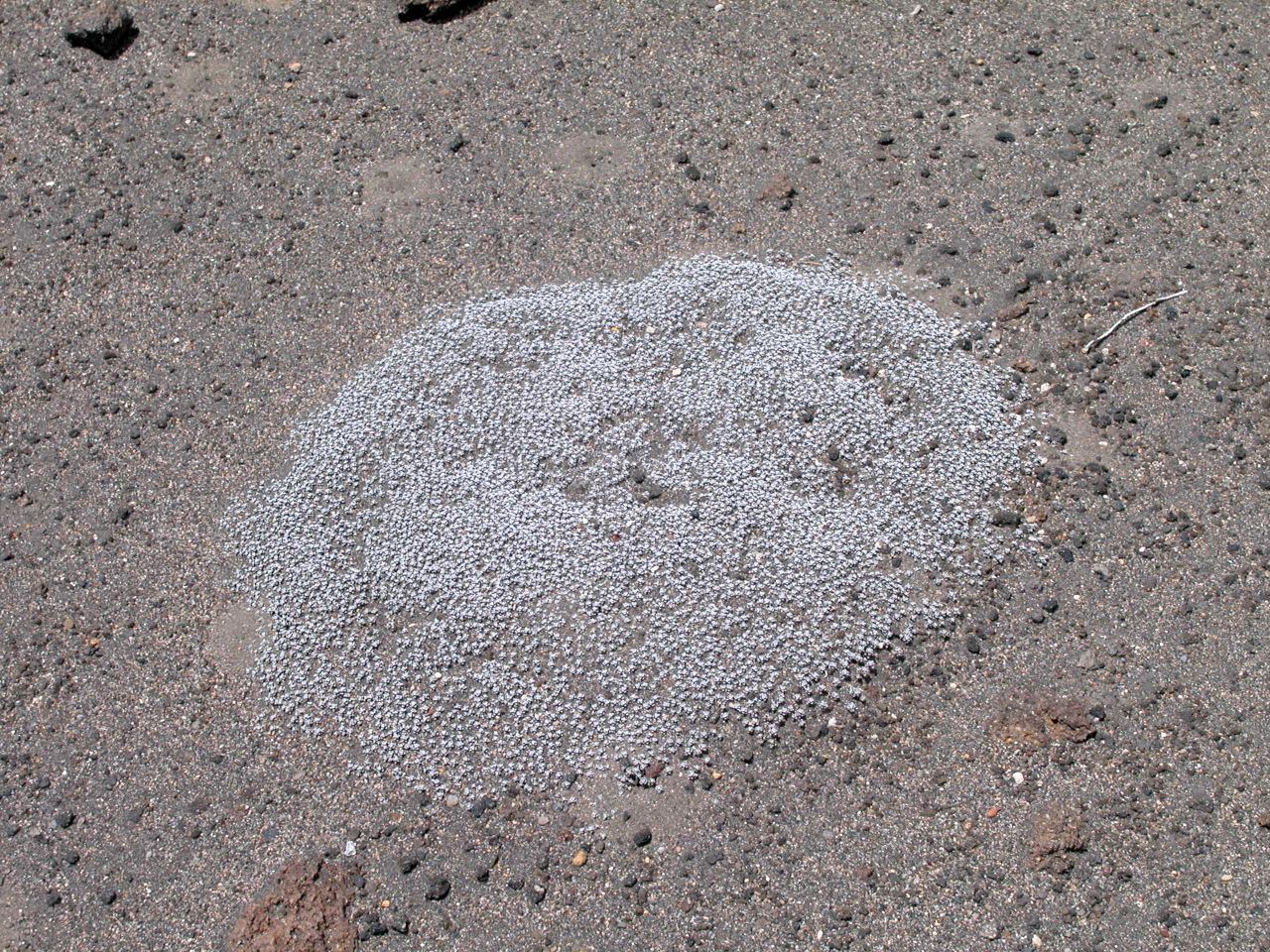
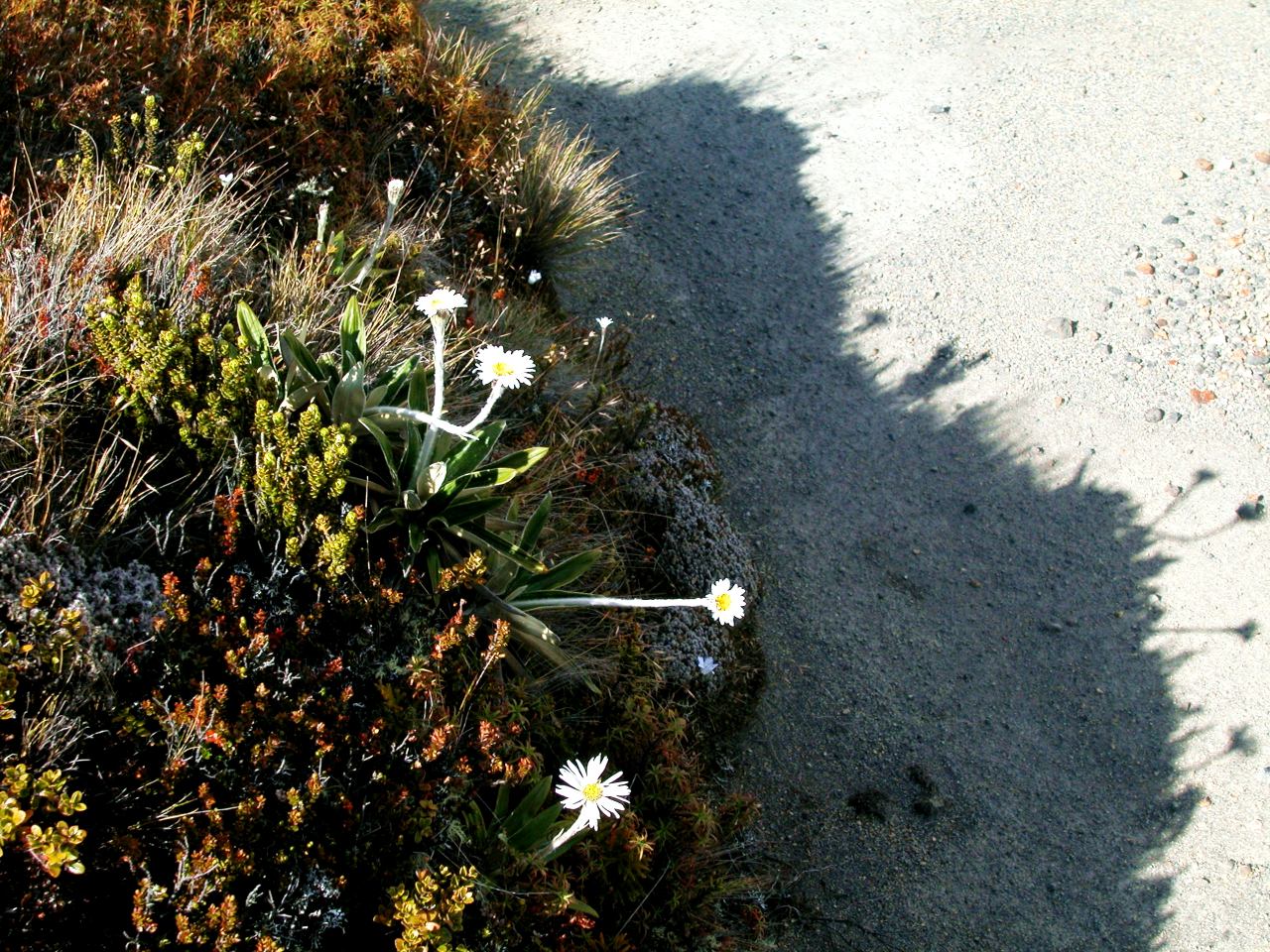
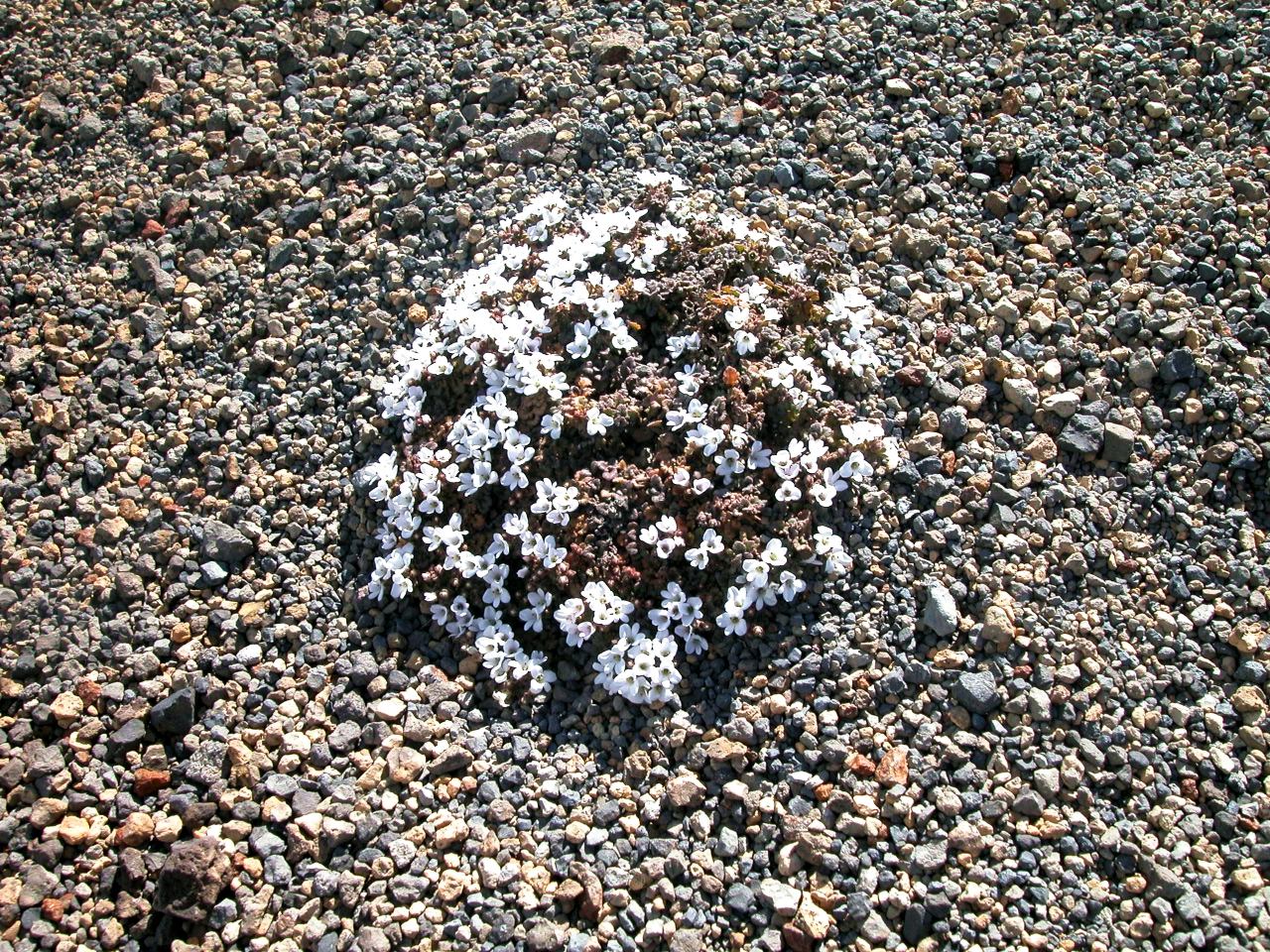
This time the hut was full of people and we got some of the last beds. There was no electricity here, as in the other huts, so when it got dark there was nothing for it but to go to sleep. I woke in the night and looked out of the window. Never had I seen such a beautiful sky. A perfectly black night in the mountains, no glow from cities. We get nights like that at home, of course, but the sky here is lovelier. The centre of our galaxy is in Sagittarius, in the southern celestial hemisphere, so there are more stars to see in the south and the Milky Way is brighter and wider. And then there are the two Magellanic Clouds. Ah, if only I'd had a telescope. But I wanted to sleep too.
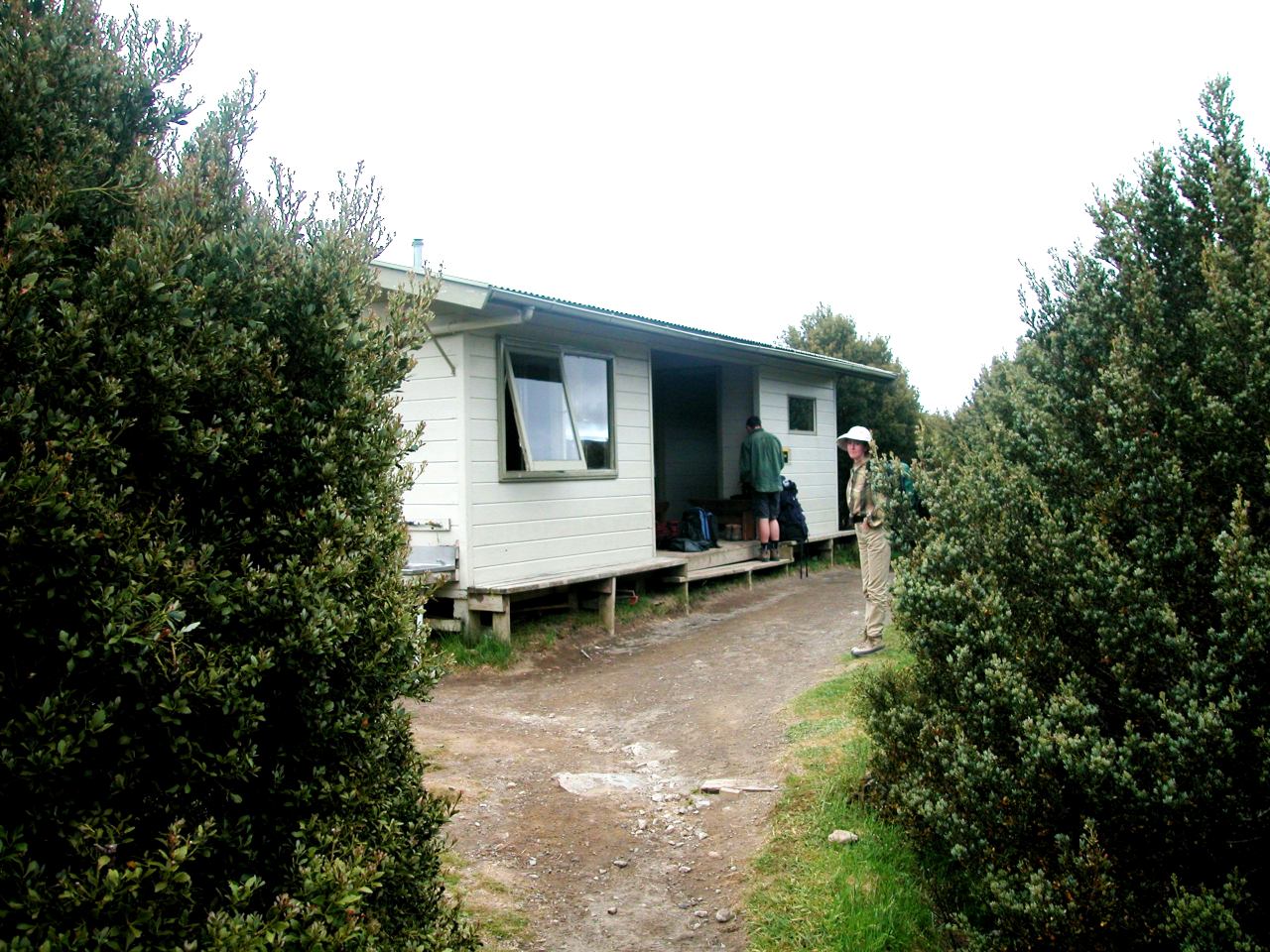
It began raining in the morning. Low grey clouds hung on the mountaintops, where we were walking. Every so often we'd go straight into them, and the rain would be joined by an all-pervading mist. A separate path goes to two lakes, Upper Tama and Lower Tama. We went to look in spite of the rain. You could still see the lower lake, but as we went up towards the upper one, the weather turned truly vile. Worst of all, you couldn't see more than twenty metres. We had to give up and get back to the car in a hurry. On the way we still had a look at Taranaki Falls.
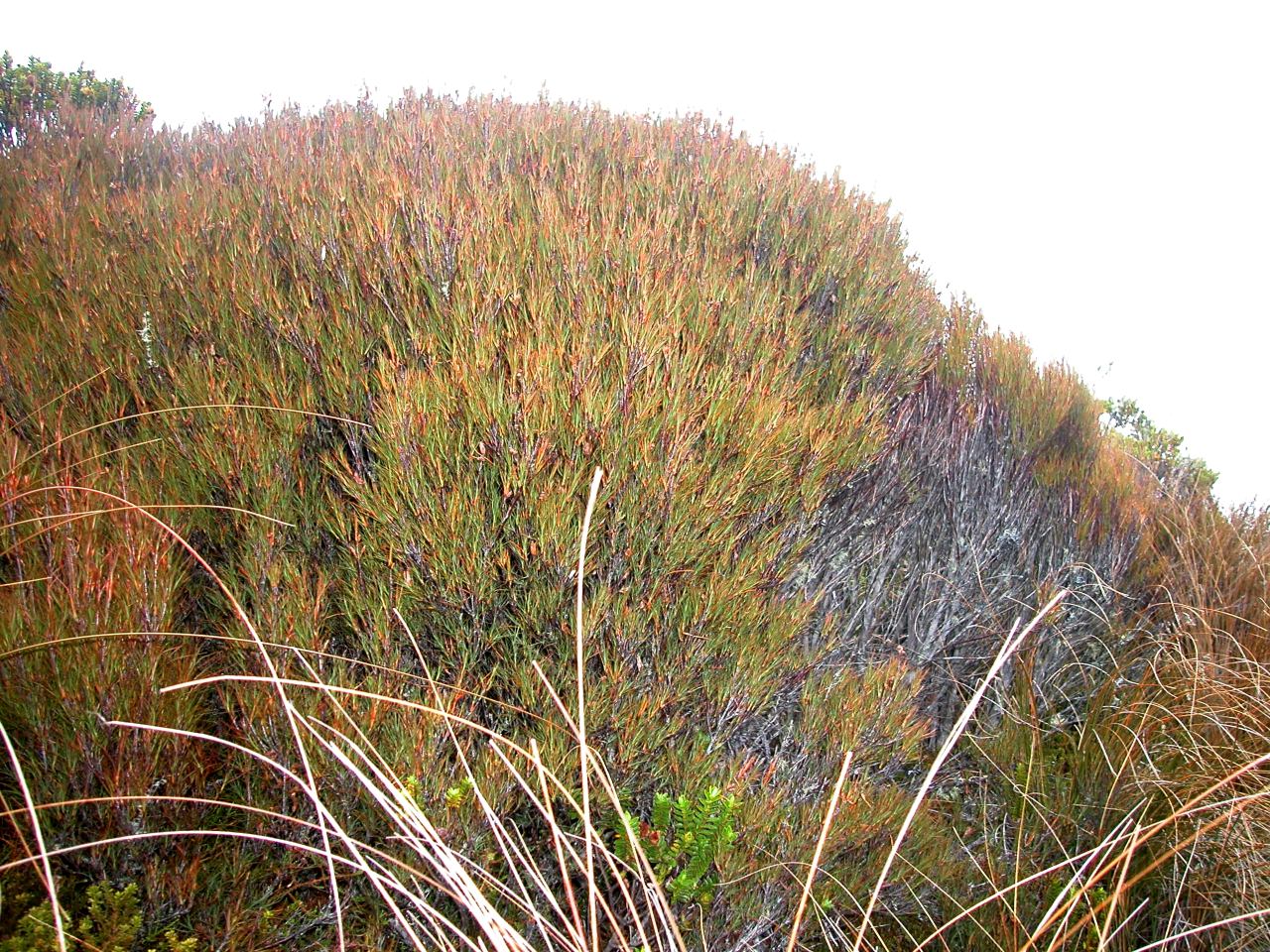
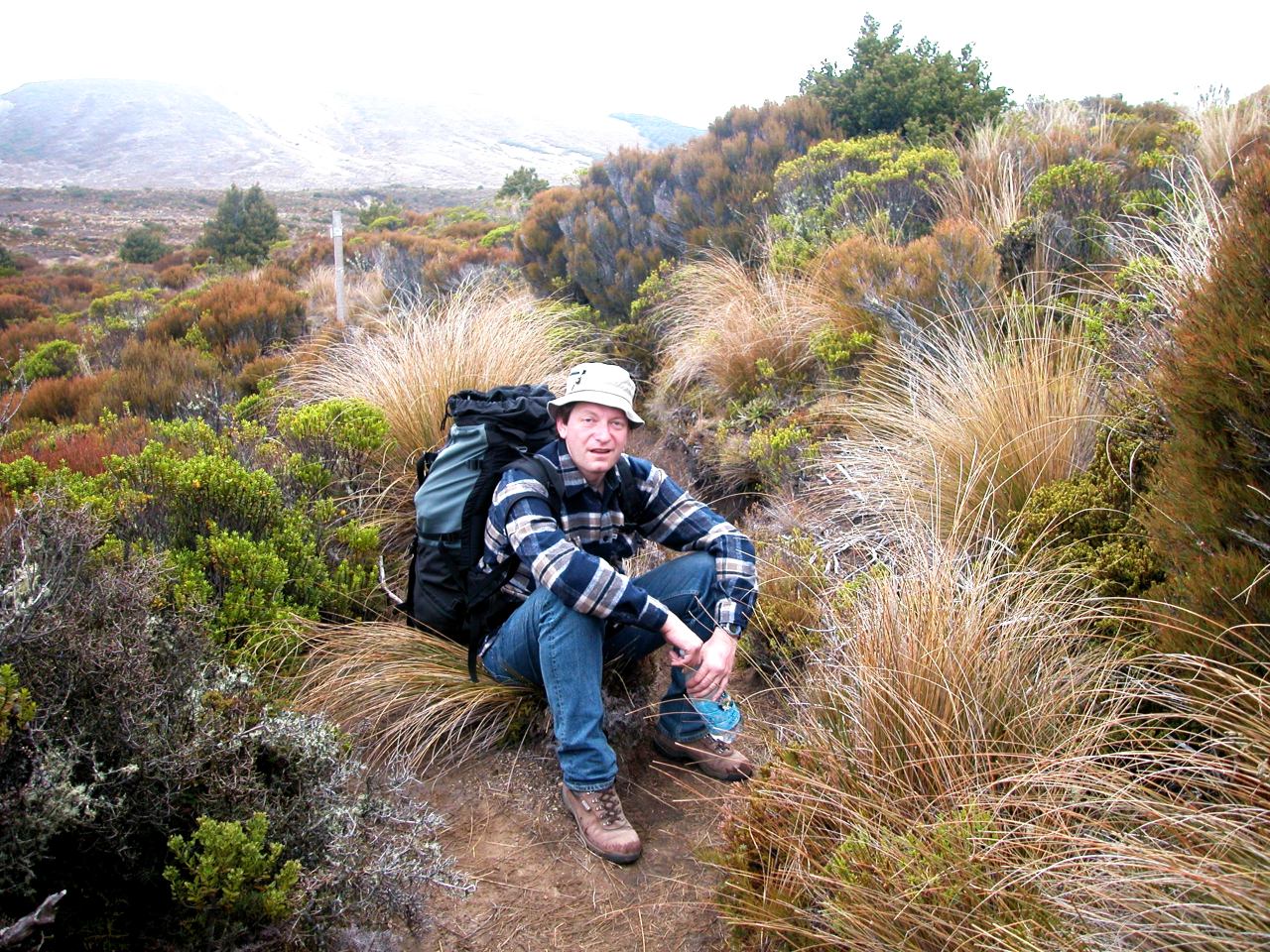
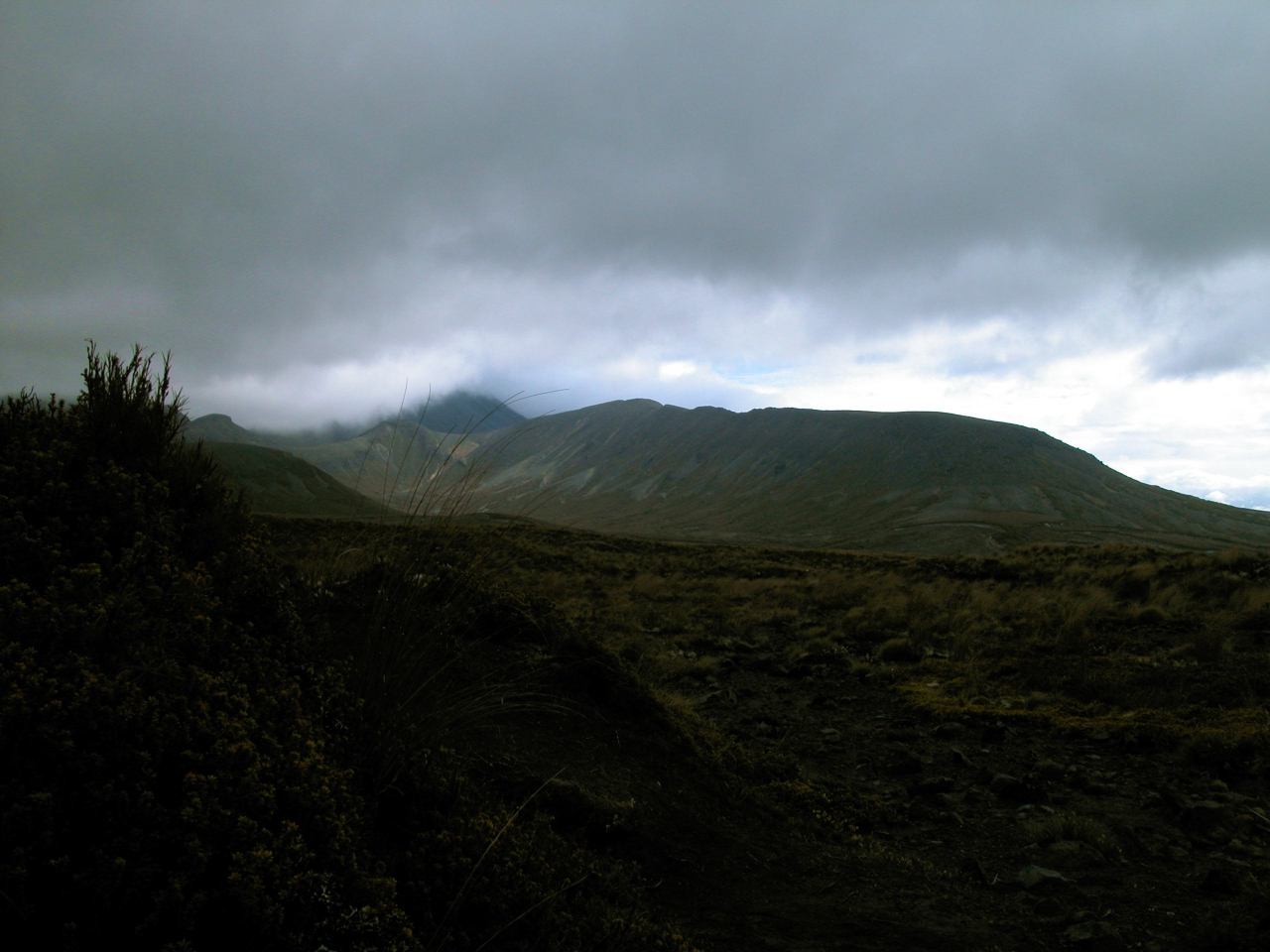
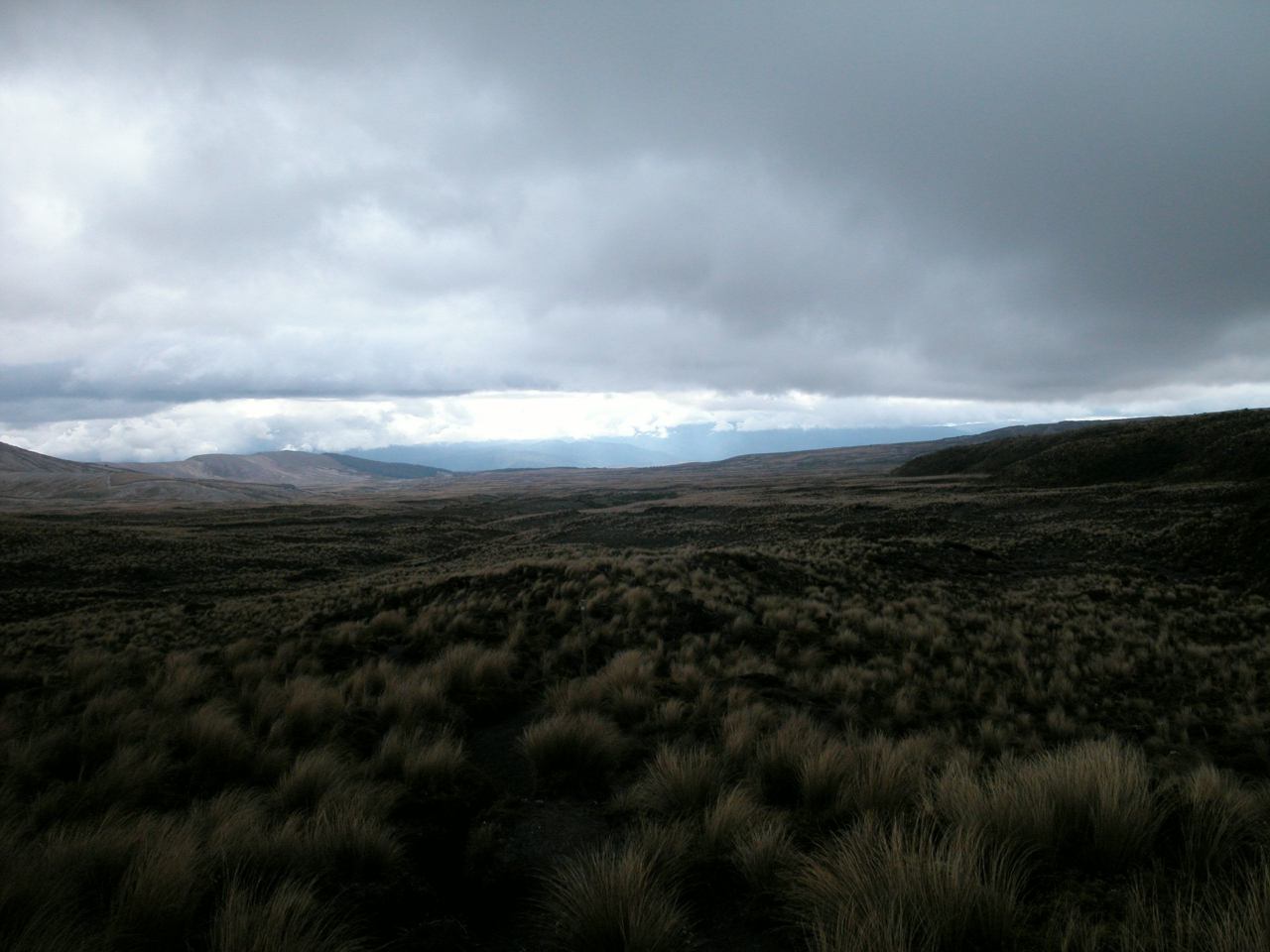
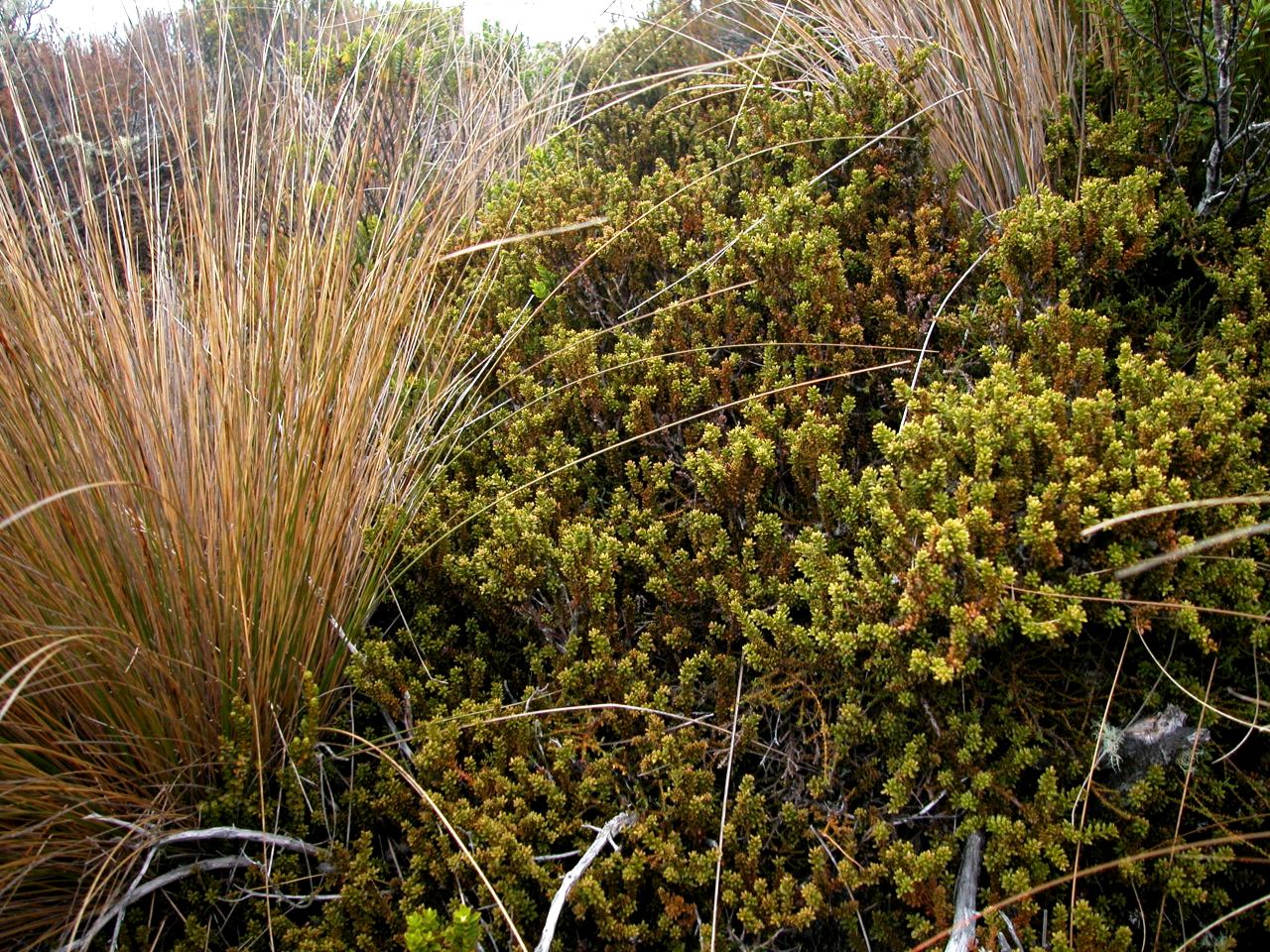
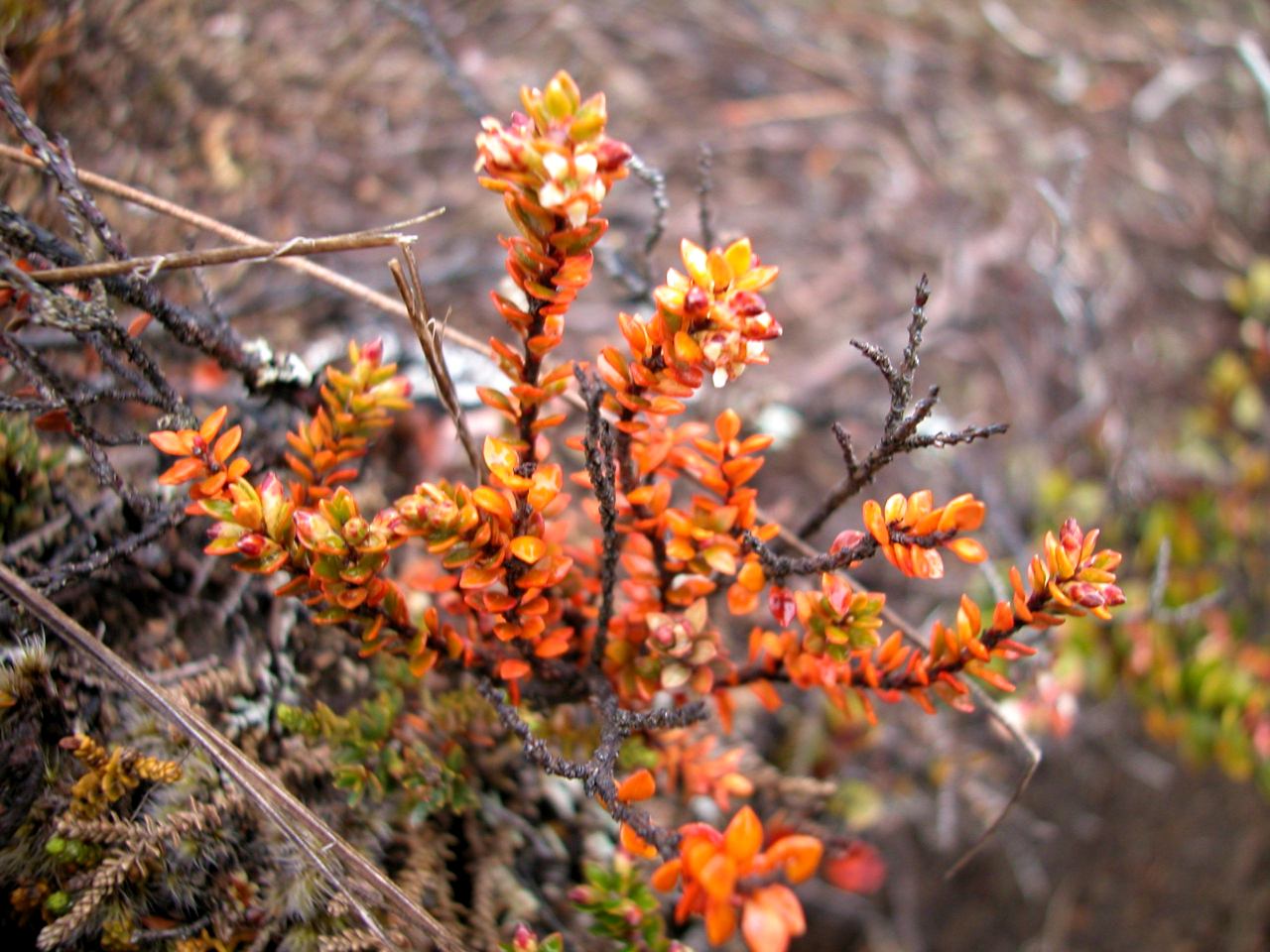
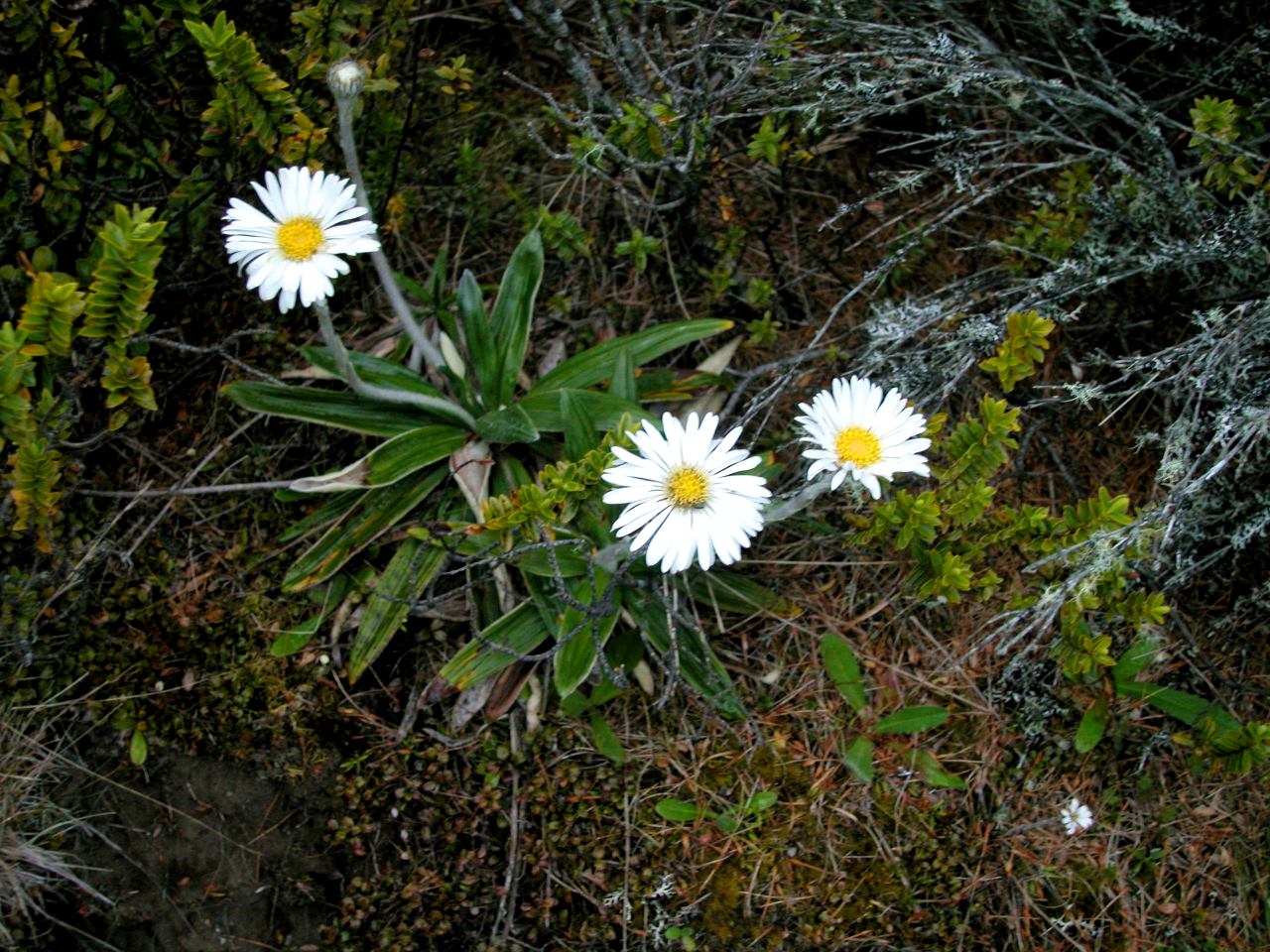
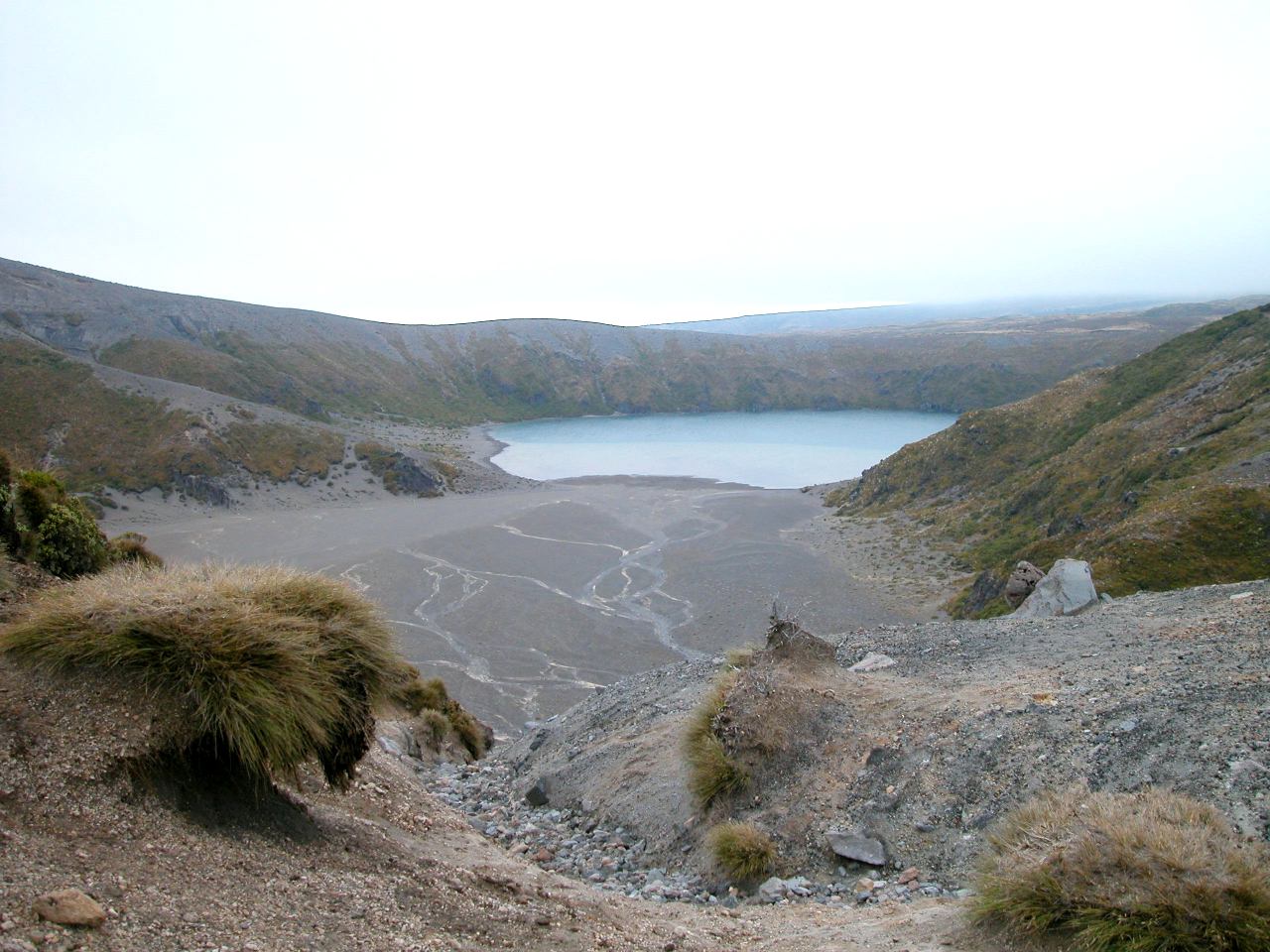
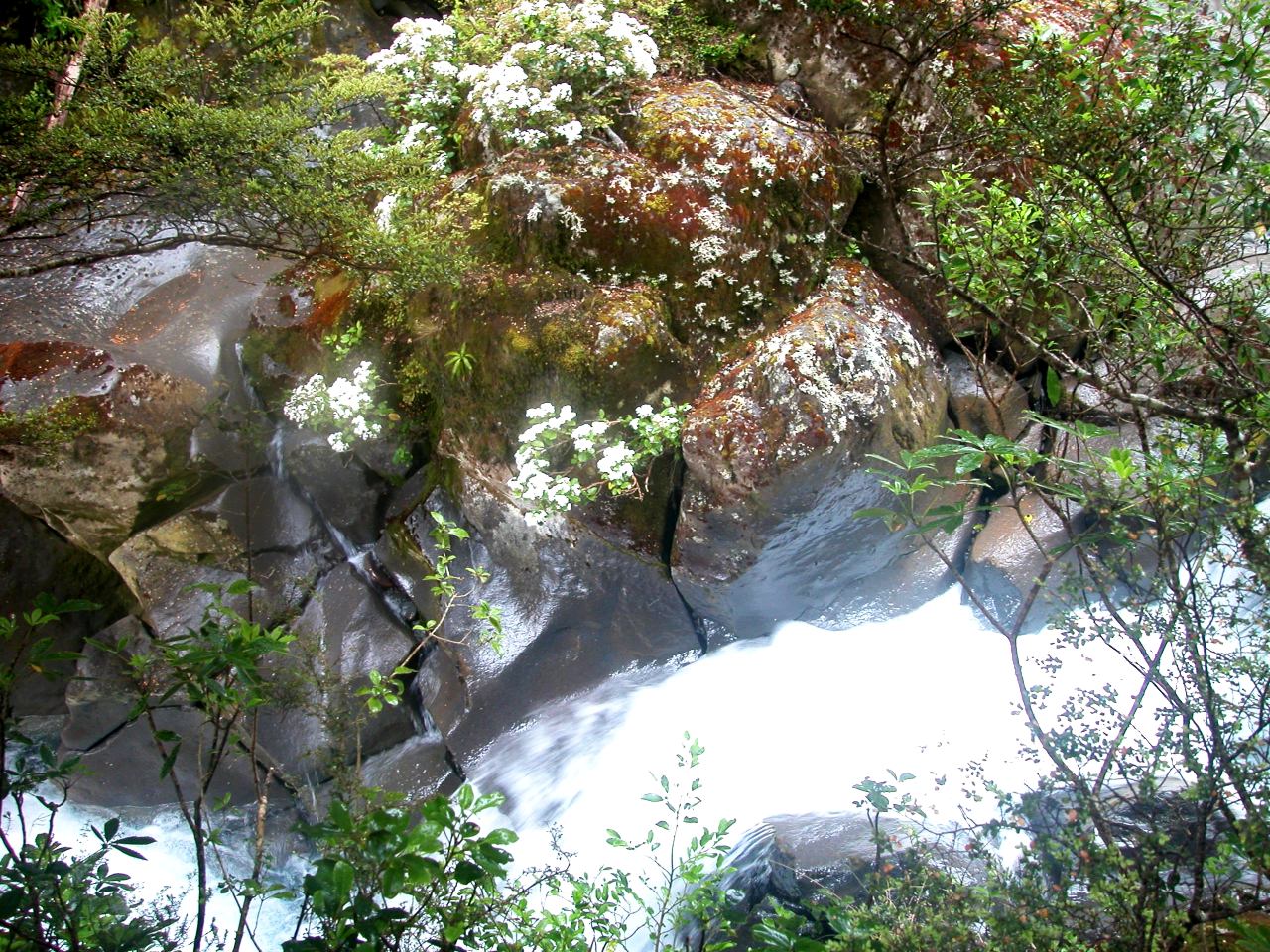
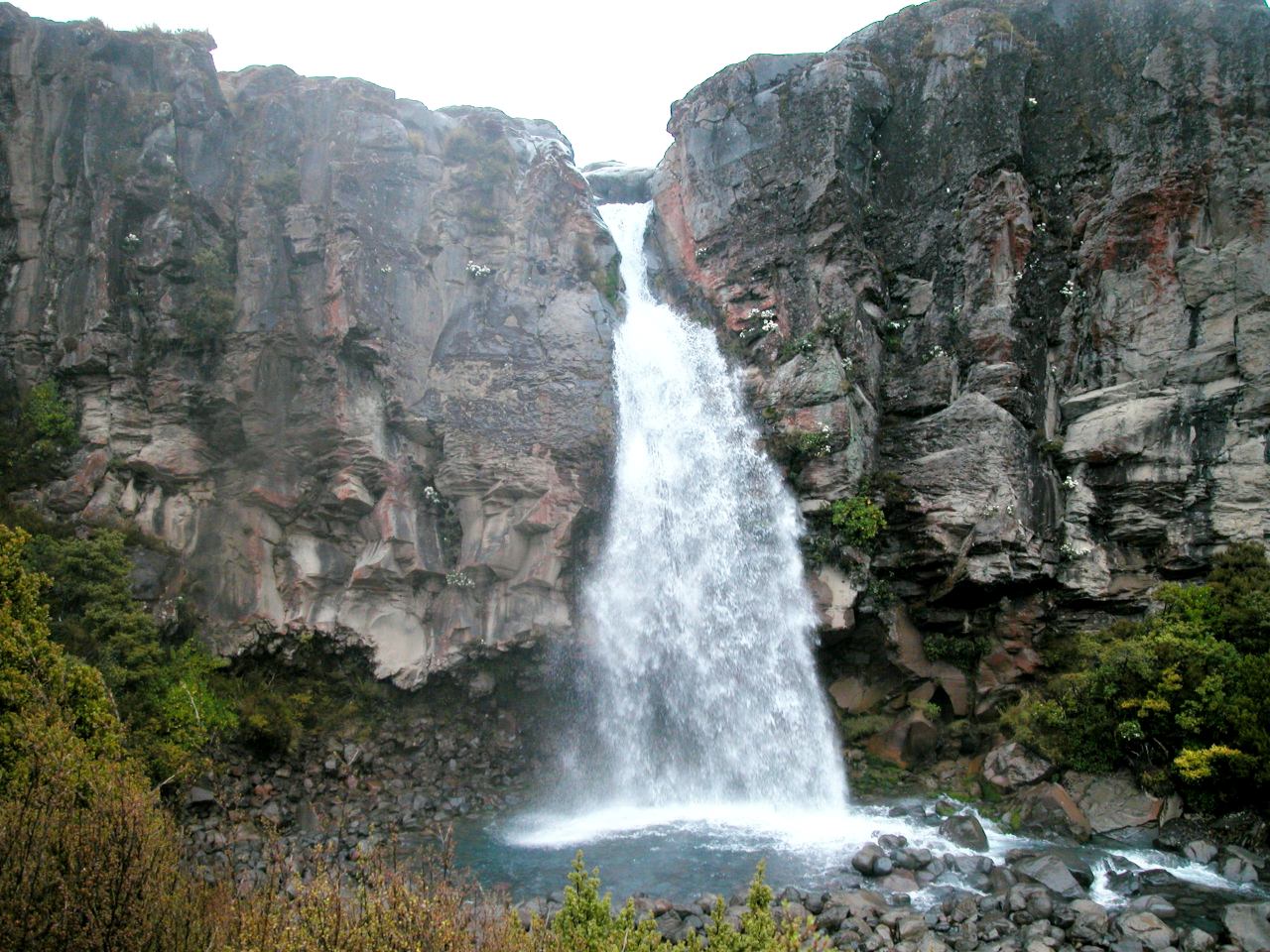
Despite our Gore-Tex jackets, we were soaked through when we reached the car. We changed, had coffee and a bun, and went looking for a drier corner of the world.
The forecast said the weather was better on the west coast. Sure enough, after a few dozen kilometres the rain stopped.
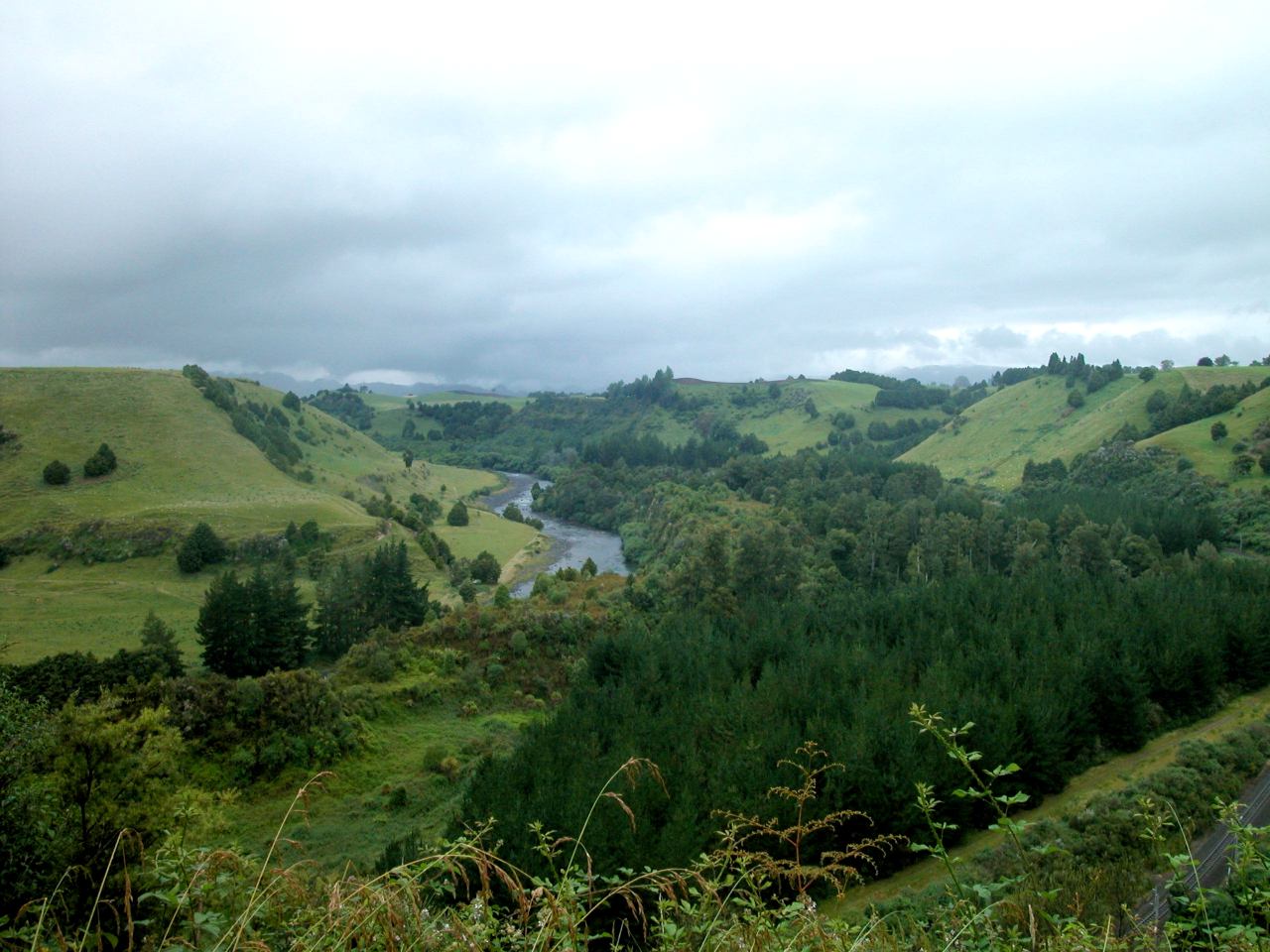
State Highway 43, the Heritage Trail, runs between Taumarunui and Stratford. It's a fine, wild mountain road through almost uninhabited country (video, 5 MB). The wildest part was unsealed and had one tunnel. The whole road is four metres wide at best, and passing isn't easy. The verges are wild fern forest and rainforest. There are excellent views from the hills. A place worth seeing: don't miss it.
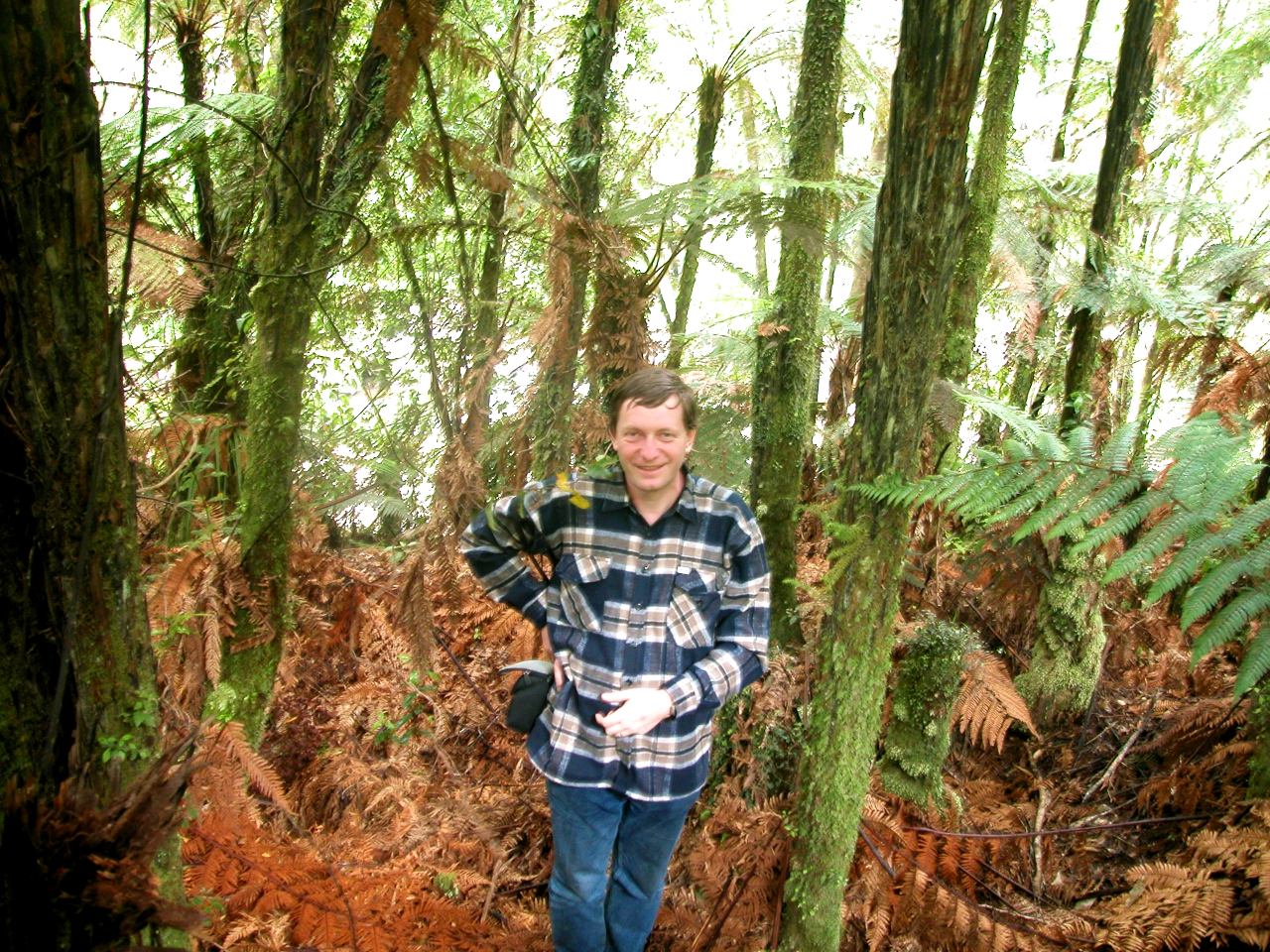
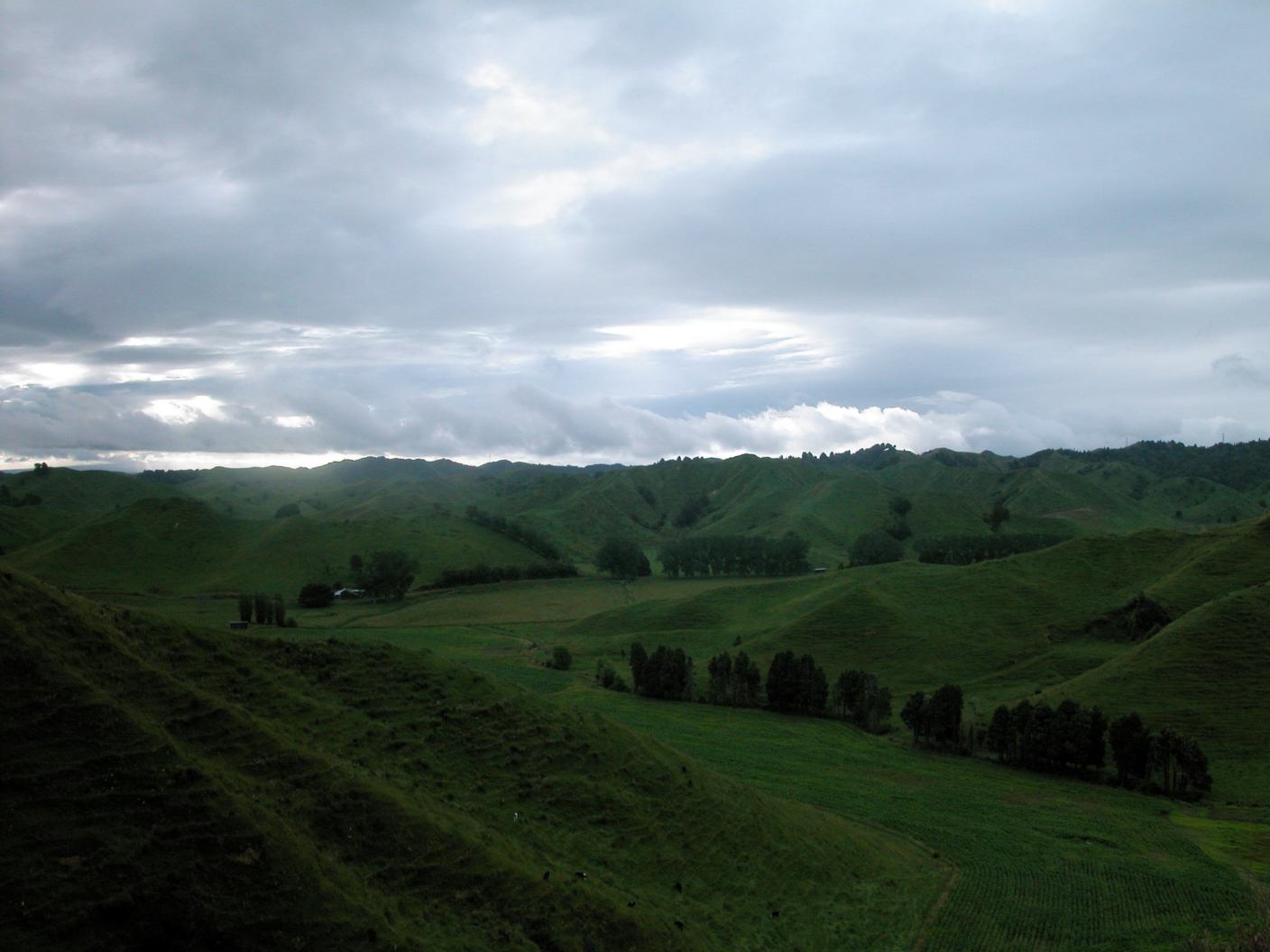
It was getting dark when we got to Stratford. Time to stop for the night. We paid NZ$73 at the Broadway Motel at the north end of town. A very comfortable place. After two nights in the field, we washed and had a good meal. That evening we went out for a walk. Stratford is named after Shakespeare's home town. All the streets take their names from characters in his plays, except the main one, which is called Broadway. Neat, well-kept houses, peace and plenty. They're all one-storey houses and practically all built to the same design. The little front garden is how the owners make themselves known.
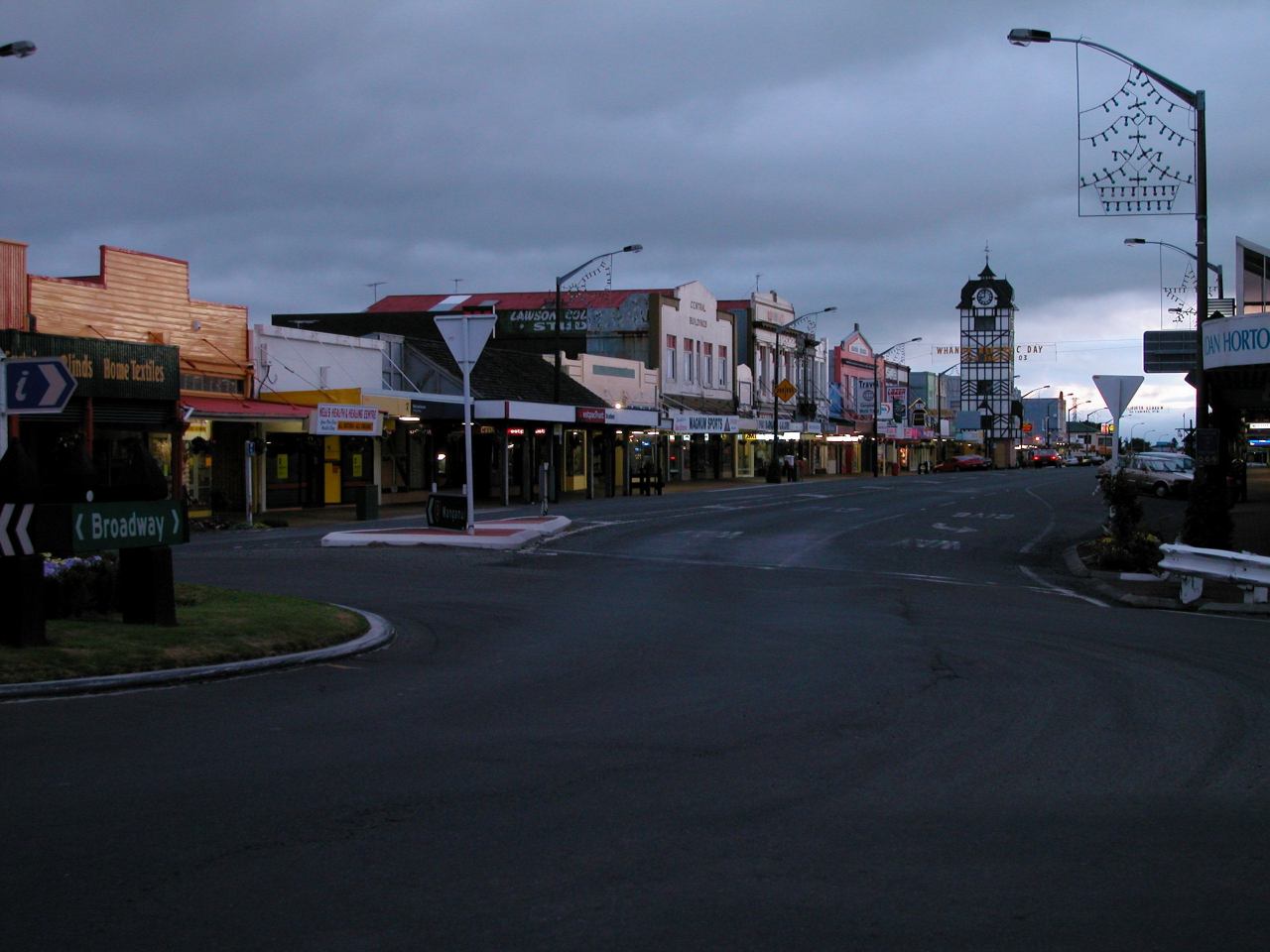
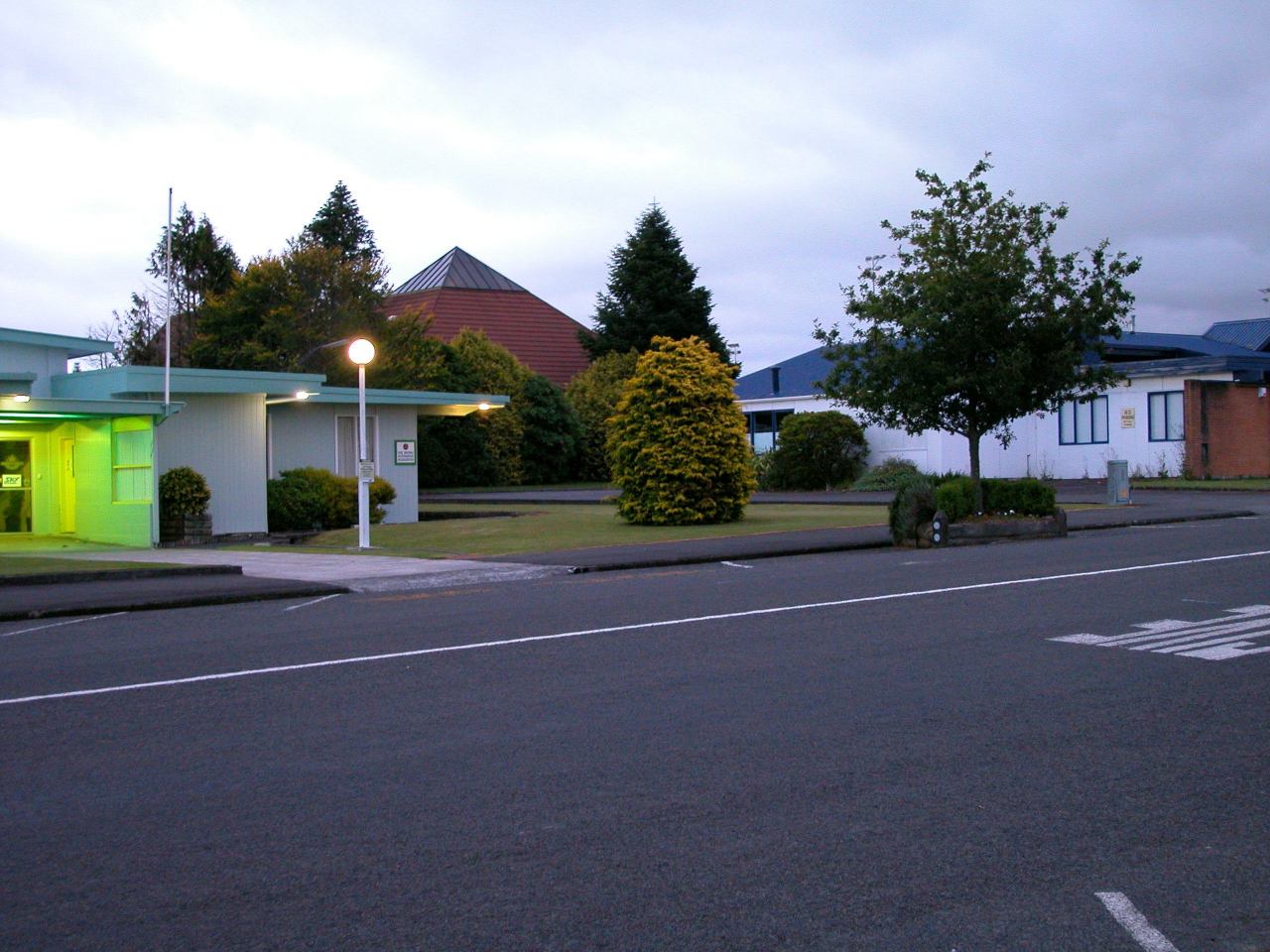
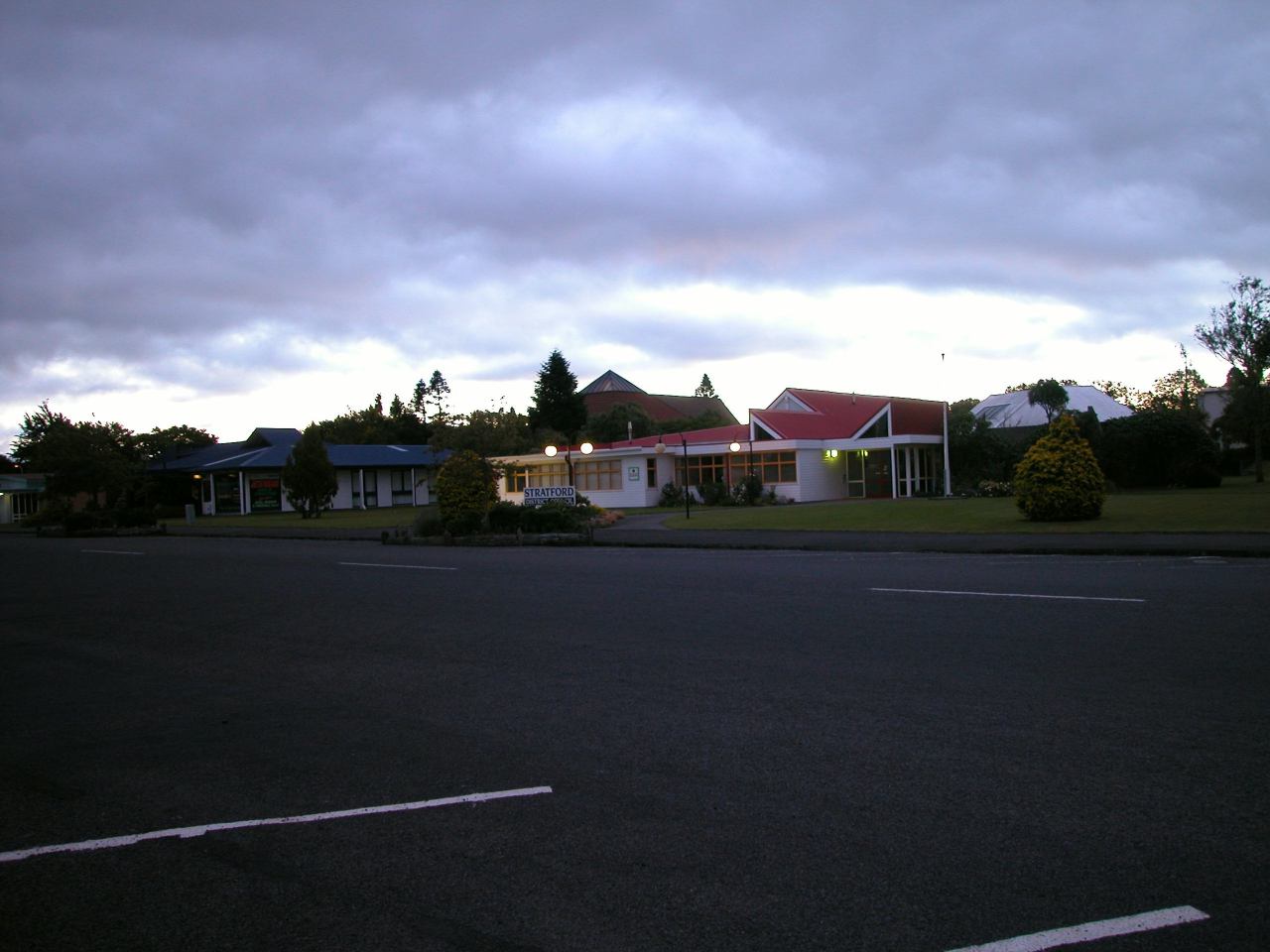
In the morning the sun came out. To the west of town, the summit of Mount Egmont shone dazzlingly in the sunlight. The volcano is 2,518 metres high. James Cook named it after a supporter of his expedition, but its Māori name, Taranaki, is in use as well. At the time we read that it hadn't erupted for 350 years. There's no lake or obvious crater at the summit. The mountain is a national park in its own right. You can climb it, and apparently you don't have to pay to do so; at least we found nowhere to pay. Two roads end in car parks at about 1,600 metres. The best start for a climb is the road through East Egmont. It goes all the way to the top of the vegetation, through untouched rainforest. Another road goes to the DOC visitor centre at Dawson Falls. It's half an hour to the falls themselves along a track.
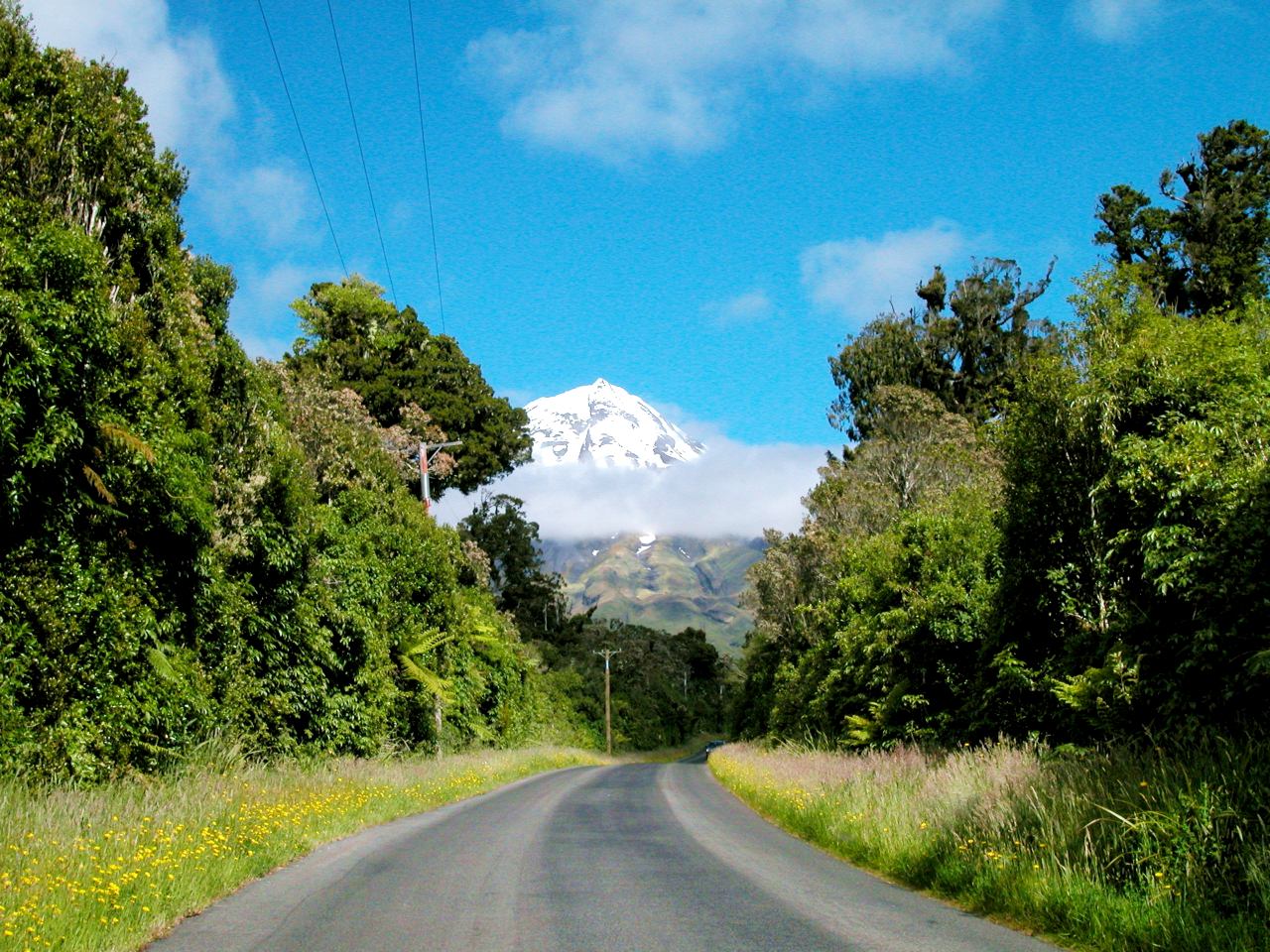
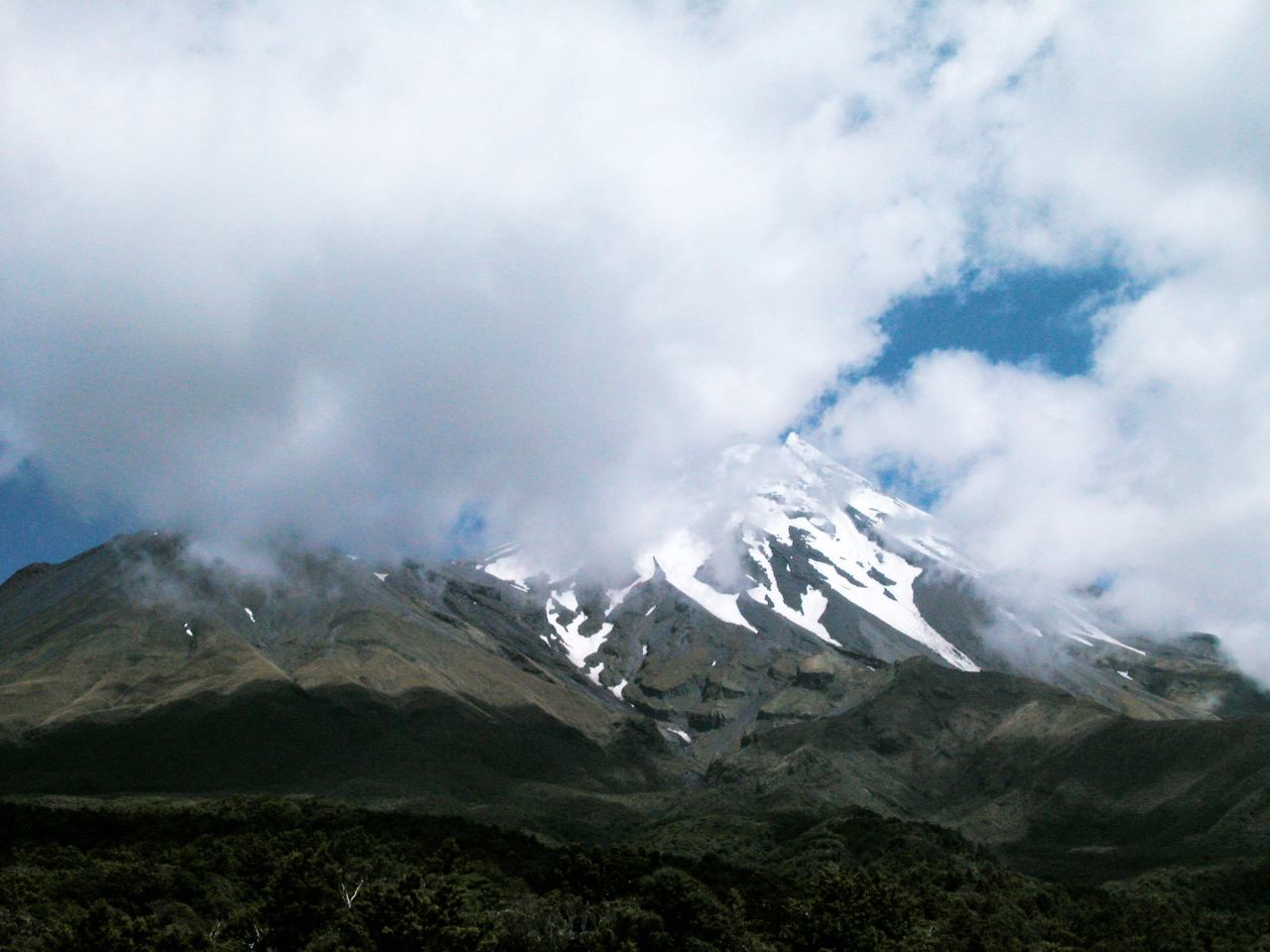
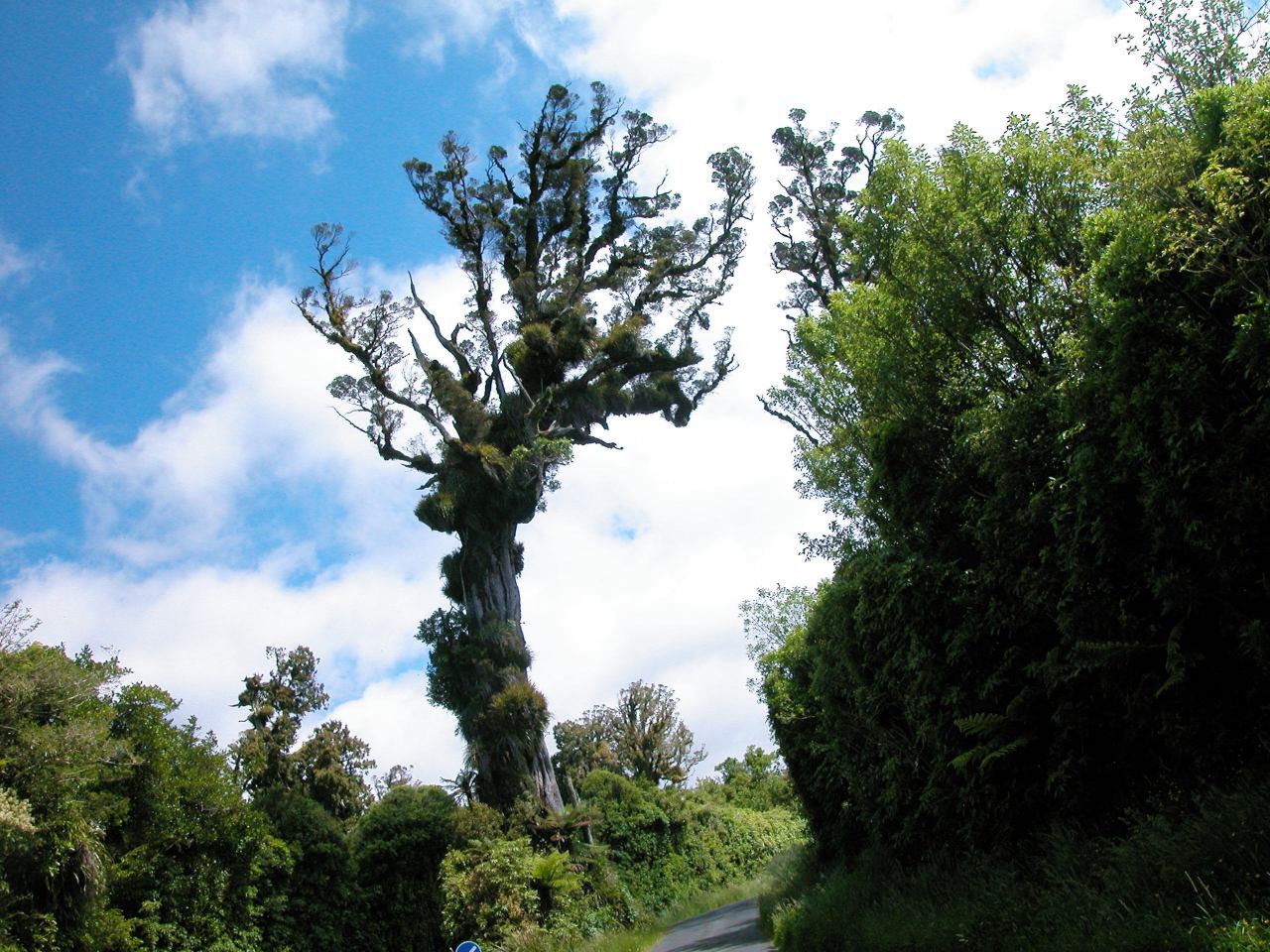
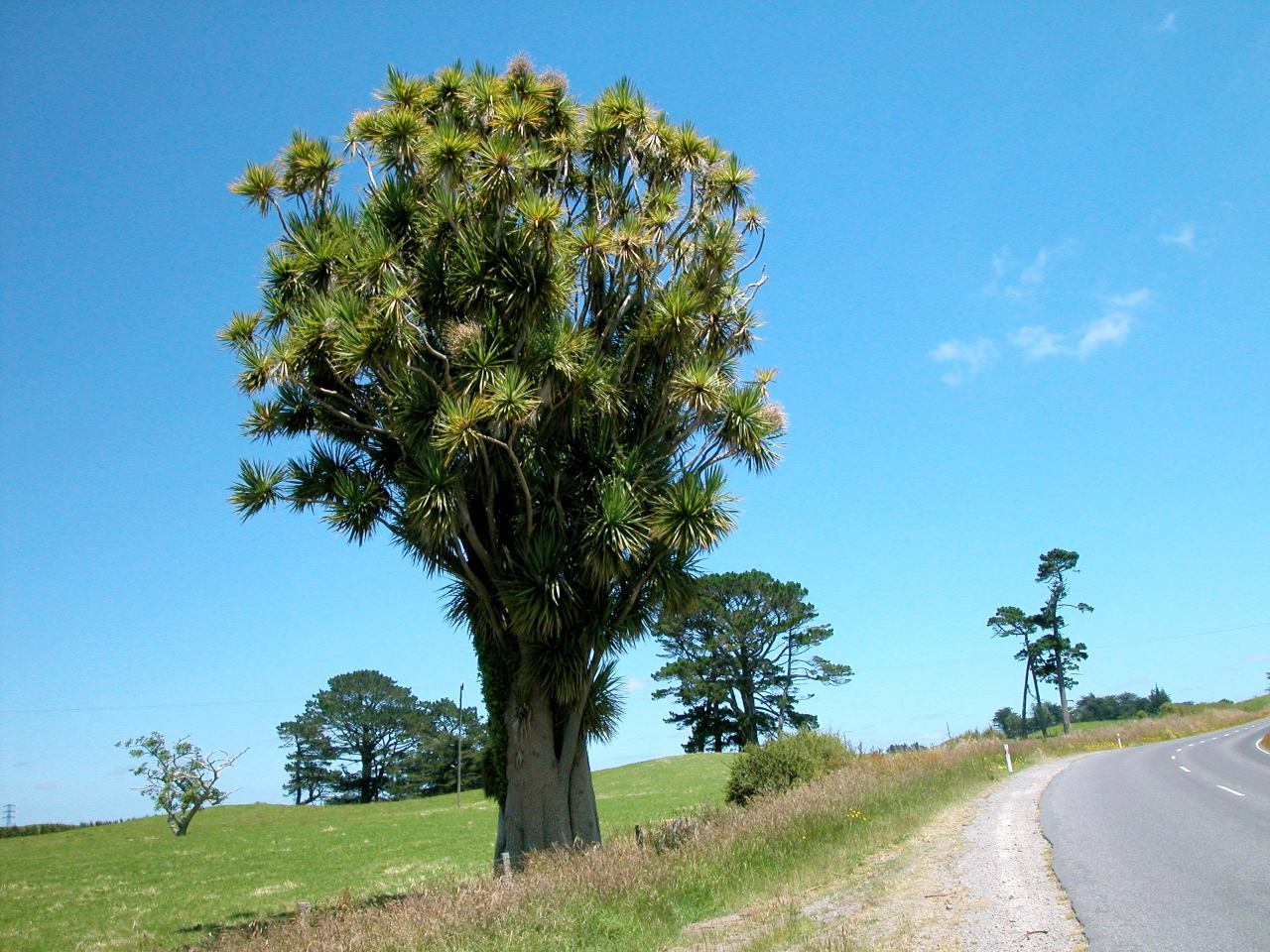
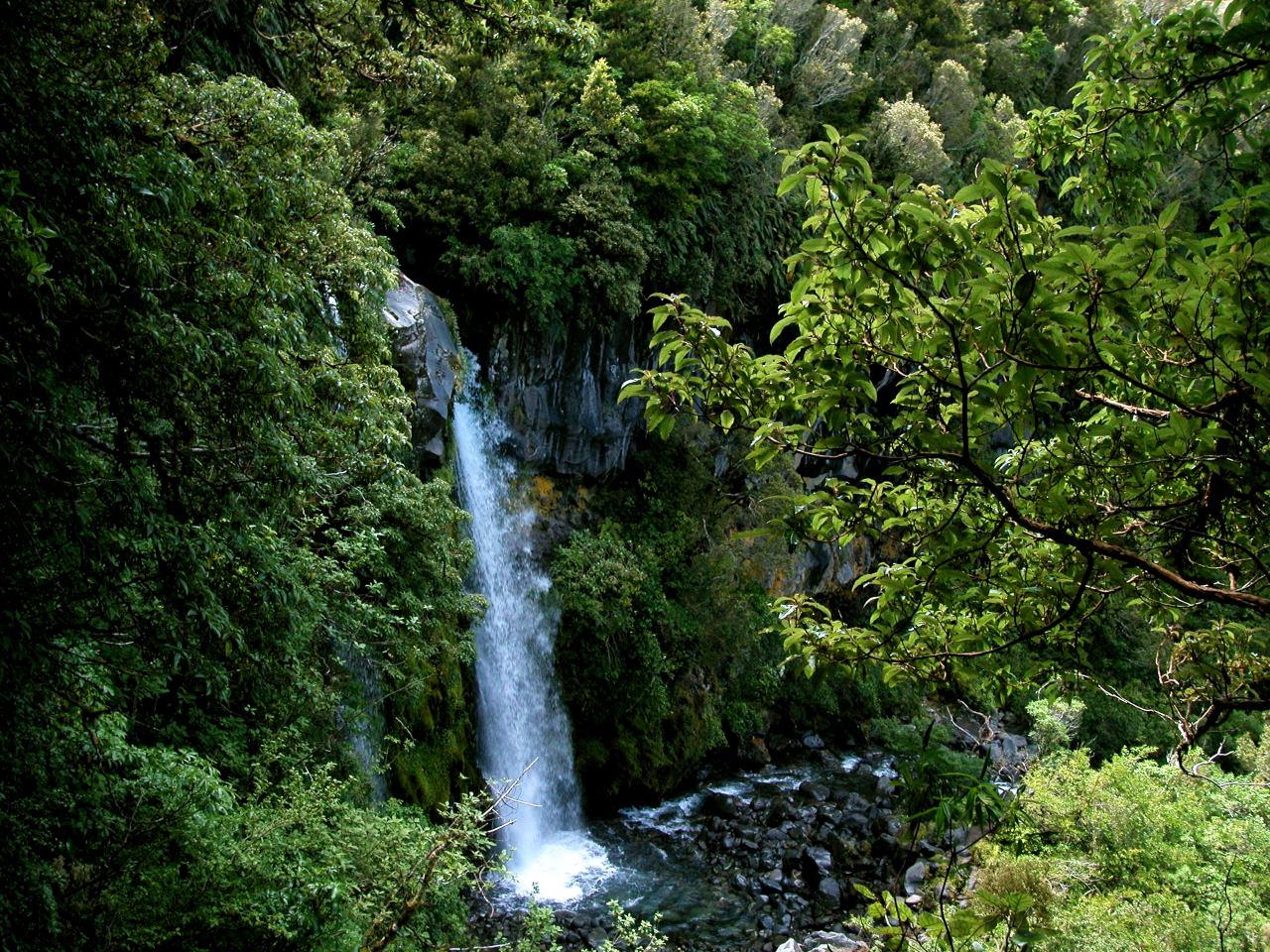
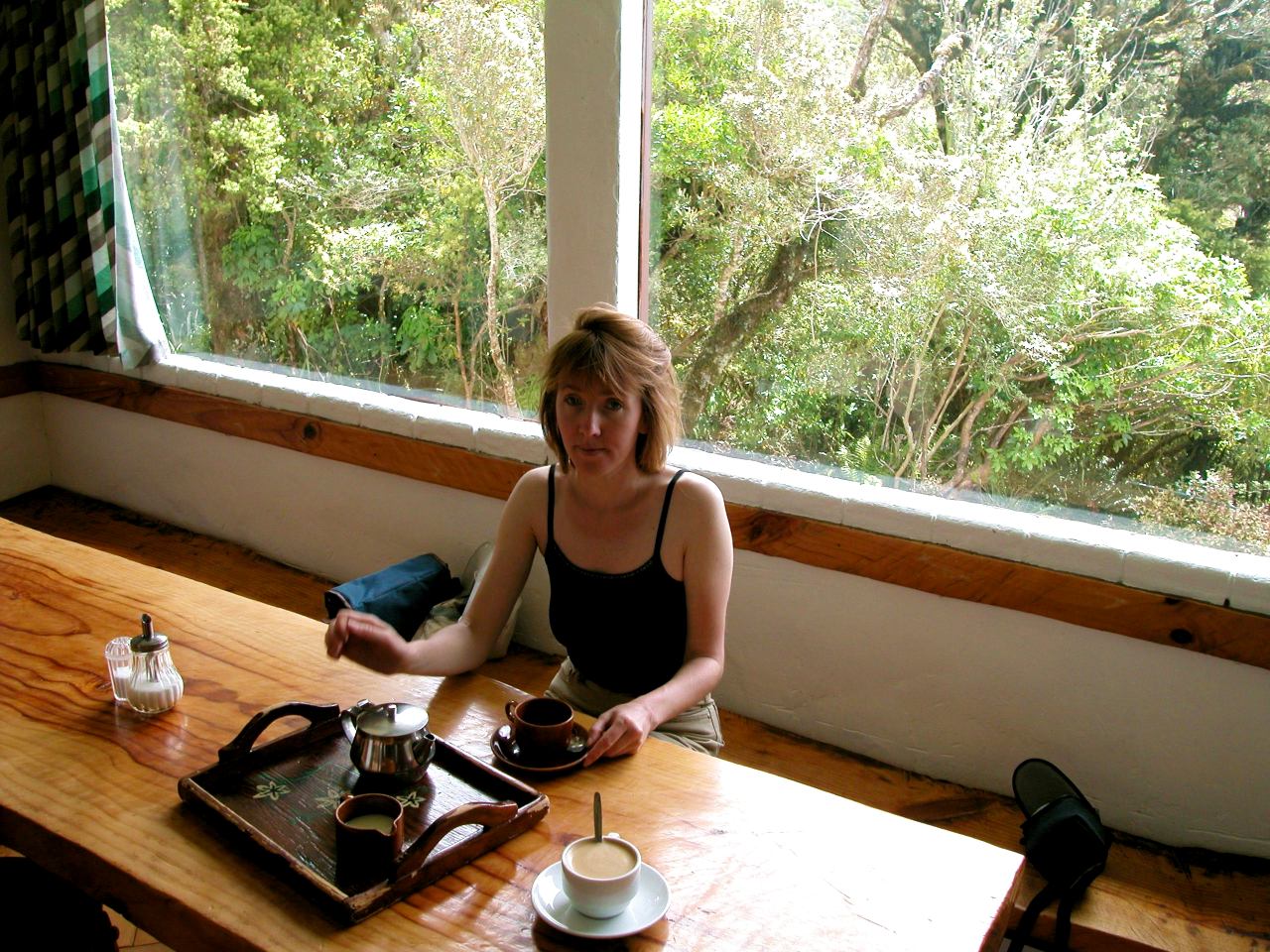
There's a small hotel by the visitor centre, though you have to book ahead. I hadn't managed to get a room a month in advance, but we had excellent coffee and a bun in its café. New Zealand coffee is good and strong. A cup costs NZ$2–4, and a bun costs just as much. Coffee for two usually comes to NZ$9–12. For nineteen you could have a filling lunch for two at KFC. Lunch in an ordinary café cost about sixty. New Zealanders approach food in a thoroughly practical way. It's meant to fill you up, not give you pleasure. They're proud of keeping English traditions, and even regard themselves as more conservative, claiming to have preserved the language and culture better than people in the United Kingdom. It seemed so to me. Sometimes I felt we'd wandered into a world we knew from postwar films.
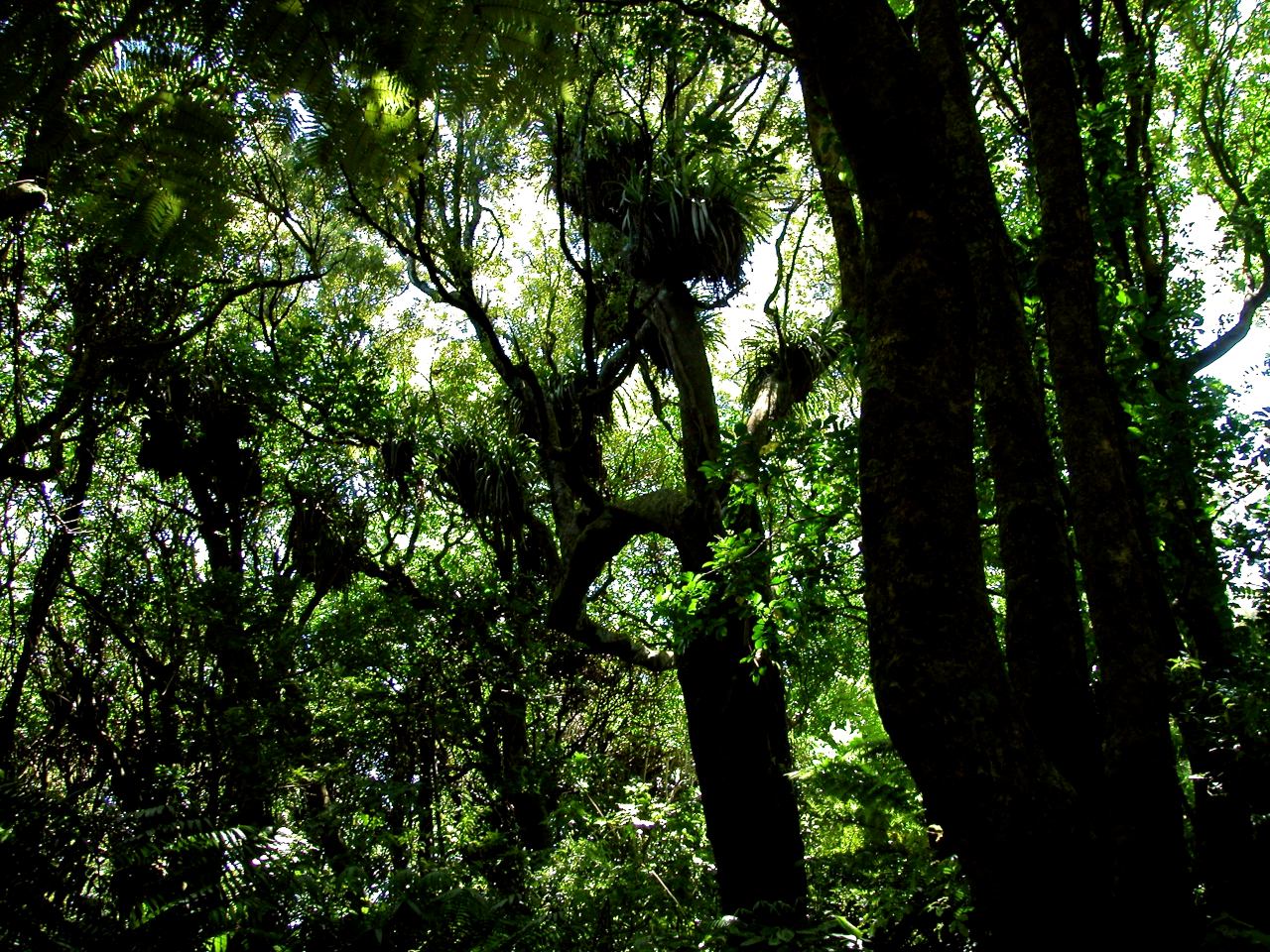
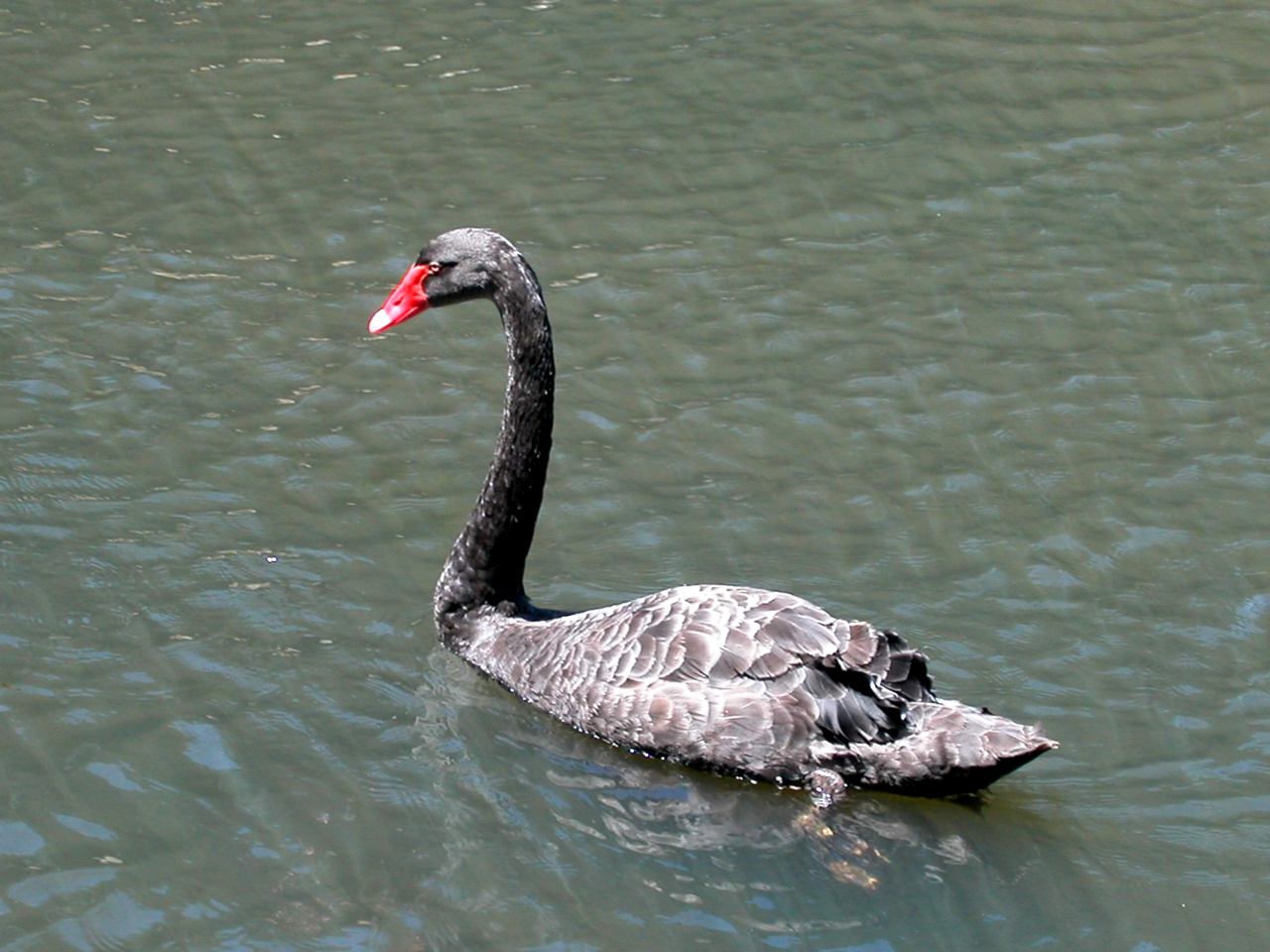
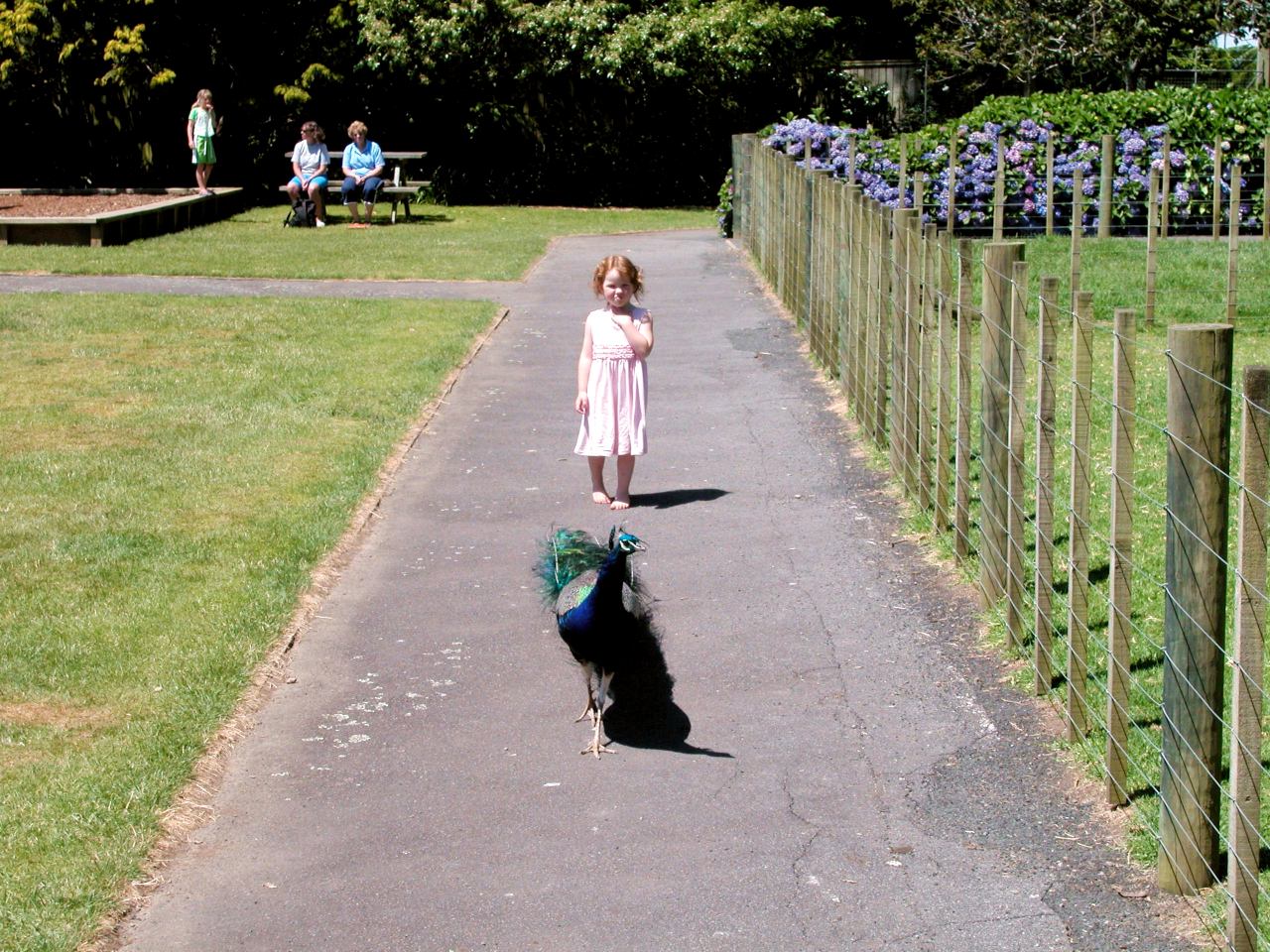
We didn't climb the volcano, but drove to the city of New Plymouth, famous for its parks. Among enormous trees there are plenty of paths. Amid the massive trunks stands a pūriri, said to be two thousand years old, singled out for the public to see. Swans and visitors in boats glide across the lakes. Immaculate old ladies walk at their leisure from one bench to the next. Now I understand what a happy old age looks like. Peacocks run along the paths. Small children try to step on their tails. And what beautiful children there are! Little girls with curly red hair in pale lace dresses. Tanya couldn't get enough of them. “I want some like that of my own,” she said.
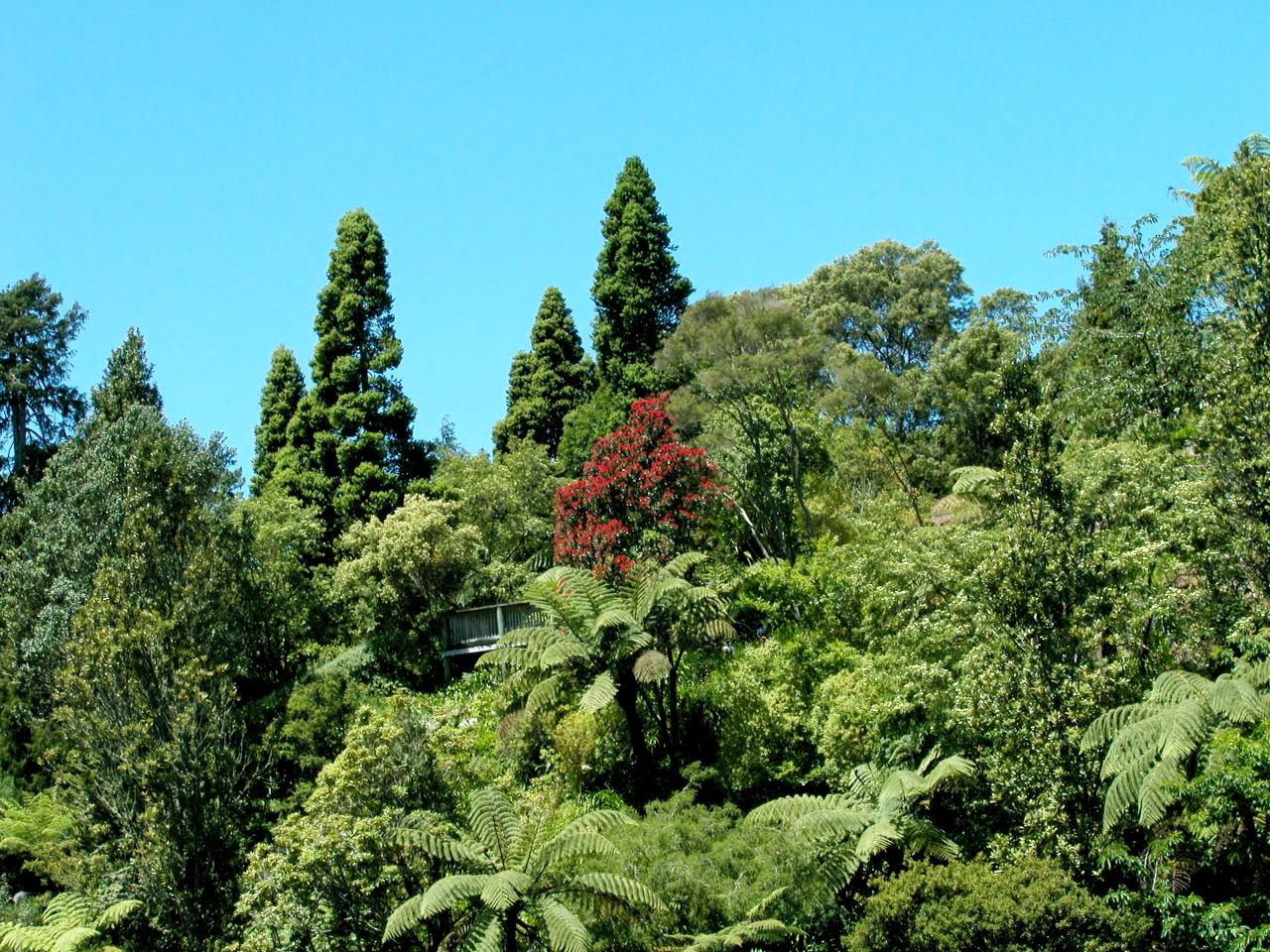
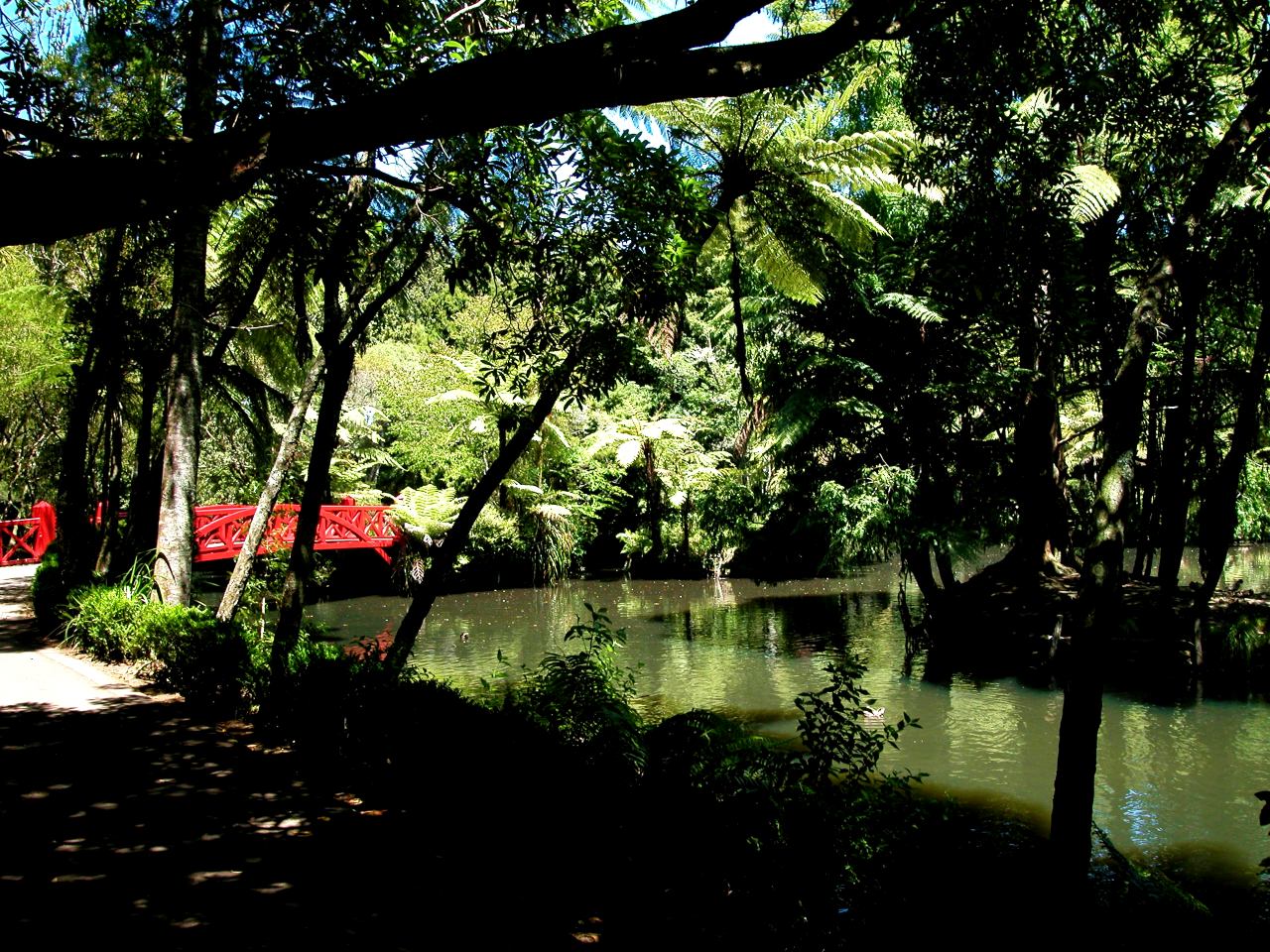
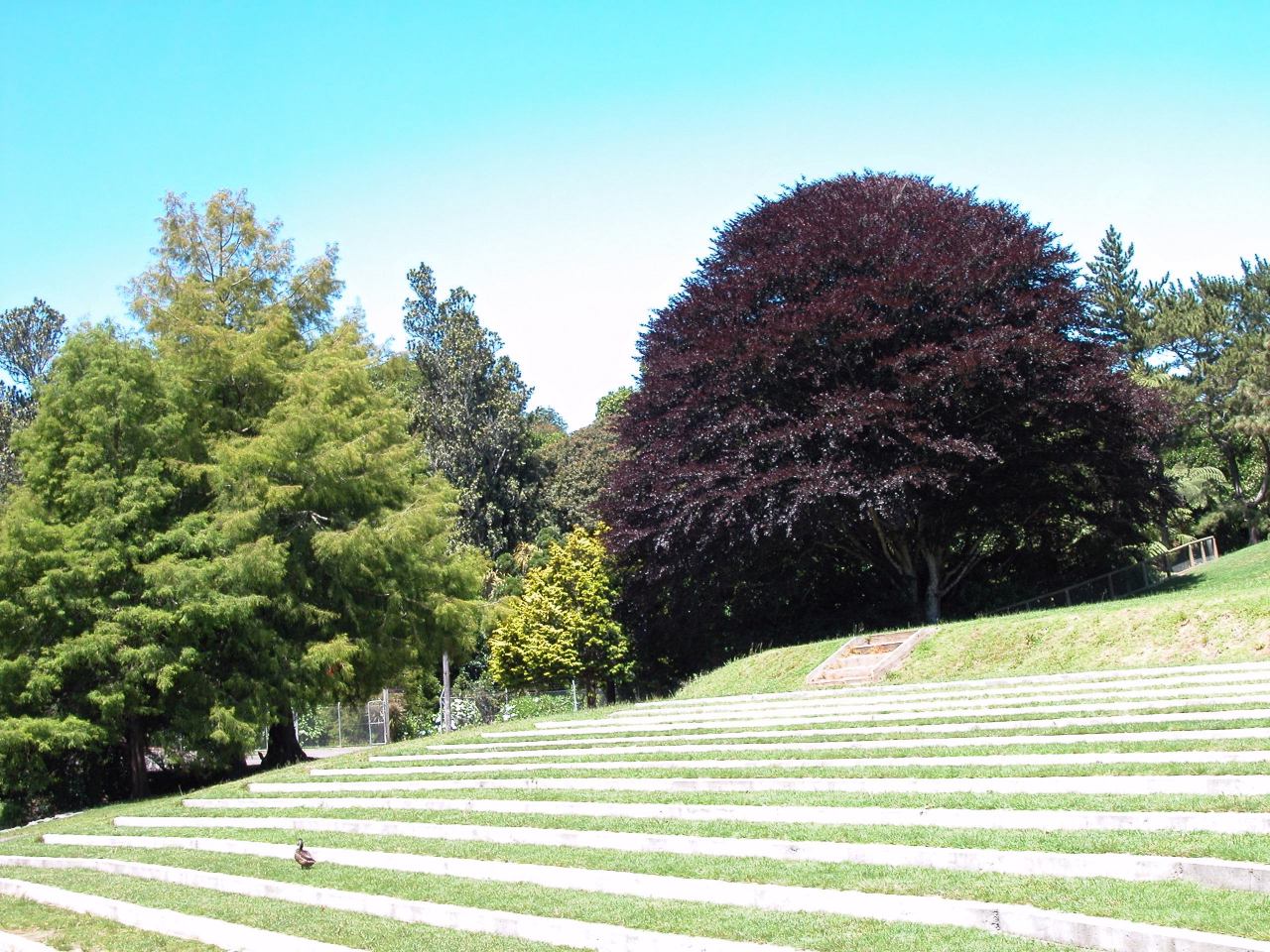
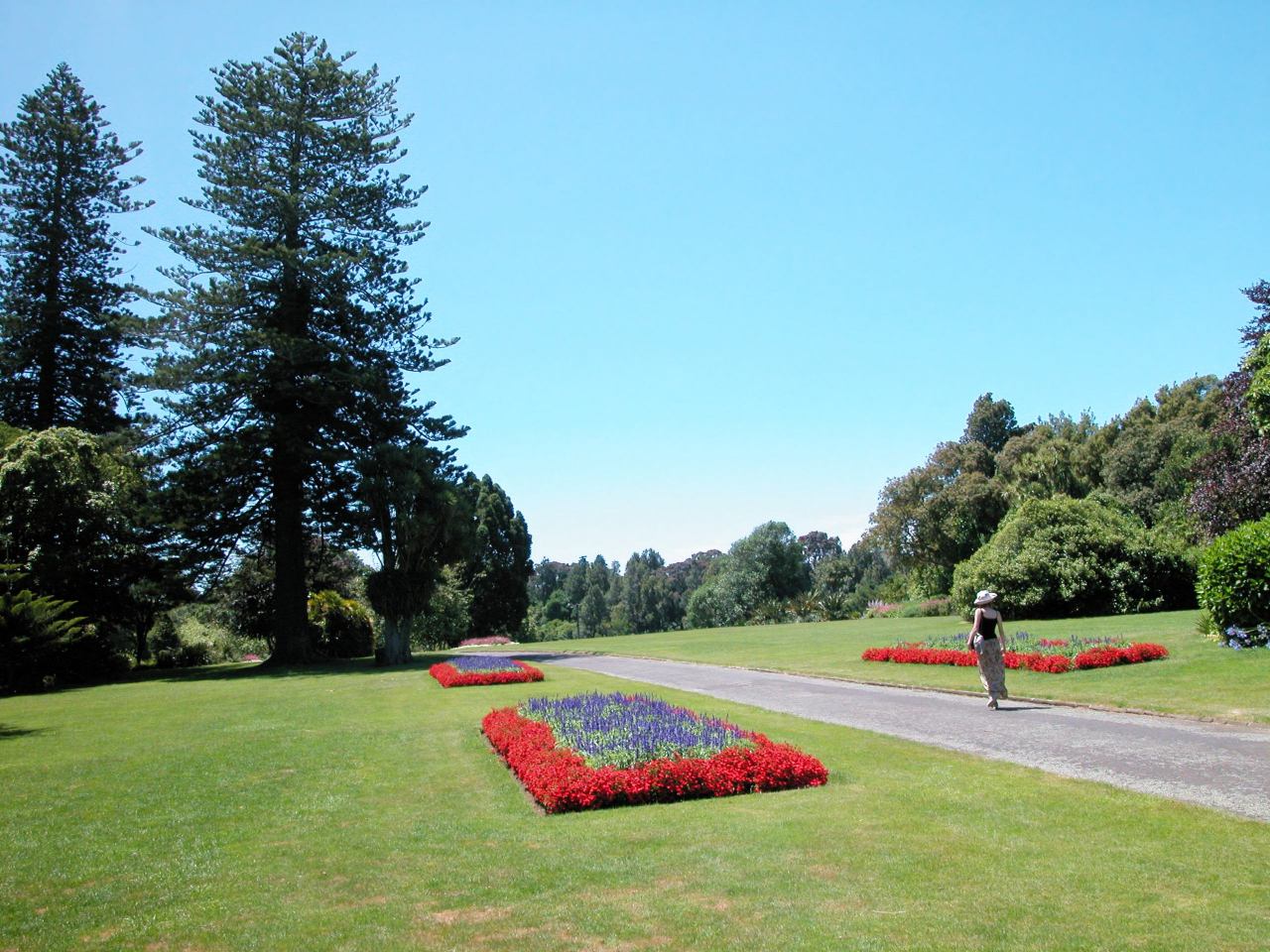
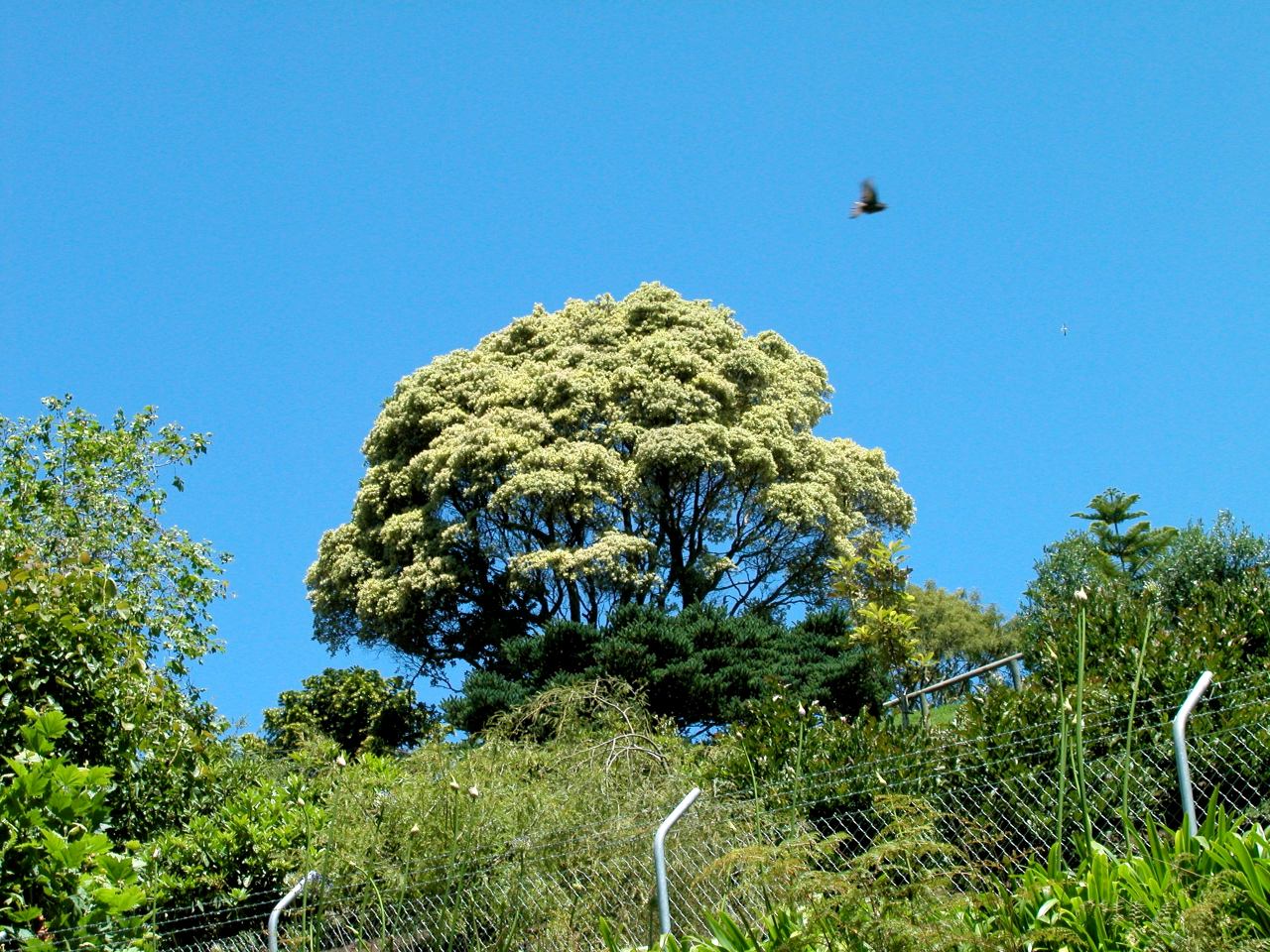
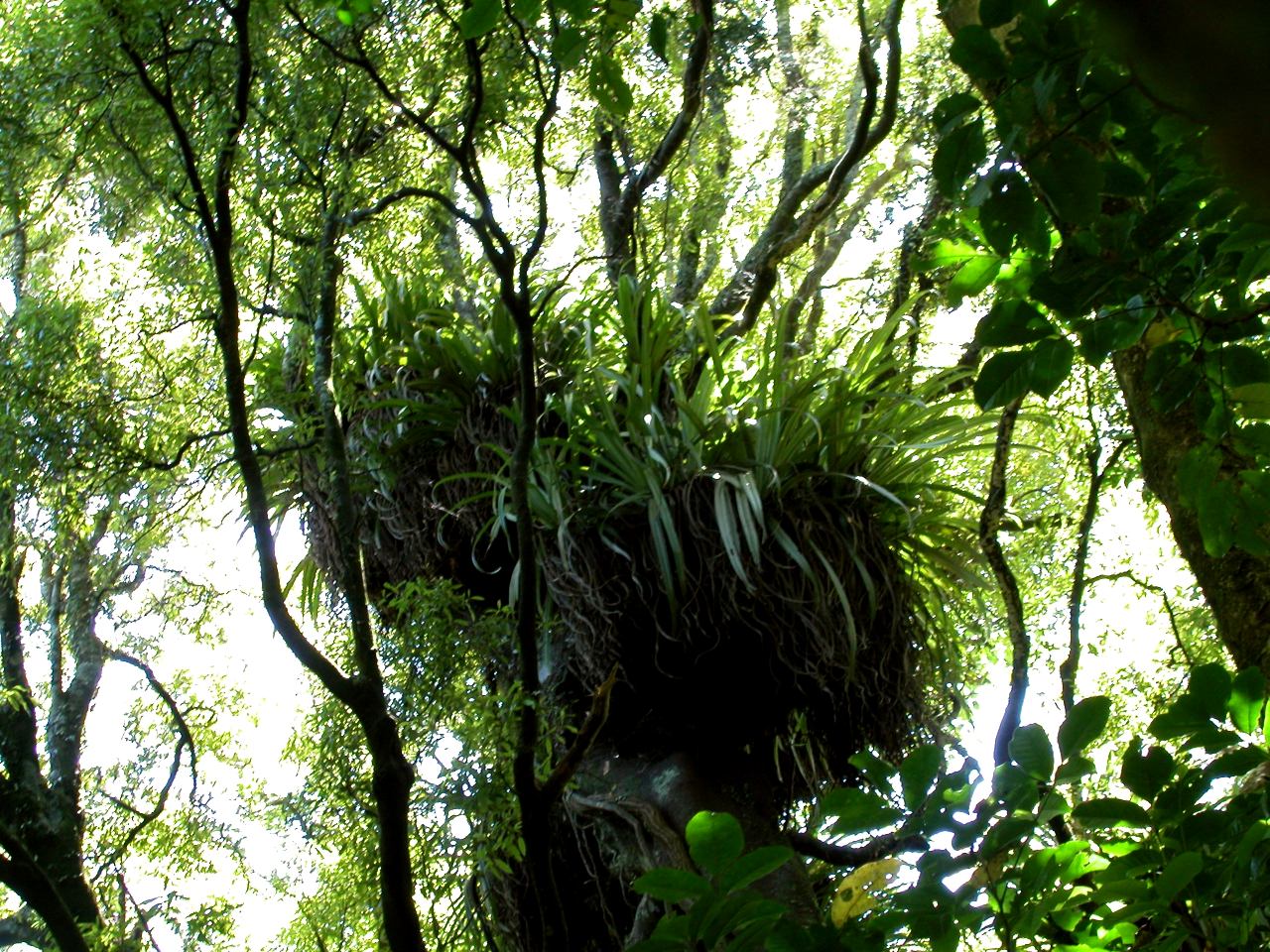
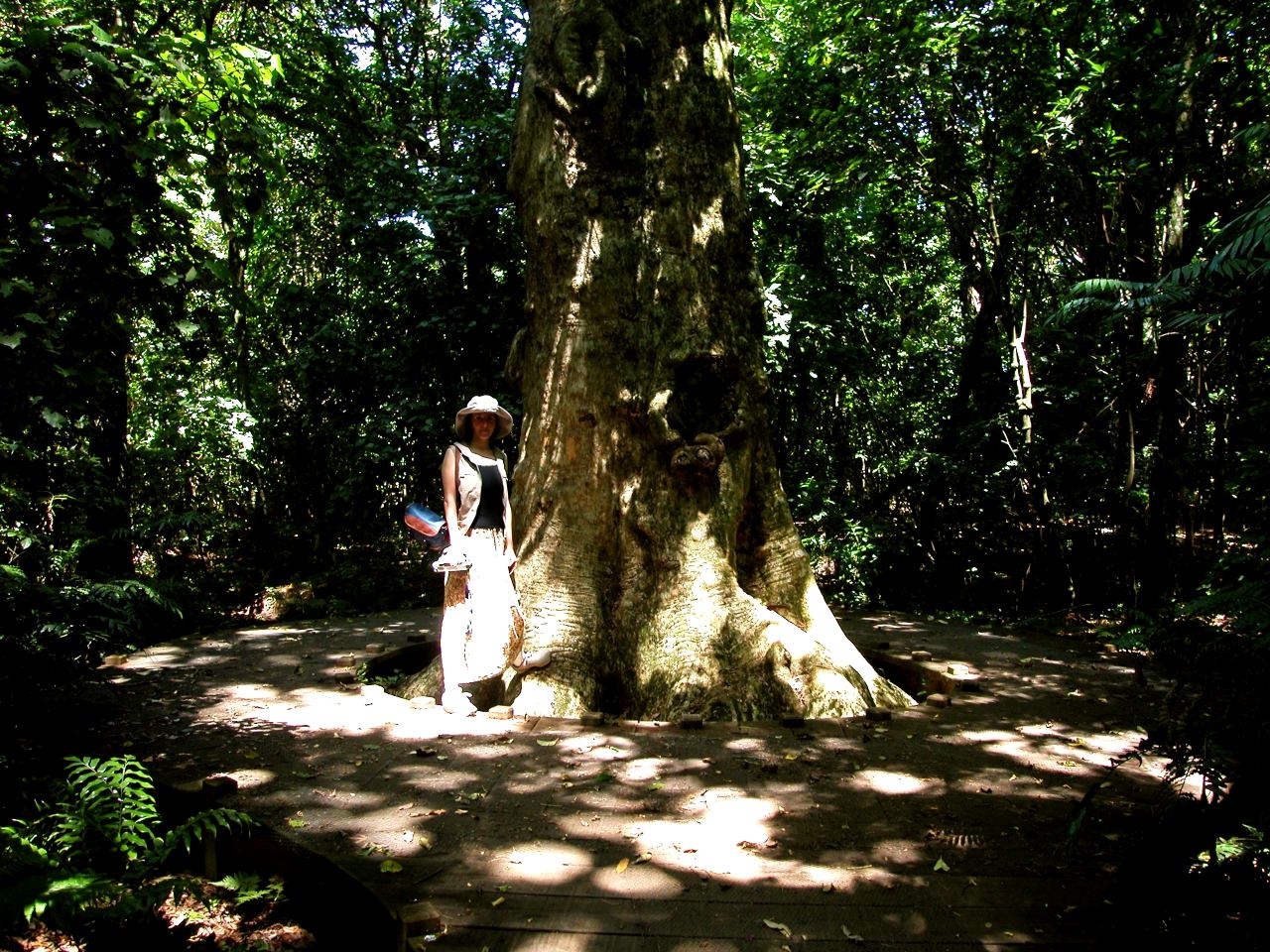
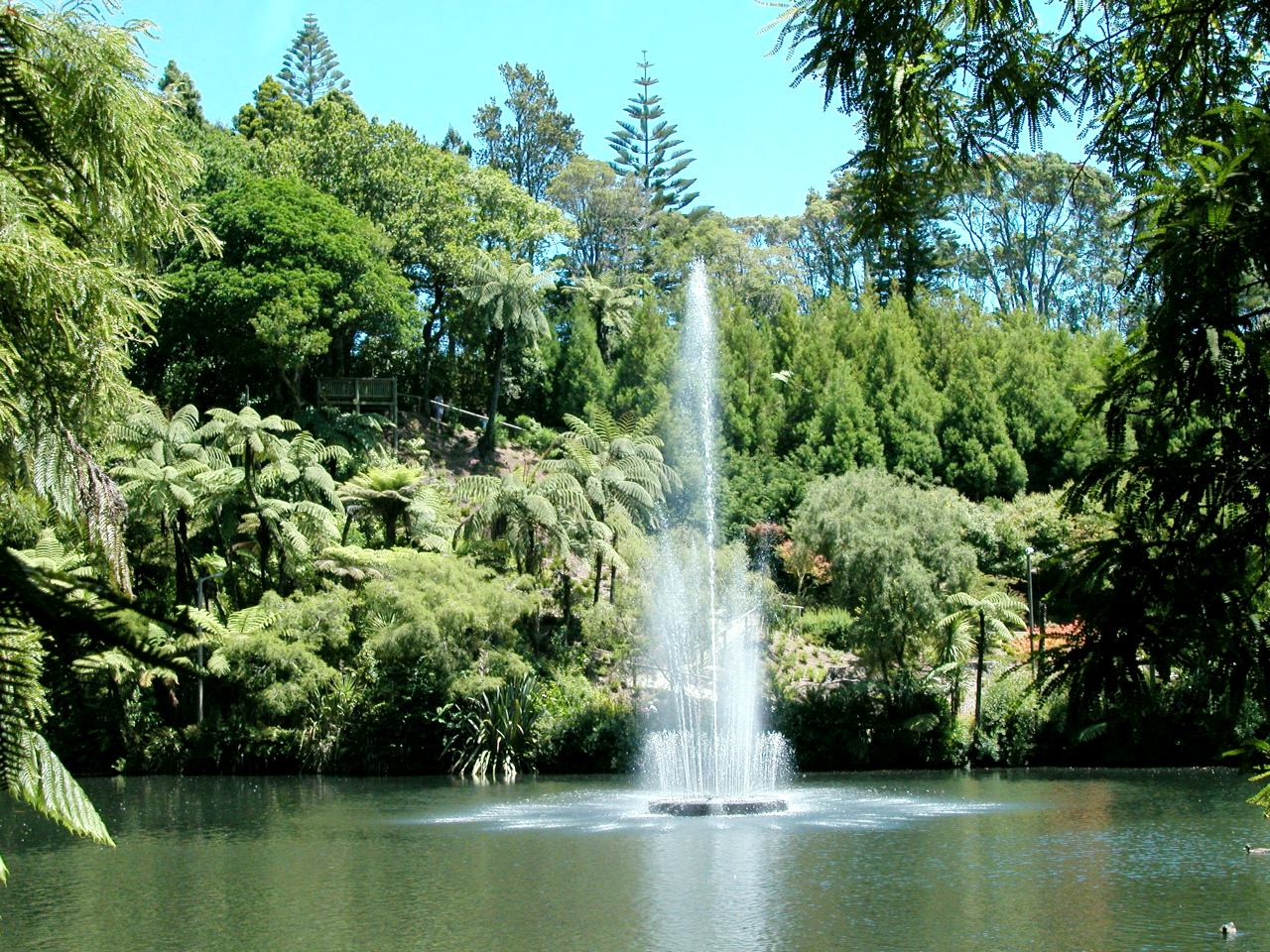
There is a fountain in the main pond. To save money it runs only when someone switches it on. There are several buttons. Press one and the fountain starts, and you can enjoy watching it for a few minutes. The waterfall works the same way, powered by a big pump.
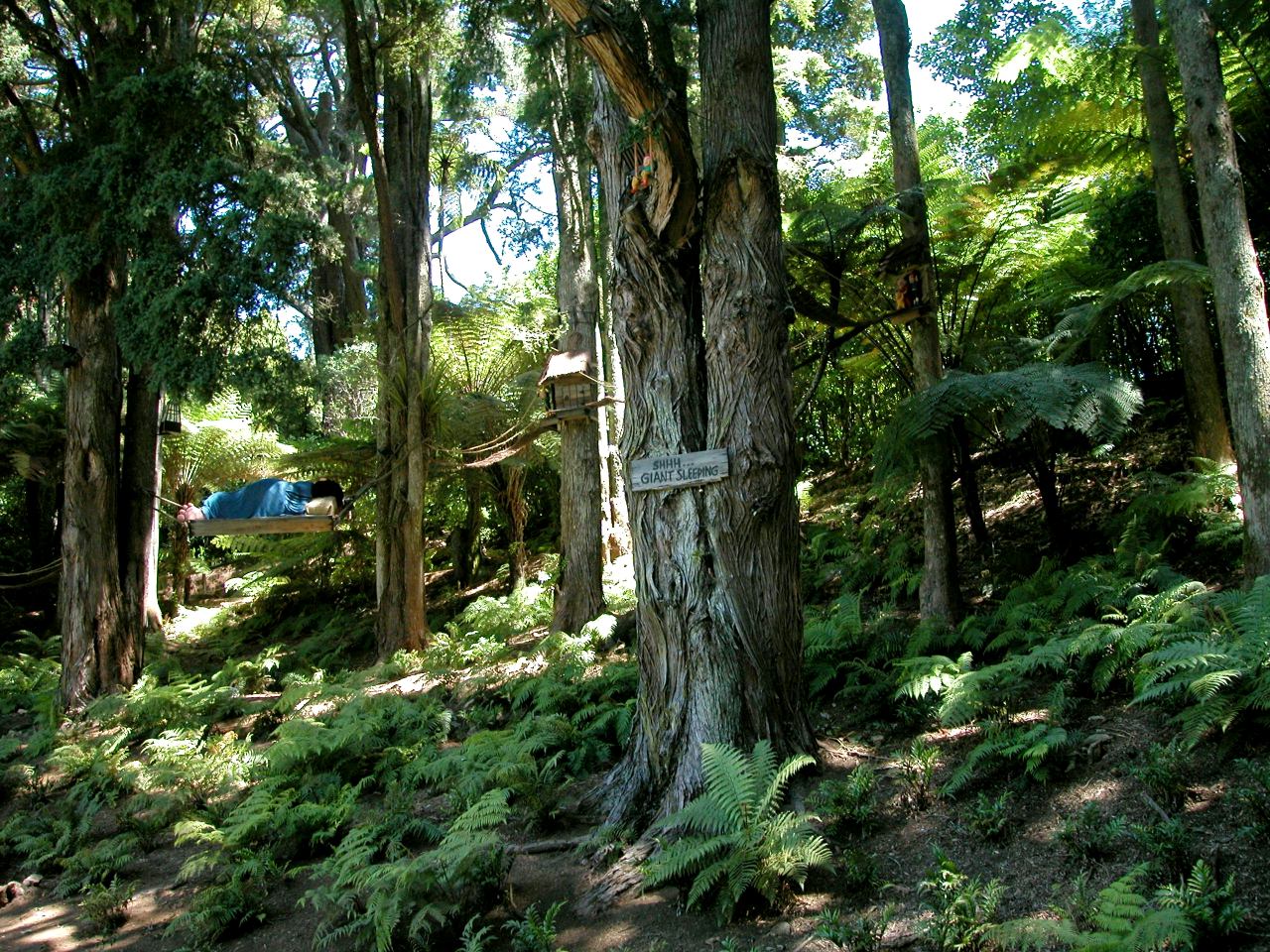
Figures of dwarfs are attached to the trees, and there's a giant asleep in a hammock. Plastic butterflies and caterpillars perch on the branches.
Part of the park is given over to a zoo. Here you can go into the enclosures through double doors and see all sorts of birds and animals up close. A white pigeon flew over and landed on my hat. Anything that won't run away is let out to stroll around outside.
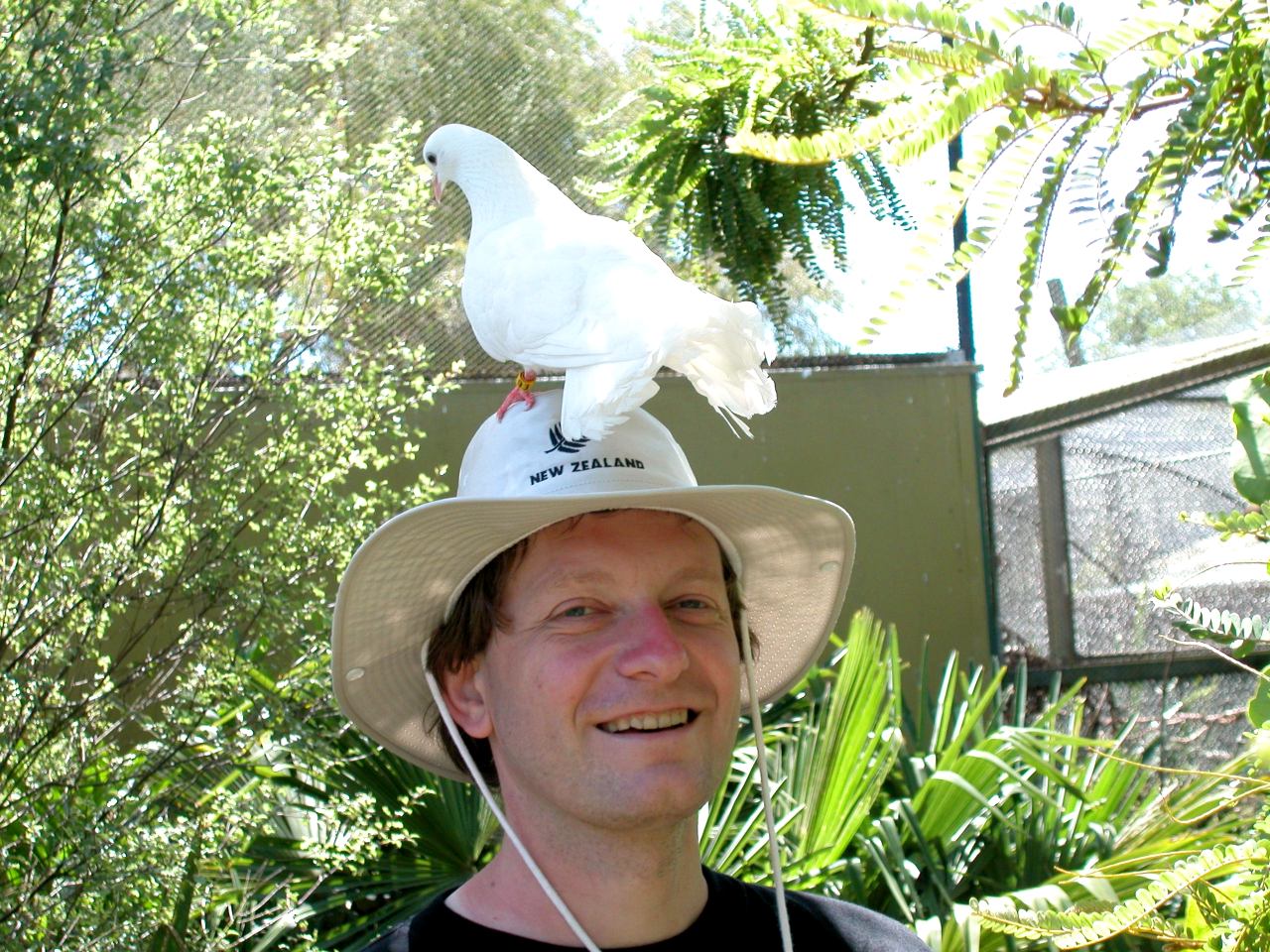
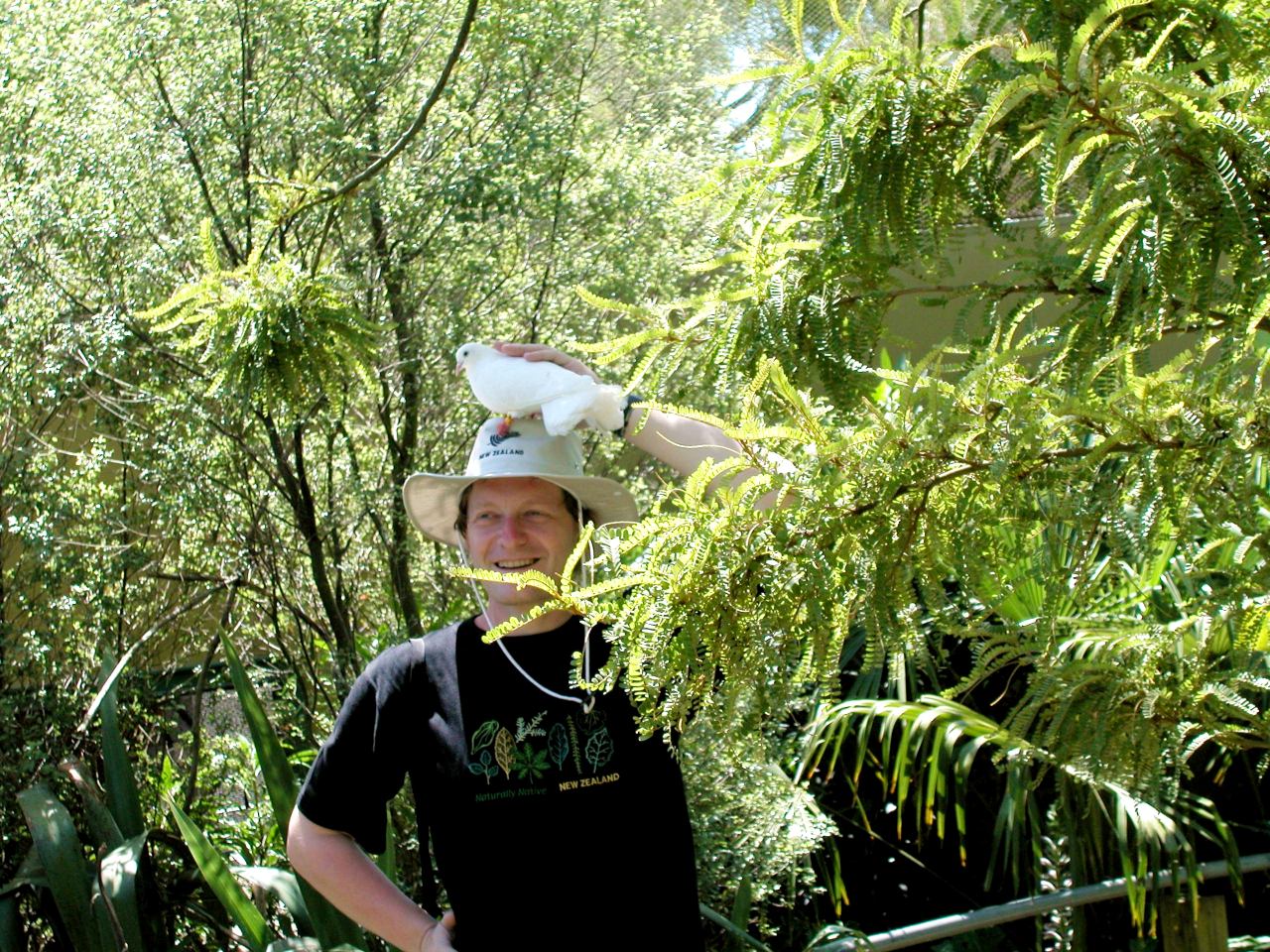
A lovely city. There's a beach, and Egmont stands out in the distance. It seems a good place to live. There aren't many places in the world I'd want to say that about. There's always something wrong, but in New Plymouth it all feels right.
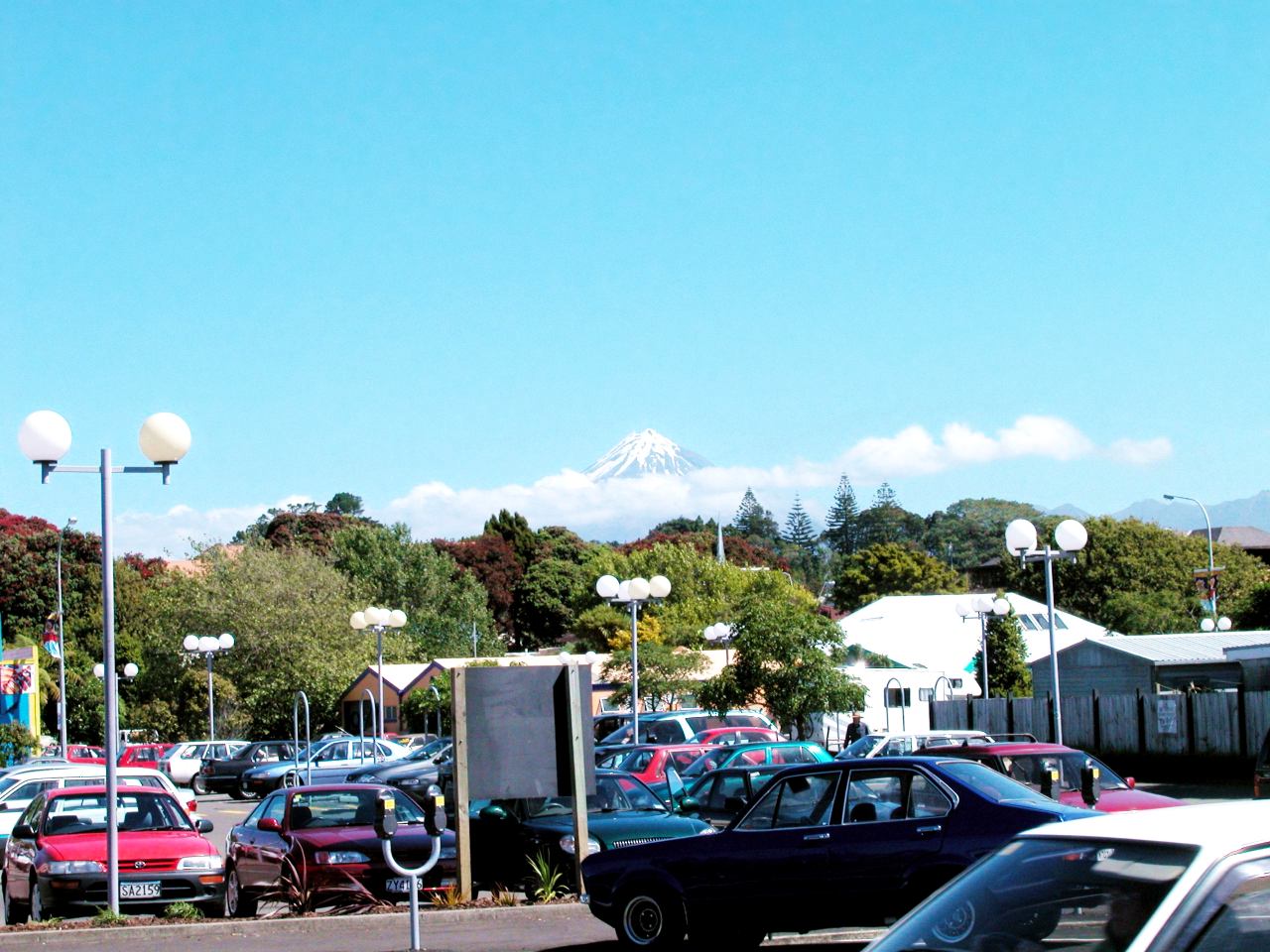
You can swim right in town, but it's better to drive ten or twenty kilometres along the coast to the southwest. That's where the local seaside resort is. It was warm, but hardly anybody was swimming. The water was about 20°C. Almost everyone on the beach was there to surf. When I went into the water they looked surprised, as if wondering where my board and wetsuit were. It might have been something else, of course. Men here were wearing swimming shorts like old-fashioned boxers, and I went in wearing our sort, tight-fitting. Perhaps that was new to them, and they wondered why anyone would dress like that. The reverse was true for women: one-piece swimsuits weren't much in evidence; people swam and sunbathed in as little as possible.
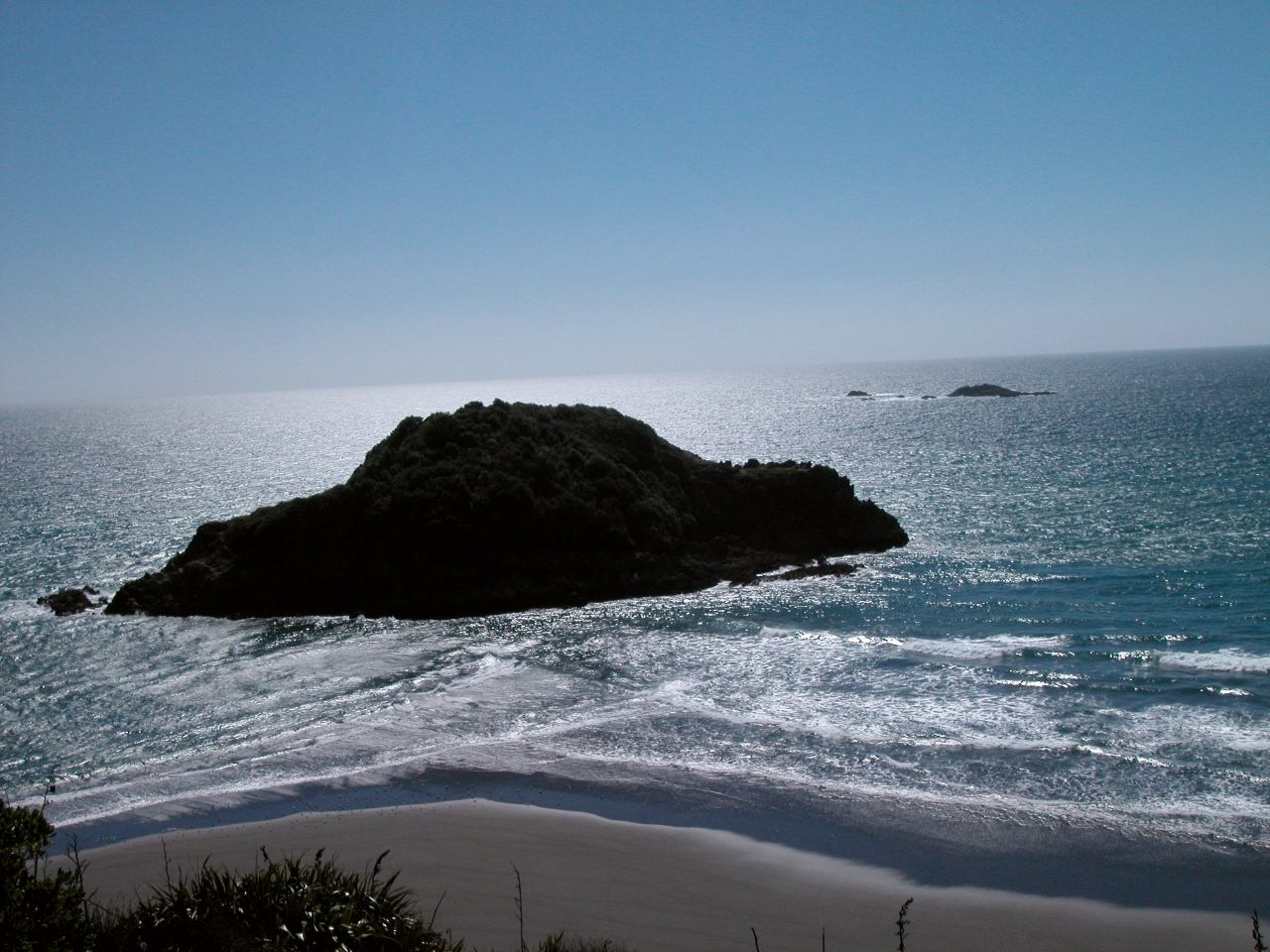
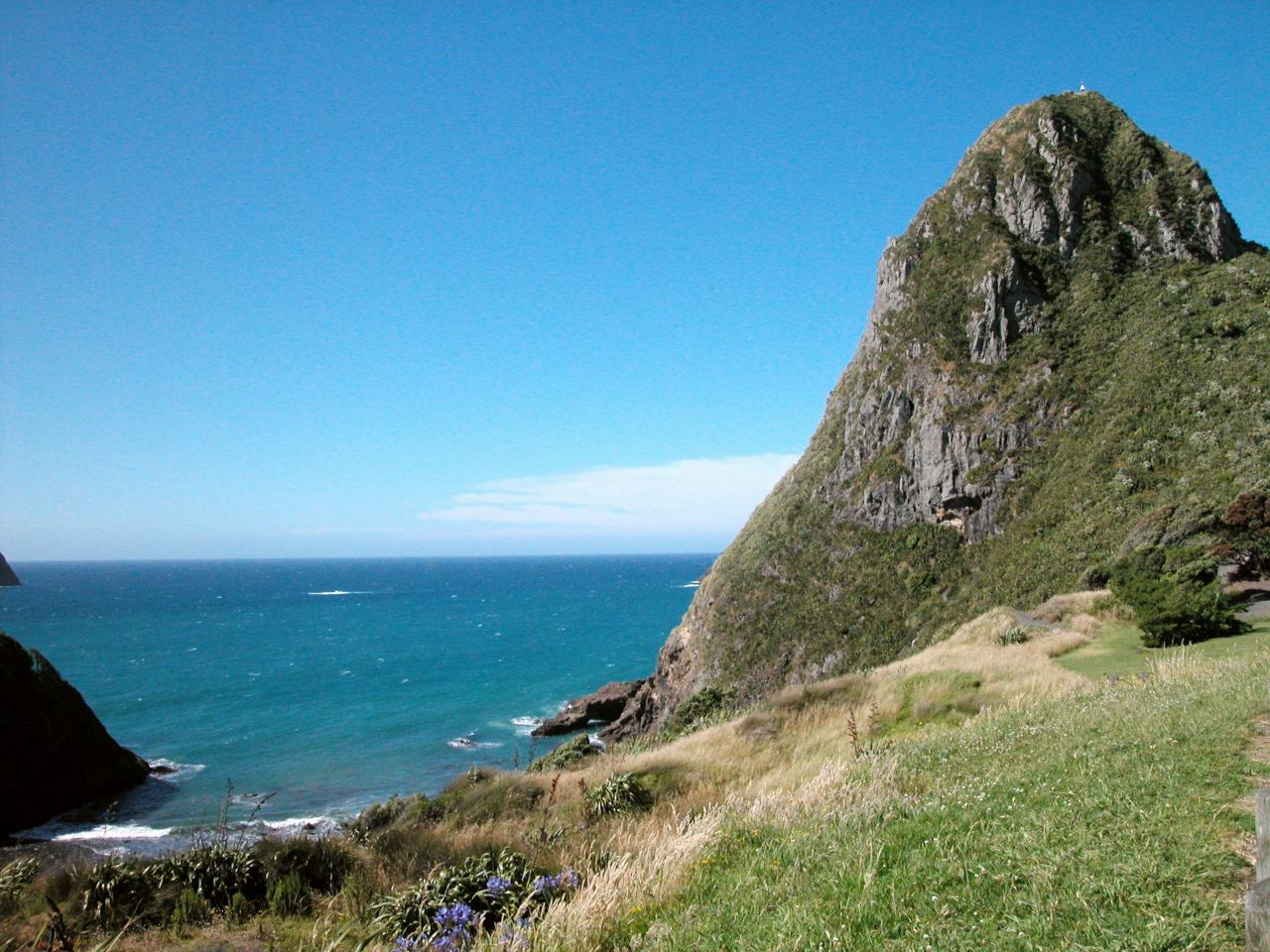
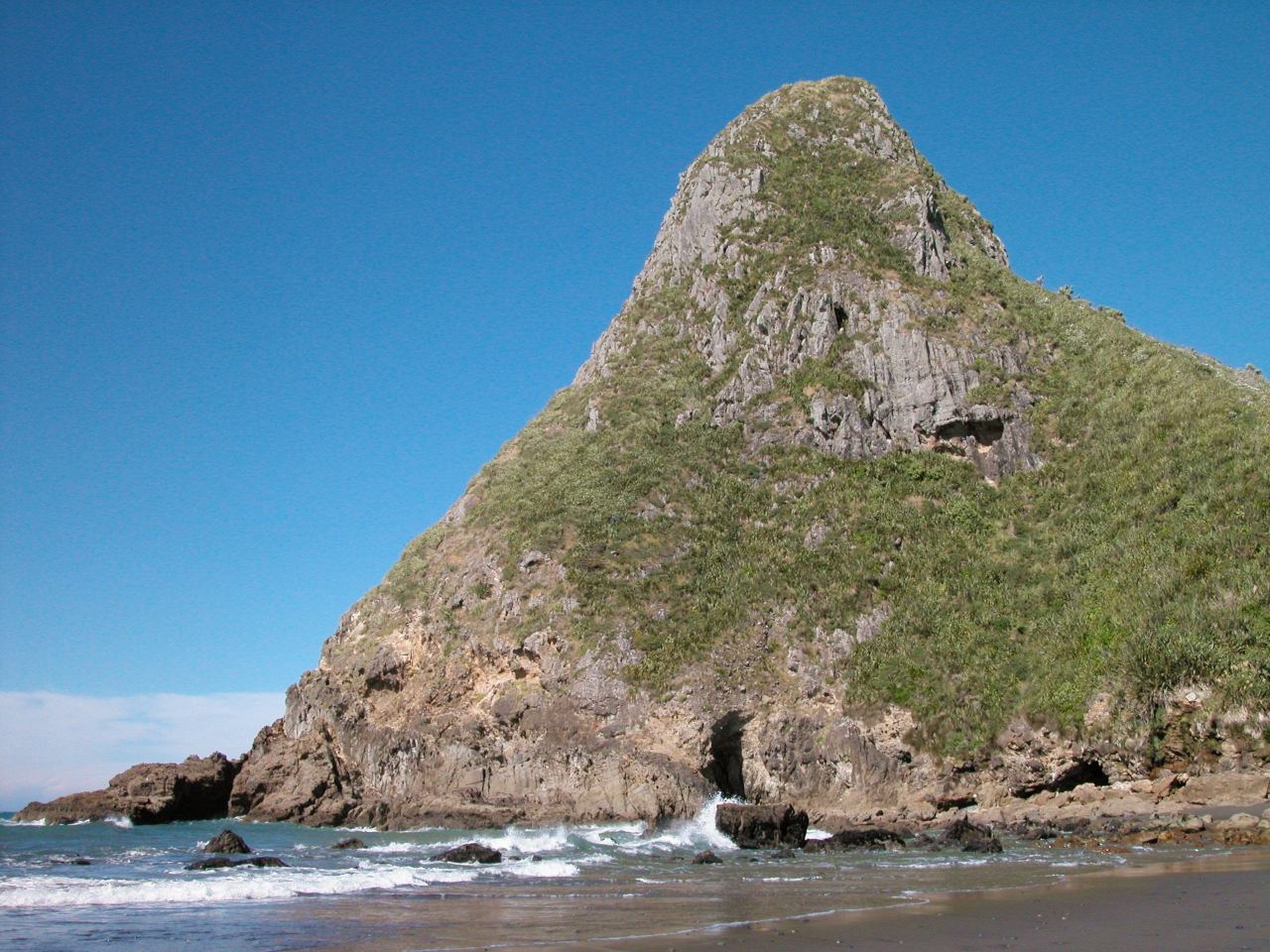
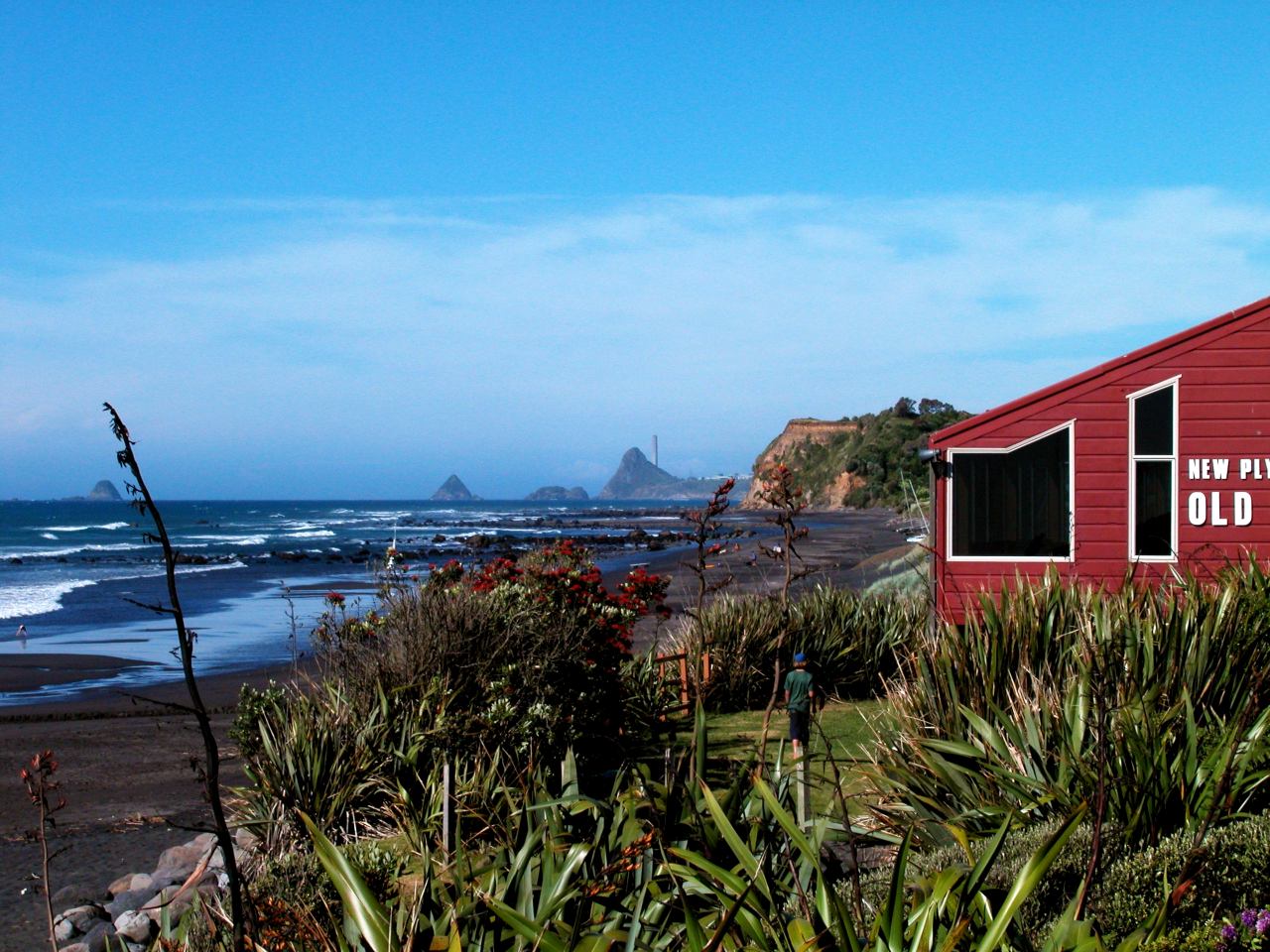
Well, let them think what they liked. I'd taken a swim in the Tasman Sea.
We stayed the night at a motel in Ōpunake (39°27.003′S, 173°51.063′E). By evening the sky had cleared completely. The sun was setting straight into the ocean. A warm northerly set the very tall grass swaying. The snow at the top of Egmont reflected the last rays of the dying day. We walked along the coast a long time waiting for sunset. Ever since childhood I'd wanted to see the green flash, and now the right moment had come. The sun slowly hid behind the horizon. Refraction produced a narrow band above the main disc, and it shrank and shrank. At the last moment it became a pinpoint of brilliant green. How about that! I hadn't thought you could see it so clearly. Another dream come true. How little it takes to be happy.
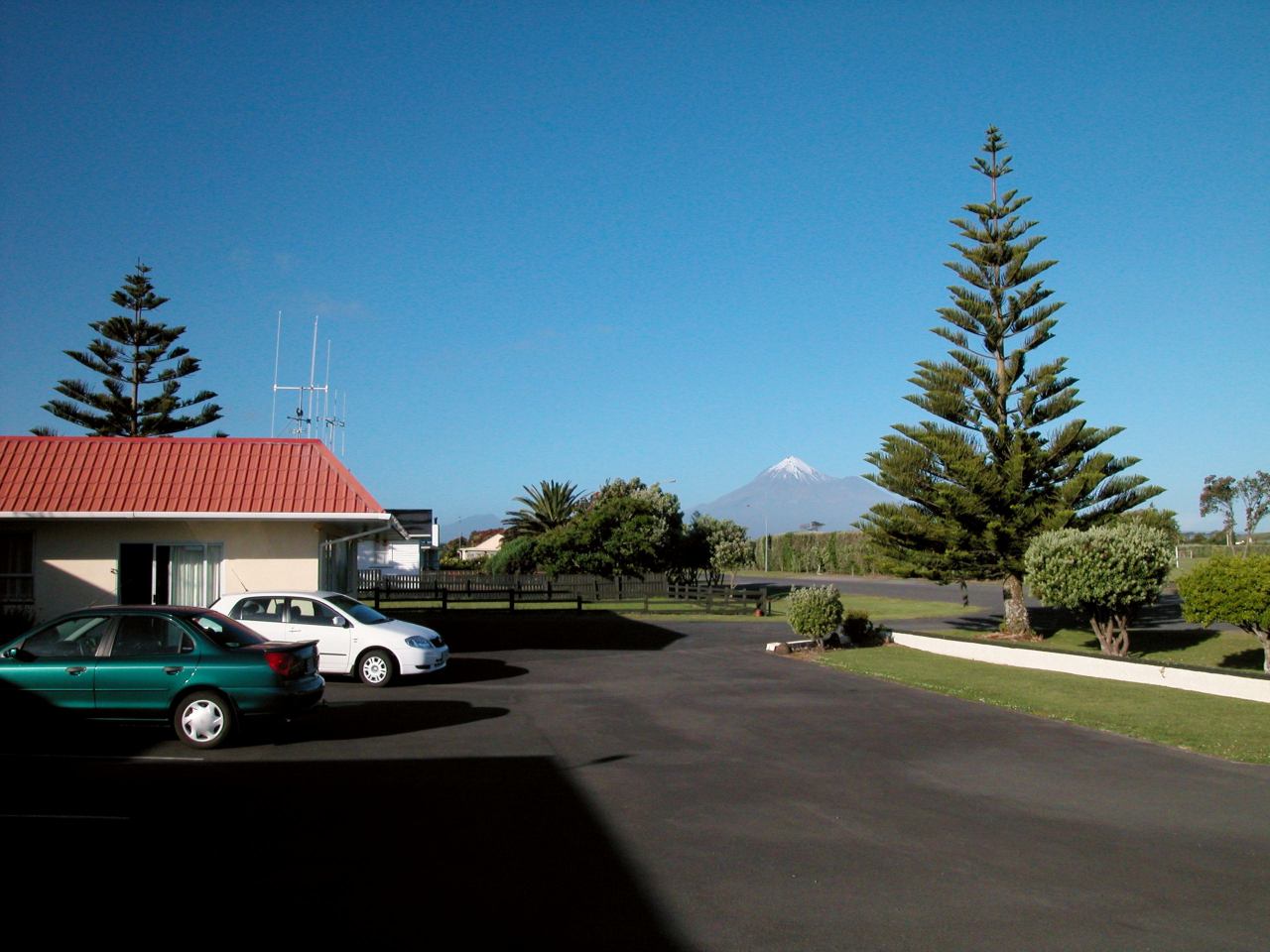
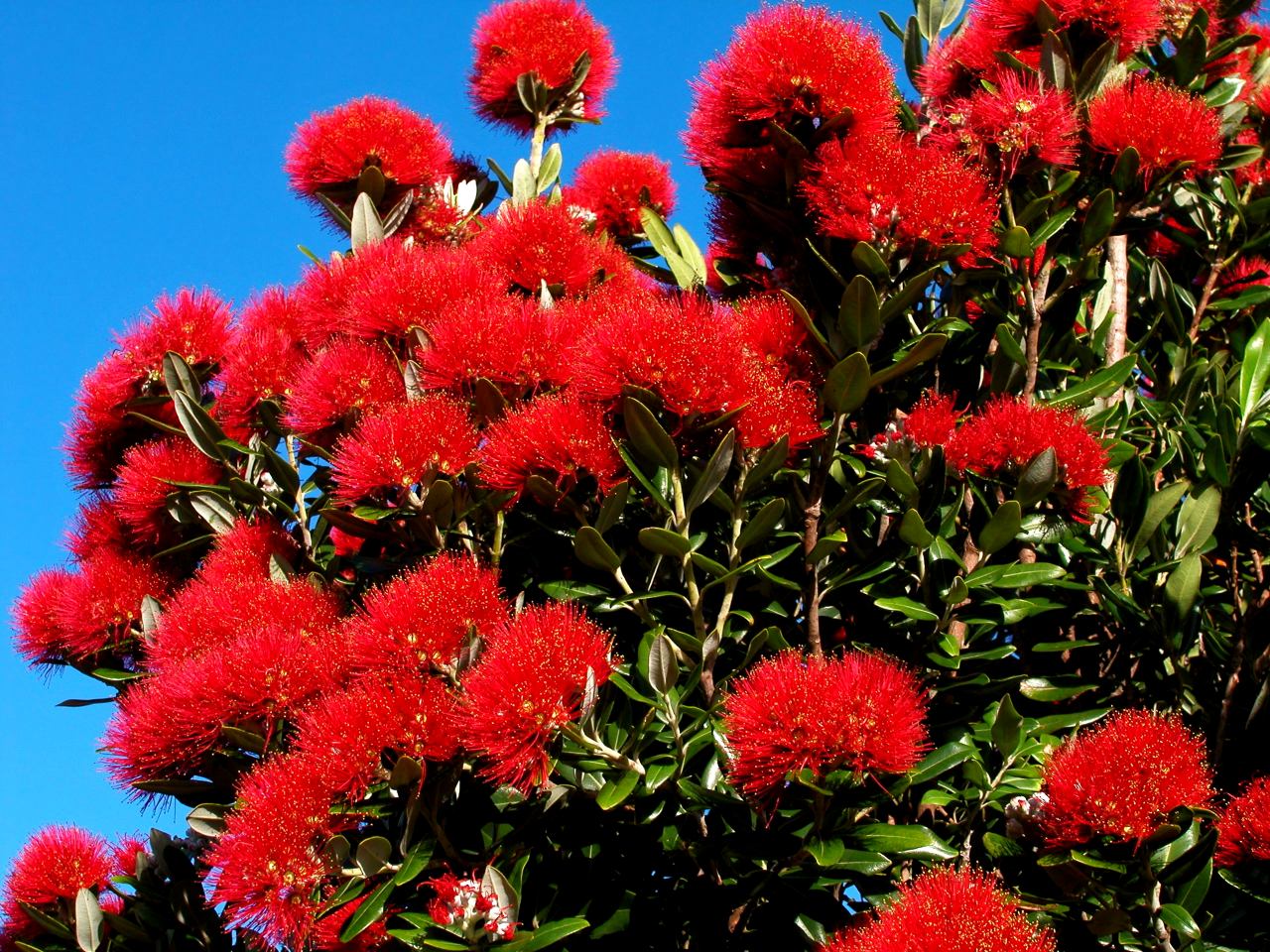
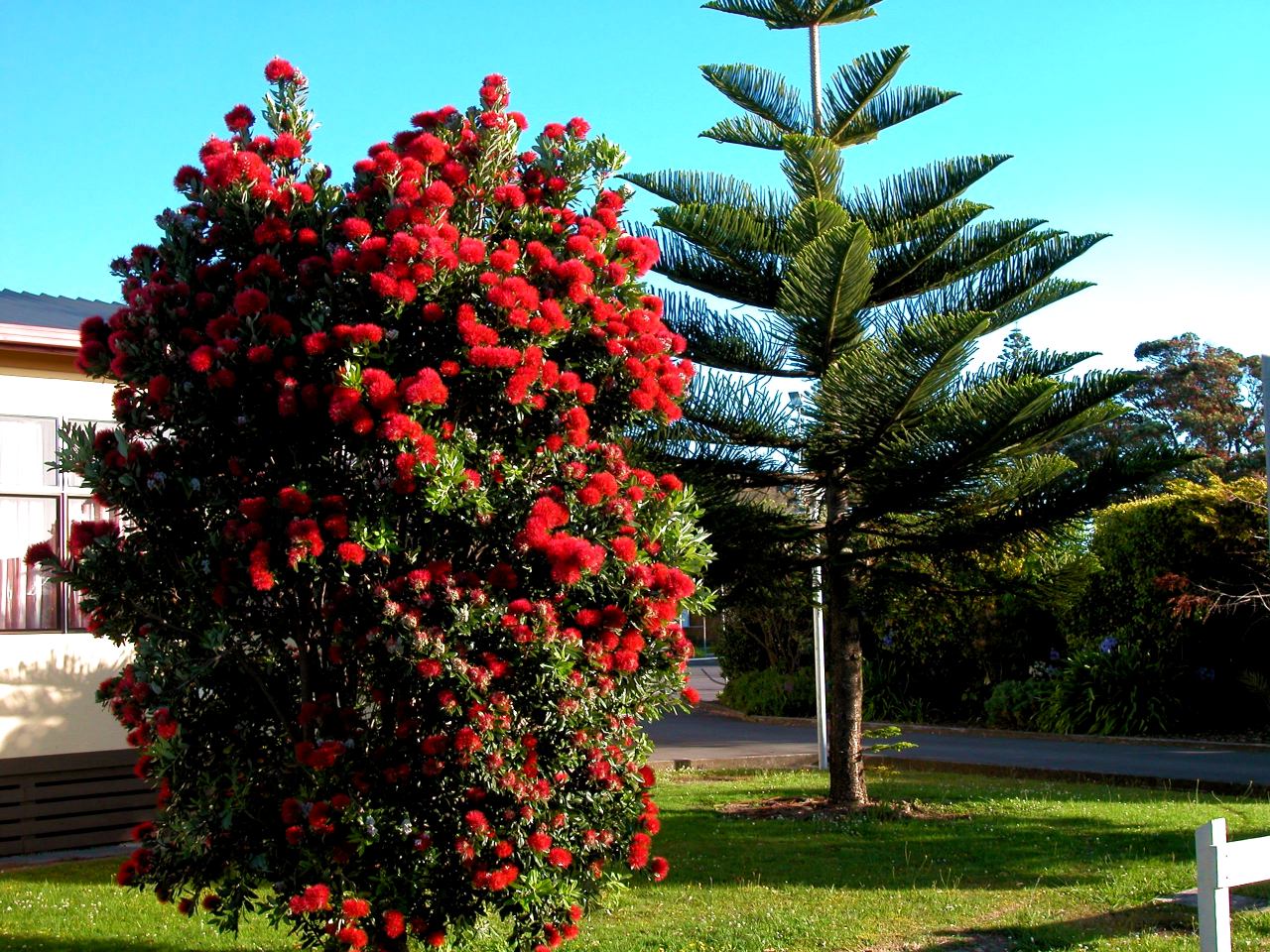
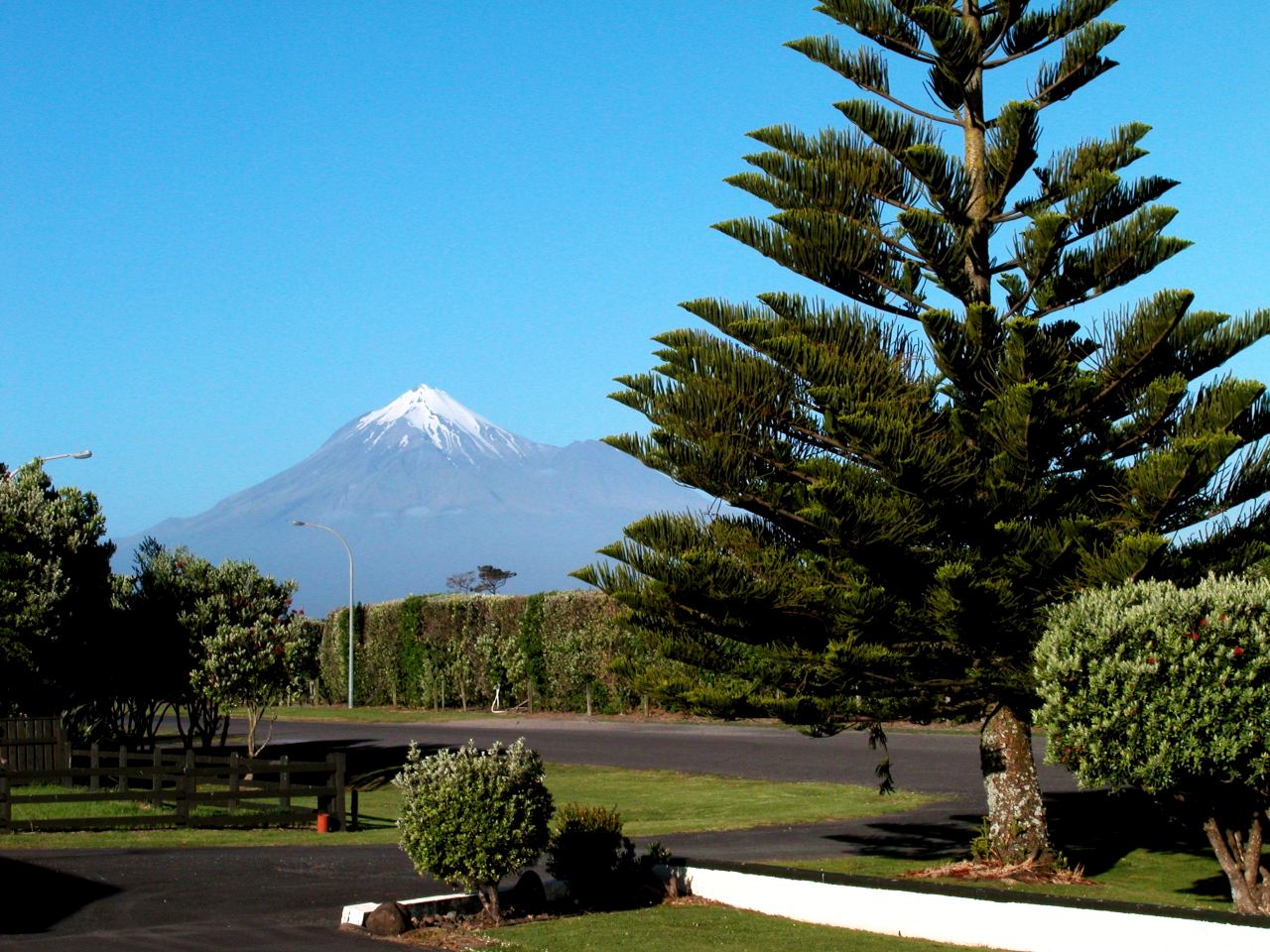
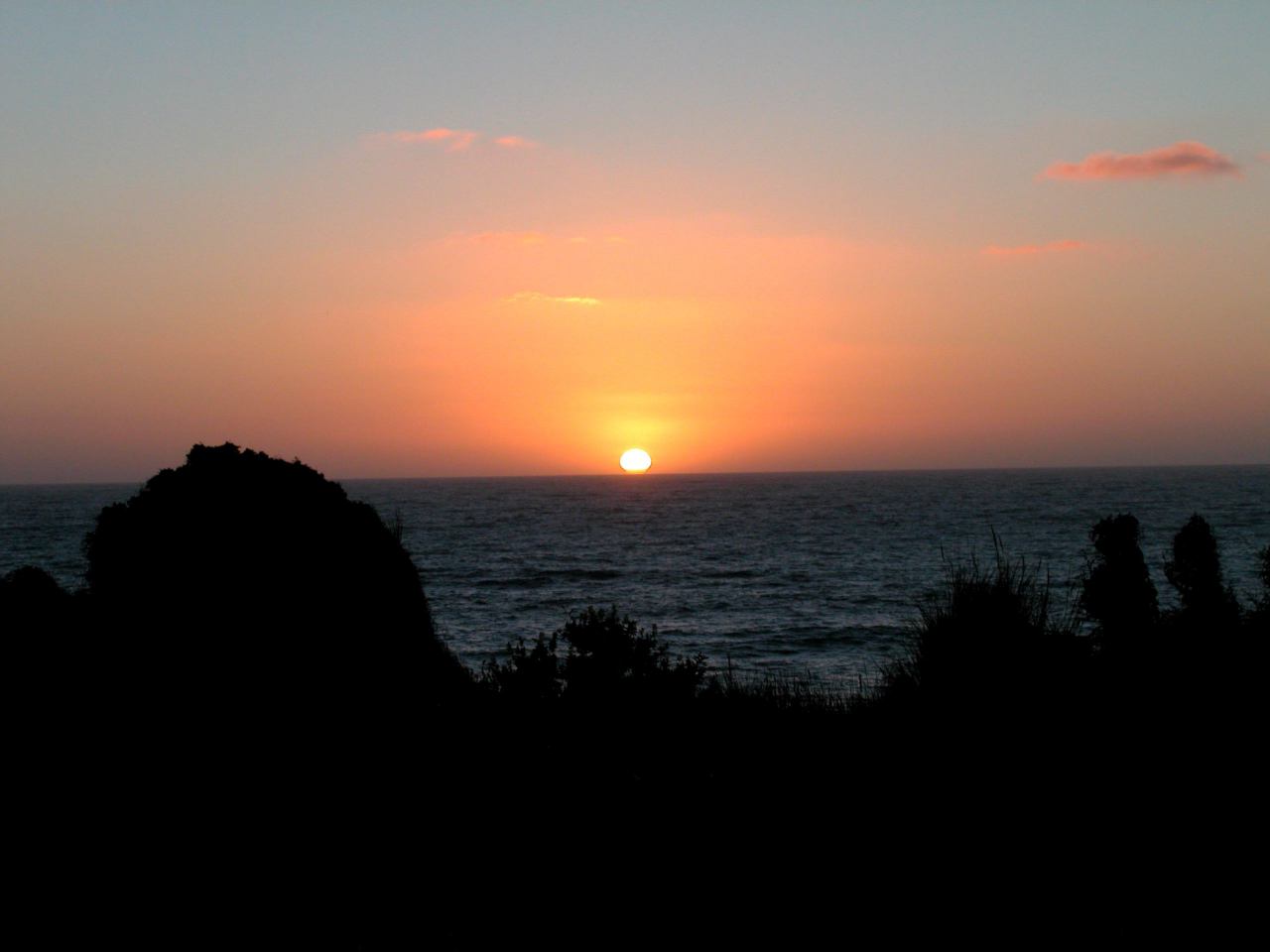
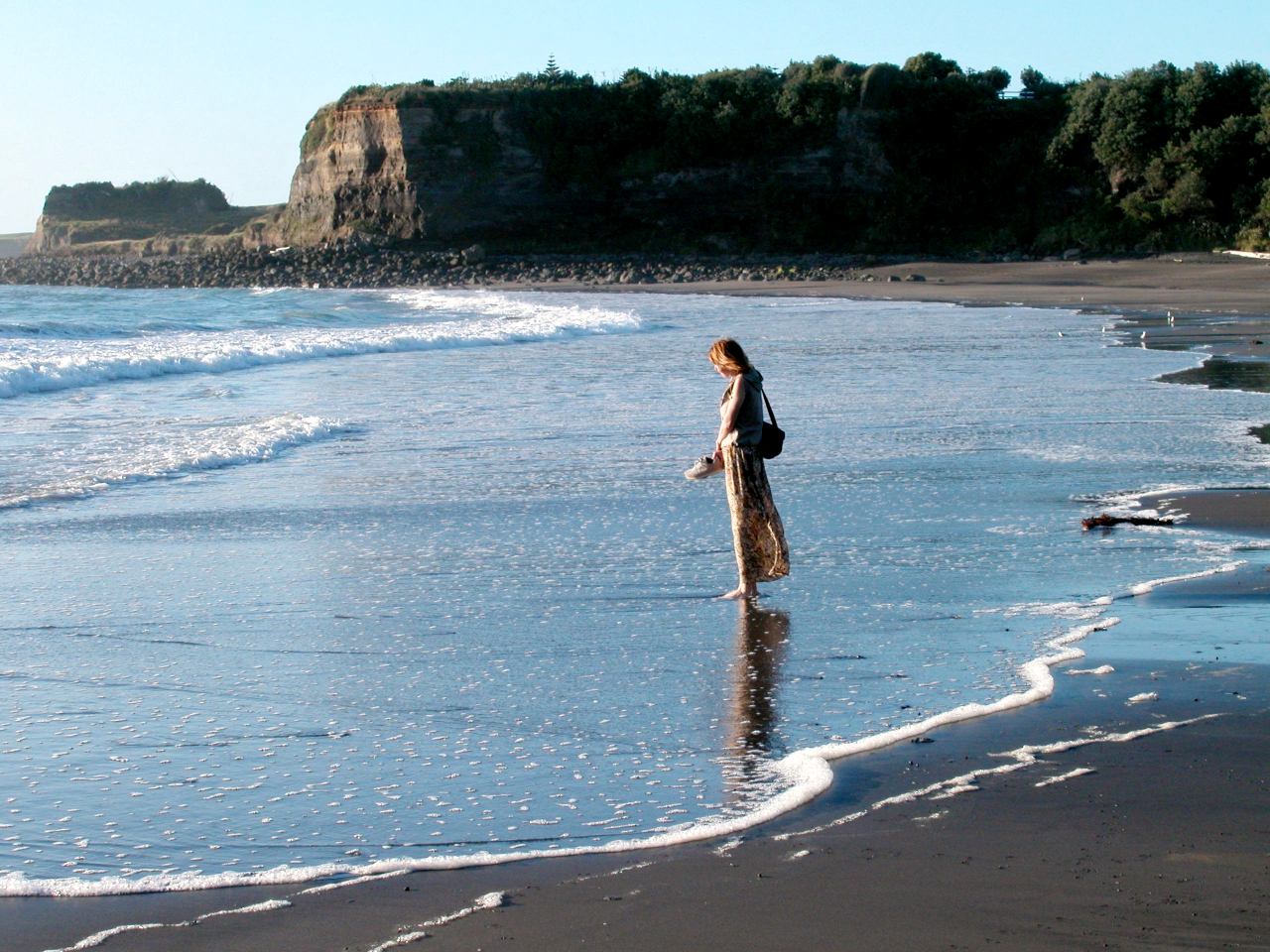
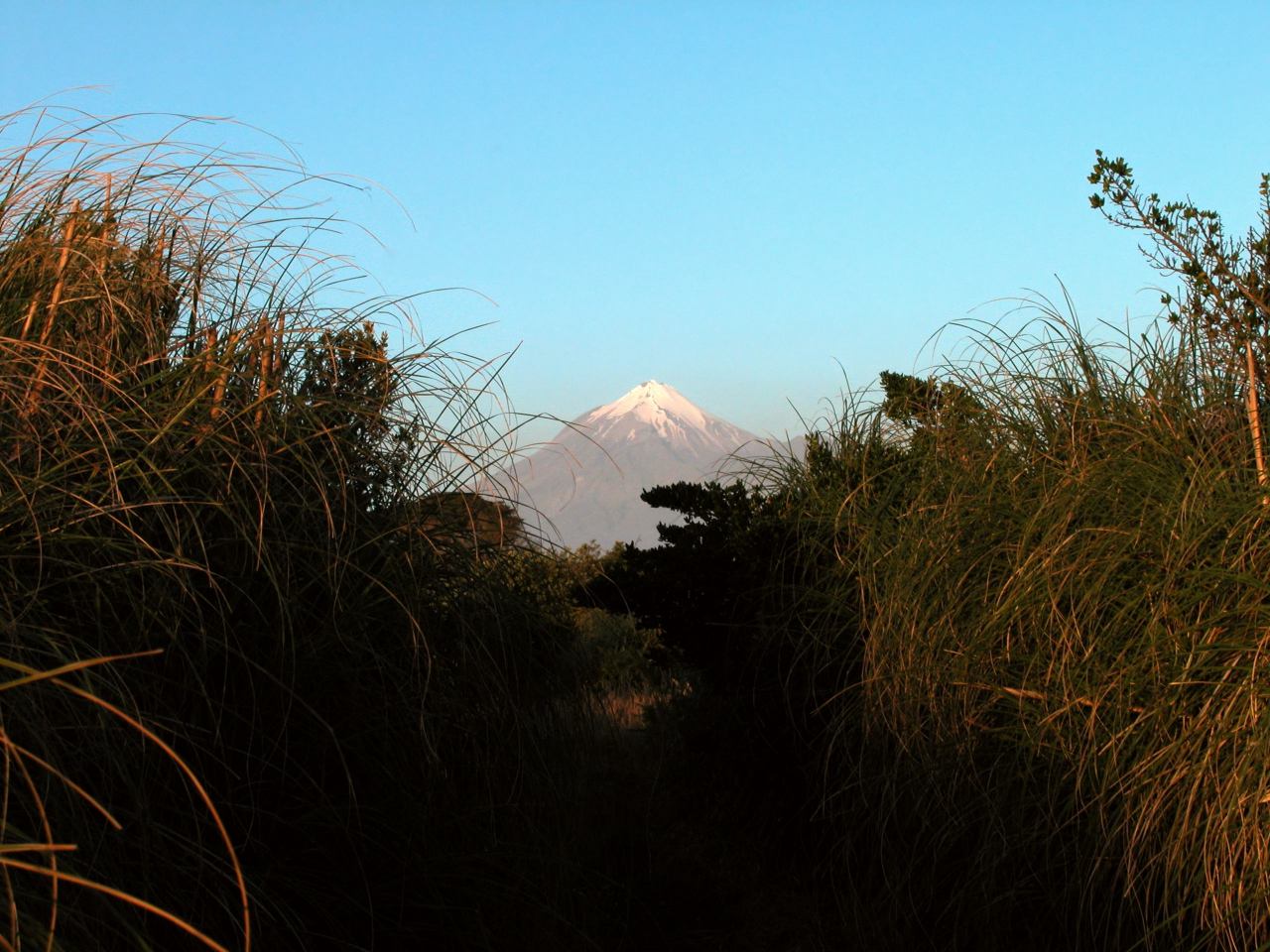
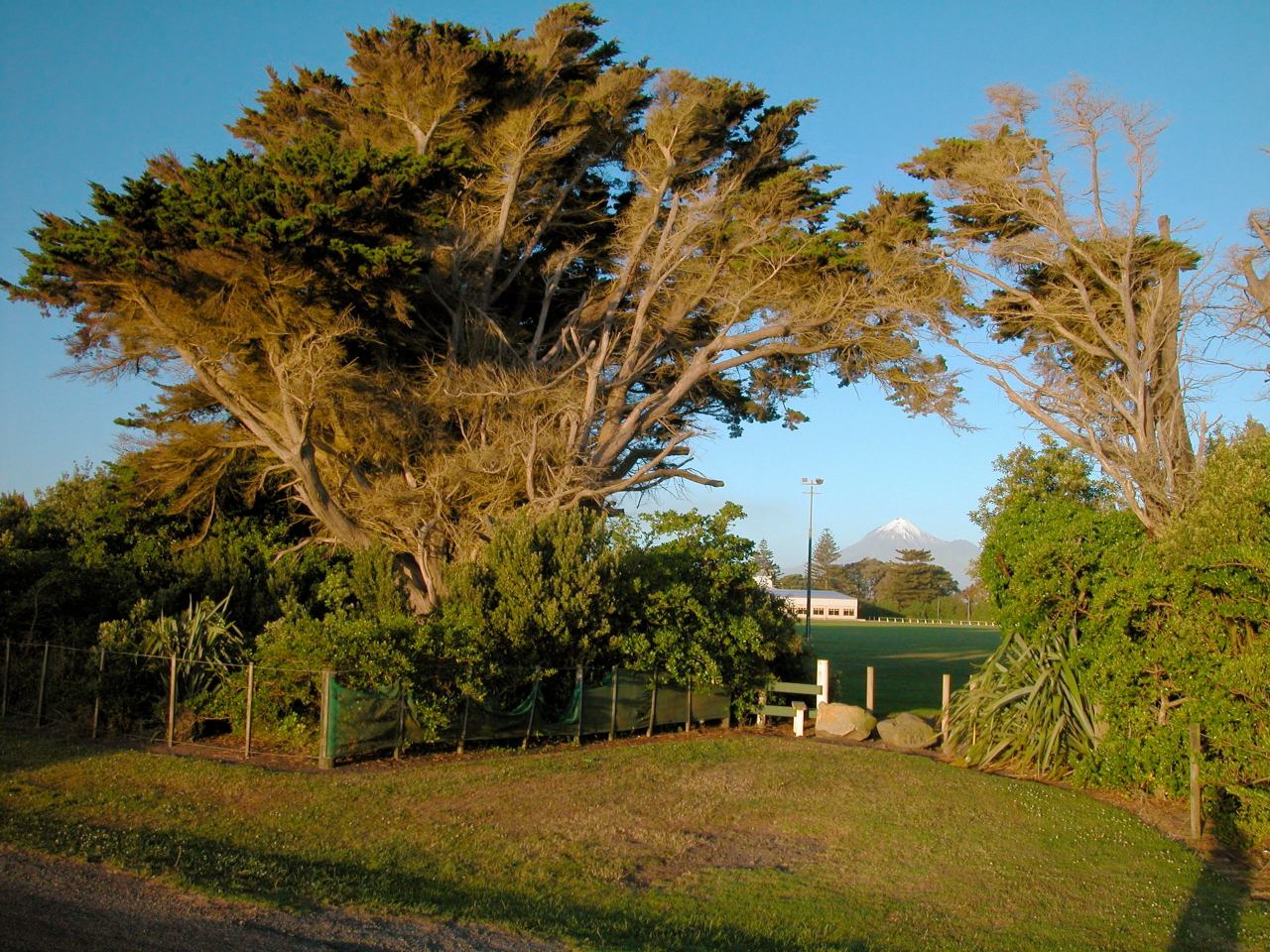
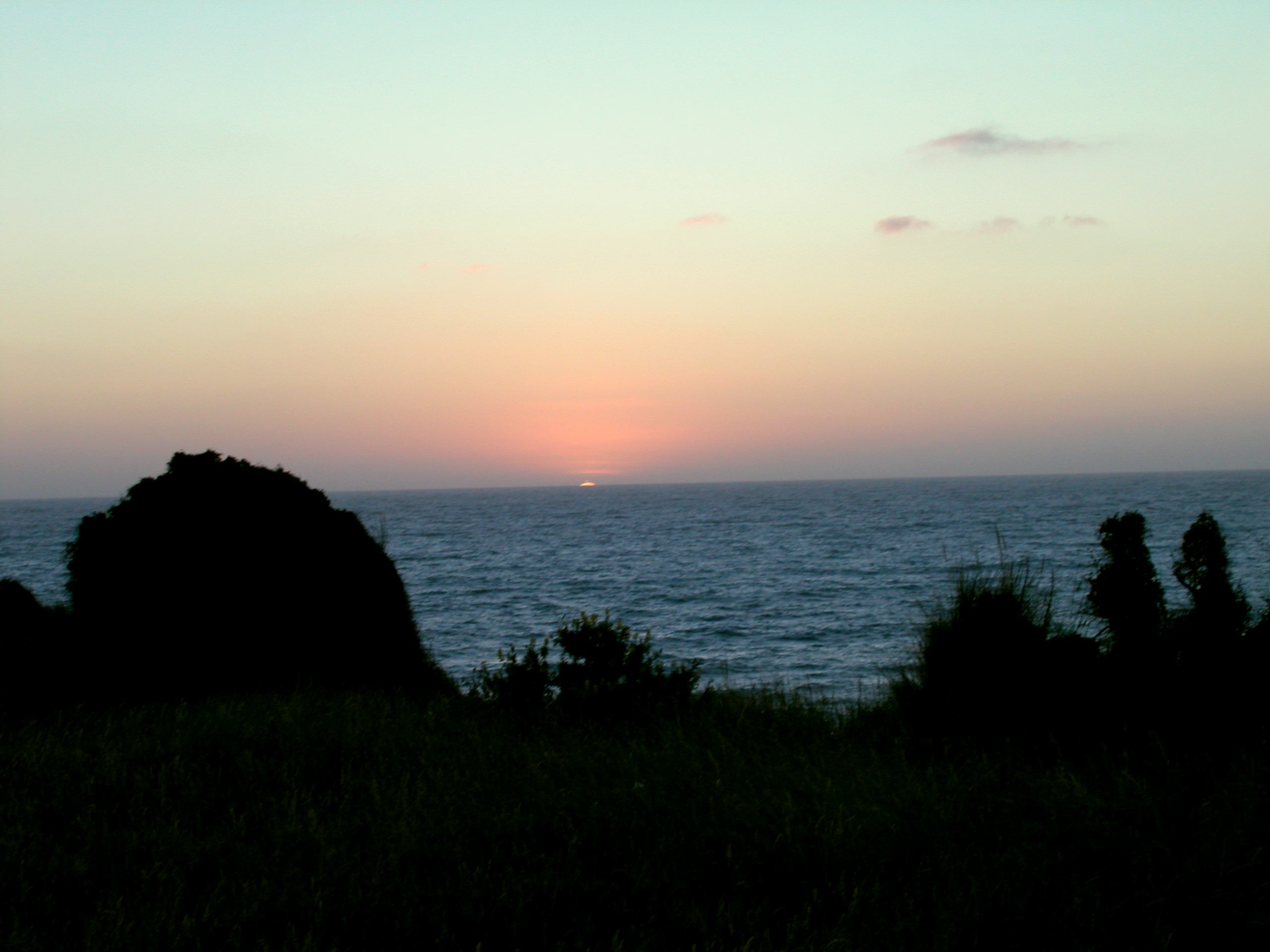
As I understood it, you need a very clear sky to see the green flash. The sun was still shining in bright yellow daylight a few degrees above the horizon. Even at sunset the sky didn't turn red, and ten minutes later everything had sunk into the blue of twilight.
We went back to our room, delighted, to have dinner and watch what we'd filmed on the television.
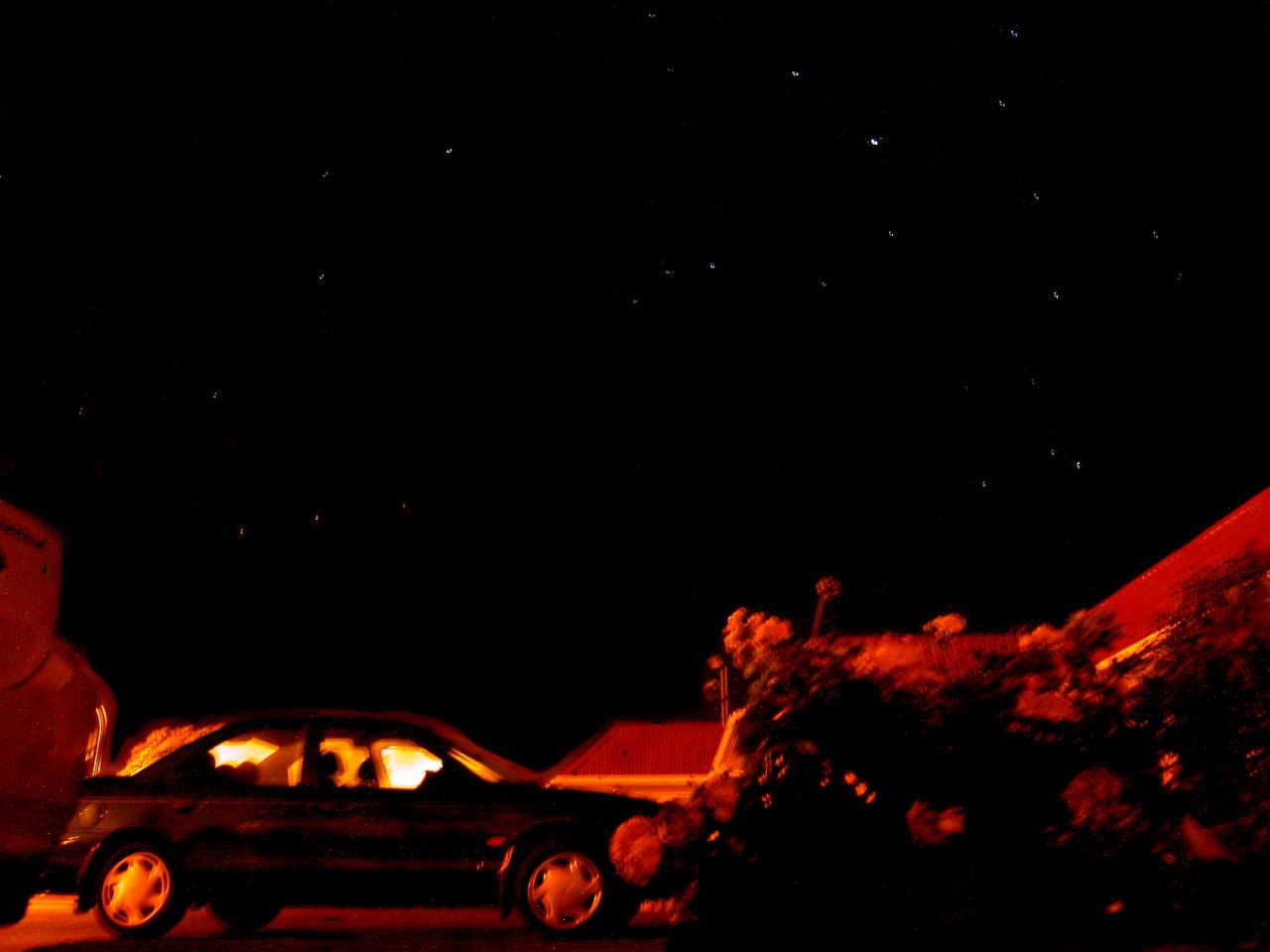
When it was dark and the stars had come out, I went outside and began learning the southern constellations little by little. It turned out they weren't impossible to remember. I had the star chart that I'd glued to a piece of cardboard back at school. I remembered thinking of throwing away the bit with the southern pole; even if you went as far as Kushka, as far south as the Soviet Union went, you'd never see it. How lucky I'd been in life, and what a wonderful day that had been.
Because of the rain in Tongariro National Park, we hadn't made it up Ruapehu, New Zealand's highest active volcano. It's 2,798 metres high. The last eruption we'd read about was in 1995. There's a lake in the crater that doesn't freeze.
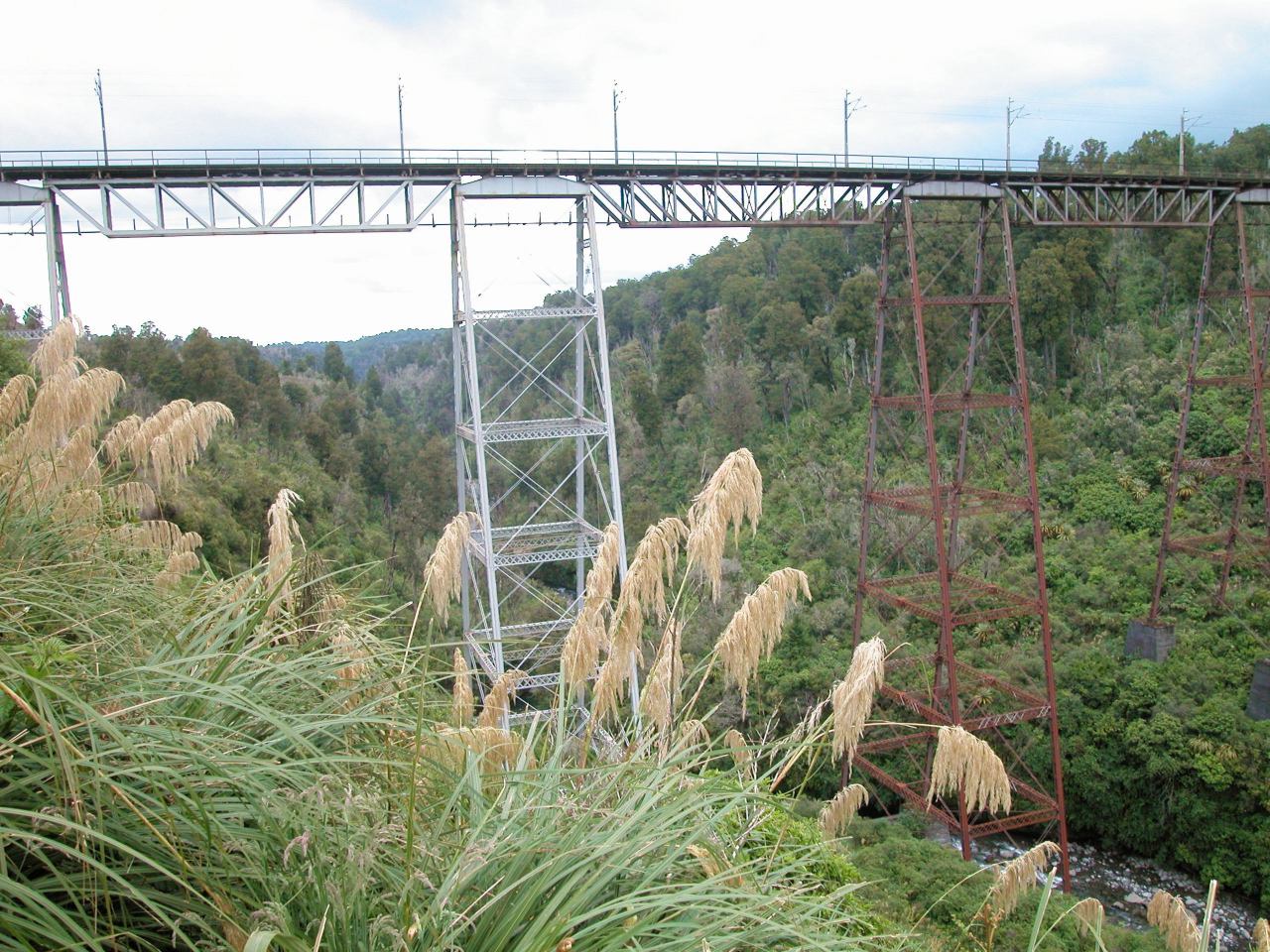
The weather had improved and it was time to try. We went back to the park by a different road. One feature of the route is the railway bridge near State Highway 4 at Erua. An enormous viaduct, a wonder of early twentieth-century engineering.
It took a long time to get there (video, 9 MB). We didn't reach Iwikau Village until evening. I would have liked to start climbing straight away and spend the night at the top, but Tanya's leg was sore and she clearly didn't want to. The weather was getting worse. By morning they expected a wind of forty metres a second at the summit, like the famous Sarma wind off Lake Baikal. The tent would have gone flying with us inside it. What's more, a ski lift will take you almost halfway up, but it had already shut. In the end we didn't go. I still bitterly regret it. Age takes its toll. Would I have done that twenty years earlier? At first we put off the climb until morning and slept at a motel in Tūrangi. In the morning we made another attempt. Clouds covered the summit, the wind blew us off our feet, and the lifts weren't running. We'd actually started up, but Tanya was groaning so loudly and plaintively that we had to turn back and leave it for the return journey.
It was time to go to the South Island. I'd booked the ferry for noon the next day, and arranged a South Island car to go with it.
We drove to Wellington without any more stops. New Zealand's capital is far smaller than Auckland. There's no room for the city to grow: the mountains squeeze it onto a little strip of flat land by the sea. Then there's the climate, wet, windy and cold. We were fairly lucky with the weather; at least it didn't rain.
First we moved our ferry to early morning, cancelled the car crossing, checked in at the Waterloo Hotel, right by the ferry terminal, and turned in the car. It was a wonder it had survived. I'd only scraped the left front hubcap a little parking next to a kerb. A common mishap, they say: when you first switch to right-hand drive you have a poor idea where the left side of the car is. I thought they'd hold it against me but no one even came out to see the car's condition. I tossed the keys into a box and that was that.
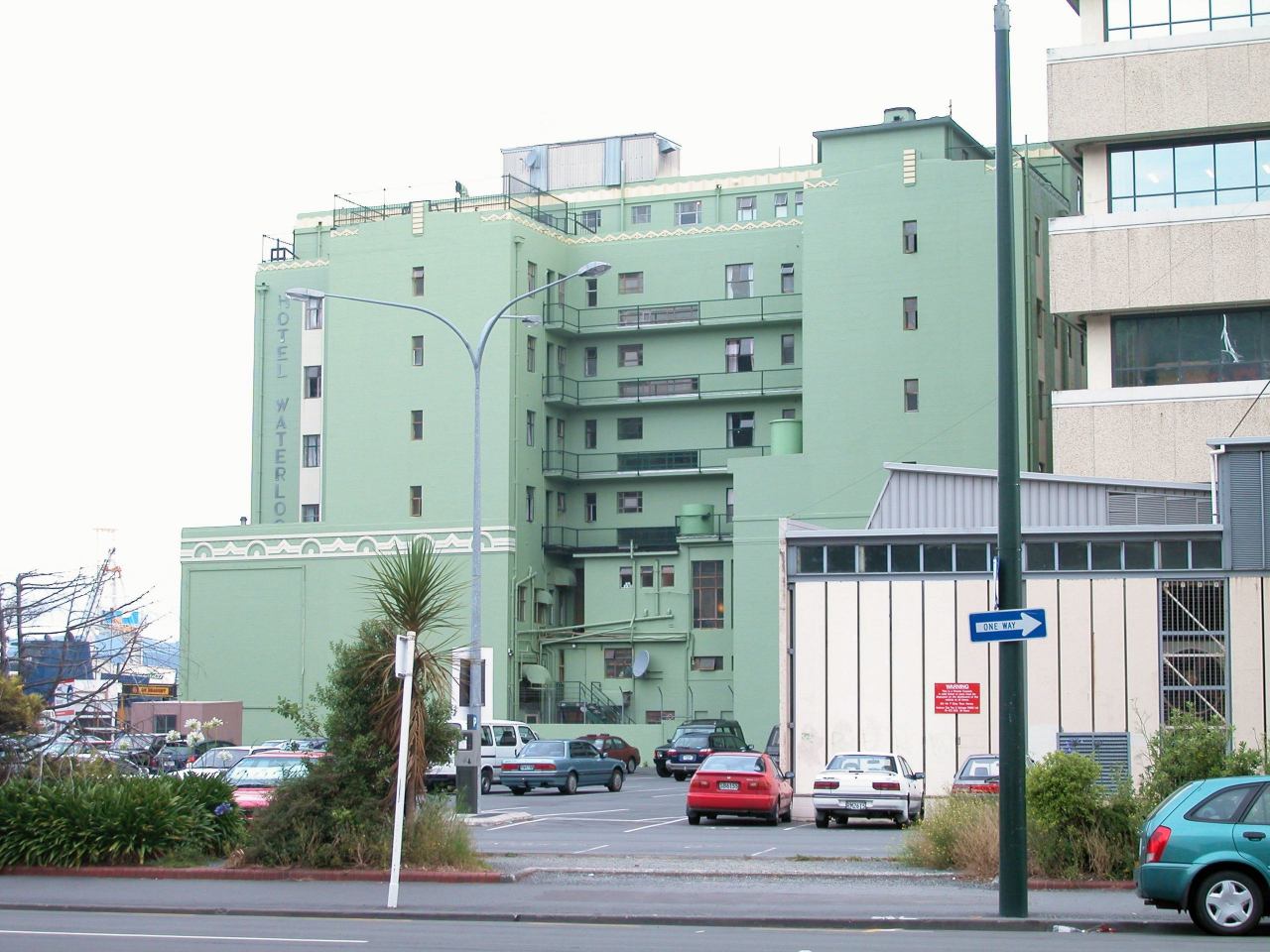
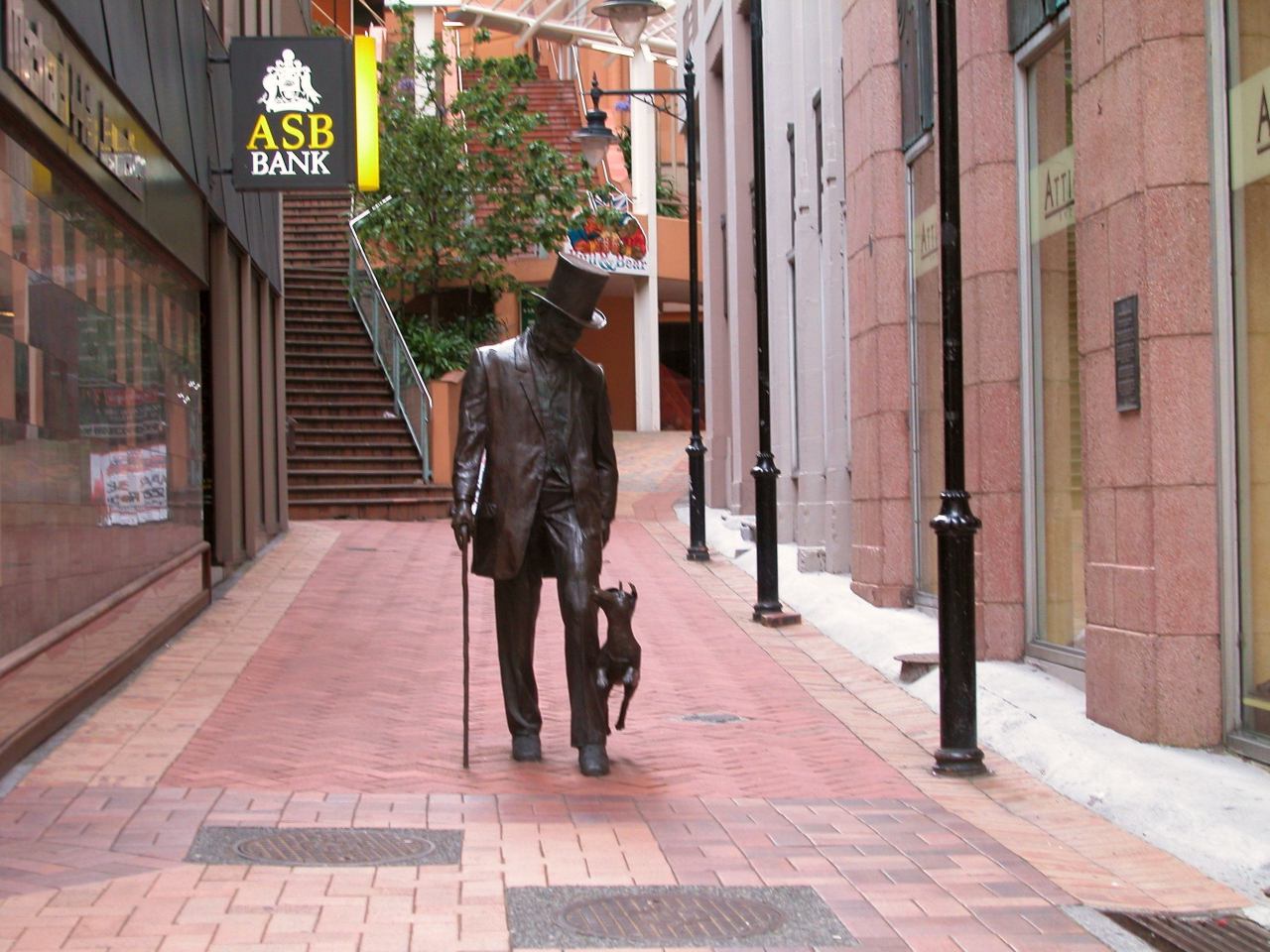
Arrangements made, we went for a walk around town. The centre isn't large. In a few hours you can go over the whole place in every direction. Old buildings stand cheek by jowl with glass skyscrapers. By four in the afternoon almost all the shops were shut, even the cafés. It took us an hour to find an open Chinese restaurant.
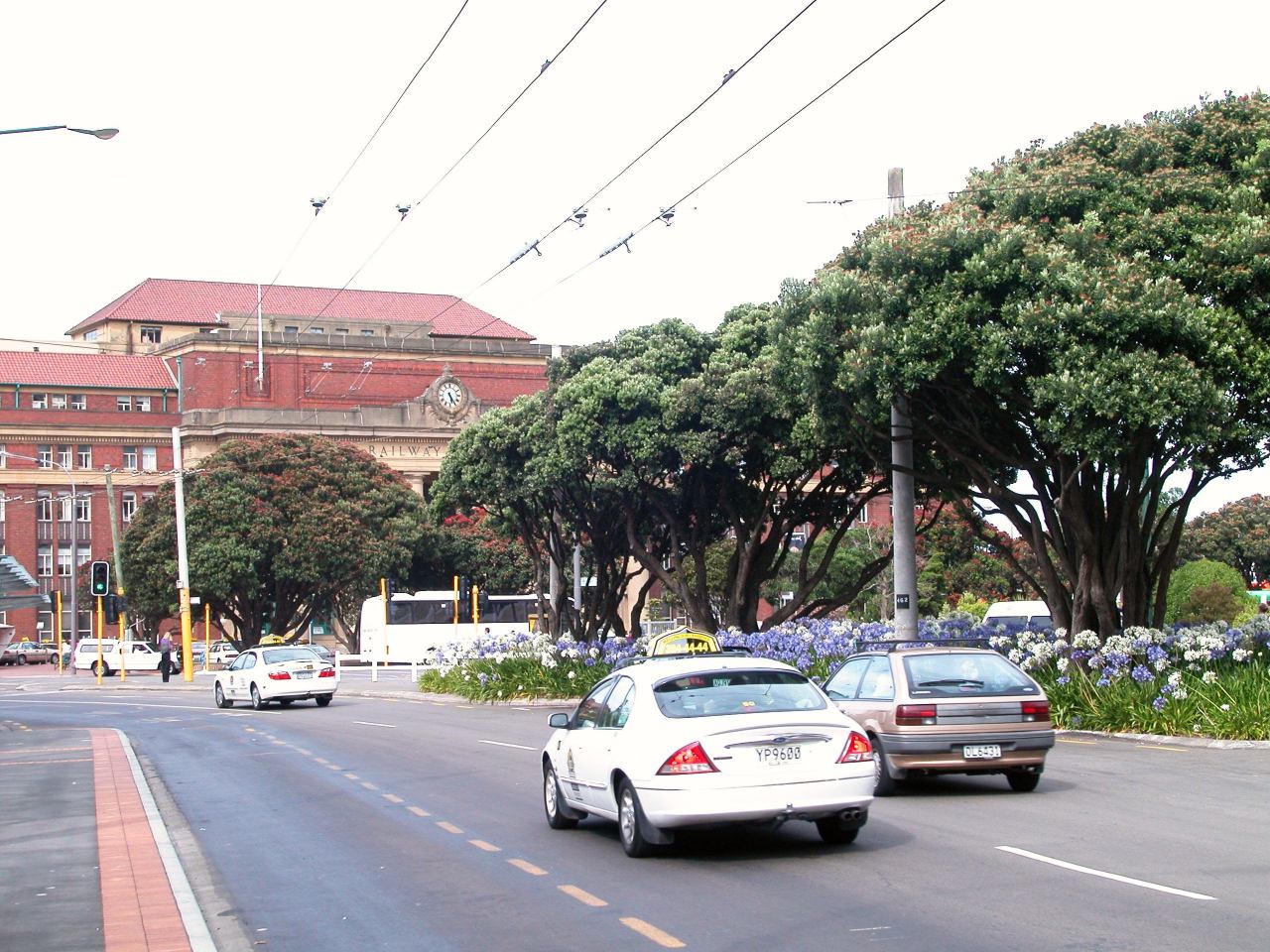
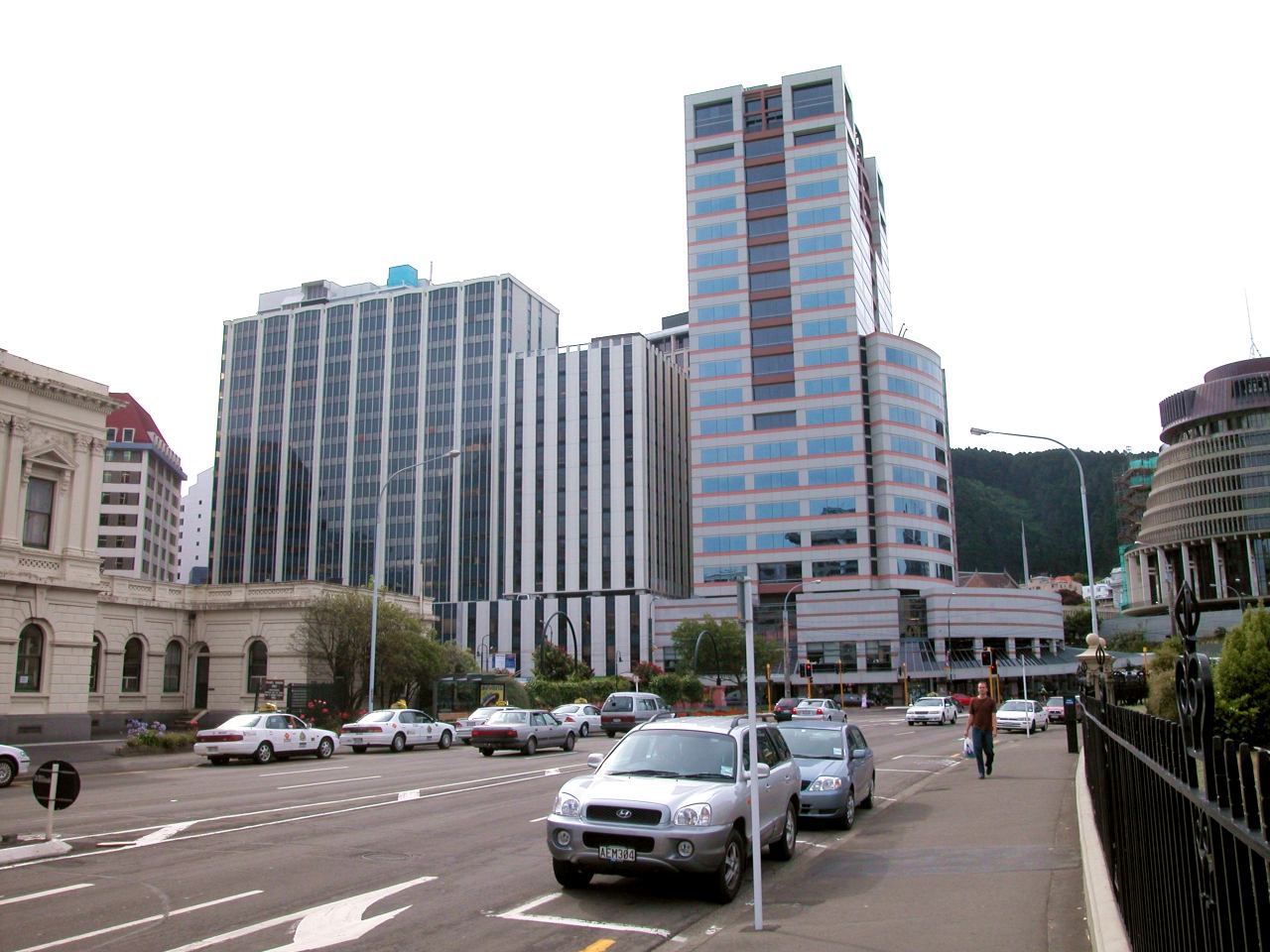
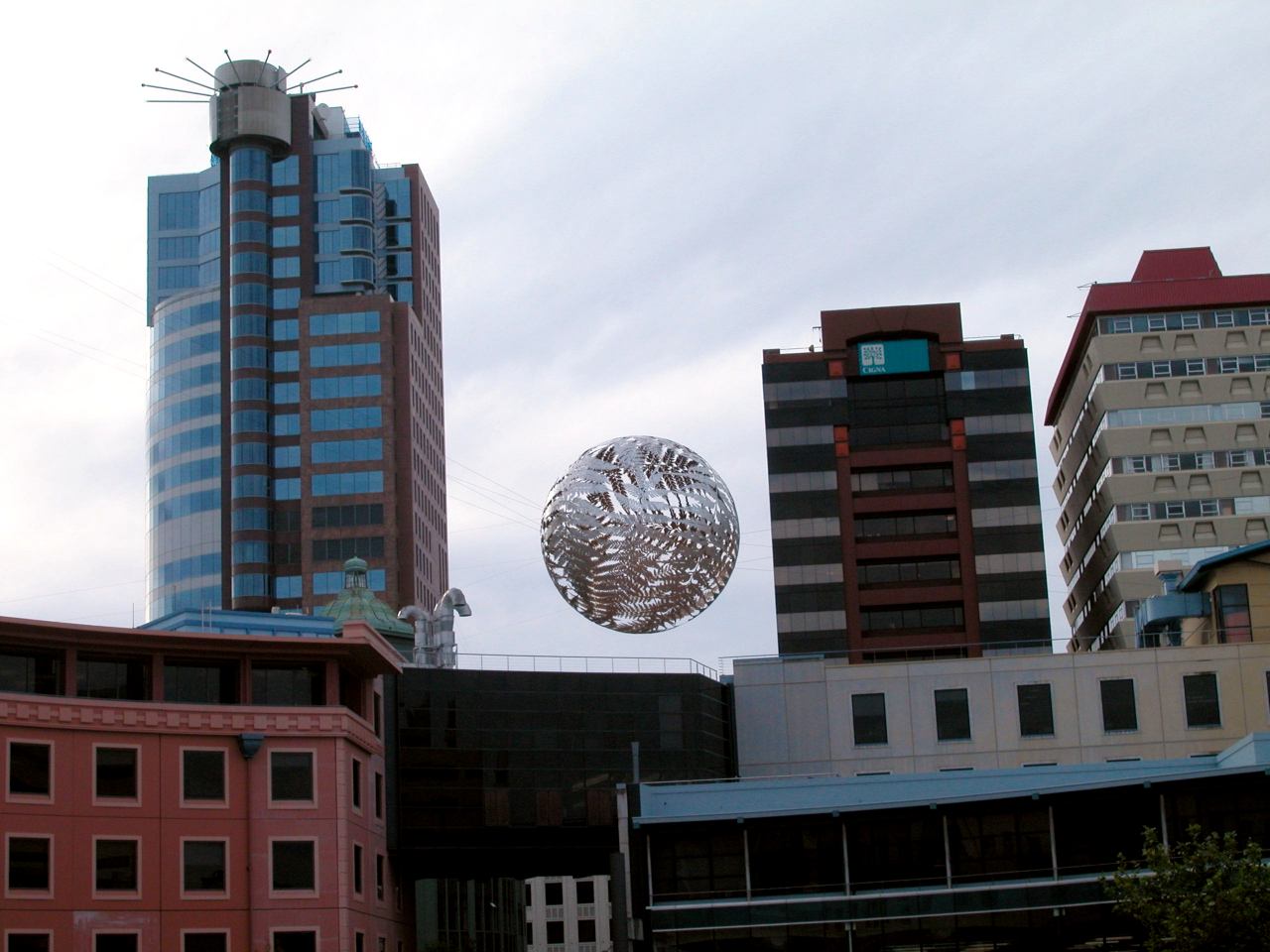
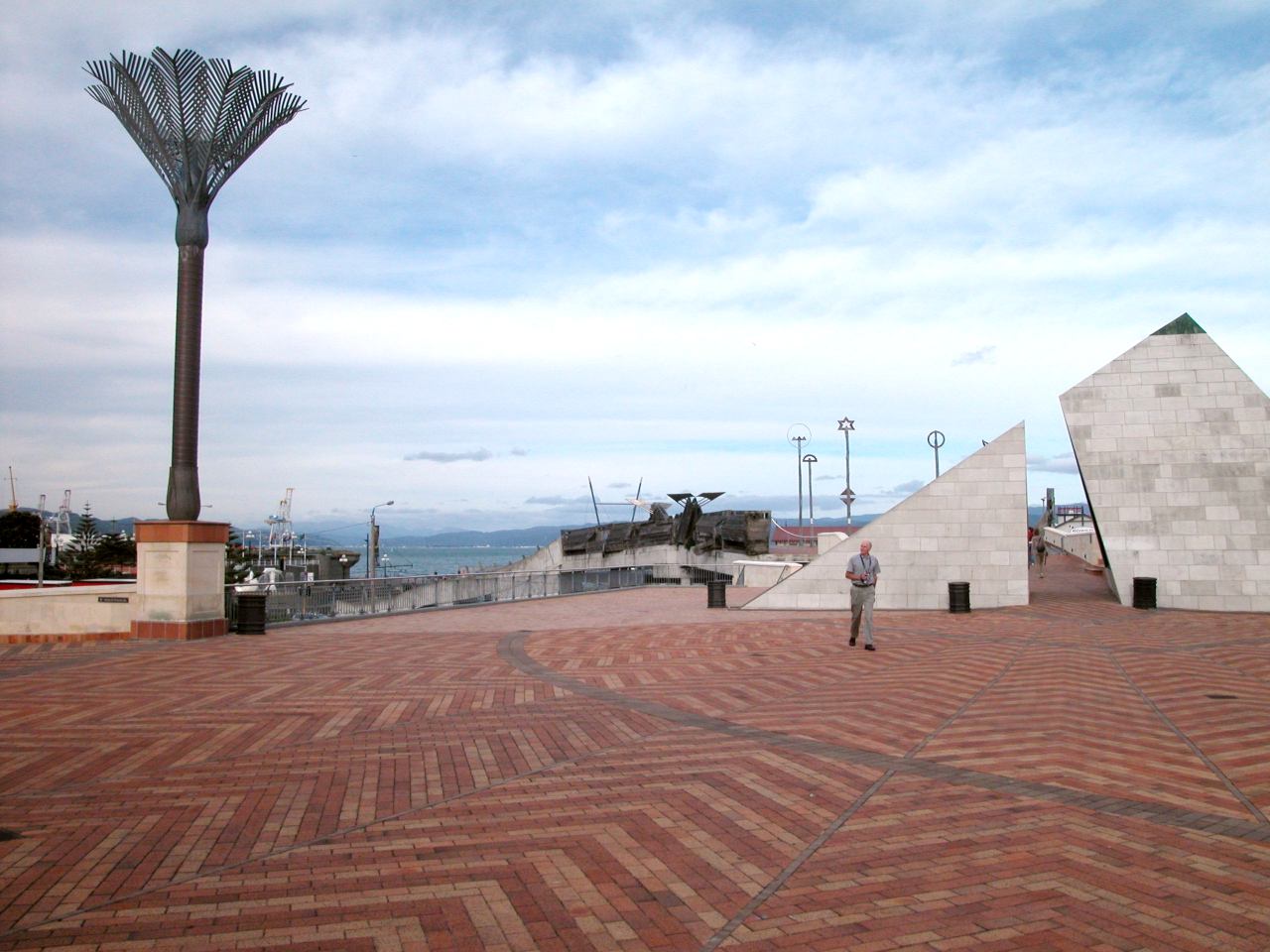
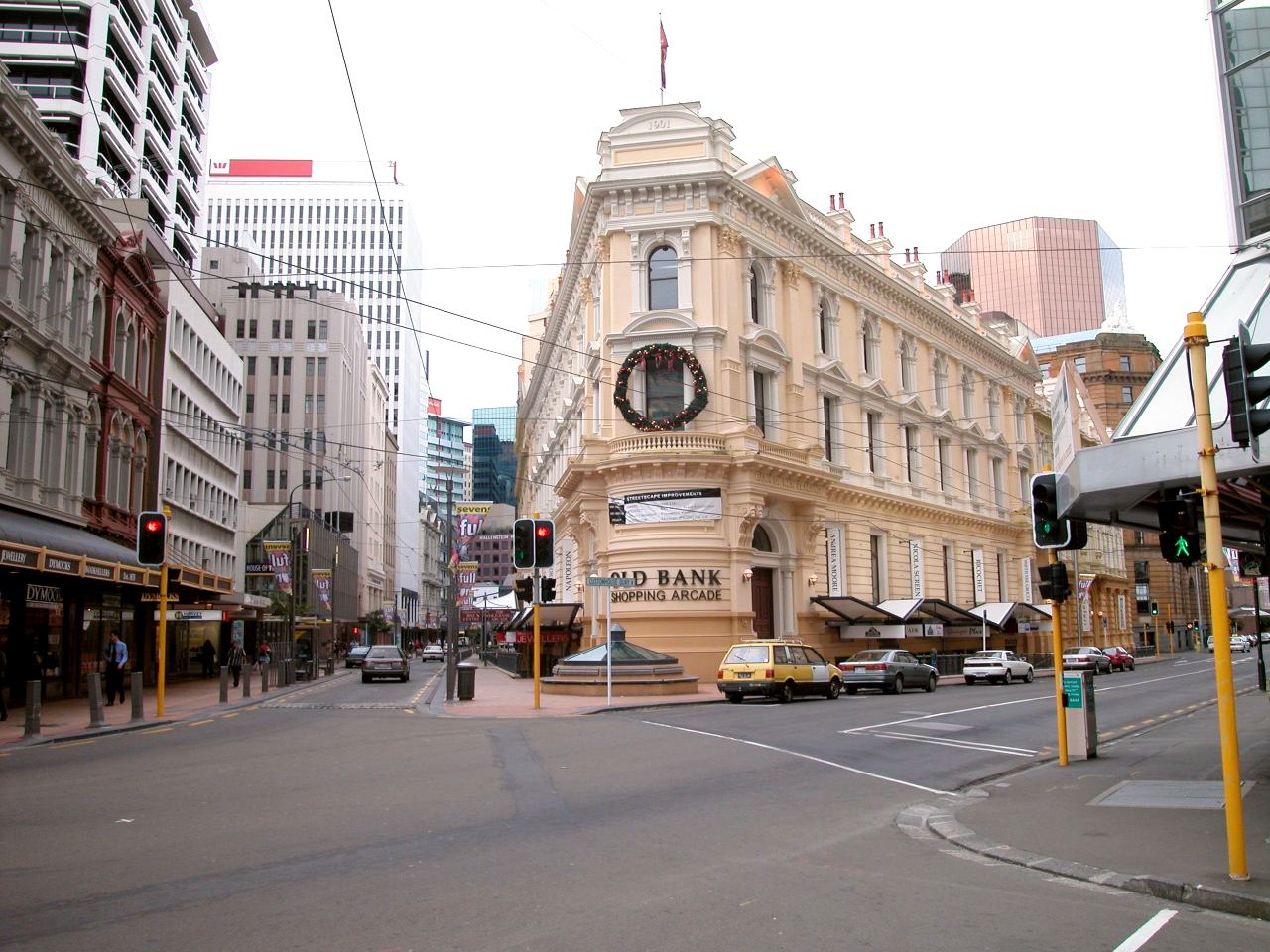
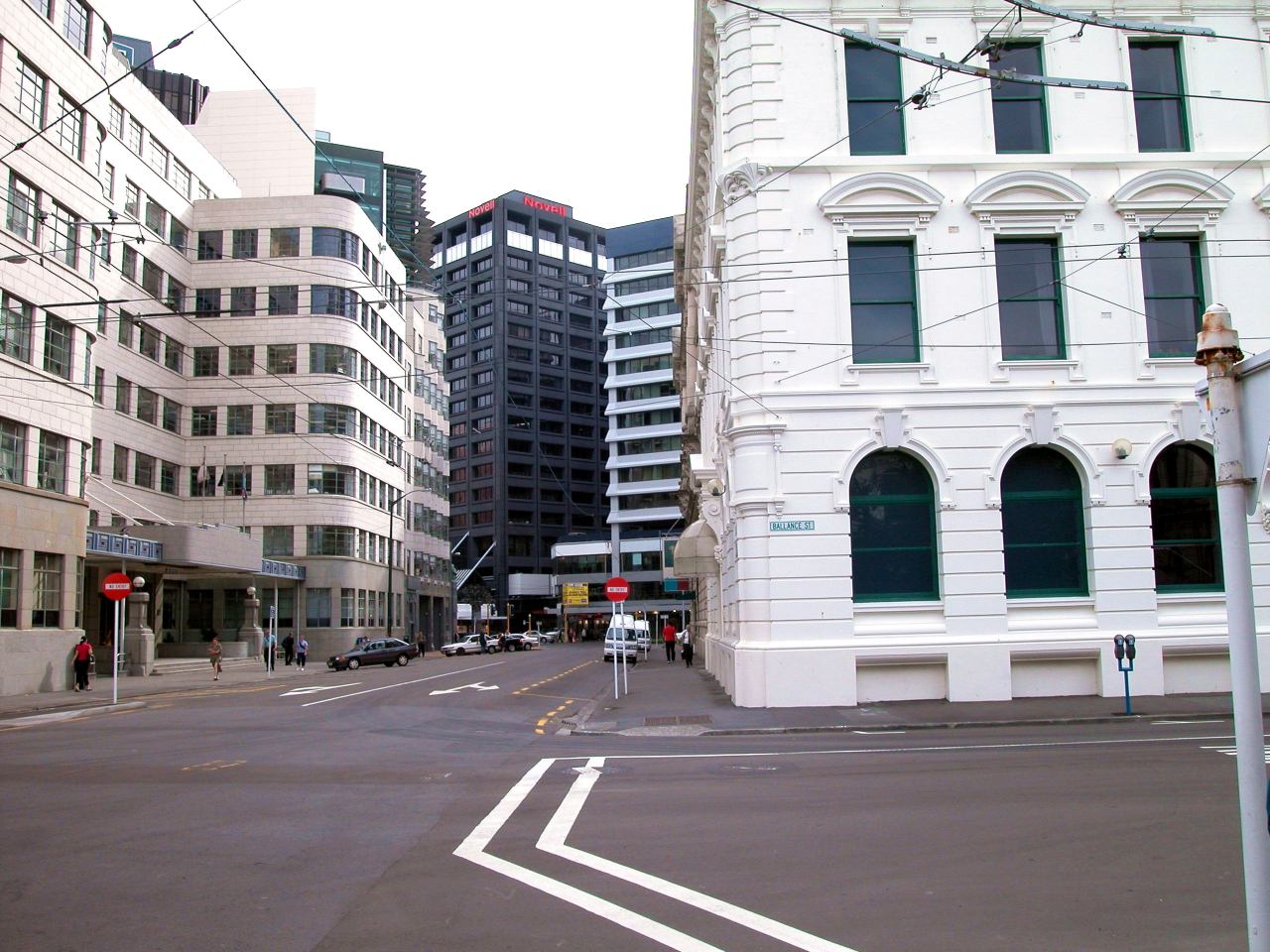
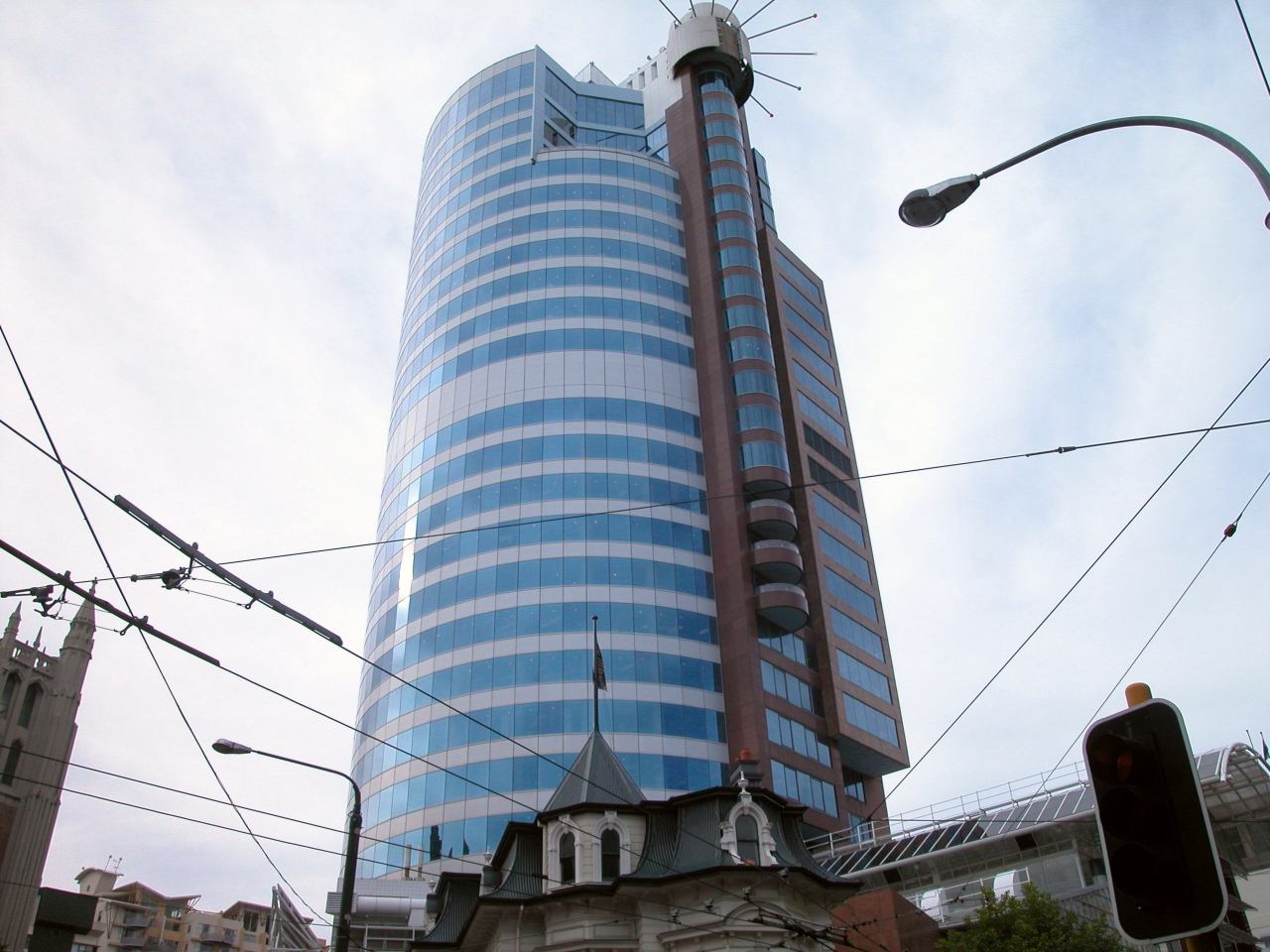
What surprised us was how visible the fire service was. Fire engines kept tearing through town with their sirens on. Ugly fire escapes adorned the fronts of buildings, even on main streets. Fire-alarm panels were in the most conspicuous spots in the shop windows, so an arriving crew could tell where the fire was without going inside. Clearly a powerful service here. I'd never seen anything like it anywhere else.
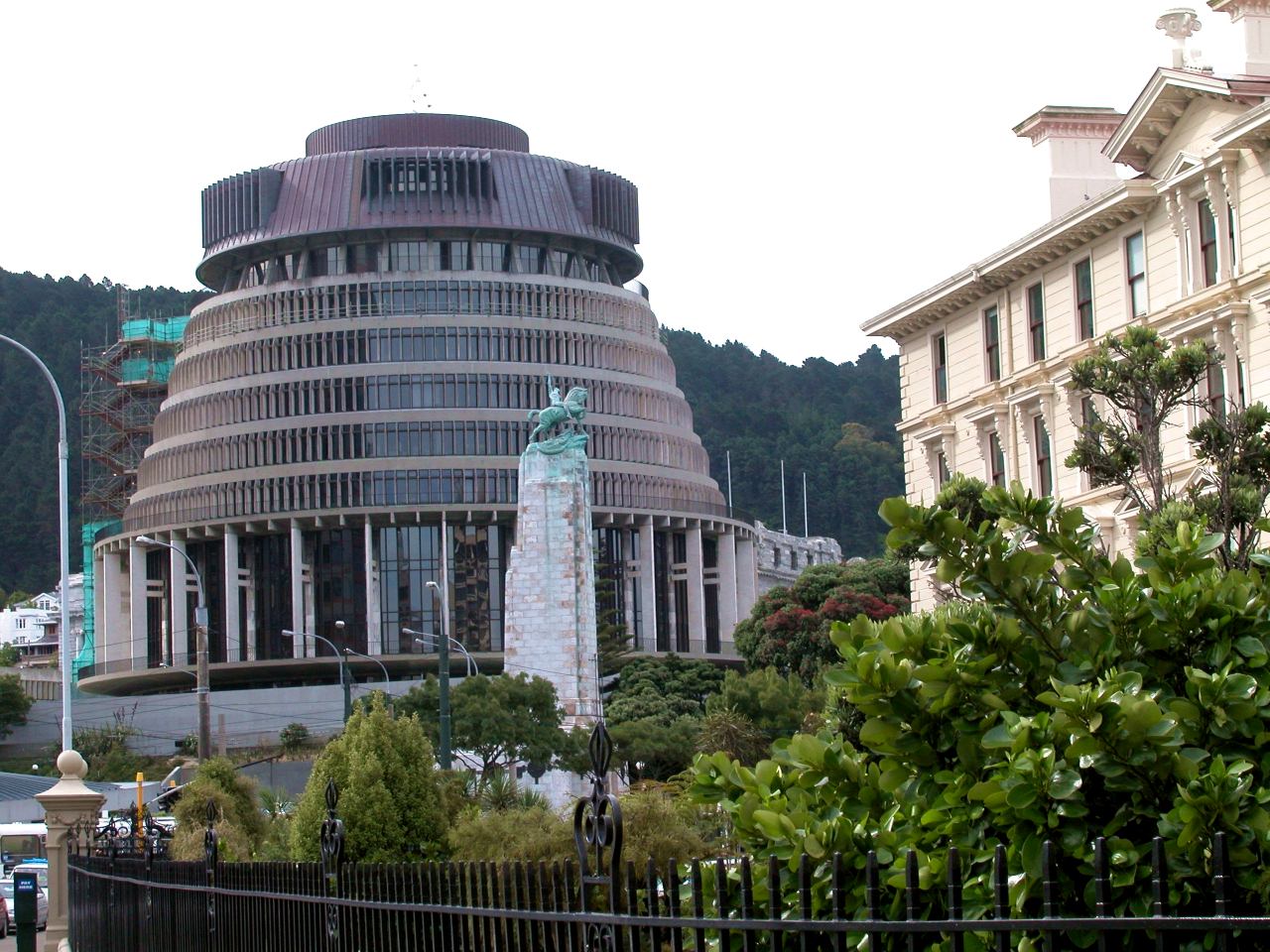
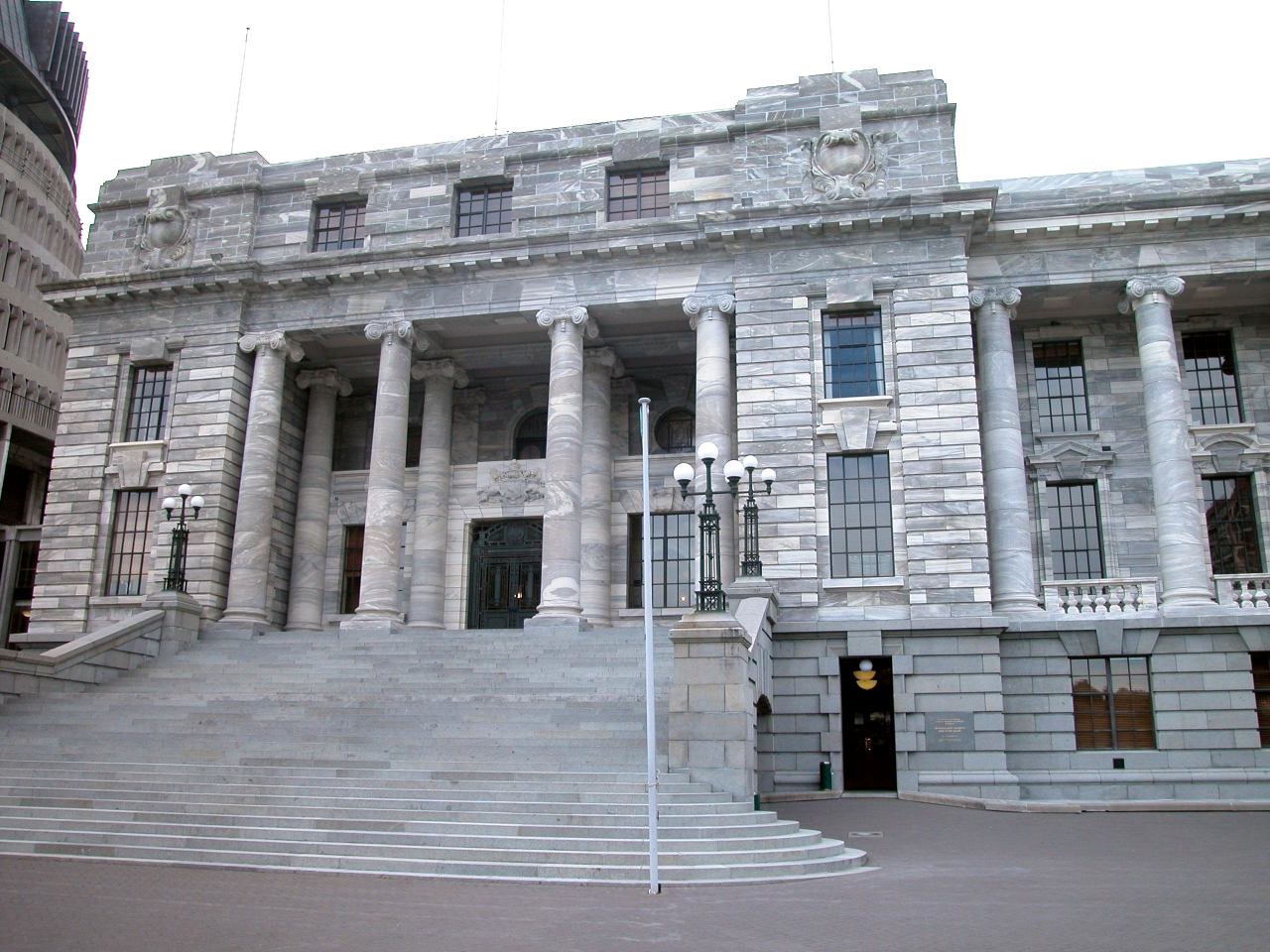
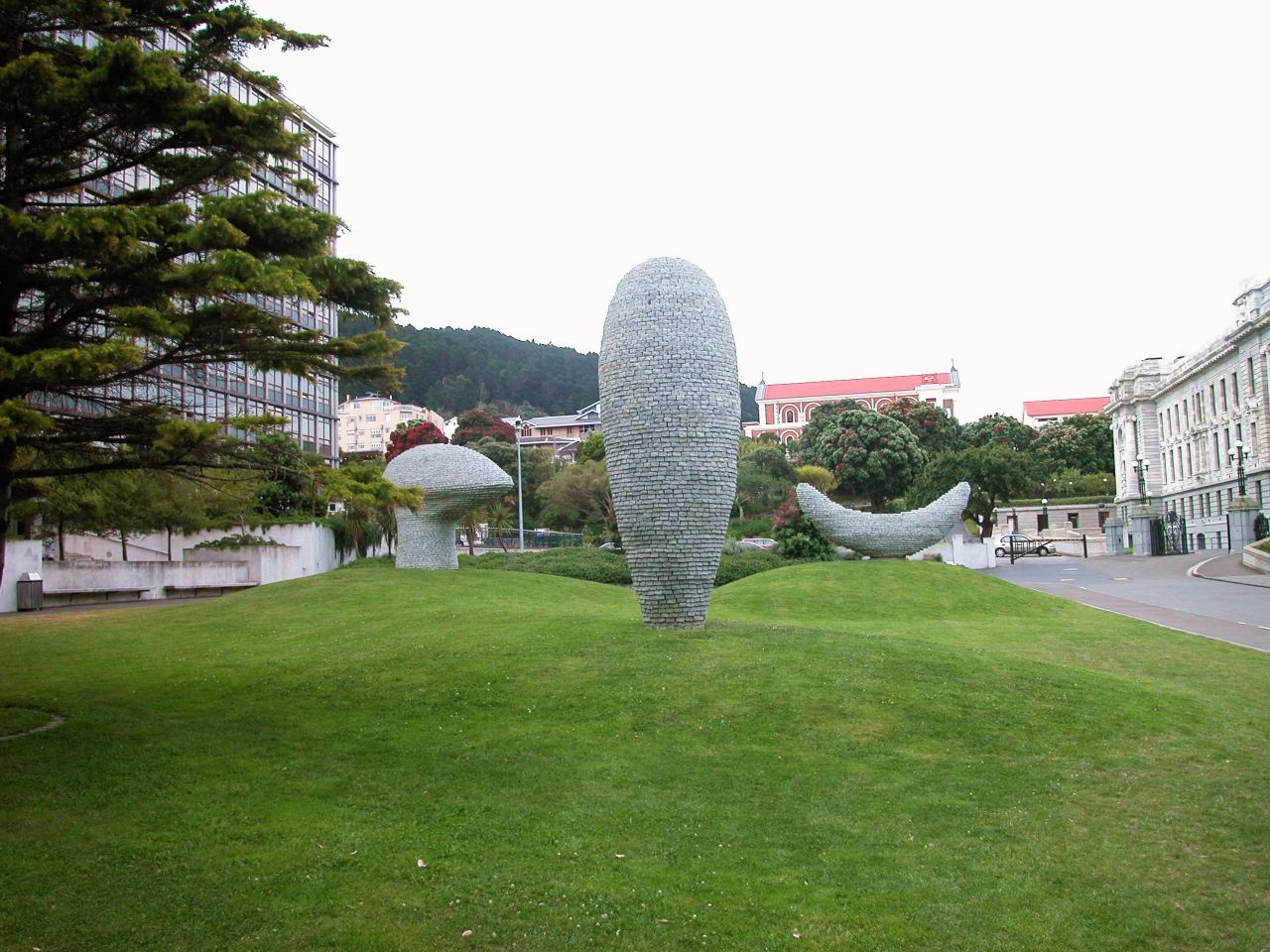
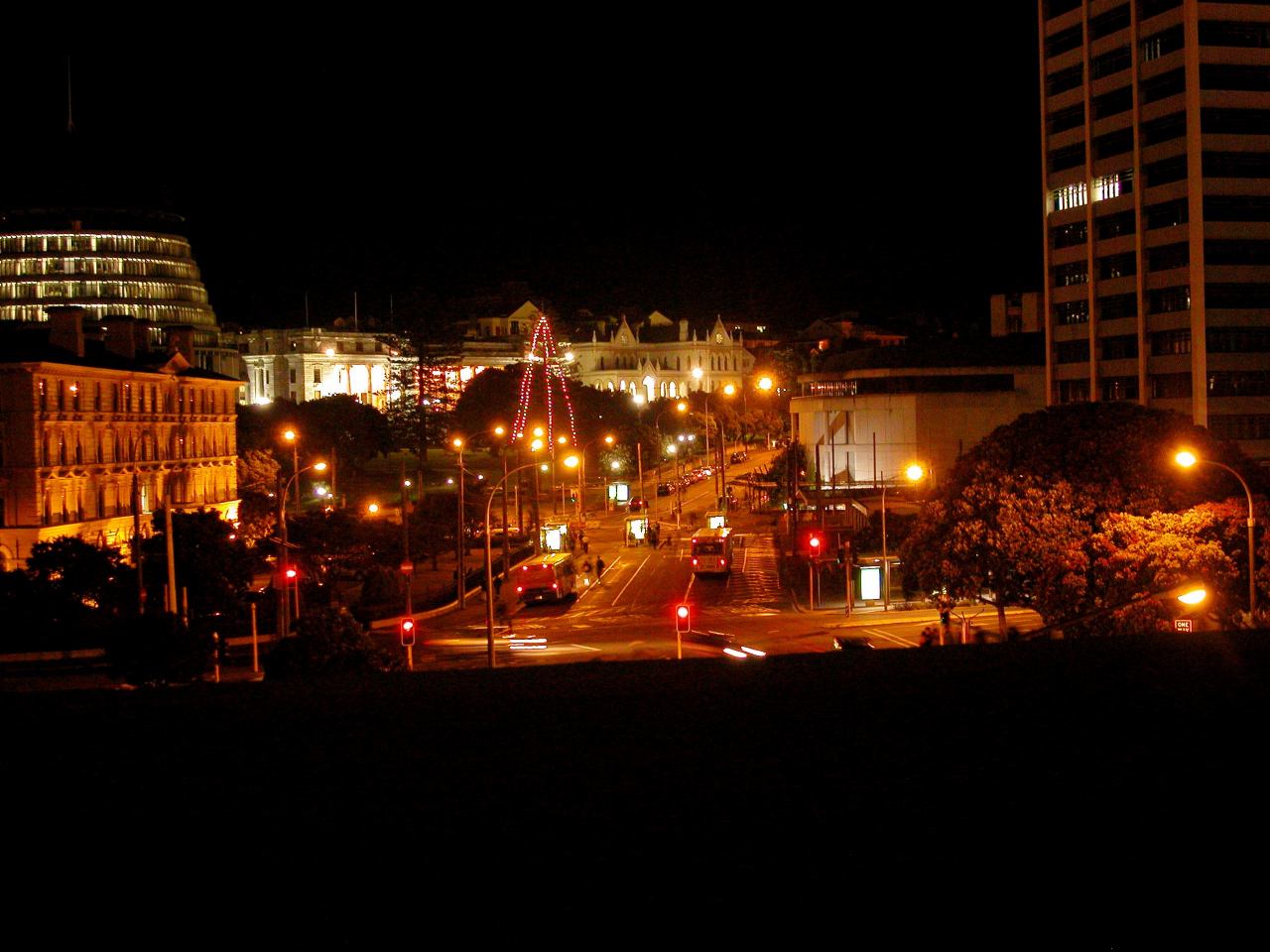
The most beautiful building was the old parliament, and the residence of the English Queen, who doubles as the head of New Zealand as well. The sculpture on the lawn outside parliament was rather touching. One piece is a kiwi. We never worked out what the other two are.
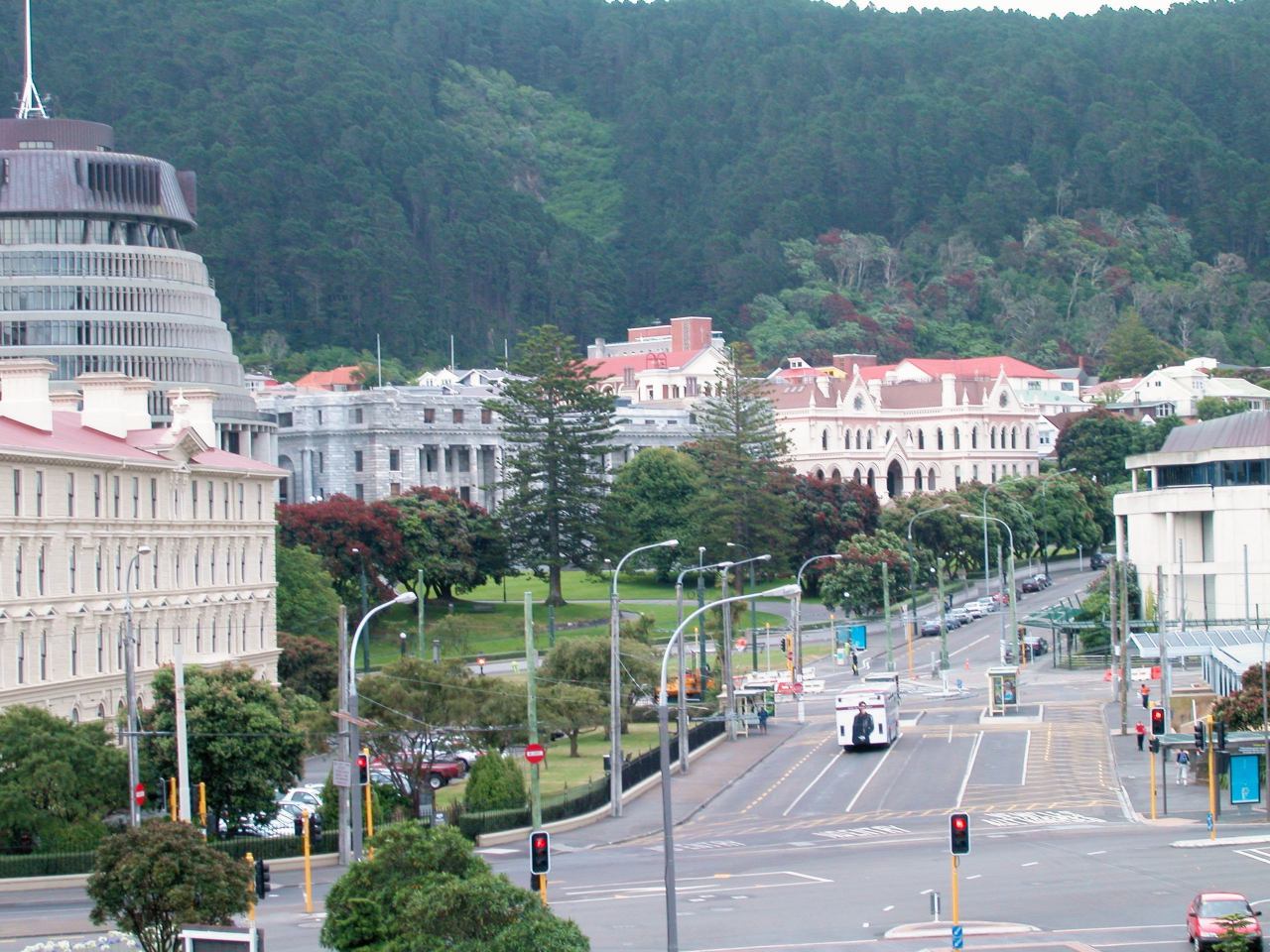
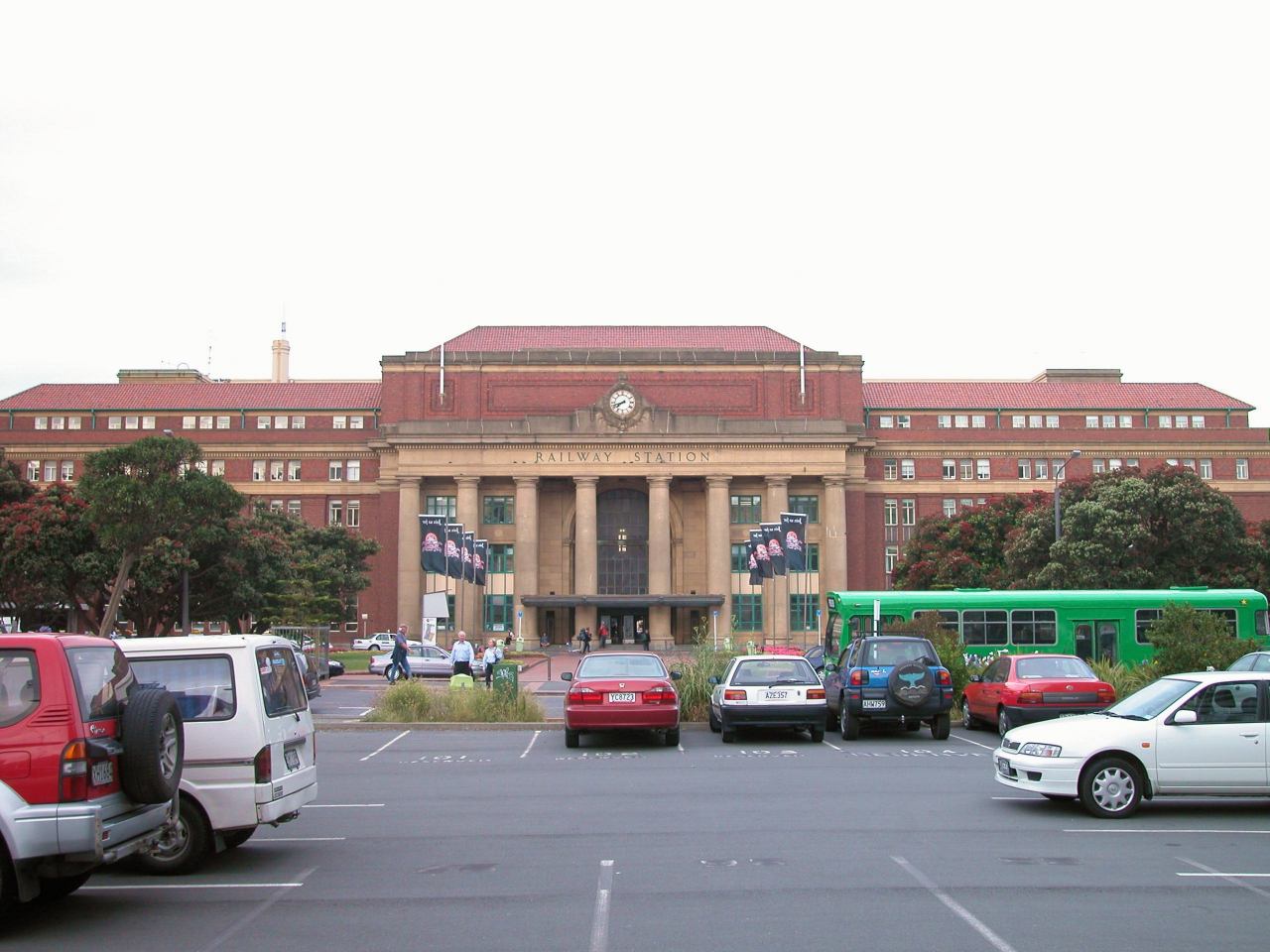
The hotel where we stayed was in the BBH network, Budget Backpacker Hostels (41°16.809′S, 174°46.792′E). An extremely small room, but it had a shower. NZ$75 a night, and right in the centre. From the window you could see Parliament and the railway station.
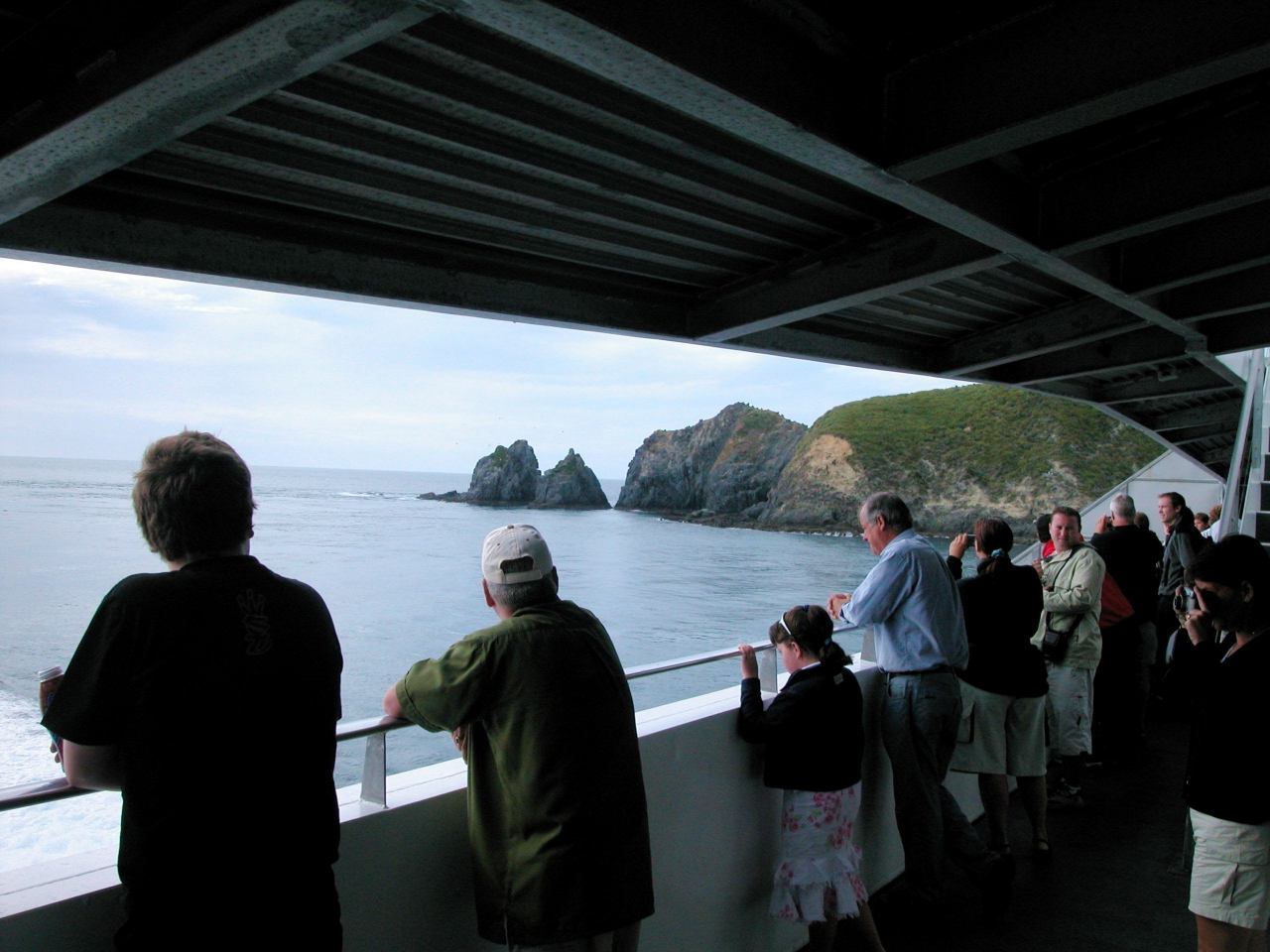
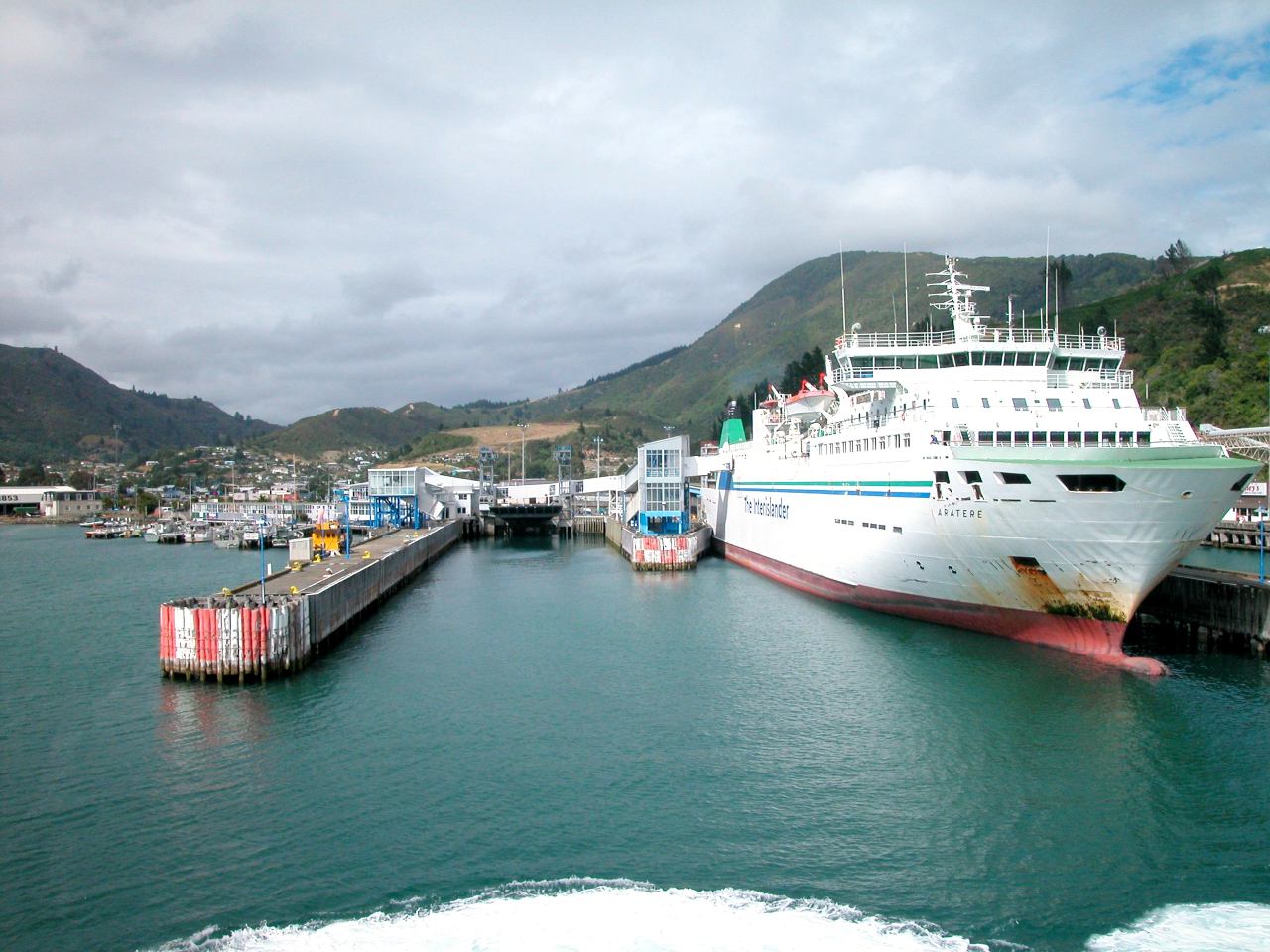
We had tickets for the Lynx ferry. Supposedly the fastest ferry in the world. I'd heard that sort of claim more than once, so I measured our speed: seventy-five kilometres an hour. It took 230 cars and 840 passengers. It looked like a hydrofoil catamaran, driven by two water jets, not much like a ship. You checked in as for a flight. They took your luggage at the desk, but didn't search it. The only part open to the air was a little deck at the stern. Across Cook Strait from Wellington on the North Island to Picton on the South, the journey took two hours. Most of it was spent in the South Island sounds, where the marvel of technology couldn't work up any speed and plodded along like an ordinary ship, which takes three hours for the whole journey. The ordinary one is cheaper, too. If you're taking a car, it pays to book. Car spaces on daytime ferries can go months ahead in season, but there's usually room at night. The website calls it a reservation, but it really is a purchase: the money leaves your card the moment you press Enter. You could get a refund less a cancellation charge. The price depended on the season and the time of day. Ours came to NZ$566 return with the car, of which $358 was for the car itself. Very expensive by European standards, but the trouble of switching cars cost more. The timetable, prices and bookings were all at the Interislander website.
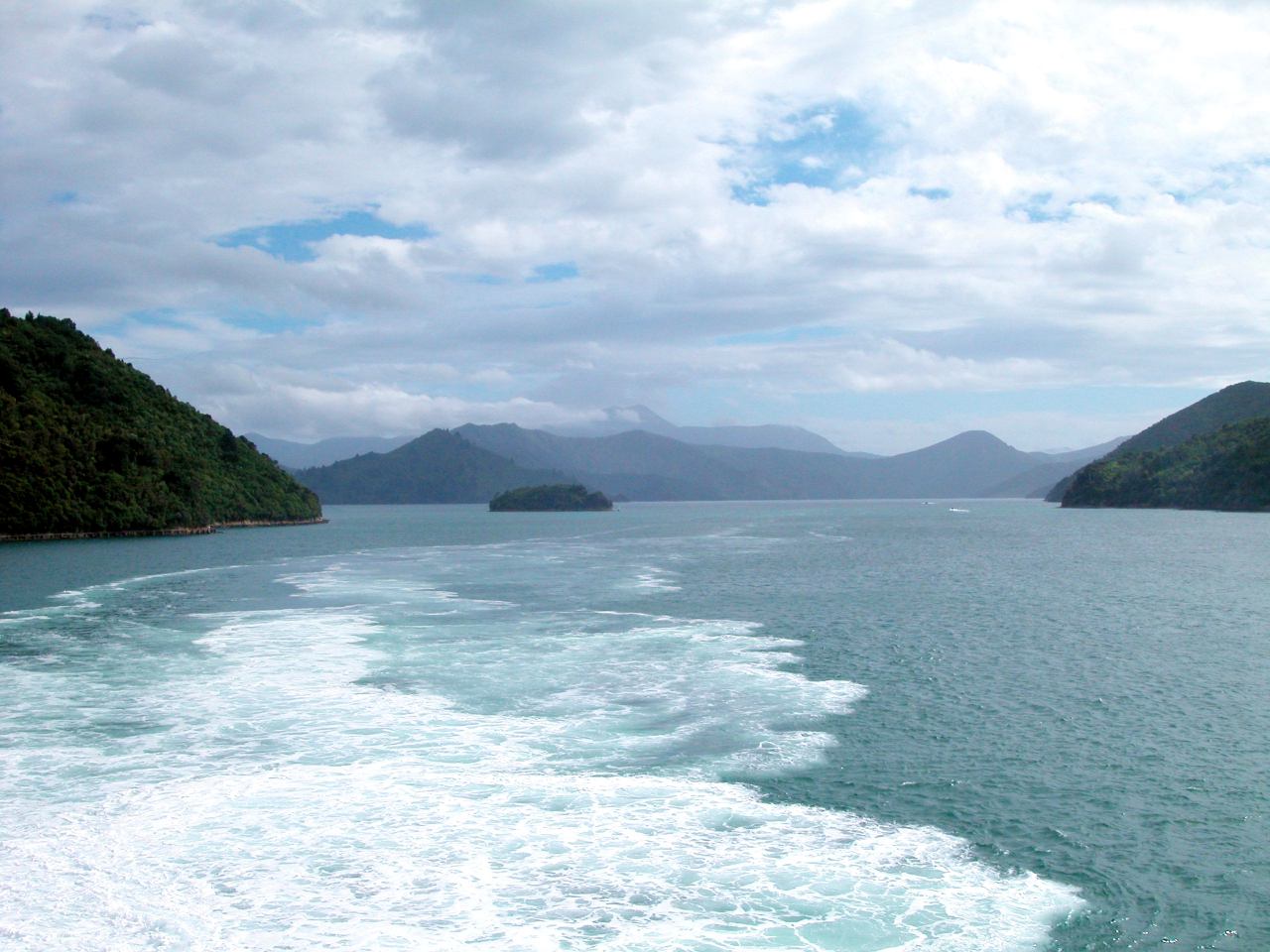
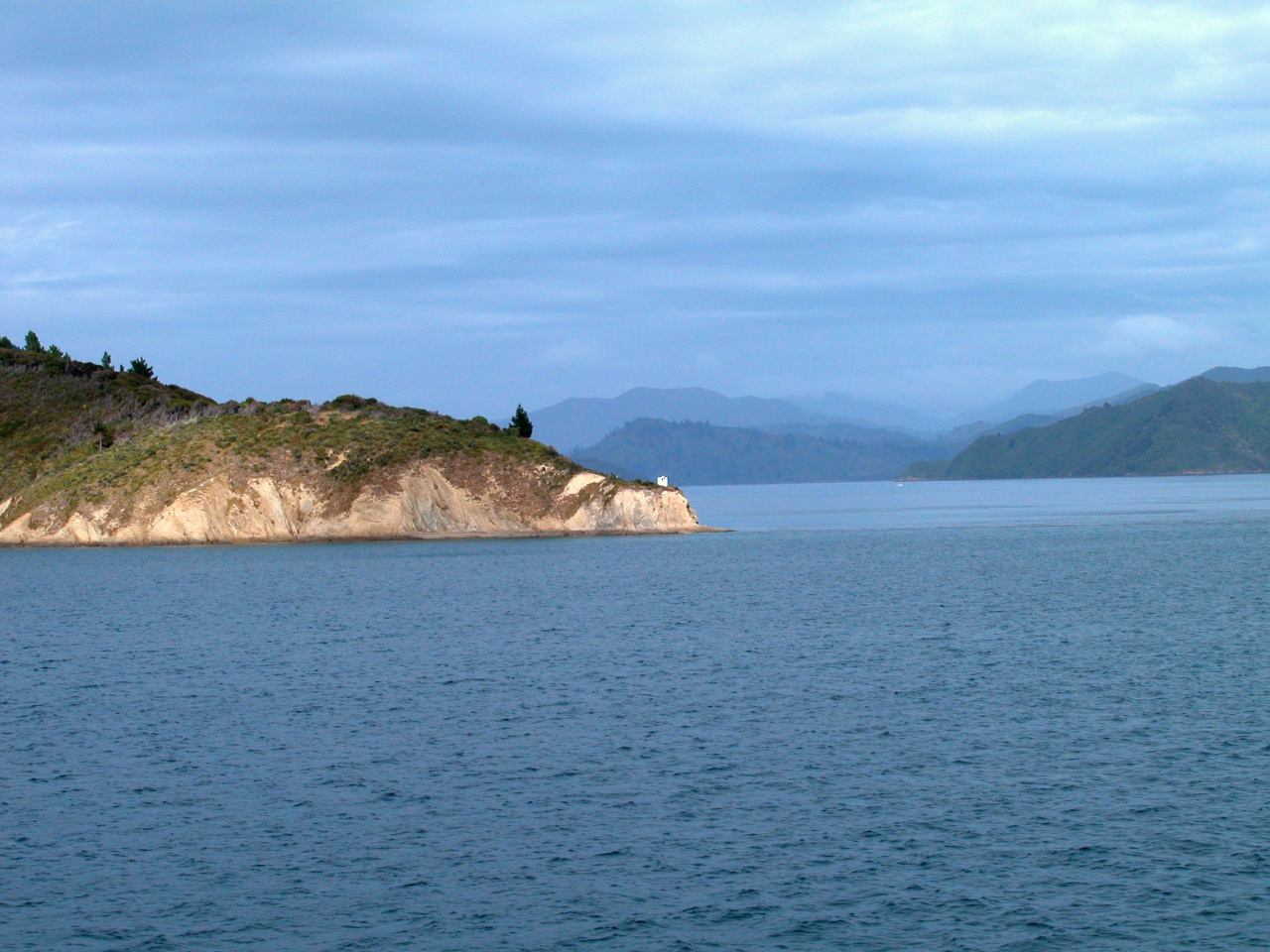
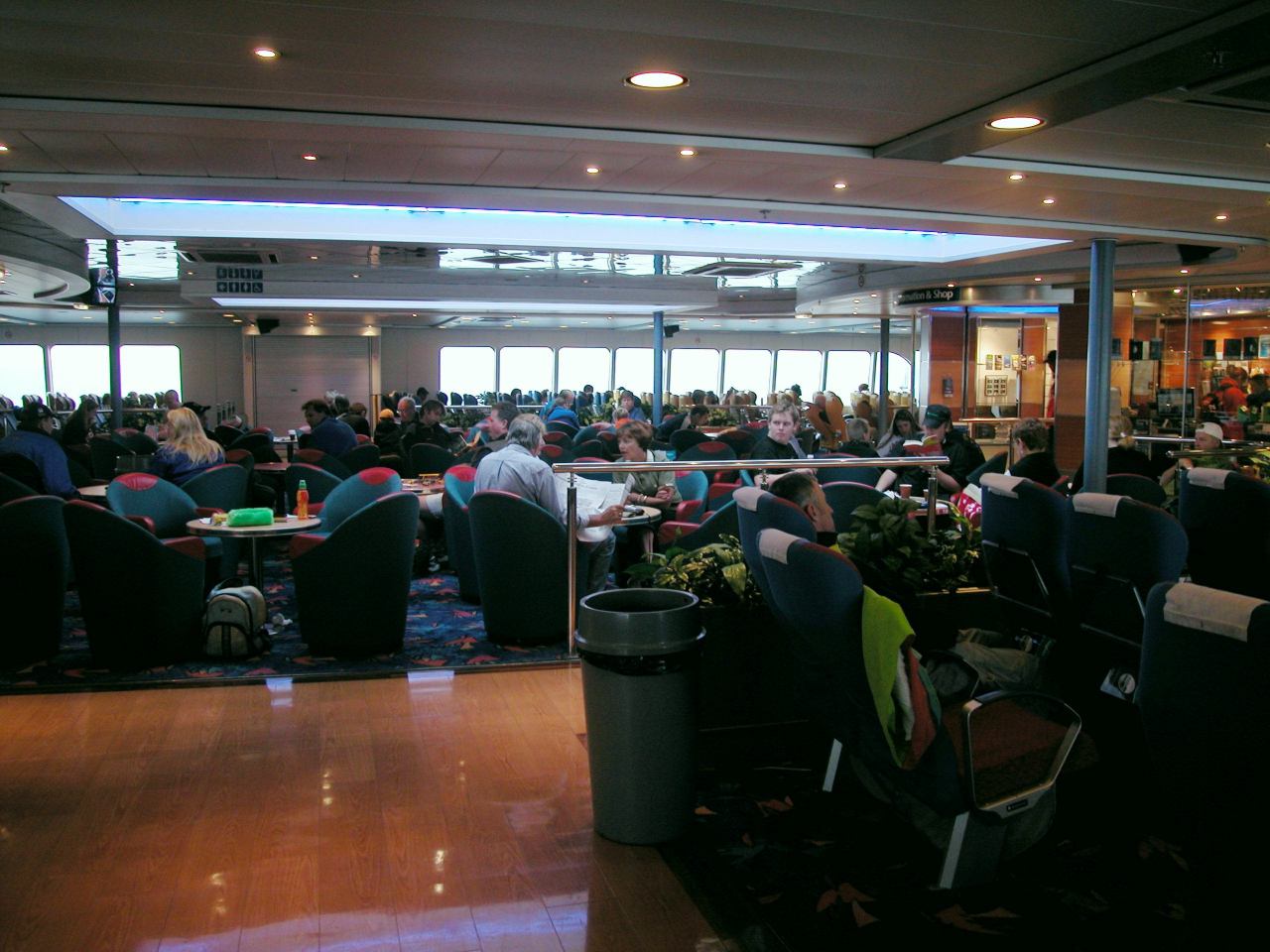
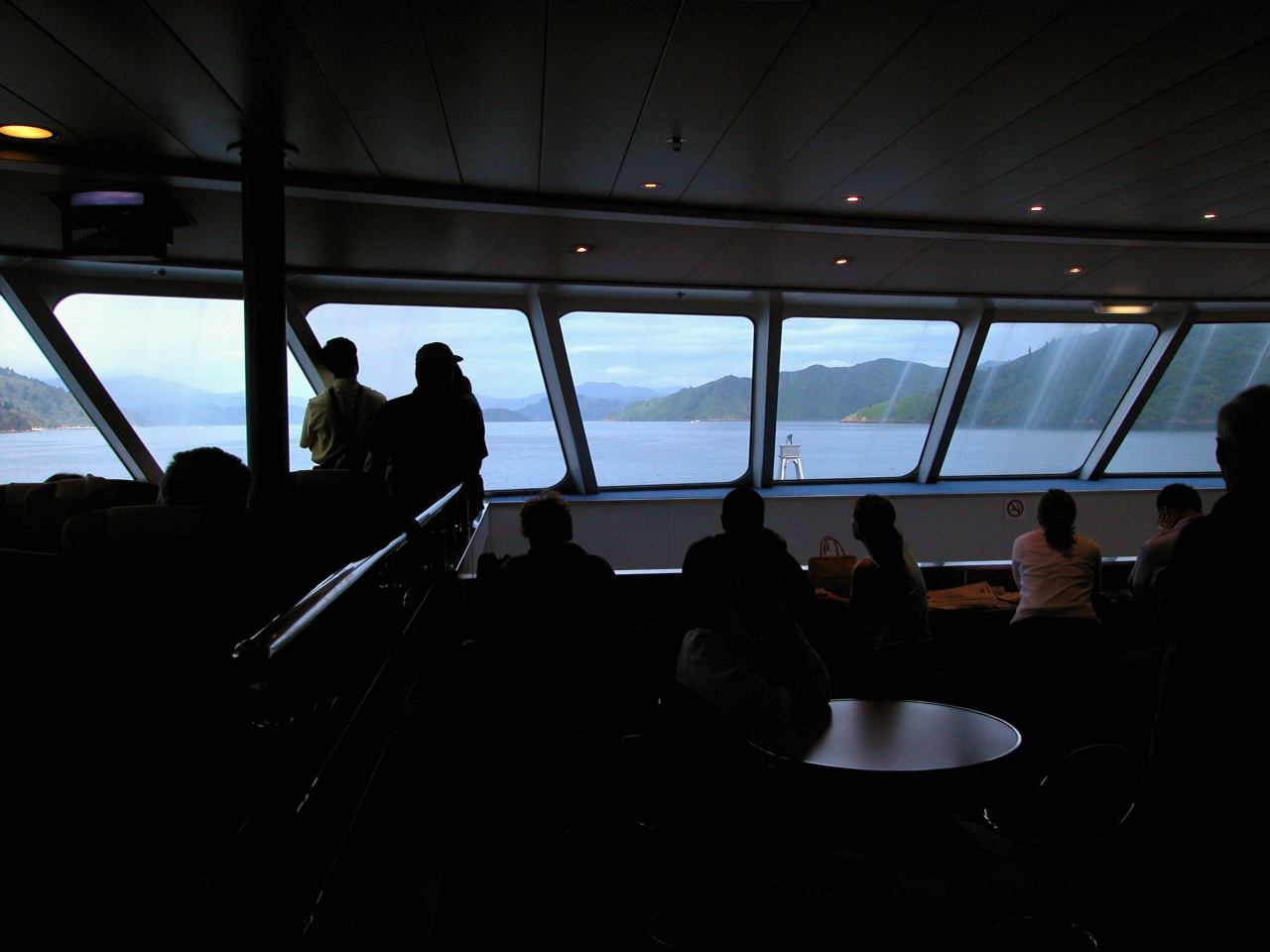
Inside the passenger cabin there were aircraft seats. The monitors constantly showed the view from cameras looking out ahead. There were two cafés. They didn't take foreign credit cards.
Once across the strait, we went straight to the office for our car, only to find they weren't expecting us. According to them, we were due at four in the afternoon. They asked us to wait. Picton is a very small town and there isn't that much to do there for that long. We went round the many desks belonging to the competition. Quite a respectable choice. We settled on an eight-year-old Hyundai Lantra from Avon Percy at NZ$66 a day. The little car had already done 180,000 kilometres, so we didn't feel quite so protective of it. We cancelled the one we'd booked with Budget. We told them we wanted to cancel and they said, “No problem.” Only they didn't release the money for seventeen days' hire. NZ$1,445 stayed out of my hands for months. I had to get it back with the help of my bank in Saint Petersburg. Thank goodness the bank was firmly on my side, and thank goodness we'd brought plenty of money.
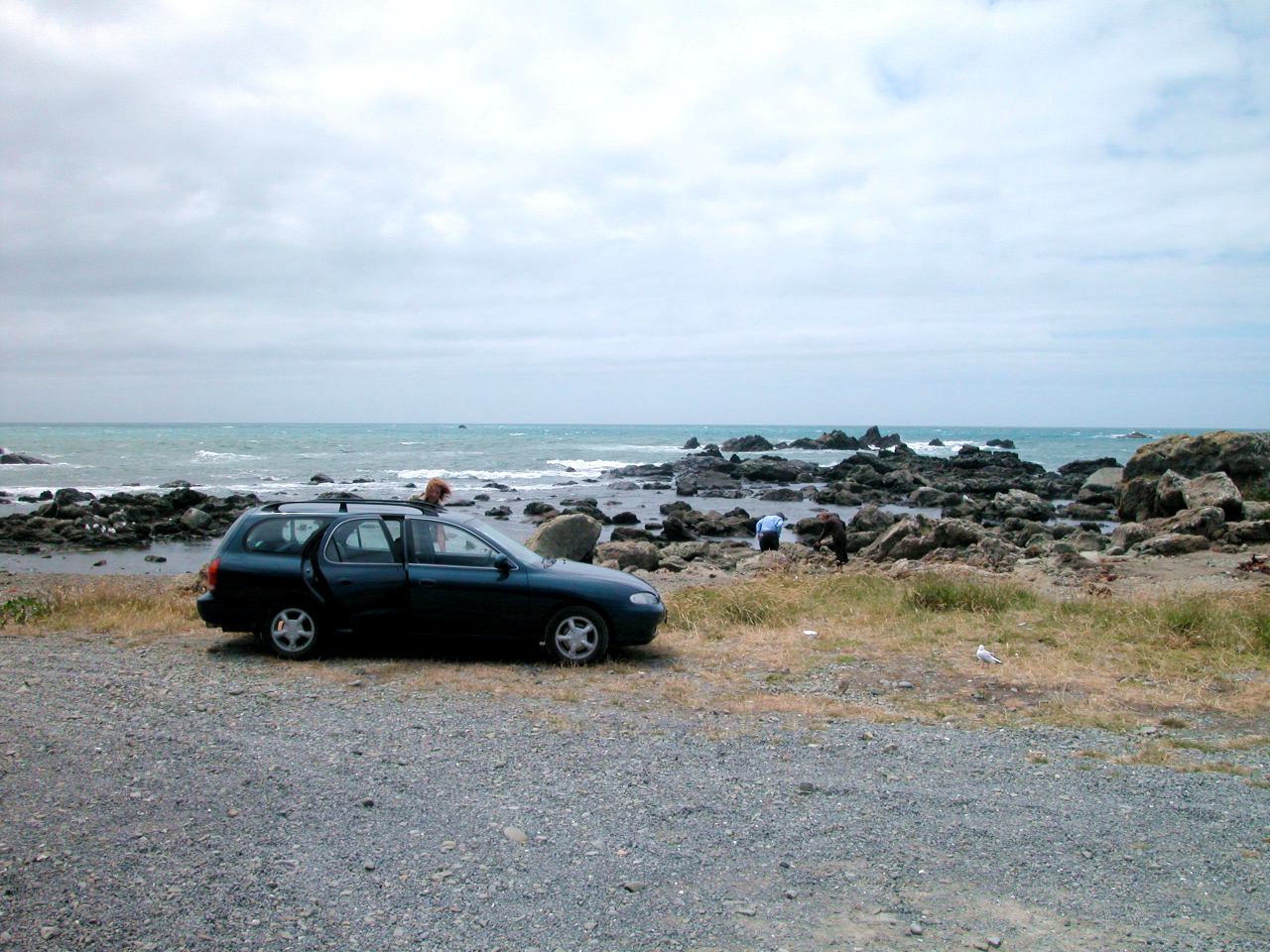
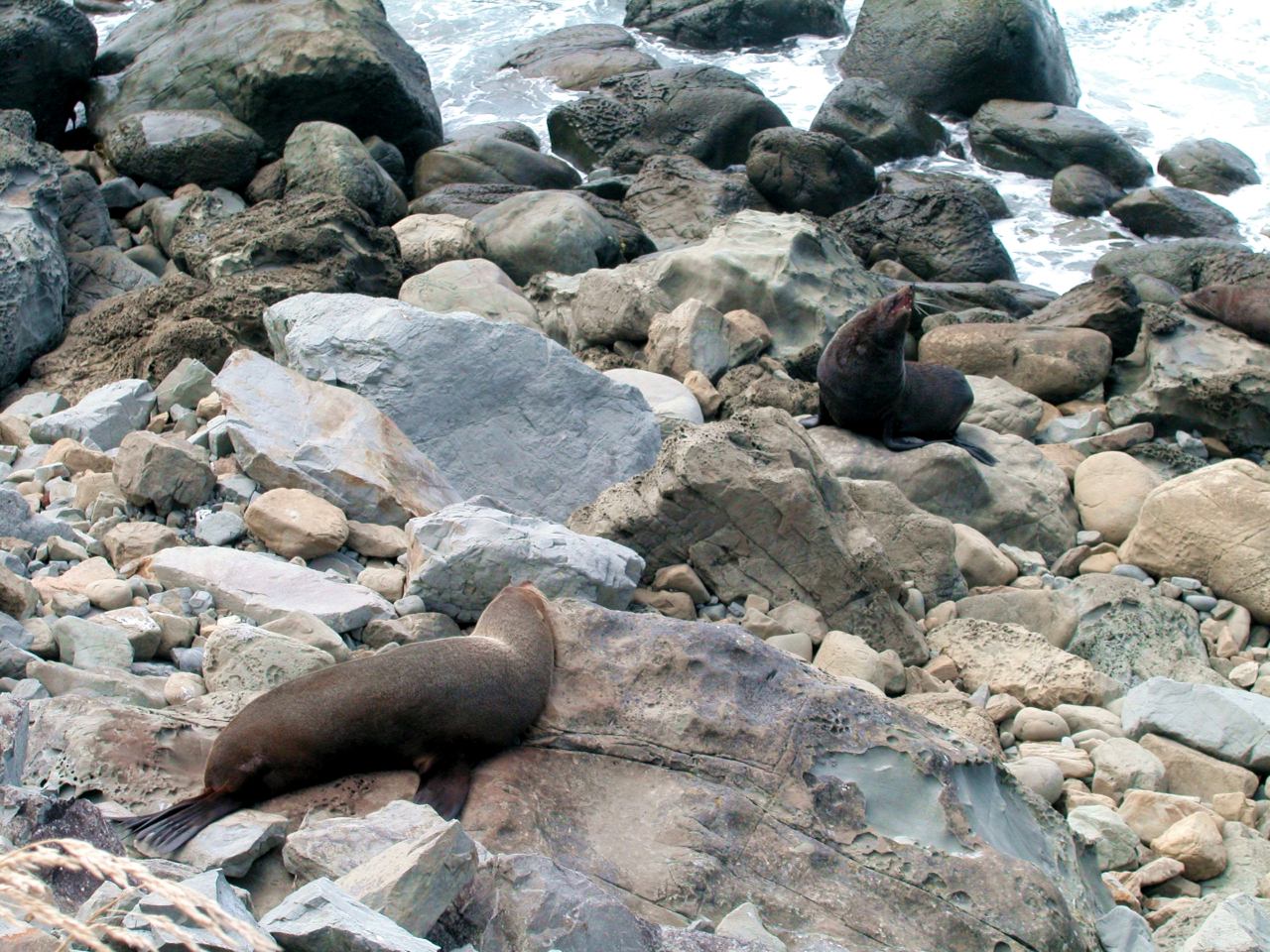
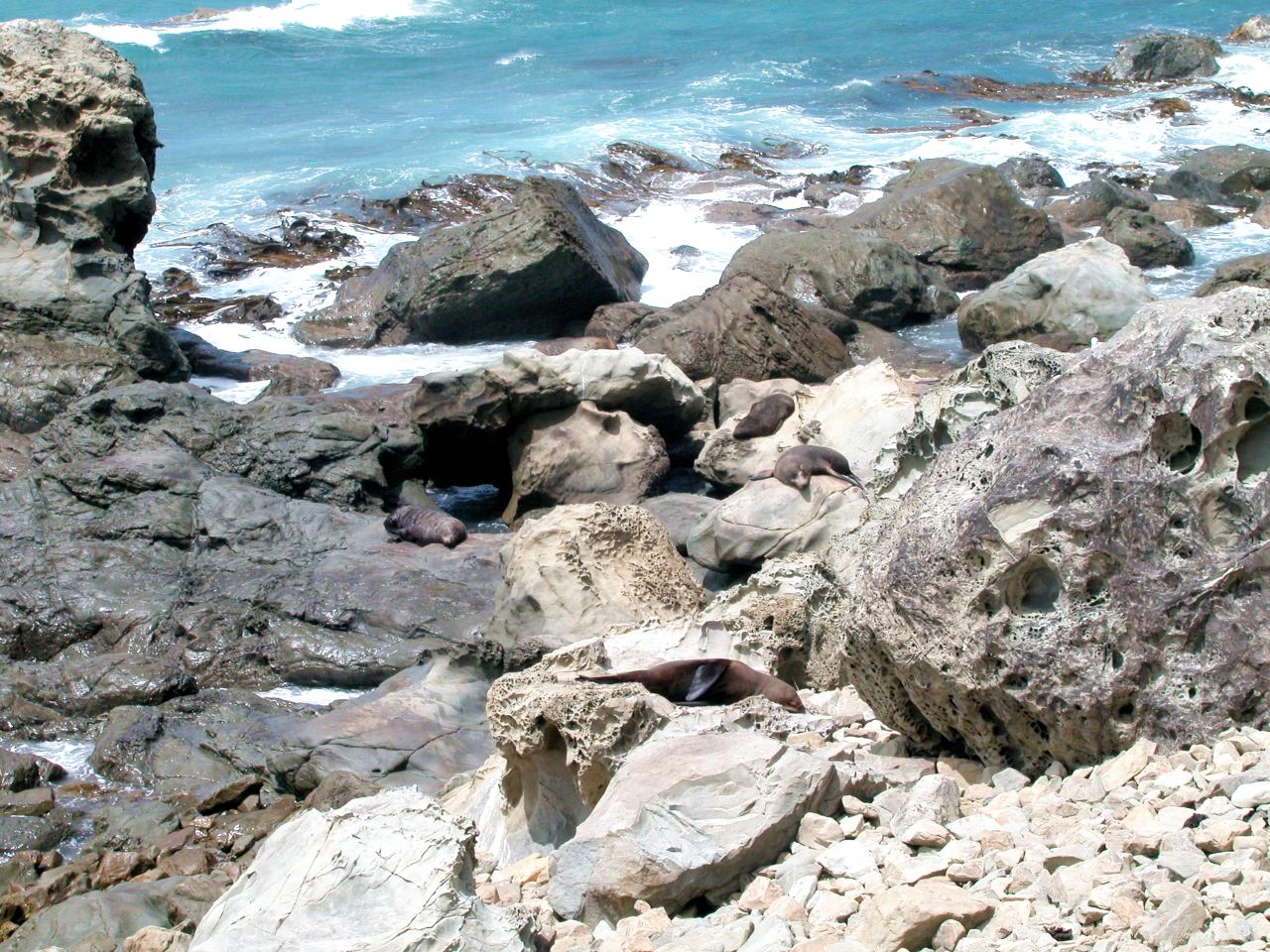
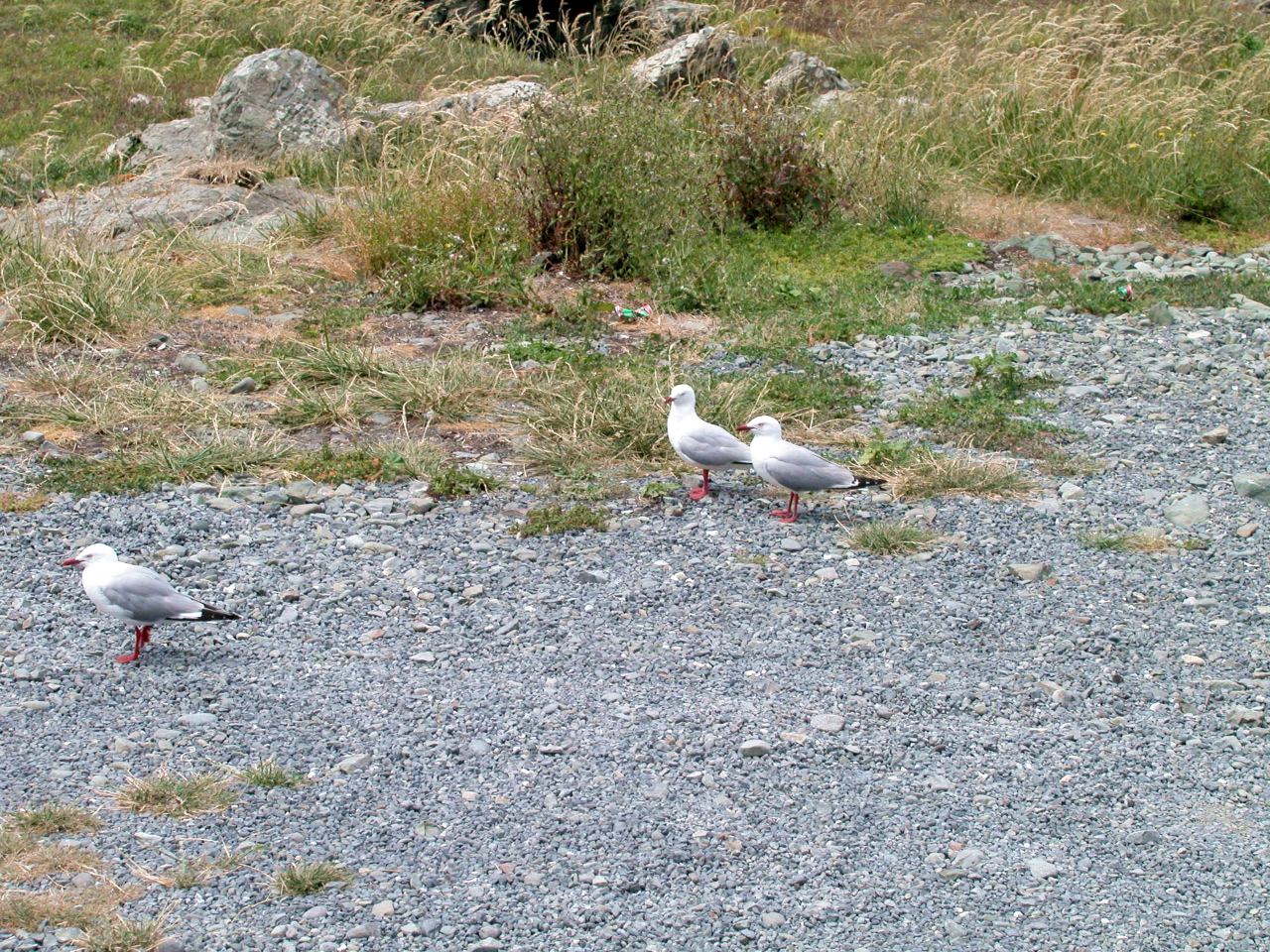
From Picton we drove to Christchurch with practically no stops. In places the road goes right along the ocean. Huge waves break over rocks where great numbers of seals lie about. It was a glorious sight and we stopped for a bite, but didn't get one. The wind was so strong it blew our food away. We had to find somewhere more sheltered.
We reached Christchurch about three. To avoid writing such a long name people shorten it to ChCh. Christchurch, the South Island's largest city and the country's second-largest, has a historic centre from the nineteenth century. Plenty of buildings in the classic English style. A tram runs sightseeing trips. In the main square is the church of Christ, from which the city takes its name. The river Avon (another view of the Avon) runs through the centre. A metre deep and five metres wide, but a source of local pride. Avon turns up in almost every advertisement. You can go punting along the river, almost as if you were in Venice. An adult ticket cost NZ$15. In one of the bends is Hagley Park, with its Botanic Gardens. The English love of parks, combined with New Zealand's exuberant natural world, has produced something astonishing. All the paths, ponds and little bridges are kept in perfect order. Lawns with flowers and fountains. Local people go jogging. Children splash about in the pools. One part of the park is called the Cockayne Memorial Garden. No, not cocaine; no sign of that. It was named in honour of the botanist Leonard Cockayne. By the park is Canterbury's Christ’s College, built like an old English castle. Along the banks of the Avon stand the buildings of what was the University of Canterbury. New Zealanders can be a funny lot. In front of the entrance they put up a statue with a square head.
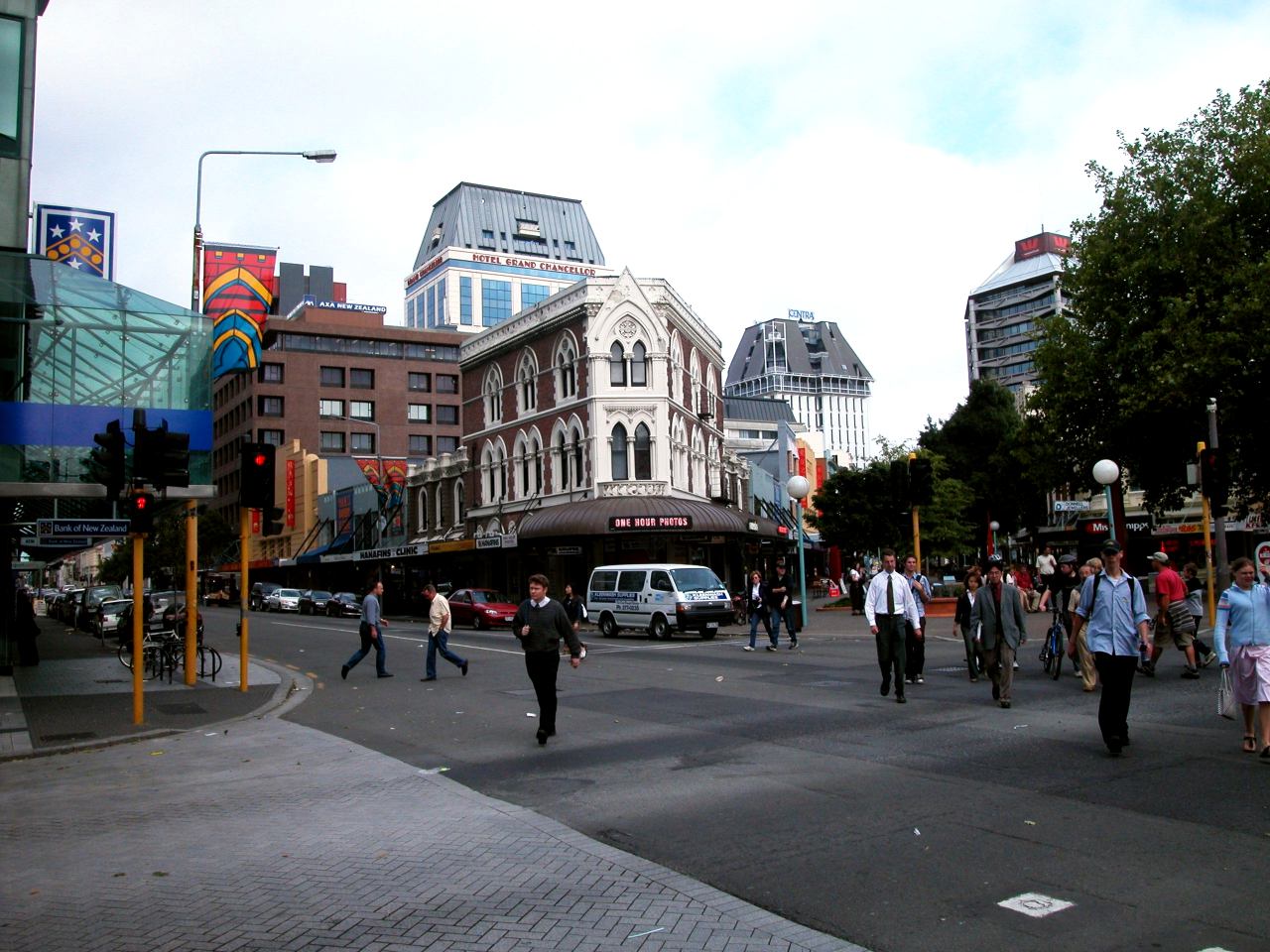
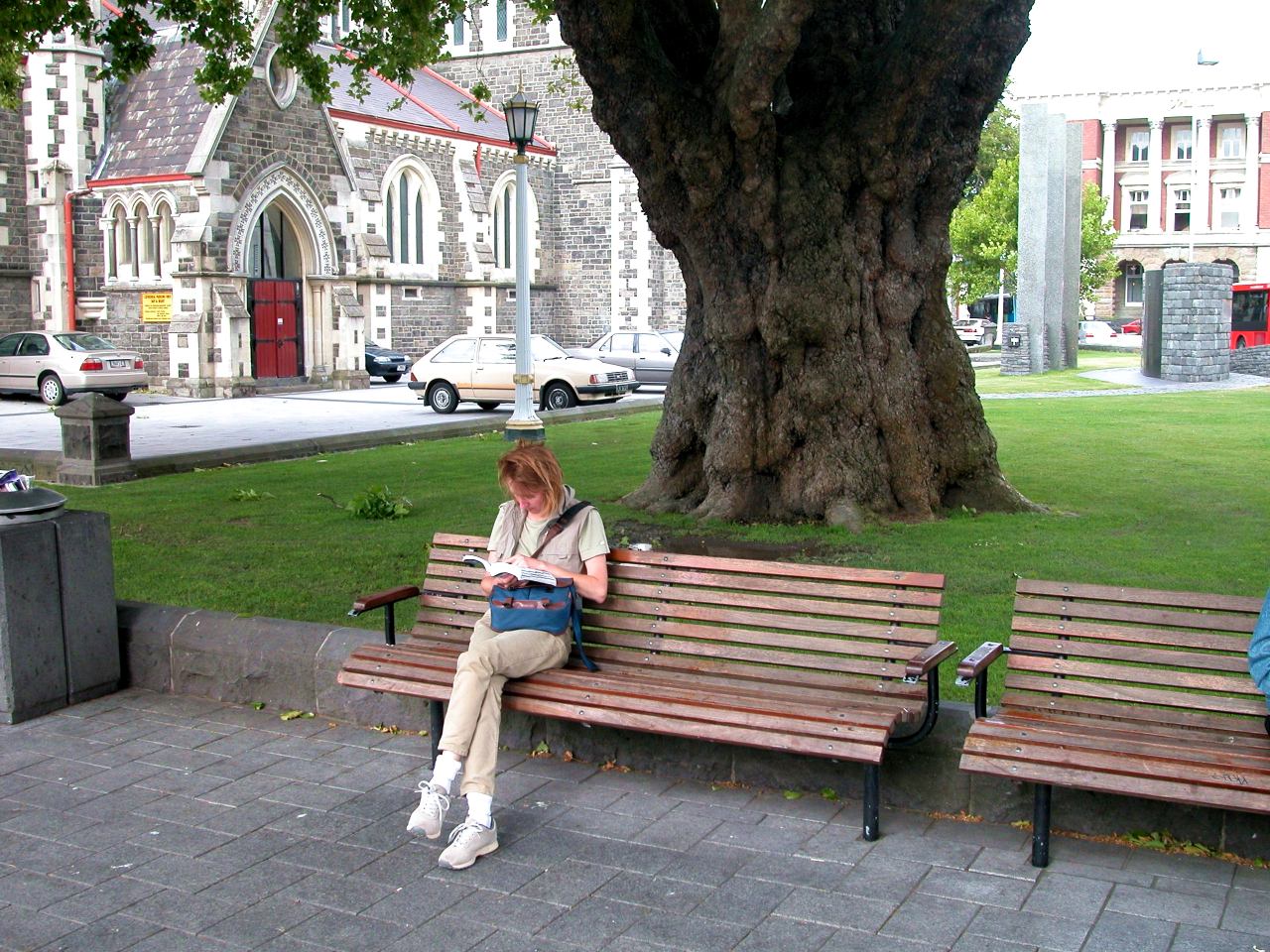
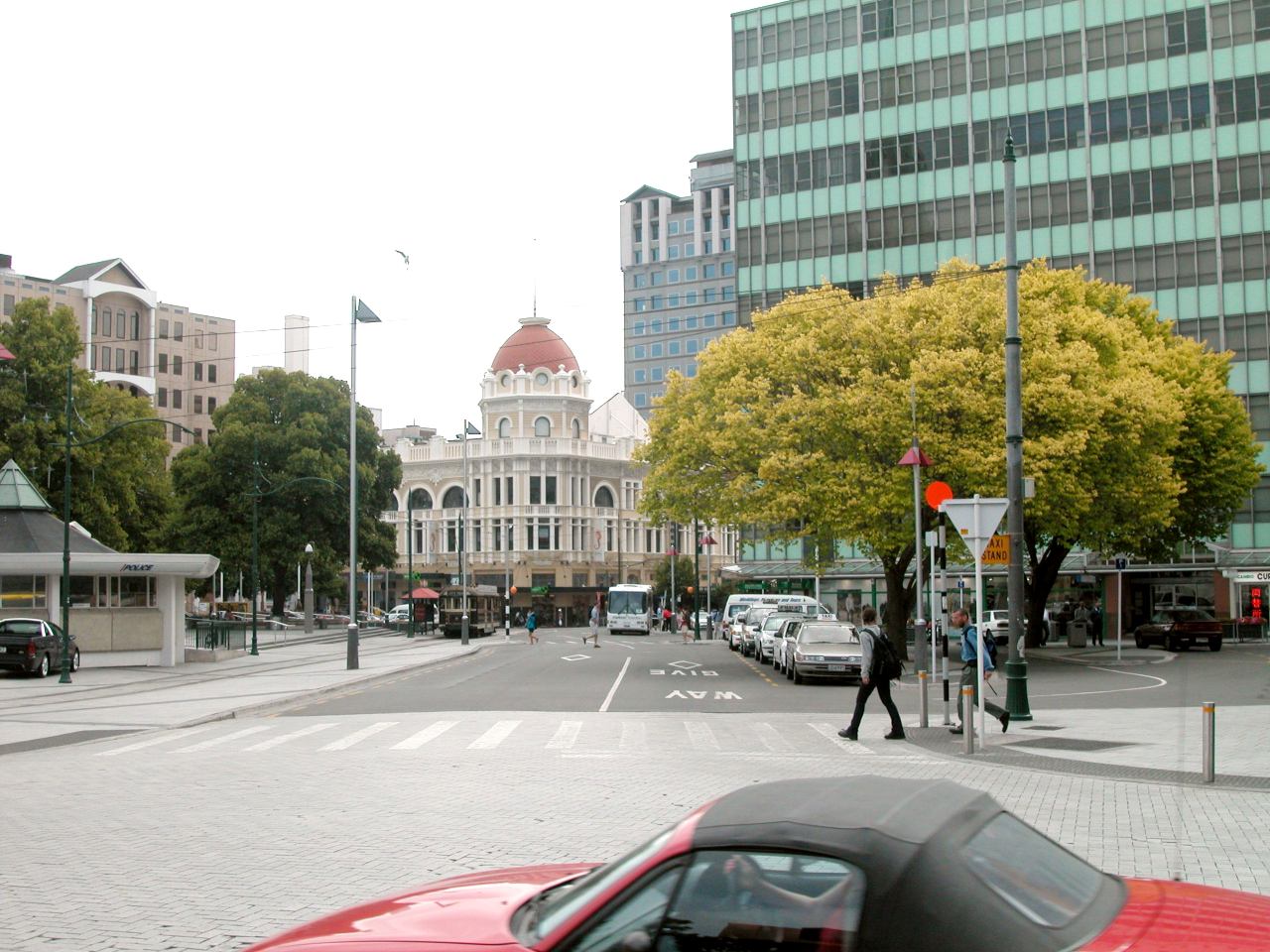
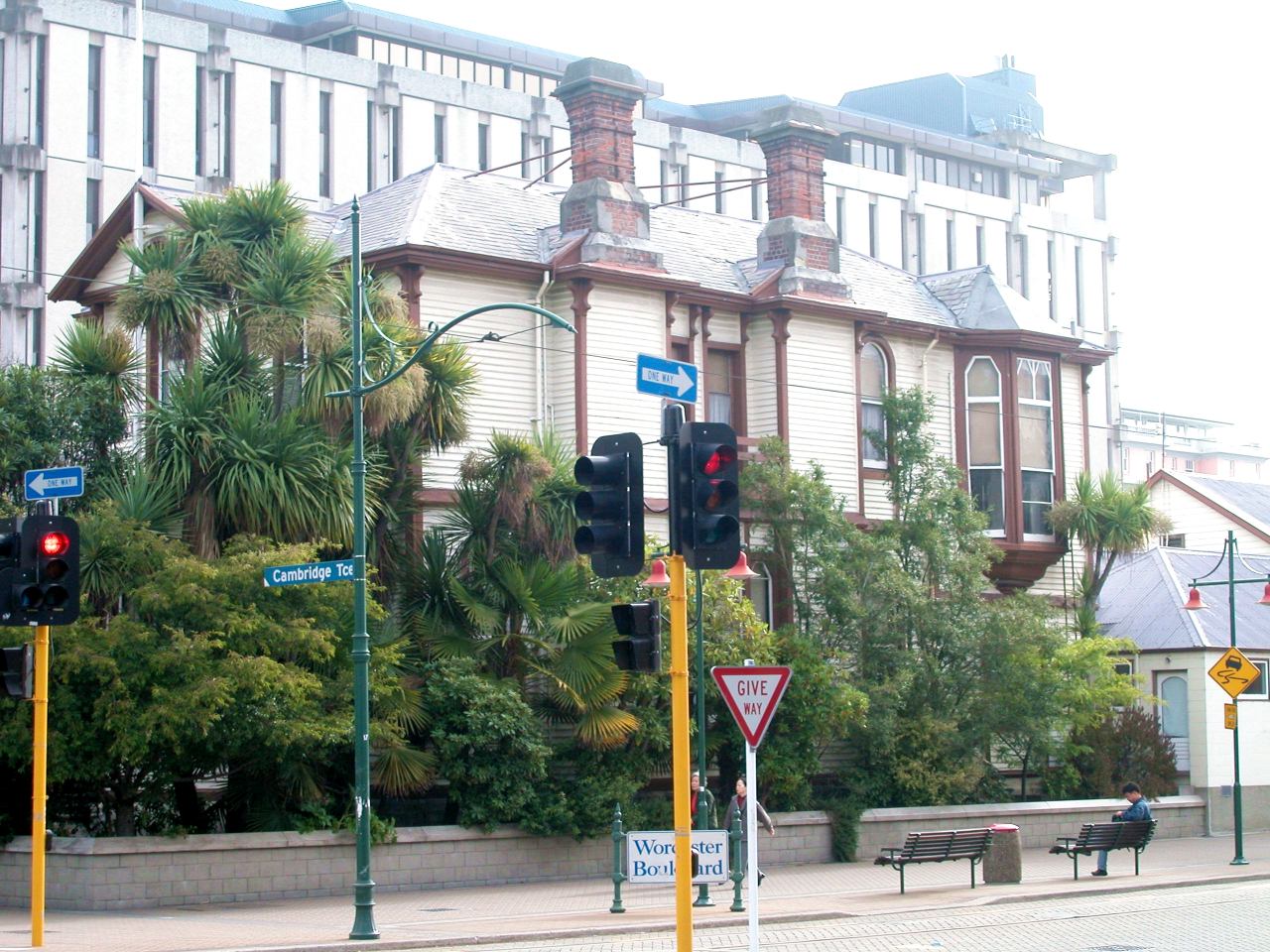
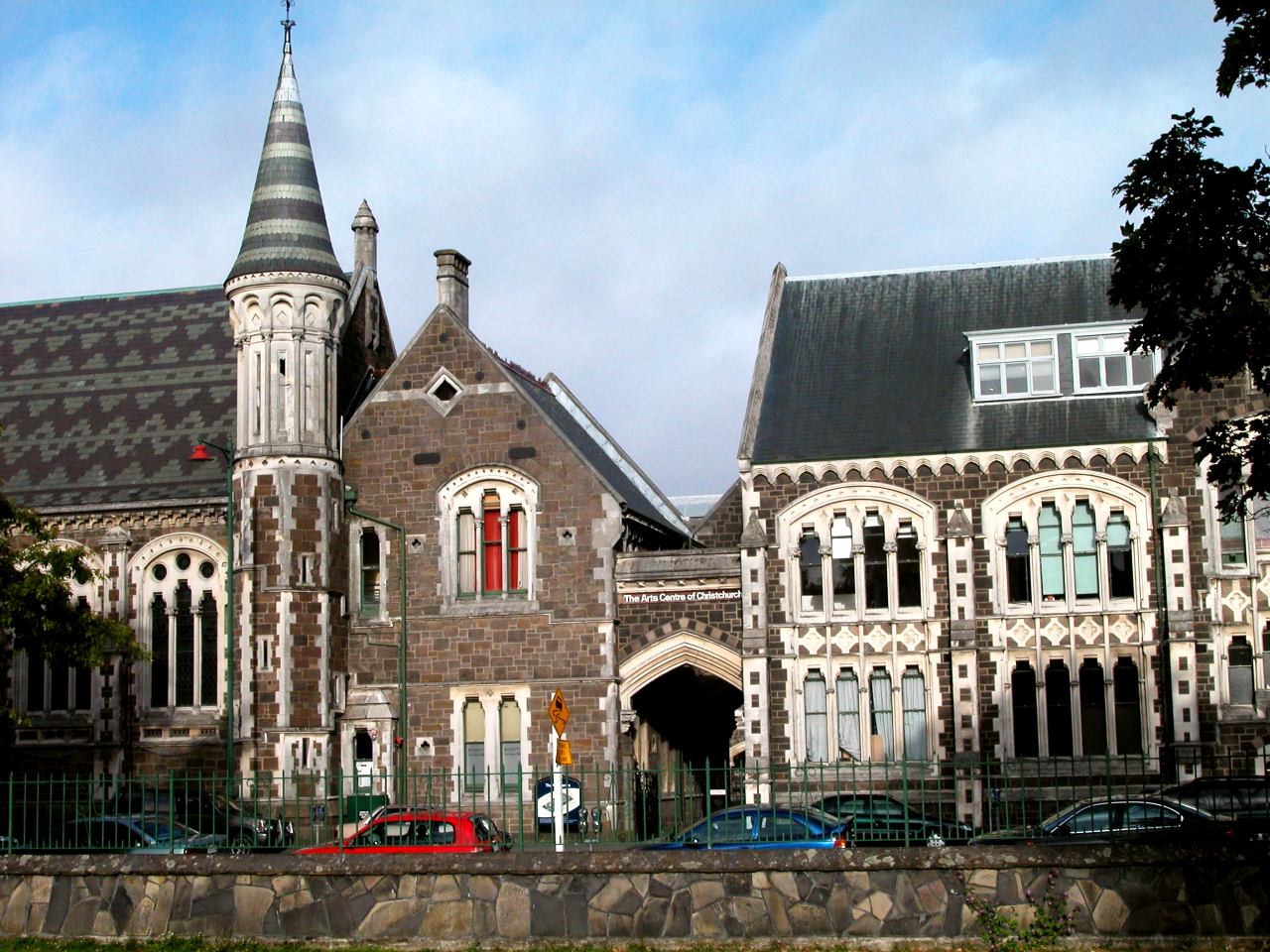
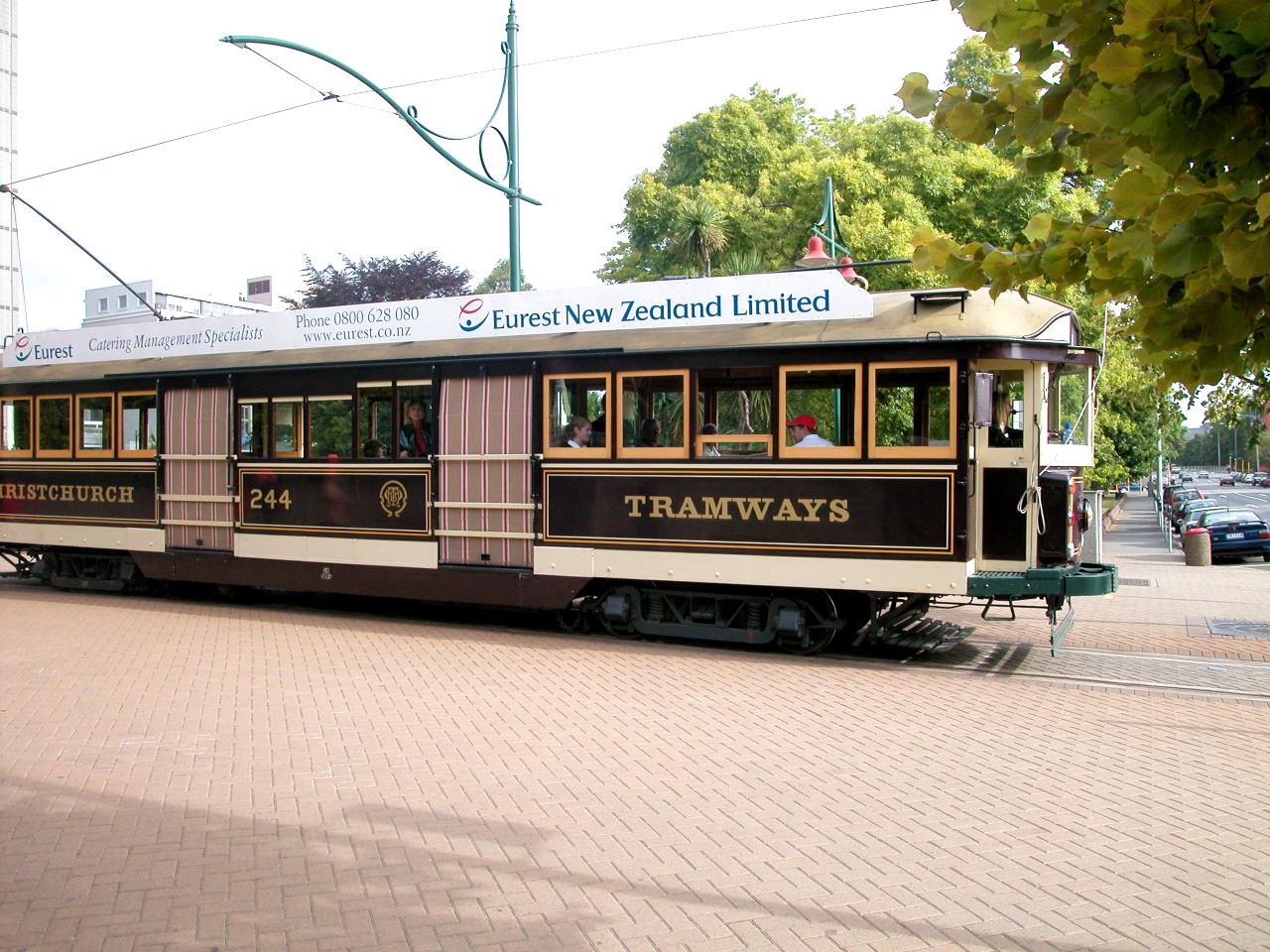
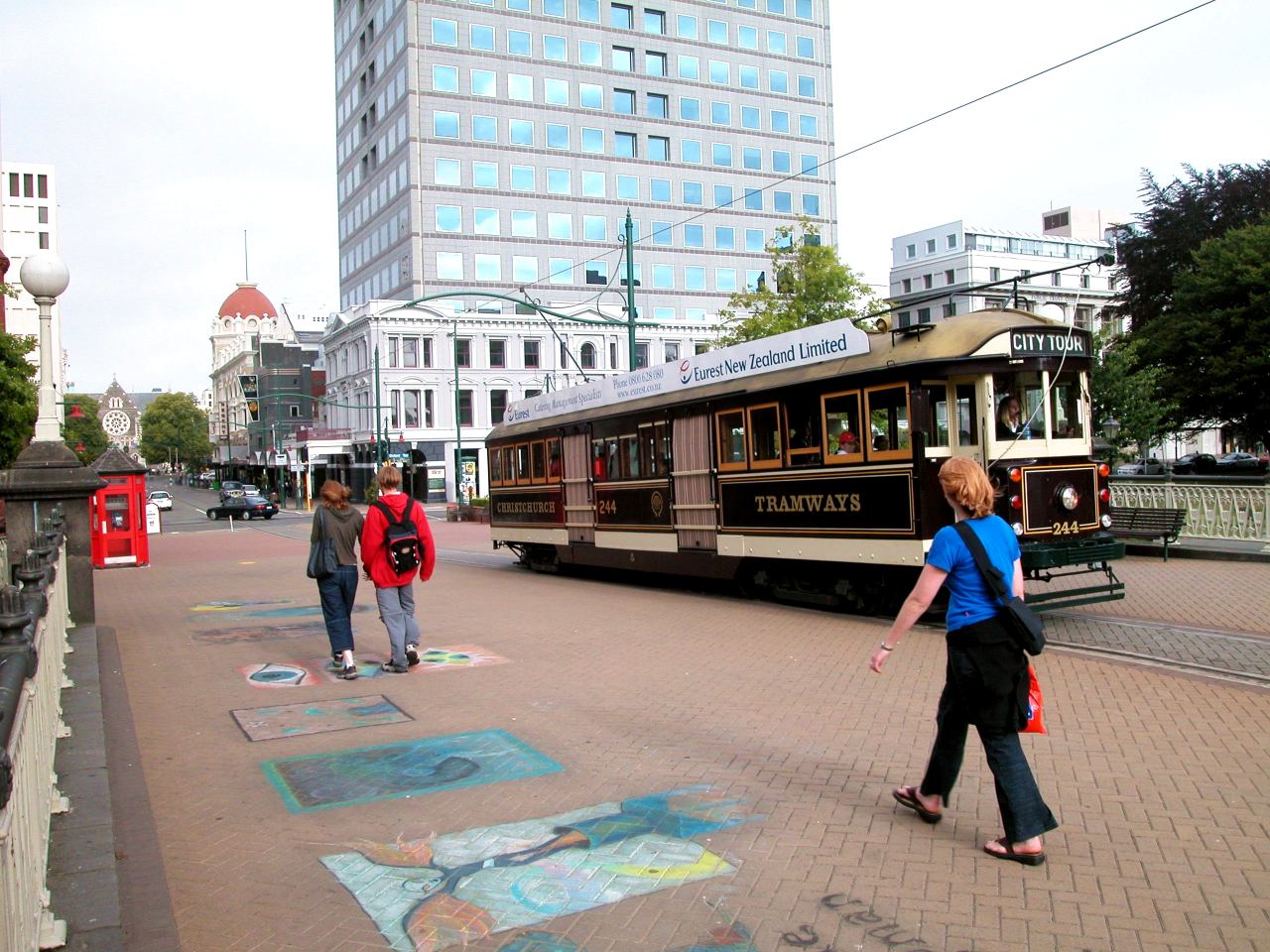
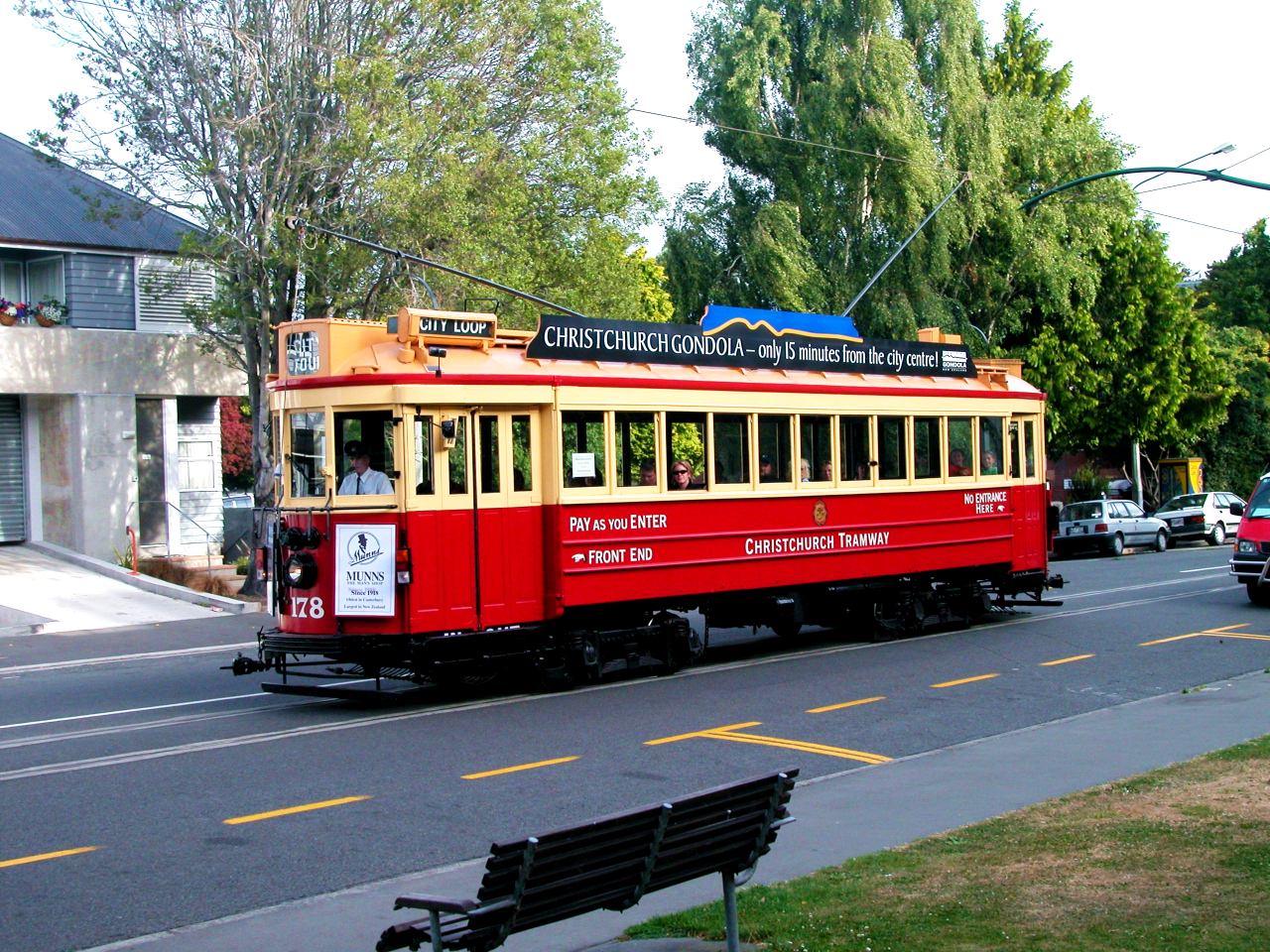
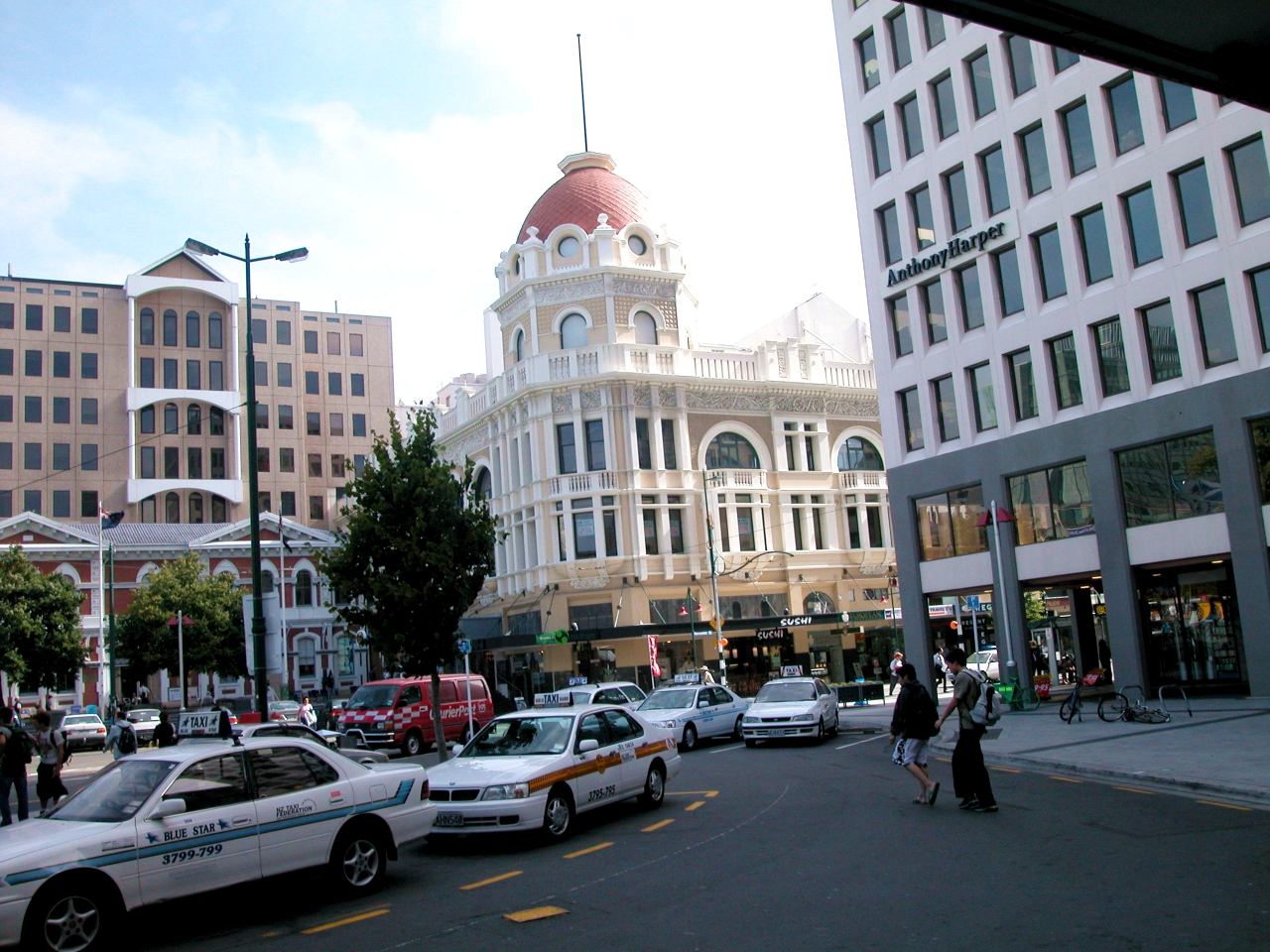
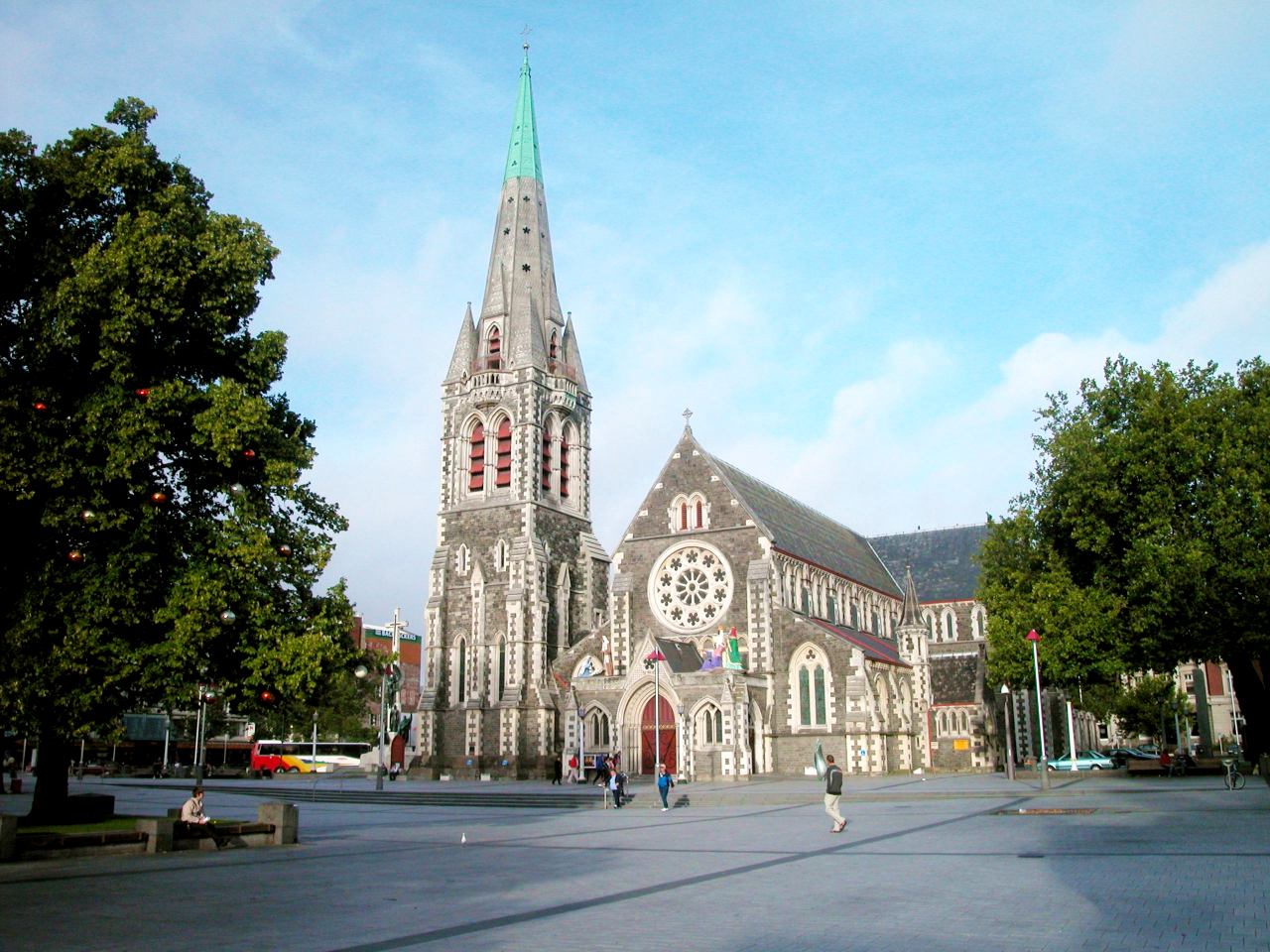
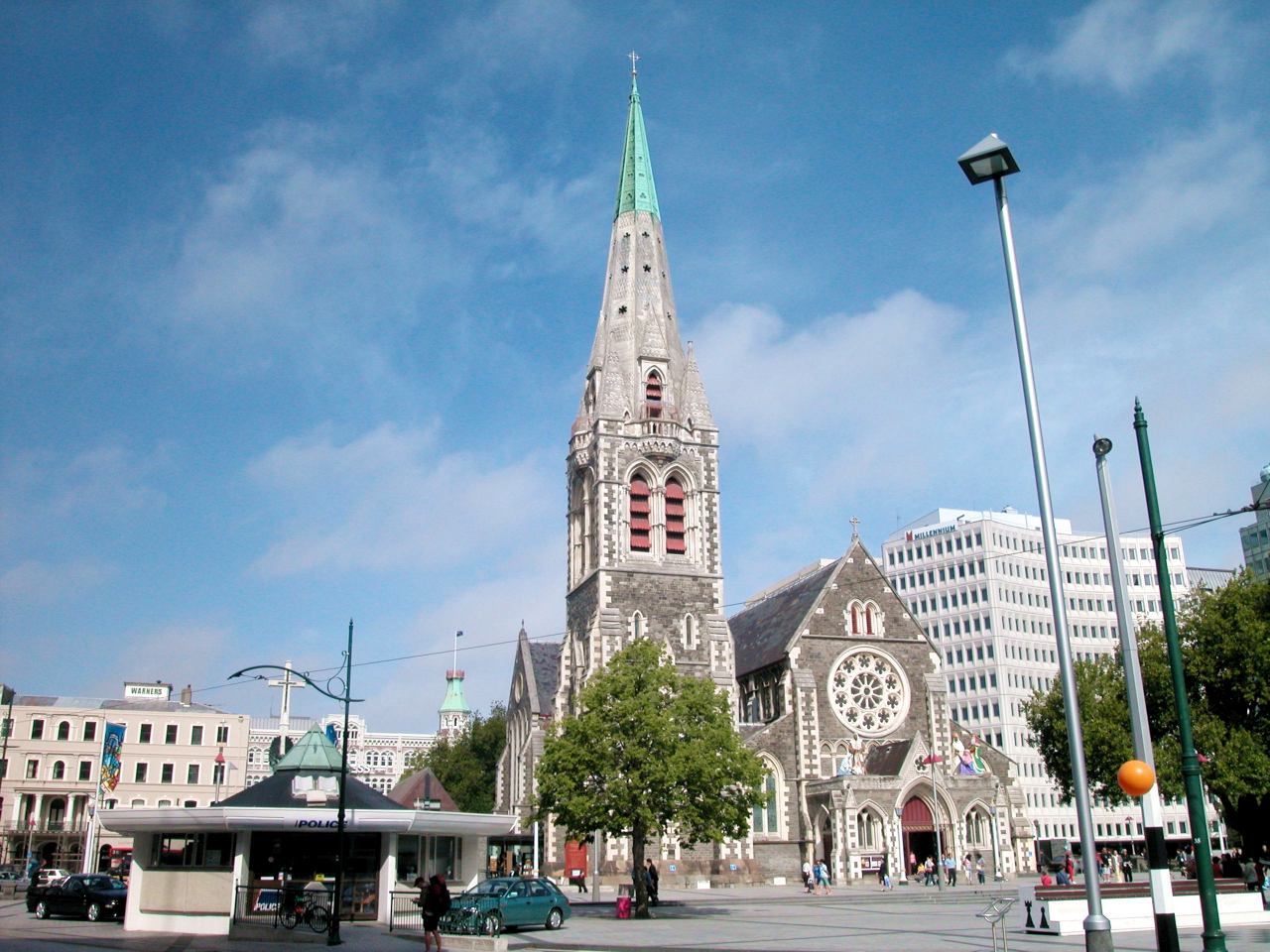
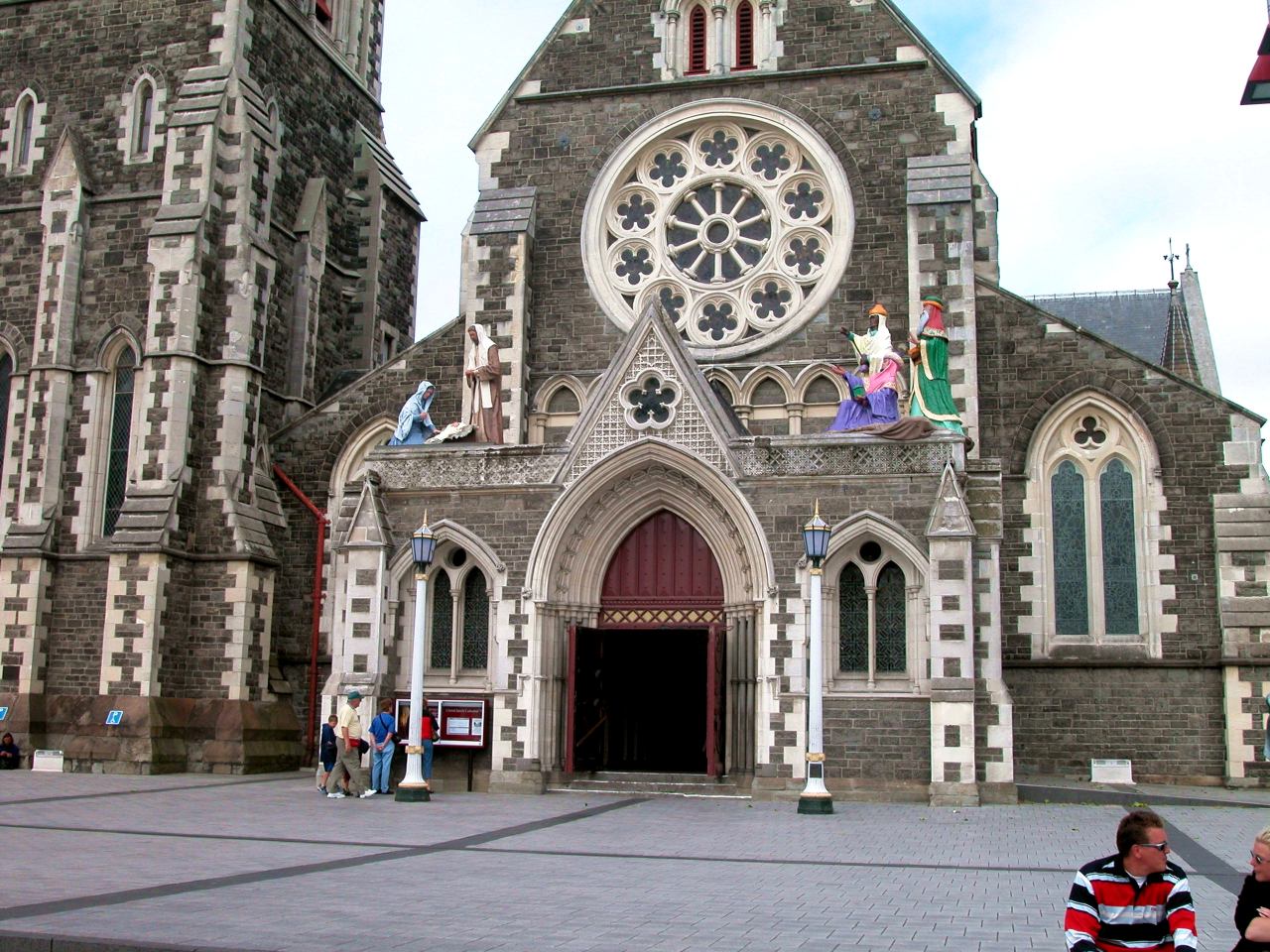
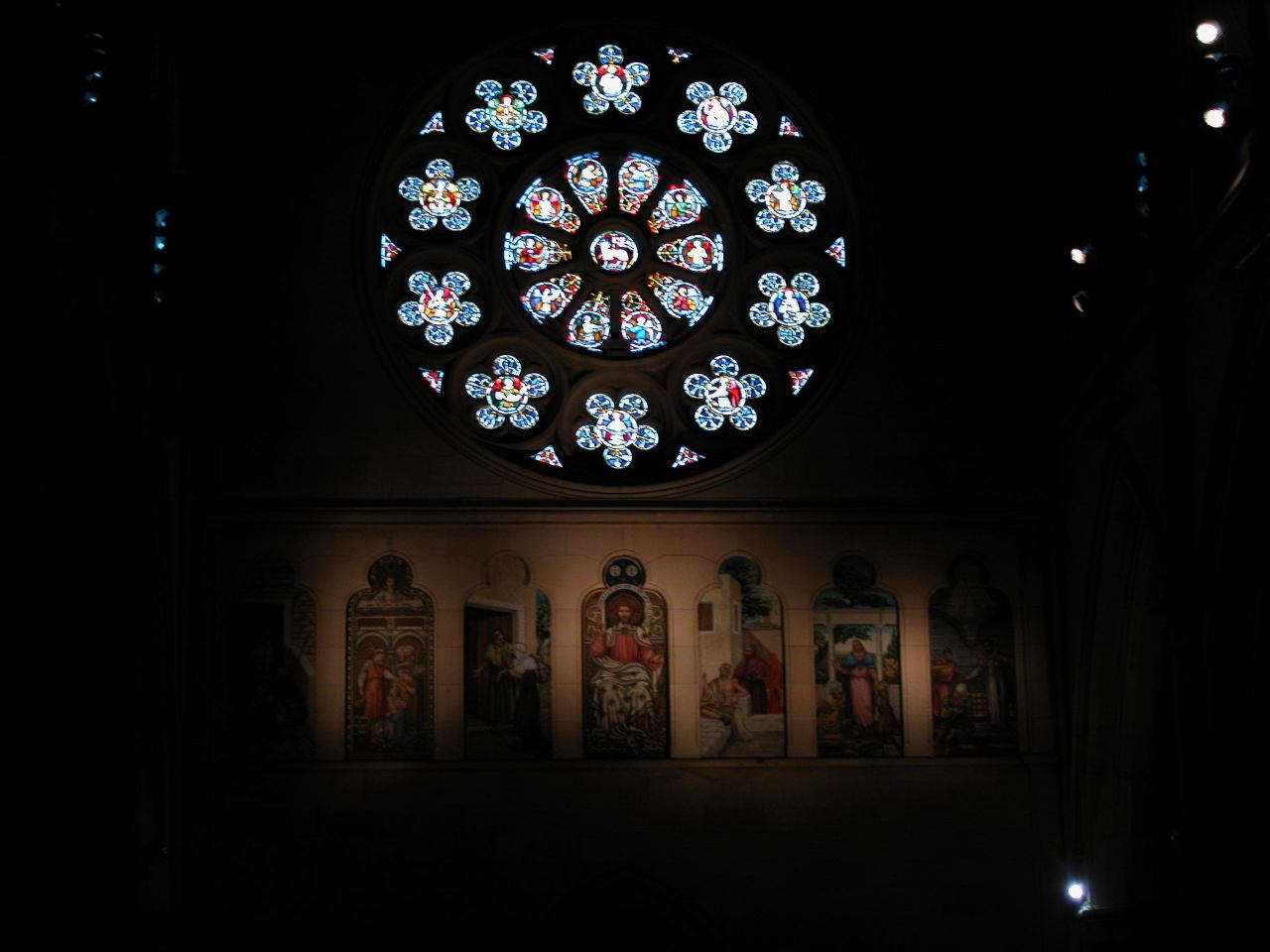
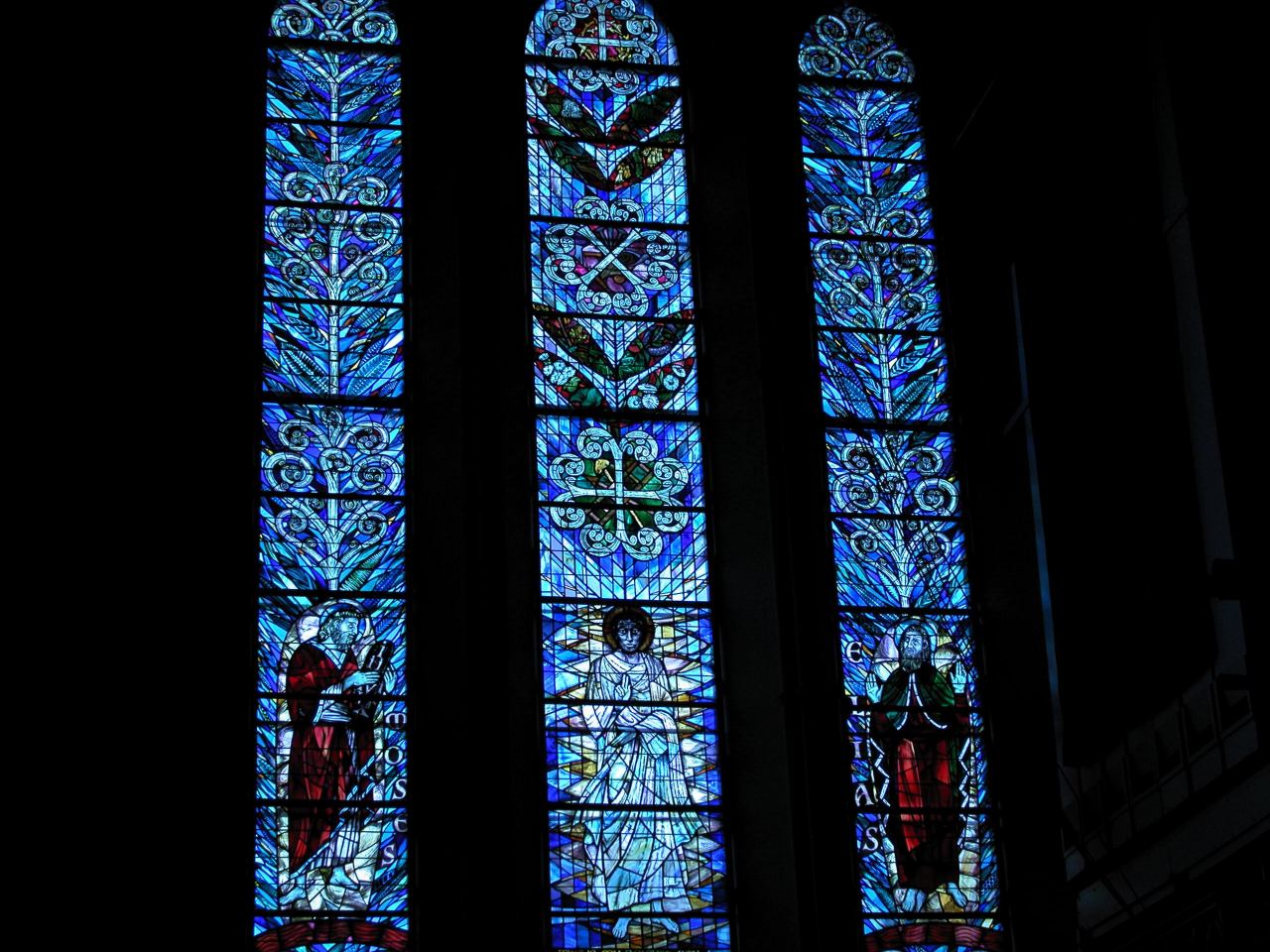
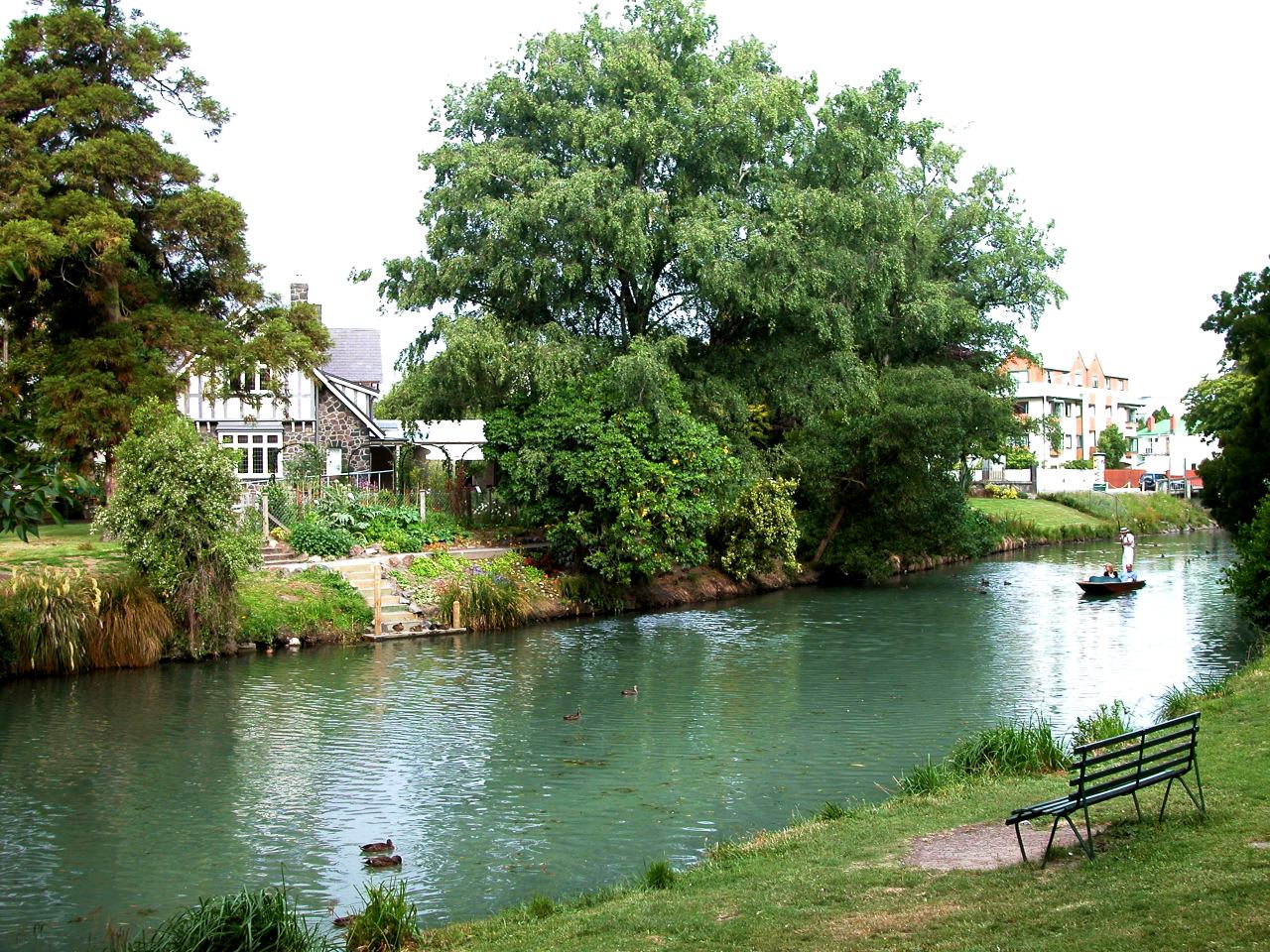
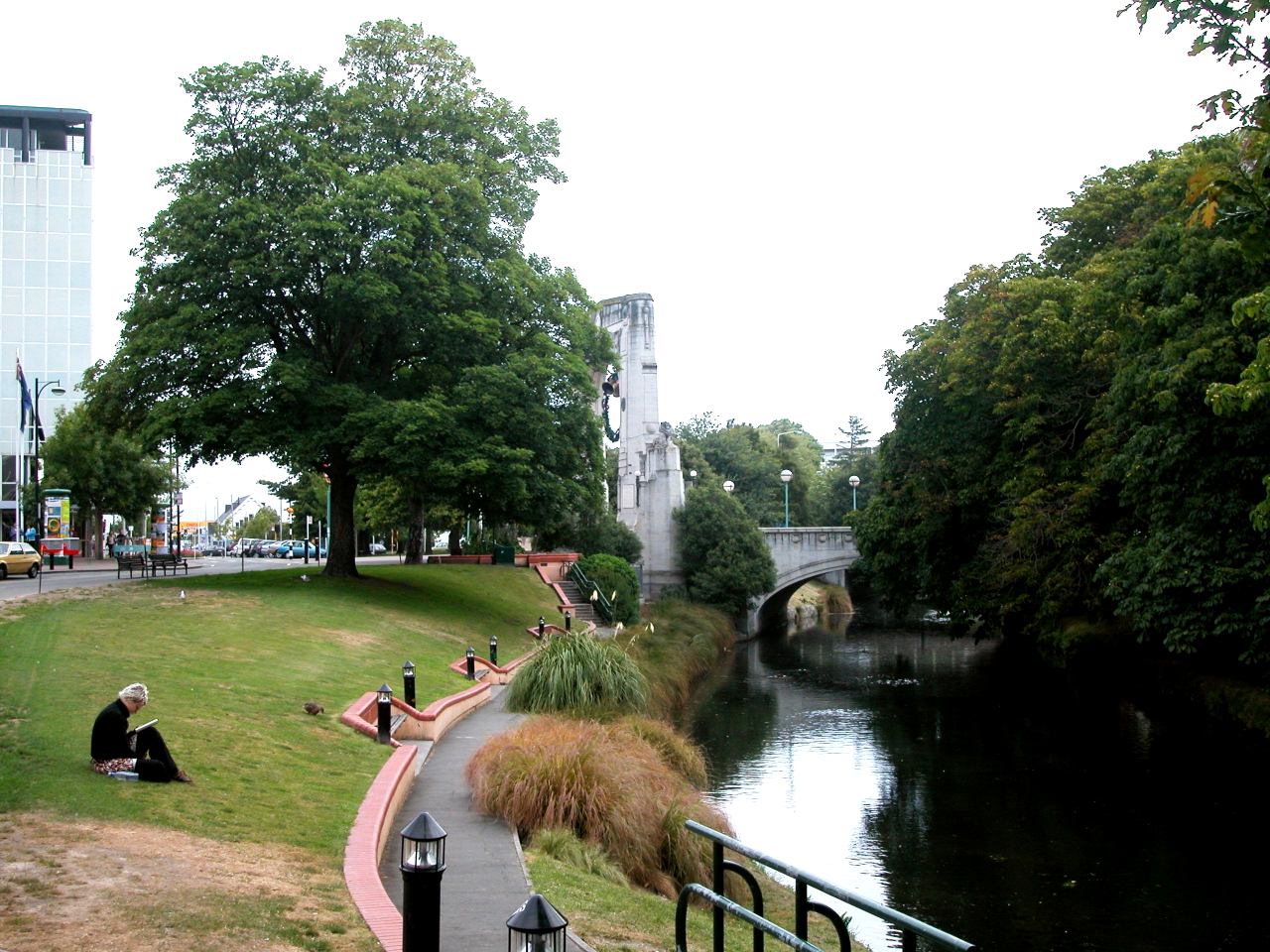
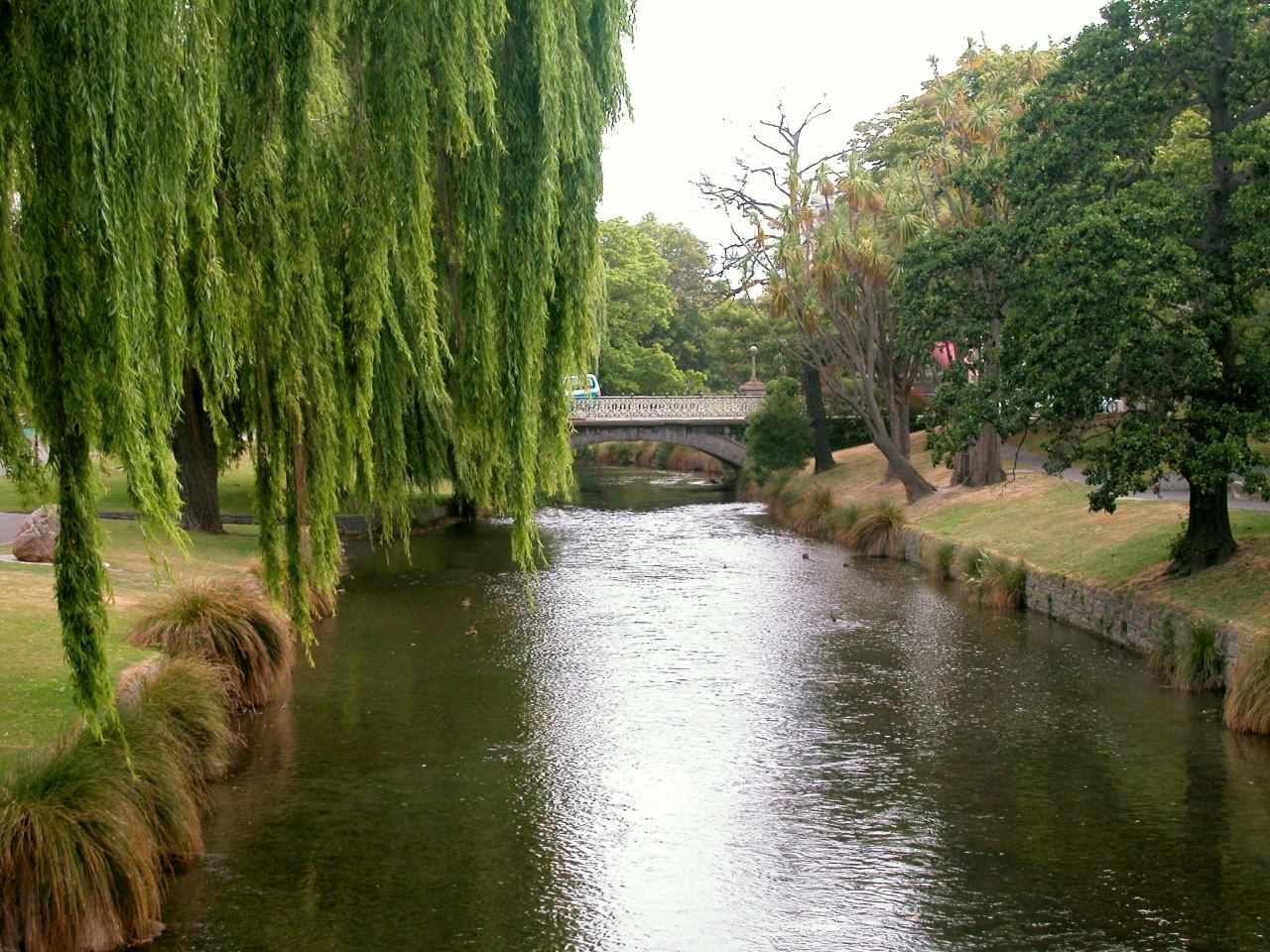
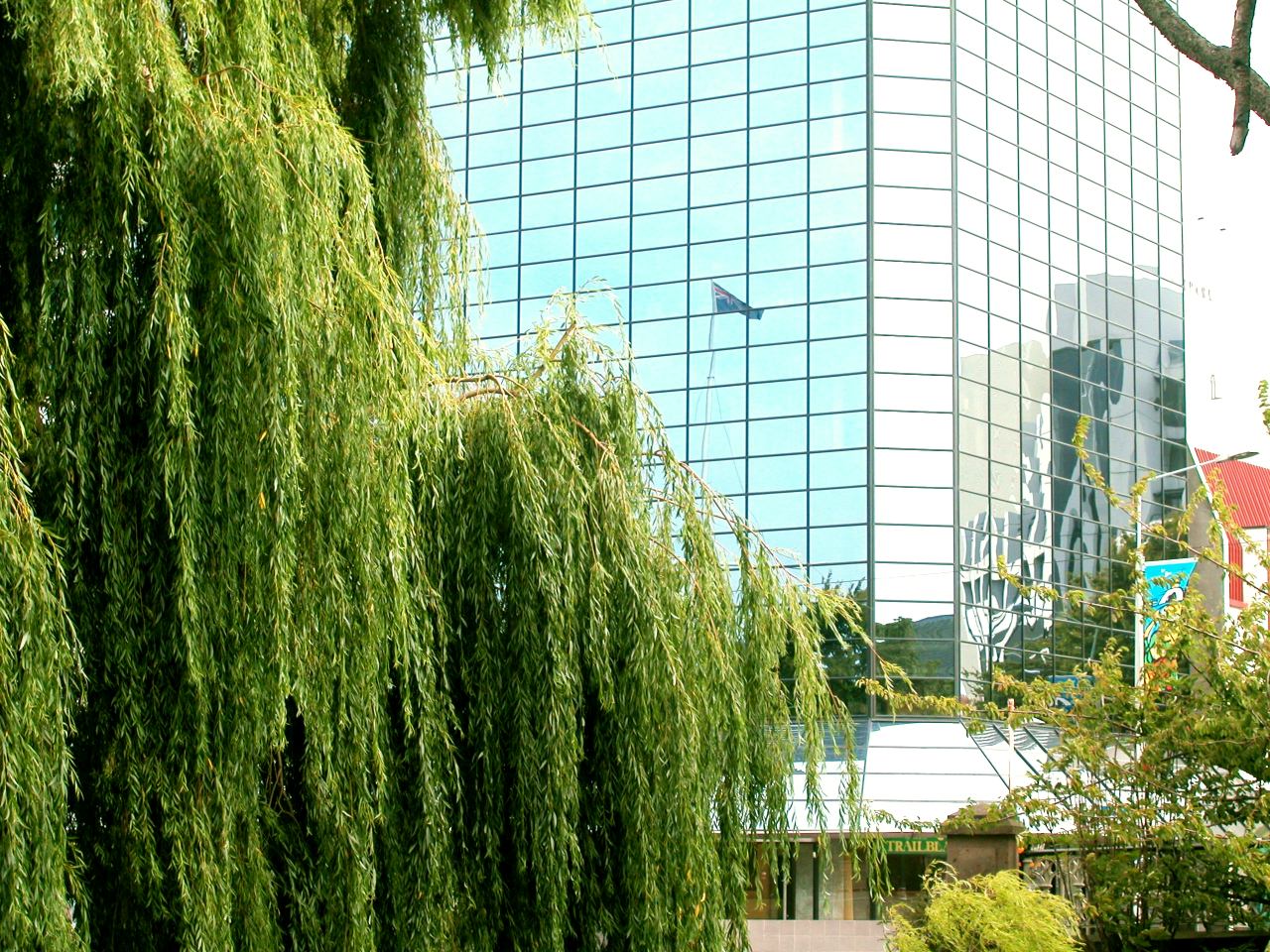
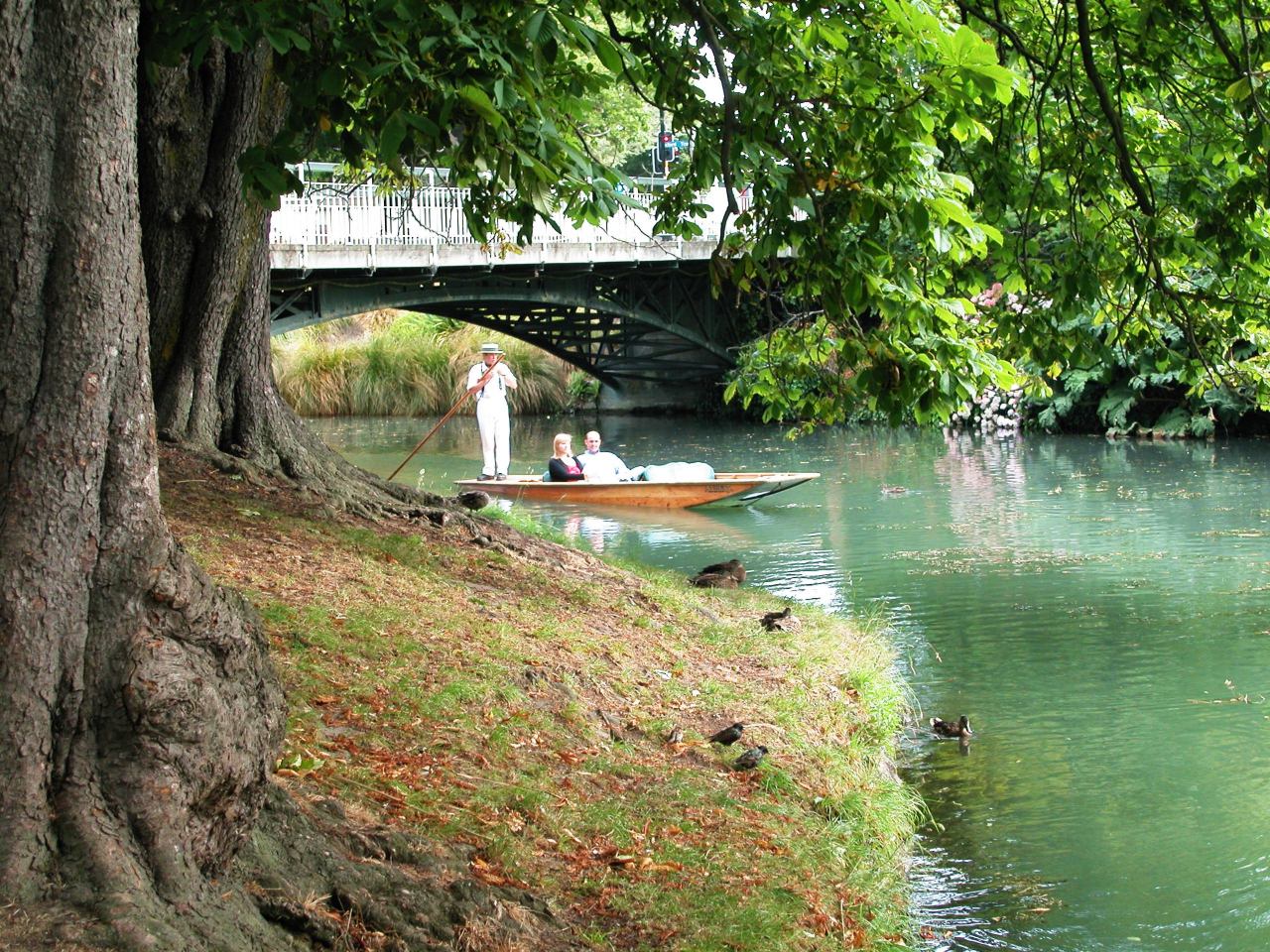
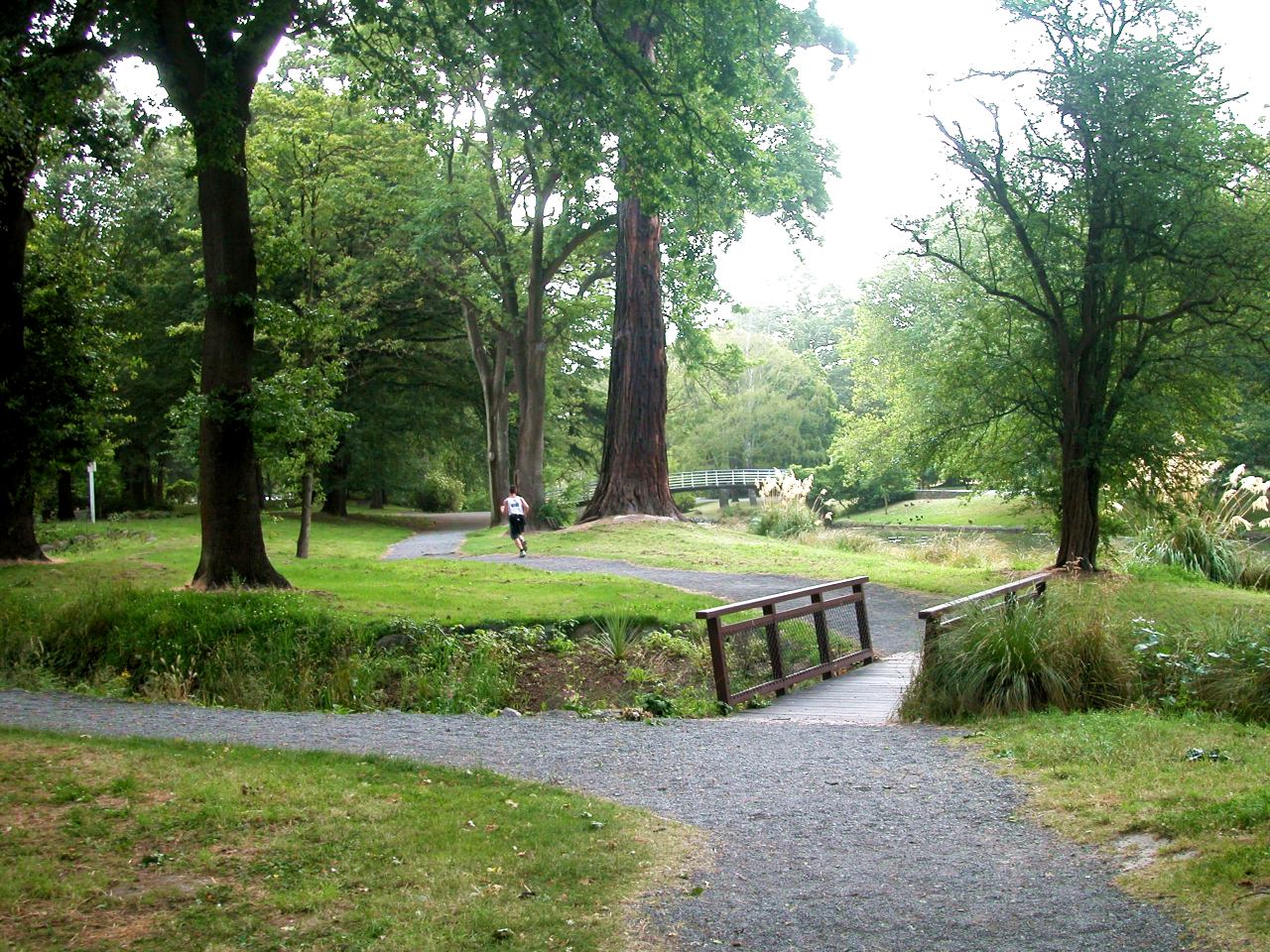
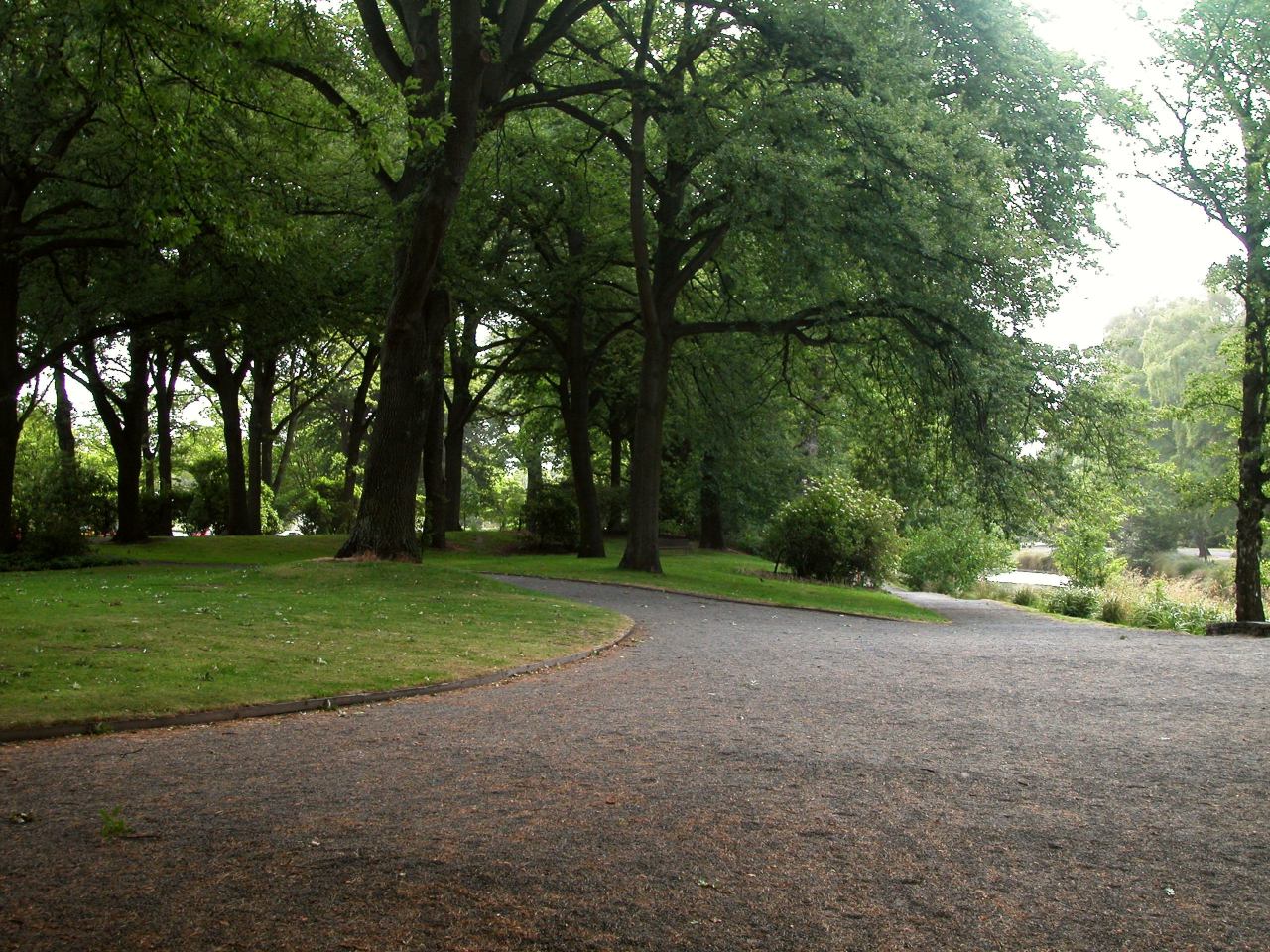
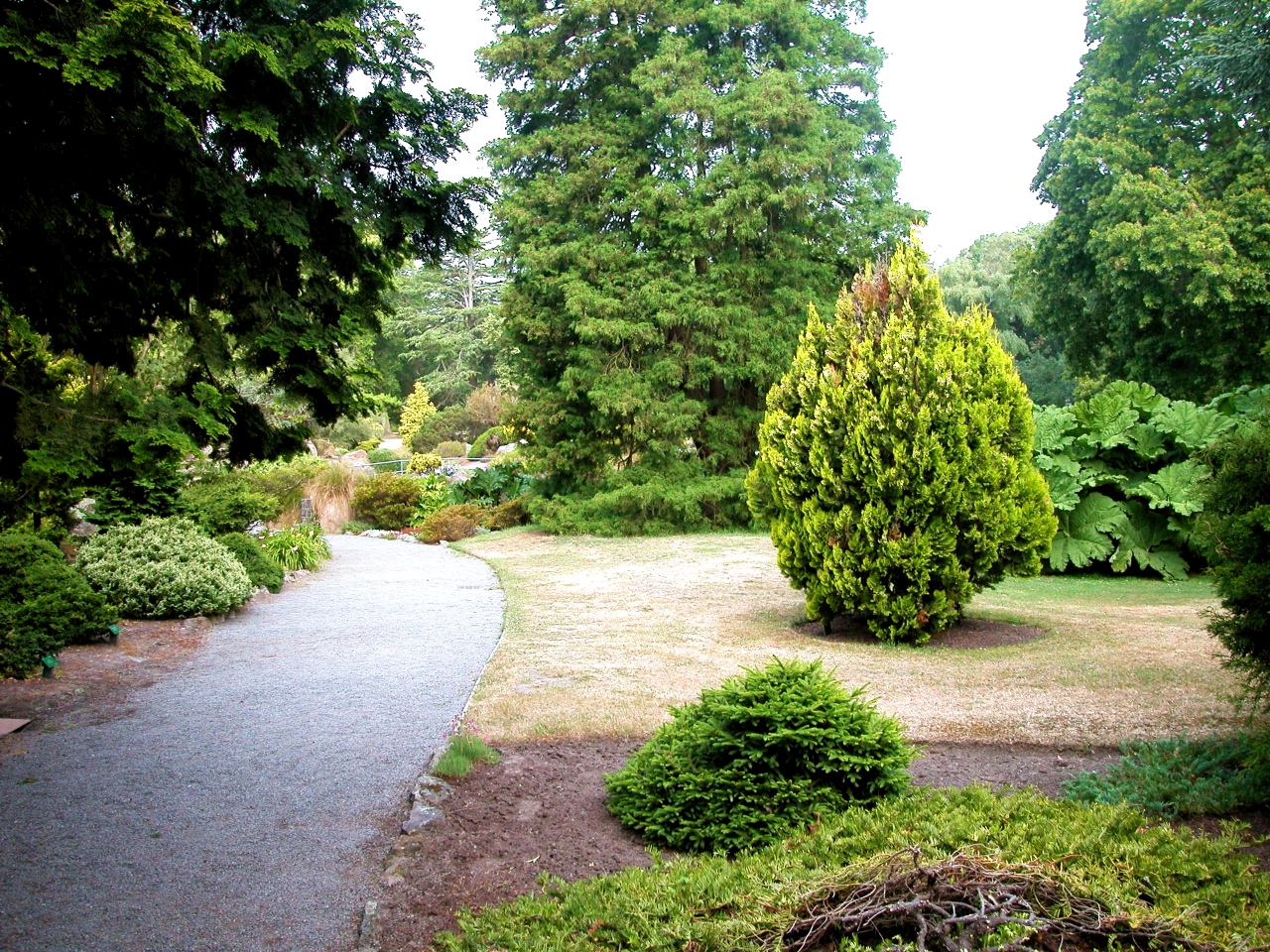
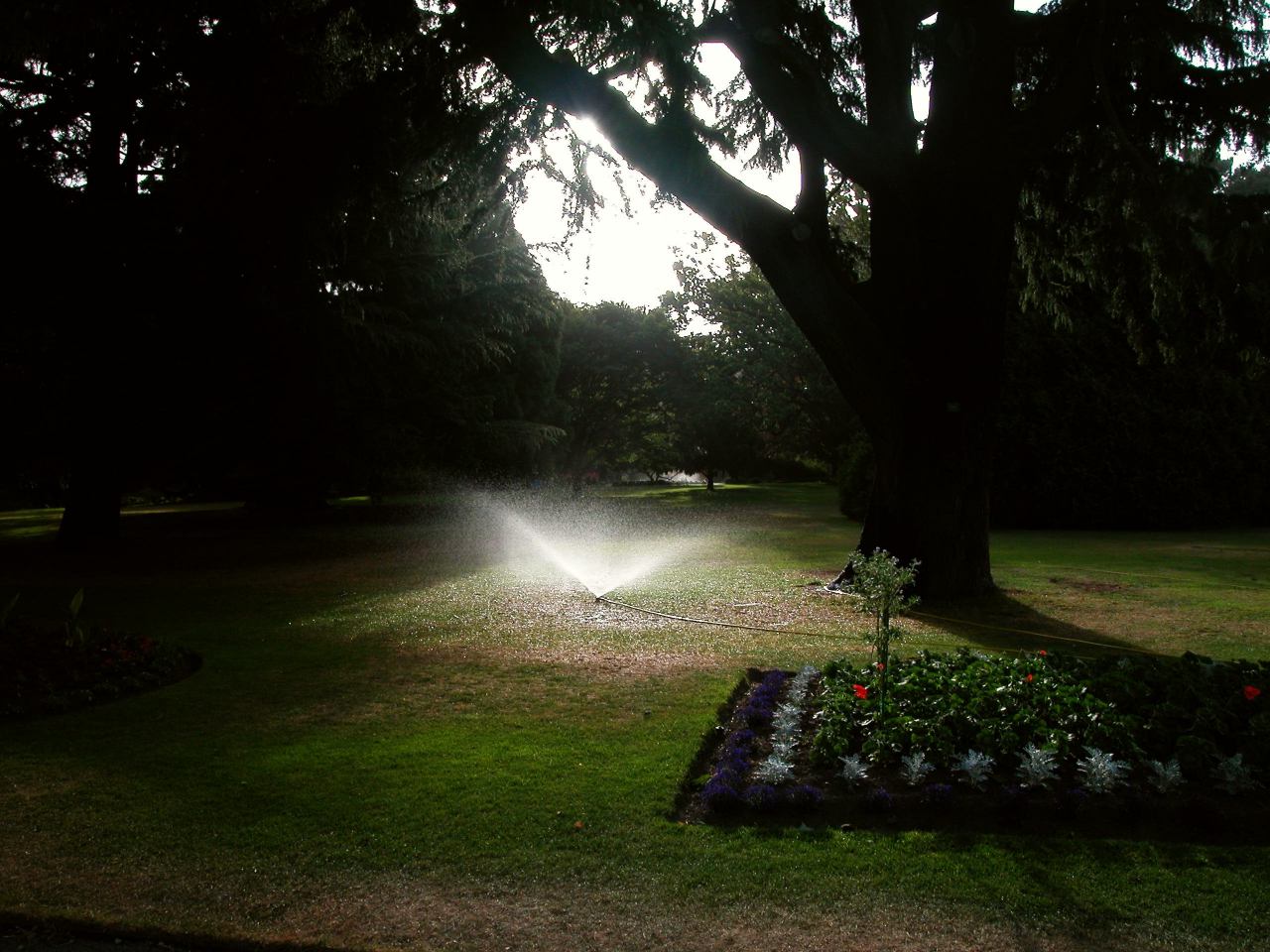
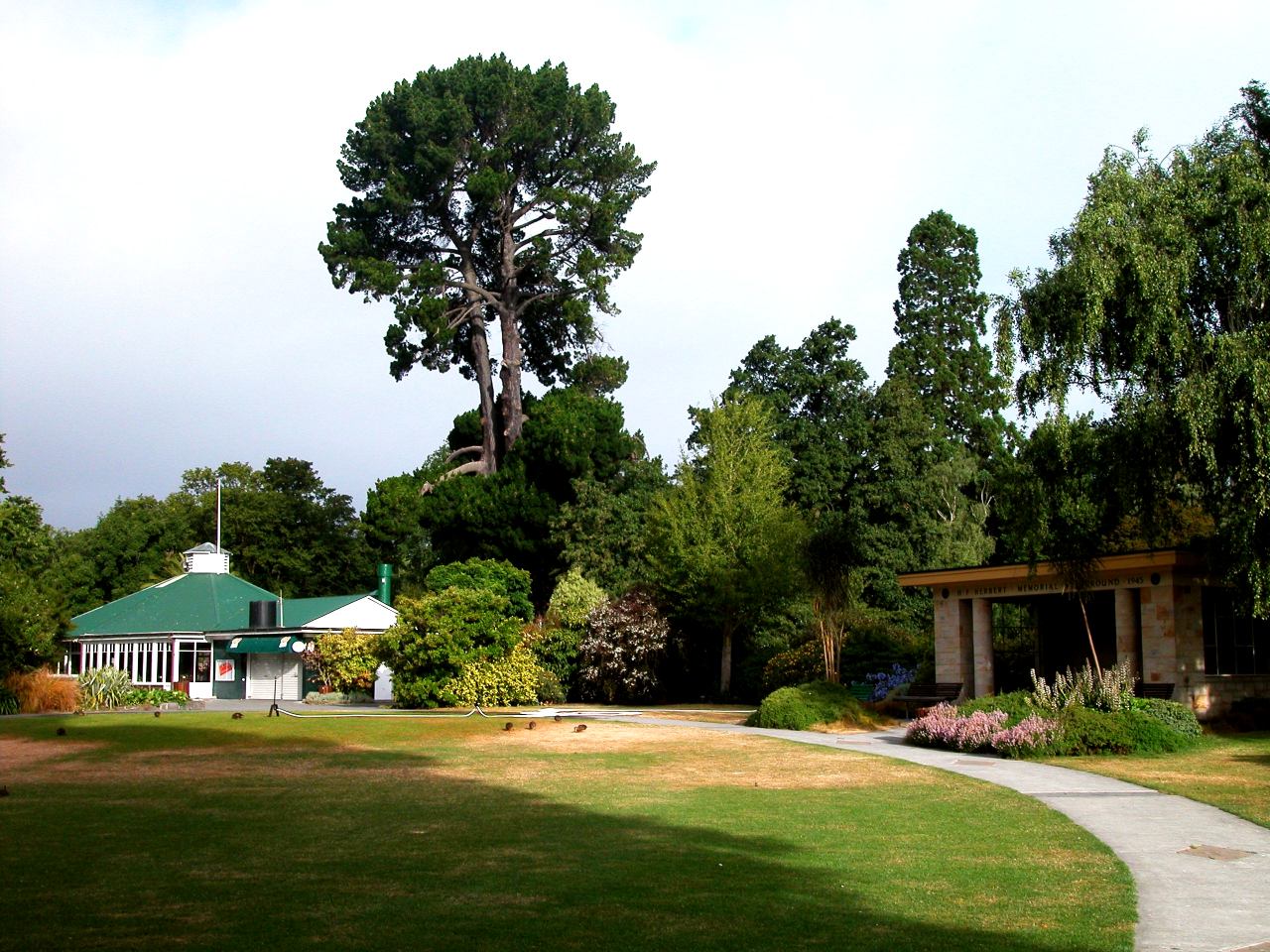
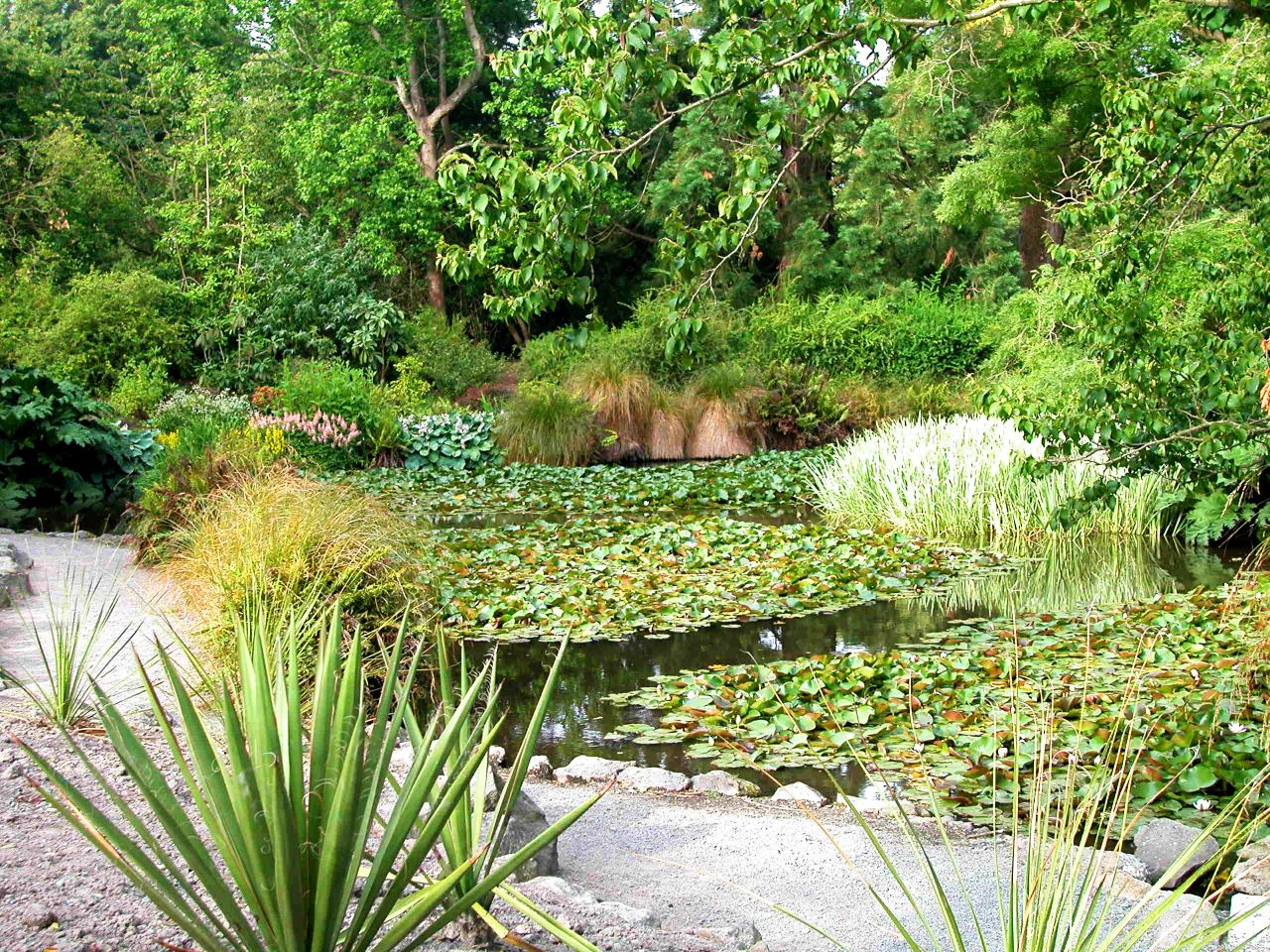
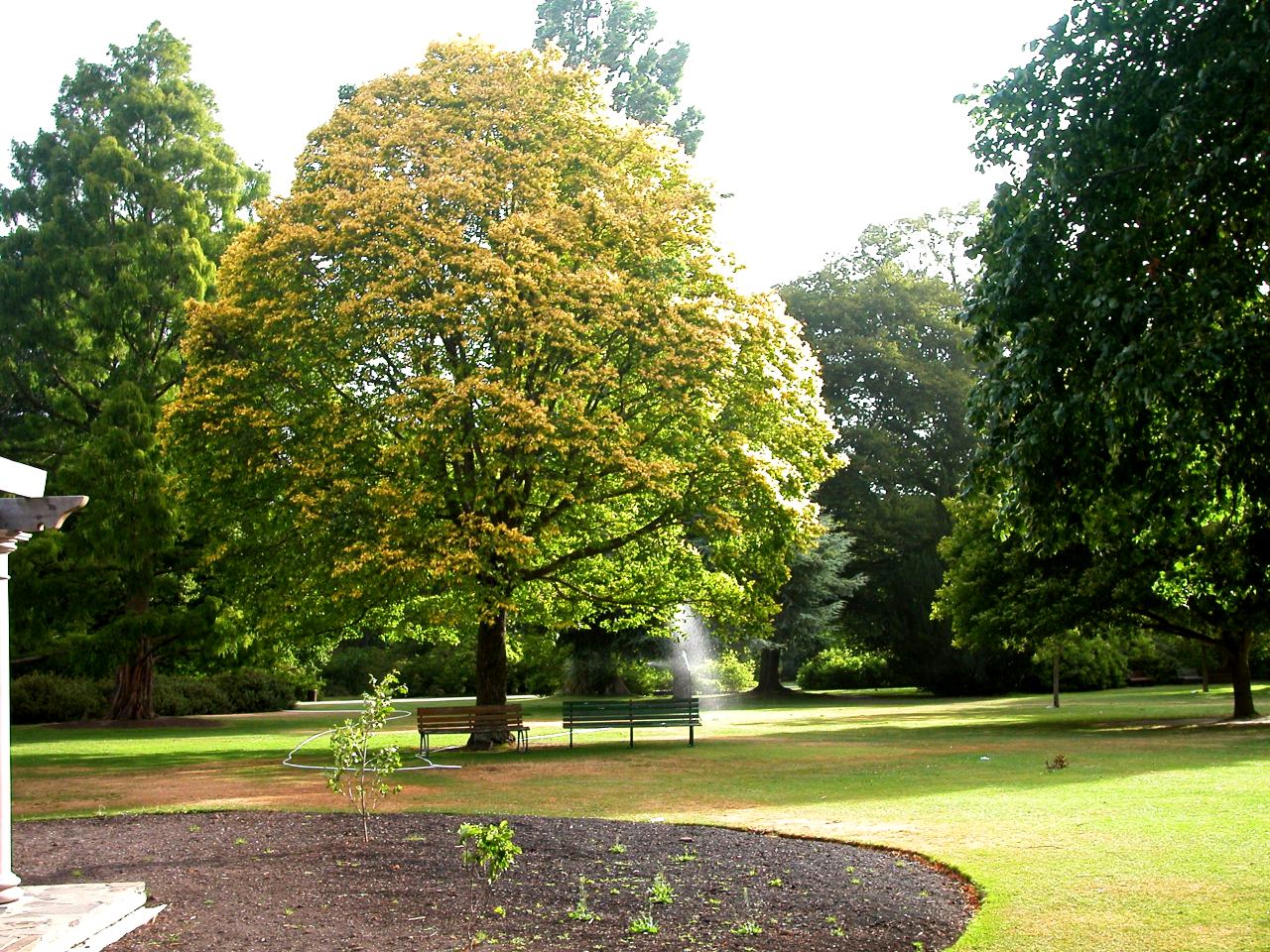
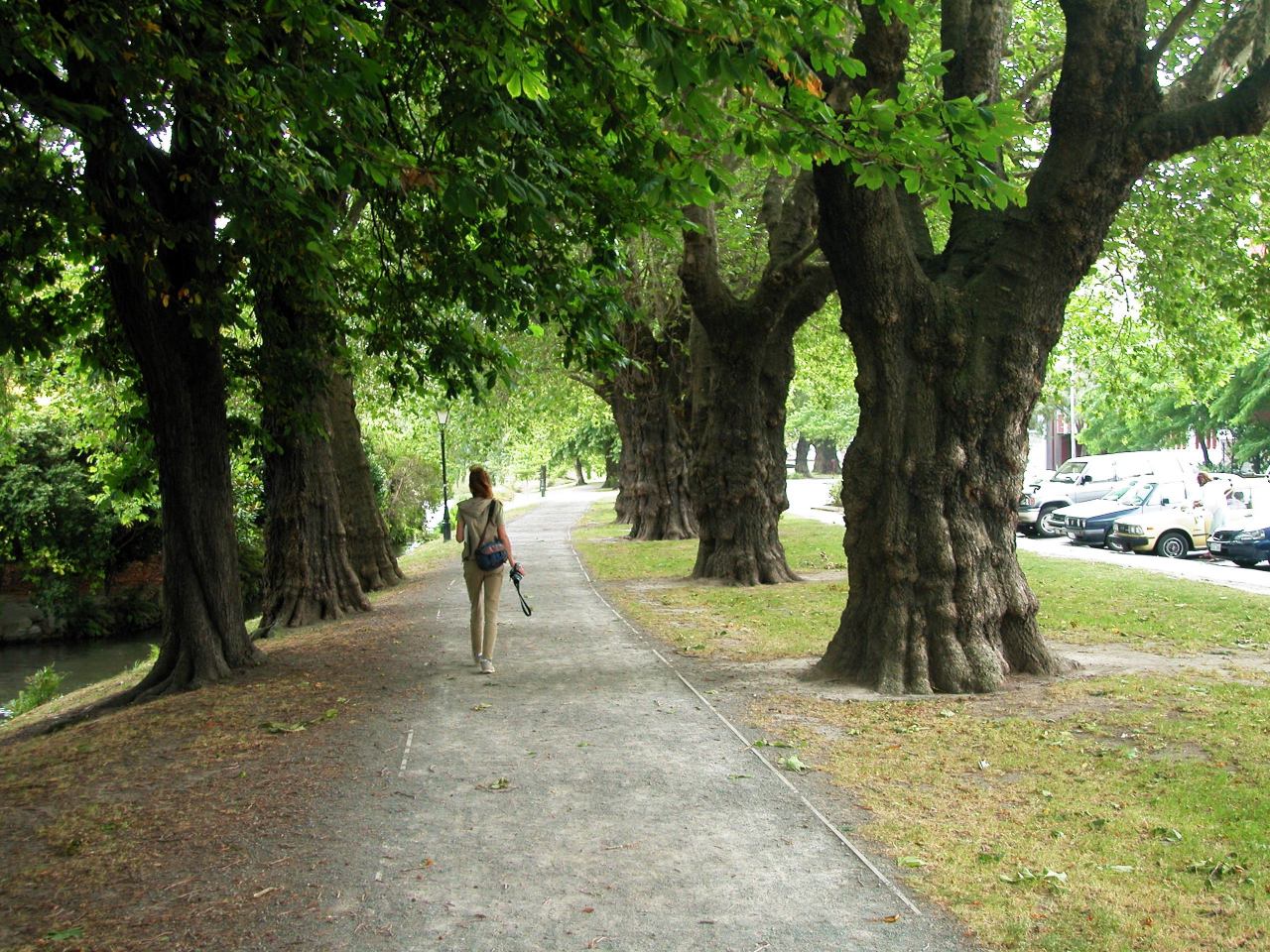
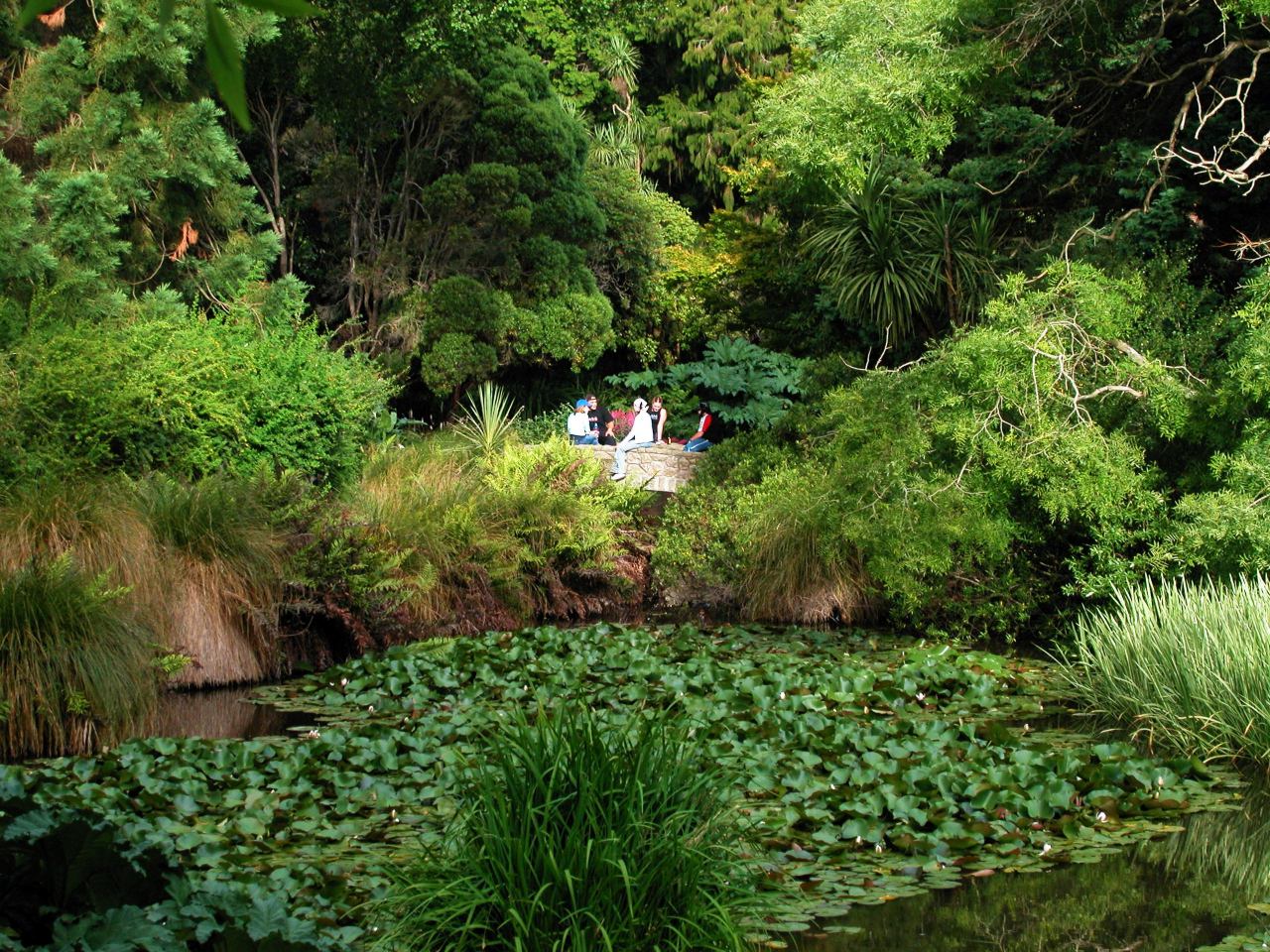
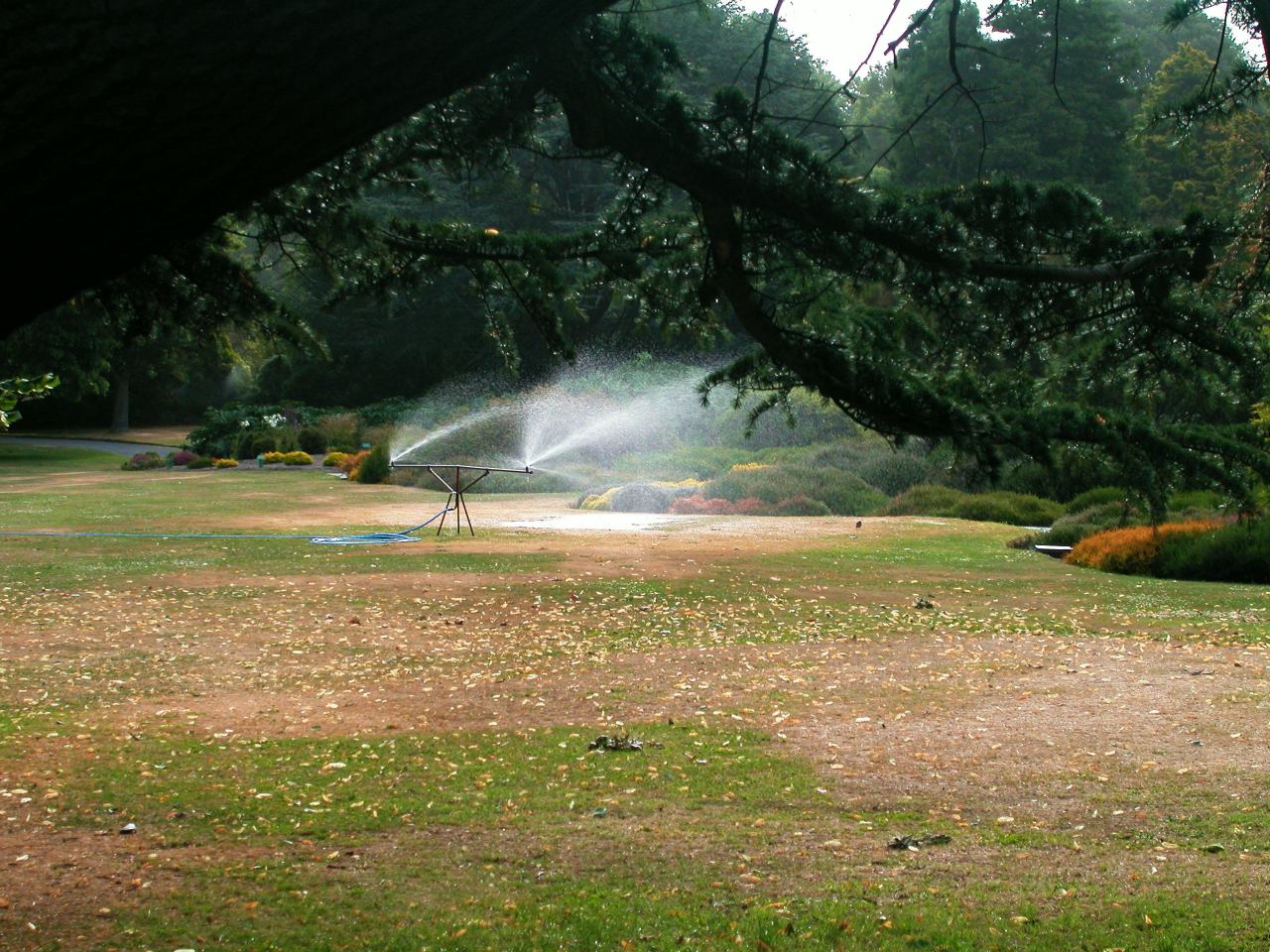
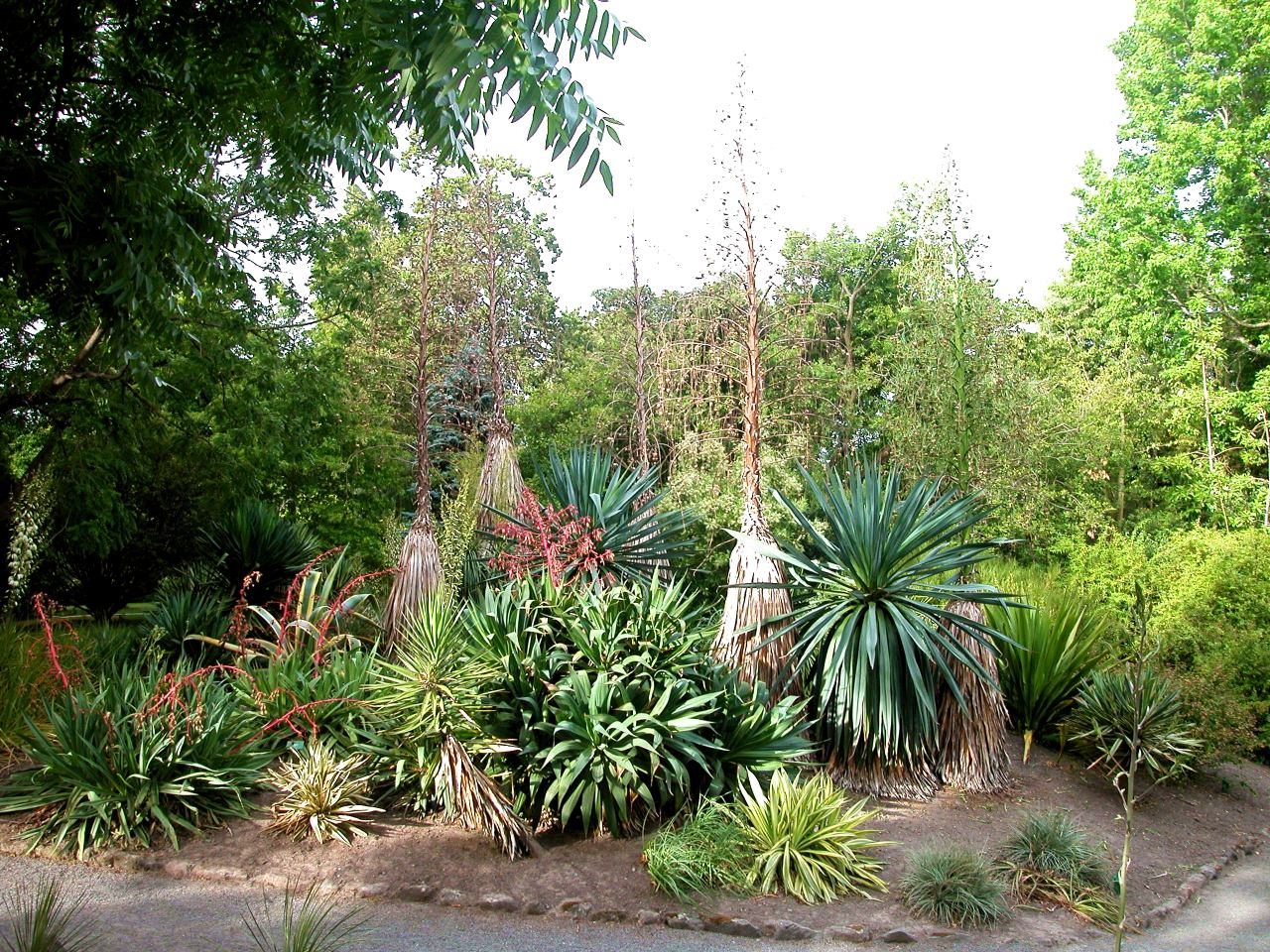
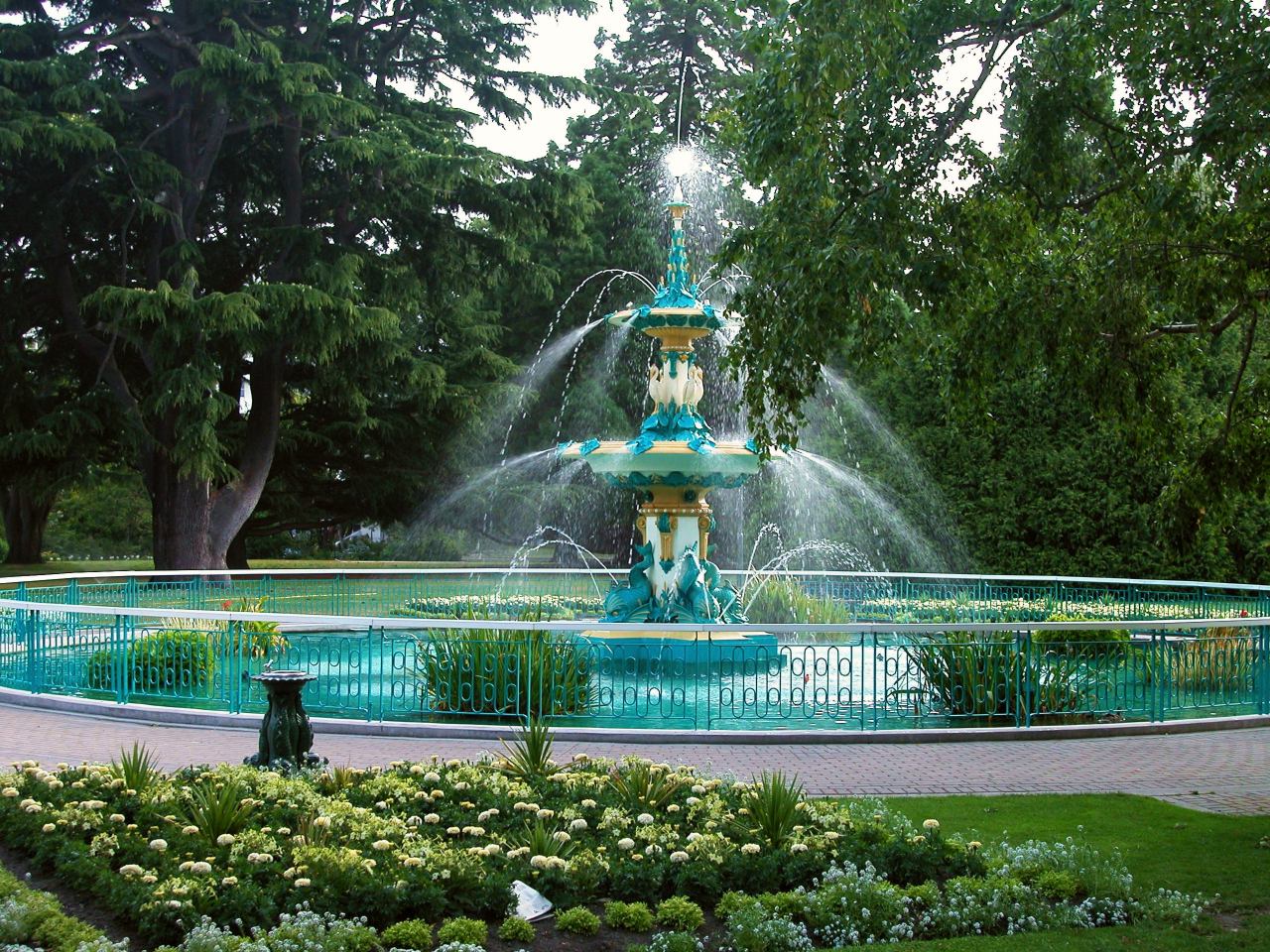
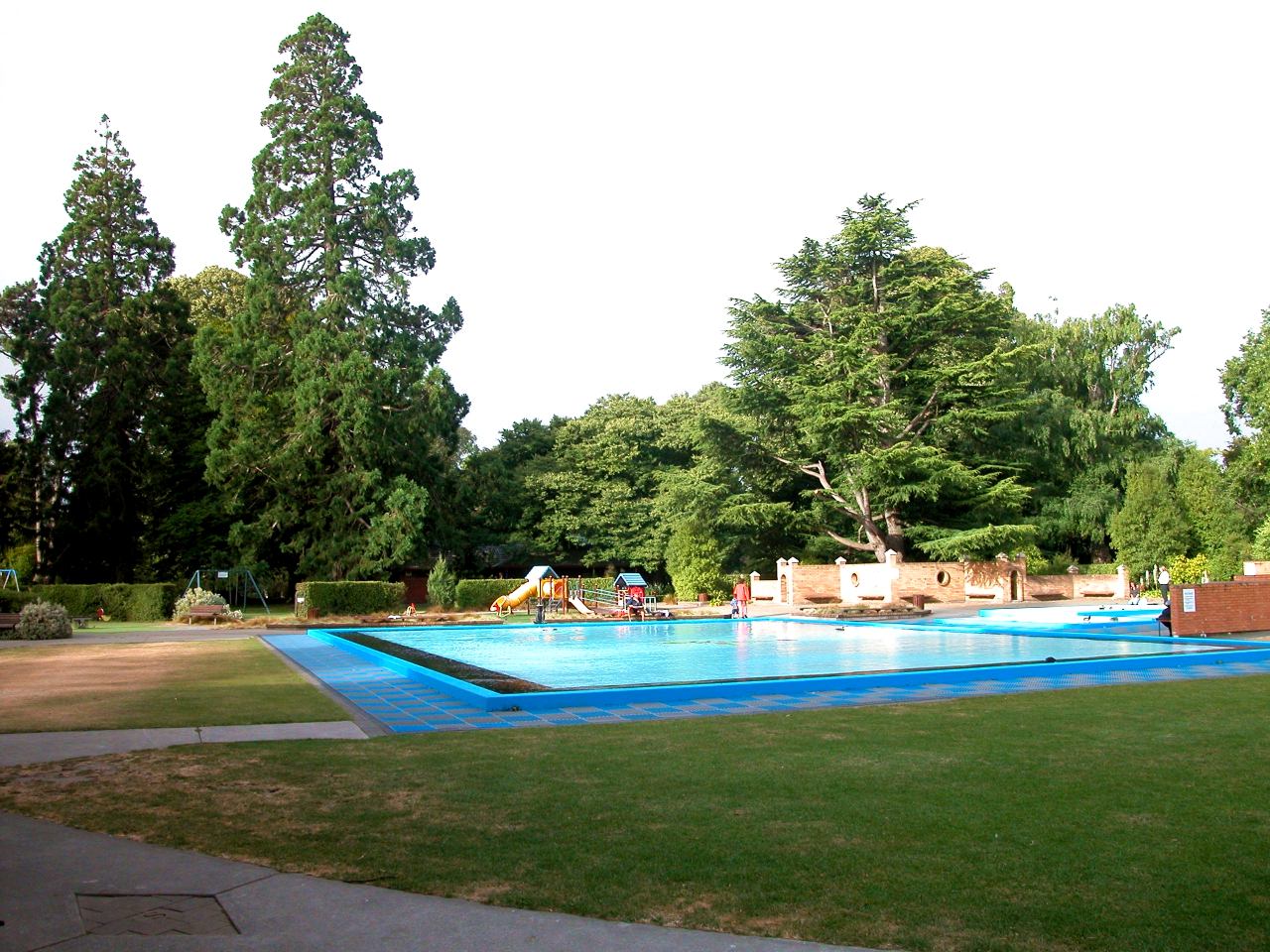
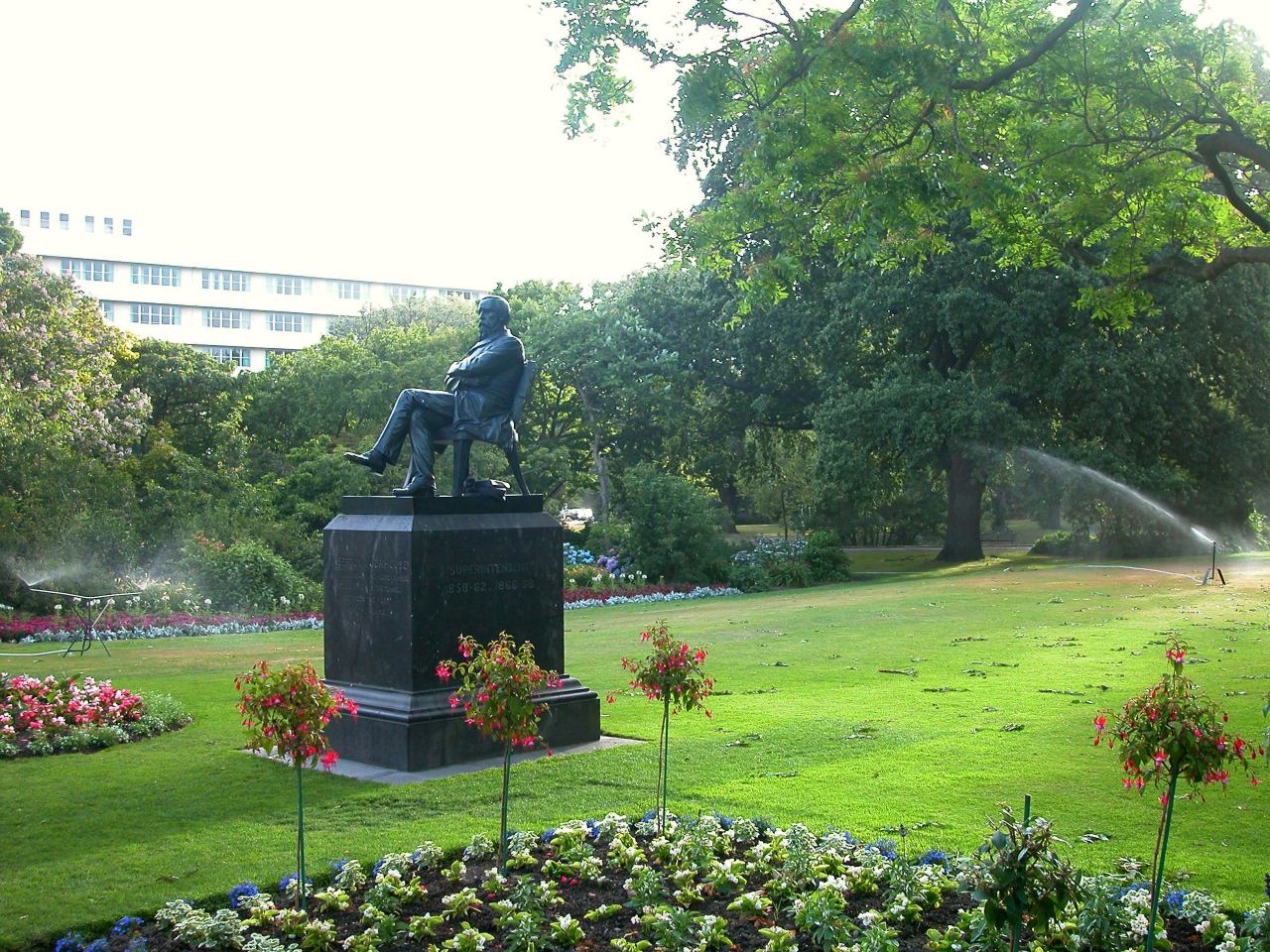
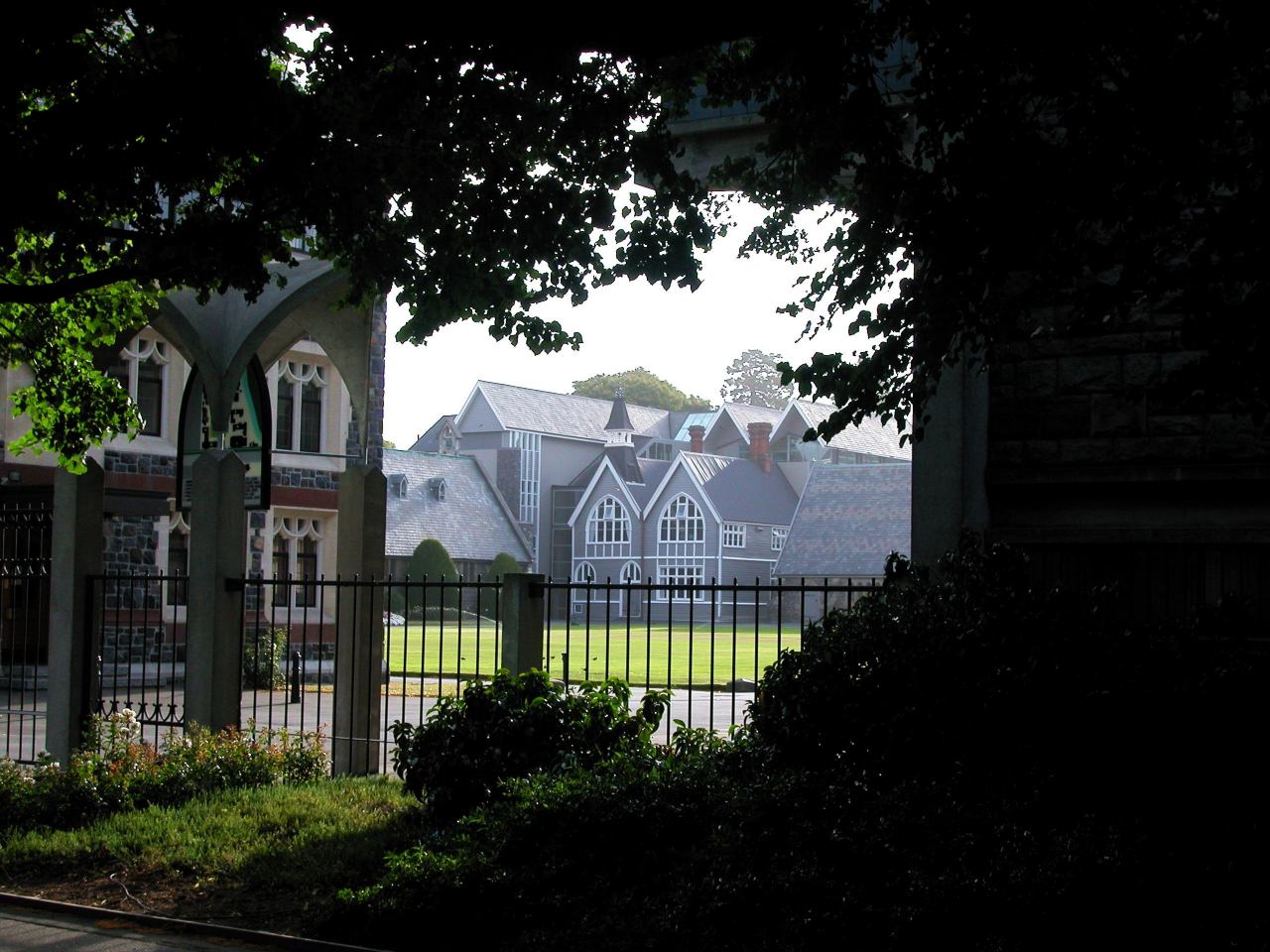
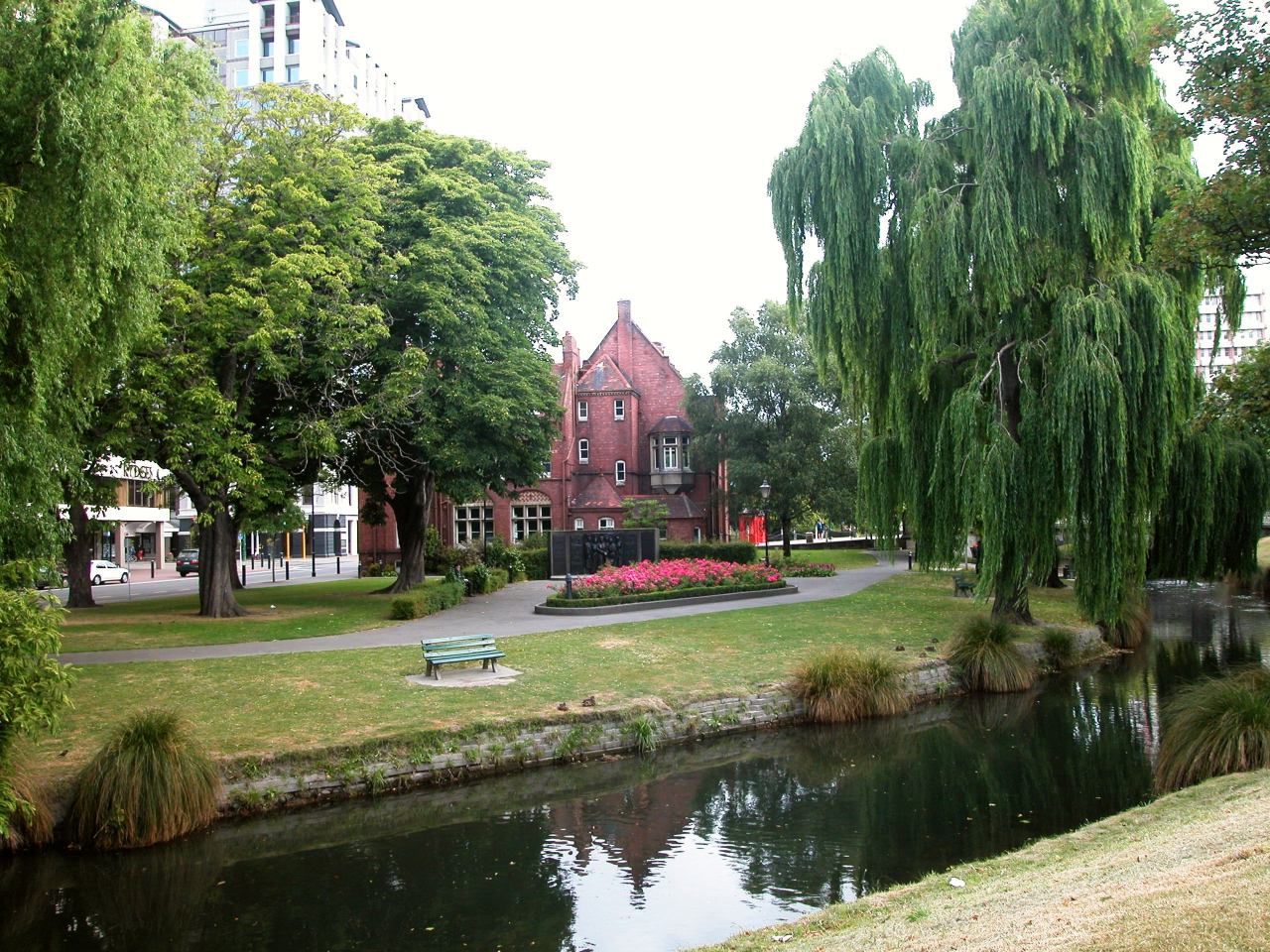
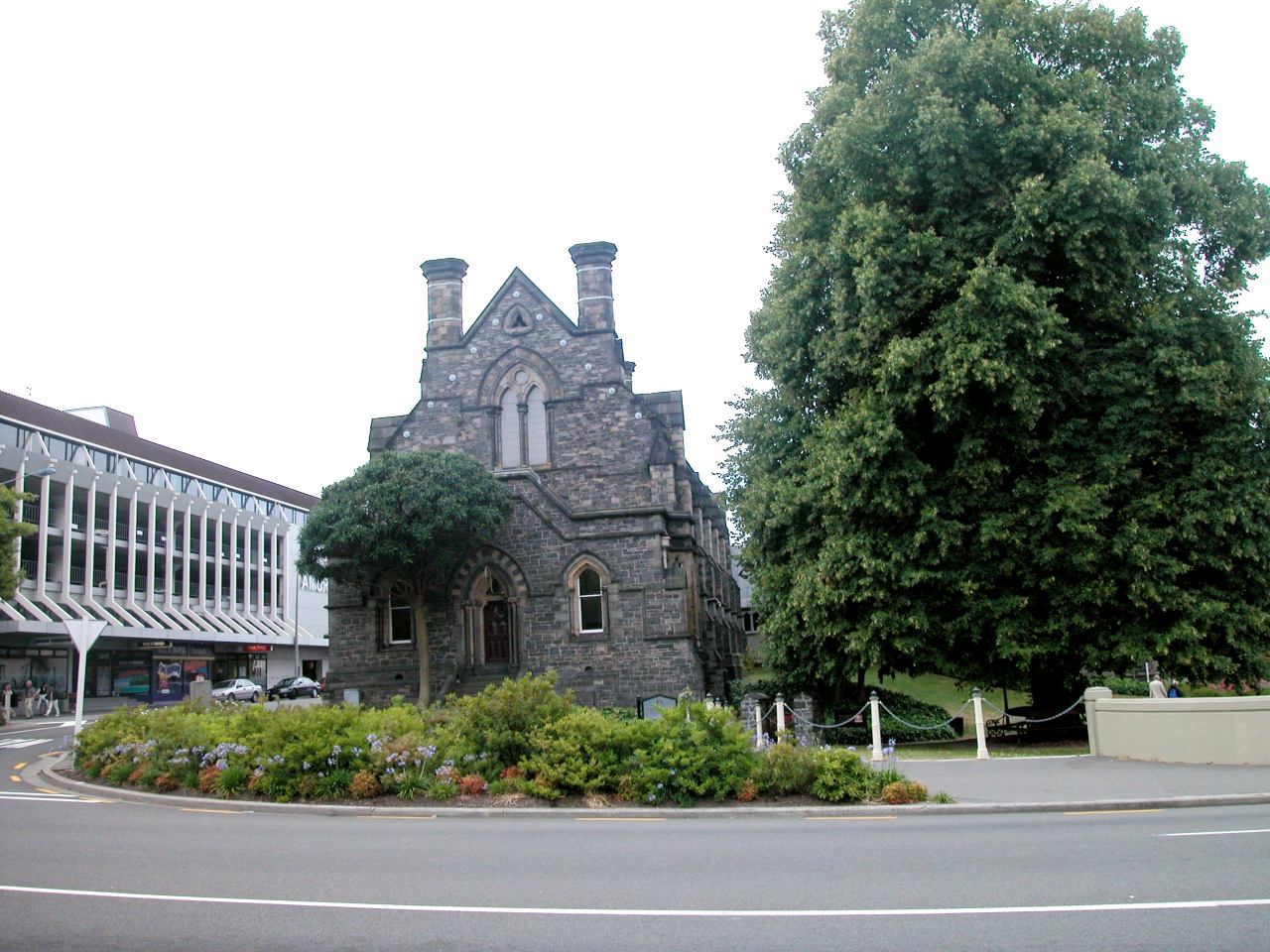
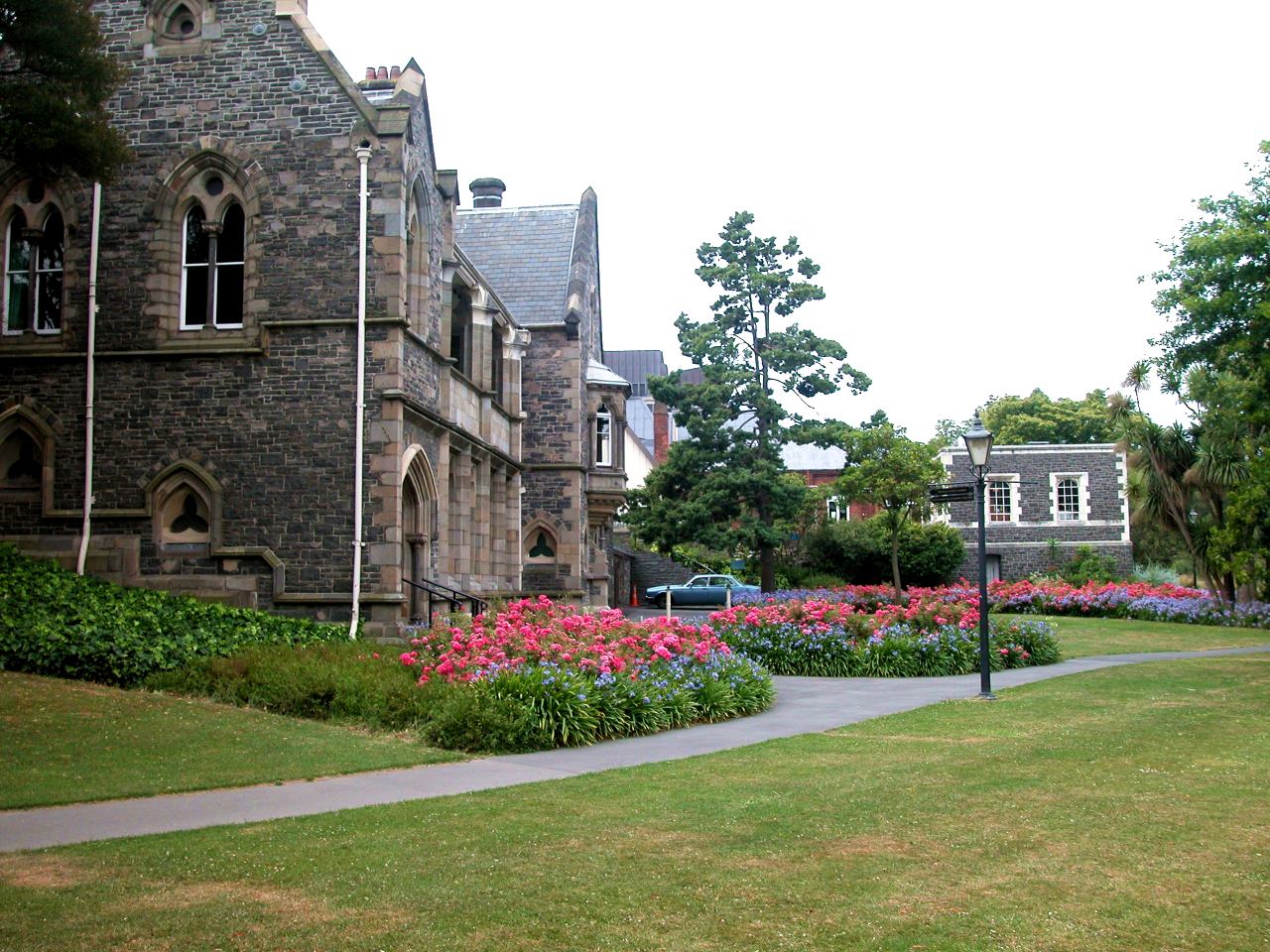
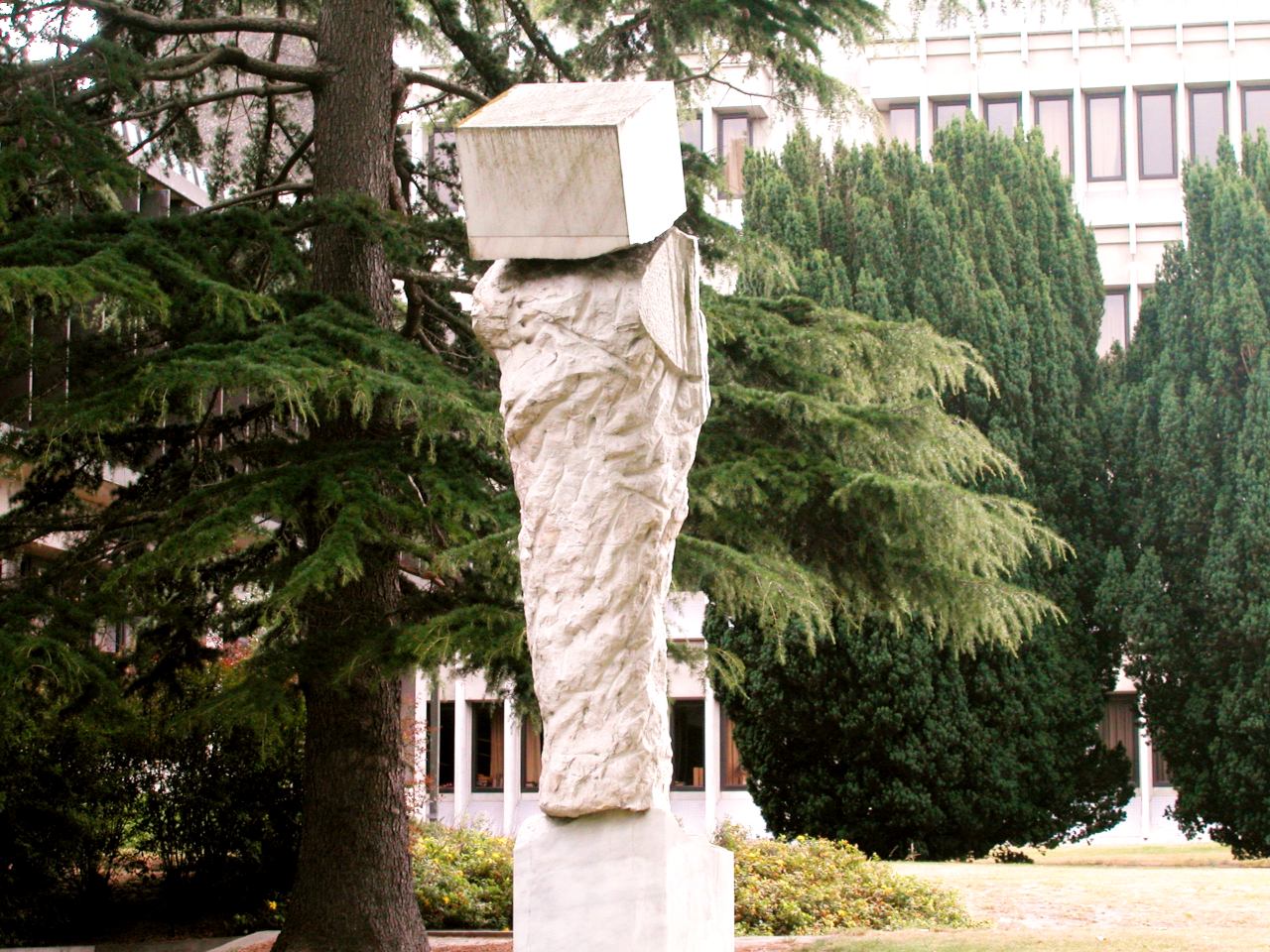
(Five years later we moved to Christchurch; in 2011 a catastrophic earthquake destroyed much of the city centre.)
Opposite is a statue of Scott, who made it to the South Pole and died on the way back. His expedition, like so many others, set out from Christchurch.
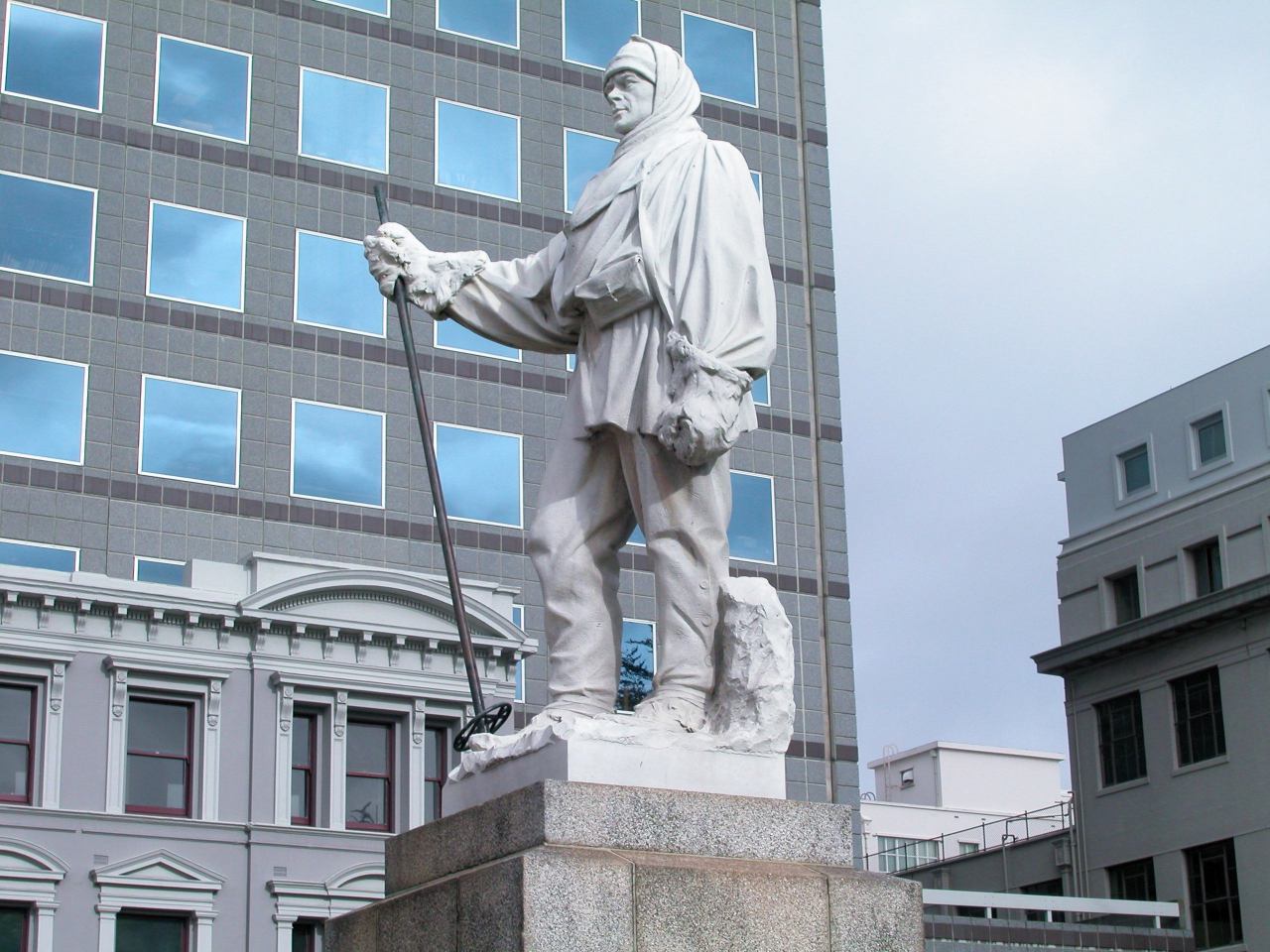
Only the city centre has tall buildings. It's surrounded by twenty kilometres or so of single-storey houses. Part of the city goes out to the sea at a place which for some reason is called Brighton Beach.
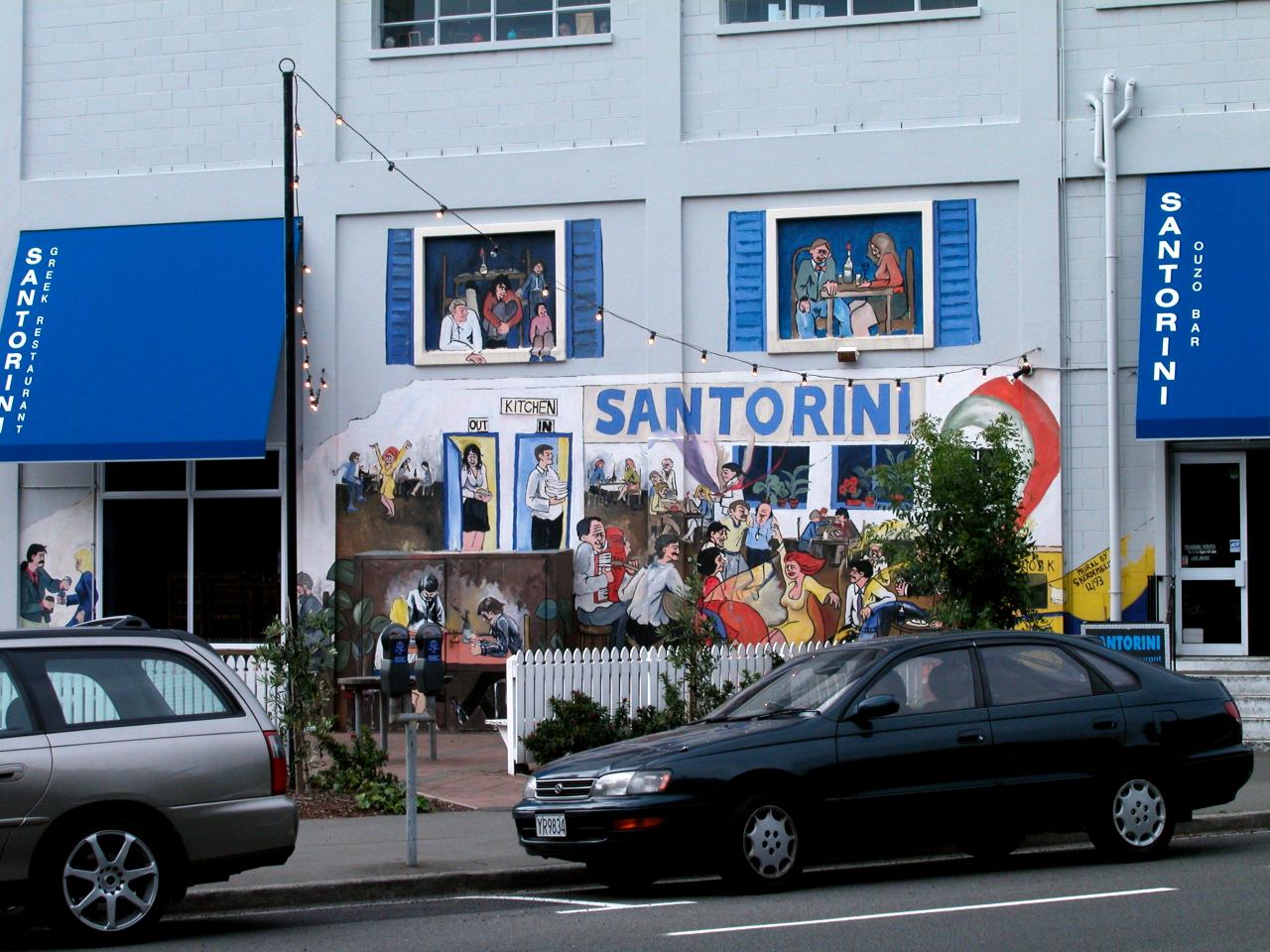
The city made a pleasant impression. You could go on walking around for hours, but evening was coming and it was time to find somewhere to stay. We stopped at the Rosewood Court Motel, on Cranford Street (43°30.997′S, 172°38.253′E). We had no food and went looking for some. At eight nearly every shop was shut. The few still open had only drink and crisps. After a long search we eventually found a proper supermarket at Colombo Street and Moorhouse Avenue. New Zealand seemed to have only one real supermarket chain, PAK’nSAVE. It had everything and stayed open into the evening – all the way to nine. Local shops generally didn't sparkle by way of selection, especially in electronics. From the start of the trip I'd wanted to buy an adaptor ring for my Nikon and another flash memory card. This turned out to be practically impossible. You had to order an adaptor, and they only had 64-megabyte cards. The people in camera shops looked at my 512-megabyte card, bought in Saint Petersburg, as if it belonged in a museum. I had to copy the camera's contents onto CDs every so often. For NZ$40 you could get almost any camera shop to do it.
It was also in Christchurch that my Magellan 2000 GPS finally gave up, so I had to buy a Garmin Legend. This sort of thing New Zealand does well. Any town has a shop with splendid topographic maps, GPS units and other navigation gear. For about NZ$10 you can buy a paper map of any part of the country at 500 metres to the centimetre, or buy a map on CD.
The next day's forecast was for rain almost everywhere around us. The only dry place would be the eastern slopes of the highest mountain, Mount Cook. The height we had was 3,754 metres. Not much, of course, yet there's nothing higher for 5,000 kilometres, and climbing it is difficult. It takes six days and costs NZ$2,000. We were told you couldn't make the ascent without special DOC permission because so many people had died. Since the park round the mountain was established, 184 climbers had lost their lives.
To reach the mountain, you follow a long road along the shores of Lake Tekapo and Lake Pukaki (another view of Pukaki). The lakes have a distinctive colour. The local publicity claimed that they held the purest water in the Southern Hemisphere, and that the colour was caused by an incalculable number of microorganisms living in that water. I wondered how you could make both claims at once.
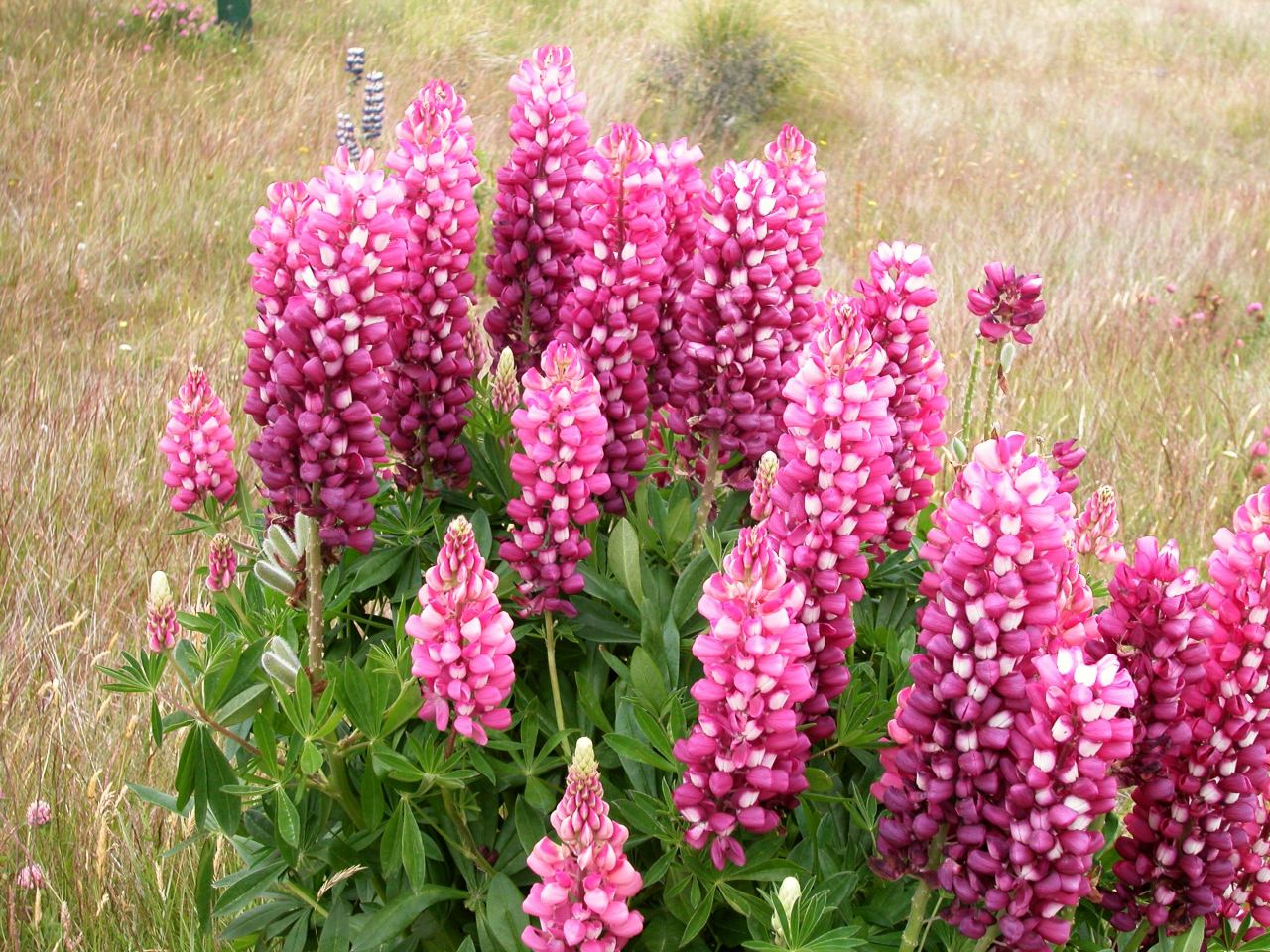
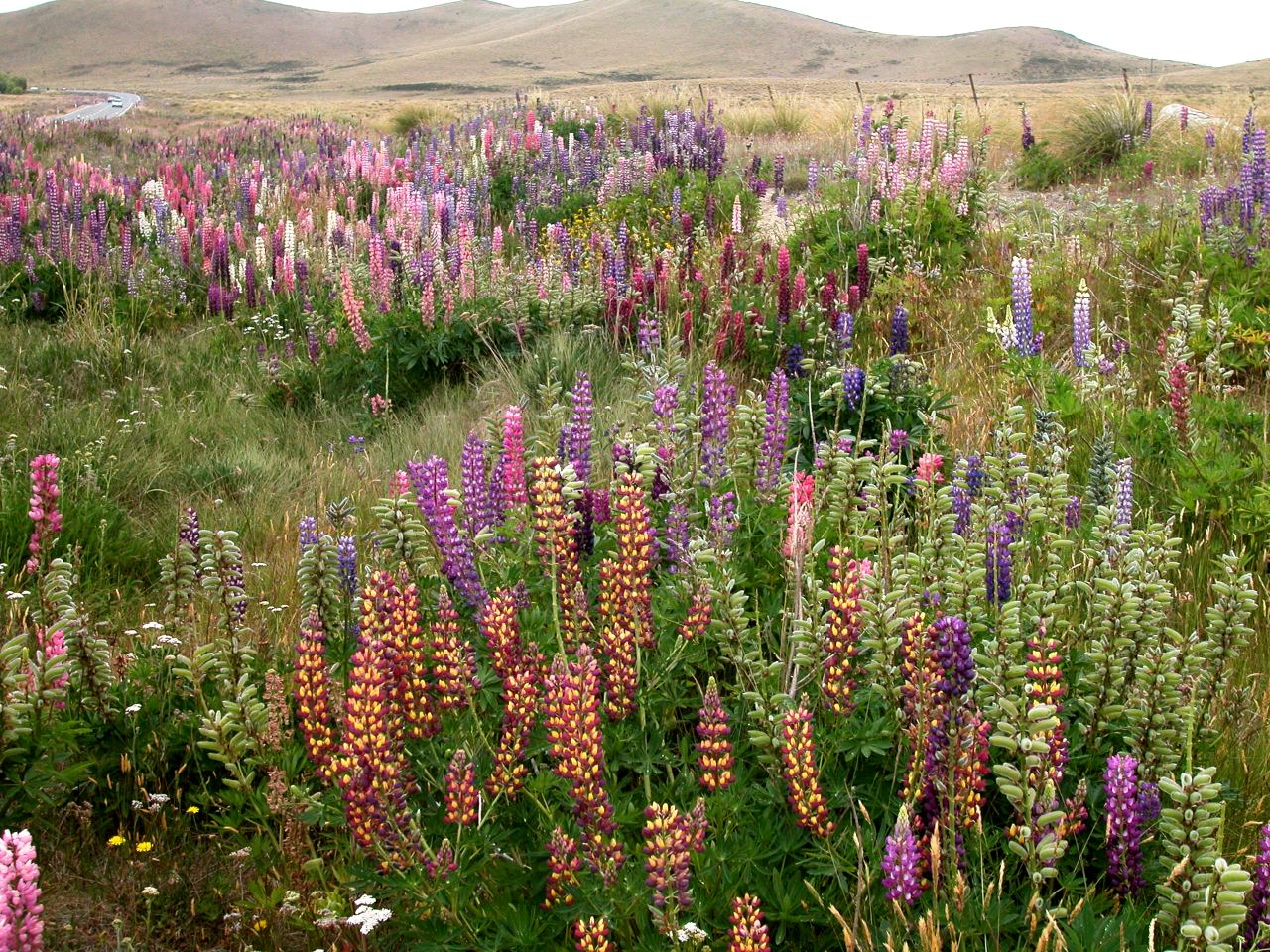
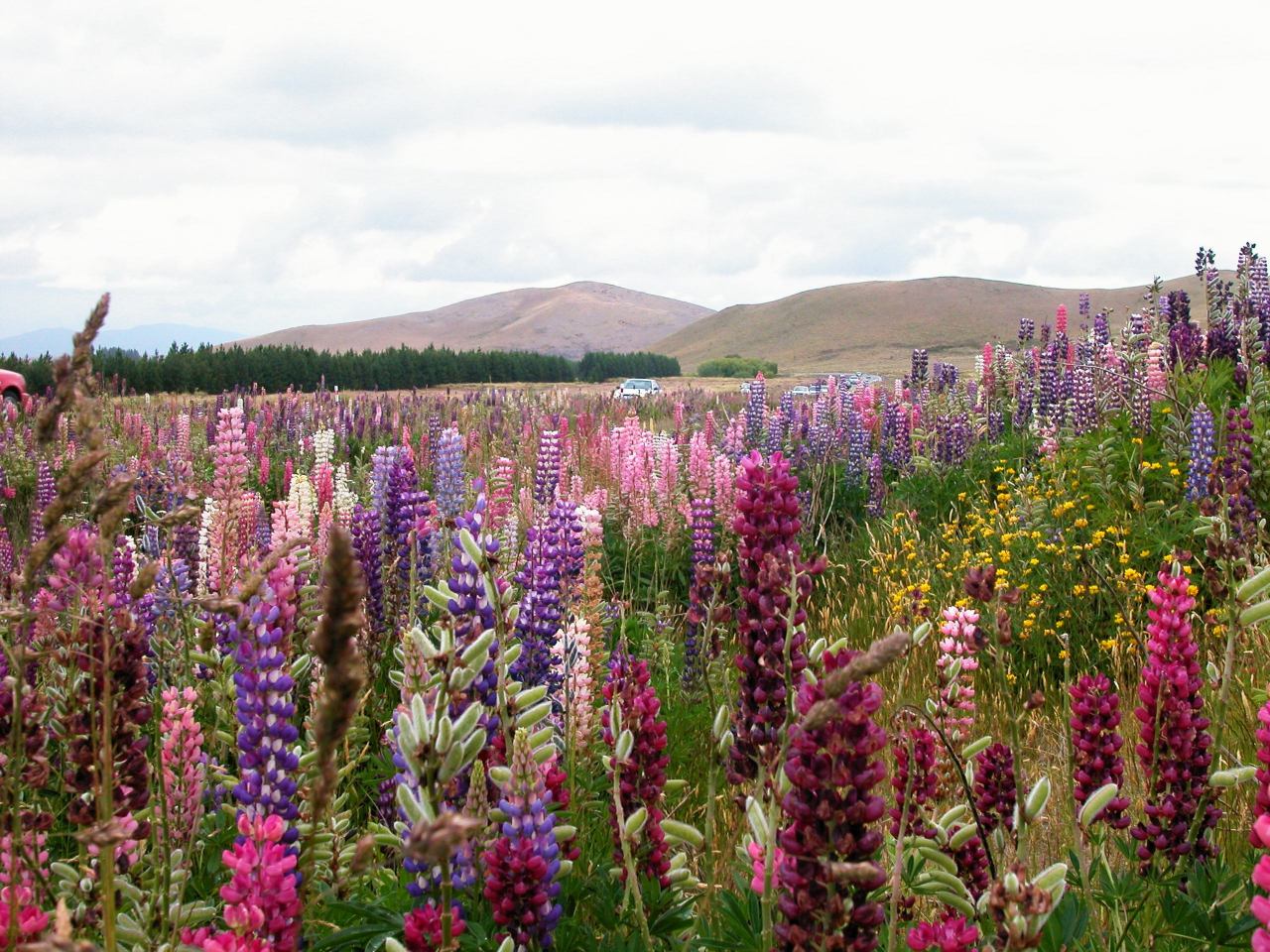
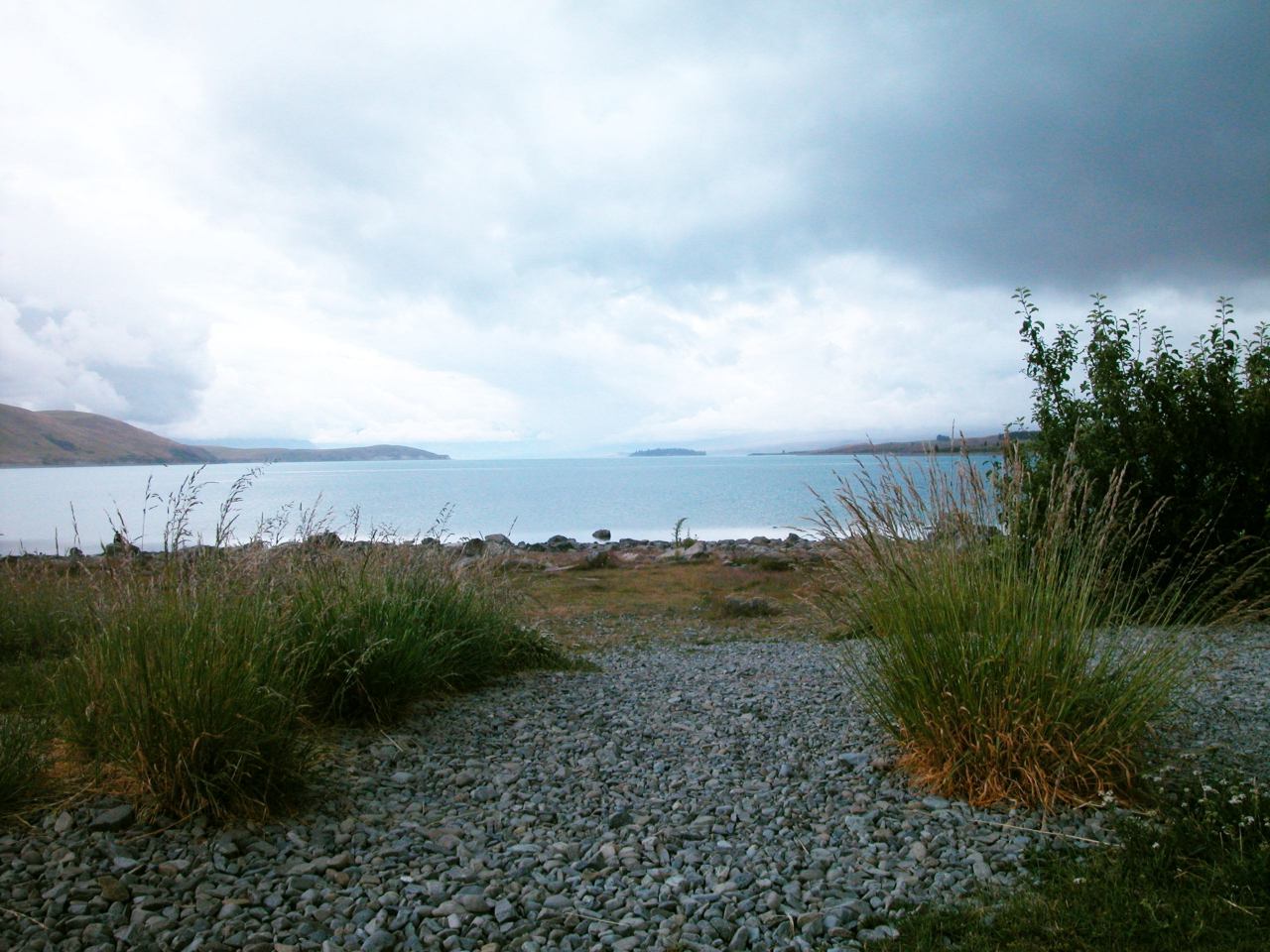
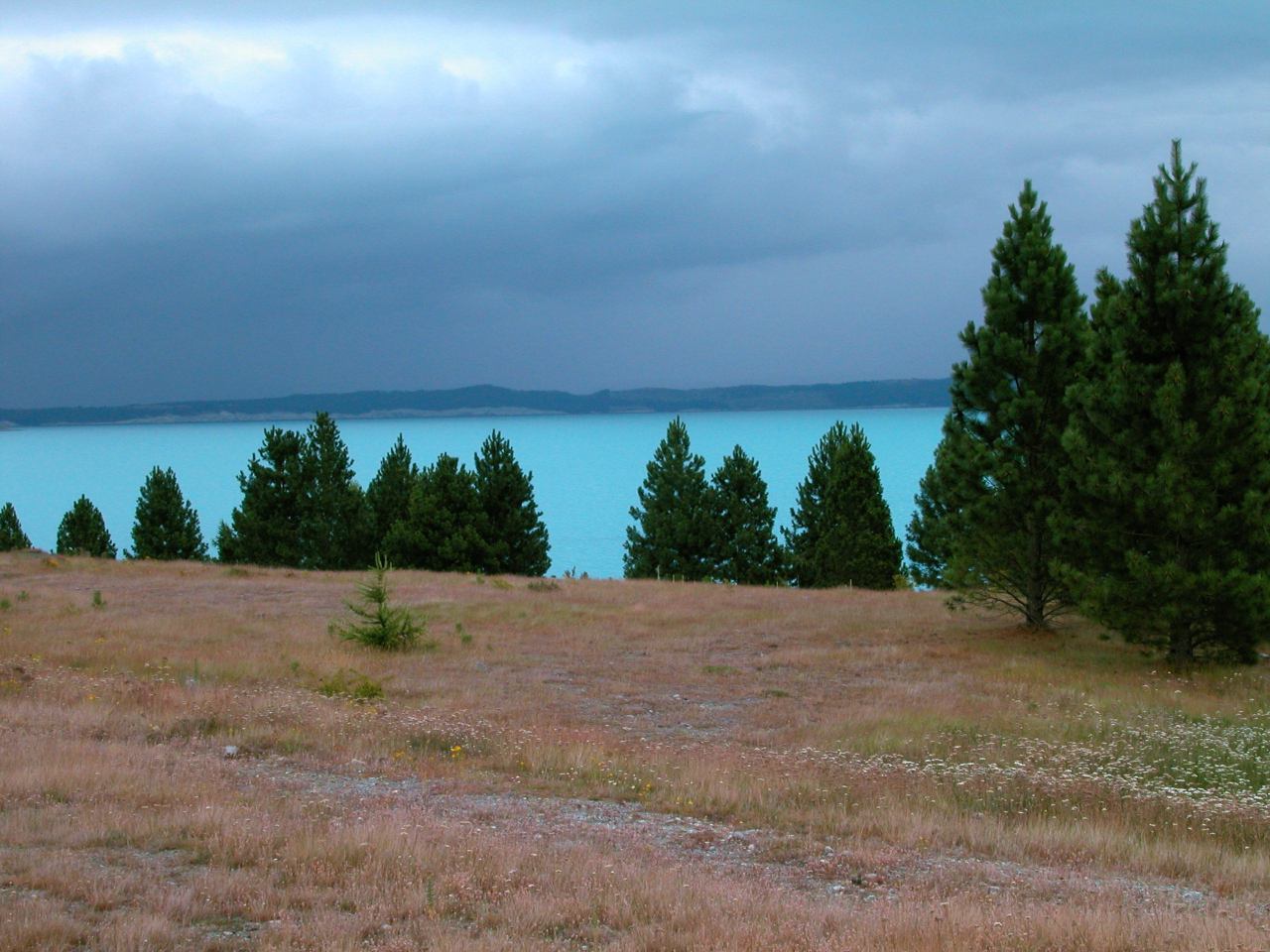
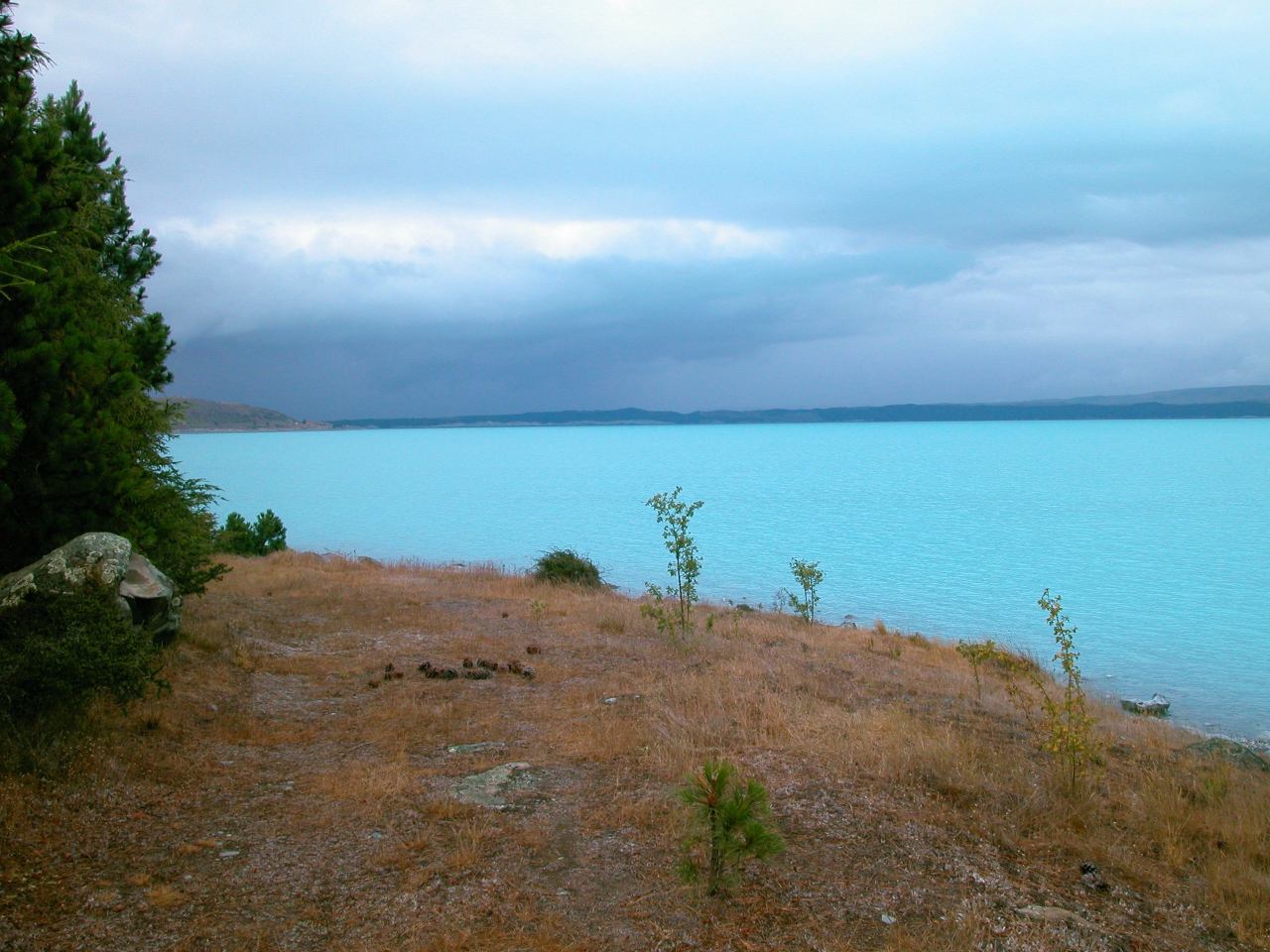
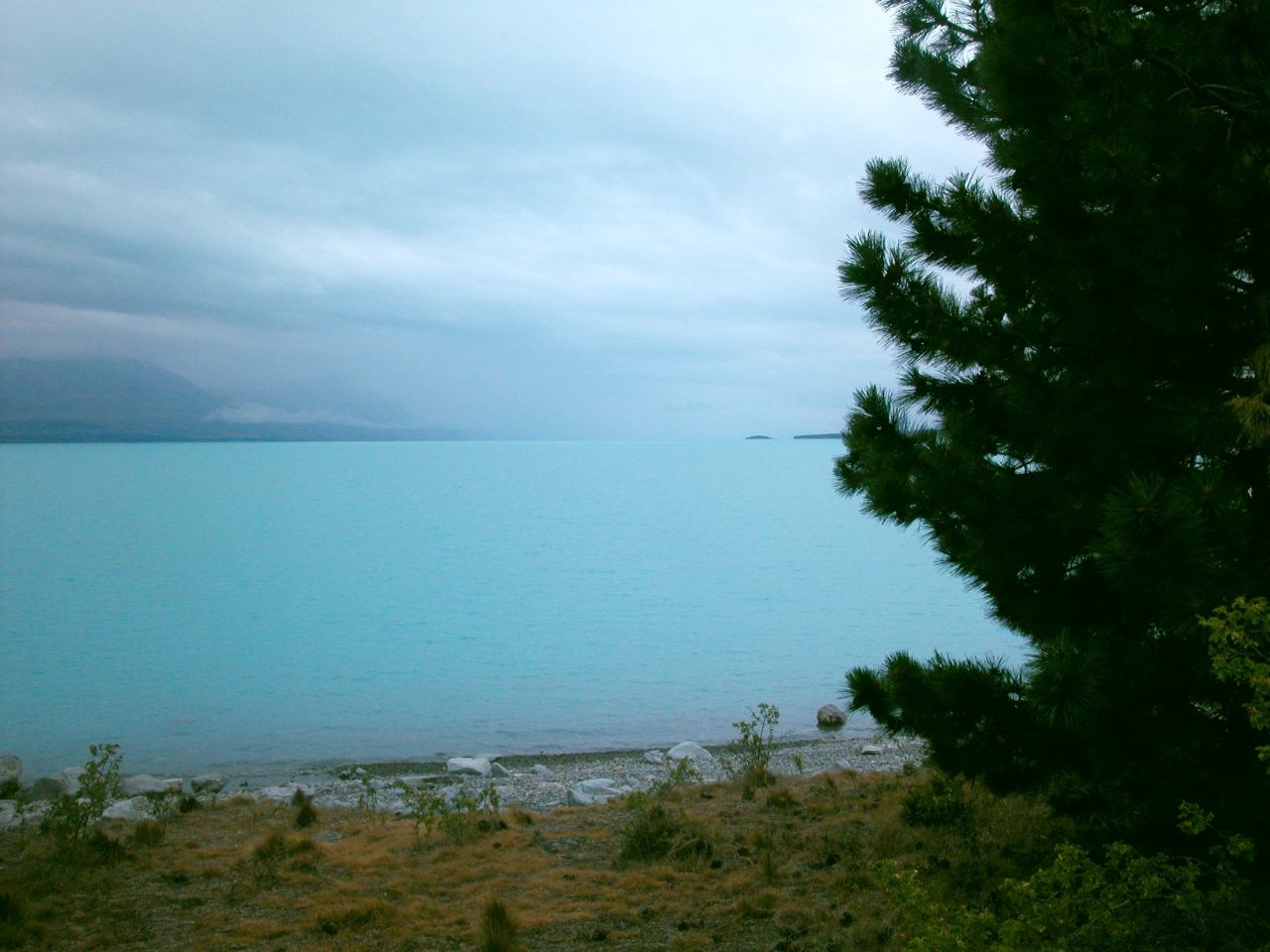
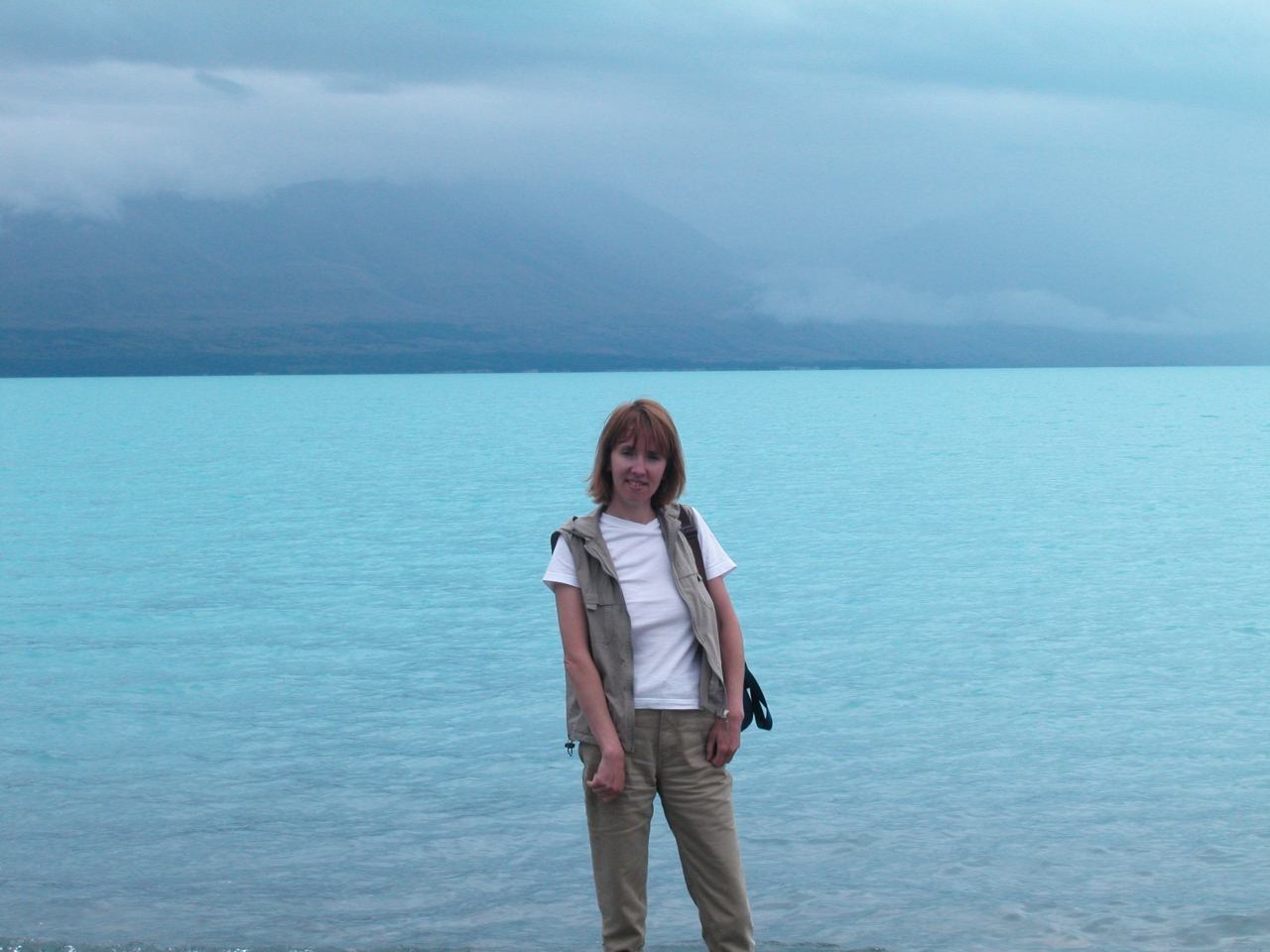
With the lakes in the foreground there should have been a splendid view of snowy peaks in the distance, but we weren't in luck. The lakes were lovely. The view was straight into a black cloud.
Rain began as we got nearer to the mountains. In the tourist village at Mount Cook it really poured. Lodging was expensive there: NZ$275 for a room with a mountain view, or rather a cloud view. The plan we'd made long before at home was to camp at White Horse, with a view of the glacier, at the foot of Cook. It turned out you could drive there on a gravel road. The rain stopped on the way. There were plenty of people, but we came across one unexpected little spot screened by bushes, with a table and a bench. Settled: we'd stop here (43°43.042′S, 170°05.517′E; elevation 786 m). It was time to give up expensive motels. They'd knocked all the fighting spirit out of us, and we hadn't even climbed Ruapehu.
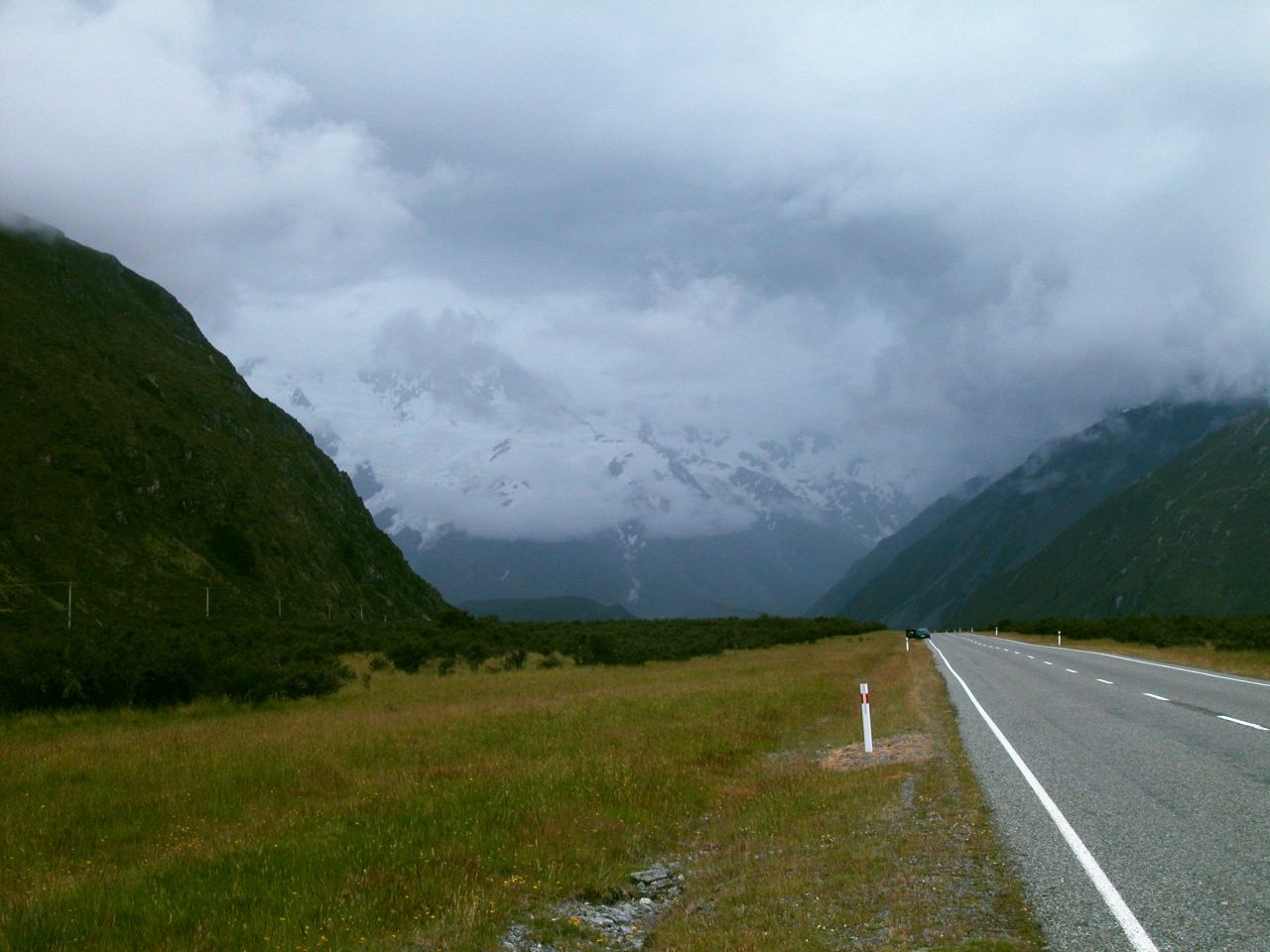
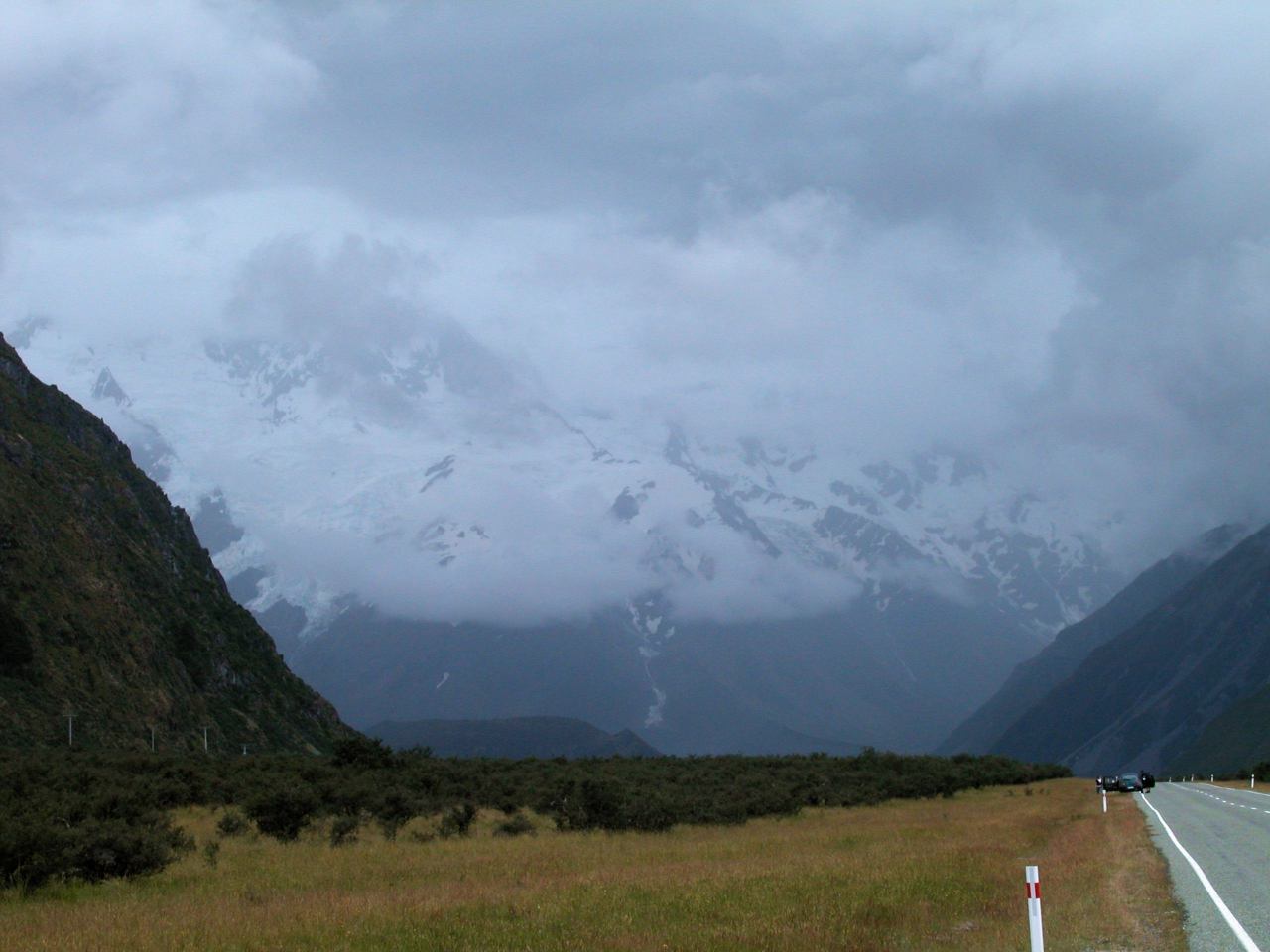
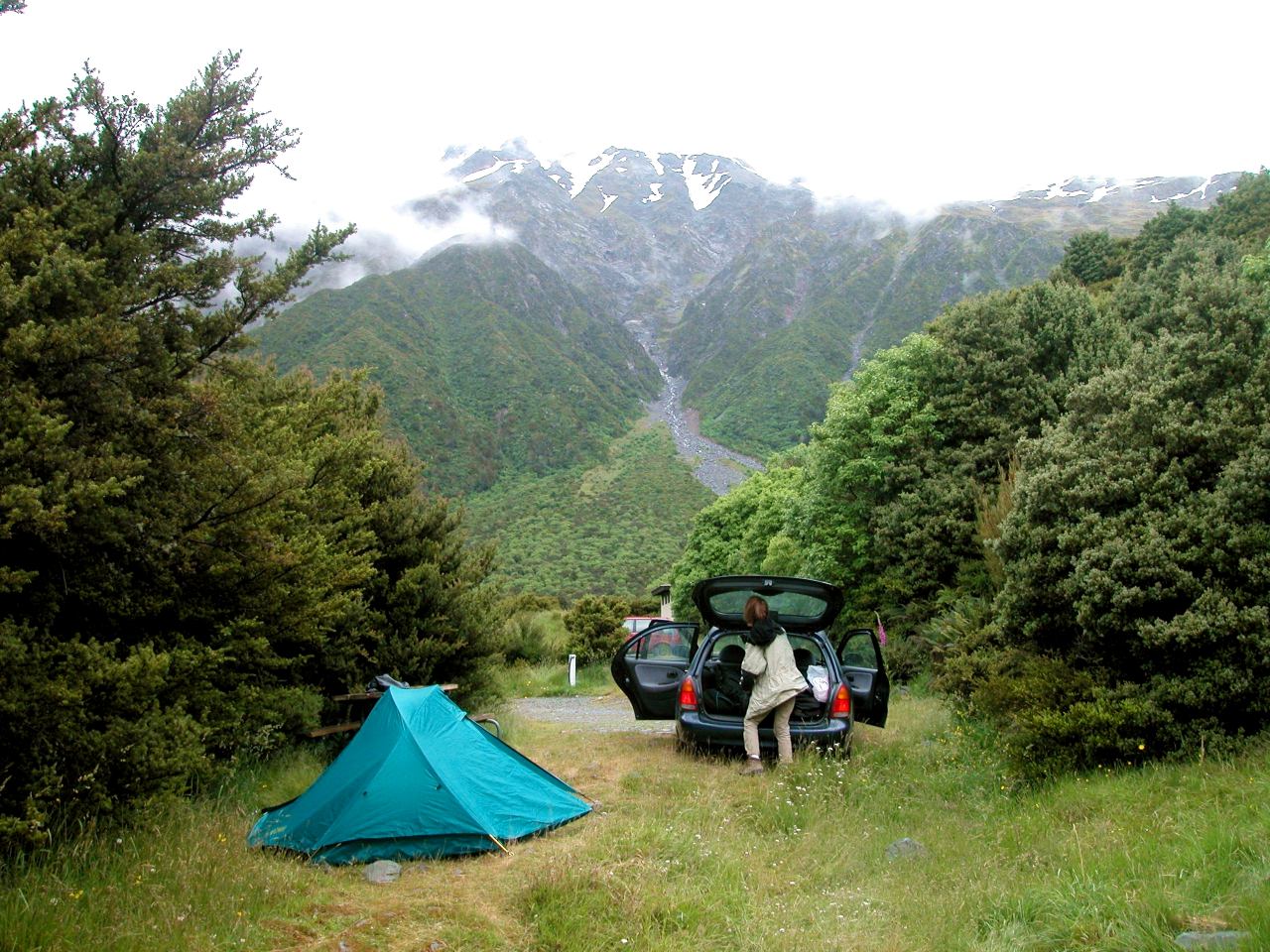
The campground operated on self-registration: put your money in an envelope and drop it in the box. Ten New Zealand dollars altogether for the two of us and the car. We staked out our spot with the car and tent and went for a walk, first to Kea Point. From here you have an excellent view of the glacier and the main peaks. Though the rain had stopped, there was still a great deal of cloud. An occasional peak showed through the gaps, but good weather would be much better for it. The nearer glacier was quite easy to see. An immense wall of ice, with something constantly breaking off and falling with an appalling roar. A vicious-looking spot. It certainly wasn't a place to go for a stroll.
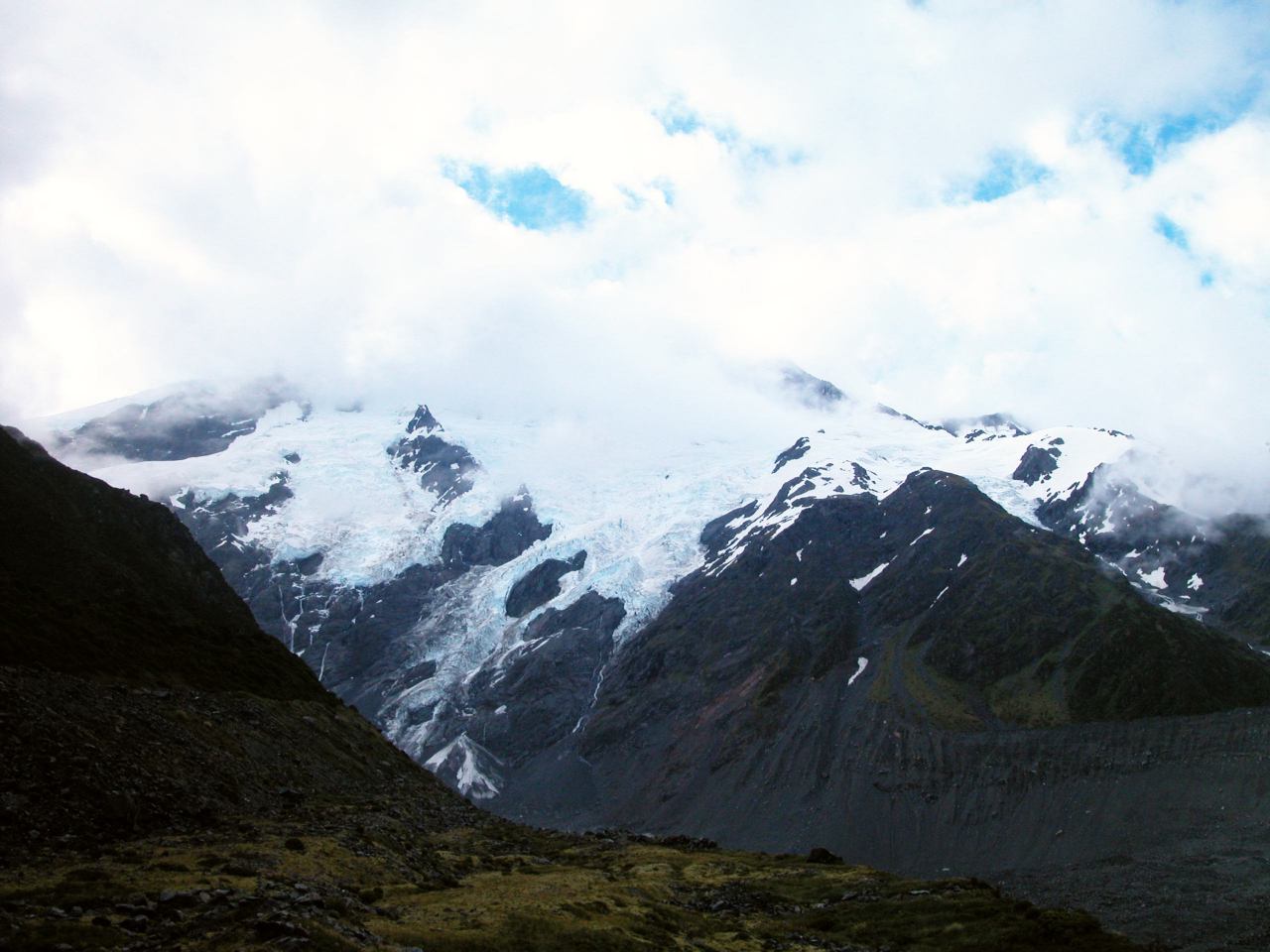
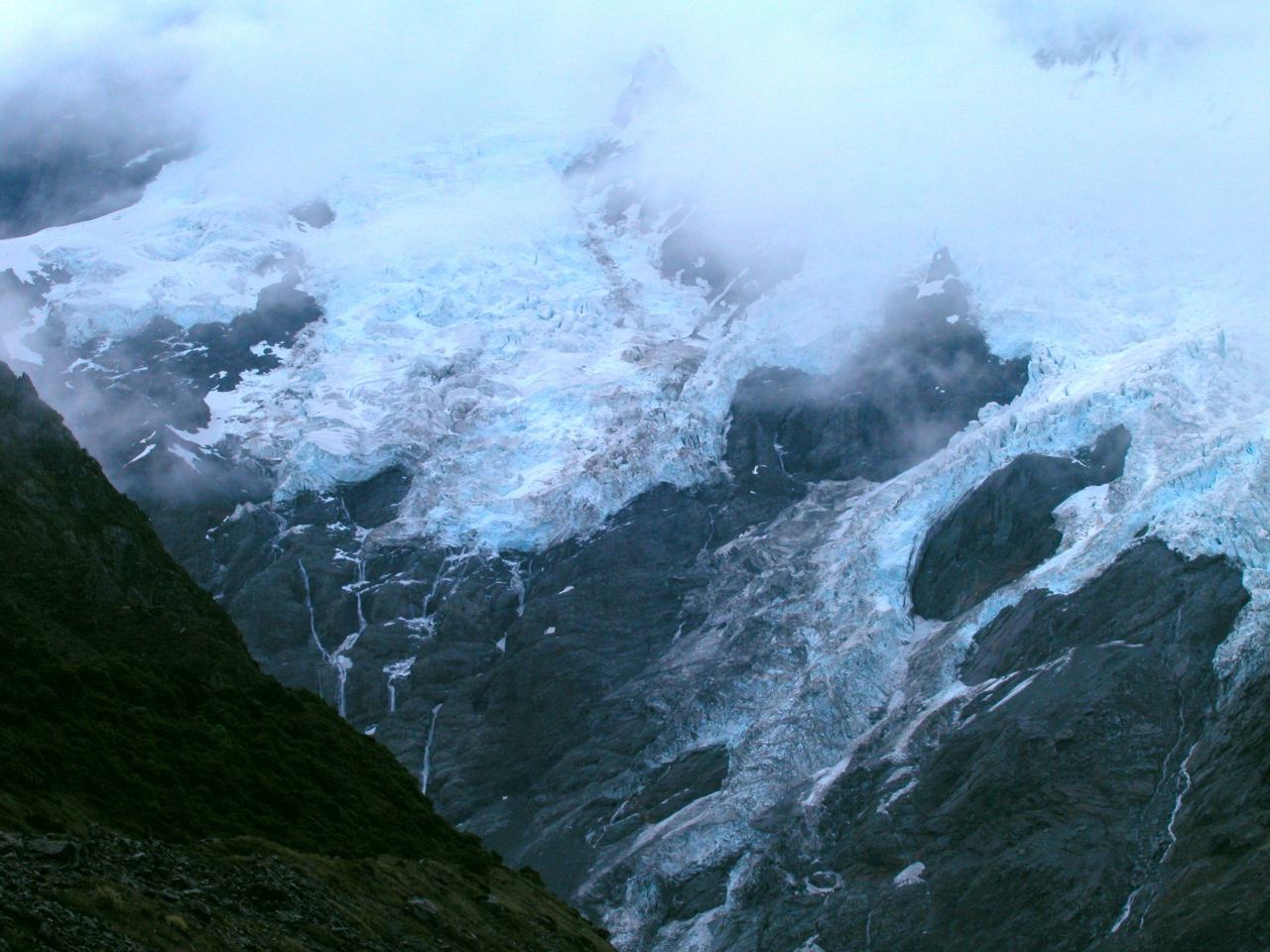
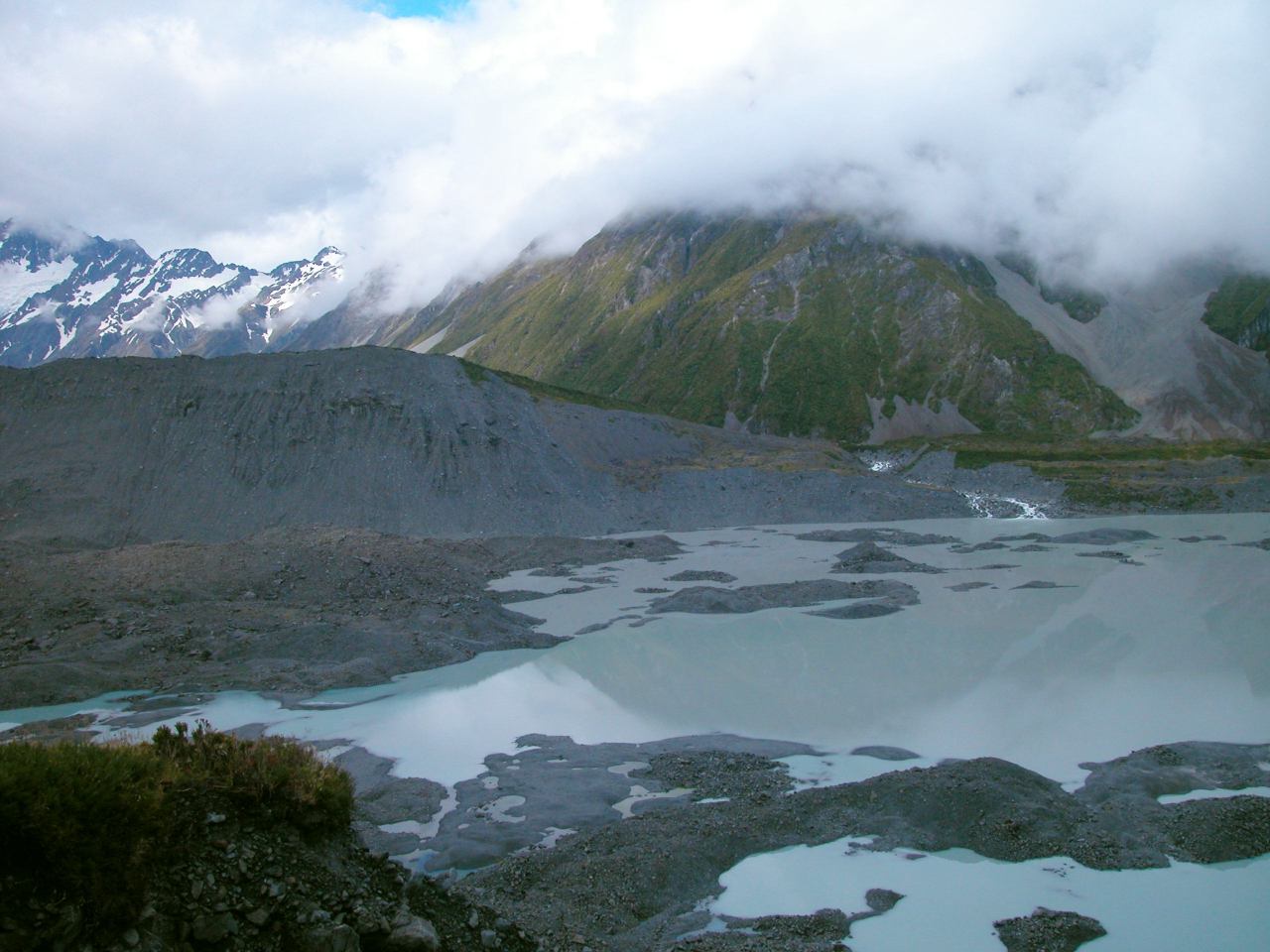
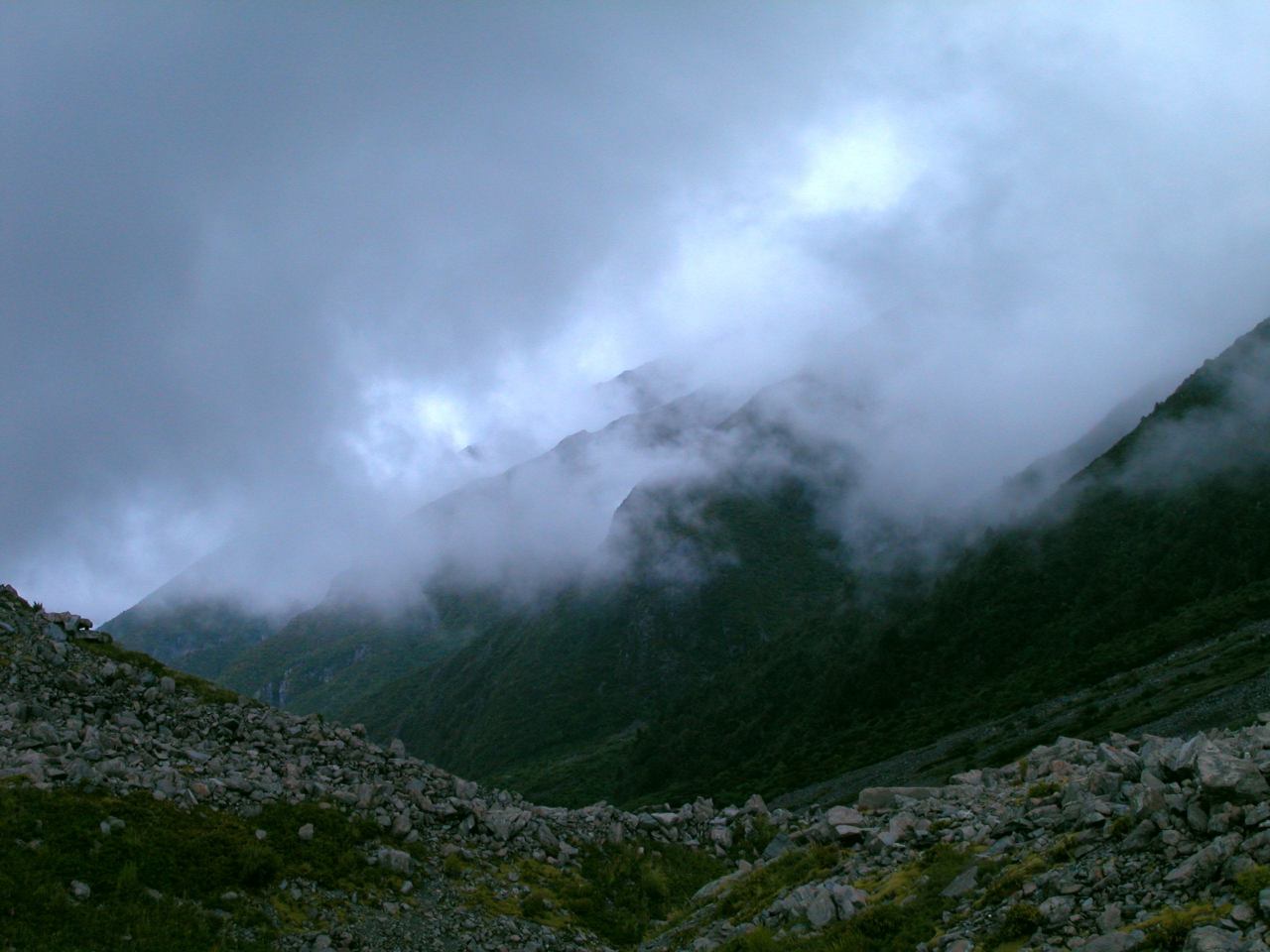
Kea Point is so named because it's a place to see a kea parrot. We looked and looked, and saw none.
The clouds scattered and we began to wish we'd gone to Mueller Hut for the night. It looked very close on the map but stood high on the mountain, nearly a kilometre above our campground. The track runs steeply uphill, slippery and wet. Never mind, we'd stay put. Aoraki/Mount Cook National Park actually counts the places in the huts. On the visitor centre wall they mark how many places are taken that night in each hut. You can see for yourself without having to pester anybody. There were places available in every hut while we were there.
The main walking track into the mountains goes up Hooker Valley. Beyond a certain marked point you were meant to go only with a guide or a special permit from DOC. There's no guarded checkpoint, naturally, and I don't know how they catch anyone who disregards it. Probably they don't. They've done their bit by warning you.
Up to that farthest point it's an excellent track. The bridges hanging on cables cross the Hooker River twice. There are stairs and little handrails everywhere. Locals run there in the evening. Before we reached the first bridge we noticed a party of tourists all looking at a tree 300 metres away from them. We joined them. It turned out they were watching a kea at the top of the tree. They let us look through their binoculars. A big bird, the size of a chicken.
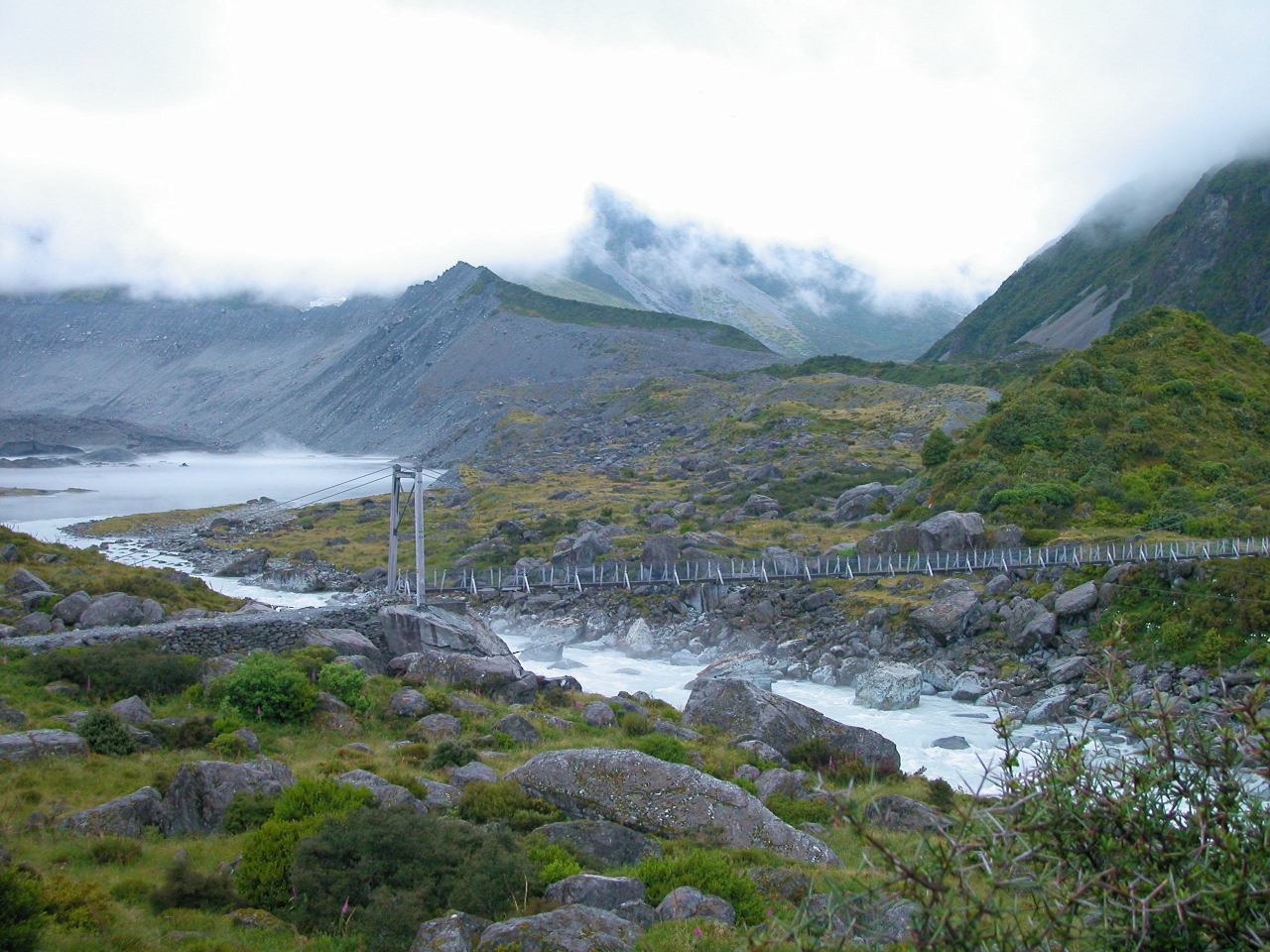
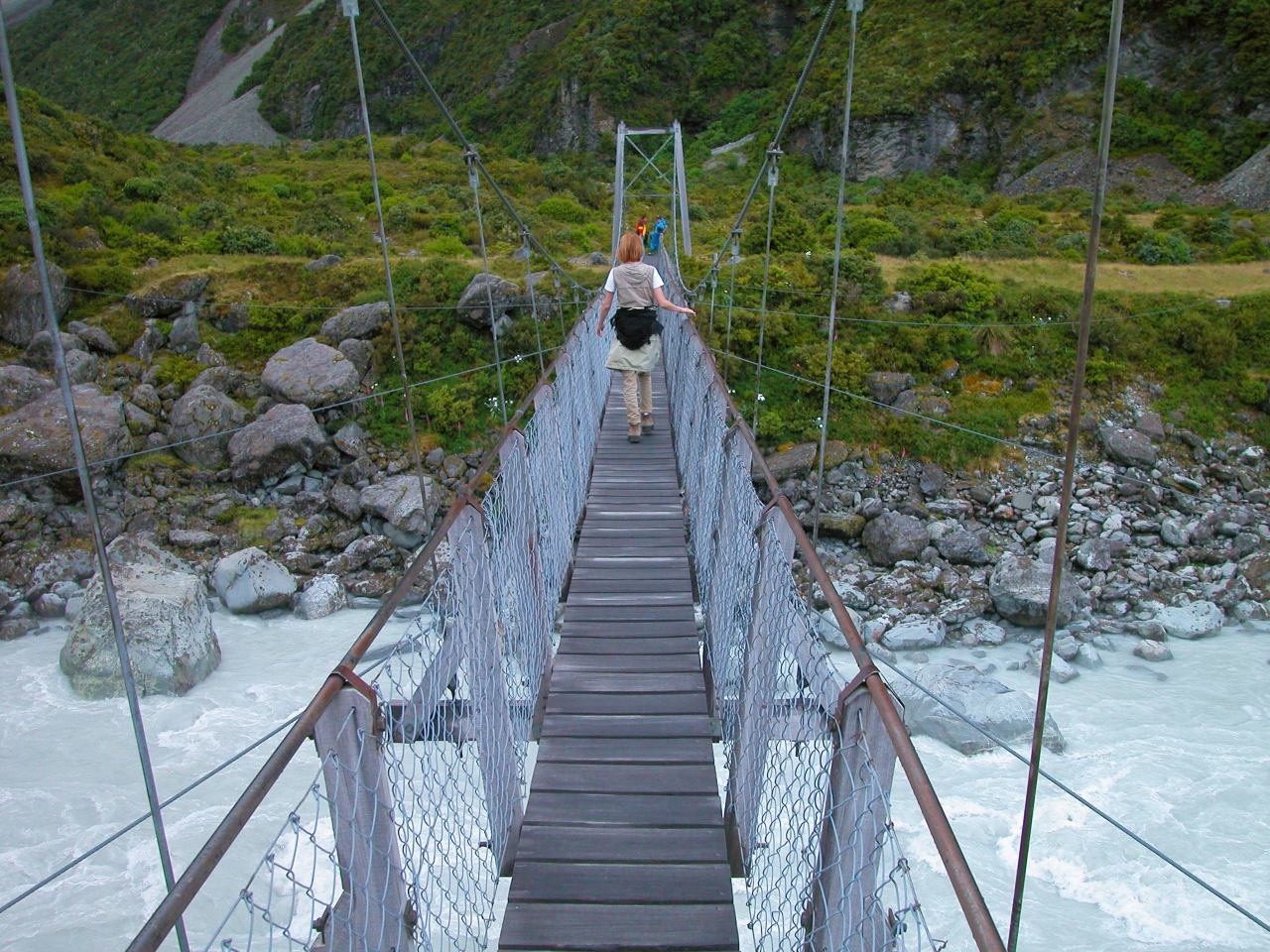
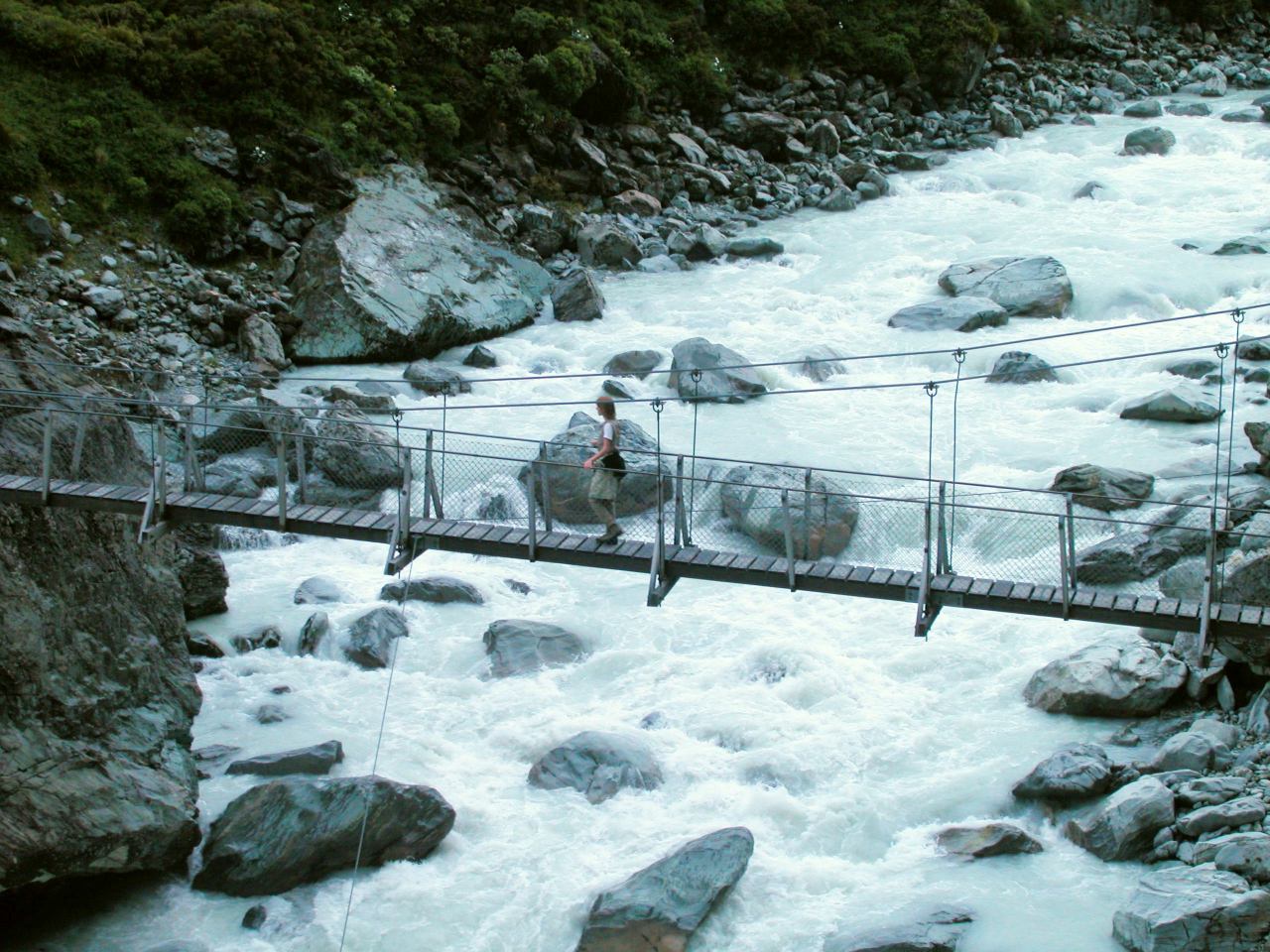
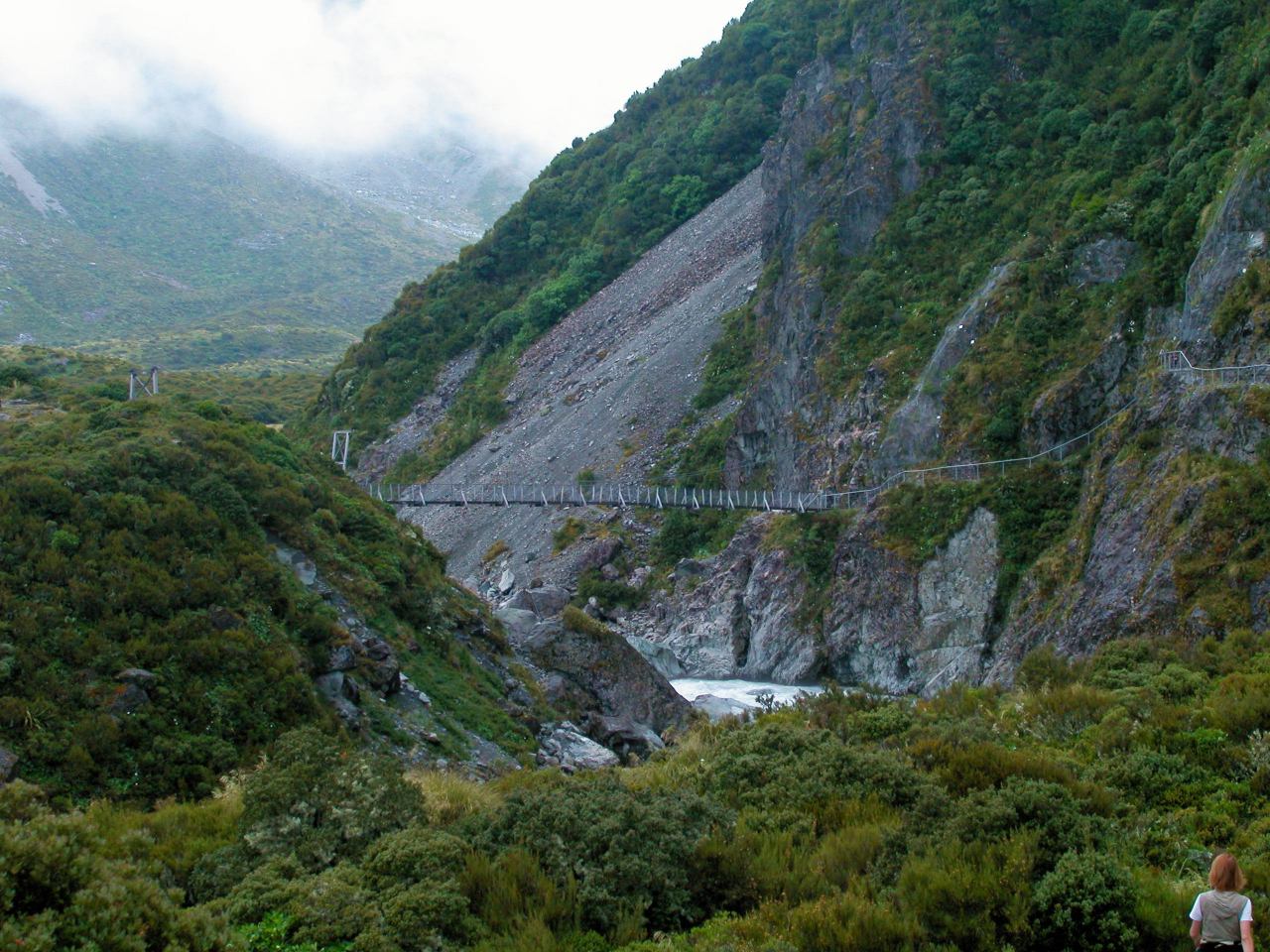
We hadn't been lucky with the weather, but the mountains can be beautiful even when it's overcast. Mist coming up off the water, torn clouds somewhere below. I'm glad we hadn't let the rain frighten us off. We walked to the end of the permitted track and back again, and returned to the car. Today we had a good soup with cabbage and meat, cooked on the camping stove in the rain that had begun again. In New Zealand, by the way, the usual fitting is the sort with a thread that you screw the burner onto. Our European gas canisters weren't easy to find. Only good outdoor shops carried them.
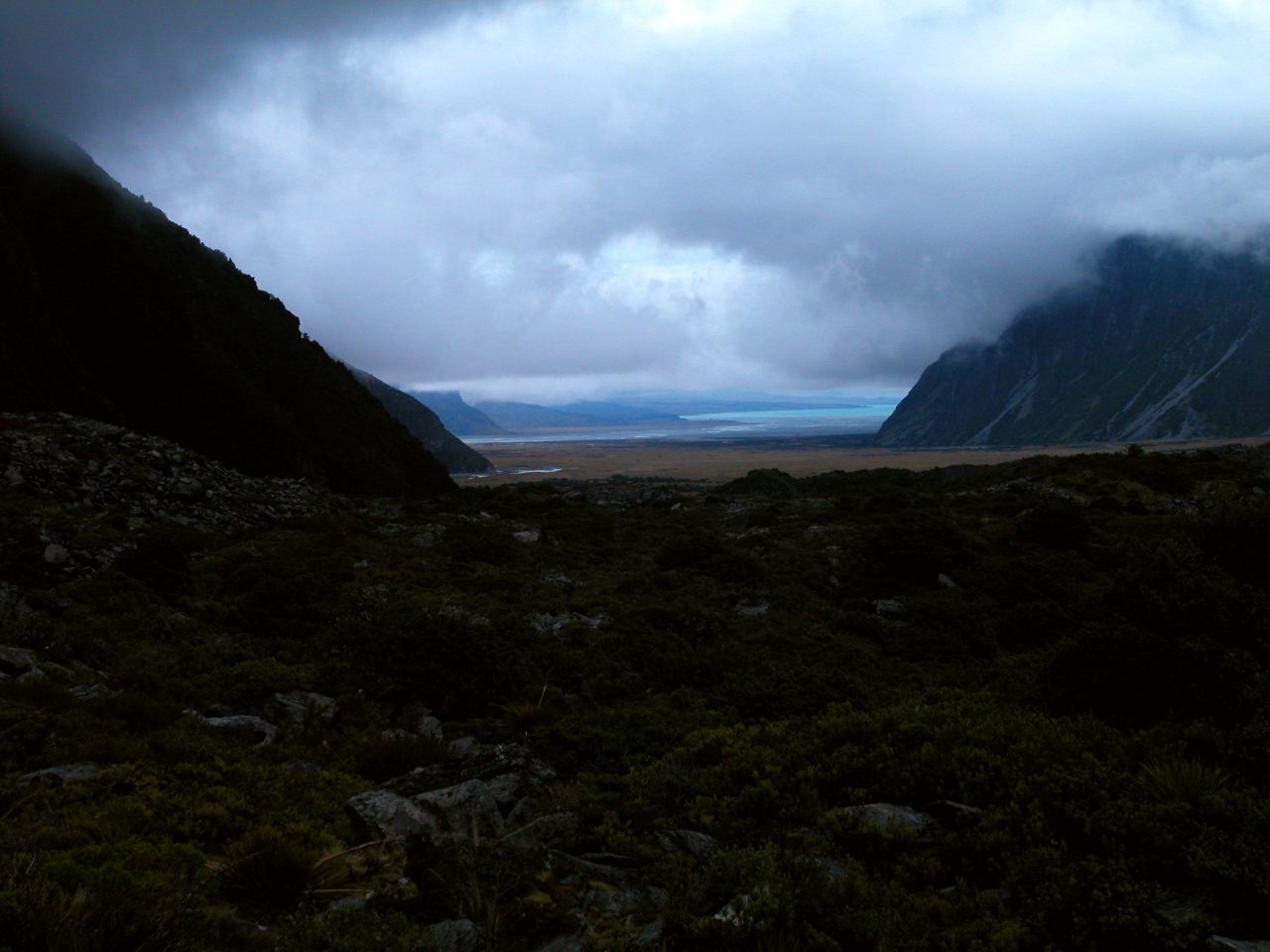
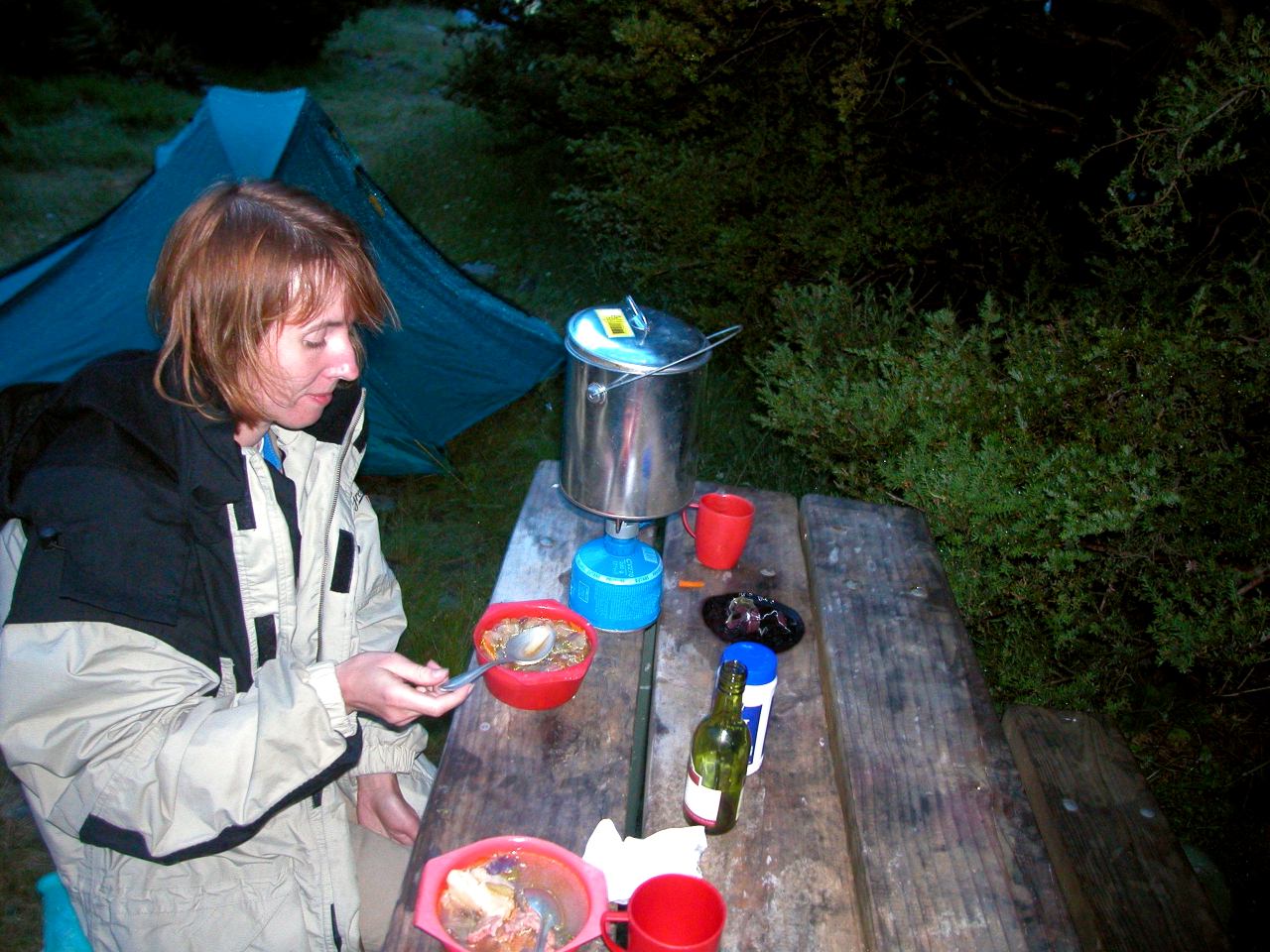
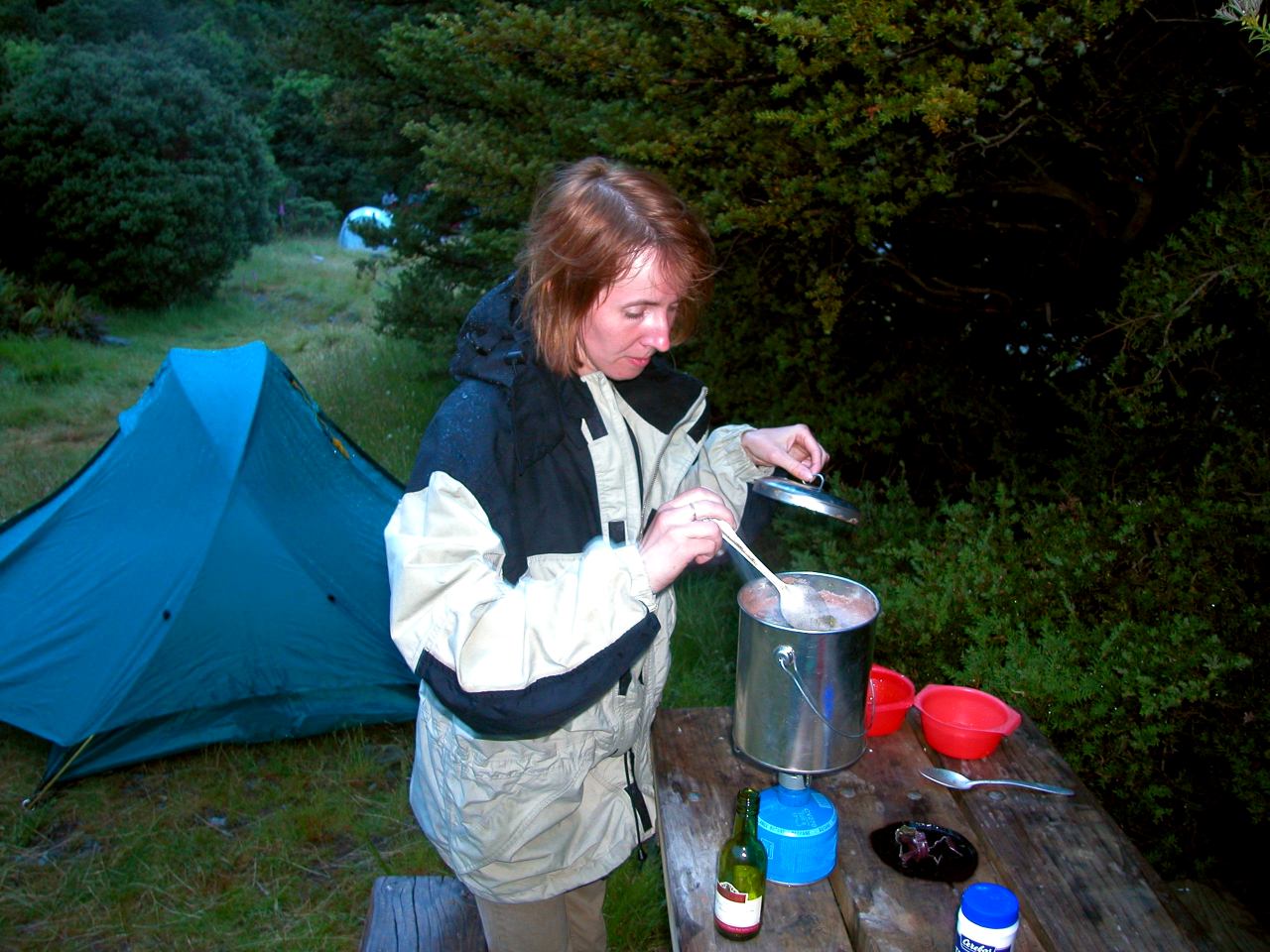
The next day, after breakfast in Twizel, we took a gravel road to see the Clay Cliffs. The fourteen-kilometre road goes through private farmland. You're meant to drop NZ$1 in the box to use it. The gravel road had enormous puddles; our car barely made it through. The cliffs are a little like Cappadocia in Turkey. Pillars of sedimentary rock stand not far from the Ahuriri River. There's a short, fairly rough path you can take among the pillars.
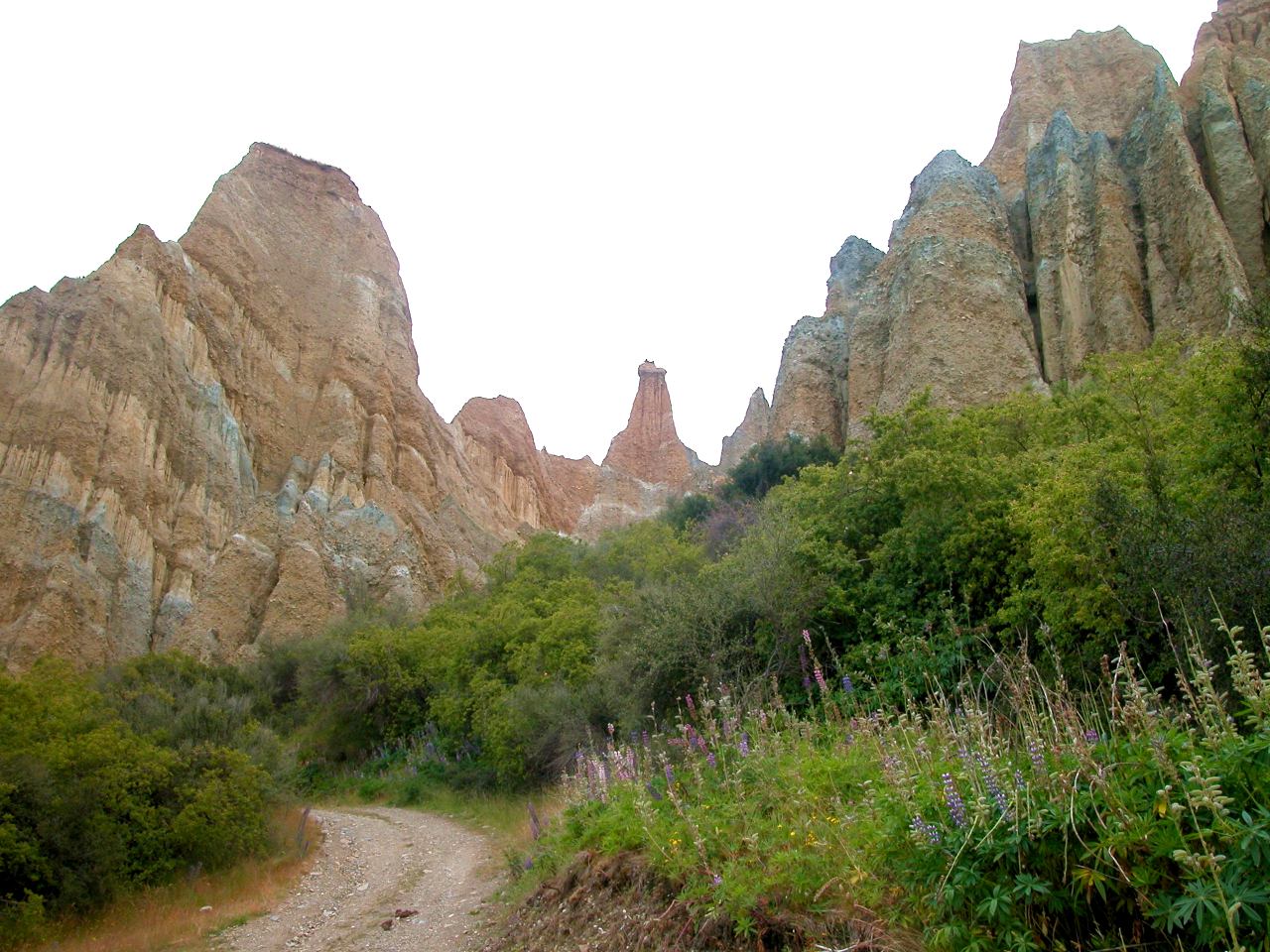
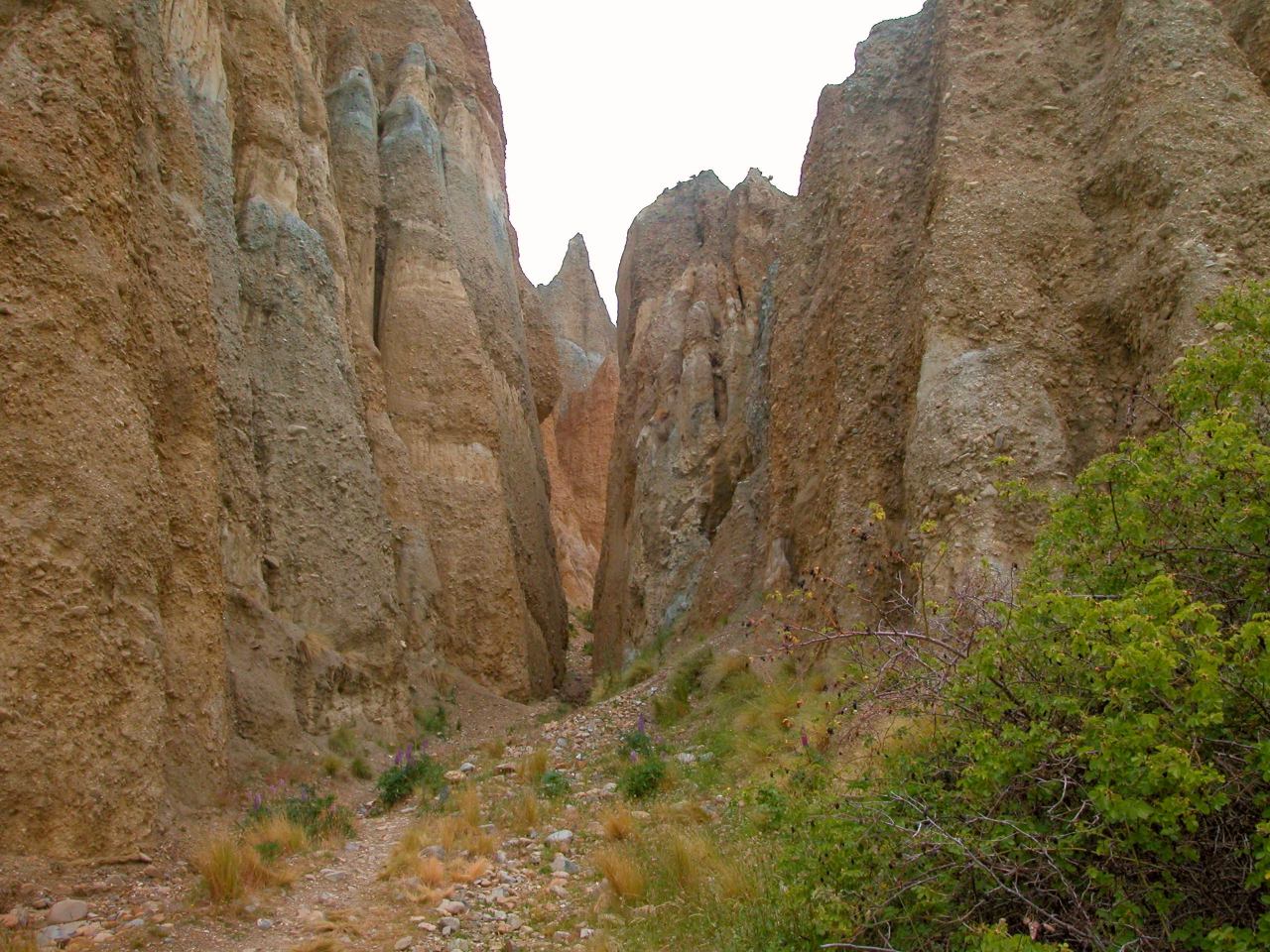
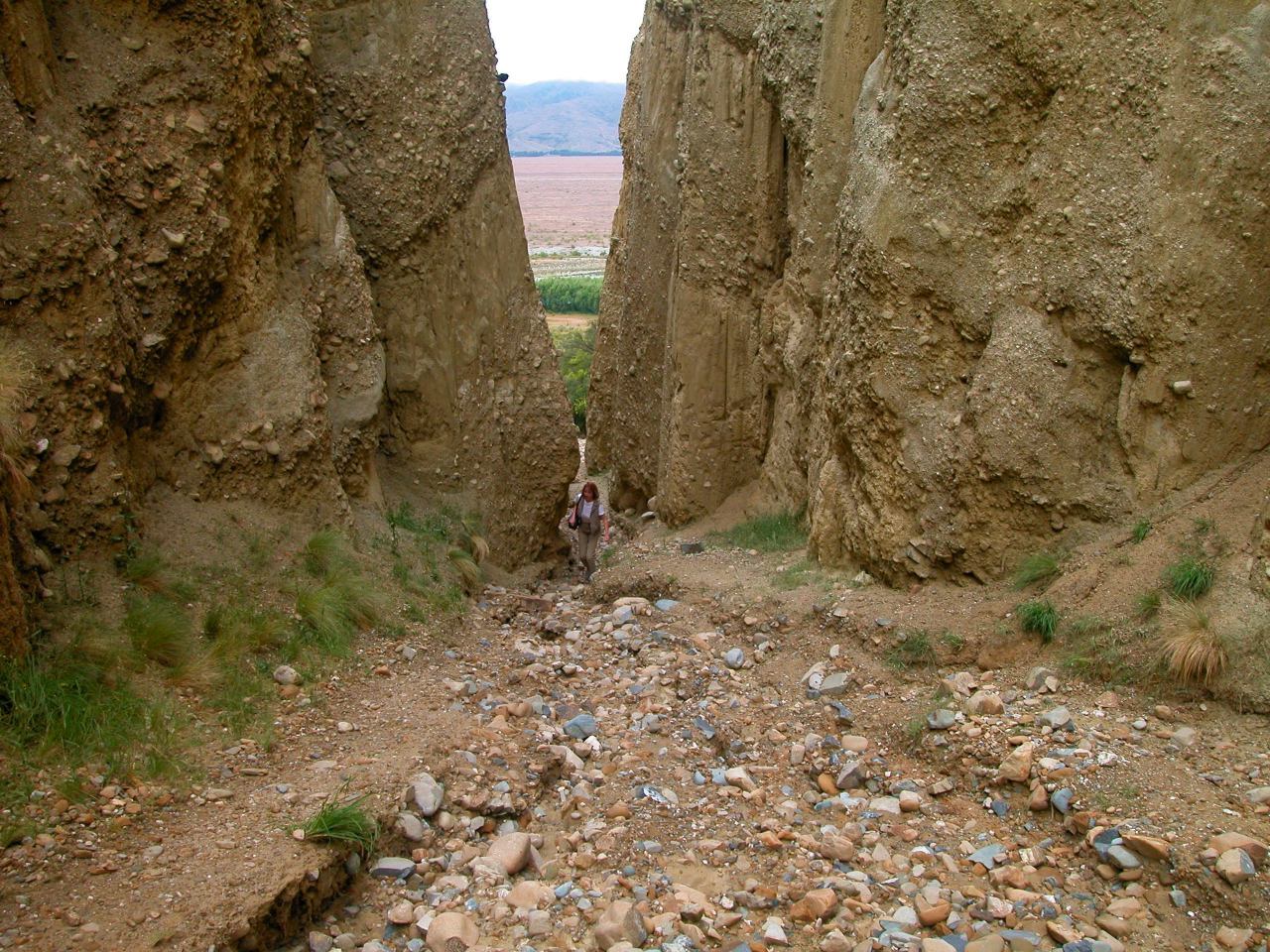
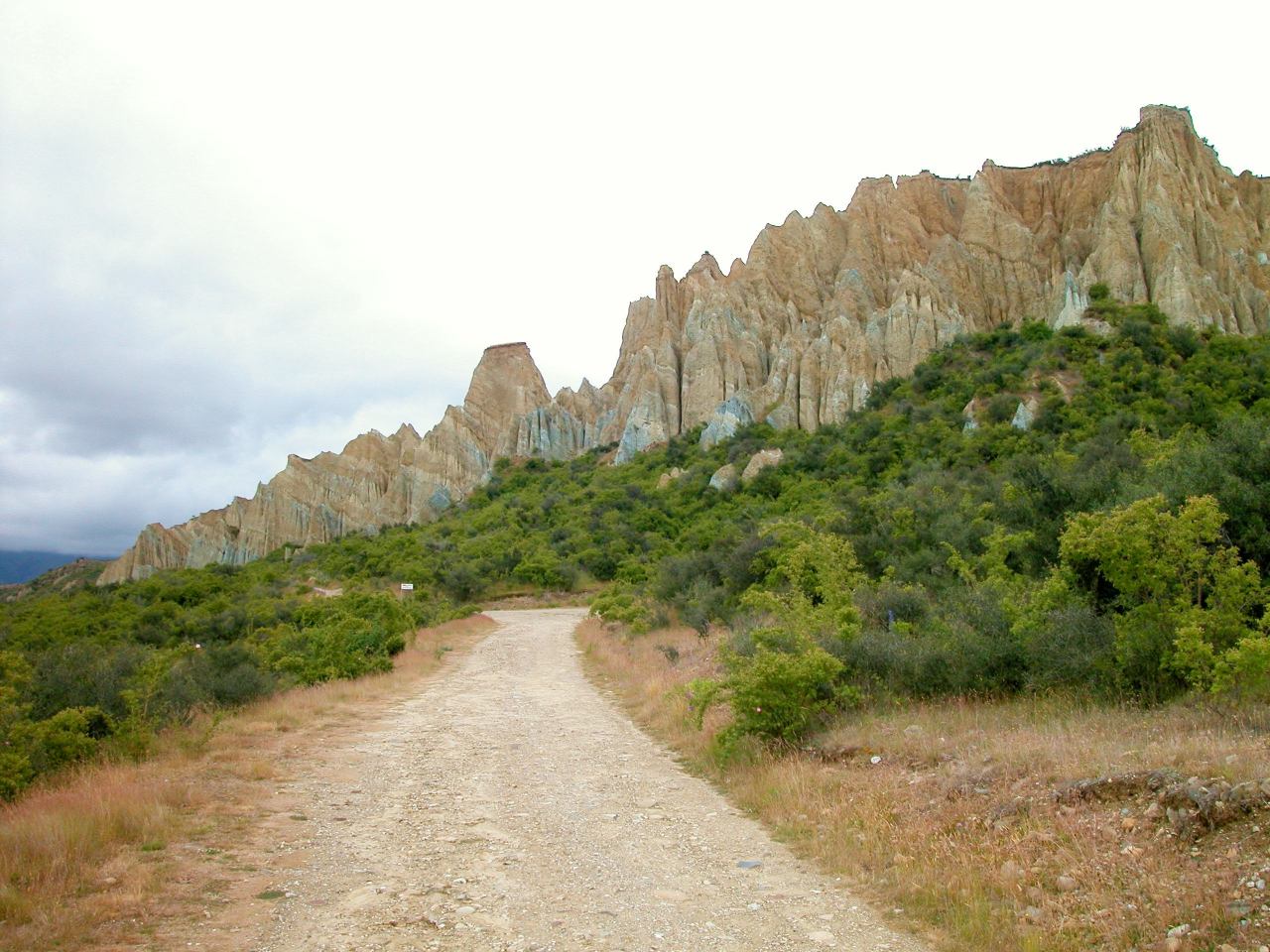
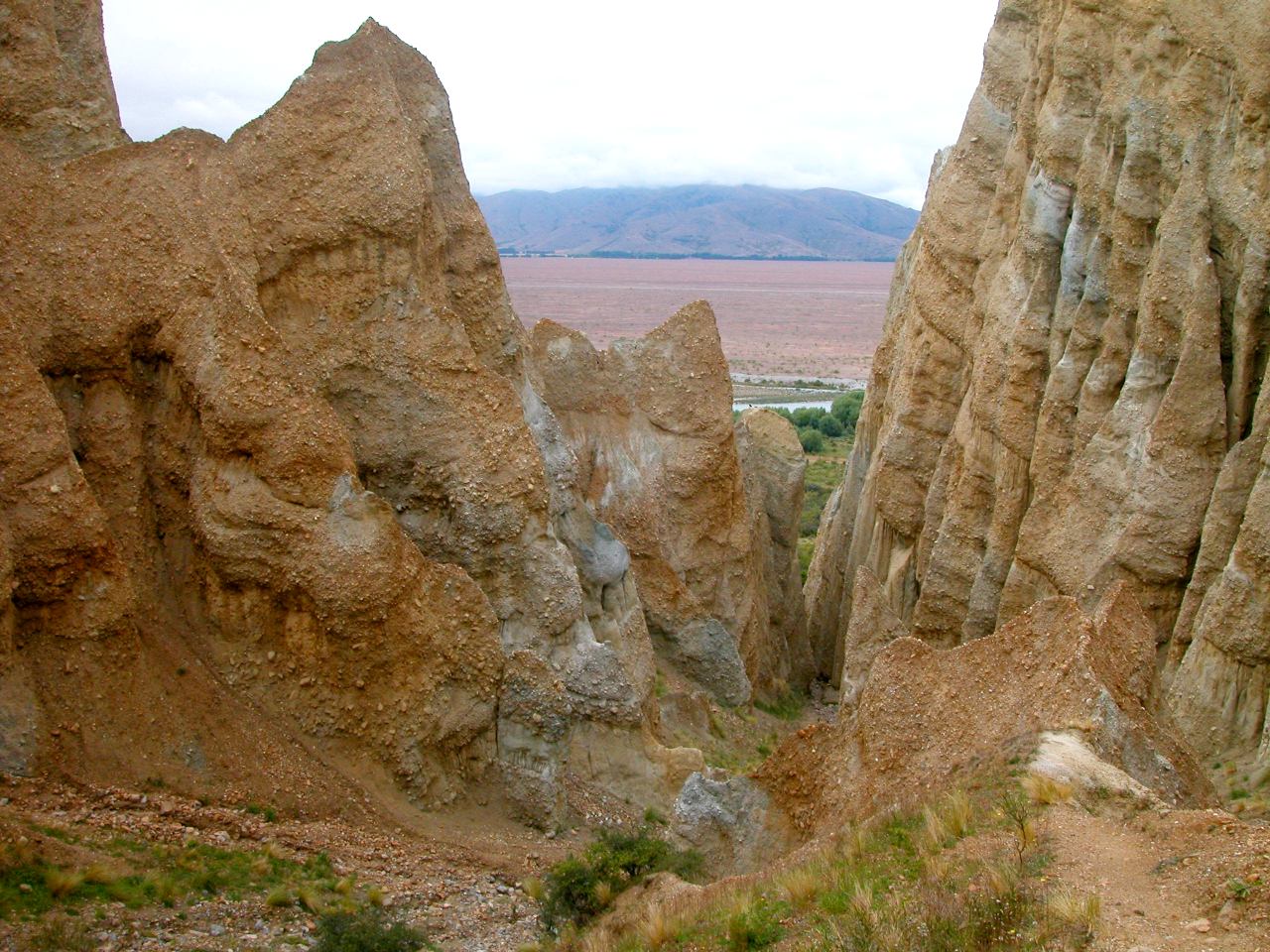
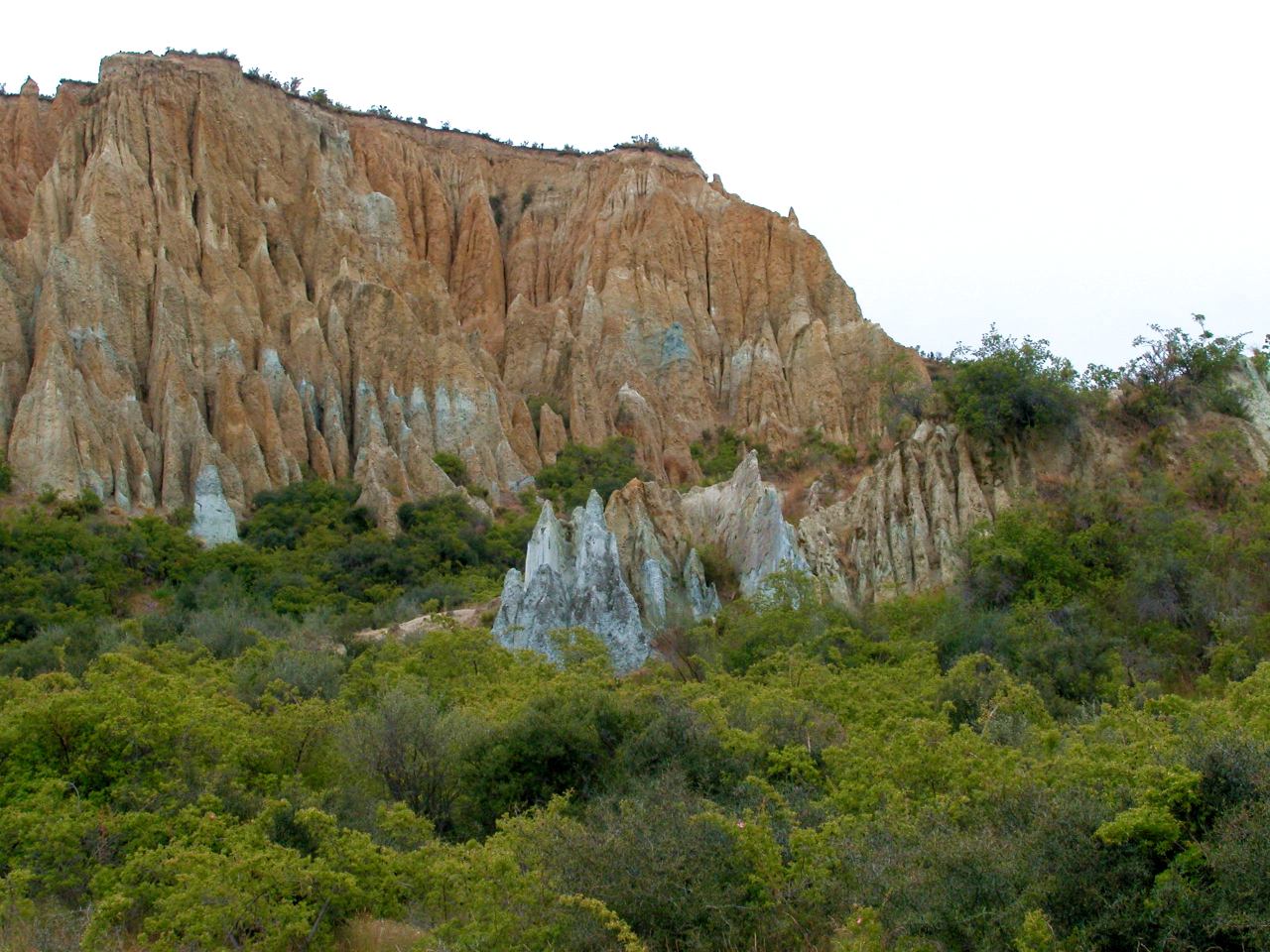
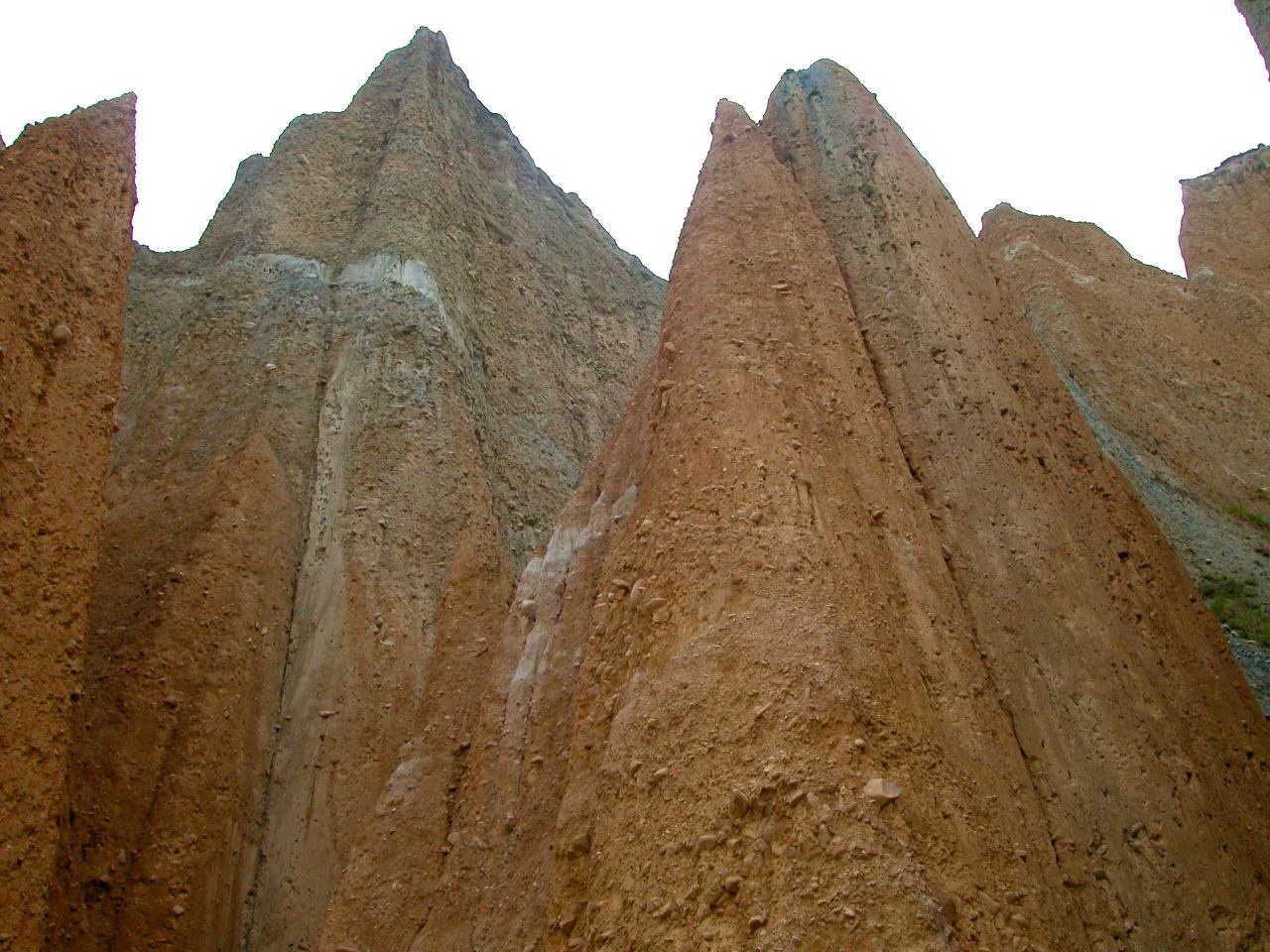
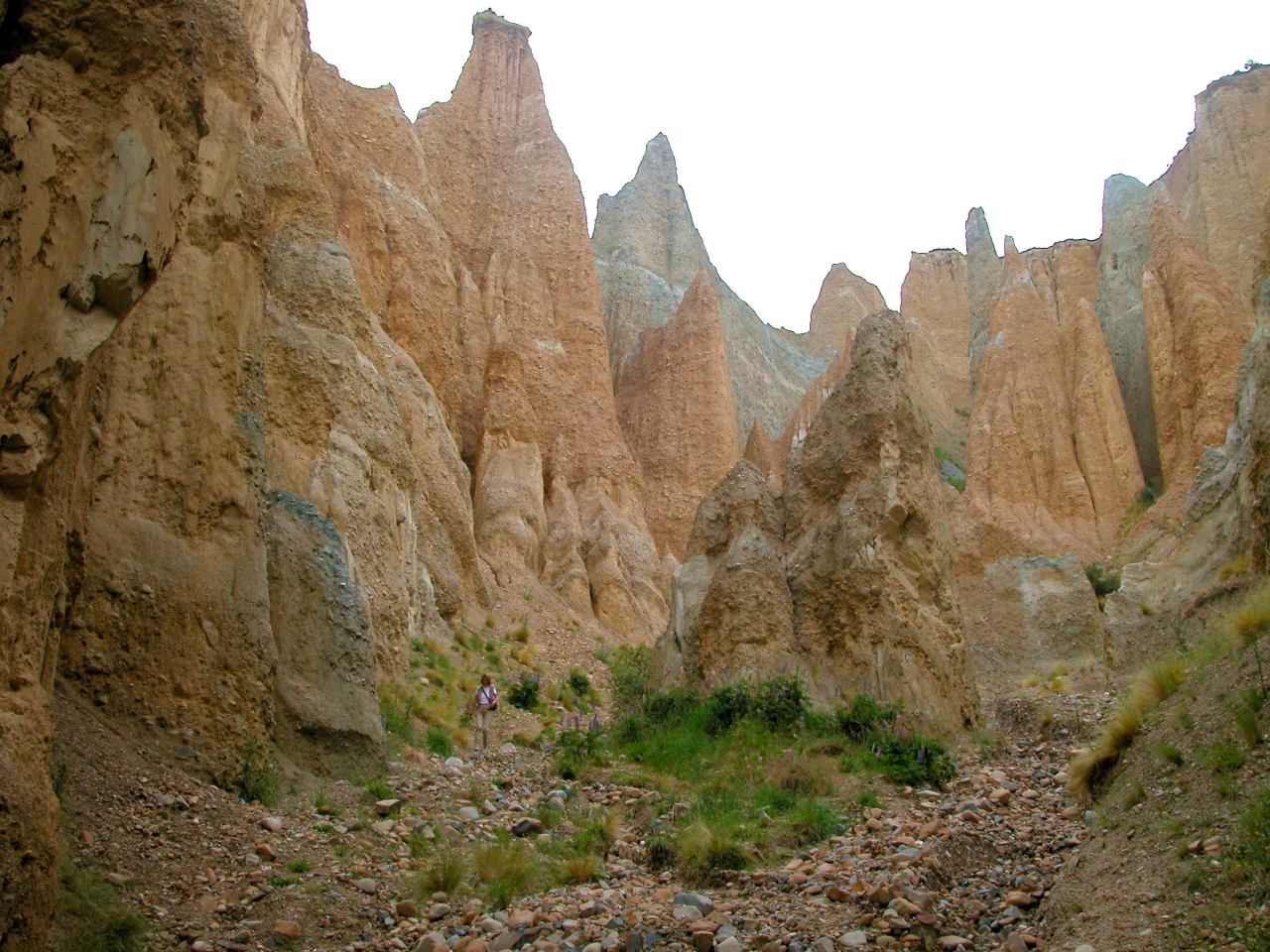
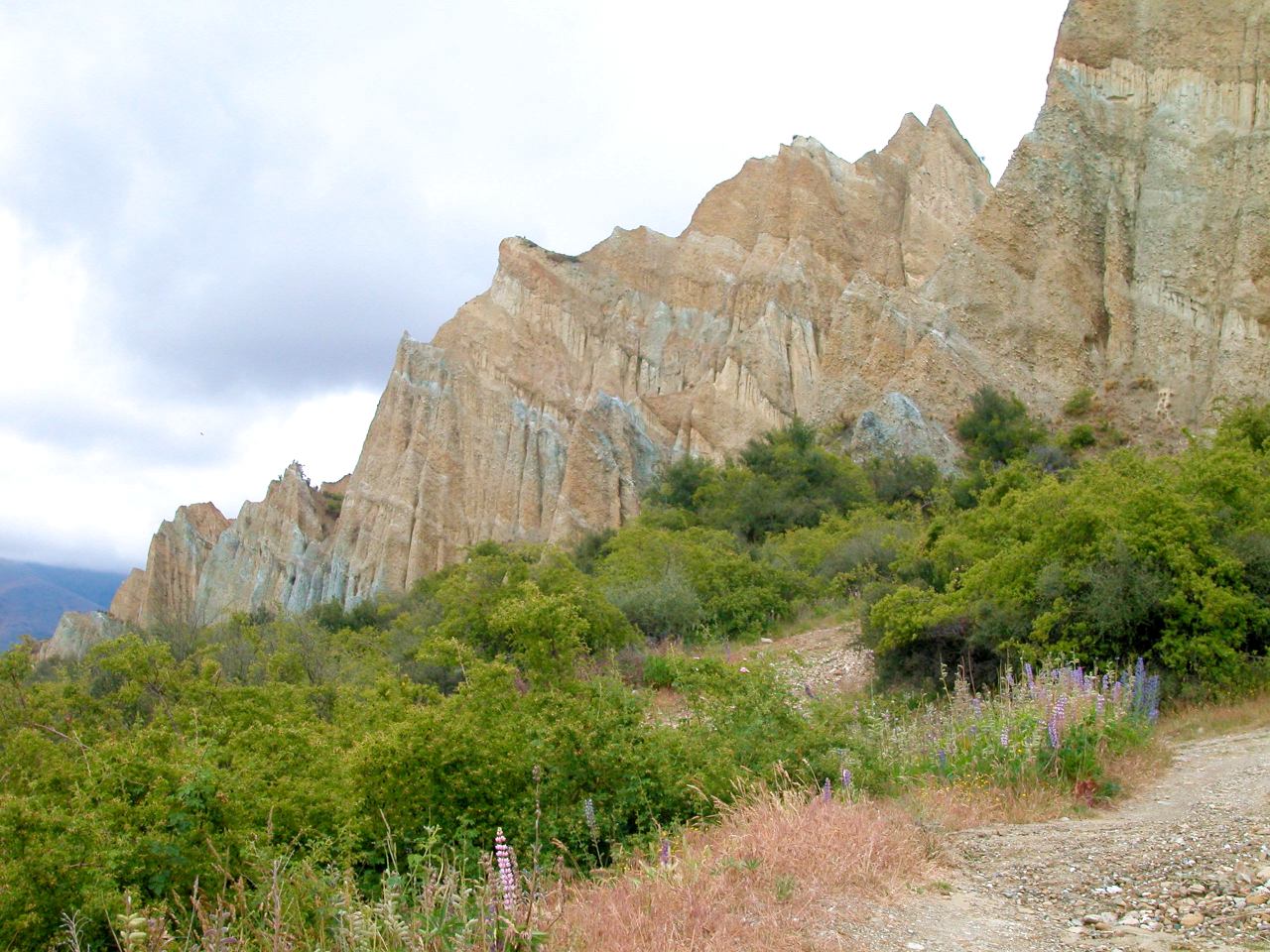
Farther east we followed State Highway 83 along the Waitaki. The whole river is interrupted by dams, and the road runs beside one reservoir after another rather than along the river itself. Erosion has made a great many oddly shaped rocks and cliffs here. Some caves have Māori rock art. I didn't think much of their drawing: people in African caves had done it much earlier and much better. Still, the culture of the original inhabitants should be preserved and shown. We turned right at Duntroon. The road here has plenty of places laid out for visitors, things like Elephant Rocks, whale bones in the rock, and so on.
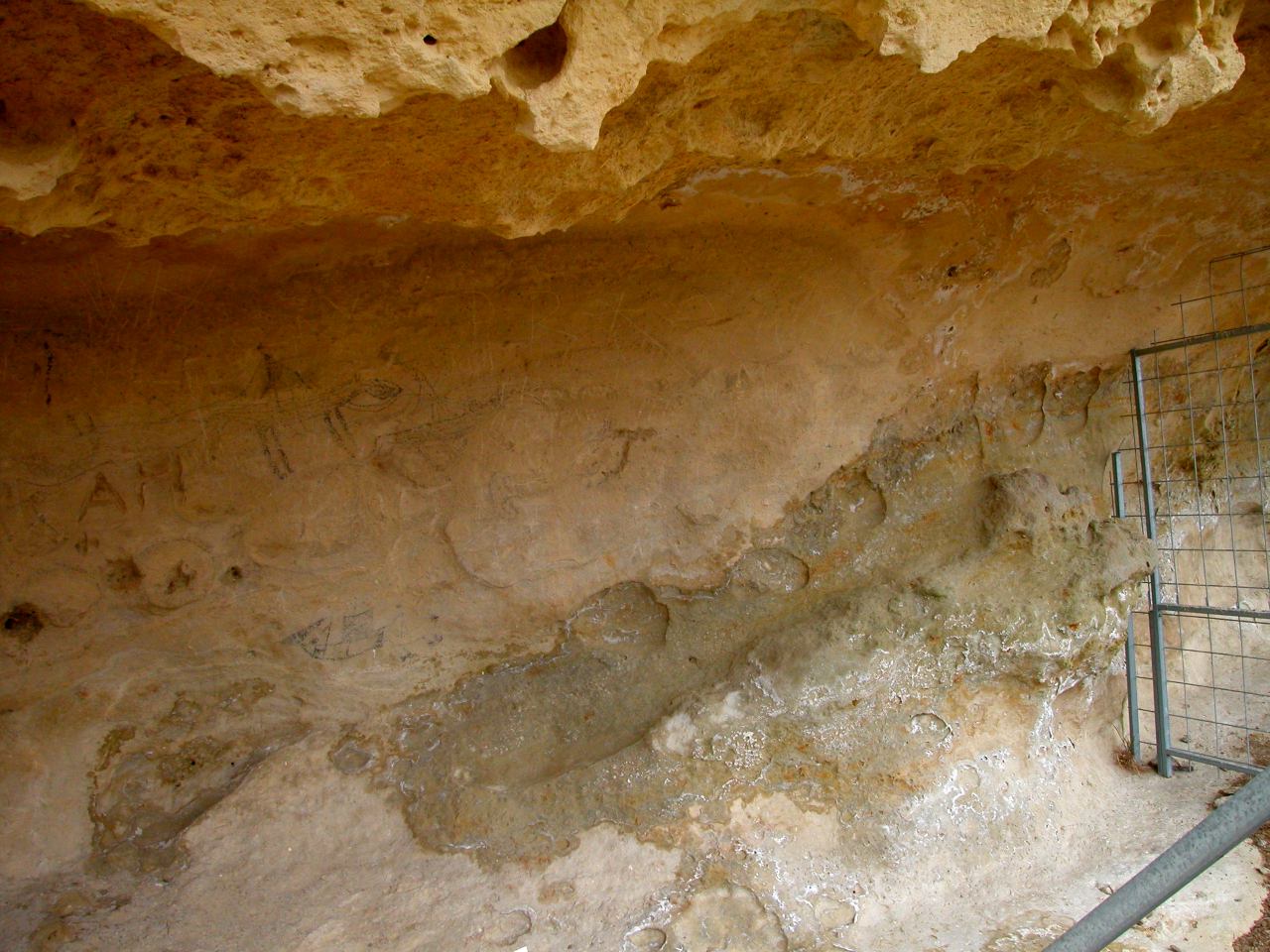
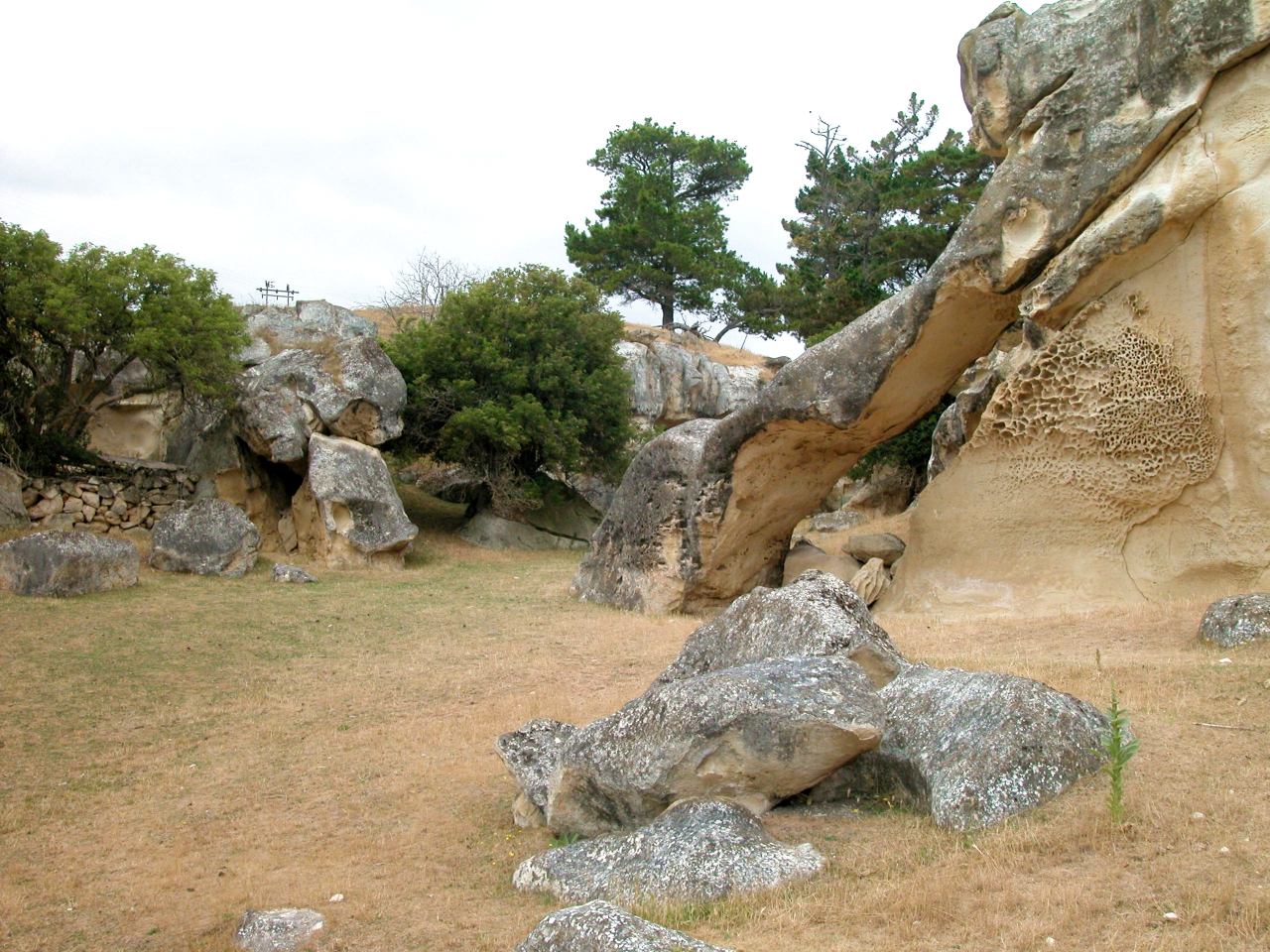
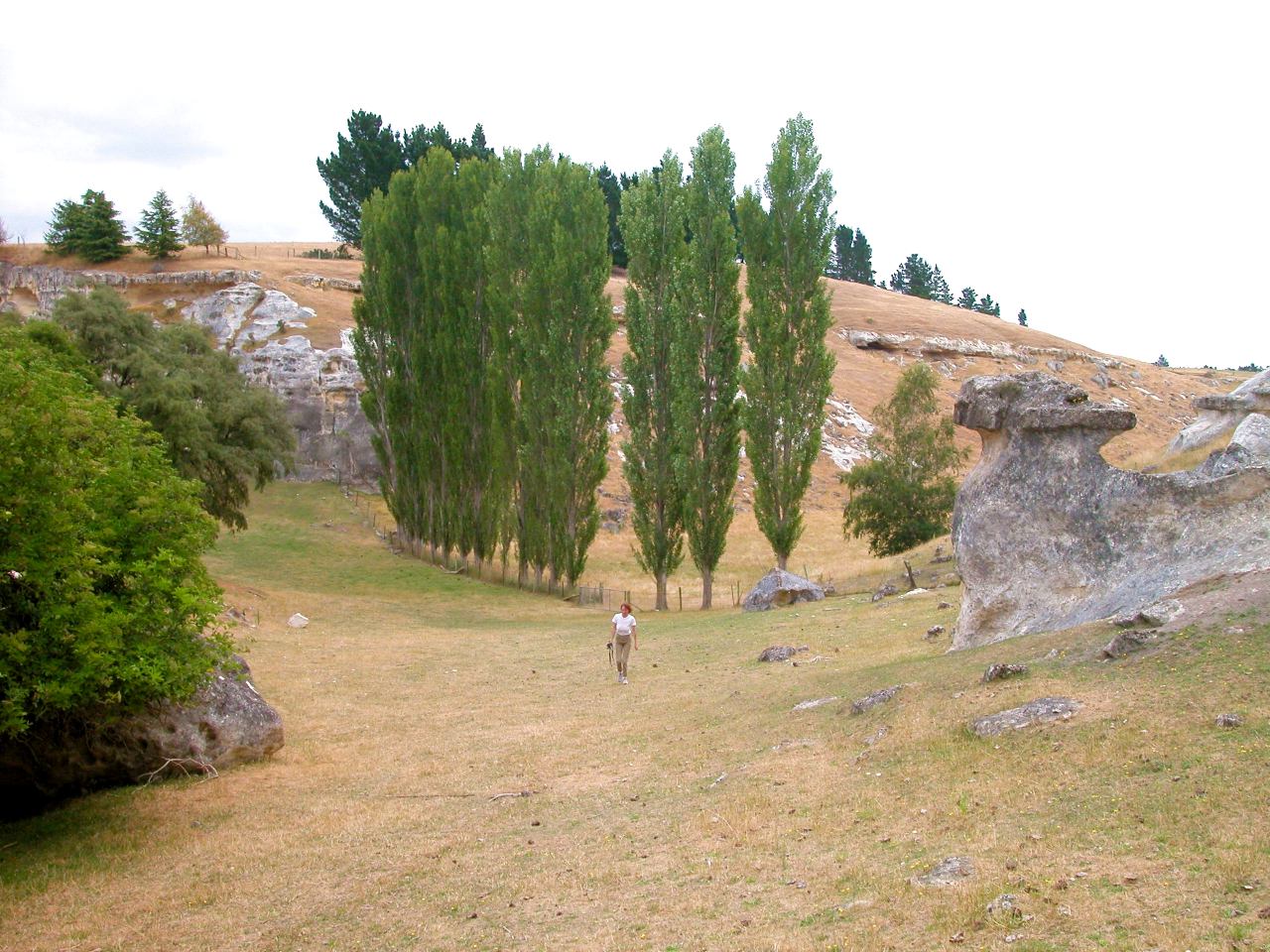
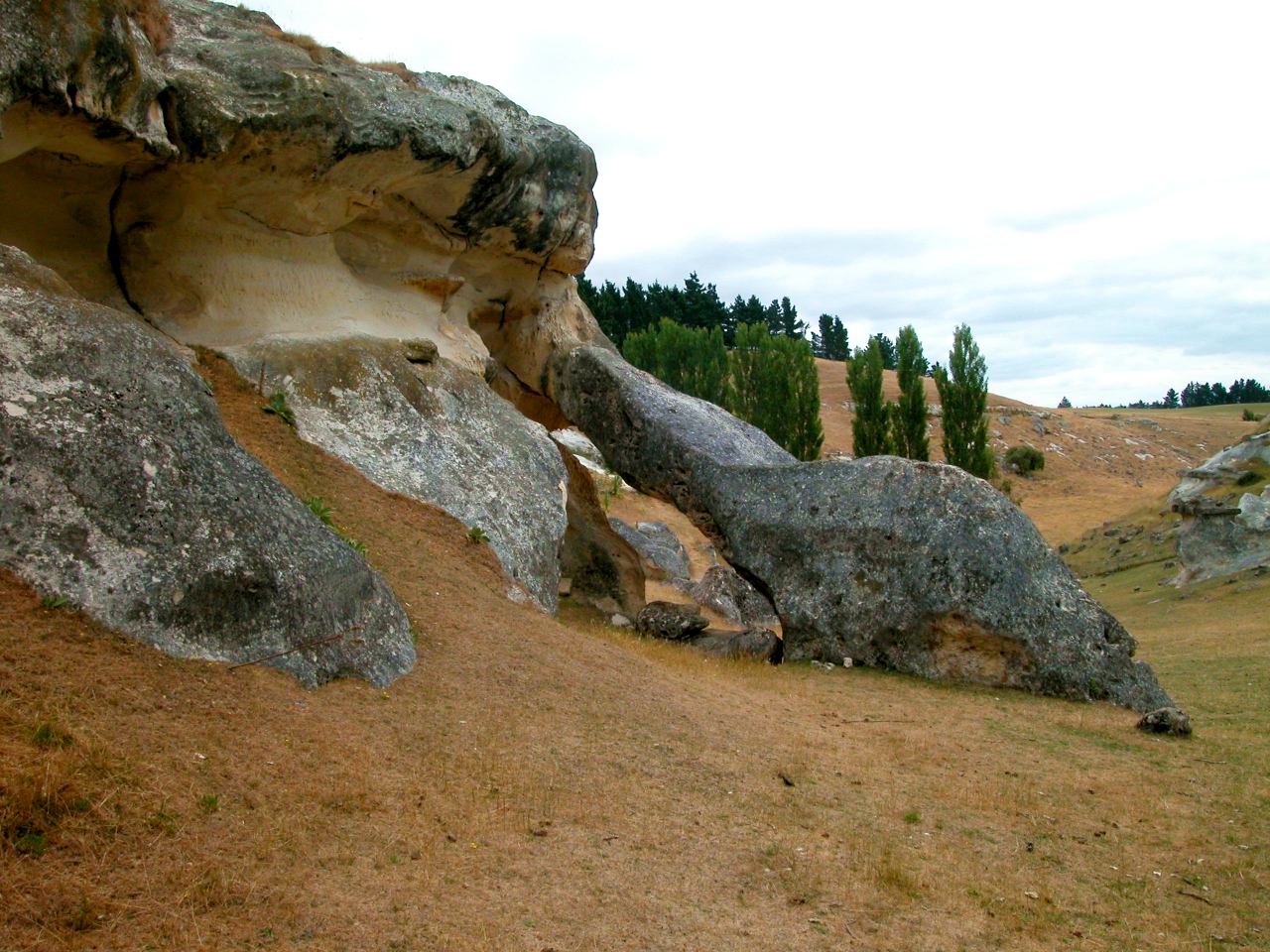
A colony of little blue penguins nests in Oamaru. They live right in town in houses built specially for them. At home people make houses for starlings; in New Zealand they make penguin houses. The penguins feed at sea all day and begin coming home at dusk. Out they come and walk very importantly straight across the paved road on their way home. They even put up a special sign to tell people not to run over little penguins. They're not afraid of people. Every evening a crowd gathers to watch, at about ten in summer. There's a grandstand with benches for spectators. There are plenty of little blue penguins in the wild, but the larger yellow-eyed penguins are scarce; fewer than a thousand, we read. They live in the south of New Zealand, so they've become one of the symbols of the country and even appear on the back of the five-dollar note. The biggest yellow-eyed colonies are near the city of Dunedin. We had only one evening for penguins. We reckoned we'd see the blue ones another time and ought to go after the yellow-eyed ones. On the road to Dunedin there's another colony at Shag Point. They live there without much protection. There are supposed to be several pairs, but we saw nothing. We had to visit the special Penguin Place reserve right at the far end of the Otago Peninsula, where you could be sure of seeing them at any hour of the day. They take you round in organised parties; a ticket cost NZ$27. There was a short talk first, then a bus ride. Through the penguins' habitat they'd dug trenches like military ones and covered them with camouflage netting. You looked through slits. Flash photos and noise were forbidden, though this seemed rather unnecessary. The penguins weren't terribly afraid of people. Right by the bus stop we met a family with two little penguins (video, 7 MB). They call the little ones chicks here. The parents are smaller and have the familiar black-and-white plumage. It takes quite a stretch to call their eyes yellow; wrong season, they said. The children are grey and fluffy. They badger their parents and demand food. The parents' one escape is that the children don't like swimming and haven't learnt how. When a youngster gets too trying, into the water the parents jump. The little one can only run up and down the shore squeaking. In the water a penguin swims just like a duck, but sits lower; most of its body is below the surface. What's more, it even quacks like a duck. The parents bring fish in from the sea. The chicks almost climb down their throats. Usually there are two eggs and two chicks to bring up. So they have to share the fish and their parents' attention. They jostle, squabble and peck, just like at home. Once the fish ran out, one pecked the other till it bled. Then they sulked and stood with their backs to each other. They're birds, but how human they can be.
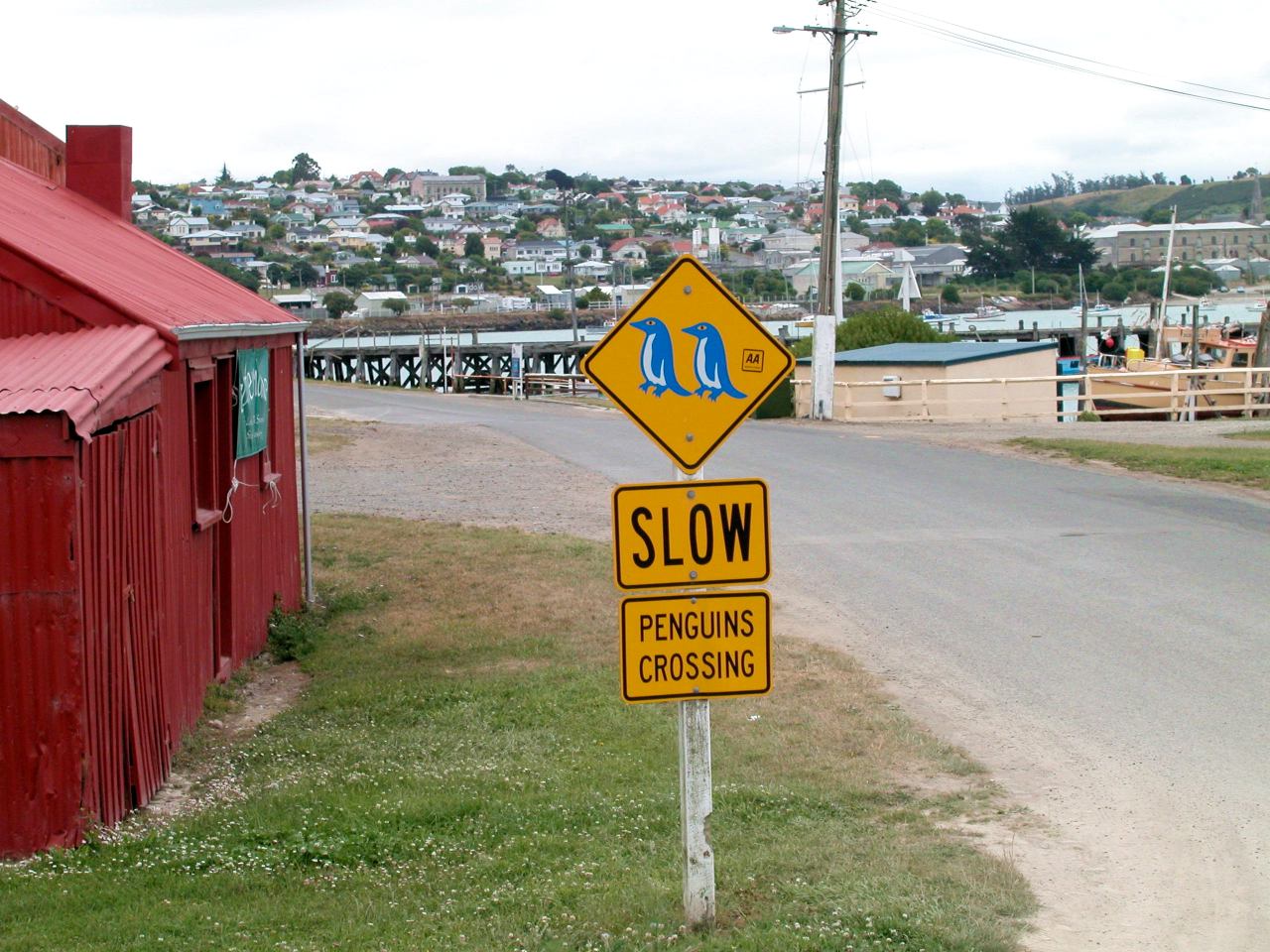
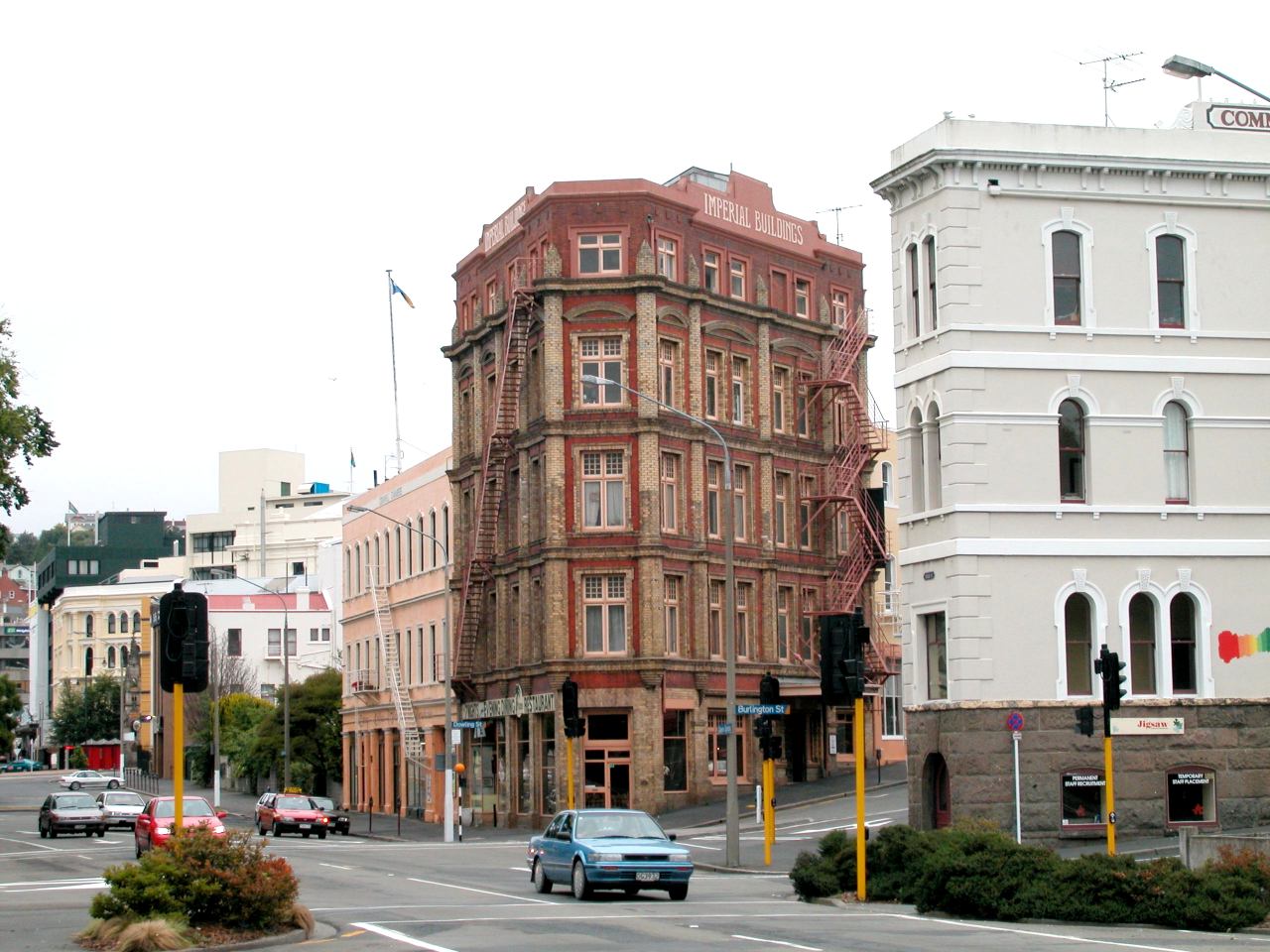
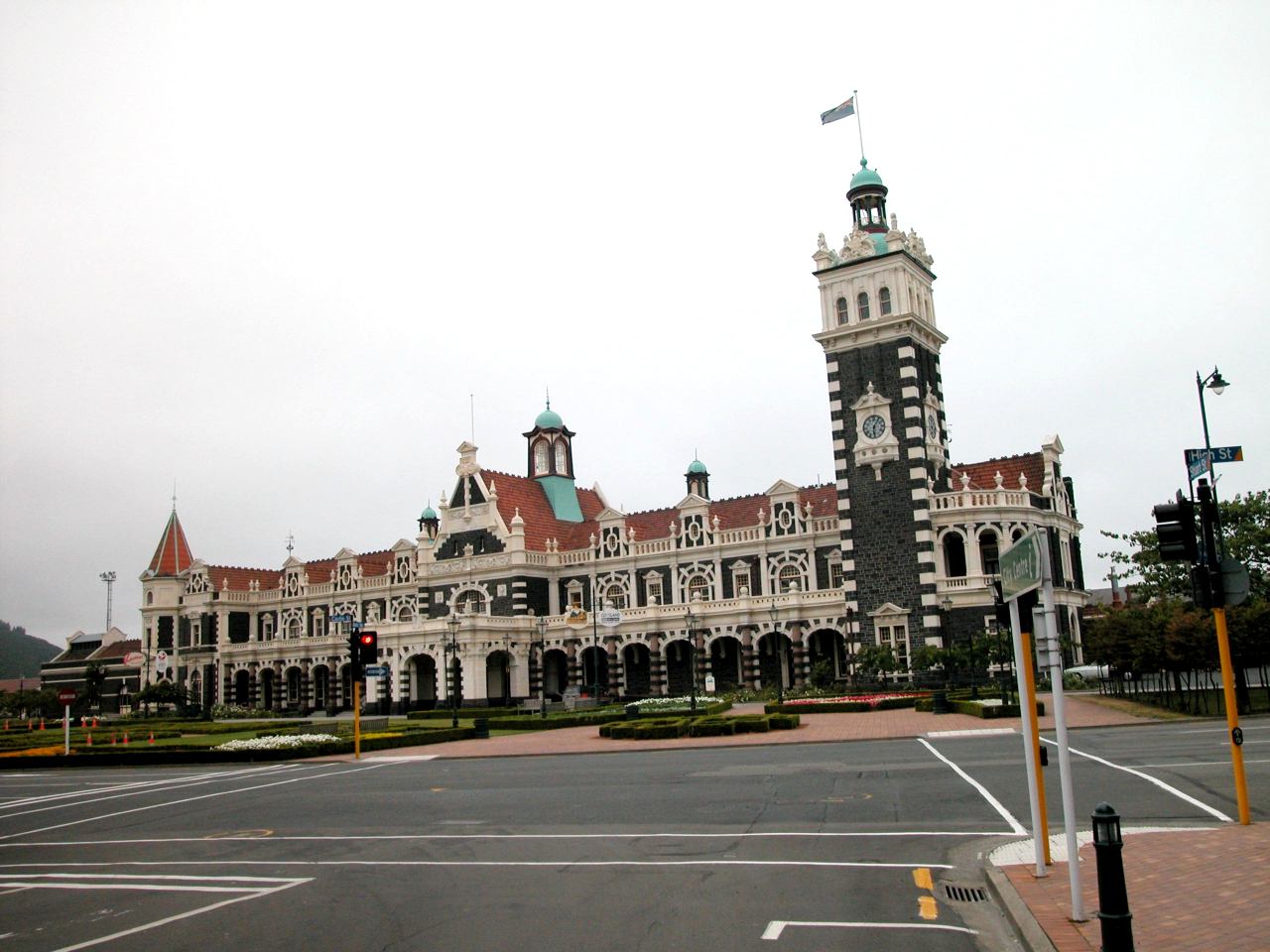
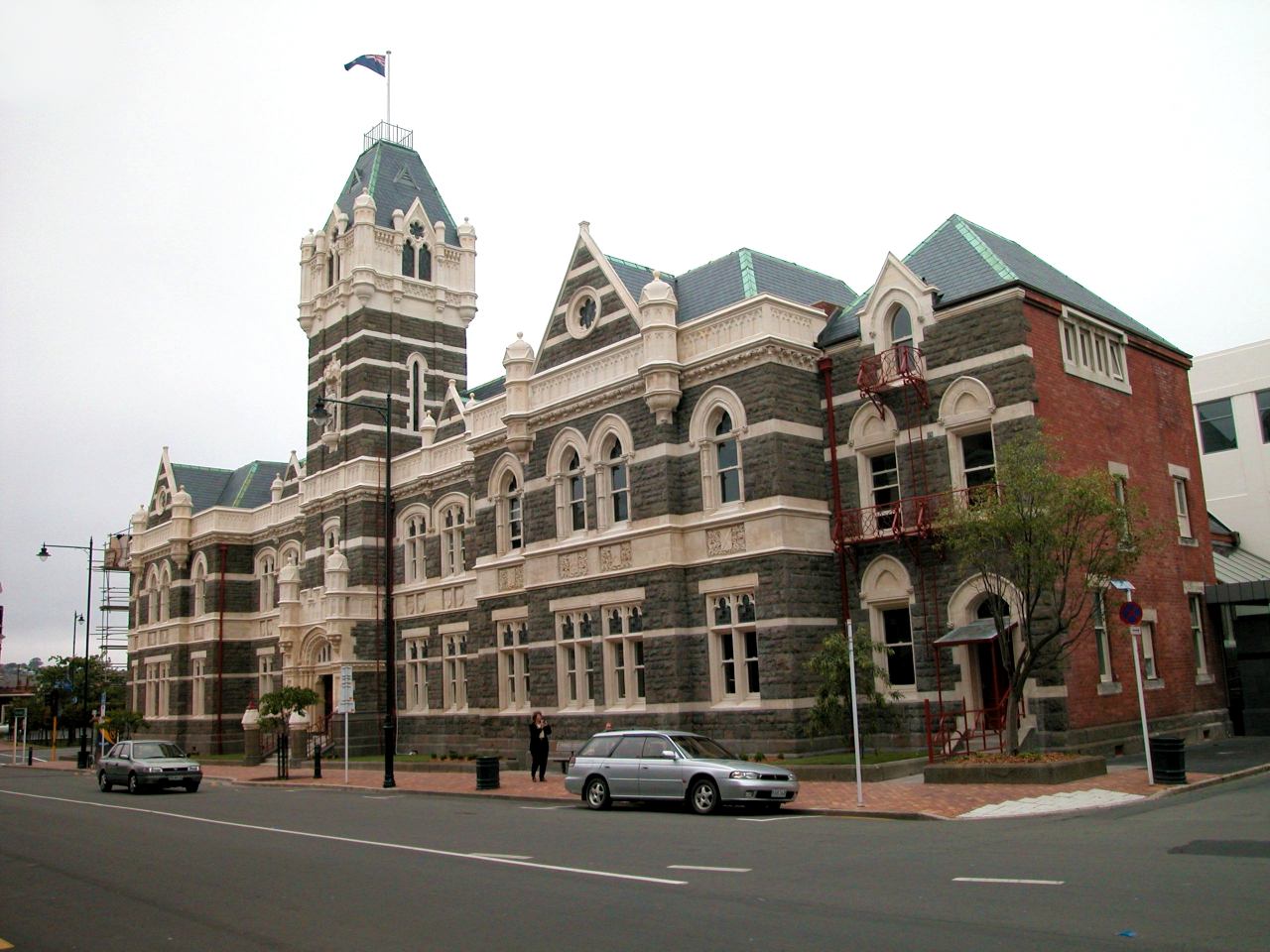
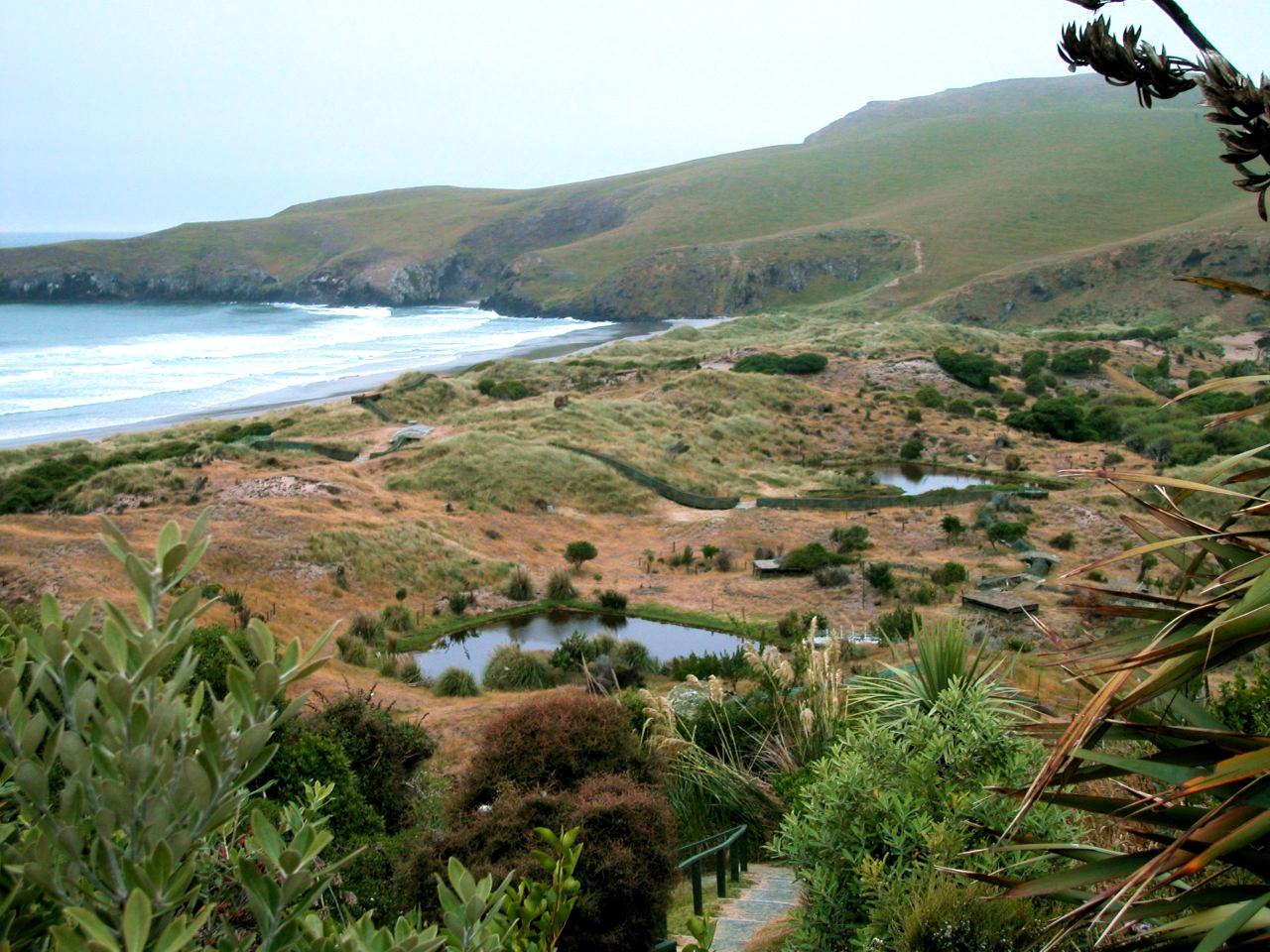
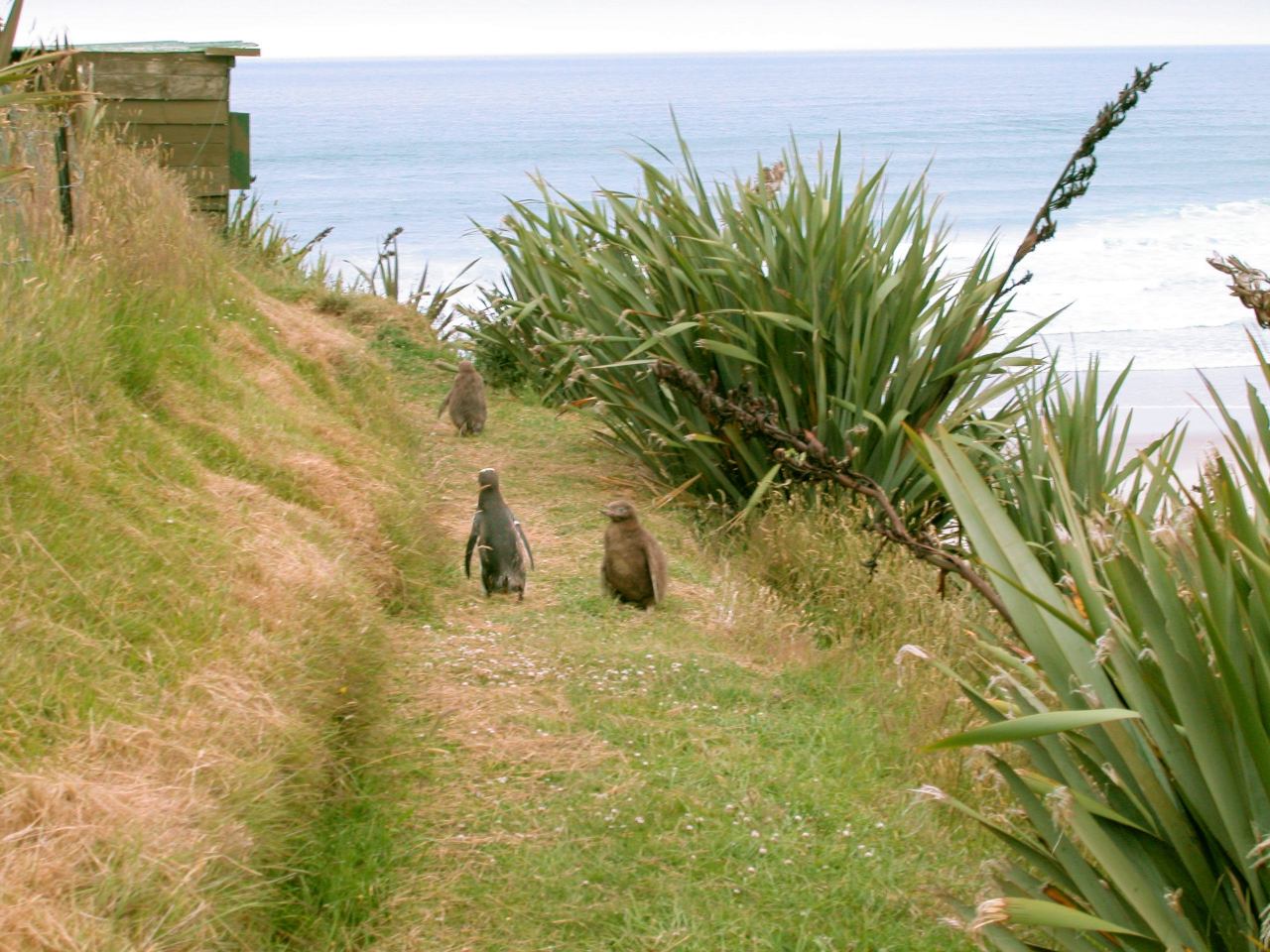
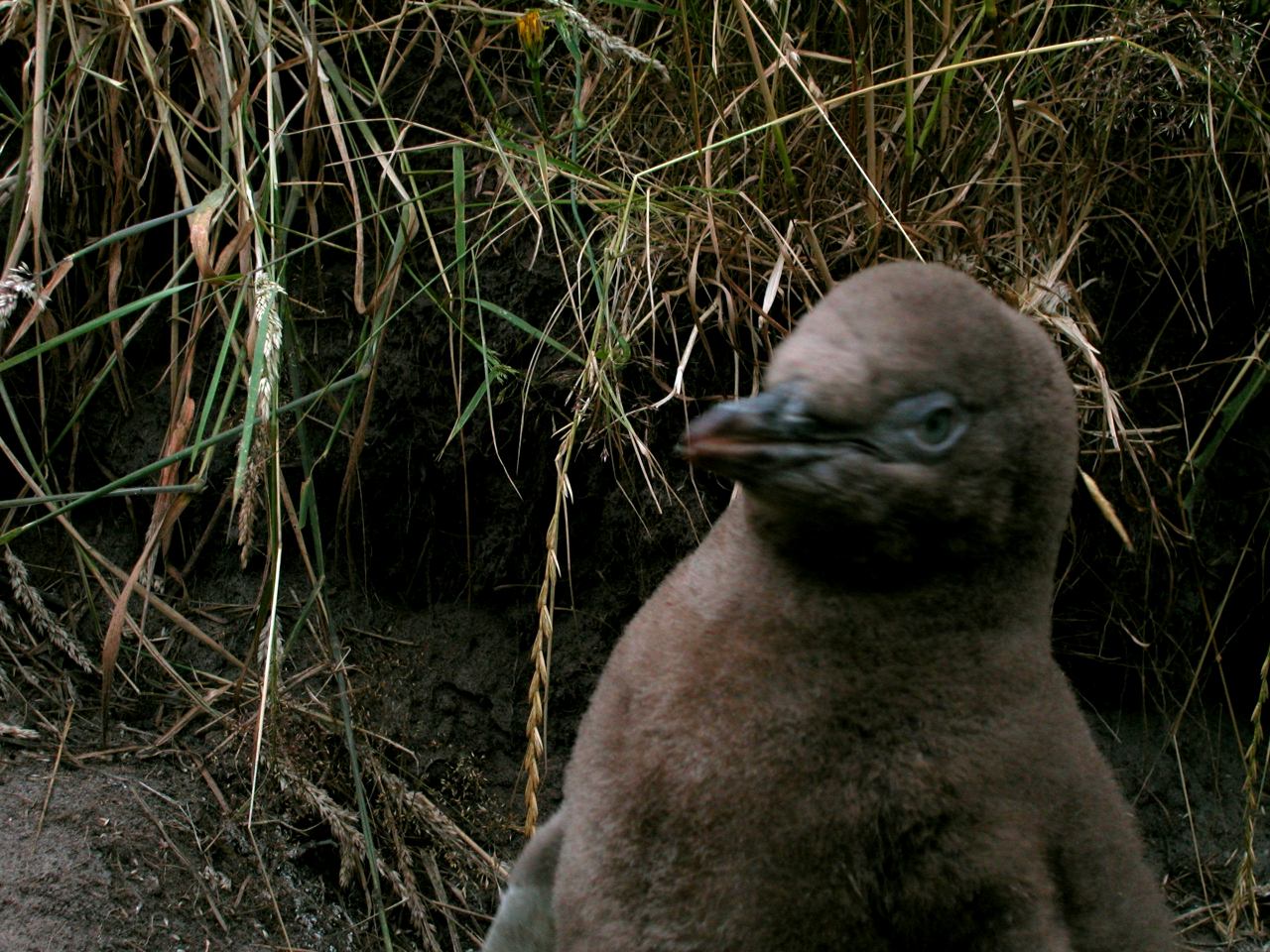
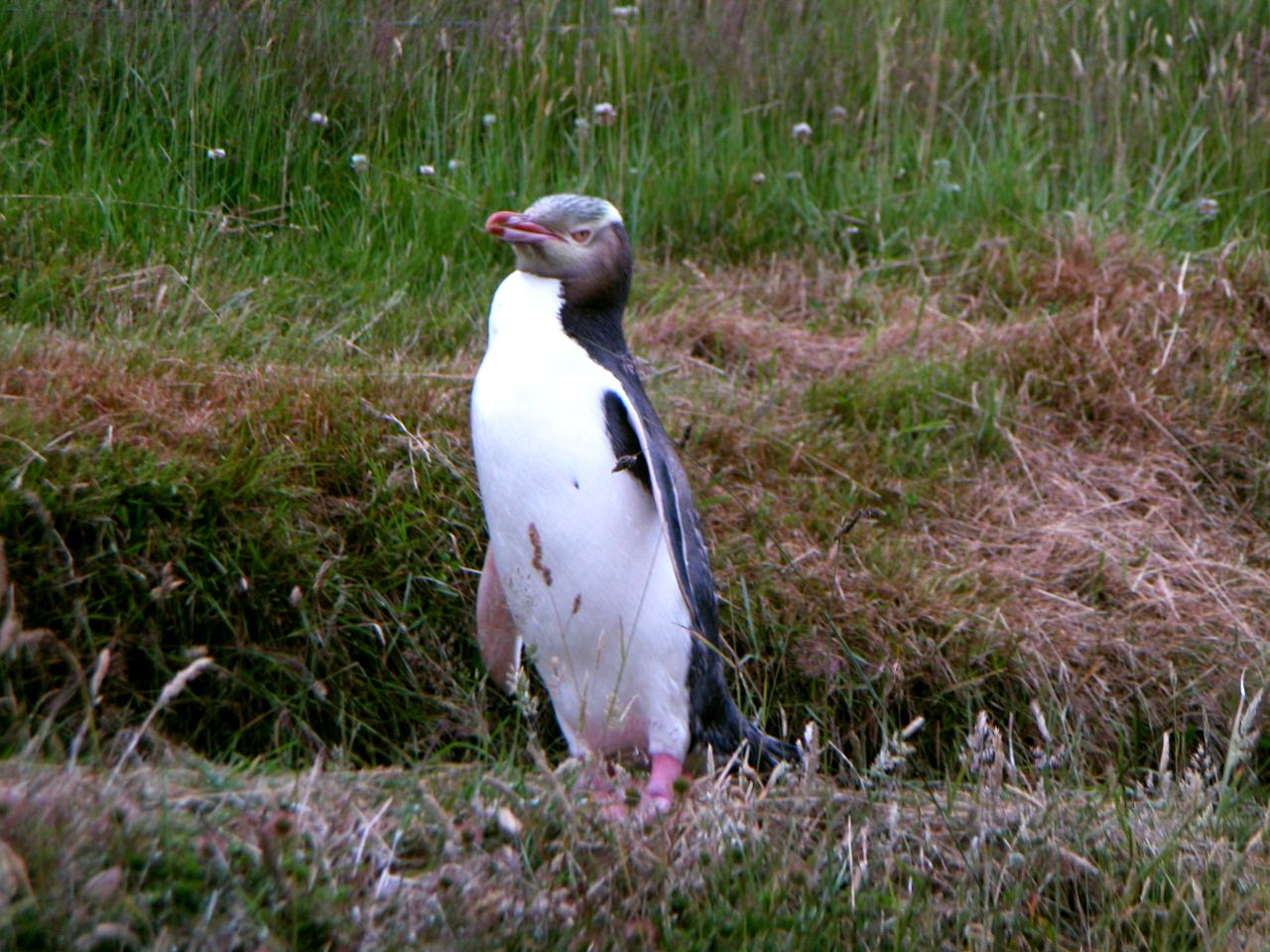
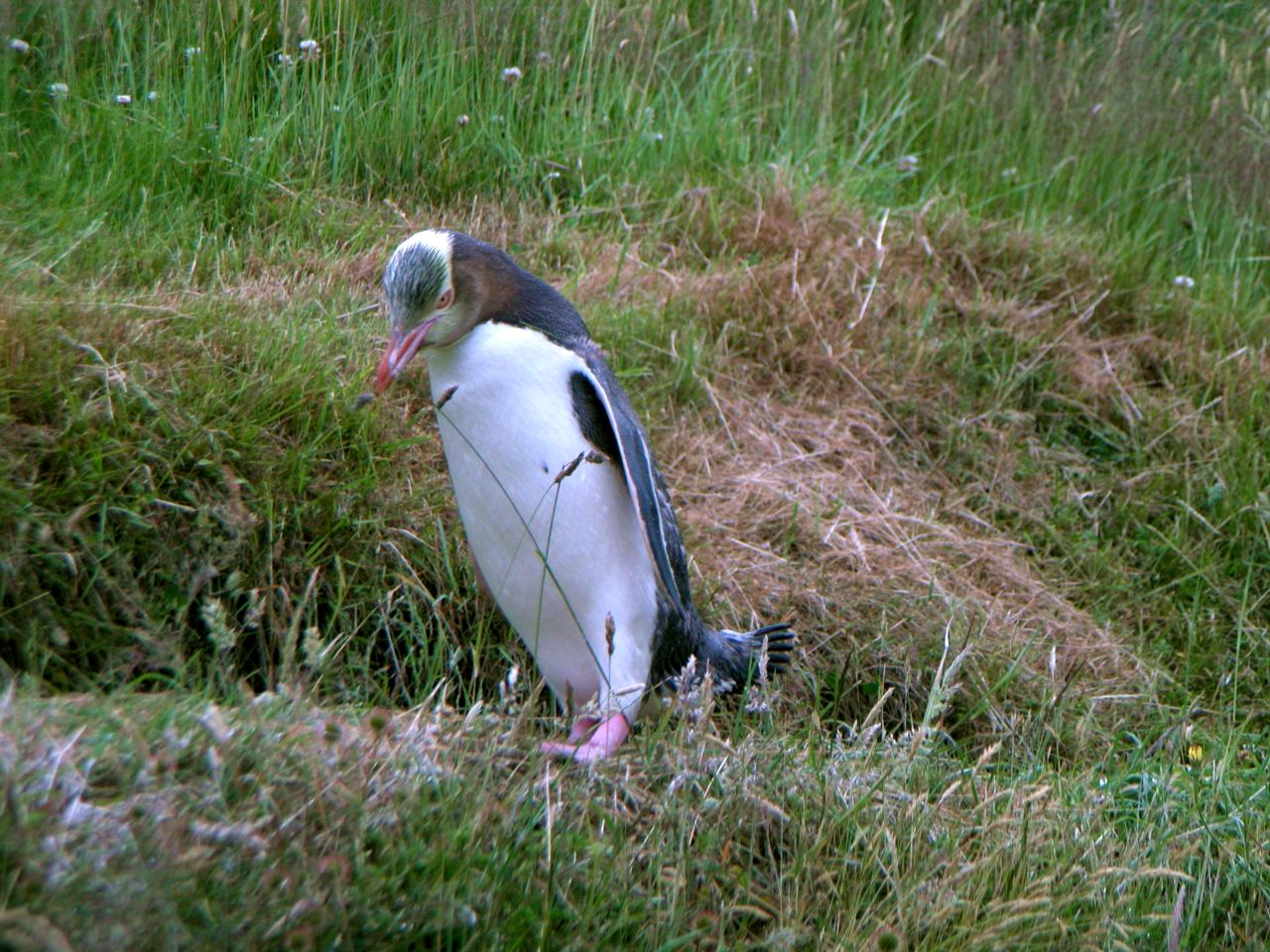
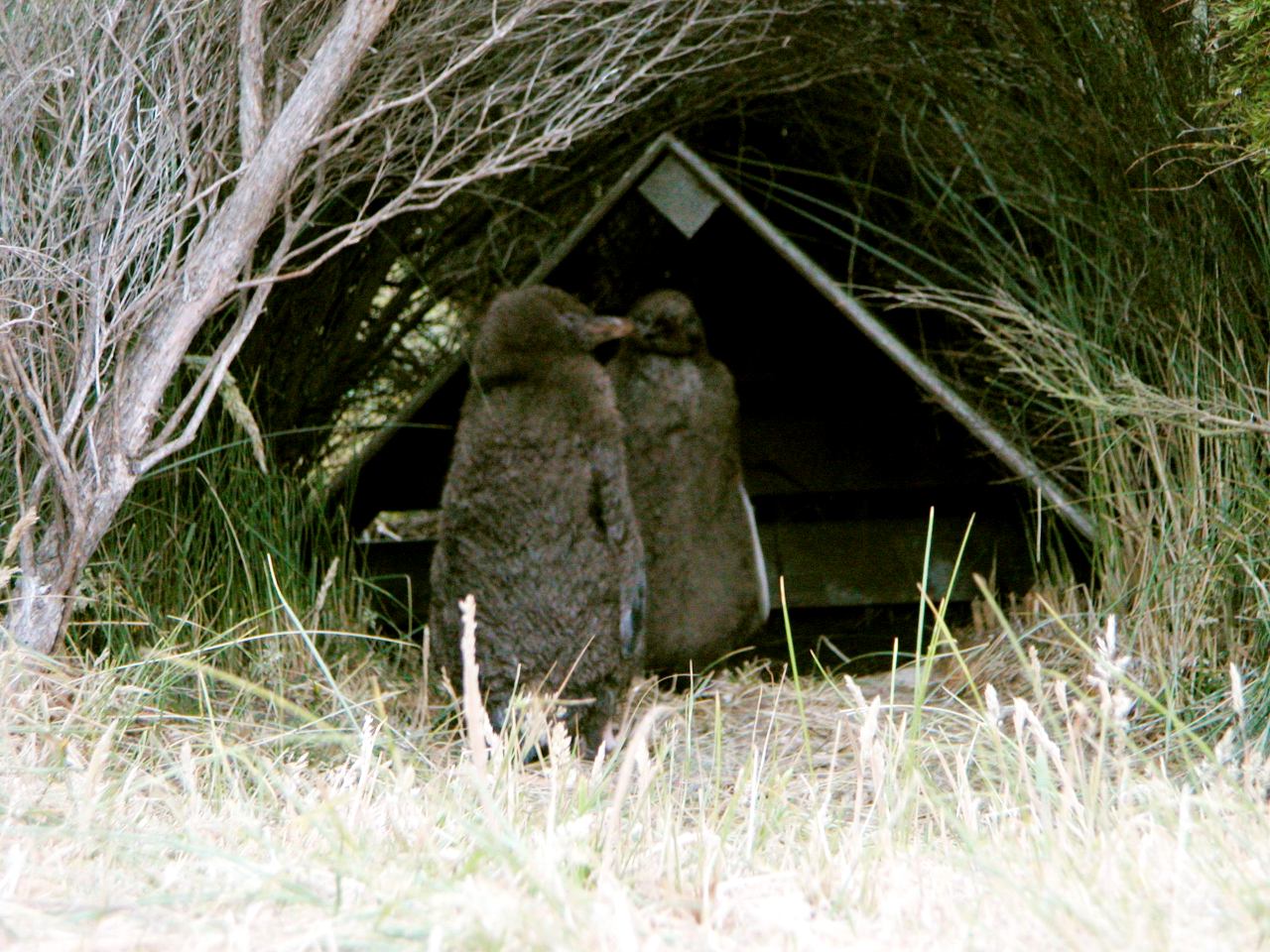
They're well looked after here, guarded and treated when ill. There are fences and traps for possums. The story of every penguin is known. Pairs form for several years. They all have names and their full biographies are up on the wall. Take a fourteen-year-old female. She was with an old male to begin with, and raised two chicks a year. Then he disappeared, and she found herself a young one, but there were problems with the chicks. The eggs didn't hatch, or the chicks died. After four years she got fed up and found a third. Now all's well: two fat, grumpy chicks every year. Each party of visitors is allowed an hour with the penguins. The last tour is at eight in the evening. Unlike the blue penguins in Oamaru, you can see the yellow-eyed ones in daylight.
After the tour we drove off in a hurry to find a room. A tourist area, but no accommodation. We found a motel in Portobello, but the owner wasn't there. The neighbours told us she was at the pub. “Go and ask for Madam Louise.” We went as far as the door, but everybody inside was so drunk we didn't dare go round asking all the women their names. We went back to Dunedin. By the time we found a very pleasant place it was pitch dark: the Chequers Motel, 119 Musselburgh Rise, tel. (03) 455 0609 (45°53.828′S, 170°31.167′E; elevation 8 m).
You can get from Dunedin to Invercargill quickly on State Highway 1, but the coast road is much more interesting. This bit of New Zealand is called the Catlins. In the far south of the South Island there are a great many places to see. Every few kilometres there was a sign saying “VIEW”. Tanya and I took to calling them our little viewies.
First, it's worth driving out to the rocky headland and lighthouse at Nugget Point. A very striking place. The rocks stretch out into the sea. It's worth a visit as the place farthest away from Saint Petersburg and Moscow, too. Our house is 16,996 kilometres from here.
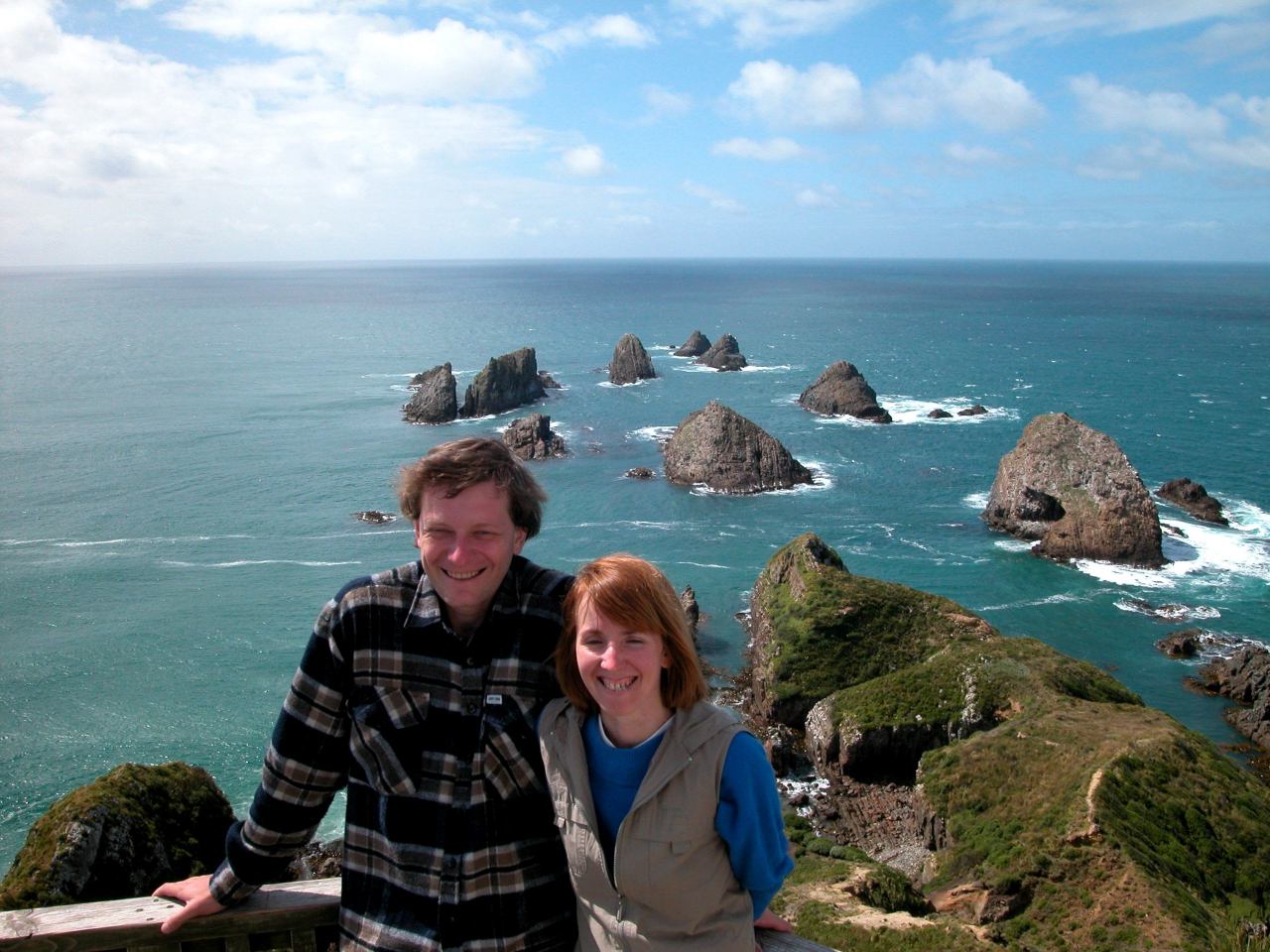
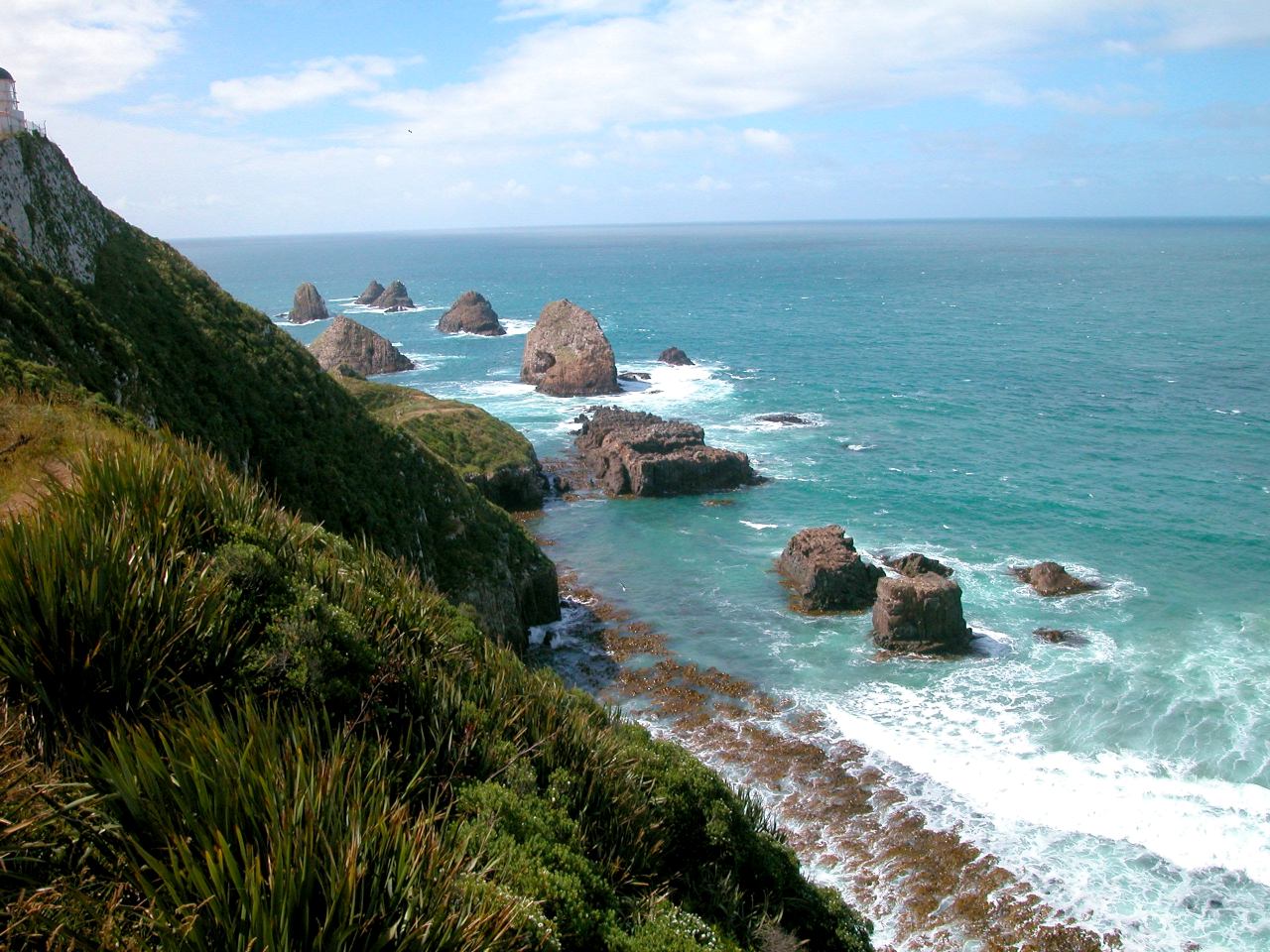
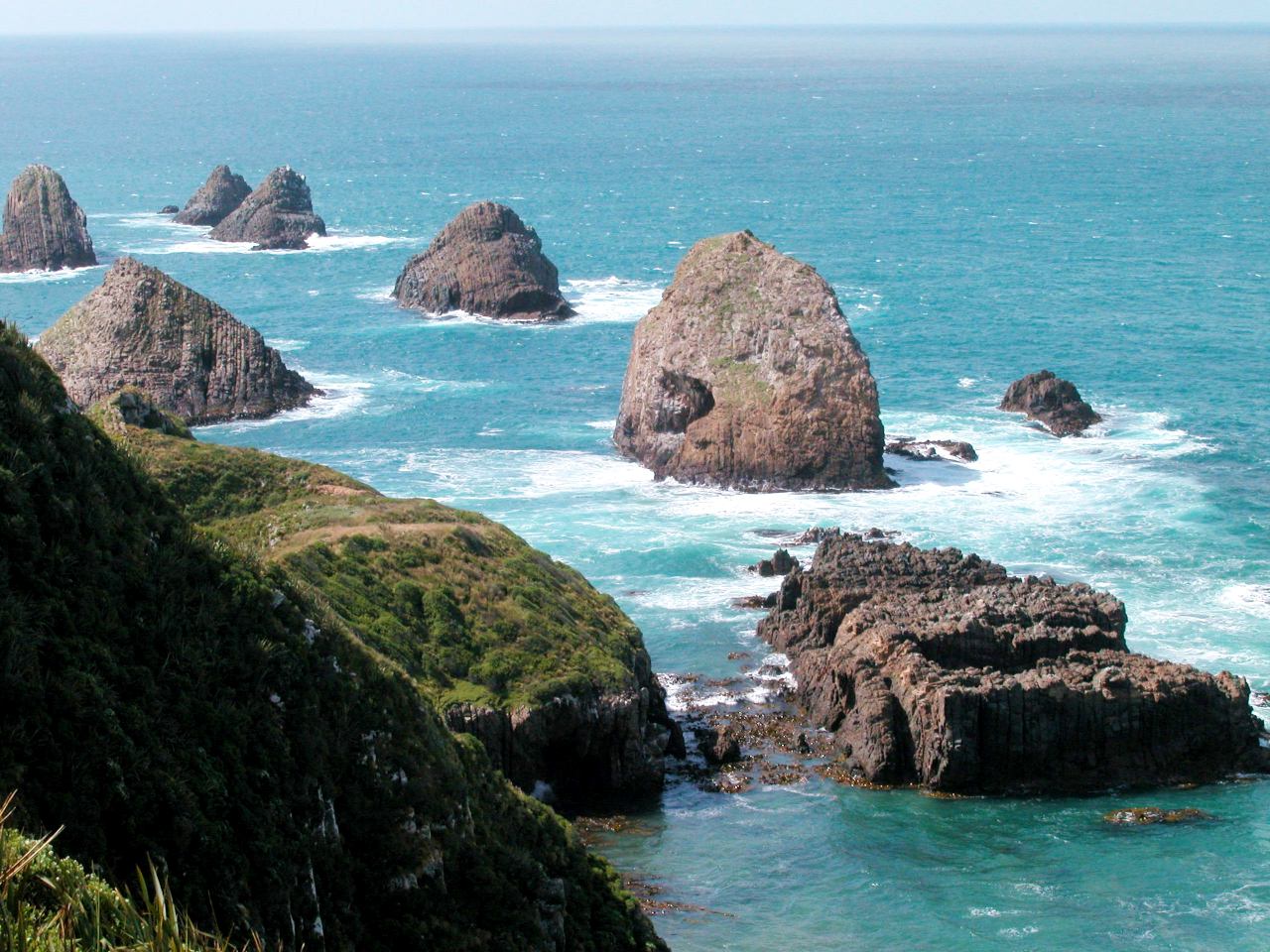
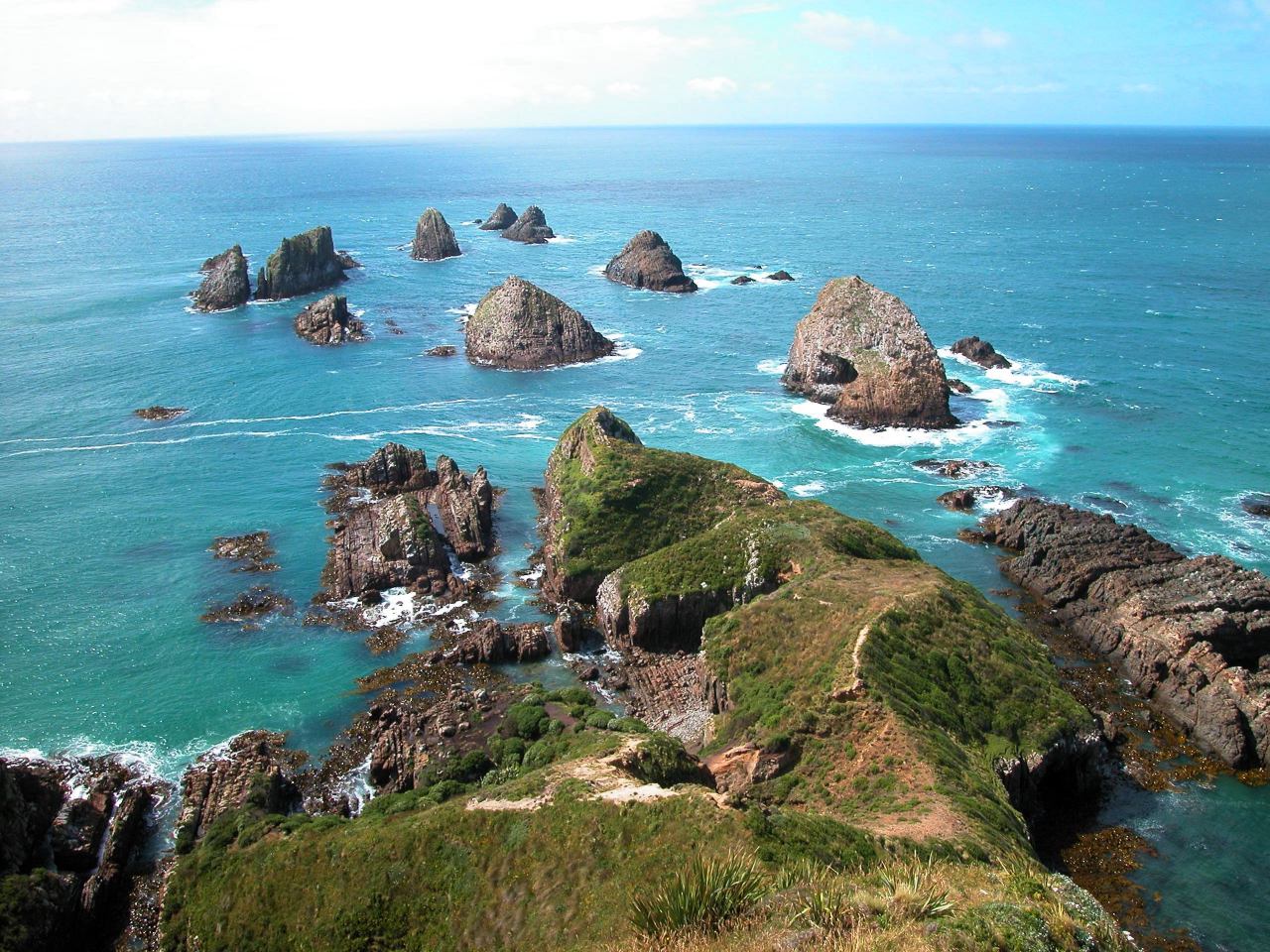
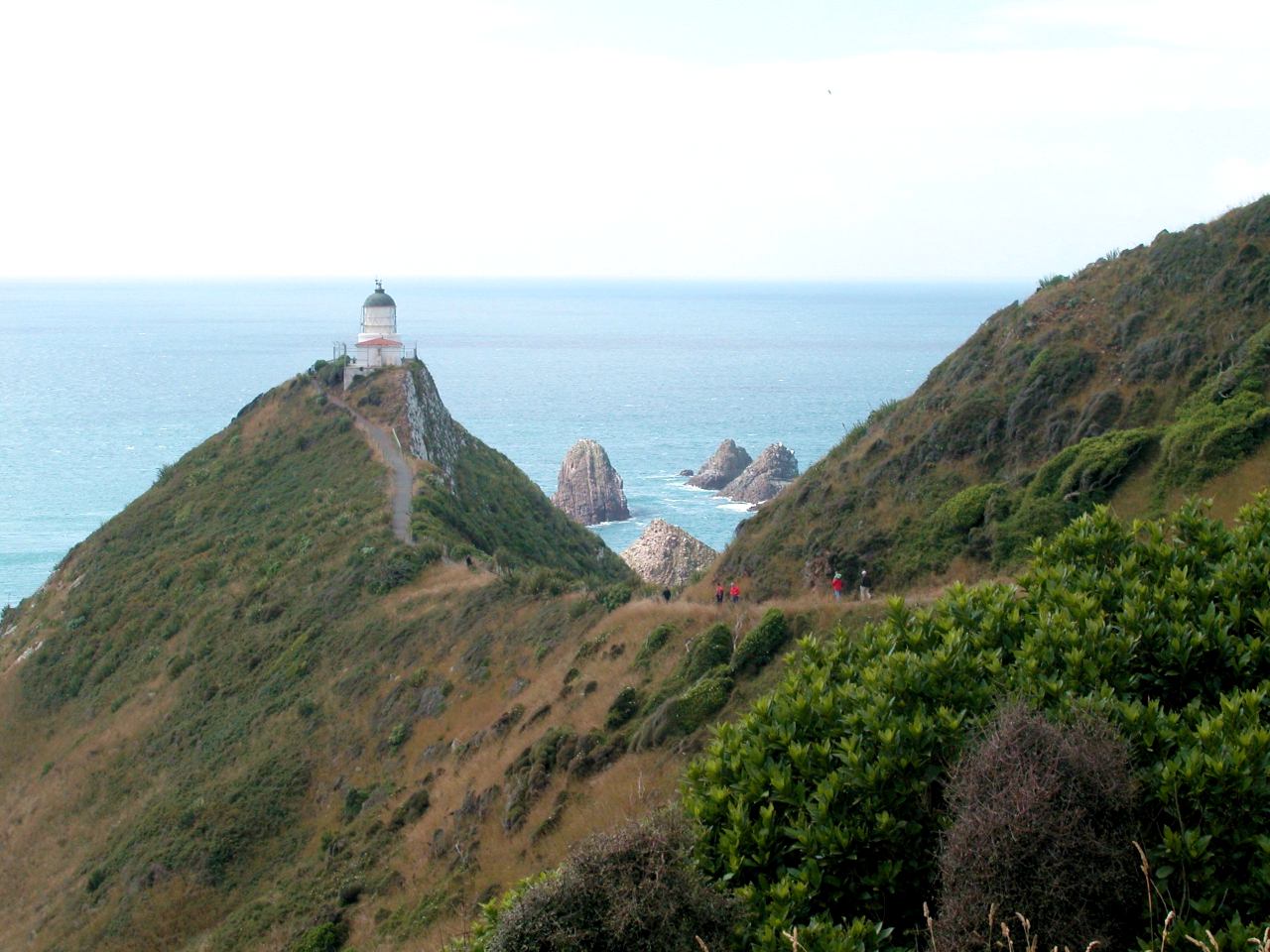
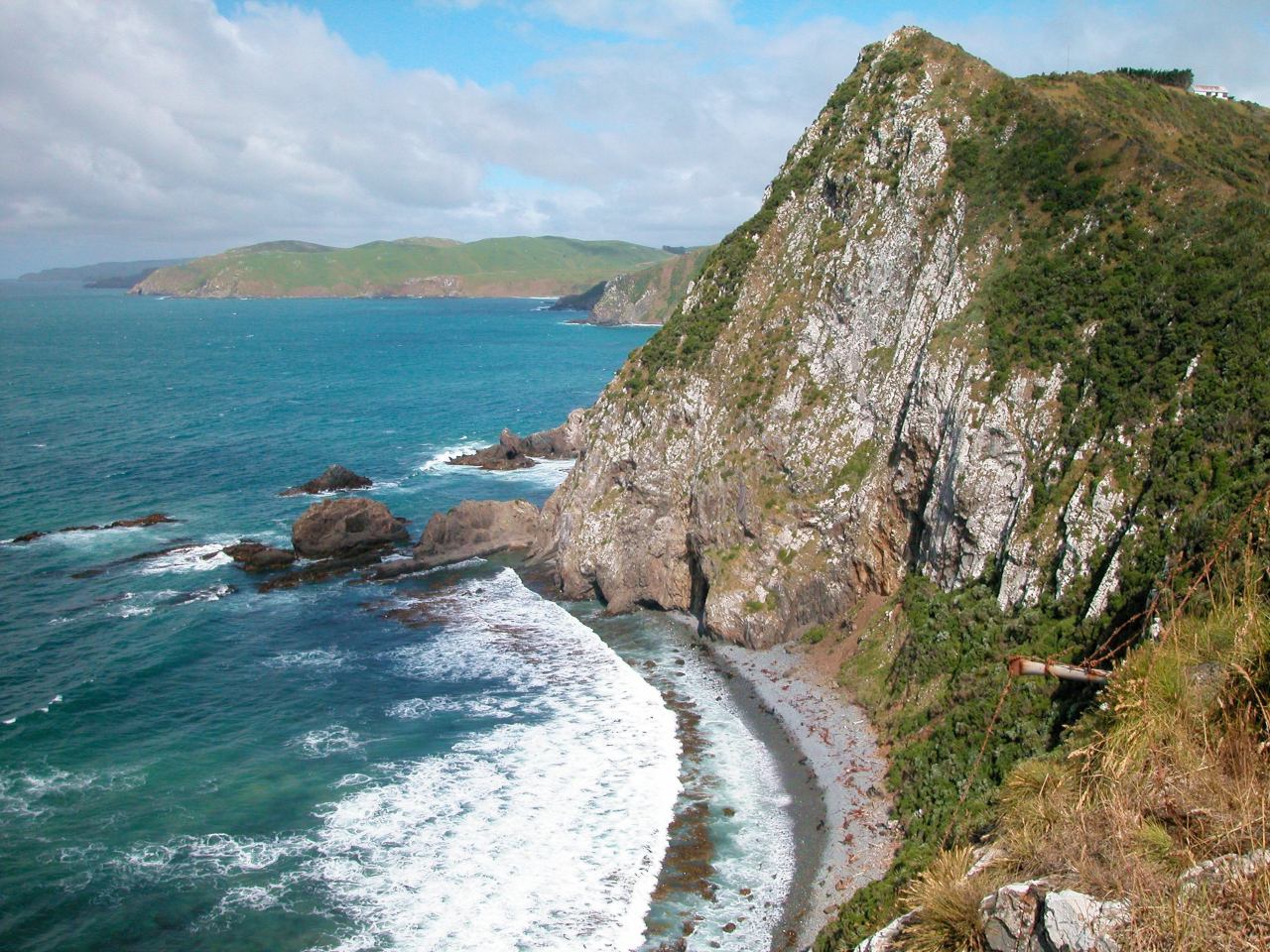
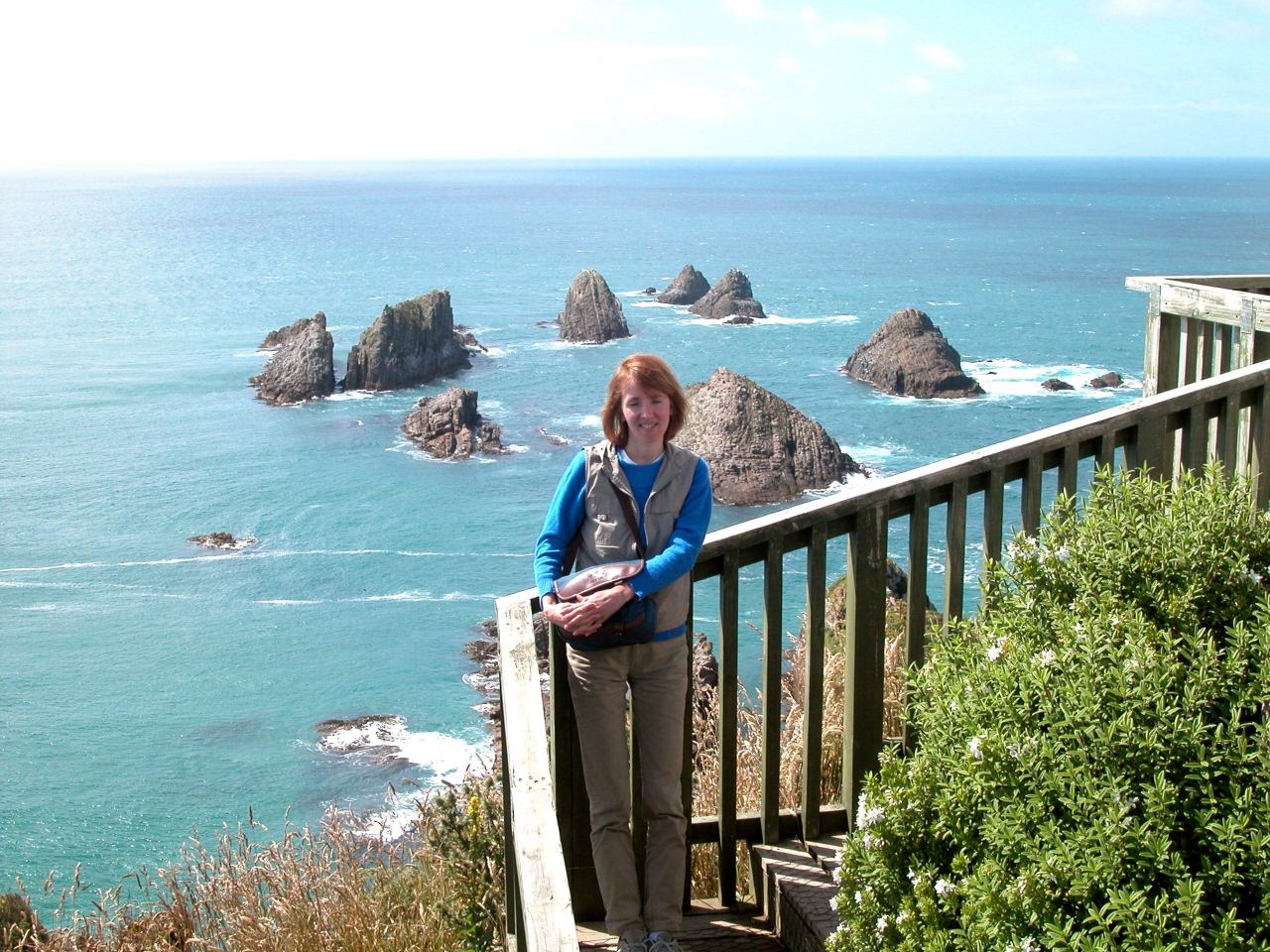
Farther along the road is a historic tunnel. They spent thirty years in the nineteenth century building a railway here. By the time they built it the need for it had gone away. Now all that remains is to show tourists what is said to be the world's southernmost railway tunnel, with no railway in it.
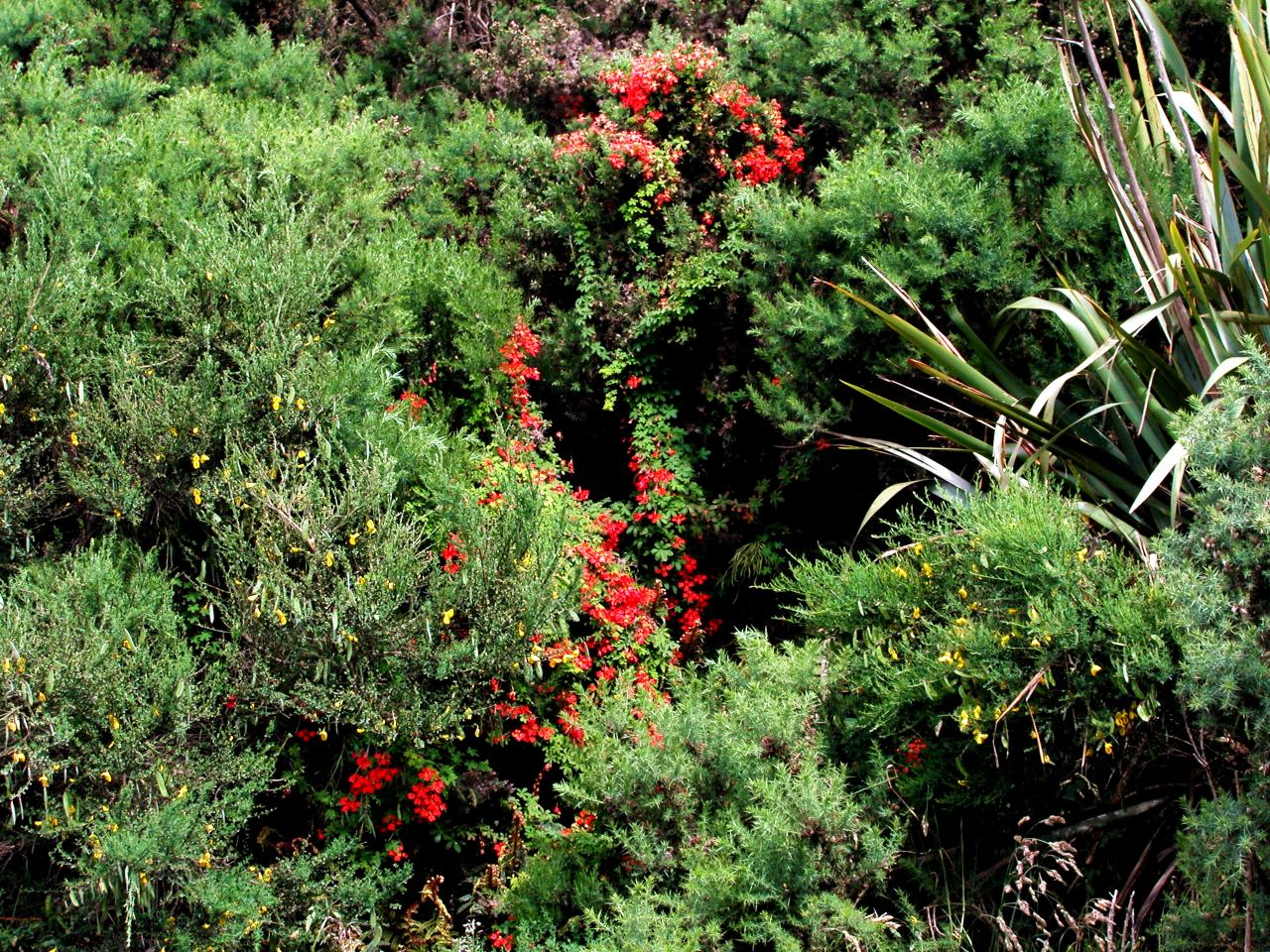
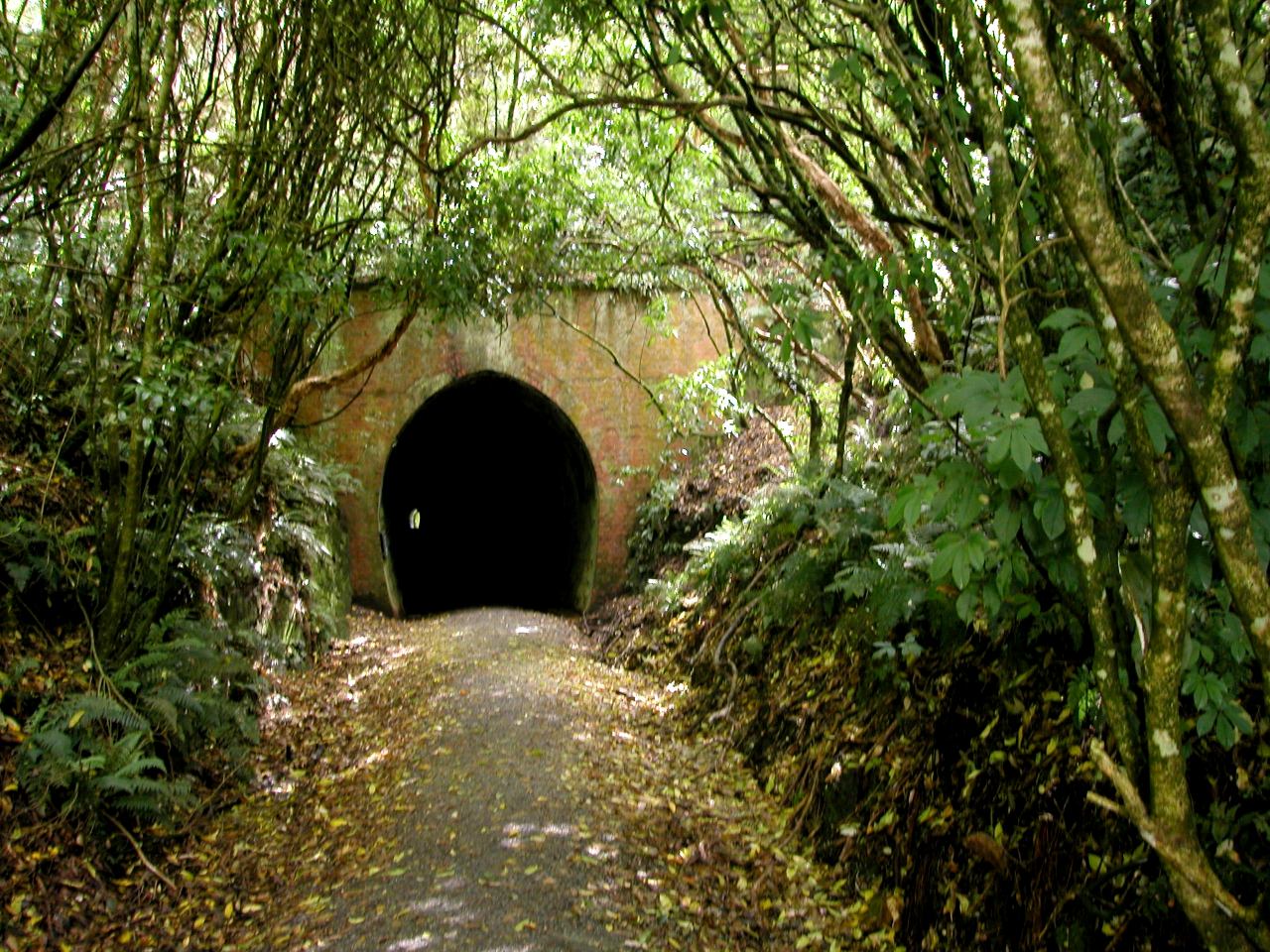
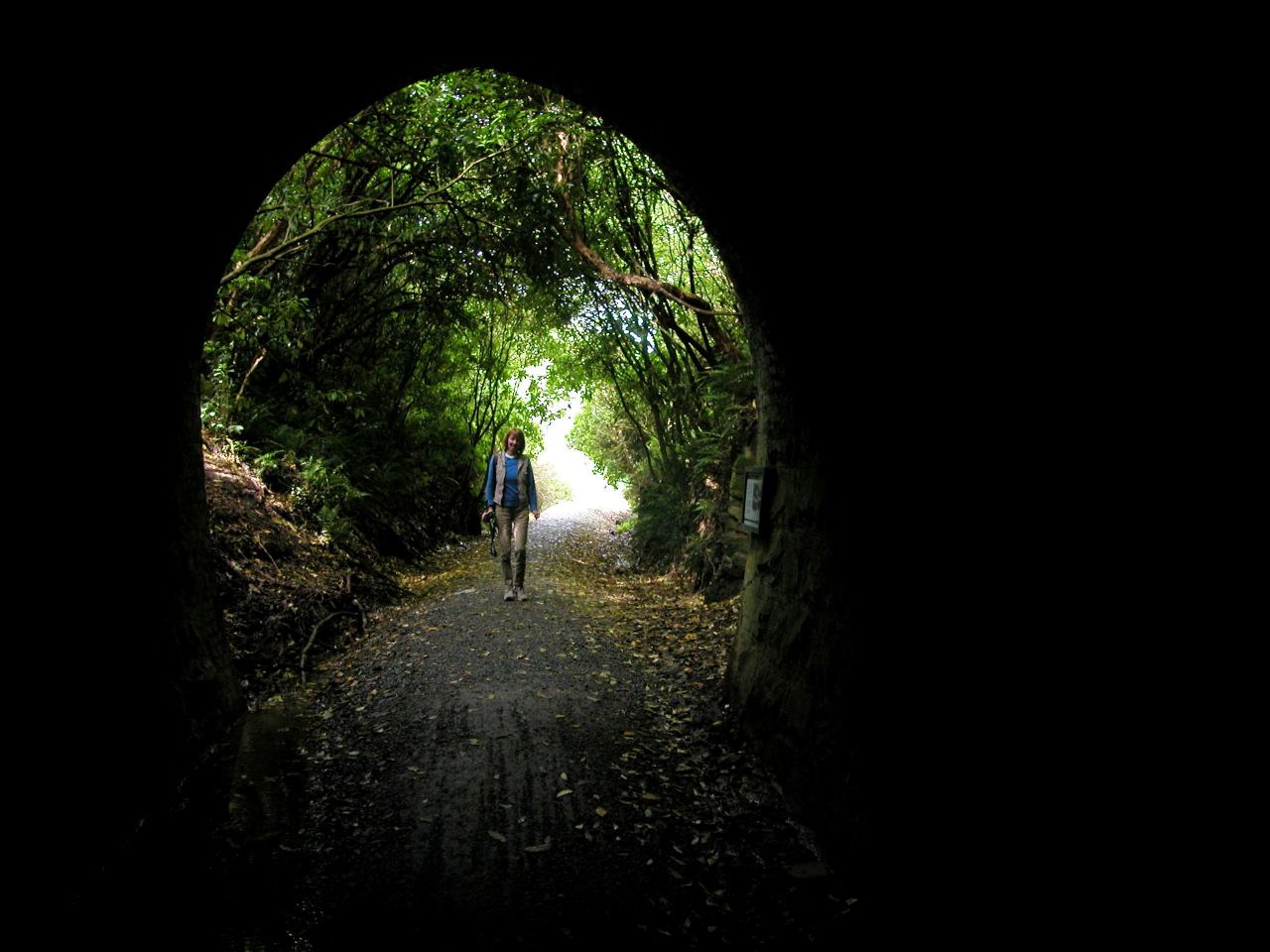
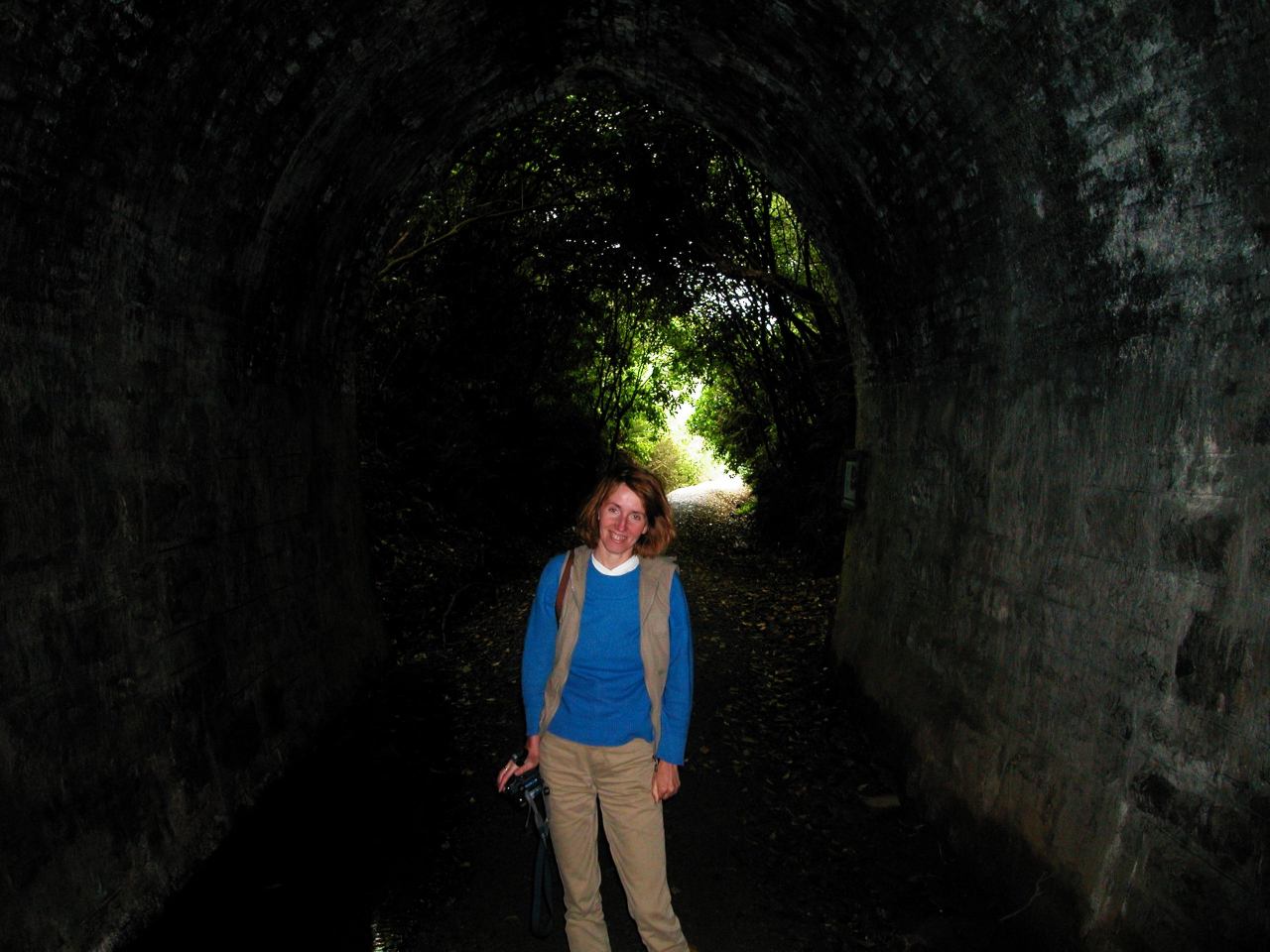
Turn off towards the shore and pay a visit to Cannibal Bay. Archaeologists found mass burials of human bones there. It's a sad thought. Such a beautiful beach, blue sky and a great sea, and so many people came to the end of their lives here. Now it's a place to relax and people pitch tents. Sea lions lie on the beach. At a distance one looks like a heap of seaweed. Go closer and it looks as if it's dead, but it isn't. It's only warming itself in the sun. You can get within a few metres.
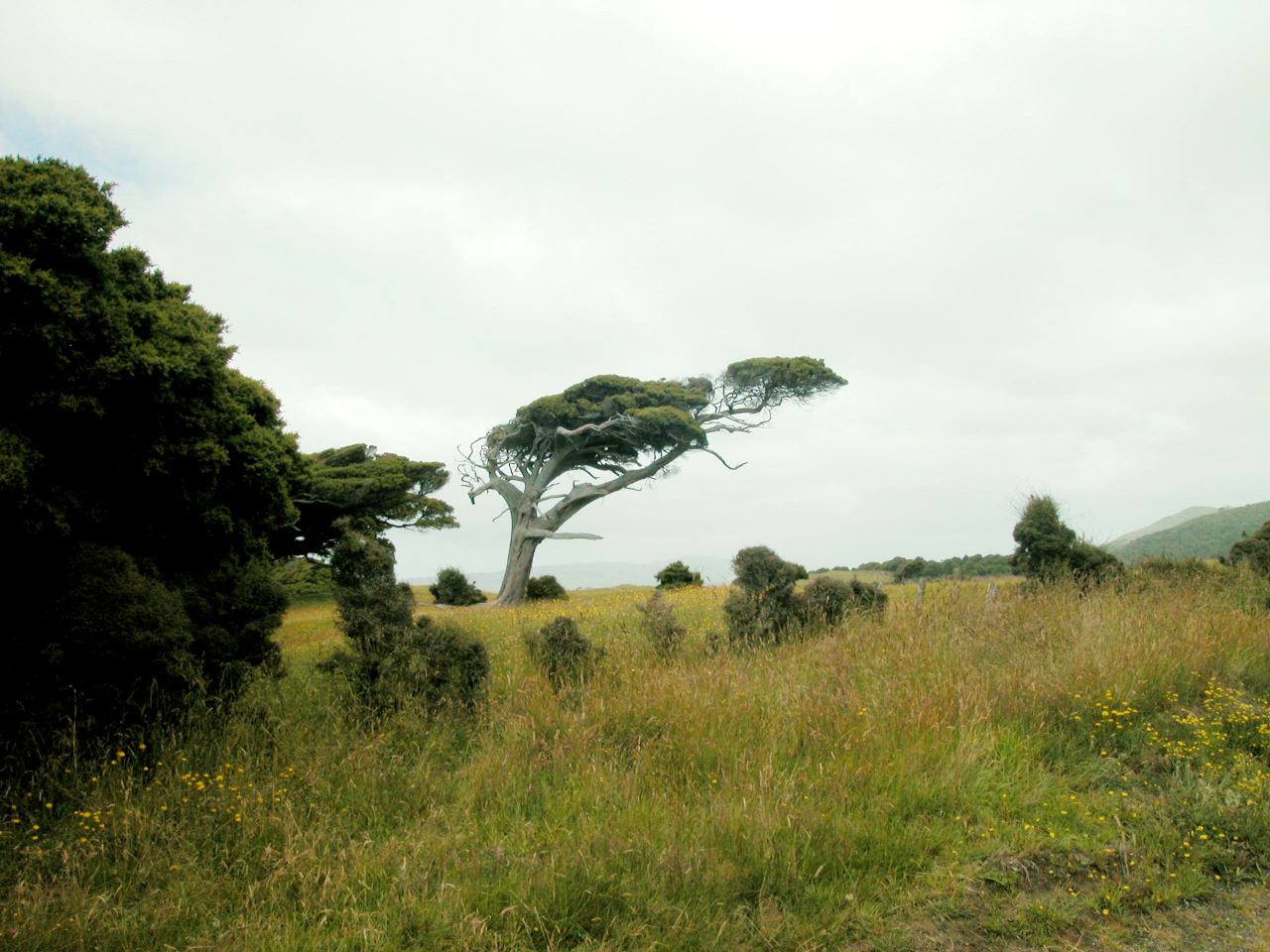
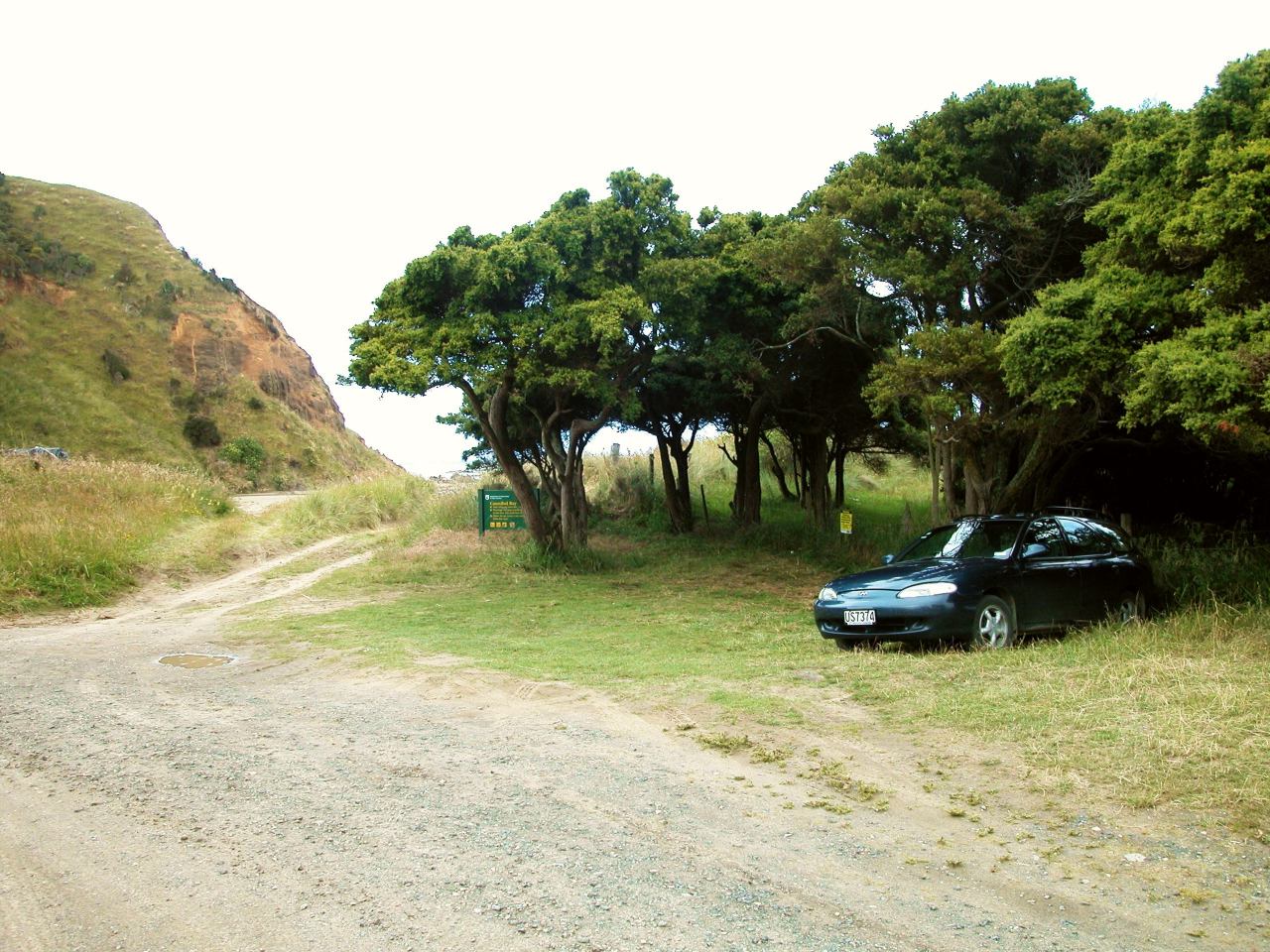
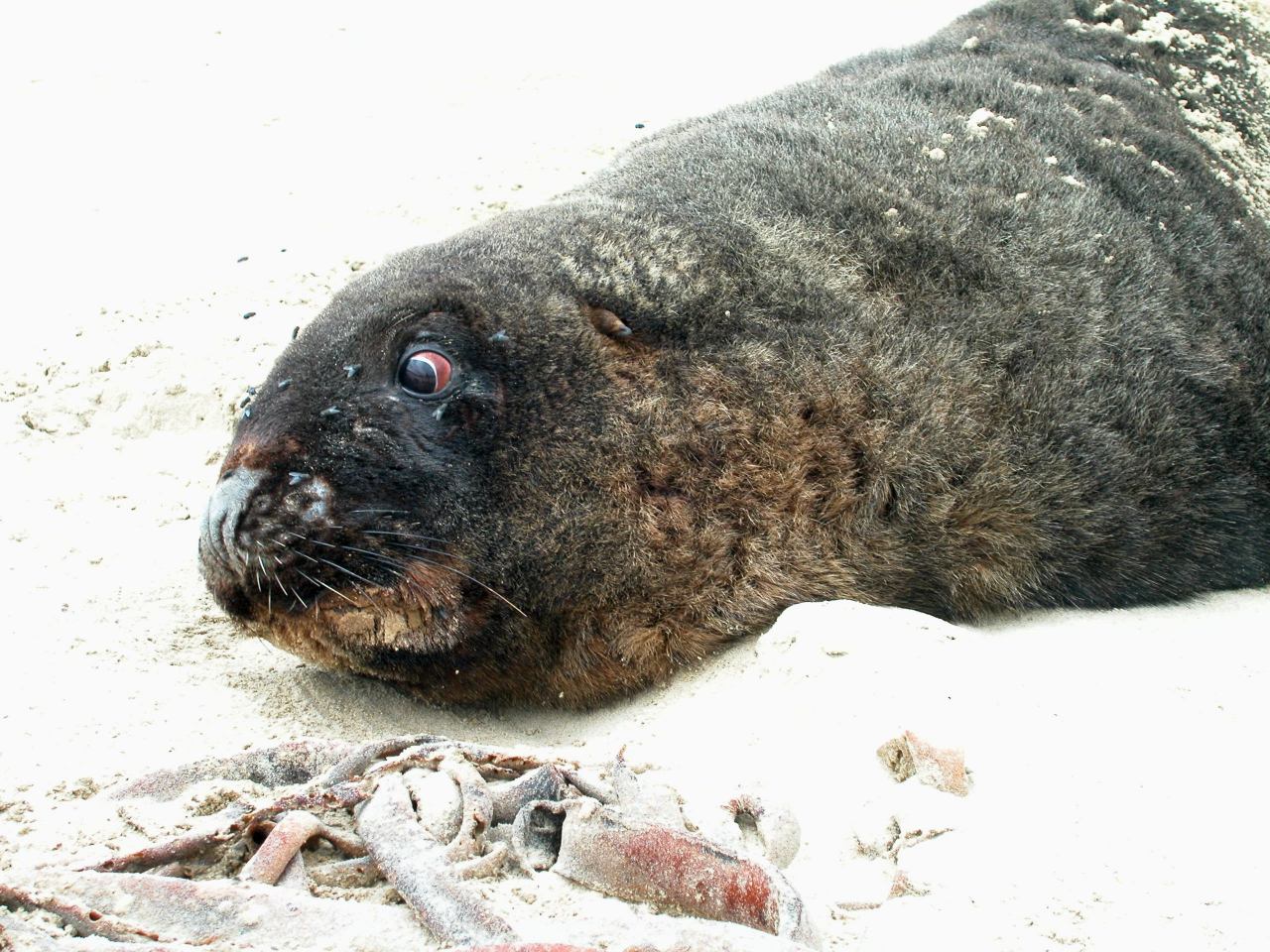
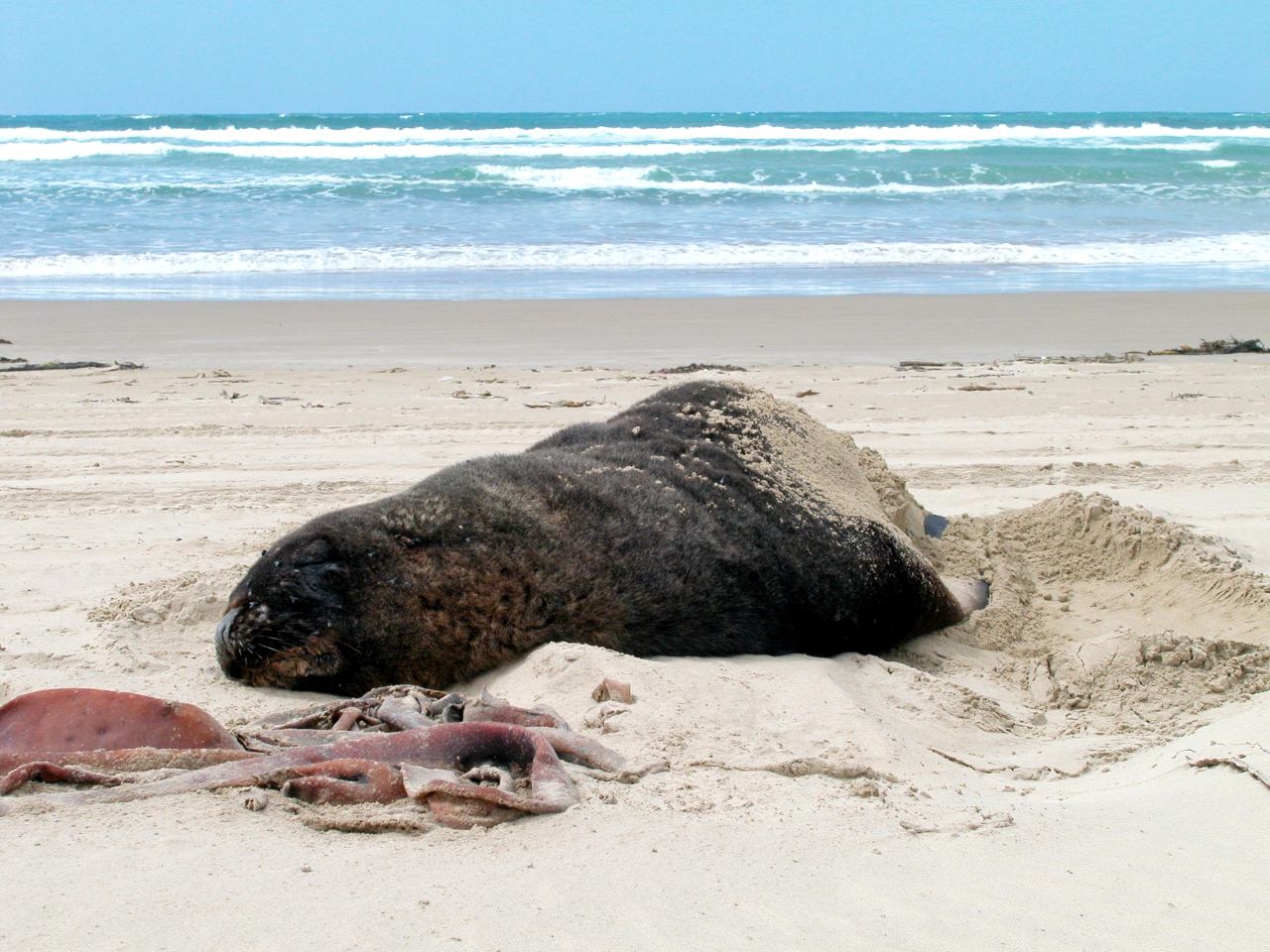
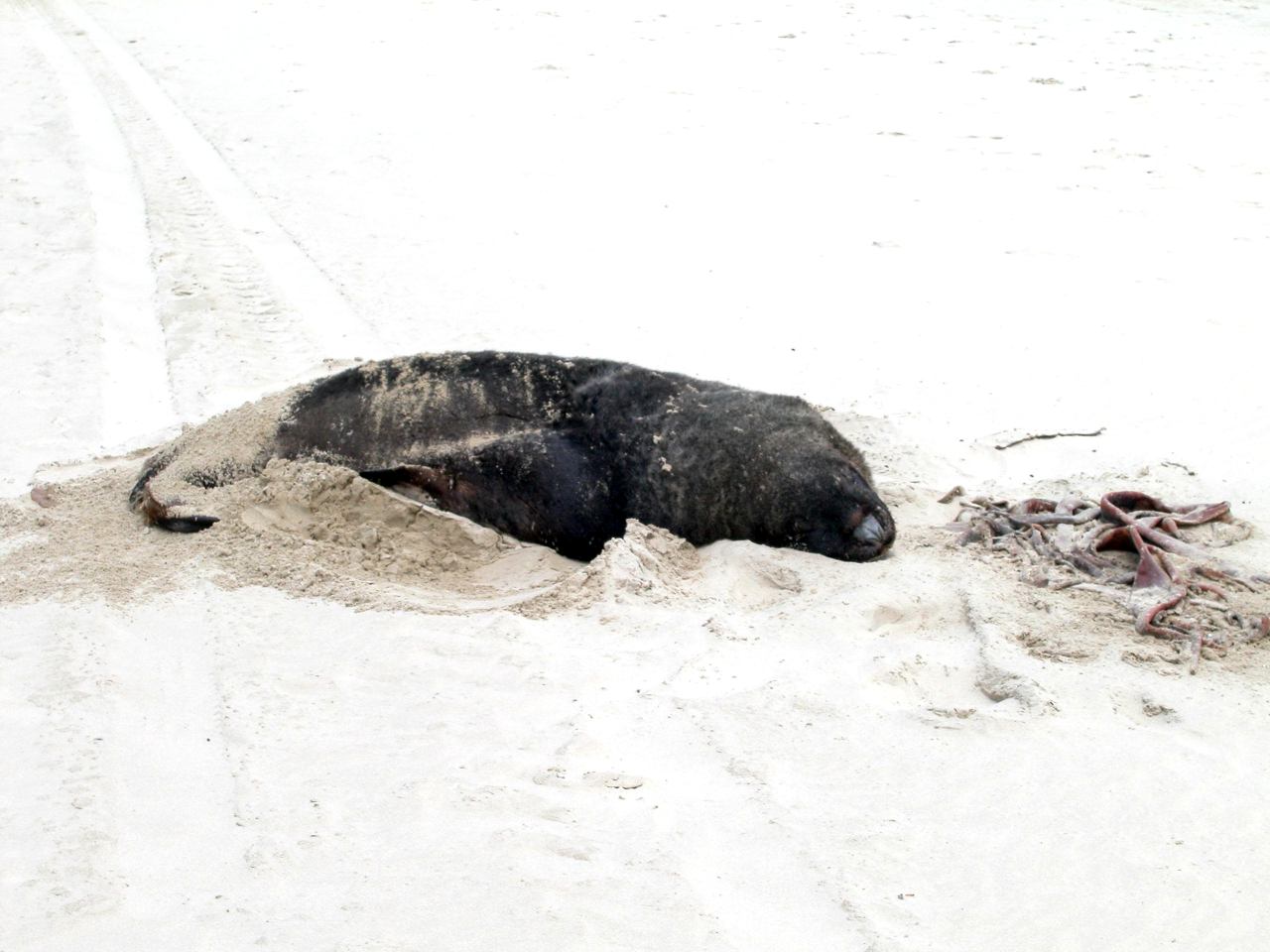
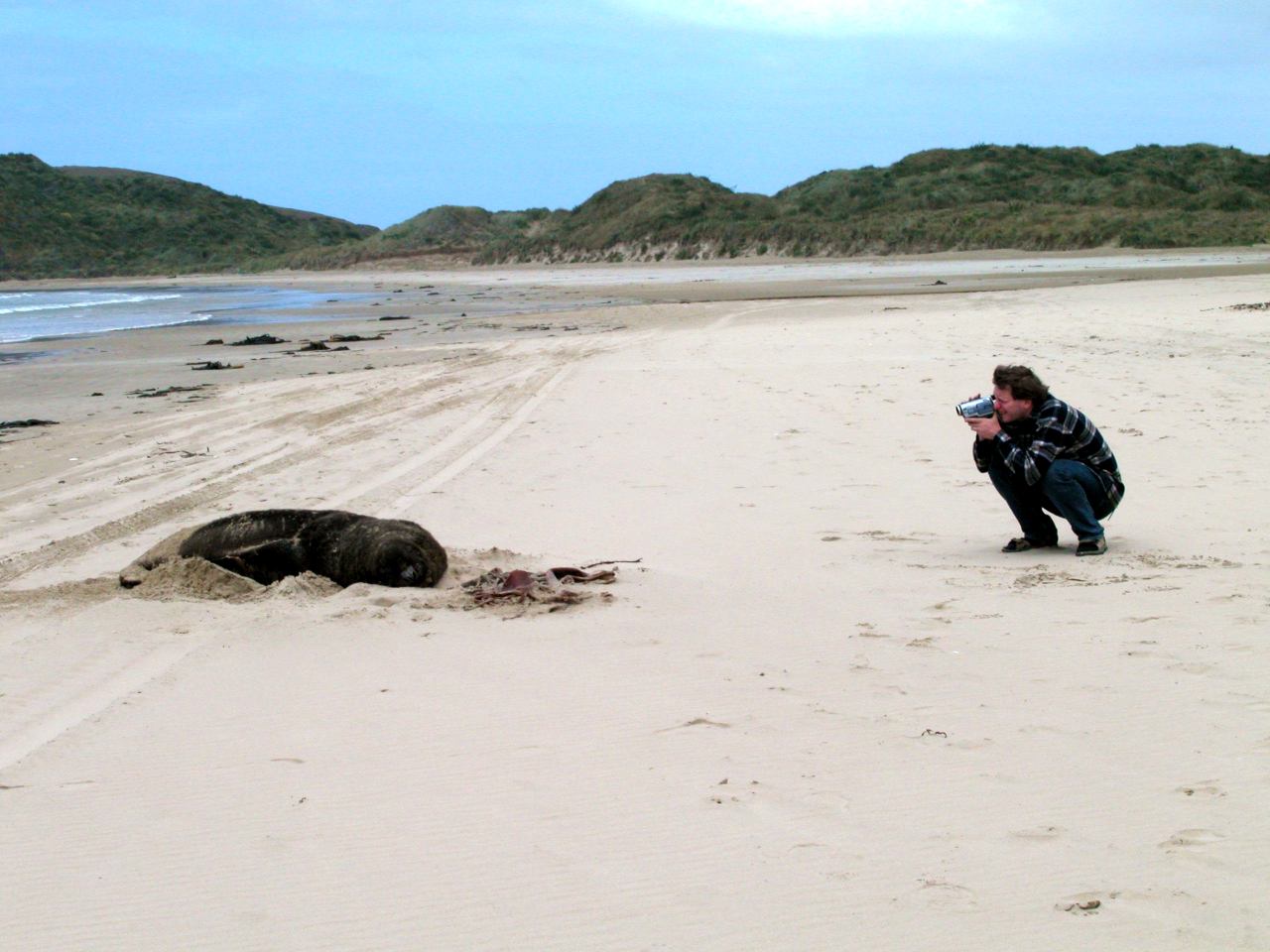
A few kilometres to the southwest, a hundred metres from the ocean, there's a vast hole in the ground. At the bottom the ocean washes back and forth. A natural tunnel joins the hole to the sea underground. You can walk about between the hole and the sea as if nothing were going on: grass grows there and sheep graze. It's called a blowhole, the same word as for the opening on a whale's head. You can leave the car in the car park, put NZ$2 in the box and walk half an hour across private land.
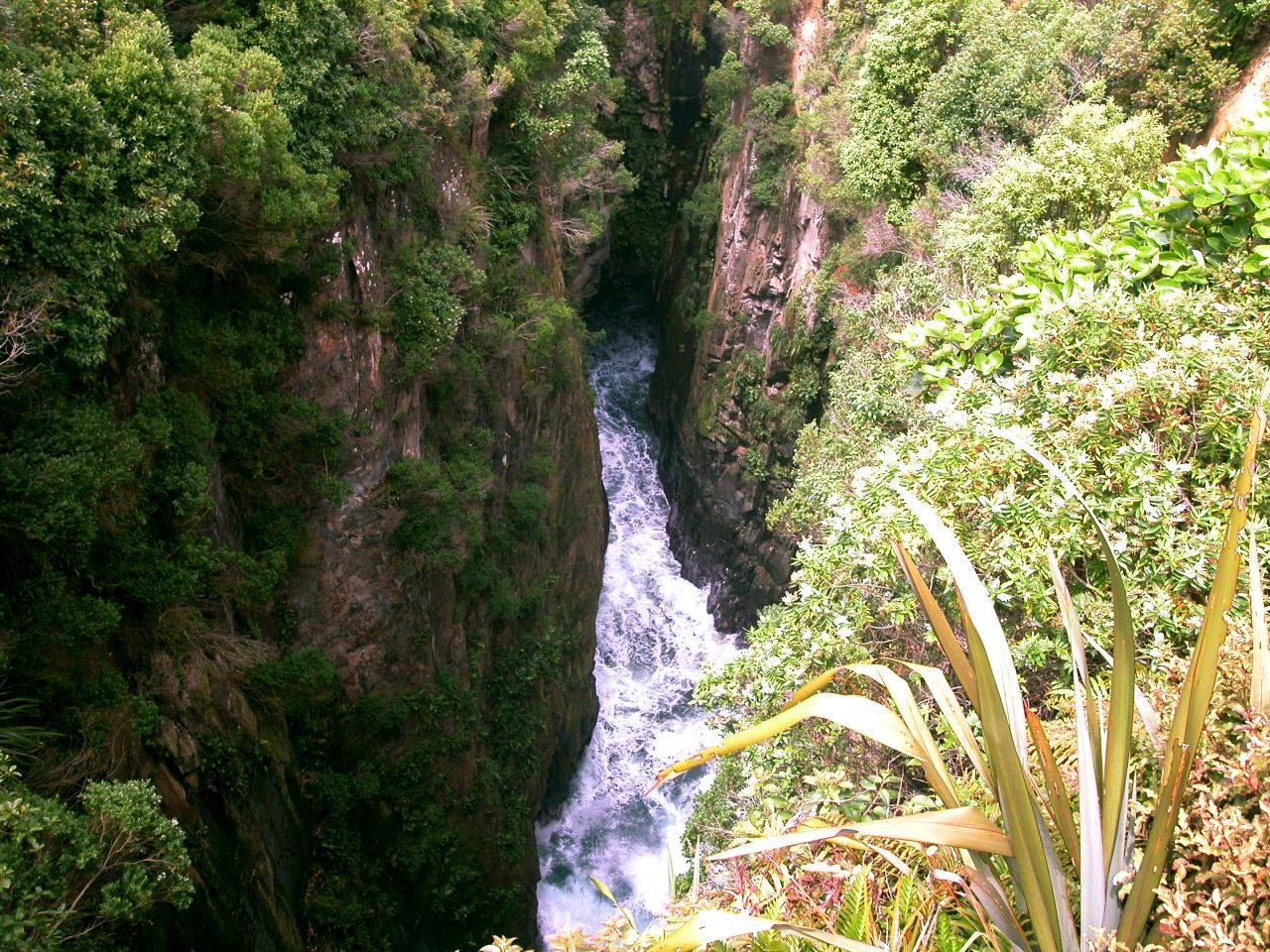
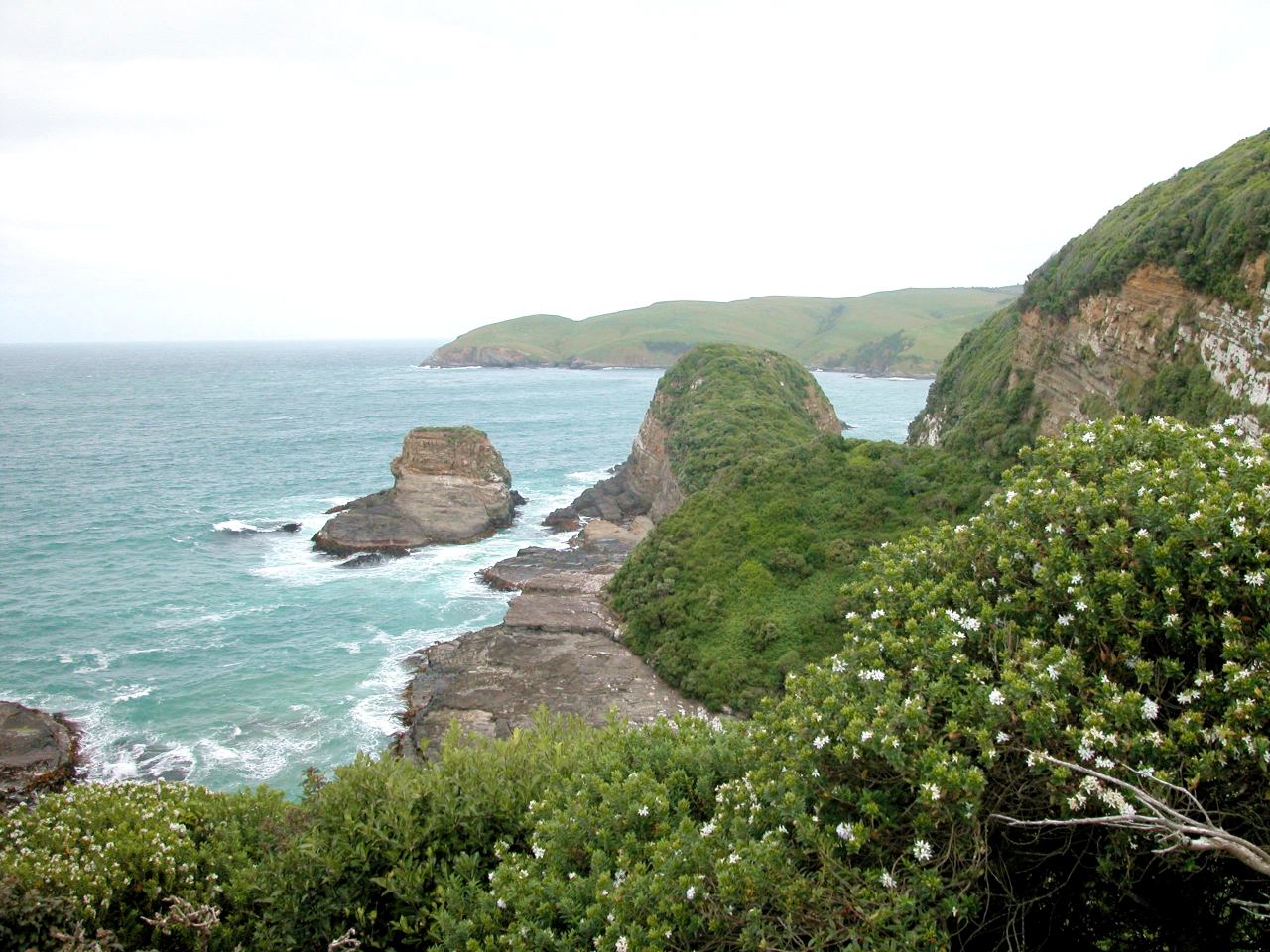
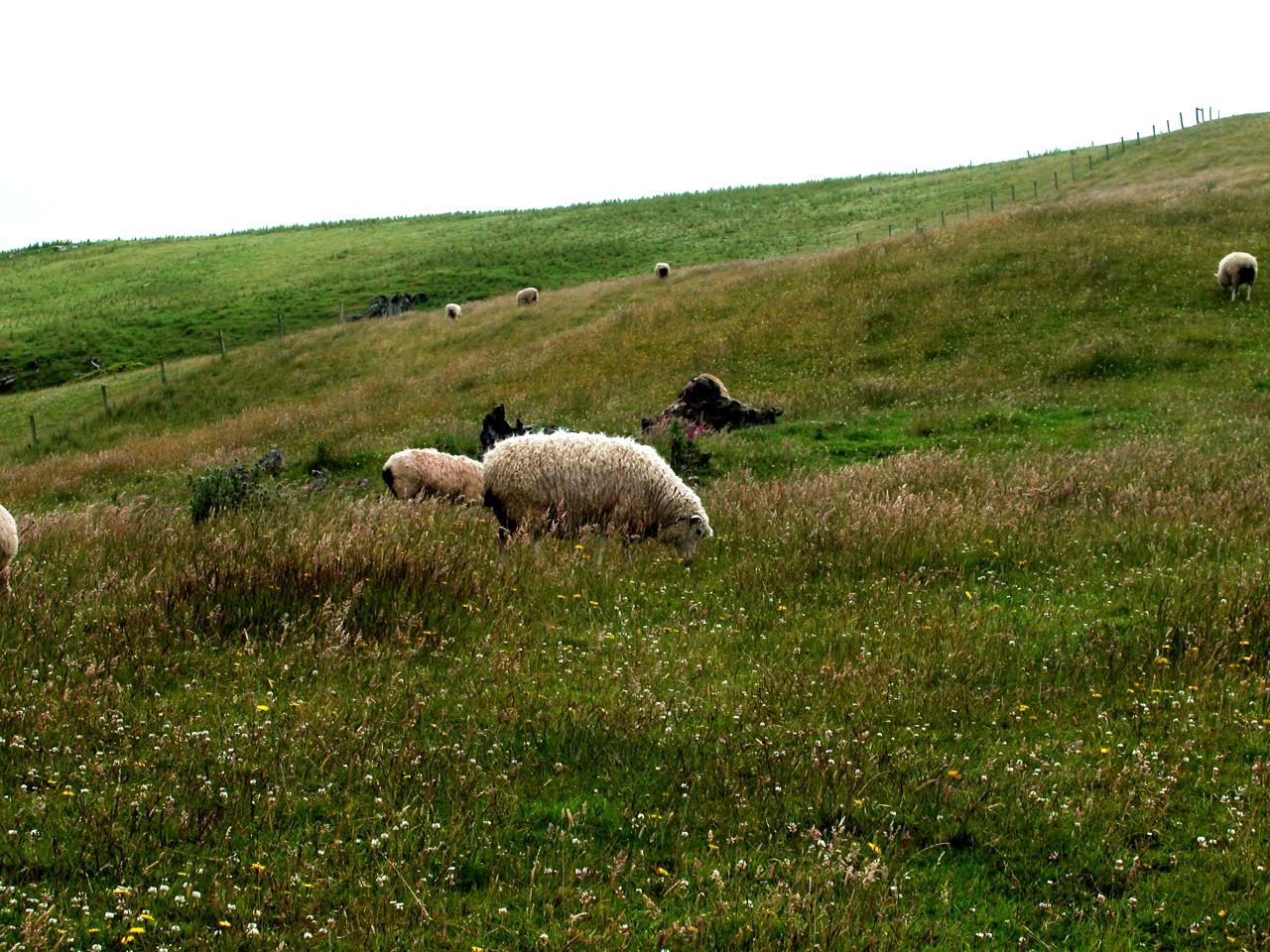
On the same headland there's a track to Wilkes Falls, a waterfall in the rainforest. The walk to the waterfall takes only fifteen minutes.
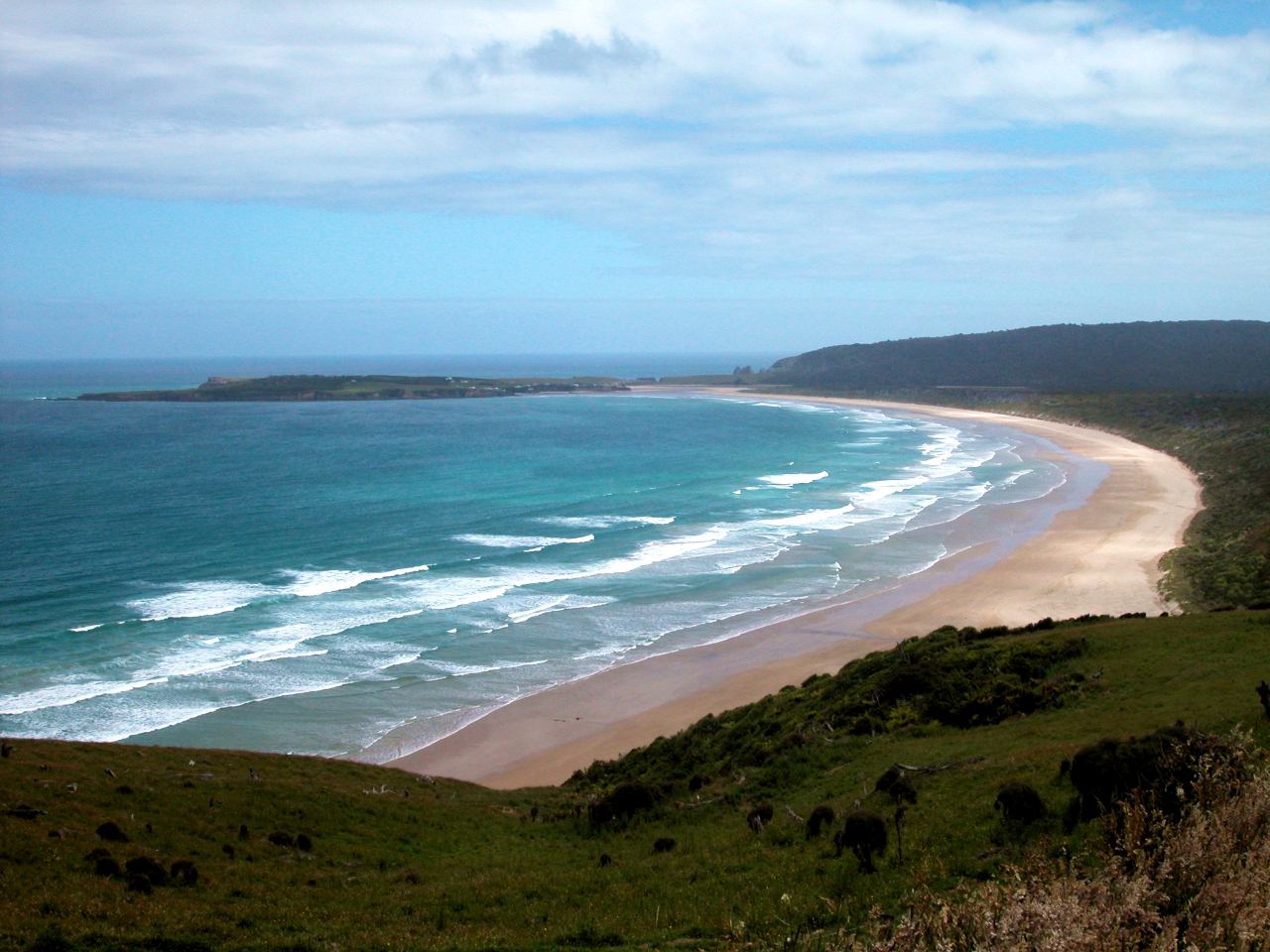
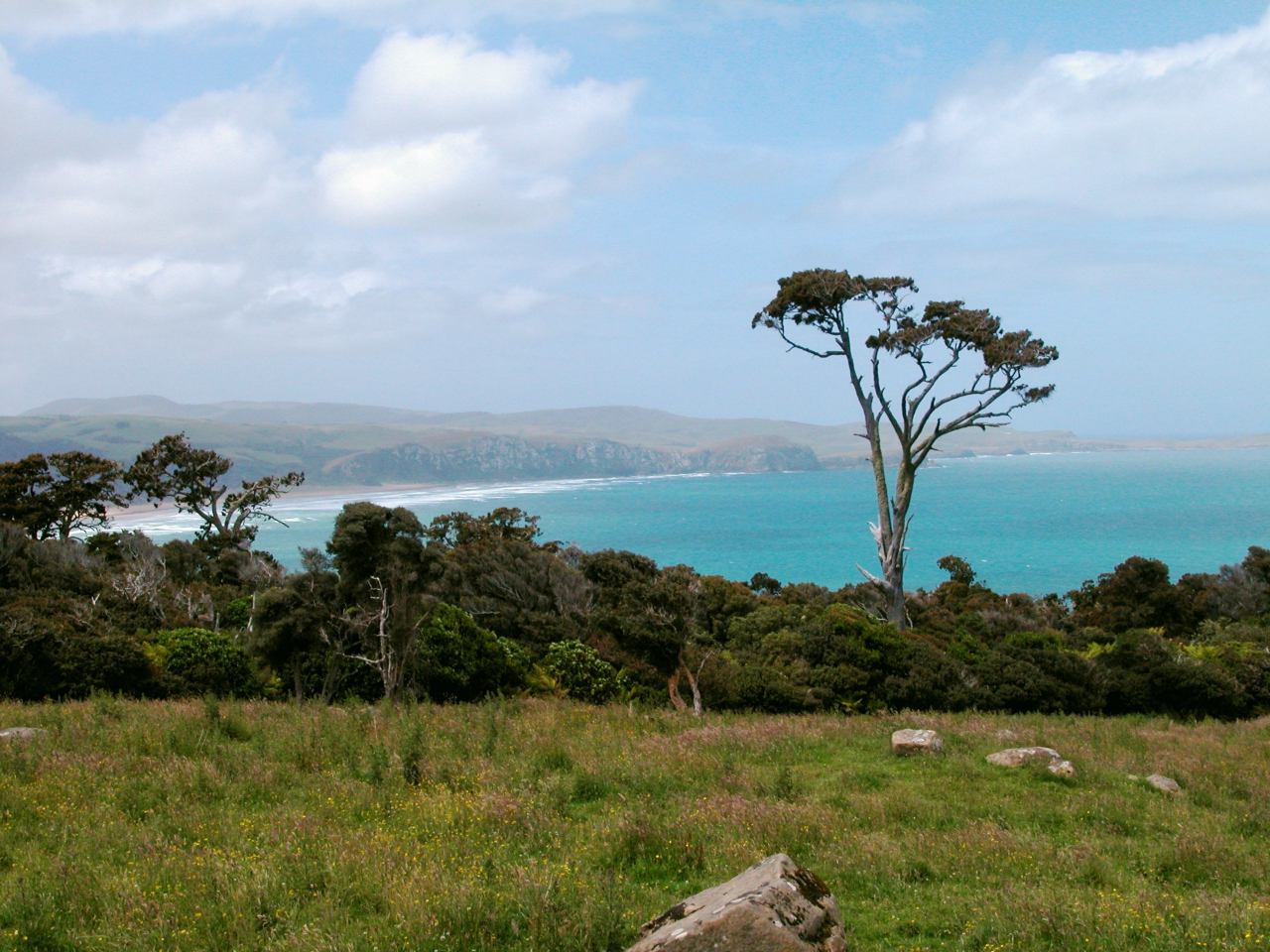
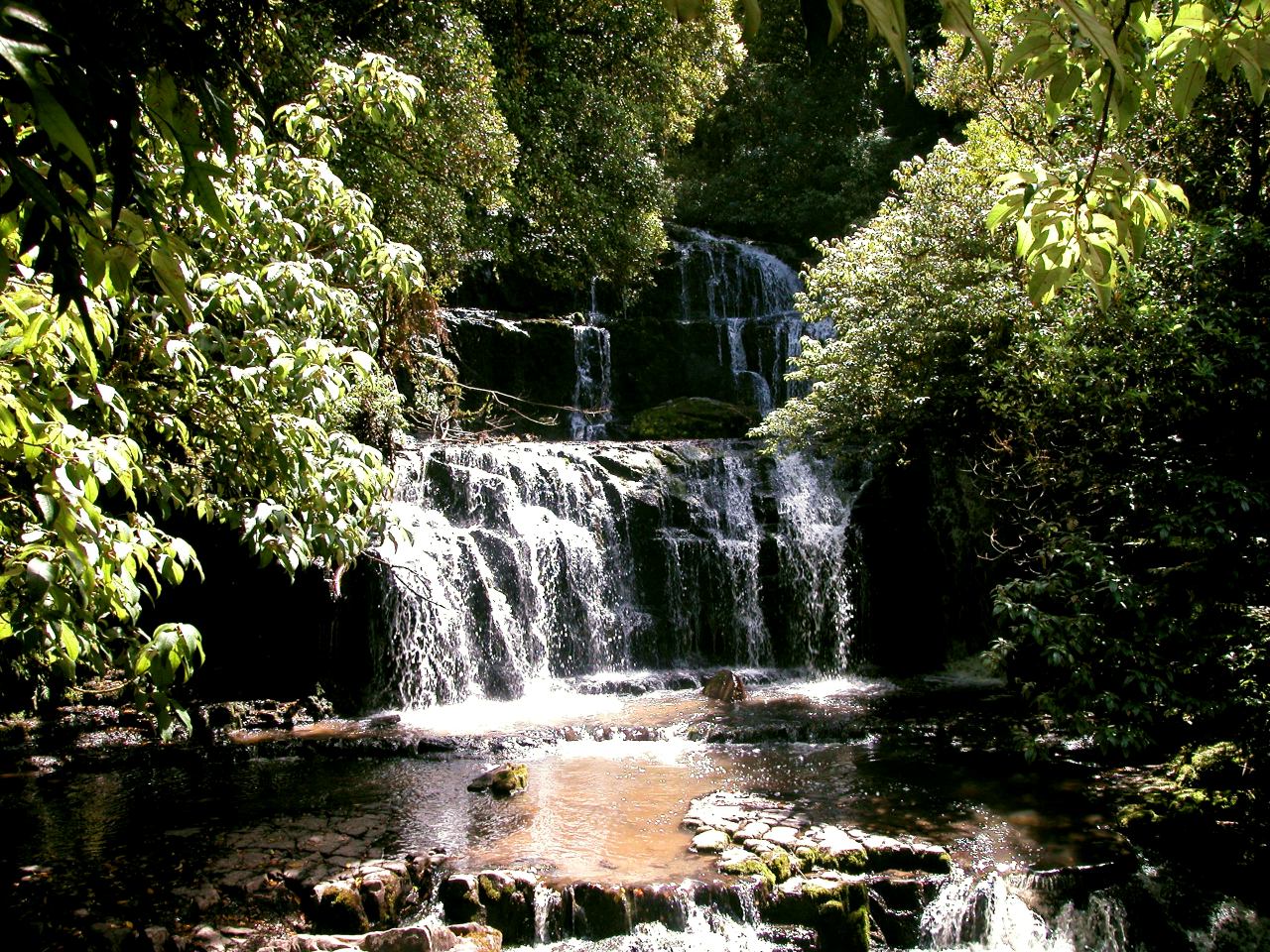
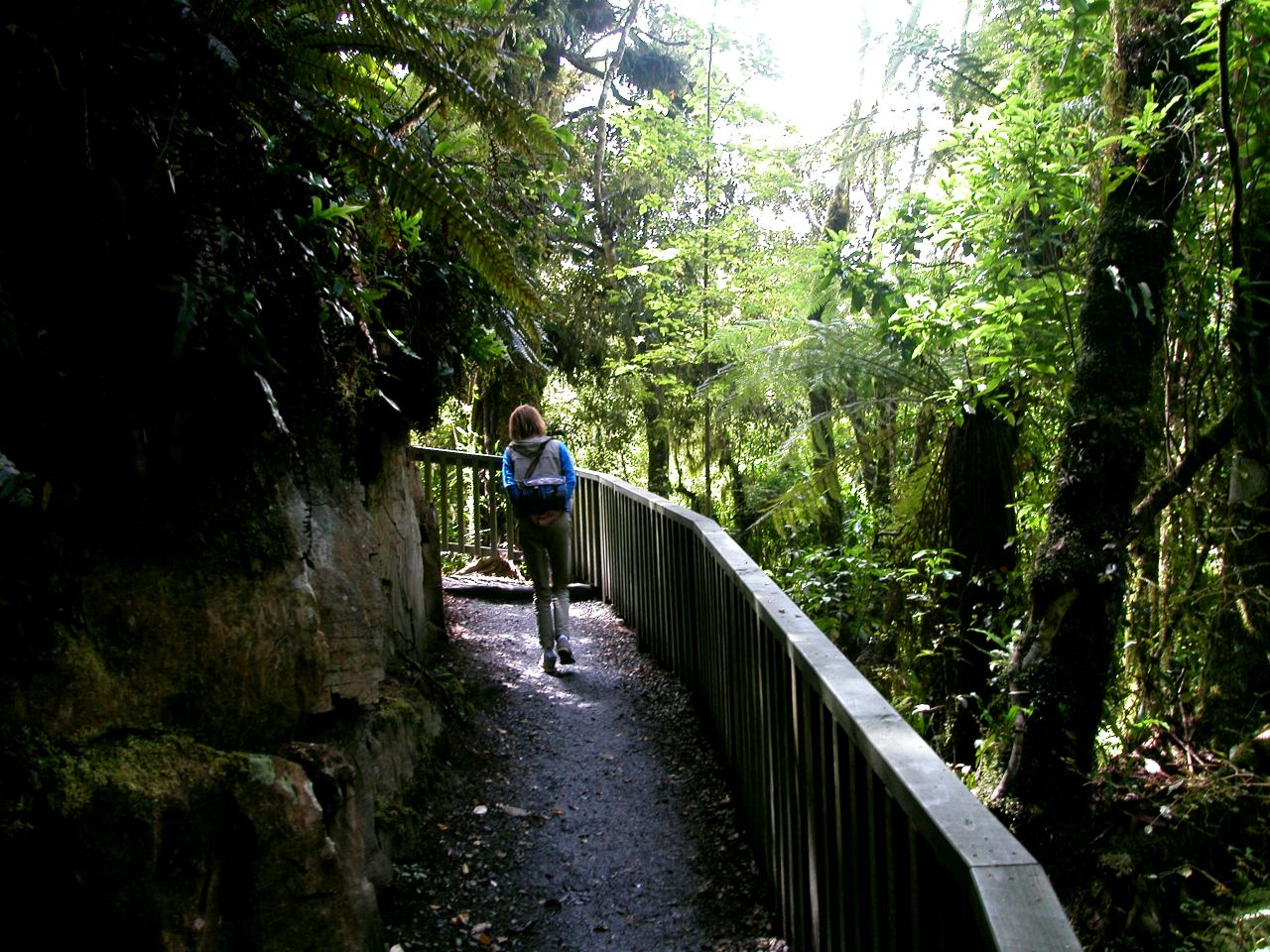
The next wonder is Cathedral Caves. The surf has undercut a sheer cliff to make them. You can go in only at low tide. Four kilometres from the highway, the private road ends at a car park with an NZ$8 fee. It's open to vehicles only at low tide; you can walk down any time, free of charge. From the car park you still have to walk about half an hour through fern forest, then a little way along the beach. The cave itself isn't deep and there are no stalactites, but it's worth going in.
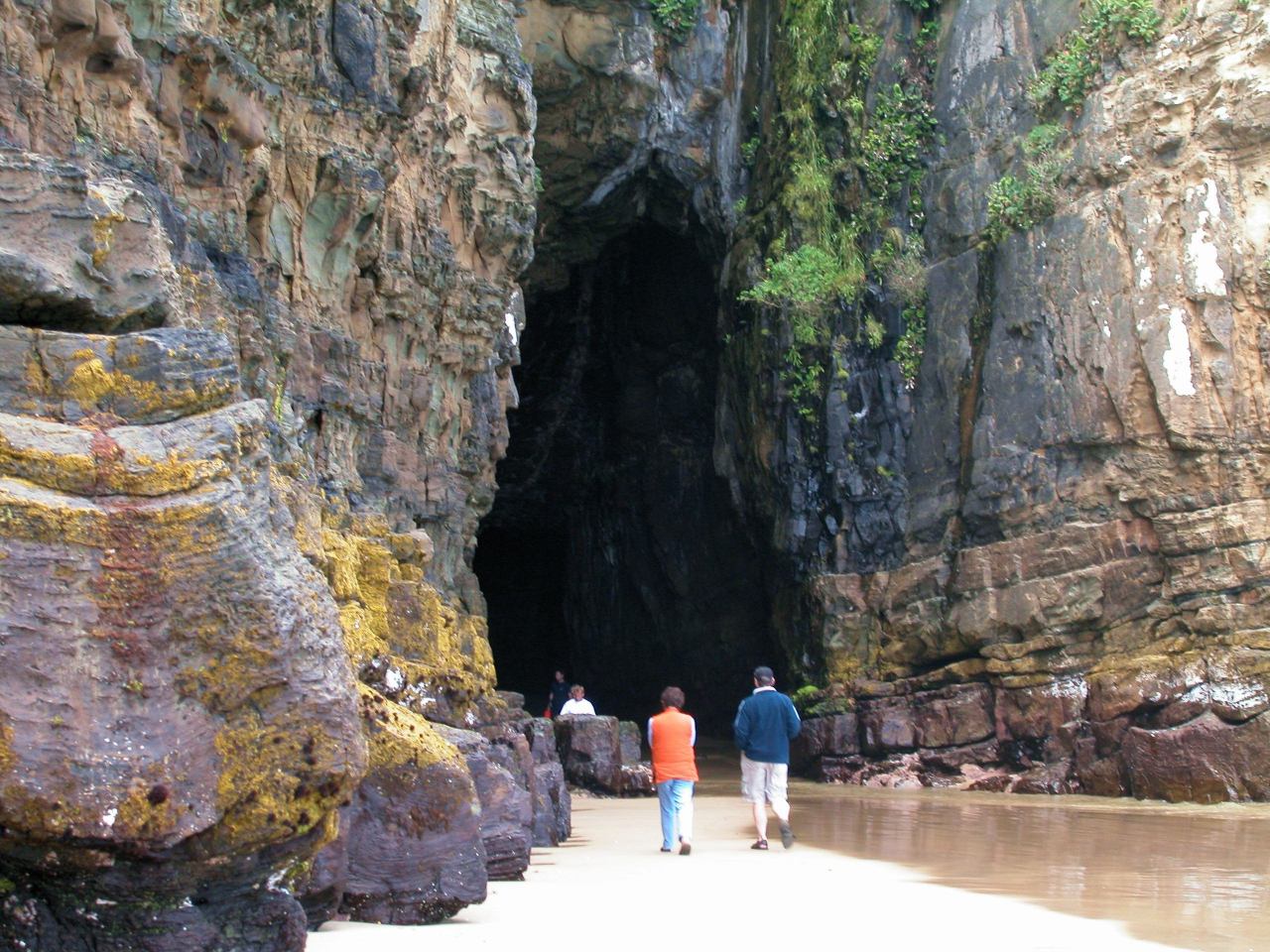
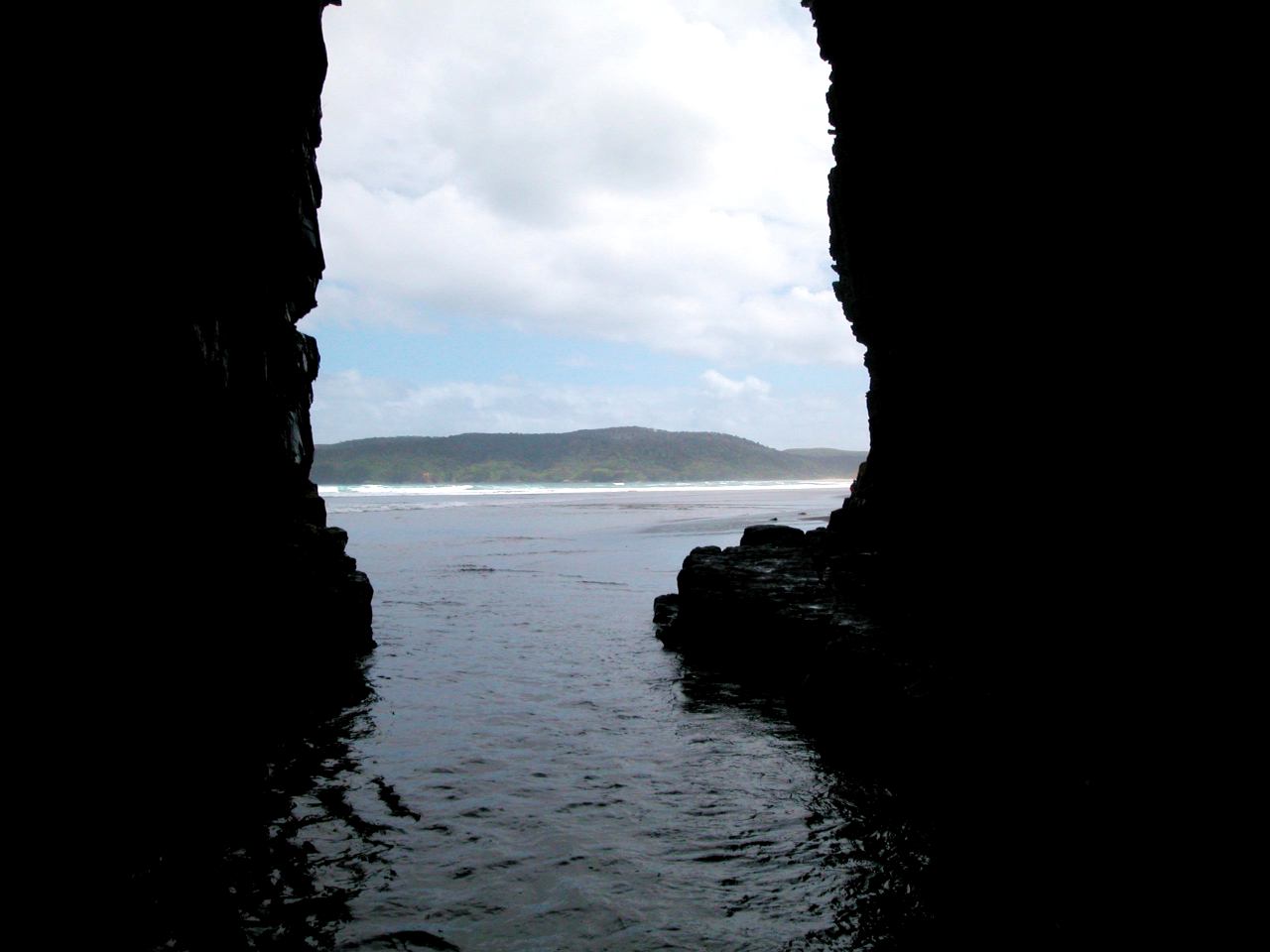
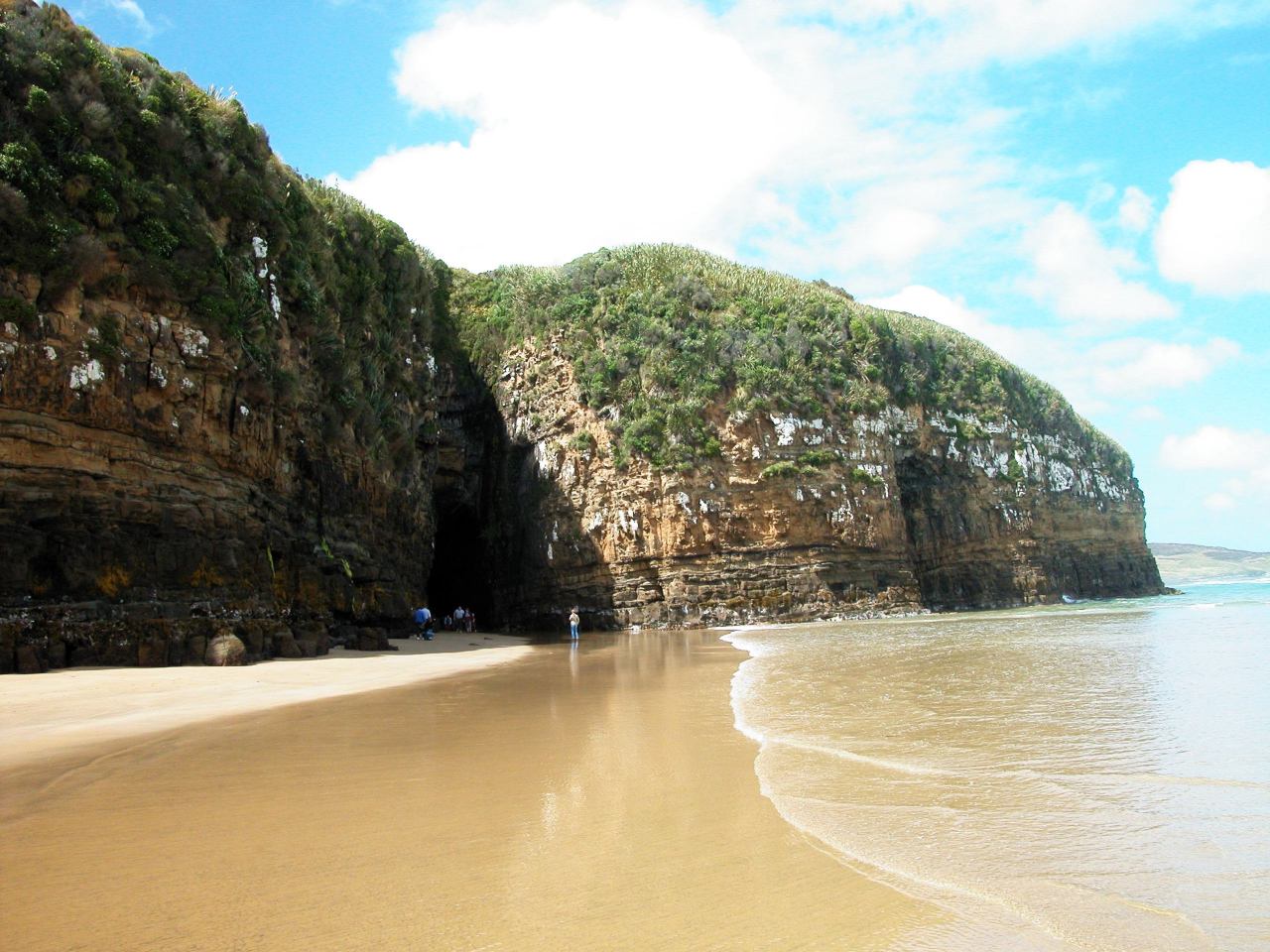
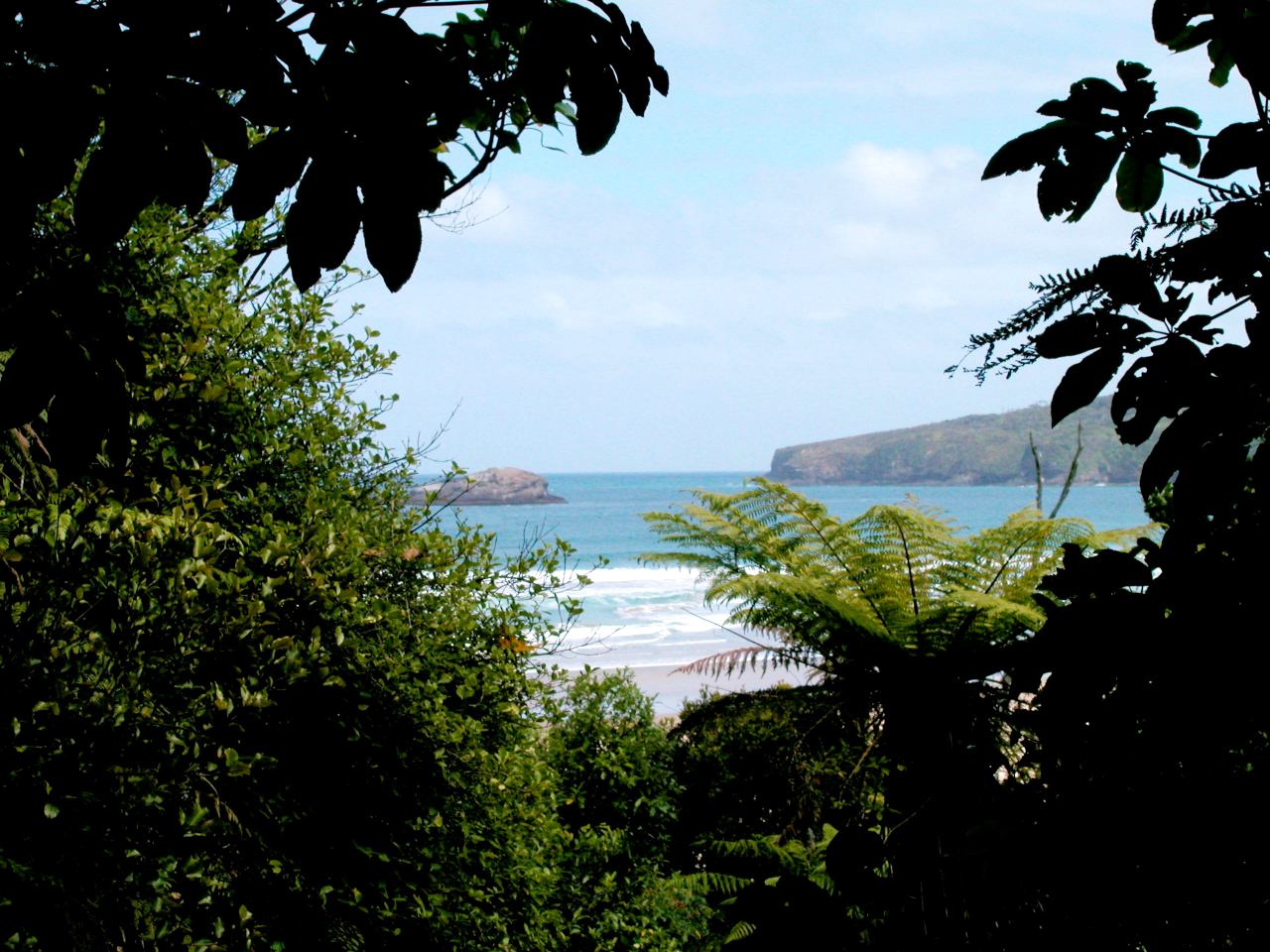
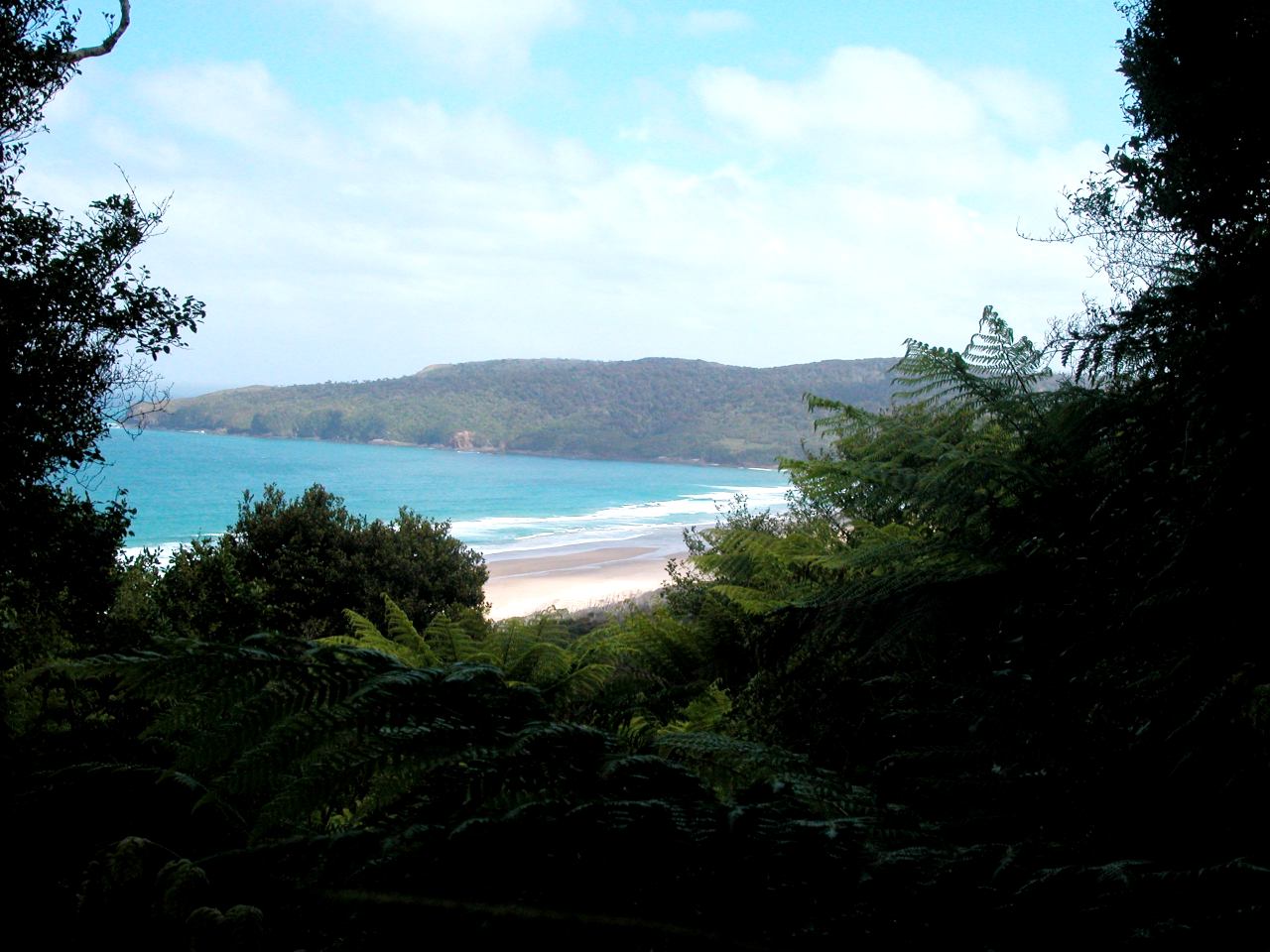
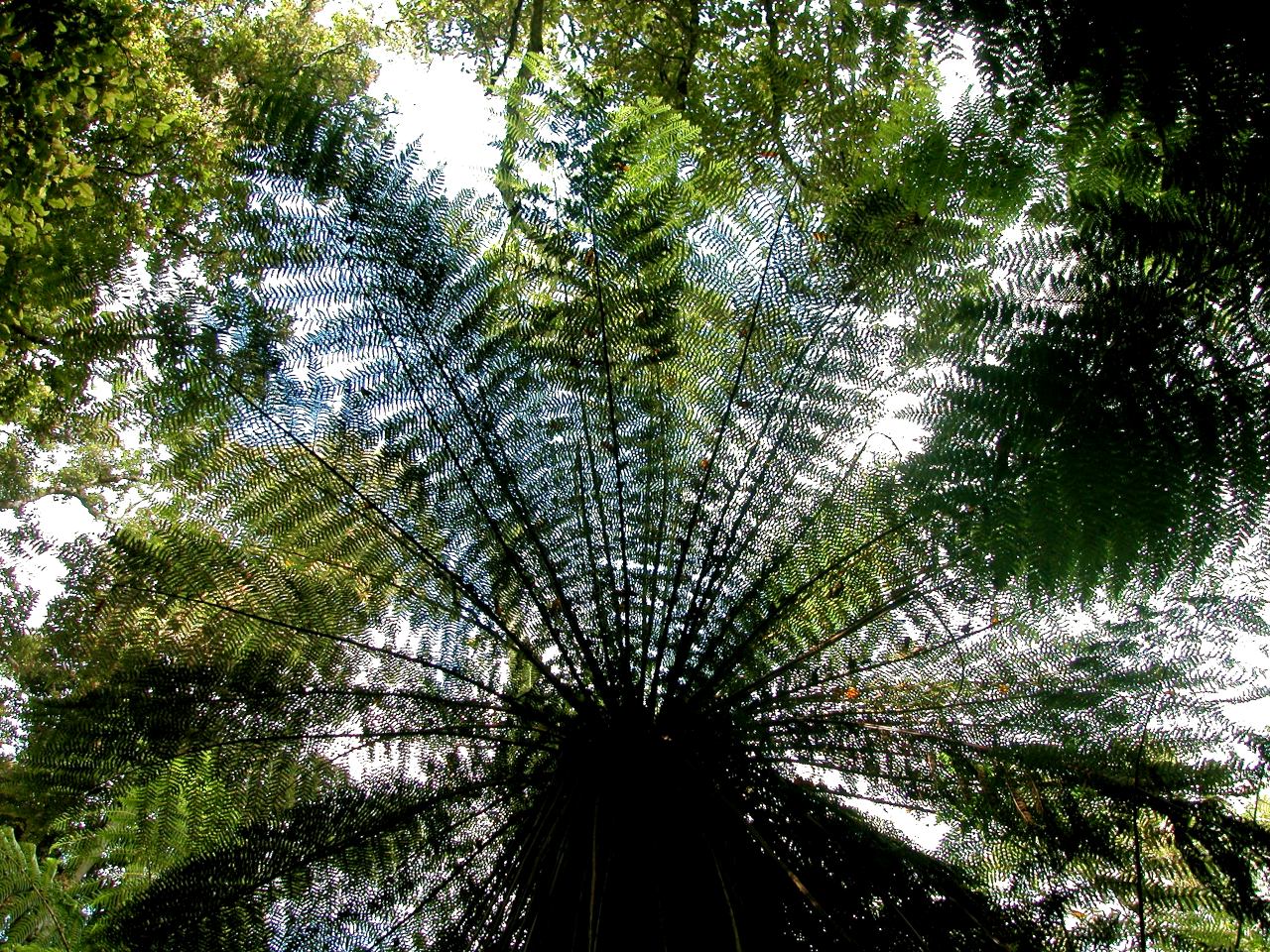
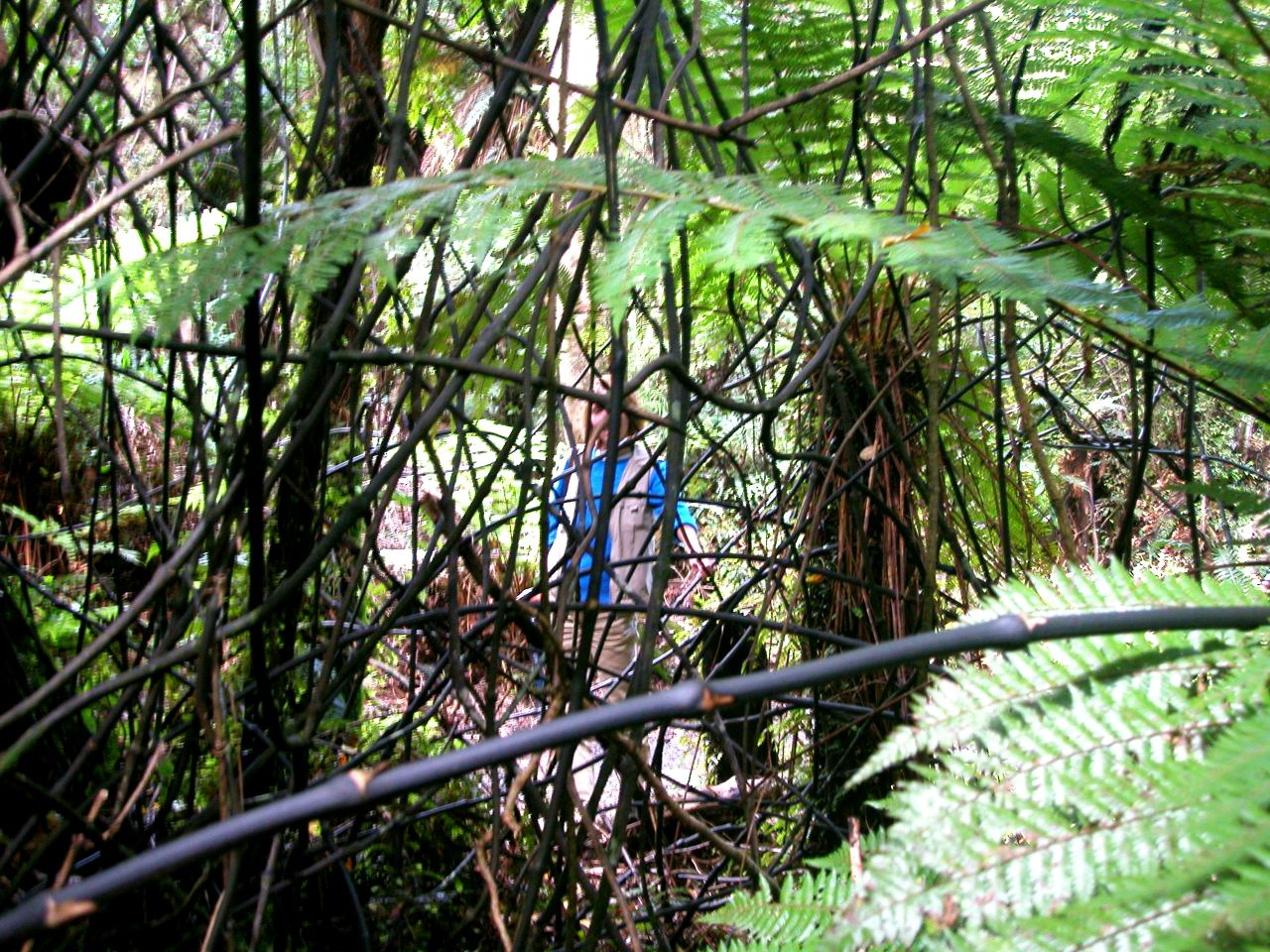
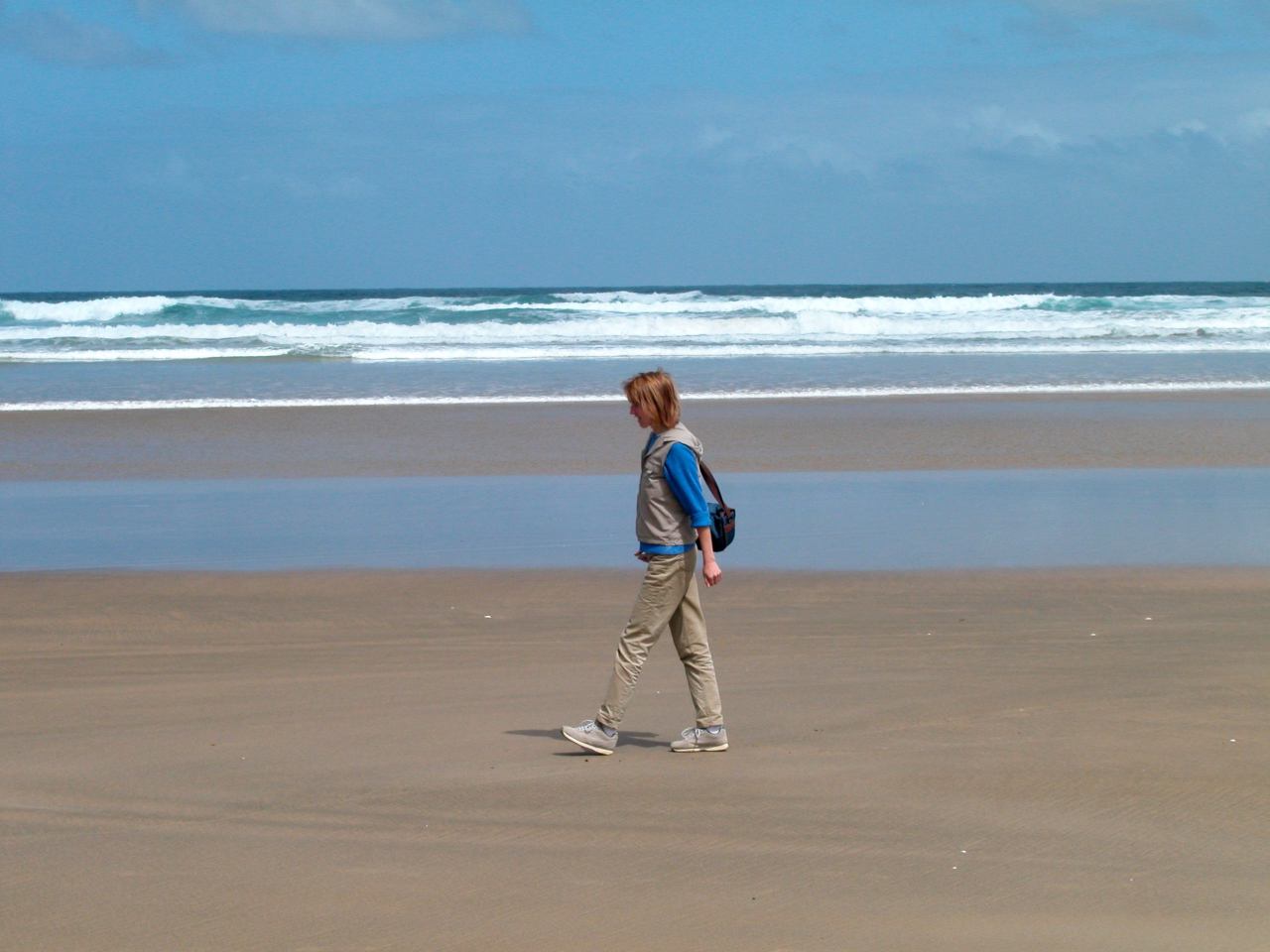
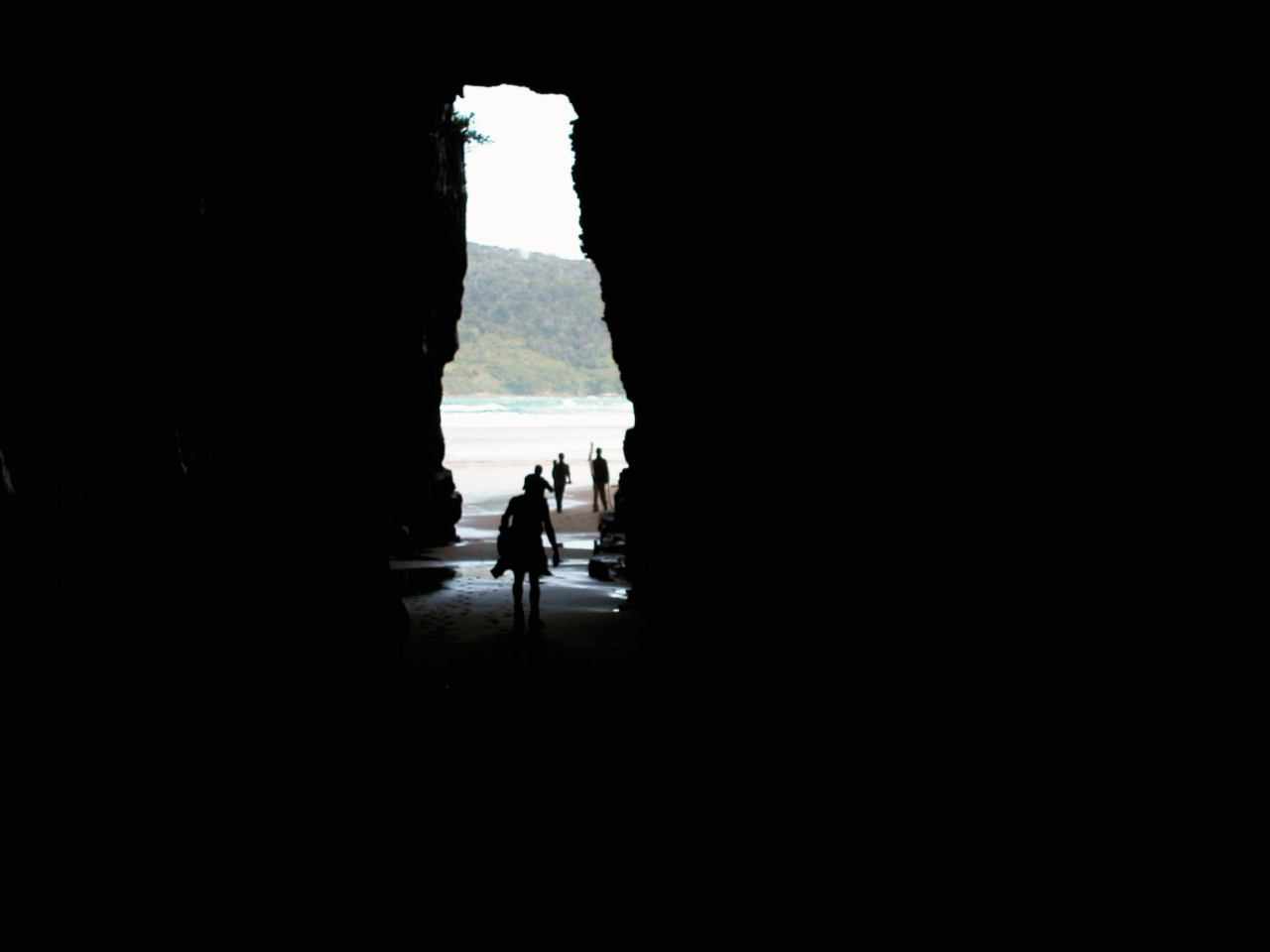
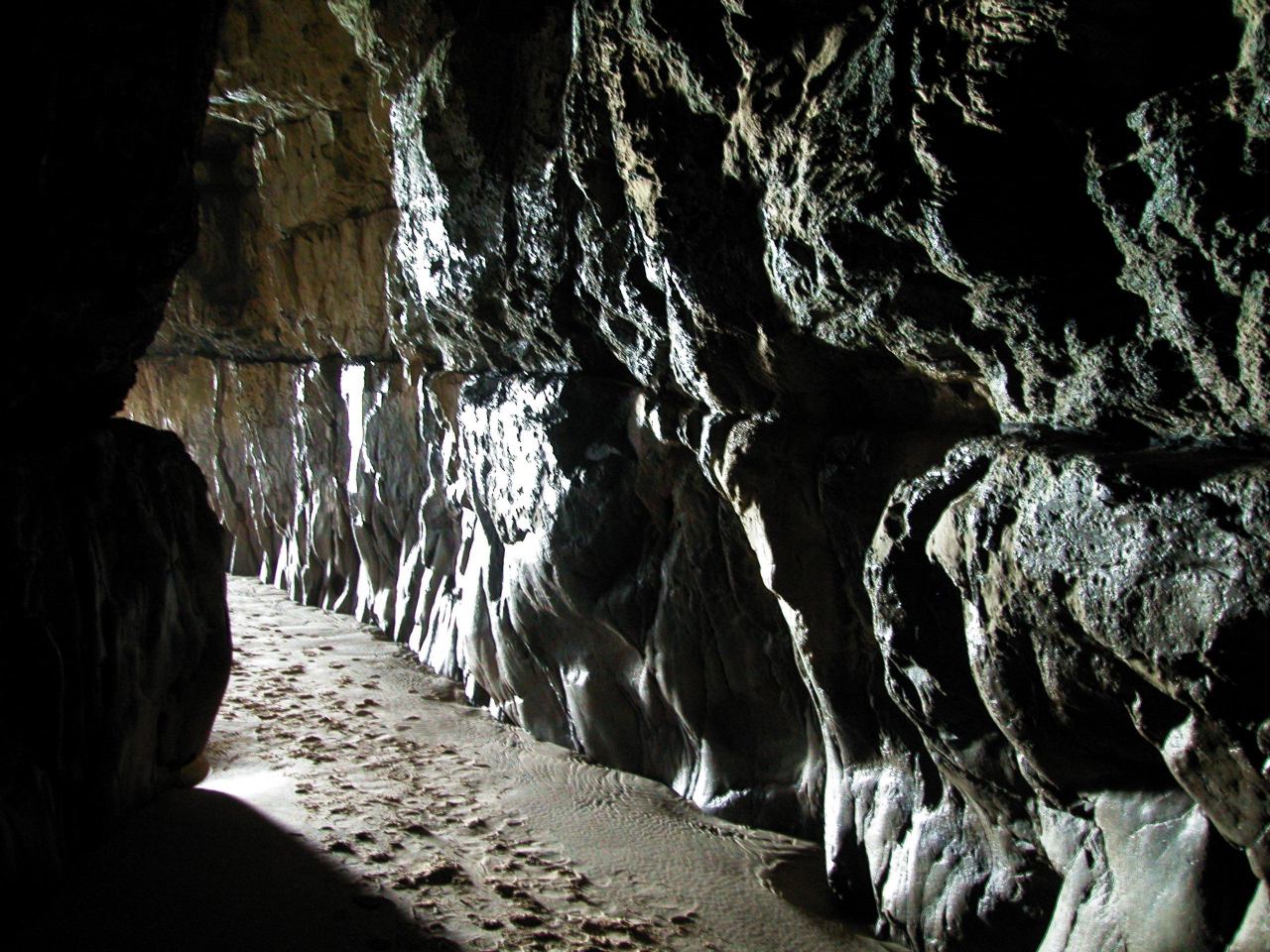
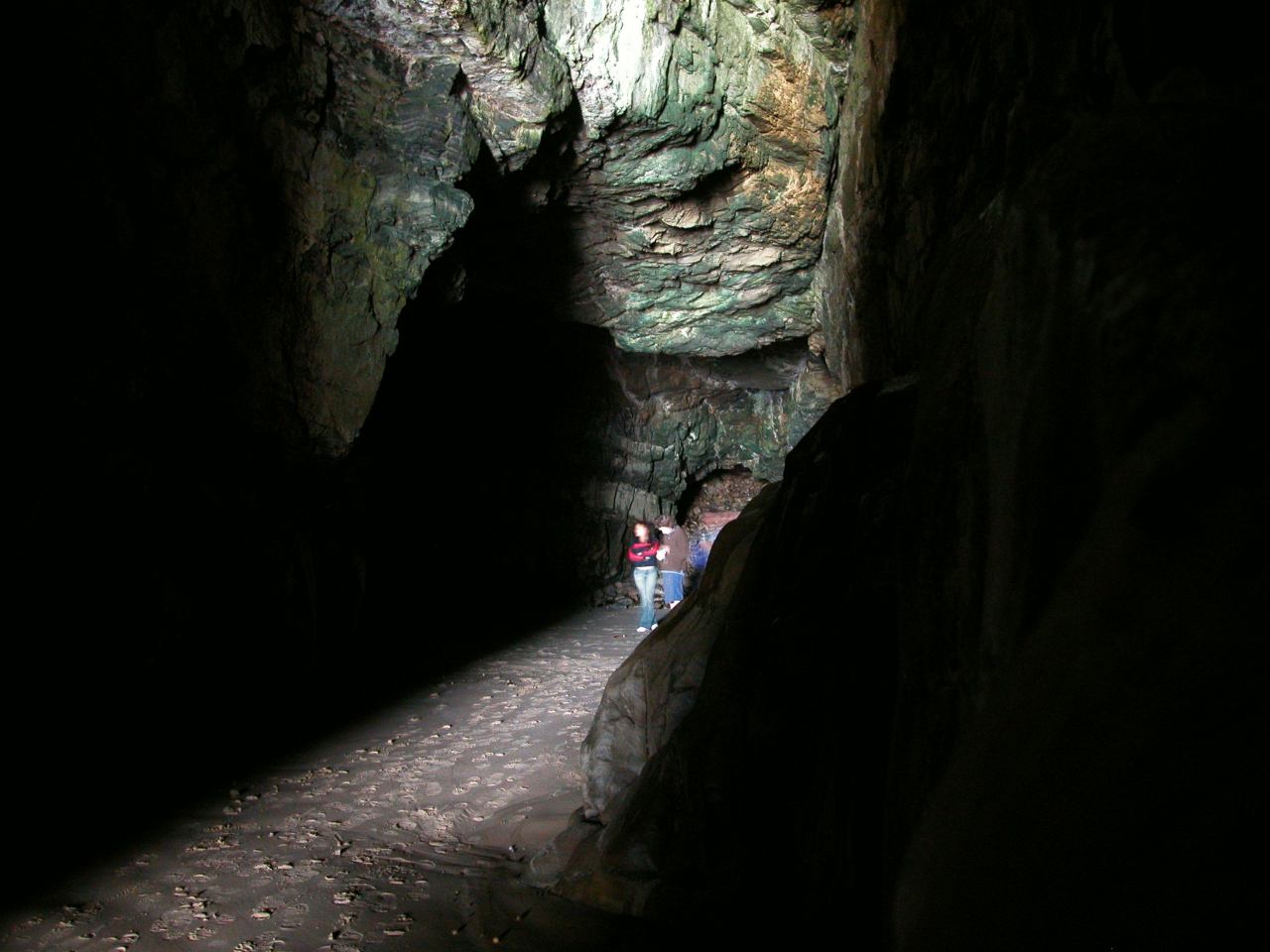
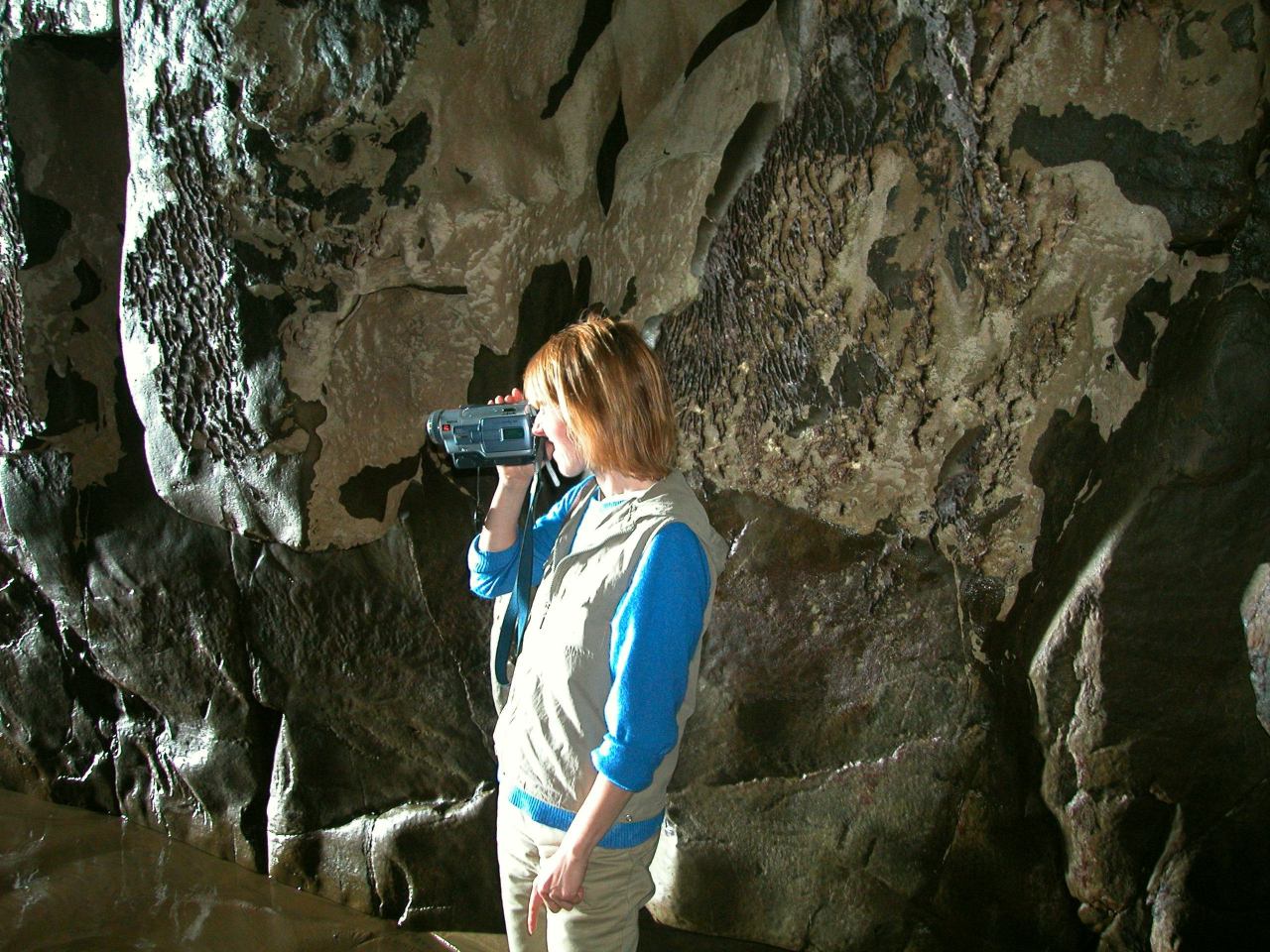
We didn't find the enticingly named Niagara Falls of New Zealand. Something wasn't right. One sickly little sign, an overgrown road, and no sign of any sort of tourism.
The lighthouse near Otara stands on a lovely headland. The locals come here to dive. On the shore another sea lion lay sleeping. I pulled its tail. The lion snapped at me, gave a lazy growl, tucked its tail underneath itself like a cat and went back to its afternoon nap.
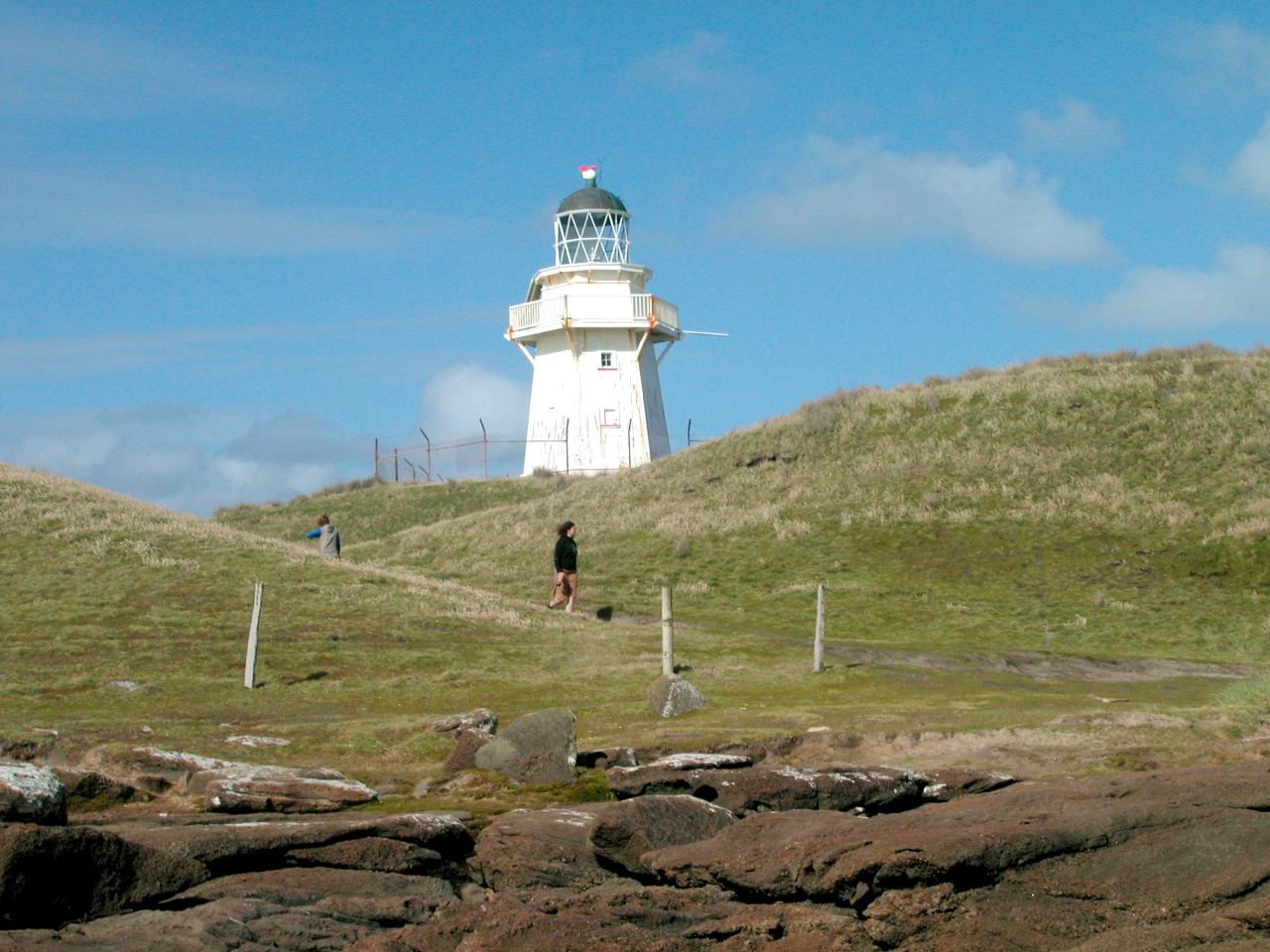
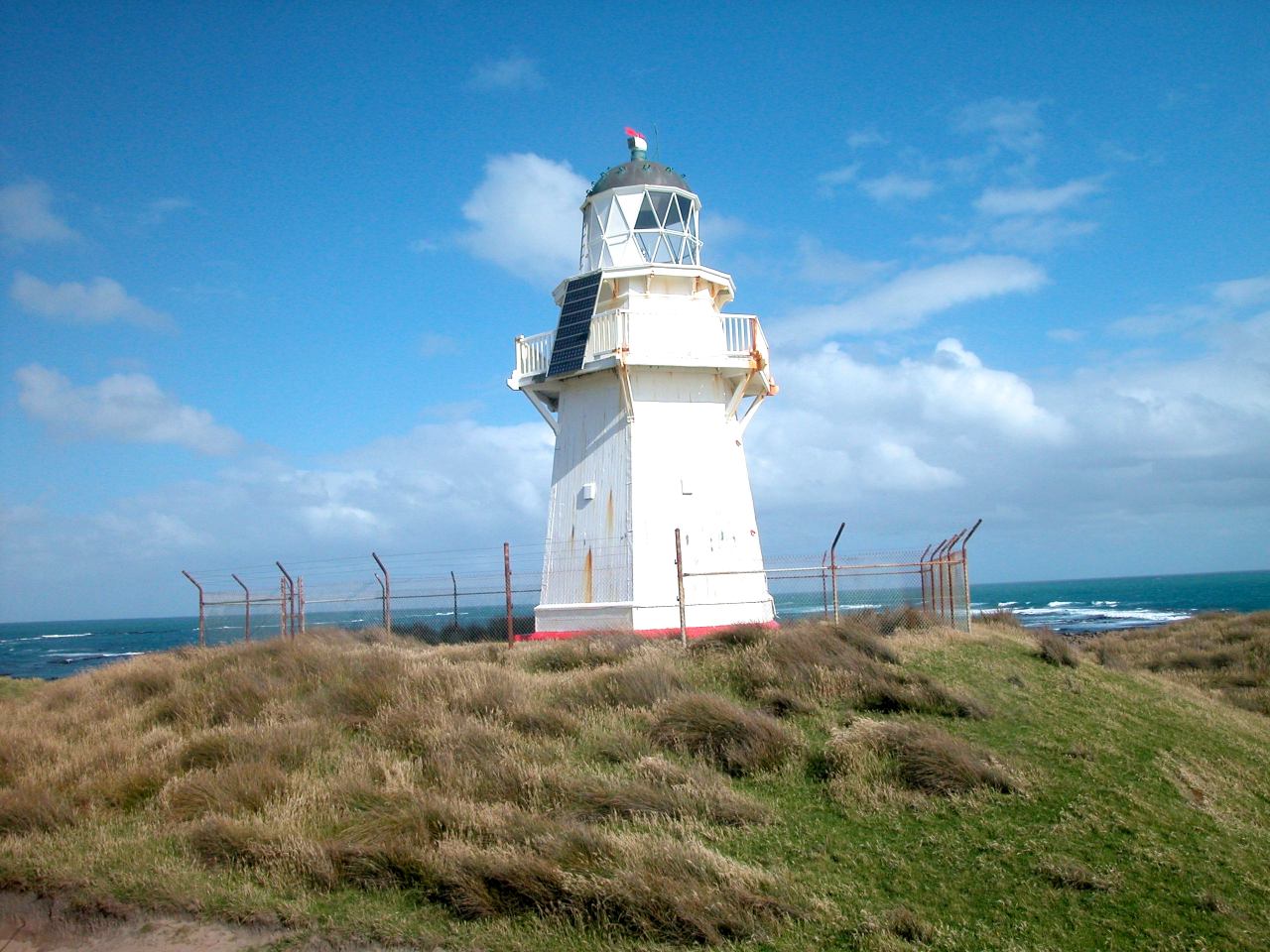
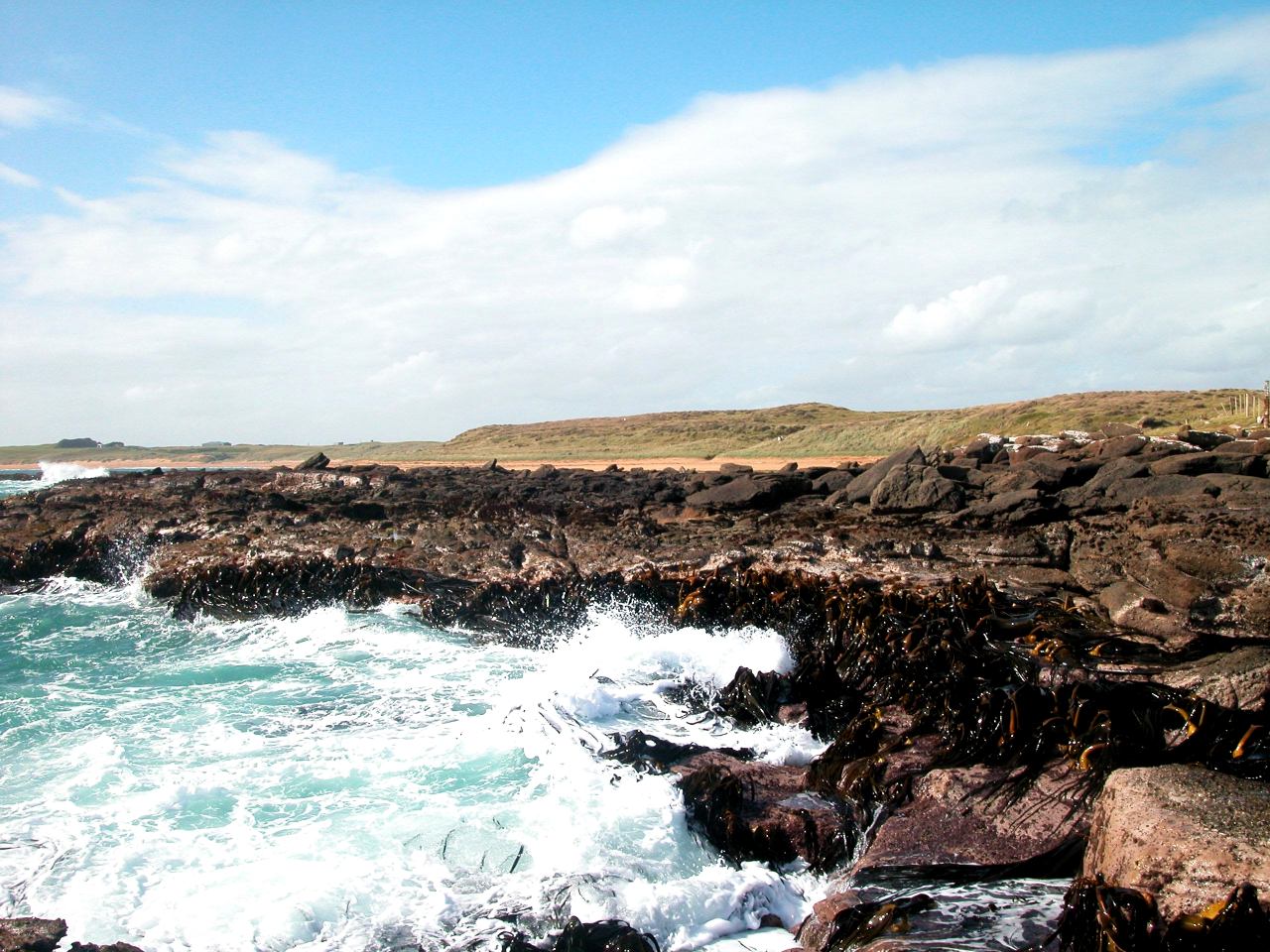
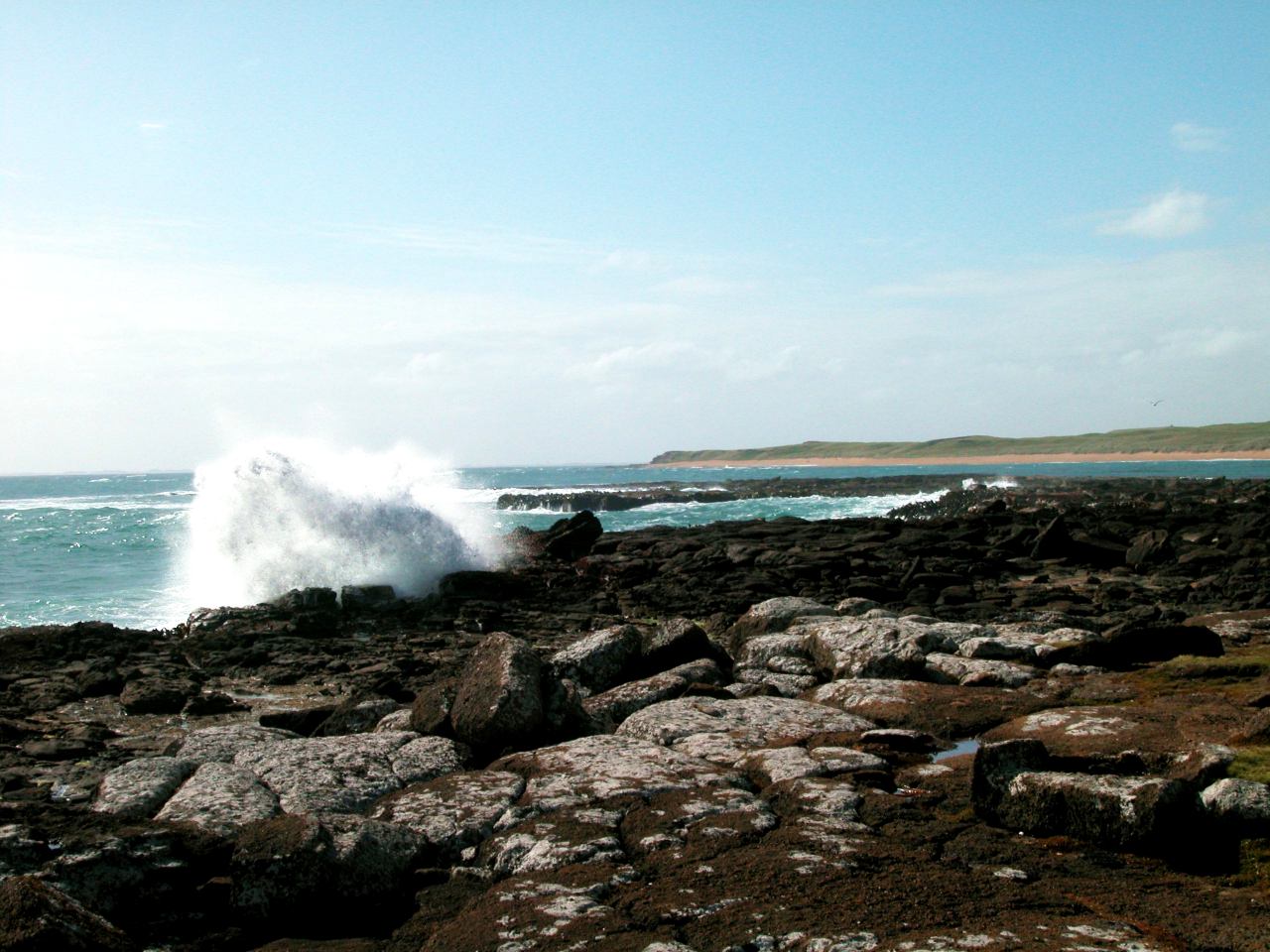
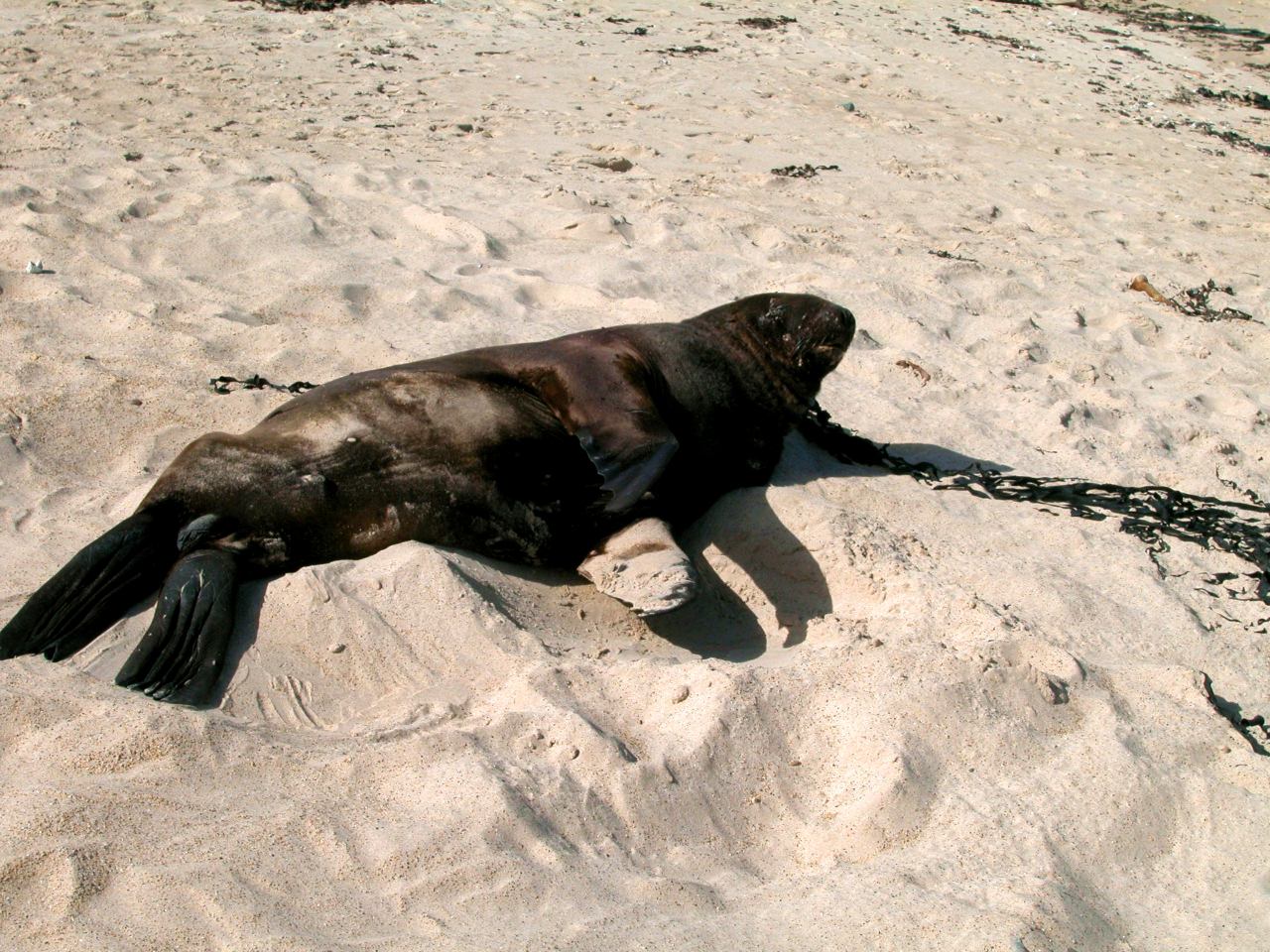
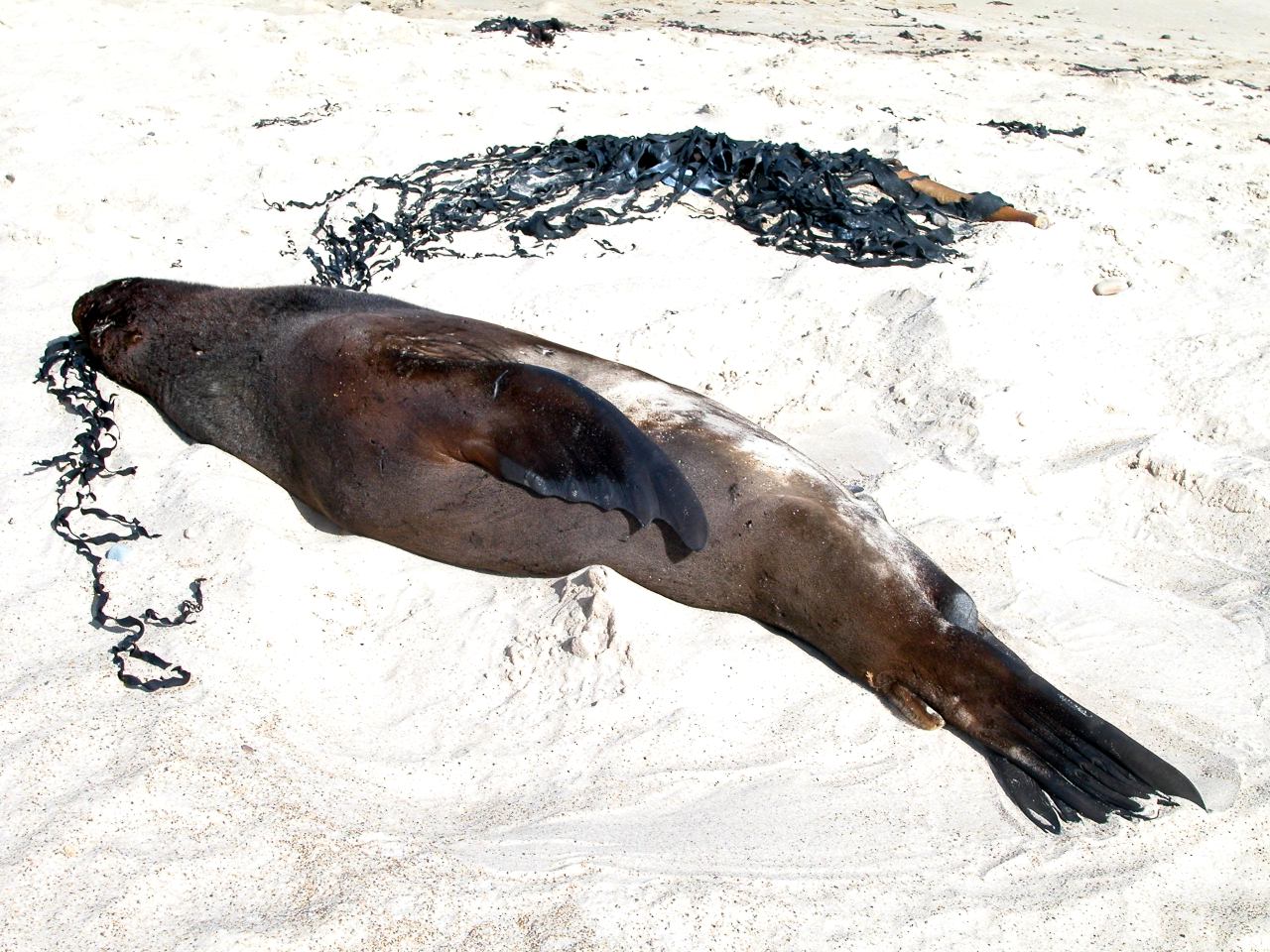
We arrived in the city of Invercargill at four in the afternoon. As a child, when people asked which city I wanted to live in, I said Invercargill. Here the moment had come and I was in the city of my childhood dreams.
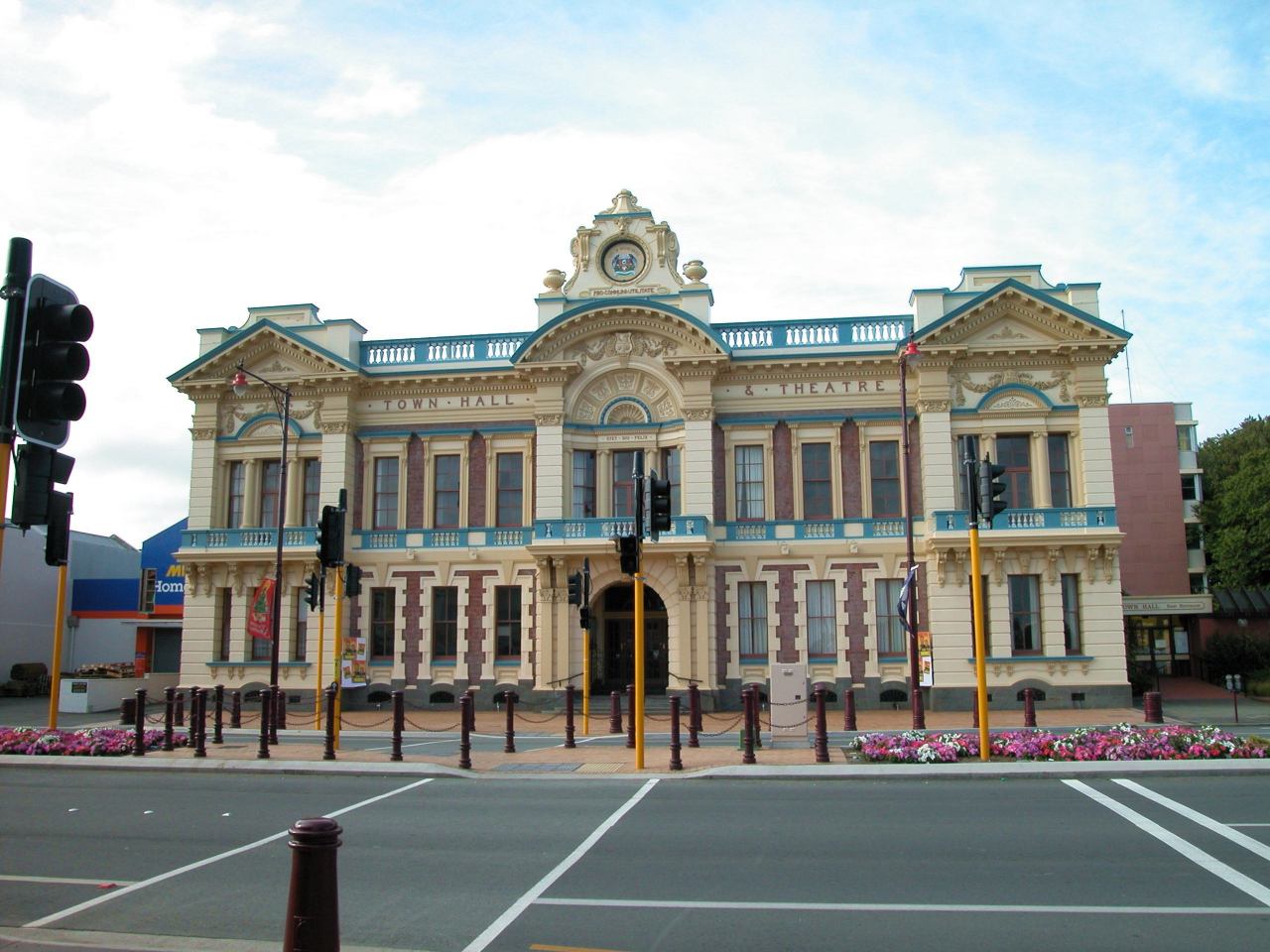
The town was first settled by people from Scotland. Its regular street plan and lack of lush southern vegetation make it very different in character from other New Zealand towns. On the streets there are beds of flowers. The streets are wide. It's cold here even in summer. Like Norway in a way. During our visit it was less than 10°C in the morning. The city is connected to the outside world by railway, but no passenger trains run any more. The tracks are rusty, and the station is shut.
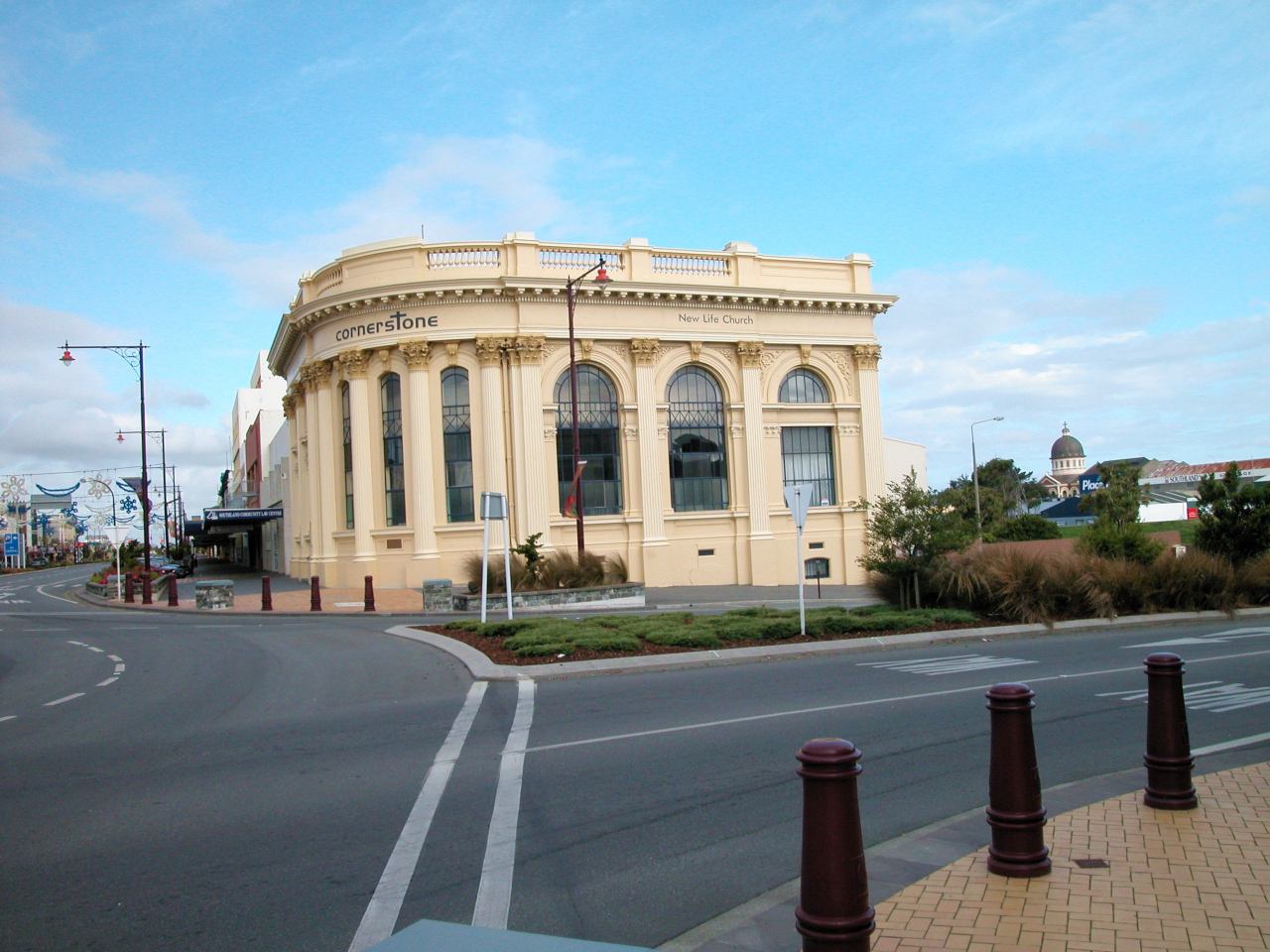
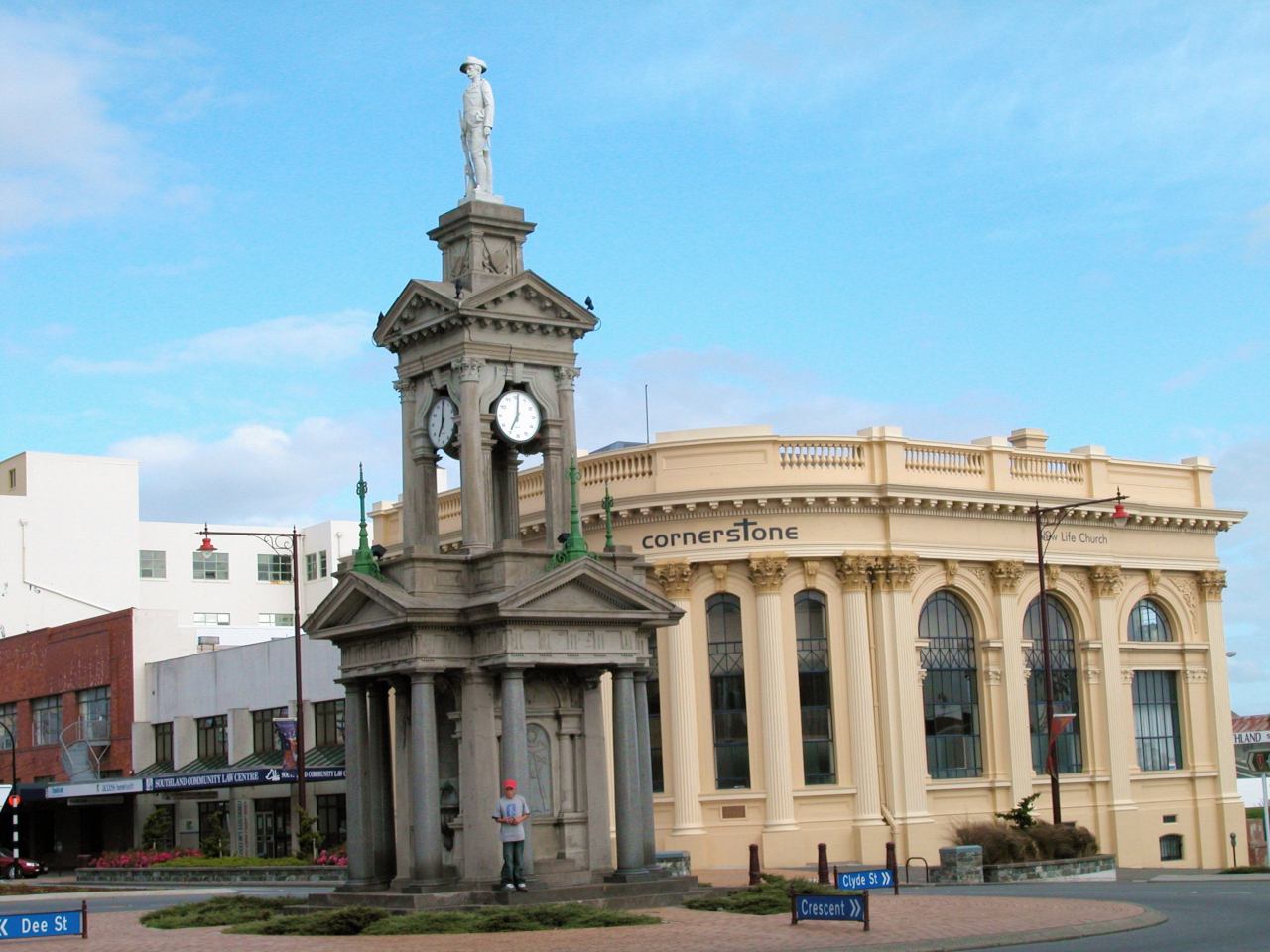
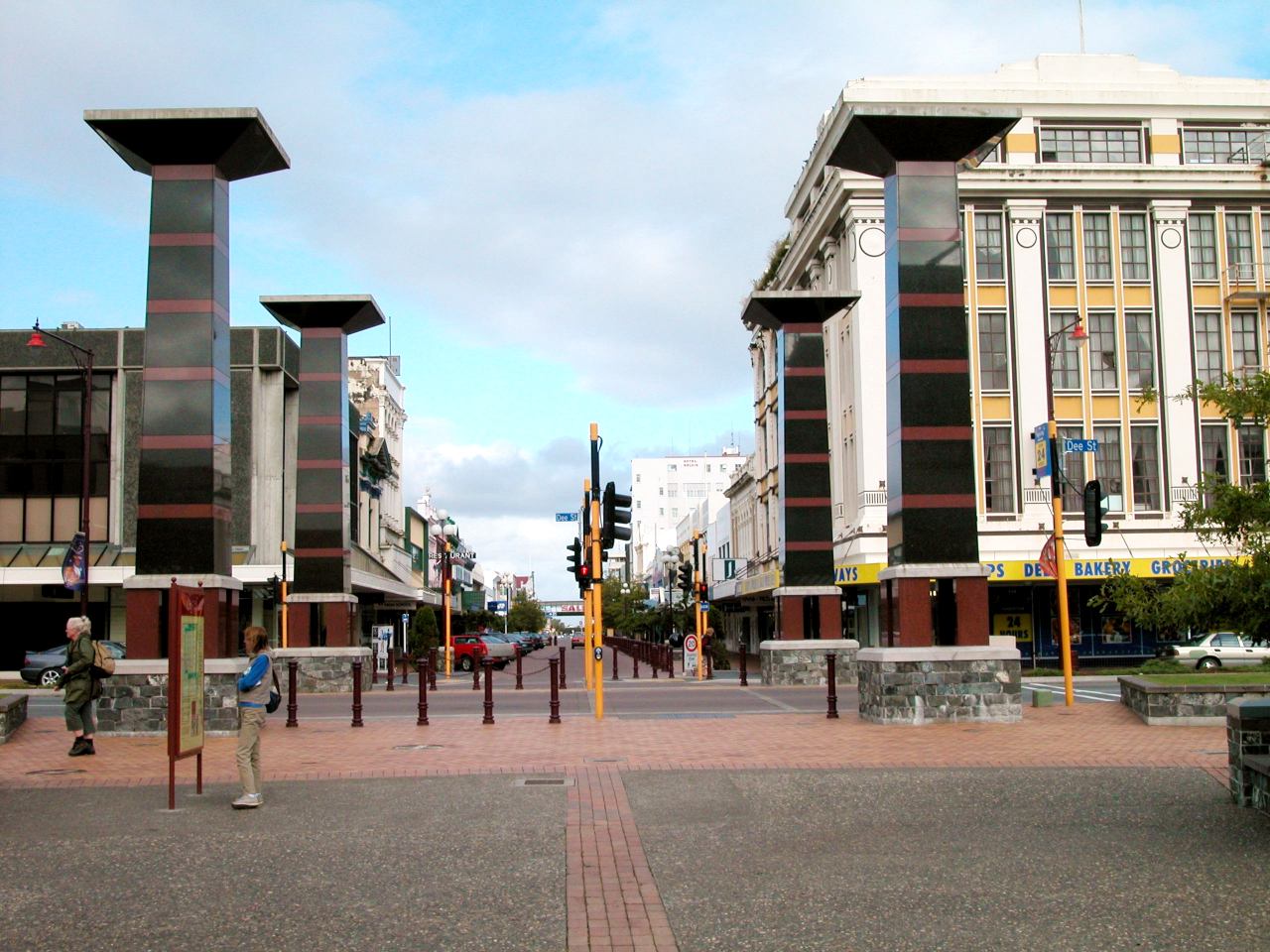
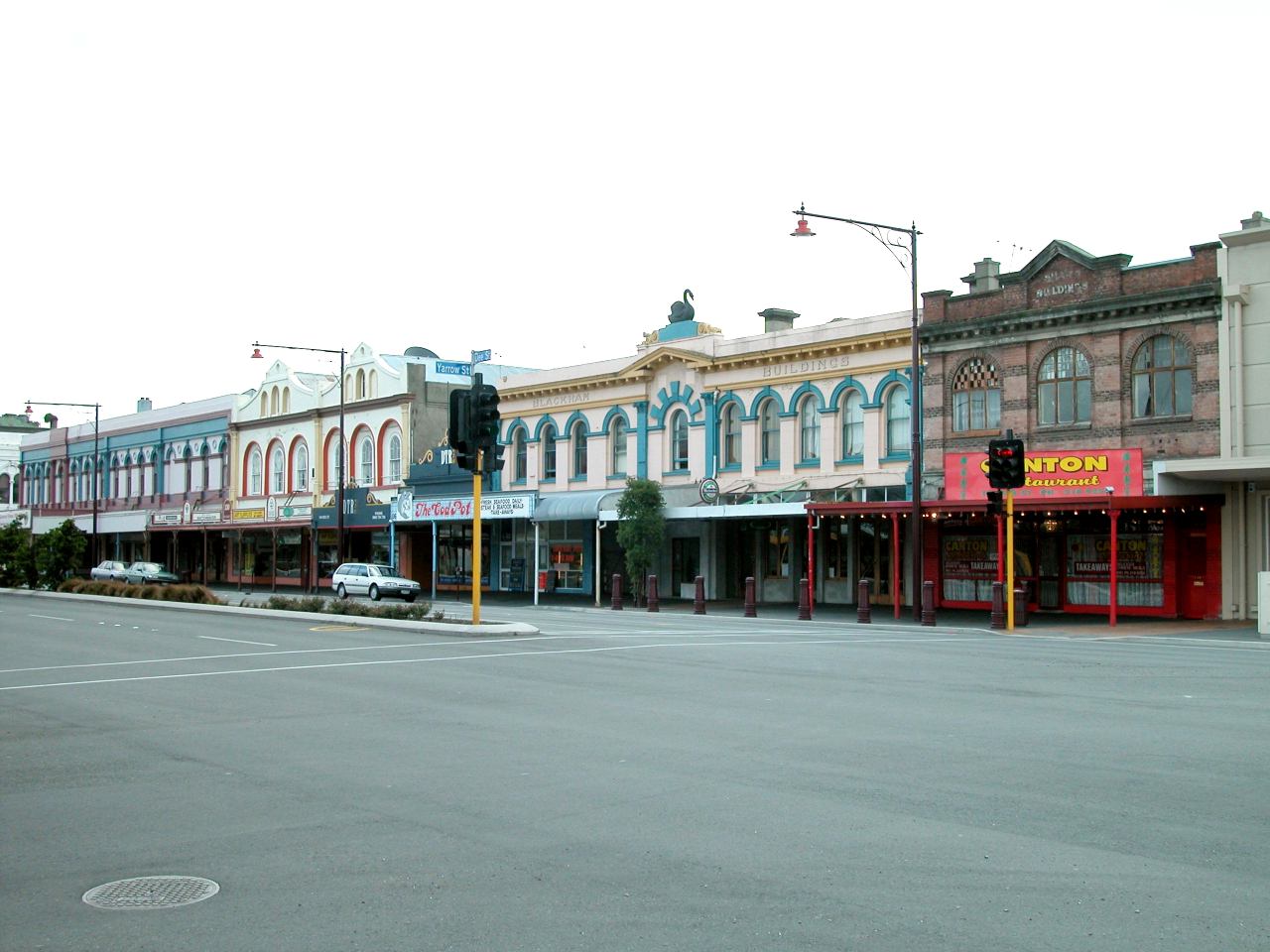
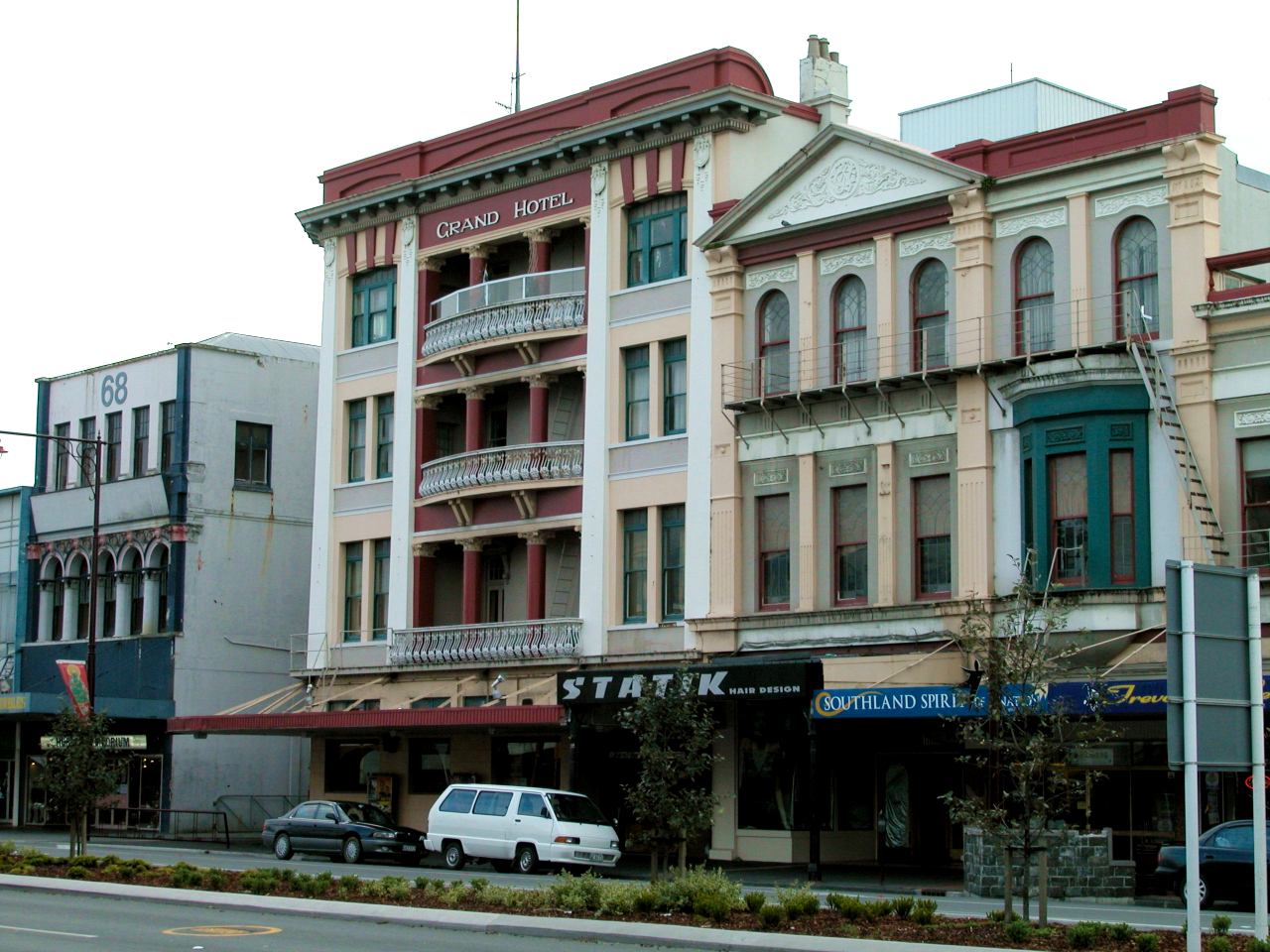
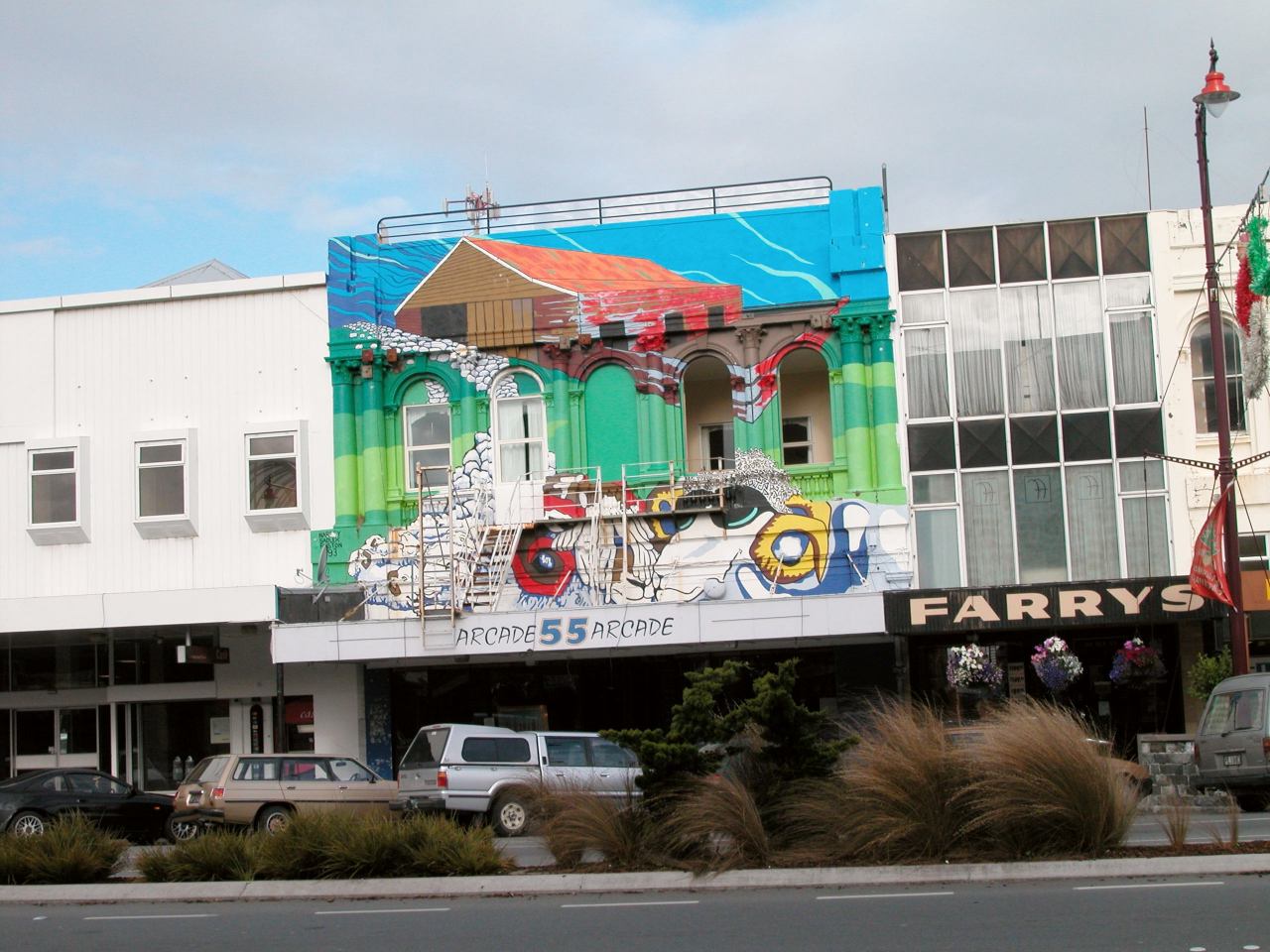
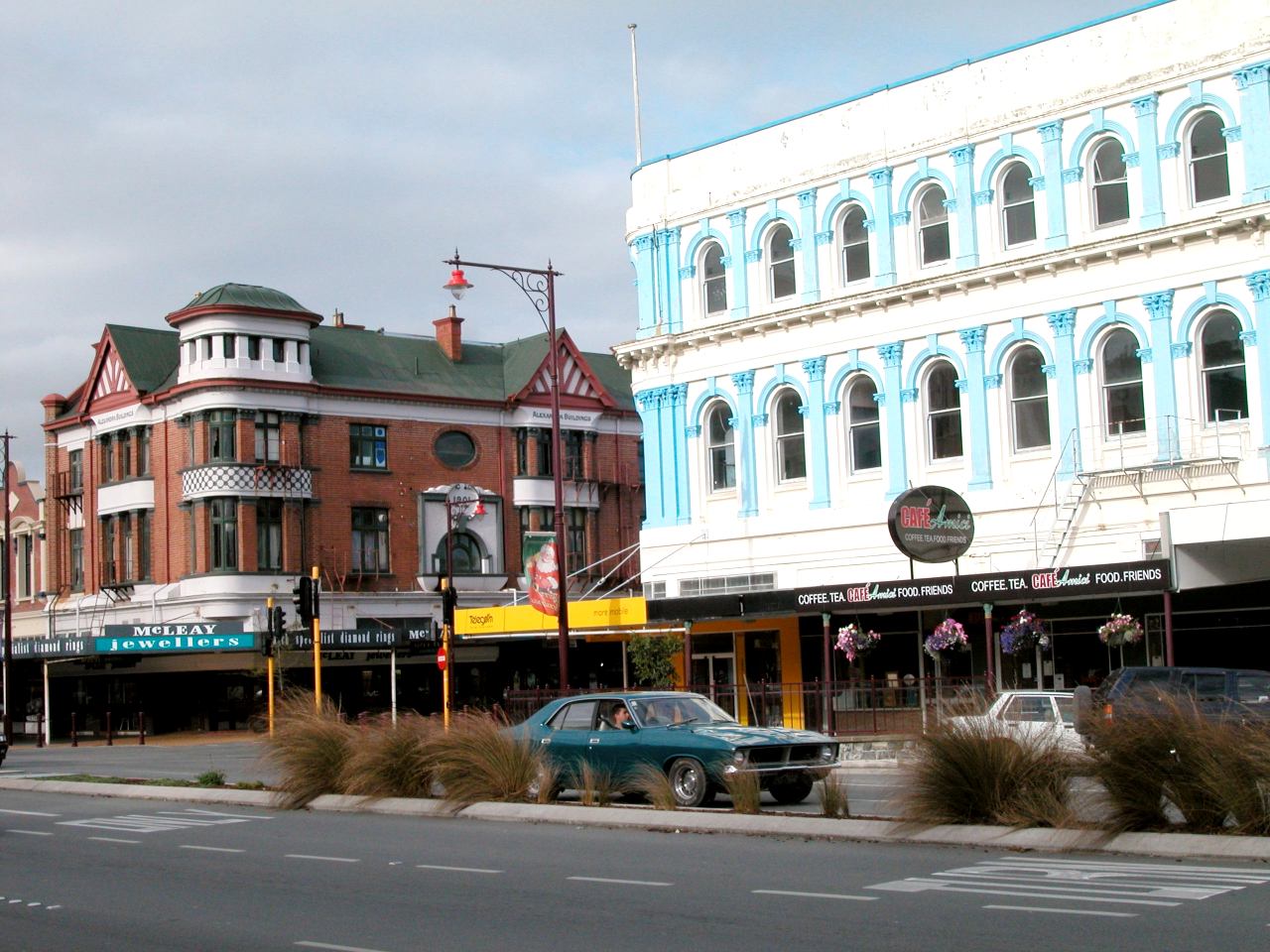
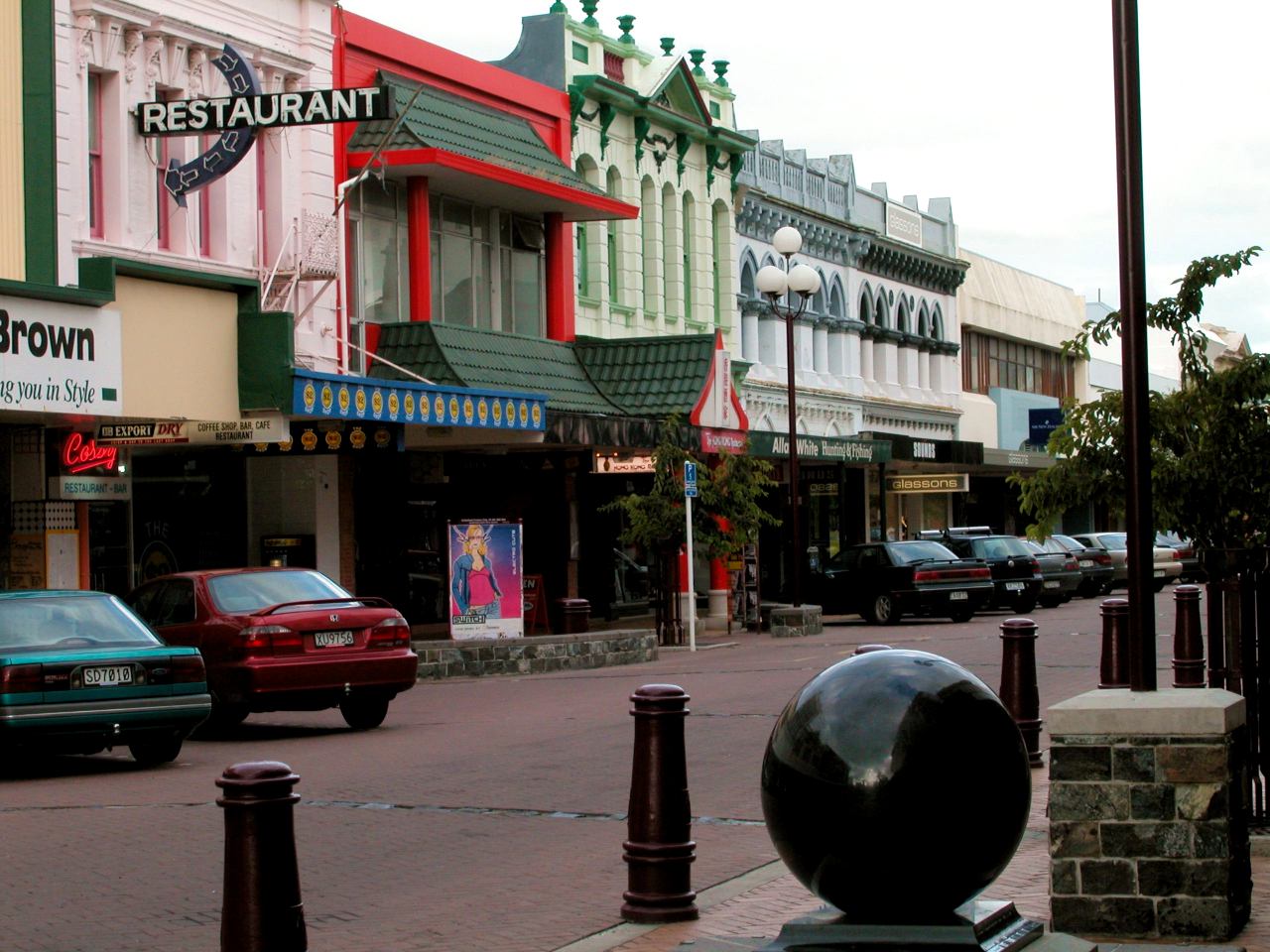
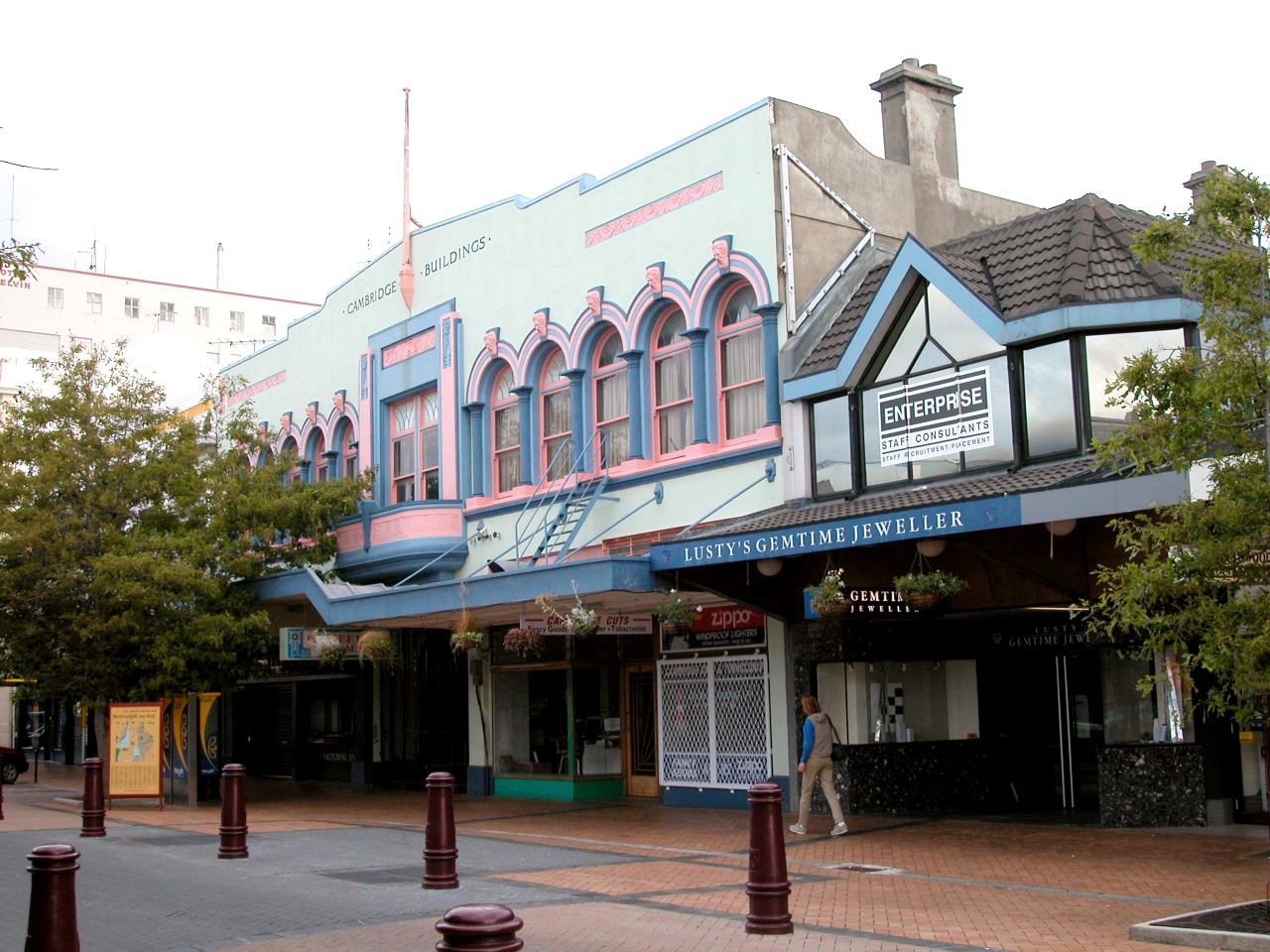
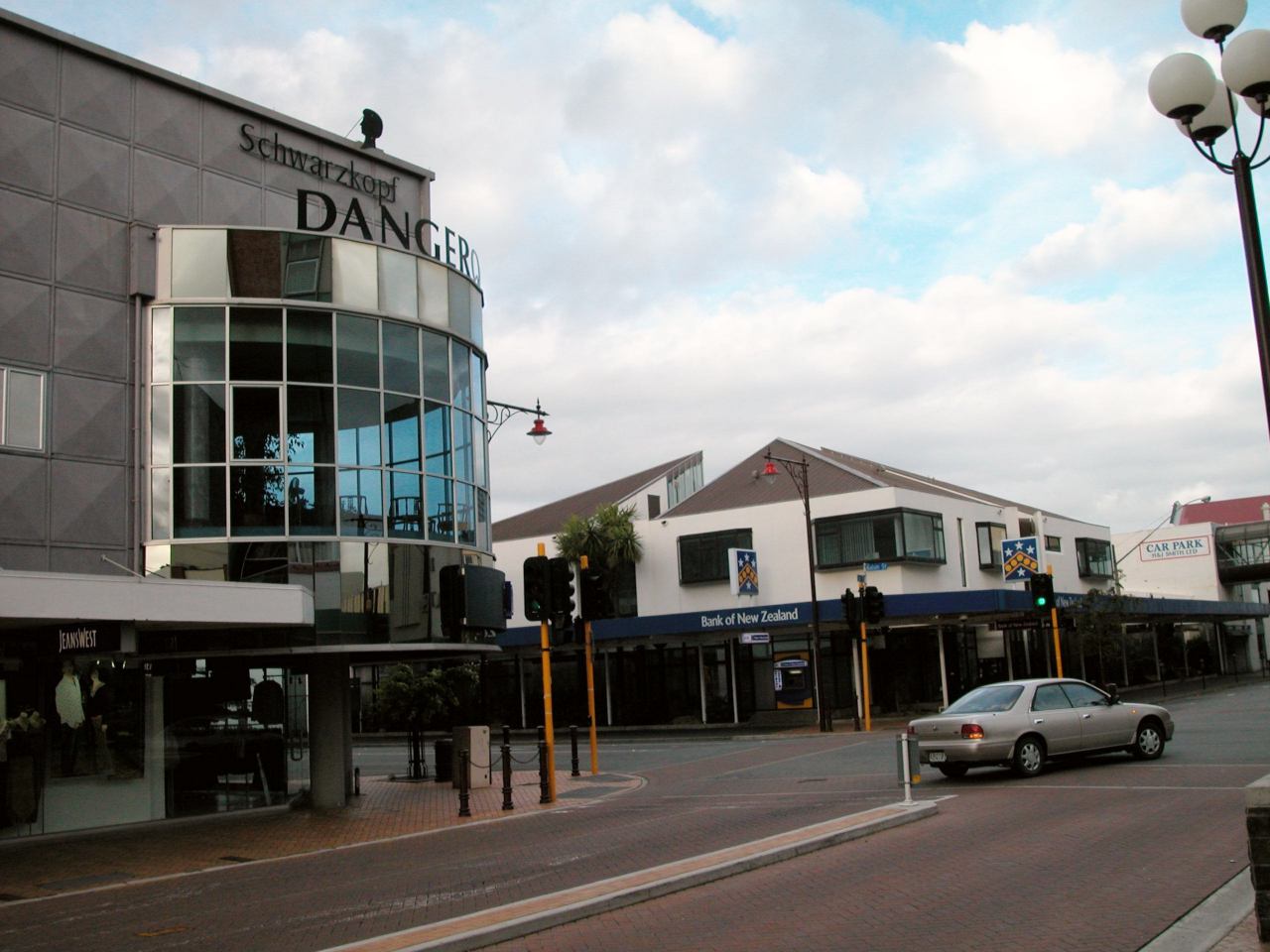
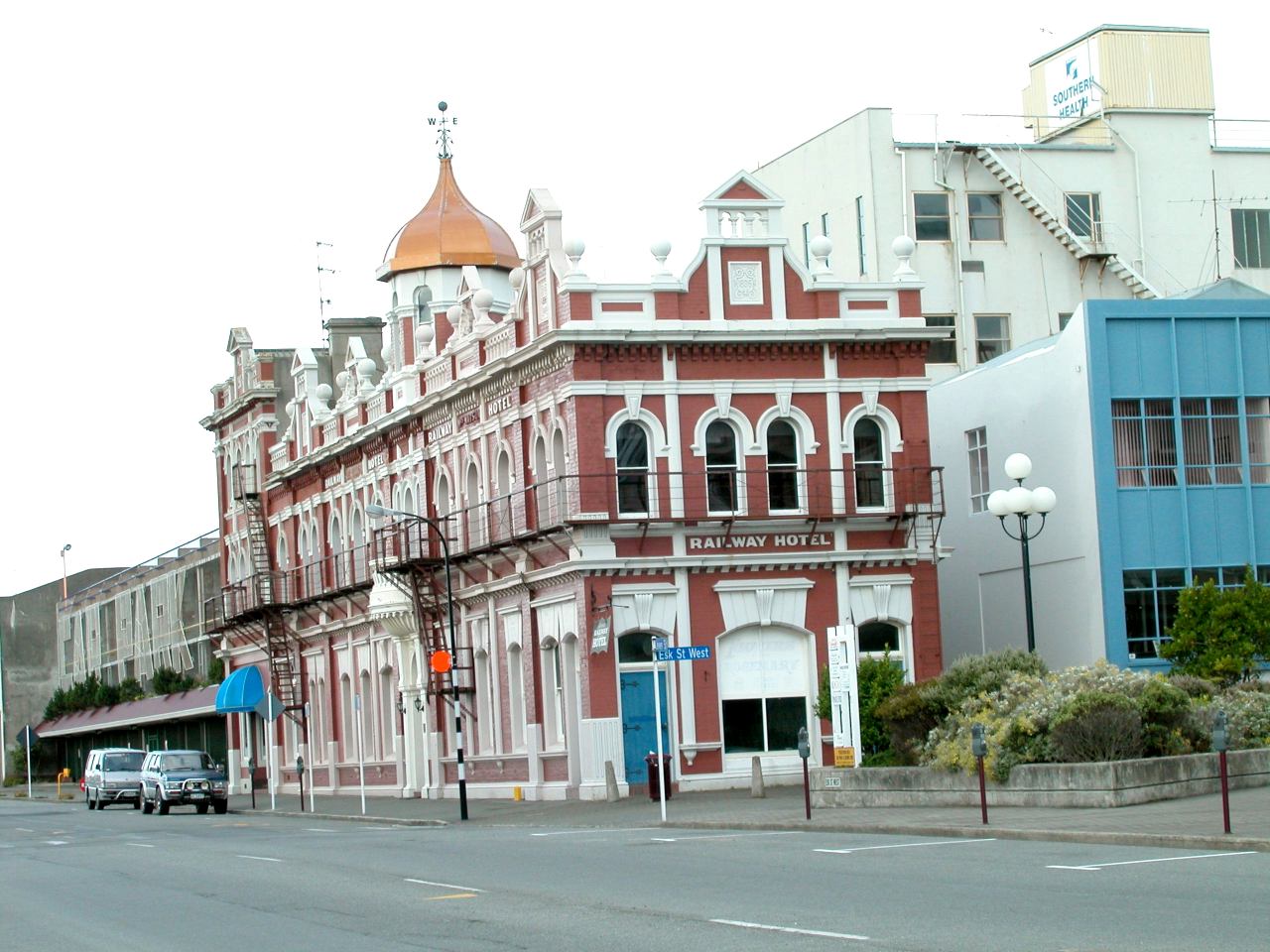
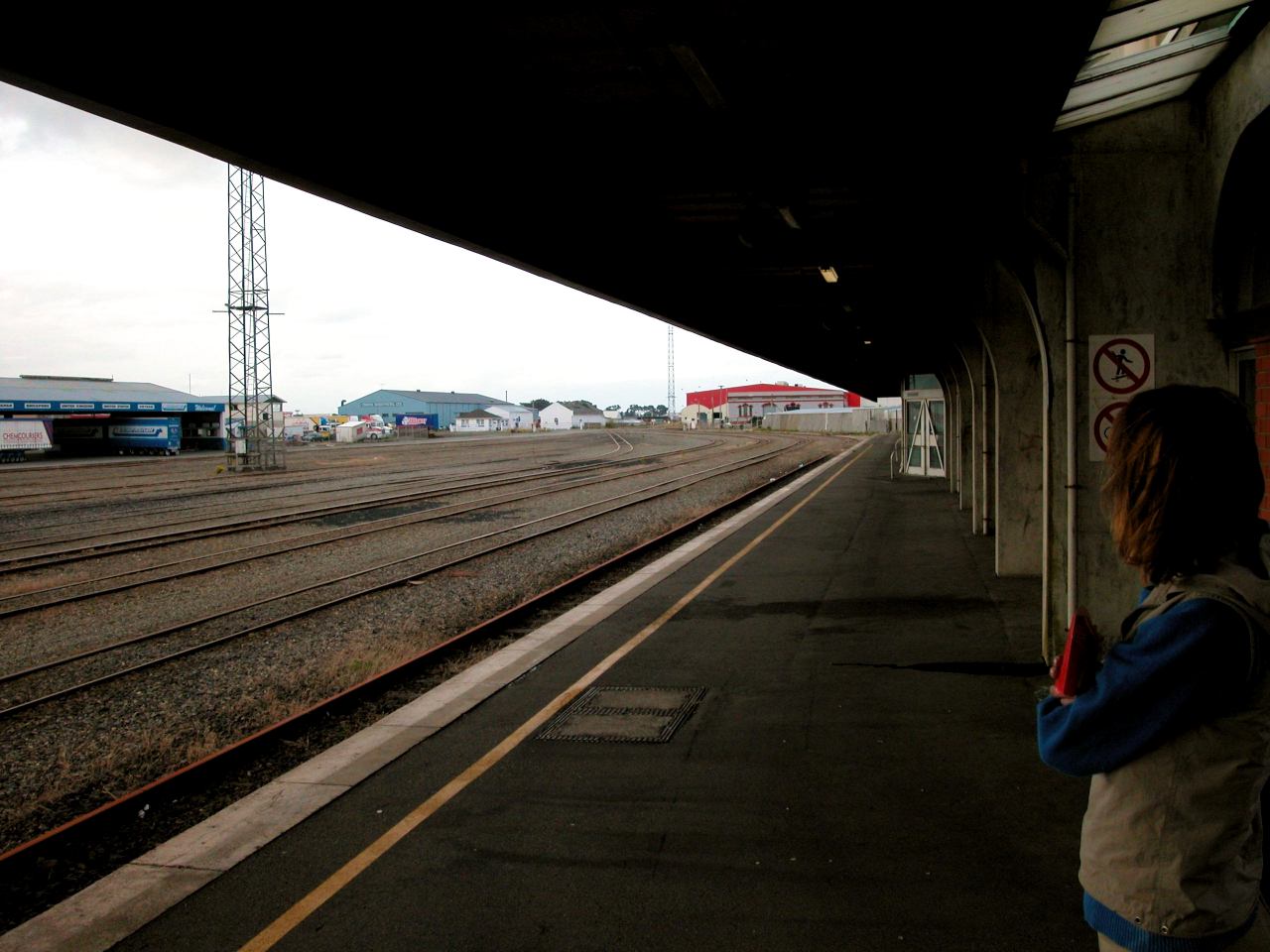
We went to the local McDonald's. To our surprise they sold only the set meals, and they didn't take credit cards. So it was still a wild place after all. I don't know how the New Zealanders put up with it.
State Highway 1 ties New Zealand together from north to south. It ends on a headland south of Invercargill, at Bluff. Once through the town, the country's main highway comes to an end in a little open area with a sign giving the distances to various cities. Right there stands the NZ Land’s End hotel (hotel website), with rooms from NZ$125. We got a room looking out to sea (46°36.777′S, 168°21.453′E; elevation 25 m). Probably the best place we stayed on the whole trip. From the window you could see the lighthouses. Ships sailed by. Outside the window, the evening closed with a red sunset. On the shelf, instead of the usual heap of advertising, lay old copies of National Geographic. Tanya and I set about sorting all our things. Tomorrow we were going into the wildest parts in the south of Stewart Island for a few days. Time to pack our rucksacks.
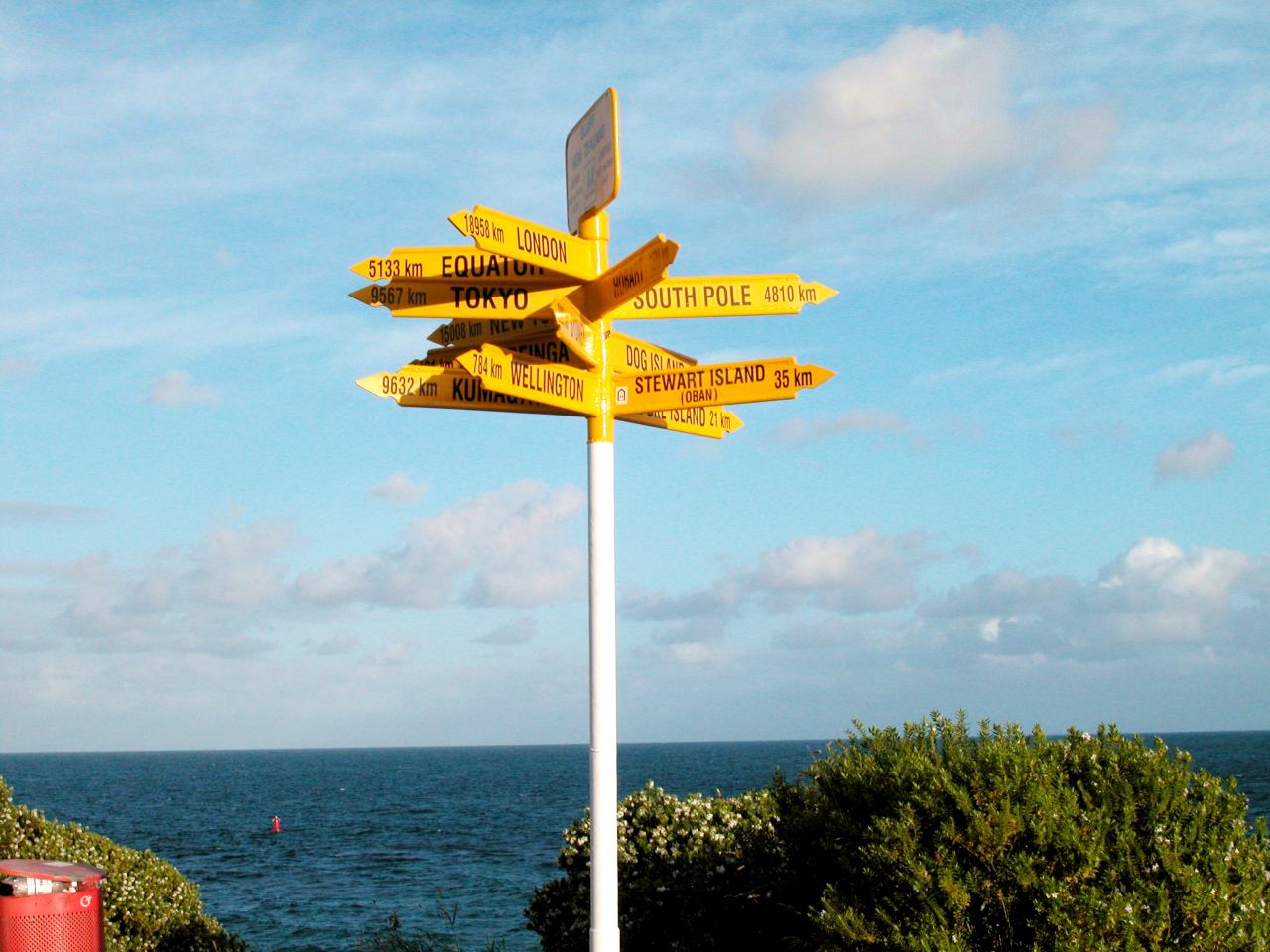
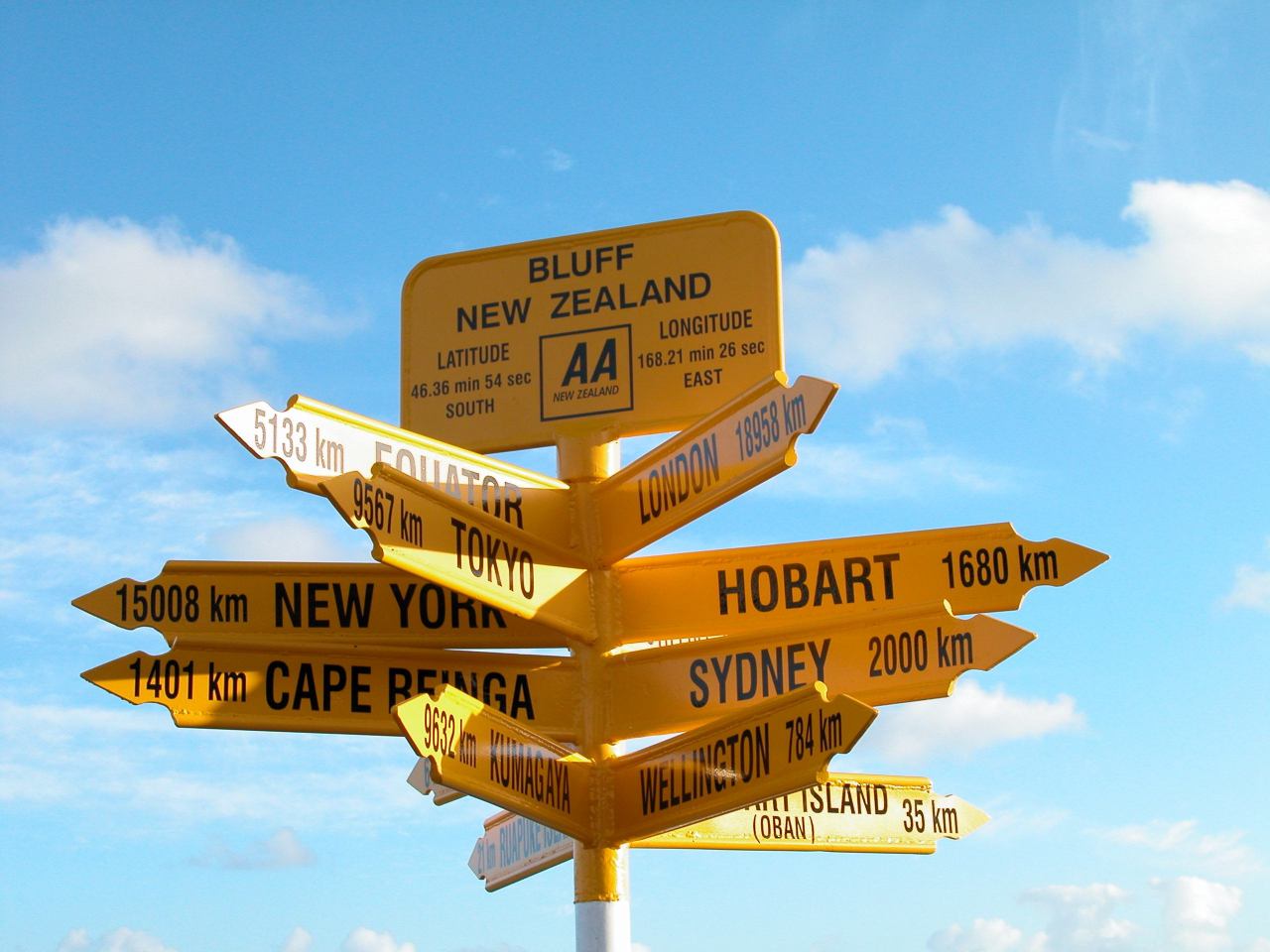
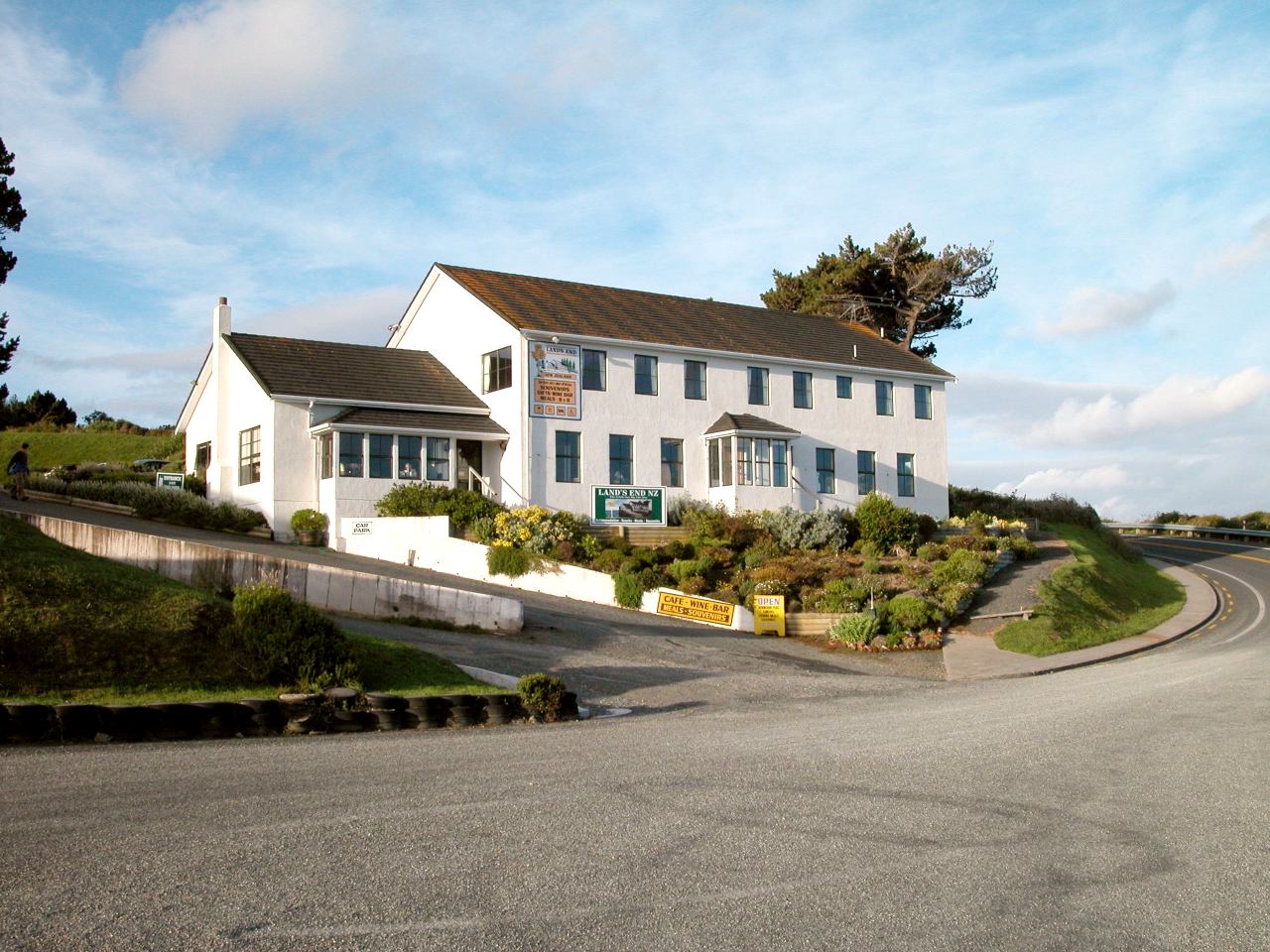
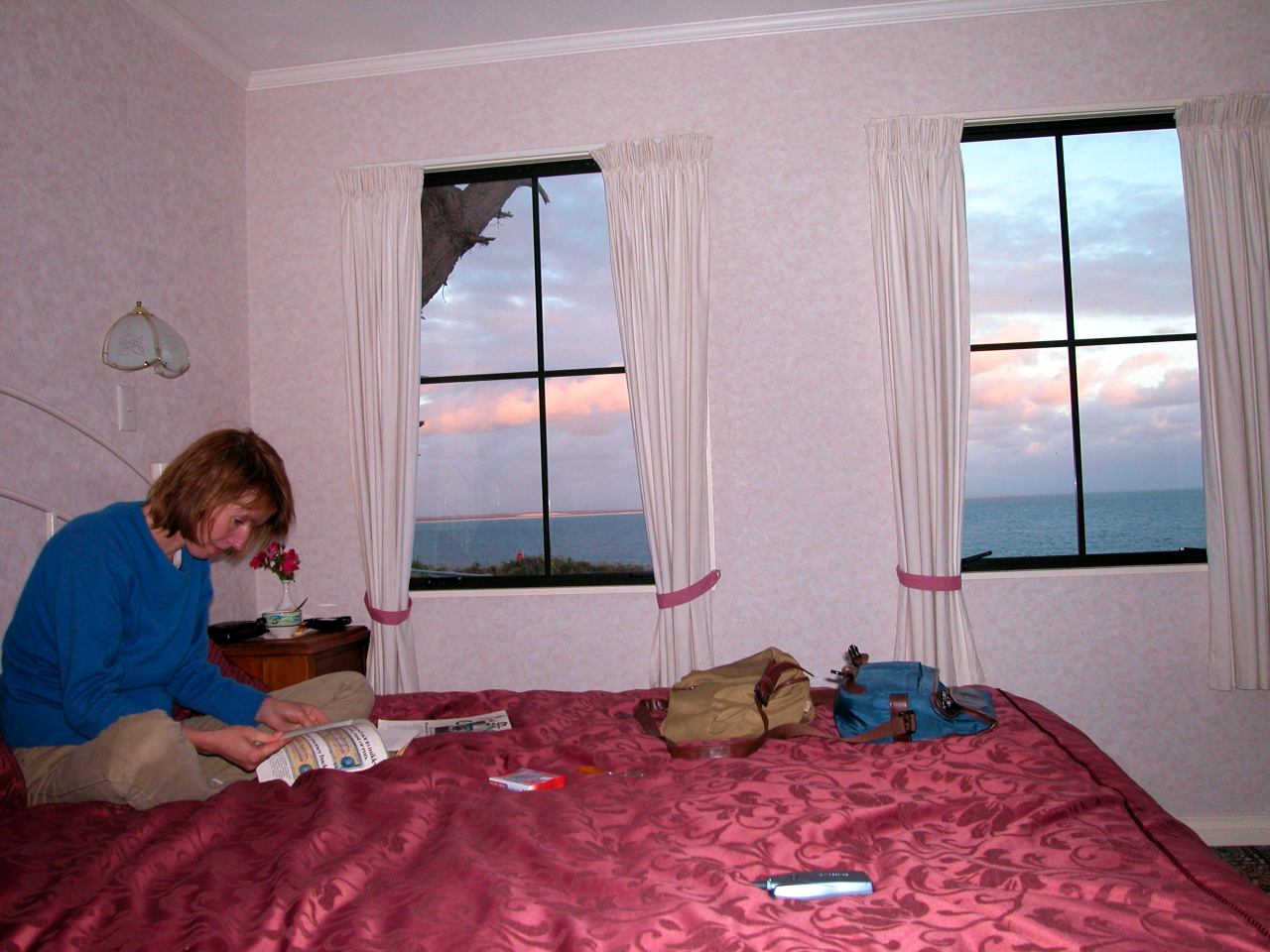
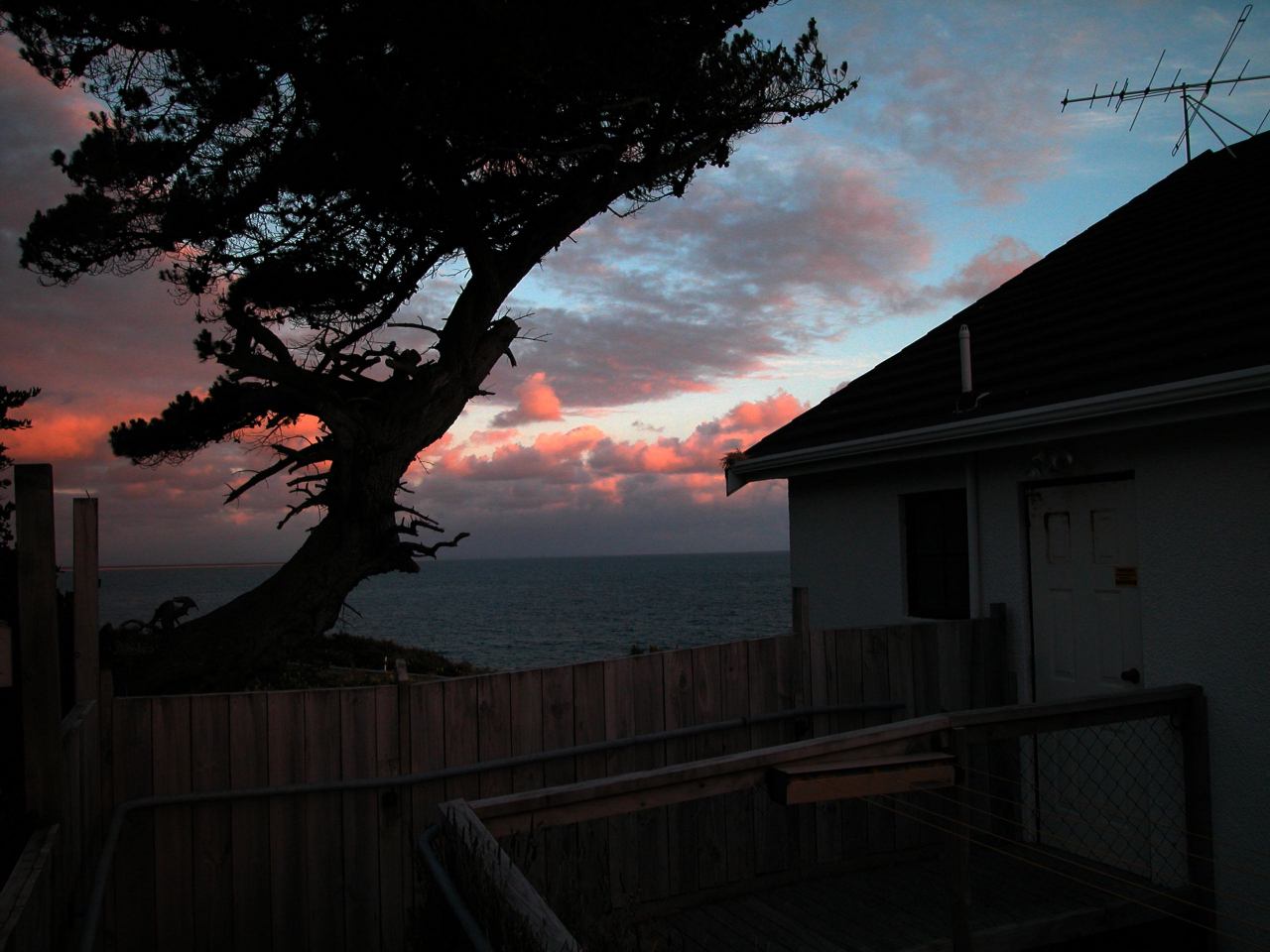
We watched what we'd filmed and sent text messages to everyone we knew.
We came out to breakfast in the morning. A glazed veranda looking out to sea. A sunny morning, with some tuneful music from thirty years before. We ate a classic English breakfast, the inevitable fried eggs and all. Wonderful. We hadn't felt as good as that in a long time.
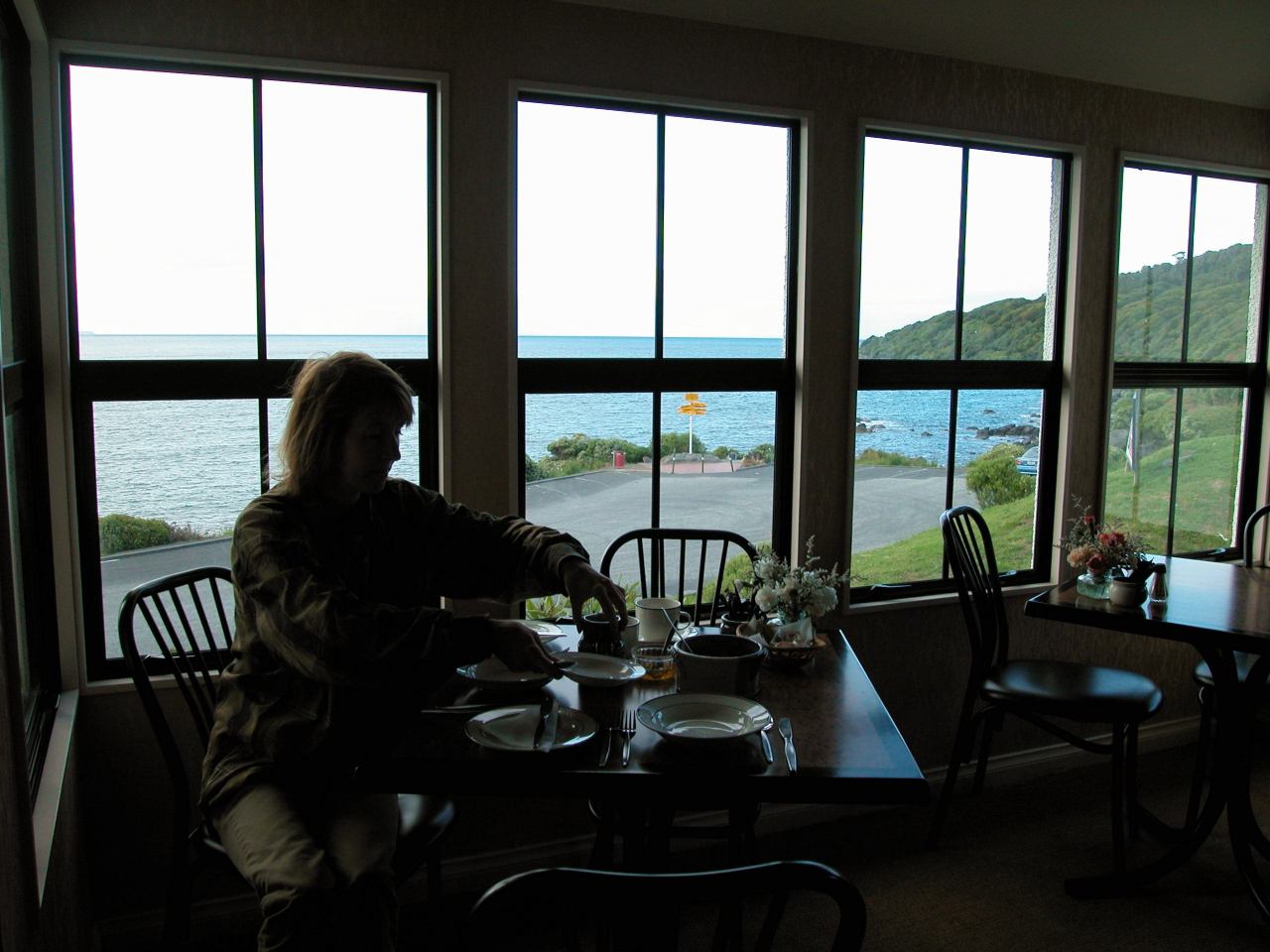
Leaving the car by the wharf with everything we didn't need, we went to the ferry. Stewart Island has just one settlement, Halfmoon Bay, or Oban. Its four hundred people mostly look after tourists, with a little fishing on the side. There's an excellent website about the island. Two competing companies ran ferries. Ferry is rather a grand name for them: they're just fairly small boats, with no ramps for cars. The first I found online was Stewart Island Adventures Ltd, and we booked places before we left. In the office they said they knew nothing about our booking and sent us over to the competition. We certainly hadn't booked there, but the woman at the counter said, “Of course you have a reservation,” and sold us return tickets. You can buy one with the return date left open and go back whenever you like. No wonder the first company has a little boat while the second has a quite respectable vessel for a hundred people. They'd recently got an online booking site too. A return ticket was NZ$84.
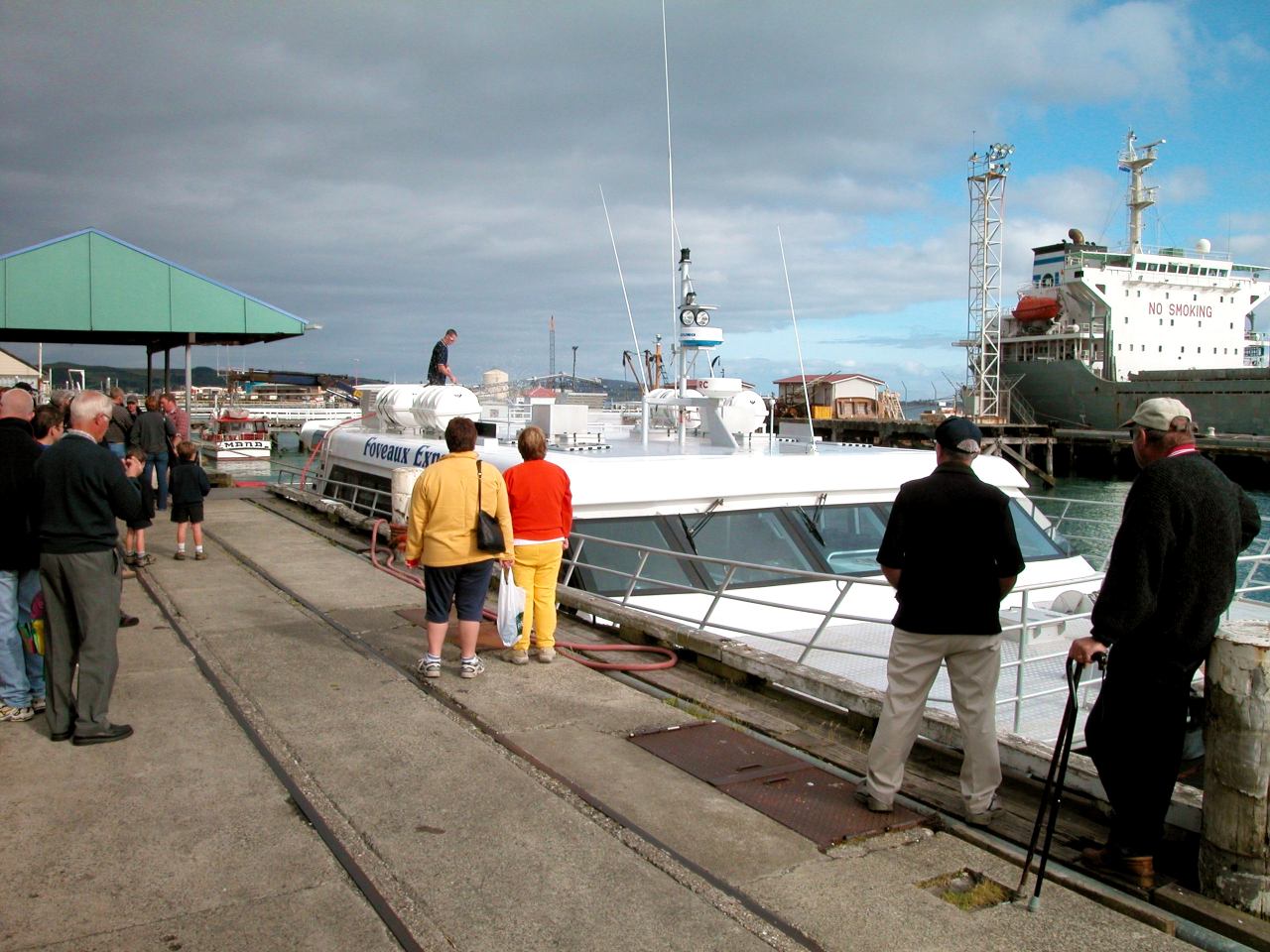
The ferry crosses the Foveaux Strait in sixty minutes, a distance of thirty-nine kilometres. The strait is rarely calm, but the ferry goes in almost any weather. It rolls with astonishing force. It's all you can do to walk along the deck. Anyone worried about getting seasick is sick at once. No wonder they sell a T-shirt at the other end saying “I Survived Foveaux Strait”. Tanya bought it. To our surprise, people in several countries have since come up to her and asked what it was like. There's a café aboard, and back in Saint Petersburg we'd decided we'd have coffee there. Easier said than done; the liquid flies out of the cup. We did without our coffee.
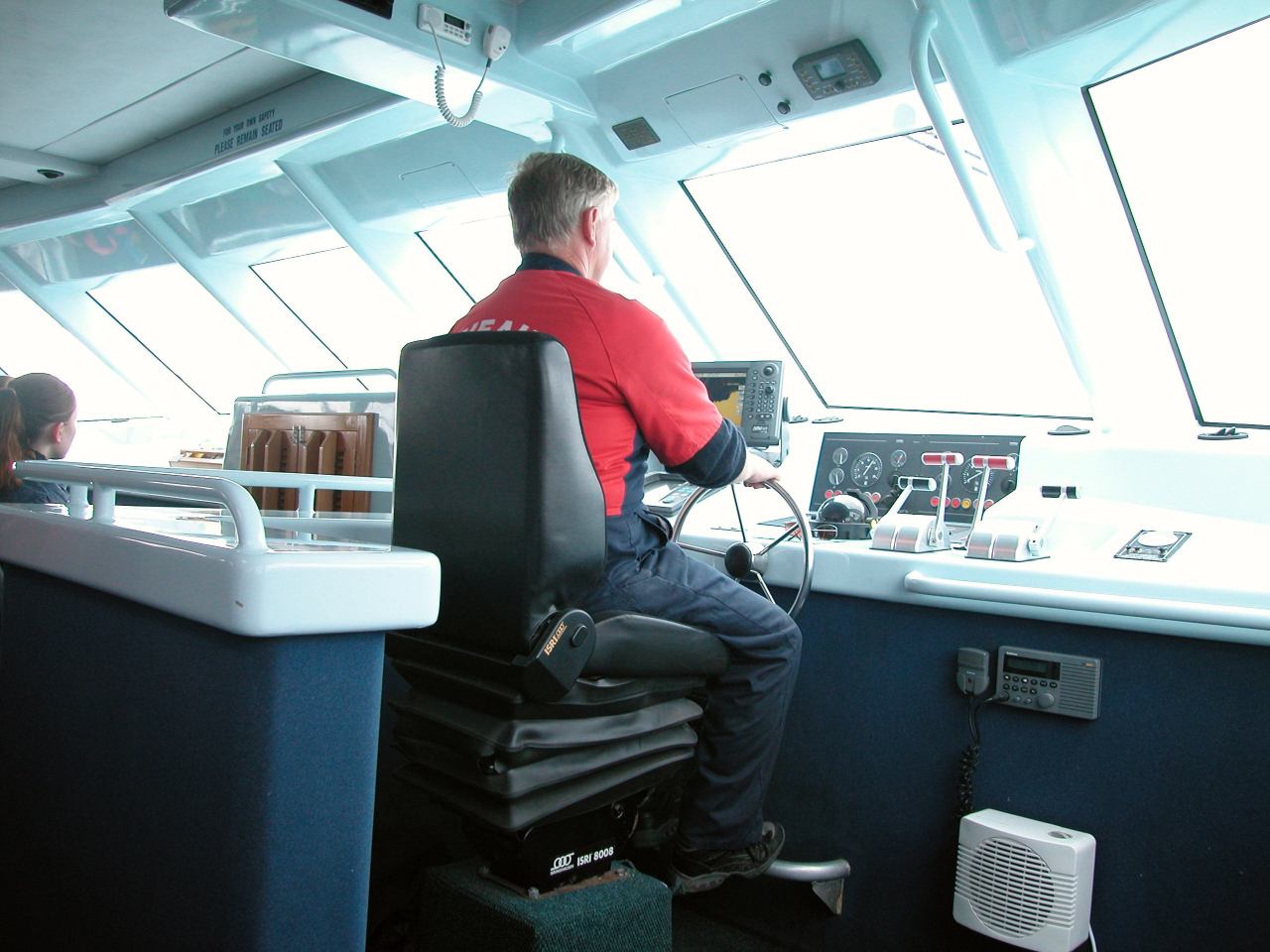
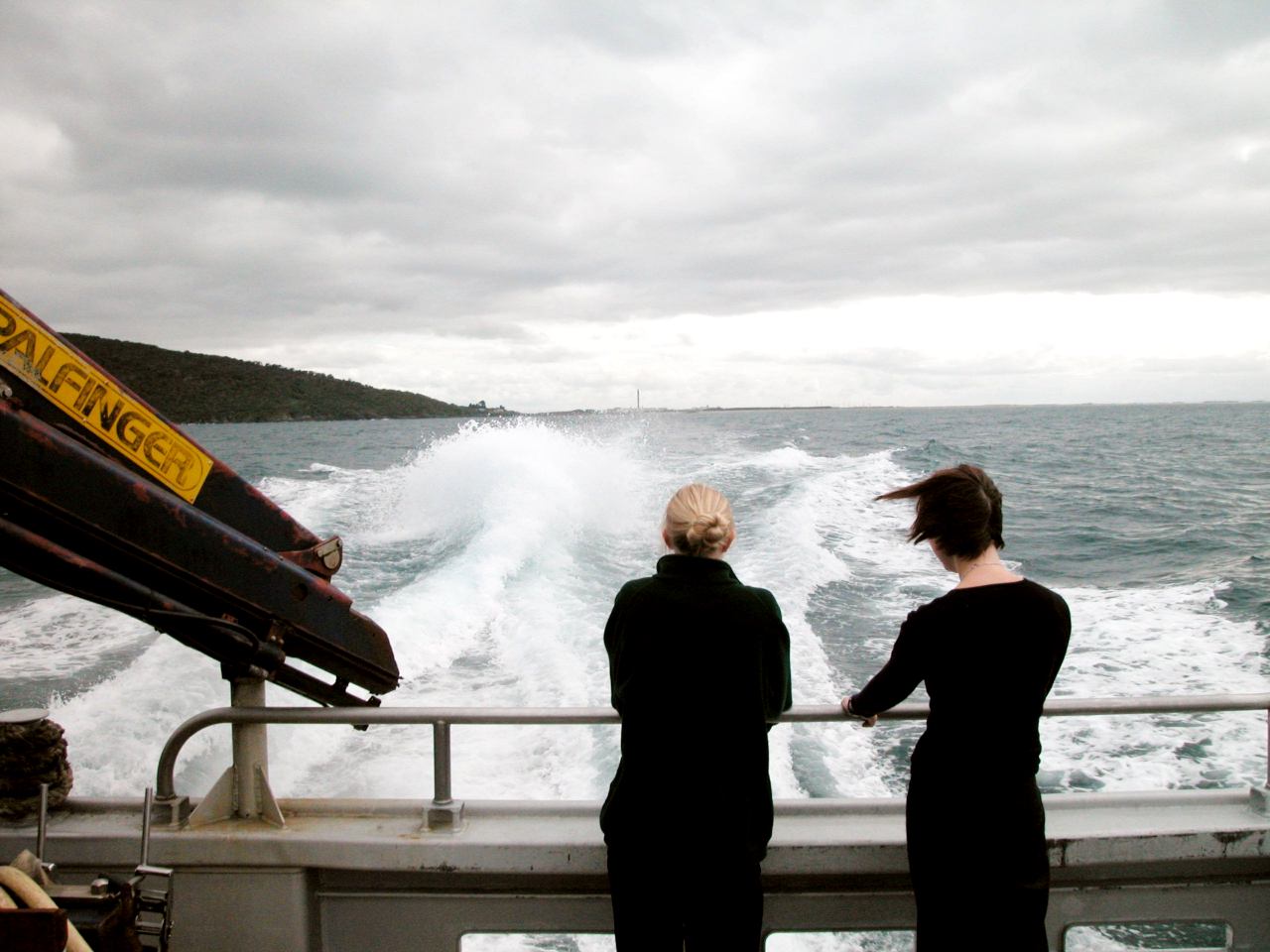
Stewart Island, Rakiura in Māori, is an extraordinarily wet, windy place. Settlers tried over and over to make something of the land; it never came to much.
Most of the island is now in Rakiura National Park. There are a number of tracks across the northern part. The three-day Rakiura Track is one of the Great Walks. Hut places couldn't be booked at the time, and camping was permitted next to the huts and on two beaches. It's a very civilised track, but it wasn't for us. Stewart Island is a wild place and we wanted its wildest bits. We found the least information about the southwestern circuit. From that we concluded hardly anybody went there. At the Halfmoon Bay visitor centre they tried to talk us out of it: it was all bog, they said, for very, very experienced trampers only. We insisted, and even tried to tell them we'd go faster than the stated times. We were told it was impossible. A water taxi solved the problem. It's a fast motor boat which, for NZ$50–80, will take you to one of the huts on Paterson Inlet. It goes to Fred's Camp or Freshwater Hut; the latter can be reached only at high tide. When you talk to the visitor centre you have to be exact about your route, where you'll be each night and when. If you say you need five nights' hut tickets but haven't thought about where to use them, they won't be satisfied. If you're going on the southeastern or northeastern circuit, they'll write you down in a book and start looking if you don't come back by the stated date. You also have to give the phone number of a relative who'll be told if you go missing. A night's stay cost NZ$5 per person. You could also buy new laminated Stewart Island maps or hire them at the centre. I bought new ones to take home and gaze at wistfully between trips.
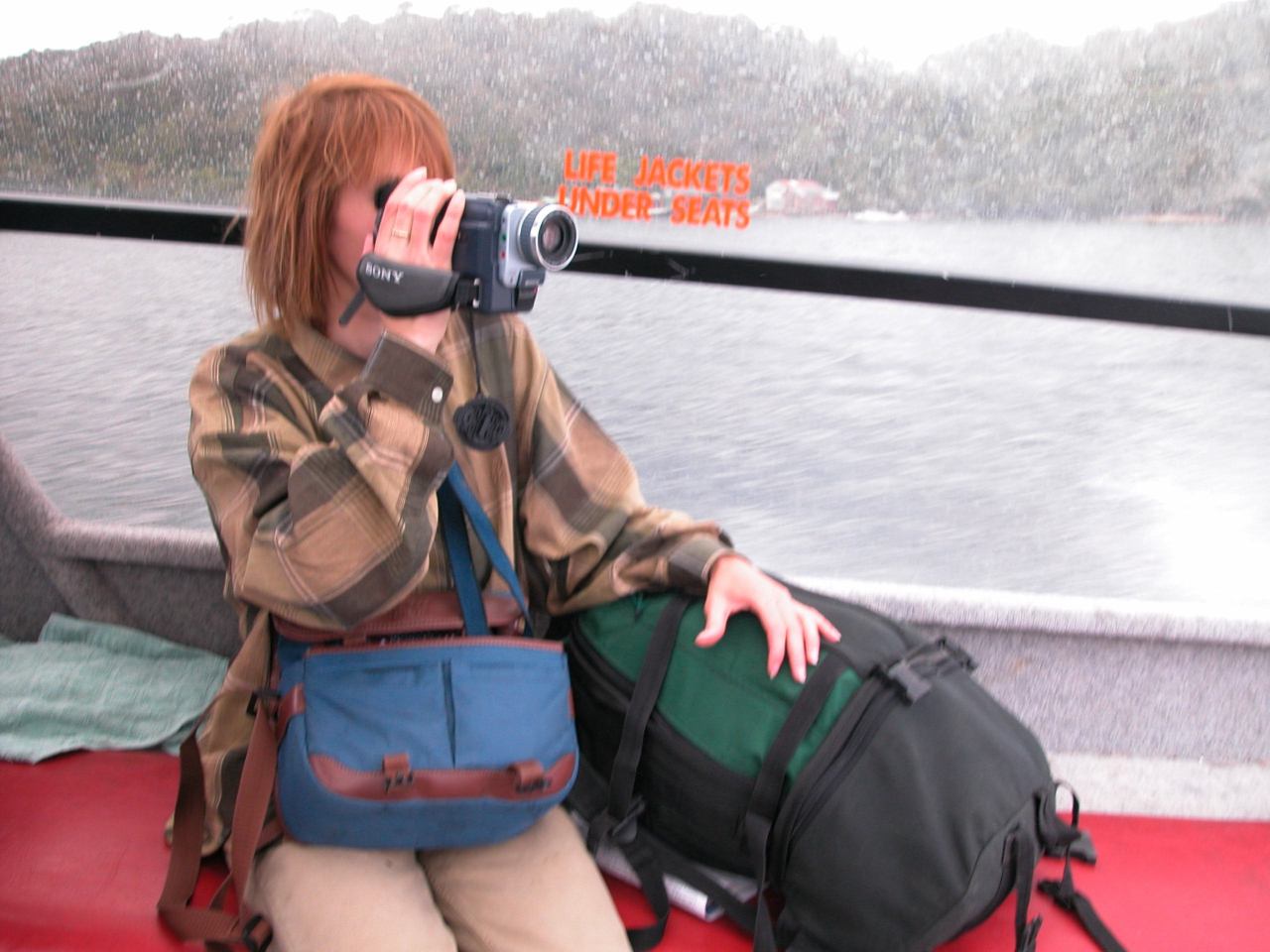
Several firms on the island ran water taxis. You could pay in the office, even by credit card, though the staff had to call the bank by hand and hook the terminal to the only telephone line. We went with Oban Taxis & Tours, tel. (03) 219 1456. Boats left from the next bay, Golden Bay, more than a kilometre away over a saddle. It was quite a modern boat with GPS navigation. The driver, in a jersey and gumboots, looked much like a Russian boatman on Lake Baikal. It was low tide, so we could go only as far as Fred's Camp. That took about half an hour. On foot, according to the local signs, it would have taken two days. There's a little jetty to let passengers out and a hut for a few people nearby. We didn't go in but set off along the track straight away. The track was barely visible, easy walking, and there wasn't much mud. From the look of it, it took maybe one walker a day. The only concession to civilisation was the plastic markers nailed to trees. At first it followed the shore of Paterson Inlet, covered in unspoilt rainforest. Stewart Island has the largest stretch of forest in New Zealand never touched by settlers, as we understood it.
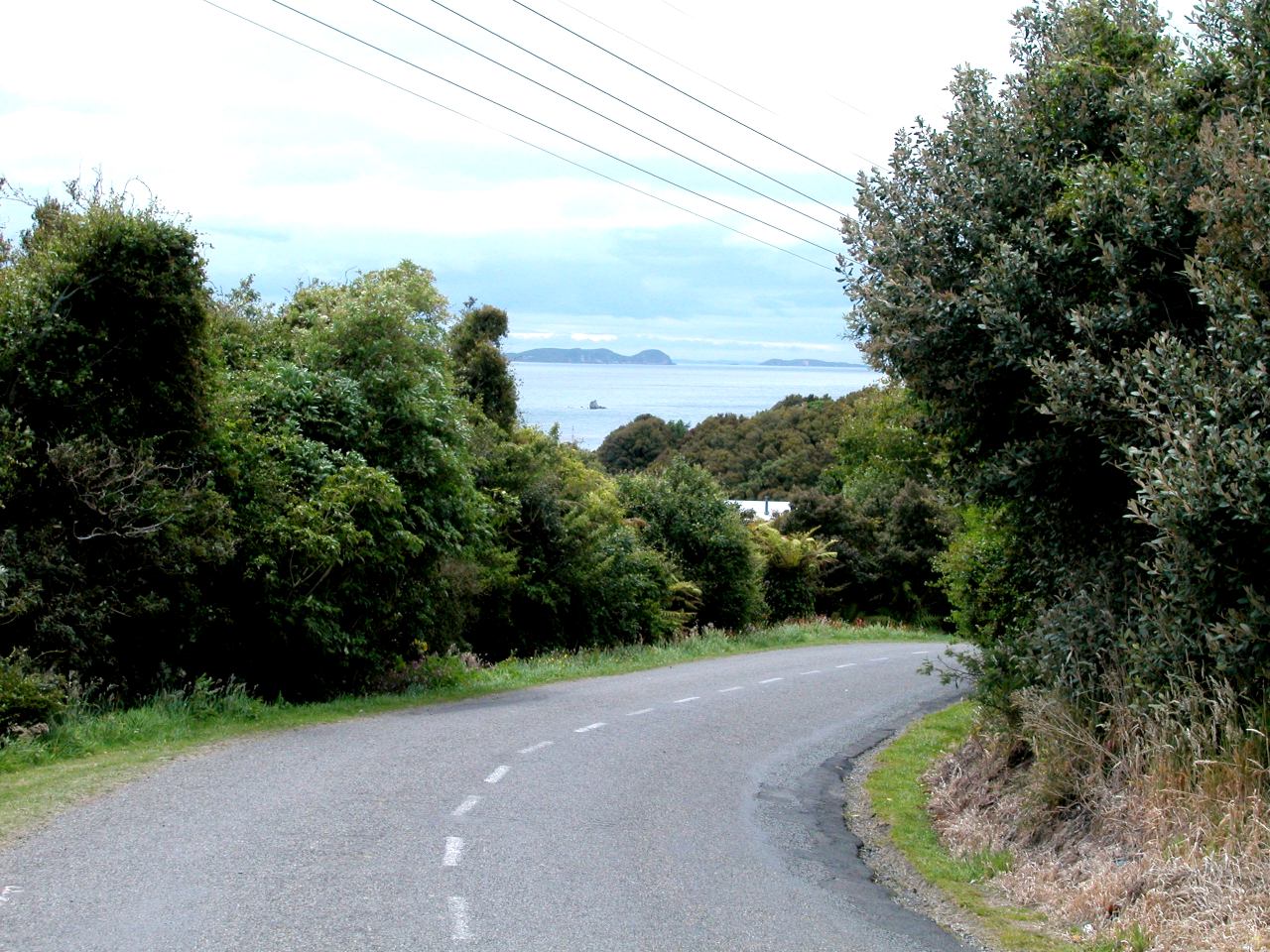
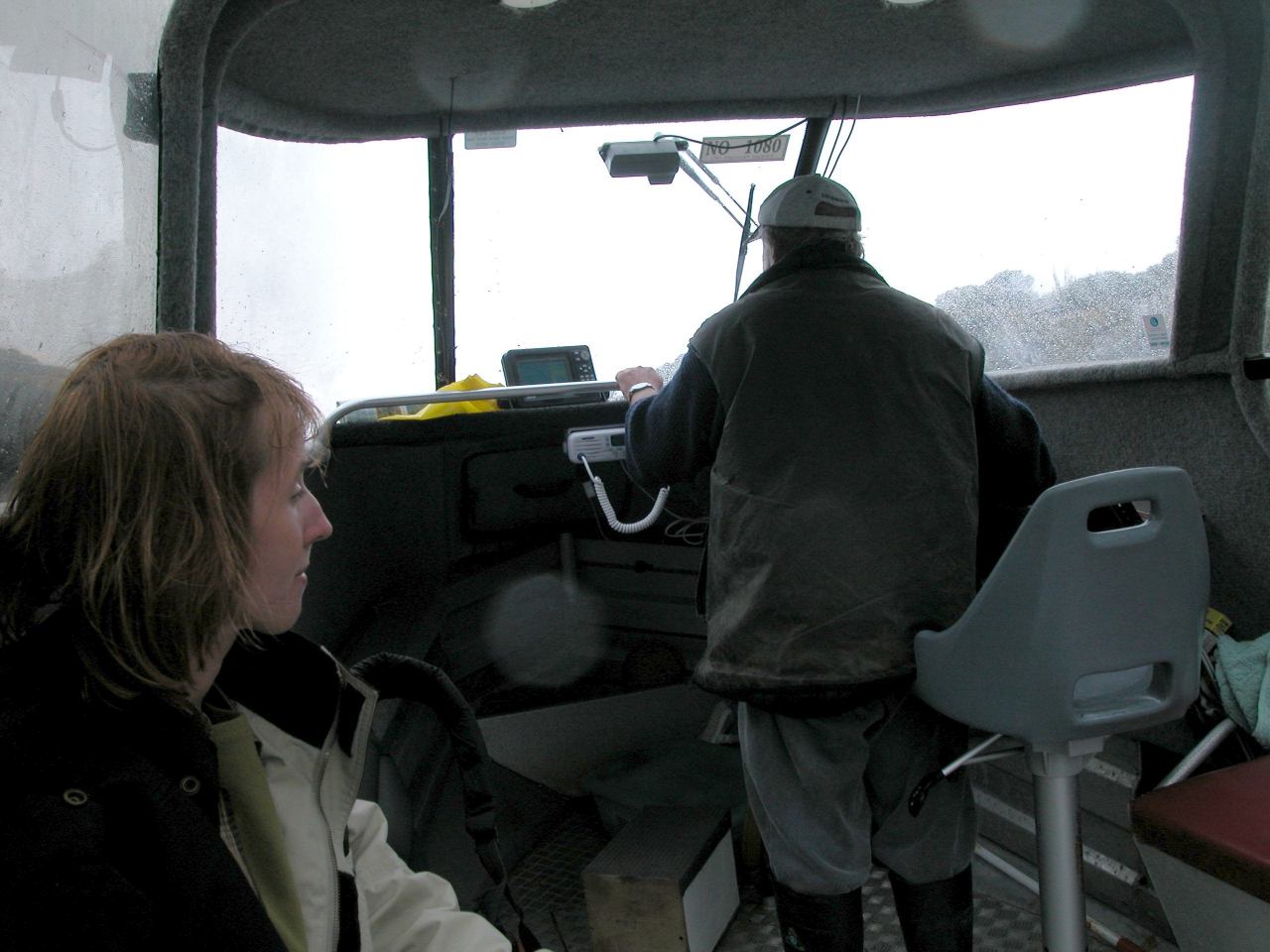
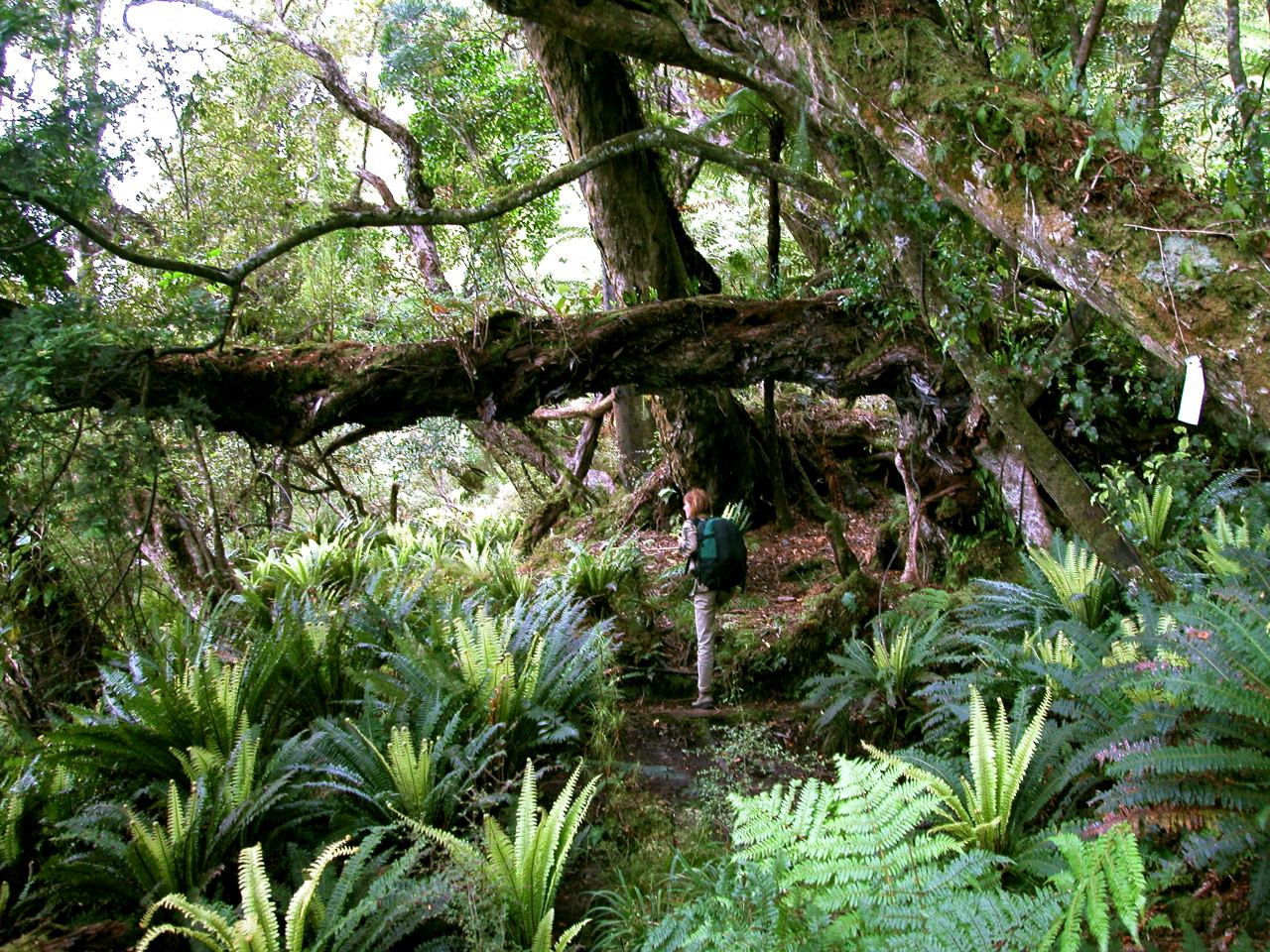
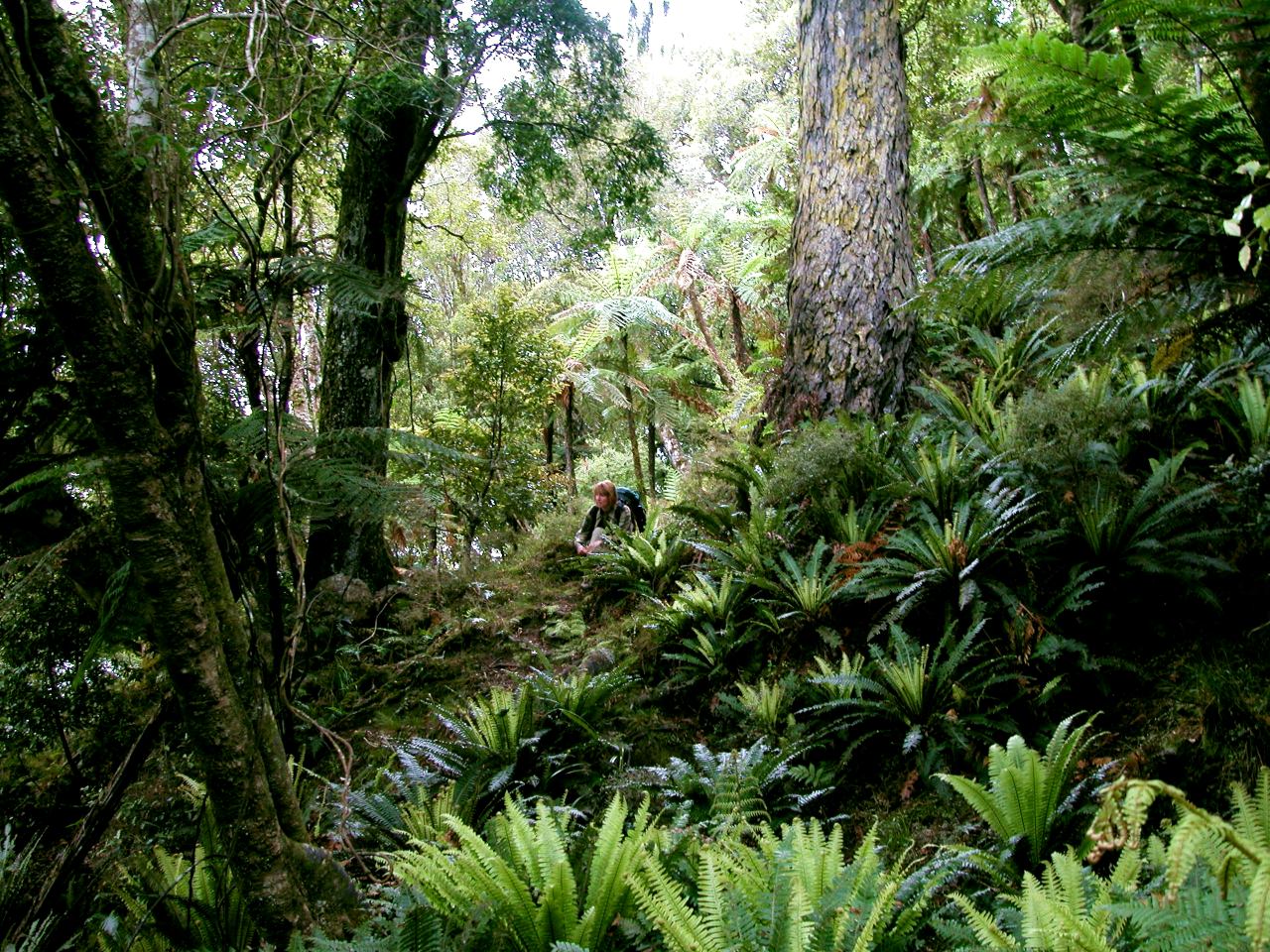
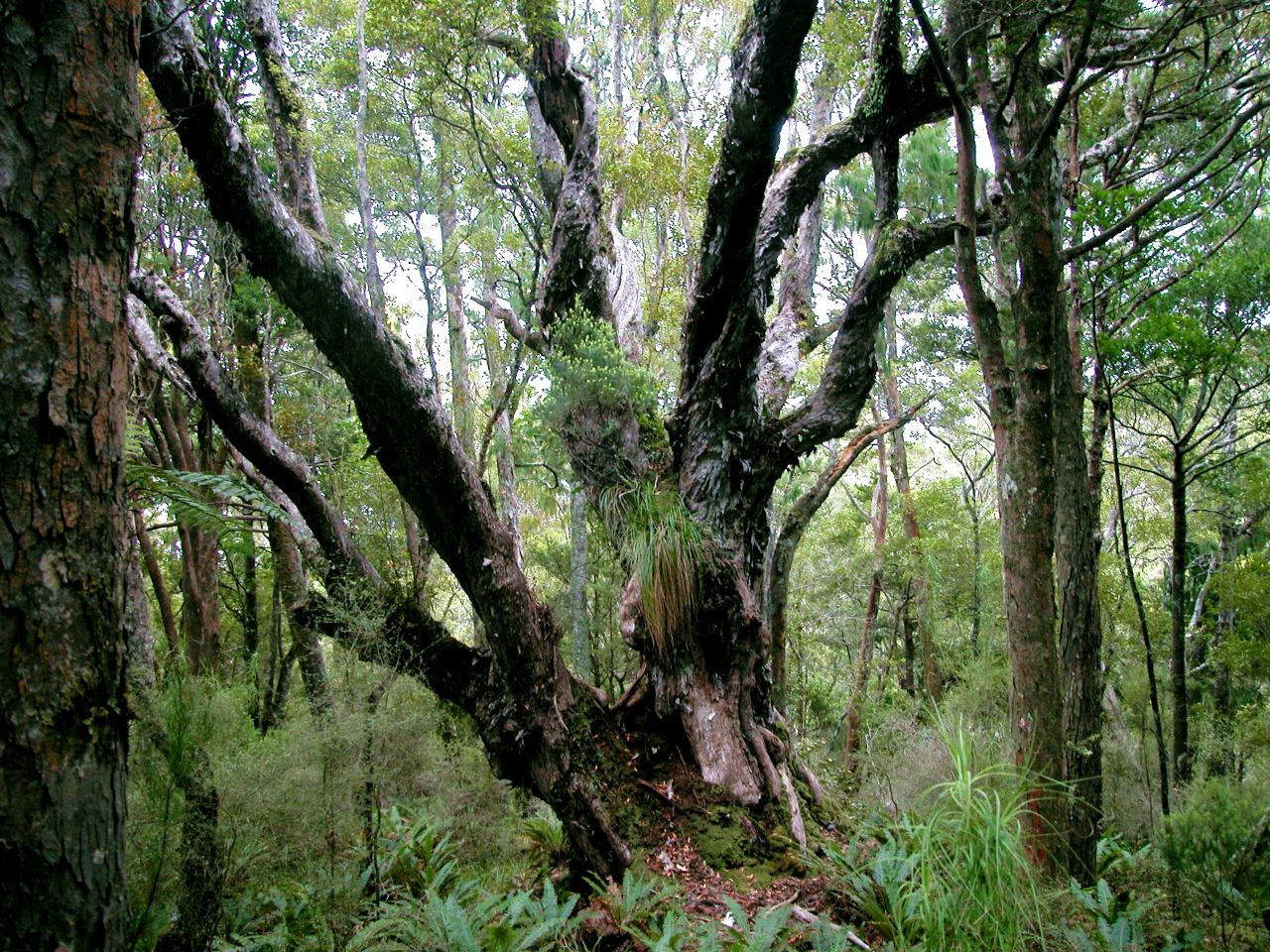
New Zealand and kiwis are synonymous, and nowhere are there more kiwi birds than on Stewart Island. They're usually out at night to feed, but on Stewart Island the nights are short – we're at forty-eight degrees south, after all – and the worms aren't as fat, so it takes longer to get a meal. They can't fill themselves up in one night and have to come out in daylight. There are lots of kiwis, but they're hard to see. They live in thick forest. Under it grow piupiu, the little crown ferns, just about kiwi height. A kiwi can run about under the leaves with nobody the wiser except for a sound of rustling. First you have to hear it, then you have to look very carefully. Even when you manage that, you generally see only a little bit of the bird. Hard to see and harder to photograph. It's so dark in the rainforest that my digital camera keeps trying for a fifteenth of a second or slower. A kiwi can get a great deal done in that time. Whatever you do, the picture comes out blurred. Flash is said to stress them, so I didn't dazzle them with it. Alas, my still camera never got a good view of this wonder in feathers.
Either the whole shot's blurred or you see, shall we say, less than the entire bird. The pictures turn into puzzles for birdwatchers: find the bird in this one. Here's an example. I distinctly remember taking a picture of a kiwi in hiding and I know where it is. See if you can find it in the photograph.
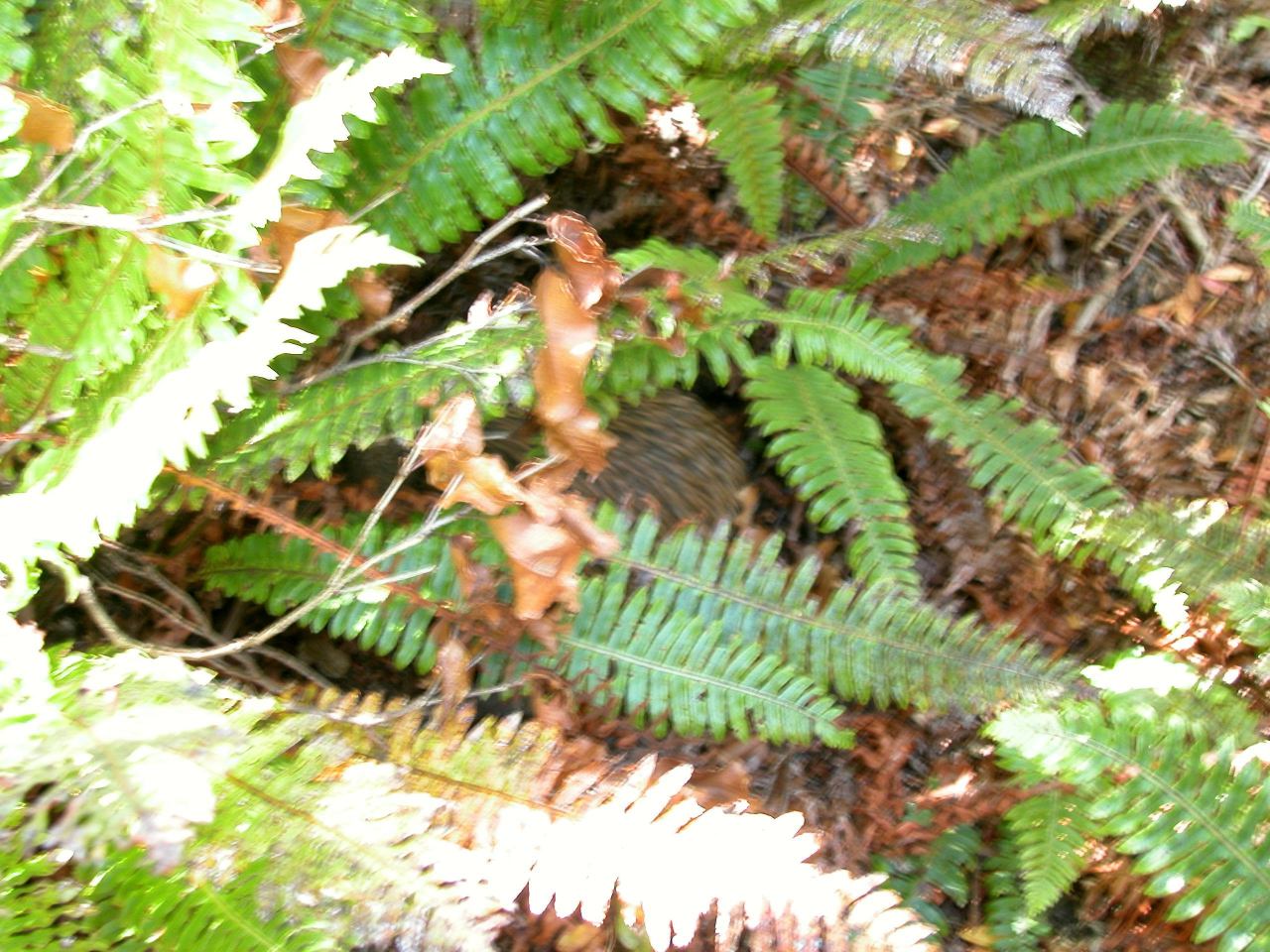
We did get lucky once. It was at the start of the walk, an hour from the water taxi's jetty. Crossing a creek, Tanya heard rustling. This time I took the video camera on my hunt (video, 23 MB). At first the bird bolted. In the chase I tripped over a vine. A particularly nasty sort of plant in a rainforest. Back home if a branch as thick as your finger bars your way, you can ignore it; it'll give. Not a vine: it's fixed at both ends and exceedingly hard to break. You have to watch your step. And there I was, running after a kiwi. I nearly broke my leg and took a chunk out of it down to the bone. It took a month to heal. While I was recovering, the kiwi decided the chase was over. It had found a tasty worm down a deep hole and buried itself so thoroughly in the task that all you could see above ground was one round backside. I filmed that ball of feathers from ten metres. The bird dug on and on. I filmed it from five metres: no reaction. Closer. Two metres, one, half a metre. No room to get any closer. I could reach out and touch it. It came back to me that a week before I'd thought the one thing wanting in my life might be to stroke a kiwi. Nature had now handed me the chance. I only had to reach out. I held the camera in one hand, reached out the other and gently stroked it. I'd thought it would vanish in terror the instant I touched it, perhaps with a final peck at my finger. But the worm was tastier. I went on stroking the bird and it went on digging about deep underground.
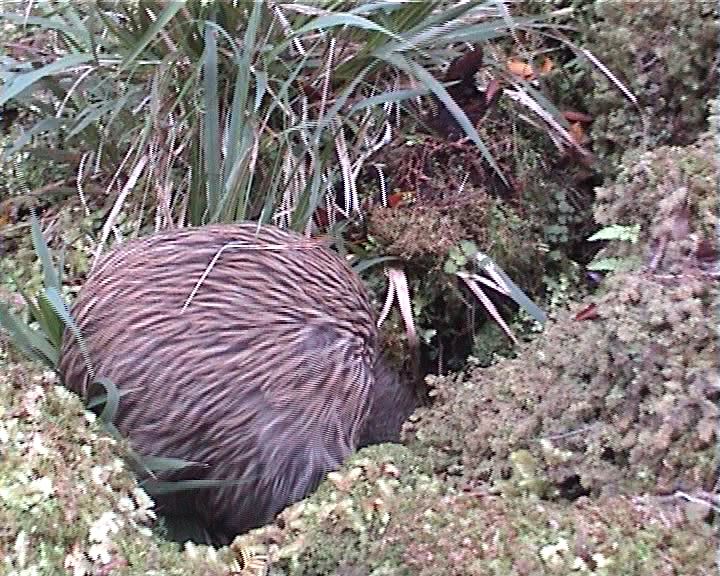
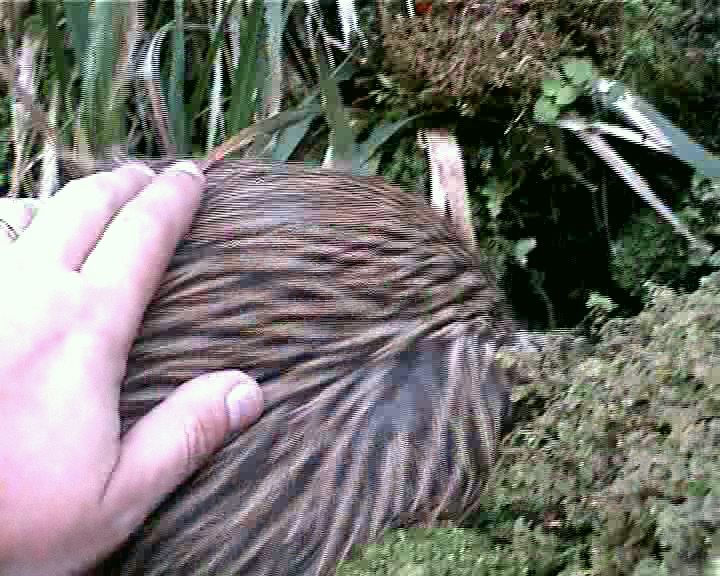
Eventually the little bird pulled out its head, gave me a good look and went headfirst back into the earth. I almost tired of waiting for it to come out so I could get a picture of it waddling off into the ferns. Alas, I didn't have the still camera. I caught its departure only on video. I couldn't catch up to it a second time; it ran much too fast. When I came back with the camera the bird decided it had had enough of me and vanished at once in an unknown direction.
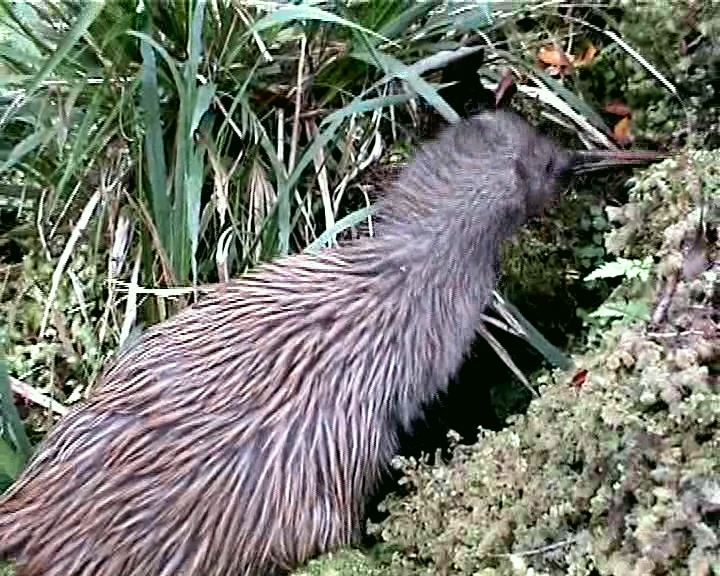
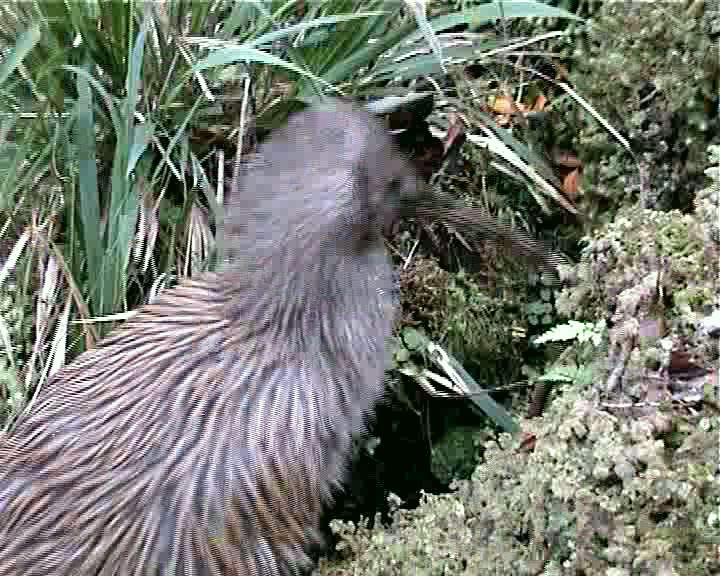
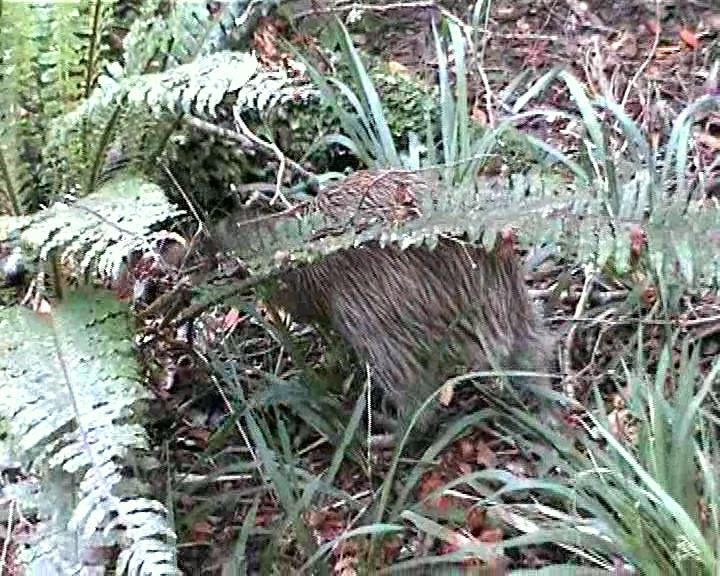
Now that was luck. I'd seen and stroked a kiwi. Now I'm not afraid of anything. I can die, or go the rest of my life without seeing another thing, and the kiwi will be in my soul for ever. Not even the economic-crime squad and the tax police could confiscate that on a presidential order.
Now I understand those New Zealanders who call themselves Kiwis. It's an industrious creature and very thorough. When I'm rooting around in a cupboard at night, Tanya calls me a kiwi now.
Love of the little bird knows no bounds. Take the daily newspaper. Top of the news section: “Yesterday a kiwi died in the national park. It had been severely ill with a virus for two weeks. They treated it with the best Swiss medicines, to no avail. This is a great misfortune for the national park staff. The bird was buried in the kiwi cemetery in the presence of a large crowd.” Second story: “Yesterday a Swiss tourist pulled out of a petrol station north of Invercargill, drove down the right-hand side and knocked over seventeen people. Those rascals from continental Europe, always driving on the wrong side.”
With the bird in our hearts, we carried on. Nothing could get to us now, not even the rain that was beginning to fall. In the meantime the walking got worse. Where Paterson Inlet shaded into the Rakeahua River, the bogs began. Now we sank knee-deep in mud at intervals. We passed Rakeahua Hut, where we were supposed to sleep, without stopping. The sun was still high, we thought; we could go a little farther. We didn't make much progress. Tanya's leg began to hurt and it grew dark. Soon after the suspension bridge over the Rakeahua River, we left the track and spent the night on top of a little hill (46°59.316′S, 167°50.799′E; elevation 30 m). I never did find out whether that sort of wild camping was against local rules. Asked outright, the woman at the visitor centre said that there were no designated sites there and we'd find it uncomfortable. The signs didn't seem to prohibit it, either. The rule on the park website seemed to apply only to the beautifully tended, popular Rakiura Track. What's more, in the little clearings you could see not just obvious tent sites but even traces of recent fires. If people camped like that, then our decision to duck deep into the forest, not spoil the unspoilt view with our presence and leave no rubbish behind hadn't done any harm. The place was none the worse for having had us there.
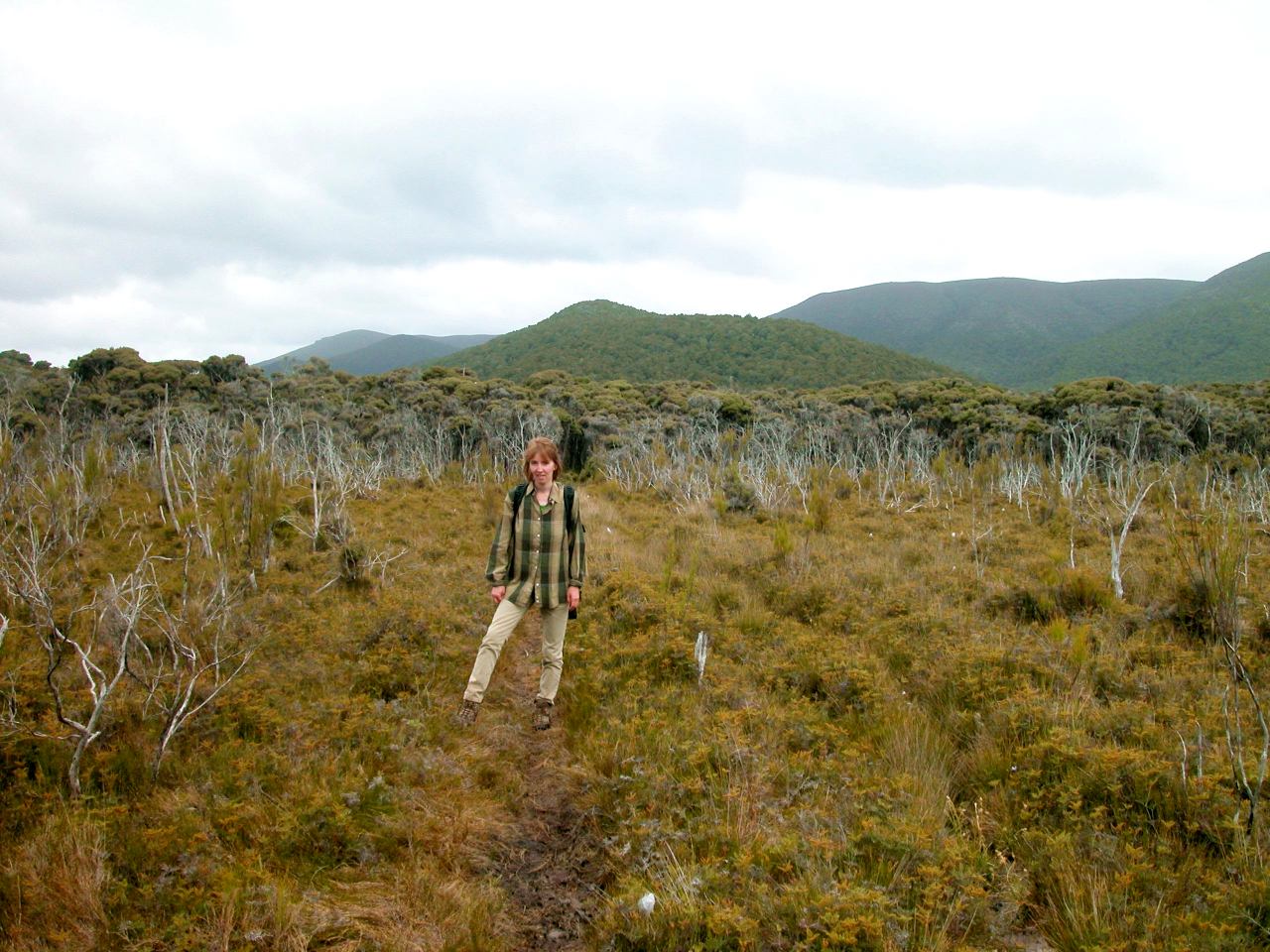
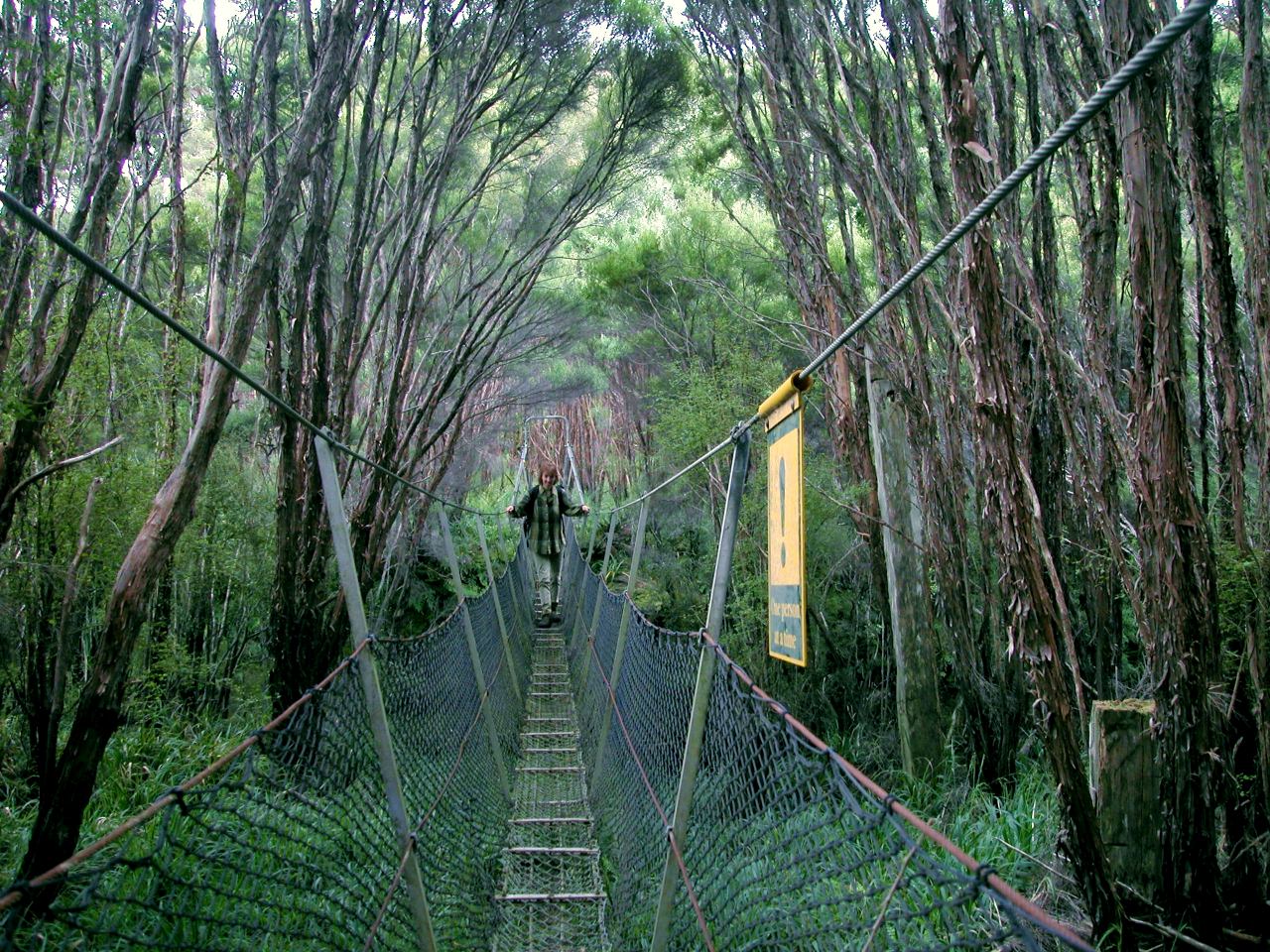
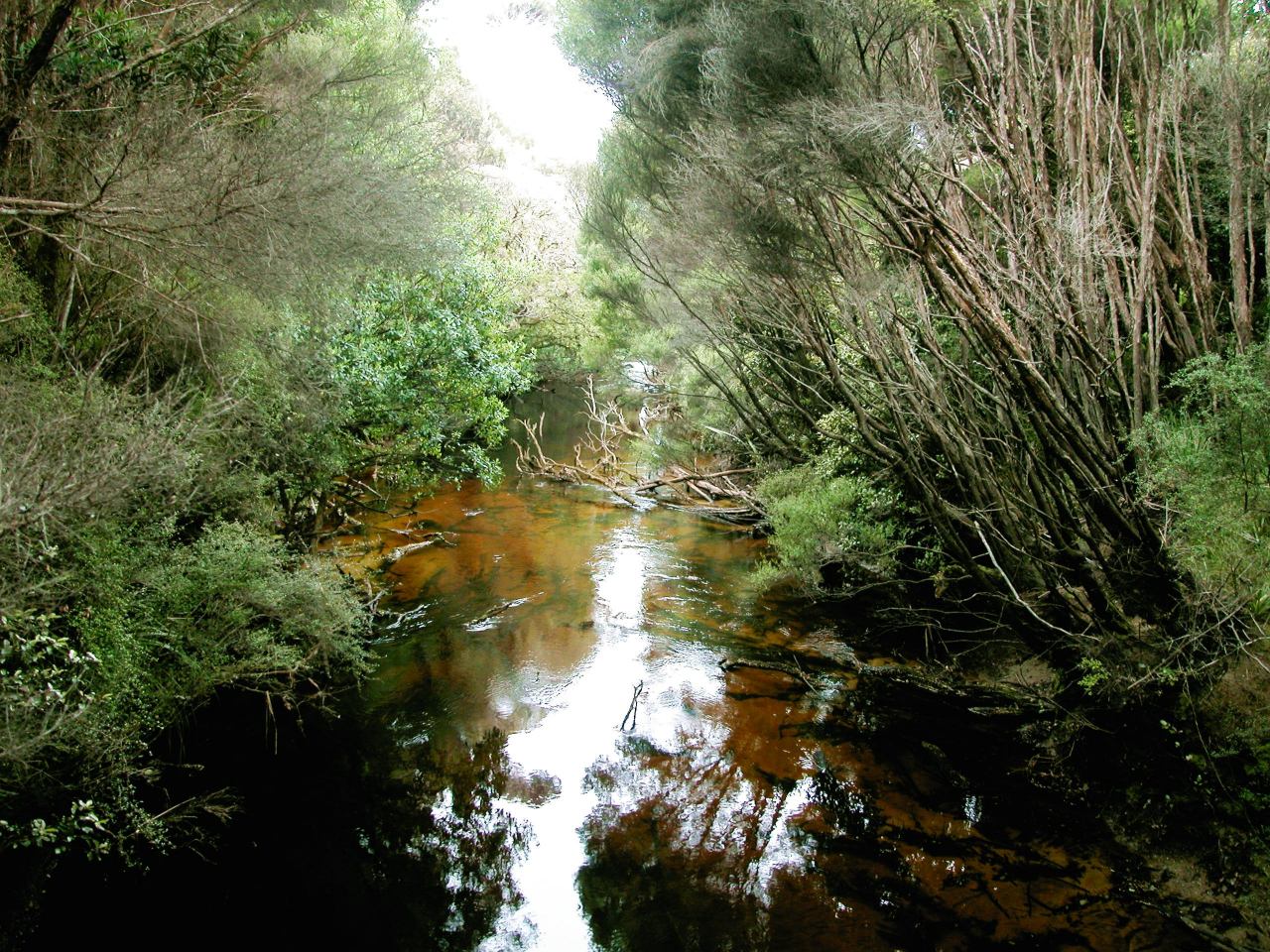
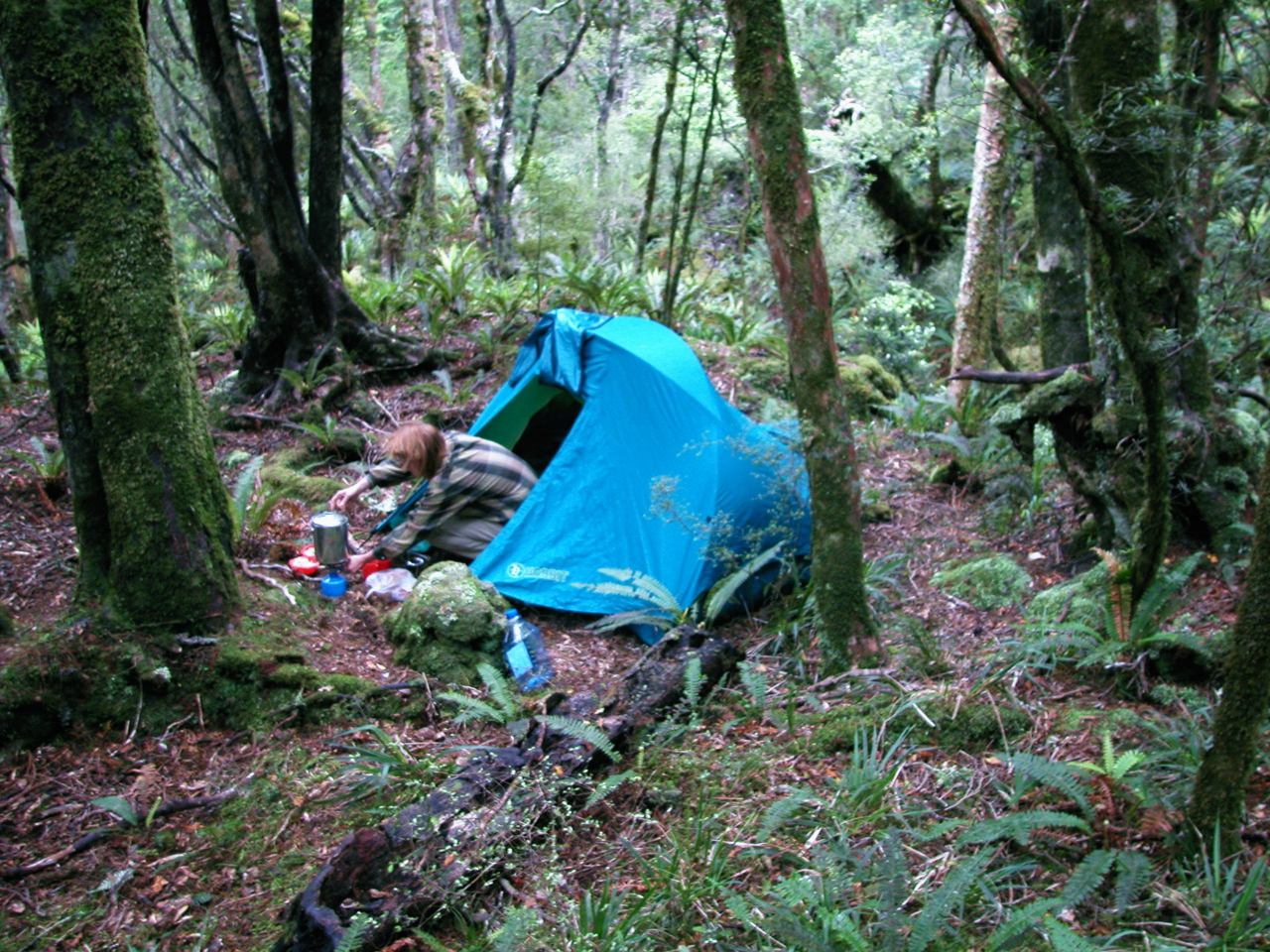
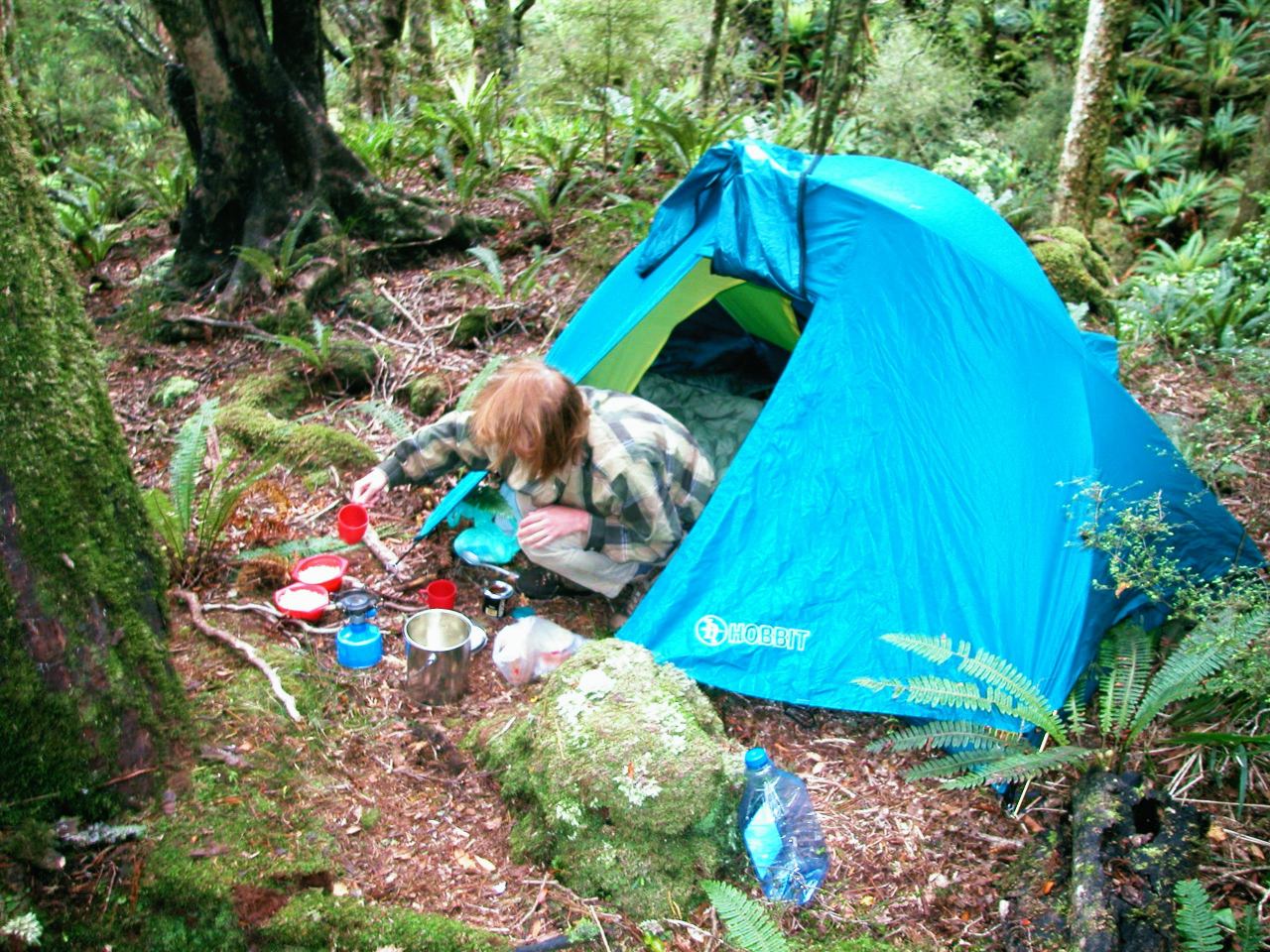
It made a very comfortable camp. Rainforest trees towered all around. A piupiu fern grew right under the fly. There wasn't any other way to fit the tent in; we had to pitch it so we didn't harm that precious plant. Birds sang in the trees, especially the tūī. It's supposed to be the finest singer here, something like our nightingale. They even call little girls Tui. It sings in all sorts of ways. Sometimes it rasps like a fieldfare, sometimes it's quite lovely.
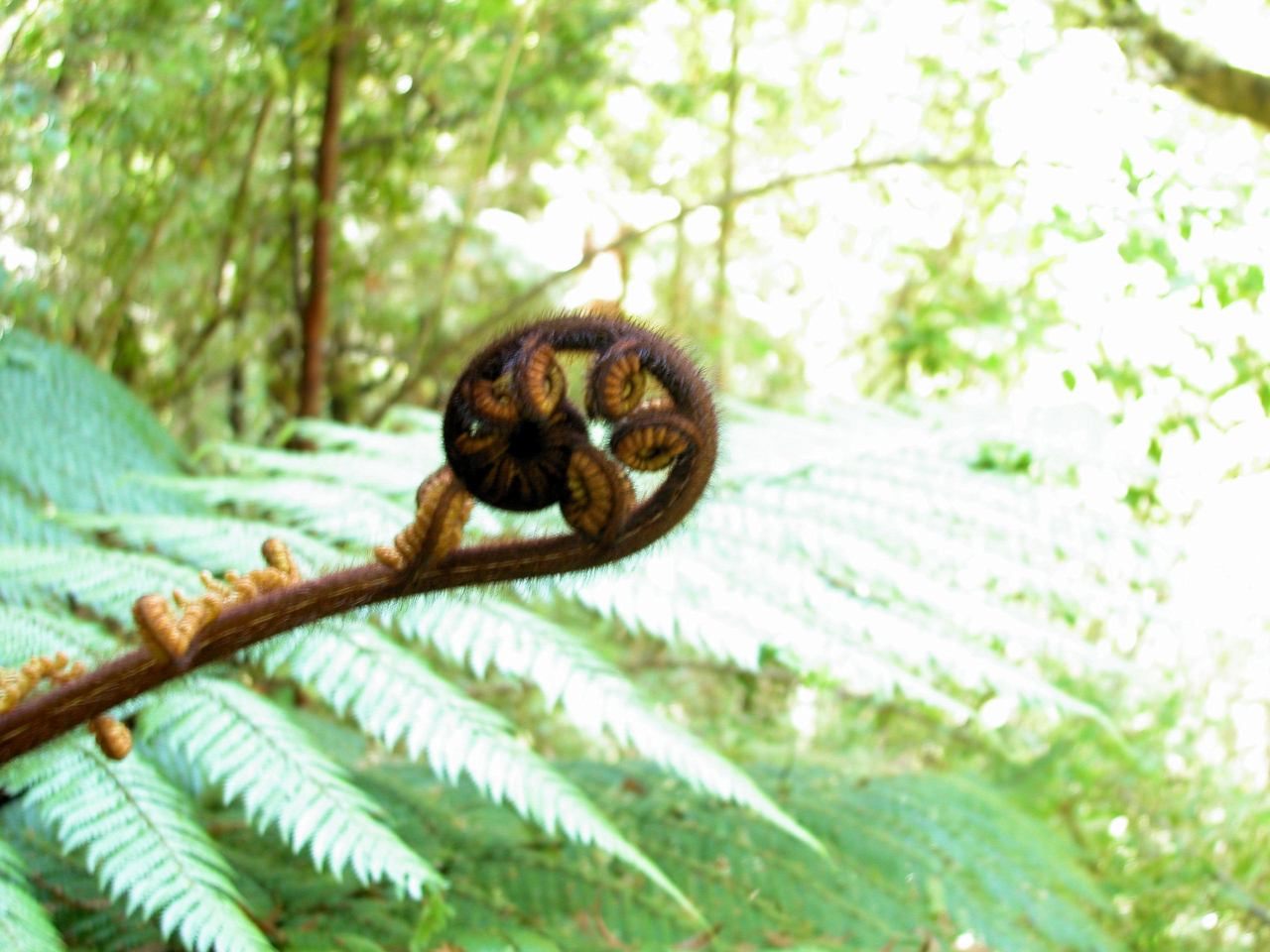
For our first day we had a good vegetable soup with meat. The moment we'd eaten it, the rain started. We climbed into the tent. Meanwhile it grew dark. Some birds fell quiet and others started up. Champion of the night singers was that same kiwi. As persistent as a corncrake. Its name comes from the cry, we understood: first a loud kee, then, almost as though breathing in, a wee.
At night the little birds talk to one another. Calls and answers without a break. One of them was ten metres or so from the tent. You might say, “Sing, little bird.”
There are a lot of birds here. Their principal enemy, the possum, is scarce because of a relentless campaign against it. They're poisoned with cyanide. There are signs around the forest warning that the long green baits scattered about are terribly poisonous. Local nature lovers came up with the motto “Possum: Public Enemy No. 1”. Kill a possum and you're a hero. They make all sorts of things out of possum fur. I bought my mother some possum slippers, for instance. All these punishments came upon the poor animal because of its liking for kiwi eggs and chicks. We heard a story that settlers deliberately brought possums from Australia to get rid of the rats that had got off their ships a little earlier. In this version the possum was a great rat catcher, did the job successfully and, when the rats ran out, went hungry and moved into the same niche as its former prey. Fighting it is difficult. It looks like a stretched-out cat with a flat face and a long bushy tail. Intelligent, with a sense of dignity. Knowing you're unarmed and can do it no harm, it will walk right past without so much as a glance, yet it's very hard to catch. The people of Papua New Guinea consider it difficult quarry. The only thing it can't seem to learn is how to cross a road. In a day's driving you can see hundreds run over.
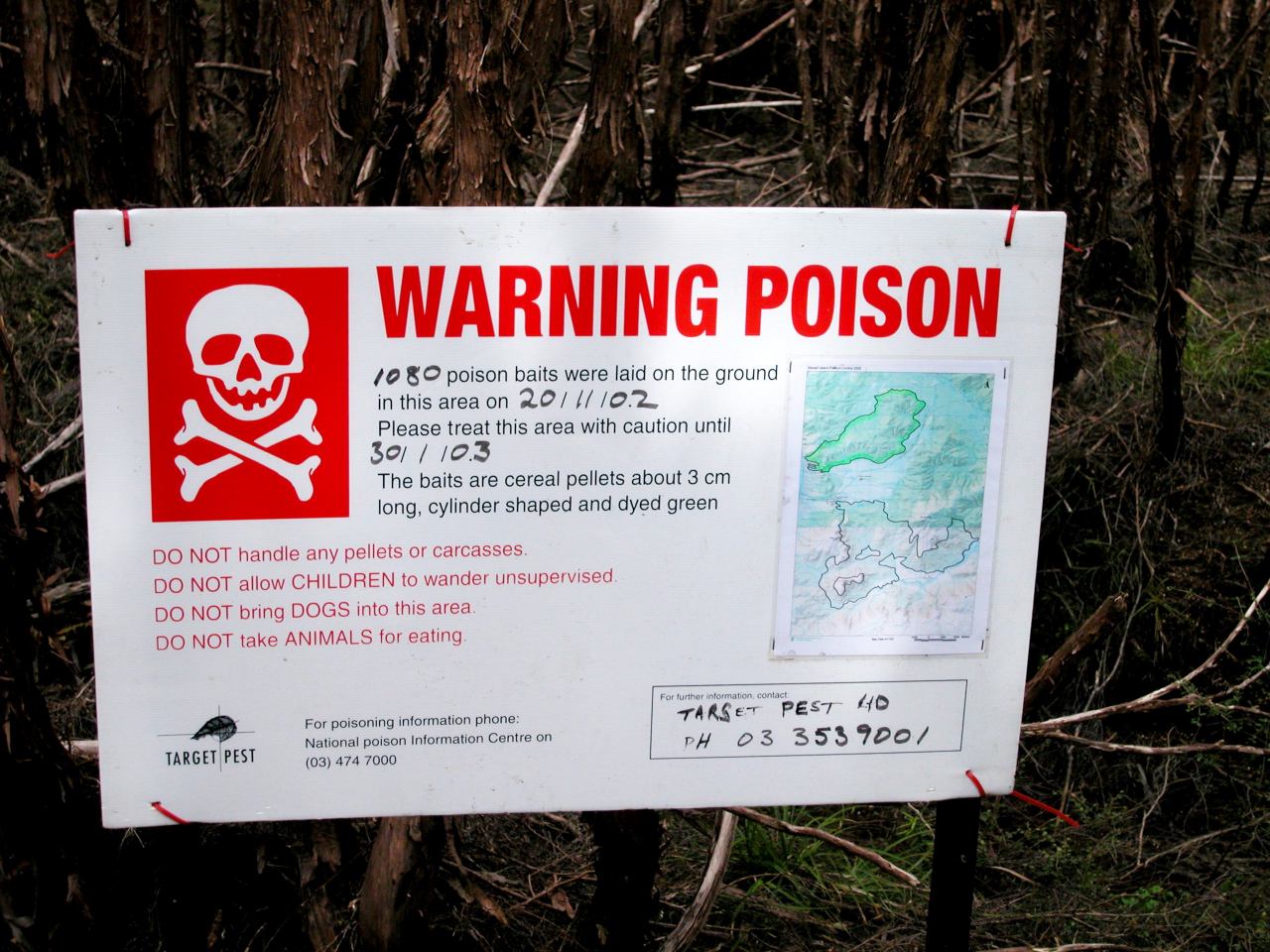
The origin of the name is interesting. According to the tale we heard, Captain Cook made a slip in his logbook and wrote possum for opossum. Cook was such an authority that from then on Australia and New Zealand had nothing but possums.
In spite of the noise we fell asleep quickly and slept twelve hours straight. We hadn't slept so well in a long time. A soft couch in a motel is all very well, but a tent is better. Nobody tells you to clear the premises at ten in the morning, either.
In the morning we made breakfast and went on our way. Soon the track went steeply uphill. It was hard going. Gradually the route took to the bed of a little creek and it was slop underfoot the whole way. As we climbed, thick stands of mānuka replaced the tall rainforest. To push through that scrub without a track is even harder than pushing through dwarf Siberian pine. No getting off the track, and the track itself was churned up like a path into a cranberry bog; we walk one just like it to Lake Vyalye. (Ten years or so later, we'd become thoroughly good at going without a track.)
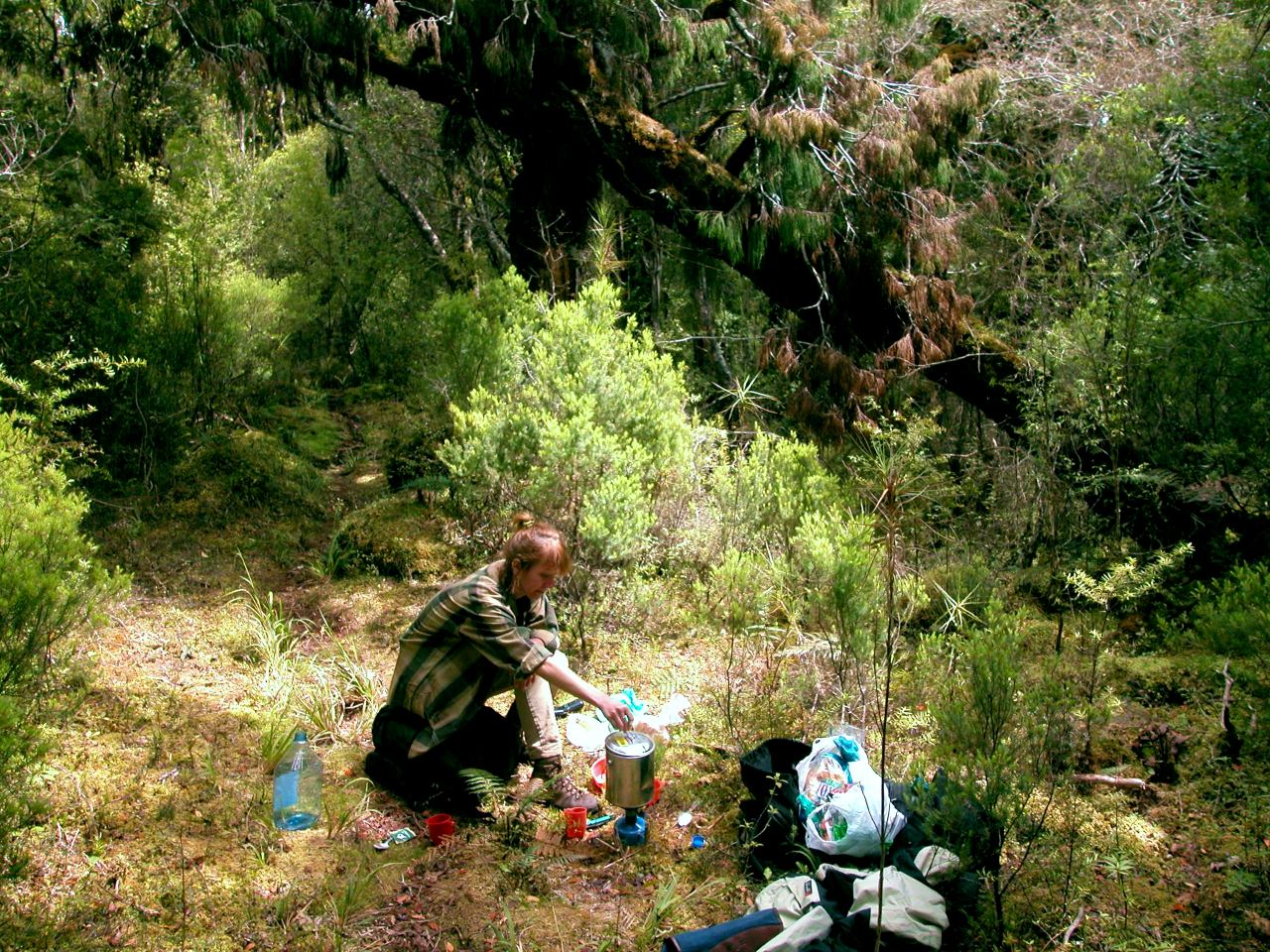
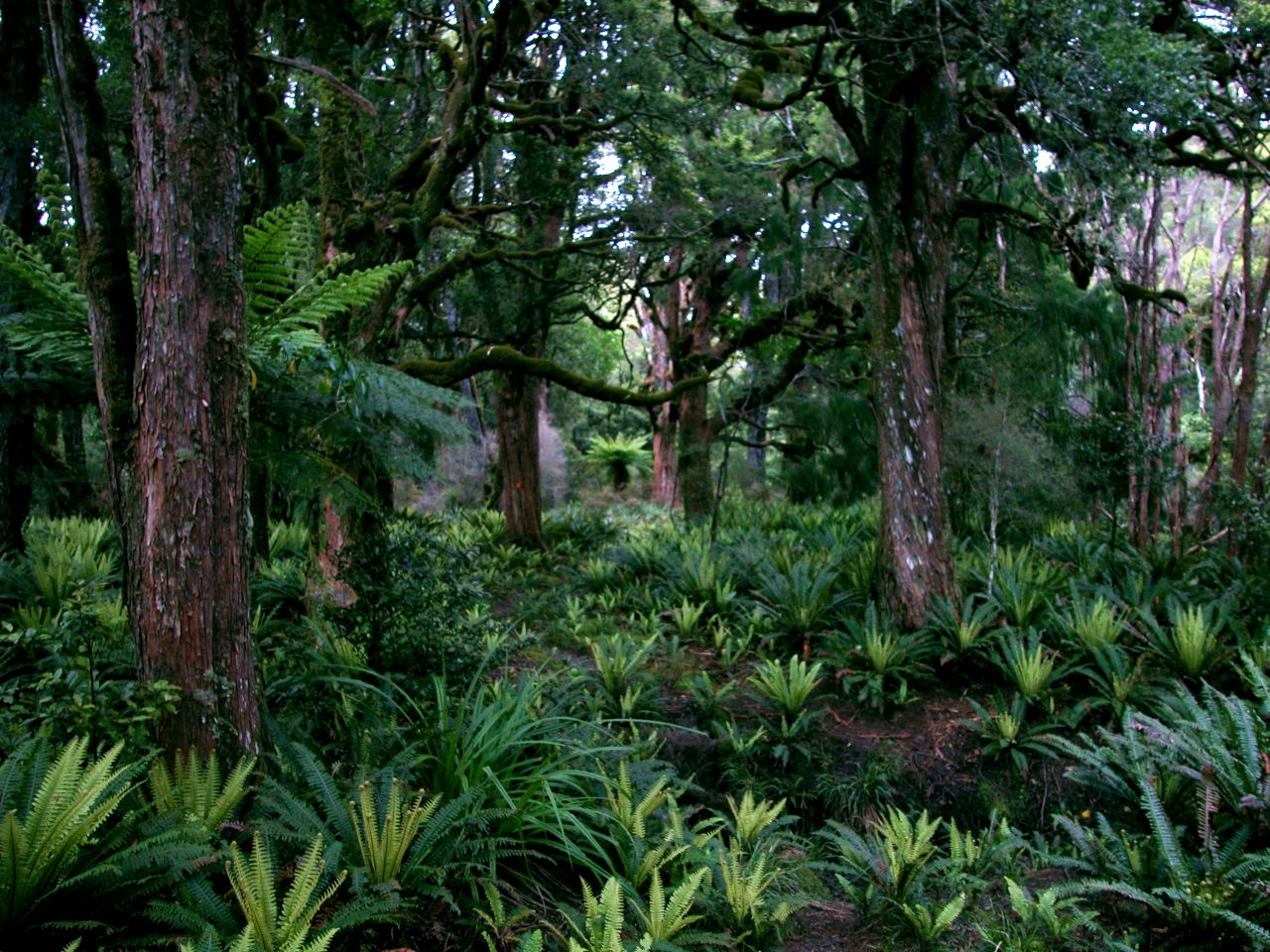
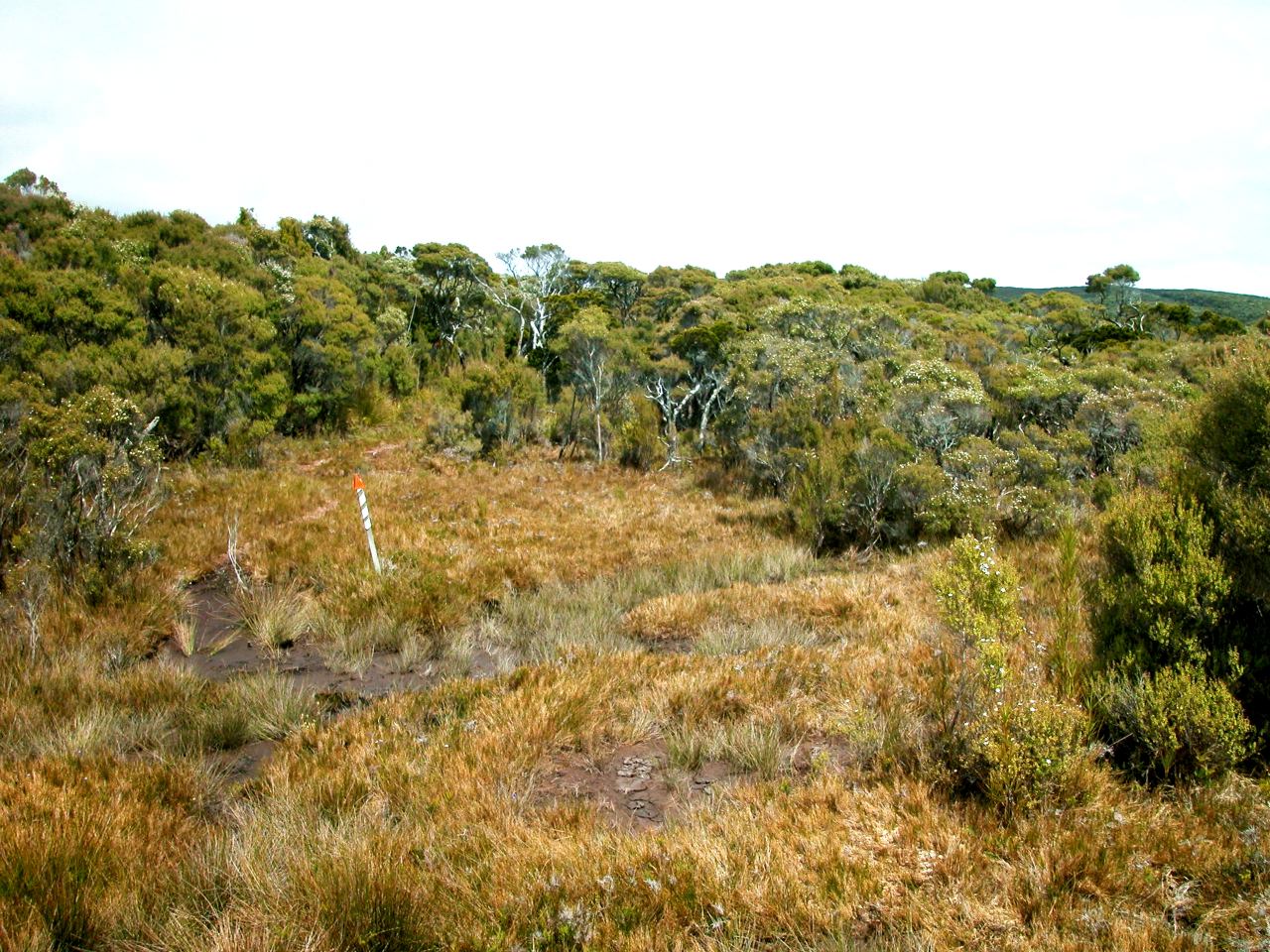
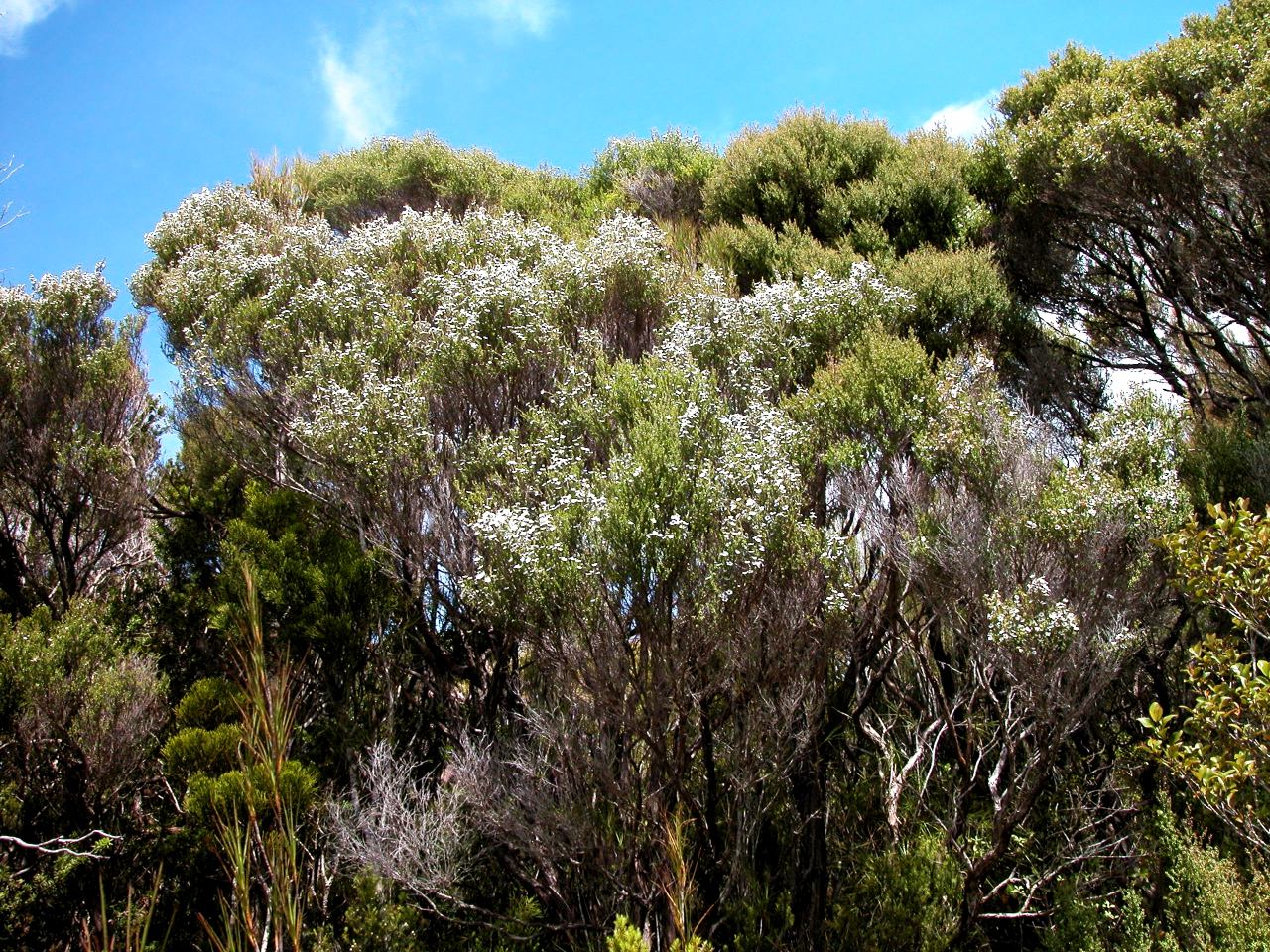
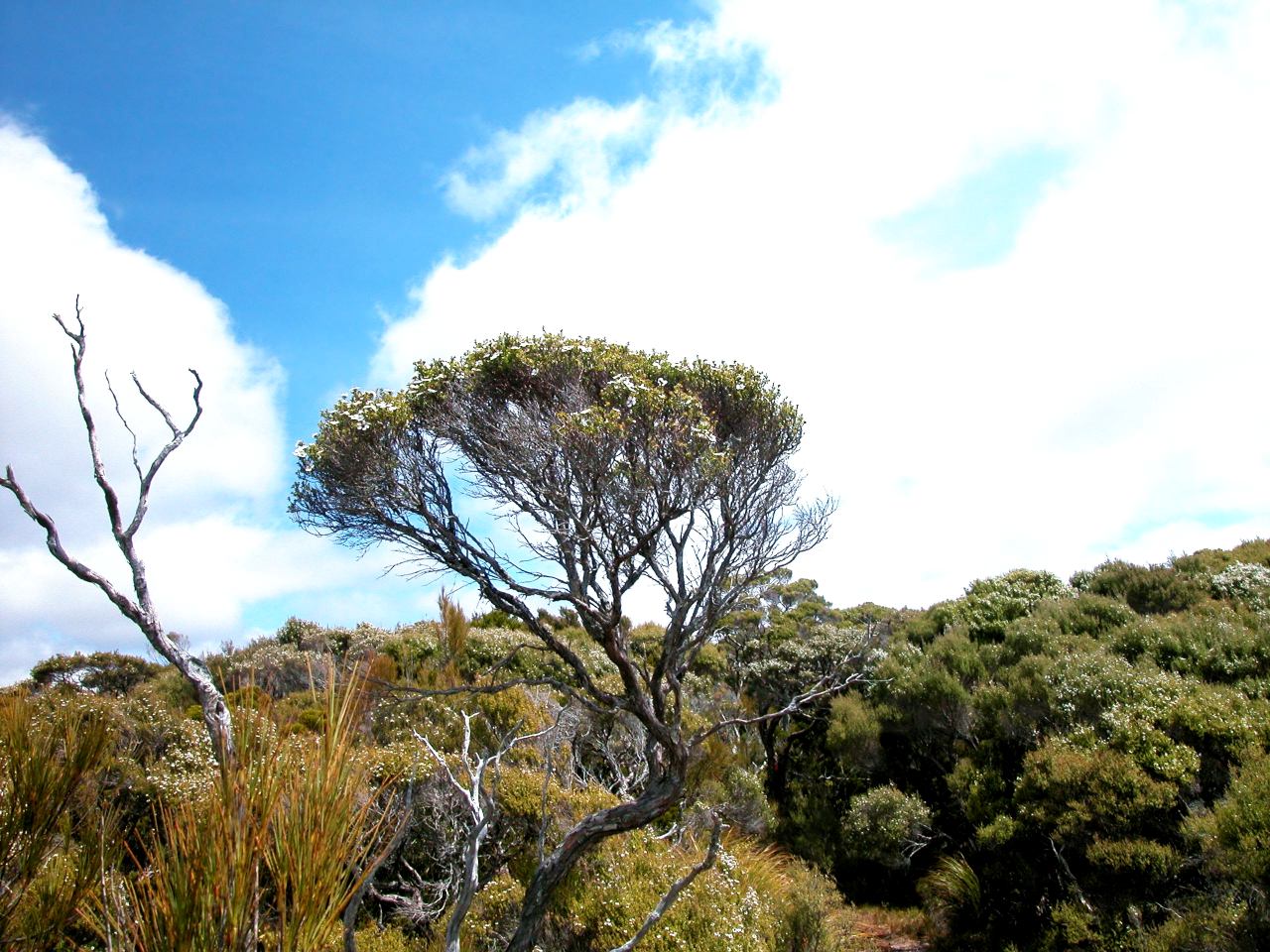
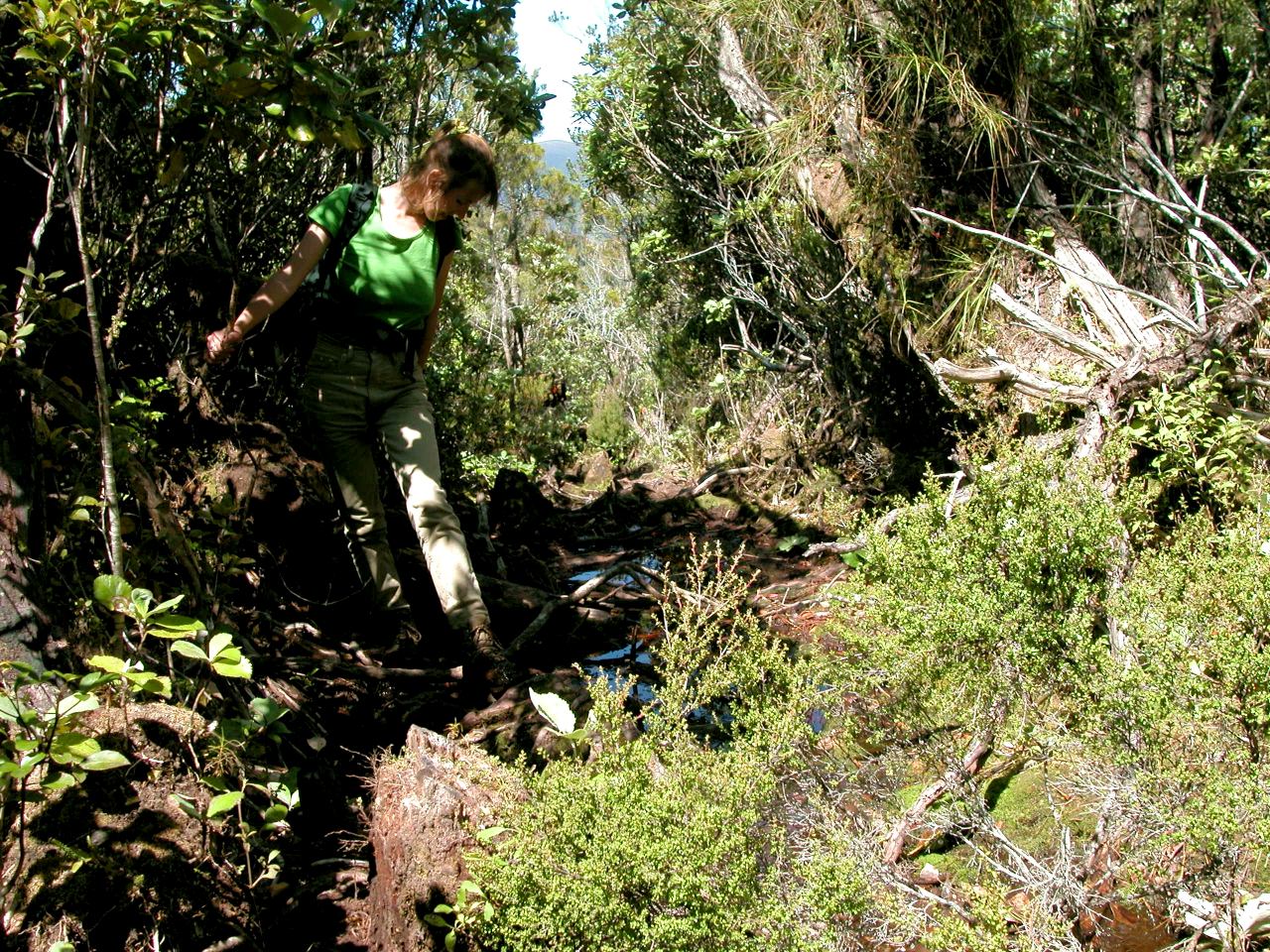
Right at the top of the hills we came to the high bogs. It was rather like our Khibiny Mountains. Tundra, only with stunted mānuka bushes instead of stunted birch. Mosquitoes and sandflies put in an appearance.
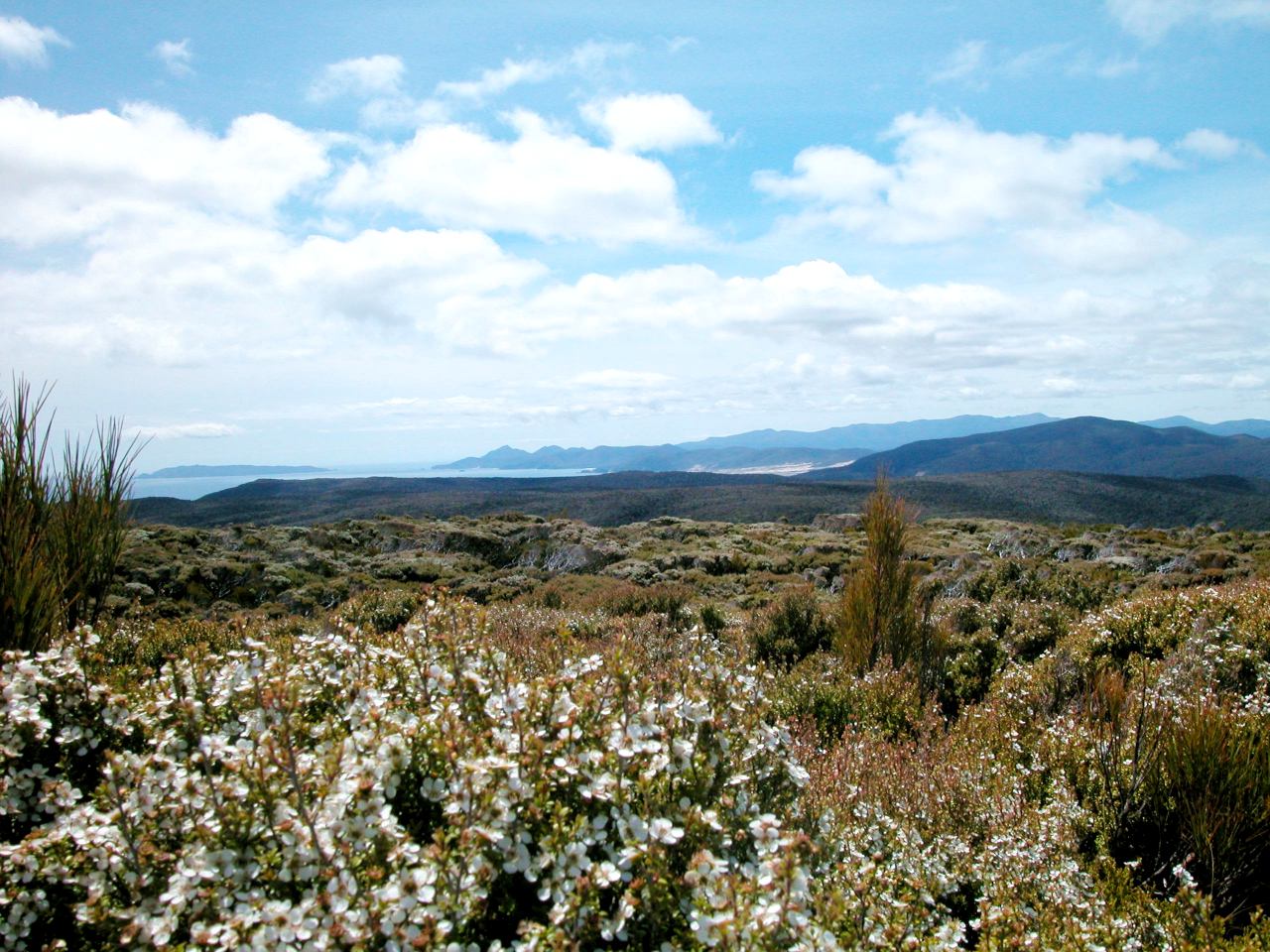
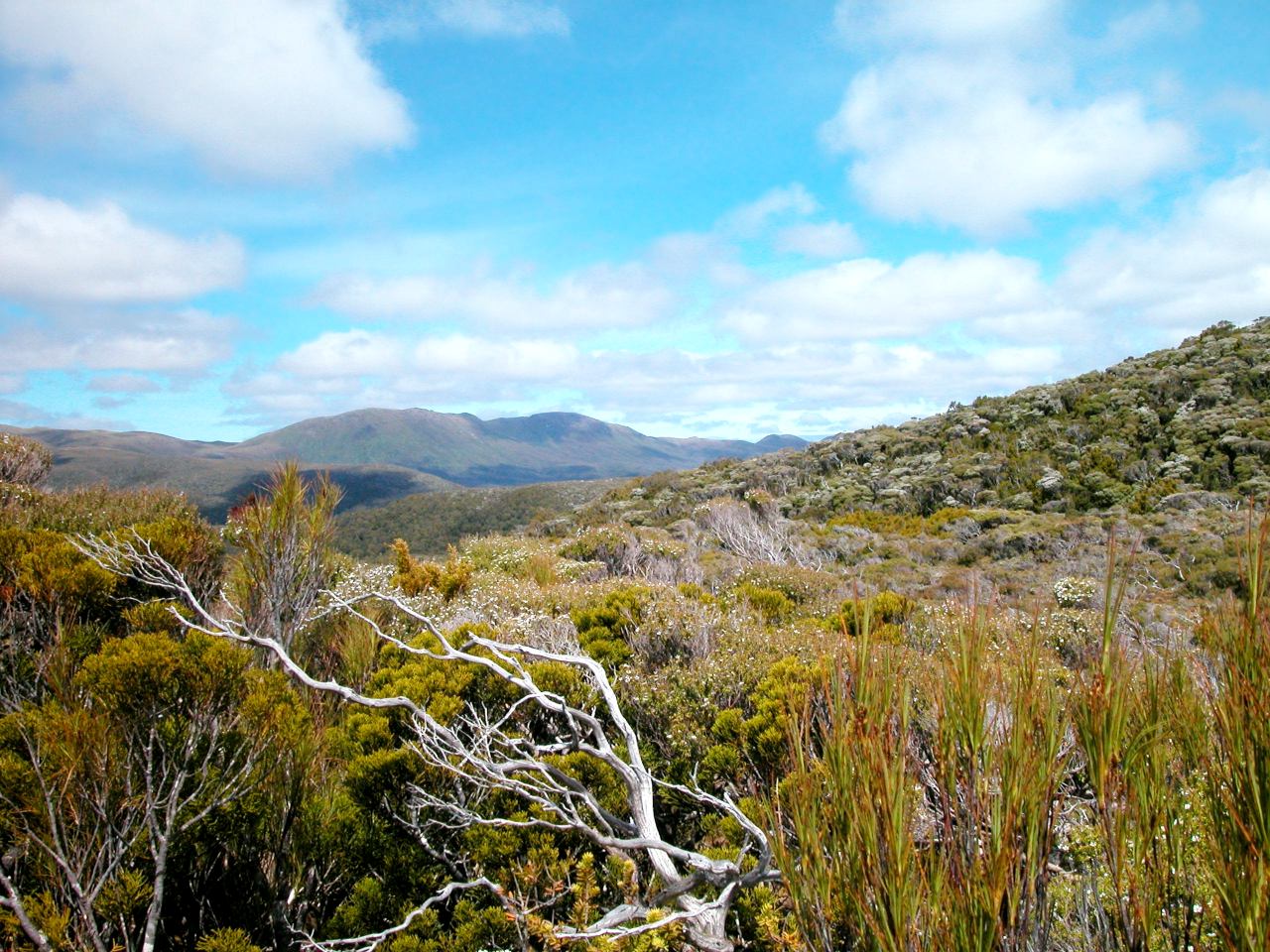
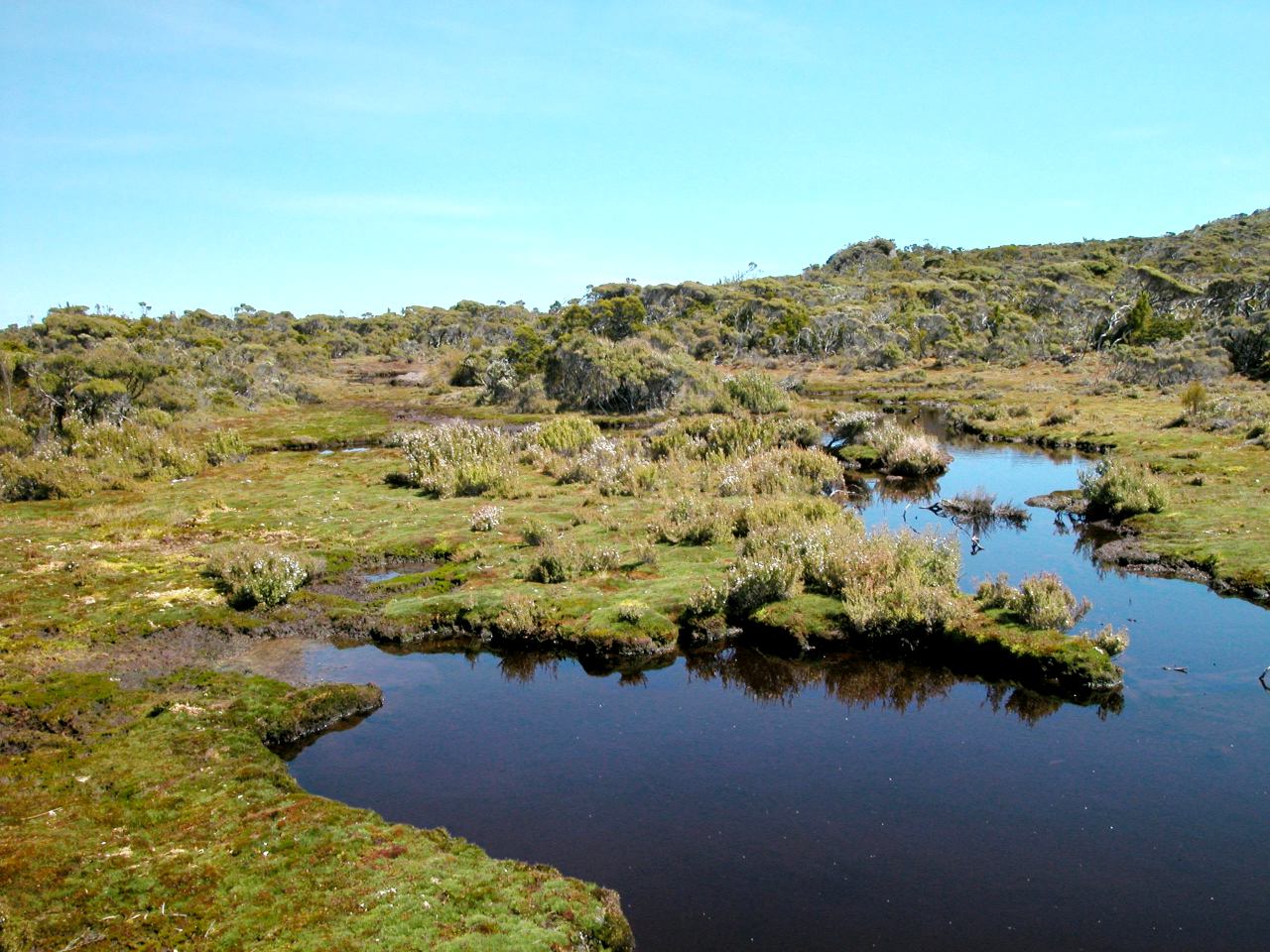
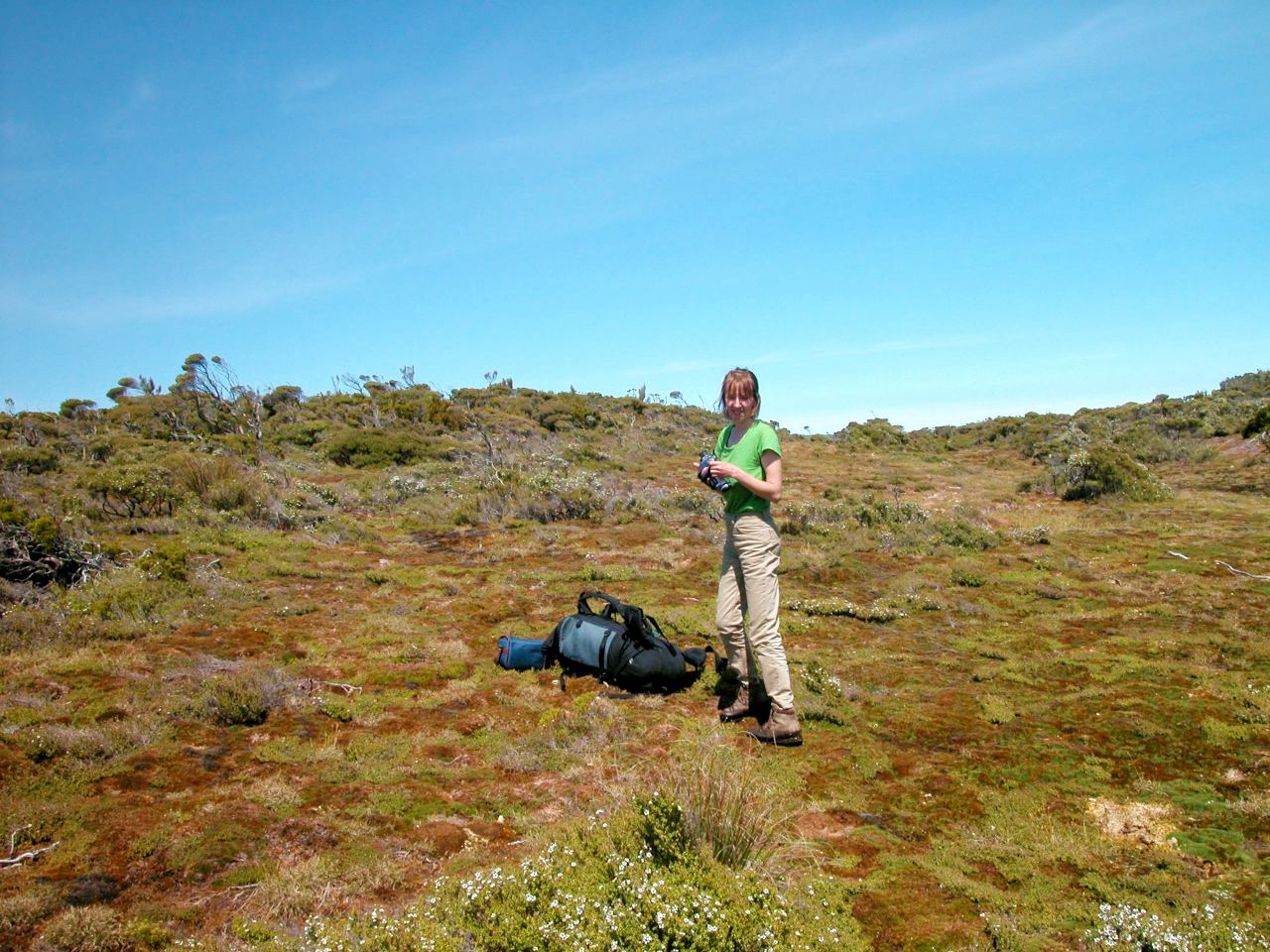
Now there's a way to spend your time abroad. What you're supposed to do, they say, is beaches, hotels, restaurants and museums. Here we are in a bog, covered in mud, happy and cheerful.
The descent off the hill wasn't any easier than the climb. Instead of the eight hours on the sign, the walk between our camps took ten. Only in the evening did we get to Doughboy Bay, a huge beach on the other side of the island. Now this really was the end. Nowhere left to walk. Beyond that sea, a few thousand kilometres away, is Antarctica.
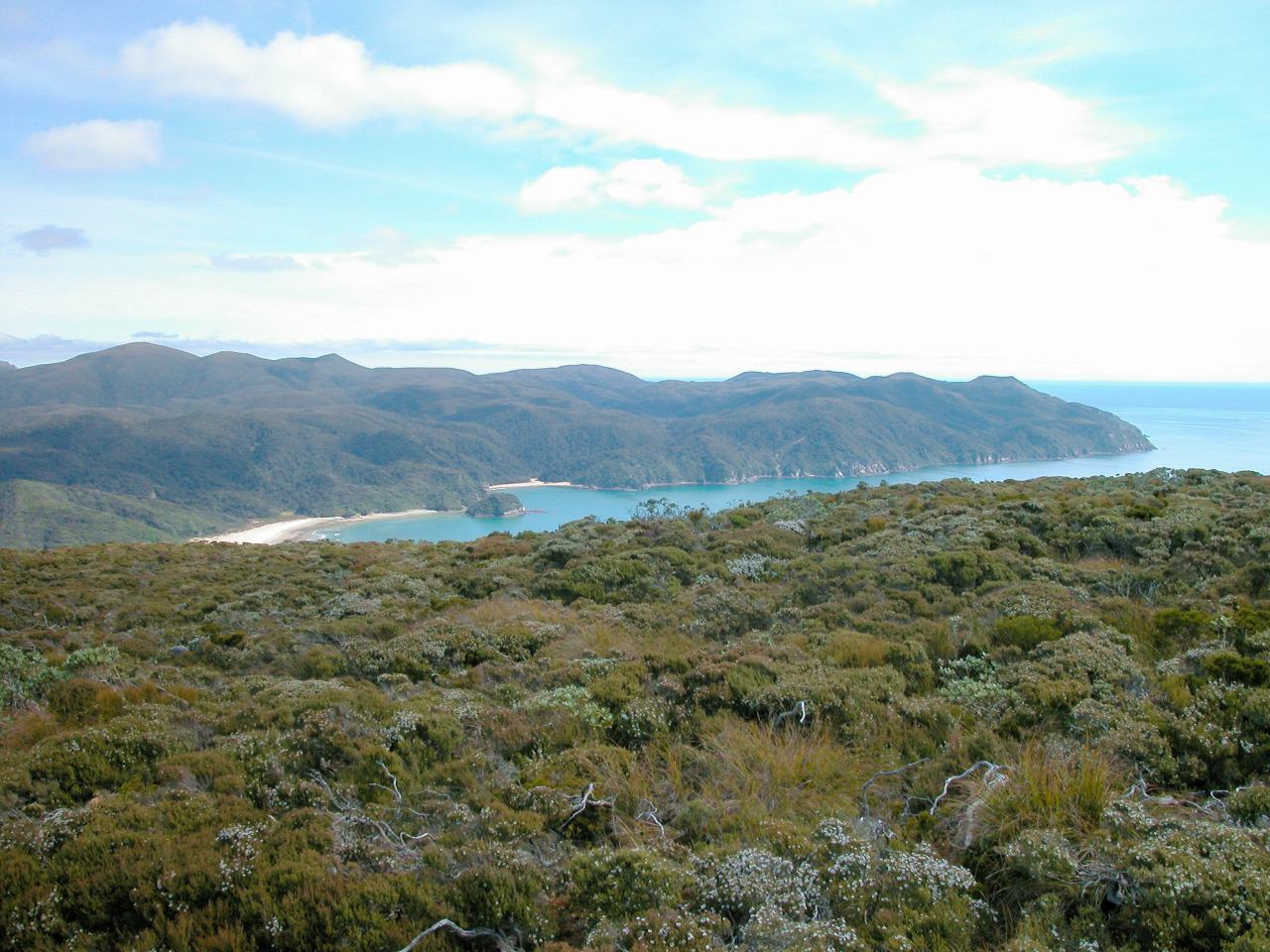
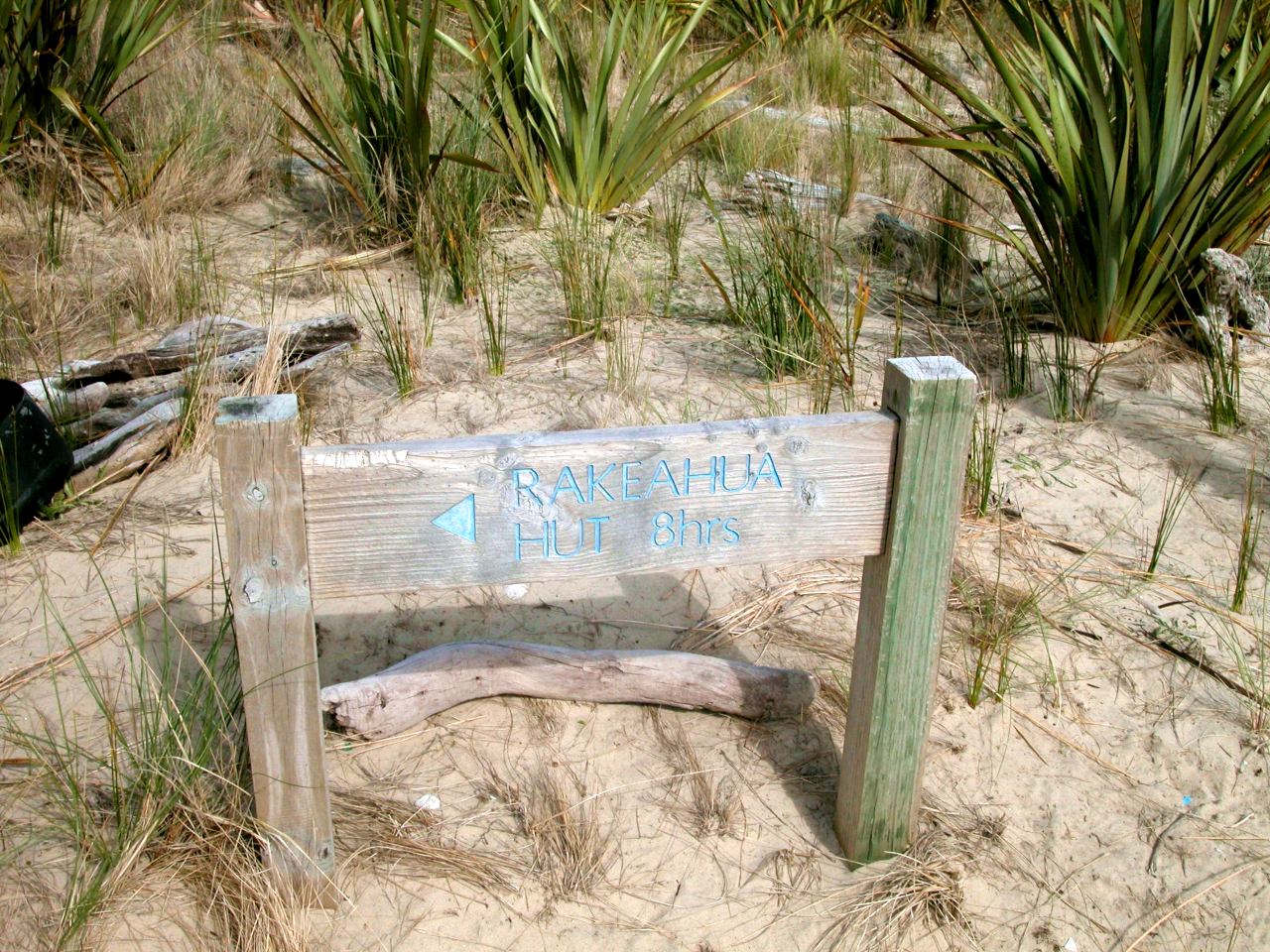
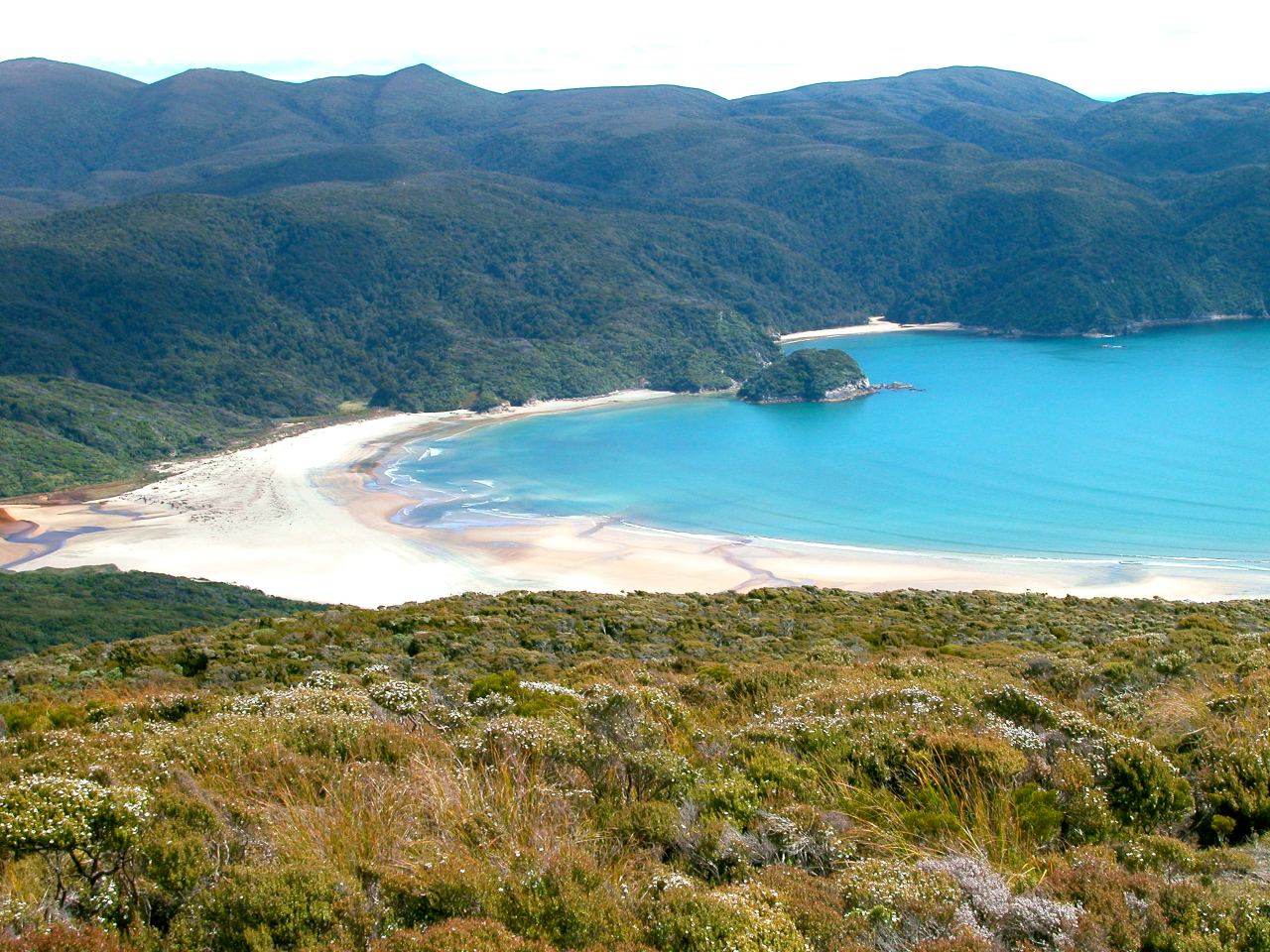
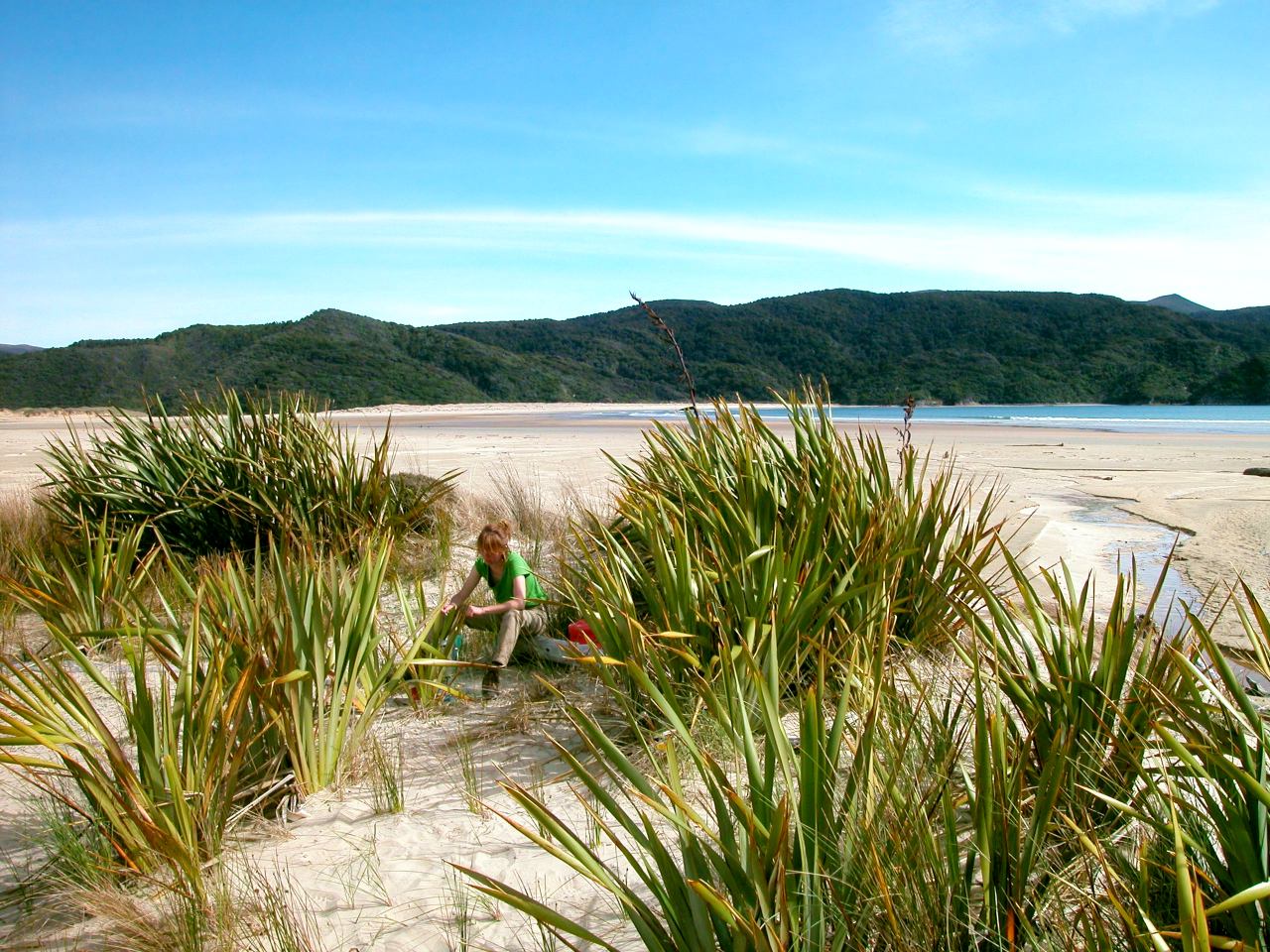
On the beach there's a three-bunk shelter, shown on the maps as a bivvy. We went in to see a very rough sort of dwelling. It looked like a fisherman's shack somewhere on the White Sea. No gas supply; you use your own. People aren't mean here, and frequently leave behind spare bits of food. There were partially used gas canisters too. You needn't starve, in the last resort.
There was an elderly New Zealander from Wellington staying at the bivvy. He was retired and spent almost all summer walking different tracks. Now that's what I call retirement. I'd like to do the same.
We pitched the tent on the beach not far from the bivvy (47°02.241′S, 167°42.636′E; elevation 6 m). We made soup and went for a walk. We met a possum. In spite of the war being waged on it, it went along the beach without paying us any attention. On our map, a cave was marked at the north end. After a brief search, all we found was a little twenty-metre hole washed out of the coastal cliff by the surf. There was nobody else on the beach unless you counted a sea lion and the sandflies, which abound here. The way the currents run around New Zealand, the sea isn't much colder here than elsewhere in the country: the same 20°C even in the far south. We could have a swim. The beach shelves very gradually and it's a long walk to deep water. There, in the middle of the swim, we reached the turning point of our journey. Till now we'd been going farther and farther; now we'd start heading back. What a long way we had come. Three planes, three ferries, three cars, two days on foot, and we still had to swim back to land and not lose the tickets home.
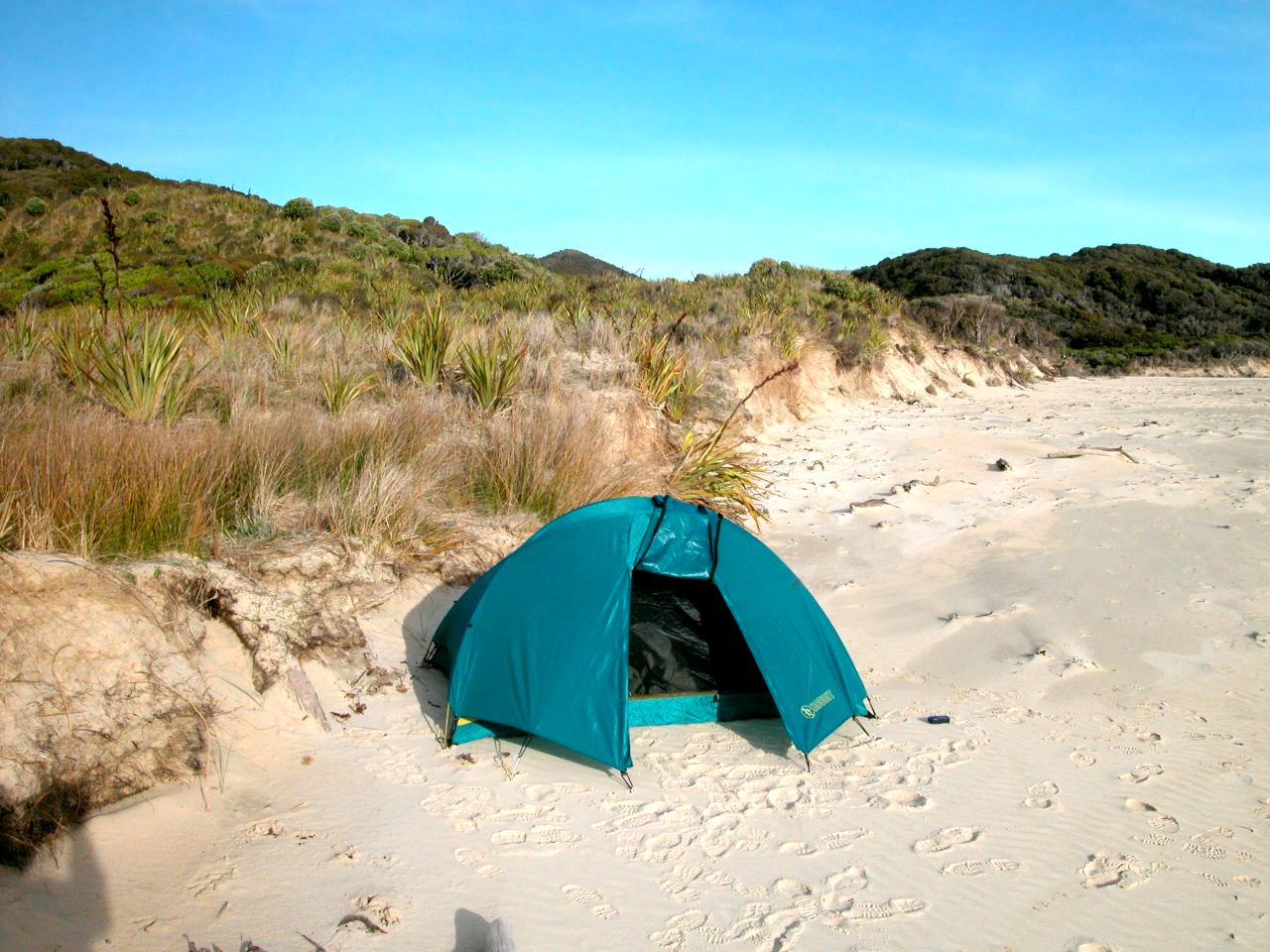
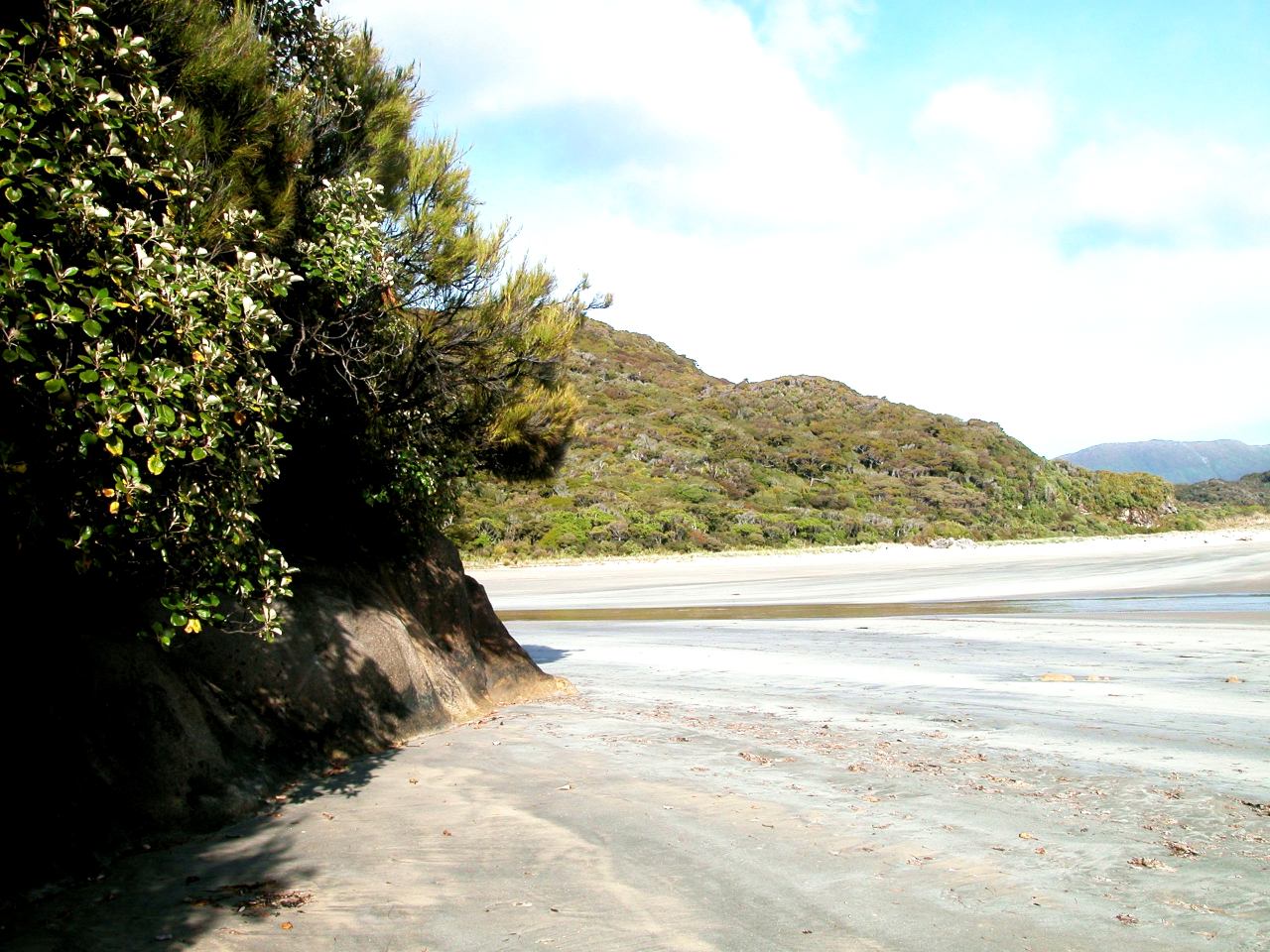
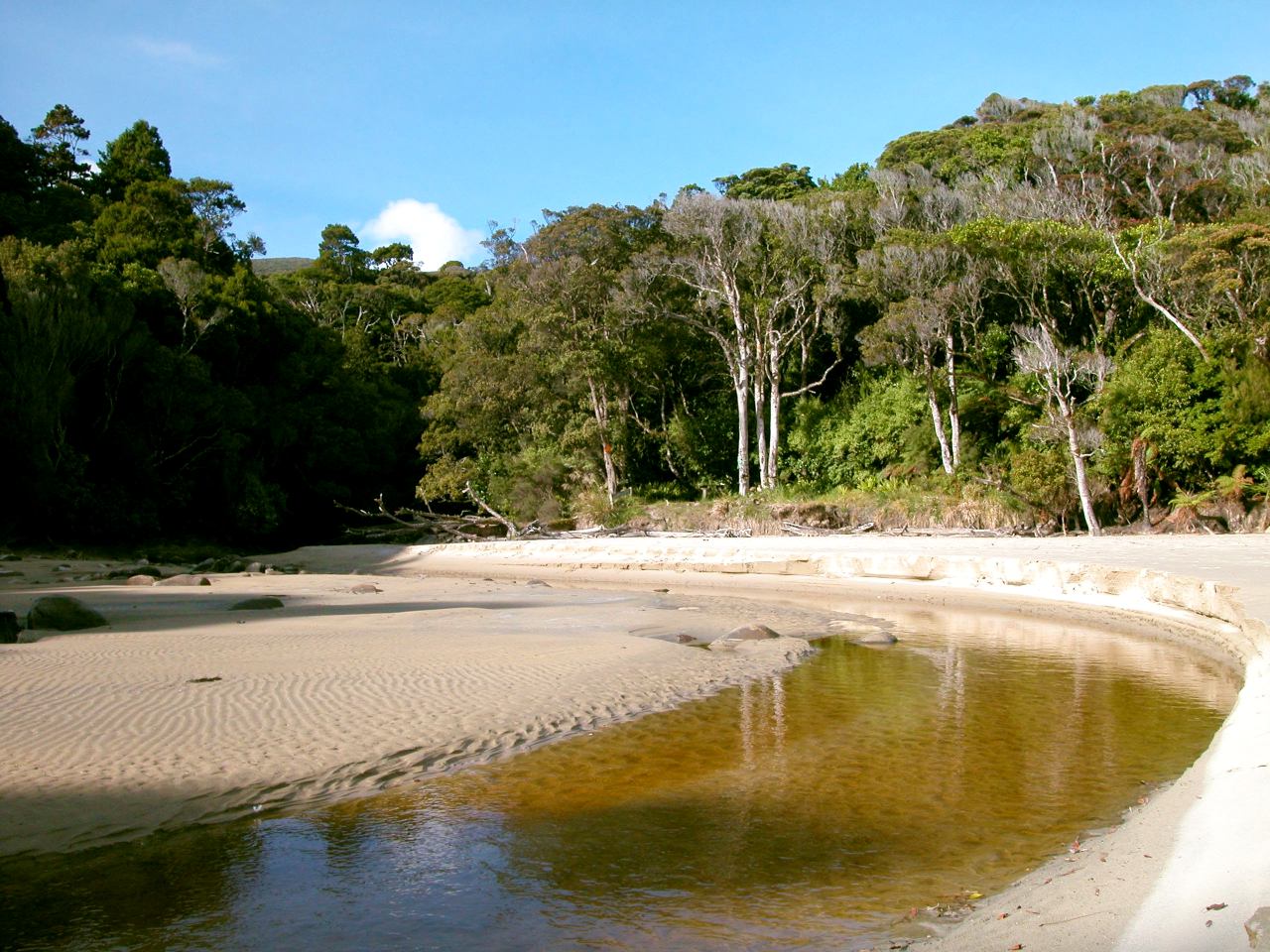
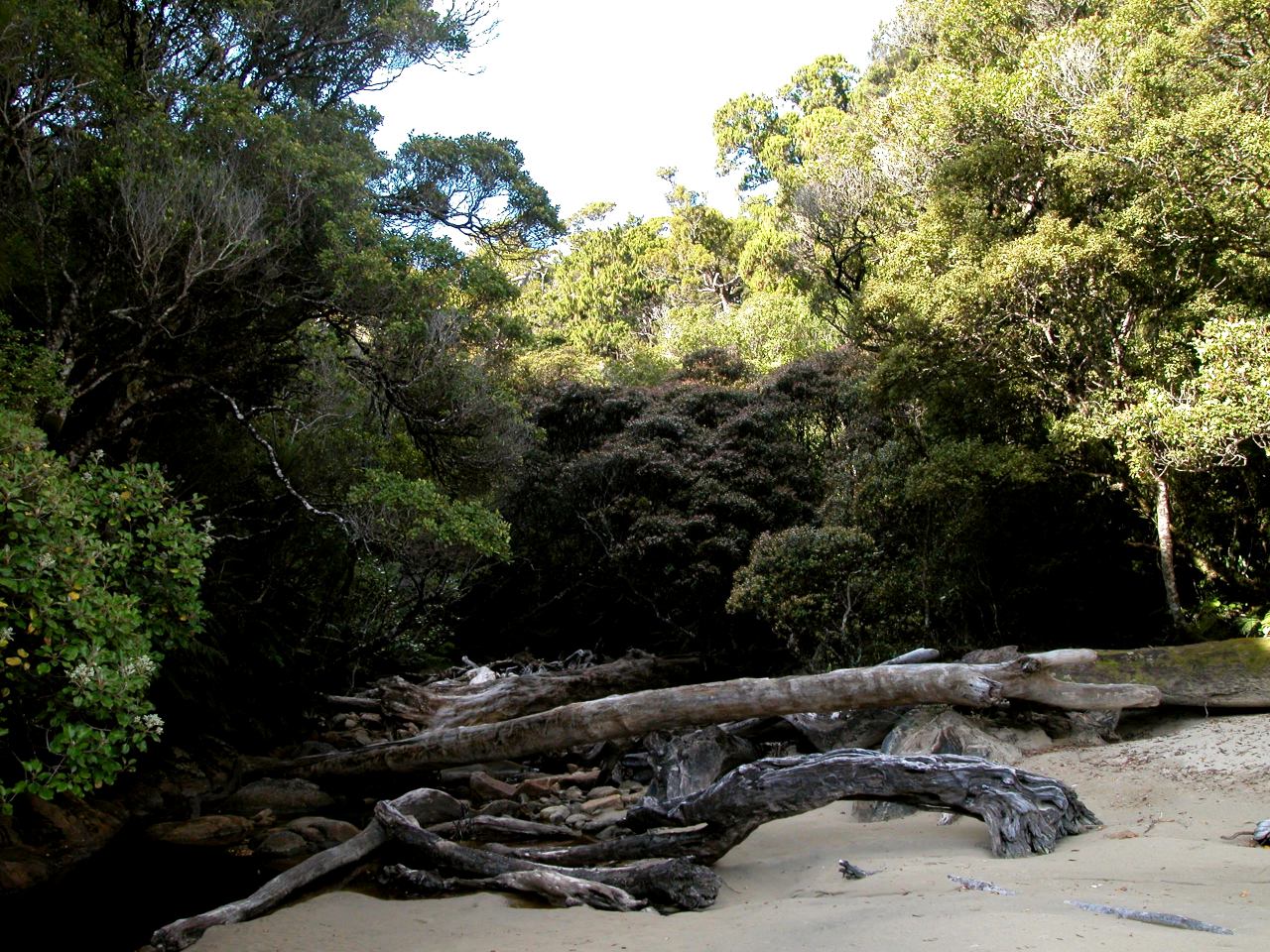
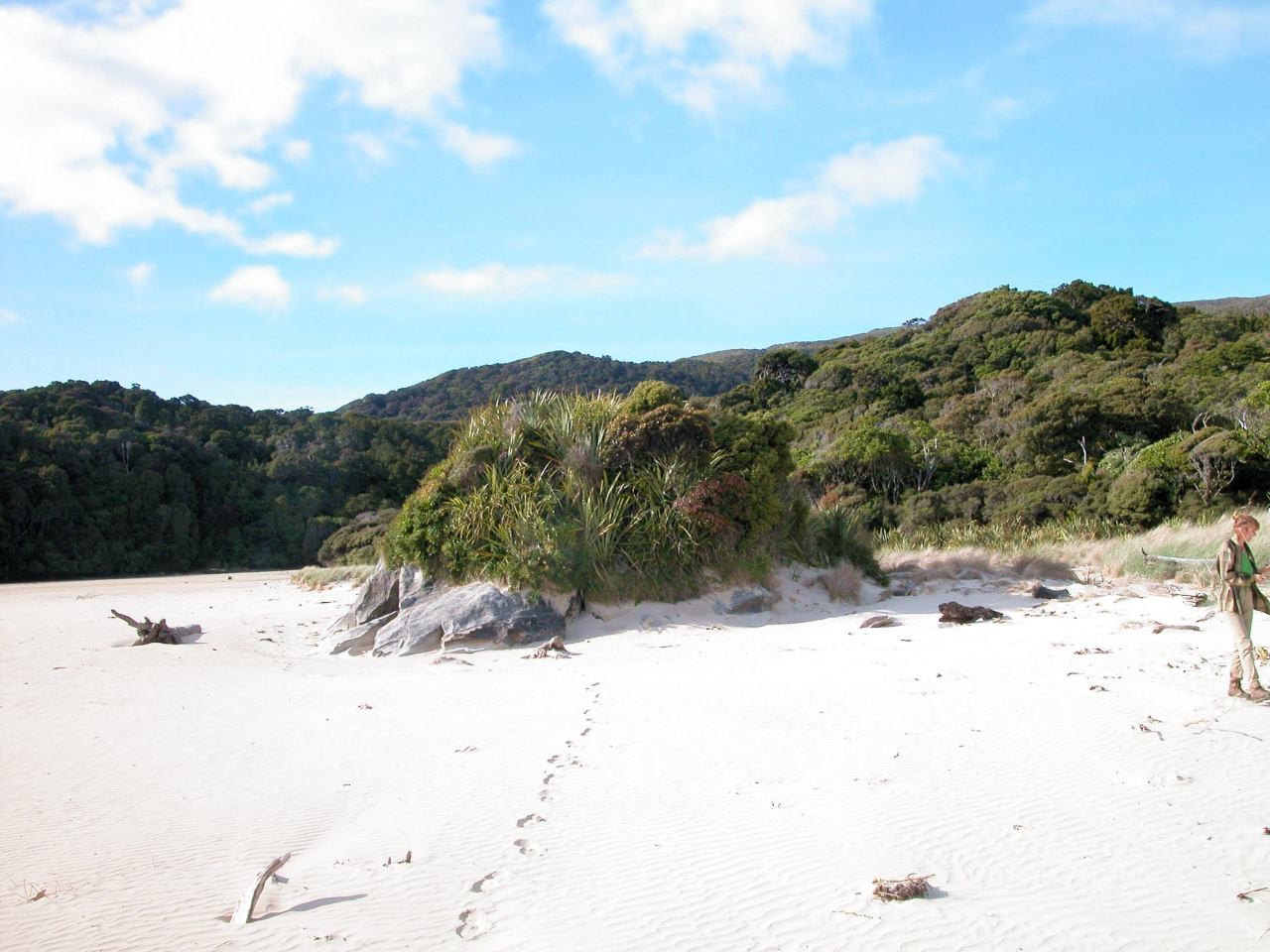
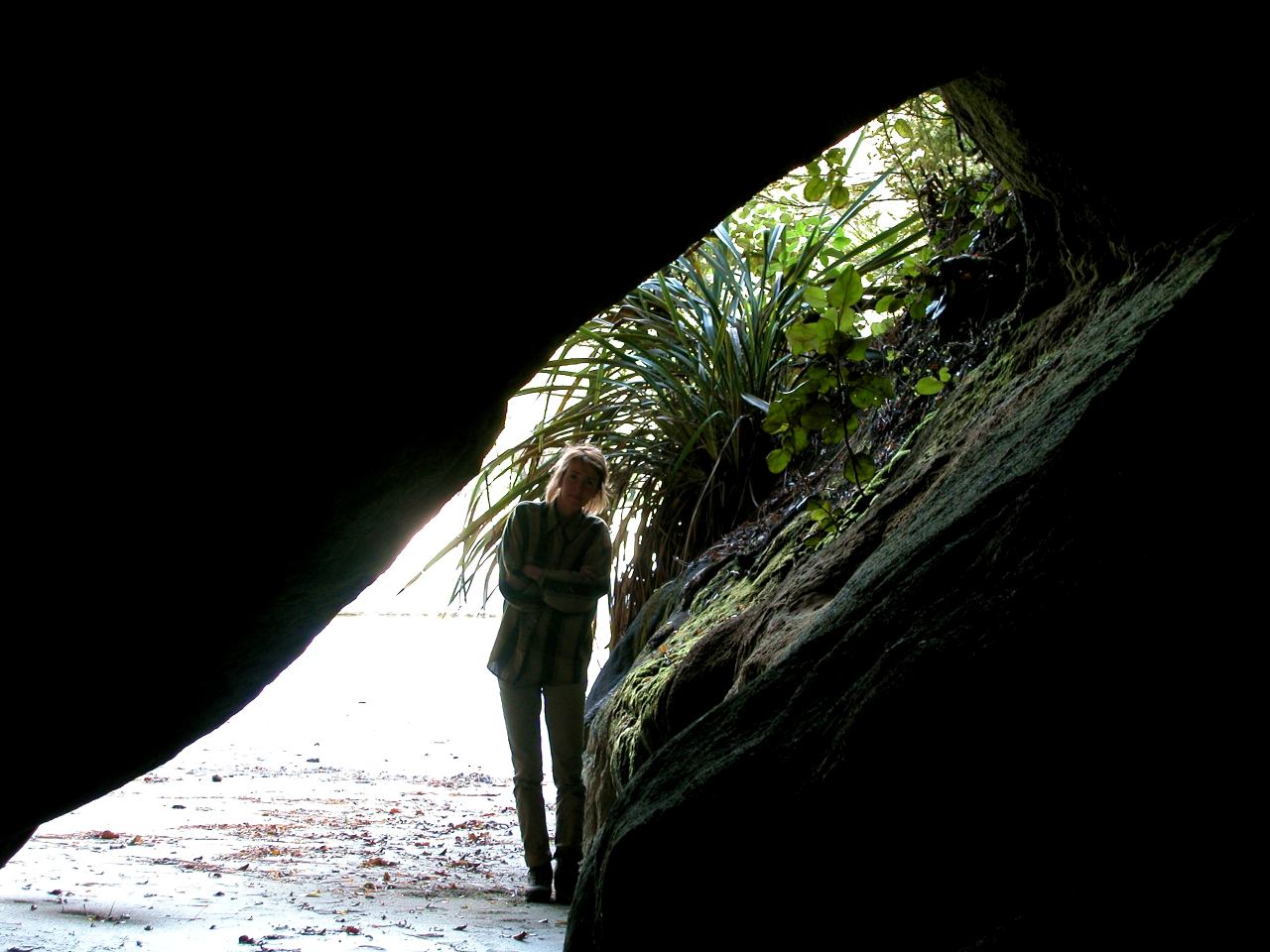
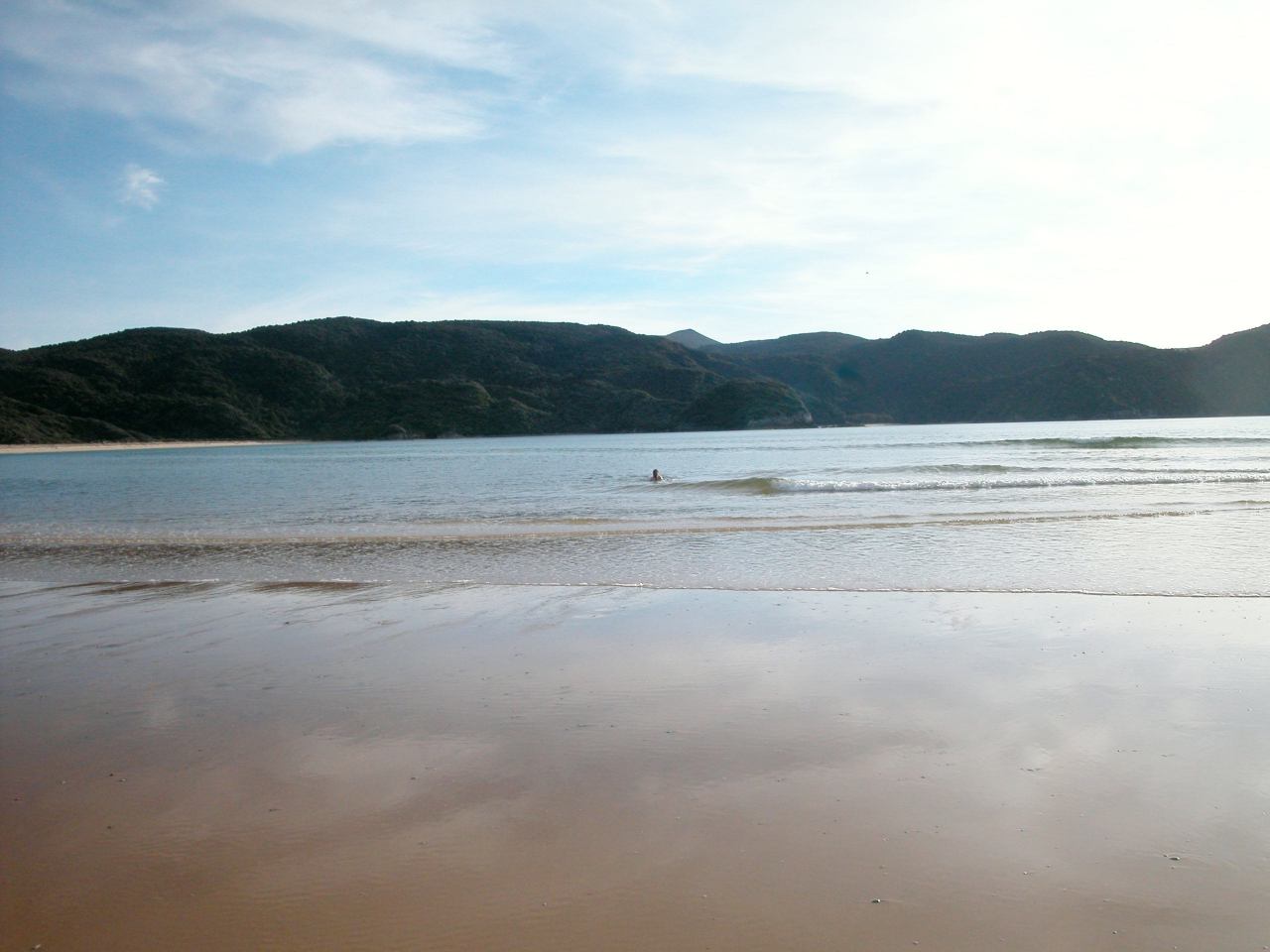
We made dinner after the swim. The sun meanwhile was drawing close to the horizon, and the sandflies made our lives more miserable by the minute. We had to eat dinner right down by the sea, where there was more wind.
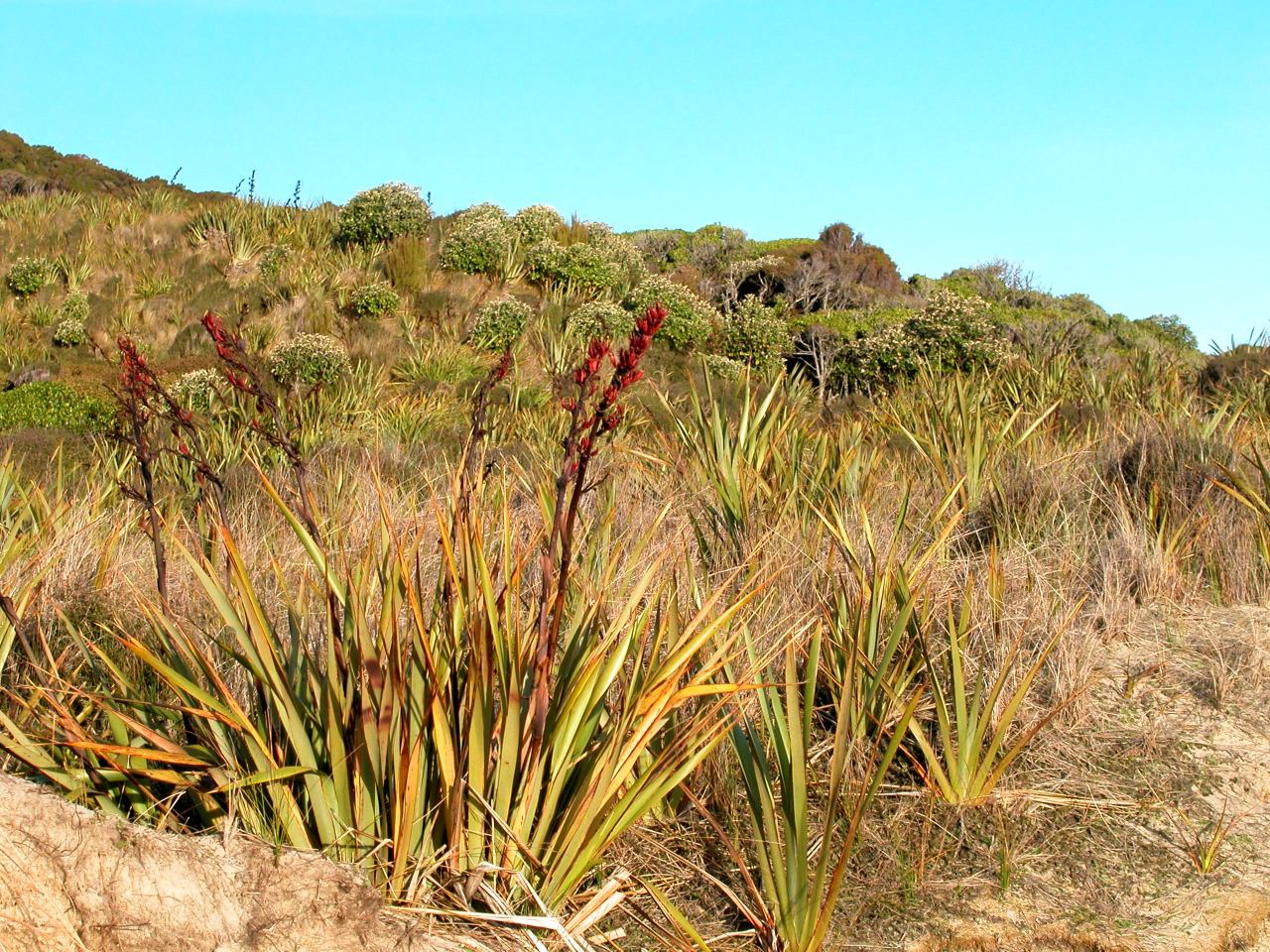
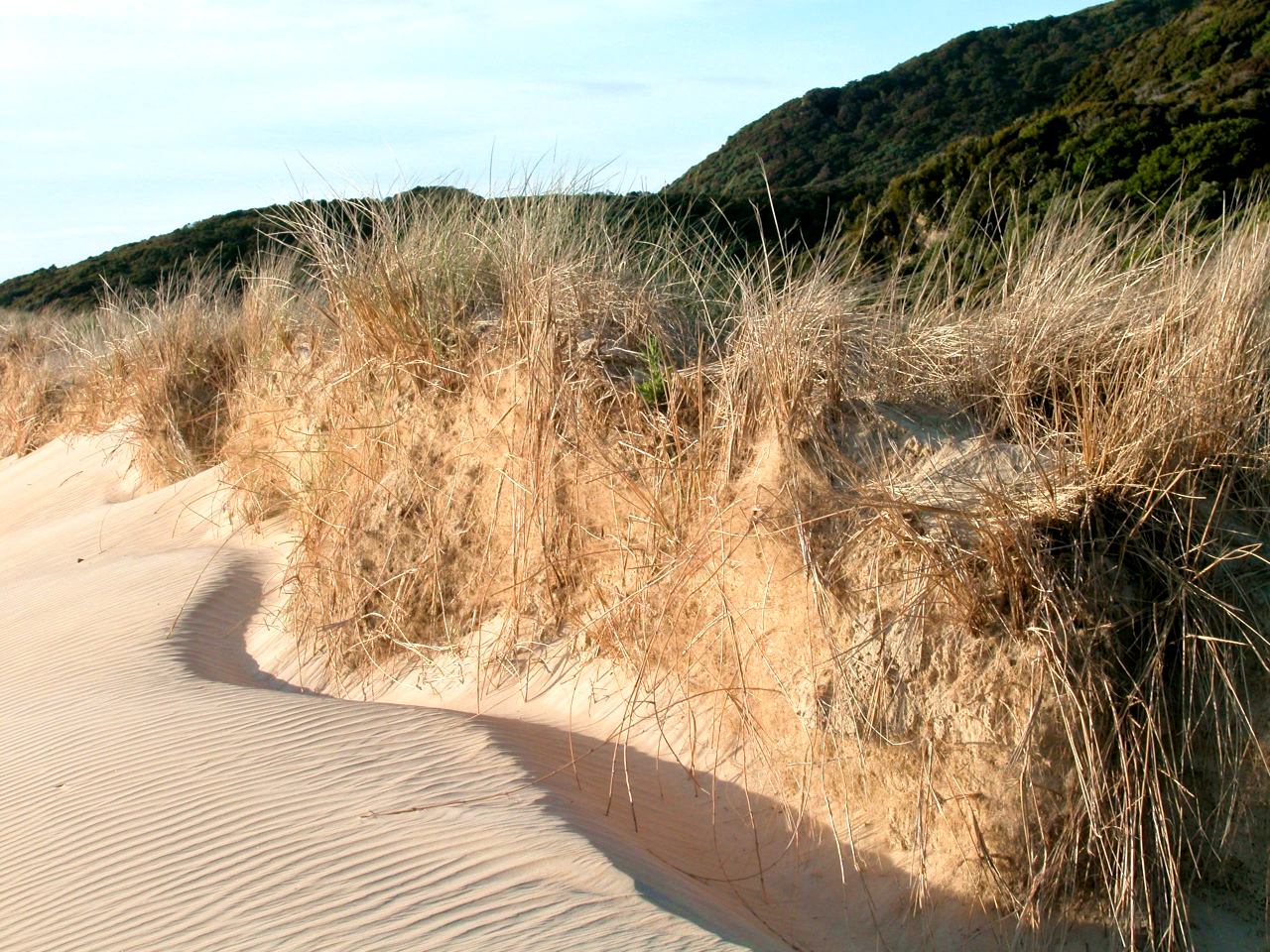
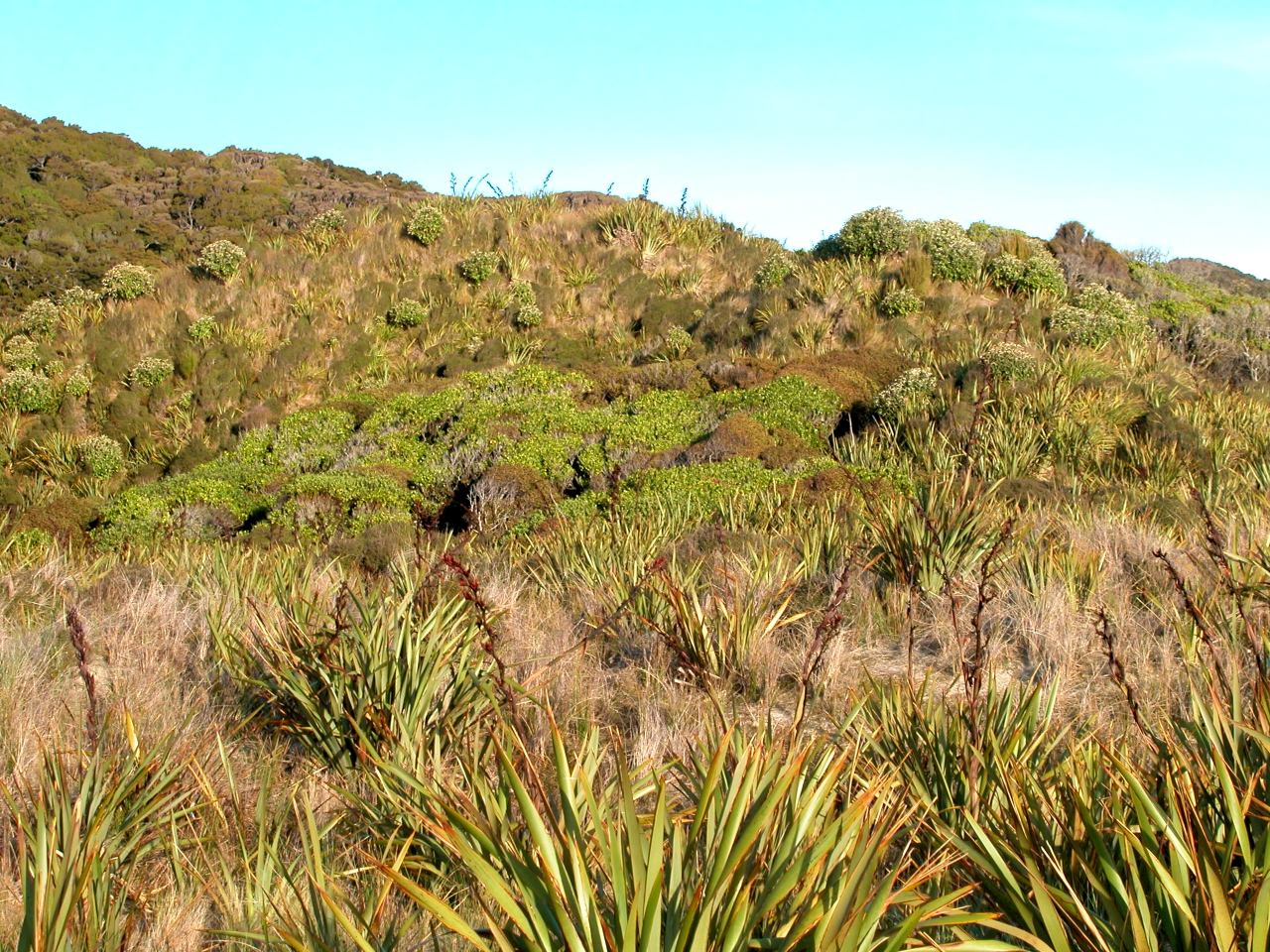
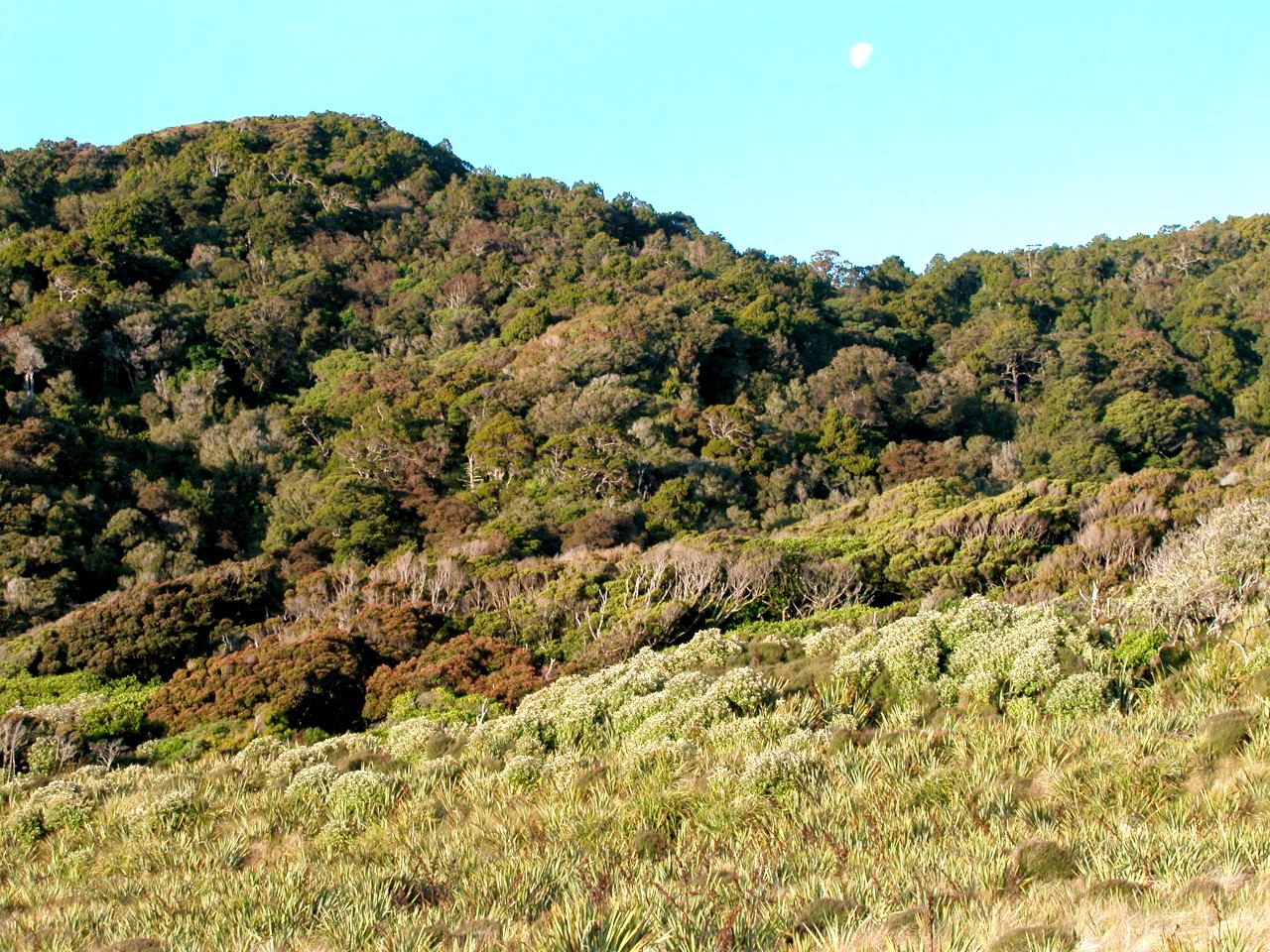
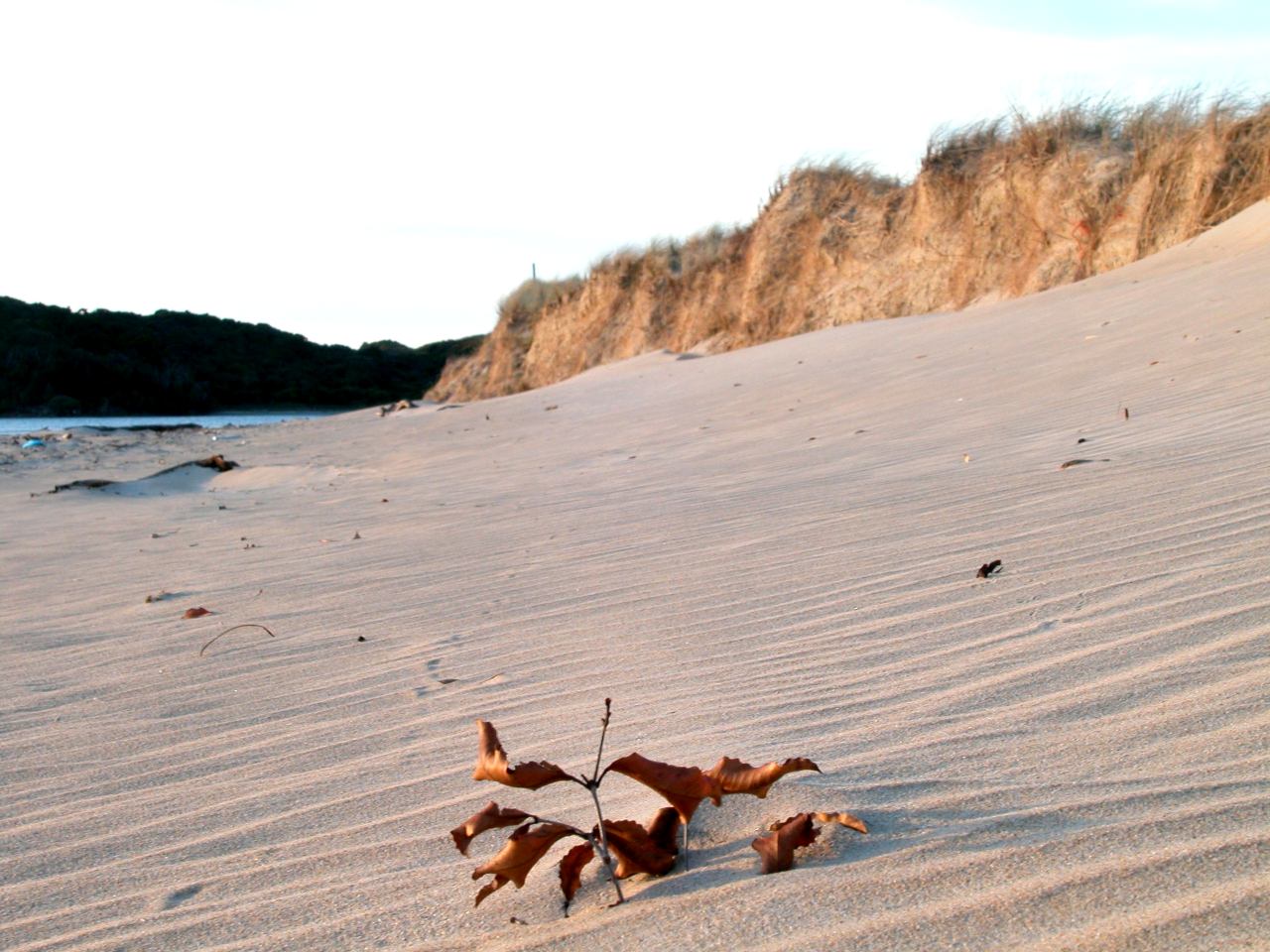
Soon enough we had to retreat into the tent and, through the mesh window, watch the lovely red sunset.
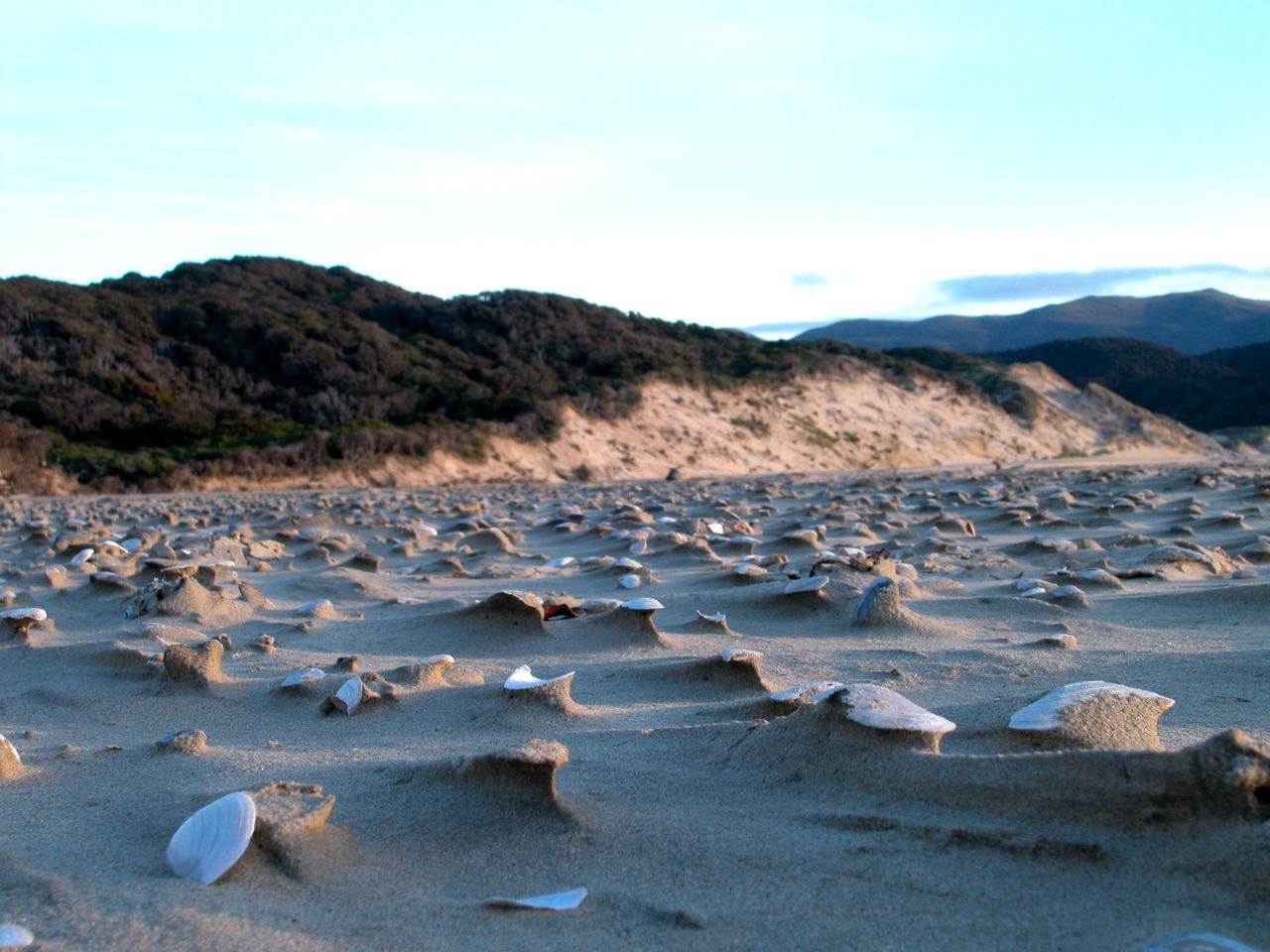
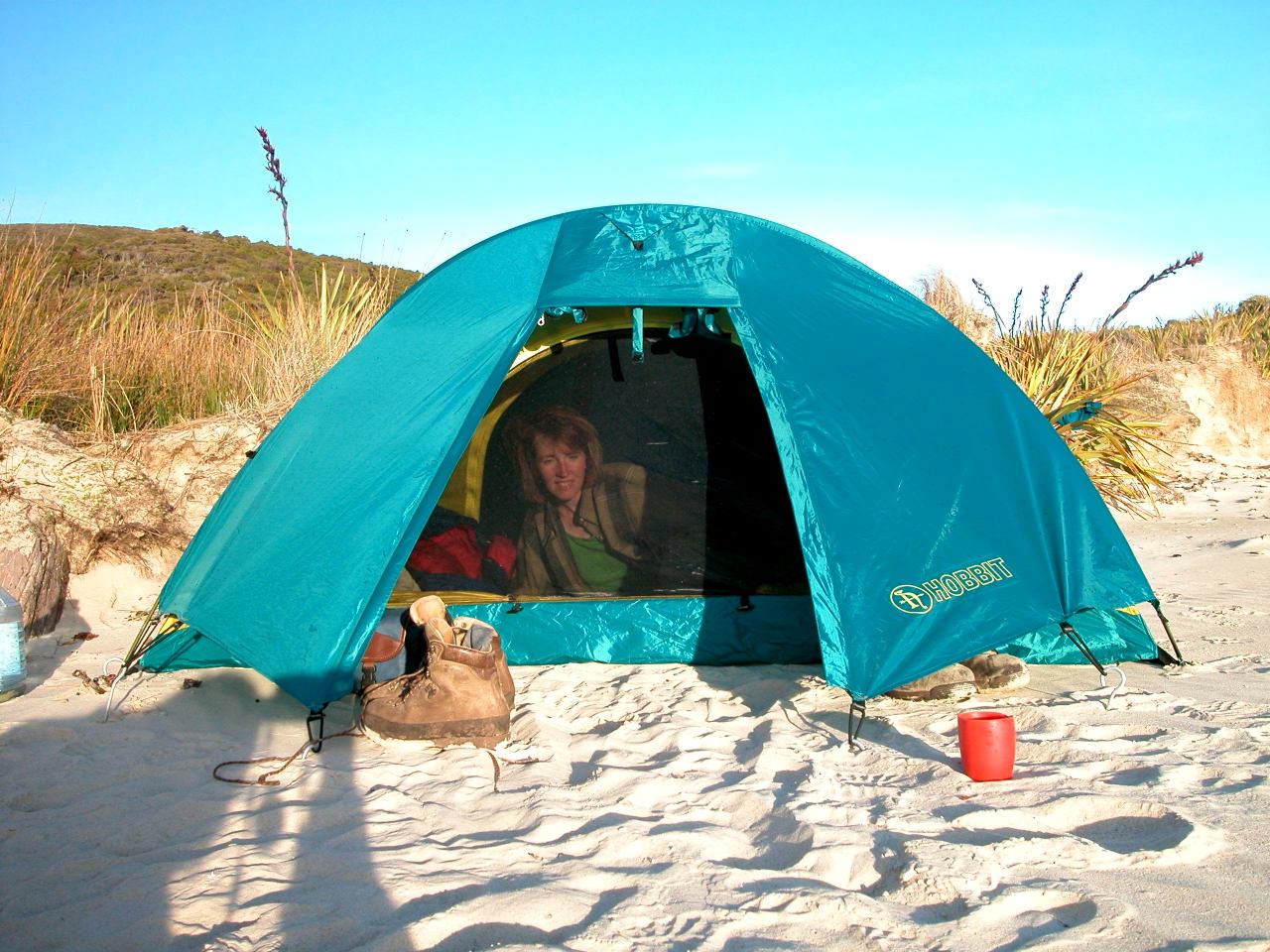
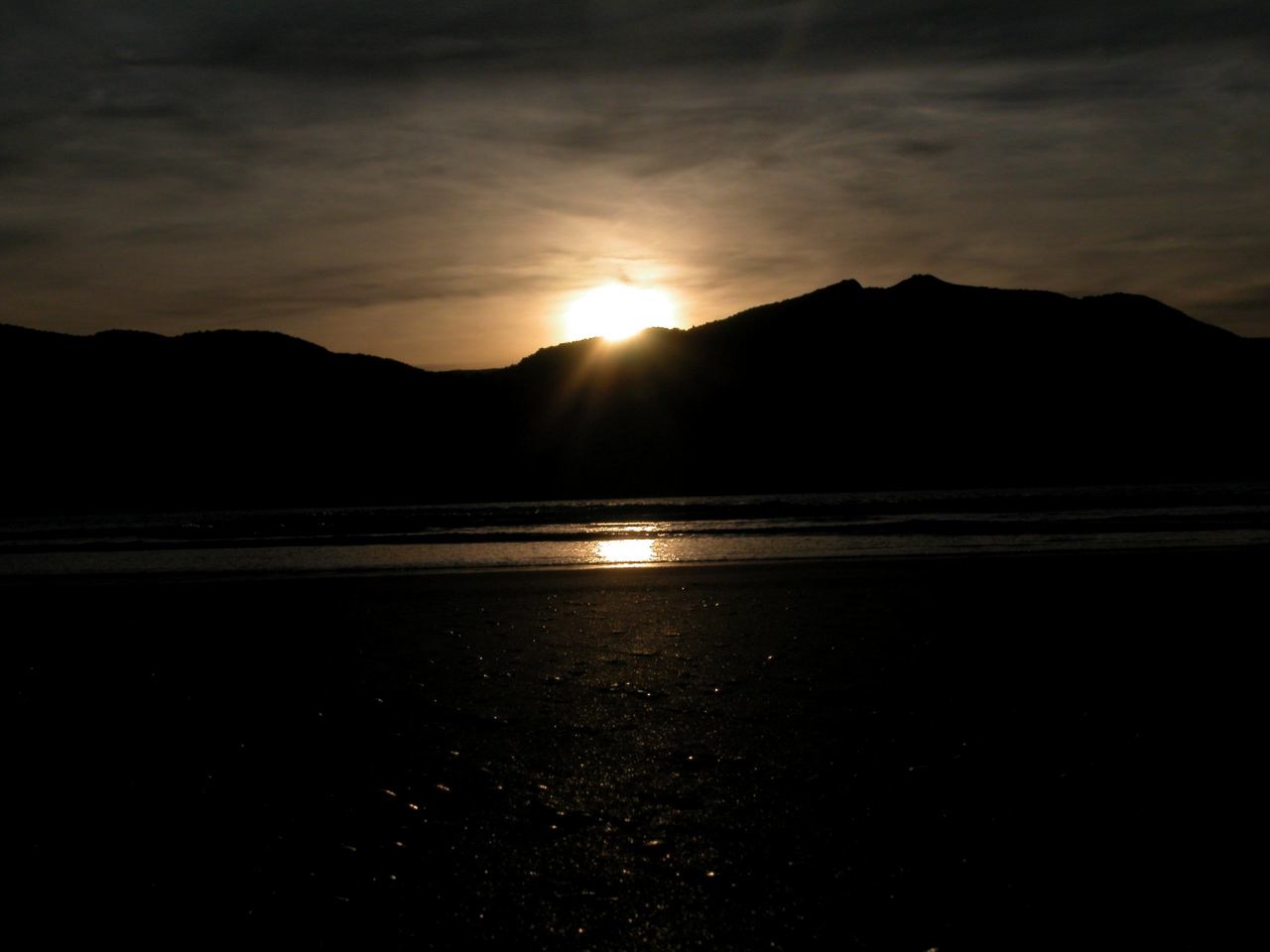
Every cloud has a silver lining. At least we checked how well the tent sealed. Soon, in Tonga and the Cook Islands, we'd have the dengue-carrying mosquito flying round us.
From time to time I still had to get out to take photographs of the sunset. It had got noticeably colder, just above freezing to my senses. The South Pole felt close. Nights here are short and the sun goes down at ten. To get true white nights you'd have to go another seven degrees south, naturally, but the difference from the North Island is easy to notice. You can even see the aurora here. The Māori name Rakiura means glowing skies.
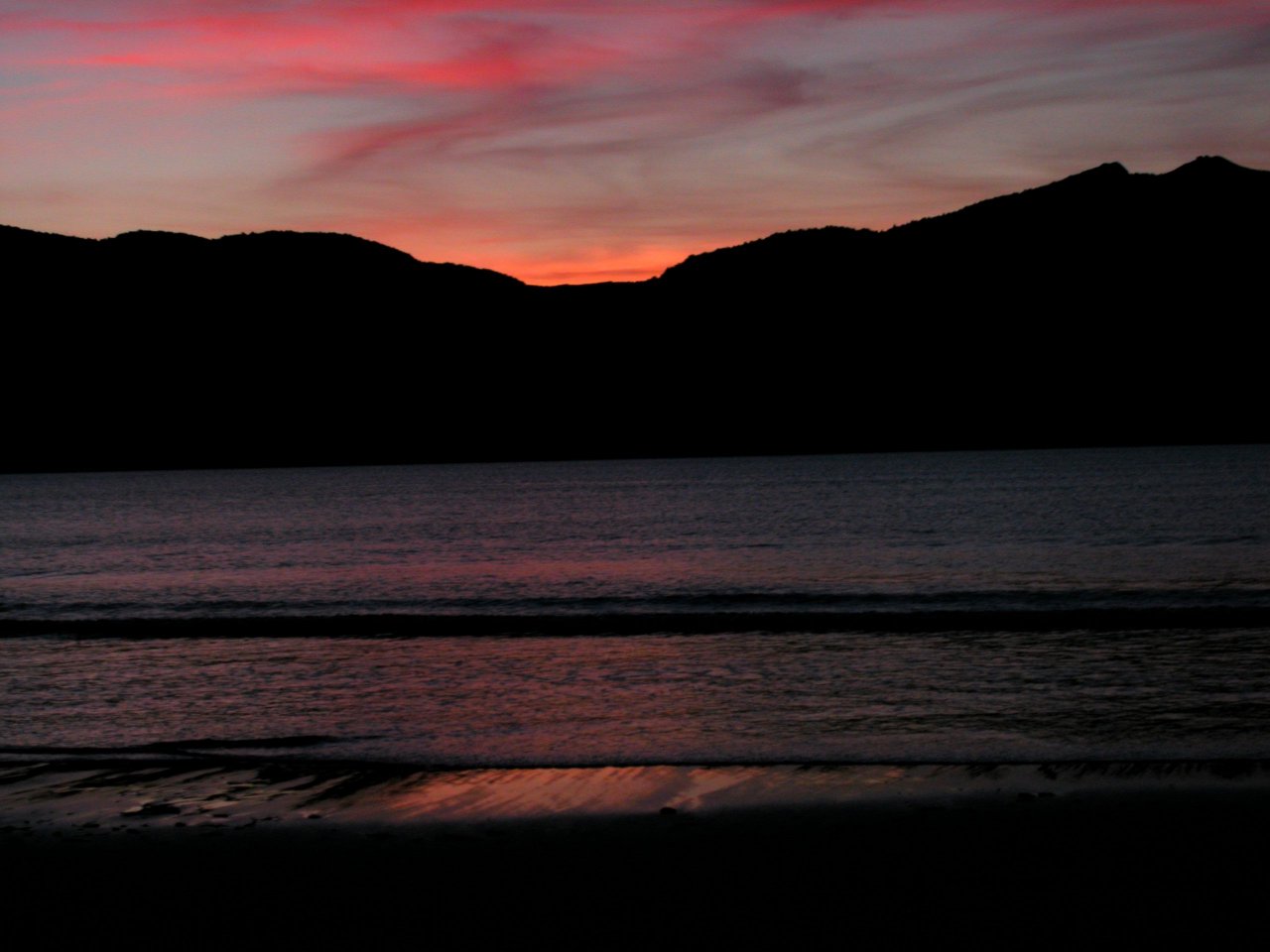
We'd got lucky with the weather. Stewart Island is a very wet place; a whole day without rain is unusual. The next day turned out sunny as well. The walk to Mason Bay was very hard. The track is boggy and mountainous at the same time. Not only do you sink in to your knees, but you're going uphill as well. It doesn't seem to be a great height, nor much of a distance, but it took a great deal out of us. Kiwis brightened the walk. We saw them four times over this stretch; seeing one puts your strength right back into you.
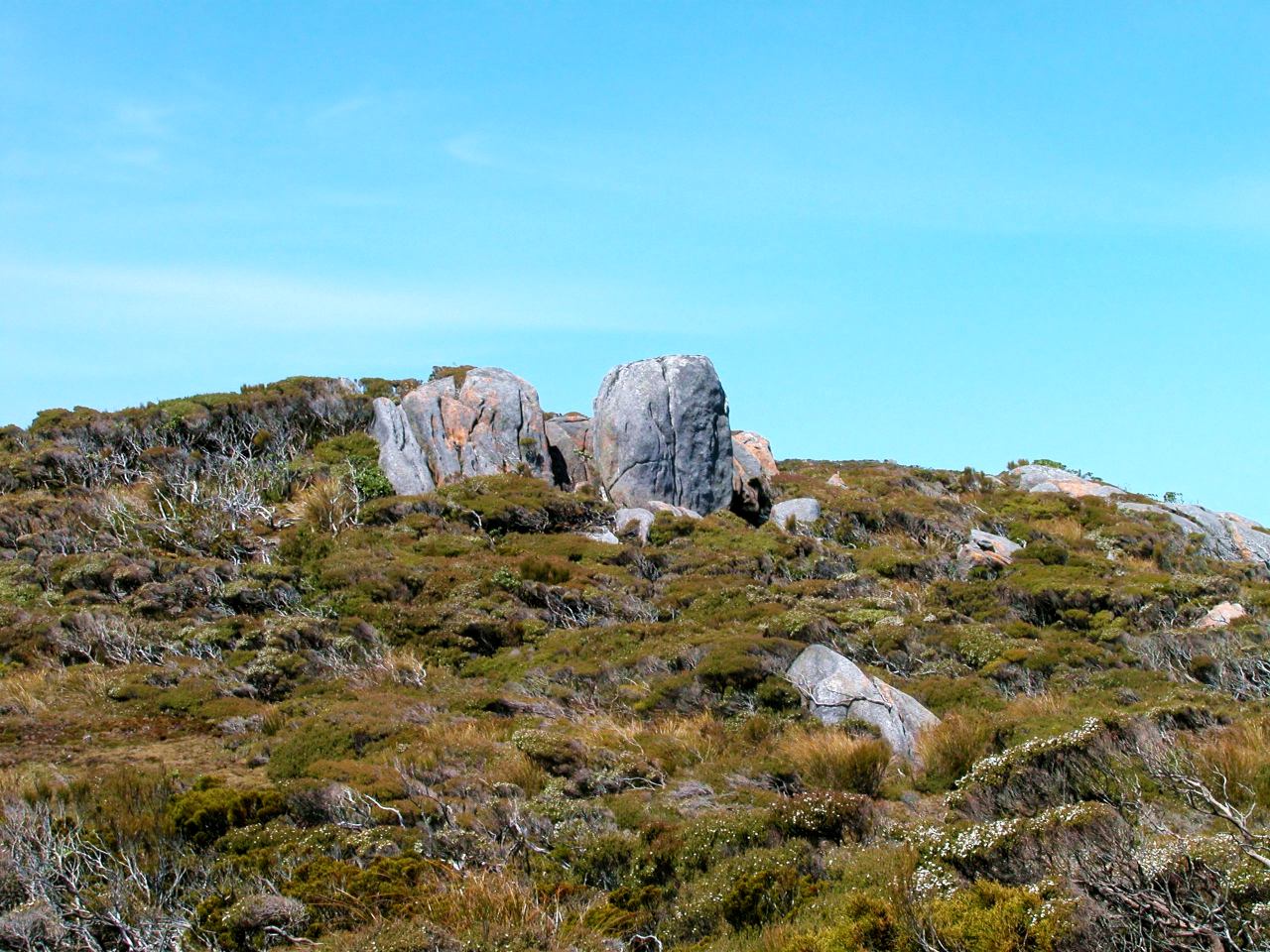
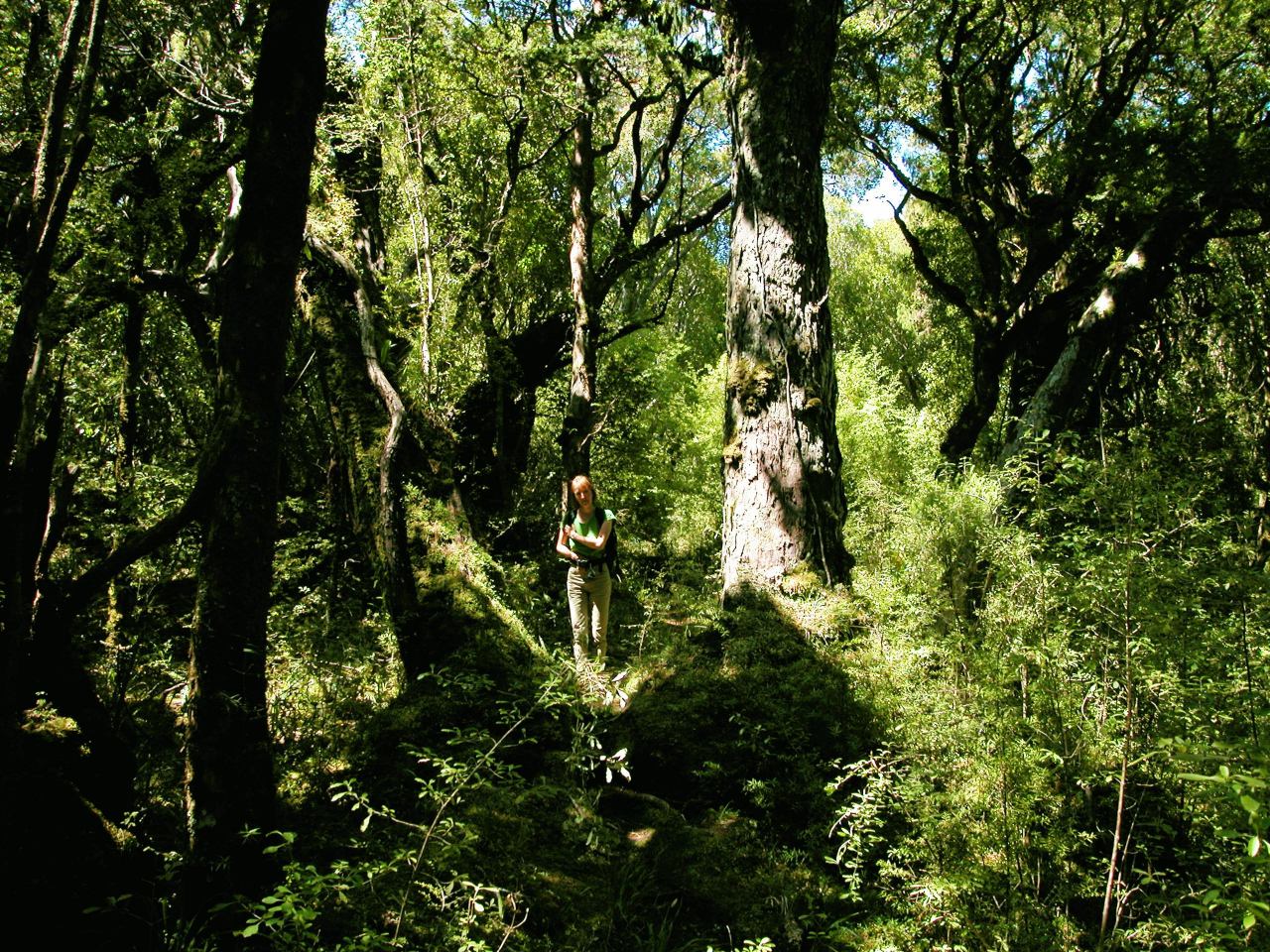
The last piece of track to the beach goes over the dunes. You have to climb up and down through sand that gives way underfoot.
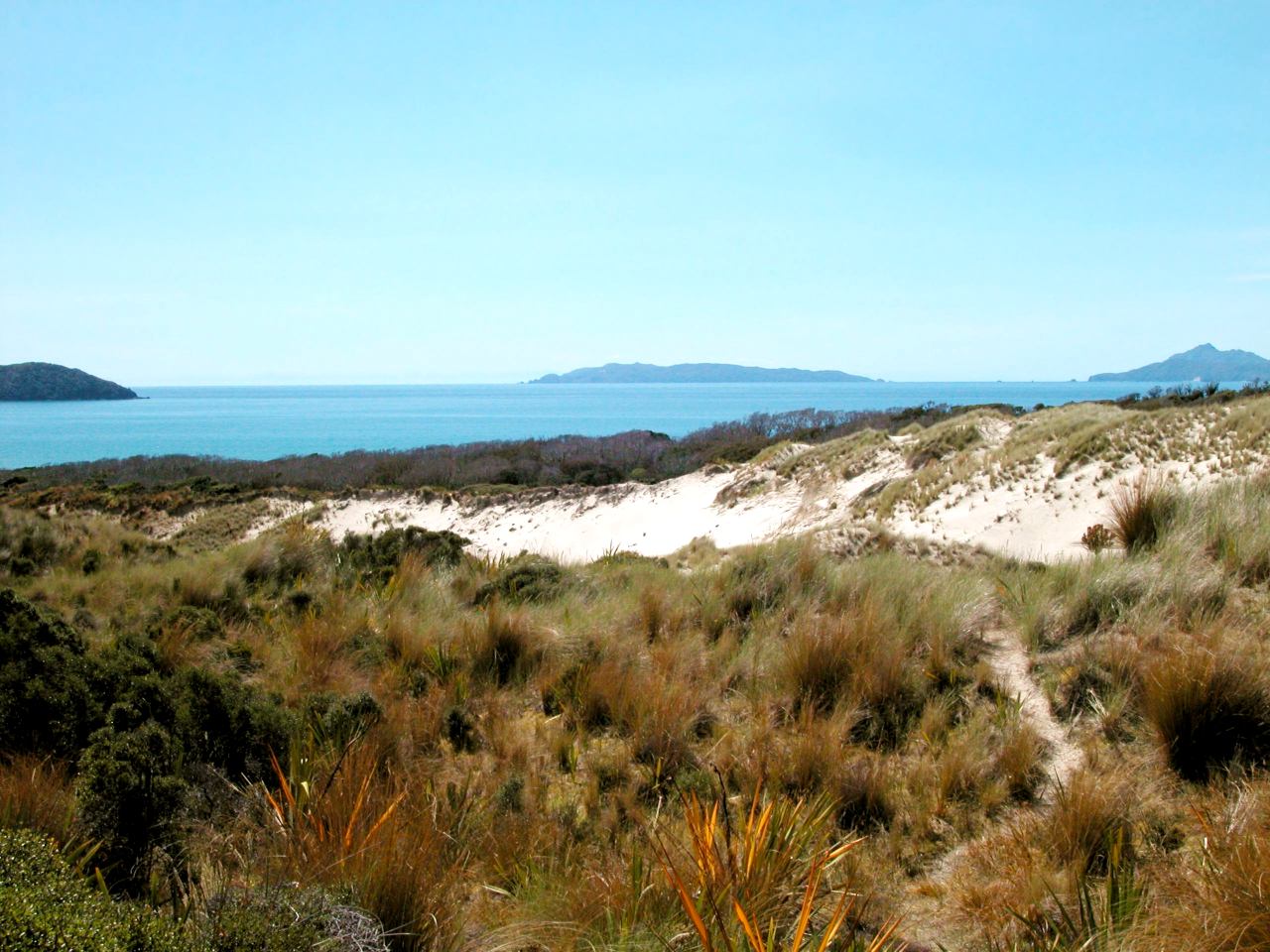
When we reached the beach we immediately cooked lunch, settling in the shade of the coastal scrub. The bank is steep and made of shells.
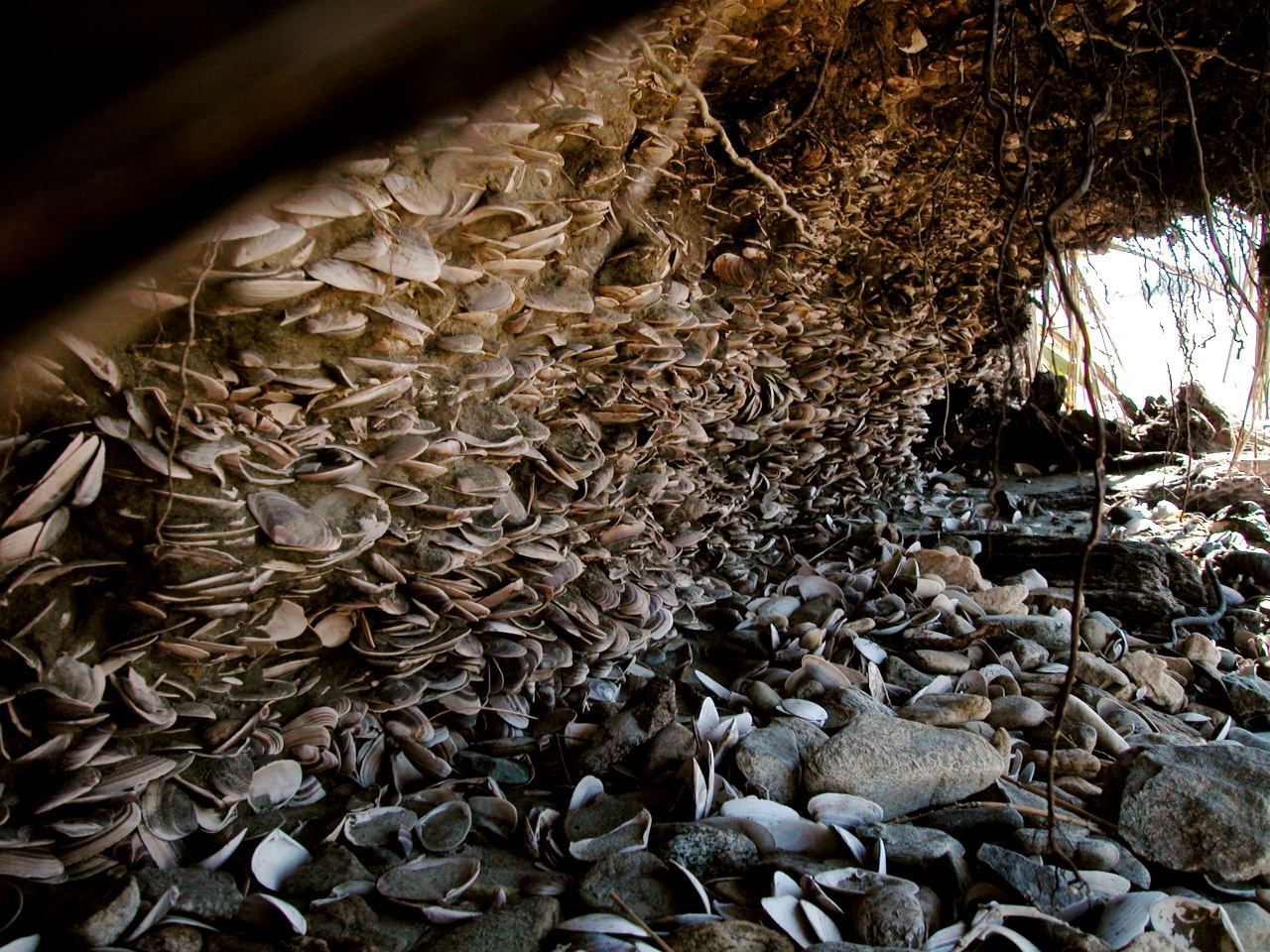
Mason Bay is enormous and as a result there's no shortage of company. People walk up and down. Planes land at the southern end with tourists aboard. Flocks of birds run about along the tideline. The beach is easy walking. In only an hour we were at the mouth of Duck Creek and the next hut, Mason Bay Hut. The Northwest Circuit branches off from here. You're supposed to allow nine days for it. That's much too long for us, so we had to turn back.
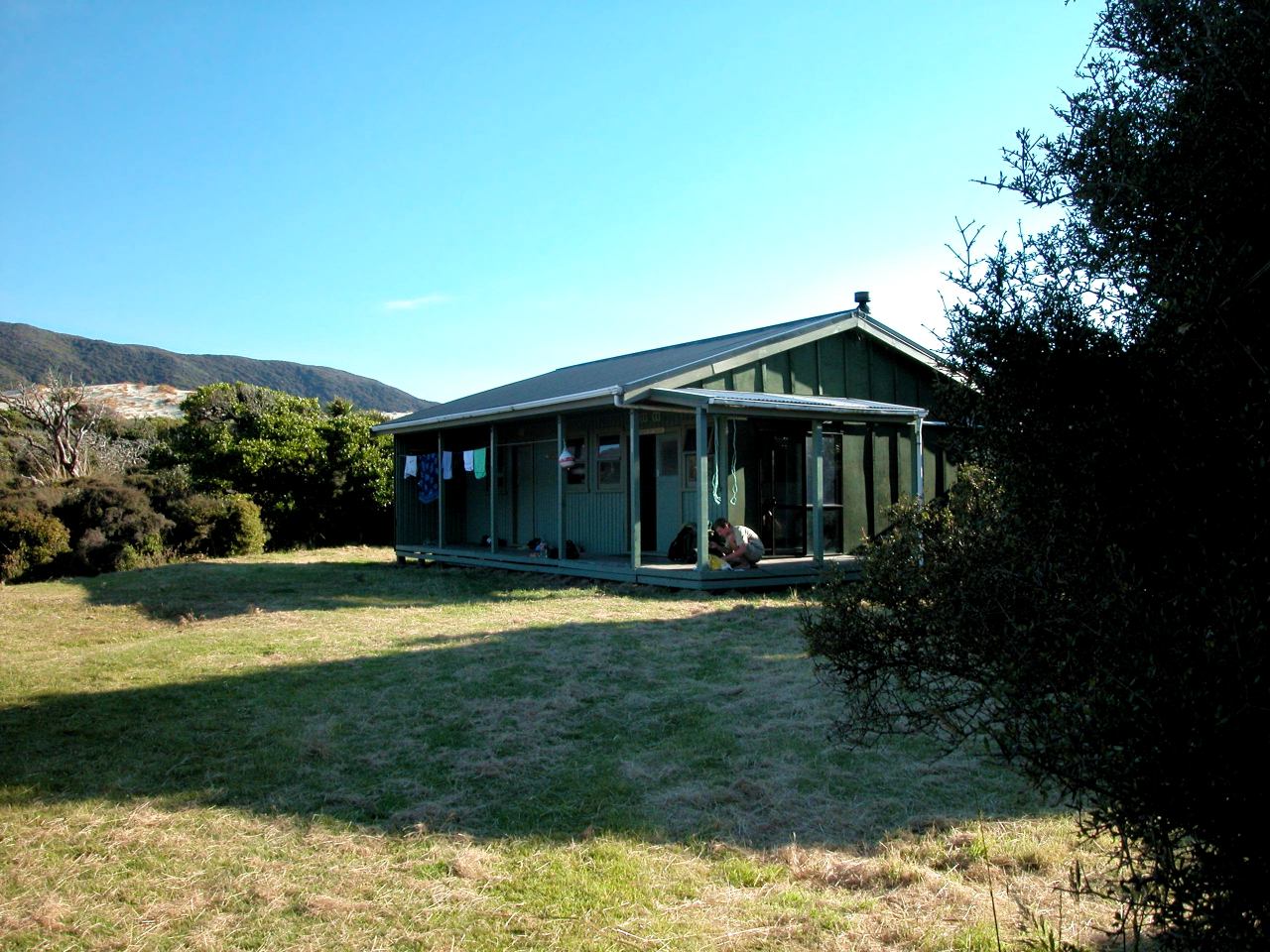
The hut had just been renovated, everything immaculate. It was full of people who'd been flown in to see kiwis. At ten in the evening they were meant to go out into the surrounding mānuka scrub to look. The visitors' book was full of entries as to whether or not there were any kiwis here.
That no longer mattered to us. We'd seen our fill and decided to go a bit farther. Inland is no longer a footpath but a road you can drive on. It goes as far as the old hut. Park workers live there now; before the national park there was a farm. The former sheep paddocks have gone to very tall grass, but forest hasn't had time to grow back. Even the sheep pens remain. There was bog marked on the map and we were sure we'd easily find water and camp in the scrub nearby. In practice we had a great deal of trouble finding a place to stop. In an almost impenetrable stand of mānuka we picked a little spot for the tent by Lower Island Hill (46°54.816′S, 167°49.047′E; elevation 63 m). After a long search we found a hole with water that had settled. We carefully dipped out two litres with a mug, which was all we needed. Tonight's dinner was freeze-dried lamb from a packet. New Zealand outdoor shops sell very convenient meals for walking. Open a packet for one or two and pour in boiling water. In a few minutes you can eat. Tasty and nourishing. The unopened pack is light and easy to take along. We brought it to Stewart Island as an experiment and liked it so much we even took a few packs home. Two servings cost about NZ$9.
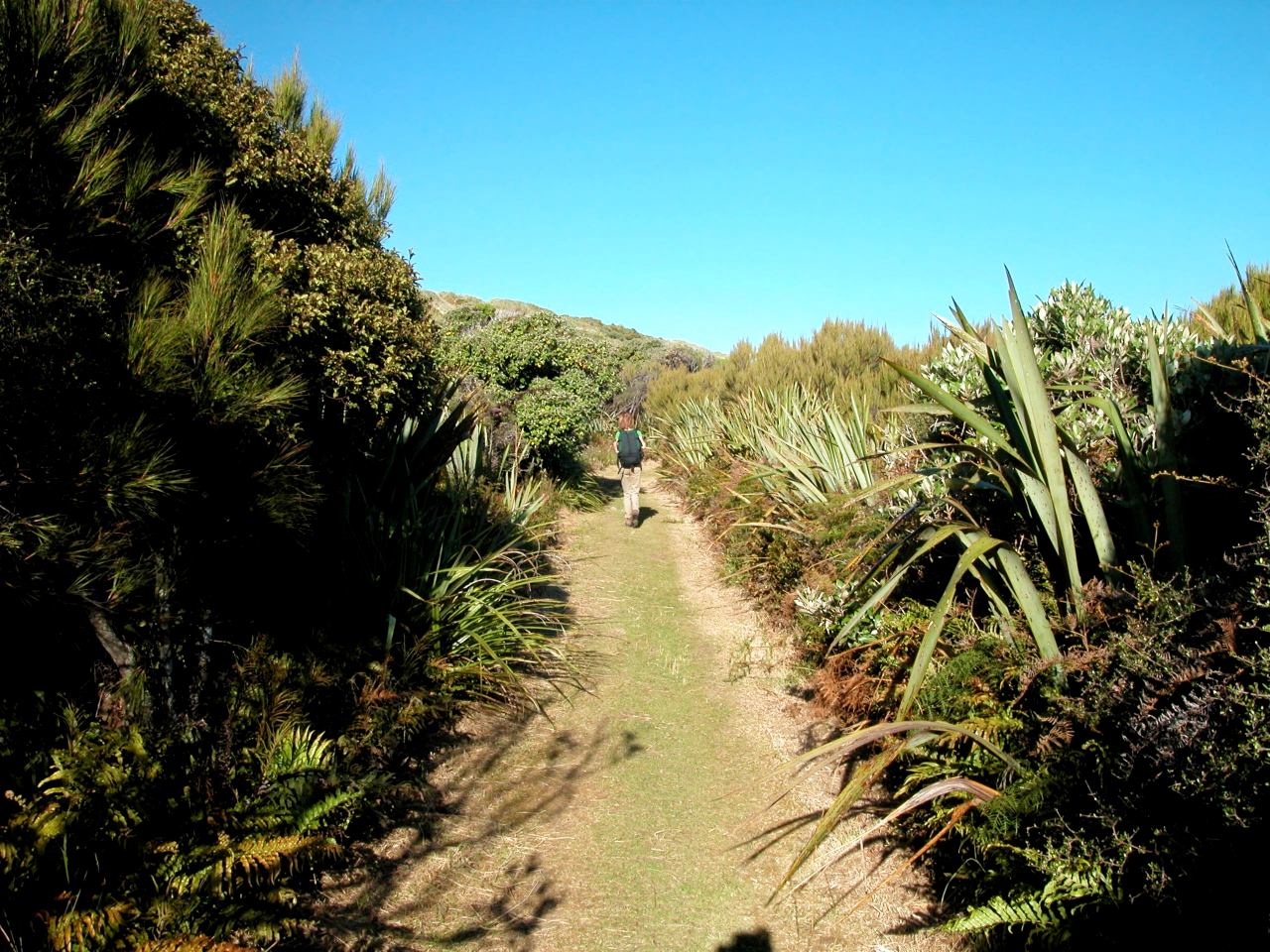
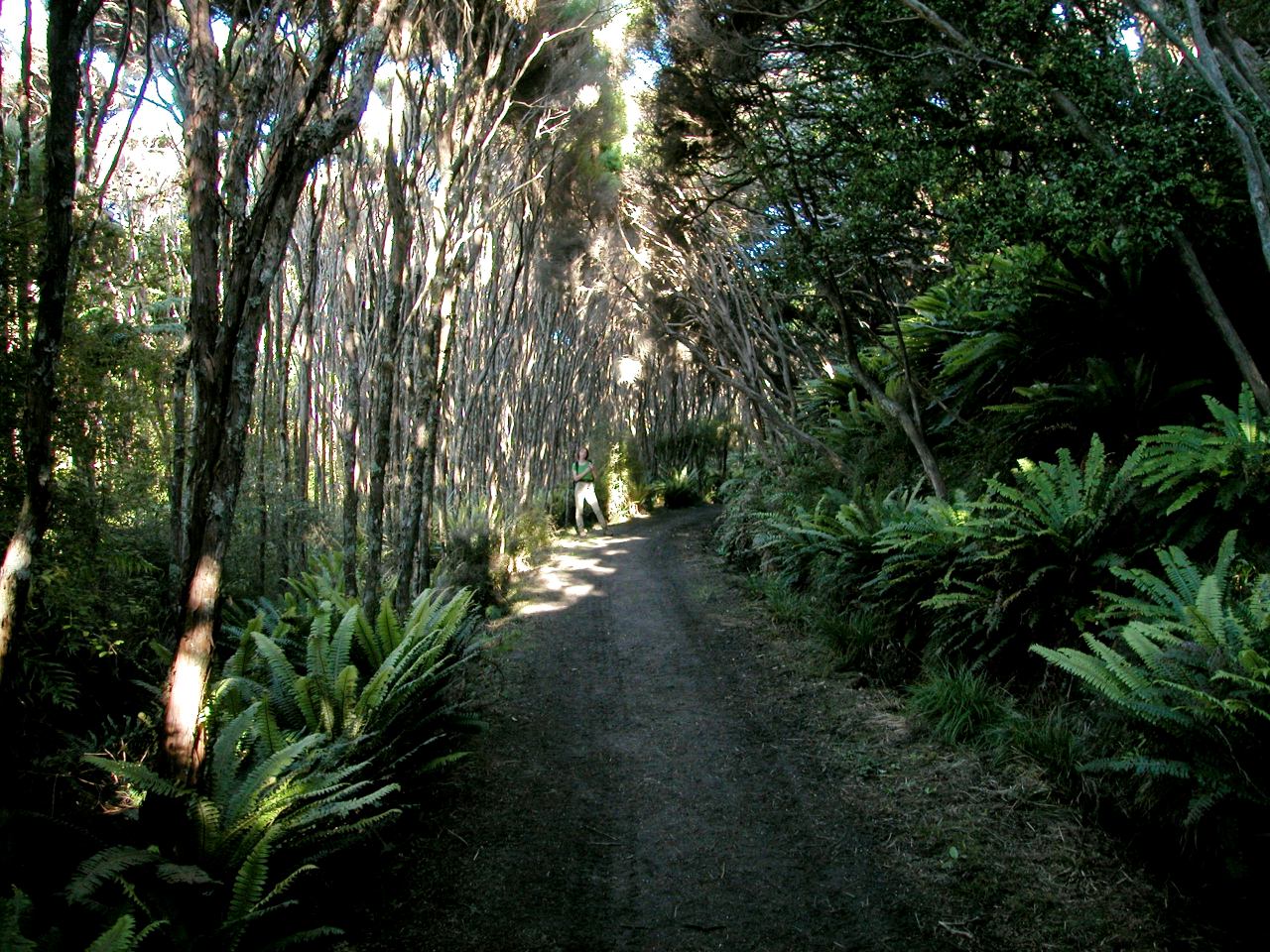
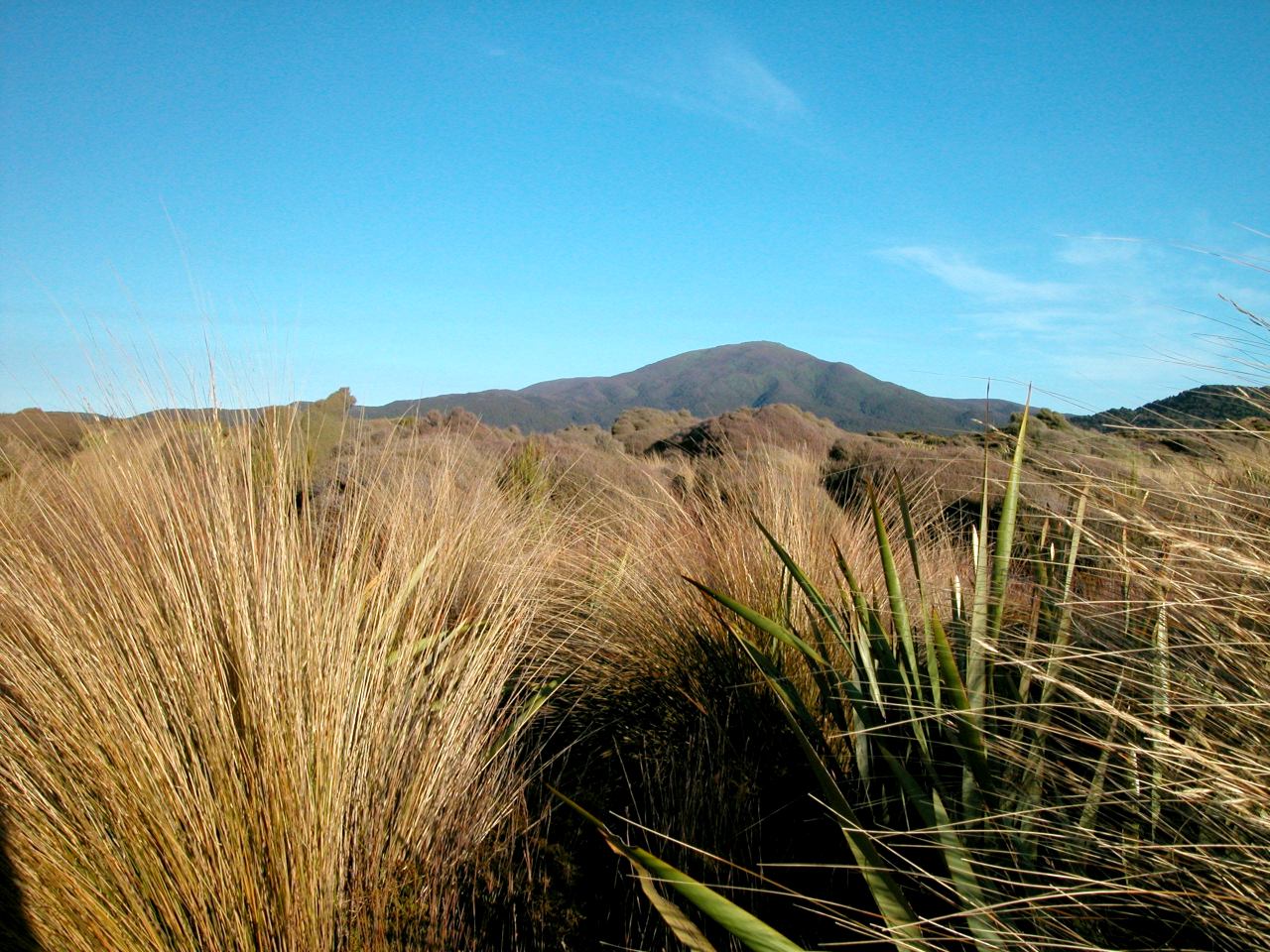
At the visitor centre they'd frightened us with terrible stories about the bogs on the way to Freshwater Hut, so we prepared for the worst. We got up early to allow plenty of time for this awful crossing. In fact the bog had boardwalks all the way across it. You could cross without the slightest difficulty, without even dirtying a pair of white trainers. So much for trusting DOC staff. The woman in the office, it seemed, had never walked any of the tracks she was employed to talk about.
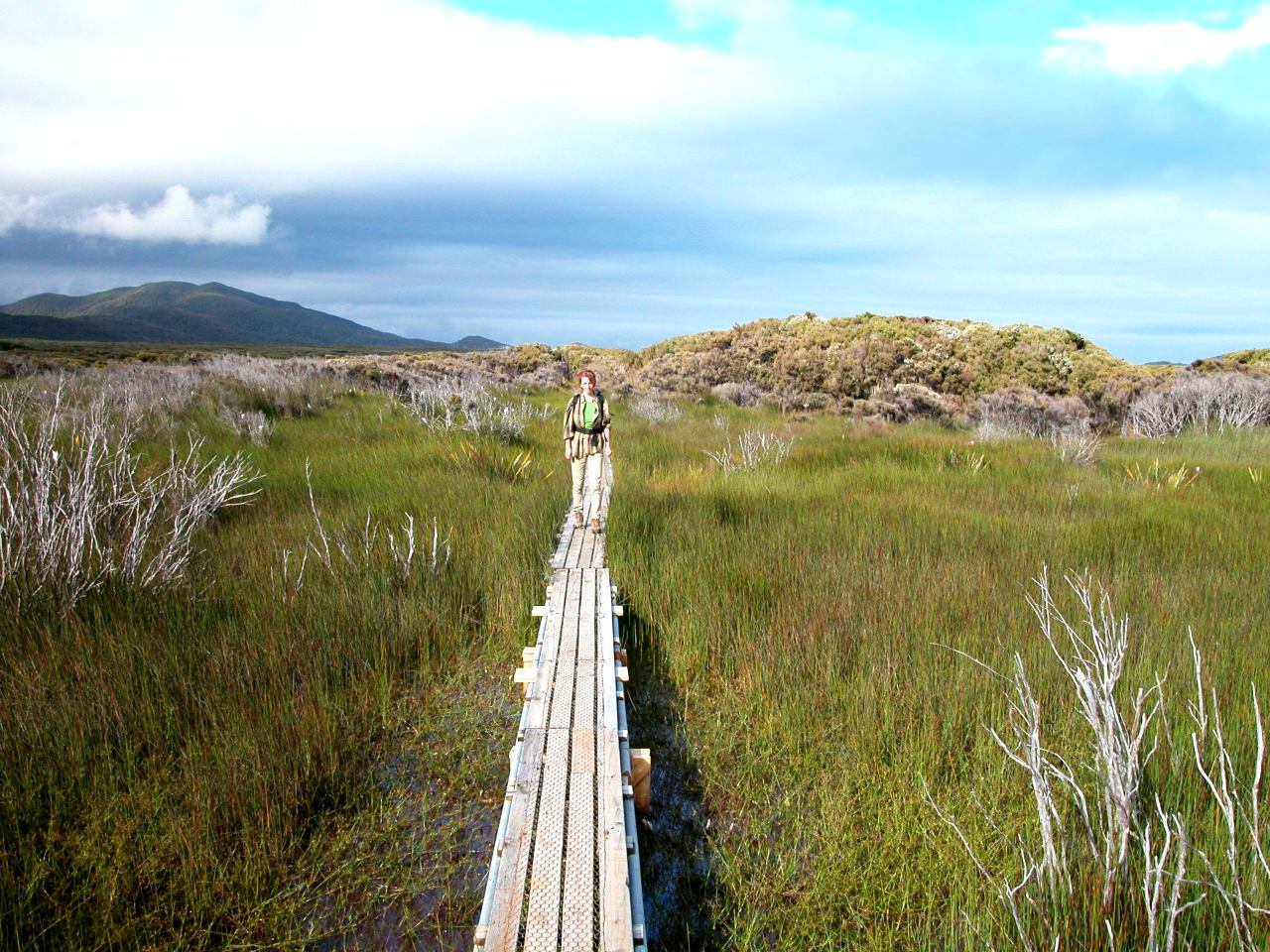
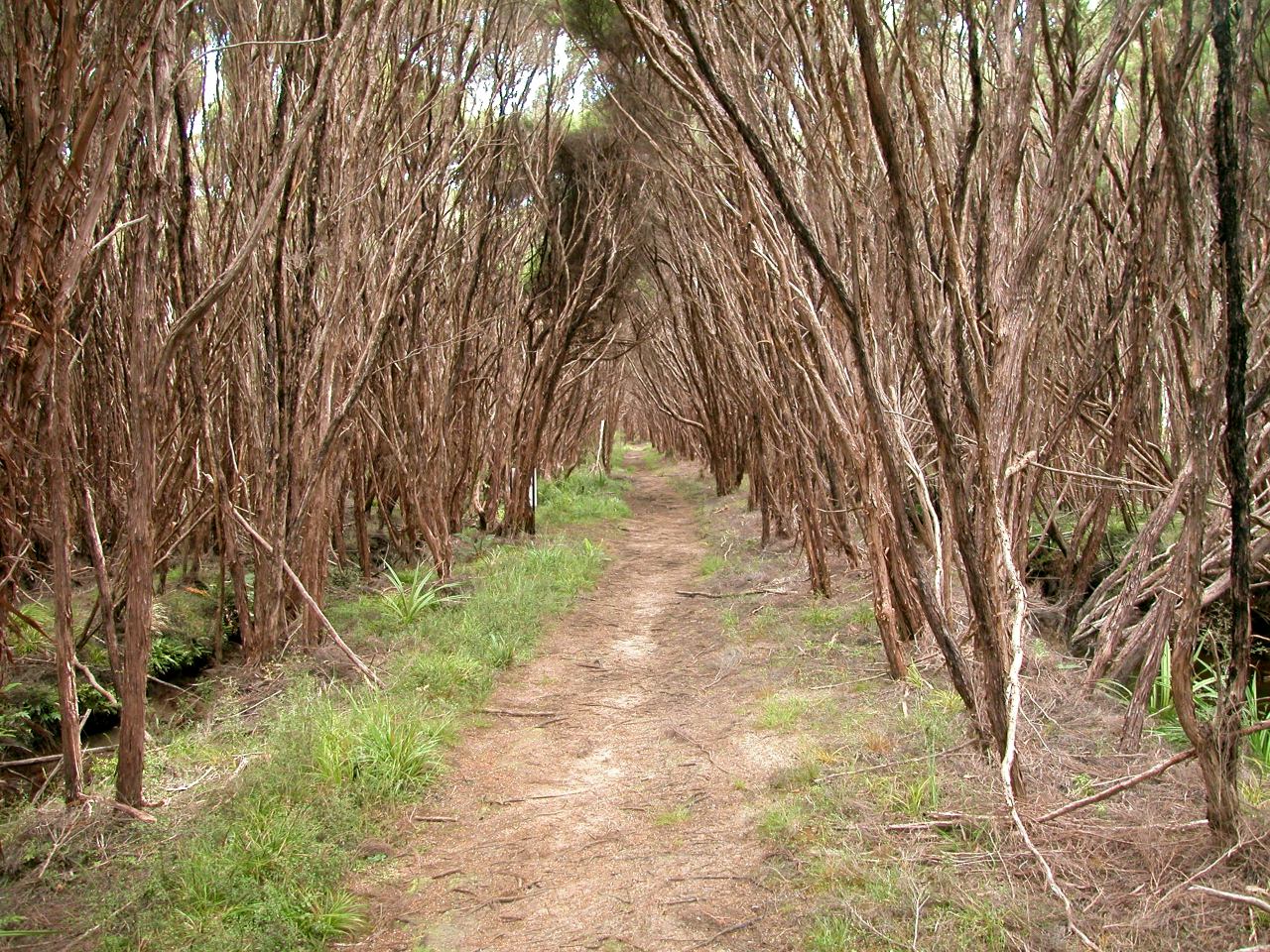
Meanwhile the weather started turning. By the time we came up to the jetty and Freshwater Hut, it was already drizzling. The water taxi calls at the jetties every day in search of people who want to go back. The pickups are timed for the ferry to Bluff. Since the walk had taken much less time than expected, we had a long wait.
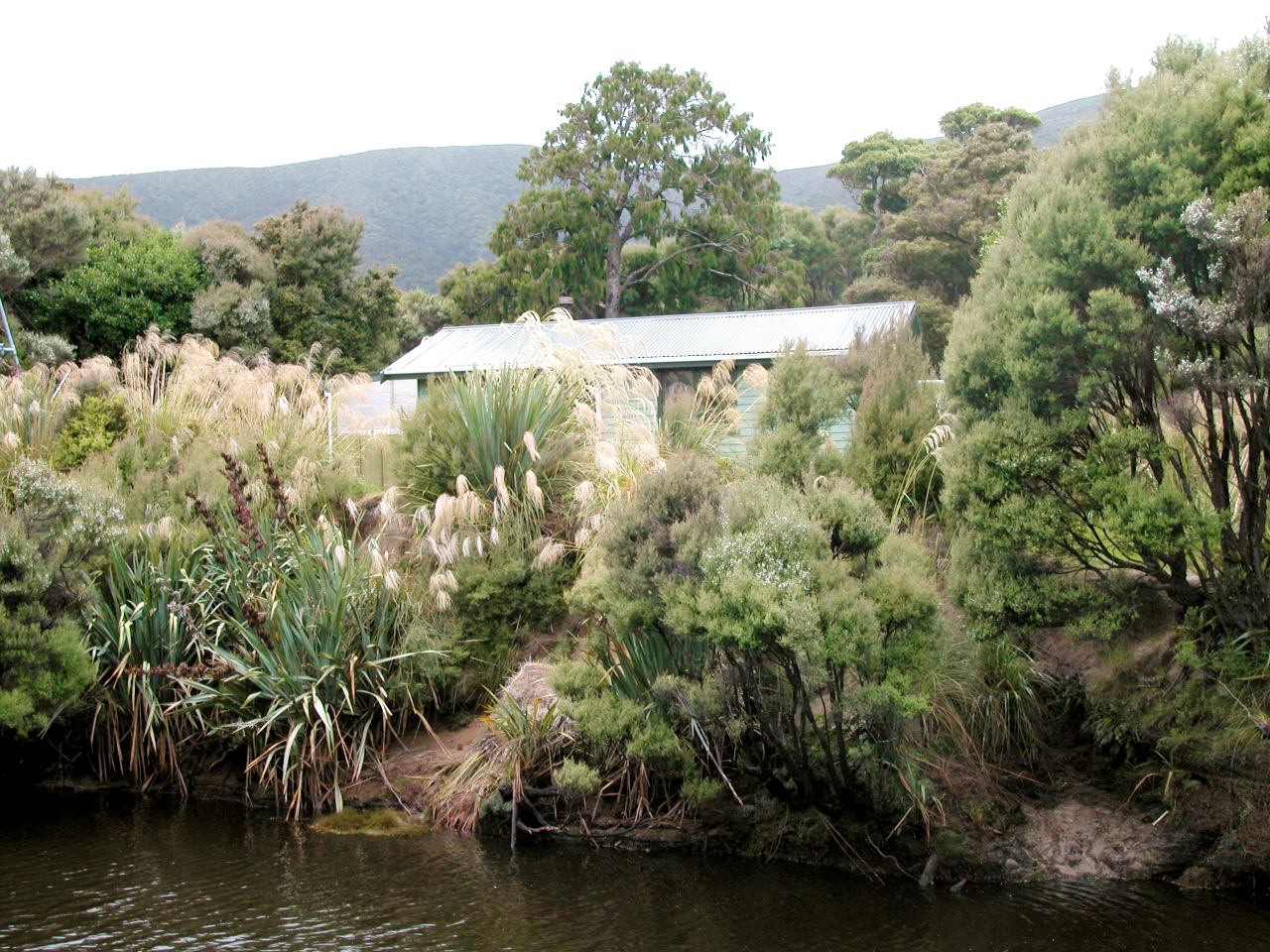
A suspension bridge crosses the Freshwater River near the hut. It turns up all the time in New Zealand advertisements and books. We walked across it and back about ten times.
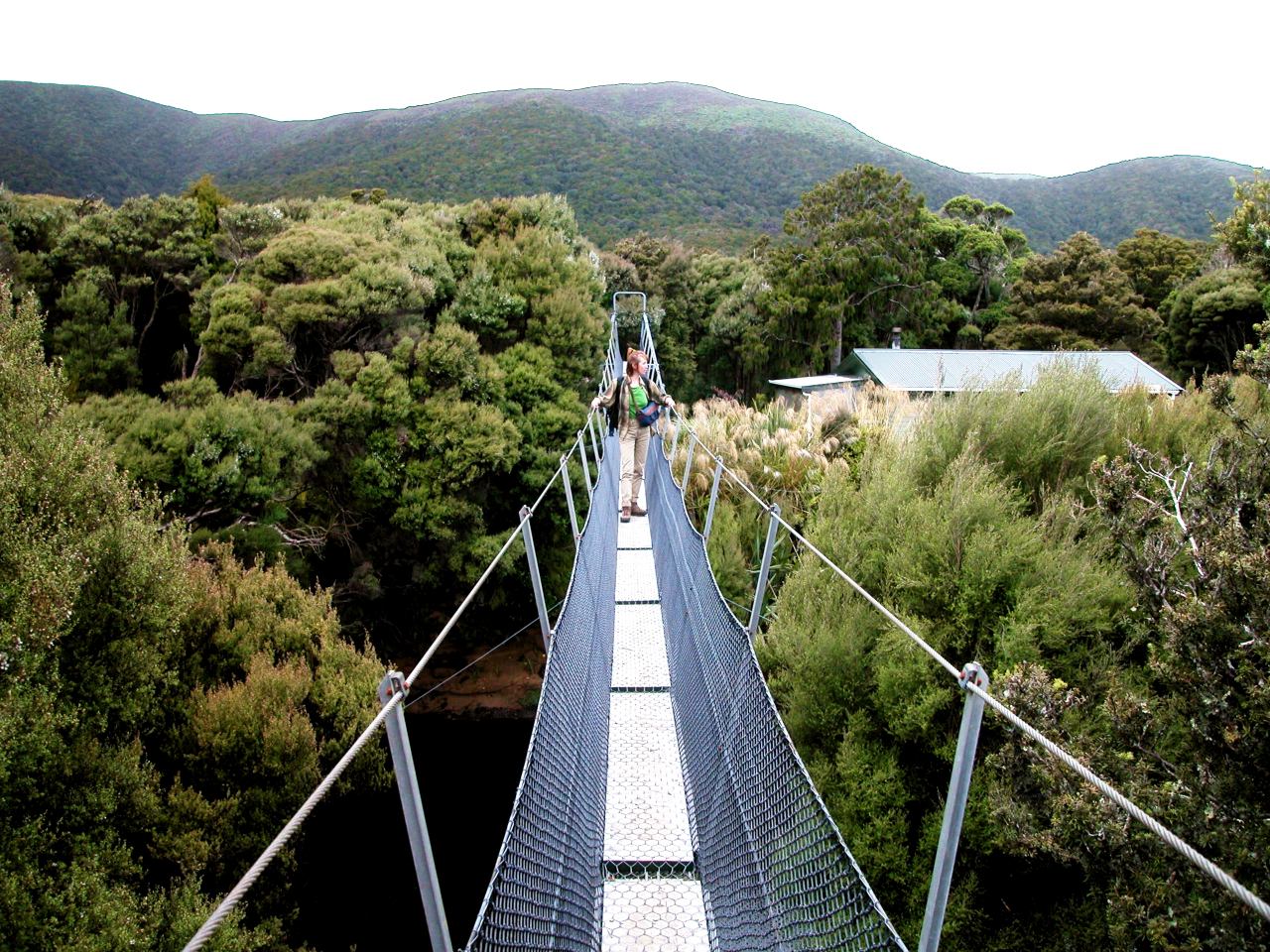
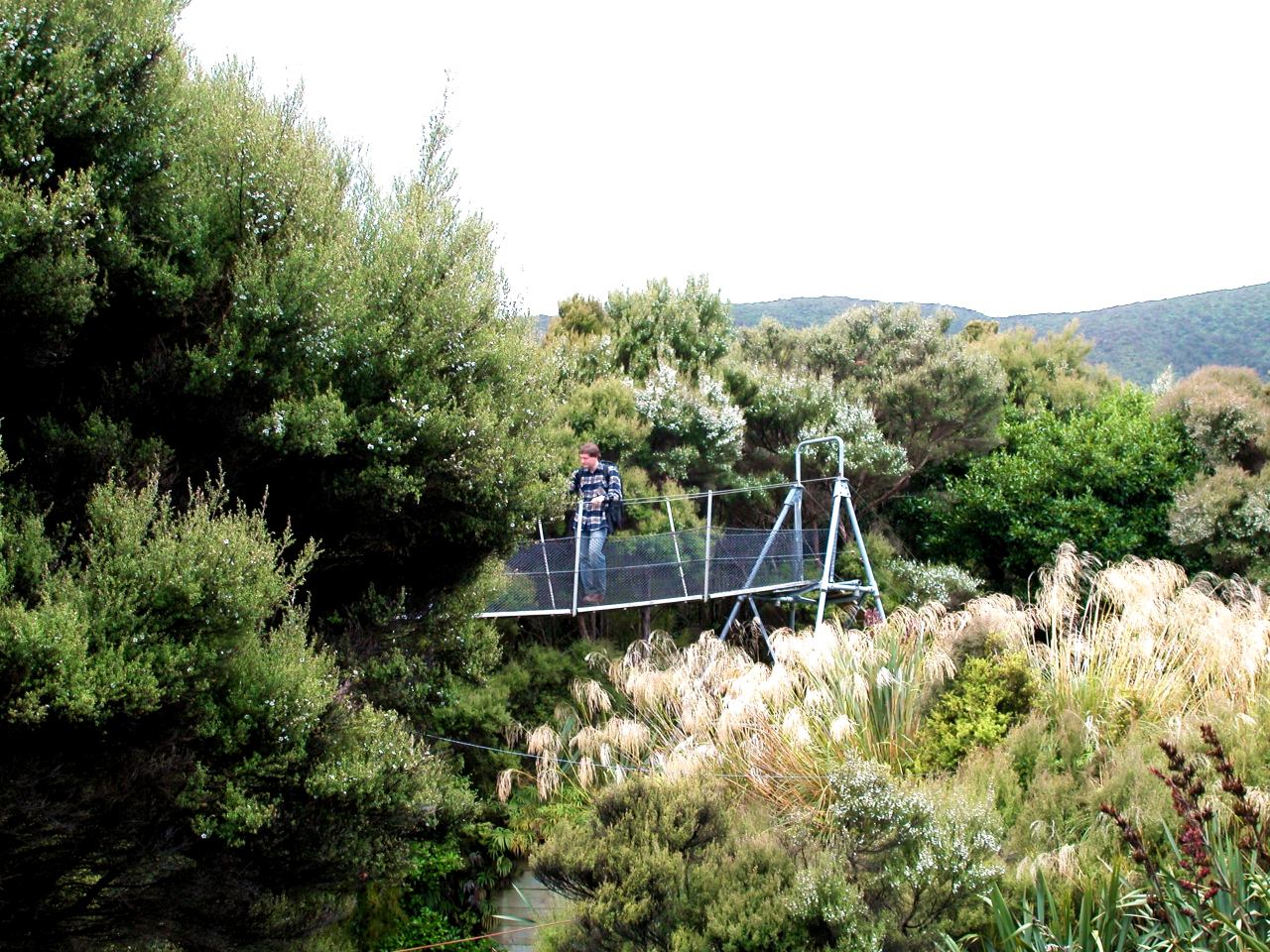
The water taxi was promised for one in the afternoon. A crowd started to gather. I remember a young American from New York. She'd been travelling the world for two years, and now she'd found herself a job as the librarian in Oban. At weekends she went to see some boys she knew who worked for DOC at Mason Bay. She loves her freedom and makes the most of it. She arrived, lay on the grass and fell asleep curled up in spite of the rain. “You can't do that in America,” she said. “They could take you to the police station for it.” She might go back to America when she's old, but for now life is beautiful. At this rate everybody in America with any energy or love of freedom will leave.
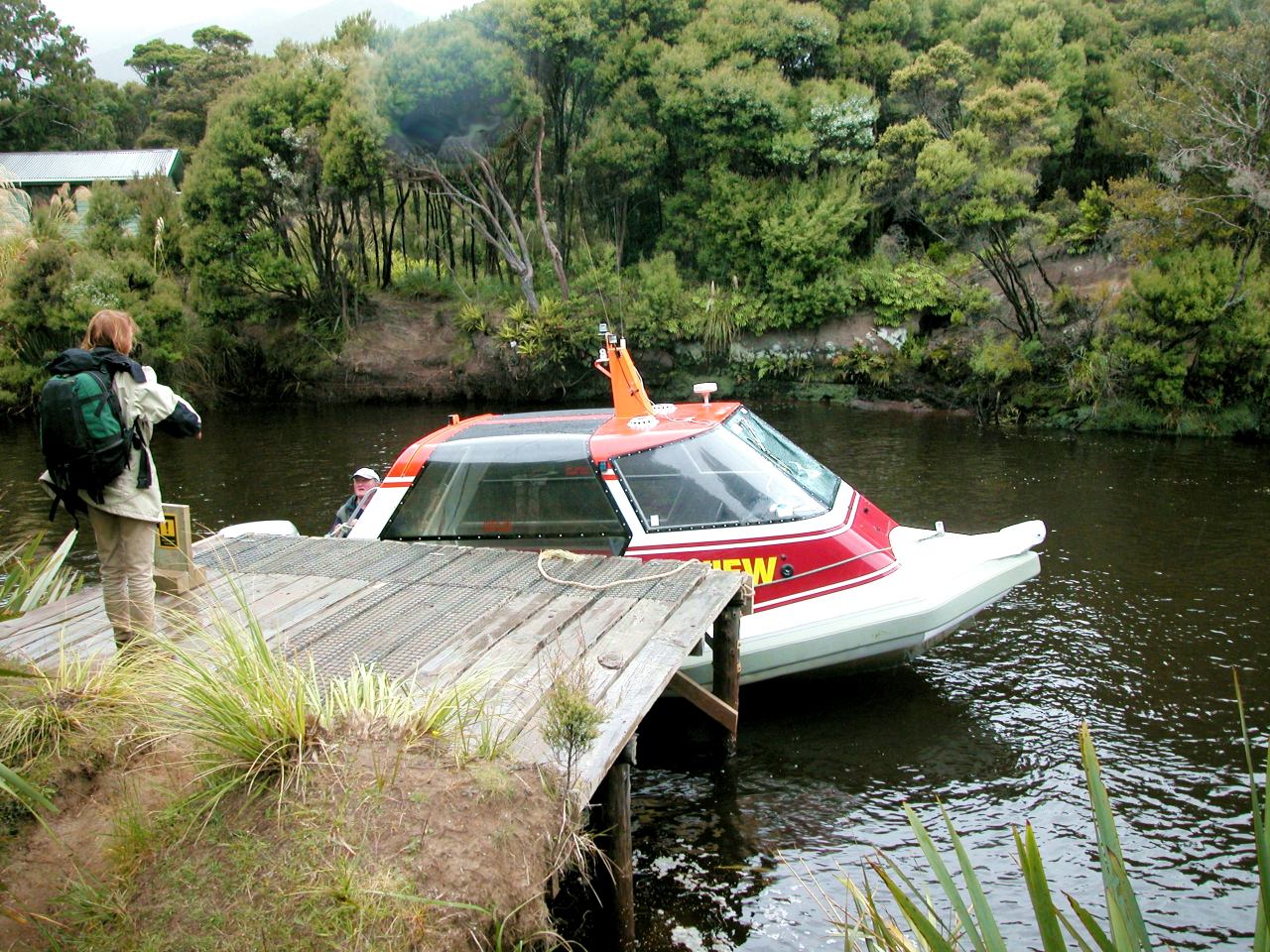
The same fellow who had dropped us off turned up in his water taxi an hour early. The taxi spends a long while going down the river before coming out with it into Paterson Inlet. The river winds between thick bush and hills. It turned out to be quite a ride.
There were still a few hours to go before the ferry. As we were meant to, we checked back in at the DOC office, then had coffee and a salmon sandwich. The salmon was local: there’s a farm in Big Glory Bay, not far from Ulva Island. Taking our time, we wandered round the whole village and sent postcards home from the post office. There isn’t a great deal to see. There’s a little church and a small brewery that makes the local beer. The memorial to those lost in the two world wars took me by surprise. It turns out not even this faraway corner escaped the wars. Five died in one war and twelve in the other. Relative to its population, New Zealand lost more people in the Second World War than any other Commonwealth country.
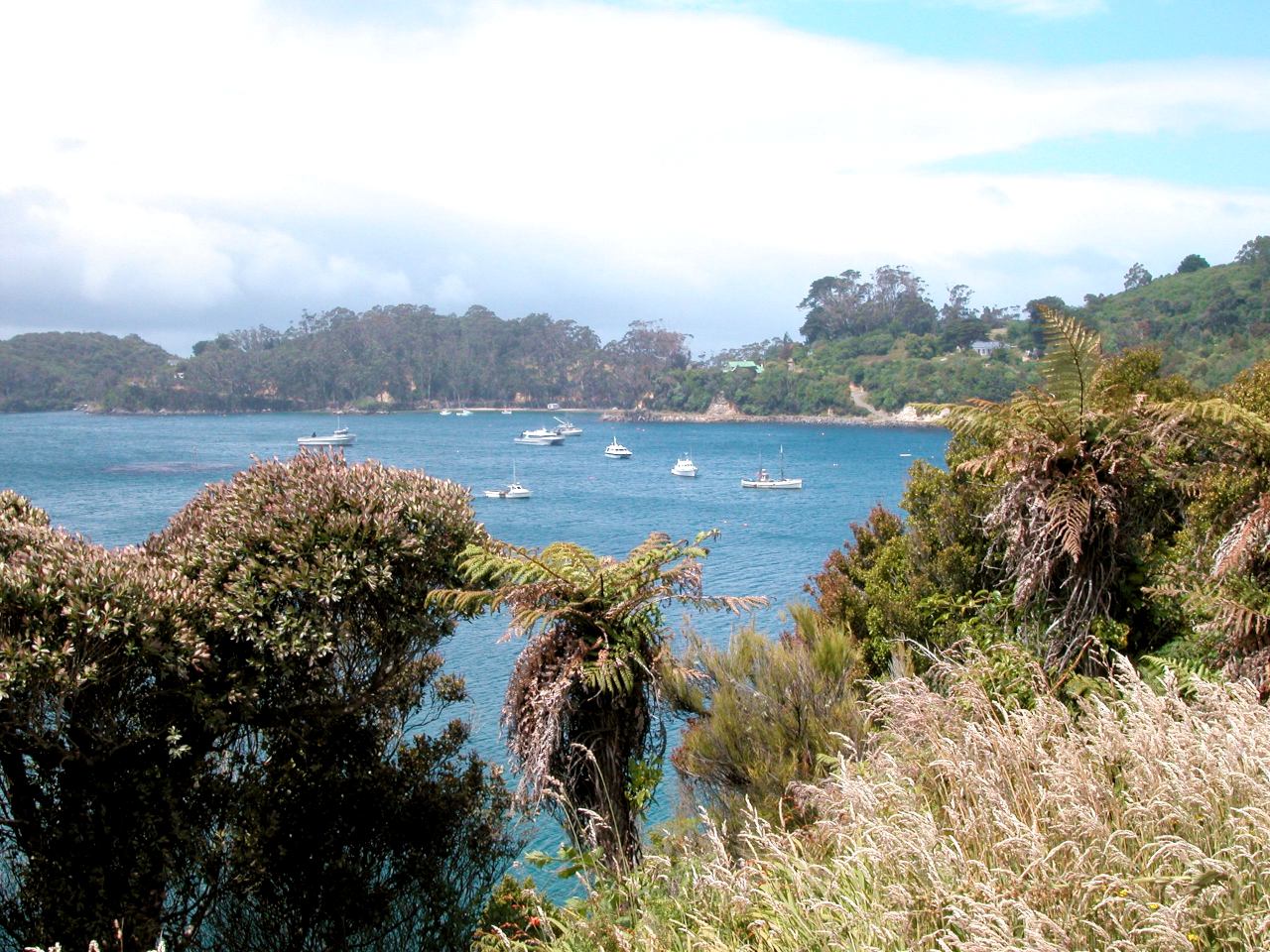
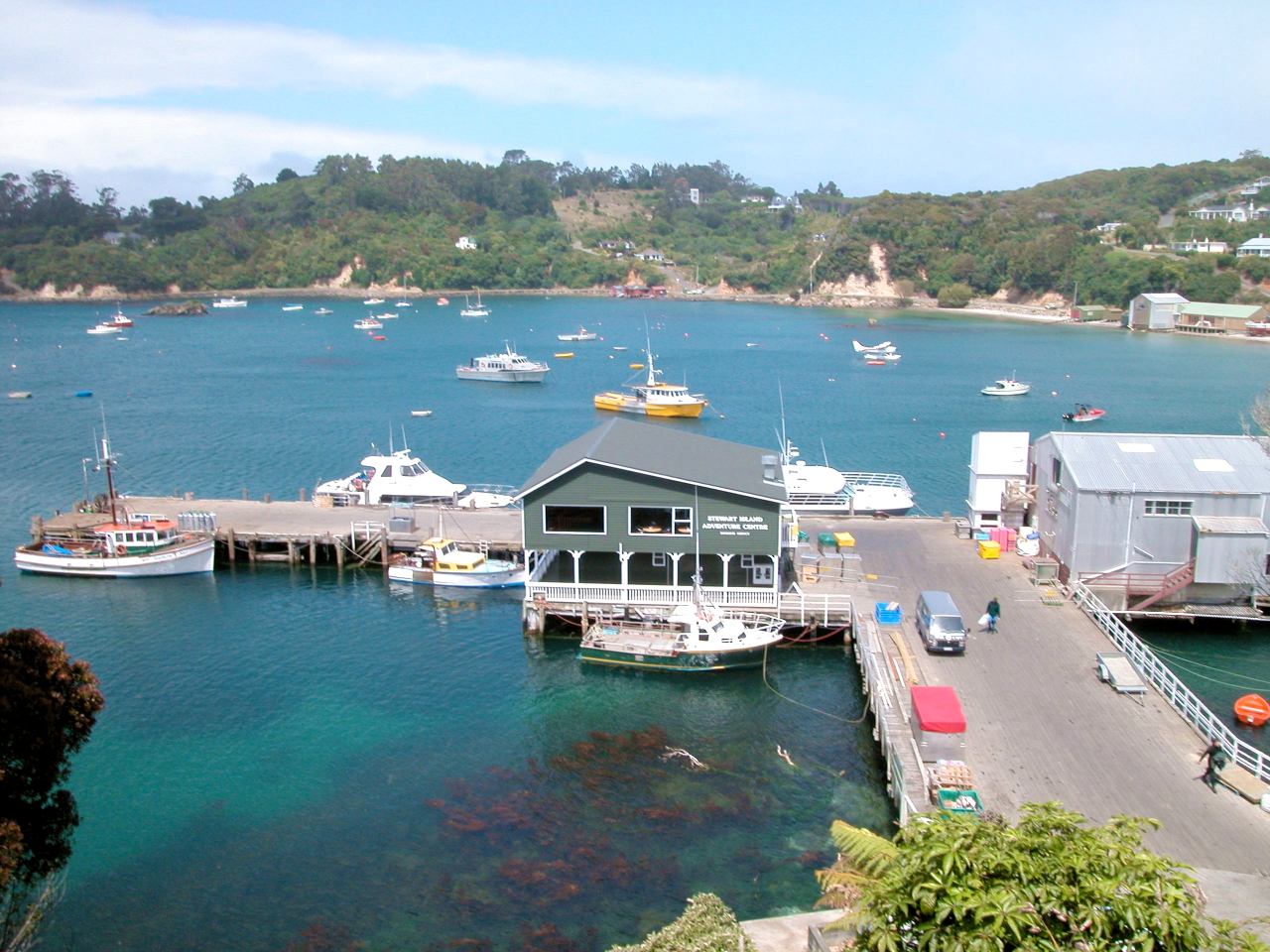
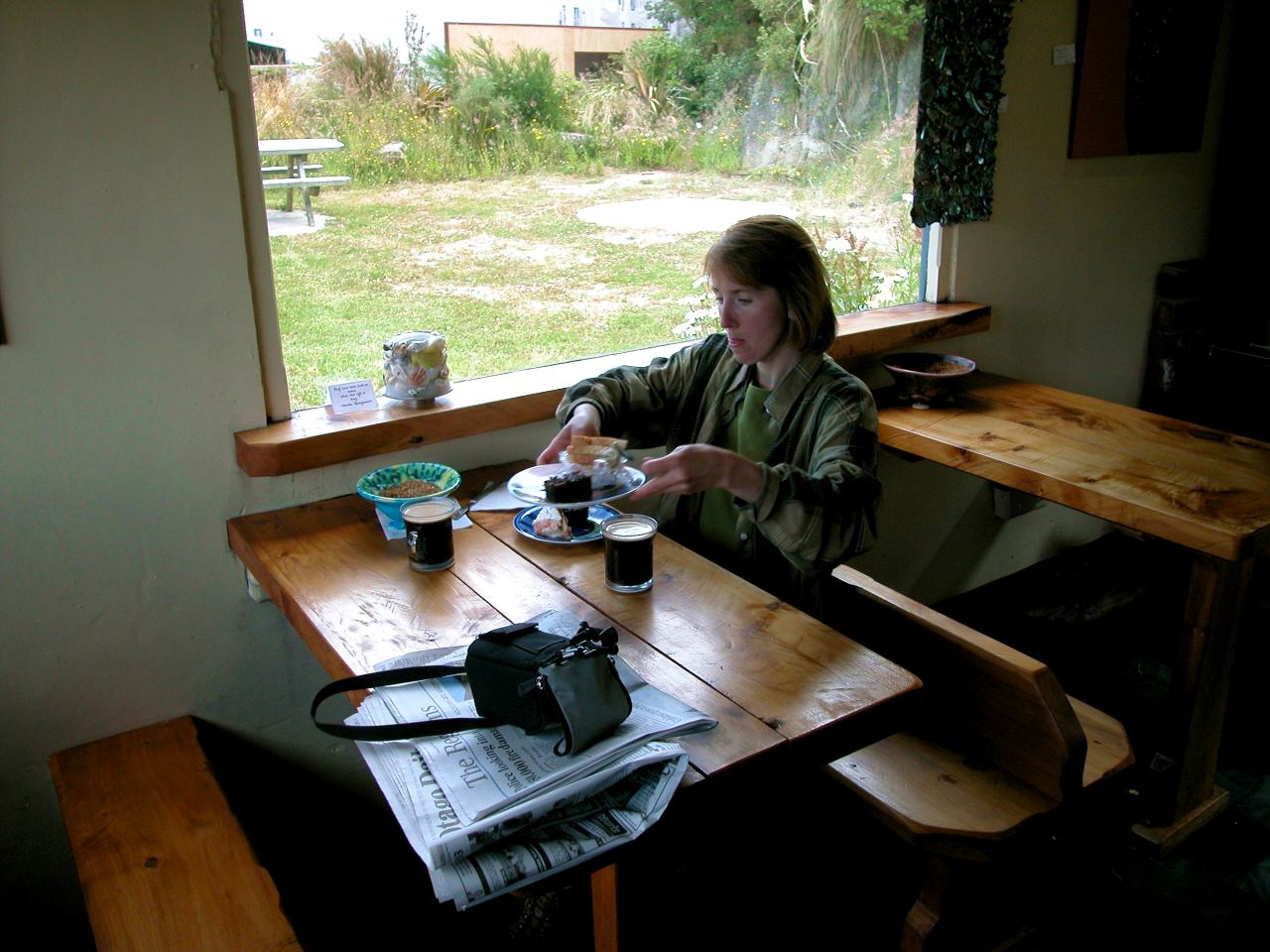
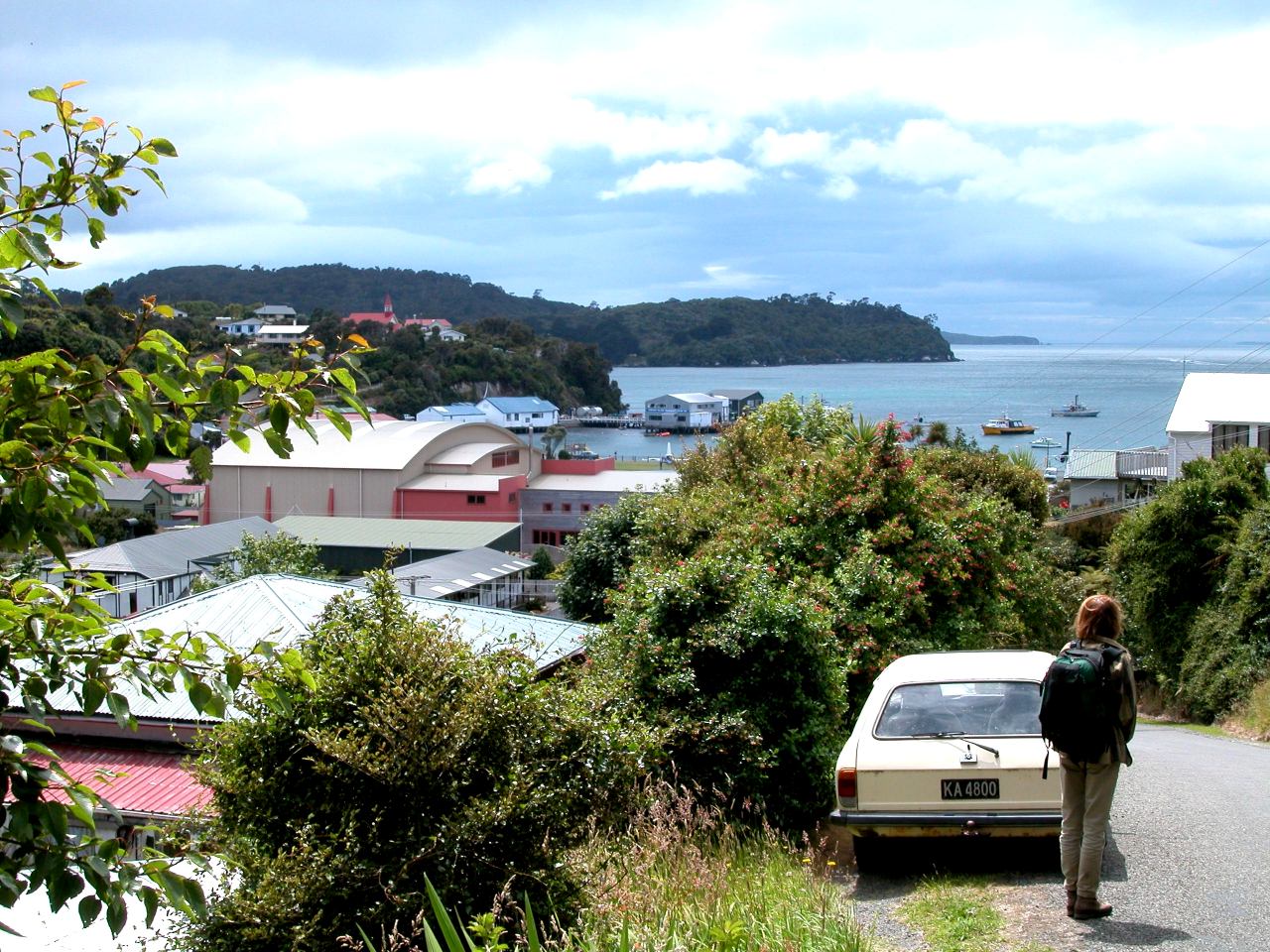
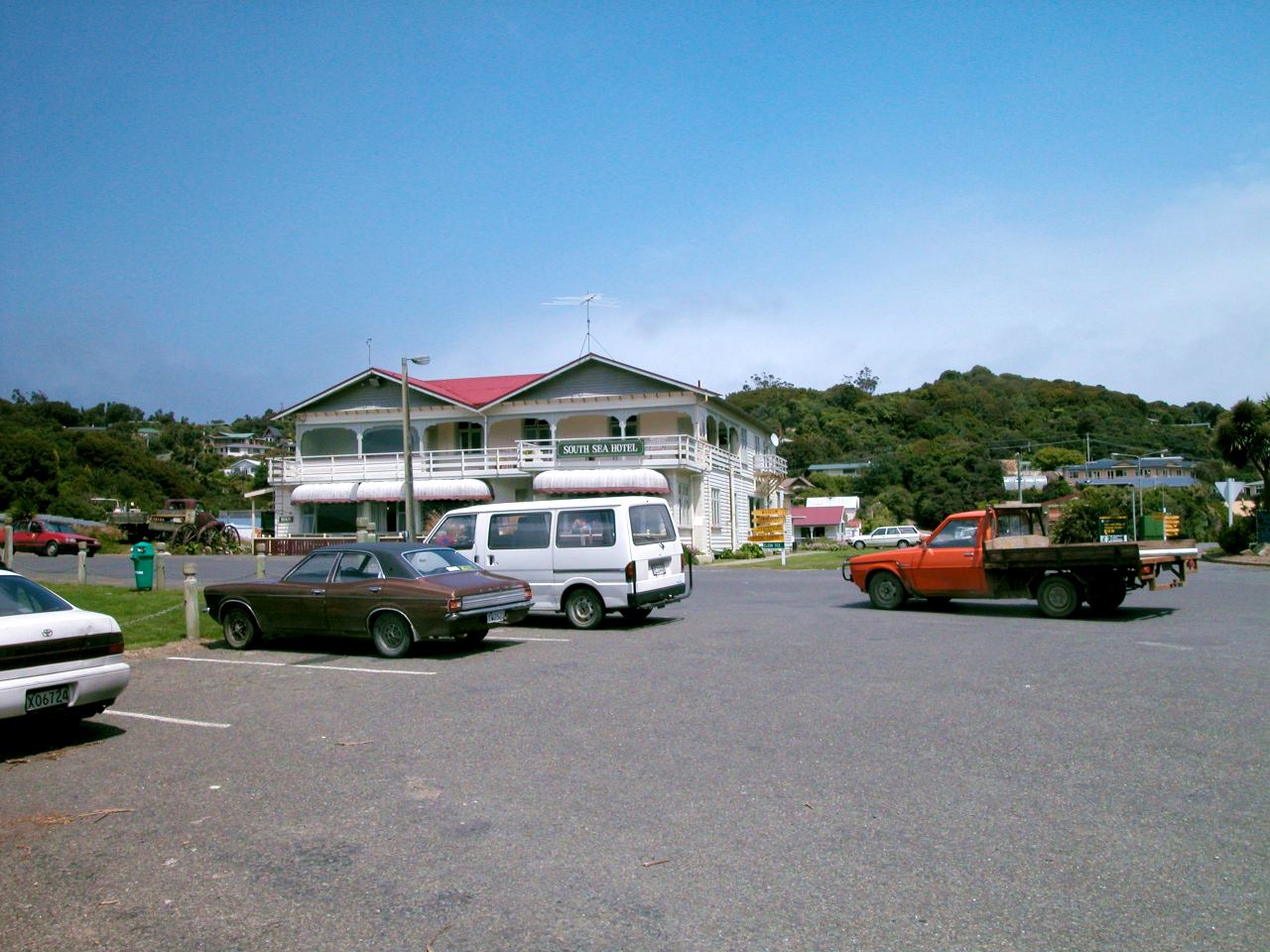
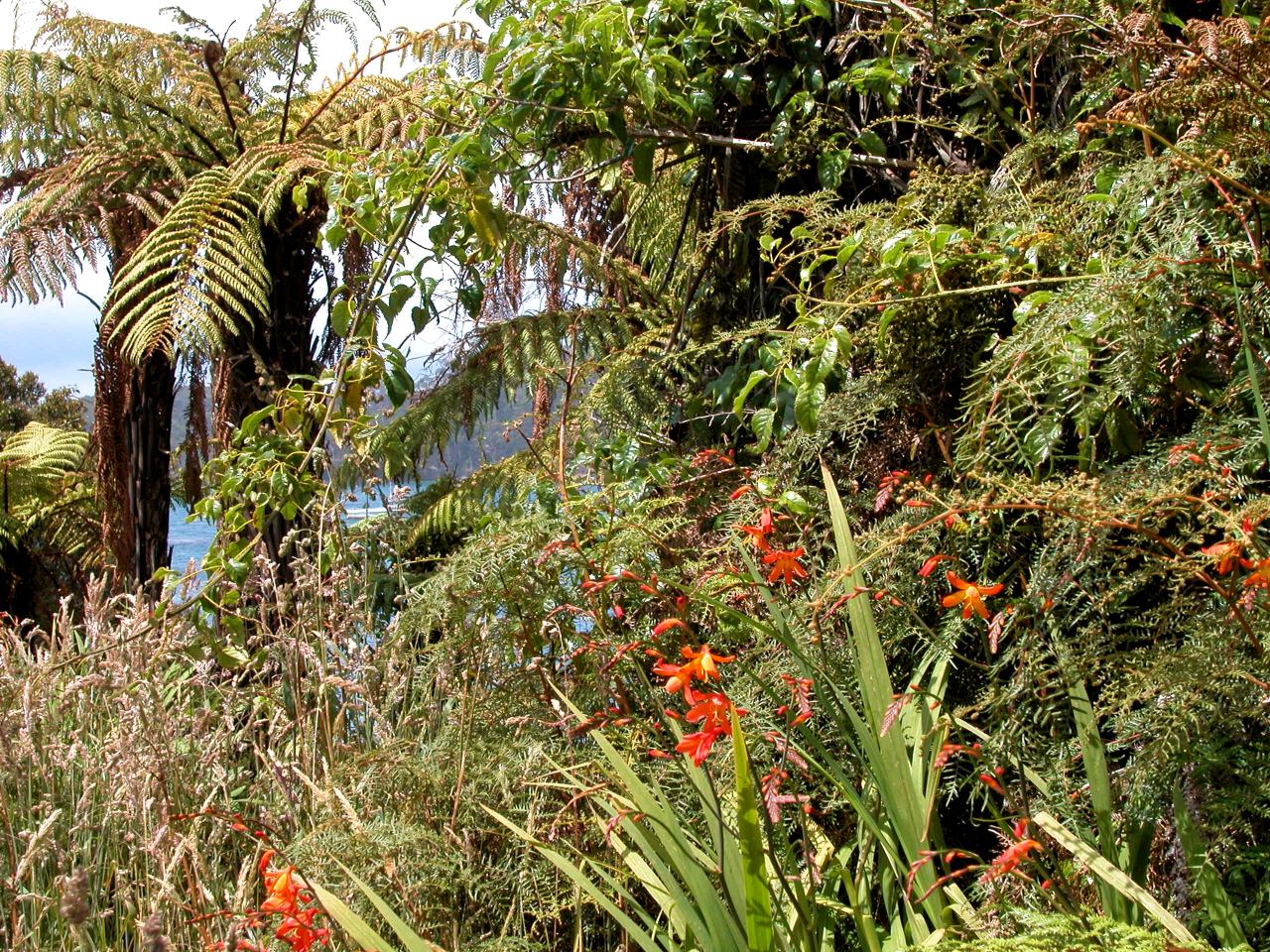
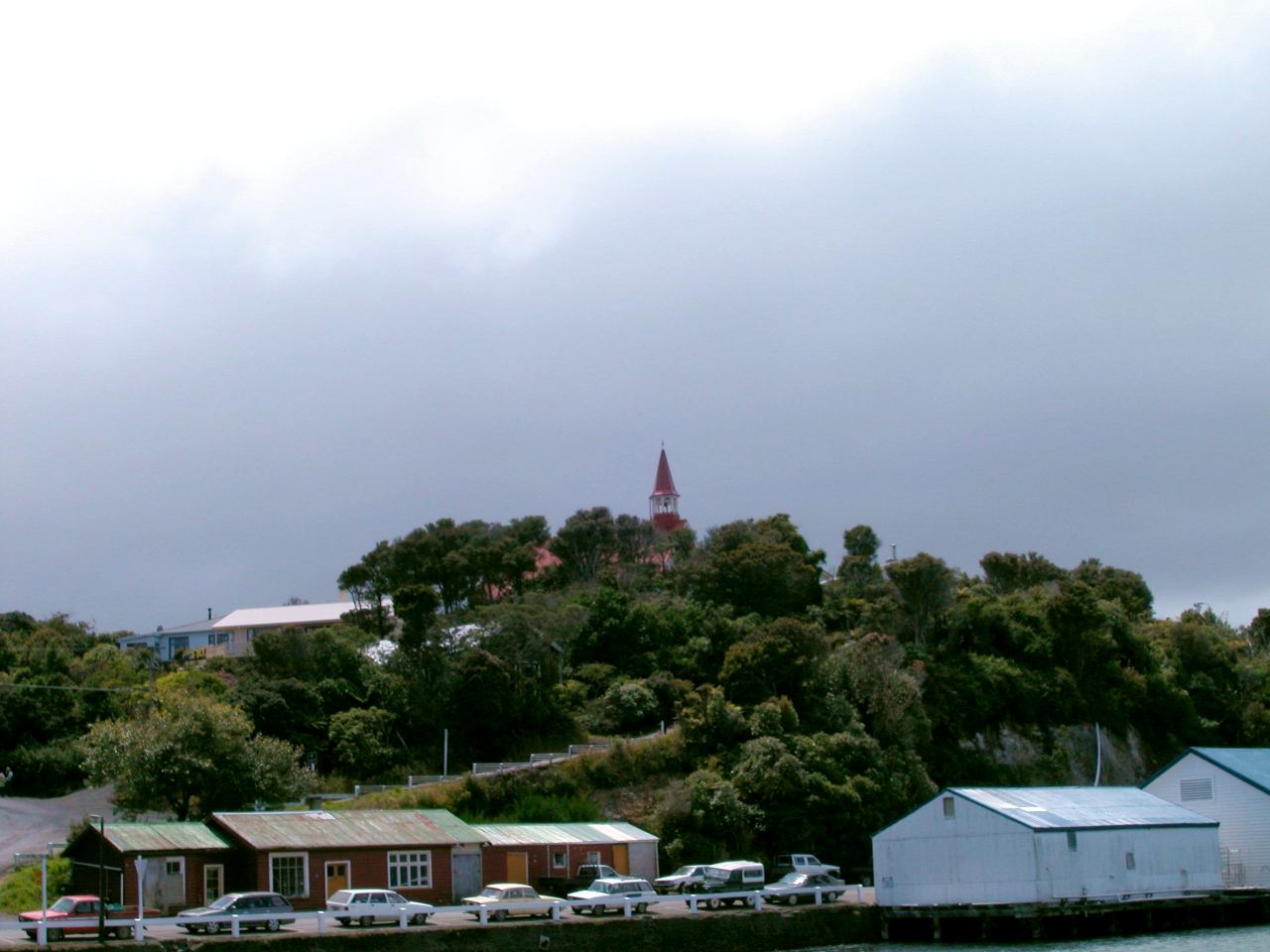
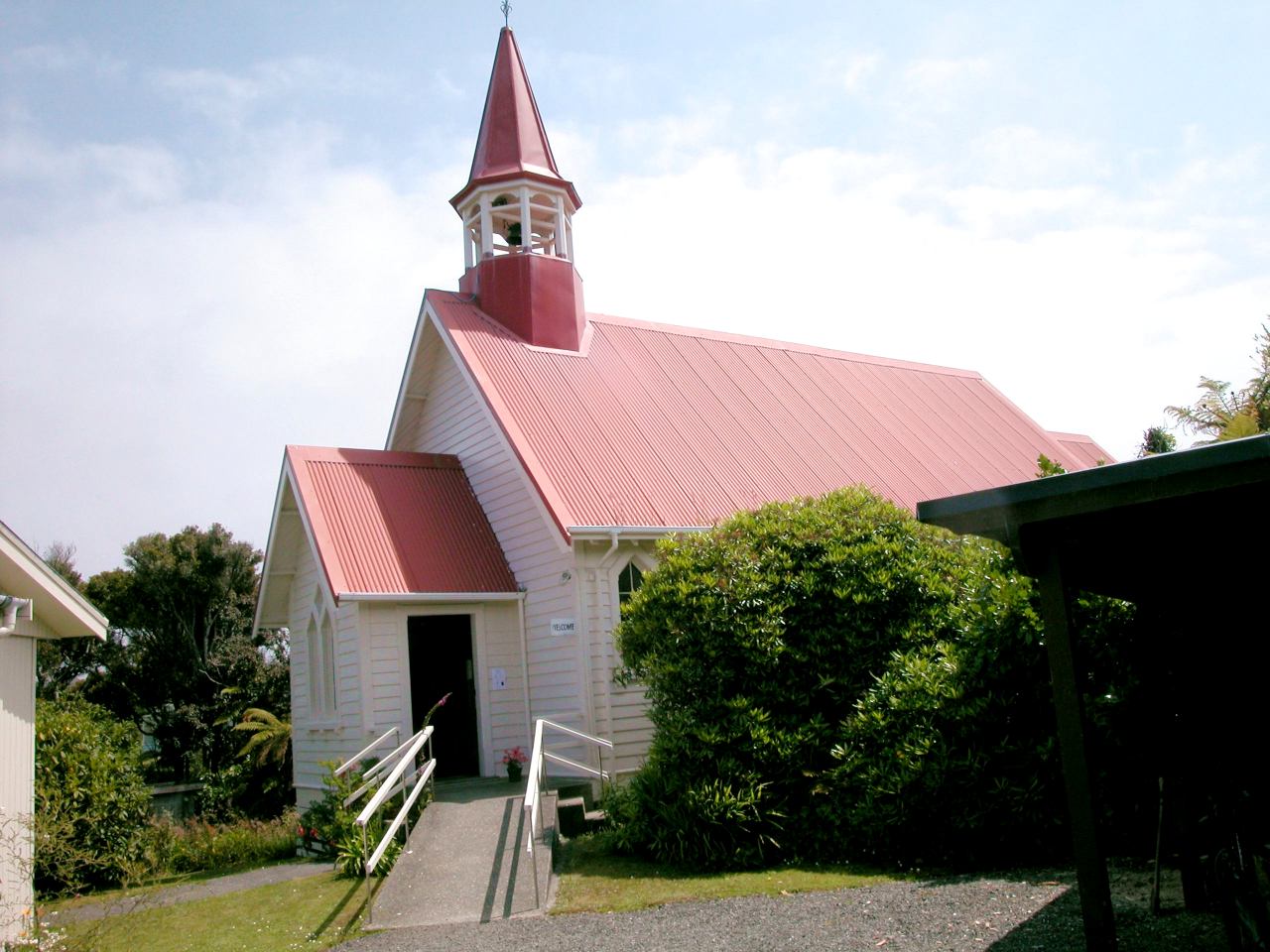
The ferry was almost full. Lots of tourists were on their way back to the mainland. Some had bikes, some had kayaks, which you can hire incidentally, instead of bringing your own. The ferry will take pretty much anything as luggage, and they make a point of lashing it all down. We got to see how New Zealanders work, too. The same woman who’d poached us from the competition turned out to be a jack of all trades. Between sailings she sold tickets and a bit of everything in the shop. She worked the till and ran the café too. When it was time to board, she got on the forklift and loaded the containers with the skipper, then checked the tickets. Out at sea she was handing out coffees and looking after seasick passengers. The first mate wasn’t above doing whatever needed doing either. Now that’s what I call a crew: everyone pulling together.
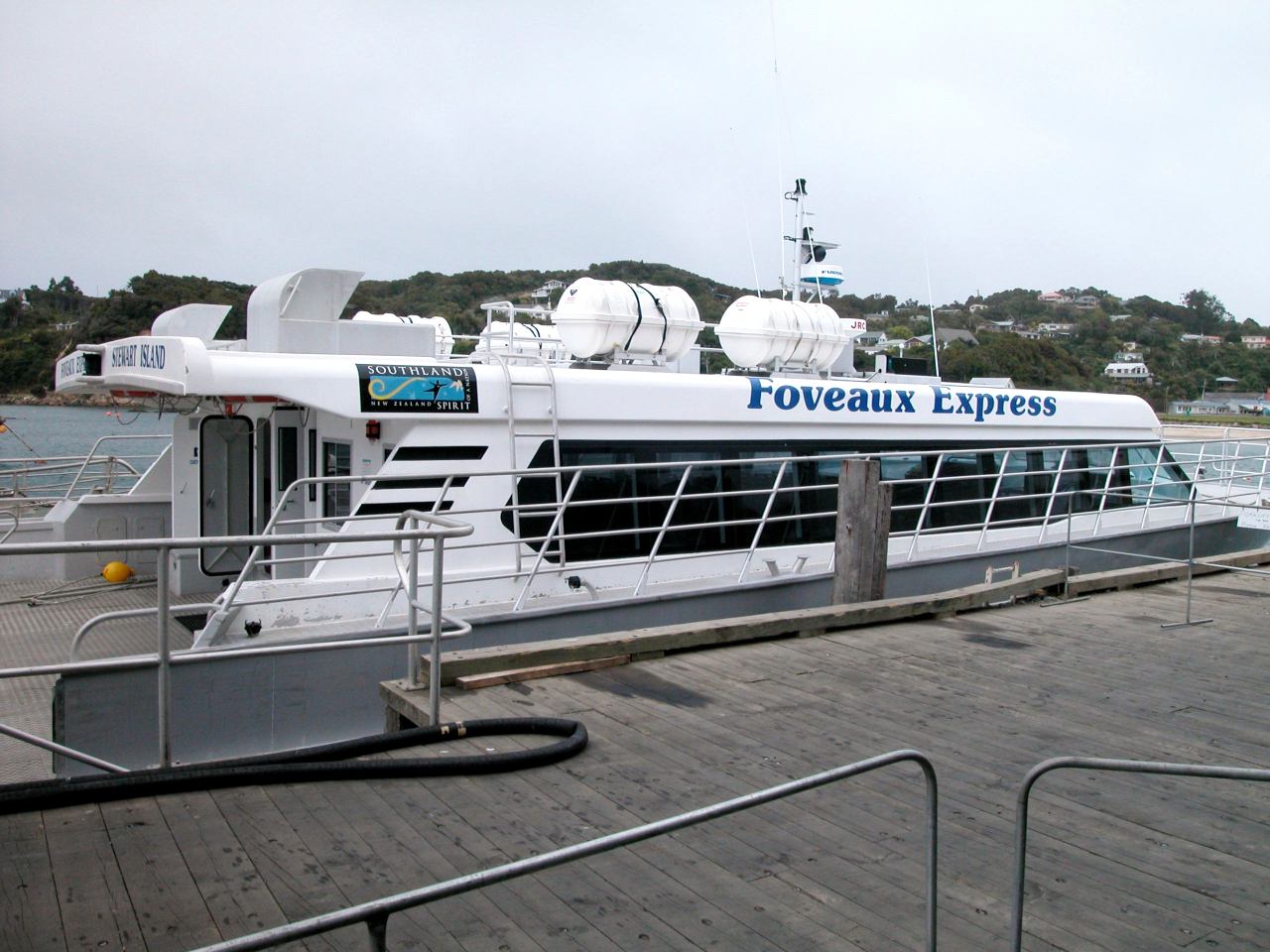
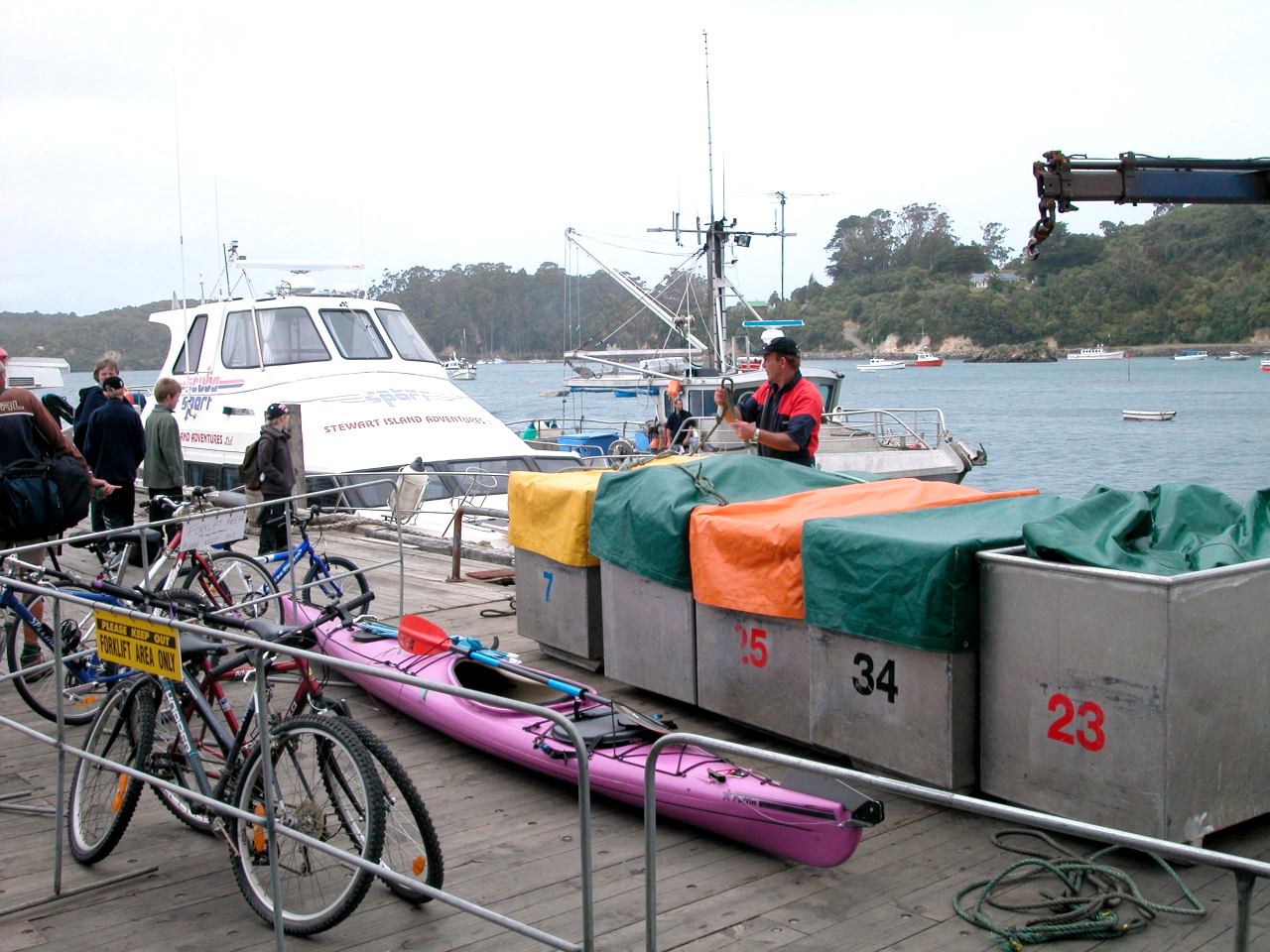
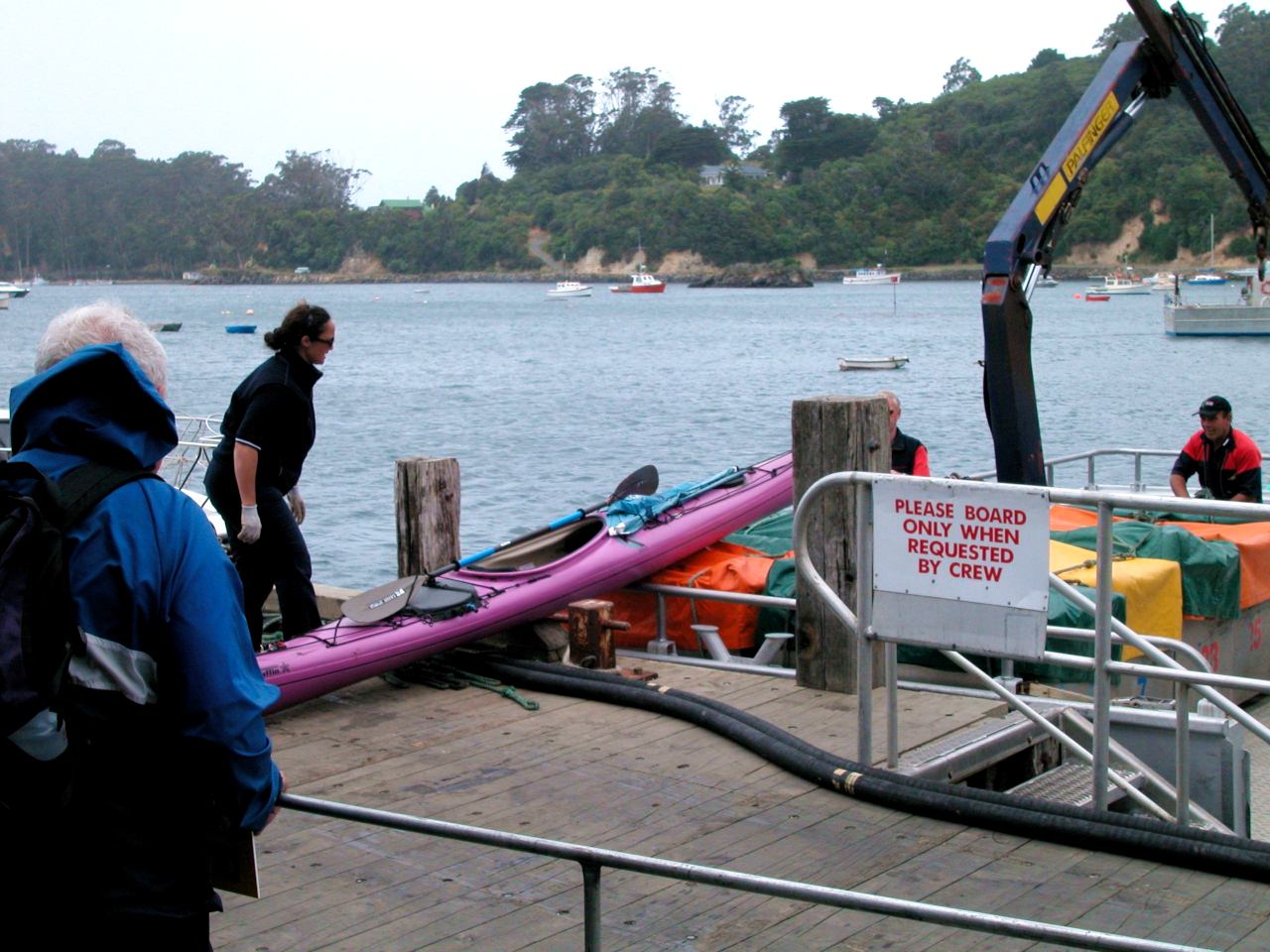
The sea was rougher still on the way back. Water washed over the front windows. We spotted a whale on the way. Back at the car we changed clothes. There were a few hours left in the day, so we bought food in Invercargill and took Highway 99 west. We stopped for the night in Riverton. The local guidebooks call it a resort and don’t hold back on comparisons like “the Southern Riviera”. It really is a pretty town. We were particularly lucky with our motel, the Riverton Beach Motel on Marine Street (at the time, 4 Marine Street, phone 234 8181; 46°22.009′S, 168°01.160′E). Tiny, just two rooms, with a view of the sea. A lovely owner and a cat to match. A saucer was fixed by the door of every unit, in case you had anything for the cat. The unit was very well equipped. It cost NZ$70 for the two of us for the night. More accurately, that was the price of a two-room unit that could sleep six. It’s a wonder they can stay in business at those prices. People here aren’t rich, and they work hard. The owner, for instance, was a teacher: school by day, motel by night, and she raised sheep in between.
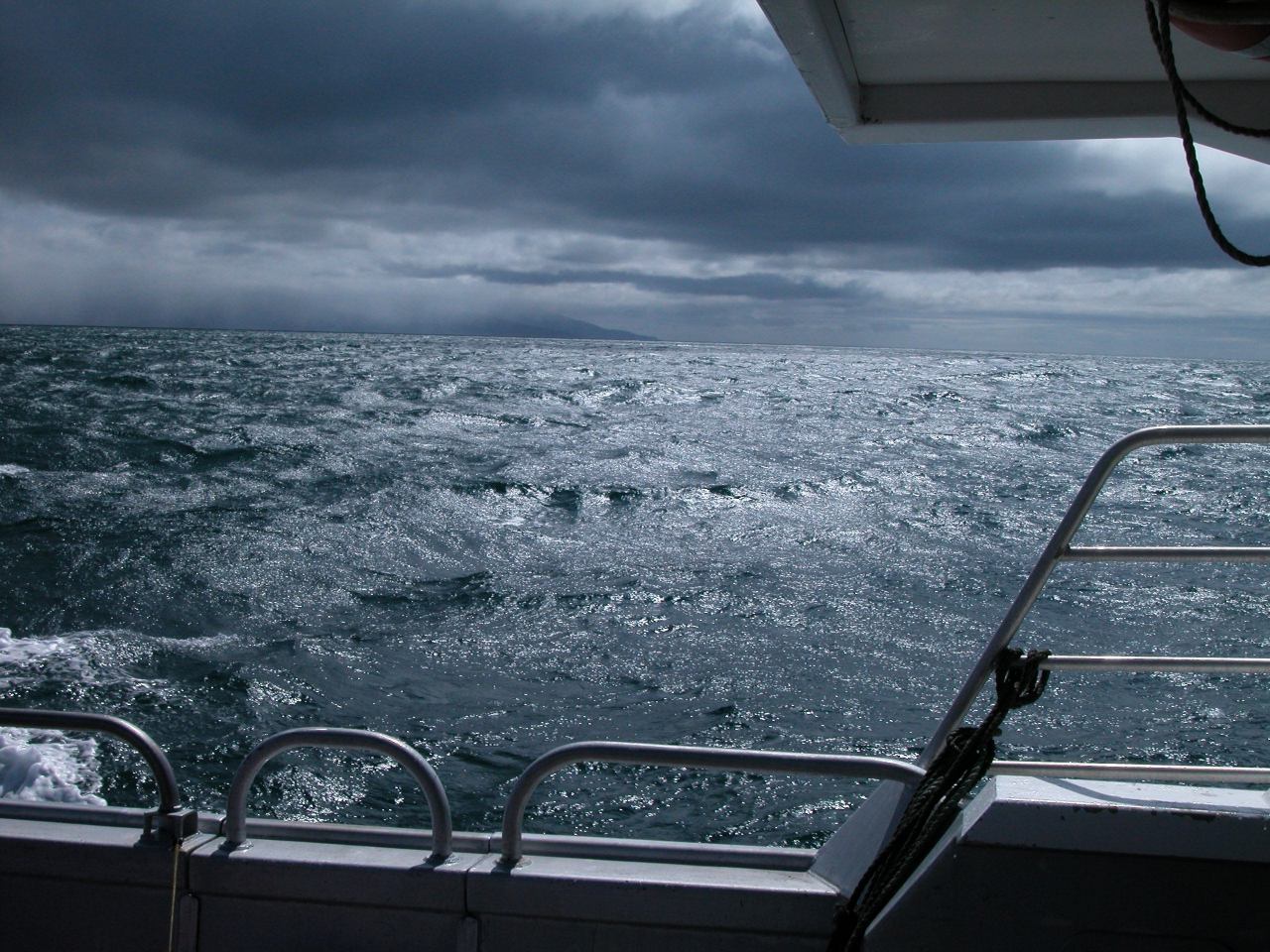
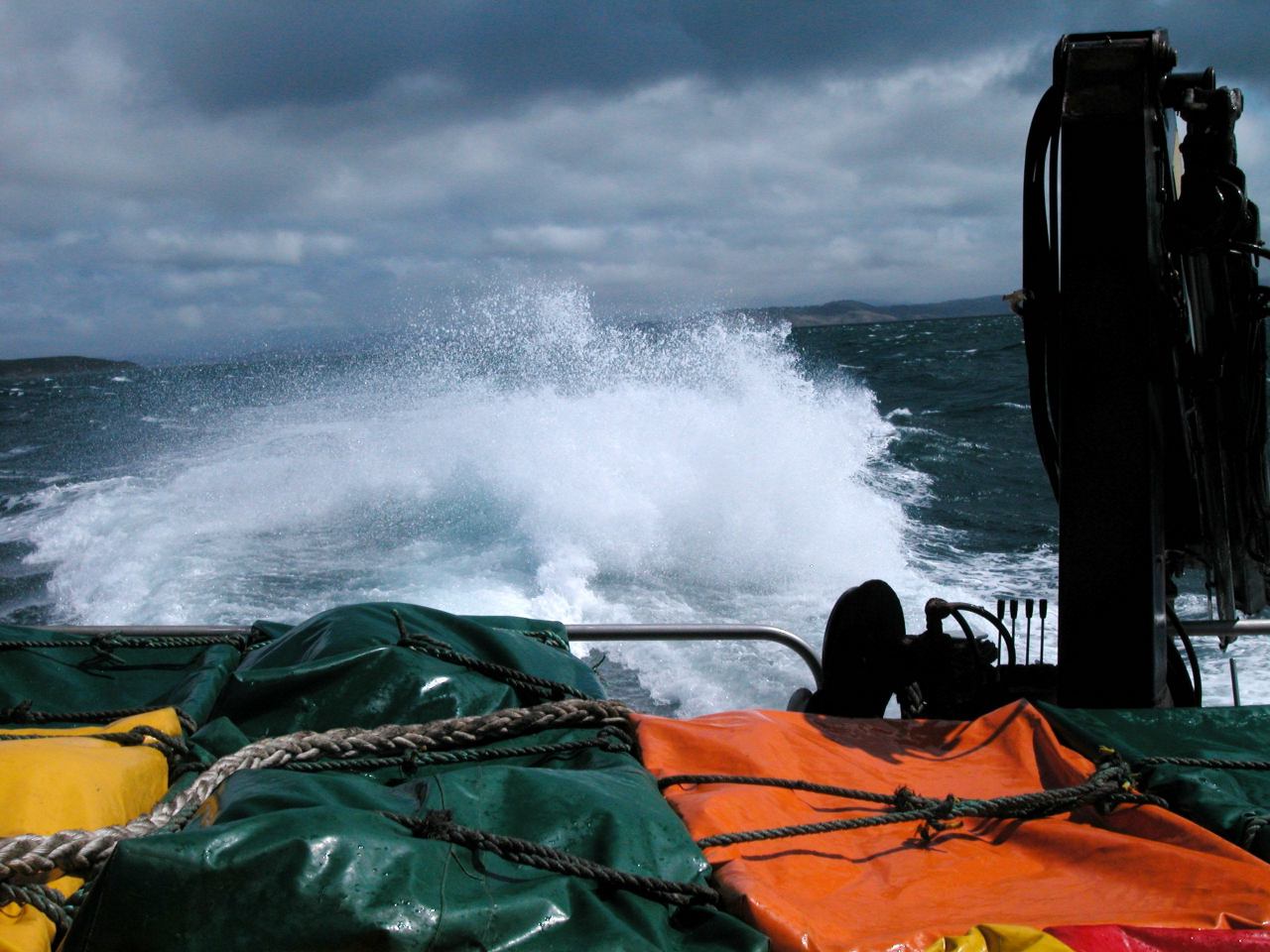
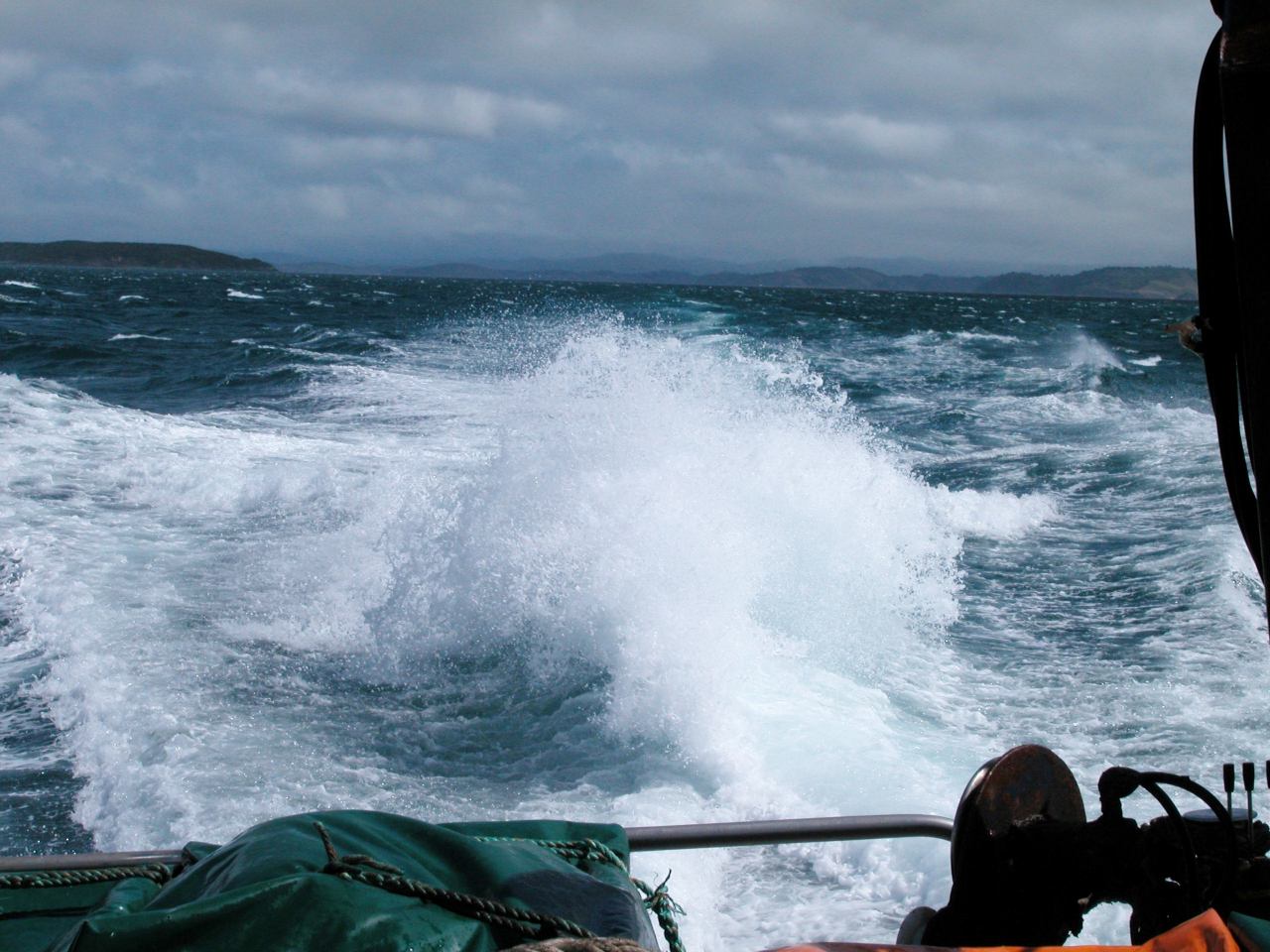
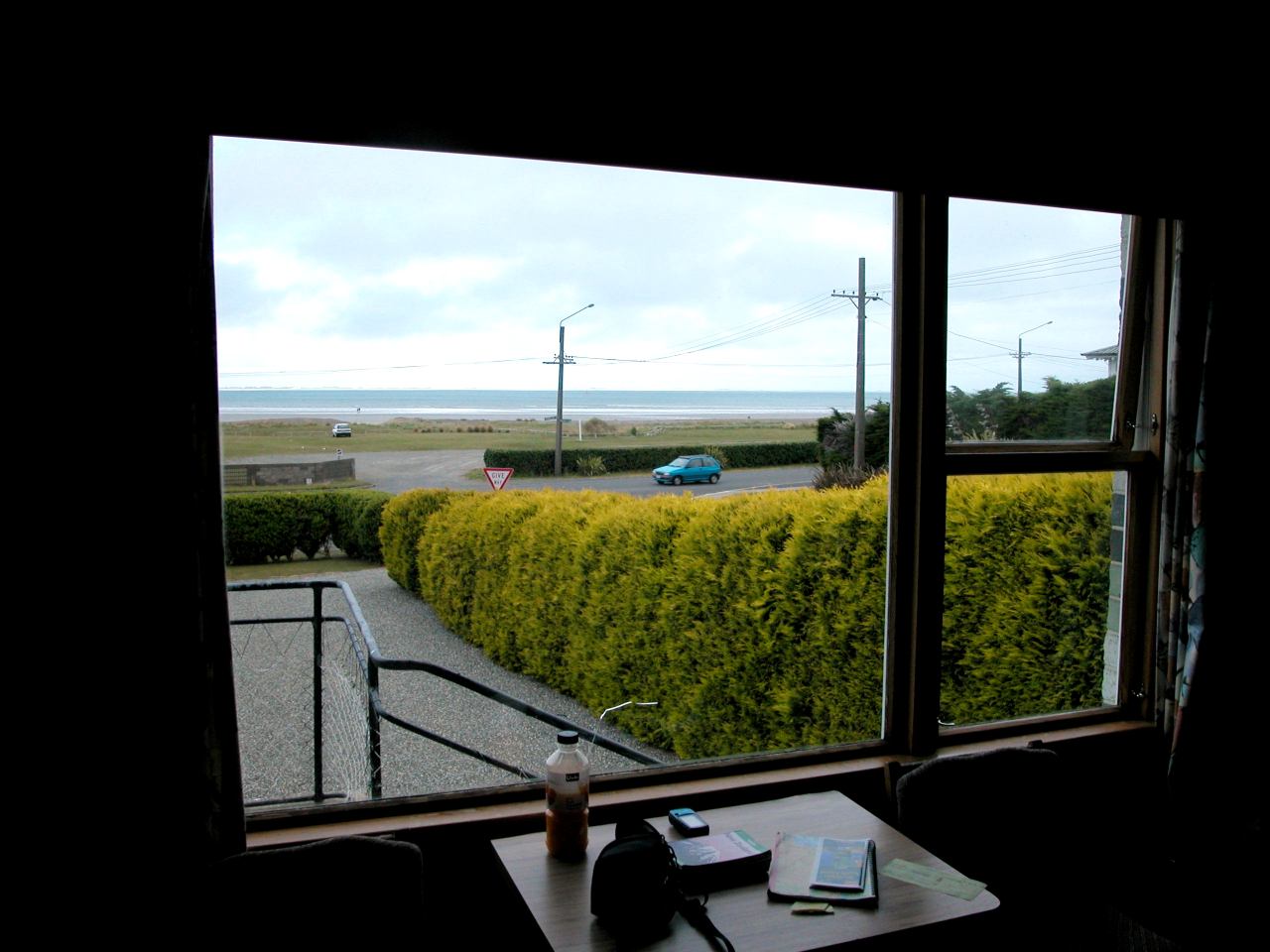
My GSM phone worked in Riverton. I took the opportunity to ring people with the news about the kiwi and sent more than a dozen texts. In the morning we drove around the area. There were masses of birds and seals on the rocks right out on the point. A gravel road goes up the hill for a panoramic view of the town. There’s even a Monkey Island. I never did find out why it’s called that. Signs point to Cosy Nook, a tiny fishing village. They say it was one of the early settlements on the South Island. A cosy spot all right.
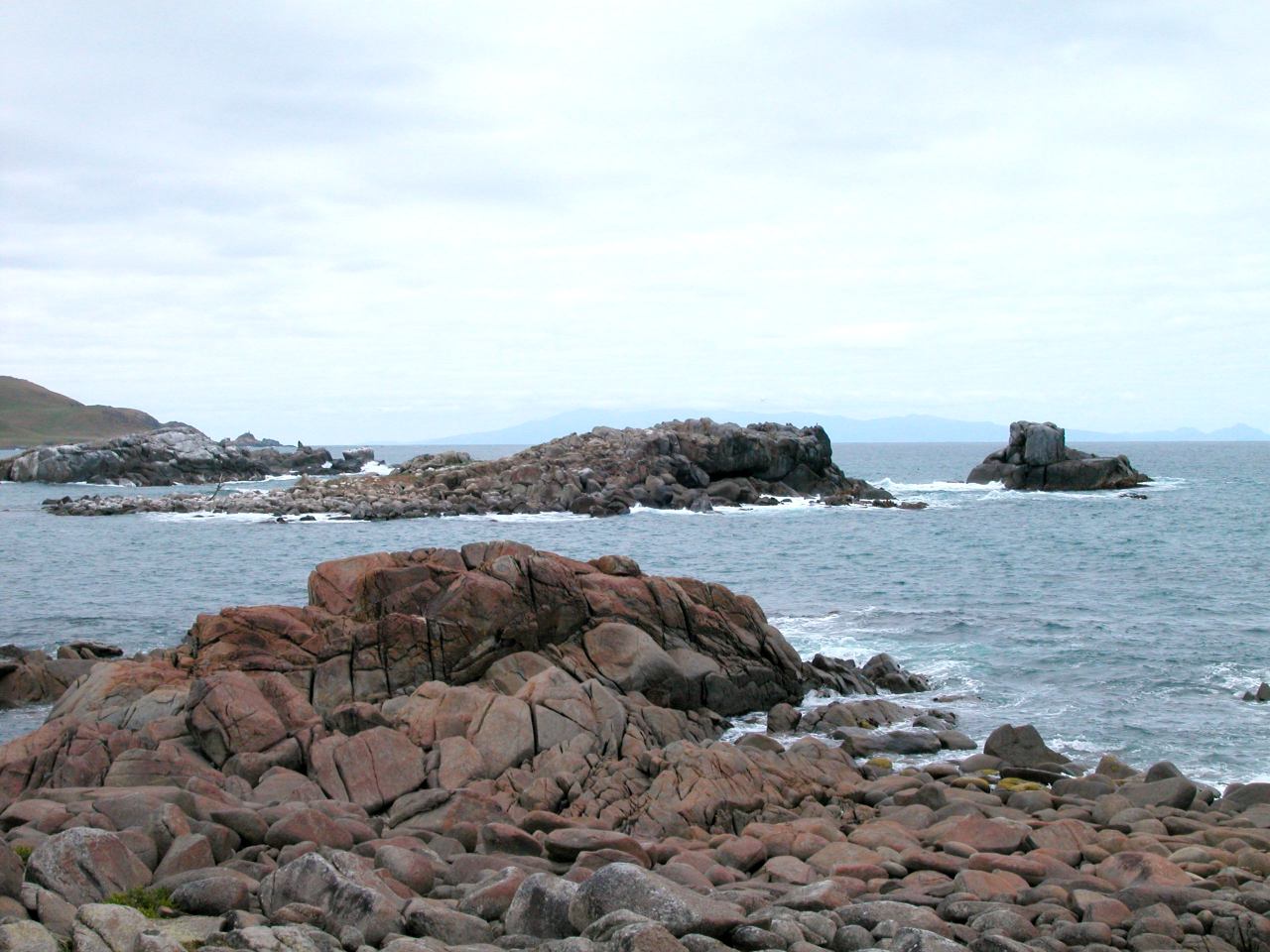
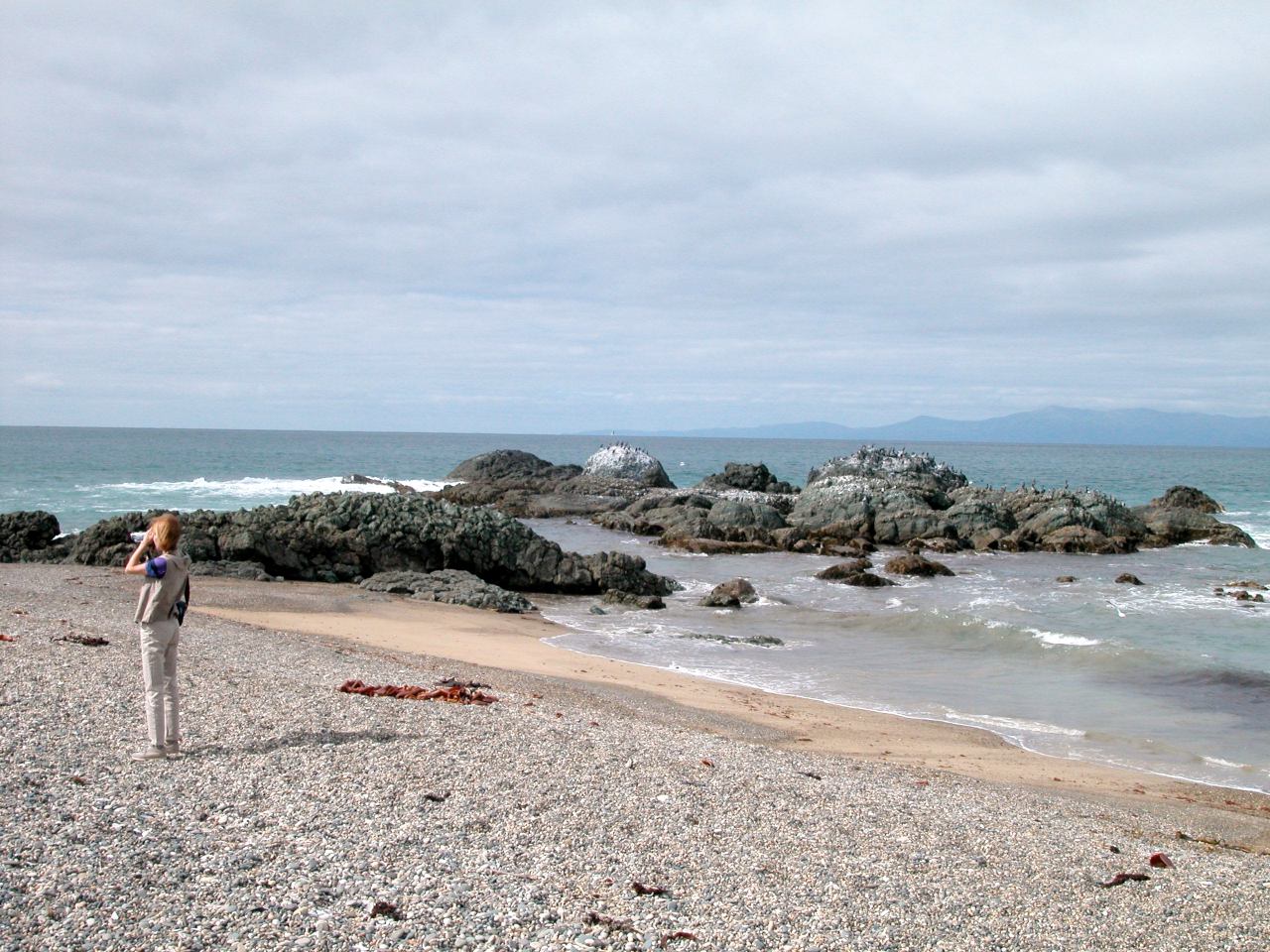
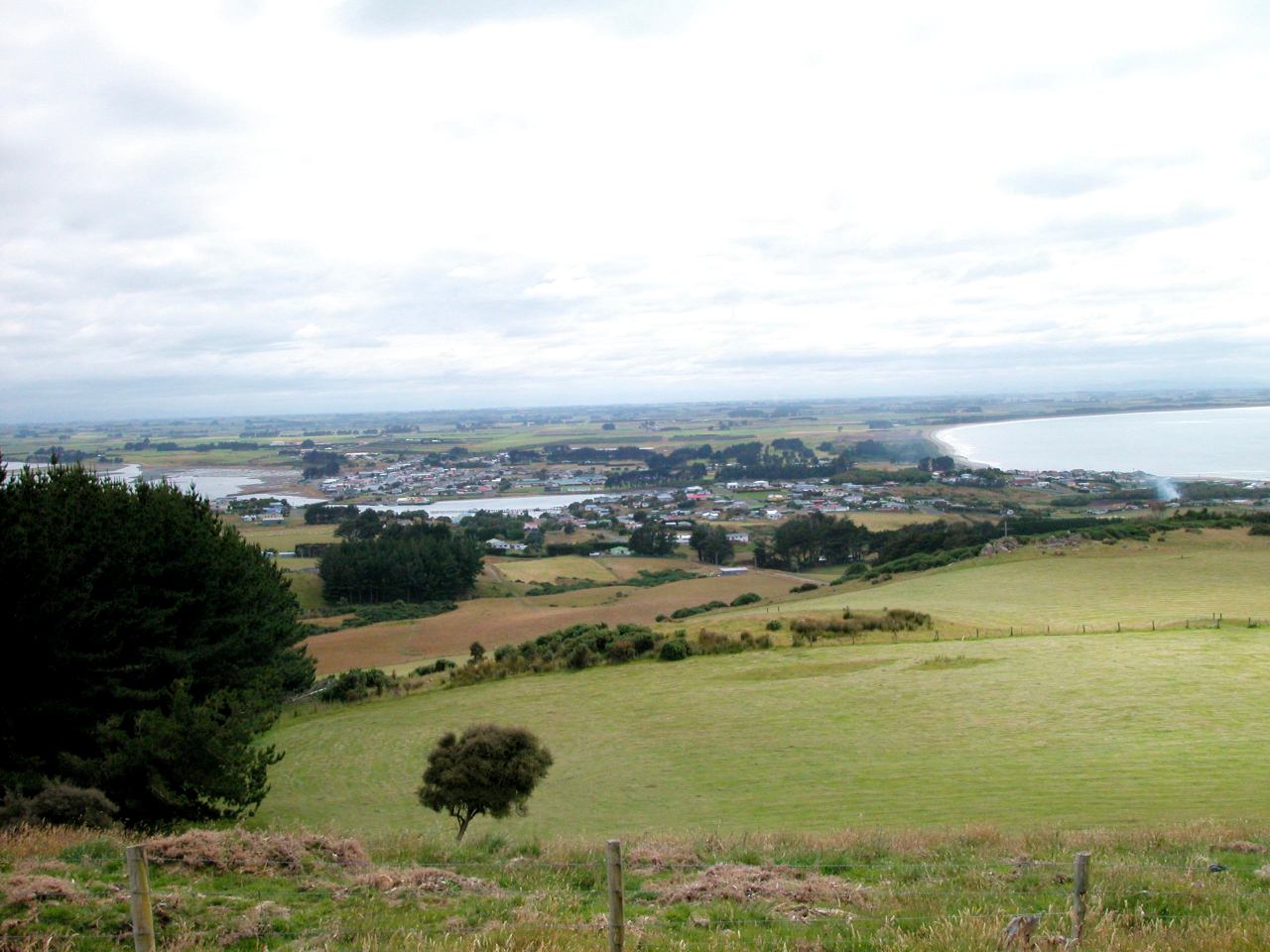
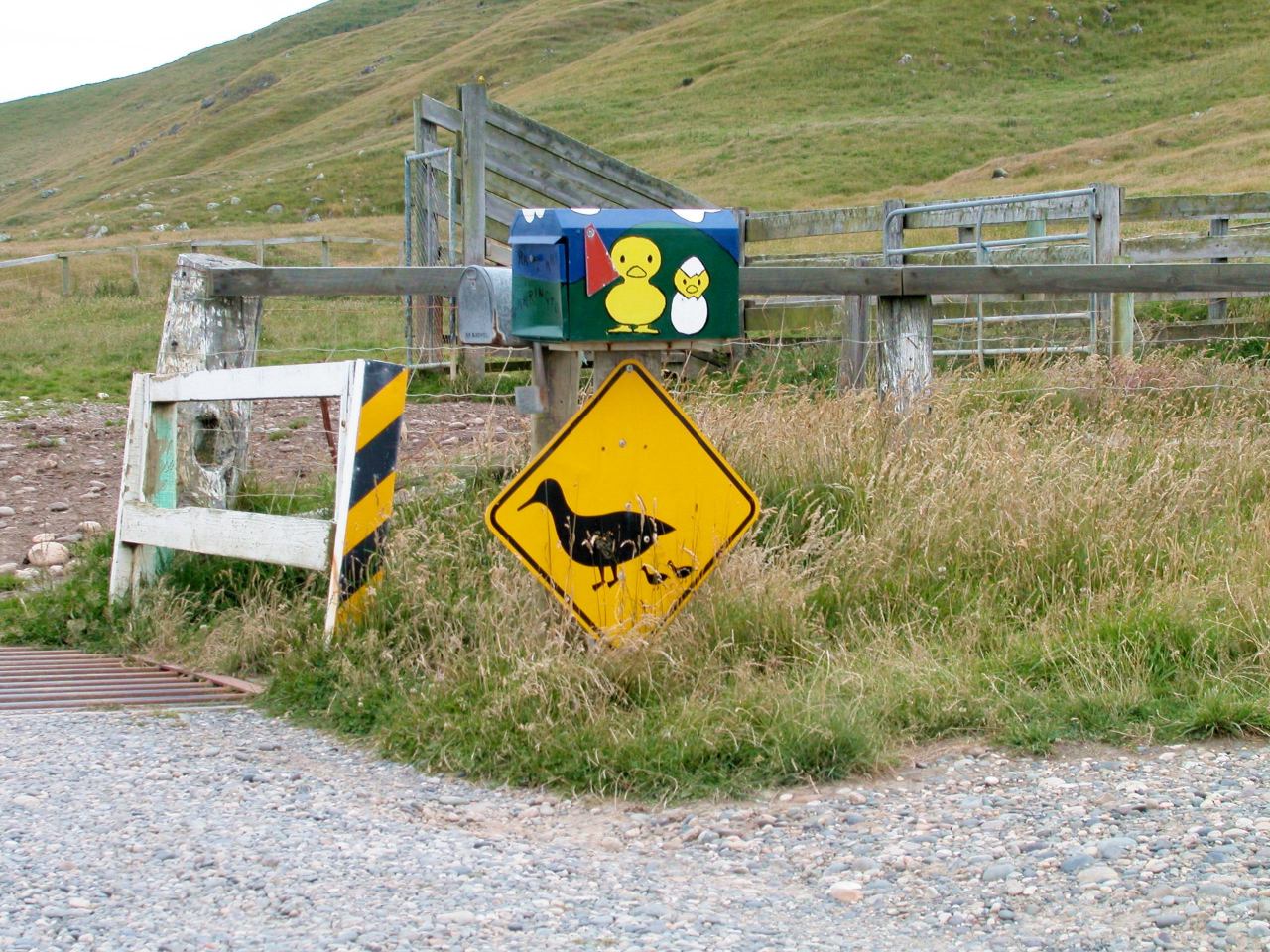
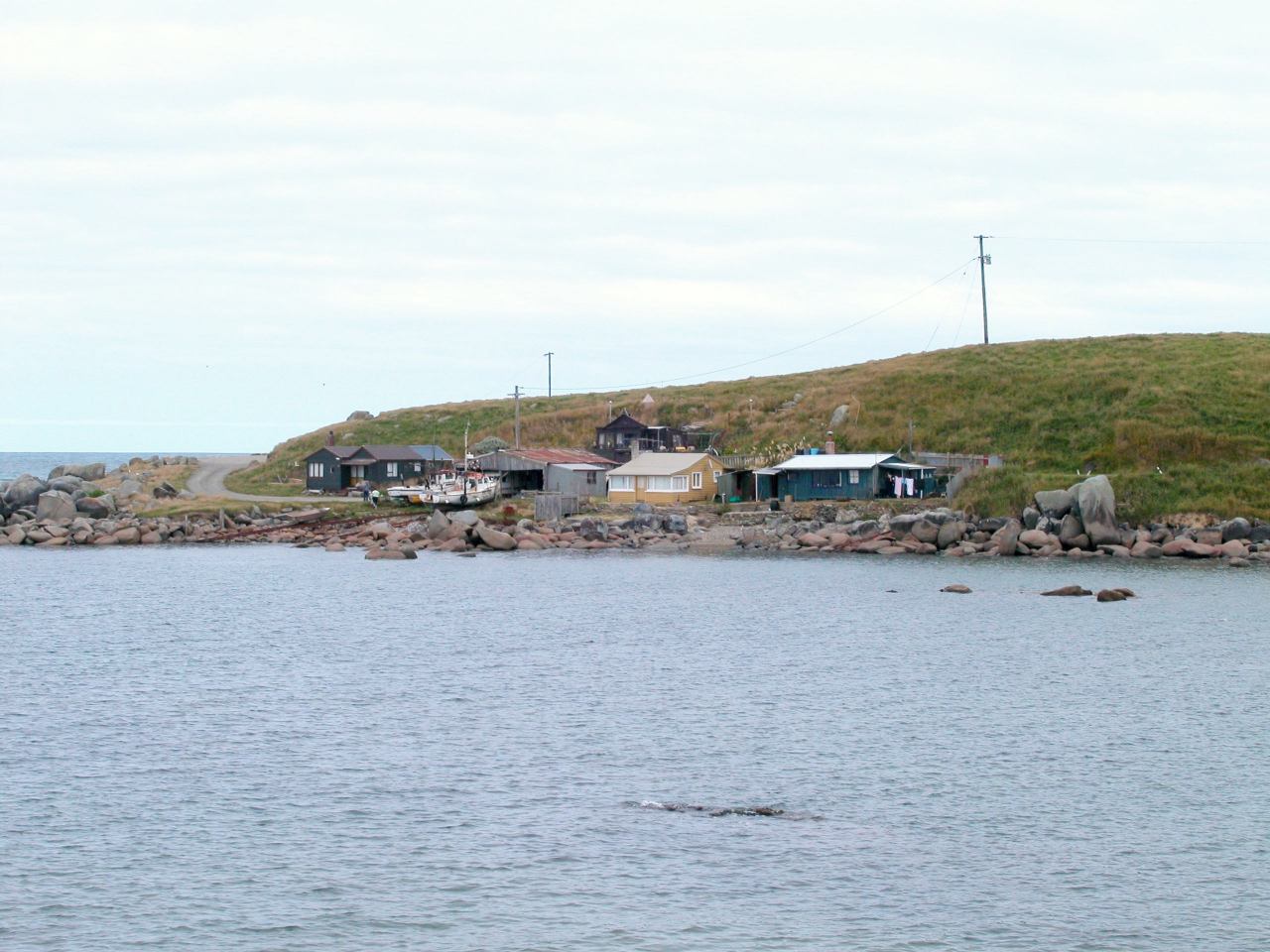
Near Clifden the road crosses what was once the mighty Waiau River. They built a suspension bridge here in 1898–99. It’s now a heritage site. The road goes over a modern bridge and the river is much lower since water was diverted west for the Manapouri power scheme.
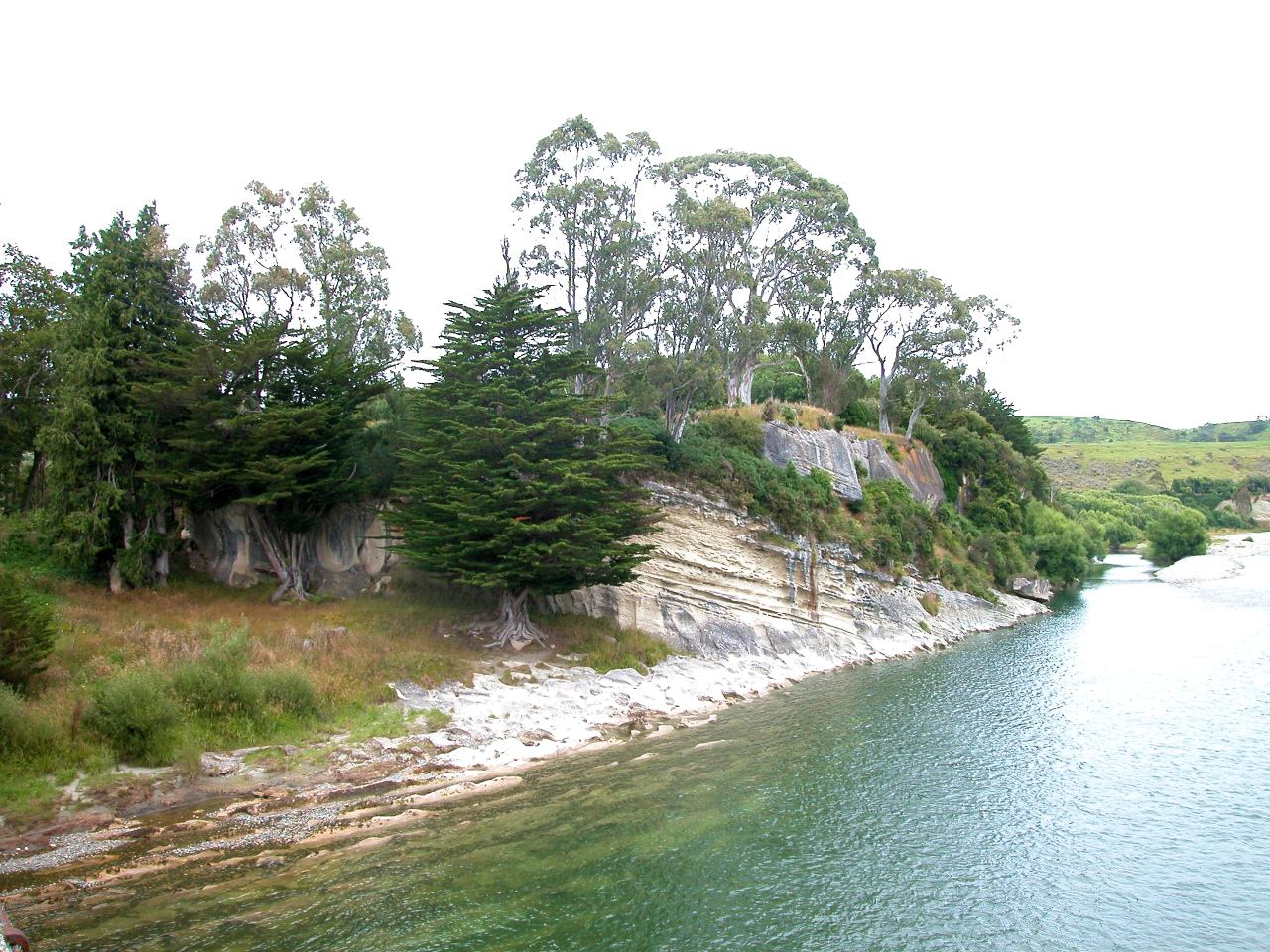
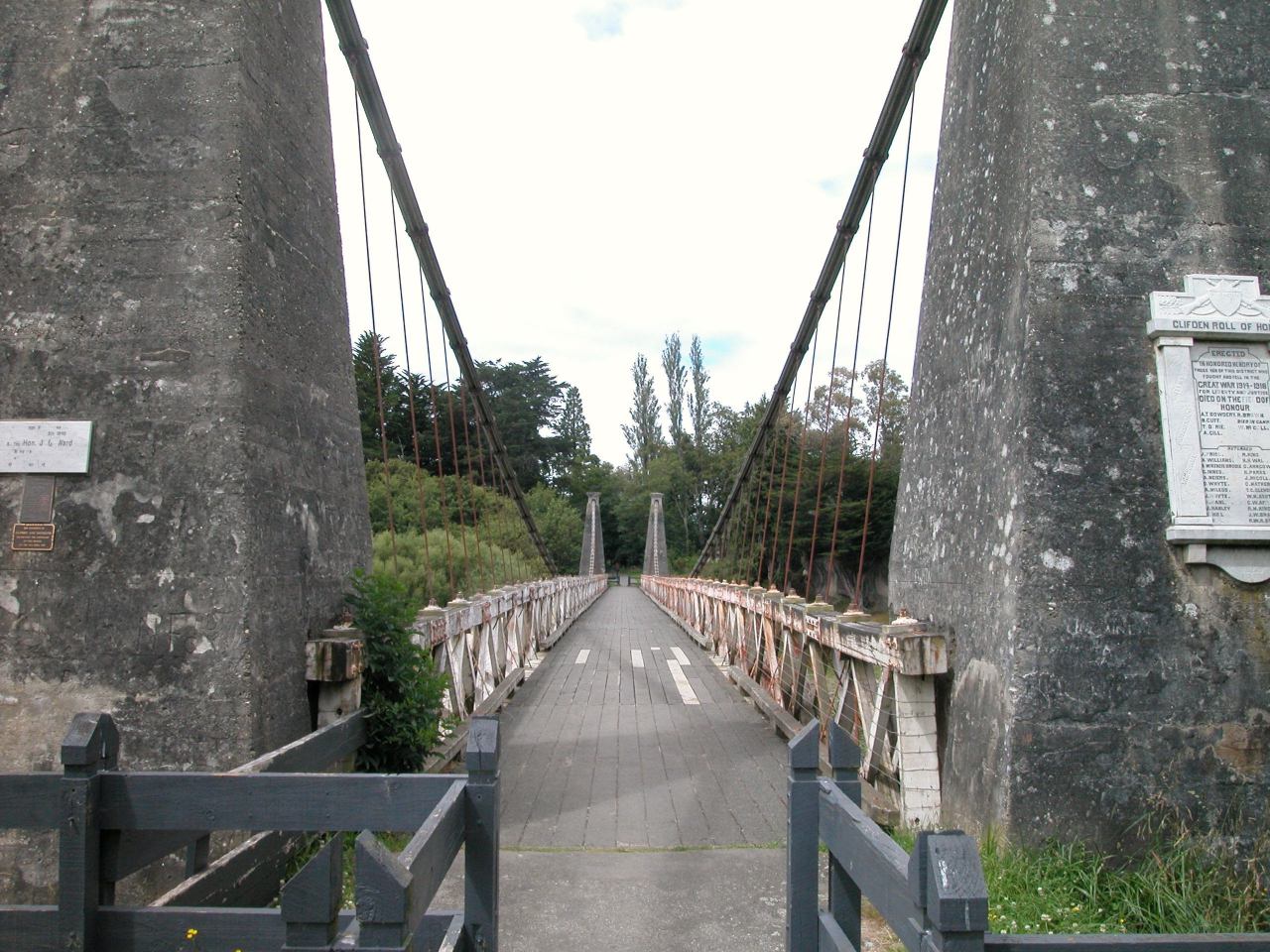
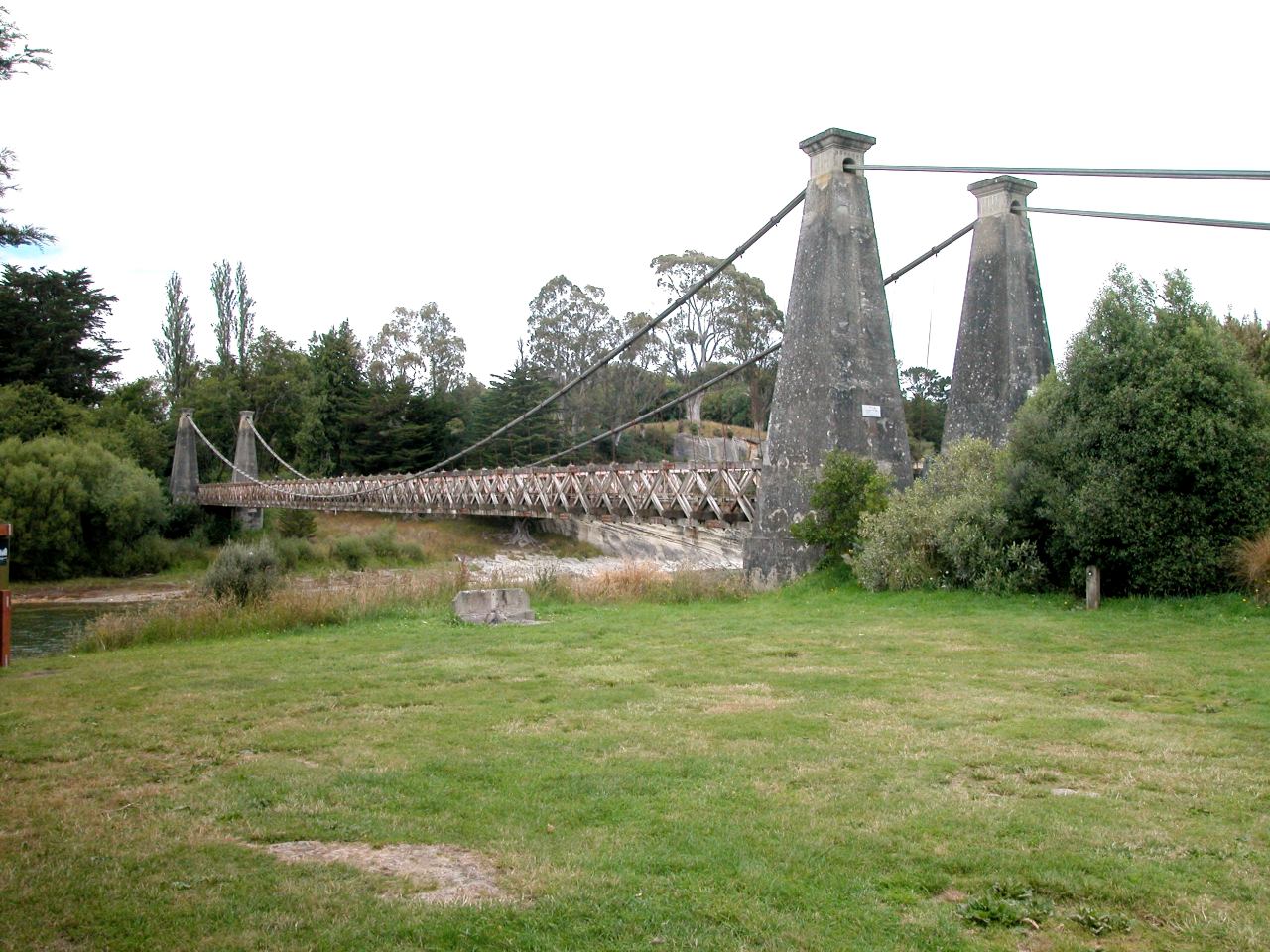
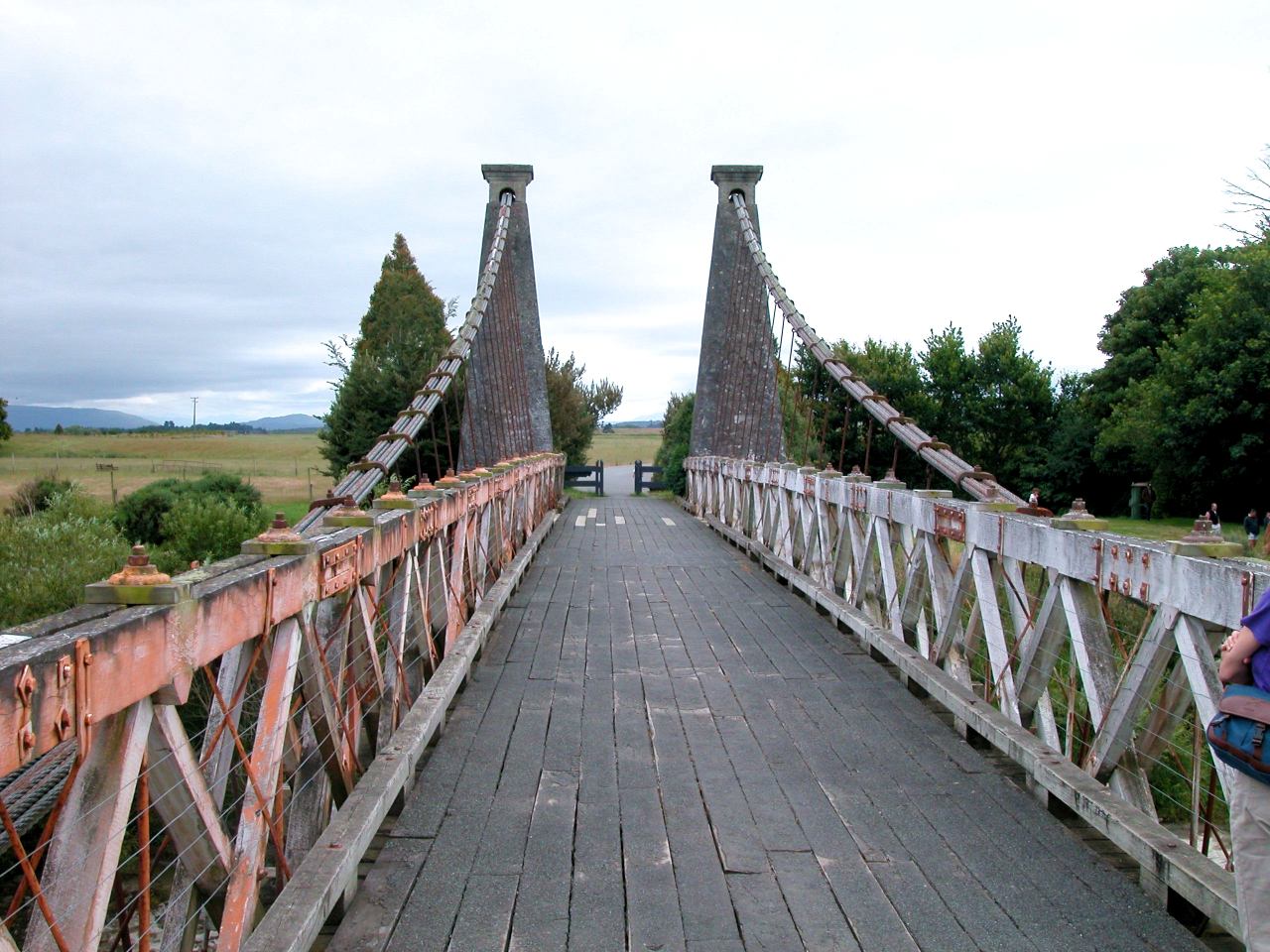
The entire south-west of the South Island is taken up by young-looking, rocky mountains cut by fjords. The land is practically uninhabited. A hundred years of settlement never managed to open it up, so it was all declared Fiordland National Park. There are plenty of tracks, from the famous Milford Track to endless little-known routes, some of which take ten days or more. Meanwhile one stretch of coastline a hundred kilometres long hasn’t been opened up at all, not even with a track. The rock looks new: the sharp peaks haven’t yet been worn smooth and the waterfalls still pour off the mountains from a great height, without having carved out deep ravines. These are the most beautiful fjords. Just like Norway, only the vegetation is richer. No roads, though.
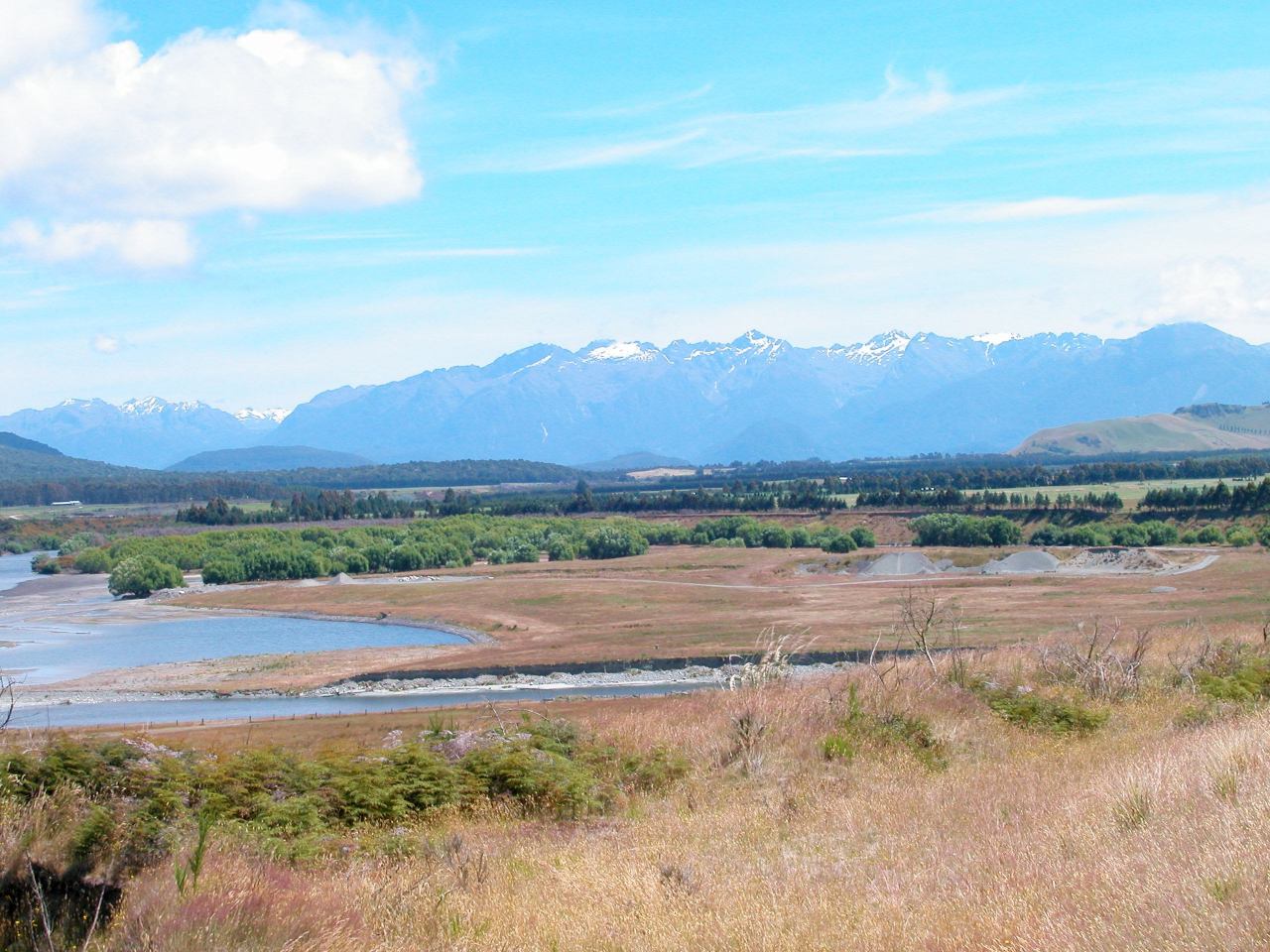
With no time to spend a fortnight tramping about in the mountains, we had to take an organised tour. Several groups leave Manapouri for Doubtful Sound every day. “Sound” is what they call a fjord here, and it was doubtful because Cook wasn’t sure he could sail in and get back out again, so he kept going. Tour tickets sell out, and it’s worth booking ahead. Of the five trips the next day, only one still had seats. At the time it was NZ$209 each, or NZ$409 to stay overnight (see Real Journeys). They sold the tickets by the wharf at the west end of town. The place is called Pearl Harbour.
We had ages before our trip left, just enough for a run up to Milford Sound. It’s the only settlement on this part of the south-west coast. There’s a road to it, through one of the country’s few long mountain tunnels. It’s surprising that in such a mountainous country they haven’t tunnelled through all the mountains as they did in Norway.
Highway 94 to Milford exists mostly for tourists. The settlement consists of hotels and a base for the cruise boats. There are countless lovely scenes along the way. First there’s Lake Te Anau. Then the mountains close in and their snowy summits show through the crowns of immense trees. The road mostly follows rivers and lakes, with plenty of lookouts and campsites. The Homer Tunnel was driven through a sheer mountain face and runs for 1.2 kilometres. When we went through there was no artificial lighting, the pavement was full of bumps, and water ran down from the roof. It wasn’t an easy drive. The road slopes down most of the way and cyclists weren’t supposed to use it. Works were in progress and the tunnel shut at night. Perhaps they’d have it in better shape before long.
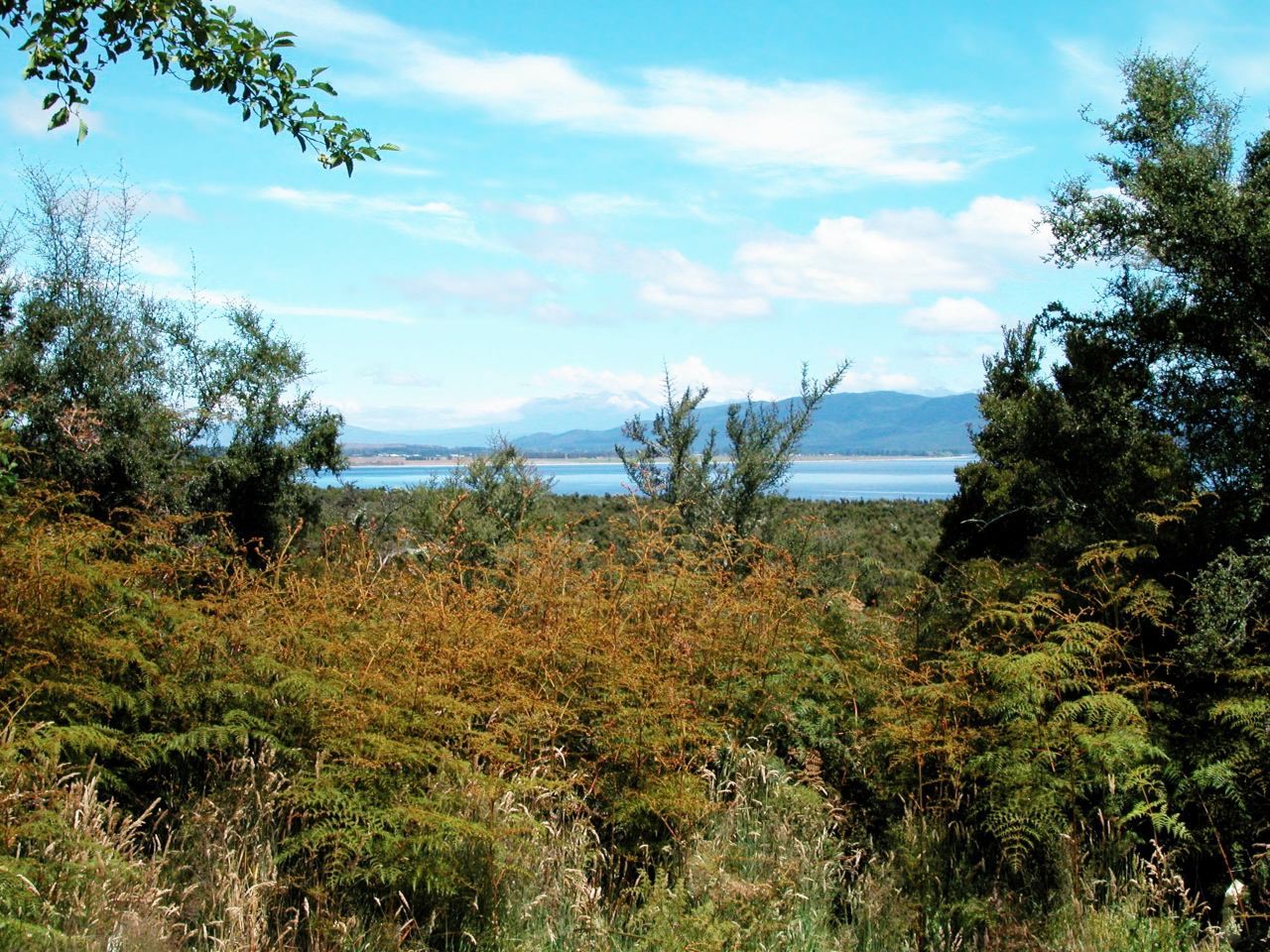
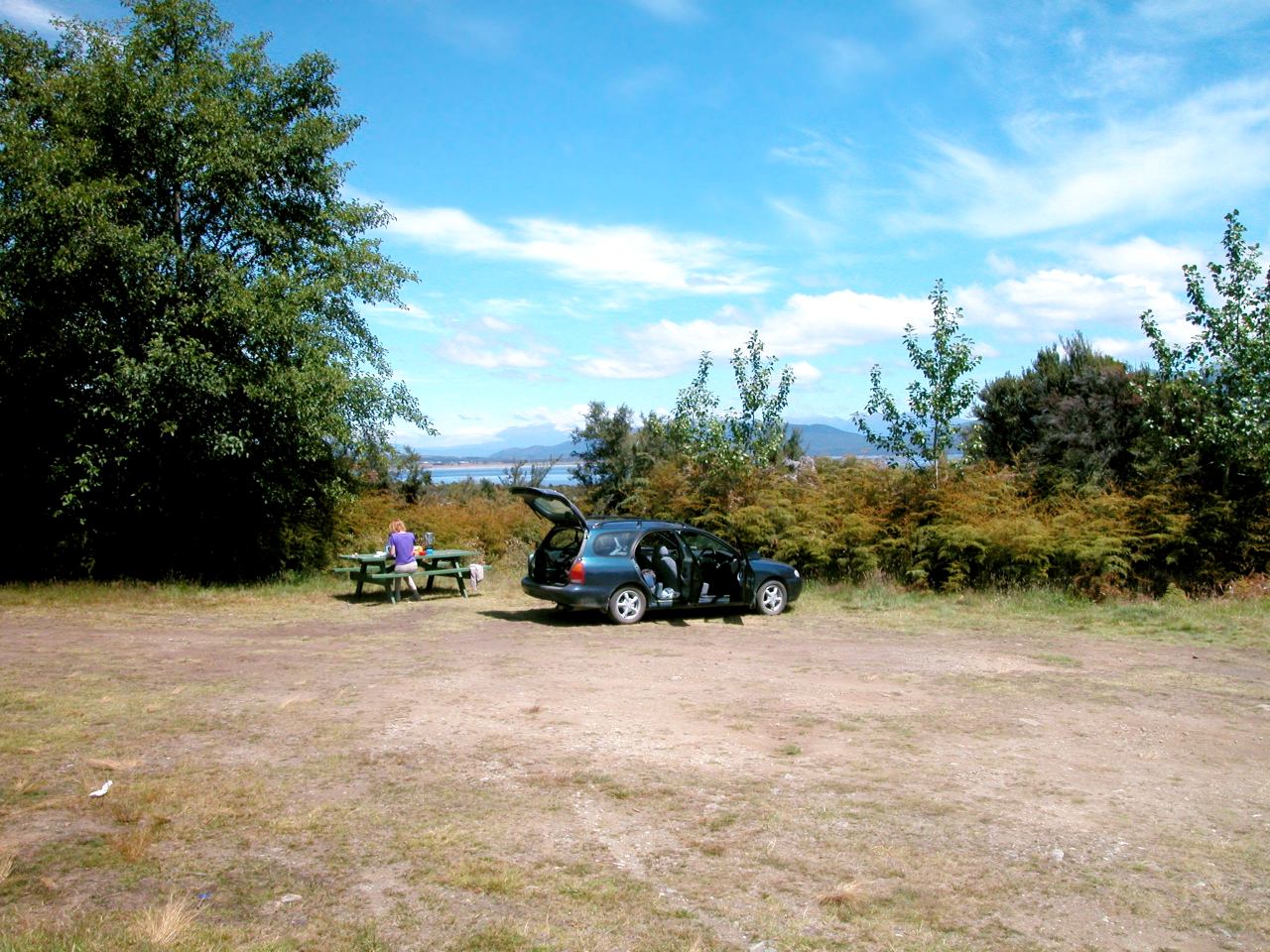
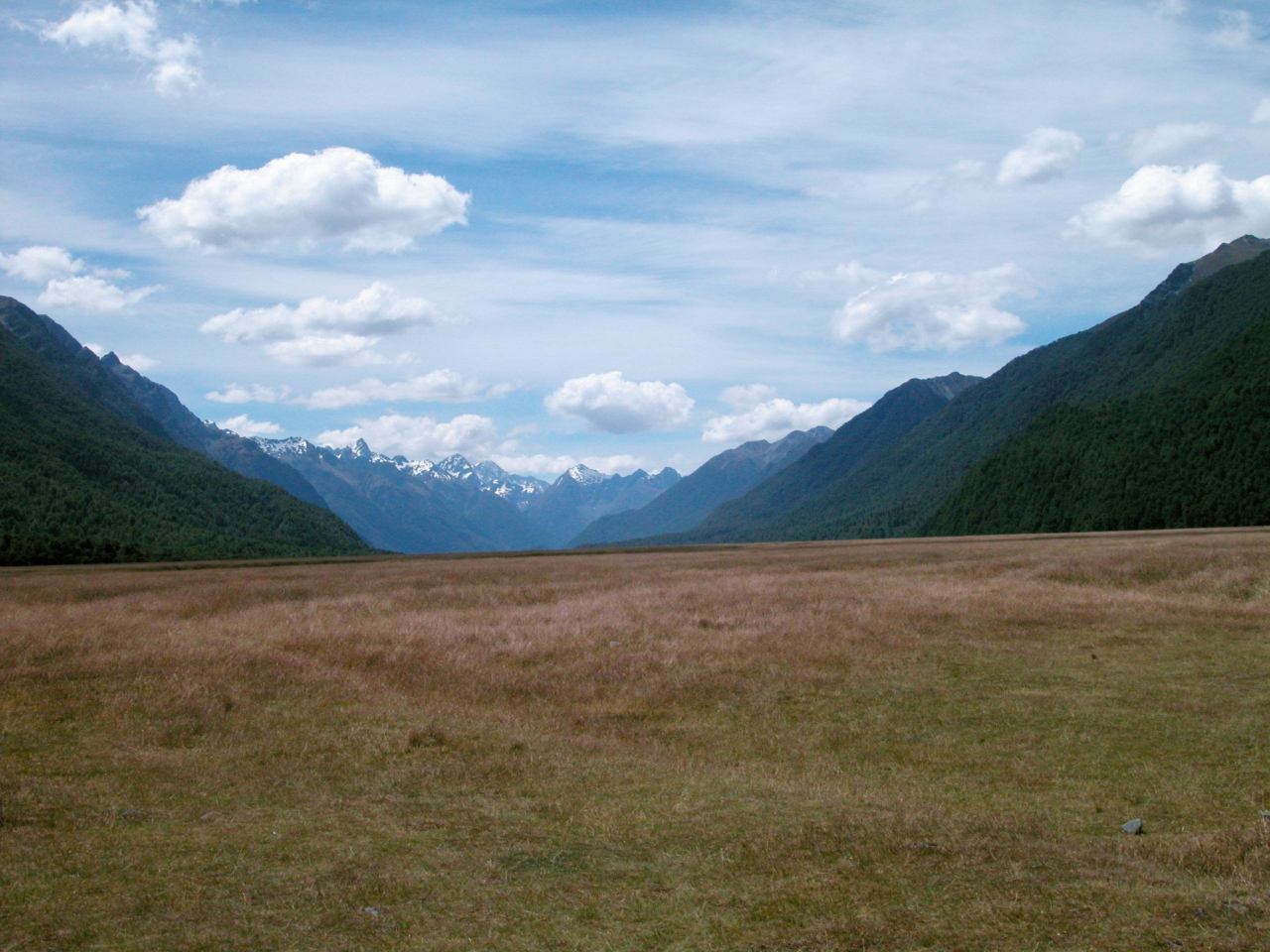
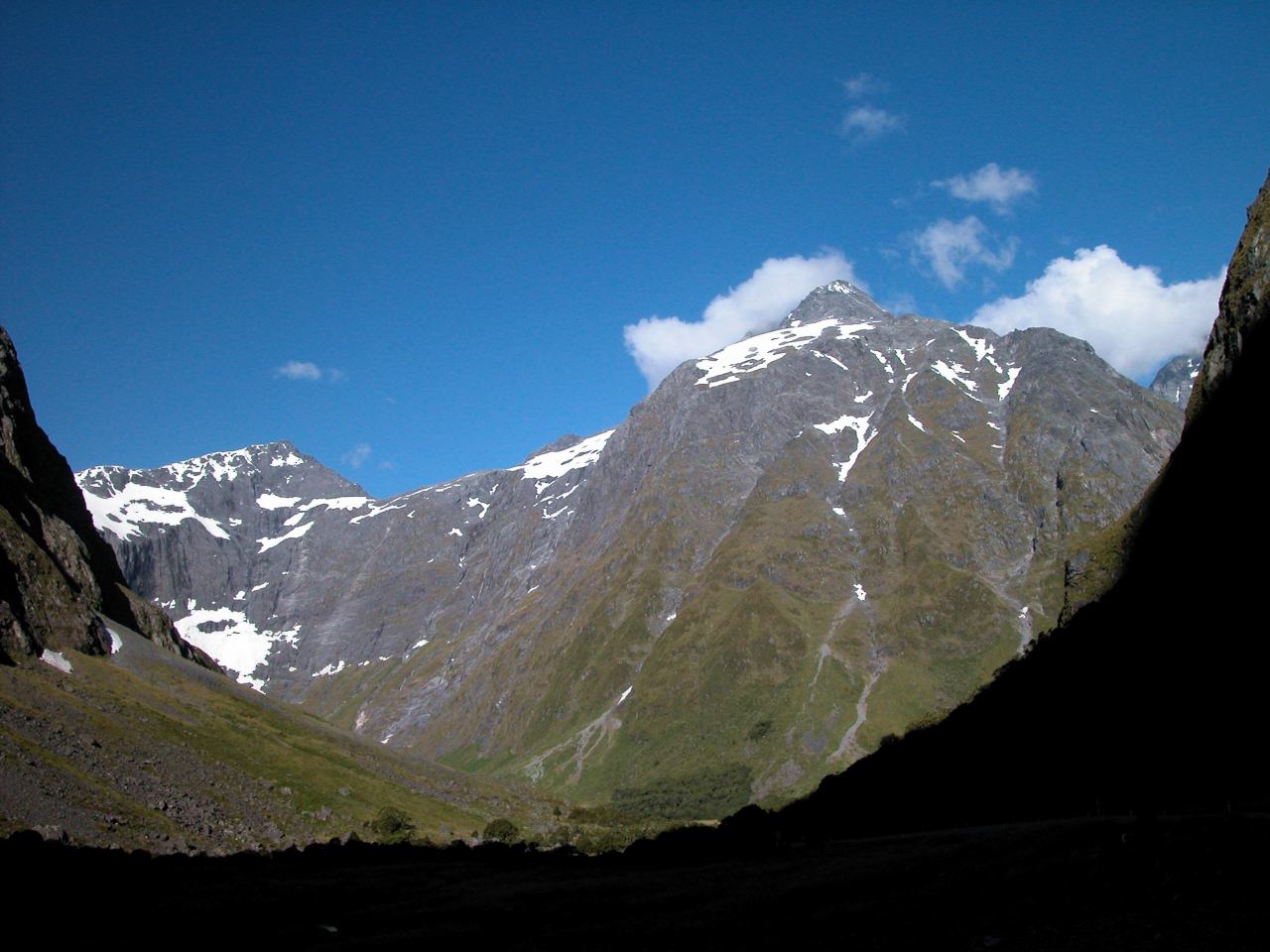
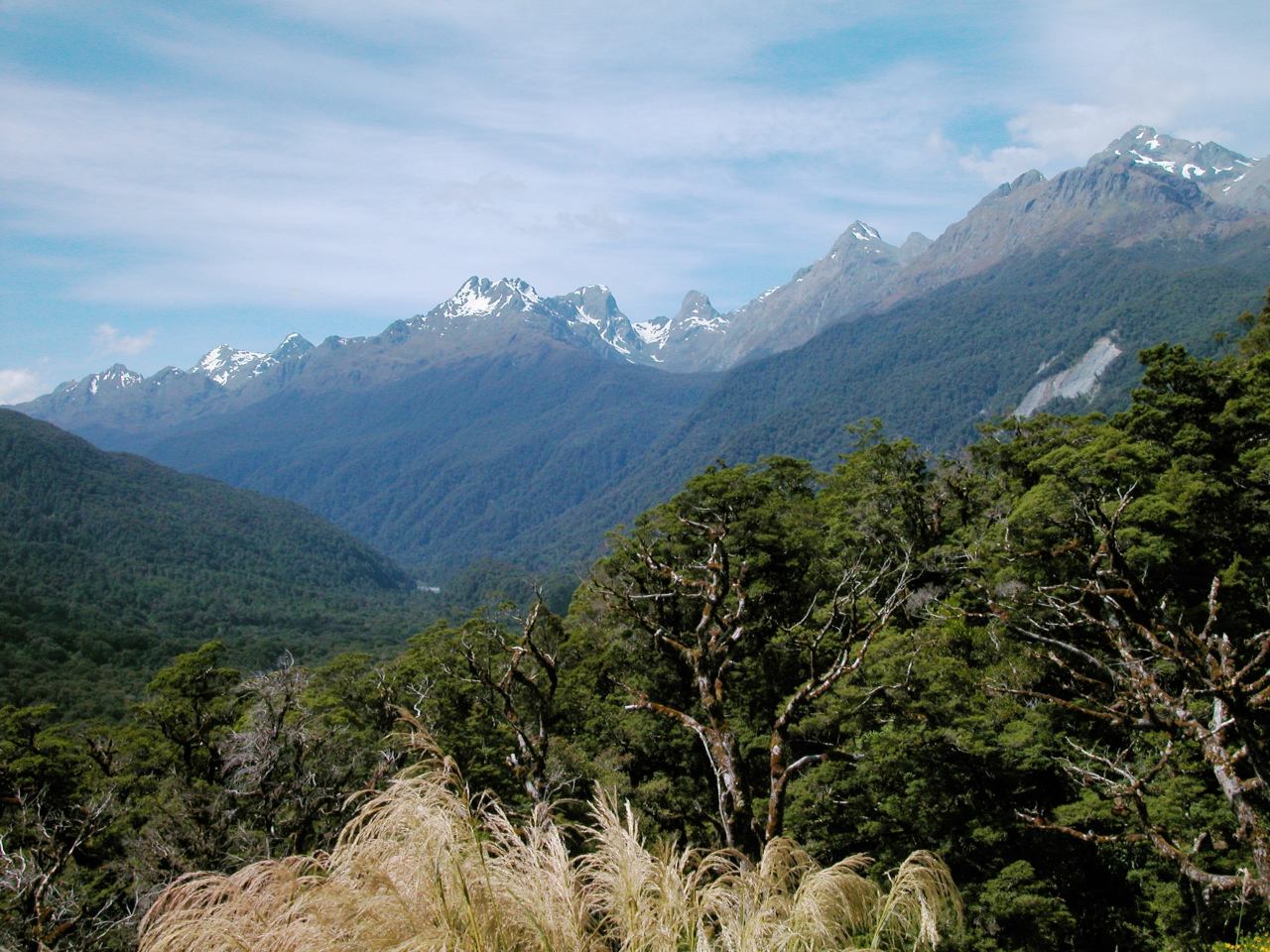
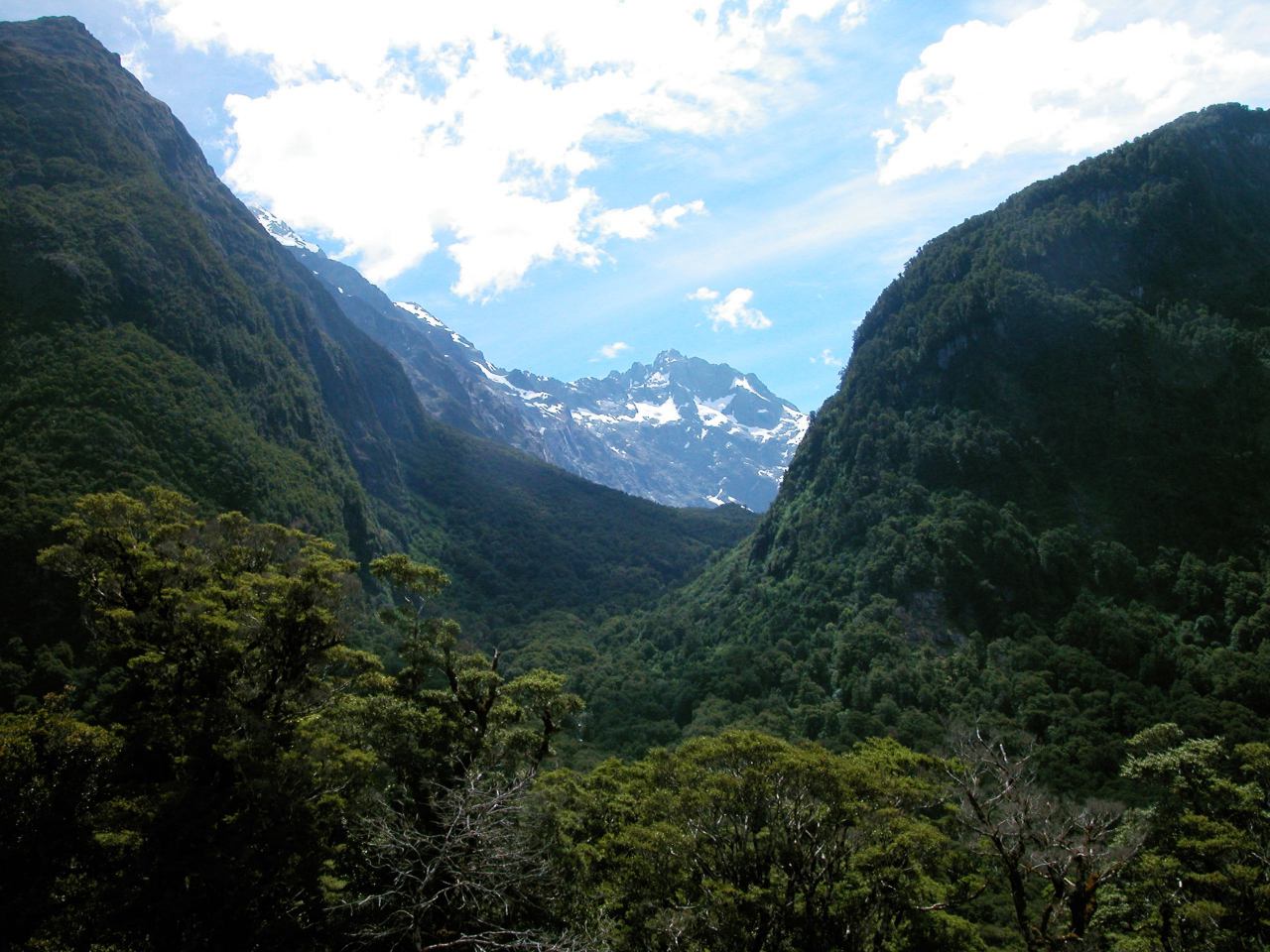
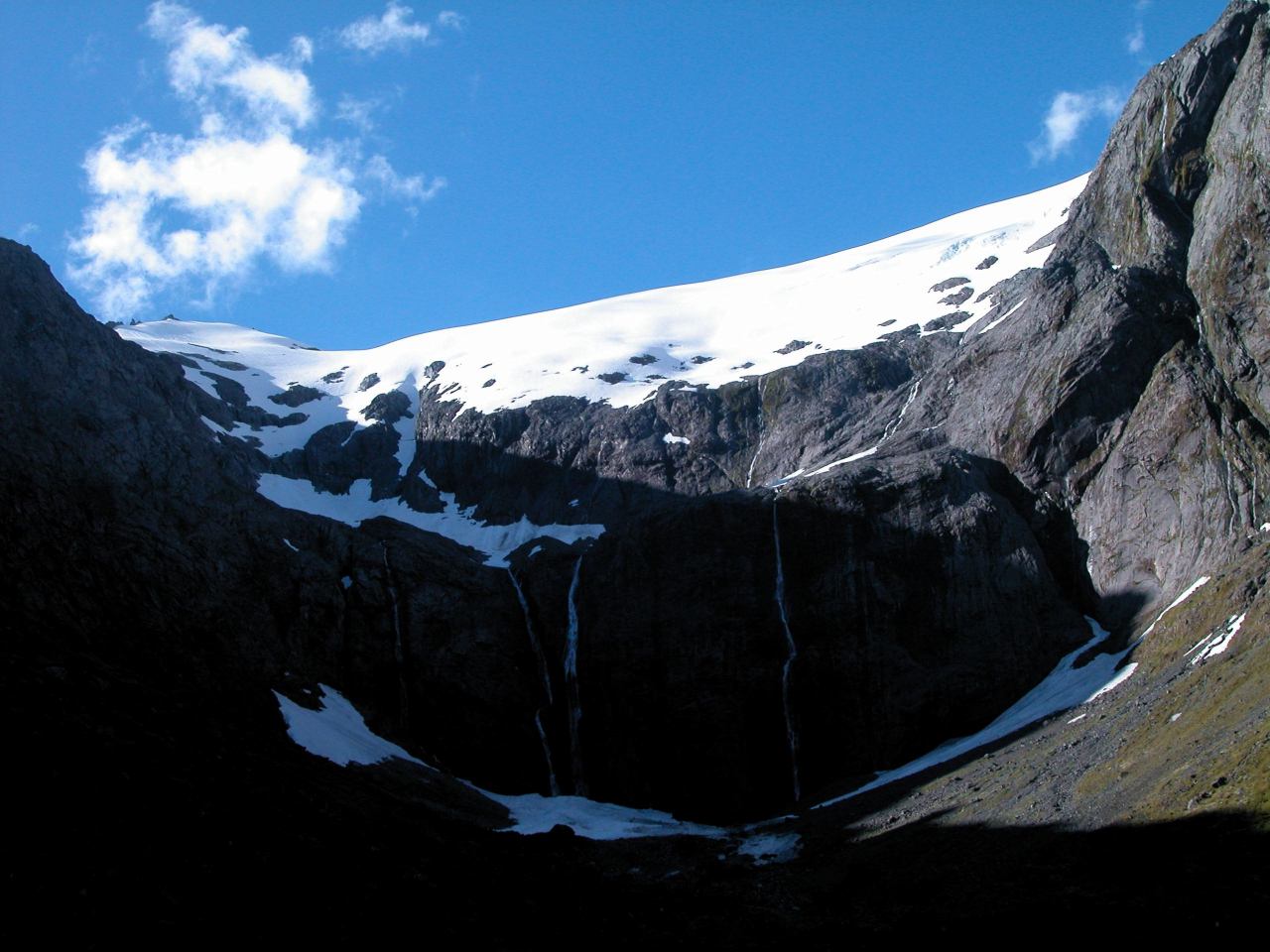
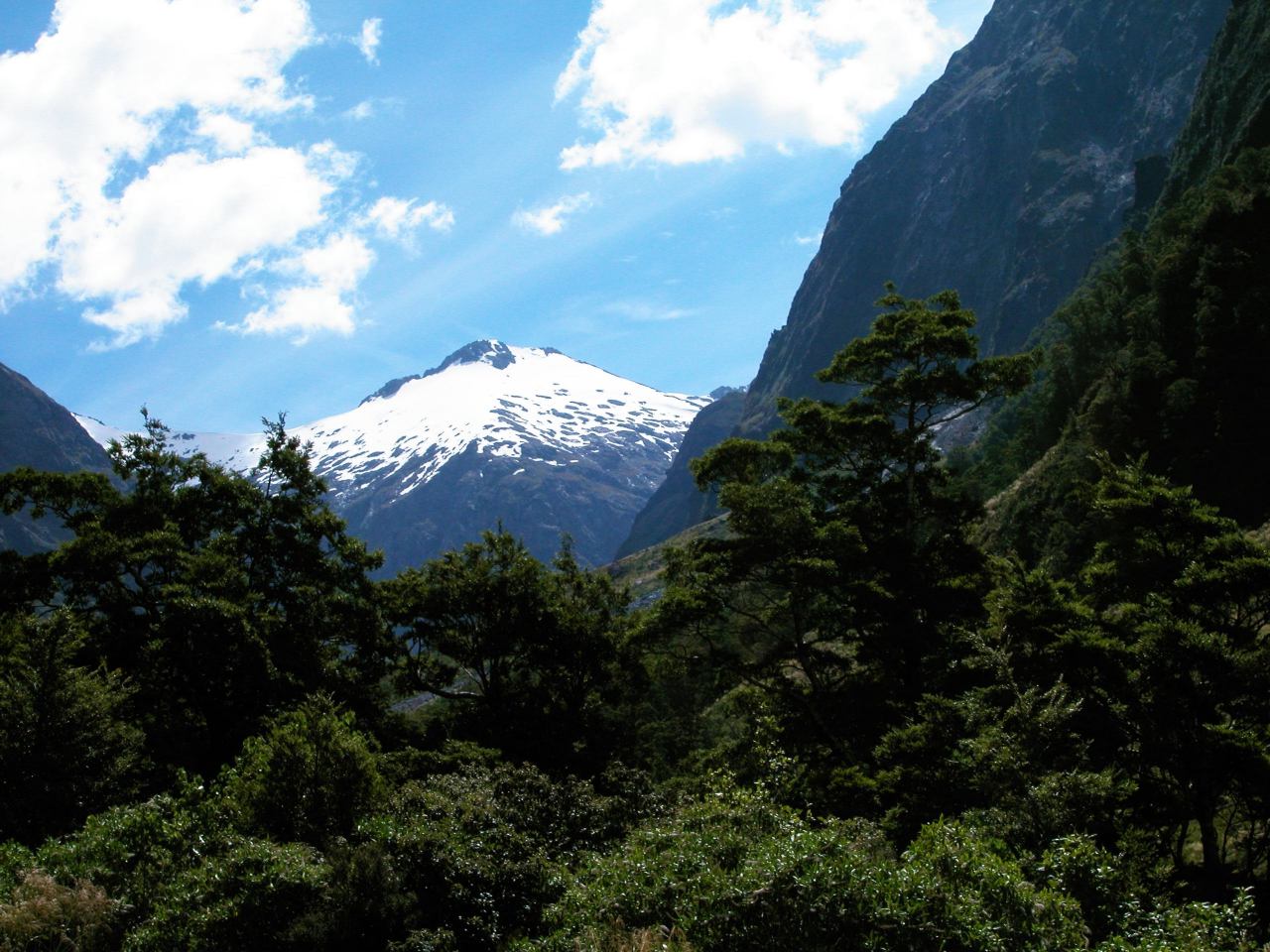
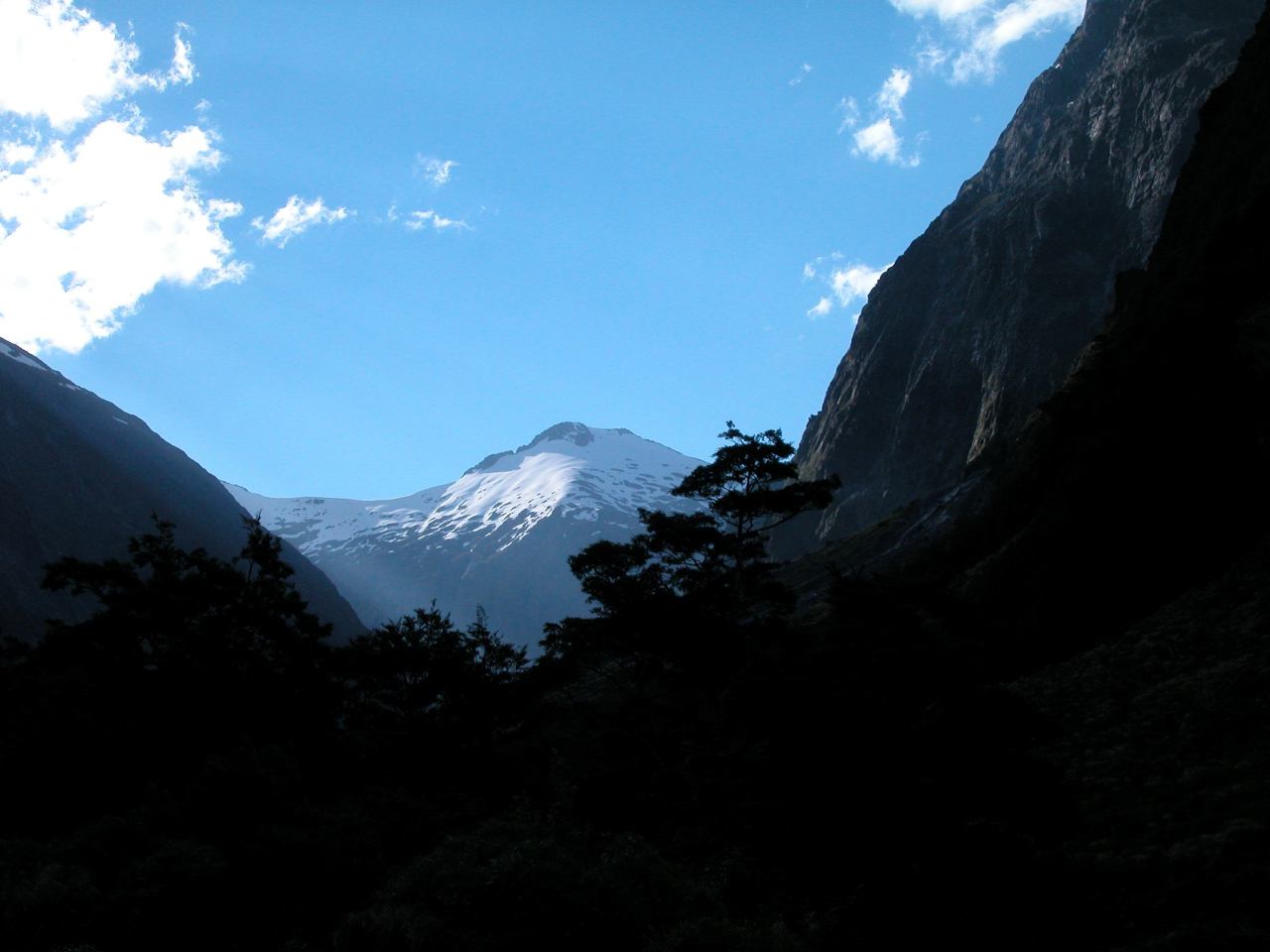
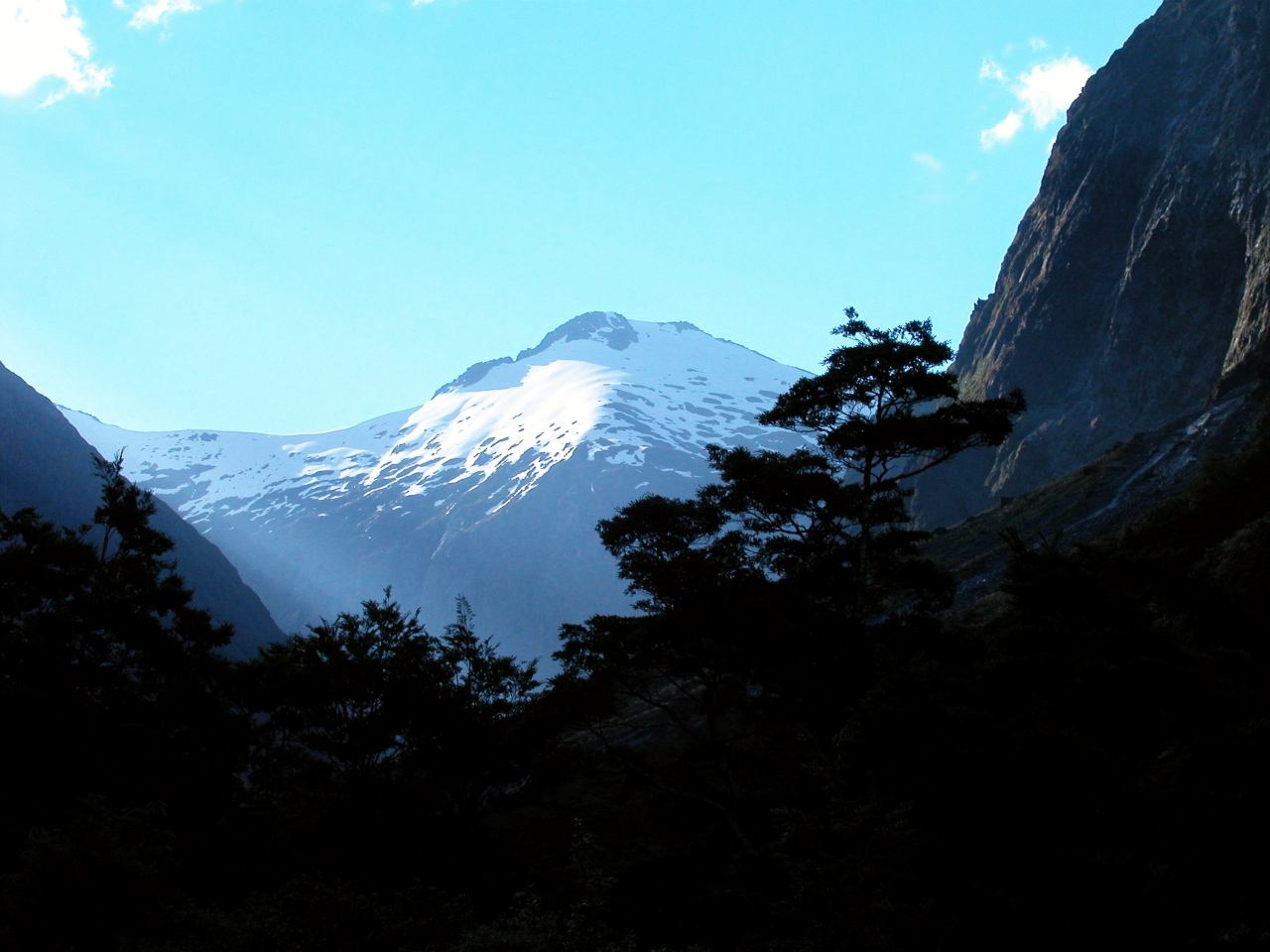
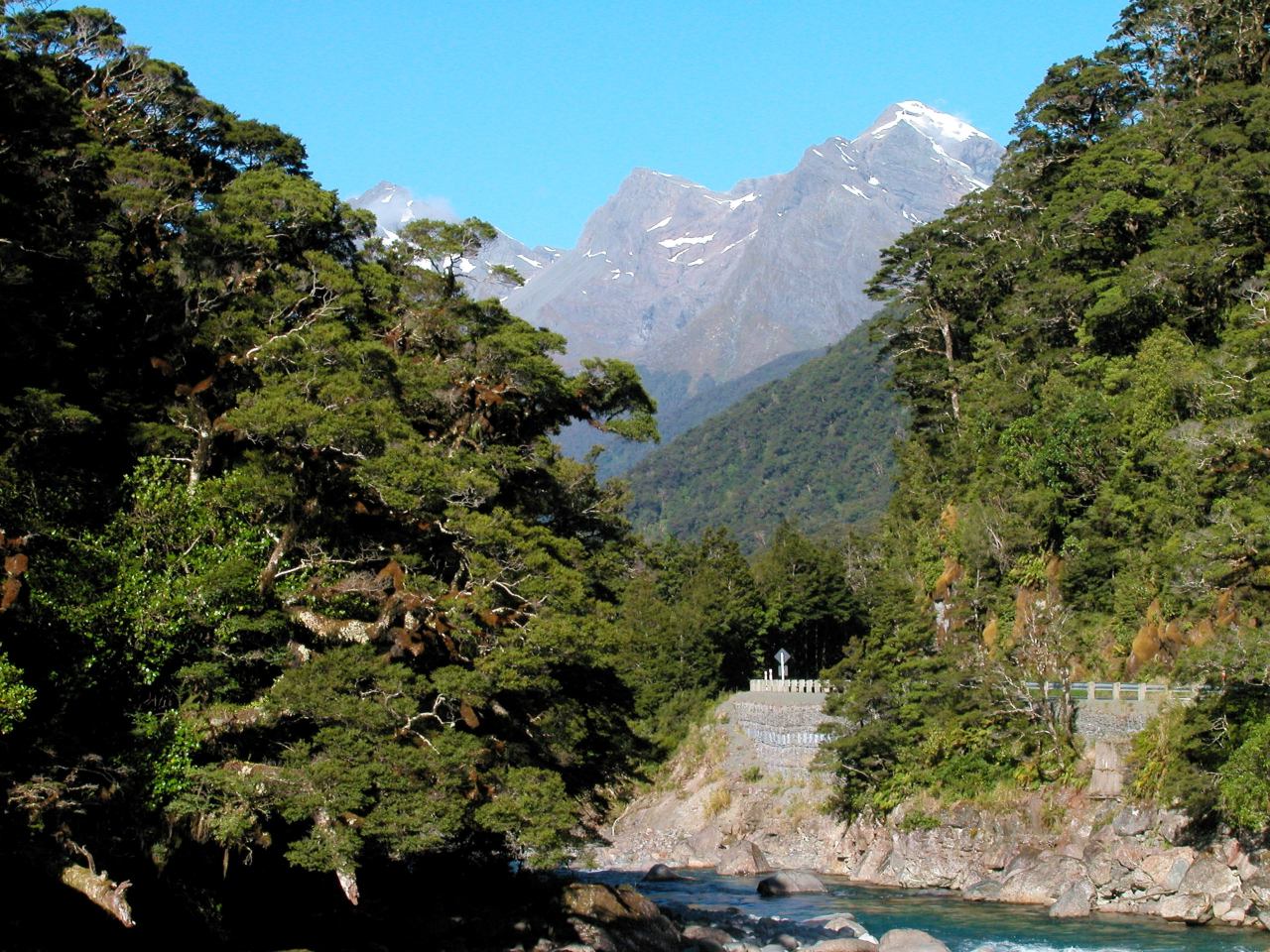
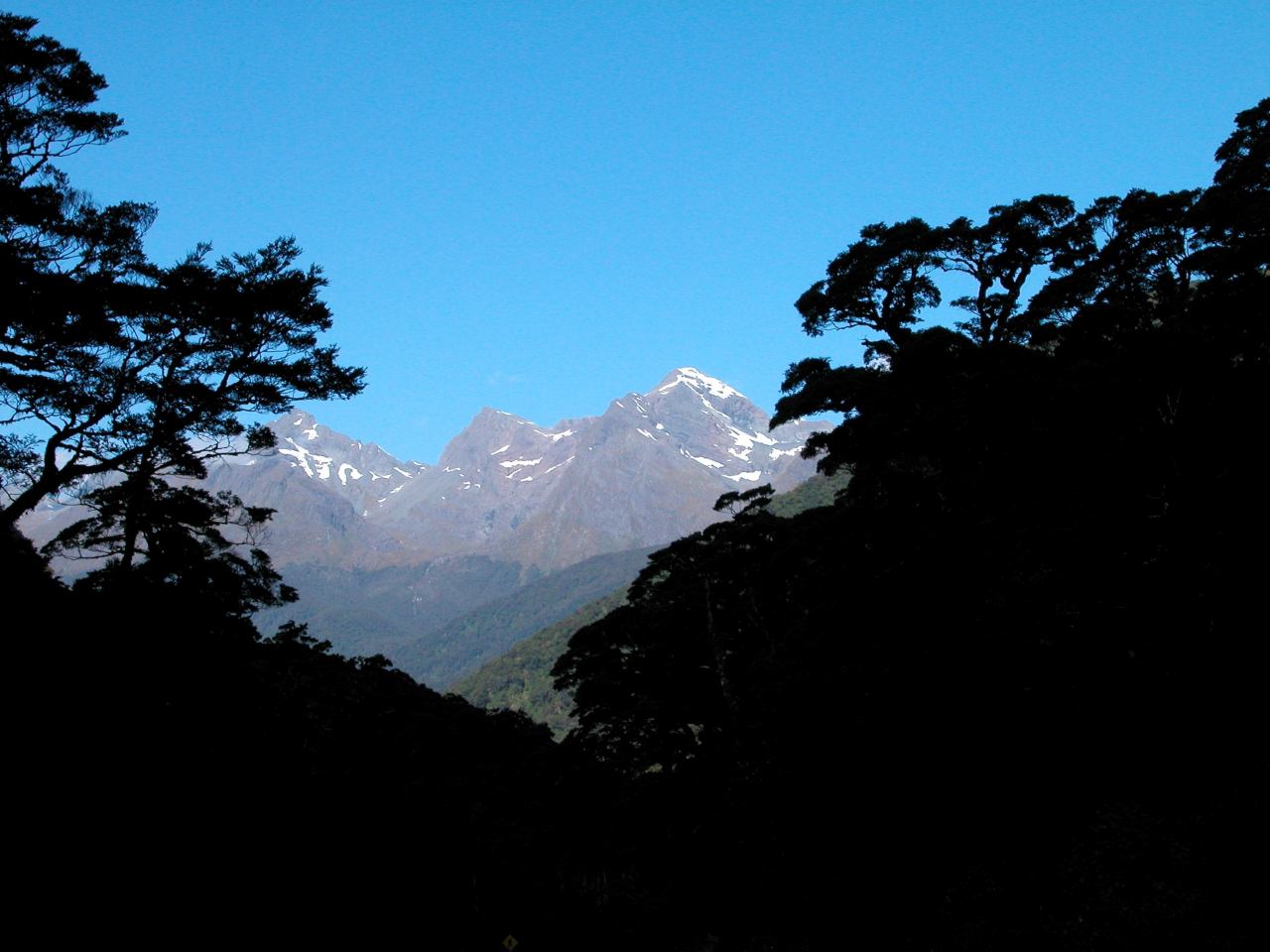
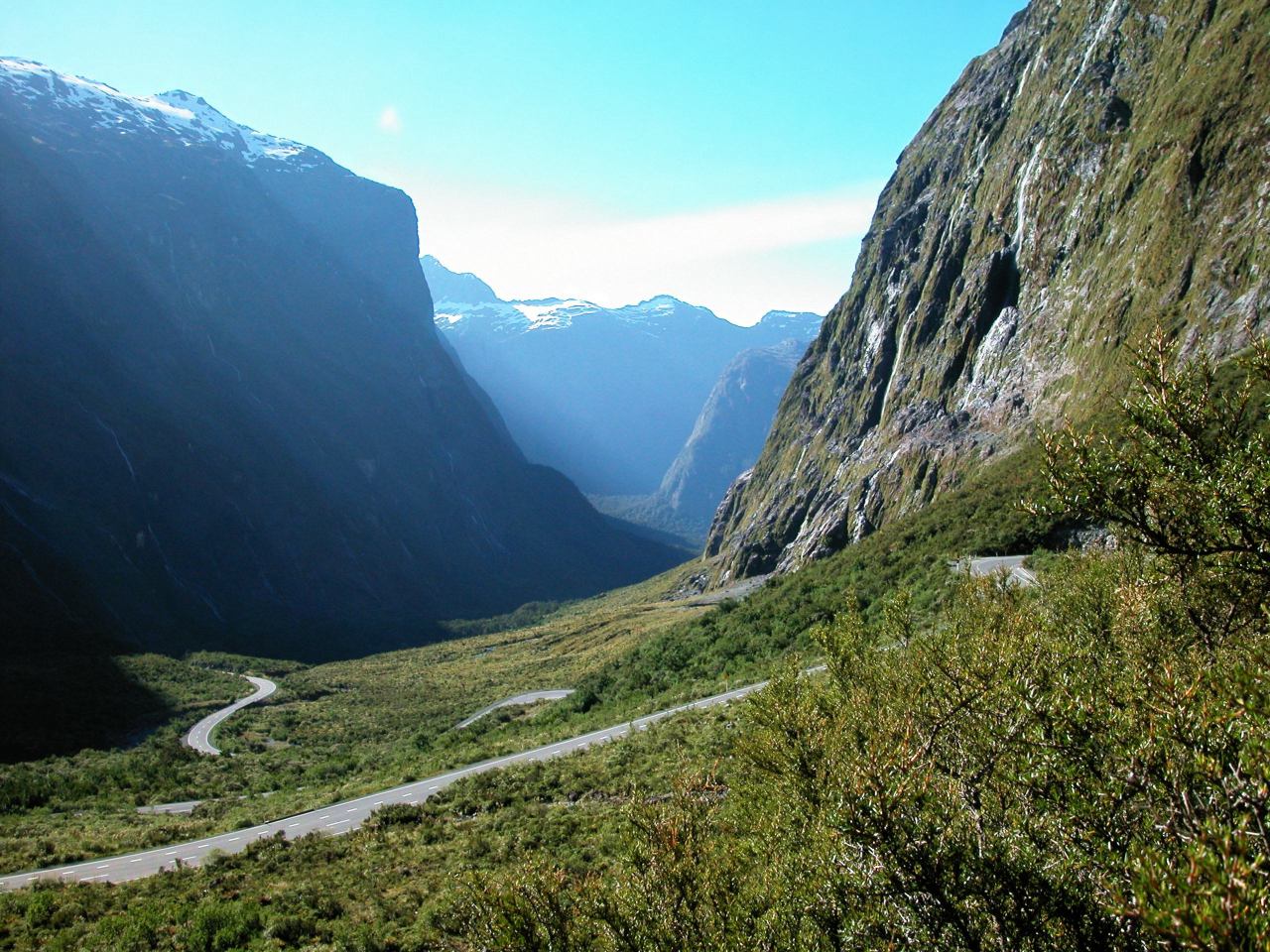
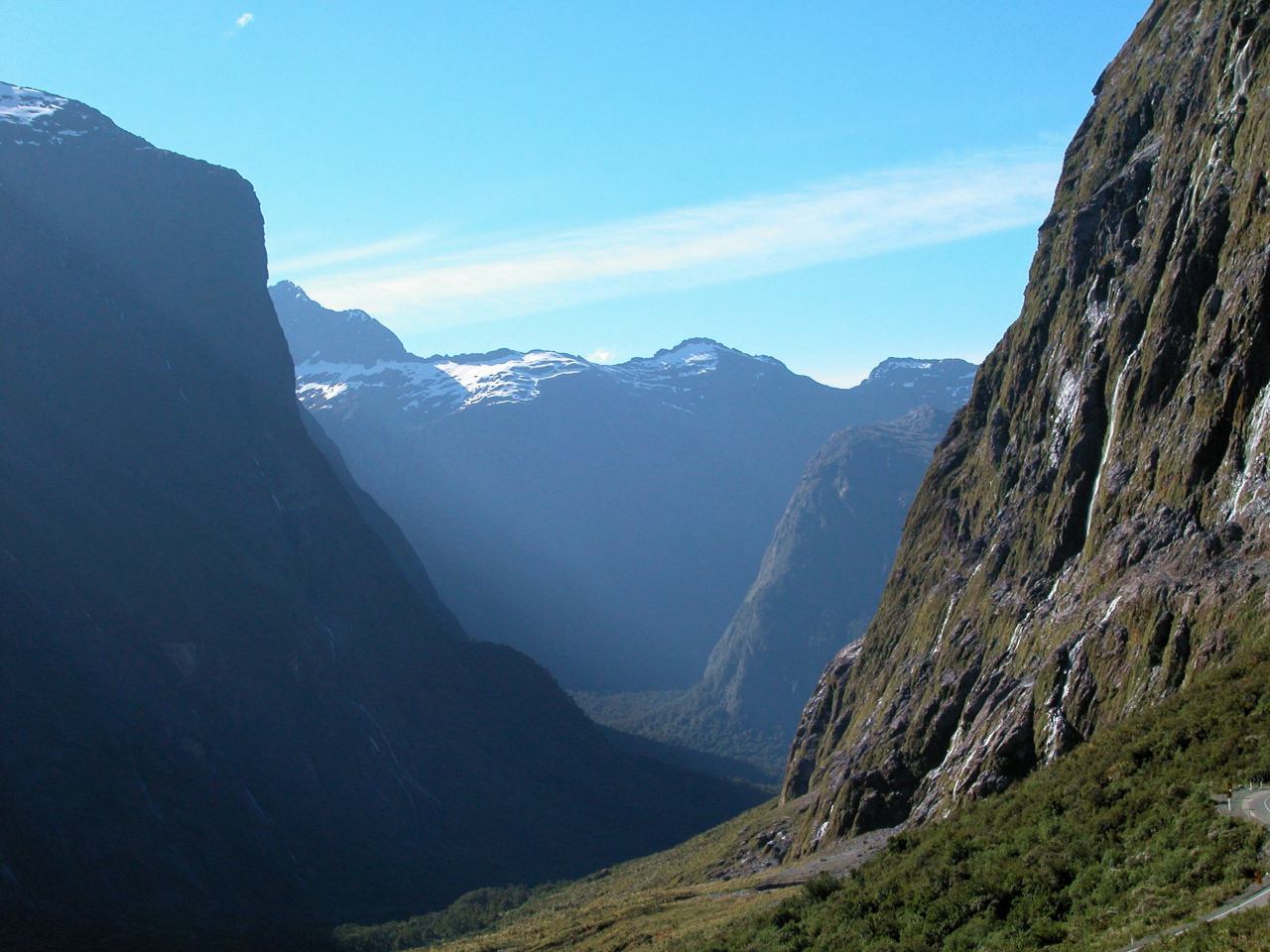
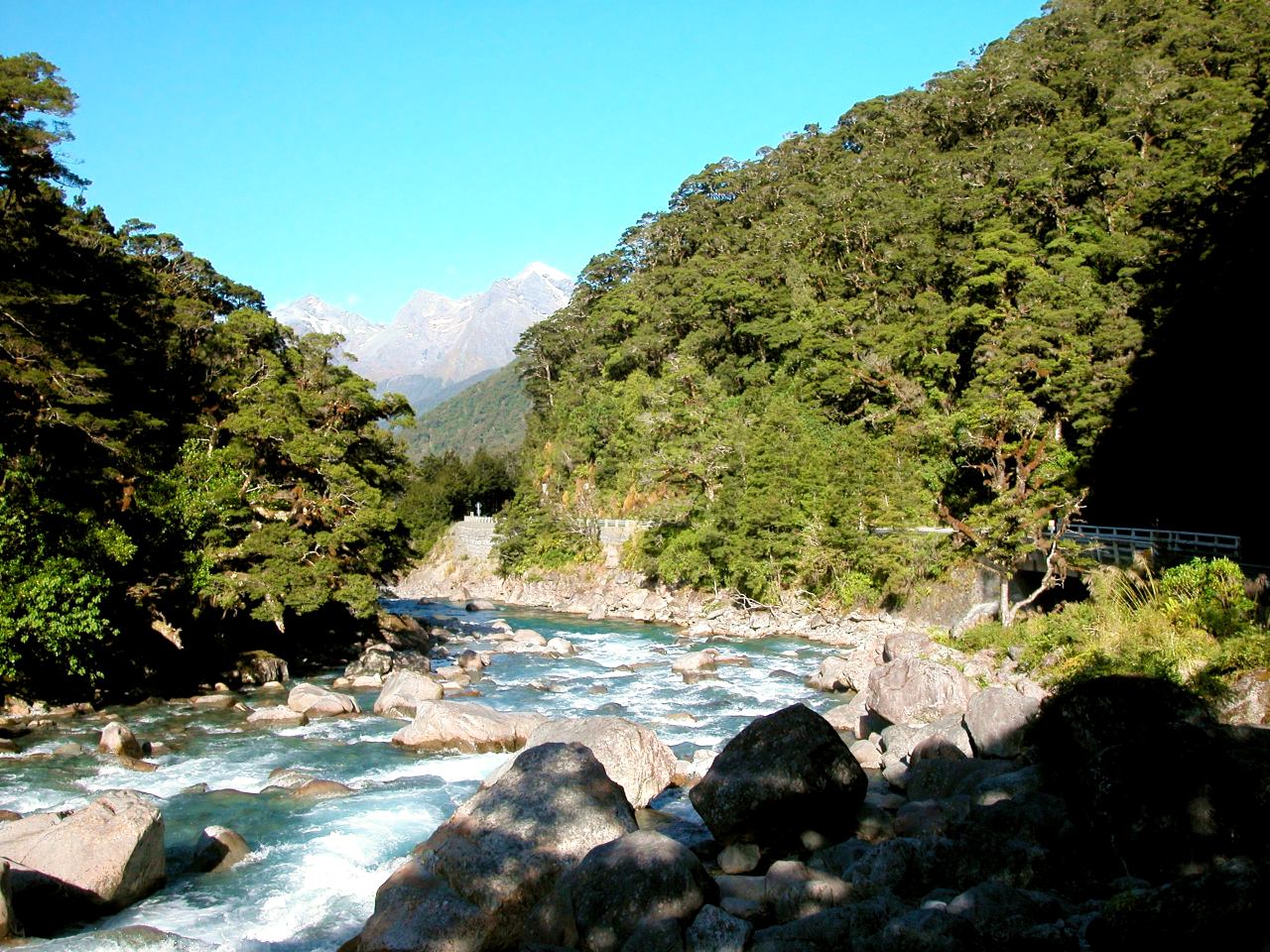
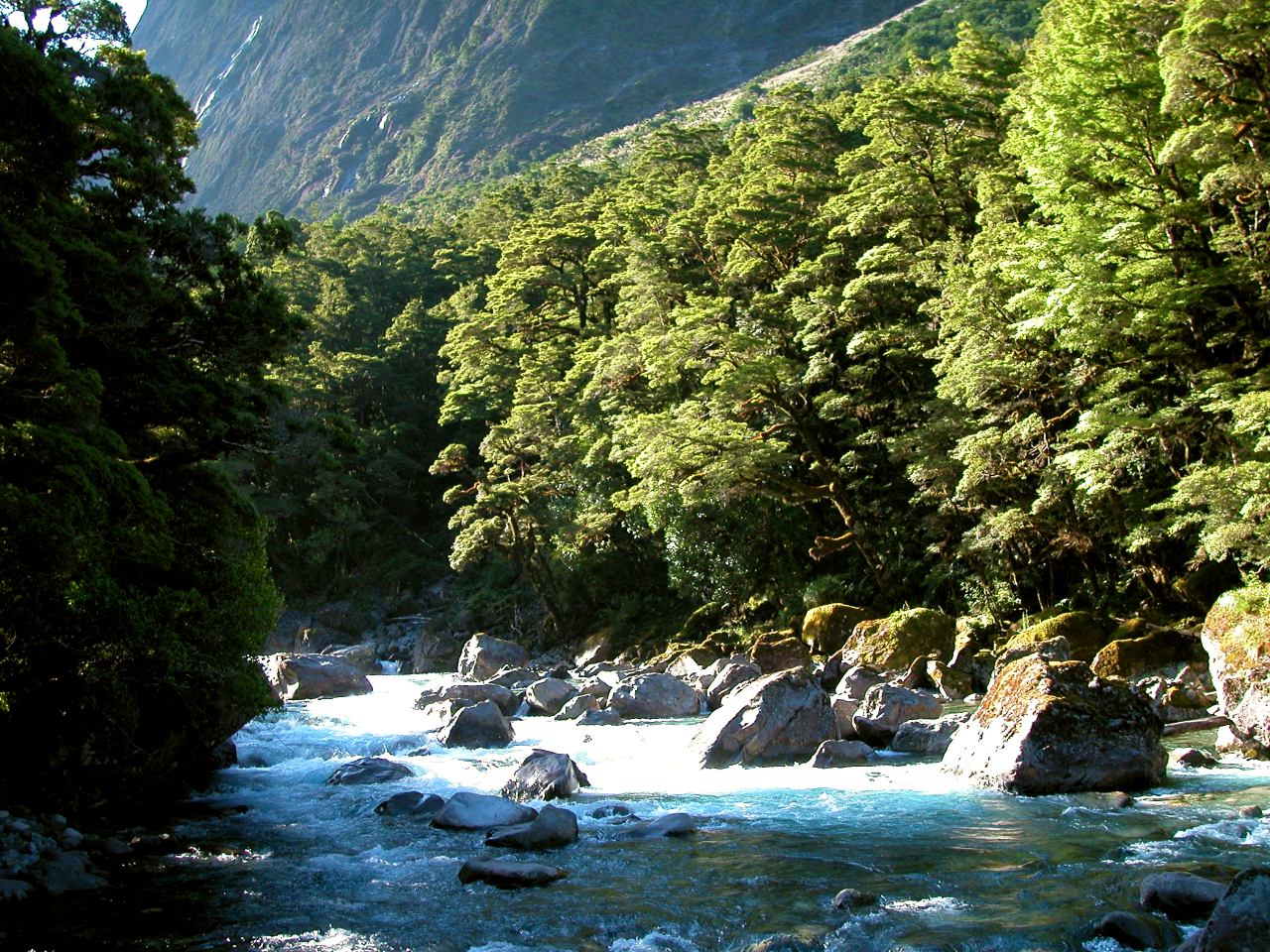
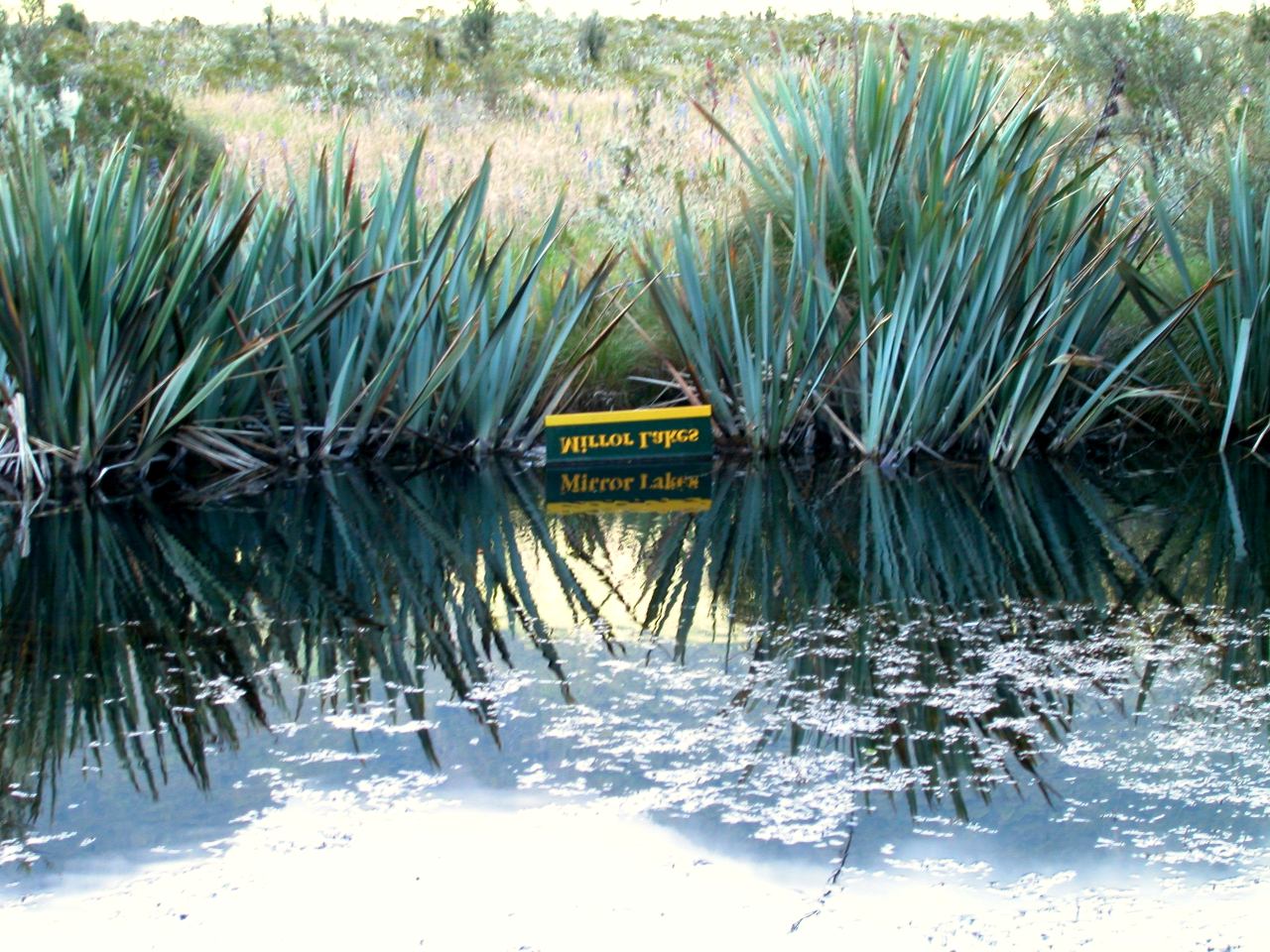
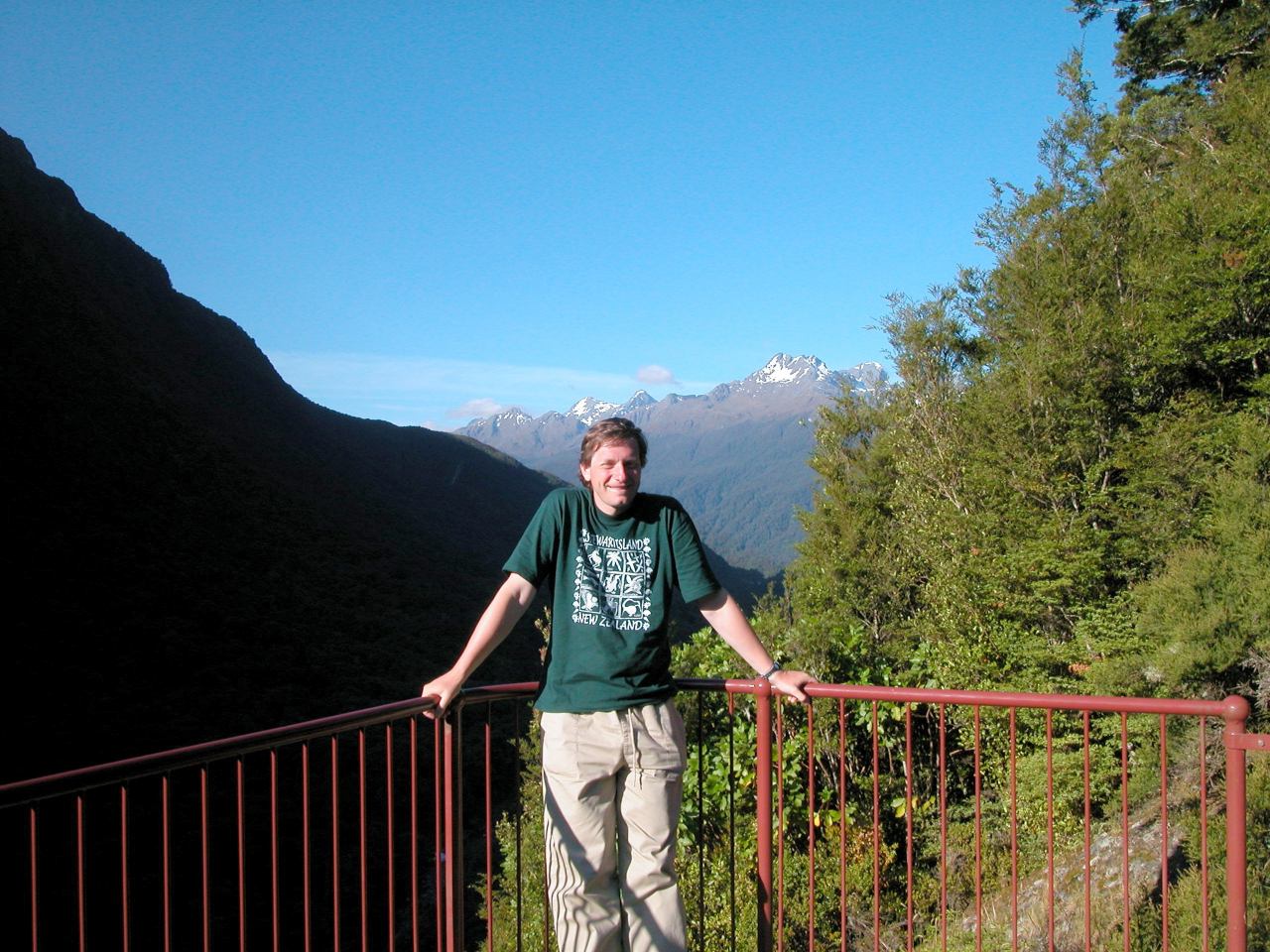
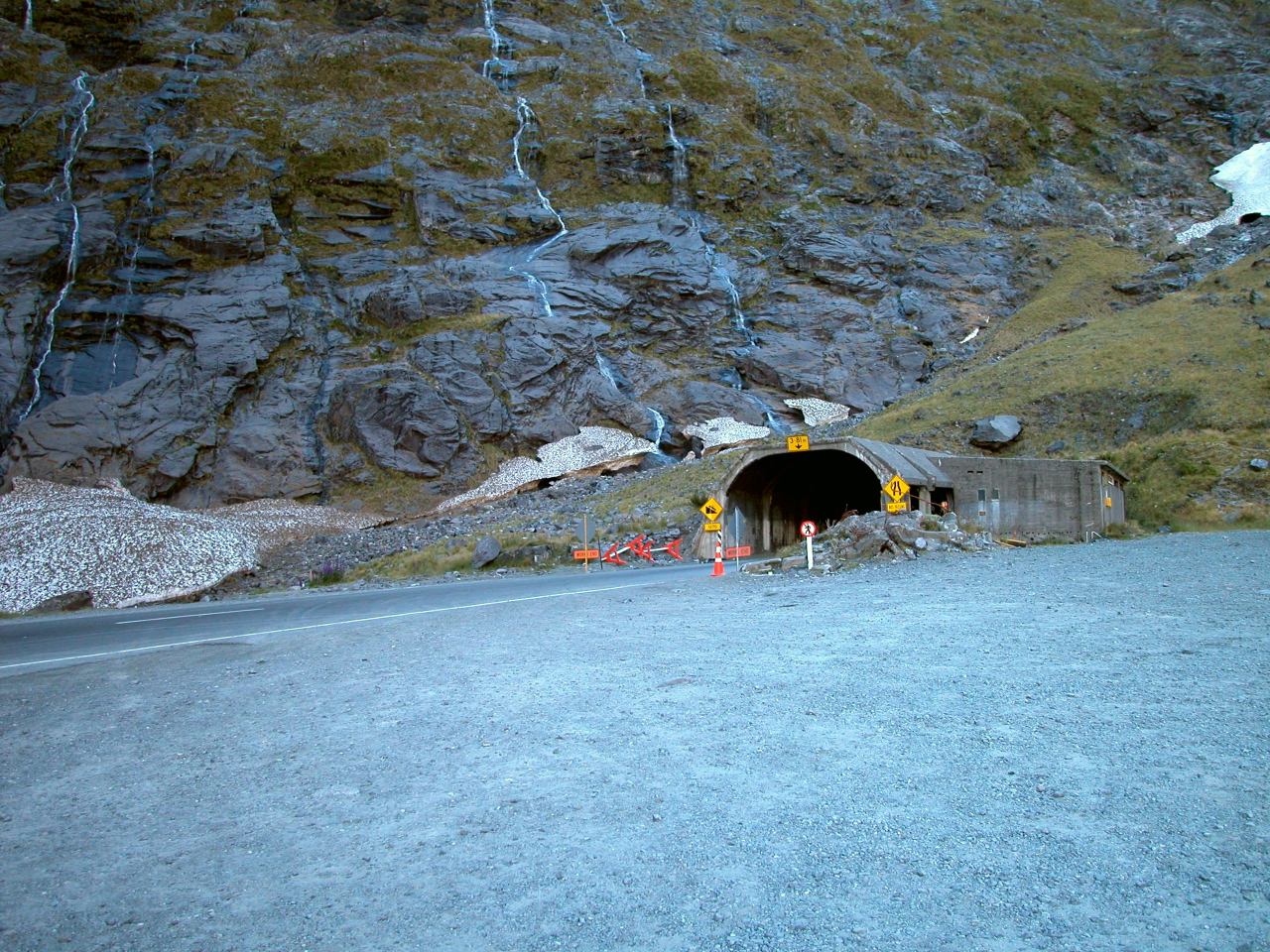
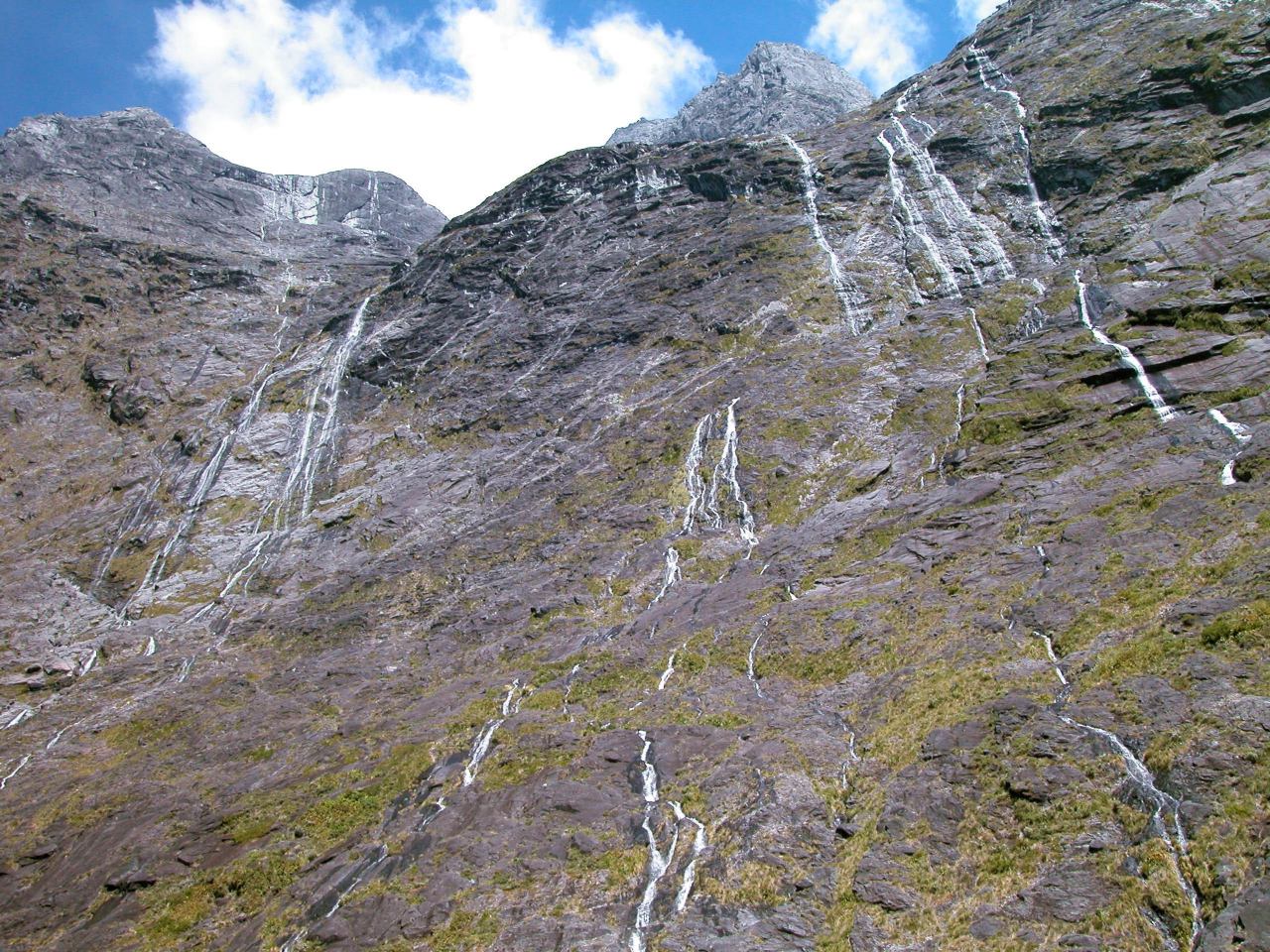
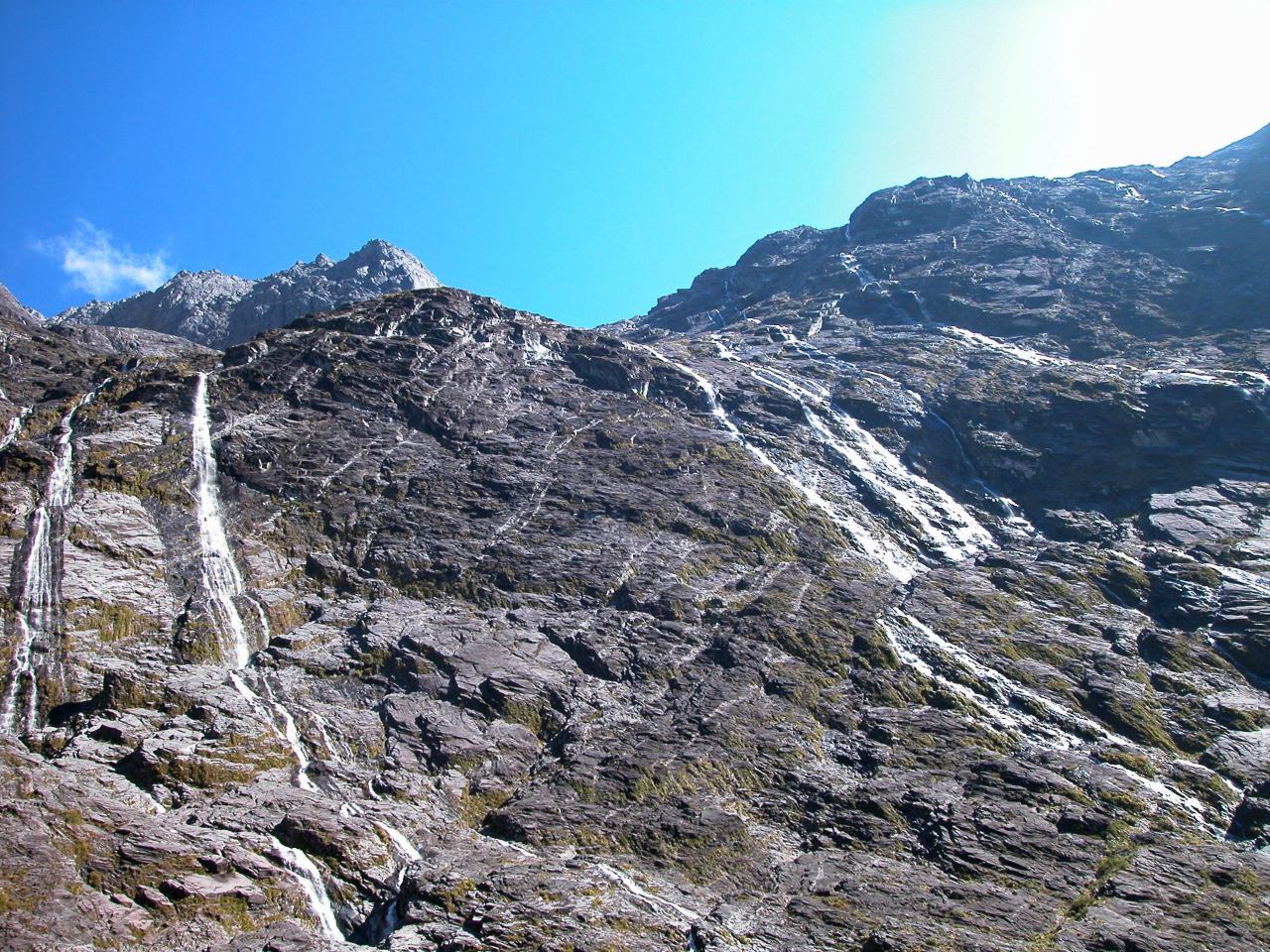
Not long after the tunnel, there’s a short track to the left of the road well worth taking to The Chasm, a waterfall that’s carved an oddly contorted gorge in the rock. The track crosses little bridges high above the waterfall.
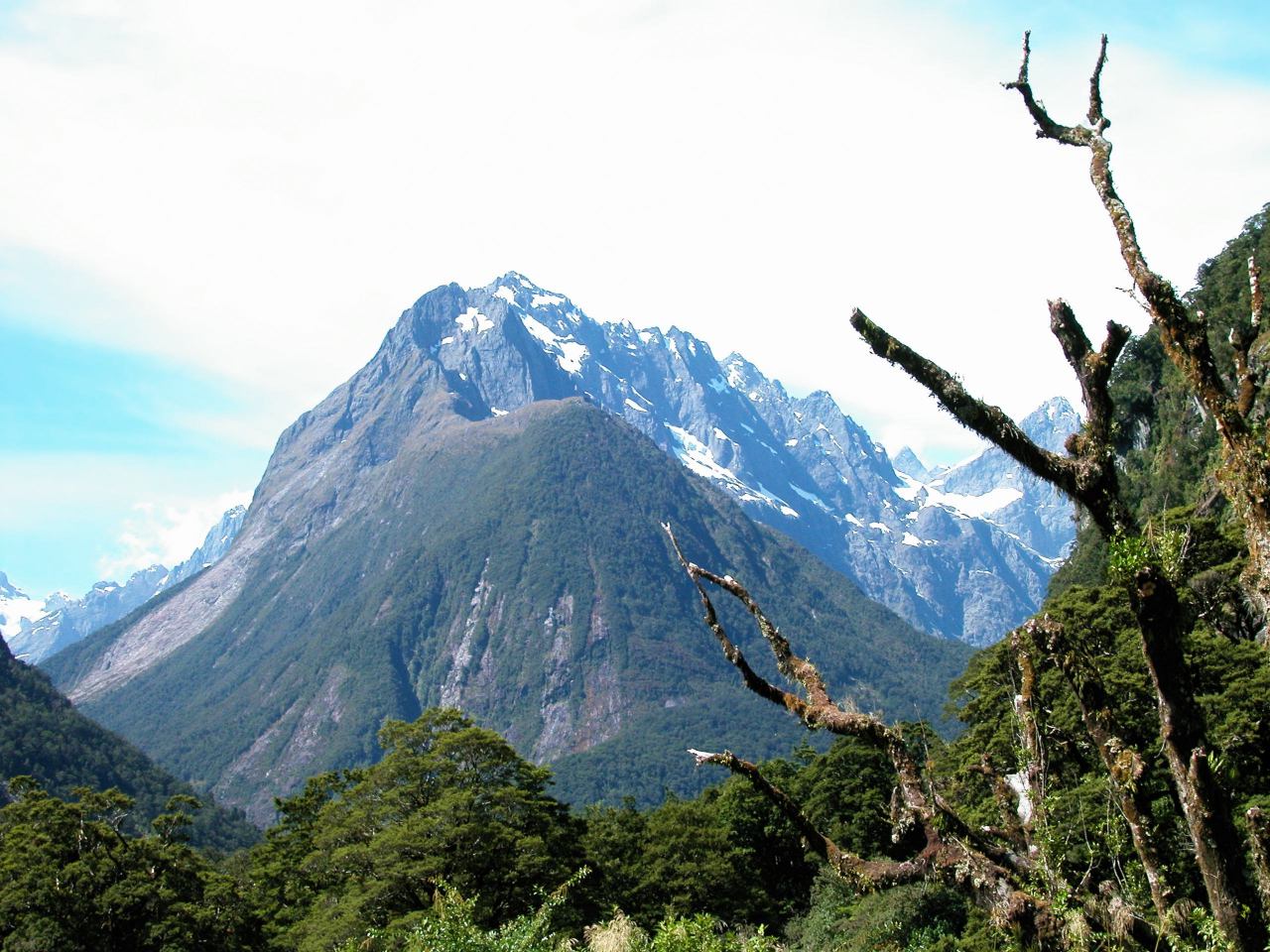
At Milford Sound itself you can take an hour’s cruise on the fjord or fly over the area. It all depends on your luck with the weather. This is one of the wettest places in New Zealand, with up to 9,000 millimetres of rain in a year. The figure we’d heard for the wettest place in India, 12,000, wasn’t so very much more. We’d got lucky and there wasn’t a cloud, though the wind must have been blowing at thirty metres a second.
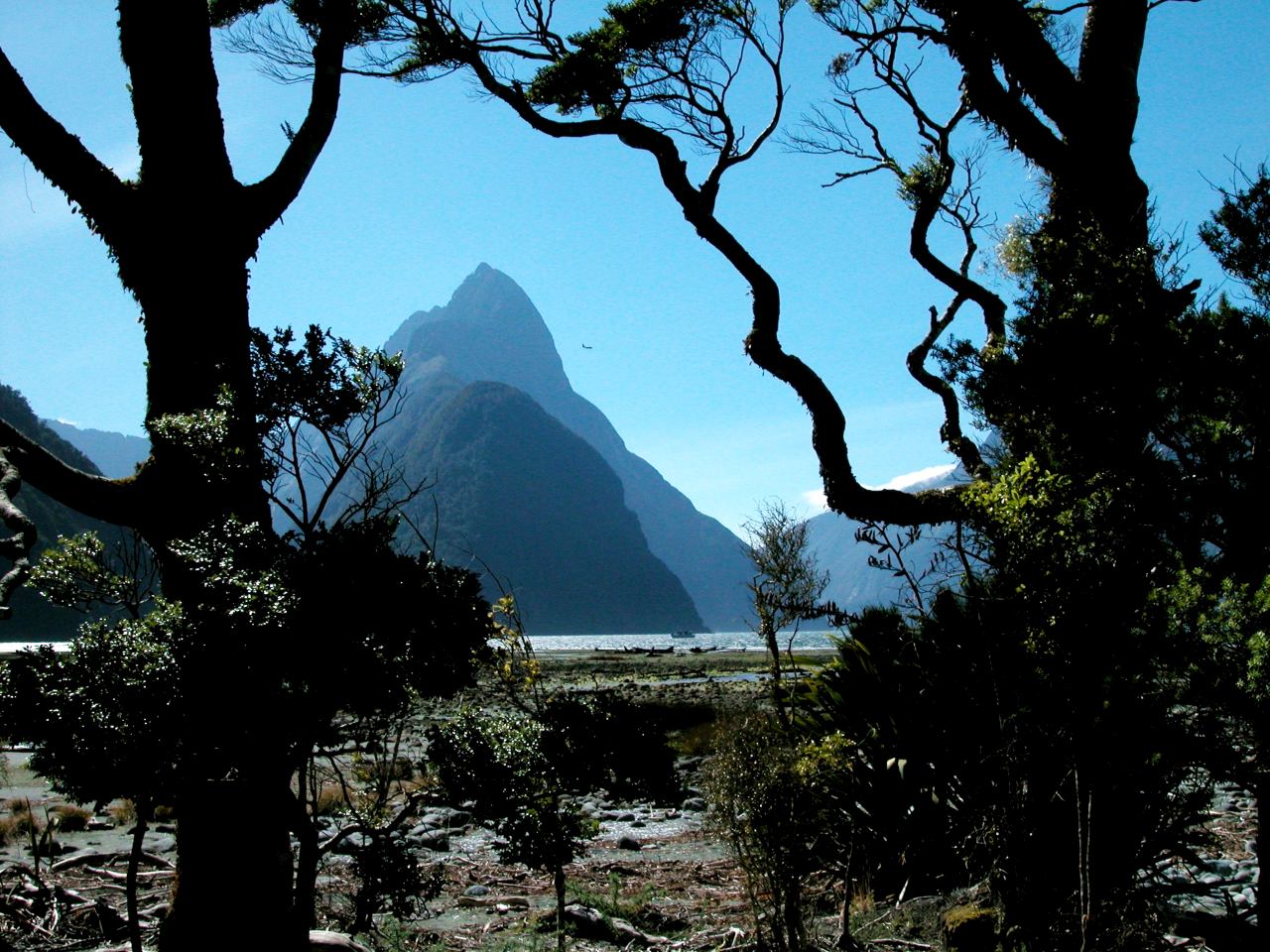
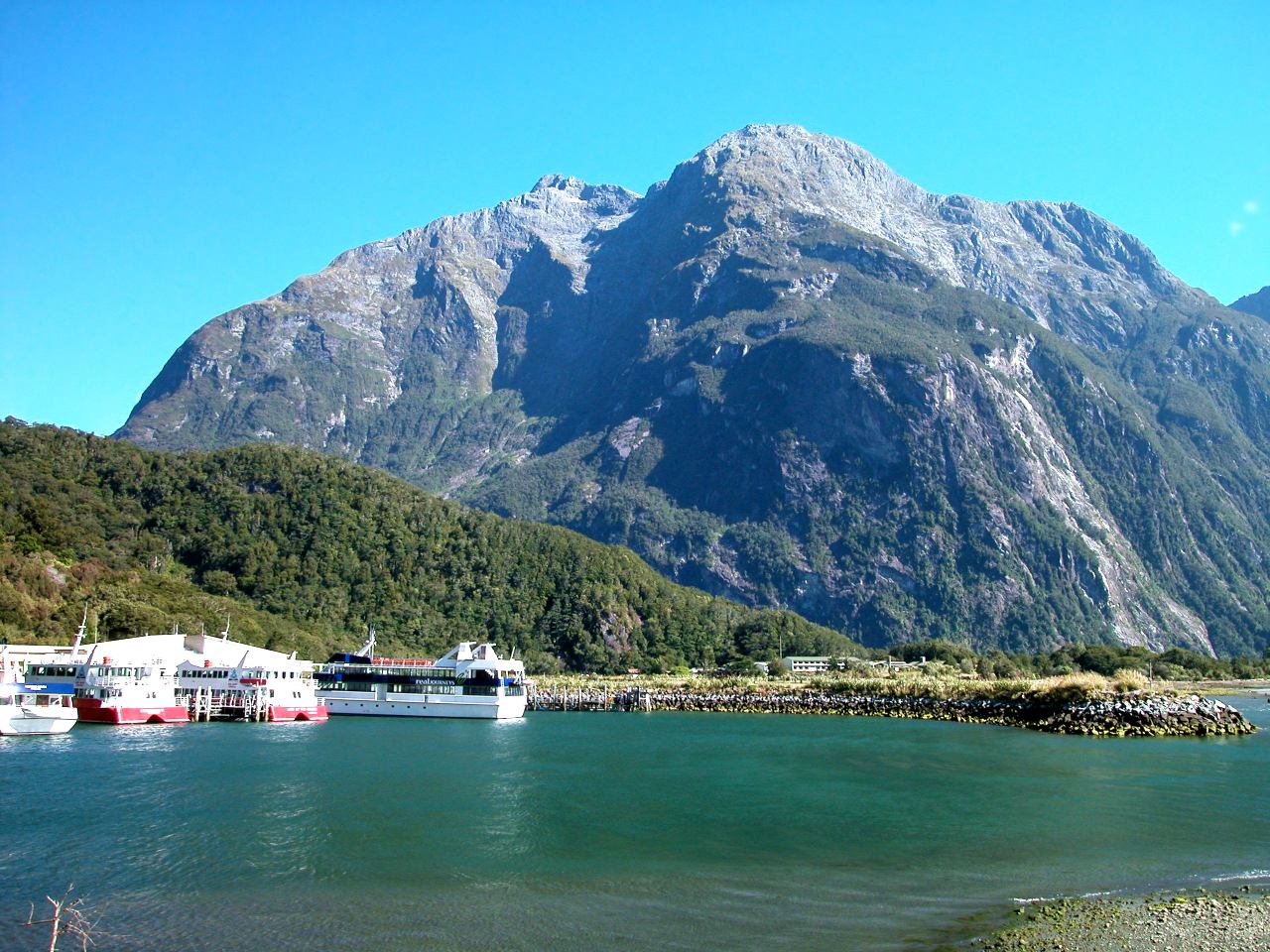
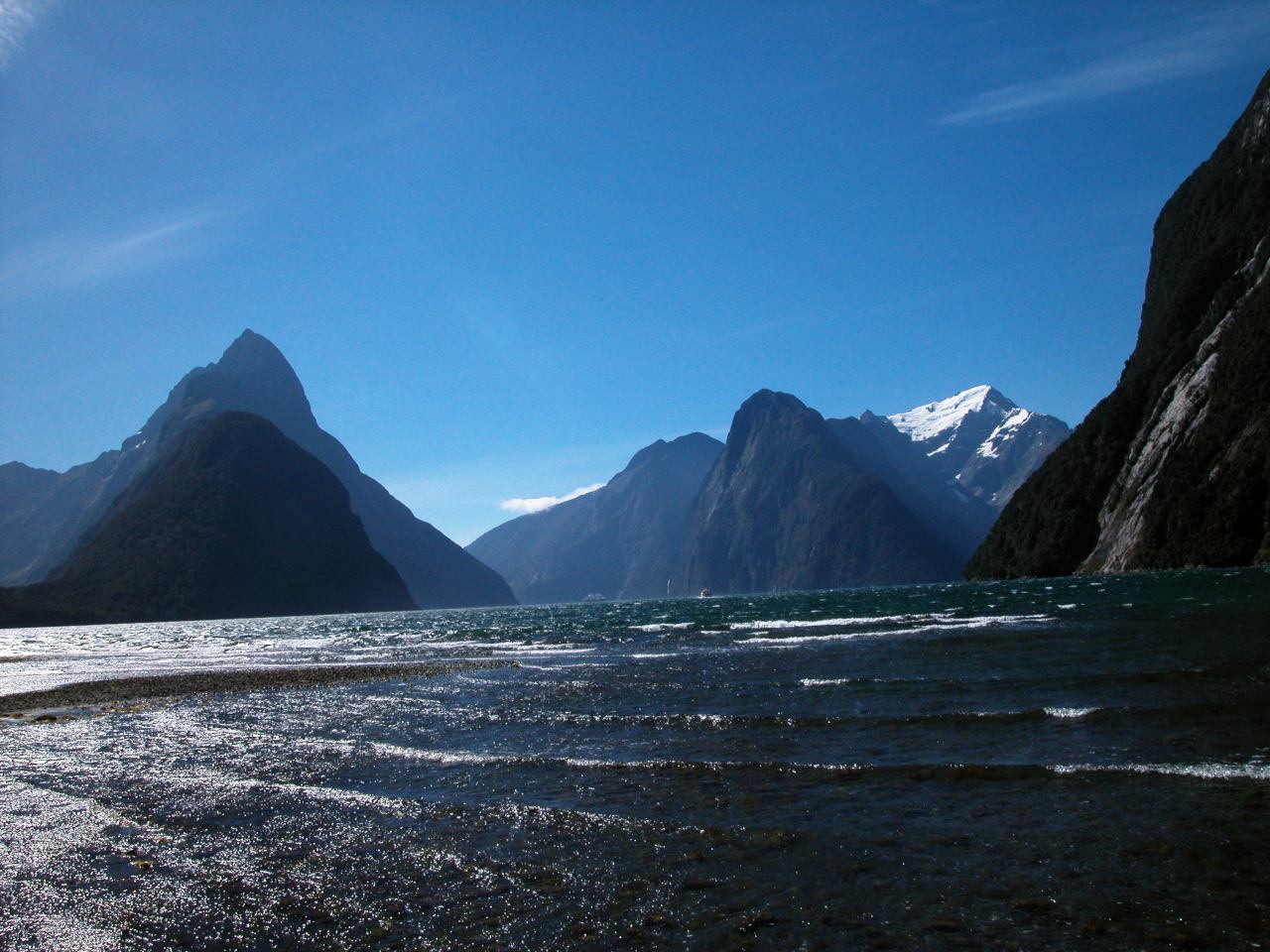
There’s a waterfall a ten-minute walk away. They’ve built a path and a lookout.
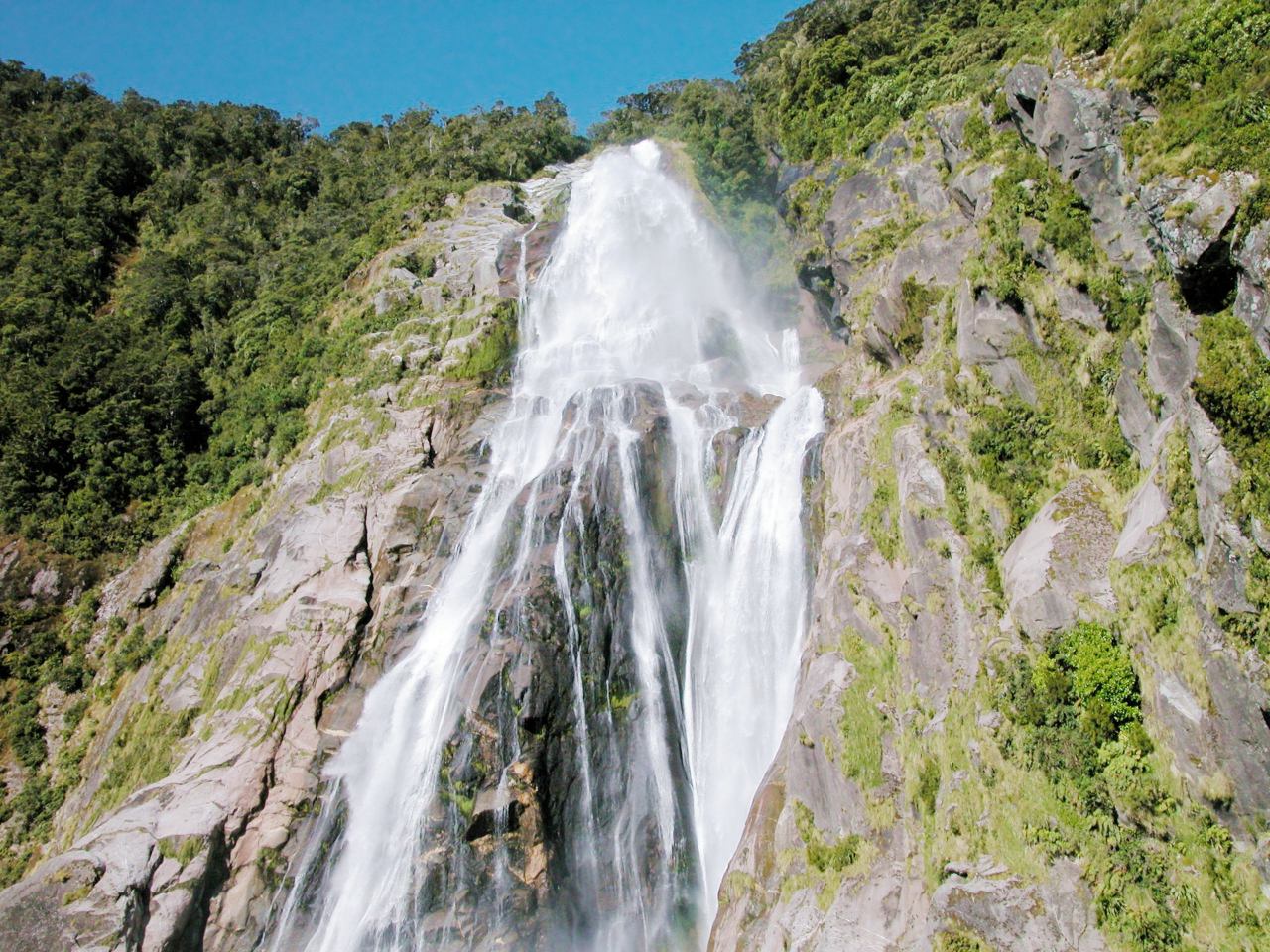
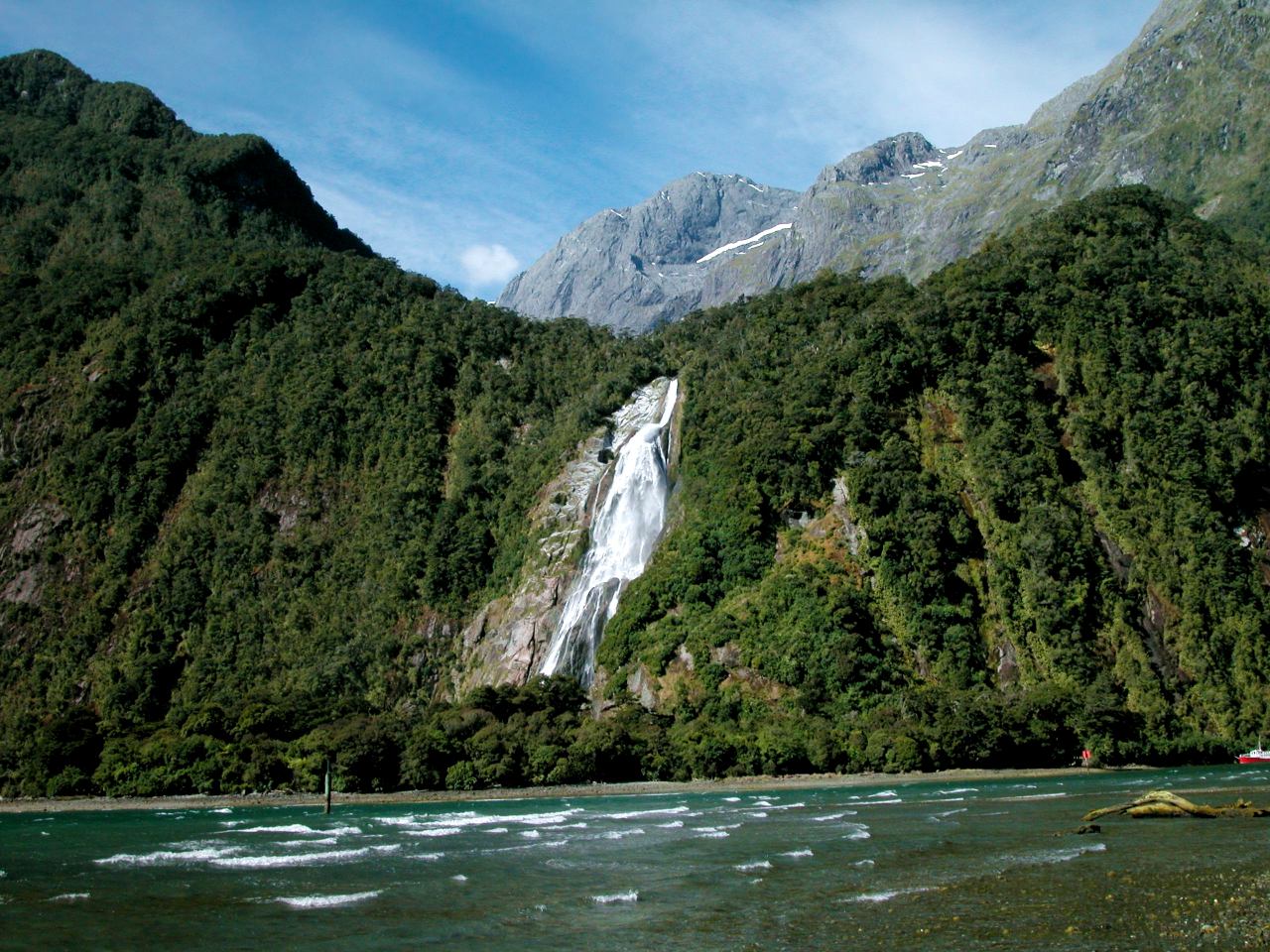
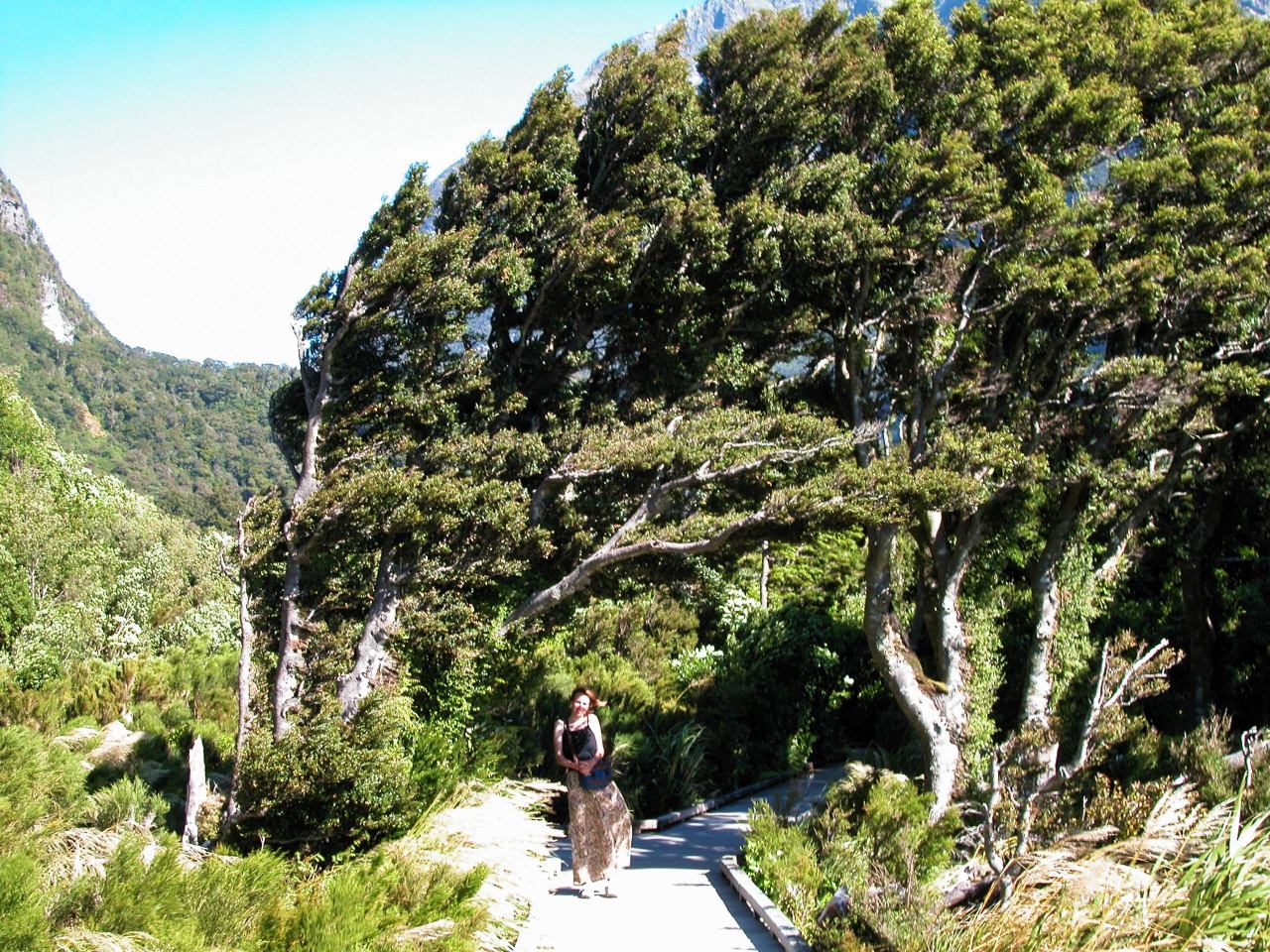
On the way back, in a car park just past the tunnel, we saw a kea parrot. We took pictures from a distance at first, then found it wasn’t a bit afraid of us. As a matter of fact it was brazenly demanding to be fed. Now I understood why all the signs say not to feed the kea. It’s a born beggar, and such a good one that it’s hard to resist. People were feeding it in spite of the signs. We tossed it a bit of cabbage ourselves. Not interested. It even managed to look offended. Then we gave it some cheese. Different story. Now we couldn’t get rid of it. It climbed into the car and when we shooed it out it perched on the mirror. So that’s where you go to watch kea, not through binoculars in a tree half a mile away. A beautiful bird, especially in flight. The undersides of the wings, invisible when they are folded, are bright orange, a fine match for the olive green of the rest of the bird.
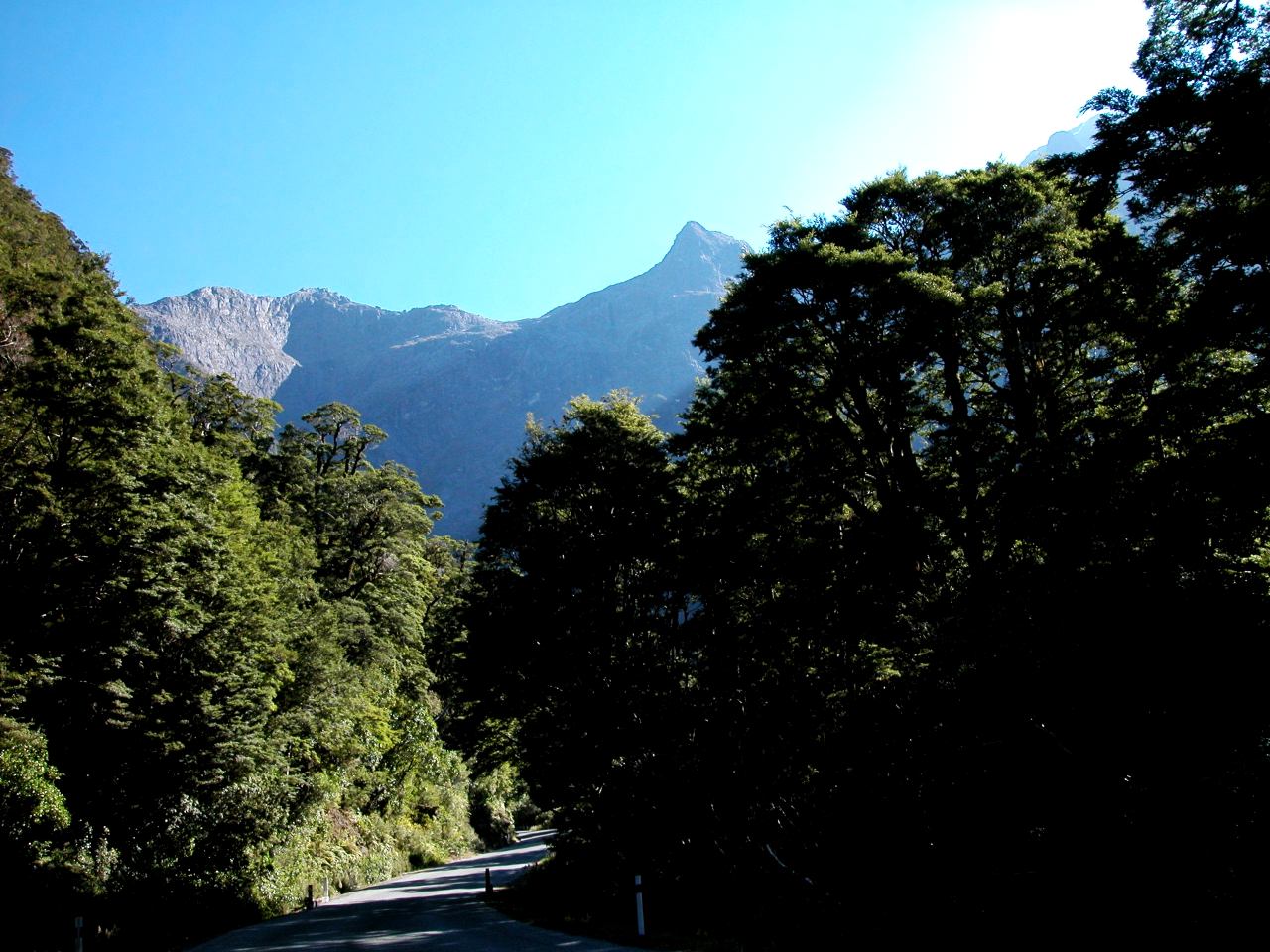
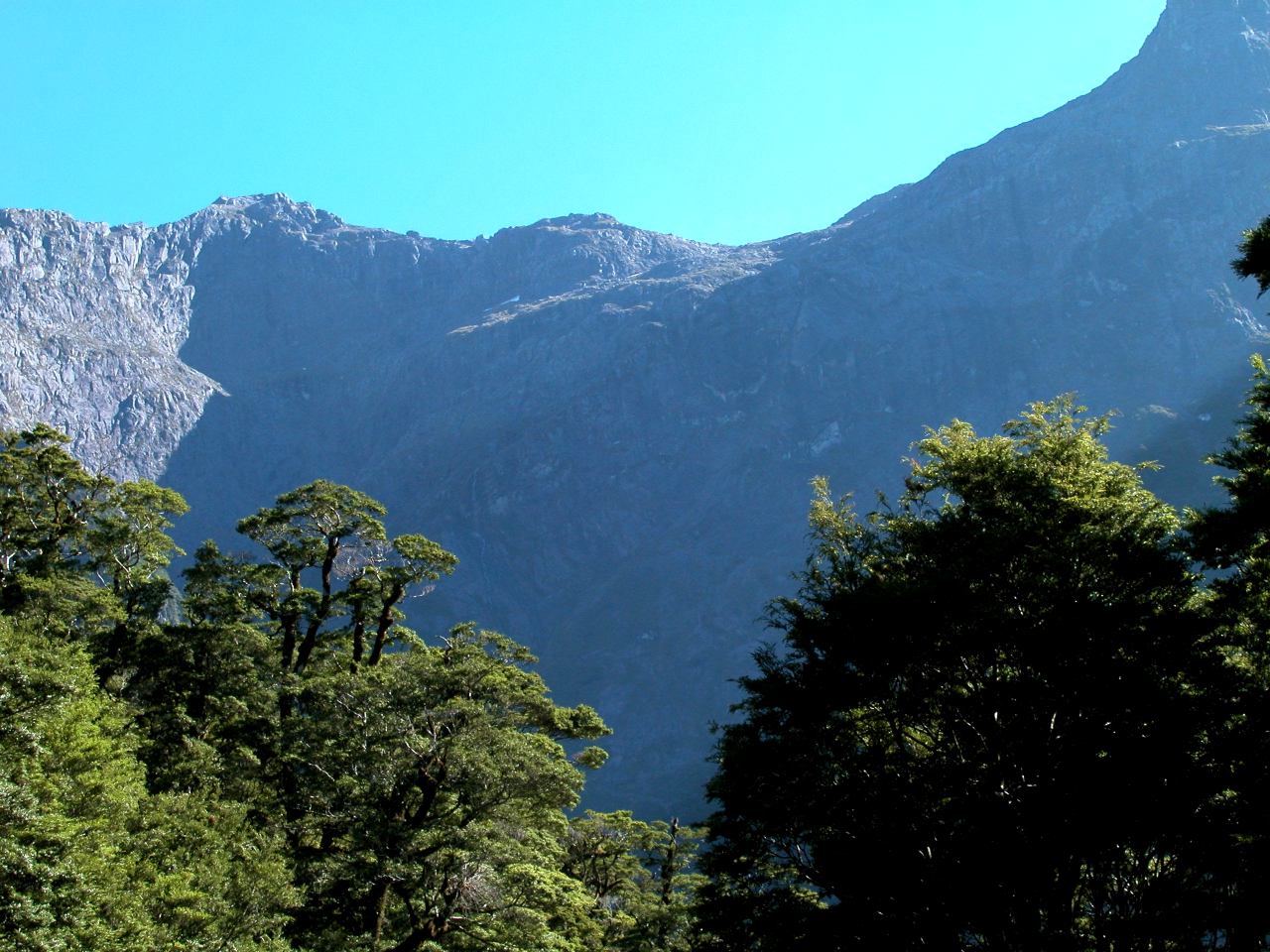
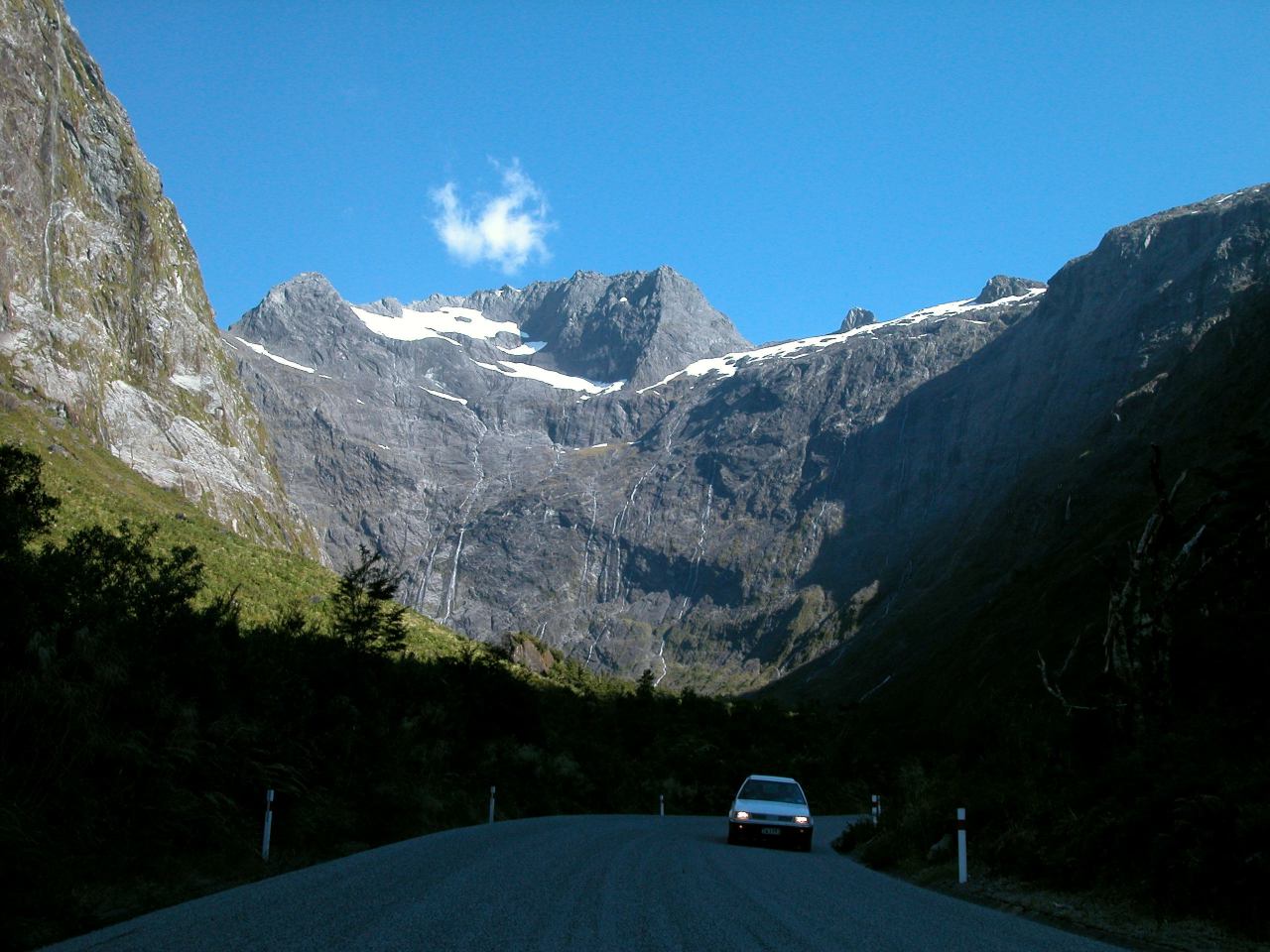
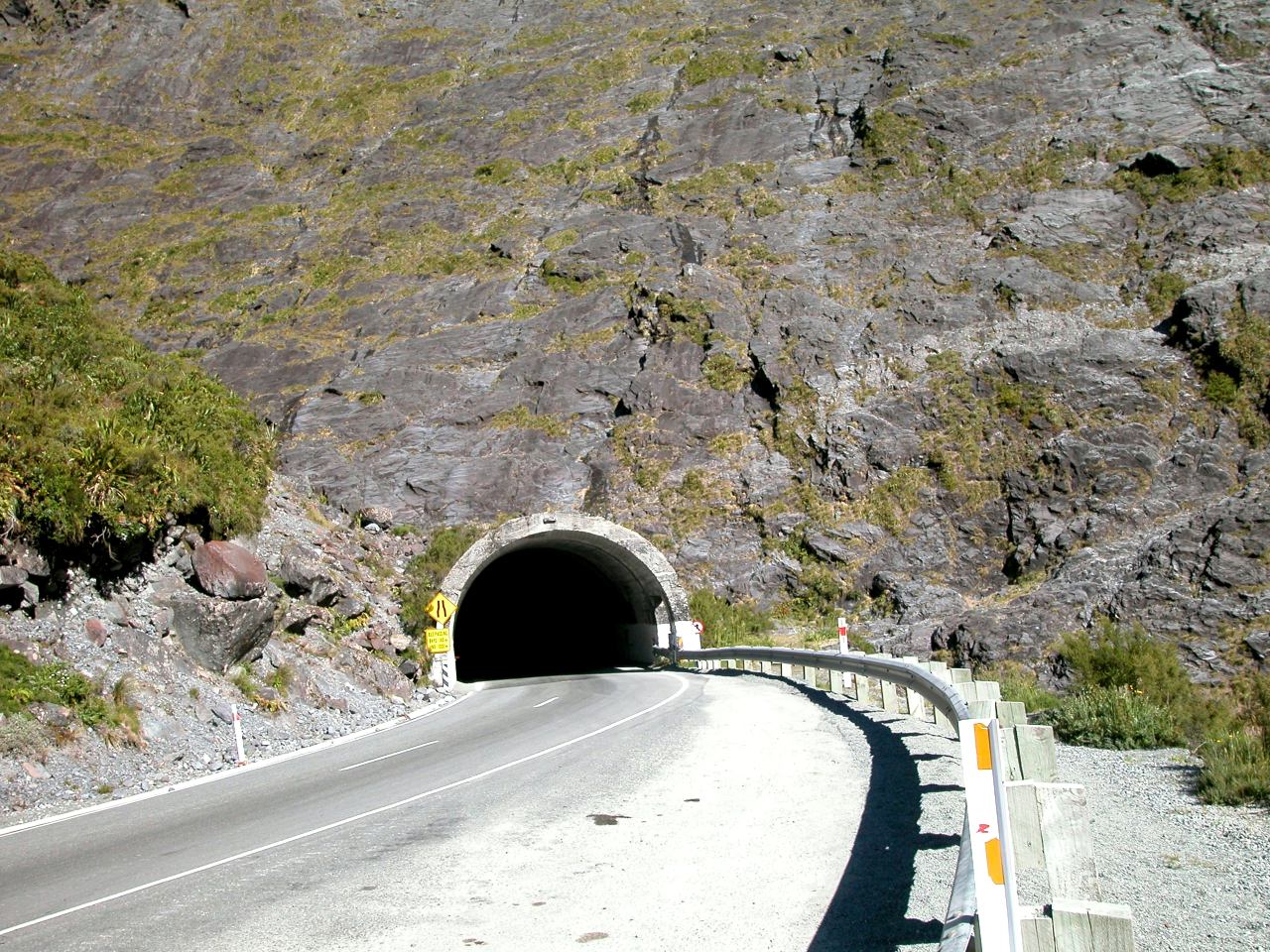
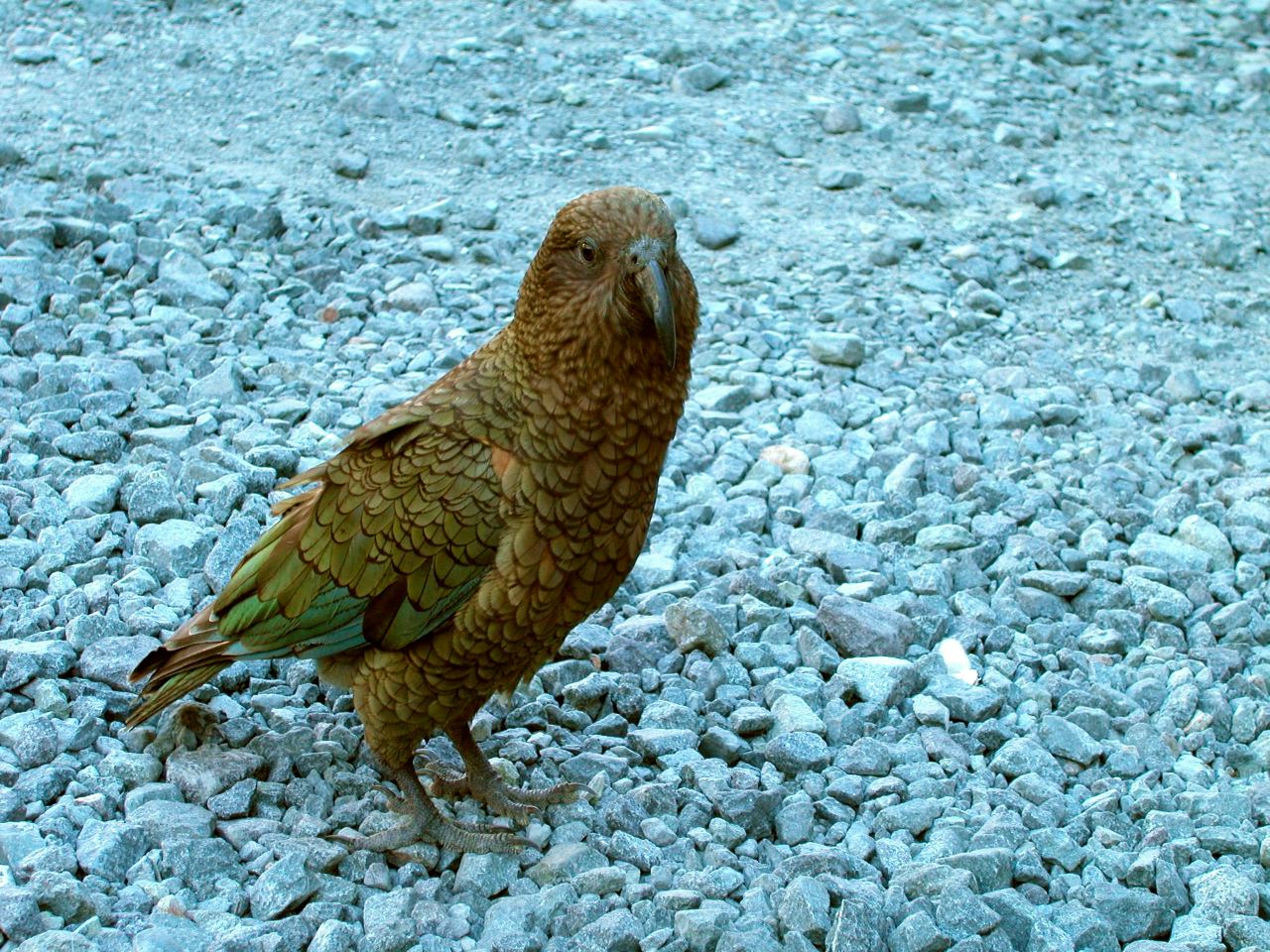
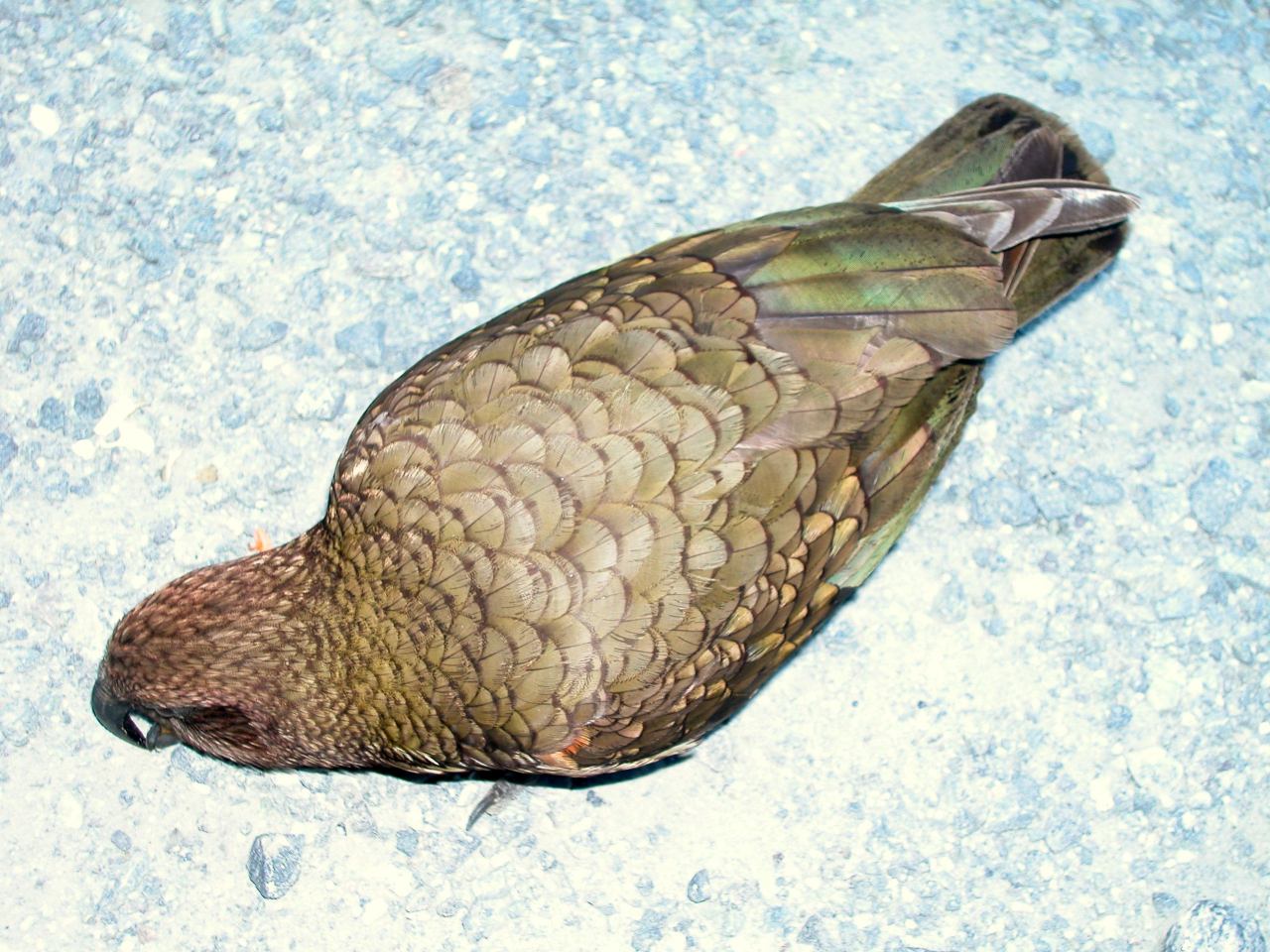
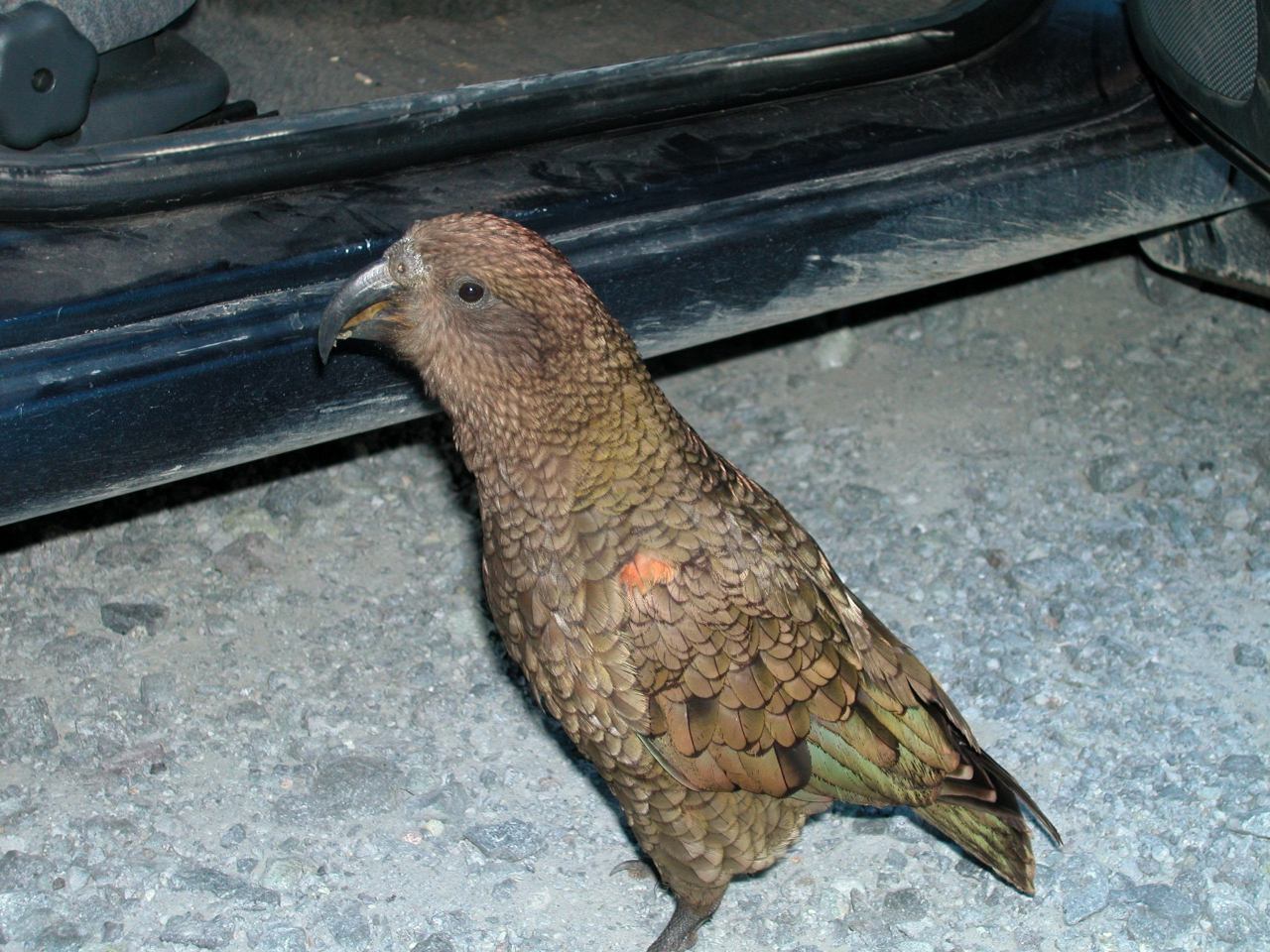
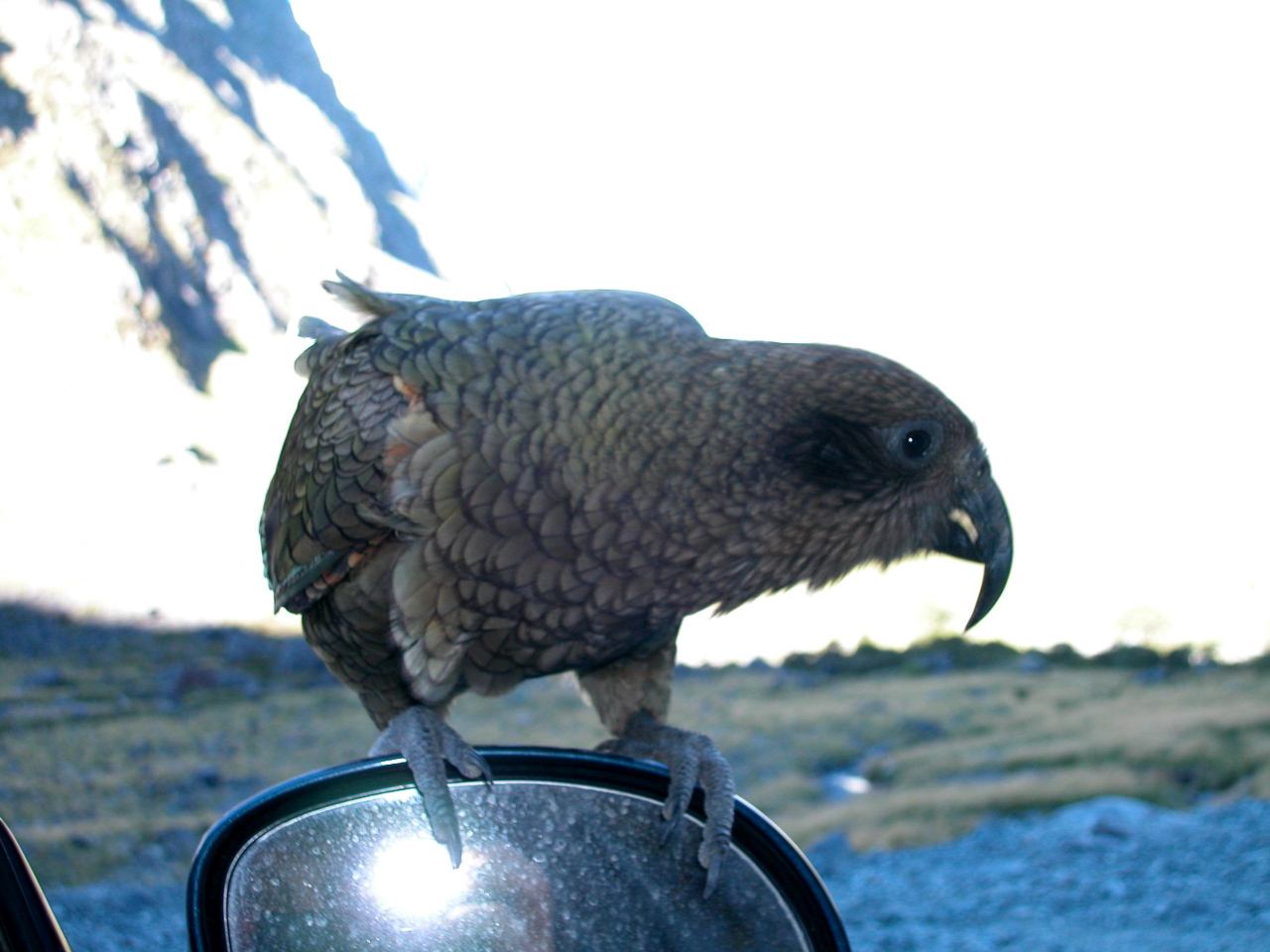
We stopped for the night in a free camping area on the northern shore of Lake Gunn. (44°51.516′S, 168°06.105′E, elevation 474 m.) A very lovely place. The mountaintops were catching the last light and reflected in the mirror of the lake. Tanya and I had a bottle of New Zealand wine. It did nothing to spoil the mood.
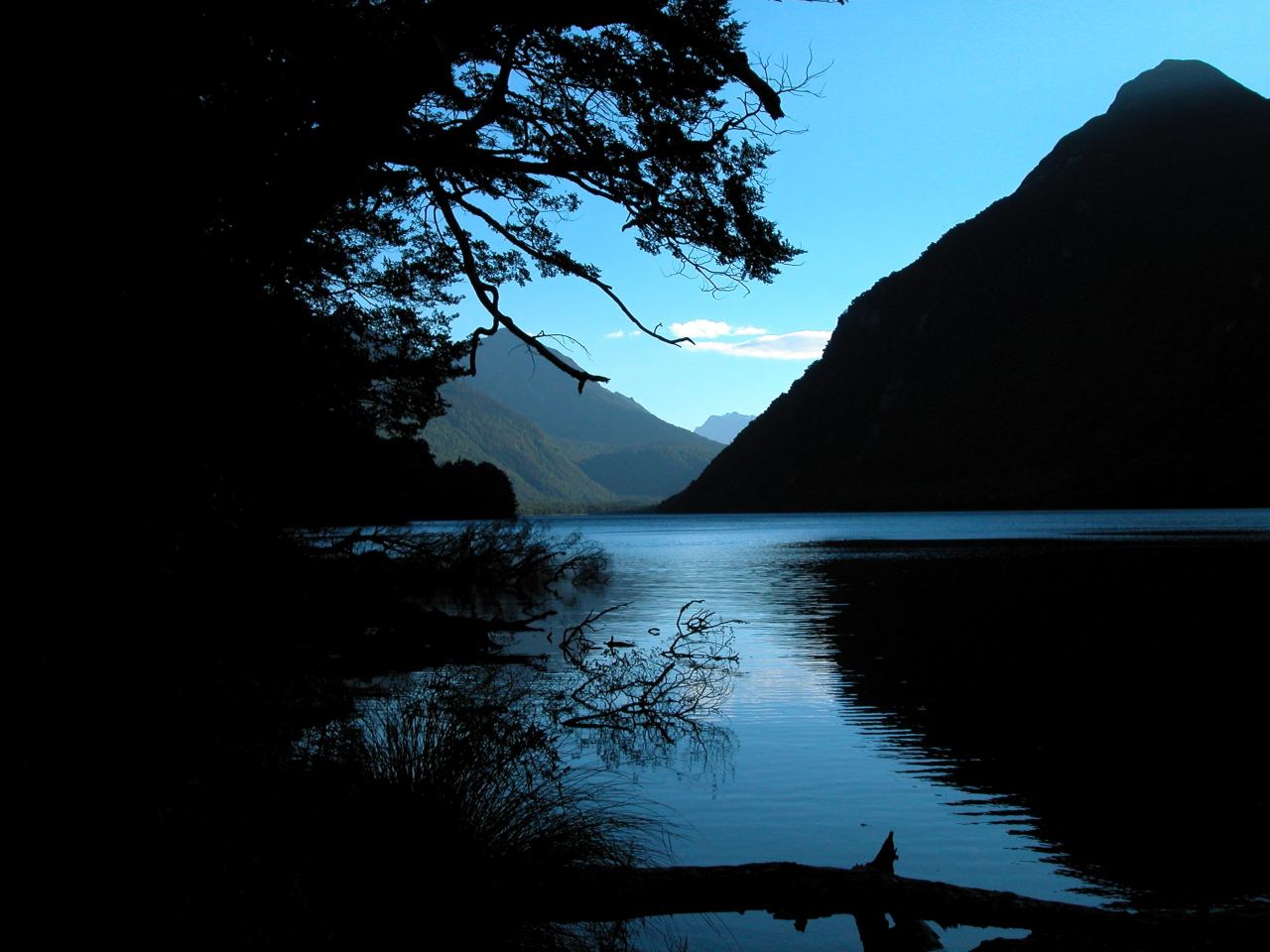
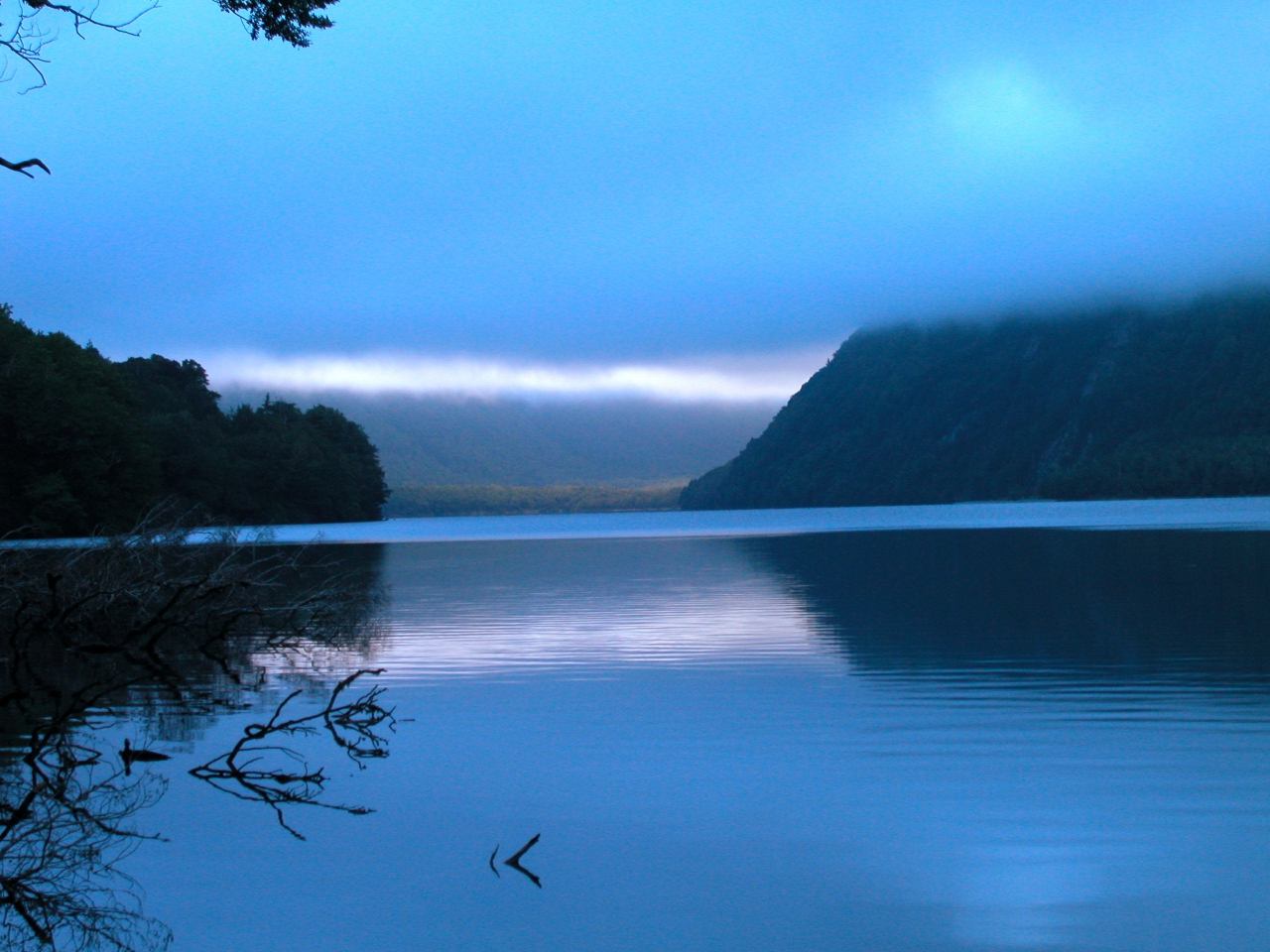
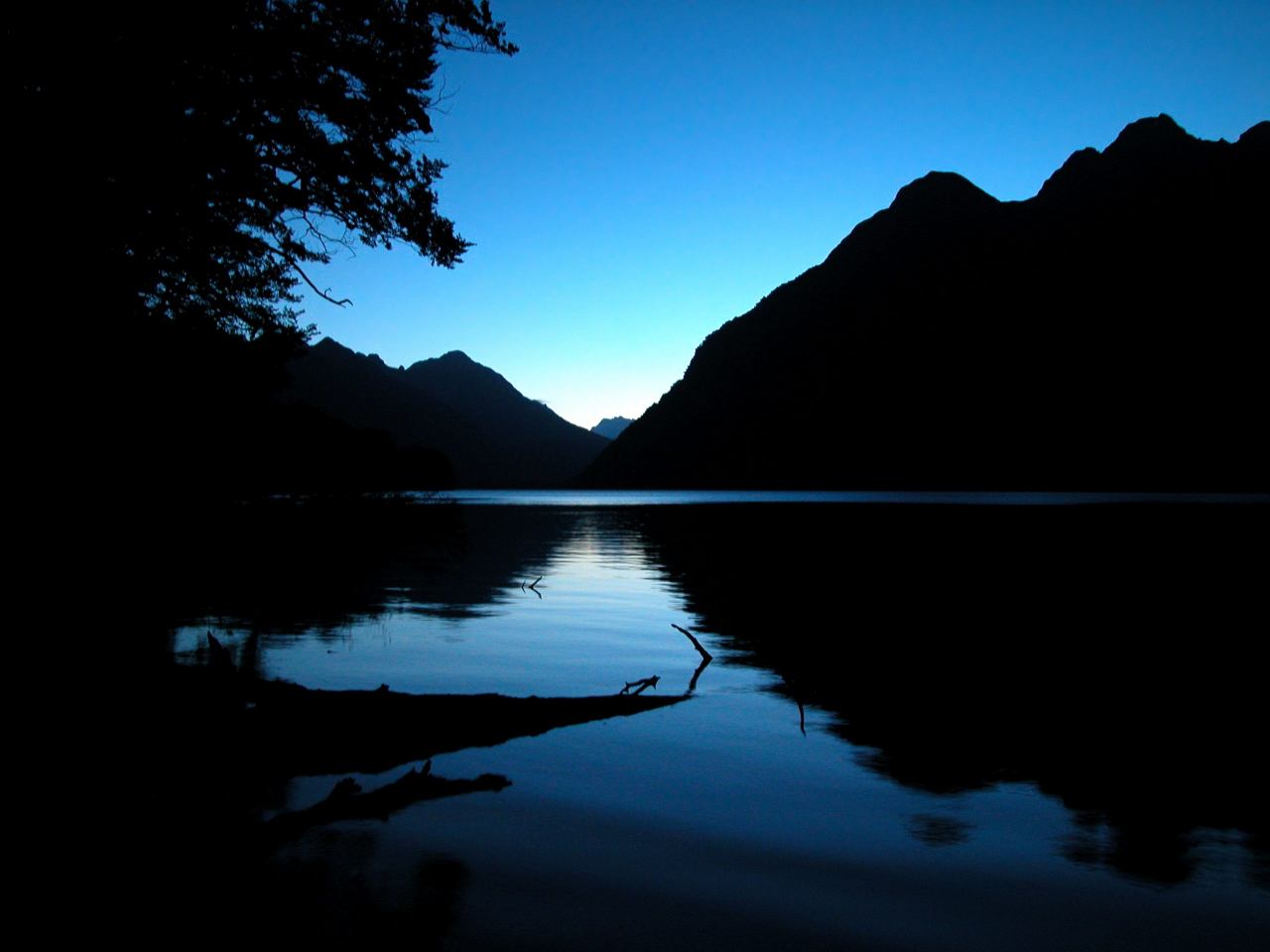
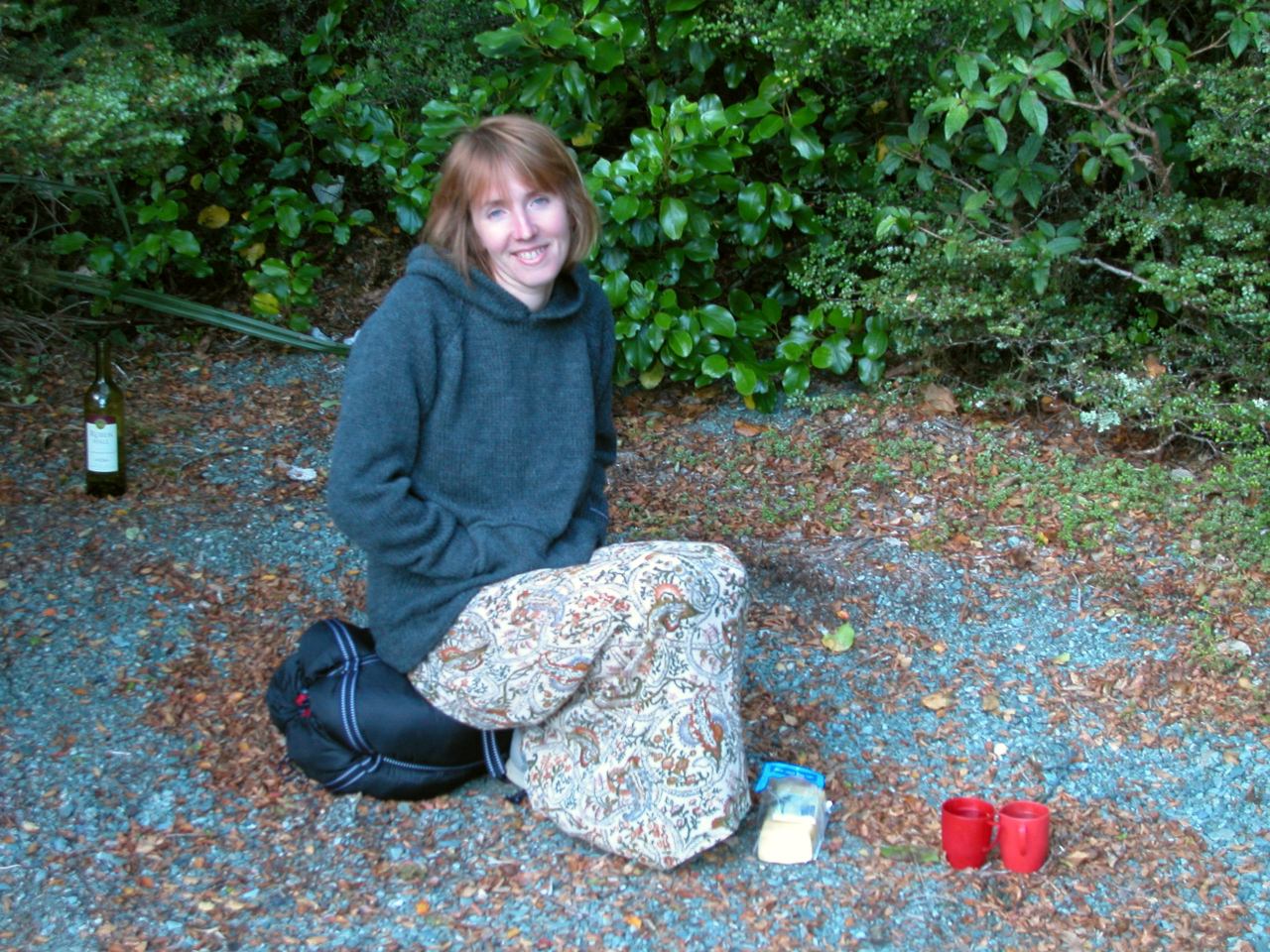
In the morning we hurried back to the wharf at Pearl Harbour. The tour begins with a boat ride across Lake Manapouri, where little islands with sandy beaches and wild forest lie in a ring of snow-capped mountains. You can hire a kayak here. Plenty of people do, yet a few kilometres from town there isn’t a soul. I’m not sure why. I didn’t see any signs forbidding it, and the little beaches looked very inviting. What a place to spend a few days.
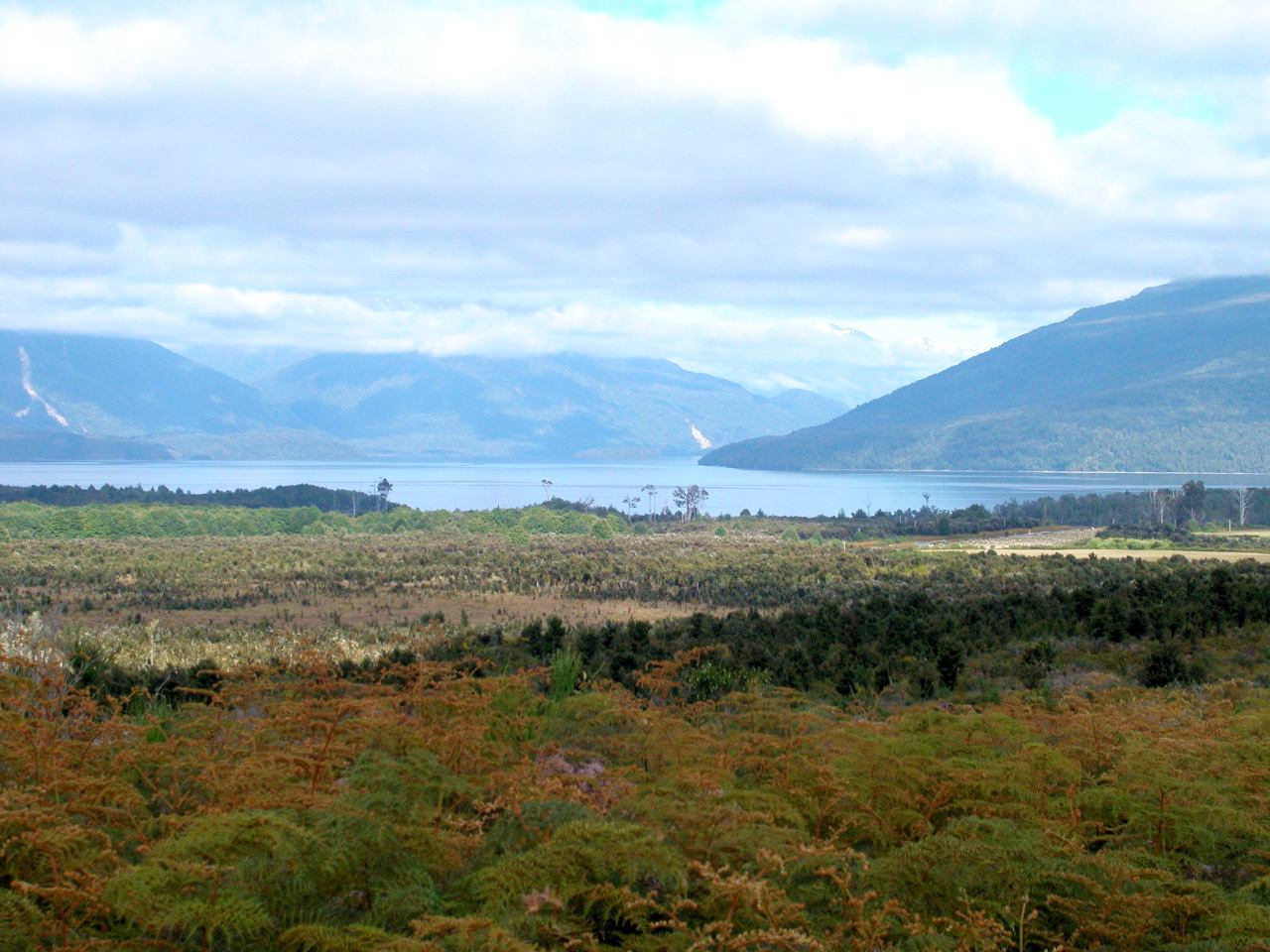
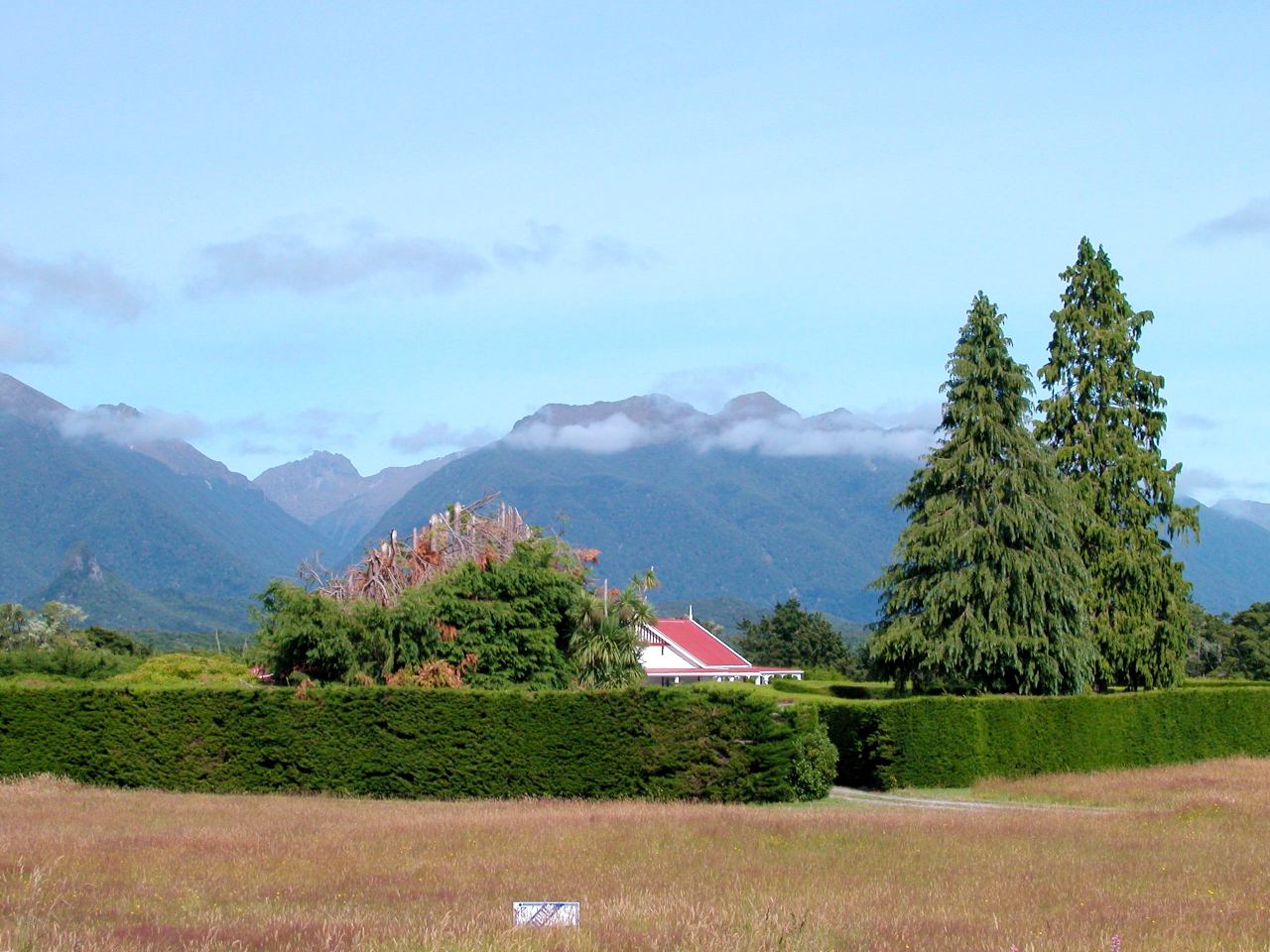
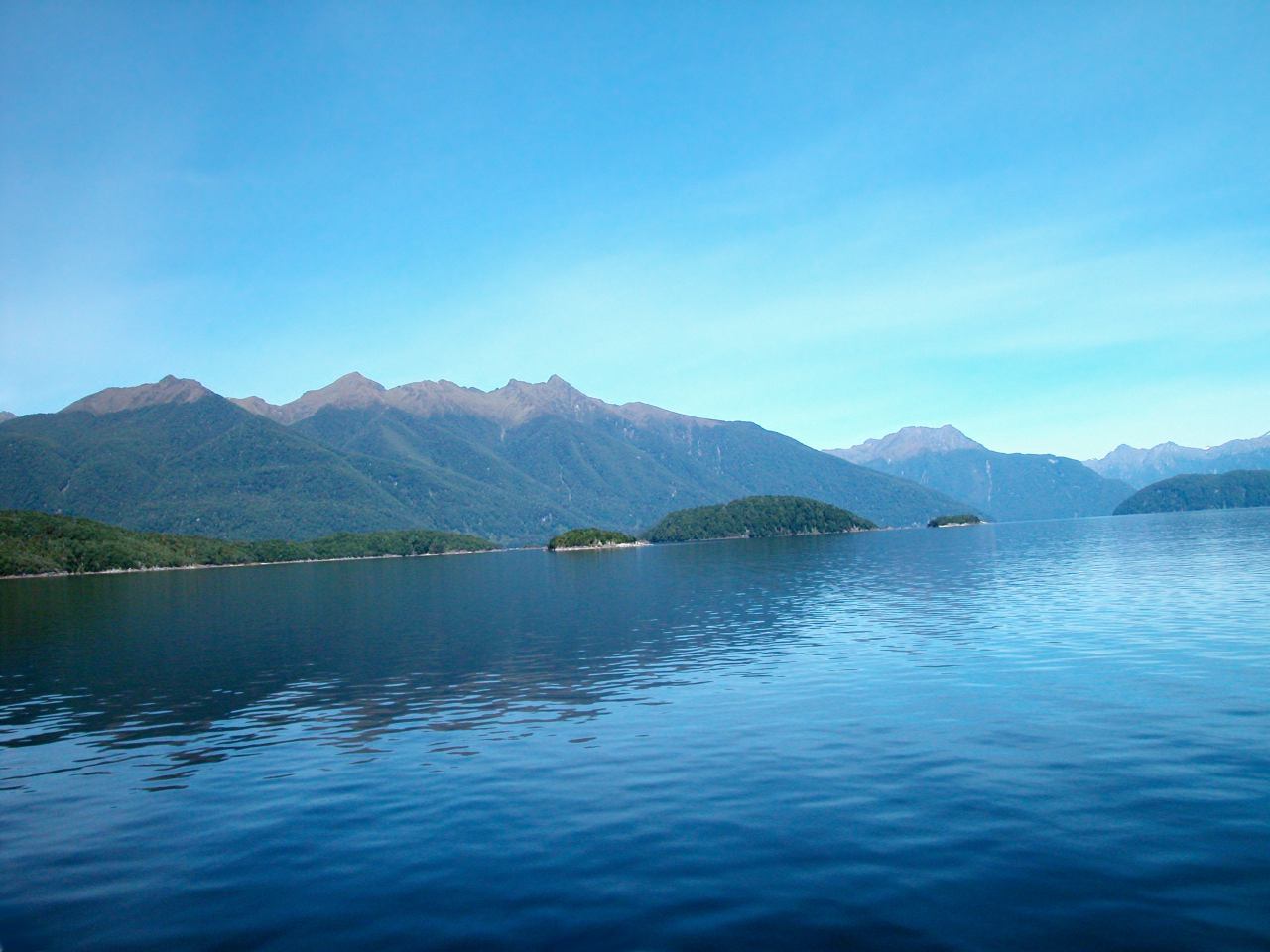
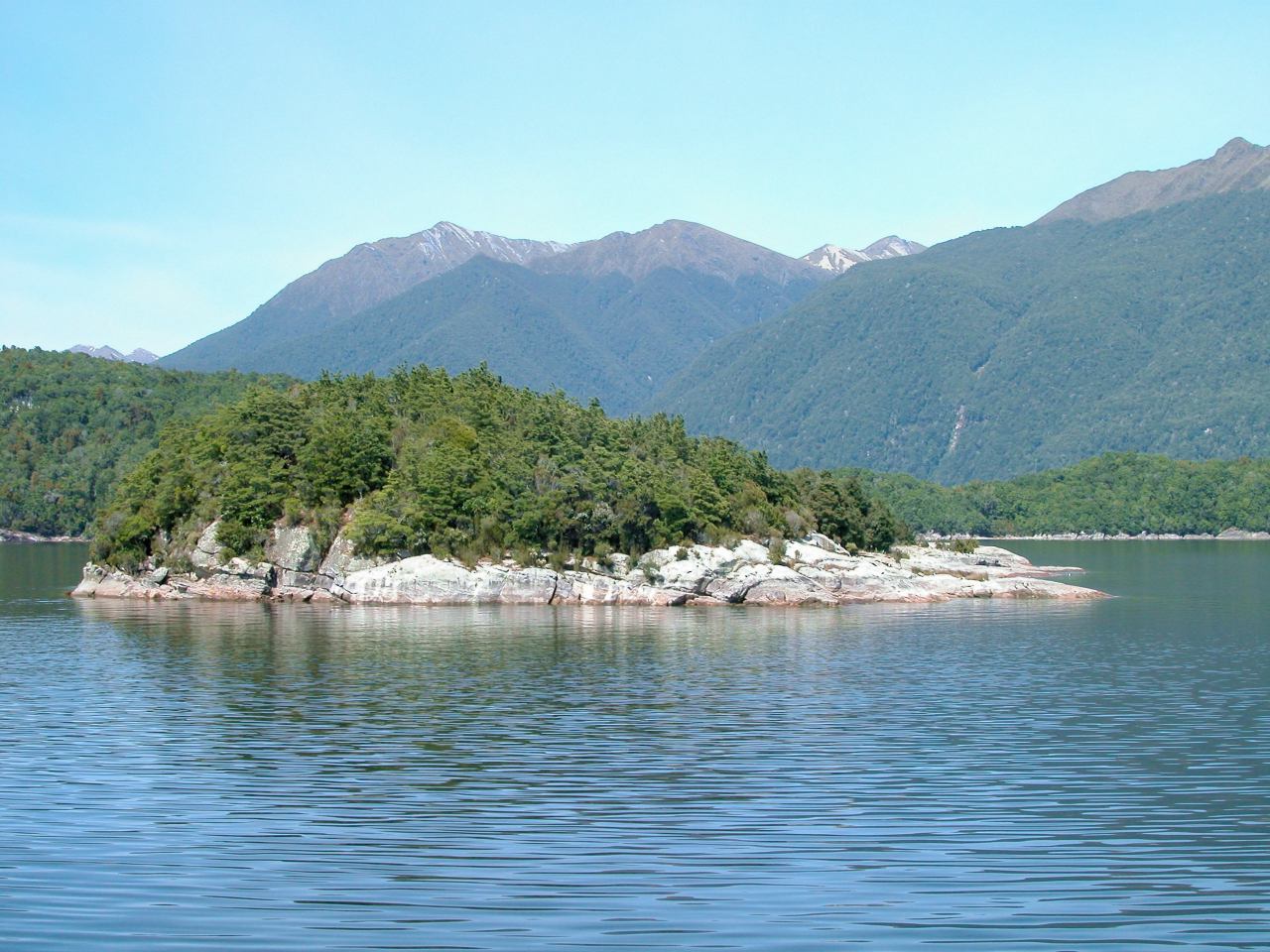
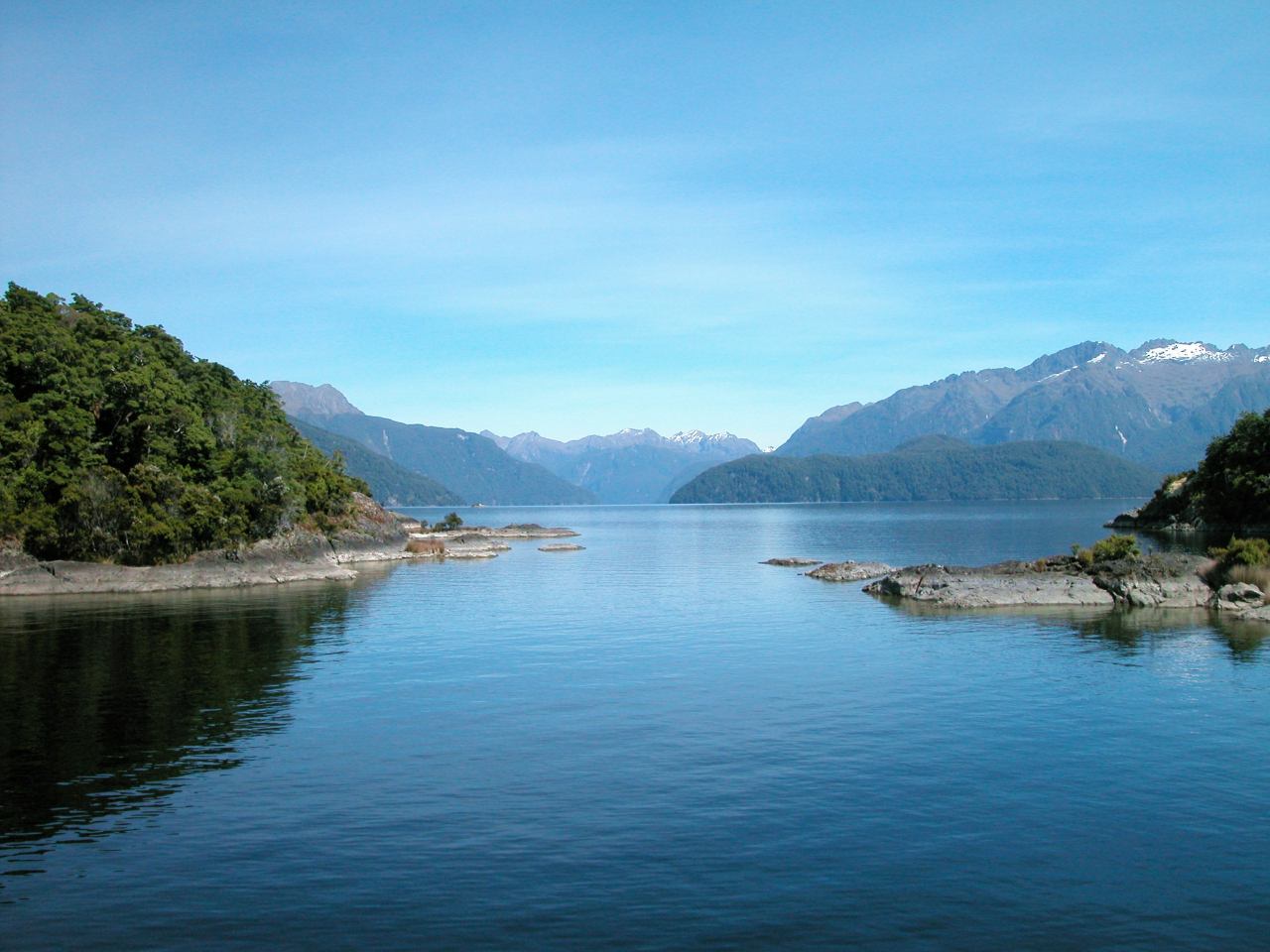
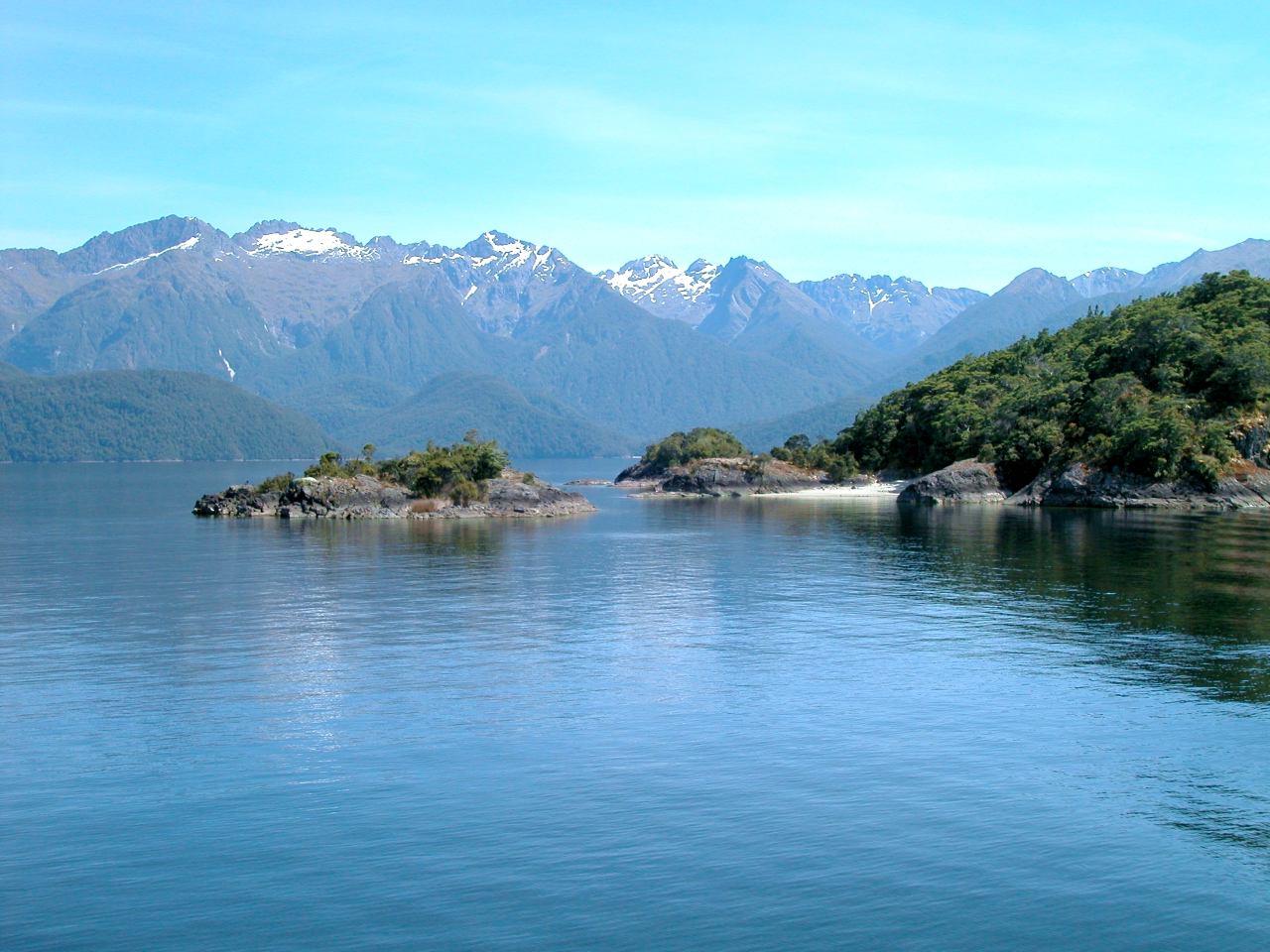
After crossing the lake, the boat docks at the power station. From there they take you by bus to see the machine hall. The power station itself is 180 metres underground. The bus goes down a spiral tunnel carved out of the rock. At the bottom there’s a viewing platform overlooking the turbine hall and a small display about how the station was built.
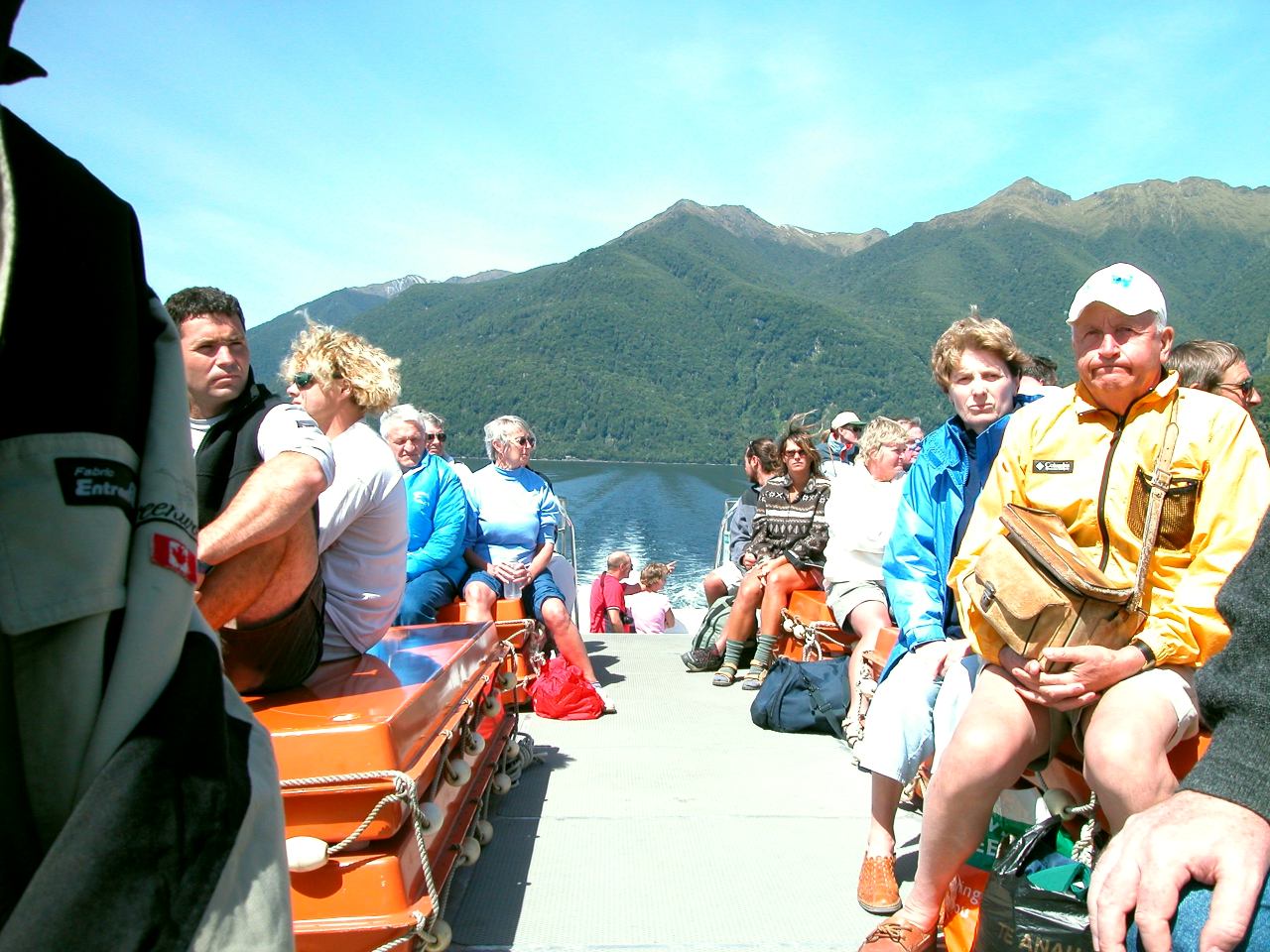
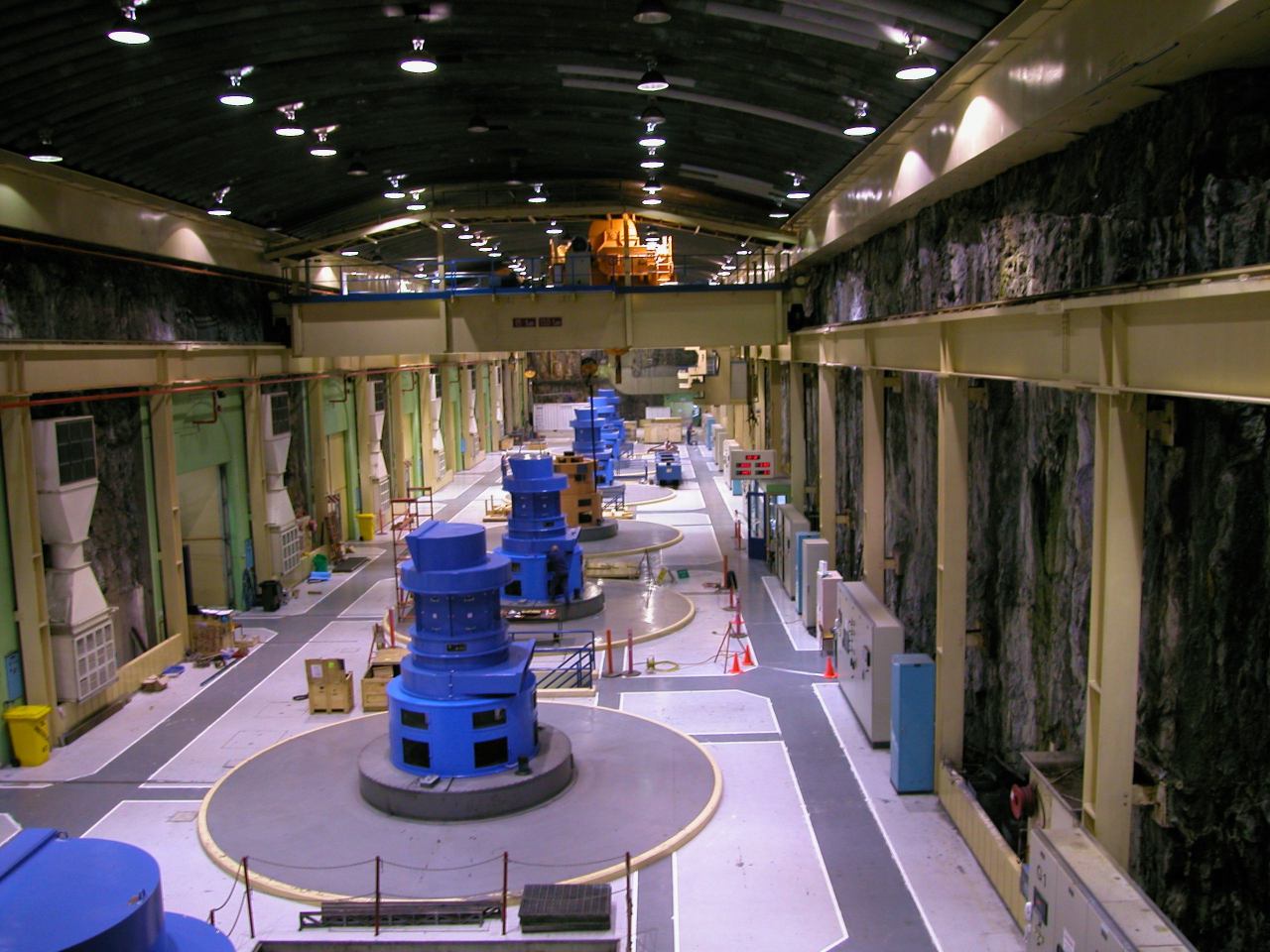
The basic idea of the station is to send water that used to flow eastwards to the coast west instead, through the turbines and a man-made tunnel.
When the station was being planned and built, people came out with banners demanding an end to the project. There are photos of them in the museum, and a display going on to say that the government listened to the people and the Greens won… Well, they built the station, and now it makes electricity for the whole south. Next they show you the evidence that nature won’t suffer. There’s a graph of the lake level. It drops a metre or two in summer. Just like Lake Baikal, but apparently that does no harm, full stop.
This attitude strikes me as very New Zealand. Everyone here loves nature. That’s sacred, but a clean natural environment is wanted insofar as people can use it, and therefore private land with sheep grazing on it is sacred too. Even if it gets in the way of a national park or the view of some natural wonder, private property comes first. In a technical dispute, common sense beats the people ranting at the extreme end of the green movement.
One more detail. Several men died building the power station. They’re honoured now. Their photos are up in the museum alongside the people who led the work. They were all doing one job. That they died made the job more important in people’s eyes, rather than getting the project shut down by the mines inspectorate.
After the station visit the bus climbs a narrow gravel road to a pass 700 metres high. It’s a gravel road, and the long route that connects it to the outside world was marked for four-wheel drives only.
At the top of the pass there’s a lookout where they let you stretch your legs and photograph the view of Doubtful Sound. Down below there’s another wharf and another boat. It spends four hours cruising several arms of the fjord. They point out dolphins. There aren’t many here, and every time one breaks the surface they treat it as a wonder. On the little rocky islands at the mouth of the fjord, the seals have found themselves a place to haul out. Binoculars are best for watching them from the boat, naturally. On a small island near the opening to the ocean there’s a hotel where, we were told, the overnight party stayed. Sometimes you can make out little blue penguins on the smaller islands, but we didn’t see one.
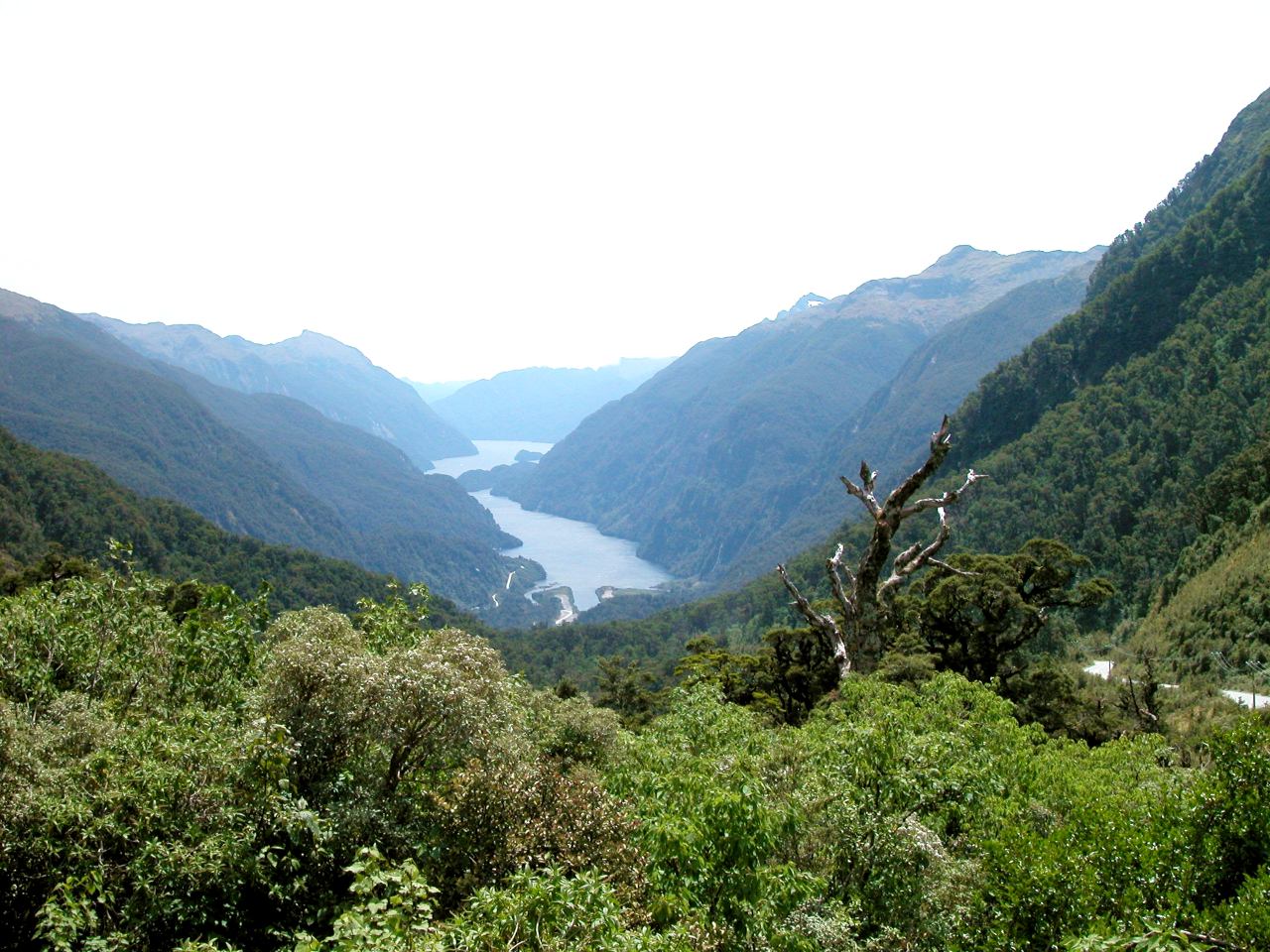
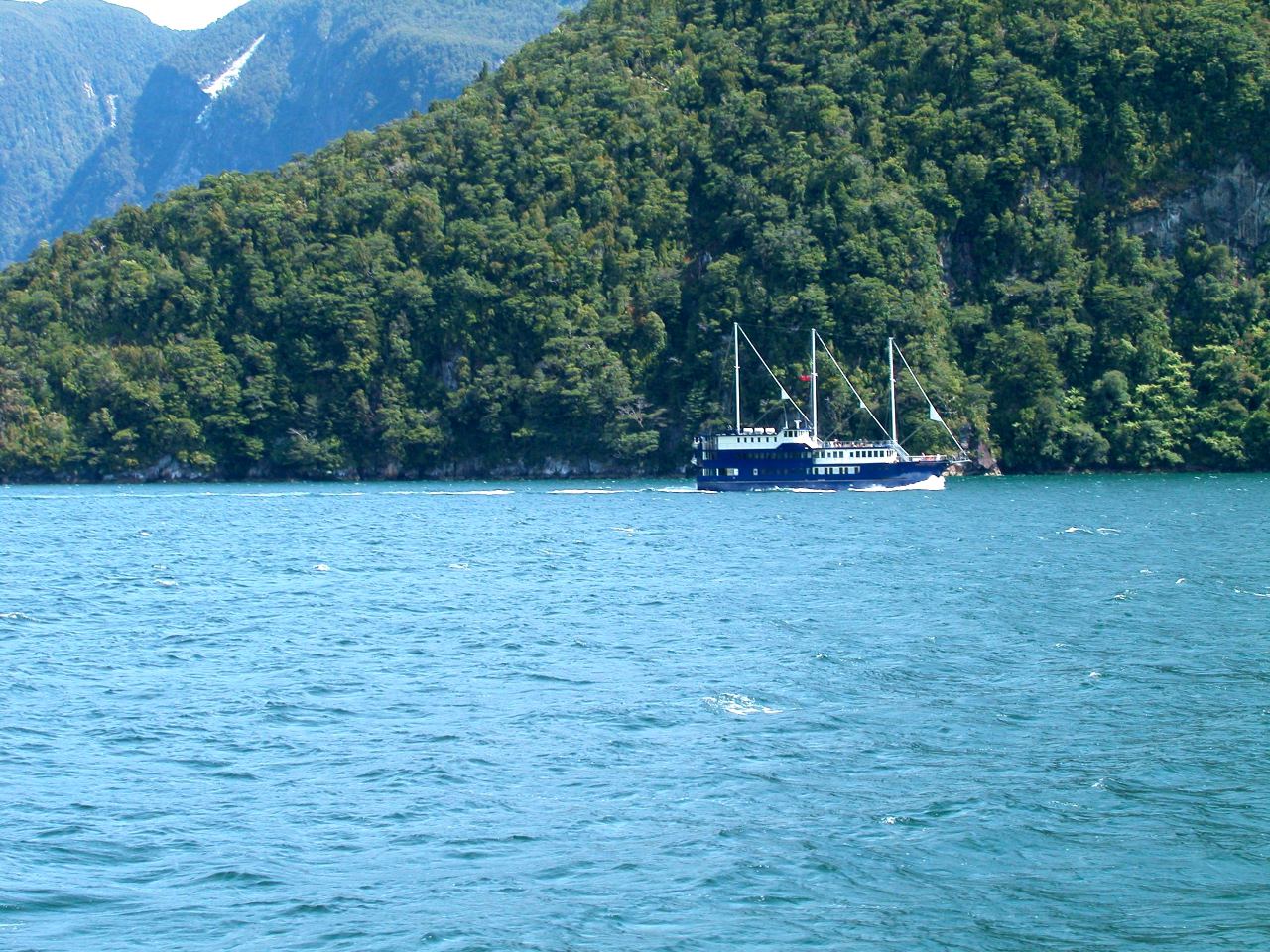
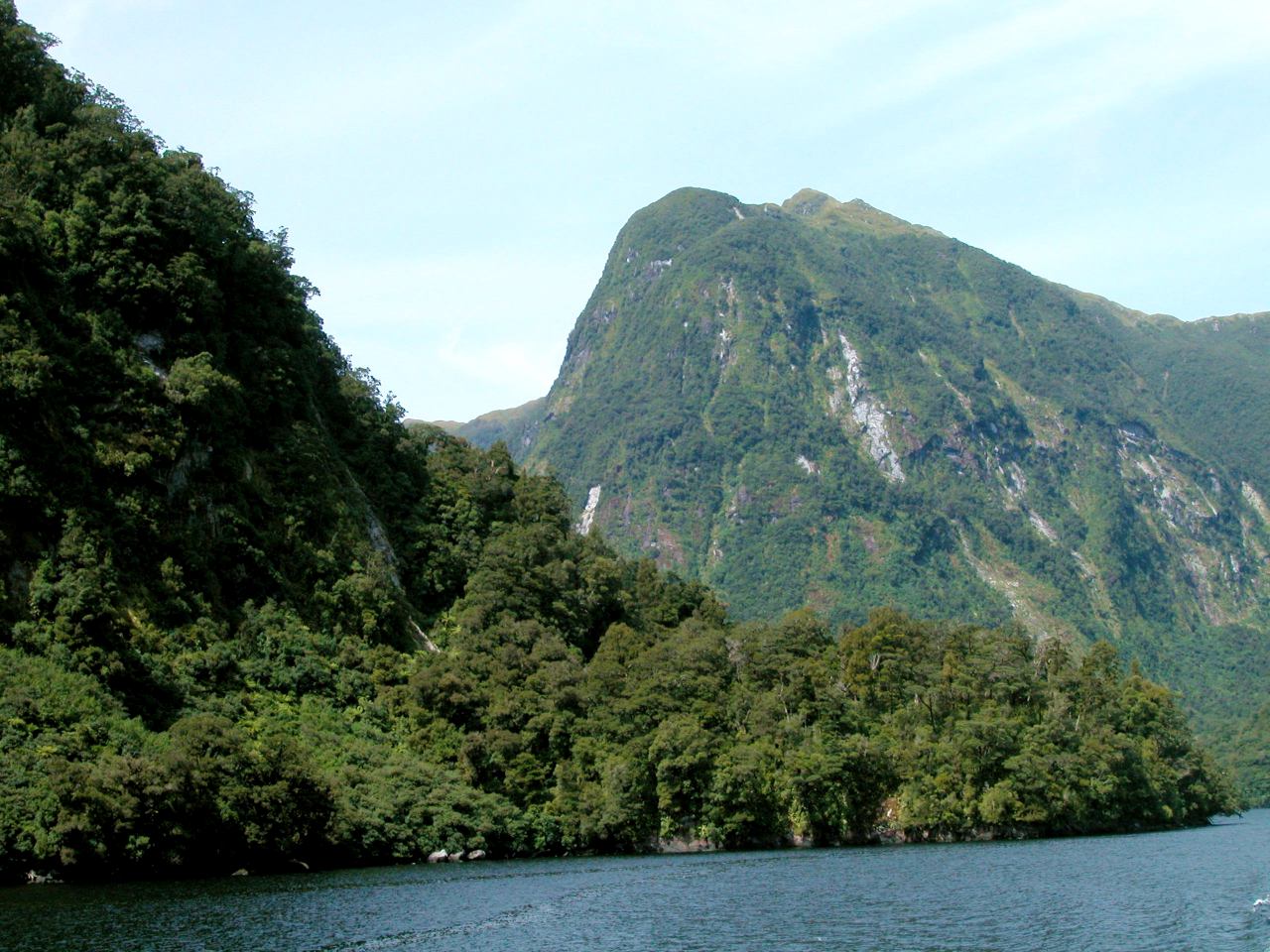
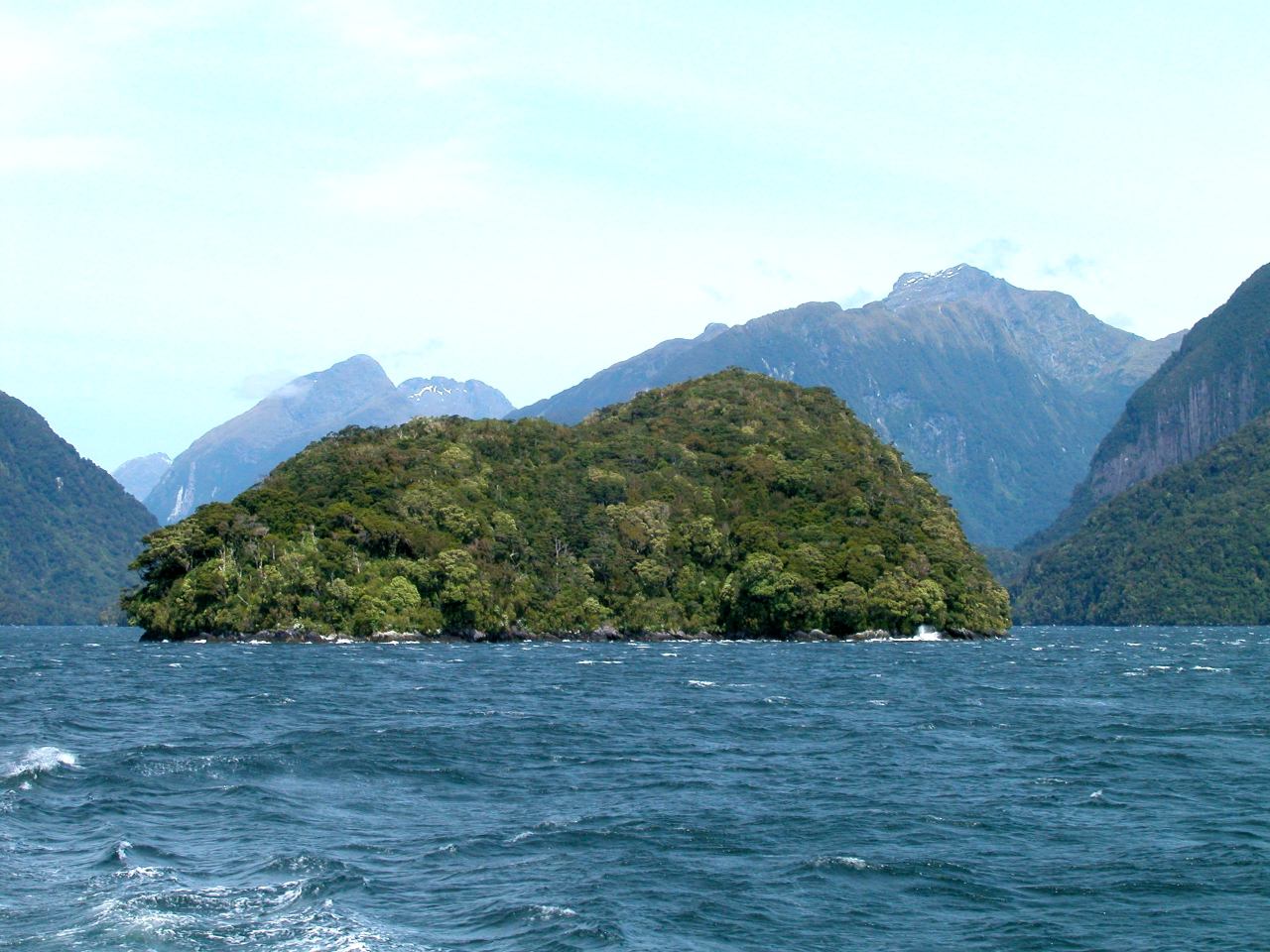
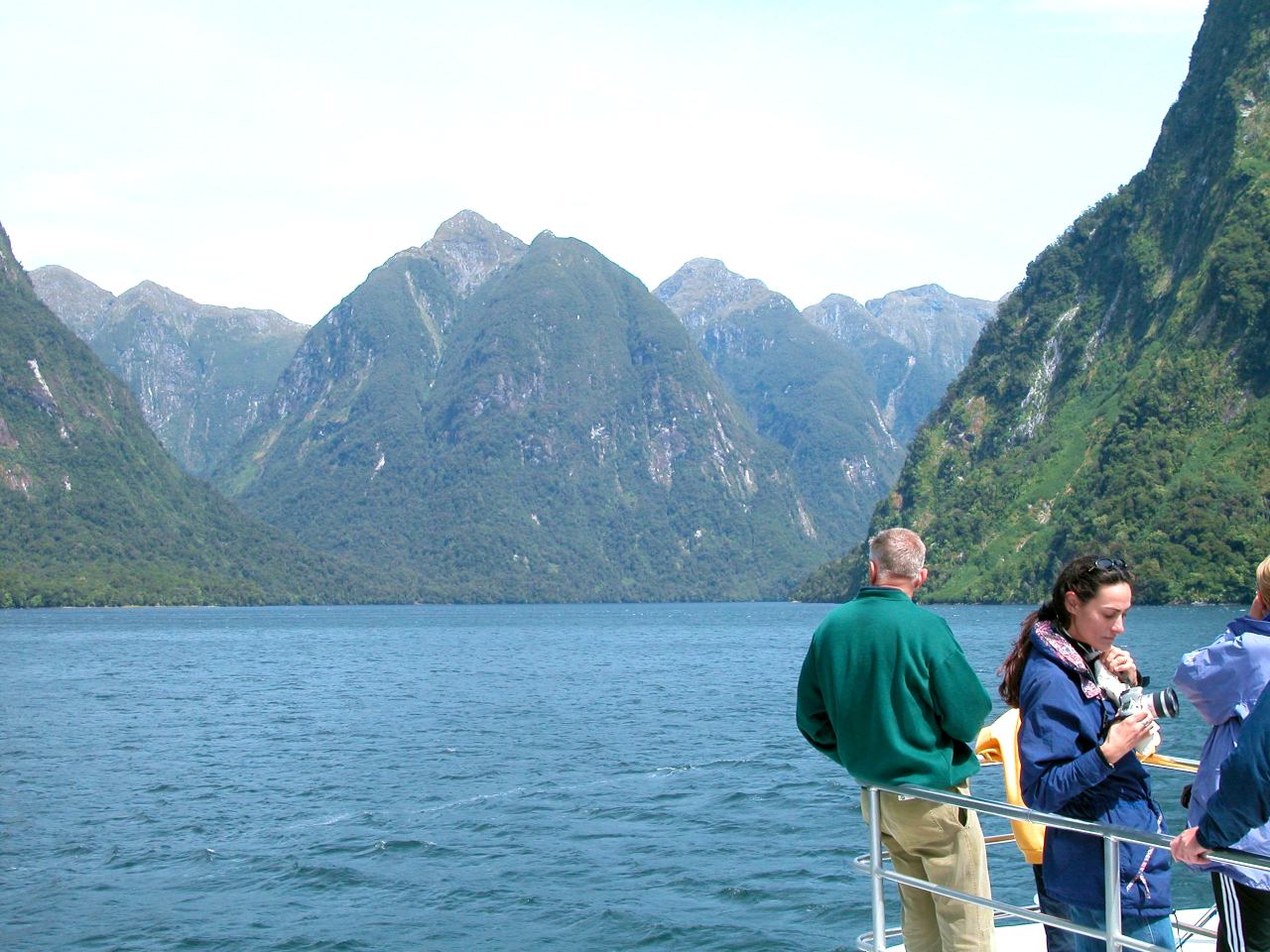
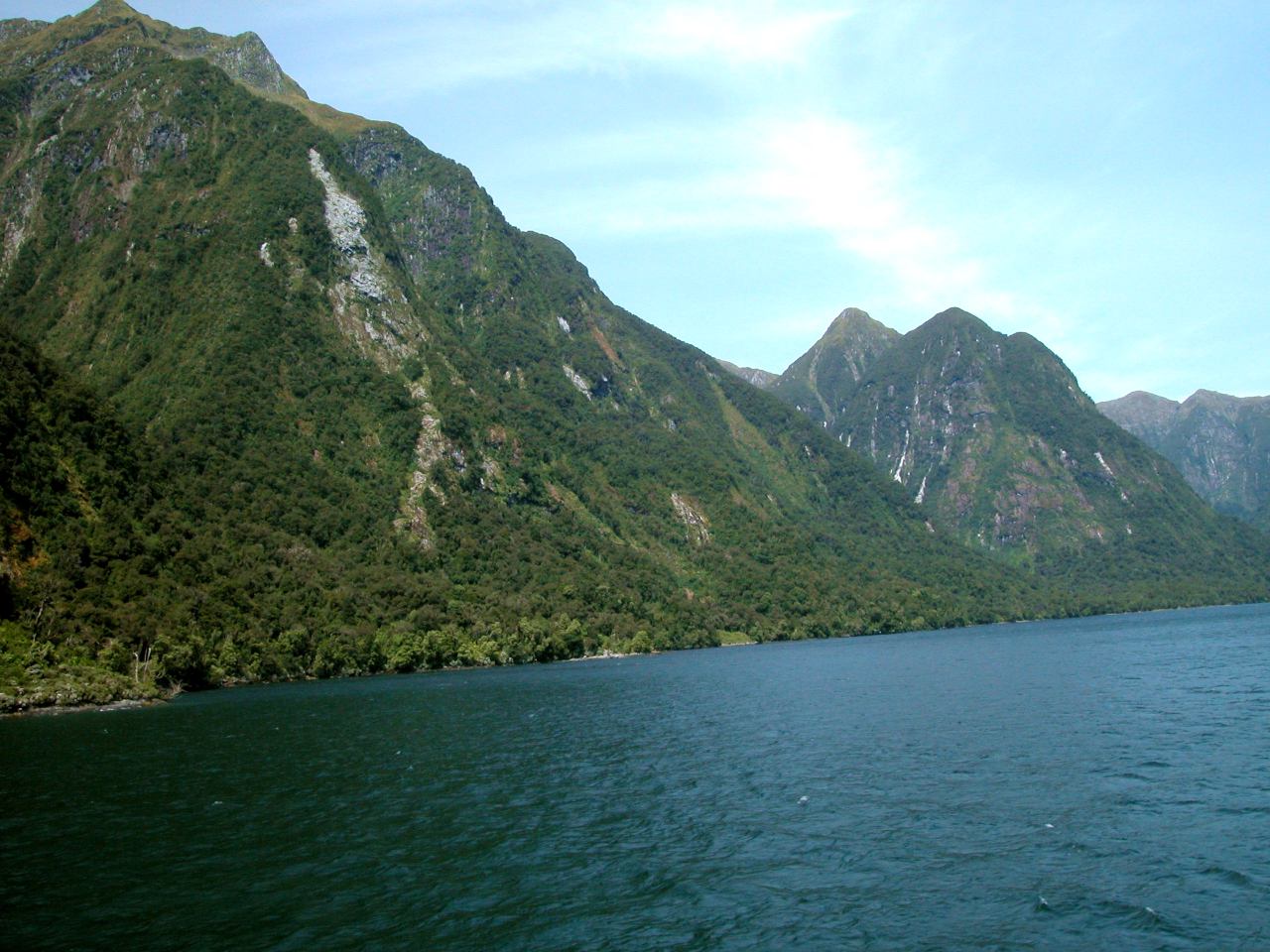
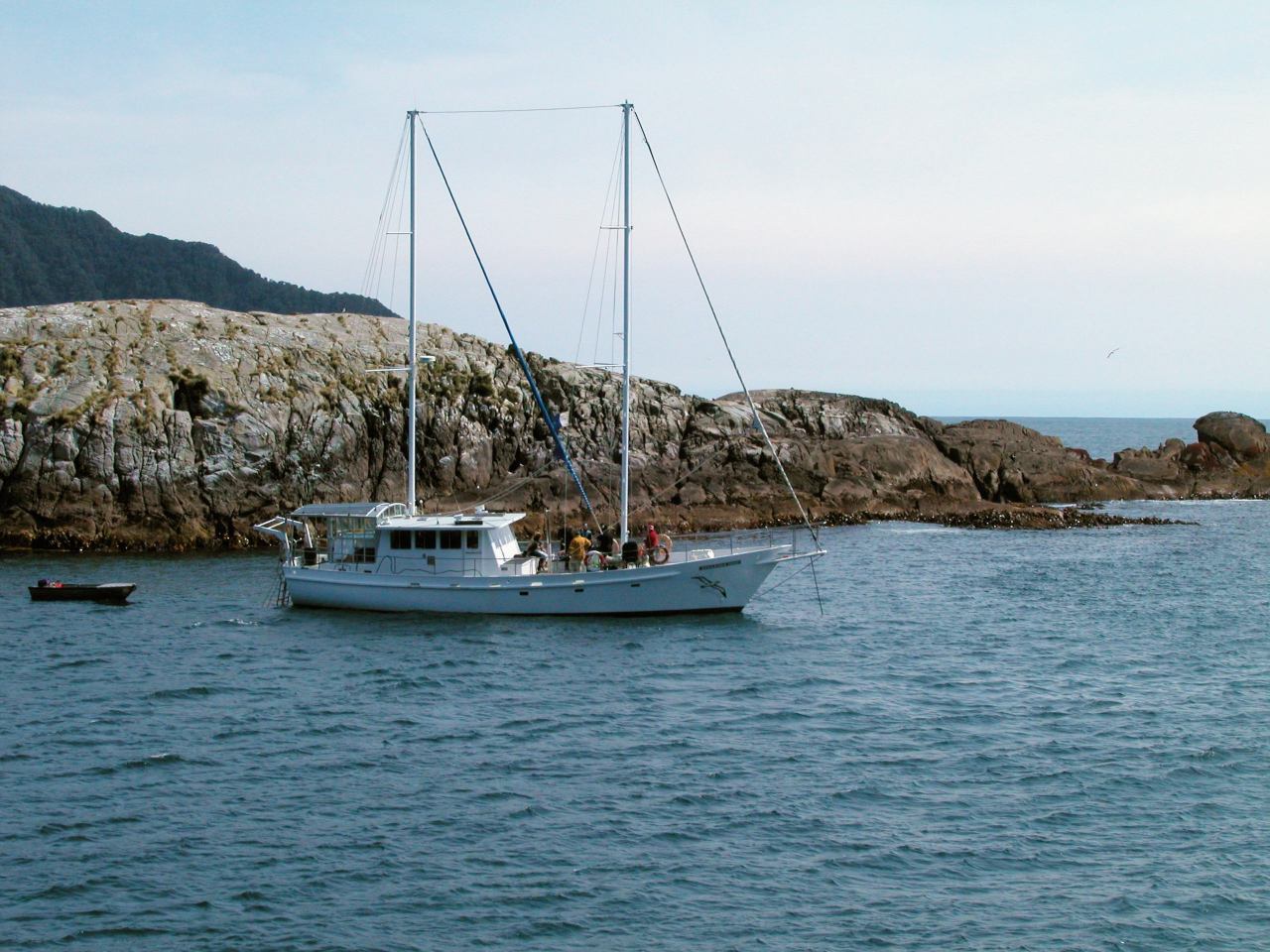
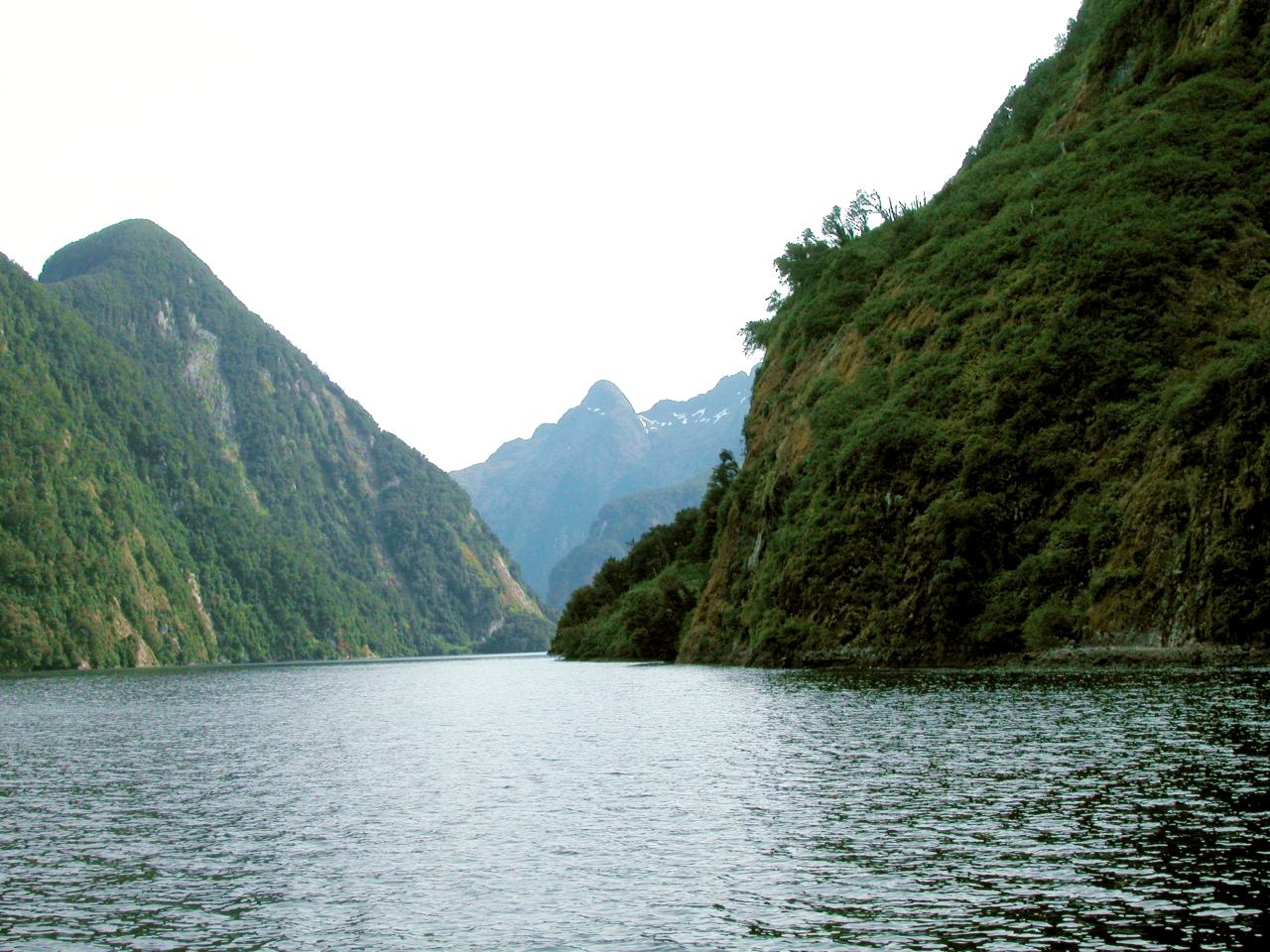
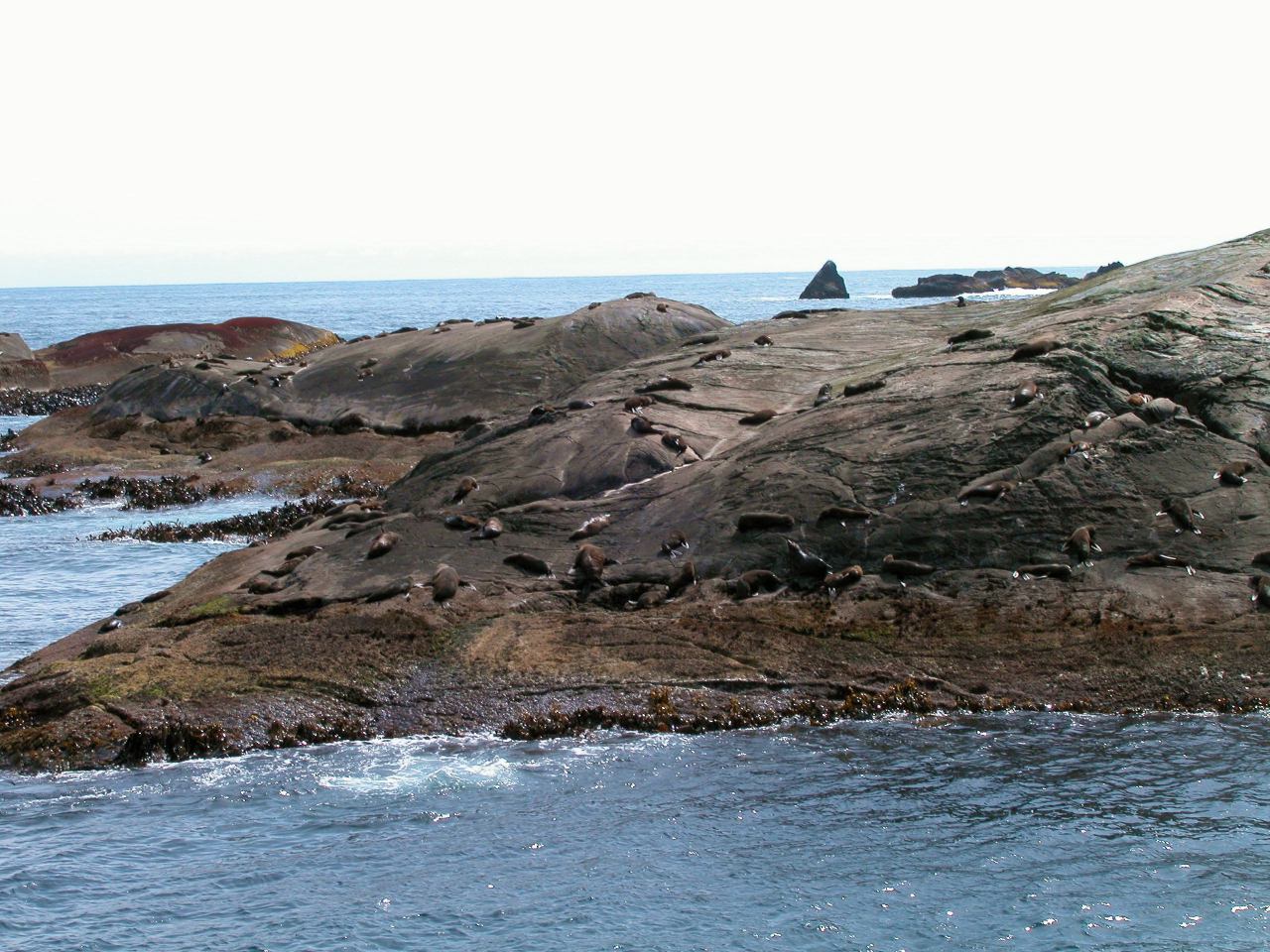
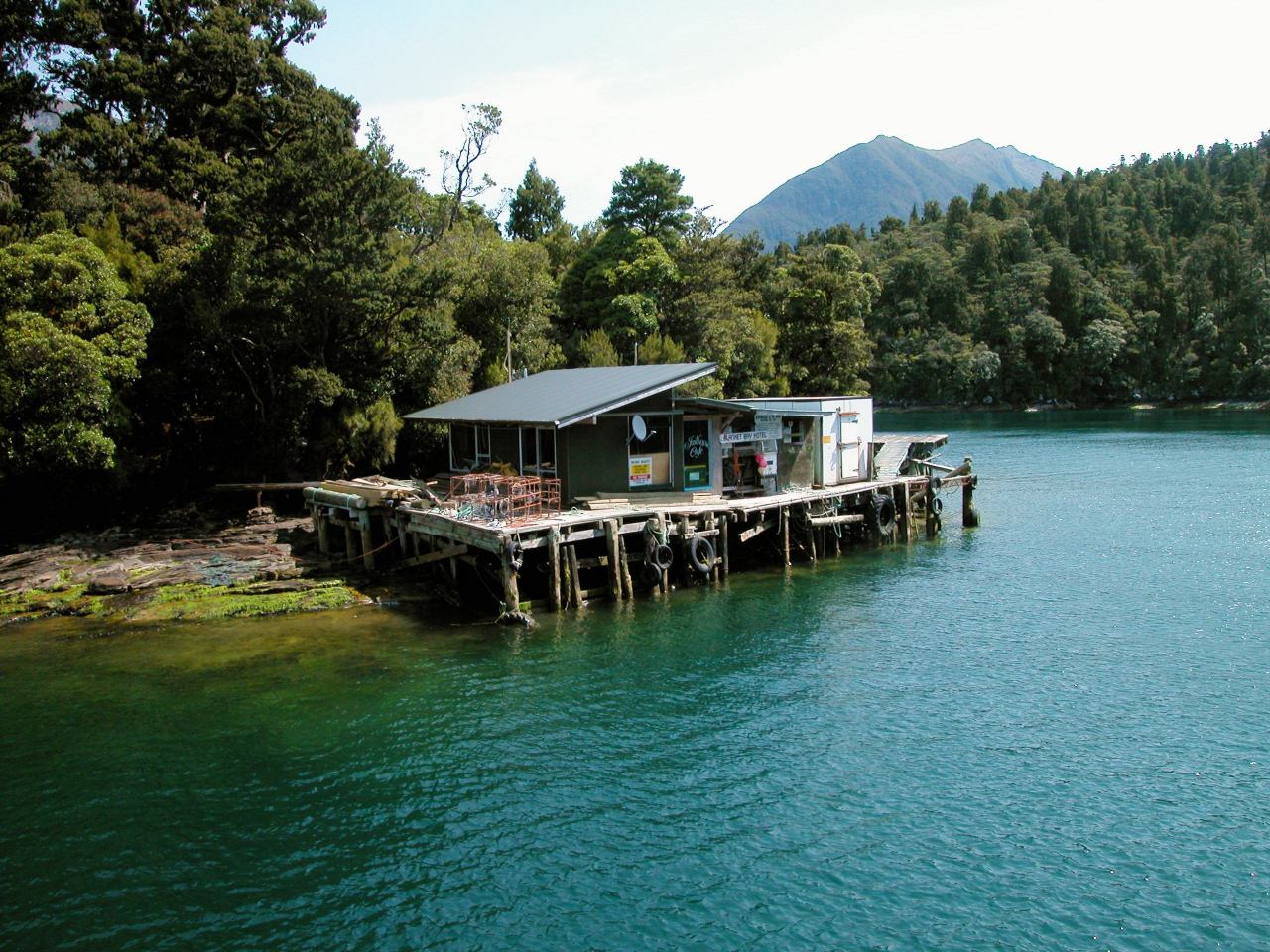
We were very lucky with the weather again. Not a cloud all day, though the wind never let up. It was hard to keep your feet on the open deck.
We didn’t get back to the car at Pearl Harbour until eight in the evening. We decided to get a little closer to Queenstown. The road left the lakes behind, but for a long time the mountains remained on the horizon against a spectacular sunset. We were running out of petrol and there was still no filling station. Then in the little village of Garston the station was open only in the daytime, so we decided not to tempt fate and stopped at the local hotel. (45°28.022′S, 168°40.988′E.) It was an old building that had been a hotel for a hundred years. Of its twelve rooms, only two had guests, counting us. All the rooms were tastefully done. The owner was attentive and pleasant and took pride in what she did. There was a visitors’ book in the lounge that went back many decades. The world map on the wall showed where their guests had come from. None from Russia in a hundred years, as usual. We were the first to stick a pin in Saint Petersburg. There were old photos of the hotel on the walls too. People used to arrive on horseback, and ladies in long dresses stepped out of carriages. It’s different now. People drive and prefer motels.
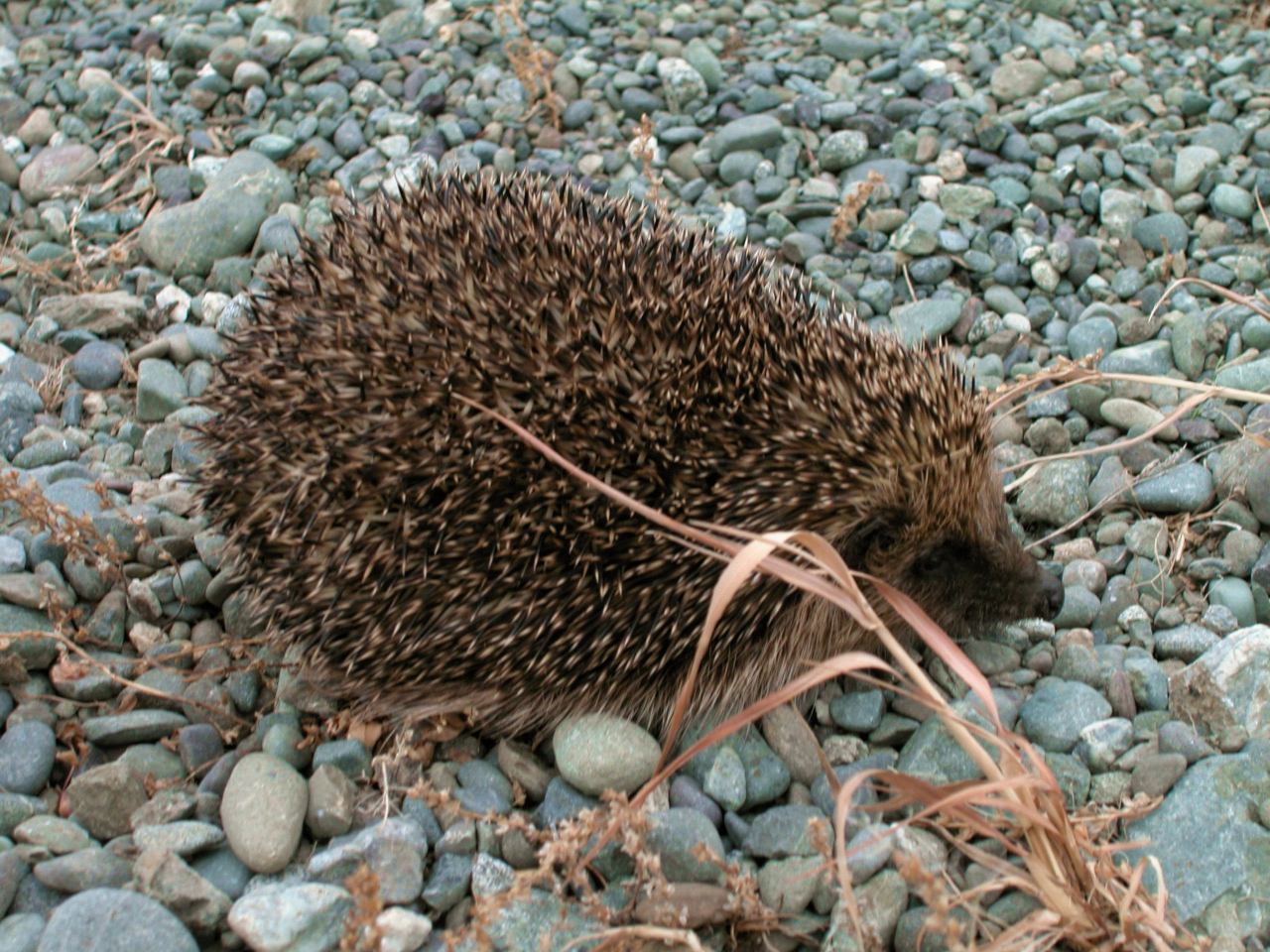
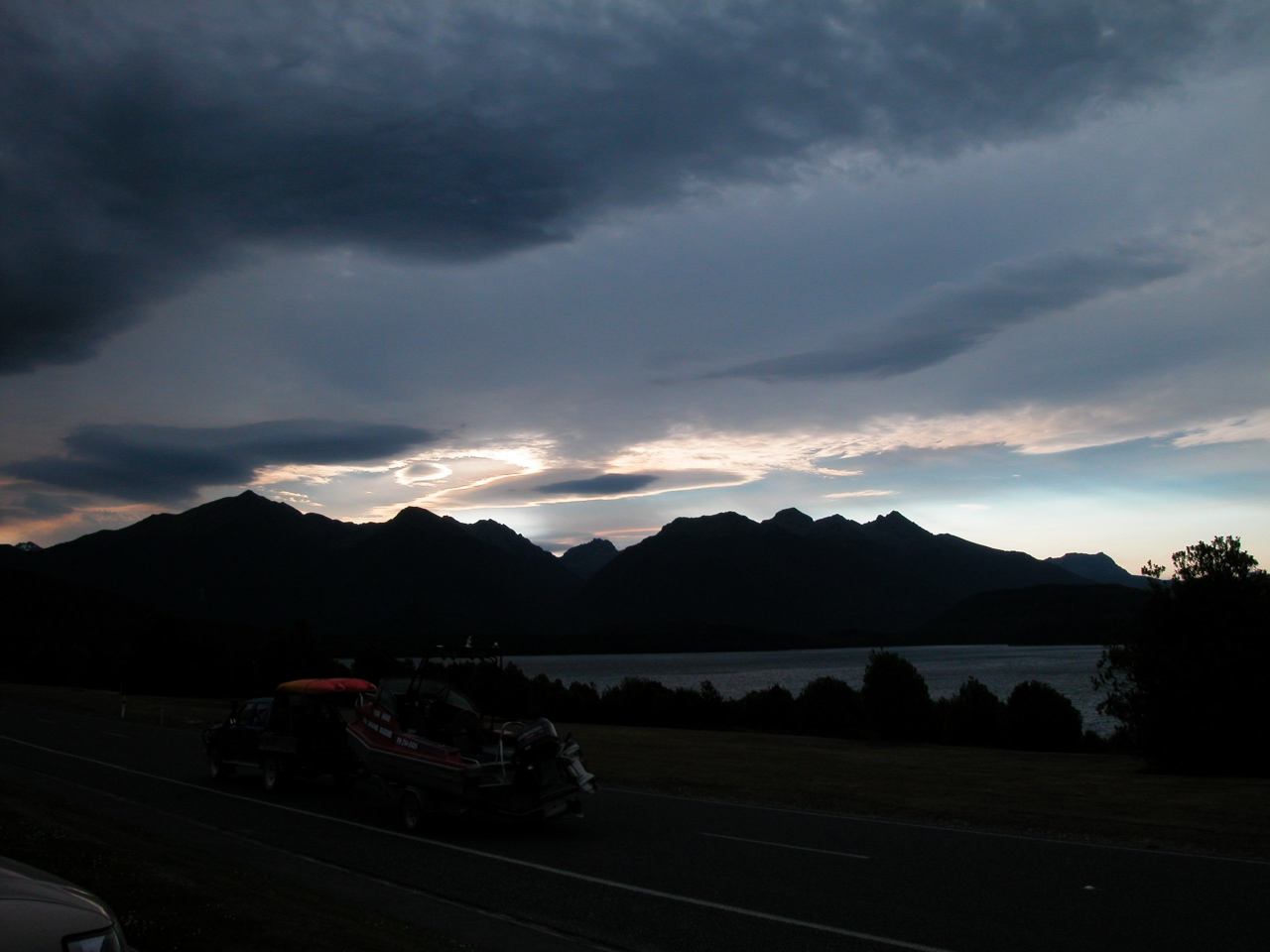
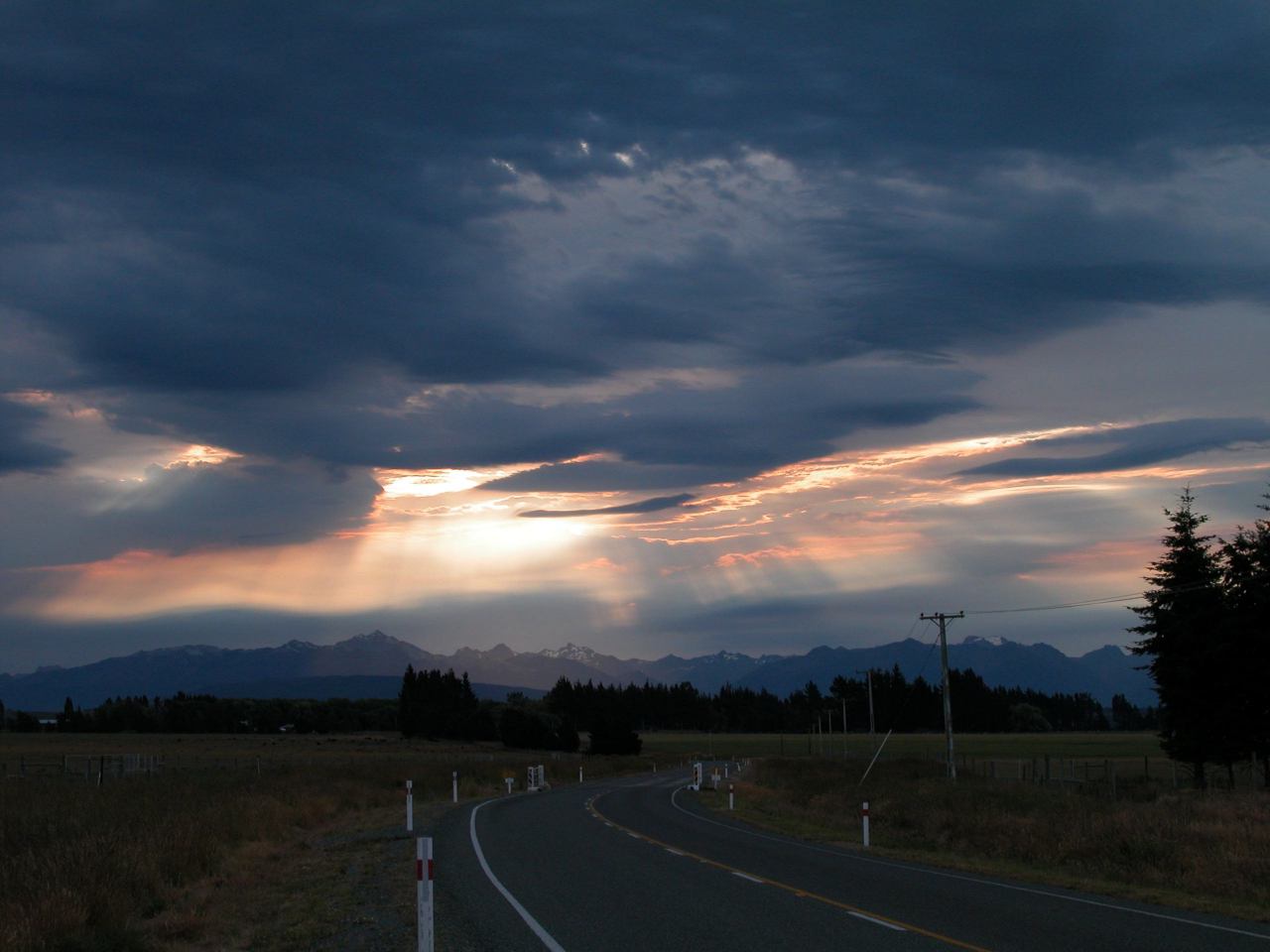
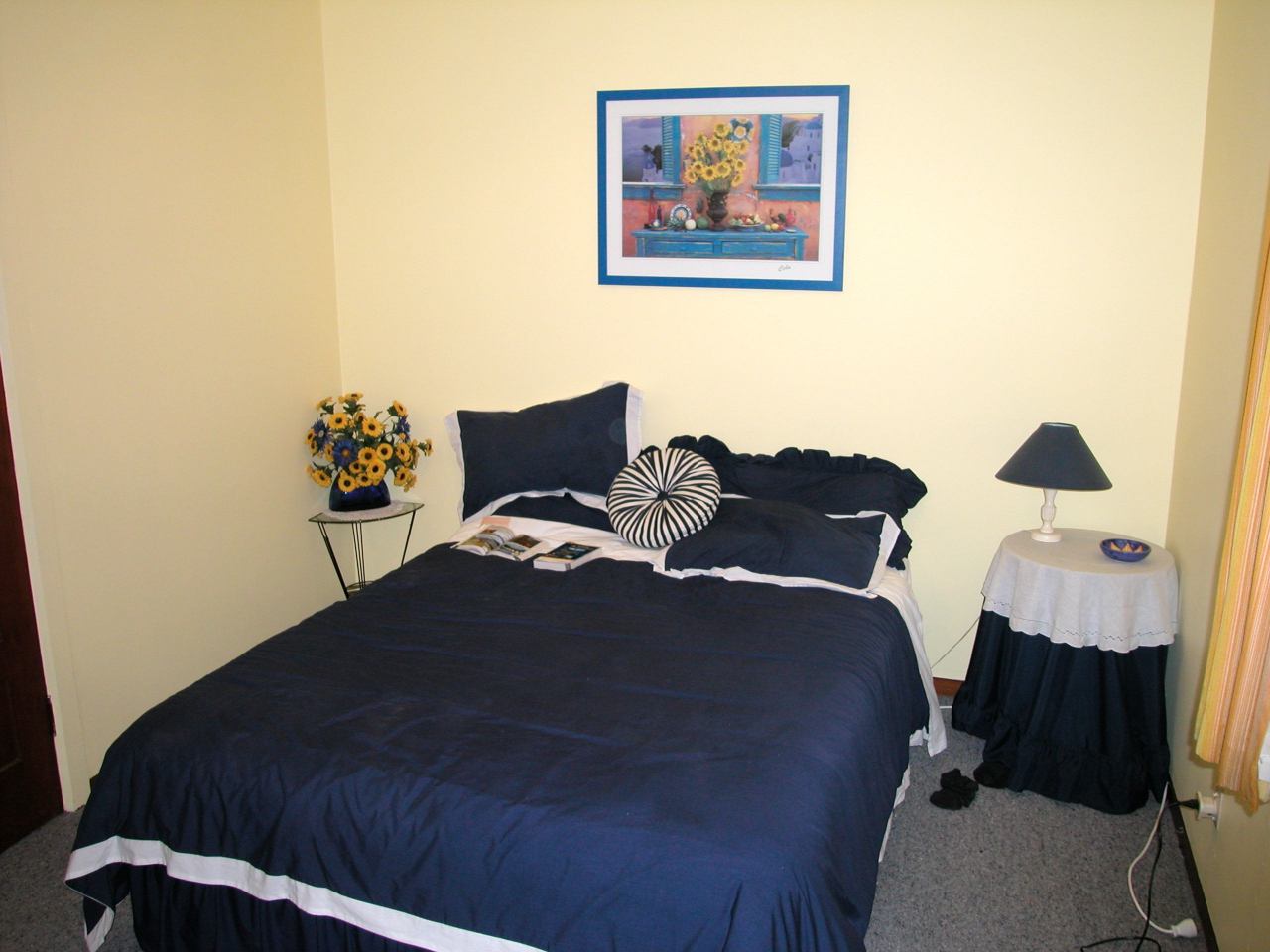
In the morning the owner invited us to help feed her sheep. The hotel doesn’t pay all the bills, and she has a few sheep grazing out back.
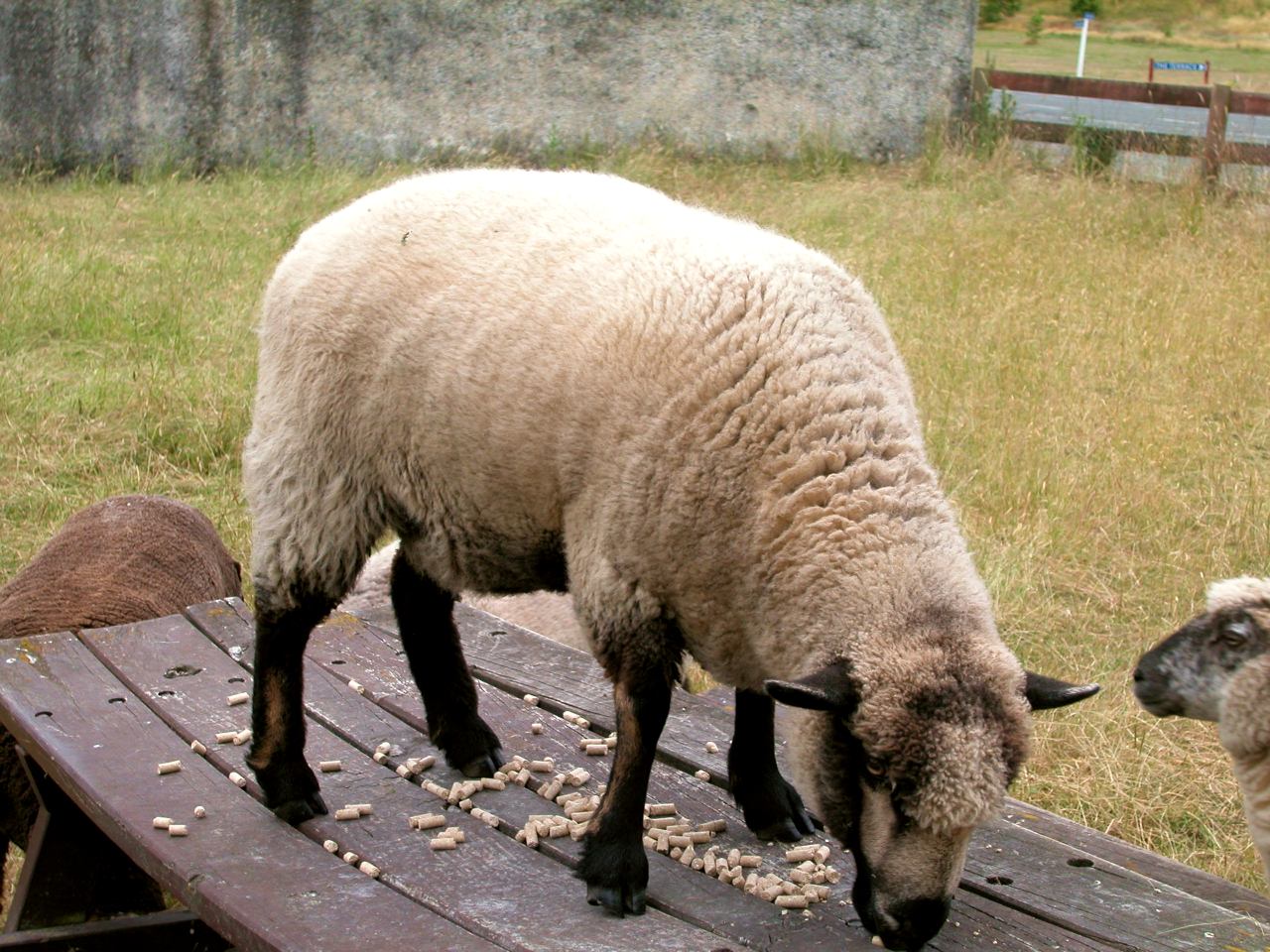
Thoroughly pleased with our night’s stop, we drove to the filling station. It wasn’t showing the slightest inclination to open. That left us to drive rather nervously as far as Kingston, where at last we found a regular round-the-clock station.
After Kingston the road follows Lake Wakatipu. We passed a picturesque parking area where you could stop for the night in a tent.
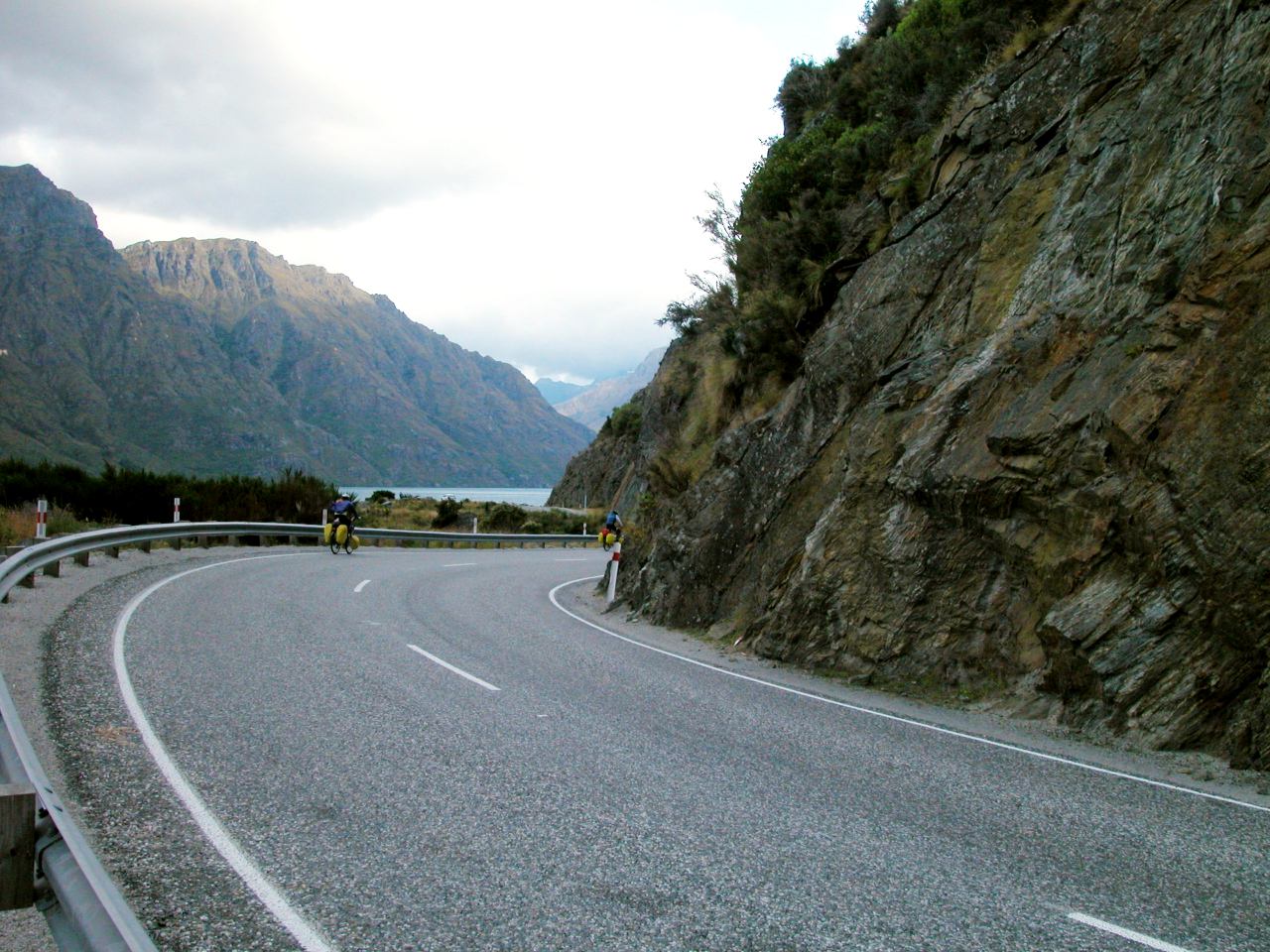
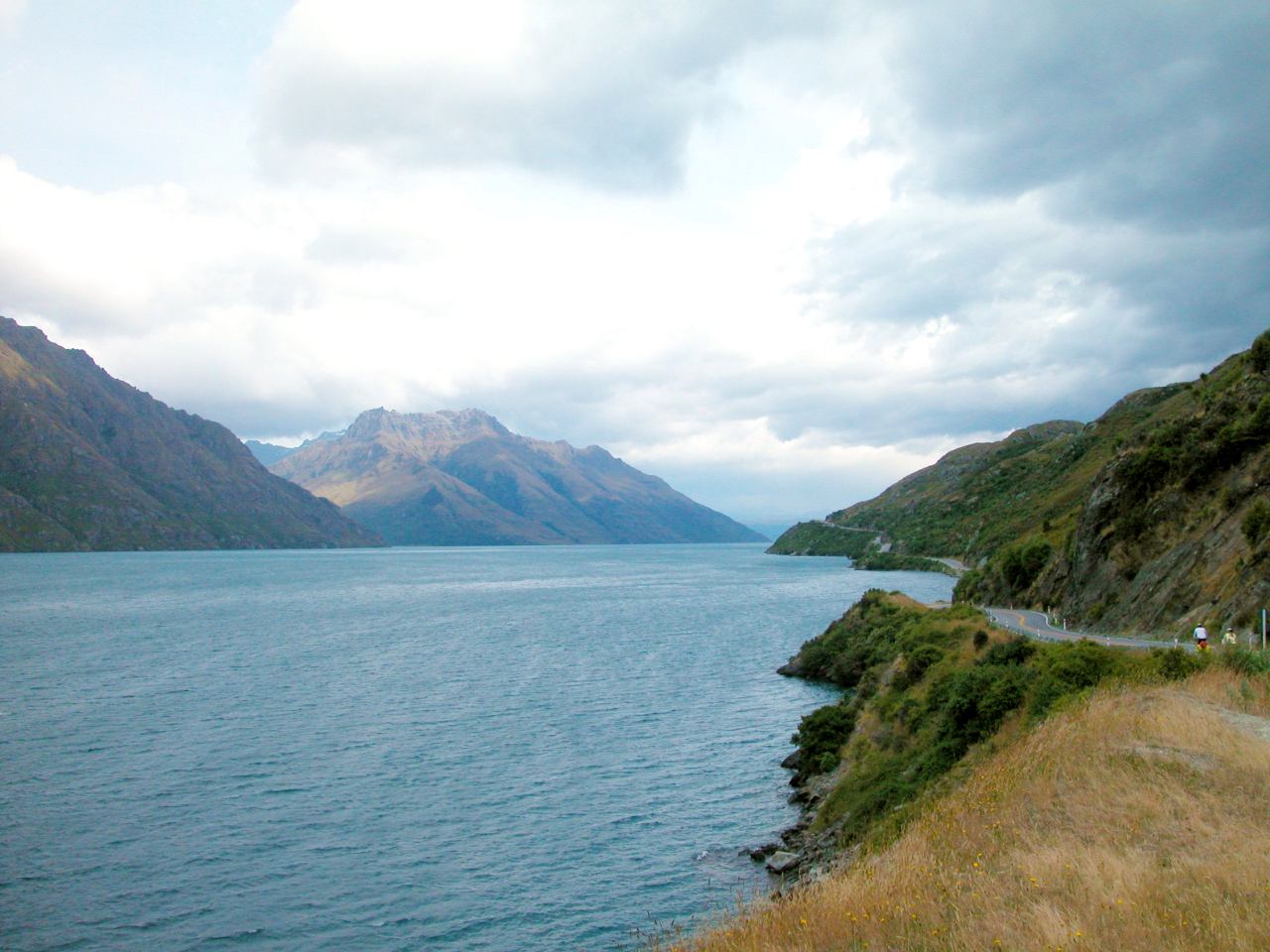
We meant to spend the following day in Queenstown, the tourist capital. Here, among the high mountains, you can go skiing or rafting, or let yourself be carried down a mountain river in a wetsuit without a boat (see the riverboarding operator). There’s bungy jumping off a bridge, hot-air ballooning and jet boating. Hard to remember all of it. Ideal if you’ve a taste for a bit of excitement. The town website lists all the things to do. The country as a whole was well on its way to putting everything online. Naturally there were internet cafés on every corner. Who’d be impressed by those now? Queenstown had gone a step farther and invented the internet laundrette. While your clothes are in the wash, you get to sit at the computer.
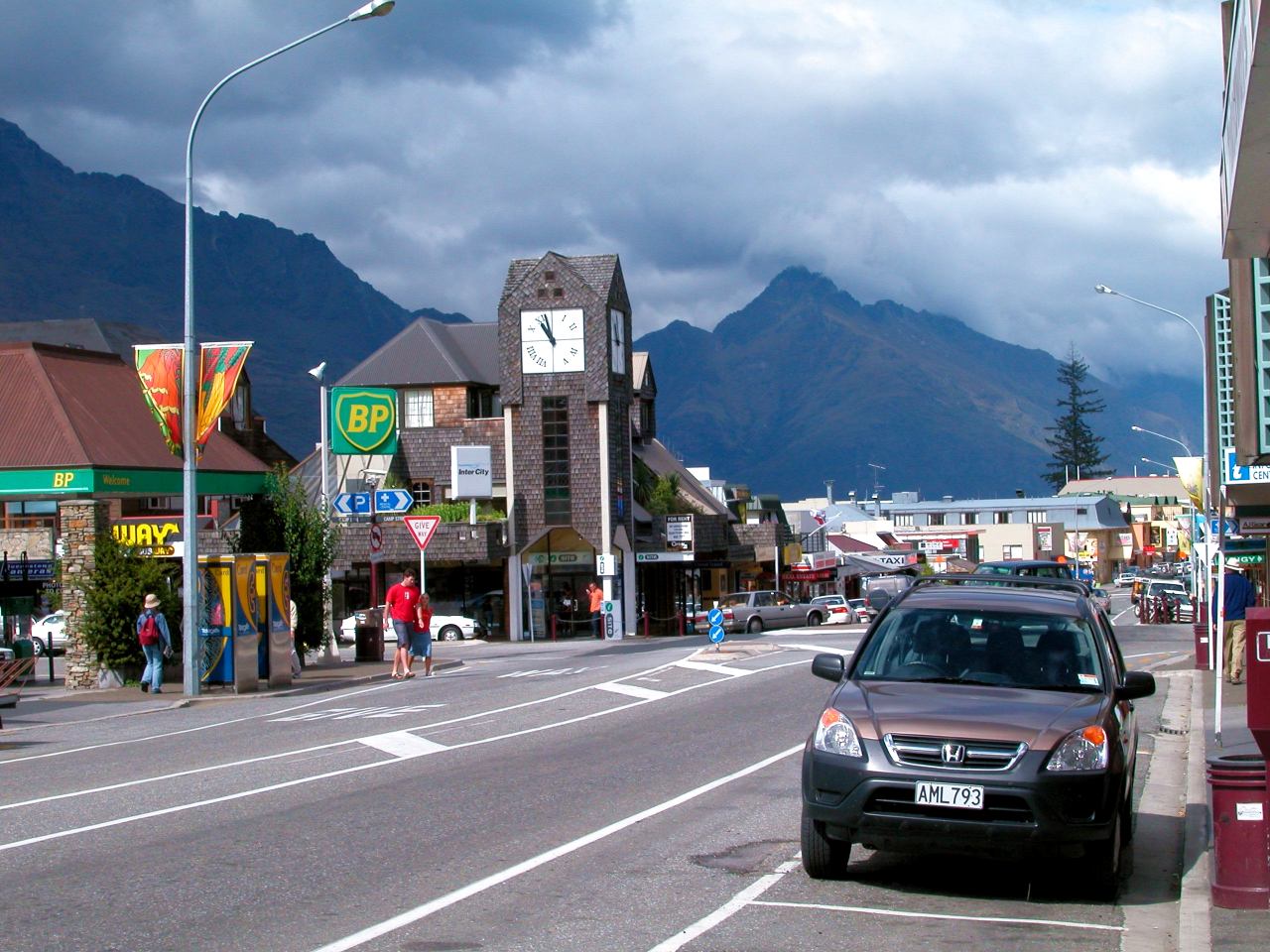
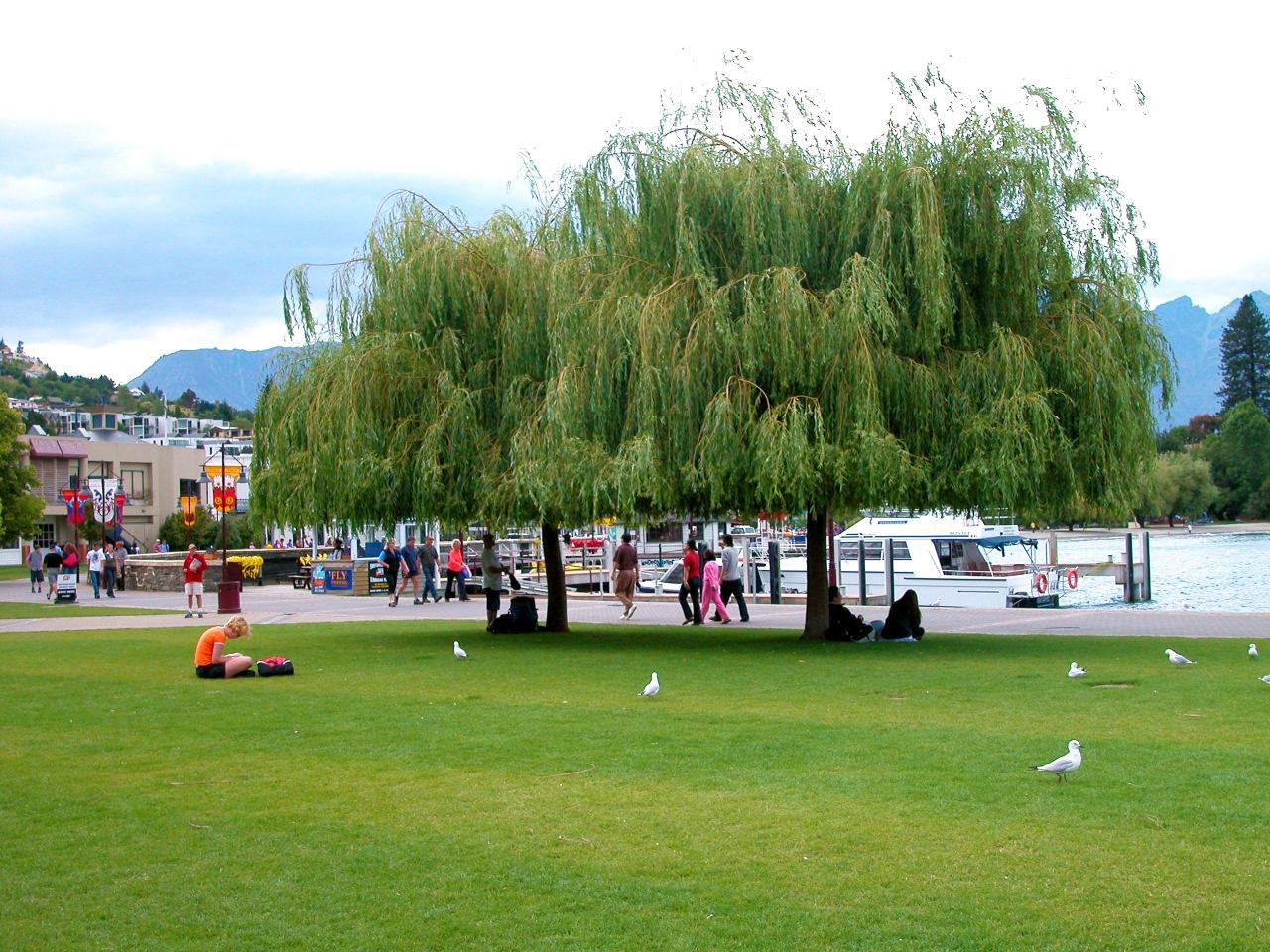
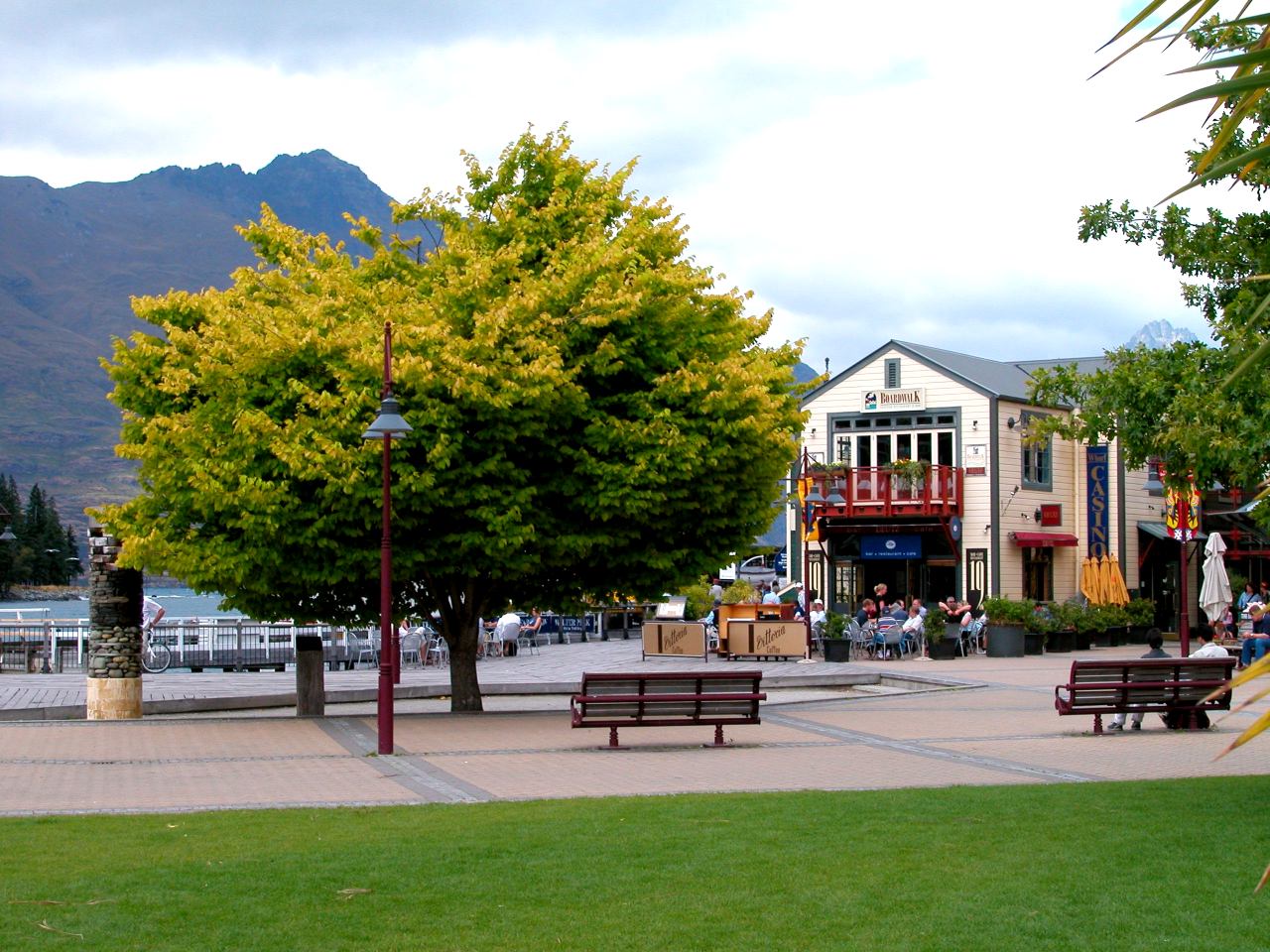
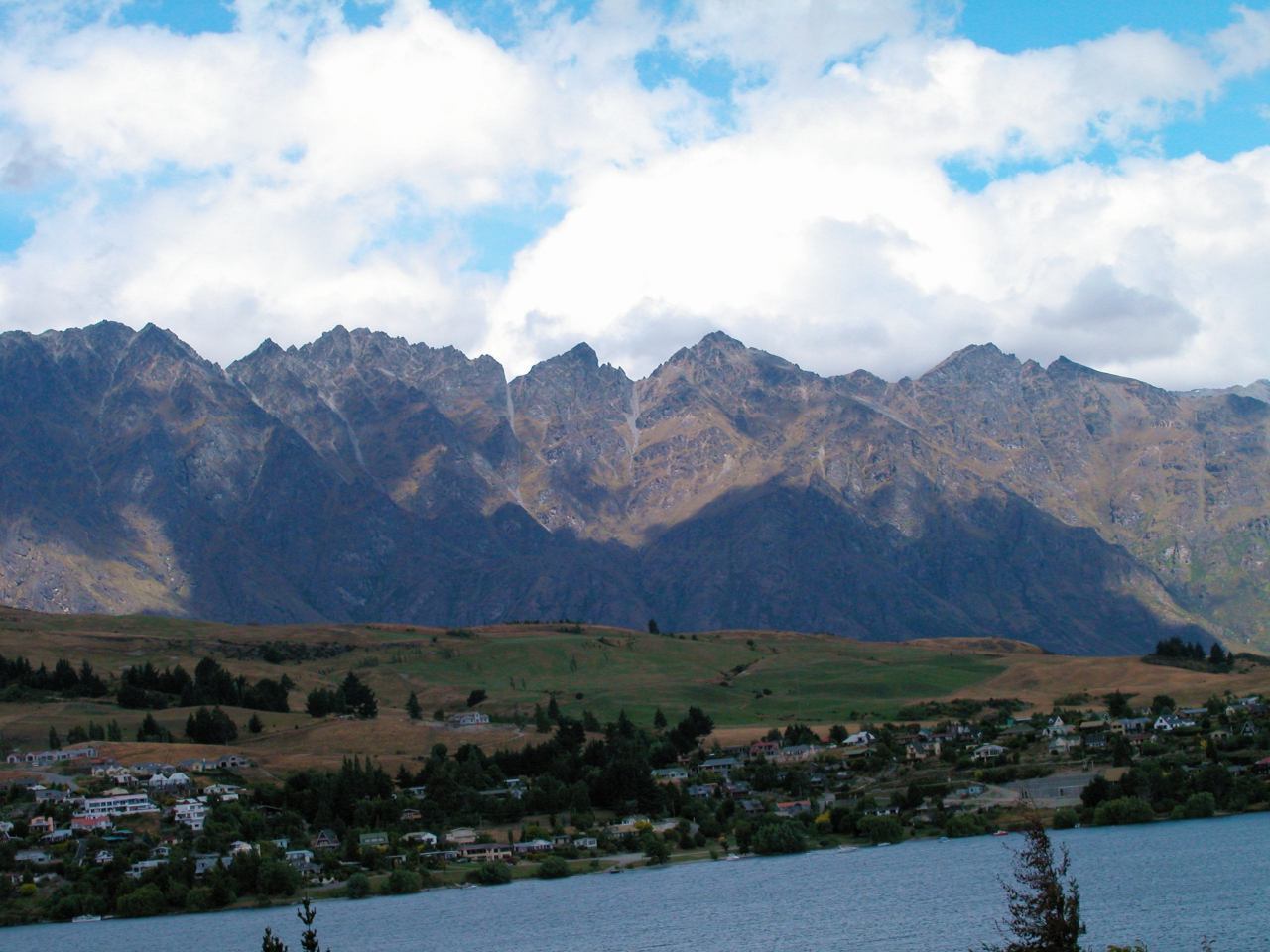
What I wanted to do was jump on a rope (see AJ Hackett). Tanya was scared, so I’d jump alone. There was a choice. You could jump from a tower in the middle of town. Easy enough, but not high and not much fun. Or you could jump from the historic Kawarau Bridge, where the whole jumping business took off around the world. Only 44 metres high, but you could get there yourself by car.
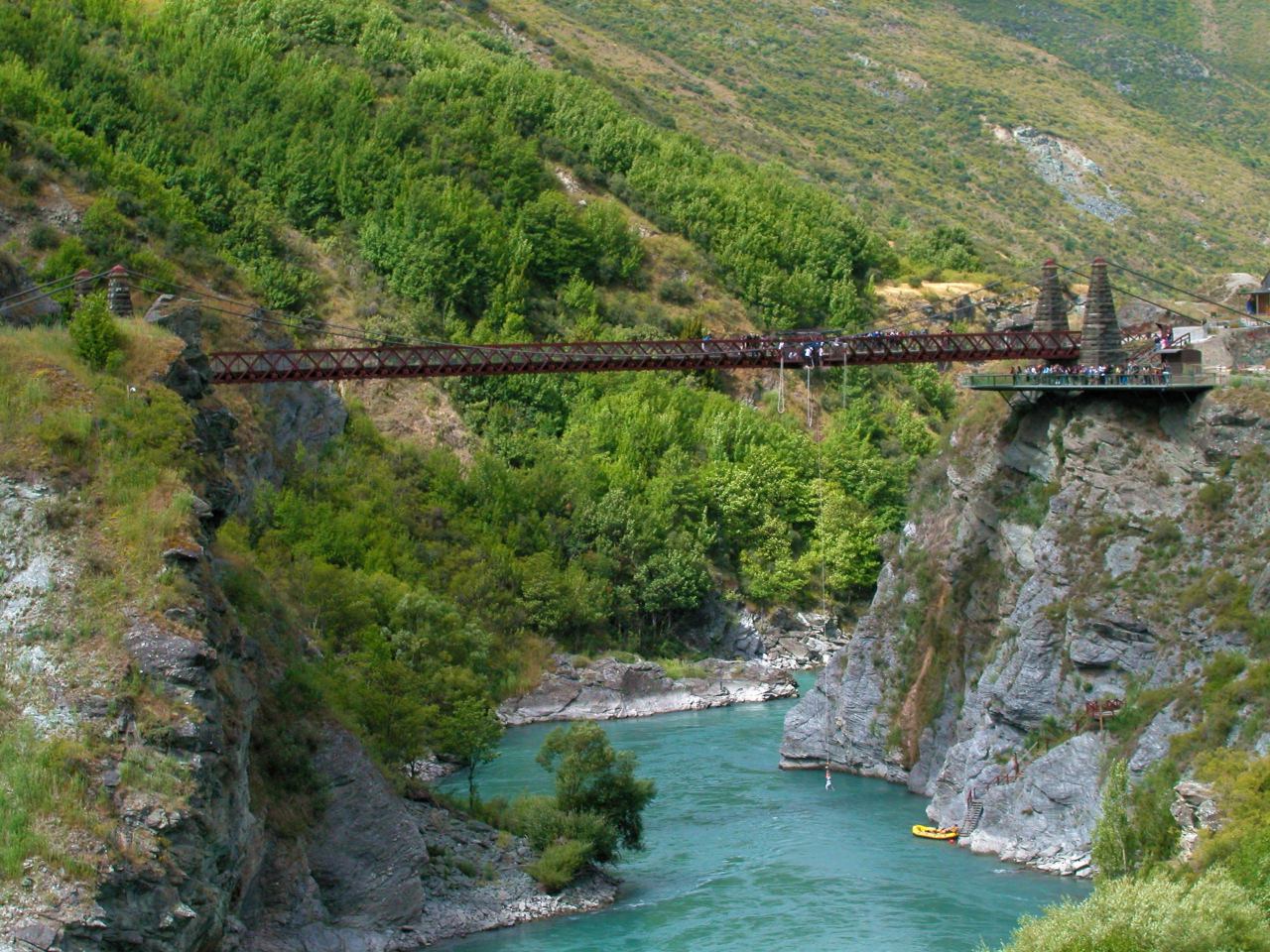
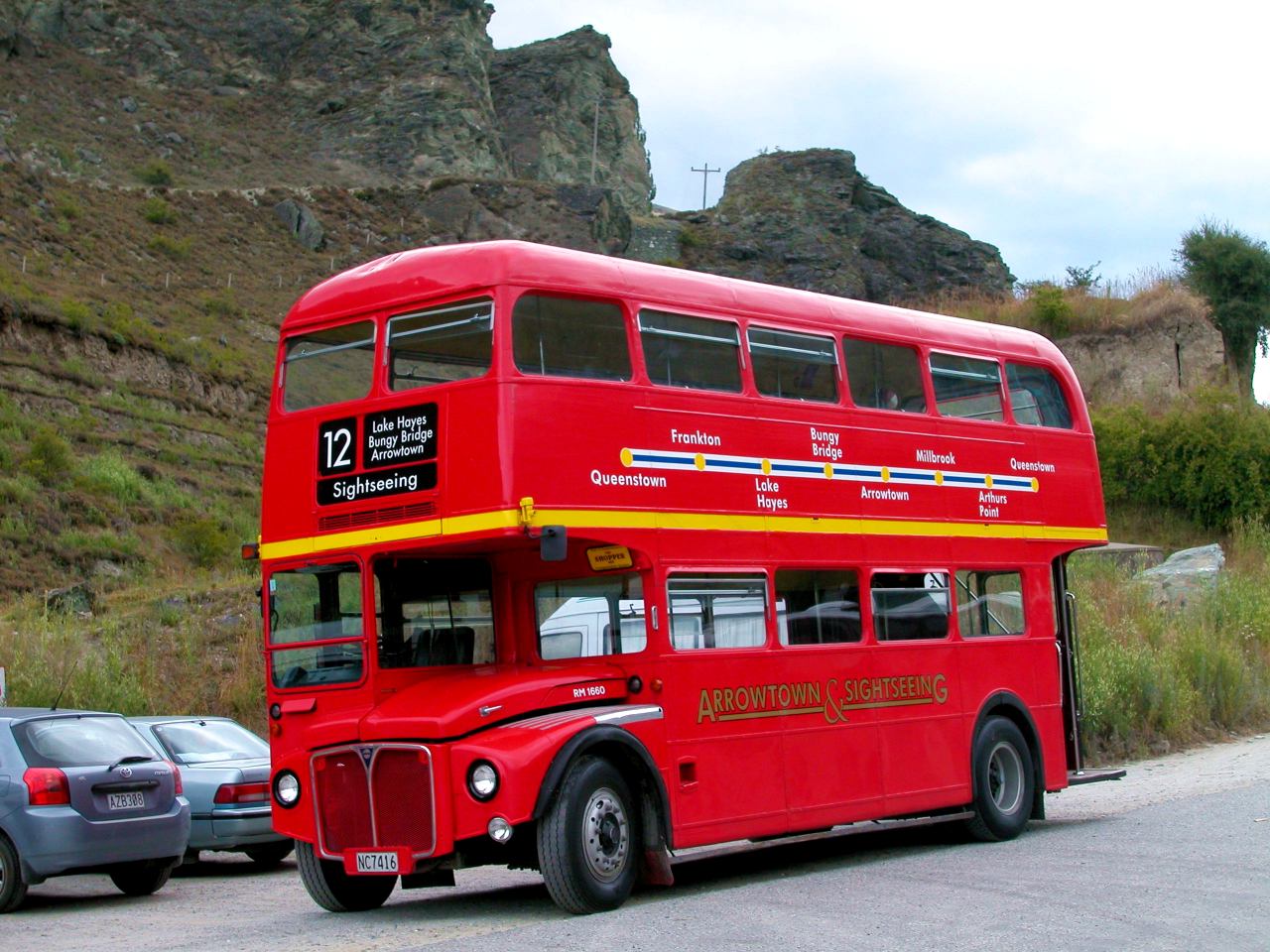
The most extreme option was an assortment of thrills out towards Skippers Canyon. You could only get there in a four-wheel drive, along a fearsome mountain road. The jump, with a rope on your legs, was 134 metres and gave you eight seconds of free fall. You leapt from a platform hung on cables over the abyss. There was also a cable ride across the canyon and jet boating at the bottom. It was better to pay for everything together, including the ride in and out by four-wheel drive. Tanya didn’t want to jump or ride the cable, but we’d have to pay for her to come anyway, and it was a long way to go.
In the end I chose to jump from the bridge and take a boat from the wharf in Queenstown. The jump cost NZ$125. Before jumping you had to sign something to say you were in excellent health and would make no claims if there was any trouble with your health, or with the health of the relatives and friends who were watching this disgraceful performance. You got weighed and they wrote the number on your hand with a marker. They wrapped a thick towel round your legs and tied the rope in a criss-cross so your feet stayed free and took none of the load. As a backup there was a climbing harness round your waist. They asked if you wanted to dip your head into the water or stop ten centimetres short. Then you were meant to hop over to the edge with your legs tied together and jump on command. I’ll be honest: it was frightening. Only the thought that there was no way out and the presence of the crowd got me off on the first try. Often people can’t do it on the first go, and after a few attempts they give them a hand by tipping them over the edge.
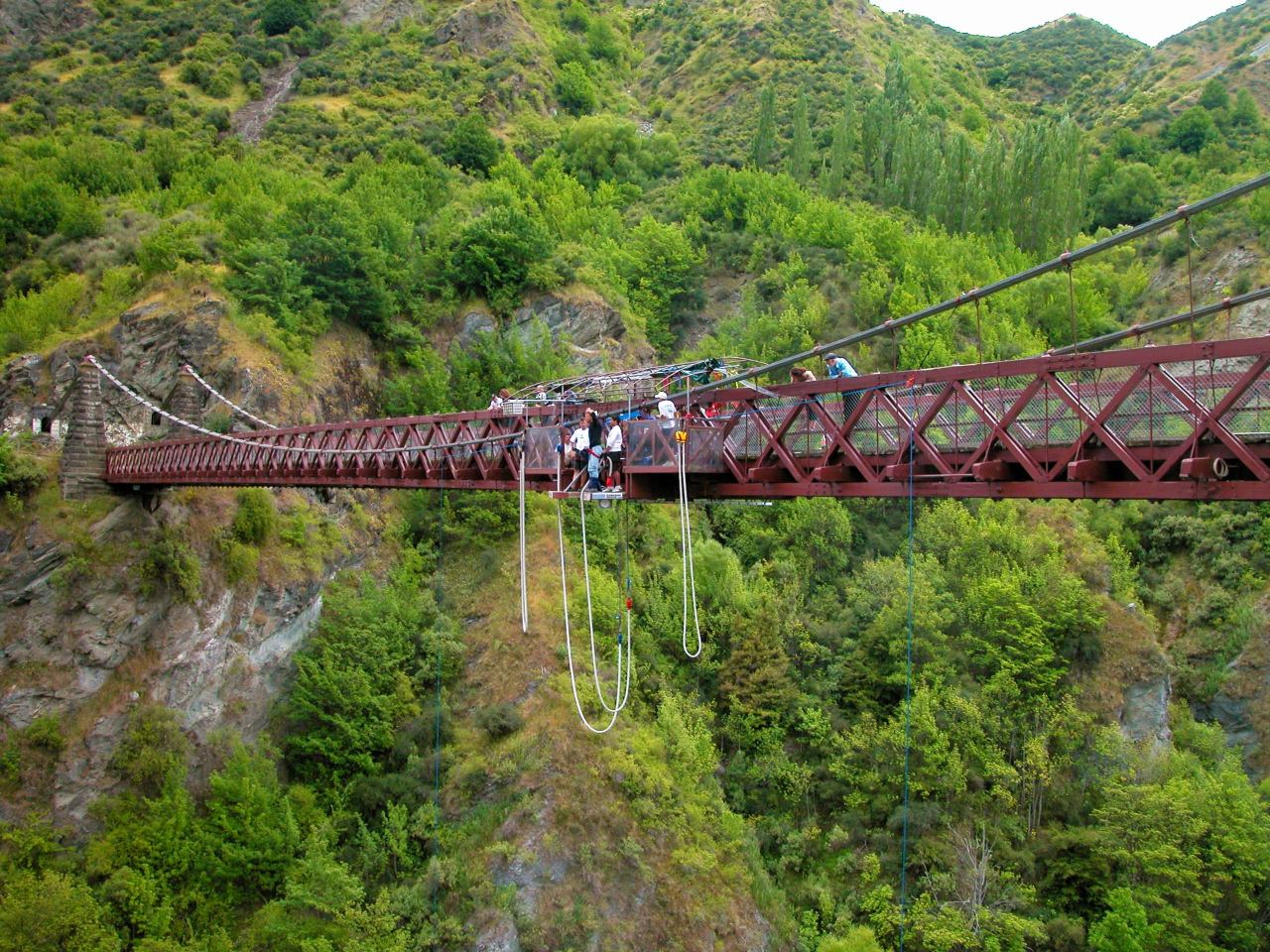
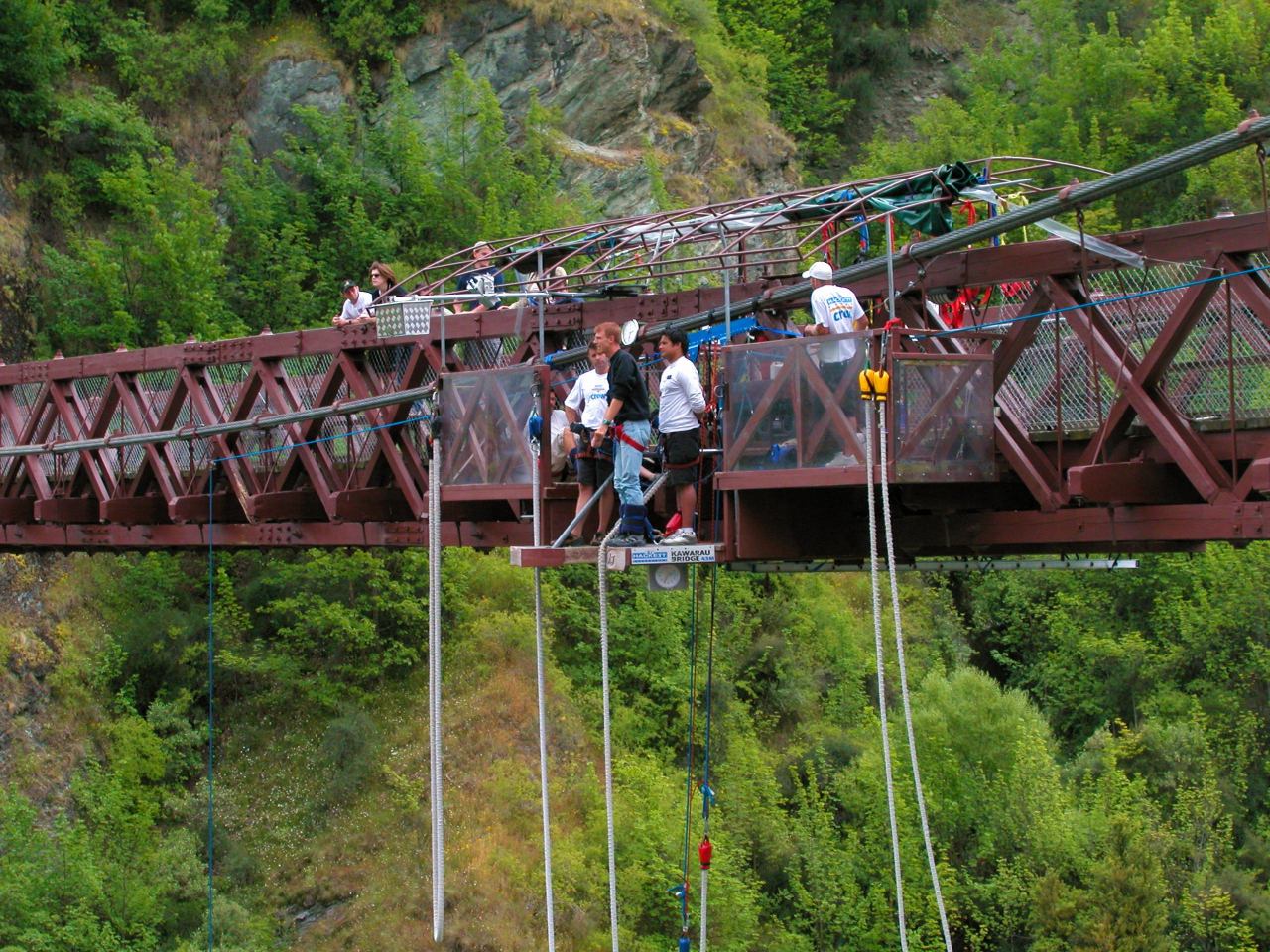
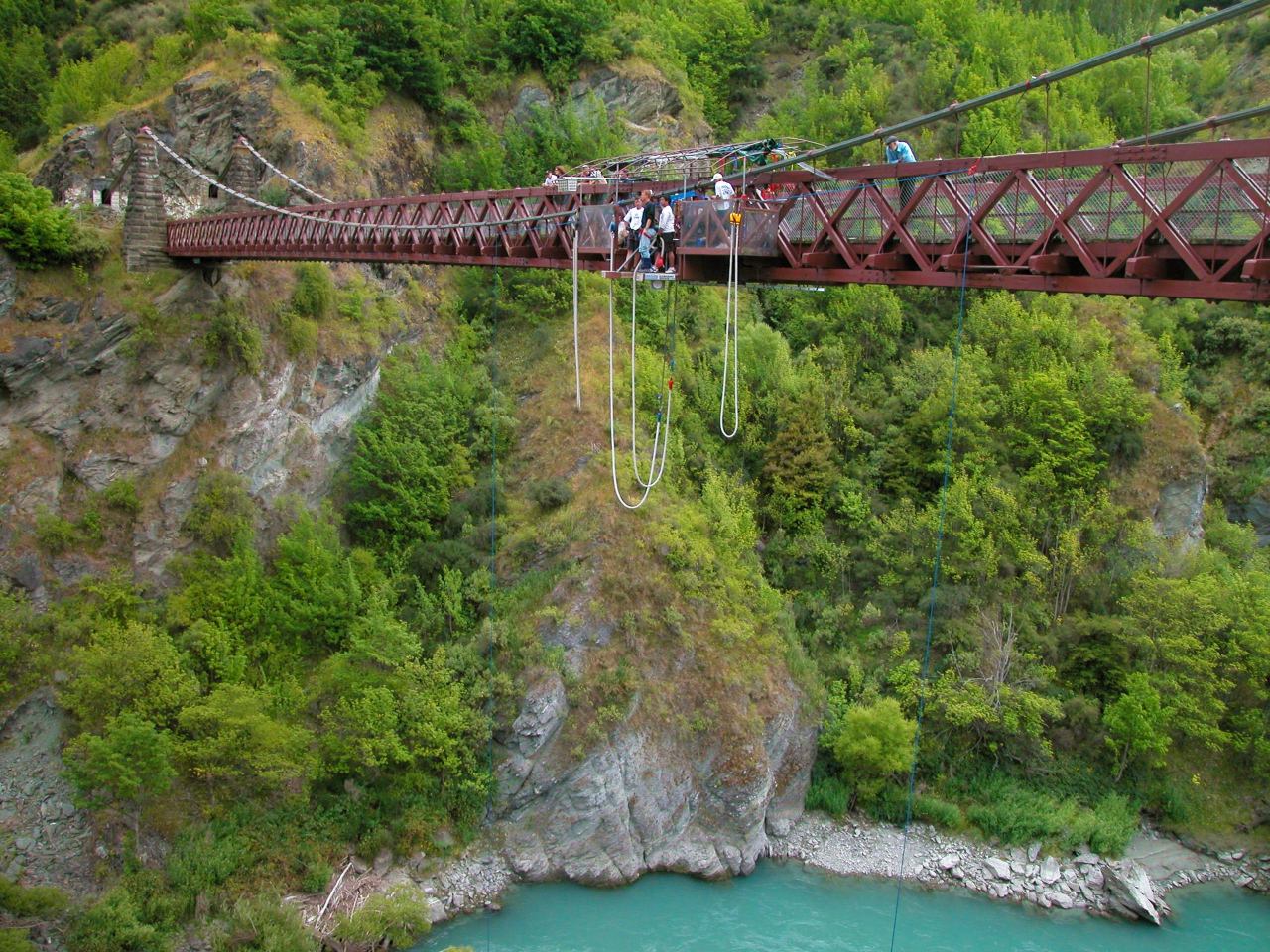
For the first few seconds of the fall your body has no idea what just happened. It feels like something dreadful and irreversible. Then it’s wonderful to fly. The cord springs back and you shoot upwards to three quarters of the height you started at. It’s three g at the lowest point. After a dozen bounces you hang upside down, they pay out the rope, and someone in an inflatable boat catches you and unties you. Surprisingly, it takes hardly anything out of you. Nothing hurts; all your joints are where they should be. After the first go you want to do it again and again.
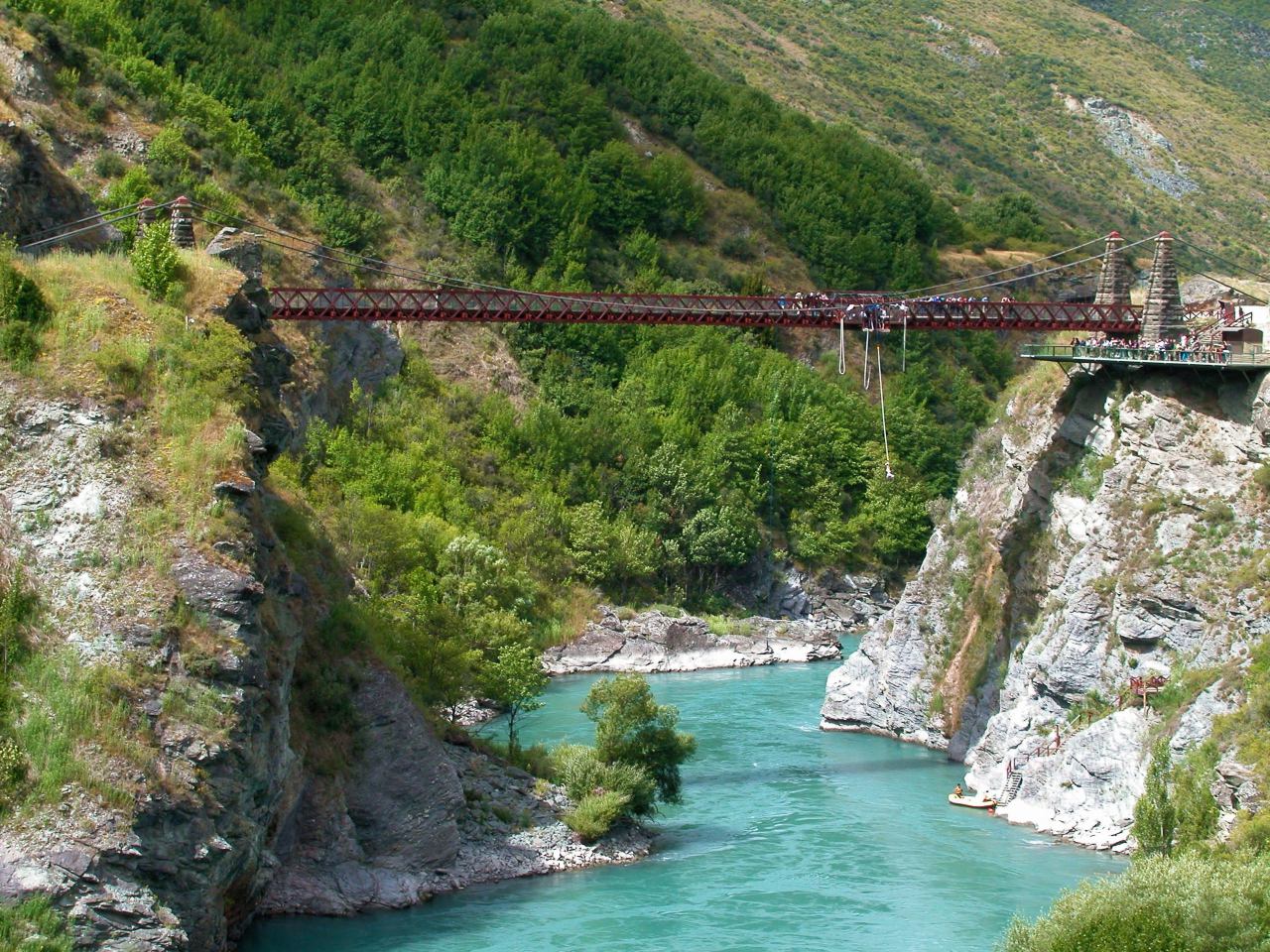
Afterwards you could pay NZ$39 for a videotape of your jump, complete with a promotional clip for the whole business. The video shows enthusiasts jumping from wherever they can, including from the Eiffel Tower after sneaking up it without permission. The clip ends with the jumper being arrested and a remark that they’ll let him out sooner or later. No one around here suffers from an excessive regard for rules.
The video also shows a tandem jump, a sumo wrestler, a jump with a car and one with a kayak. For an even higher jump you could go from a hot-air balloon or a helicopter. That puts you in the two- to three-hundred-metre range, which, they said, was about as much as a jumper could take.
The forerunner of all this was the vine jumping of the people of Pentecost Island in Vanuatu. A good jump was one where the jumper’s hair brushed the ground. Only men jumped, or, more accurately, the jump was part of a boy’s passage into manhood.
Even so, according to the legend, the first person to jump was a woman. Her husband made her so miserable that she no longer cared whether she lived. The jump went well, which she took for a sign from above, so she invited her husband to jump, having first undone the little rope. The husband died, and they all lived happily ever after.
Buoyed by my flight, I was all set to conquer new heights, but the day was coming to an end. I’d have had to wait until the morning and the idea gradually faded. We did have time for a ride in a fast motorboat. Jet boating is a very popular pastime in New Zealand. A boat driven by a water jet hurtles up a narrow little river at several dozen kilometres an hour, dodging rocks and cliffs and changing direction on the spot. It can turn right round in a ten-metre radius and run in water just a few centimetres deep.
From Queenstown you can take an hour’s trip along the local rivers (see KJet). There are more hair-raising routes, but for this one you don’t have to go far. They sold the tickets on the boat at the wharf in the centre of town. NZ$75 a ticket. I enjoyed it. I want another go. Queenstown really is a good place for a proper holiday. Even President Clinton said he’d like to spend some time here when he retired.
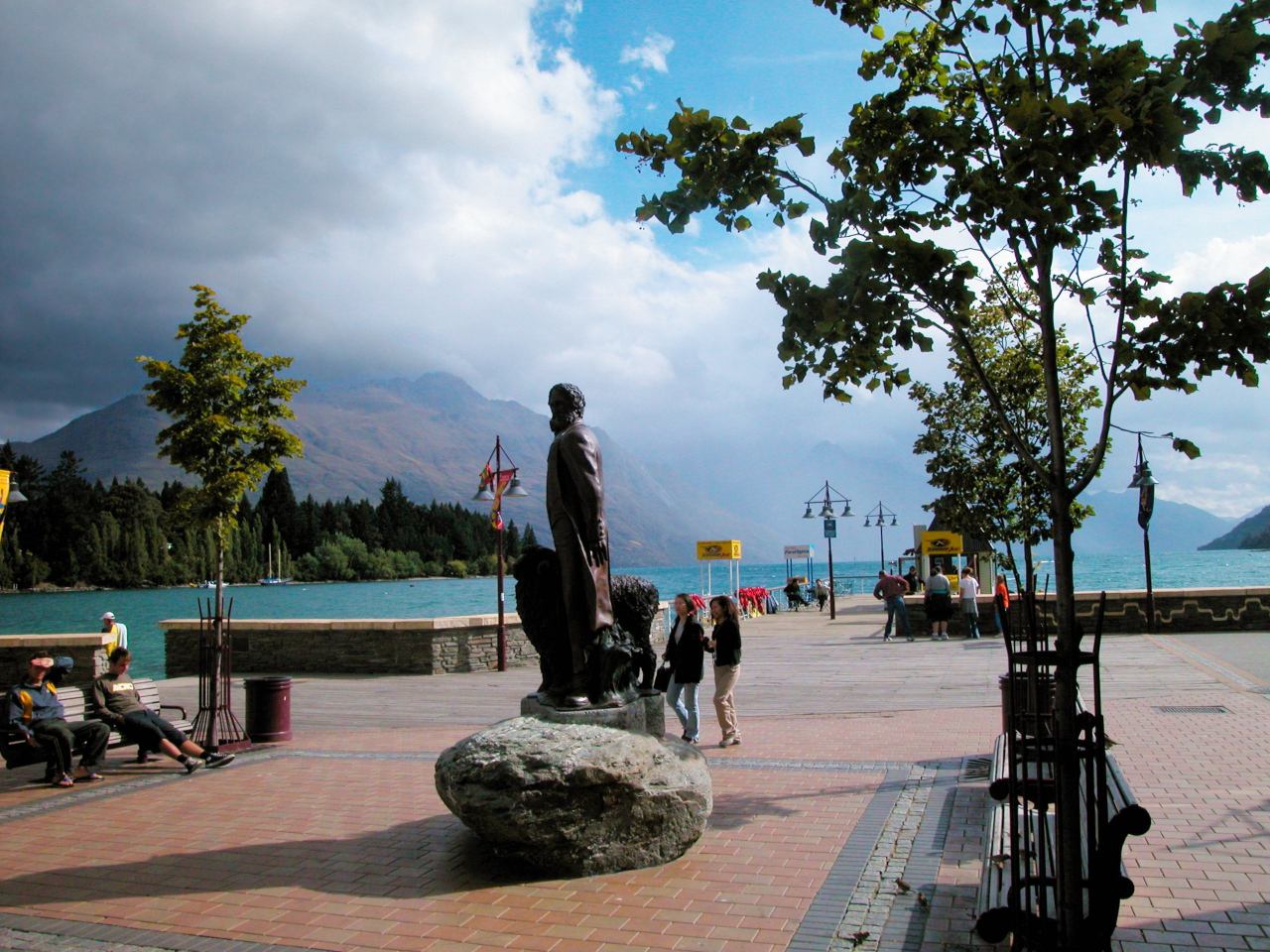
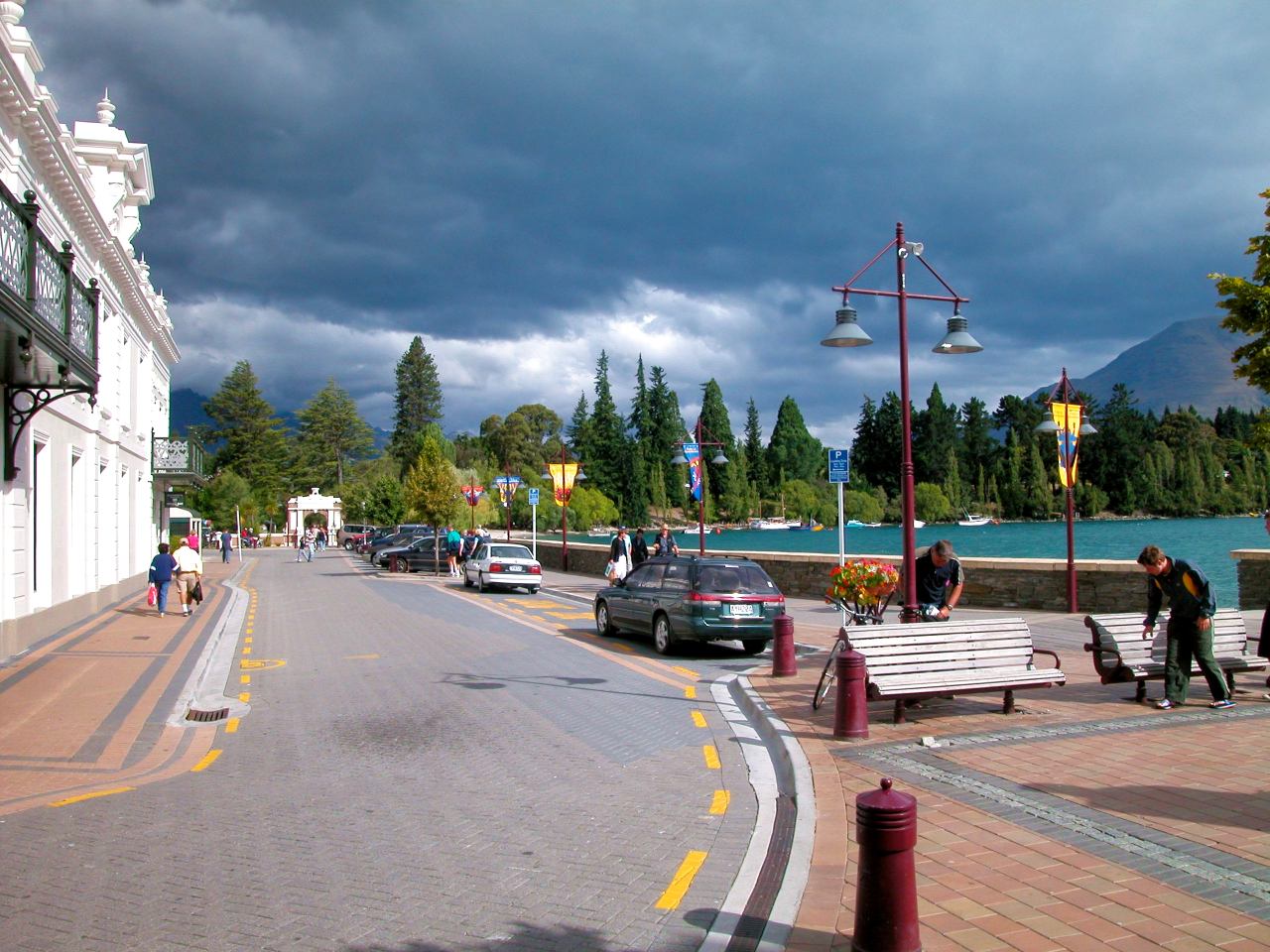
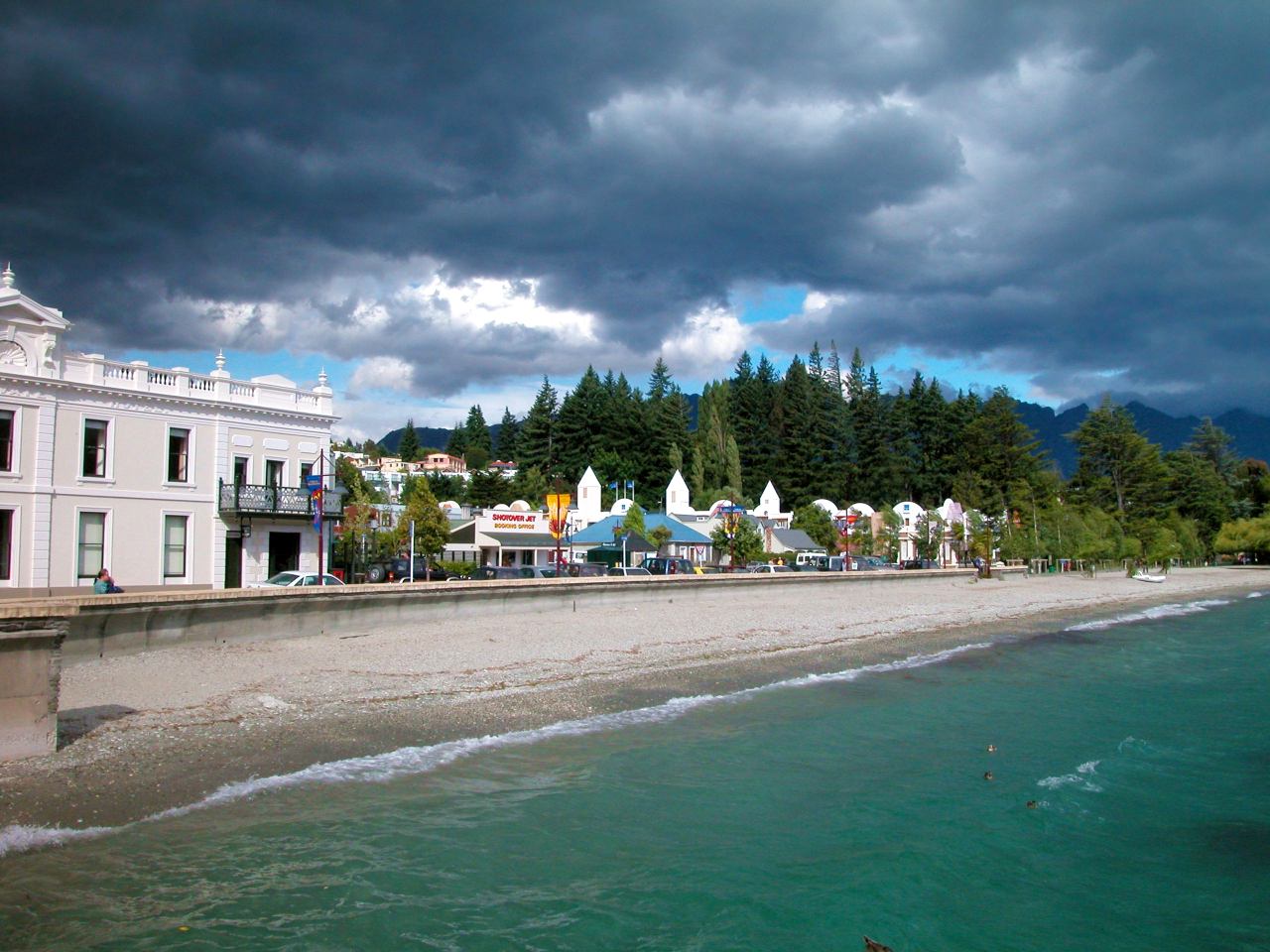
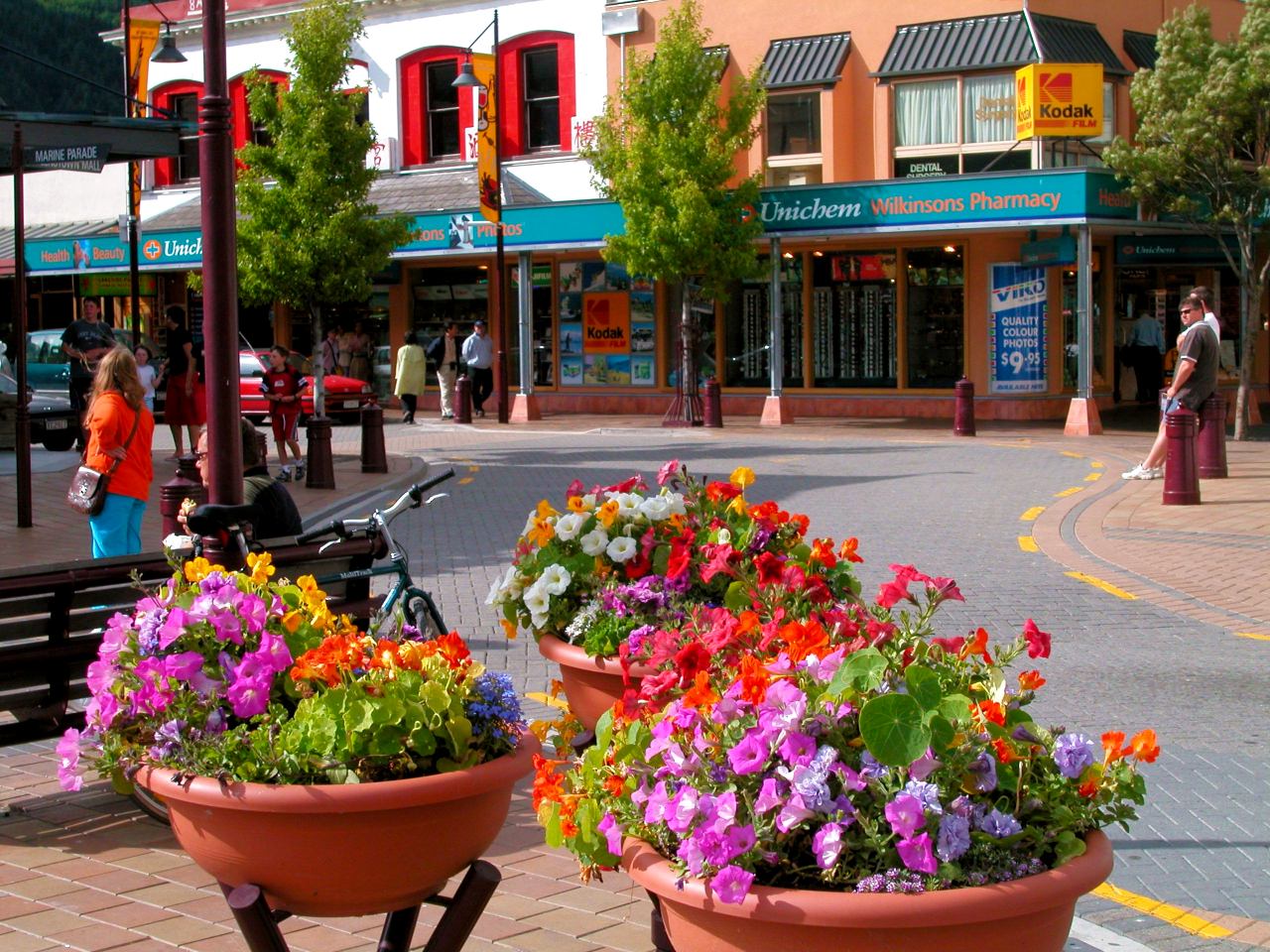
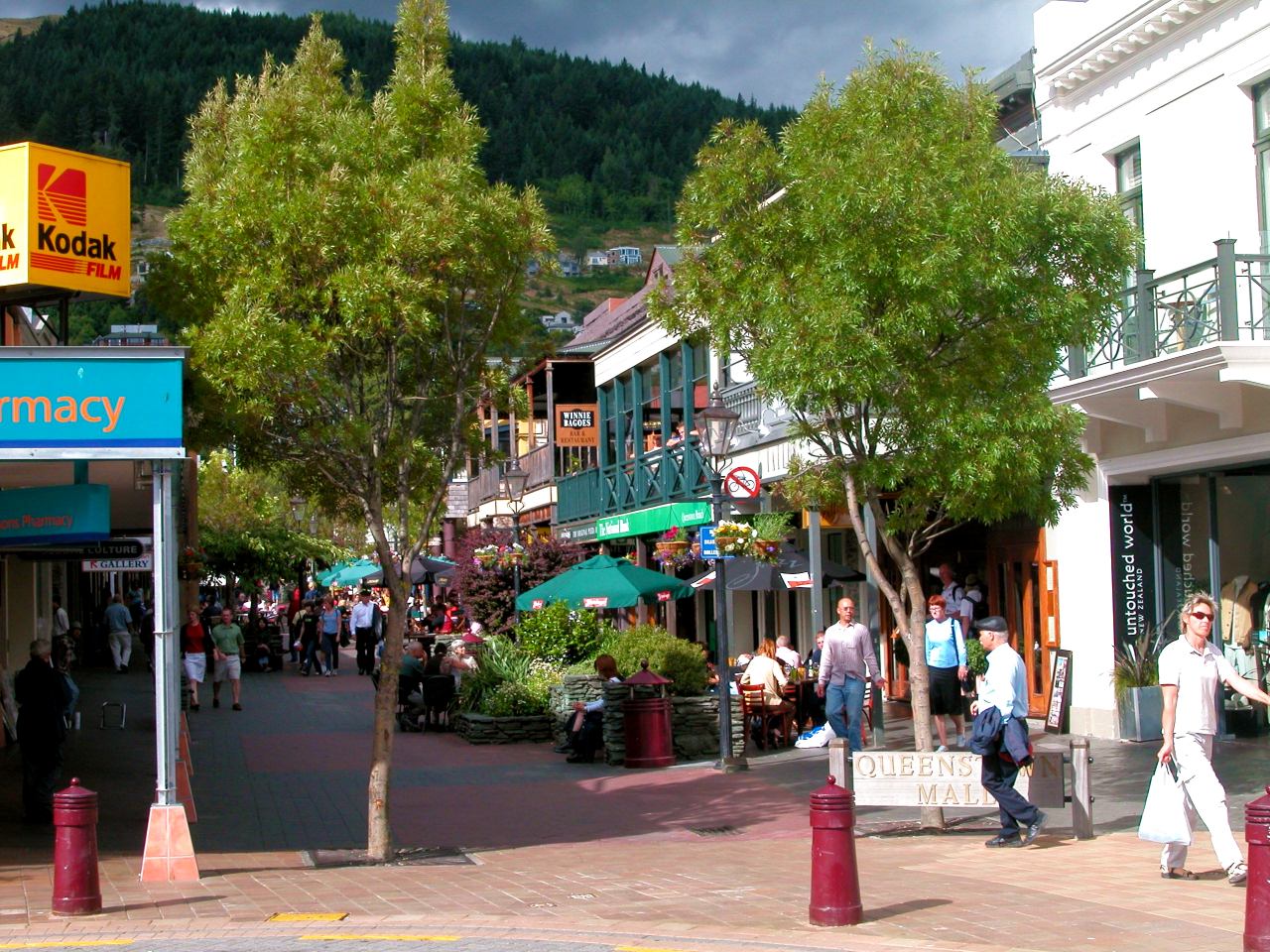
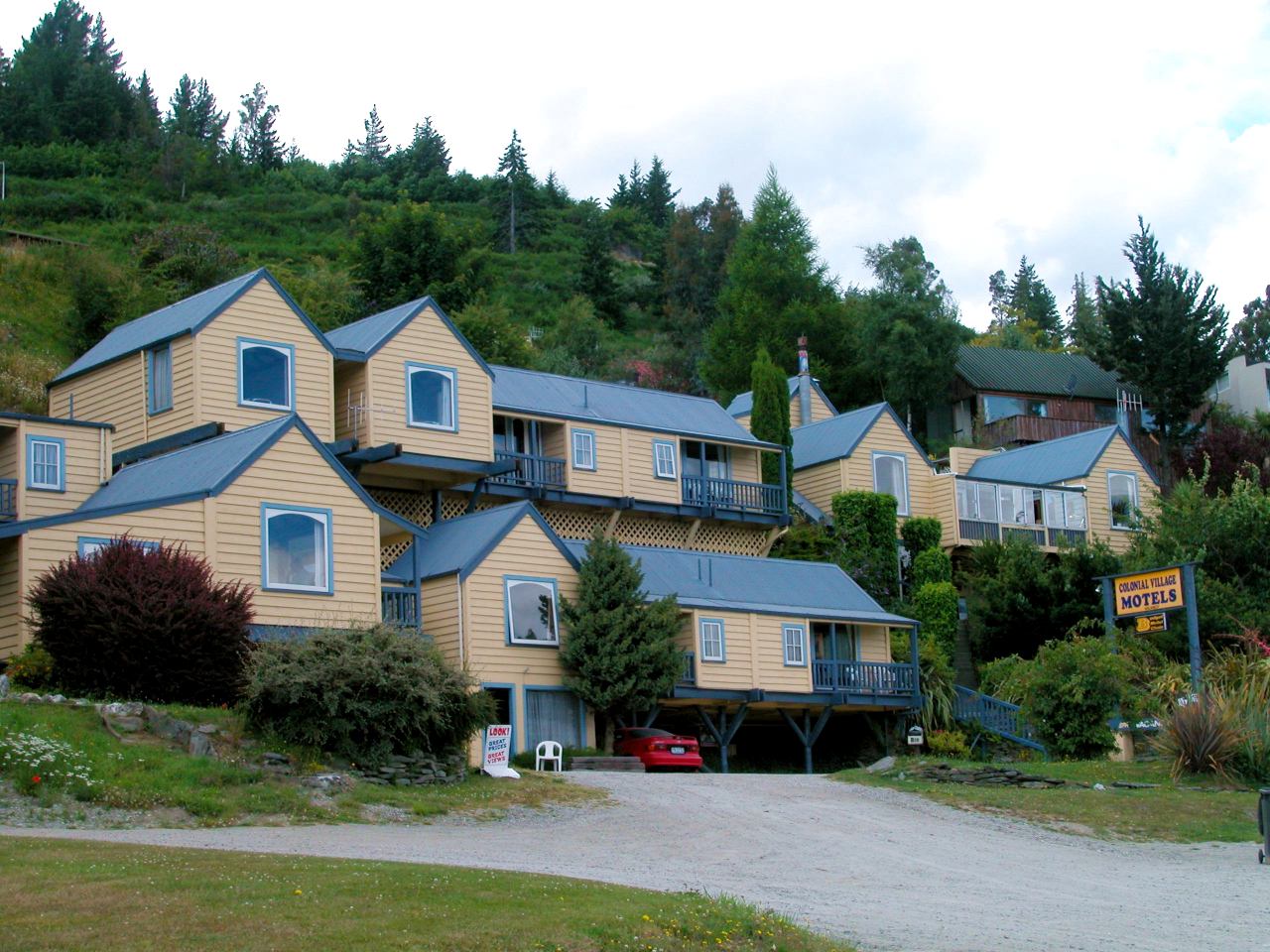
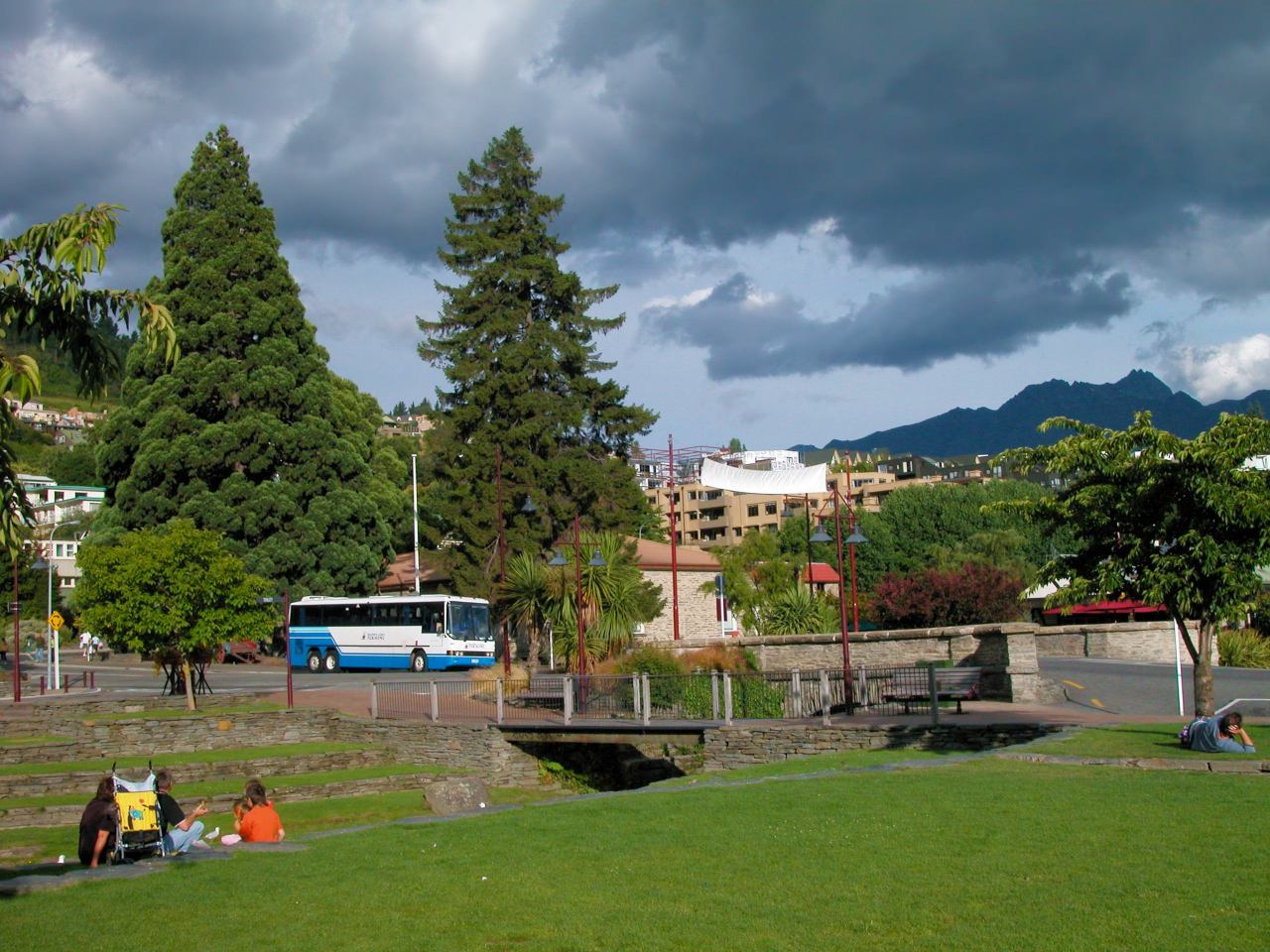
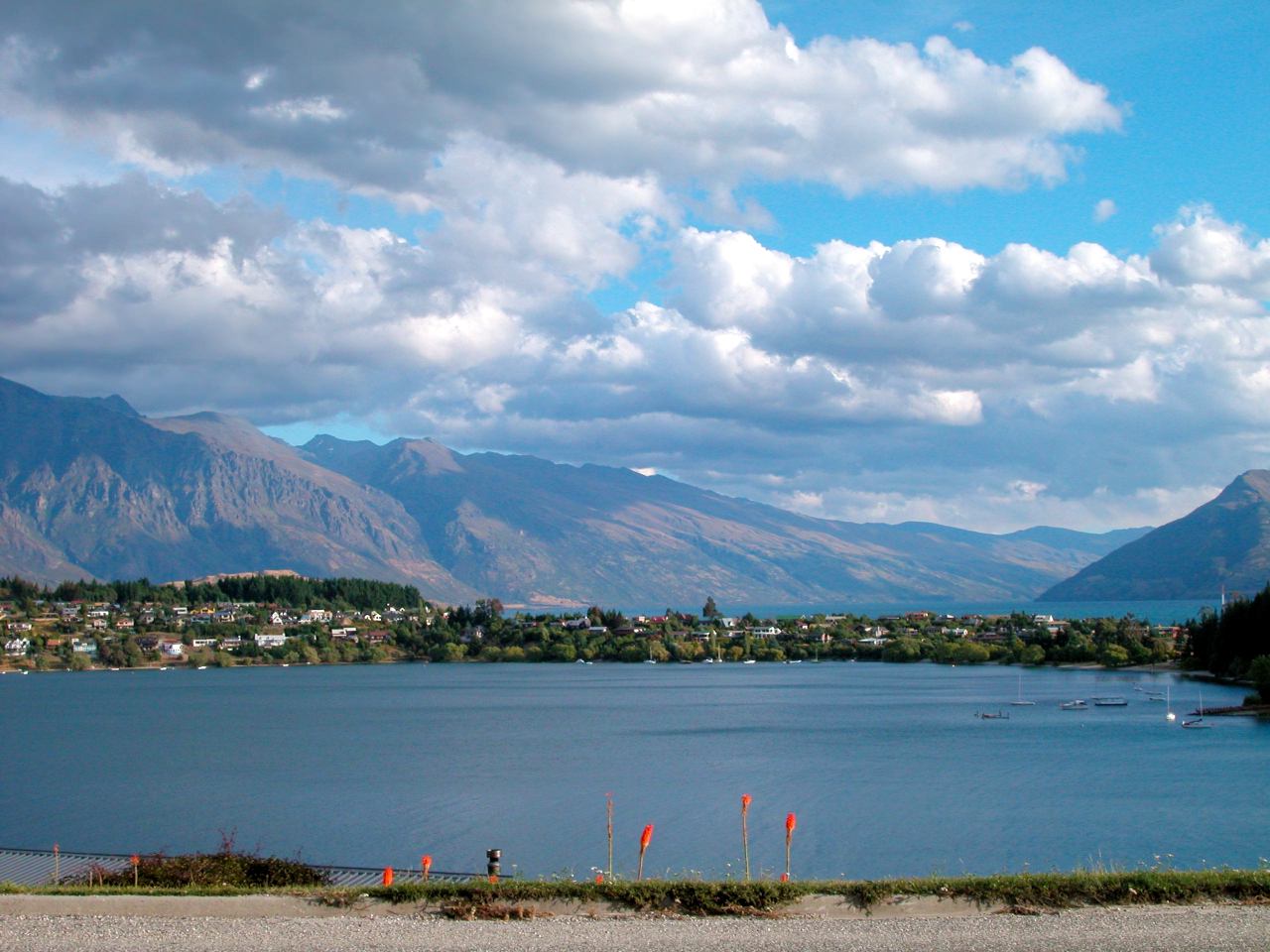
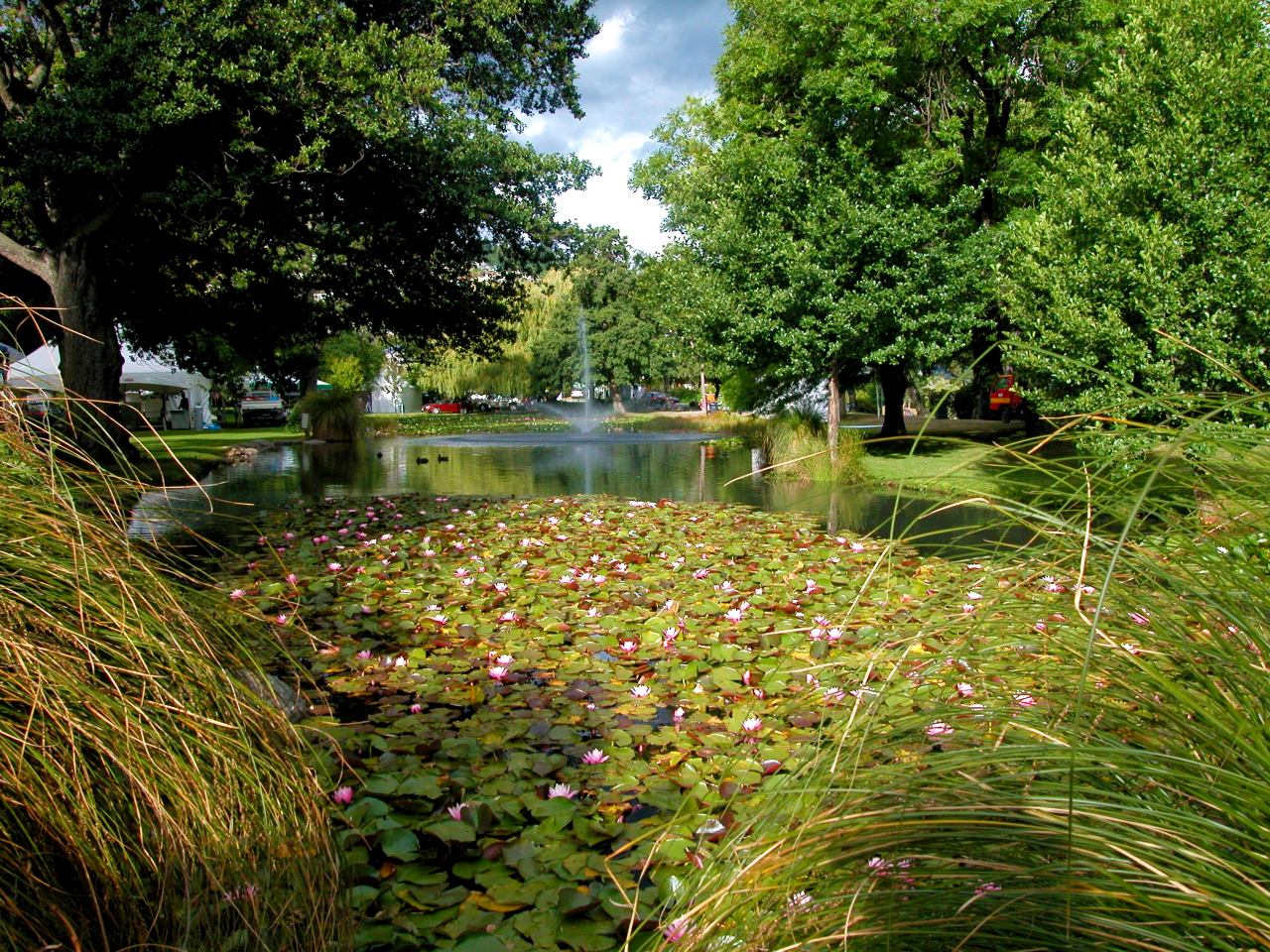
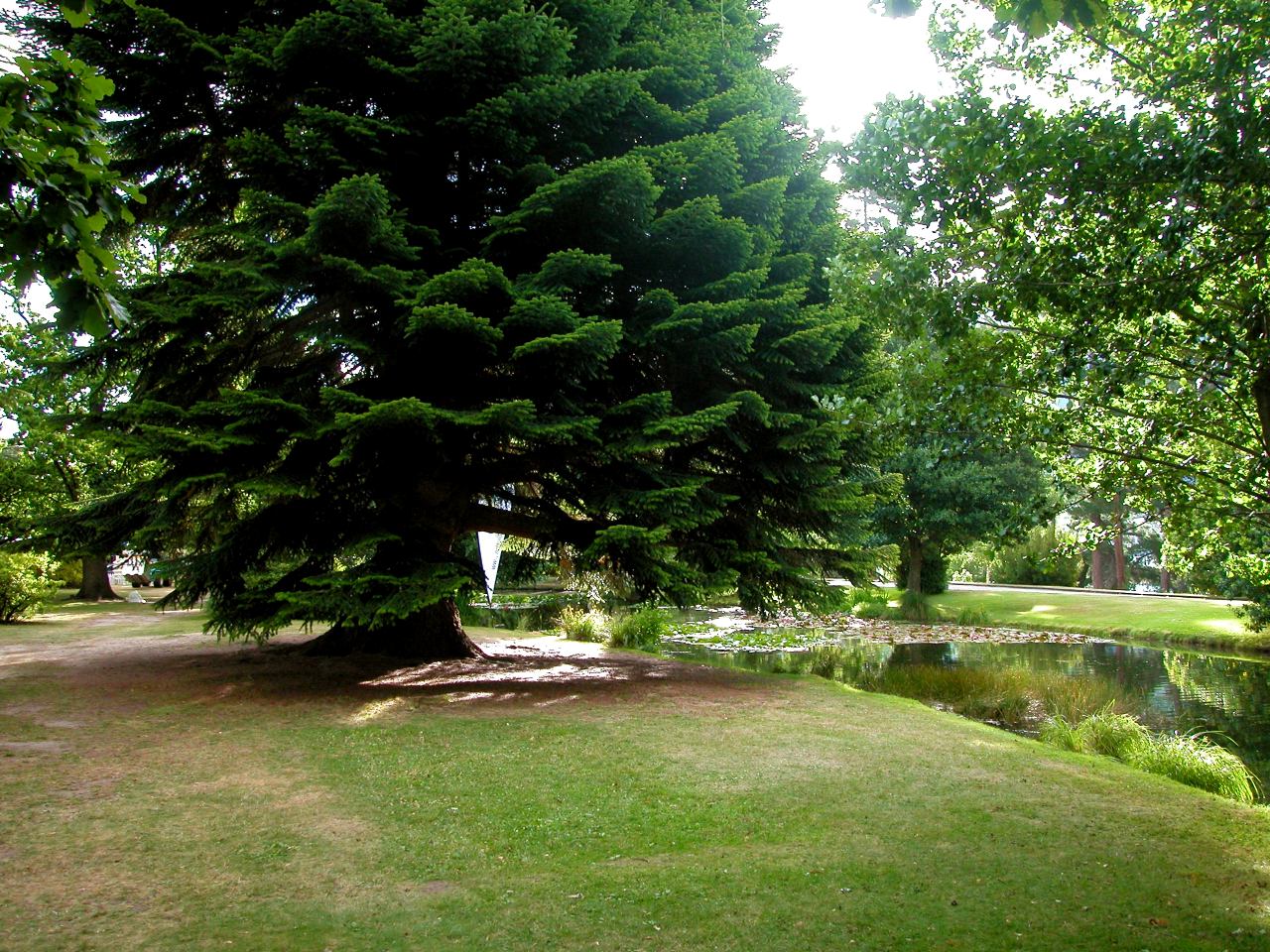
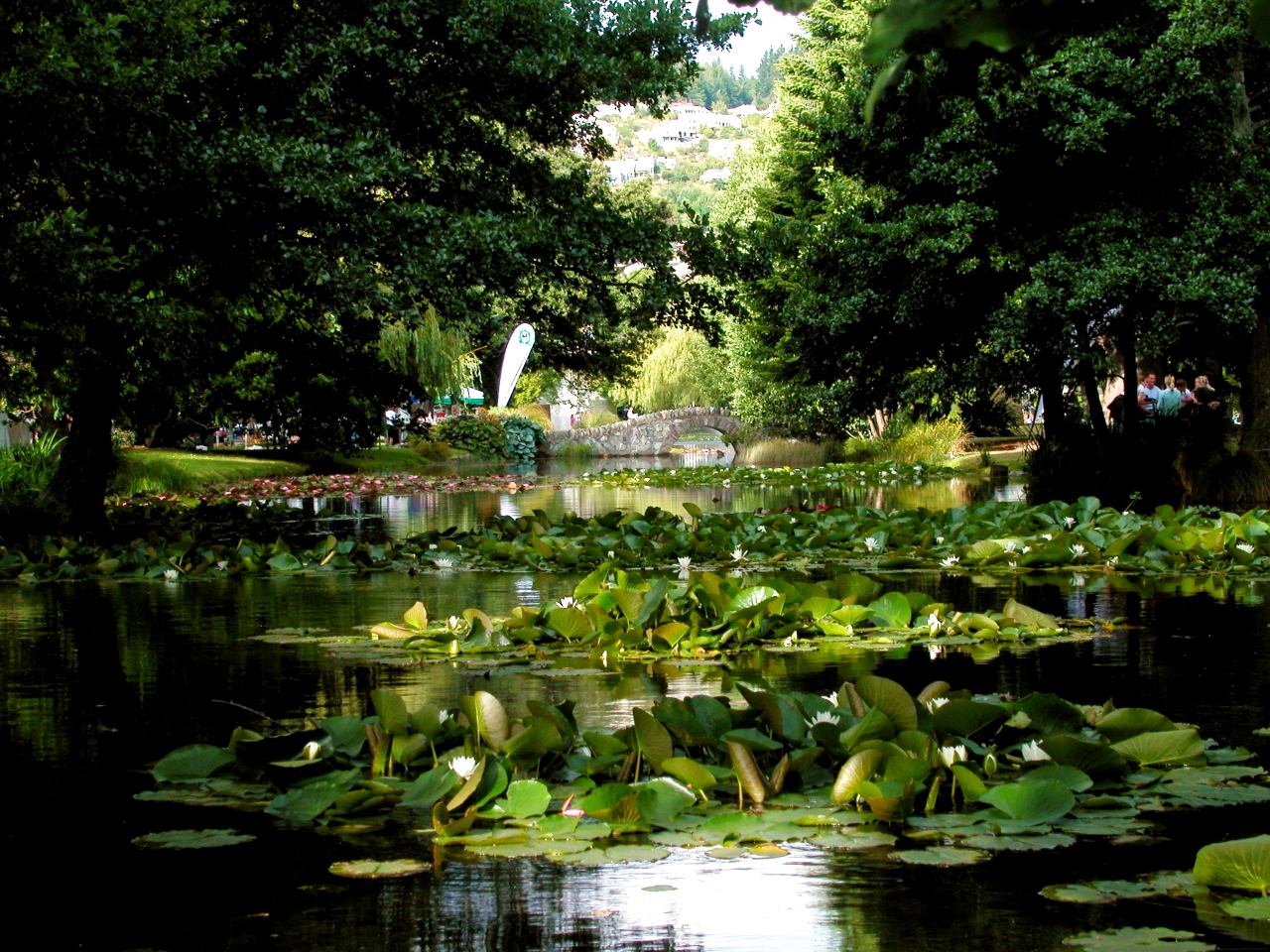
Staying the night in Queenstown is expensive, so we decided to get away from the city. We took a scenic mountain road over the pass to Wānaka, where we spent the night at Alpine Motels Wanaka. (44°41.700′S, 169°08.446′E.) A huge, soulless place. Reminders about washing your dishes, notices threatening fines and other such joys were plastered to the walls. If we’d seen them first we’d have gone somewhere else, but they took the money up front. The one consolation was that the phone worked. During the New Zealand day everyone back in Russia was asleep, and at night we’d usually been out of phone range.
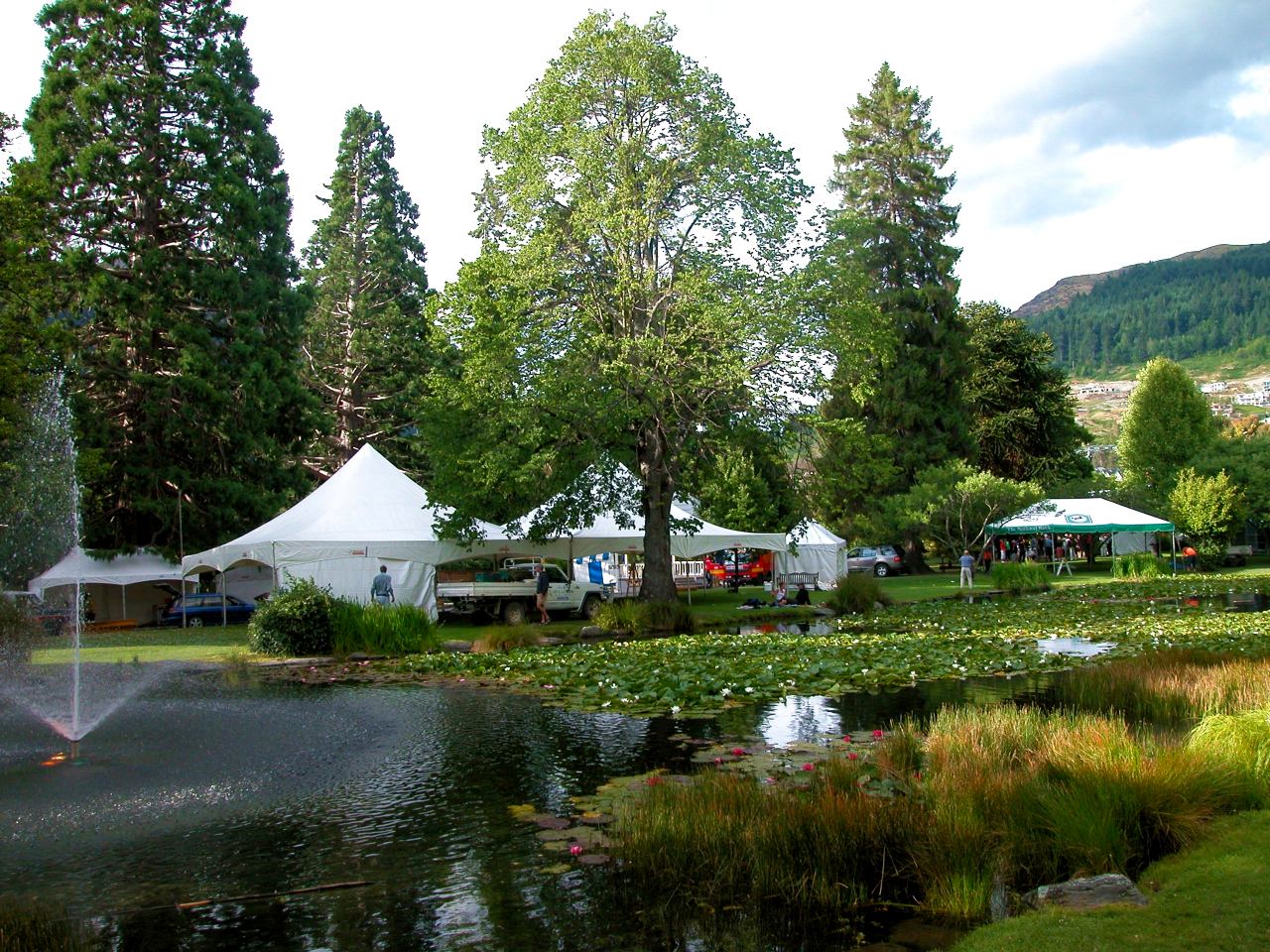
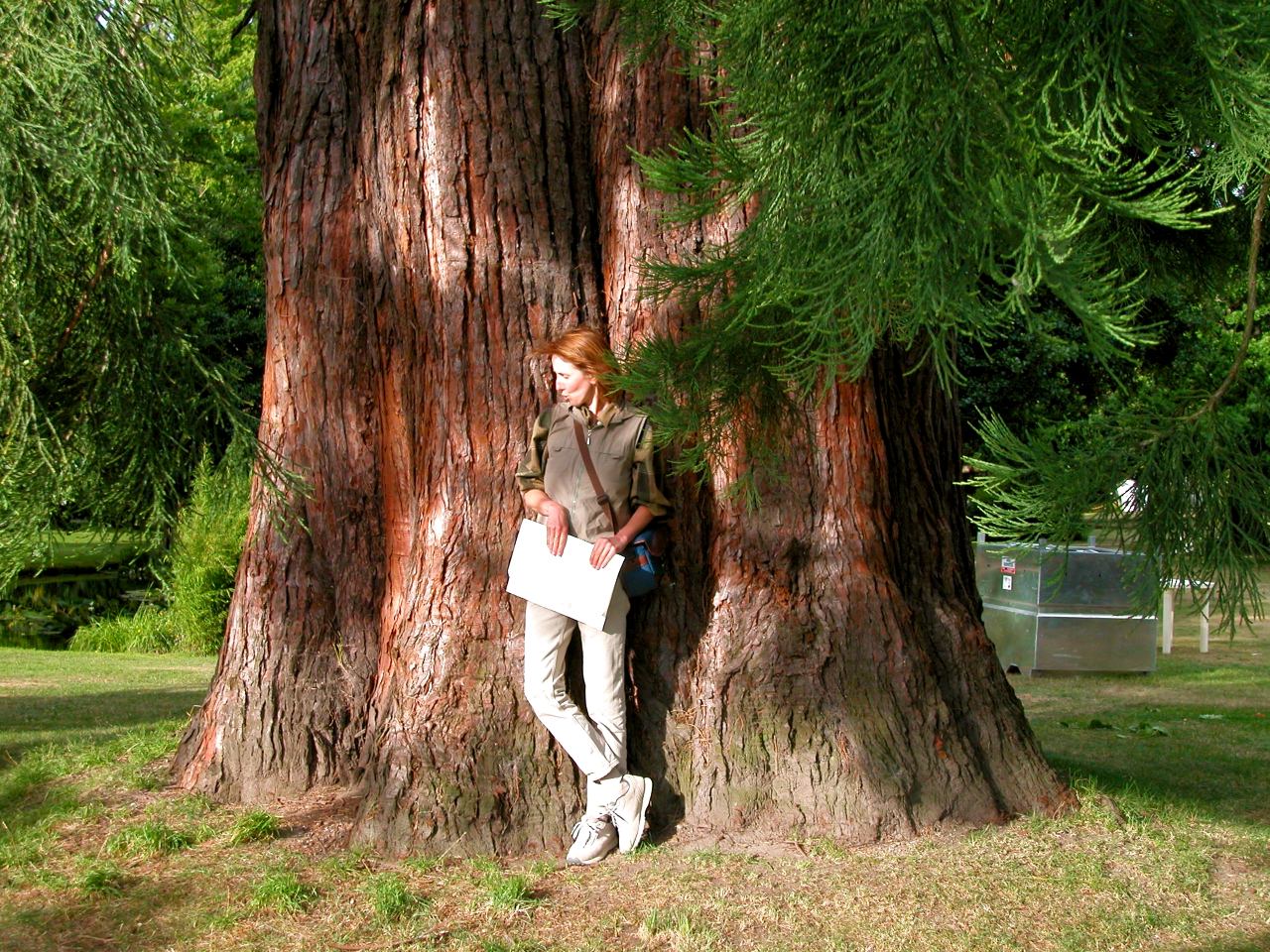
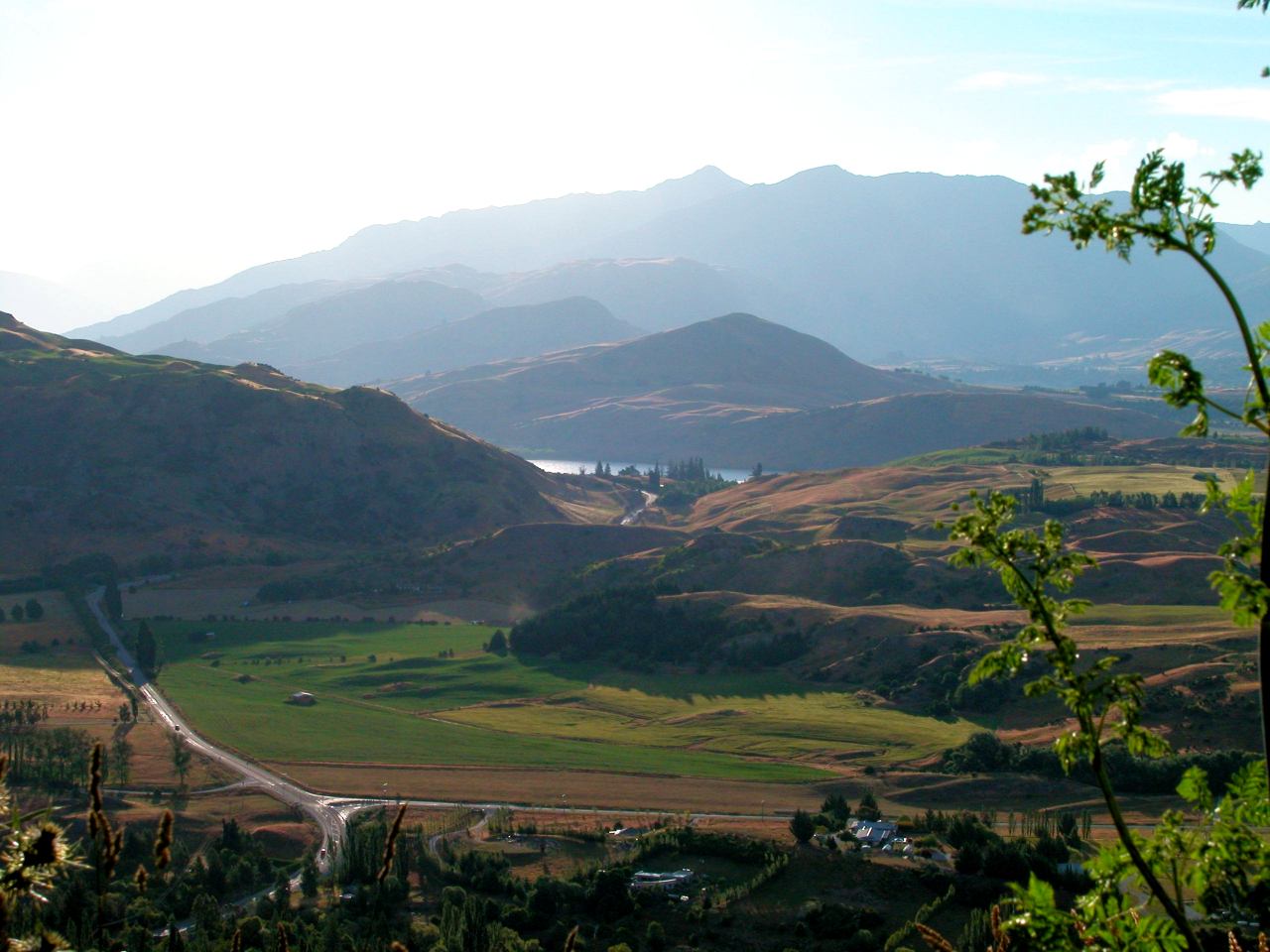
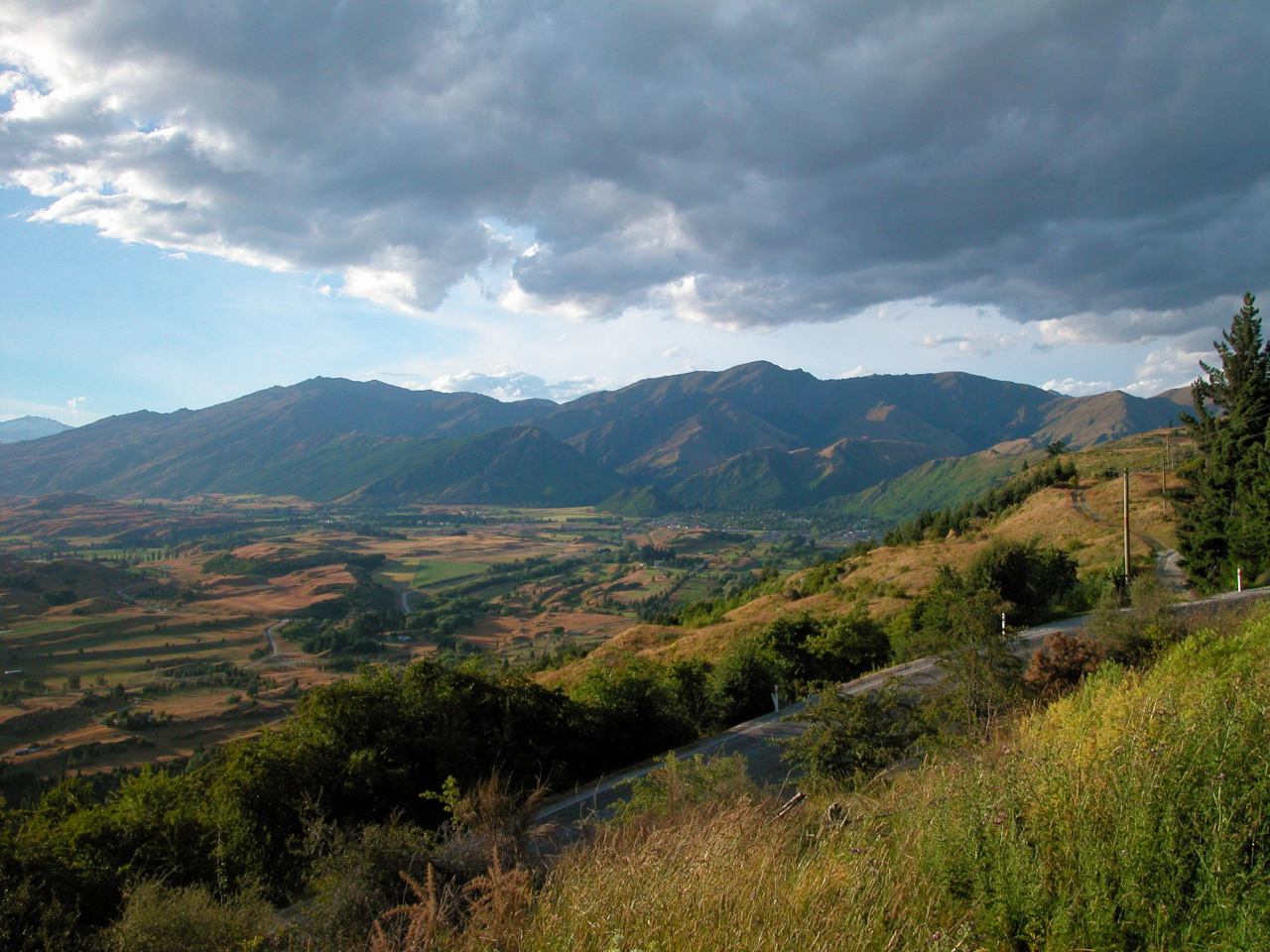
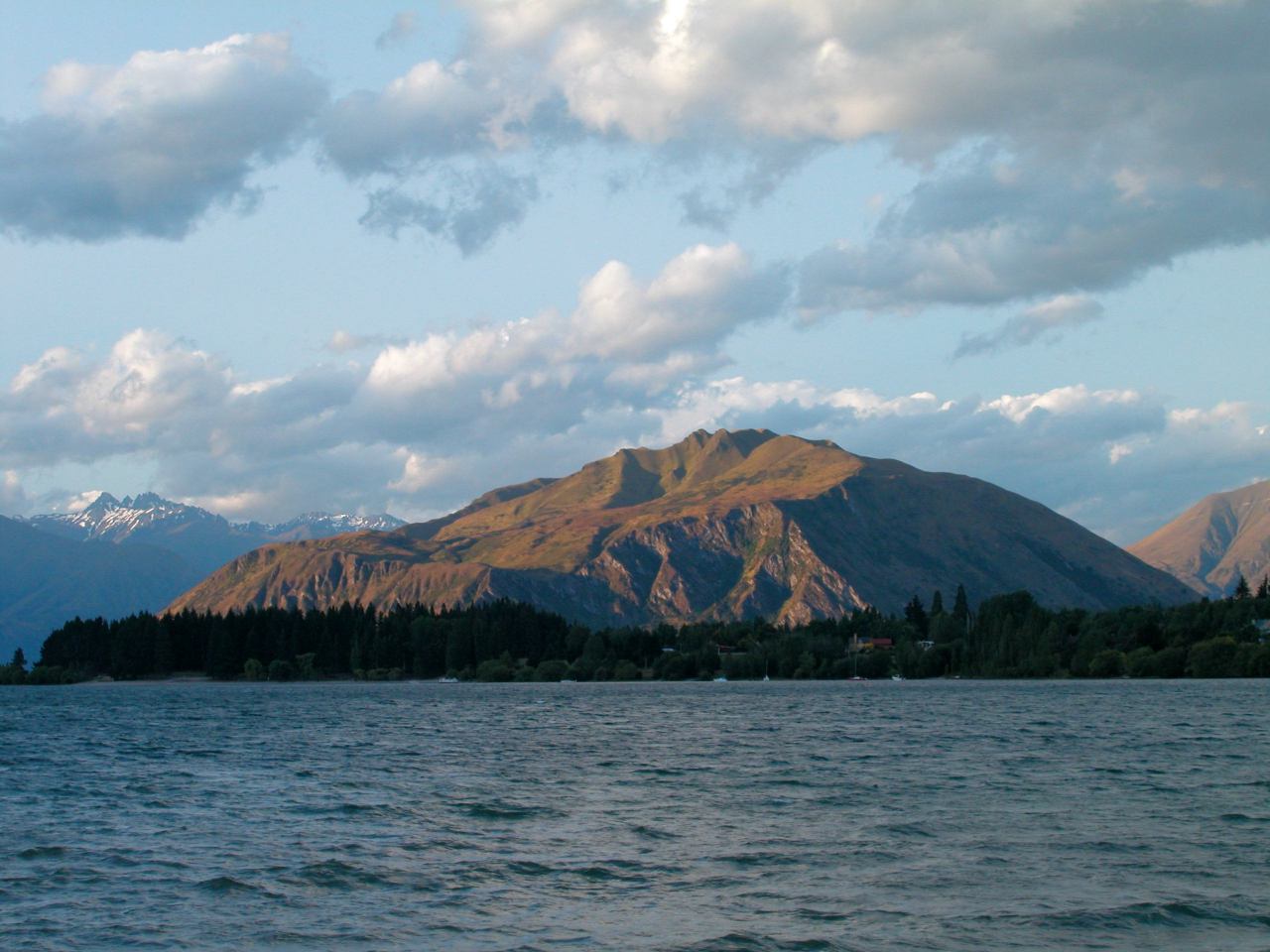
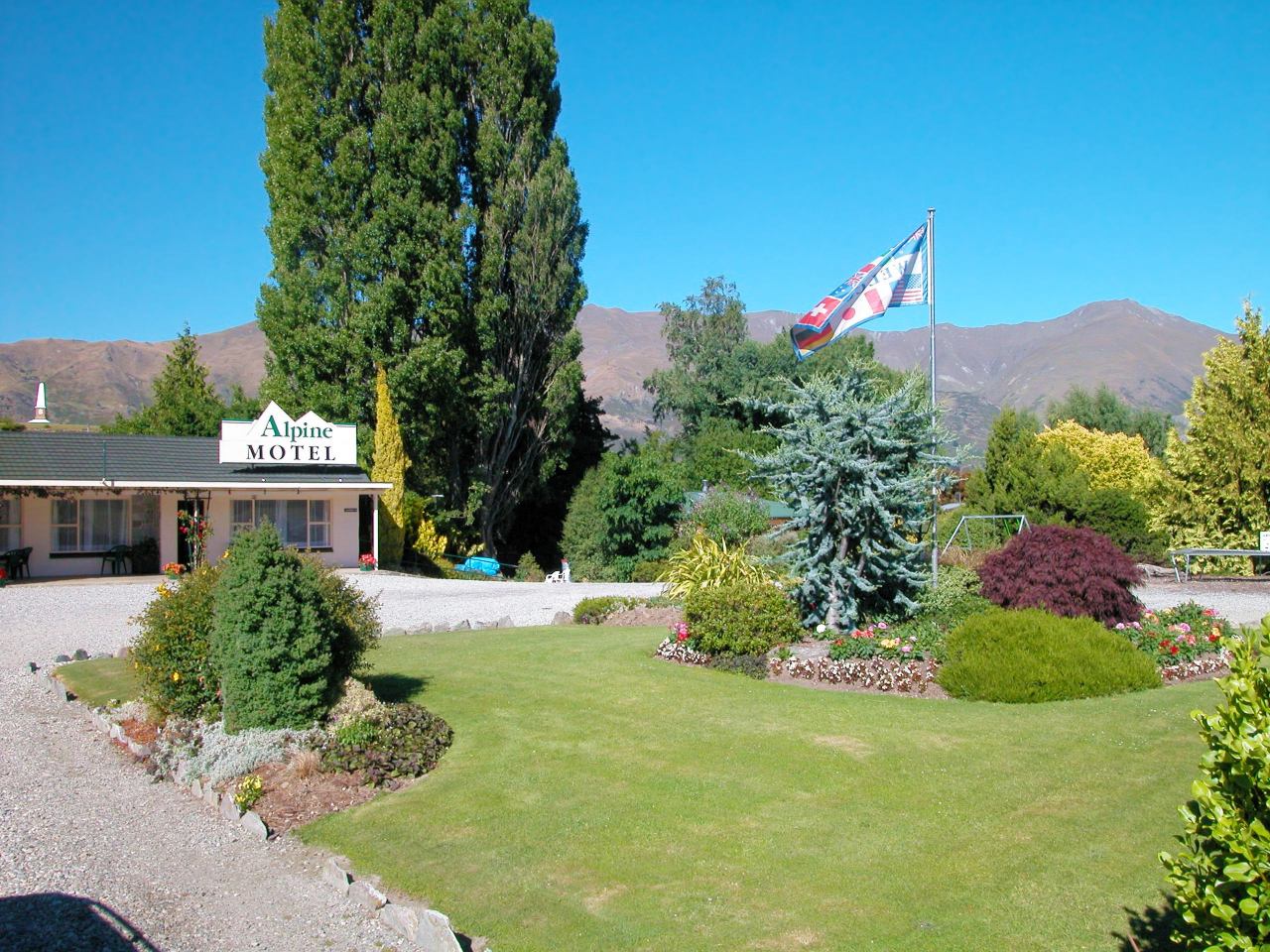
It was time to turn back. On the way to the ferry we still had time to see the West Coast. Highway 6 takes you there. Just past Wānaka, it winds along Lake Hāwea and then Lake Wānaka. The latter has a pleasant spot set aside for free camping. Beyond the lakes the mountains begin and the road crosses Mount Aspiring National Park. The only settlement along the road is Makarora. There was nowhere to fill up there, so you had to start out with enough petrol for 150 kilometres. Like any road through a park, it offers travellers a succession of lovely stops.
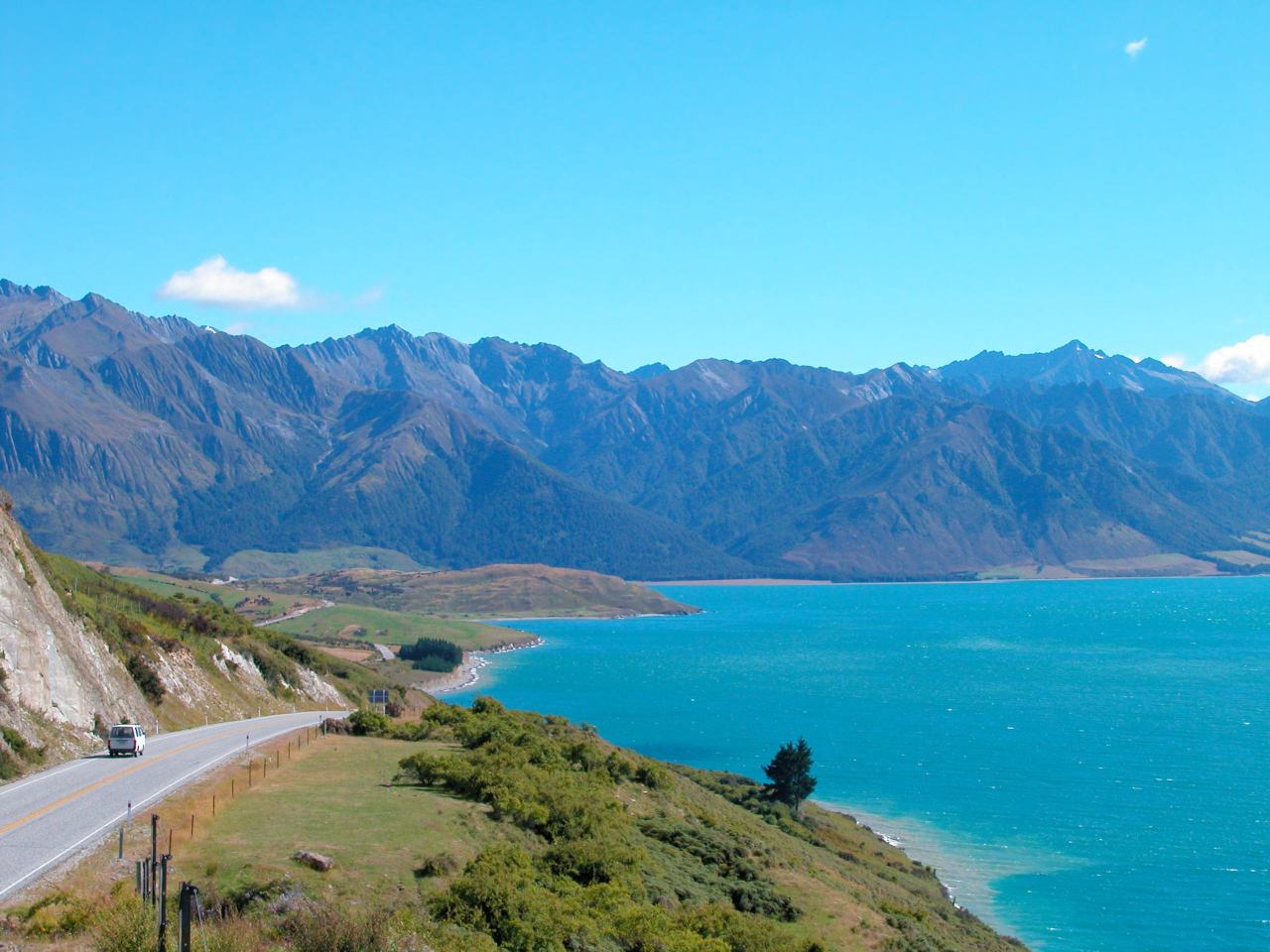
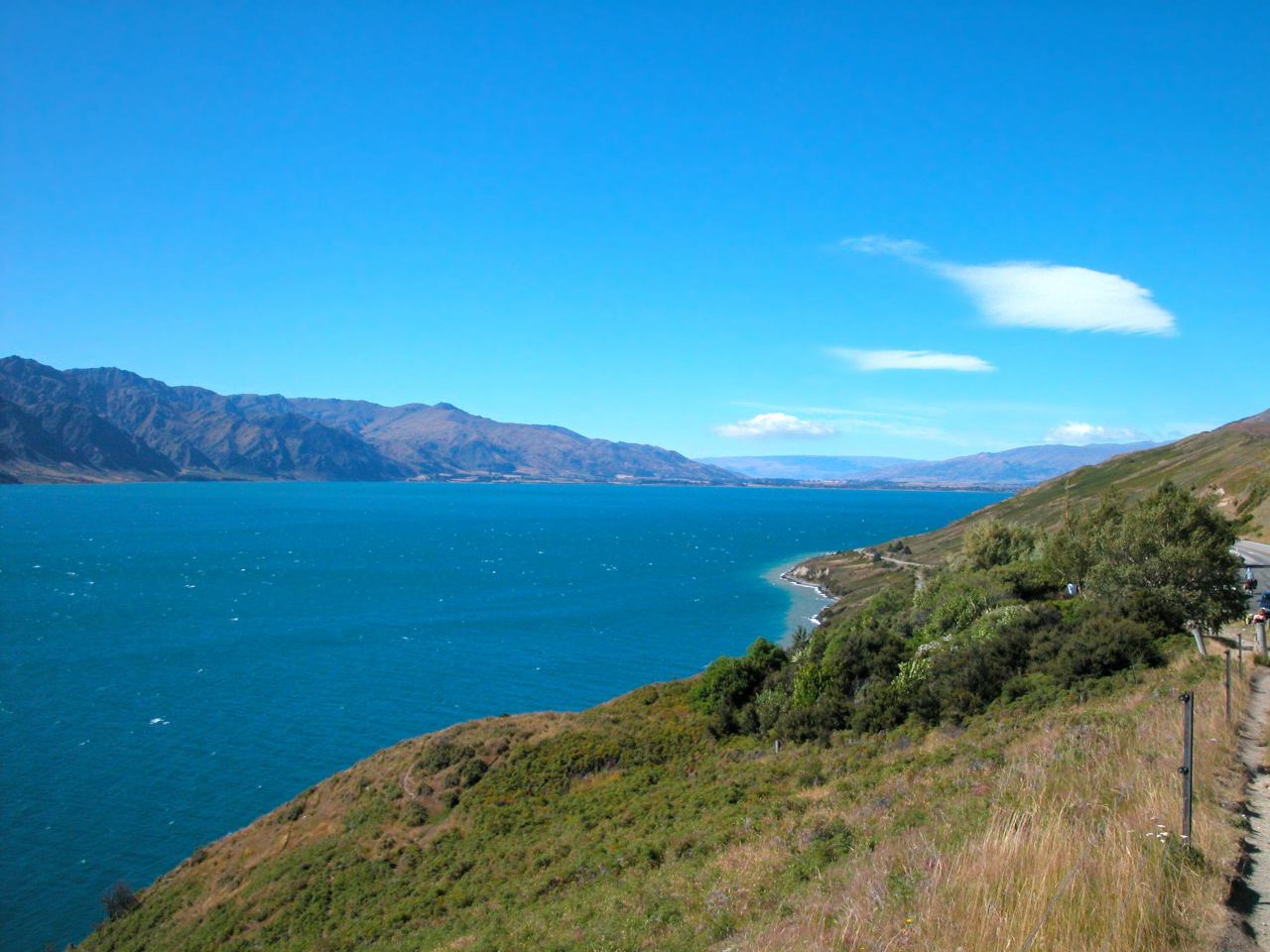
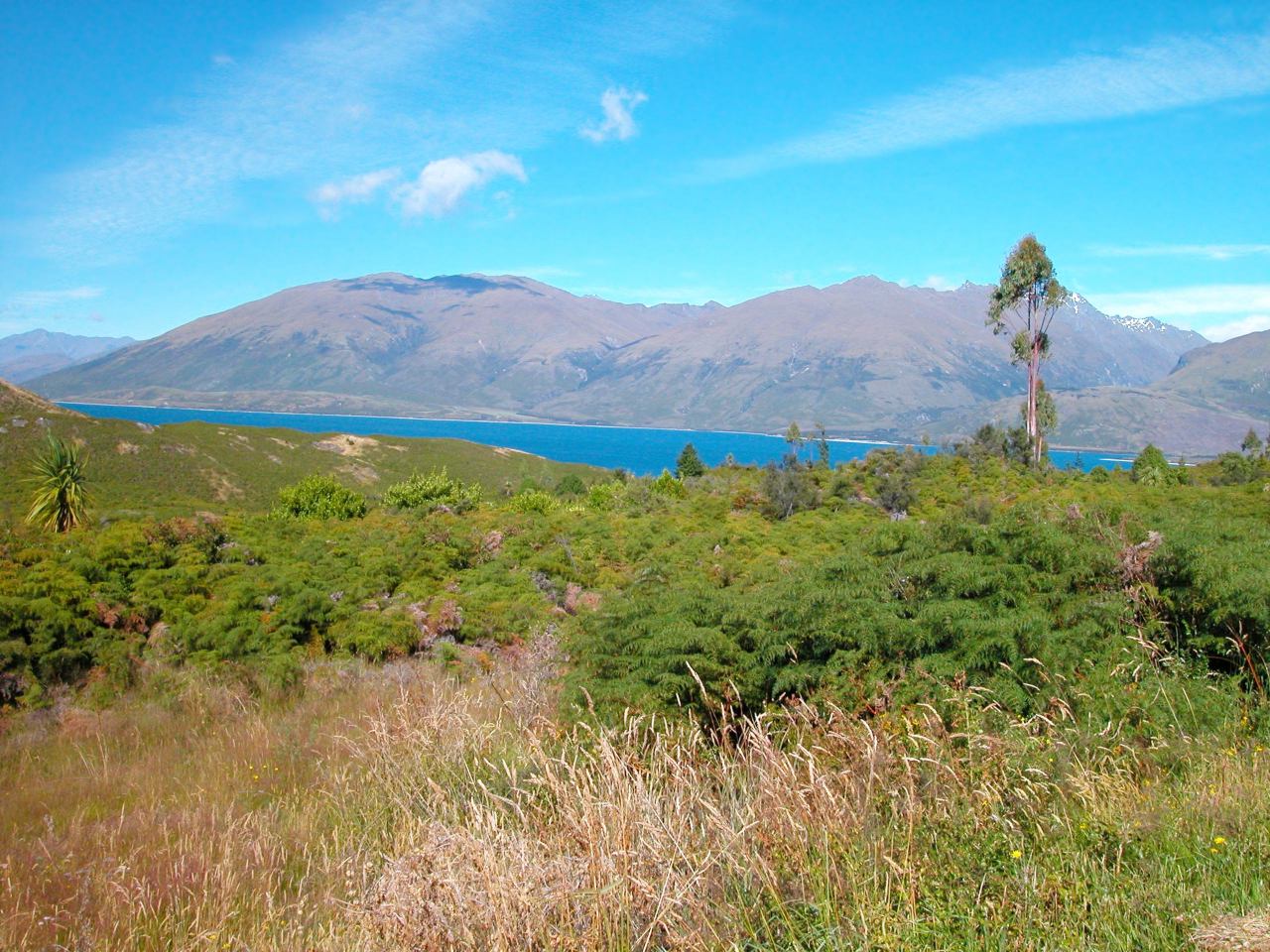
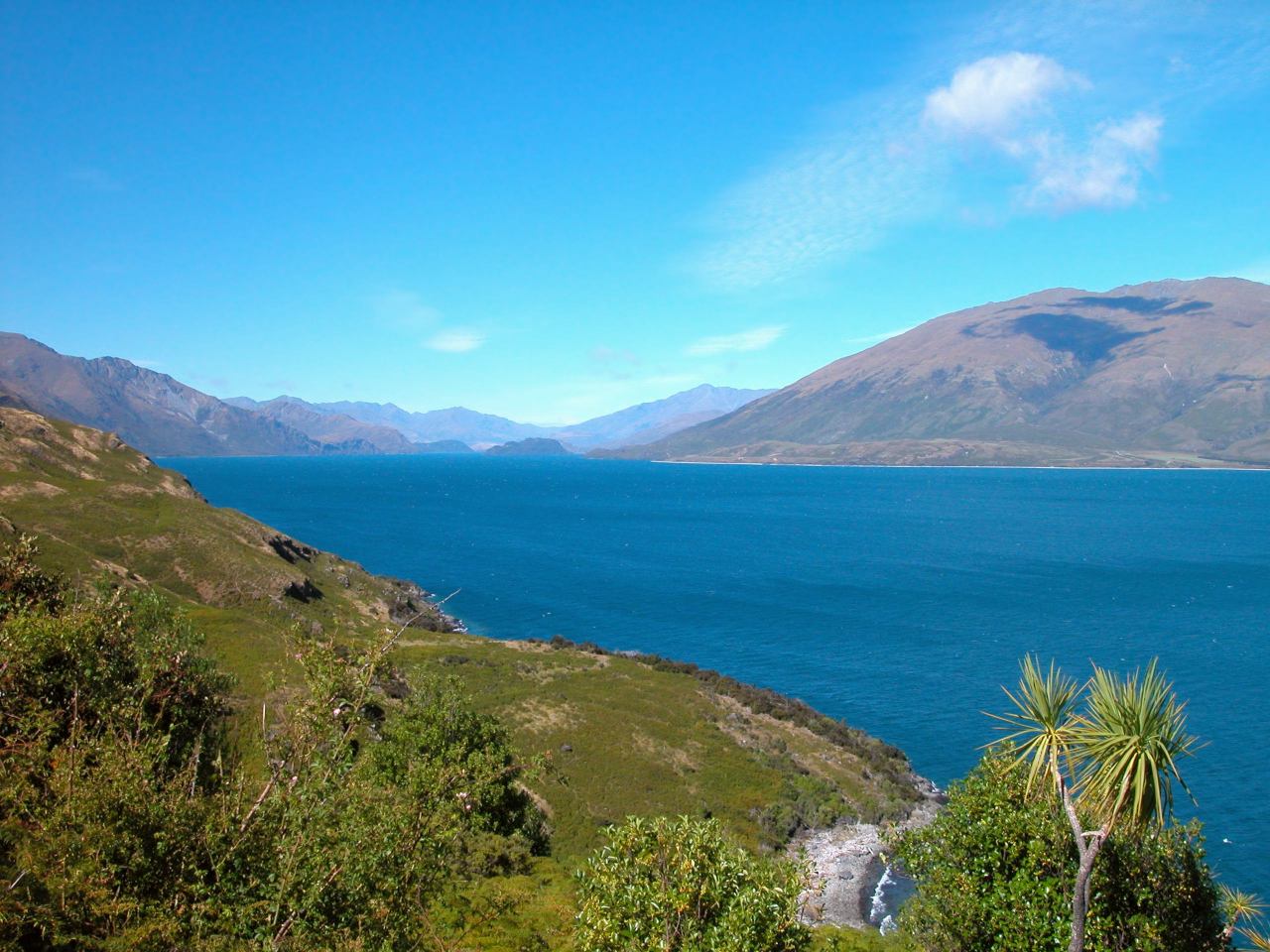
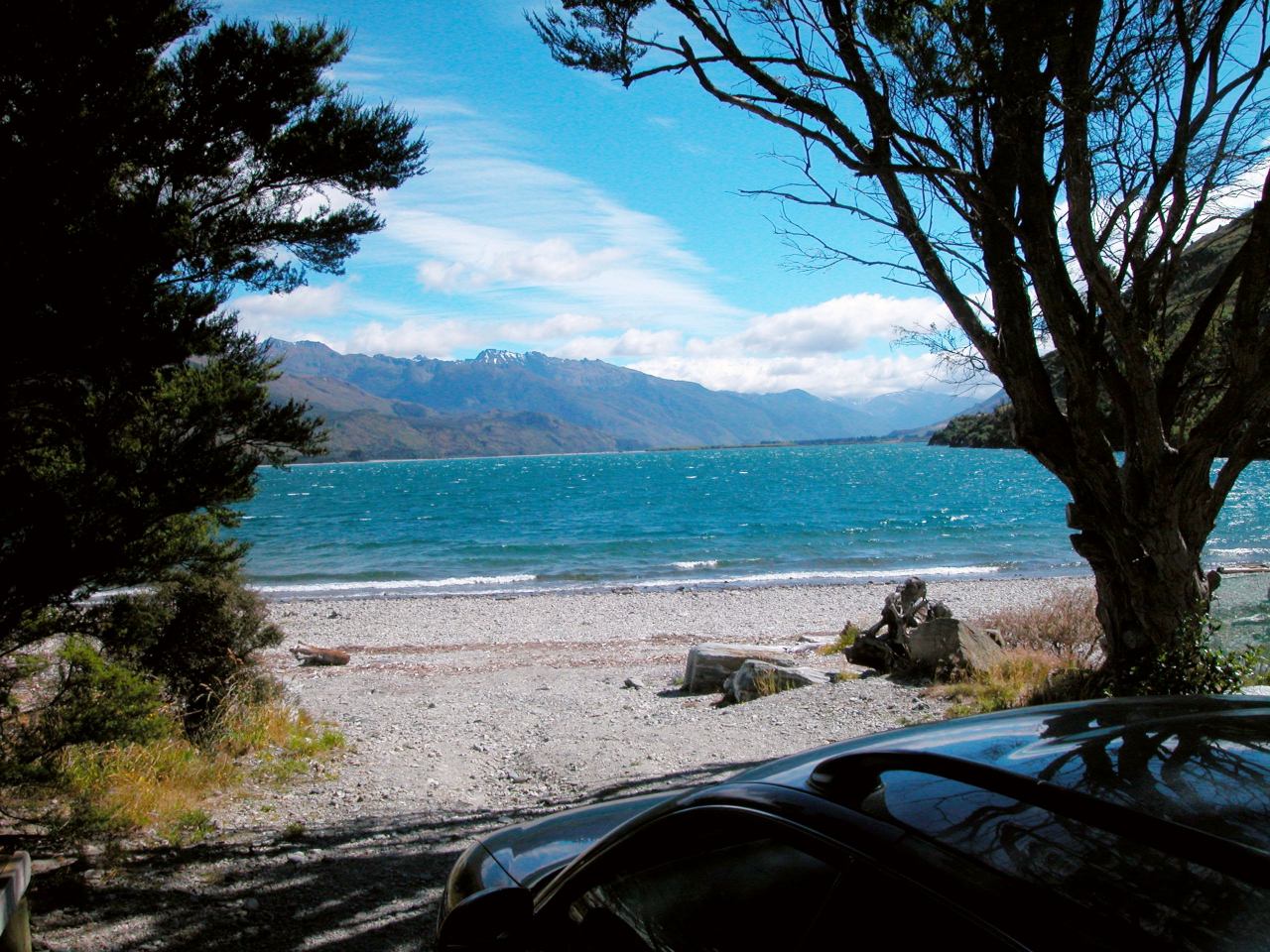
At the foot of the climb there’s a track to the Blue Pools. A pool in a tributary of the Makarora, clear as glass and ten metres deep. To get to it we walked for ten minutes through rainforest and crossed the Makarora River on a swing bridge.
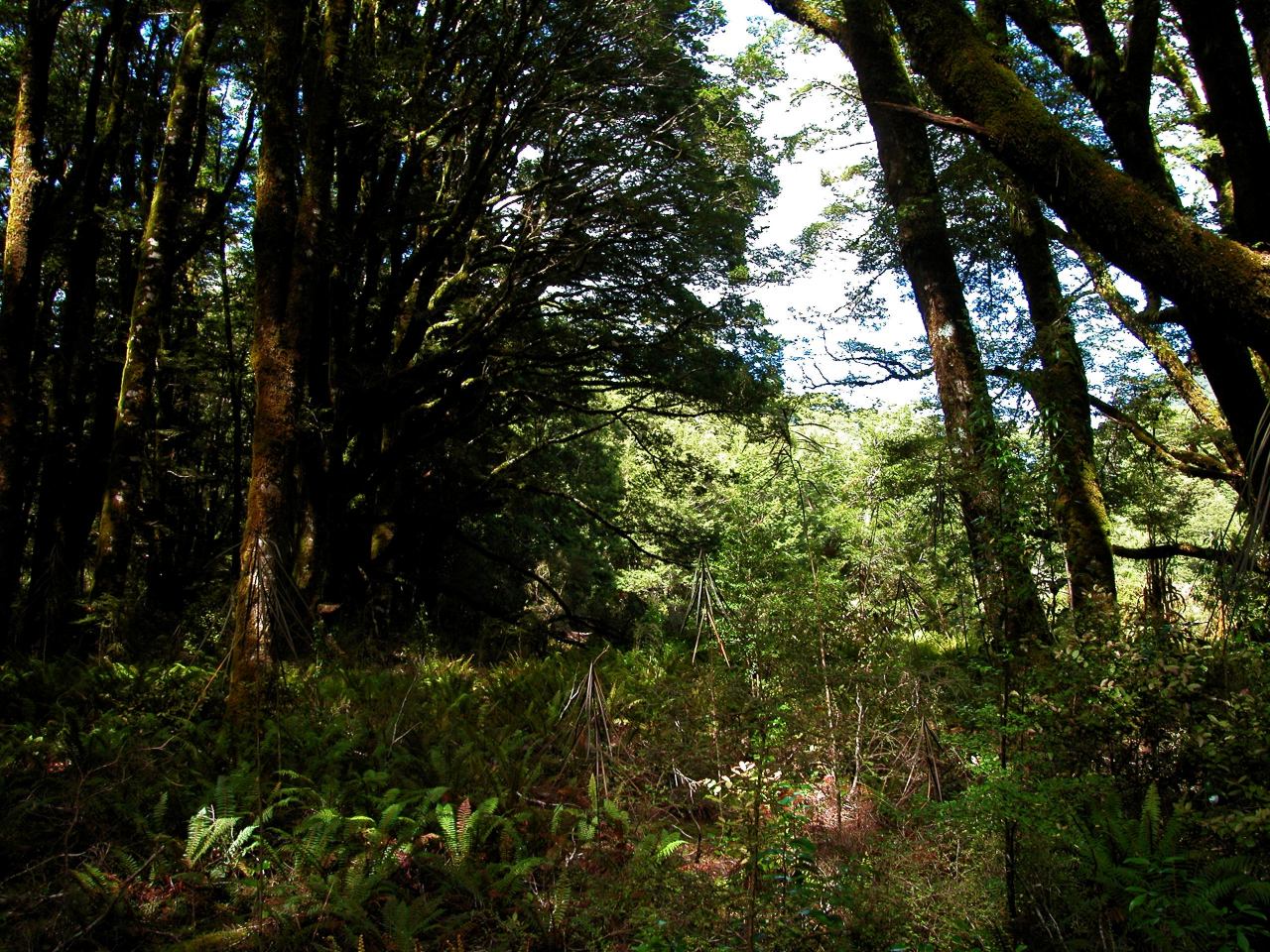
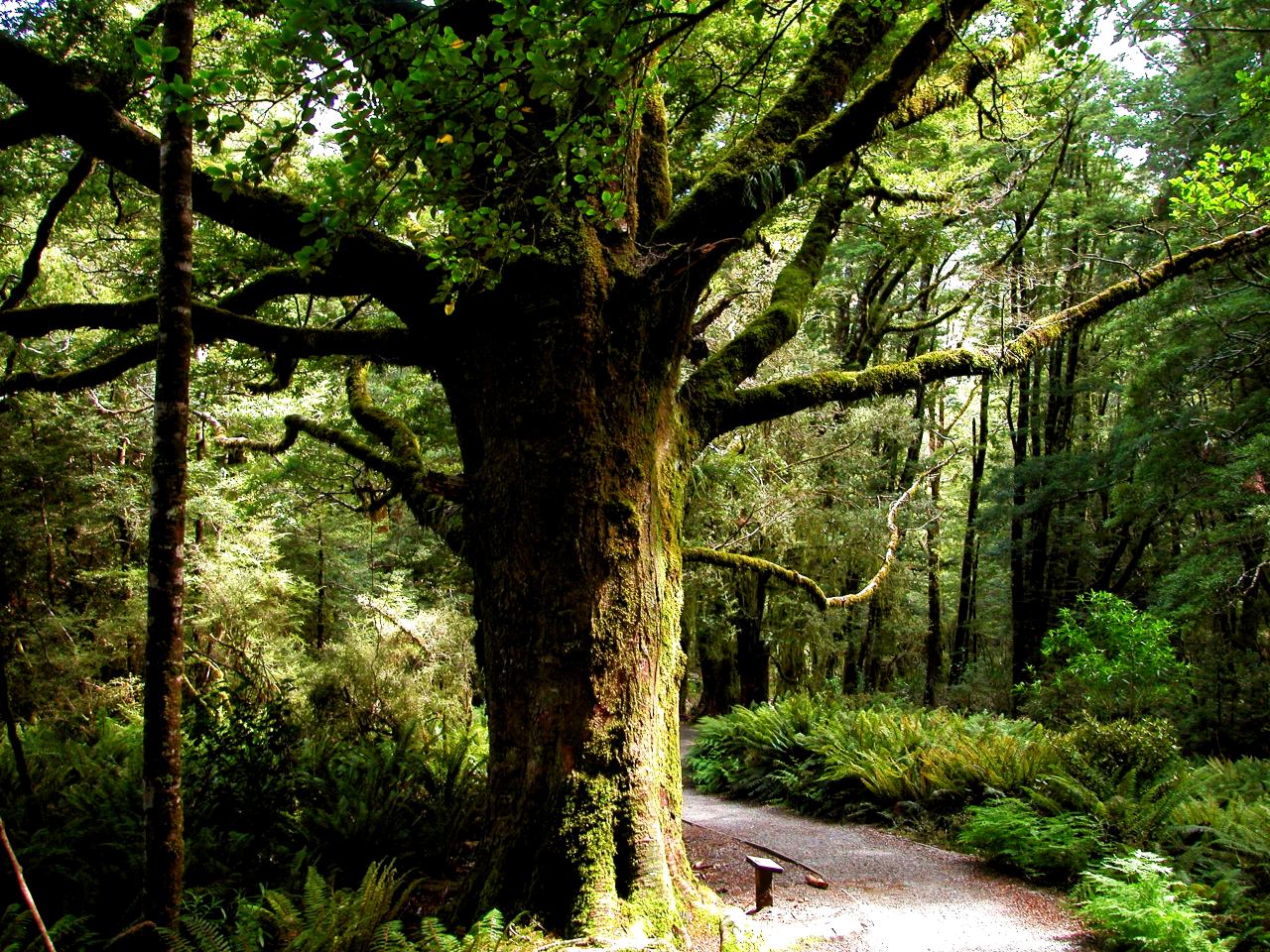
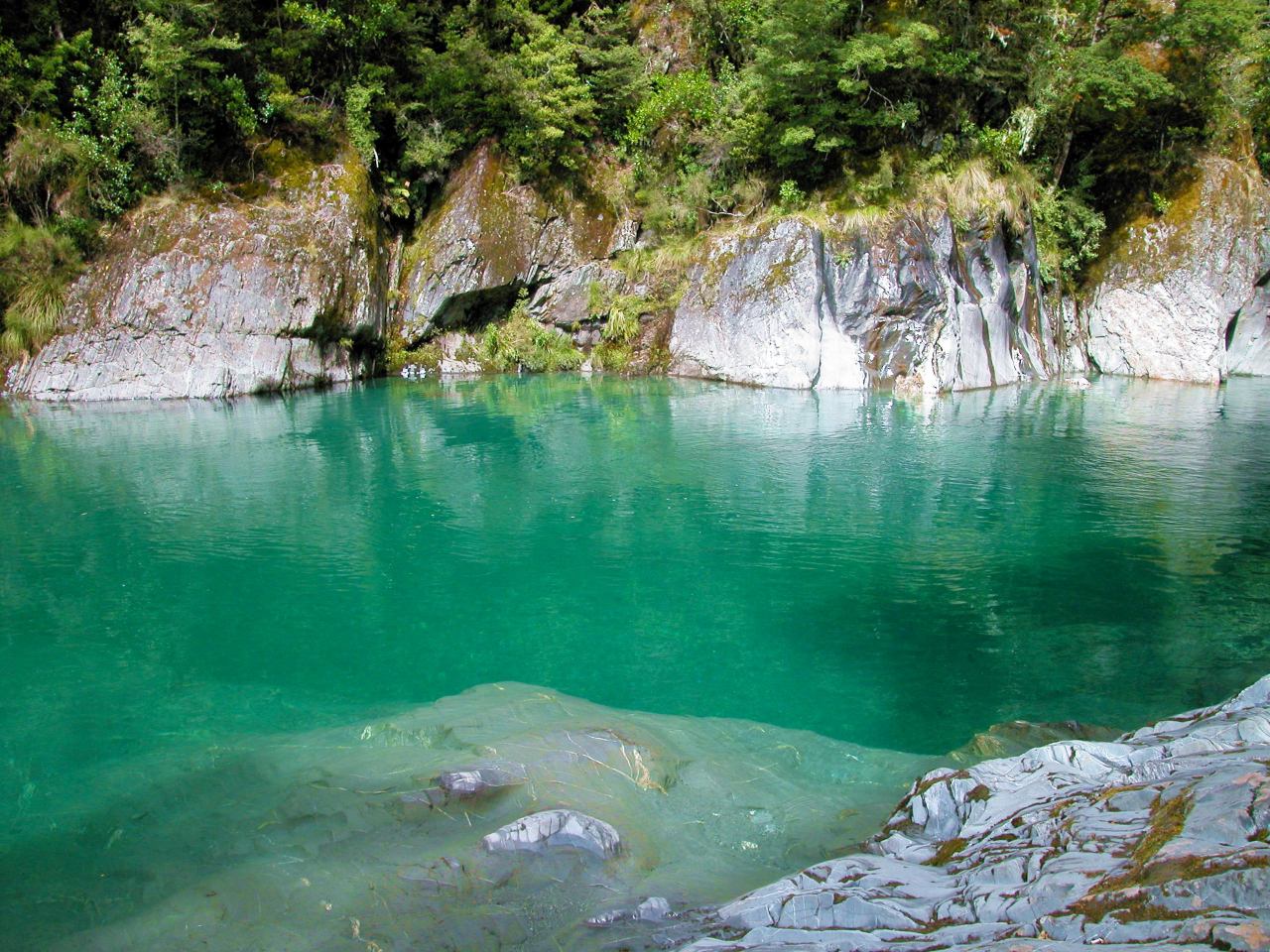
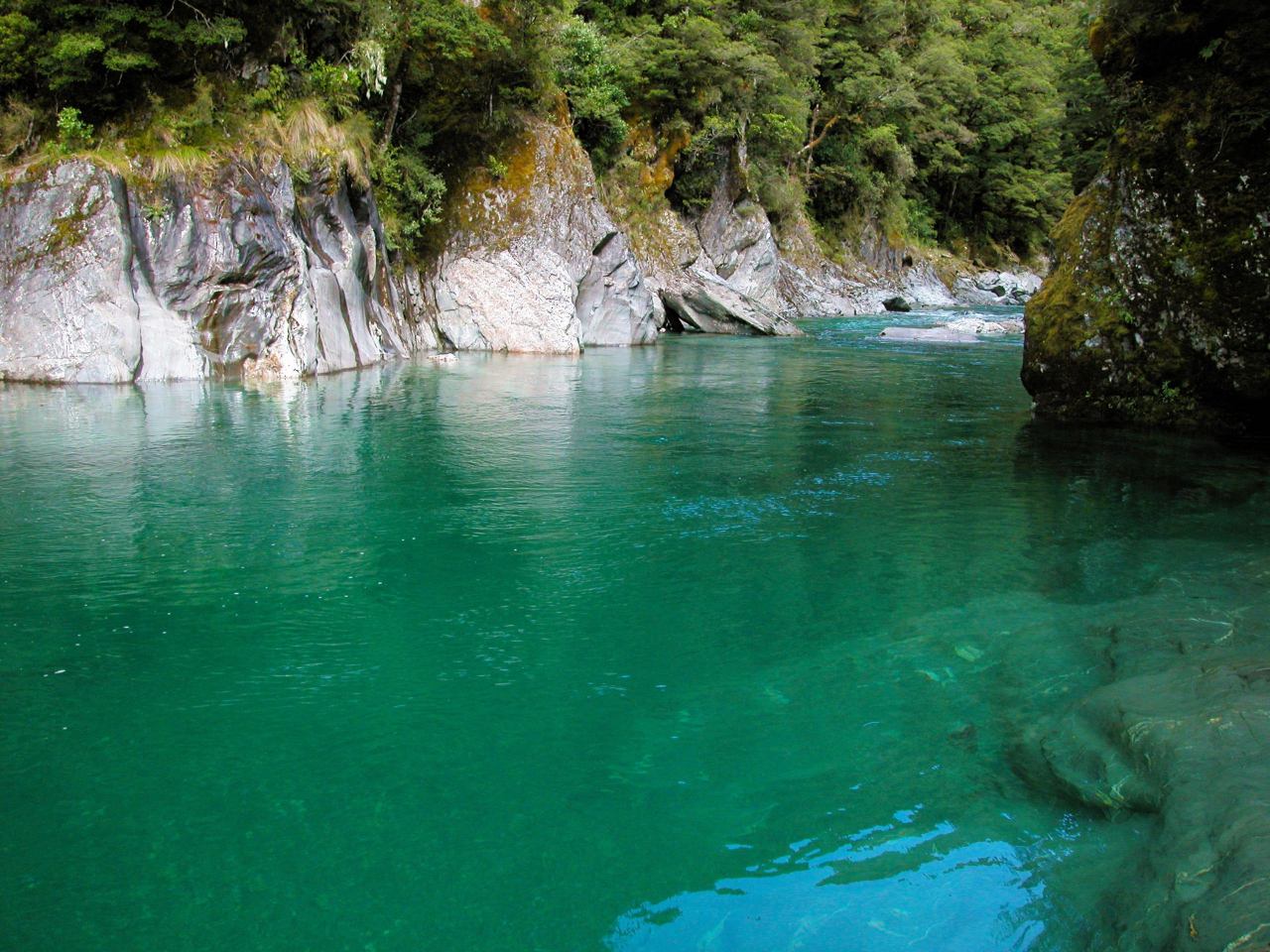
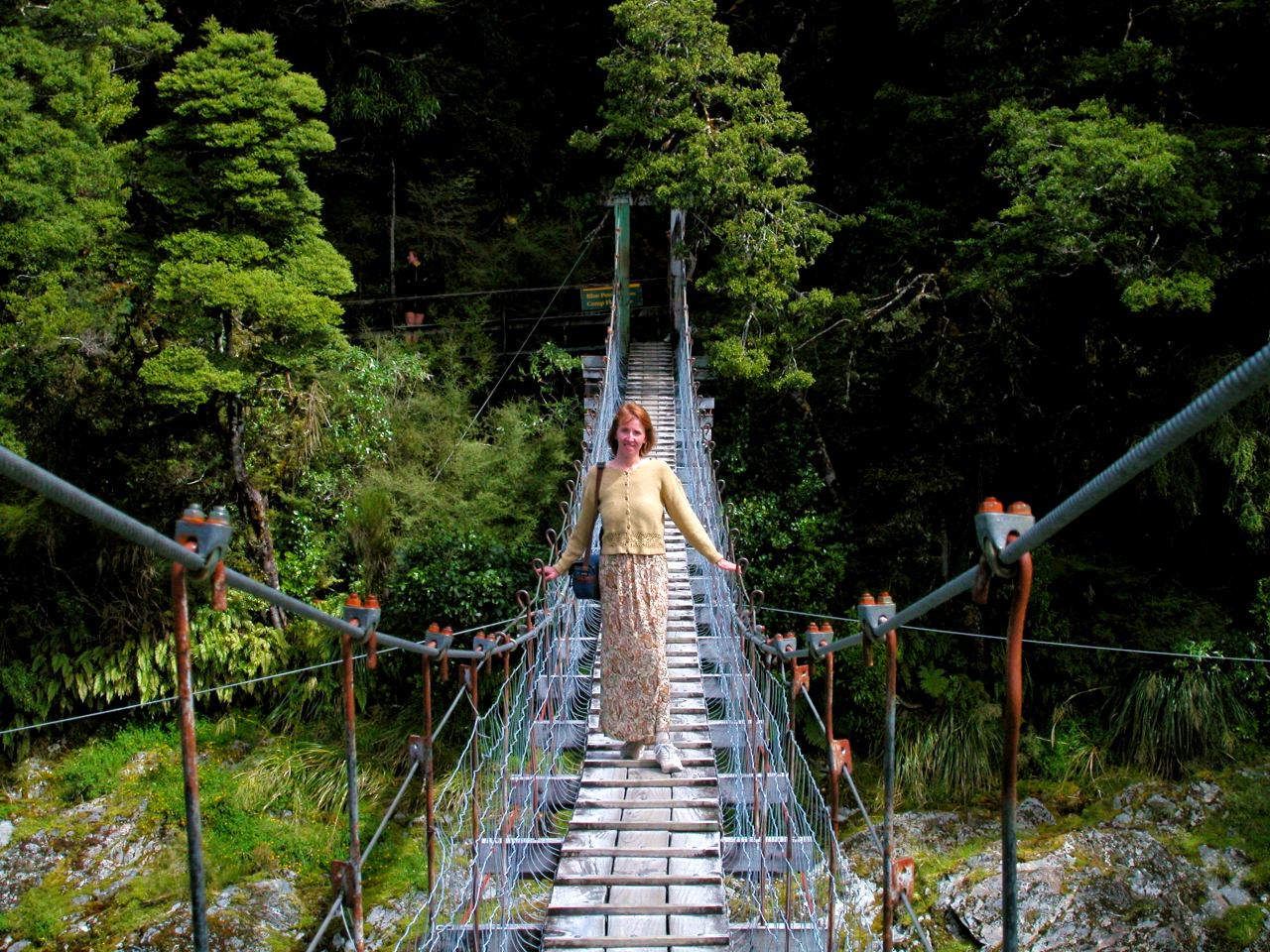
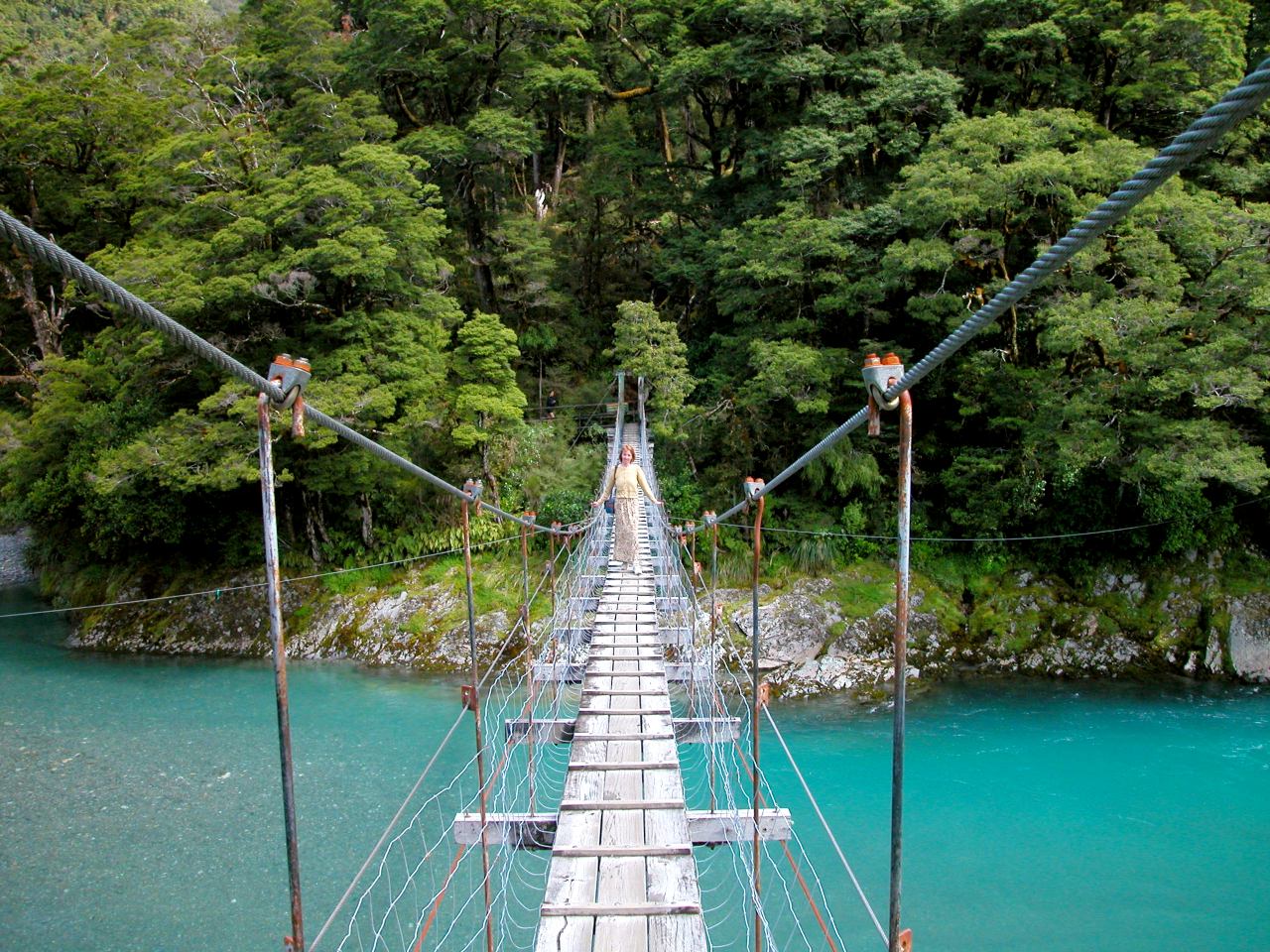
Farther on, beyond the pass, there’s Fantail Falls to the right. Then the road crosses a river in a fine rocky gorge, the Gates of Haast, and finally you come to a tall, well-proportioned waterfall: Thunder Creek Falls.
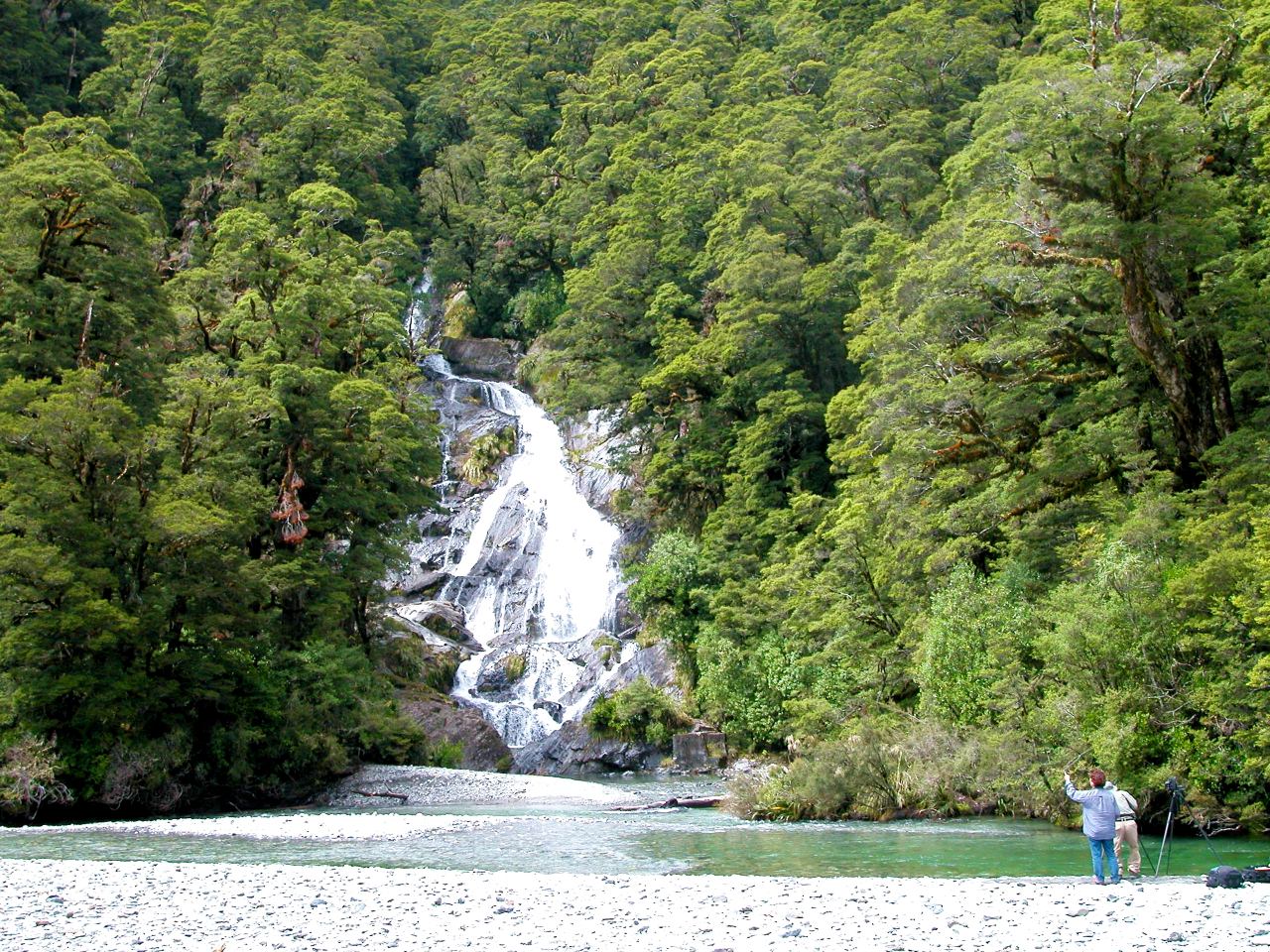
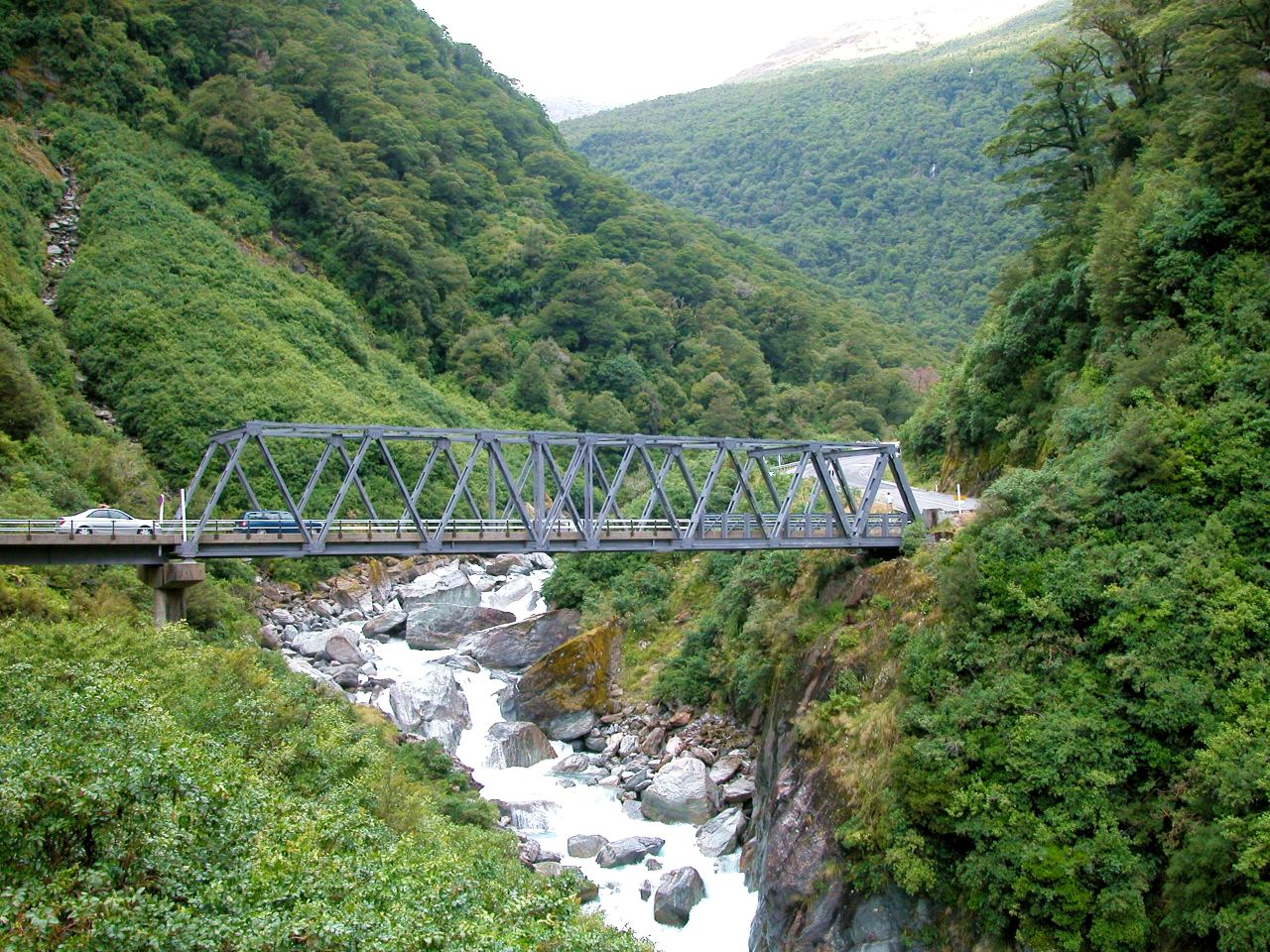
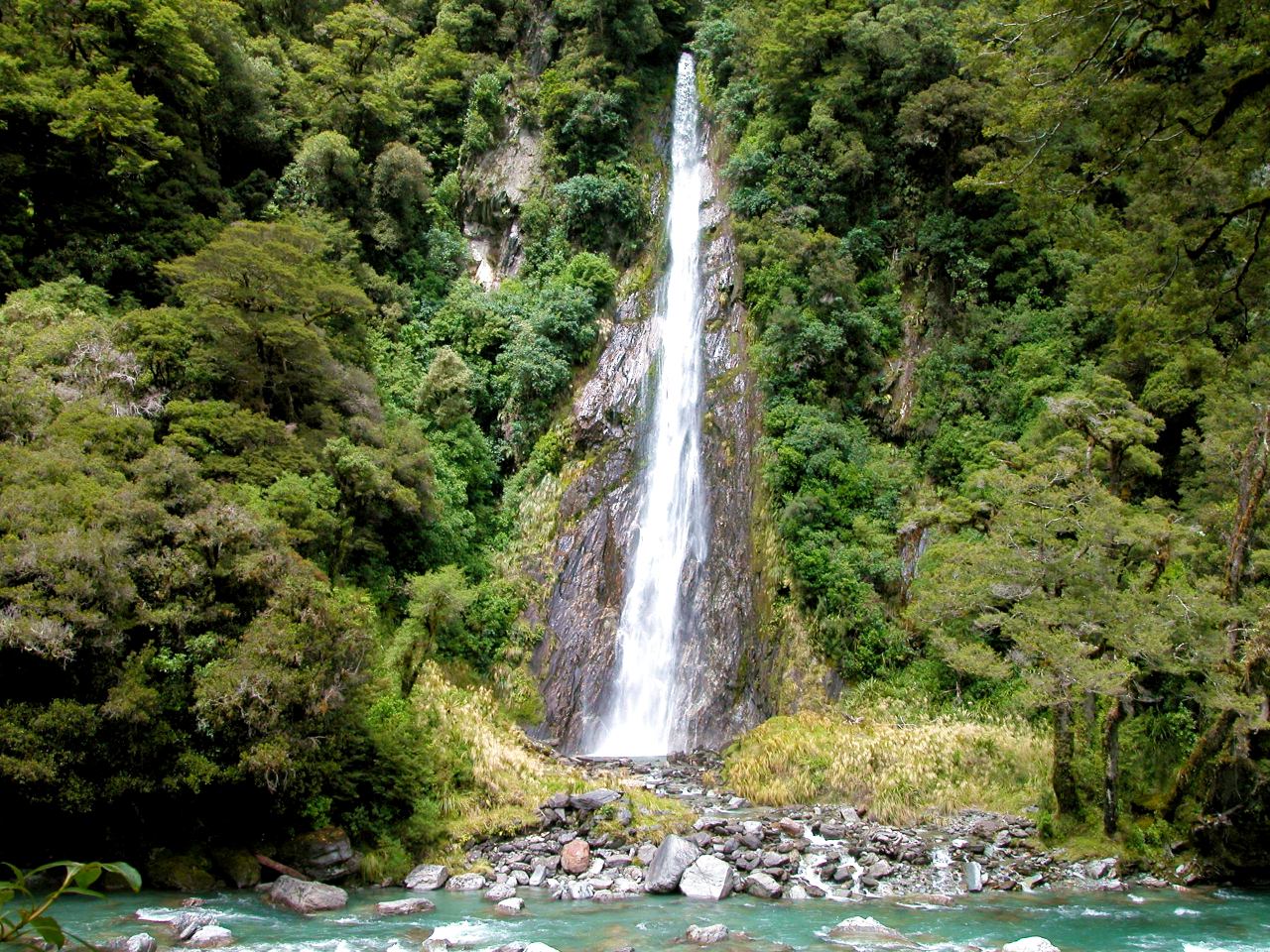
We also liked the road signs that say “Cattle Stop”. Read it as a command in Russian and it comes out more like “Stop, you beast!” We stopped and took a photo. Perhaps they meant us? The explanation is simple, of course. The paddocks are separated by fences, but you can’t put a fence across the road. So at the boundary of the pastures they dig a pit and lay a grid of pipes over it. A car goes straight over, but cattle would get their feet caught. To warn the driver about this little bump in the road they put up a sign: “Stop, you beast!”
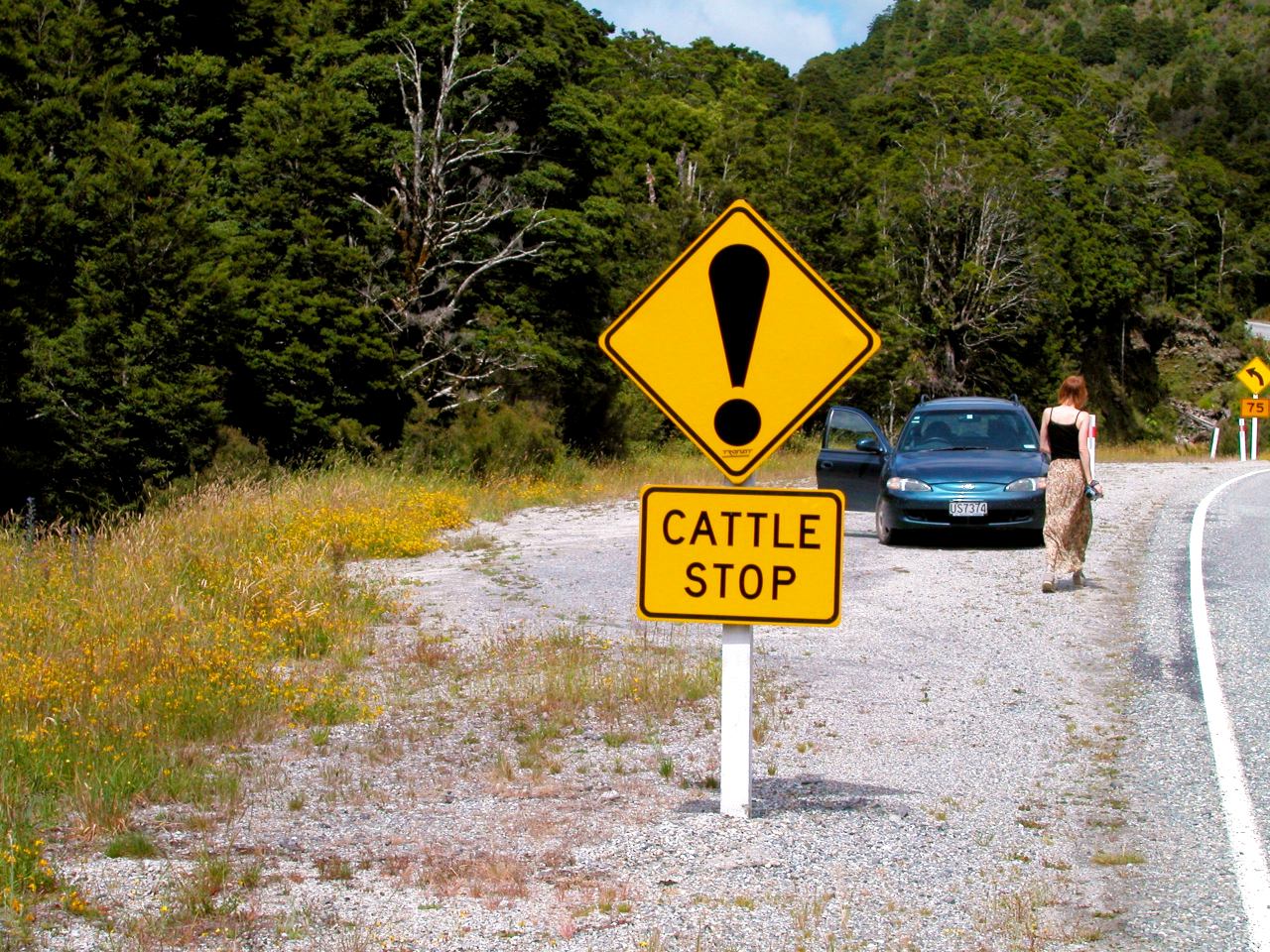
From Haast a road runs south-west along the coast. It’s wild country and we thought we’d take a look. You can drive as far as the little fishing village of Jackson Bay. Something about it brings to mind an old Soviet state fishing settlement on the White Sea. But only on the surface. Inside the café, there were lovingly taken photographs of the local boats in storms. A mother and her ten-year-old daughter were serving people fish and chips. Both worked hard, smiled at everyone who came in and took credit cards. Not to mention that there were no drunks staggering in the streets.
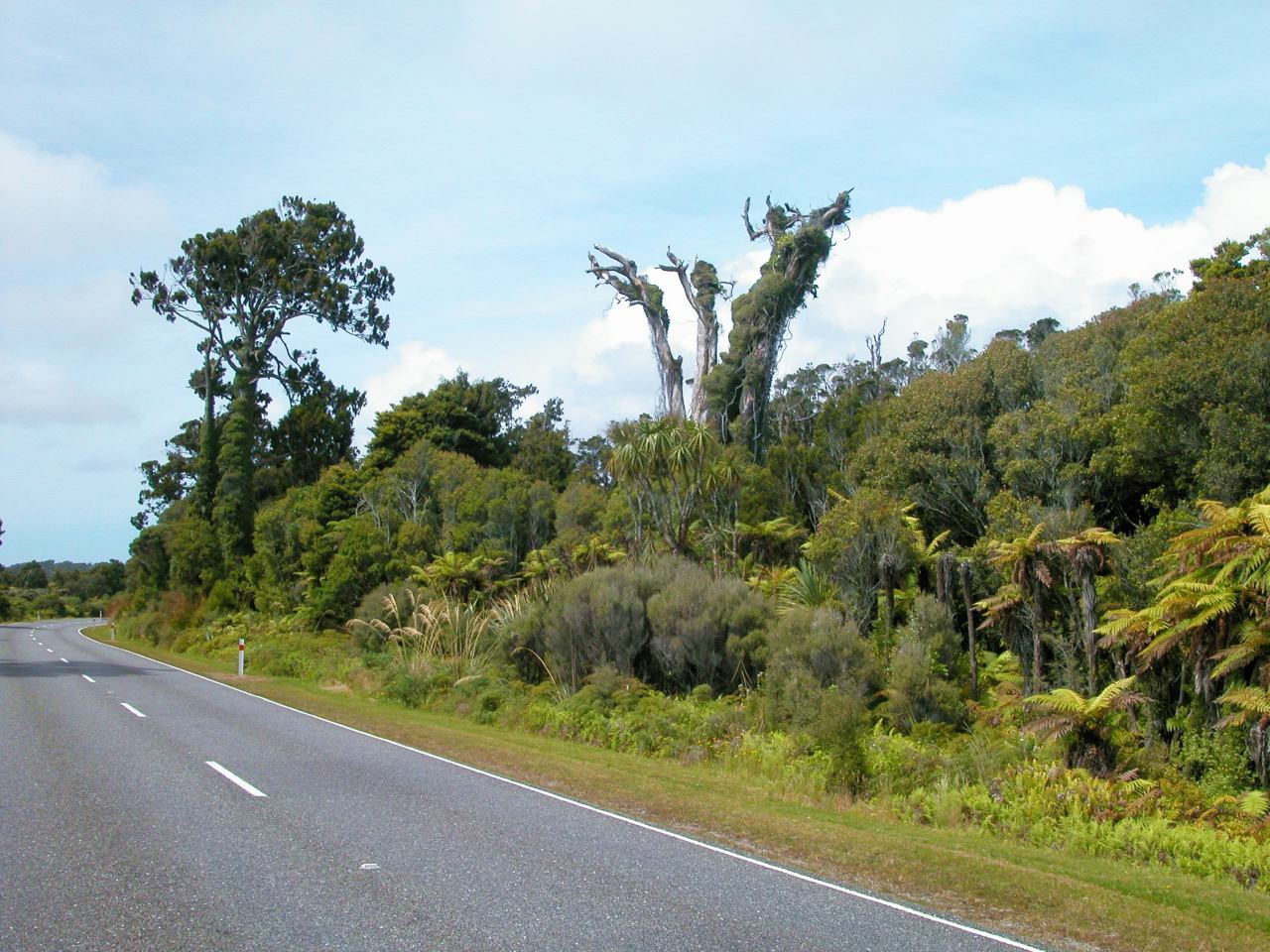
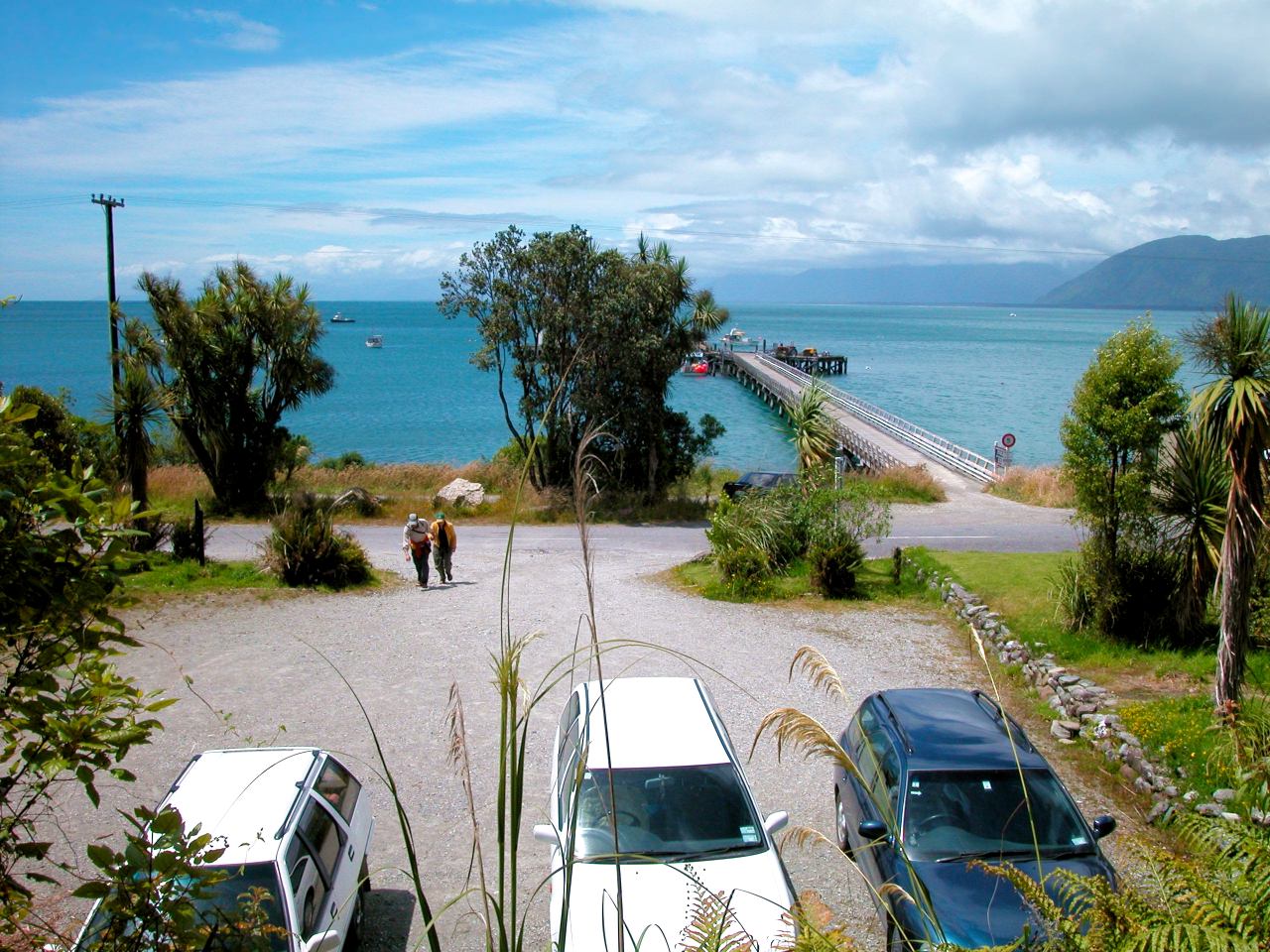
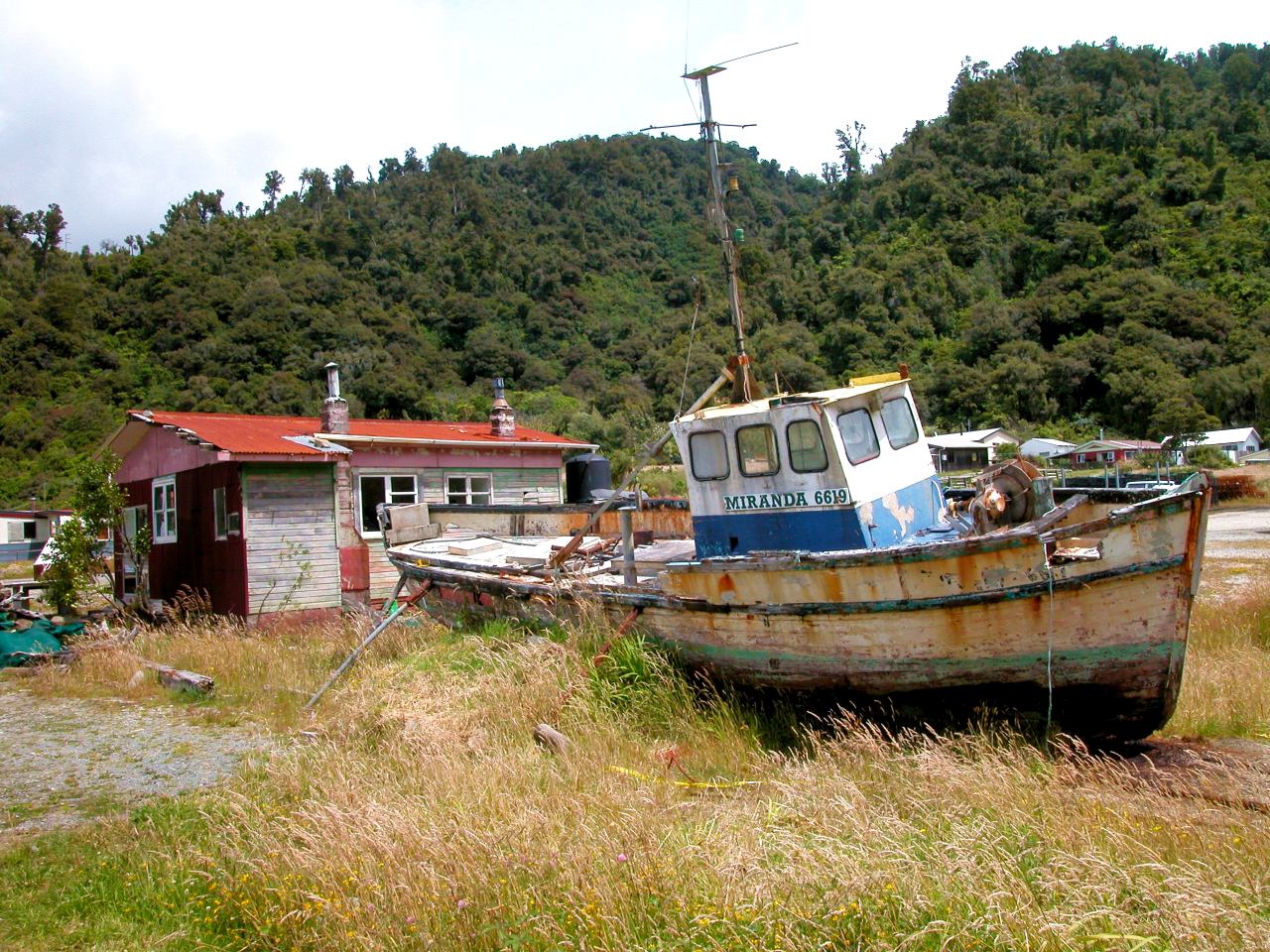
From Jackson Bay a half-hour track goes over a saddle to the next bay. You can see little blue penguins there, but once again no such luck for us. Only seals warming themselves on the rocks, and even those well off. Fair enough. Why pose for tourists when there are 200 kilometres of utterly empty coast on down towards Milford?
We went back to Haast. At the junction with Highway 6 there were several police cars with their lights flashing. We thought something had happened. It turned out nothing had. They were stopping everybody, us included. “Where are you headed?” We told them, then asked what had happened. “Oh, nothing. Just checking your seat belts.” We always wear them, so that was all right. They gave us a leaflet about the local rules of the road. It reminded us to drive on the left. How, I wonder, did they think we could have got this far without knowing that? Perhaps they imagined we had sprung up from the nearest patch of bush and were in our first few kilometres on the road. They could have handed out the piece of paper at the airport. Still, it did us no harm, and they smiled and wished us a good trip.
The West Coast is thinly populated. Dozens of kilometres separate the little villages. People here are gradually going broke and there are a lot of abandoned houses. It’s quite different at Fox Glacier village. Crowds of tourists stroll about and the place is full of life. The reason is the glacier that drops almost to sea level from the slopes of New Zealand’s highest mountains, Tasman and Cook. The climate is very wet here. Several dozen metres of snow fall in the mountains in a year, hence the enormous glaciers. They once came nearly to the sea; over the last two hundred years, they’ve retreated several kilometres. We could drive to the lookout across a causeway through a moraine lake. There was another kilometre to walk. Right before your eyes, the glacier is crumbling and melting. They don’t let you onto the ice itself without a guide. It didn’t seem right to duck under the rope, so we made do with what was open to ordinary mortals.
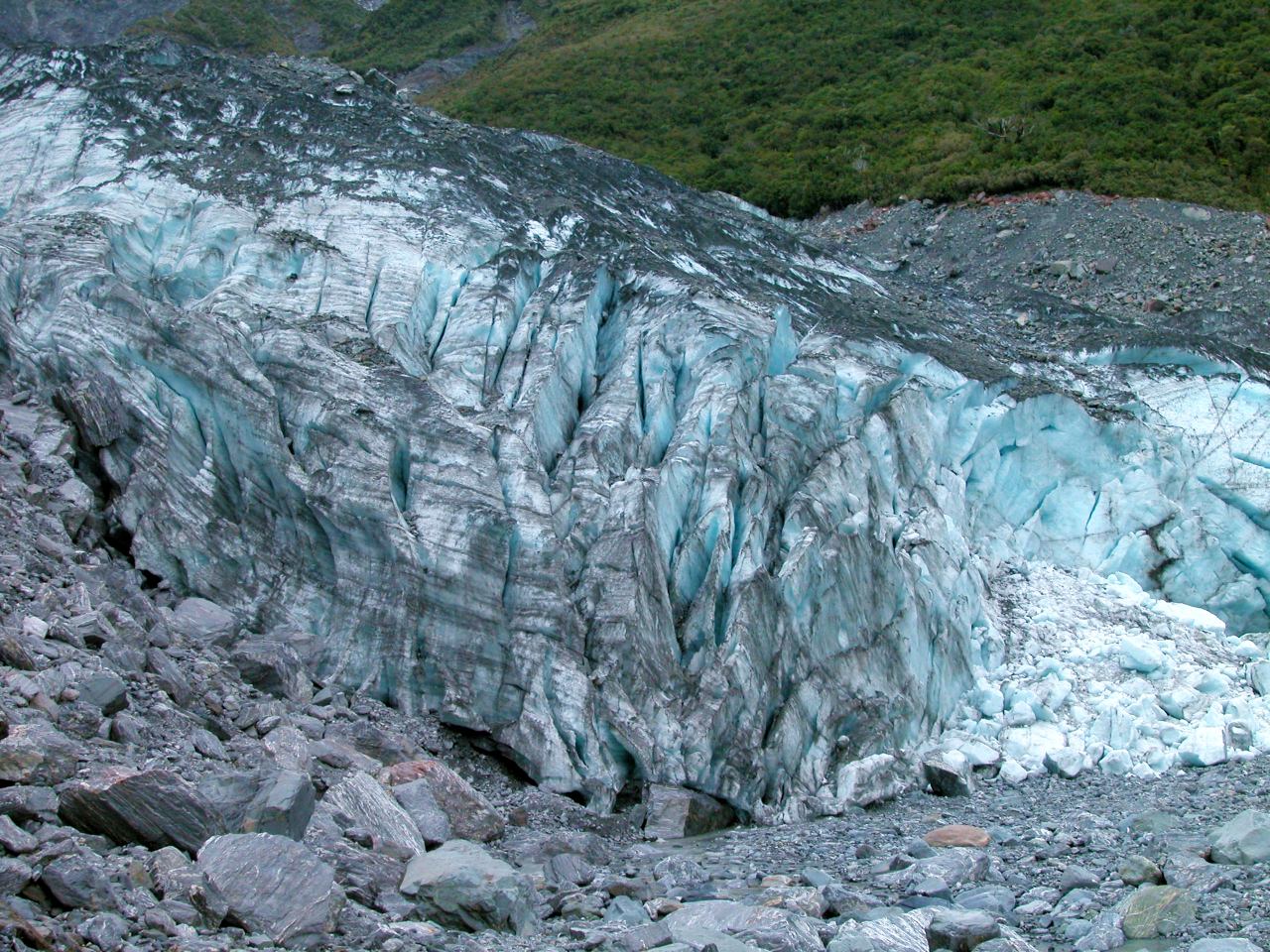
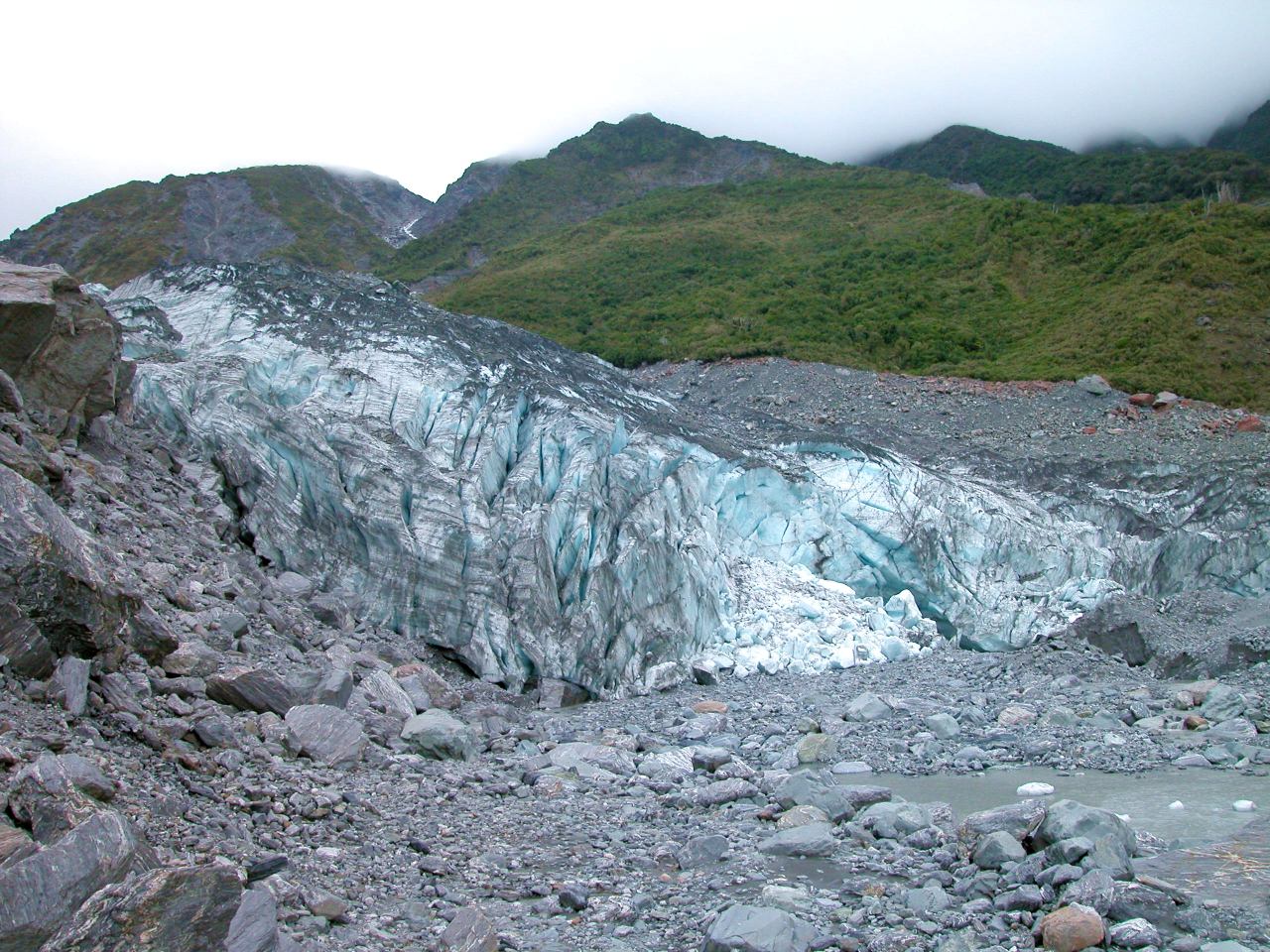
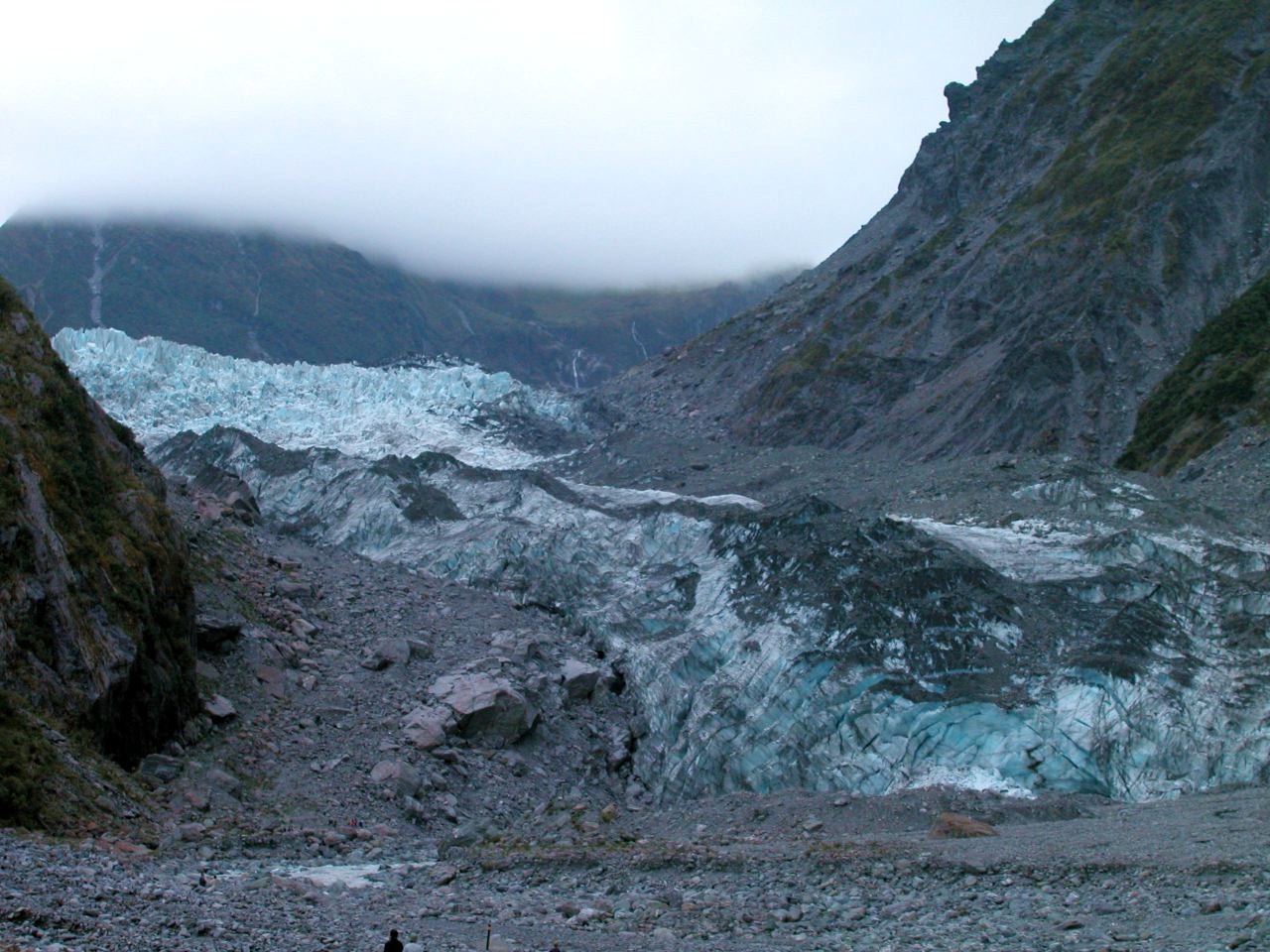
When we got back to the car there was another of those begging kea, sitting right under a picture of someone feeding a parrot crossed out with a great big red X.
The next village is just like the one before, except that the glacier is called Franz Josef.
Of all the glacier activities they offer tourists, the most extravagant is a flight up to the summits, with a landing on the snow. It was several hundred dollars each, and we couldn’t bring ourselves to part with the money. Now we wish we’d gone.
We spent what was left of the day in the car, finally reaching a campsite on little Lake Mahinapua near Ruatapu. (42°47.705′S, 170°54.019′E, elevation 12 m.) The campsite operated on a self-registration system. A night for two cost NZ$10. I liked the one-way entrance drive. It was a tunnel cut through a thick layer cake of rainforest.
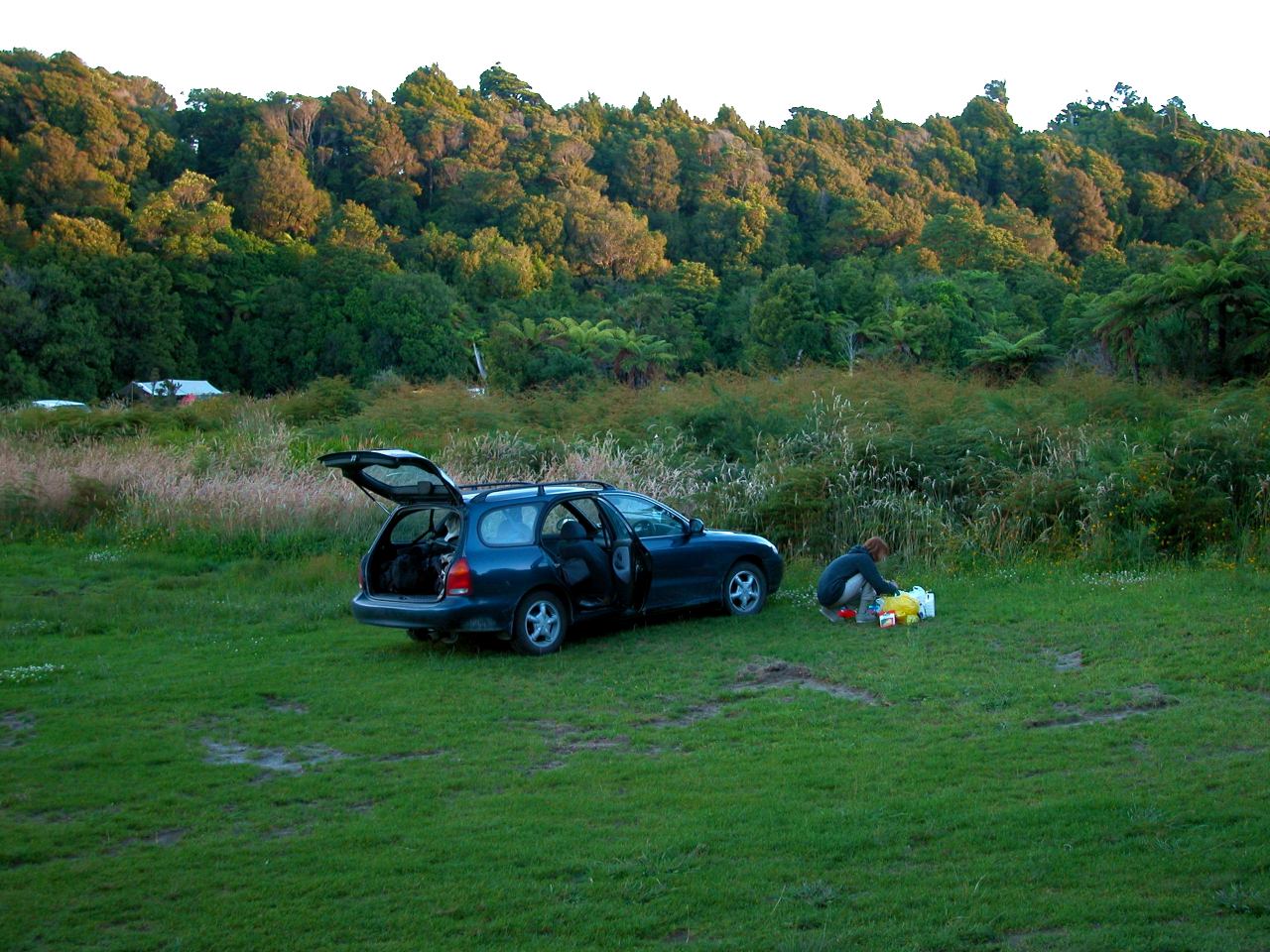
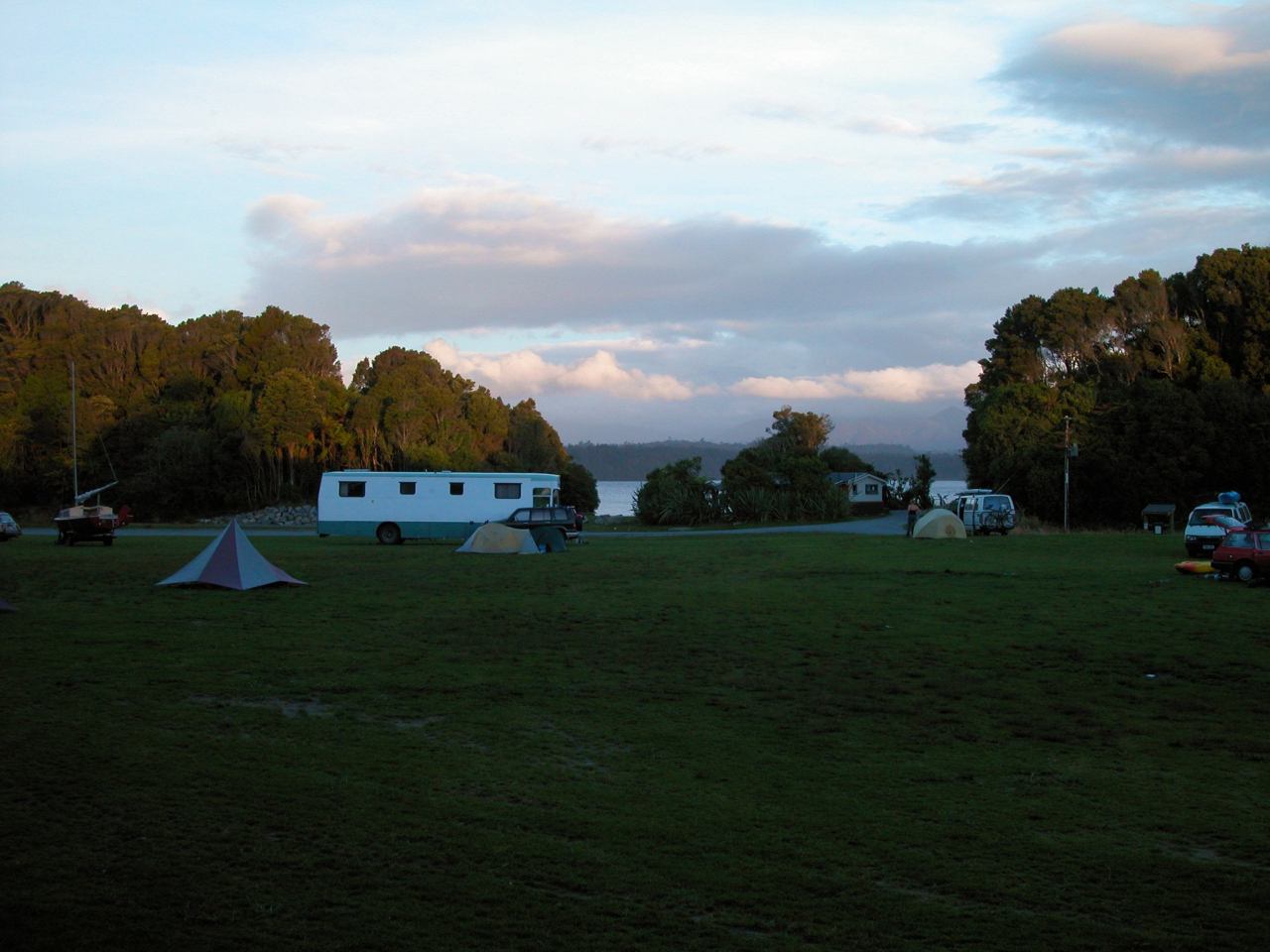
That evening I went out for a walk to see the stars and caught two possums red-handed behind the nearest bush. Little rogues. As if raiding native birds’ nests weren’t enough, now they were after the supplies of two poor travellers.
That was our last night on the South Island. We had ferry tickets for tomorrow. It was sad to leave this beautiful, wild place. I had liked the South Island much more than the North.
Up early the following morning; there was a long drive ahead. The mountain range would end and we’d come into more populated country. The first sizeable town was Hokitika. There was a one-lane bridge over the Arahura River, shared with the railway, and the rails ran straight down the middle of the road like tram tracks. There are lots of one-lane bridges here. You might even say they’re most of the bridges. It’s amazing how people manage to get past each other without trouble. It’s down to the people, of course. It’s customary to let oncoming drivers through even when you have right of way. Nowhere in the world have I felt as relaxed and happy behind the wheel.
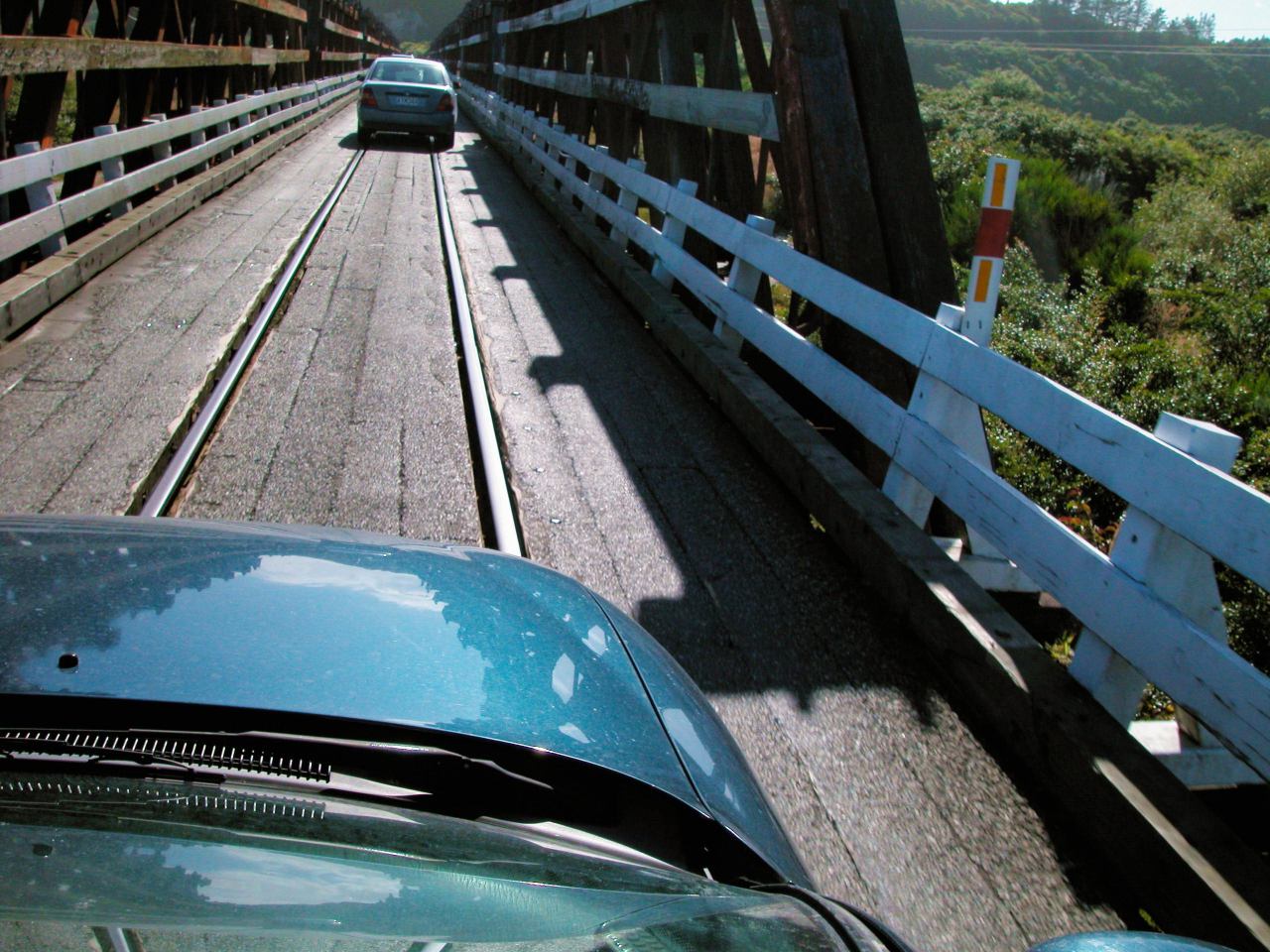
Beyond the next sizeable town, Greymouth, the coast turns rocky, with great numbers of rocks standing offshore. They’ve made all sorts of lookouts to see them from. At one of these we finally saw, entirely by surprise, a little blue penguin.
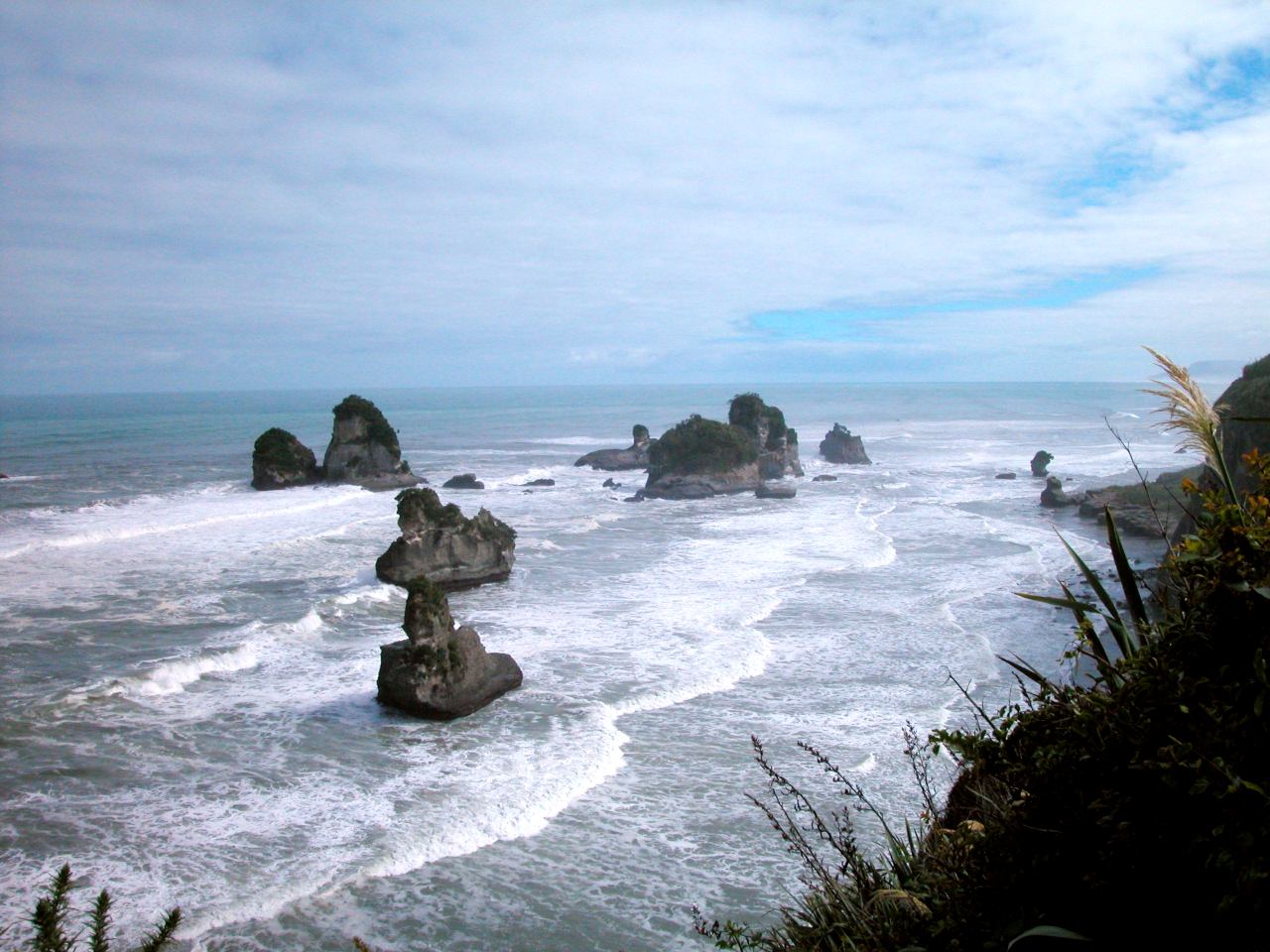
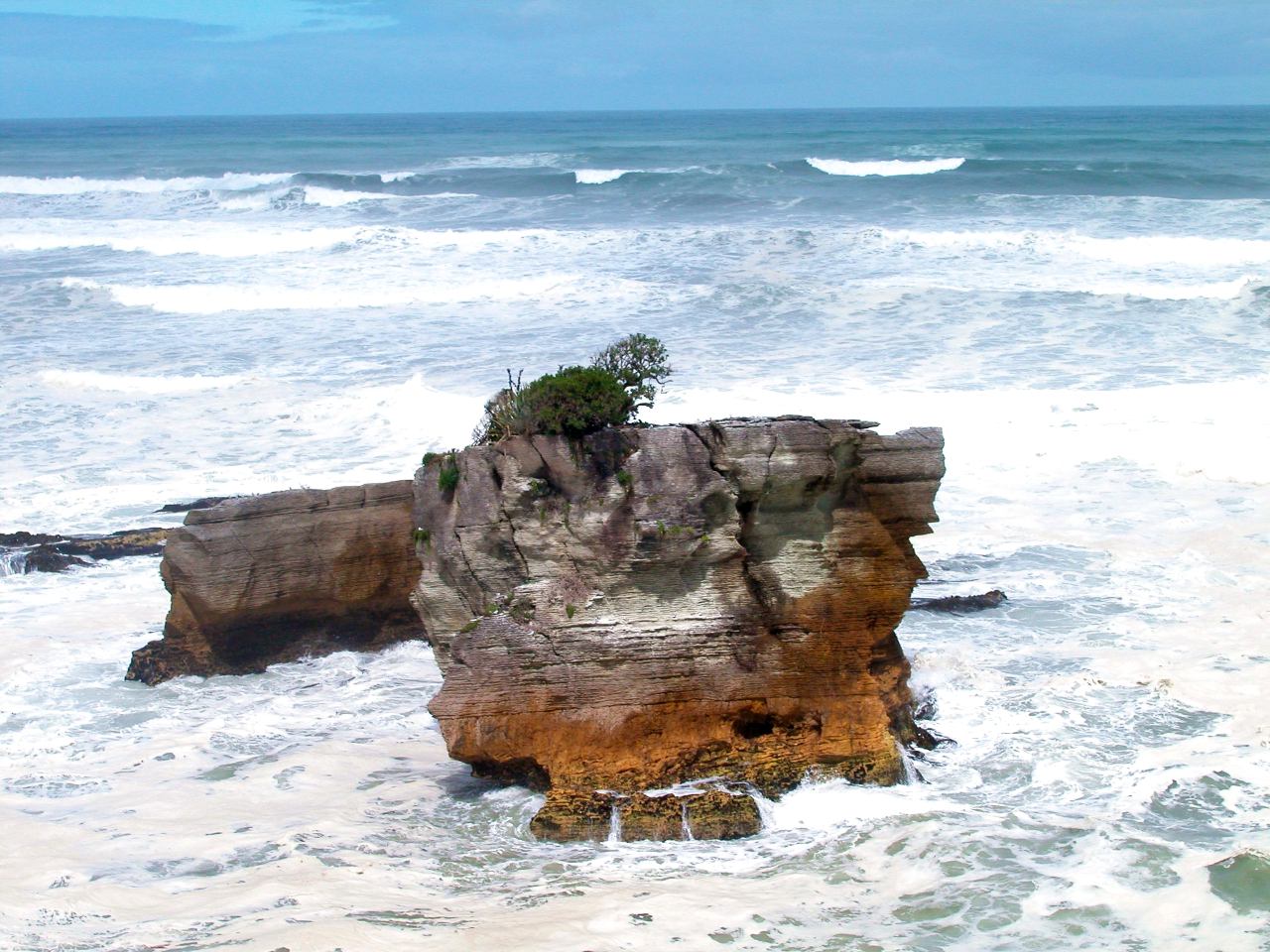
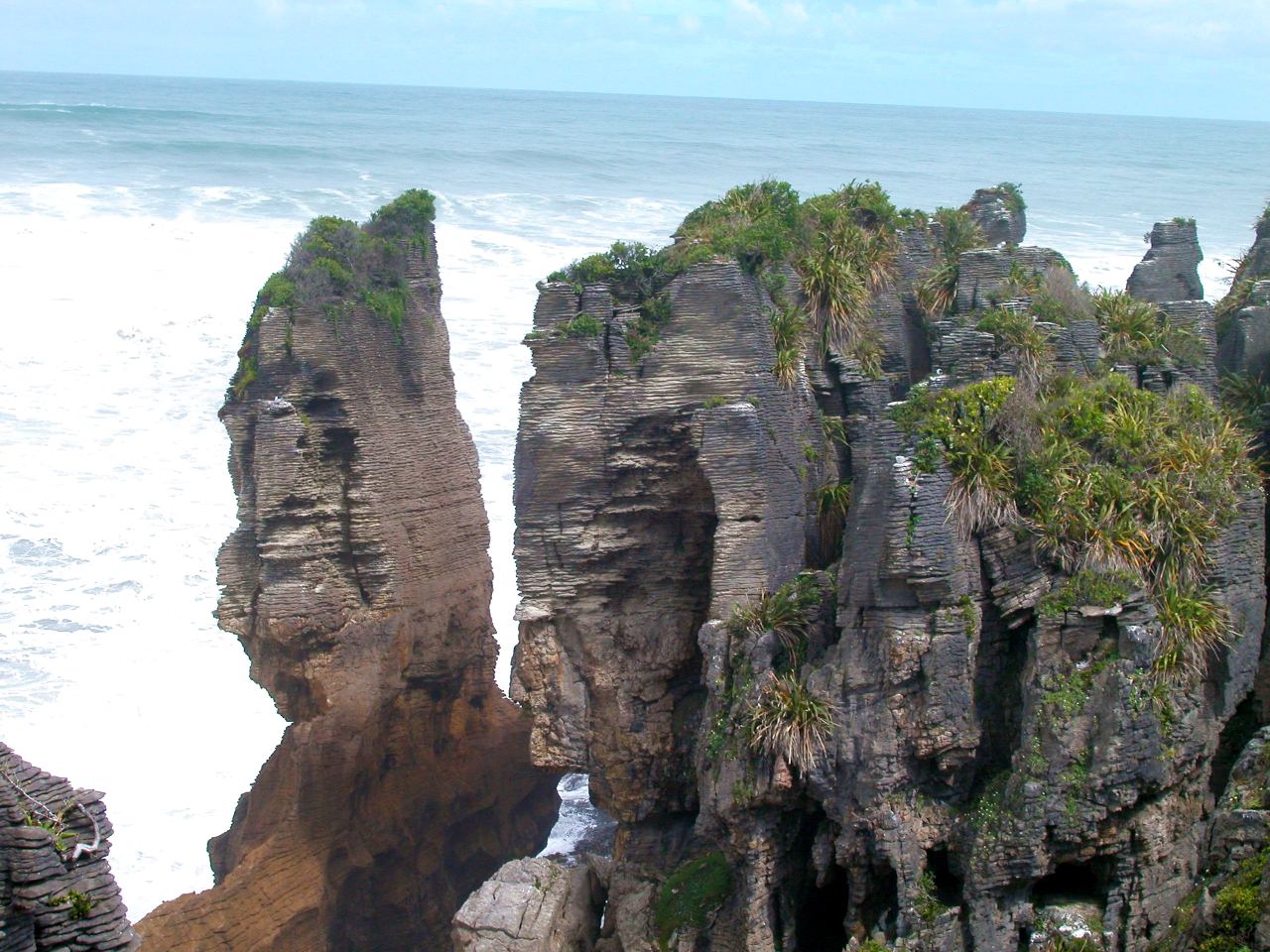
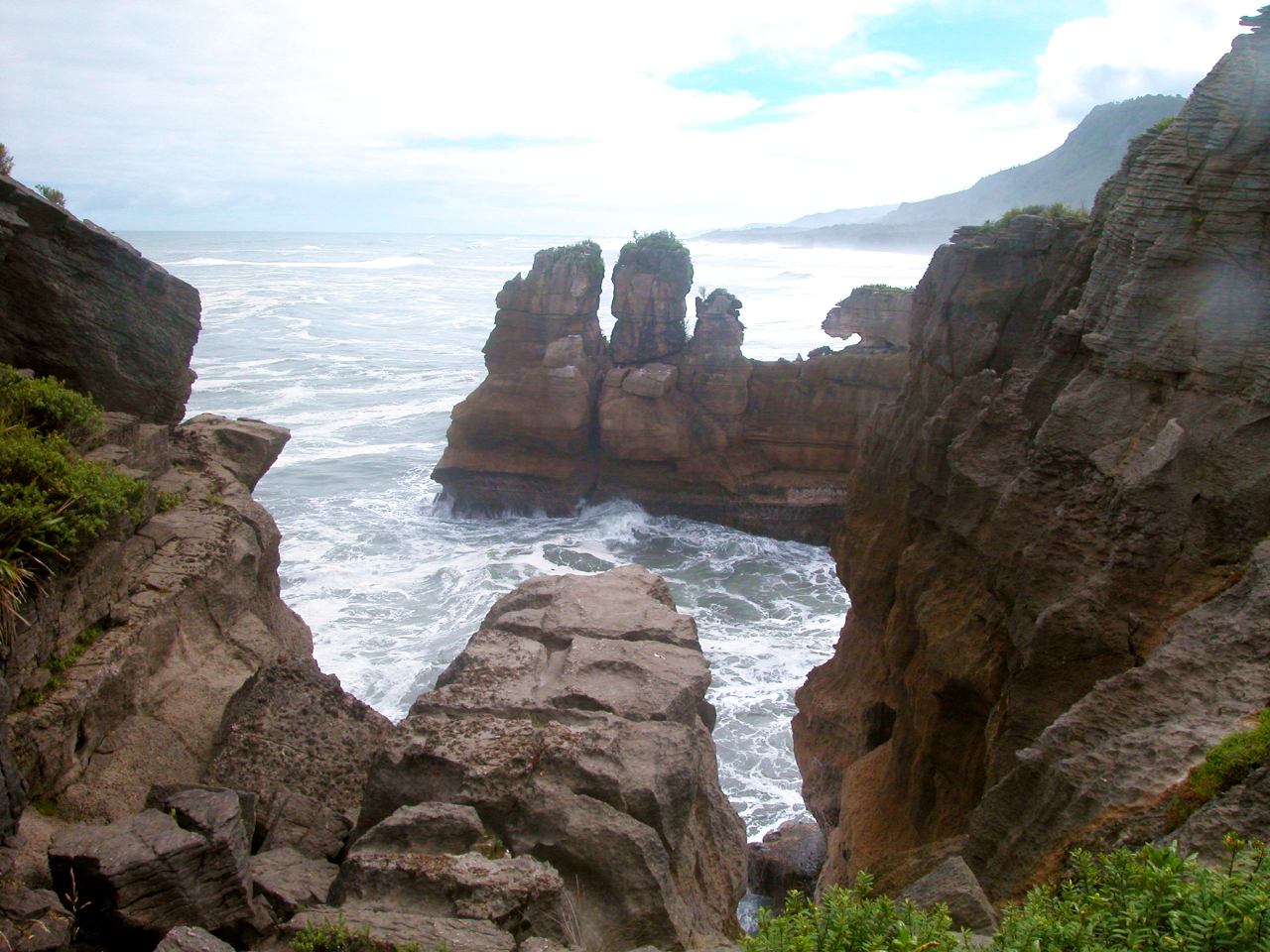
At Punakaiki the sea has worn a complicated network of caverns through the layered rock. When the surf is strong, water shoots out of holes among the rocks tens of metres back from the sea. These are the Pancake Rocks and Blowholes. There are paths through the rocks with little bridges and viewing platforms. Westerlies blowing for days on end had driven up enormous waves, and everything was working at full blast. The jets shot tens of metres into the air. Even the camera got a drenching in salt water. Now I’m worried about its prospects.
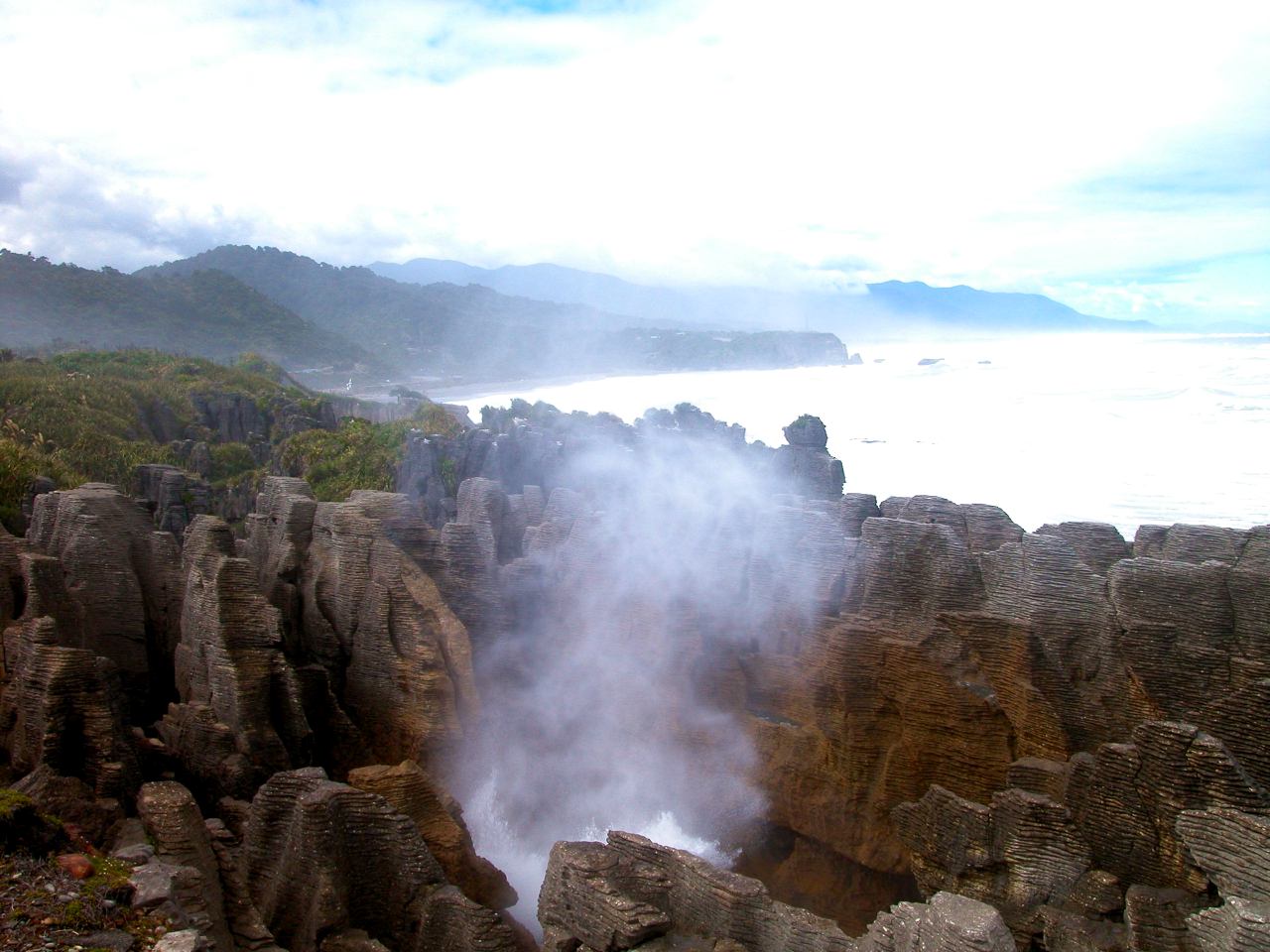
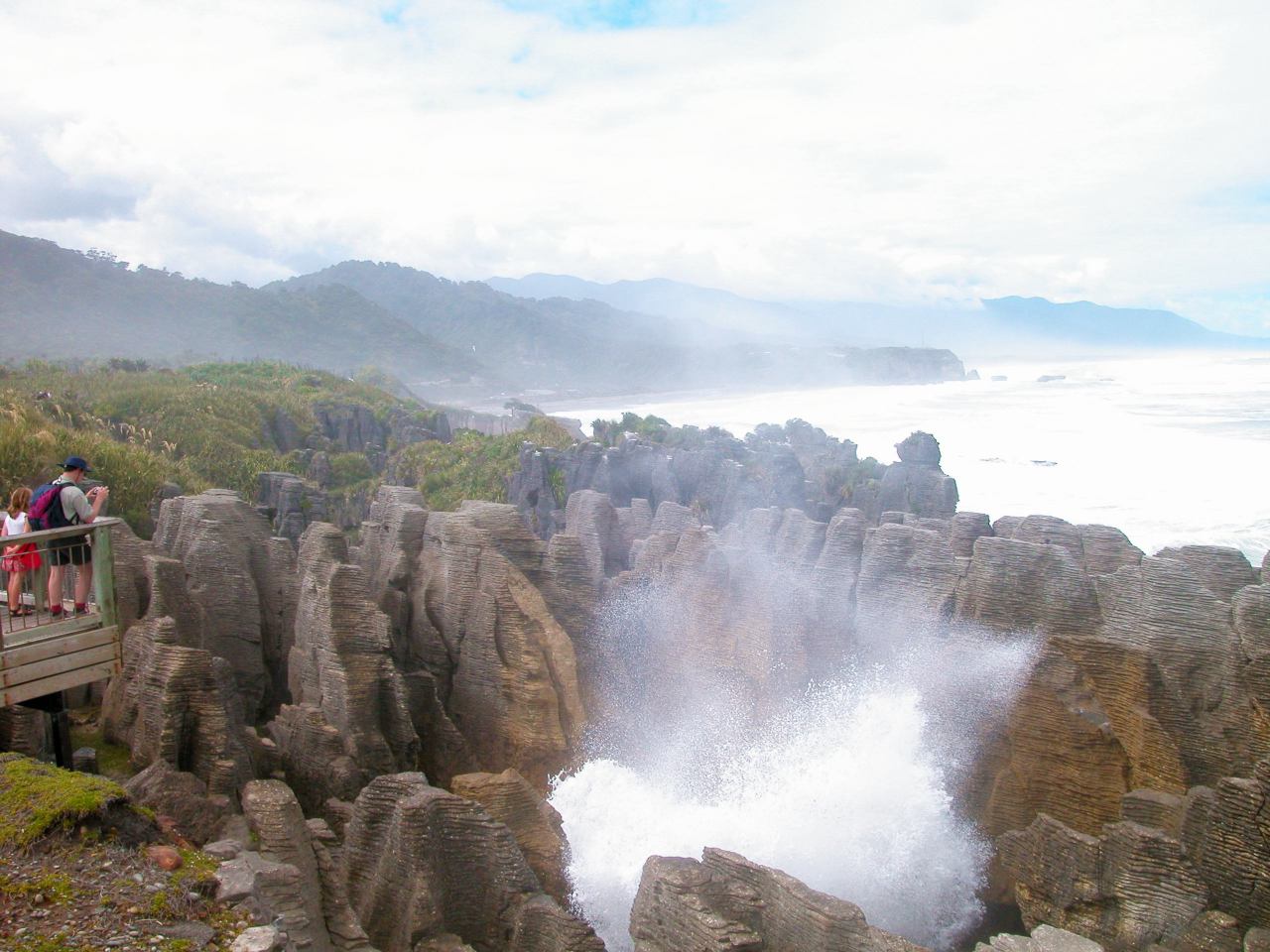
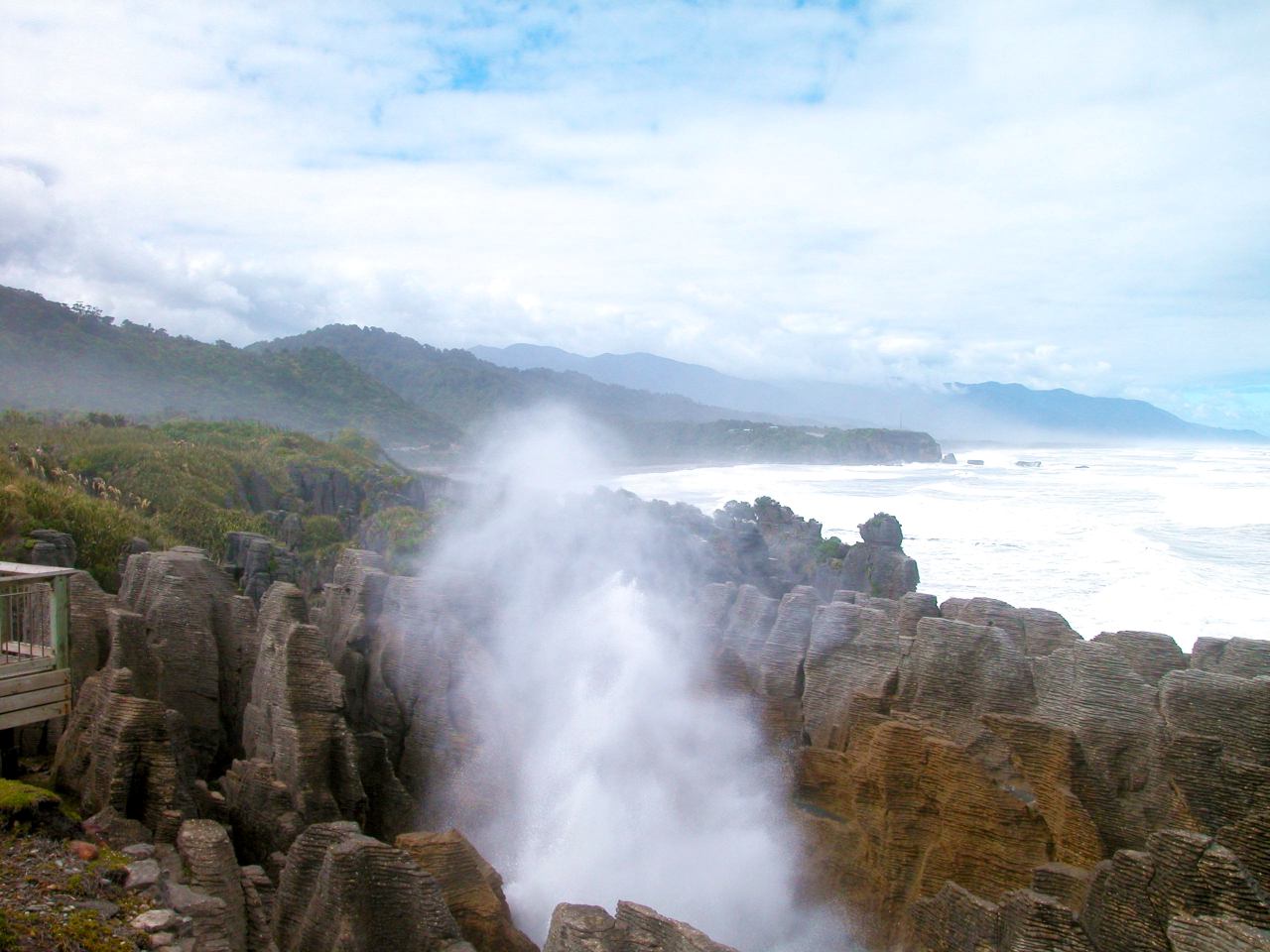
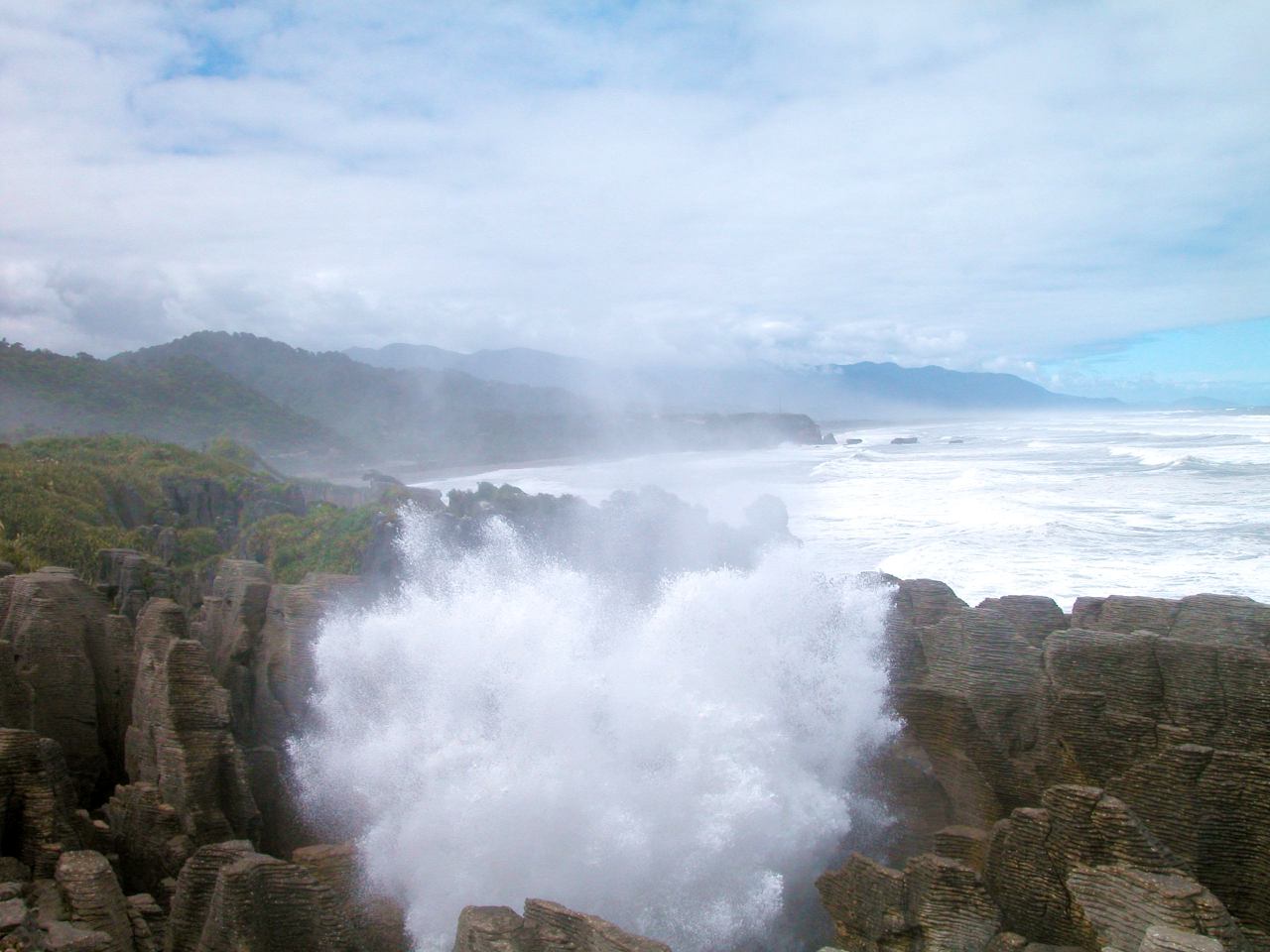
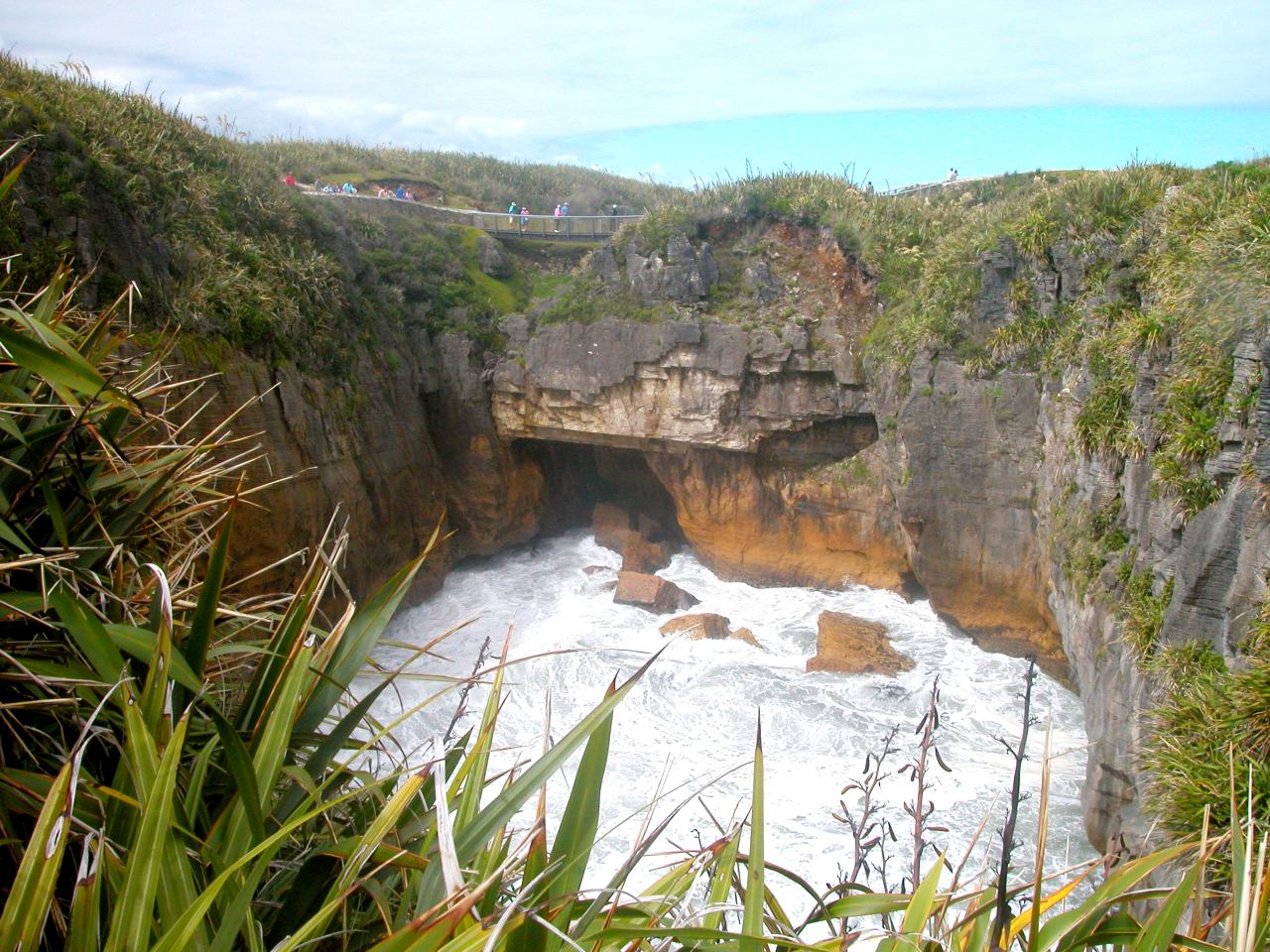
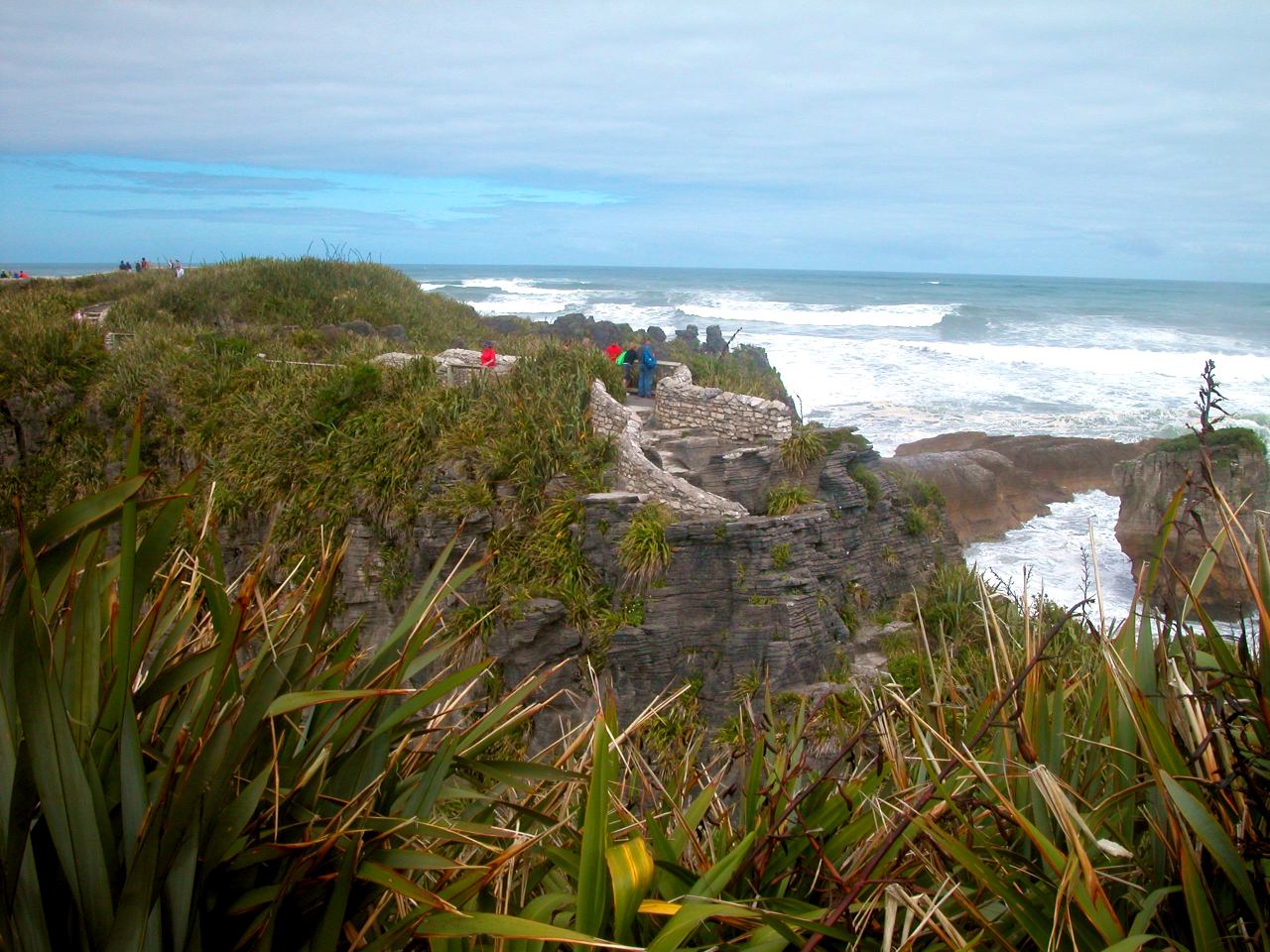
After Westport the road turns inland. Every so often a sign points towards some tempting local wonder, but we were already late for the ferry. We spent our one hour in hand walking around Blenheim, a small, quiet town with lots of flower beds. It’s warmer here and after the harsh south it looked as though everything had burst into bloom. Tanya doesn’t like dogs, and is afraid of them. Apparently the people of Blenheim don’t like them either. Right in the middle of the footpaths they’ve painted “No dogs” signs. Tanya was delighted.
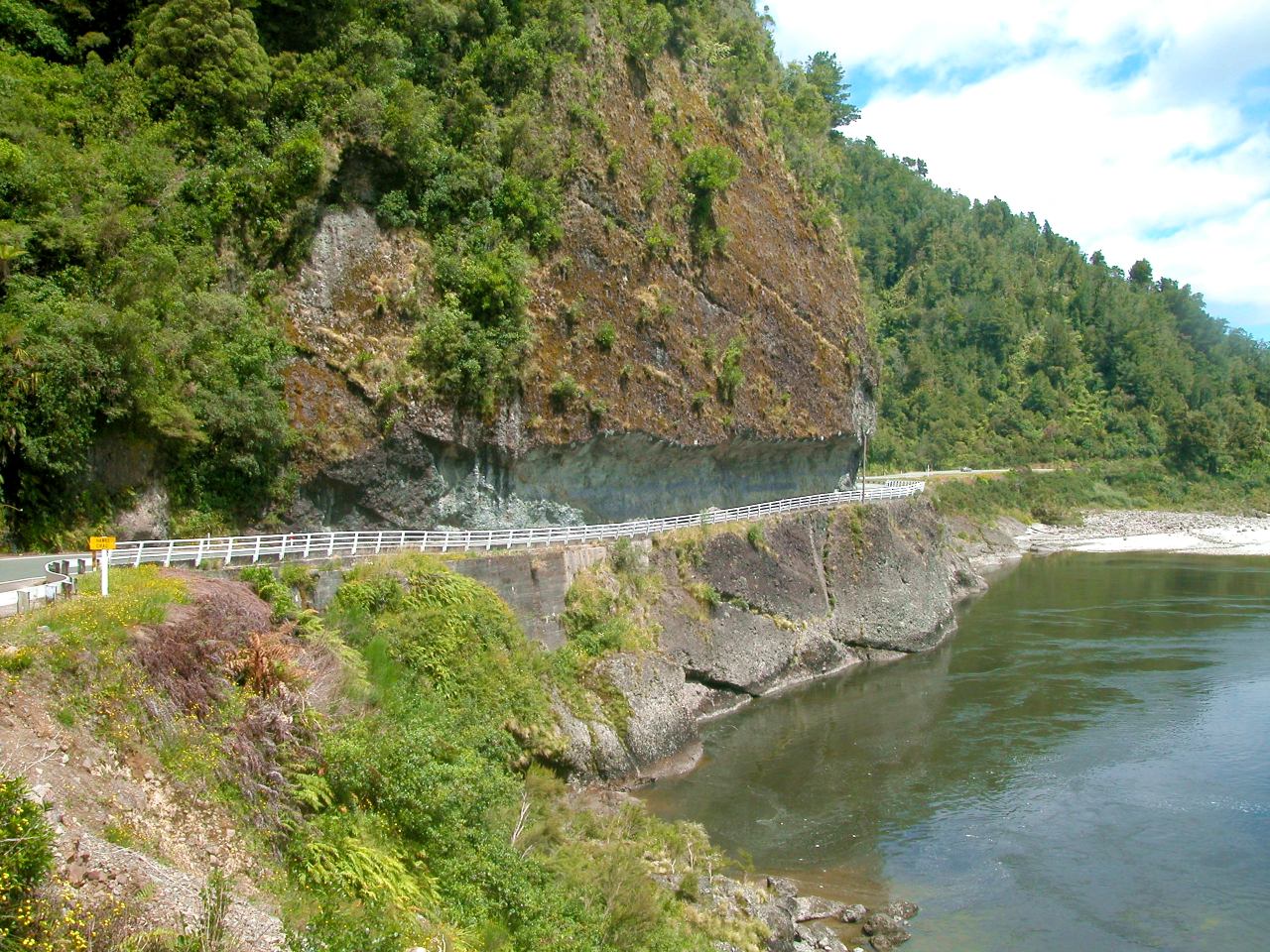
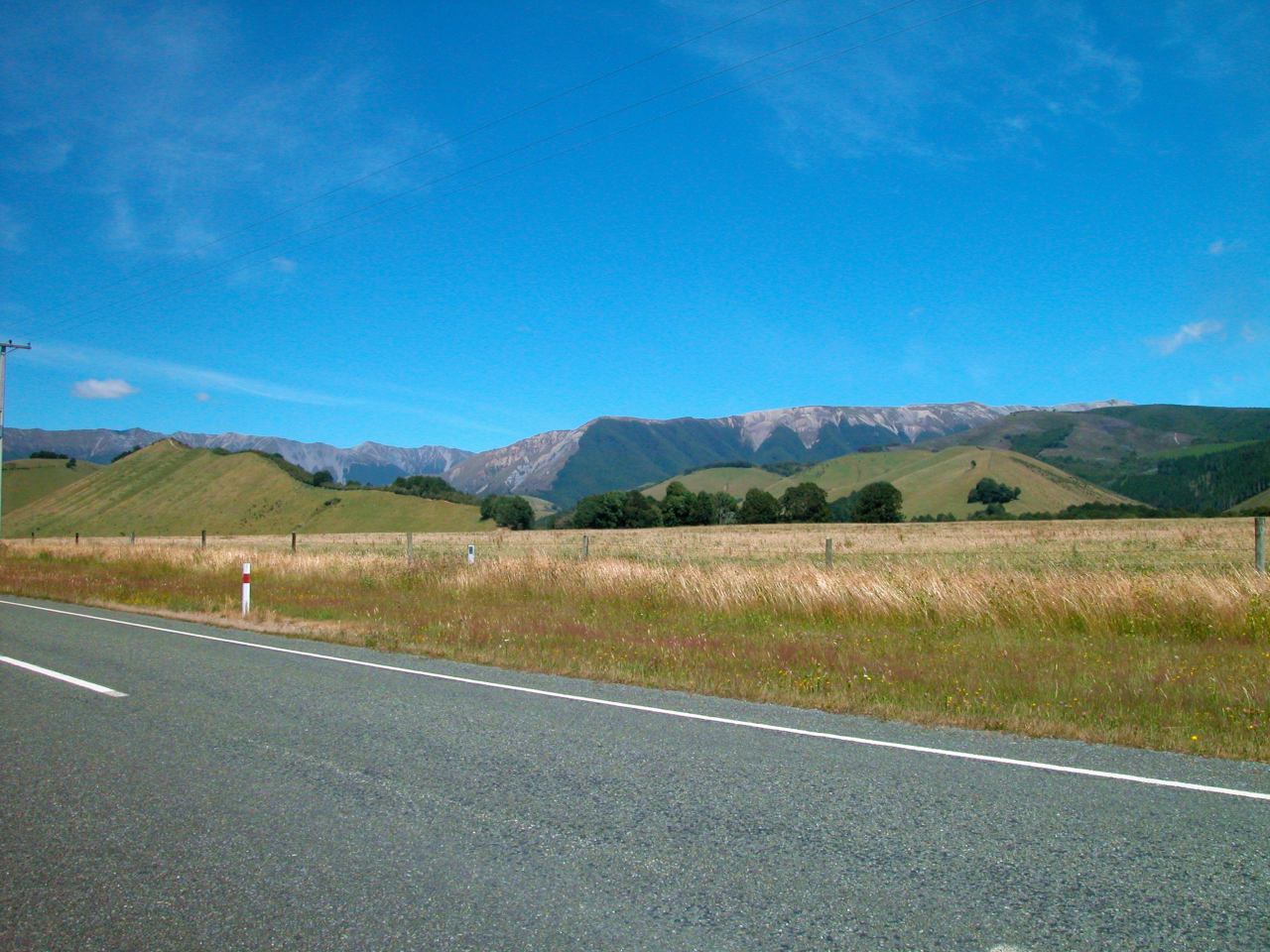
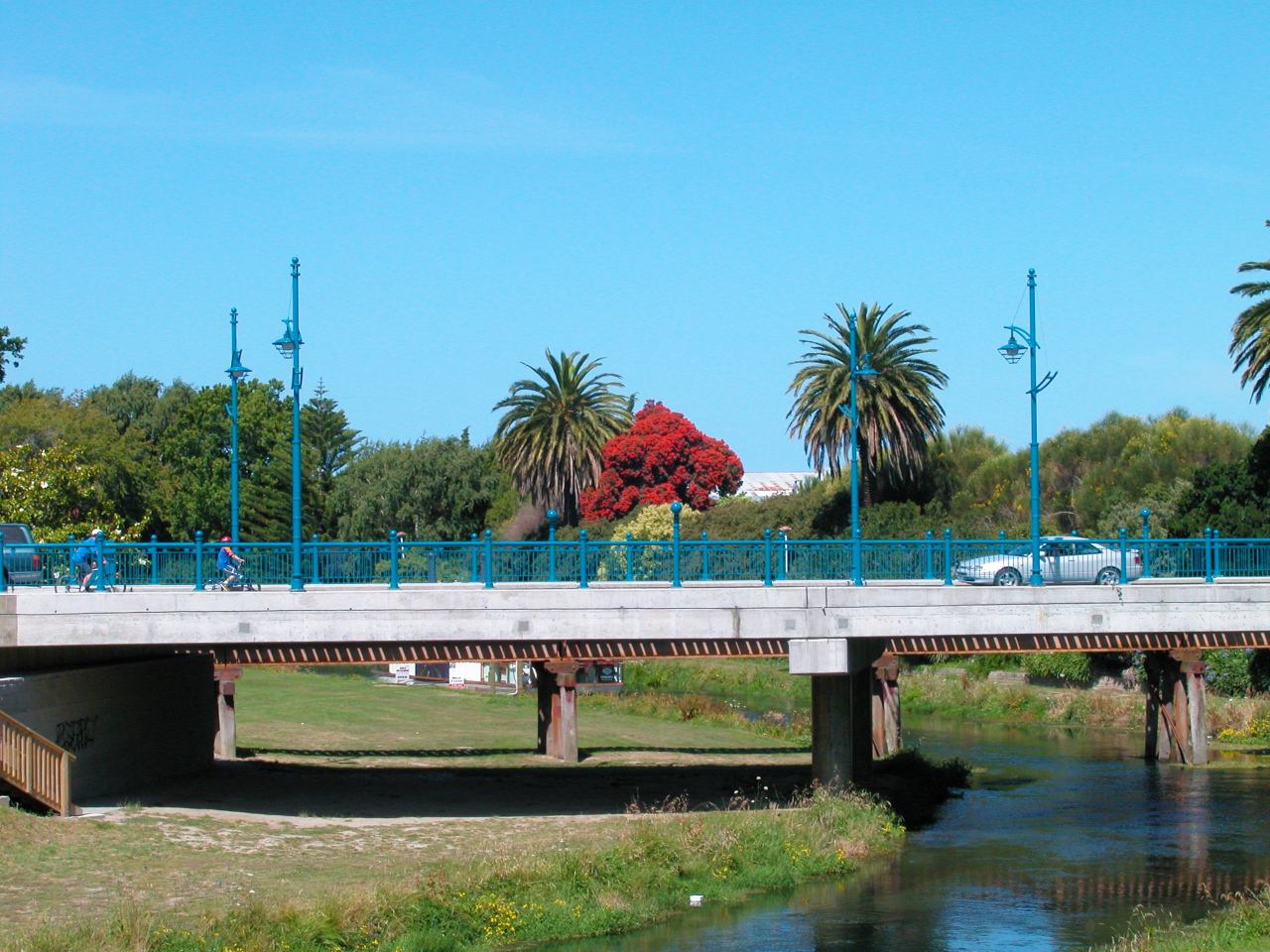
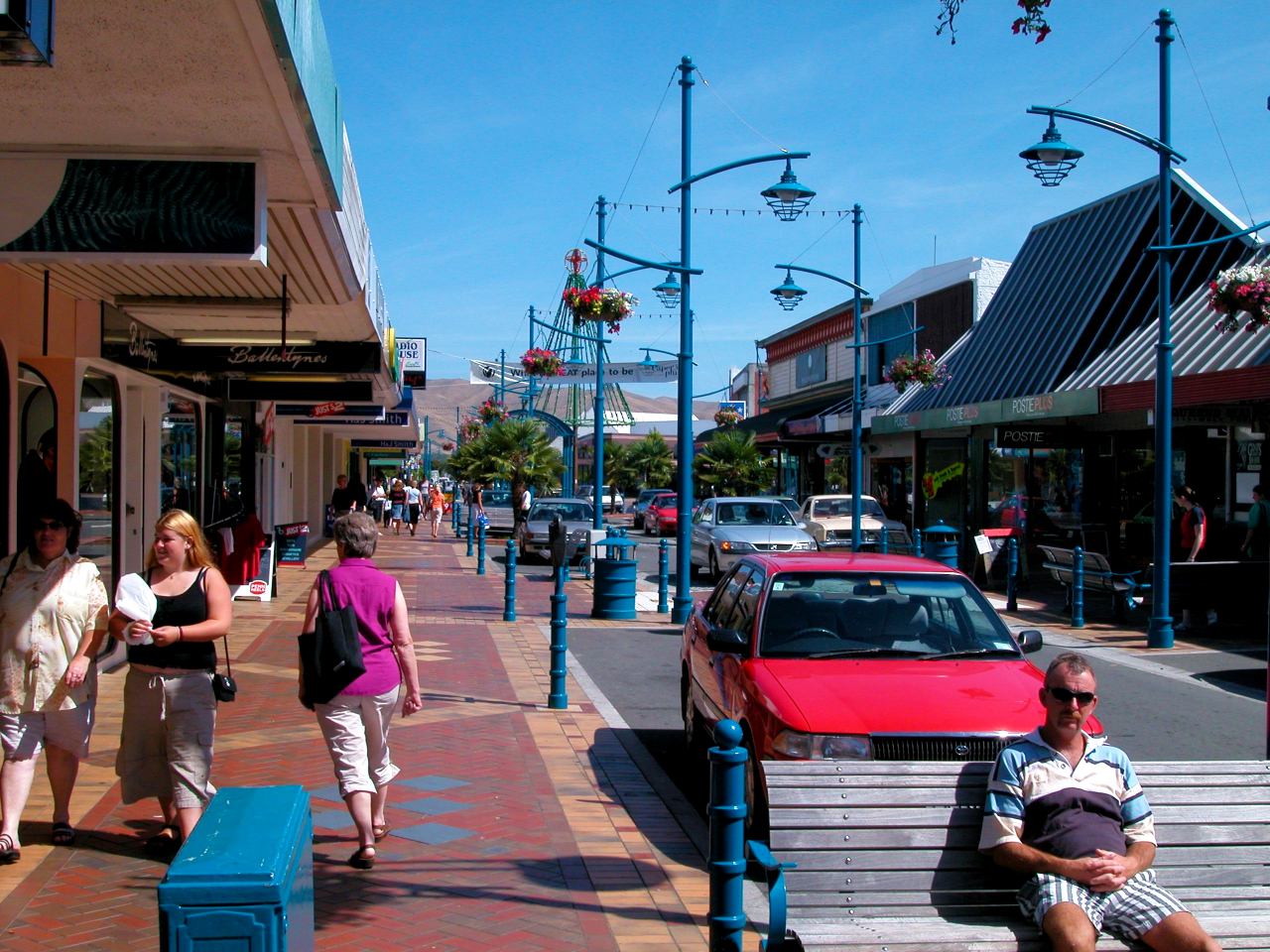
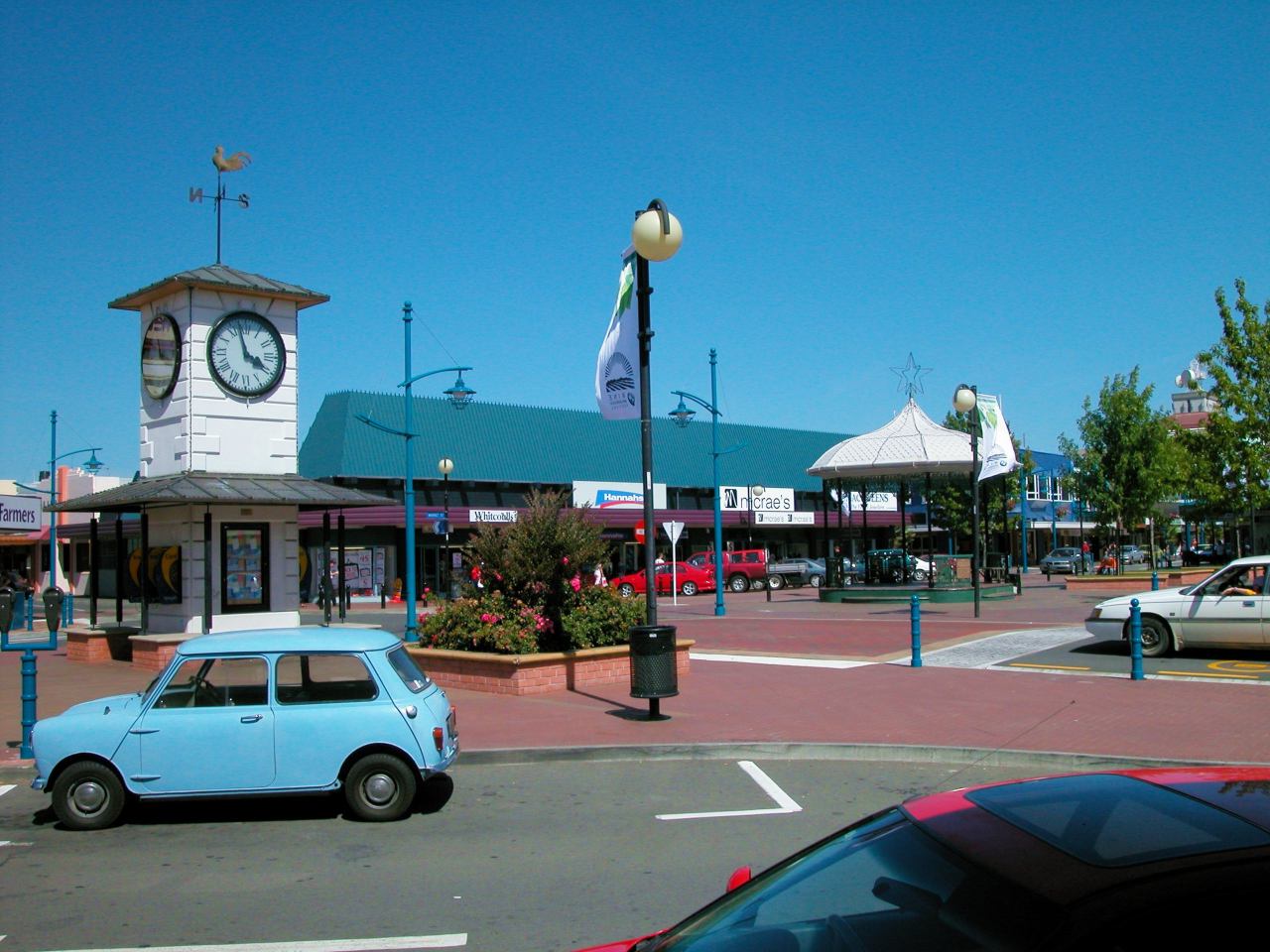
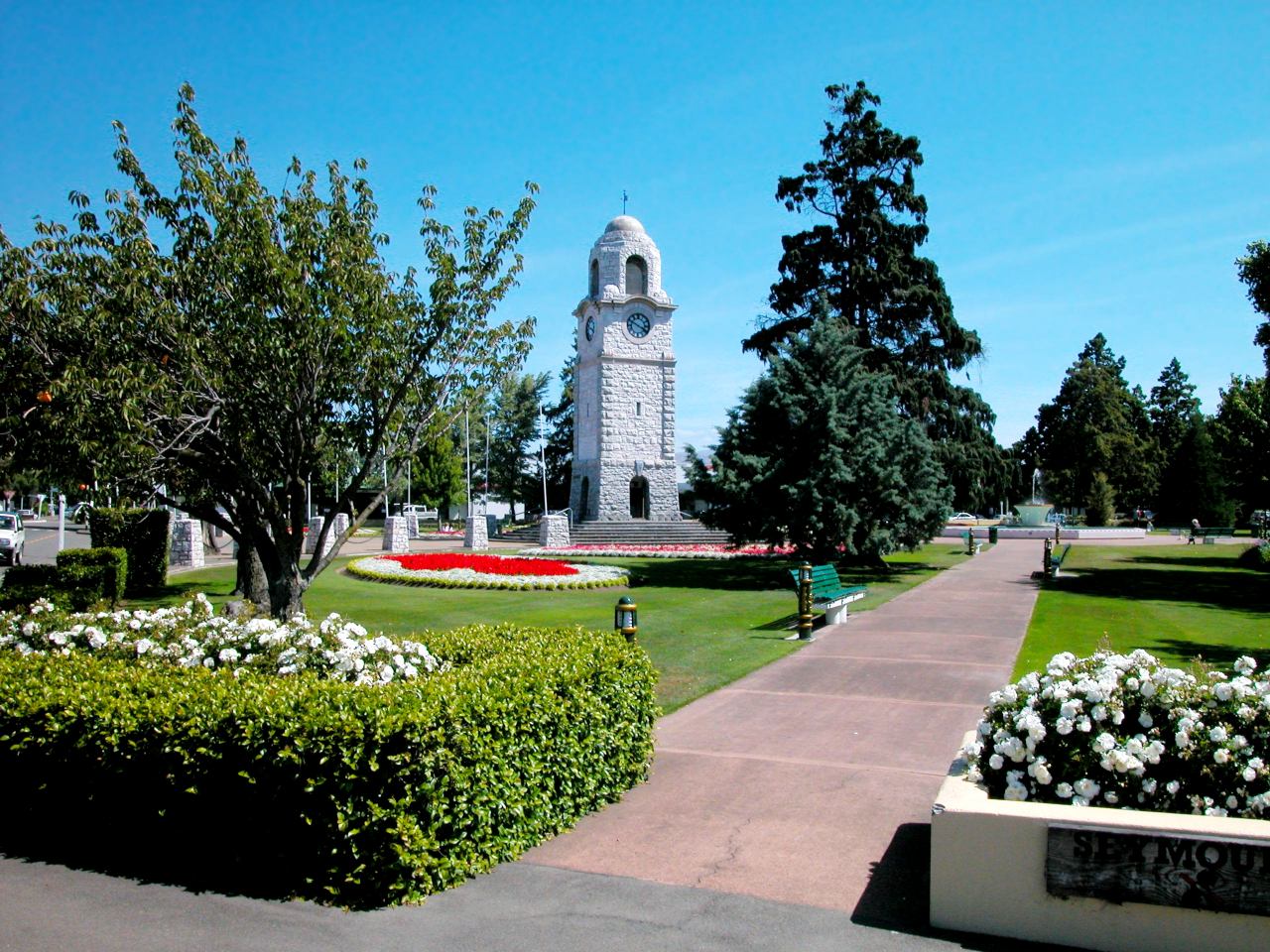
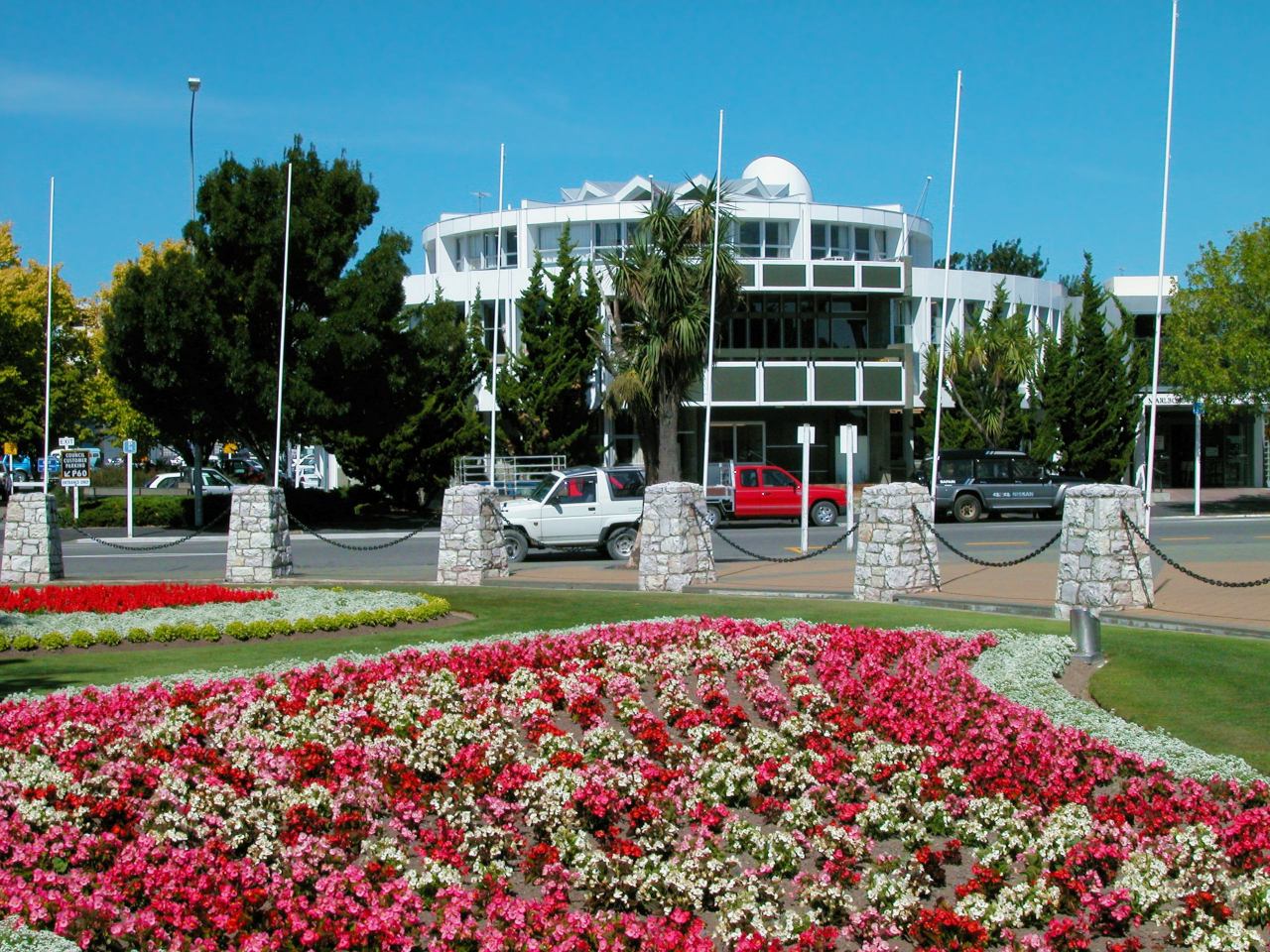
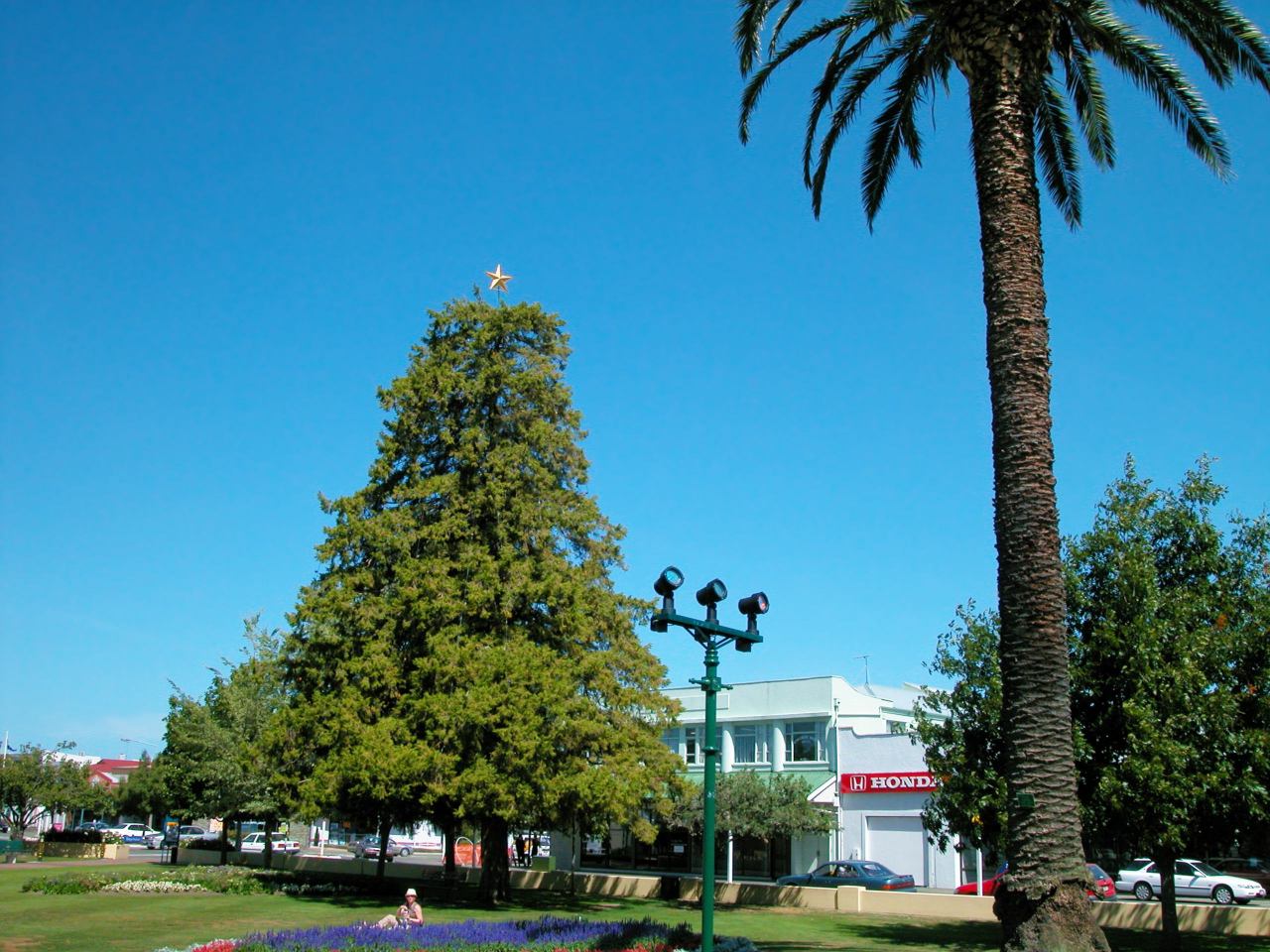
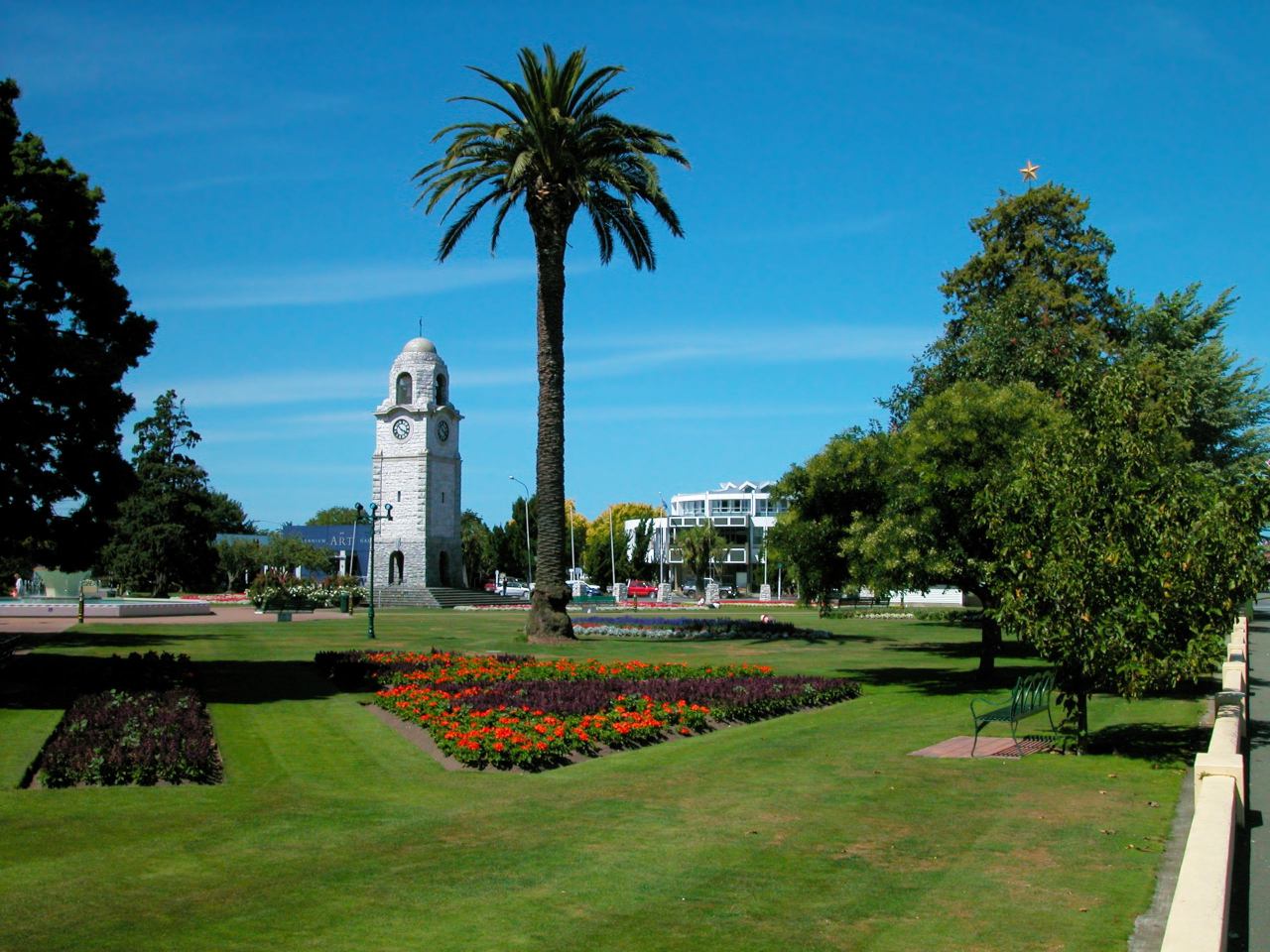
On the way to Picton, near a monument to some clash in 1843, we passed a paddock with guanacos. We couldn’t believe our eyes. But there they were, growing wool for sweaters.
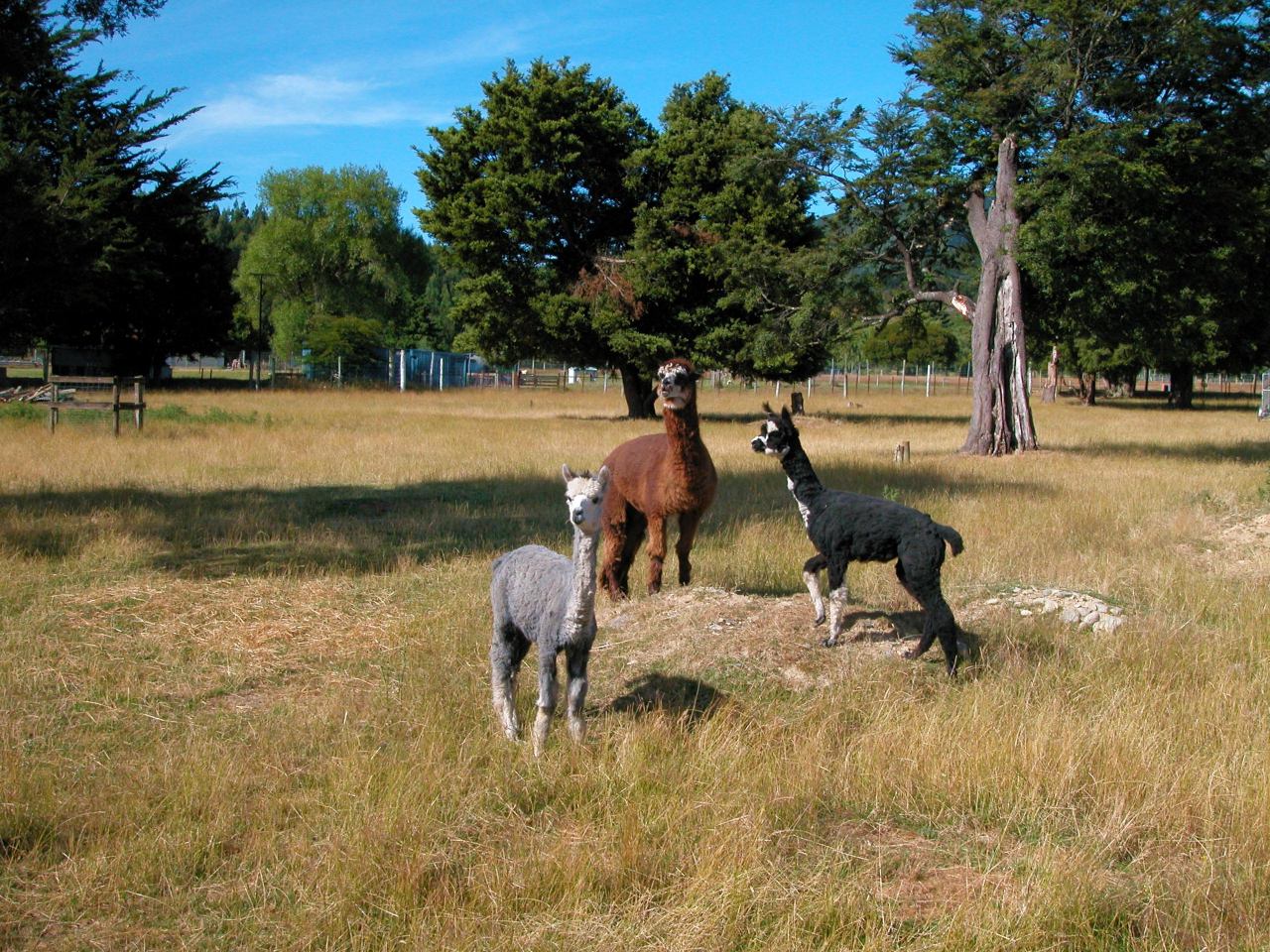
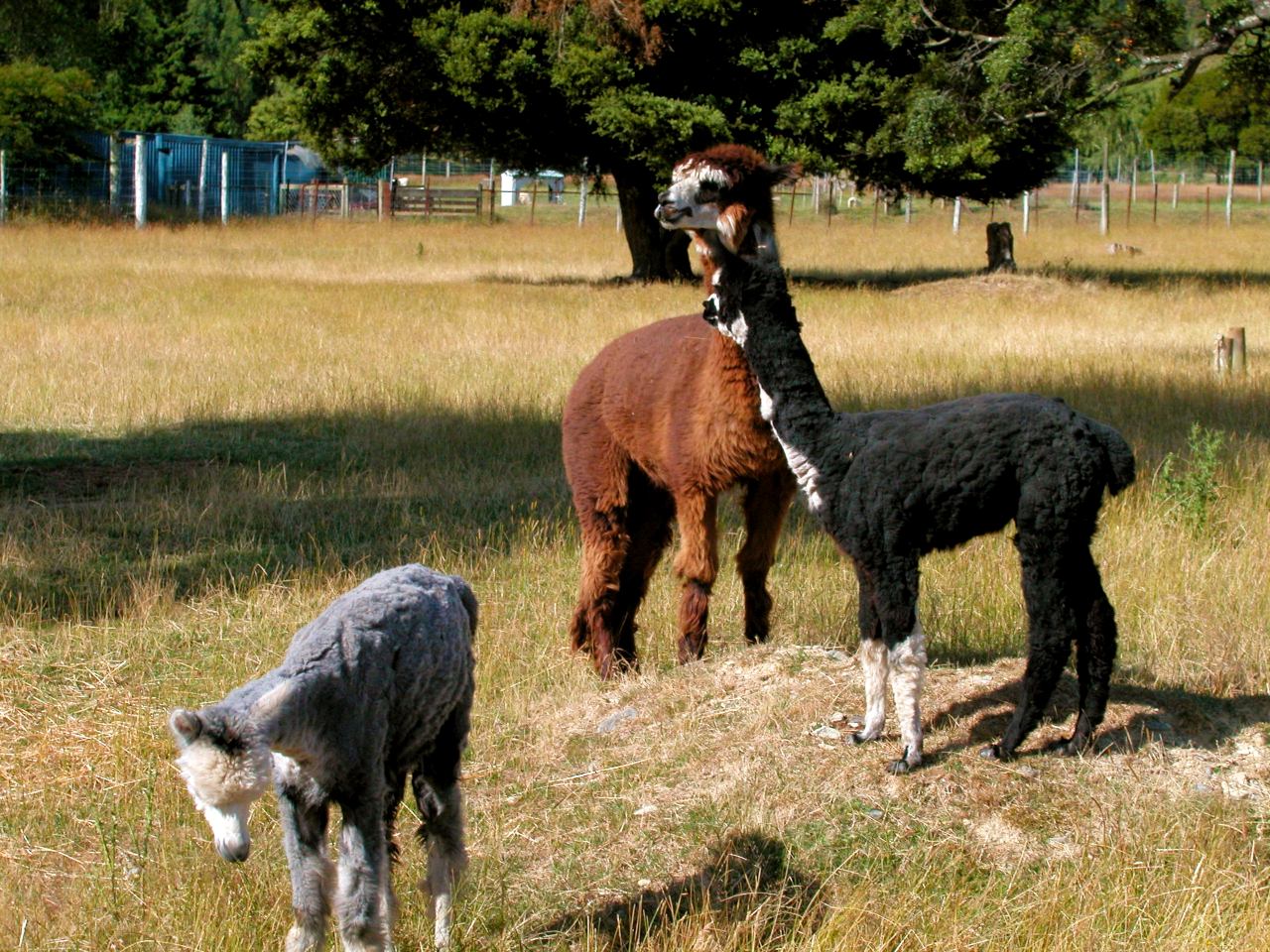
In Picton we left the car in the car park and dropped the keys under the rental office door. The simplicity of it never ceases to amaze me.
Coming back, we took the Lynx ferry again. The sea was rough, but a storm is nothing to this great machine. It seems to rise high over the sea on enormous underwater wings. It glides smoothly above the waves and leaves behind it nothing but an enormous trail of spray. The sun was going down behind the hill as we entered Wellington Harbour.
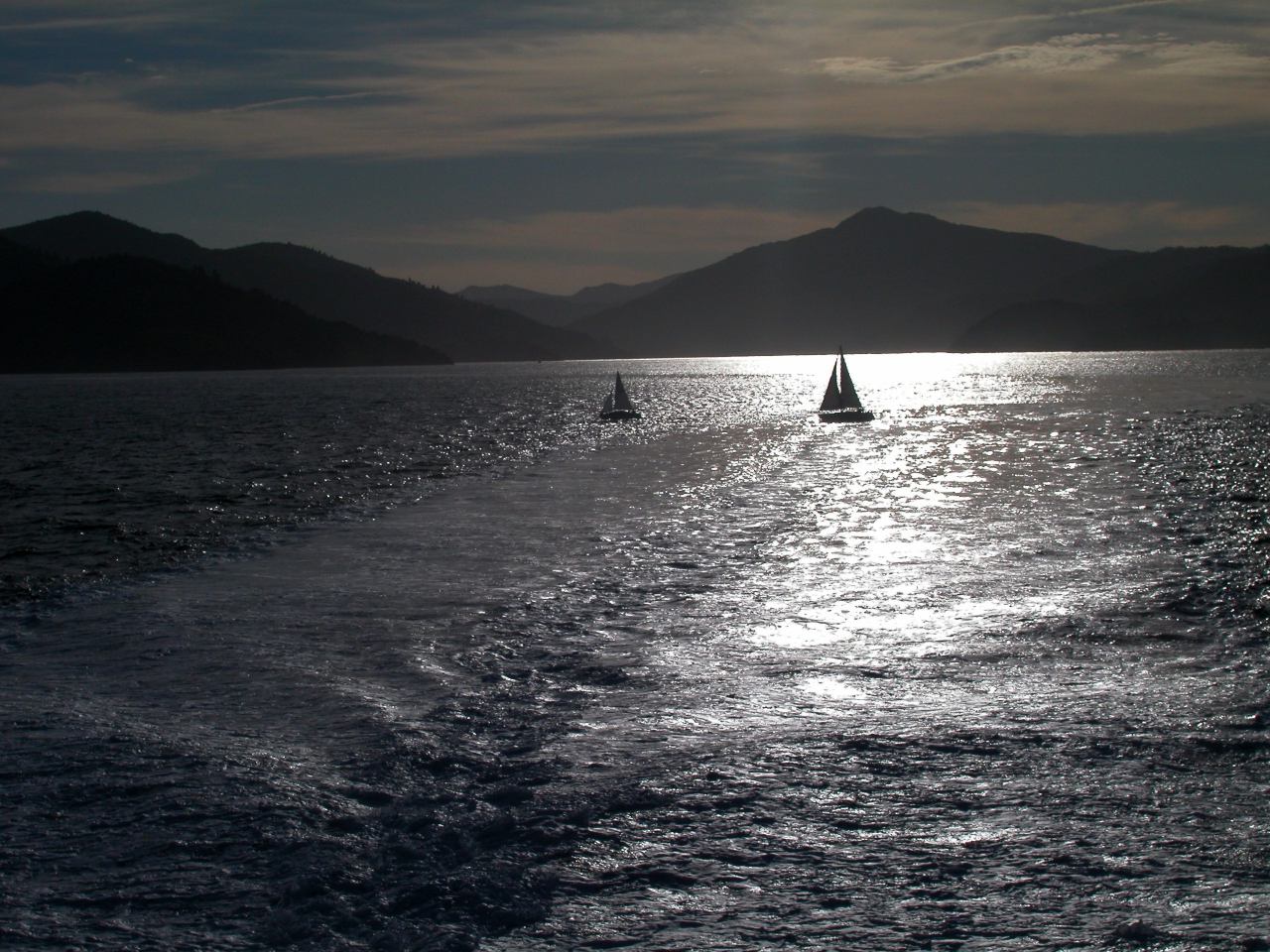
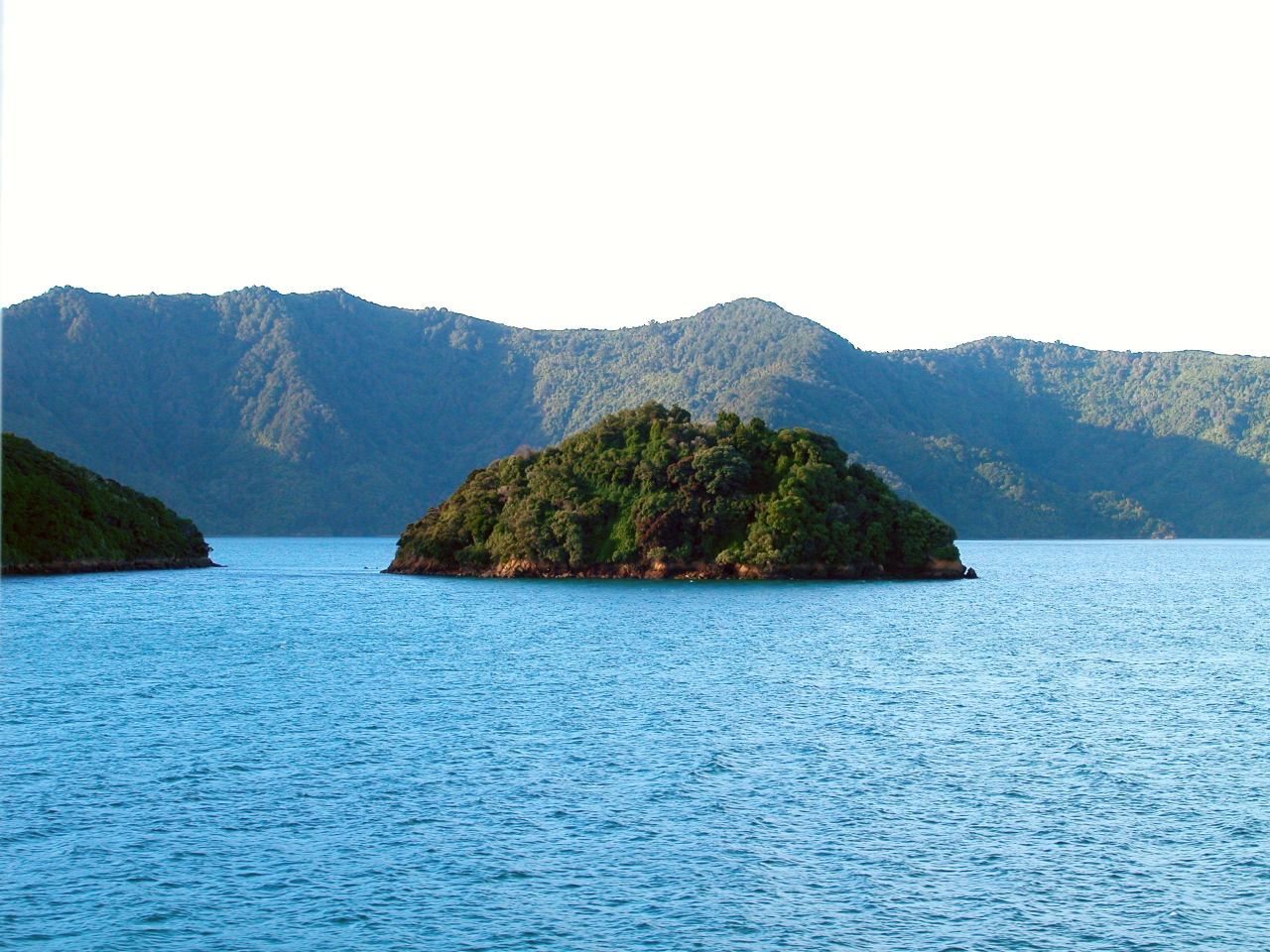
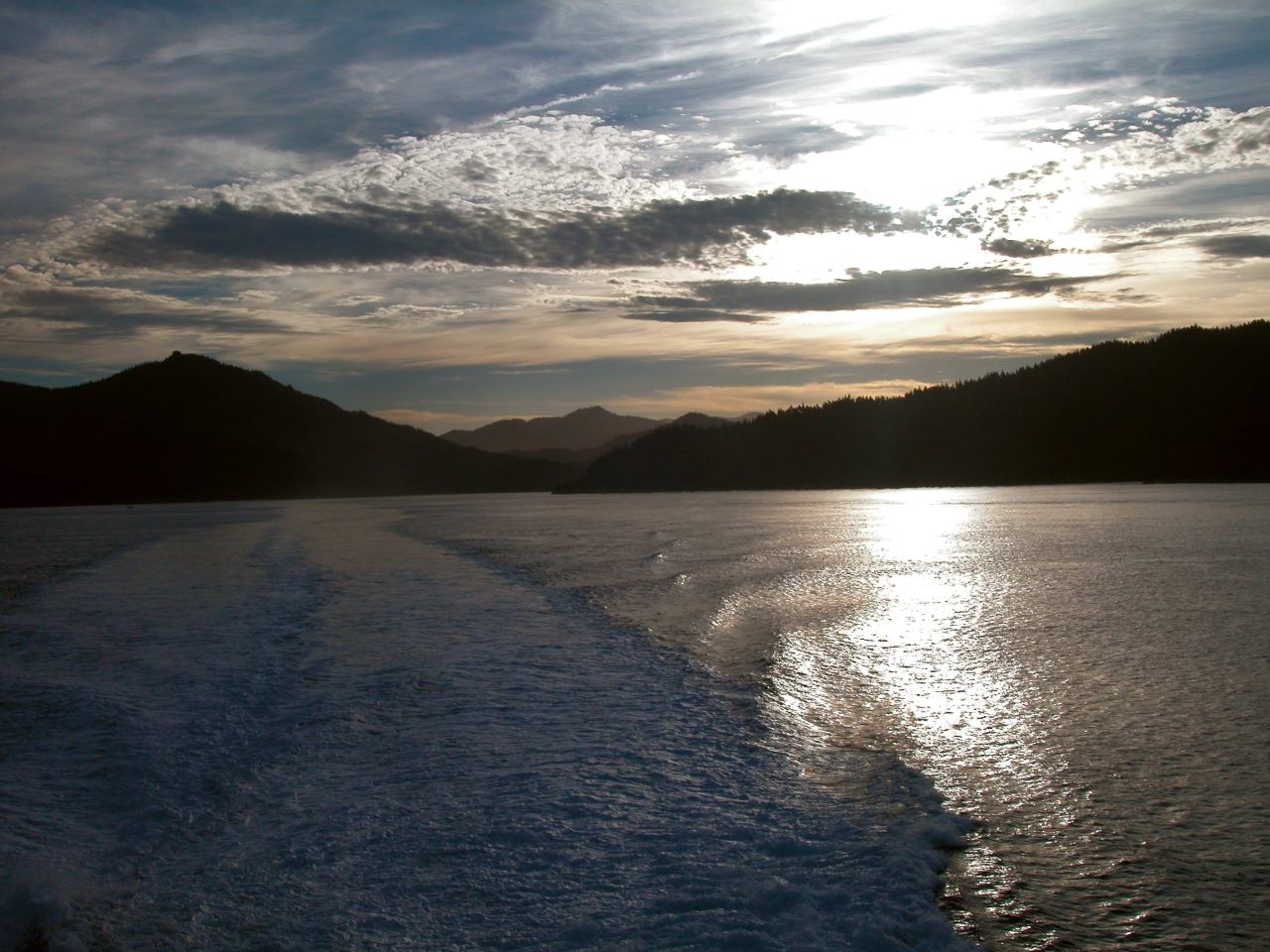
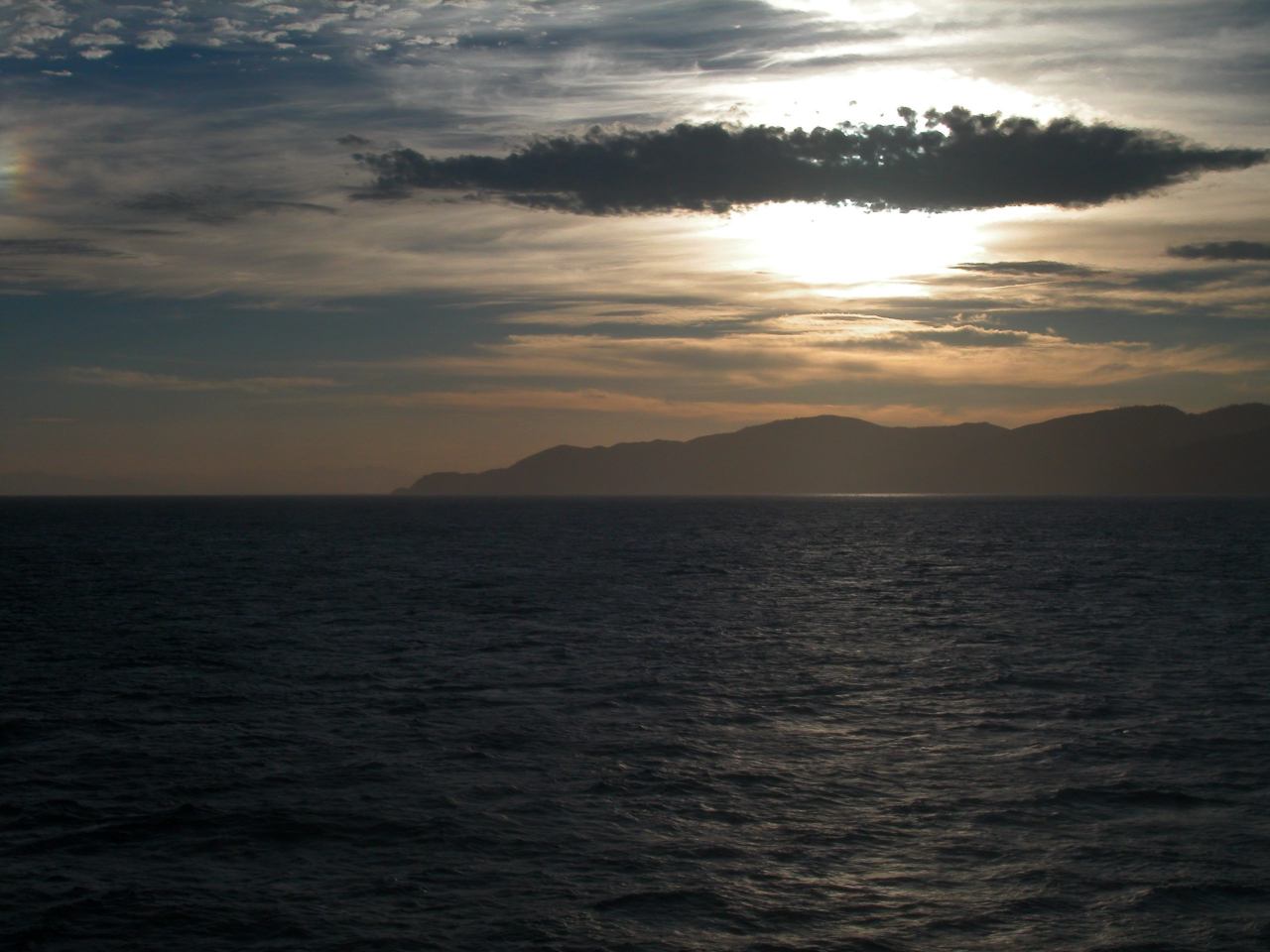
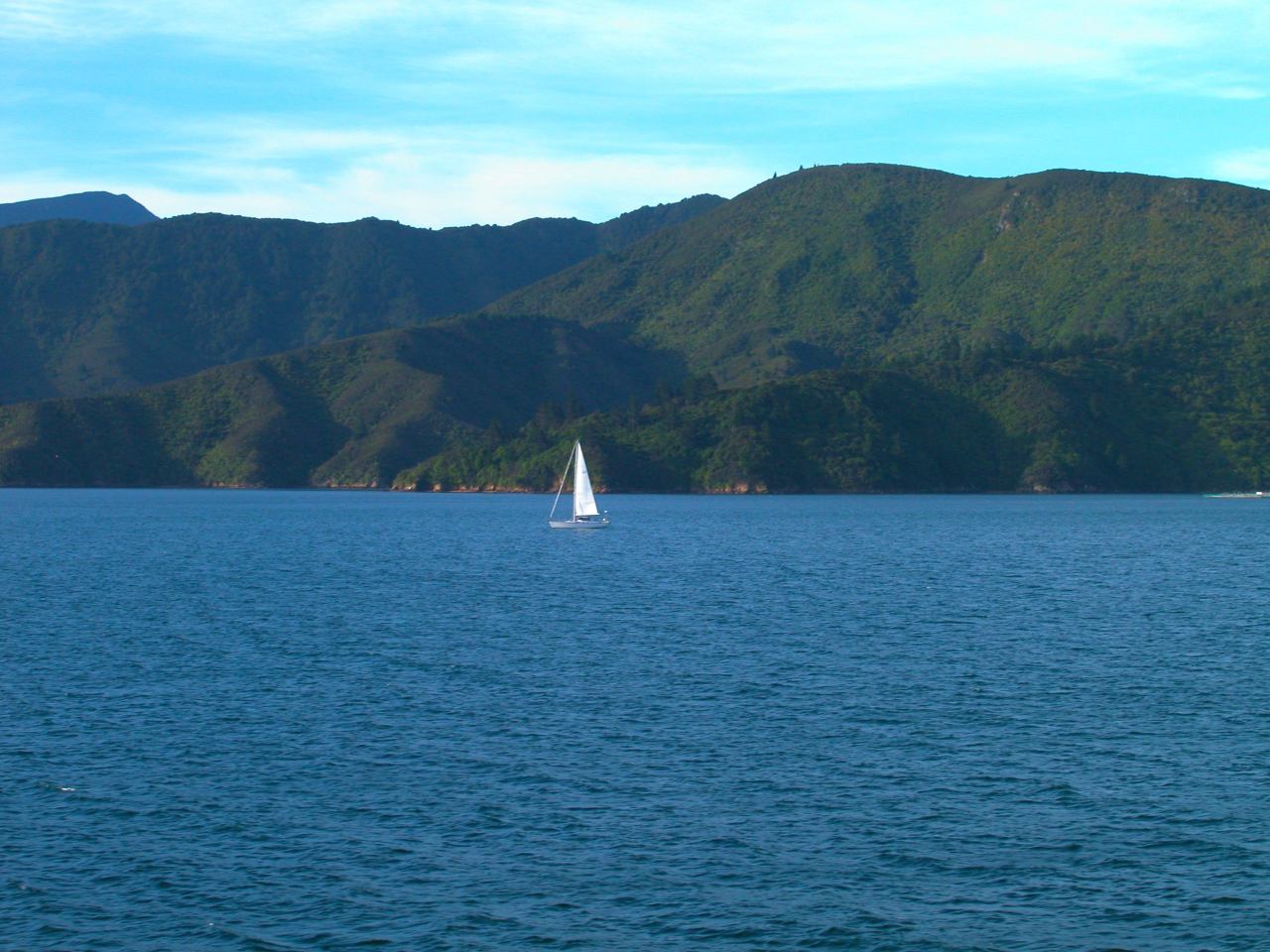
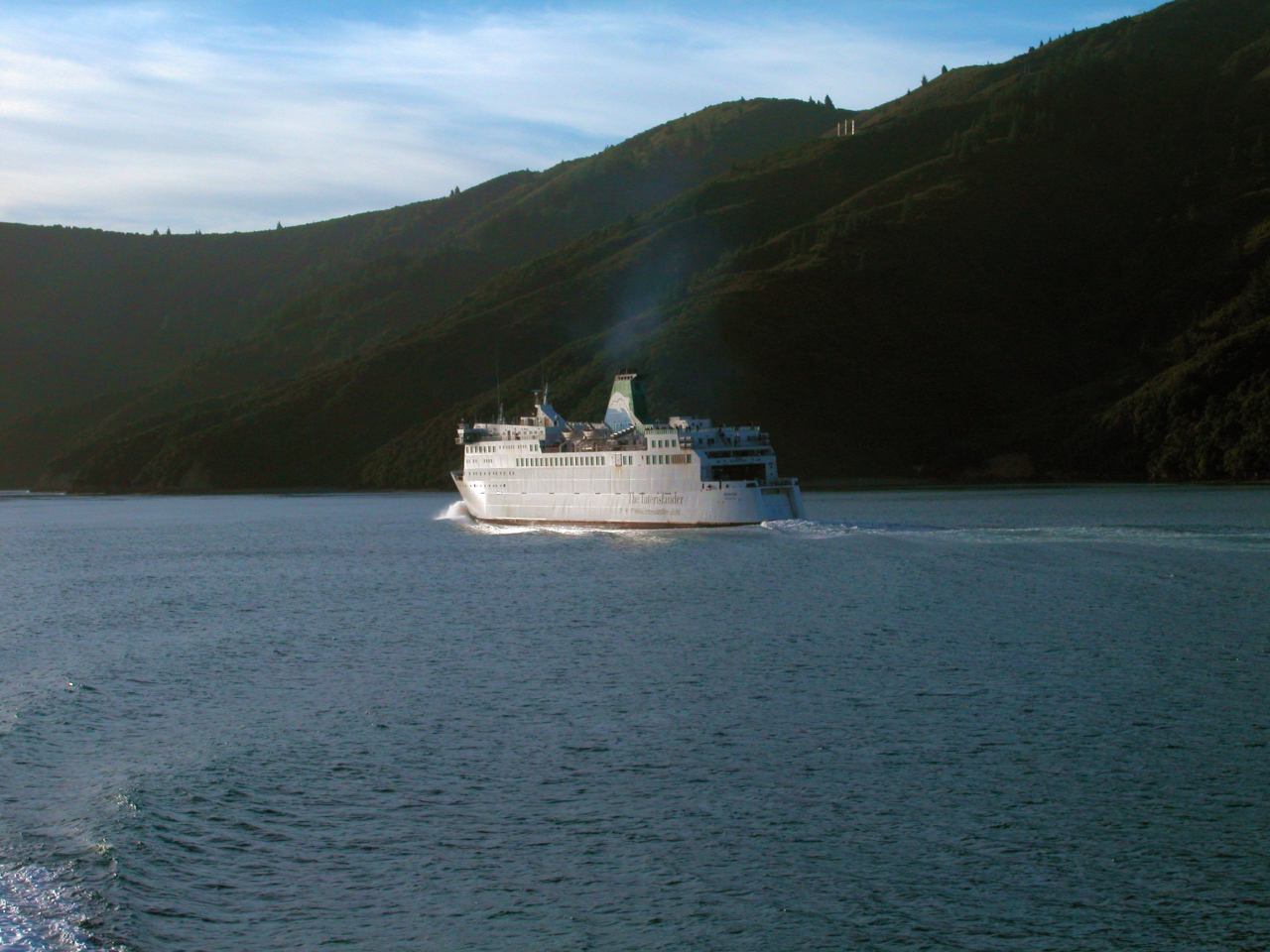
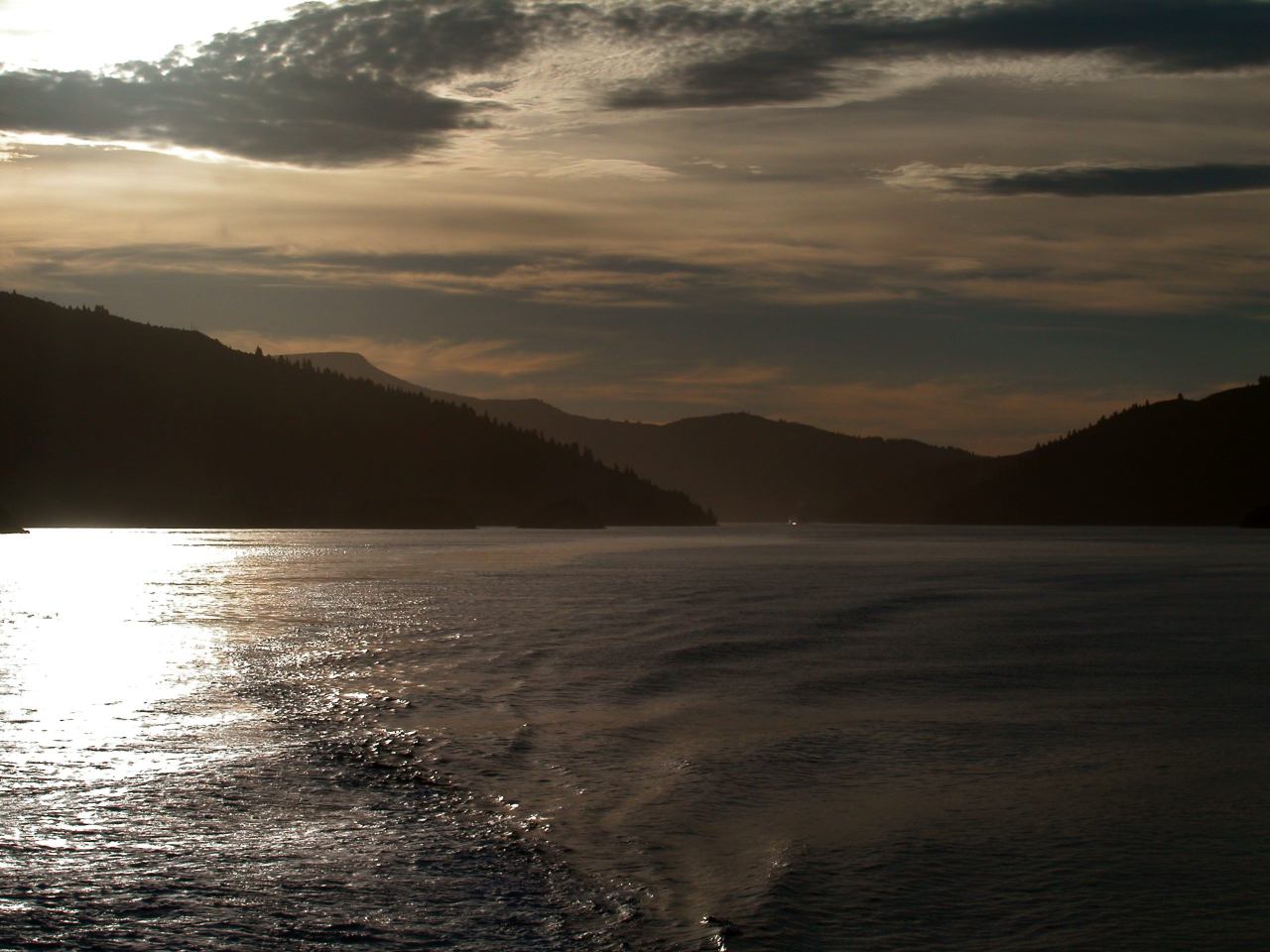
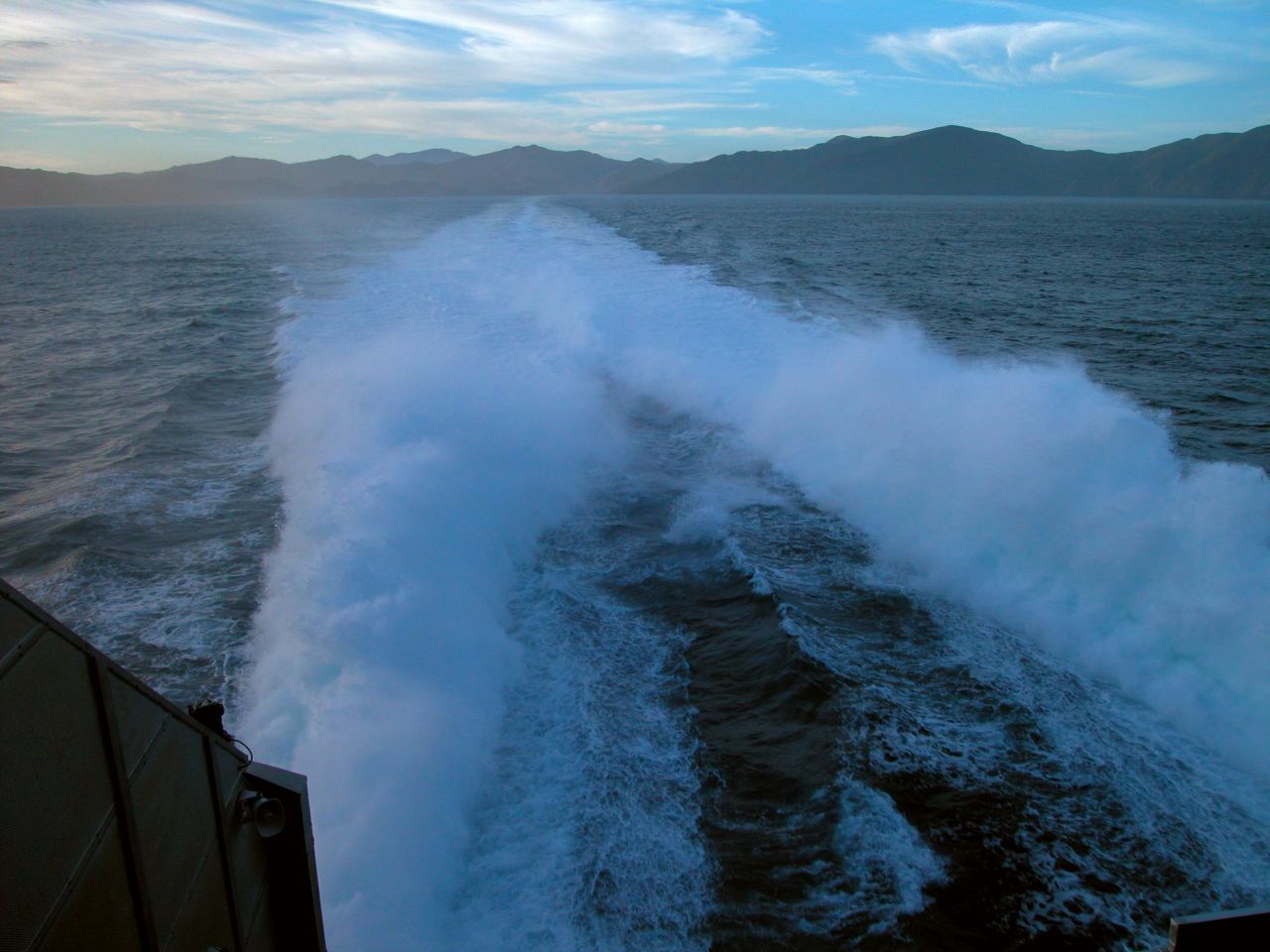
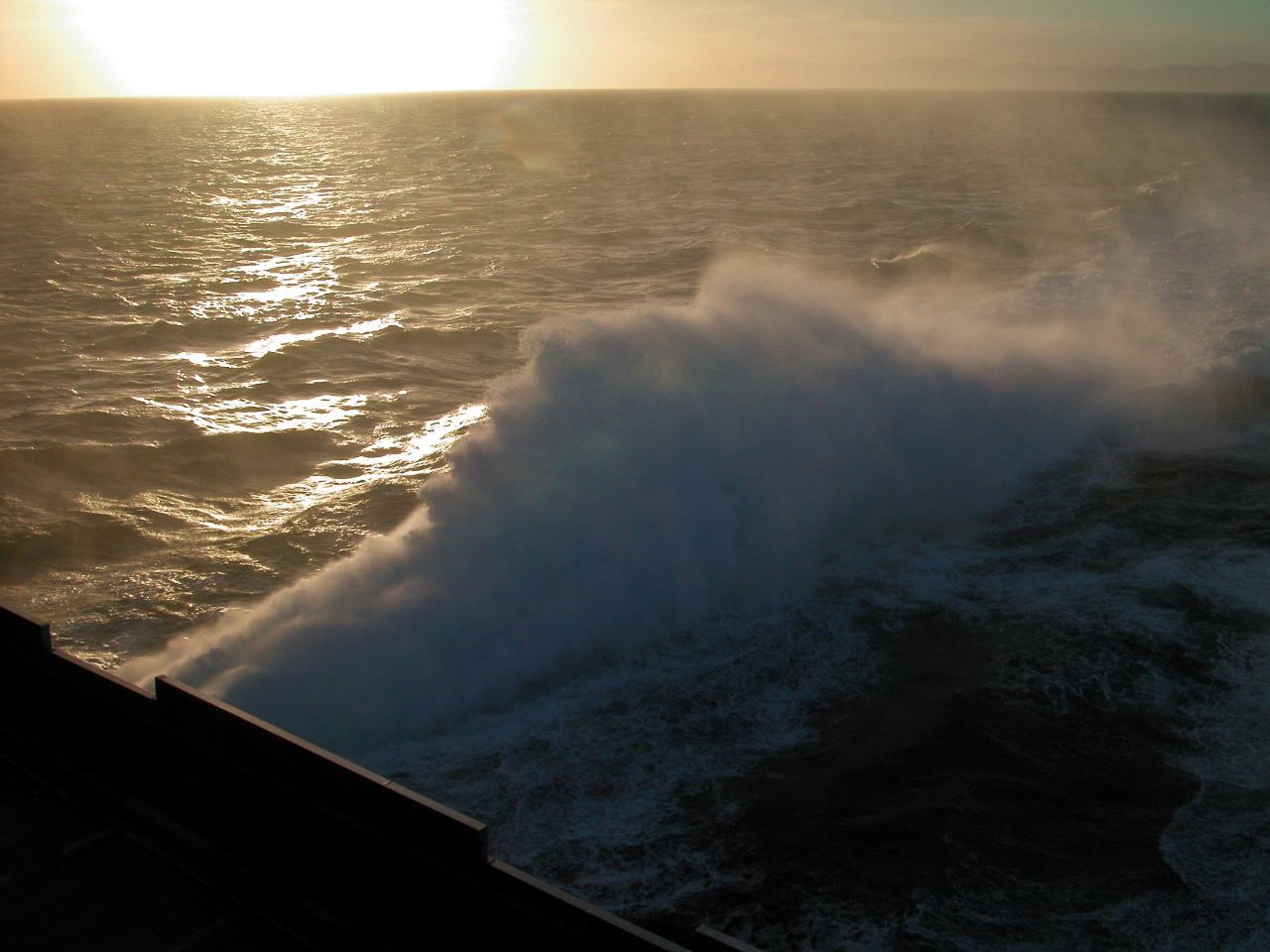
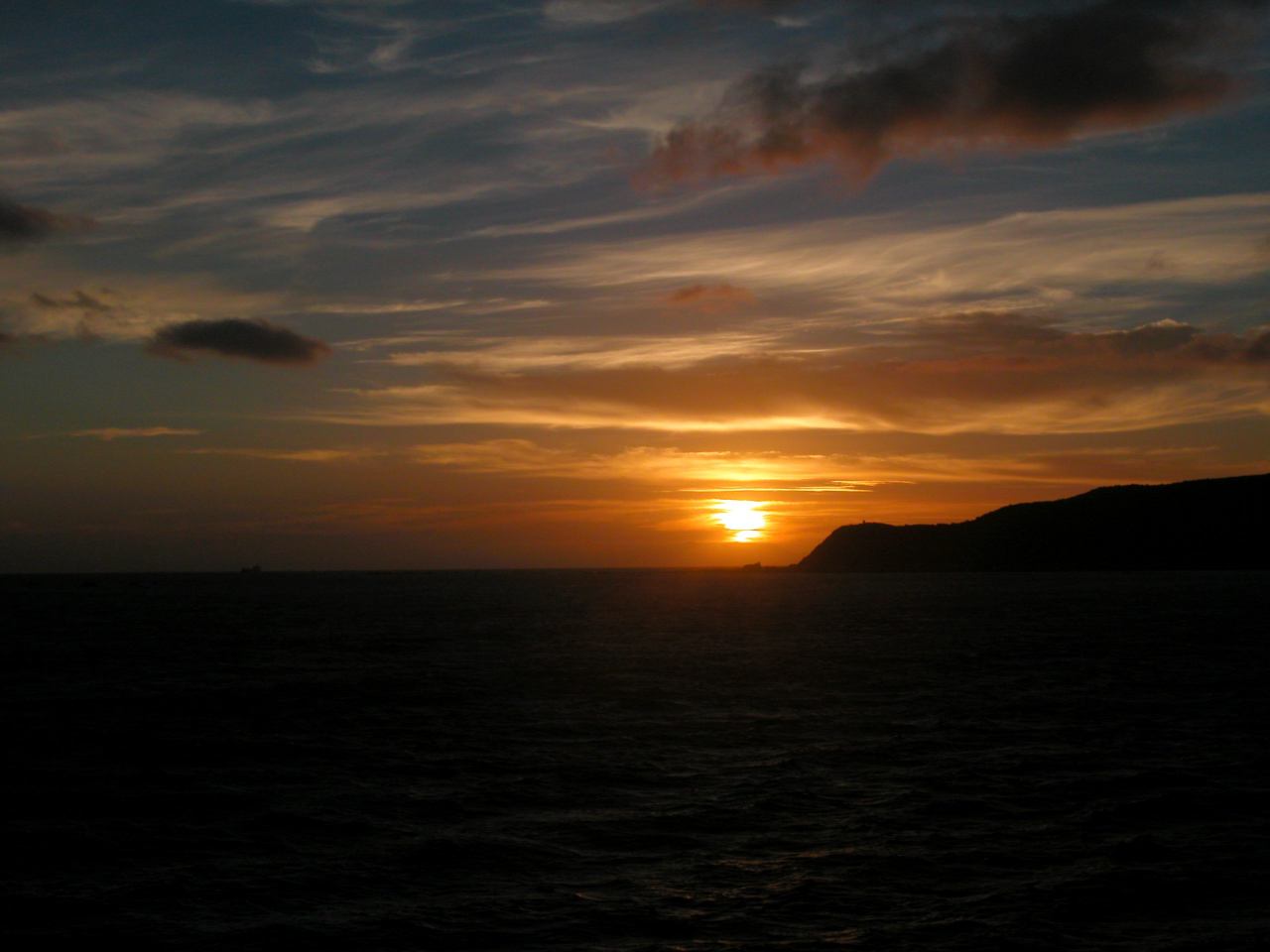
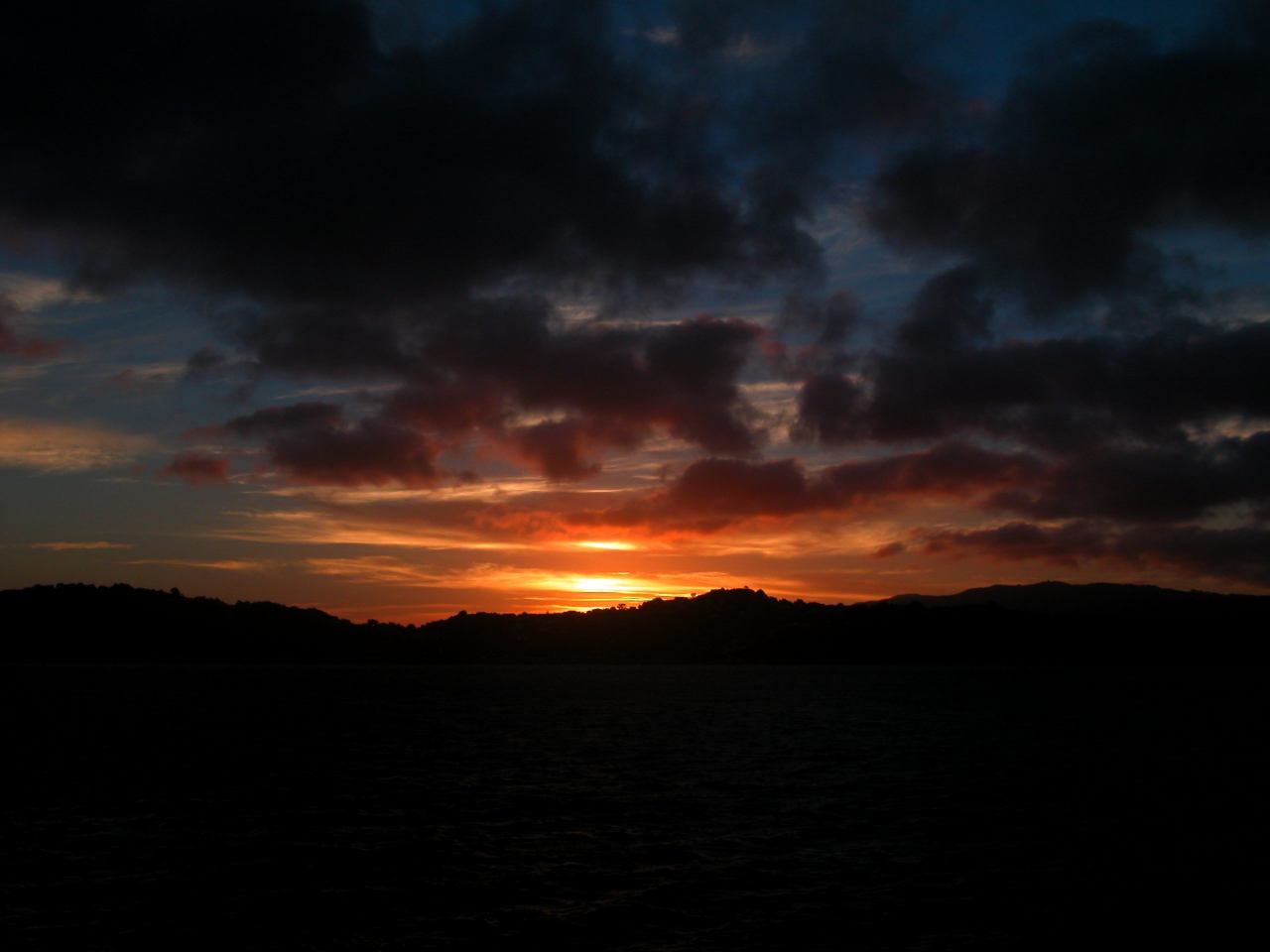
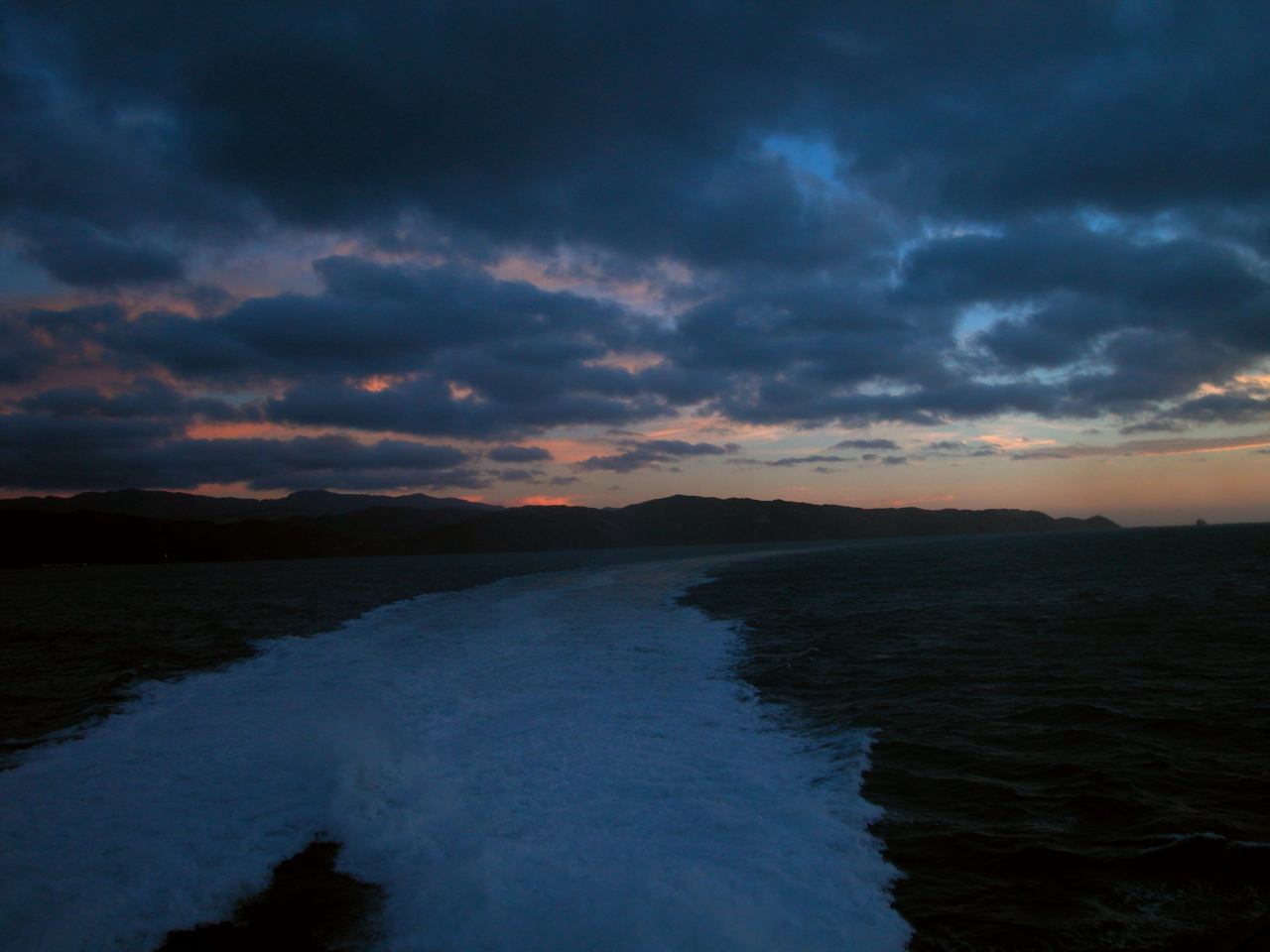
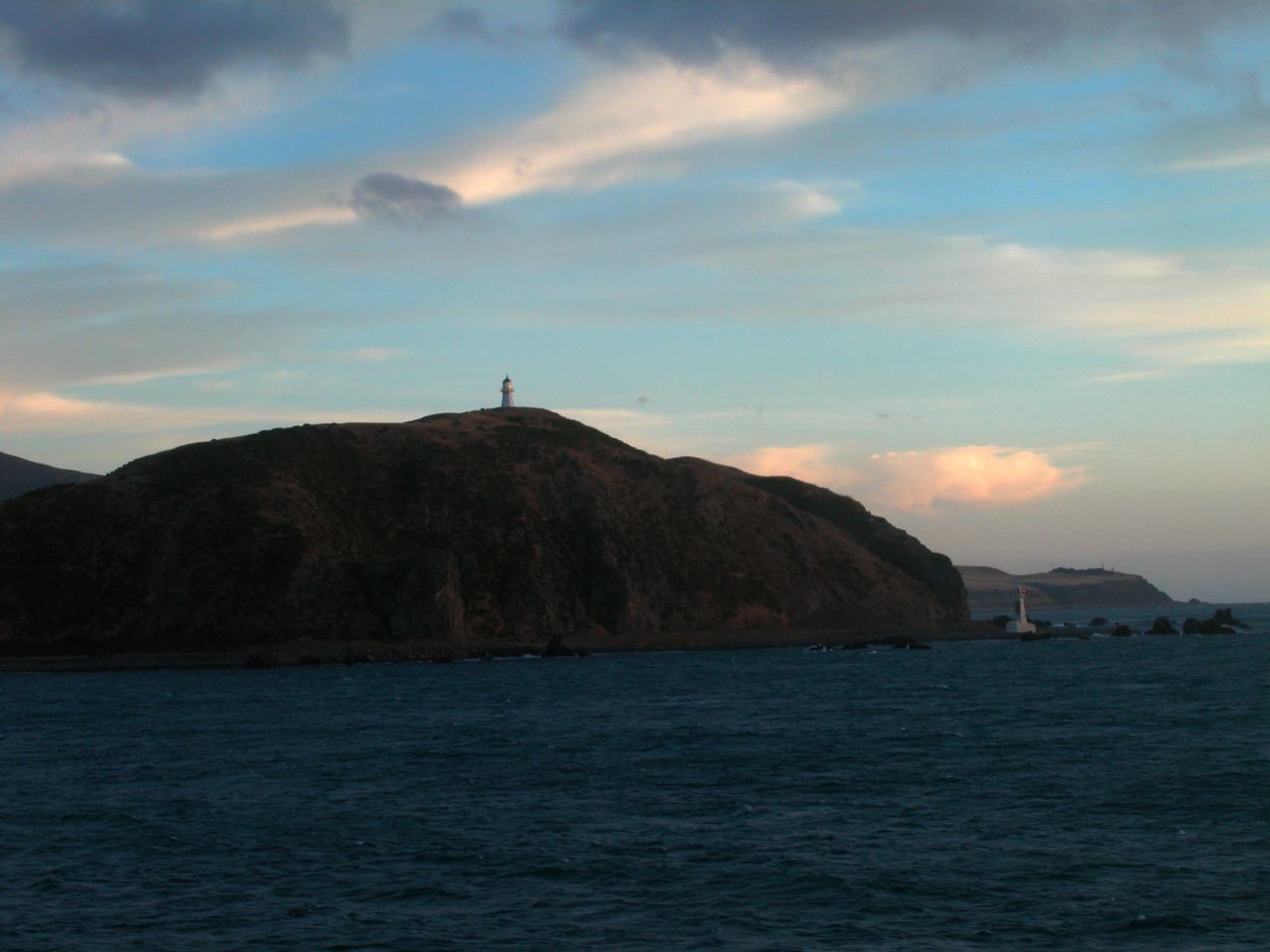
Wellington has two ferry terminals. The Lynx comes into town, the others three kilometres north. Most rental companies are out at the other terminal, Budget among them. We might have a car reserved there. Might have, because when we handed the car back in Picton we never made clear that we still wanted one for the return drive up the North Island.
So Tanya sat on the heap of luggage after we got off while I ran to the other terminal. A wasted trip. All the offices were shut. I ran back. Tanya rang to say they were throwing her out of the waiting room. While I’d been running, the Apex office, the only rental place at the Lynx terminal, had shut too.
Now the two of us ran with our bags to the Waterloo Hotel, which was also due to close in a few minutes. Here we were in luck. There was a room and the staff hadn’t gone to bed.
It was a tiny room with a view of the station. We could barely get our bags into it.
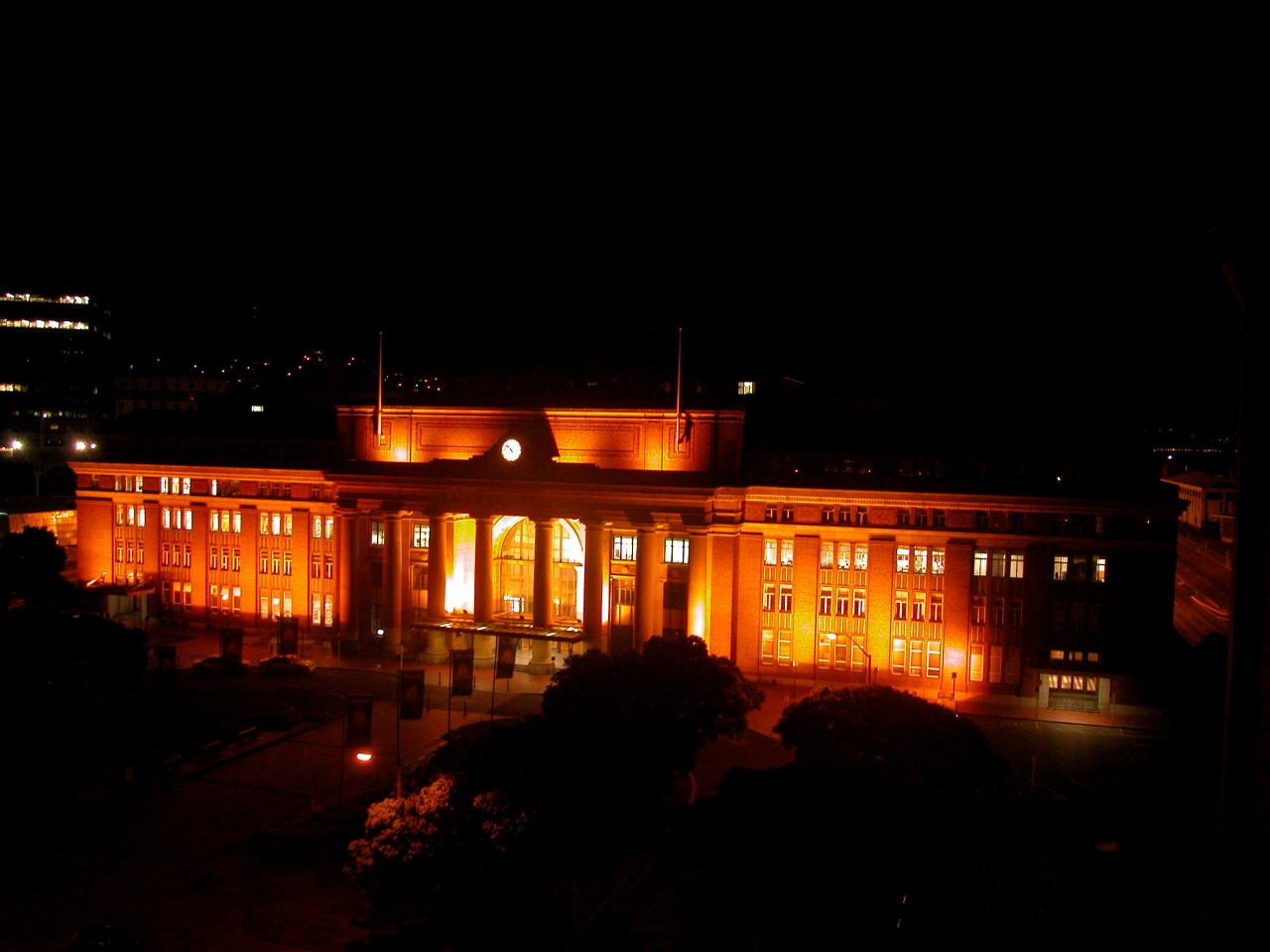
In the morning we checked the bags into left luggage and tried the far terminal again. The offices had opened, but there wasn’t a car free. We took some brochures and set out on foot to find the little rental companies. We wanted a car for three days and they’d only hire them out for a week or more. Fine, we’d give in and go to Hertz, the expensive worldwide company. Yes, they had cars, but at twice the price. We agreed, then found they wouldn’t take our Russian licences. They suggested we pop into the police station next door and get New Zealand ones.
Just what we needed. We ran back to the Lynx terminal. The ferry was due and Apex would be opening, and the time limit on our left luggage was up.
The Lynx arrived, the office opened: one week minimum. Arrgh! What if we paid for a week and brought it back after three days? They’d do that, but no refund. Fine, that’d work. I showed my licence with some trepidation. They took it! Only there were no cars. We had to go to their office on the far side of town. Maddening: we’d walked past the door a few hours ago without noticing the sign. They gave us a Nissan Bluebird, battered but running. They were very thorough here and drew up a report acknowledging damage to every wing and door, both bumpers and a headlight. Interesting. It would take quite an accident to add much to that list.
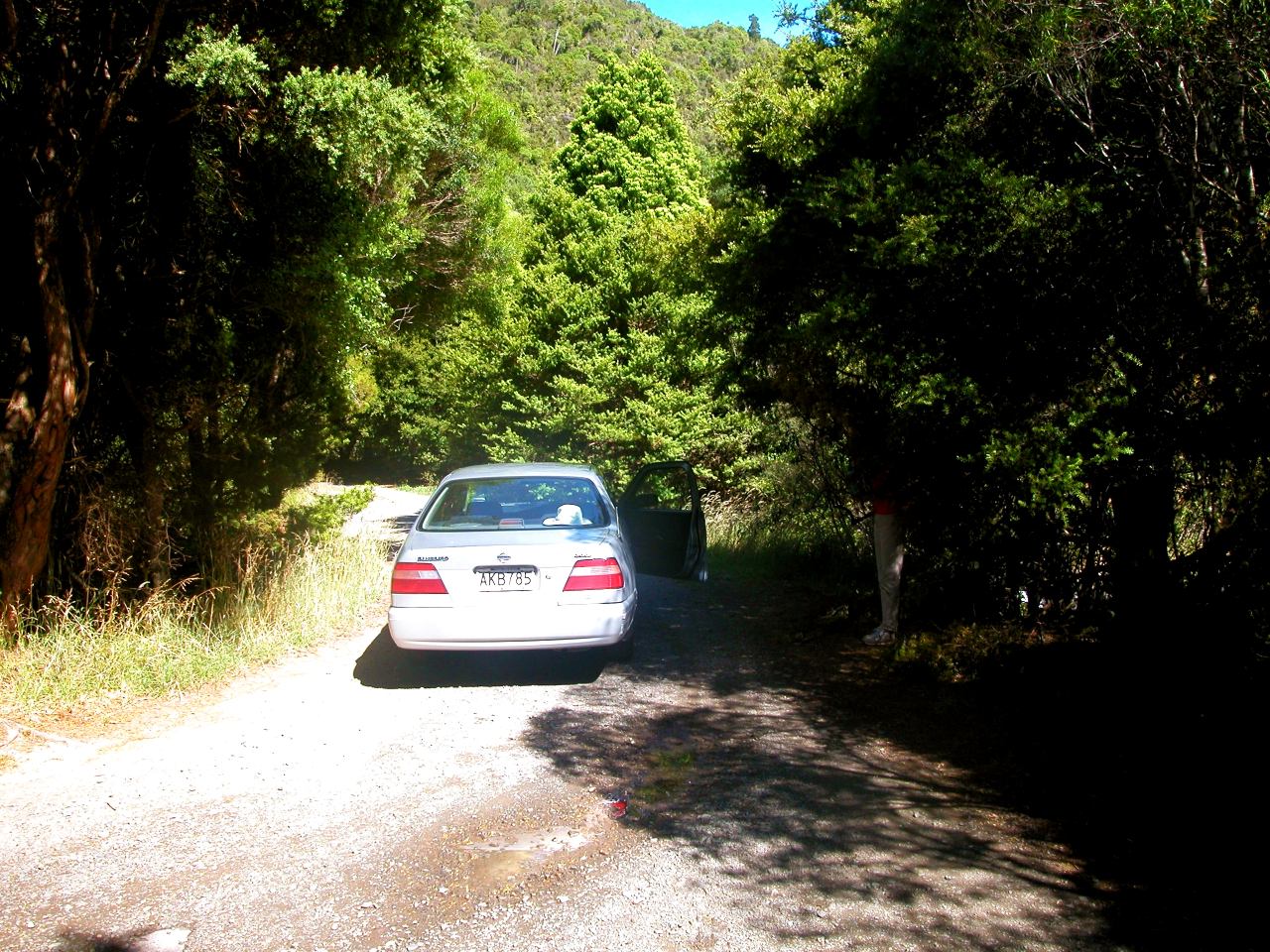
Never mind all that. We finally had a car. Off to the hotel to rescue the bags. Everything was in order, but the day was gone. Don’t save money by leaving the car off the ferry. It’ll cost you more in the end. We’d paid just that much extra on the hire, and lost the day set aside for one last attempt on Ruapehu. We’d have to let that go.
We set off for Napier in dreadful weather, with rain and fog. The road is mountainous and crosses a pass. Slow progress, then the mountains came to an end and out came the sun. It seemed it had only been raining in Wellington. By evening we were in Napier, a sizeable town, enjoying a warm evening. We finally forgot the morning’s business with the car and wandered the narrow streets for ages. Napier has a Little Mermaid of its own, like Copenhagen: Pania of the Reef. In the Māori story she’s a young woman of the sea who falls in love on land. It ends sadly and she becomes a reef.
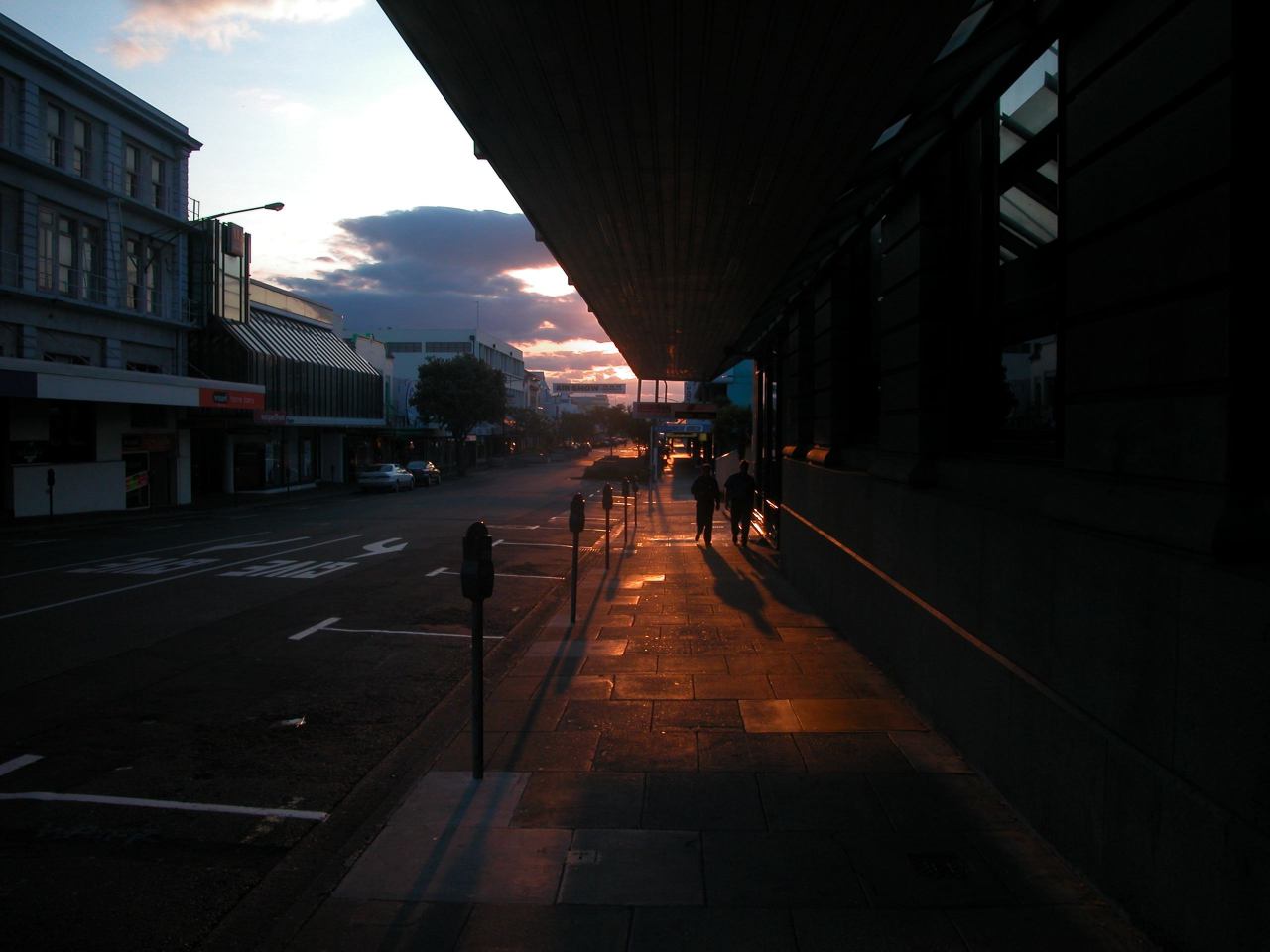
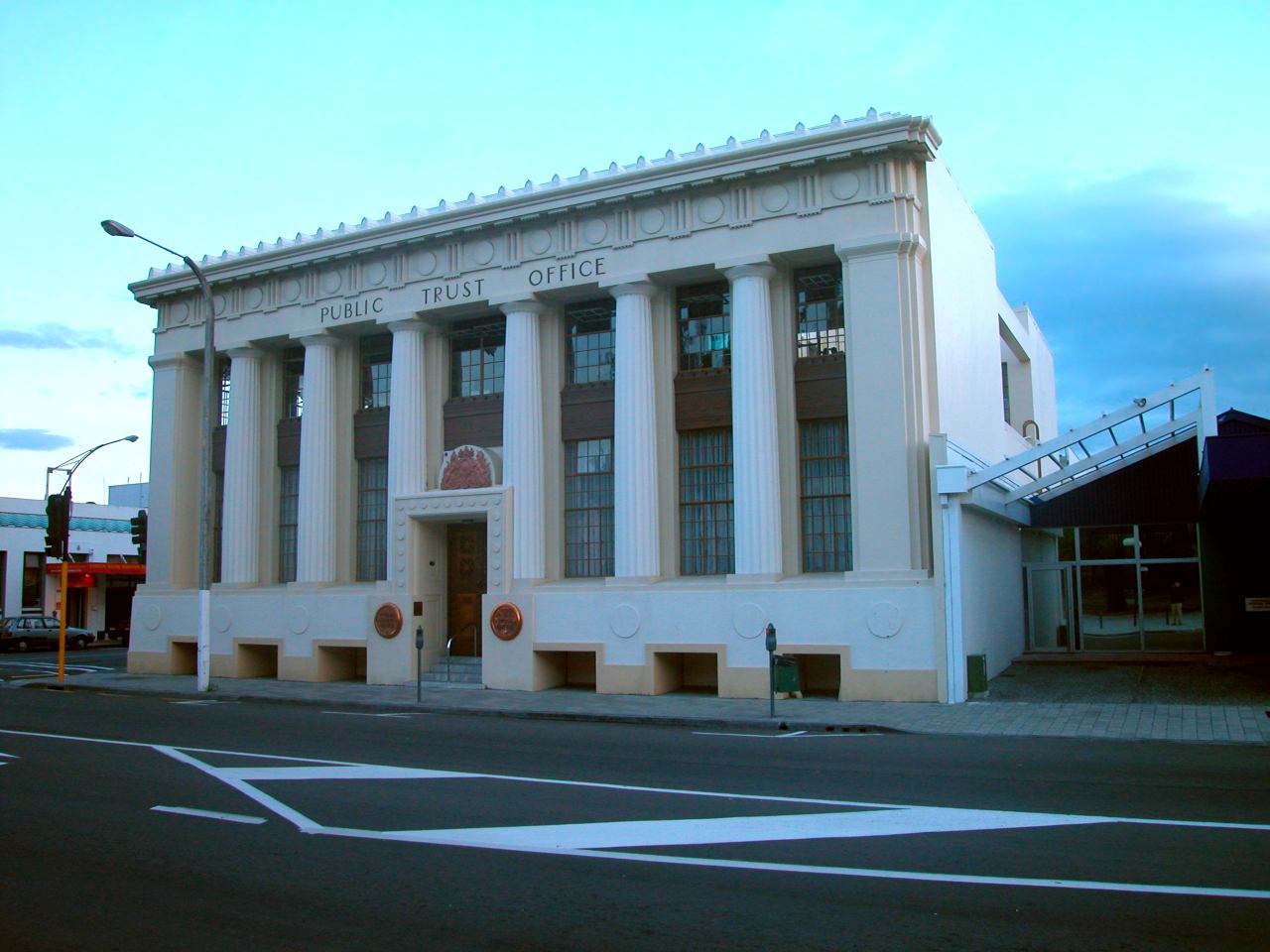
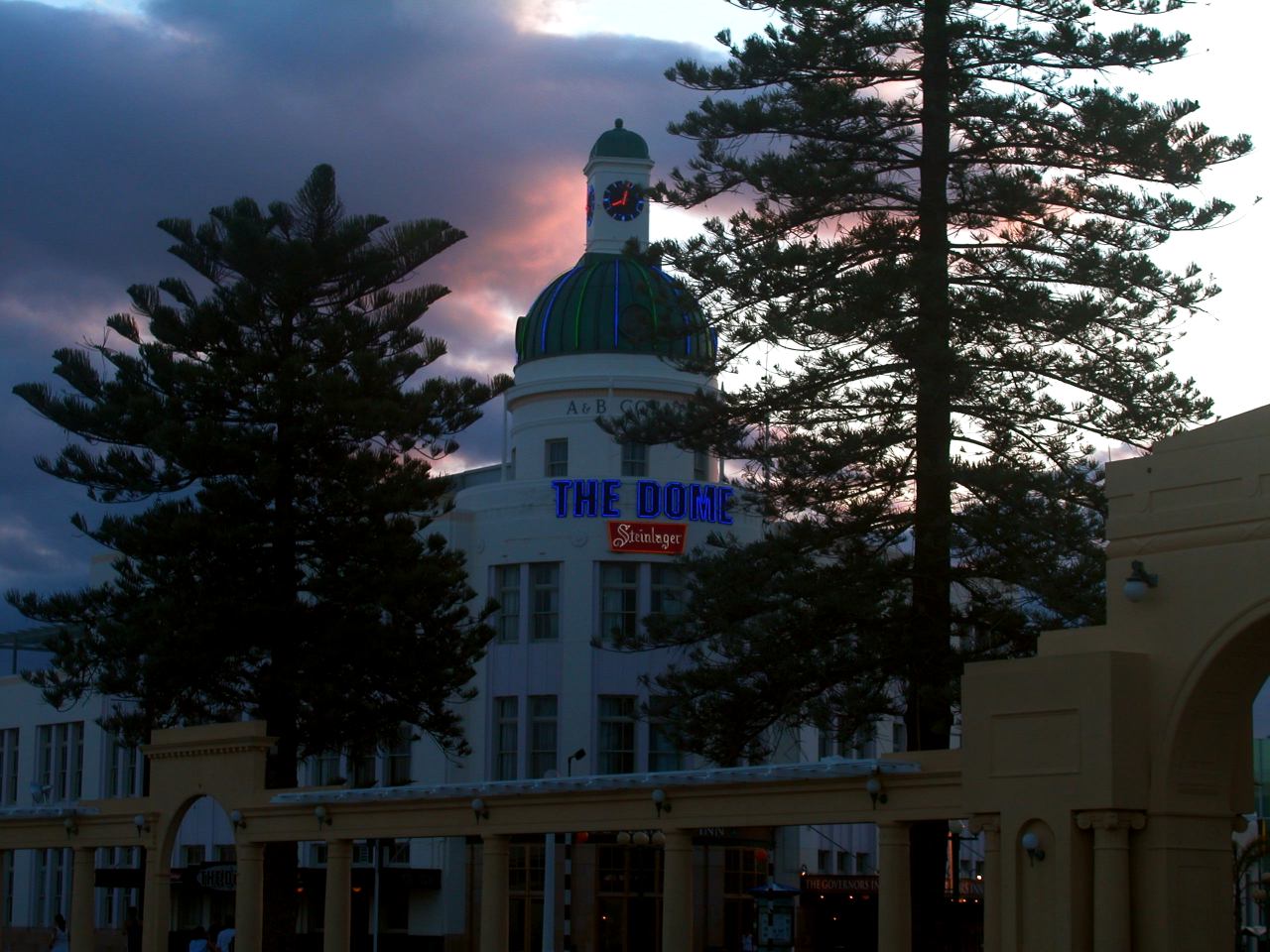
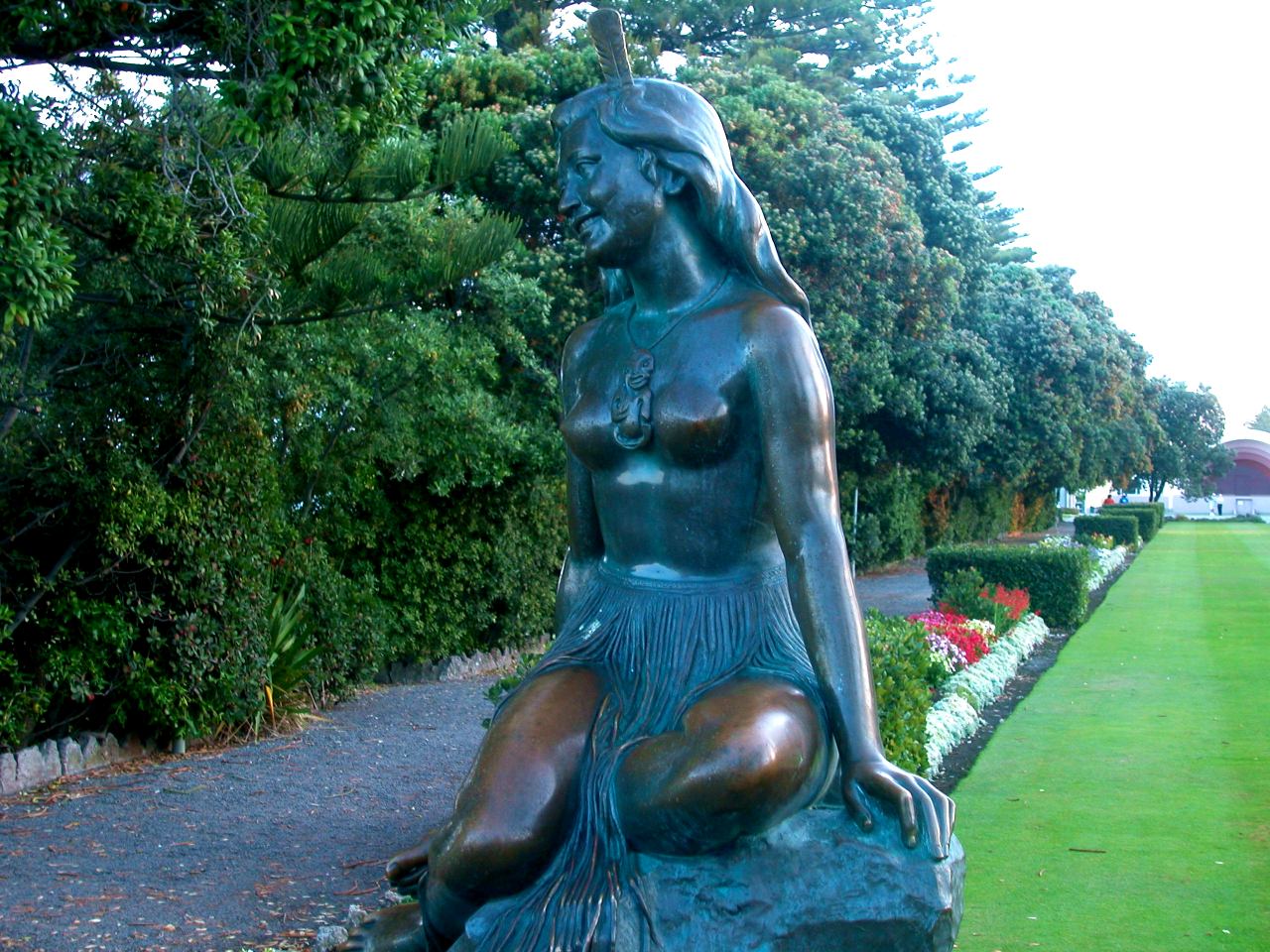
We stayed at the Kennedy Park town campground. (39°30.382′S, 176°54.010′E, elevation 10 m.) At reception they said we were their first Russians. We put up the tent so that we could make soup and watch the southern sky. Now, at the end of the trip, we were sorry we’d chosen a soft motel sofa over the freedom of the open air so often.
We left for Auckland in the morning and were there by three in the afternoon. We found the Silver Motor Motel Inn not far from the airport. Price NZ$89. Quite reasonable for Auckland; the hotels nearby wanted over two hundred.
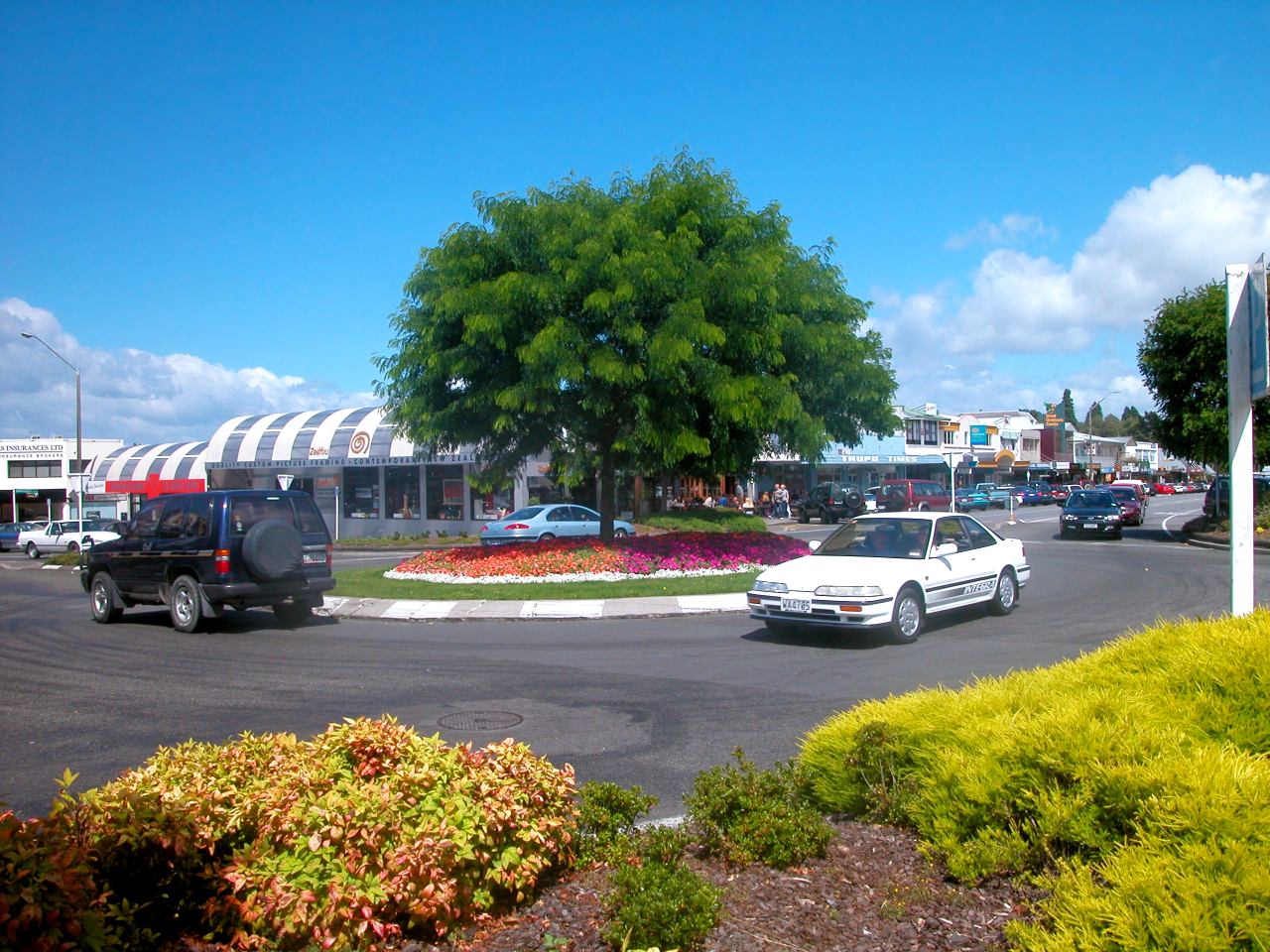
In New Zealand’s little towns everything stops at four in the afternoon and it’s the dead of night after ten. In Auckland things are just getting started. Young people pour into all the cafés and there’s music in the streets. We began our walk in the country’s main city by parking near the War Memorial Museum. The great building on a hill in the middle of town shows how much the world wars mean here. Thinking back to the history I’d learnt, I couldn’t remember a word about where or why the New Zealanders had fought. Only that they’d been on Britain’s side. Alas, the war had got to these islands on the exact opposite side of the world. Every town has a memorial with a long list of names. I took a closer look. The world wars, of course. But there was also Vietnam, Korea, Croatia, Indonesia. What a long list.
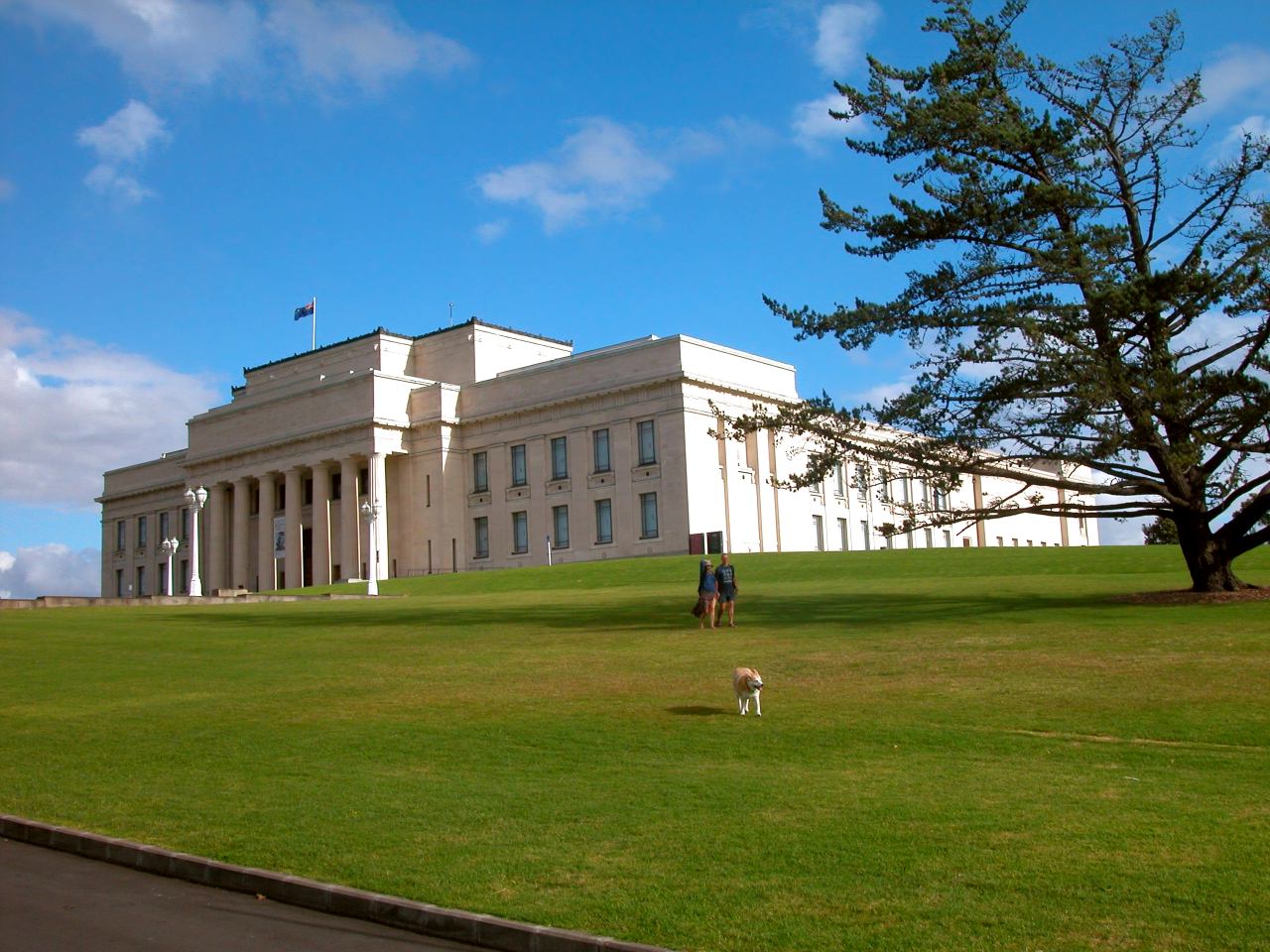
Parks are one of the things New Zealand may do better than anywhere, thanks to the head start nature gave it. Auckland is no exception. Albert Park is simply magnificent.
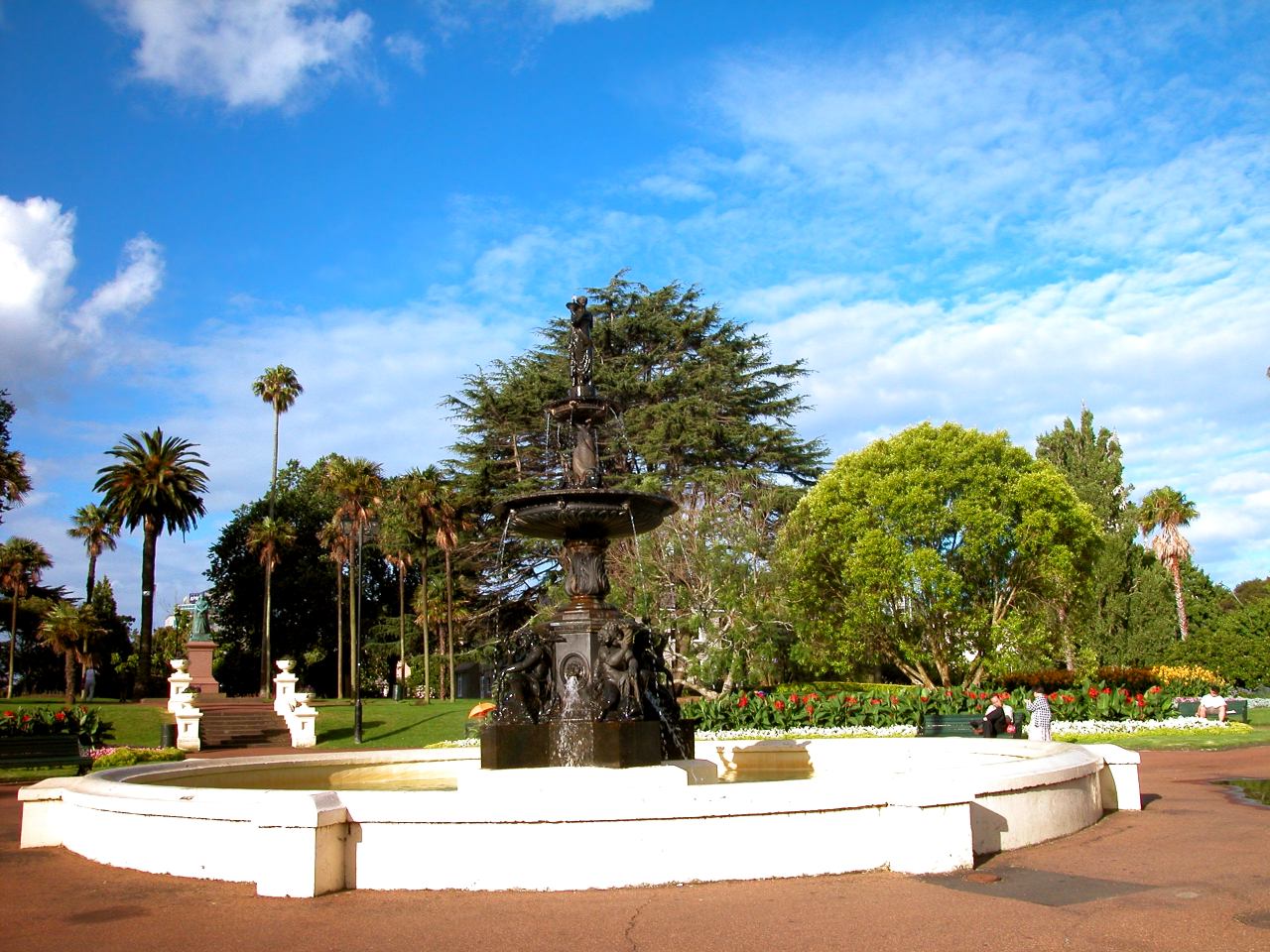
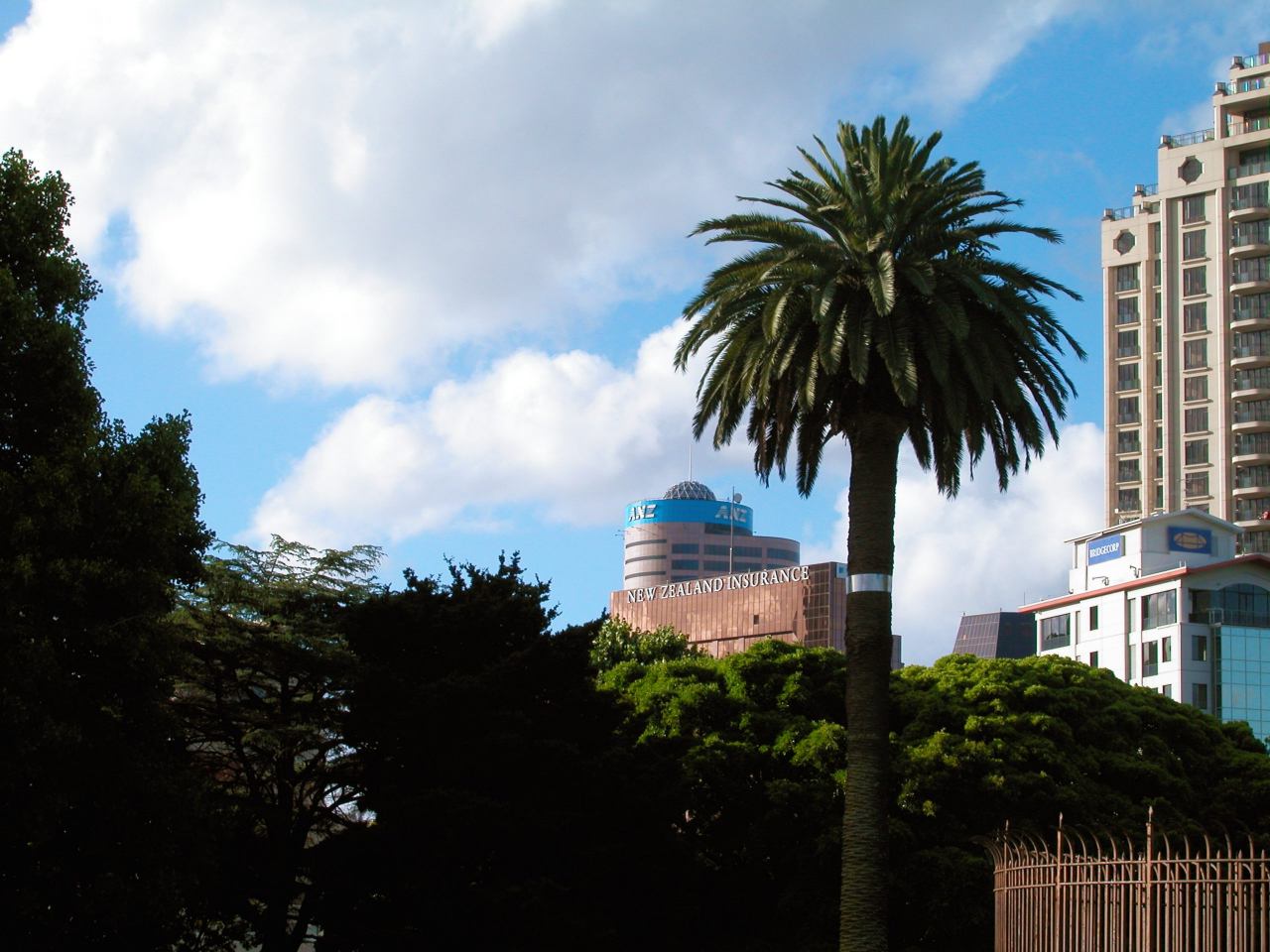
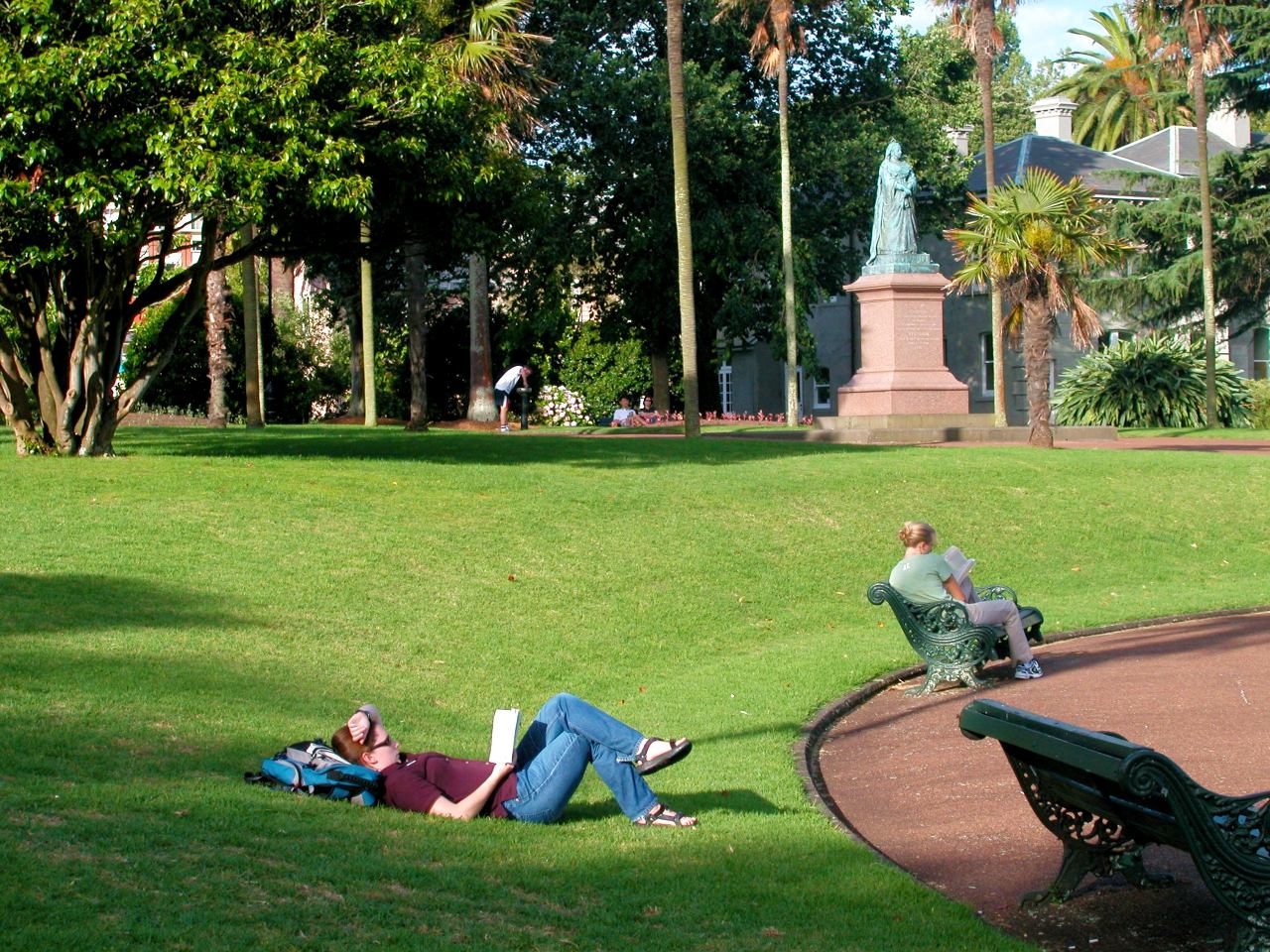
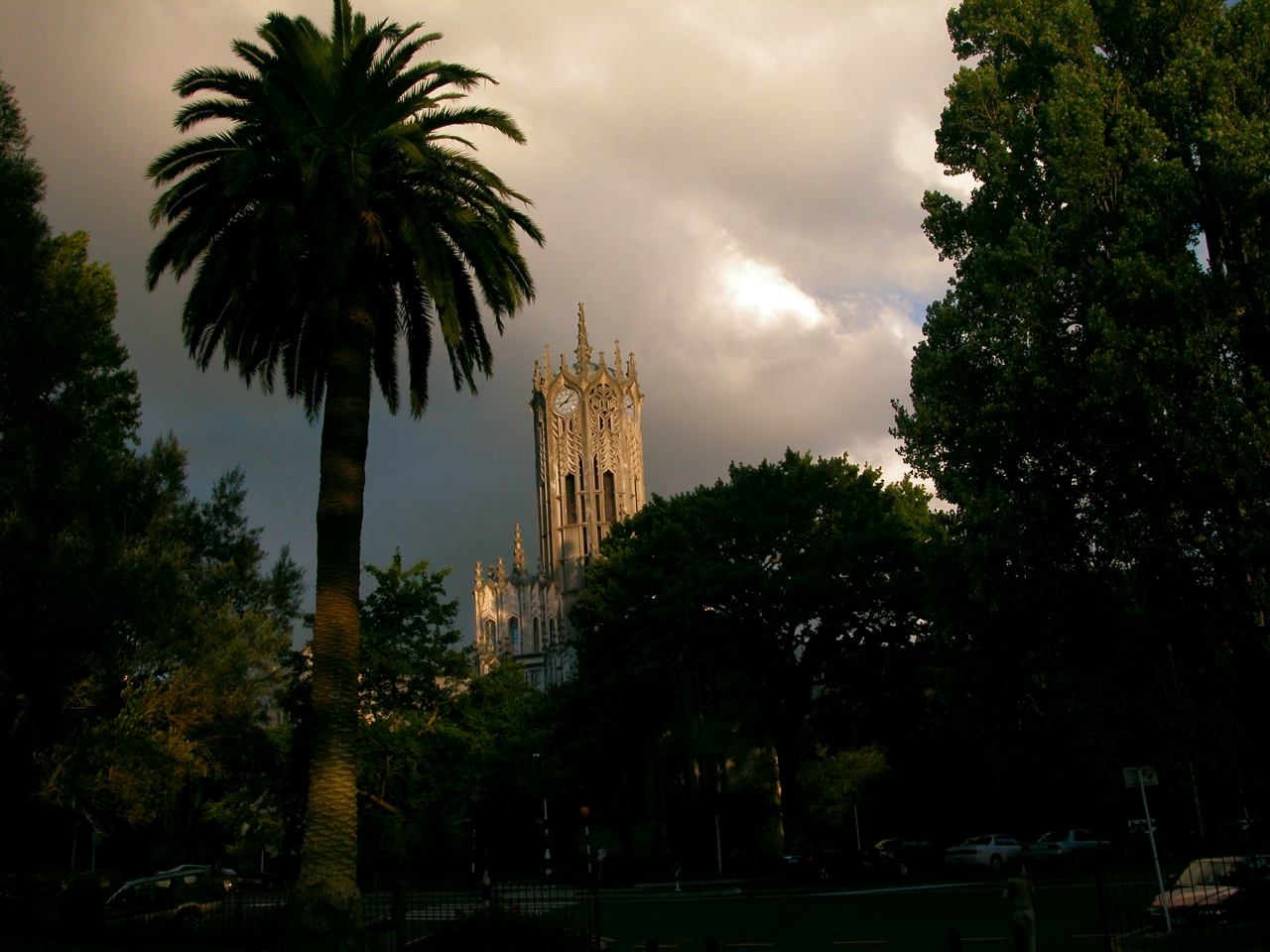
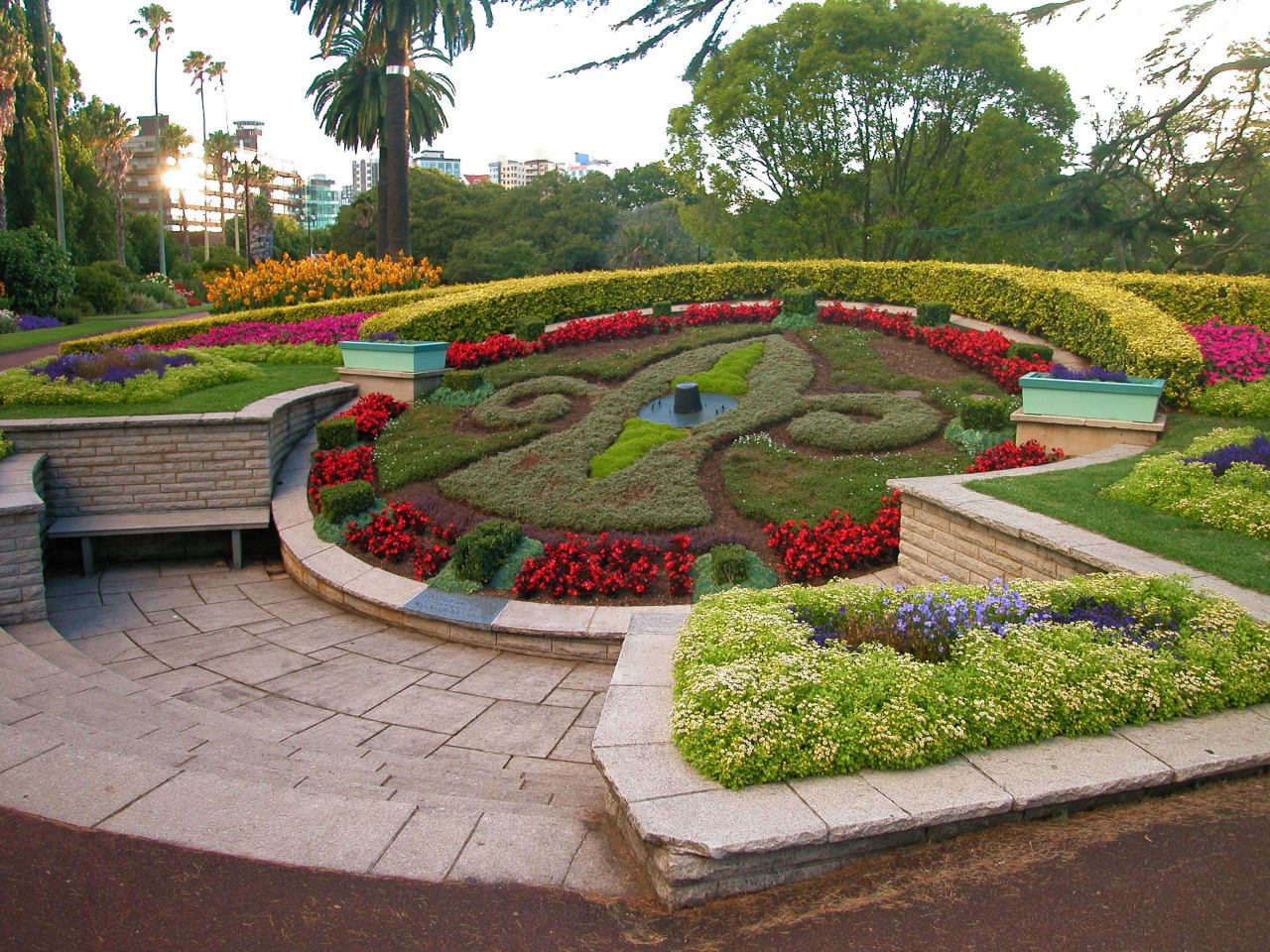
The 328-metre Sky Tower stands right in the middle of town. At the time NZ$15 got you up to the main observation deck, and three dollars more took you up in a separate lift to the next level. The lift has glass walls and there are windows in the tower itself. You don’t notice at first, while the lift is in the basement. But then… Imagine the lift picking up speed and suddenly all around you there’s glass with a sheer drop behind it. Tanya was scared half to death all the way up.
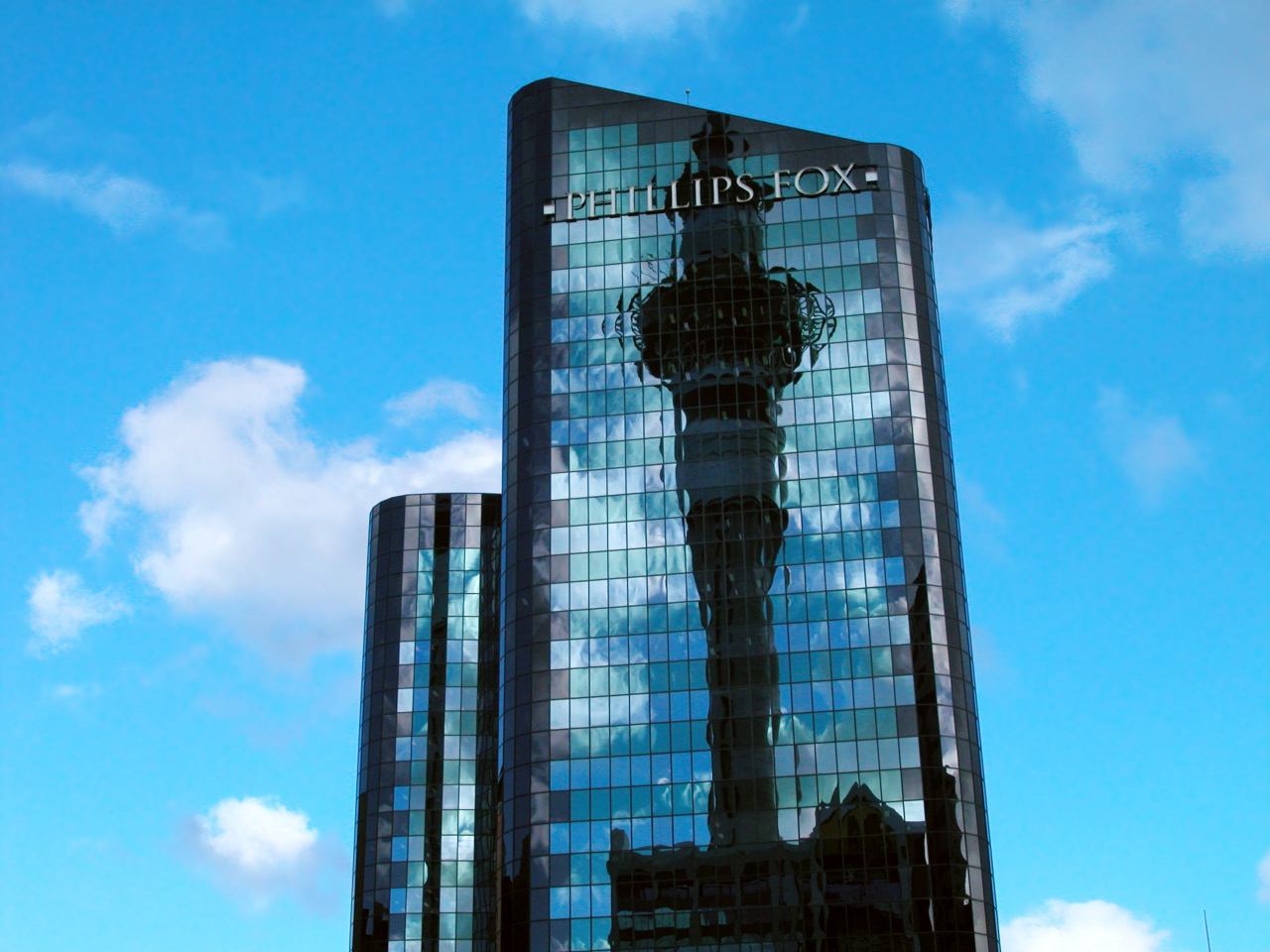
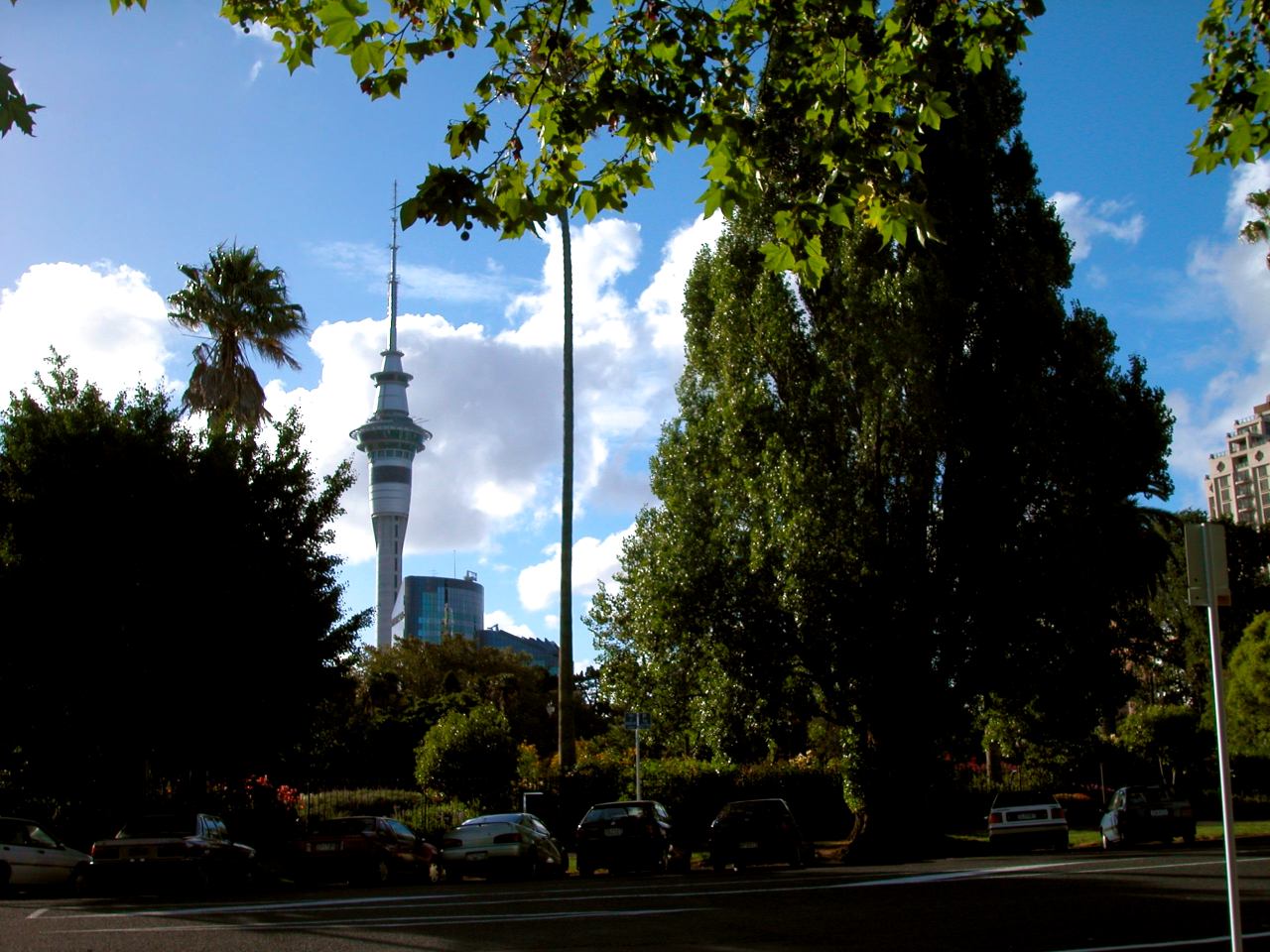
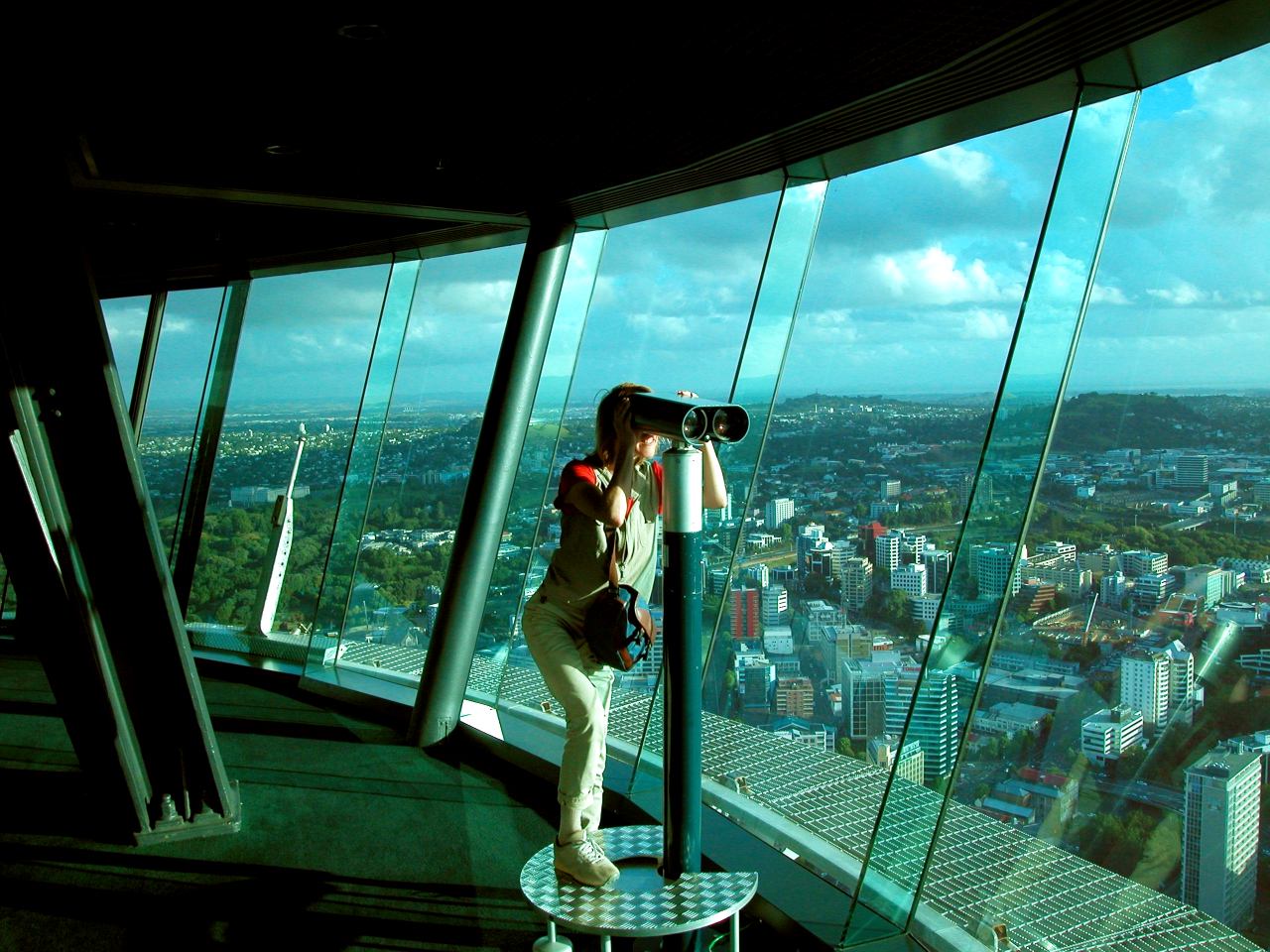
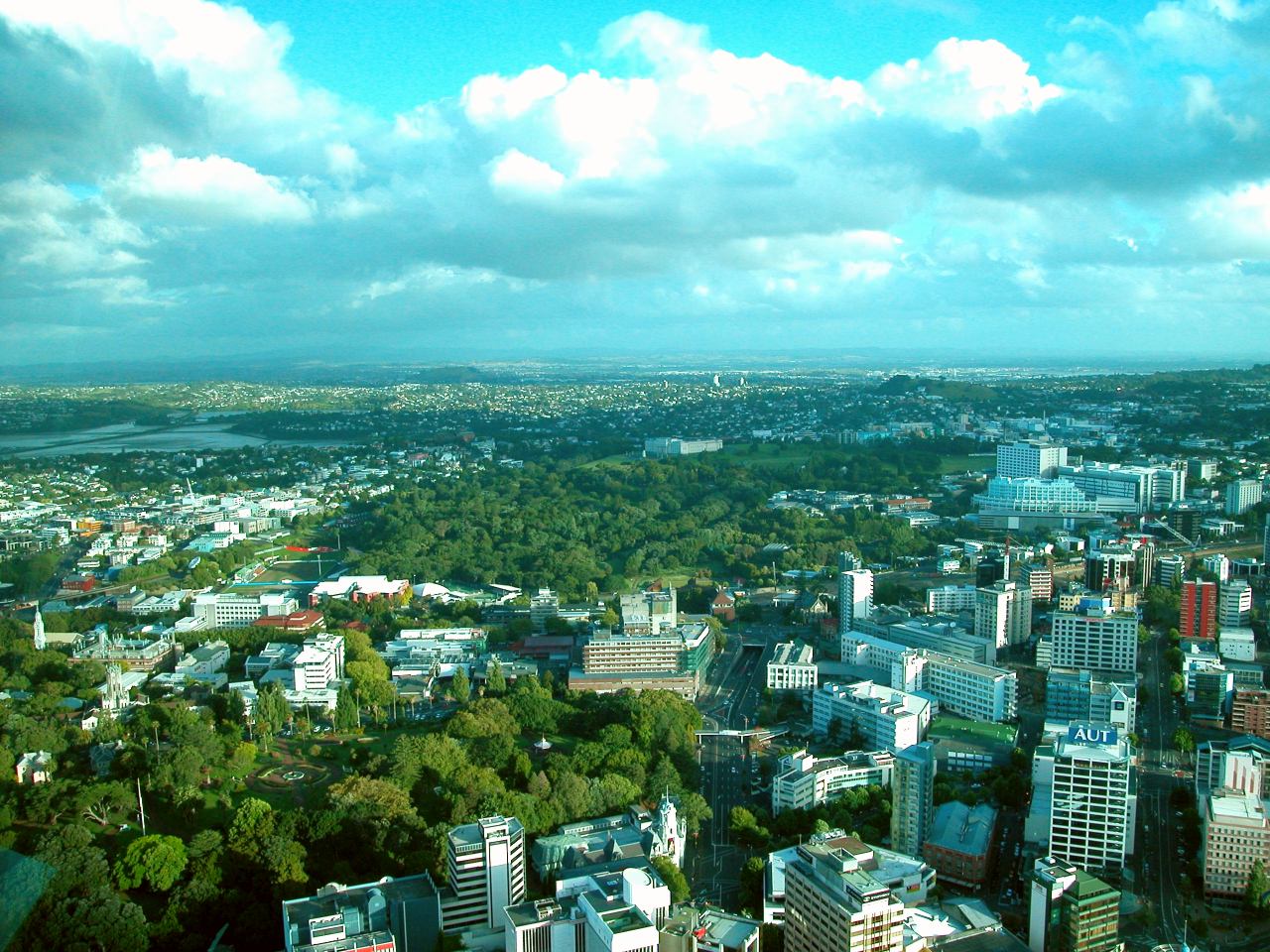
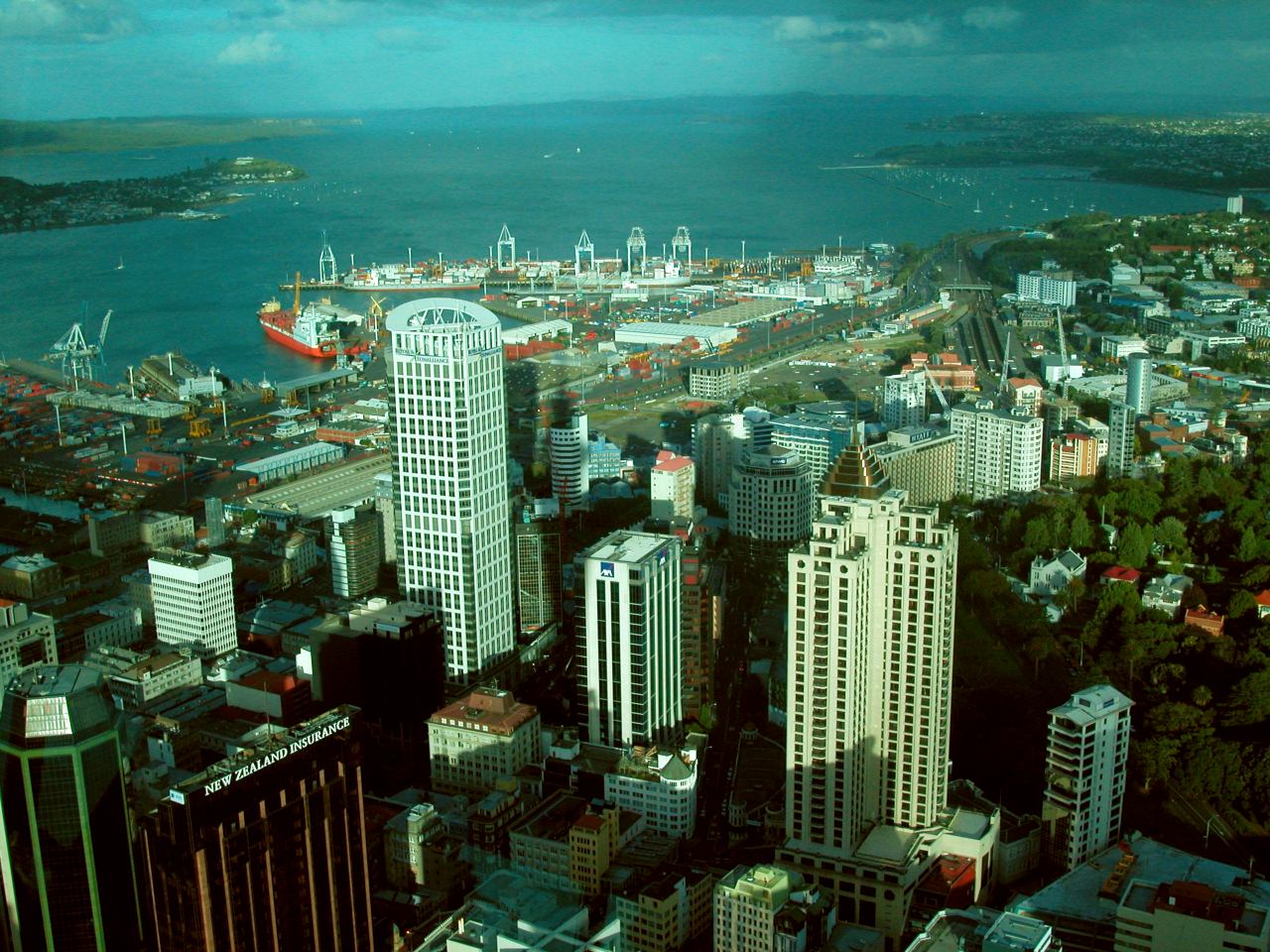
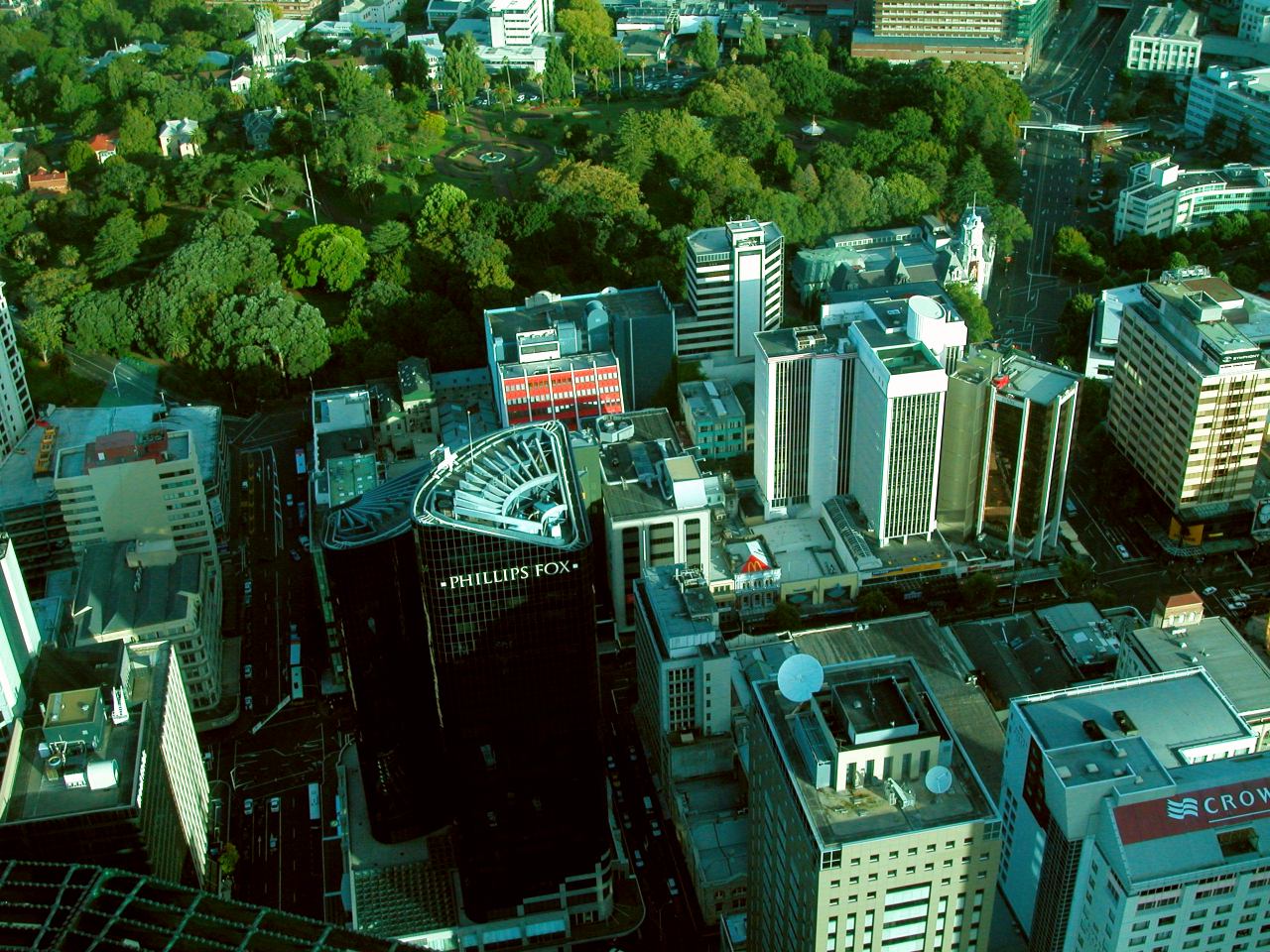
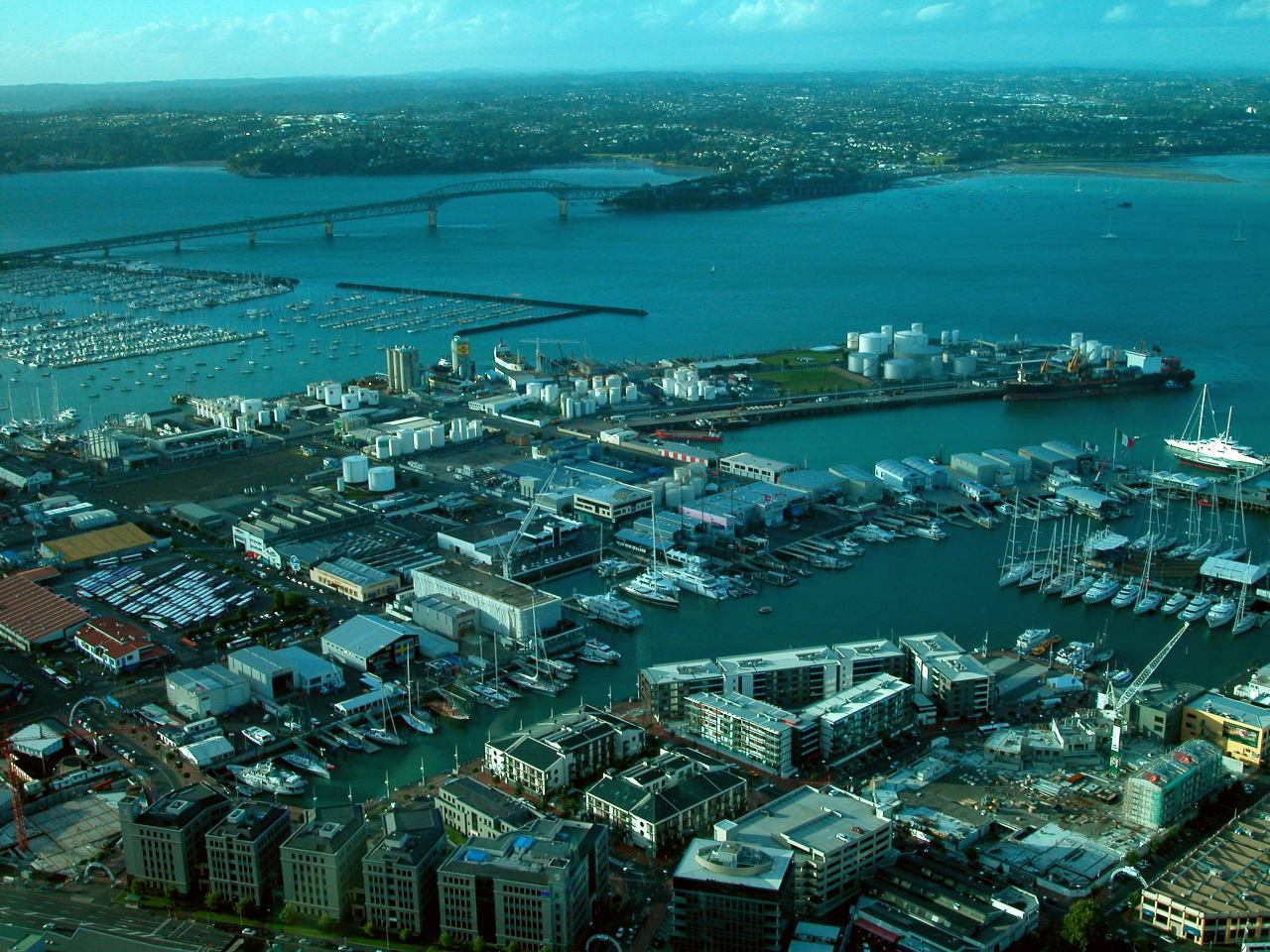
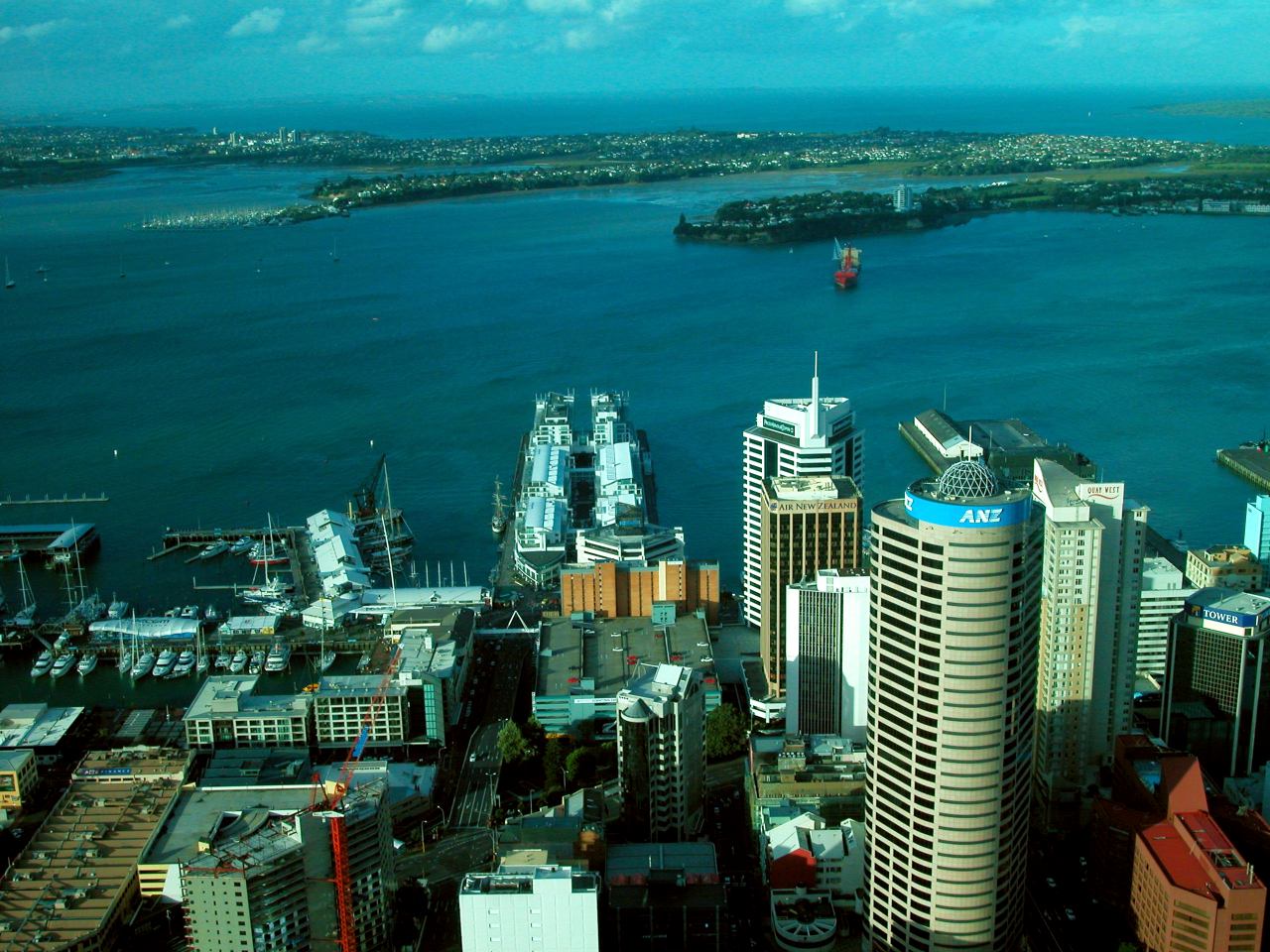
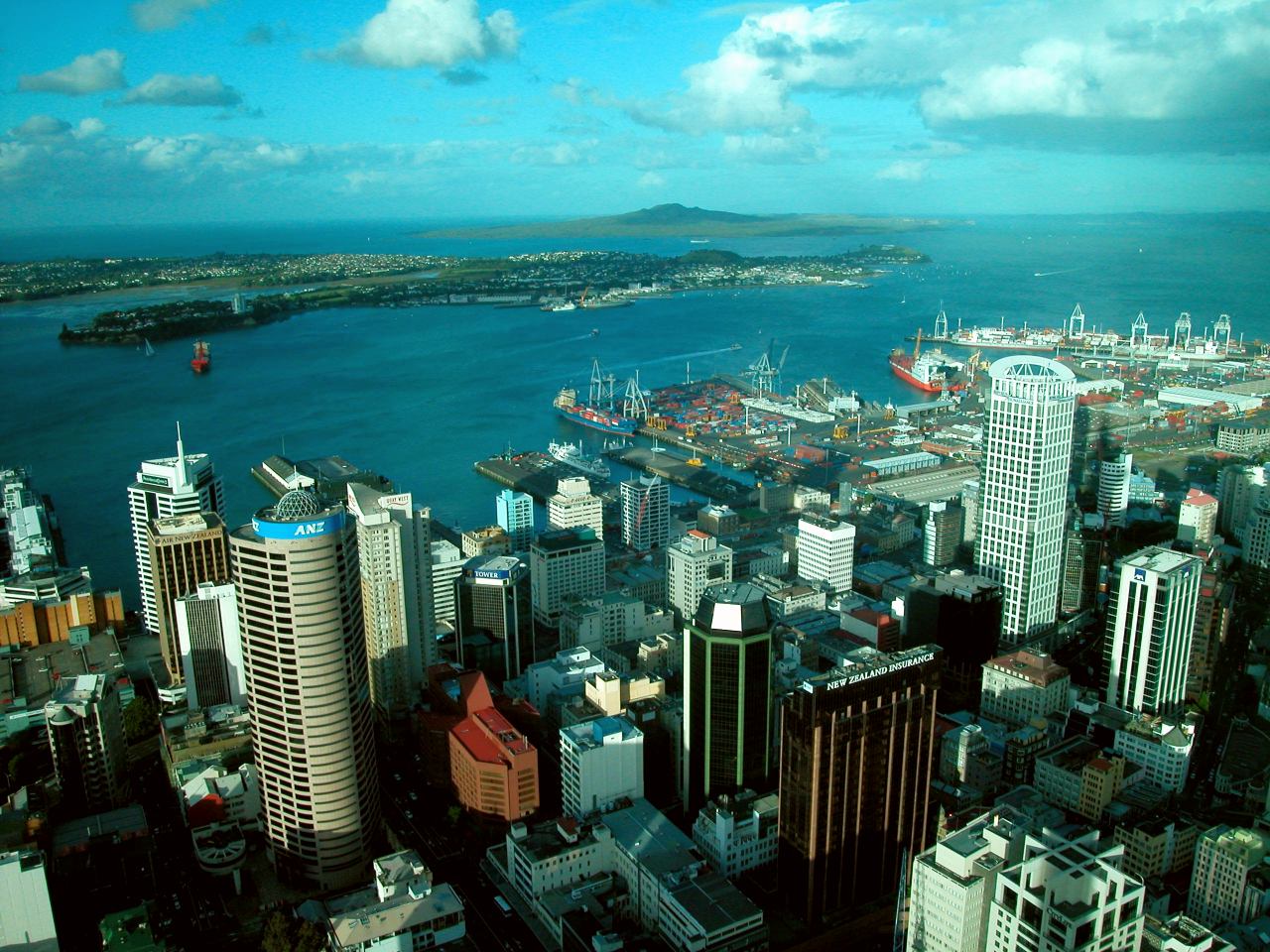
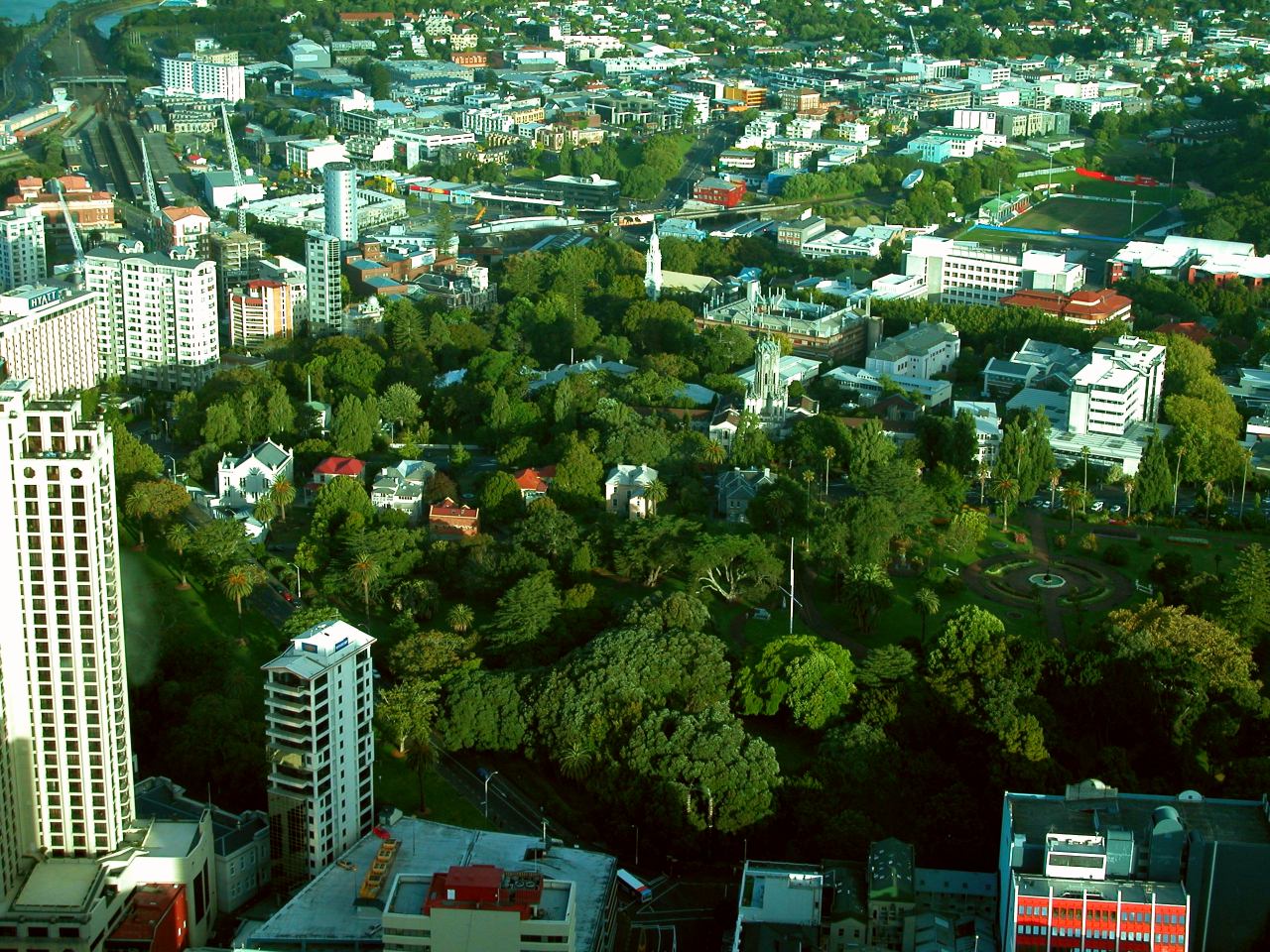
There’s another scare on the deck. Part of the floor is glass. The sign beside it says it’s stronger than the surrounding concrete, but it’s still very frightening to stand on. New Zealanders wouldn’t be themselves if they hadn’t arranged for people to jump from the tower. This time they don’t tie a rope to your feet. A special harness attaches the jumper to guide cables that keep them on course. There were no jumps the day we went up.
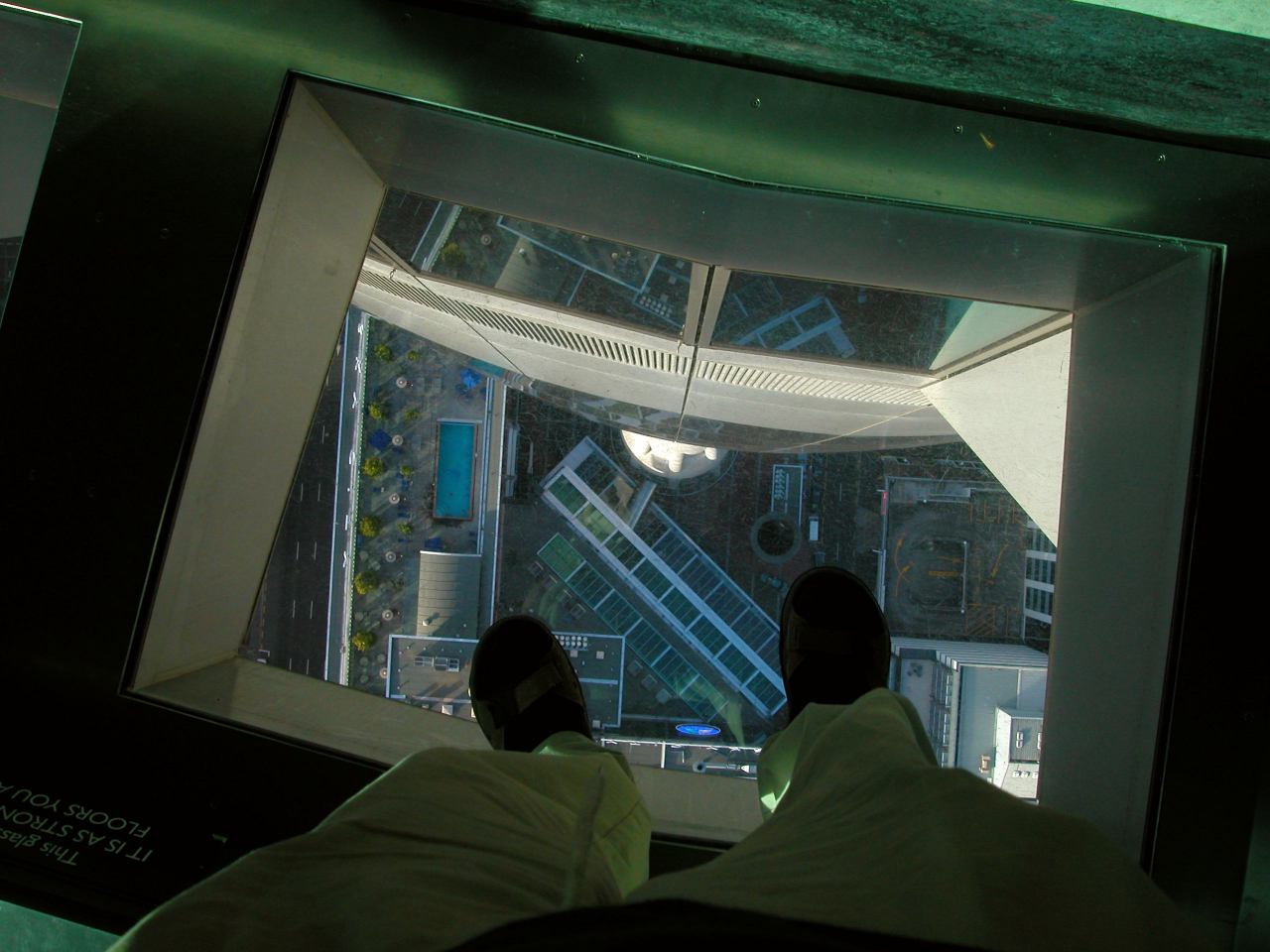
If you’re afraid to jump but still want to boast that you did, there was a cheaper and less frightening option. You could have your picture taken right in the lobby and a computer would turn it into a montage in a few minutes. There you’d be, flying head first on a rope, standing on the ring around the tower or something of the kind.
Once we’d had enough walking we took the car over the bridge to the other side of the harbour. It was getting dark and the lights had come on. The city looked quite fantastically beautiful. Pity the motorway runs along the shore there. We couldn’t stop and look at it to our hearts’ content.
In the morning we were flying to the Kingdom of Tonga. We began by returning the hire car. This time they went over it carefully and confirmed that every door, wing and bumper was just as battered as it had been when we took it.
The company’s office is off airport grounds, but that’s no problem. You drive to the office, and they drive you to the airport in the same car.
We left half our stuff in left luggage. It cost NZ$13 a day for four bags.
Tonga and the Cook Islands have stories of their own.
I’ll just say here that we came back to Auckland after Tonga. When we arrived we took the red channel at customs again. They took our tent away to disinfect it. They didn’t like a souvenir made of some wood they couldn’t identify and were about to take it off us when they found a sealed packet of New Zealand tramping food. That made them think. You can’t bring food in, but this was coming back, not being brought in. While they thought about it I quietly slipped my piece of wood into a backpack that had already been checked. We got the food back too.
They returned the tent as well, but tried to give us someone else’s freshly disinfected underpants with it. They were surprised they weren’t ours, and put them aside to wait for their owner.
On the way back from the Cook Islands we checked the bags all the way through to Saint Petersburg and added the bags we’d left in Auckland. This unsettled the well-oiled machinery of tickets and baggage. They thought about it for a long time and decided it could be done.
When we arrived from the Cook Islands we had nothing with us and took the green channel. The people at the checkpoint asked in surprise where our bags were, then let us through.
When we flew out, there was a NZ$50 departure tax to pay. Then you filled in a card and went through passport control. There was a duty-free shop without the local 12.5 per cent GST. You could choose something on the public side, but had to pick it up once you were past customs. Passengers in transit could stay in the waiting area, in which case there was nothing to pay and nobody checked their visas or bags. Technically Russian citizens weren’t supposed to transit without a visa. How they would find them was anybody’s guess.
On our way from the Cook Islands to Saint Petersburg we had six hours between flights and went into Auckland again. First we tried the scheduled bus and regretted it. It took forever, fares were high, and a taxi cost only twice as much.
On our first trip into Auckland we hadn’t had time for the aquarium, where you can watch all sorts of fish, sharks included, from under the water. A moving walkway carries visitors through a transparent tunnel, with fish swimming on the other side. Besides the big tank there are lots of smaller ones filled with little fish.
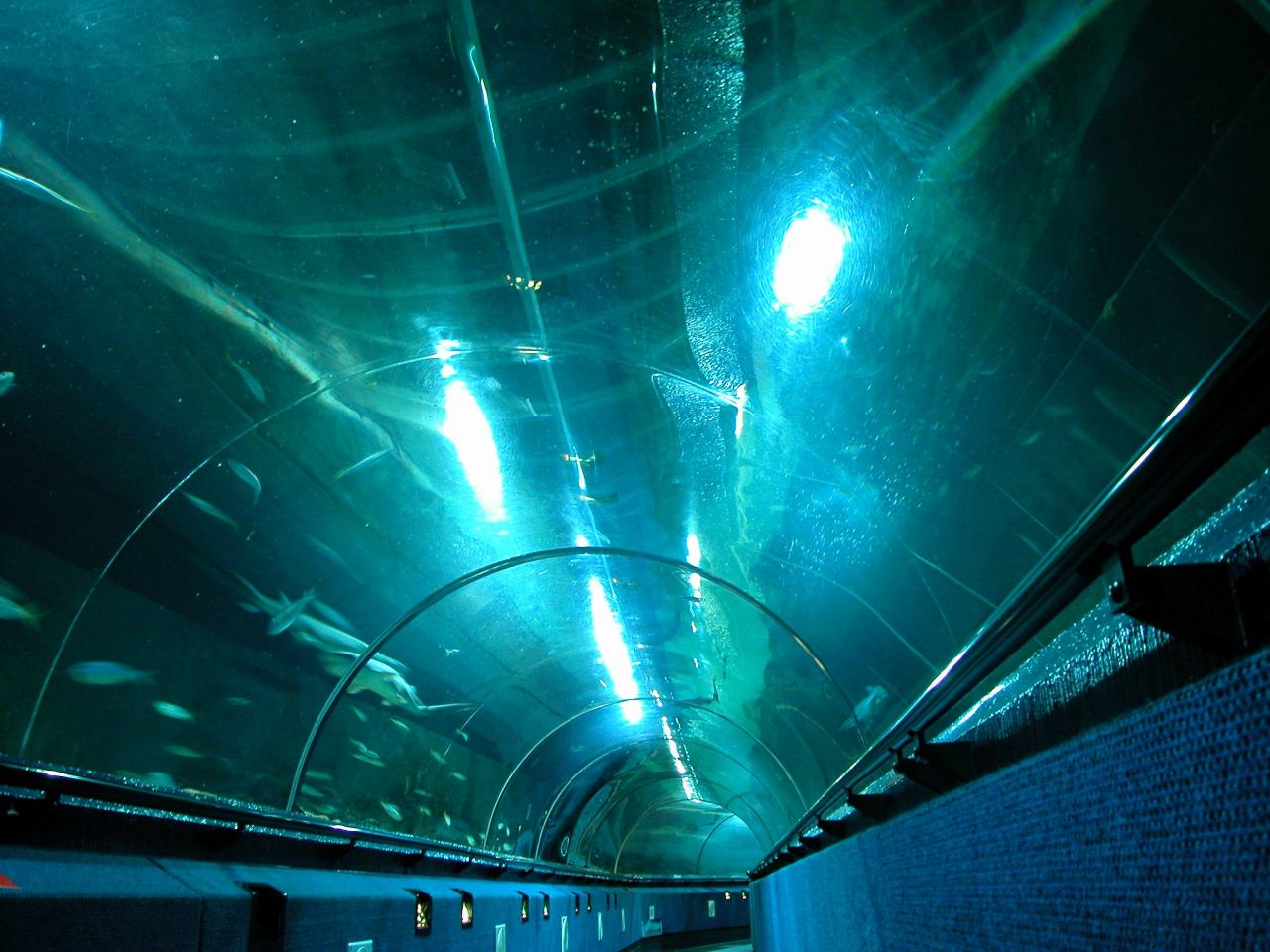
There’s a separate area for Antarctica. One room recreates an early twentieth-century Antarctic base, Scott’s hut. In those days you could ride a little Snowcat through a snowy enclosure made to feel like Antarctica and see live king penguins. One ticket covered the lot, for NZ$25.
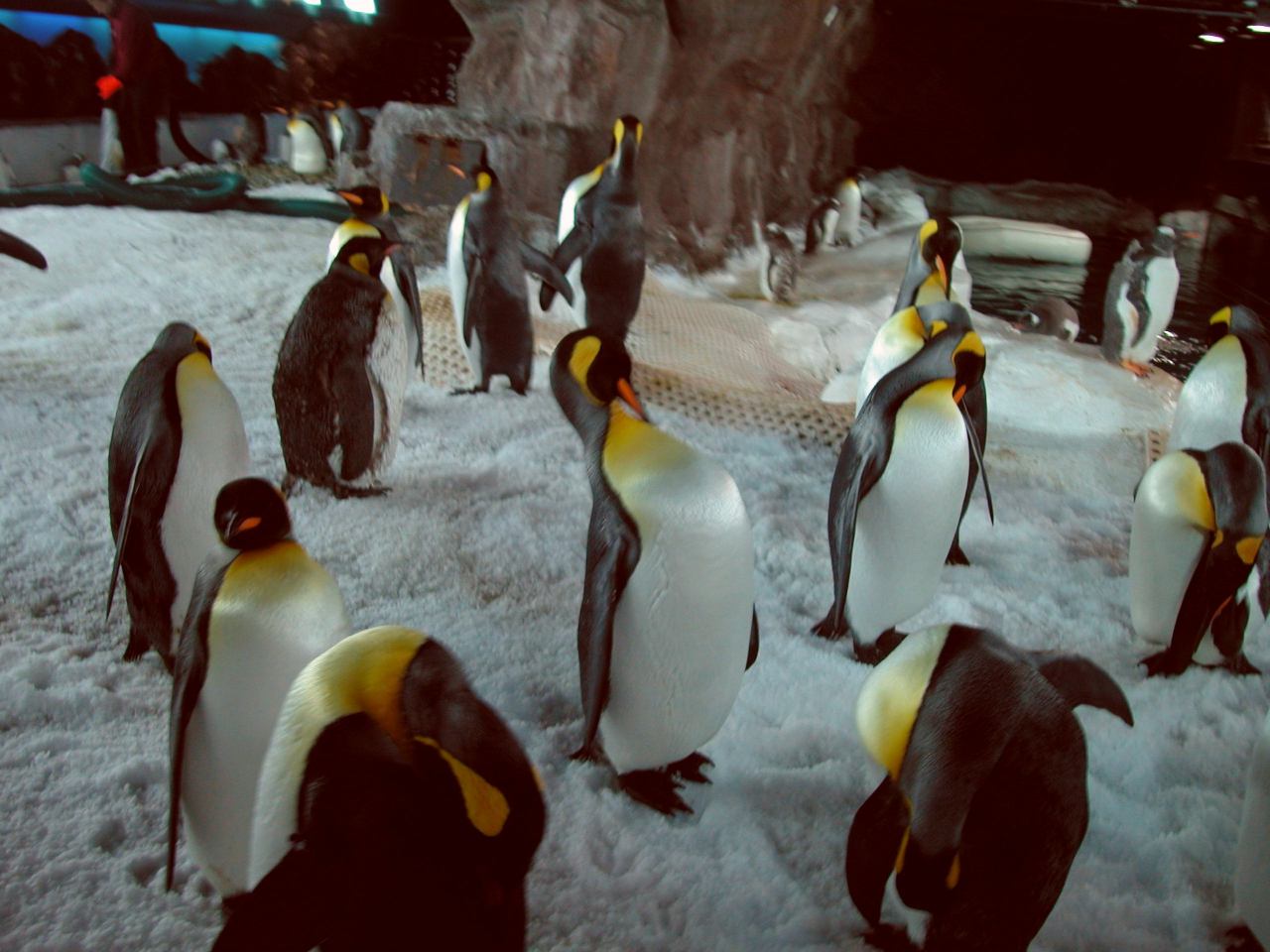
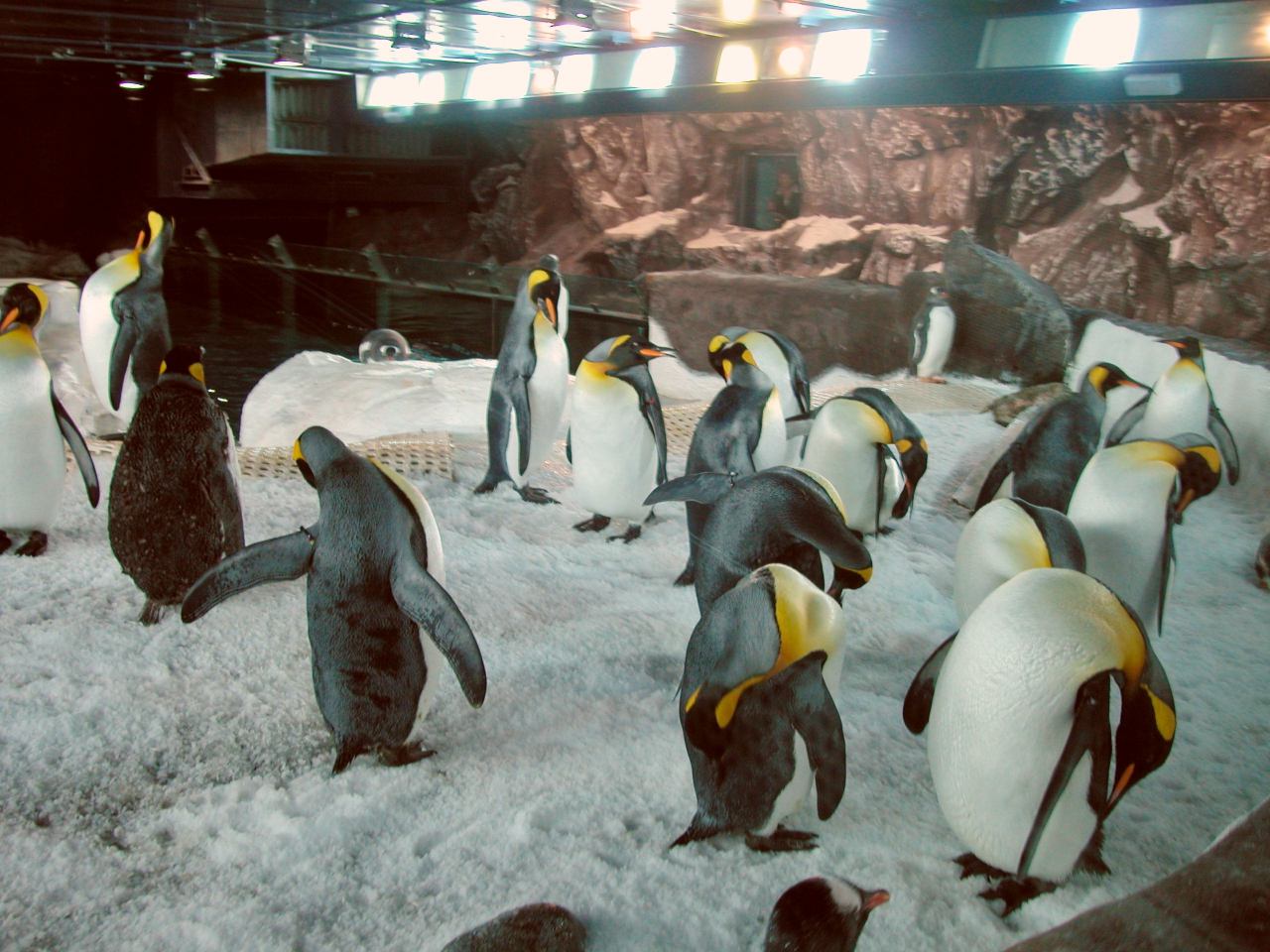
It’s a long way from the city centre to the aquarium, so we went by taxi. Taxis do everything by the book. There’s a meter, and they even have change.
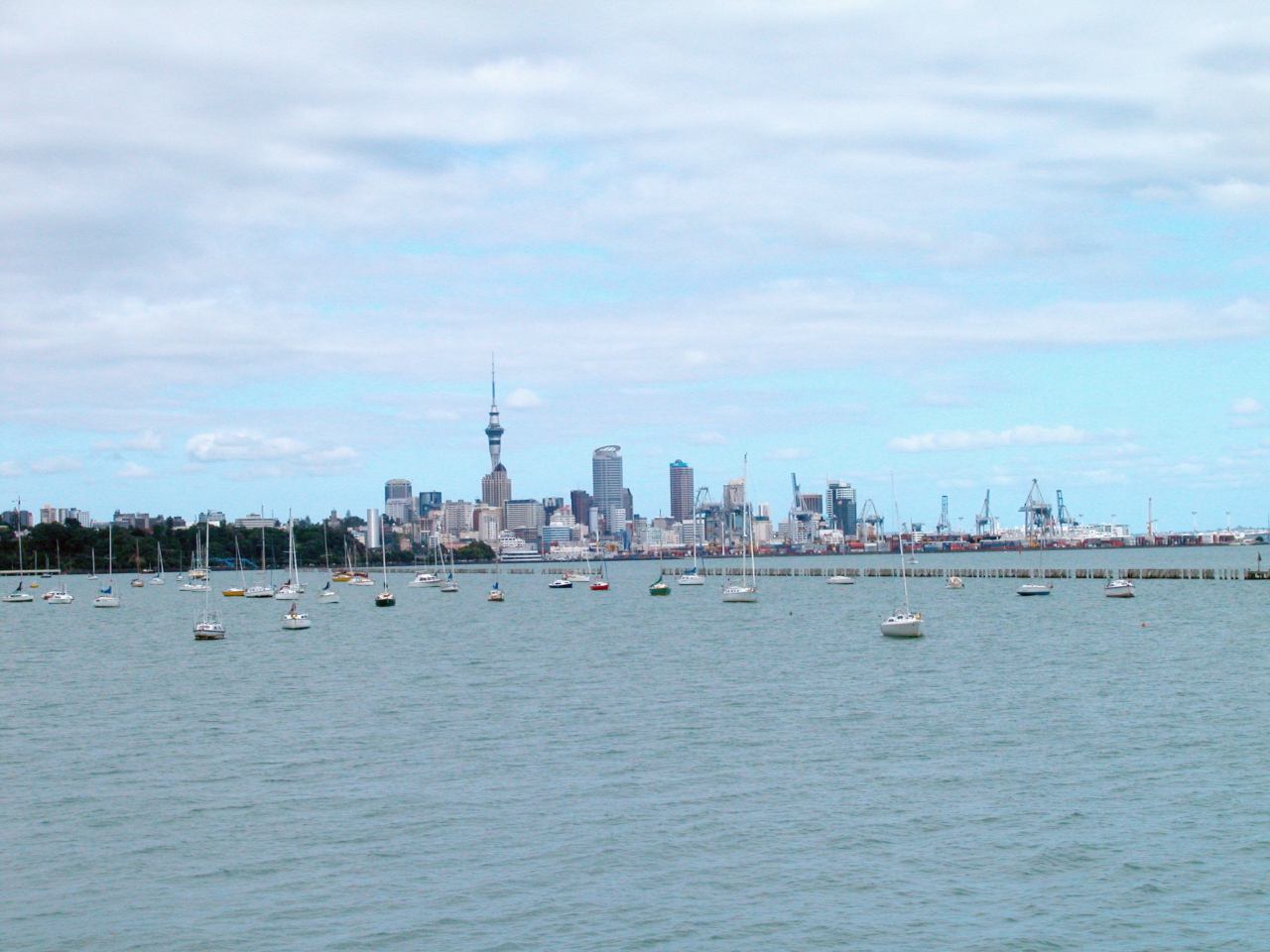
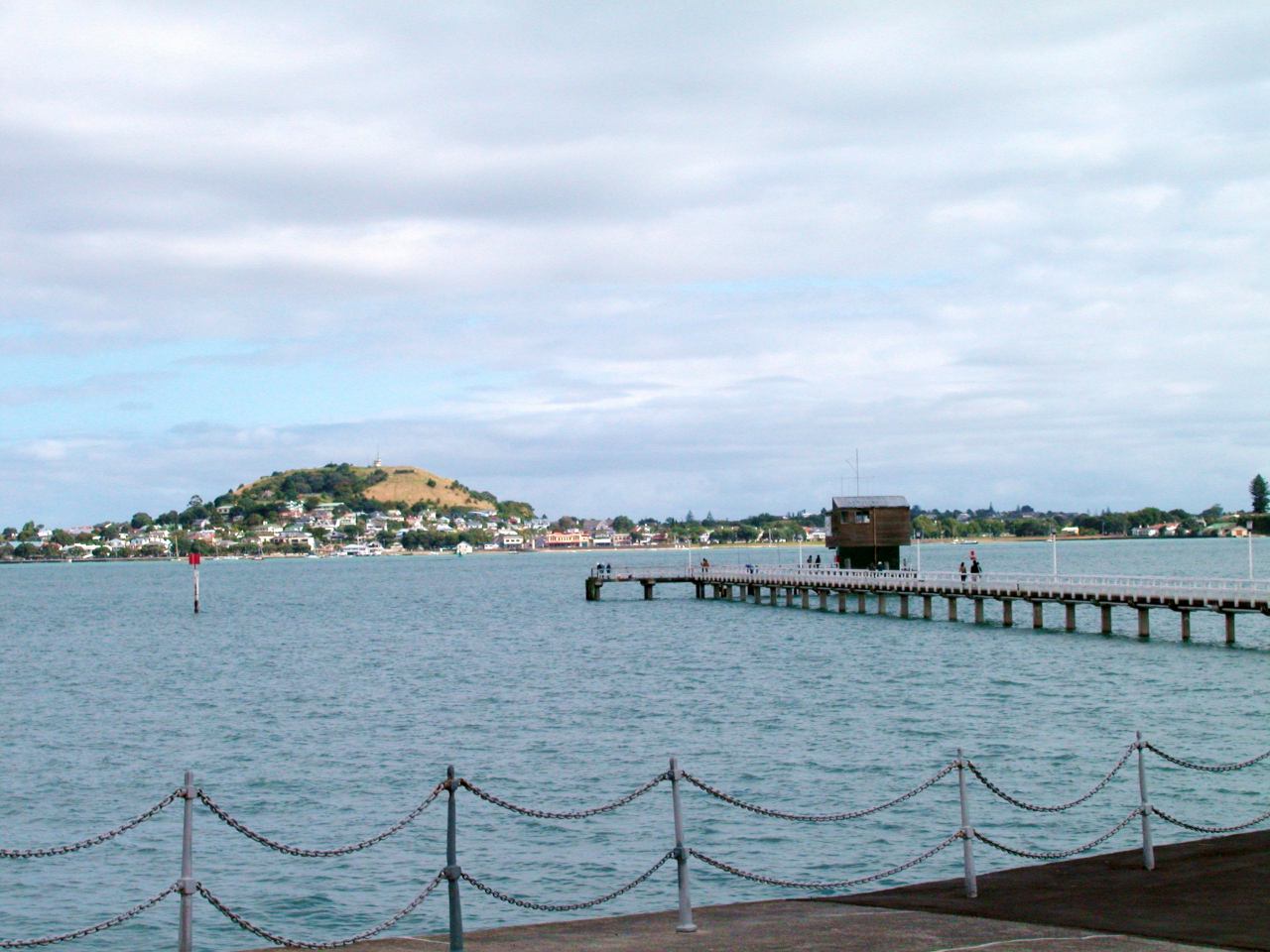
We went straight back to the airport from the aquarium. Getting away presented a problem. For an hour they couldn’t get the aircraft door to seal. In the end they solved it by brute force. This time we flew over Australia in daylight. We had a superb view of Sydney and then the mountains beyond. You could see turn-offs from the highway to the lookouts at handsome rock outcrops. Central Australia is practically empty. For the first thousand kilometres you can still see dirt roads. Beyond that, desert all the way.
They kept playing the same New Zealand tourism video on the screen. Kiwi and bungy ropes, mountains and tracks. We’d seen most of it with our own eyes, and perhaps we’d never see it again. Sad, all of that. Instead of our usual juice we asked the fellow coming round for wine. He was delighted, and soon brought us a couple more glasses. It was all terribly dull up here, he said. All the passengers were eco-tourists and only drank mineral water. The wine was going sour and it hurt him to see it. He was pleased to have found a kindred spirit.
Clouds appeared over Indonesia and we didn’t see land again until Singapore. They were celebrating Chinese New Year in the airport. A merry, costumed crowd walked around the terminal beating drums. It was lovely, but Tanya didn’t feel well. She suddenly had a fever and a nosebleed. We were afraid it might be dengue, but back in Saint Petersburg it cleared up on its own. Now it’s frightening even to tell the story. Imagine someone flying in from Singapore ill and with a fever. With the SARS outbreak we’d probably have spent a long time in an infectious-disease hospital, but it was all only just beginning then and nobody was stopping people at airports.
After the tropics, Singapore airport felt downright cold. I went out to the smoking area to warm up and watch the endless procession of planes taking off and landing.
The Frankfurt flight was delayed. There was a problem with the electrical system. They announced boarding an hour late. As soon as we finally sat down, the lights went out again. We sat another hour in the dark while the technicians changed something else. We’d resigned ourselves to missing the flight to Saint Petersburg when the lights came on and they hurriedly announced take-off before anything else could fall off. I’d never have thought this possible on a reputable airline.
We flew all night and day didn’t break until the Alps. Snowy peaks poked out of the thick fog. It was especially dense over the towns, which lay under white slabs of it, lit from beneath by streetlamps that had not yet been switched off.
As it turned out, we arrived in Frankfurt on time. There was fog here too and the airport was closed to traffic. No jet bridge for us. They parked the plane in the farthest corner and sent everyone down the stairs. These were people coming from the tropics in T-shirts and shorts, and it was close to zero outside. I was glad I’d bought jeans in Singapore. They tried to put a full Boeing’s worth of people on one bus. When three hundred people squeezed into a bus meant for a hundred, they were surprised and sent another one.
Never mind, better cramped than cross, anyway it was warmer. In the terminal we found our flight to Saint Petersburg was delayed even more than we’d been. More waiting. By now the people around us were Russian again. The main topic of conversation was how much free drink they’d managed to get and how to persuade the flight attendant to pour them more. Hard going, listening to that. After a month and a half away I’d lost some of my immunity to that particular cast of mind.
This time they sent a Boeing 737. After all those hours in the air the flight to Saint Petersburg seemed short. The aircraft came down and the south-western districts appeared in the window, grey and covered in snow. The decay hit you wherever you looked. Saint Petersburg had got warmer and fresh snow had fallen. The mechanism that moves the jet bridge was stuck. Some men with a crowbar and a shovel were digging it out of a snowdrift. When the door opened and we got into the terminal, we found the place wasn’t heated. It was savagely cold. Our warm clothes were in the bags, which were nowhere to be seen. More to the point, we couldn’t be at all sure they’d made it intact from the Cook Islands through three stops. The worst didn’t happen. All the bags arrived safe and sound. We got dressed and headed out. Some things in Russia have changed for the better. Airports now have a green channel. Sure you haven’t anything to declare? Go straight through without customs. That’s what we did. We had sixty kilos of luggage and nobody took the slightest notice of us. I got into my own car. Everything felt wrong. The traffic was on the right. I got used to it soon enough, but months later I’d still catch myself wondering where I was and which side I ought to go round that KamAZ truck coming down the middle of the road.
The more time goes by, the more I miss New Zealand. It’s a wonderful country. Of everywhere I’d been, it was the one I would have chosen to live in. Even now, when I look down at my feet, I think of that beautiful world on the other side of the Earth. Above all I think of the kiwi, which will stay with me for the rest of my life.
Text and photographs by Alexander Simo: simo@abris-a.com, original website.