Trip report
When you work at one site after another, you never have time to get tired of where you work. We did more than a thousand jobs in twenty-five years.
Good money is excellent, variety is even better, but every now and then you want to do something particularly interesting. A while ago I noticed that all I had to do was want something and my wish came true.
My grandfather worked on the railway. I loved the railway and wanted to work on it. More than anything I wanted to get onto the roof of Vyritsa station. And not just Vyritsa’s roof. Fate heard me. I signed a contract to install intruder alarms in railway stations. Naturally Vyritsa was one of them and I got up on its roof, and all the other roofs as well. How many people have been up the clock tower at Moskovsky Station? Well, I have. There’s a good story about that tower. In the lean years the station’s chief engineer worked out a sideline. In the restaurant he’d fasten onto a rich passenger who’d had a drink or two and bet him that the clock would strike thirteen at midnight, or some other number it shouldn’t. He’d win, having first sent his assistant up to the clock with a 38-millimetre spanner.
In fact I managed to work at nearly every station on the Oktyabrskaya Railway. Few railwaymen know the line as well as I do.
When mobile phone masts started appearing all around and I’d got my first handset, back in 1995, I wanted to put equipment on the towers. And there you are: a contract with MegaFon. We built about five hundred base stations. I climbed half the masts and got paid for it, too. I asked for the northernmost masts, and there they were: Liinakhamari, Teriberka, Titovka and Tumanny.
One wish after another came true. I tried an experiment. “I want to work on the Pil Tower in Pavlovsk Park.” It wasn’t a year before the phone rang. “Come over, we need you to do the design.” I thought of Max Frei. I even got to drive my car along the paths of Pavlovsk Park. Nobody else was allowed, but I was.
Meanwhile the economy sank further into crisis. The wars Russia started brought sanctions. The big clients stopped building and were slower and slower to pay on the contracts still running. There was no profit, no sense in it and no pleasure.
There was one shout from Moscow: “How dare you hand documents to the prosecutors without asking? Don’t you ever set foot…” I’ll set foot wherever I want. You don’t know how to work, only how to shout. But what do I need any of it for? I have New Zealand residence. As a parting wish, I asked fate for the station building in Nikel.
It worked. No fire suppression, unfortunately, and for very little money. Oh well, it’ll do. It was June, the time of the midnight sun. Time to get ready to go. There were also the fire suppression systems along the Murmansk line to service. At the last minute I decided to make two trips and do the maintenance run separately.
June. The regular railway round
The nights are short in June up north and you can fit a lot in. Go to bed later, get up earlier. Find a new place to camp every night, sometimes a hundred kilometres out of your way.
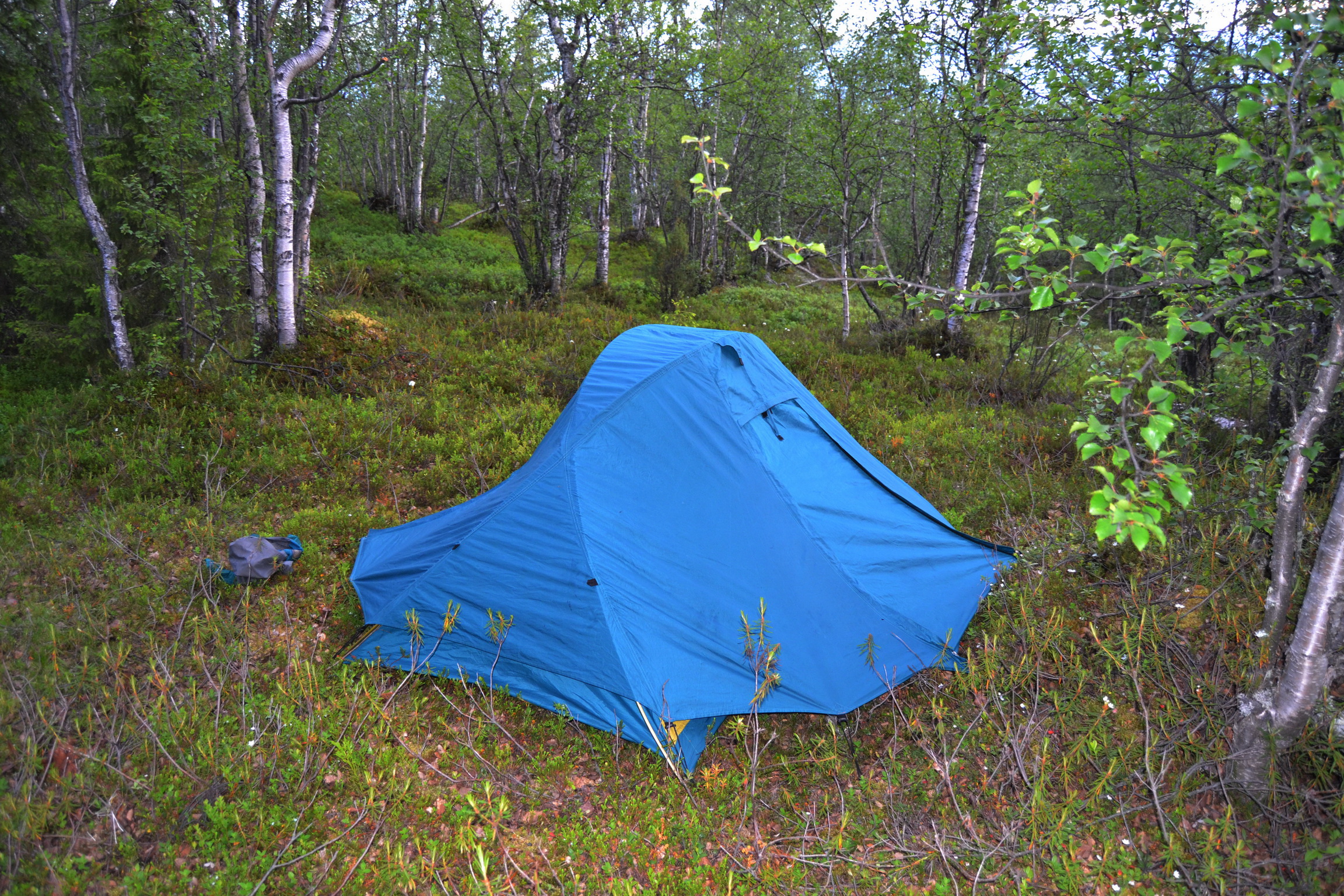
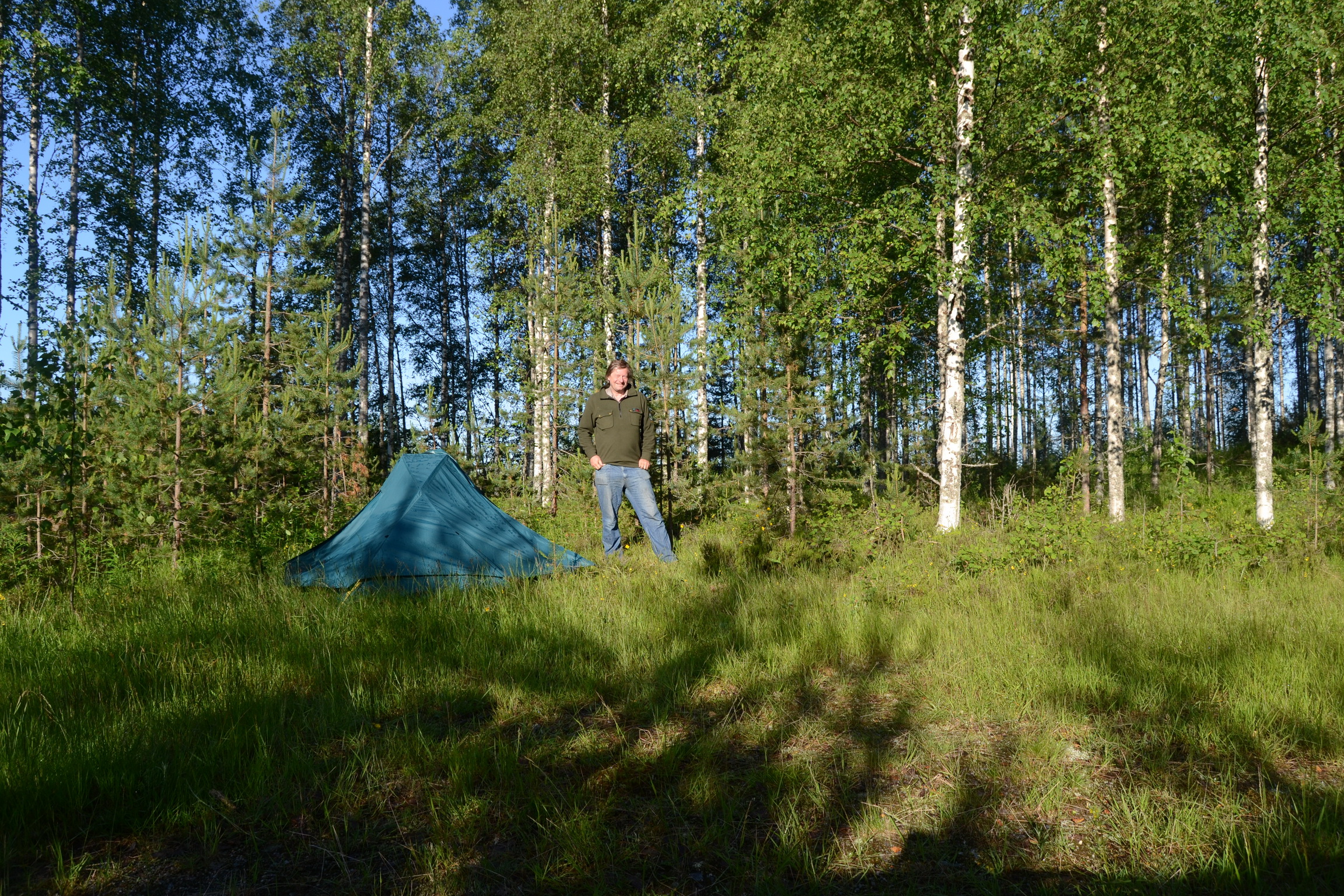
I left Vyritsa on Sunday after lunch. By evening I was nearly at Petrozavodsk. I turned off the road and spent the night by Lake Belaya Lambushka, near the village of Verkhniye Vazhiny (61°22.271′N, 33°41.784′E). A lovely little spot, and two weeks of nights in the tent still ahead of me. I could leap for joy.
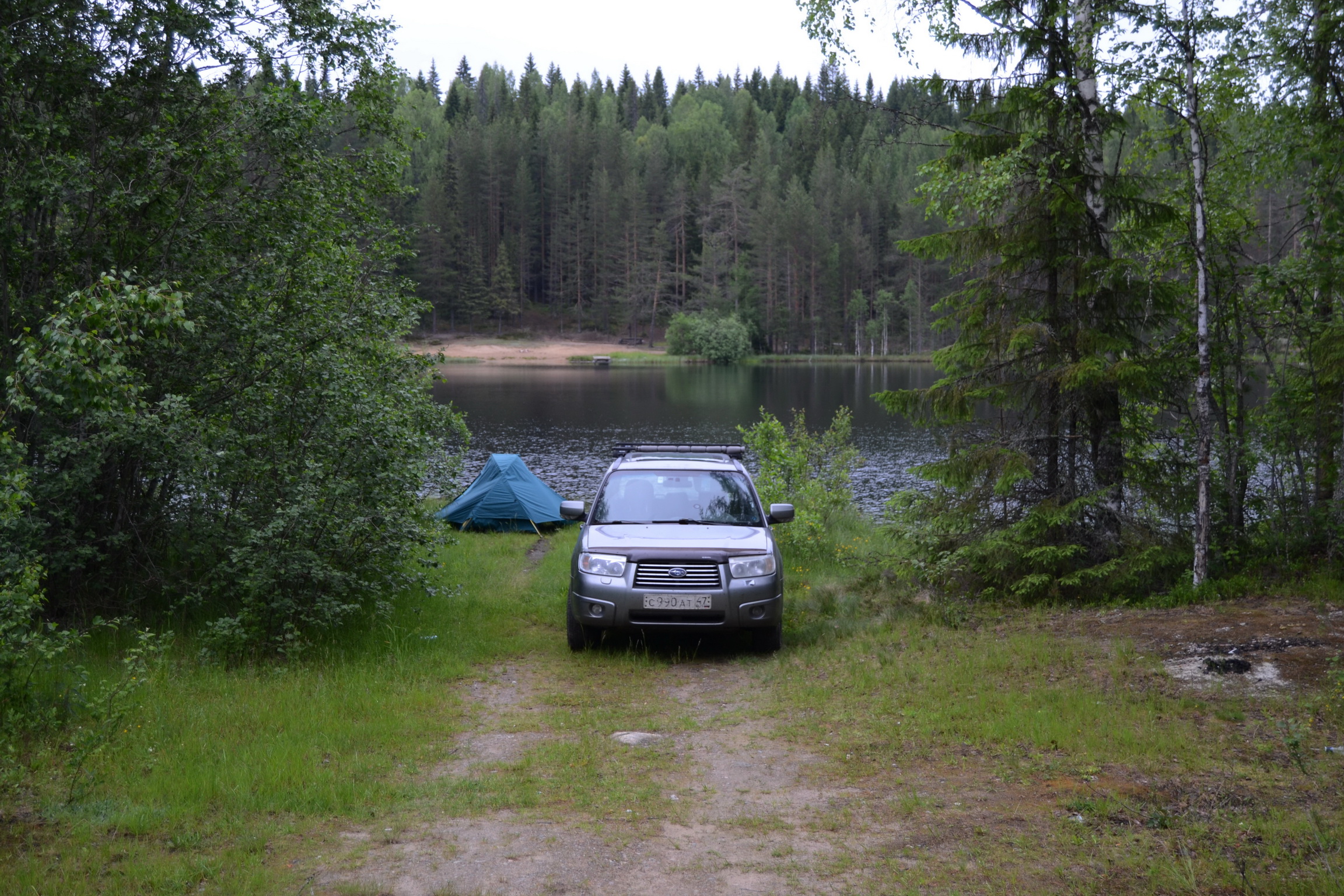
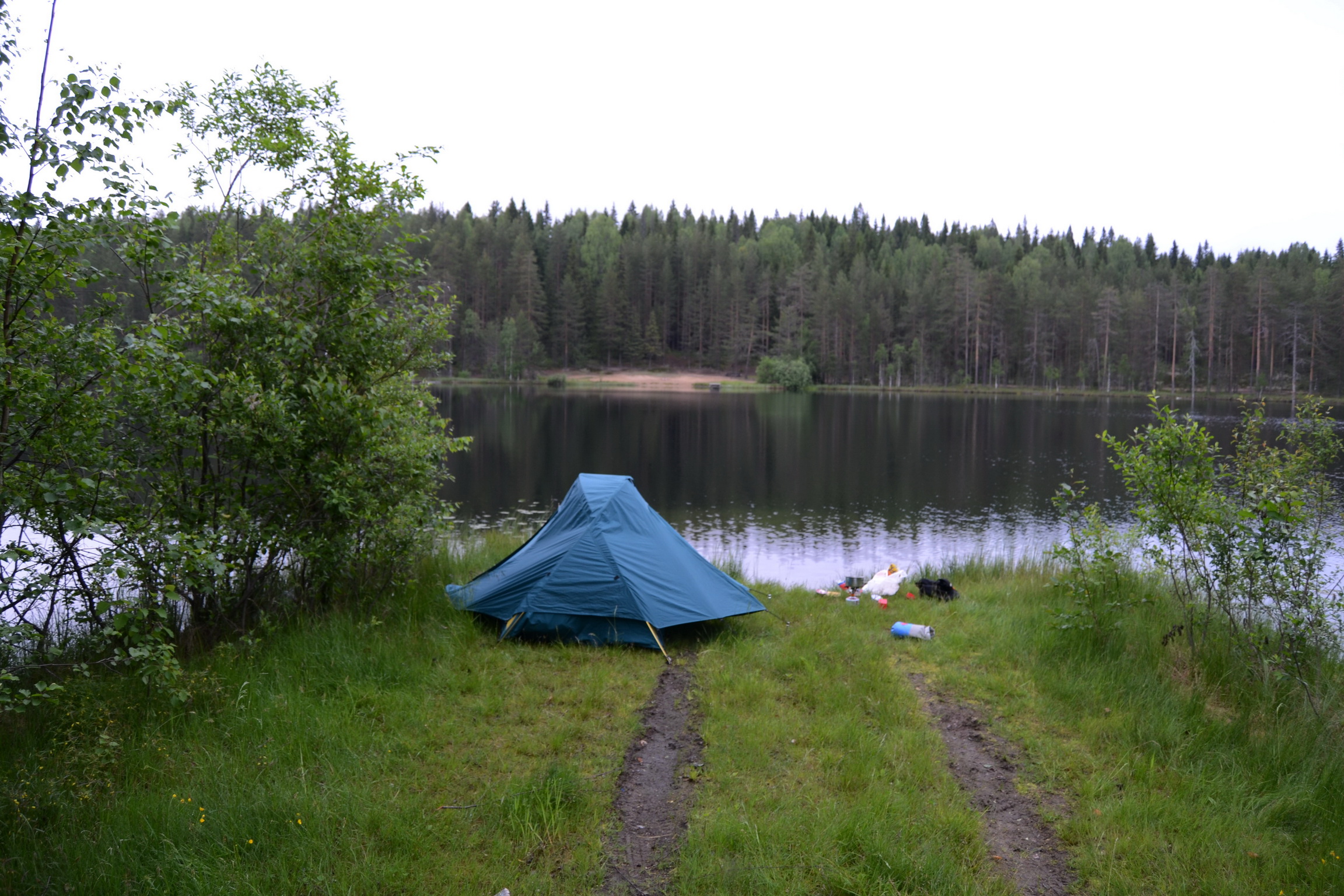
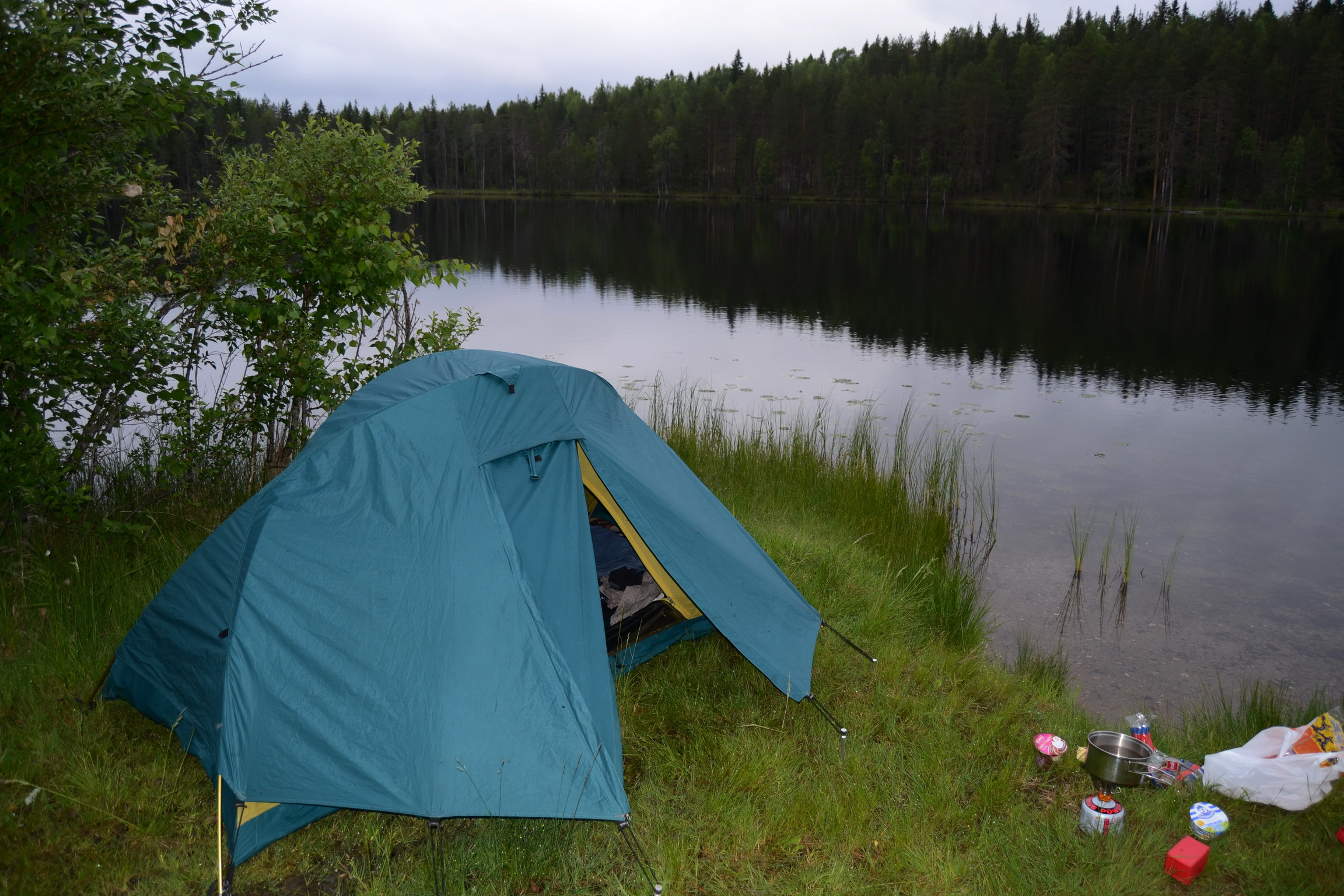
The next morning it was back to ordinary work around Petrozavodsk. The next stretch was around Medvezhyegorsk. I decided to camp farther south and drove along the road towards Kizhi. It runs beside the long bays of Lake Onega, past lopsided old village houses.
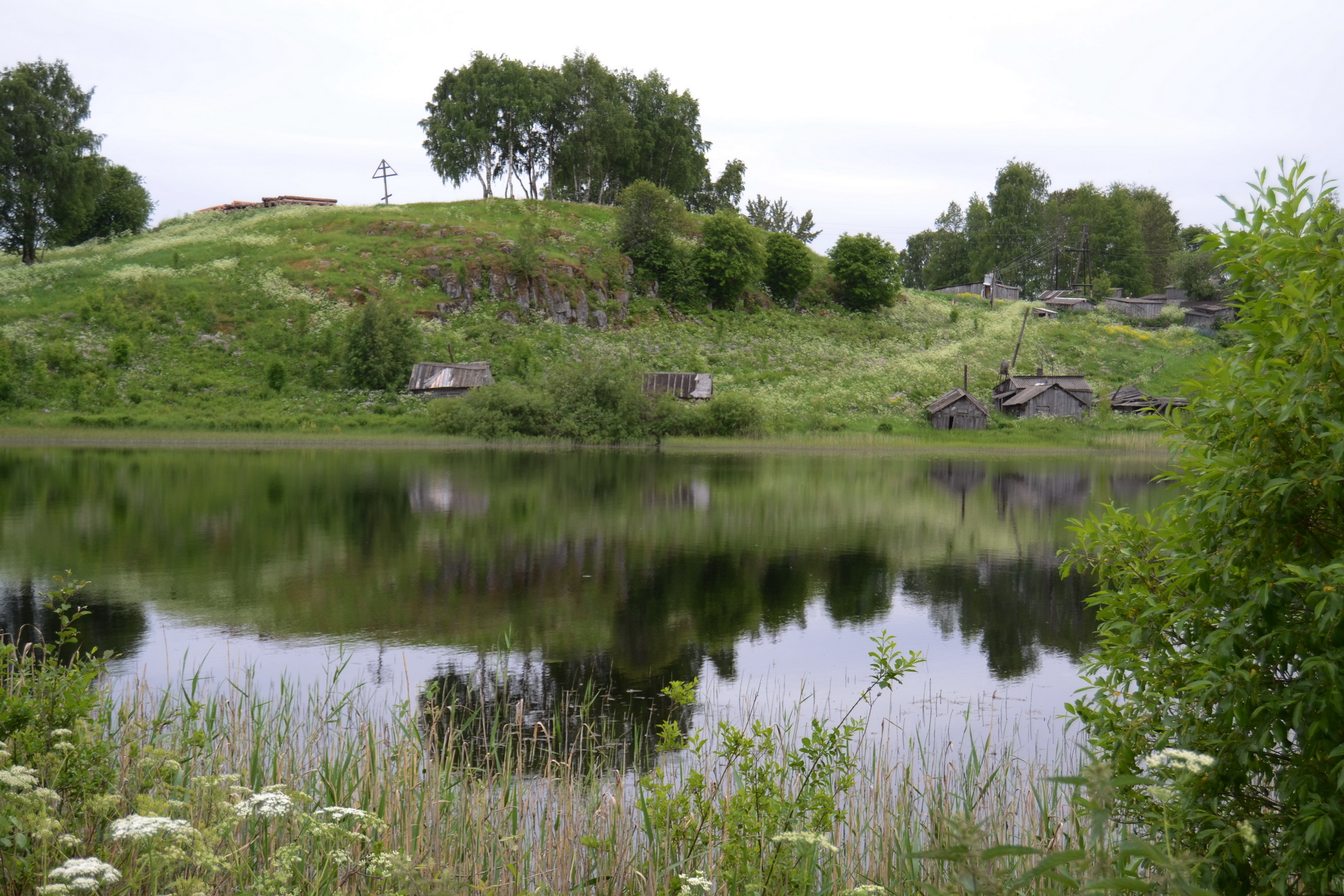
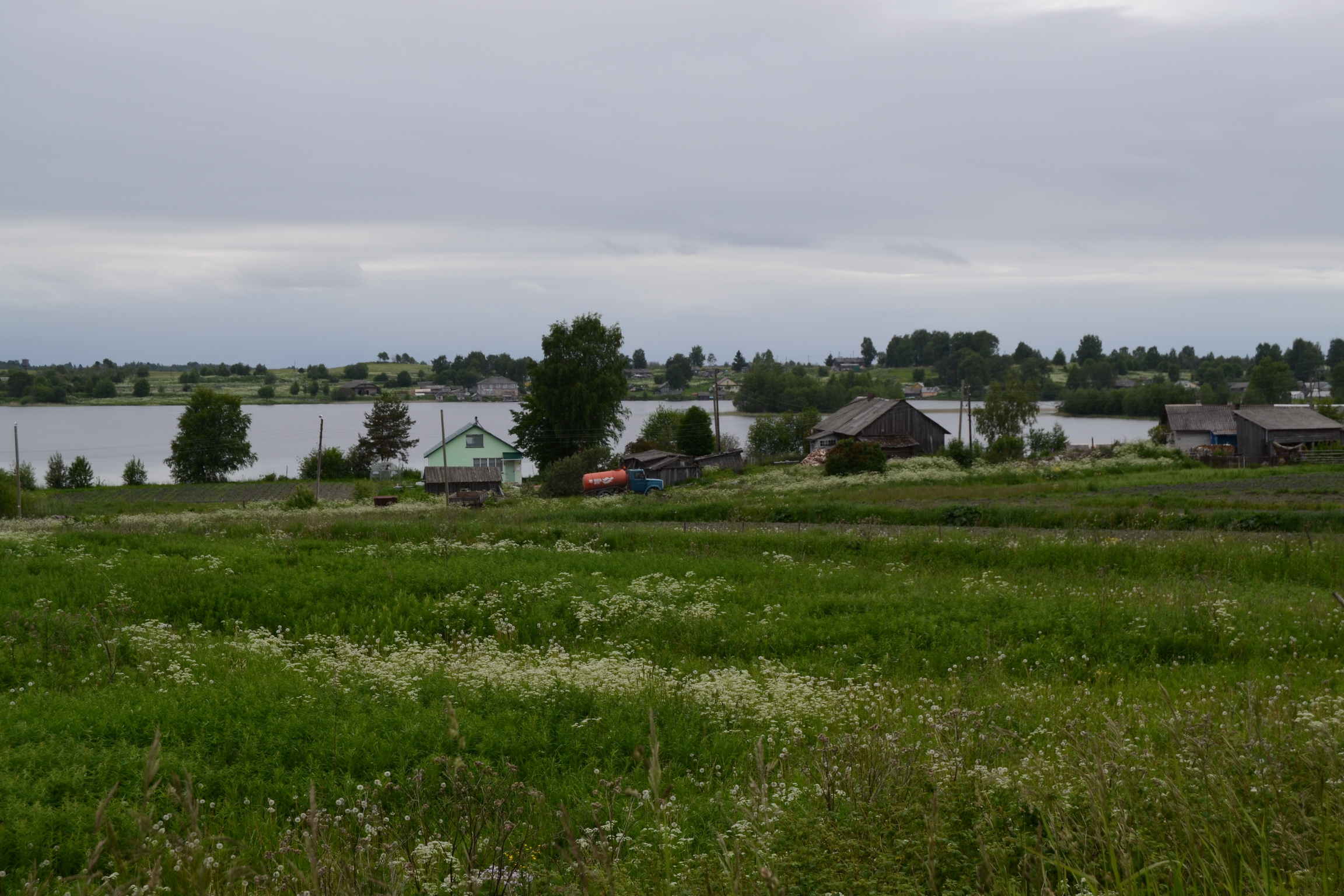
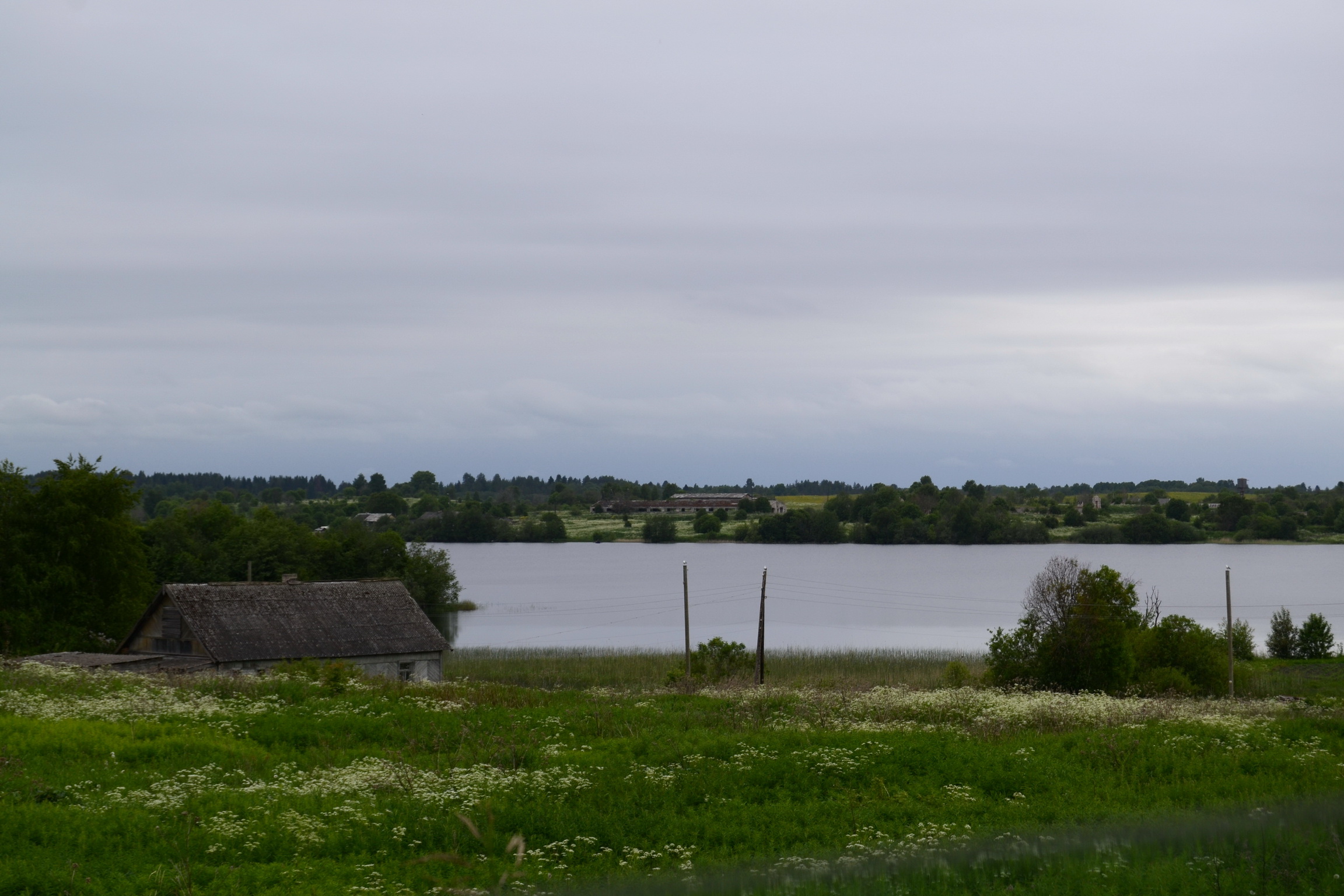
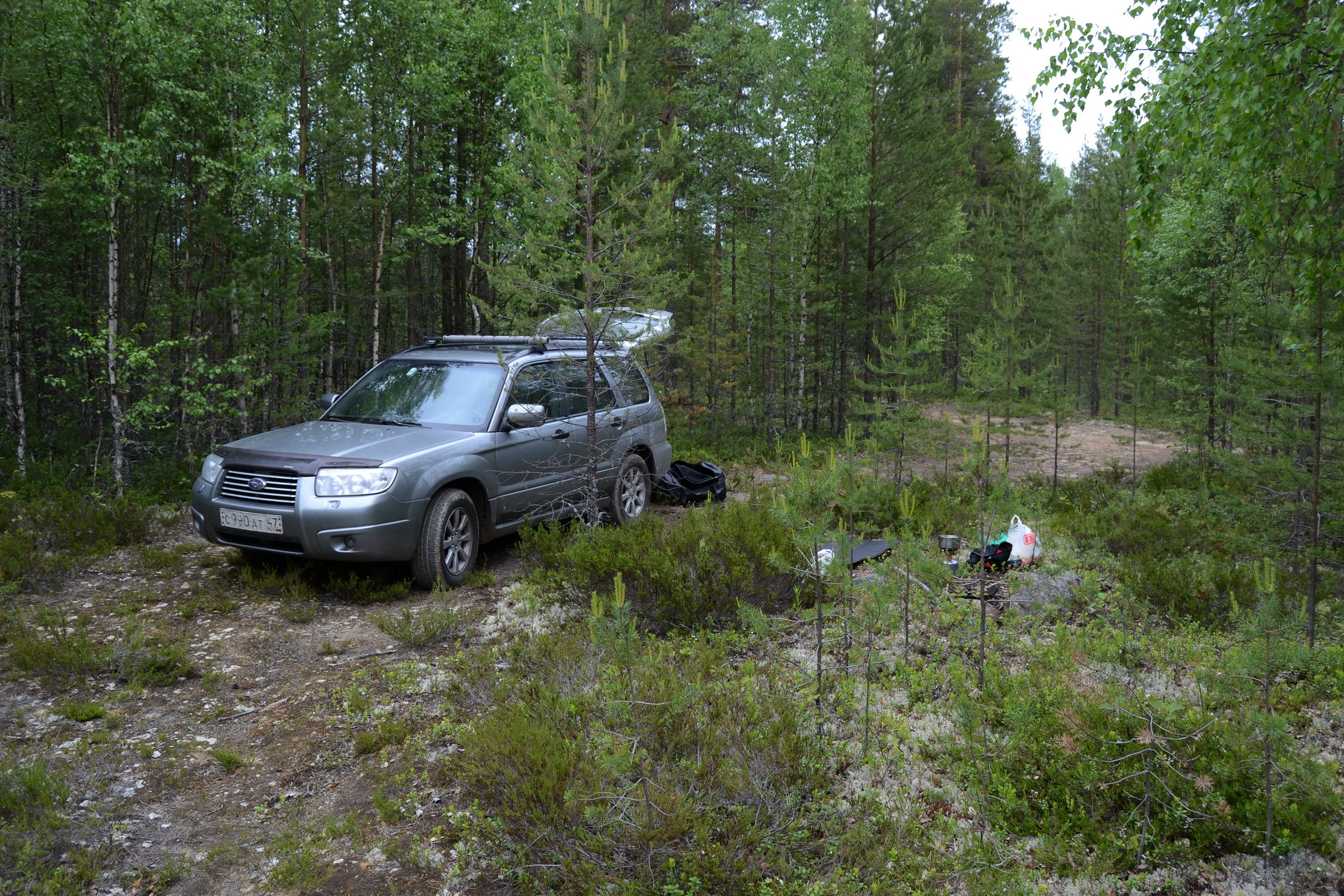
I picked a spot on the shore of Lake Onega near Tolvuy (62°31.506′N, 35°13.465′E). The banks were overgrown with meadowsweet, but the pebbly beach gave me a cosy spot to pitch the tent right by the water. The skies were overcast but it was still beautiful.
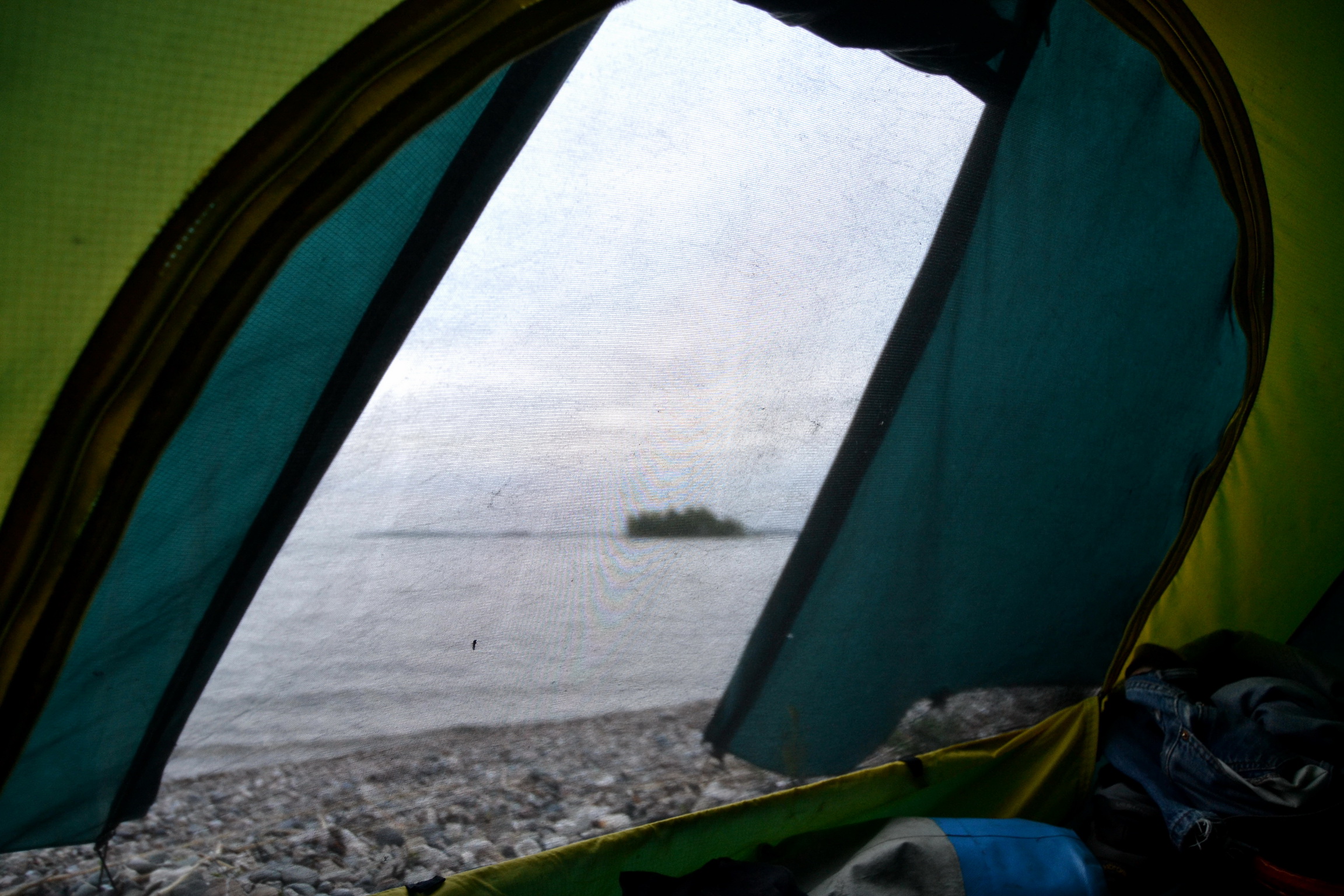
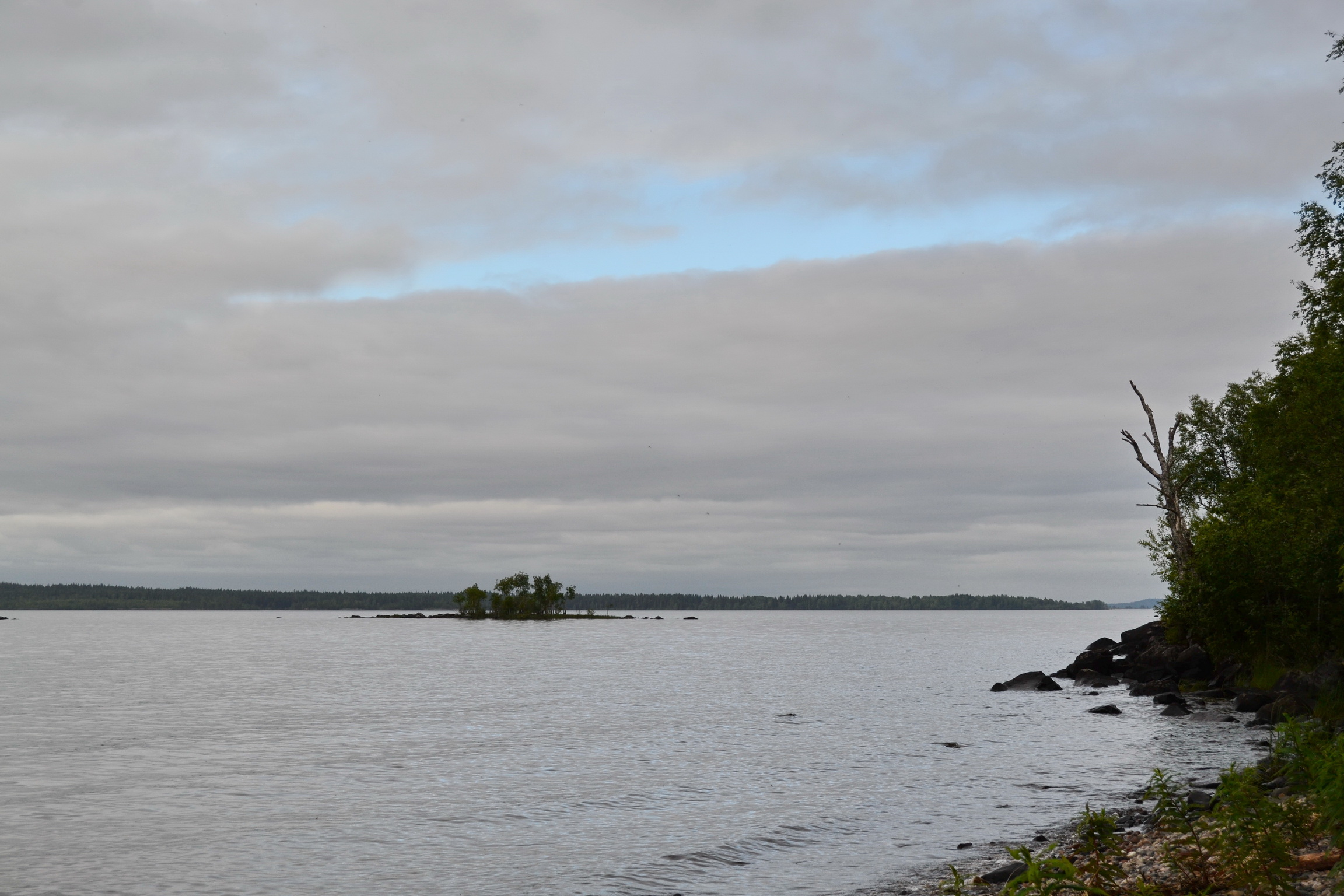
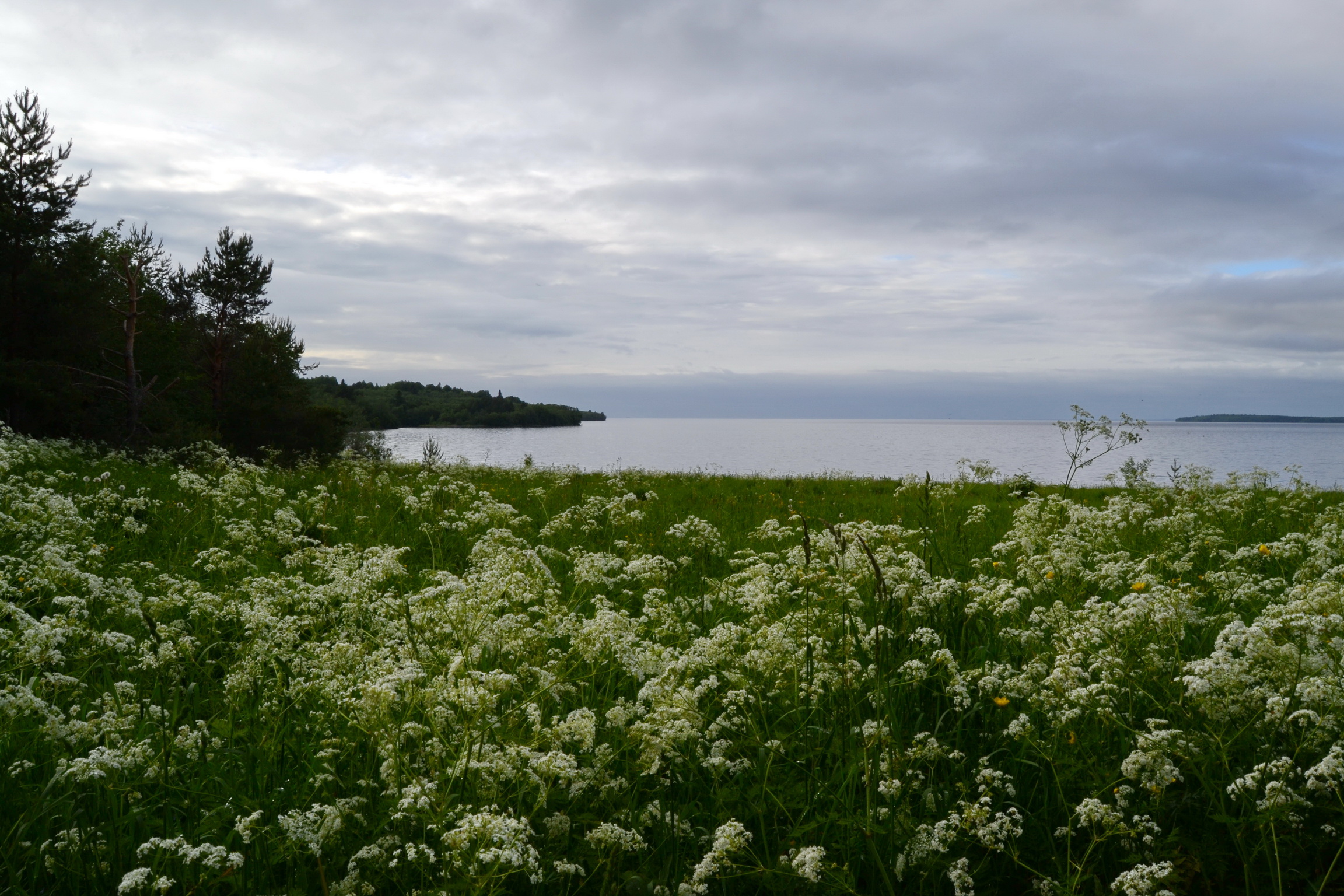
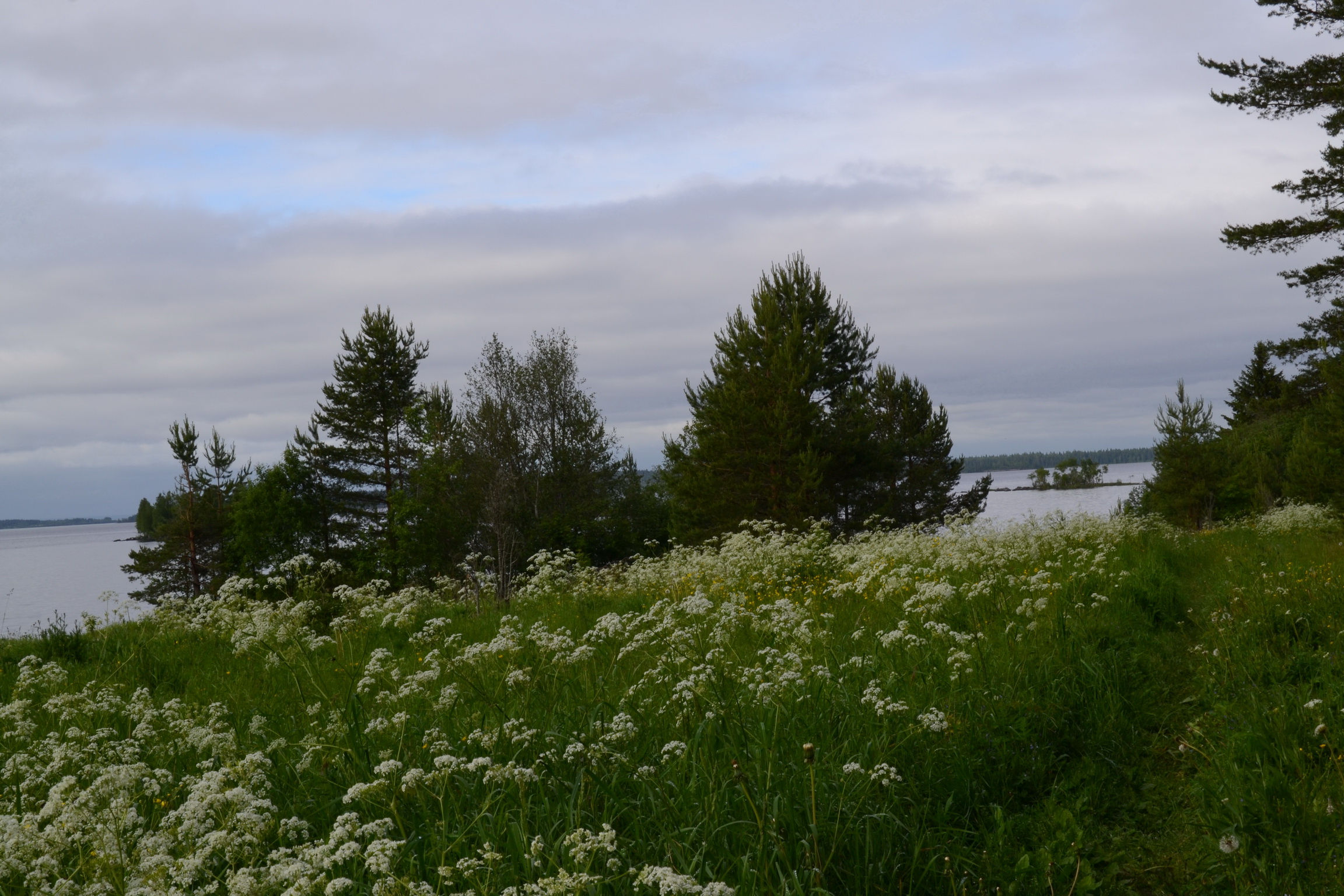
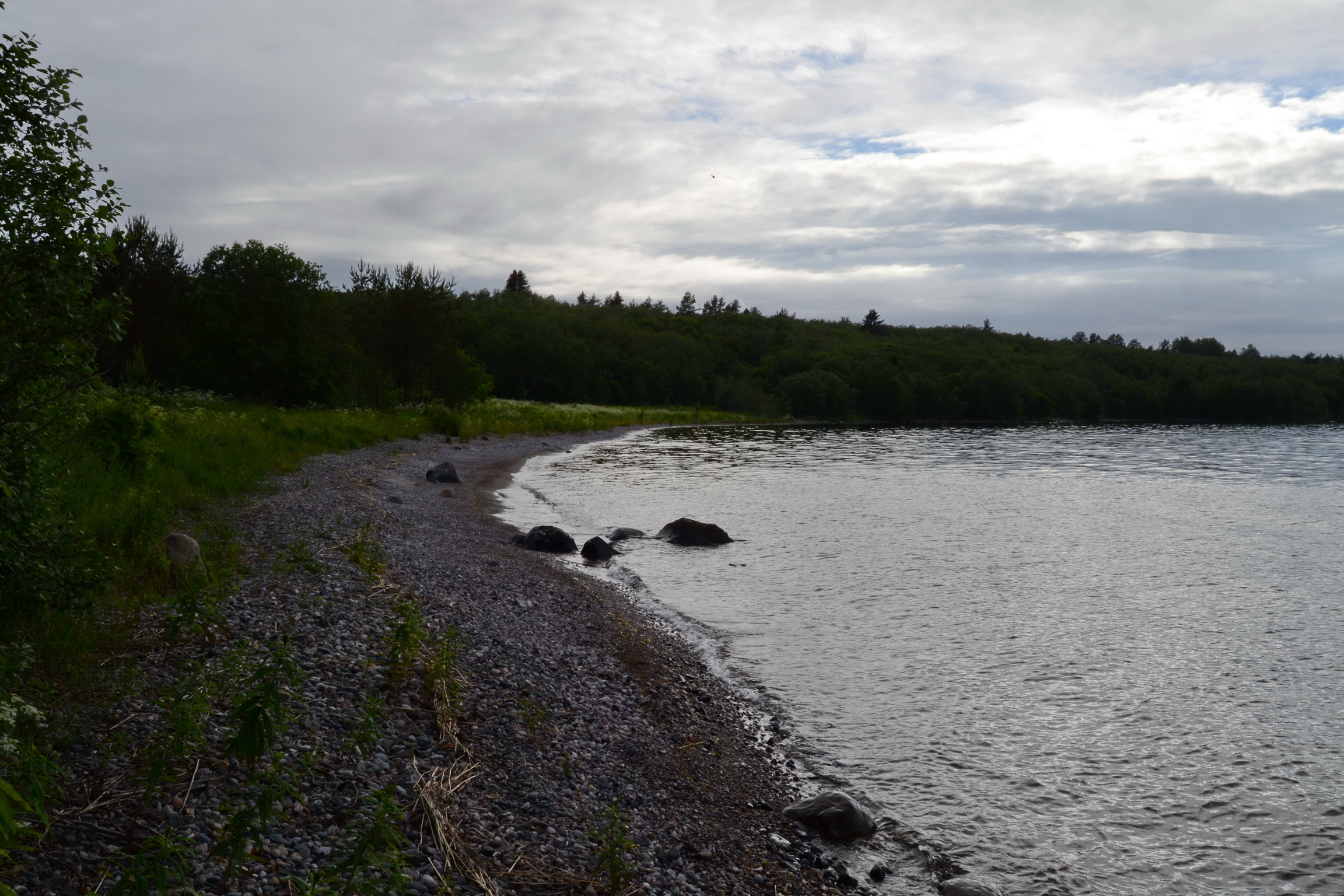
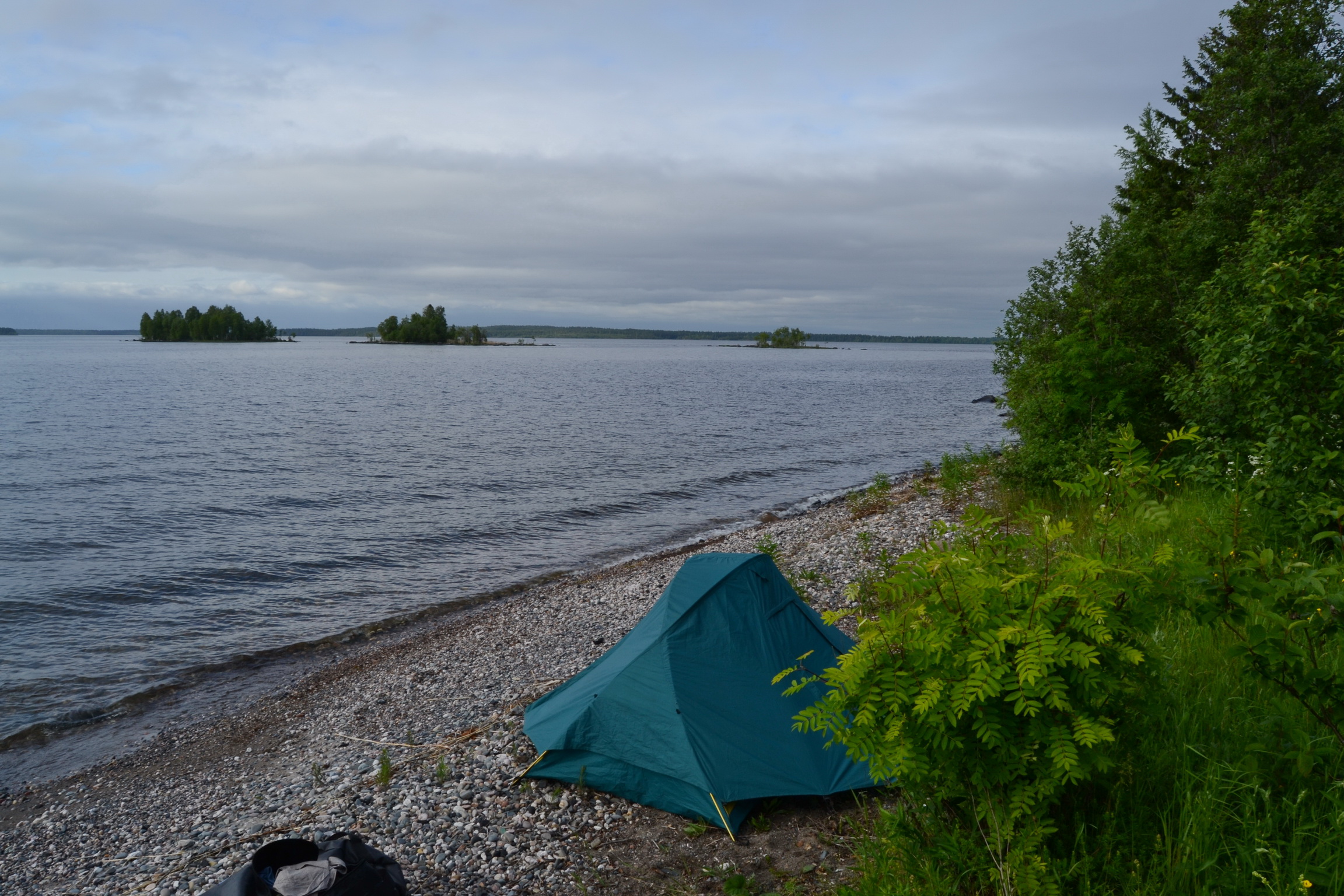
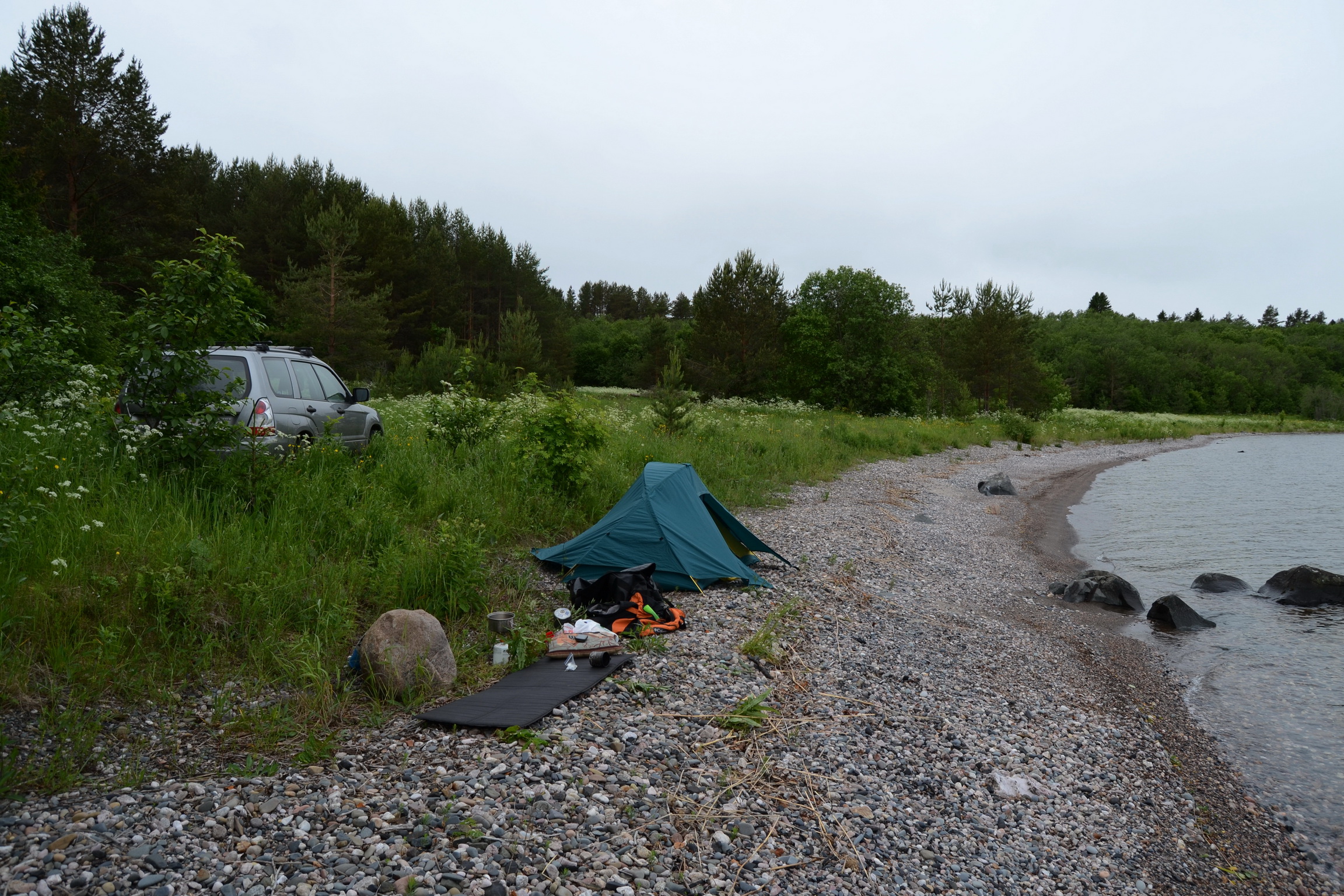
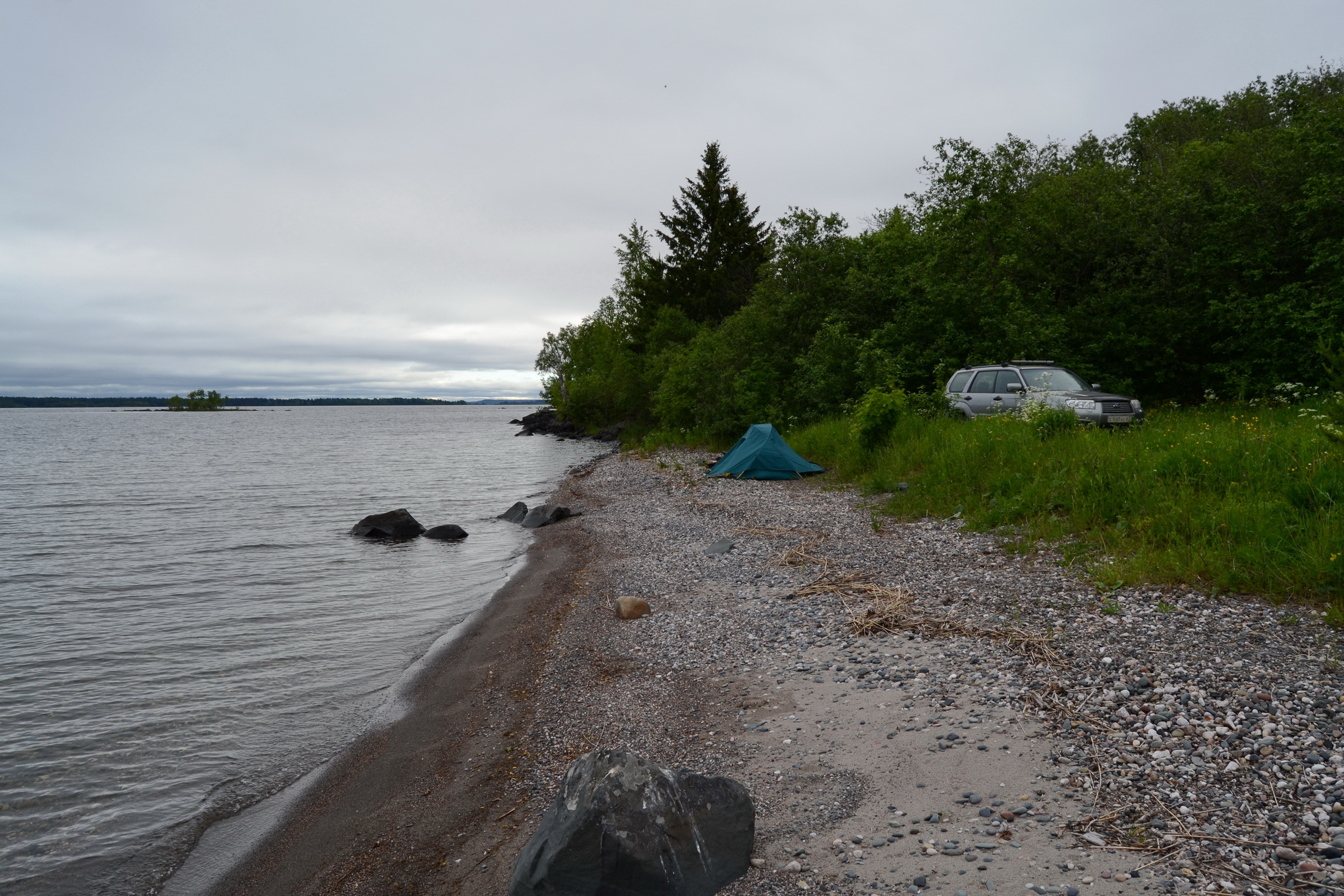
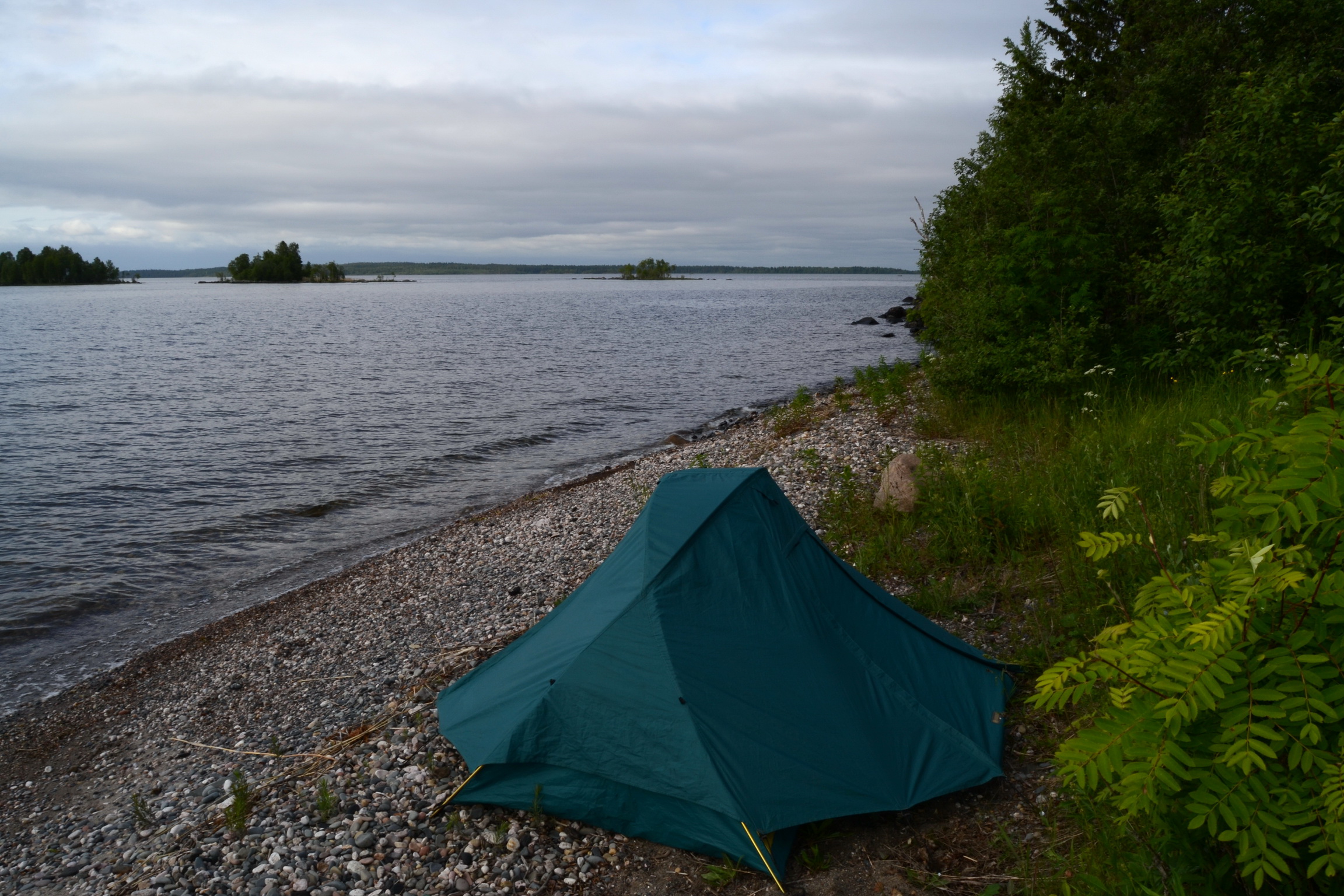
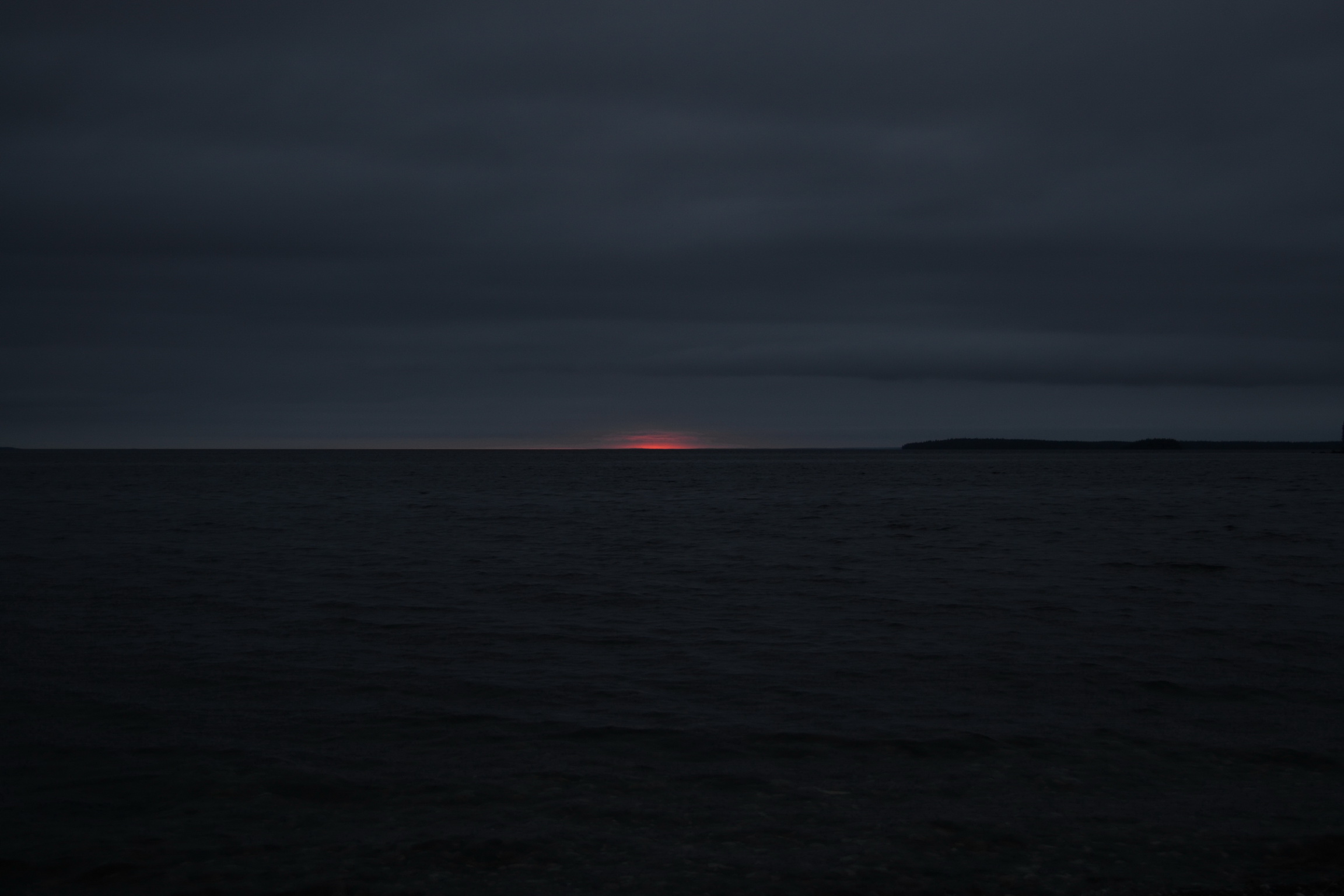
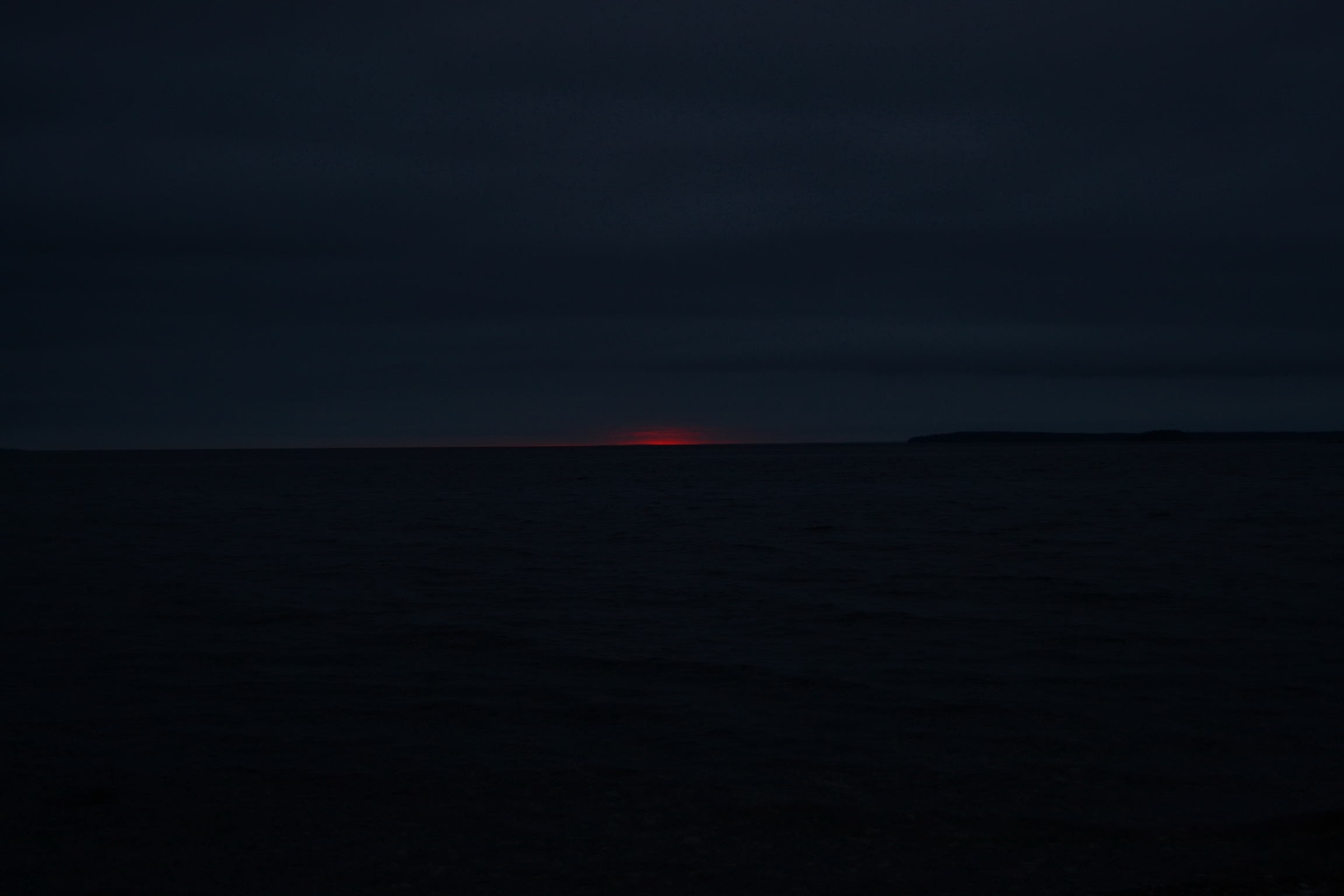
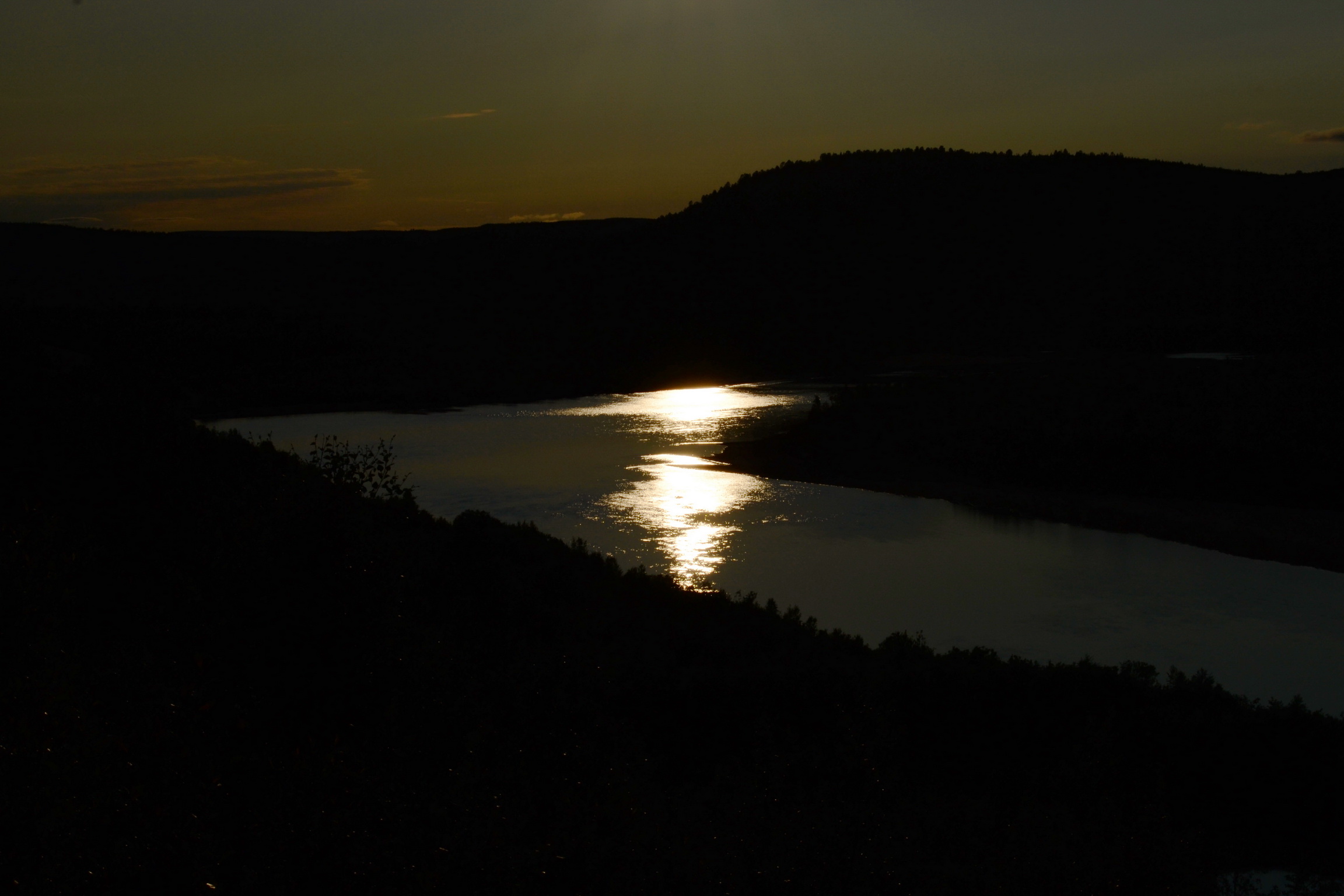
The sun unexpectedly came out around midnight. There was a little gap at the horizon just big enough for the last rays of the day to slip through. A strange sight. It looks like a fire or an atomic explosion, anything but the sun.
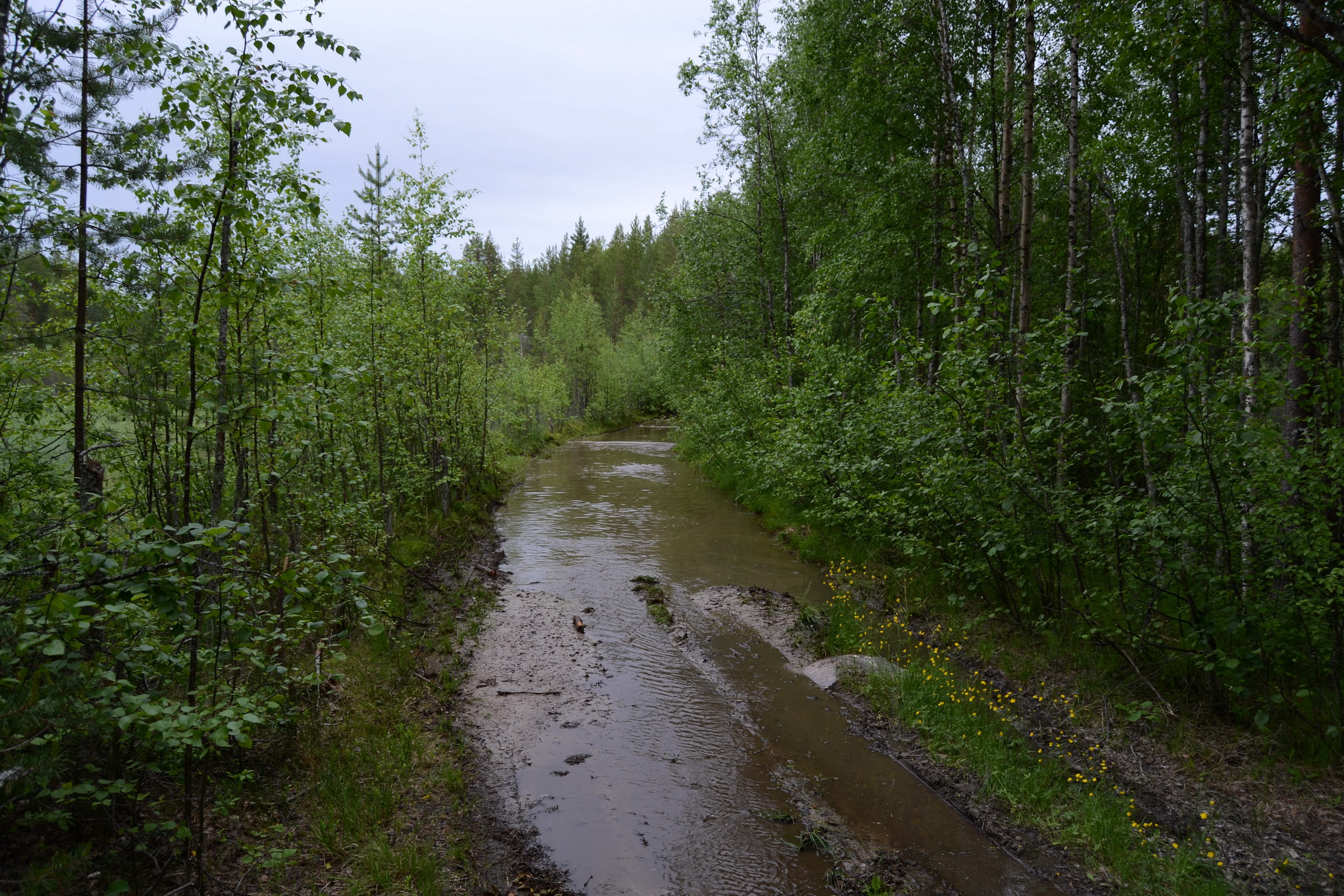
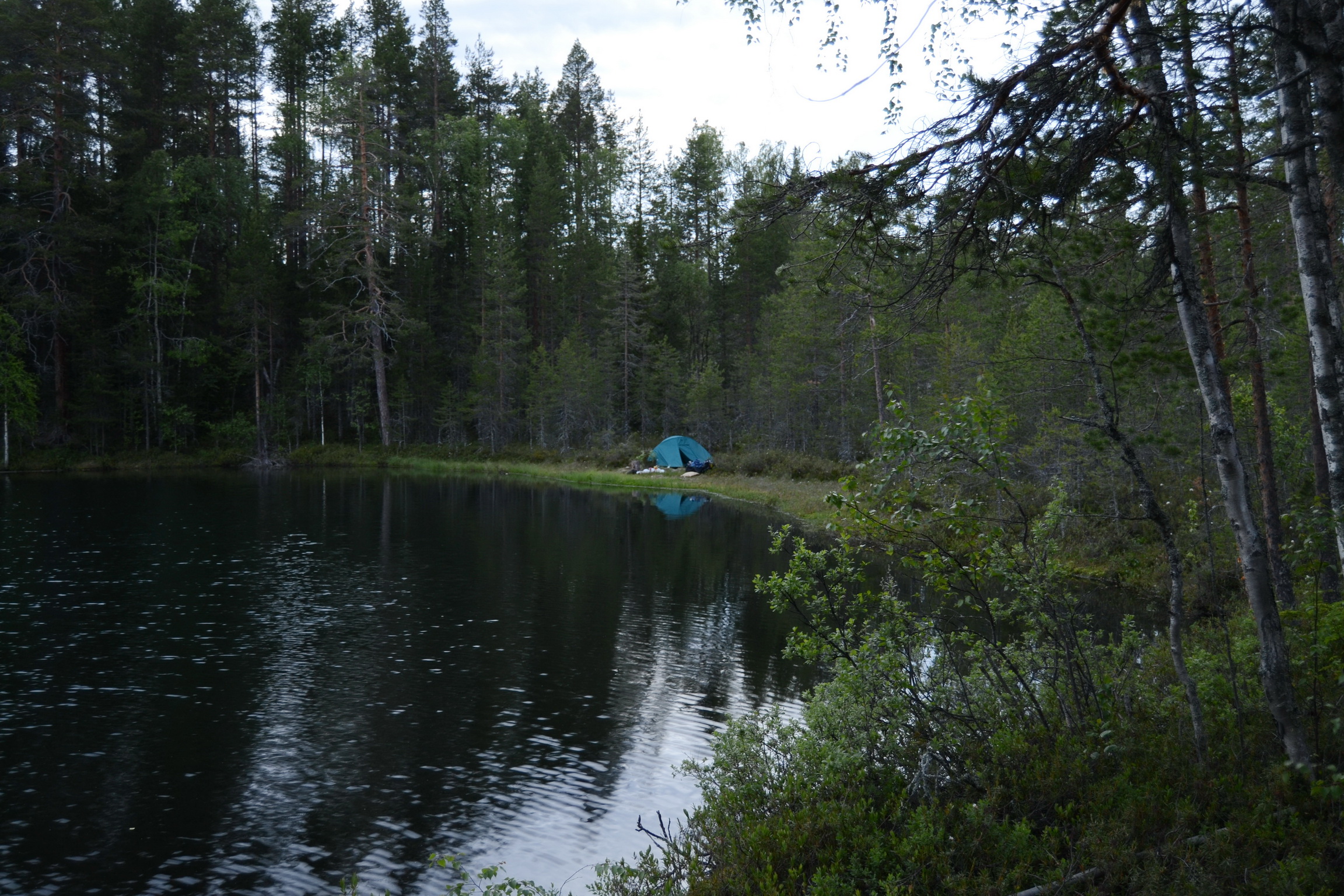
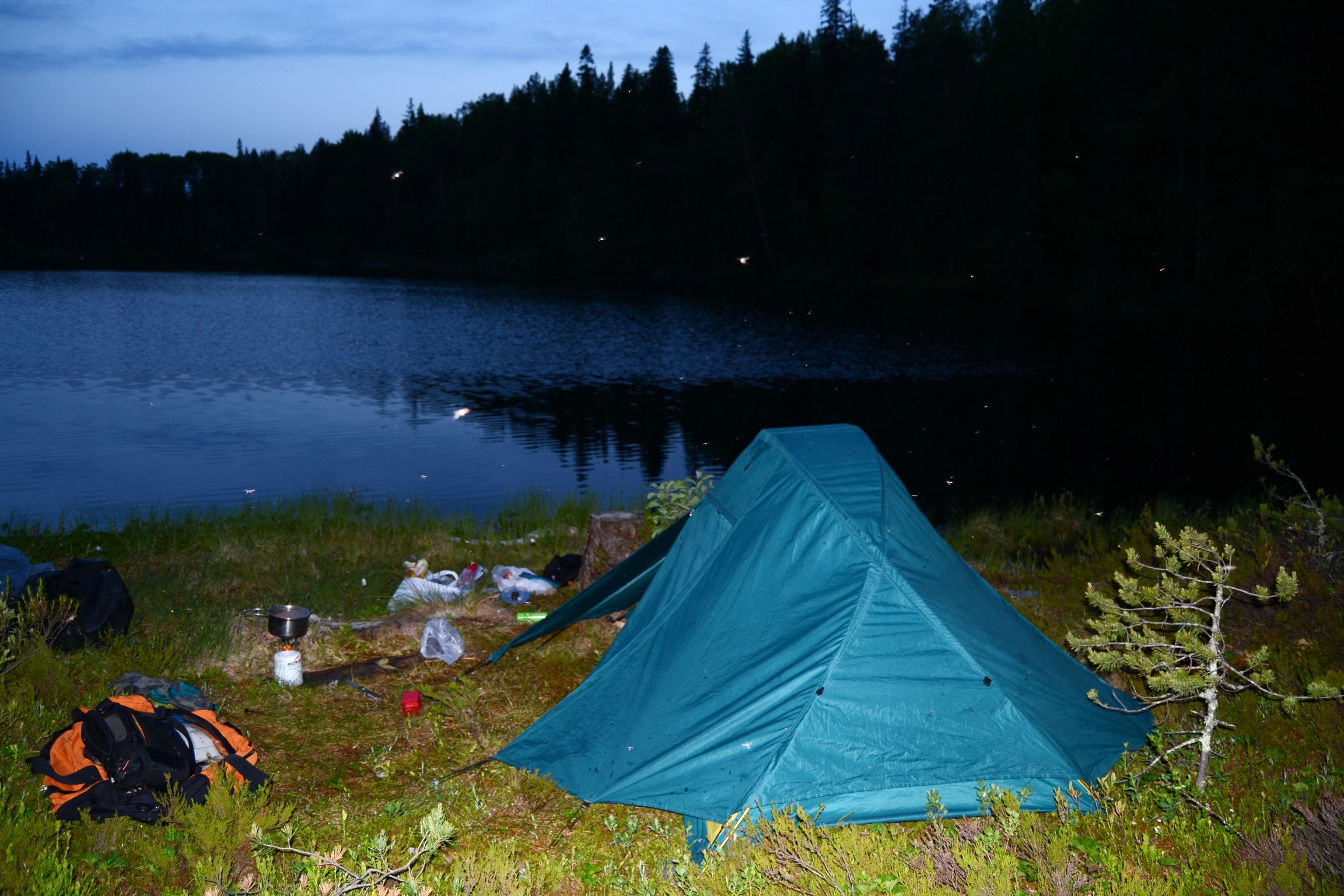
A day’s work around Medvezhyegorsk, and now the road to Belomorsk and Sumsky Posad. I began my search for a good campsite along the road to Kolezhma and drove all the way to the village. This was where we packed up the kayaks after our White Sea trip in 1998. It’s a remote village, but doing quite well. It gets plenty of tourists and there are still fish to be caught. Even the post office works. I sent a postcard to New Zealand. I spent the night nearby, at Lake Kamennoye (64°14.819′N, 35°45.163′E). The banks of the lake are steep, so I left the car up on a high hill by the shore and went down to the water on foot.
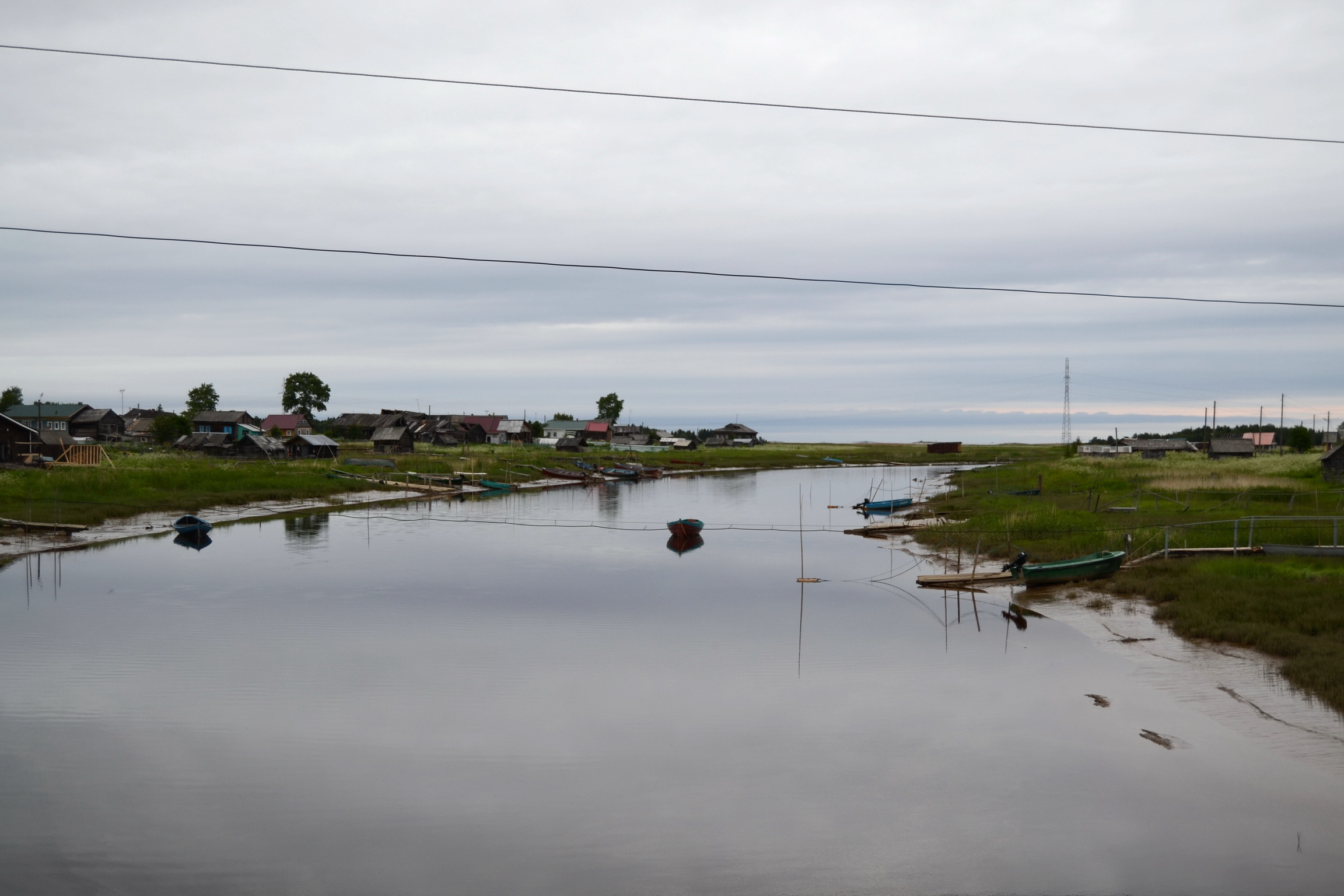
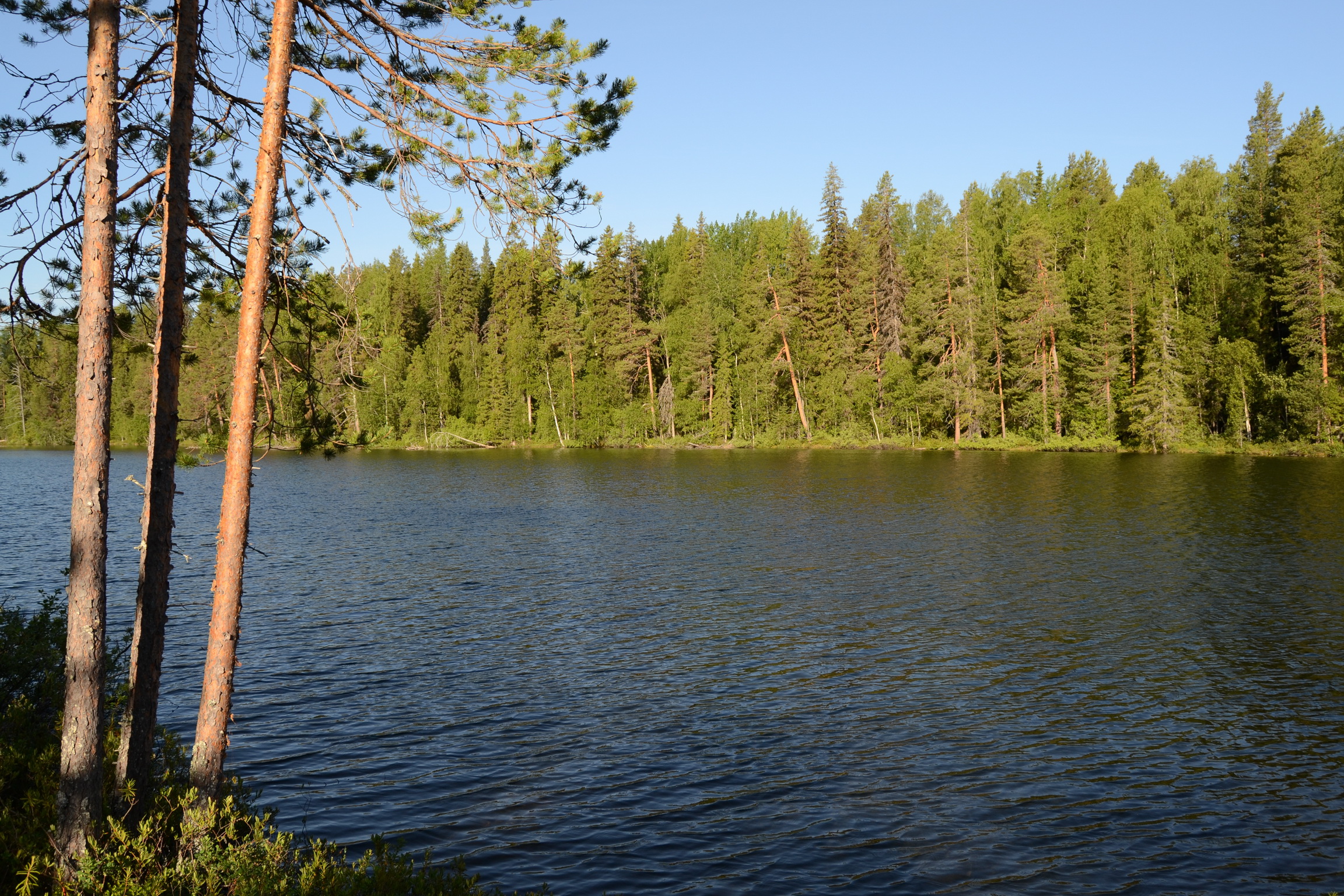
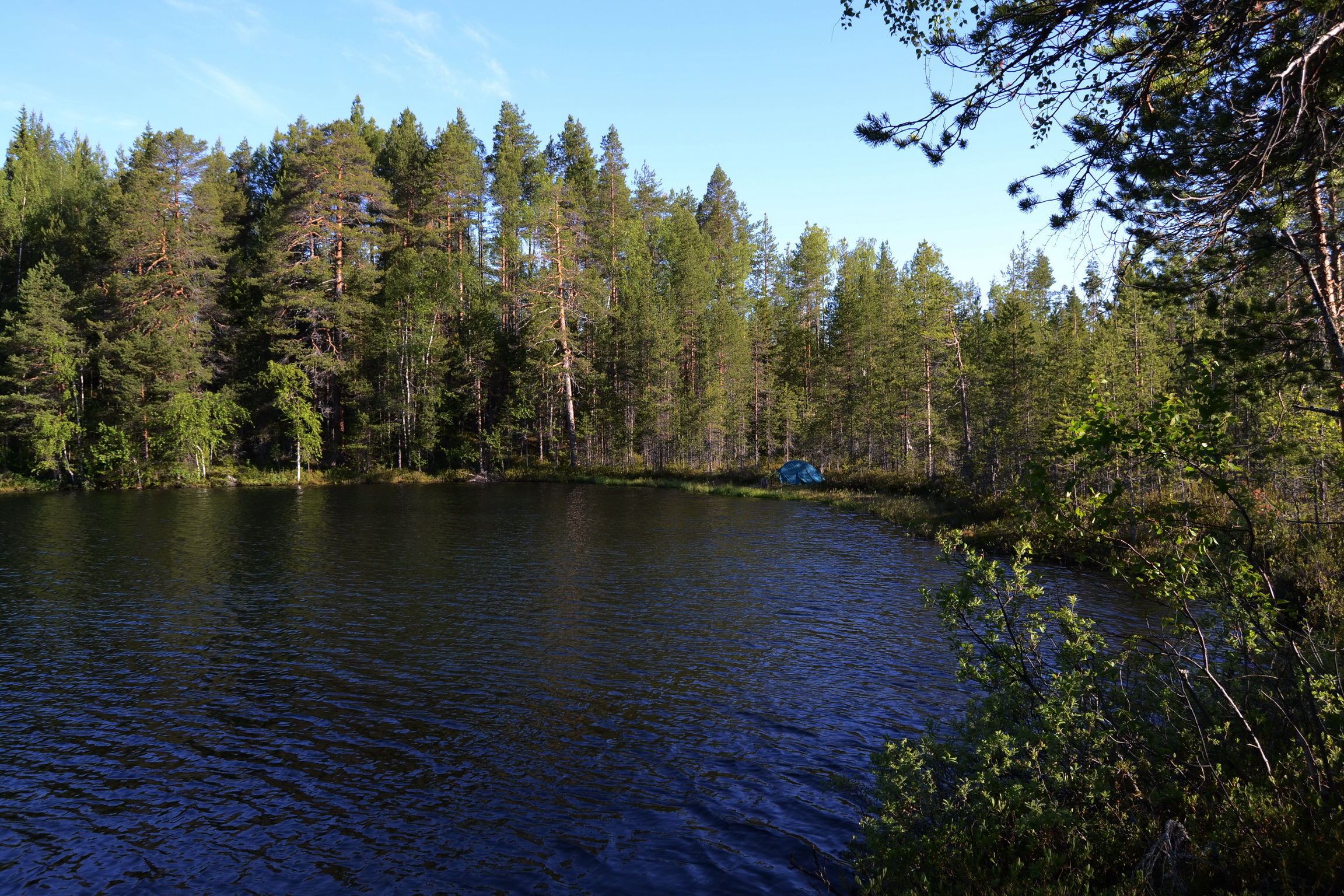
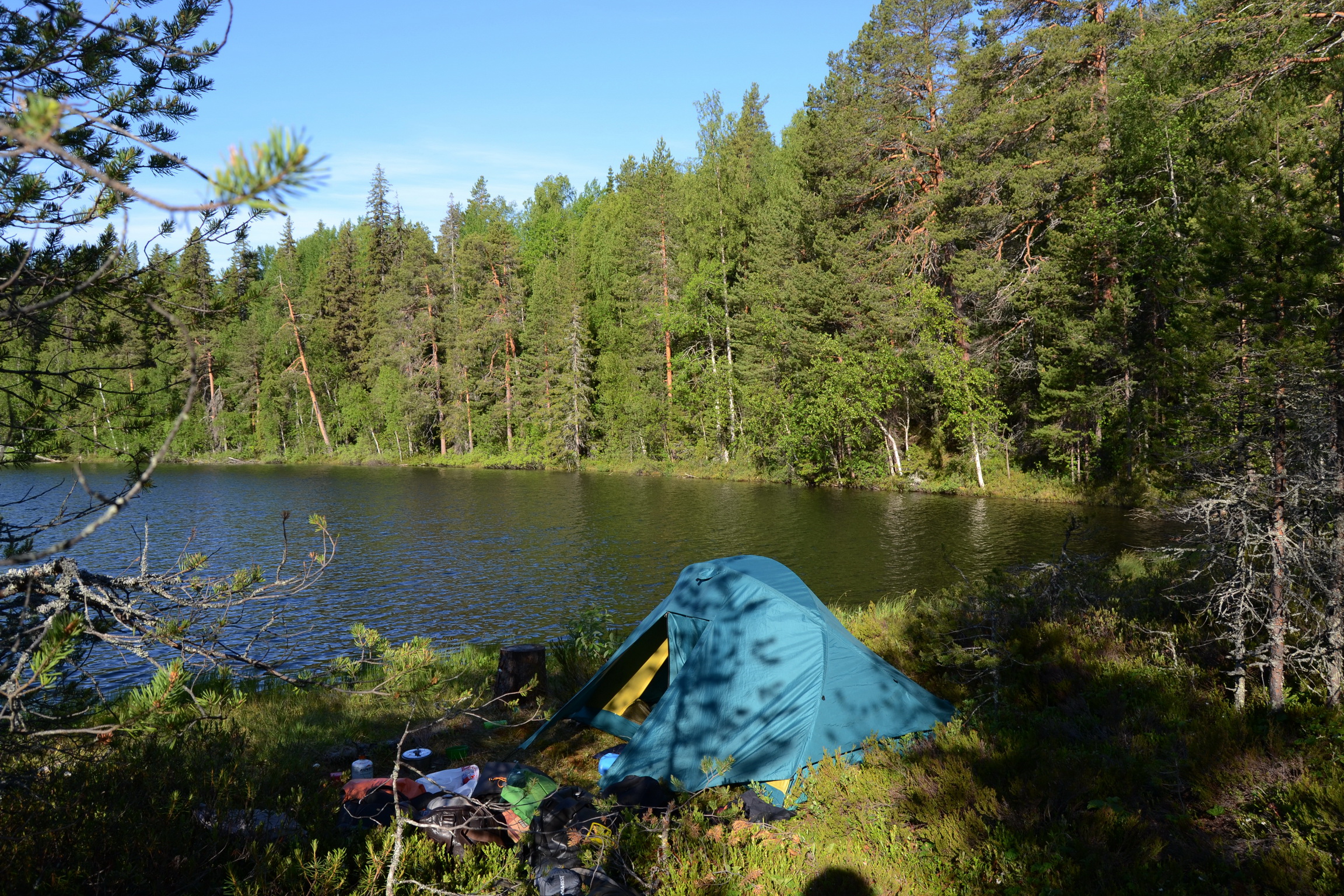
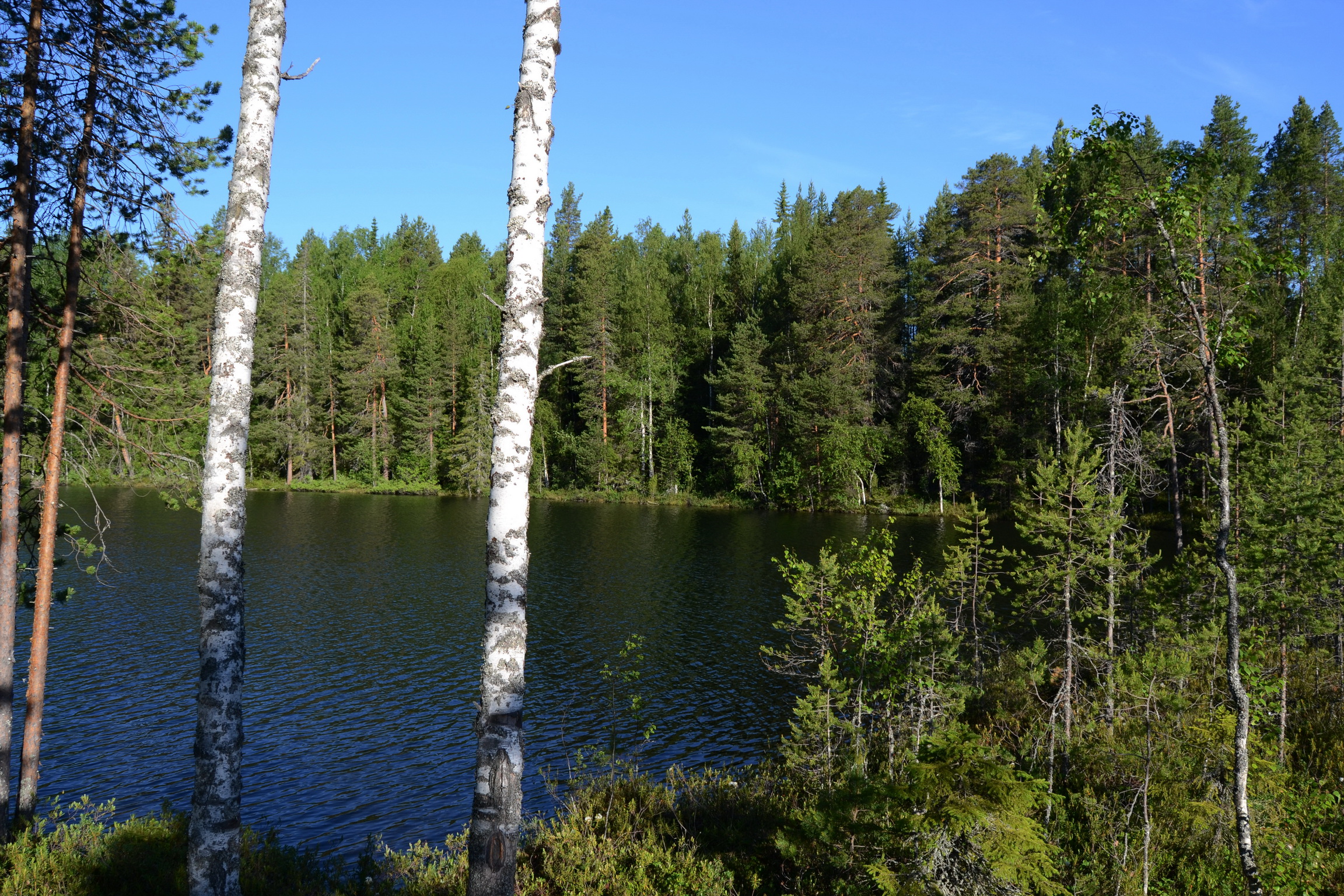
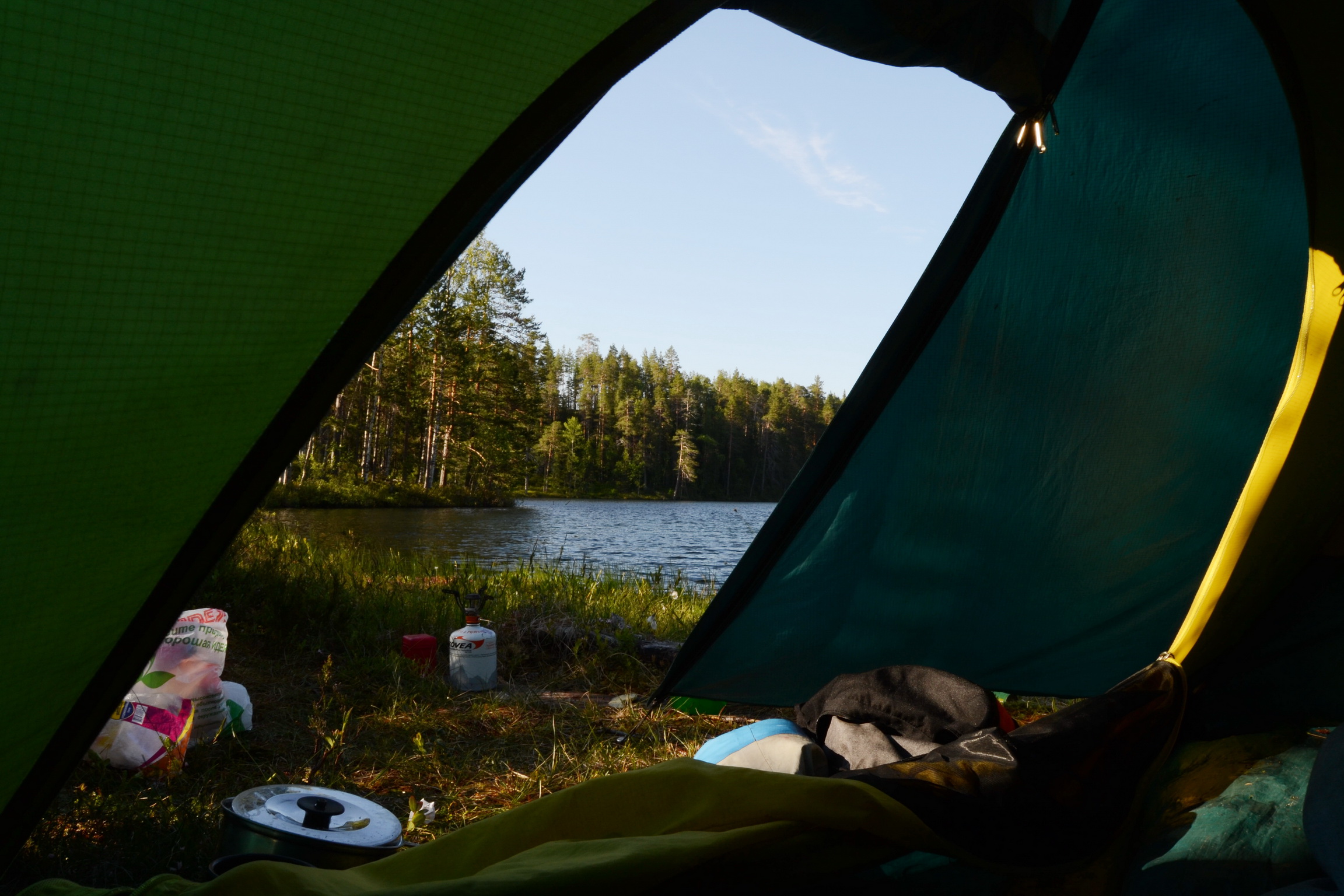
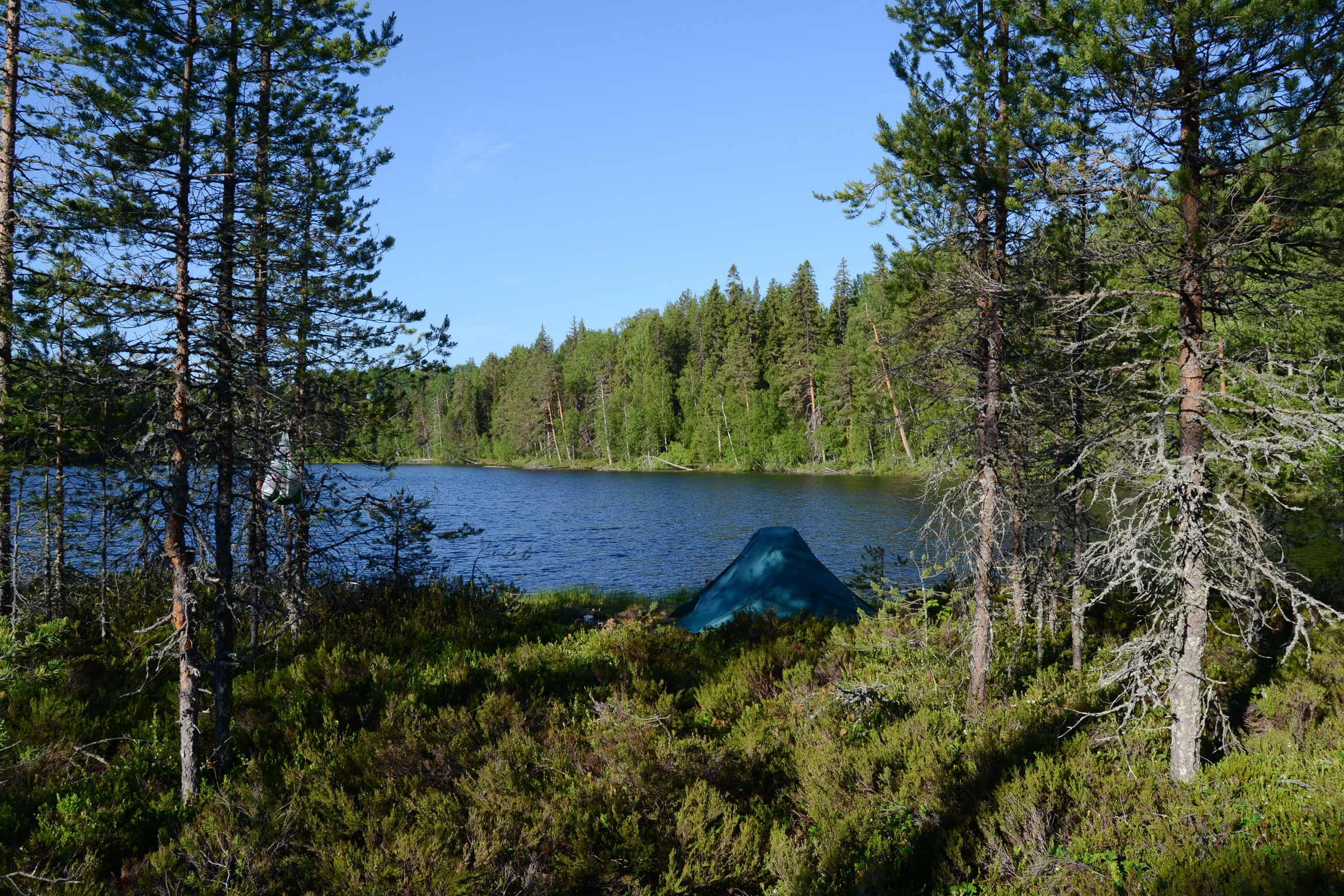
We went to Malenga by local train, as usual, and got back. By evening I was free.
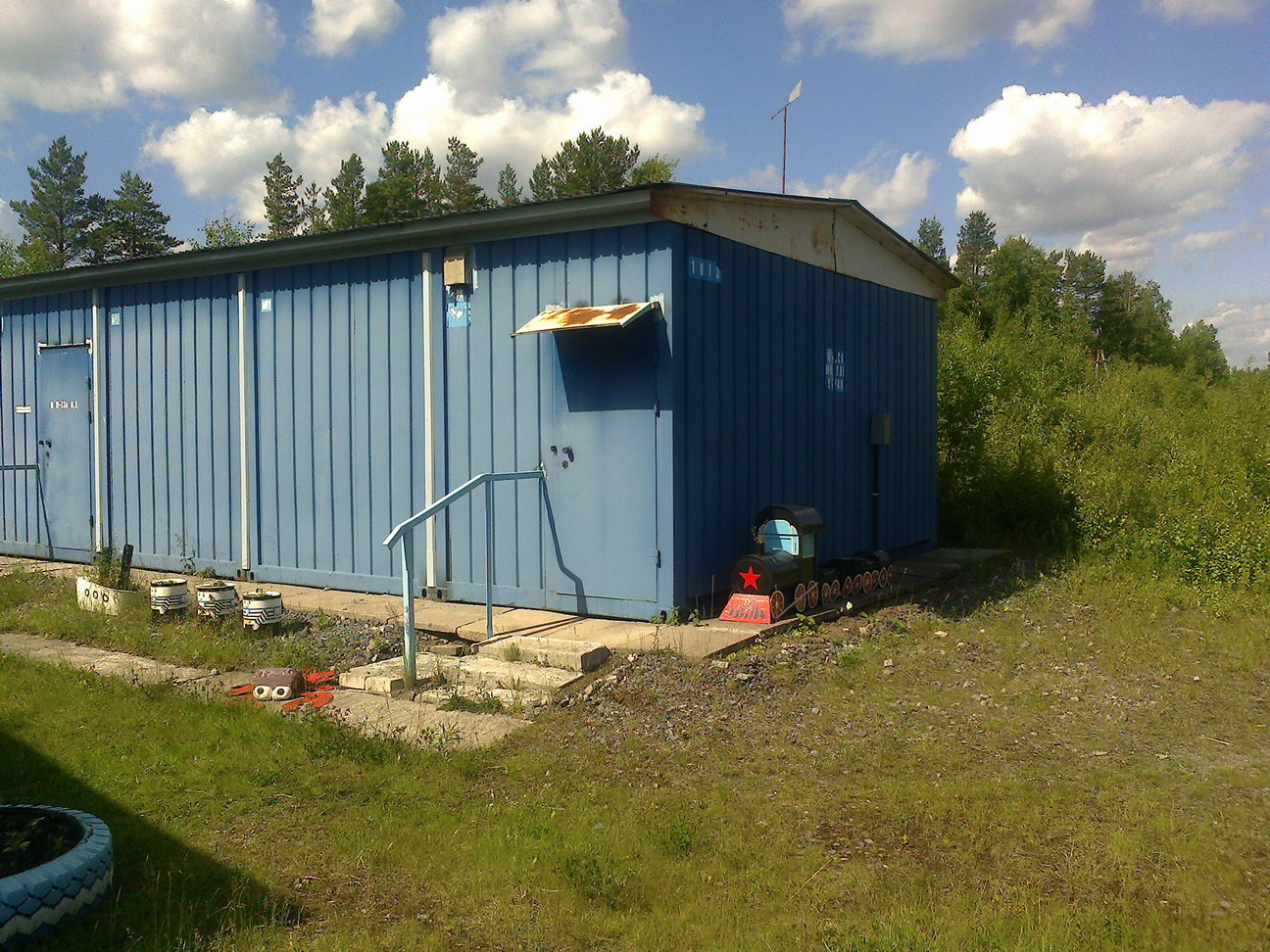
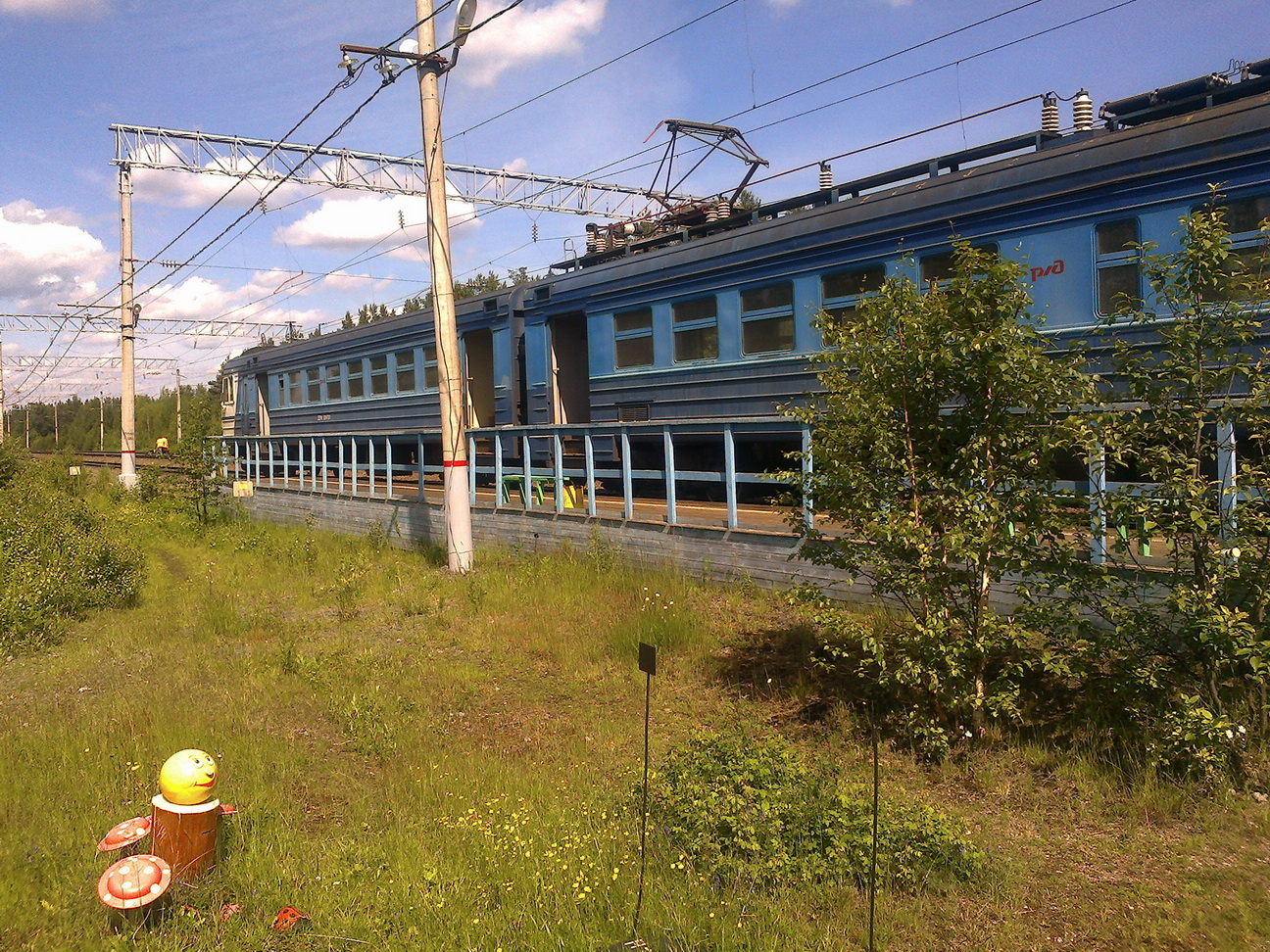
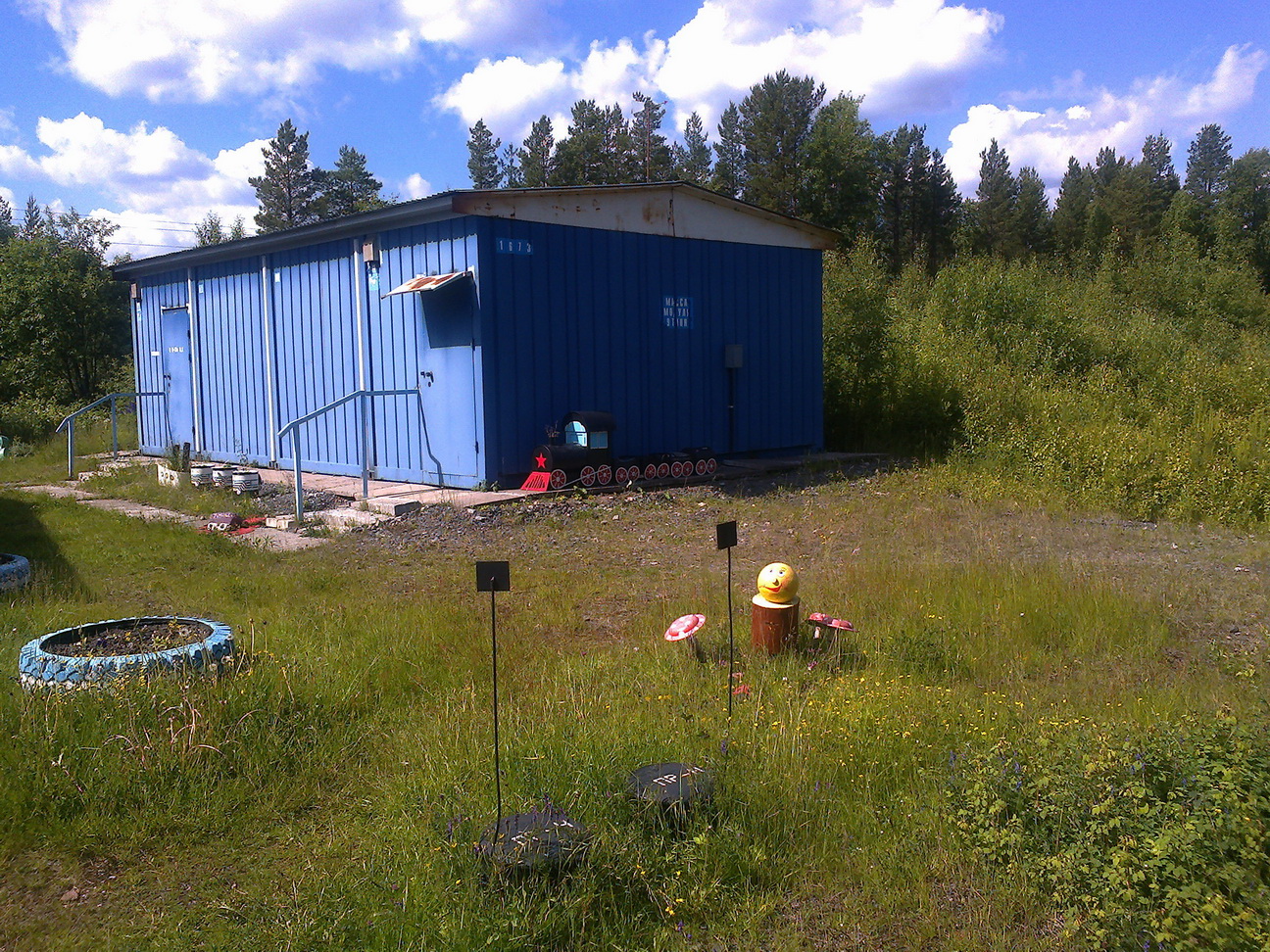
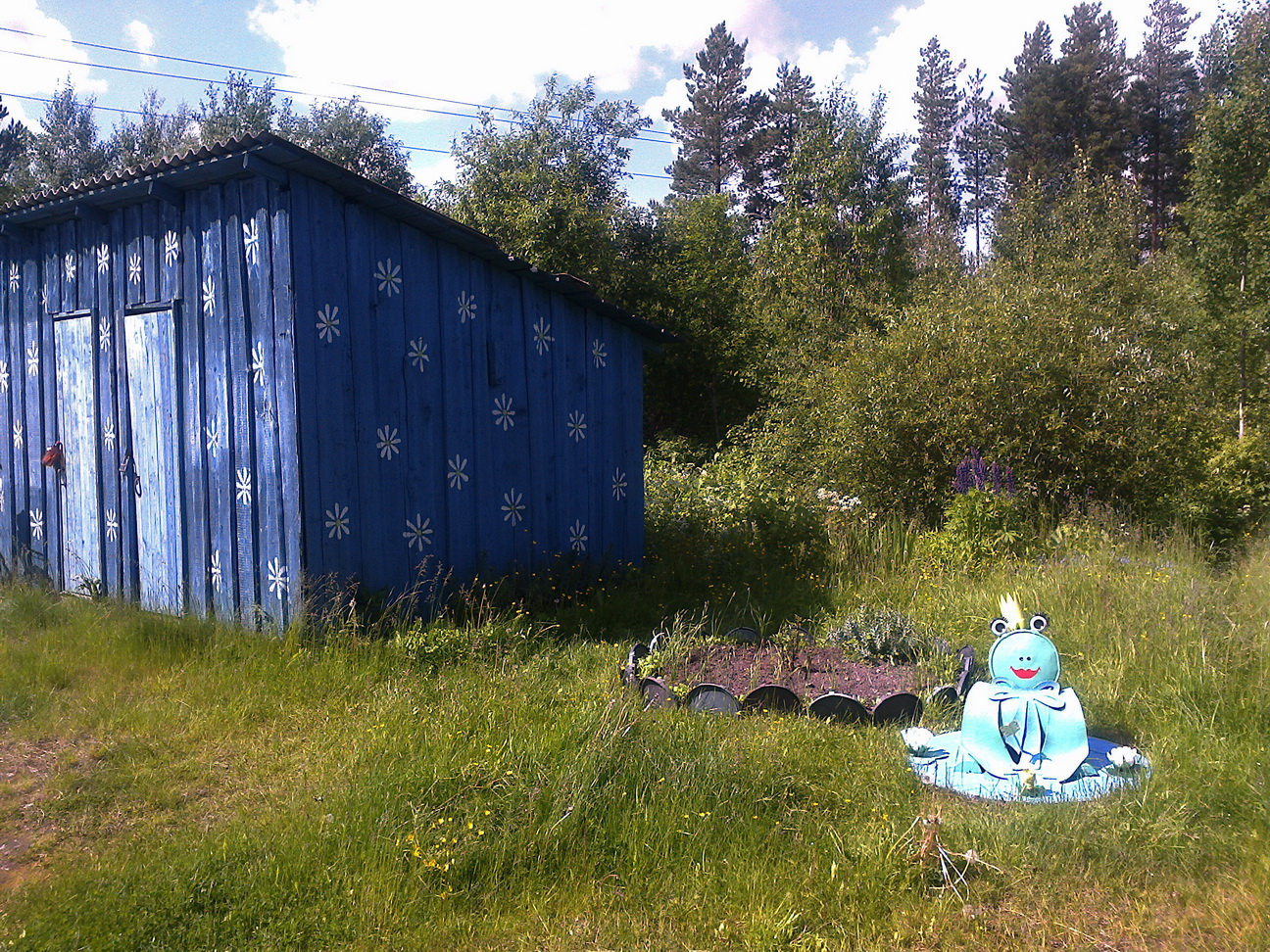
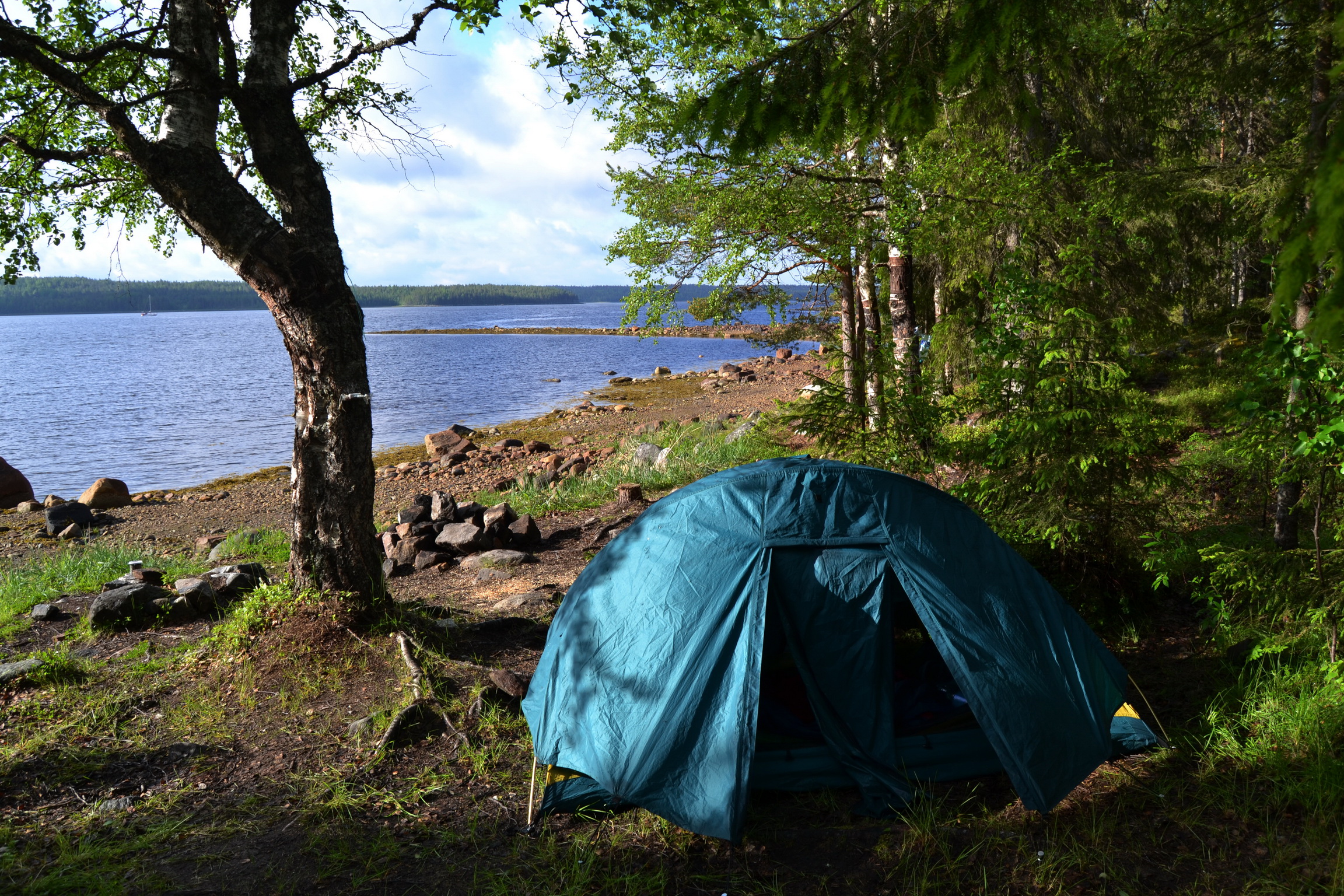
I did the stations around Kem a different way this time. I drove north in the evening so I could start at Loukhi in the morning. That meant looking for a campsite somewhere nearby. I’d never turned off towards the White Sea at Chupa station, so I went to have a look. I found nothing around Chupa itself, but if you drive as far as the village of Nizhnyaya Pulonga and carry on beyond it, you come across some excellent spots, one of which I camped at (66°18.490′N, 33°18.462′E).
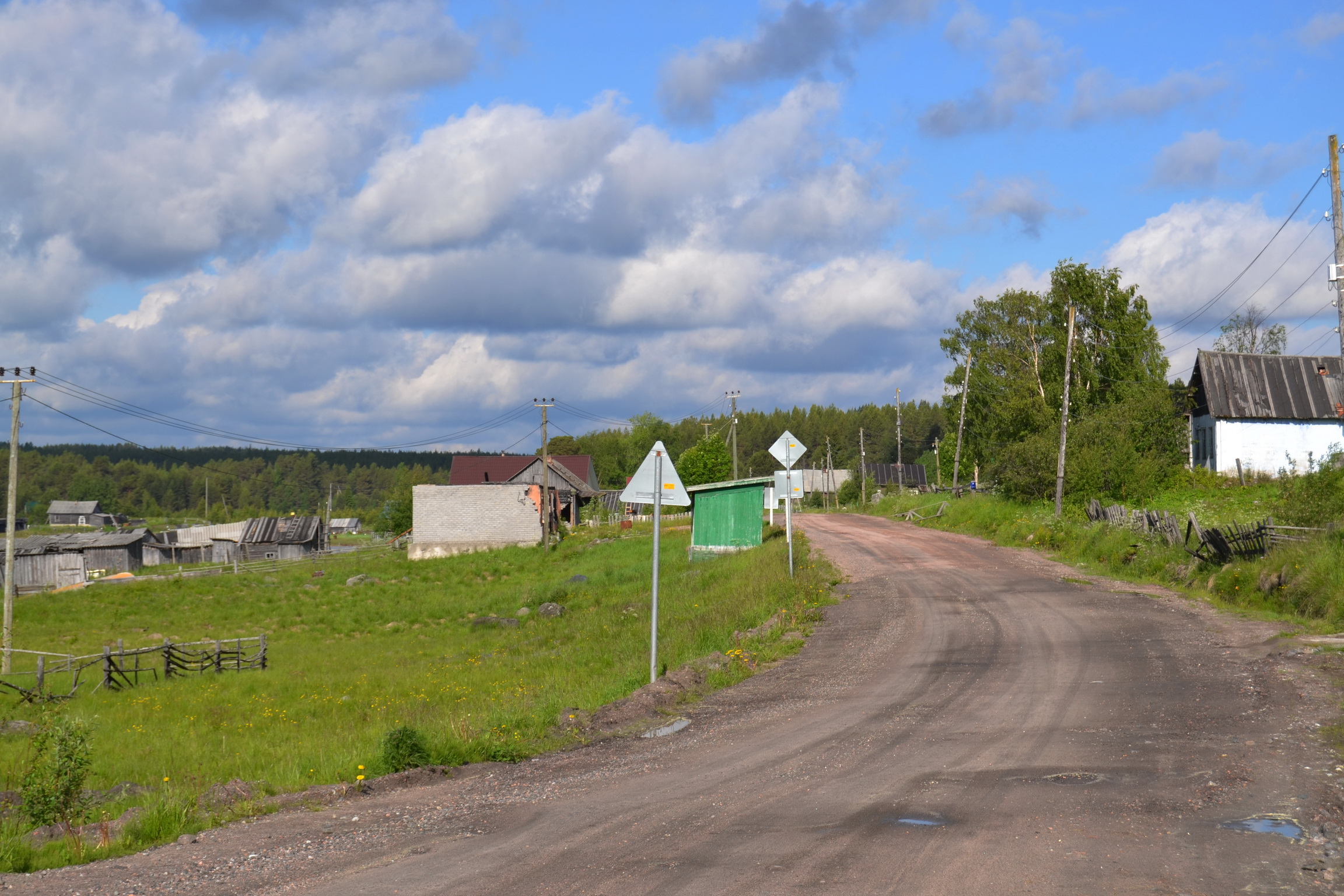
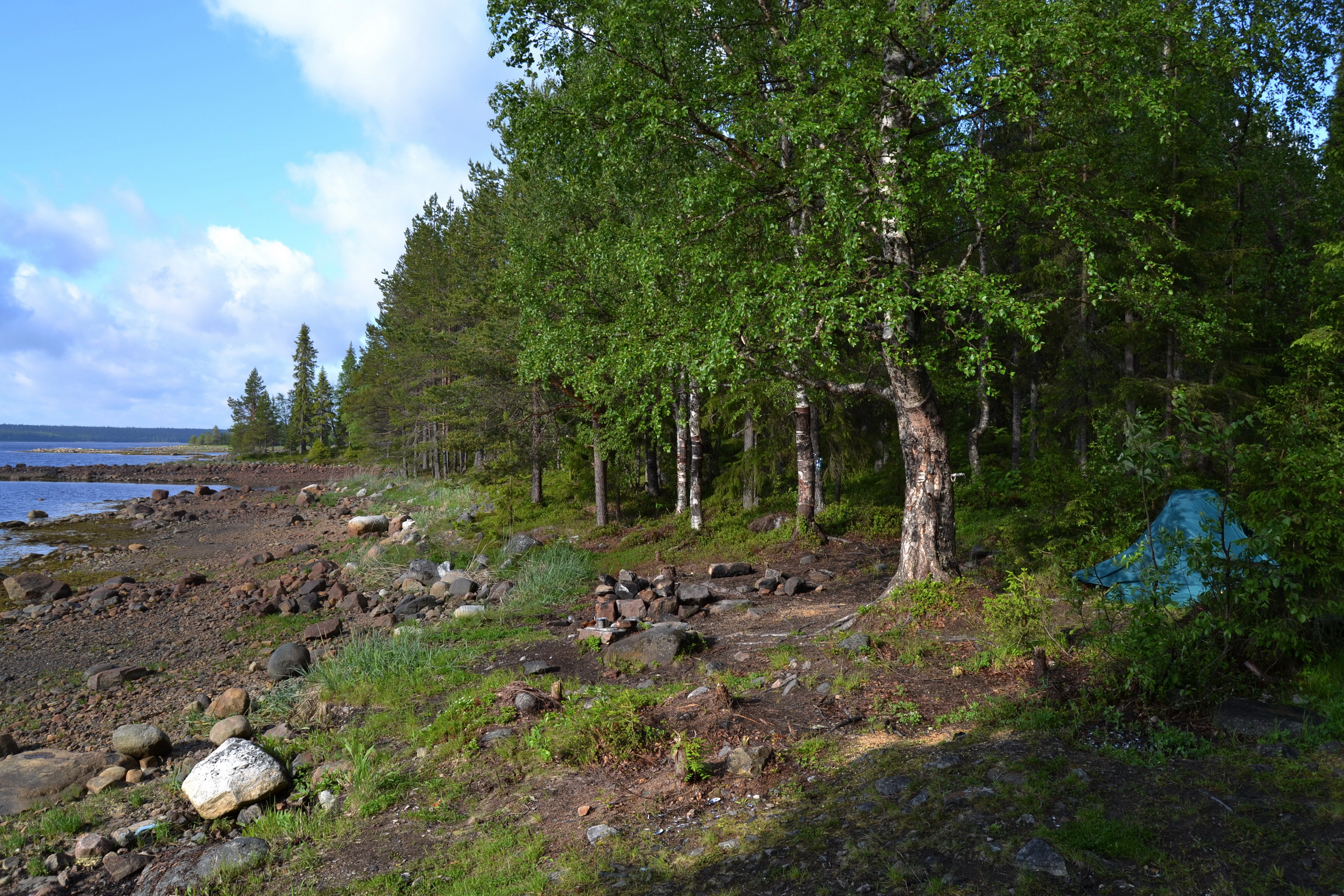
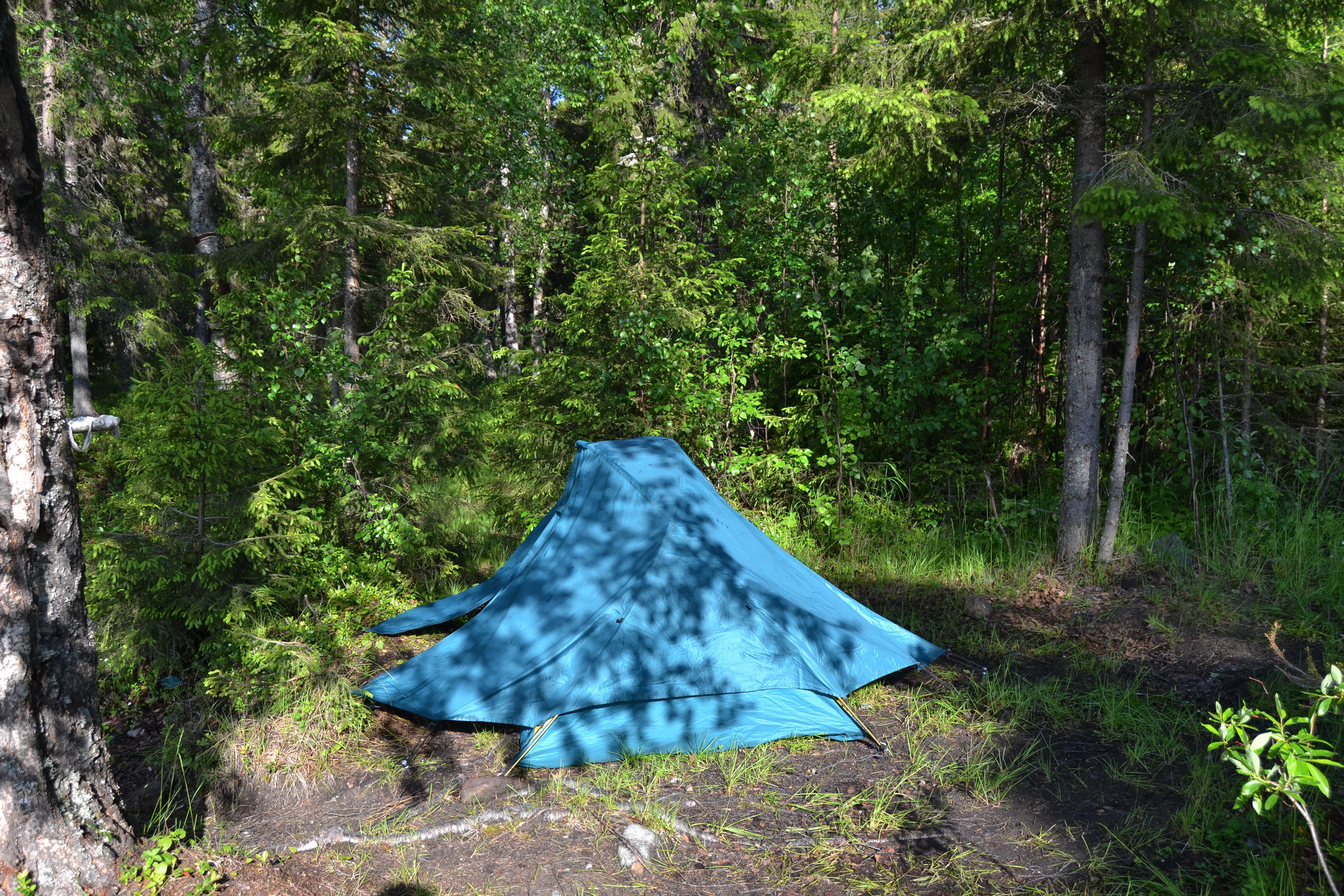
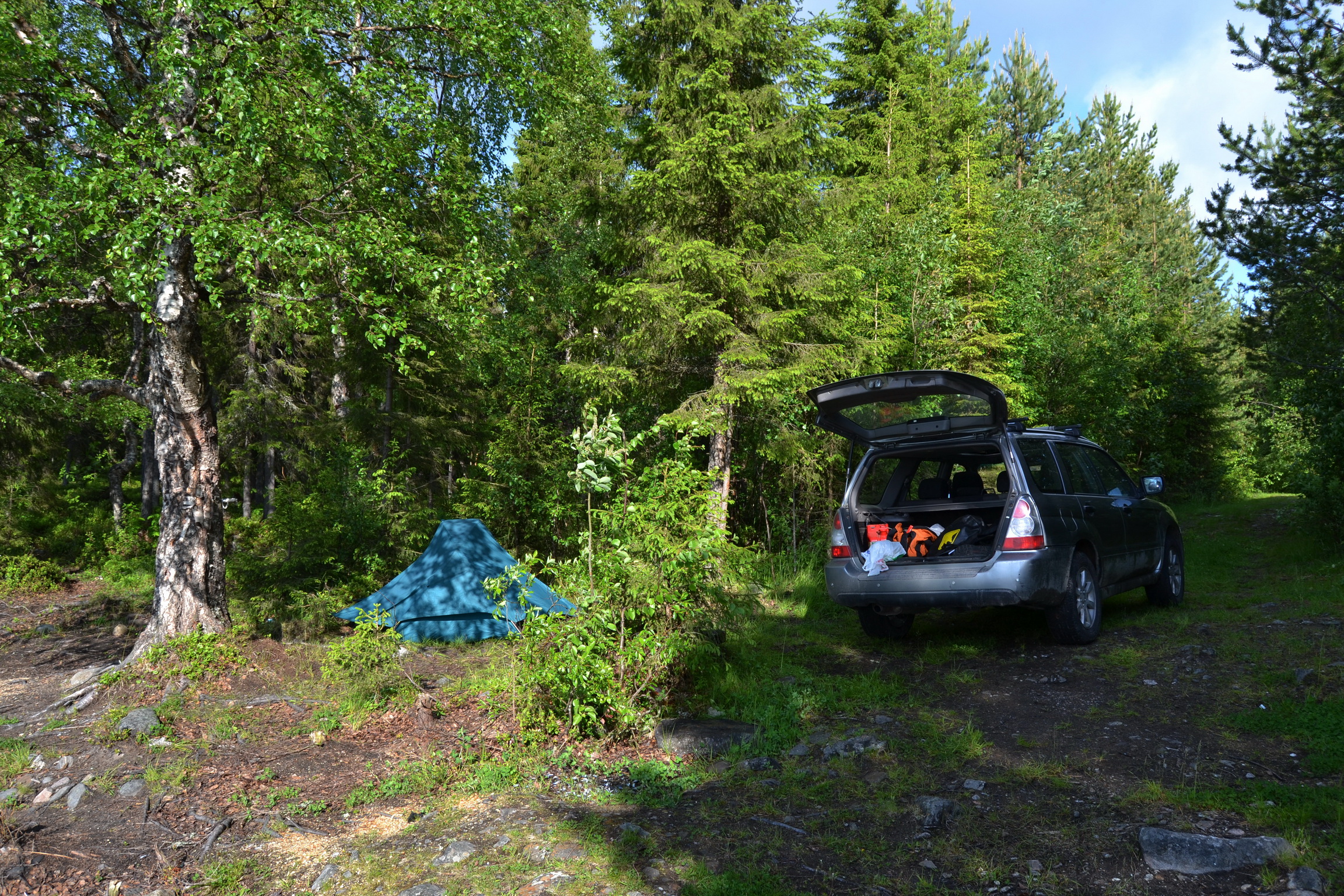
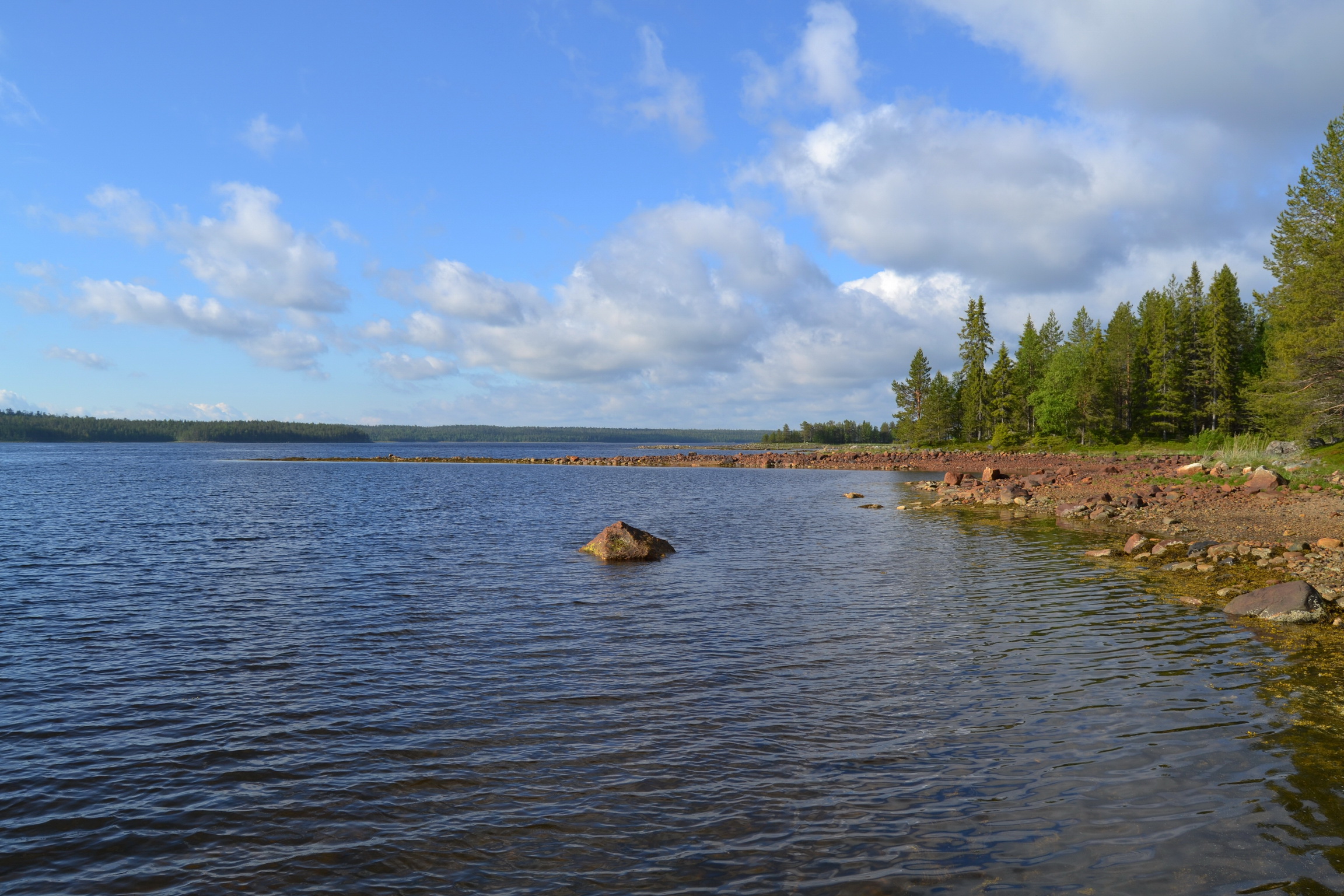
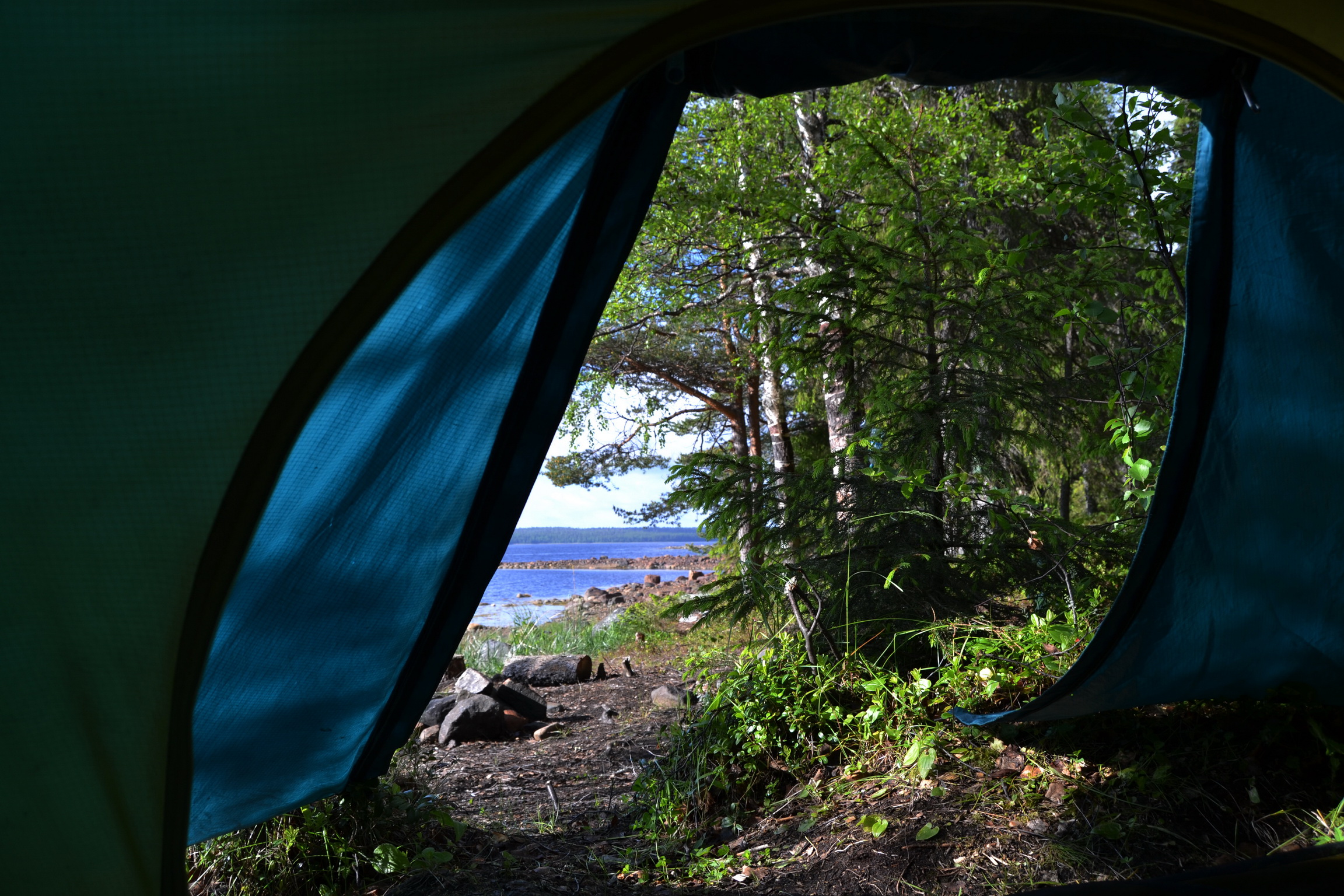
North of Pulonga there used to be a landing and a ferry to Chkalovsky. There’s a road now and the ferry is no longer needed, but the road down to the landing is still there.
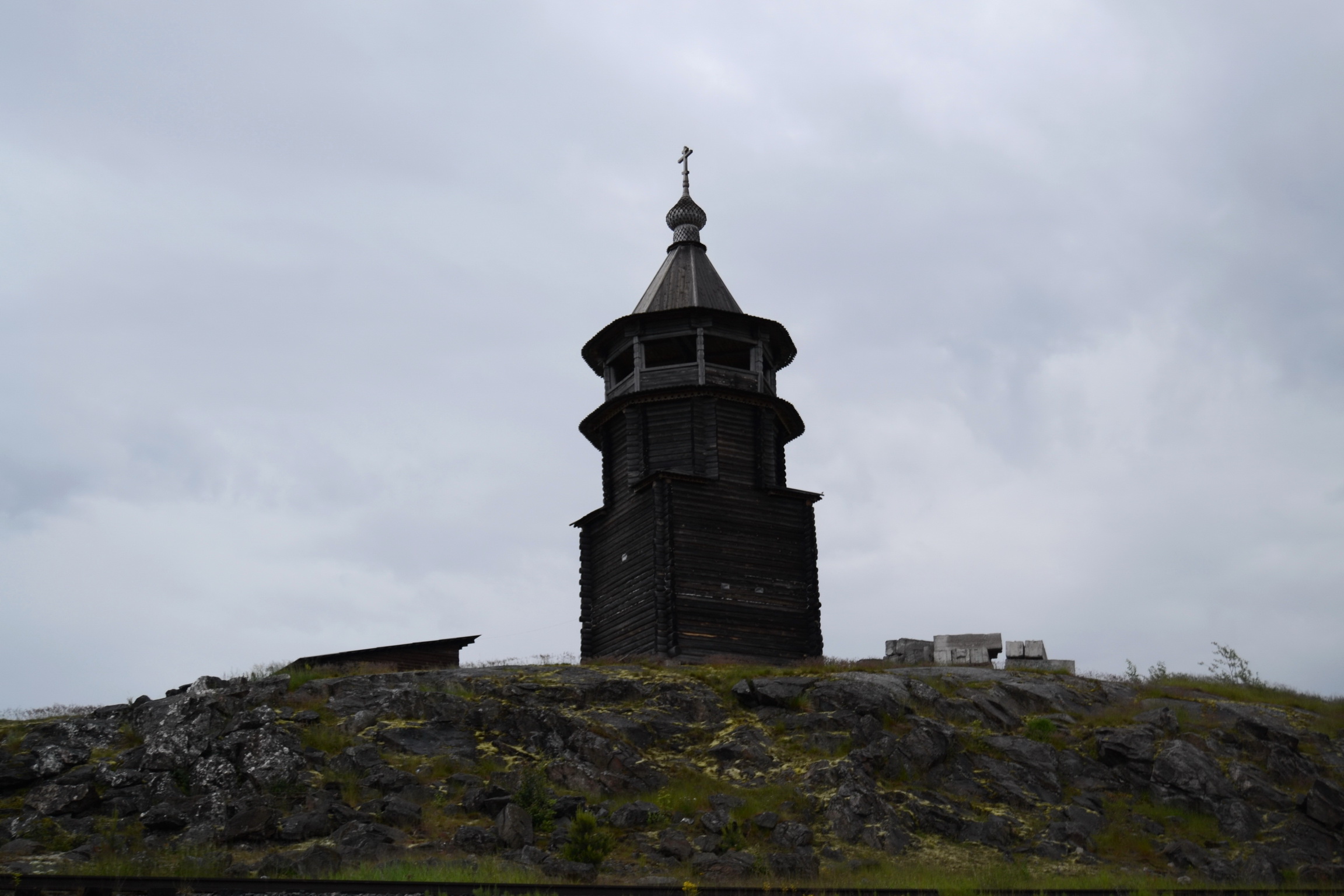
I did the work at Loukhi in the morning, then met up with the technician, who was already at Engozero. I continued the round with him as far as Kem, where I took a walk and bought some supplies.
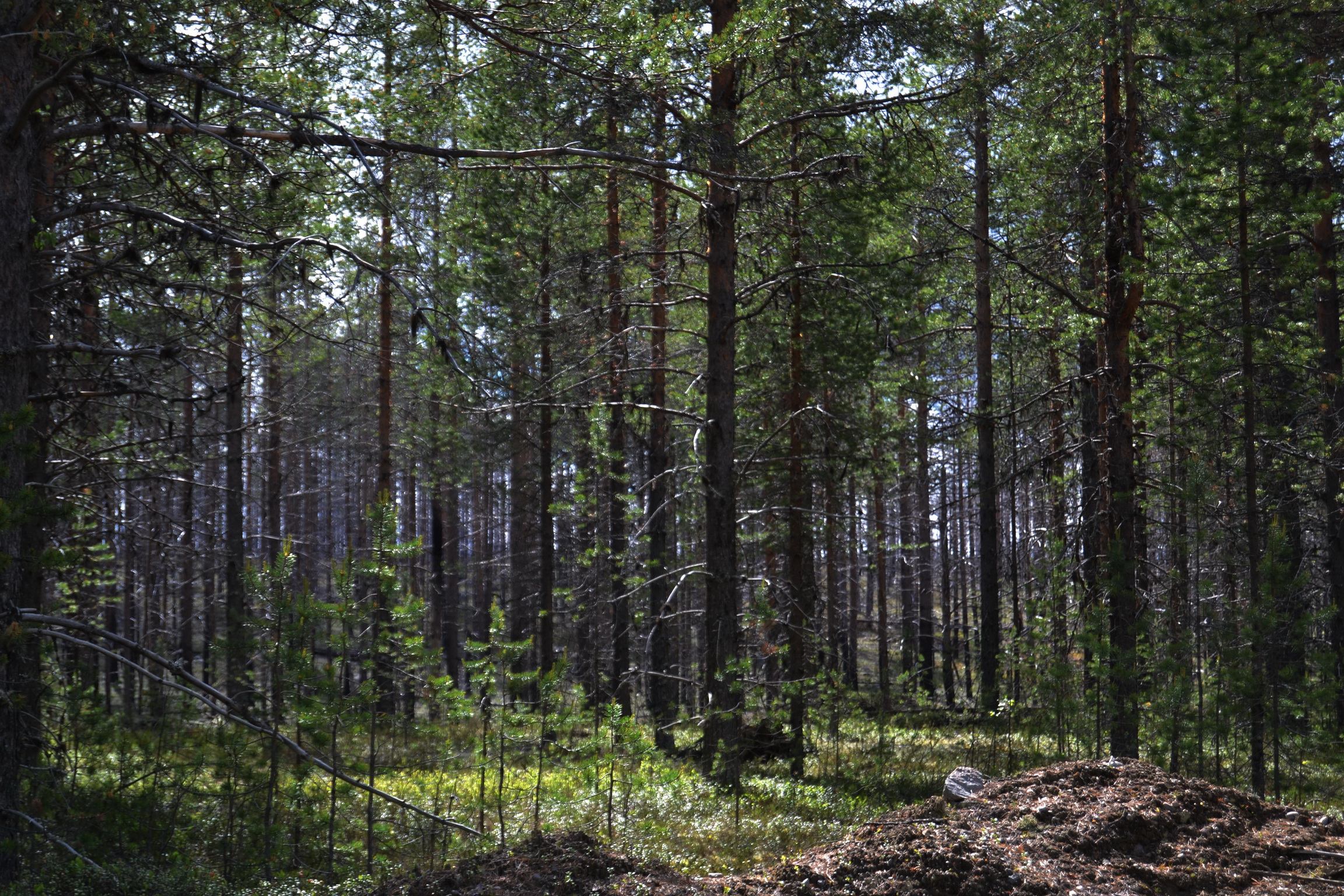
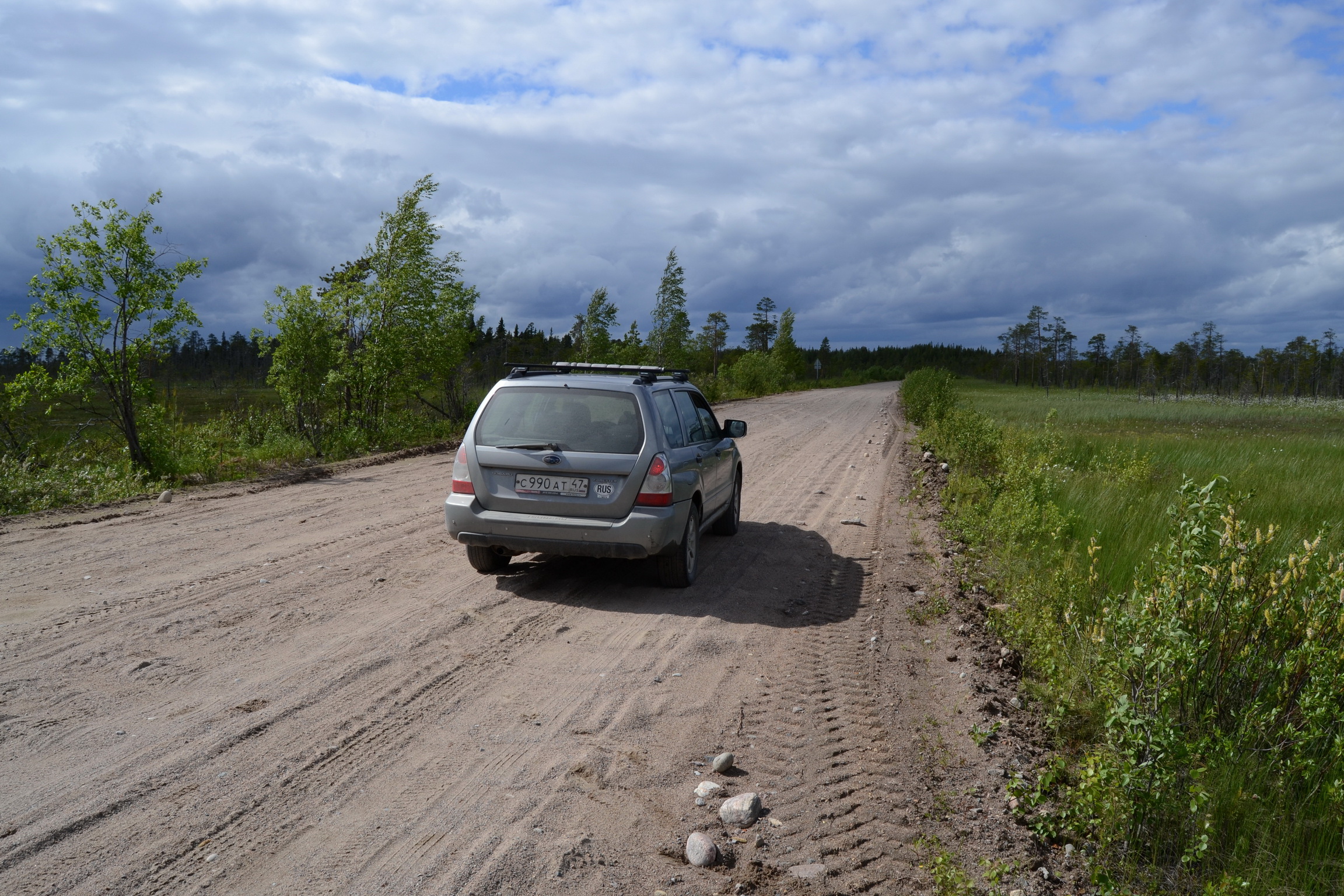
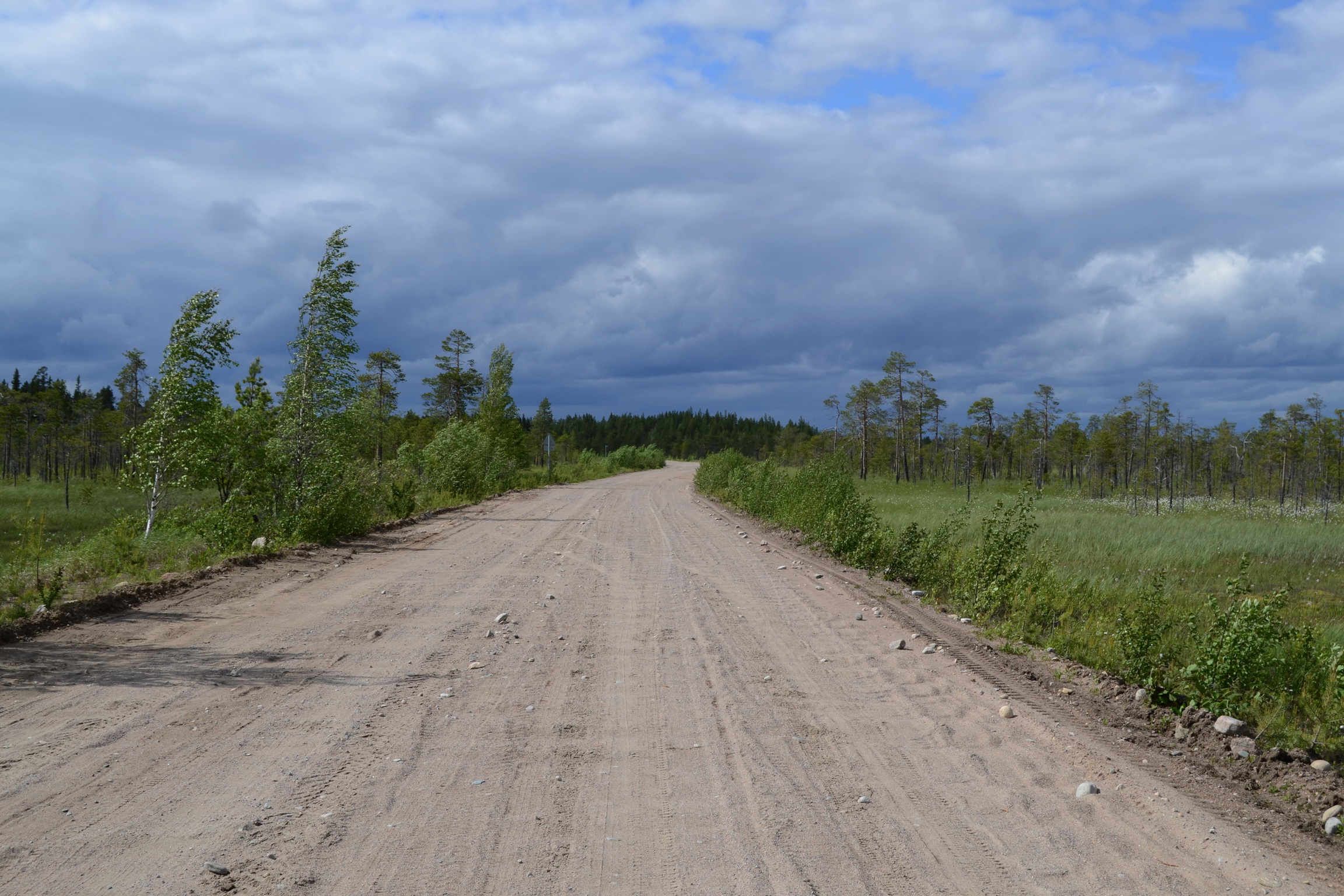
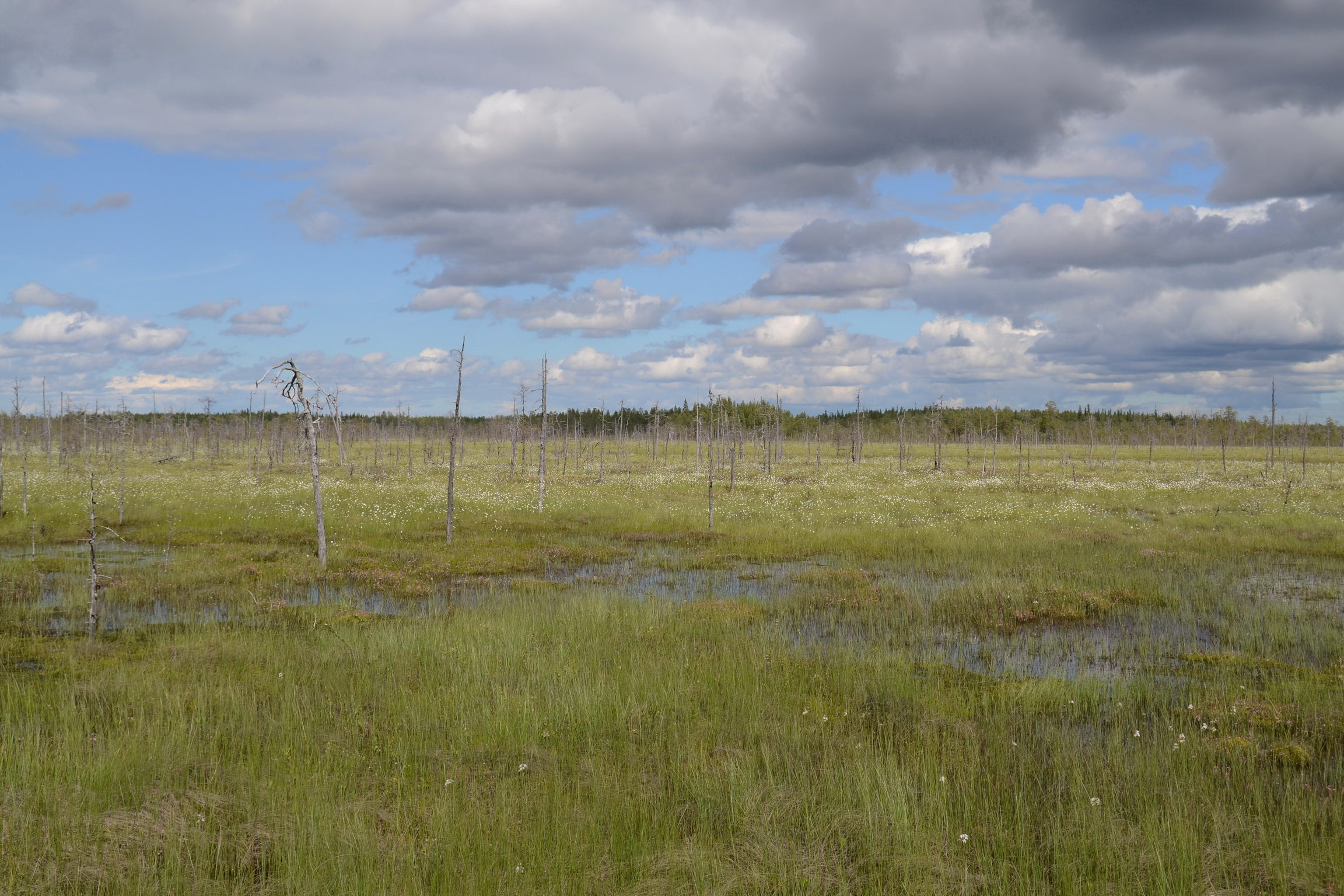
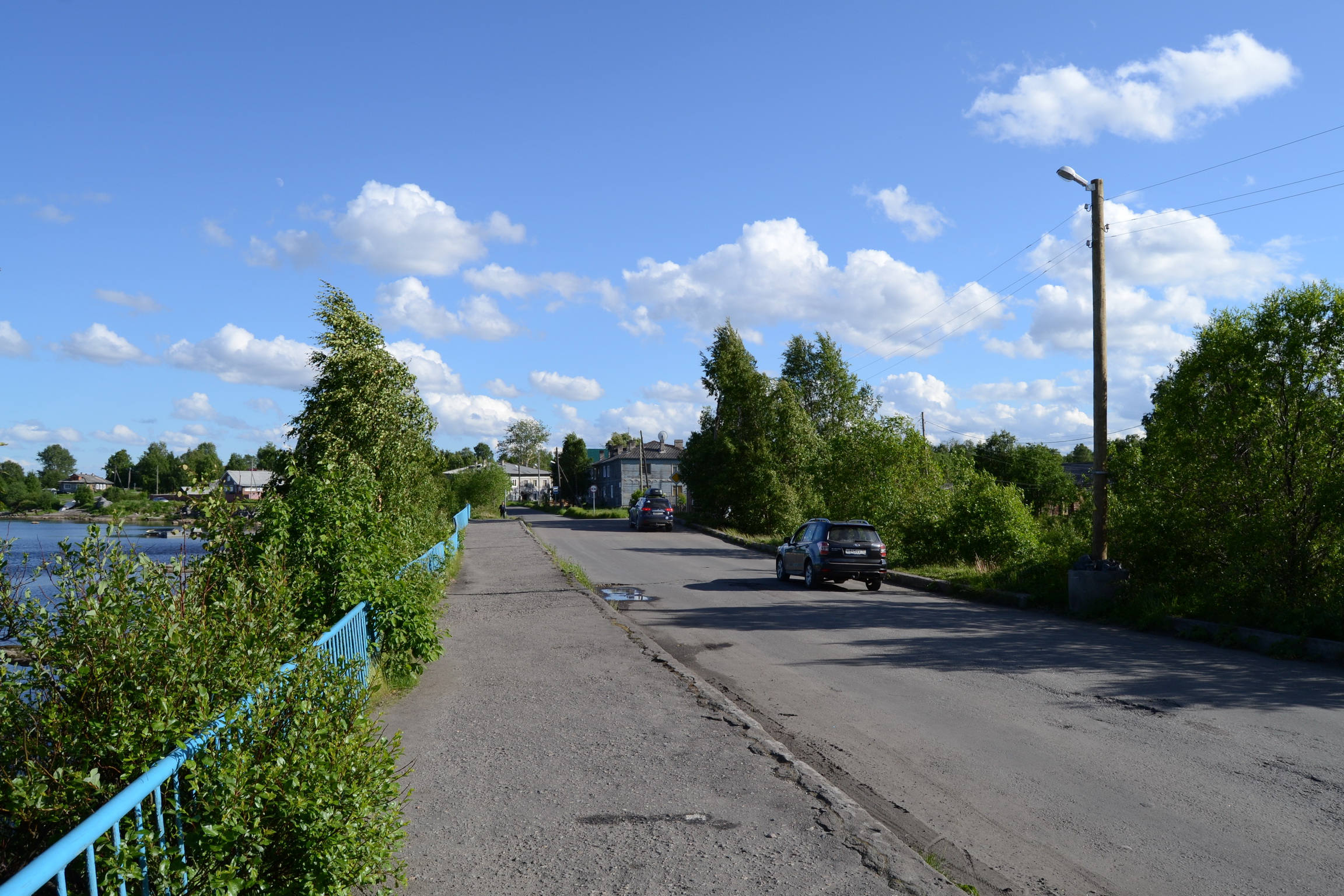
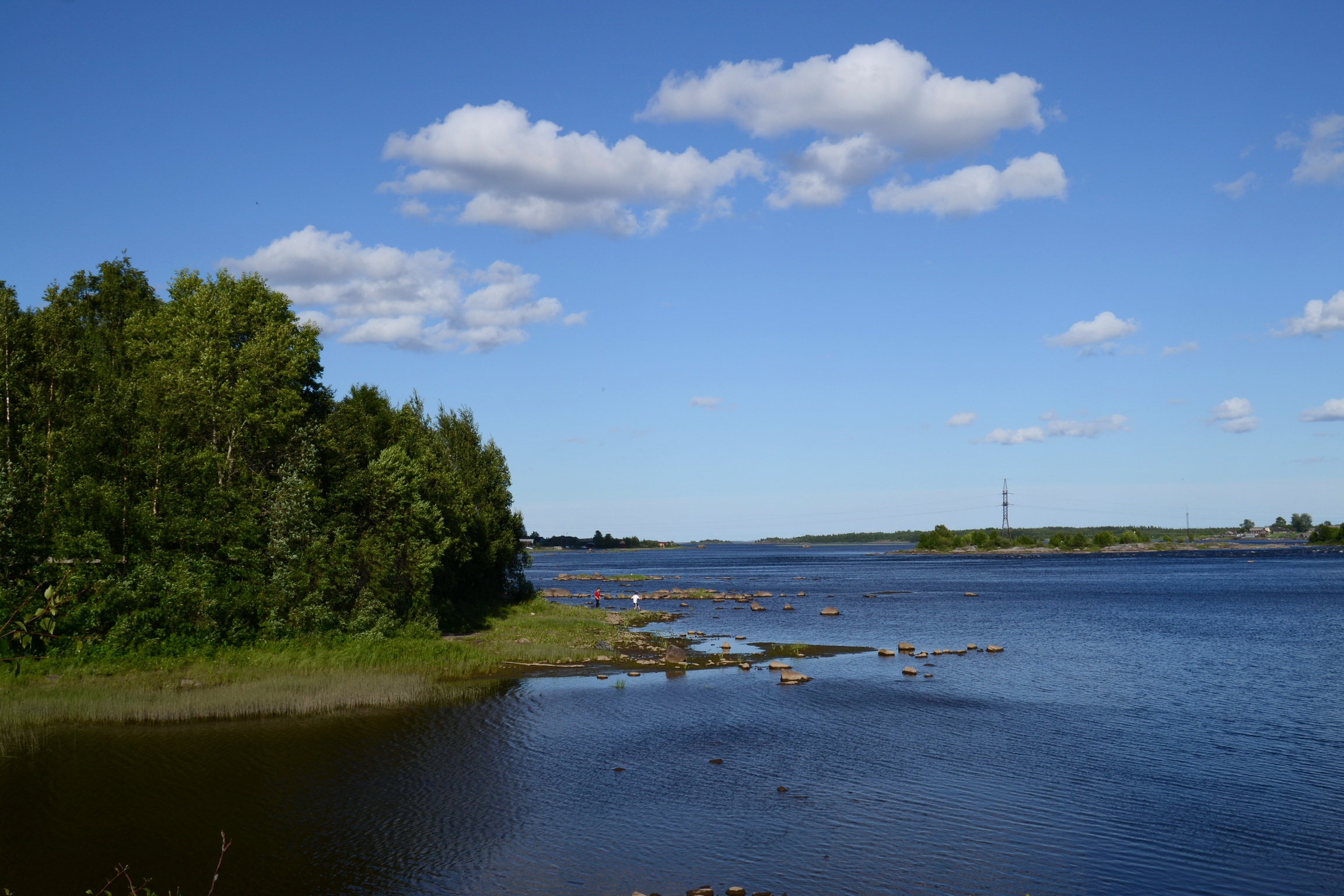
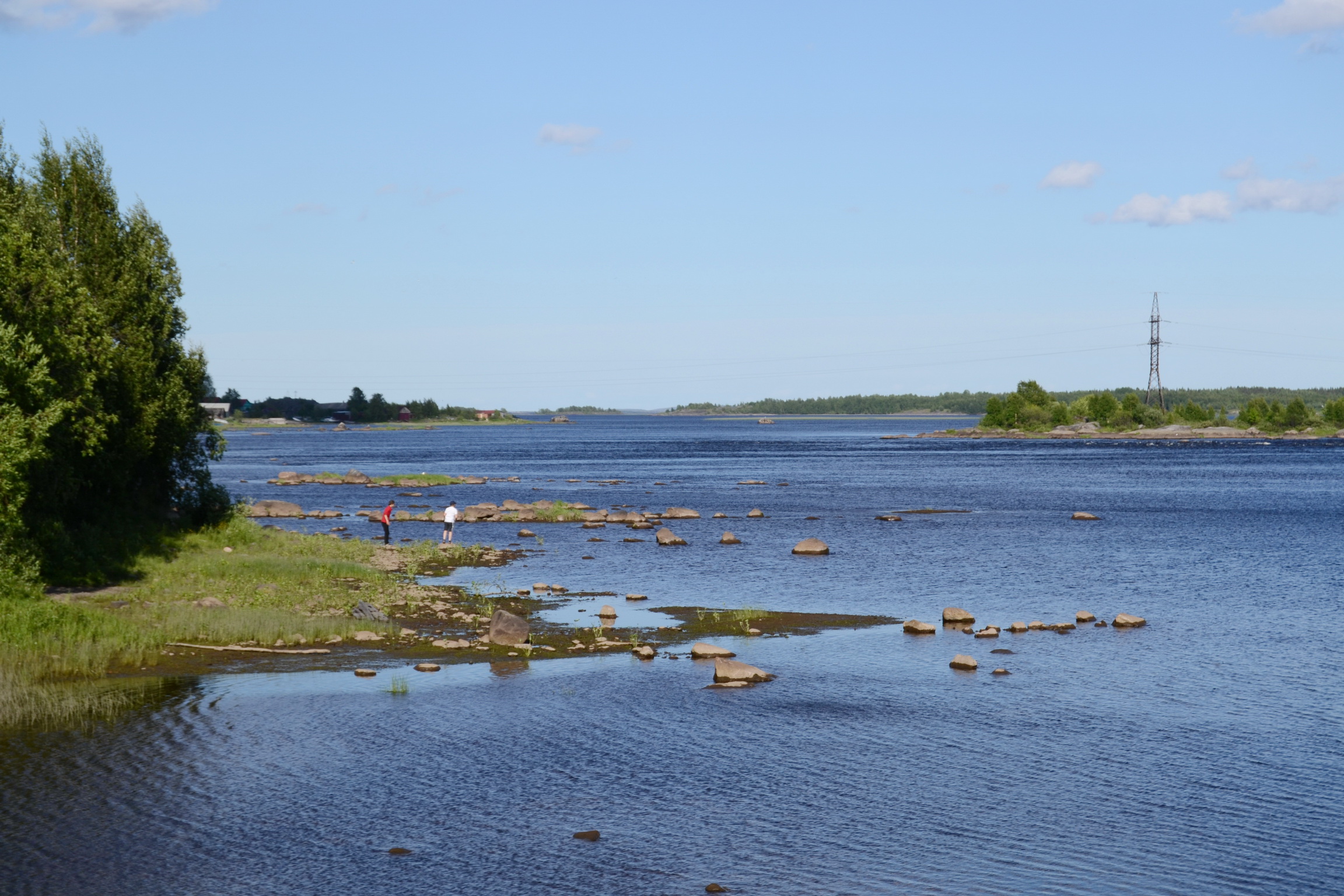
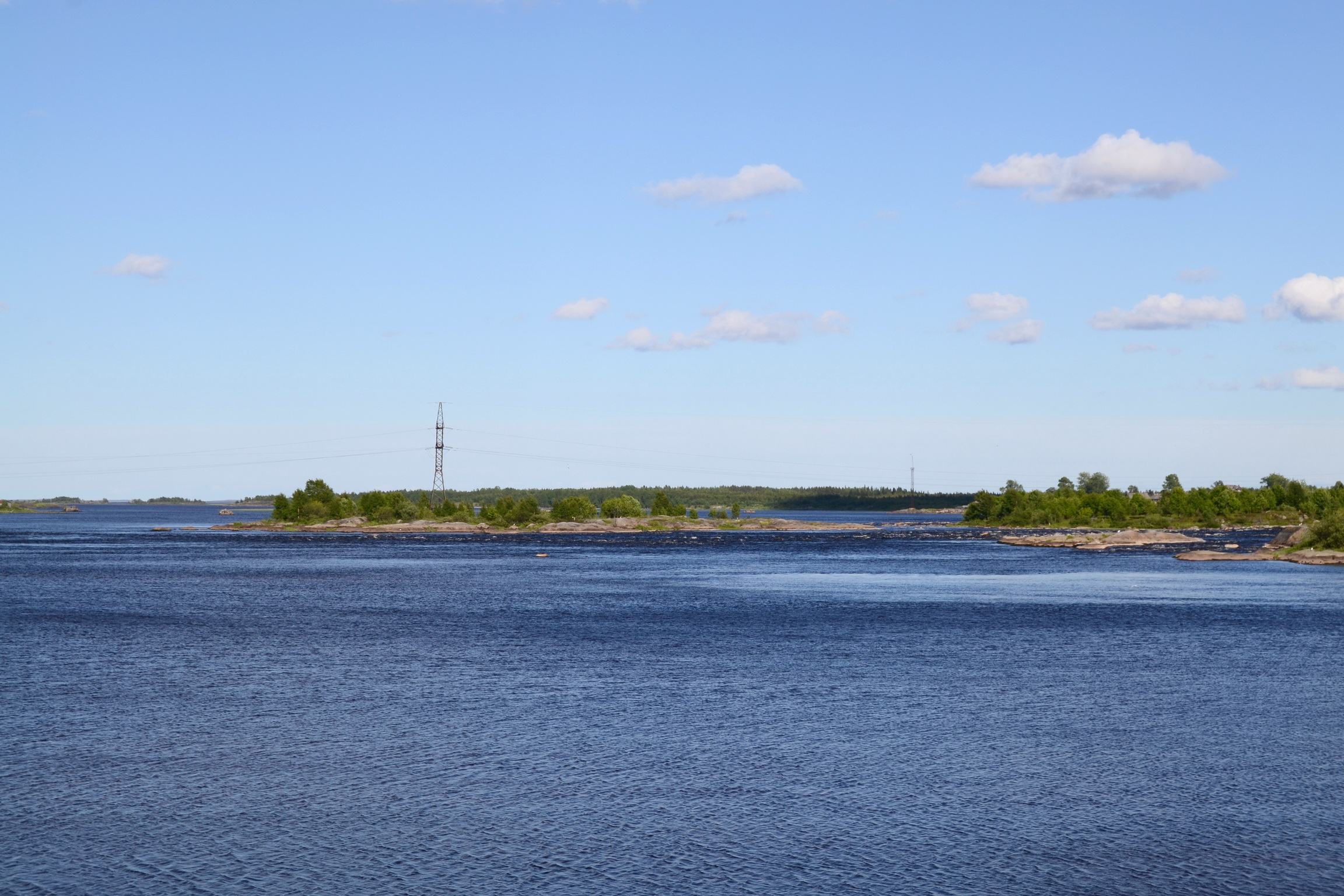
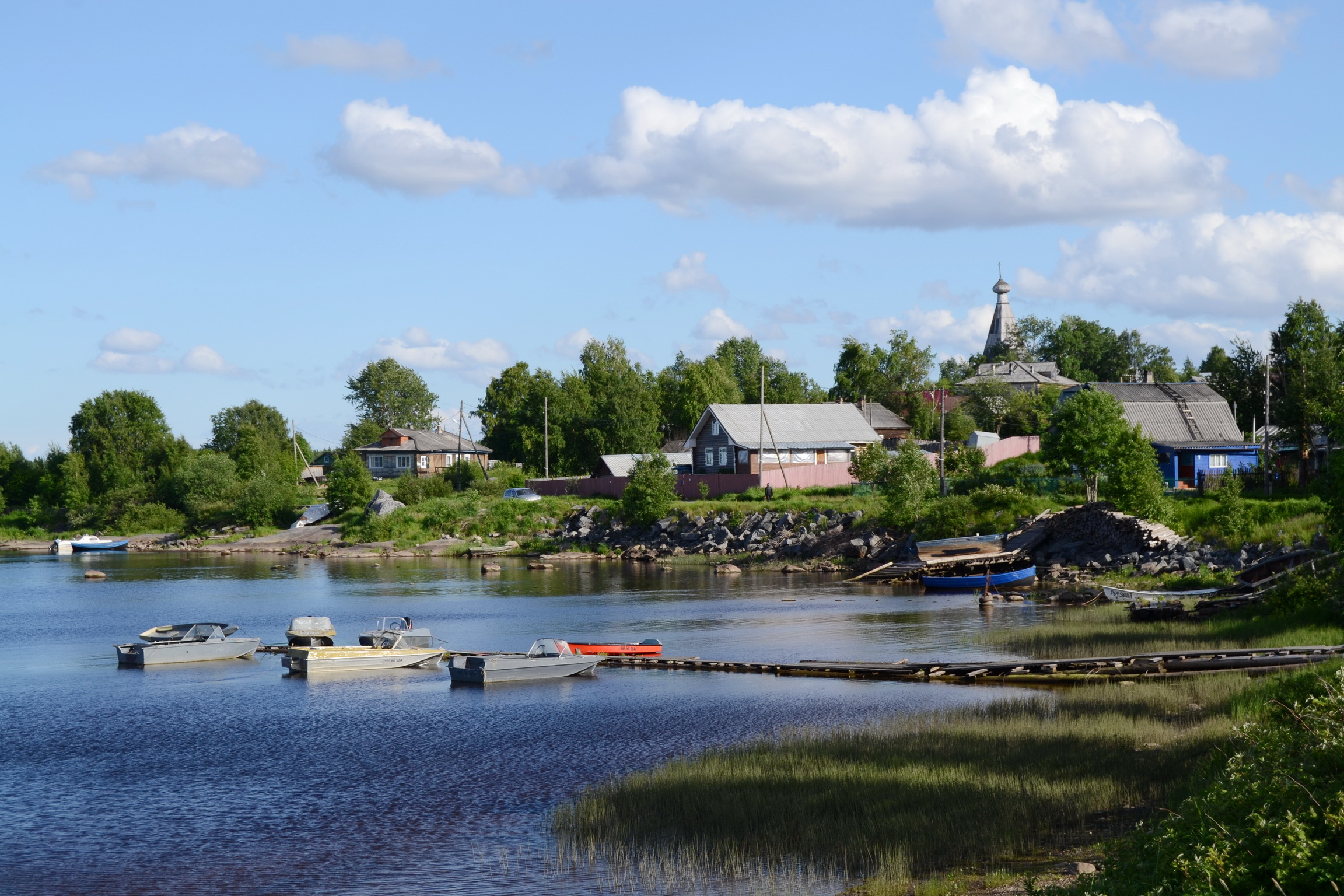
It was already too late to drive to Saint Petersburg, so I stopped for the night near the boundary between Karelia and the Saint Petersburg region, by the Inema River (60°50.807′N, 33°16.221′E).
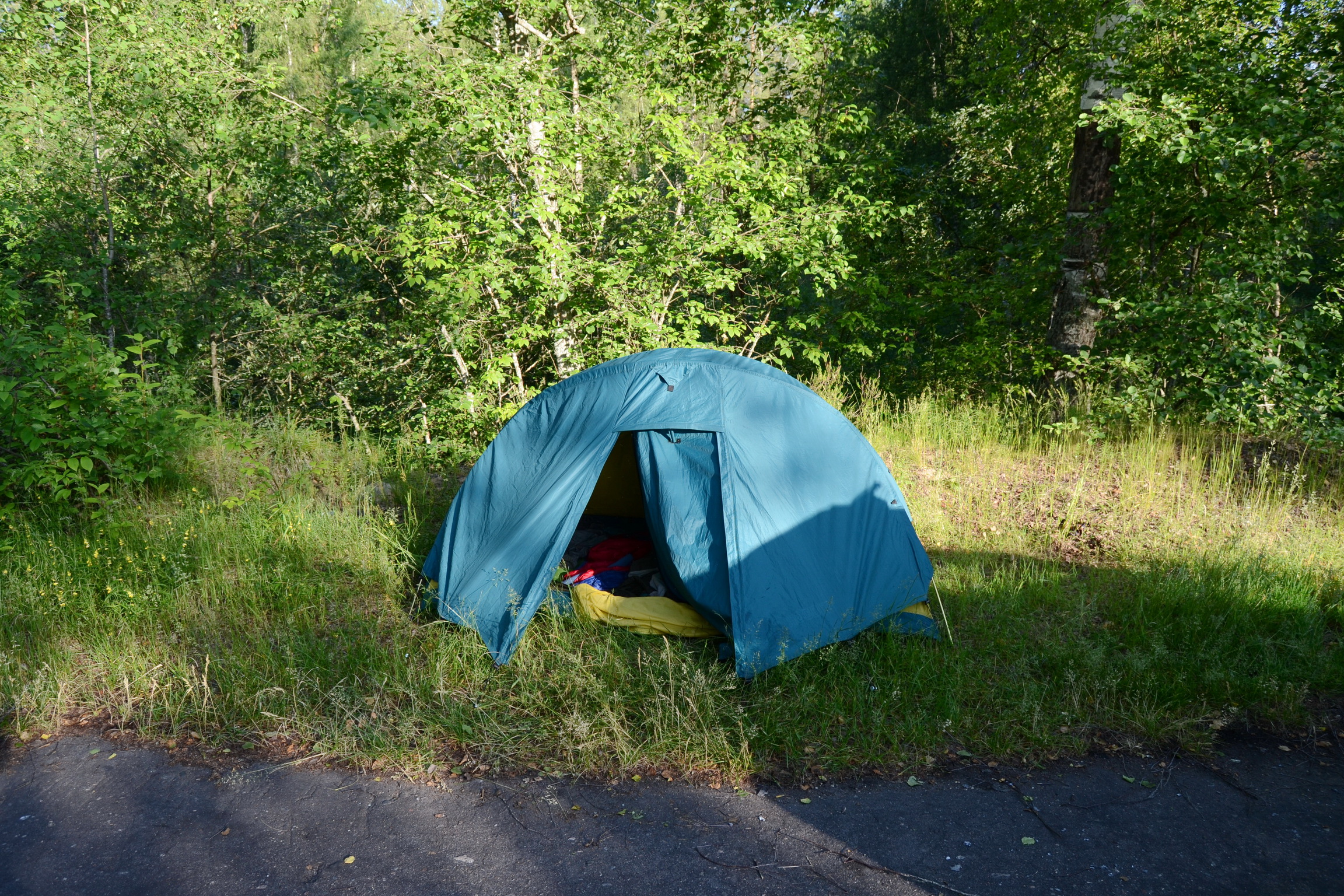
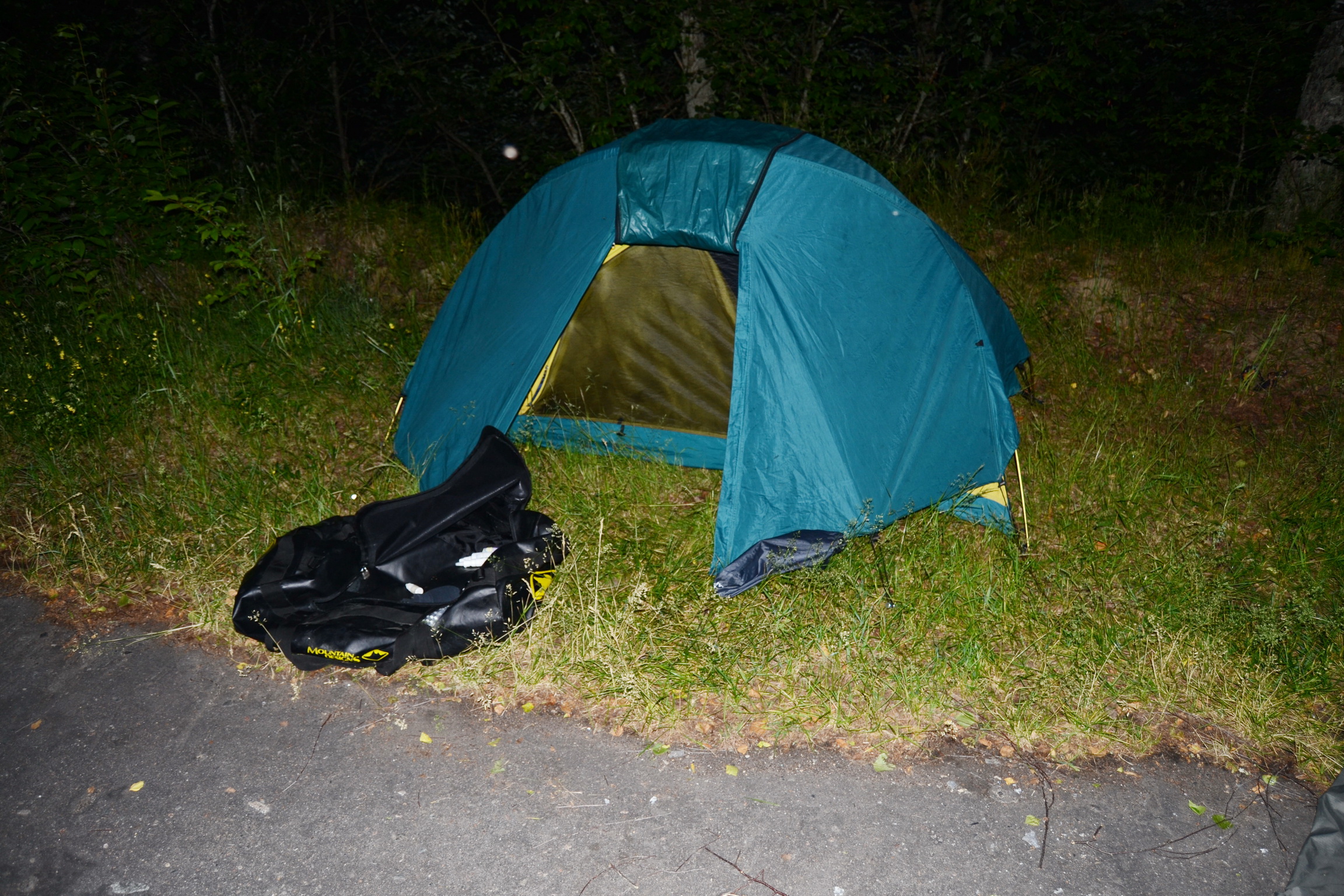
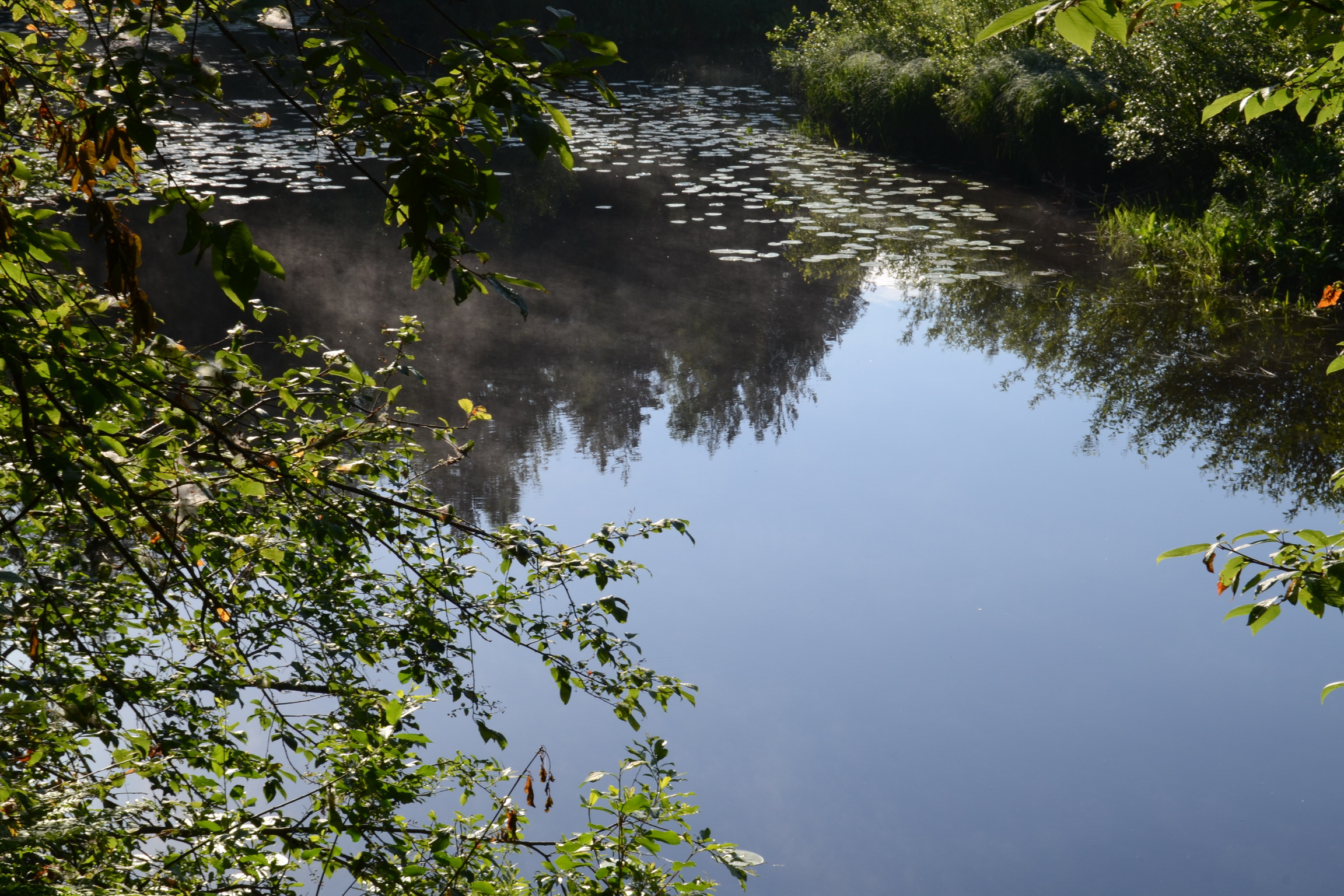
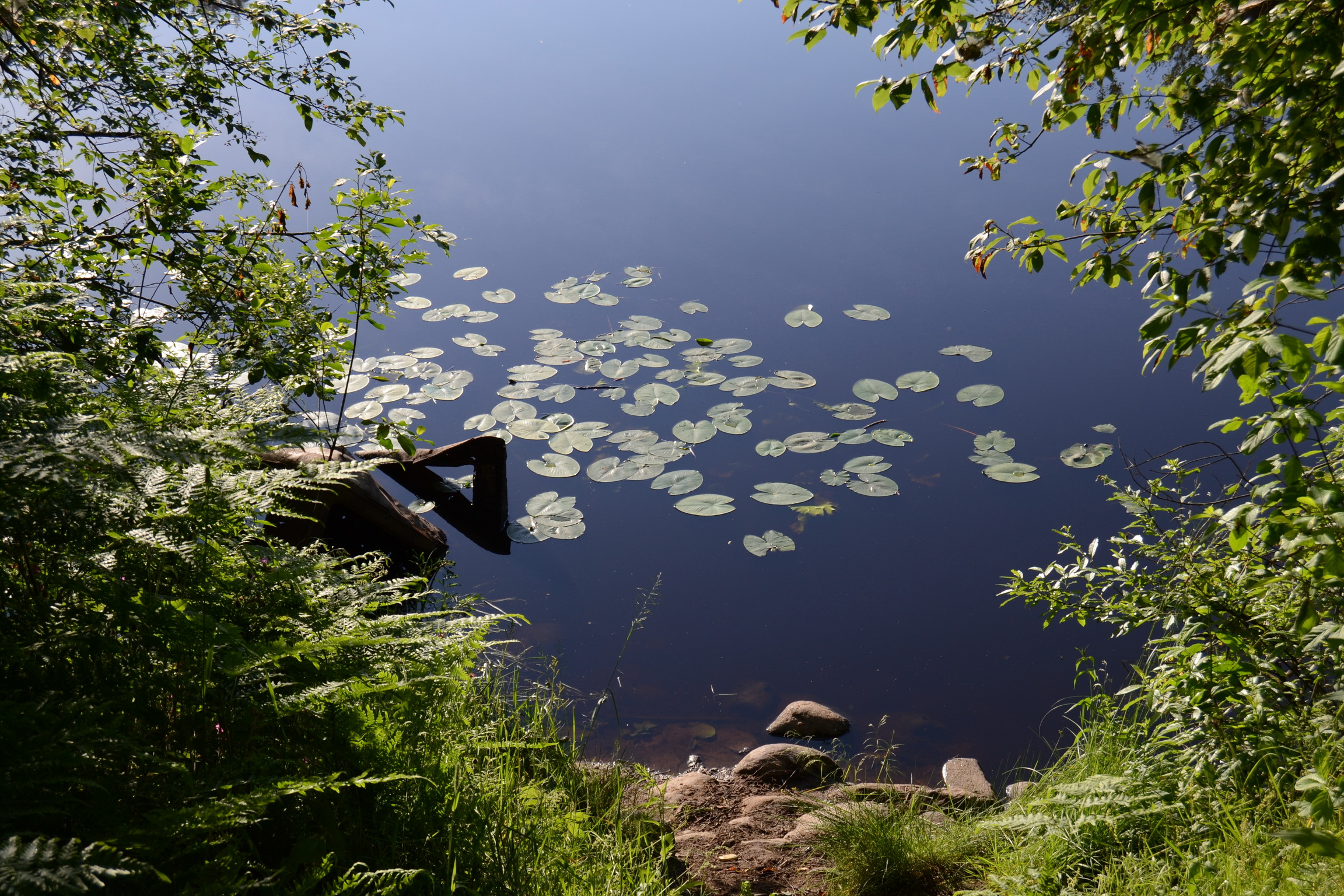
Just as a shifting river leaves oxbow lakes behind, the highway gets rerouted every now and then and leaves strips of abandoned asphalt in the woods. I spent the night on one of those stretches, right on the old Murmansk highway. A convenient spot with water close by, but an incredible number of vicious little biting flies. They weren’t mosquitoes or the usual midges. I’ve never met the like anywhere else in the northwest.
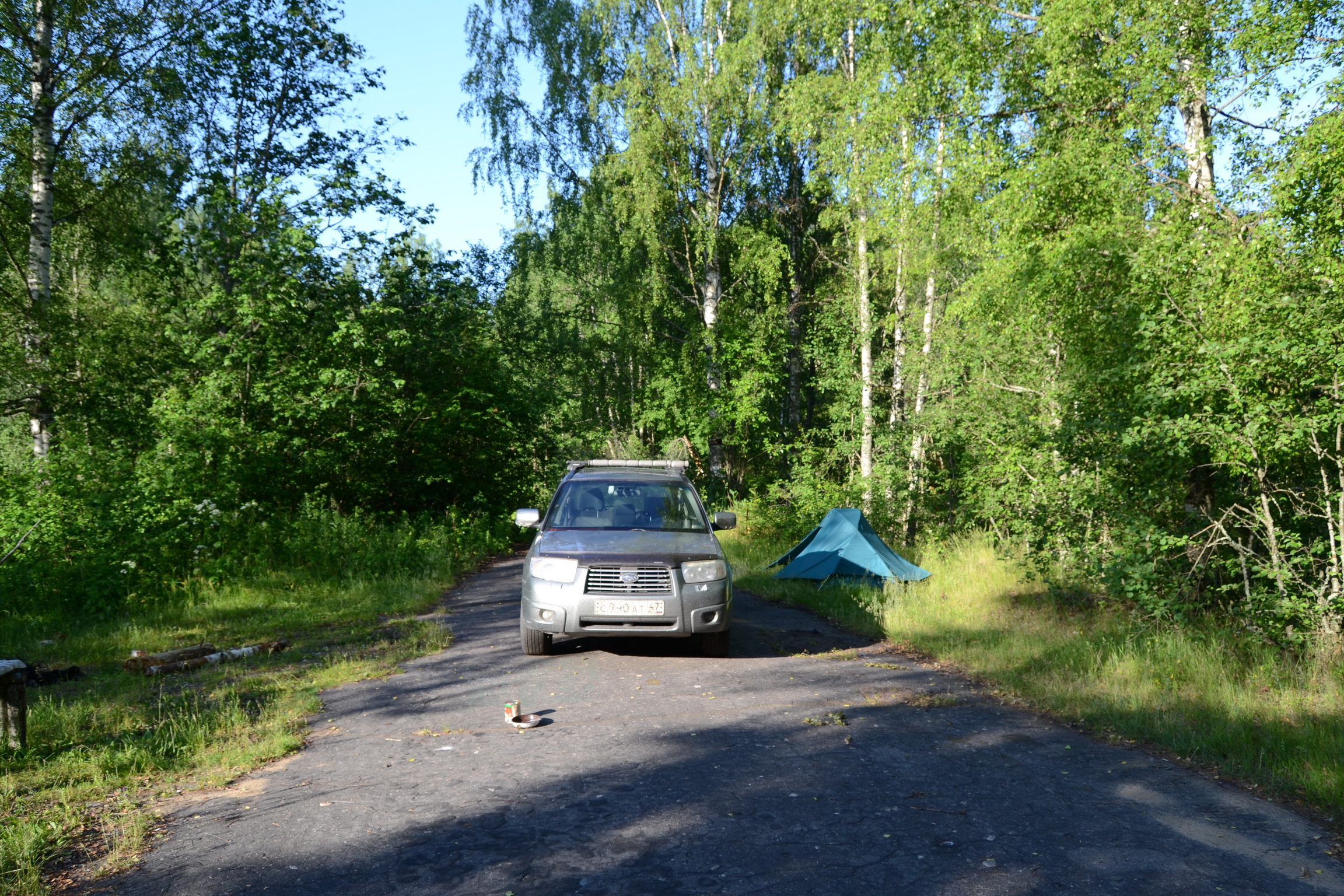
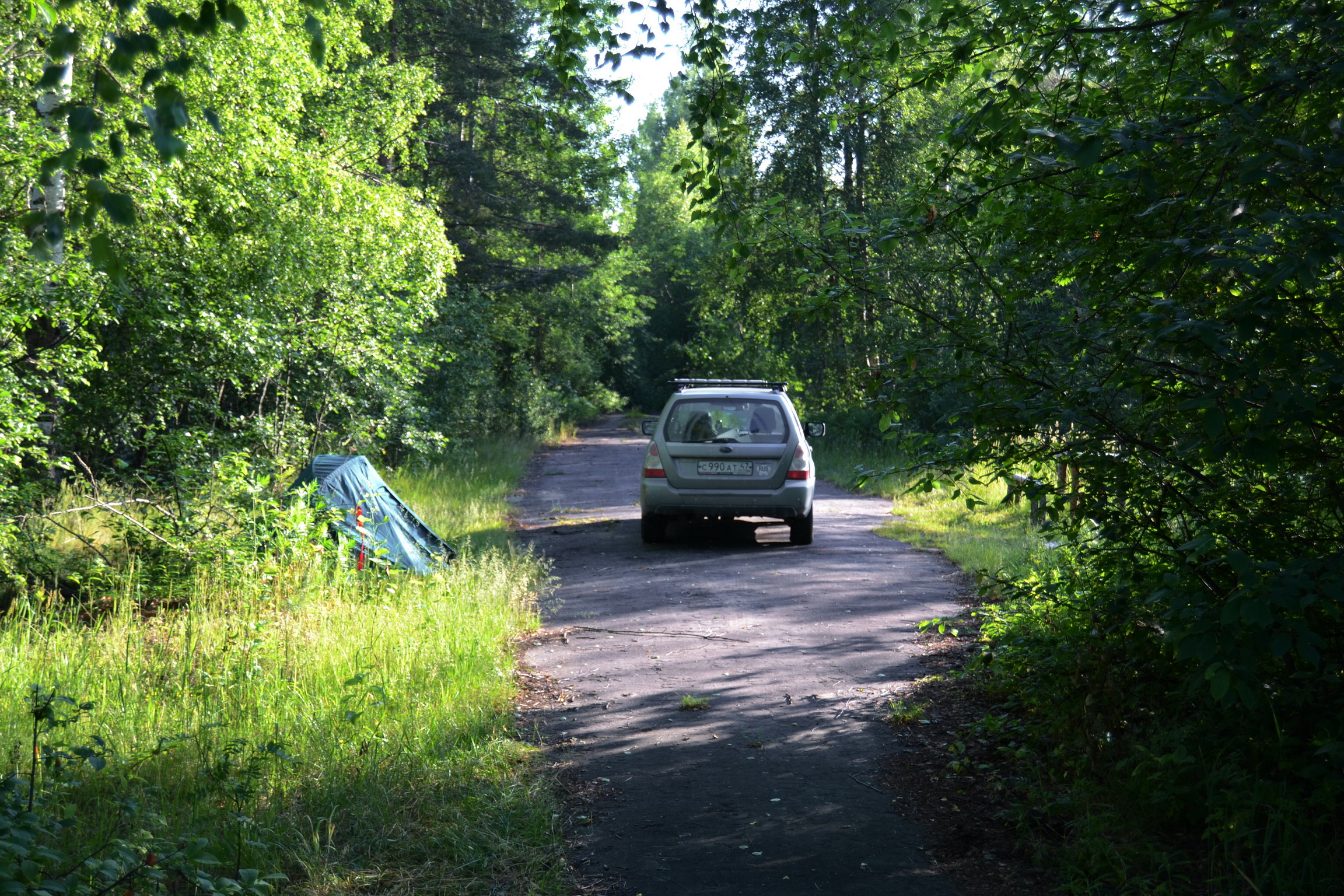
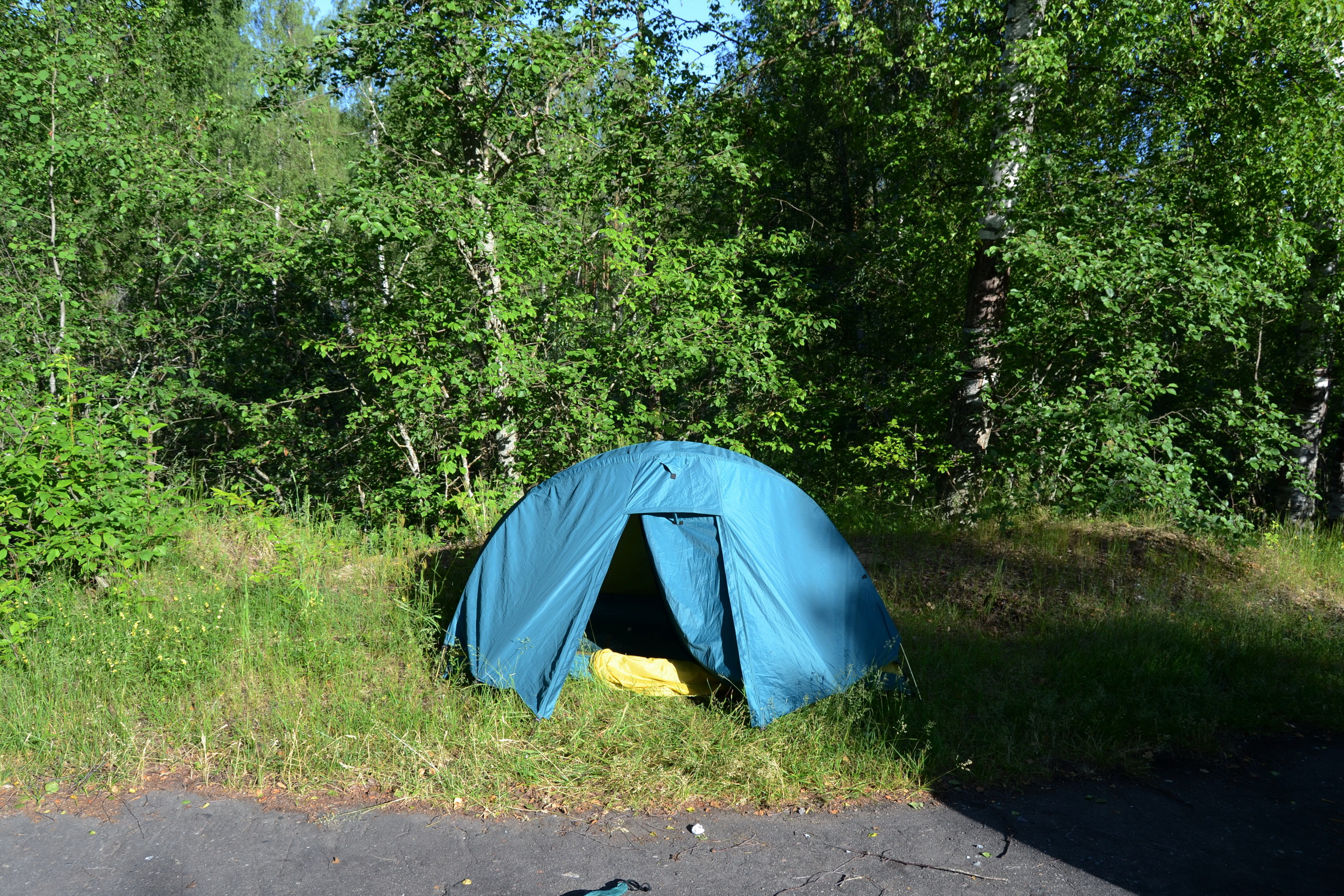
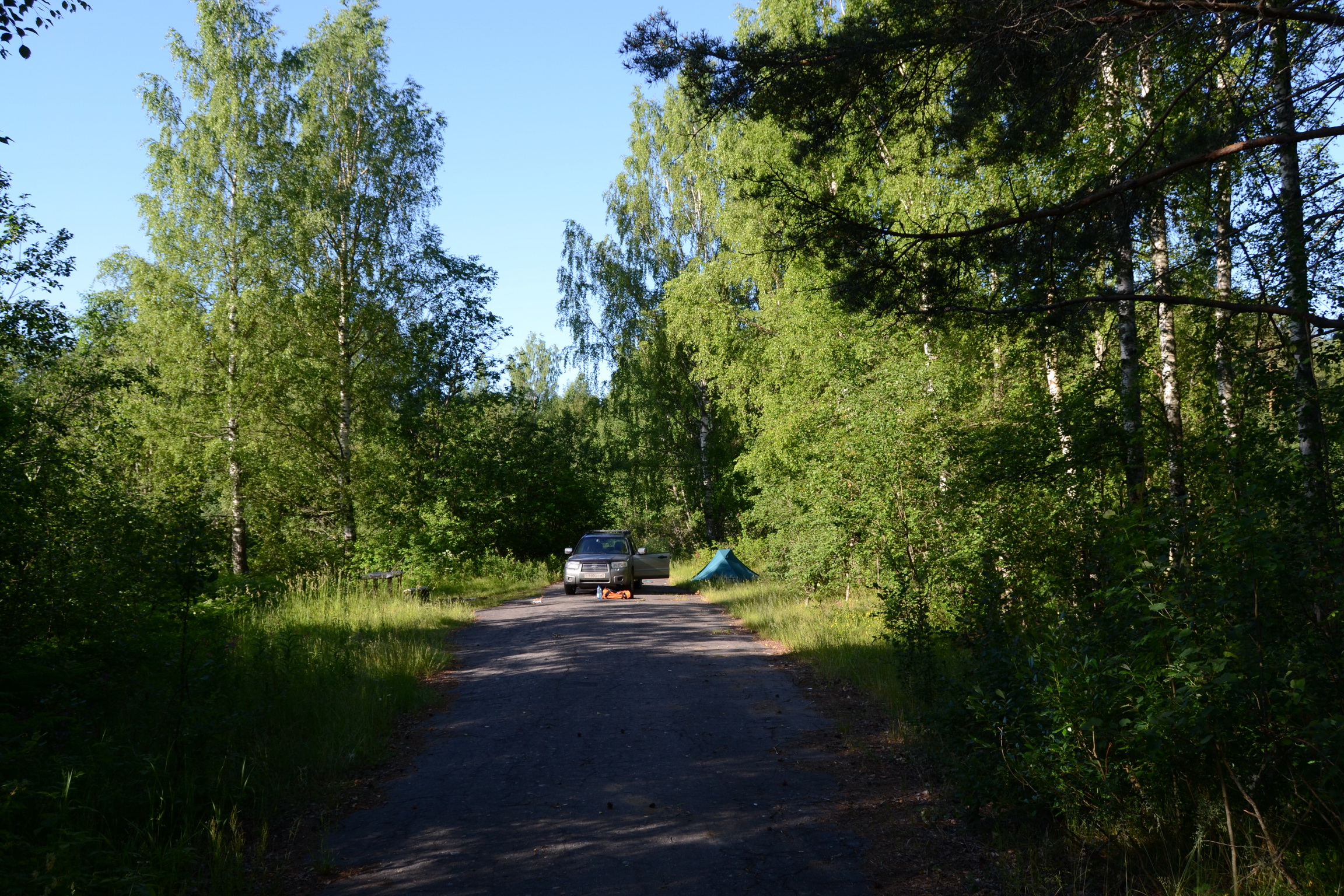
I got up early and even managed to spend the rest of the day in the office. After having a wash and getting the car fixed, I got the next expedition ready.
Kunya, Nikel and Teriberka
This time I was off to my beloved, longed-for Nikel. But real heroes always take the long way round. Along with Nikel I’d been given Kunya station, at the junction with the Moscow Railway, west of Velikiye Luki. Nikel and Kunya are the two most distant stations on the Oktyabrskaya Railway. You can’t get any farther apart than that.
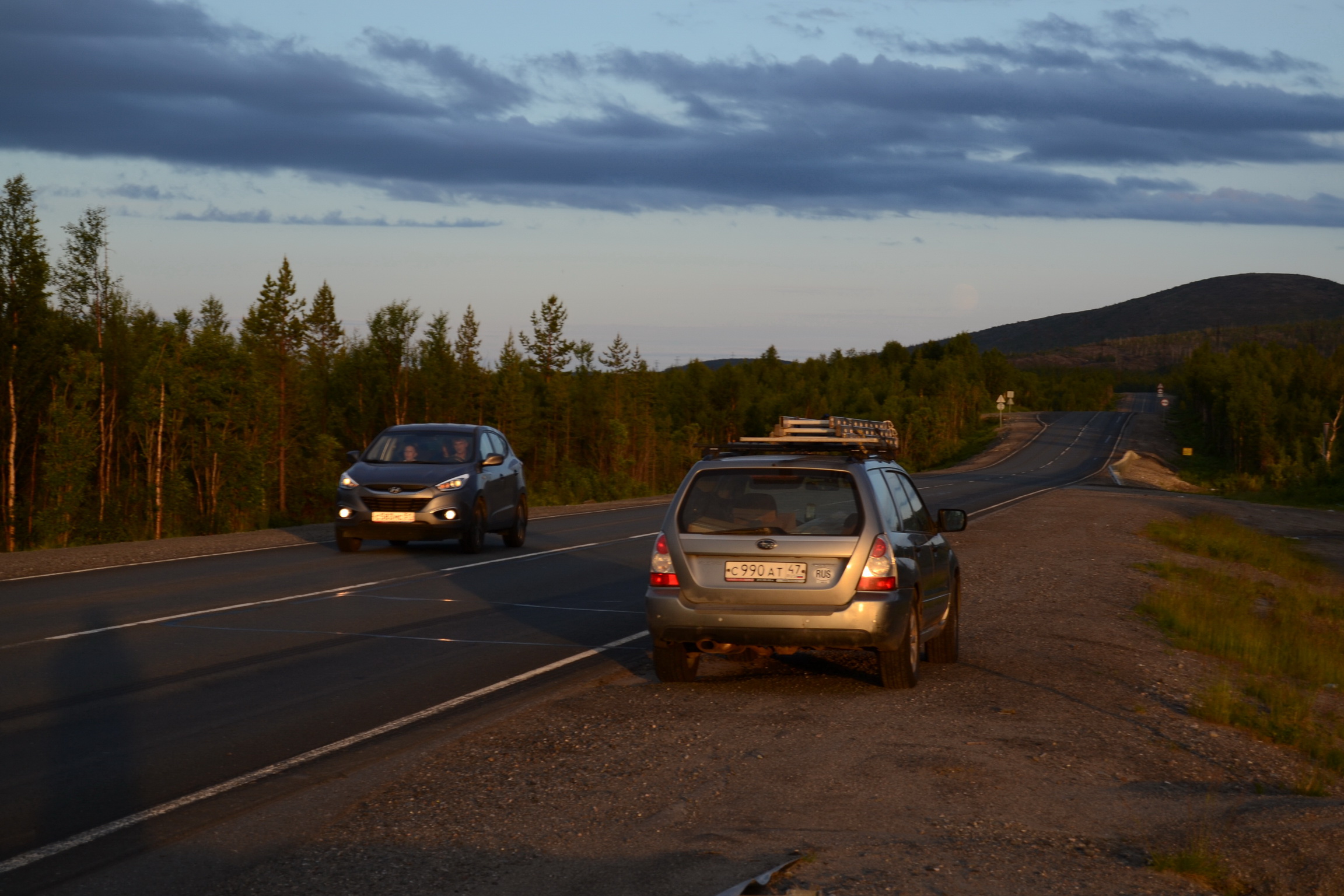
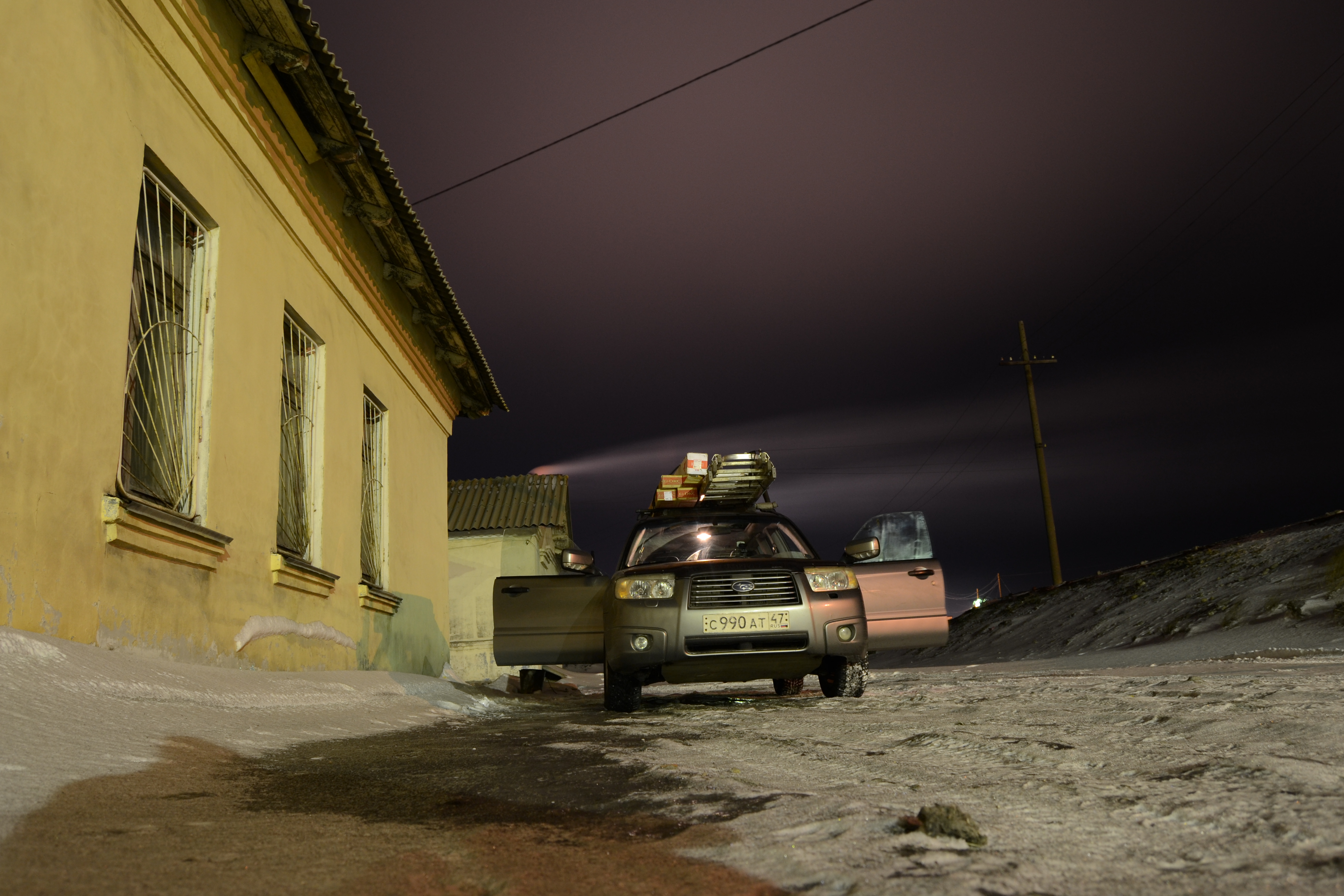
Both jobs had to start at once, so I took the equipment for both sites, more than two thousand kilometres apart. I packed the car to the roof. Two ladders and a heap of cable trunking went on the roof rack.
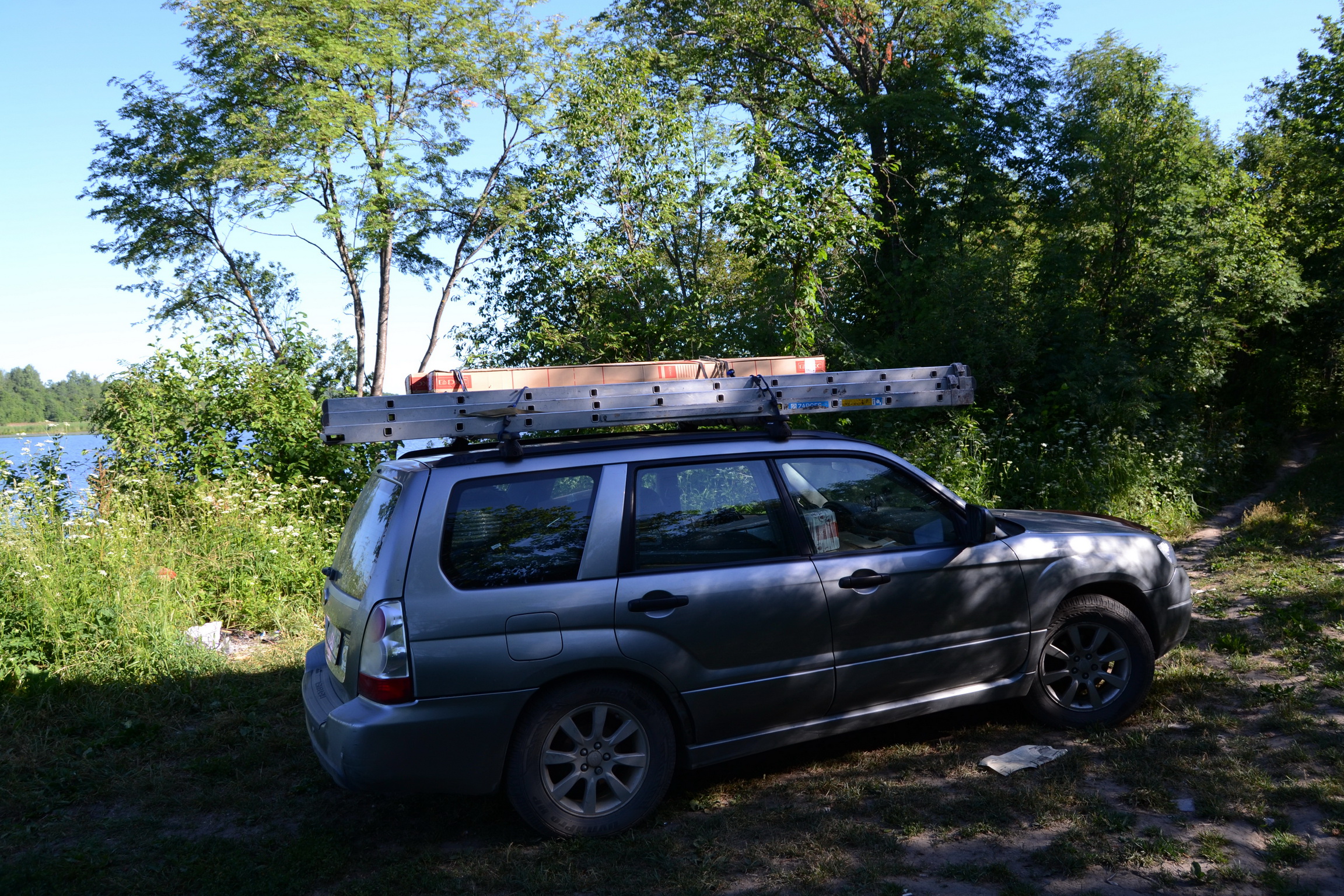
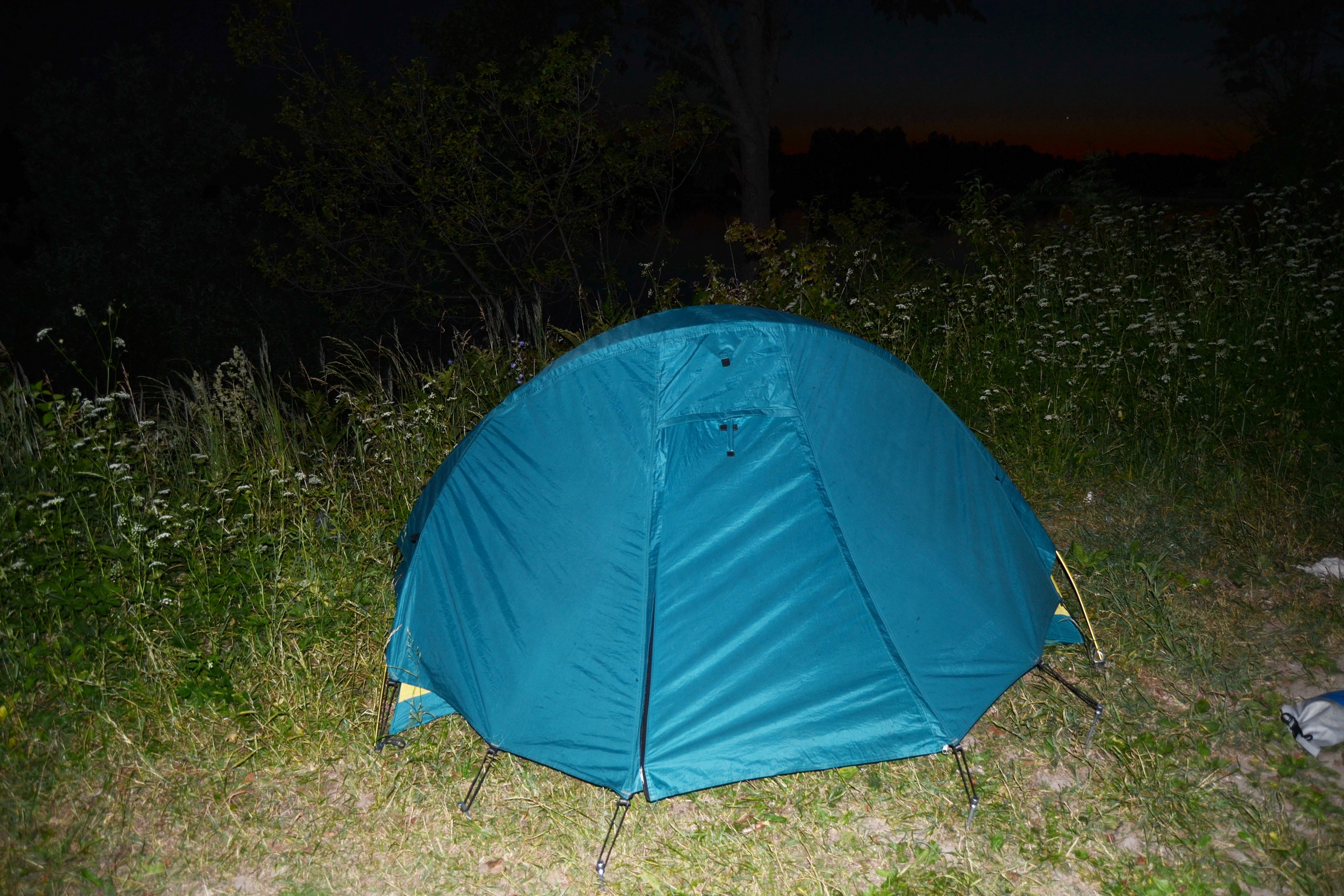
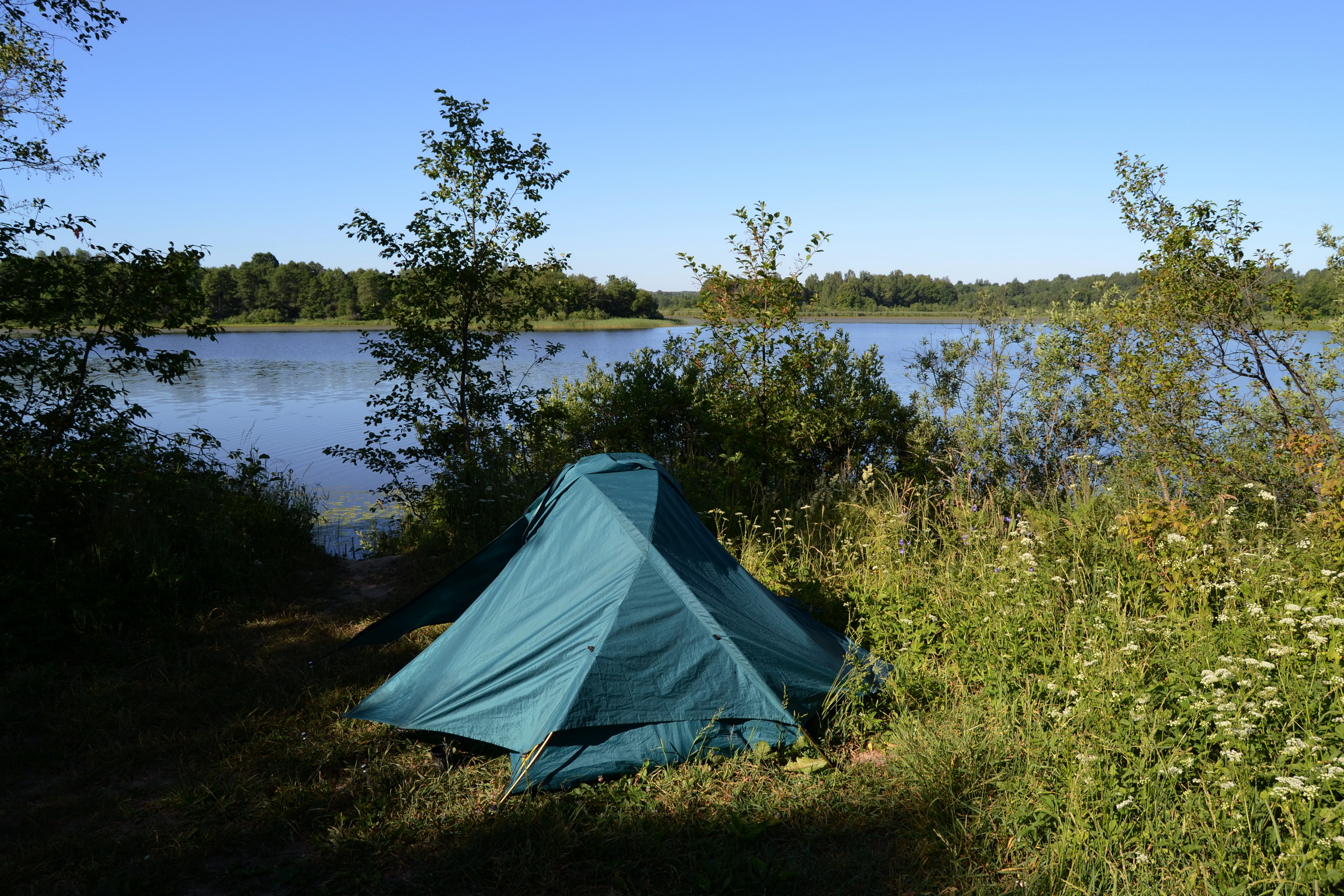
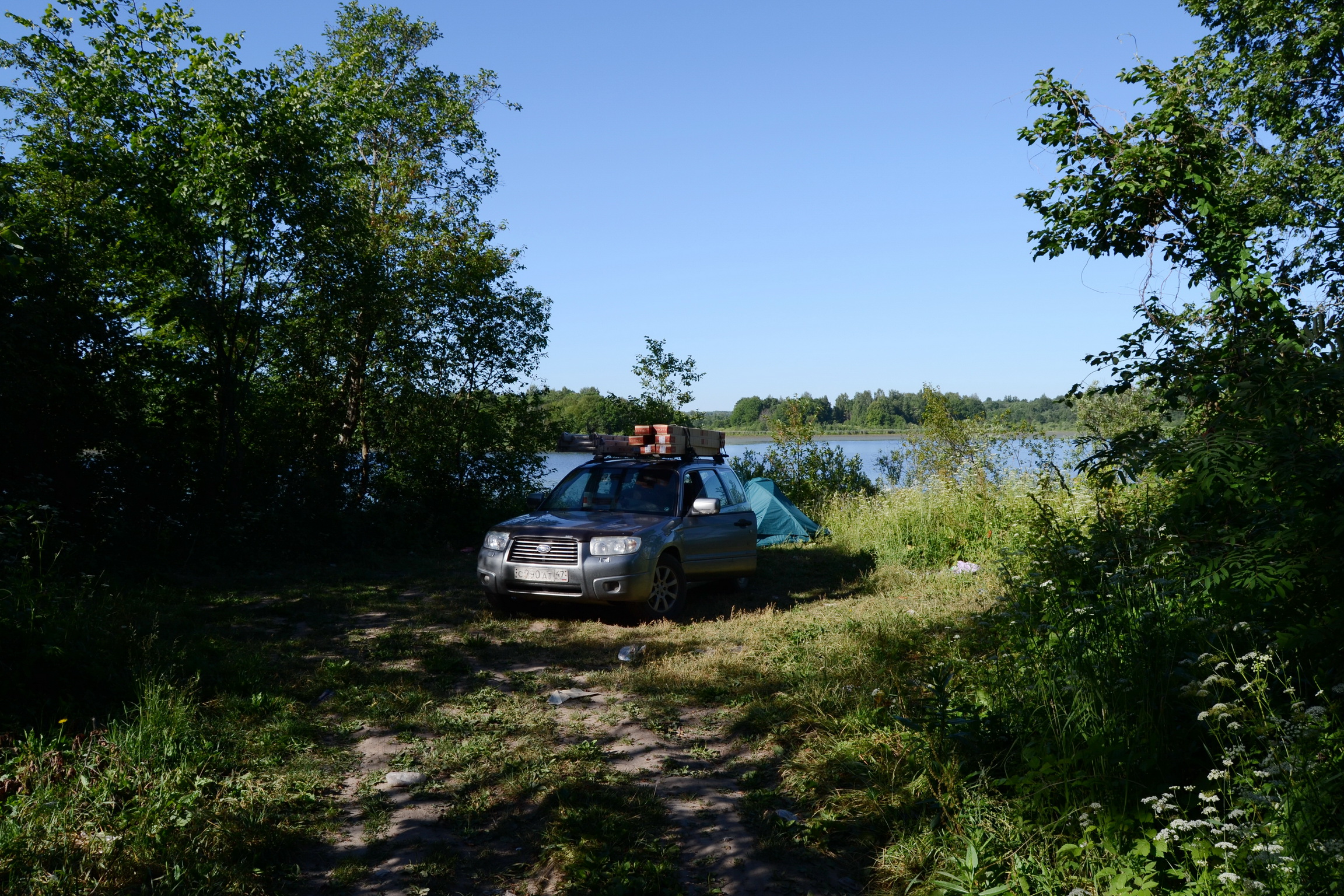
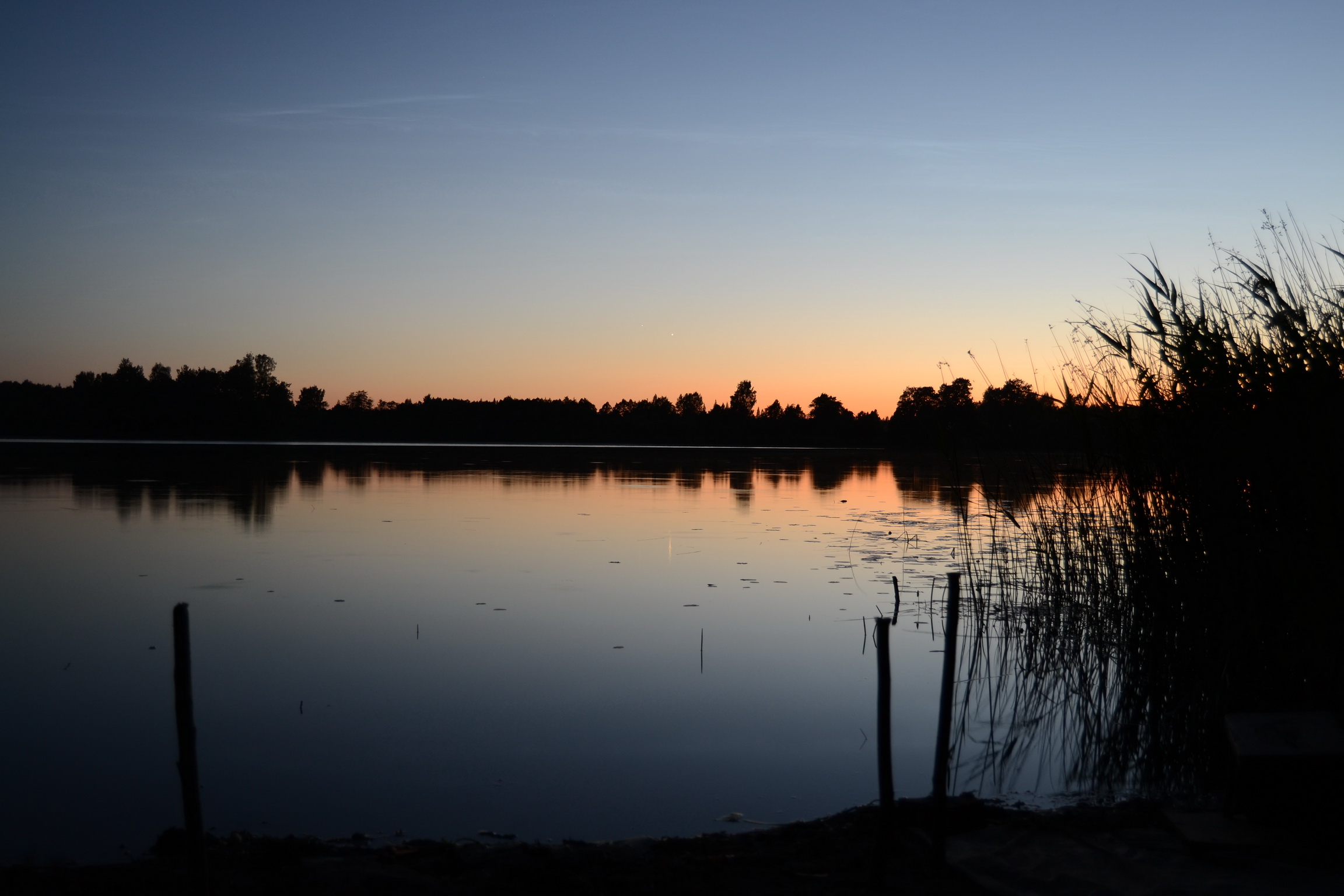
I spent the night on the shore of Lake Ozeron, south of Kunya on the boundary with the Smolensk region (56°00.610′N, 31°03.127′E). In the morning I stopped at the station and unloaded, then went to Velikiye Luki to buy another ladder.
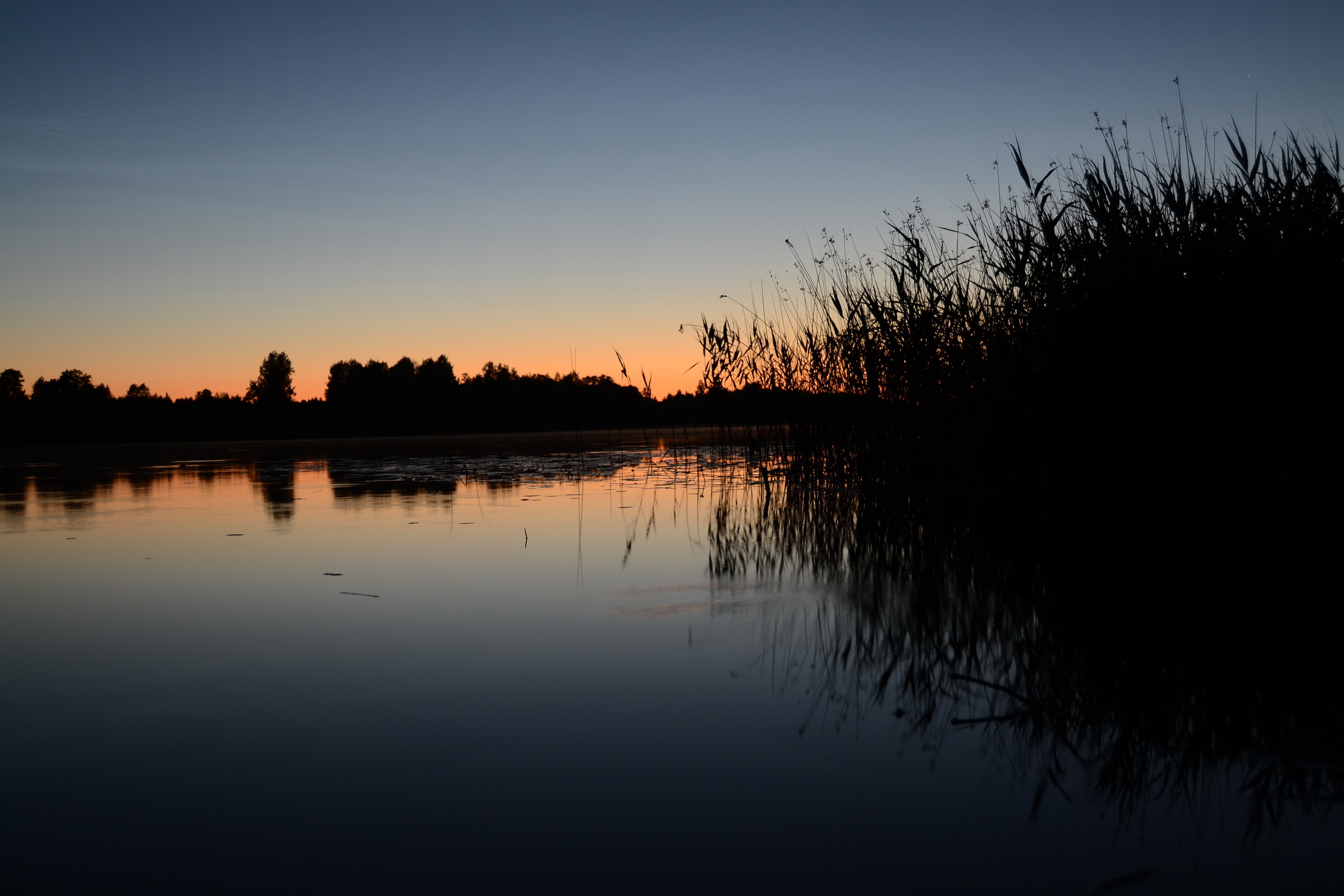
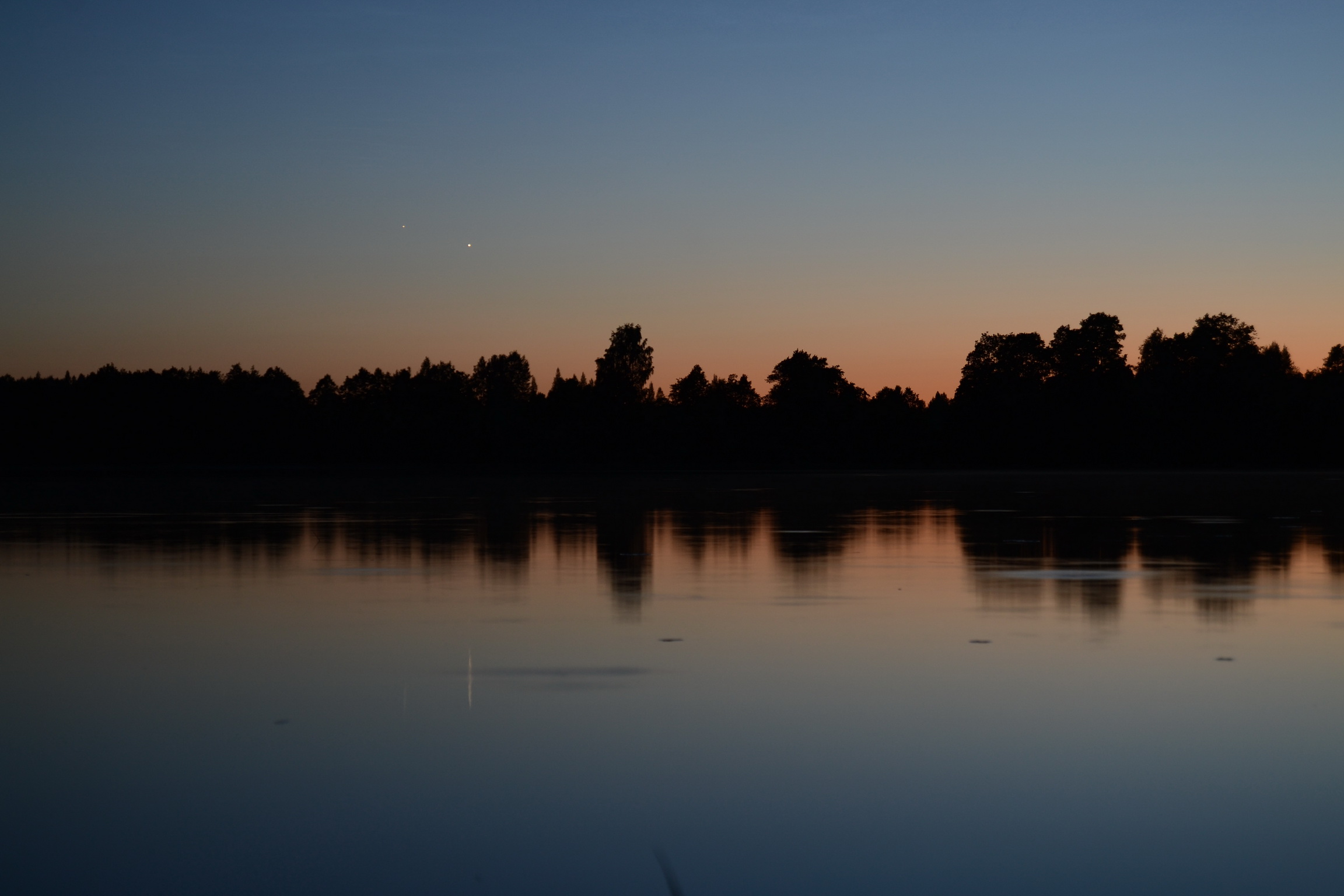
Now I could set off on the long drive. There was no way I’d do it in a day. I decided to skirt Saint Petersburg by going through Chudovo, Budogoshch, Tikhvin and Lodeynoye Pole. It’s a dirt road in parts, but you have to vary your routes.
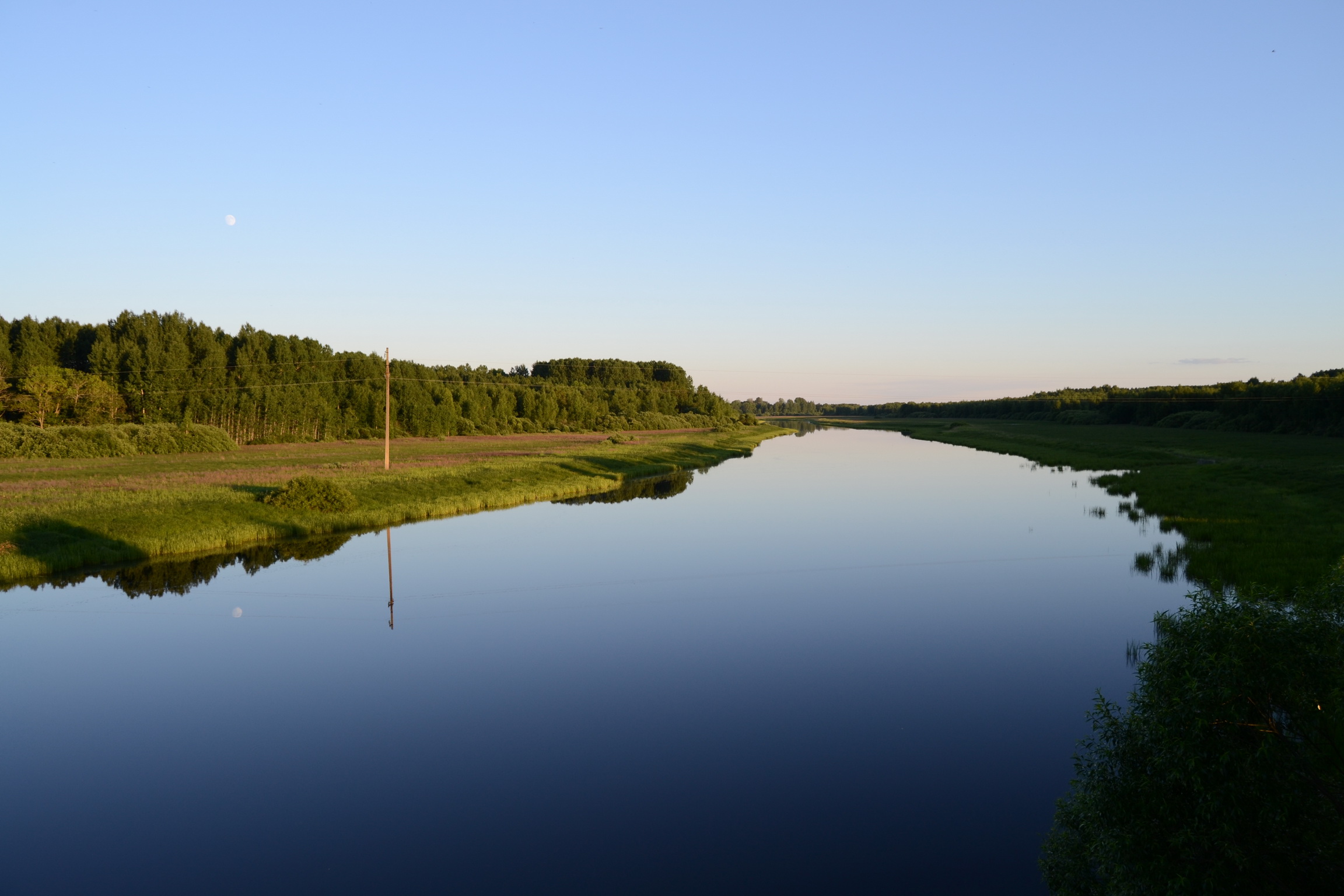
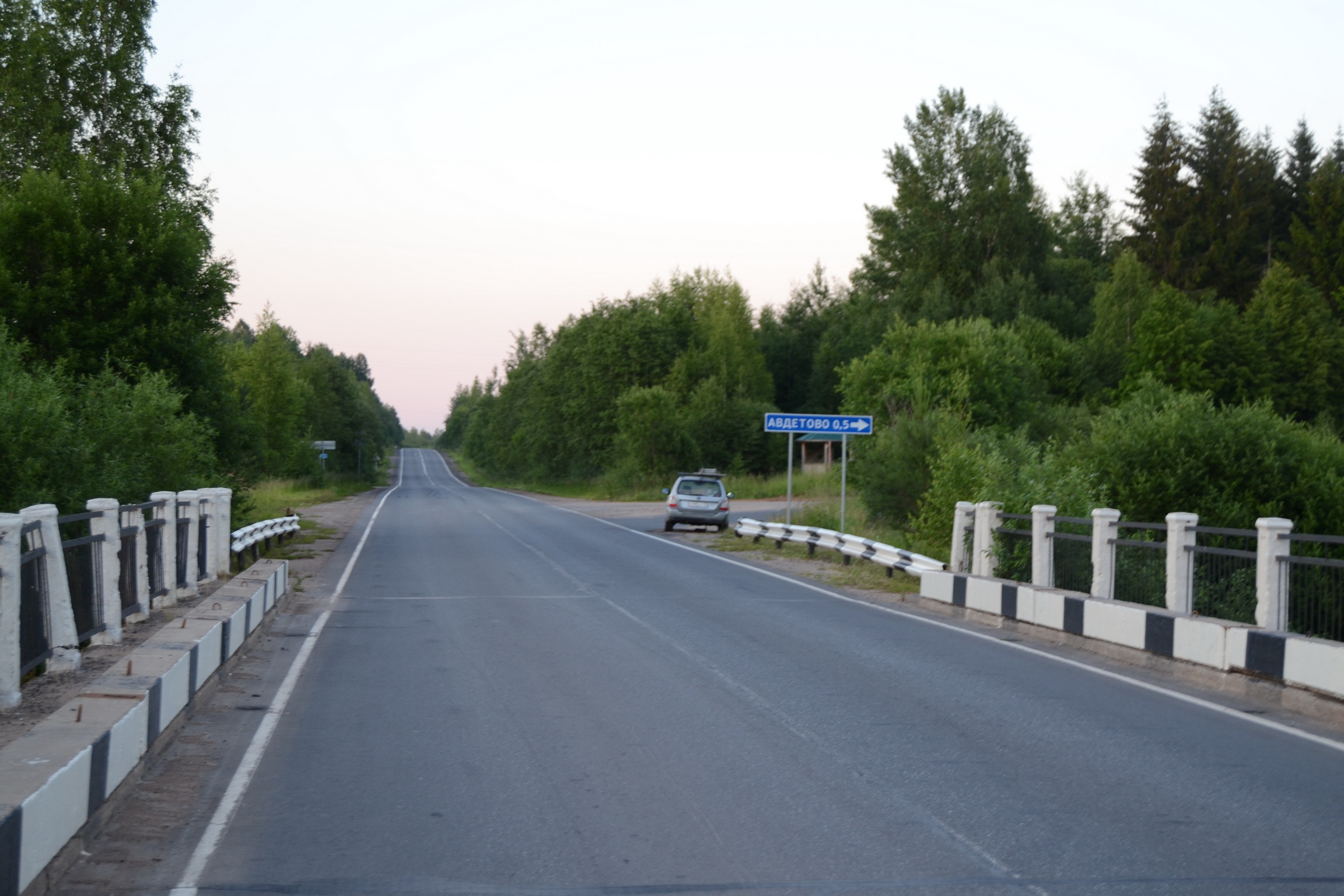
Night caught up with me at the bridge over the Kapsha. It’s a fine river for kayaking and we never got around to paddling it. At least I can now camp with the car near it (60°12.304′N, 33°54.347′E).
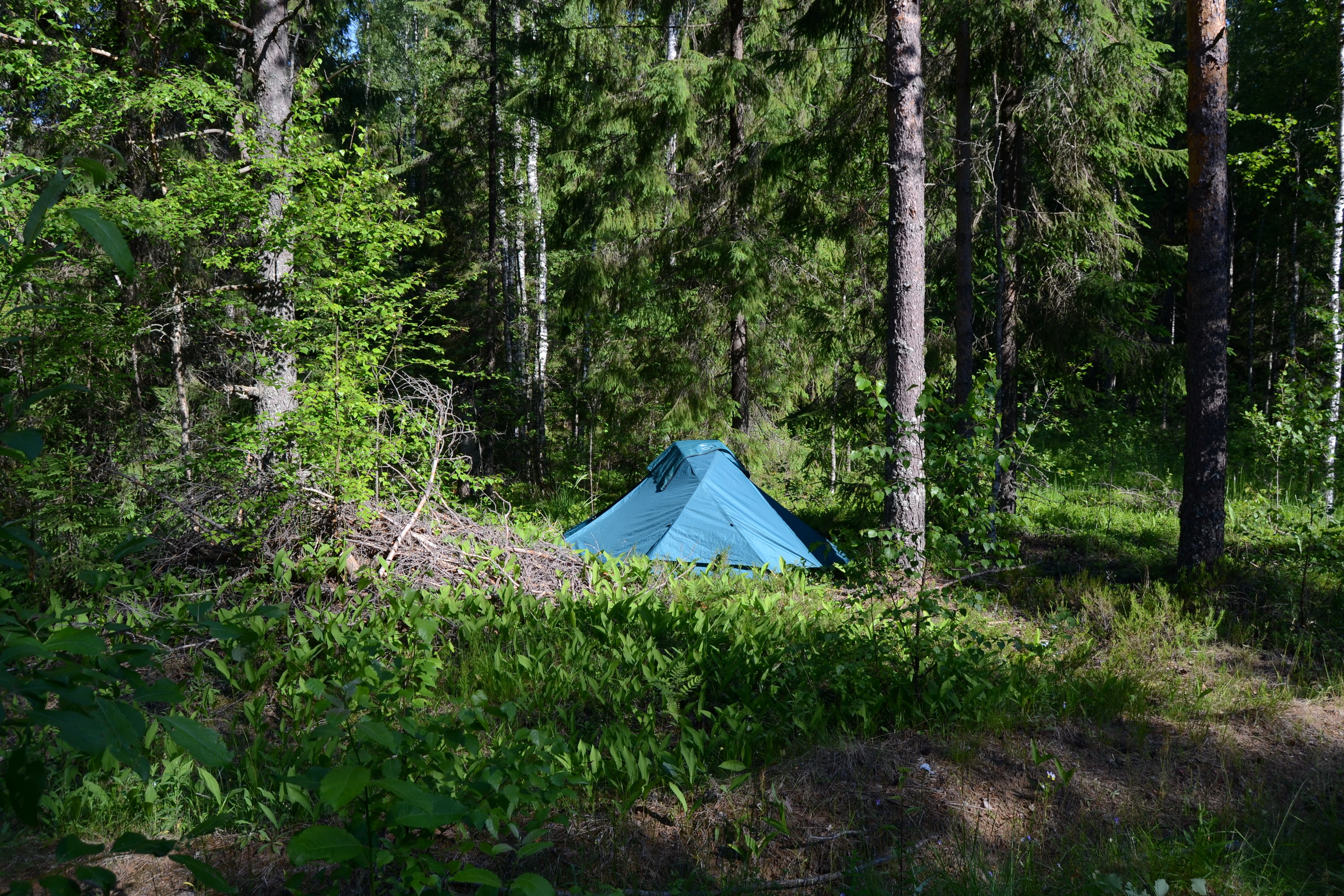
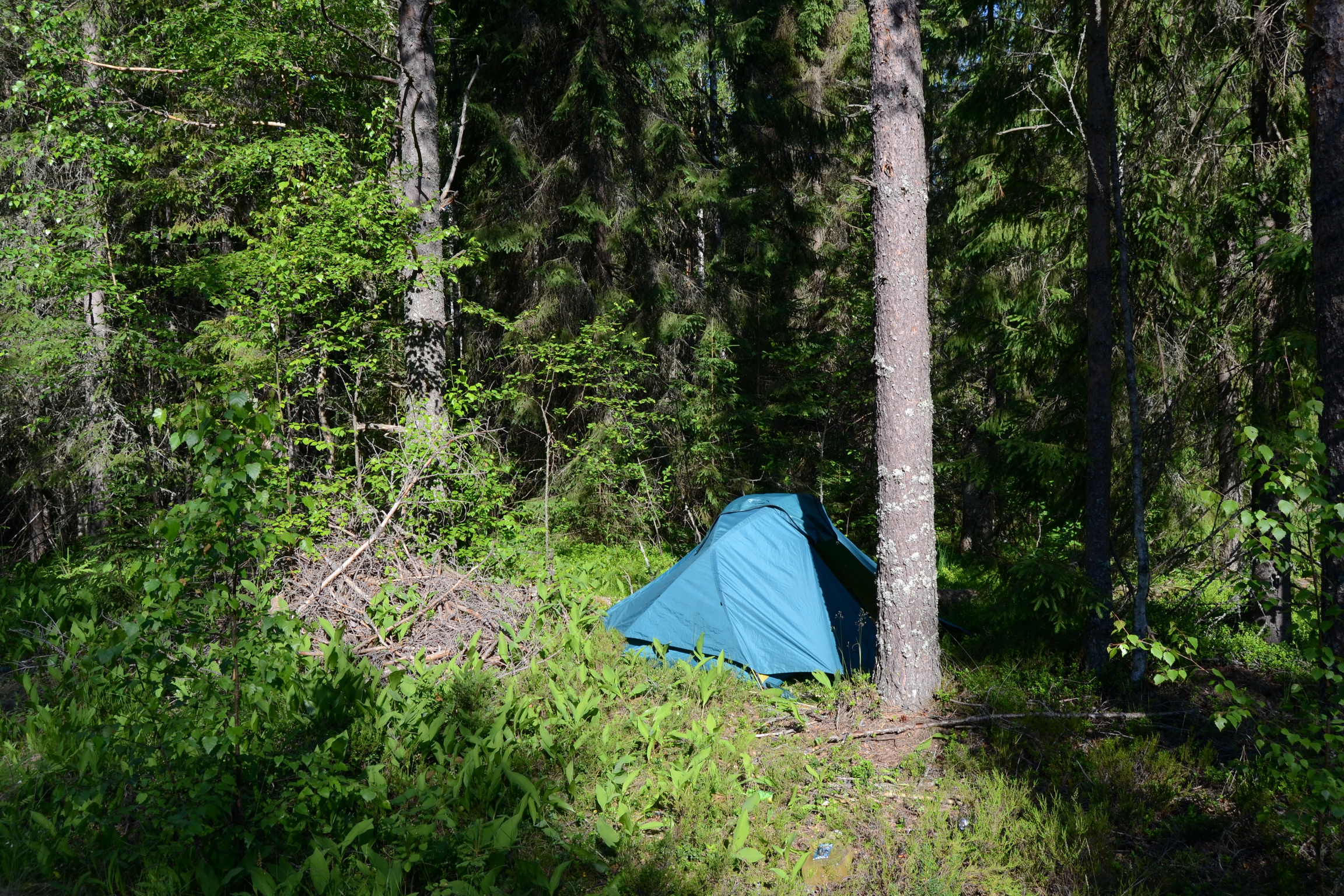
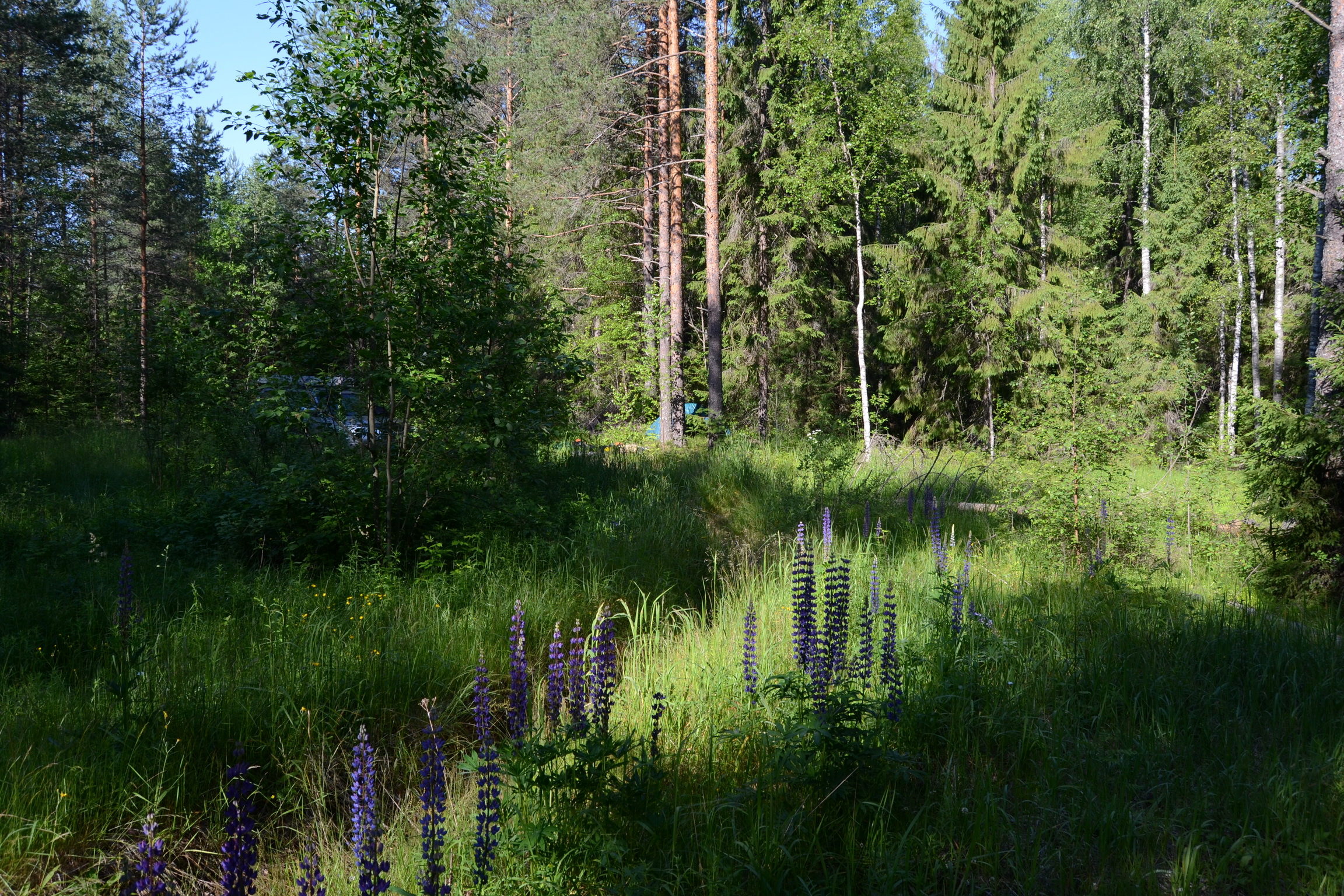
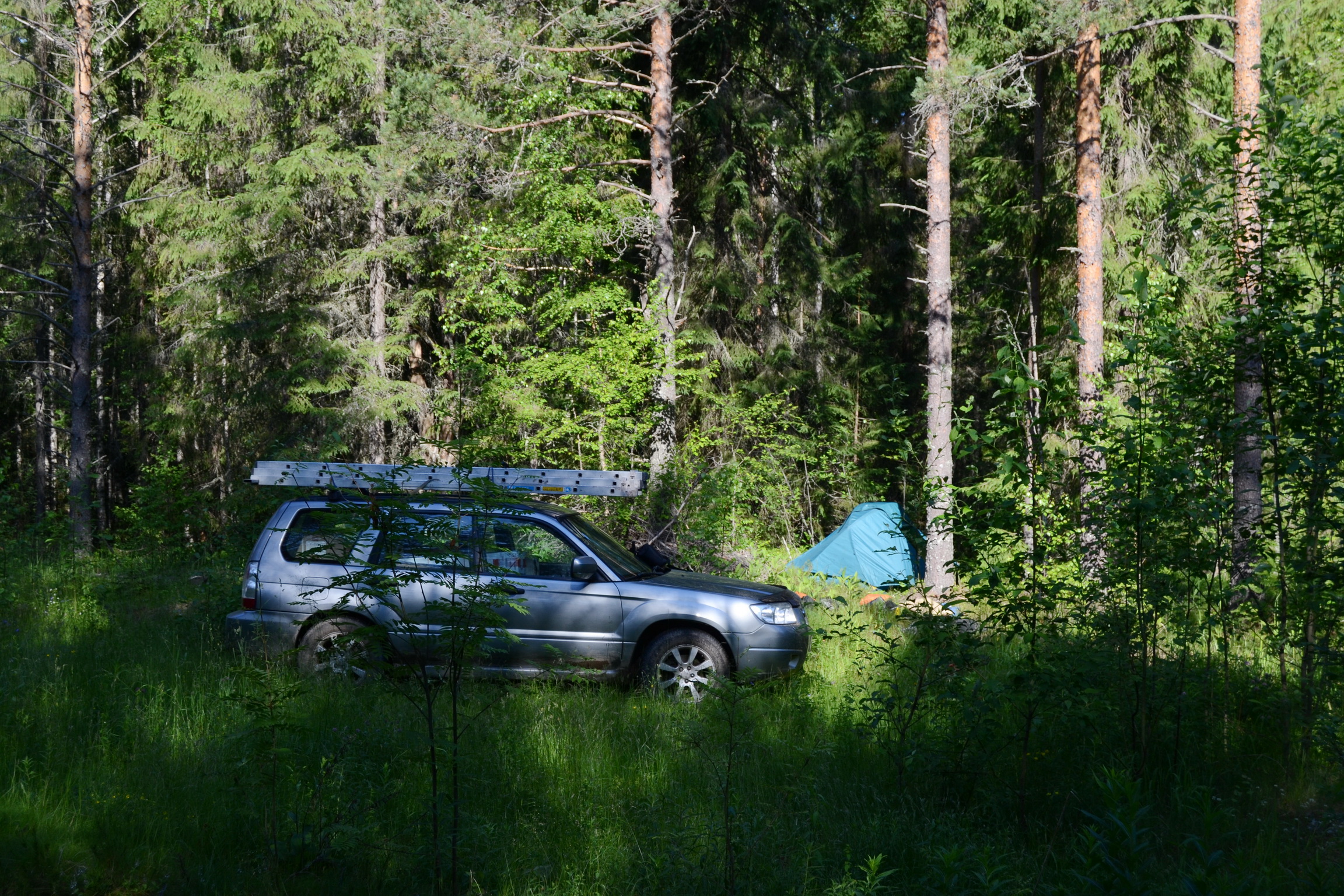
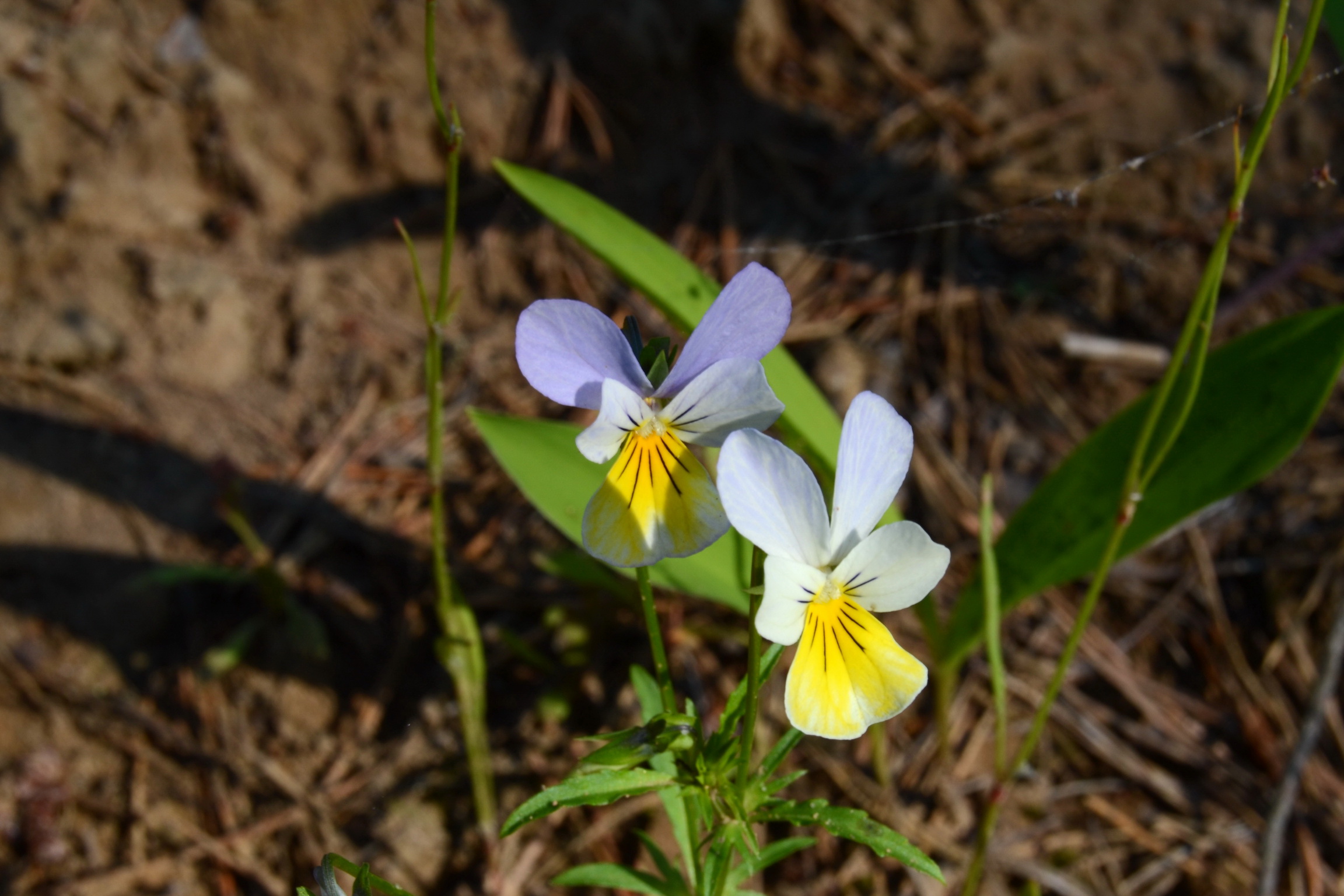
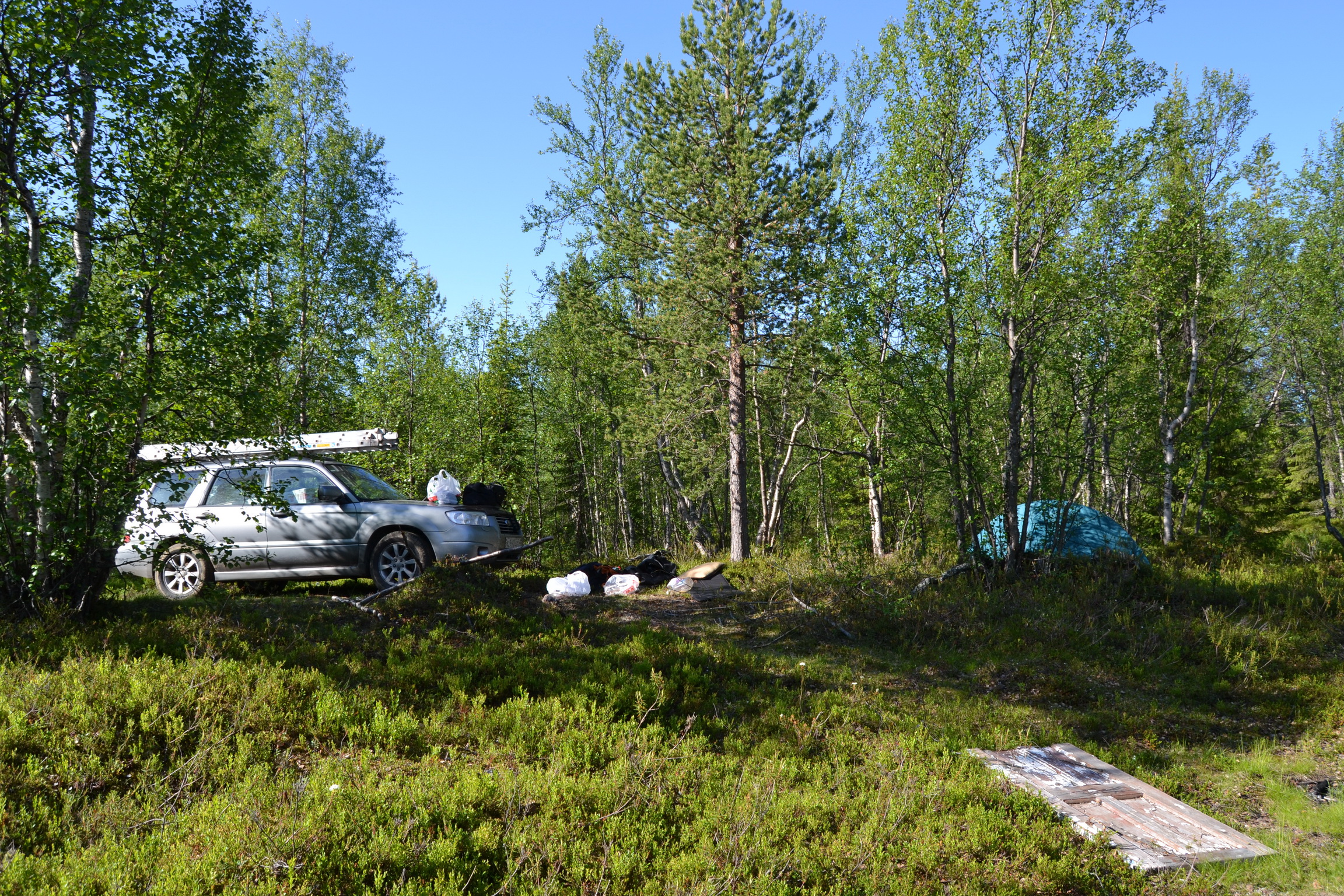
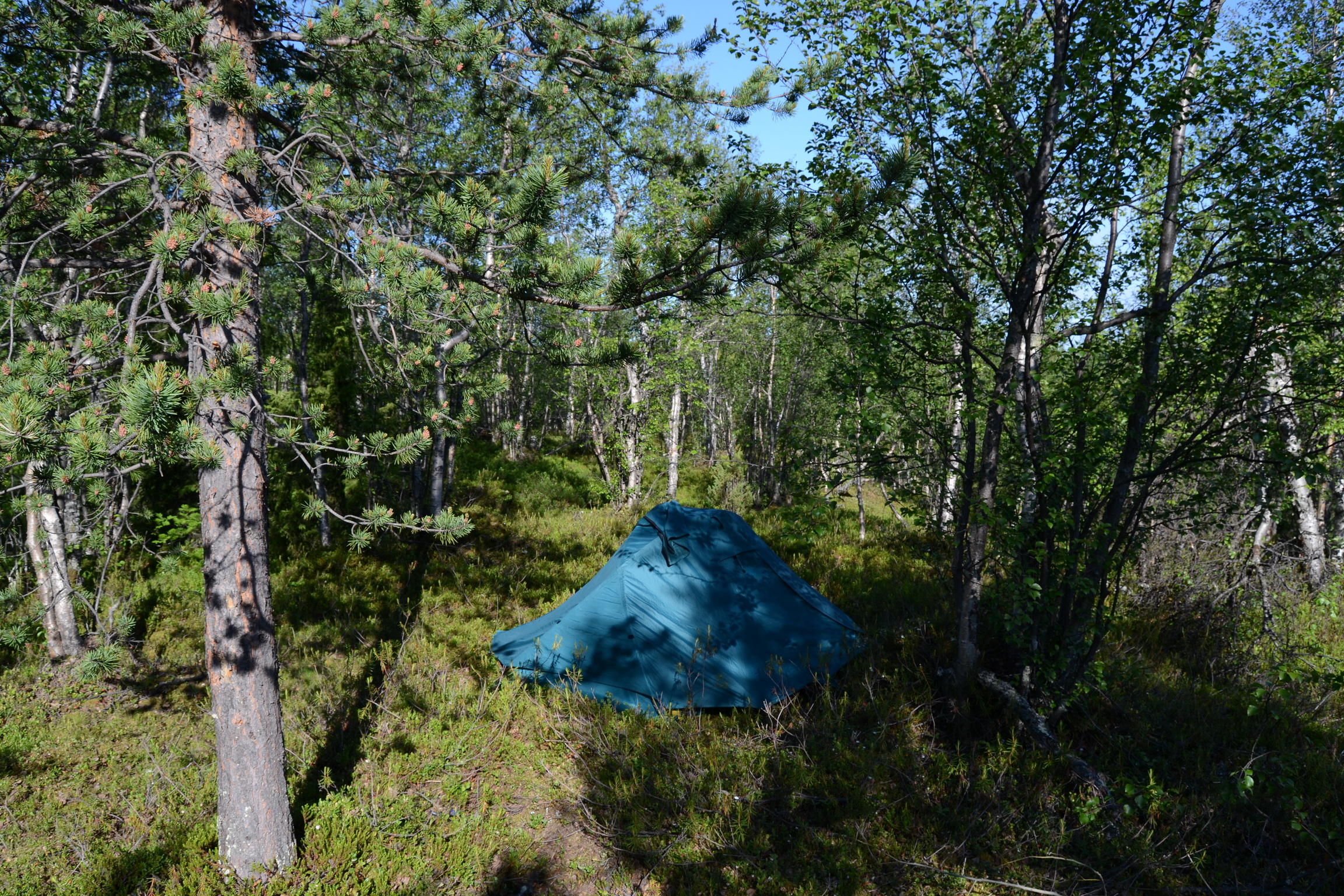
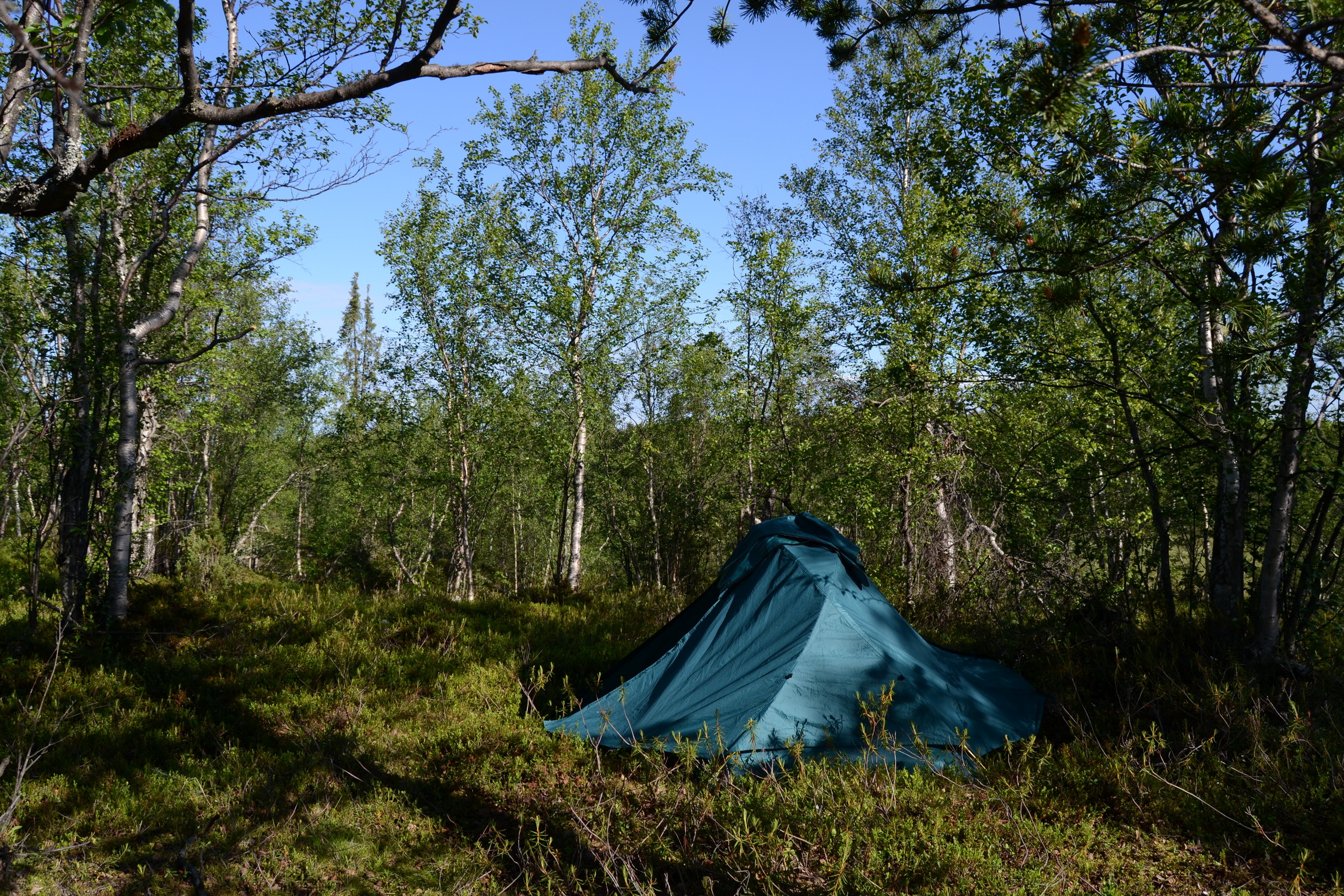
The next day I pushed on to the north, almost as far as Murmansk. On the road to Kitsa station there was a little place by a lake I’d had my eye on for ages (68°31.351′N, 33°17.341′E). I stopped there after midnight. Though north of the Arctic Circle in summer there’s no night and no midnight, only day.
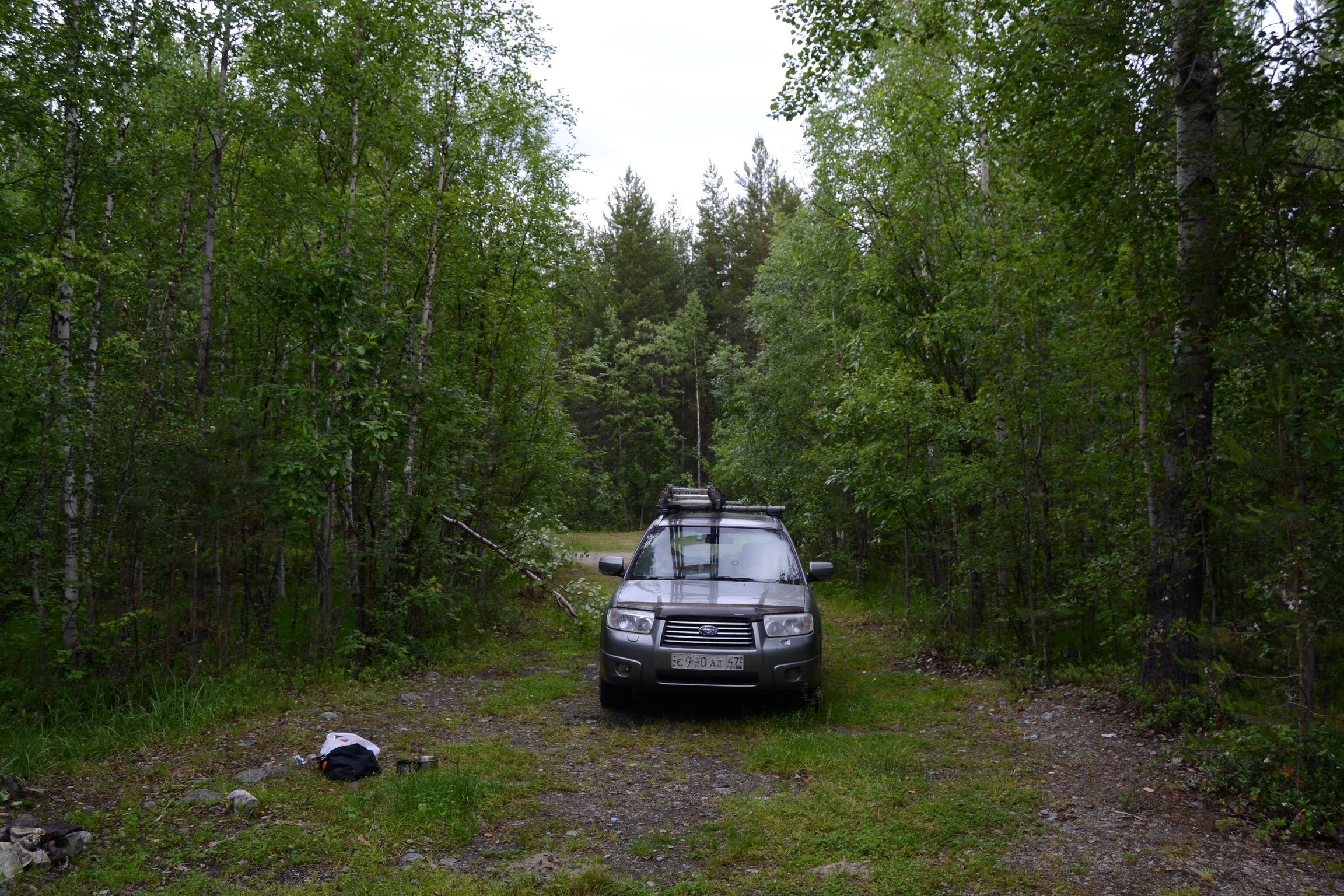
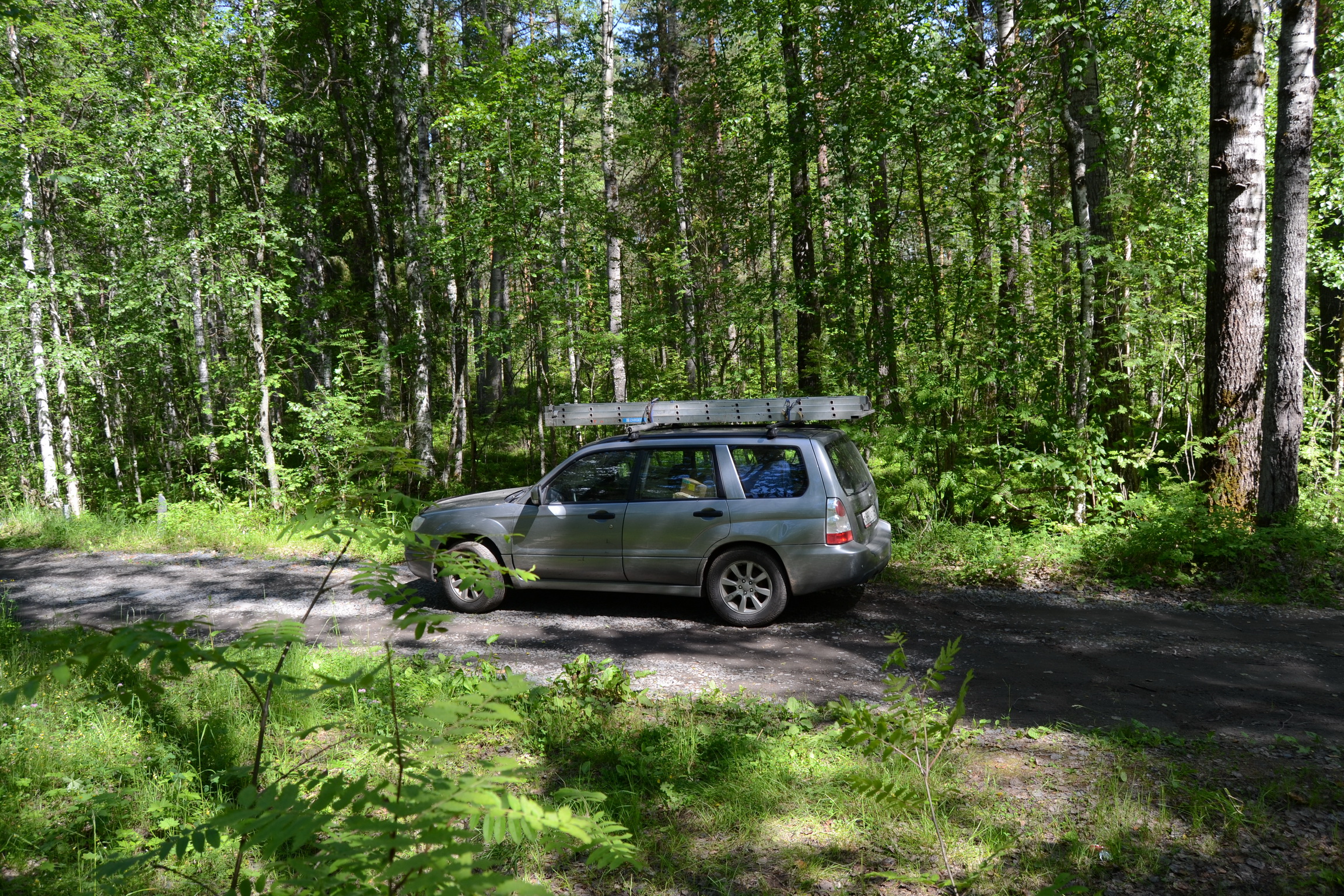
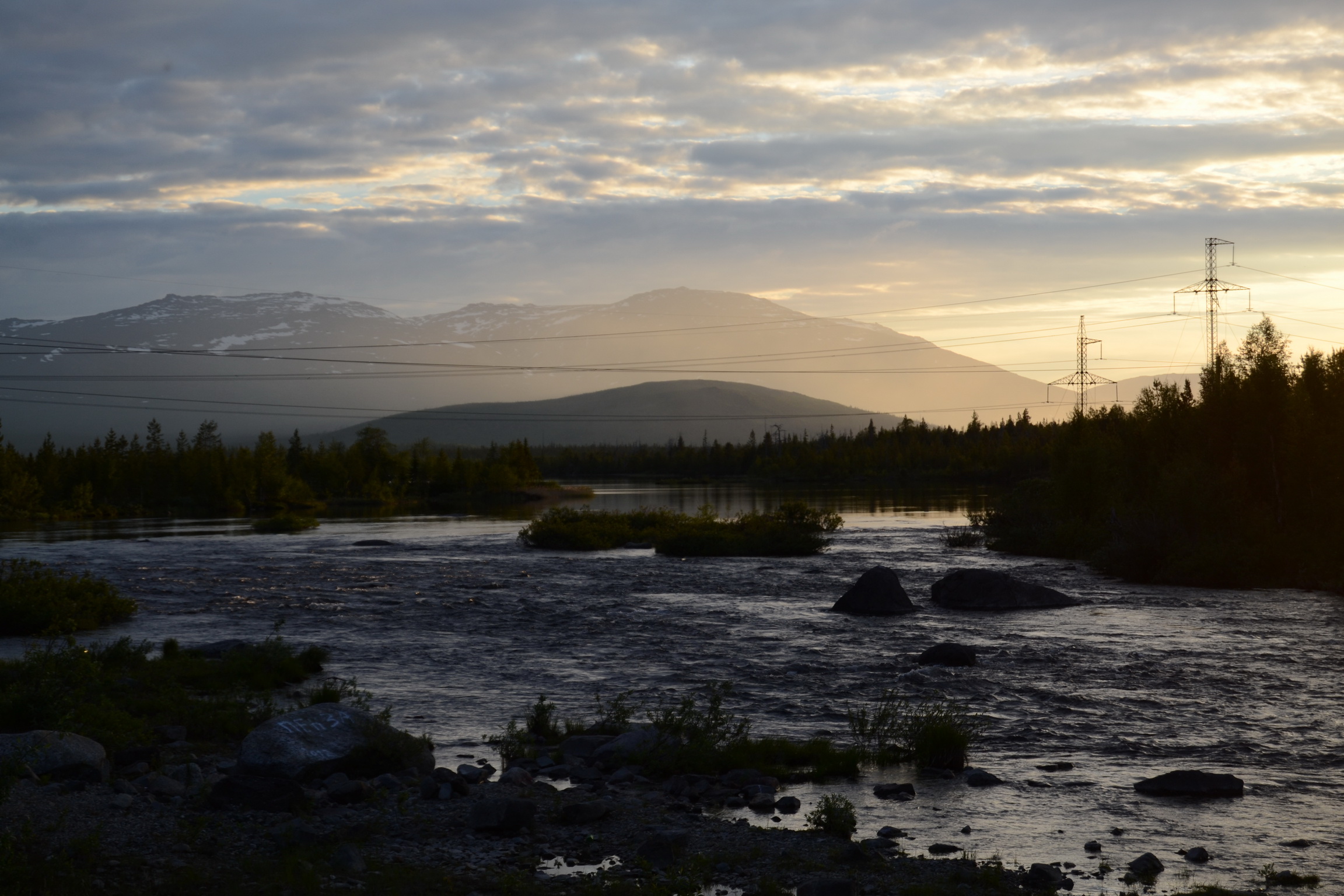
The day started with getting permission to work. What could be easier? The client hires a contractor and pays him. The contractor goes out and does the work to the approved design, and the client signs off on it in a day. That’s how it worked twenty years ago. Then the old Soviet ways reasserted themselves.
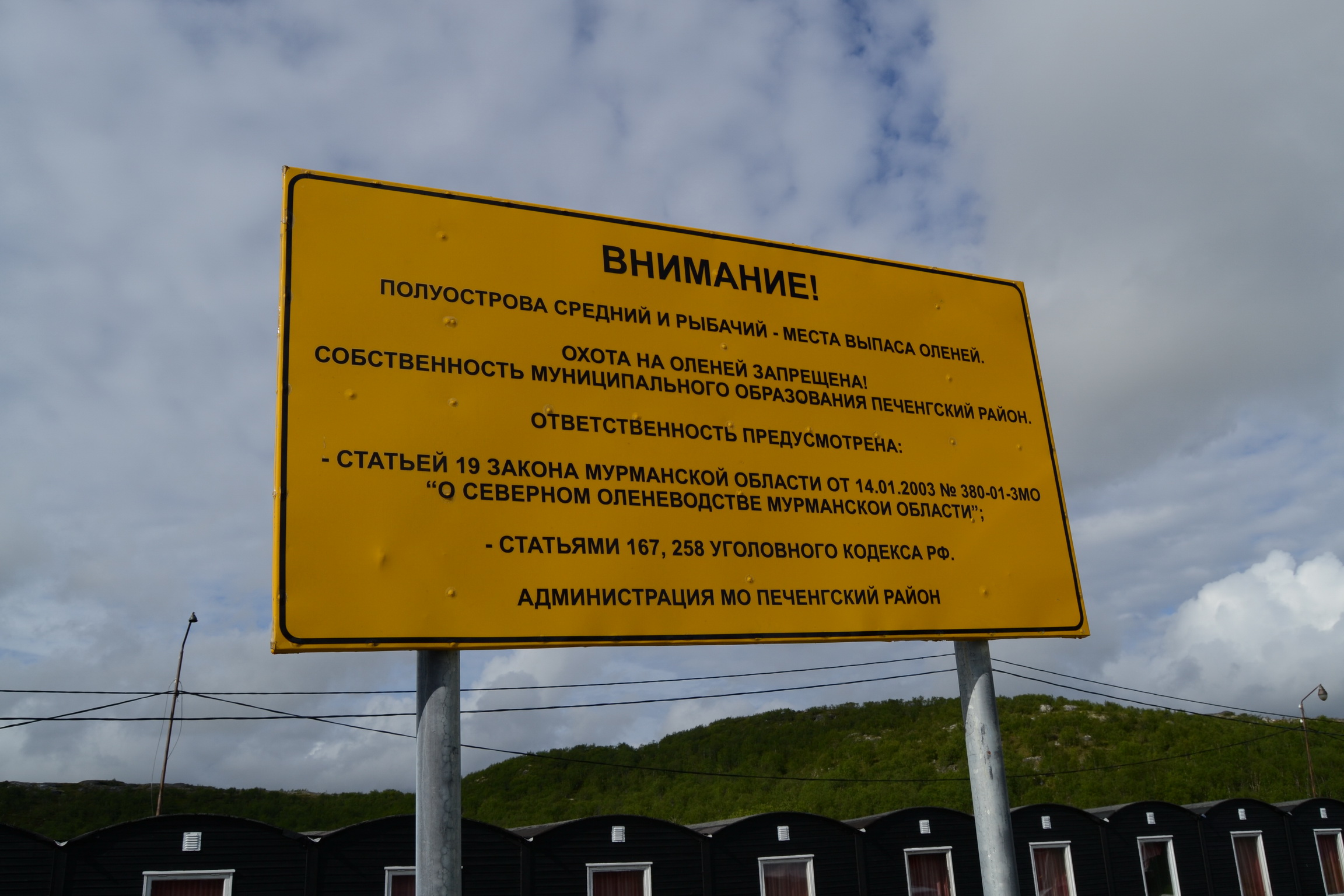
First an inspection report, to be signed by everybody in the chain. The chain often includes several different towns. Then the design brief, and the signatures all over again. Then the design, the estimate, the access certificate, the permit to work, a completion certificate, a certificate with the fire officers, one with the capital works inspector, one transferring the equipment onto the client’s books. And behind every word there are different towns, dozens of signatures and long waits for an audience with the pen-pushers. It takes months. Luckily in Murmansk I’d built up good relationships and could get everything signed in a day. I spent the whole day on that and set off for Nikel in the evening. I stopped for lunch at Staraya Titovka. We built a MegaFon base station here once. I liked the sign telling people not to hunt the collective farm’s reindeer.
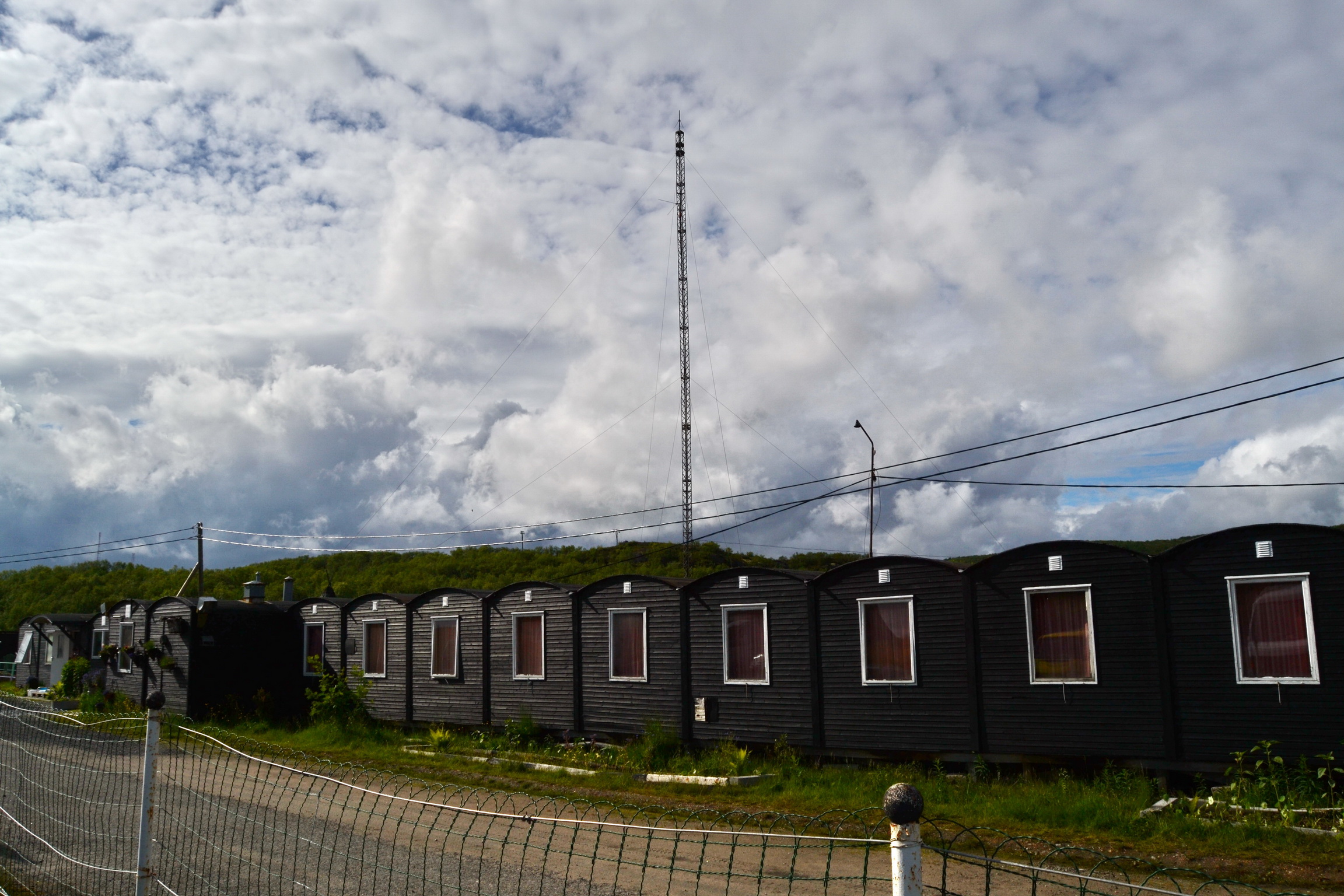
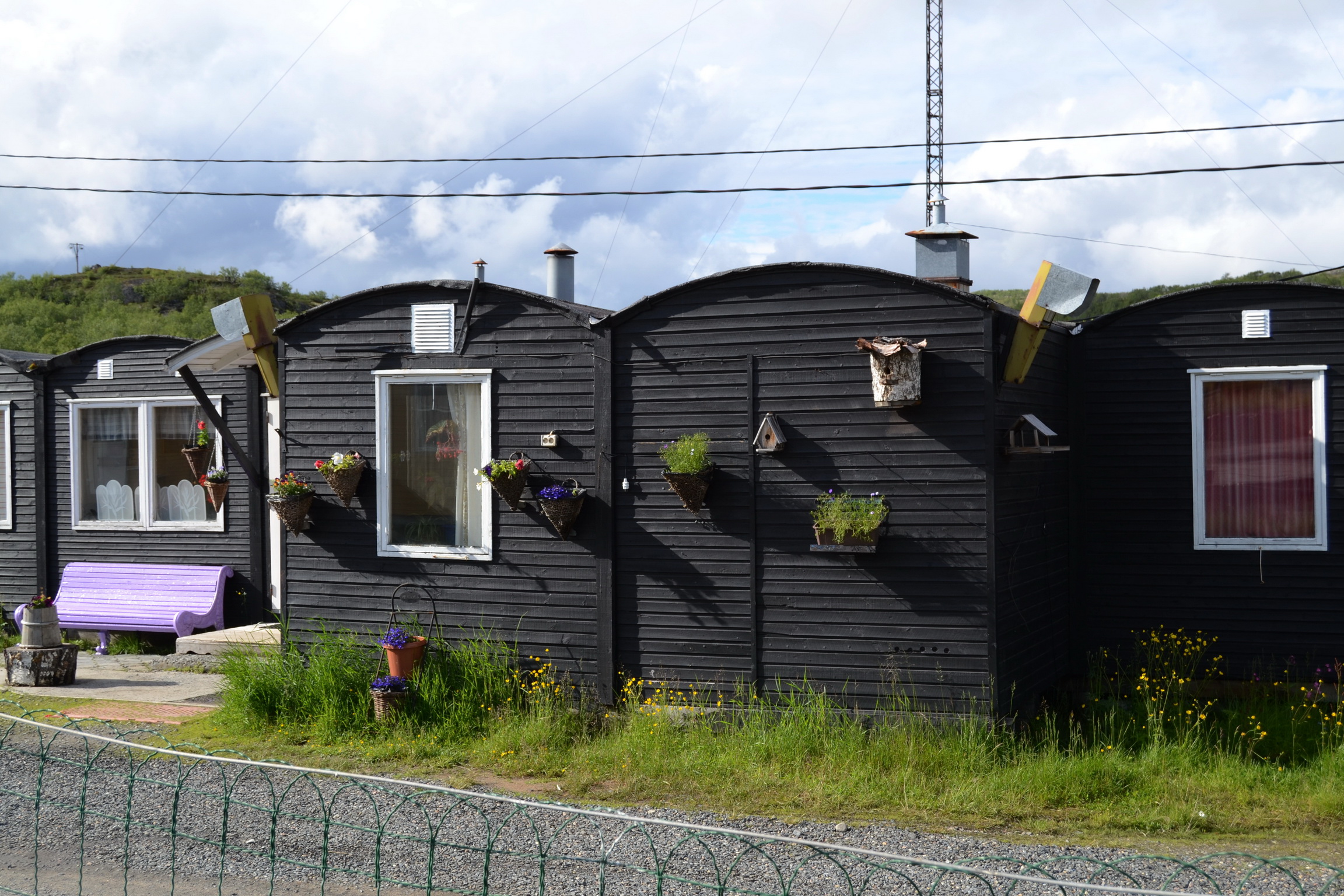
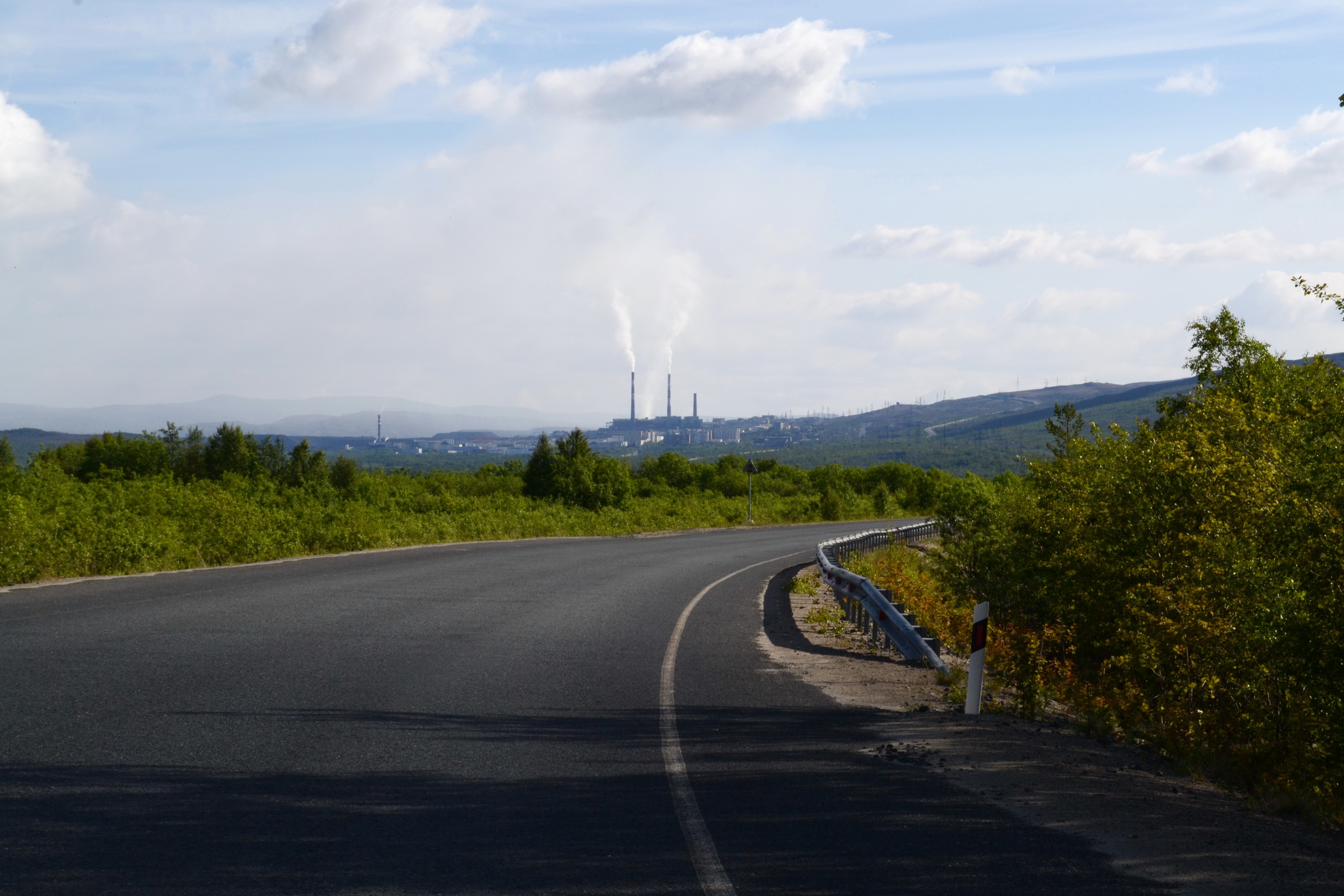
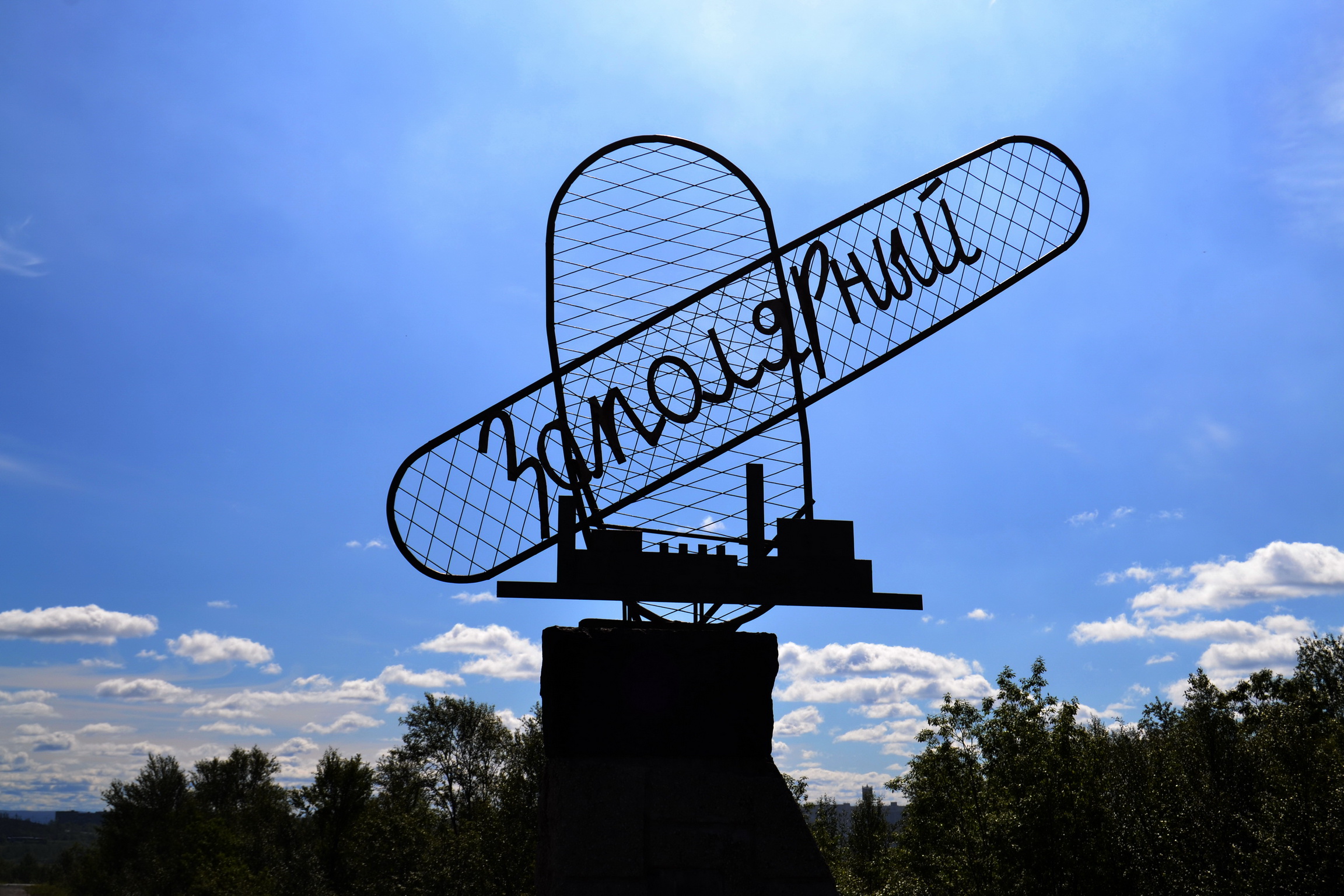
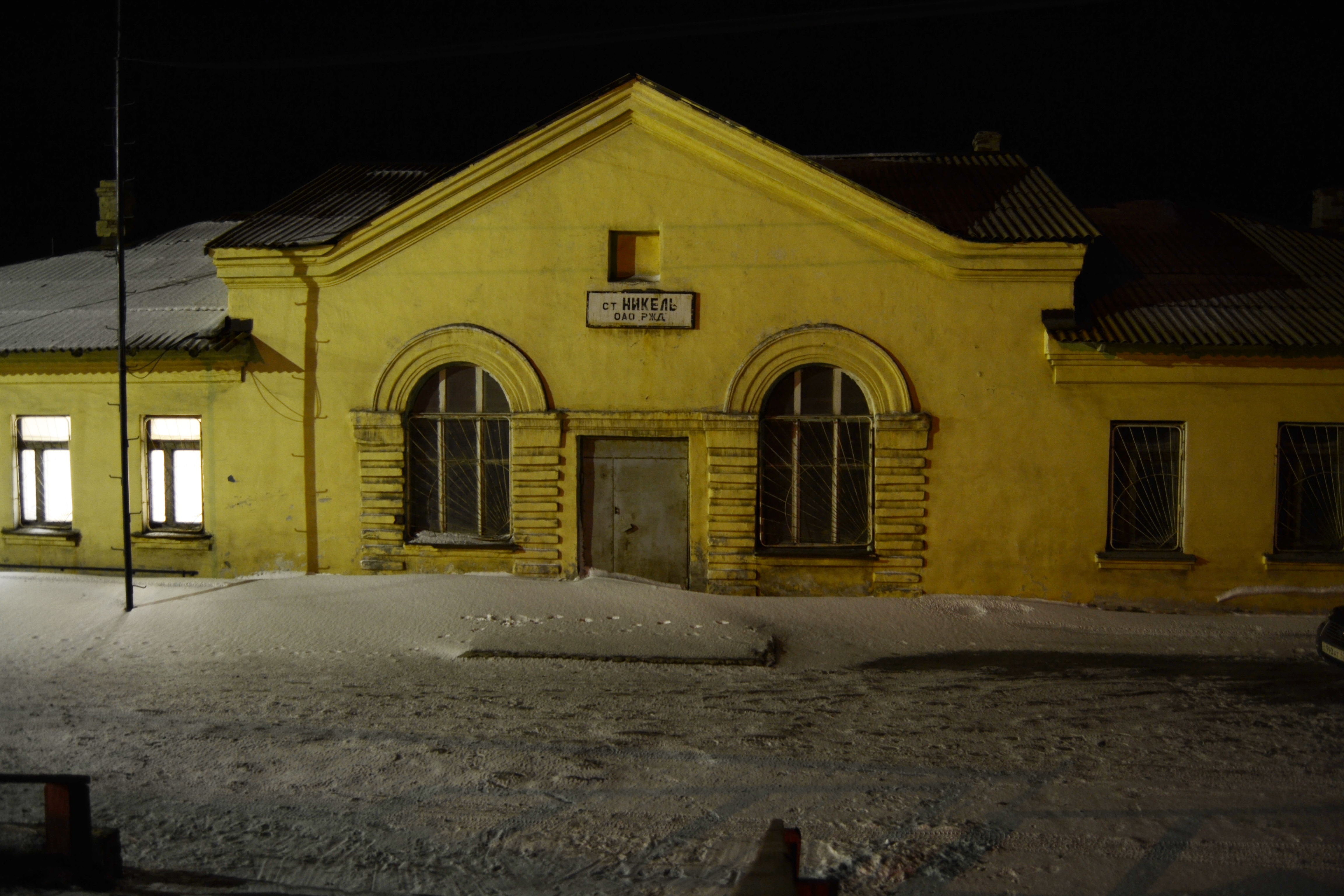
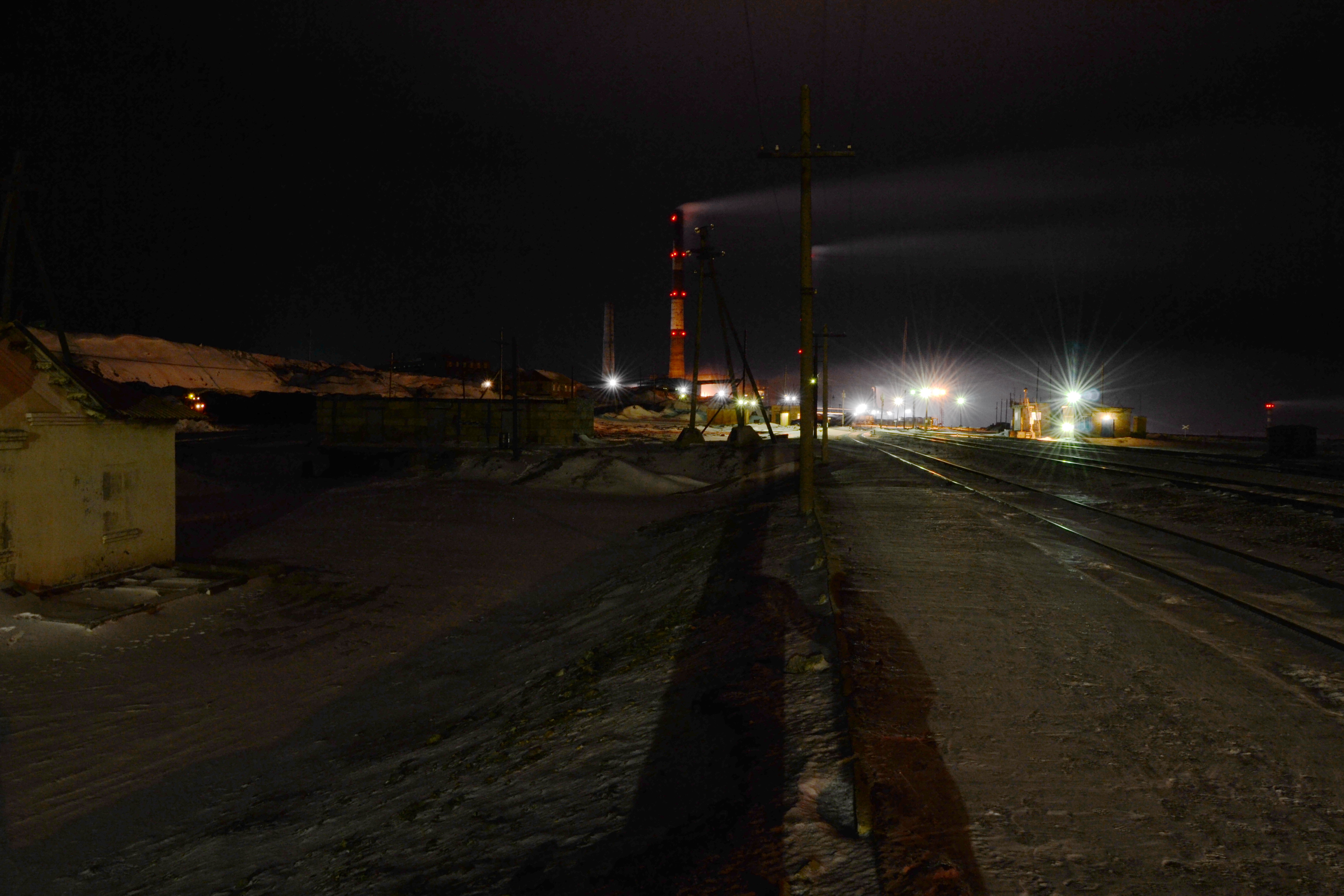
When I reached Nikel I drove down to the station. The neglect of the station building and the rest of the railway buildings is impressive. On the plus side the sun shines, never setting in the Arctic summer. Everything is beautiful, except that the air is full of the oxides of sulphur and nitrogen. It eats away all the metal. In a few years the wires turn to dust. People don’t live long here either.
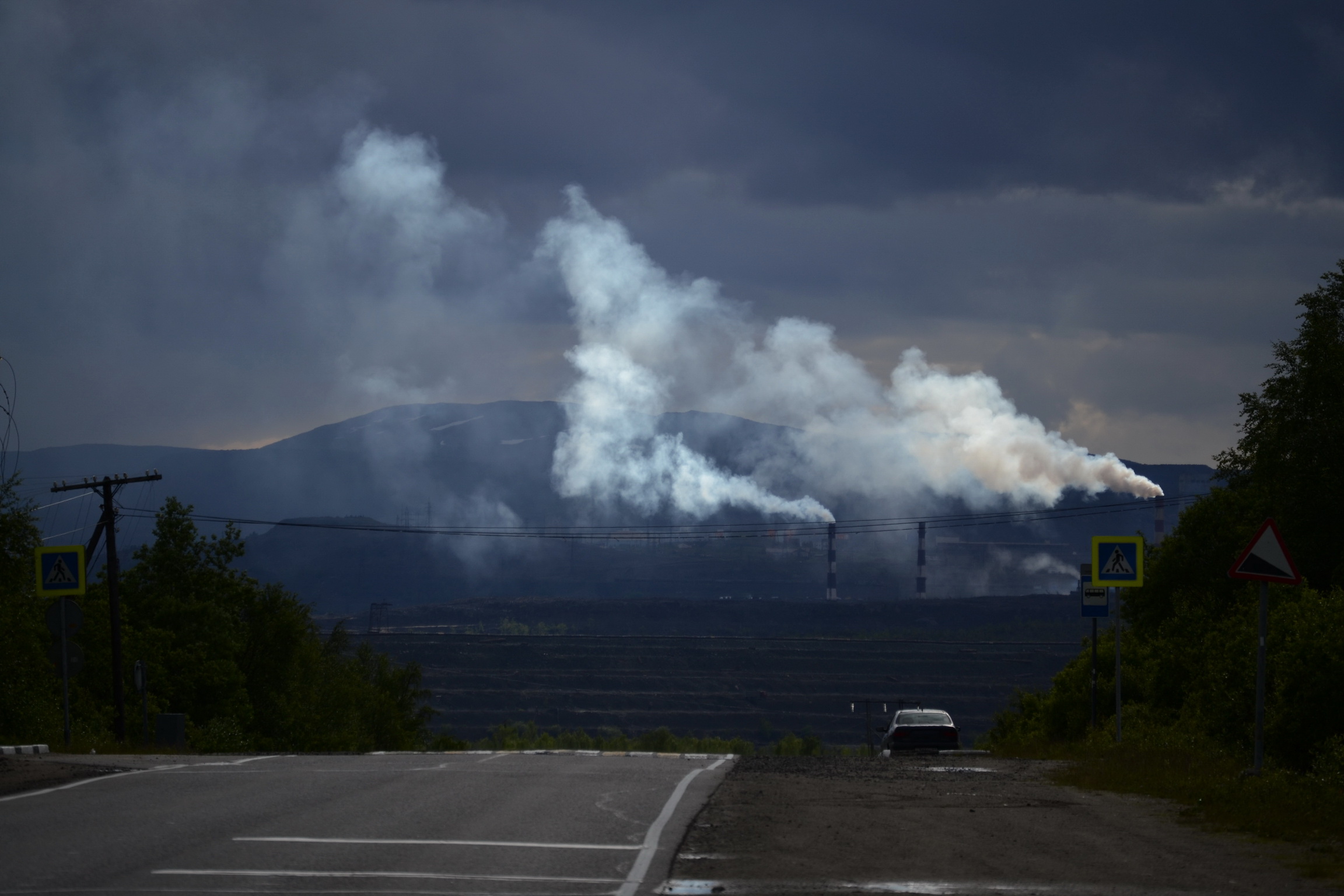
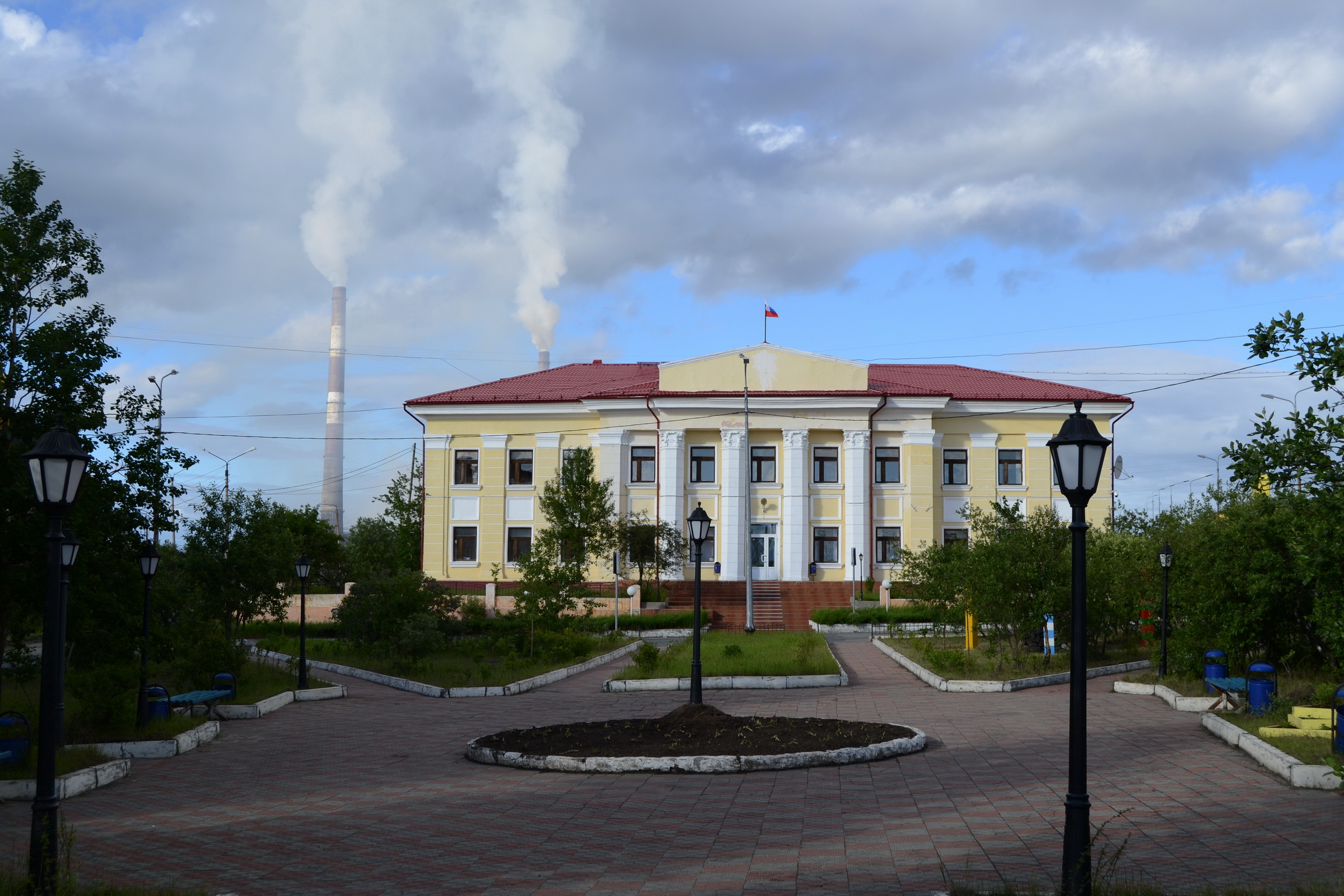
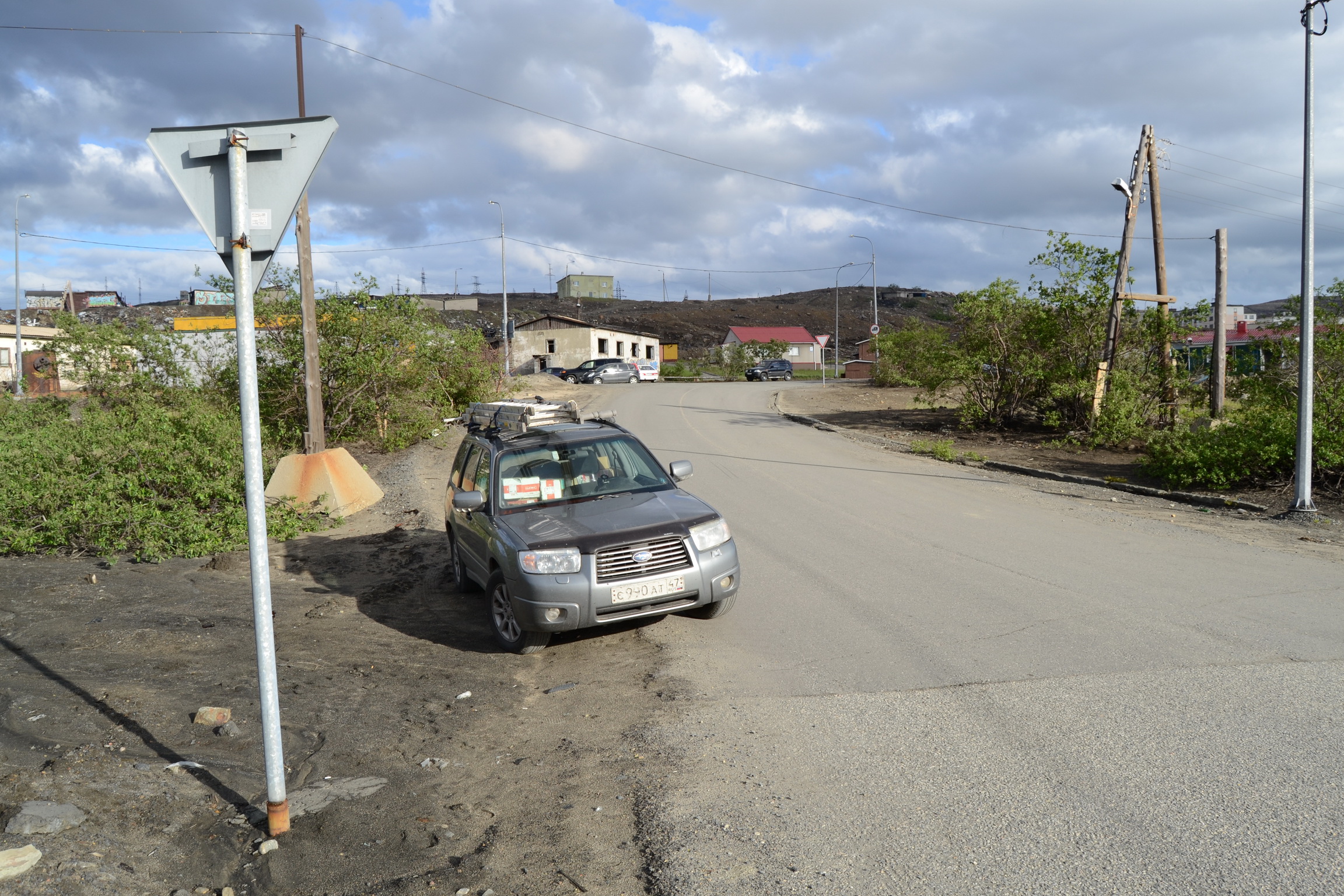
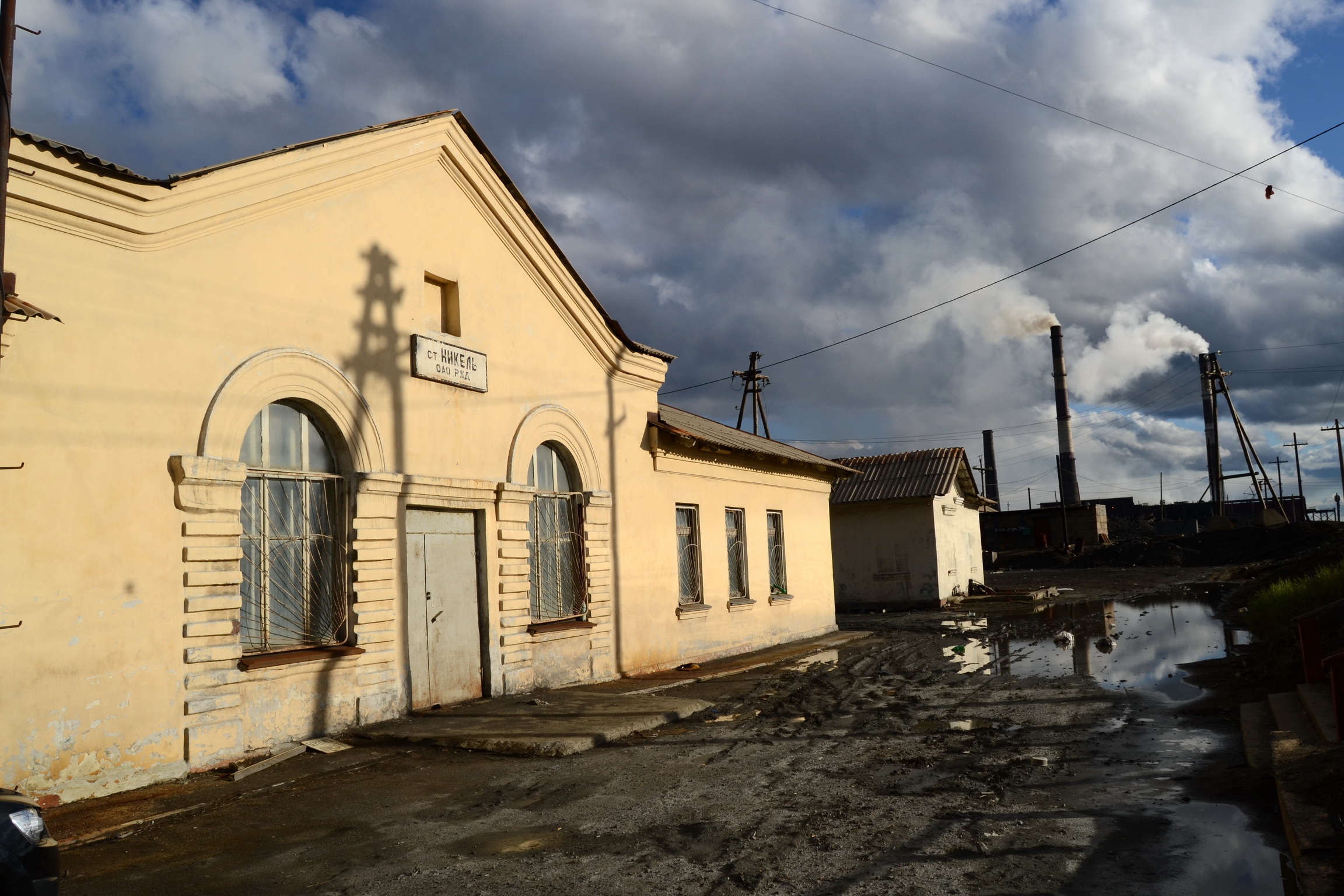
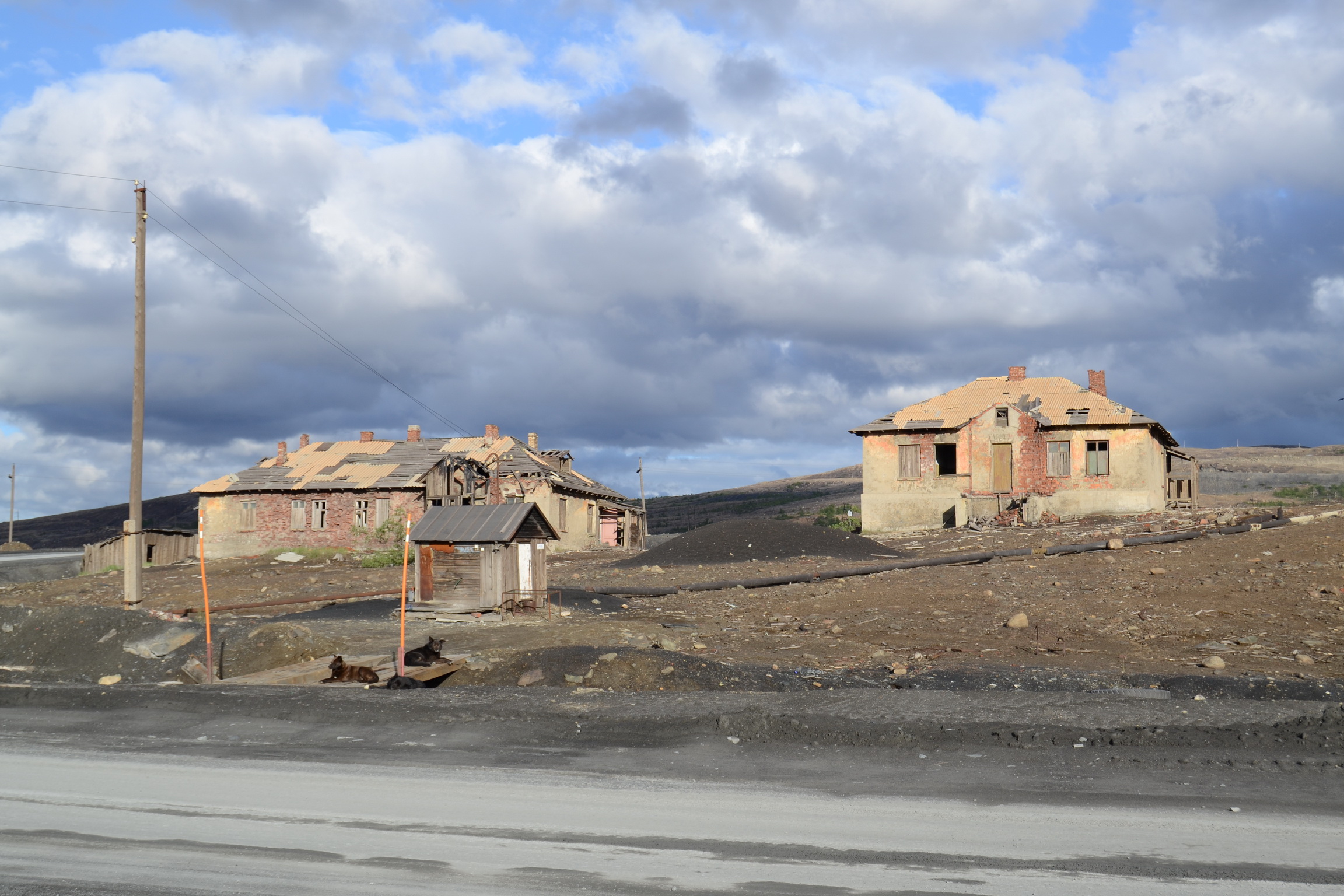
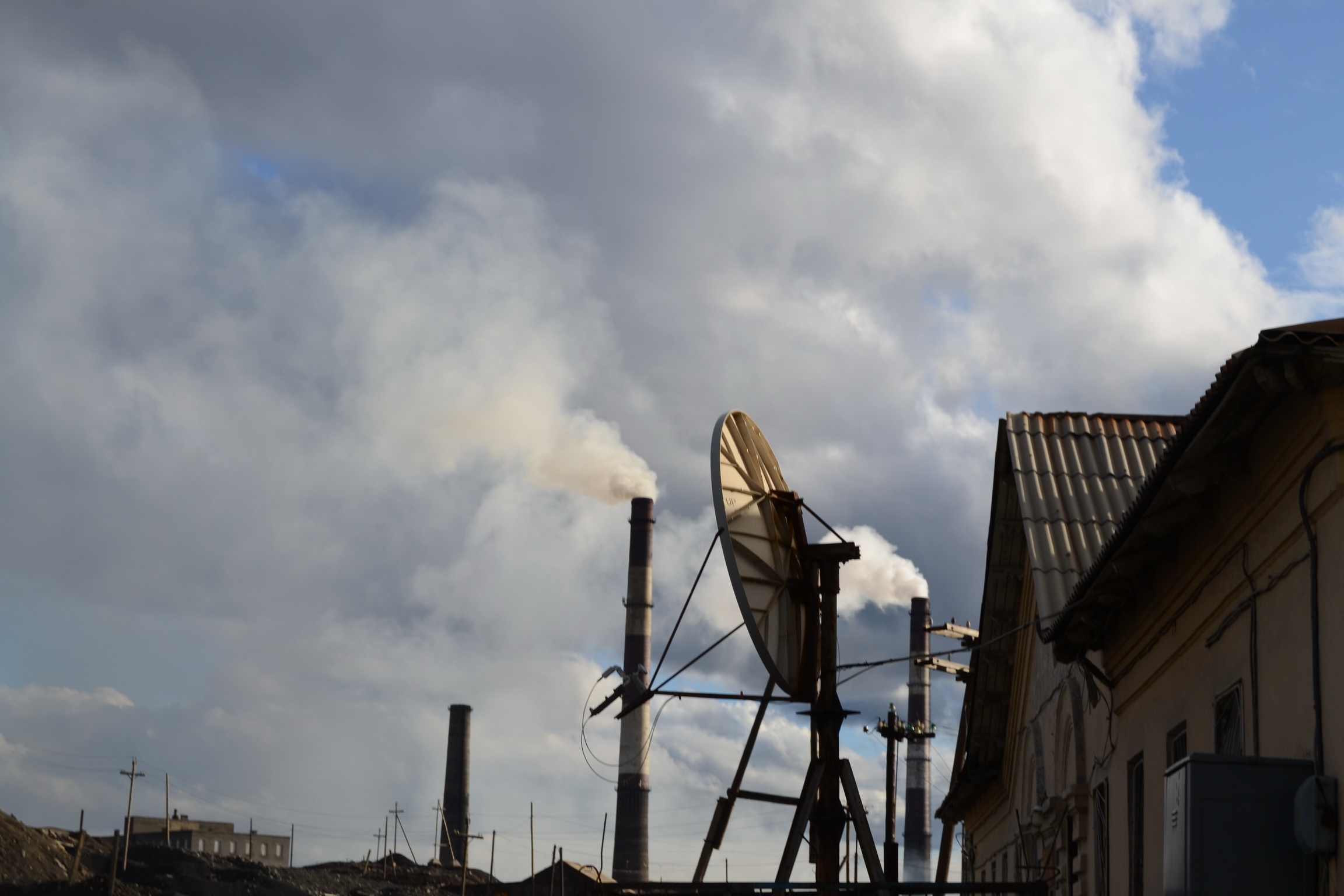
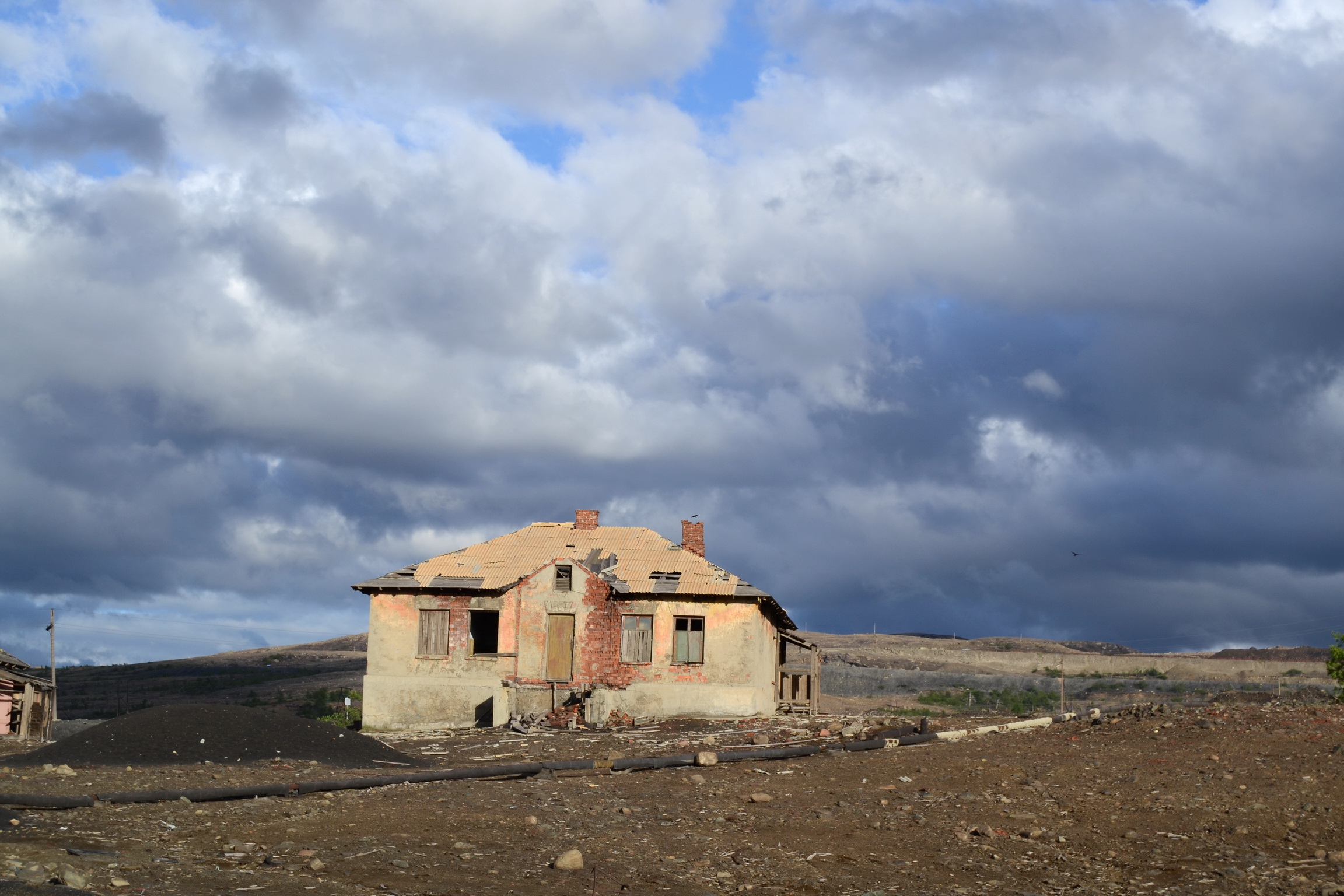
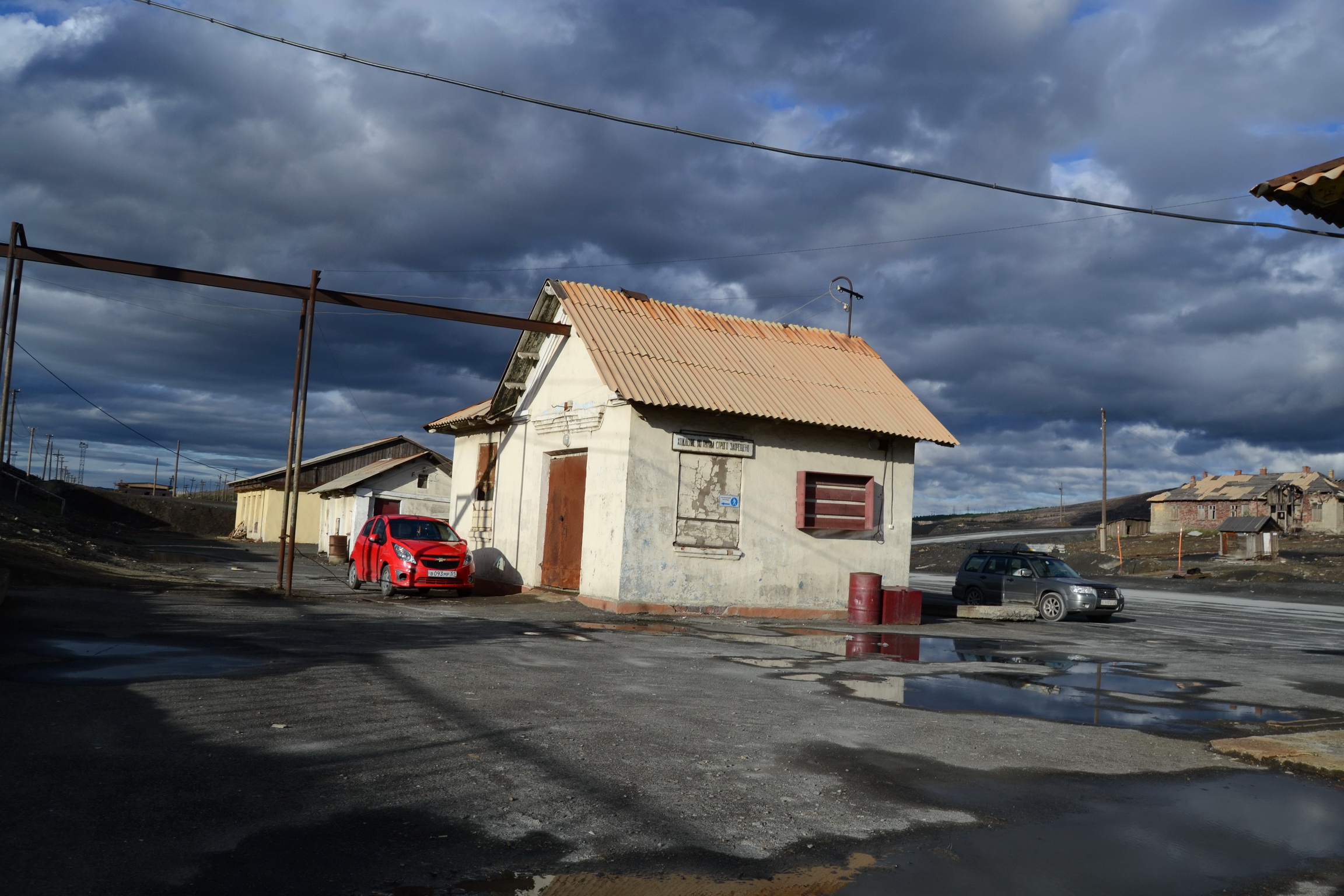
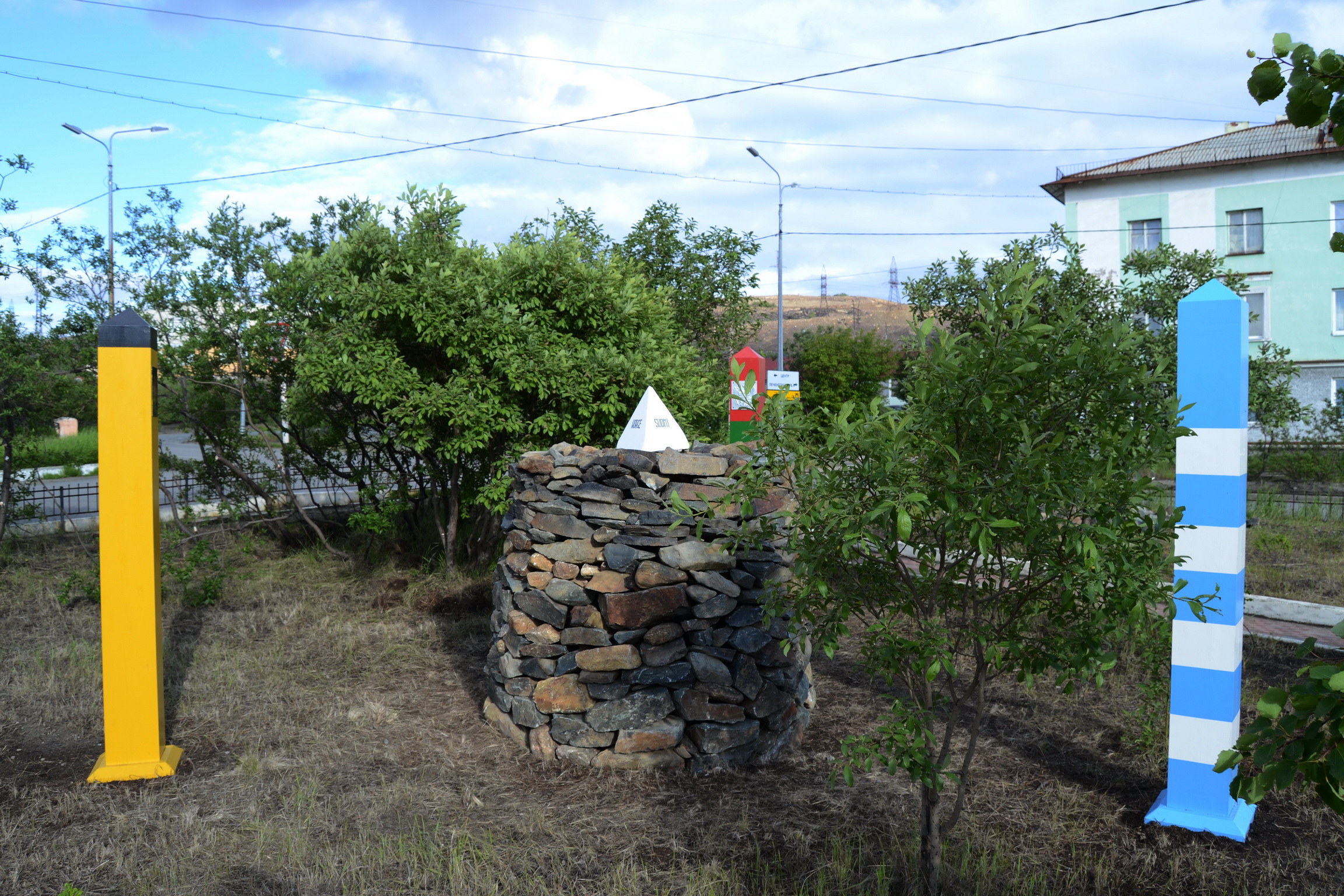
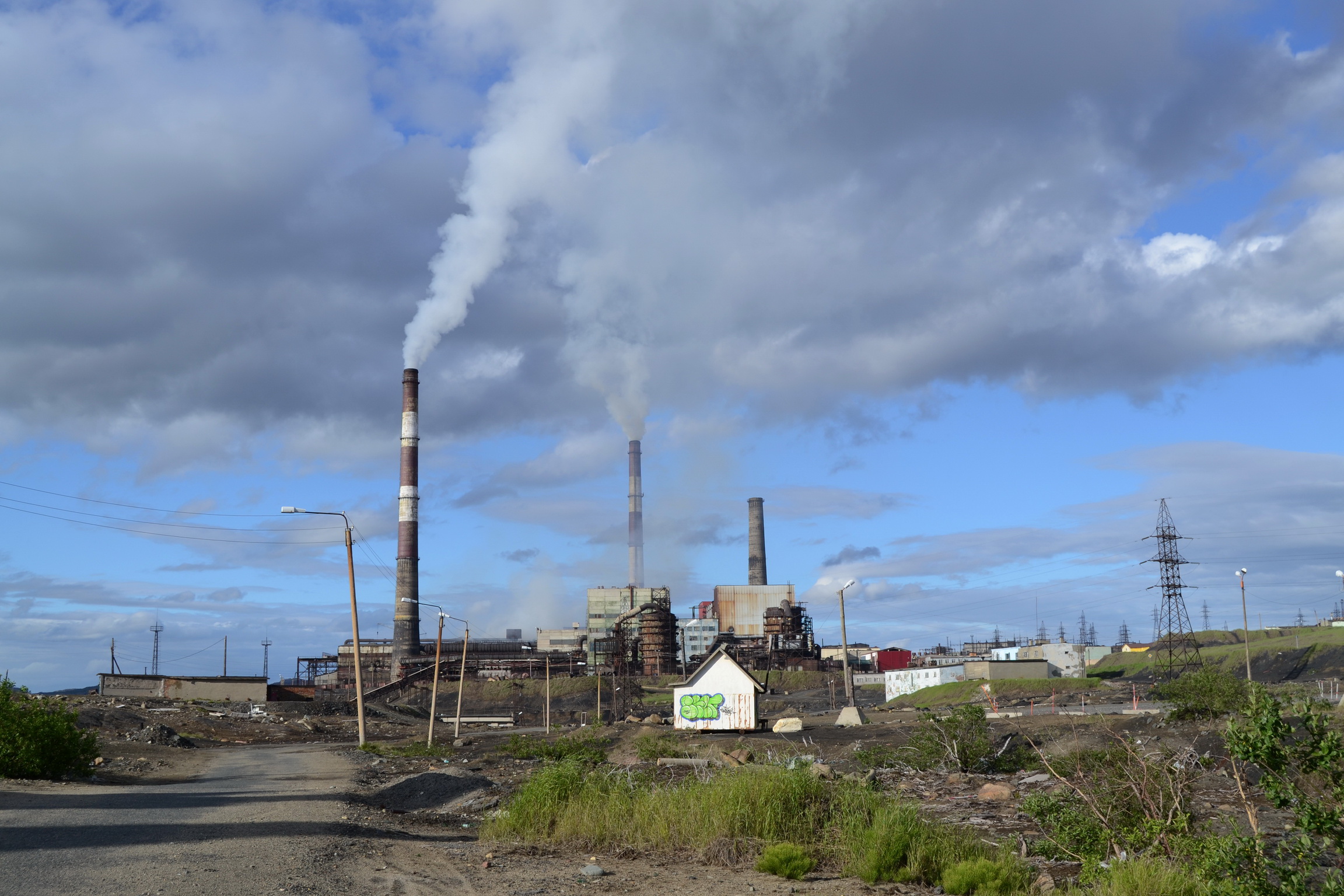
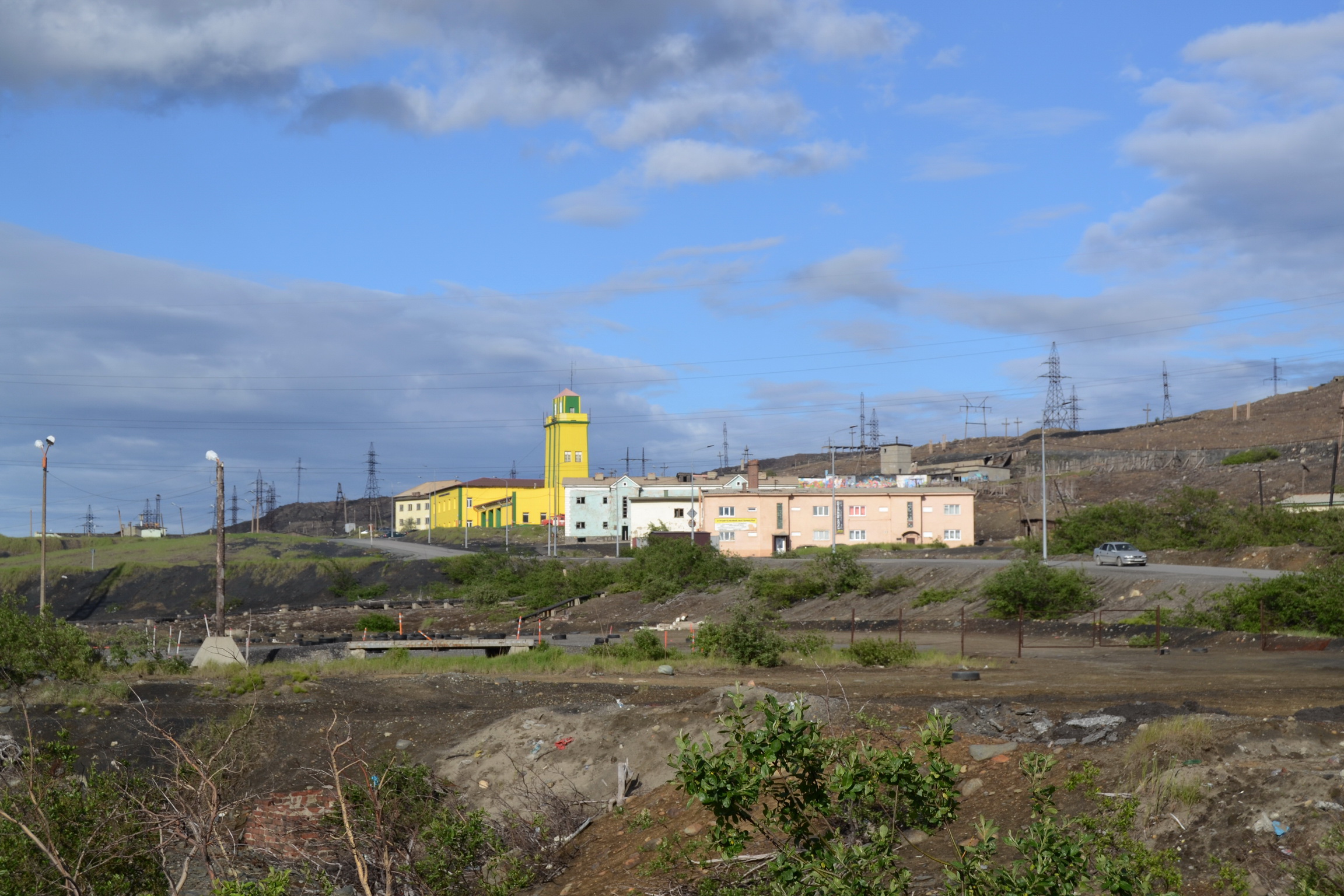
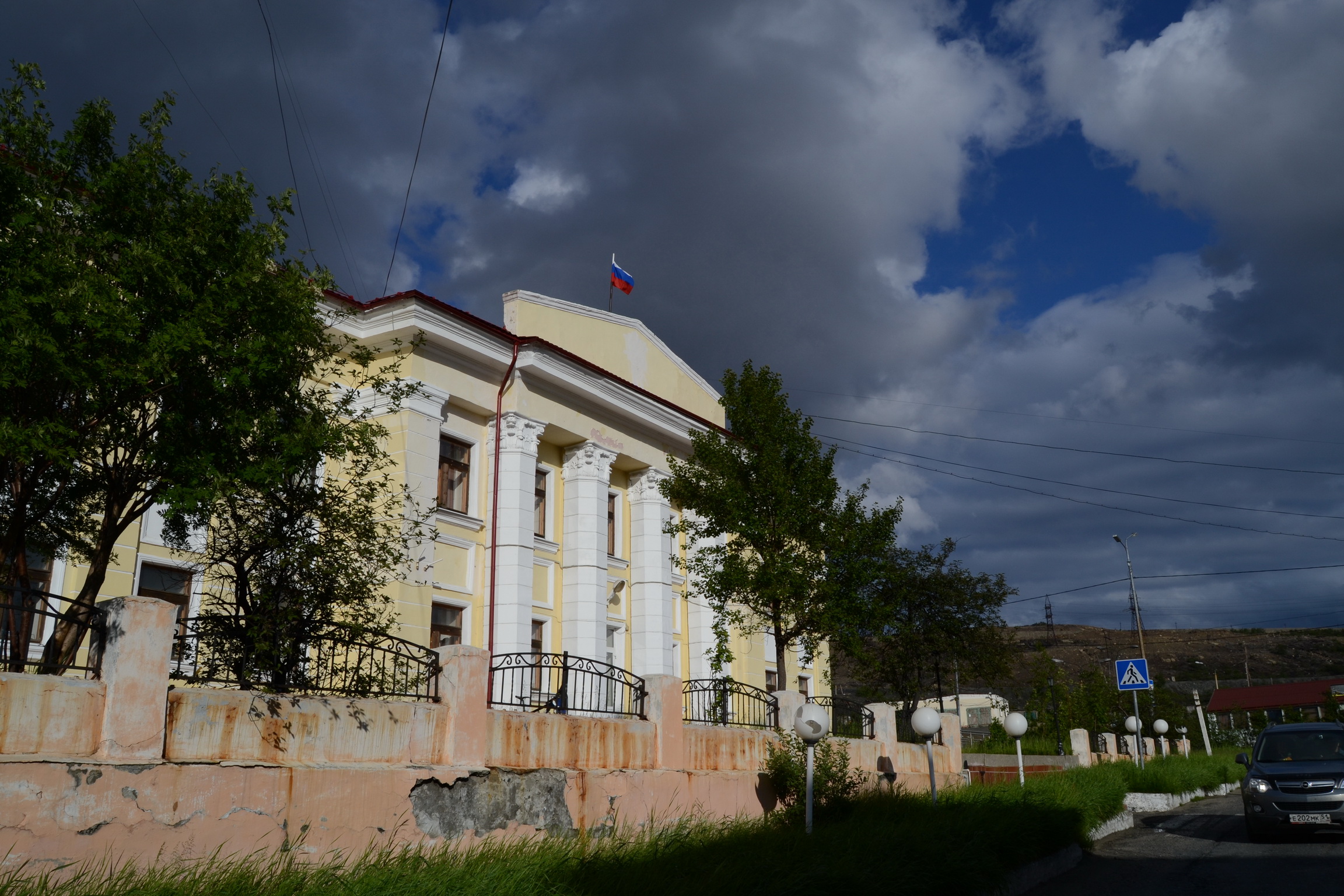
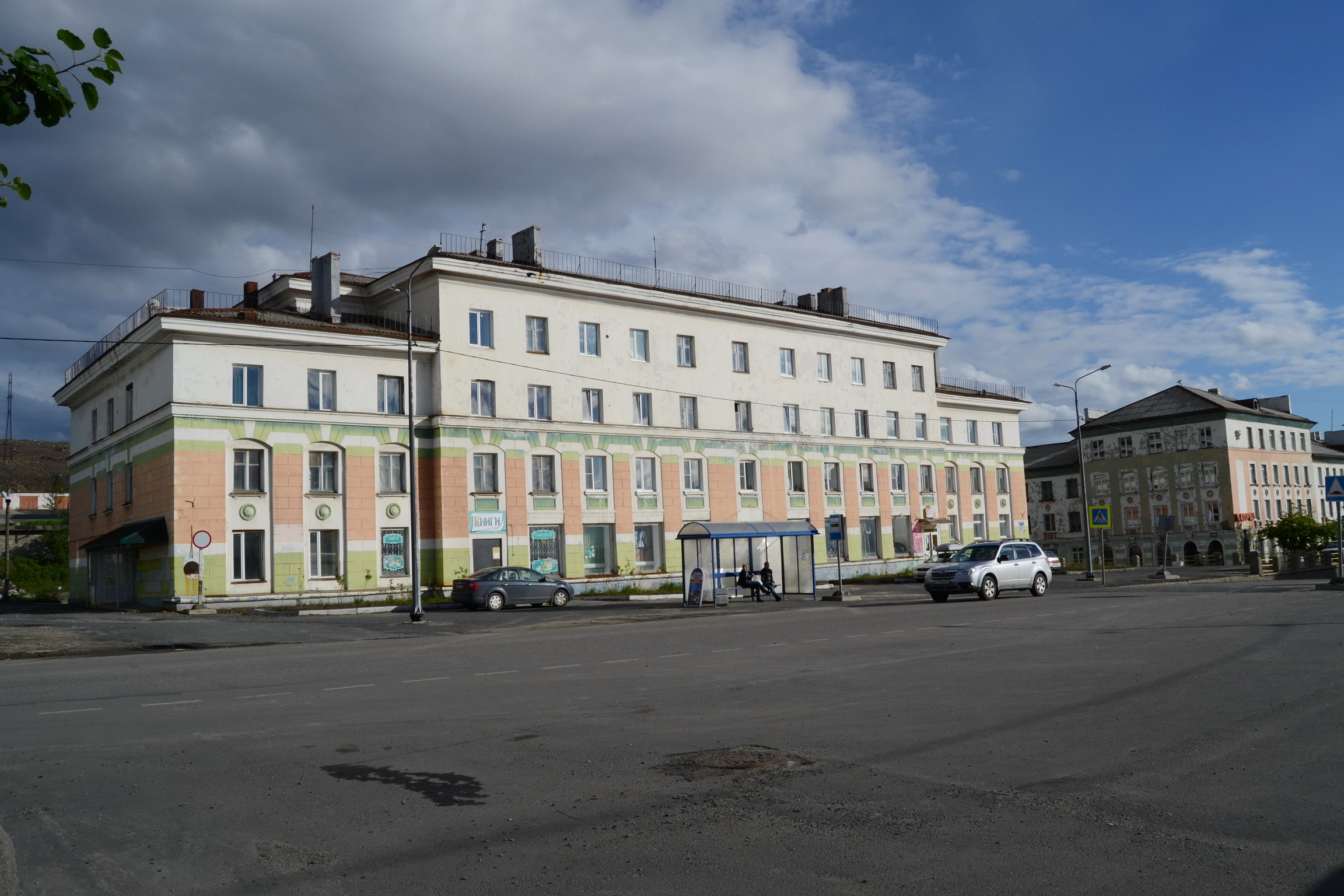
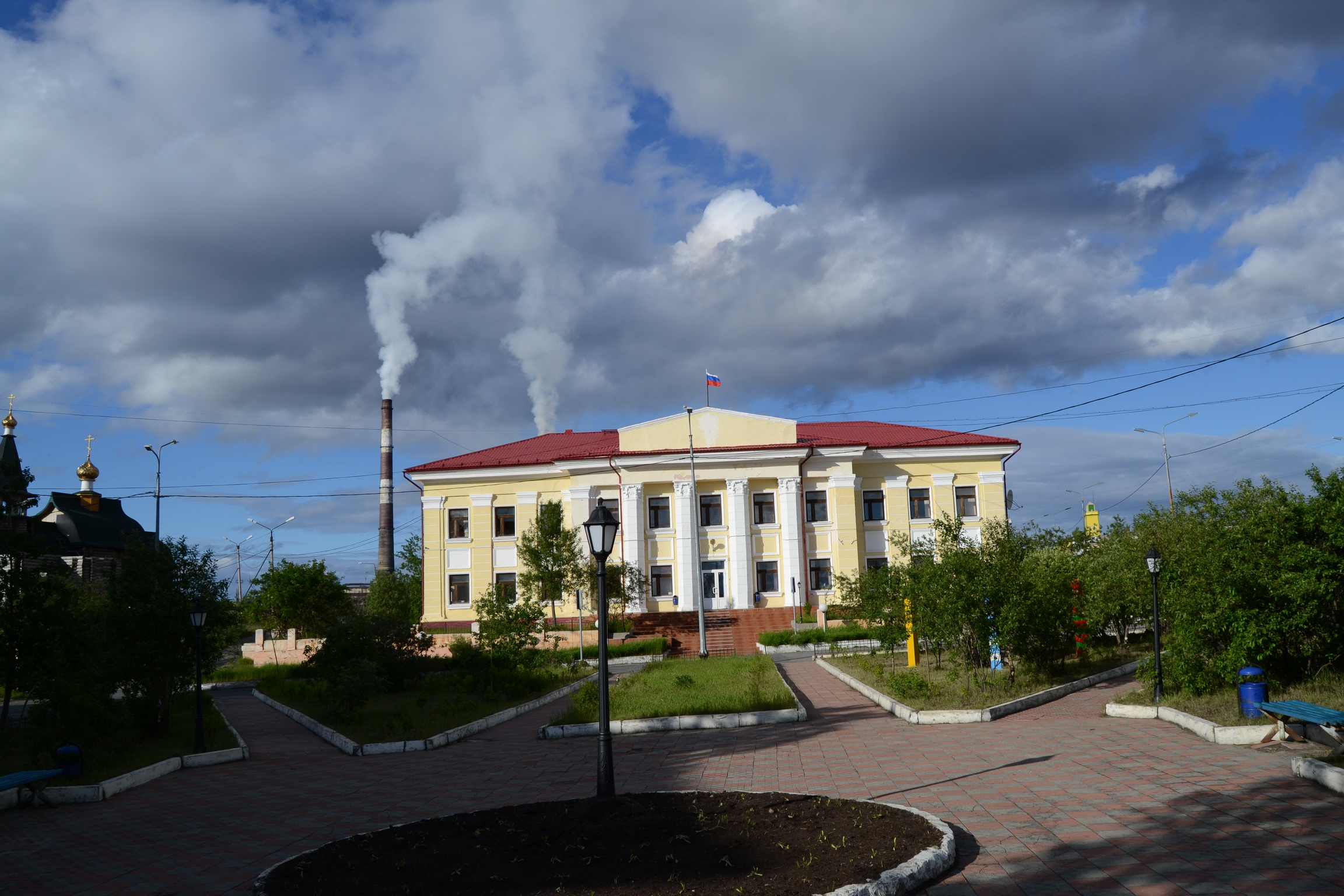
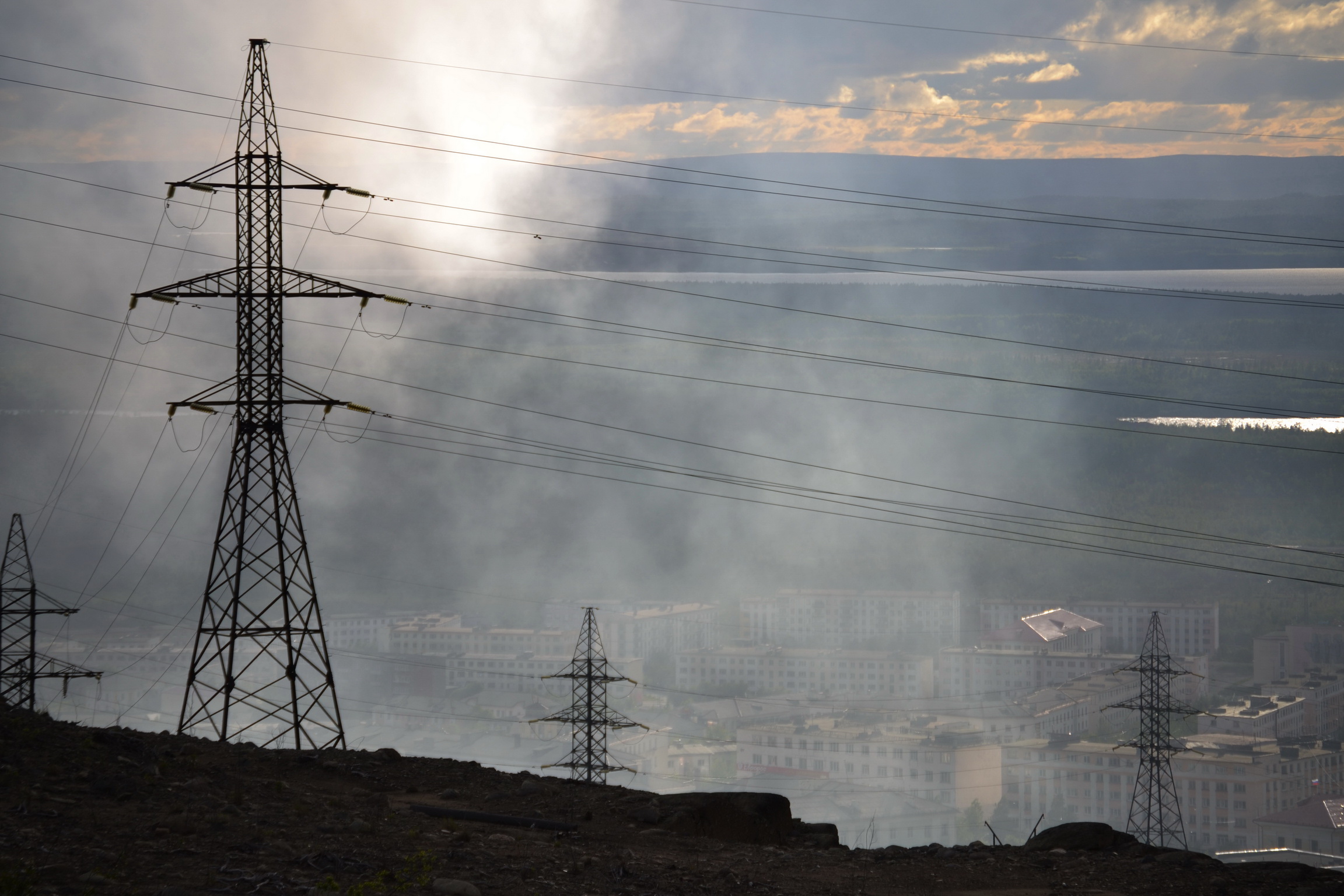
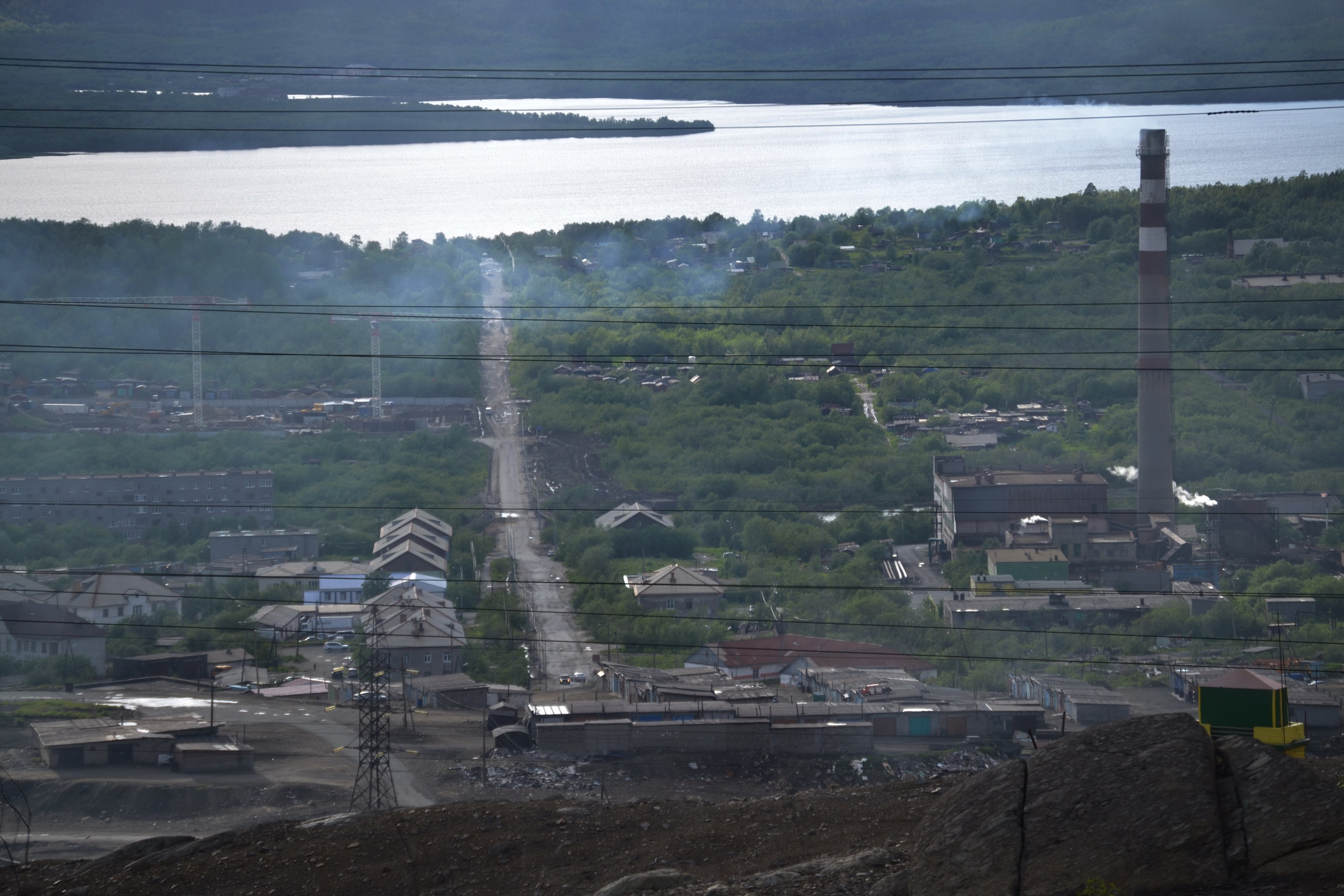
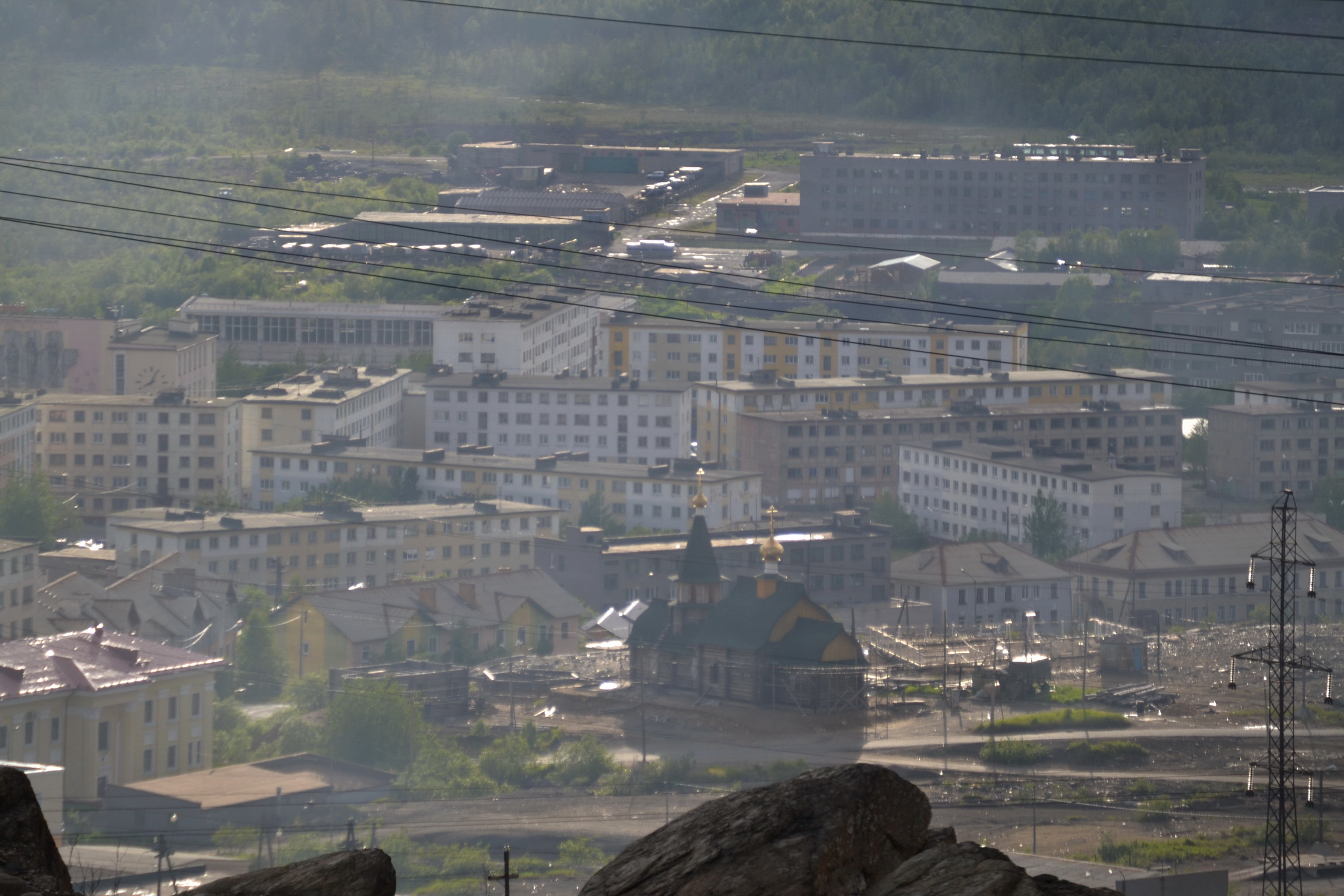
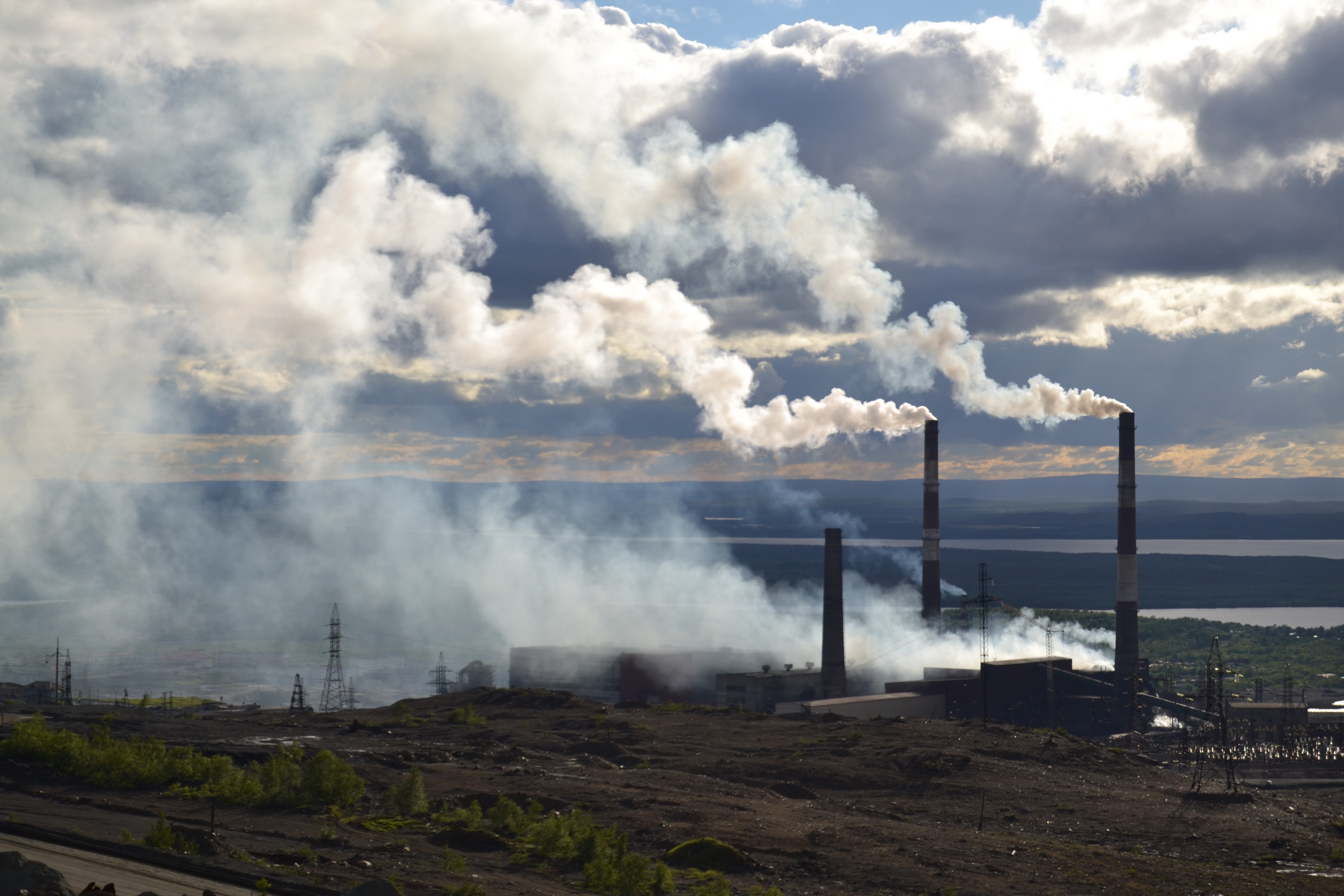
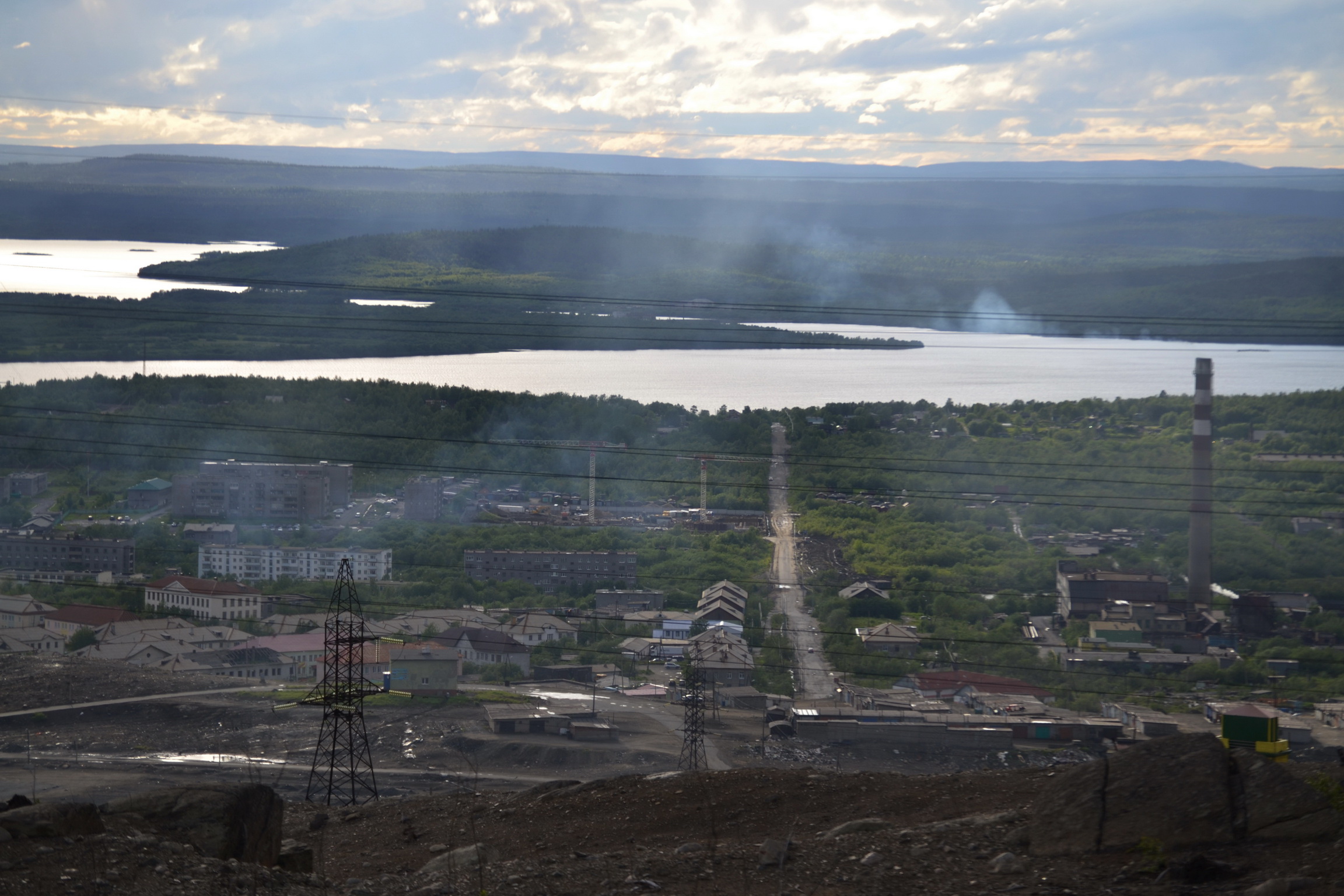
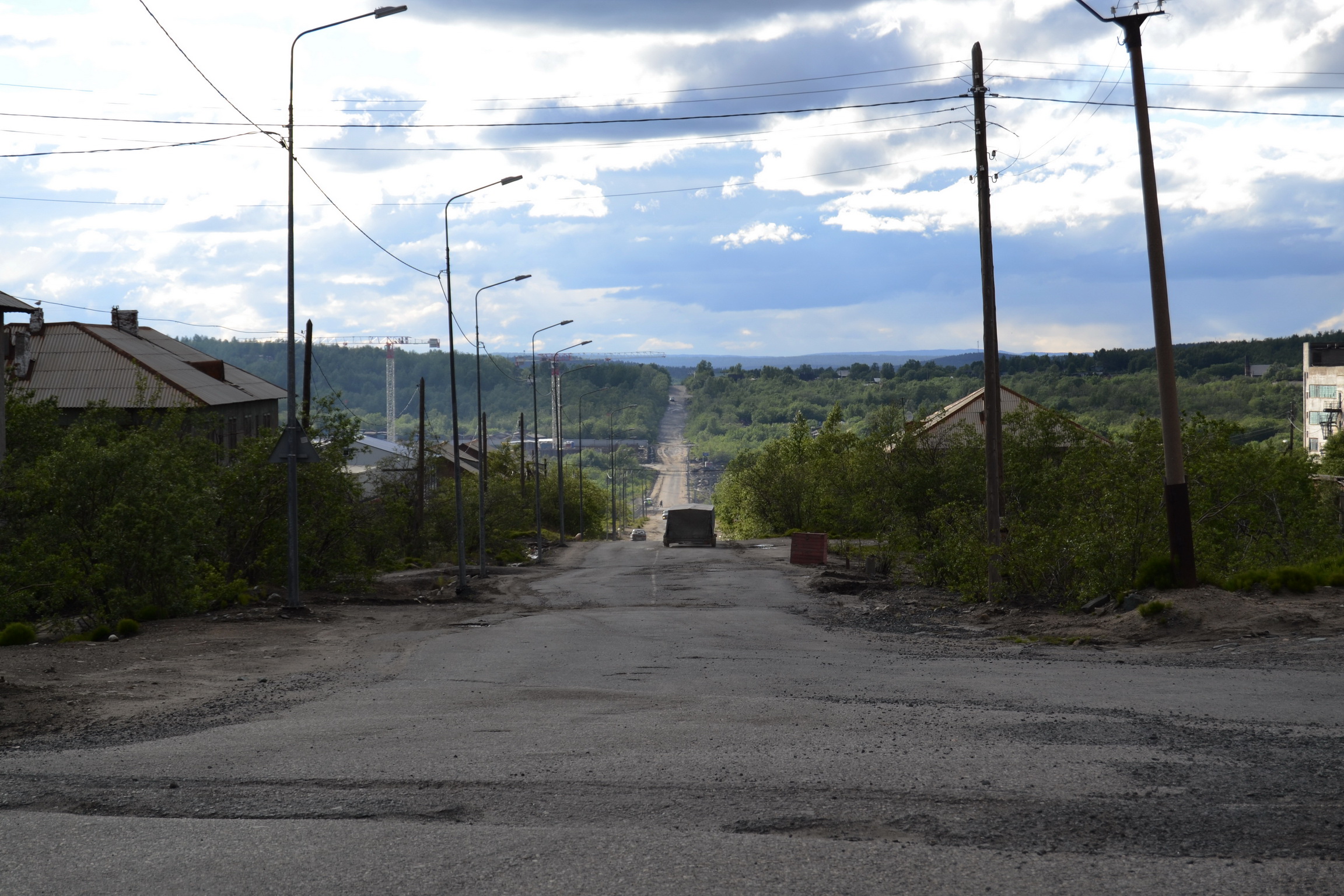
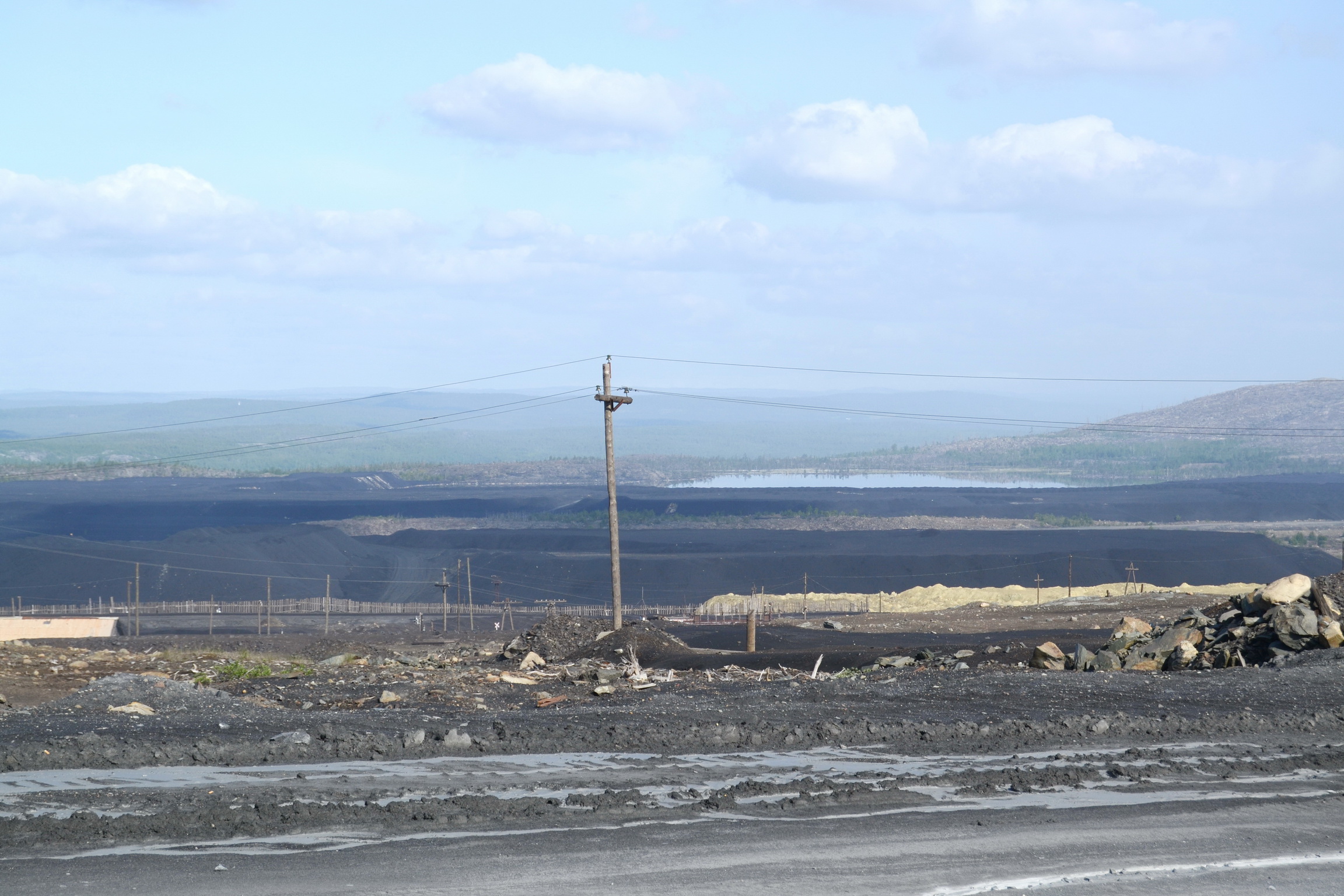
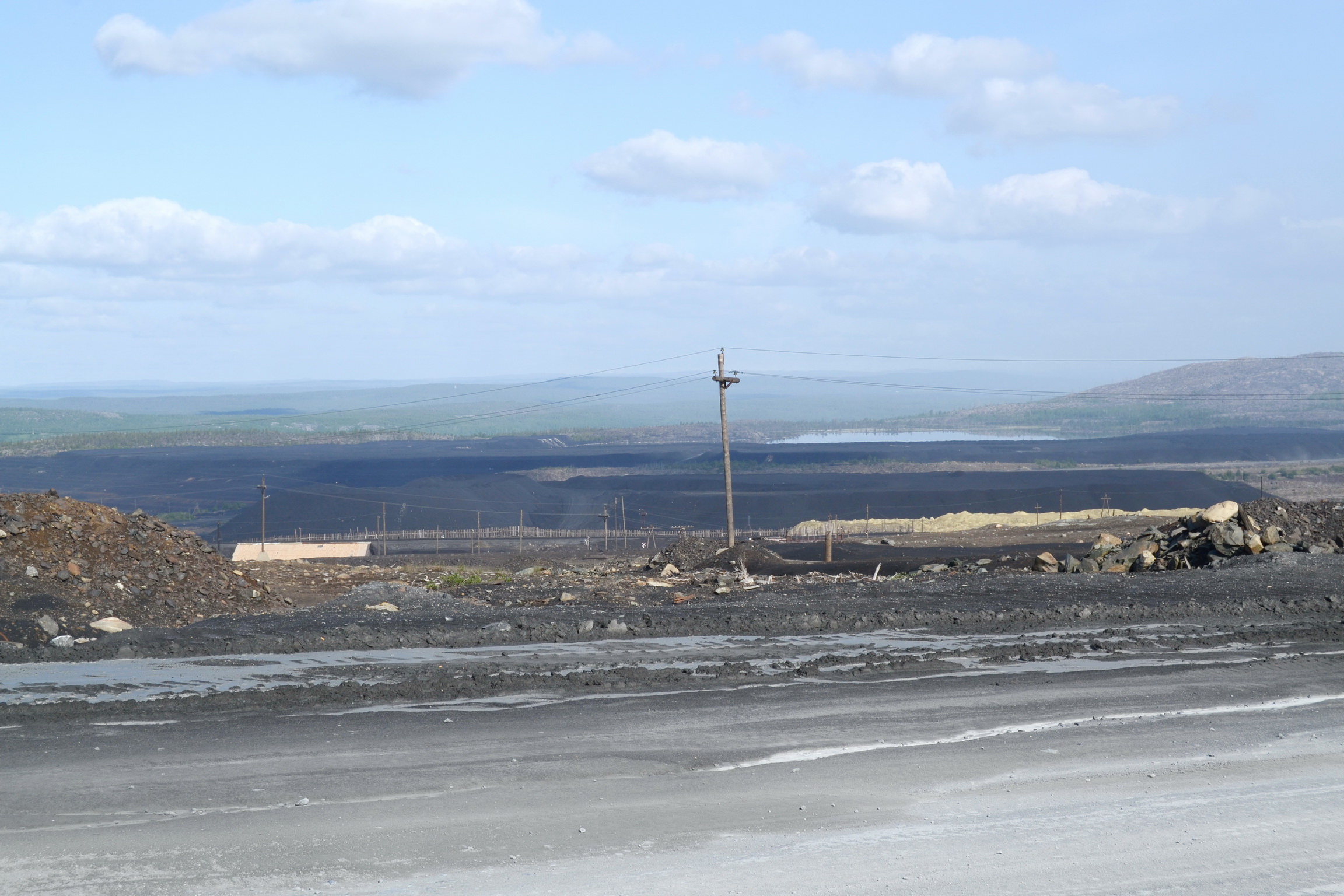
While I was photographing the ruins, some watchful old ladies came rushing out of the station. Apparently I was an American spy and this was a strategic installation. Good grief, they really had been brainwashed. These ruins can’t get any worse, whoever turns up in town. At least this wasn’t Equatorial Guinea. I can talk anyone round, and it’s a great deal easier in Russian than in Spanish. To get my own back for the accusation of spying, I scrounged some tea and sweets.
I was planning to unload in the morning, so I went south of town to camp, in the direction of the settlement of Prirechensky. Here it’s tundra and there are very few roads. Thousands of square kilometres of utterly uninhabited country.
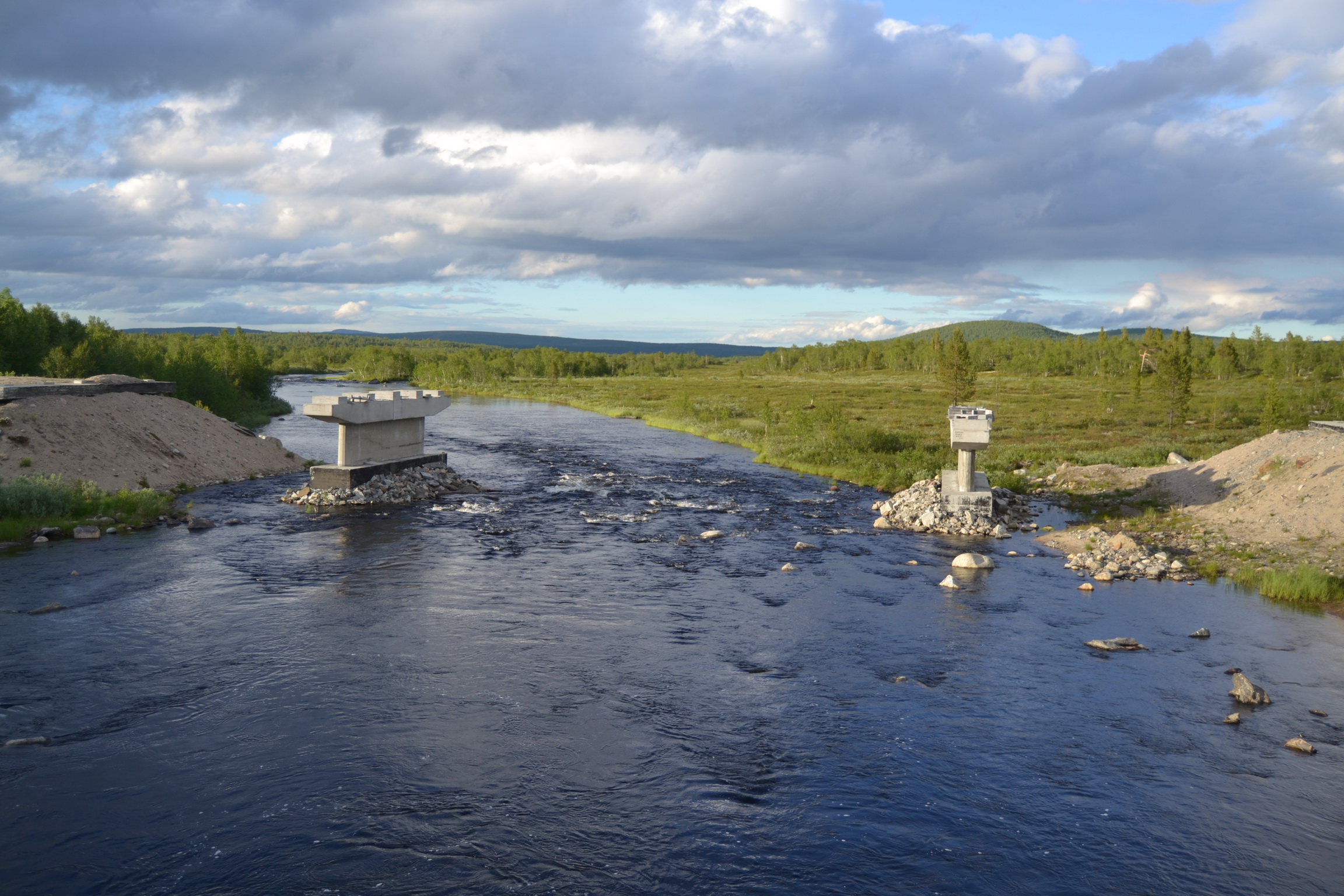
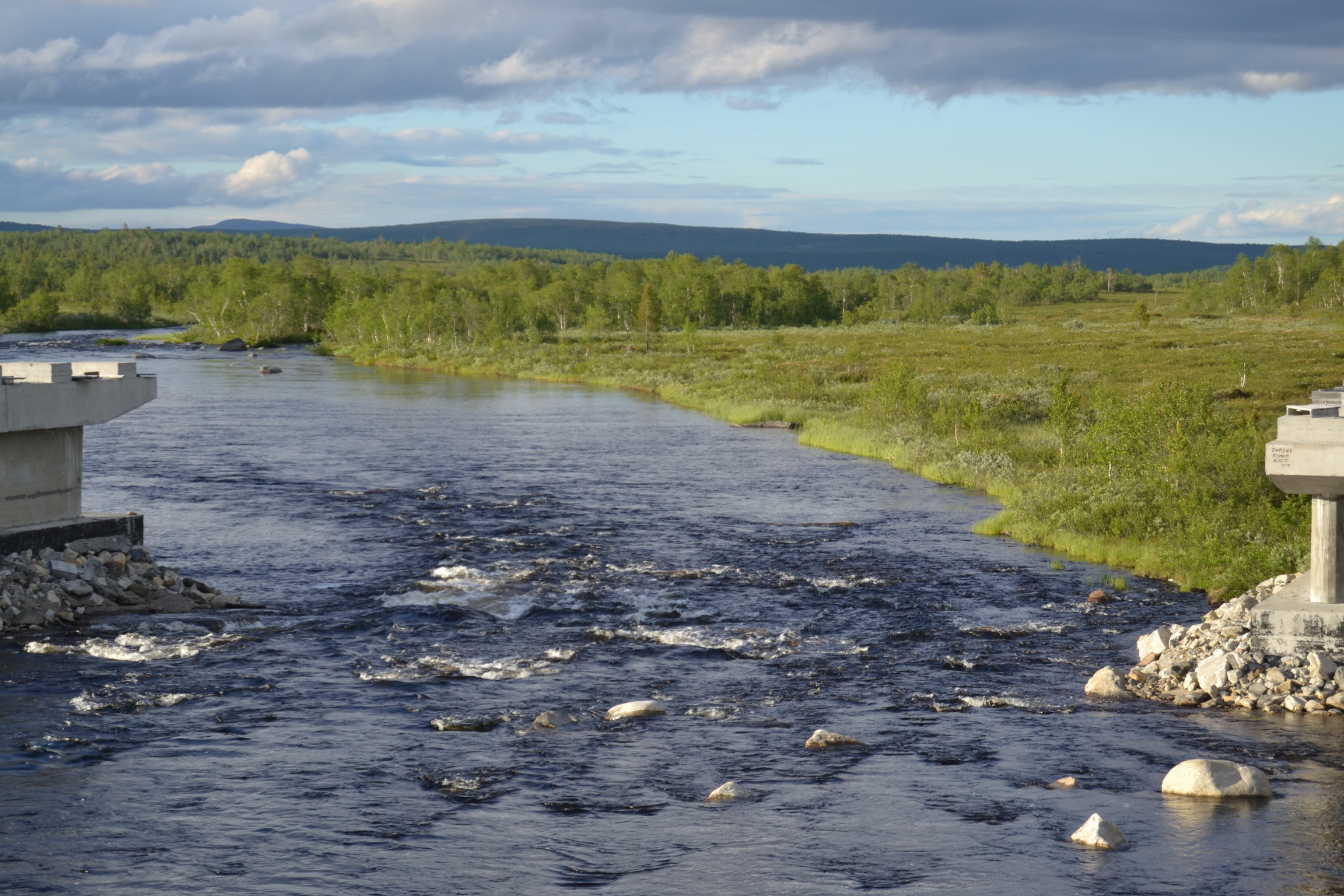
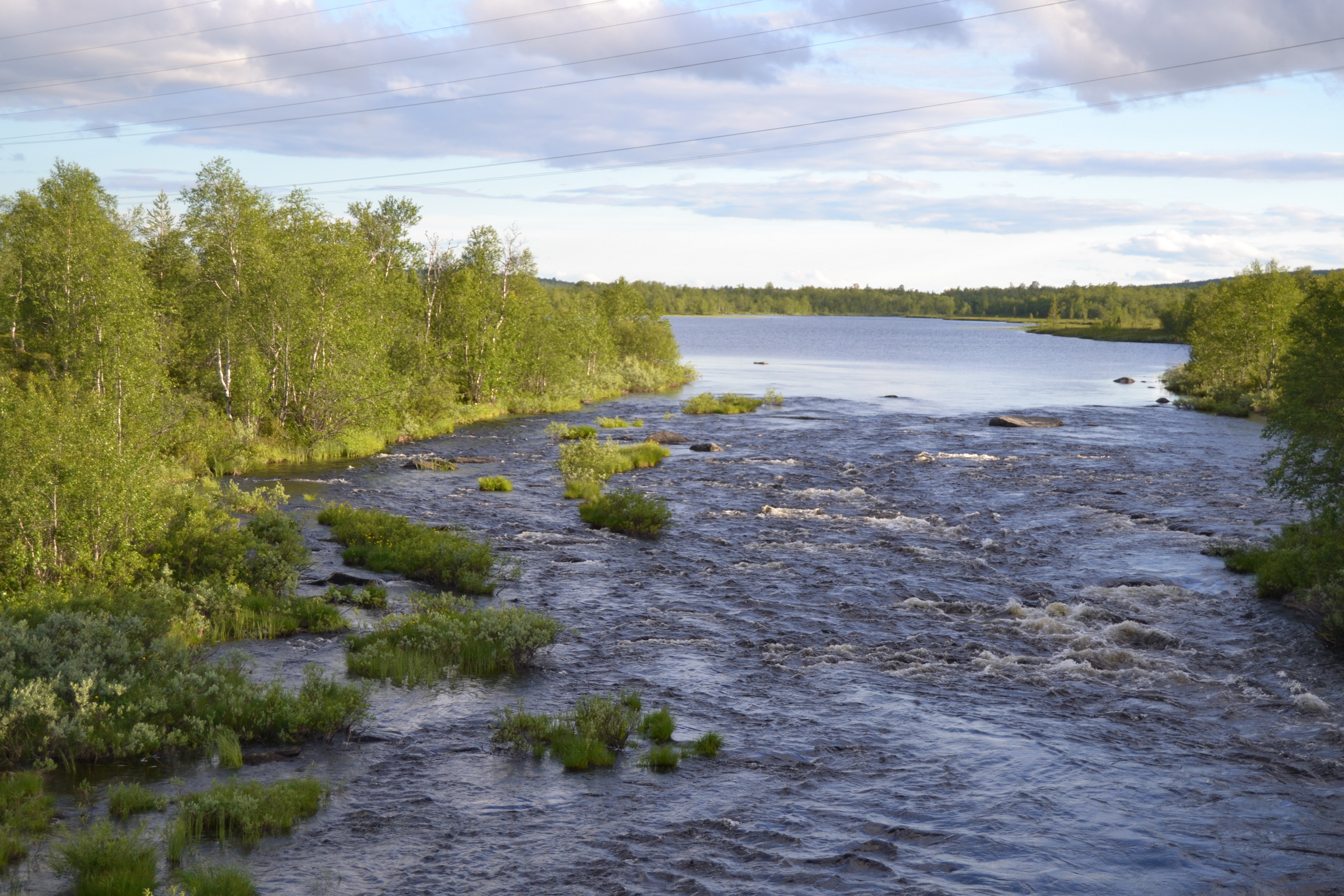
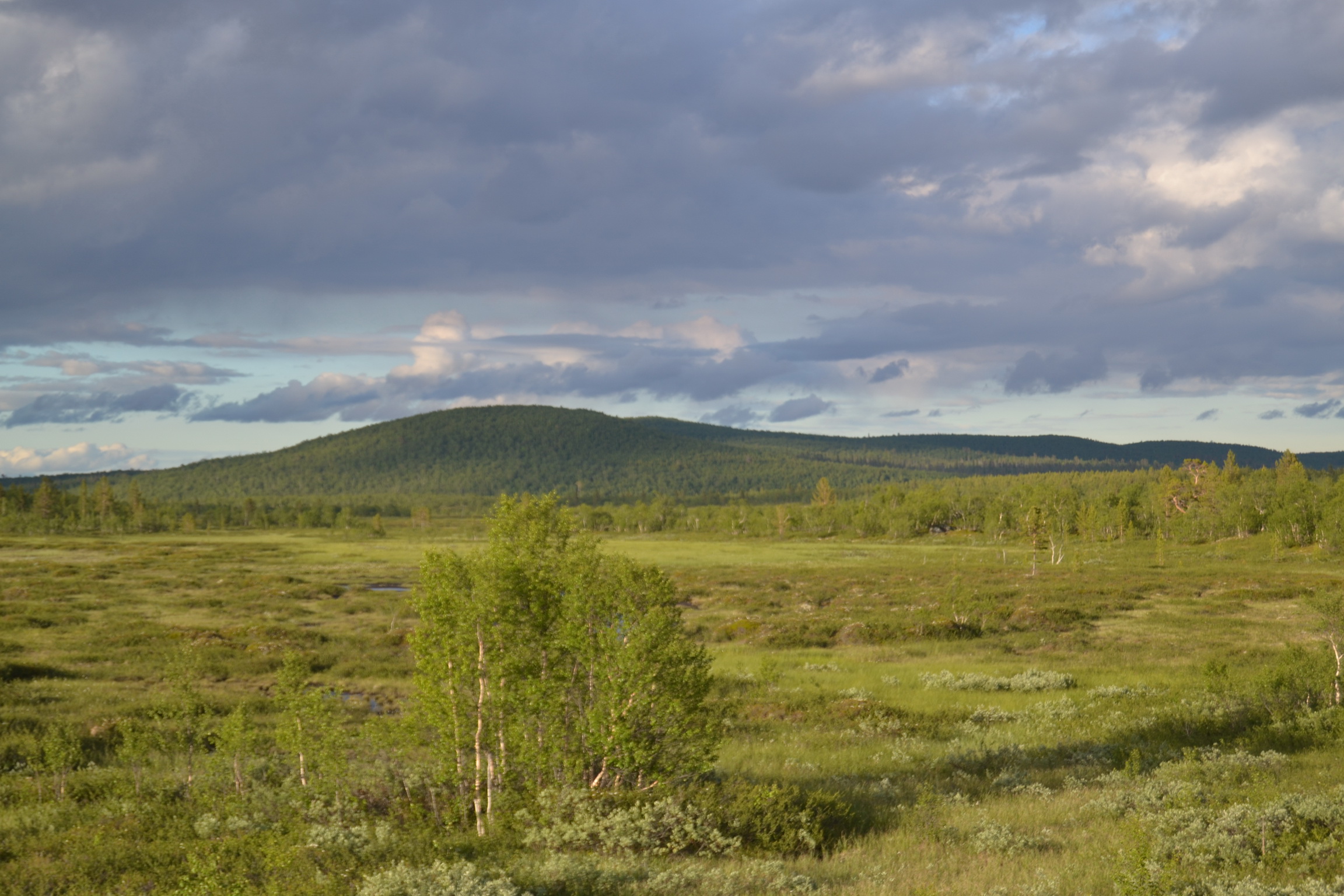
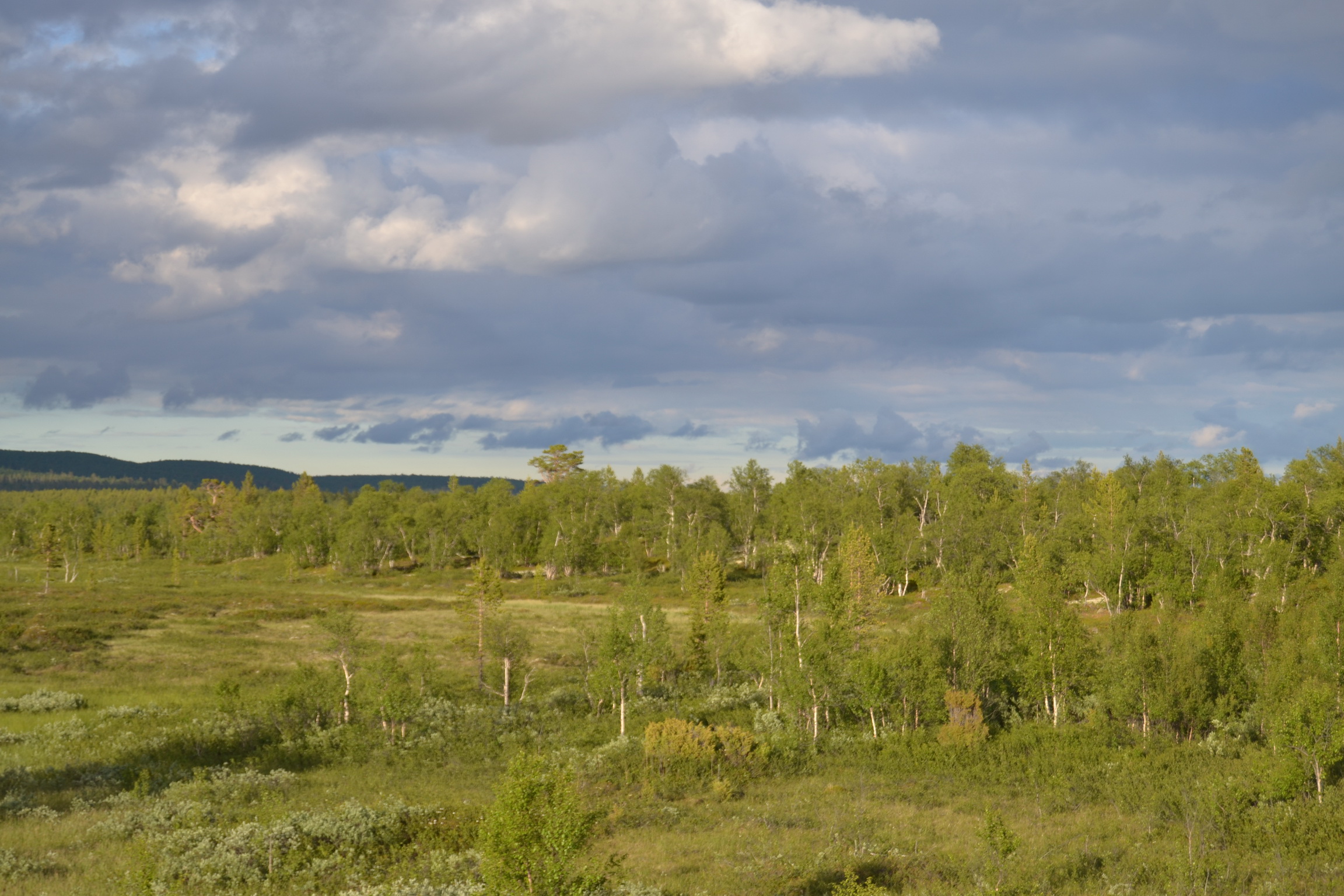
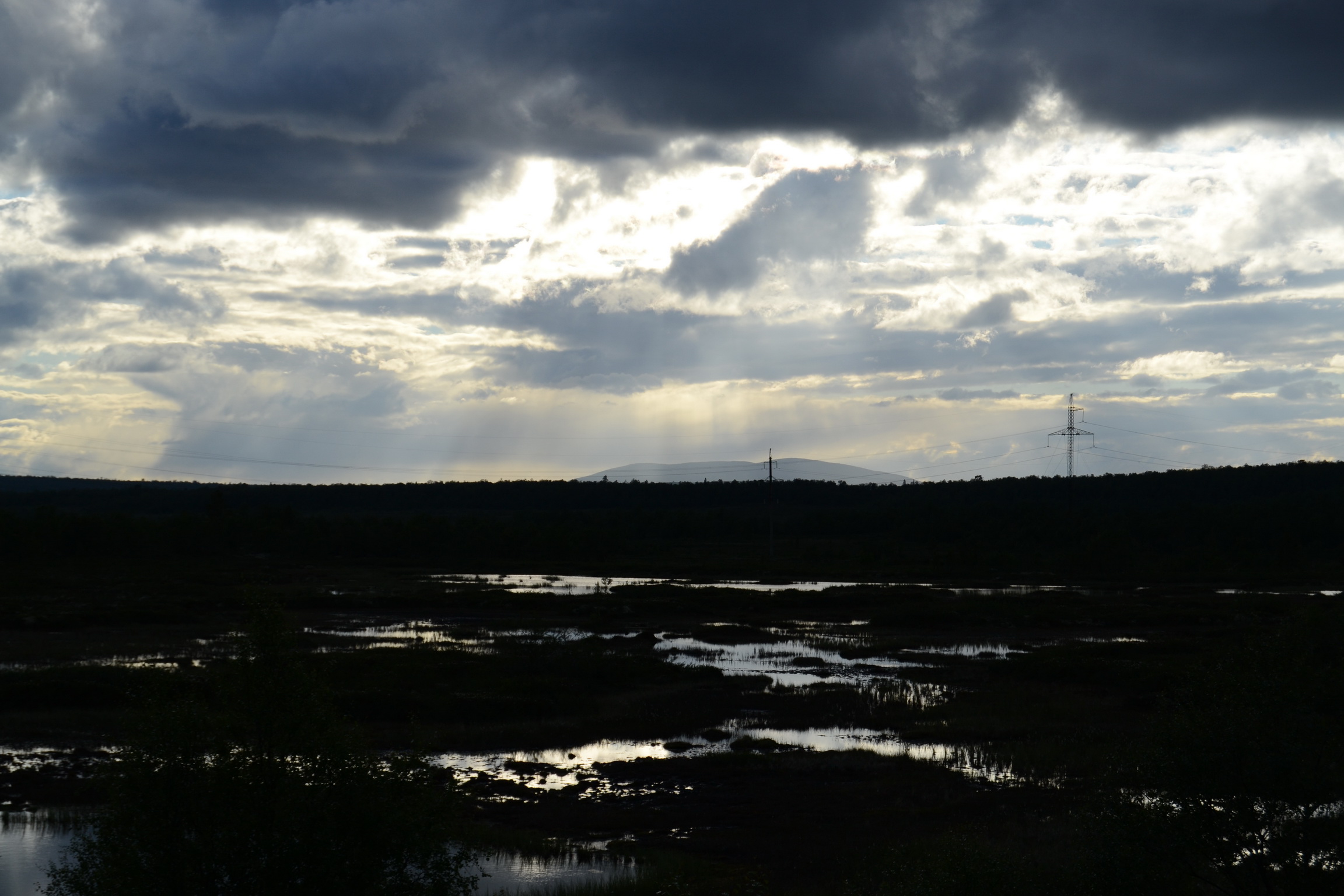
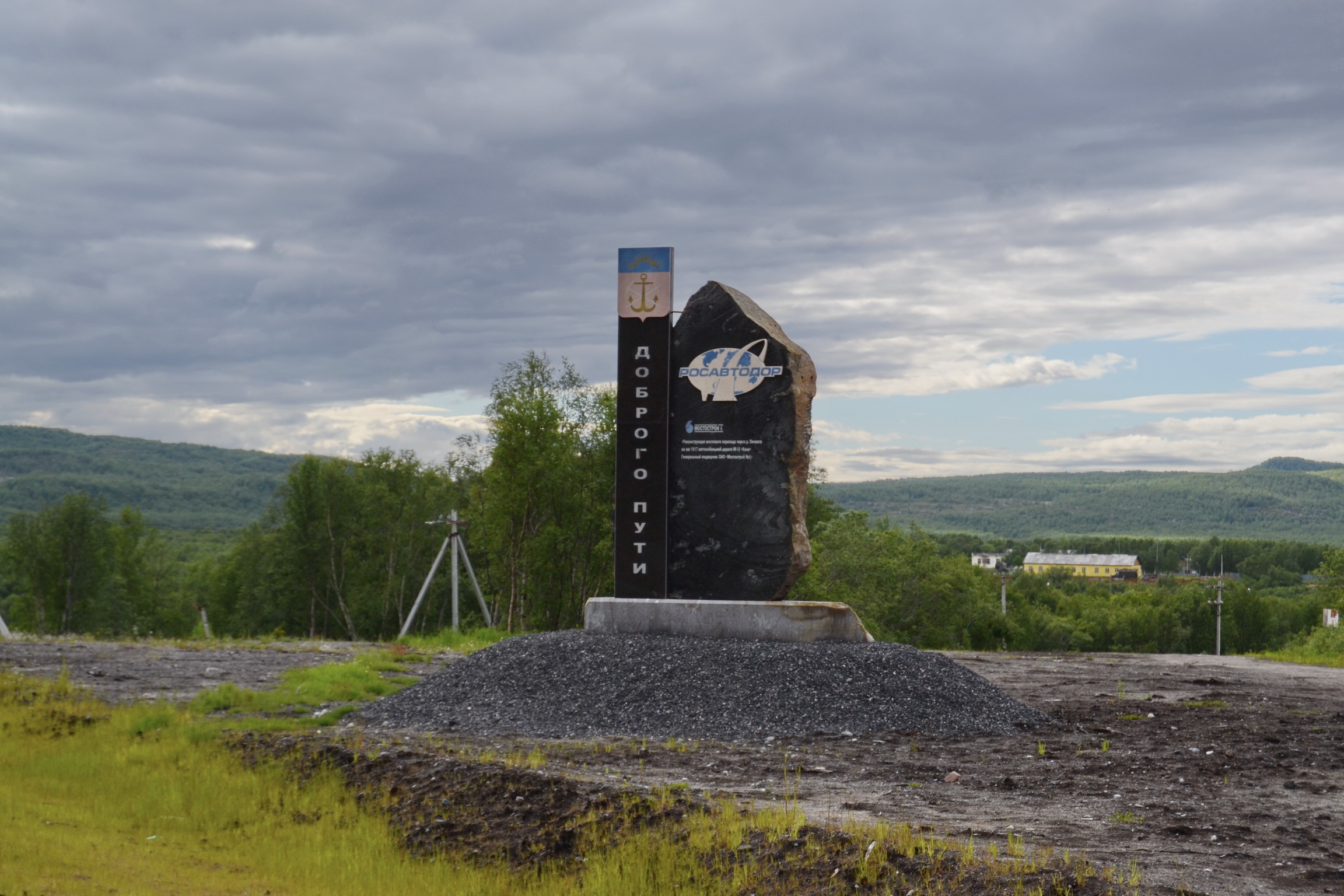
It’s worth mentioning that the broken road to Nikel had been repaired and resurfaced in recent years. They’d put up all sorts of electronic signs. A pleasure to drive. They hadn’t done it for the people of Nikel, of course. It was for the prestige of a good road to Norway.
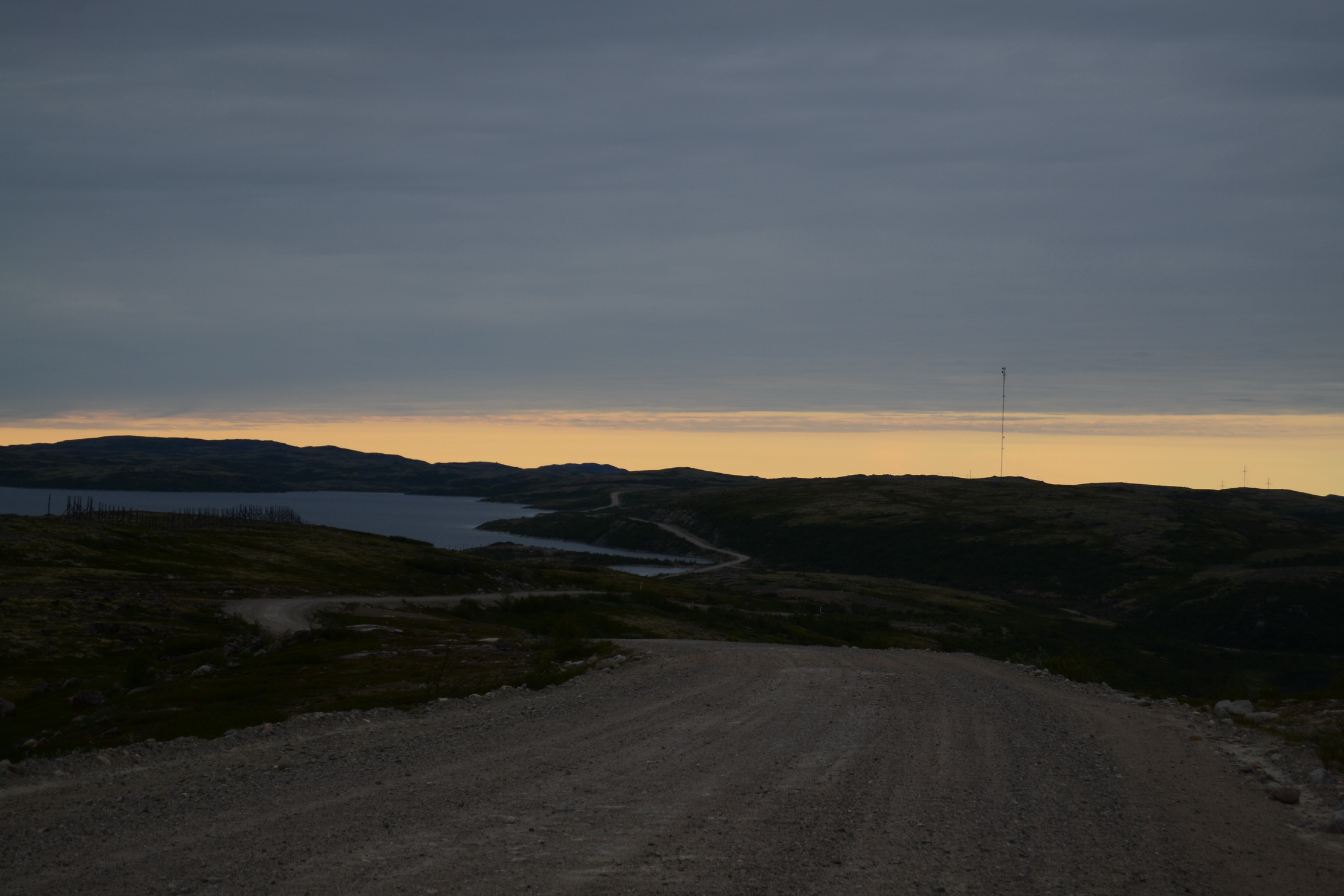
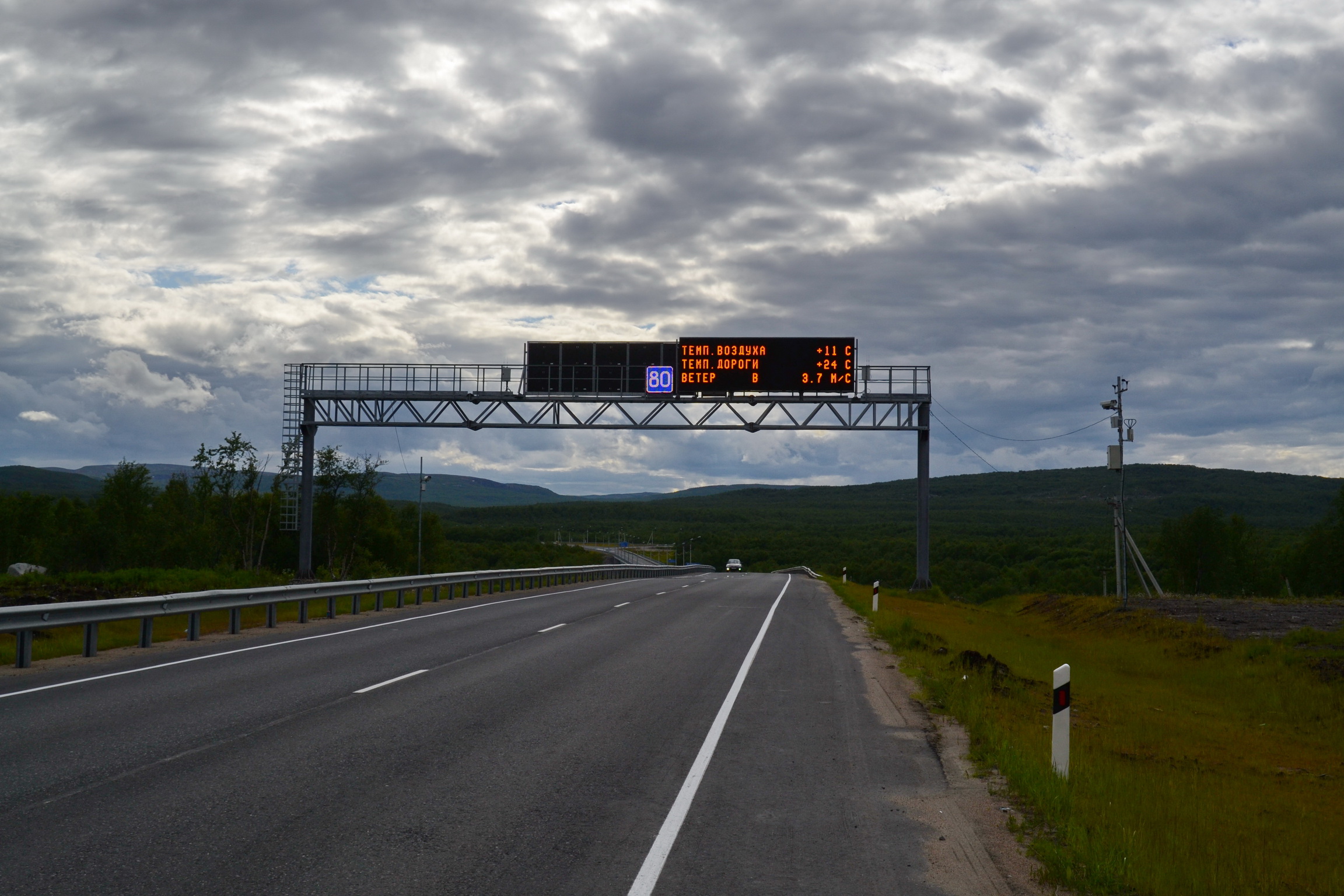
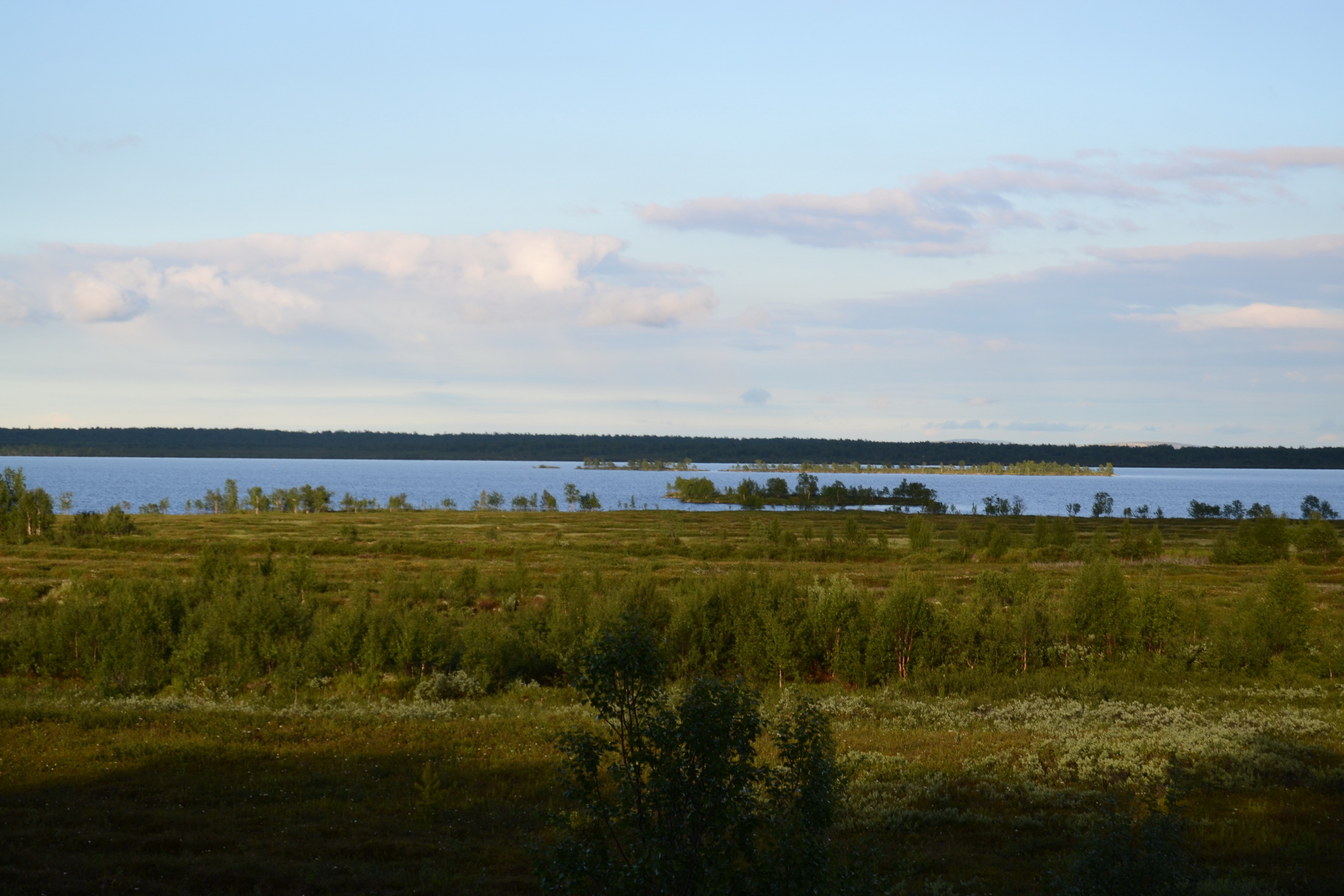
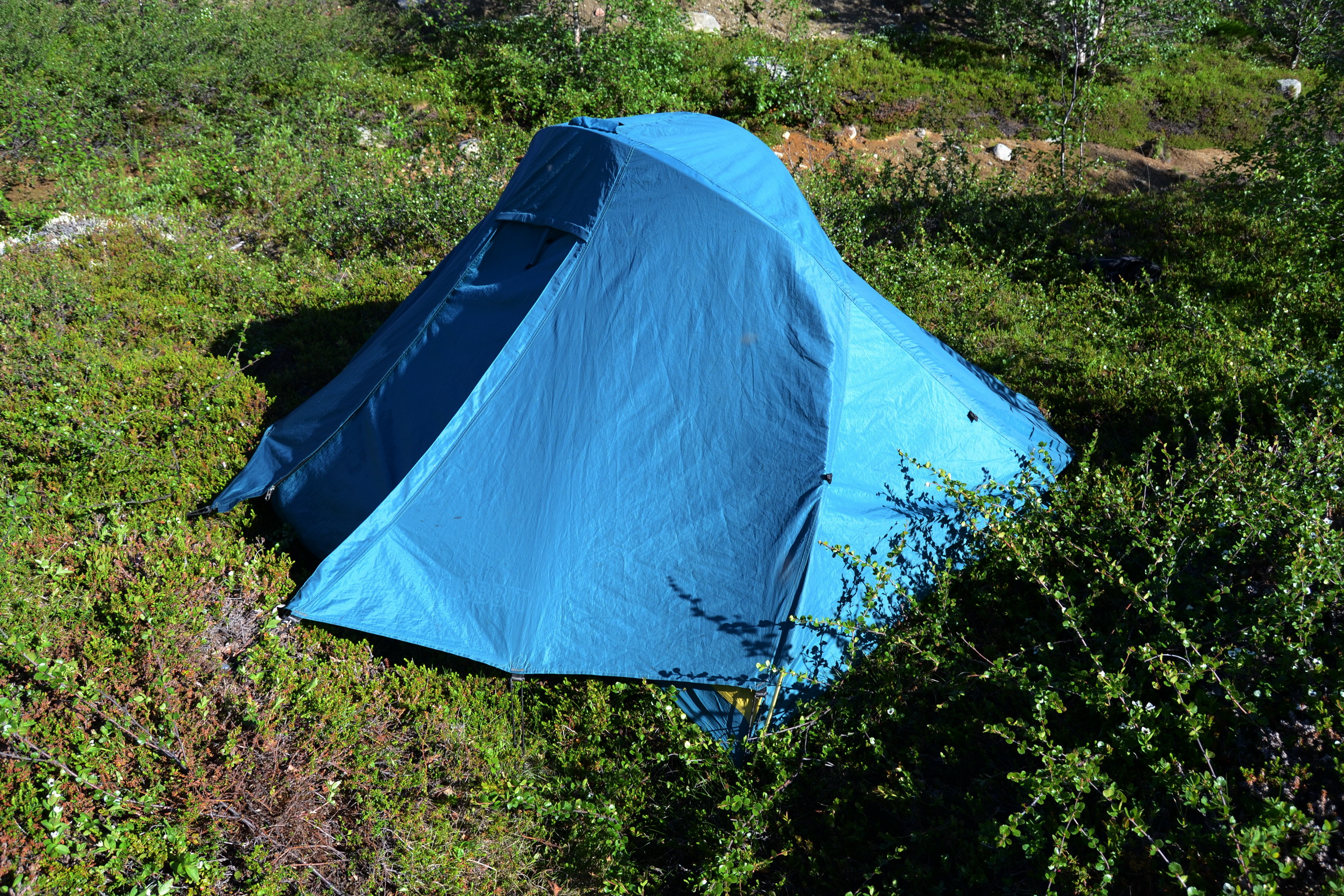
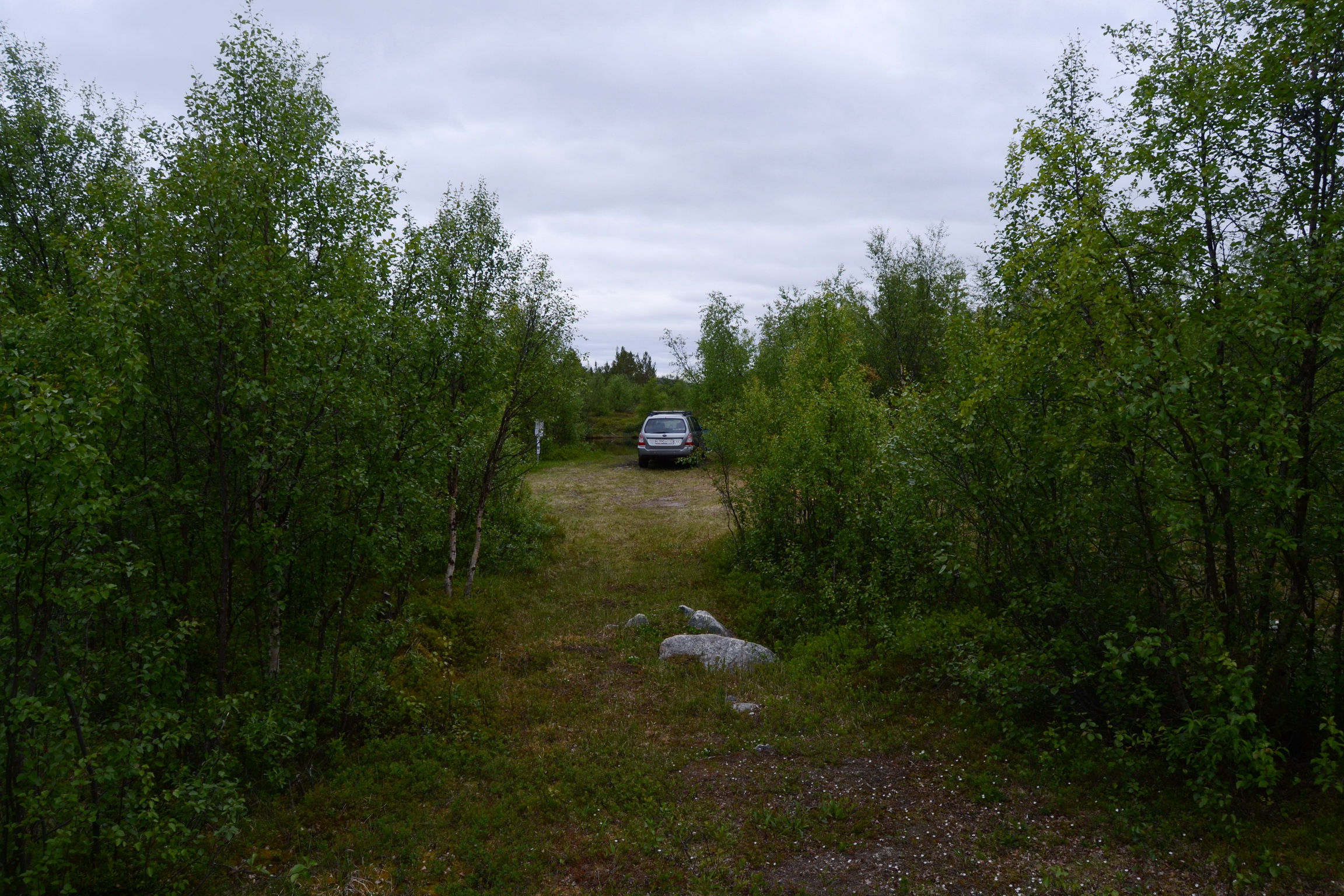
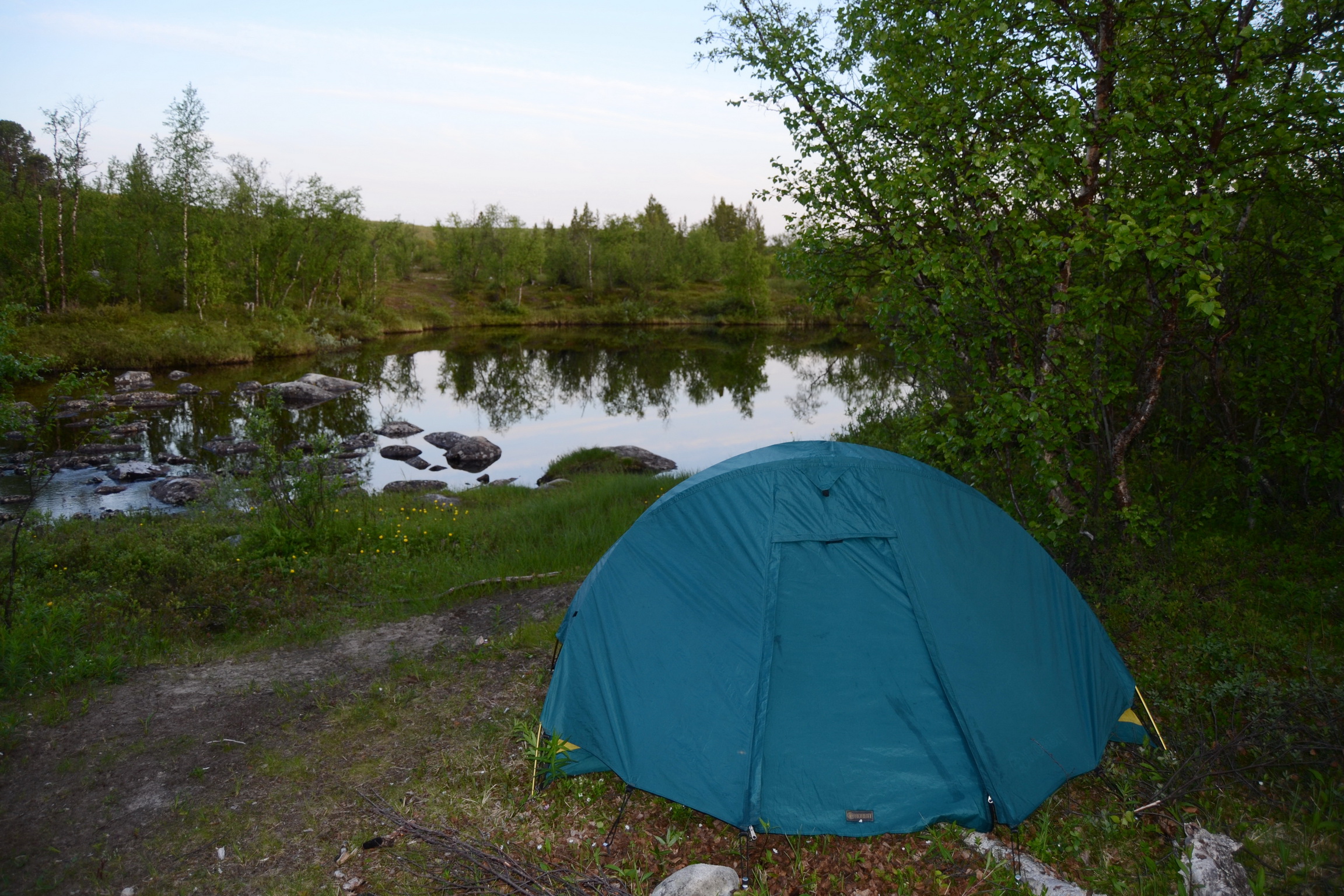
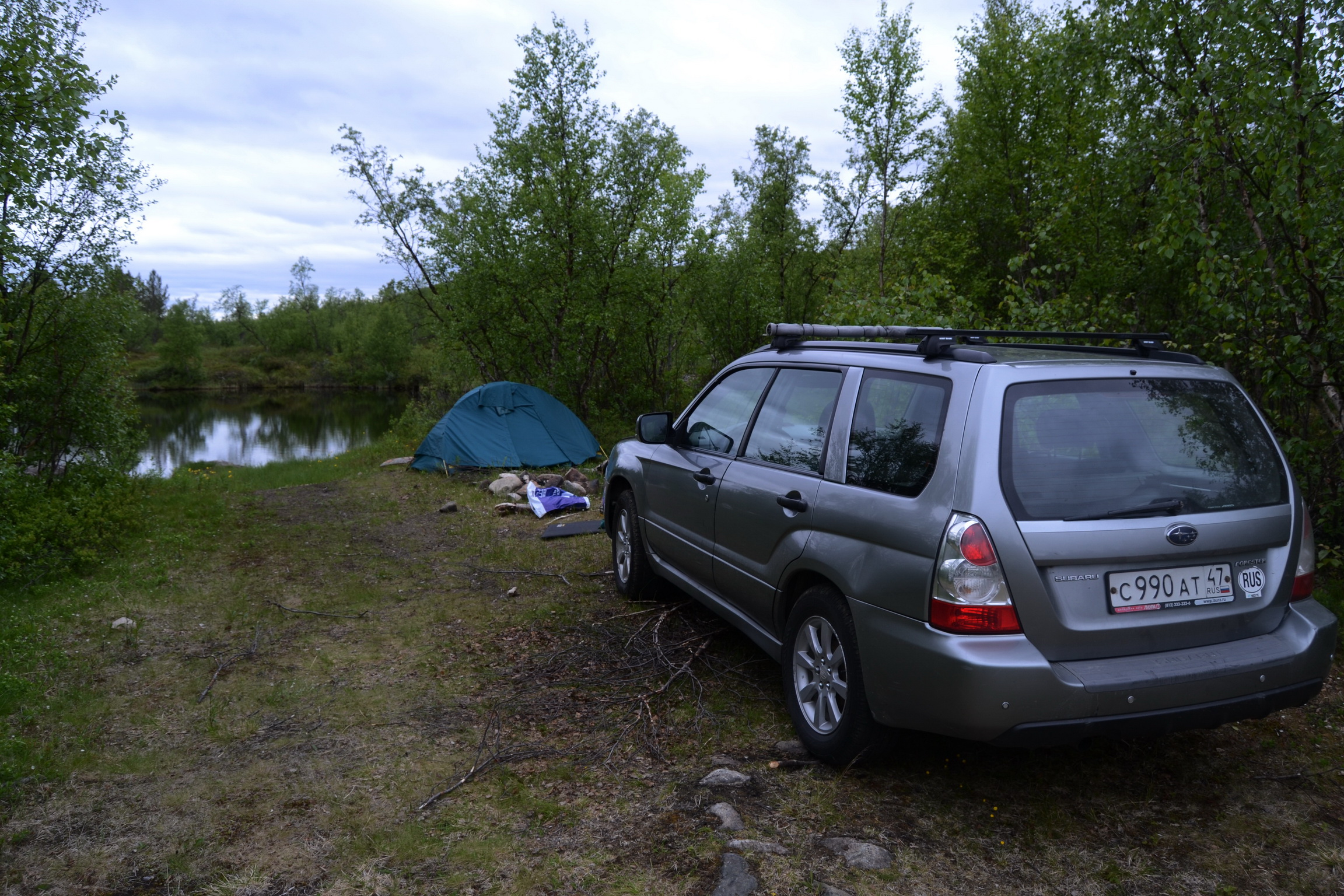
Only now and then do broken ruts branch away from the main road into the woods. I took one and drove up to Lake Keudsheryaur, where I stopped for the night (69°10.473′N, 30°09.583′E). Somewhere around here is the abandoned Kola Superdeep Borehole, stripped and sold for scrap.
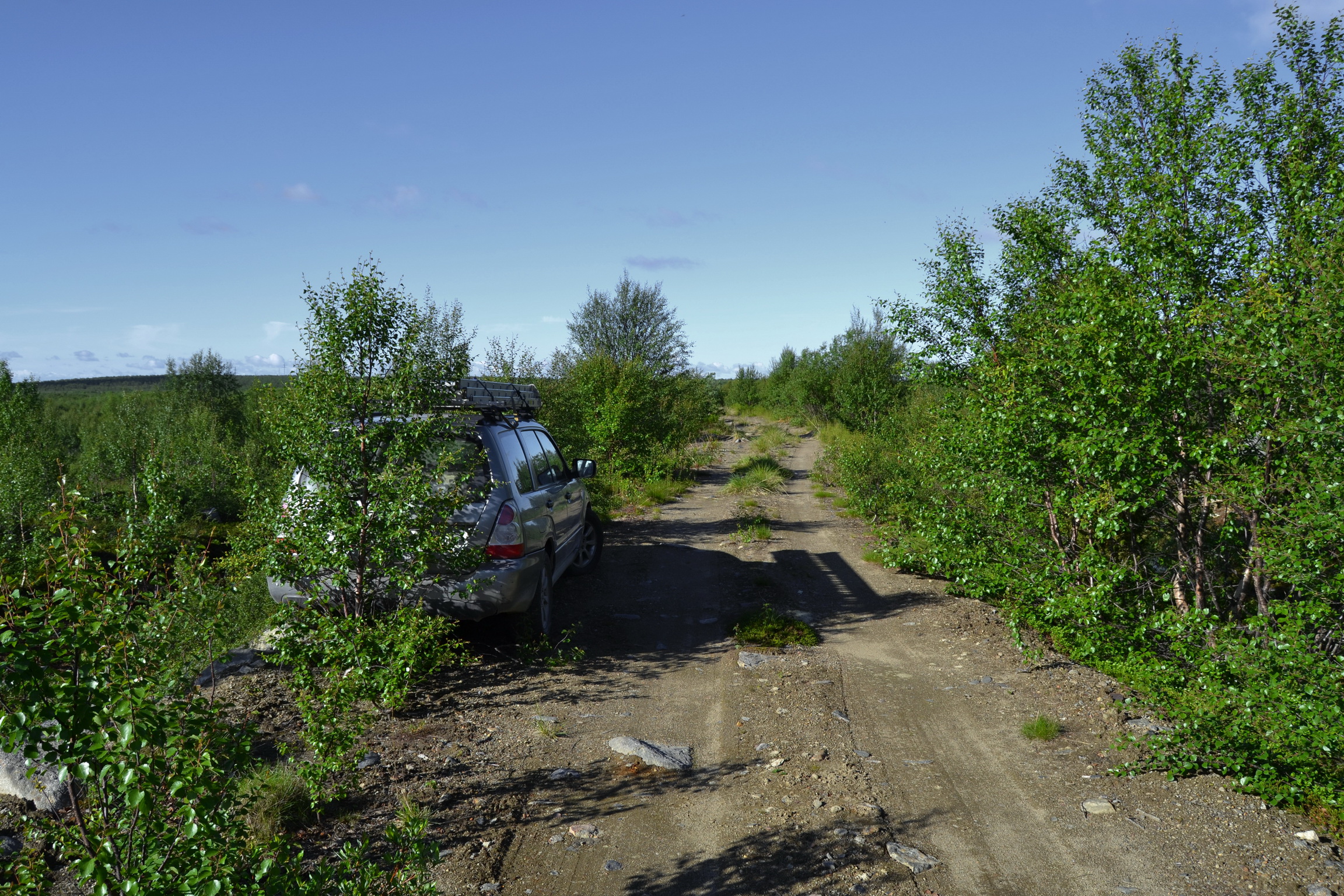
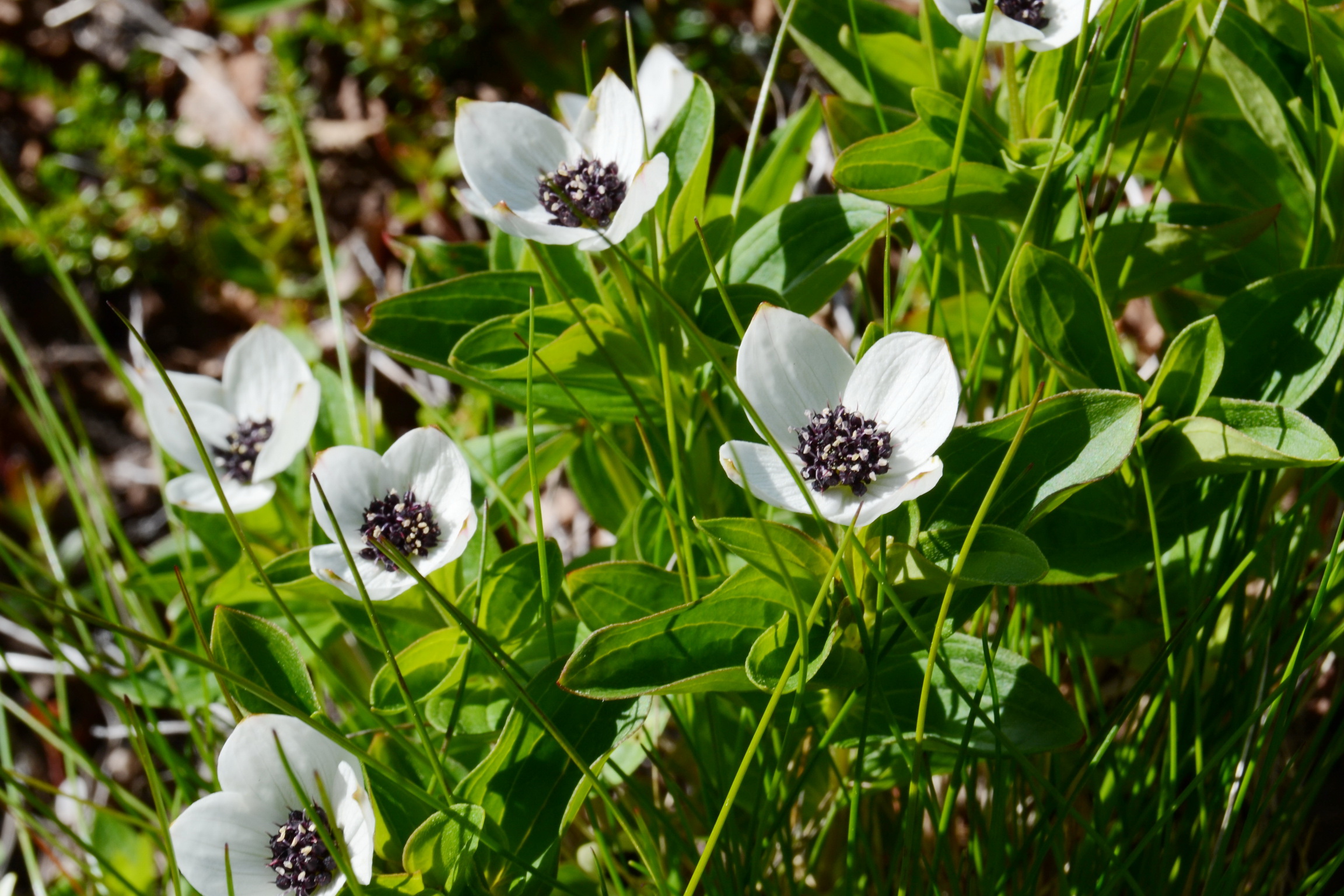
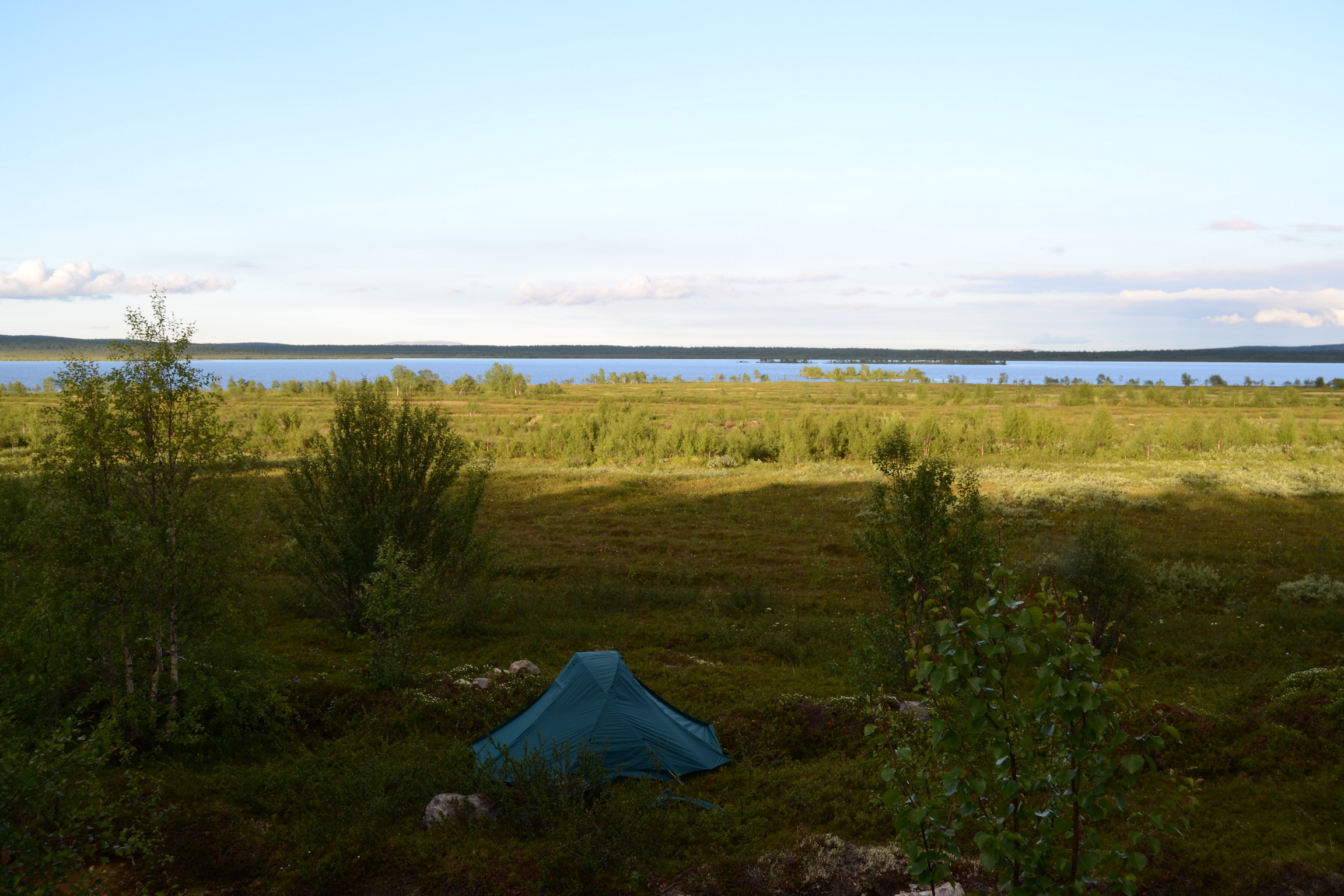
Incidentally, passenger trains haven’t run to Nikel for a long time. Nobody knows why we’re fitting a passenger announcement system in the hall, but we have to fit one. It is a station, after all!
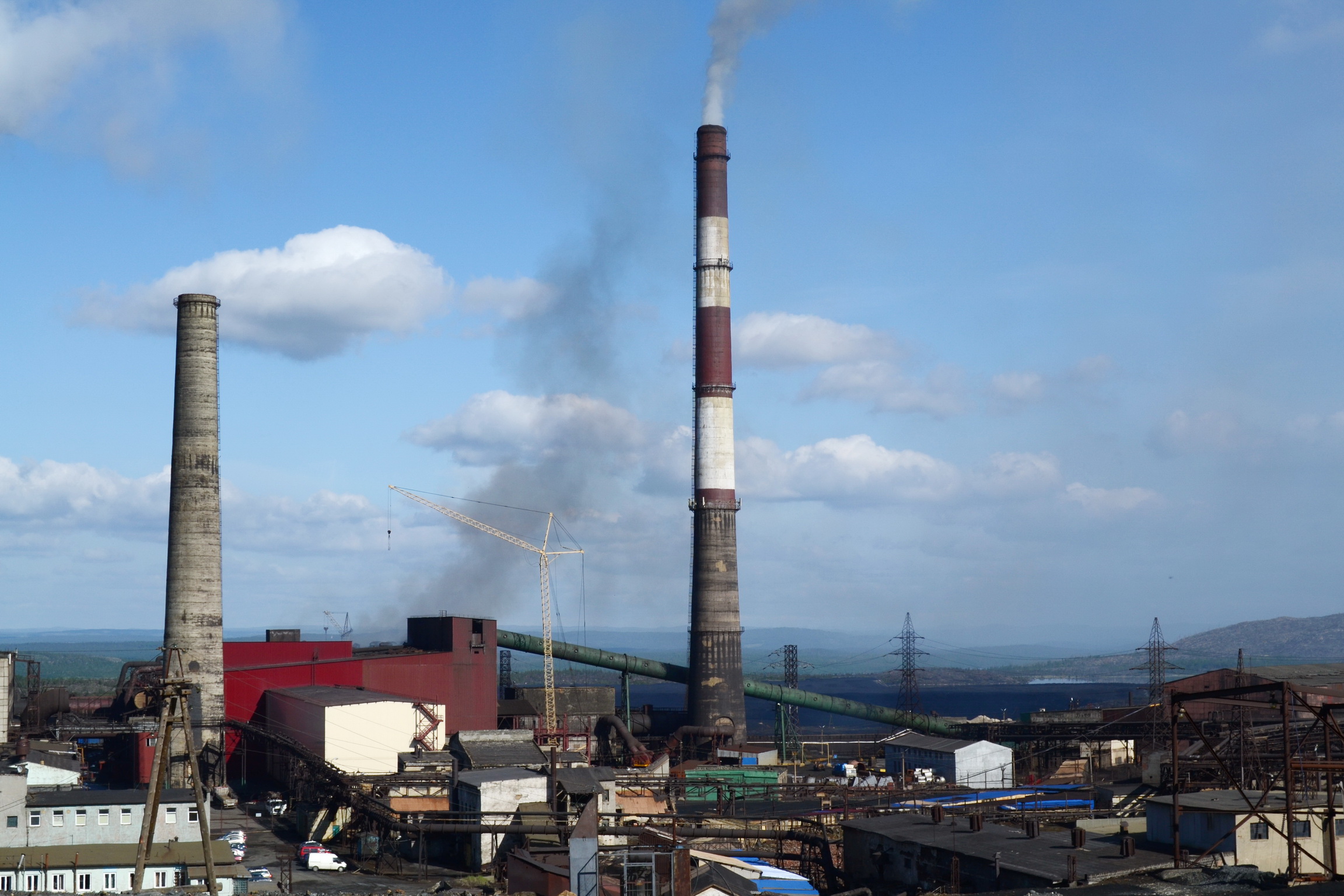
I unloaded at the station in the morning, bought another ladder and arranged for the installers to sleep in a little room there.
I had more paperwork to sign in Murmansk the day after next and some time to spare before that. I decided to pay Teriberka a visit. It’s in another corner of the Murmansk region, up in the north-east, while Nikel is in the north-west.
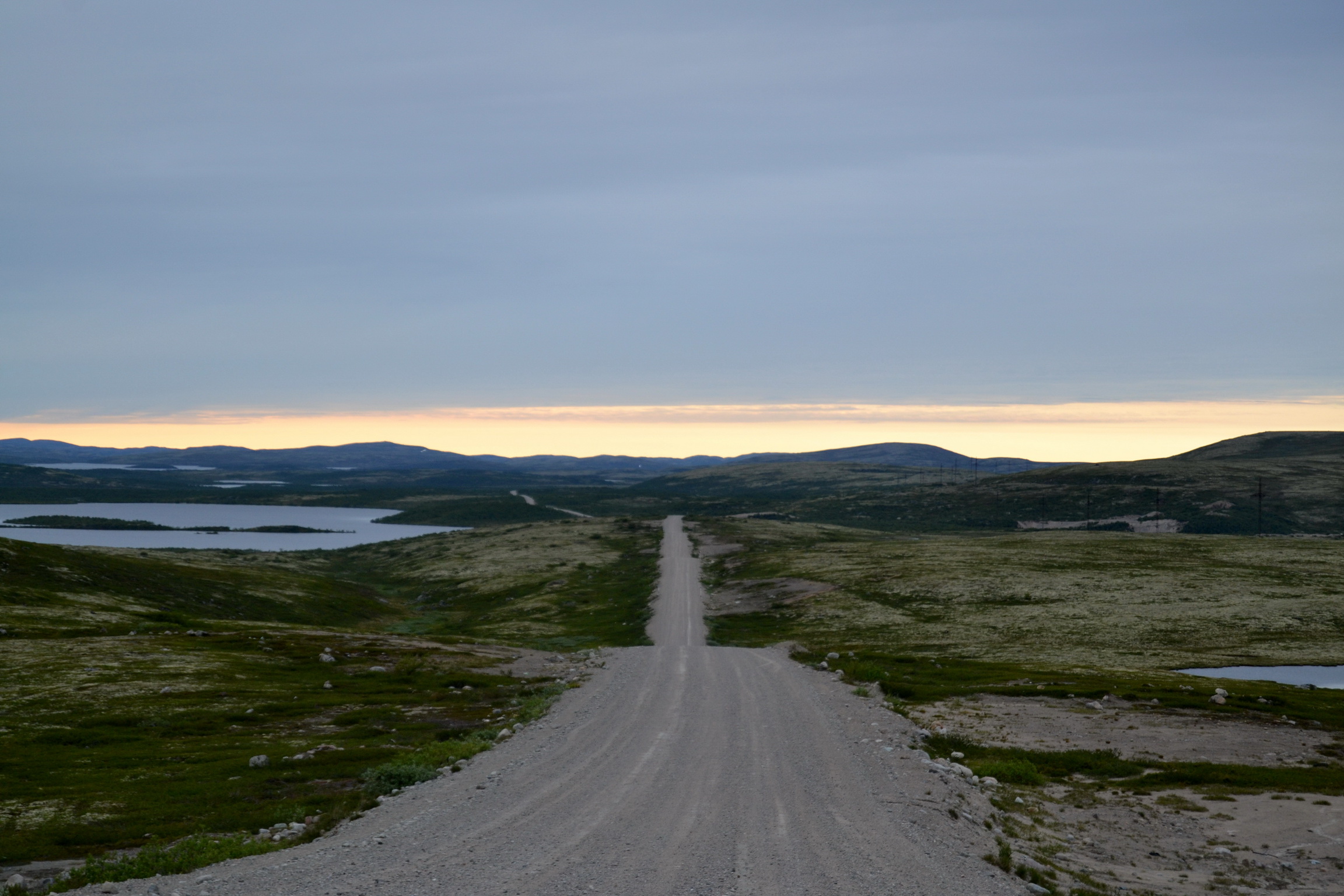
I’d been to Teriberka five years earlier in the MegaFon days, but only briefly. This time I could look around properly, especially after seeing Leviathan, which was filmed here.
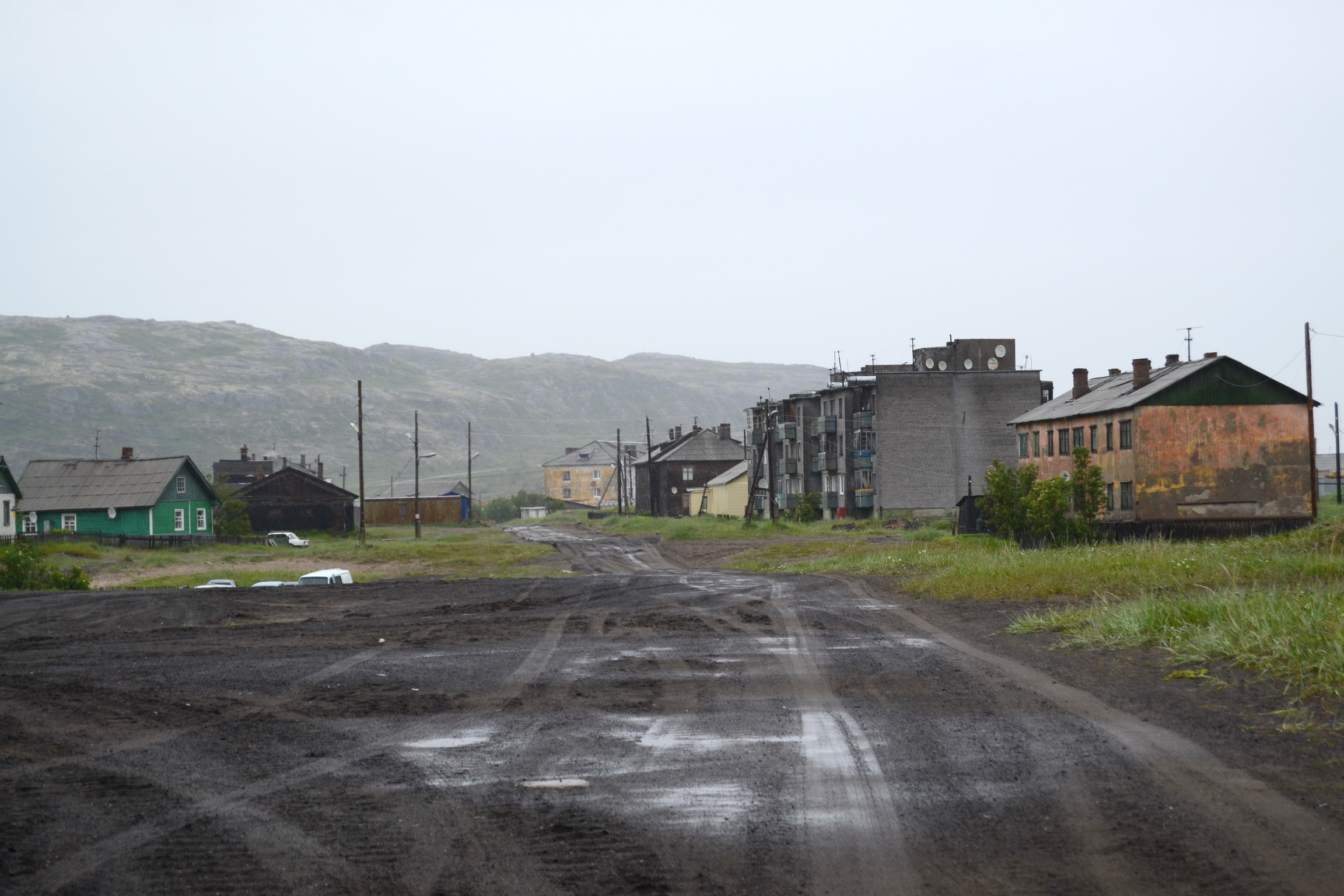
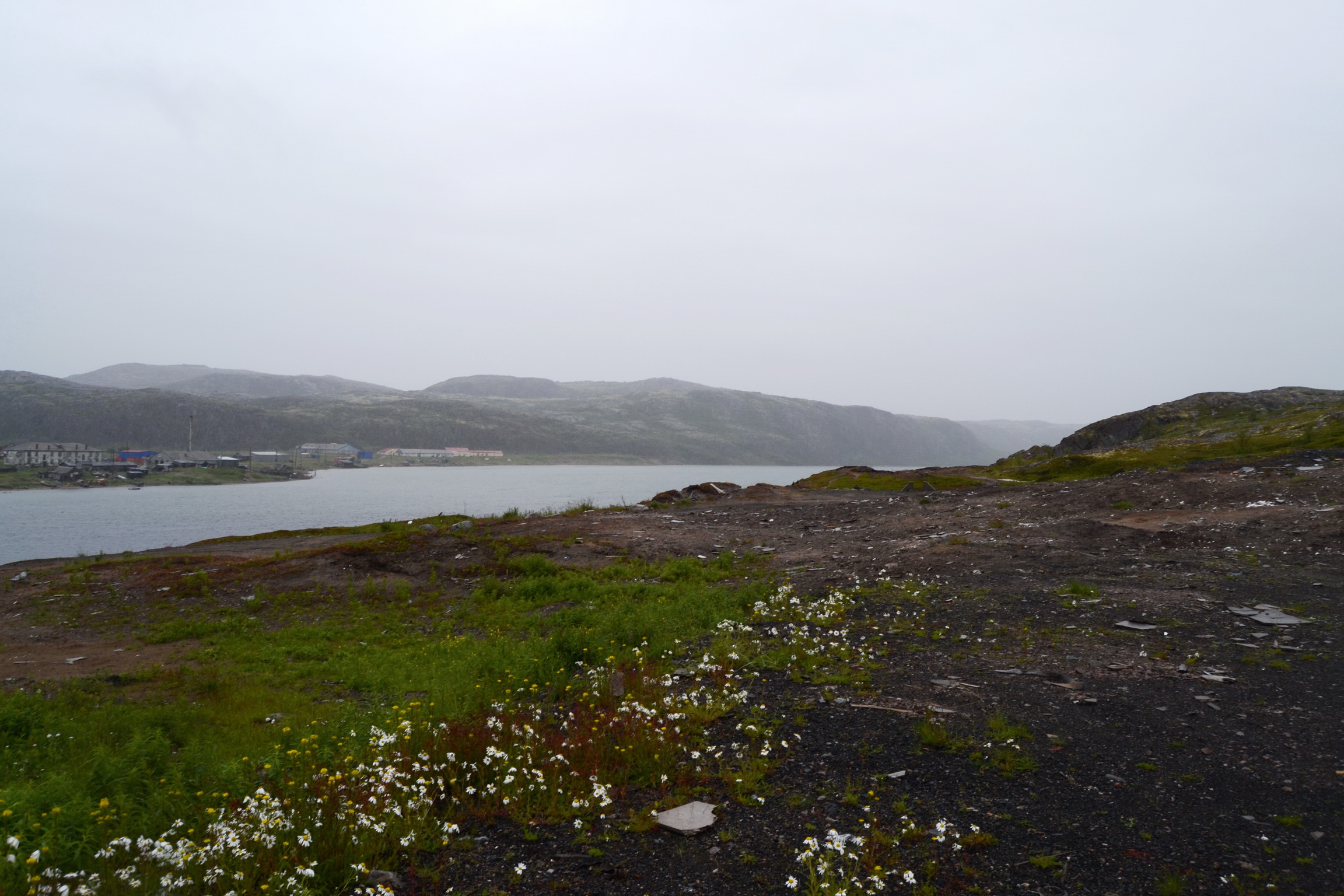
Teriberka is far from the most depressed settlement in the north. There are still signs of life here. There are actually two settlements, Teriberka proper and Lodeynoye, on opposite sides of the bay. They’ve been joined by a bridge since the 1980s.
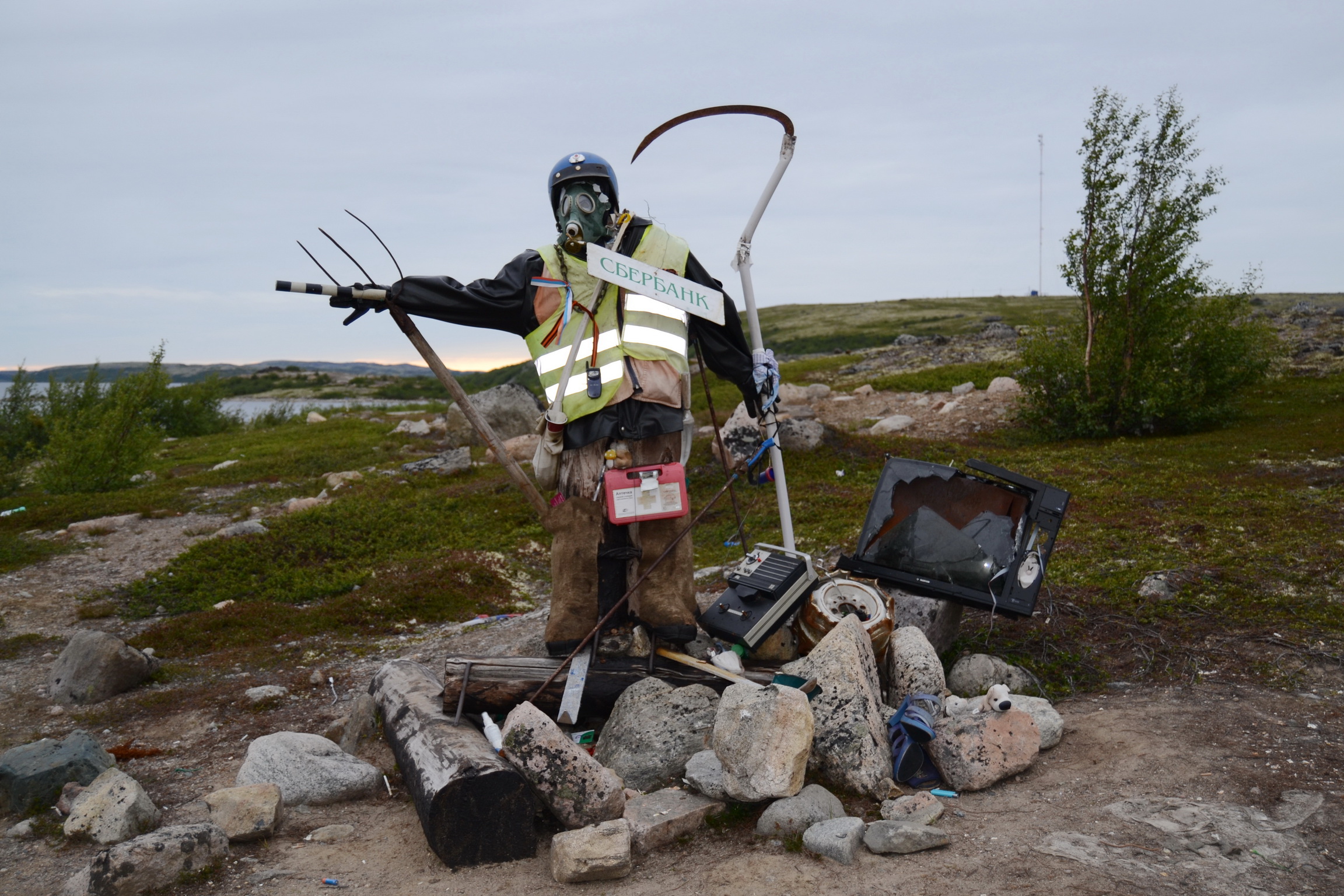
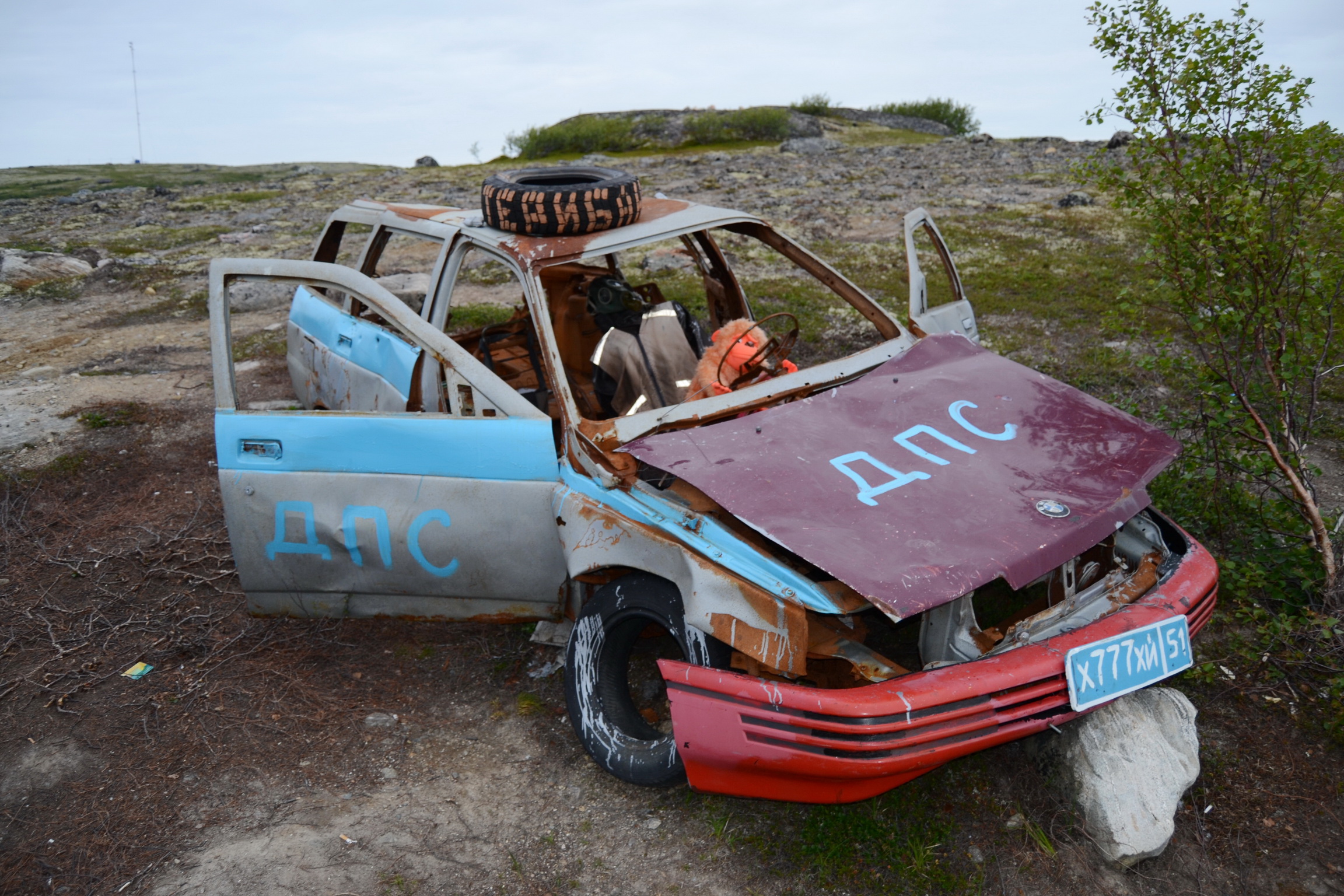
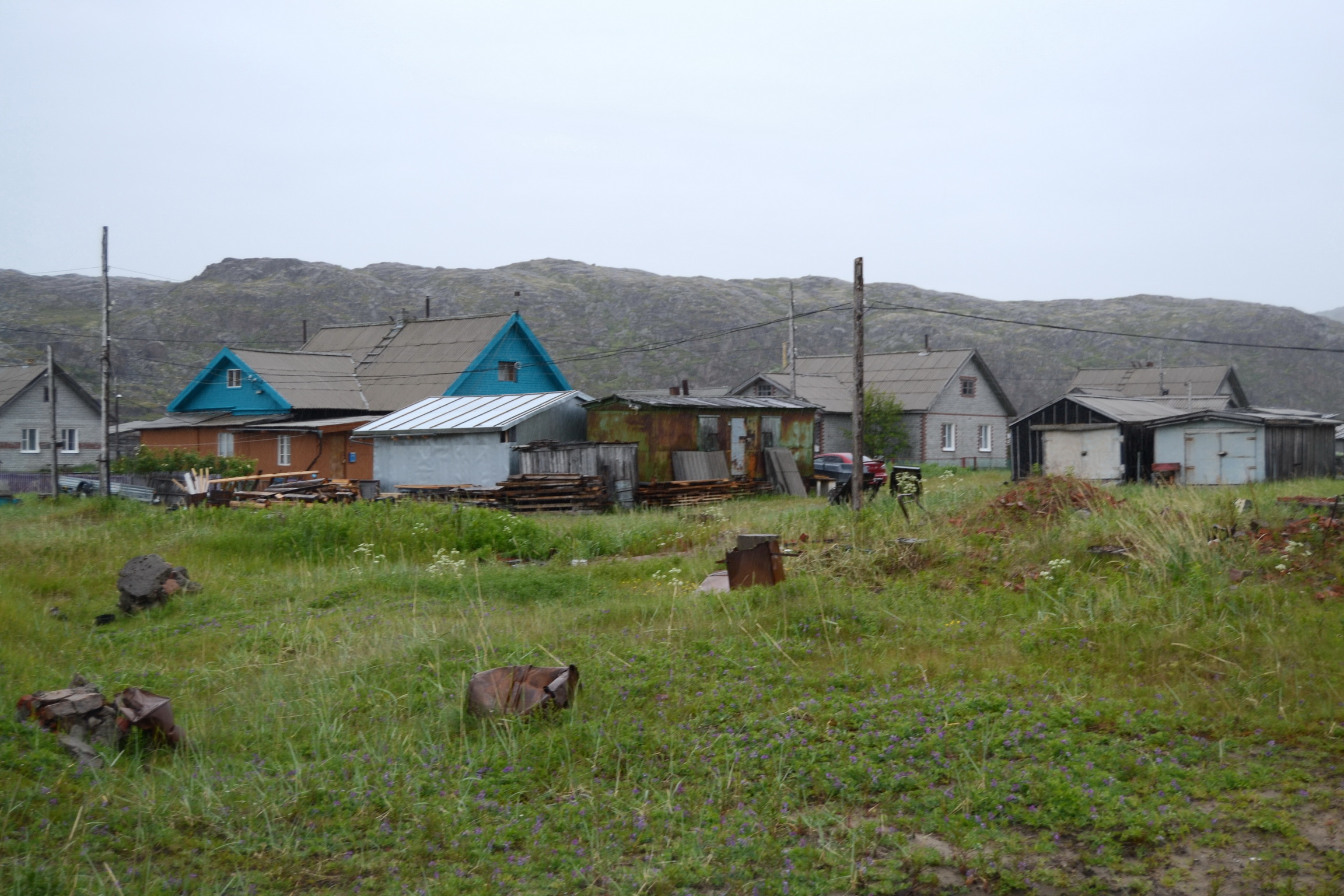
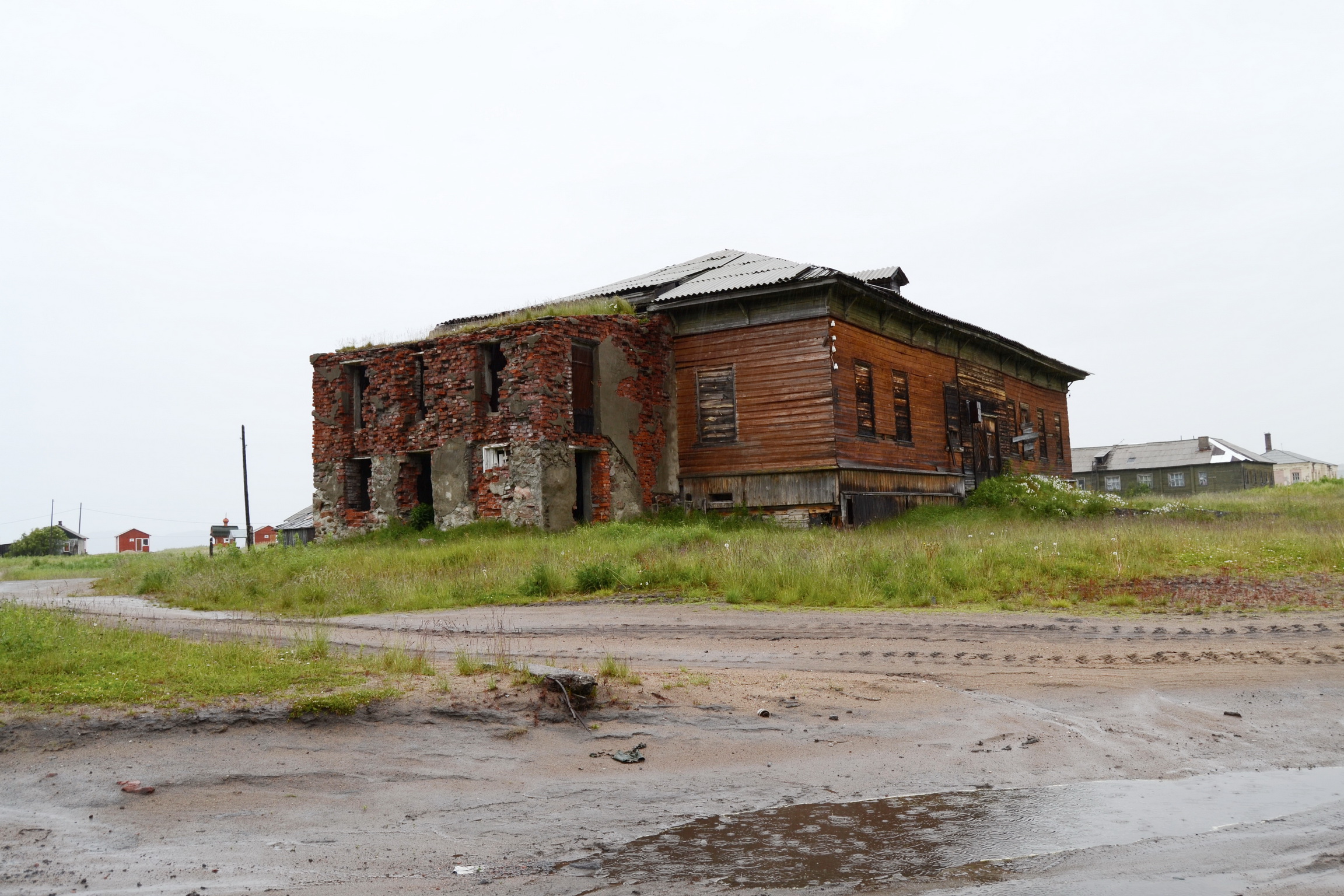
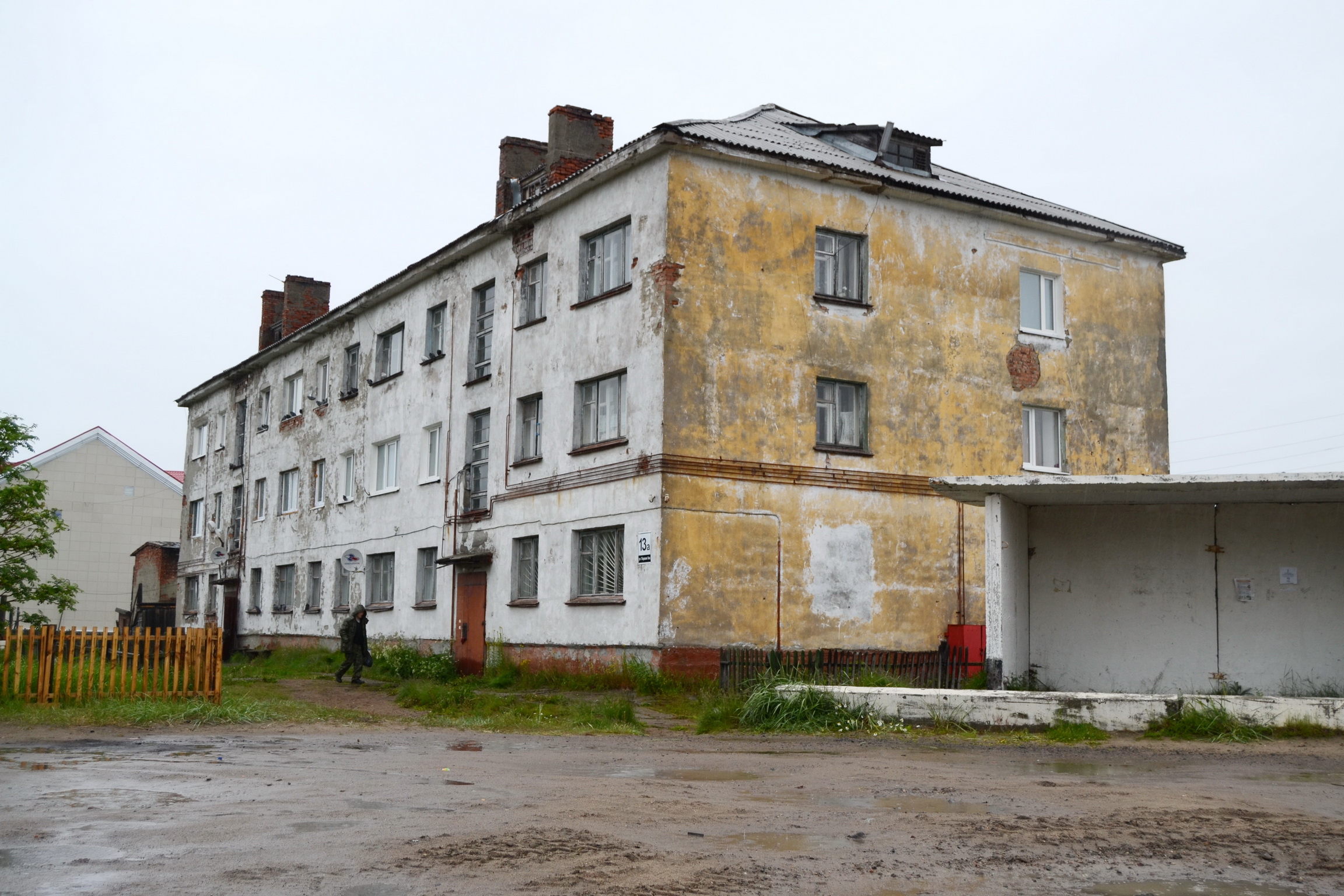
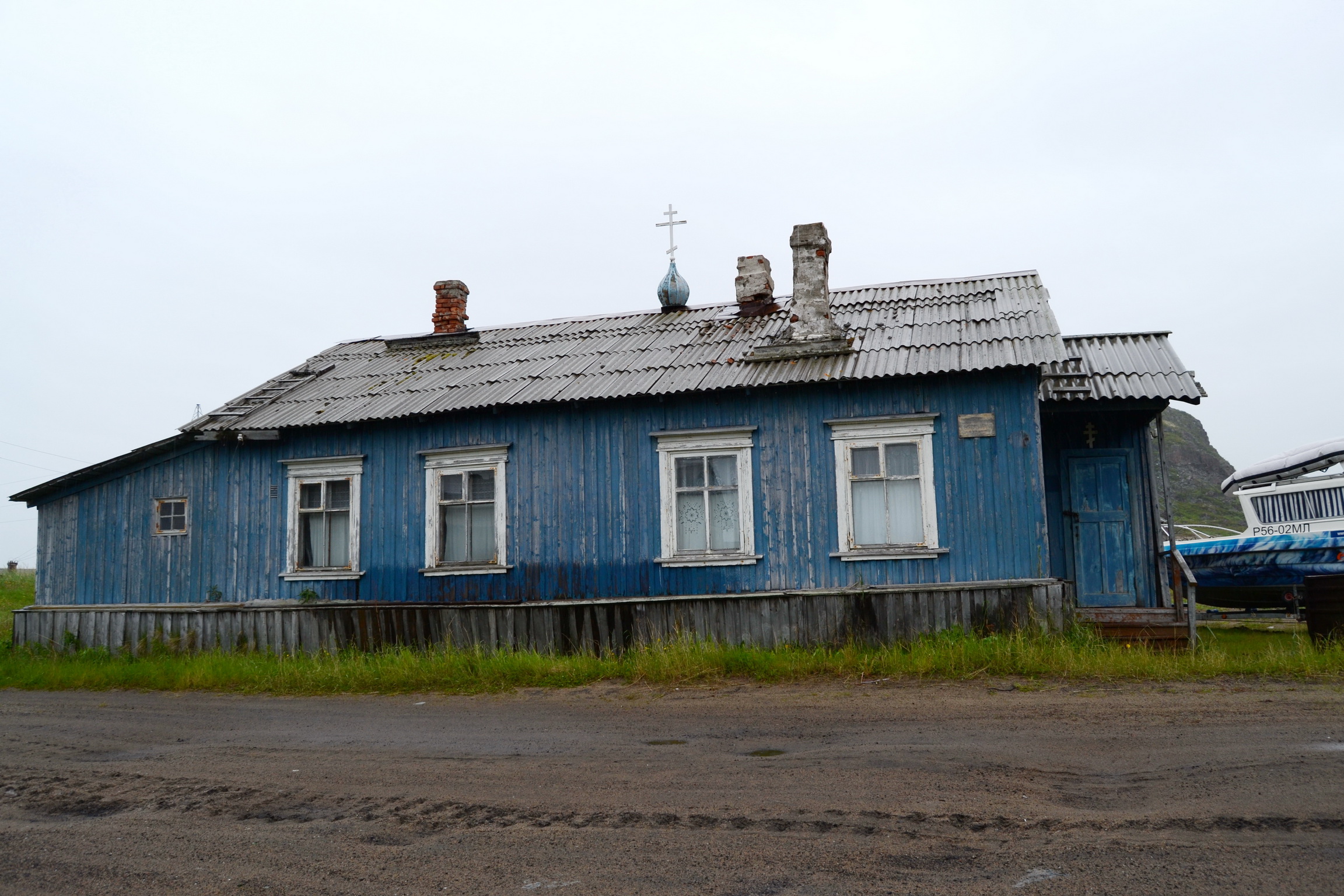
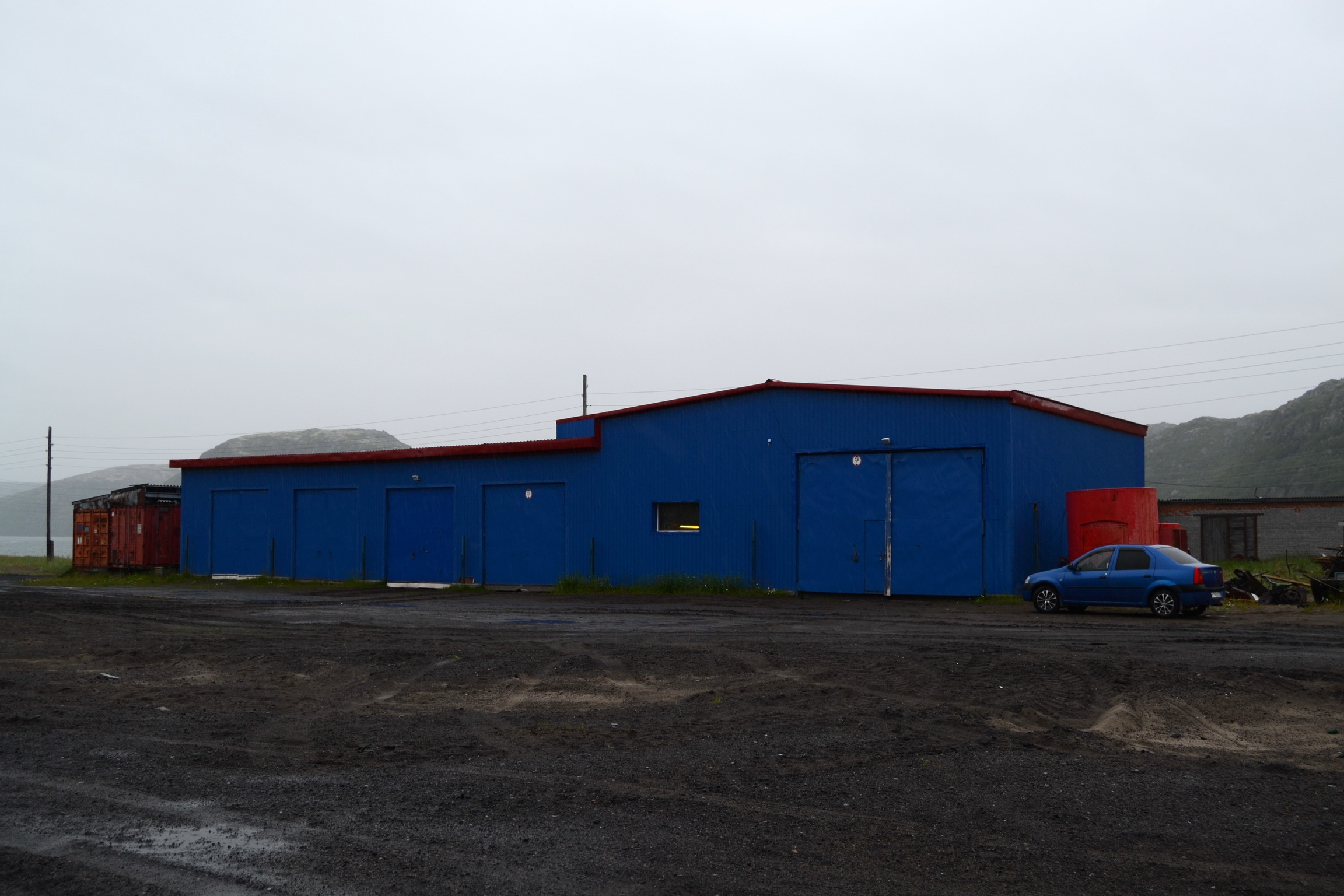
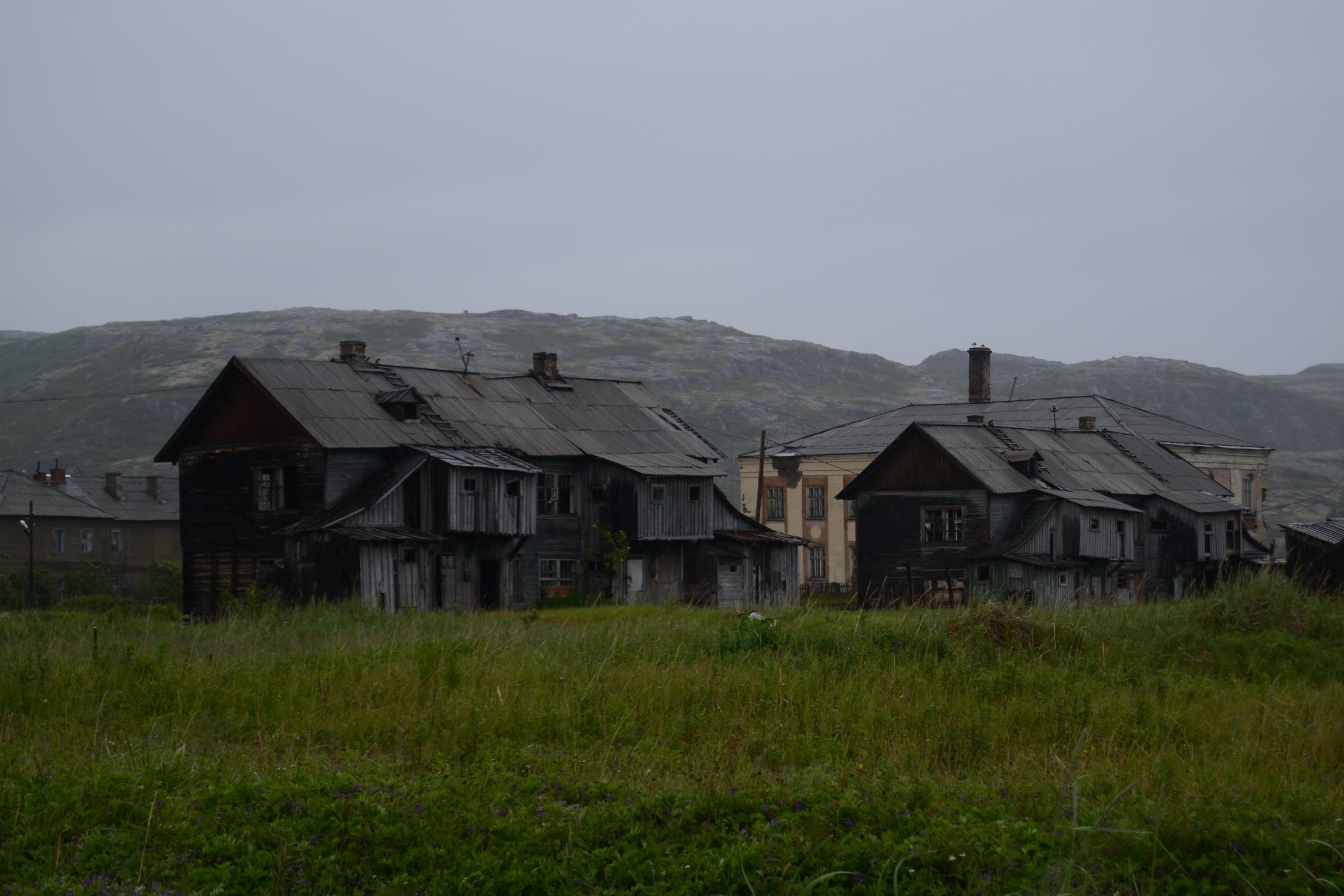
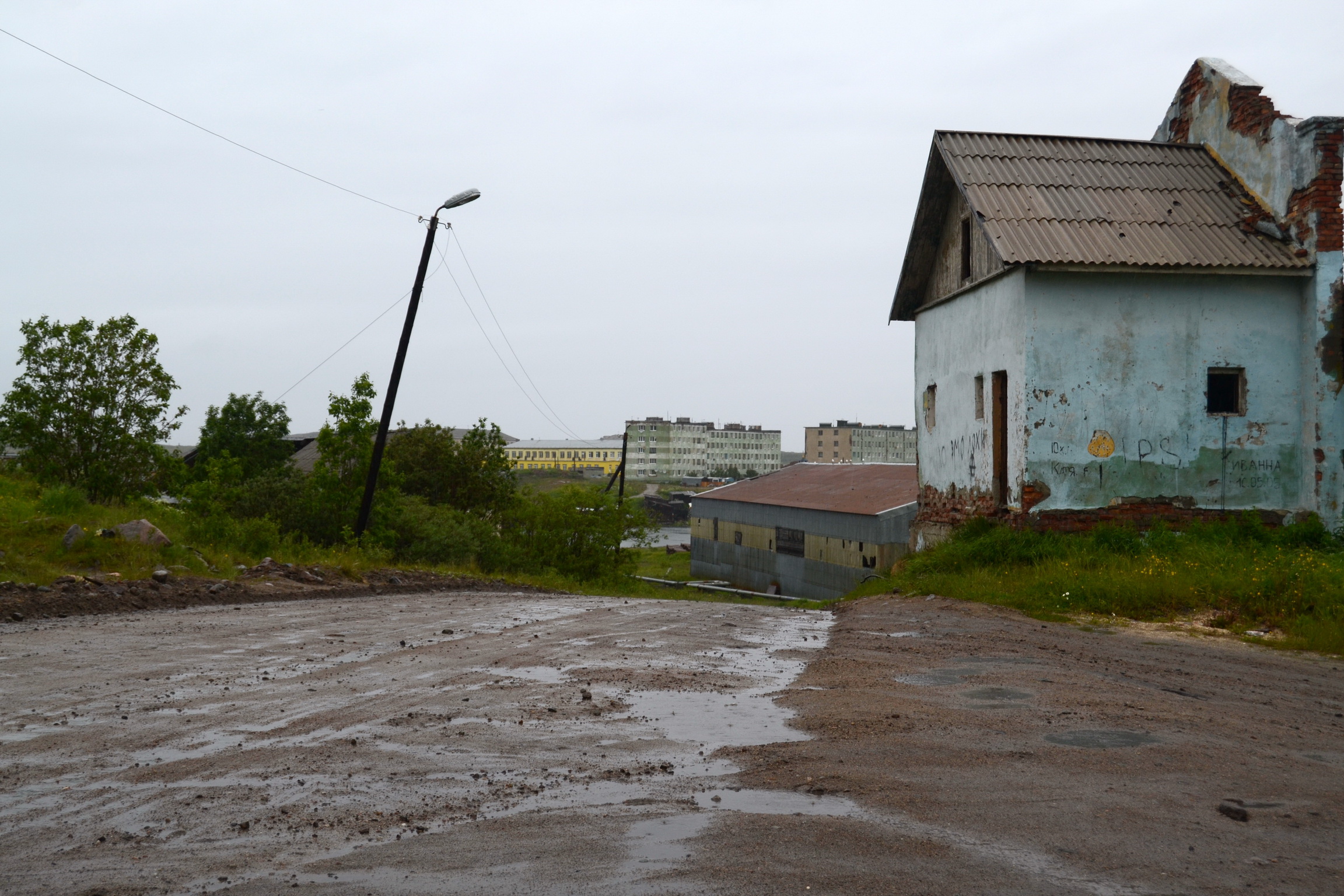
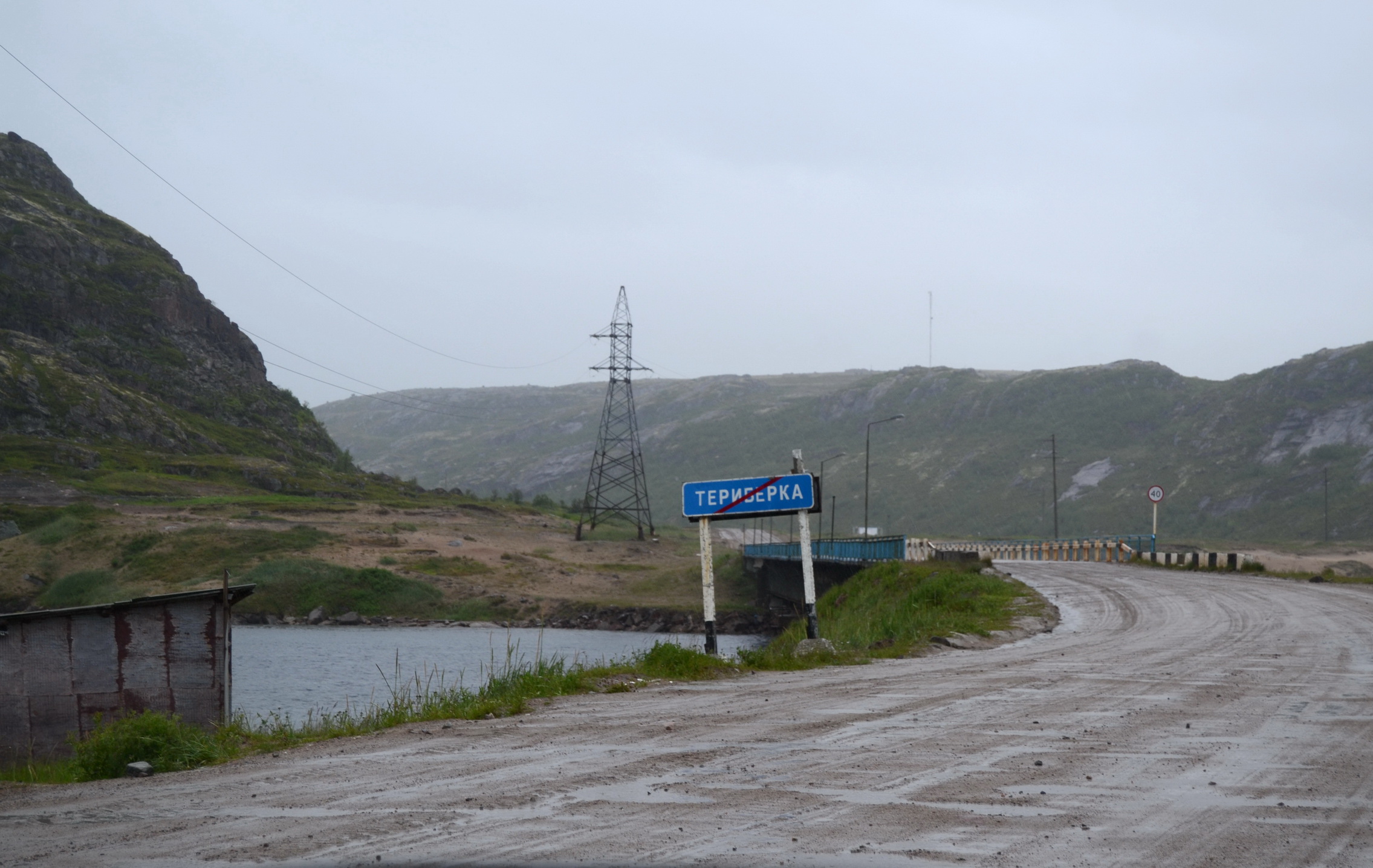
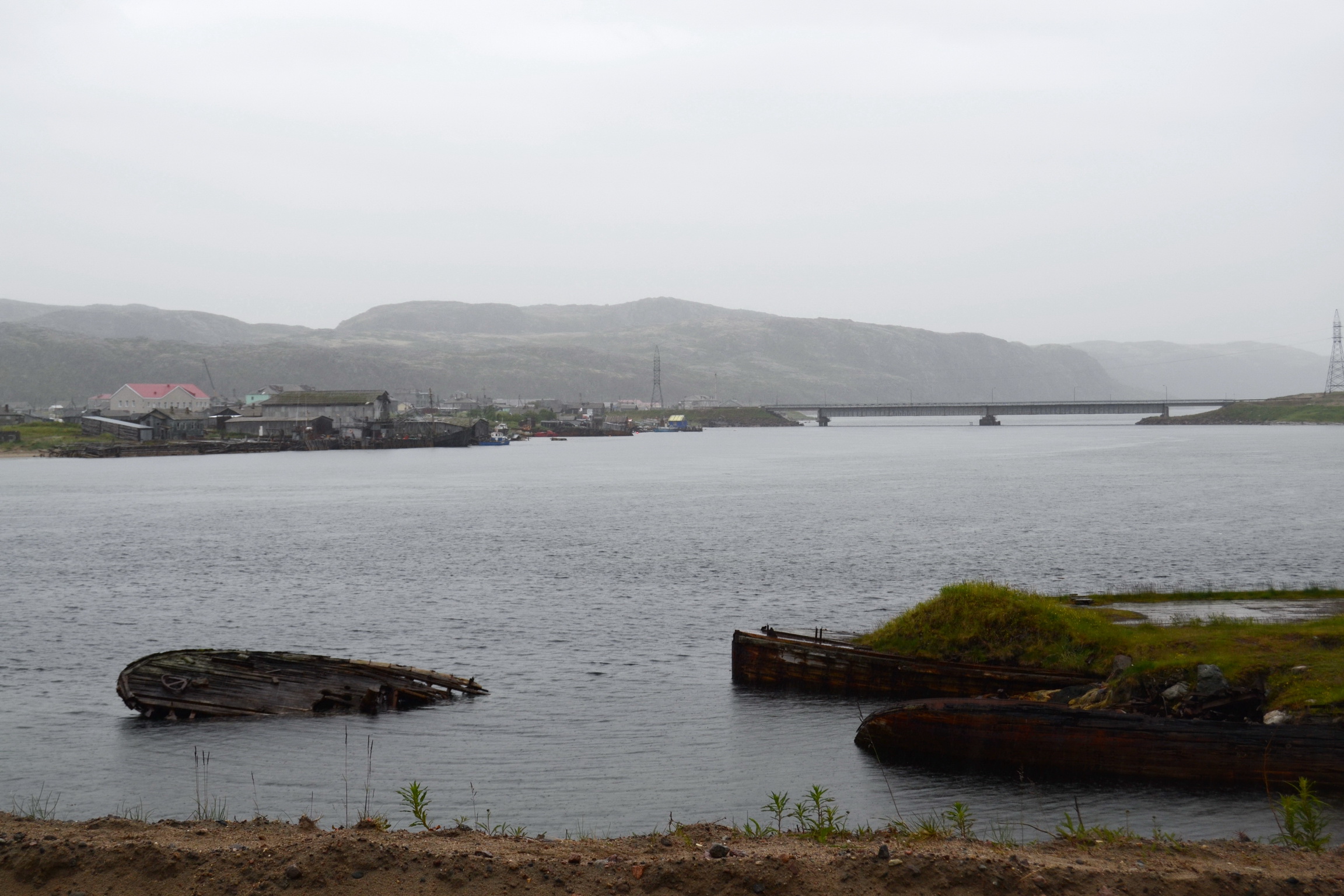
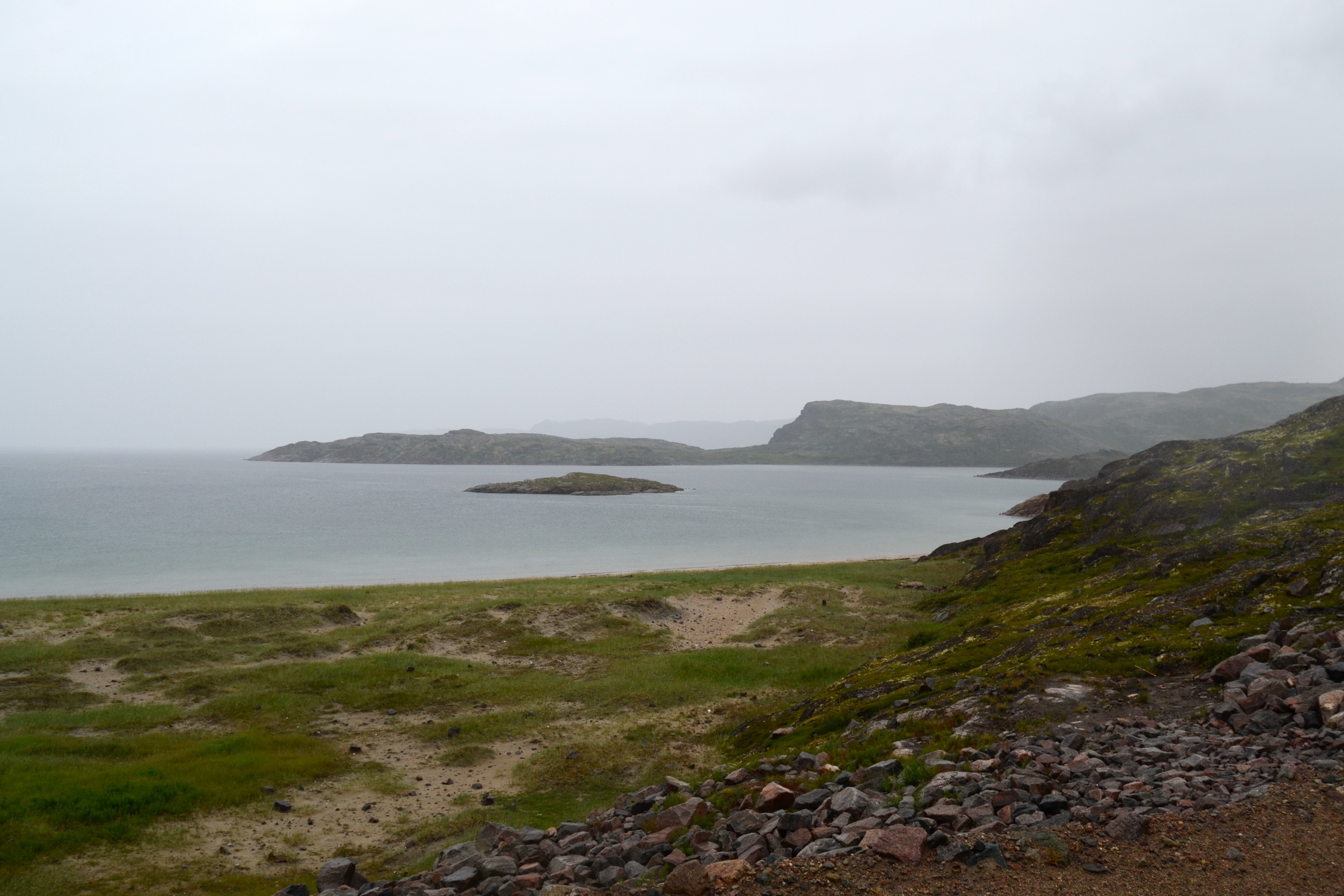
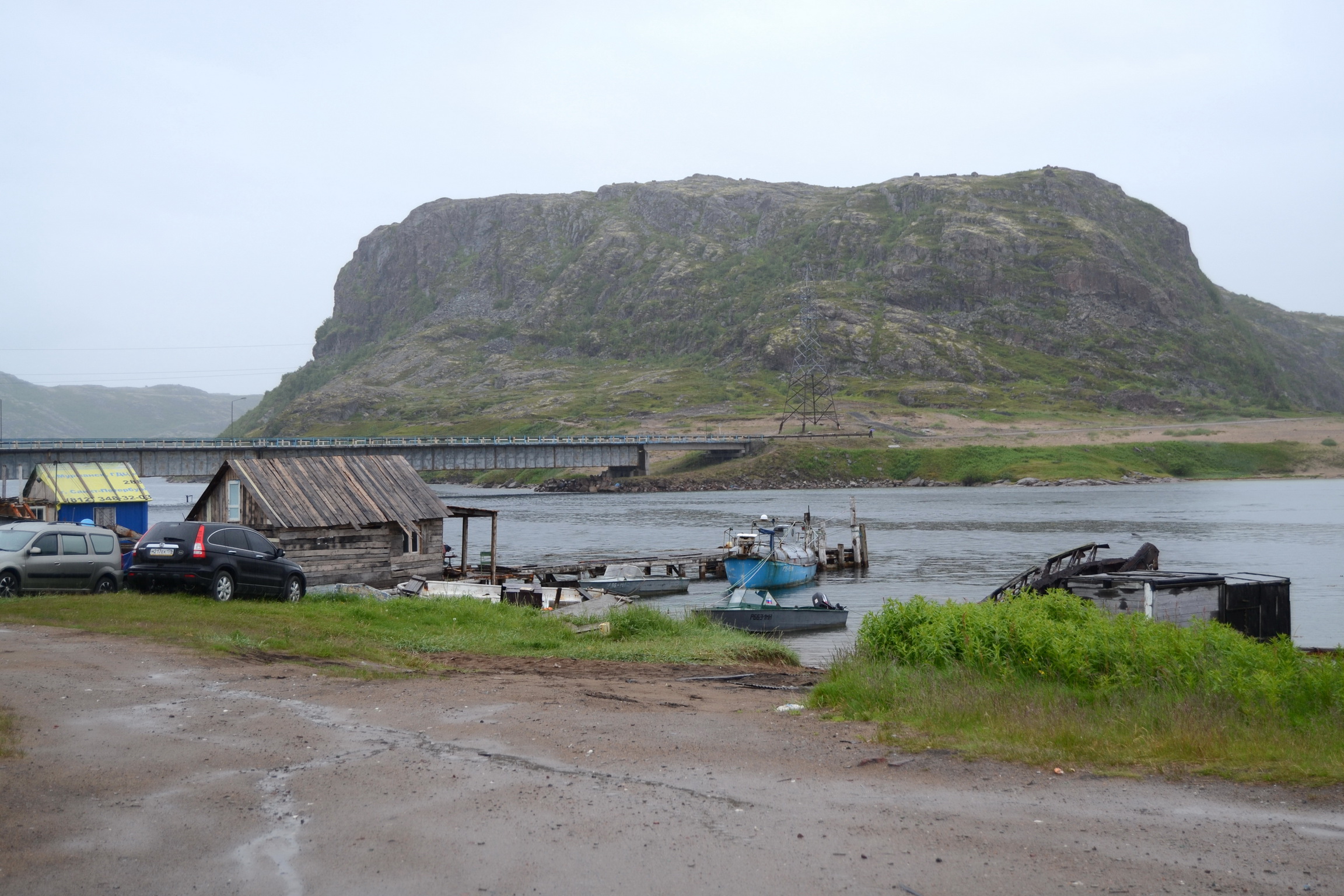
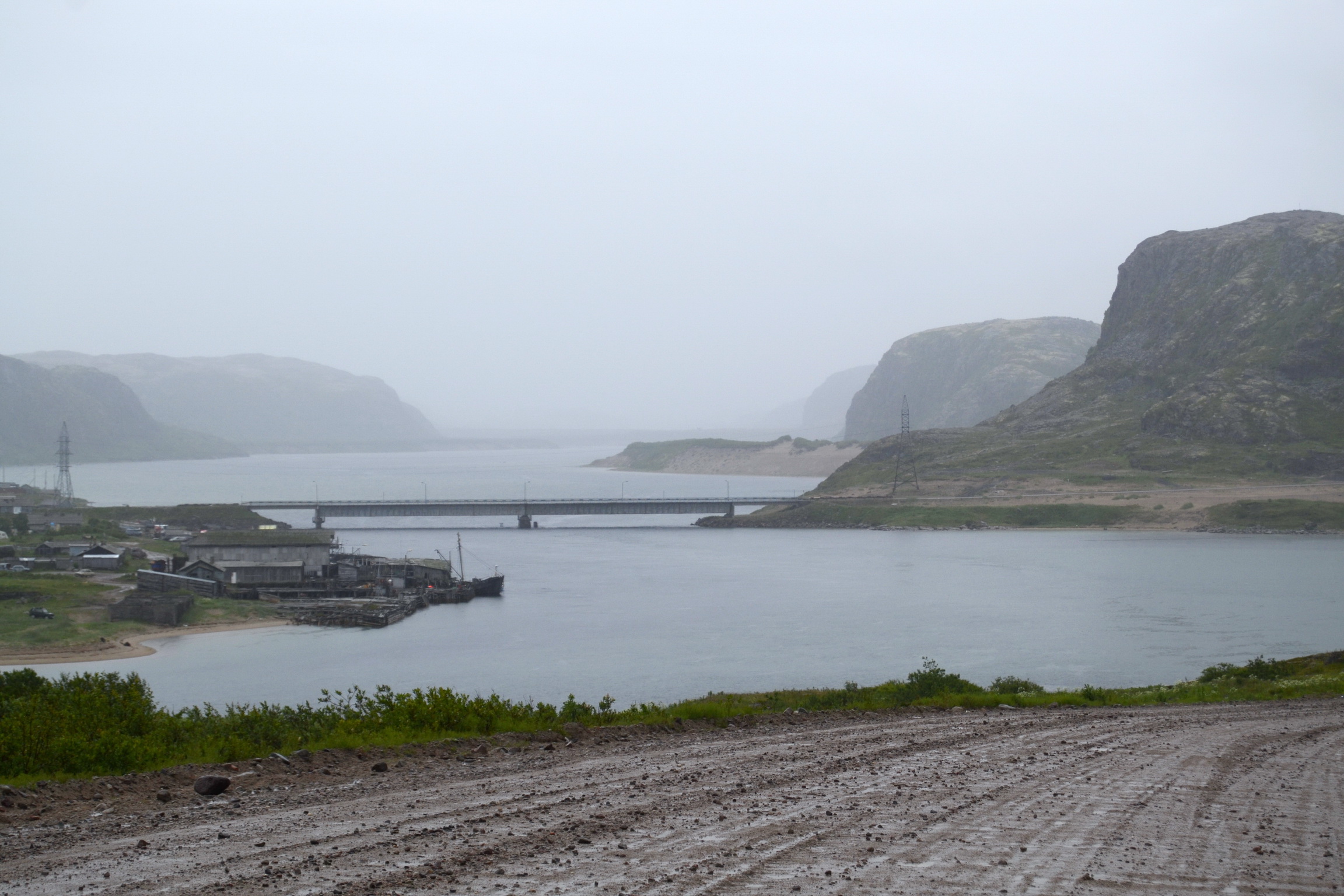
At one point it was decided to build a plant to liquefy natural gas from the Shtokman field. They waited for investment and laid down terms for the mythical future investors. We even got started designing the facilities. A wide road was blasted through the rock to the site of the future port. Then it turned out that nobody wanted to invest at all. The price of gas fell, the project became hopelessly unprofitable, and once Russia had managed to get itself sanctioned the whole thing was forgotten. Our designs did at least furnish the management hut with a few fire detectors. And we did manage to put up the mobile base station.
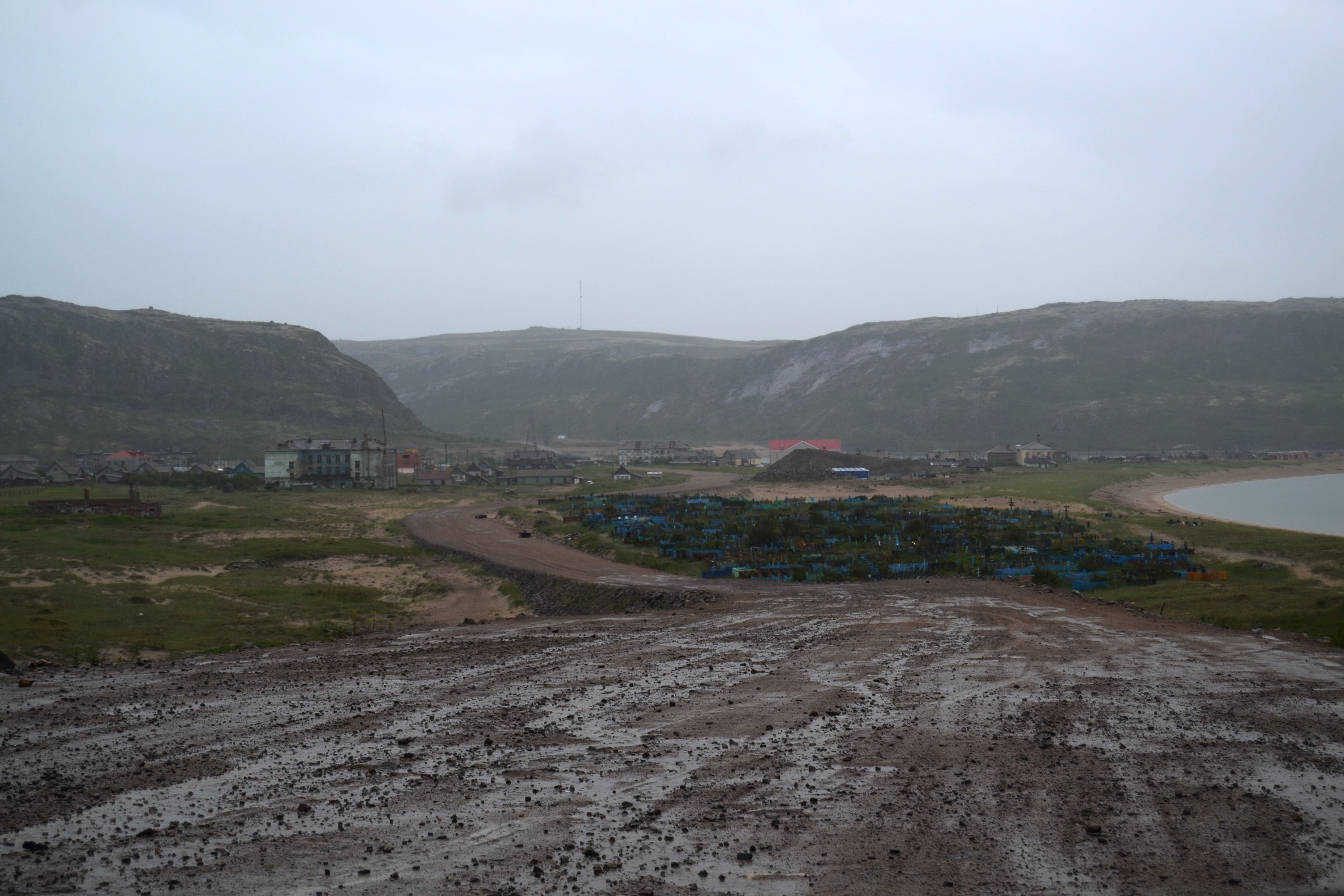
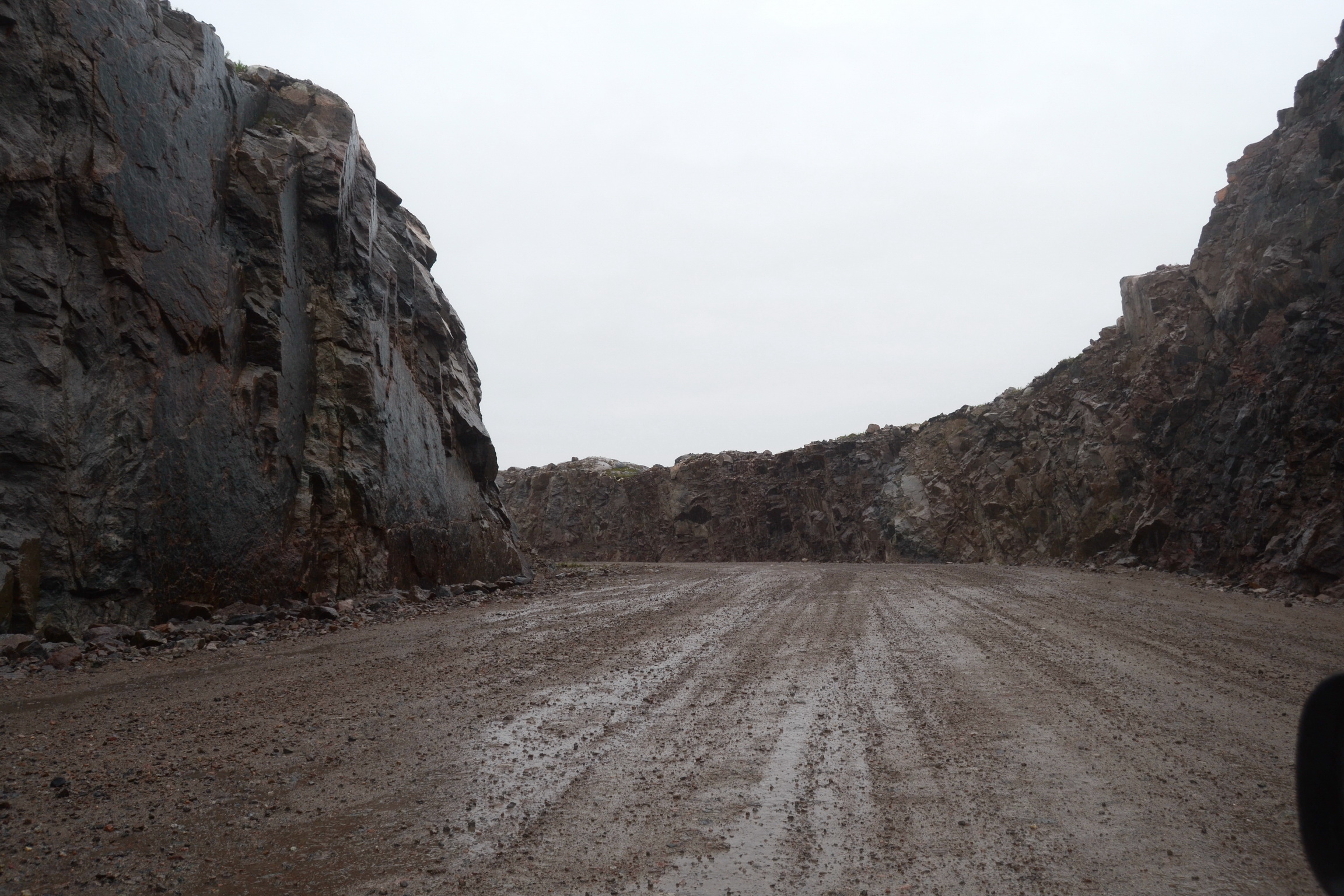
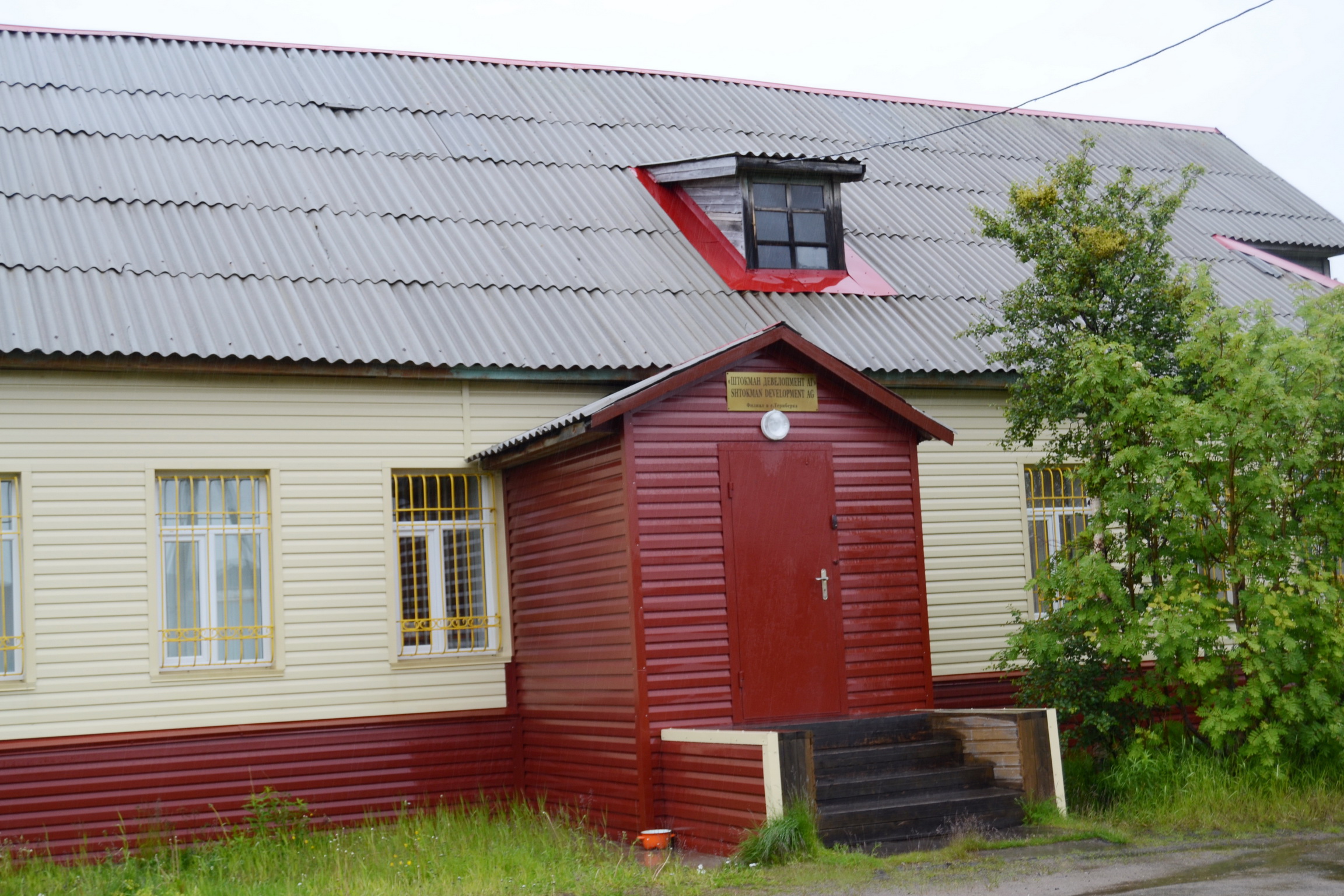
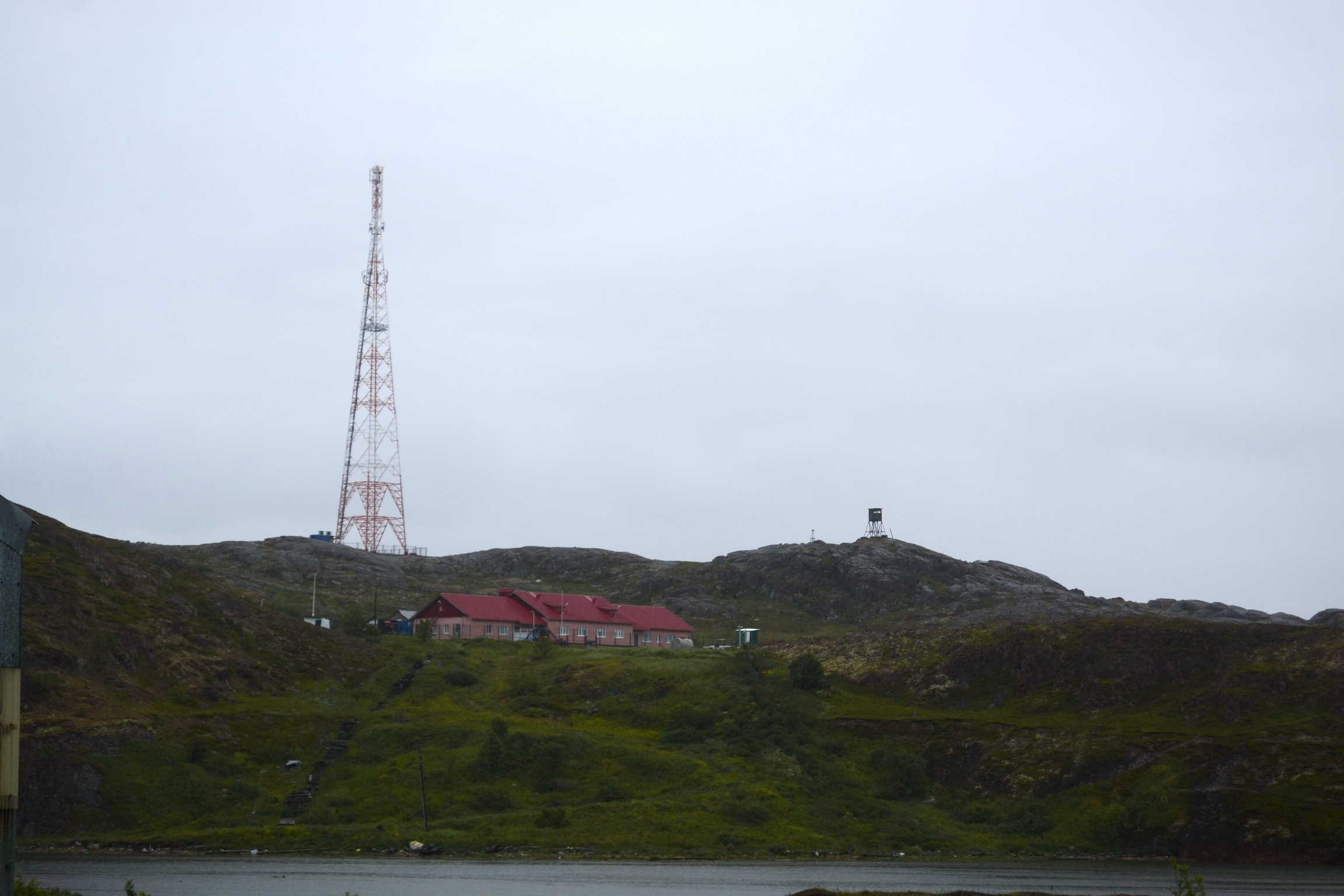
Only half the houses in the village have turned into complete ruins. That’s good compared with the neighbouring settlements. There are even young people and a school. Someone had written “I’m off to Tereban” on a wall. A cross between the Taliban and Vasya Oblomov.
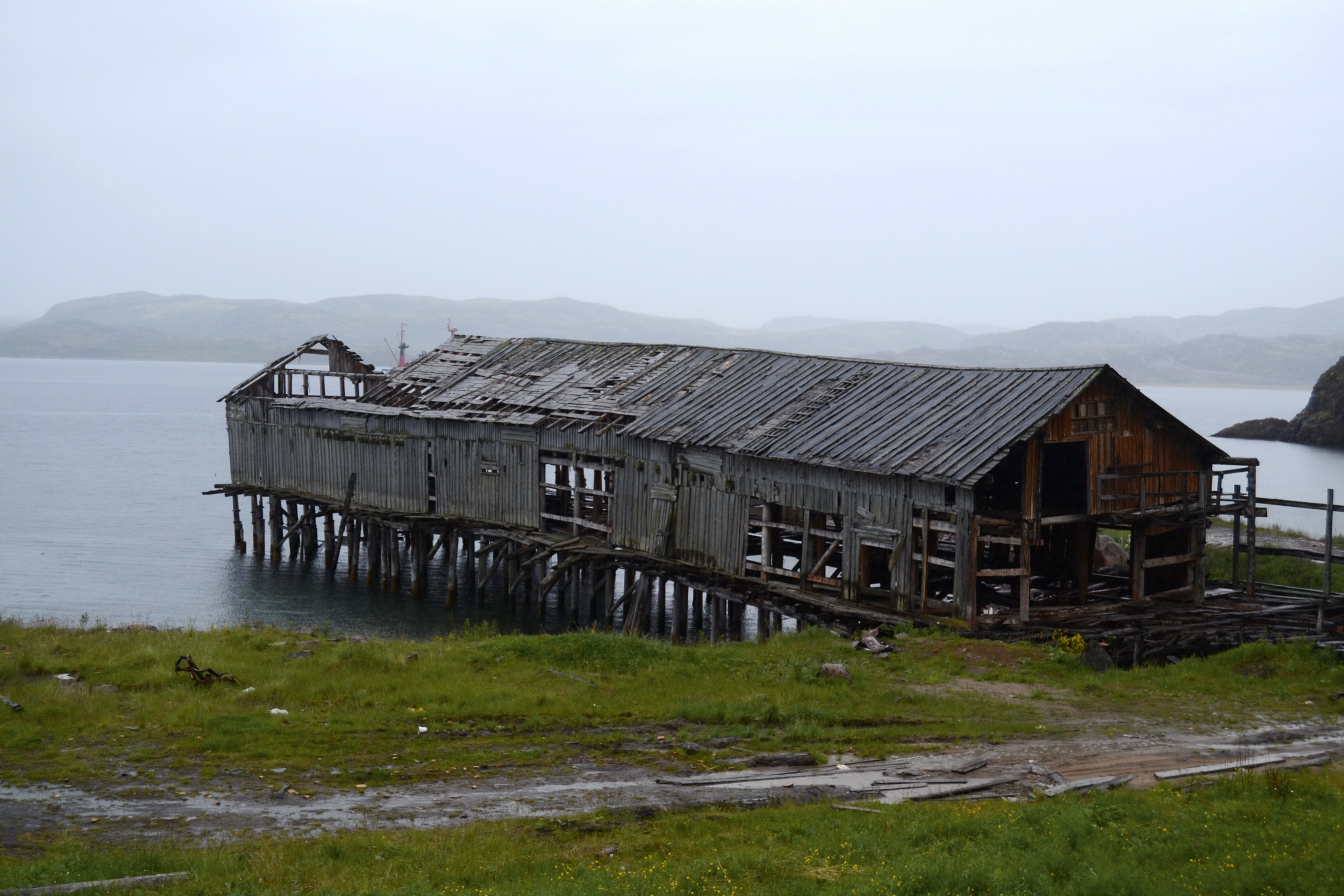
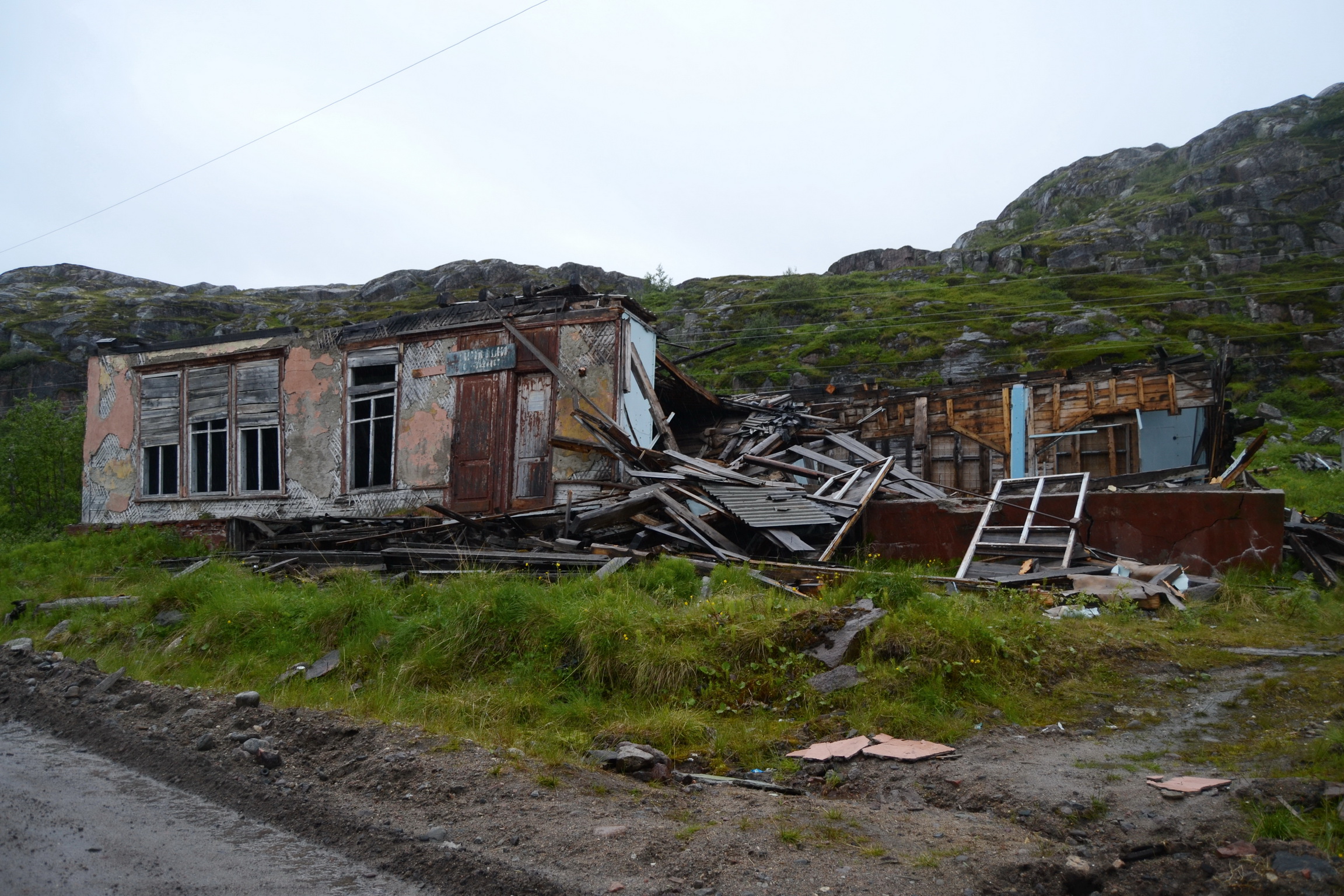
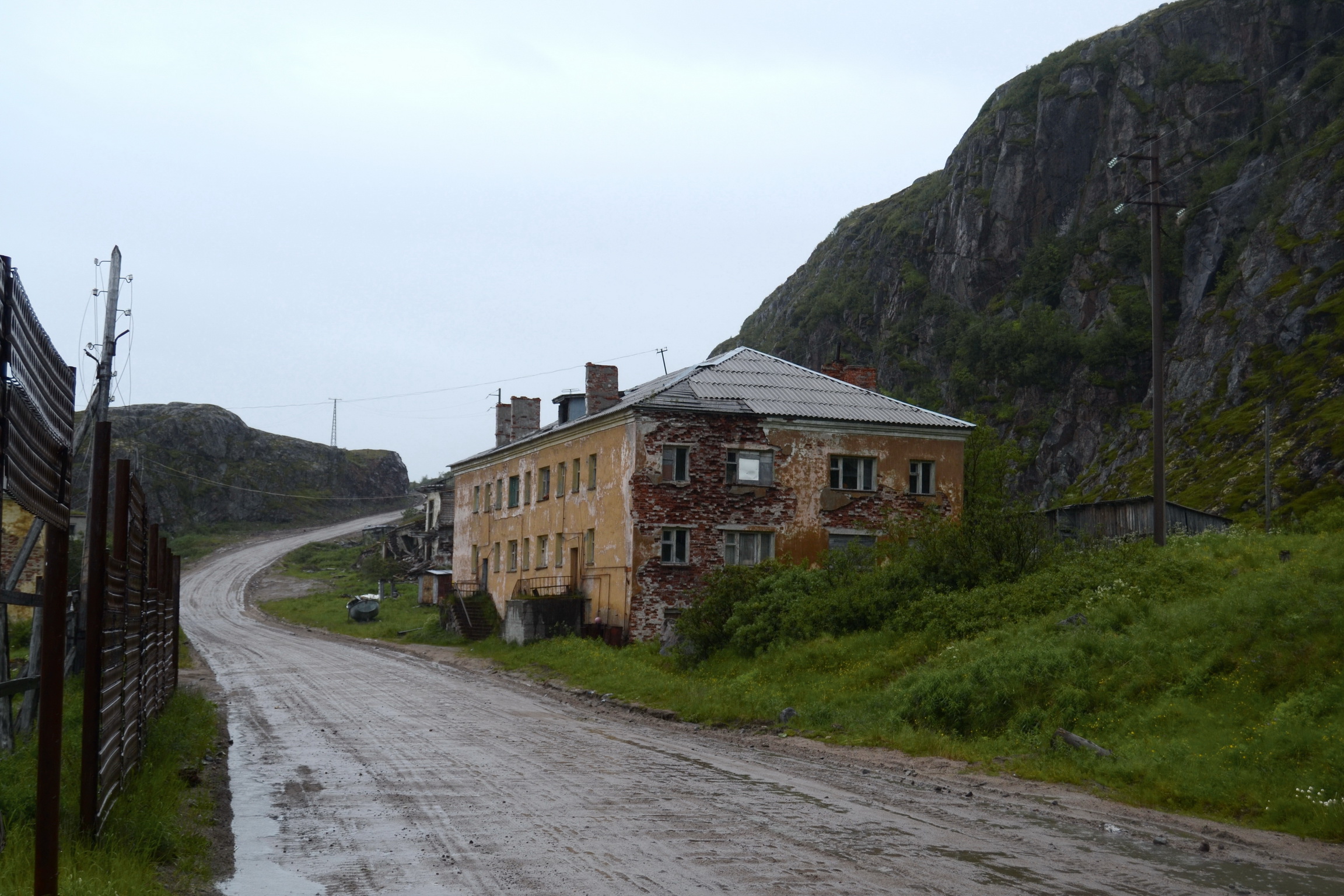
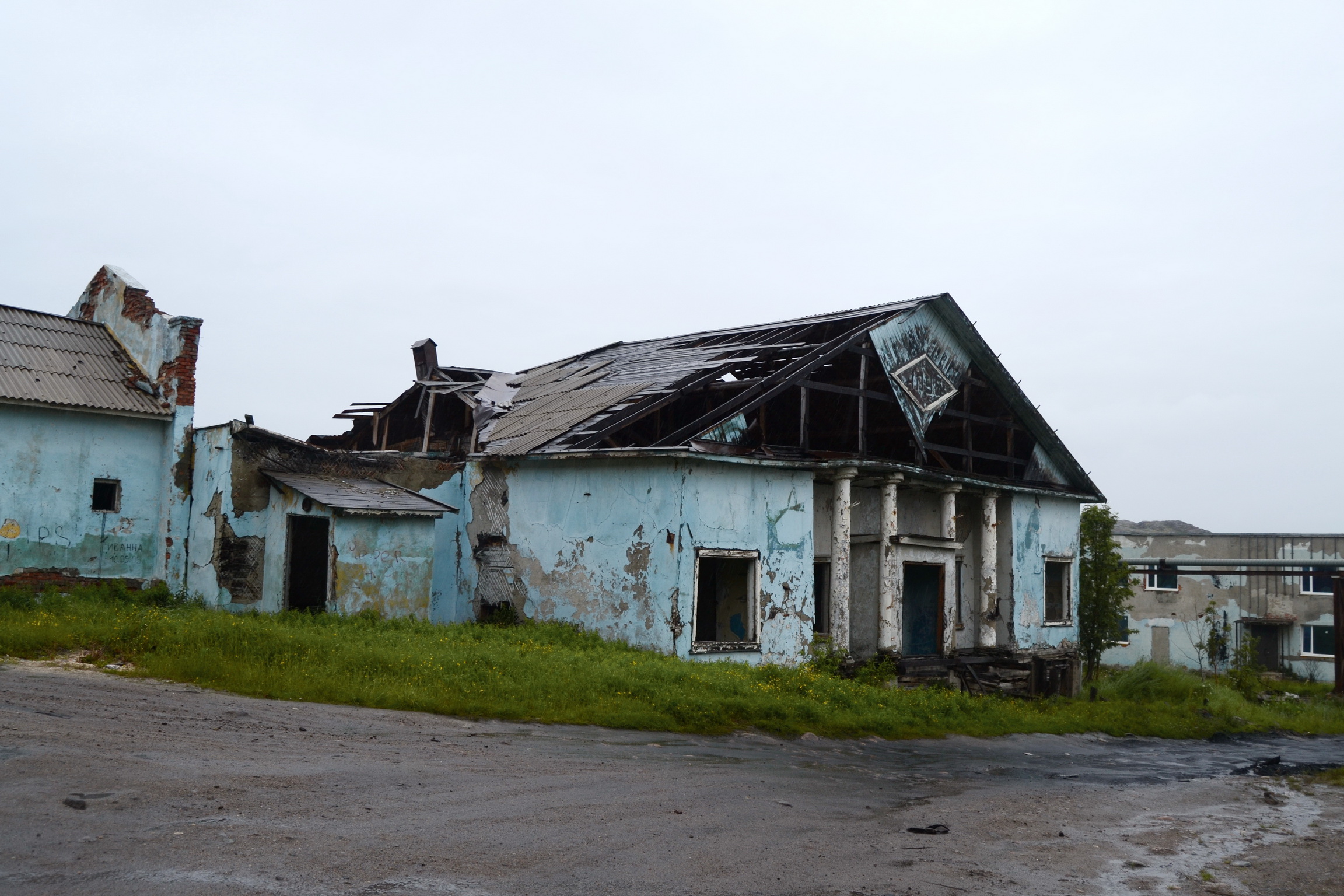
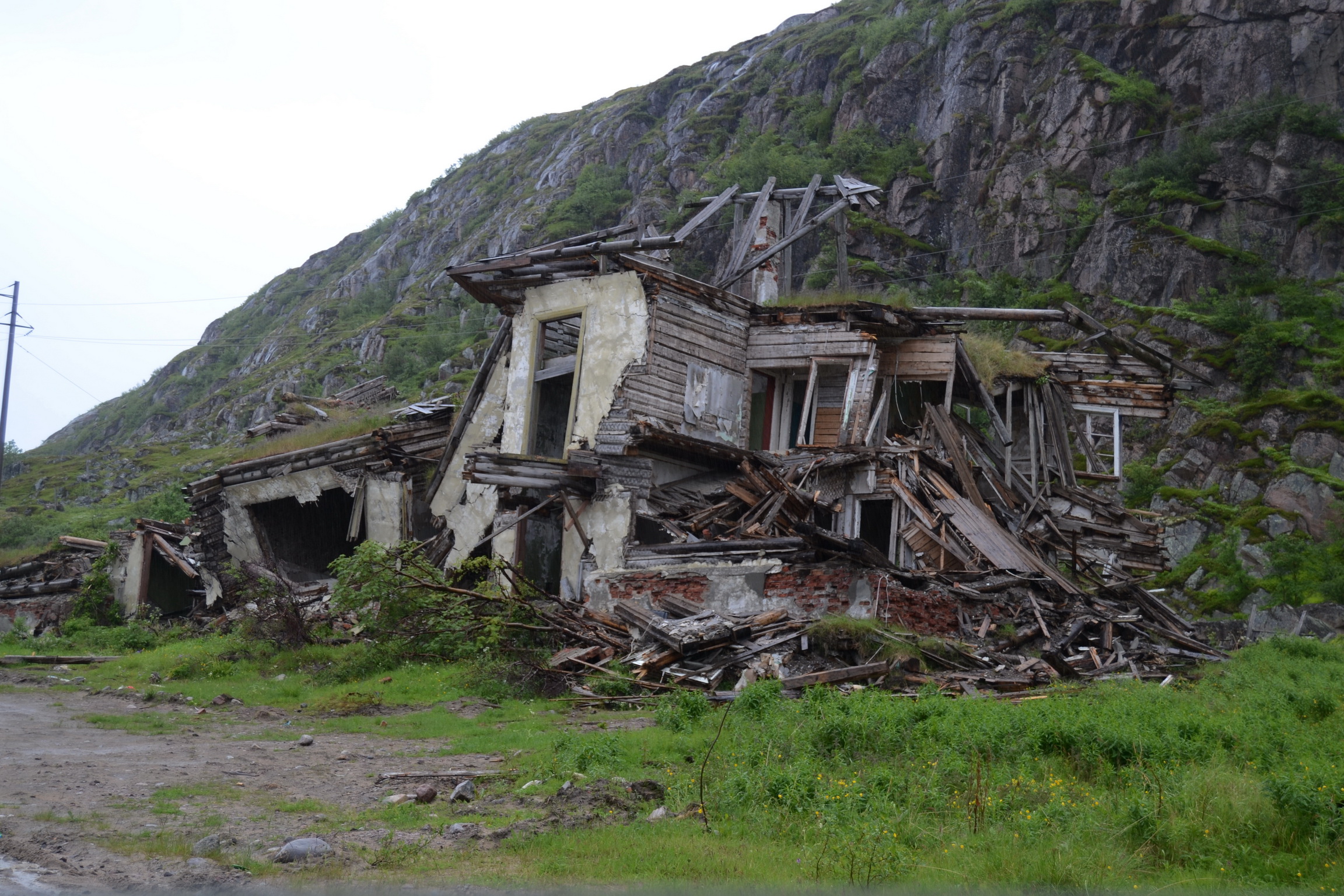
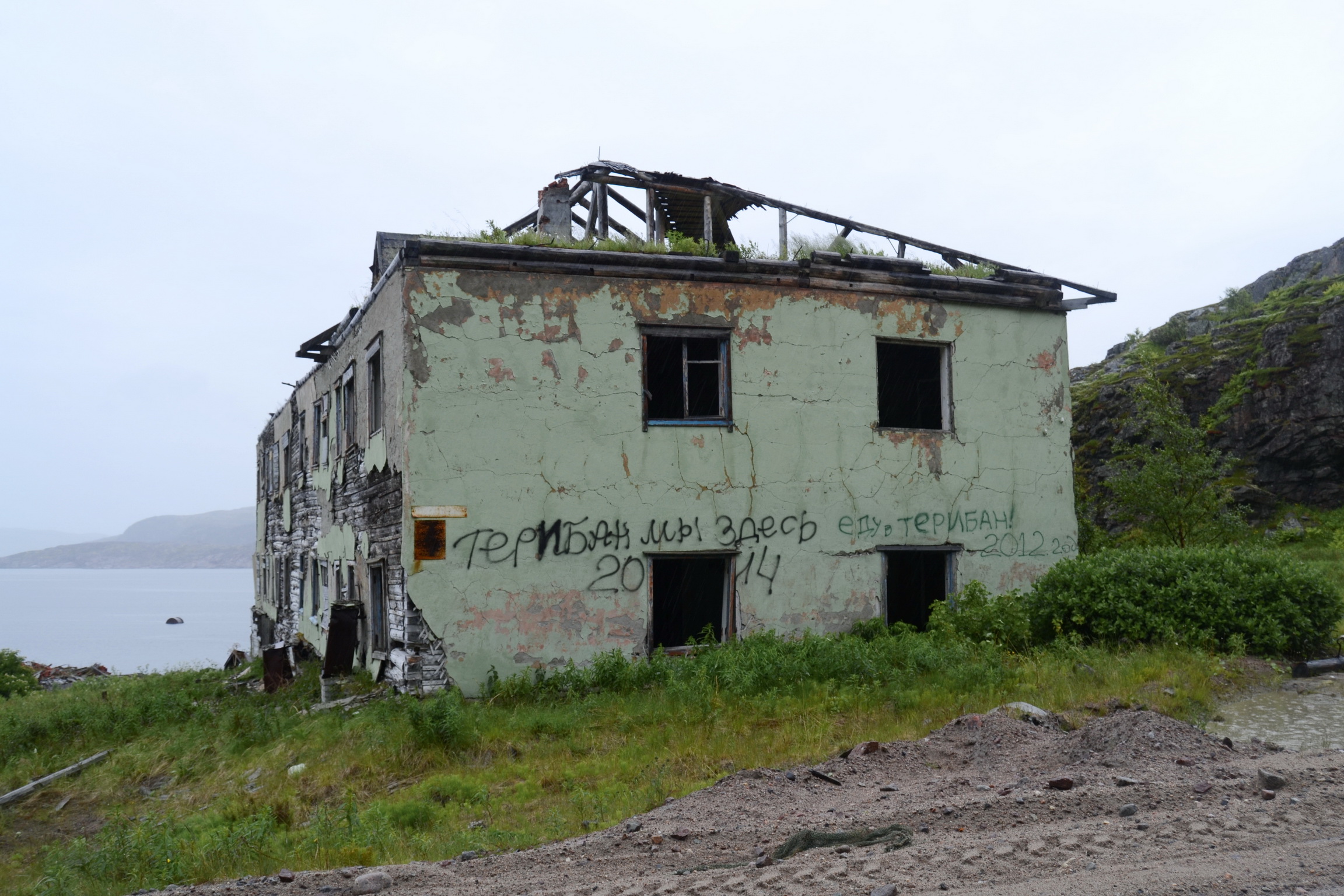
At the site of the house in Leviathan there’s a flat patch of ground. They built the house for the film and really knocked it down at the end.
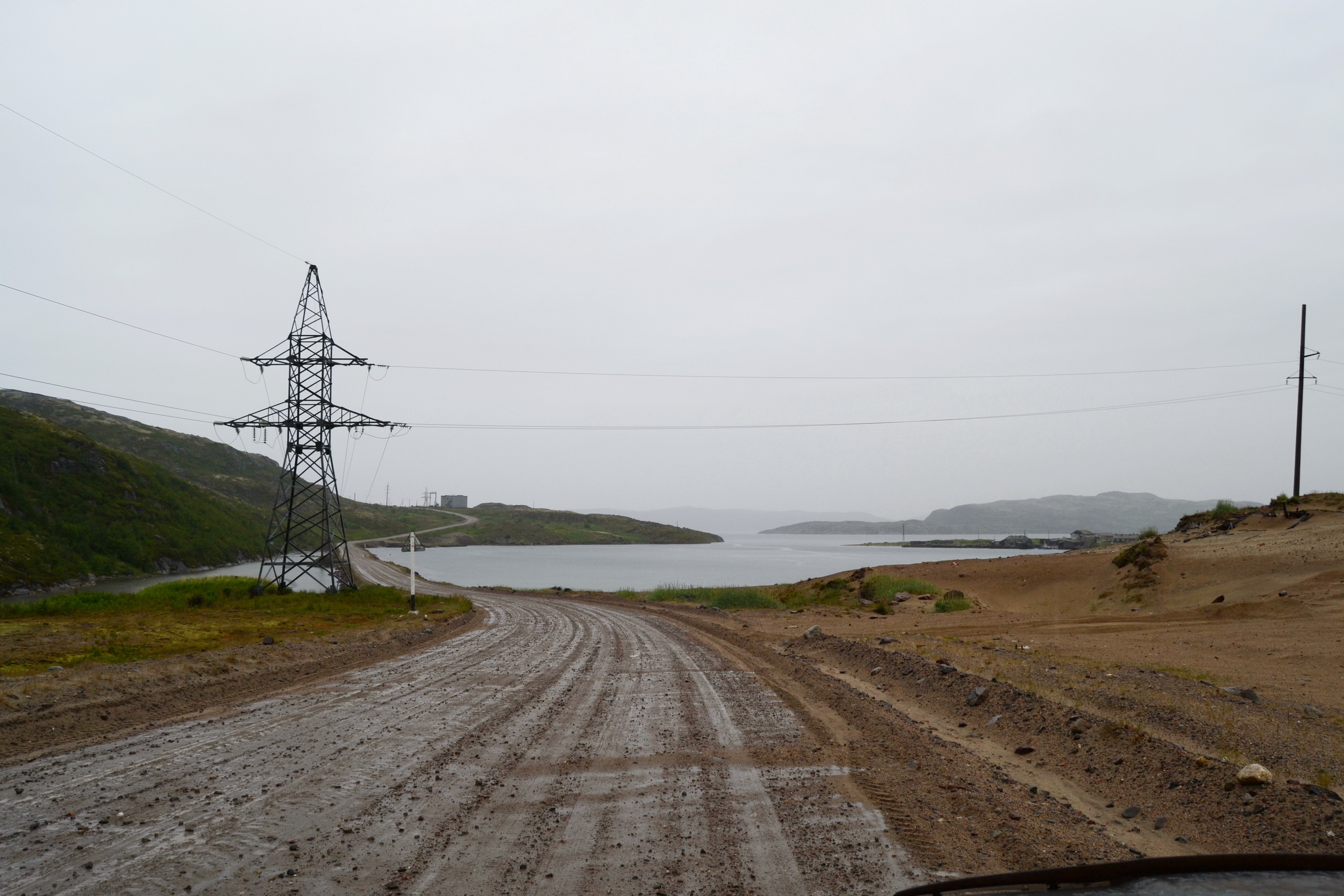
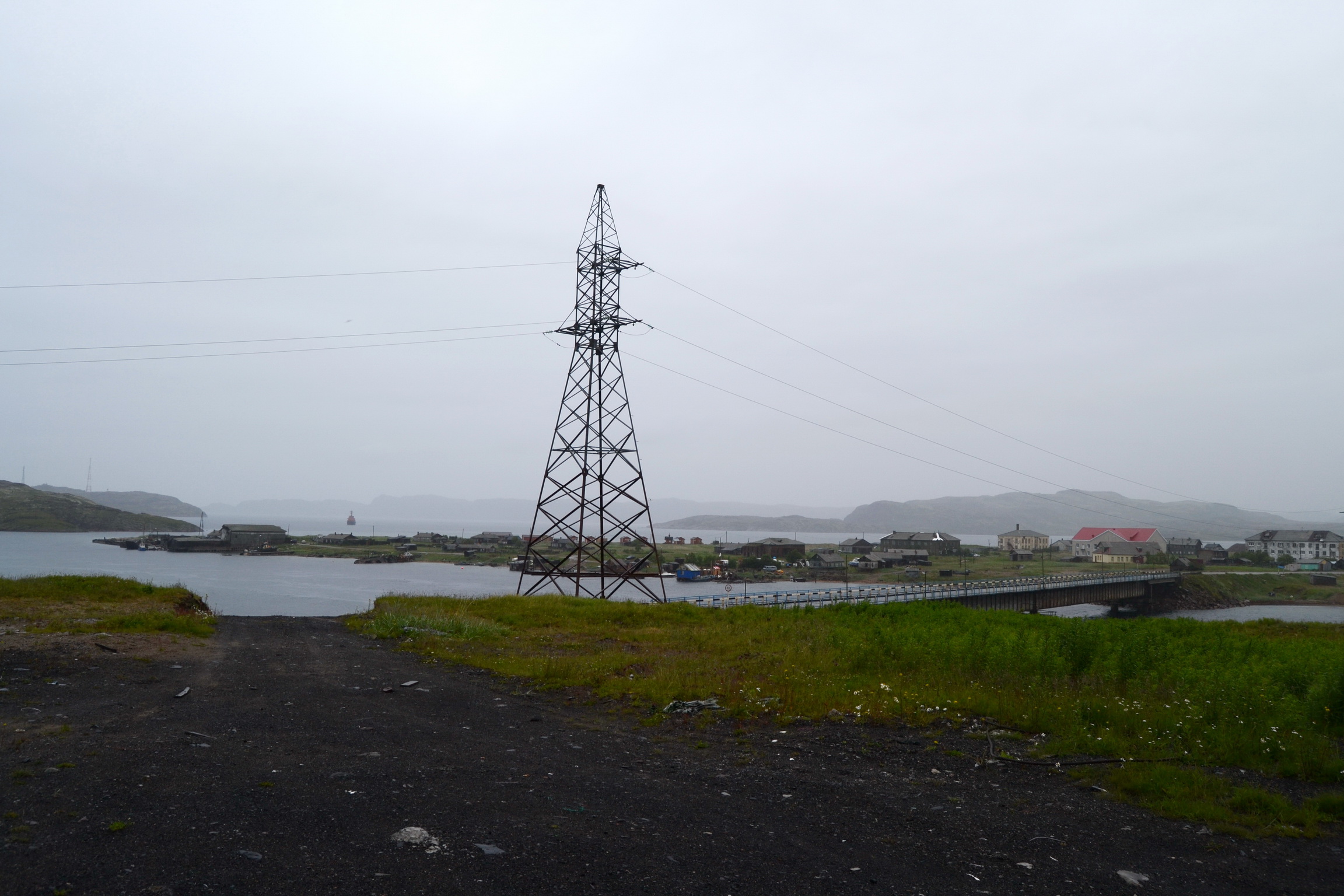
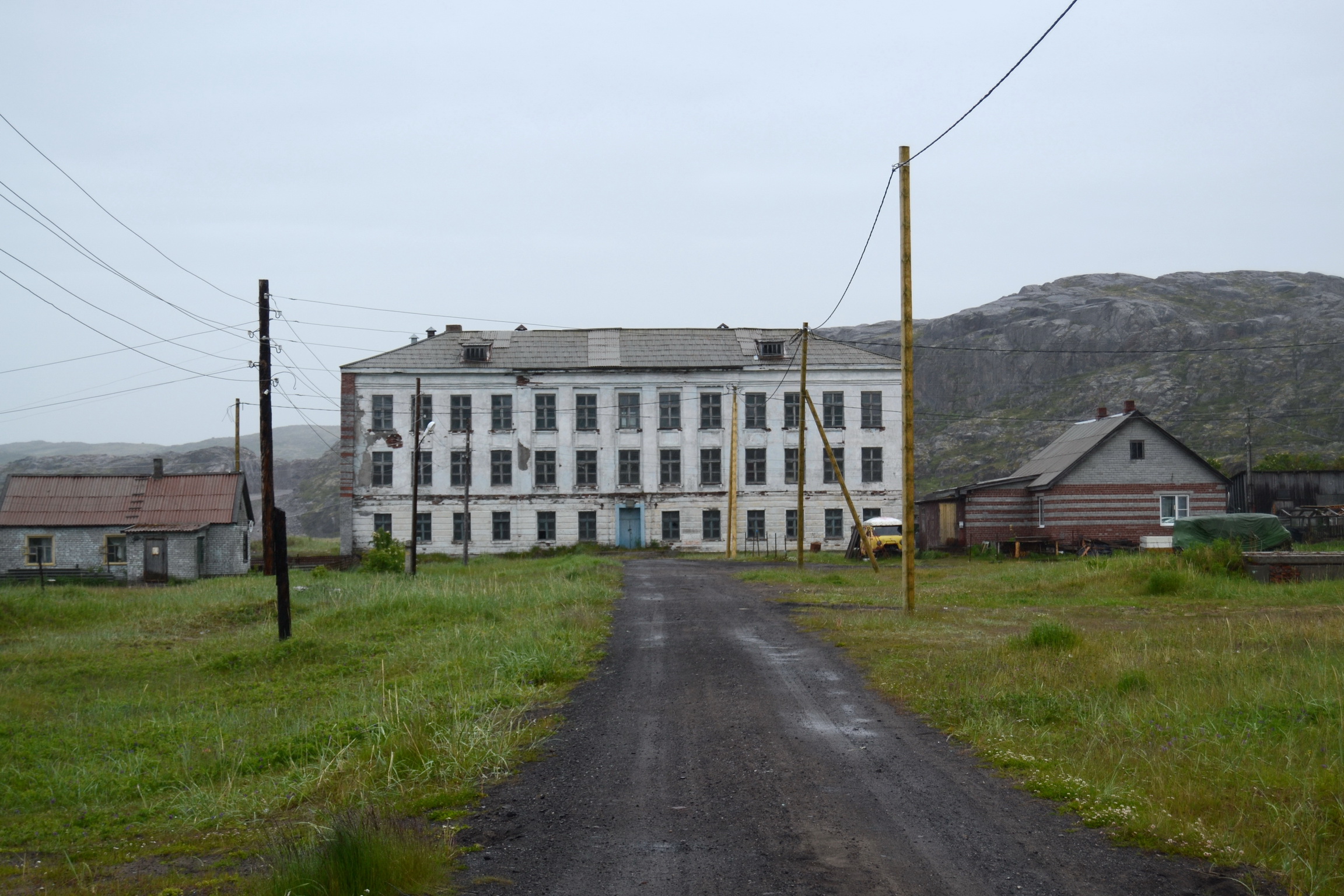
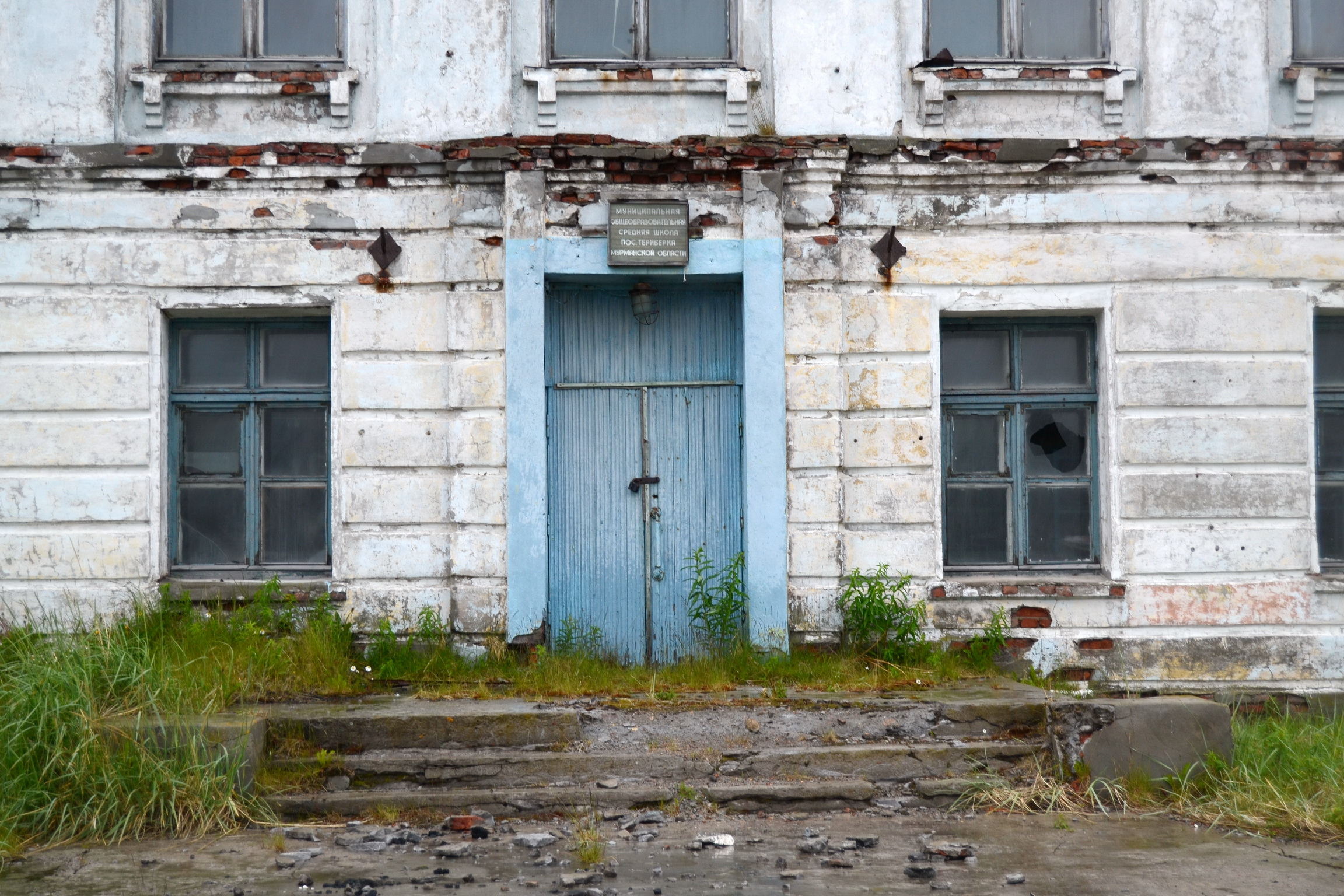
In Teriberka they abandoned the big school without even taking out the desks or the first computers that arrived in the 1990s. Lodeynoye still has a school and a post office. Teriberka at least has a food shop and a “Ladies’ Shoes” shop, in a decrepit garage. City girls, imagine going there for the boots you’ve been dreaming of.
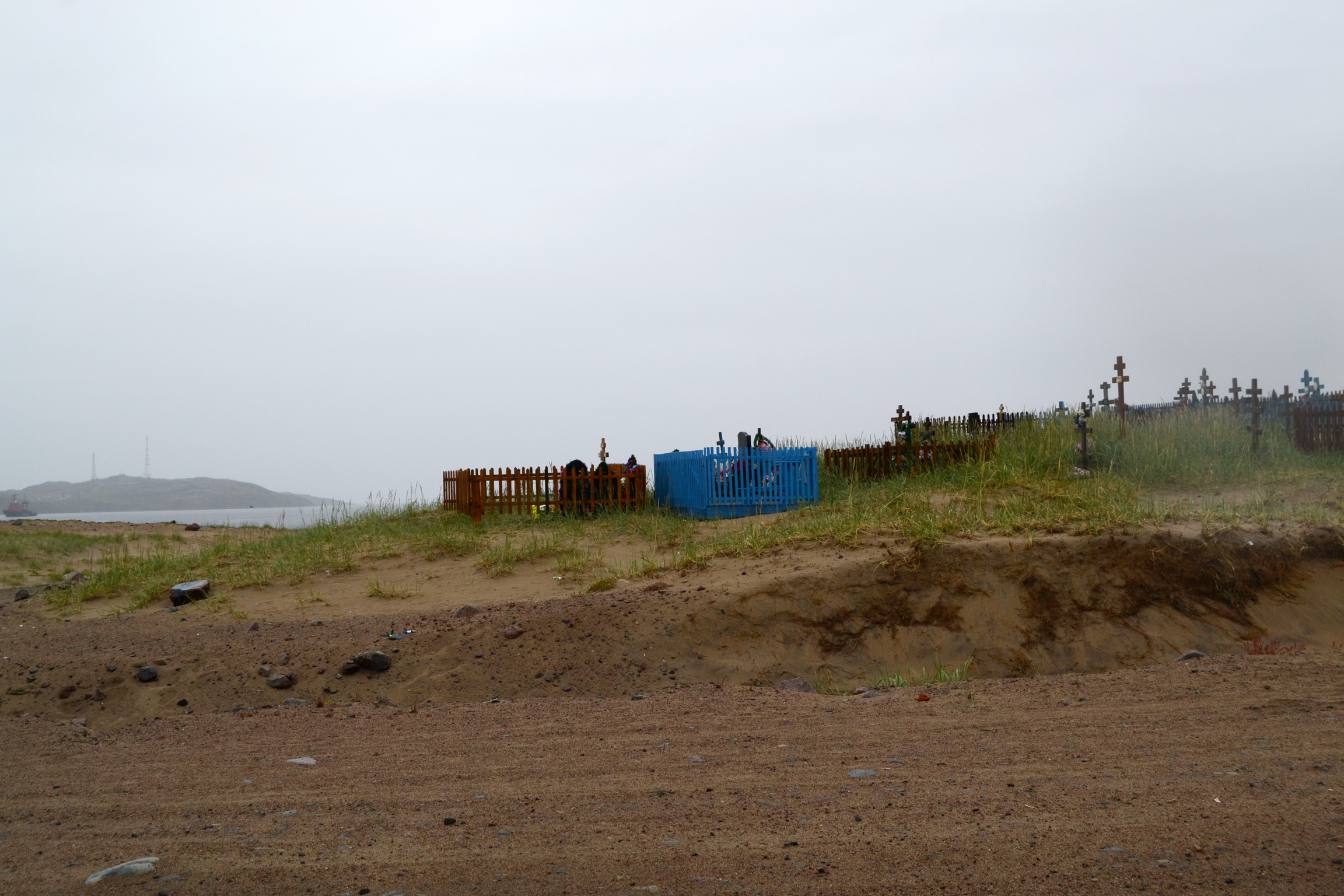
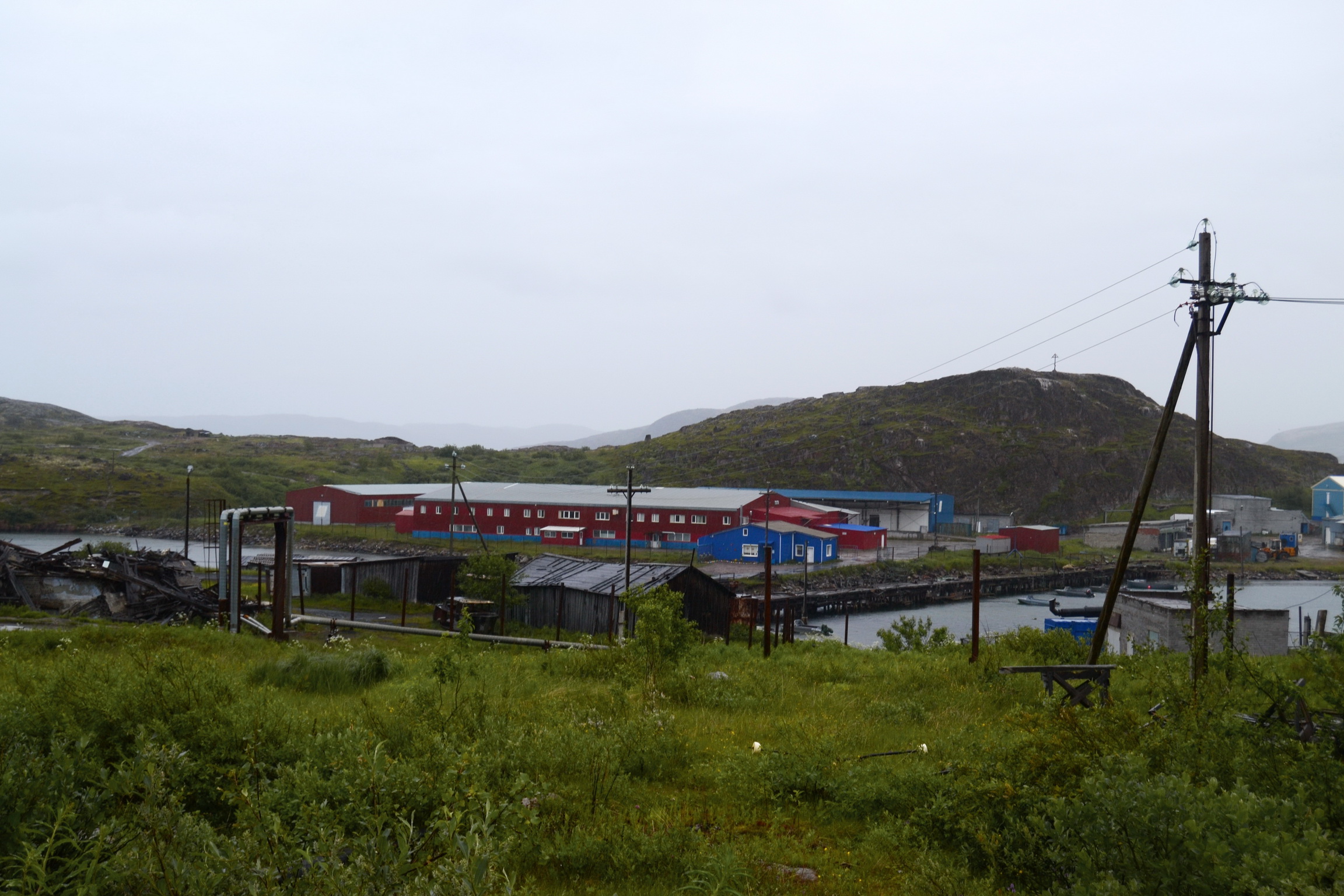
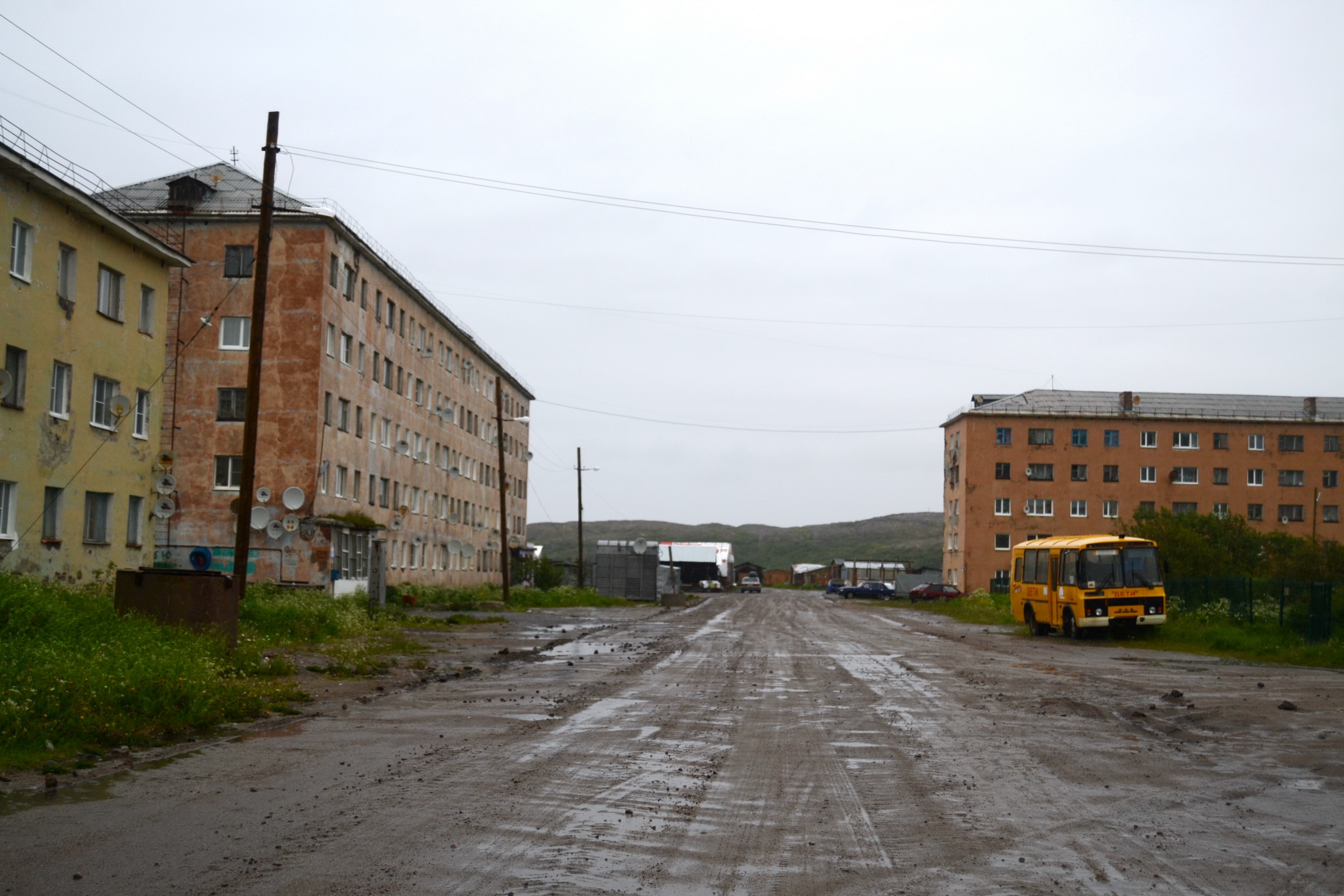
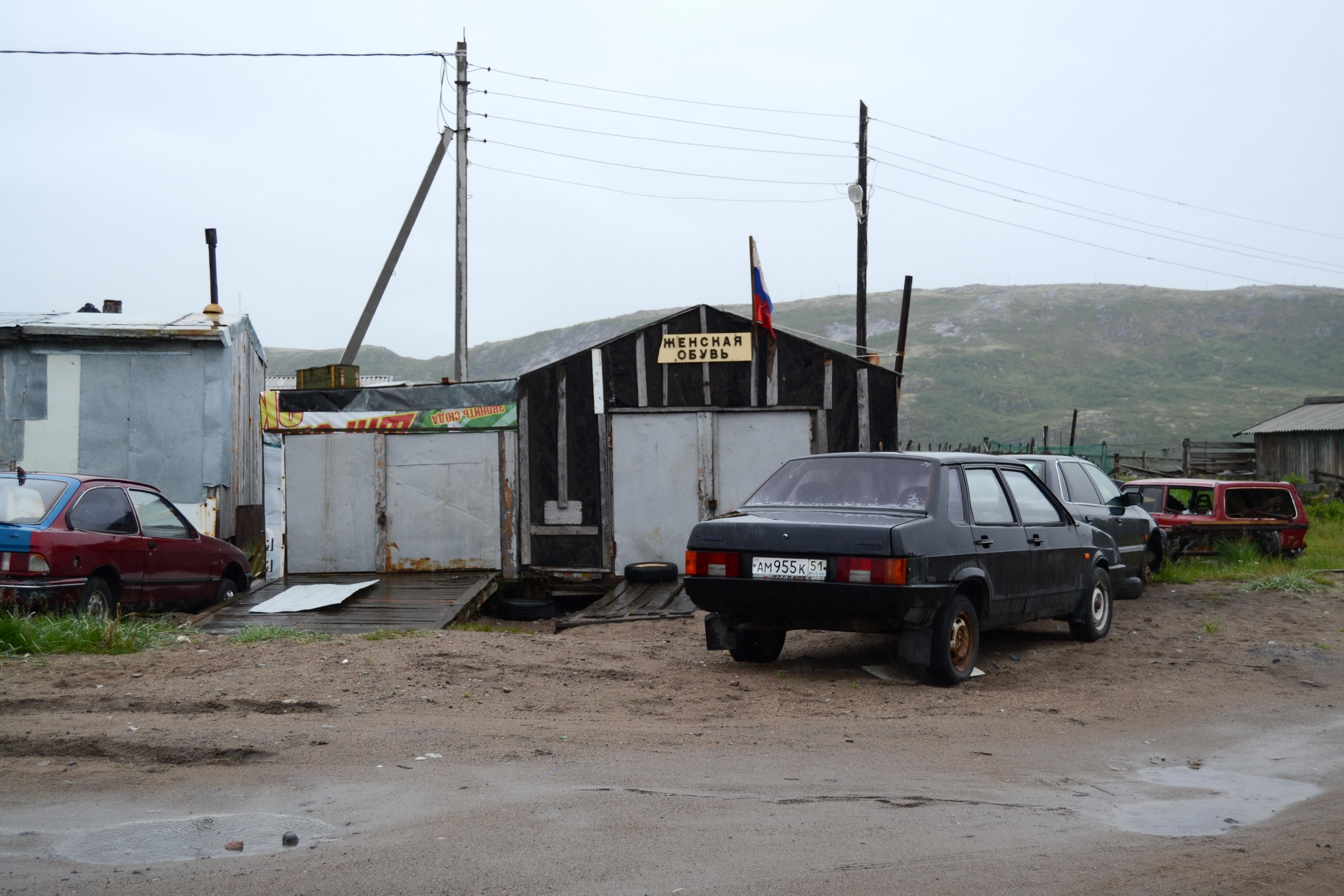
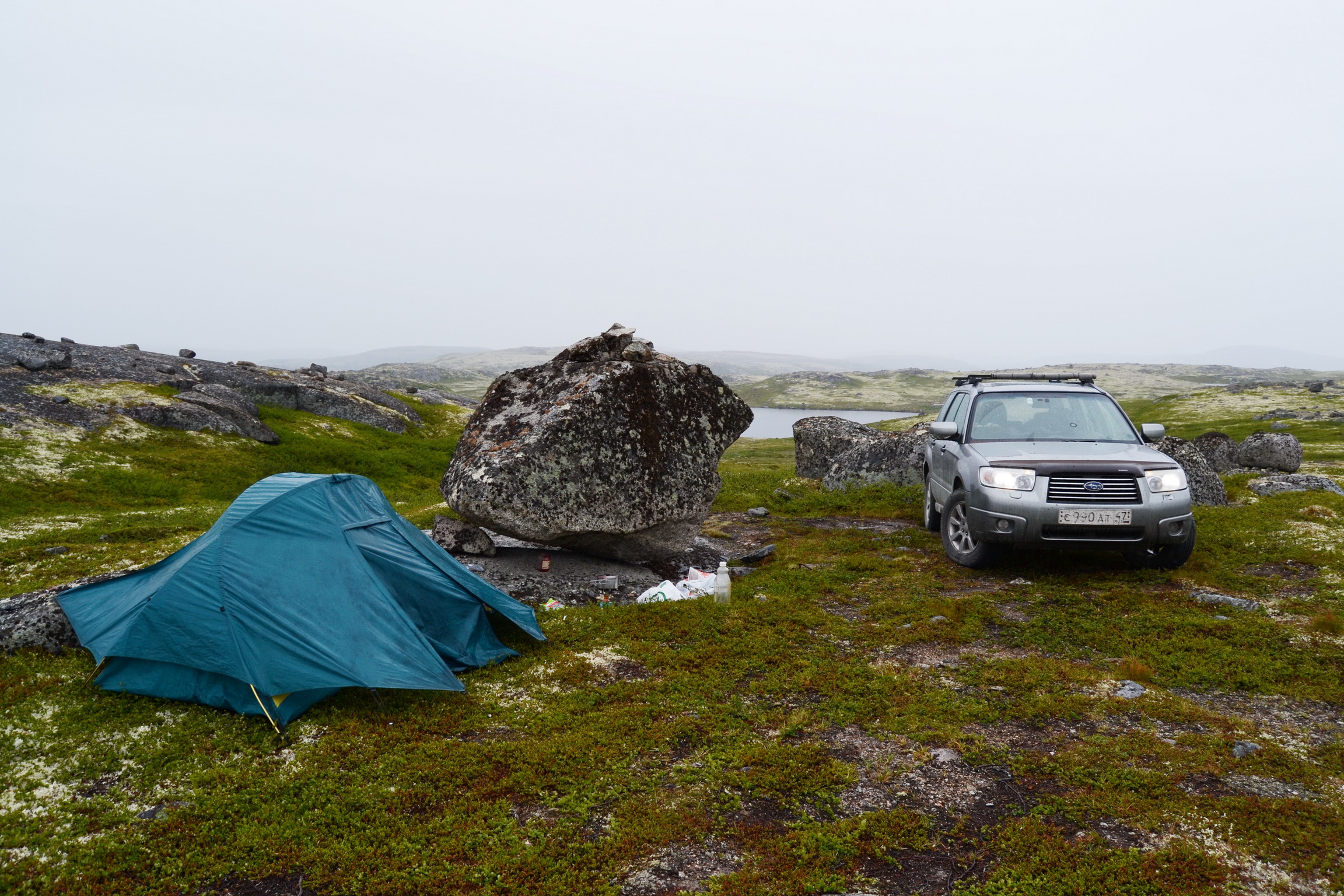
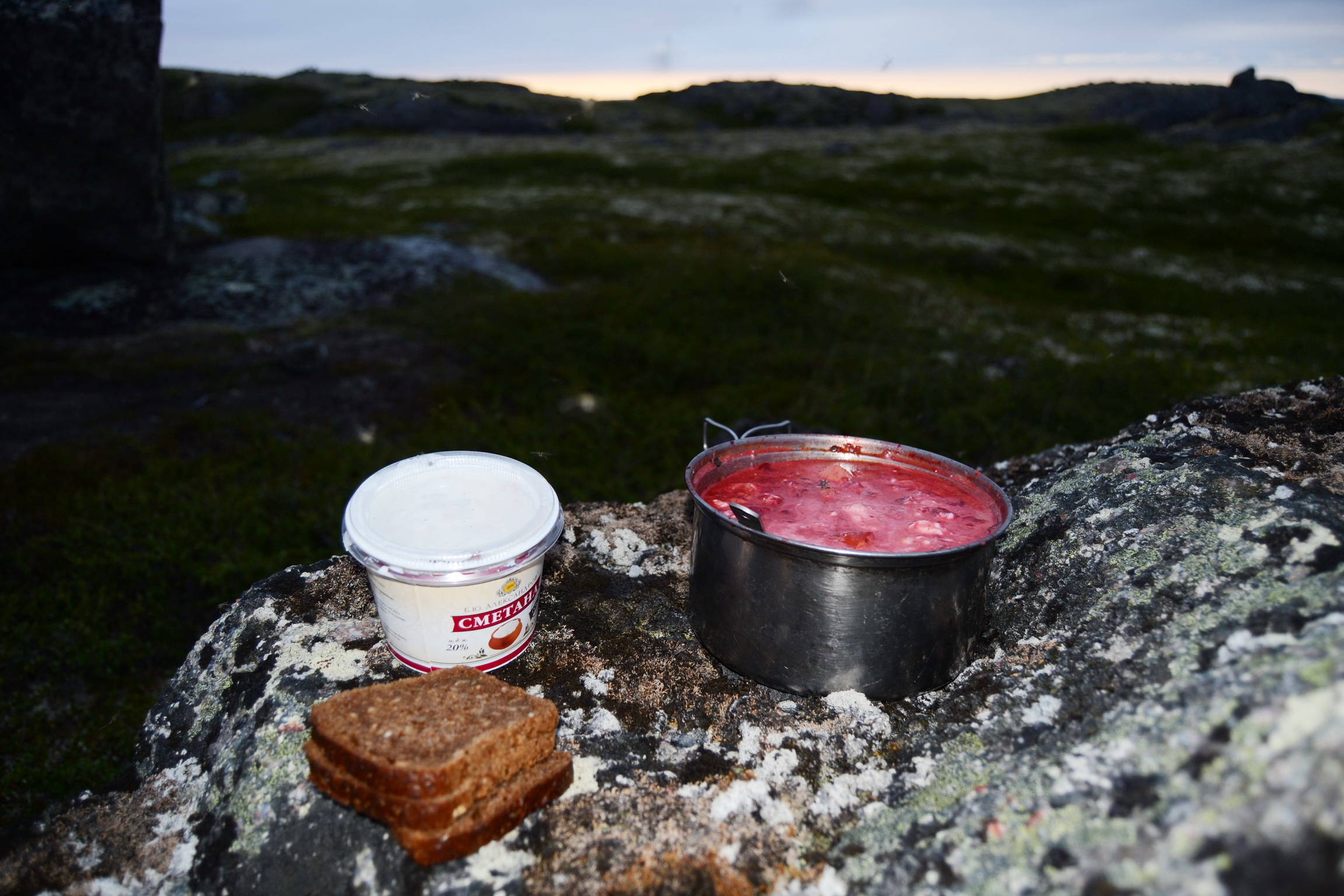
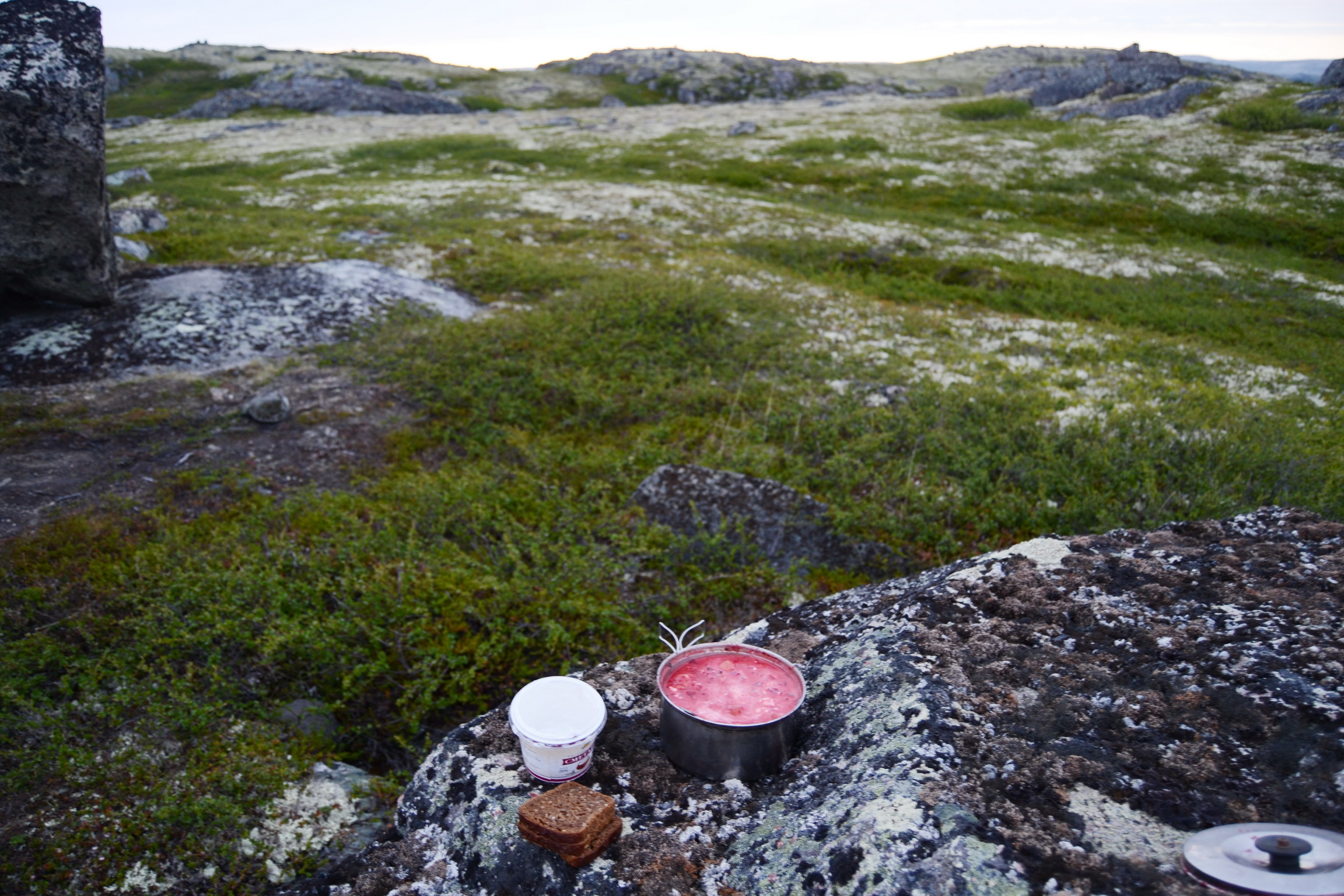
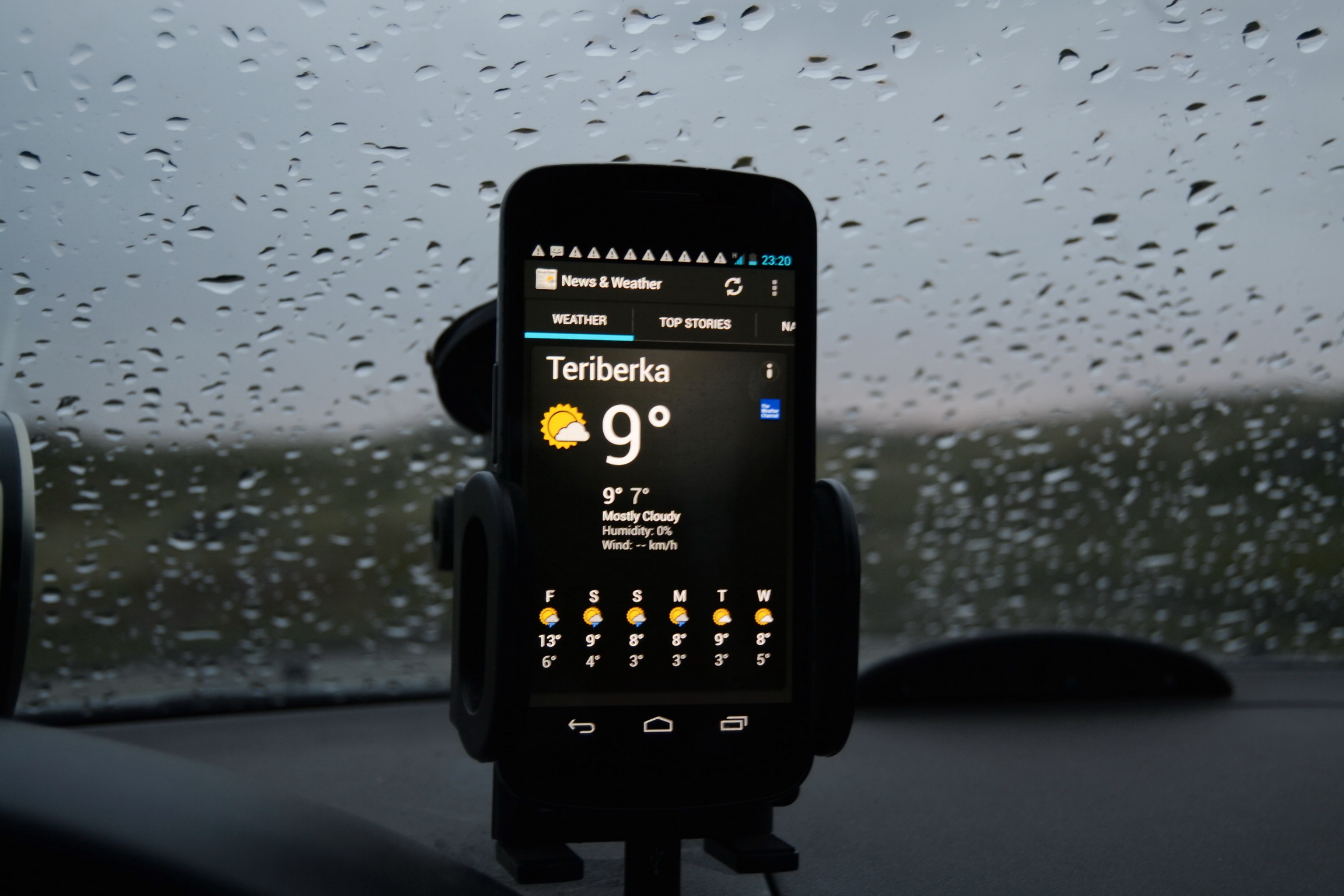
For the night I drove back a little way and turned off into the hills (69°06.199′N, 34°58.219′E). On the top I cooked borscht from a jar, with sausages and sour cream. It was drizzling. Gloomy weather.
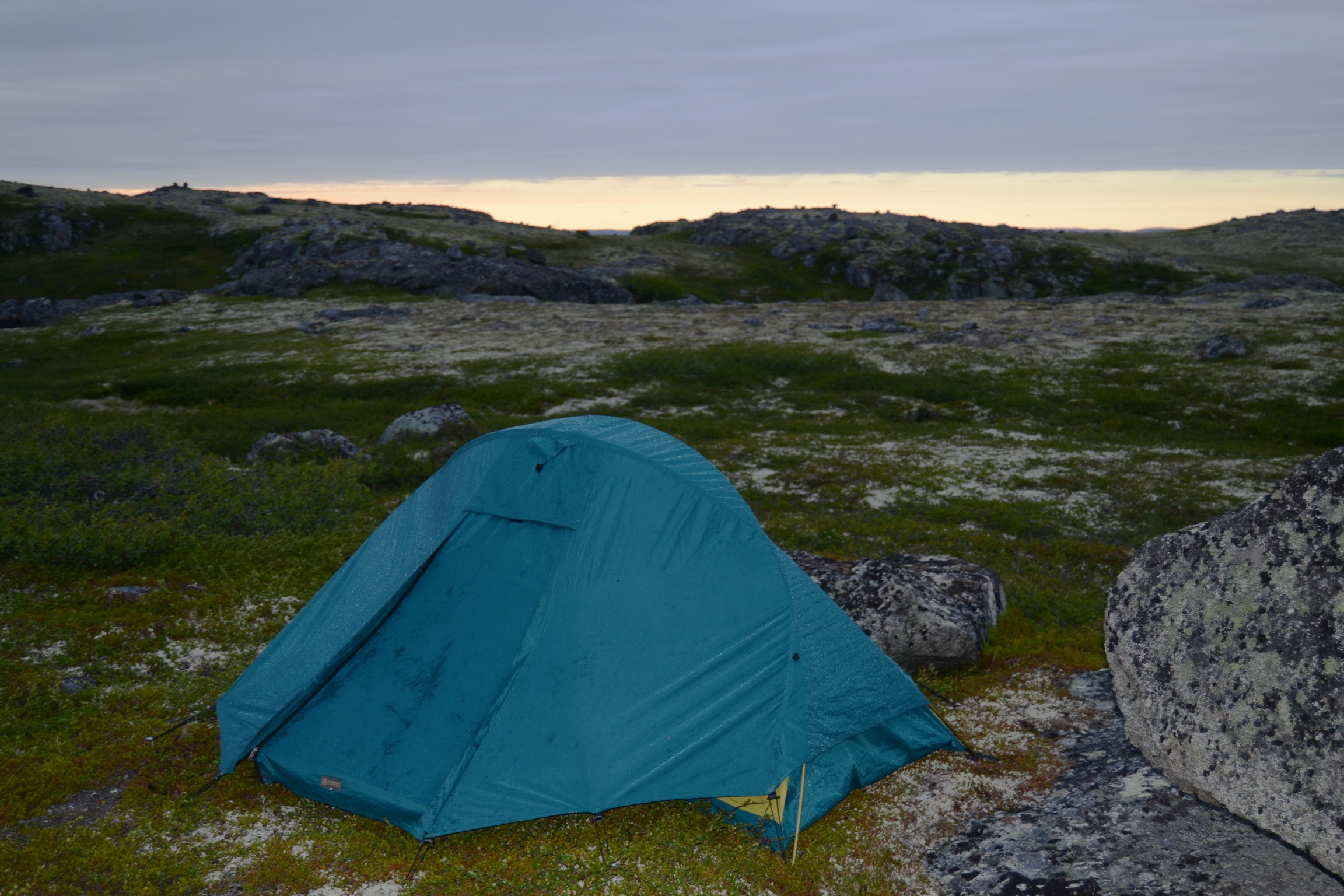
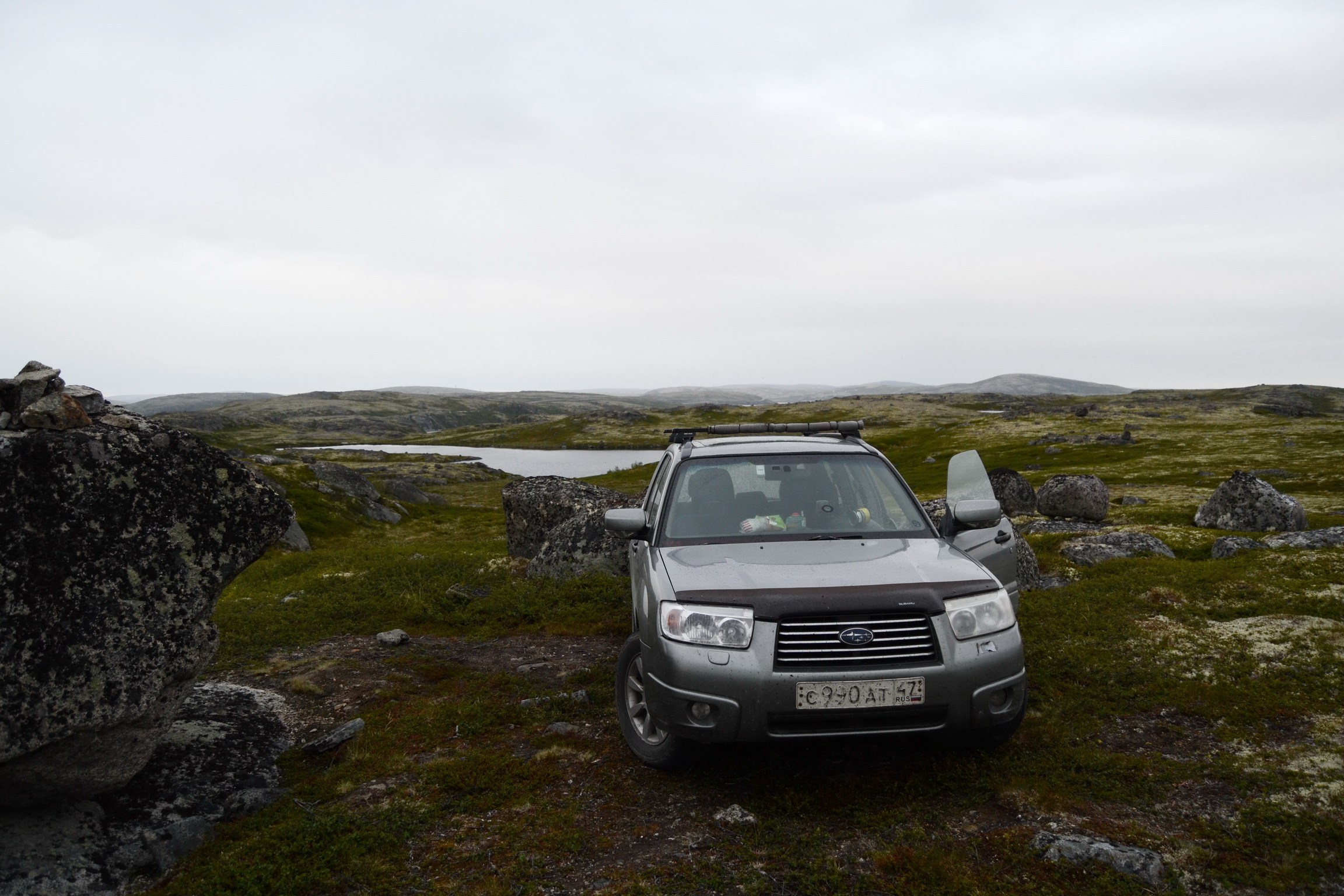
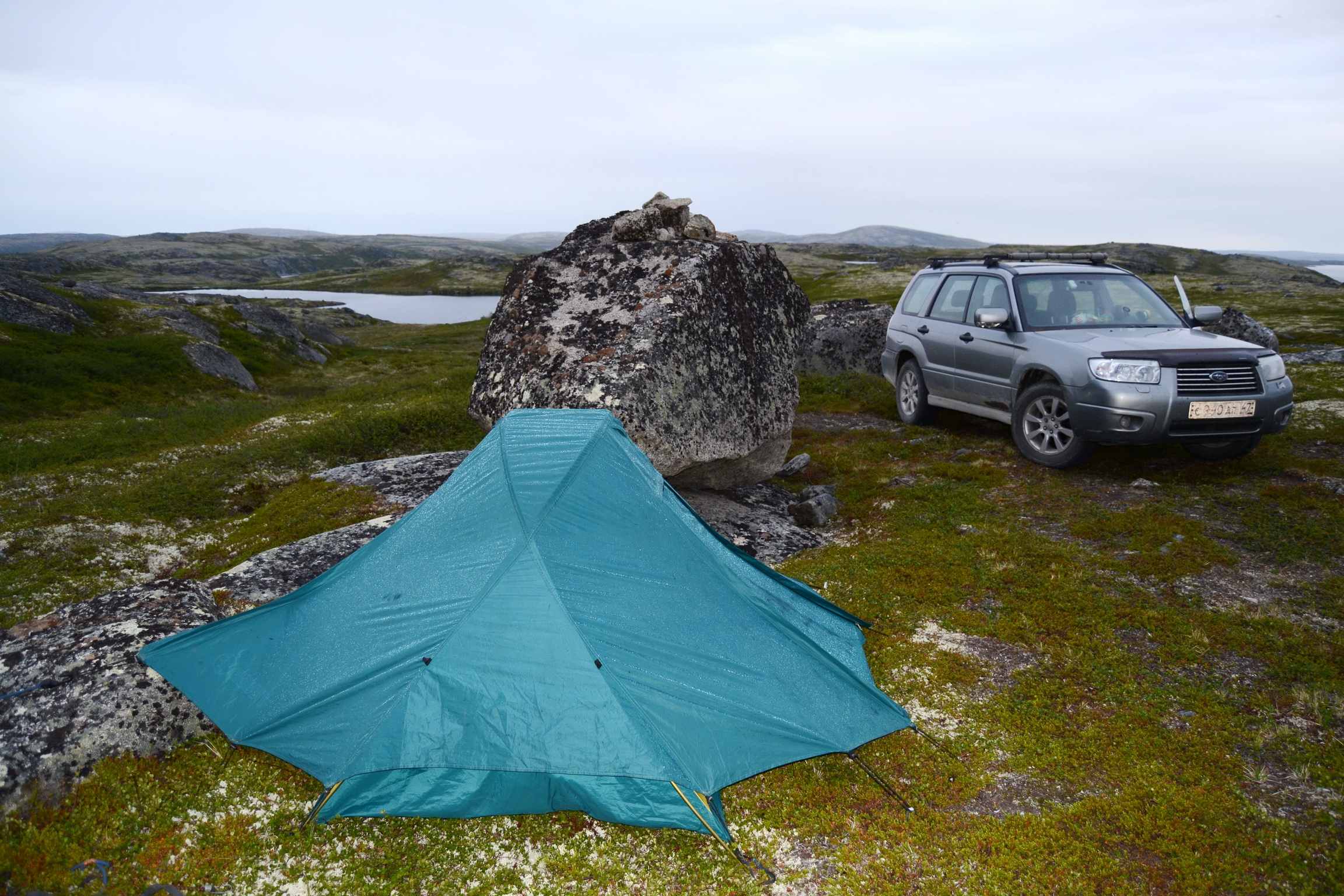
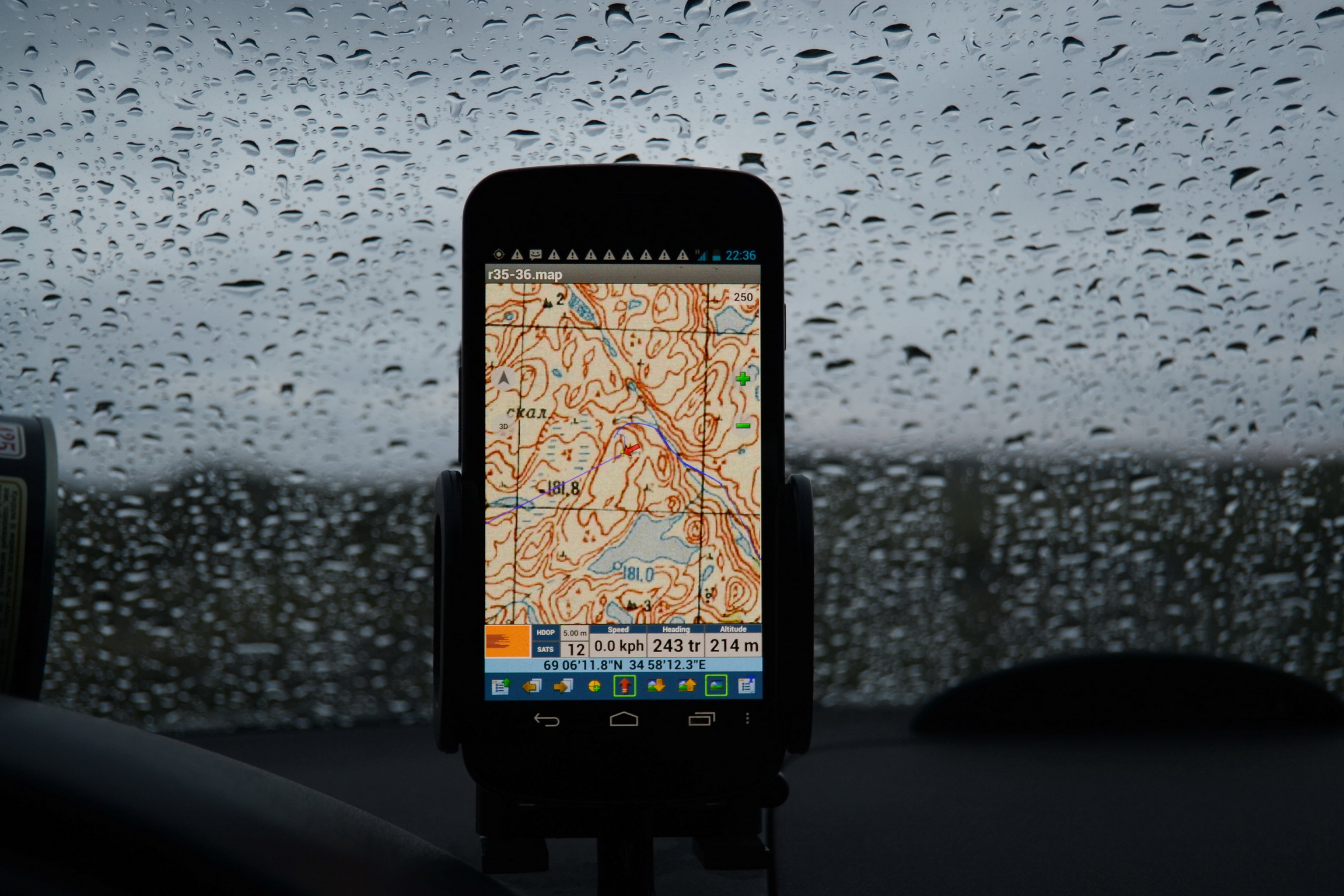
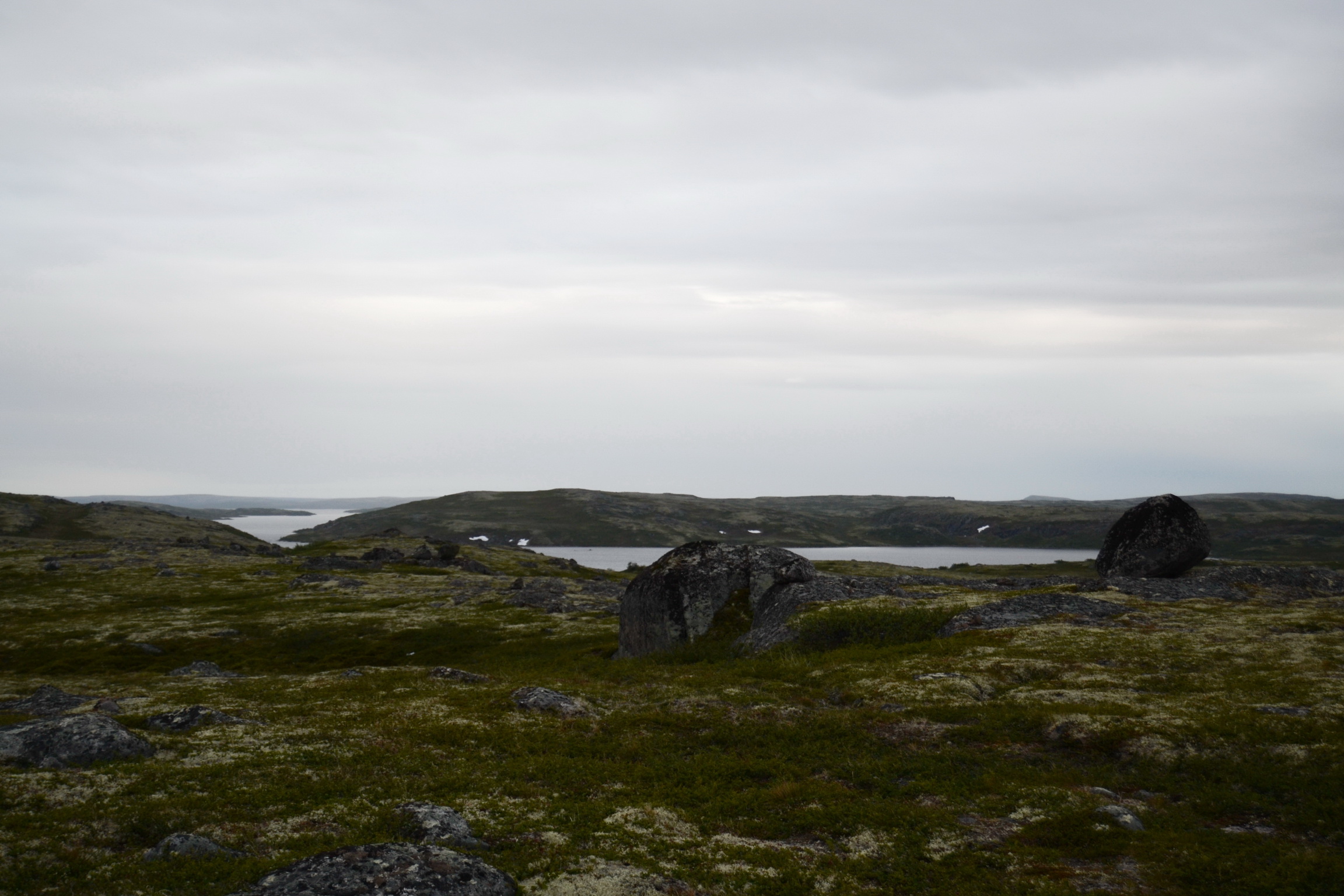
I was quickly through with my business in Murmansk and by evening I was in Norway. Everything here is in order. Beautiful and comfortable. It’s a pity I don’t have time to drive around. Then again, why would I? I live in a beautiful, well-kept country myself now.
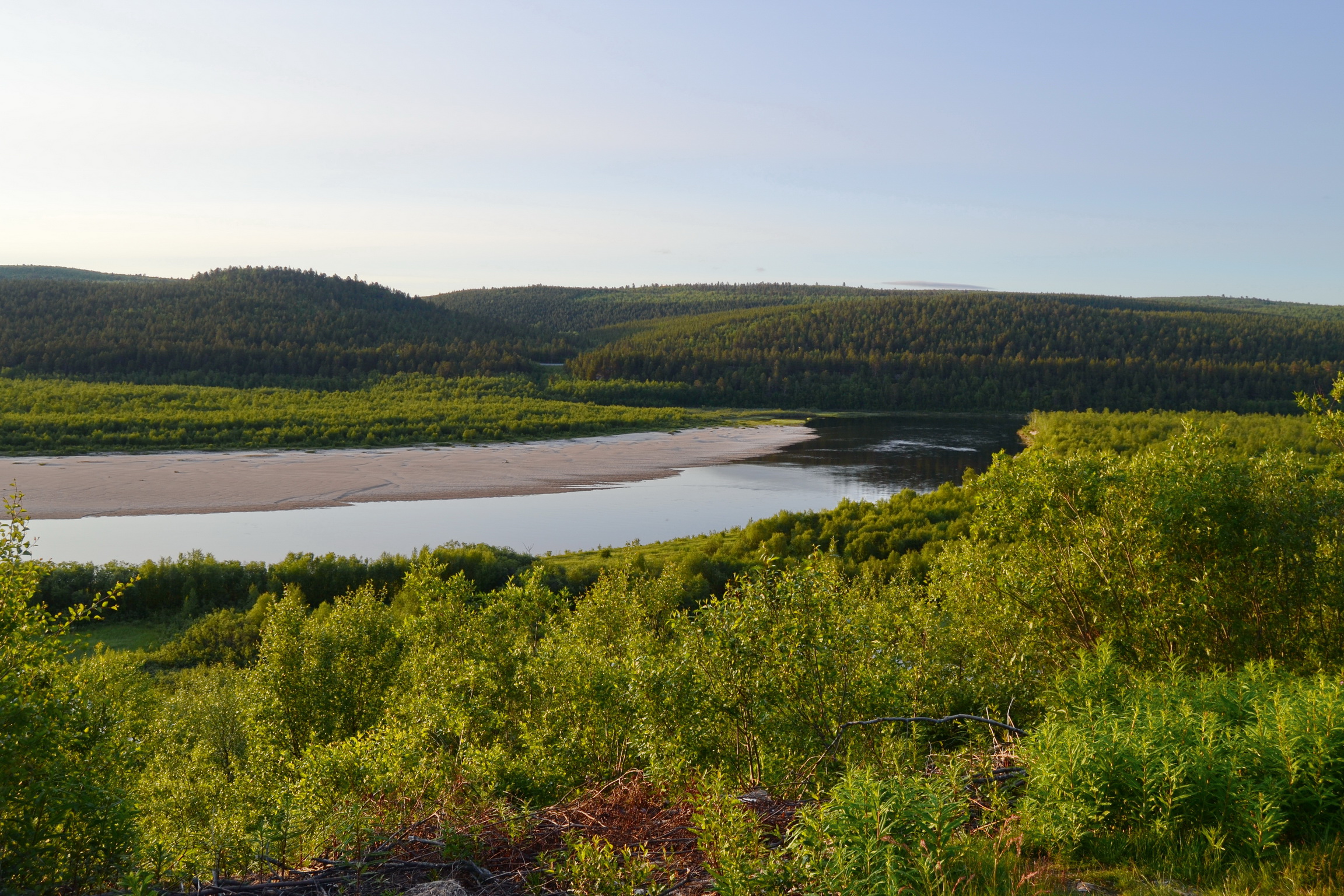
One night I camped by the river Kárášjohka (69°25.110′N, 24°43.769′E). The next was in roughly the middle of Finland, near Pihtipudas (63°31.917′N, 25°44.517′E). Then home. My flight was coming up. I used to go to New Zealand almost as a holiday. Now I was going there to work, designing houses, and would only come to Russia from time to time.
Late November. The last trip north
I came back three months later. There was still a pile of things to do in Russia, including finishing the job at Nikel. Or rather, it had all been built without me. All I had left was to sign a few papers and collect the leftover materials and ladders to move them to Sonkovo.
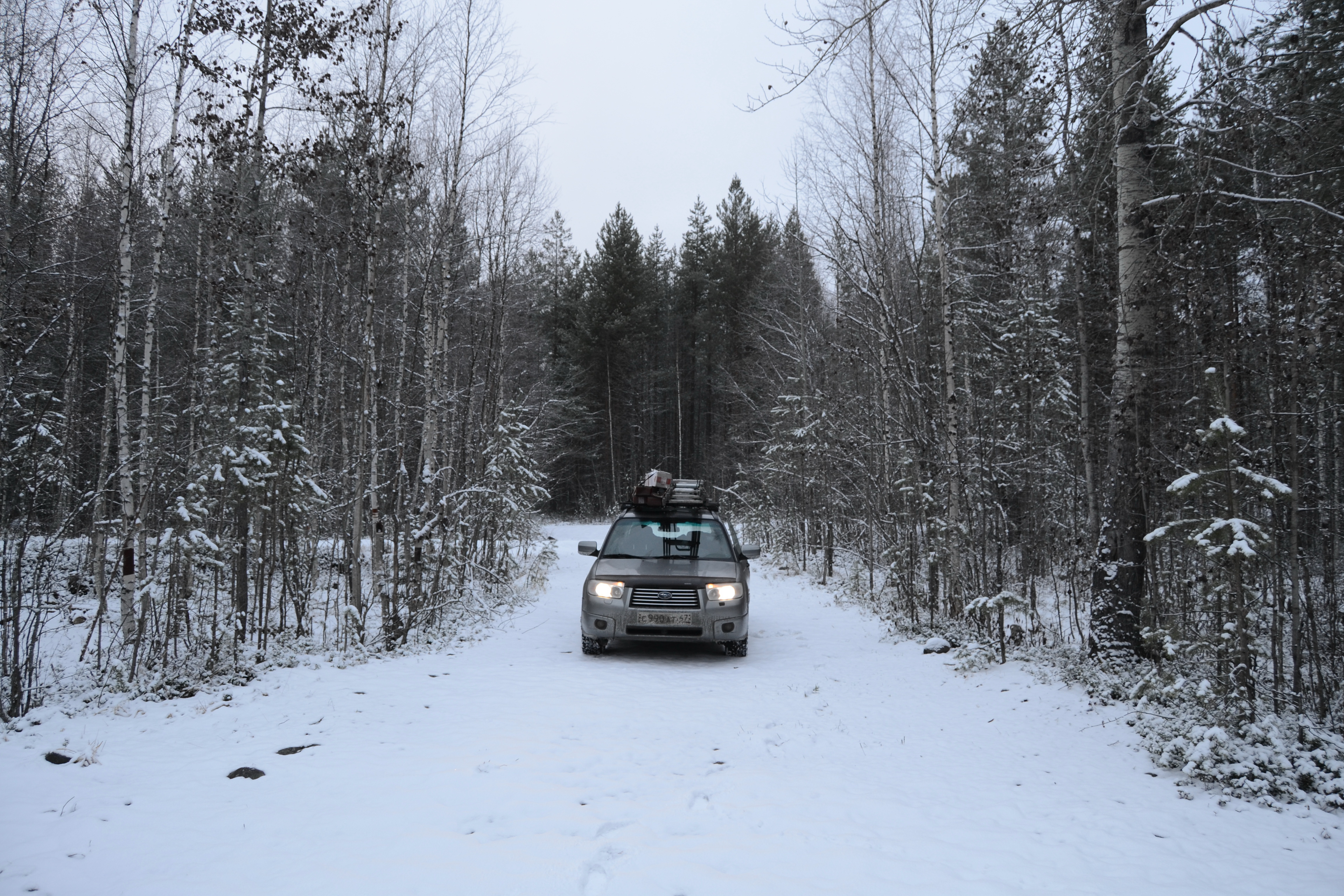
It was late November. Before going back north of the Arctic Circle I’d have to put the winter tyres back on. I’d thought I wouldn’t need them again, but there it was. I decided to replace the windscreen as well. Years of sand flying at it had left the old one scuffed and dull. In bad weather in the dark you couldn’t see a thing.
I began the long journey north through Finland. I made it to Kuopio on the first day (62°54.074′N, 27°39.125′E) and stayed at a hotel. The road was still dry. It hadn’t snowed yet, but things would get harder farther on.
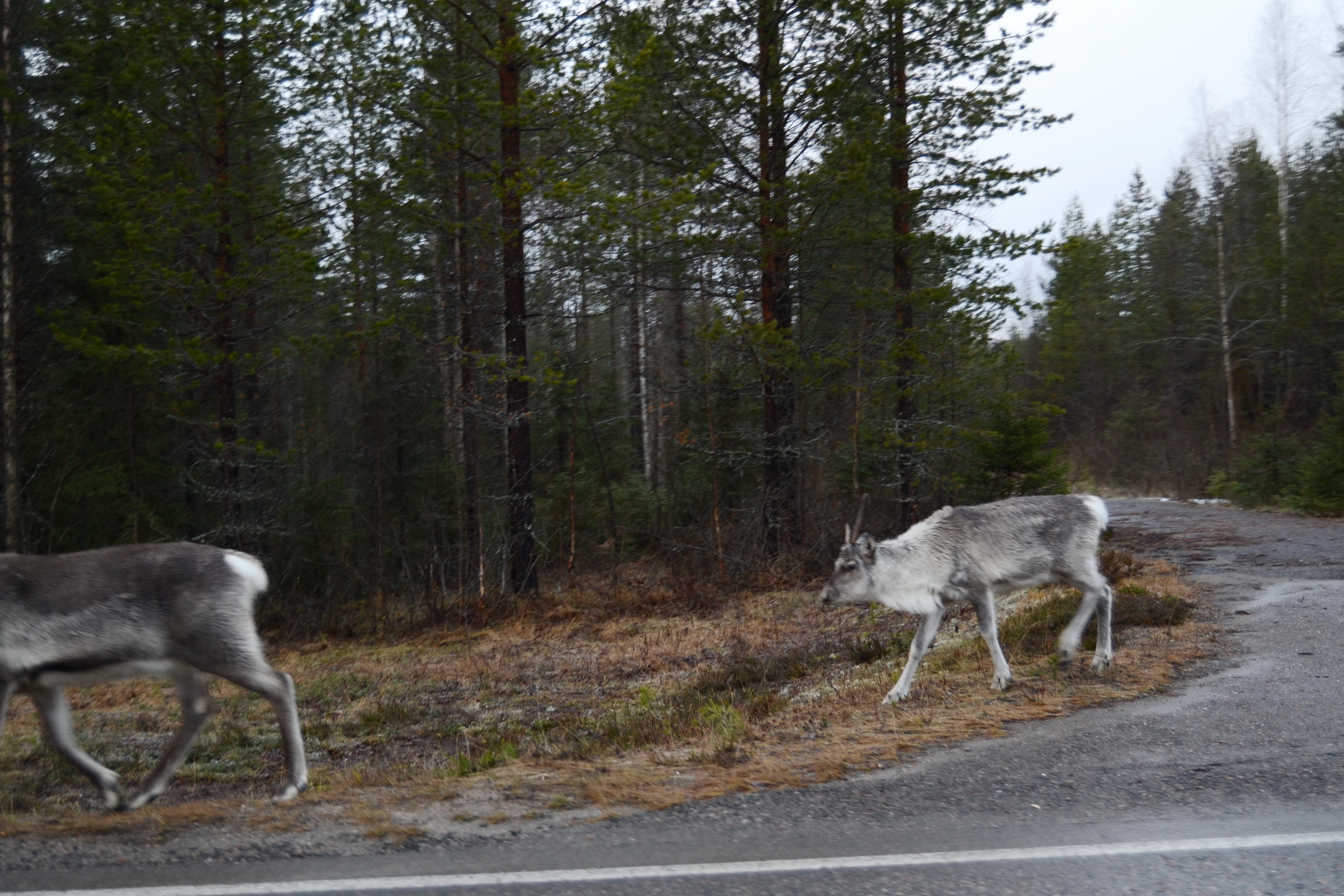
I kept steadily driving north all the following day and crossed into Norway after midnight. A cold, clear polar night. From time to time the northern lights flicker across the sky. I’m north of the seventieth parallel.
I didn’t pitch the tent. I spent the night in the car near Tana bru (70°09.471′N, 28°11.894′E).
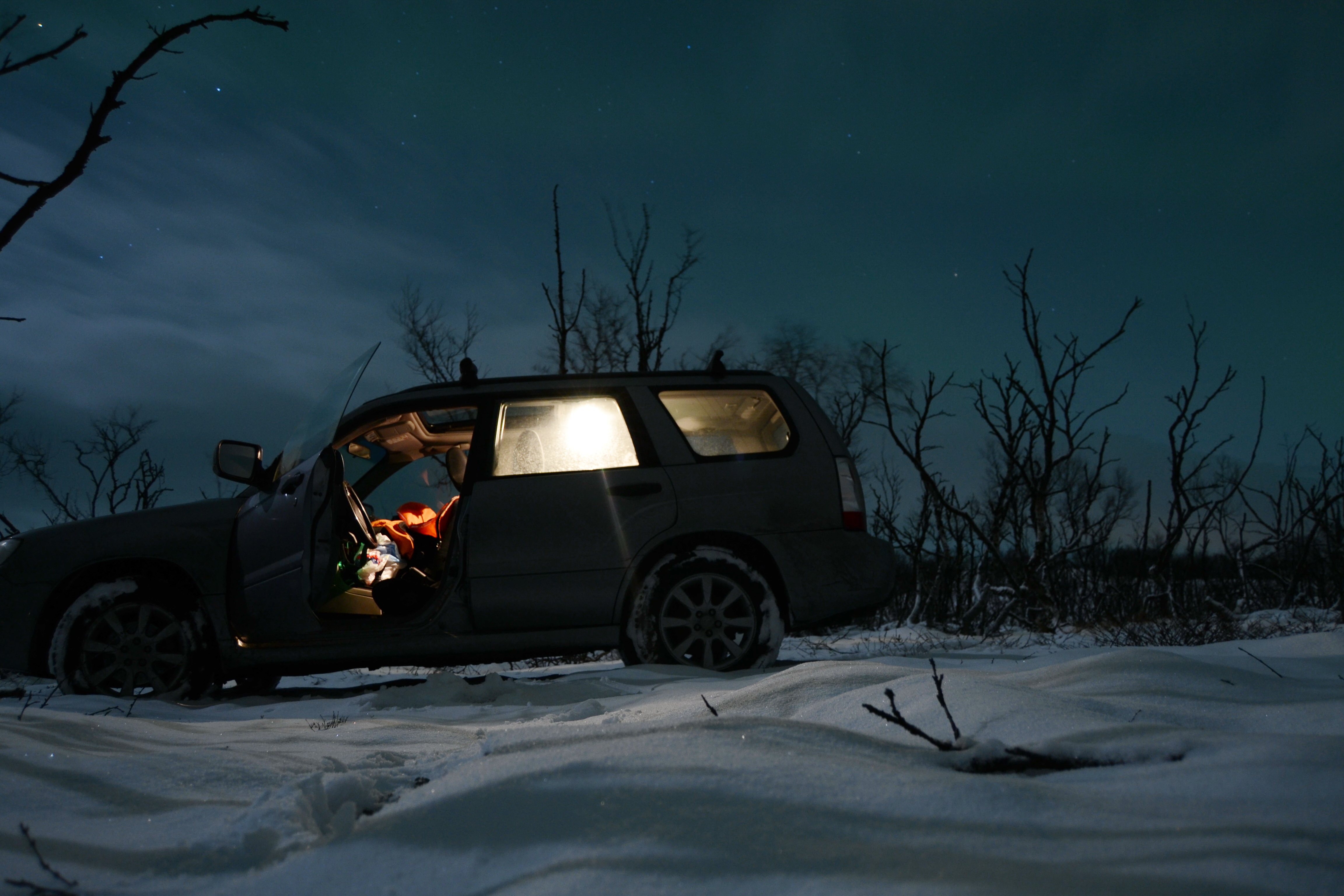
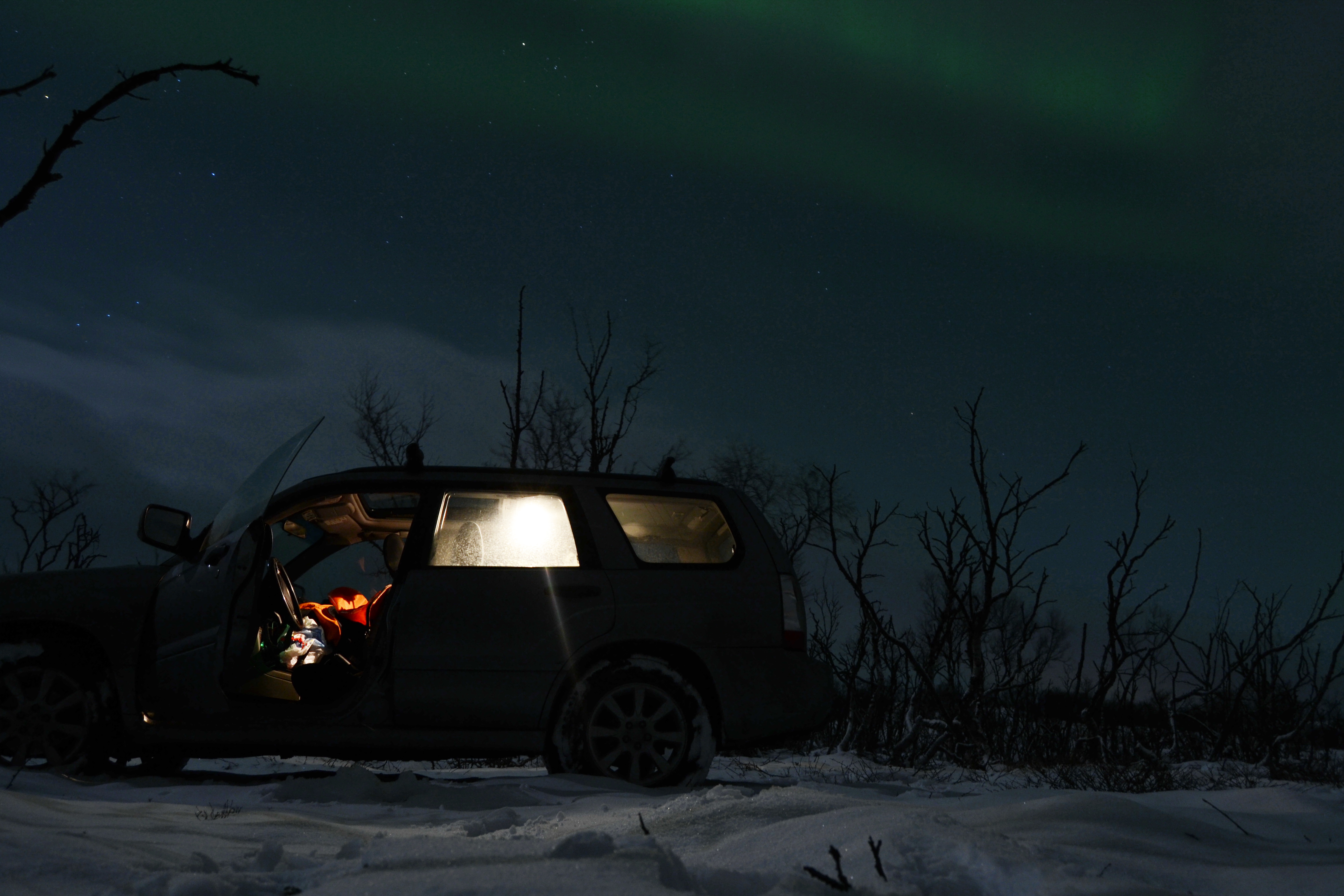
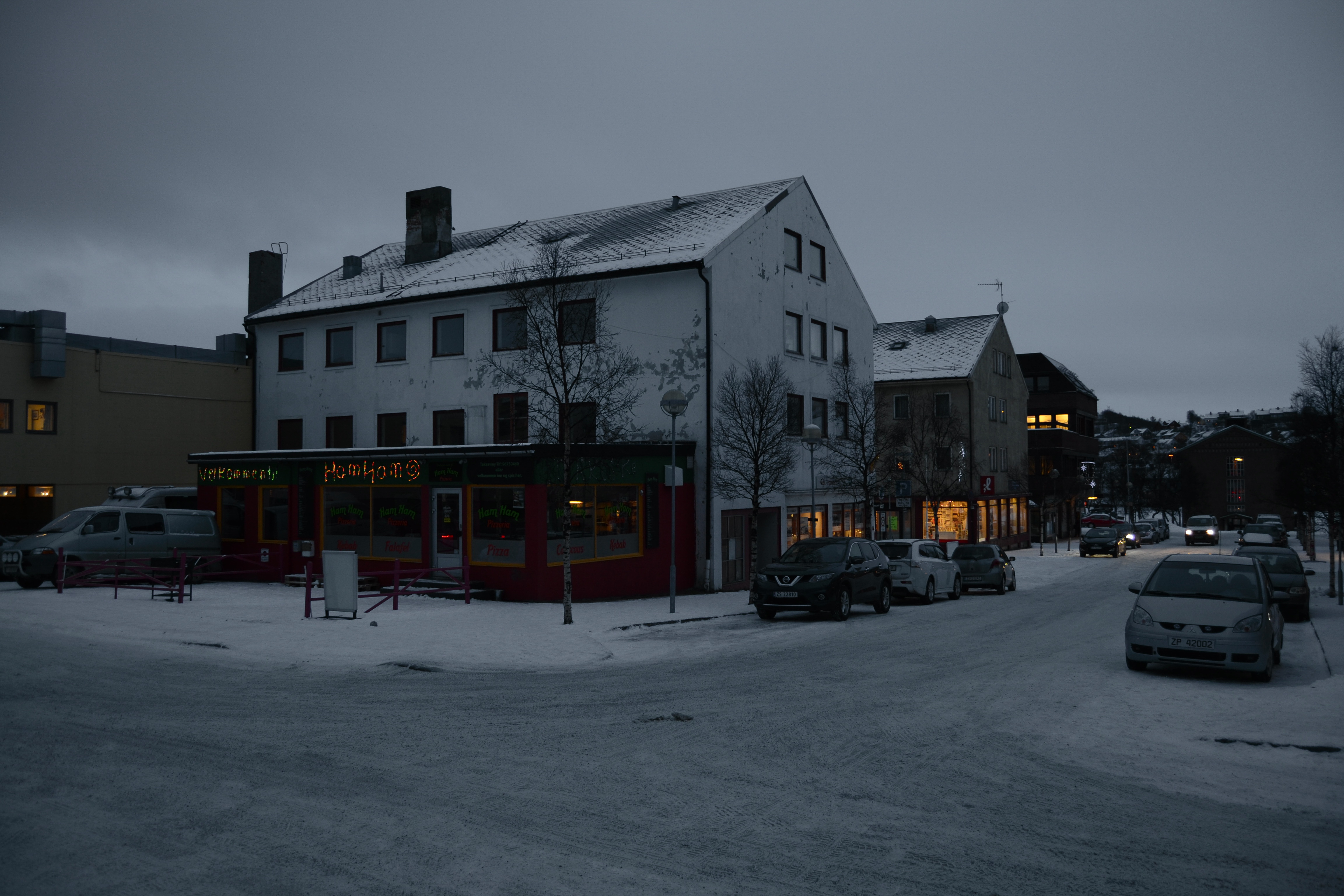
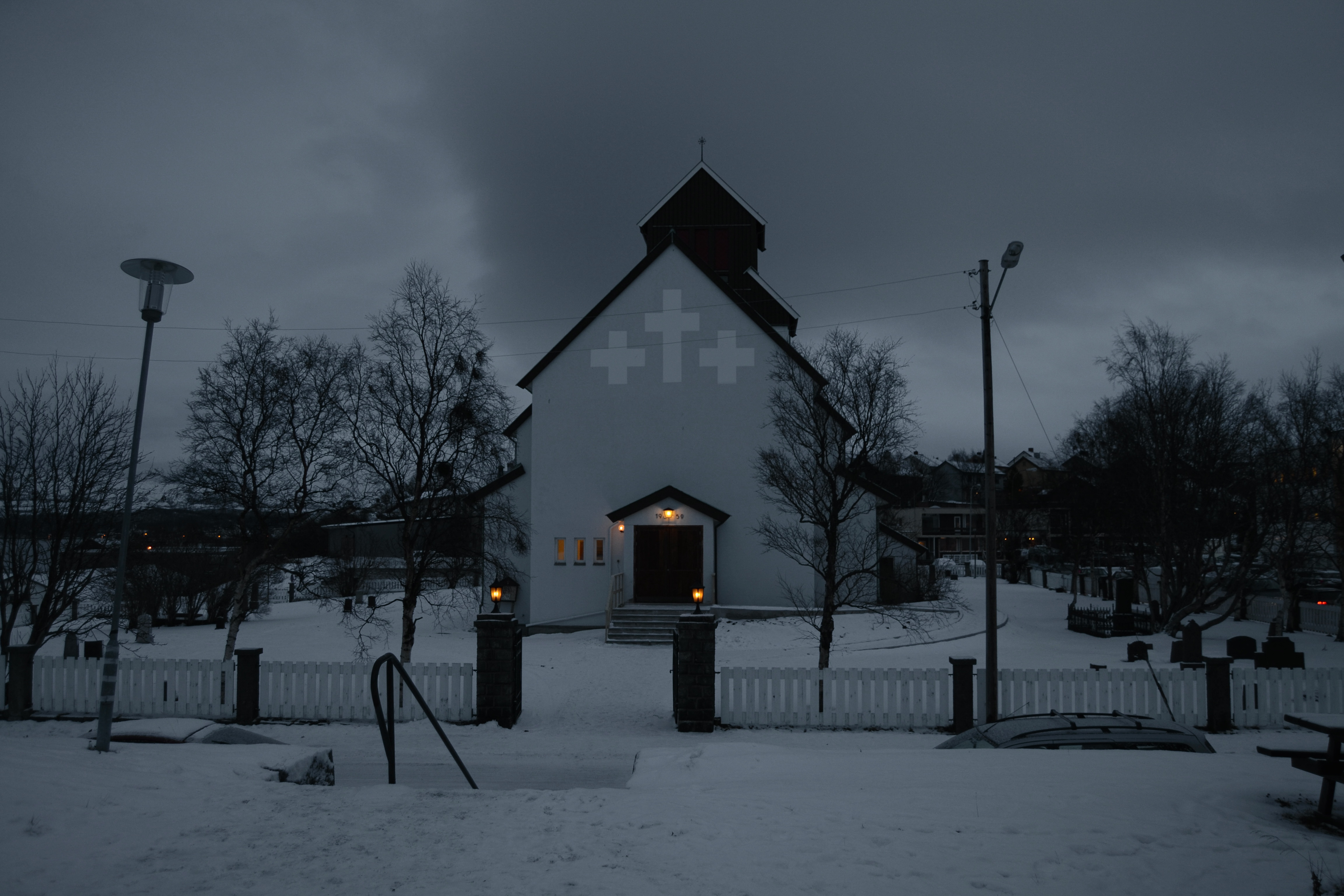
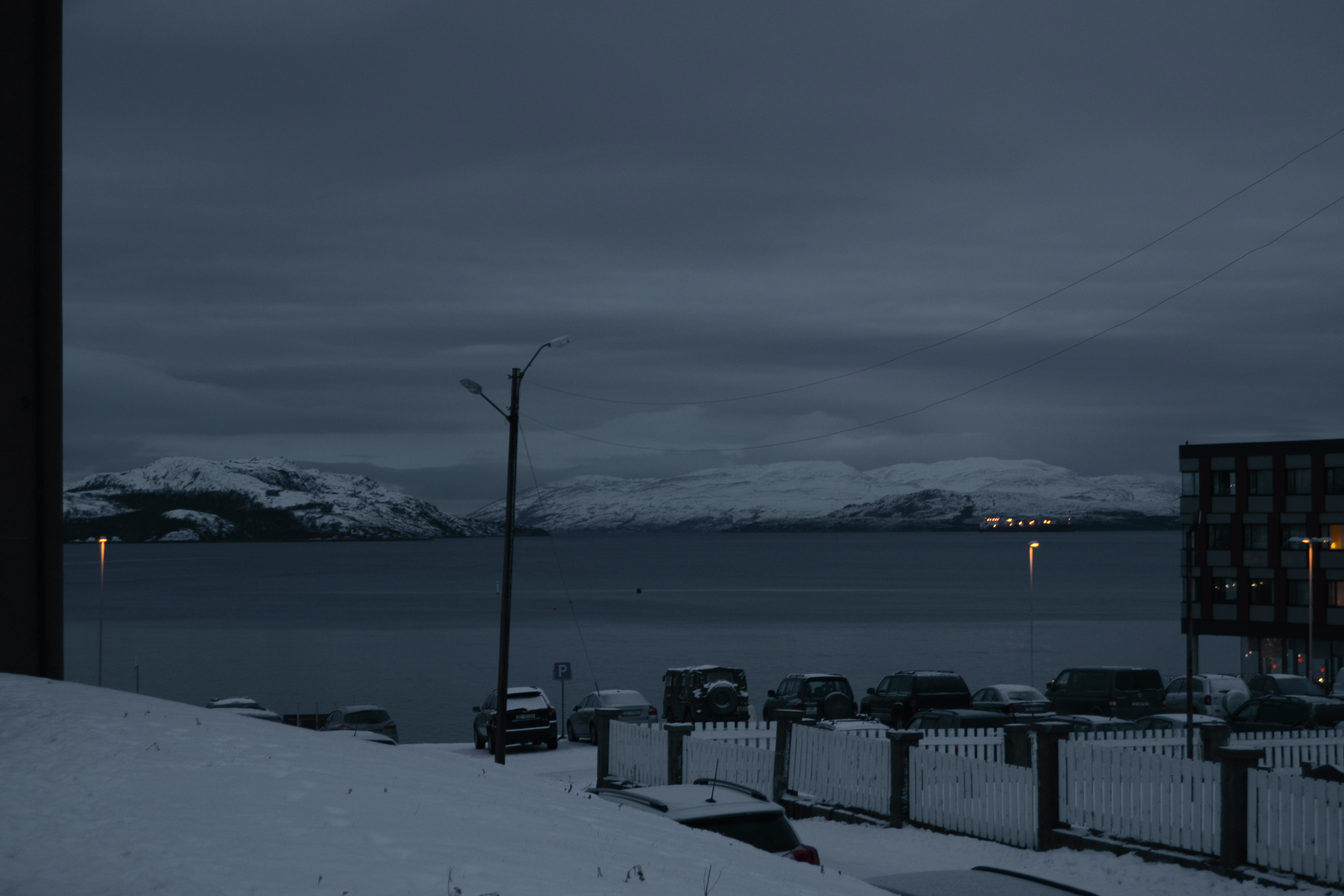
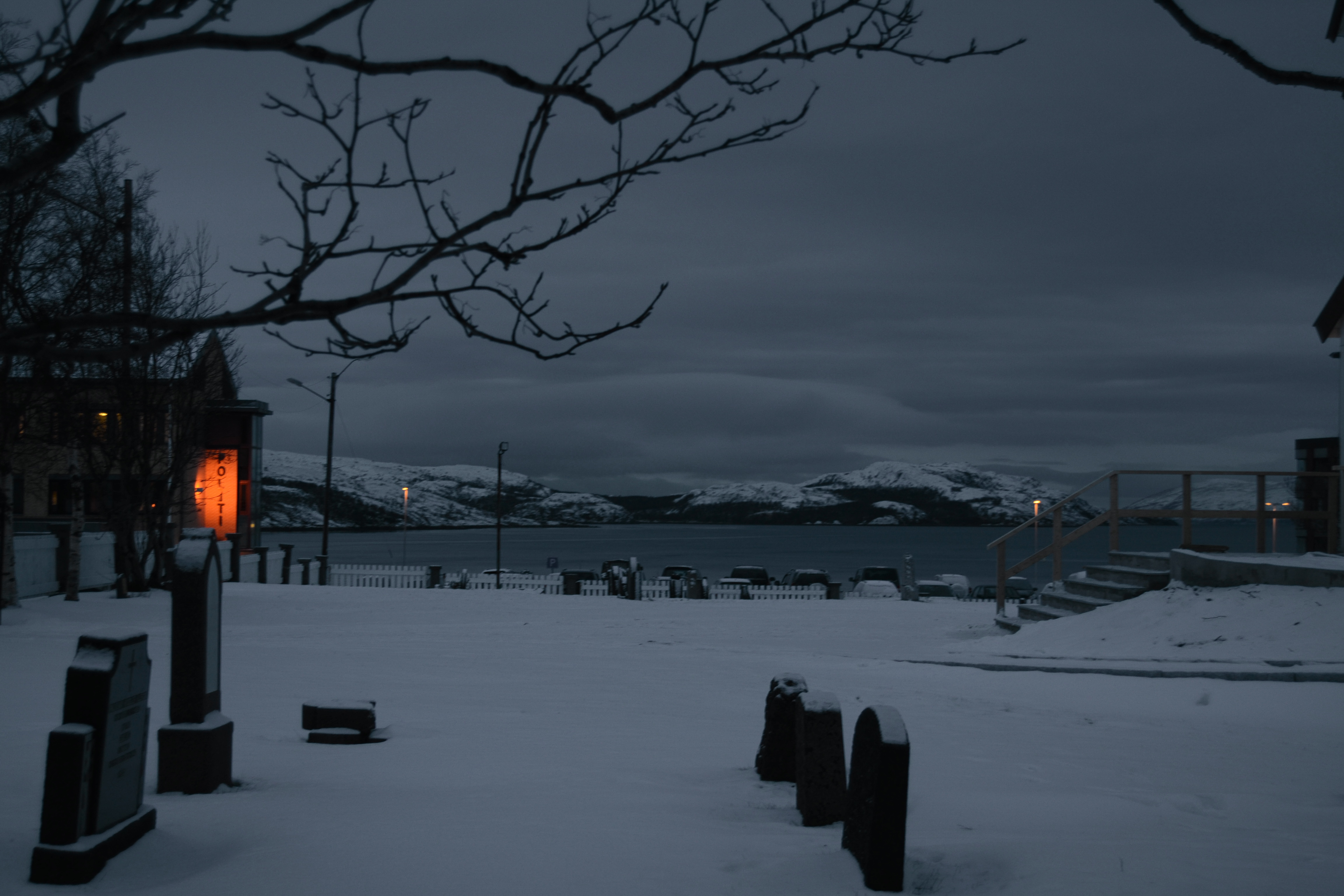
In the morning I drive unhurriedly along the familiar E6 road beside the ocean, taking sad winter pictures. I’m five degrees of latitude north of the Arctic Circle. The sun never comes up above the horizon, yet there’s plenty of daylight around noon. About as much as on the lightest white night in Saint Petersburg.
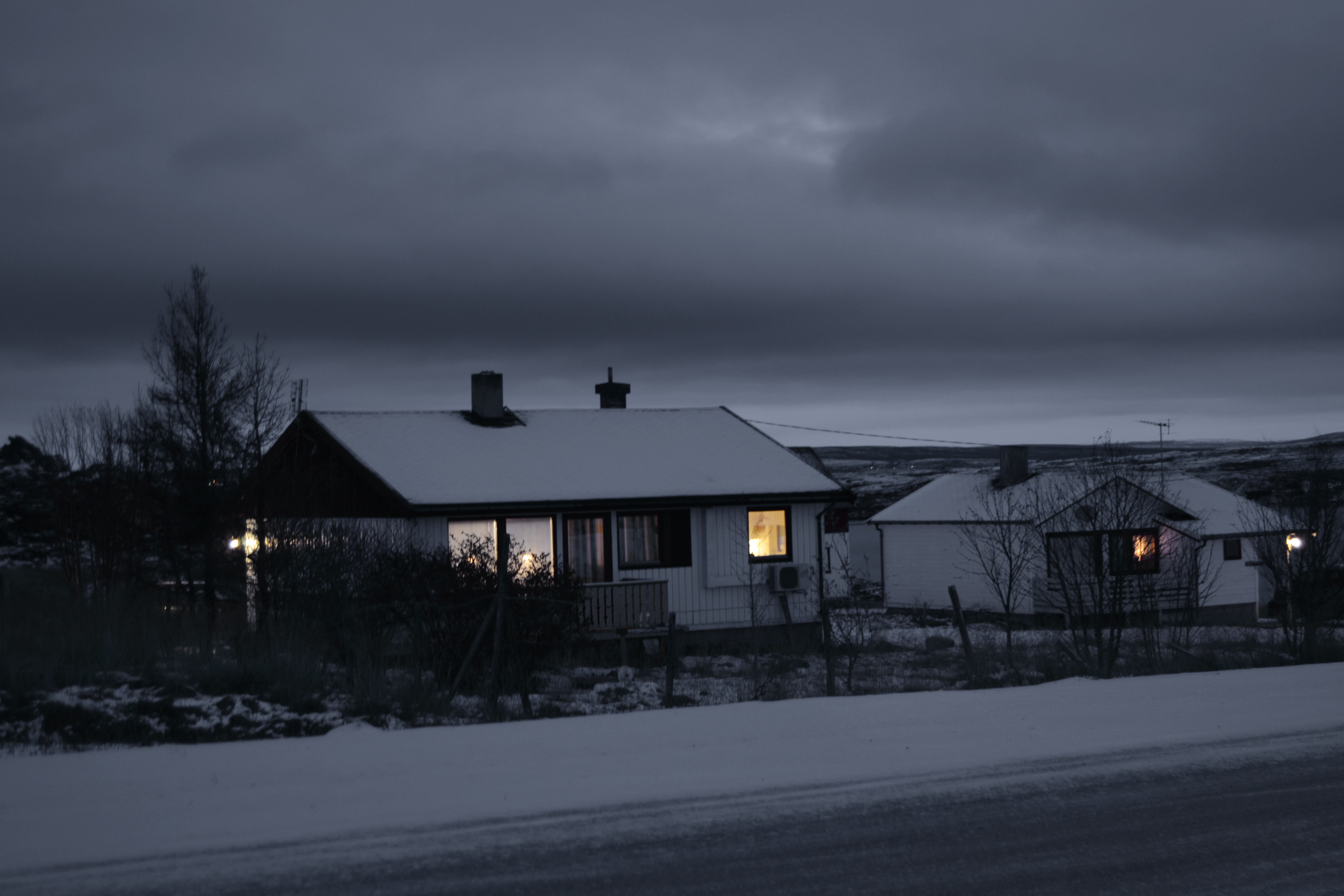
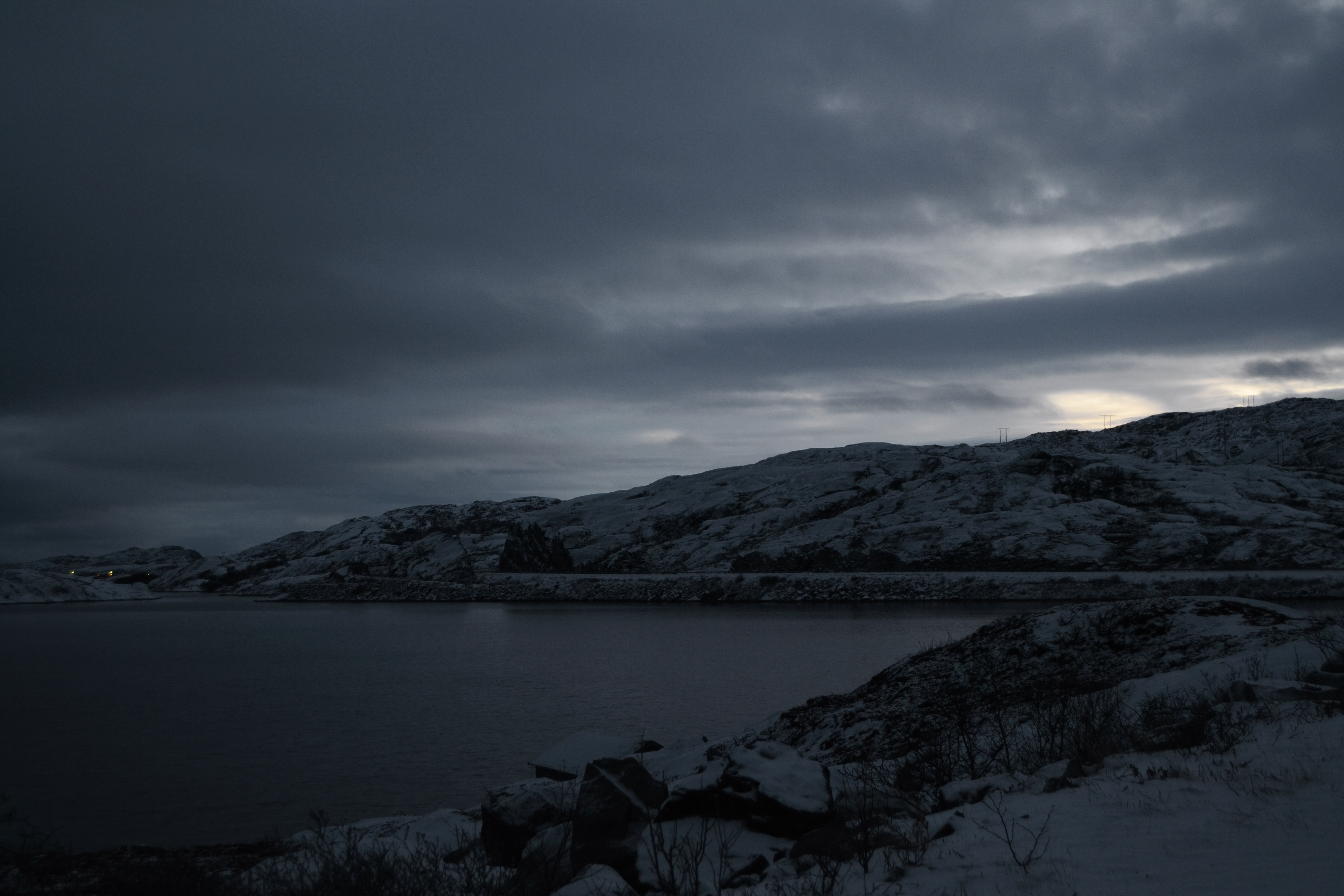
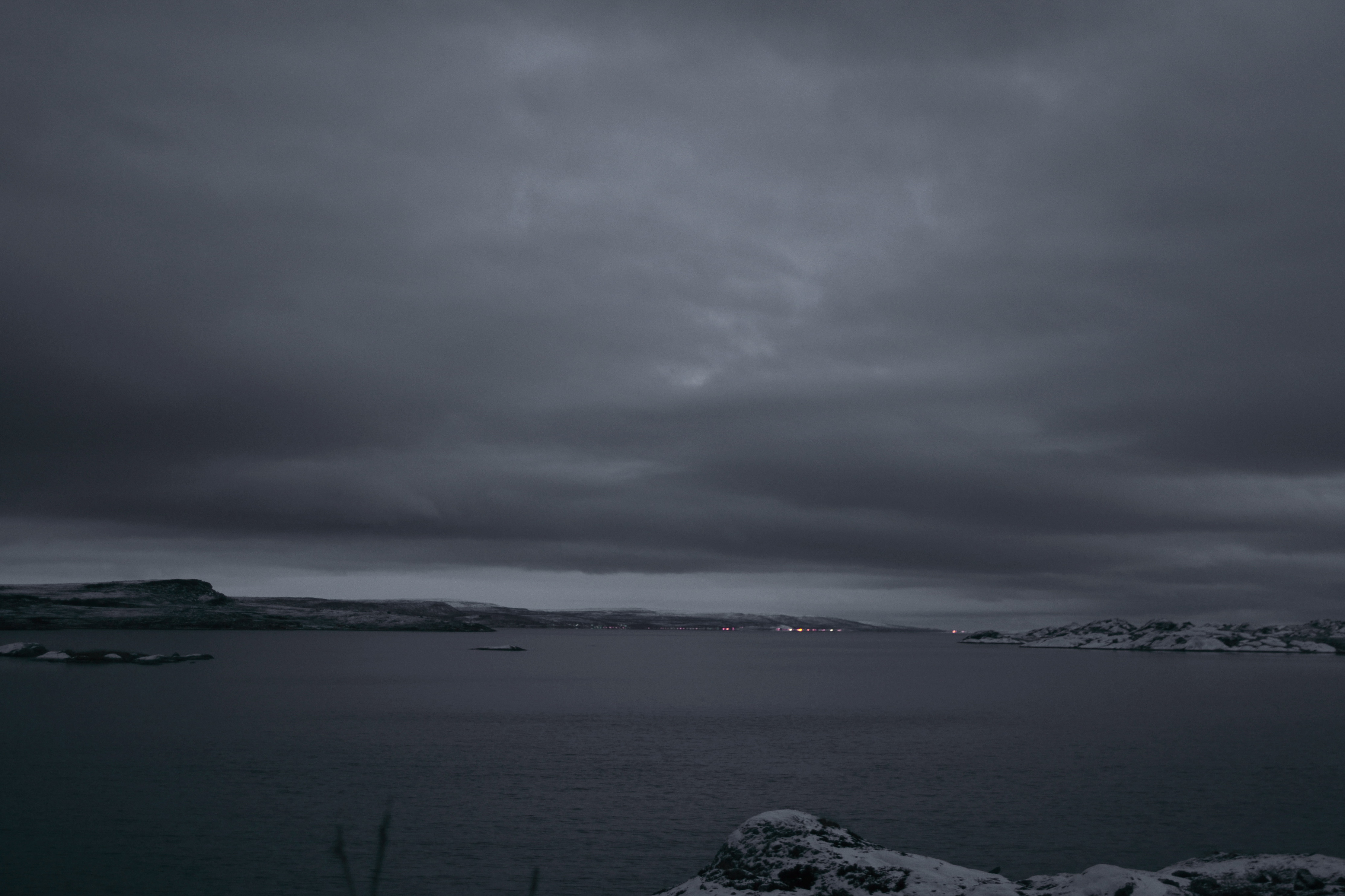
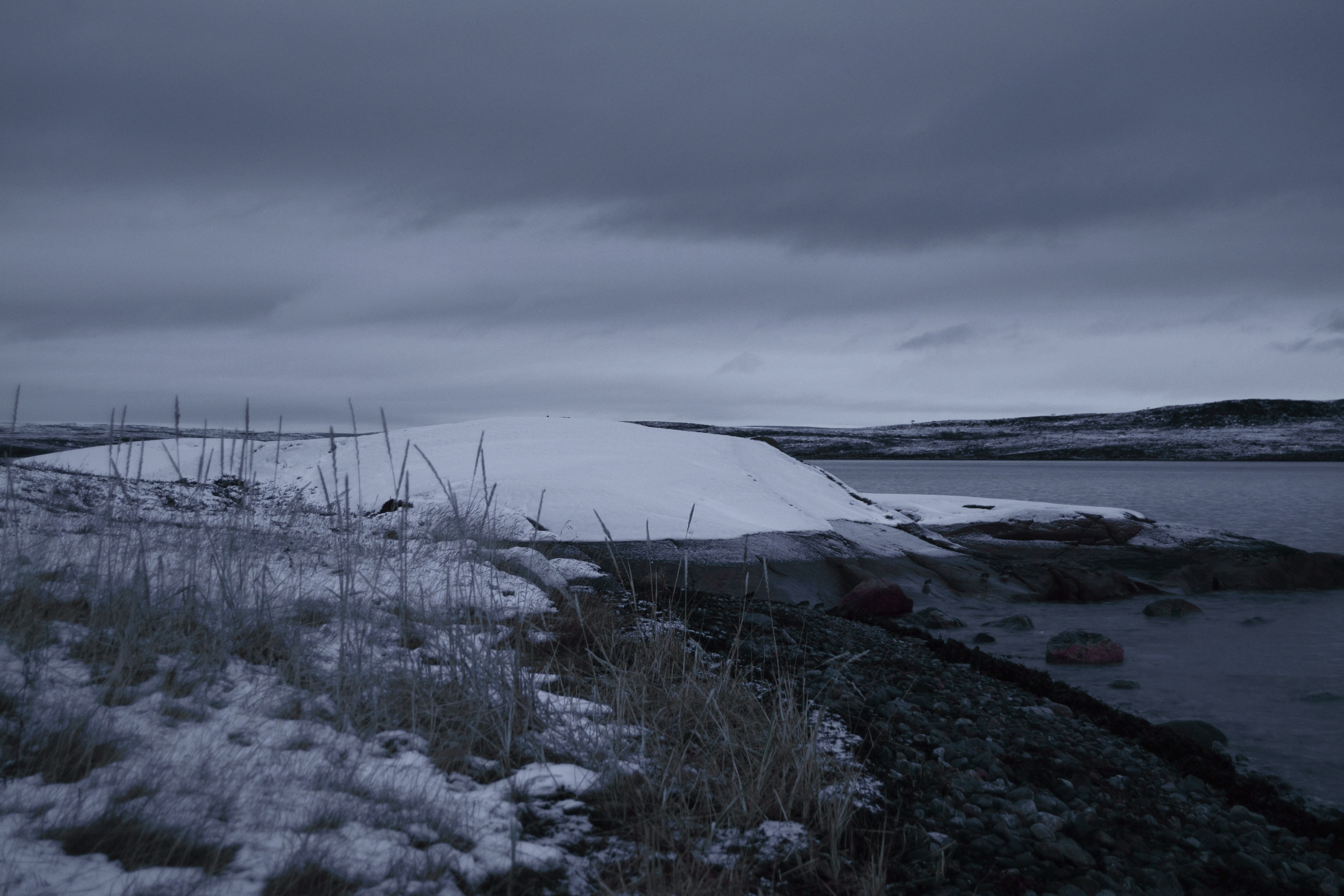
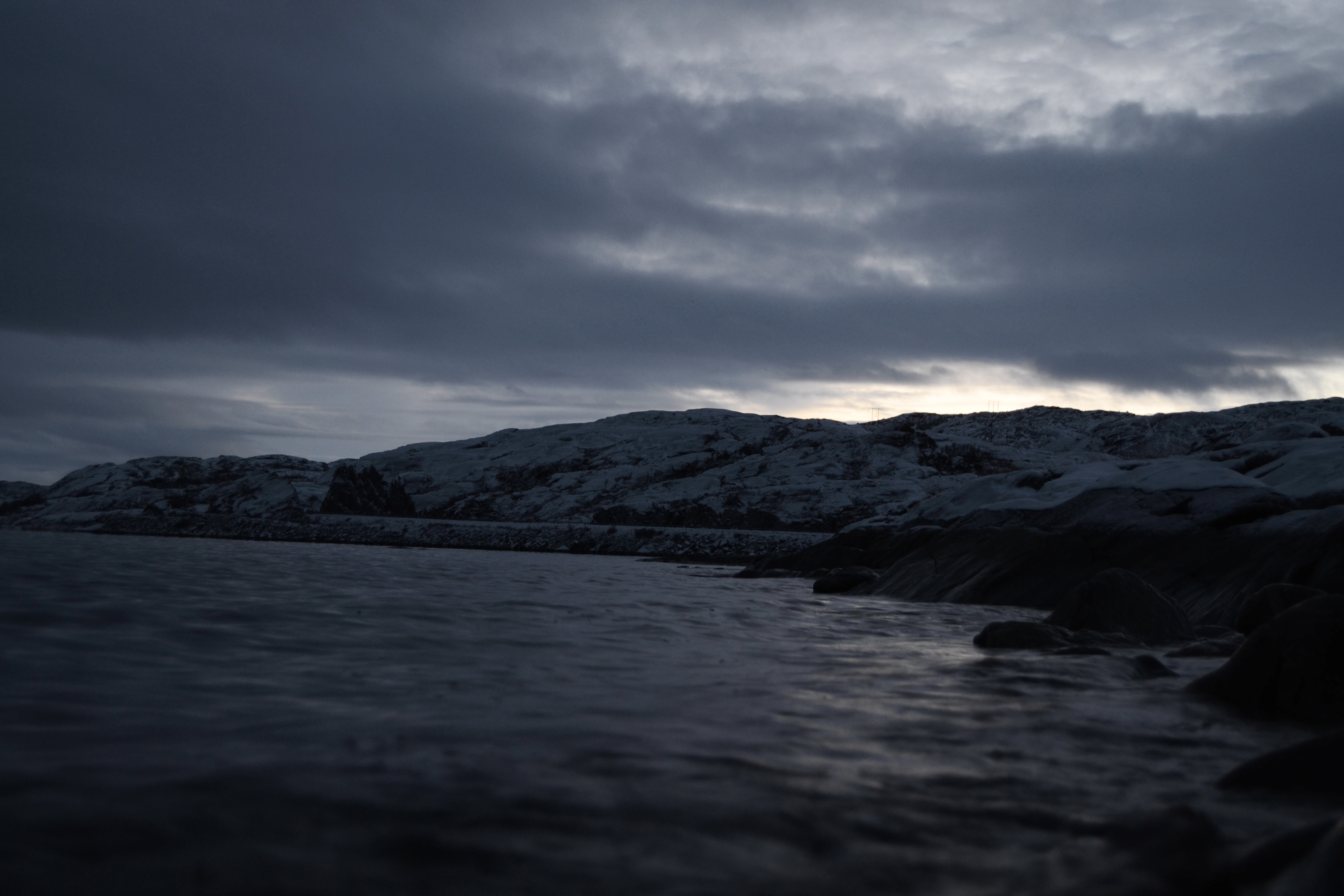
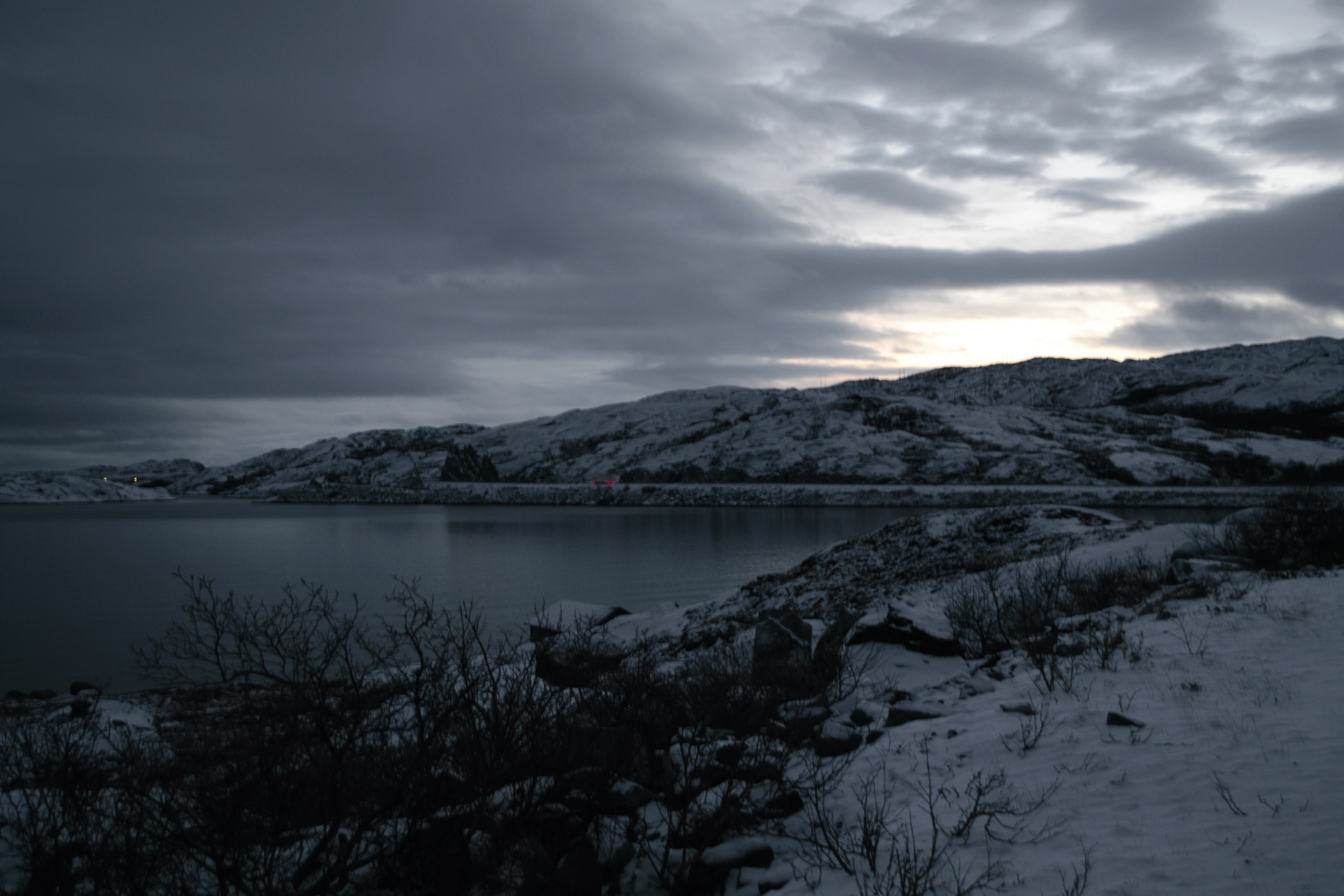
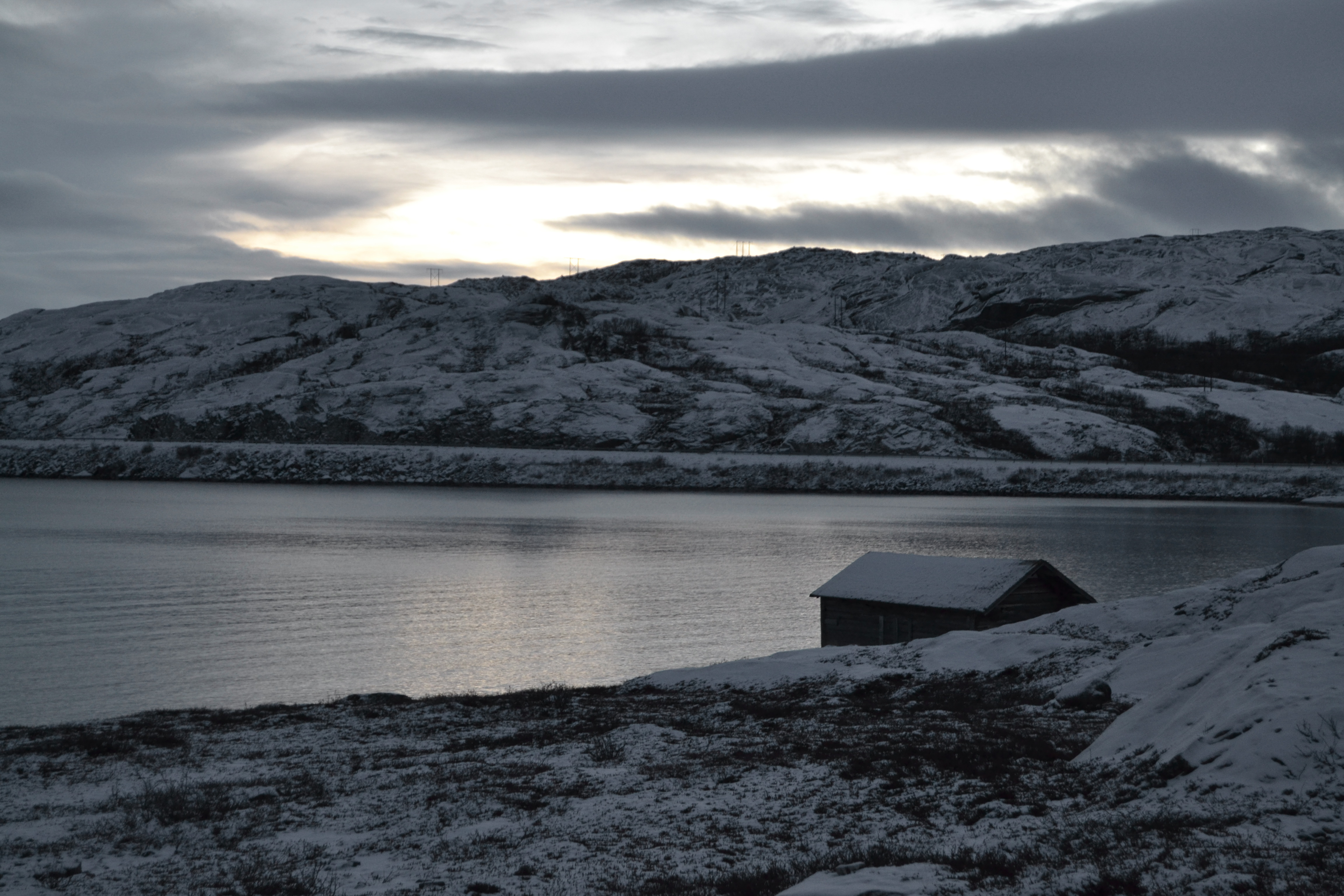
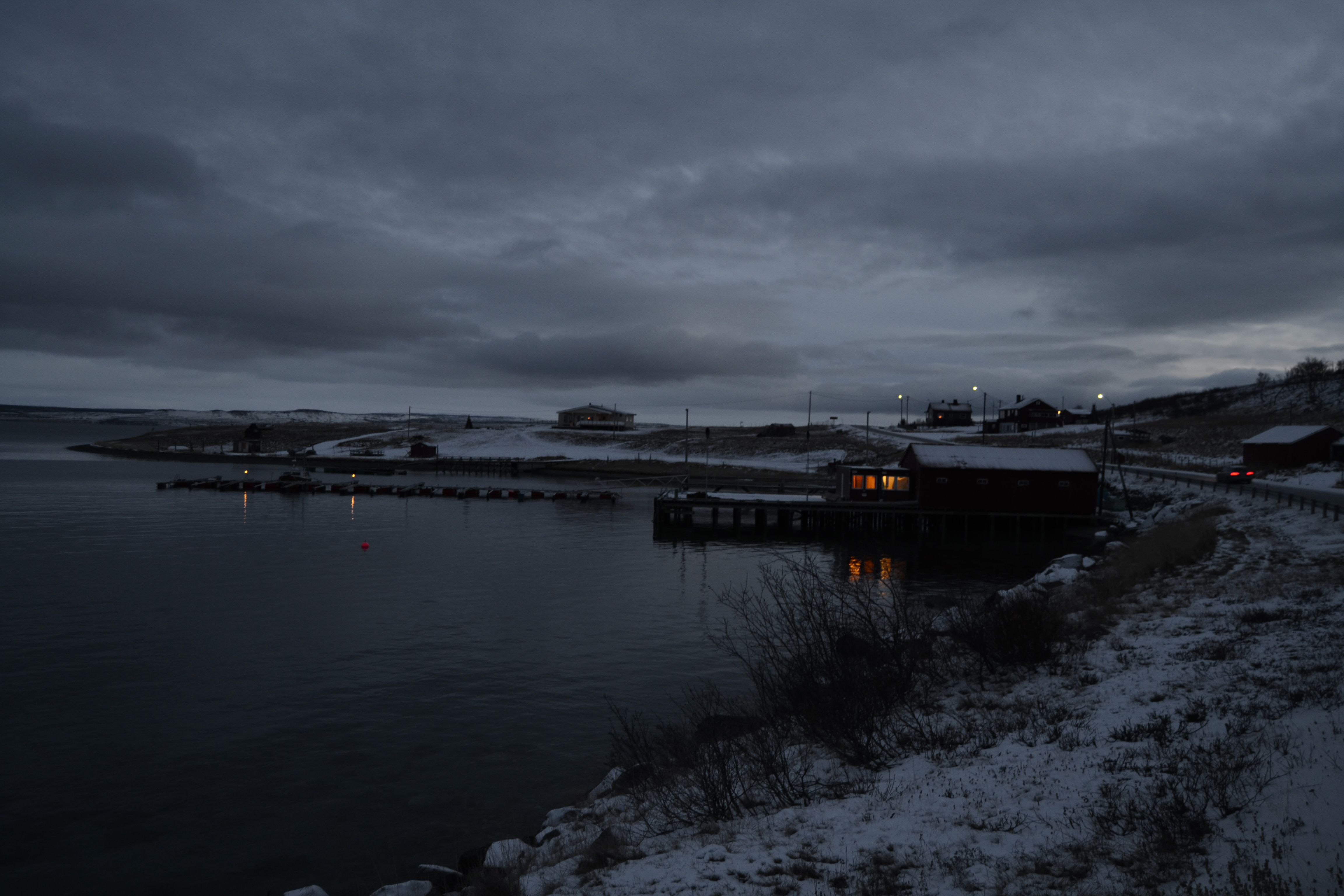
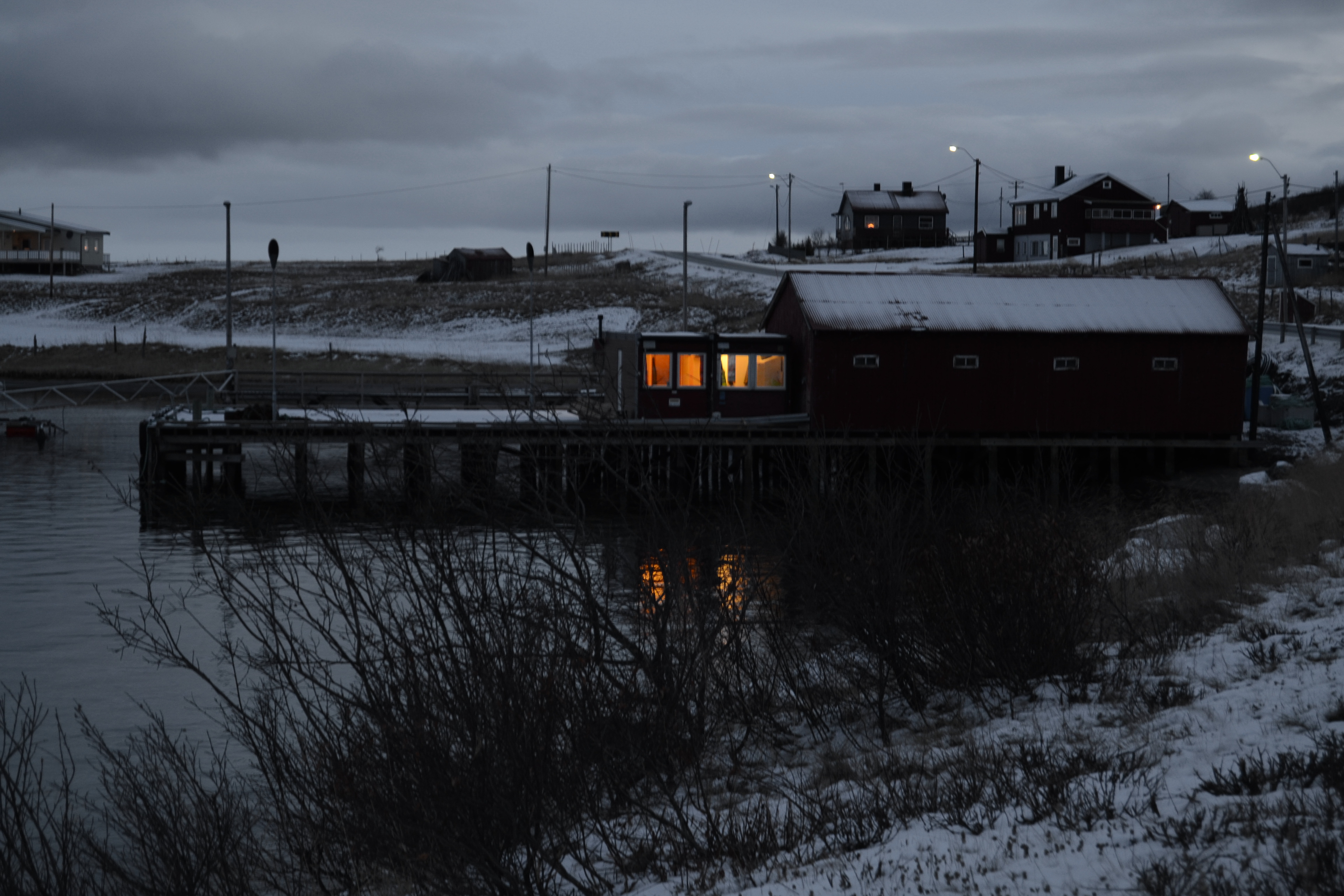
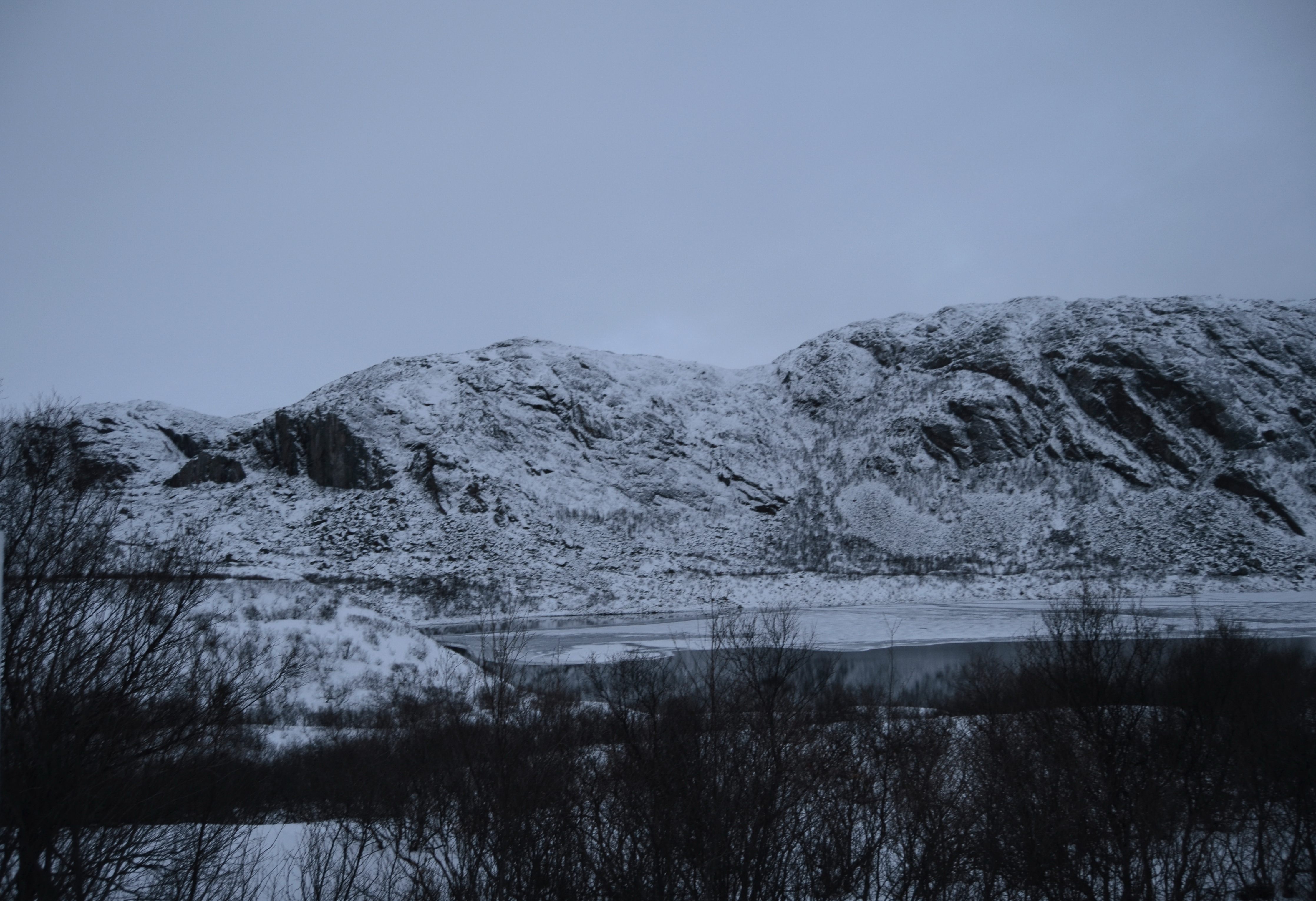
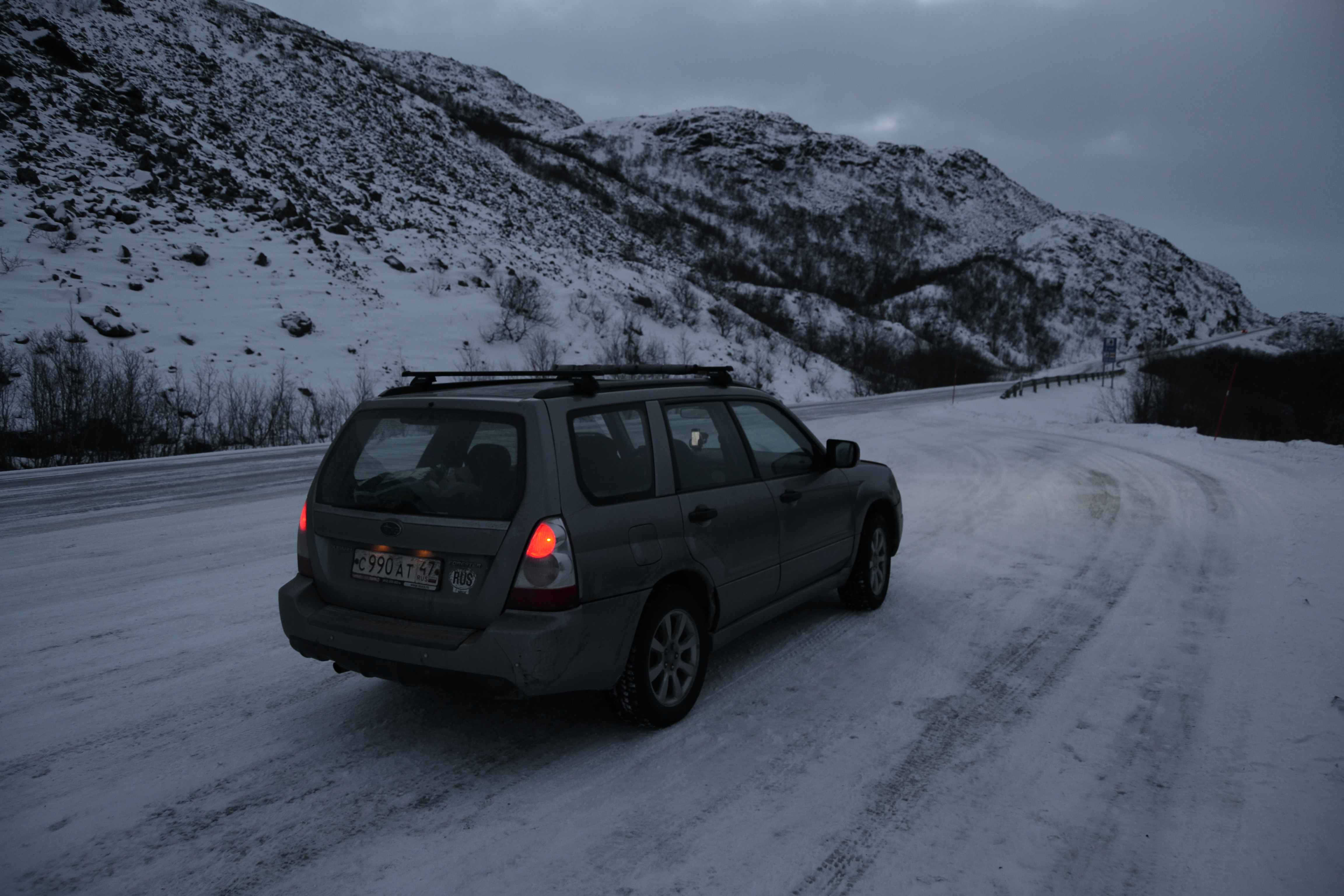
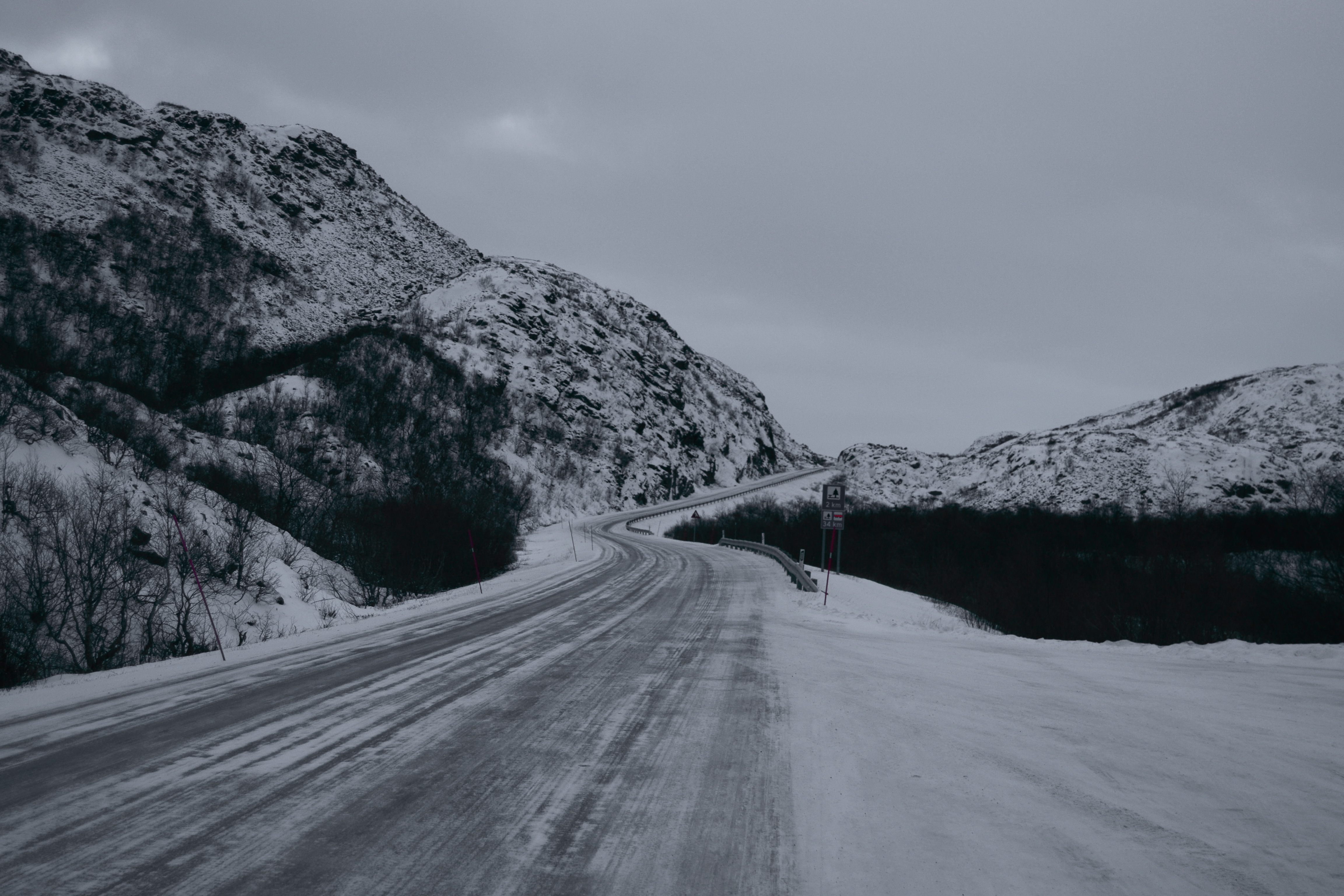
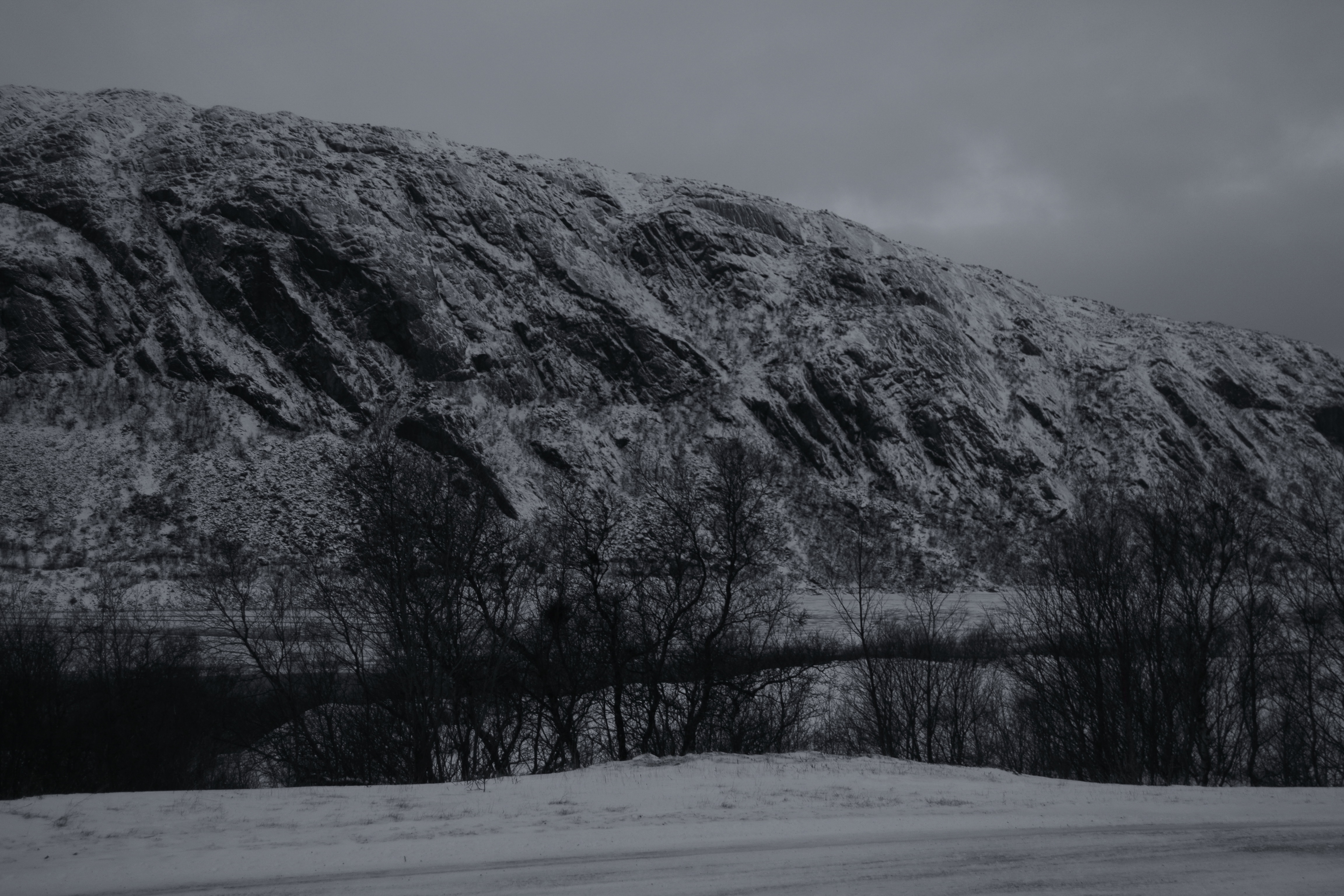
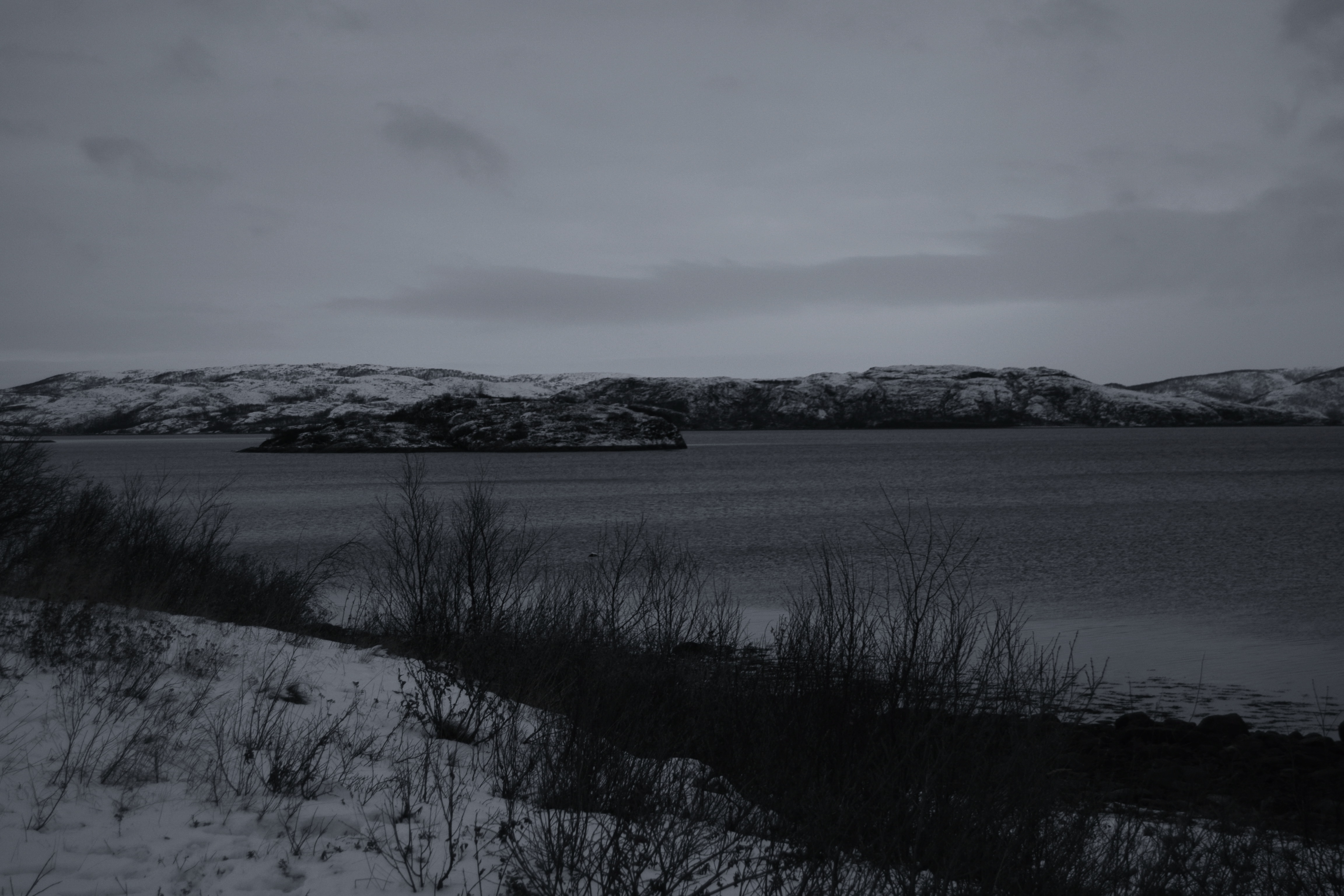
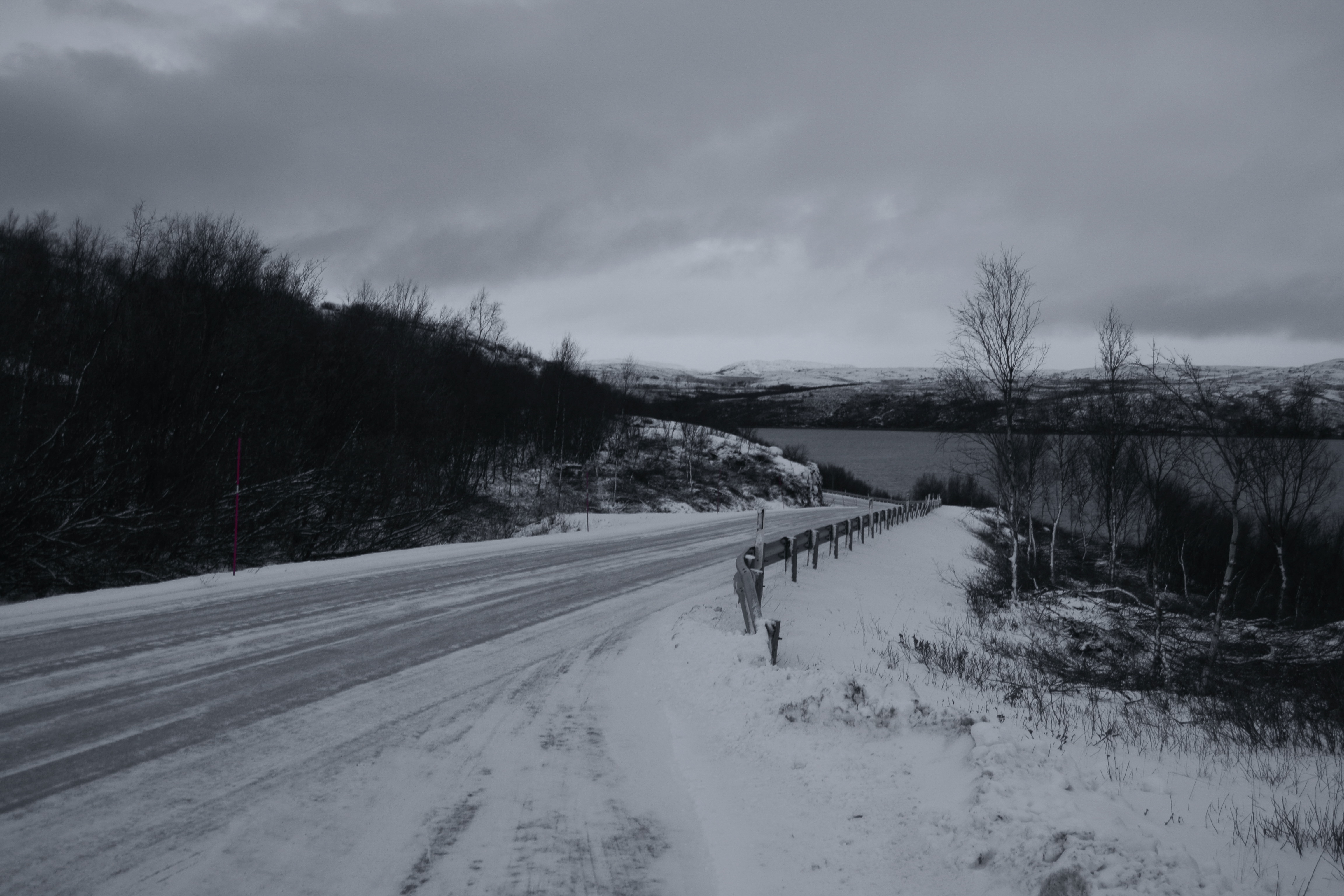
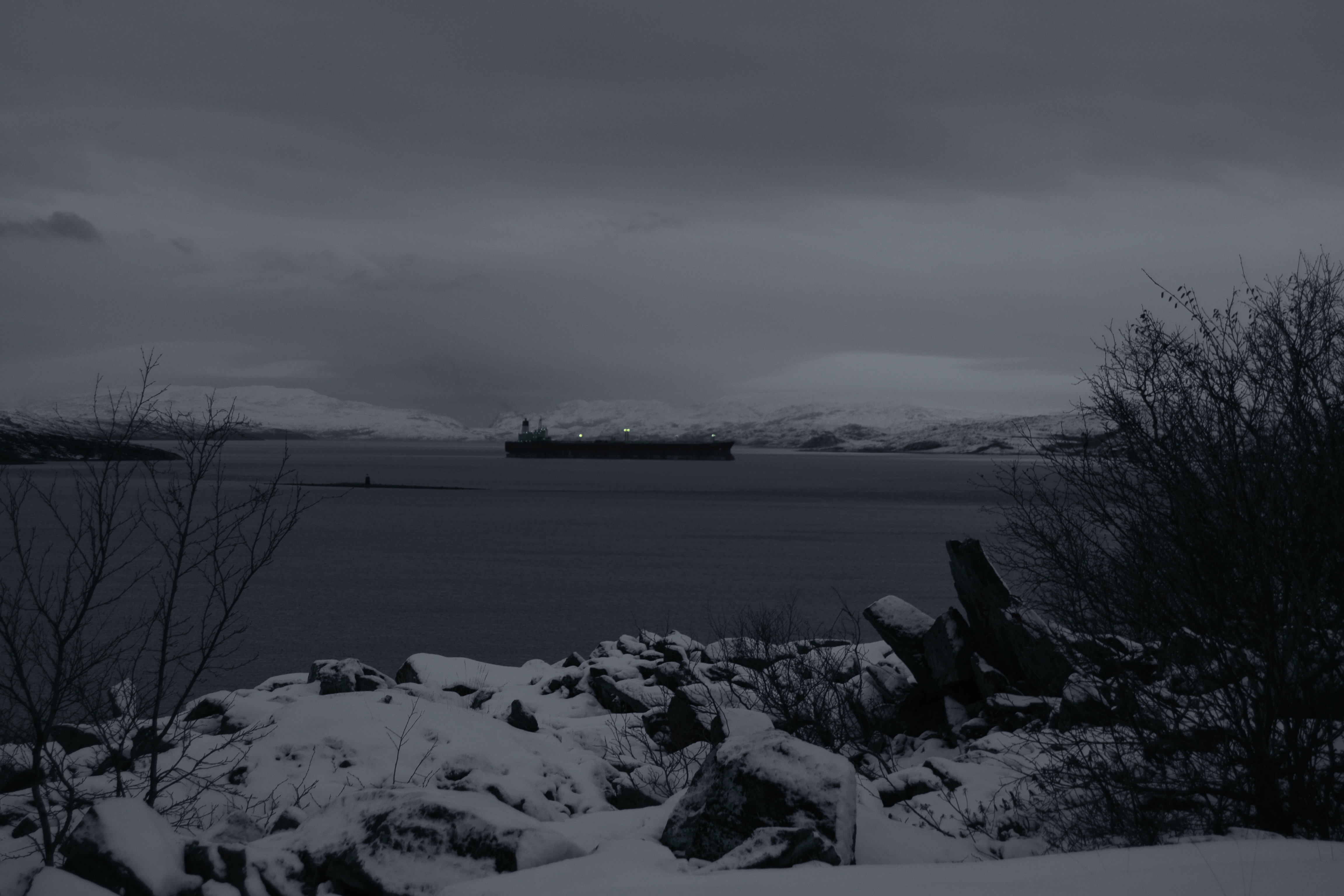
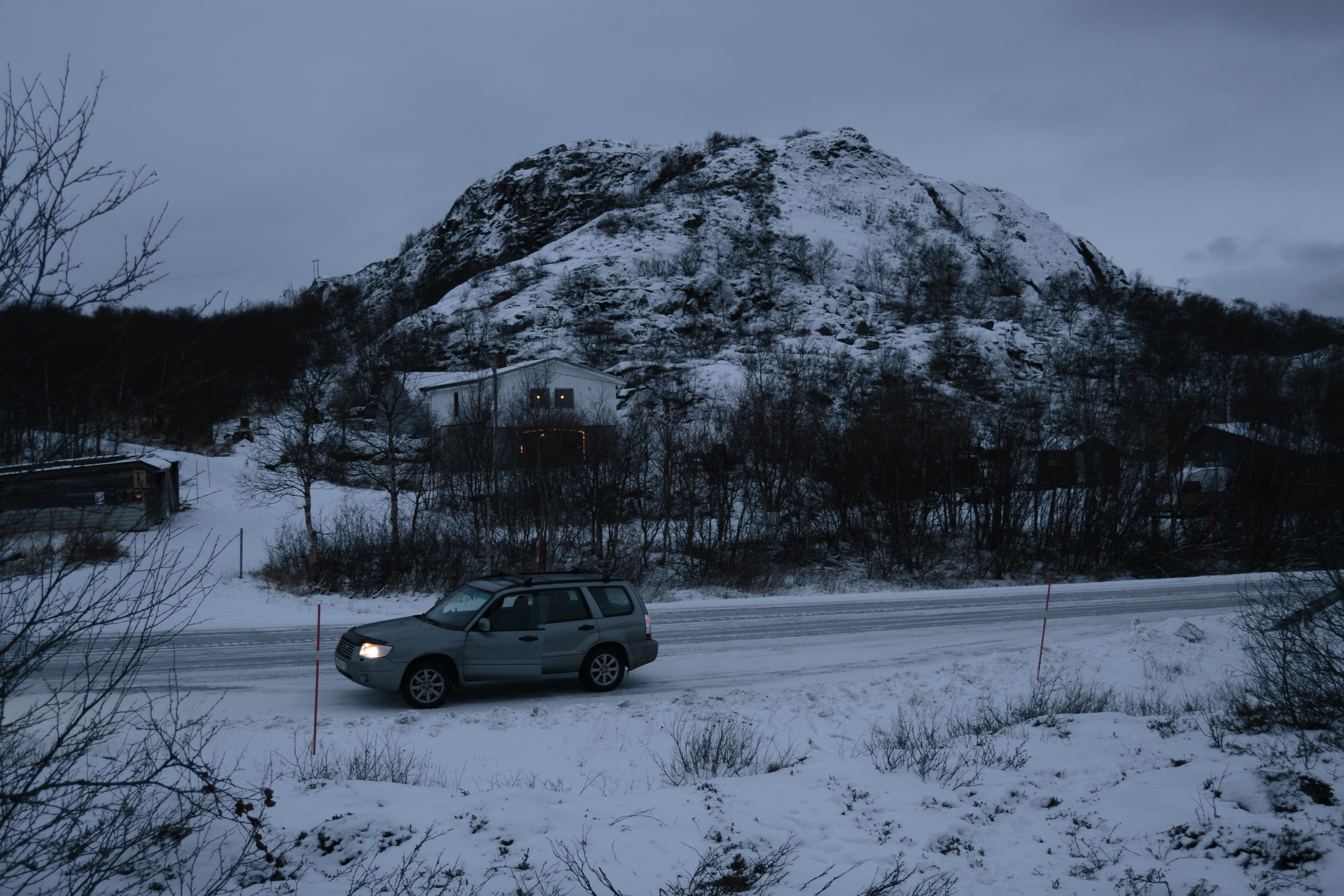
The lights in the houses are on all day. The sea hasn’t yet frozen. Norway’s bright colours have faded behind a grey veil of winter. I feel sad myself. I’ll probably never come back.
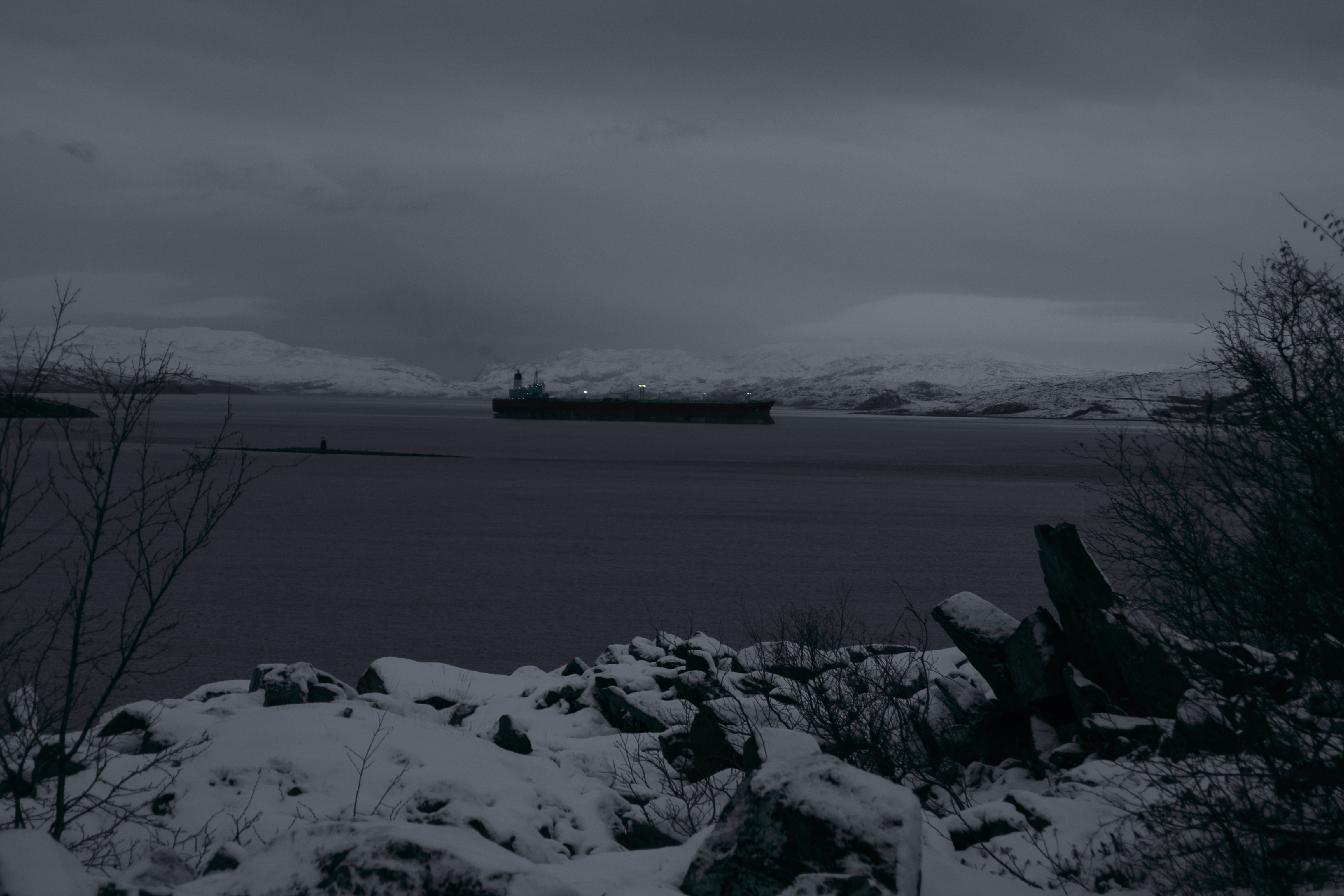
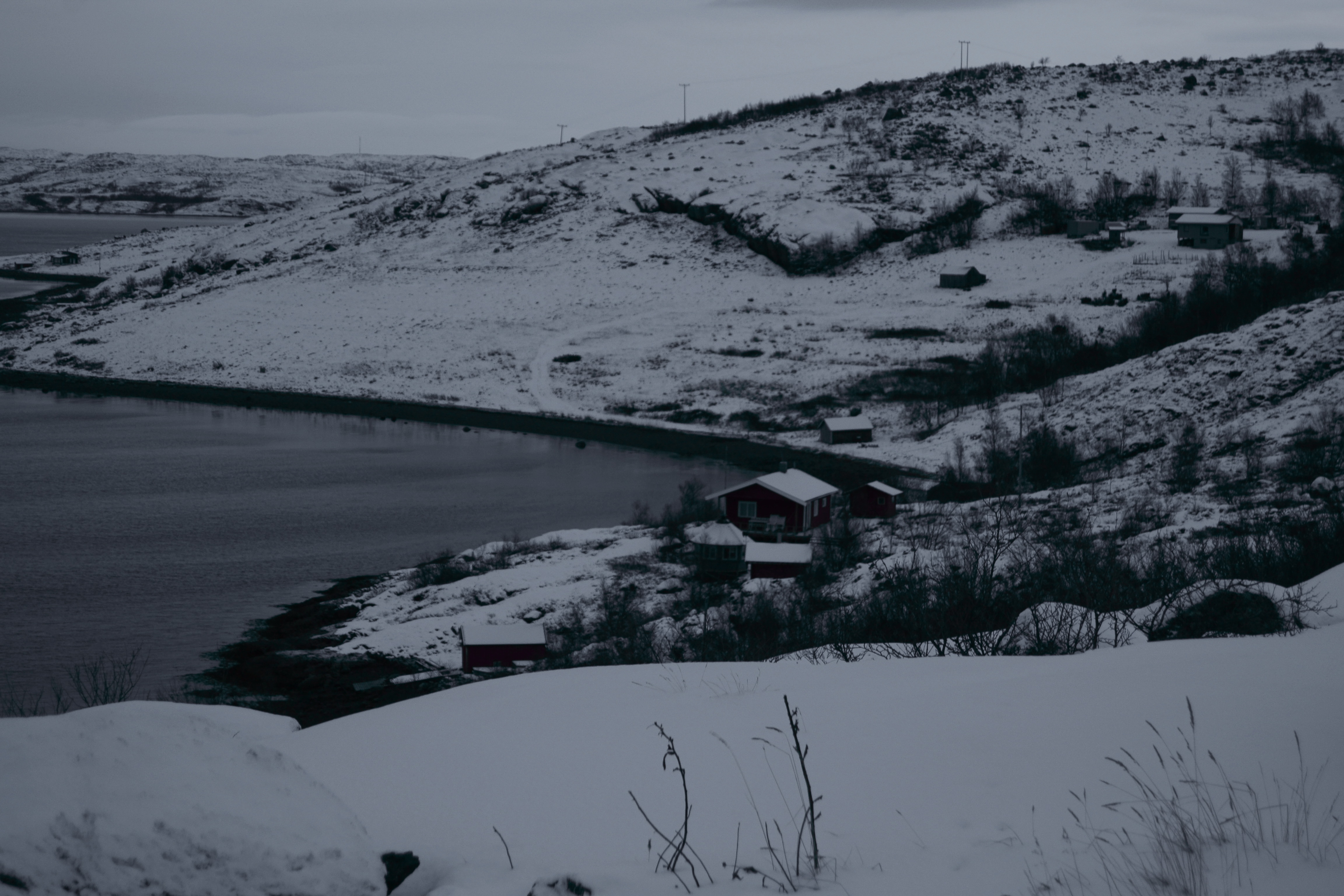
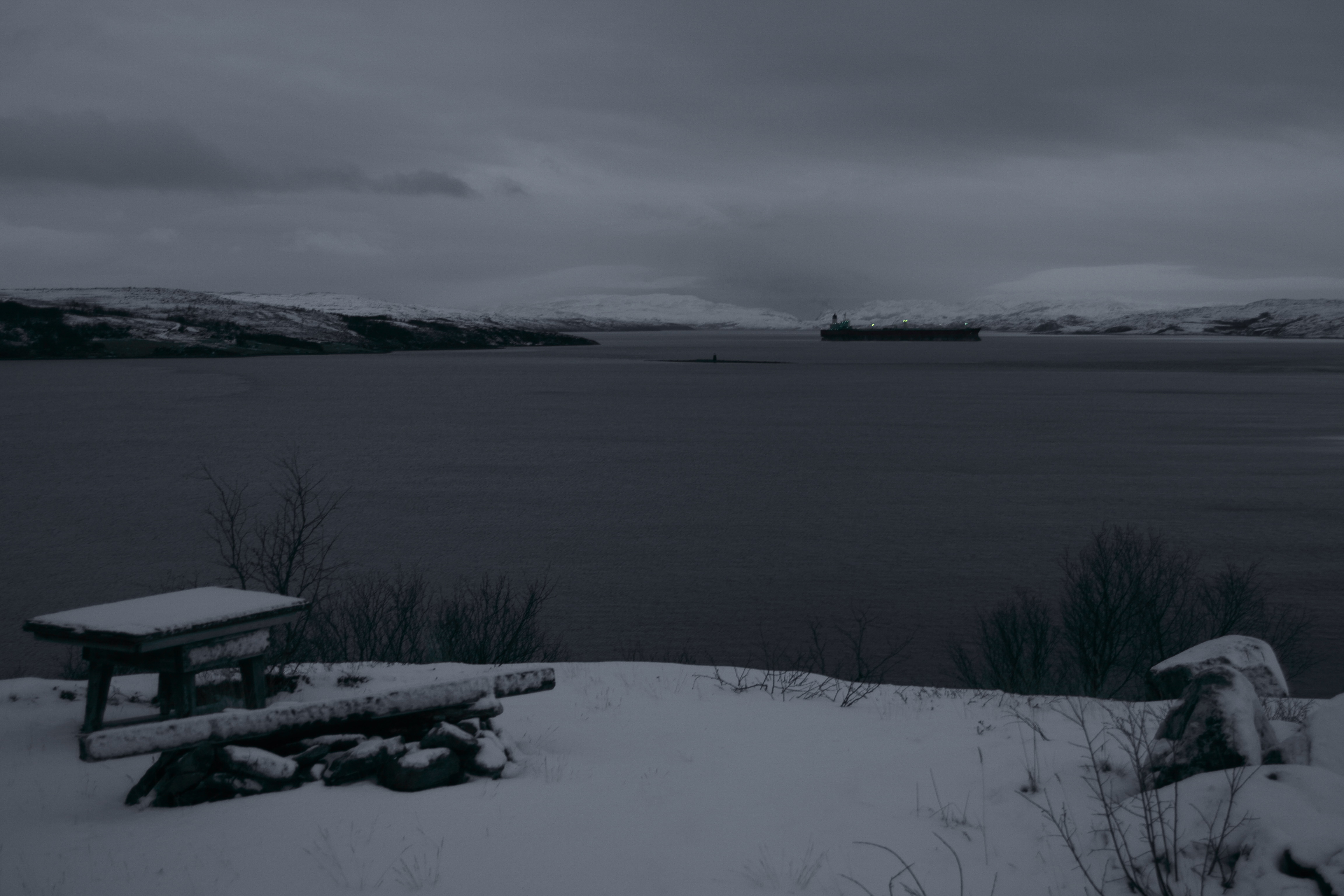
I stopped in Kirkenes to buy clothes and food. In Russia good food is under sanctions. The stuff sold in the shops as cheese doesn’t deserve the name. Here everything is just as it was, delicious and plentiful. But the krone has doubled in price. Even I can no longer afford the prices.
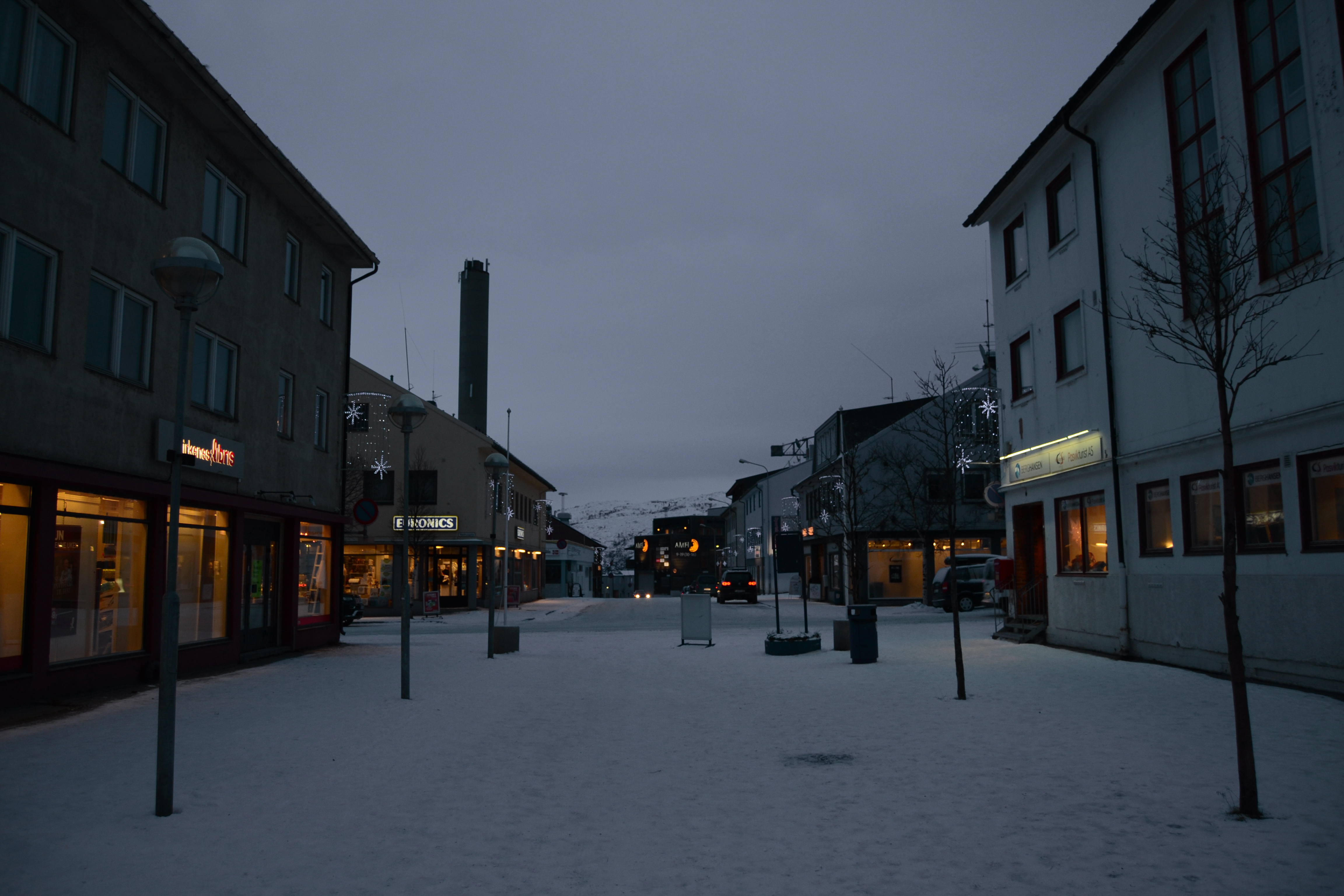
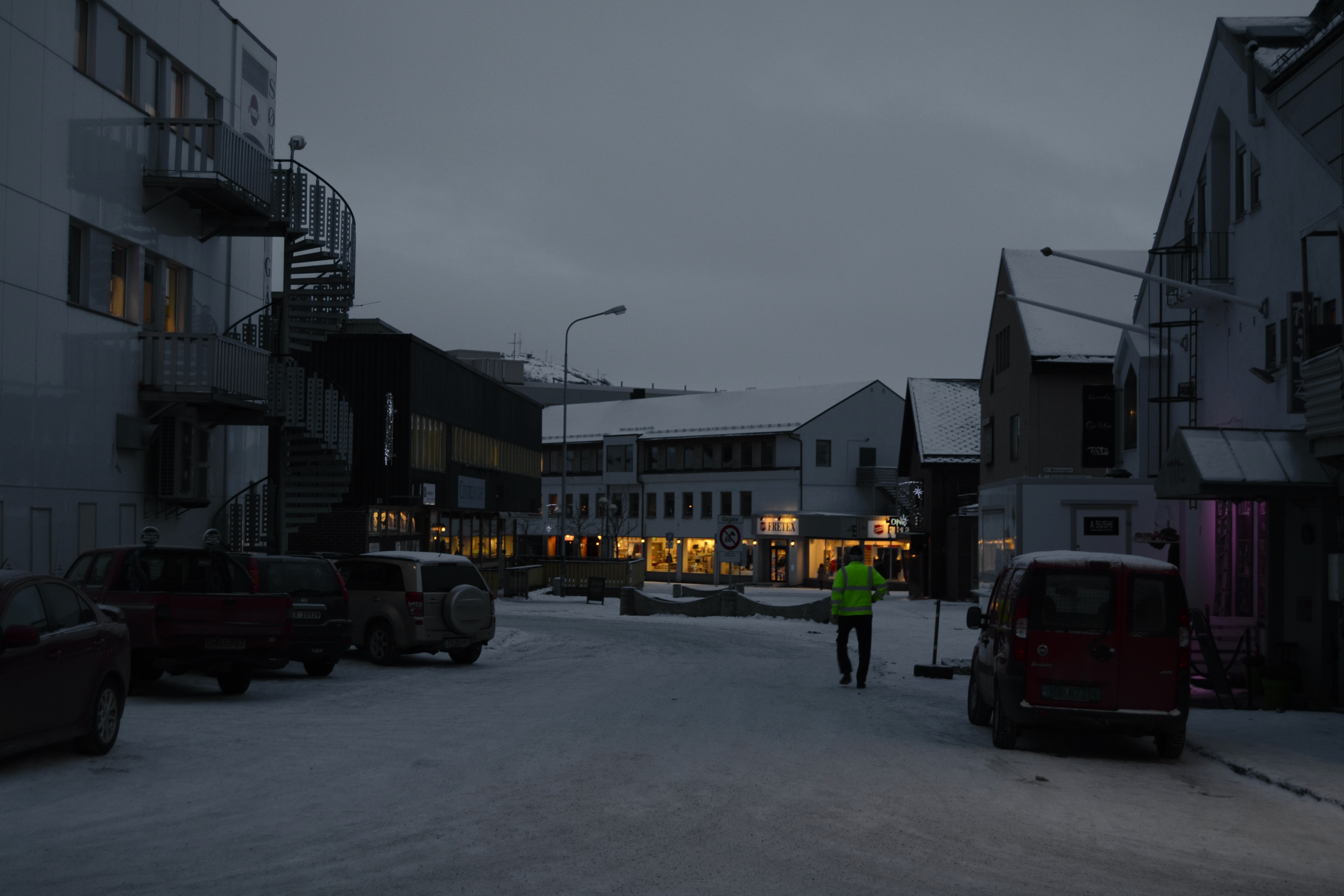
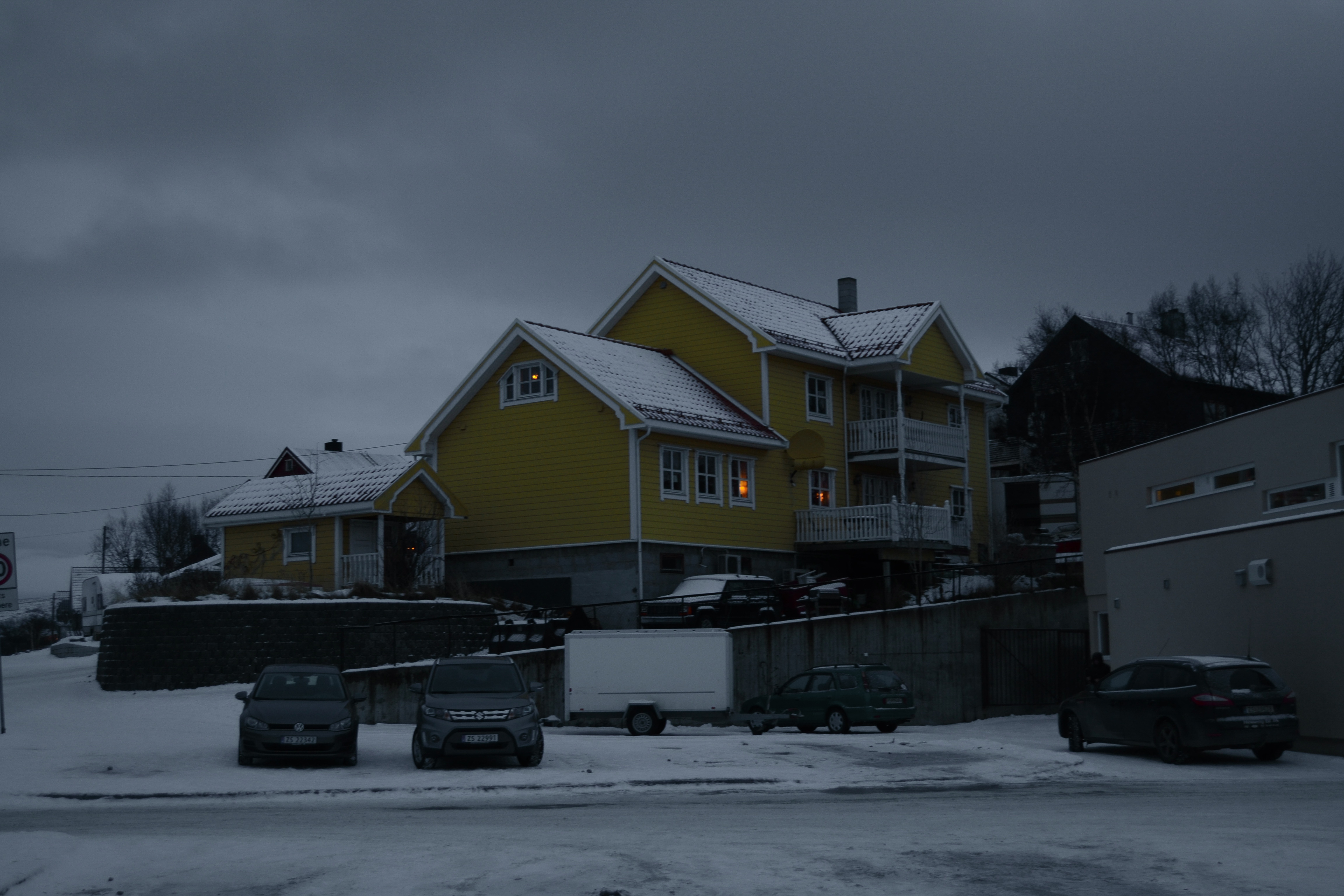
You could still take cheese across the border. In theory you had to declare it. In practice nobody took much notice unless you were bringing in bags full of food.
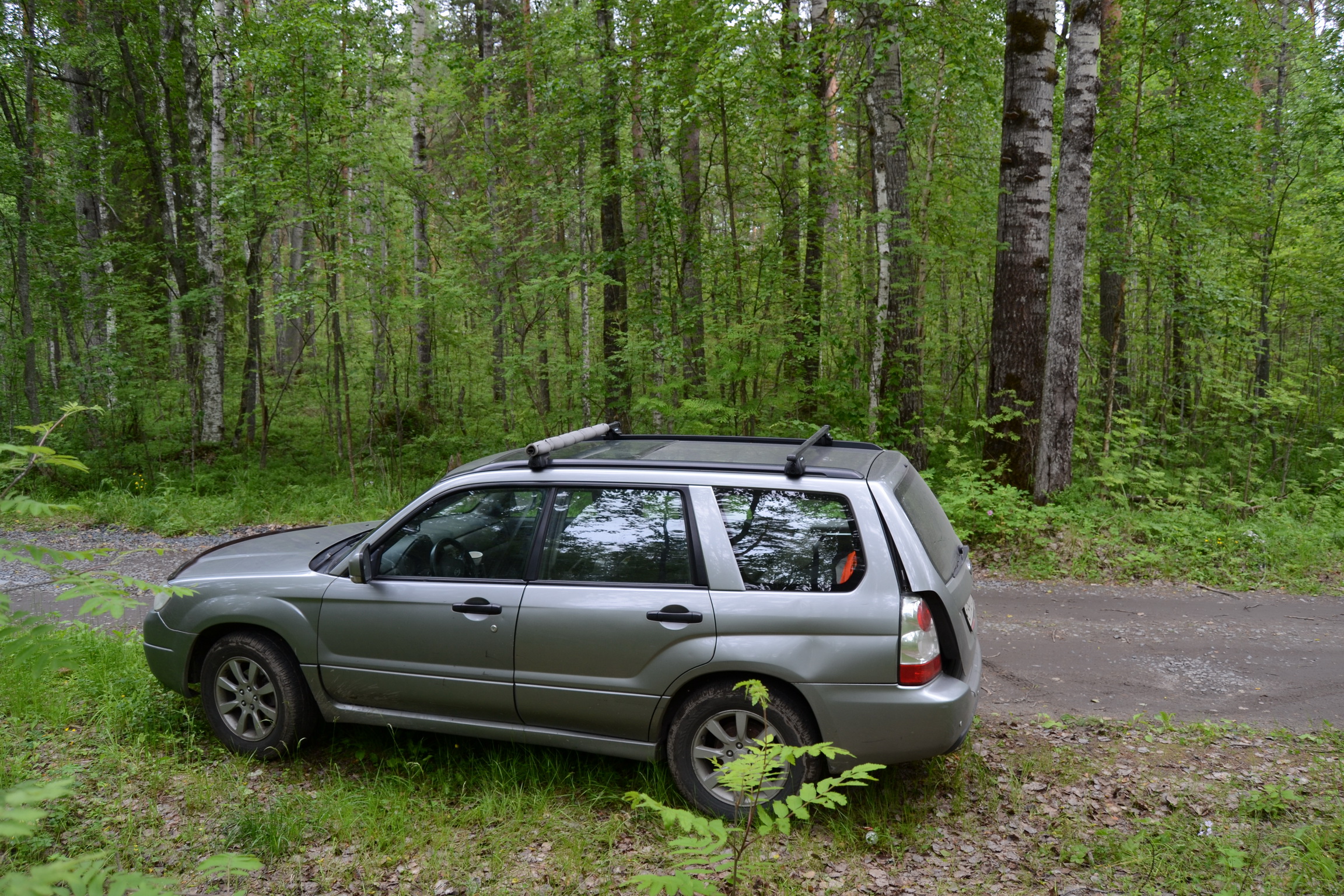
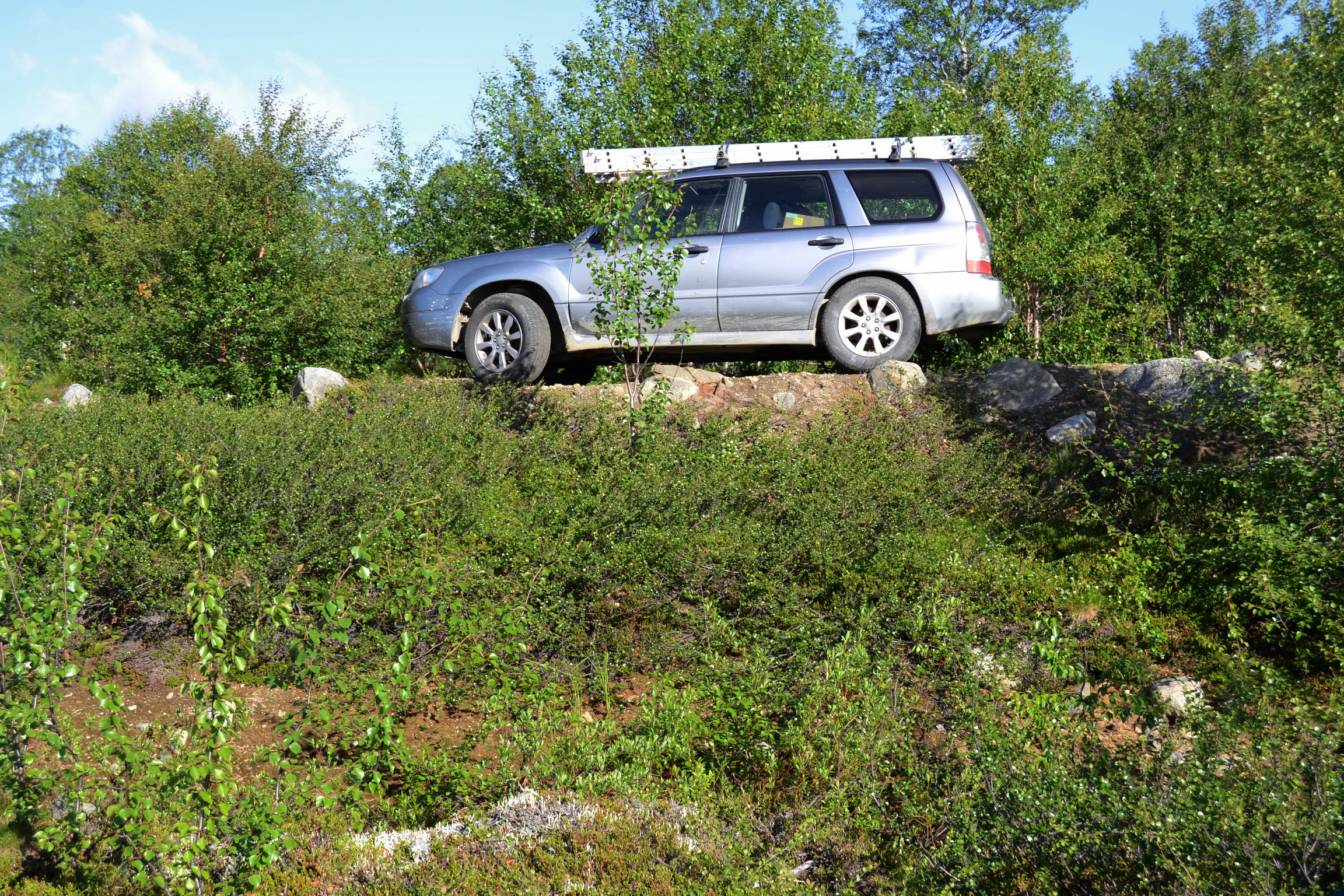
I bought myself a warm green fleece. I’ll wear it in New Zealand and remember the north. For one last treat I went to the Statoil petrol station and had the biggest hamburger with a cocoa. I’ve been eating at that petrol station for years. I even filled the car with expensive but proper petrol. Let it have its treat too. I’d feel ashamed eating alone without sharing with a faithful friend. My dear little Subaru and I have covered 400,000 kilometres together. Ten times around the earth.
It was evening when I got to Nikel. I’d just made it. The staff were still at work. I gave them the instructions, signed the papers and loaded the ladders. I photographed all the equipment we’d installed for the completion report. And that was it. It was time to go, but somehow I couldn’t leave. I found a reason to wander around the rooms for a few minutes more. A blizzard was blowing outside. It would be a hard drive. I had my last cup of tea with the hospitable station staff and looked at the control panel they used to set the points. It was hard to believe this would never happen again. I’d been working with the railway for twenty years. Nikel was the very last station in the north. There was no railway beyond it. Well, that was that. I got in the car, now well behind schedule. In fact there was a little work left. Tomorrow I had to service the section around Kem. Those four stations were the last ones still under a maintenance contract.
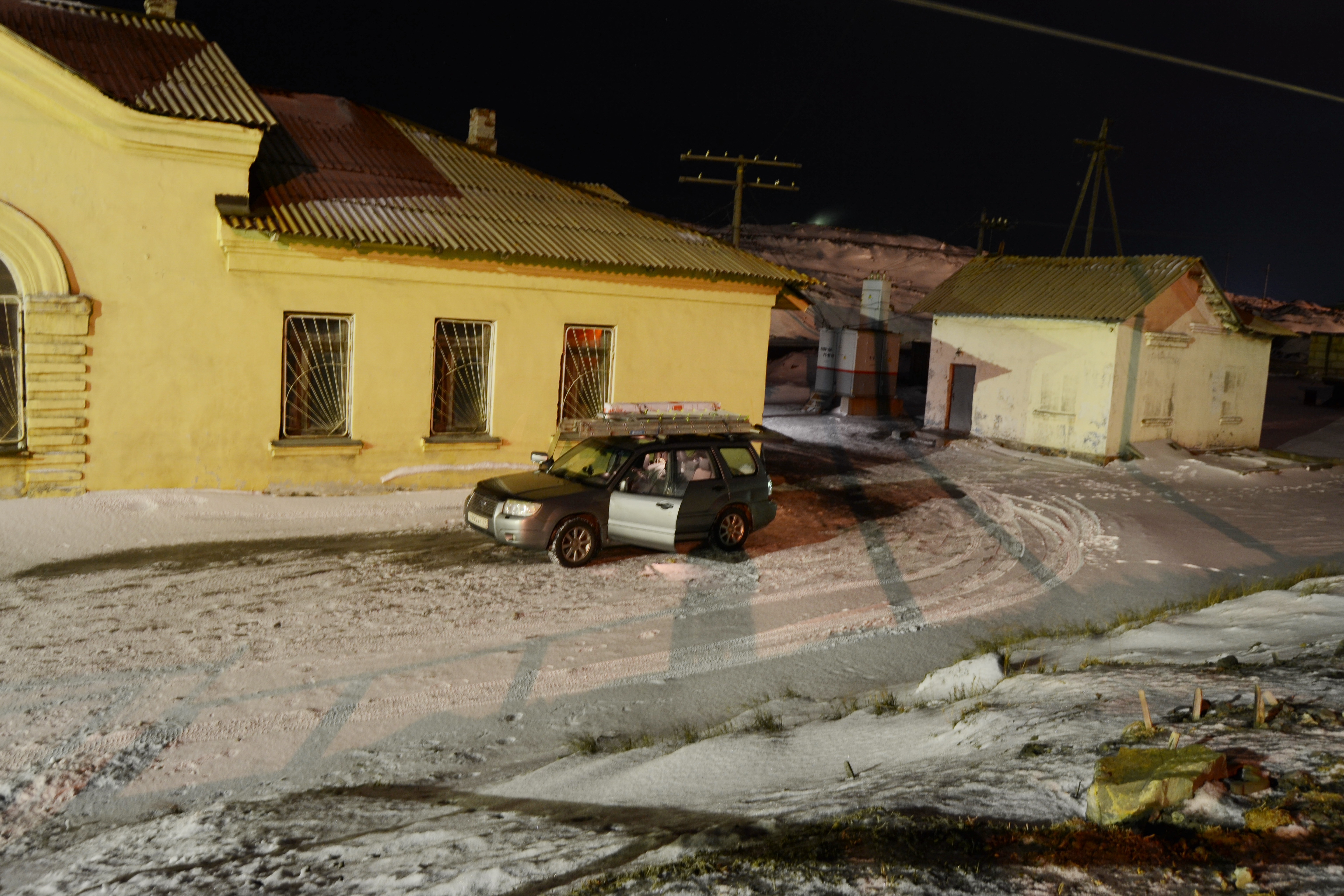
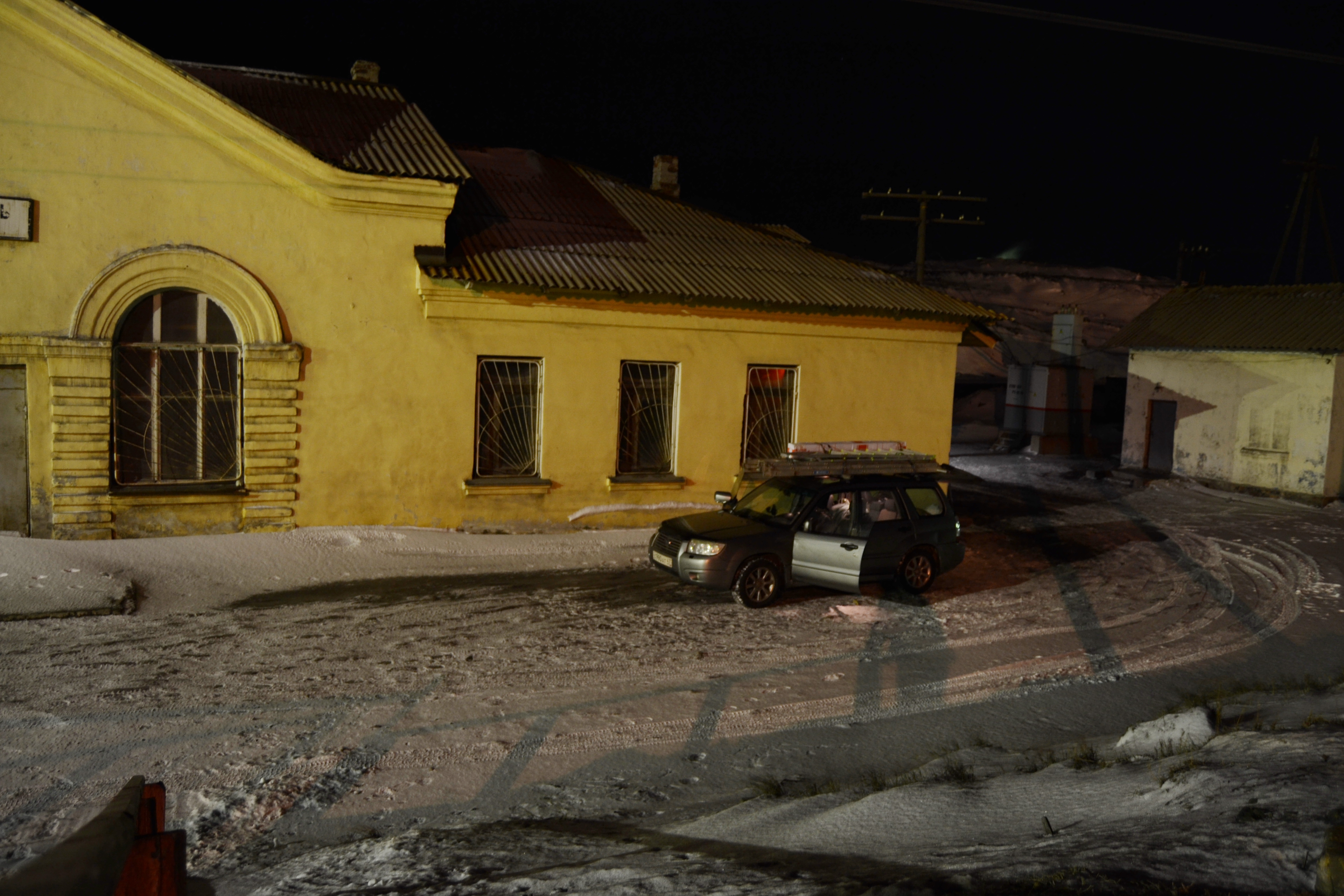
To start the day at Loukhi I needed to spend the night somewhere nearby, and that was another 600 kilometres. The drive was long and hard. The snow was blowing and the road slippery. I left at four in the afternoon, passed Monchegorsk at eleven that night, pitched the tent not far from Loukhi at three in the morning and was up by eight (66°02.732′N, 32°54.434′E).
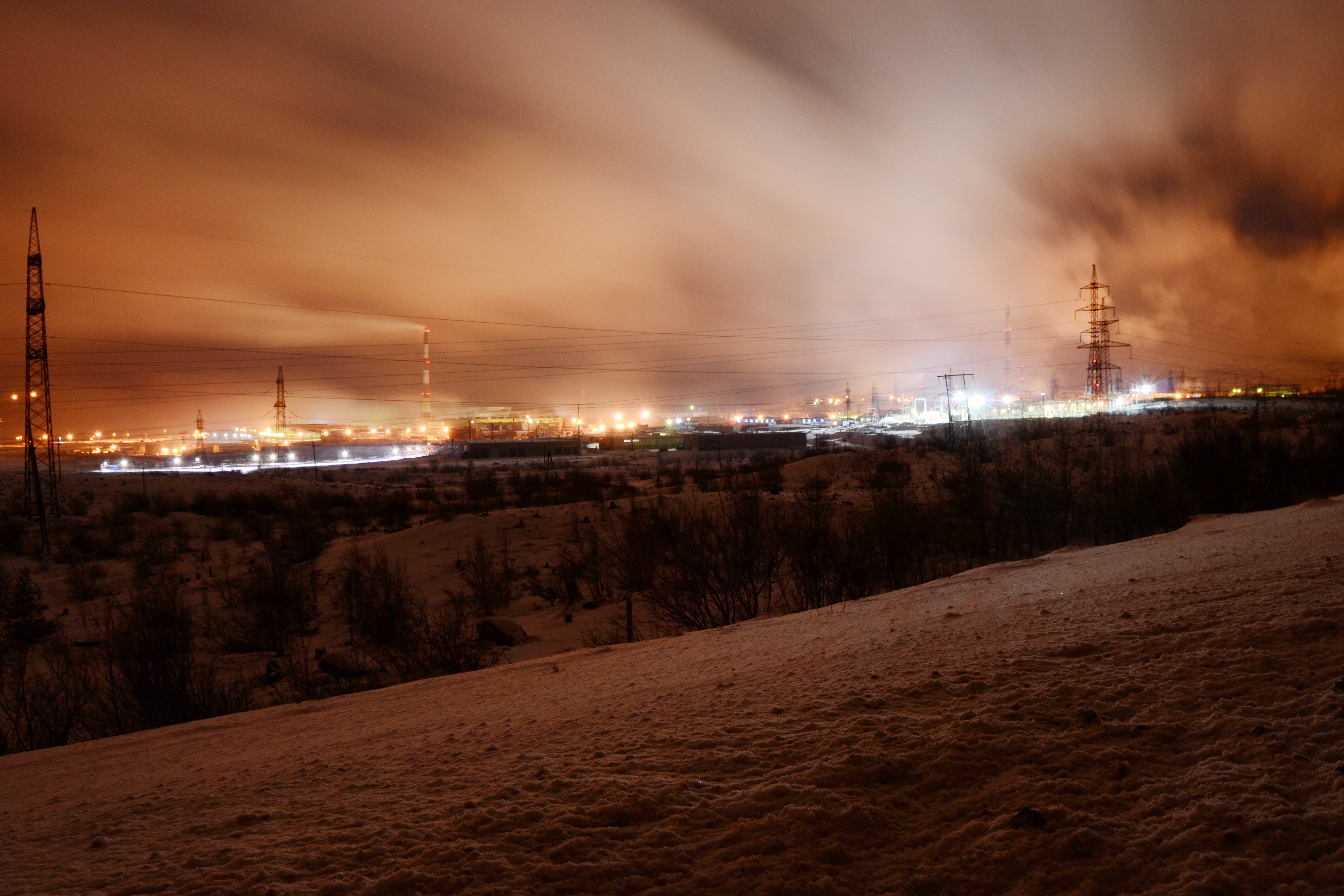
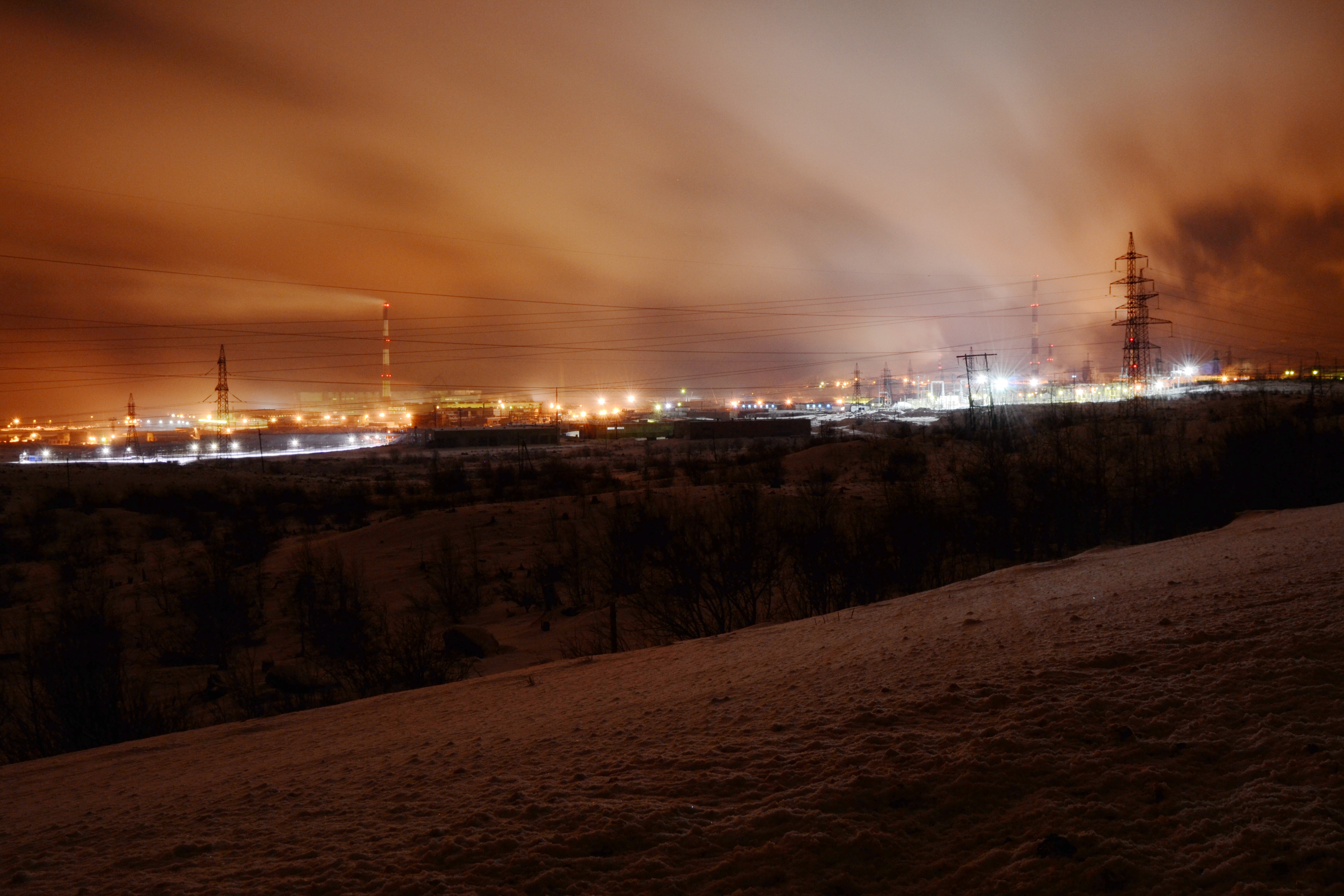
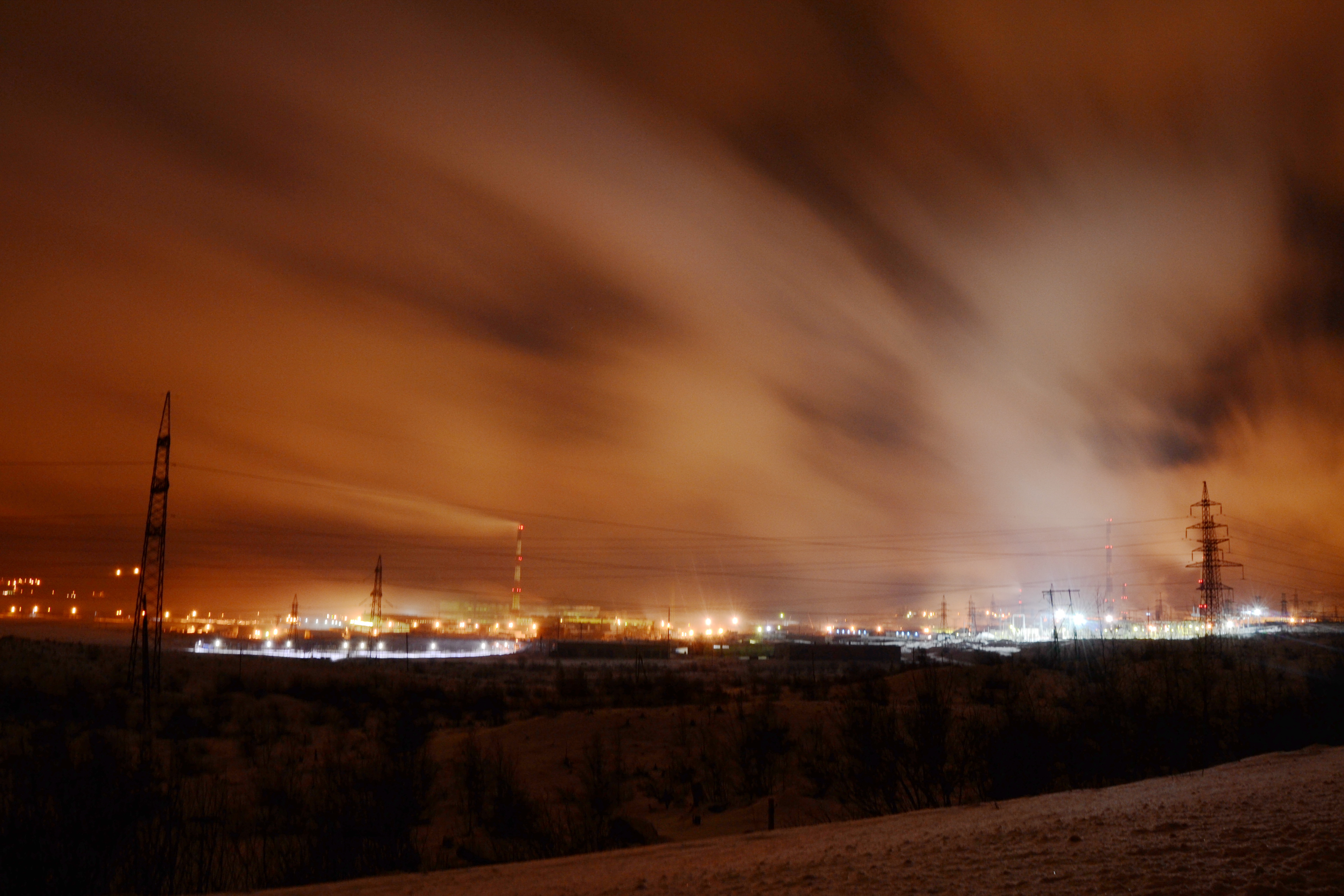
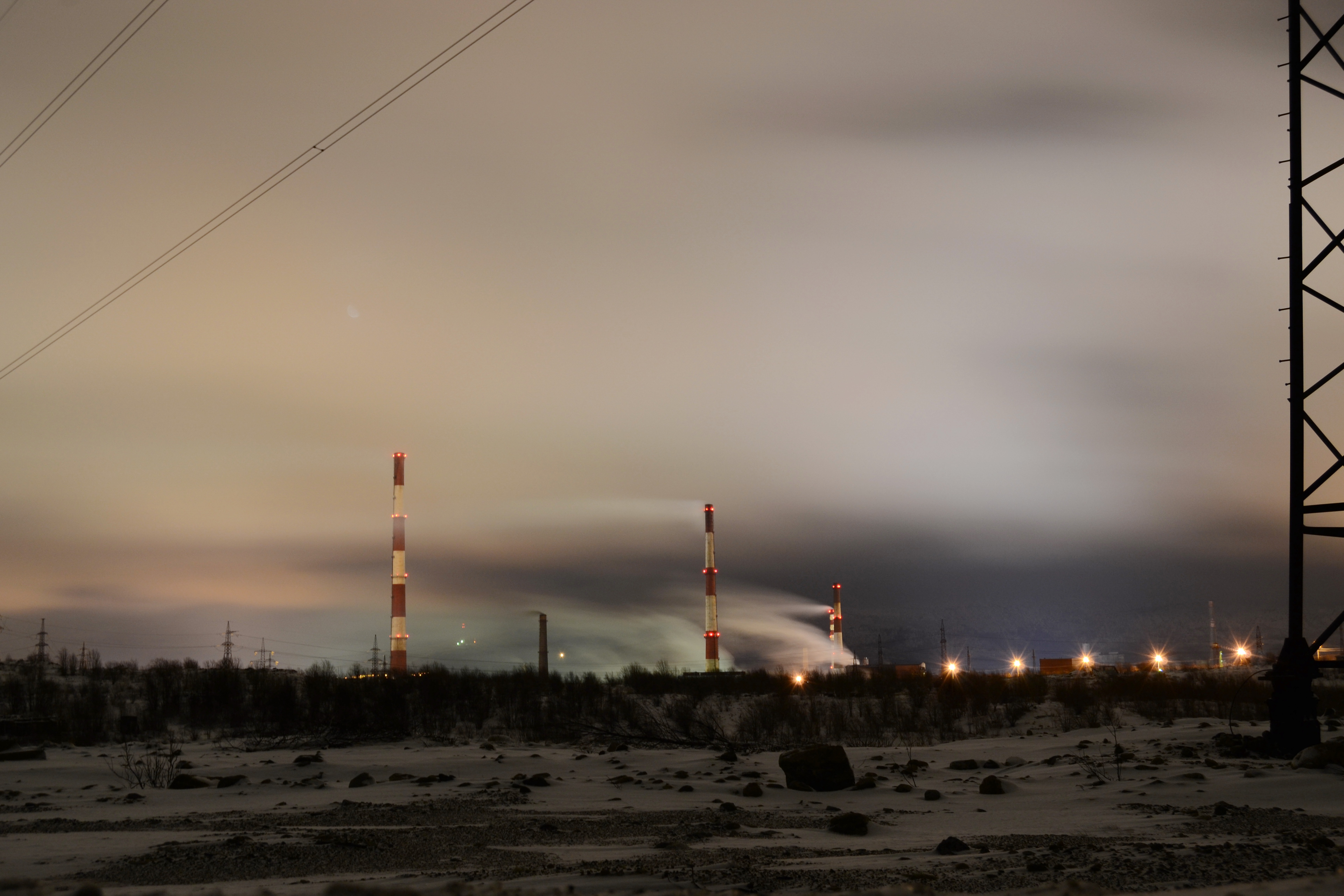
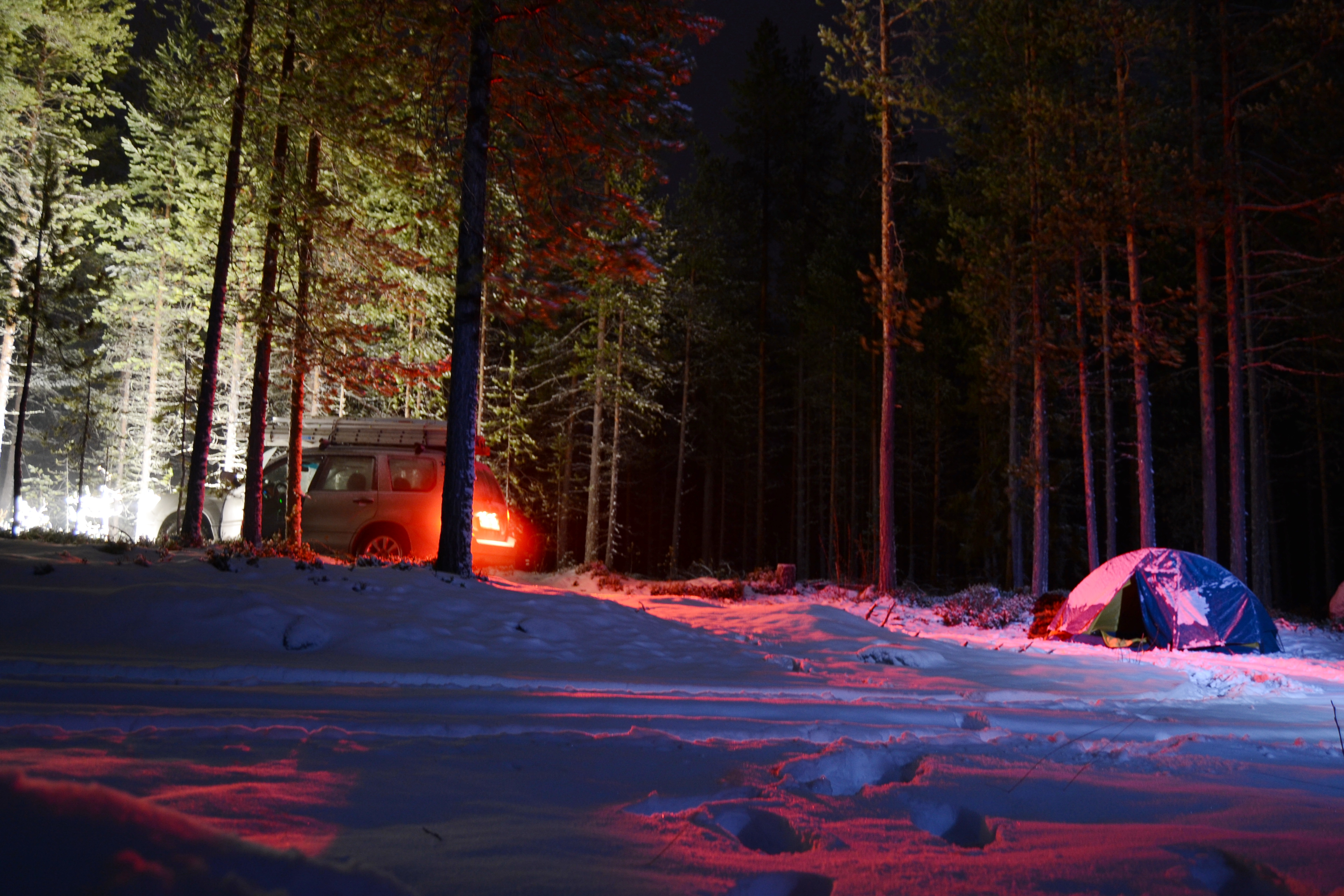
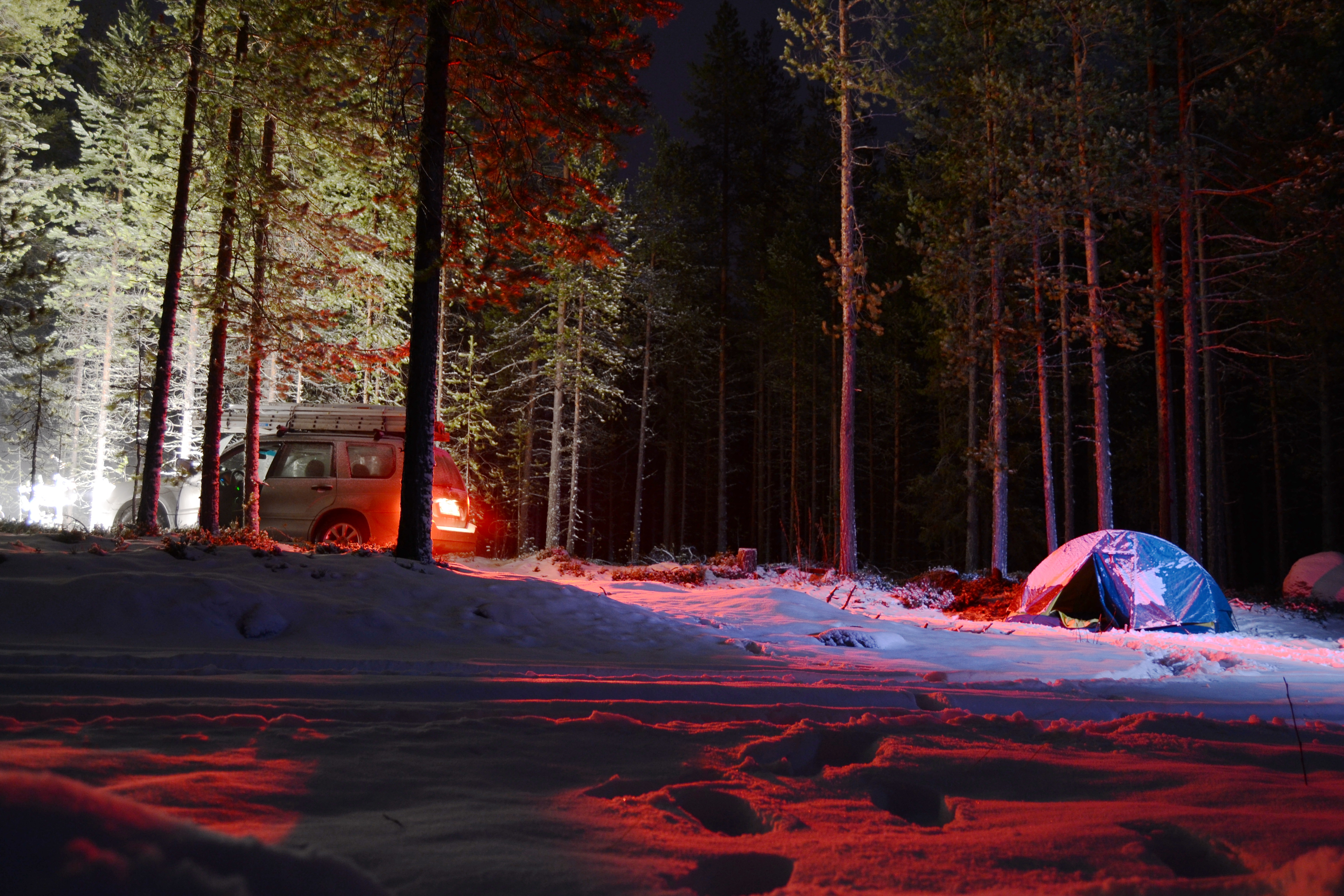
The technicians now flatly refused to work overtime. In the first day I managed Loukhi, Engozero and Kuzema. I left Kem for the following day. It was no hardship. I was going to camp not far from Kem anyway.
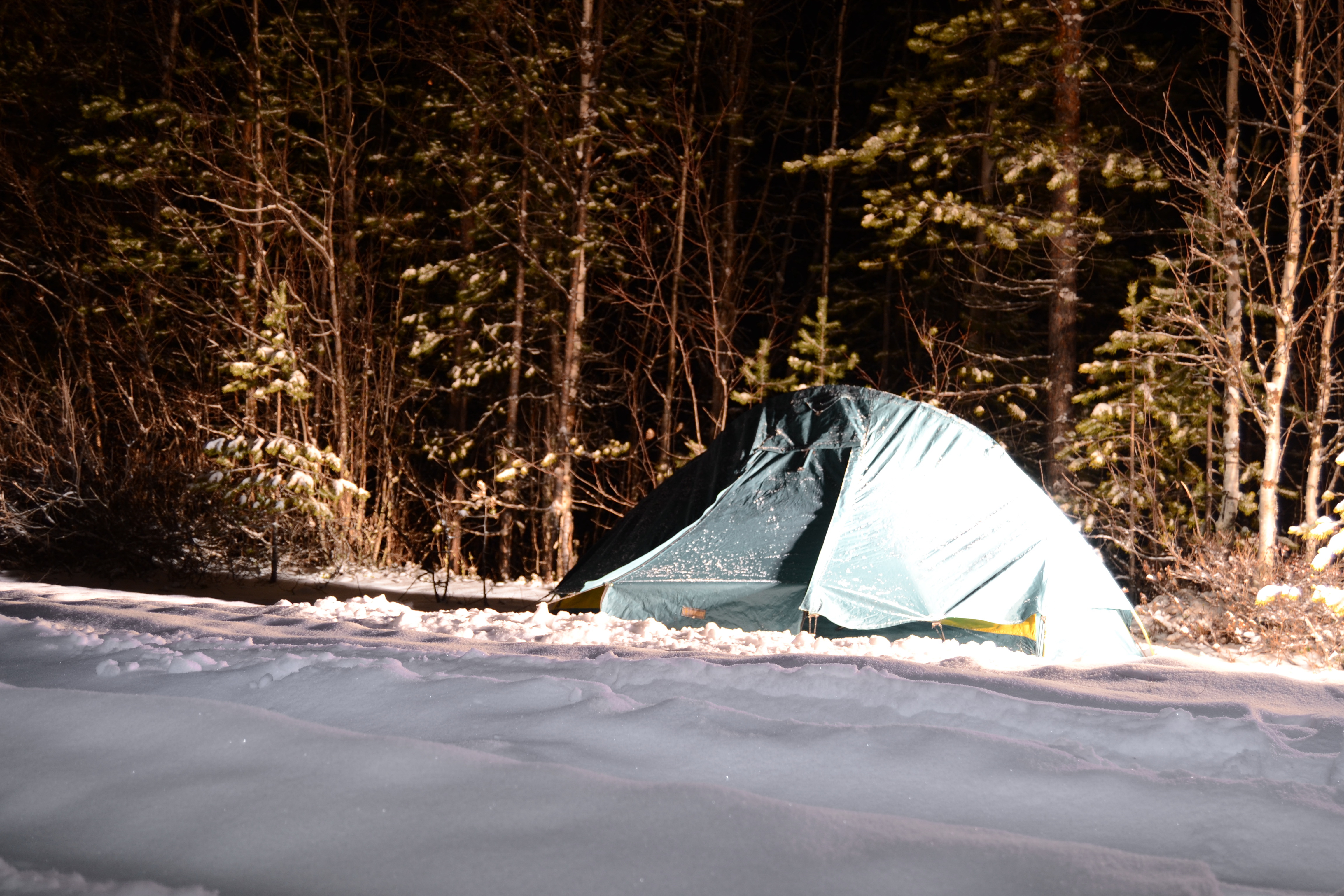
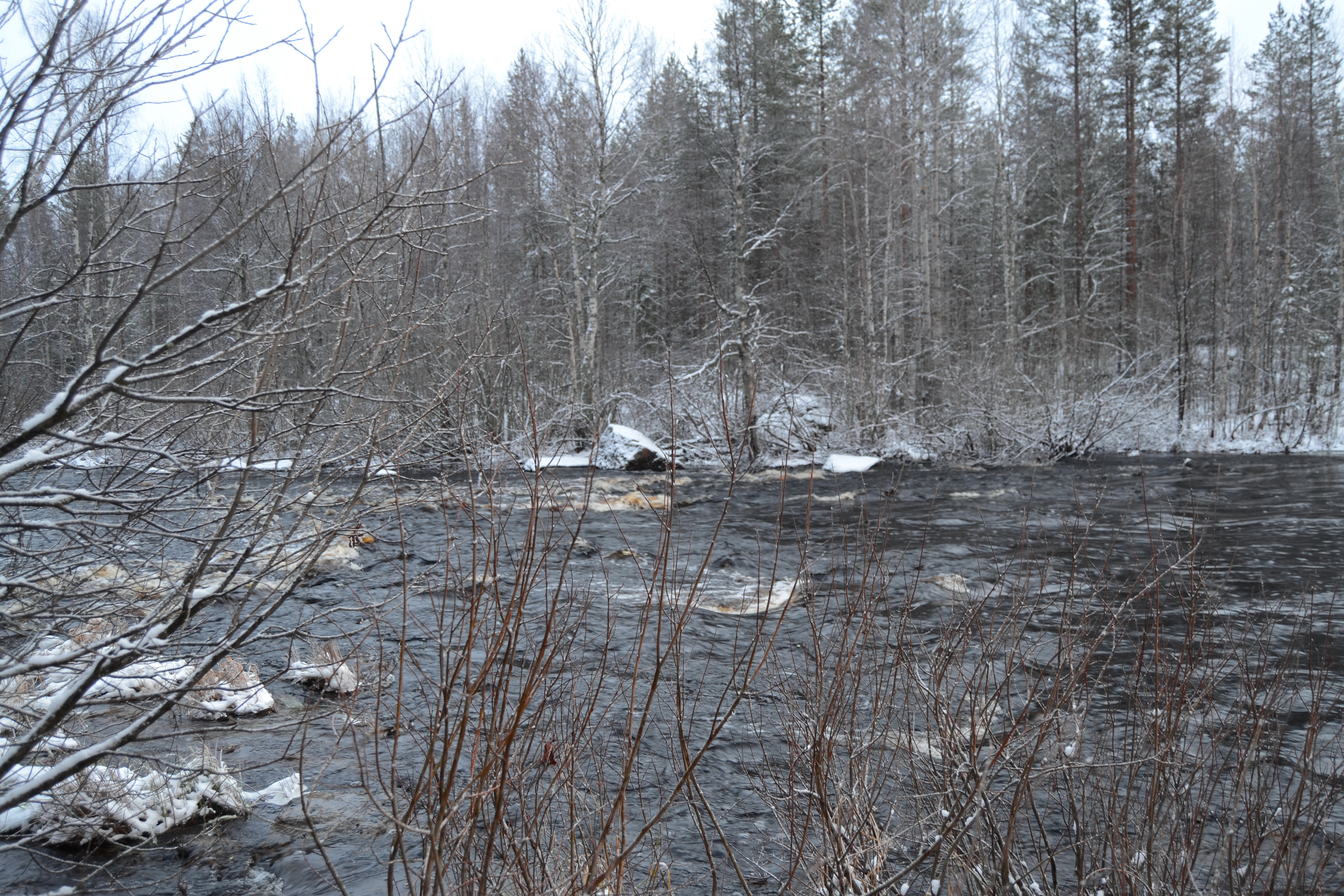
Just north of Kem there’s a logging road along the Letnyaya River. In summer it’s a bog, but in winter you can drive through. That’s where I spent the night (65°06.532′N, 33°53.457′E).
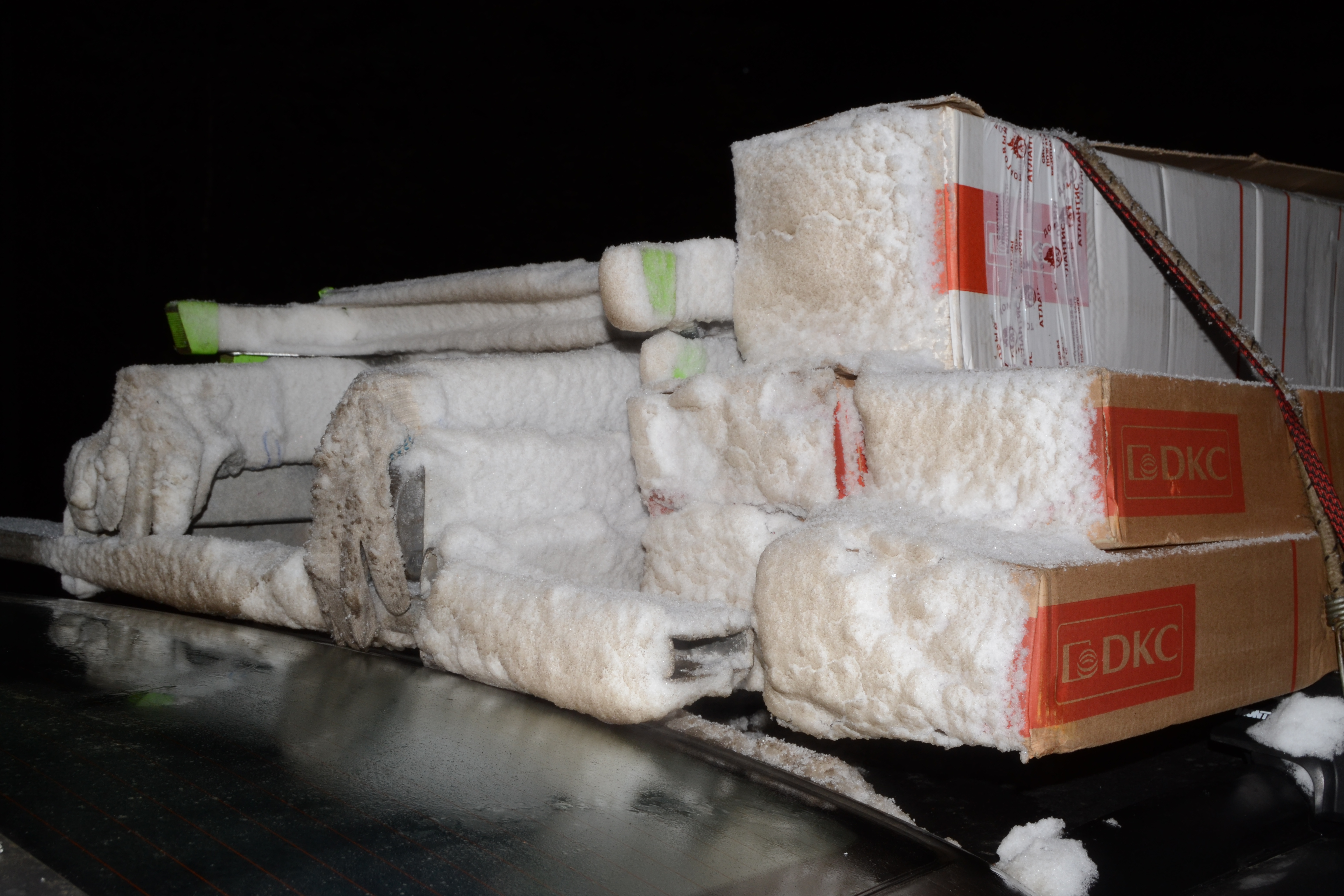
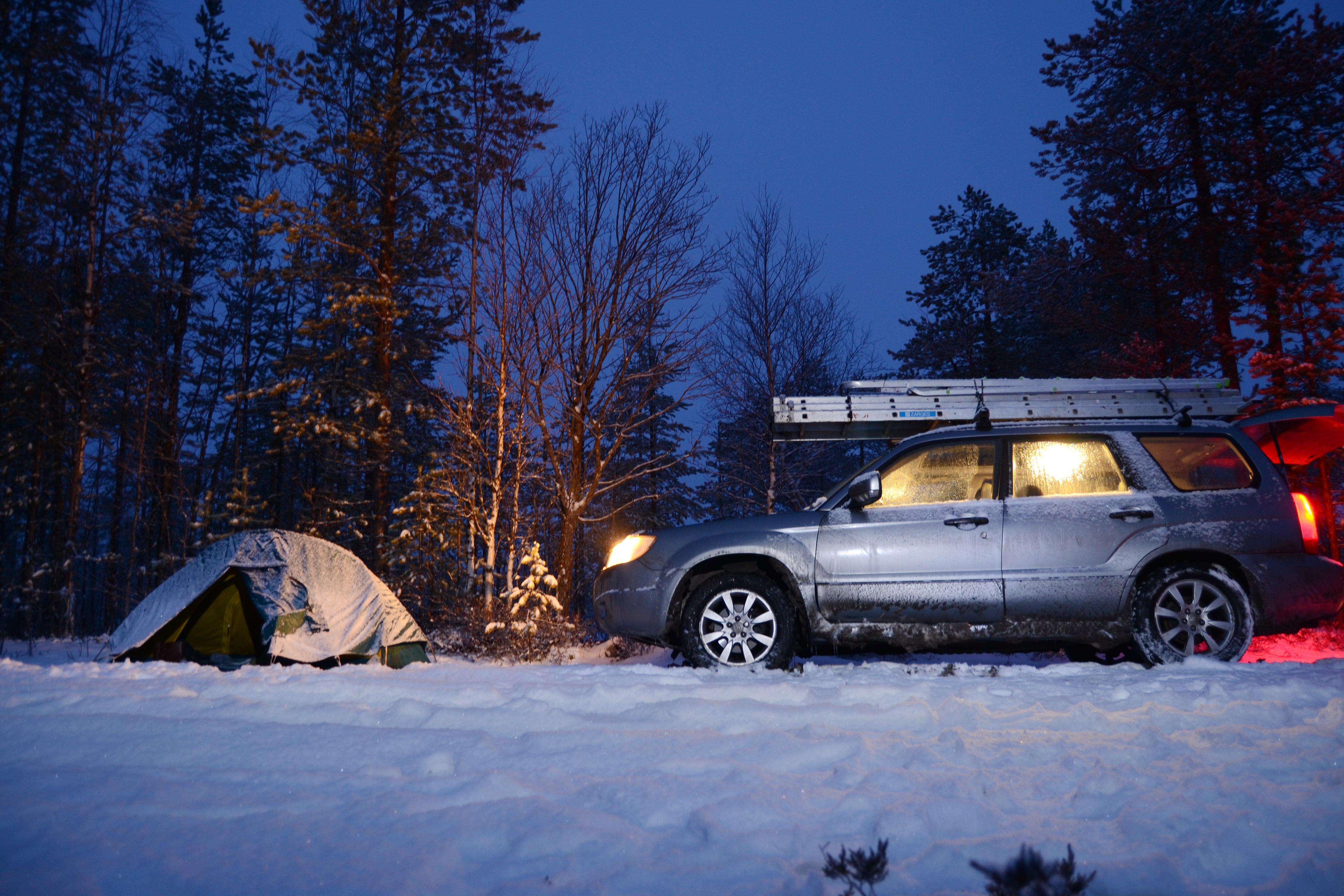
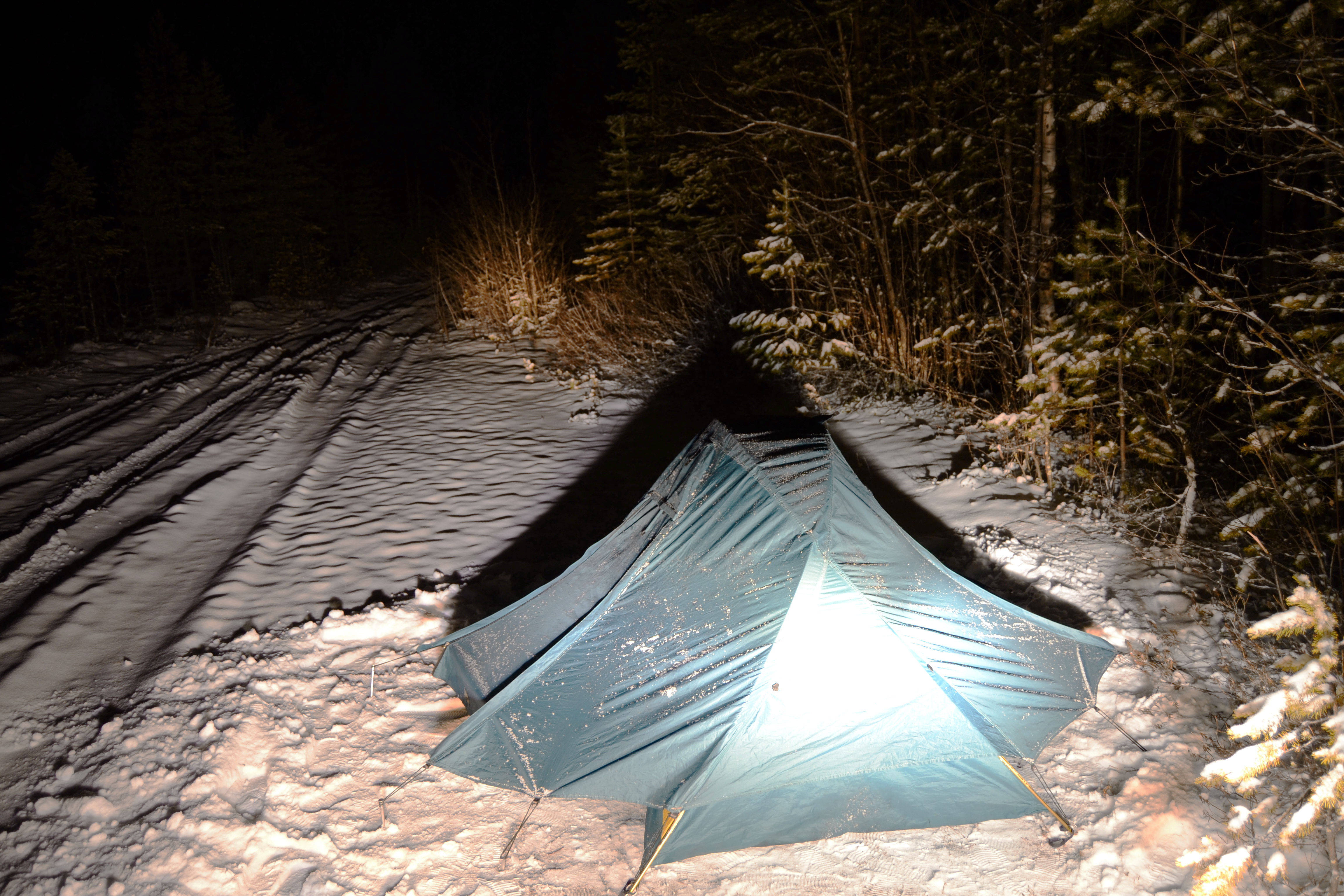
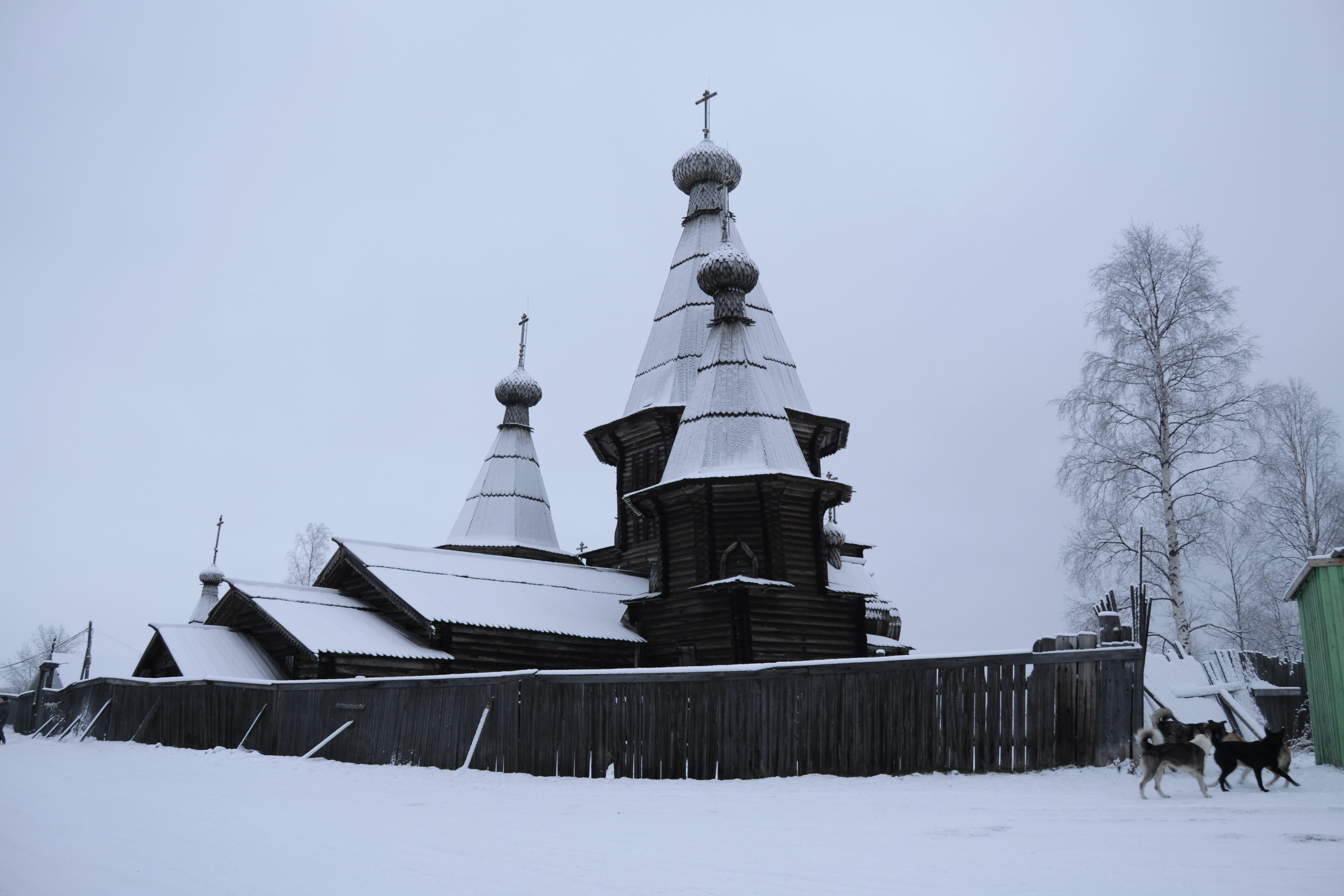
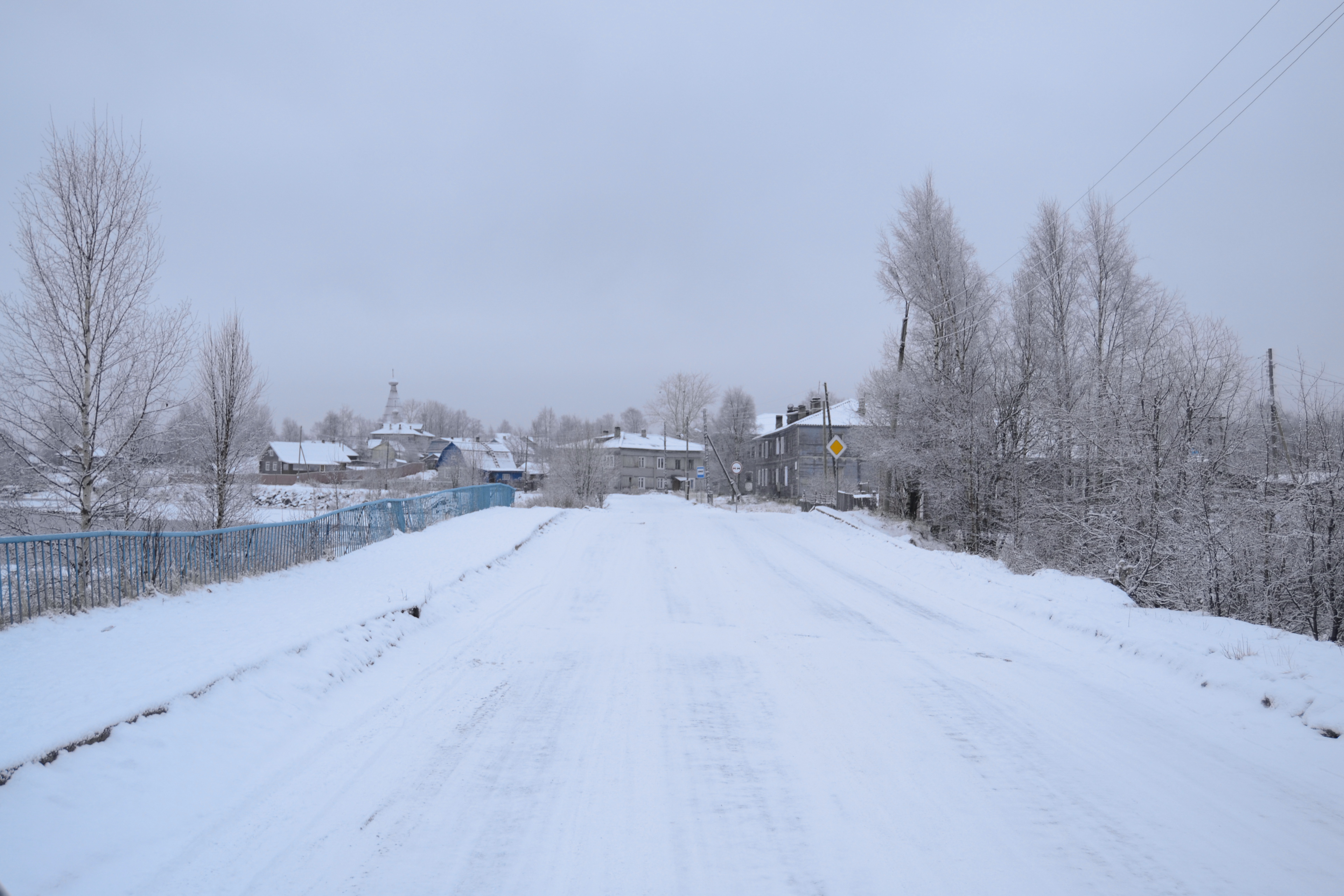
In the morning I stopped at Kem and walked the familiar streets once more. Twenty-five years ago Tanya and I walked here when we were still just getting to know one another. Twenty years ago we set off from here on a kayak trip. I had my usual coffee, walked along the waterfront and that was it. Time to go to Vyritsa, then to work, and in two days off to Sonkovo with a car full of equipment and the very same ladder.
Sonkovo and the last job
The weather was stormy. I set off in the evening as usual. I stopped for the night near Sonkovo (57°44.526′N, 37°18.772′E). Luckily the snow wasn’t deep yet and I made it up a forest road into a dense stand of spruce. At least the gale couldn’t quite get at me here. The trees just bent and creaked. It was frightening to think one might fall and crush me.
Our job in Sonkovo was to build a water treatment system. You wouldn’t think it was such an important installation. But things are serious now. It’s a classified, restricted infrastructure site. You need this piece of paper and that one. Much of the day went on calling various bosses, just so they’d let me unload the car. Well, thanks for that much.
The wind showed no sign of letting up. Time for lunch, but who wants to cook in weather like this? A gale, with rain and snow.
I decided to have a packet of mussels in oil. I opened it and the wind instantly blew all the oil over me. Oh well. No spare jacket. Perhaps I didn’t need one. The whole thing was nearly over. Far away in New Zealand nobody would remember that I’d turned up to inspect a fire suppression installation in a dirty jacket. Wind means change. It was already on the doorstep. I’d wash the jacket on the other side of the world. And it looked as though my winters in Russia were over. I felt calm, and no longer cared.
I drive from Sonkovo to Tver. There I have to service a fire suppression system. Will I make it before the end of the working day? I did. Excellent. Next was the stretch based at Bologoye, but that was tomorrow. For the last night of this work trip, I needed somewhere worthy of the occasion and a decent supper. I found the spot and cooked the supper (58°06.934′N, 34°19.623′E). As always, borscht with sausages and sour cream. Hot chocolate and cheese.
The gale just kept getting stronger. I slept to my heart’s content.
In the morning I turned up to meet the technicians in Bologoye at the appointed hour, but the office was locked. Nobody there. The gale had done so much damage that everyone was out on emergency repairs. Well, there it is. I’d done everything I could. Absolutely everything.
I made it back to Vyritsa and my last work trip was over. The very last one? Probably. In a week there’s a flight to another world.