Trip report
In August 2009 it was time to service the railway’s fire suppression systems again. I was looking after 52 installations then, and they all had to be visited once a quarter. Before the financial crisis I used to pay a technician with a car to do the rounds. Hotels, repairs, a hefty salary. What didn’t they put on the expense claims? Beer and sausages, among other things.
I’d make a mental note of it, but I seldom had time to look closely. This time I added everything up. It was enough to live on. I’d rather put the money into keeping my own car on the road. So I decided to do the driving myself. Of course it’s a bit ridiculous when the director shows up to do routine maintenance. But people don’t all know that I’m the director, and those who do are welcome to laugh. At least I’ll get some fresh air.
The first time out I took our engineer Dima along. That meant driving into Saint Petersburg from Vyritsa to pick him up at Kupchino metro station.
On the first day we had sites in Petrozavodsk, two installations in the city and one in Kondopoga. To get through them during working hours we had to set off early and make good time.
That evening we made it to Medvezhyegorsk and spent the night at the Onega Hotel (62°54.746′N, 34°27.823′E).
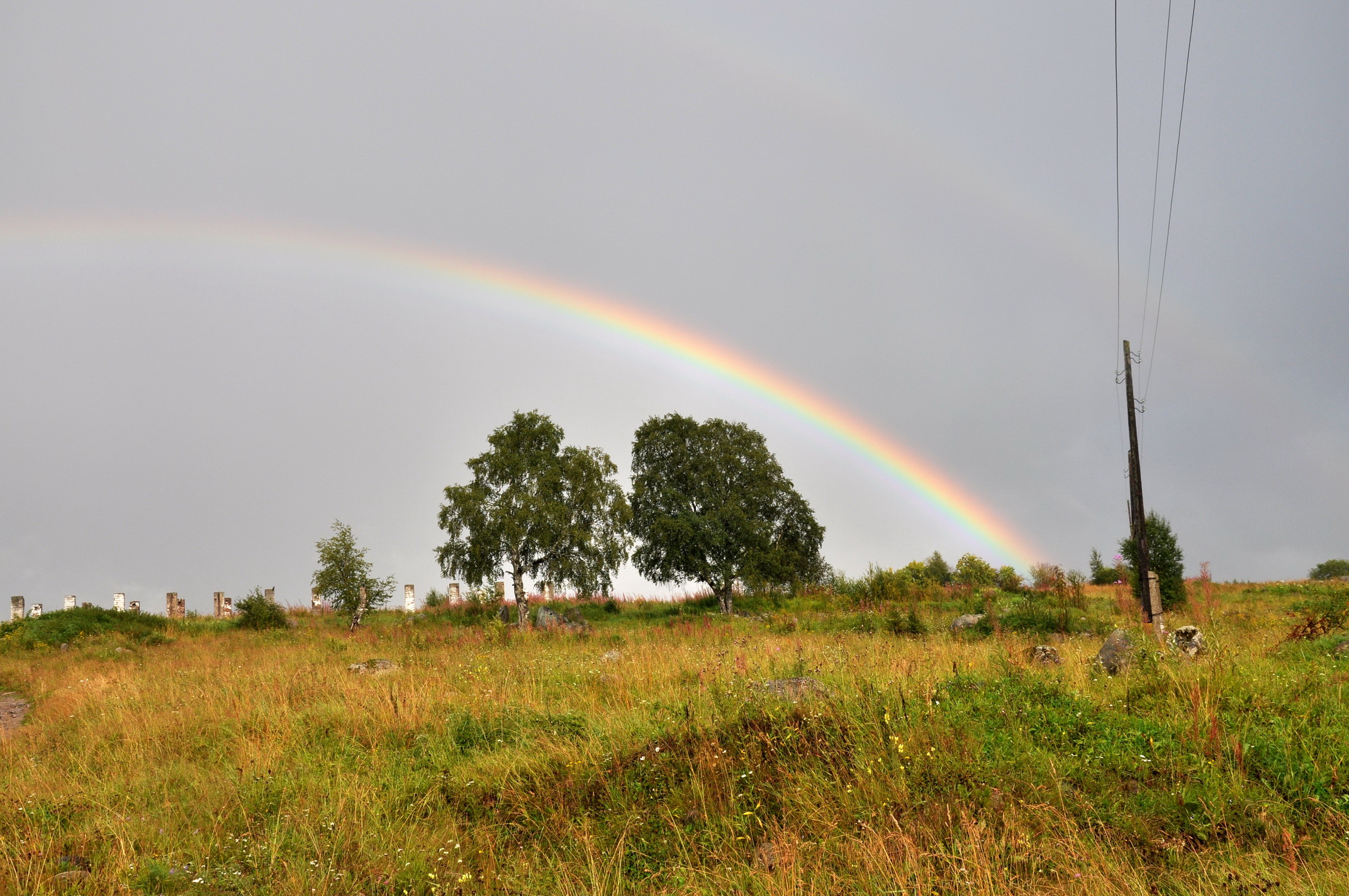
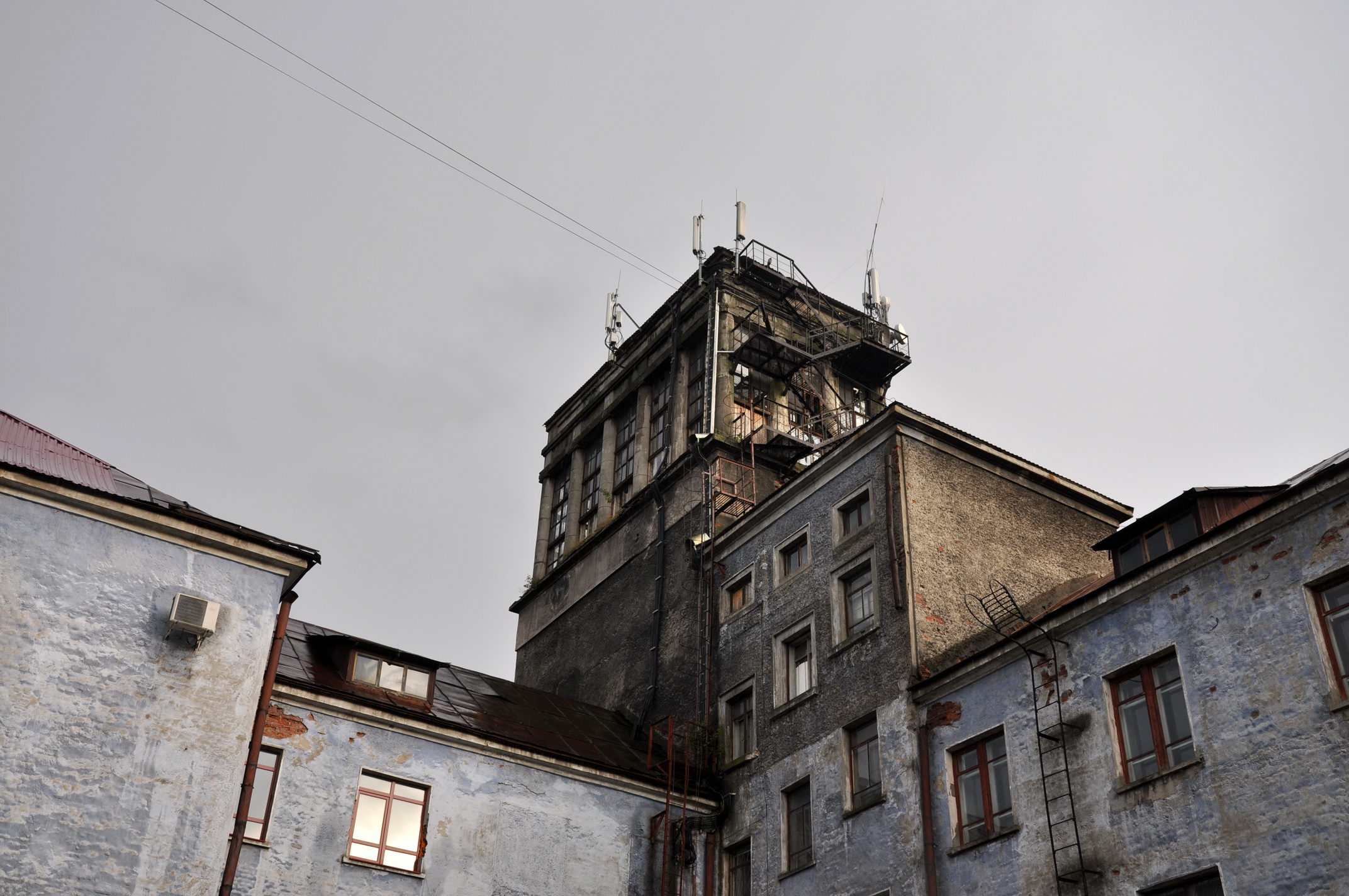
We had four stations in the morning: Medvezhyegorsk itself, Kyappeselga to the south, and Ramentsy and Segezha to the north. You have to take the local technicians along because they won’t simply hand over the keys. It makes for a more cheerful trip, except that you have to bring them all back to Medvezhyegorsk. The distances are considerable and I spend the whole day at the wheel, driving back and forth.
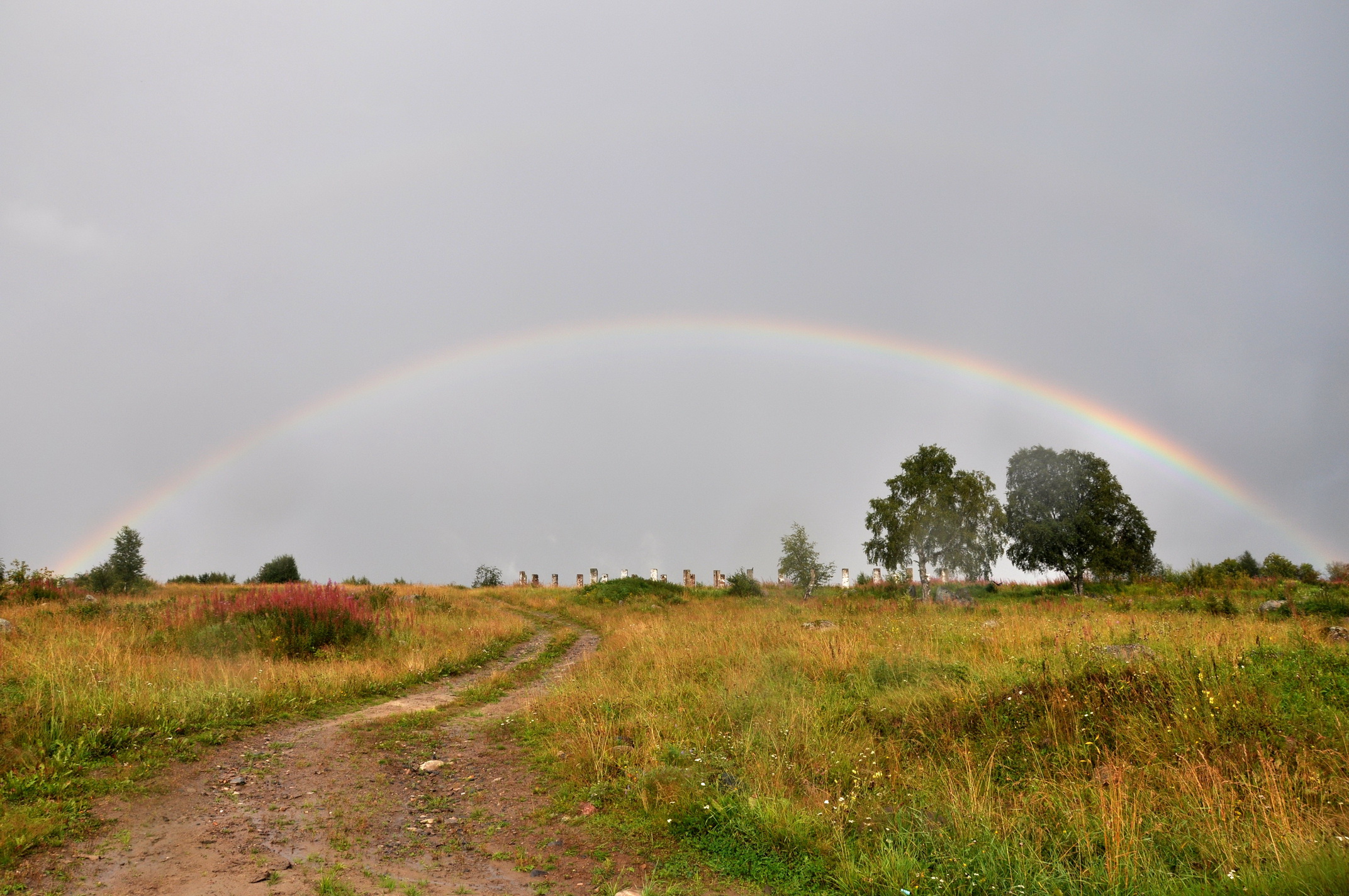
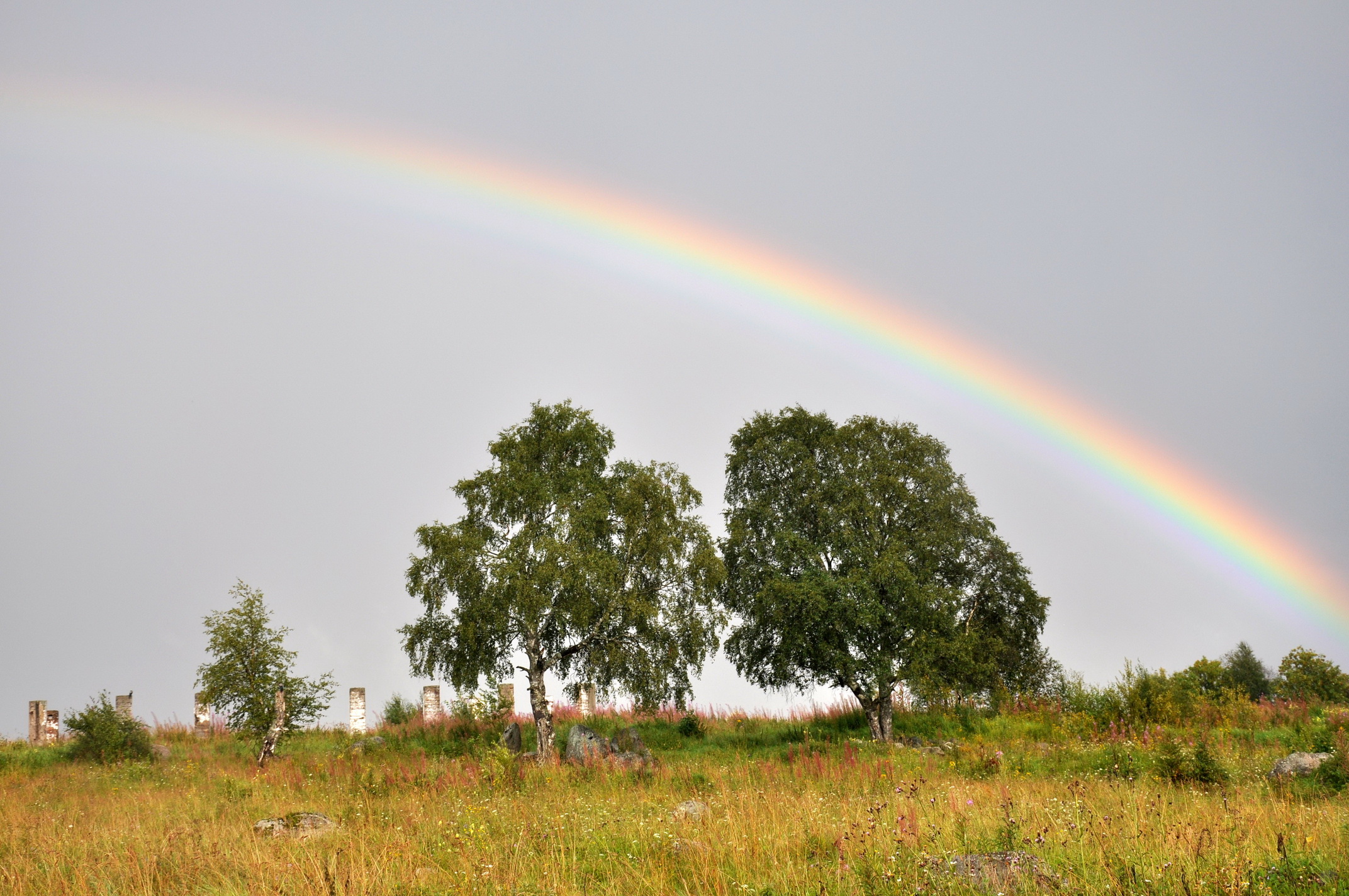
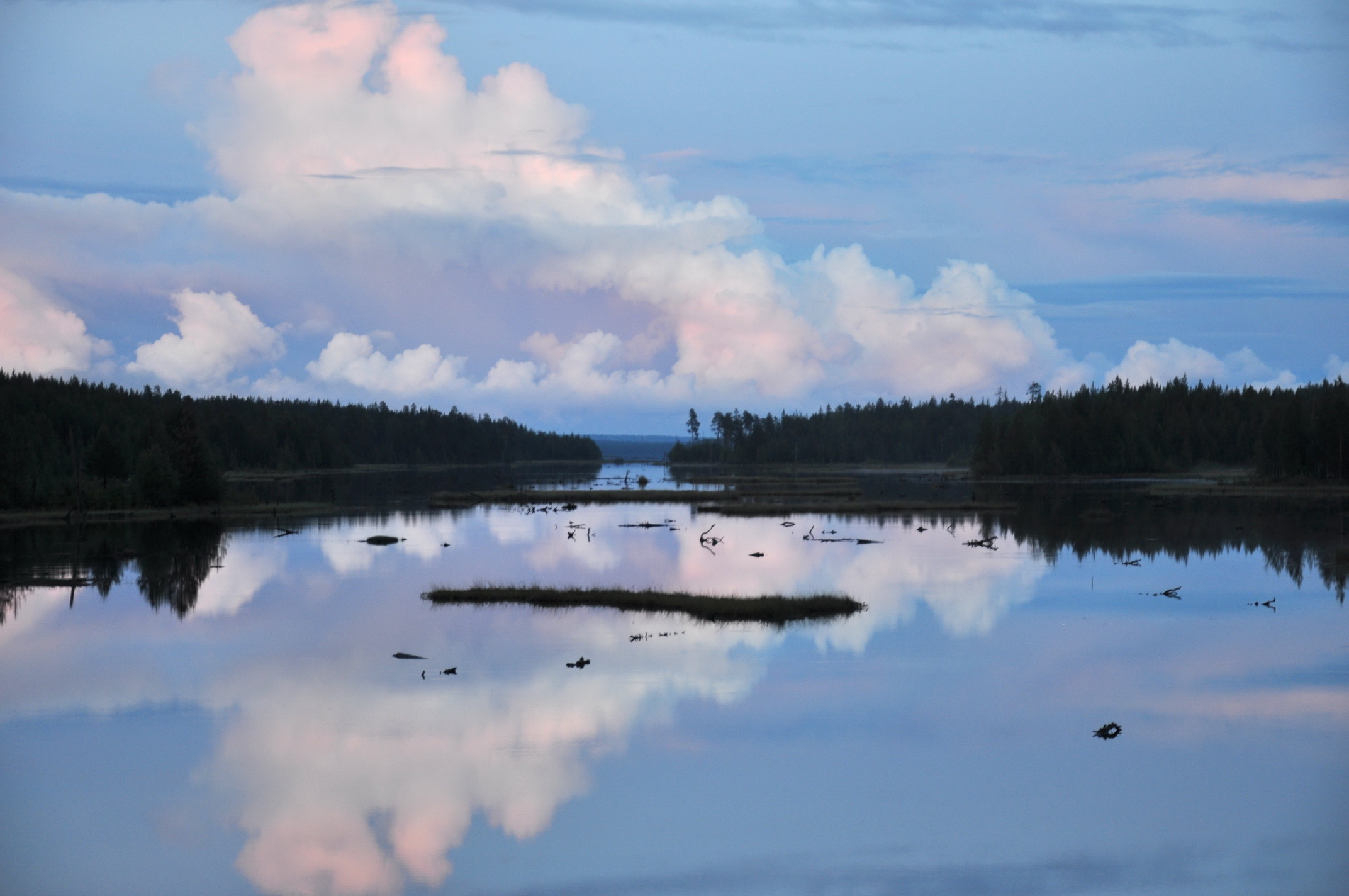
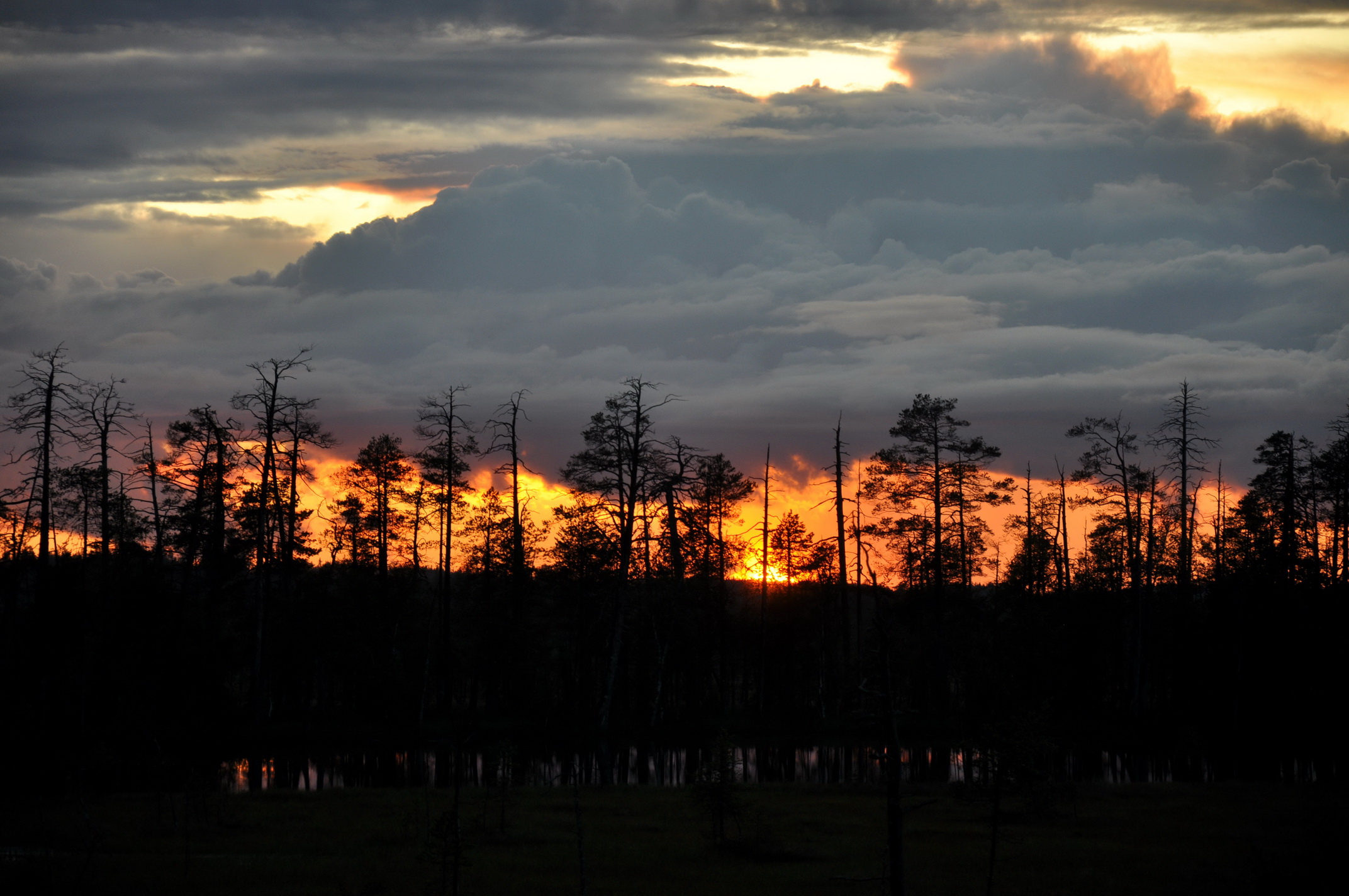
By evening we were already at the Gandvik Hotel in Belomorsk (64°31.284′N, 34°45.459′E).
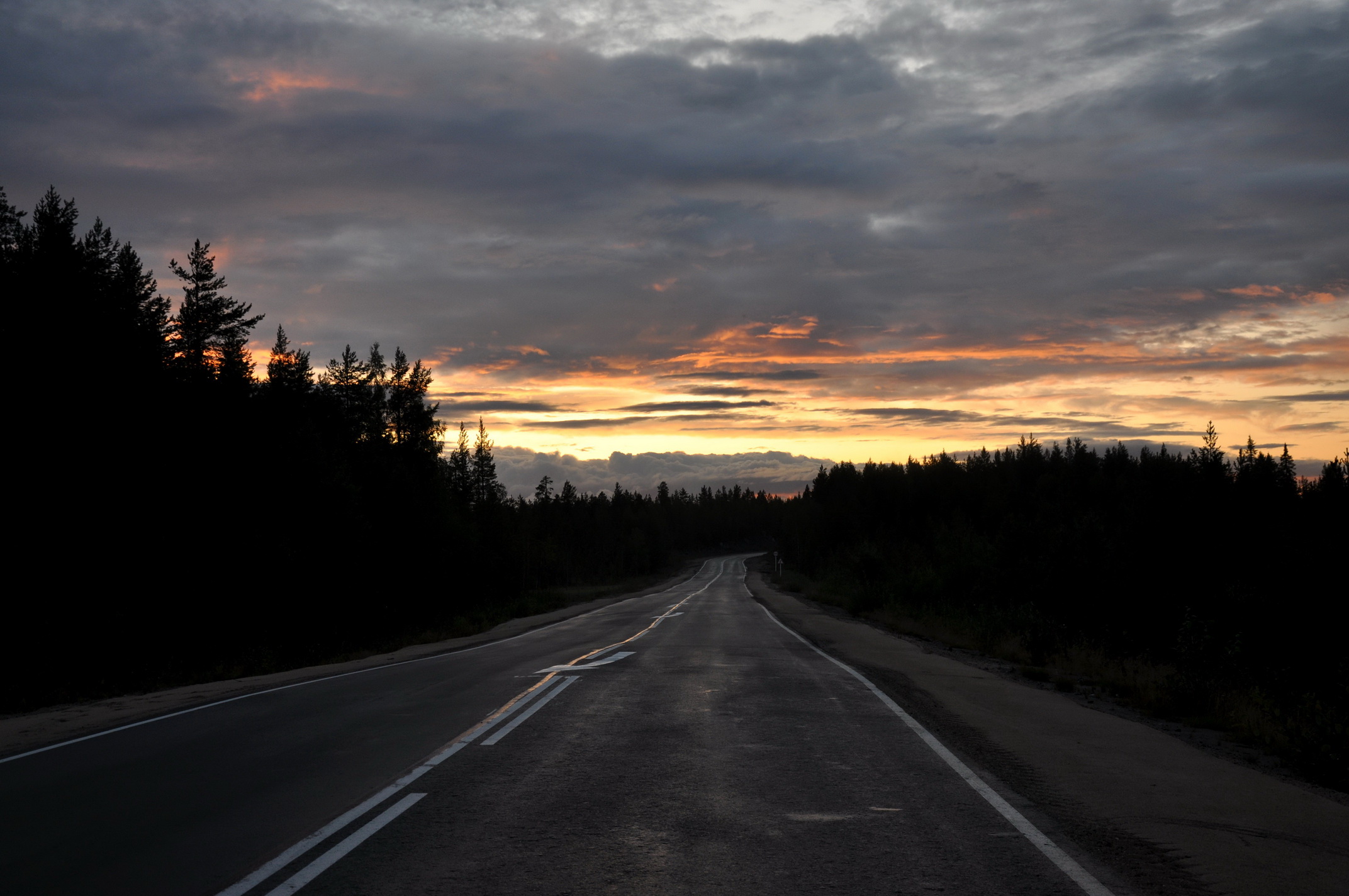
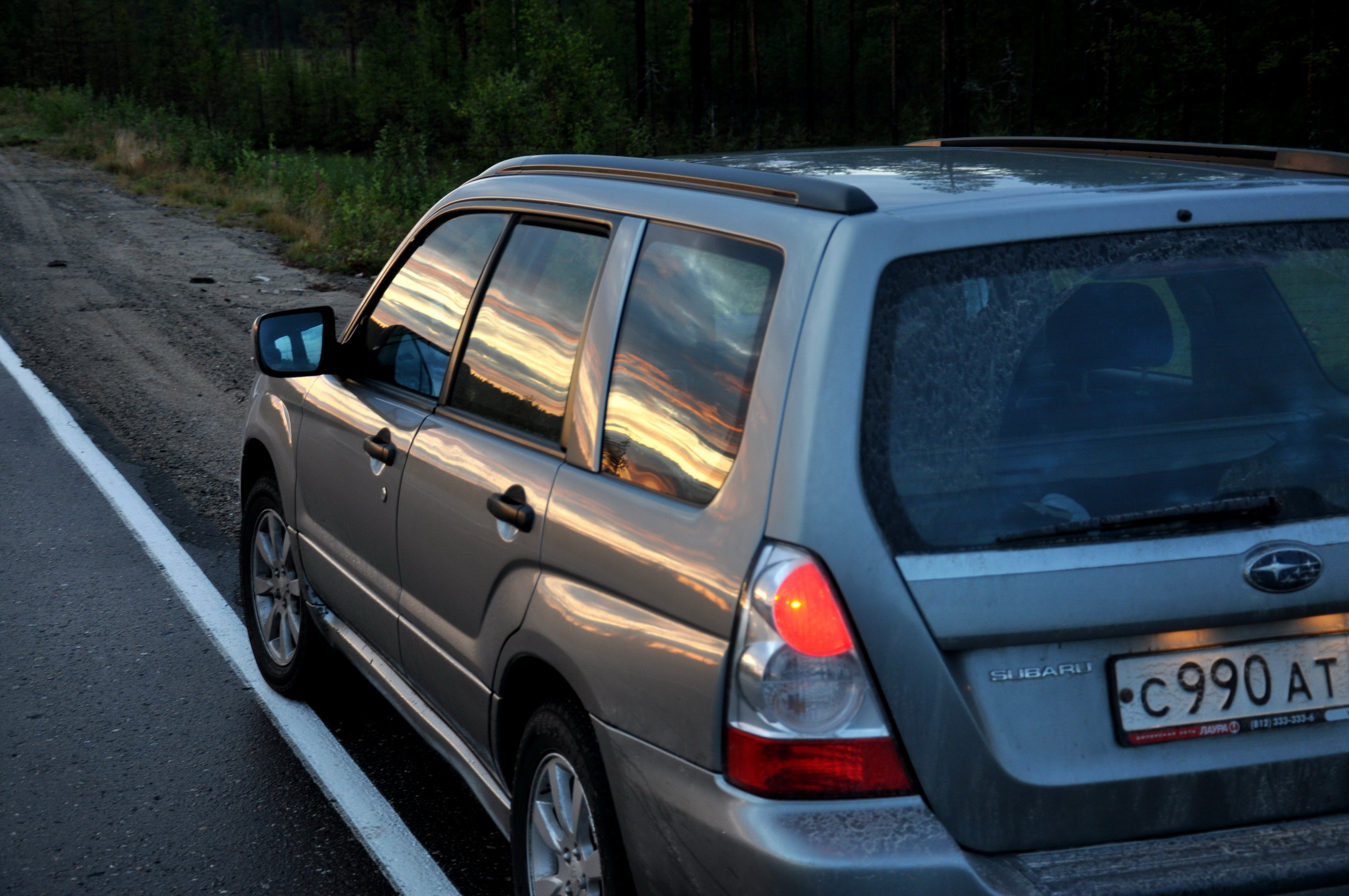
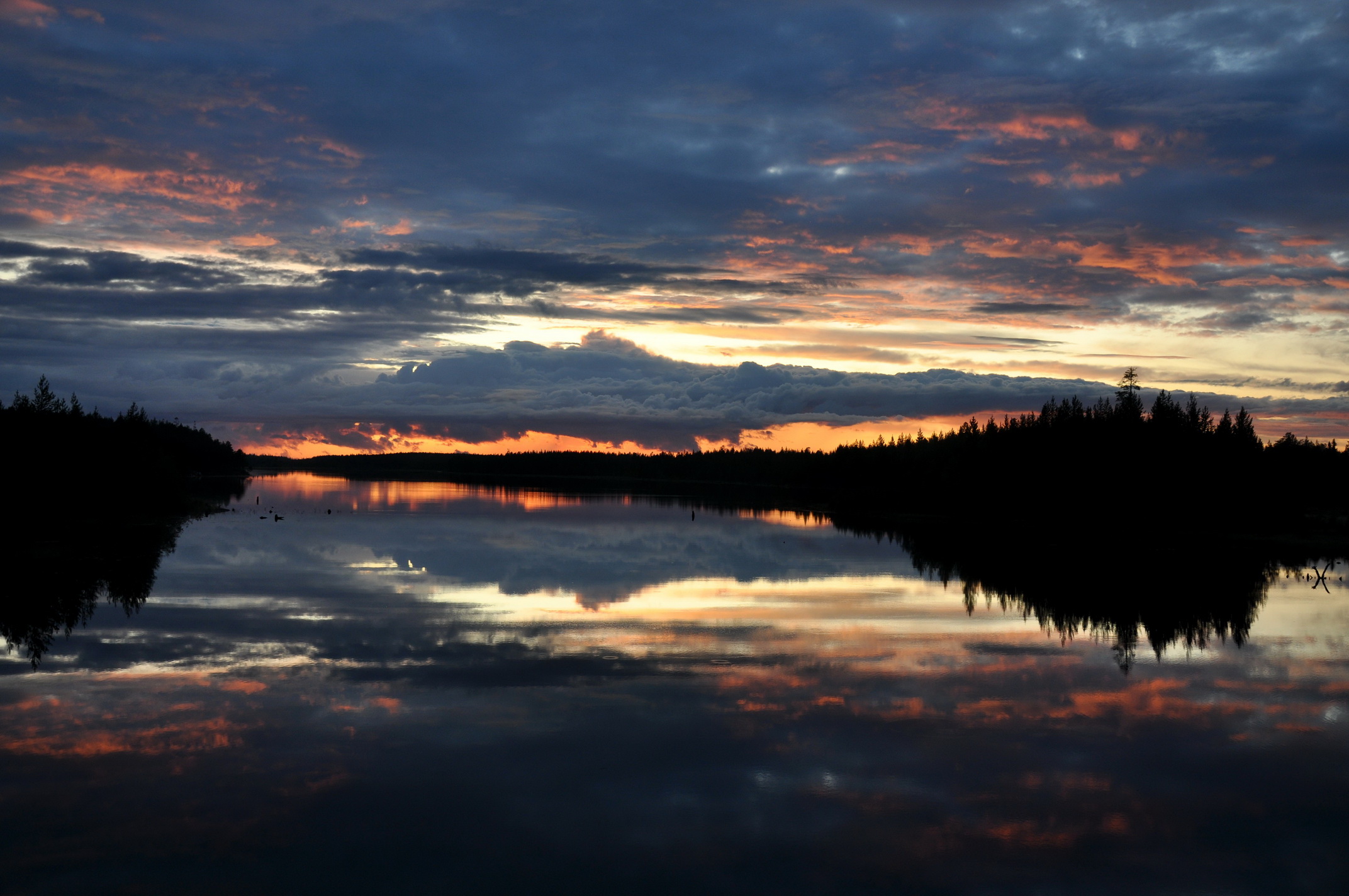
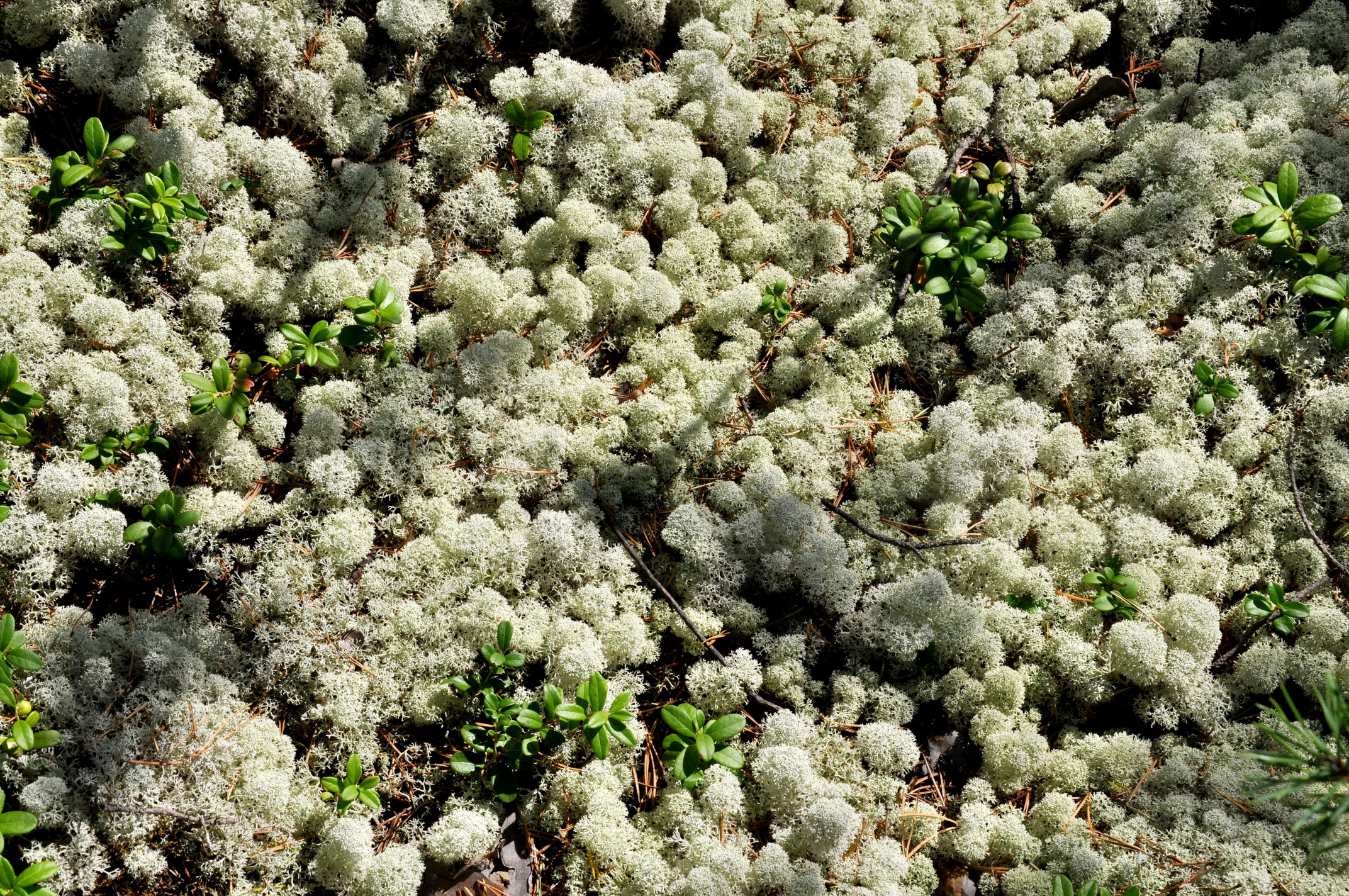
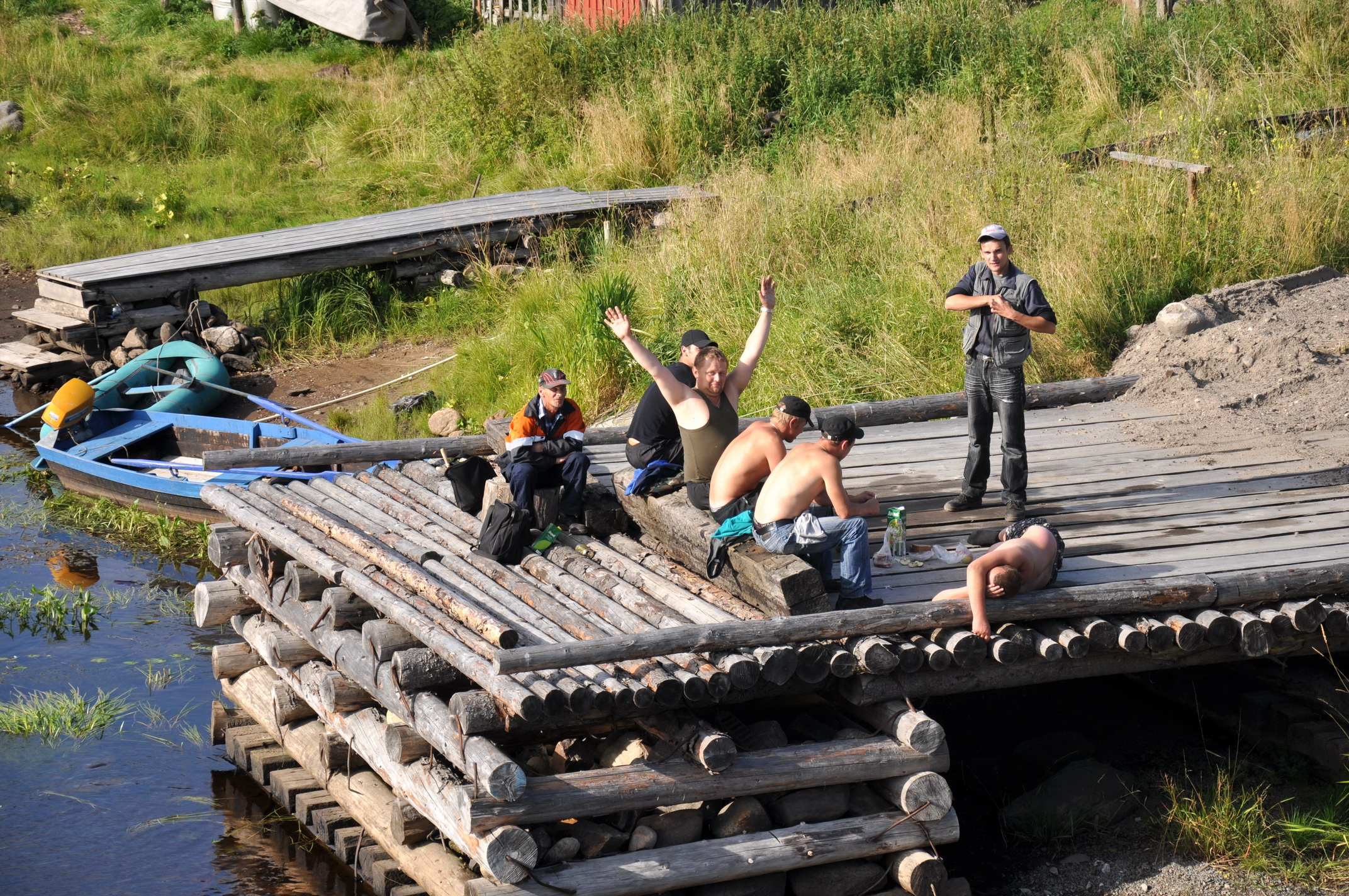
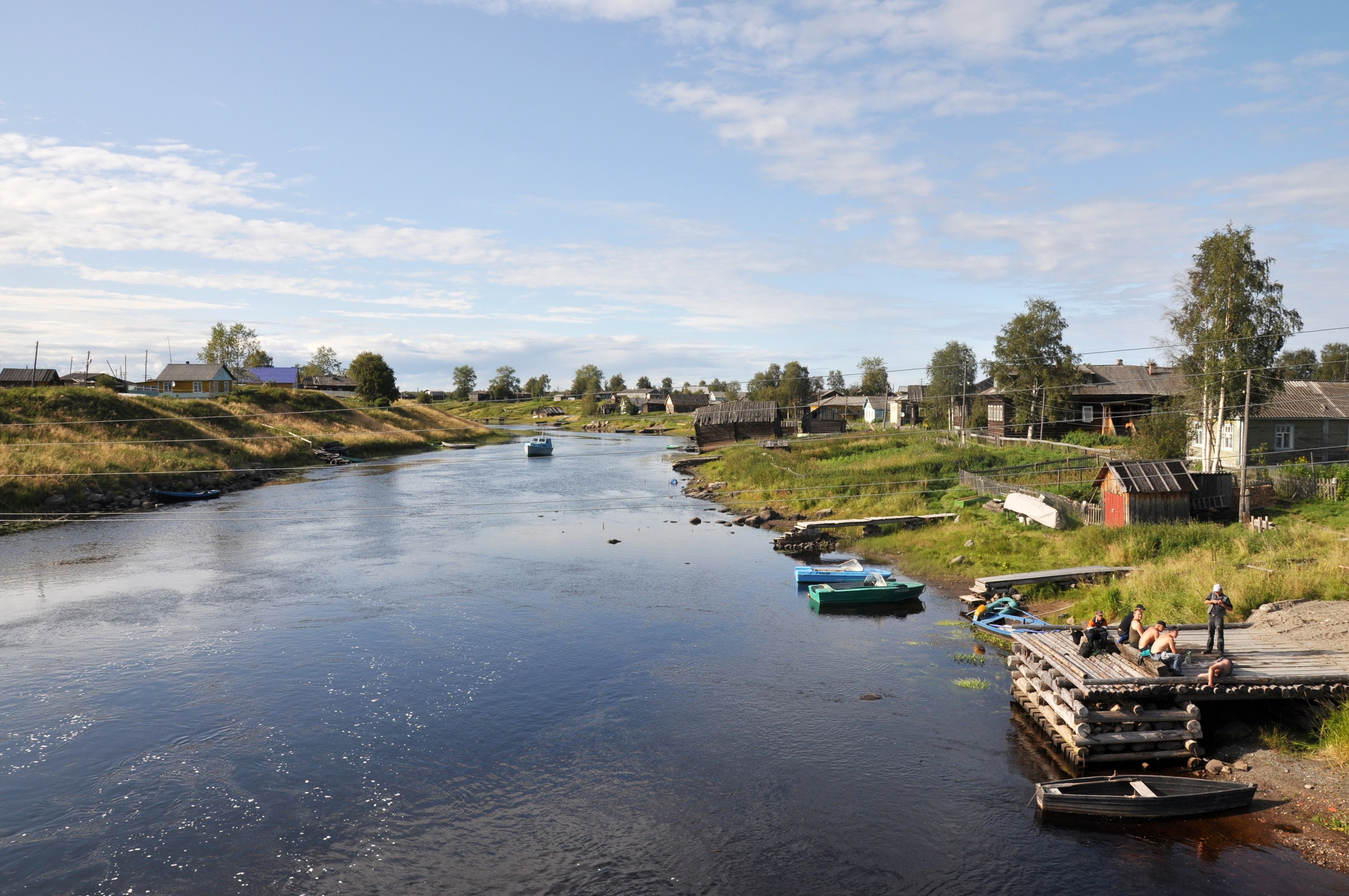
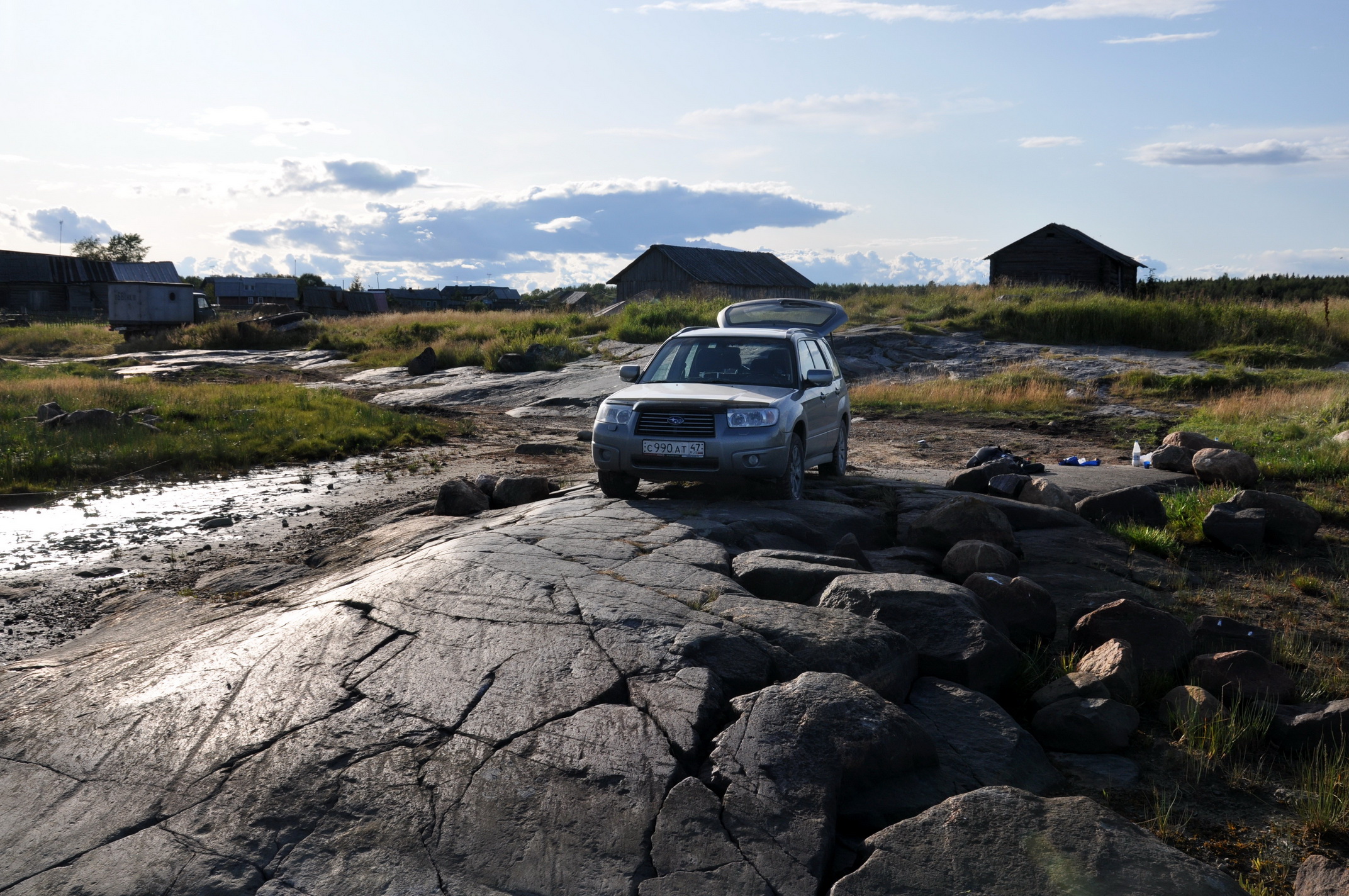
Another round the next day: Belomorsk itself, Idel and Sumsky Posad. Idel hadn’t been commissioned yet, so we followed the road along the railway line from Belomorsk to Onega. This is wild country. There are hardly any villages and the decent stretch of road ends at Sumsky Posad. We once started and finished a White Sea kayak trip in this area. I love this road. It’s dirt and puddles, but it’s beautiful, and now and then you catch sight of the White Sea. When we’d finished work we headed towards the village of Kolezhma to pick mushrooms in the tall pine forest. On the way back we drove out to the rocky shore of the White Sea for lunch in the village of Sukhoye.
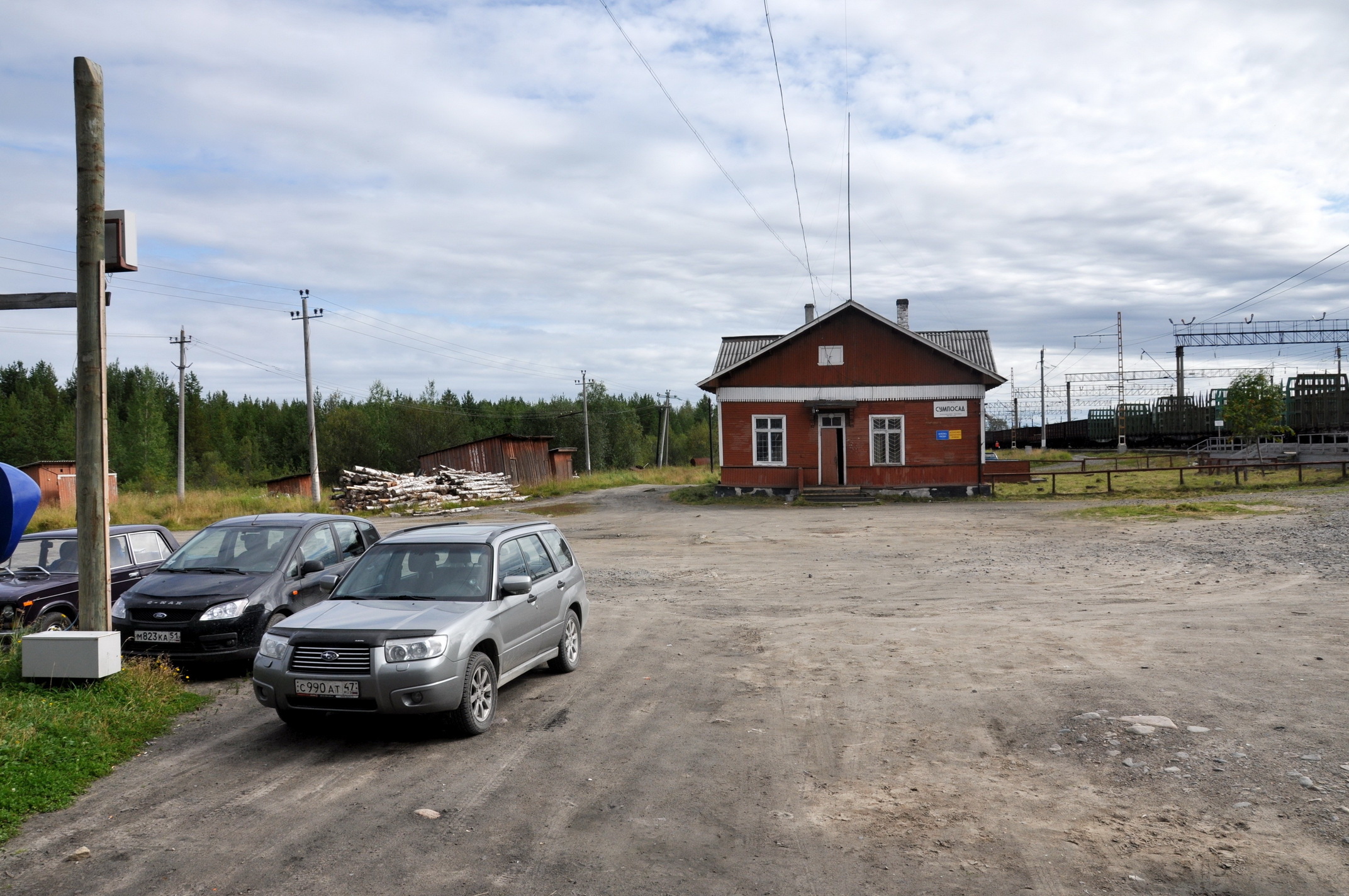
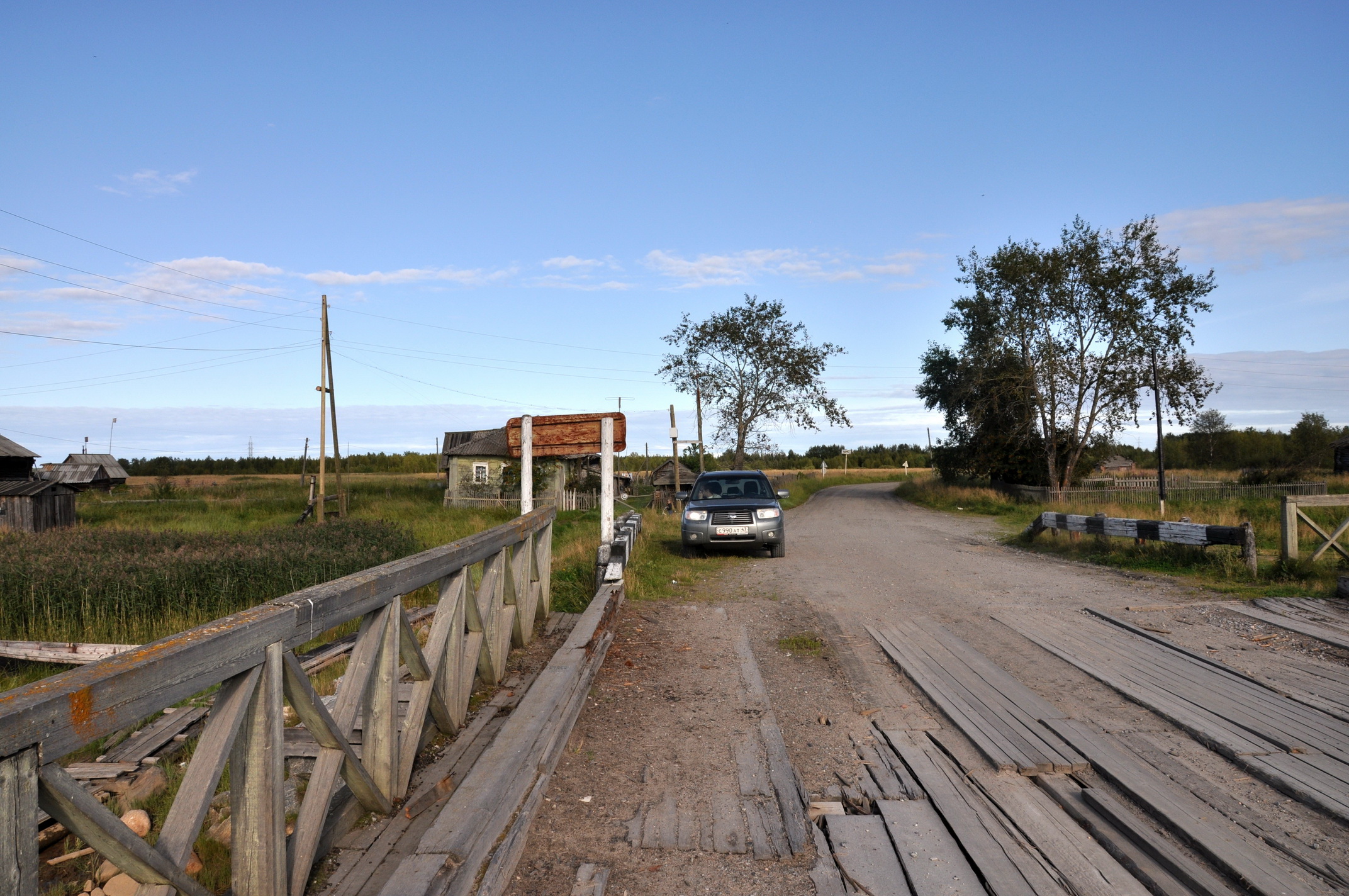
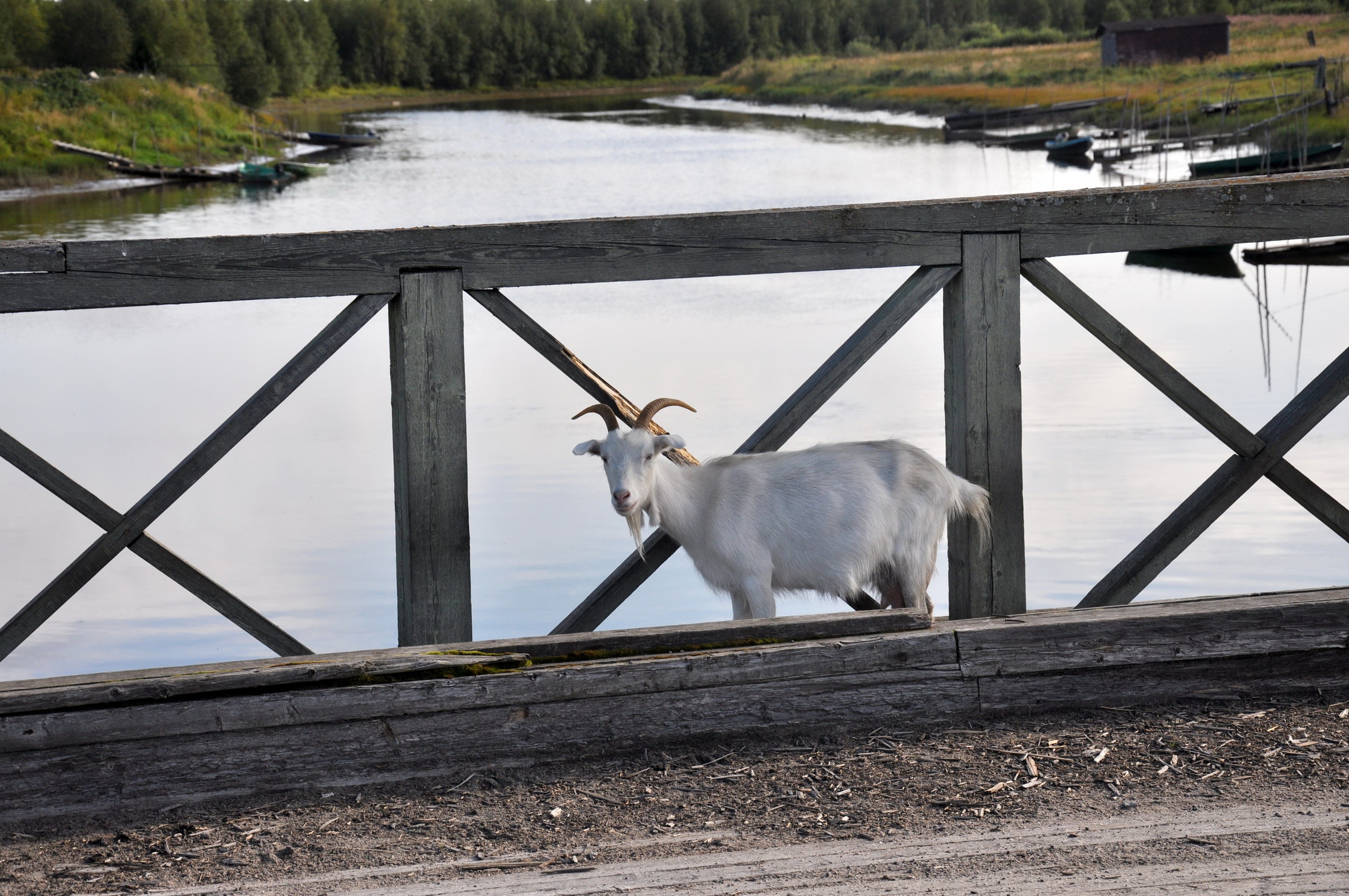
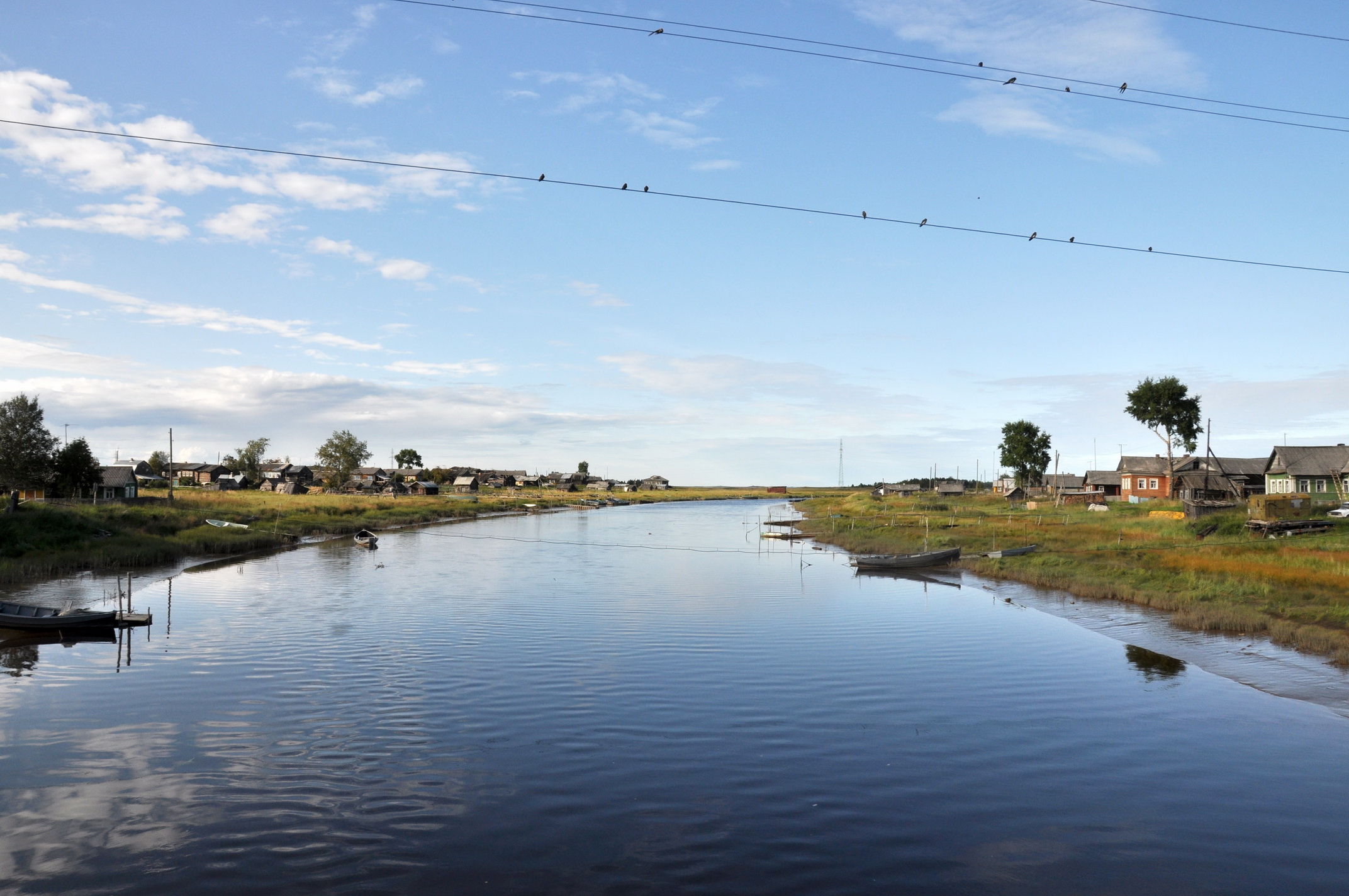
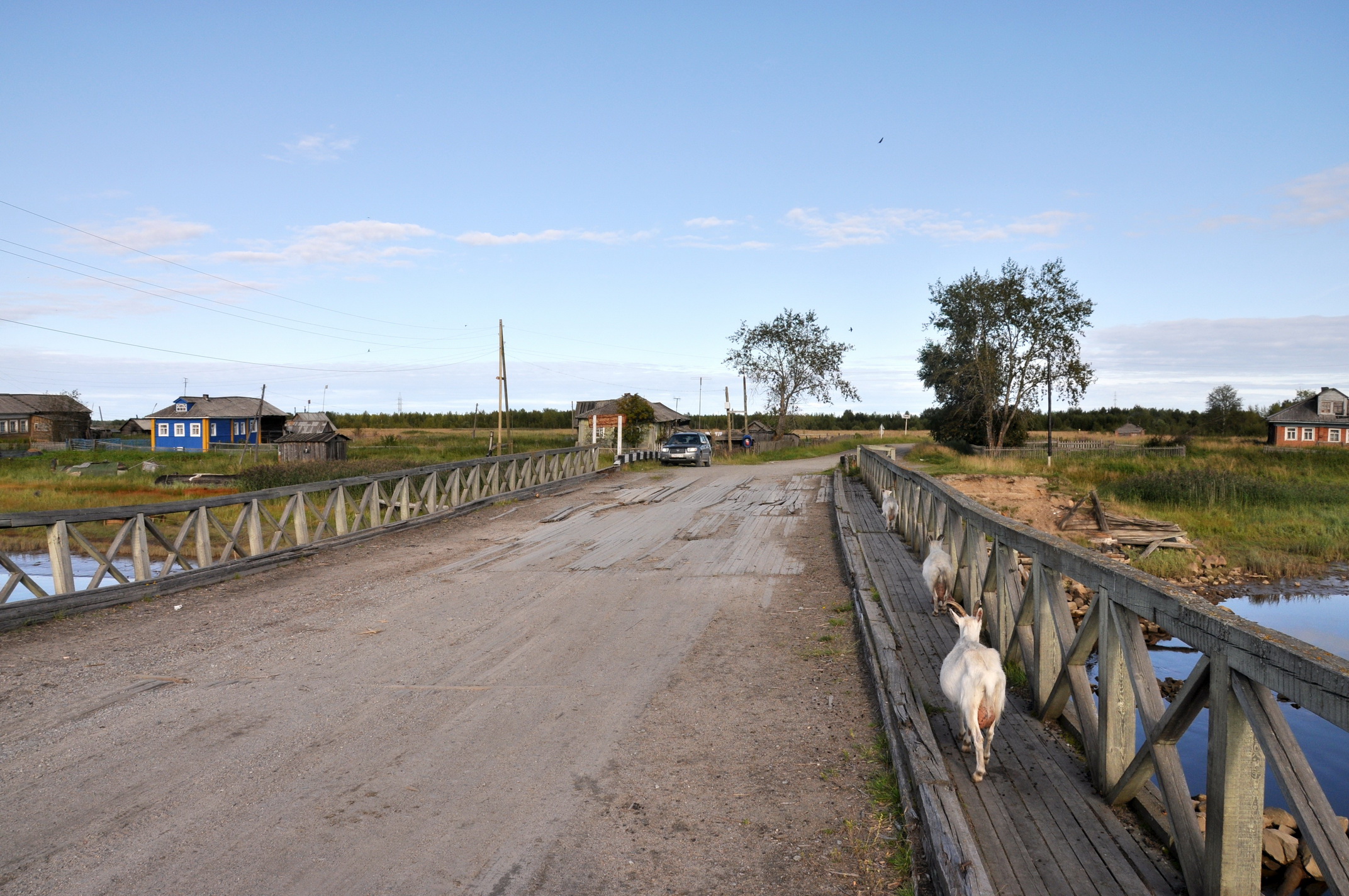
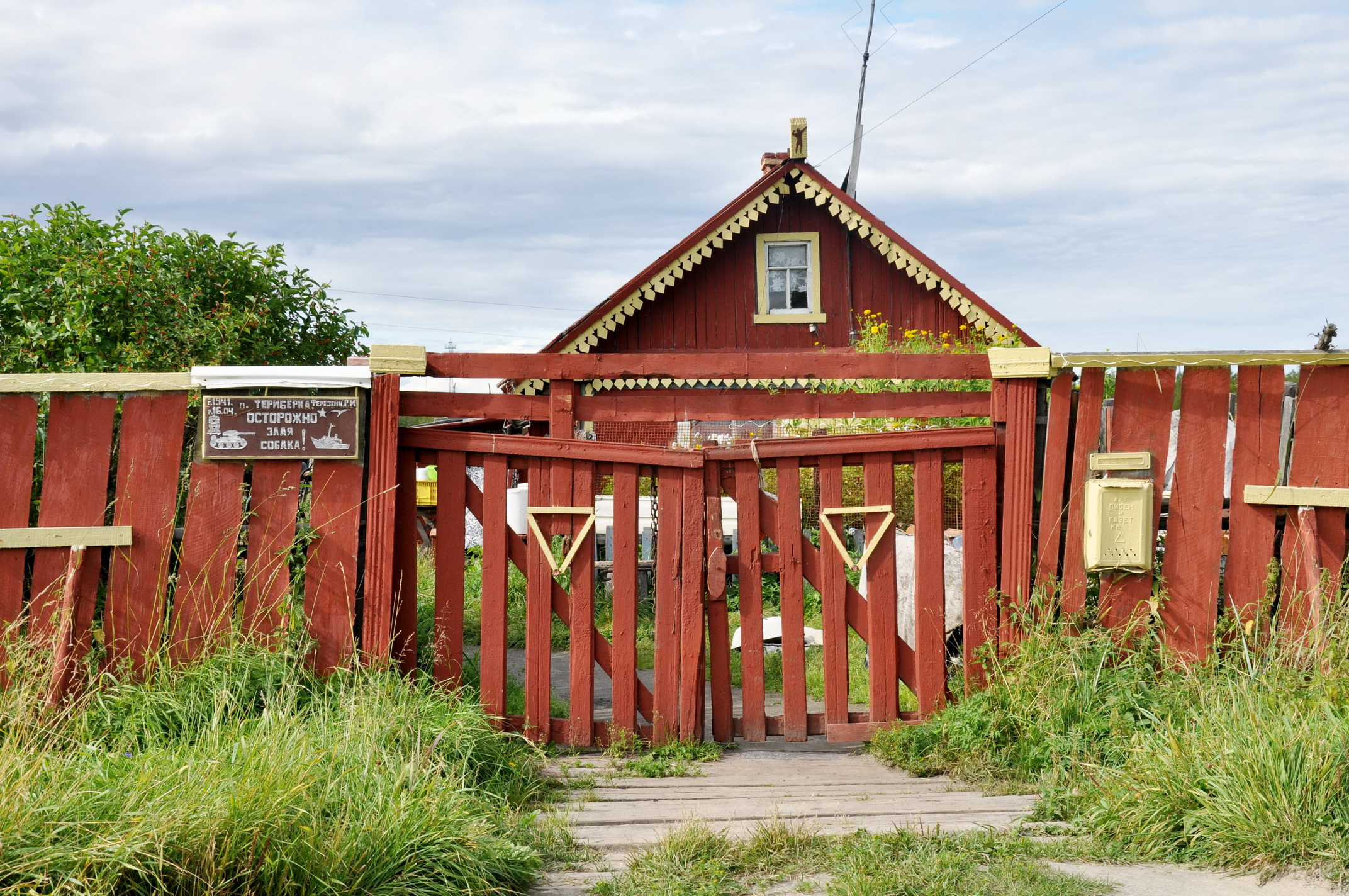
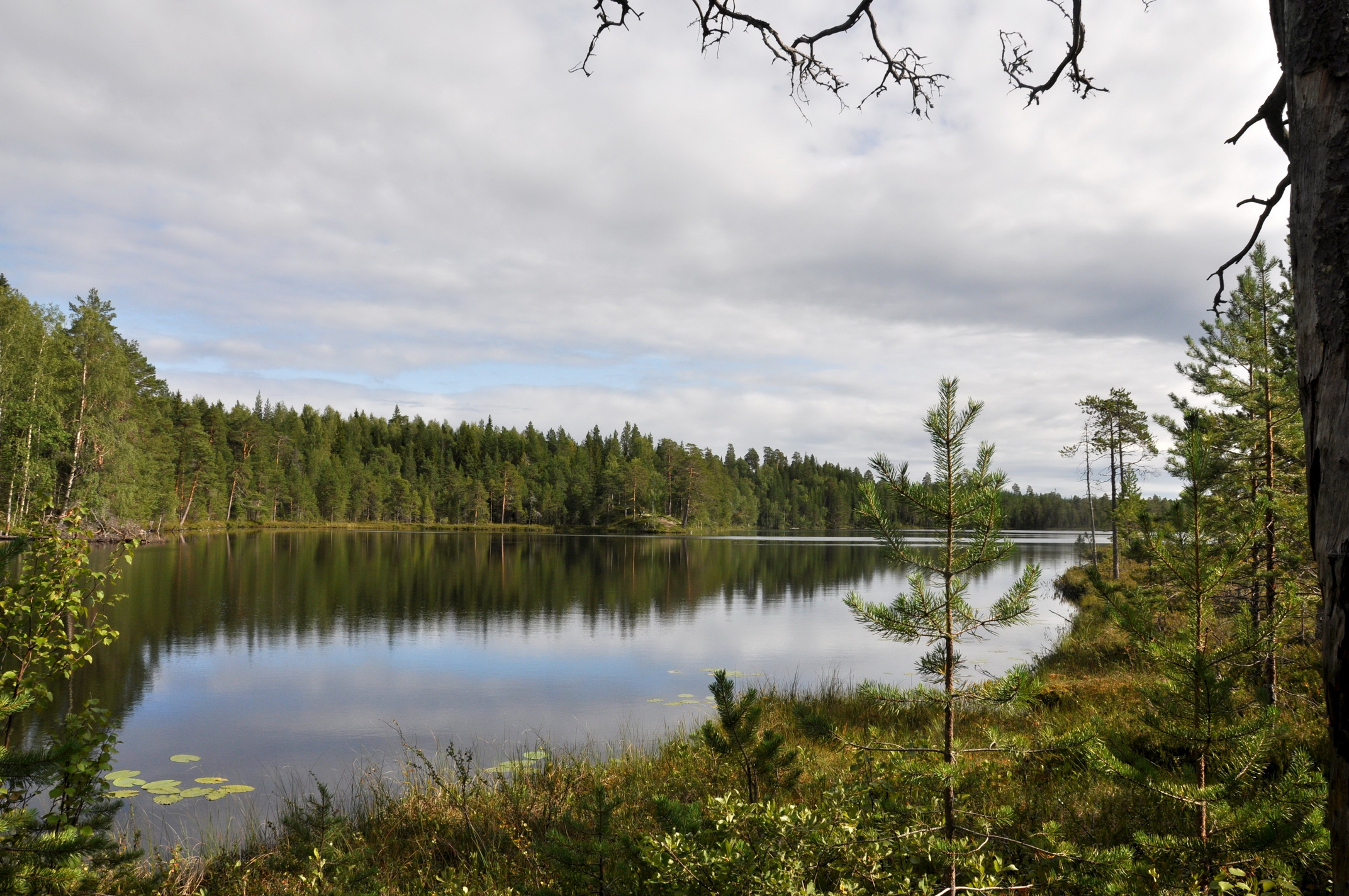
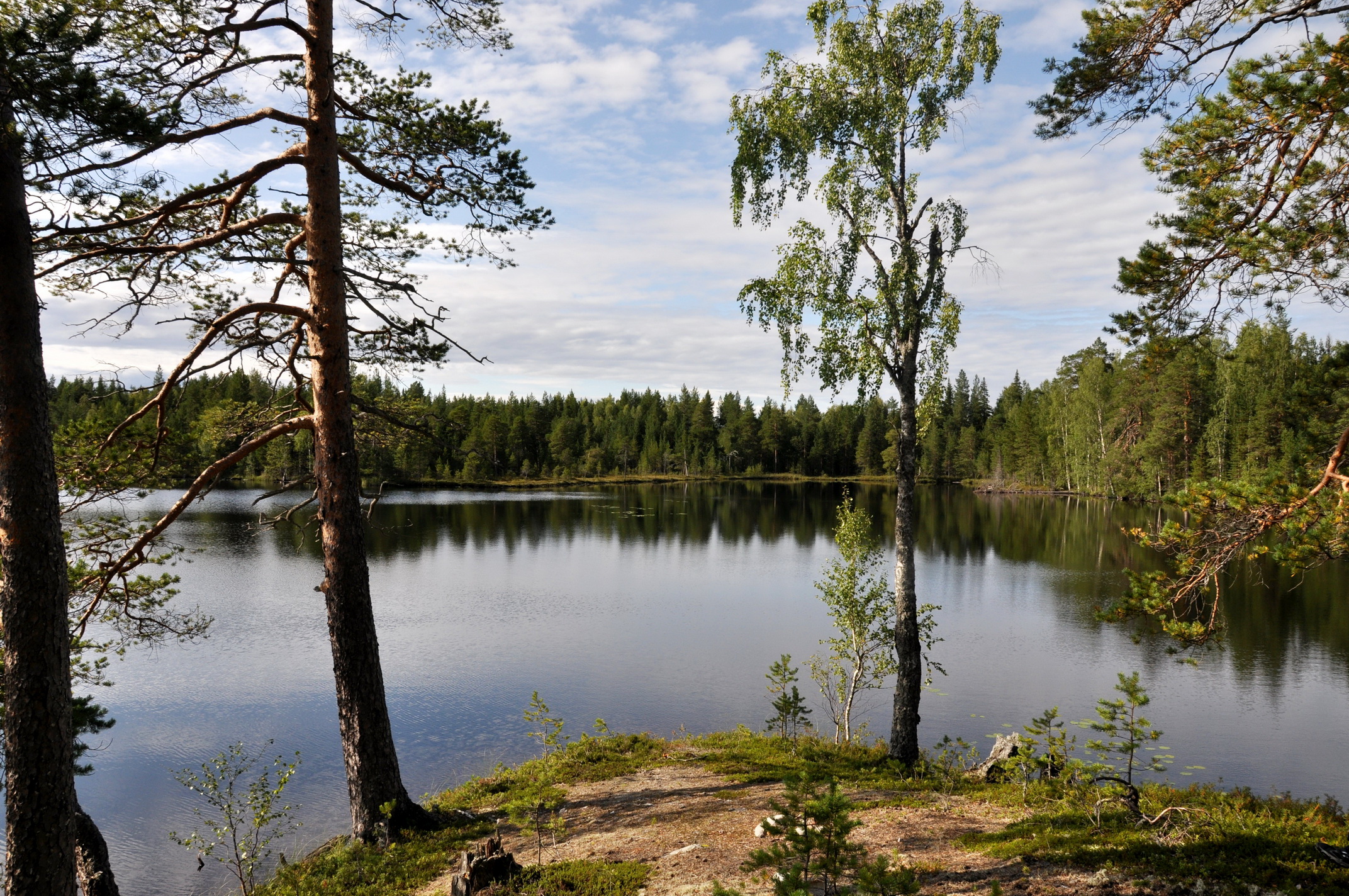
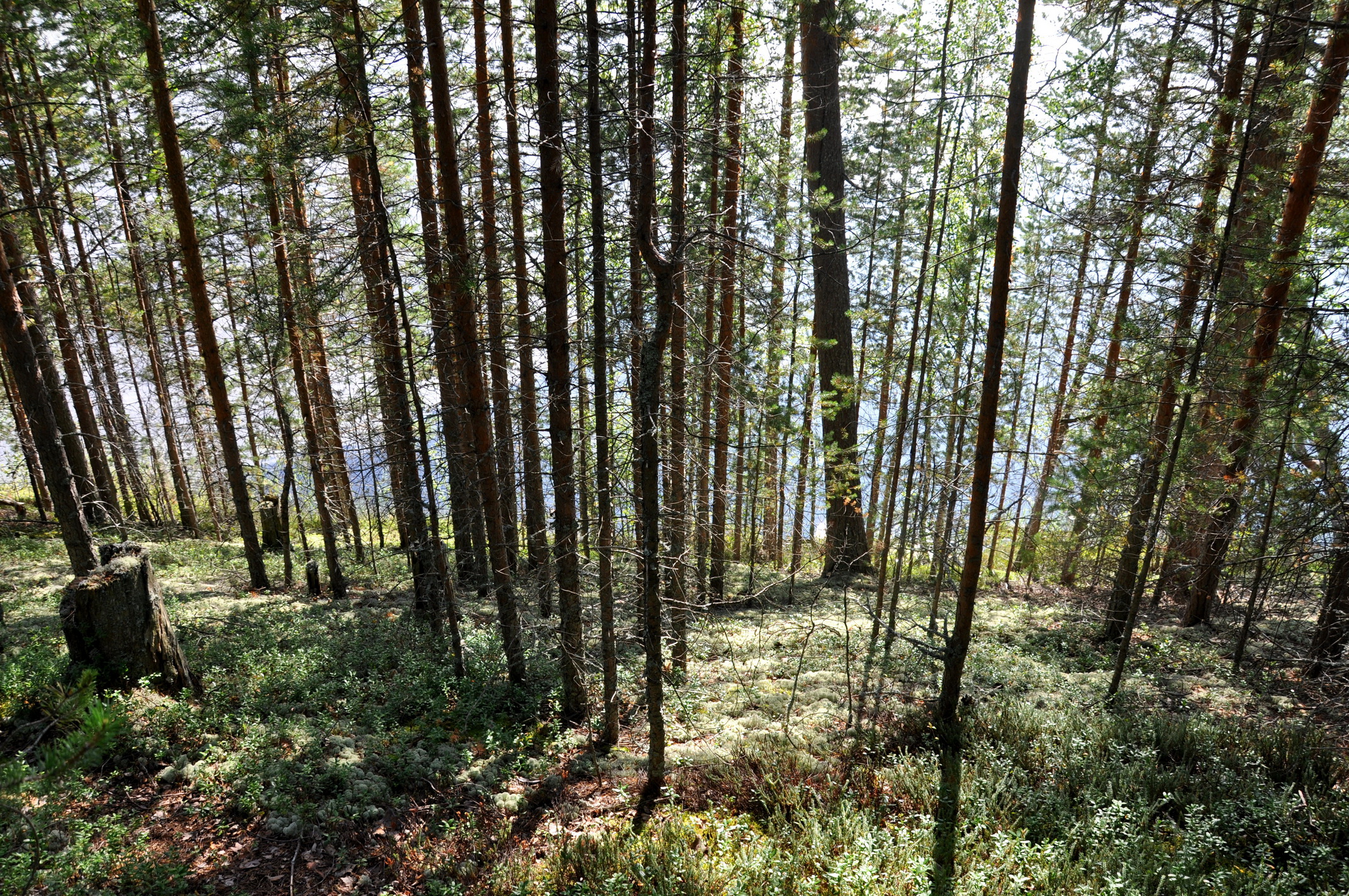
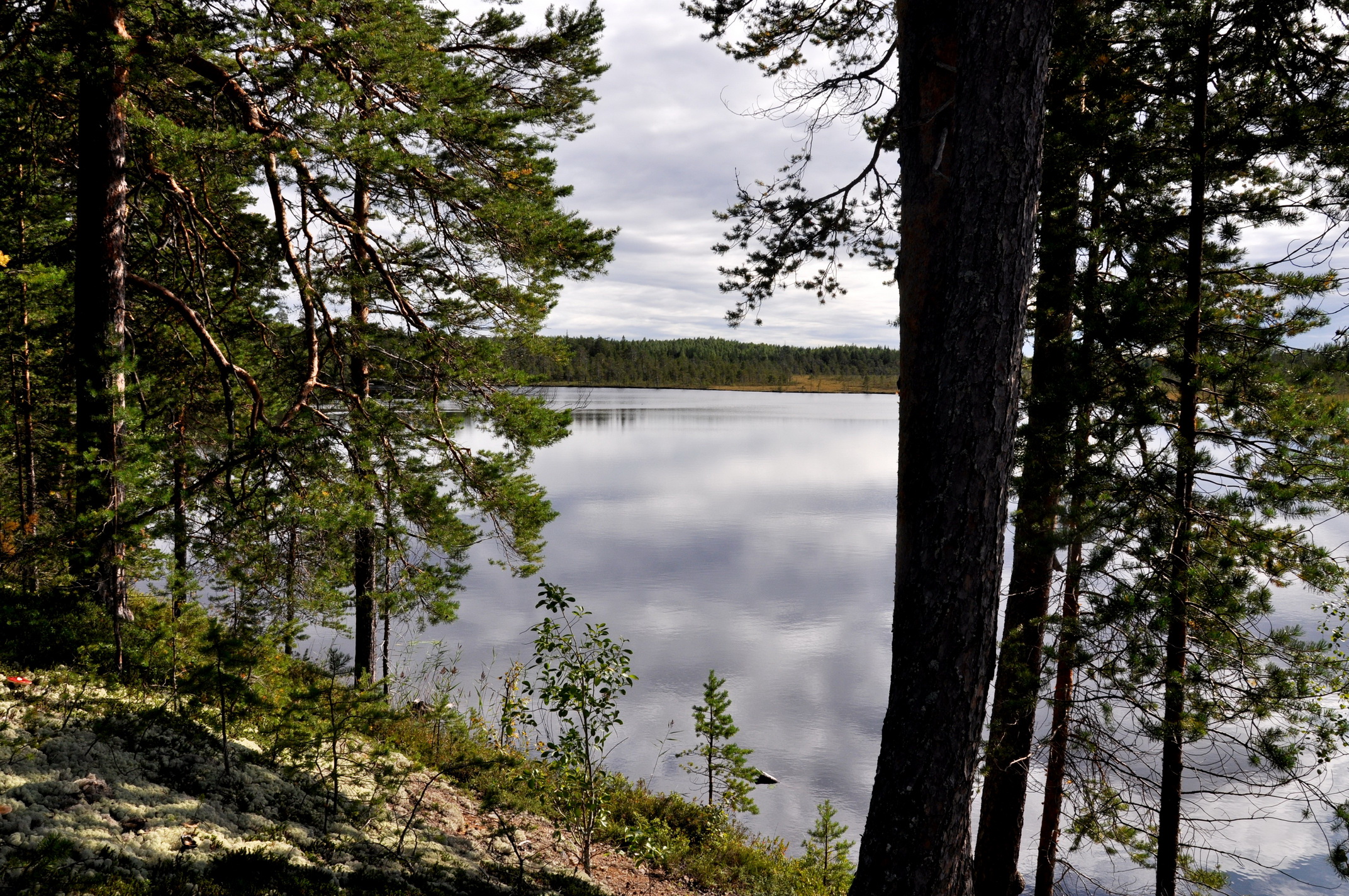
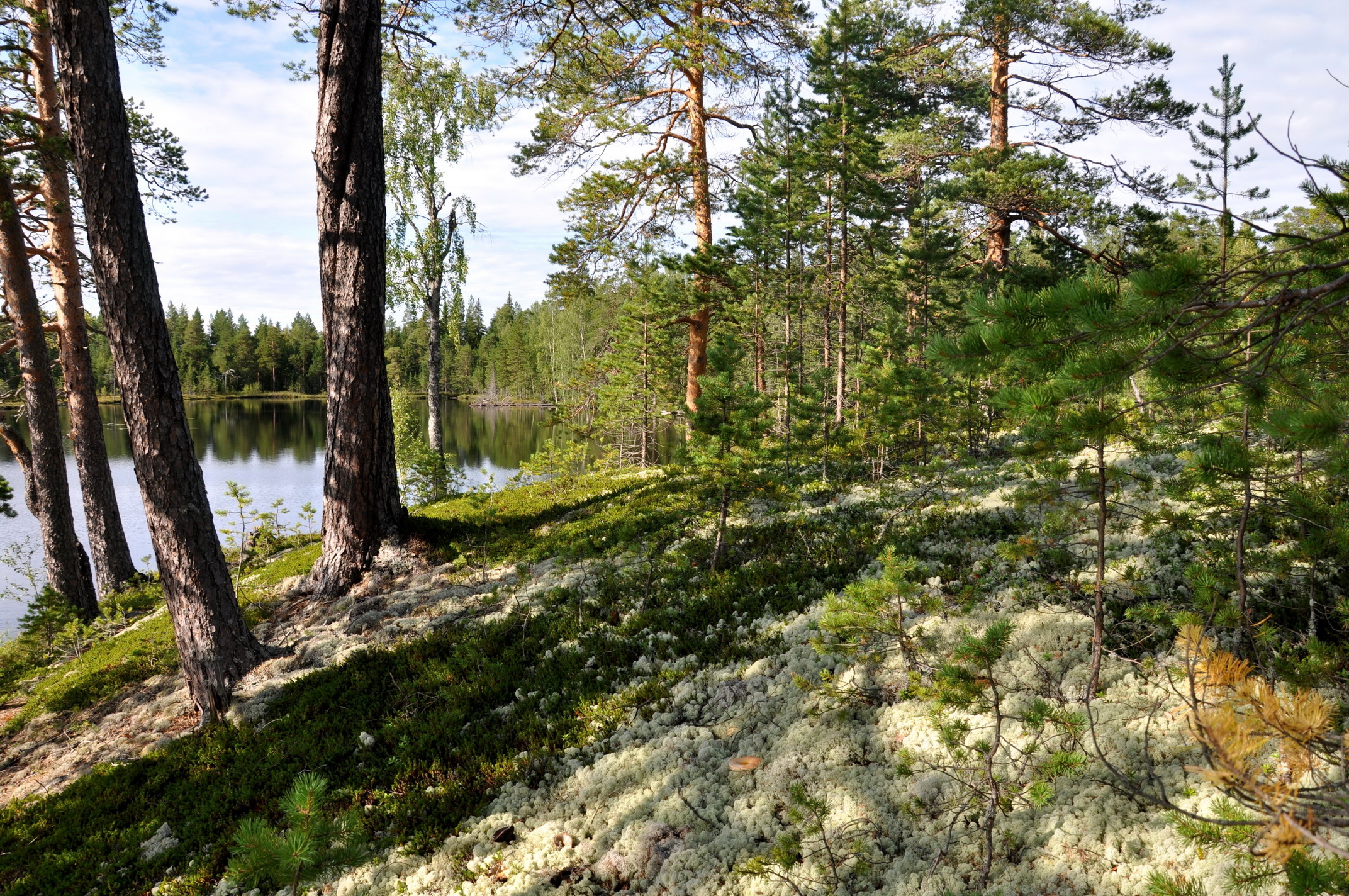
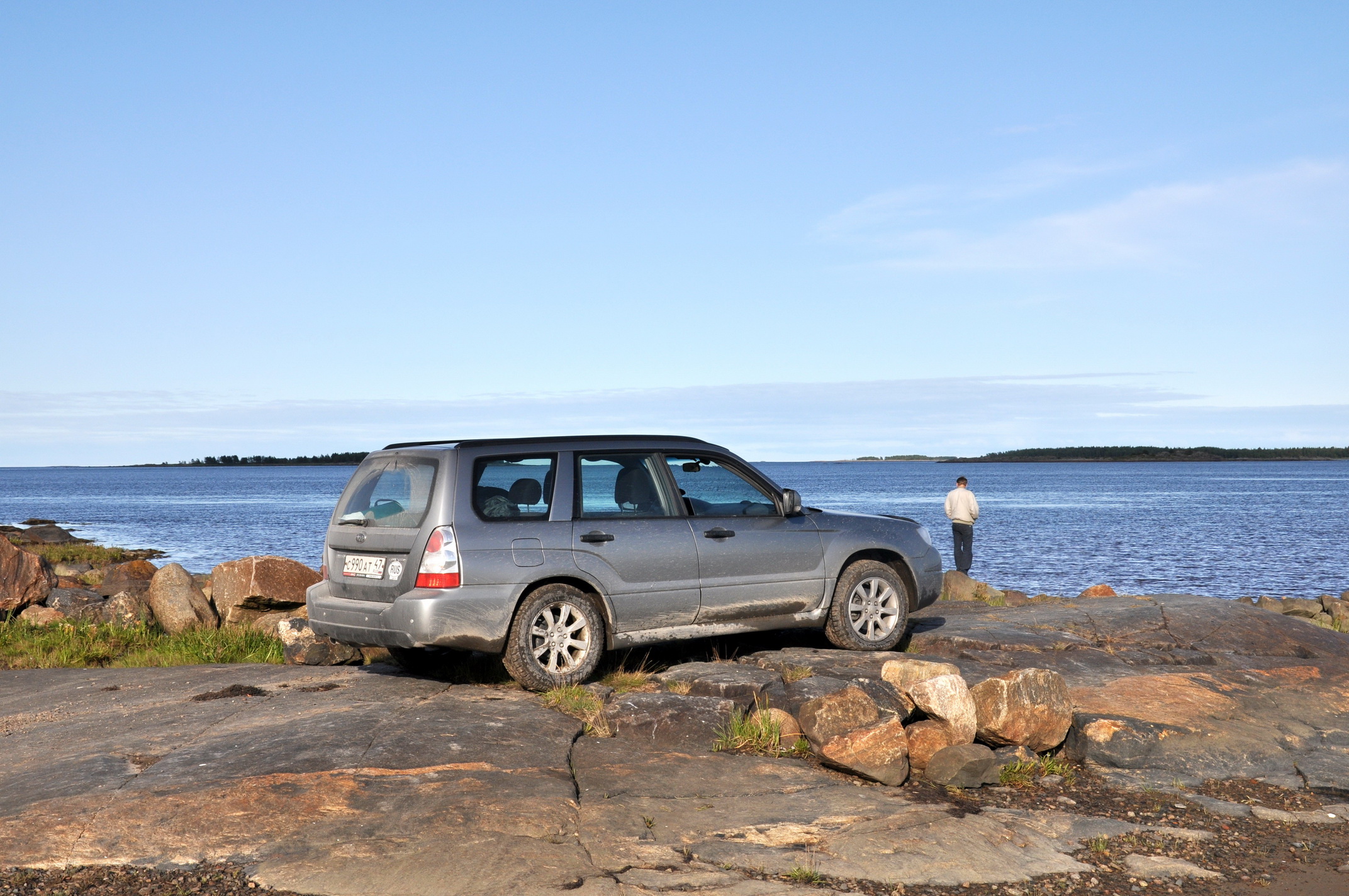
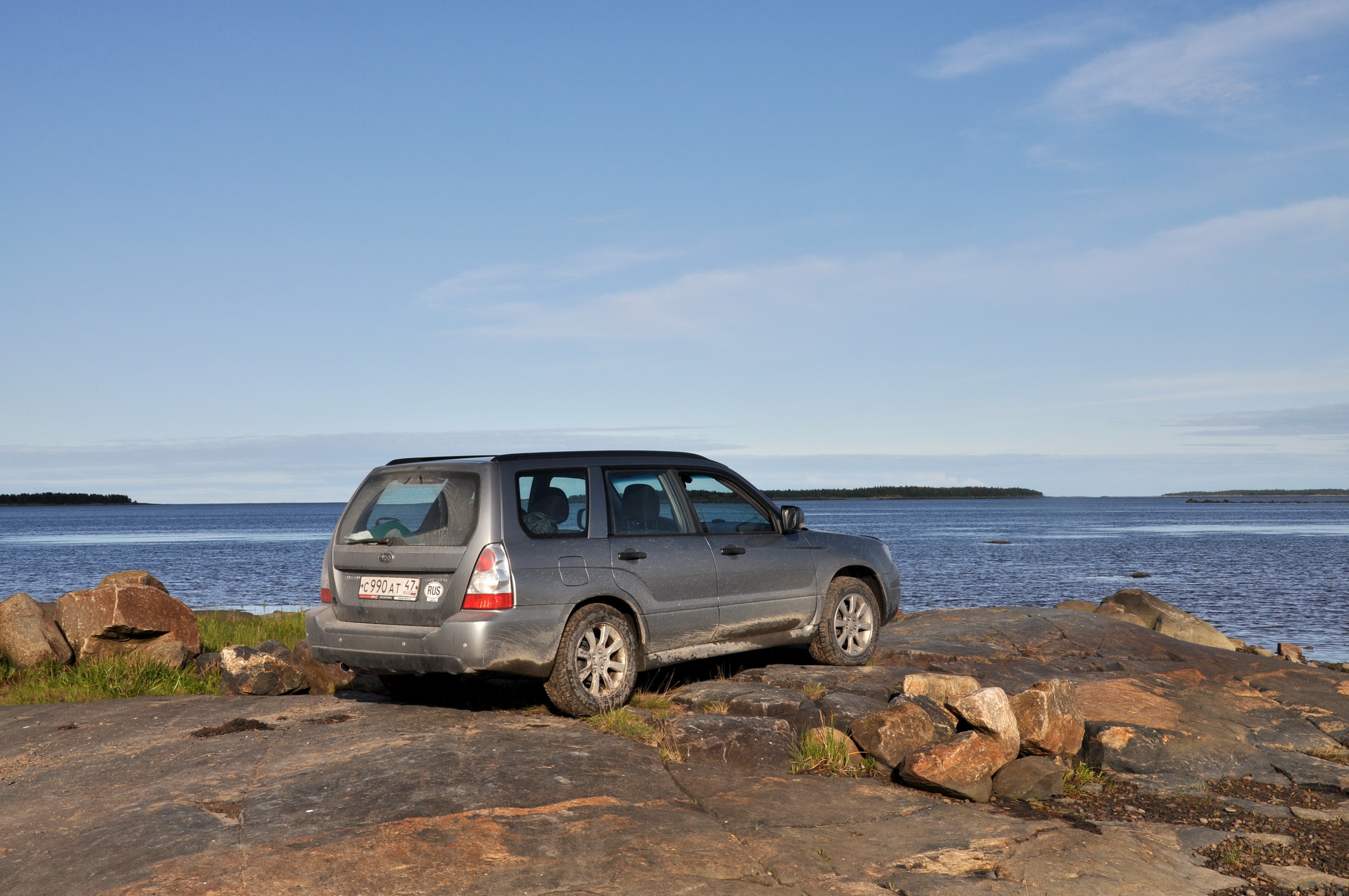
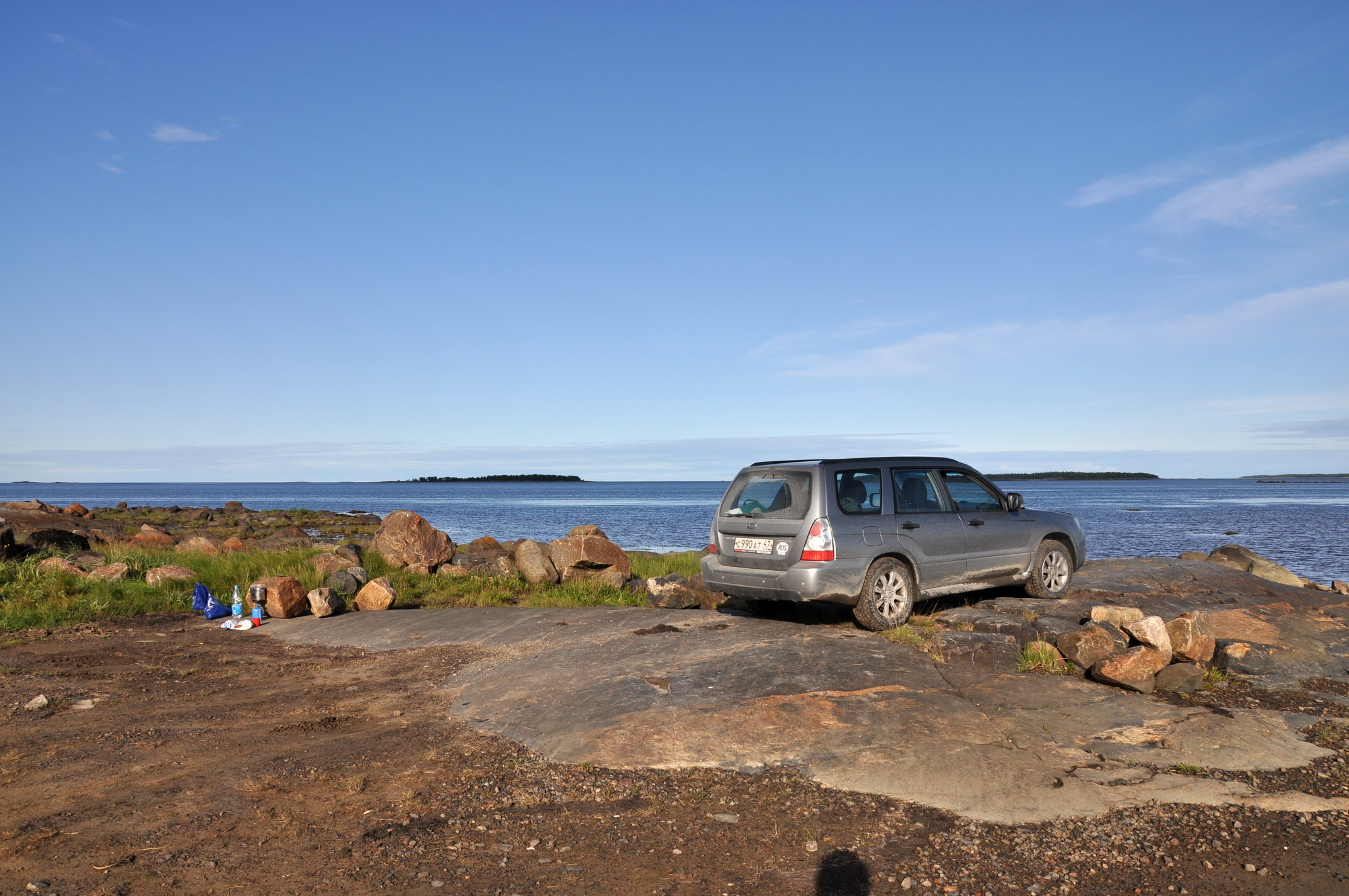
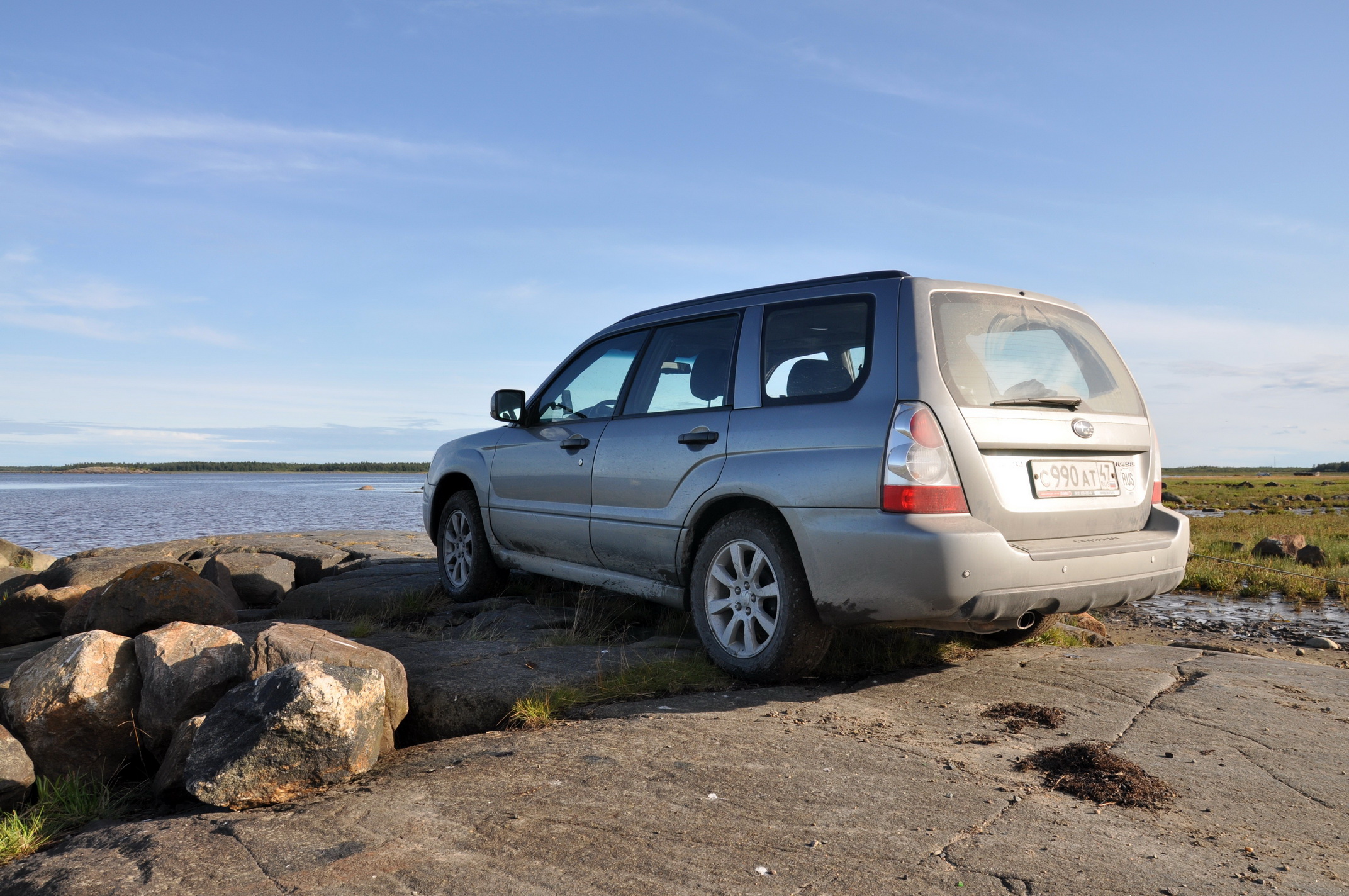
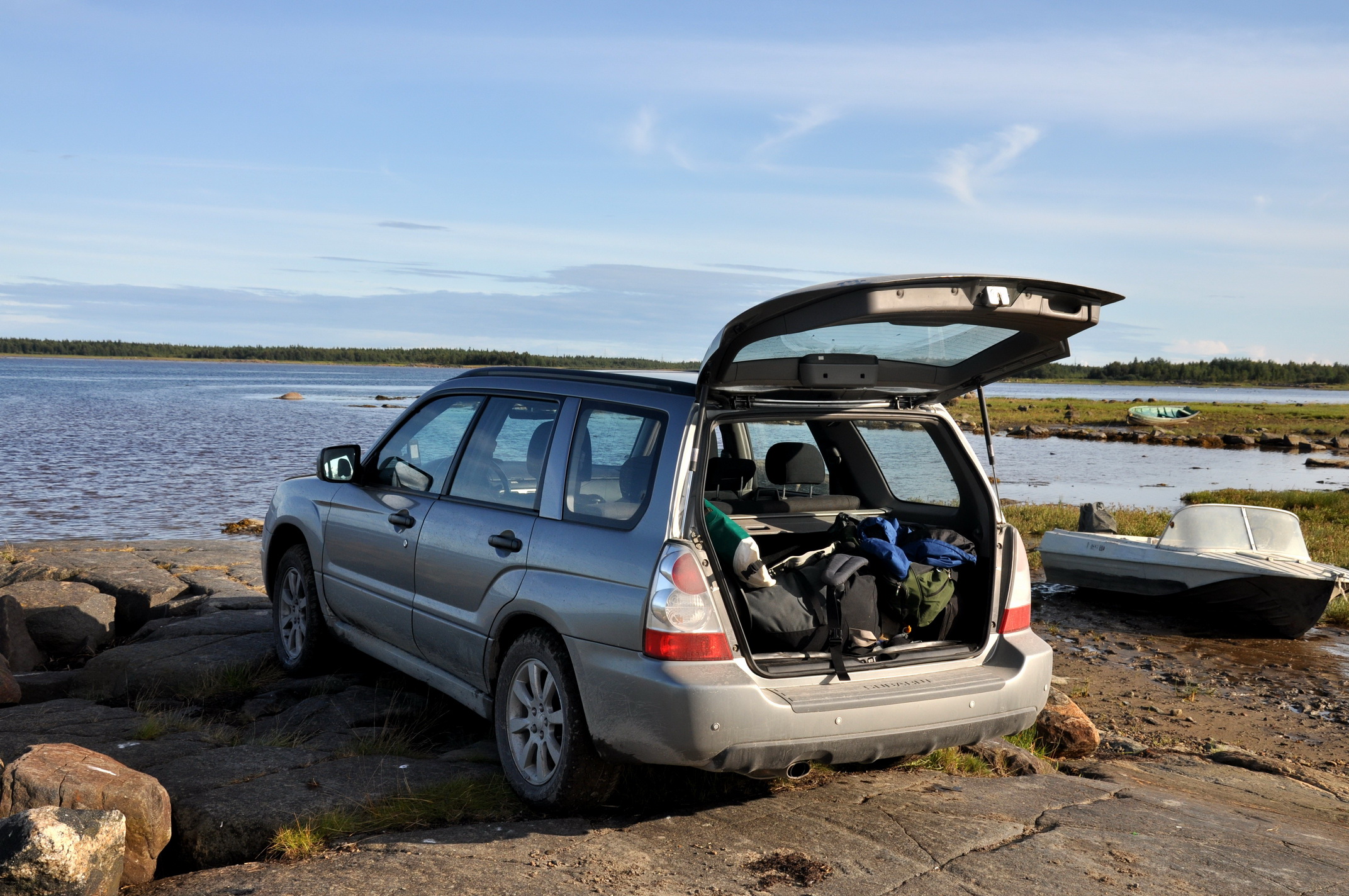
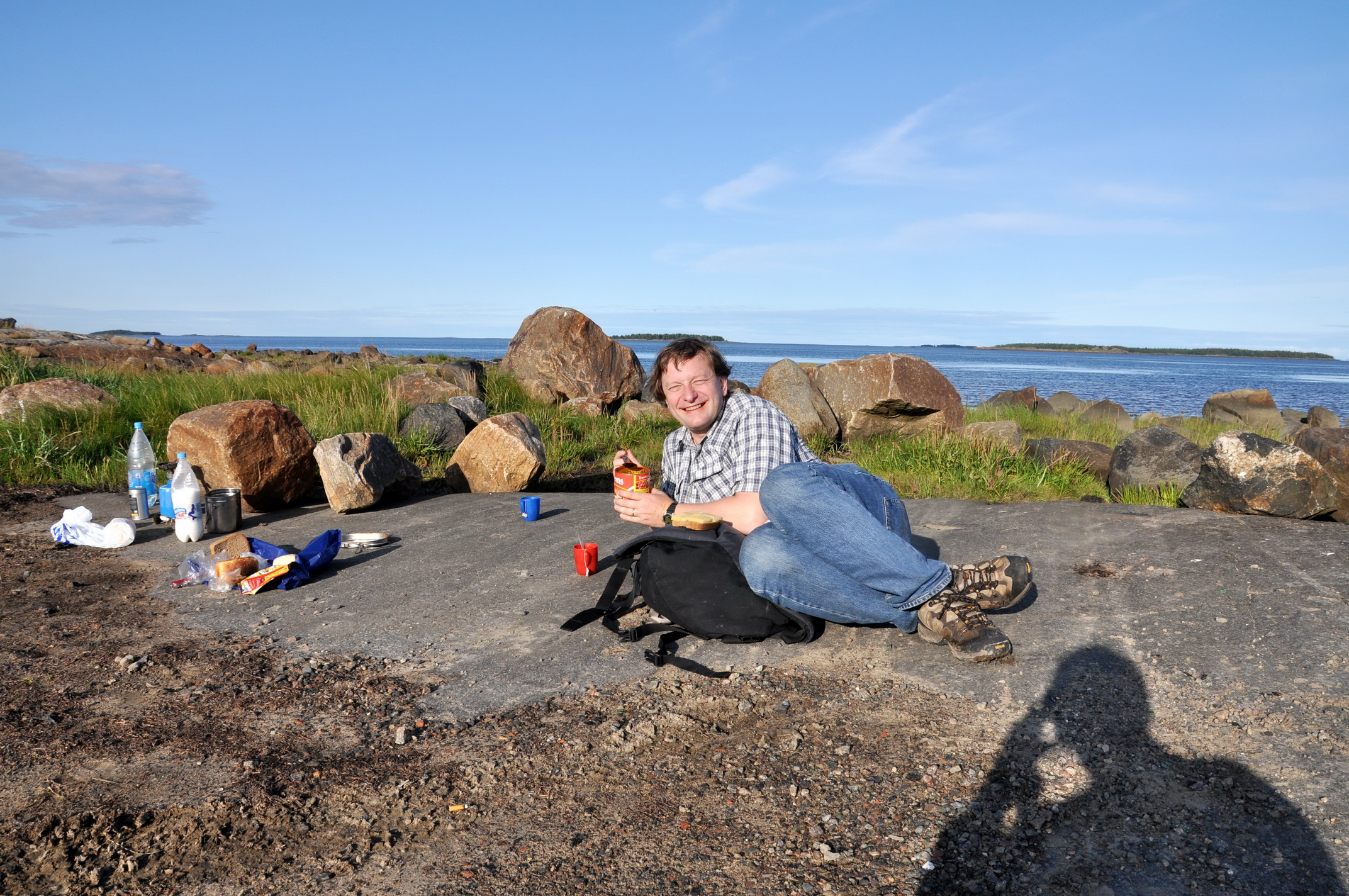
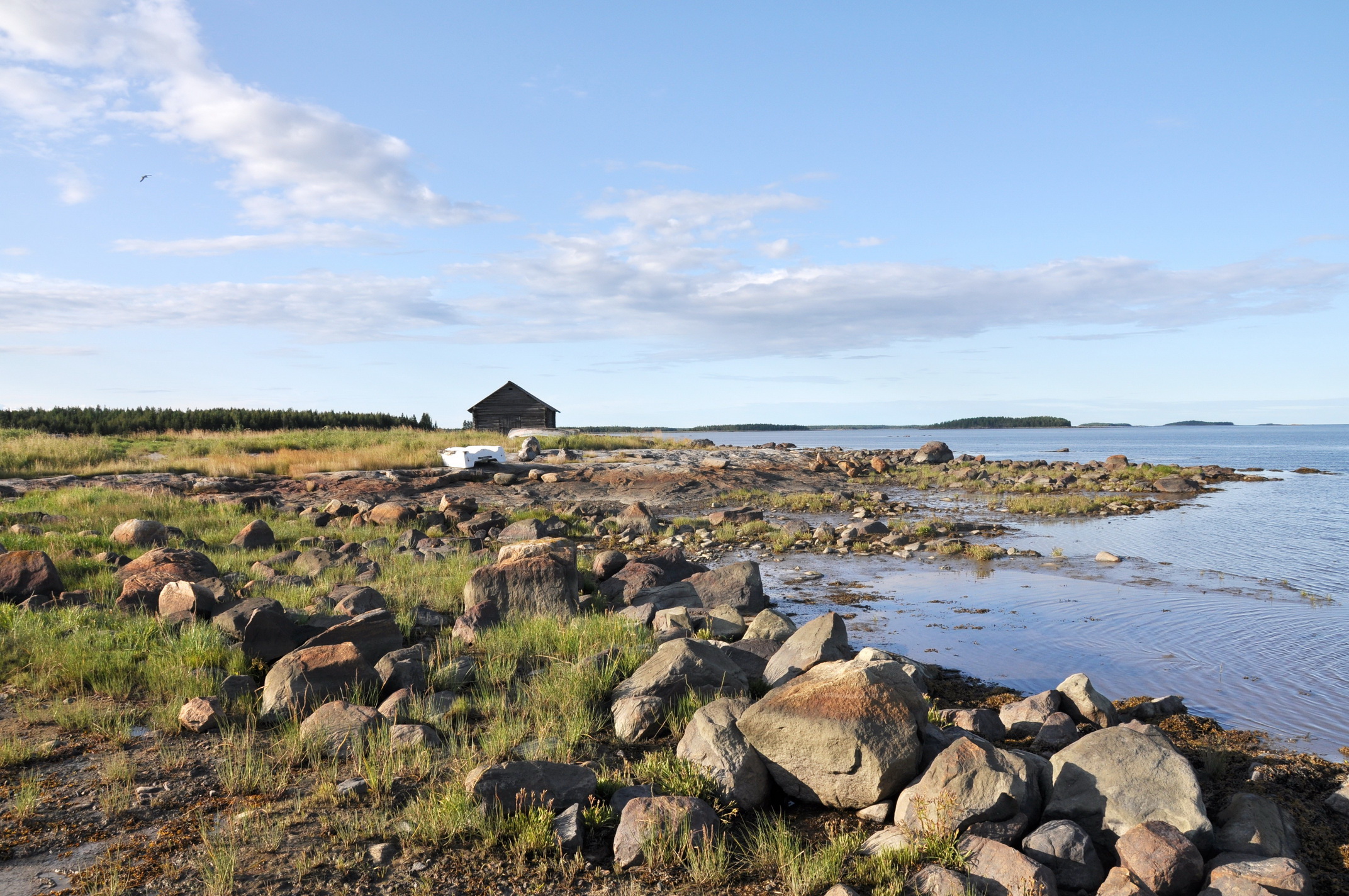
Beautiful. The islands out there just draw you to them. If only I had the kayak with me. Trouble is, it’s all the way over in New Zealand.
Back in Belomorsk it turned out that a cylinder of fire suppressant had lost pressure. I had to take it with me. I couldn’t go through Finland with it as I usually did. The border guards and customs officers would have had plenty of questions, so it was best not to risk it. Besides, the cylinder was under 40 atmospheres of pressure. If it were to let go… It was leaking for a reason. Something had broken. Driving around with it made me nervous.
That time work ended in Belomorsk. I put Dima on a train to Saint Petersburg and drove off wherever the road took me.
For starters I walked out to see the White Sea petroglyphs. People living in the wild carved all sorts of little figures on the rocks five or six thousand years ago. The Egyptian pyramids hadn’t been built yet. The best-known site is a short distance from Belomorsk (64°29.891′N, 34°40.491′E).
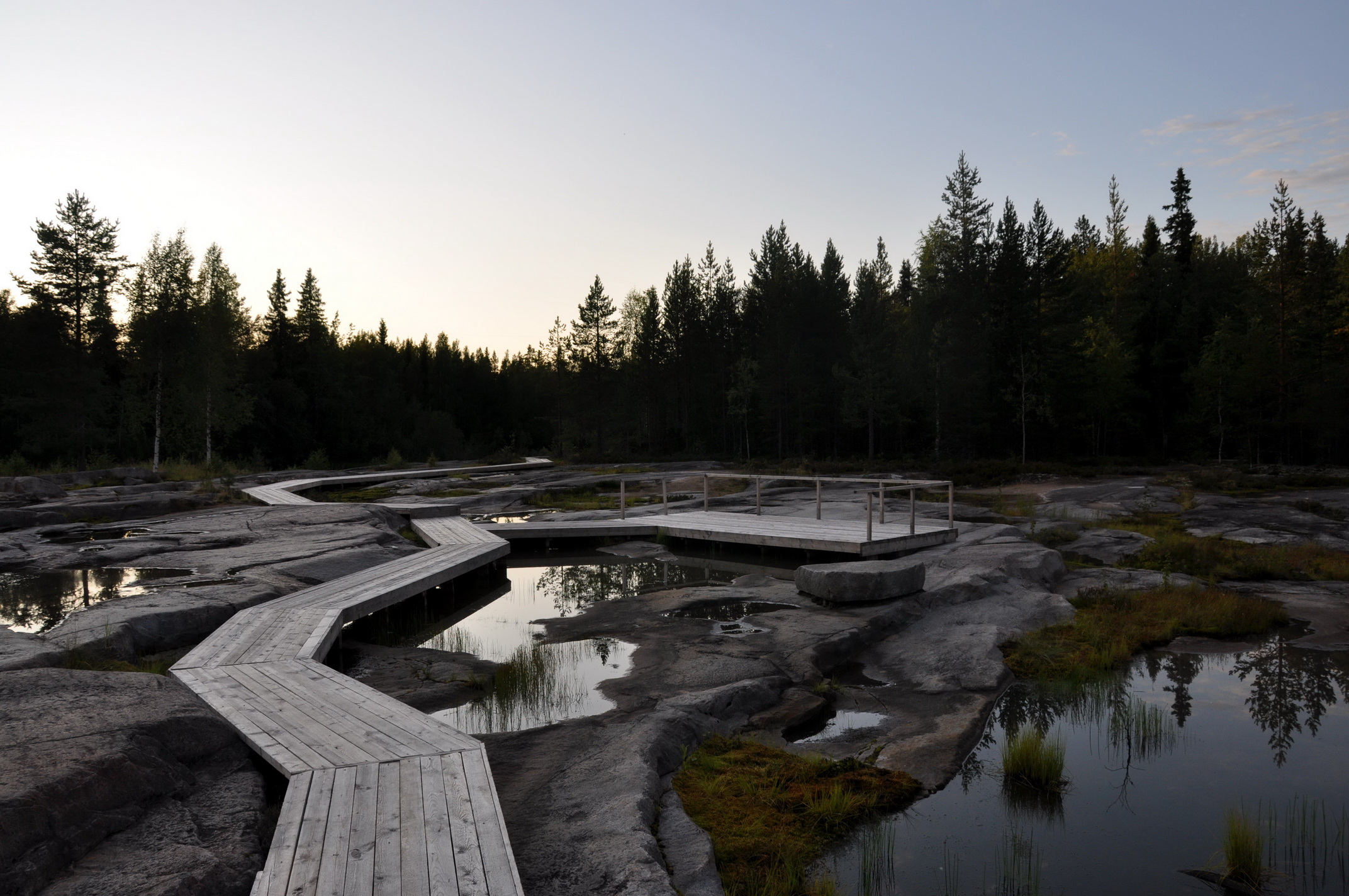
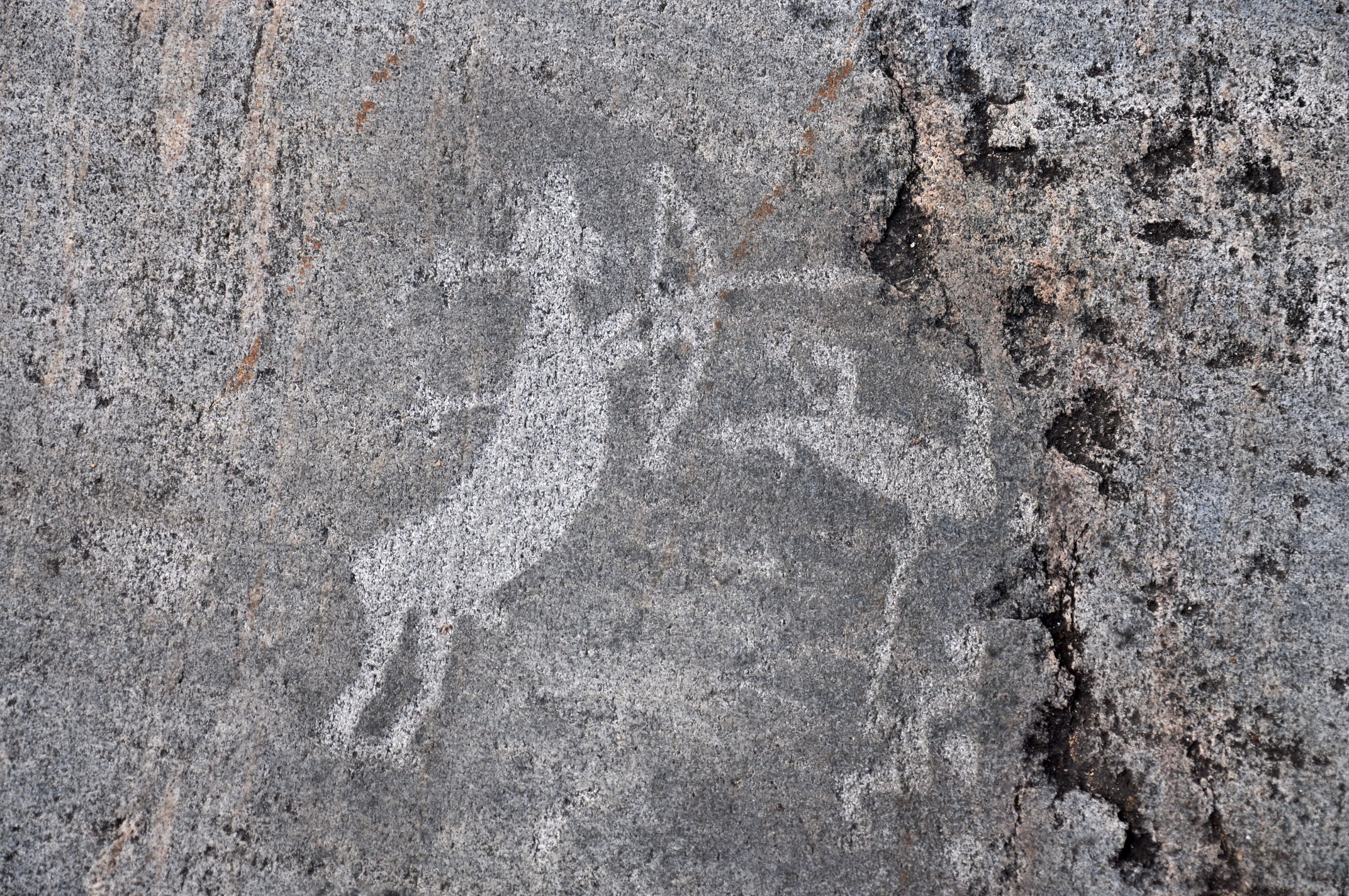
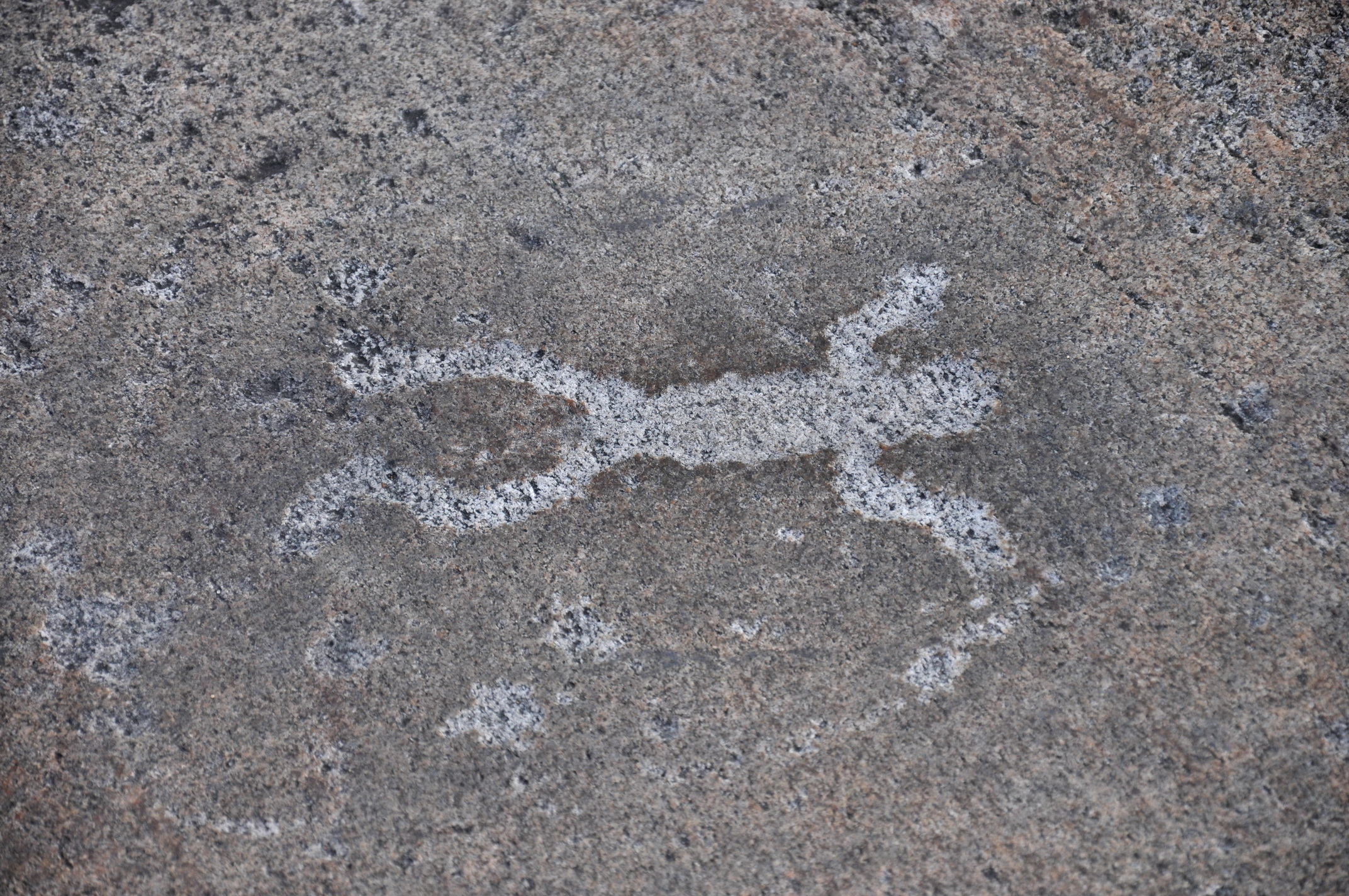
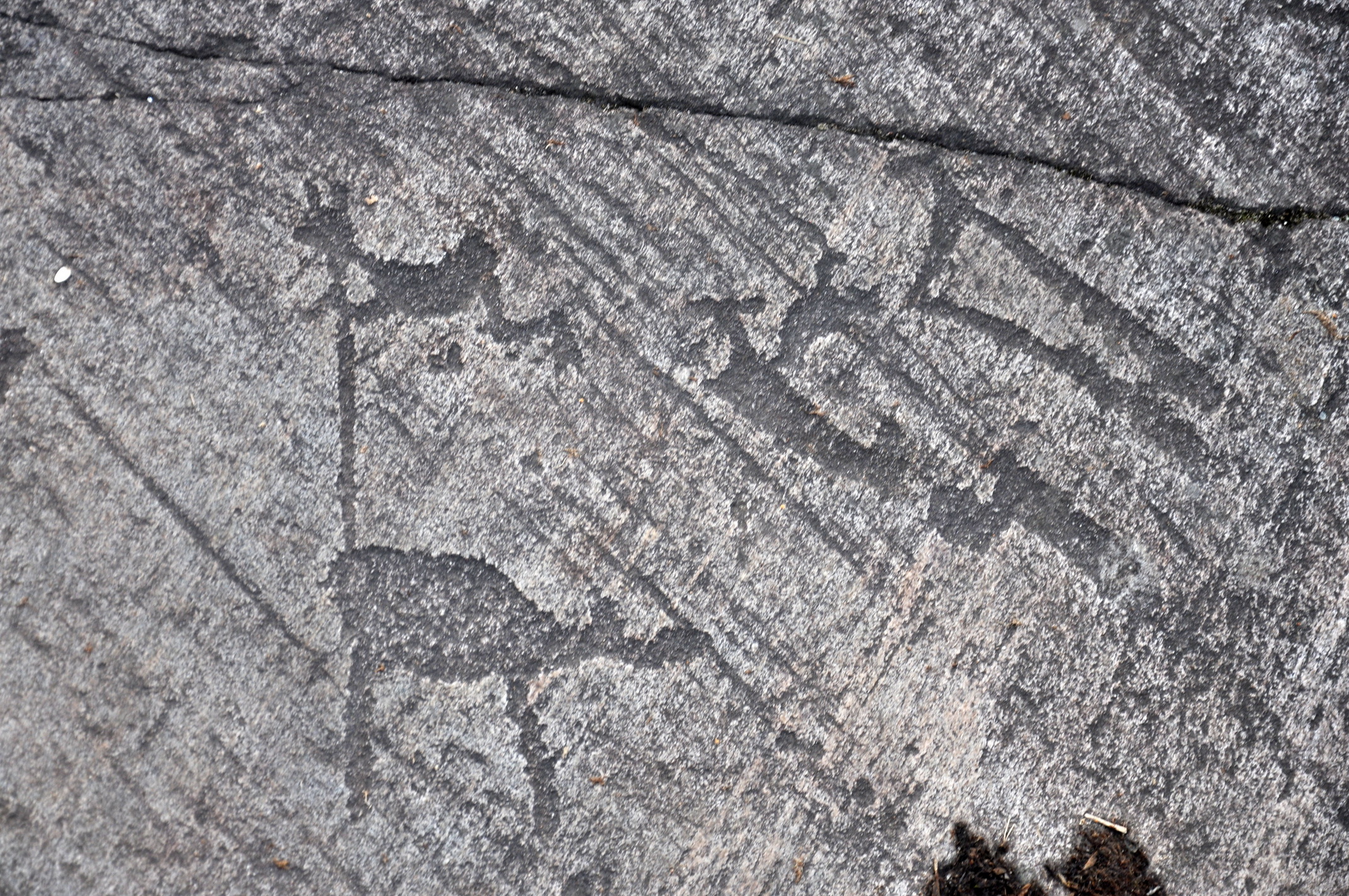
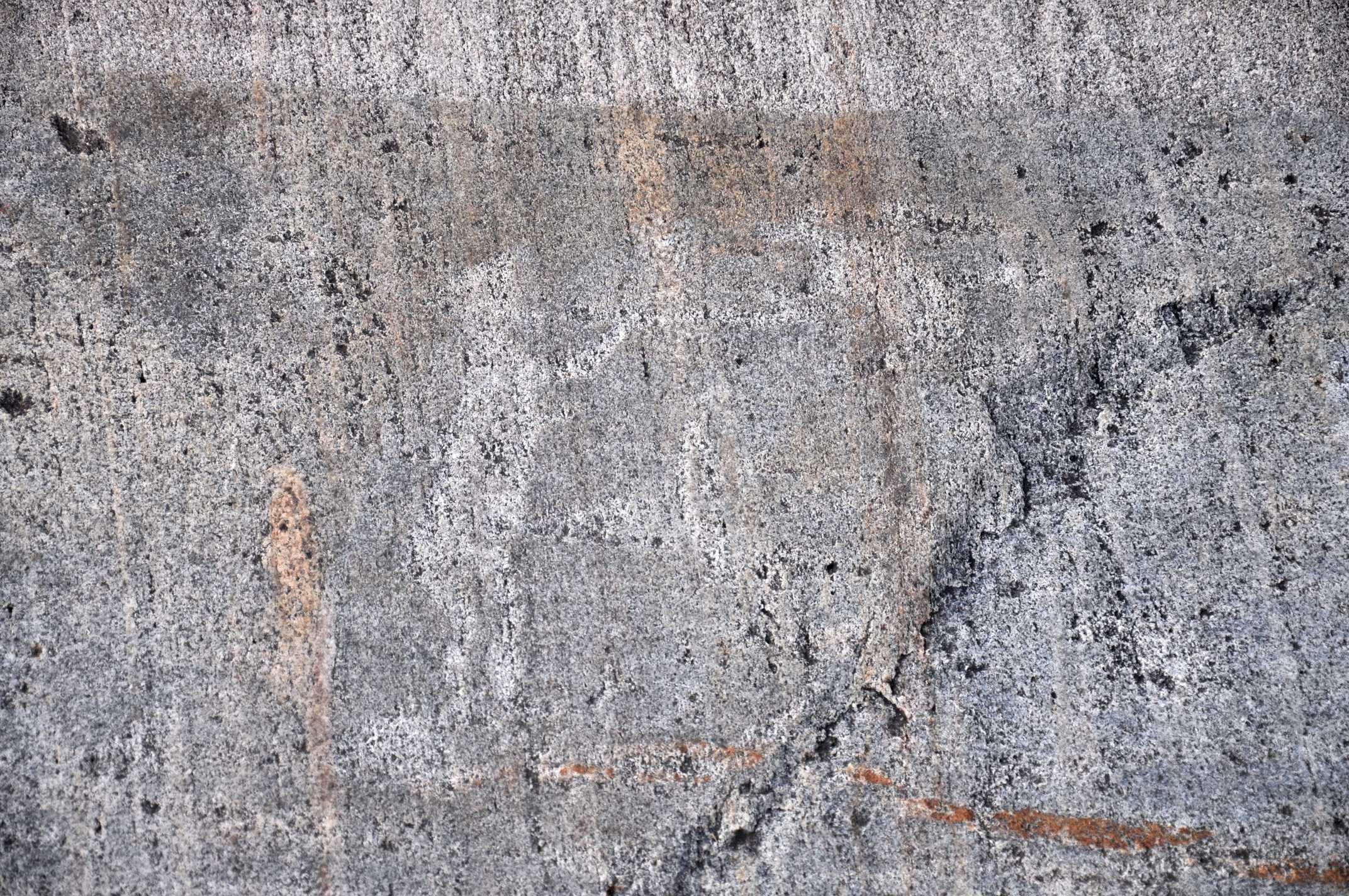
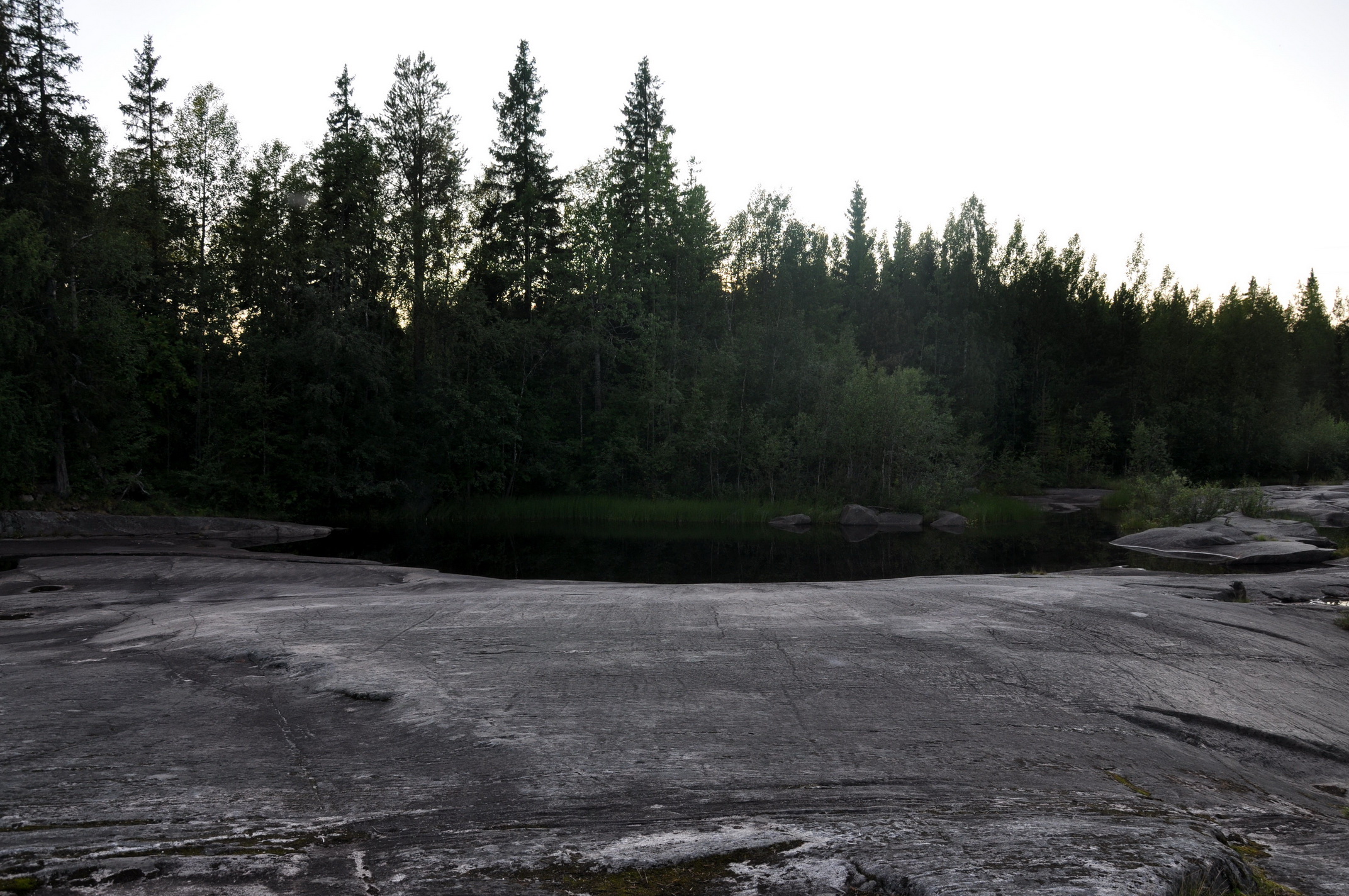
The road ends at a car park, then a path takes you to a rocky clearing. There are barely visible carvings on the rounded granite outcrops. Oddly enough, gorillas like to spend time in similar rocky clearings. I saw places where they’d stopped in Gabon.
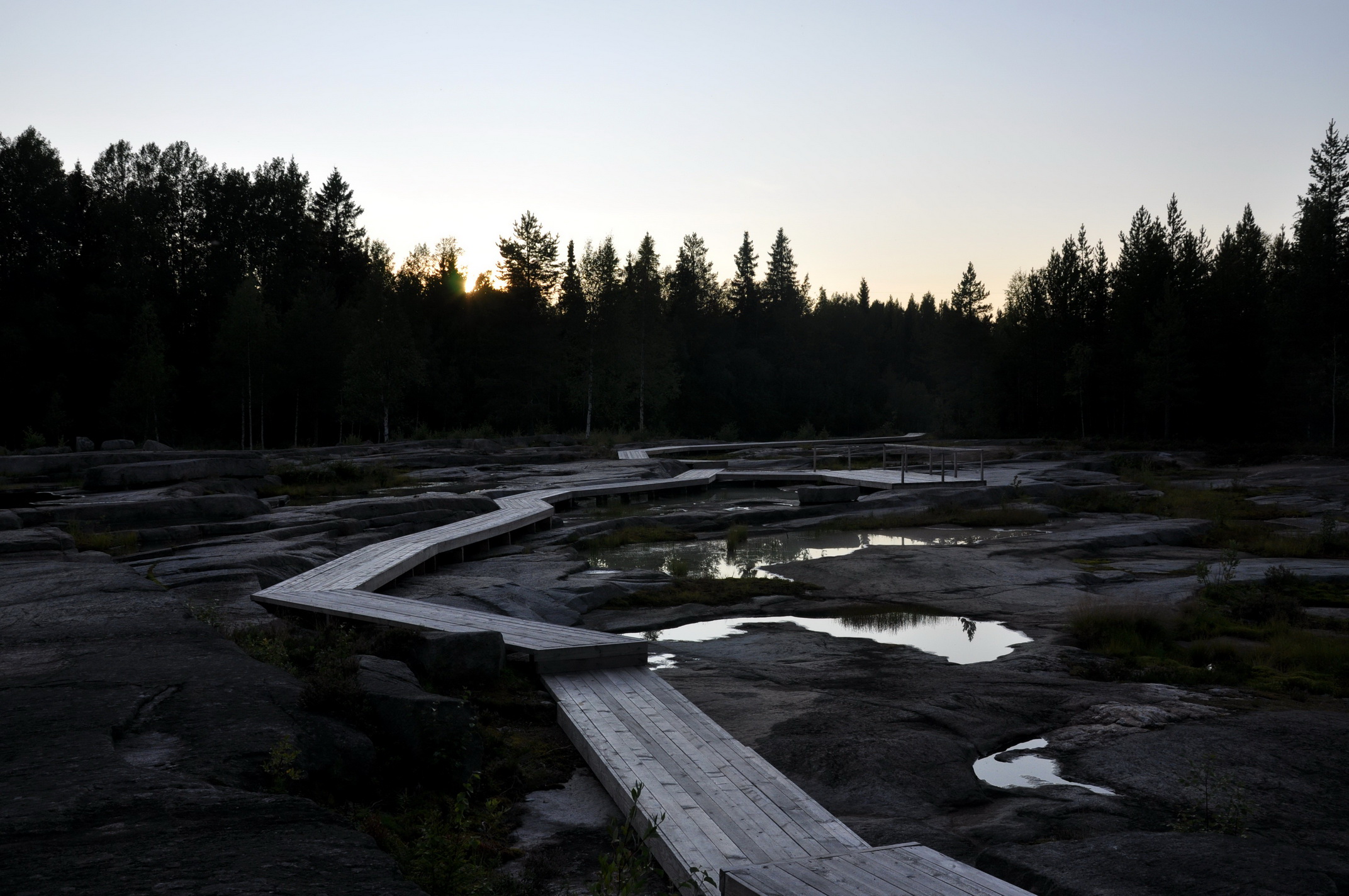
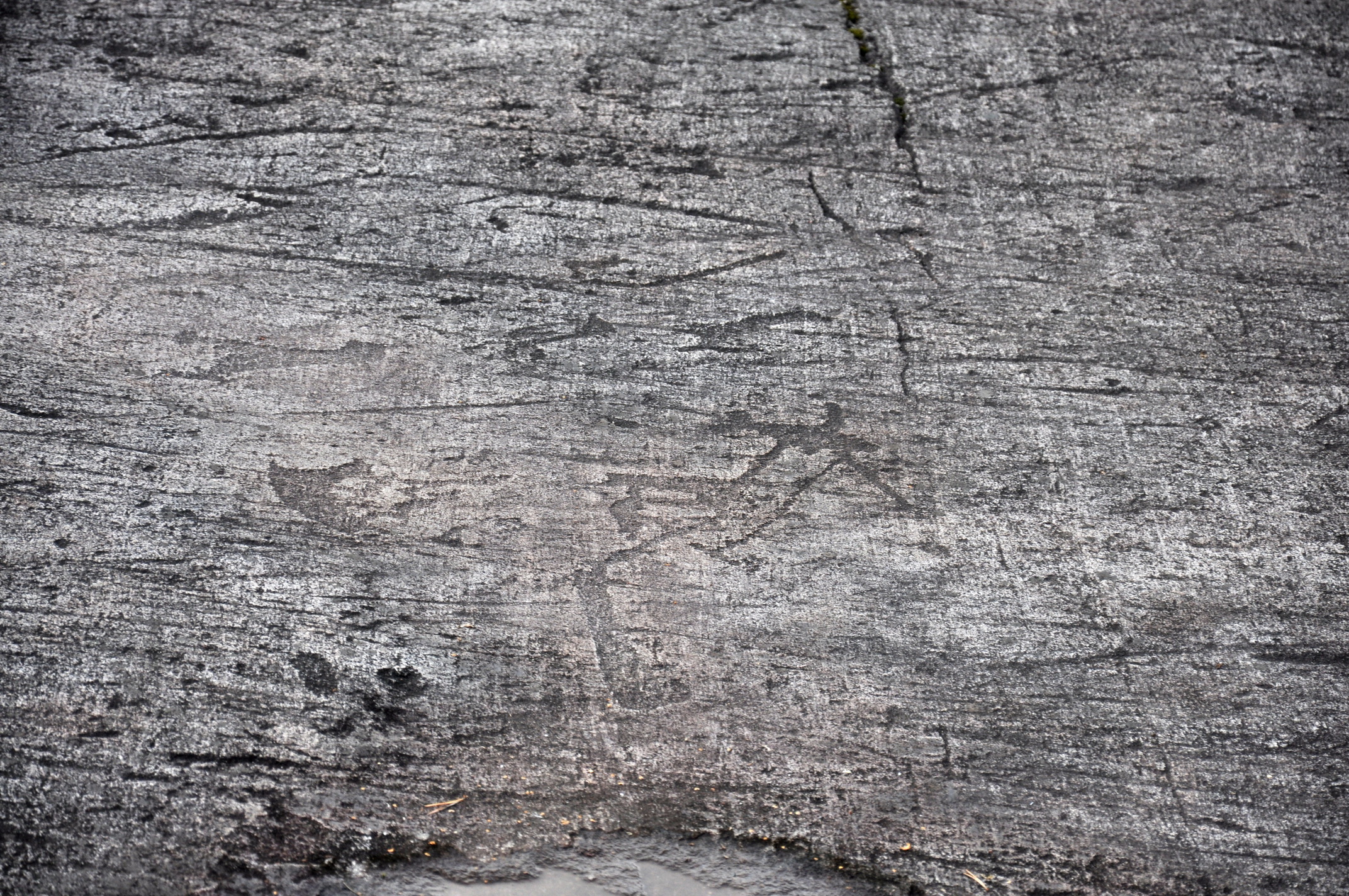
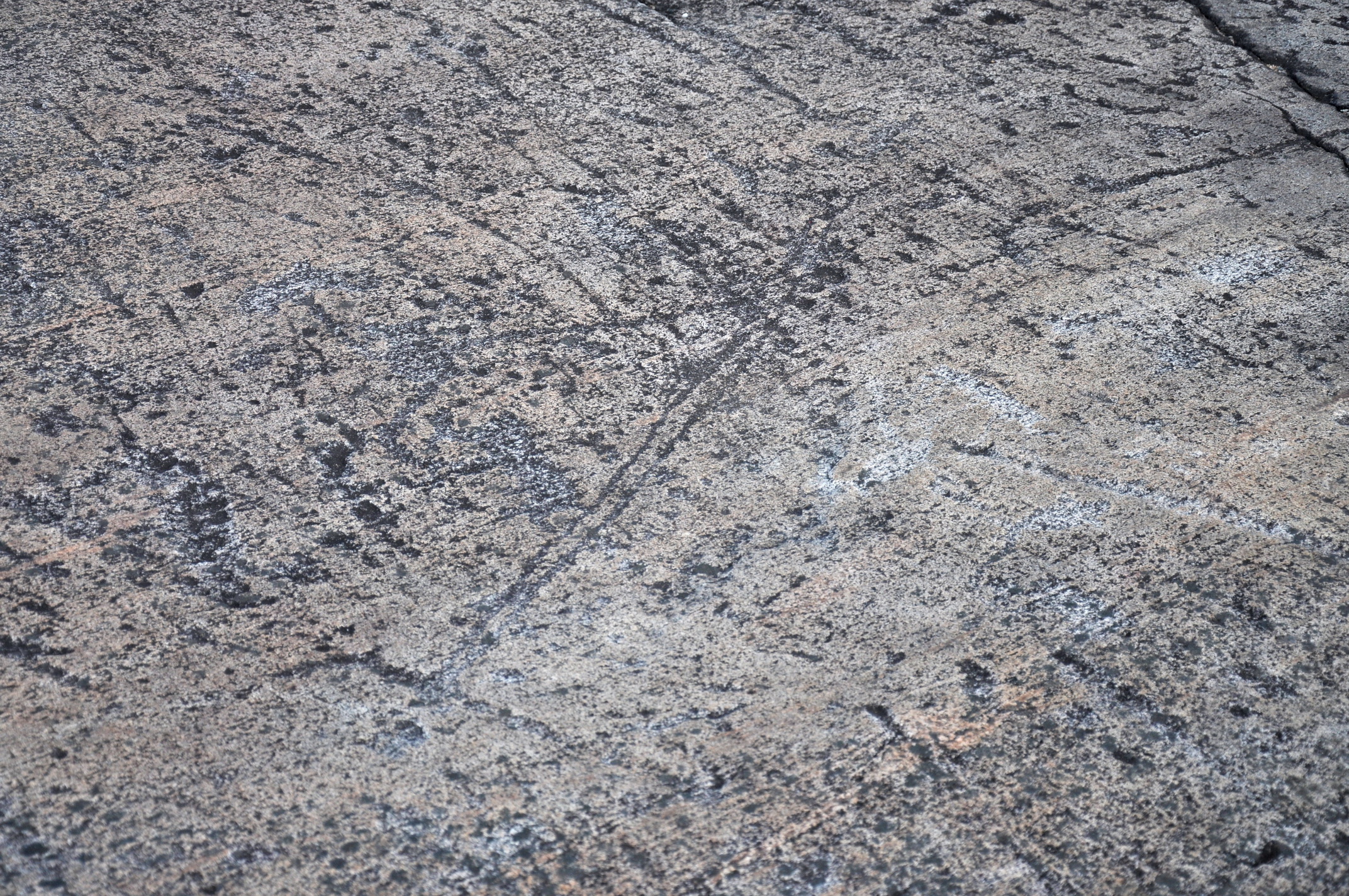
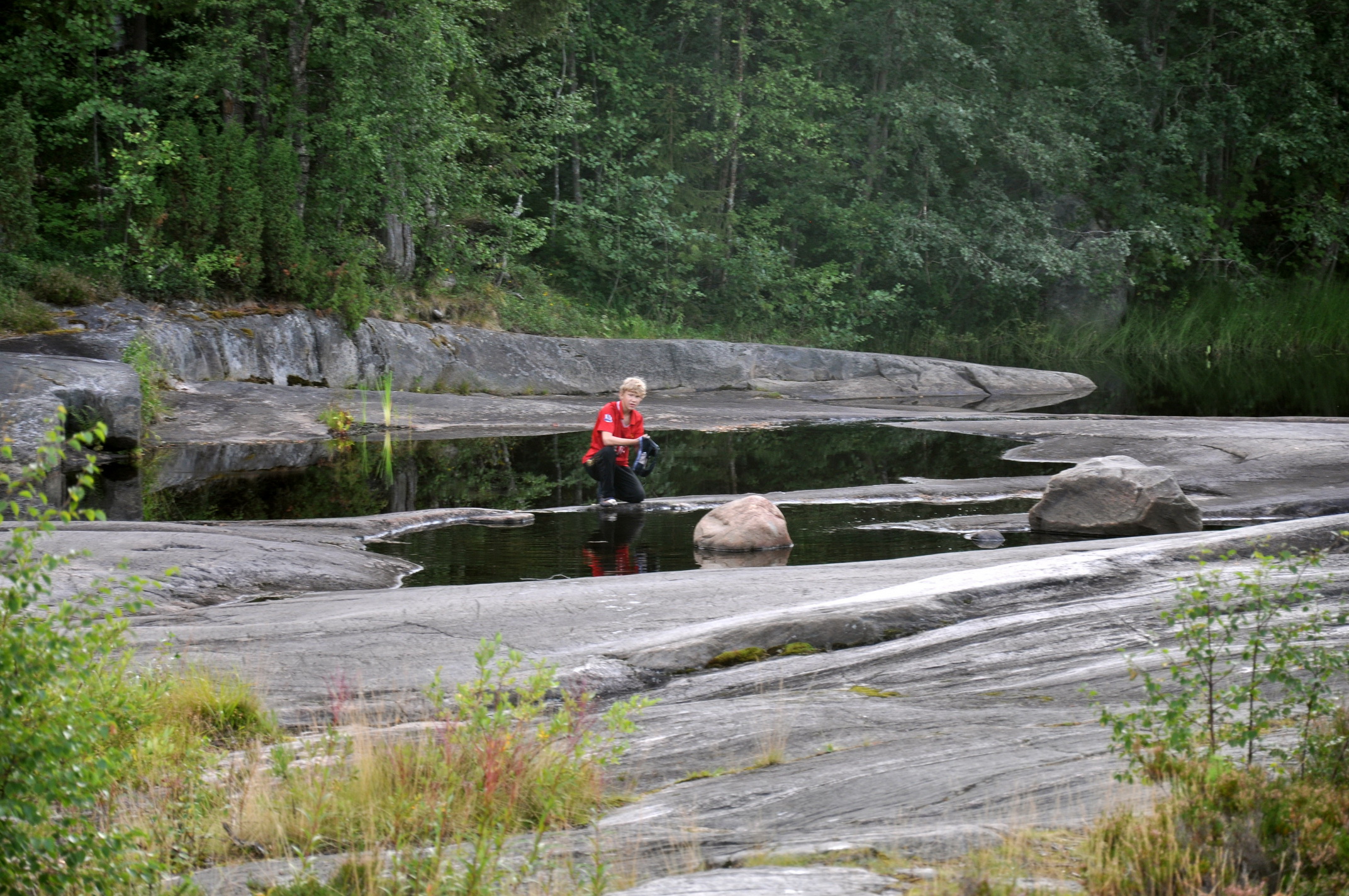
There are several such sites on the banks of the Vyg, but only one has a good path to it. Archaeologists have found 200,000 objects here: stone axes, fragments of pottery, iron objects and jewellery in amber and bronze.
After sunset I drove off towards Kalevala. It’s quite a sizeable place and I had never been there.
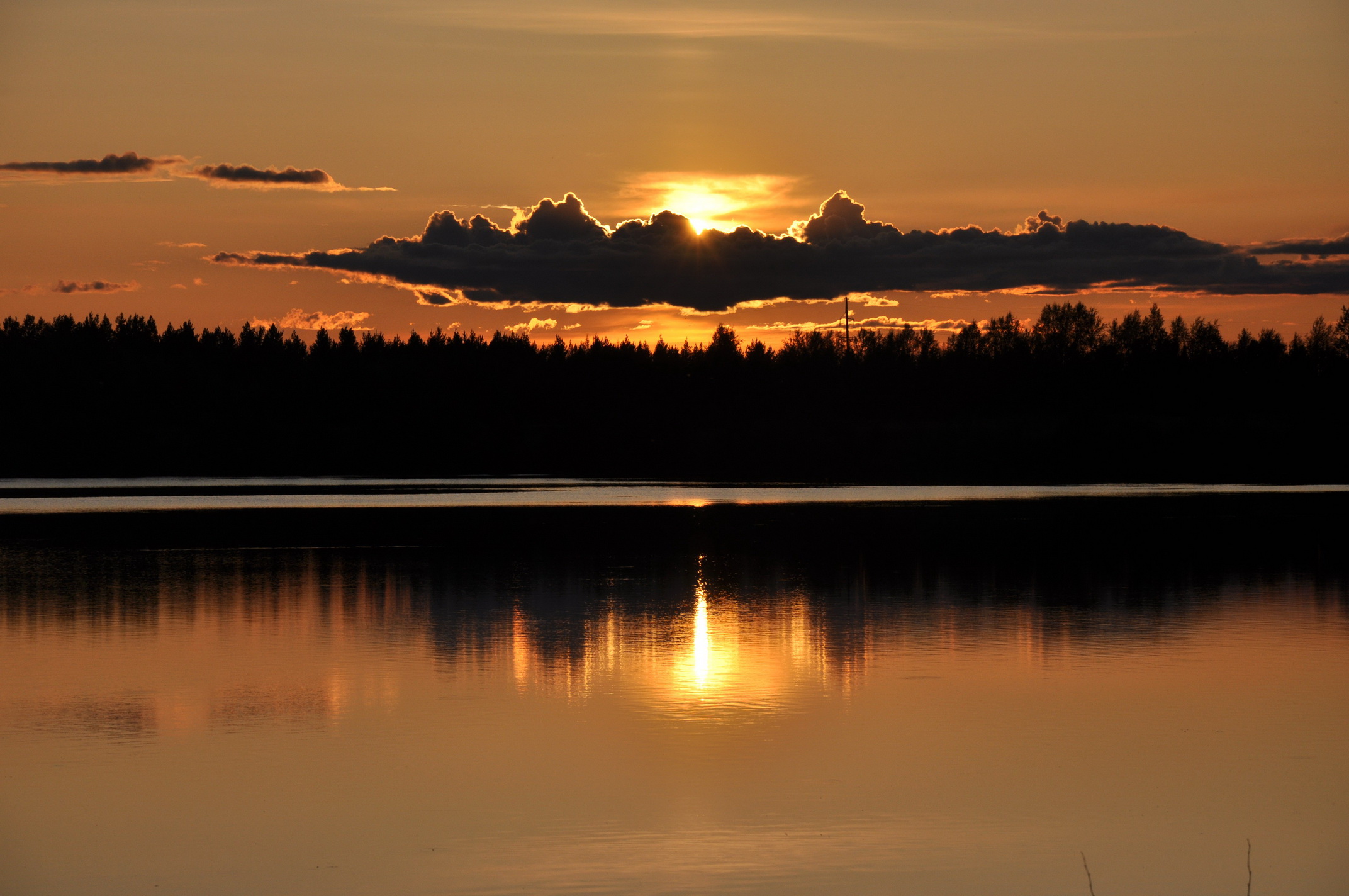
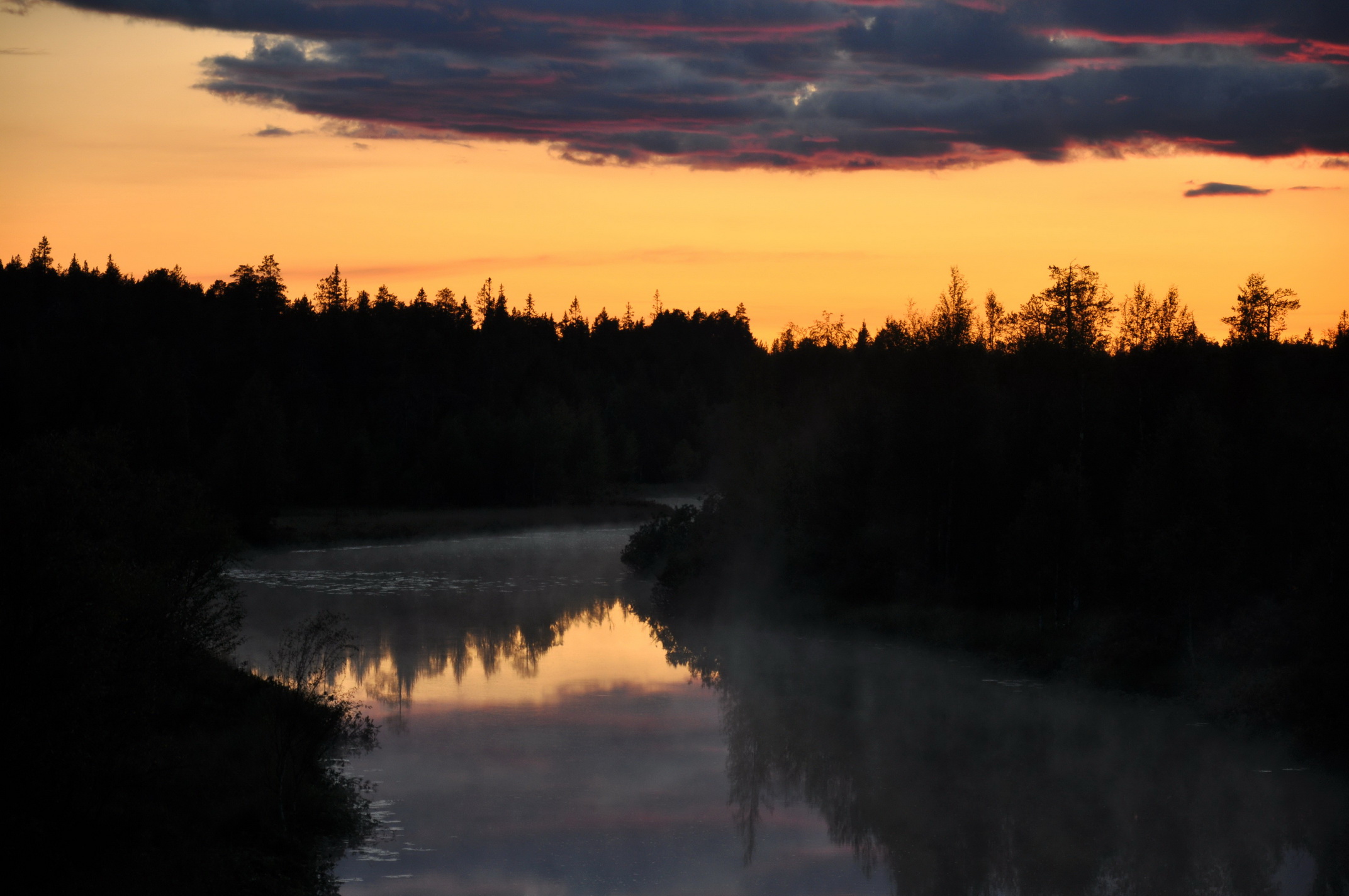
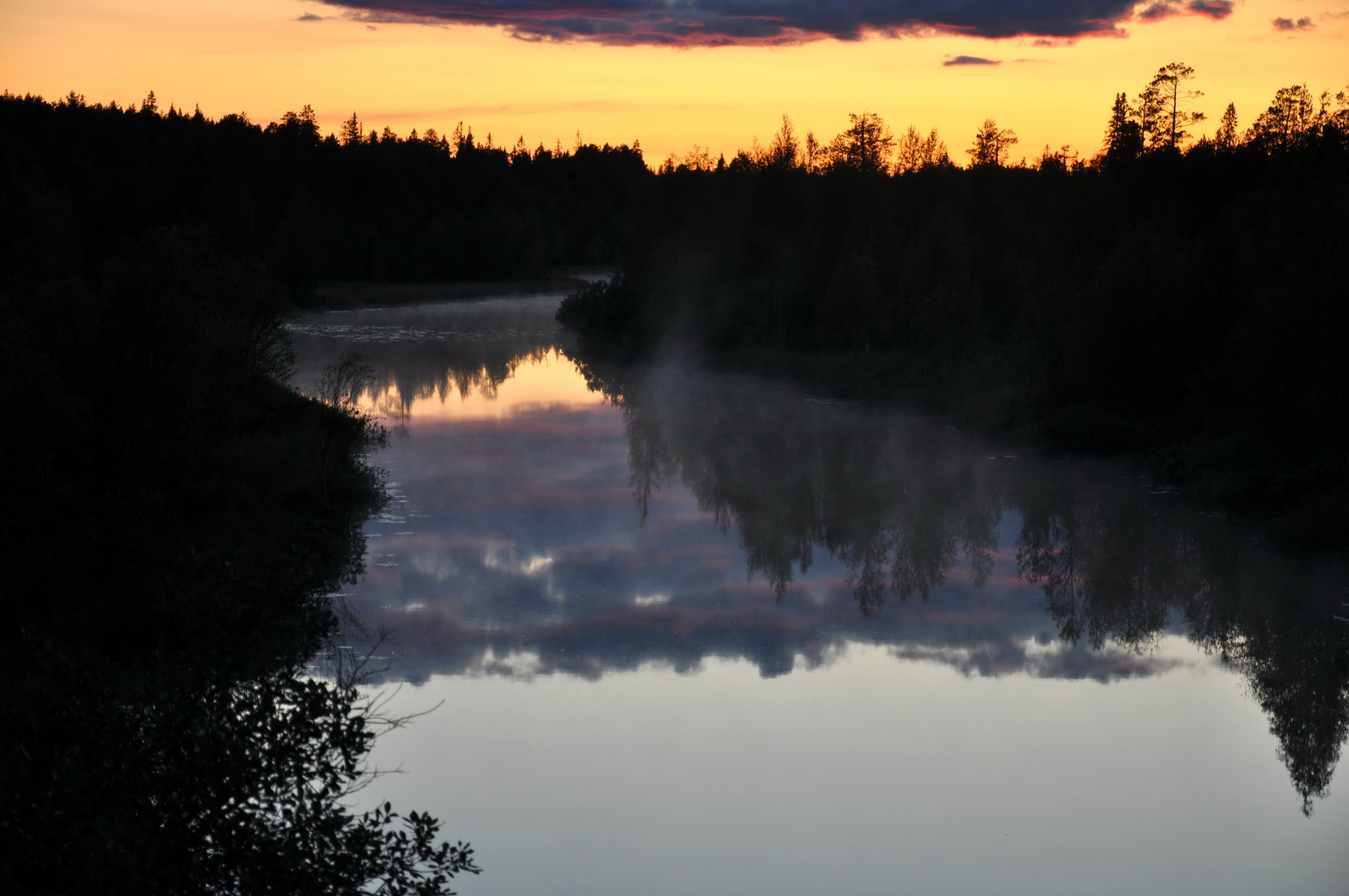
I reached the bridge over the Kem River and turned left. I drove for as long as I could keep going, and after midnight I finally stopped on the sandy shore of Lake Limsozero (65°10.733′N, 32°03.440′E).
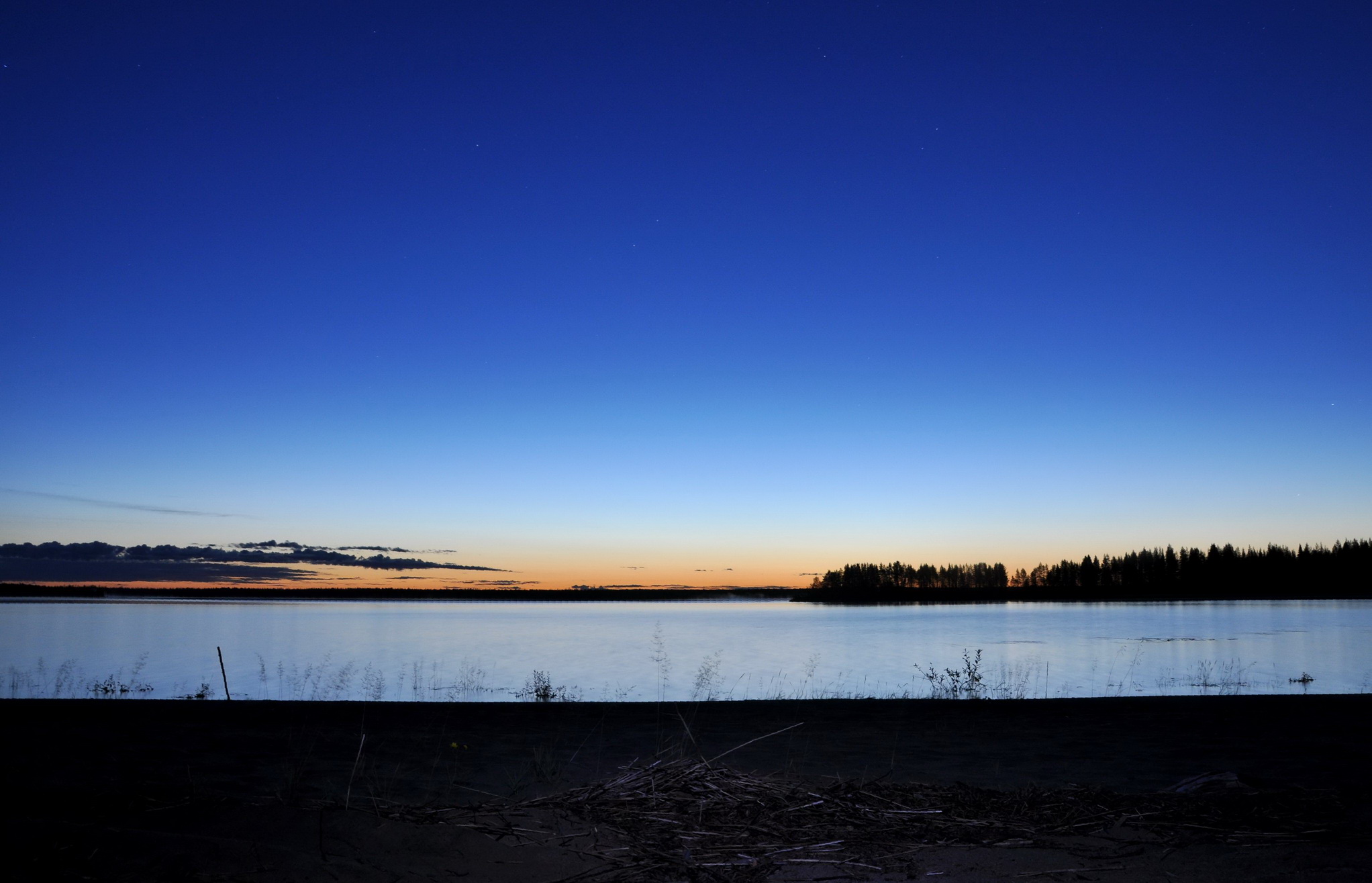
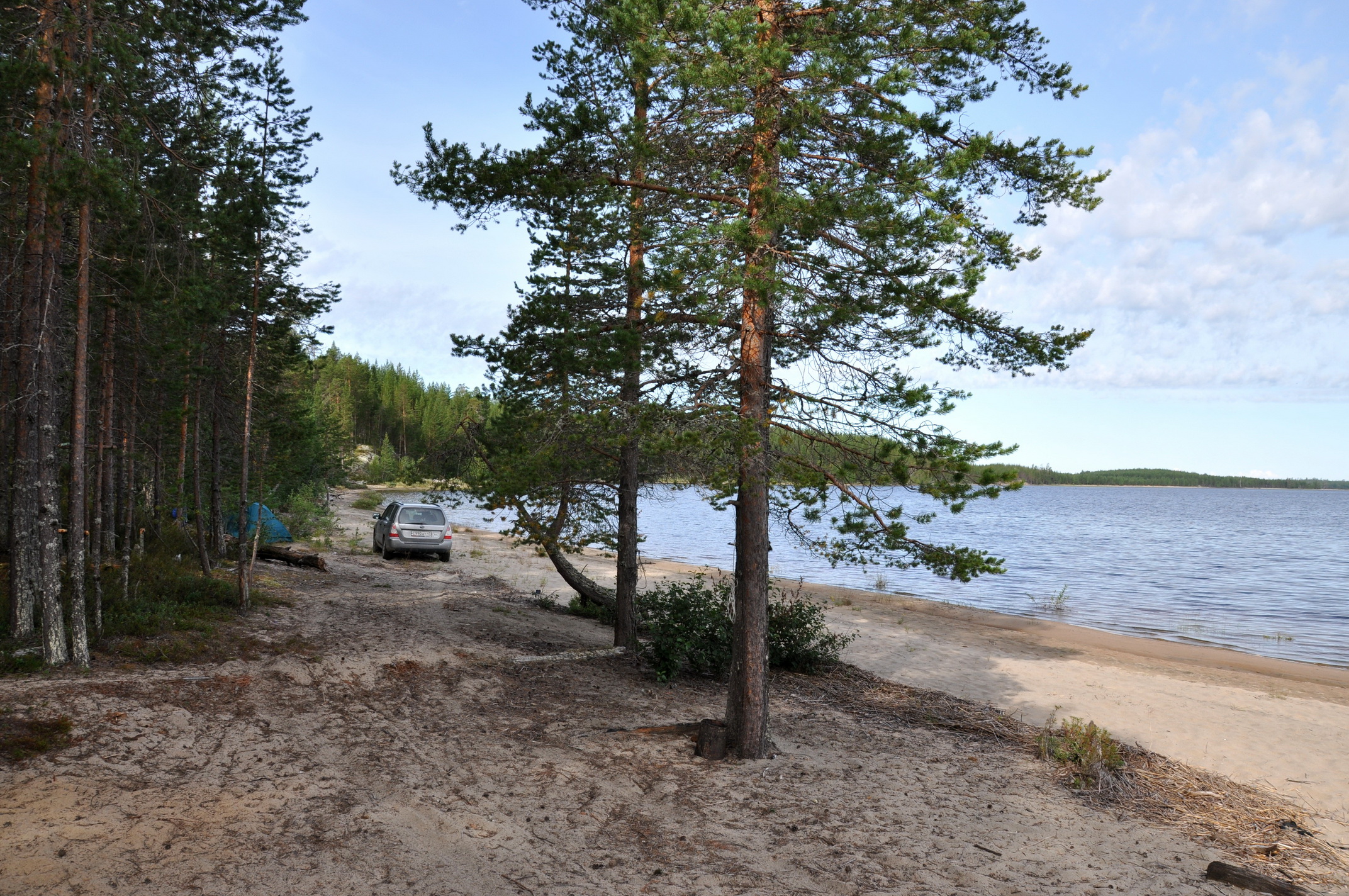
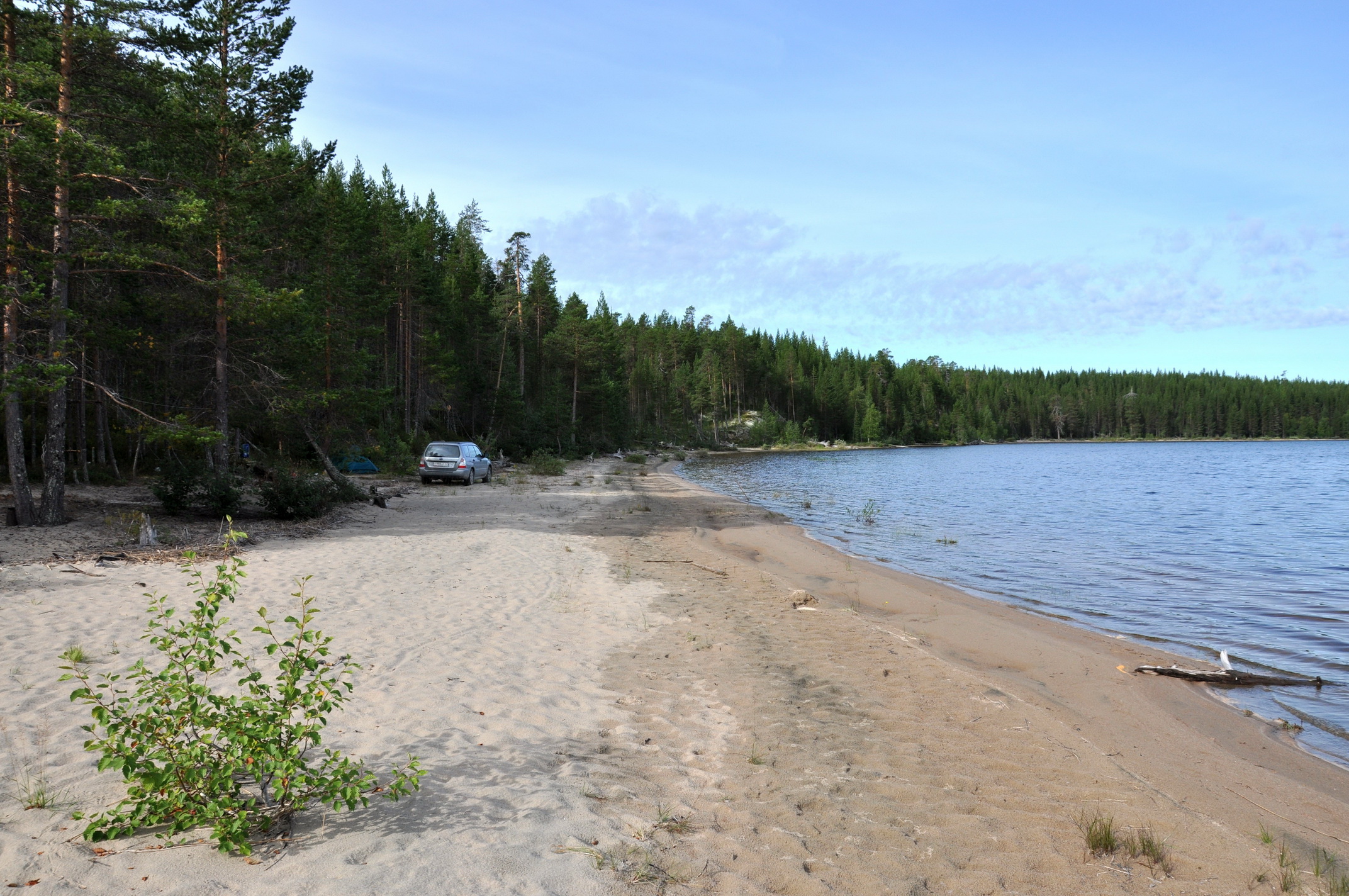
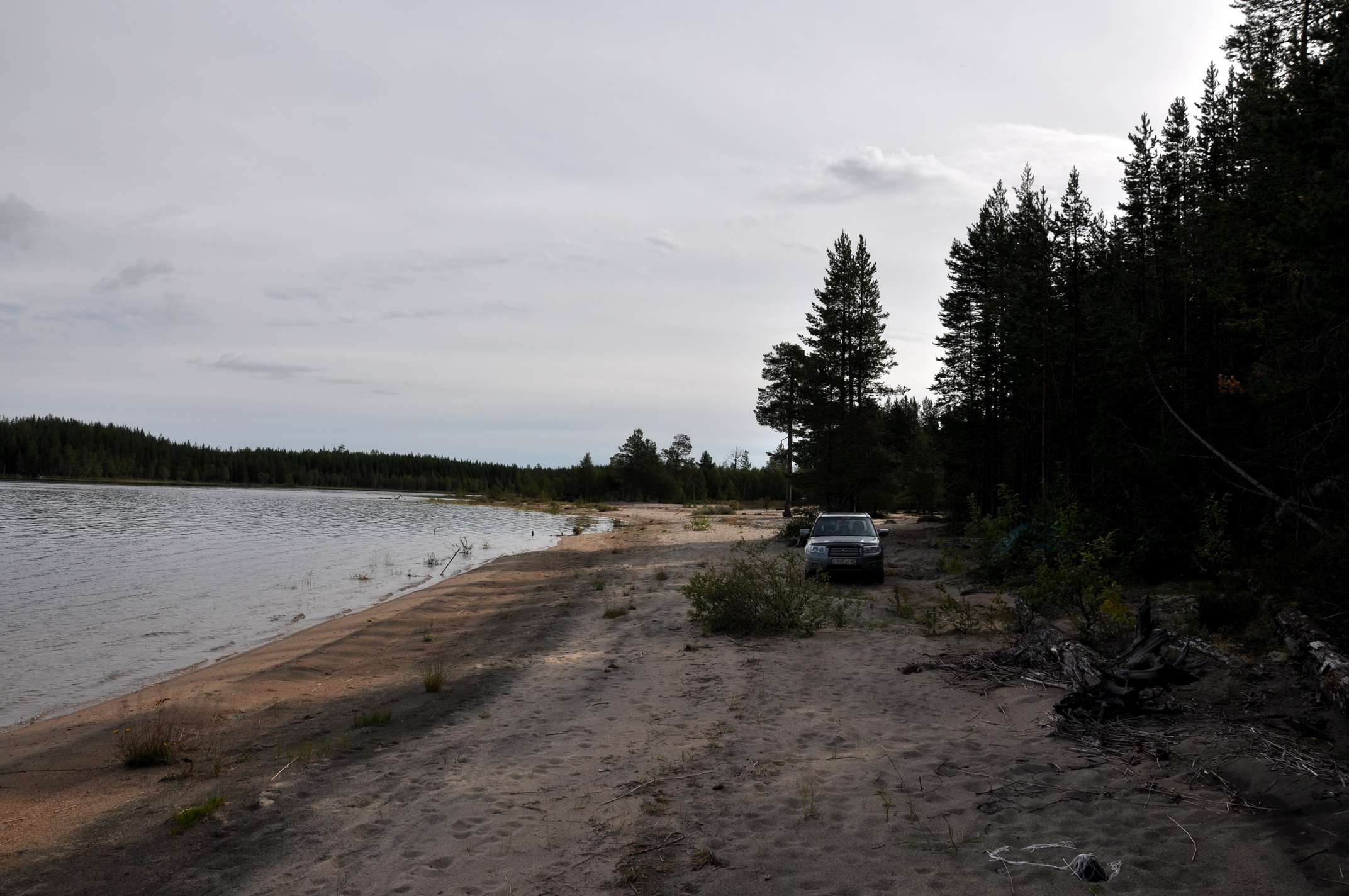
A lovely place to spend the night. Soft ground, and quiet. If only I knew how to catch fish and liked eating them. Alas, I’m no fisherman. There are advantages, though. I can tell the fisheries inspectors where to get off with all the scorn they deserve. They won’t find anything in my car except tinned fish. Search all you like. I’ll tease them and tell them they’re no good at rummaging.
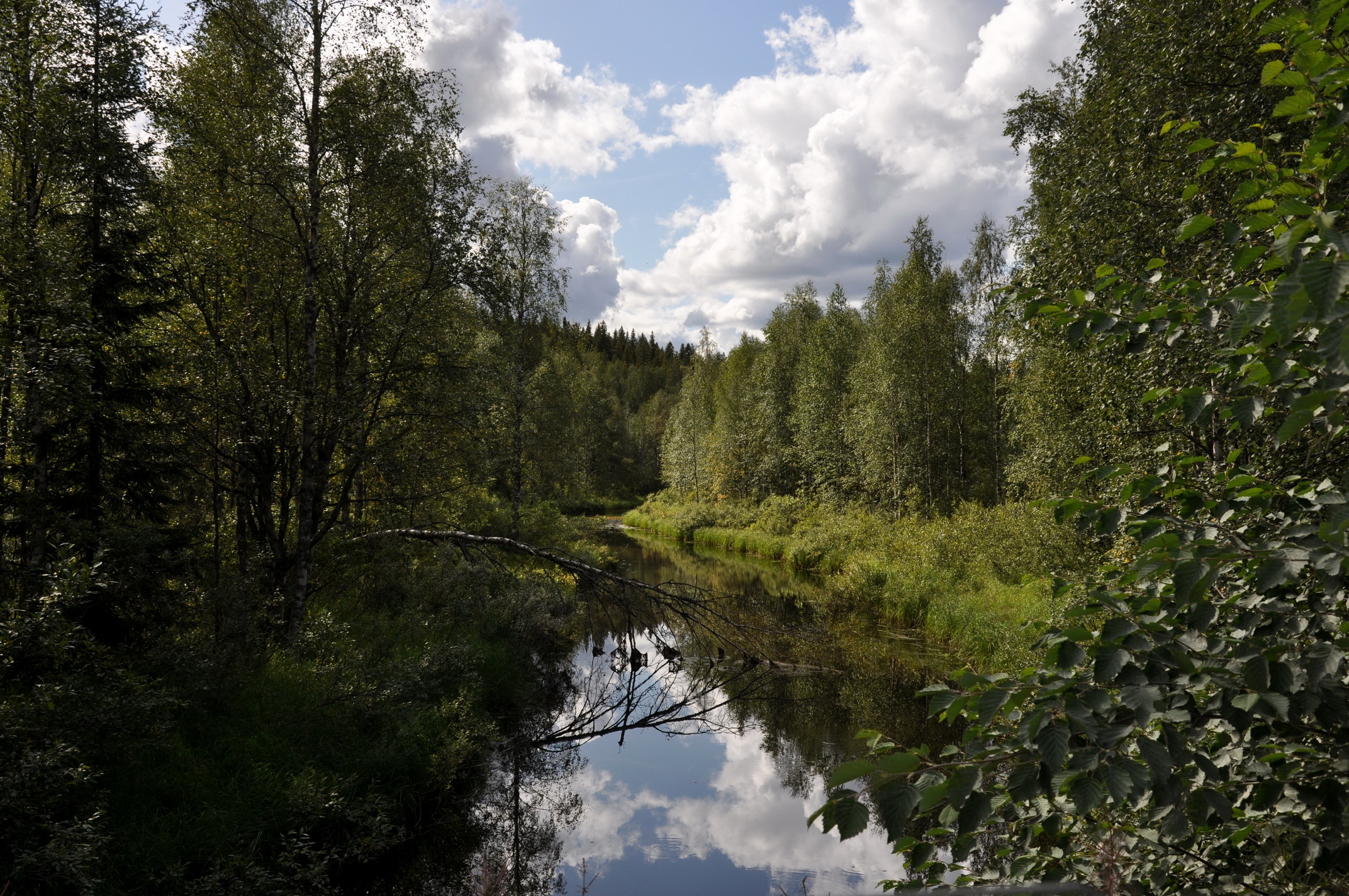
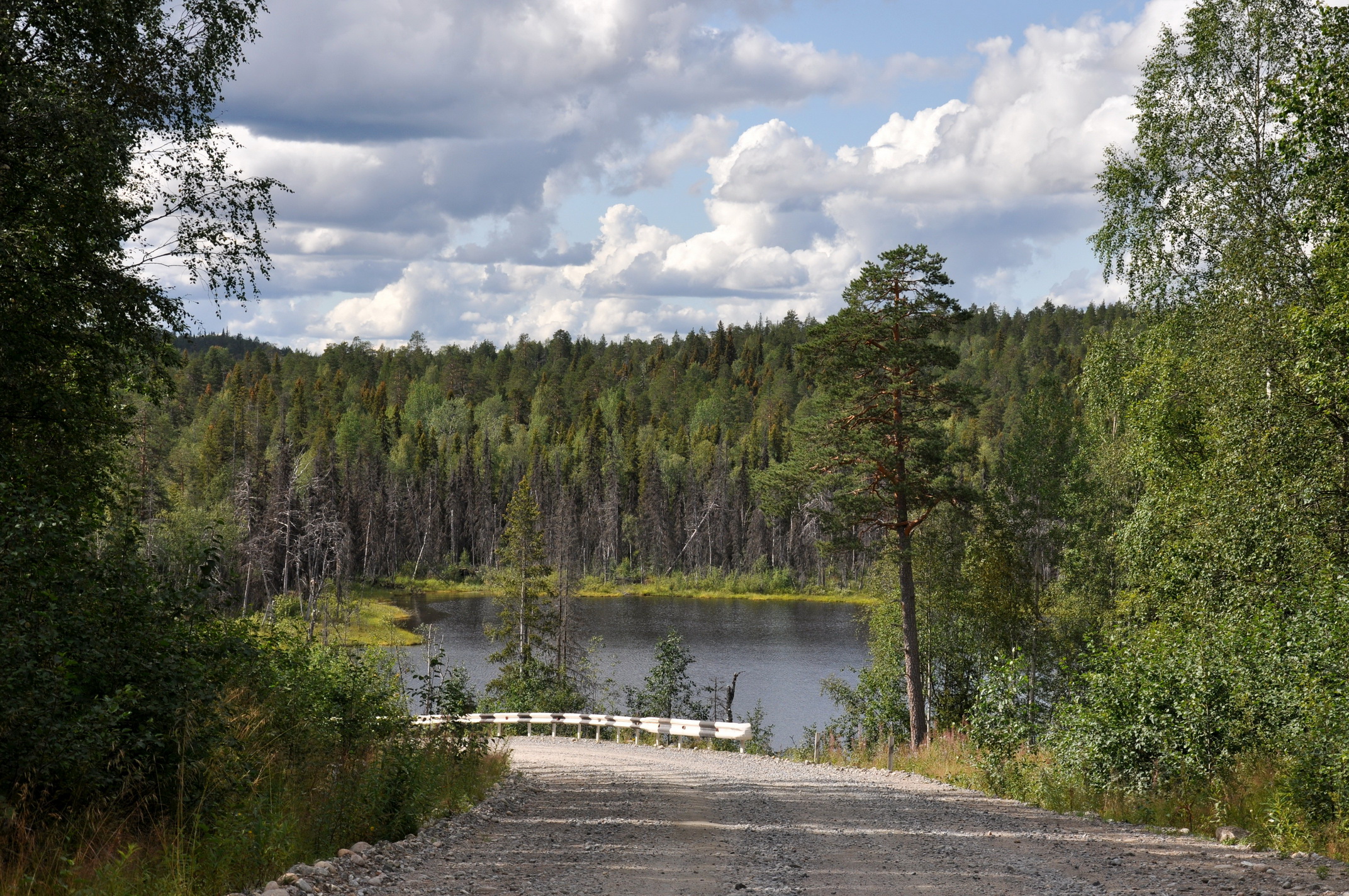
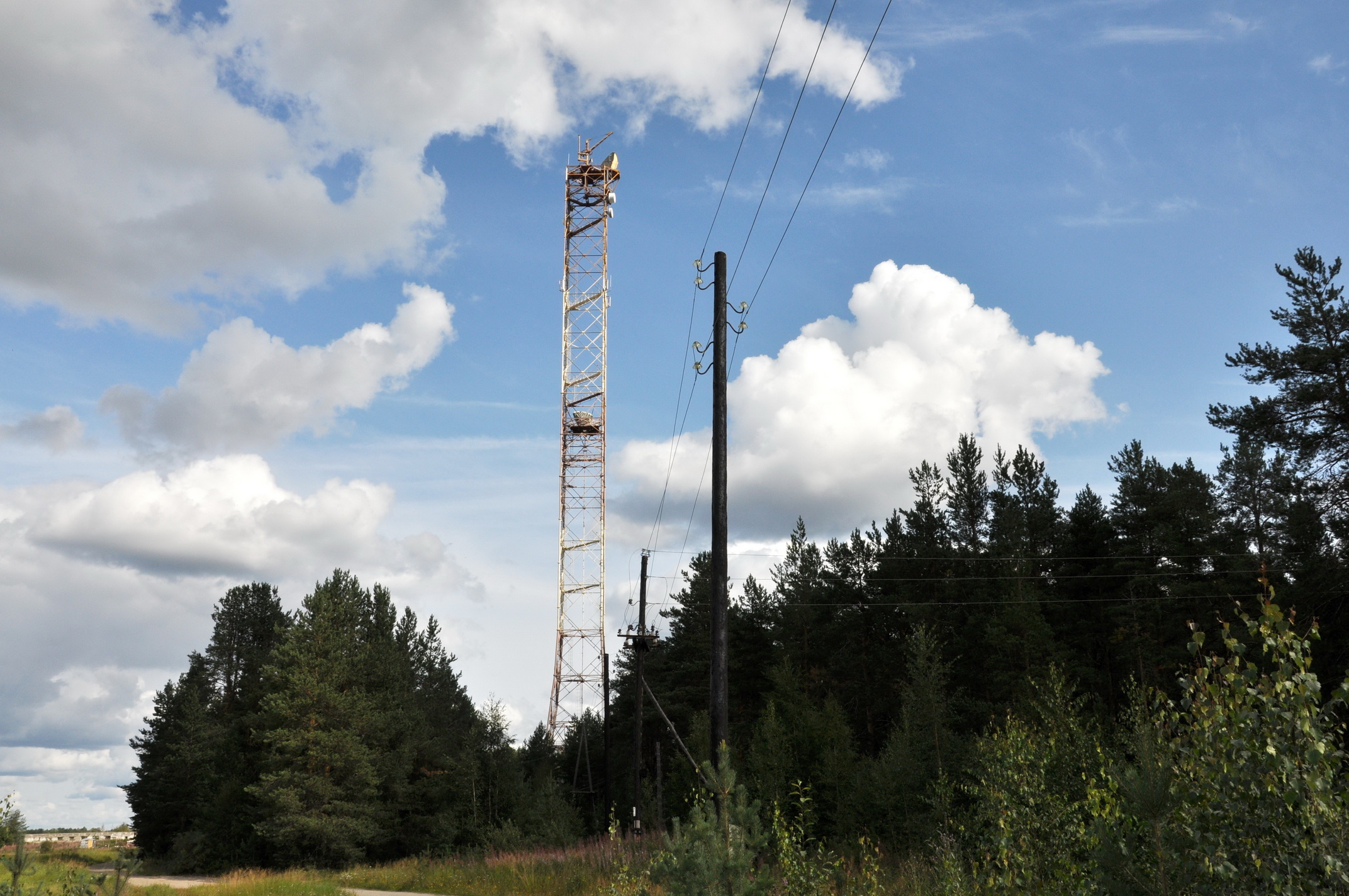
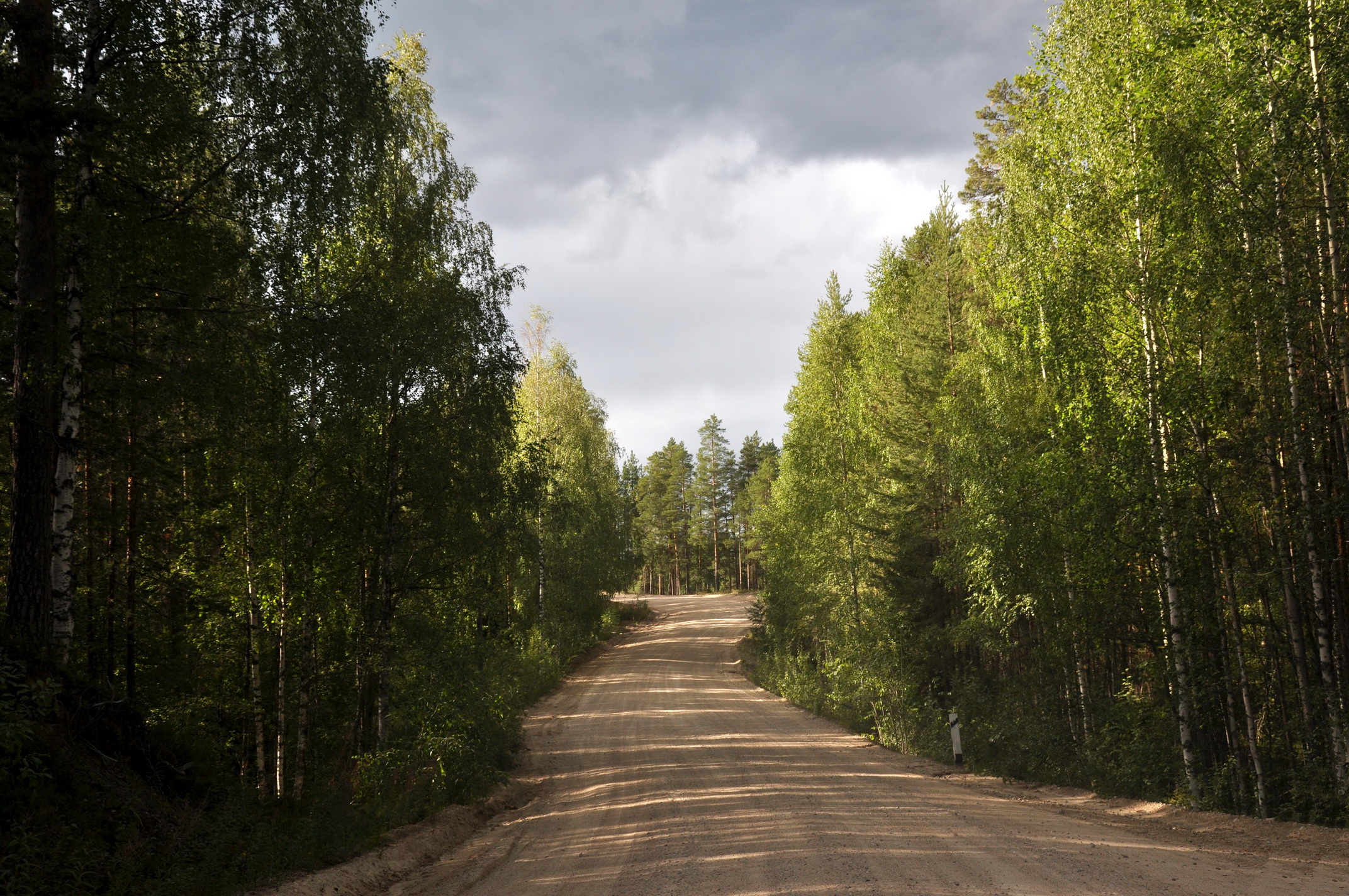
In the morning I drove into Kalevala. A regular little town, with a few old houses. Then I explored the road from Kalevala through Voynitsa to Kostomuksha (Koštamuš). It’s a dirt road that winds among hills and lakes.
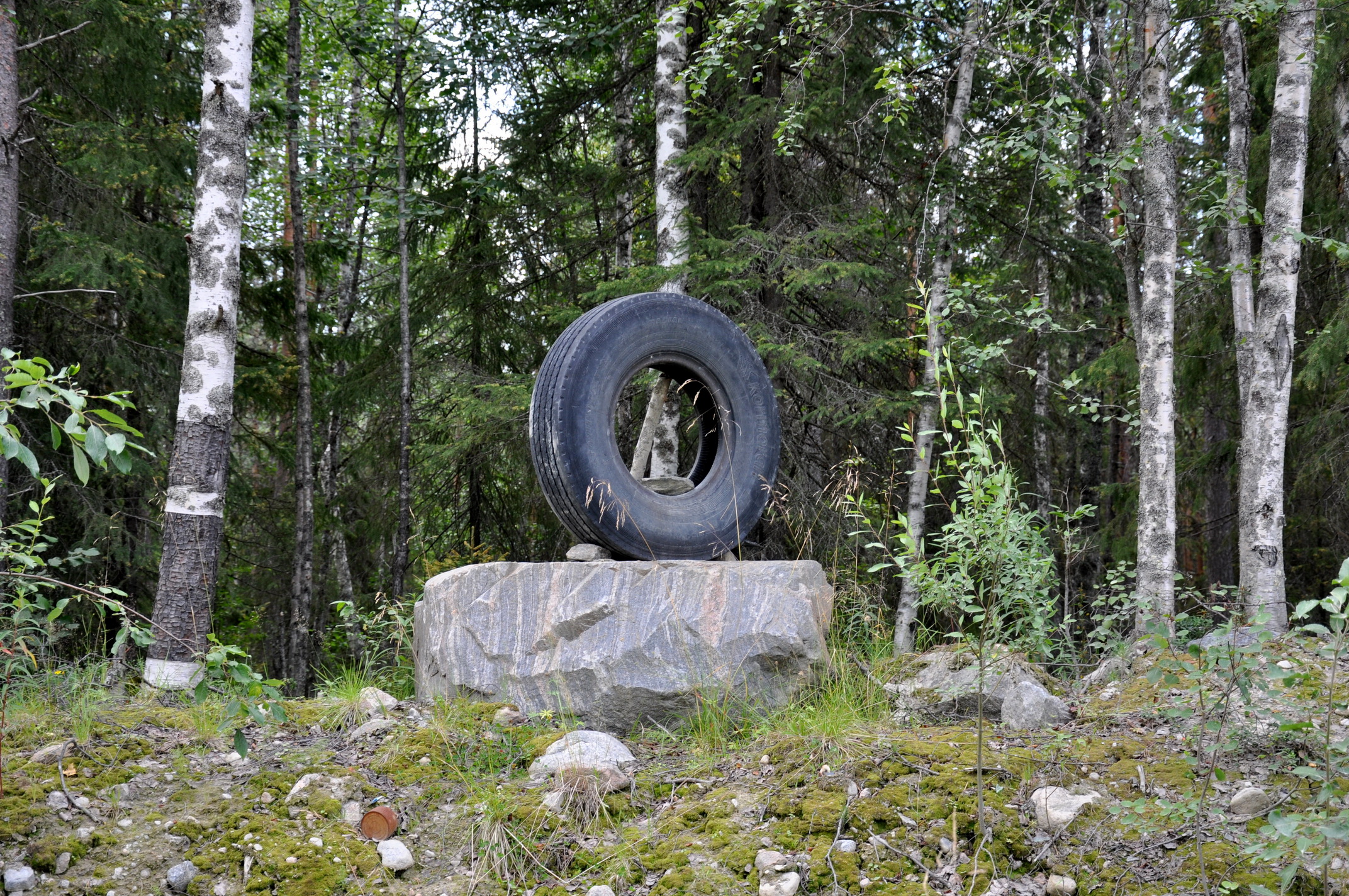
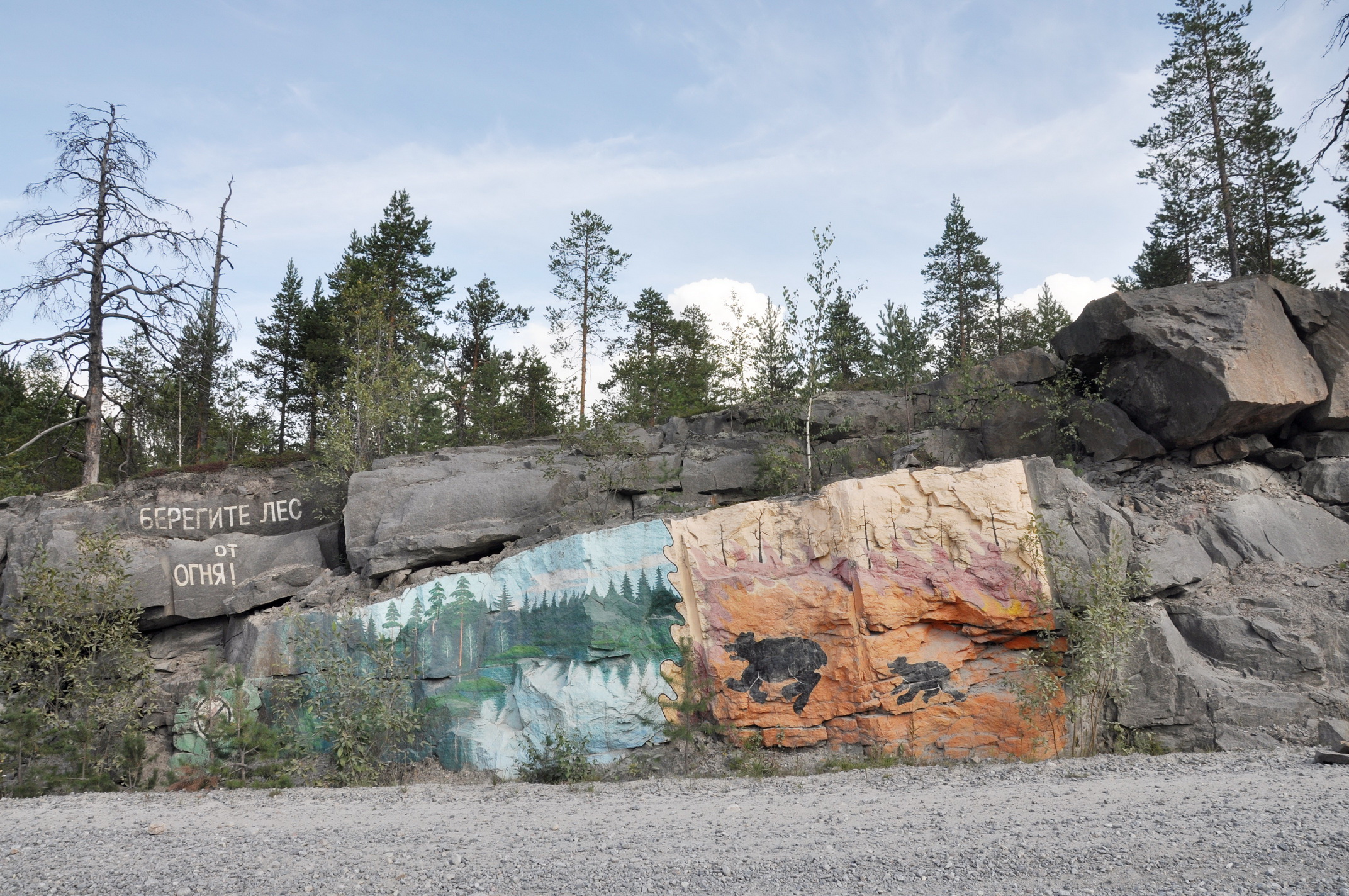
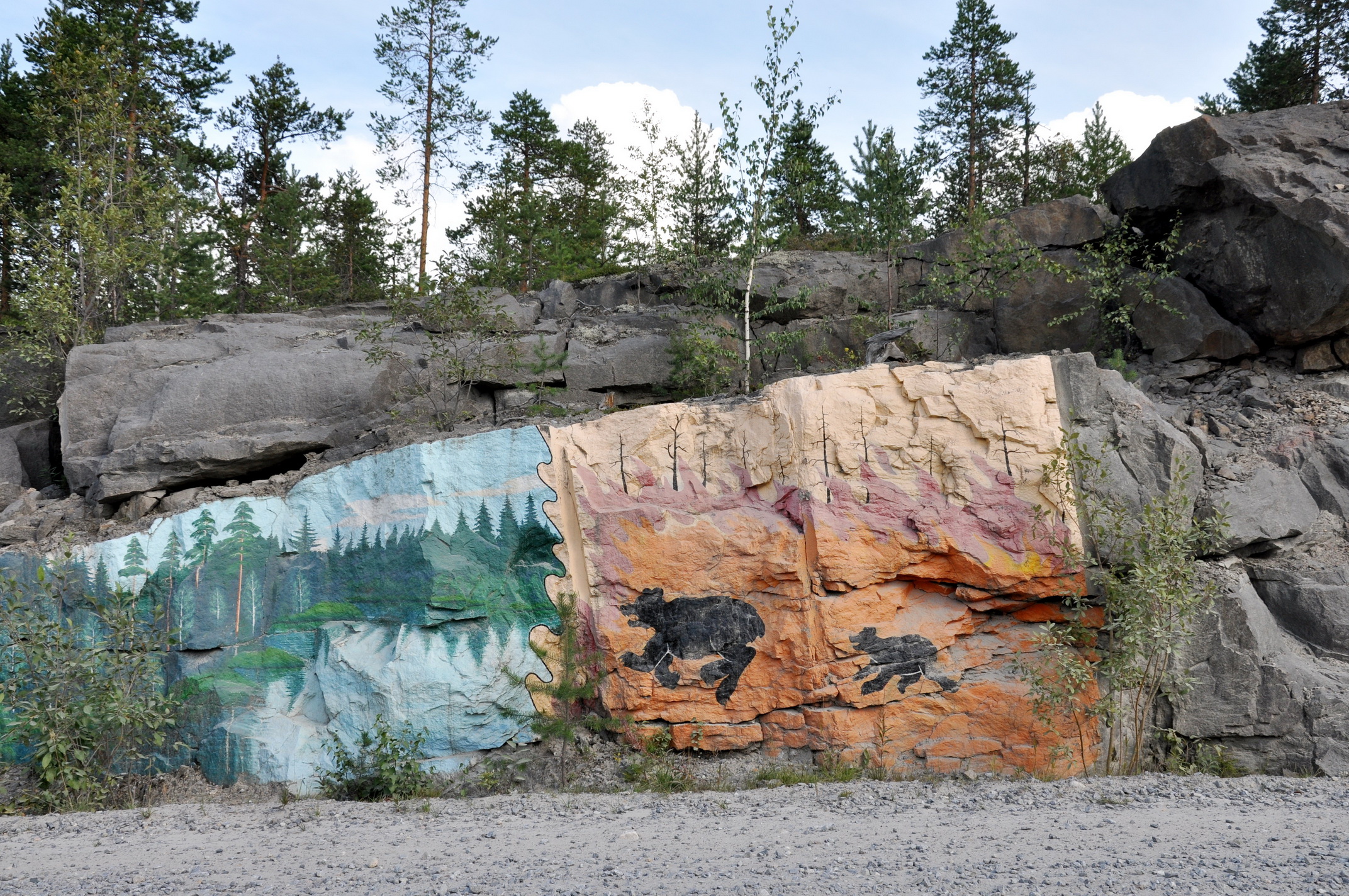
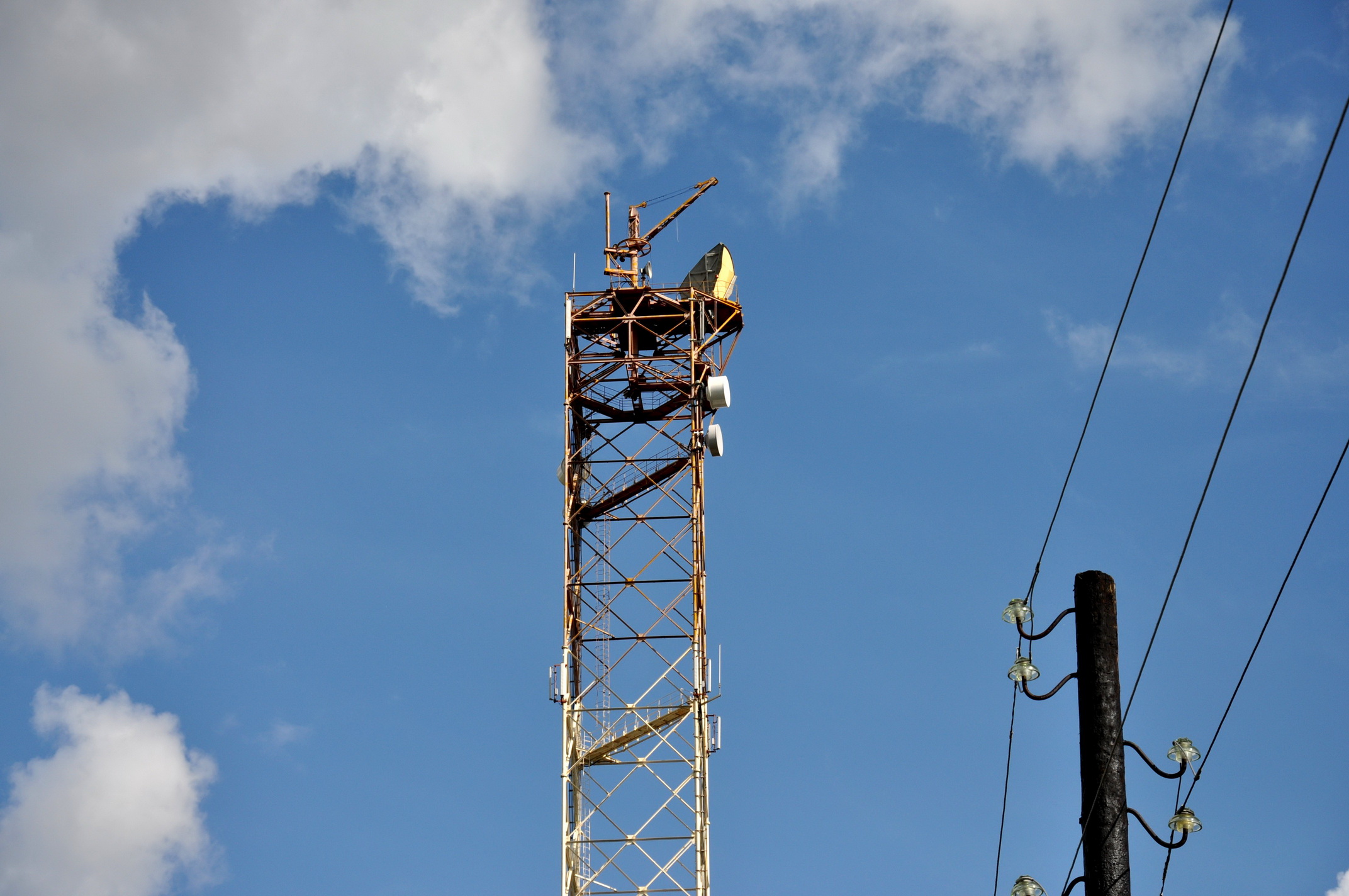
It was a beautiful August day, with banks of cumulus clouds in an endless blue sky.
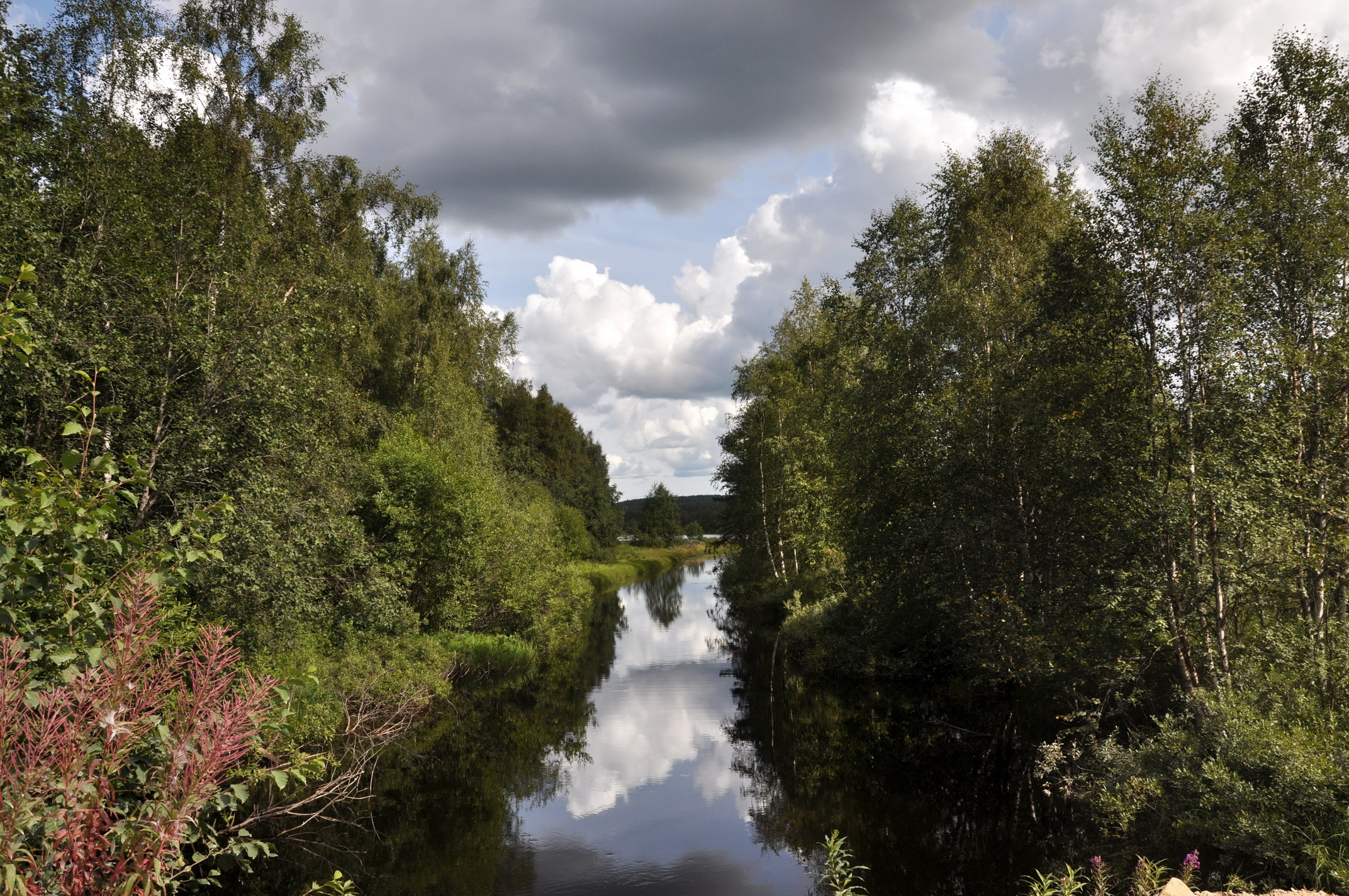
Beyond Kostomuksha I carried on south towards Muyezersky.
I’d spent a night south of Muyezersky a couple of years before, on the way to Rugozero. I turned off to revisit the spot where I’d camped that night beside Lake Voloma (63°36.305′N, 32°01.456′E). It was too early to stop for the night, so I drove on for another few dozen kilometres, to Lake Vaskhyarvi near Sukkozero (63°04.633′N, 32°20.961′E), and spent the night there.
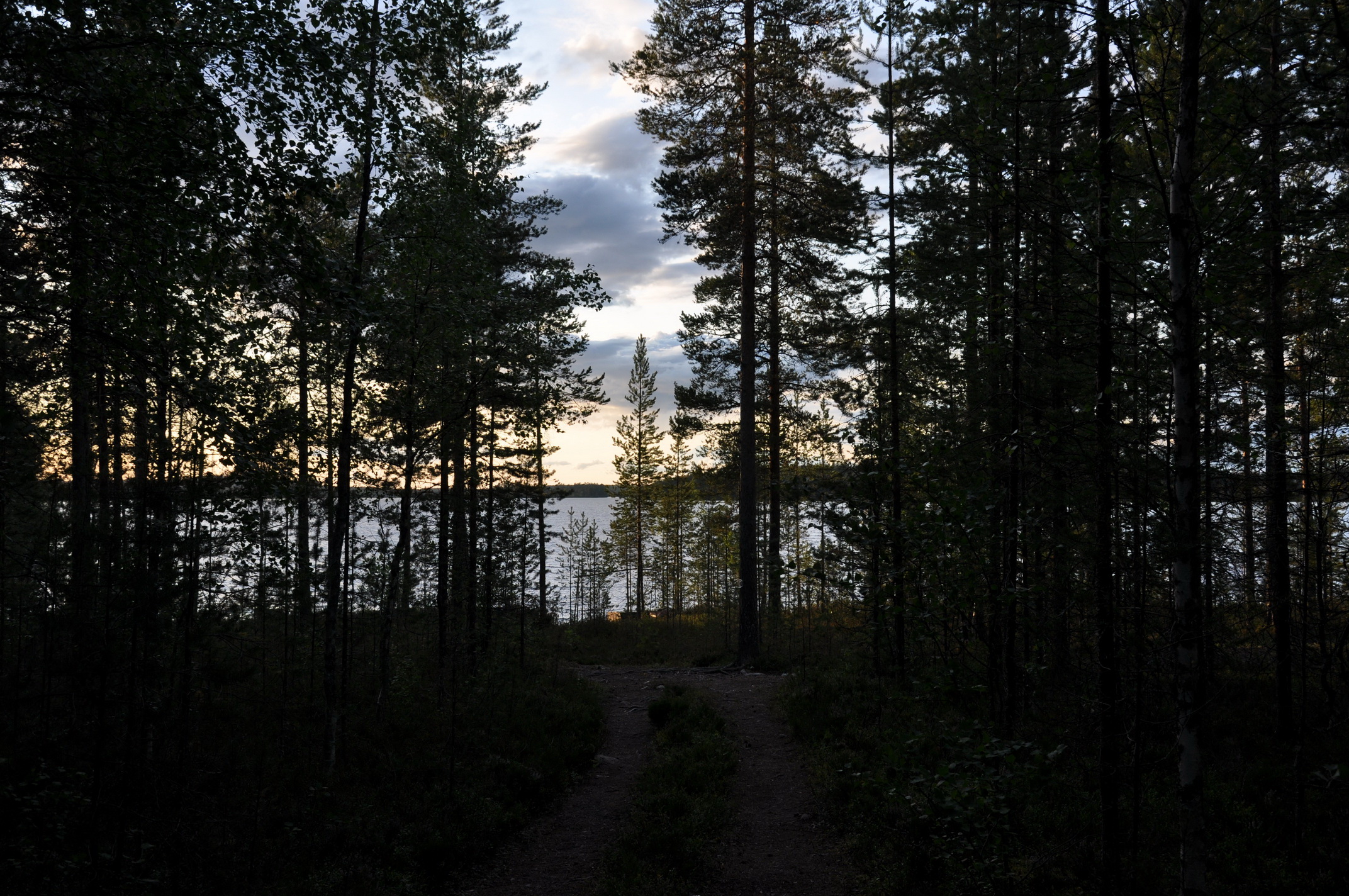
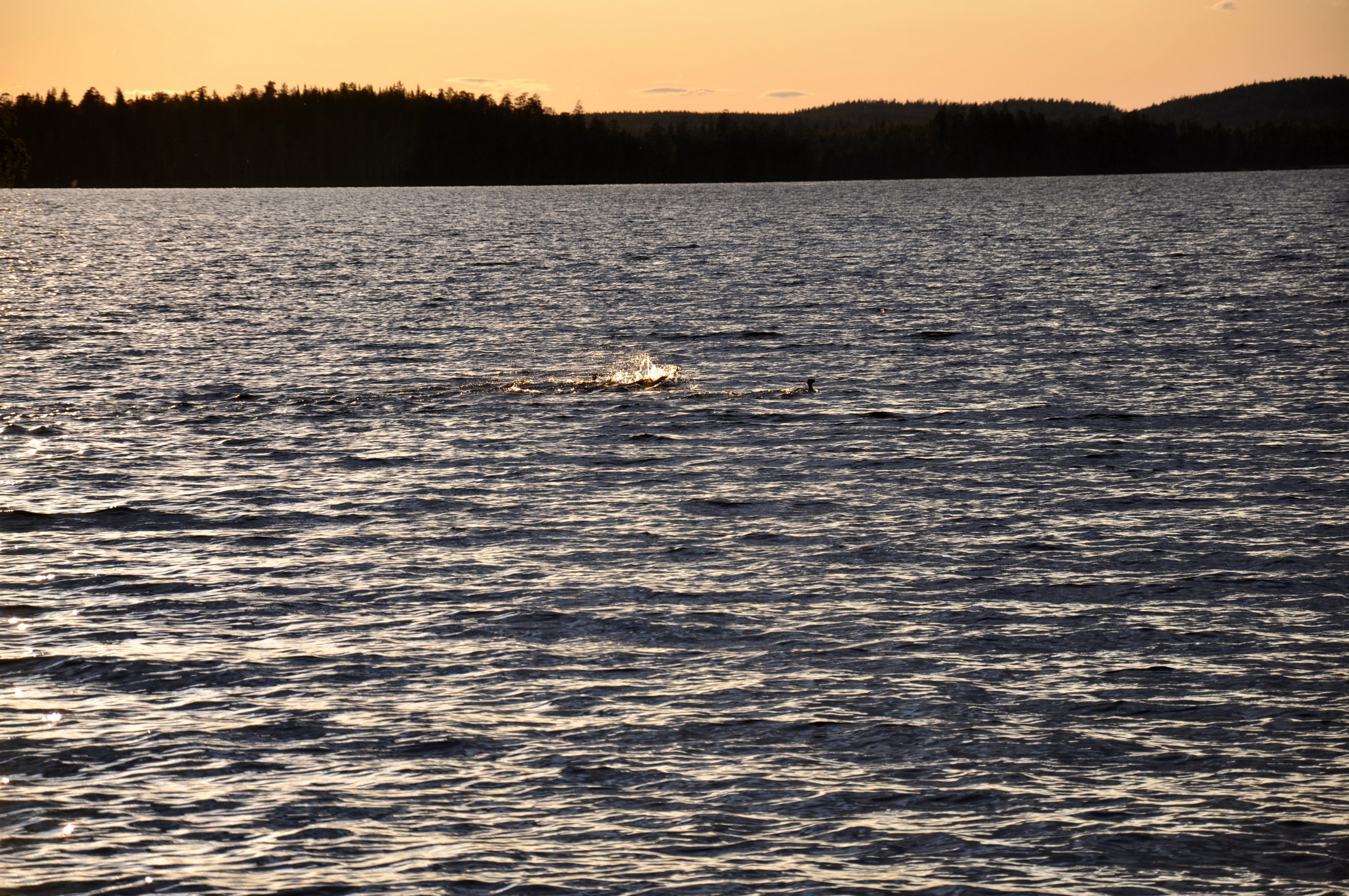
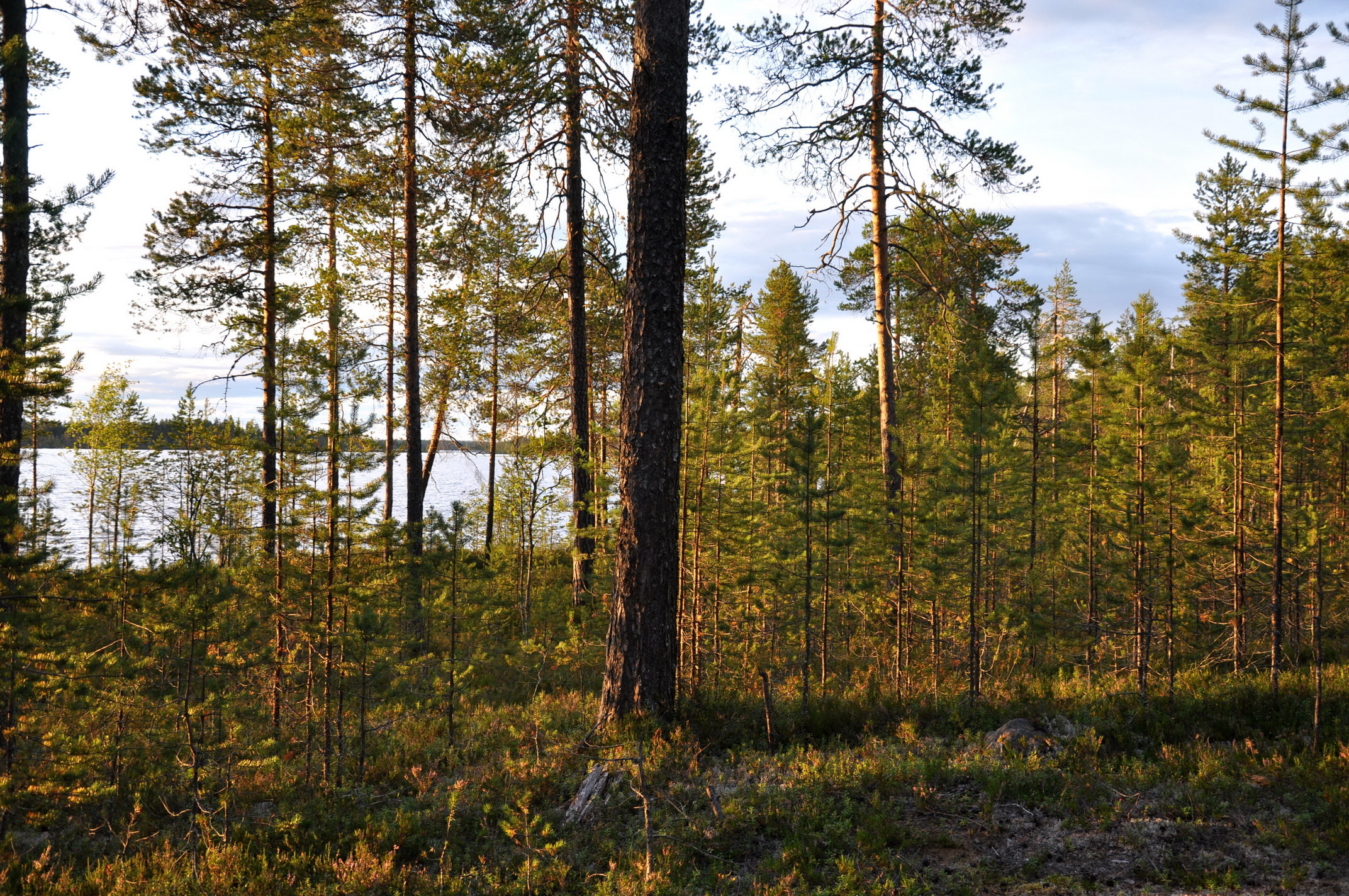
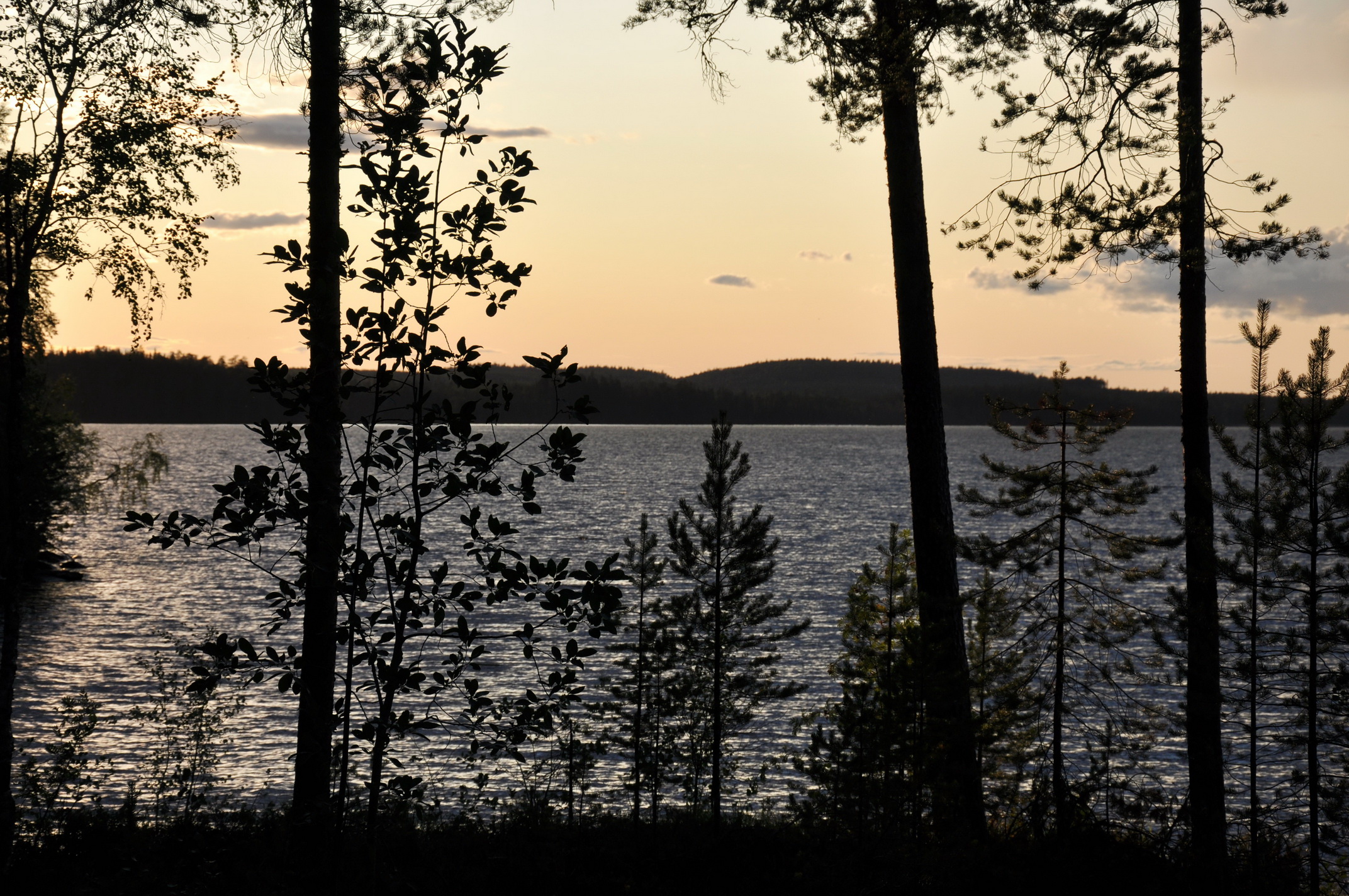
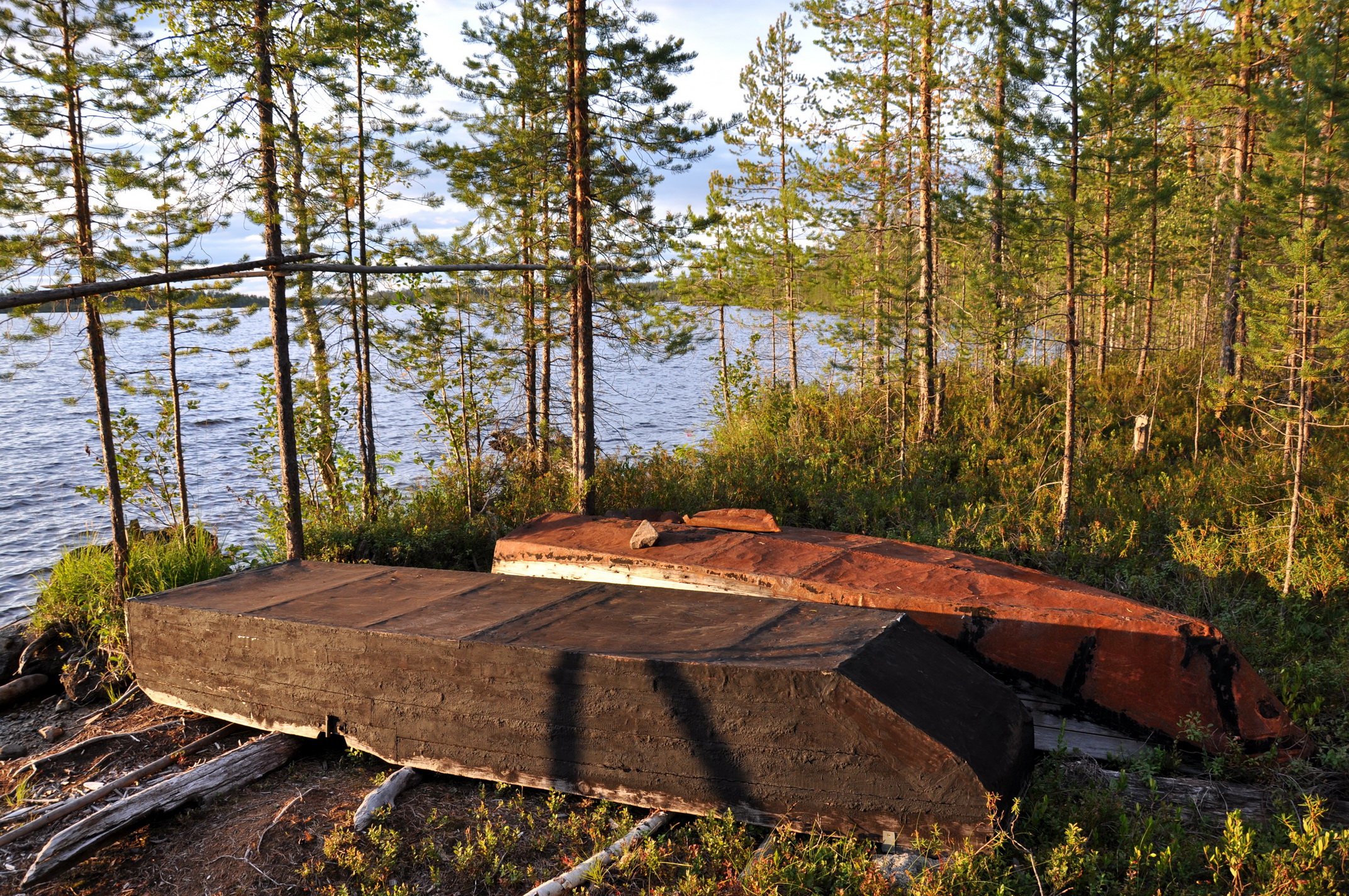
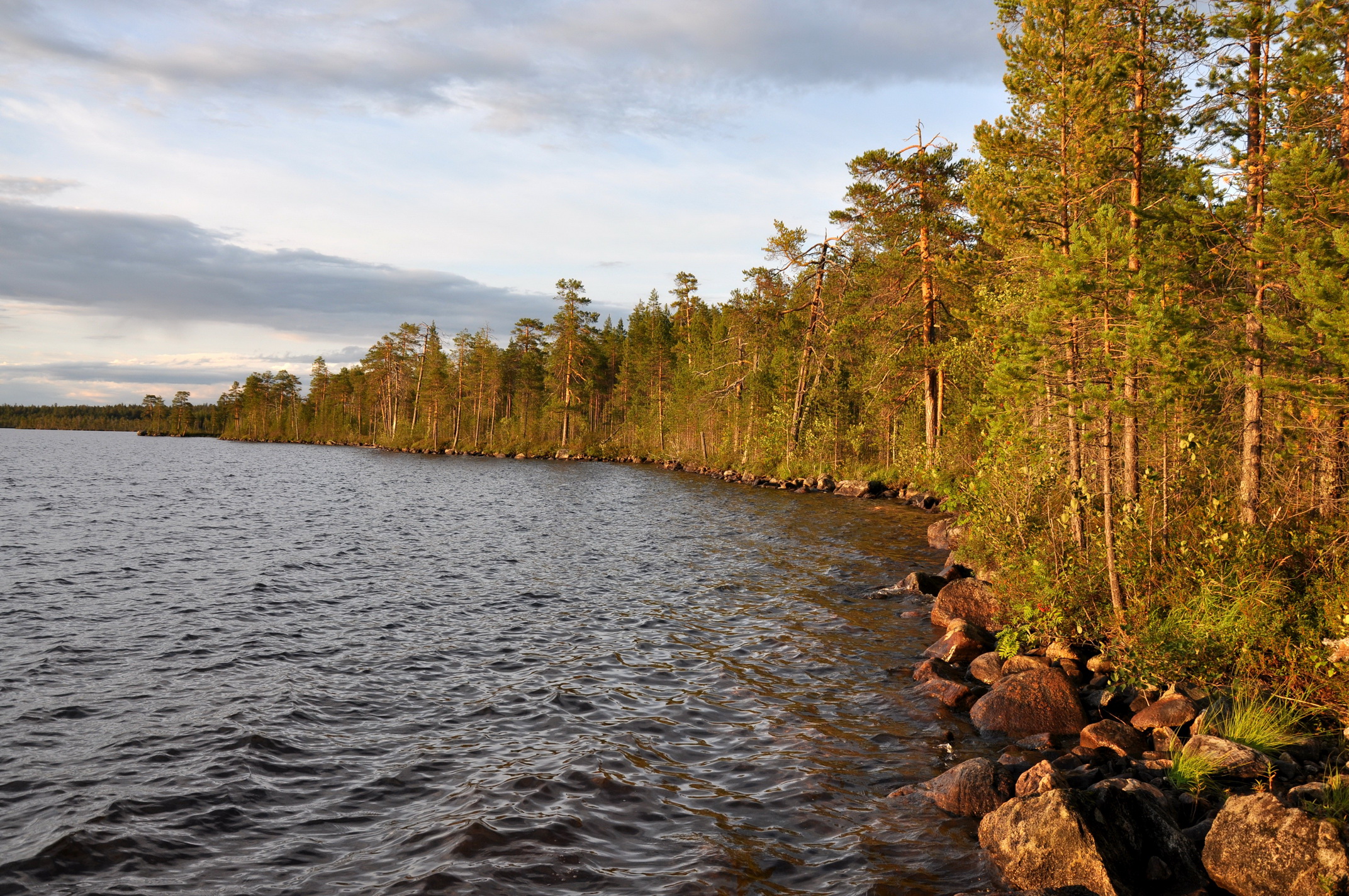
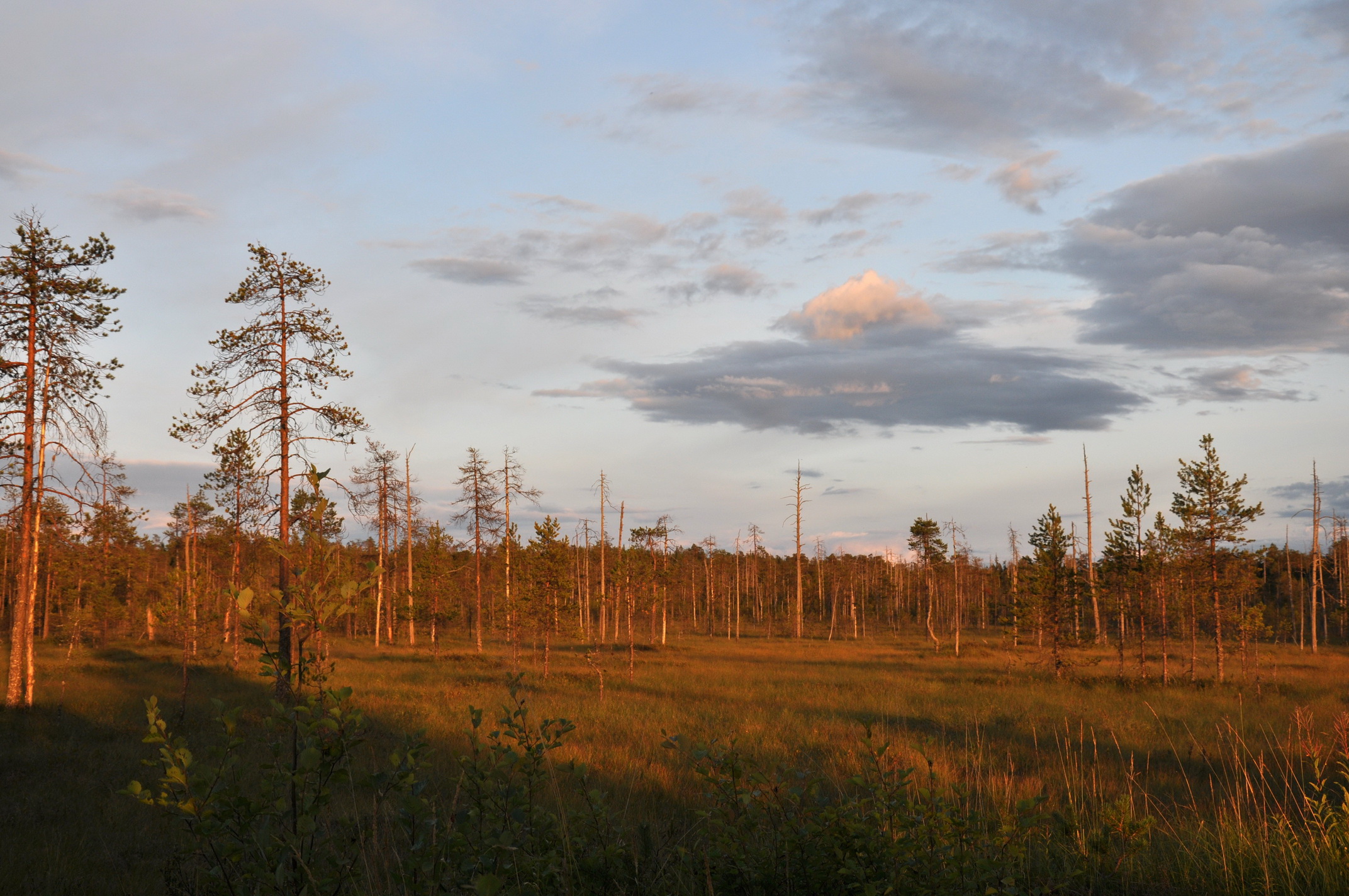
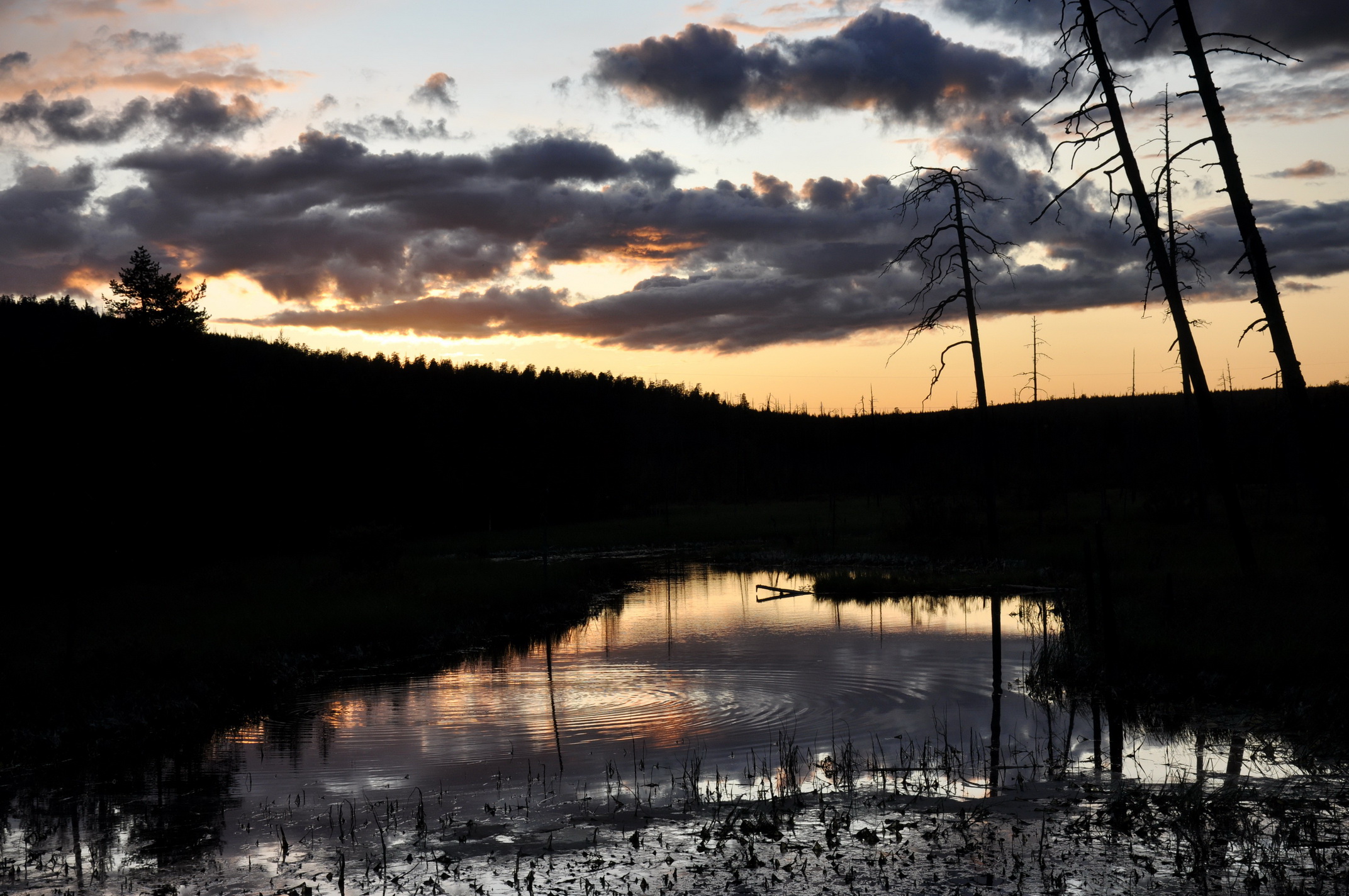
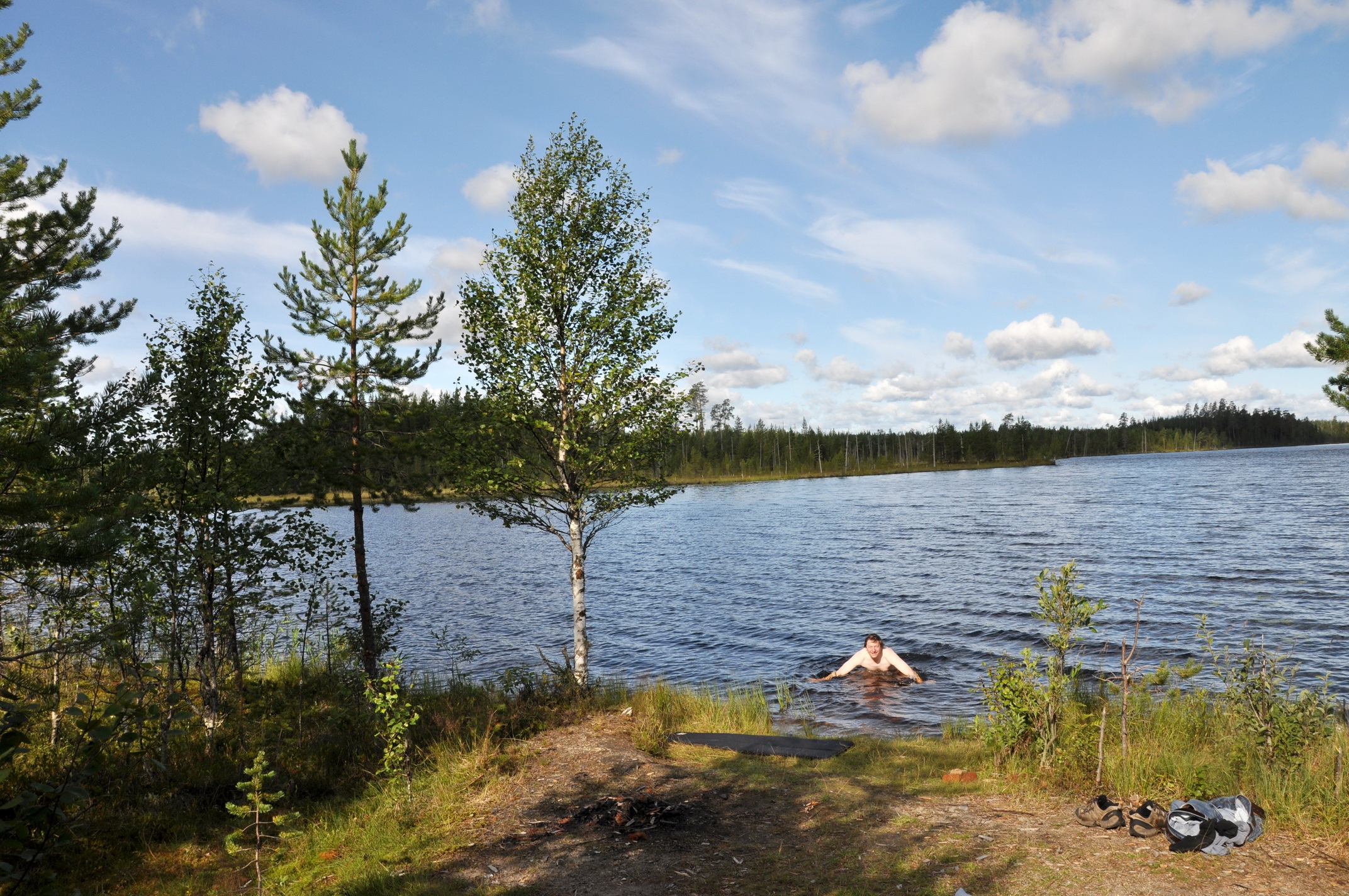
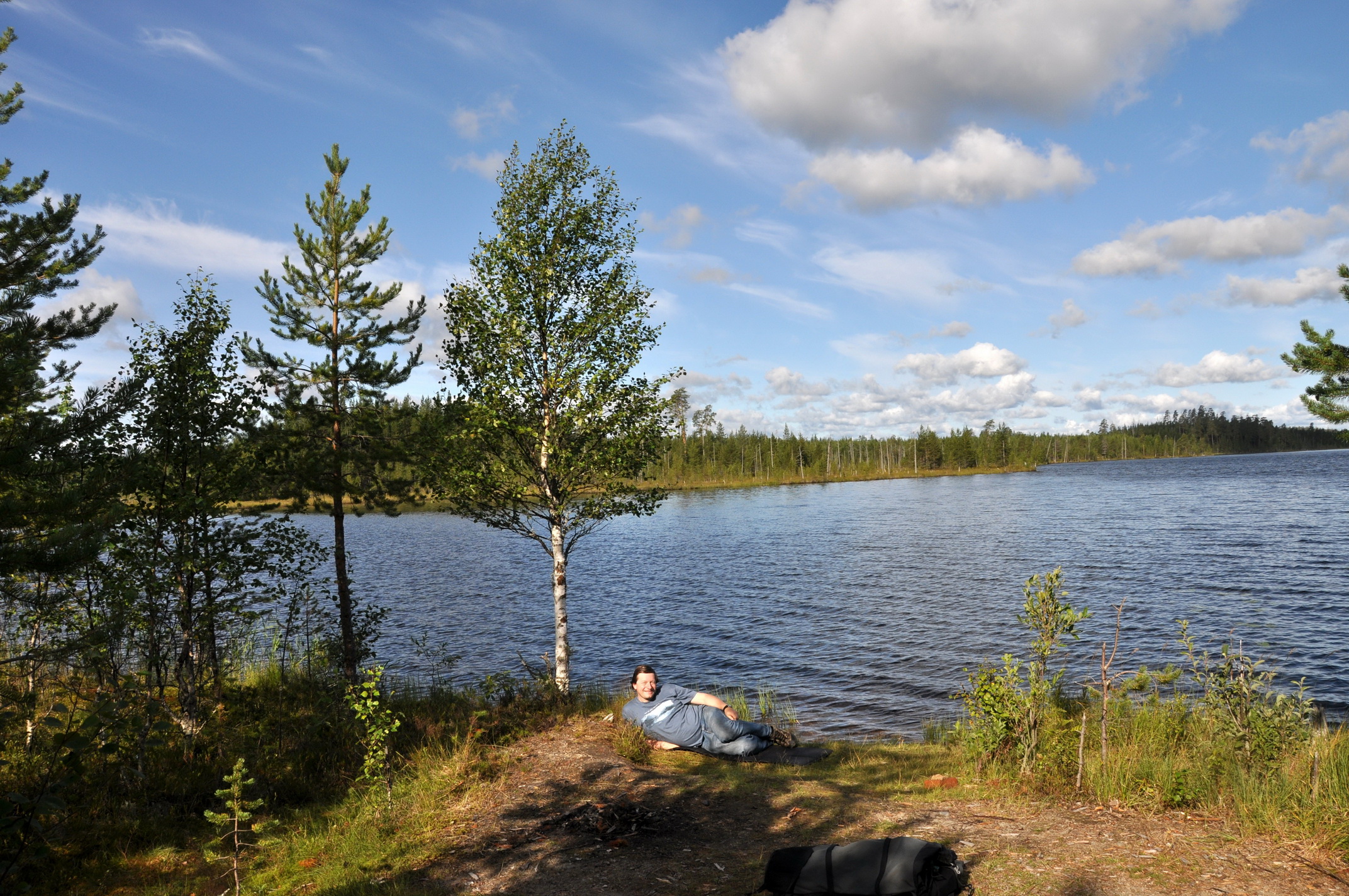
It was a warm evening. I went for a swim several times. In the morning I collected all the rubbish and burnt it. I had the day to myself and could take my time. In the afternoon I went via Porosozero and Yustozero and got back onto the Murmansk road at Girvas. I’d had enough of the dirt roads. The shock absorbers were completely shot. The car rattled like an old bucket, and it was only three years old, with 200,000 kilometres on the clock. It turned out a Subaru was built to carry five skinny Japanese people. Fit five Russian blokes in it and the shocks are done for. This was the third set I’d wrecked. At first I’d loaded the car up with bits of metal and raced it around the Murmansk hills. It gave up straight away. I treated it more carefully after that, but it made no difference. The genuine parts are so expensive that I’d go broke if I kept replacing them. After this trip I fitted cheap aftermarket ones. They’ve lasted ten years so far.
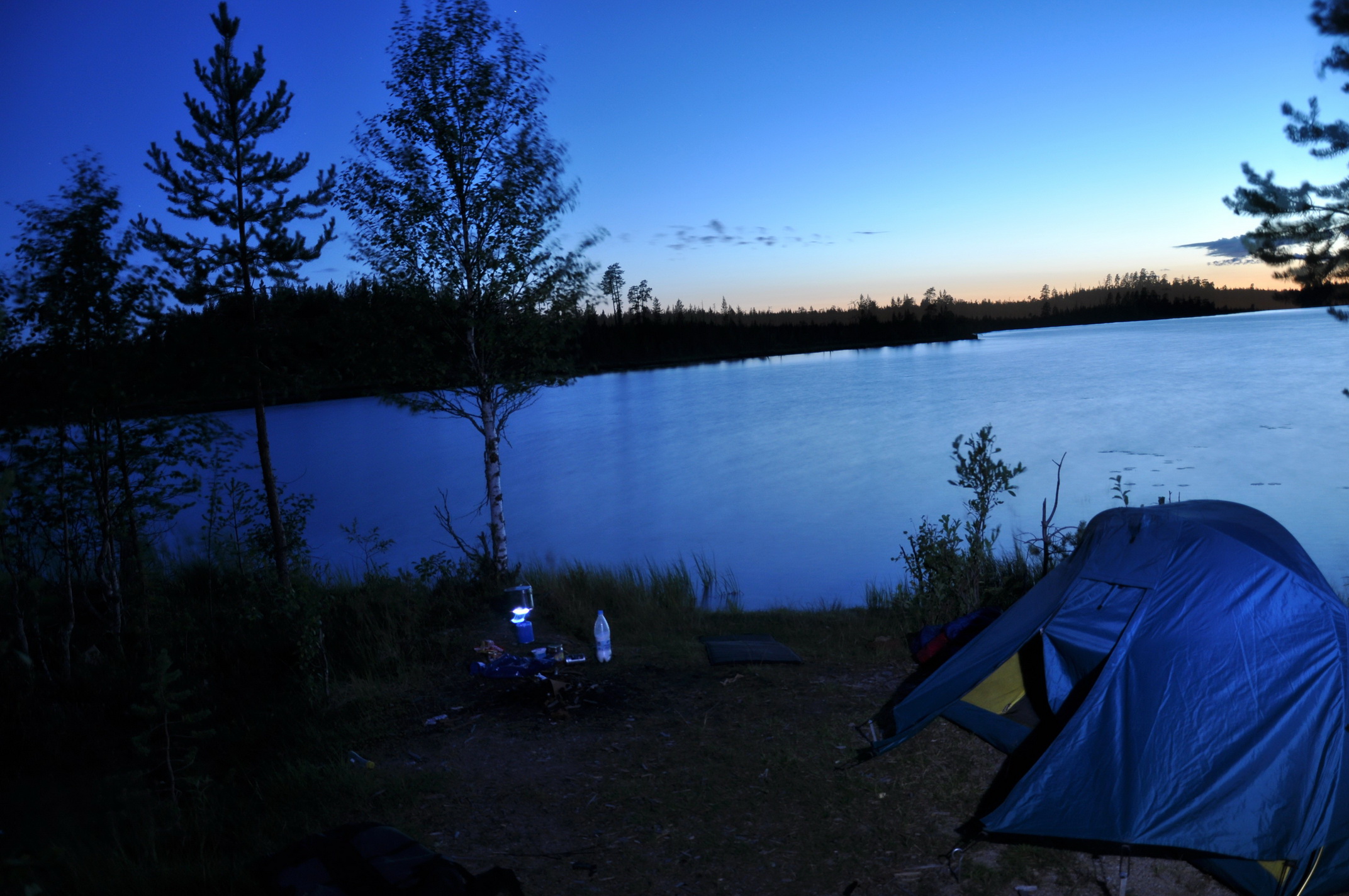
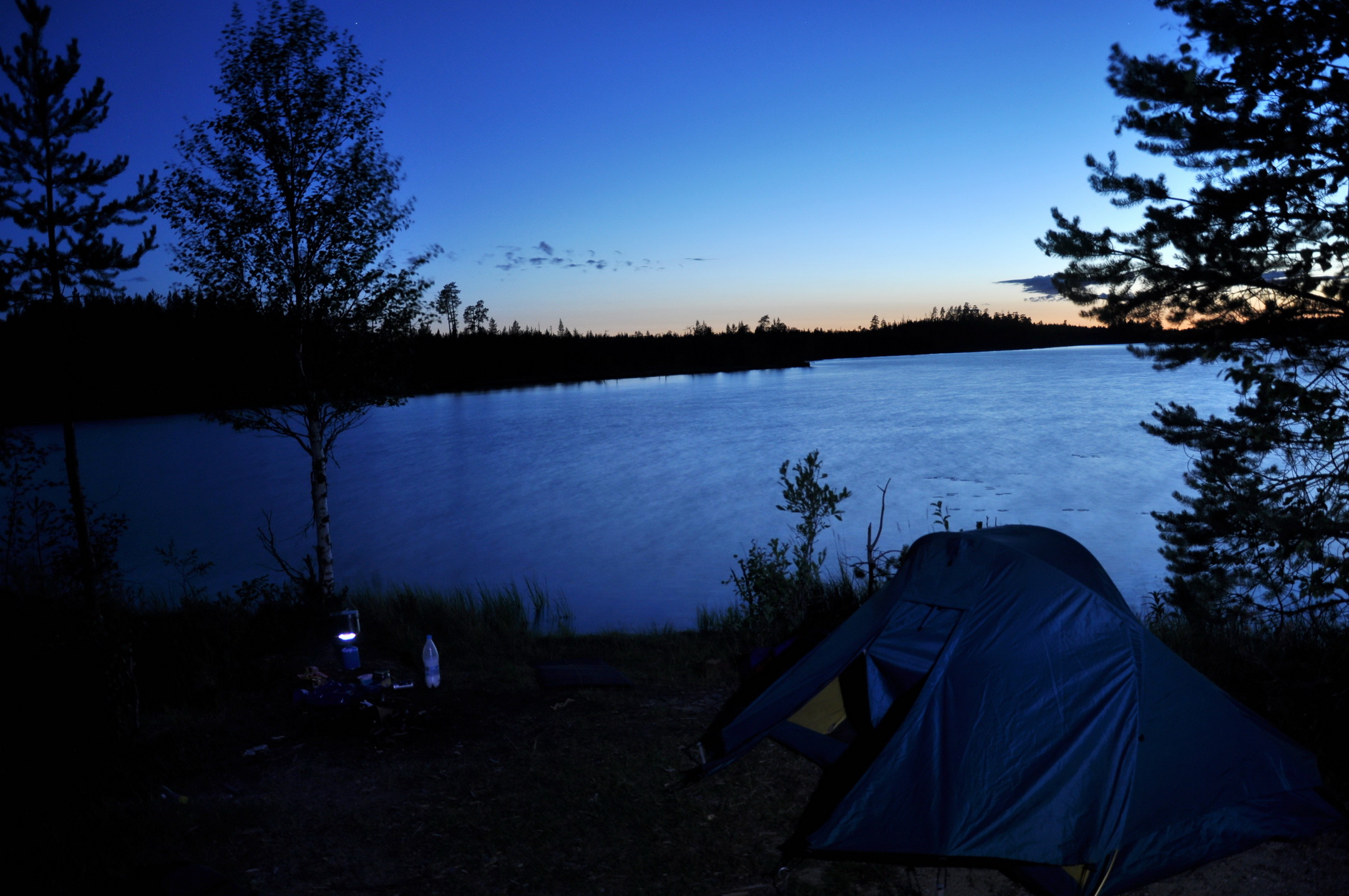
Once I was on the Murmansk road, it didn’t take long to get back to Vyritsa.