Trip report
A job in Königsberg
Our biggest project of 2012 was in Königsberg. I can’t bring myself to call the city after that grey, spineless Soviet official who let the Gulag tear his wife to pieces and smiled sweetly at the chief executioner. Names like Zelenogradsk, Yantarny and Baltiysk I can just about accept.
But Kant’s city, with eight hundred years of history, suddenly named after a court jester? This has nothing to do with the Germans or the Nazis.
Königsberg has its own railway, but the October Railway acts as its big brother. If a problem is beyond them, their brothers in arms from Saint Petersburg come to the rescue. That was how we were sent to put in a fire-suppression system at a carriage depot. These systems are very expensive in their own right. Having to install one can generally put a company out of business. It costs more than a fire, especially if you can’t use water. But fire regulations have to be obeyed, however crazy they might be.
This was just such a case. The depot sometimes freezes, so water would burst the pipes. And you can’t put out burning paint and diesel with water anyway. We had to fasten the suppression units to a ceiling fourteen metres up. It was nearly impossible and, on the budget available, we would almost certainly lose money. So they decided to palm it off on us. I won’t go into how we hired climbers, hung tonnes of steelwork from the ceiling and received inspection committee after inspection committee. Partly because it would be boring, and partly because I don’t want to make trouble for good people caught up in this mess. The whole country is engaged in idiocy, and the people I worked with shouldn’t have to suffer for it any more than they already have. That’s not the point of the story anyway. We had a big job to travel to, and that was a good thing in itself.
I first flew out in June to see what we were up against. I walked around the city, talked through the details of the work and sorted out a host of small practical problems. I didn’t have much free time or a car on that trip, so I just walked around the centre.
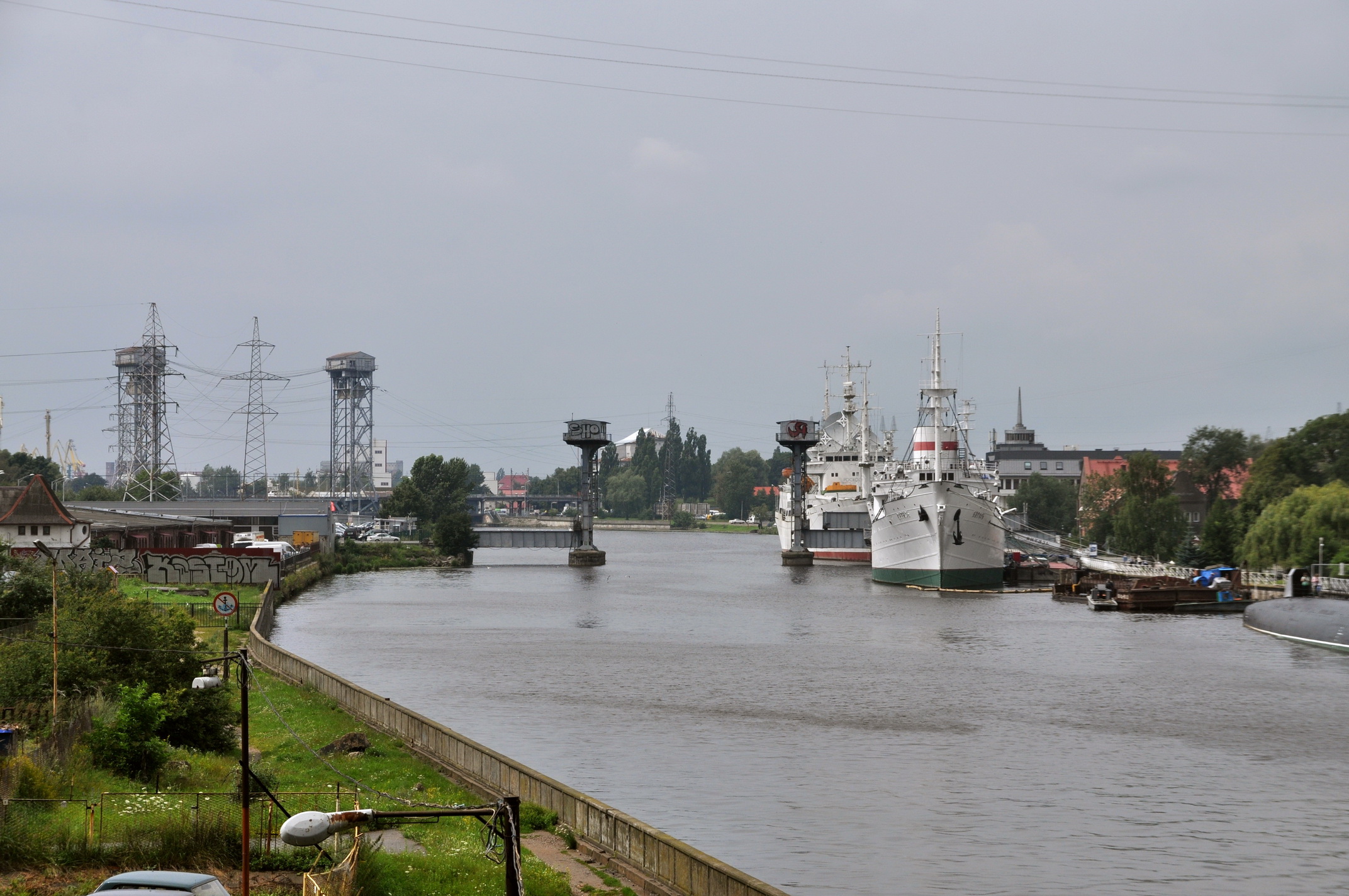
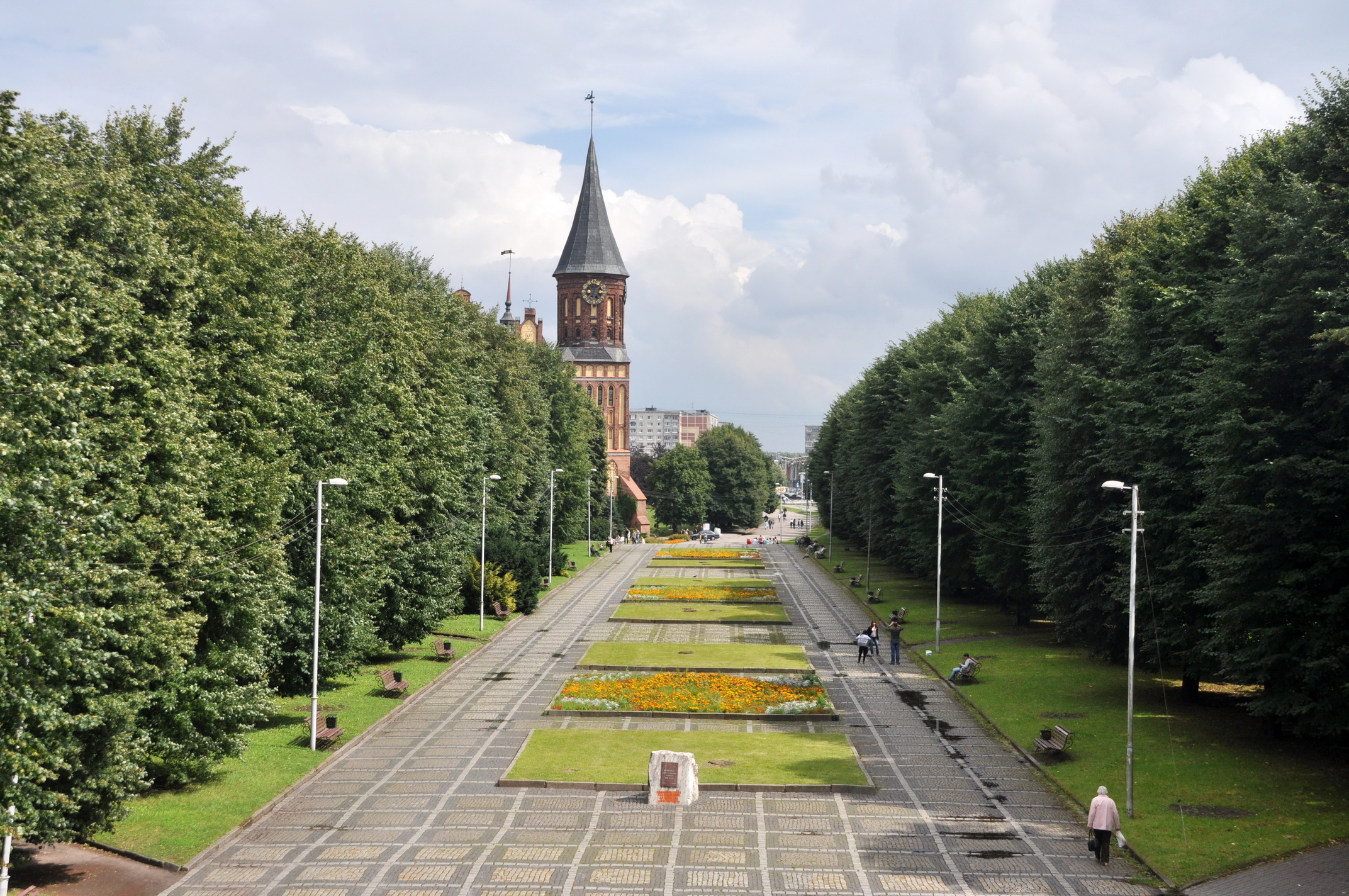
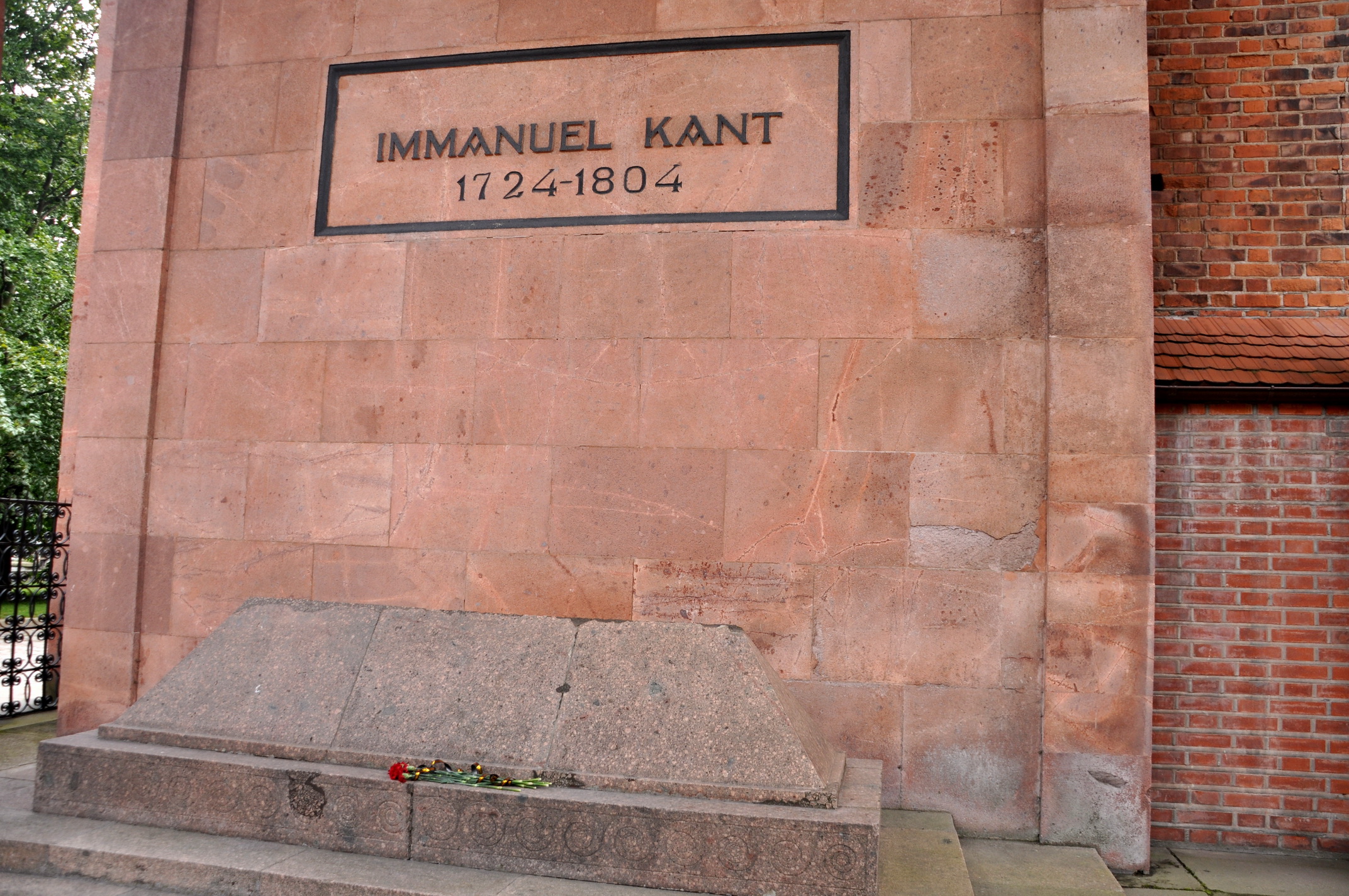
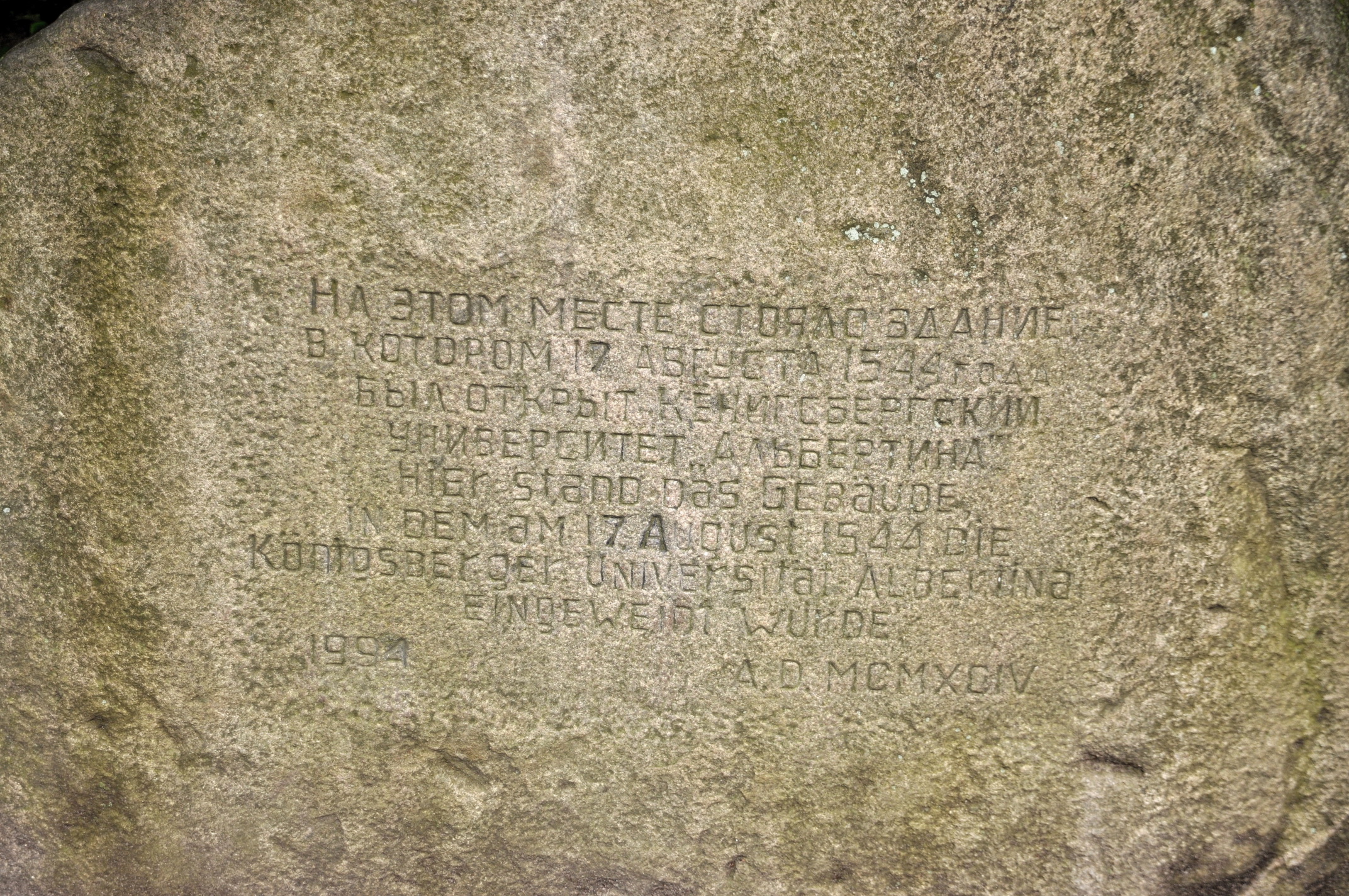
I’d last been here in 1989. They’ve rebuilt a lot since then. The cathedral has been restored. Immanuel Kant is buried beside its walls. The Fishing Village has been built up too. There are hardly any wartime ruins left.
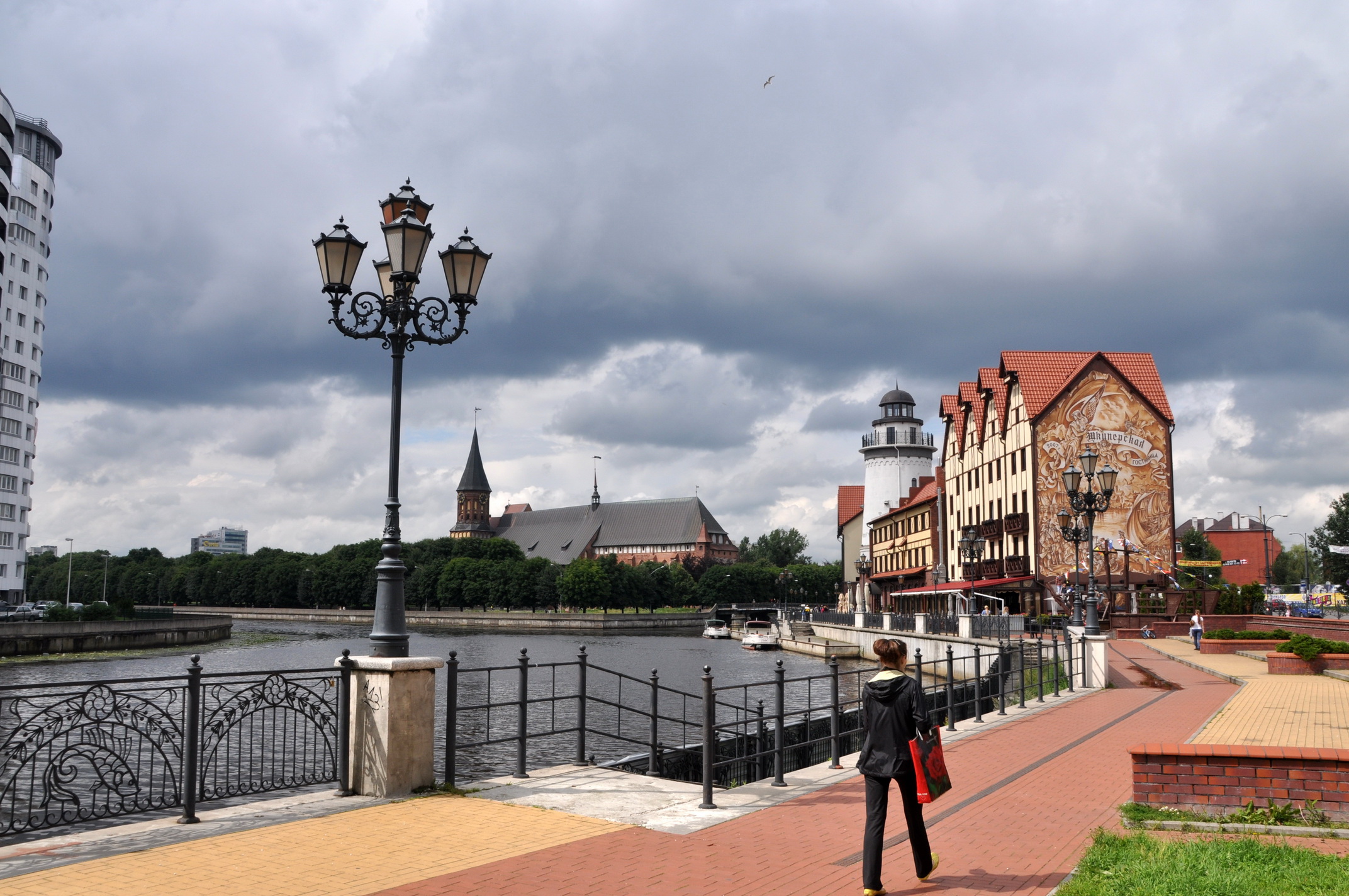
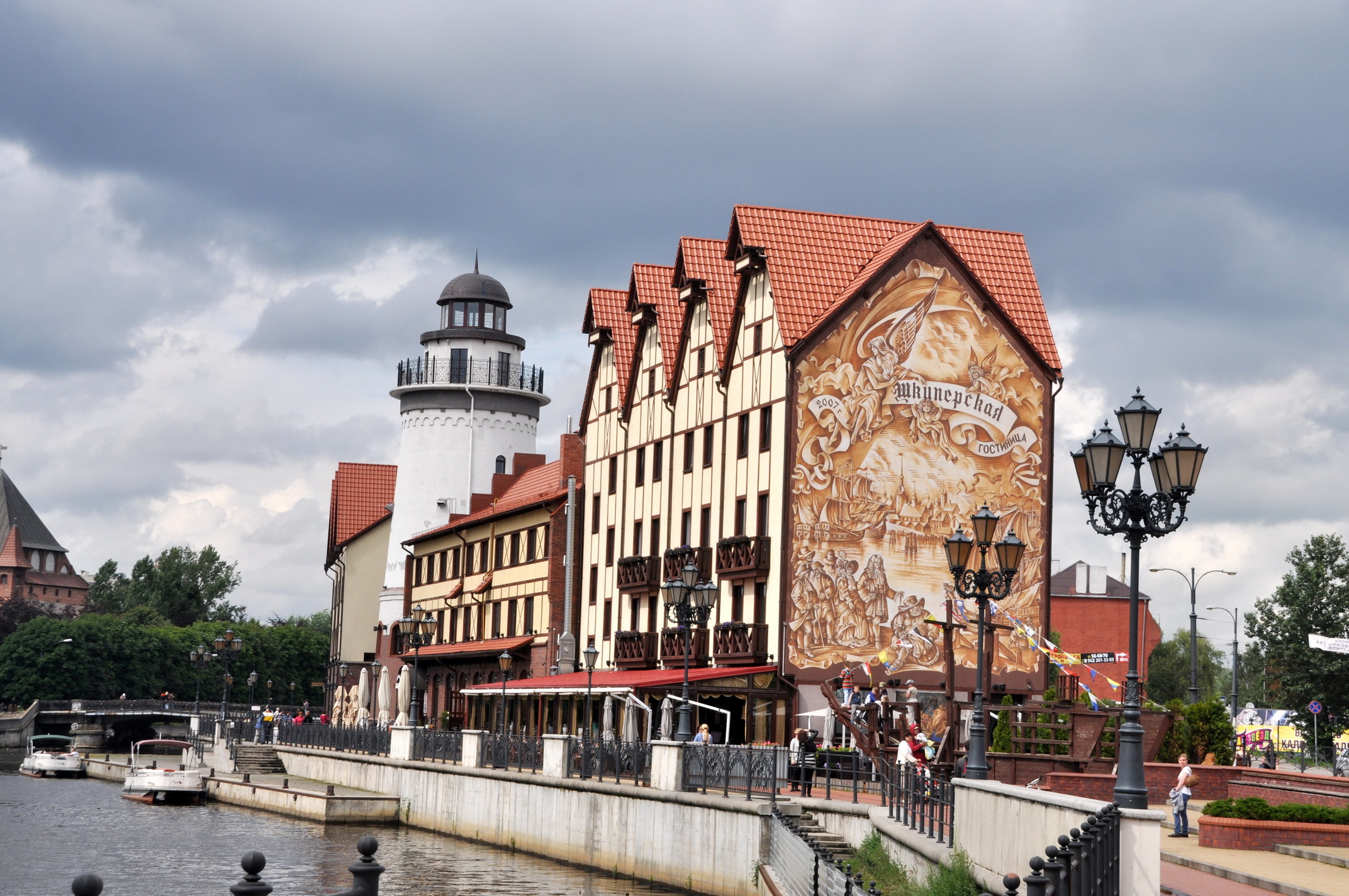
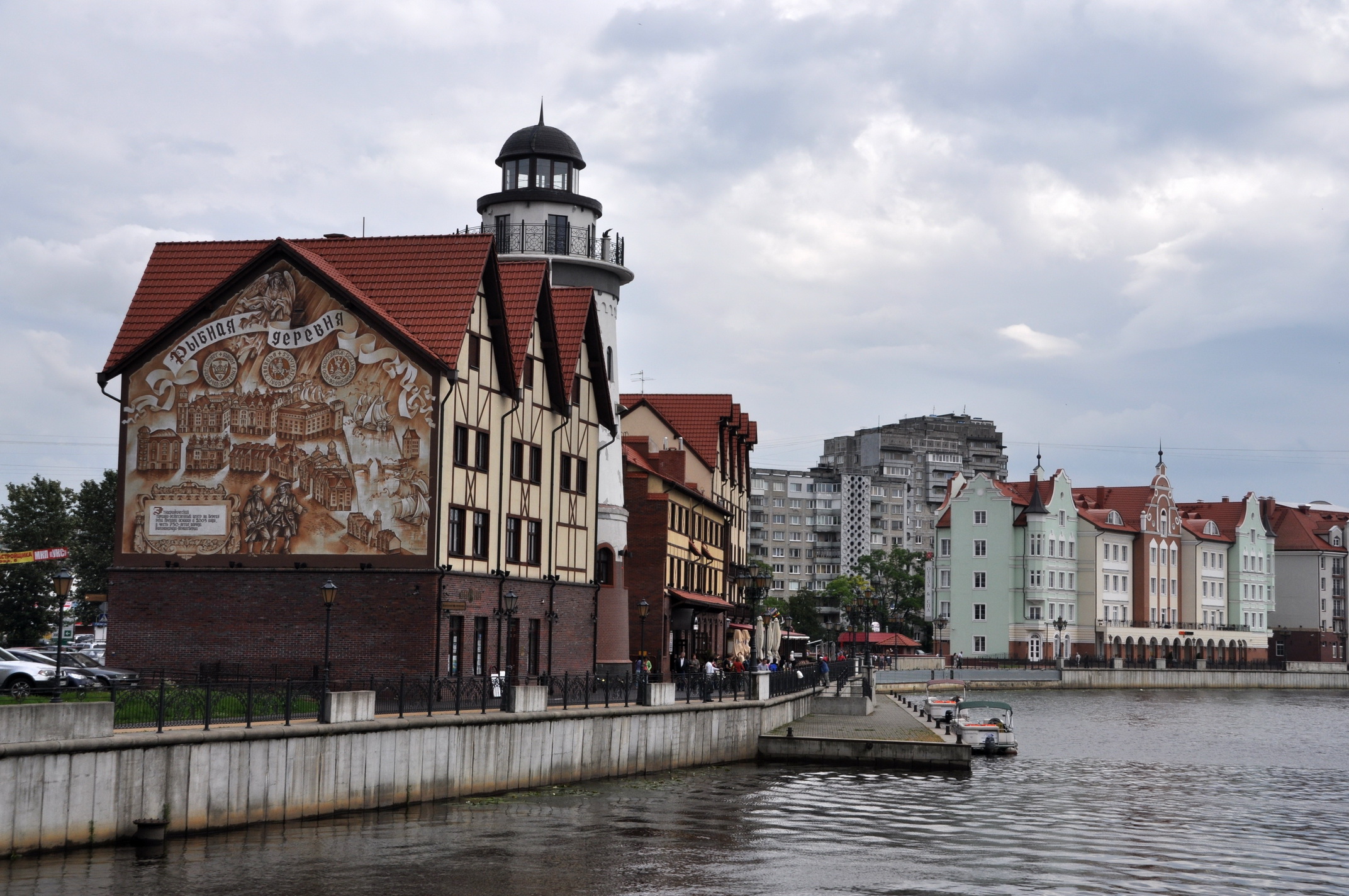
The fitters went out shortly after I did. Flying was really the only way to get there. The ferry hardly ever ran, and the train required a Schengen visa.
That made getting supplies there particularly difficult. In theory, you can get anything in Königsberg. In practice, you have to bring everything yourself. Shops stock little things like cable or plastic trunking, but if you come in and ask for ten boxes, the salespeople beam at you. ‘Of course. Pay now and we’ll get it here in two months. We have a quarter of a box in stock.’ Batteries and anything you can’t take on a plane are even more of a problem.
In the end I had to load some of the materials into my own car and take them across a couple of borders. That wasn’t straightforward either. Lots of border guards meant lots of questions. I planned to go through Finland. At first they wouldn’t let me in, suspecting I might be going there to work illegally. After an hour of talking, they let me through.
Through Finland, Estonia and Latvia
The way was open now. I’d left the office at the end of the working day, so shortly after crossing the border I had to stop for the night at Hotel Degerby in Loviisa (60°27.430′N, 26°13.724′E).
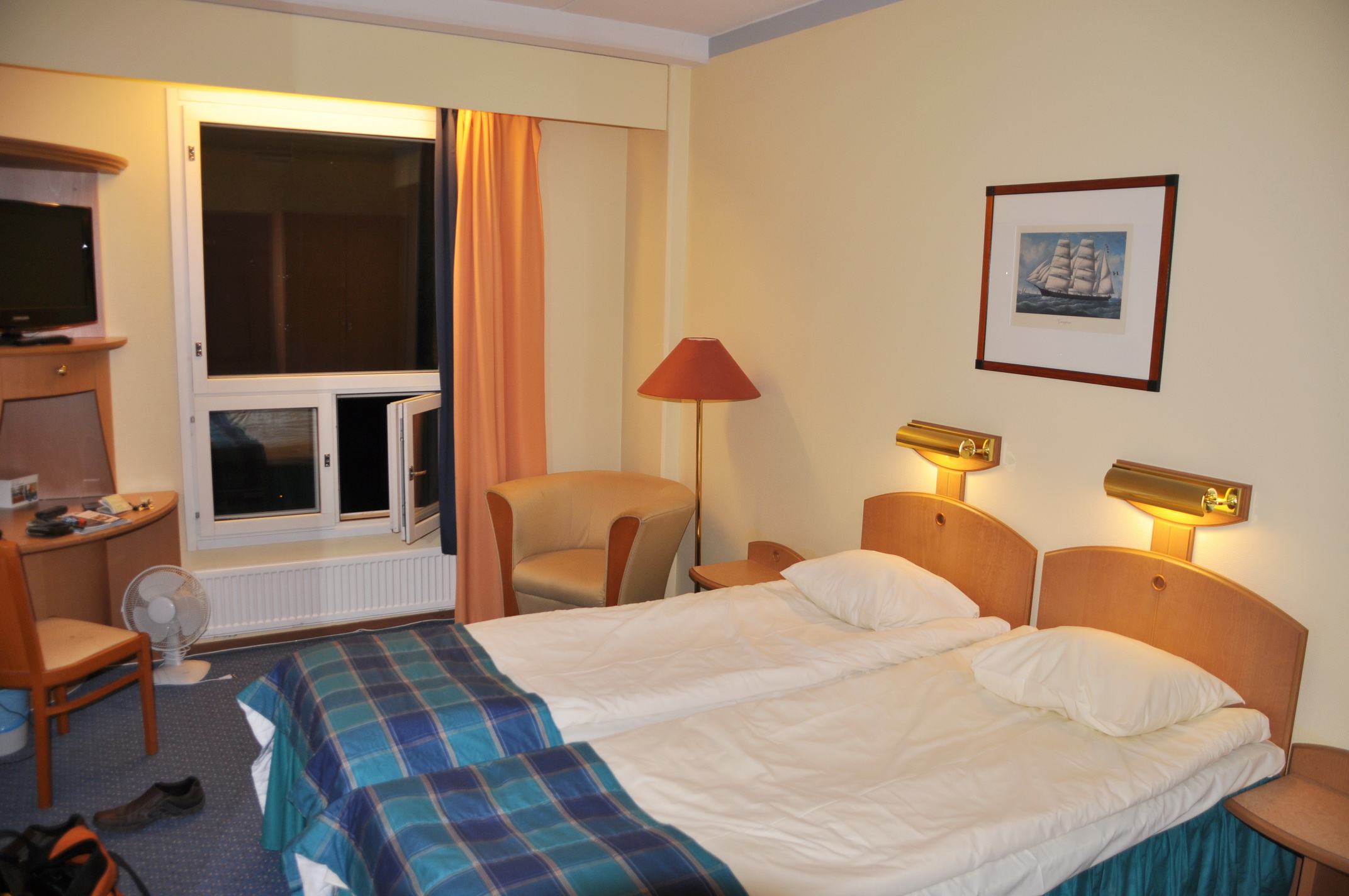
My ferry to Estonia was the next morning. The crossing to Tallinn is only thirty kilometres, as I reckoned it then, and taking the ferry is easier than dealing with Estonian customs on the road.
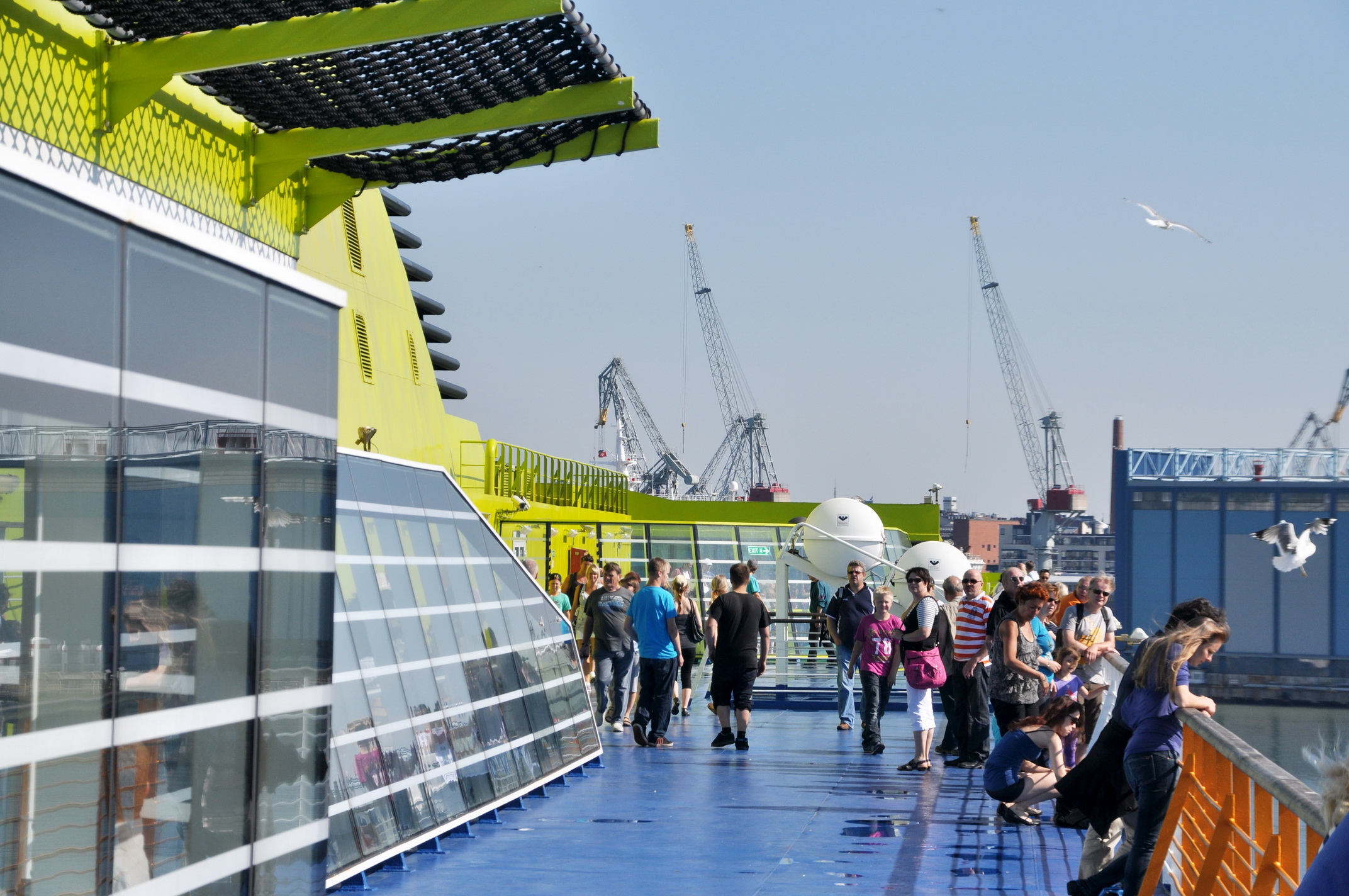
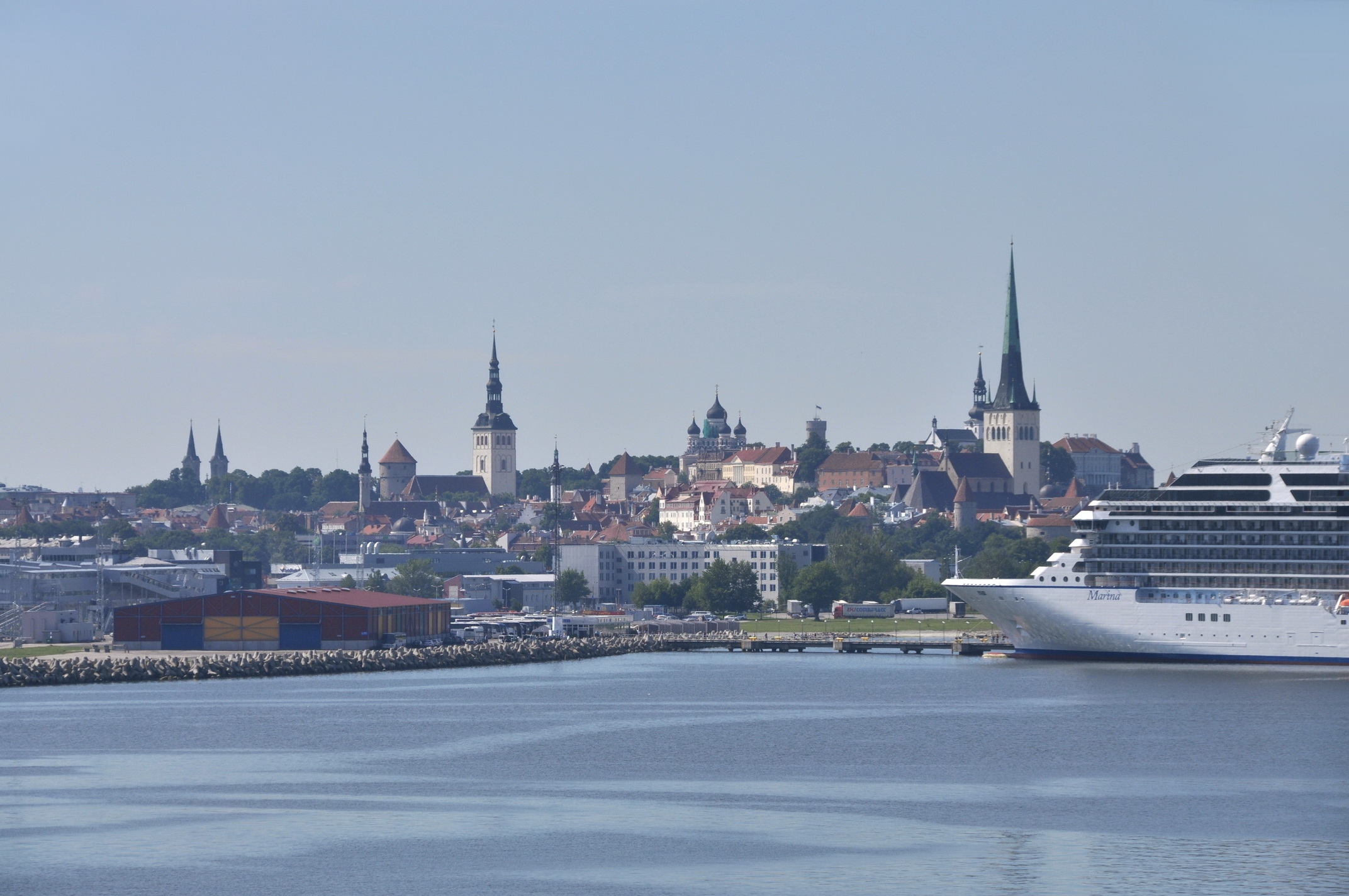
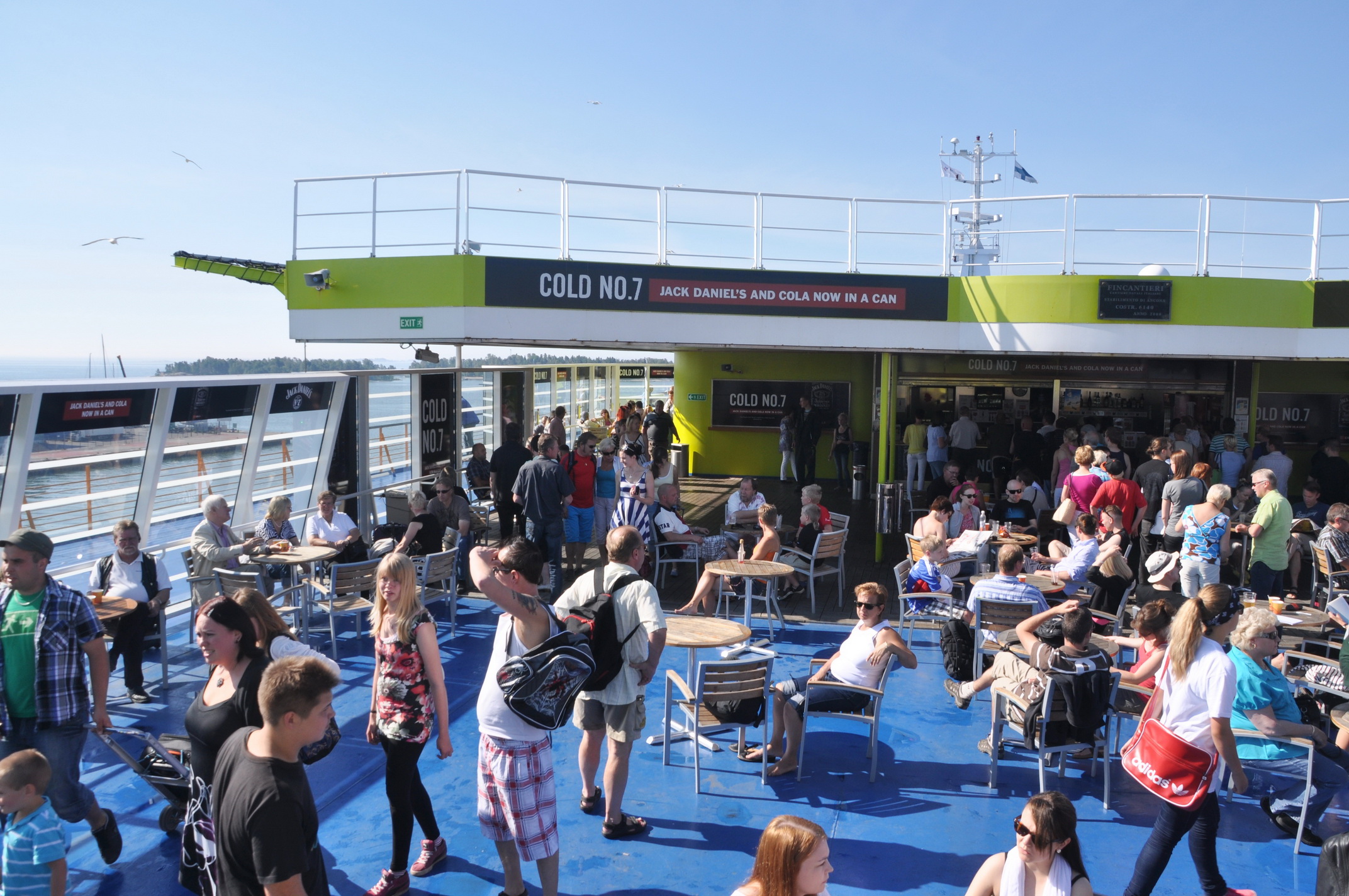
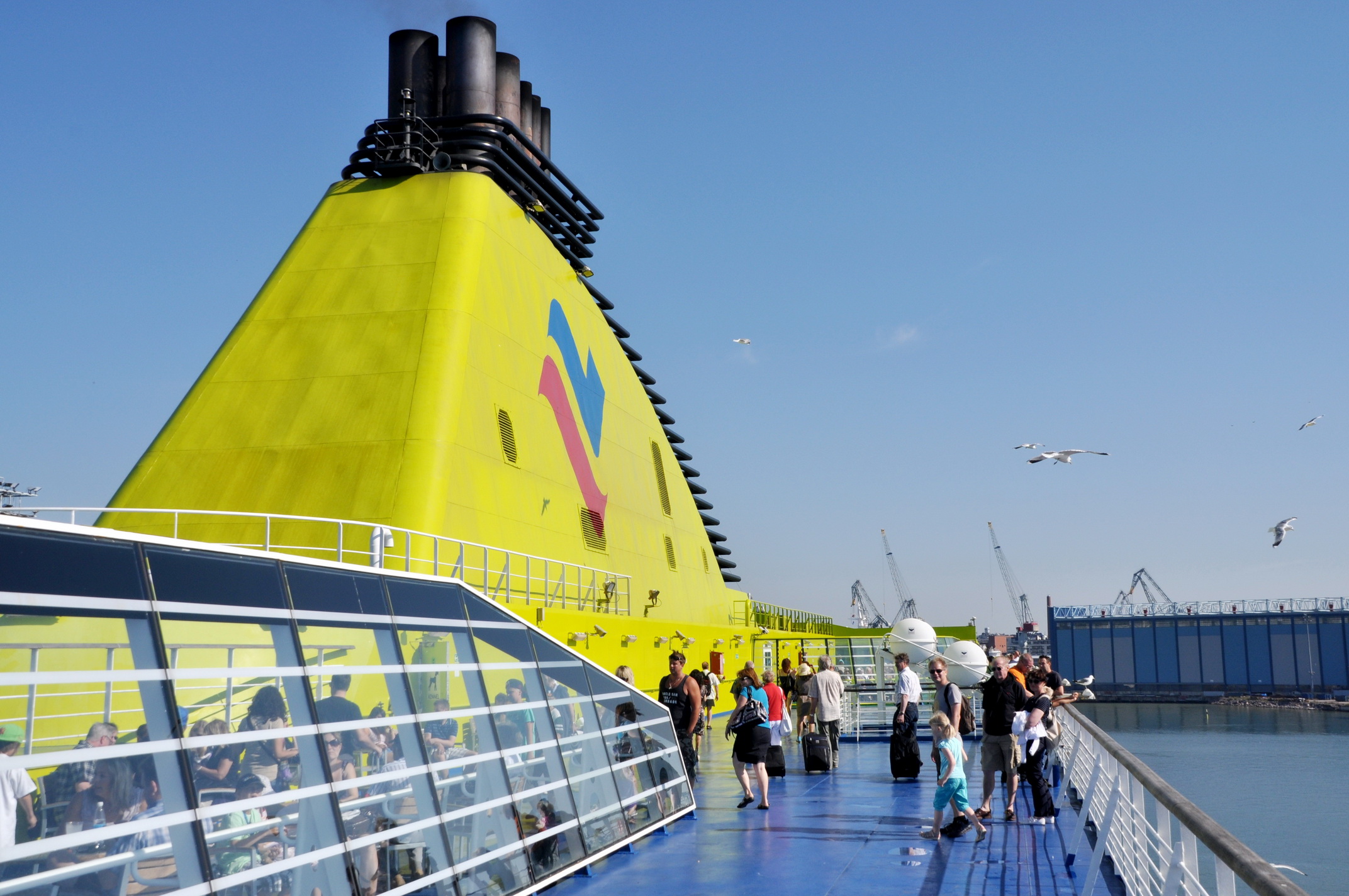
It was a warm, sunny July day. People were taking it easy and sunbathing. I had something of my own to look forward to: a visit to Audru, on the outskirts of Pärnu (Audru).
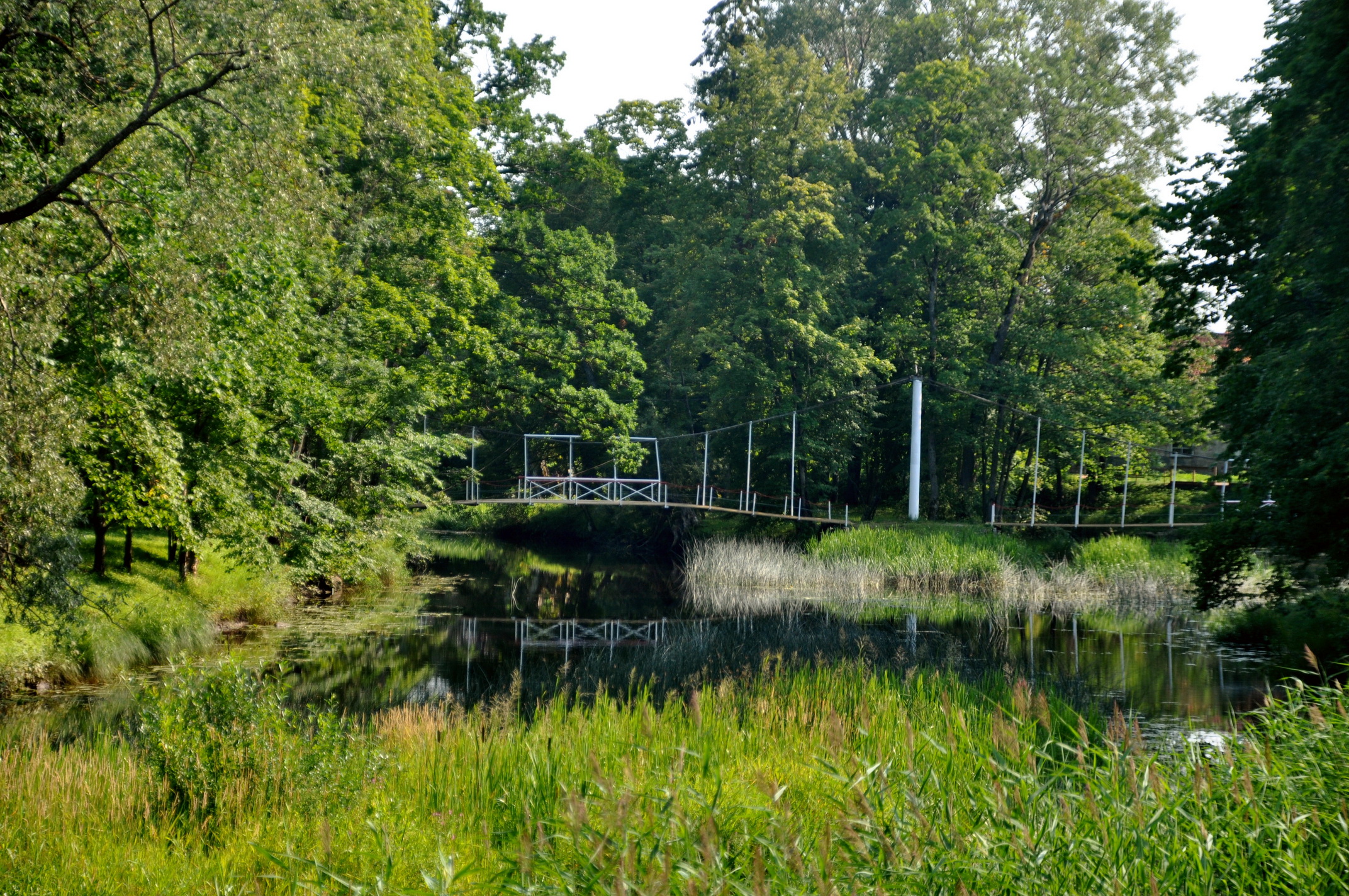
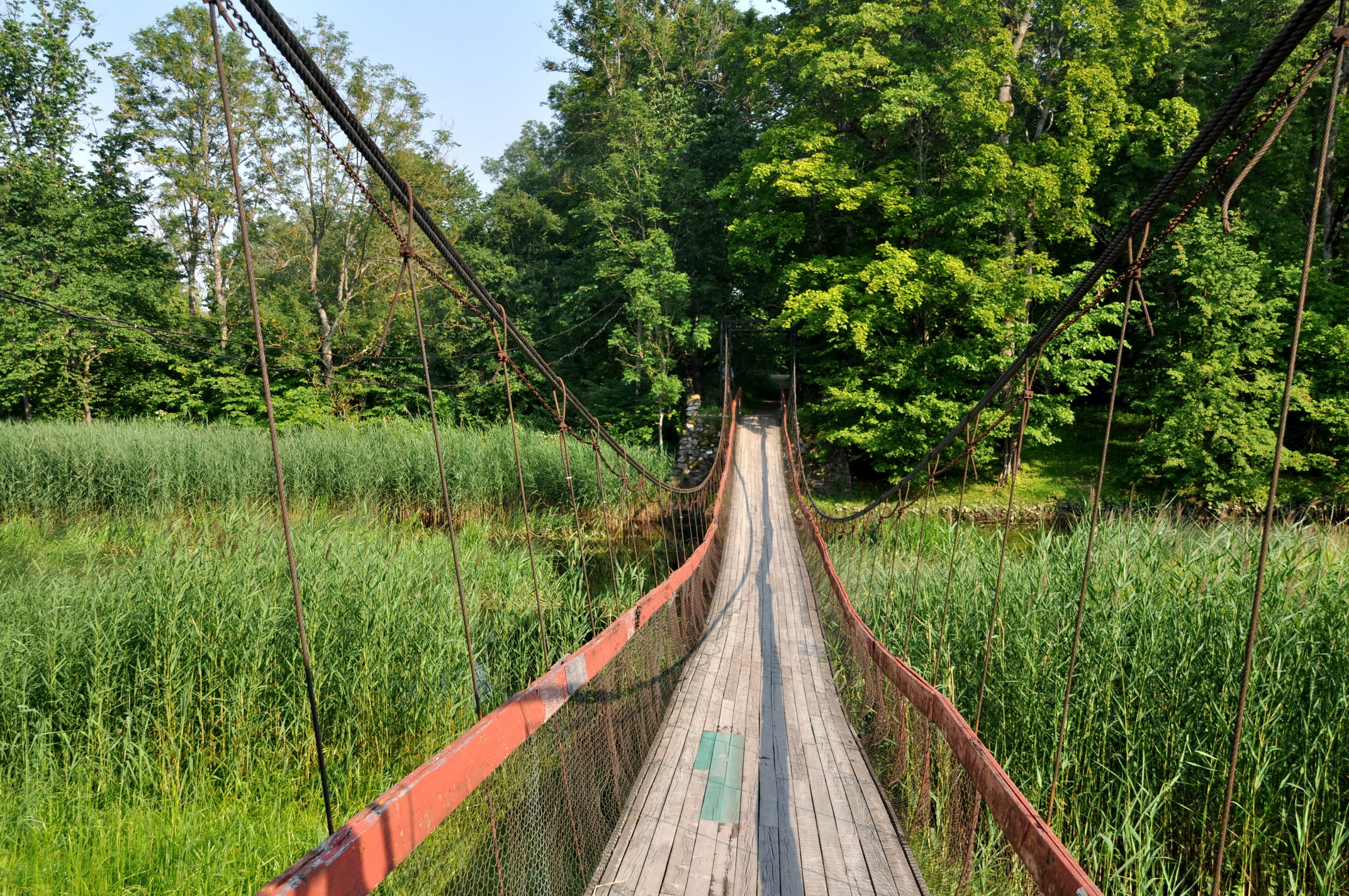
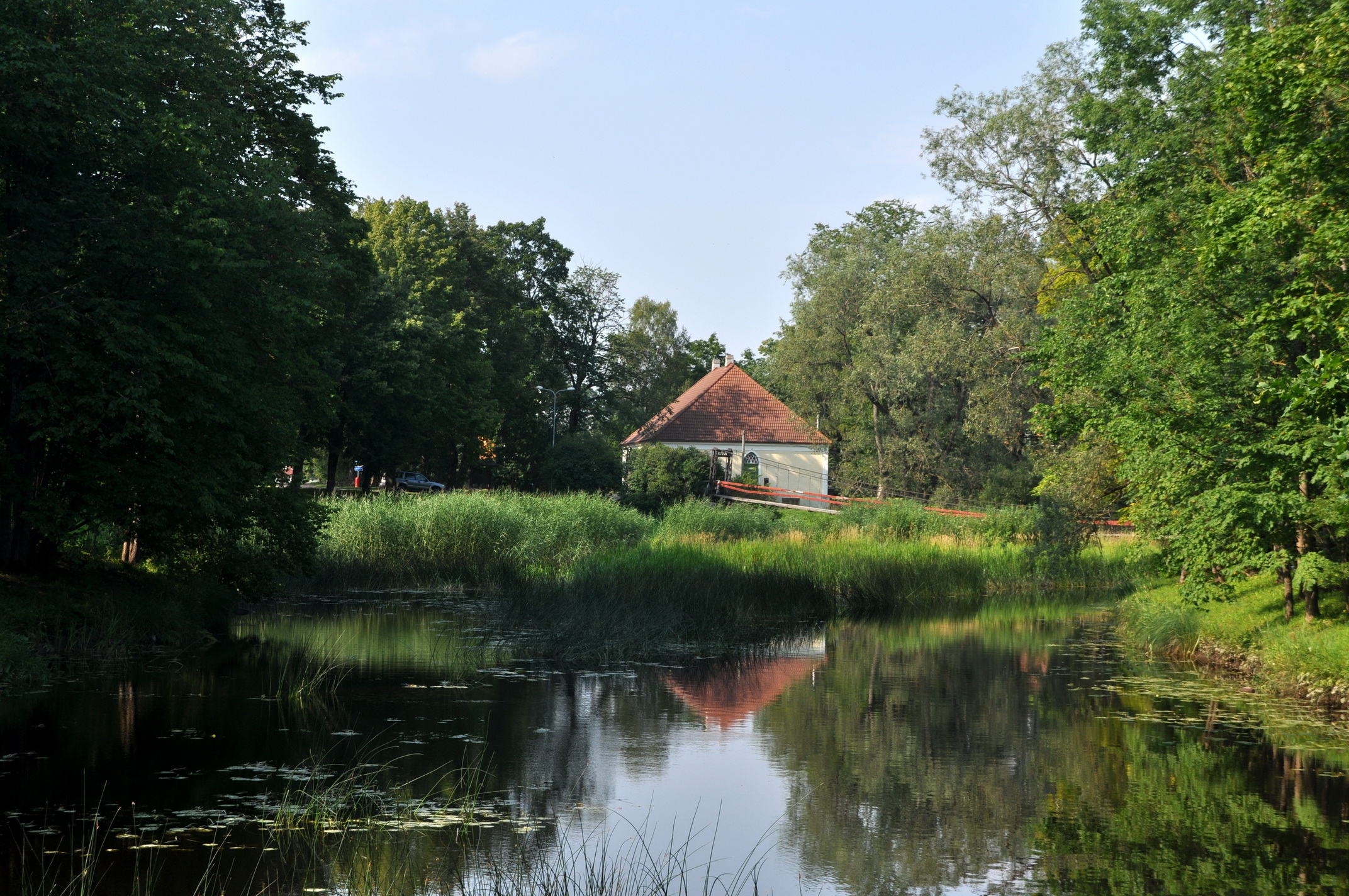
Here, nearly two hundred years ago, is where my distant ancestors who bore the name Simo lived. My great-great-great-grandfather Peter Simo left the area in 1840 and moved to the Vecsalaca estate near Salacgrīva.
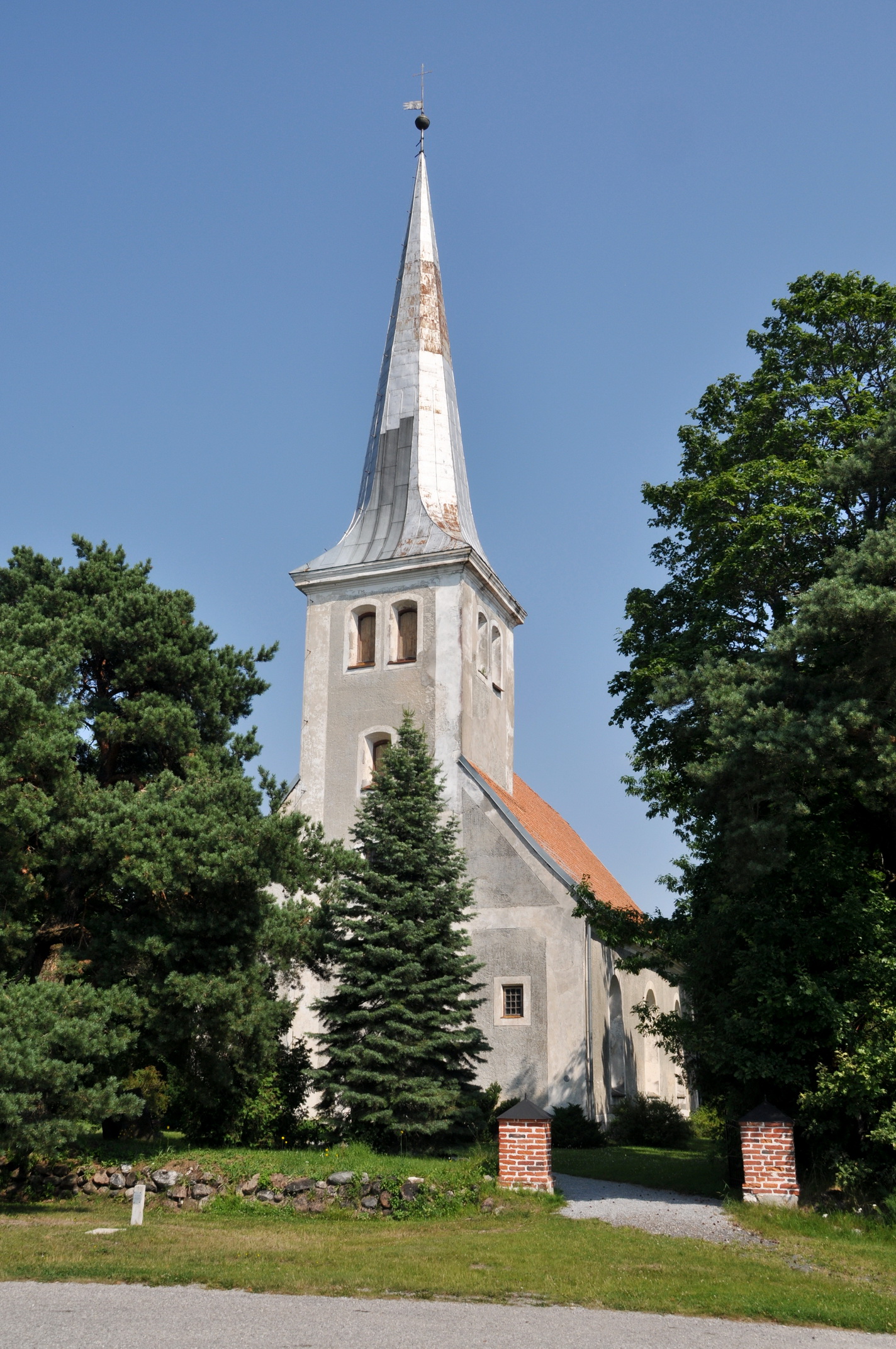
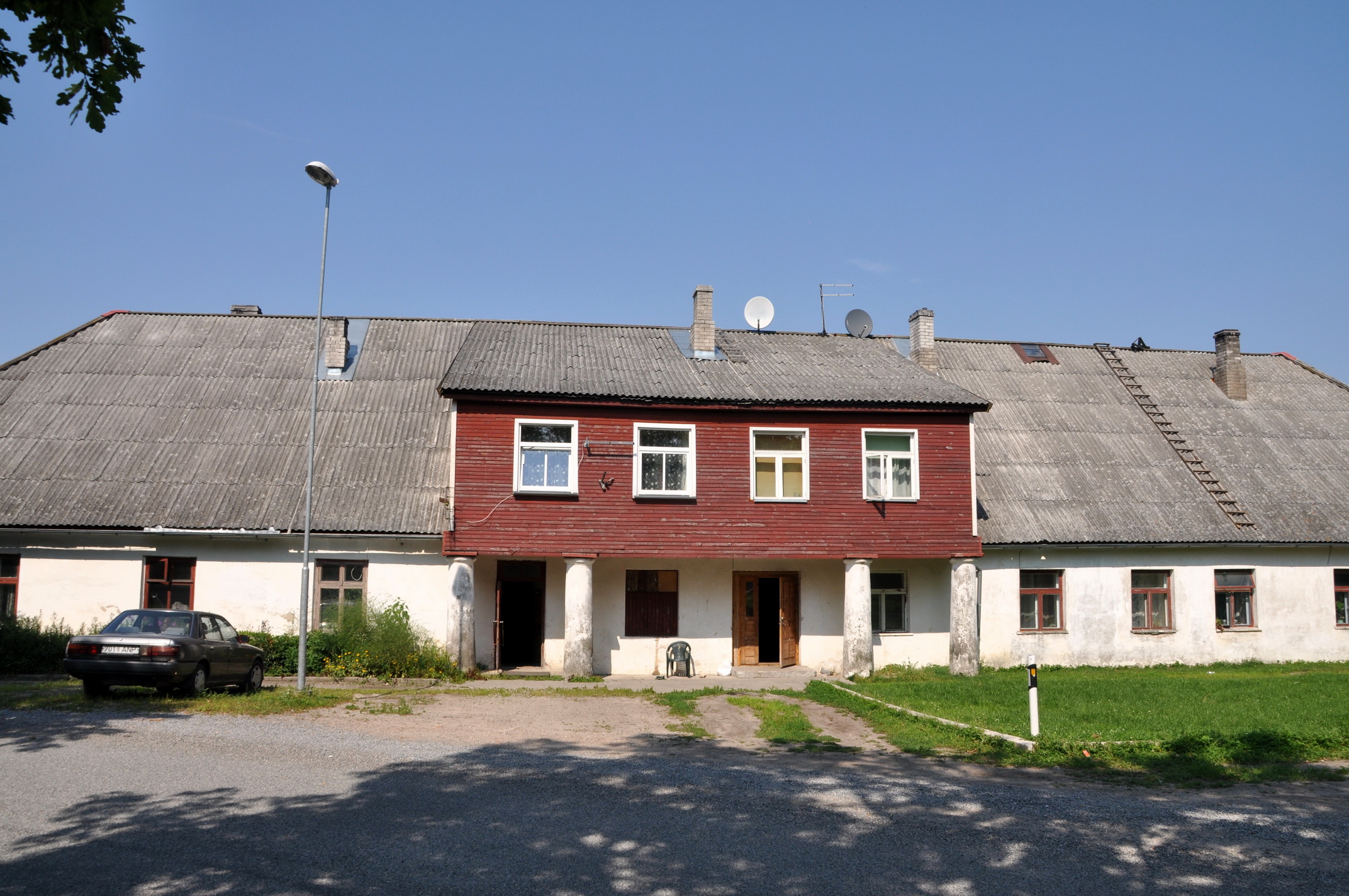
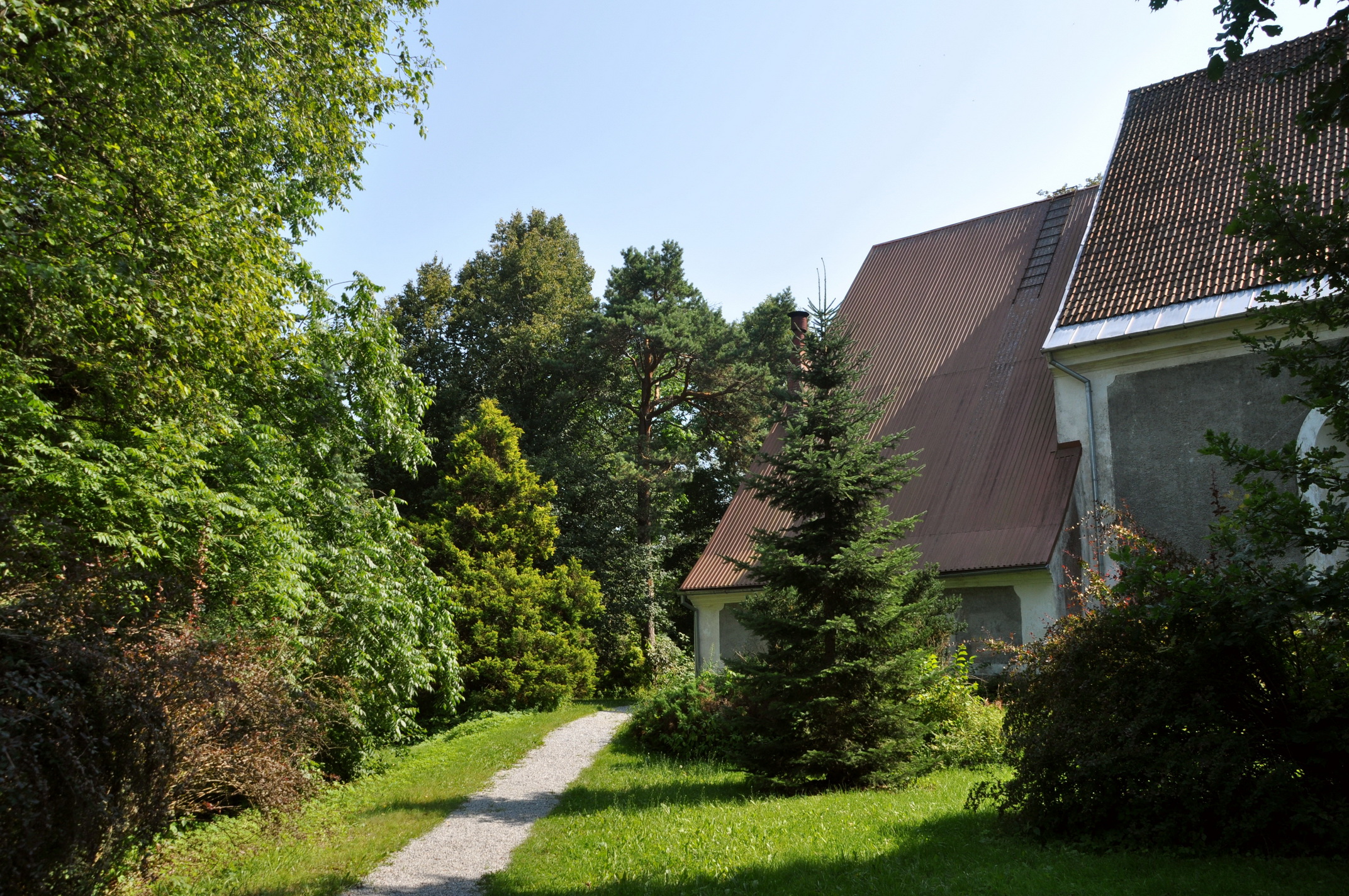
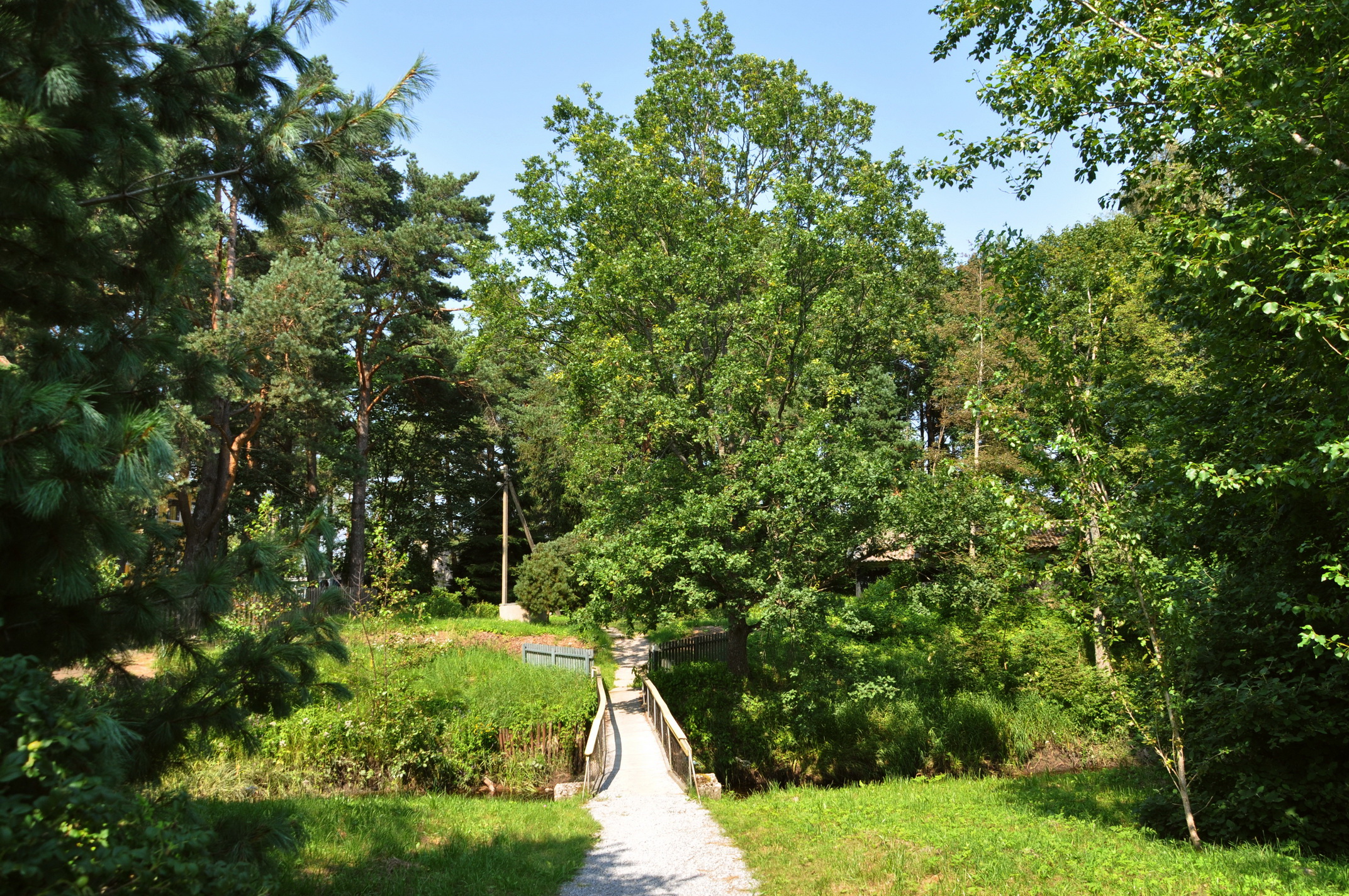
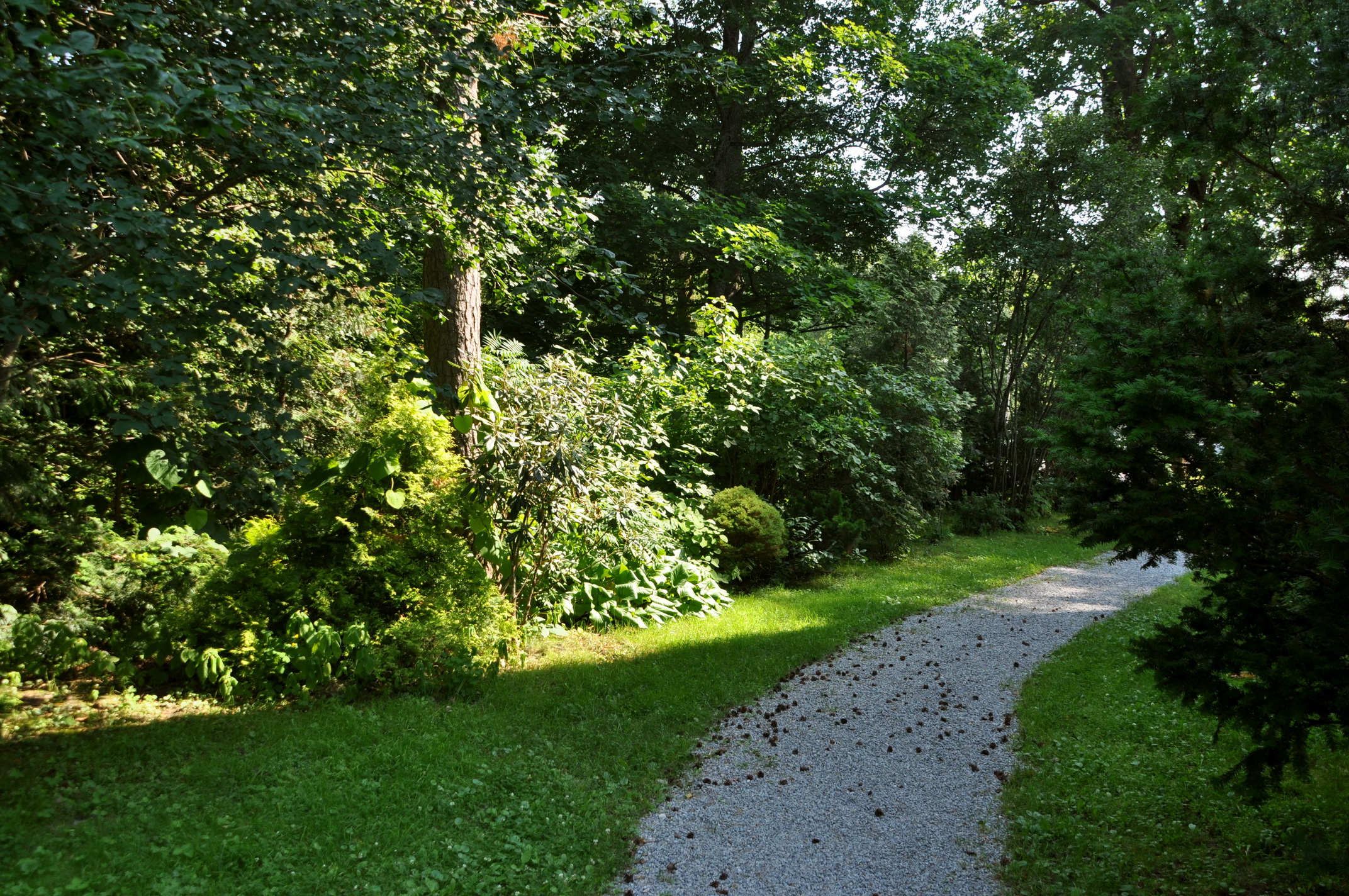
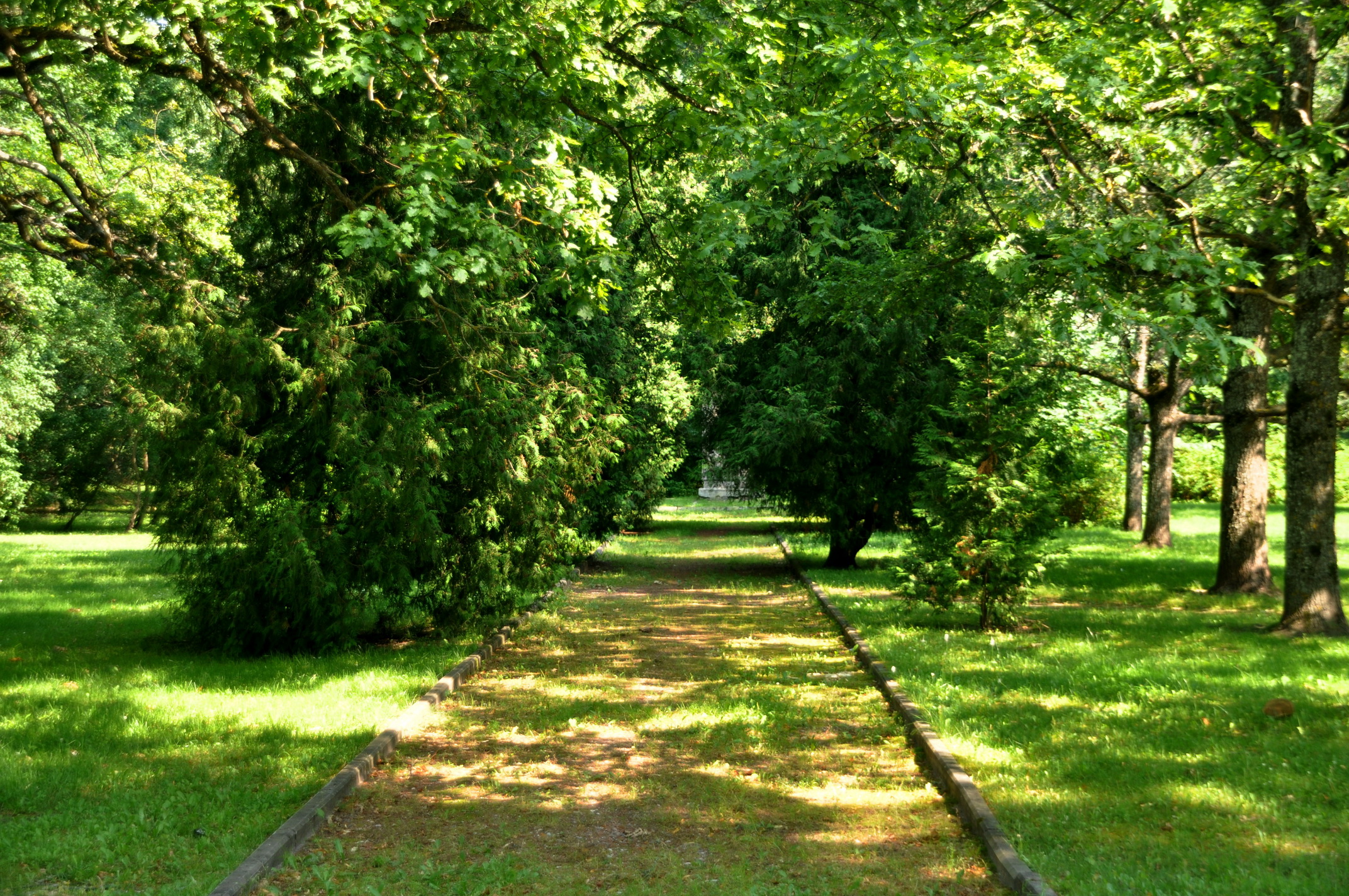
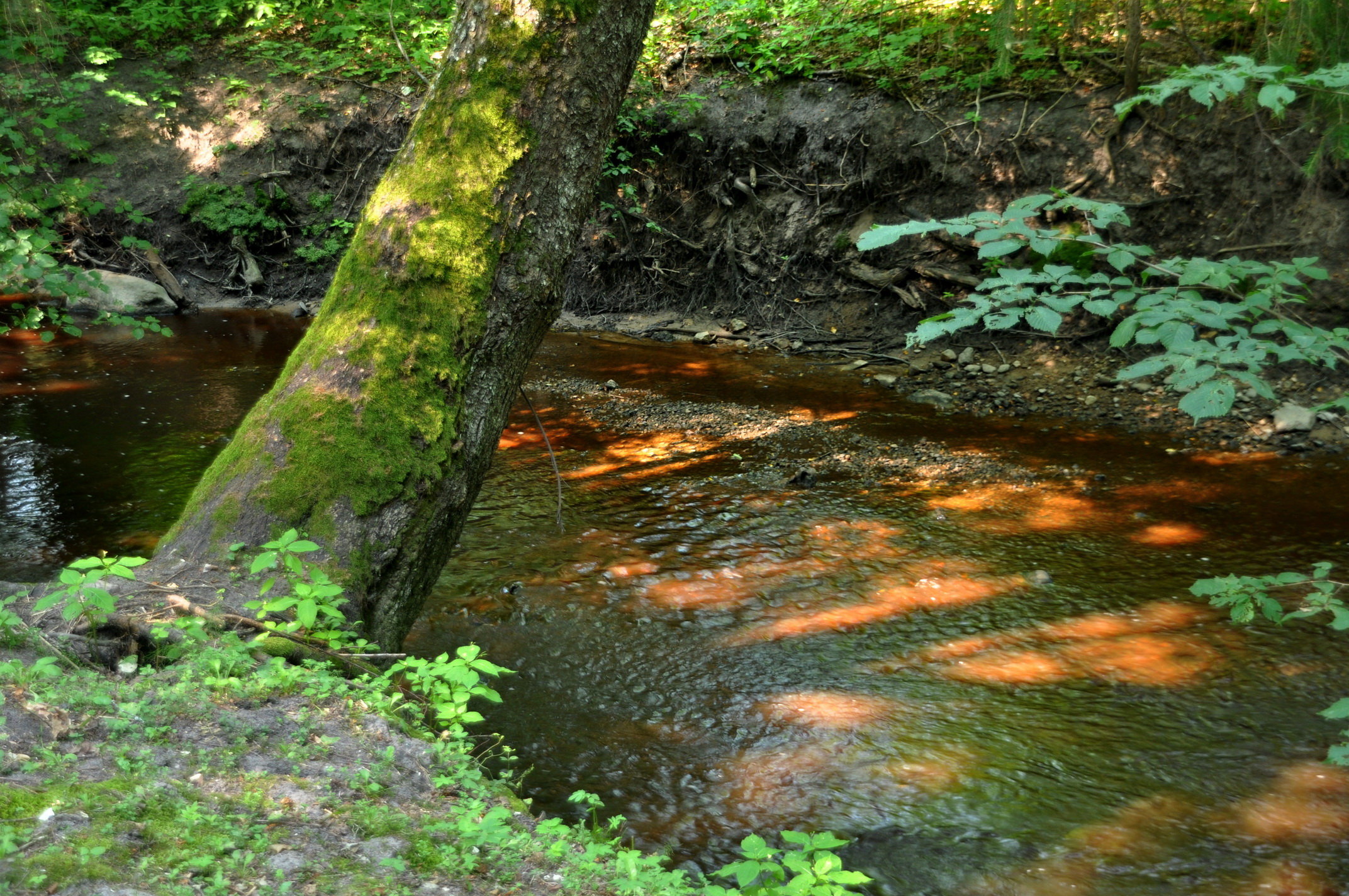
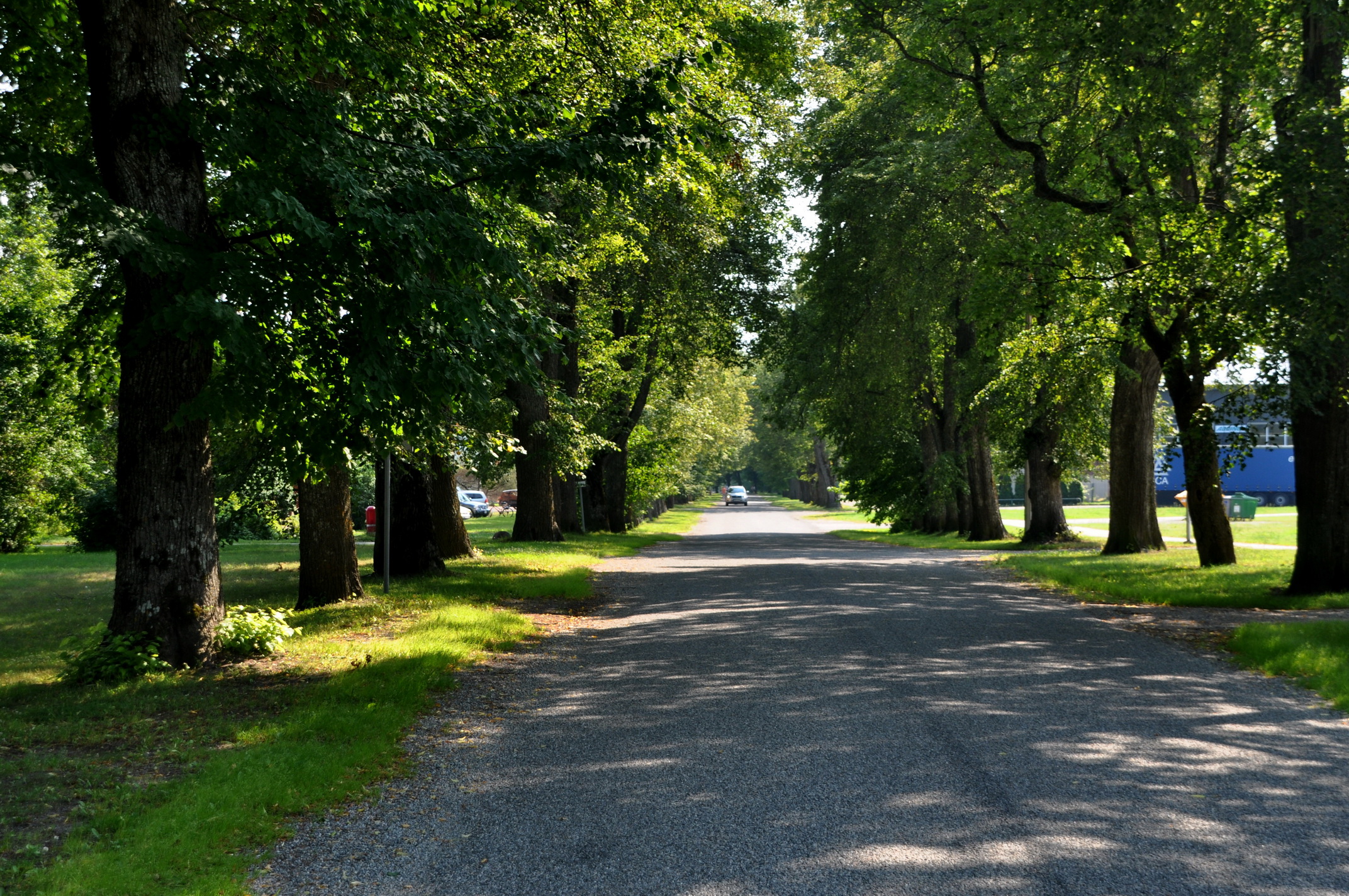
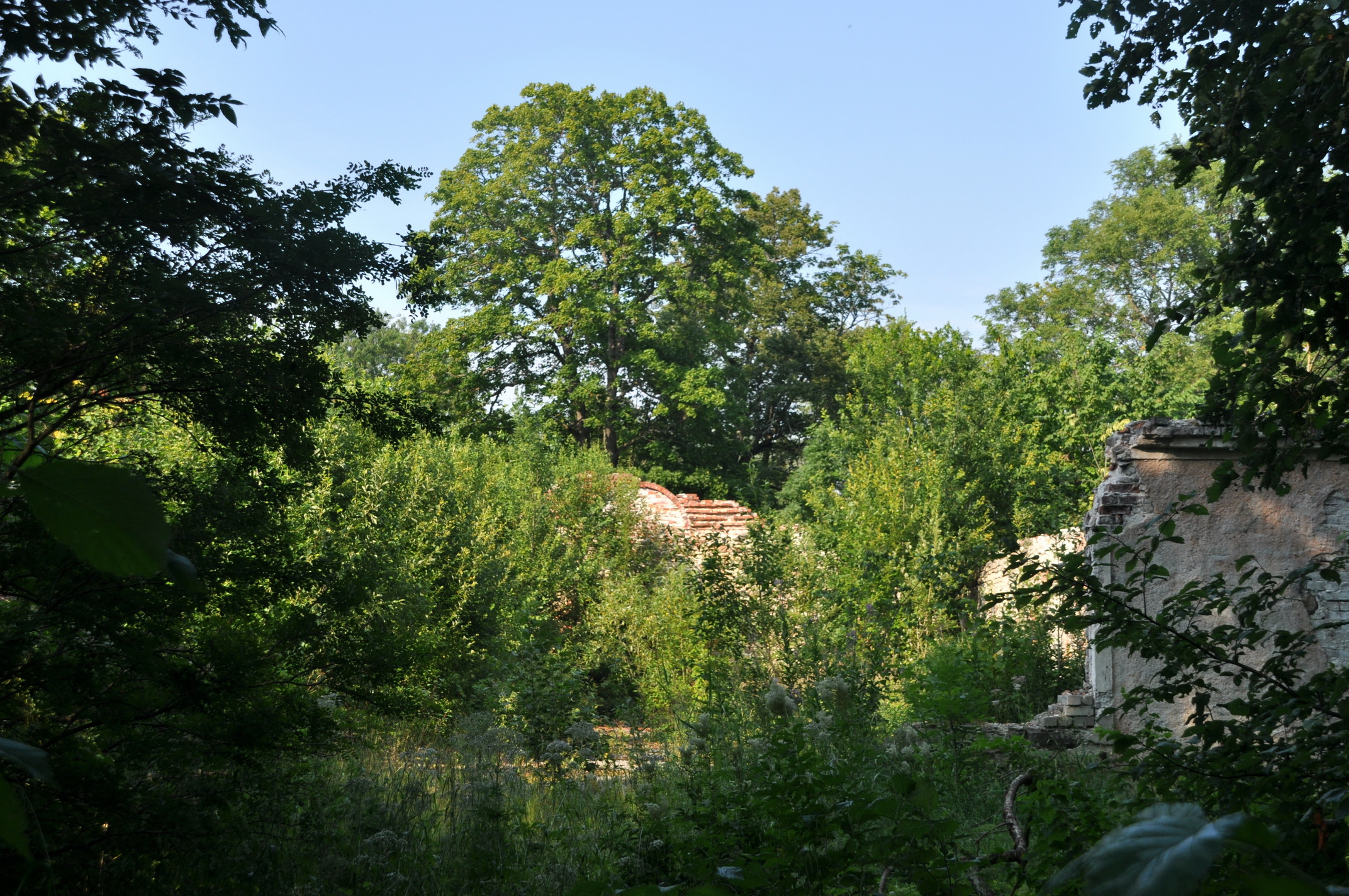
In Audern, the old church and the park survive. All of this was here in those days. Perhaps one day I’ll be able to trace the family farther back. The records exist in theory, but I haven’t a hope of reading two-hundred-year-old Latin handwriting. I’d need a trained specialist, and expertise like that isn’t cheap.
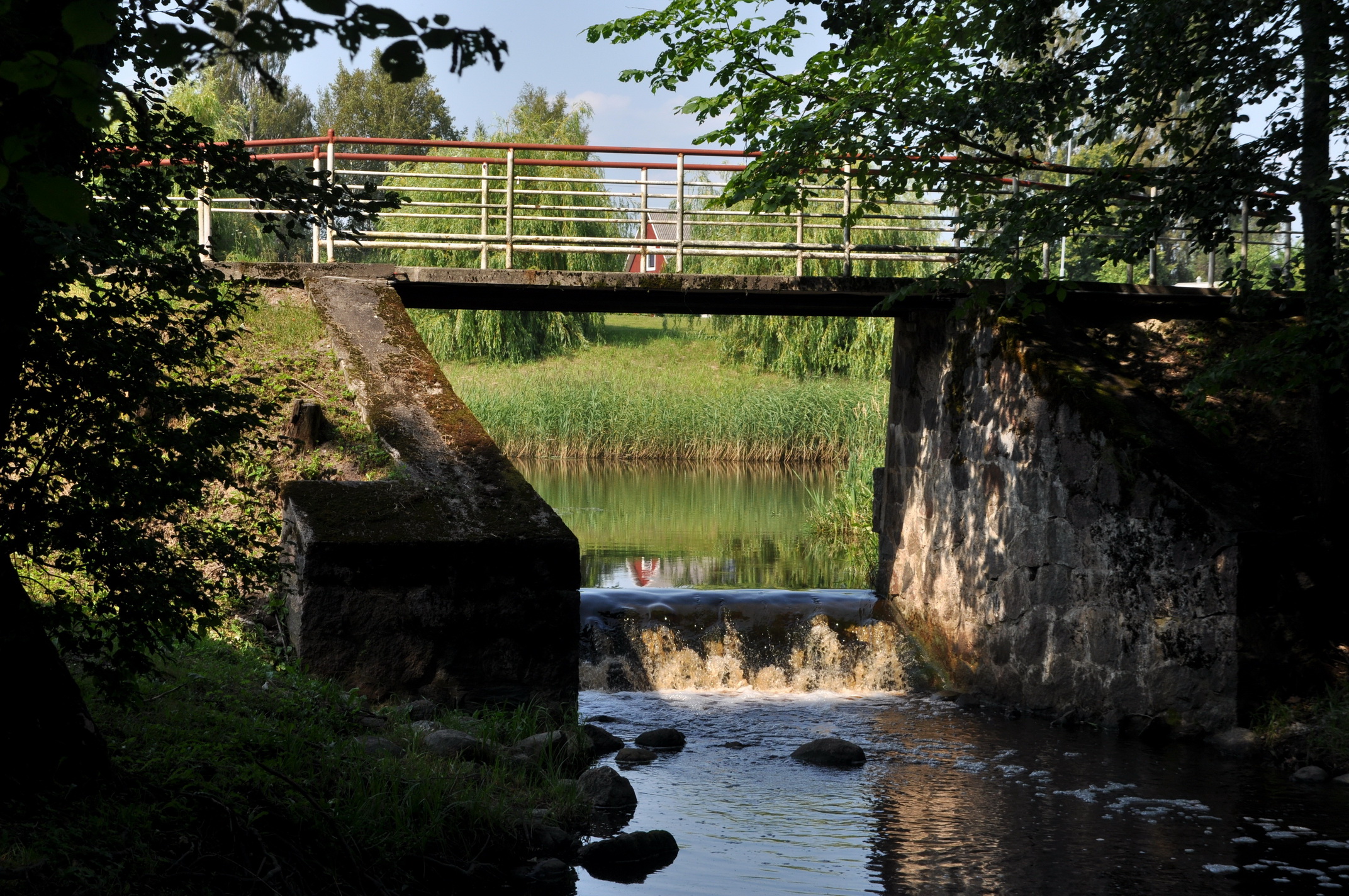
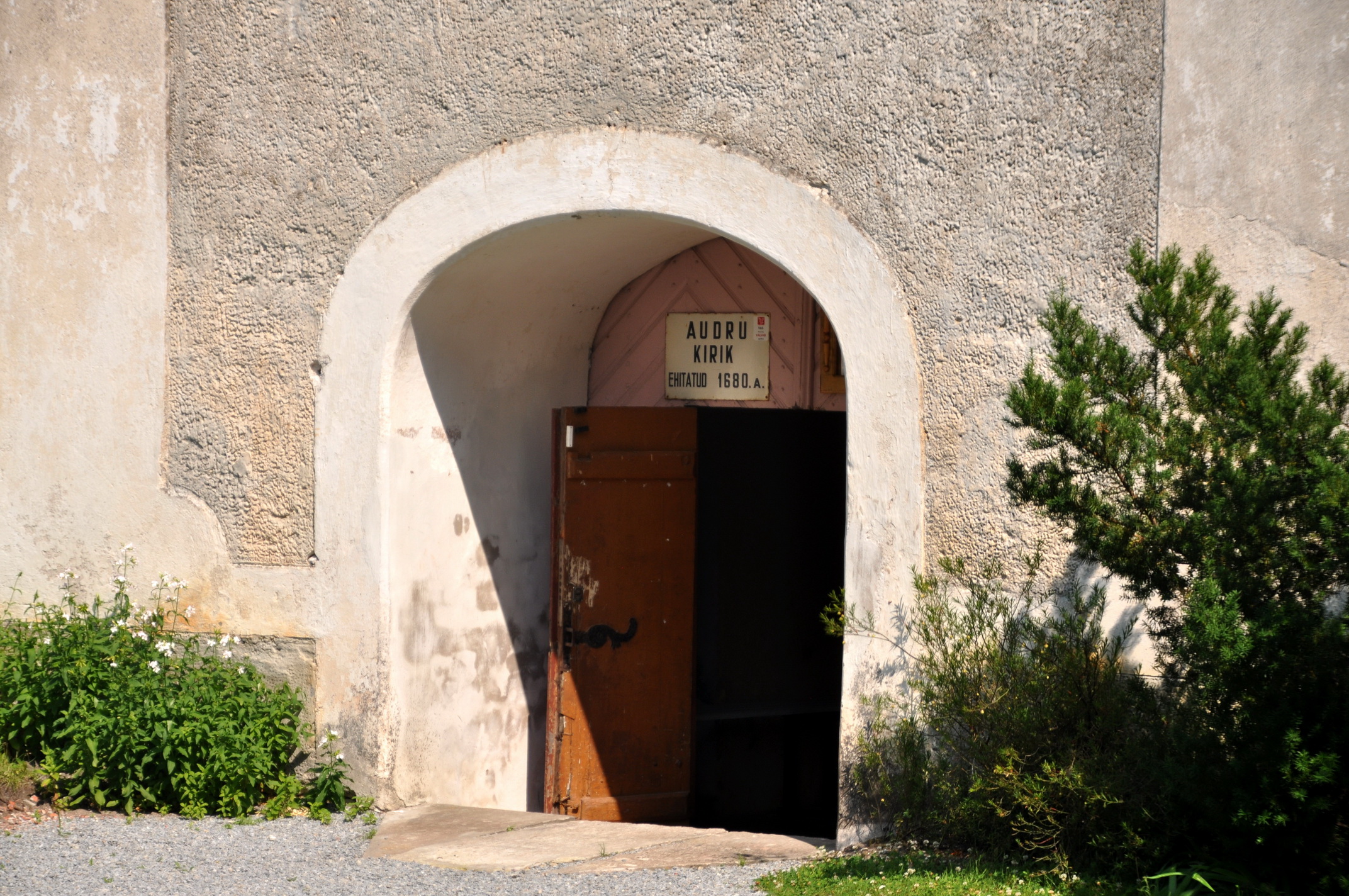
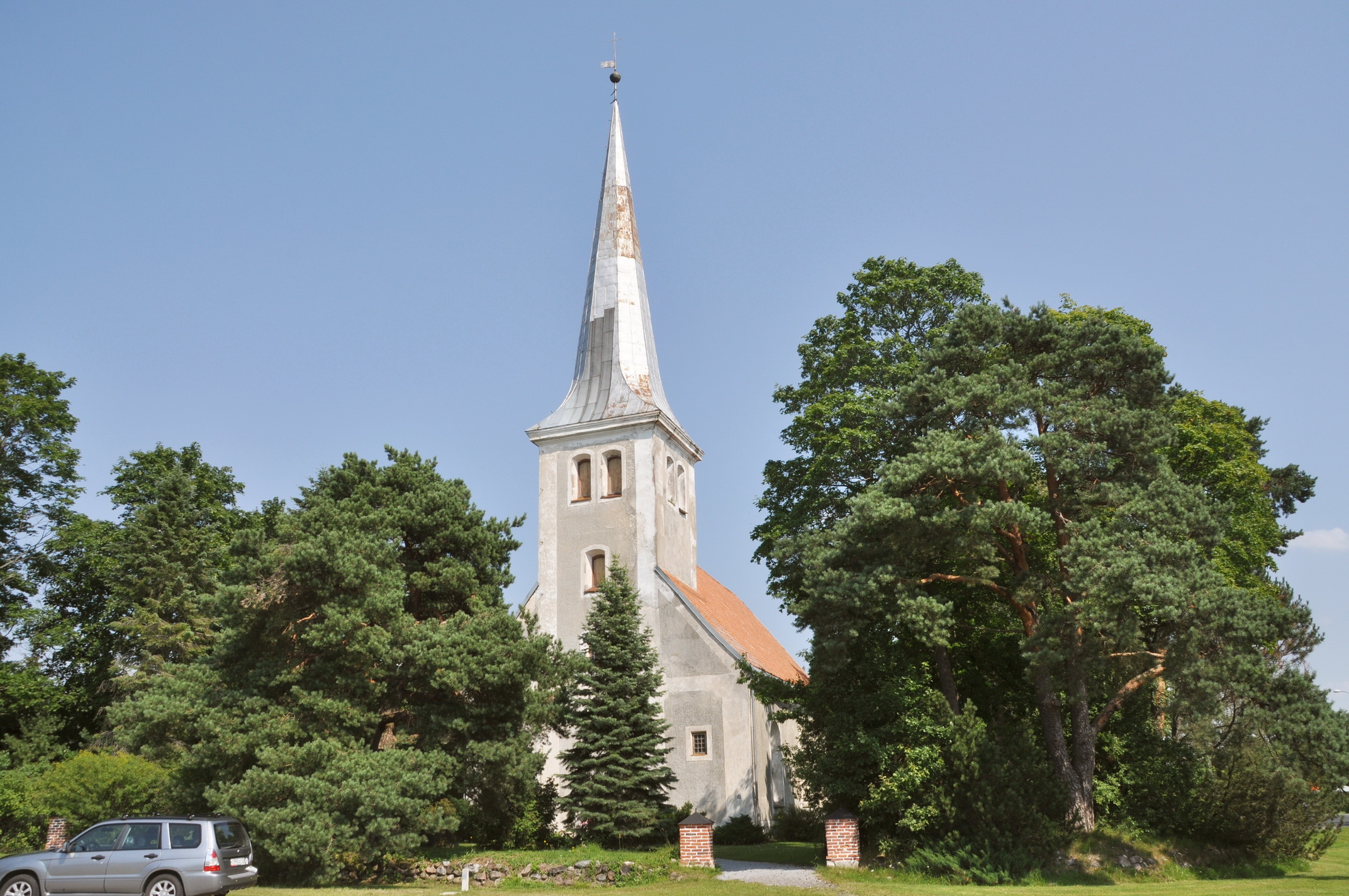
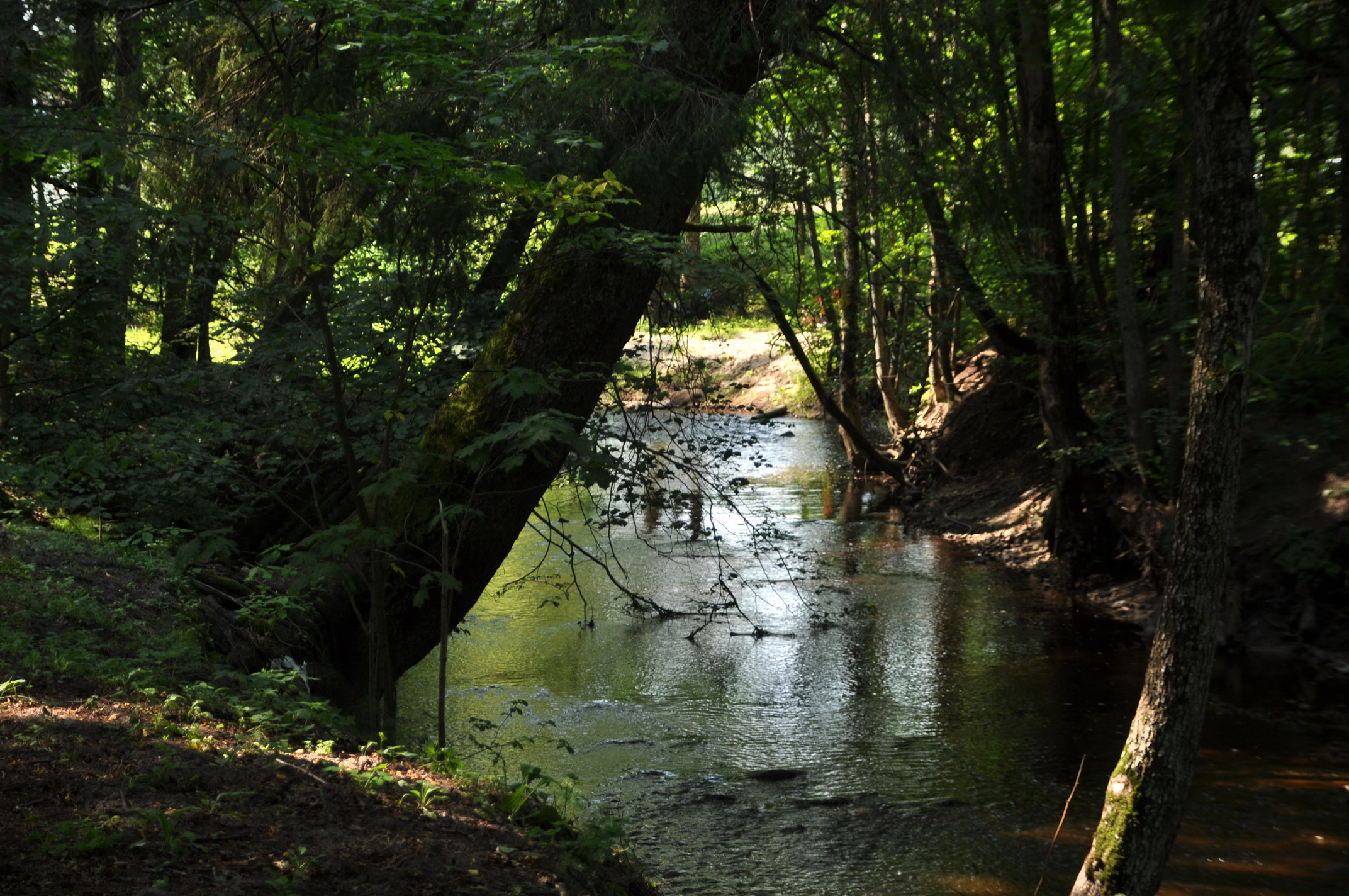
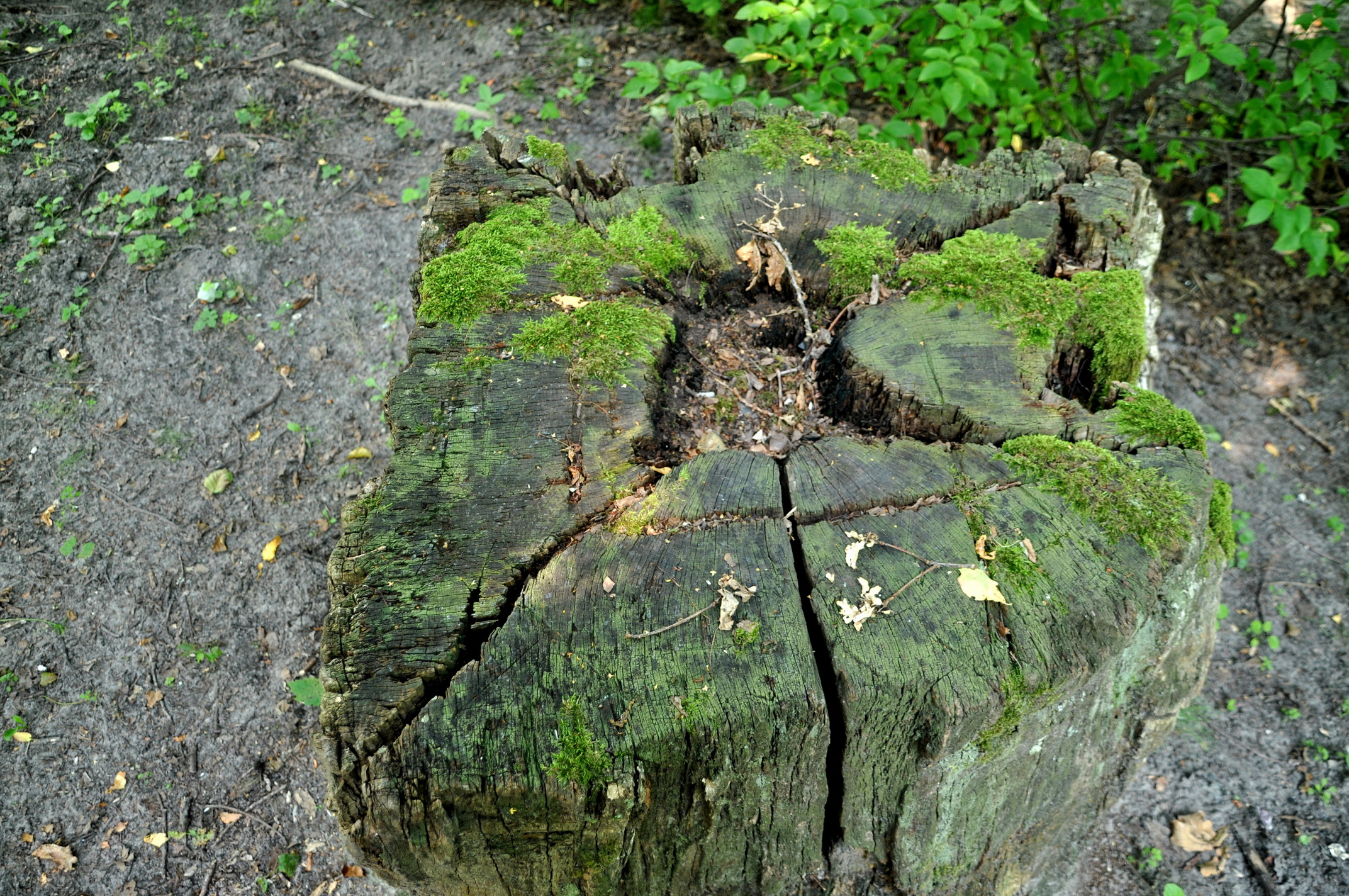
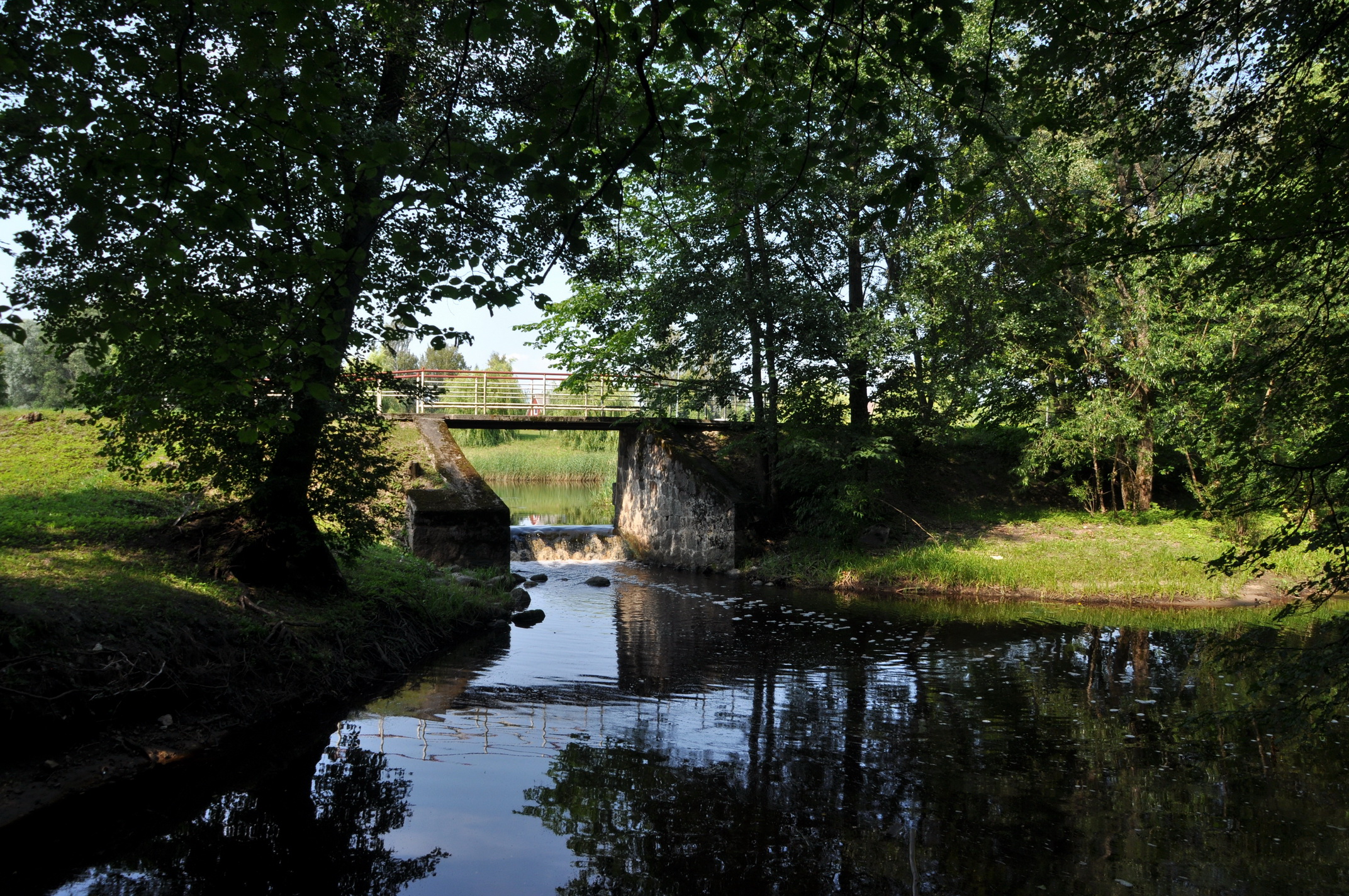
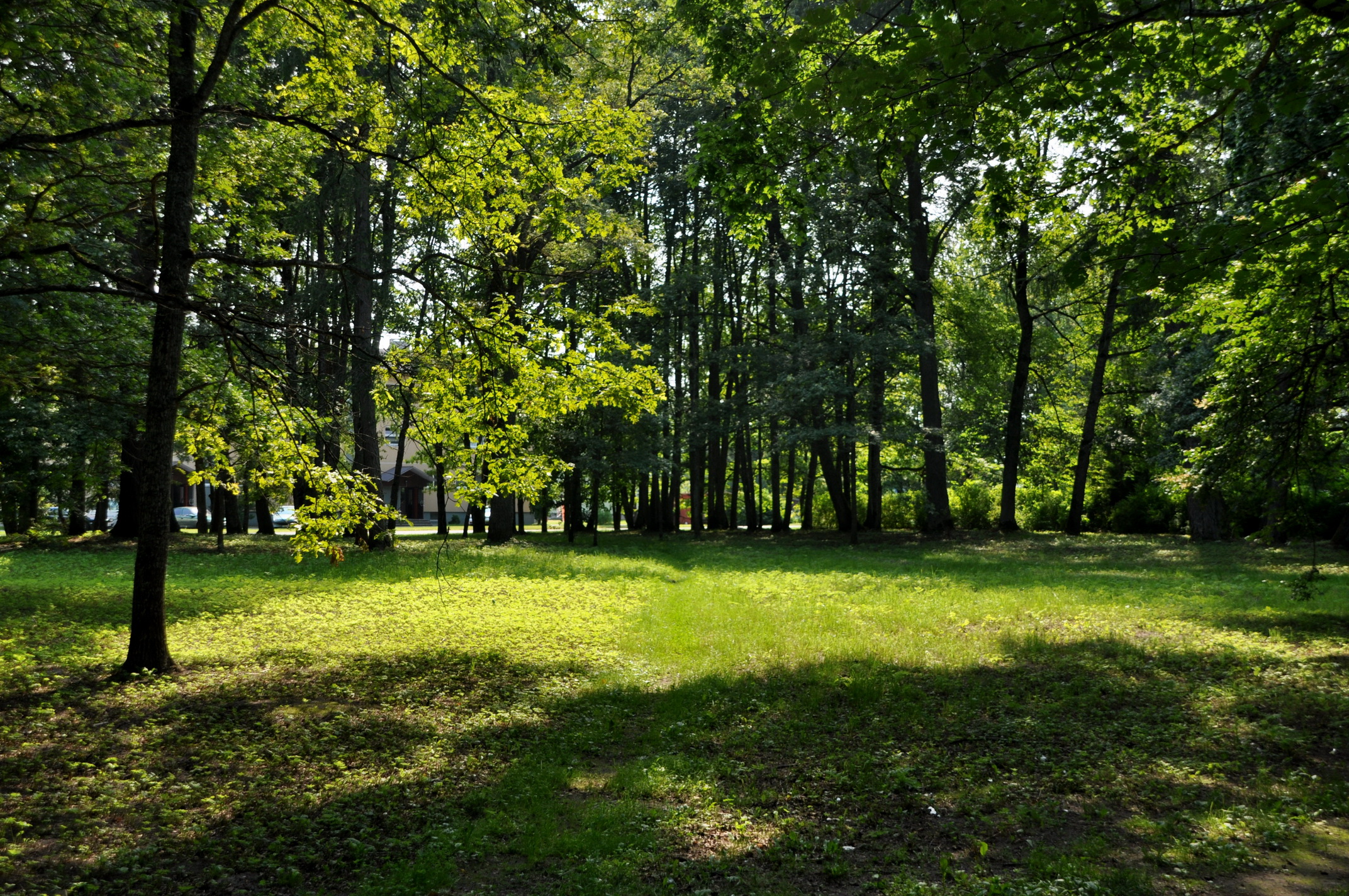
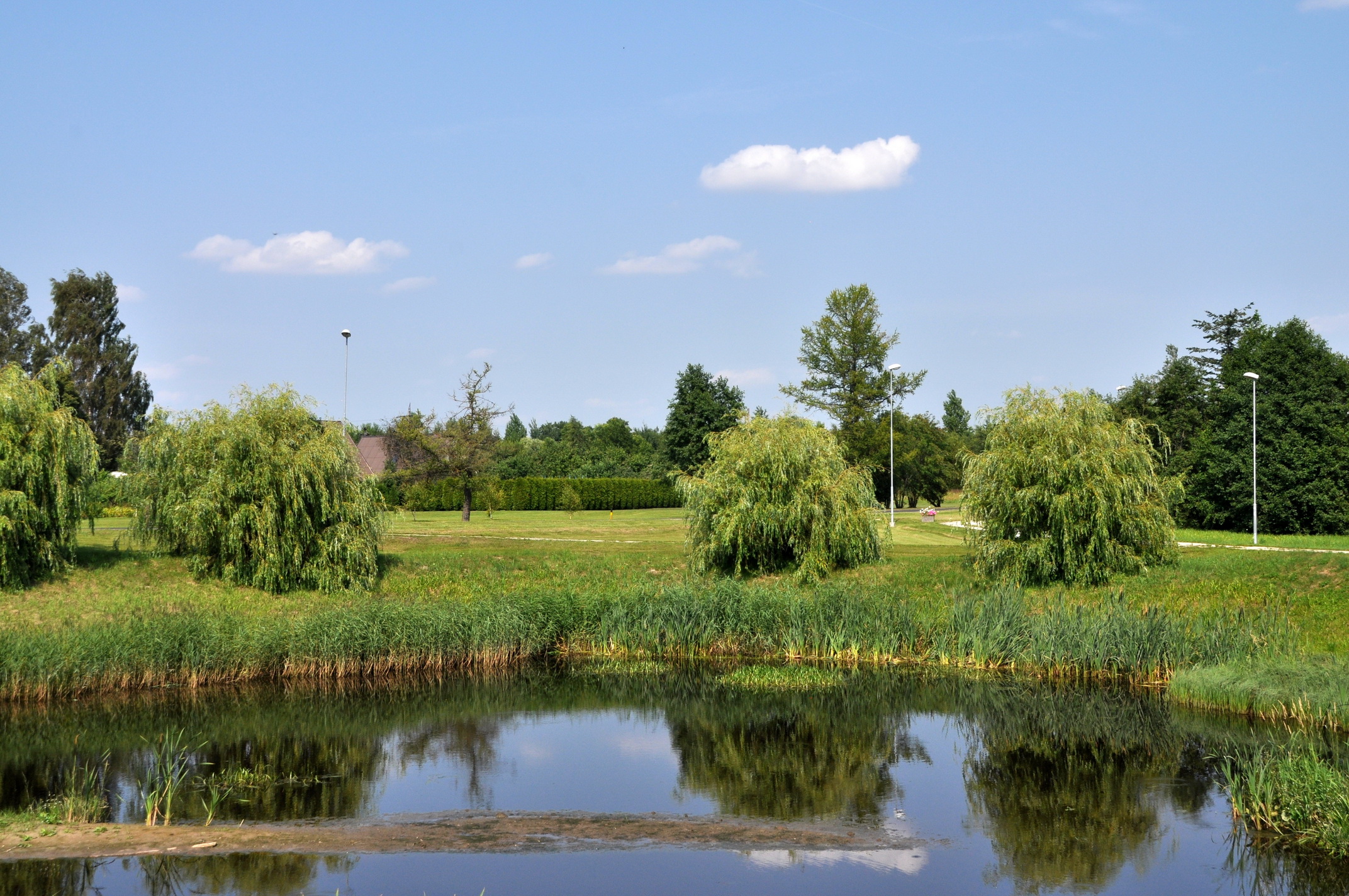
In the meantime I can simply walk around the places where those distant ancestors of mine climbed trees as children, got married and died.
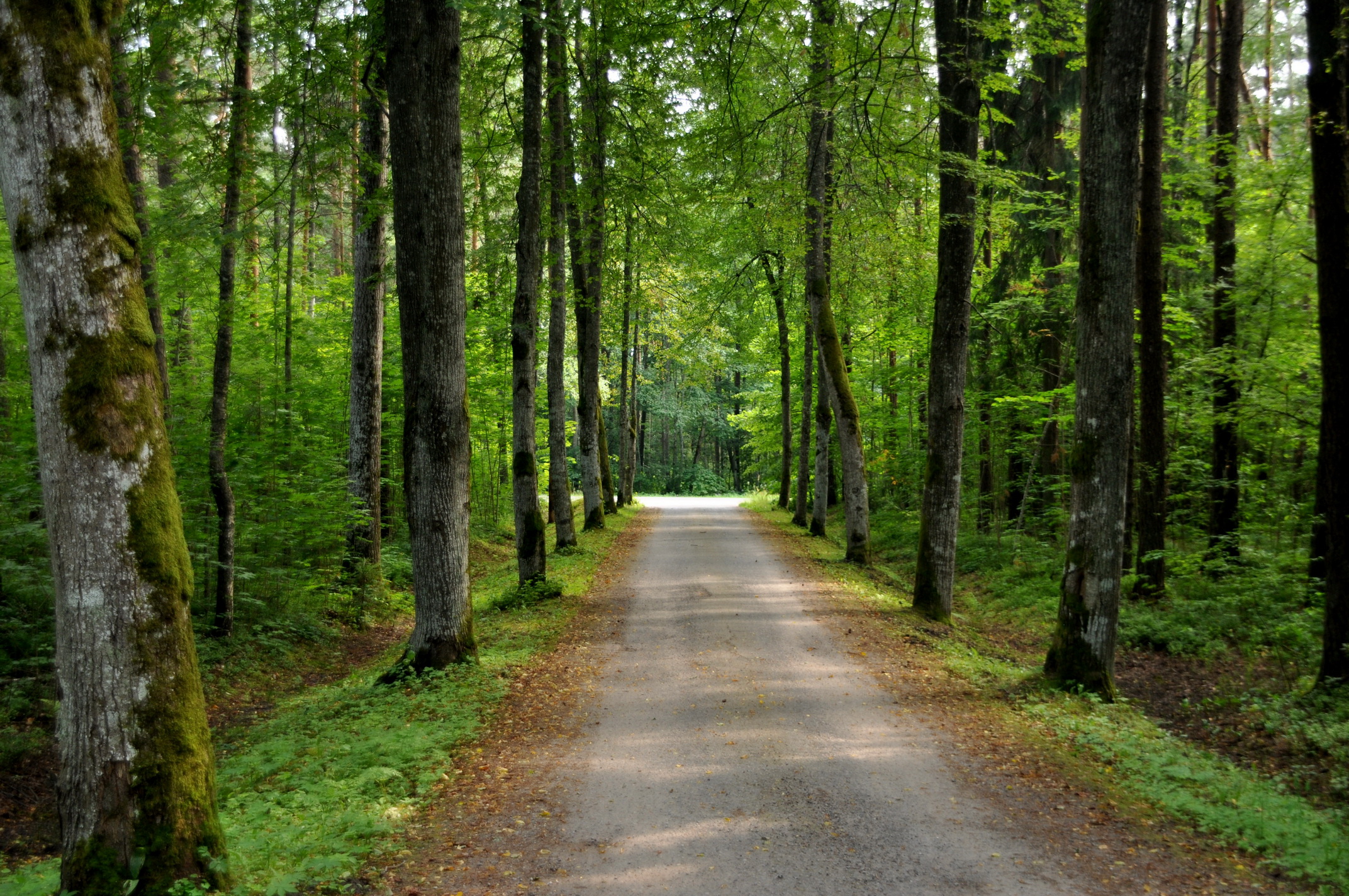
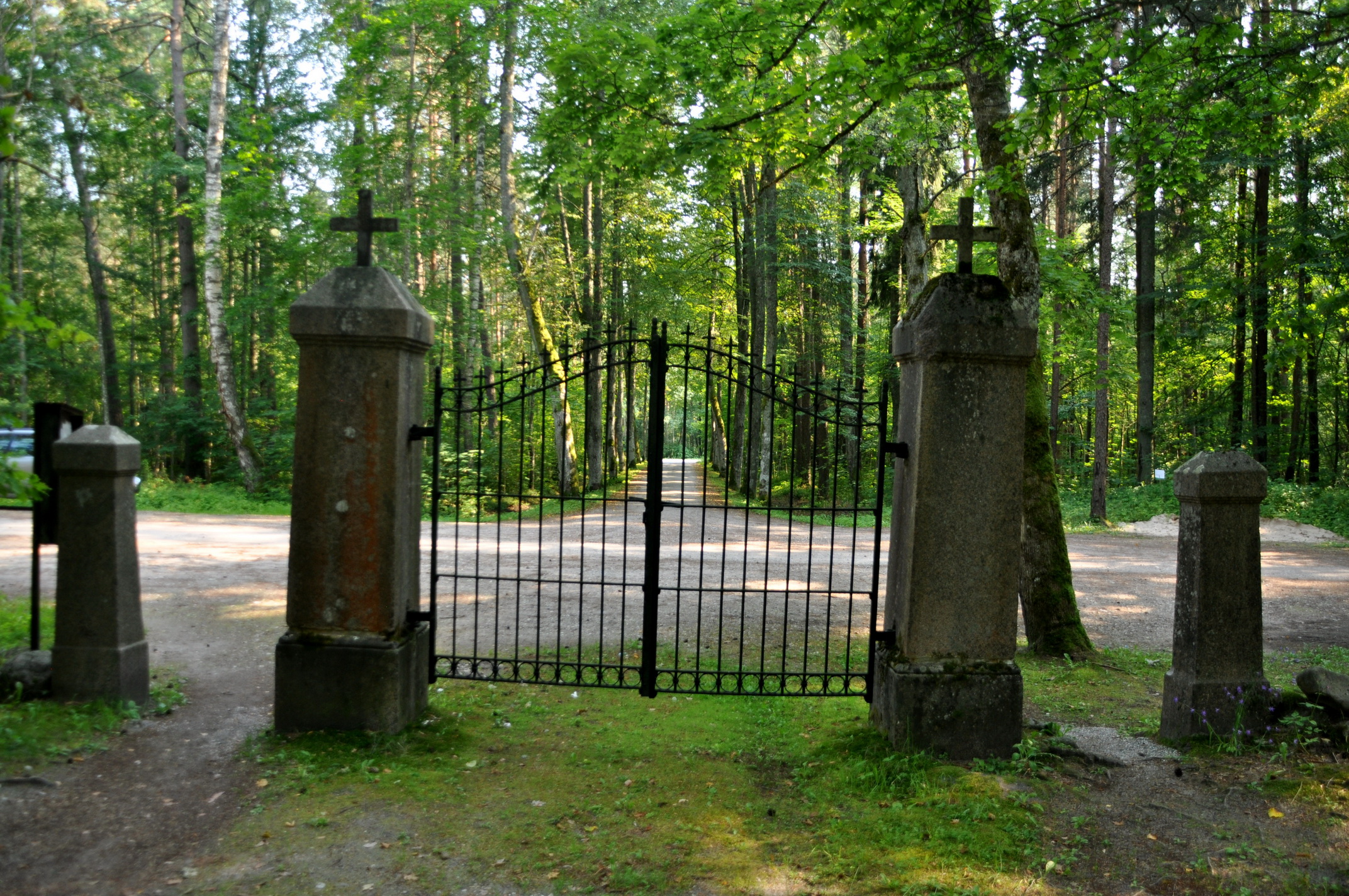
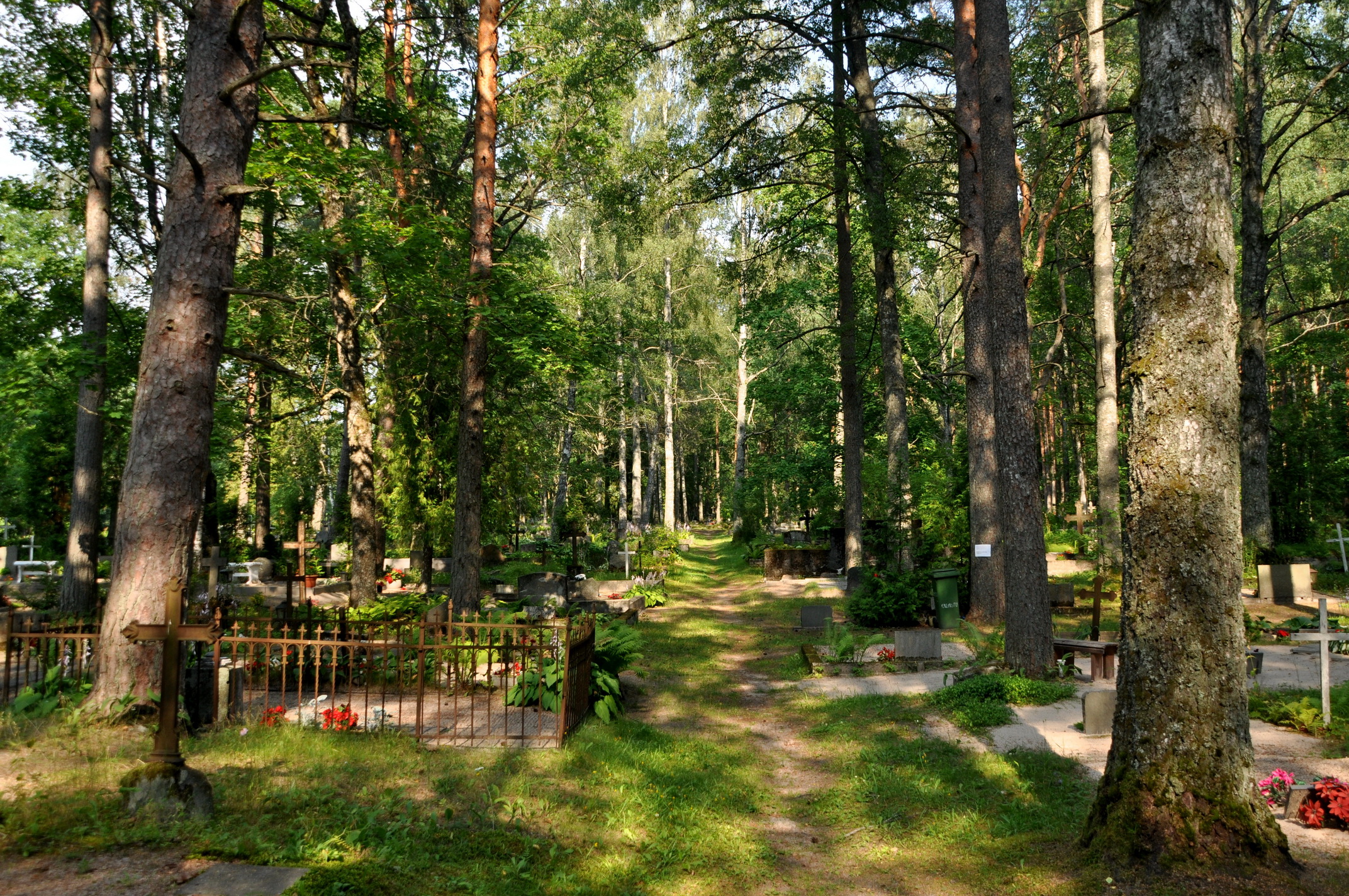
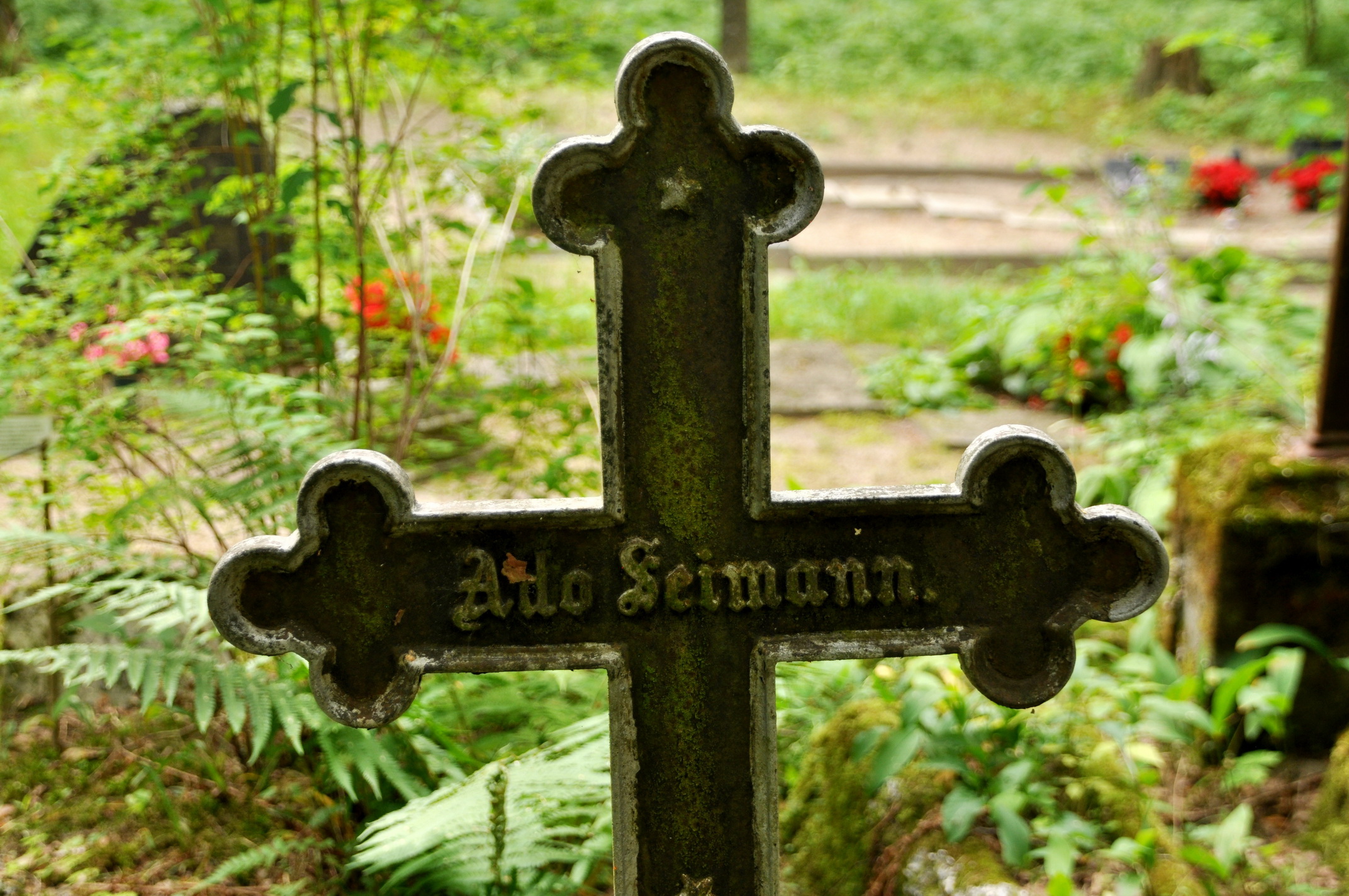
I went to the cemetery and looked carefully at a great many graves. I found one that might fit: Ado Seimnn. Ado was a favourite name in our family. The surname differs quite a lot, but that’s no surprise. It changed spelling repeatedly as it passed between Estonian, Latvian, German, Swedish and Russian. This makes searching the archives harder still.
I crossed into Latvia that same day. The abandoned border posts still stand by the highway. That’s one sort of decay I like to see. The more borders in the world that end up like this, the better. A world without borders is a wonderful thing.
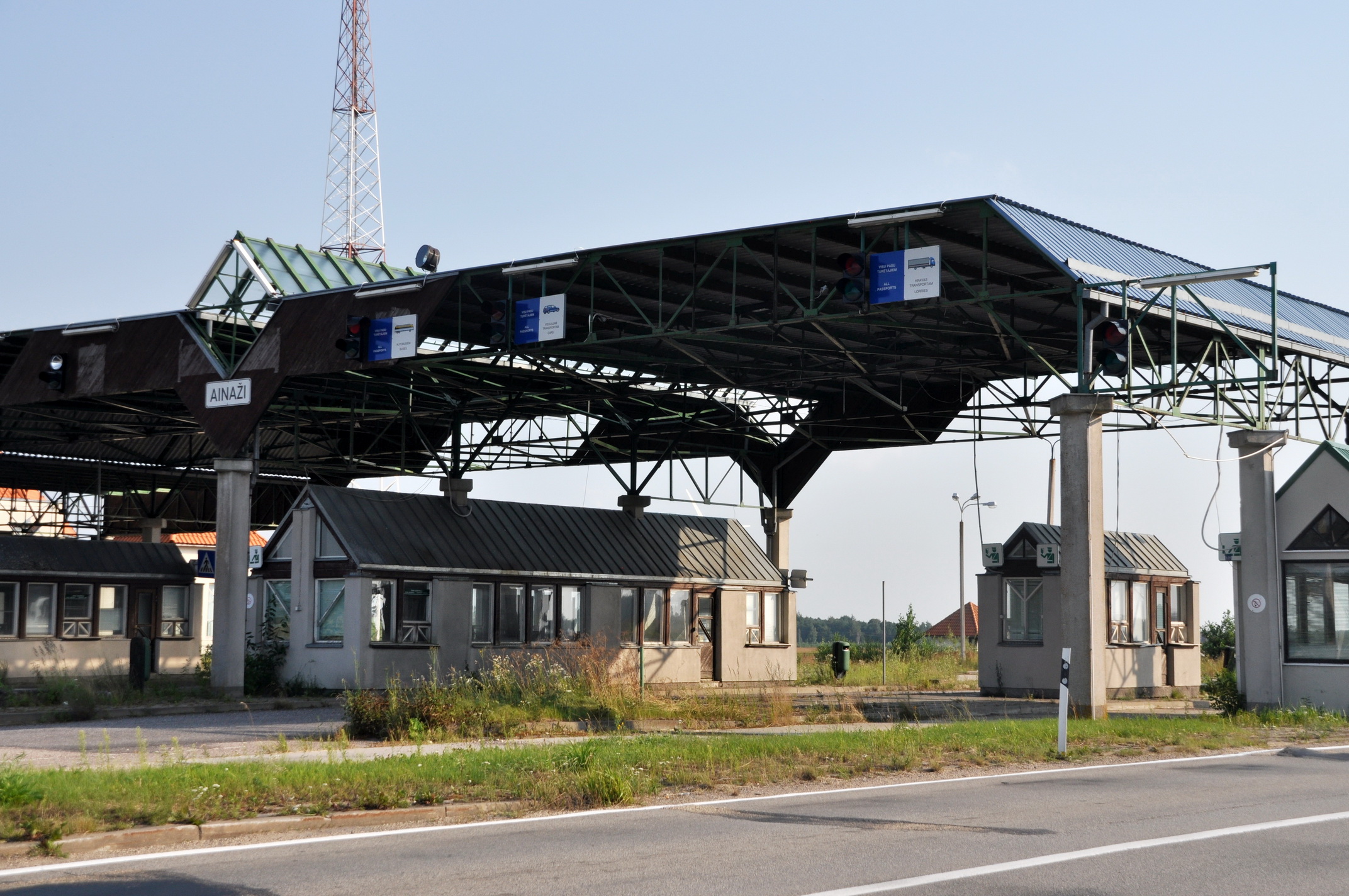
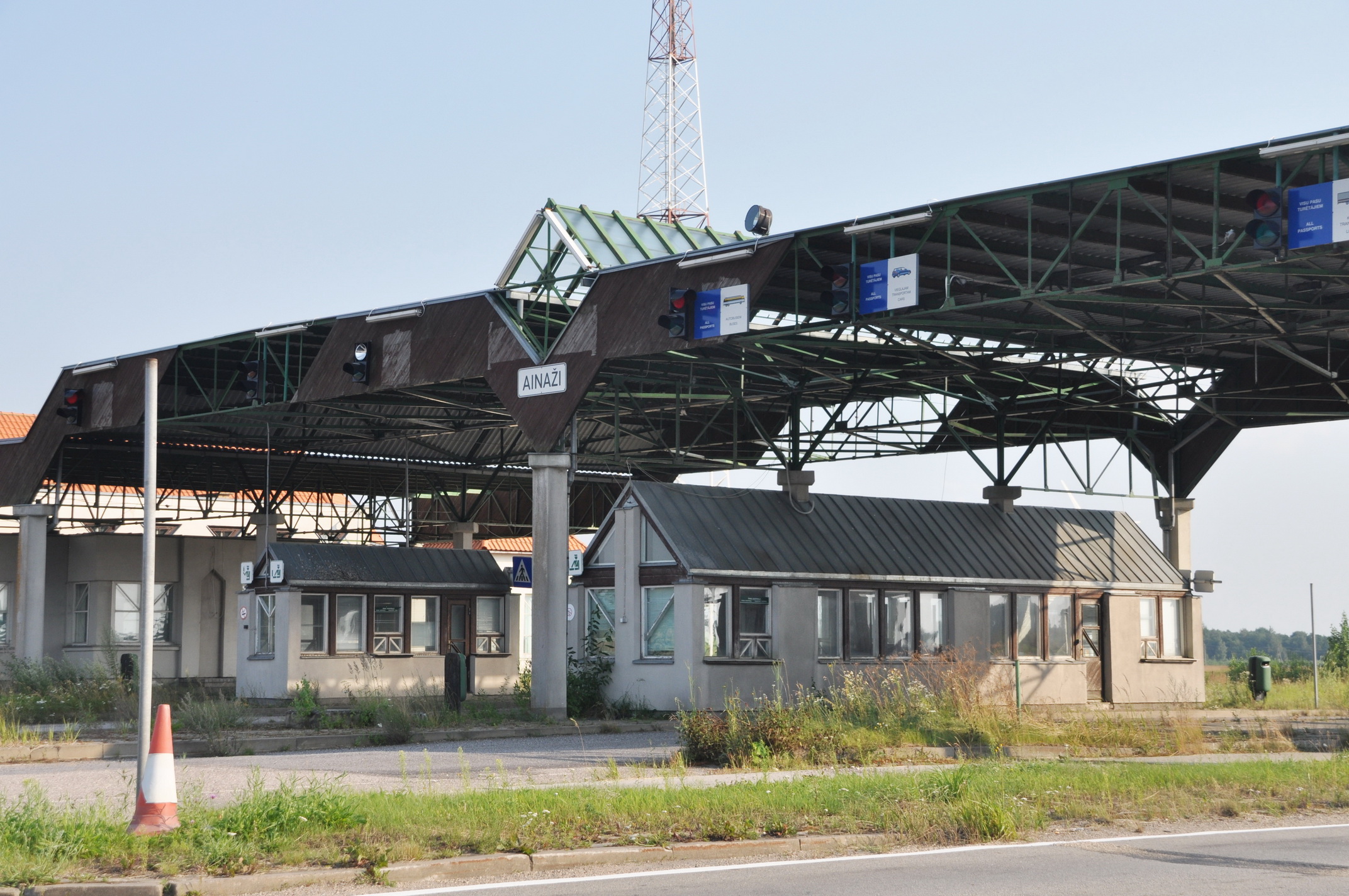
Here, near Salacgrīva, I also stopped in Vecsalaca, where I know for certain that some of my relatives are buried.
Lithuania and Poland
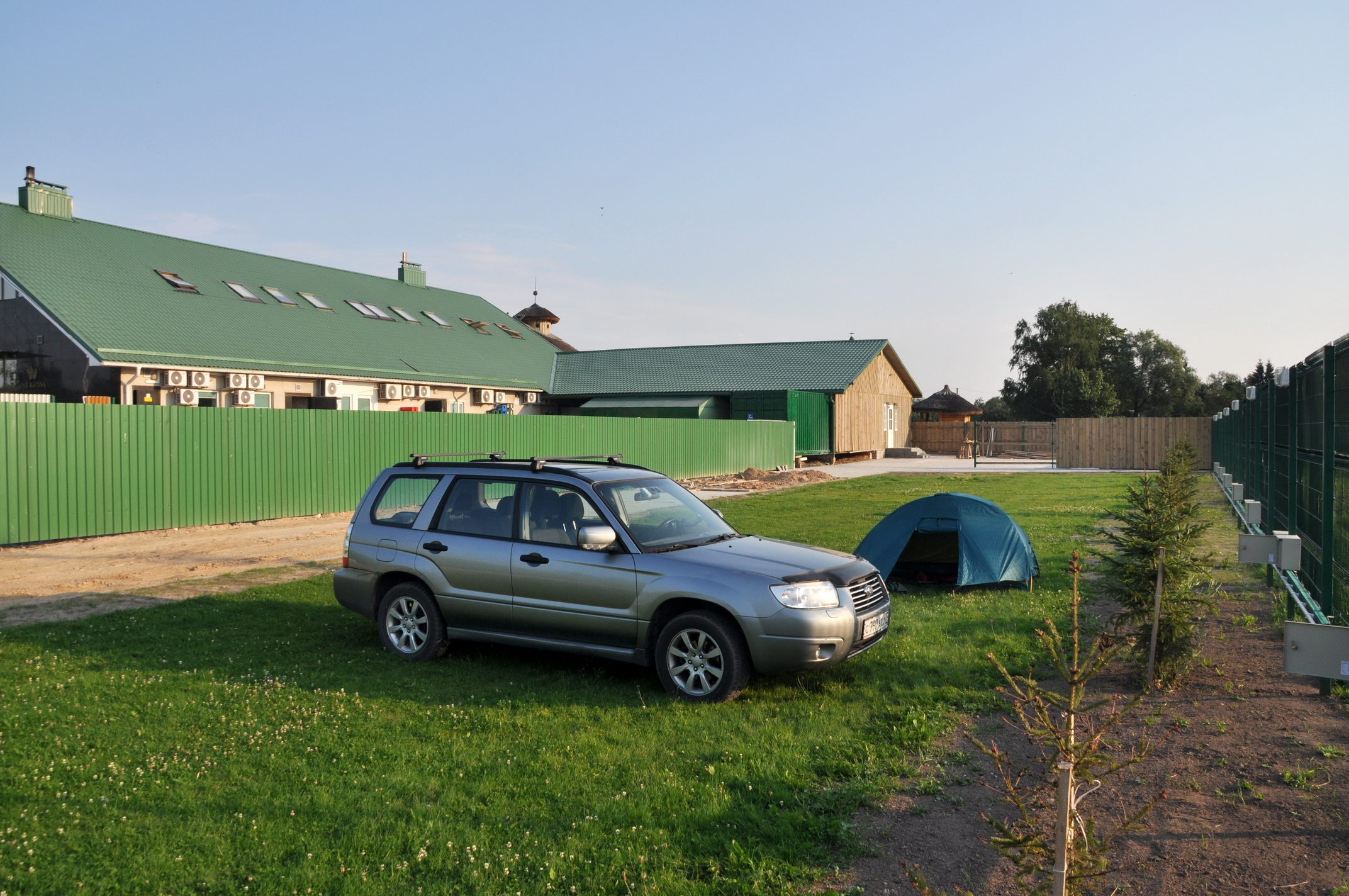
I spent the night at a campsite near Panevėžys (55°46.768′N, 24°21.911′E).
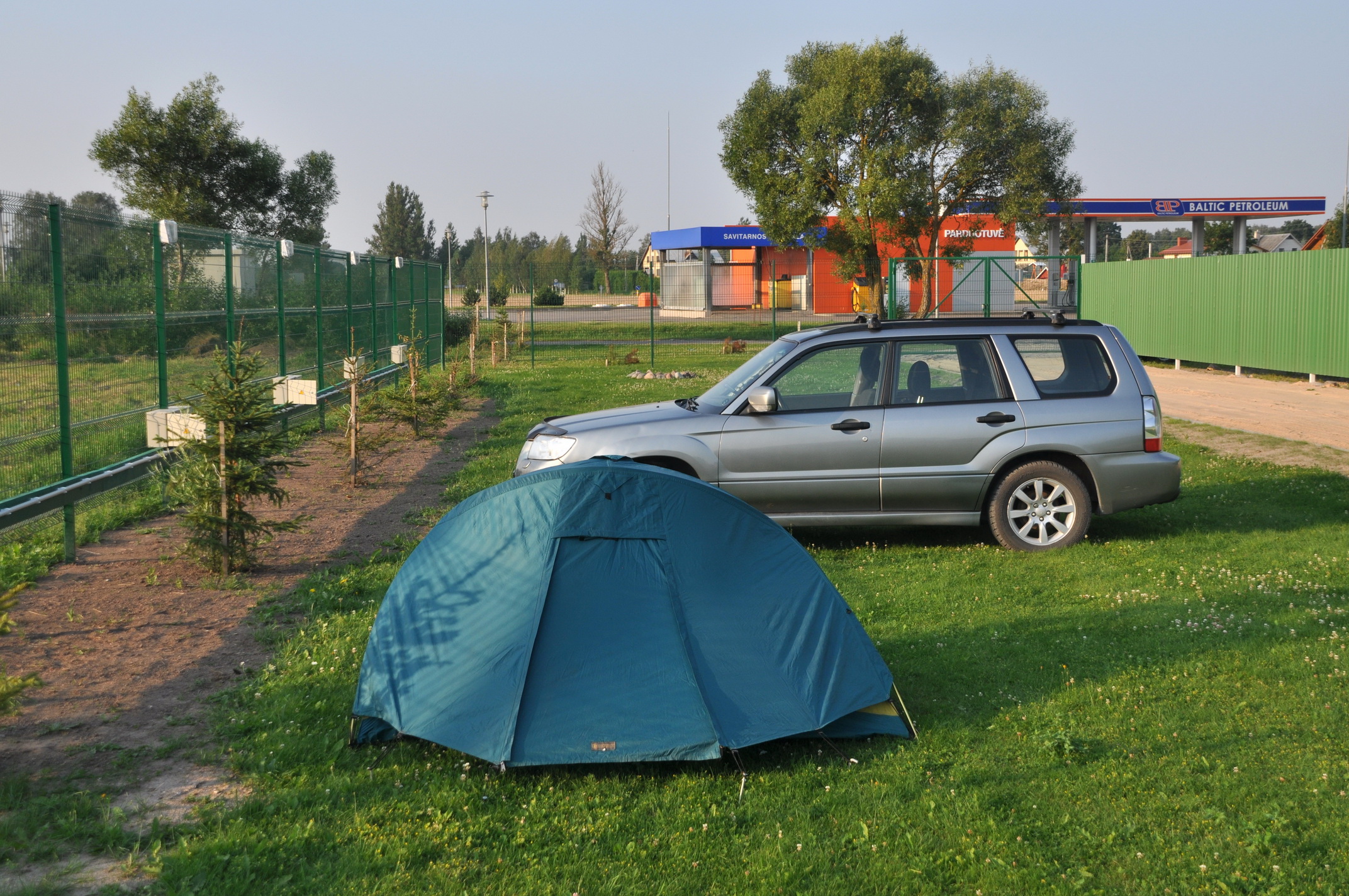
The Baltics are becoming more like the rest of Europe, but camping hasn’t really caught on. You don’t find grassy pitches in parks or by rivers for people touring by car who want to sleep in a tent. At best there’s a patch of grass behind the fence of an ordinary hotel.
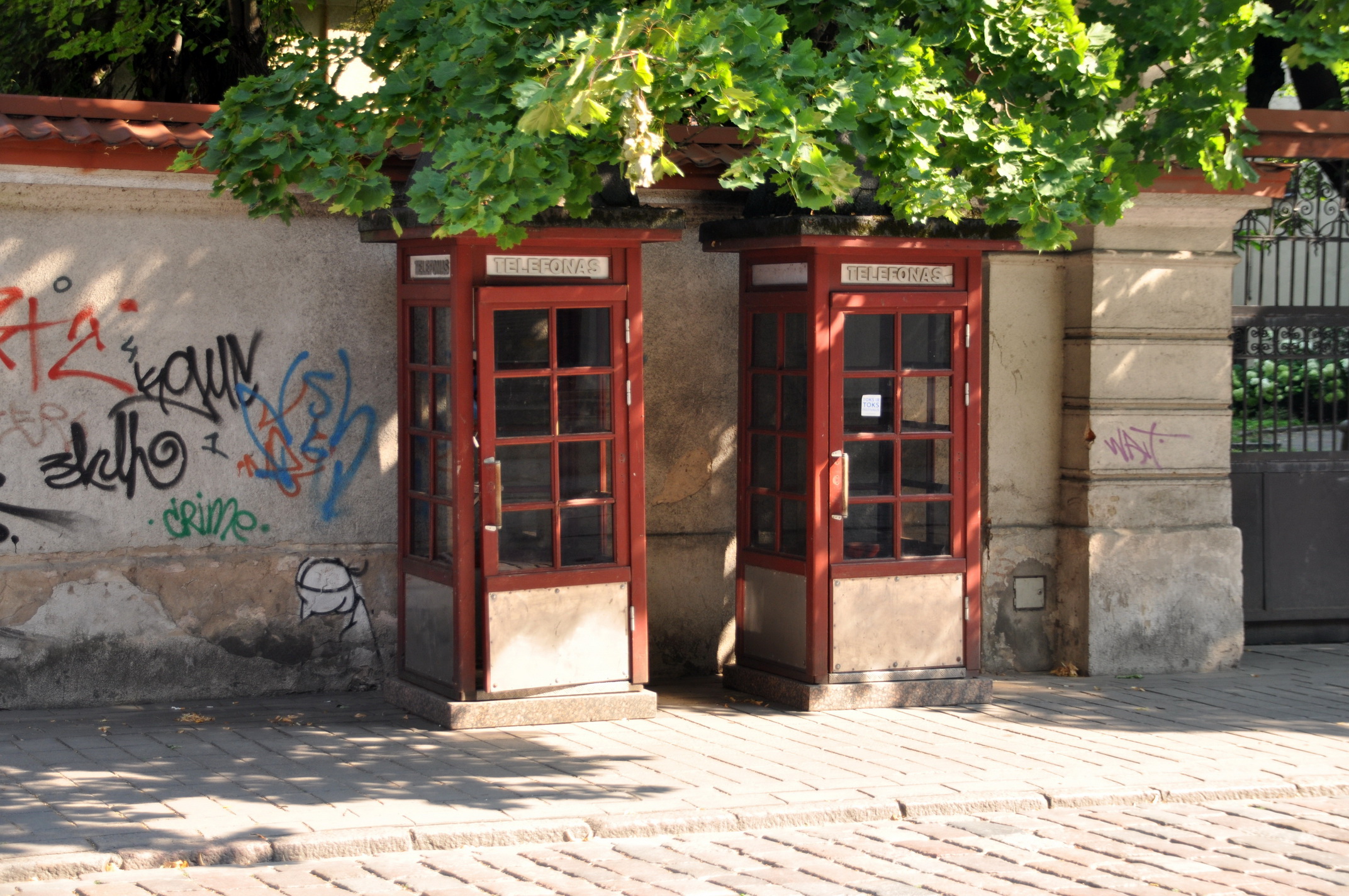
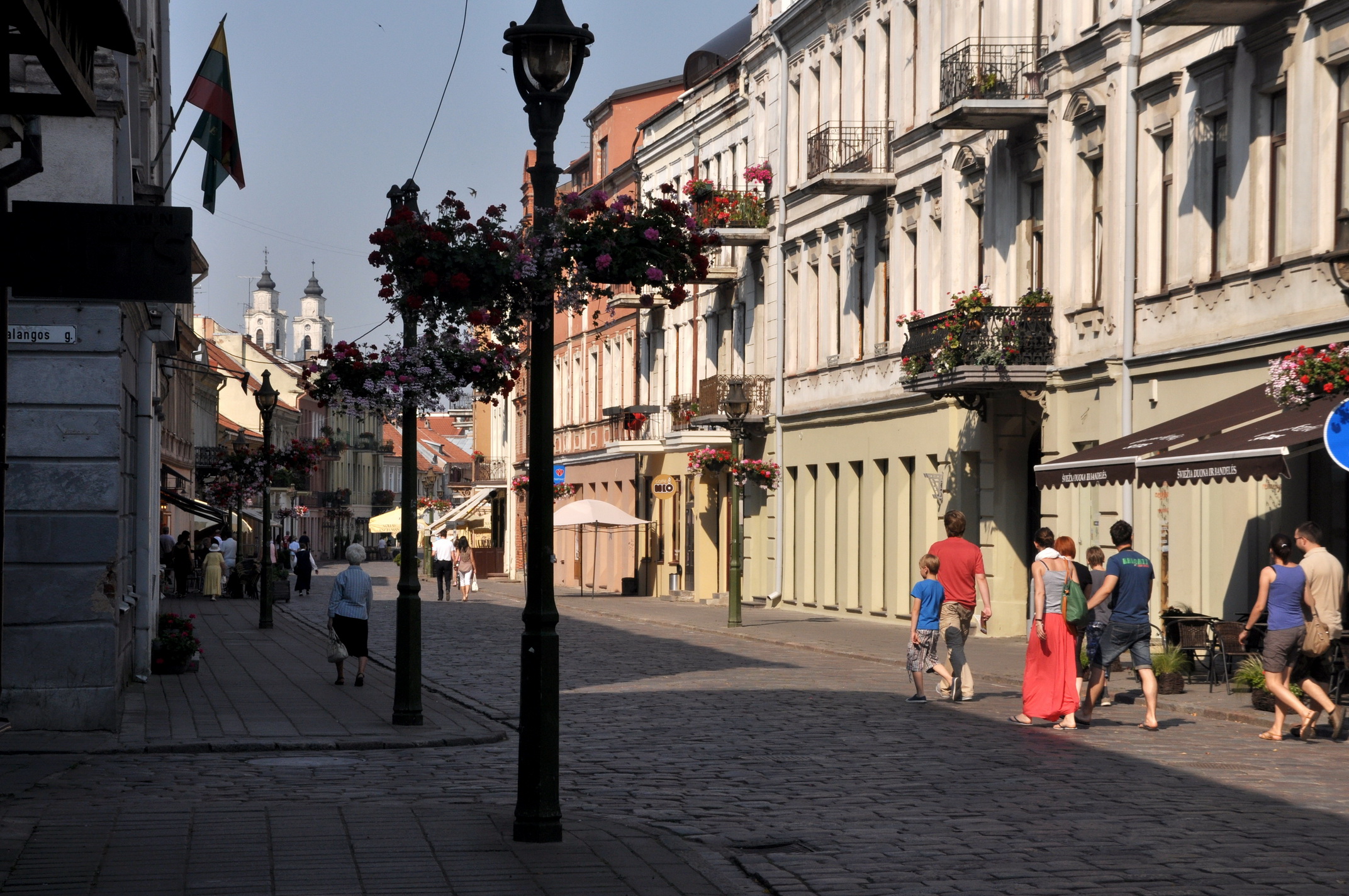
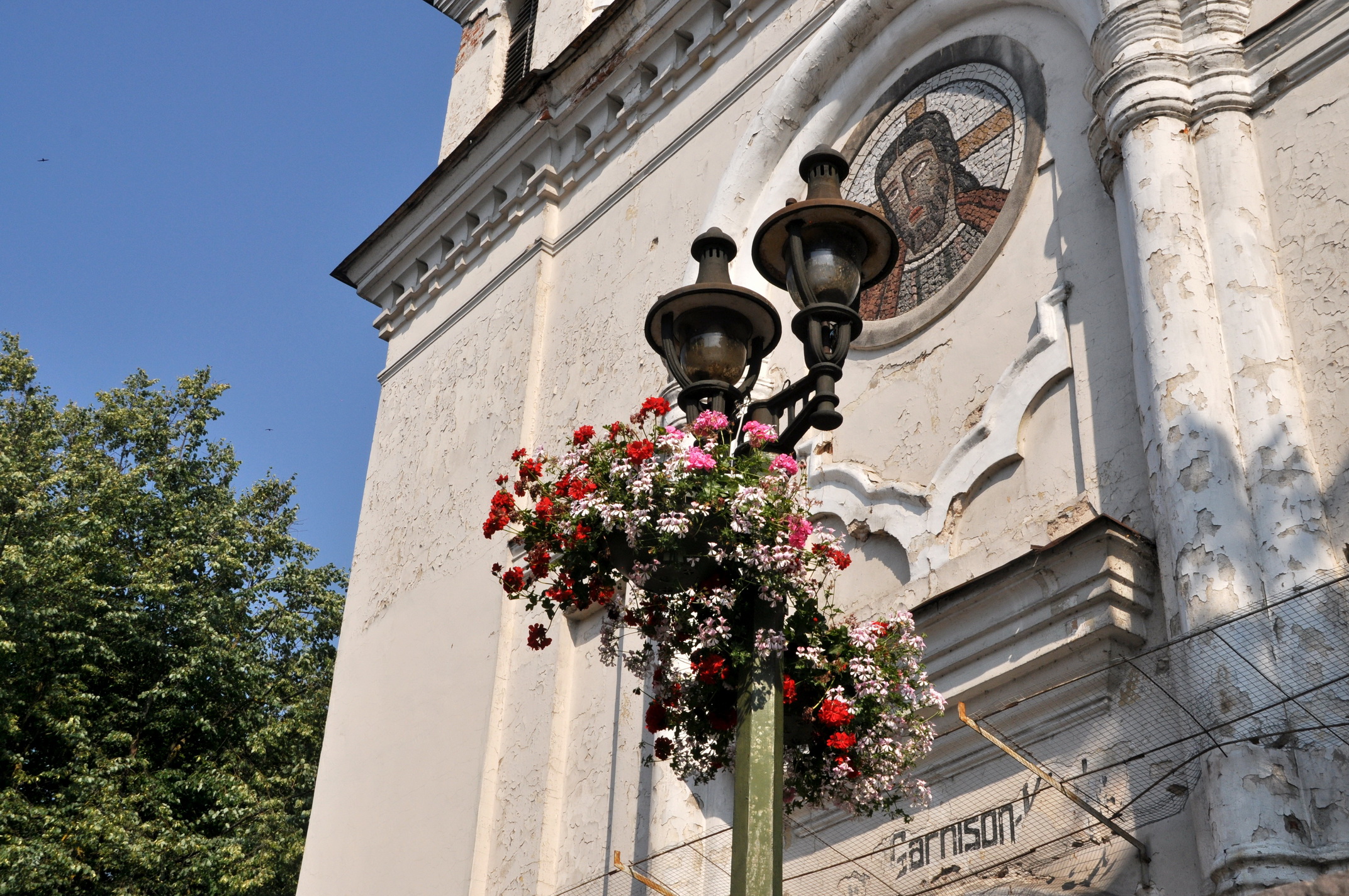
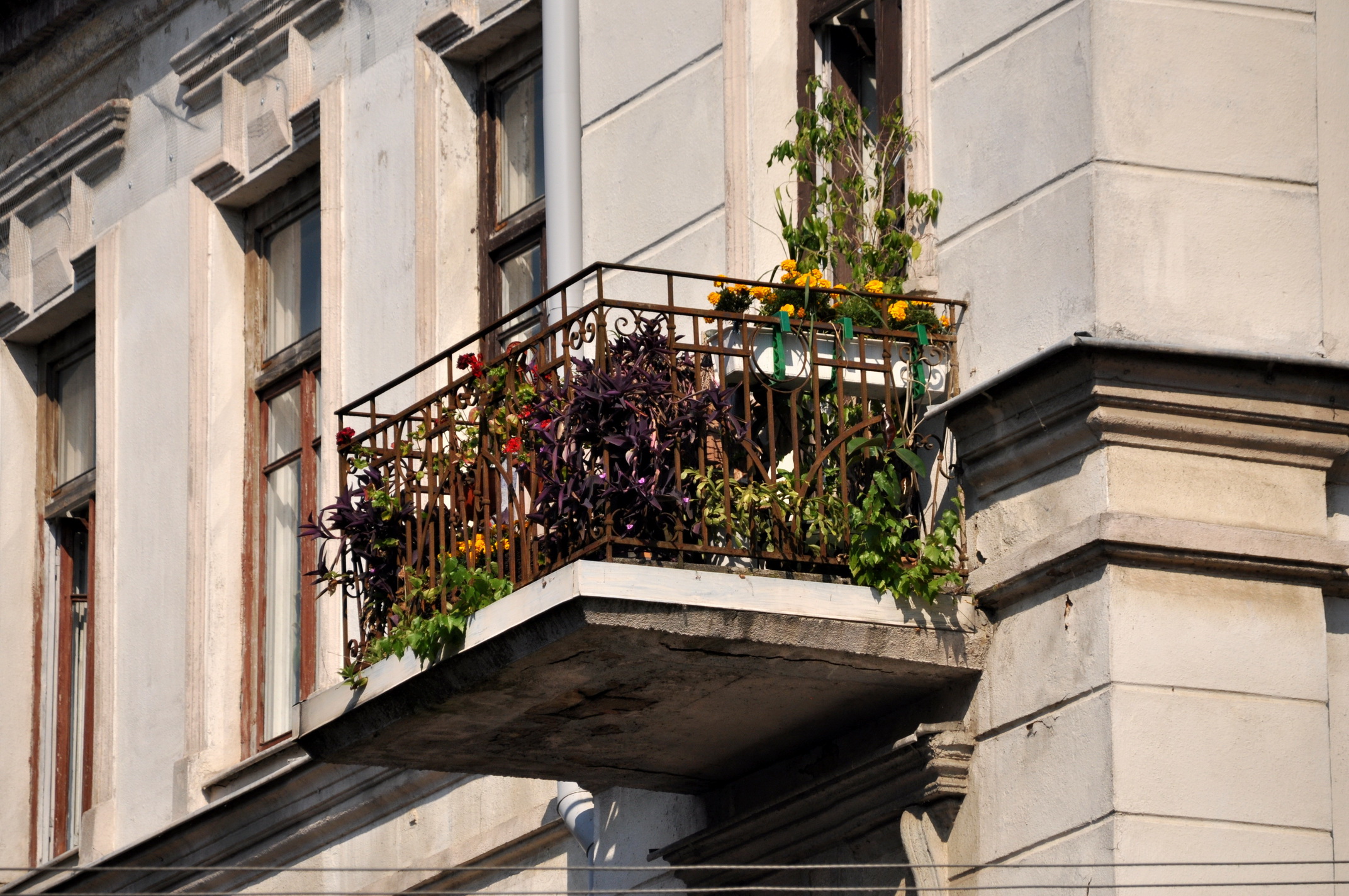
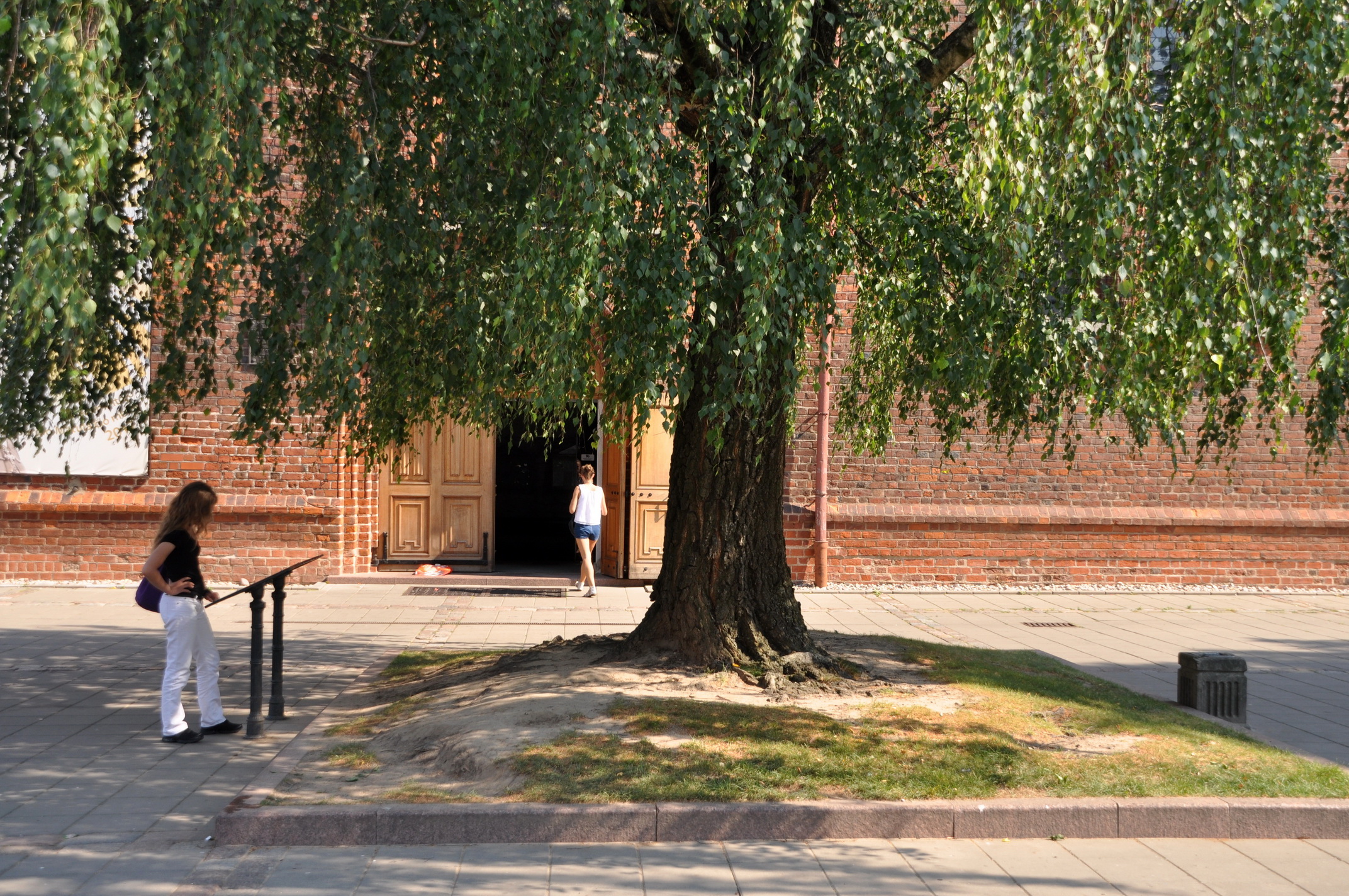
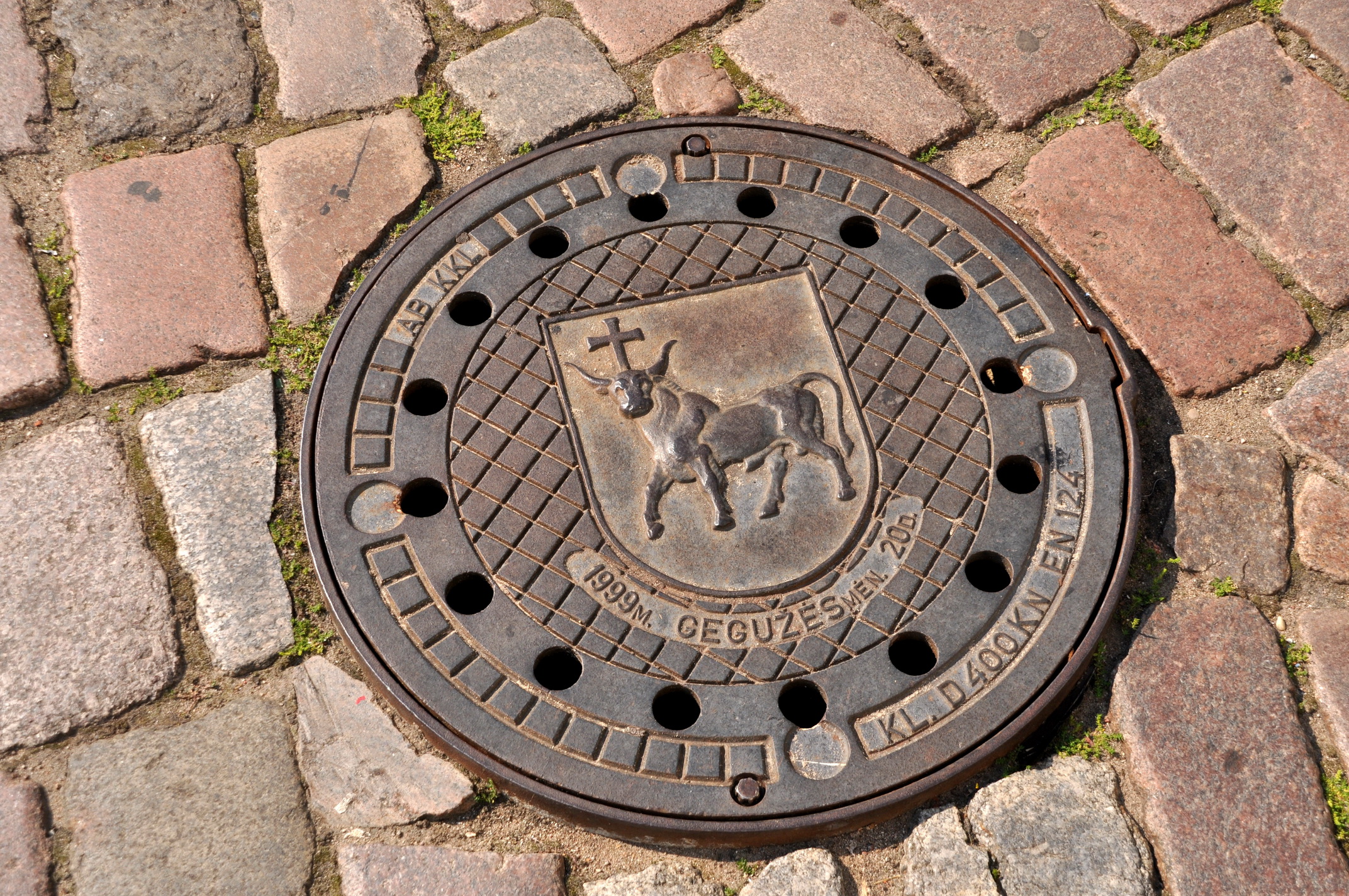
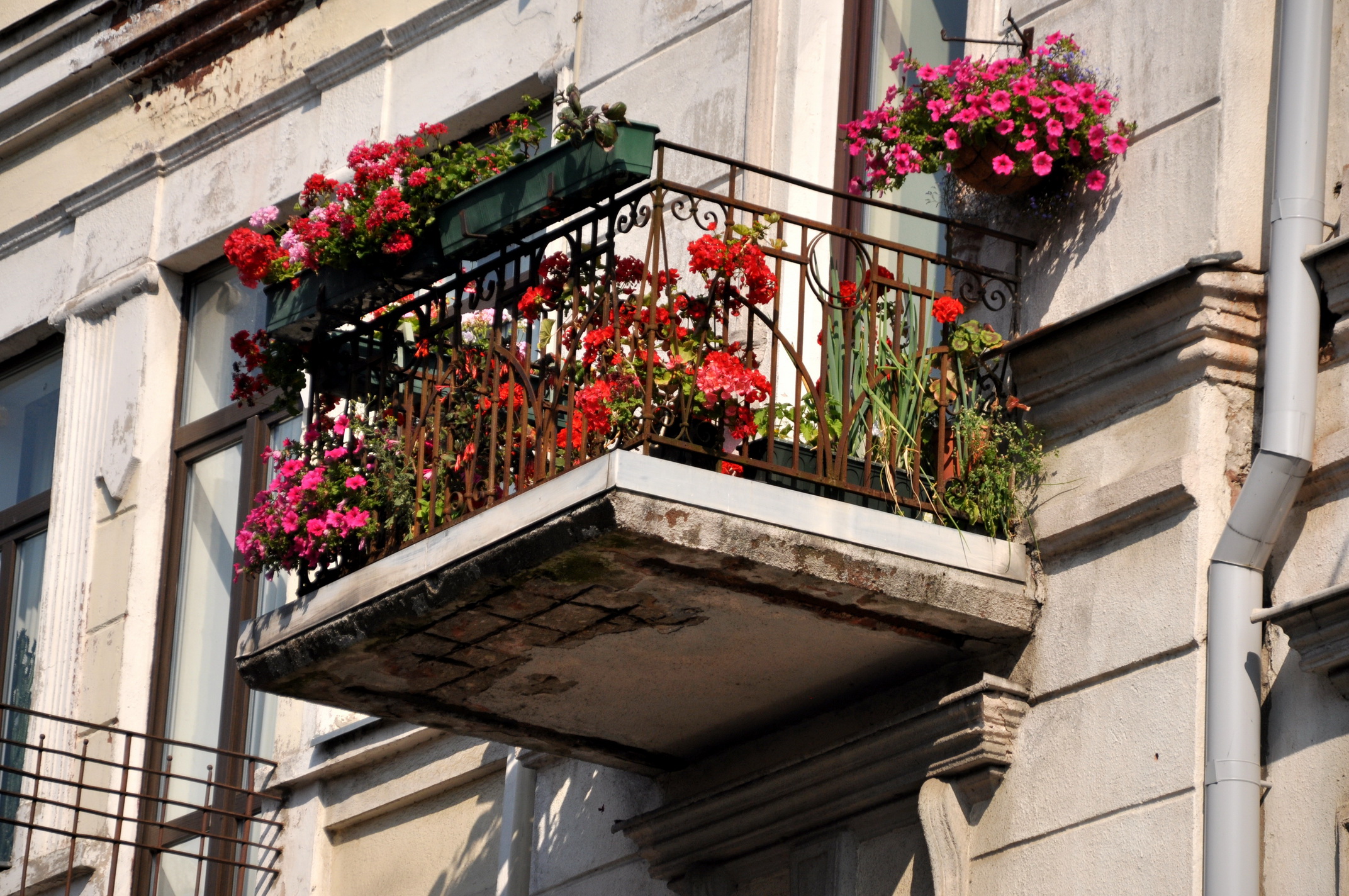
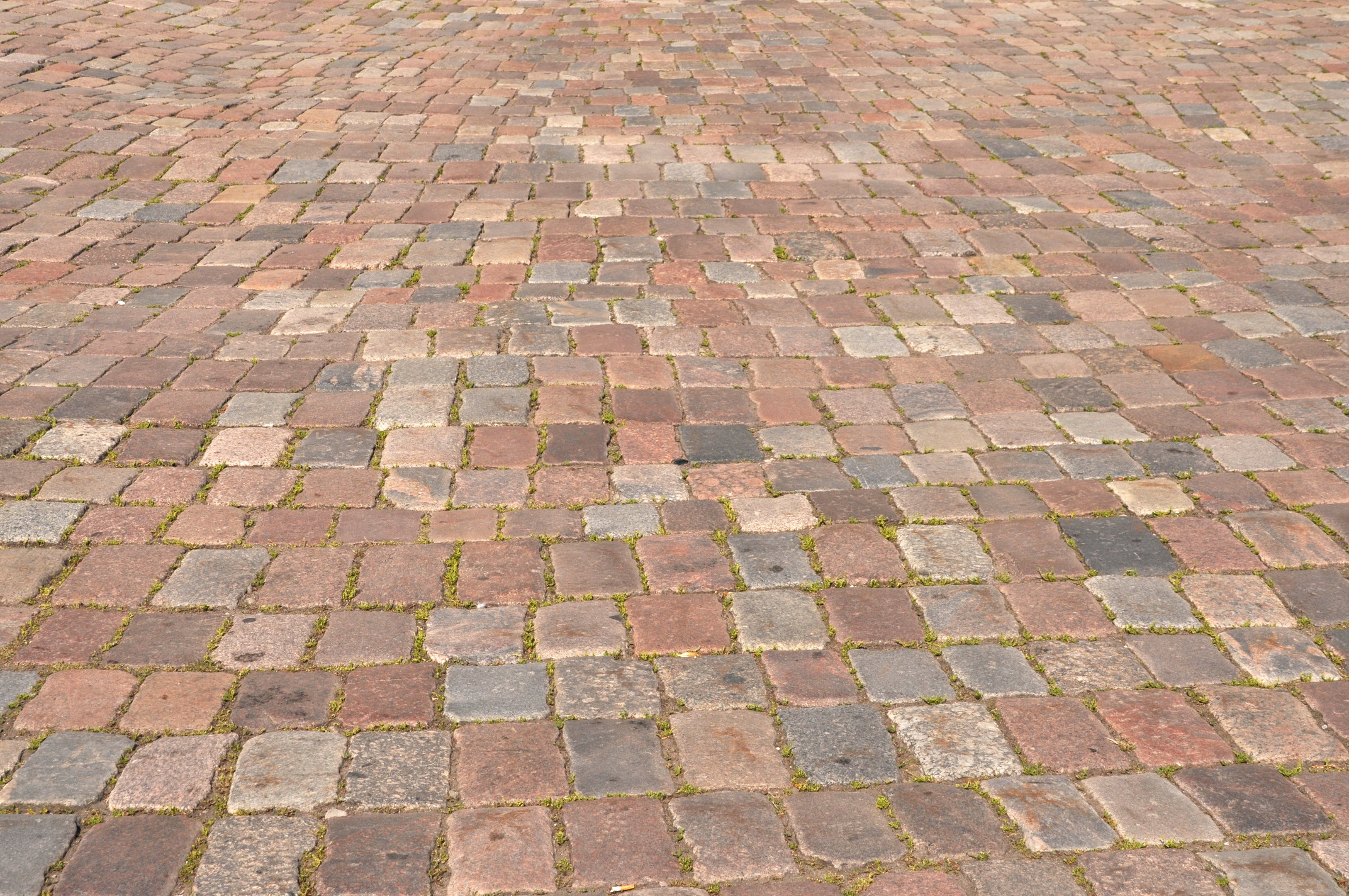
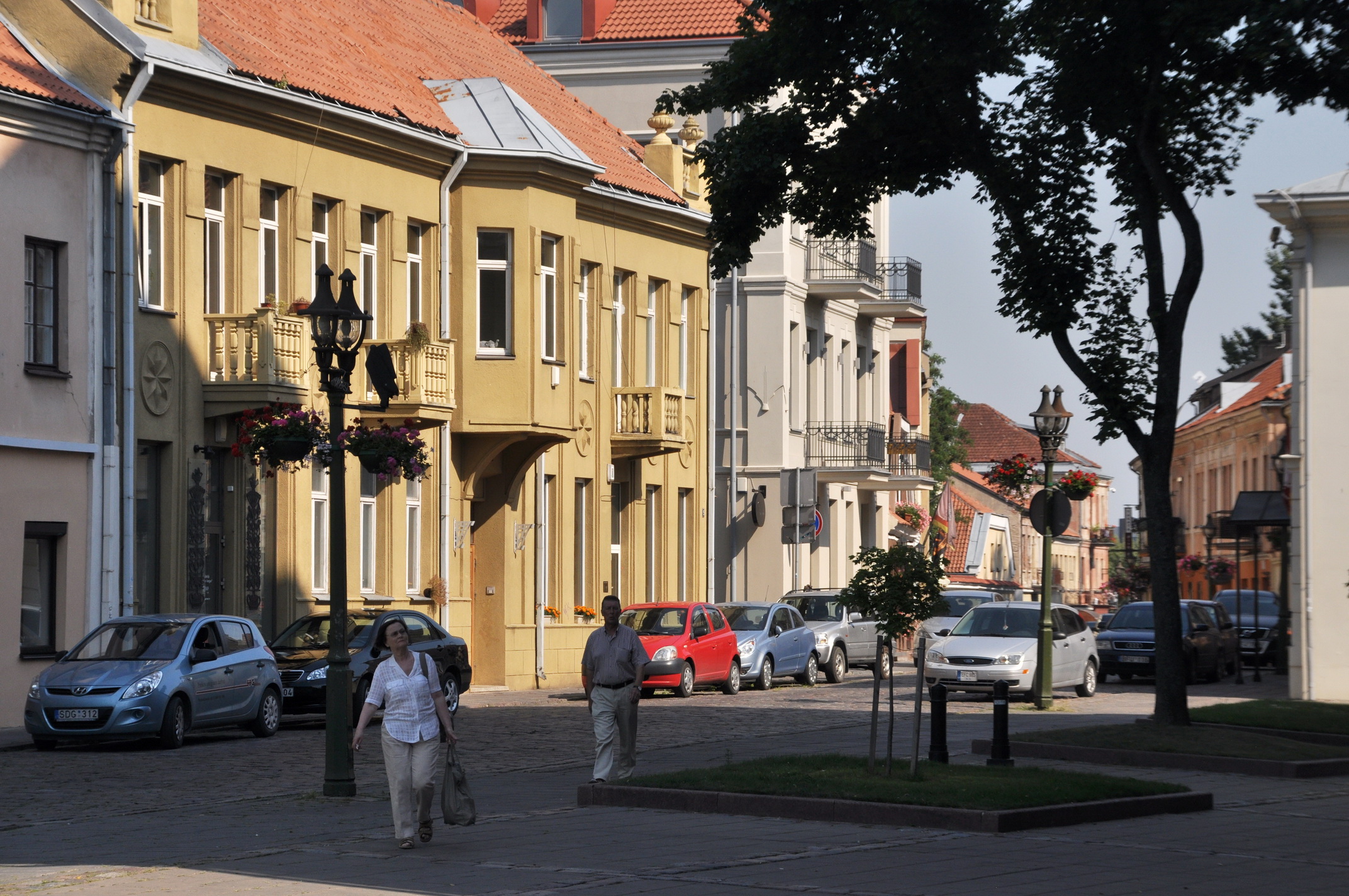
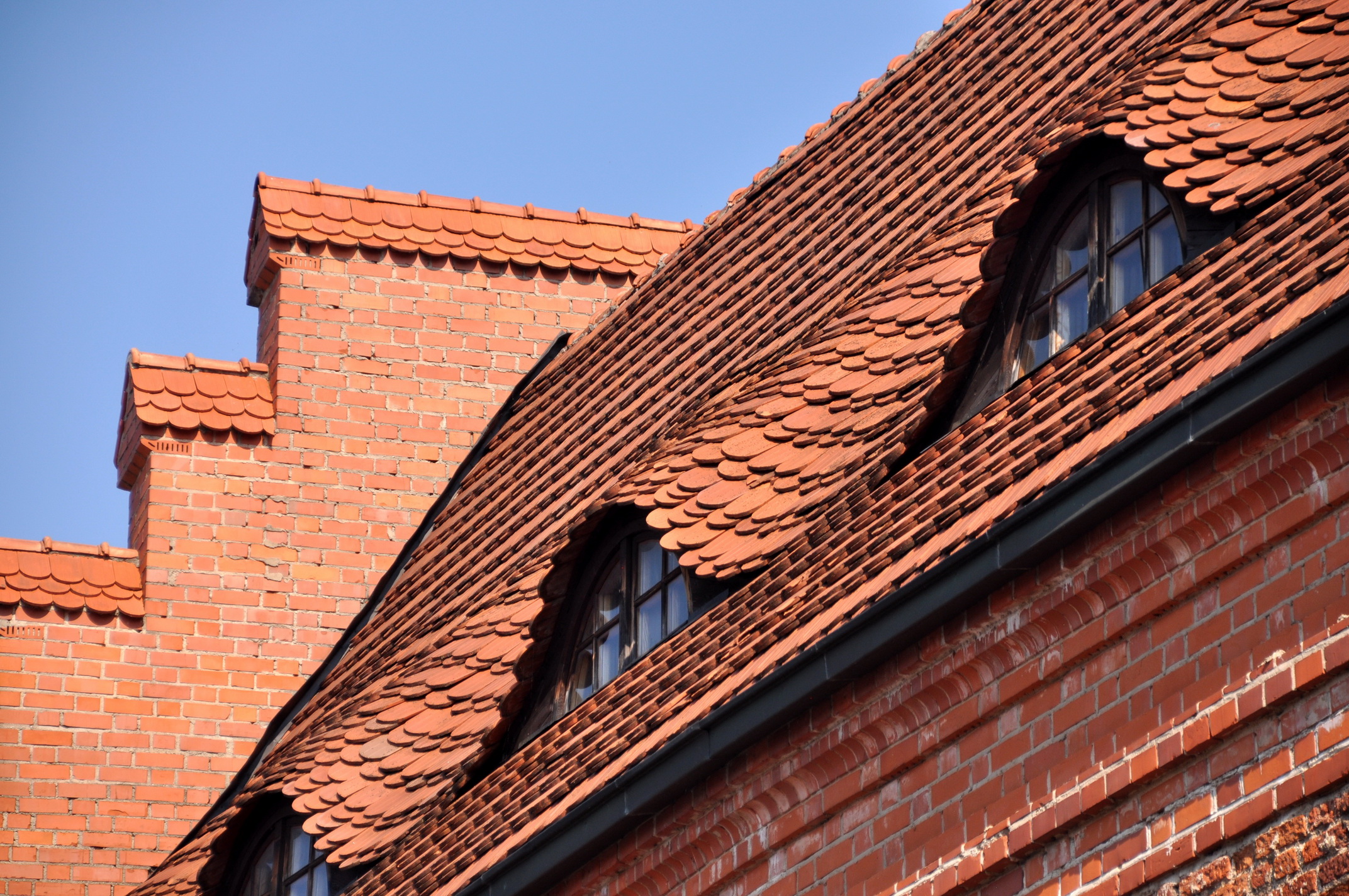
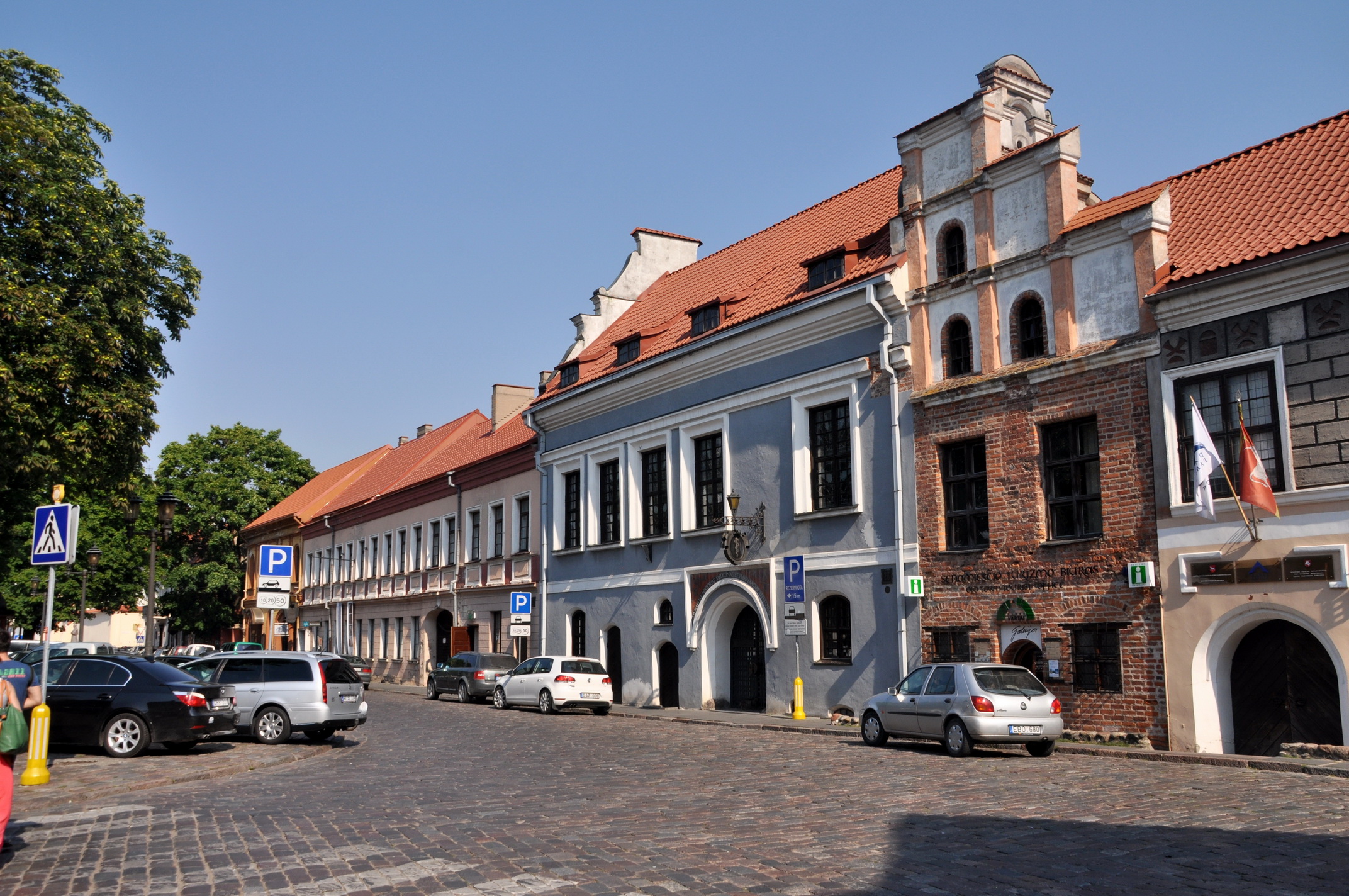
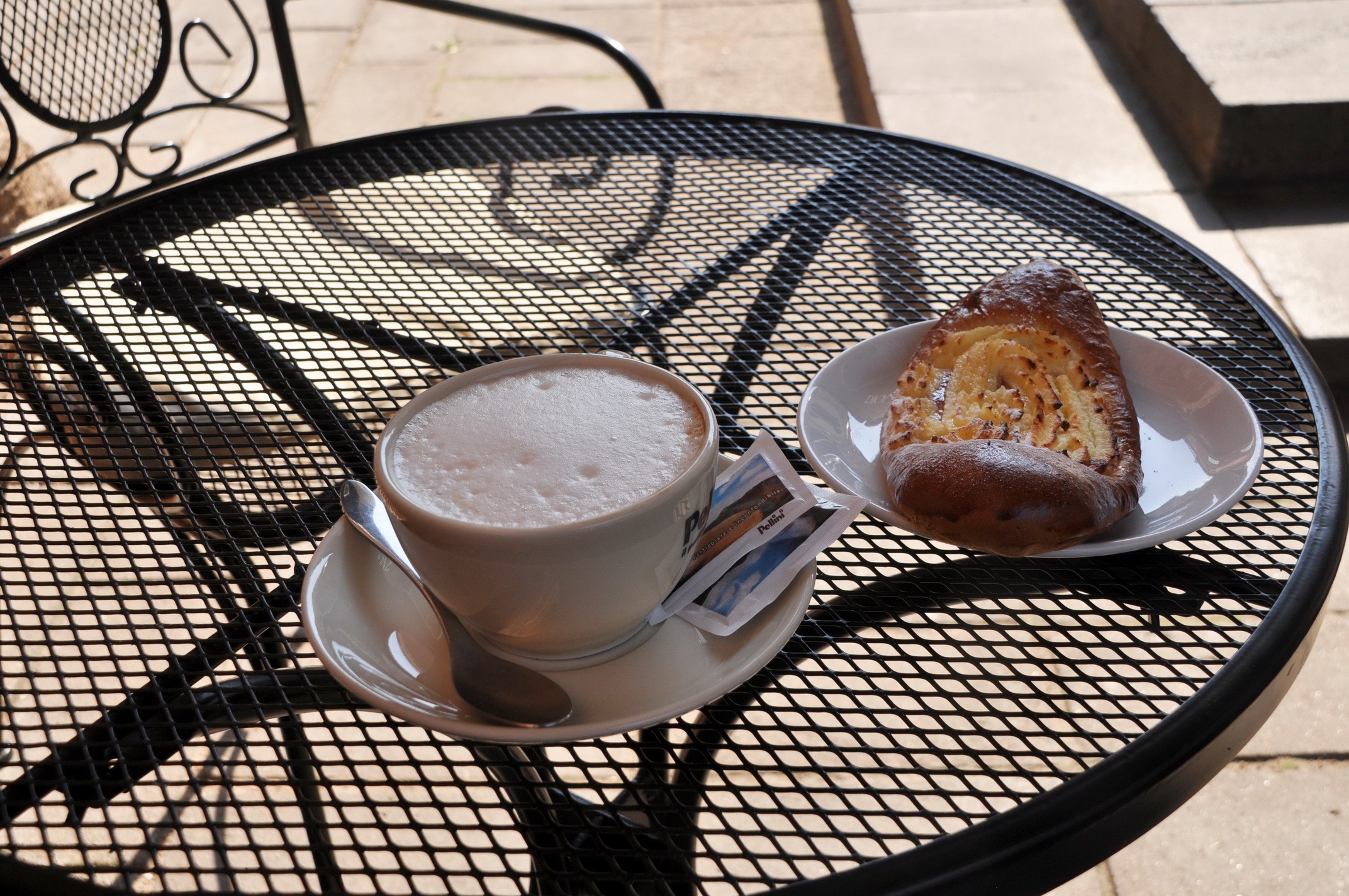
In the morning I stopped in Kaunas. It’s my favourite Lithuanian city. I came here often in the late eighties. Back then I used to take trains between cities: spend a night in a carriage, walk around town for the day, and carry on like that for a week. Kaunas was often on my route. Shortly before Lithuania introduced visas for Russians, I remember sitting in the square by the town hall and promising myself I would come back here. And now the day had come. Beautiful. The streets are clean, the houses restored, the cafés cosy, and there are buns to eat. The pretty waitresses of the younger generation no longer know a word of Russian, but they’ve learnt a couple of European languages.
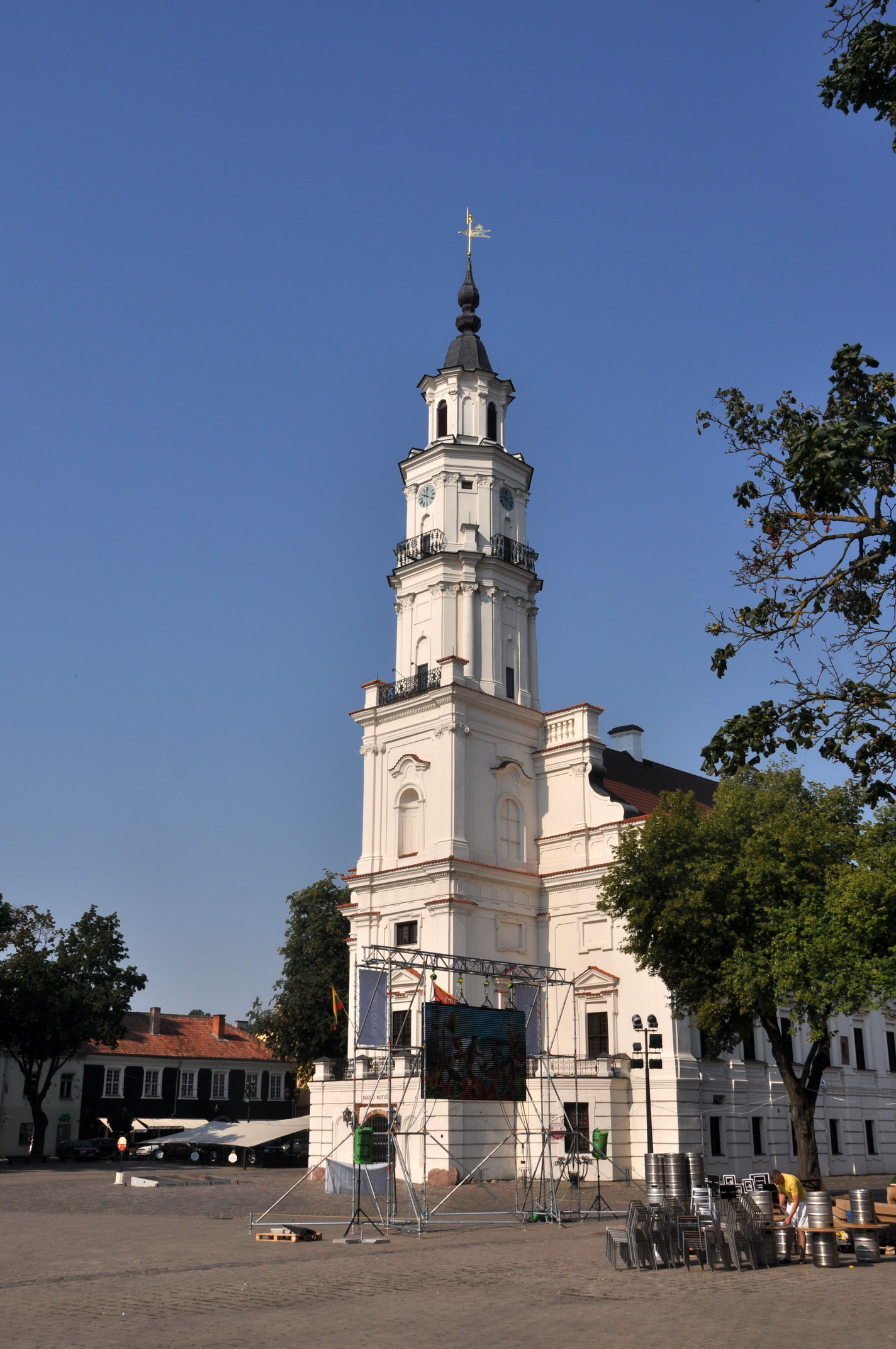
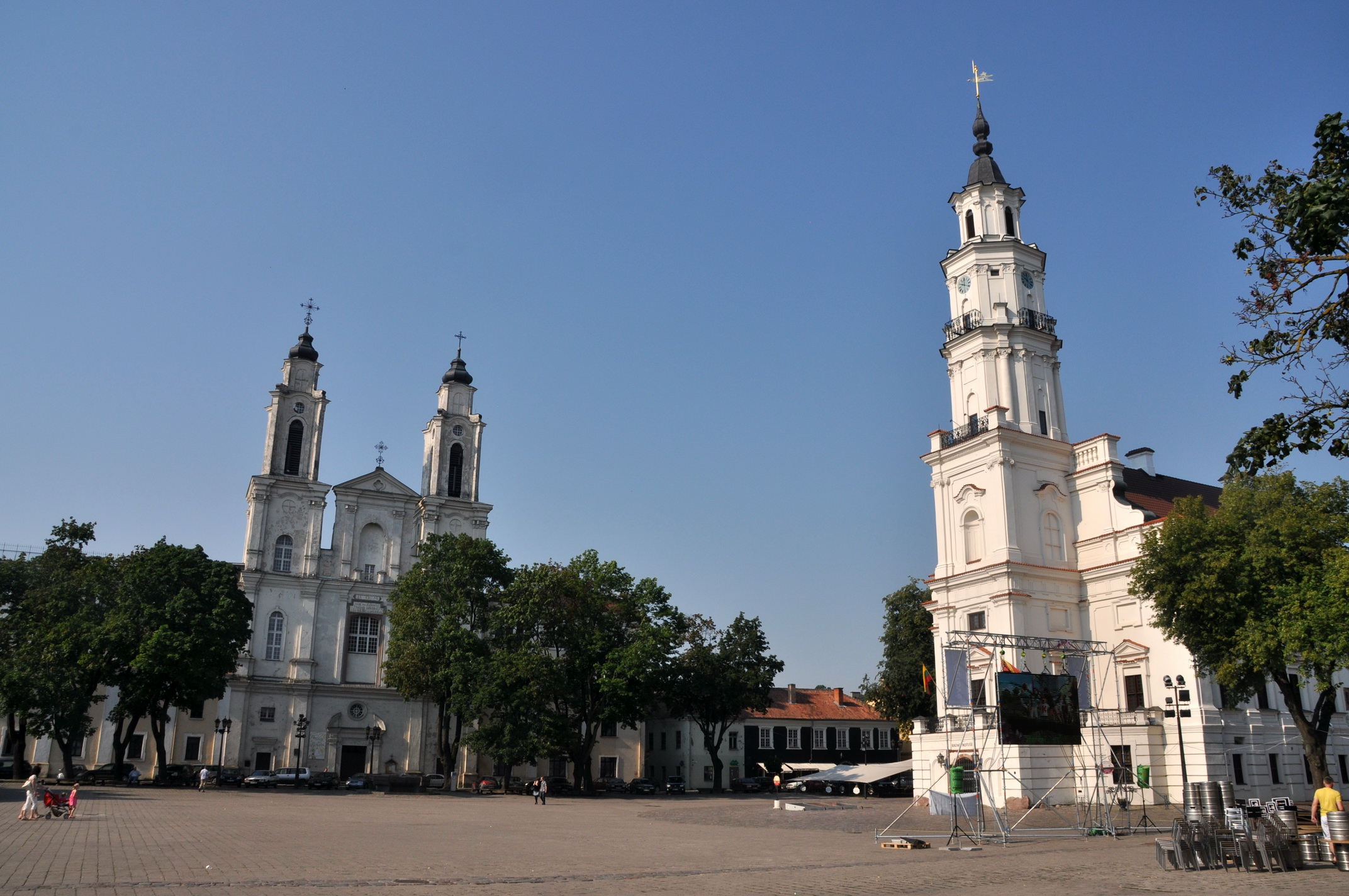
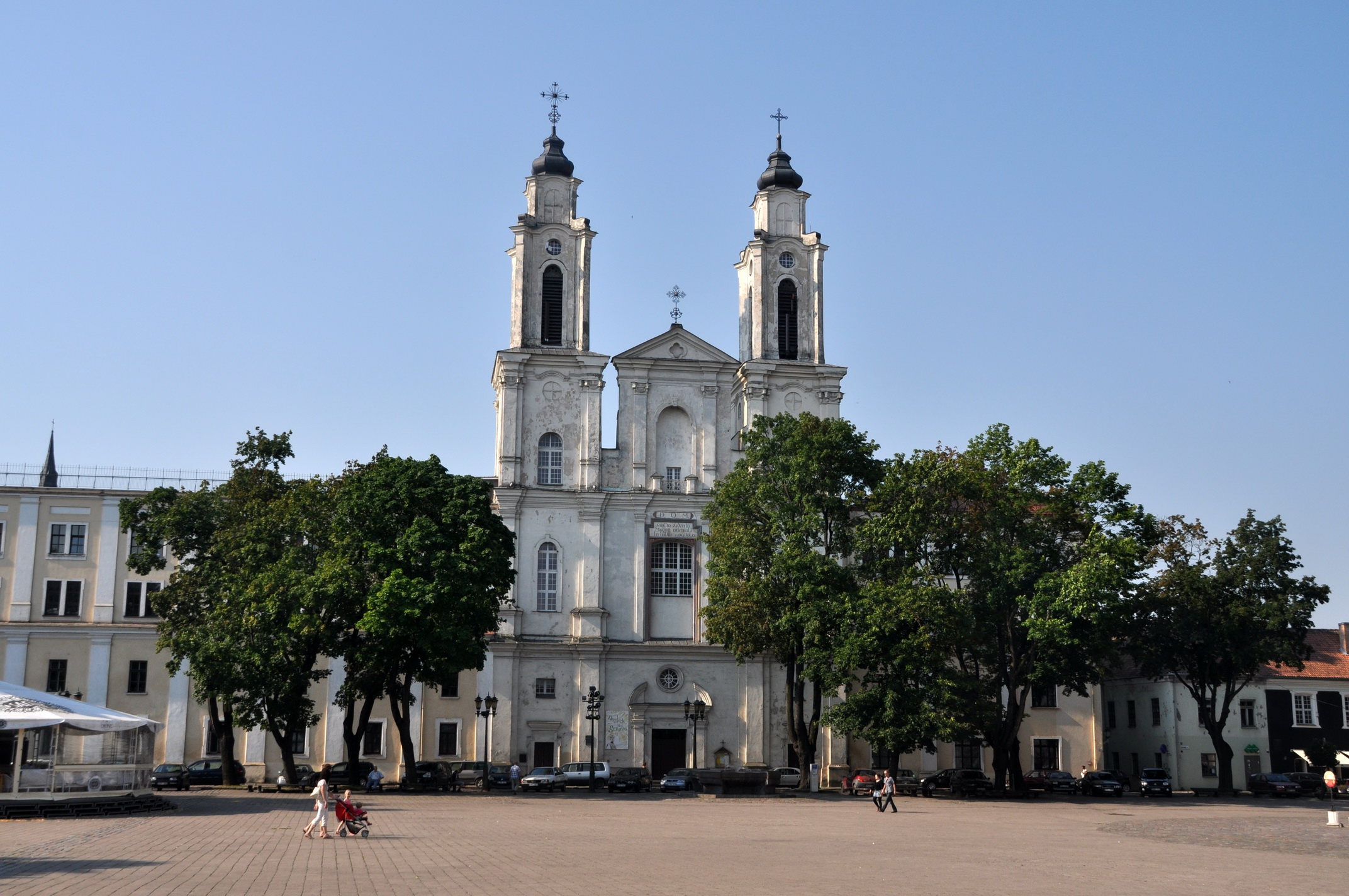
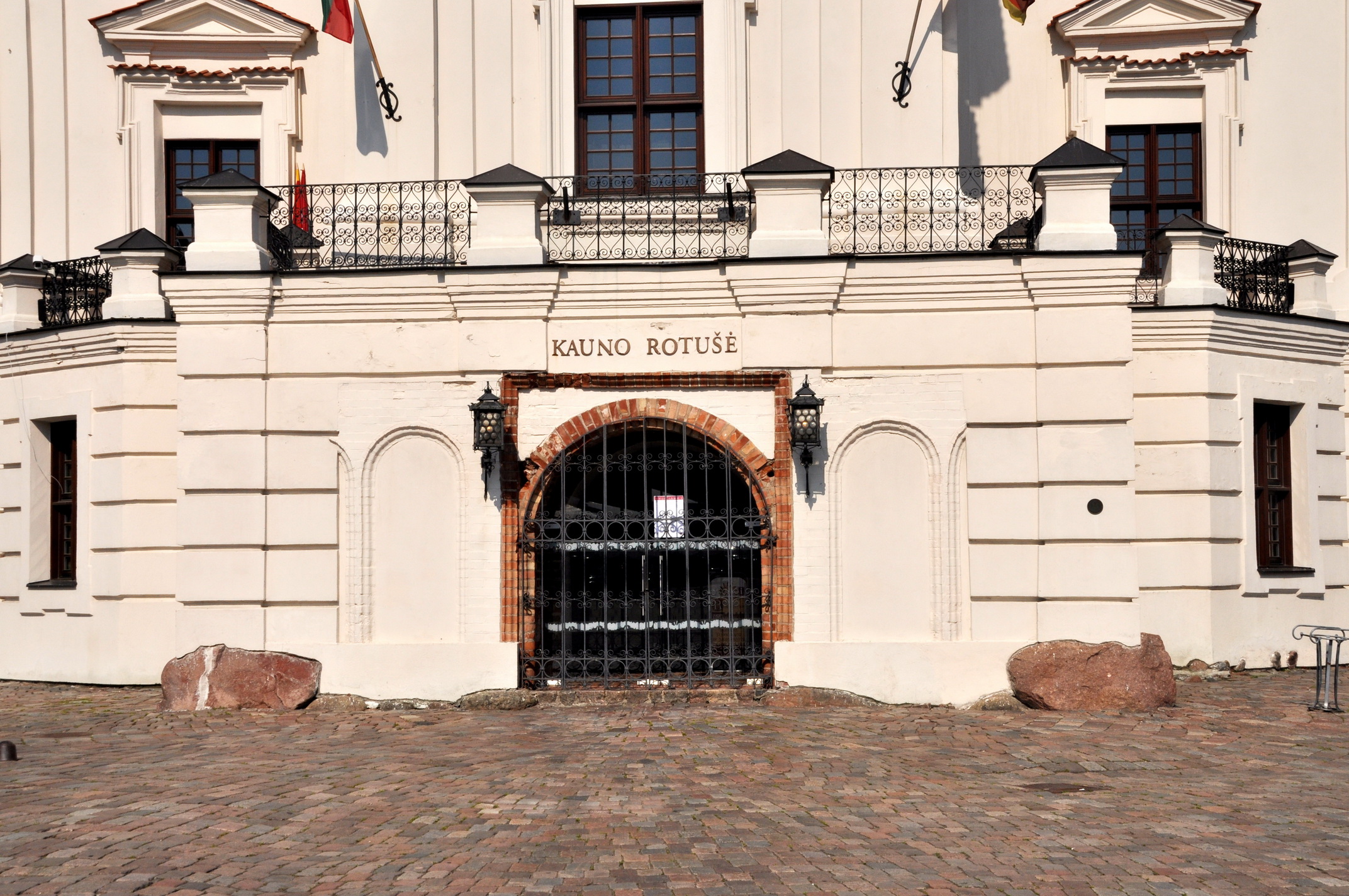
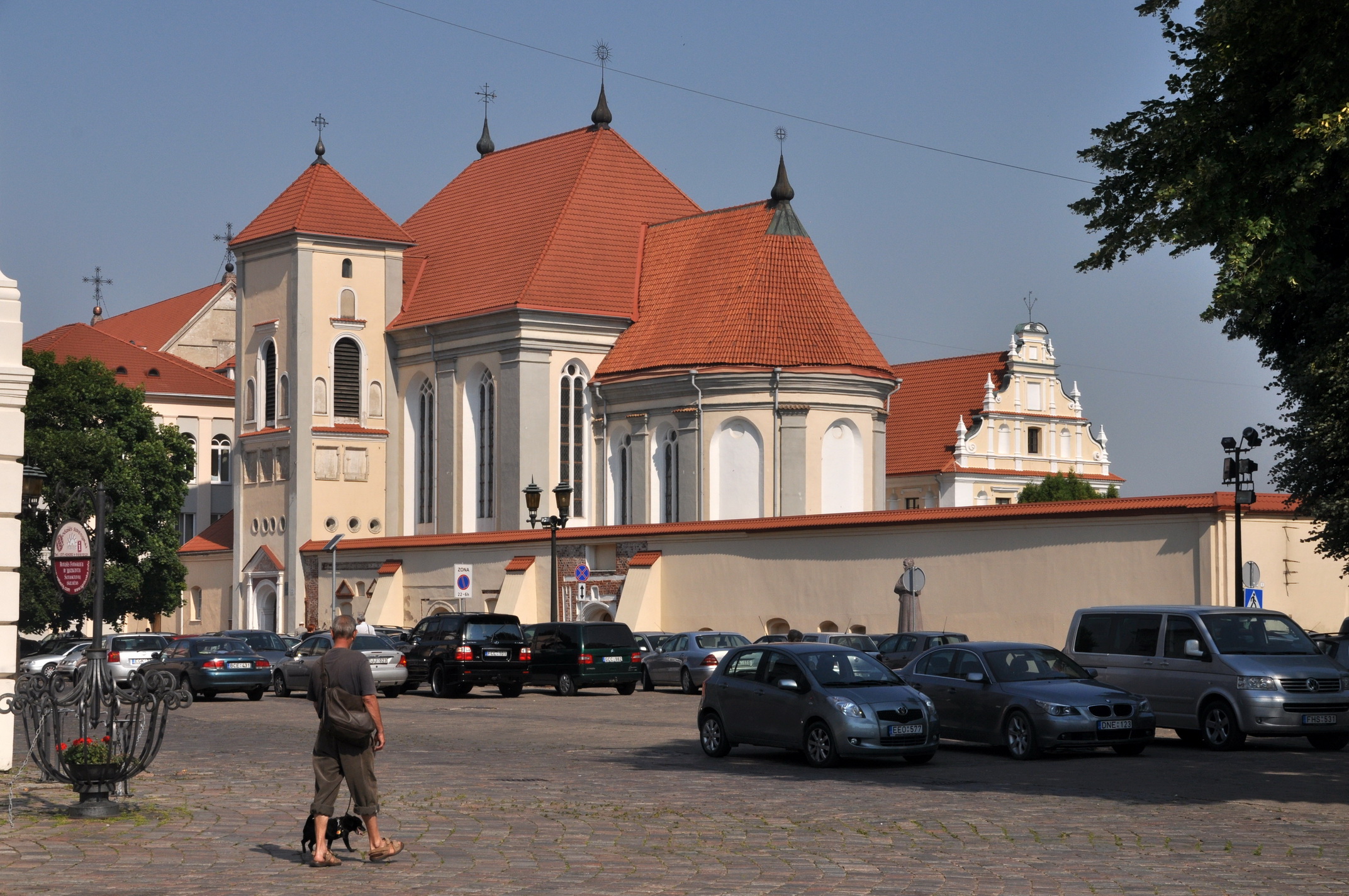
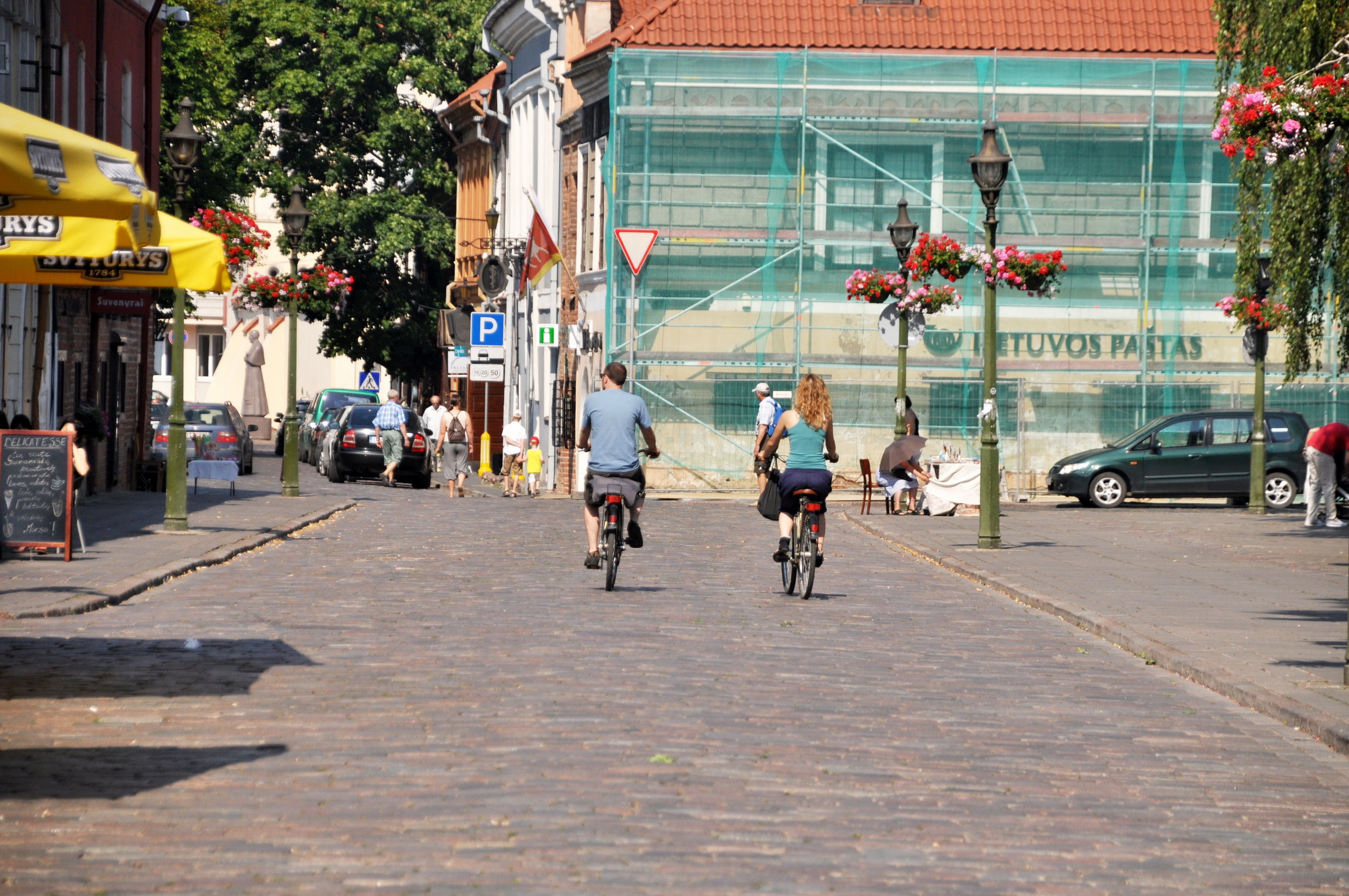
Half of Lithuania used to be a restricted border zone. Now the road to Poland is open. There used to be rows of barbed wire here, with dogs, towers and searchlights. Now there’s nothing. The only change is that the signs are in a language I can understand better. I drove around Prussia to the south.
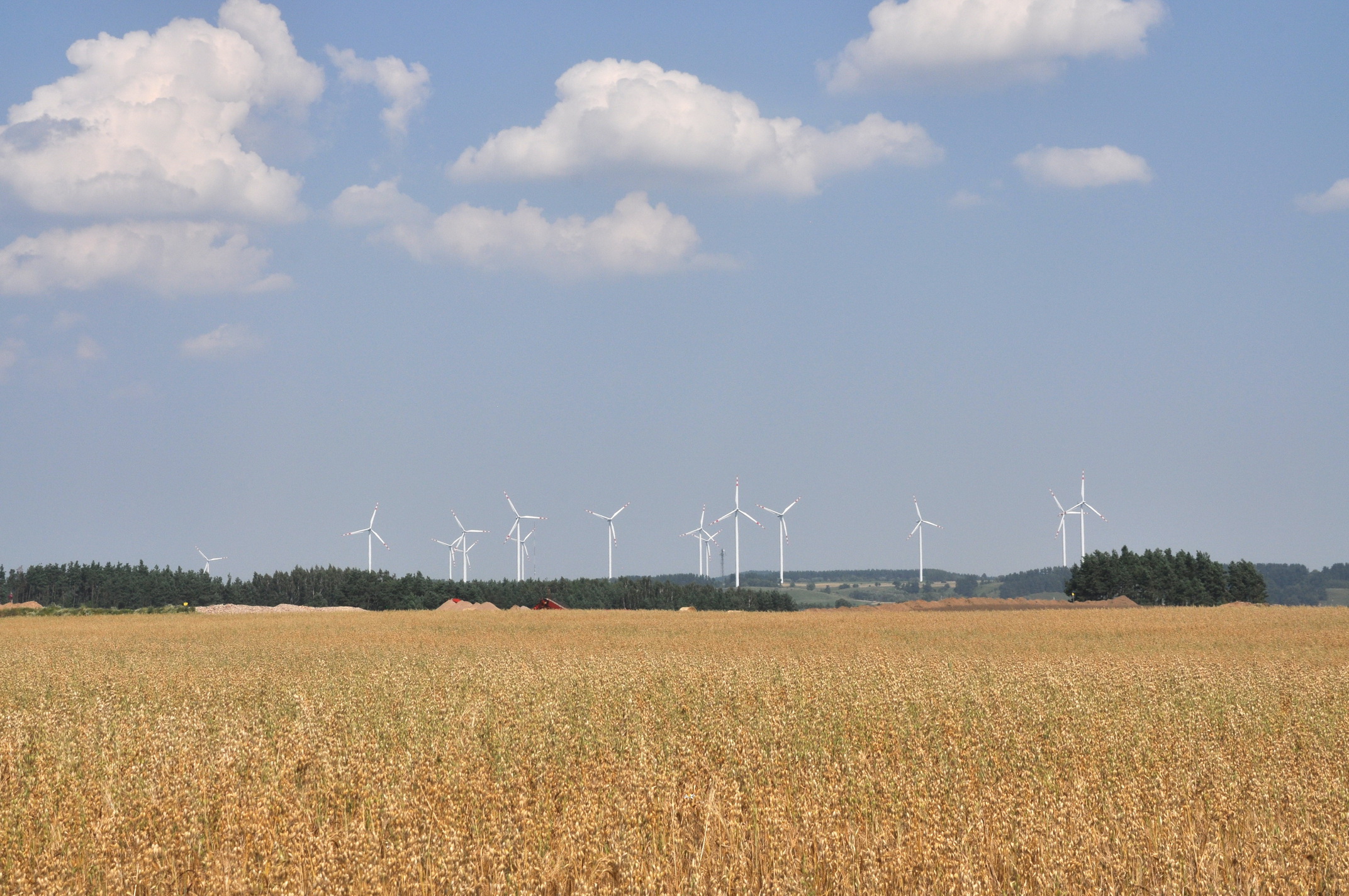
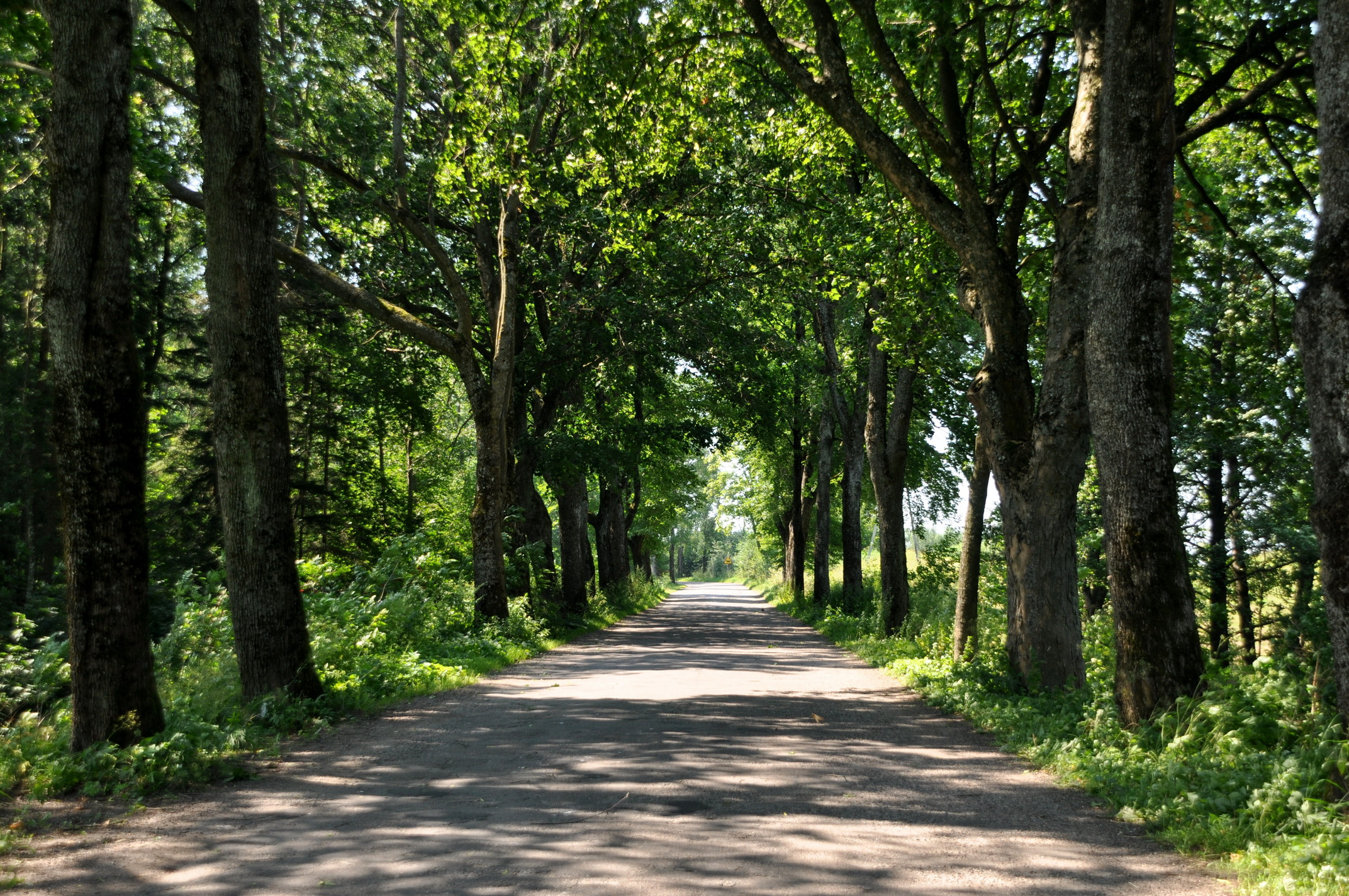
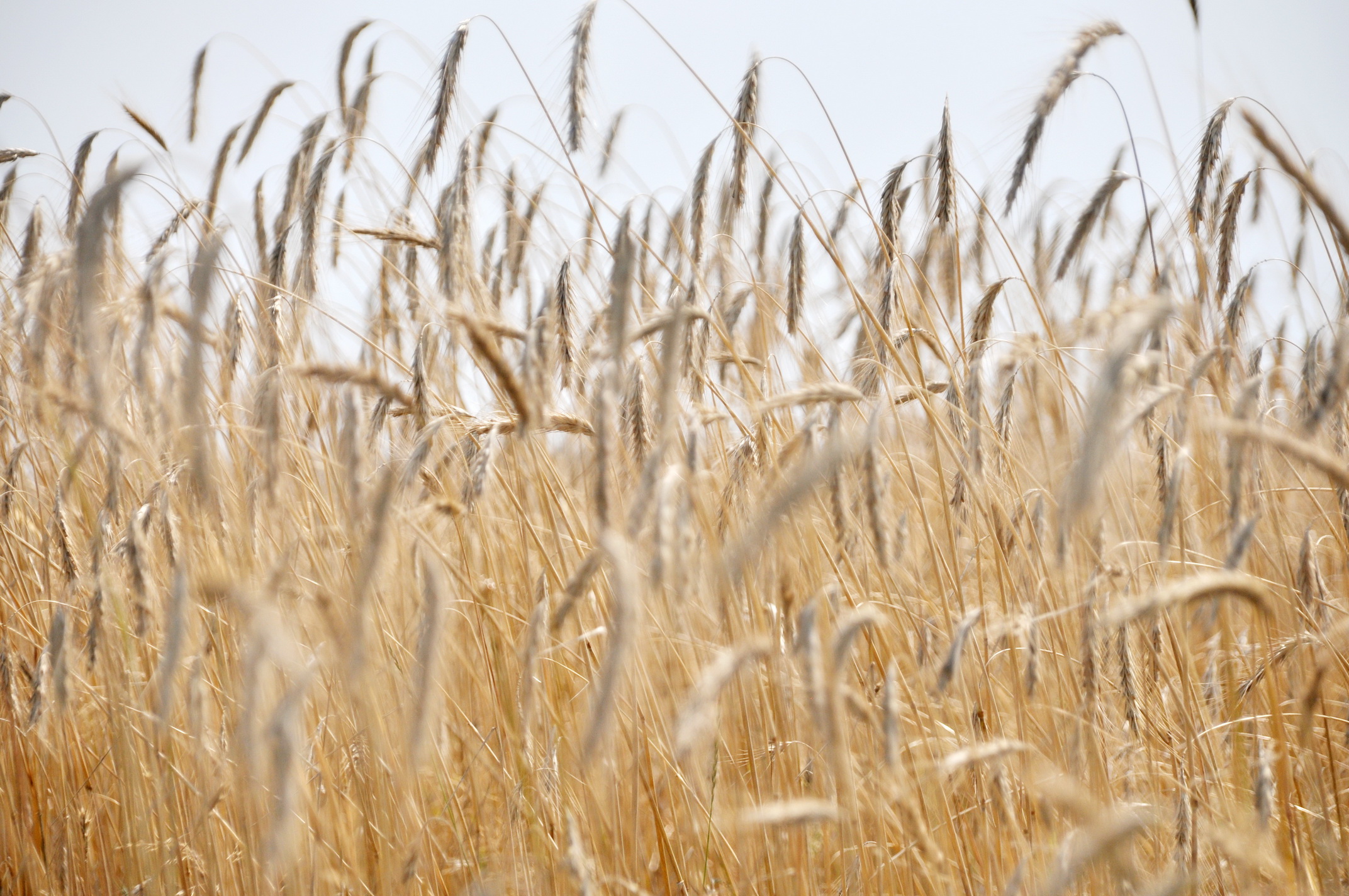
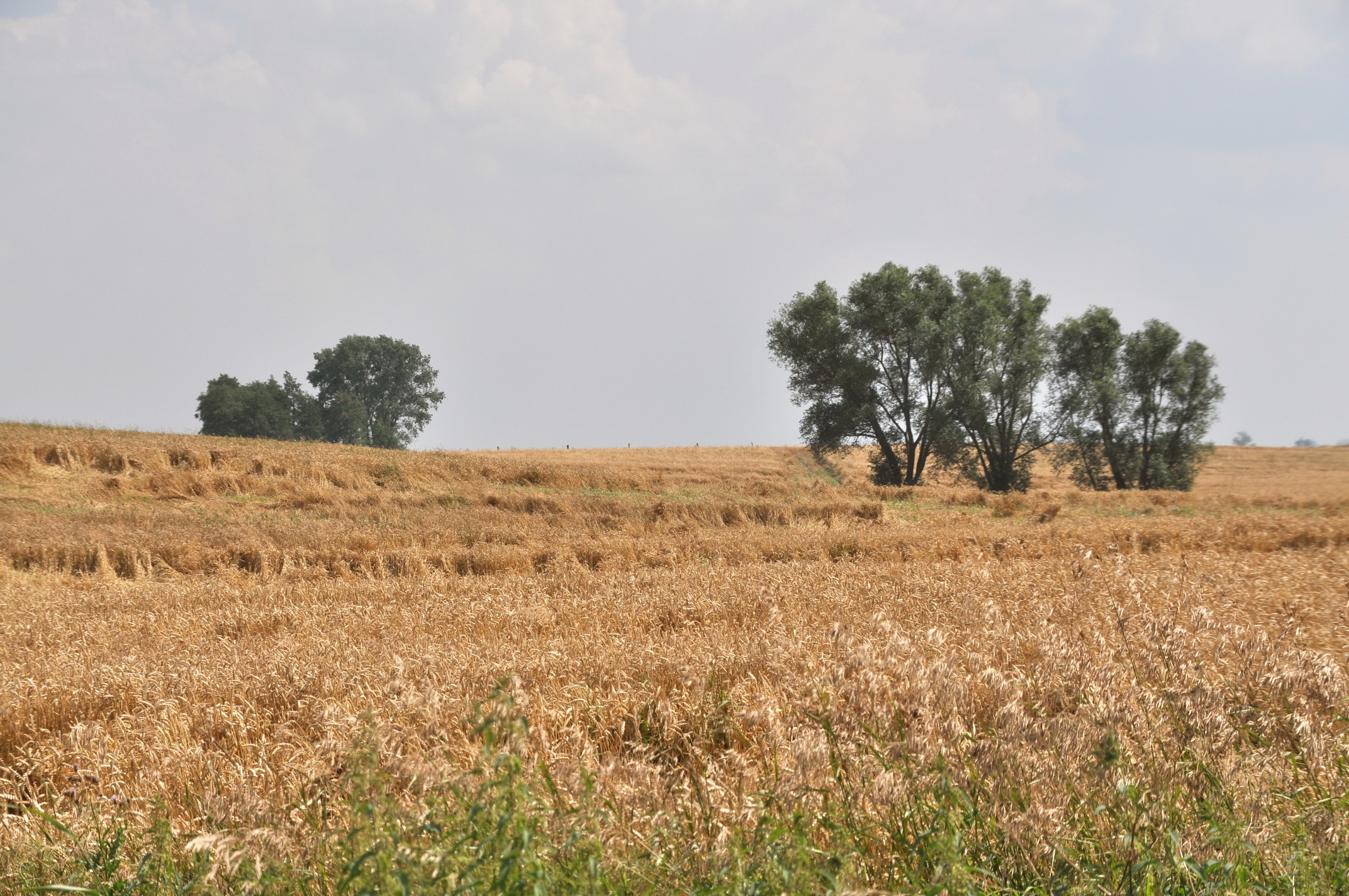
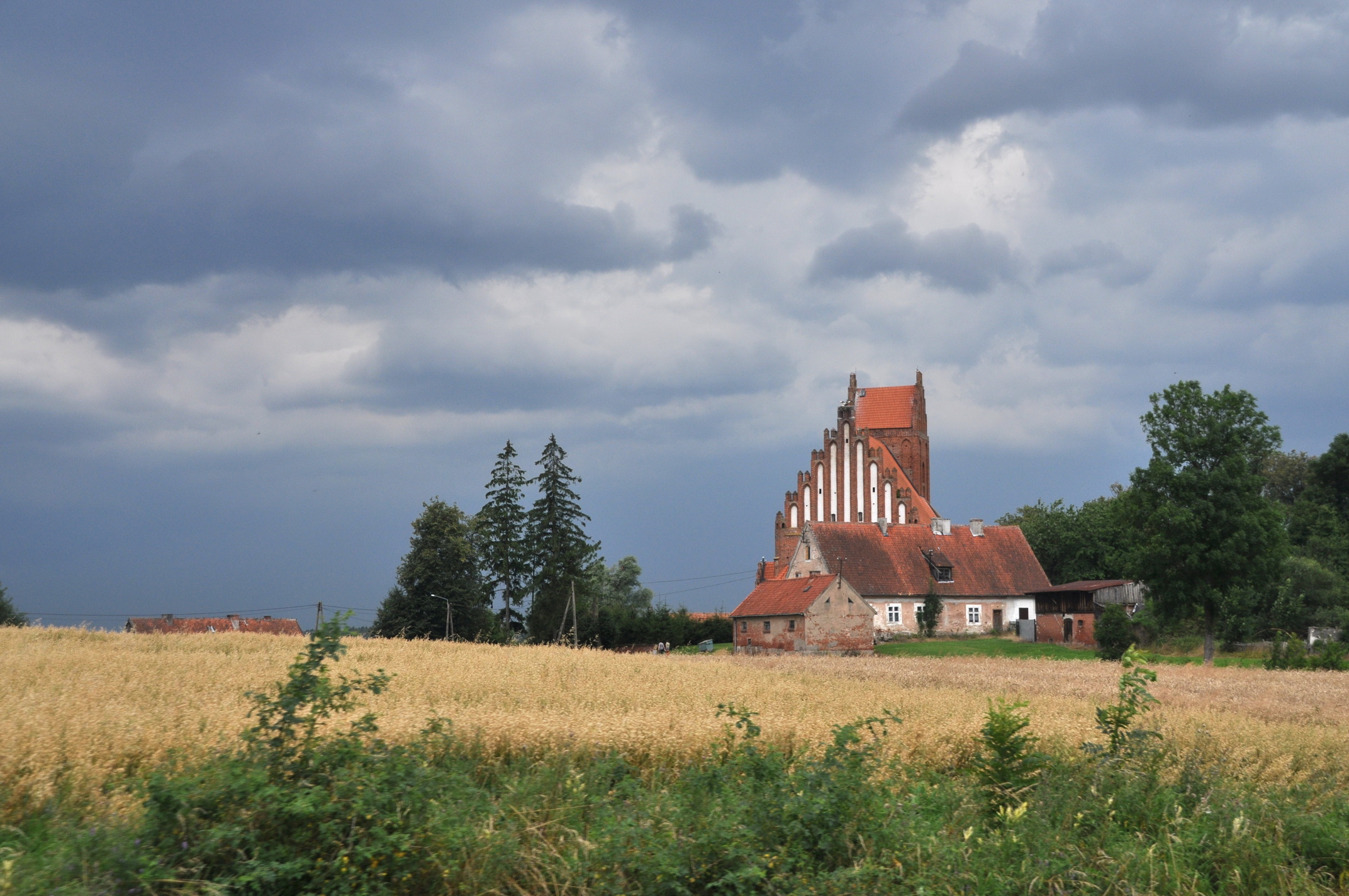
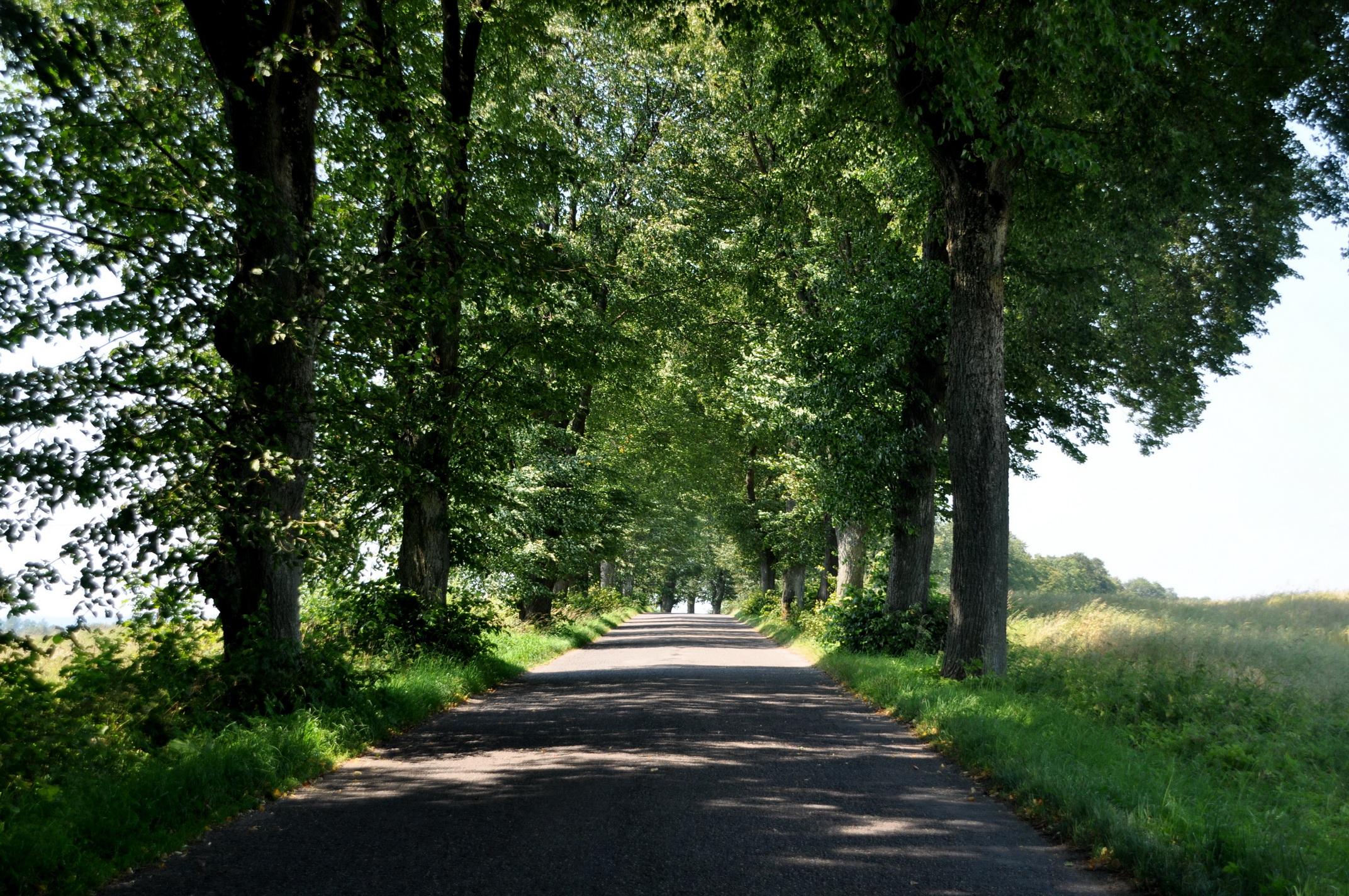
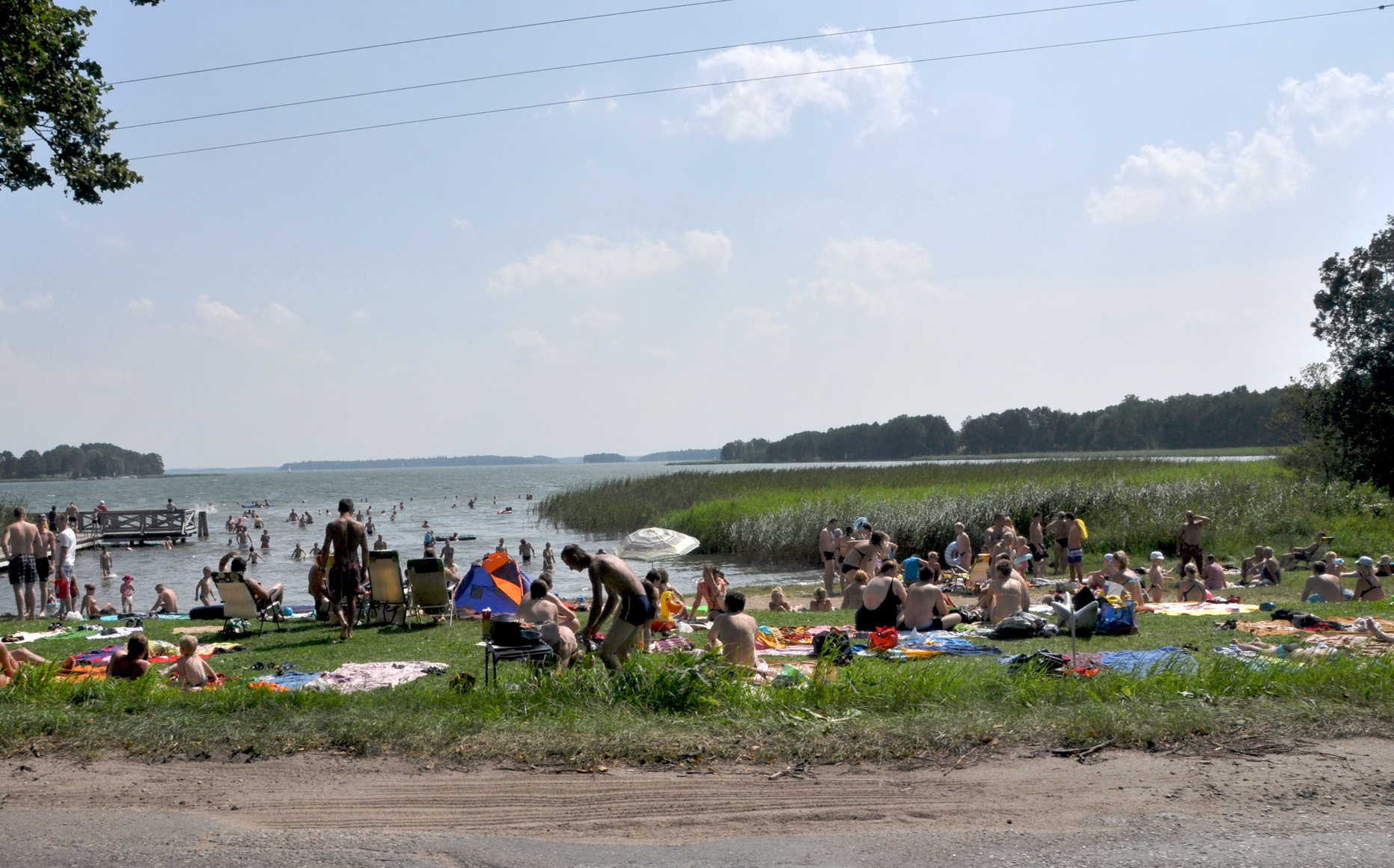
It was a hot day, and people were swimming in the Masurian Lakes. For Russians it’s a name with a terrible ring to it. How many death notices came from here at the very beginning of the war, when death had yet to become an everyday statistic. Killed in action at the Masurian Lakes, and that was the end of a fiancé, a husband, a son. It brings to mind Bunin’s ‘Cold Autumn’. Somewhere here old Russia ended, and ended for good.
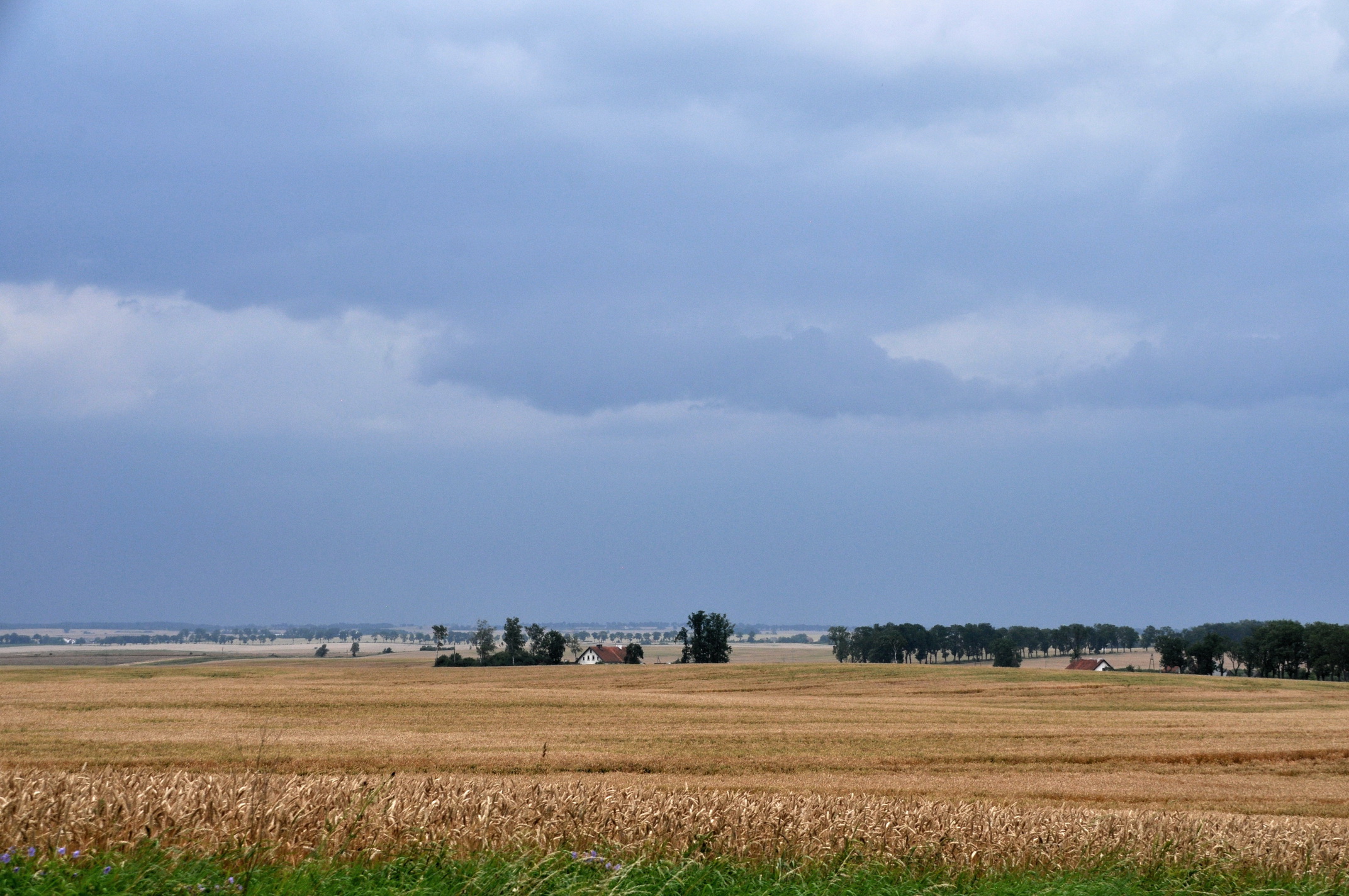
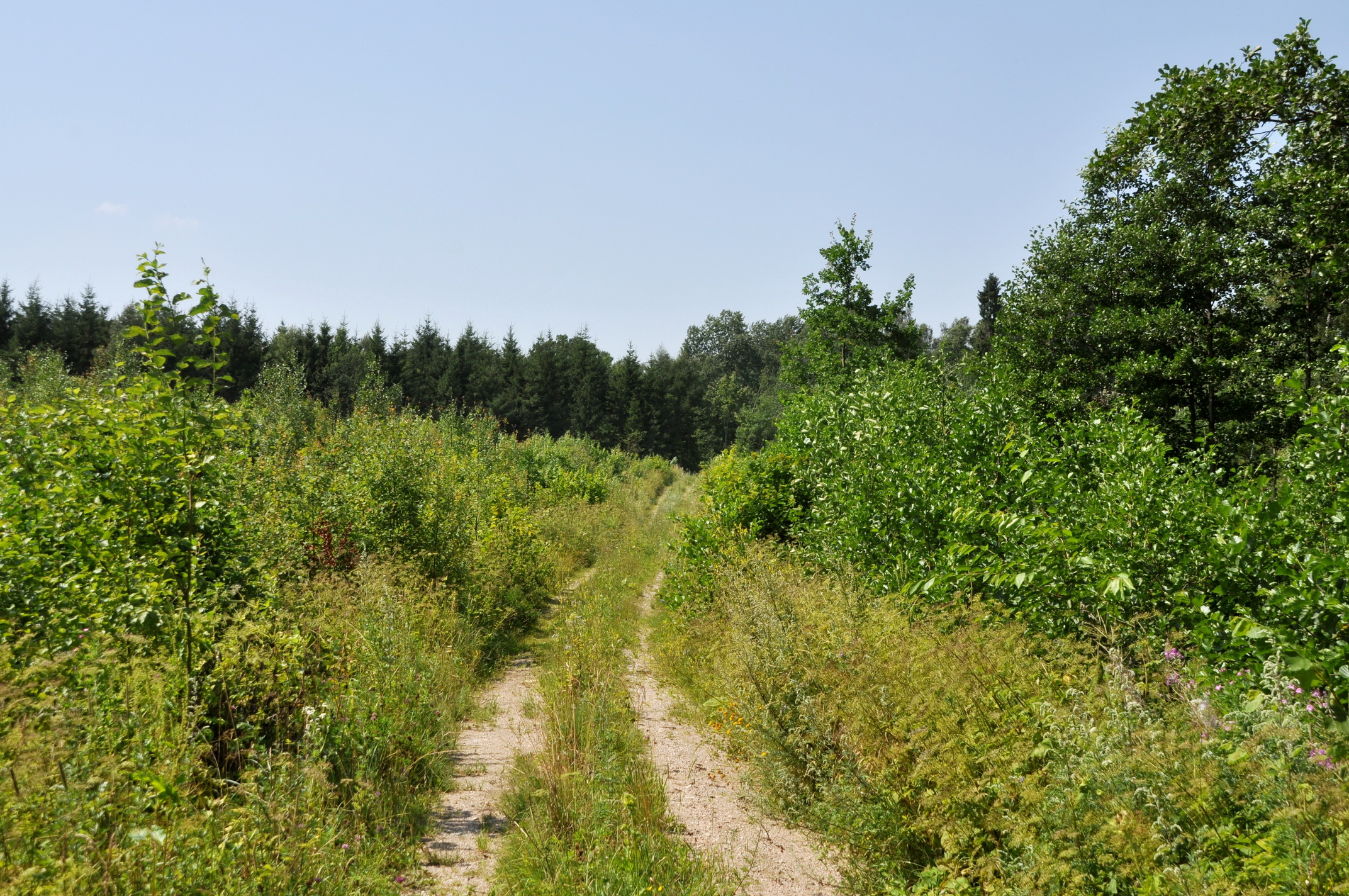
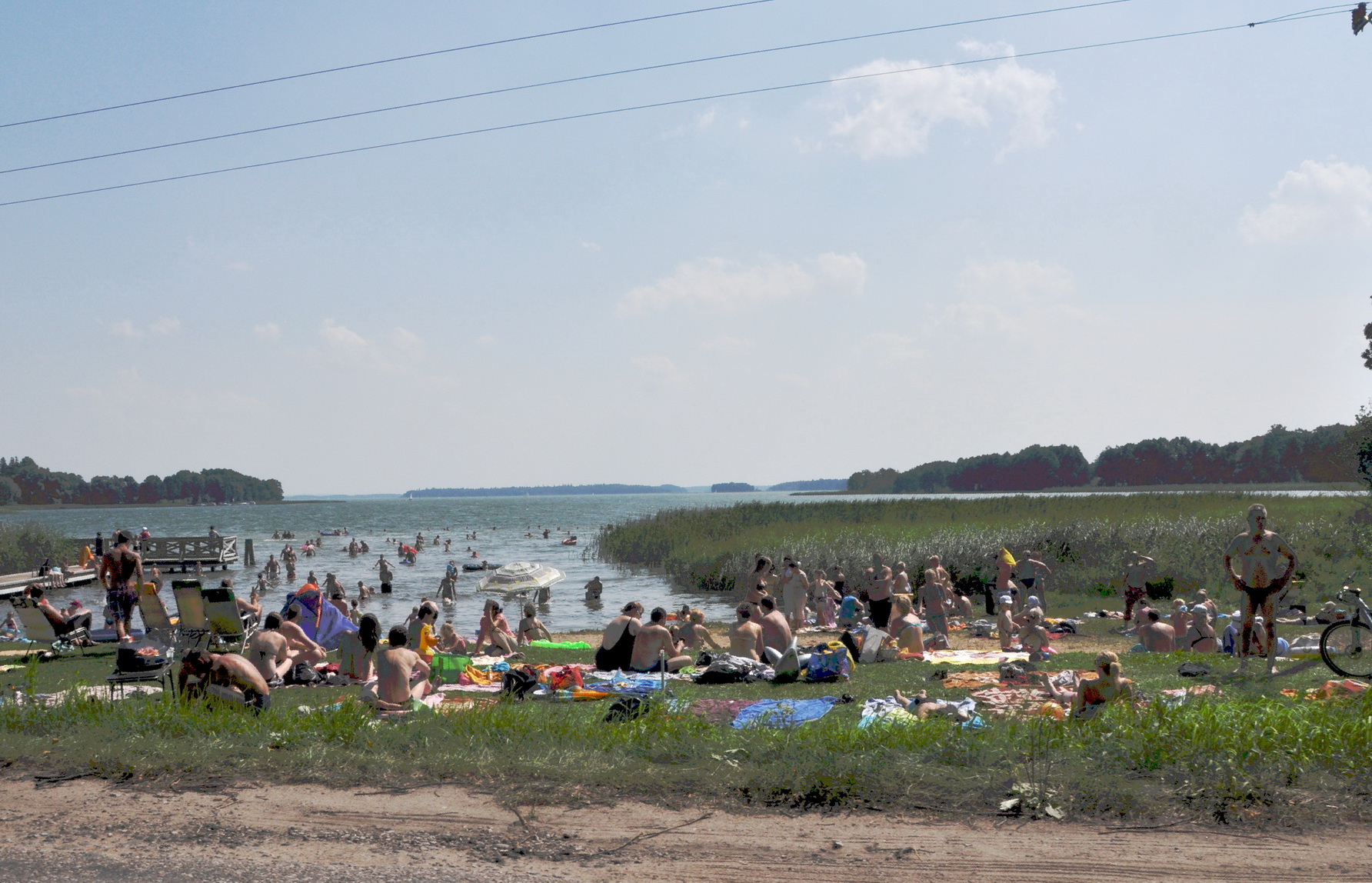
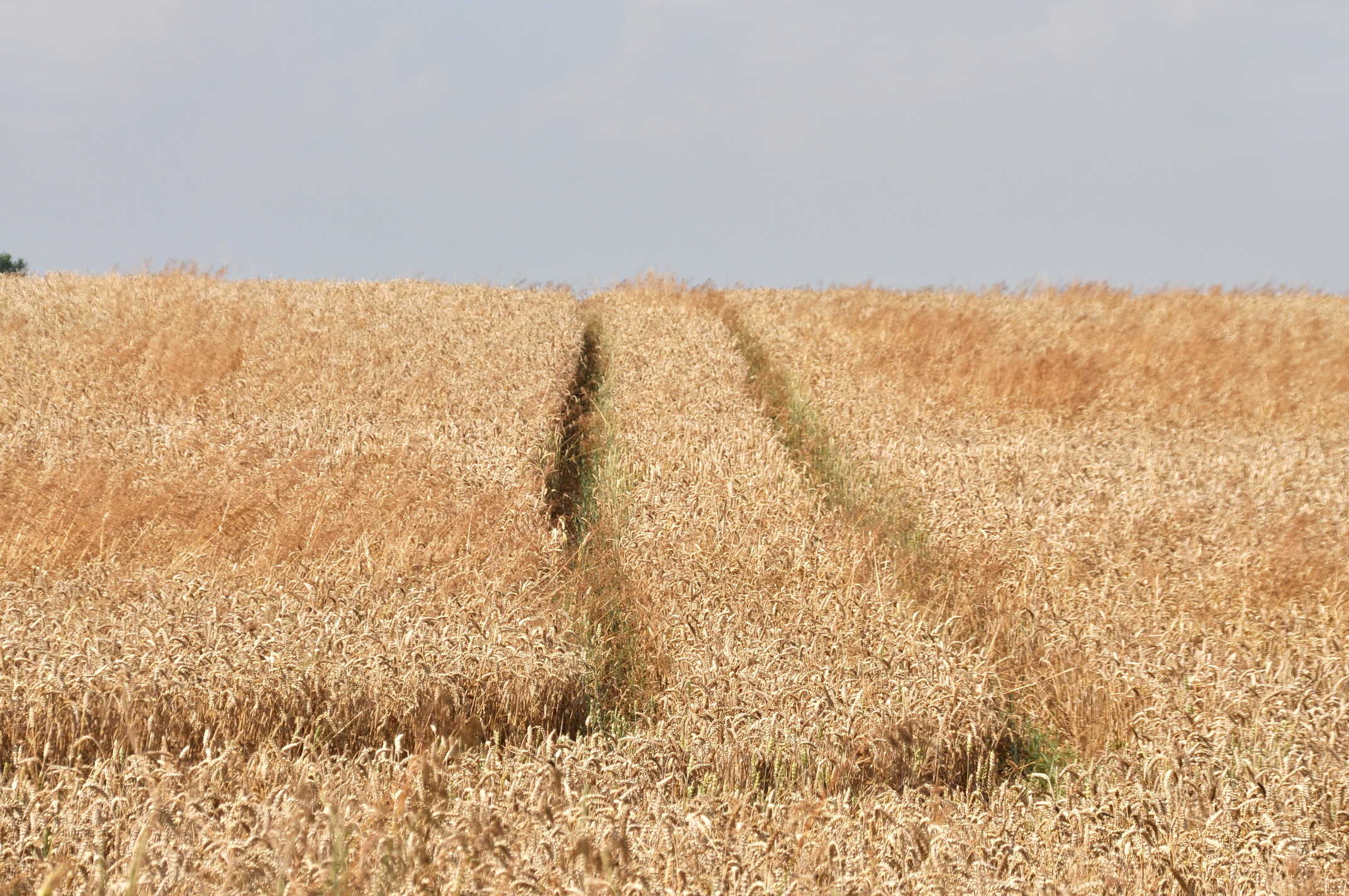
On the way to Gdańsk I stopped in Elblong (Elbląg). I hadn’t known such a town existed. A perfectly pleasant place with a historic centre.
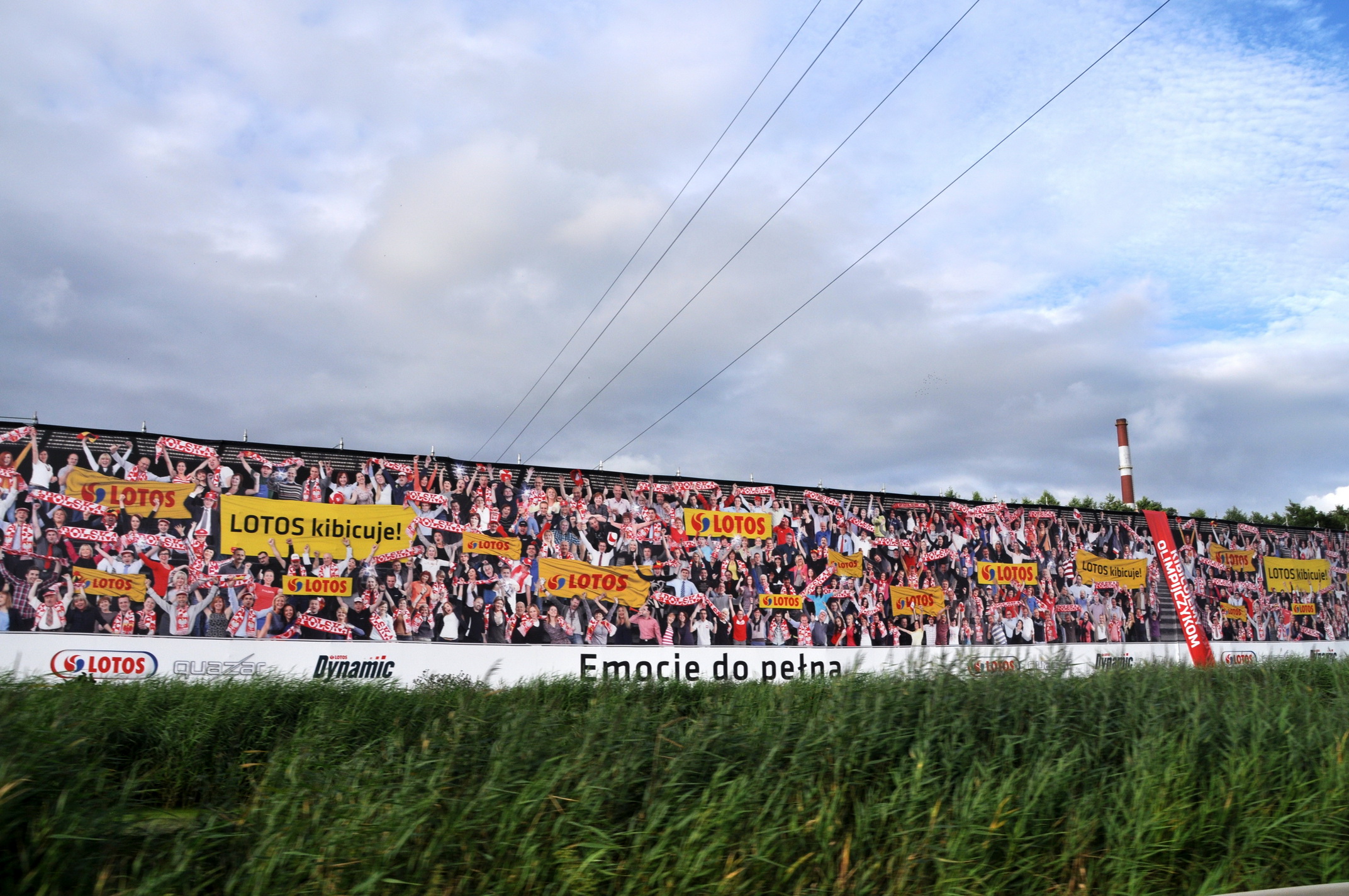
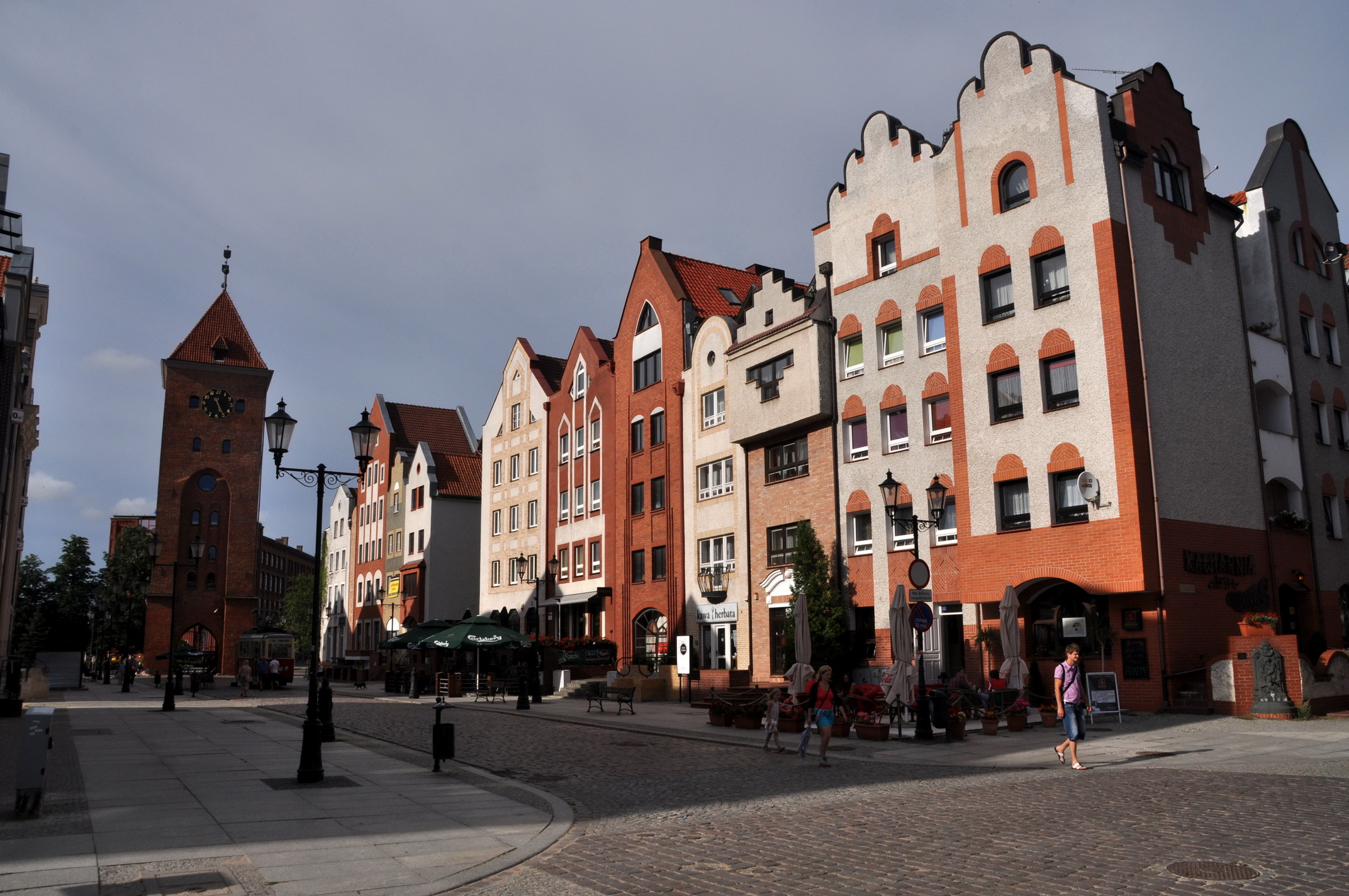
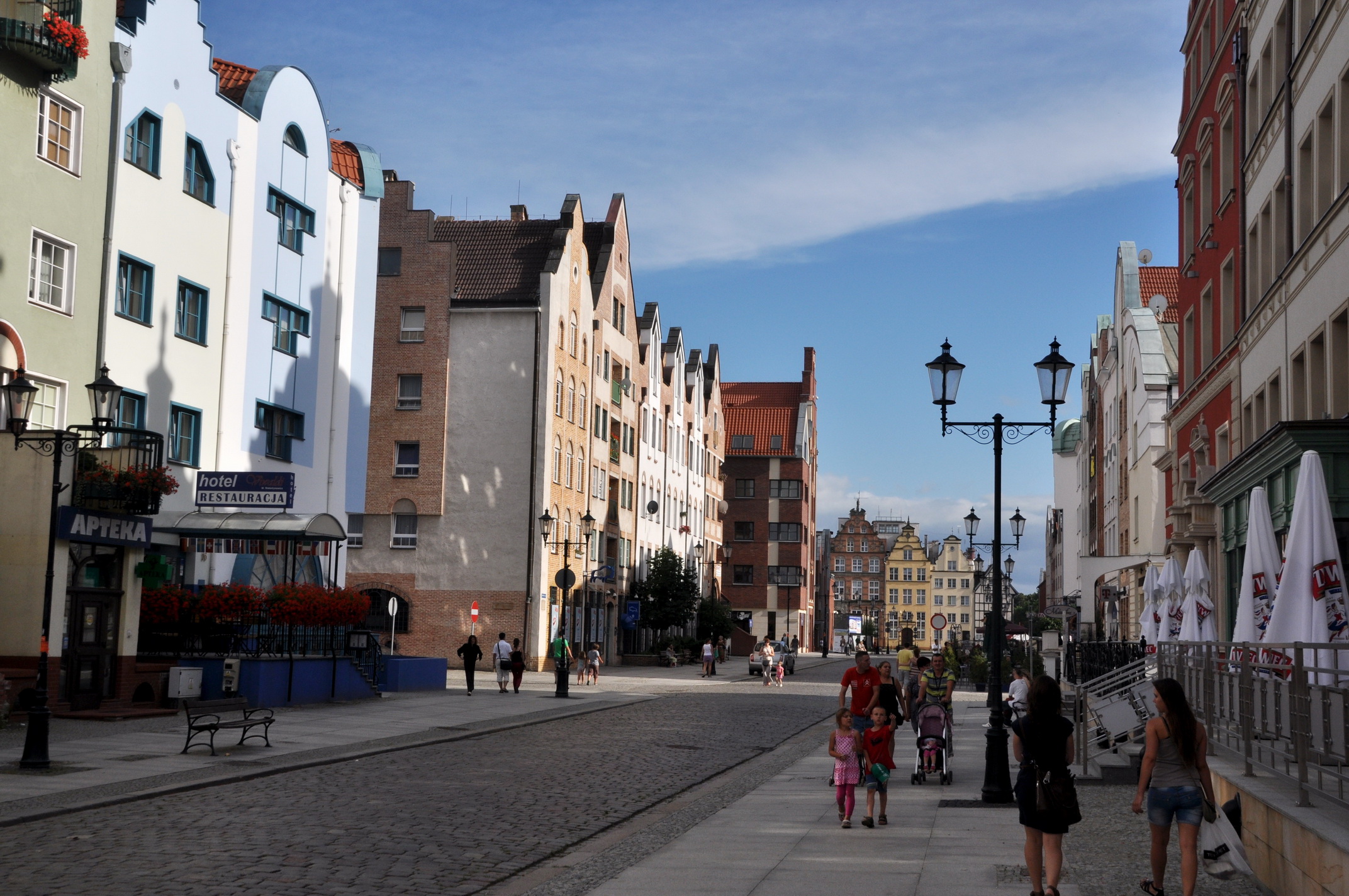
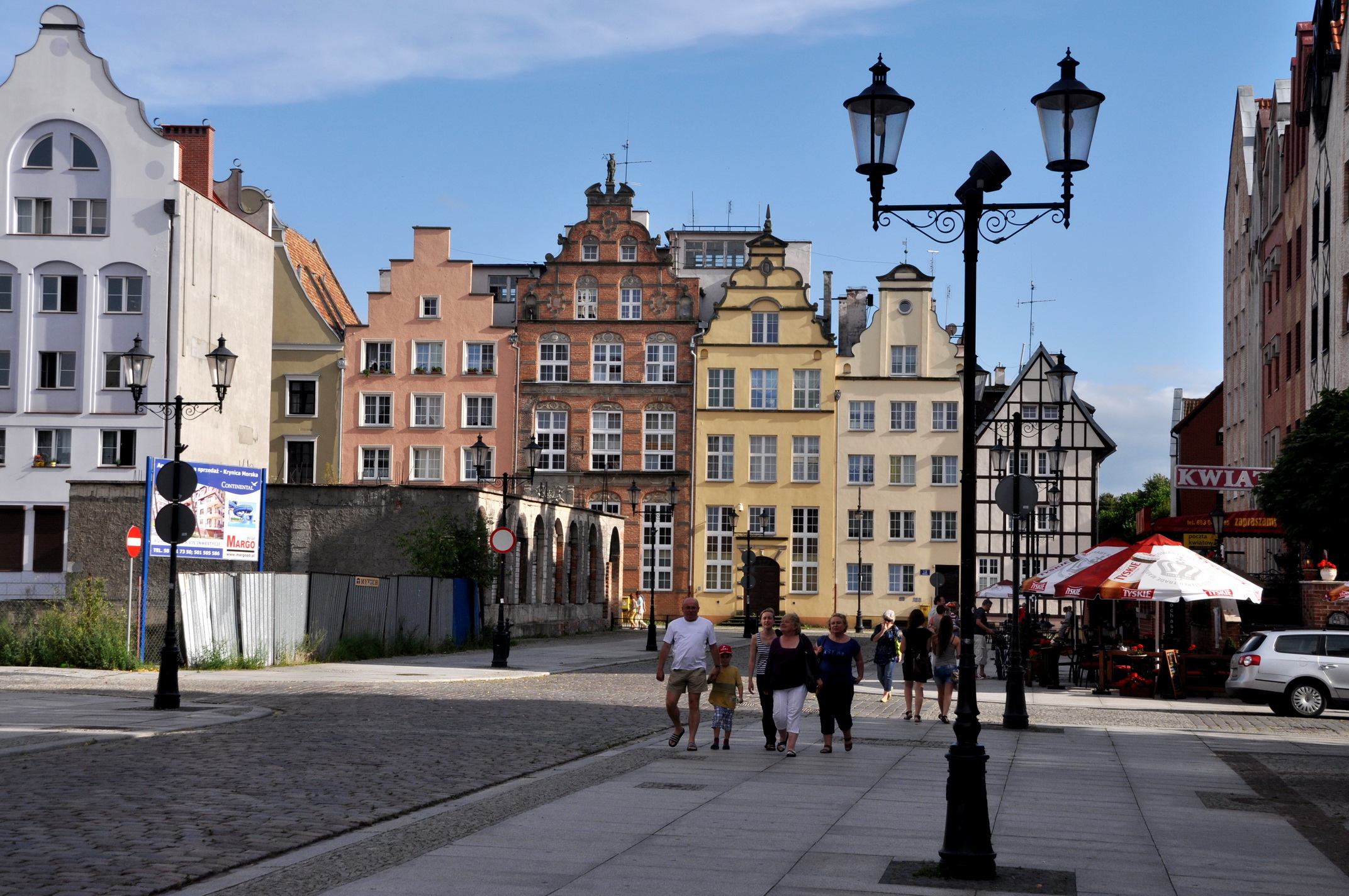
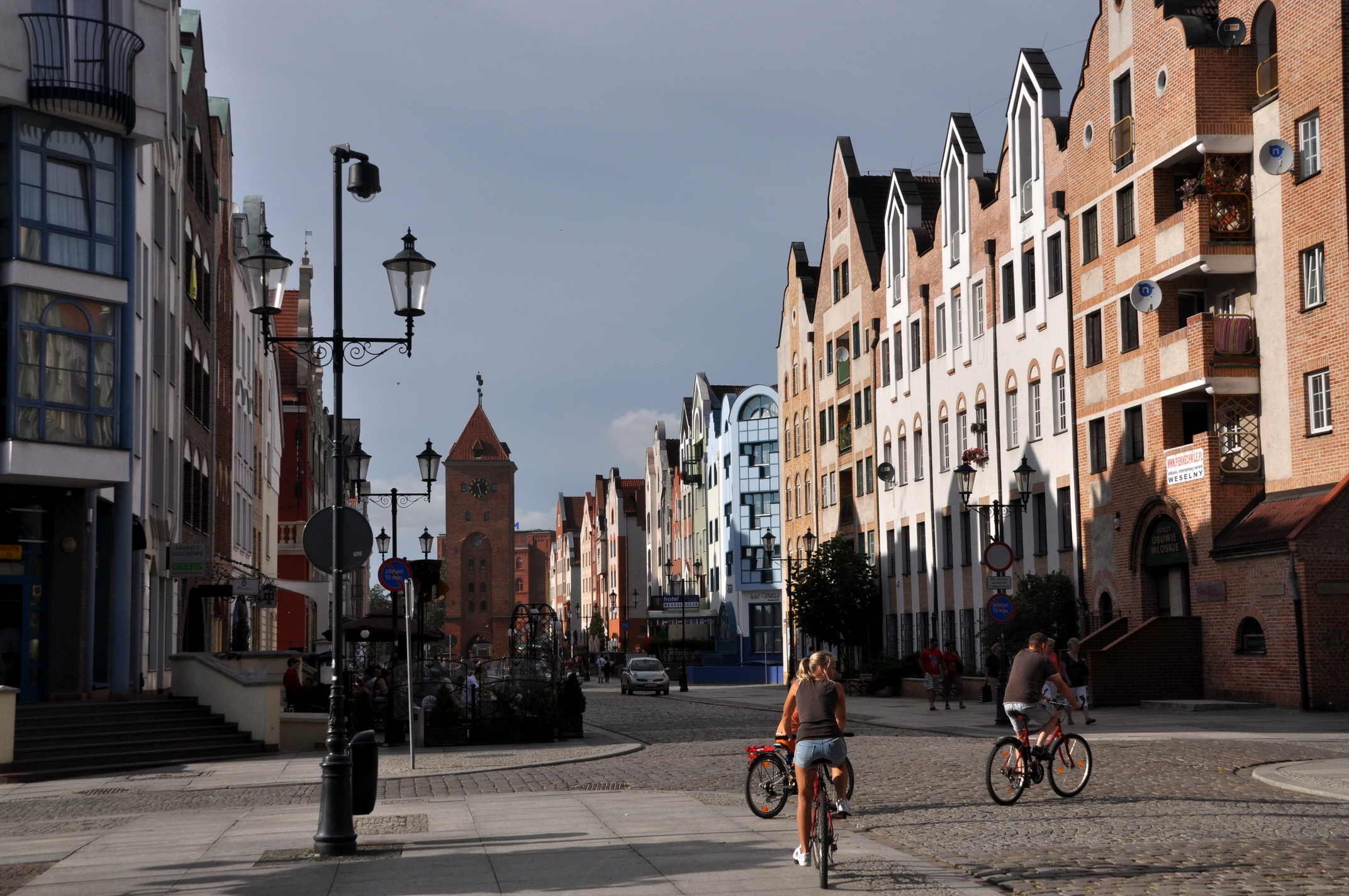
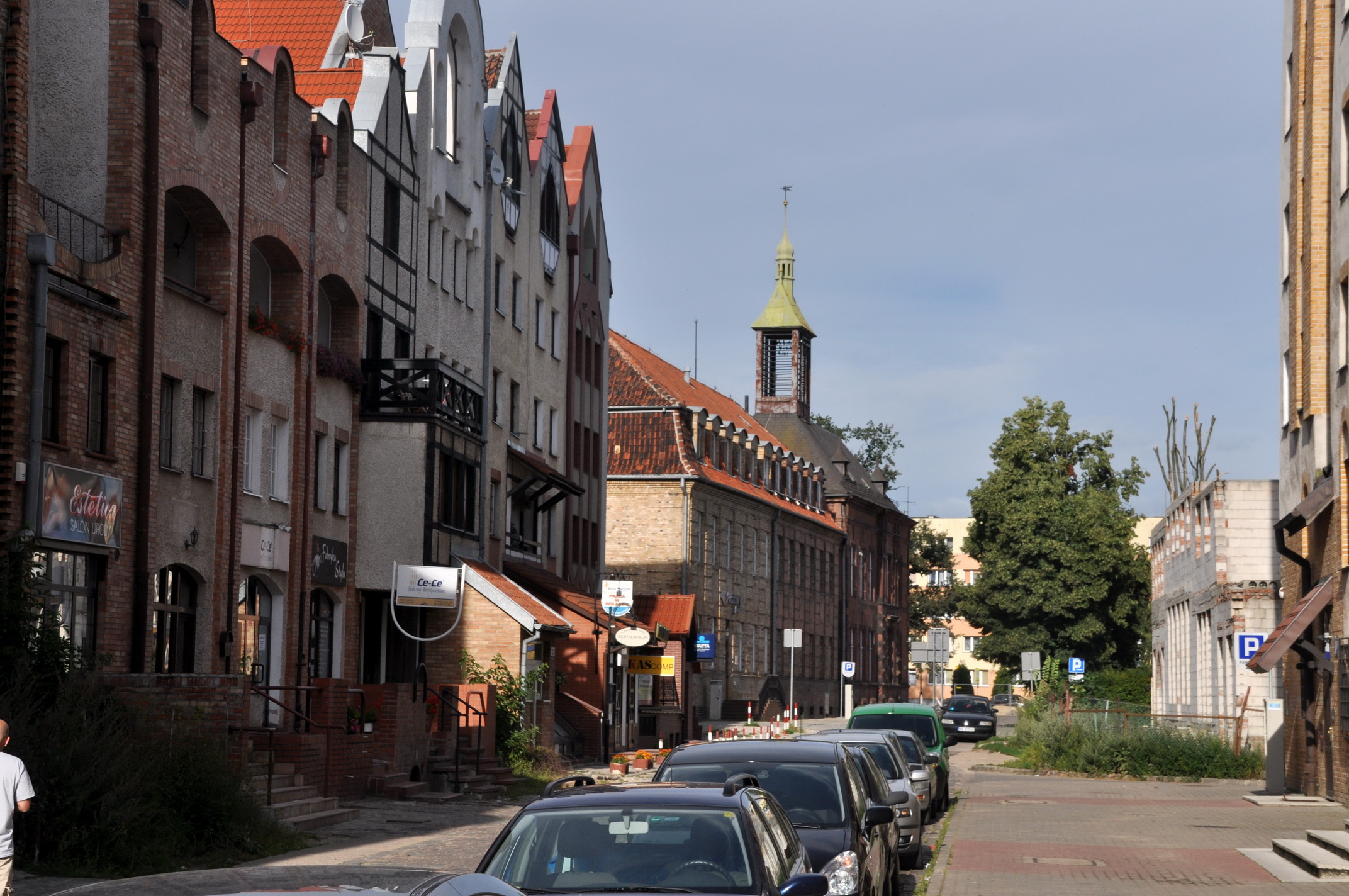
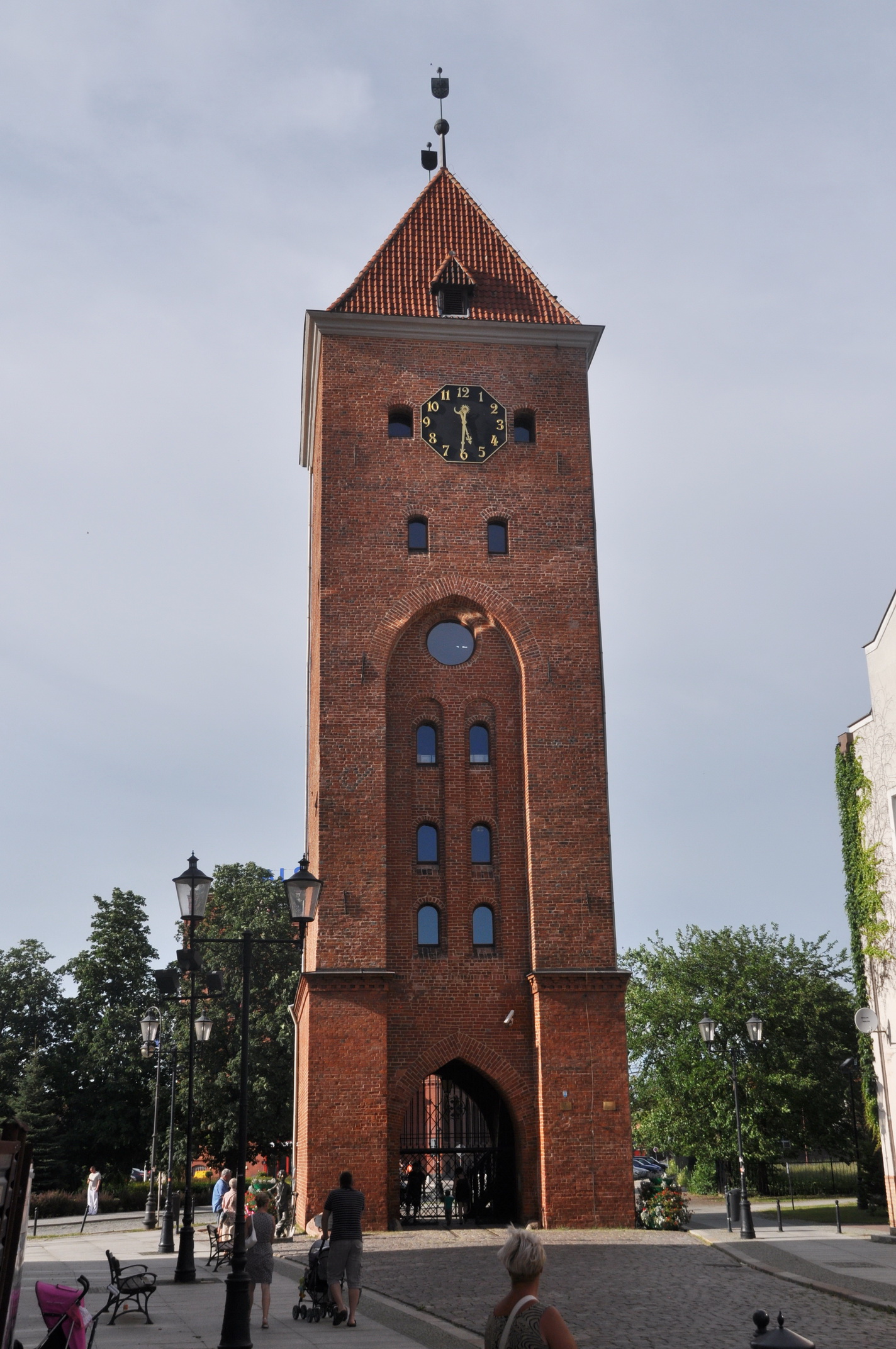
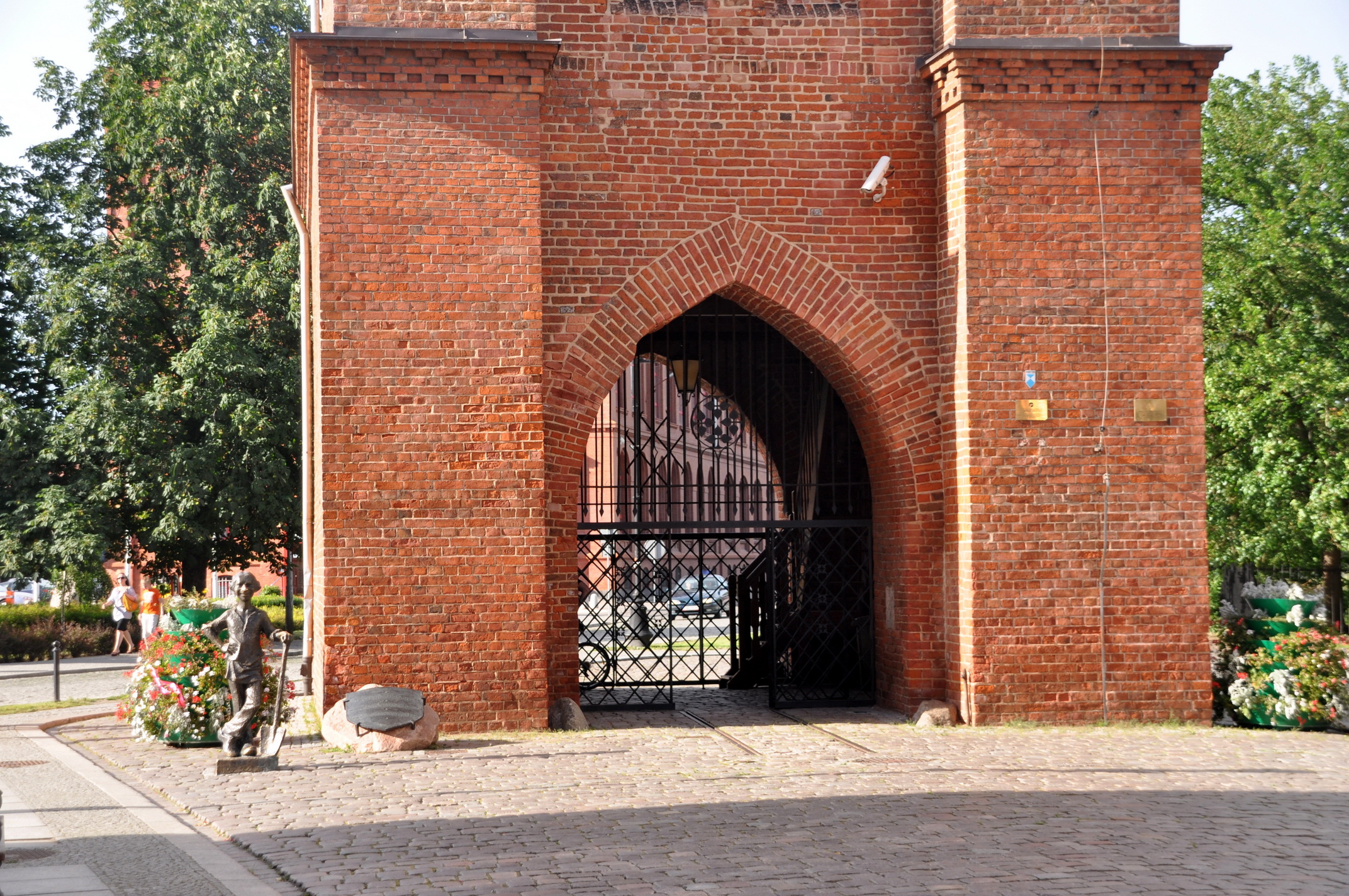
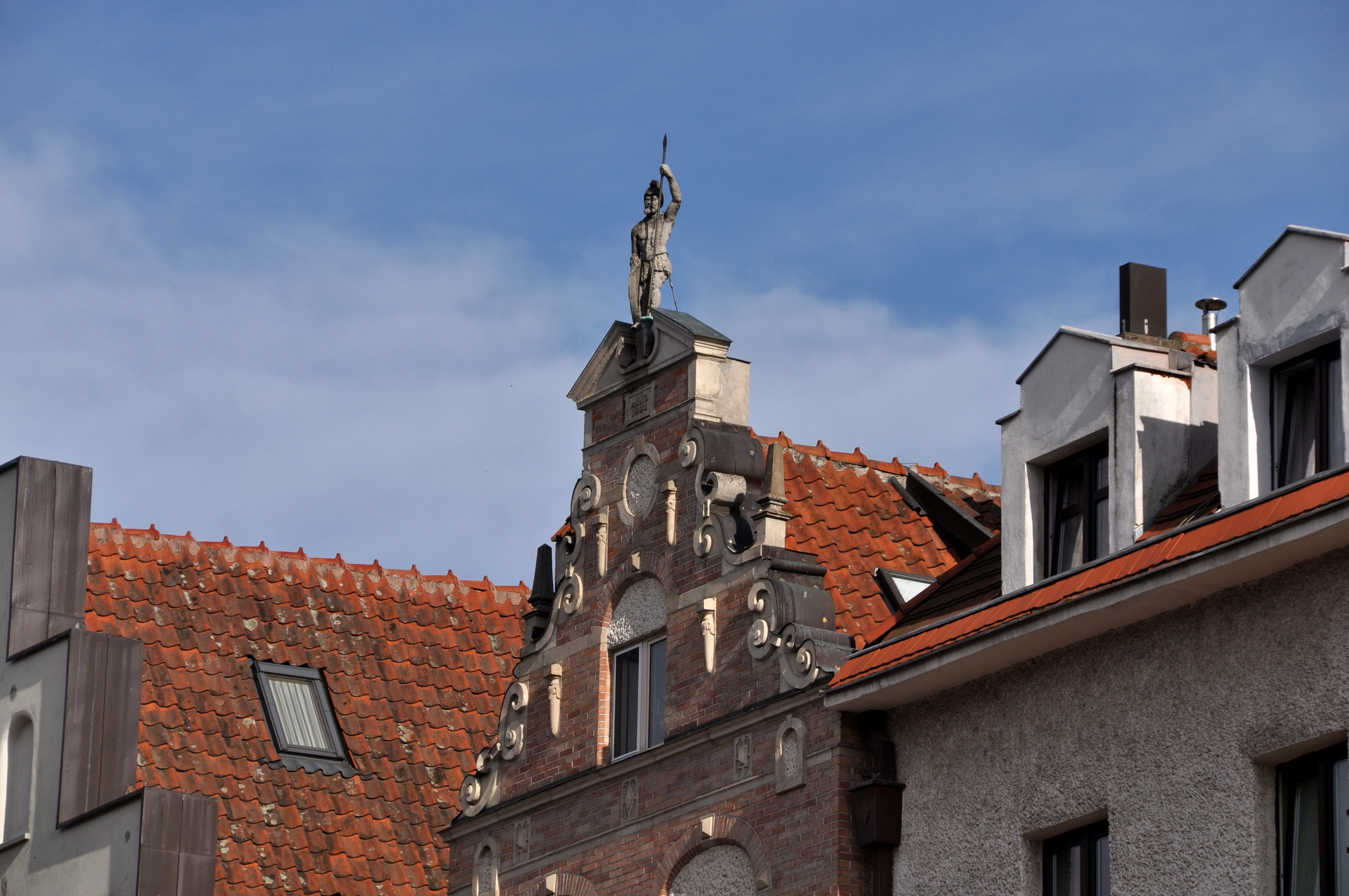
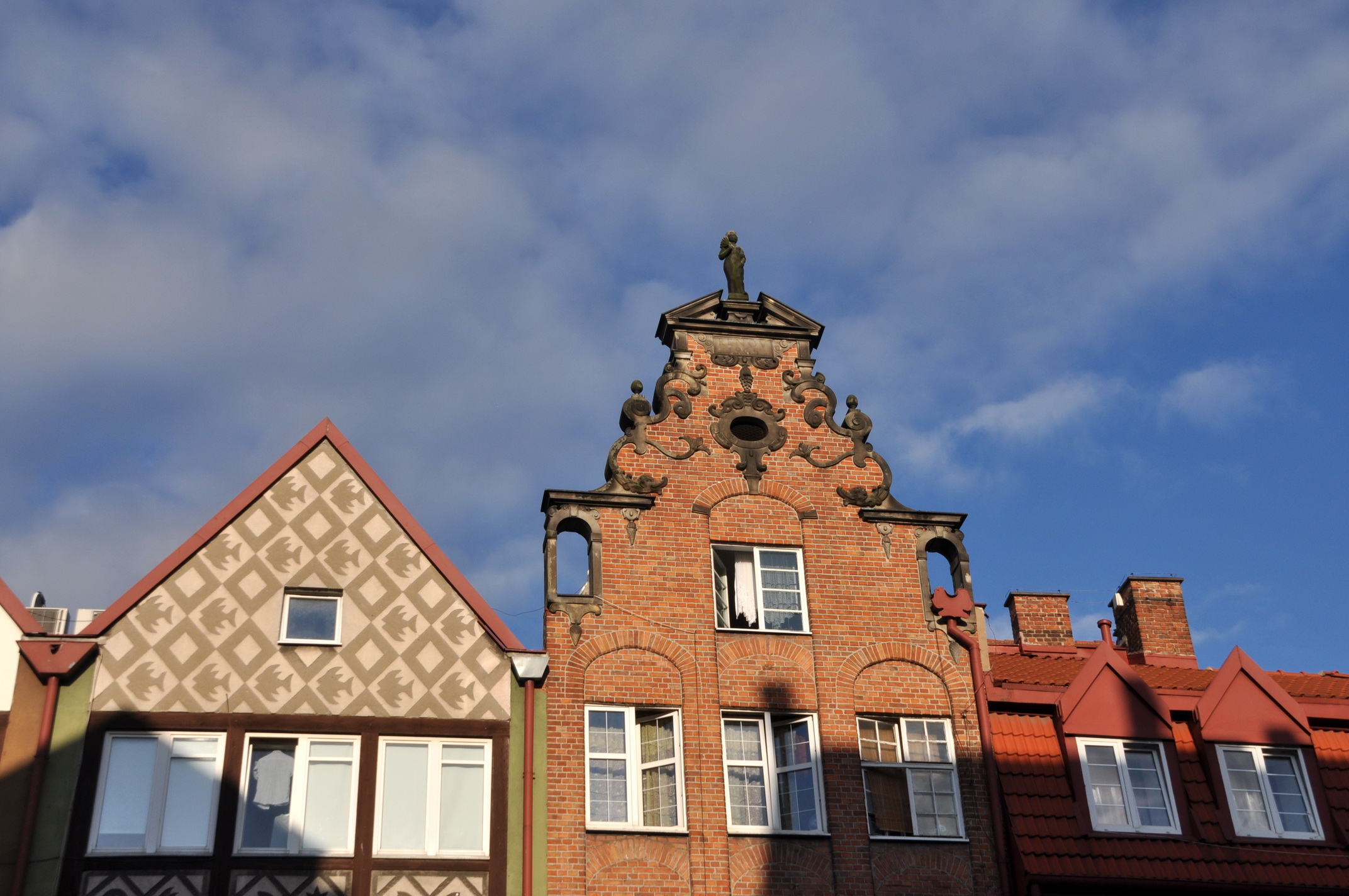
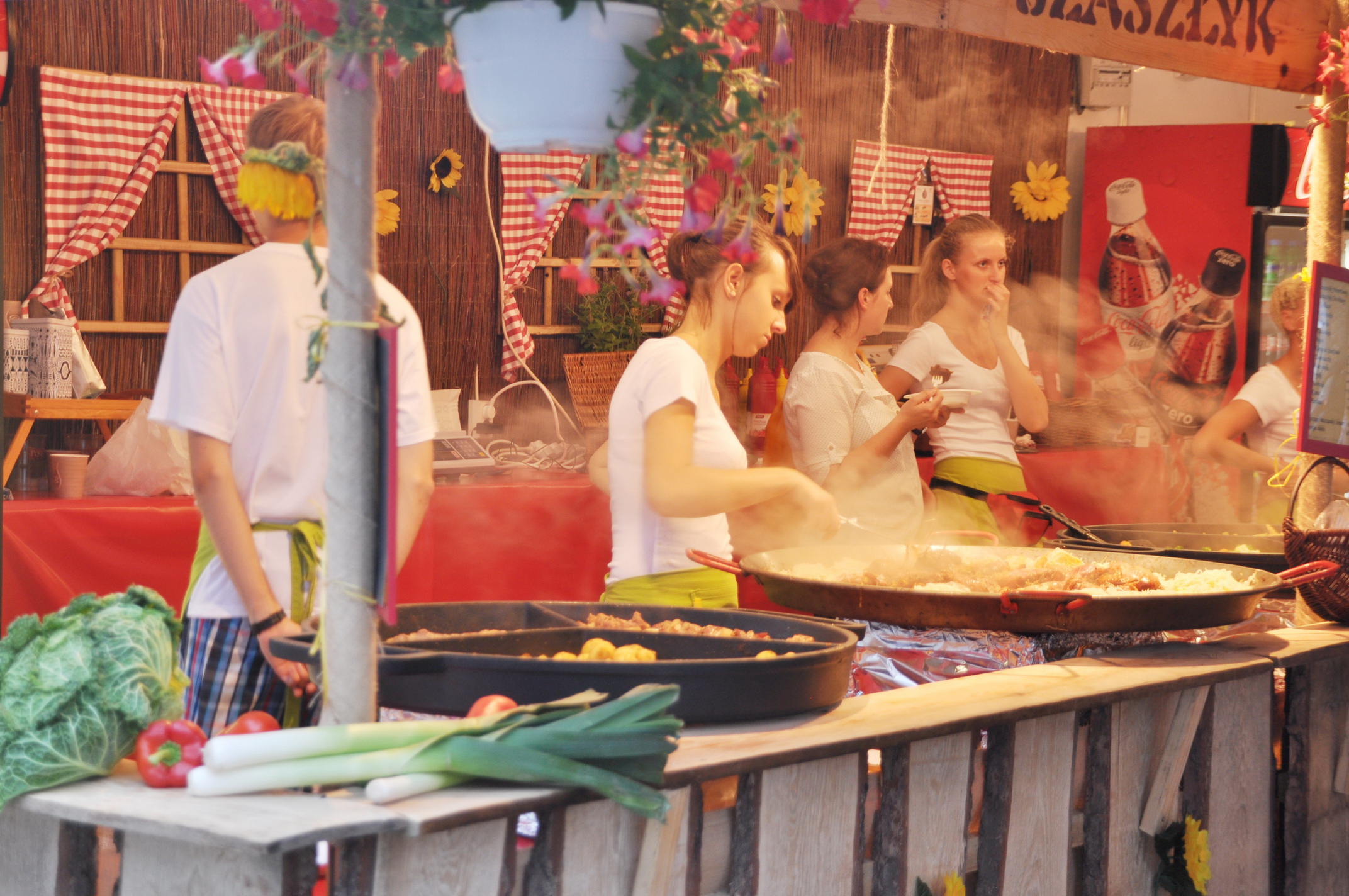
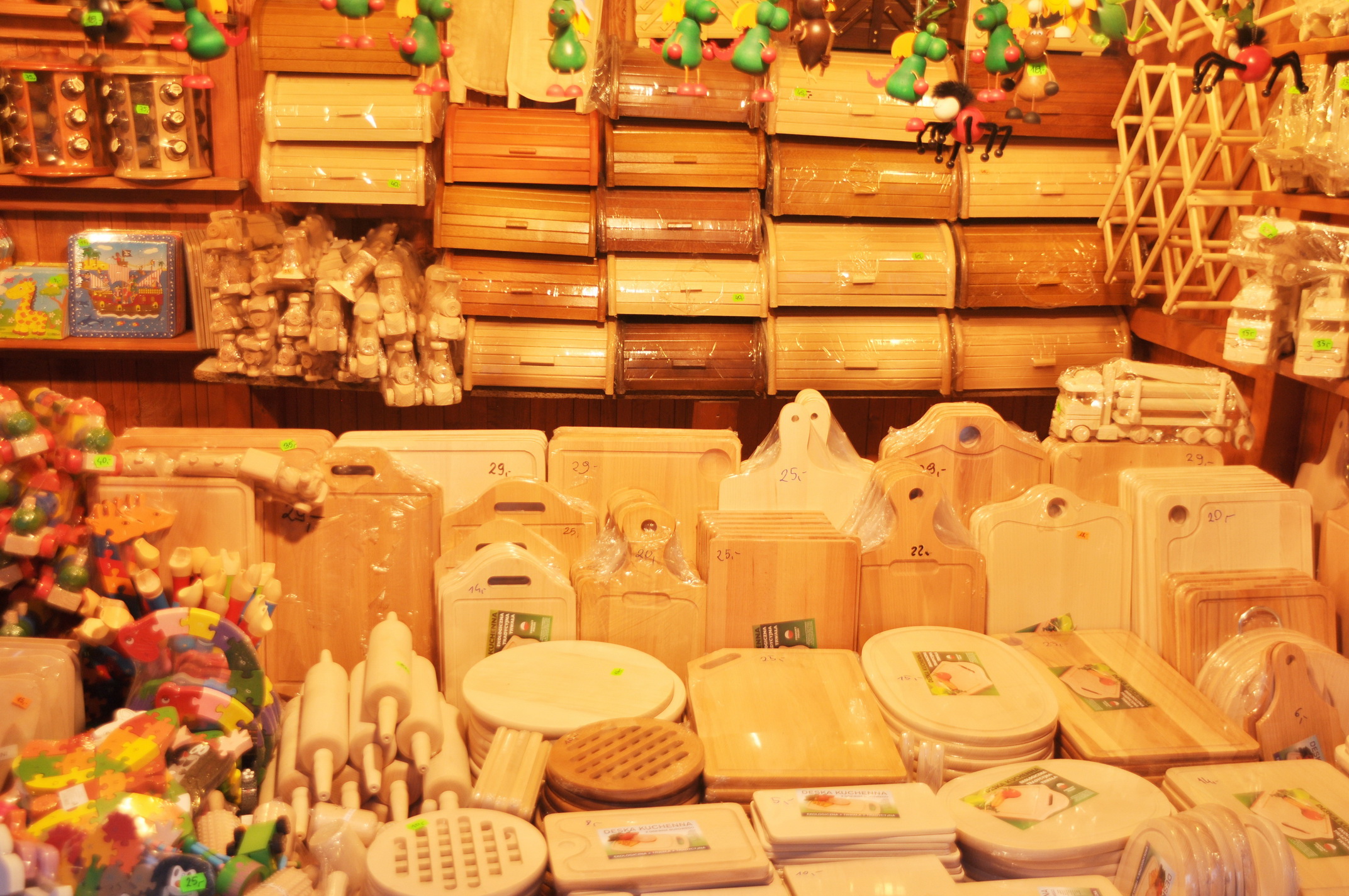
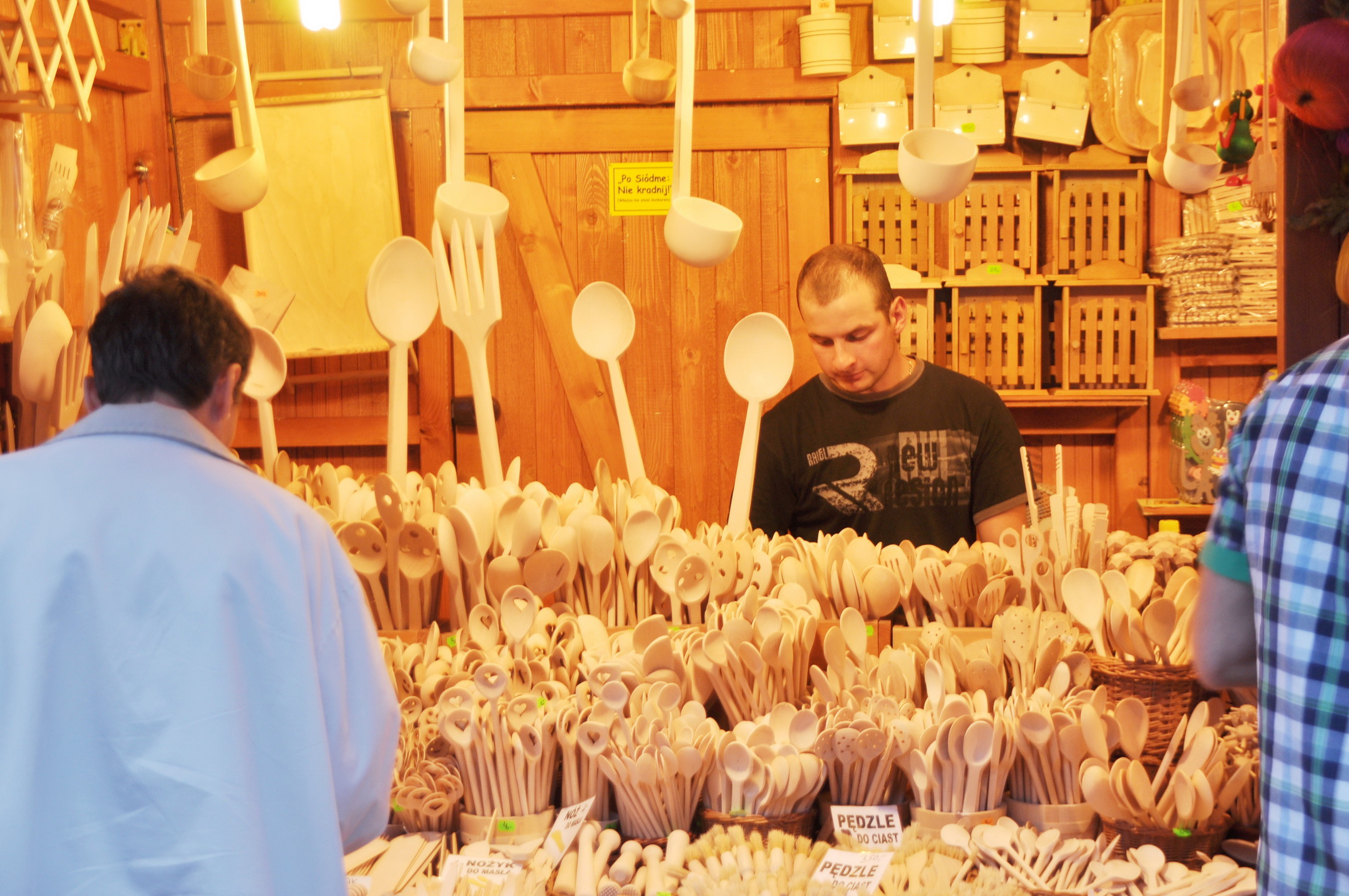
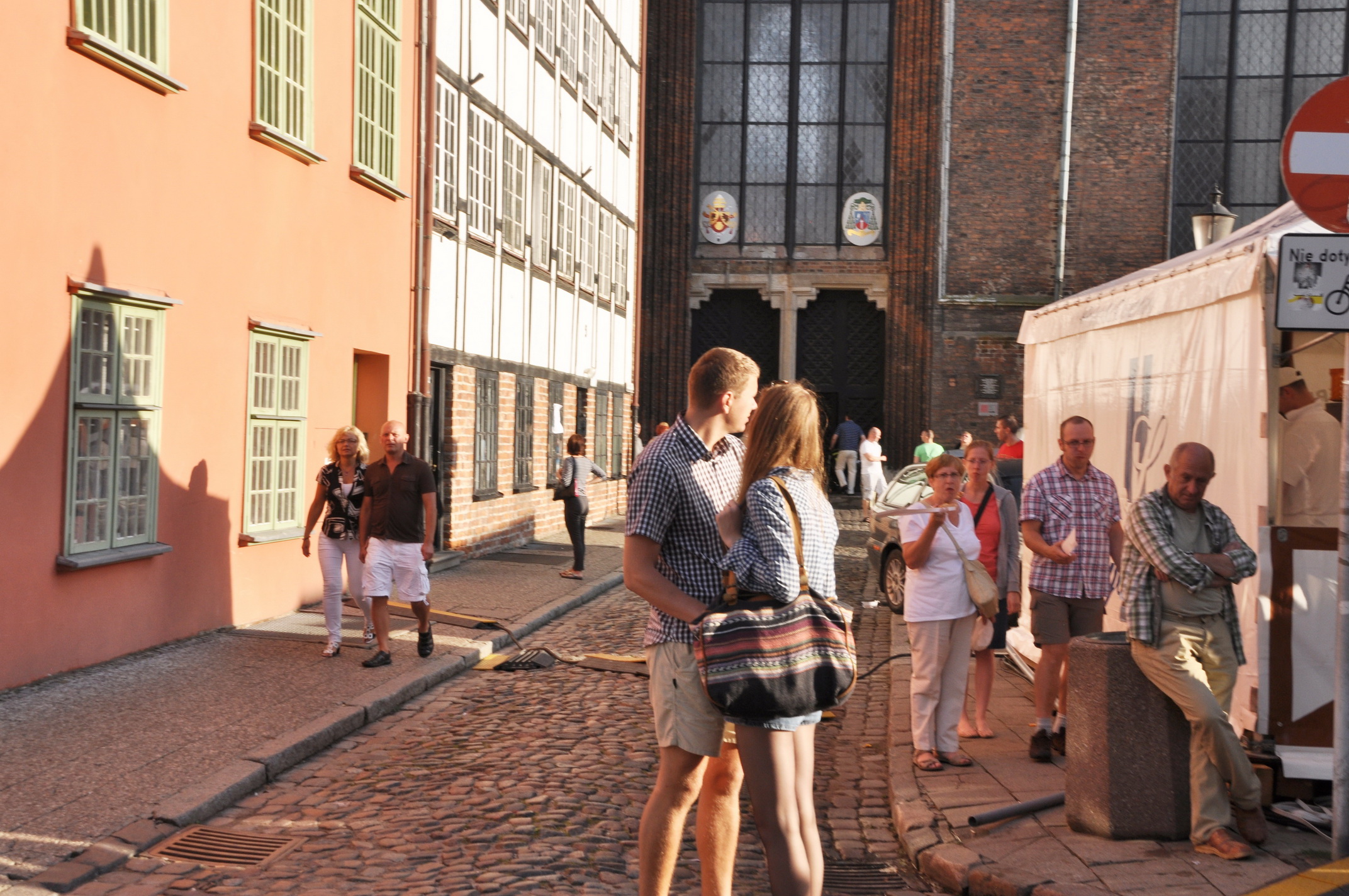
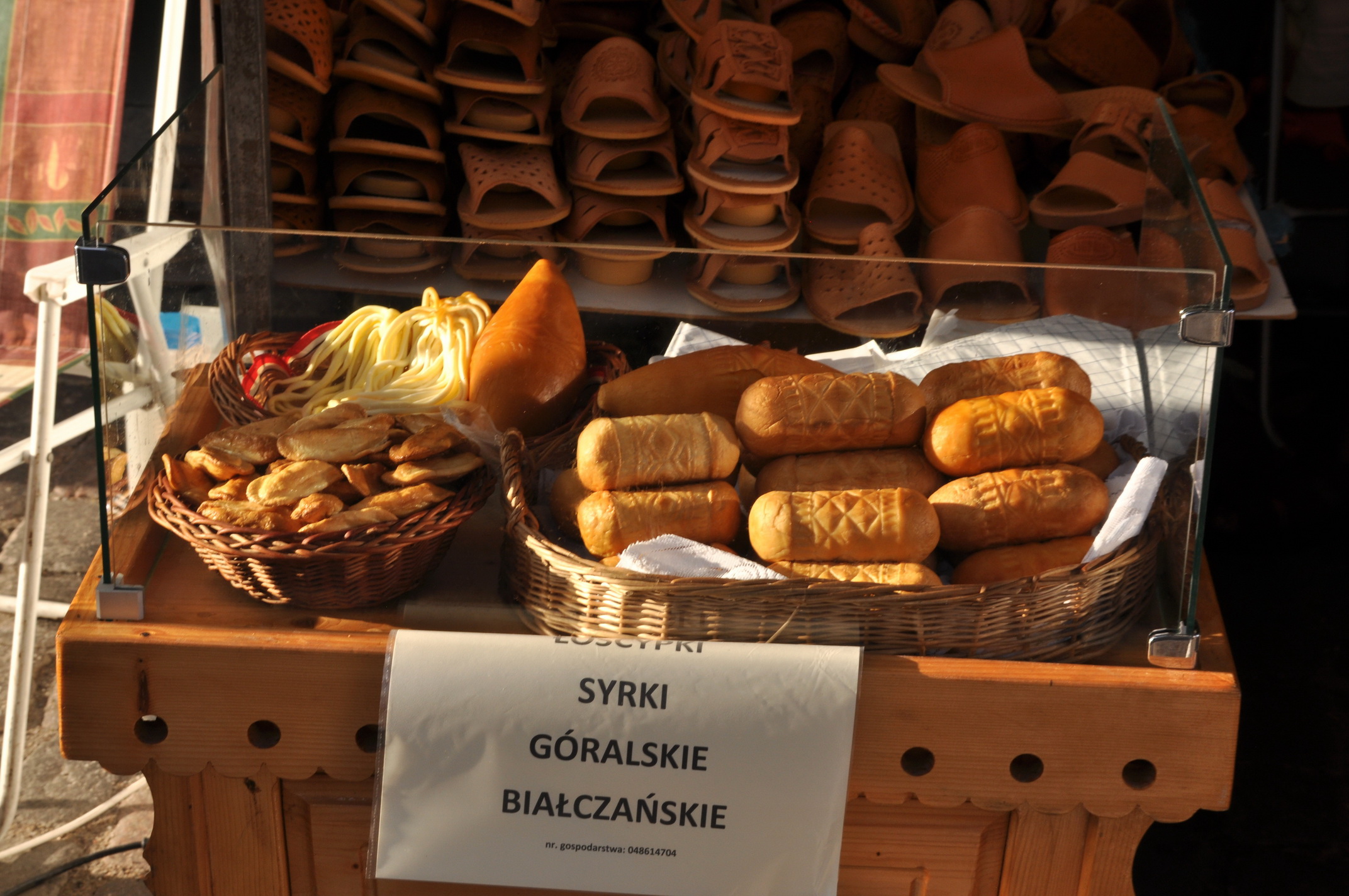
Gdańsk is of course more beautiful. A magnificent medieval city. It was heavily bombed during the war, and some of it still lies in ruins. In fact, there’s hardly anything left of those parts but little mounds of rubble overgrown with weeds. I suspect most of the Old Town standing today was reconstructed from much the same ruins. What difference does that make? The city is beautiful. The streets are full of people, and the stalls sell all sorts of good things to eat. I could make sense of Polish, especially when reading it rather than listening.
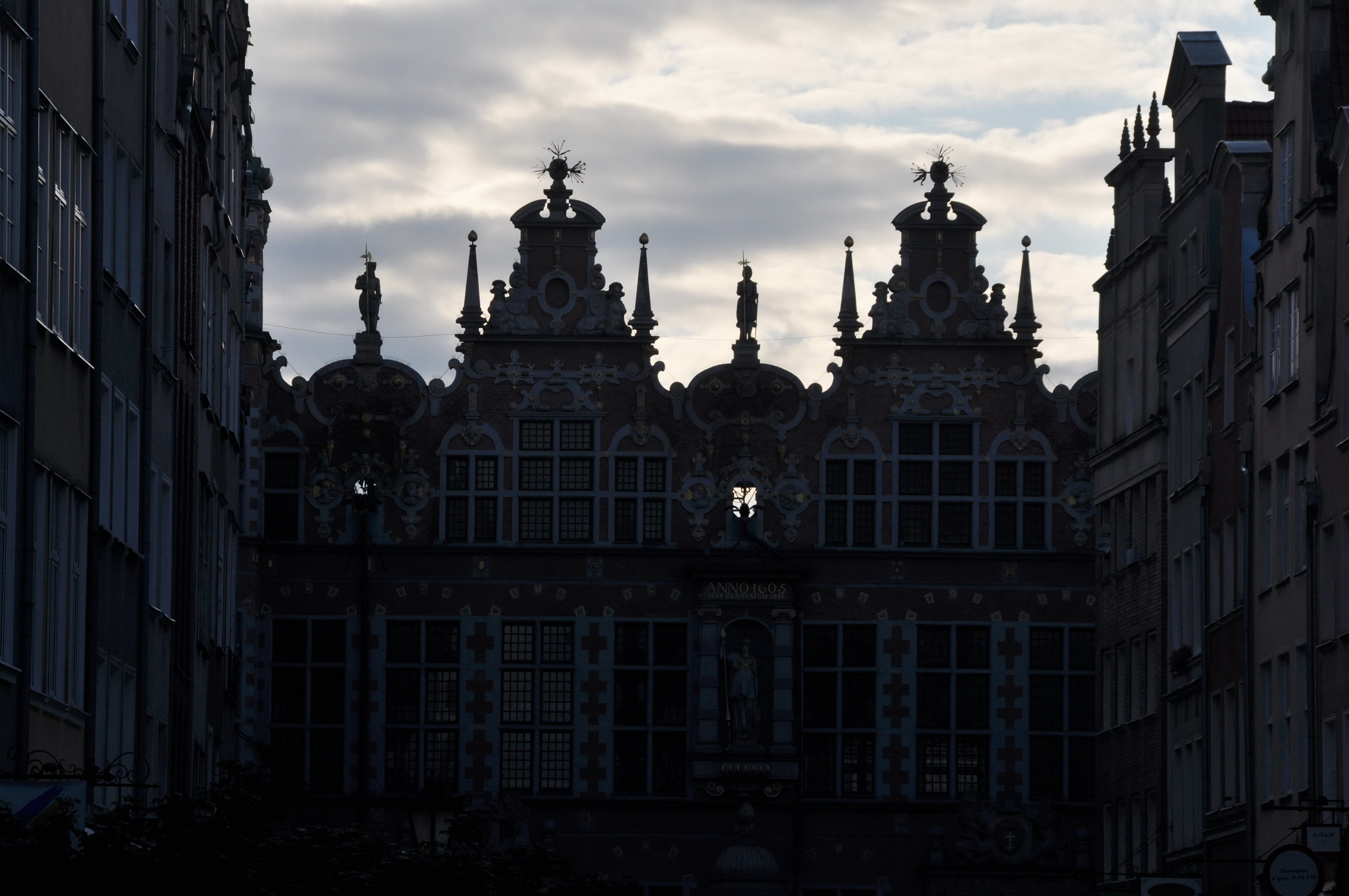
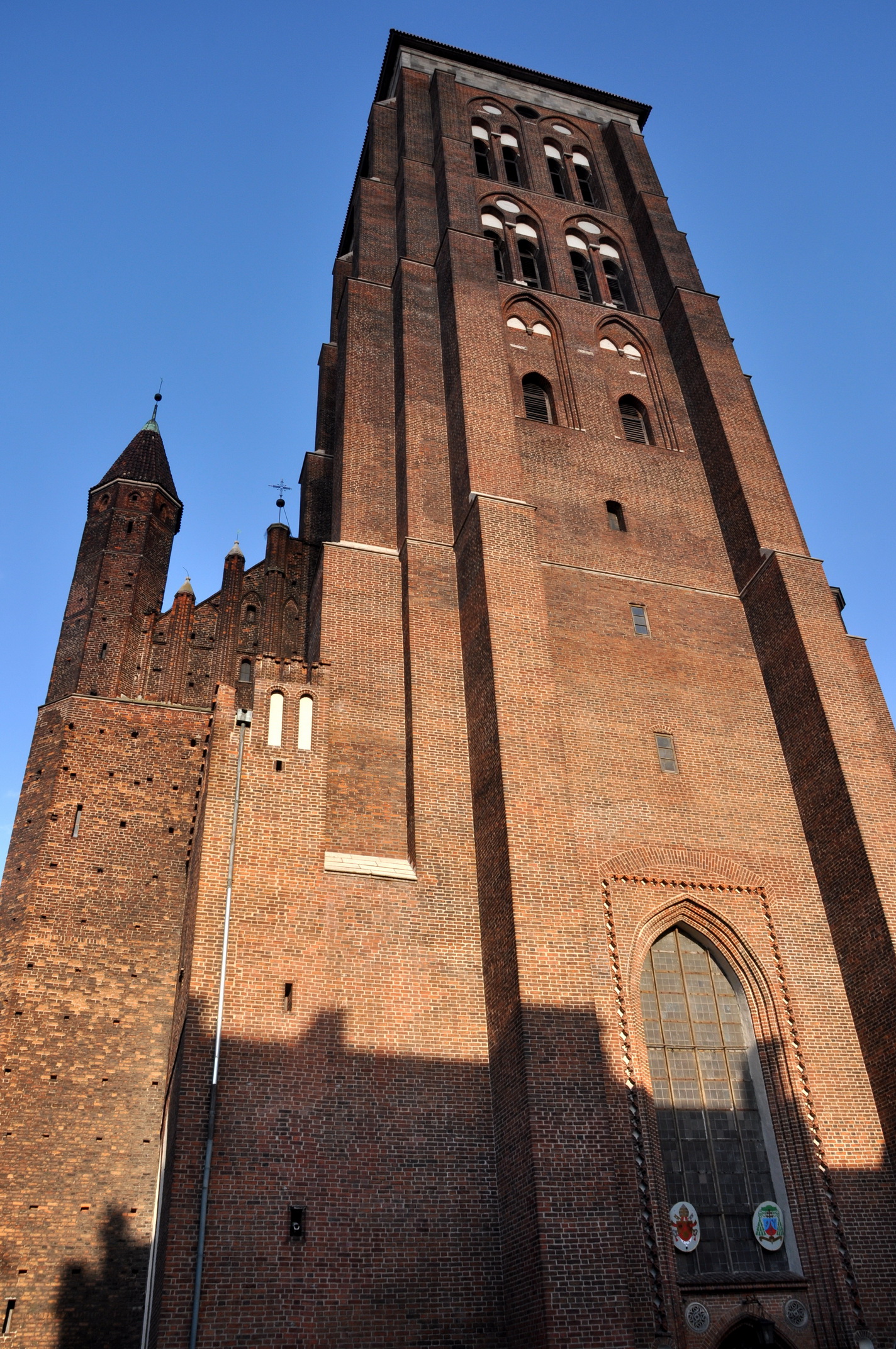
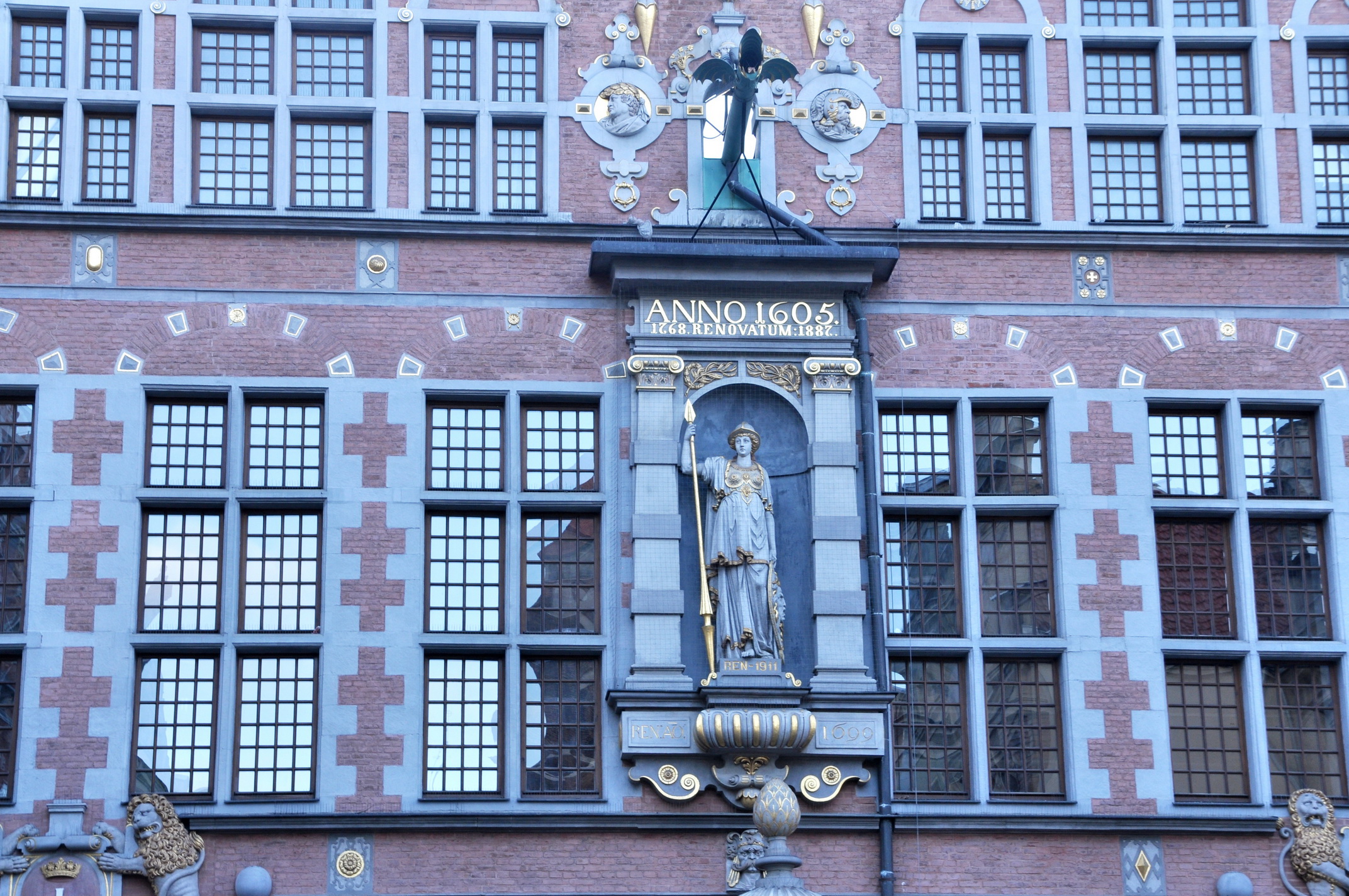
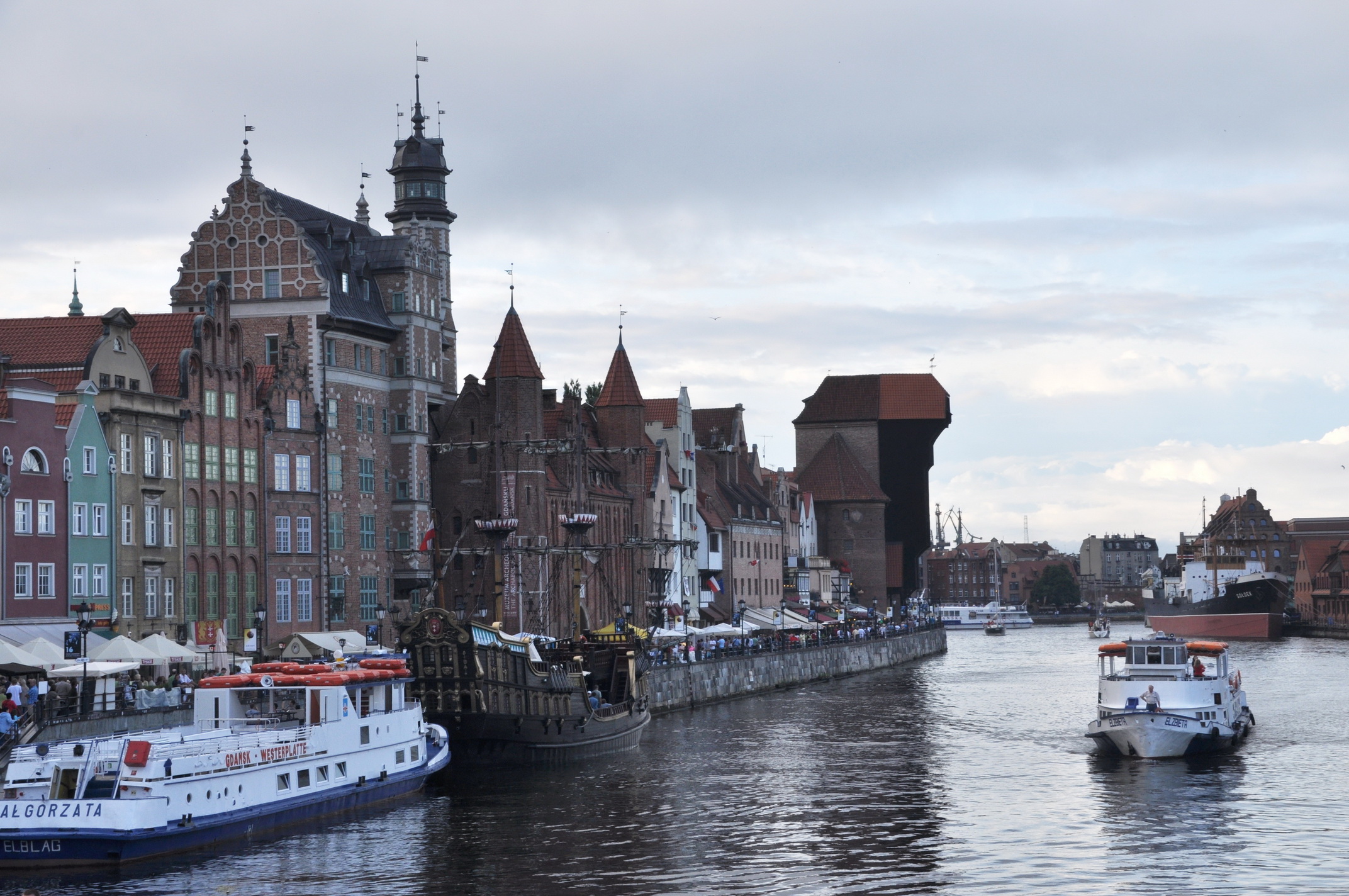
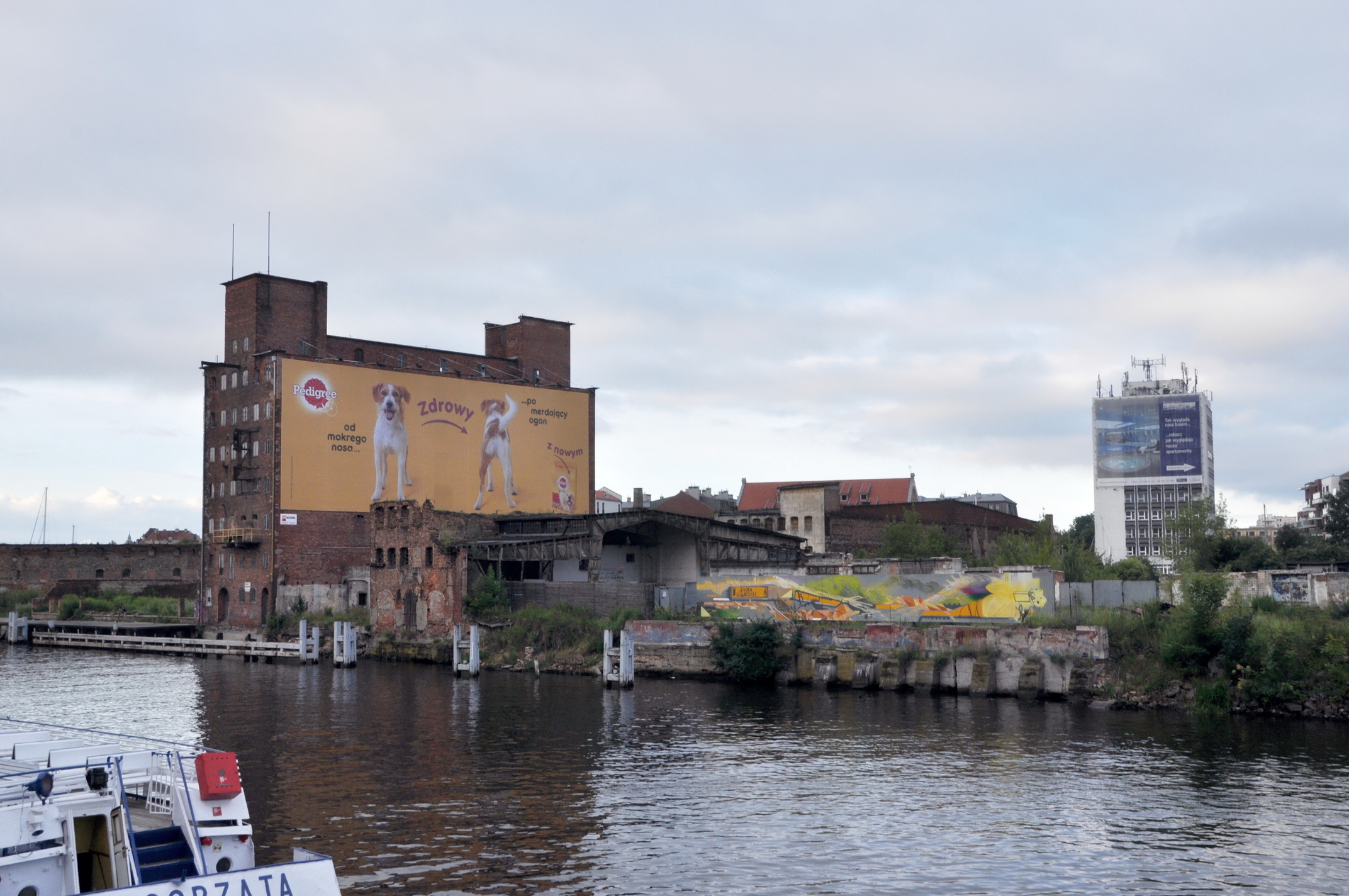
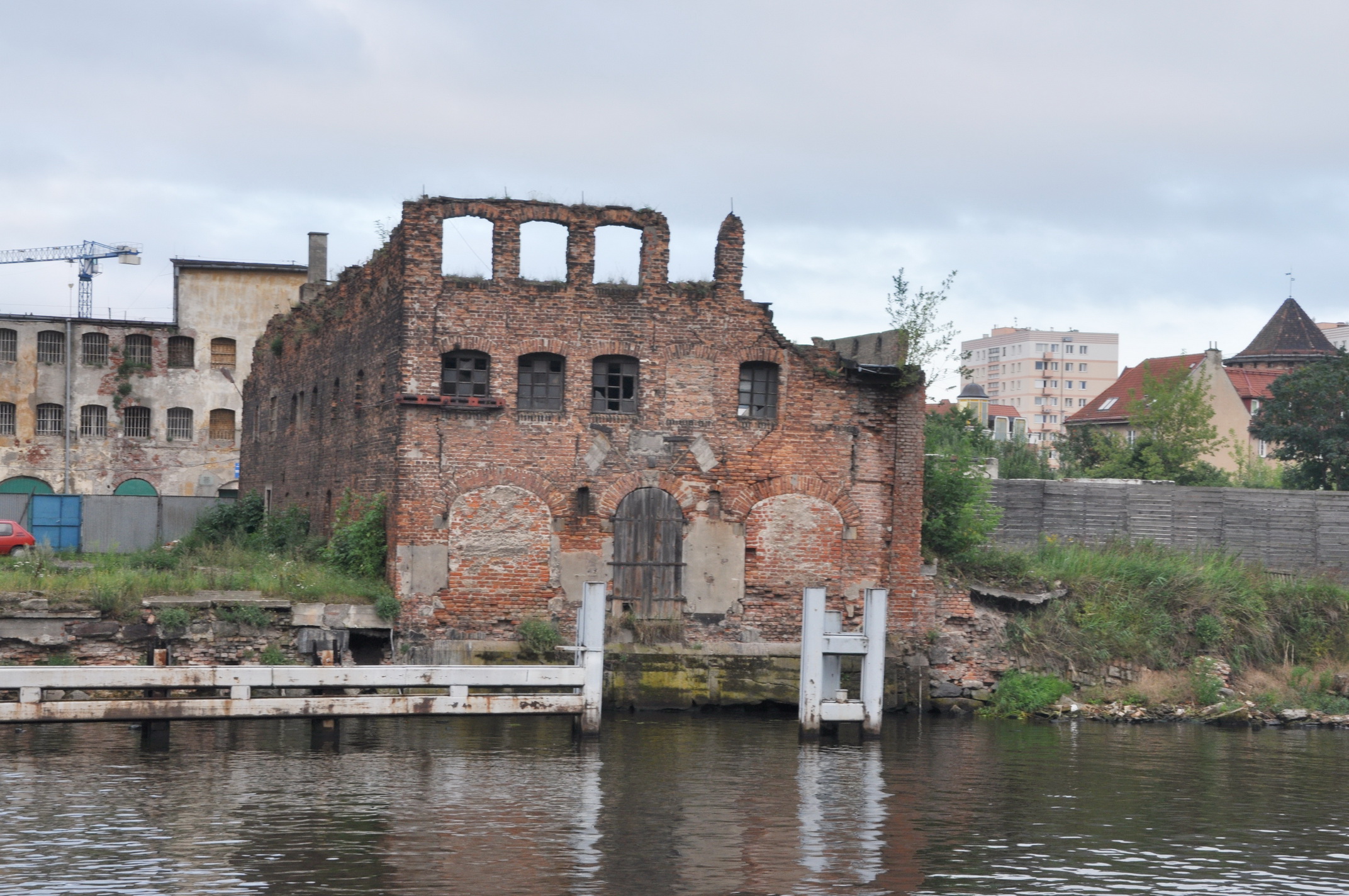
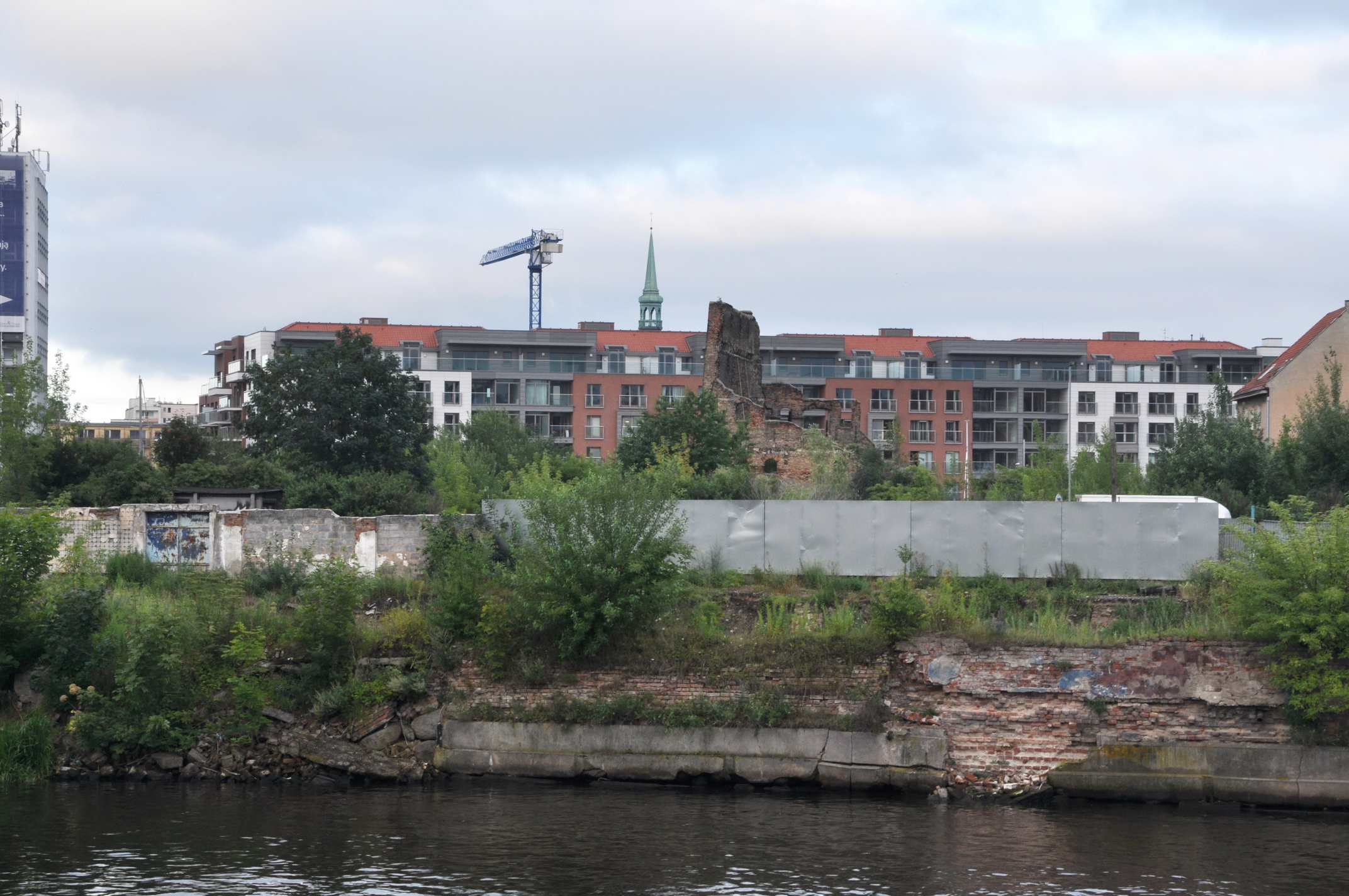
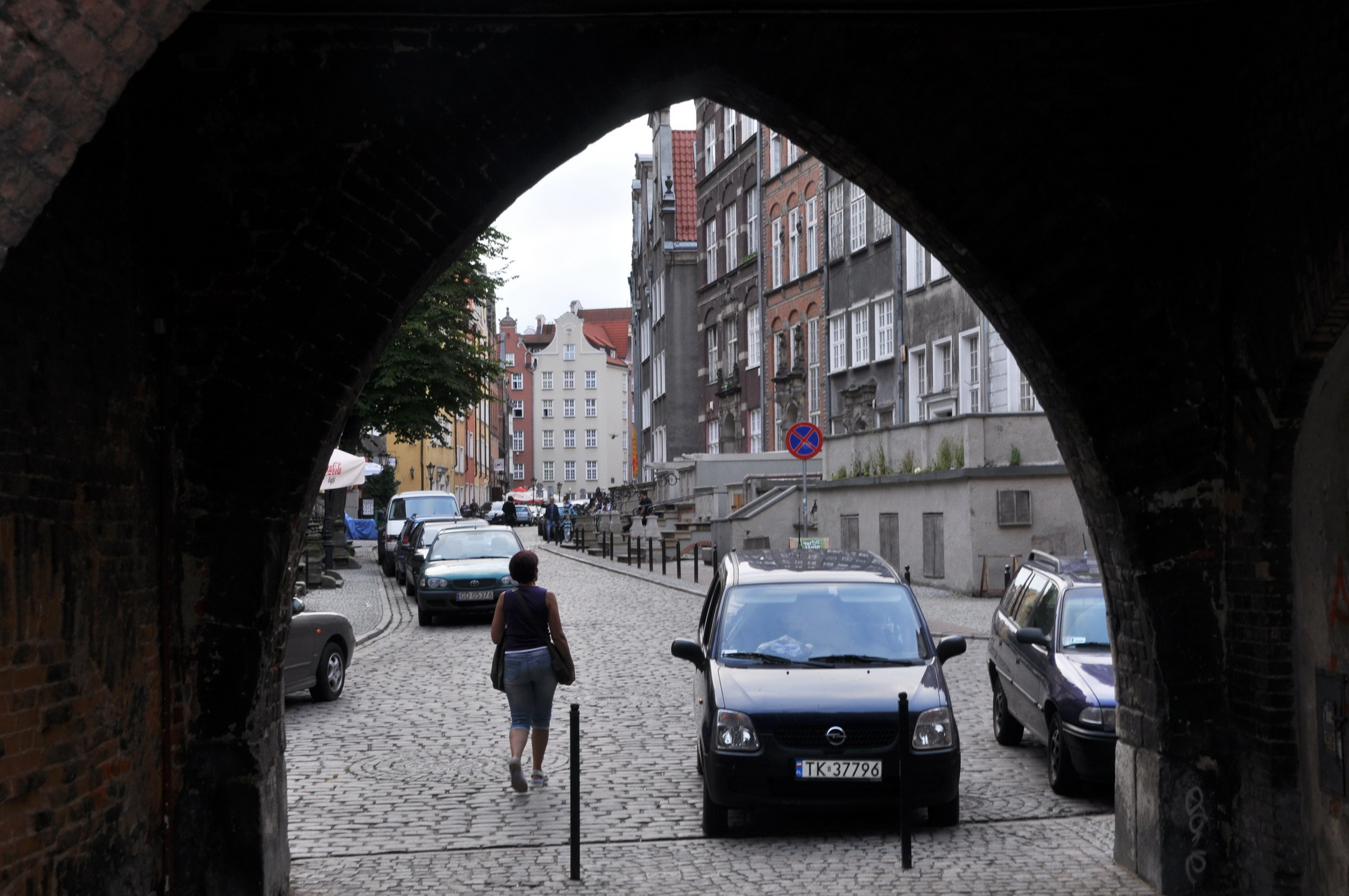
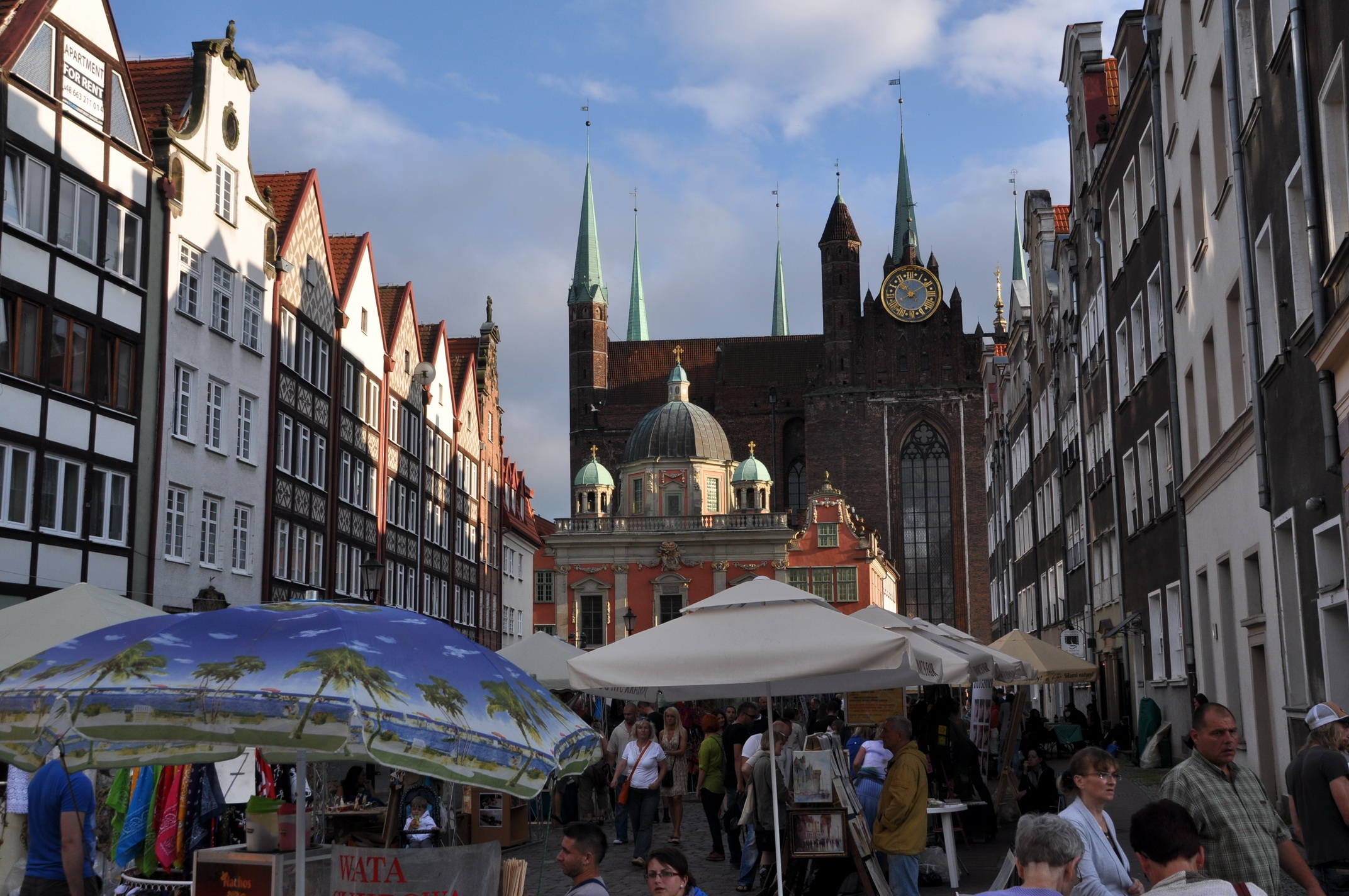
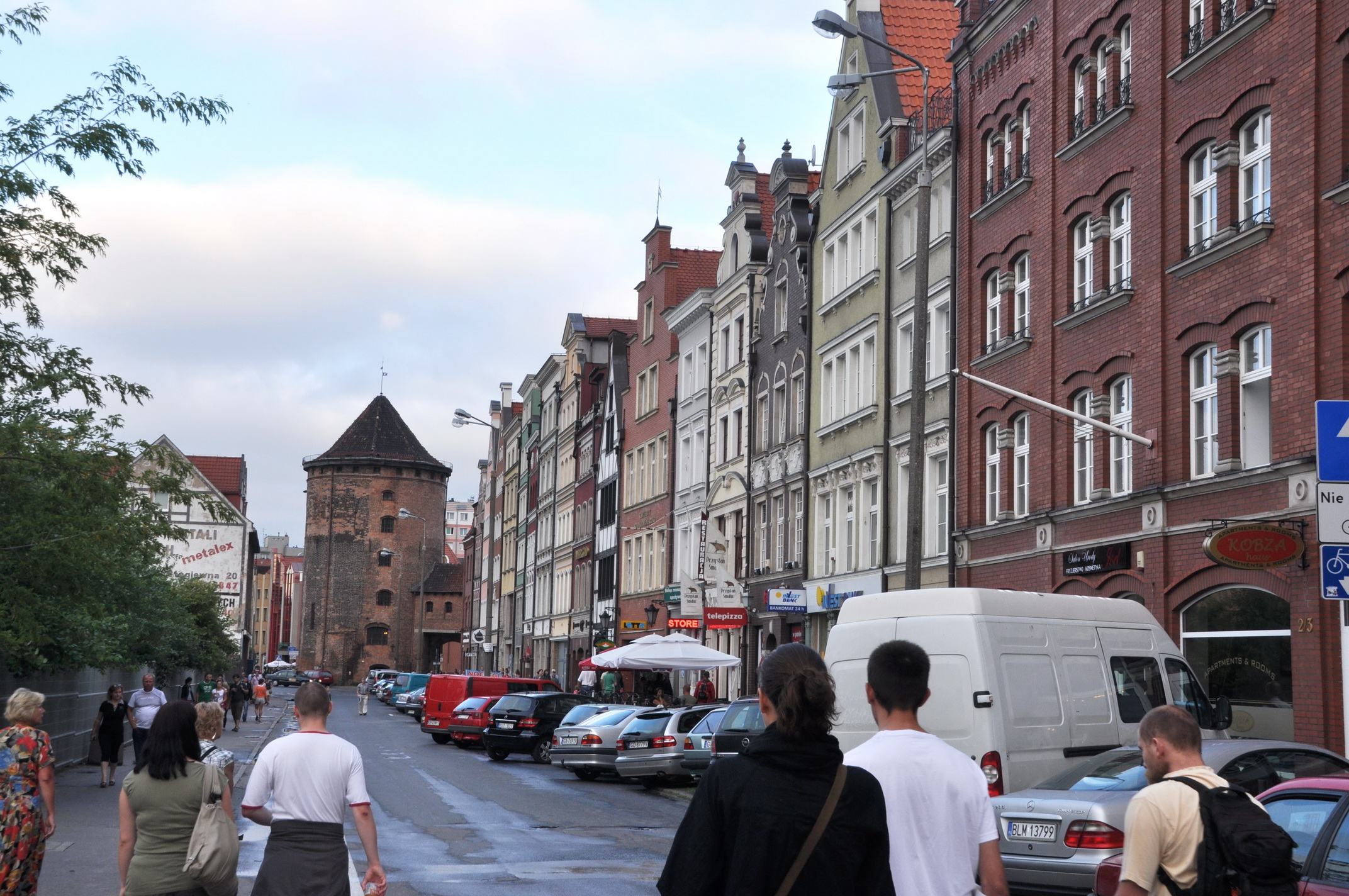
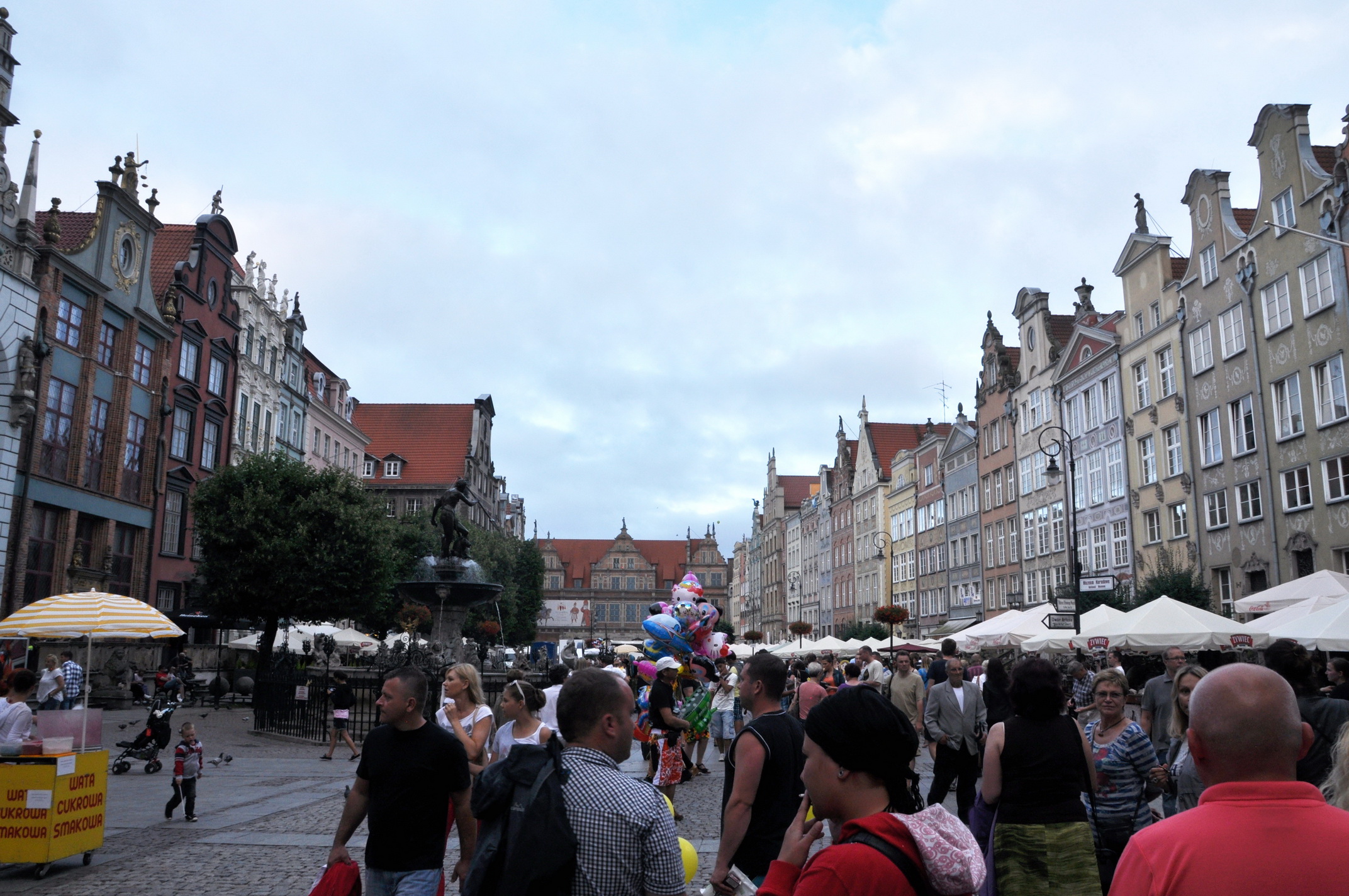
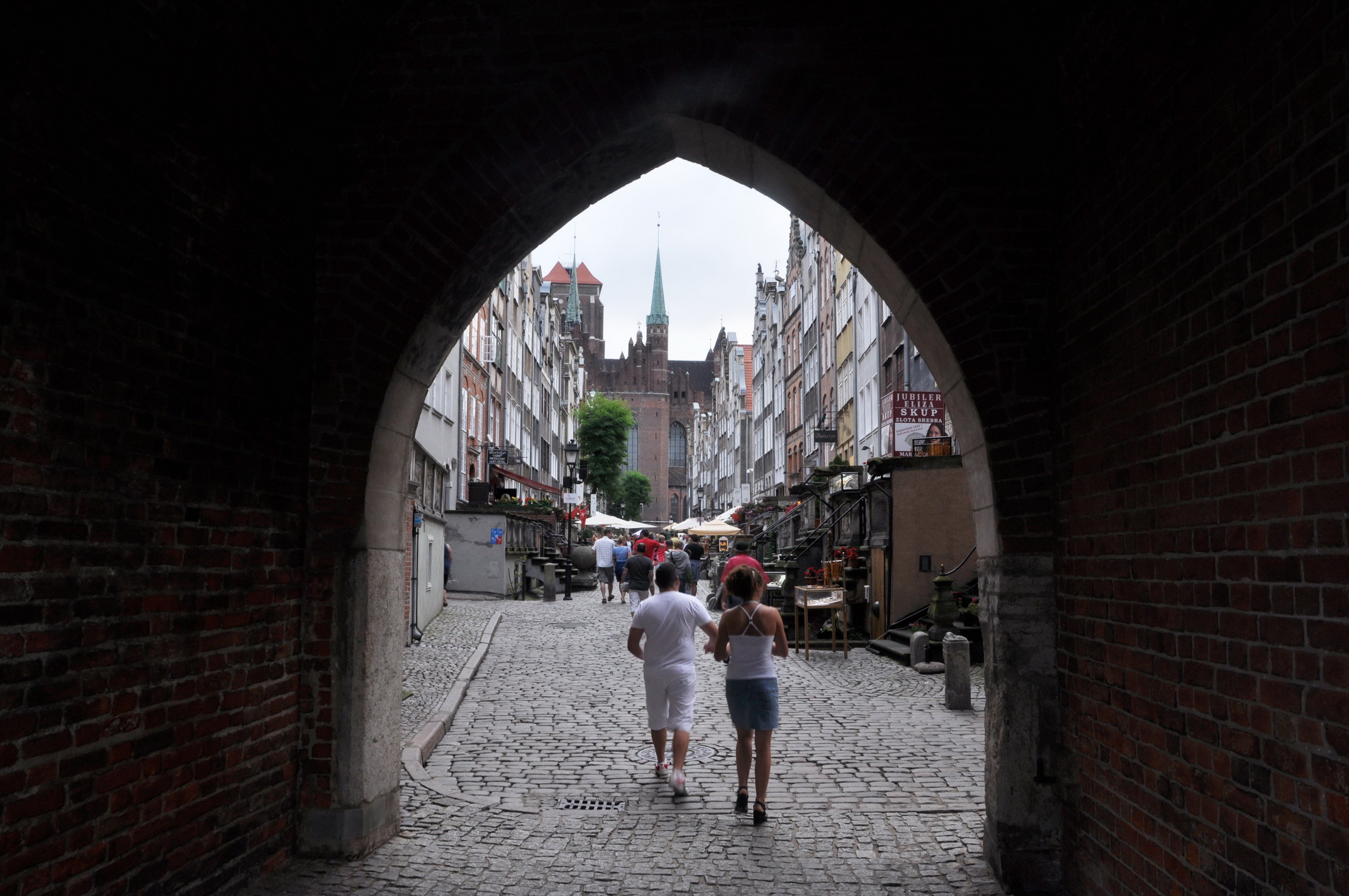
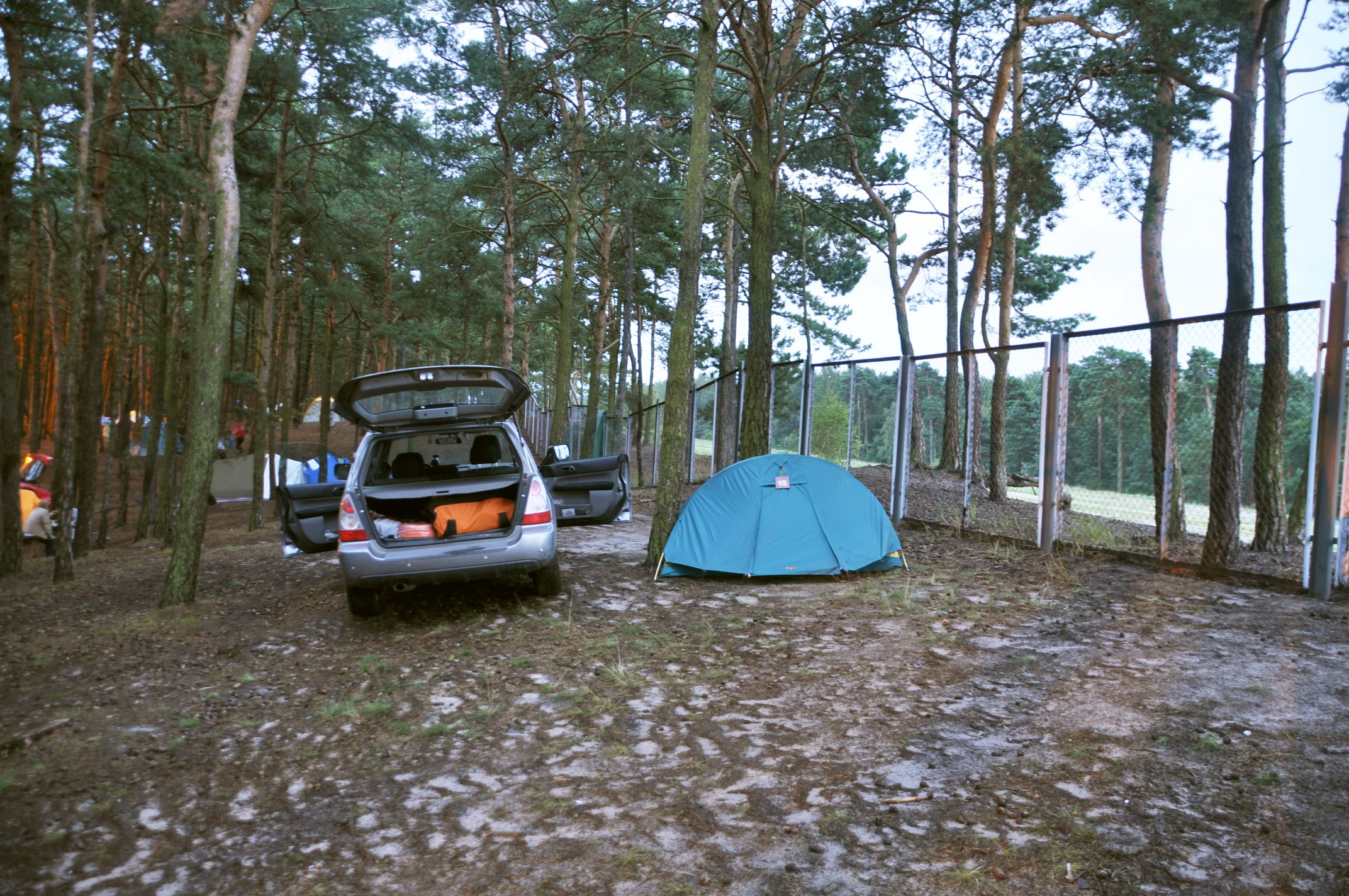
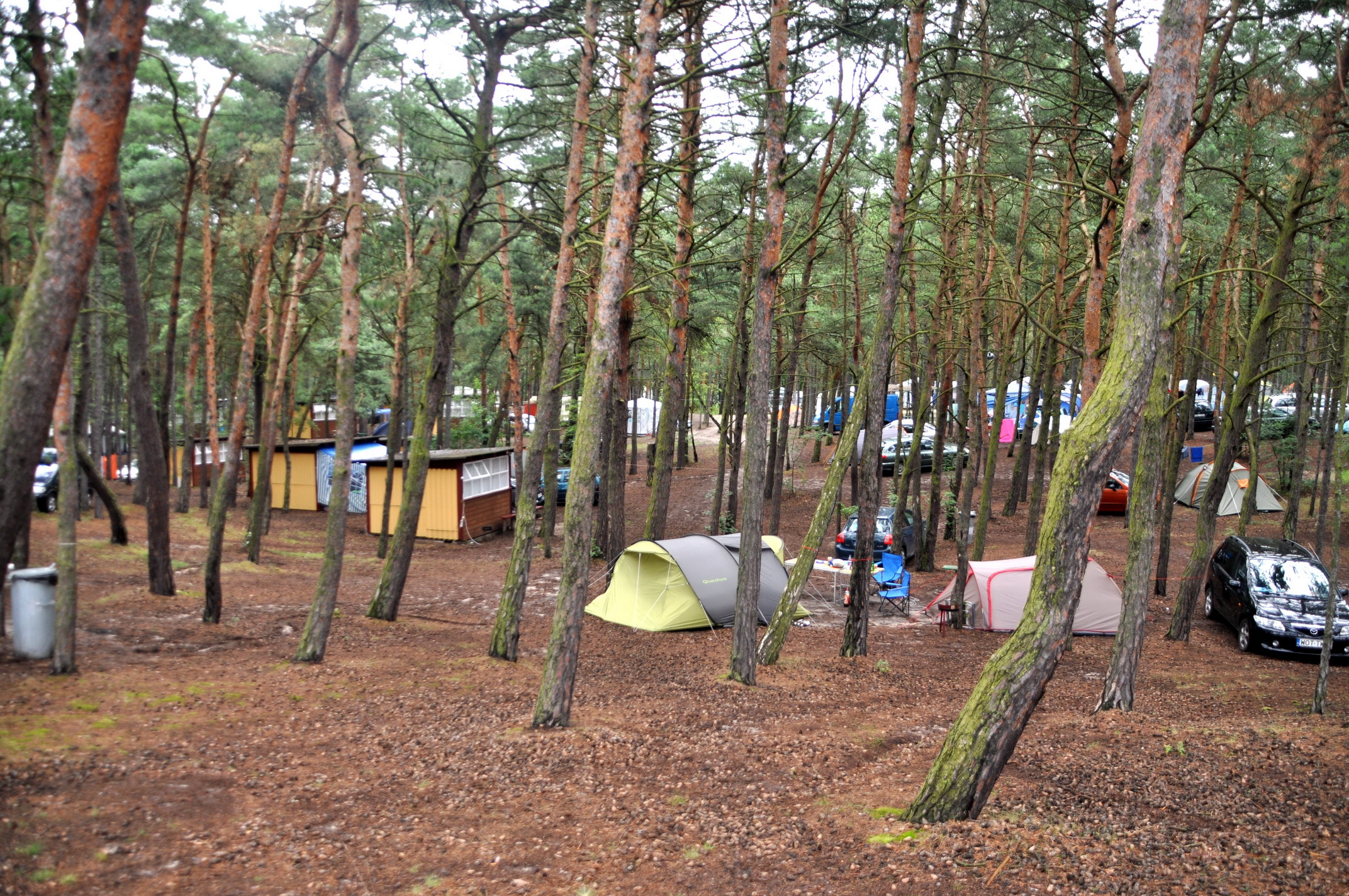
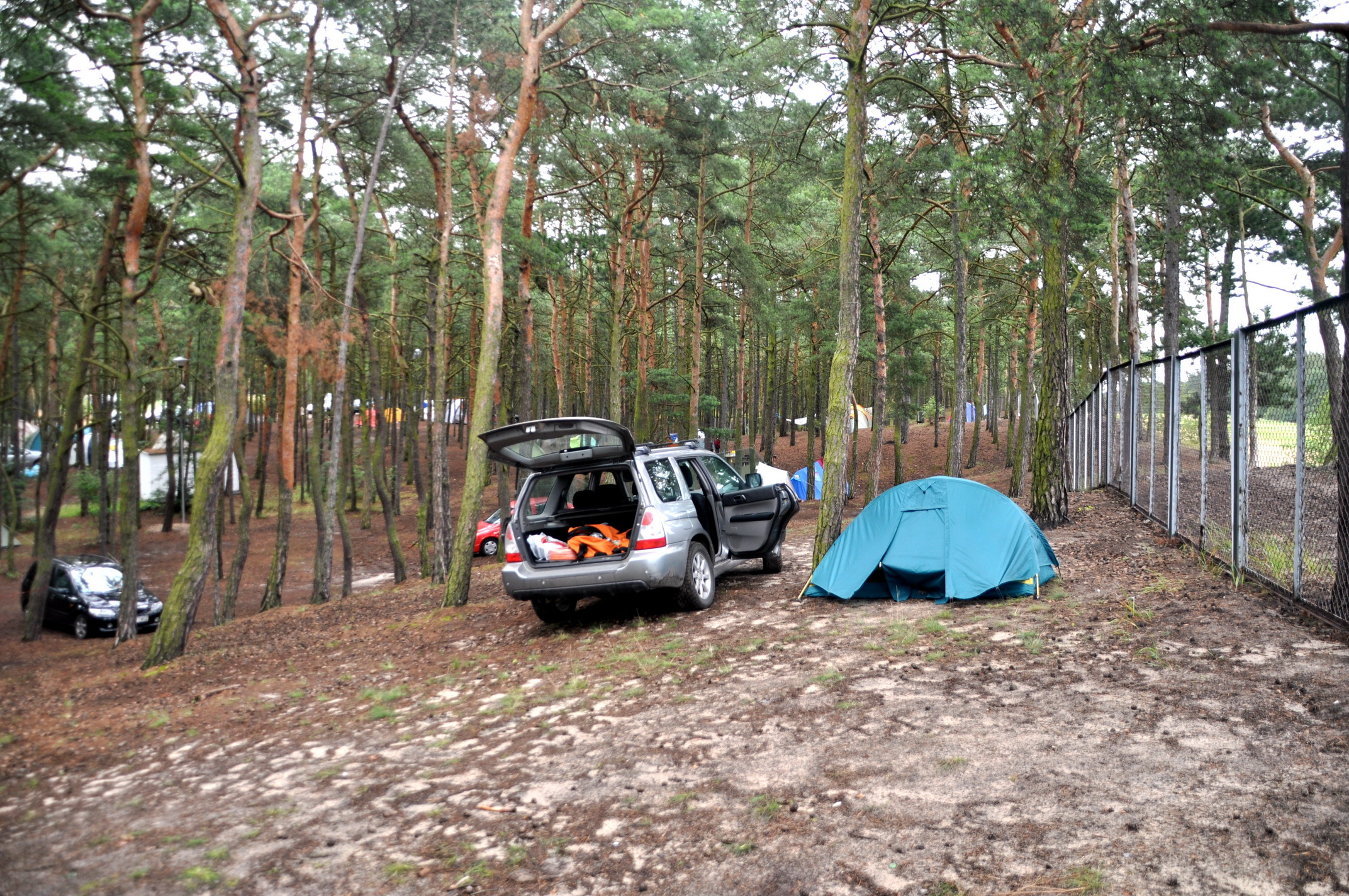
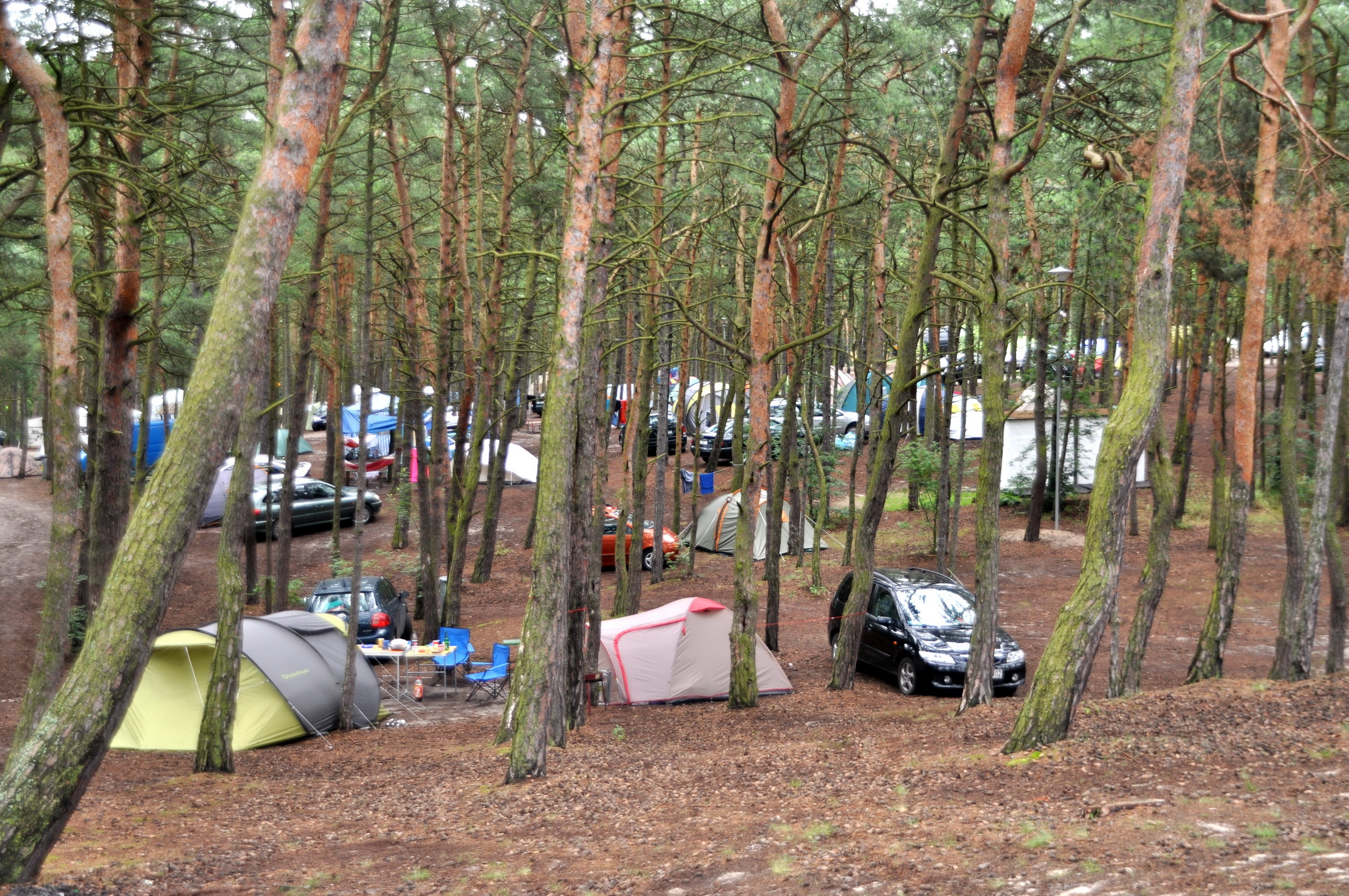
I spent the night at the Stogi campsite (54°22.071′N, 18°43.770′E), among the sand dunes by the sea.
The coast and the drive back
In the morning I entered Russia at the Mamonovo crossing. This time the boot full of equipment drew no attention.
At the depot I unloaded the car, set the fitters back on the path of righteousness, paid my respects to the officials and signed a dozen useless pieces of paper. Then I drove out of town for the night. It was summer, after all, and summer is for being outdoors.
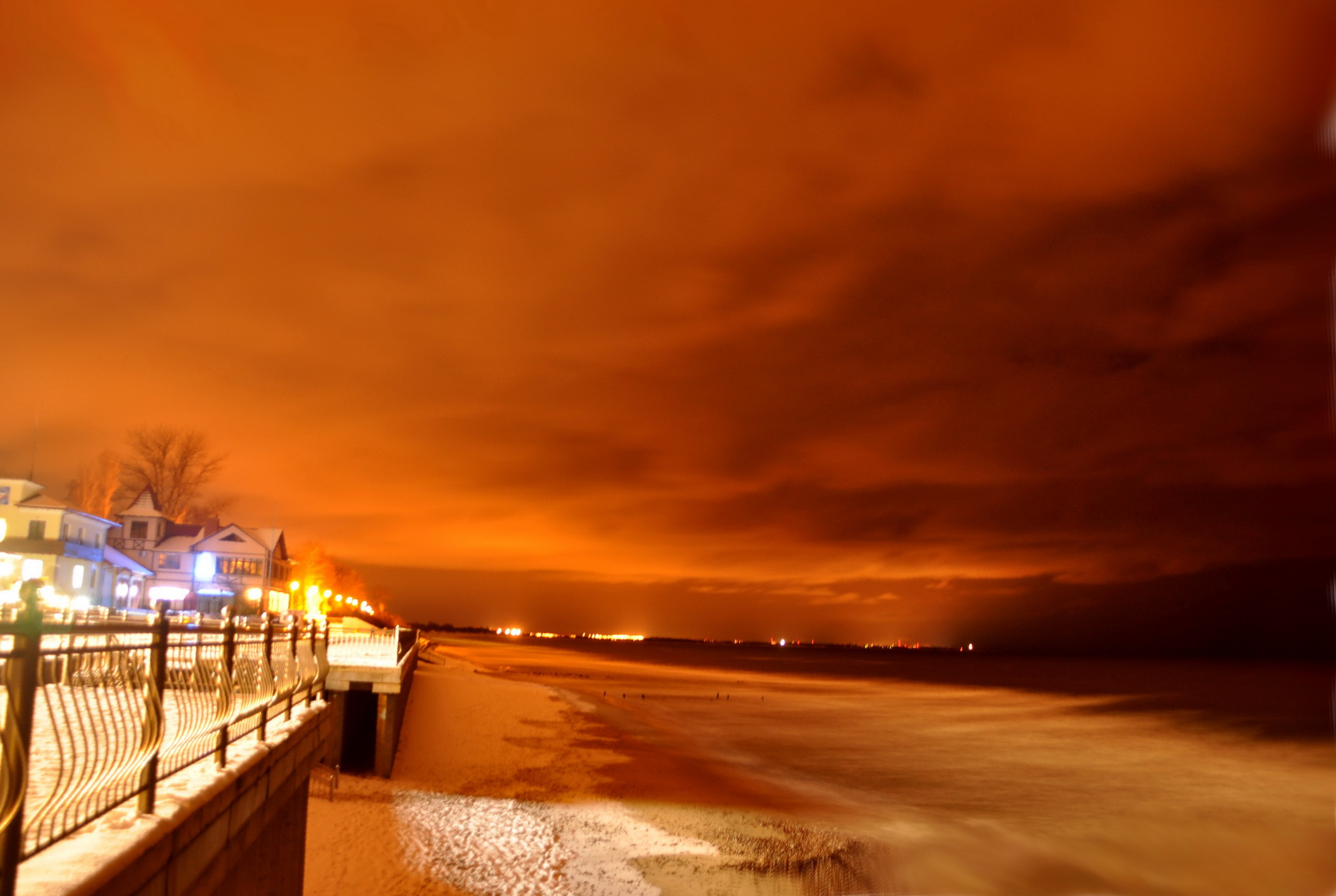
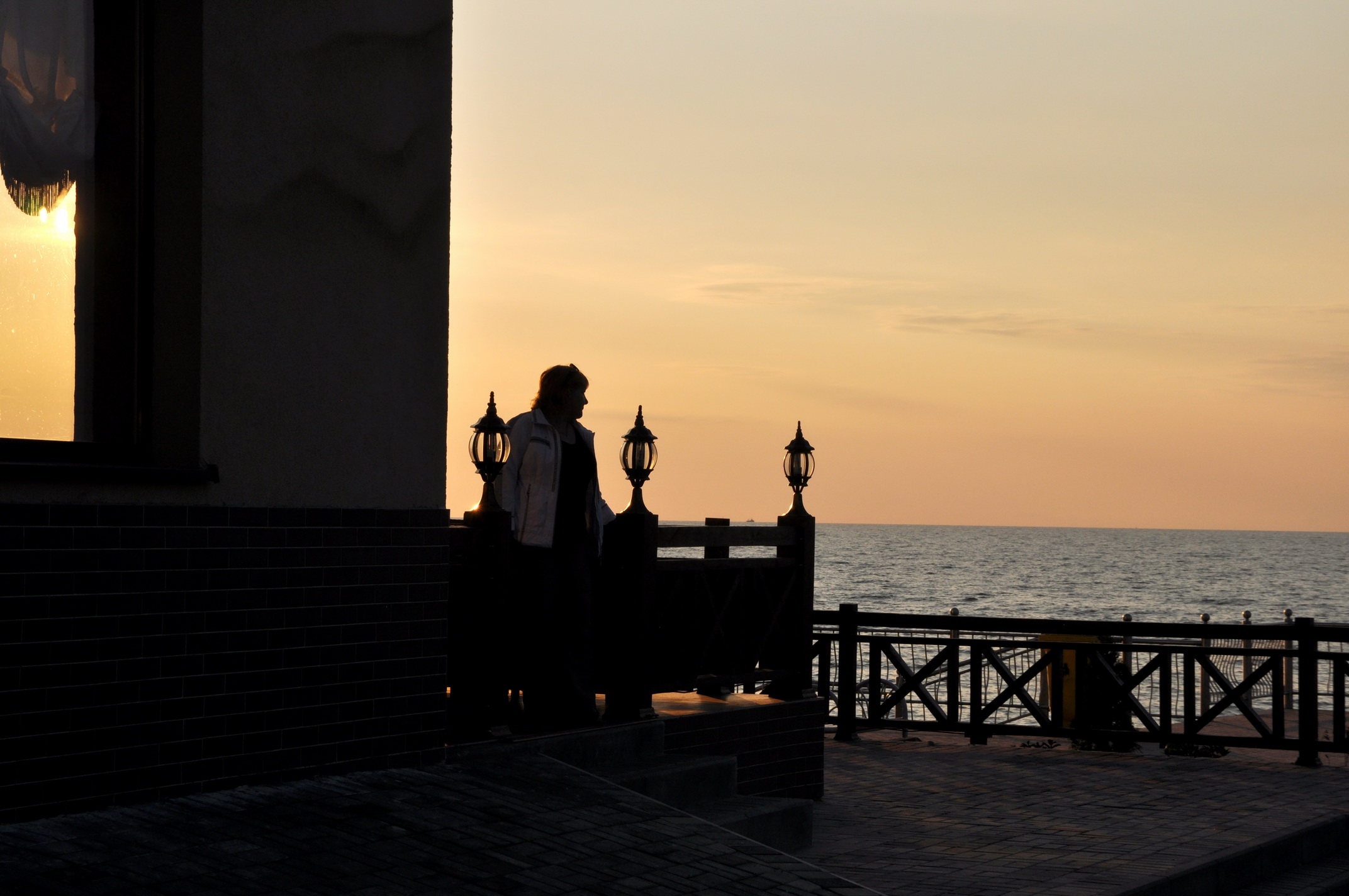
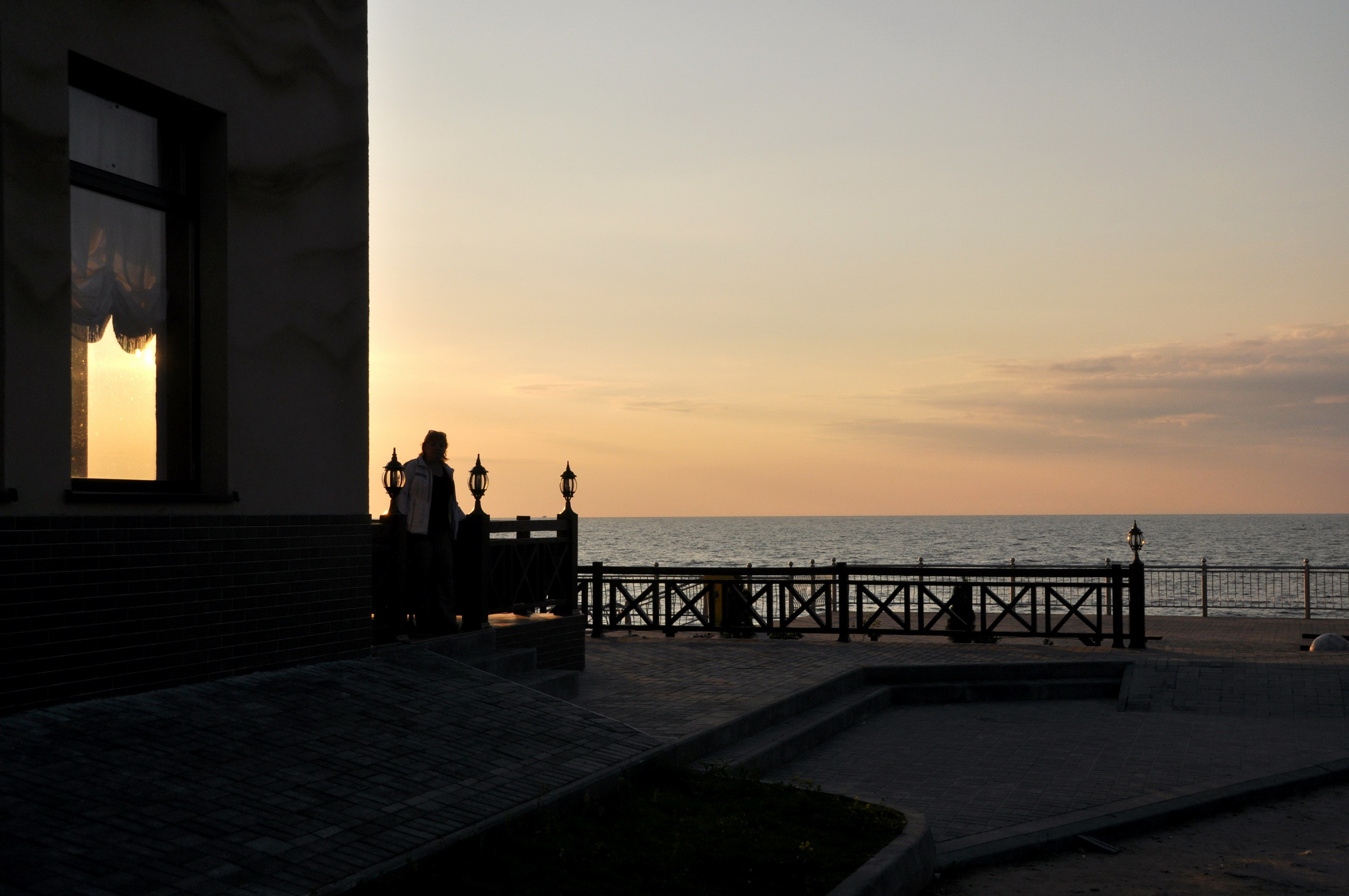
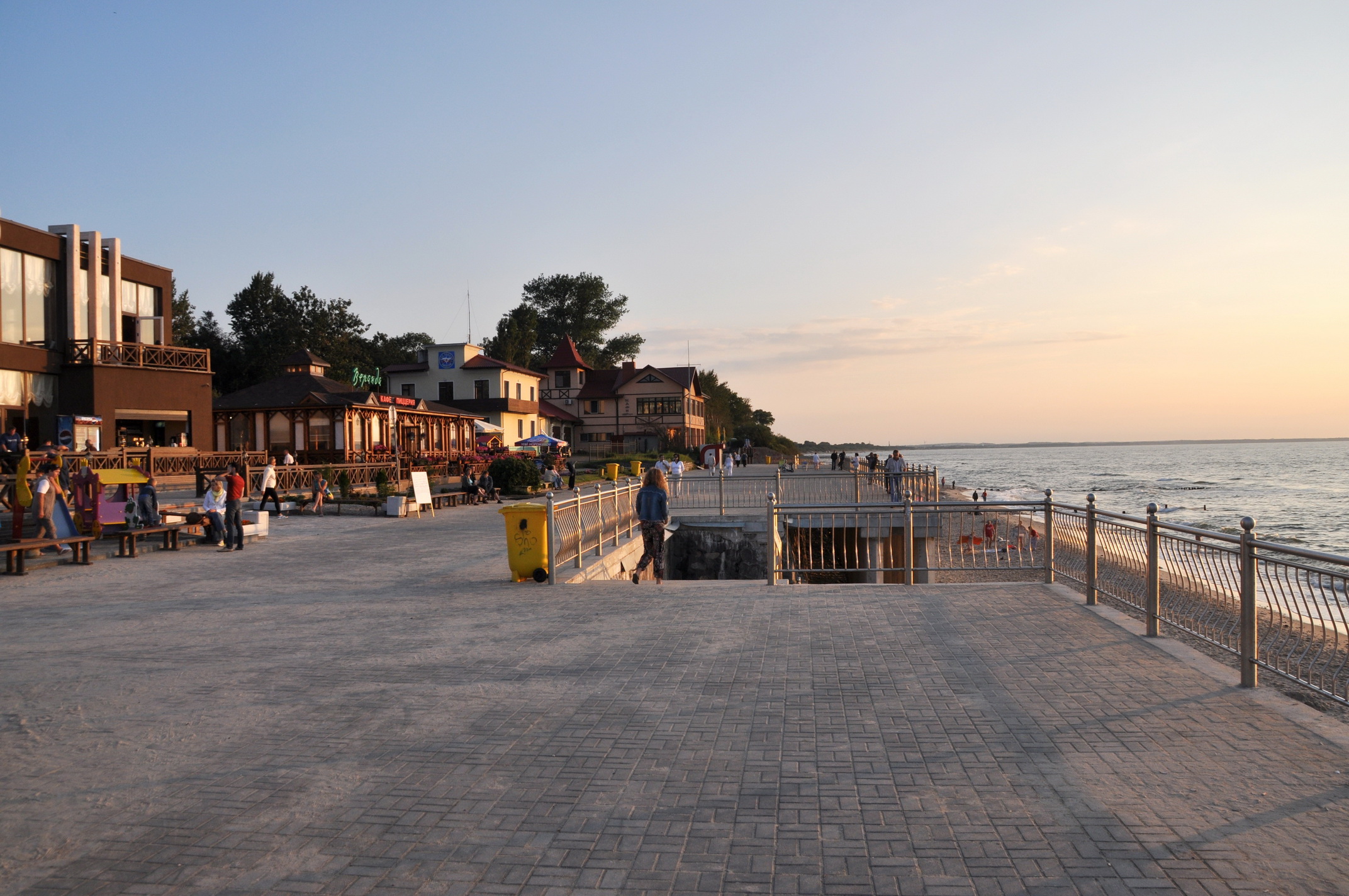
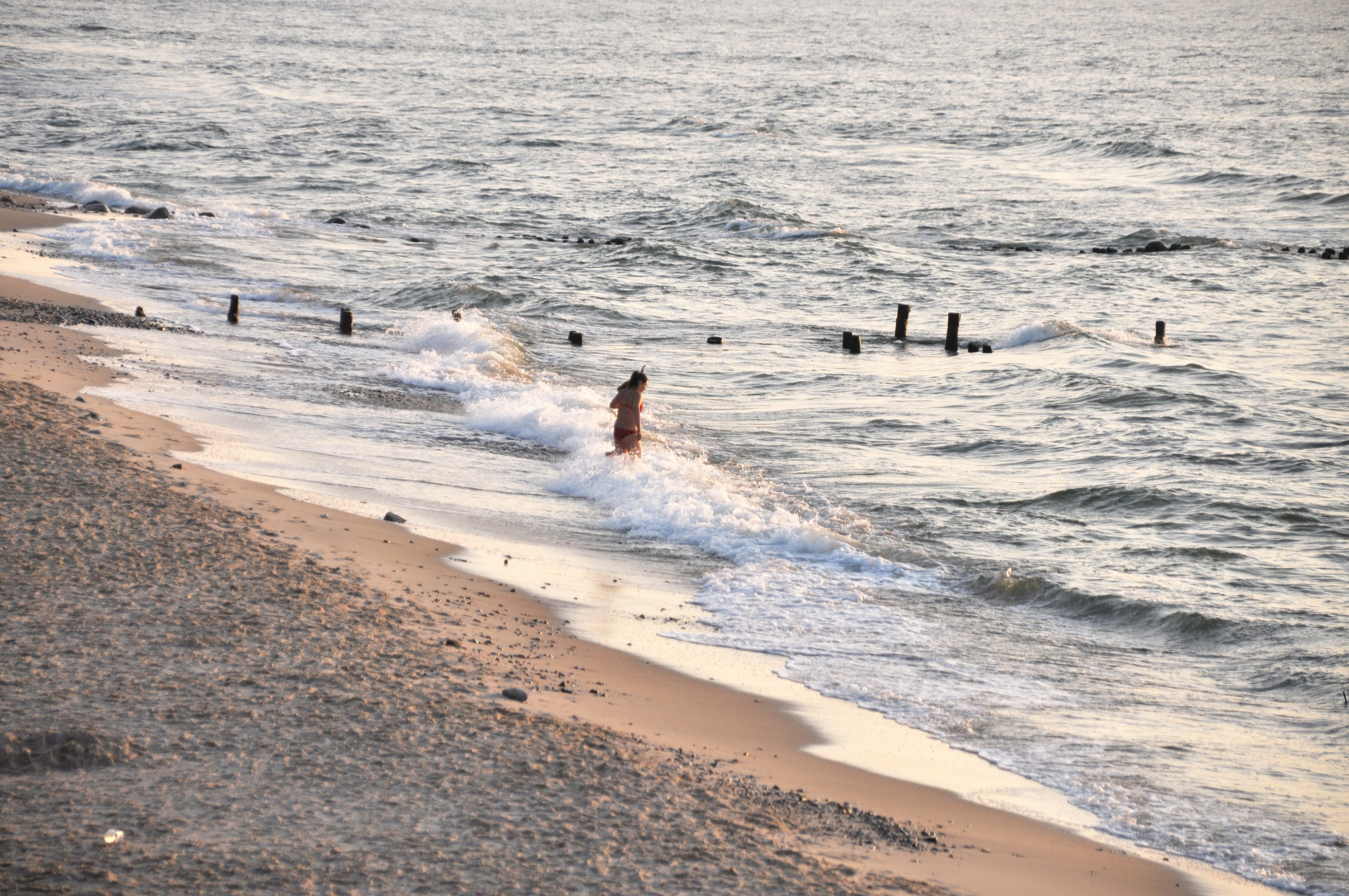
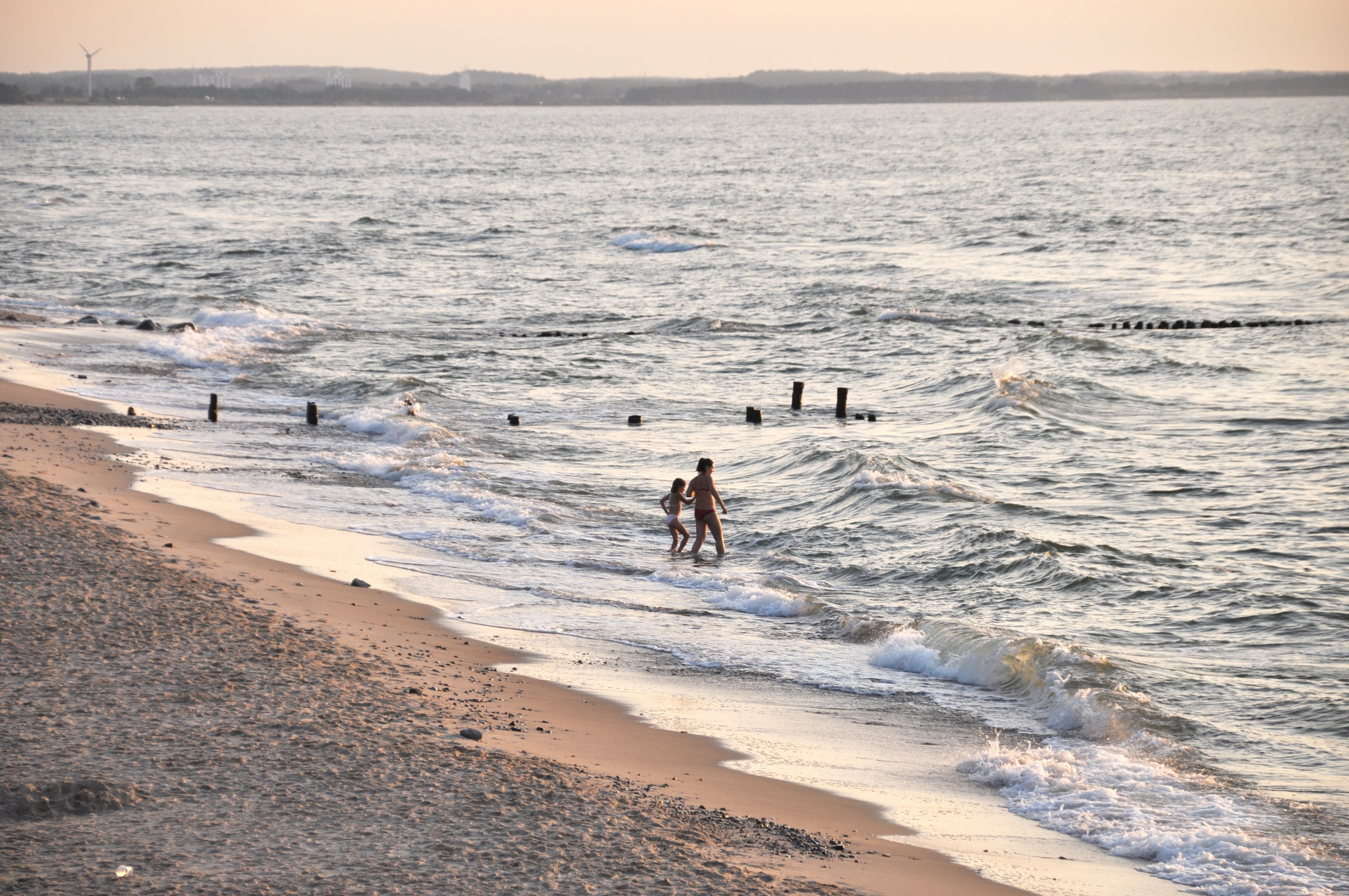
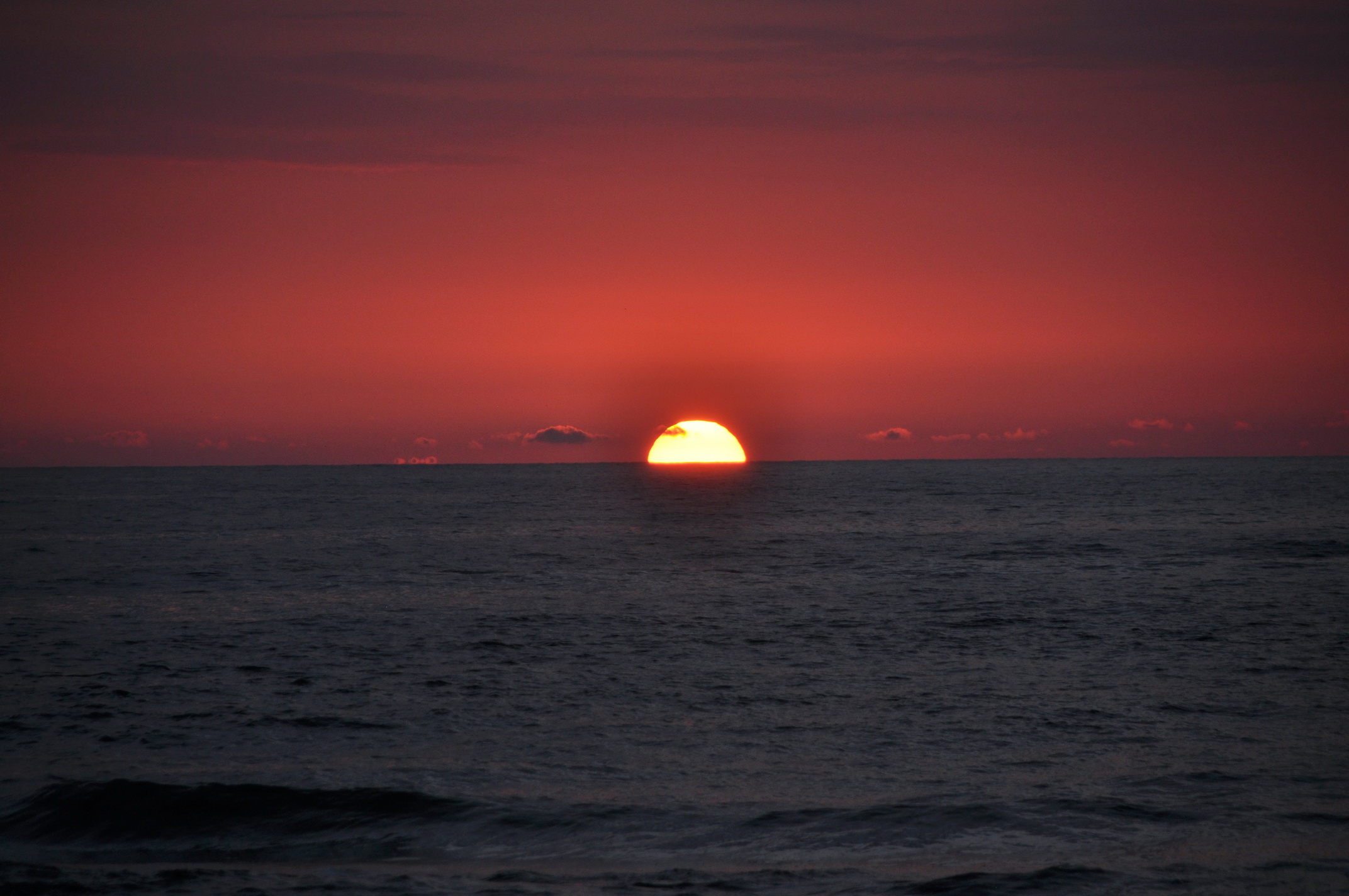
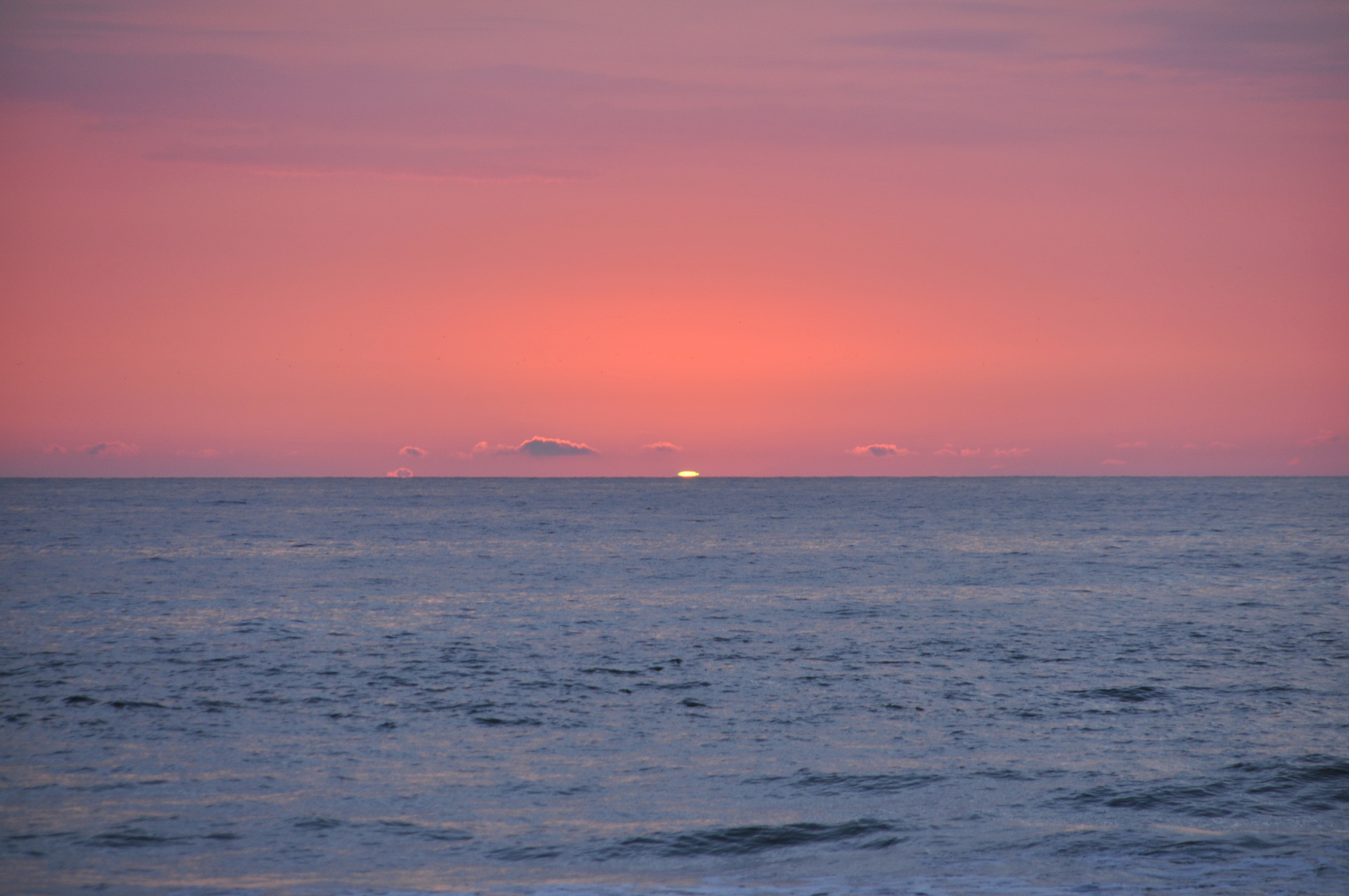
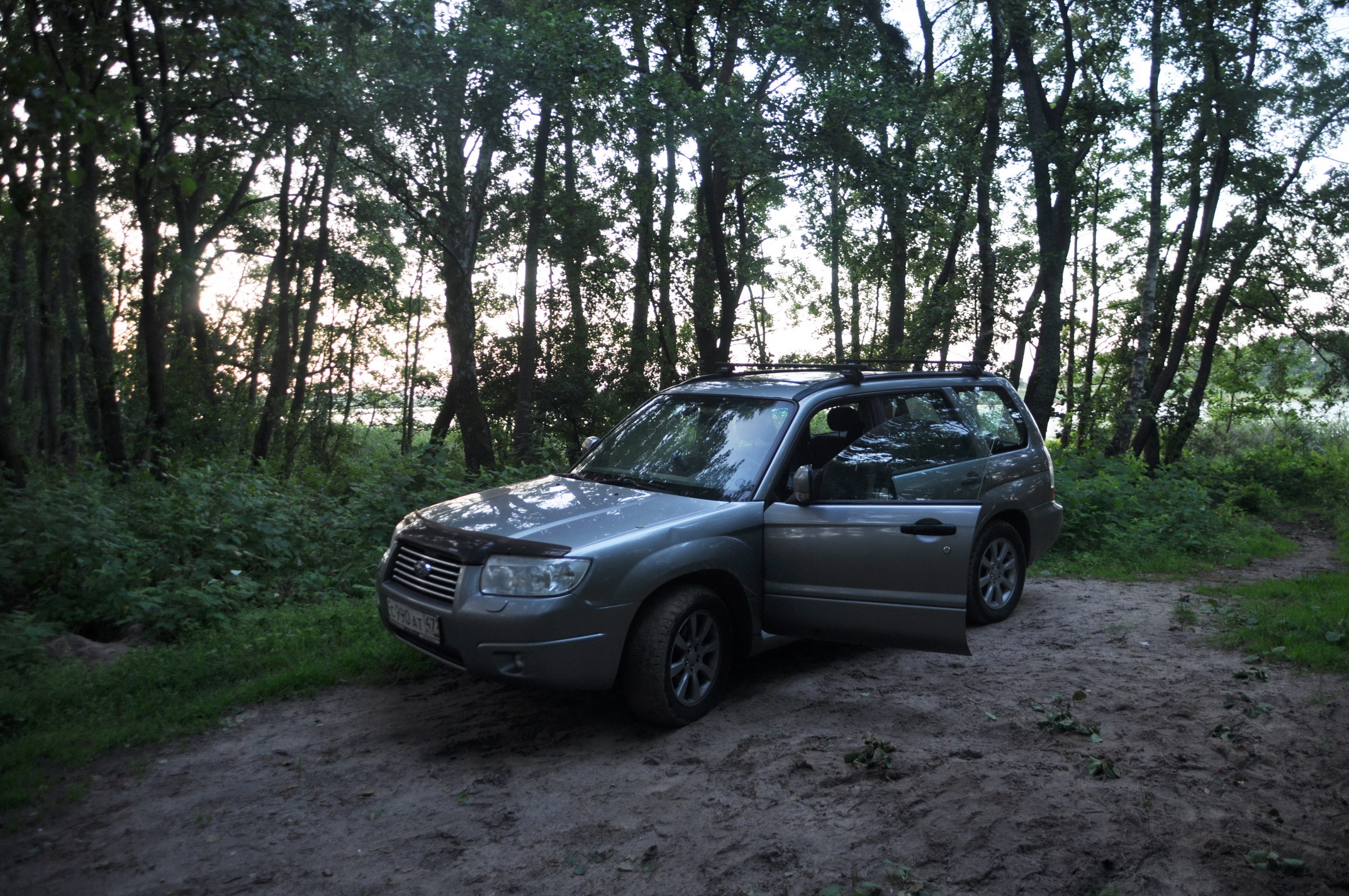
First I stopped in Zelenogradsk (Cranz). It’s the very closest resort to the city. The suburban train still goes there, but of course I took my own car. I caught the sunset and camped that night in my tent on the Curonian Spit. Unfortunately, the spit is all fenced off and plastered with signs forbidding one thing or another. Apparently, one touch and it’ll cease to exist. It’s meant to be an utterly unique natural wonder.
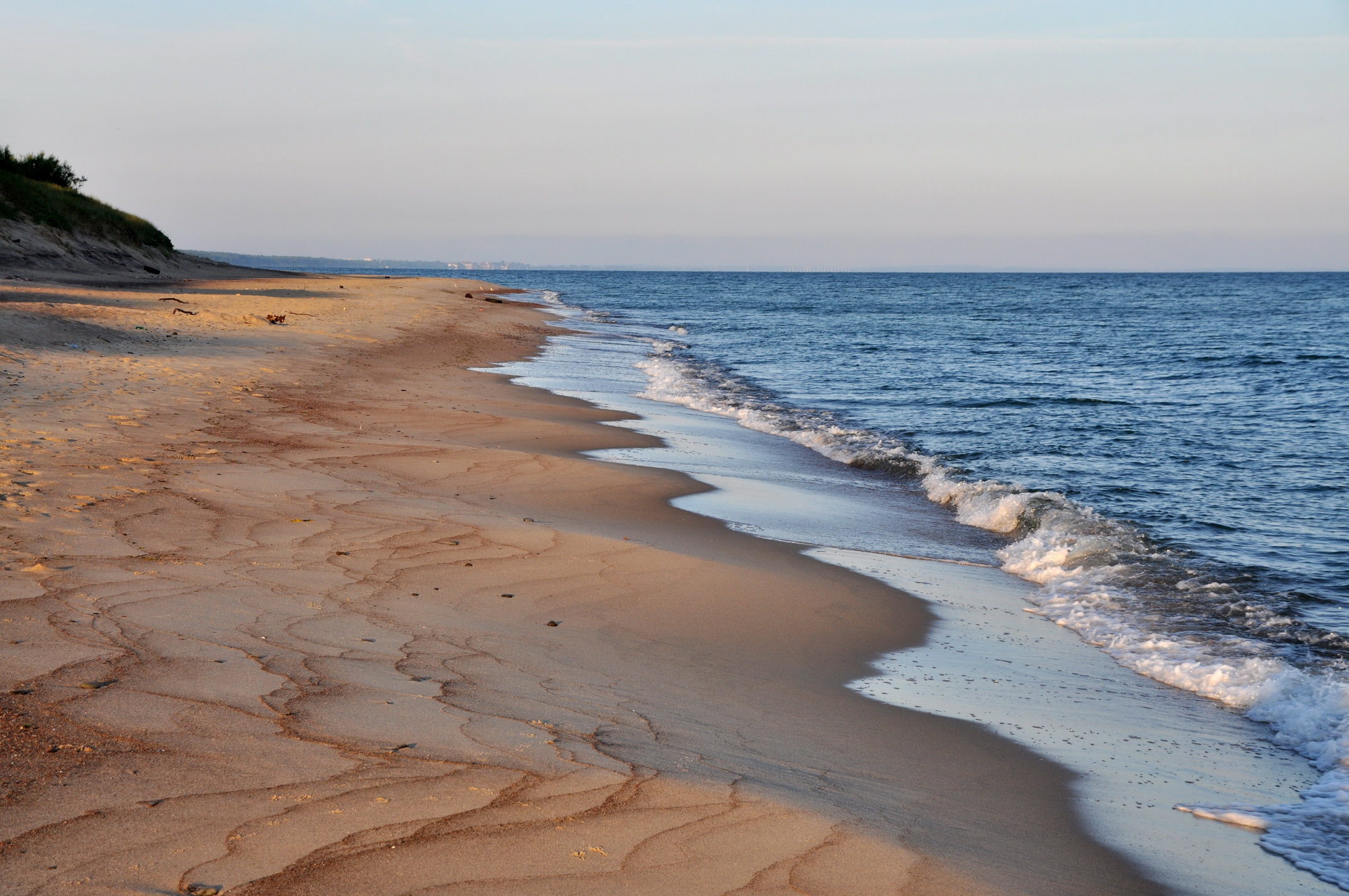
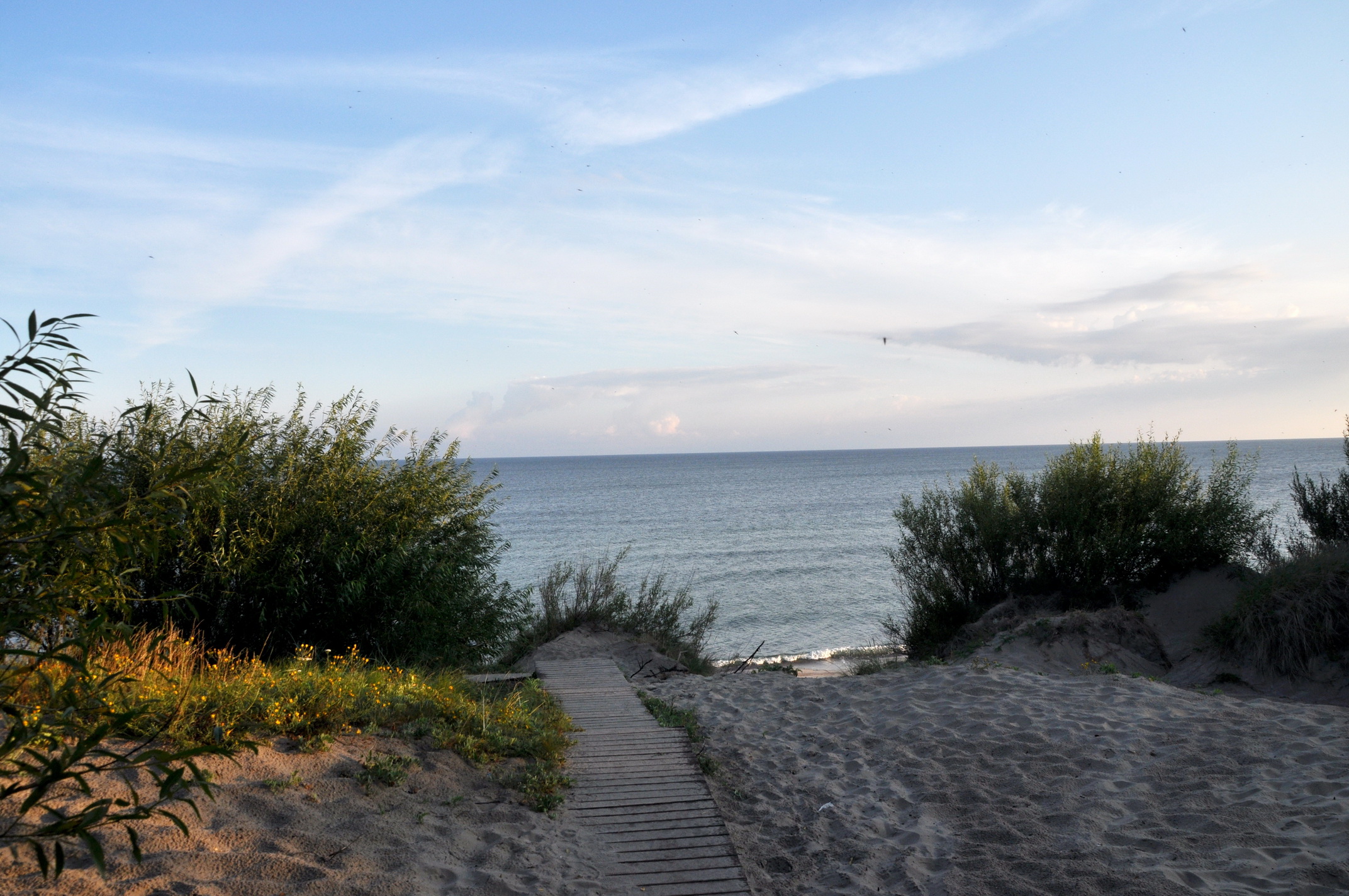
Yet right next to it is the completely unprotected Vistula Spit, where the military drives all-terrain vehicles, builds fortifications, airfields and missile sites, then bombs them. Nothing dreadful seems to happen to the spit, which the Greens don’t seem to find troubling at all.
Anyone who wants to see a sandy spit should visit the Vistula Spit, or go to the Curonian one from the Lithuanian side. It’s better there and there are no fences.
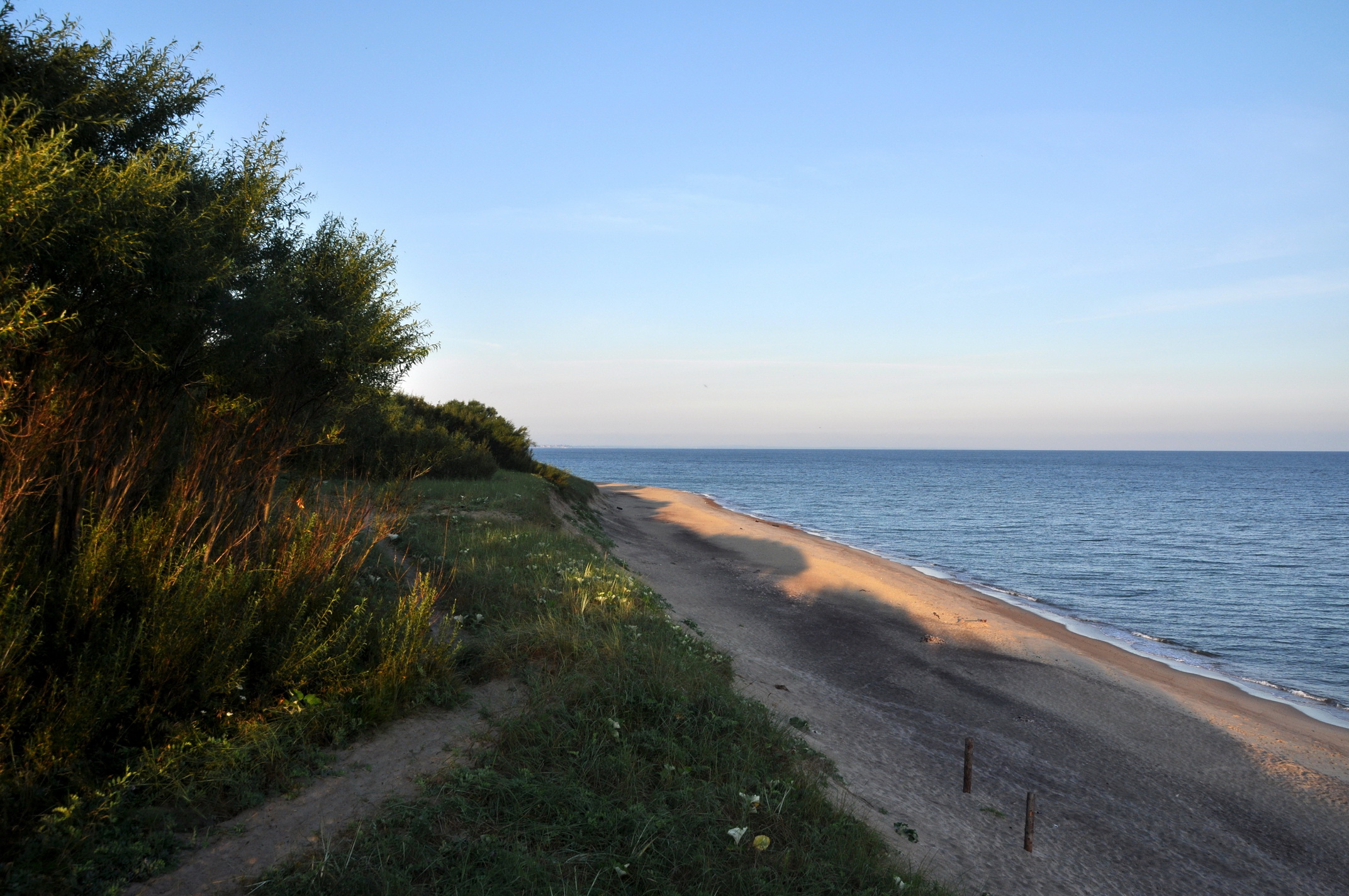
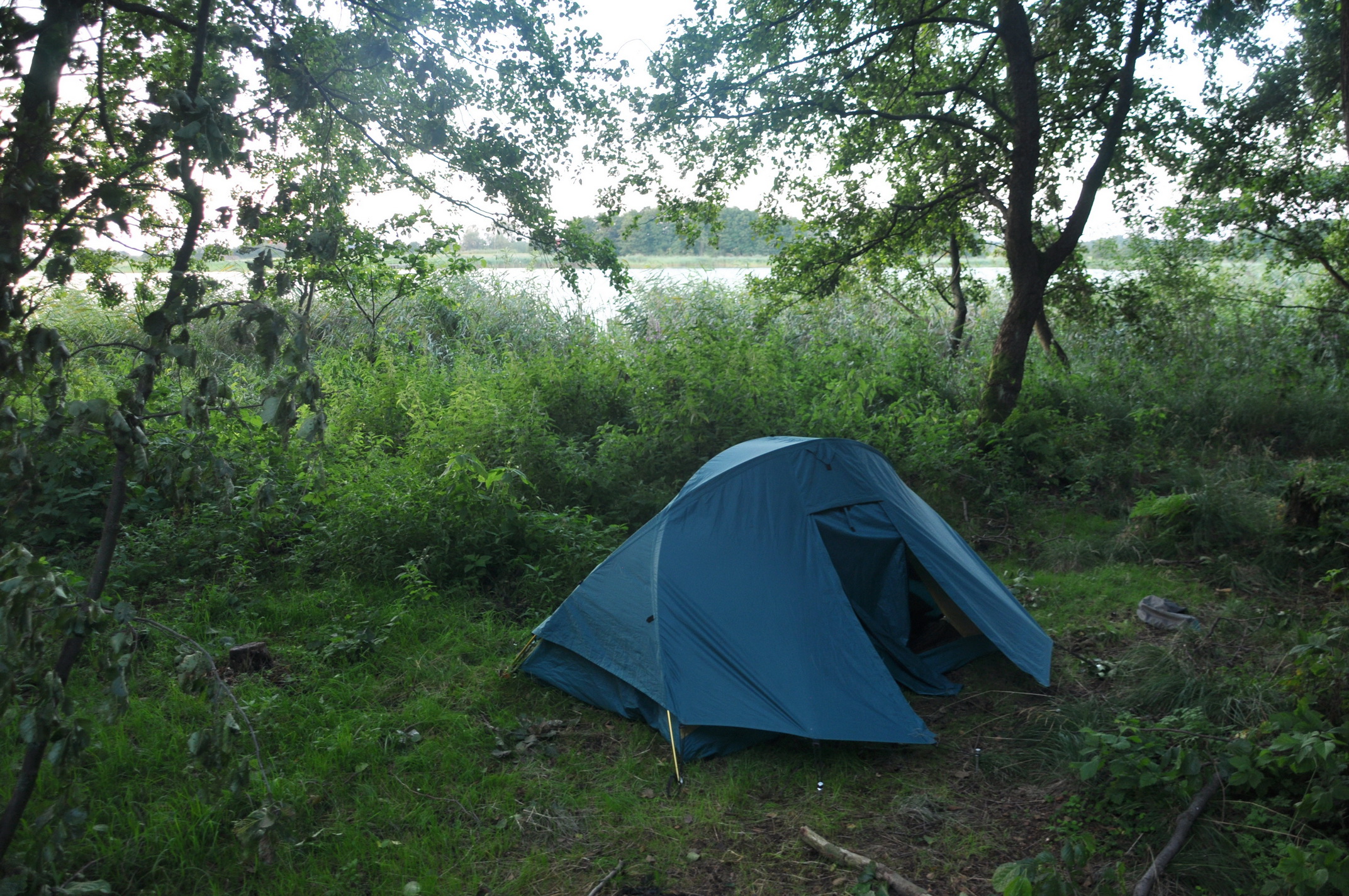
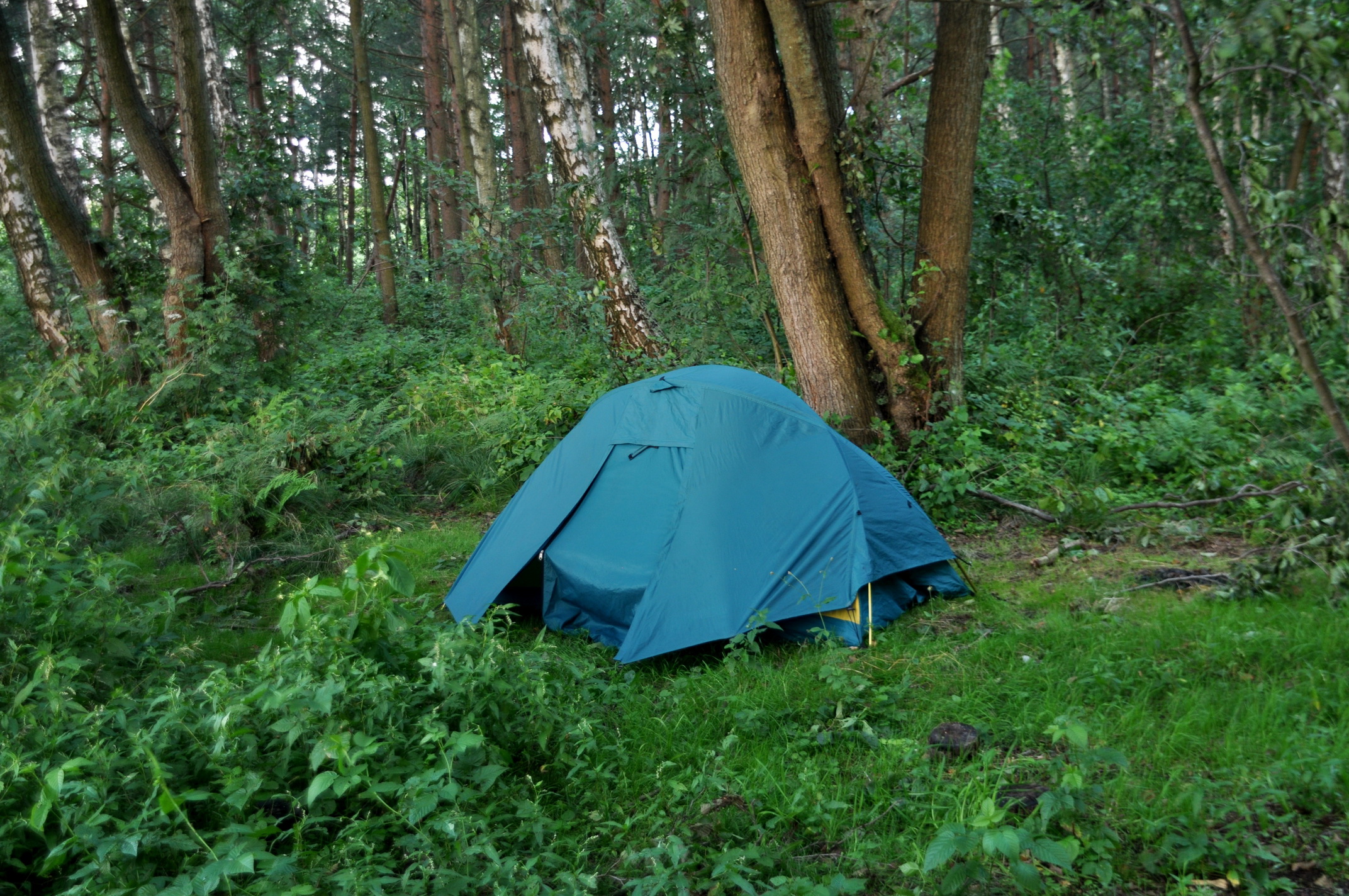
I knew all that already but still wanted to see for myself what it was like now. I spent the night in a little woodland clearing near Rybachy (55°09.153′N, 20°49.598′E).
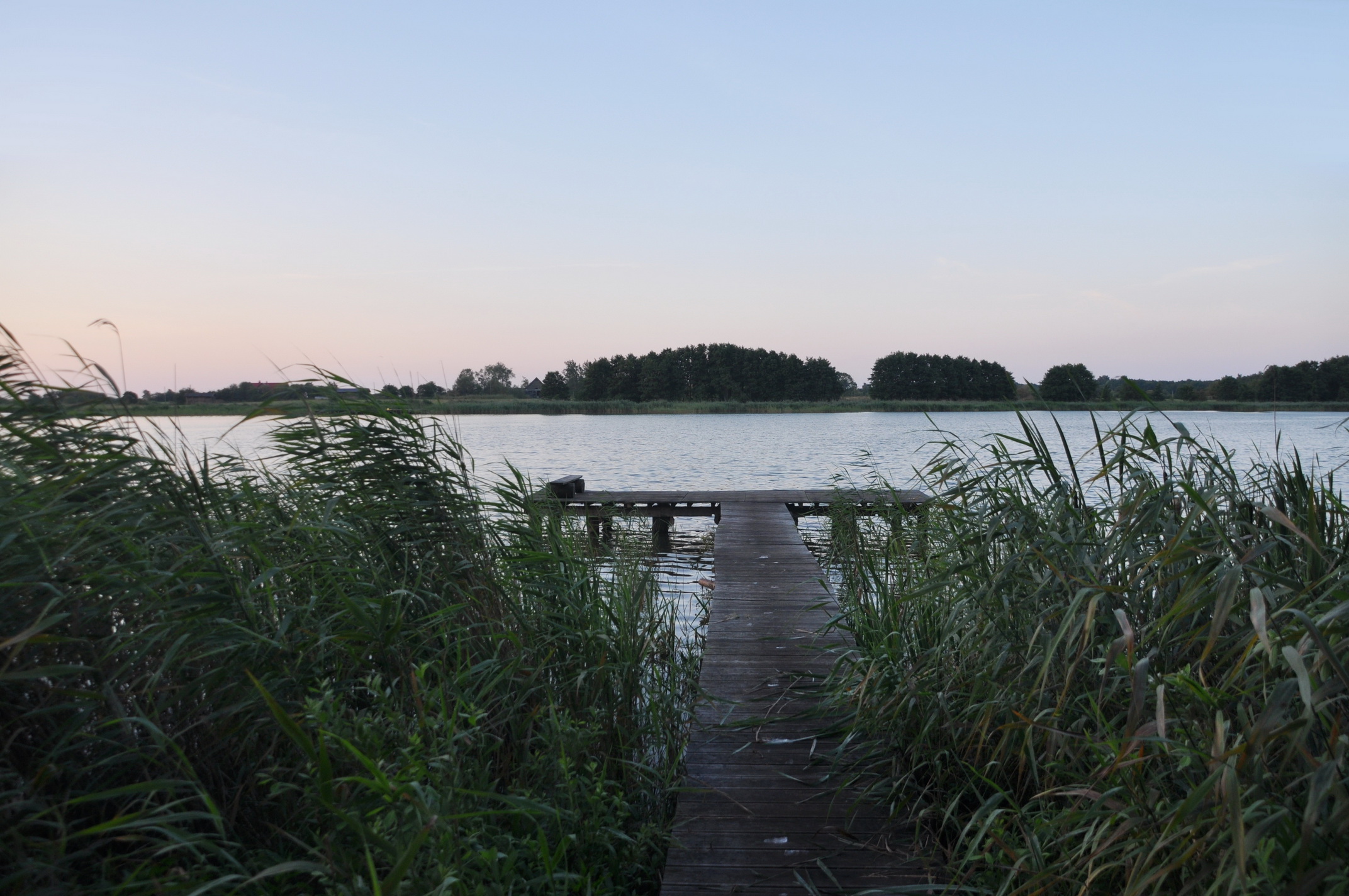
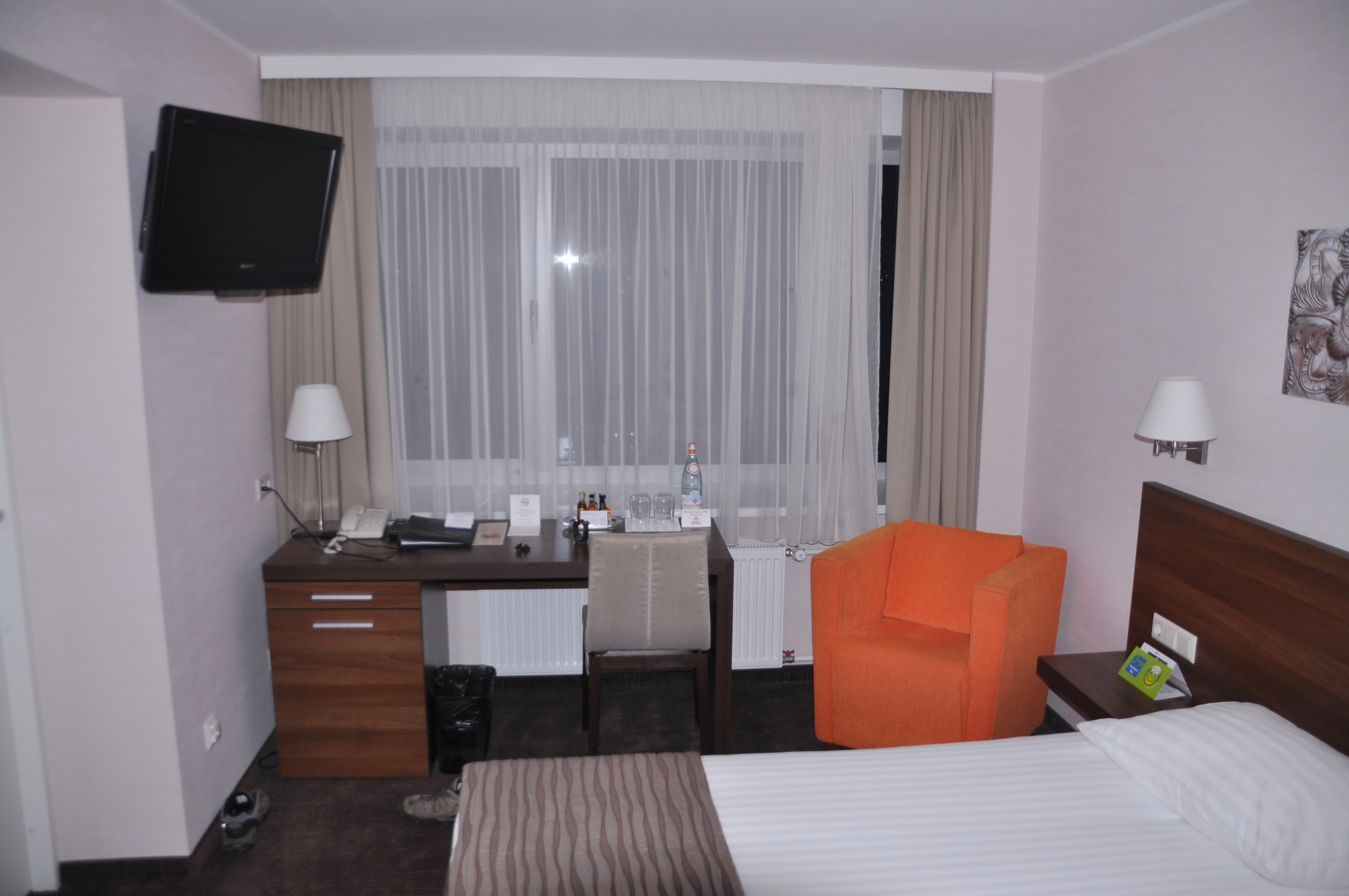
In the morning I got on with the work in town, then started home in the evening. The road was bad and there was a long line at the crossing. It was after midnight by the time I reached Marijampolė, where I stayed at the Hotel Europa Royale (54°33.411′N, 23°21.035′E).
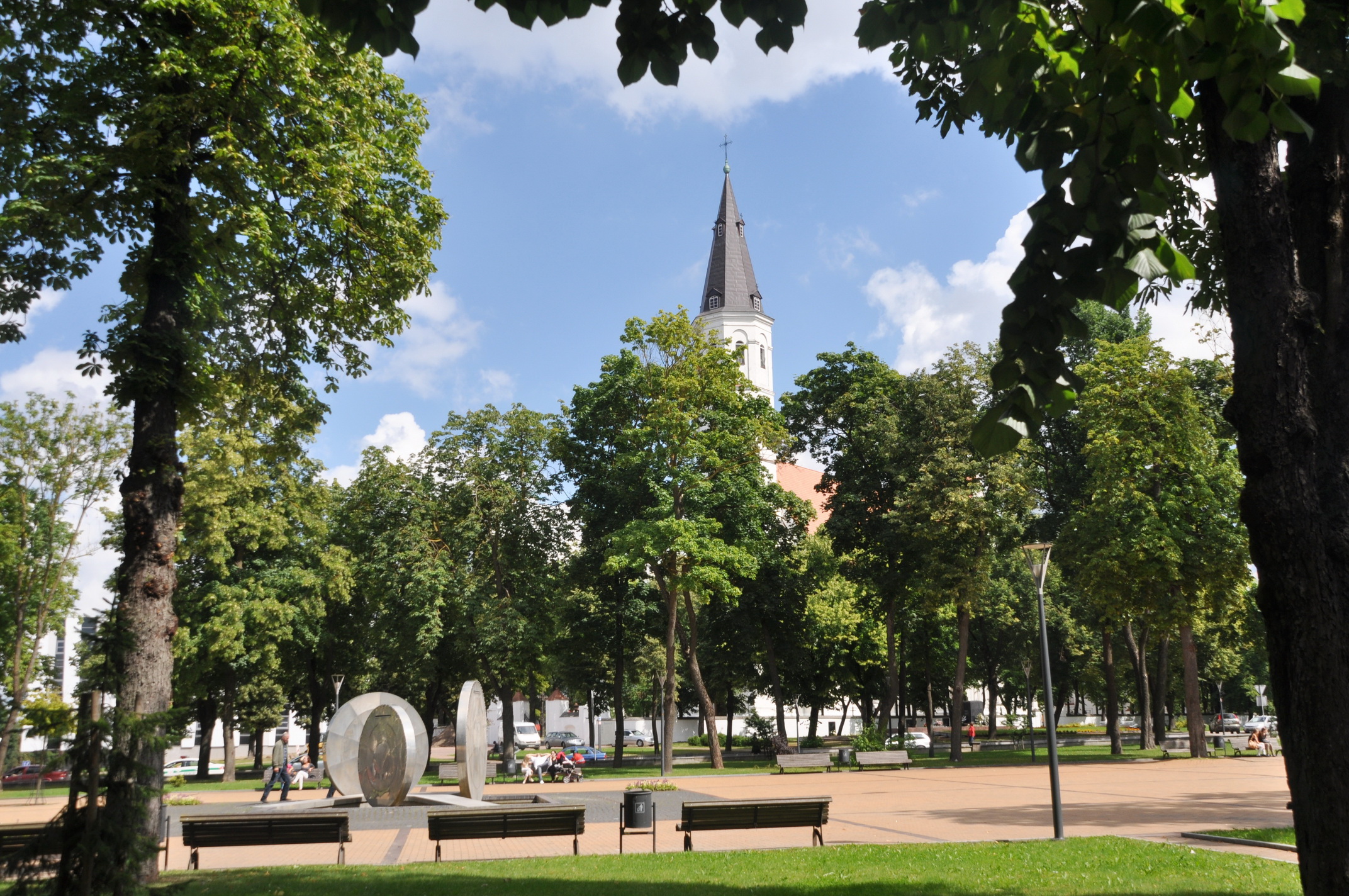
The next long day was spent on the road. The only place I walked around was Šiauliai (Šiauliai). I wanted to see what twenty years had done to that city too.
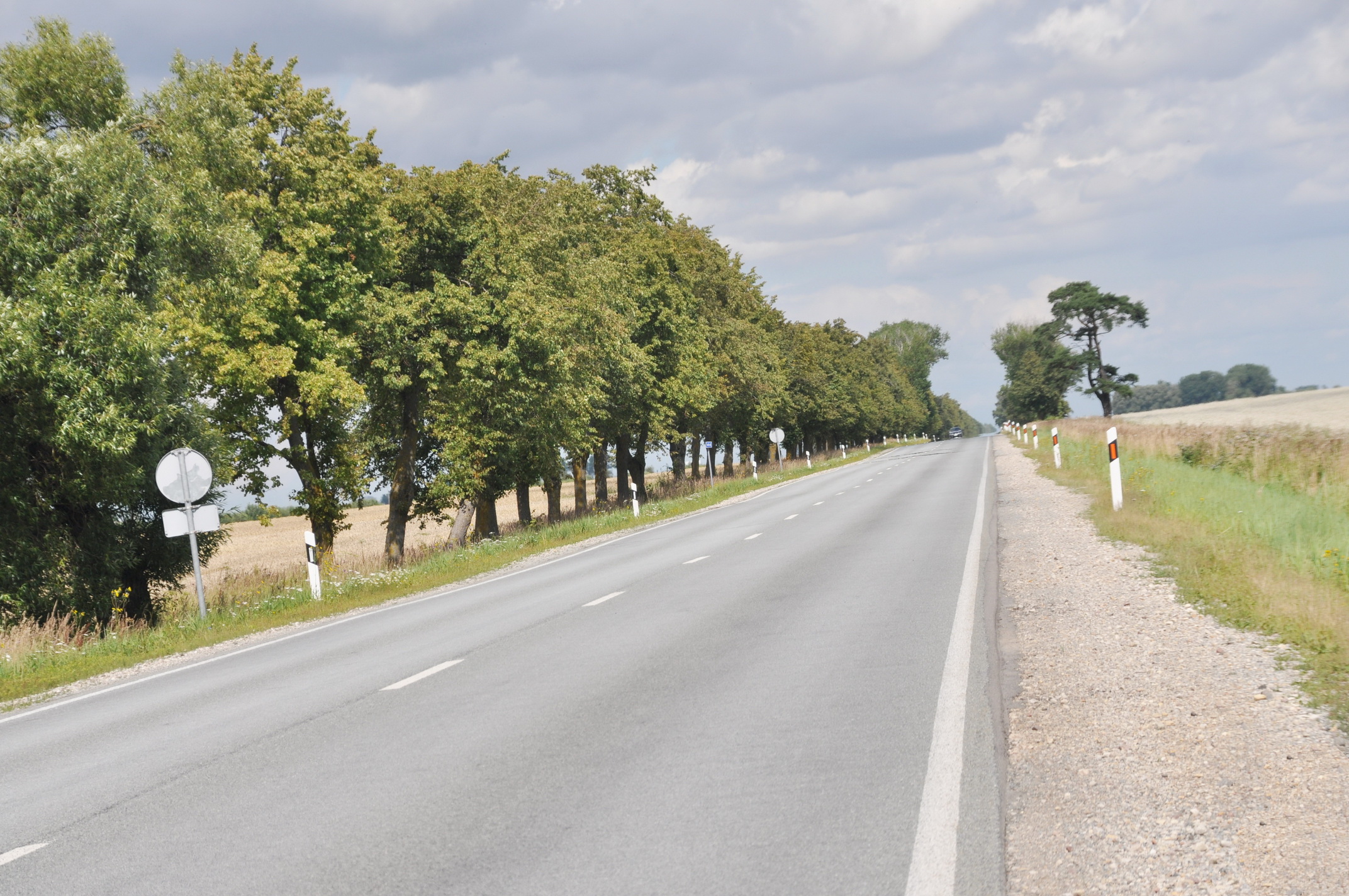
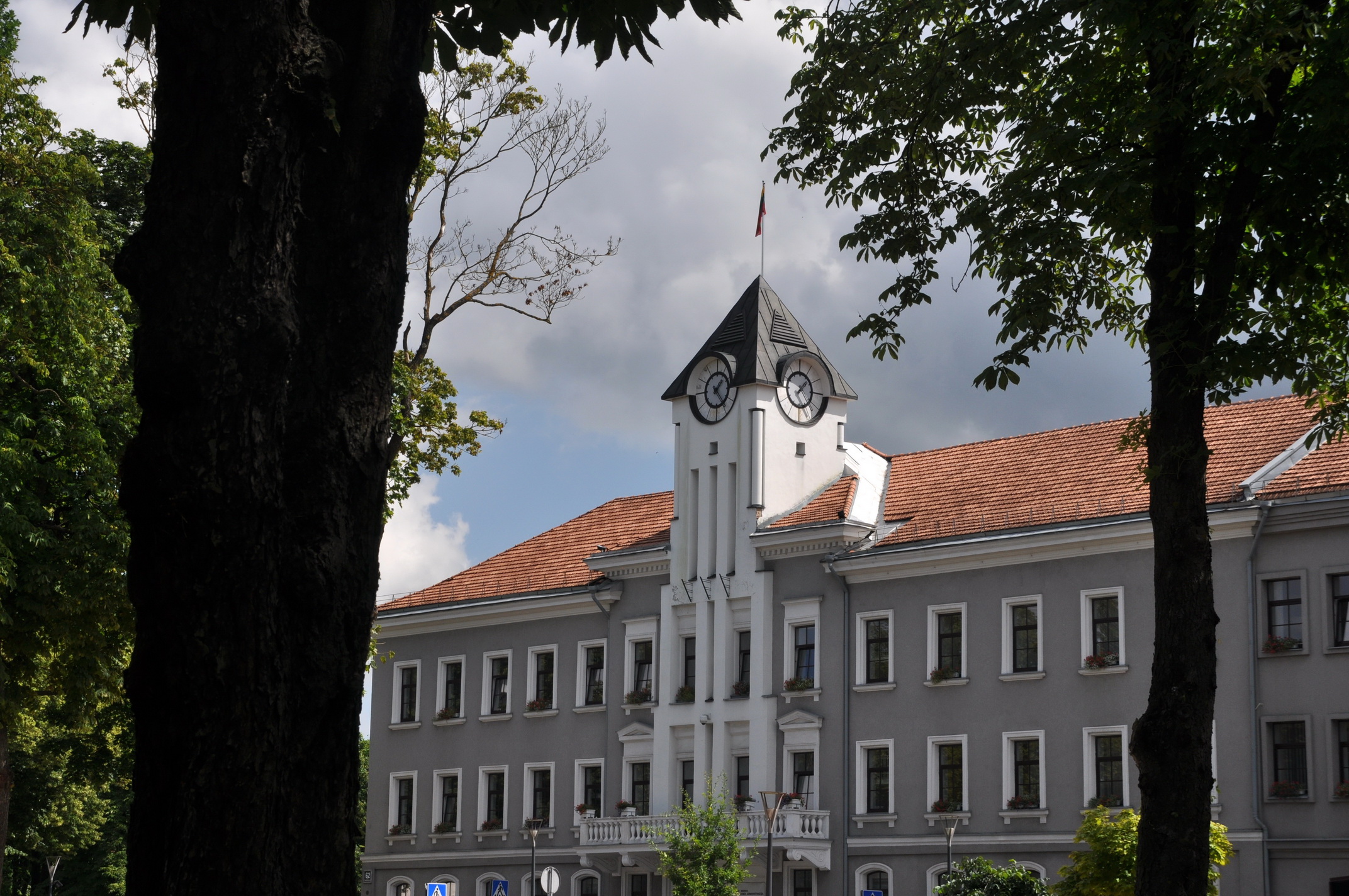
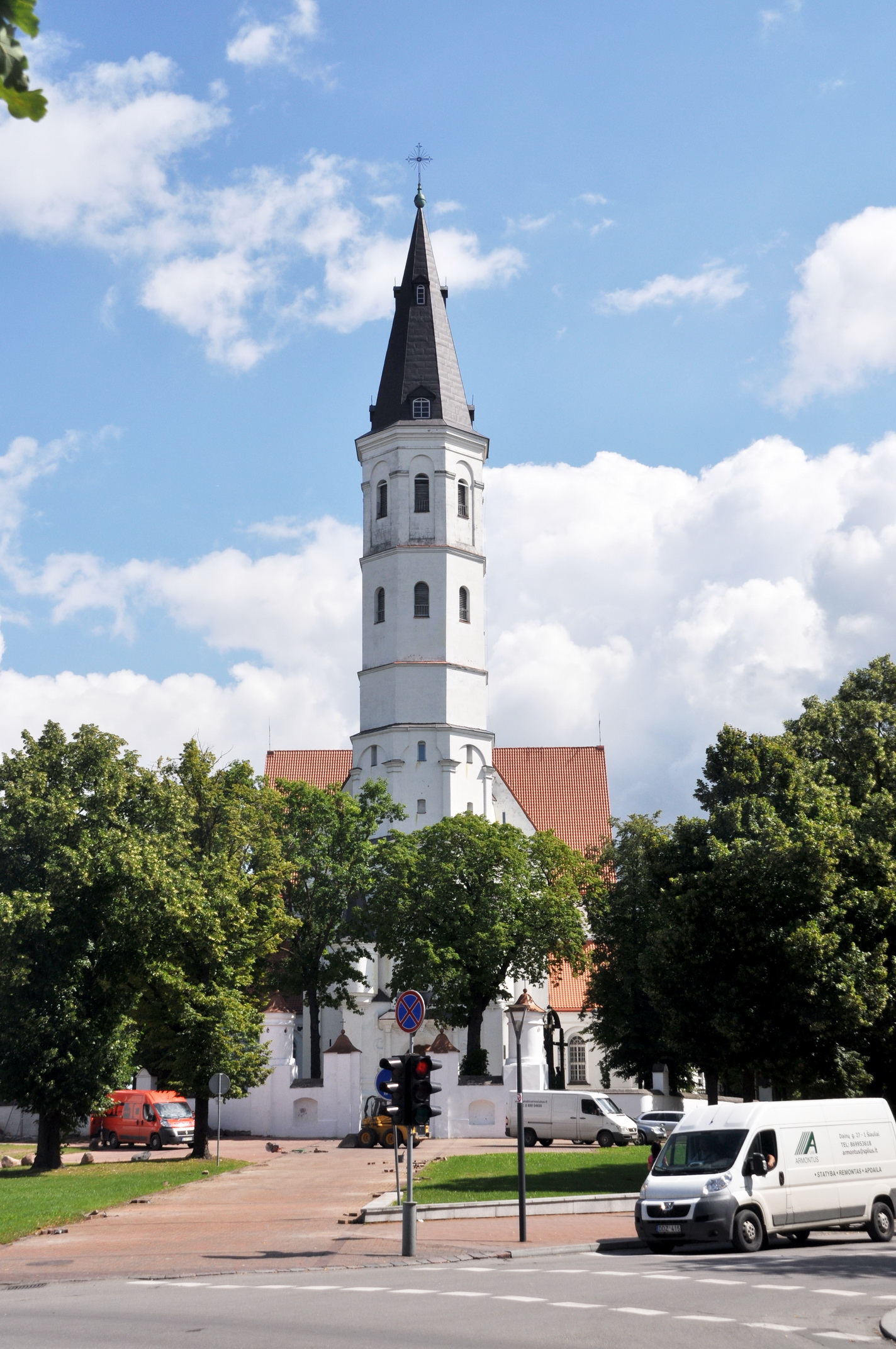
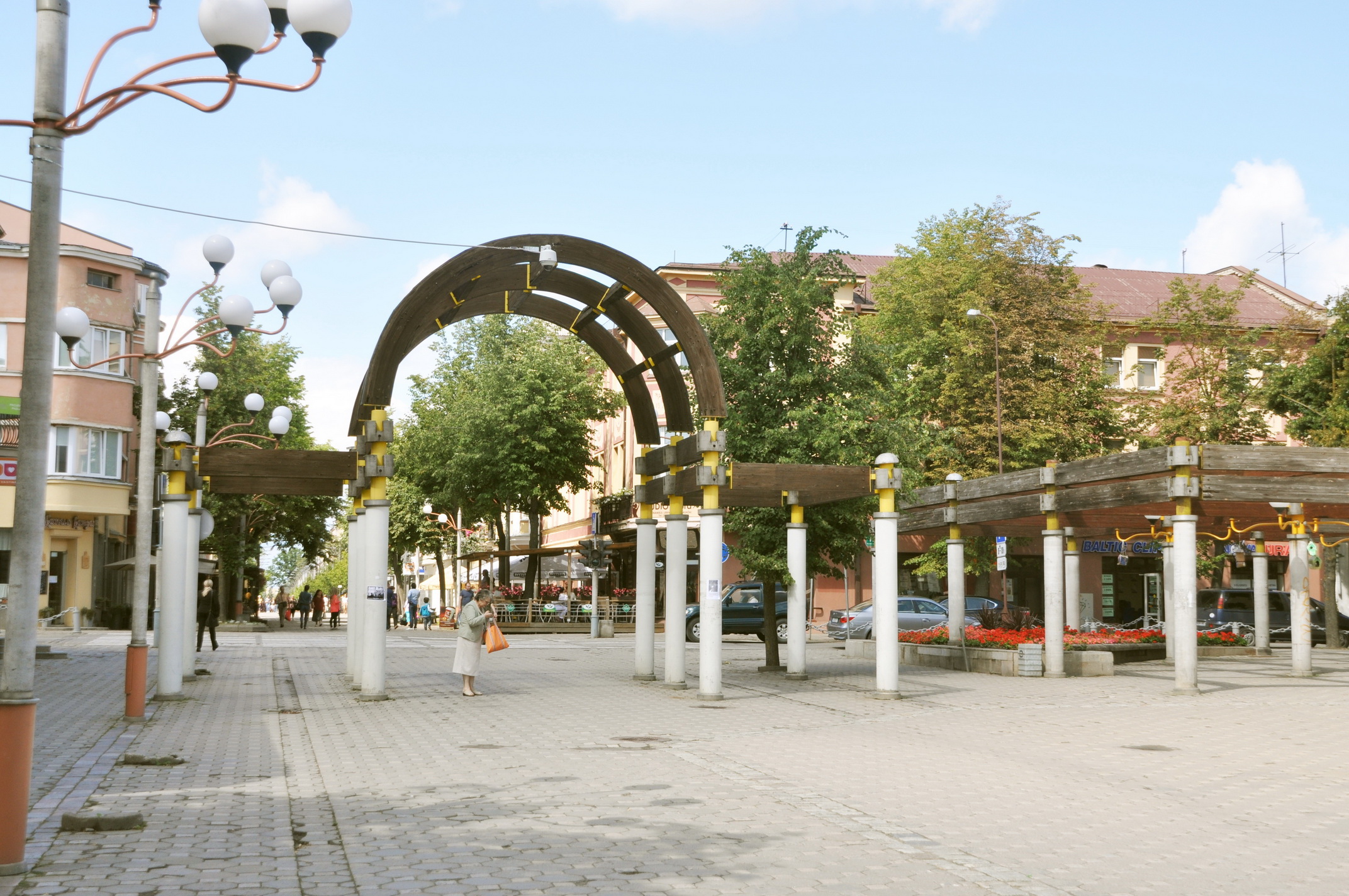
I crossed the border at Shumilkino in the evening. It turned out Estonia had introduced bookings for the crossing. What sort of pedant knows a week in advance when they’re going to go somewhere? No, I was done with Estonian crossings. That time I got lucky. I managed to book a place in the queue for people without a booking, and just a couple of hours later I was let back into Russia. I reached Vyritsa at midnight.
Autumn and winter in Königsberg
That wasn’t my last trip to Königsberg. Every couple of weeks I flew back, usually for a day, to attend meetings, see how the work was going, and so on and so forth.
Autumn came. The city was dressed in gold. Sometimes I got lucky with the weather and had time to wander around this beautiful city.
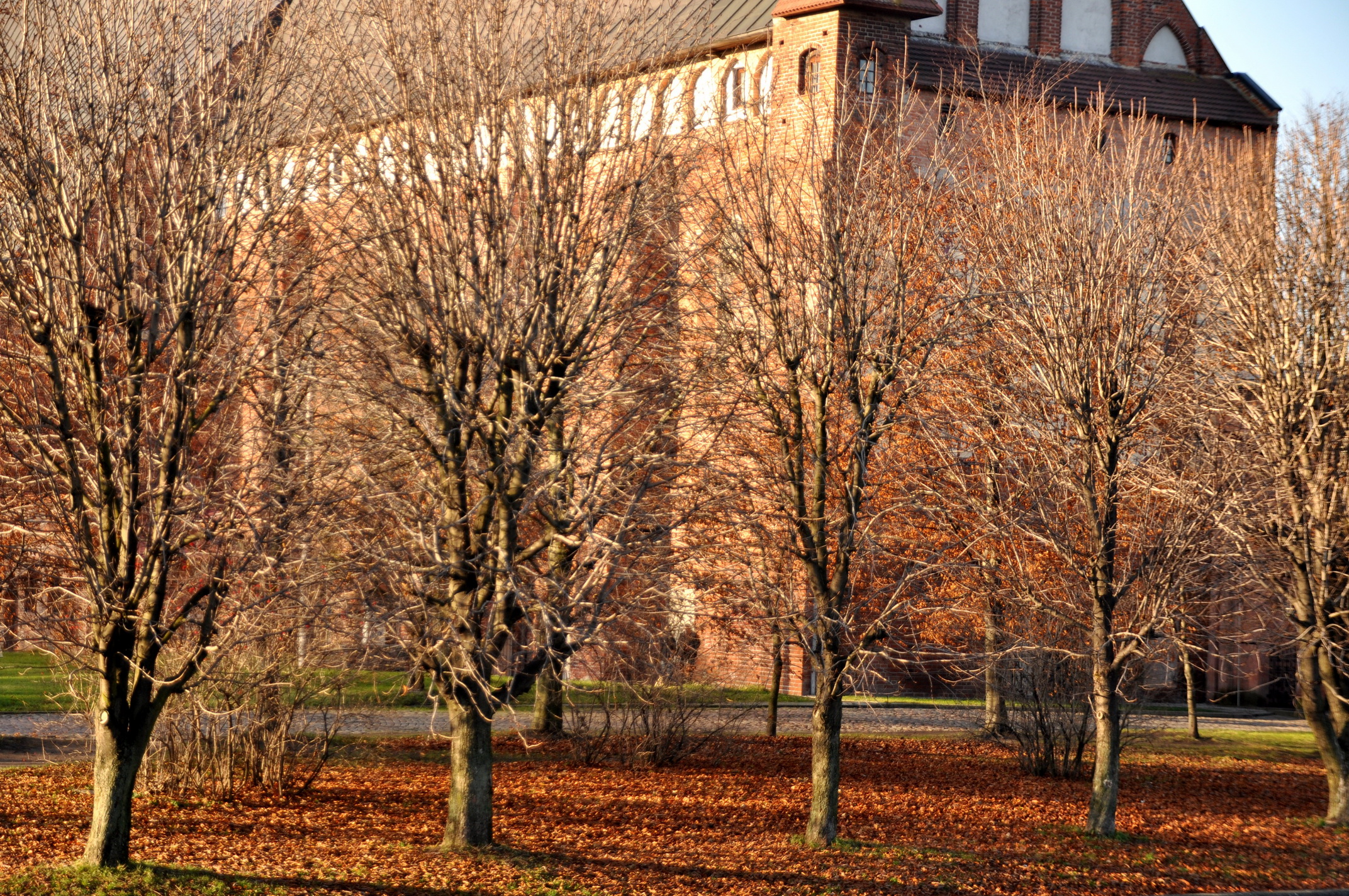
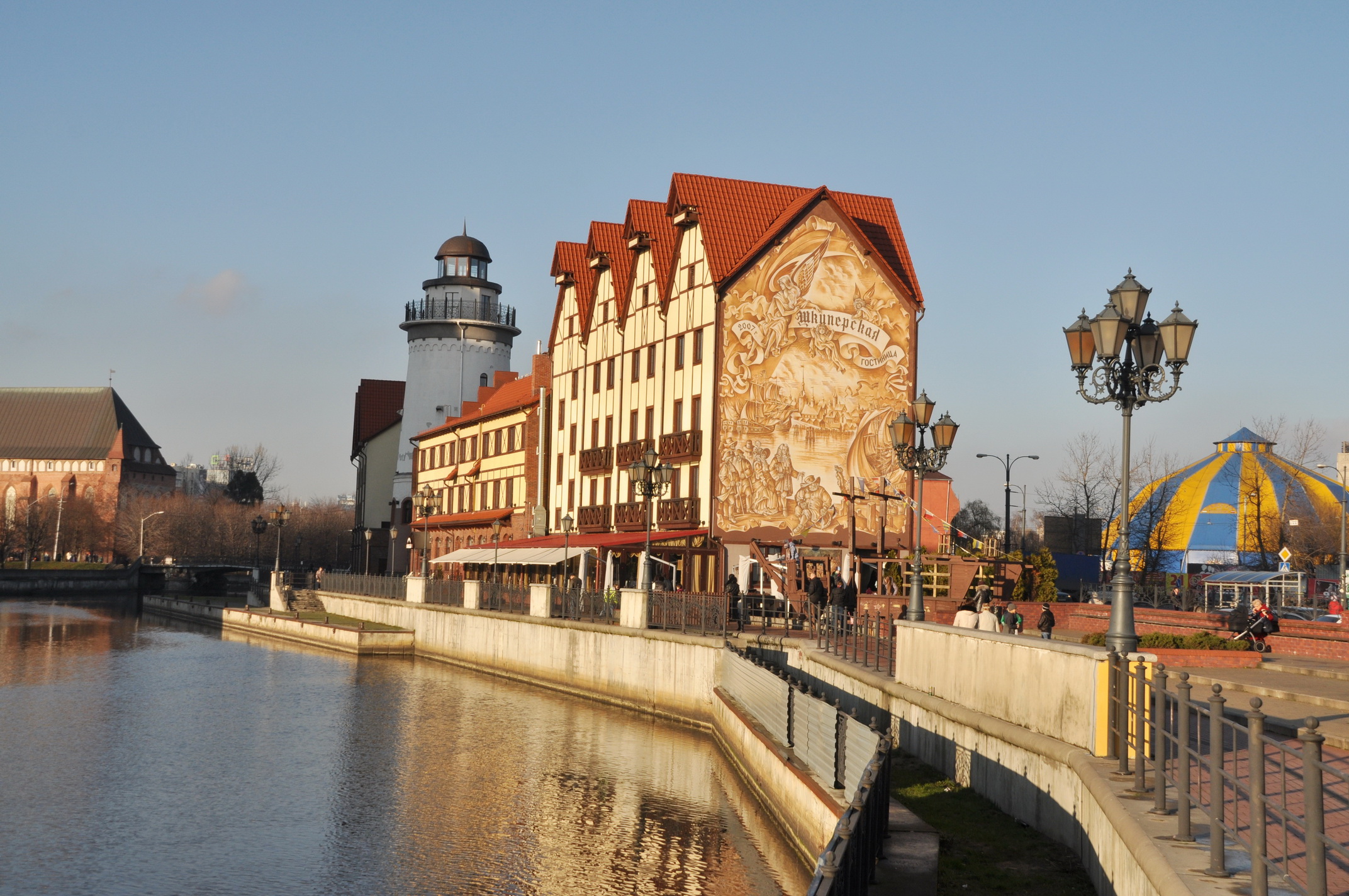
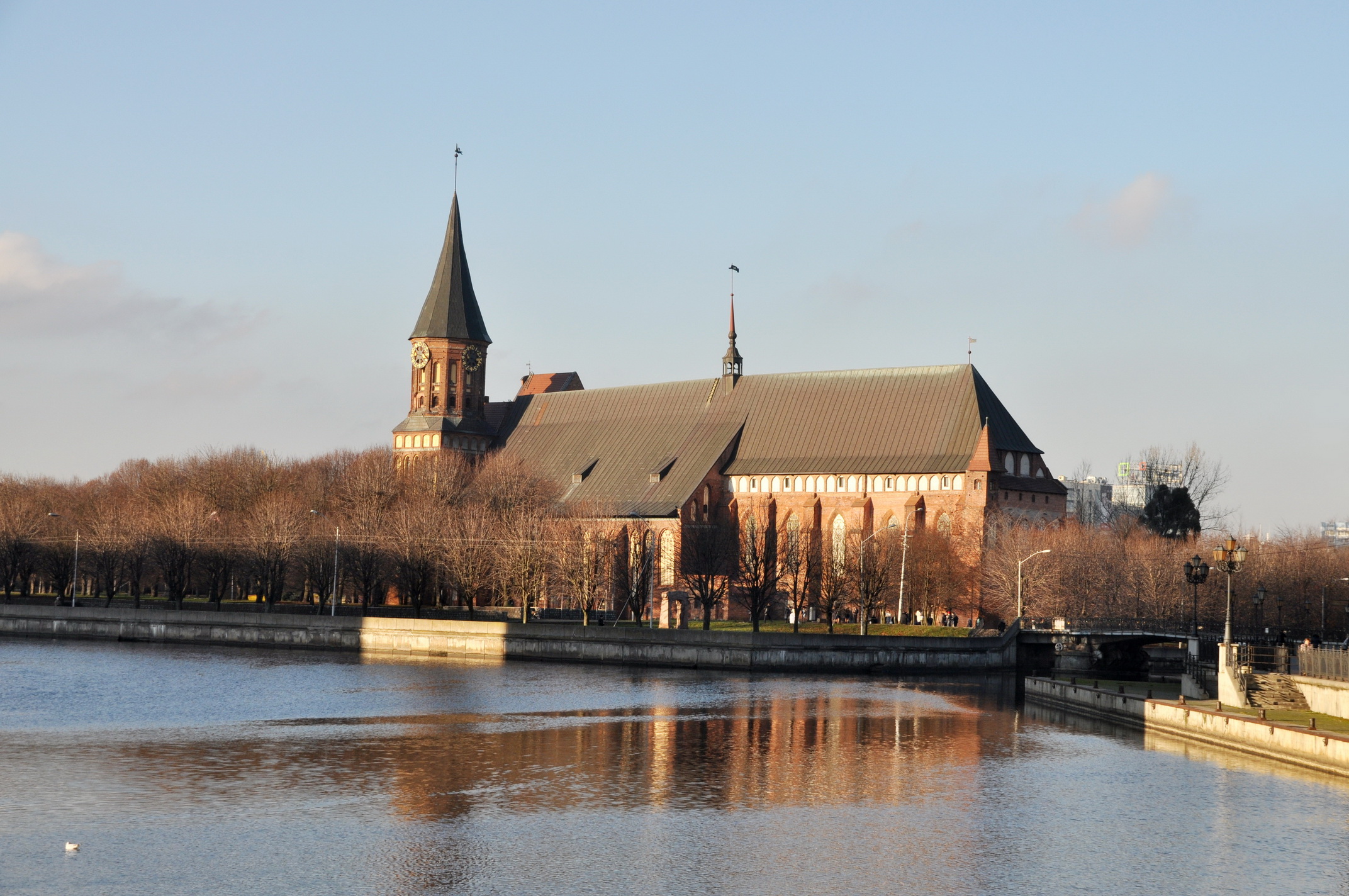
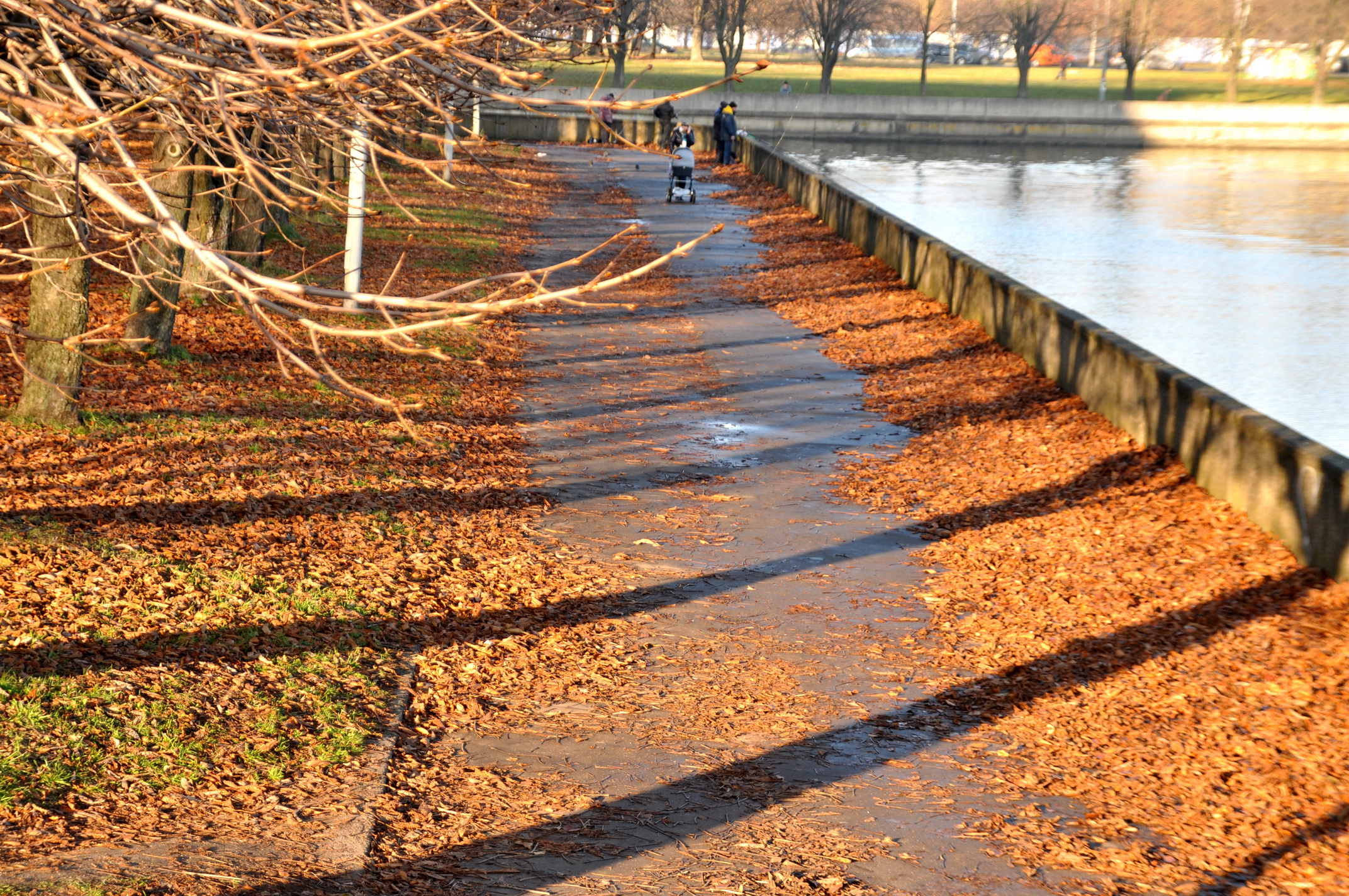
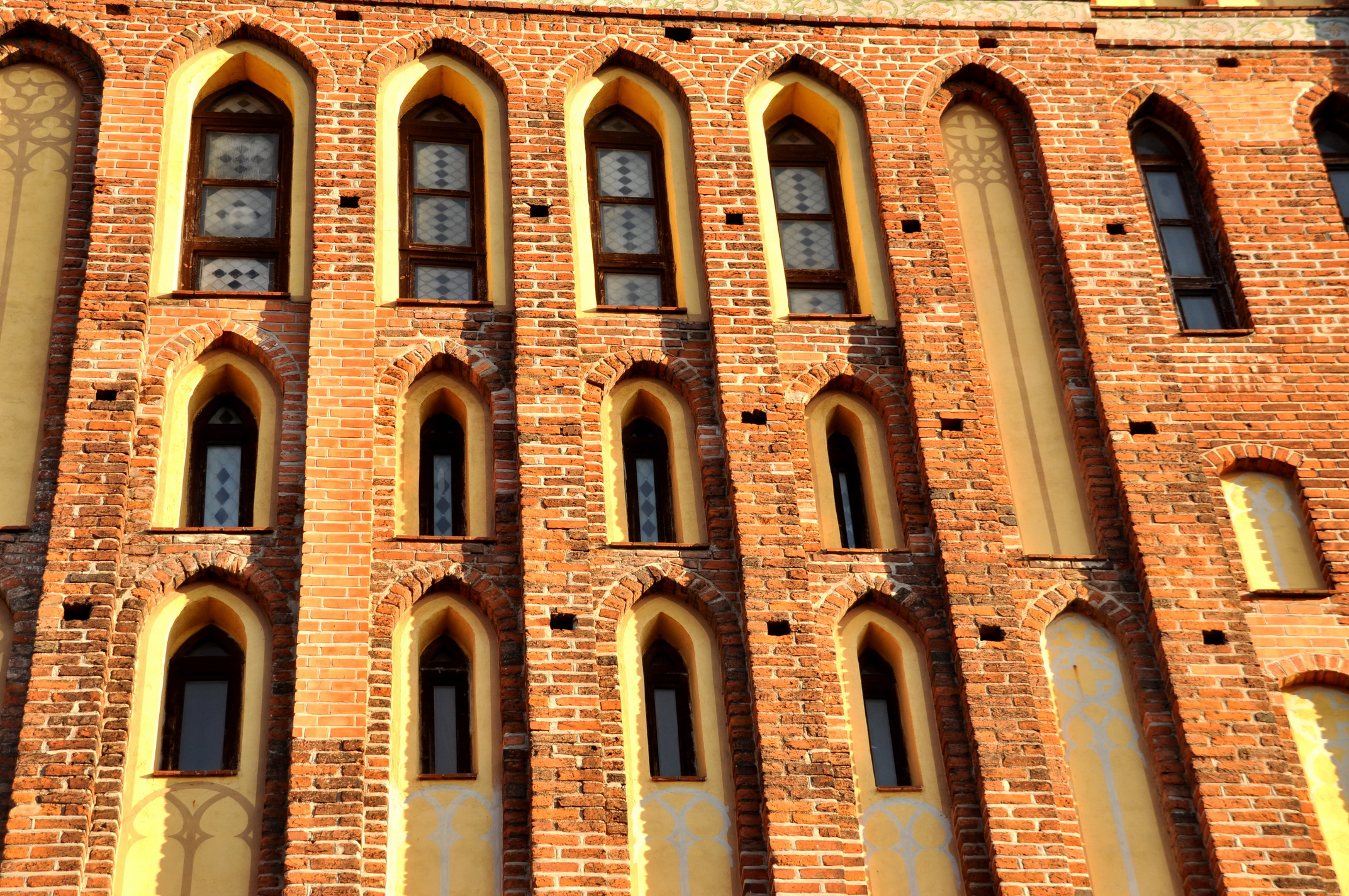
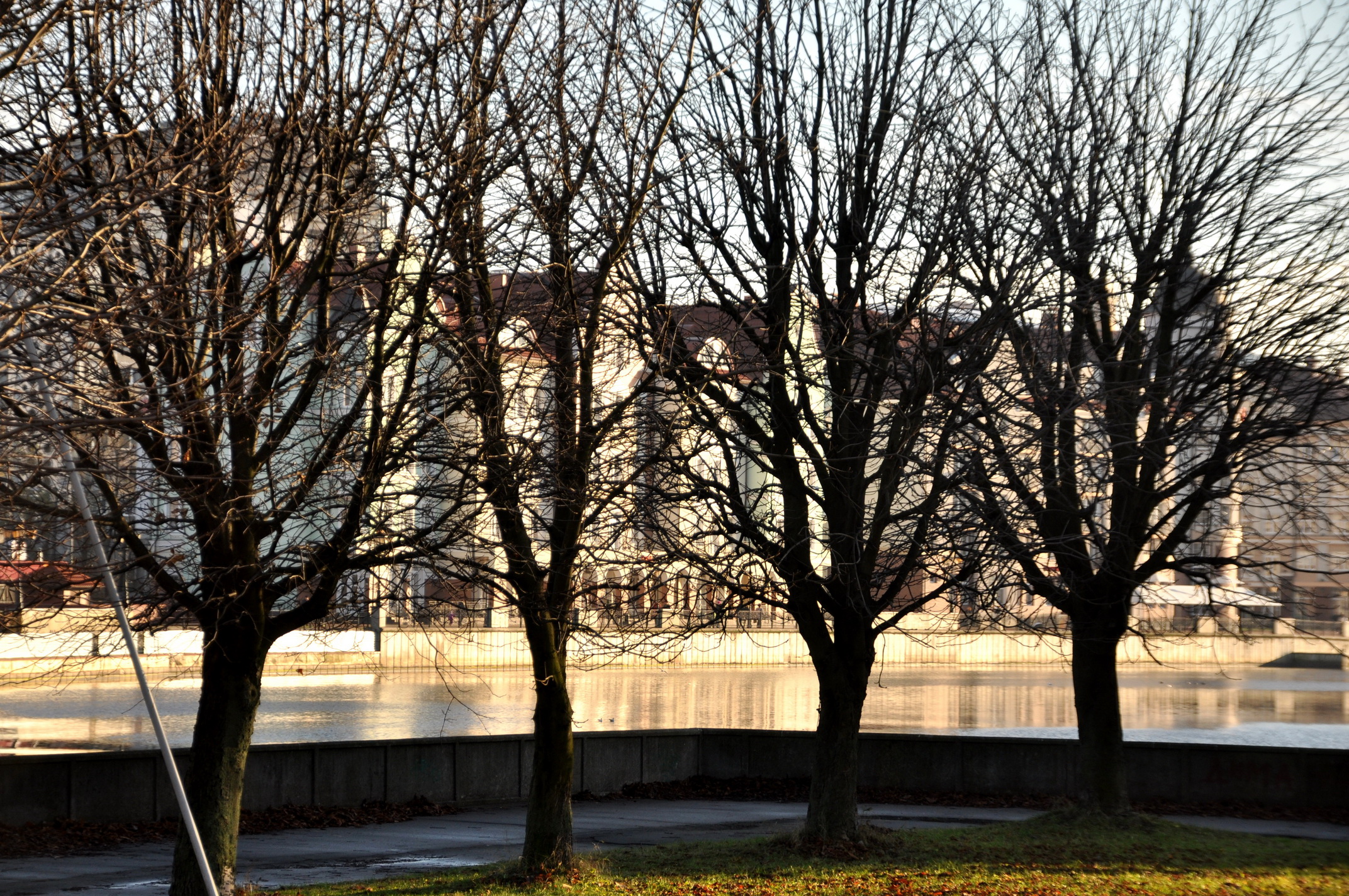
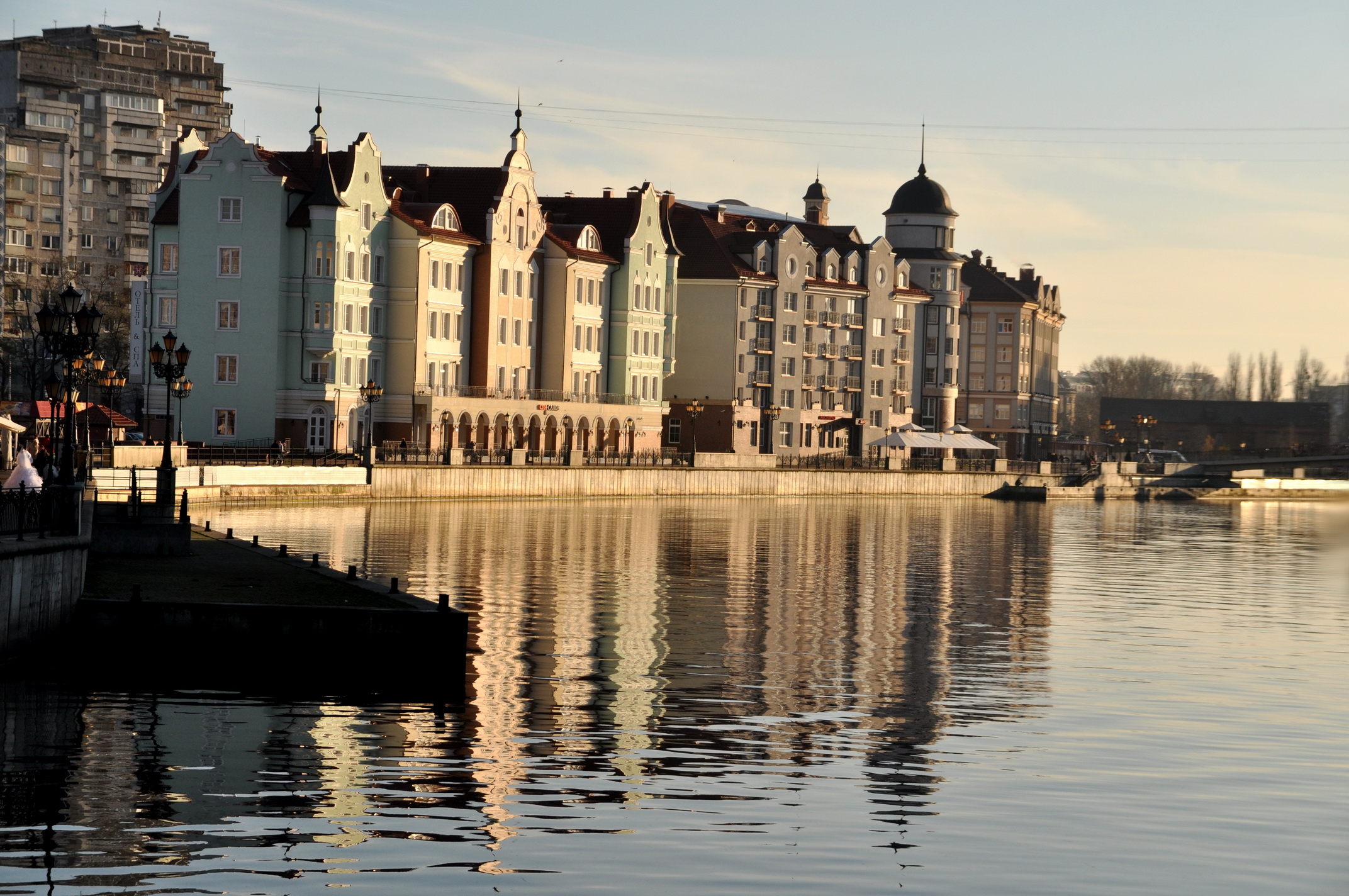
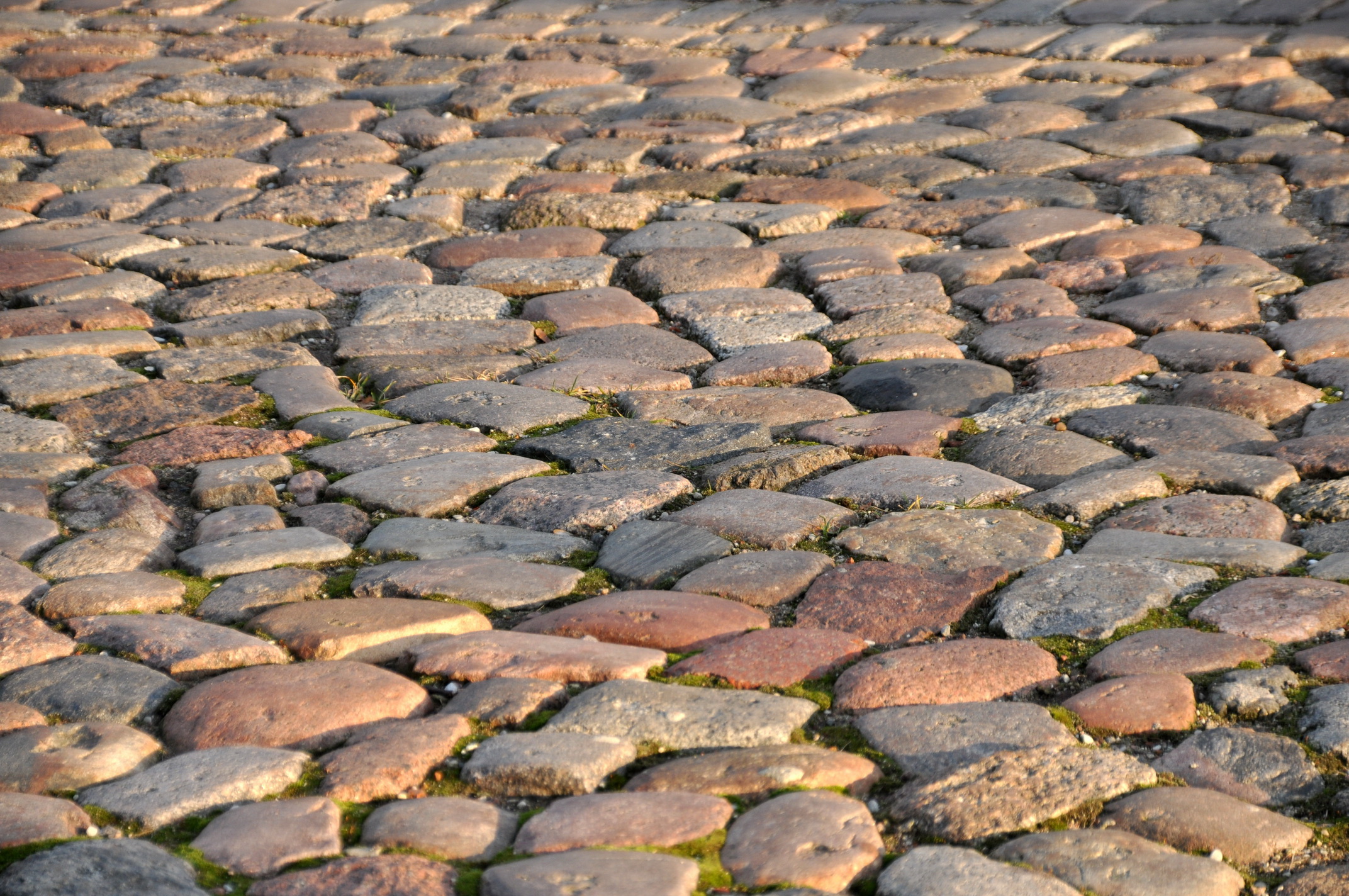
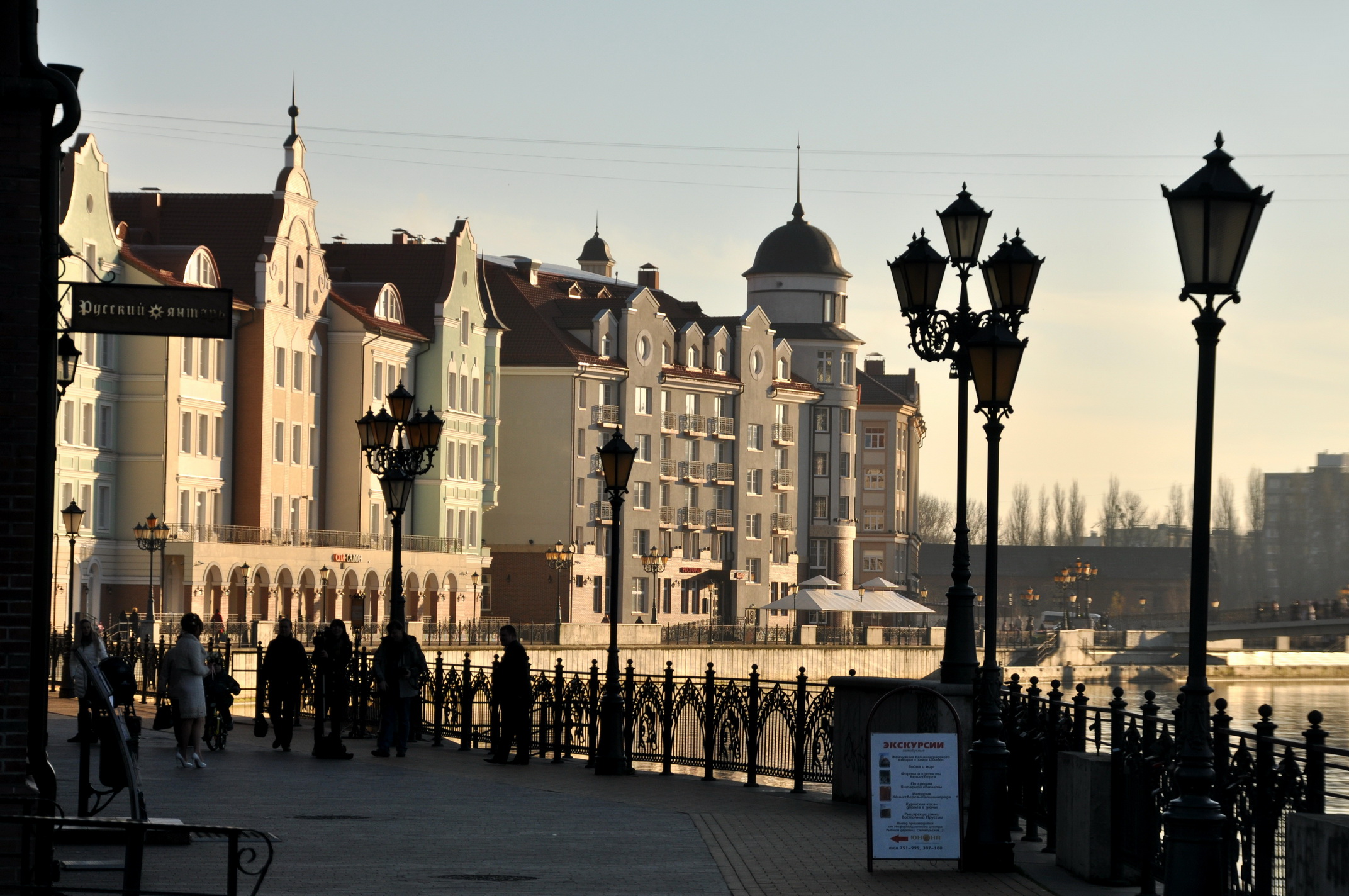
I no longer drove from Saint Petersburg. It was too far, too expensive and involved too many border guards. Now I rented a car on arrival at Khrabrovo Airport, which was a lot less trouble.
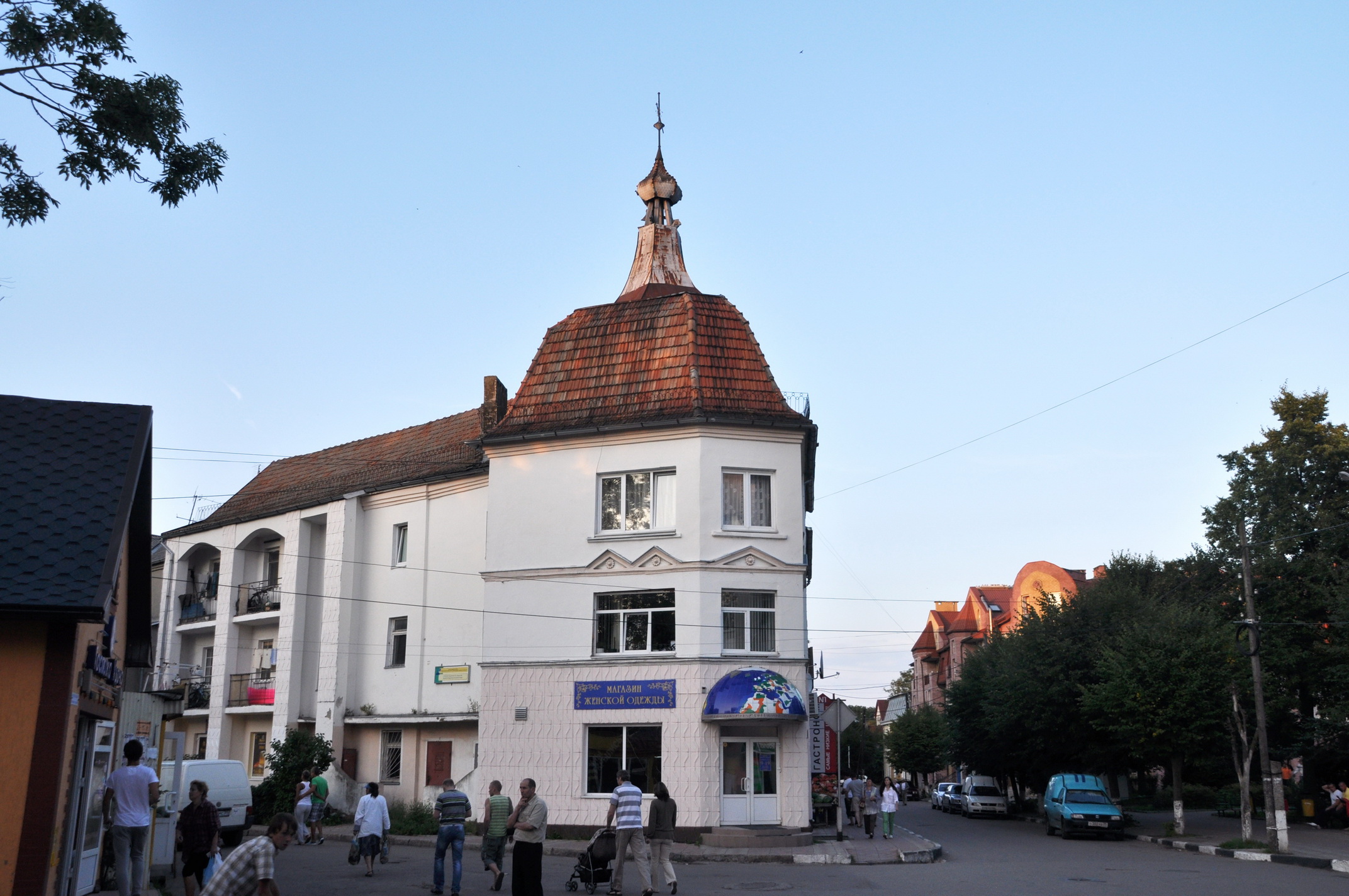
When I stayed overnight I tried to stay in different towns around the region. That was how I got to Tilsit one day, now Sovetsk. The town has survived quite well. There are plenty of old houses and some pleasant places to walk. On the main square stands the Sovetskaya Hotel, home to the ‘Soviet restaurant Sovok’. At least they’ve kept their sense of humour. I stayed there that night (55°04.856′N, 21°53.286′E).
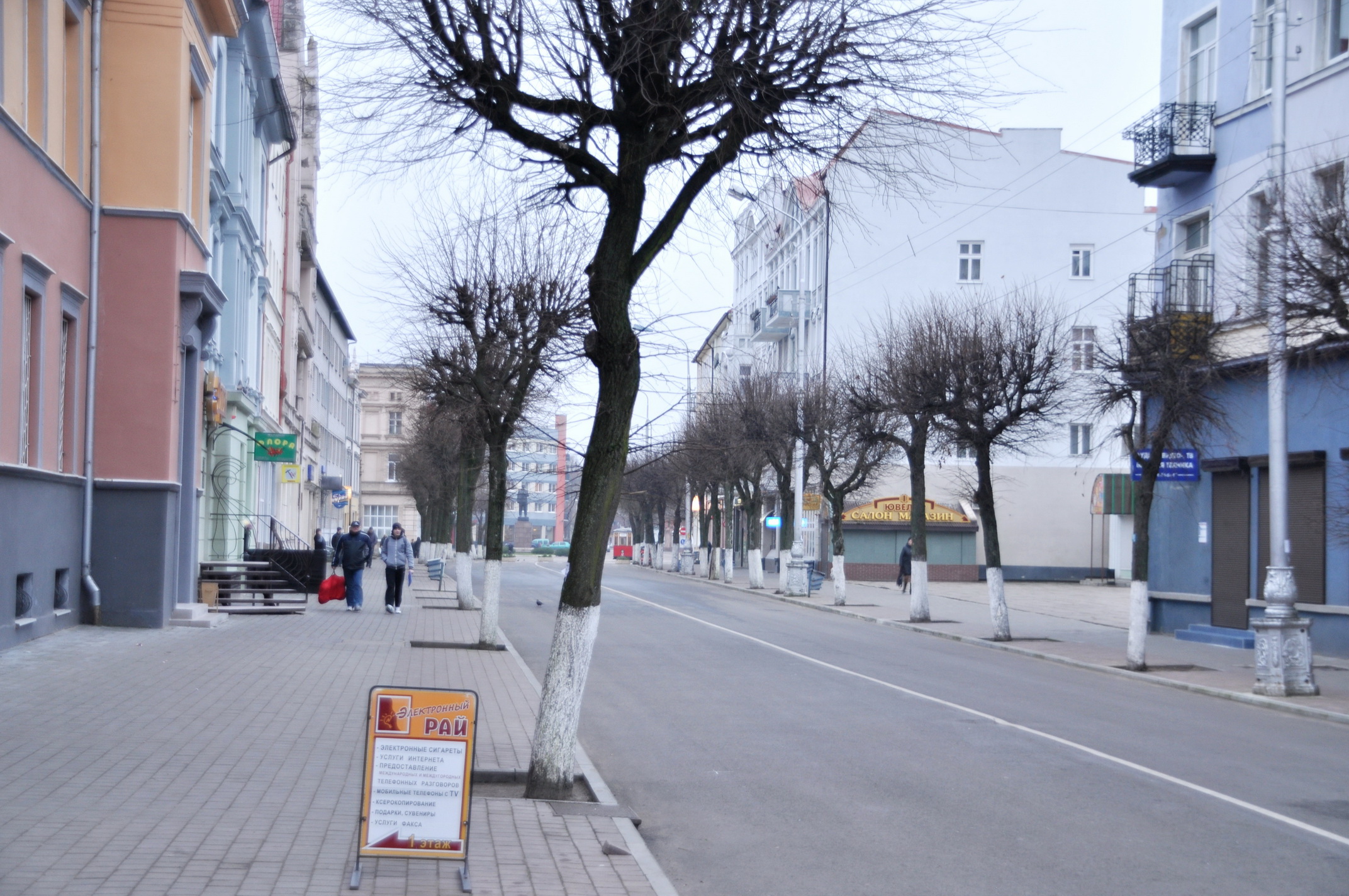
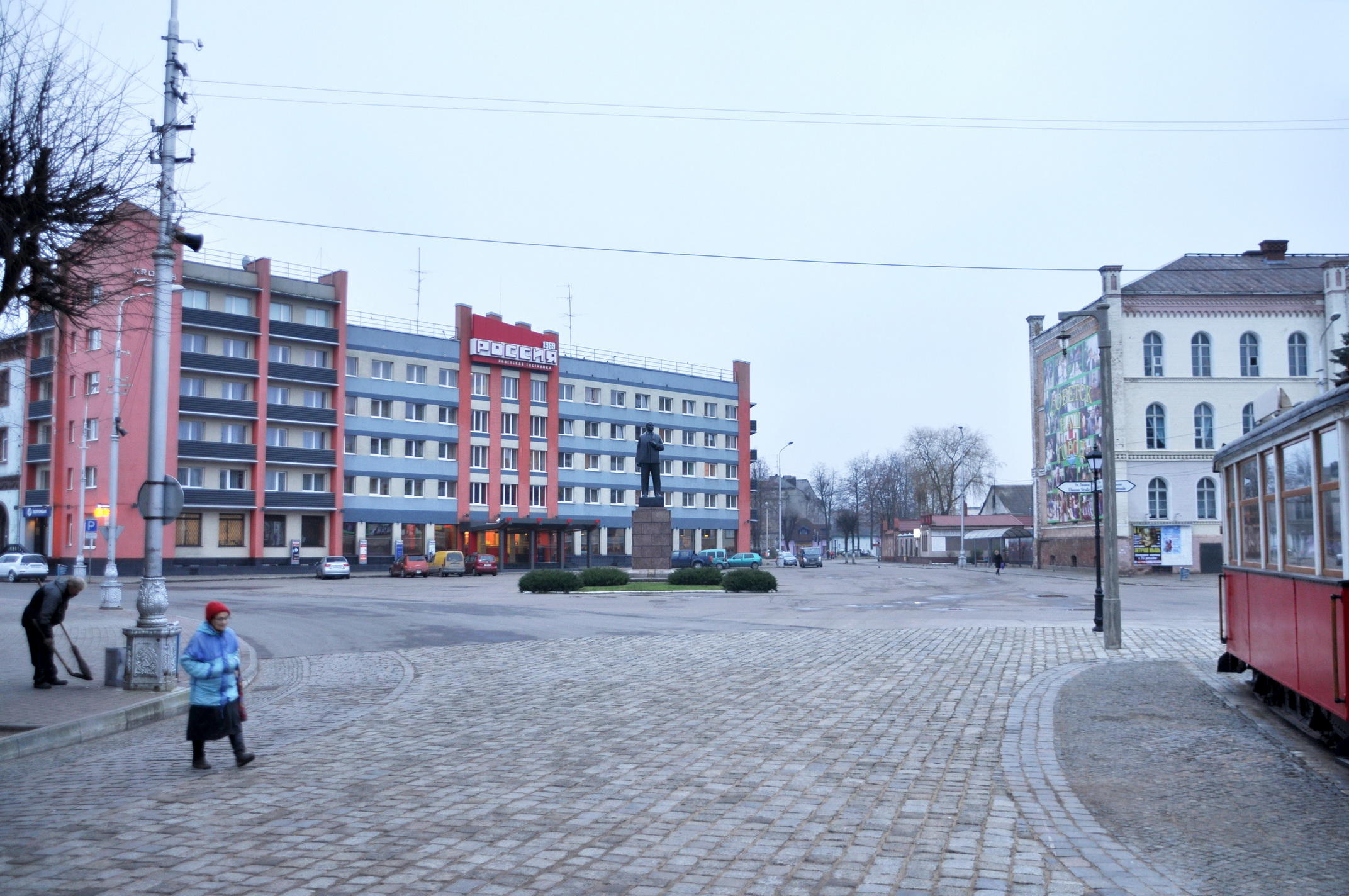
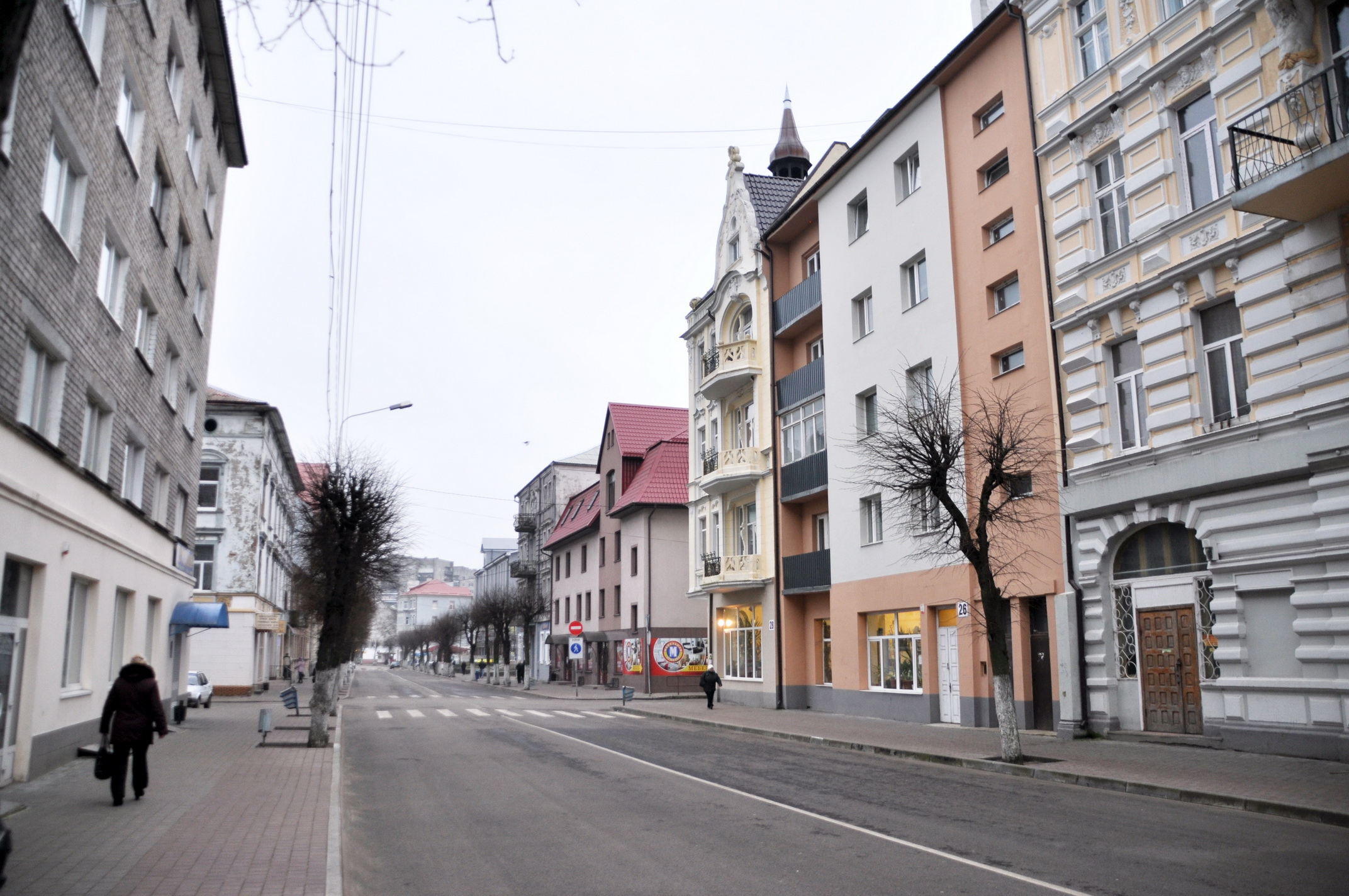
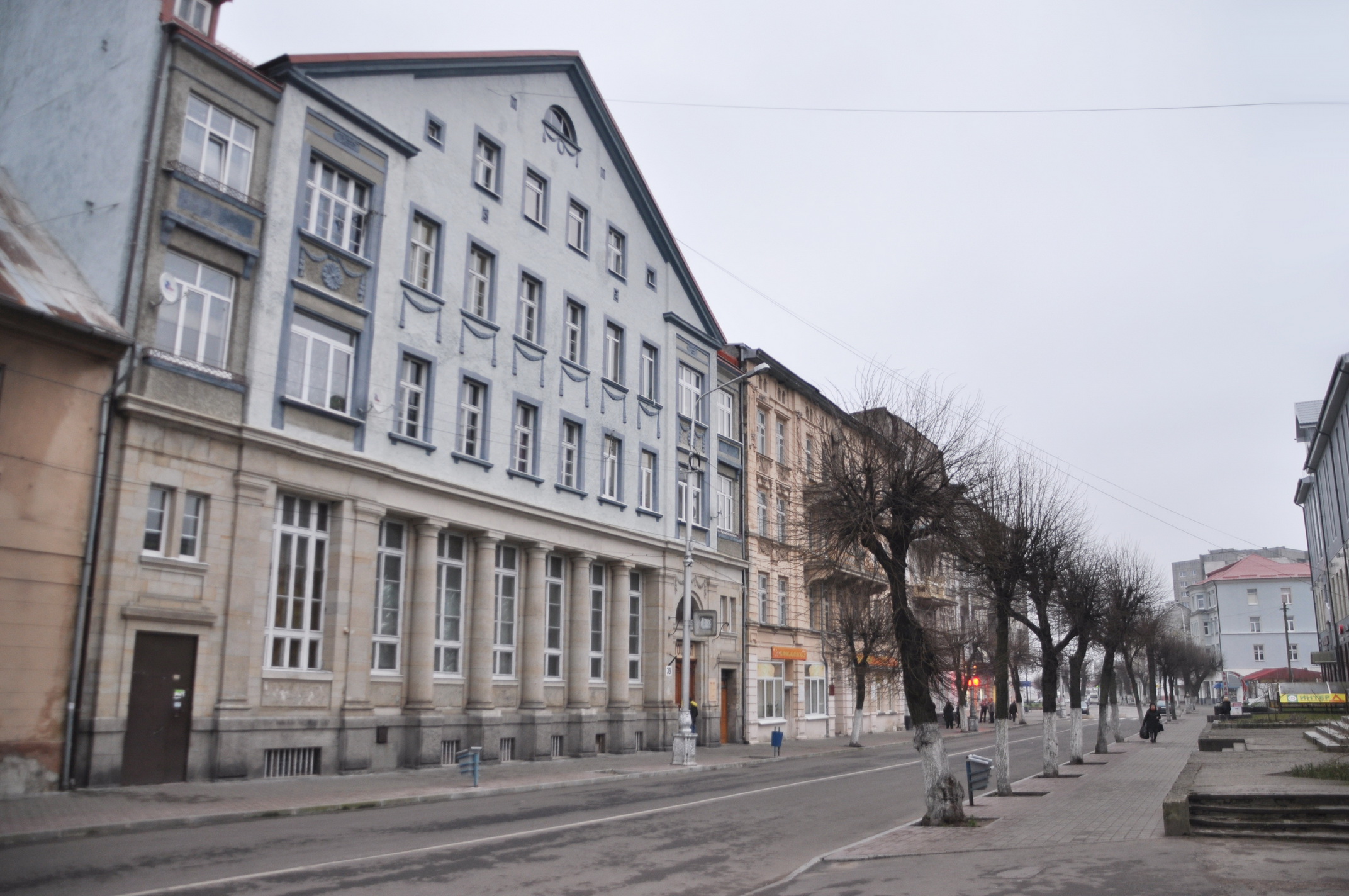
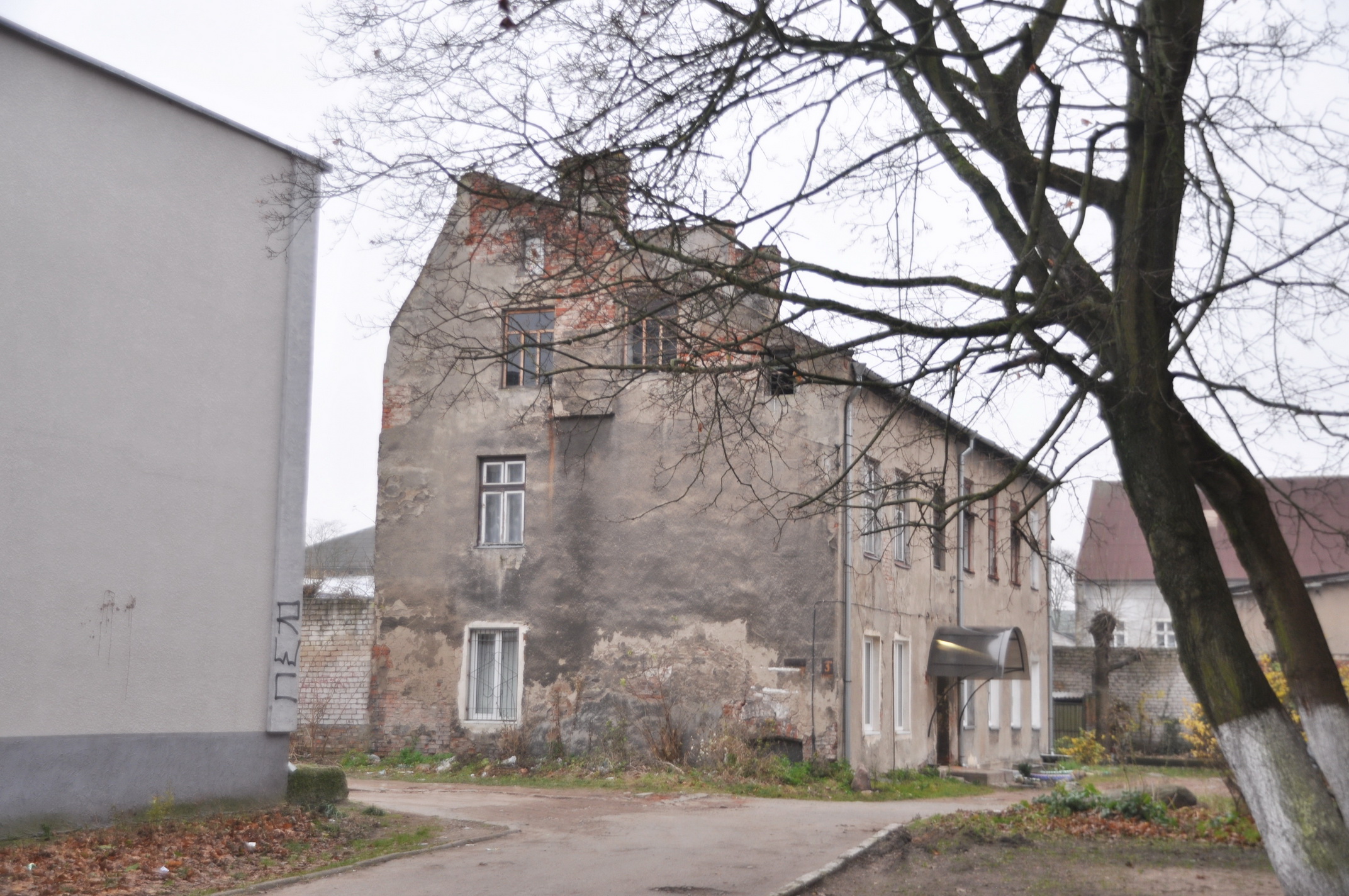
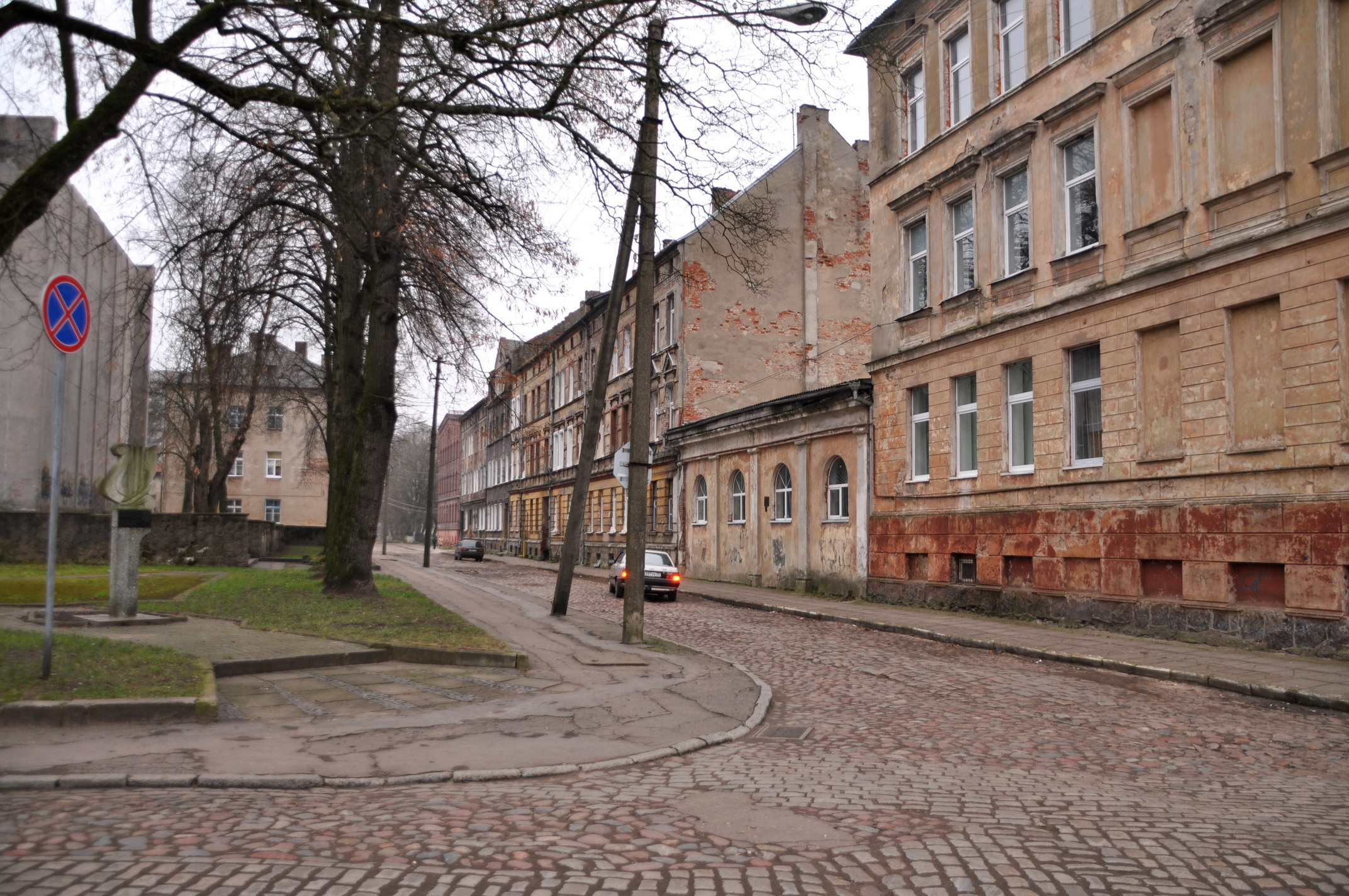
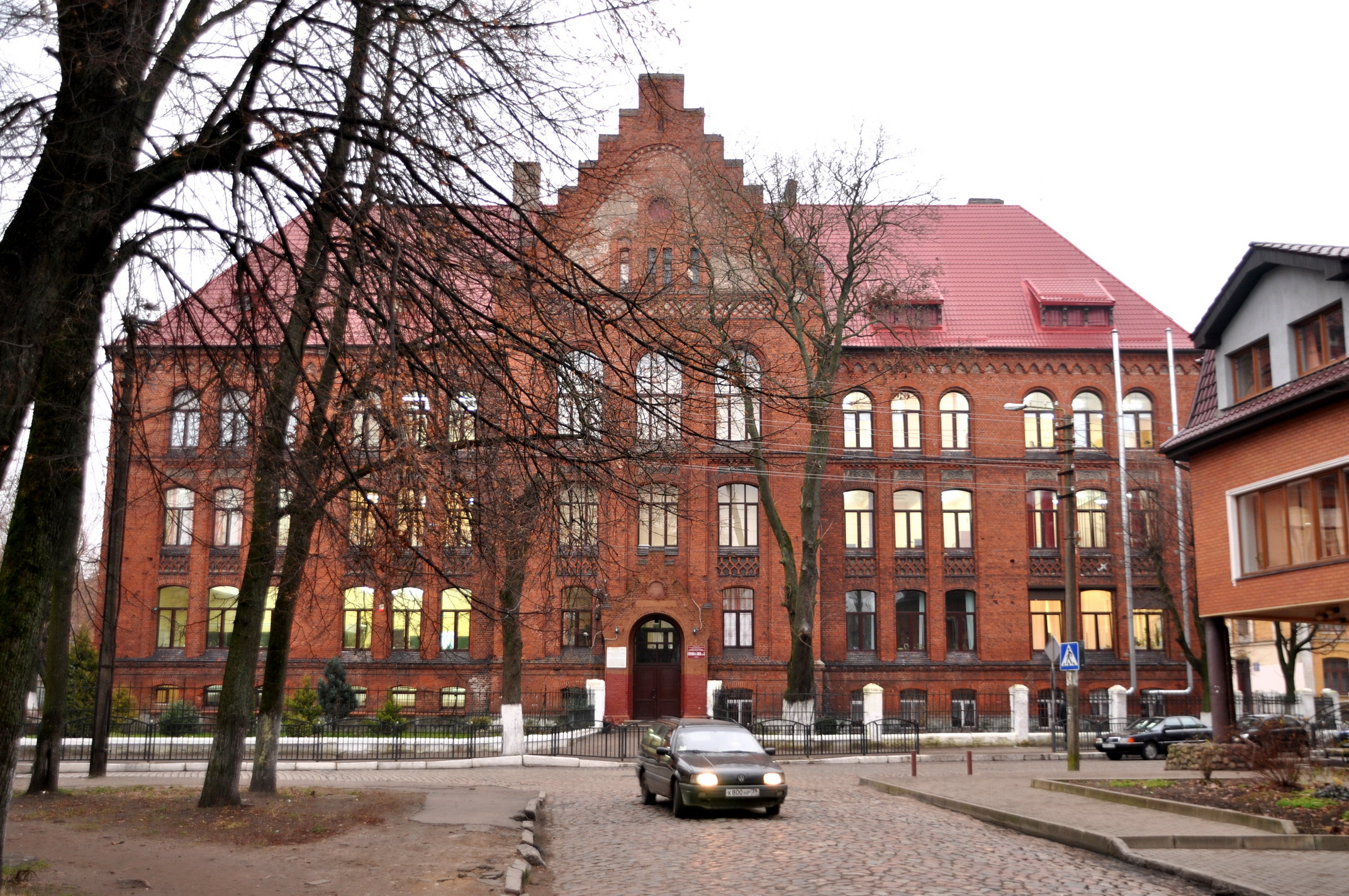
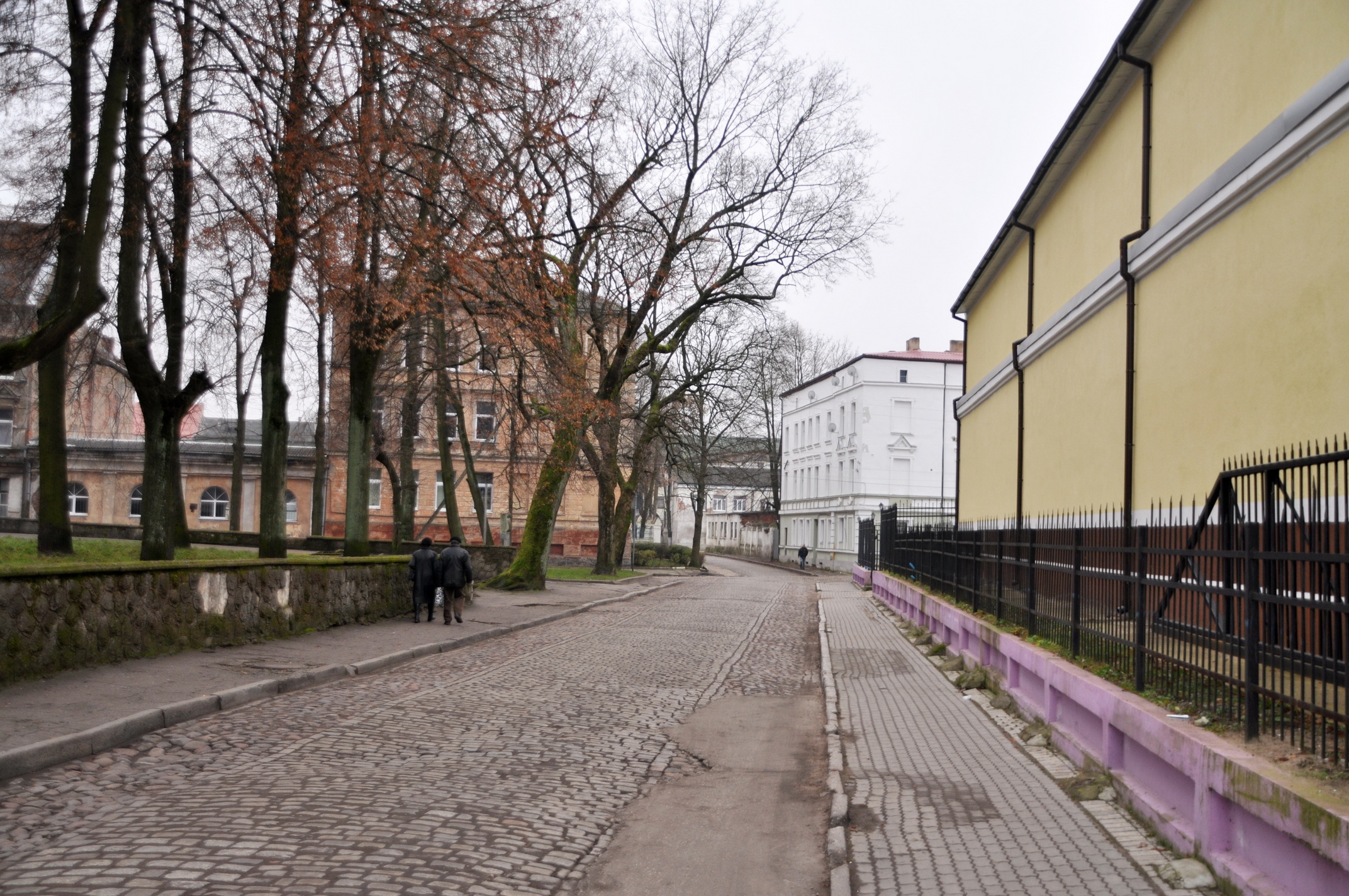
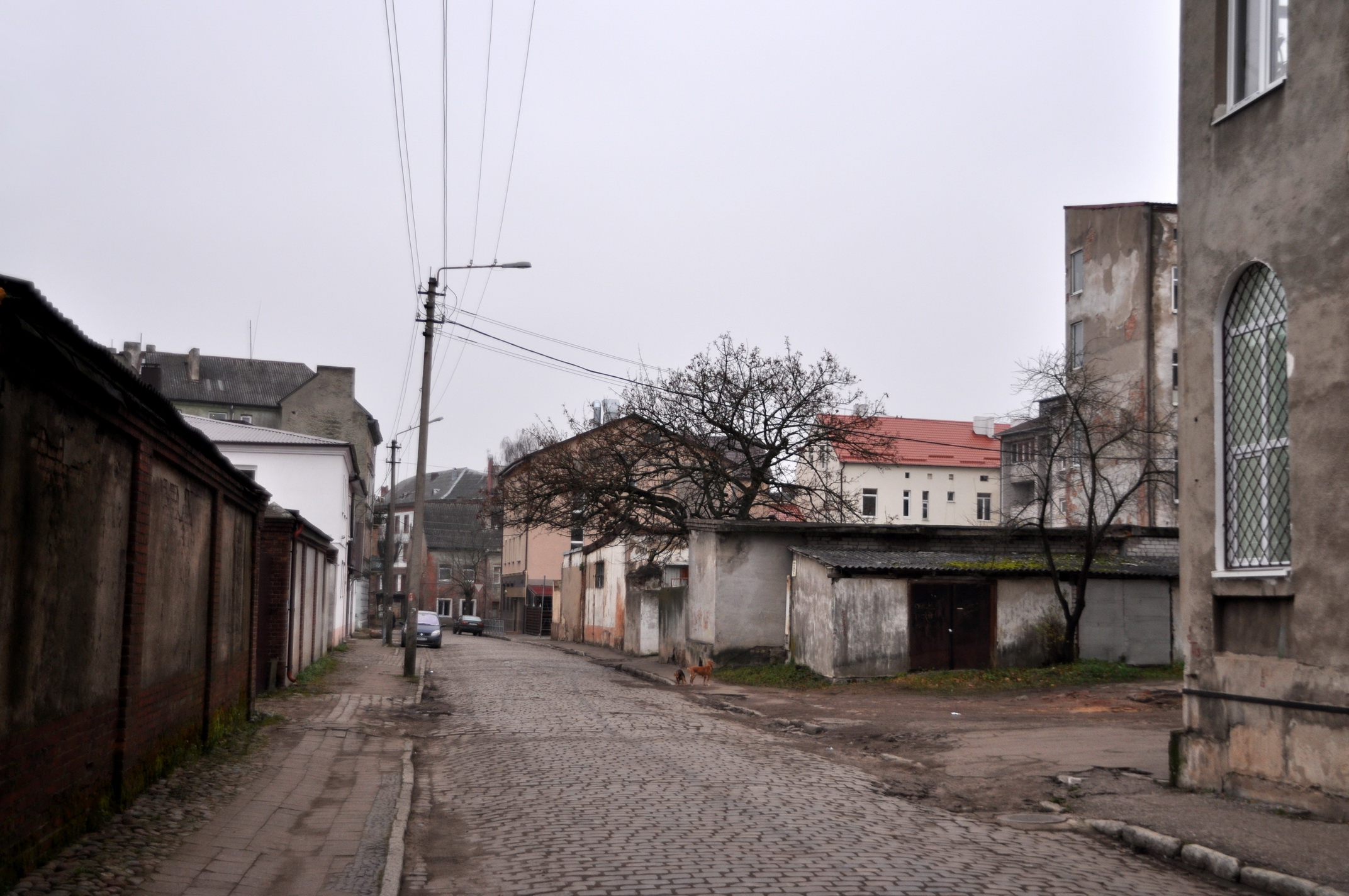
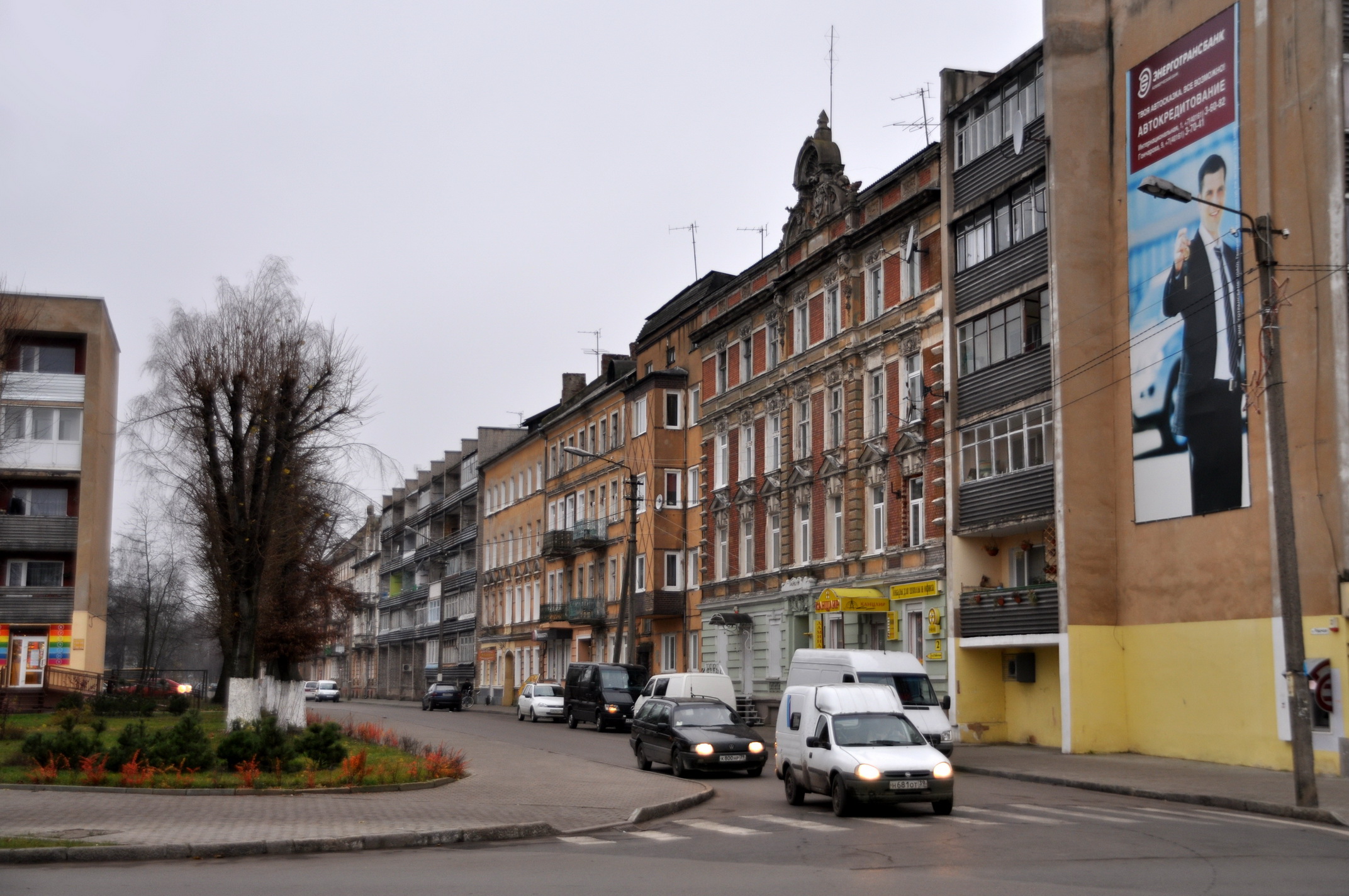
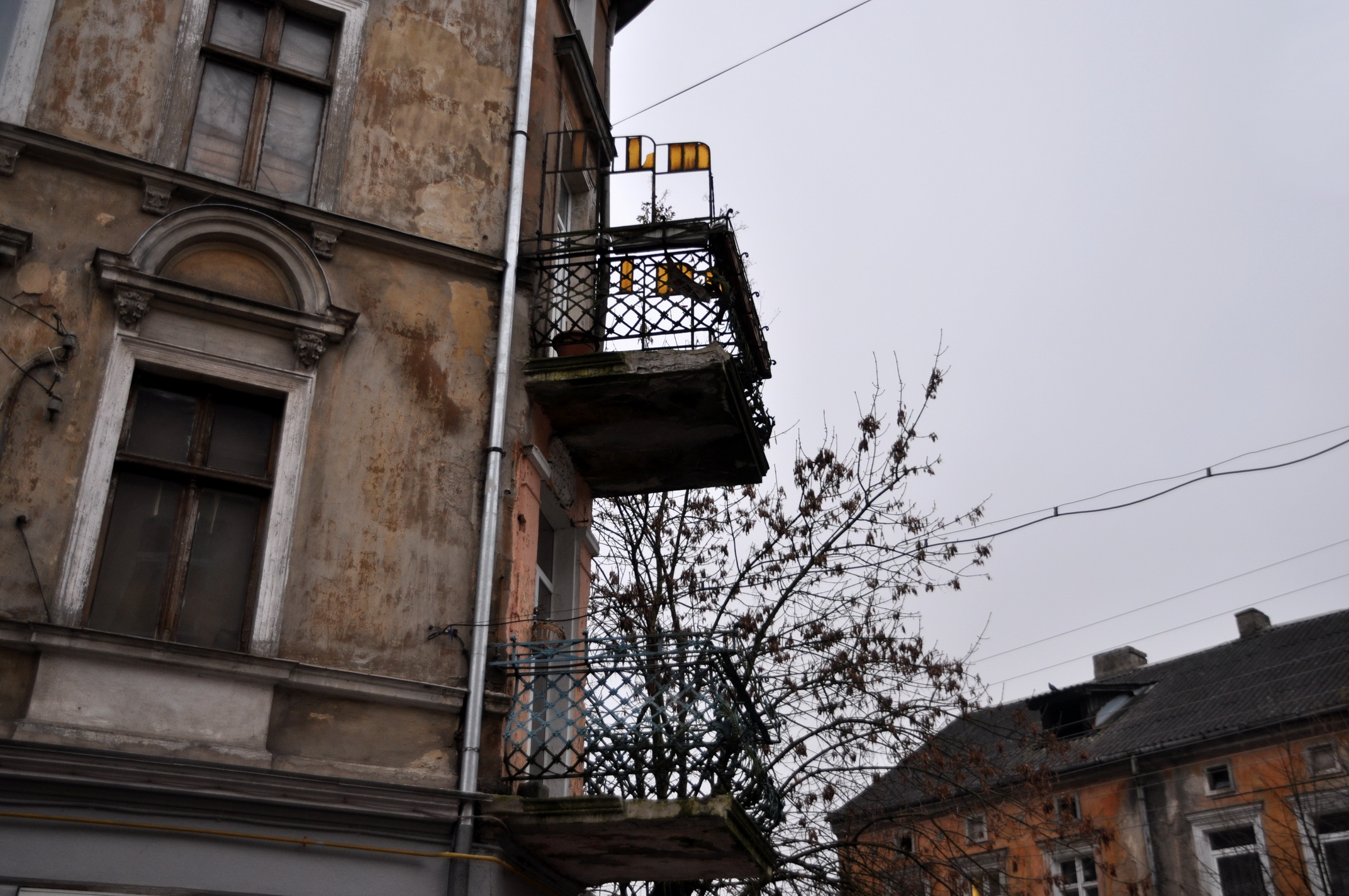
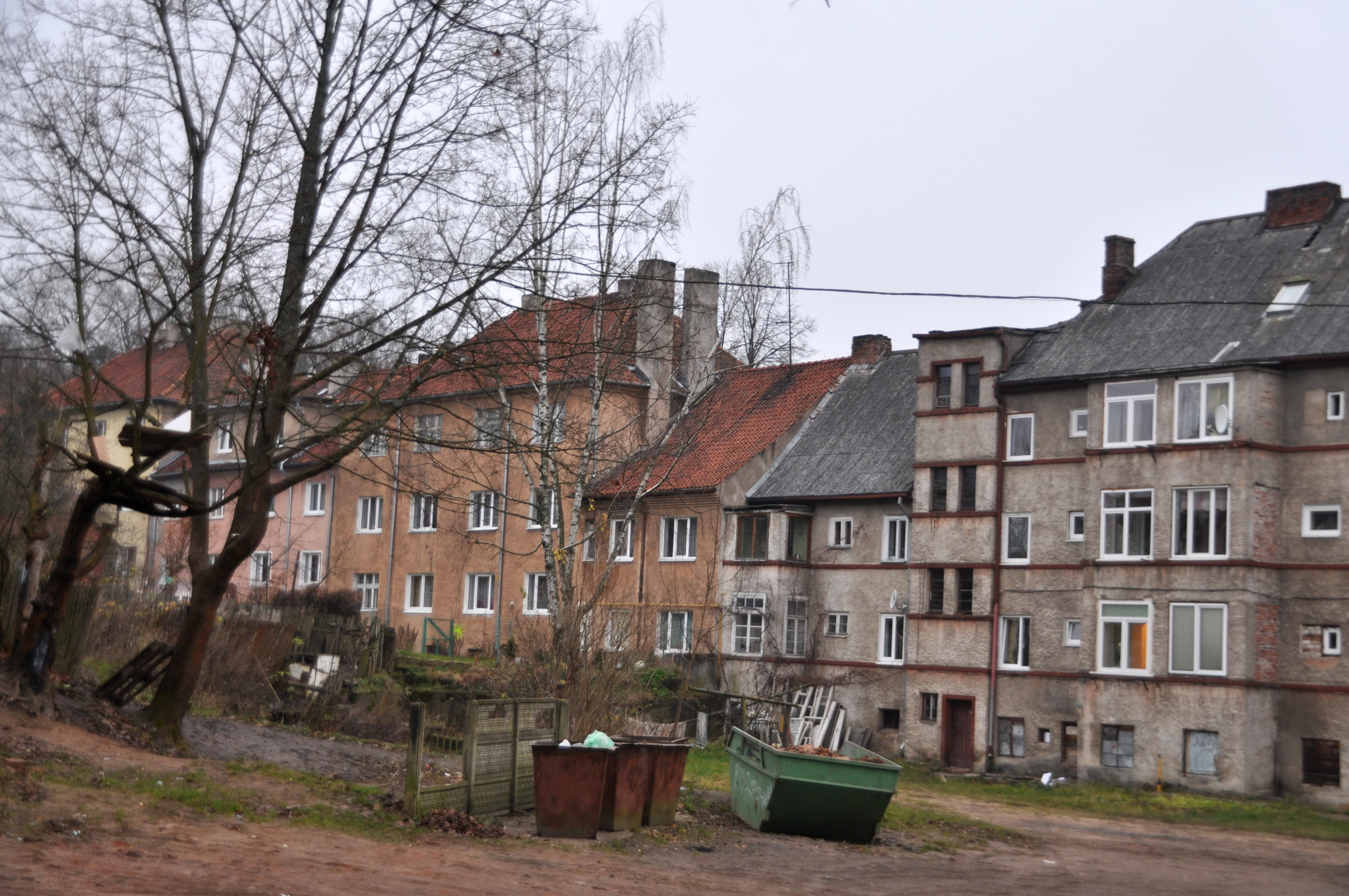
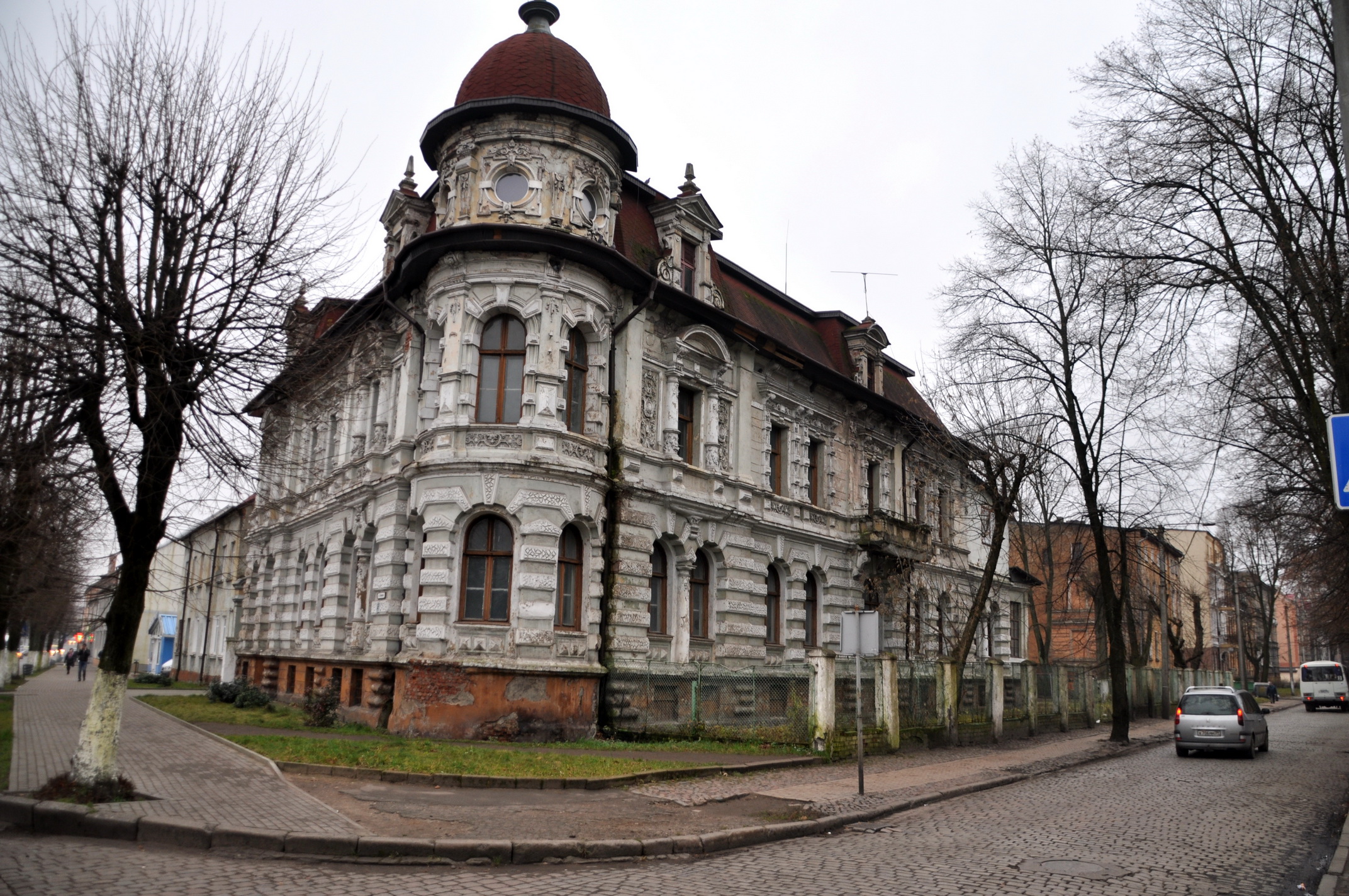
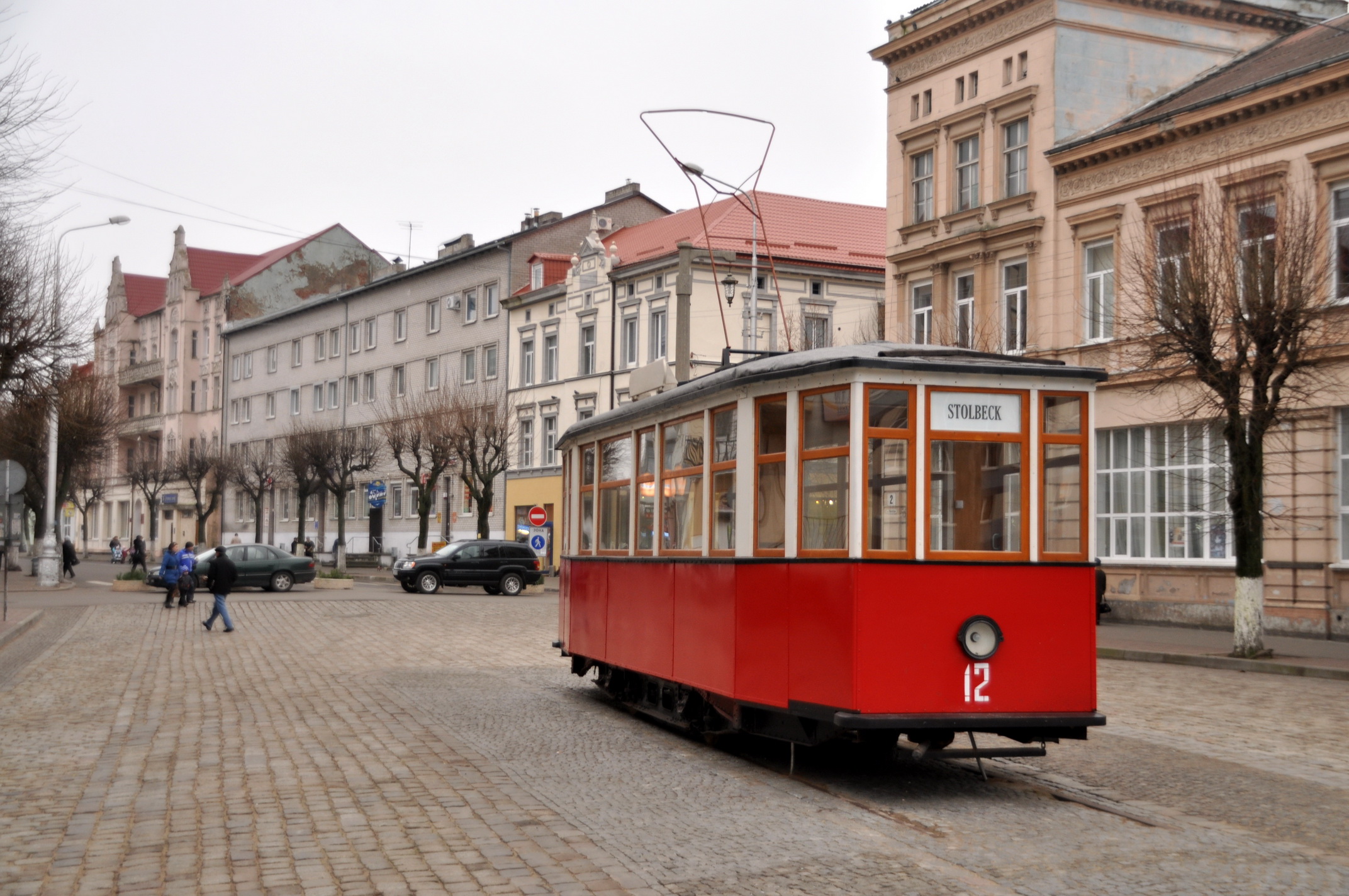
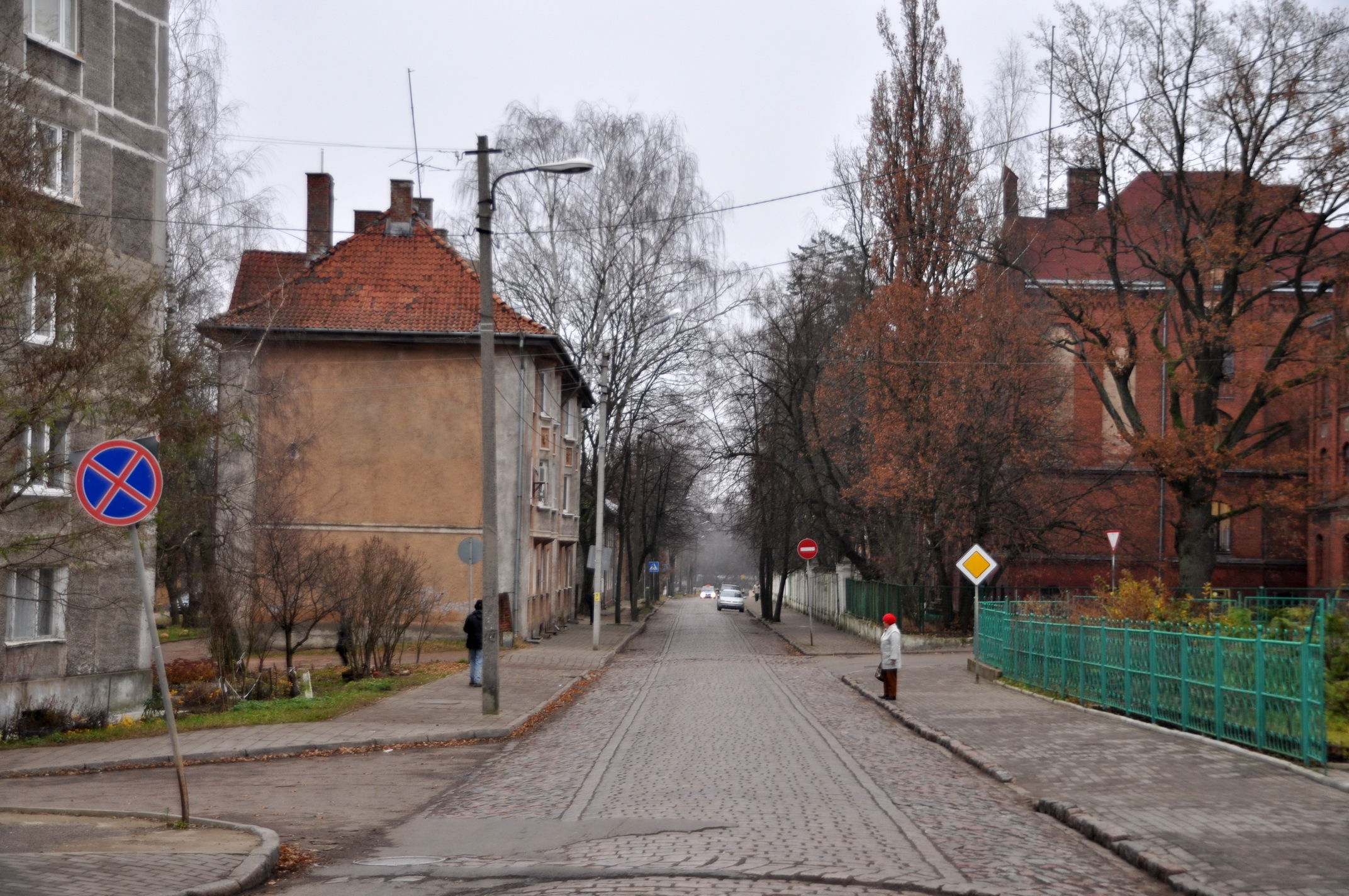
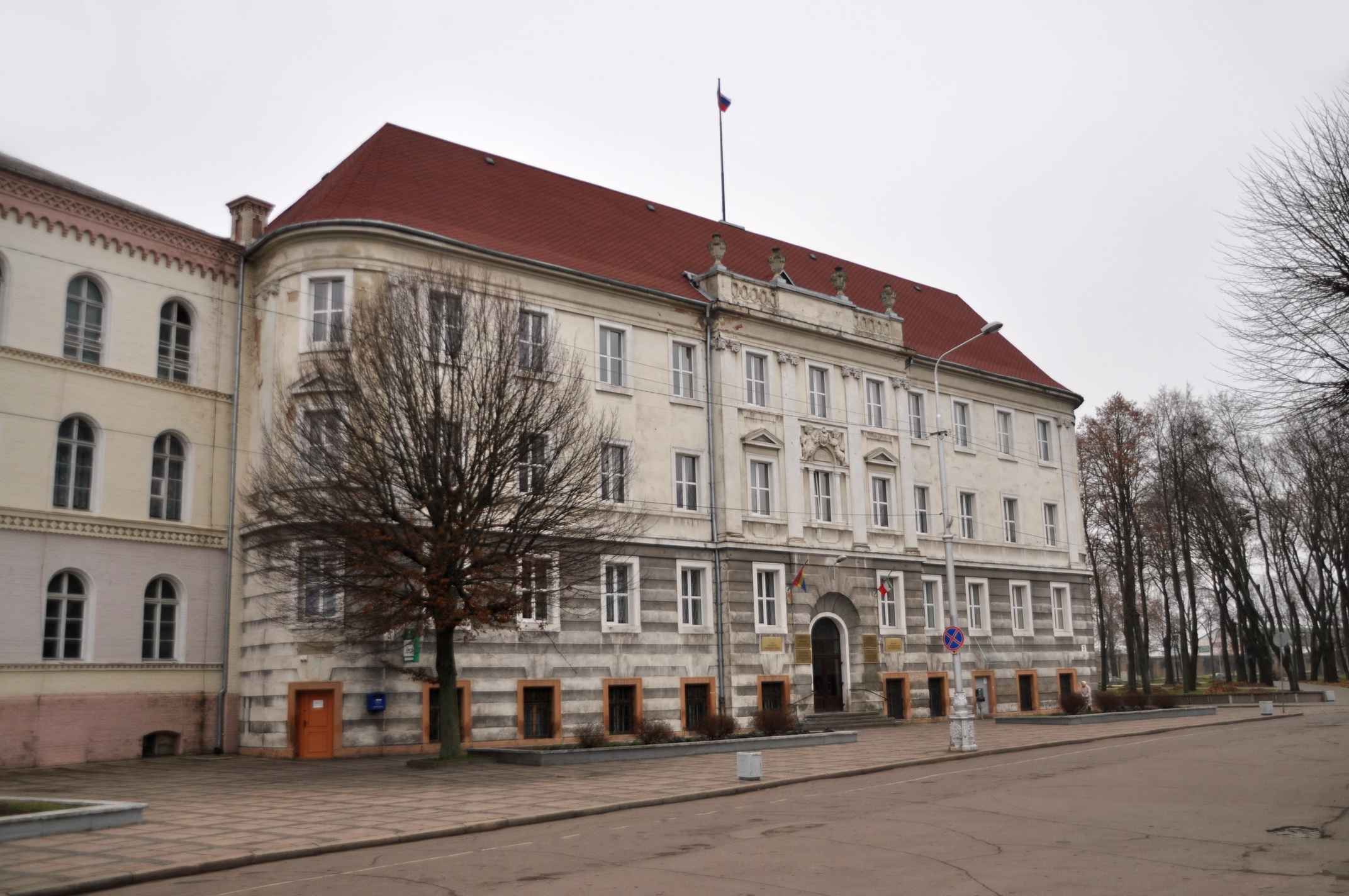
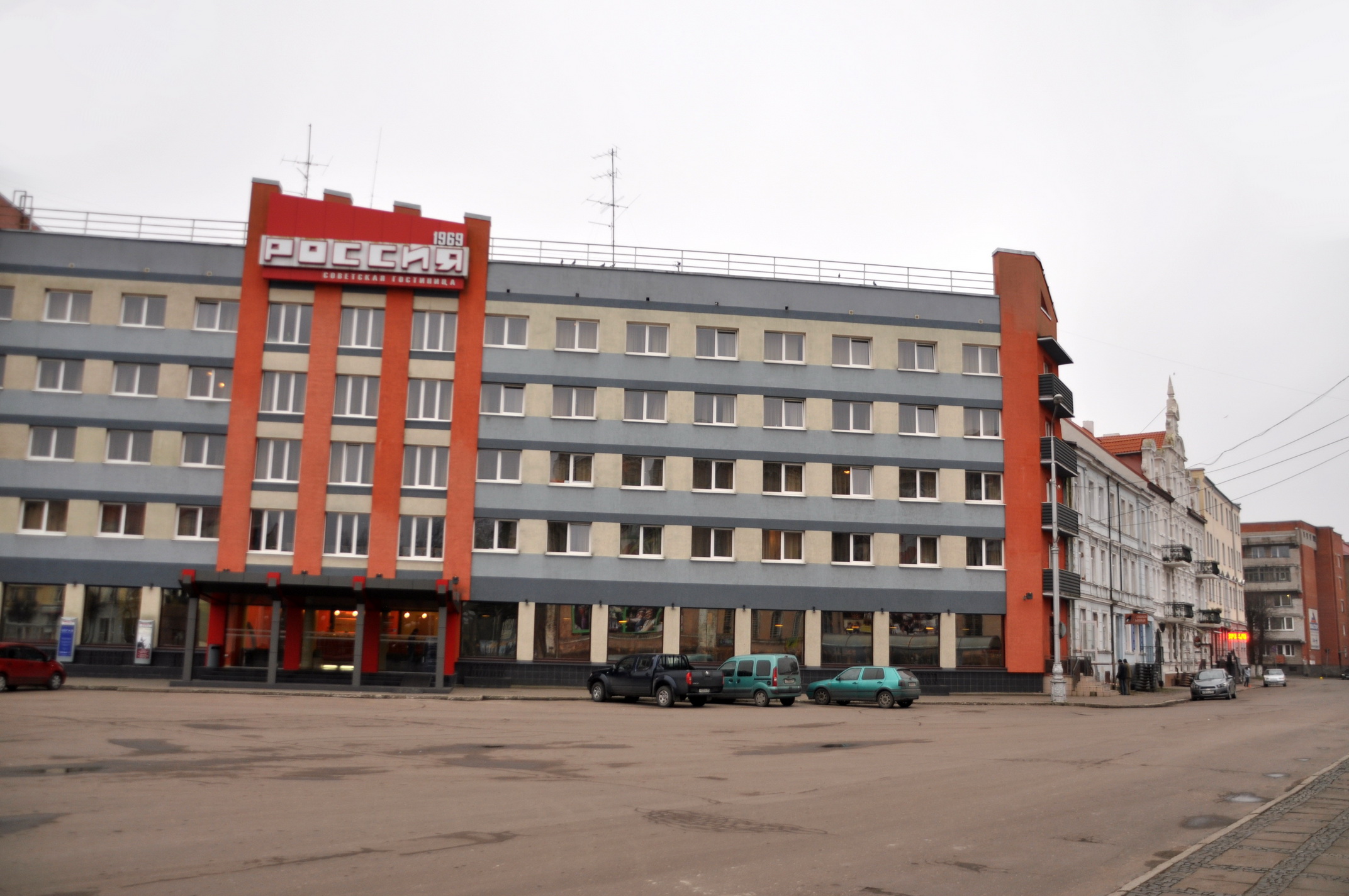
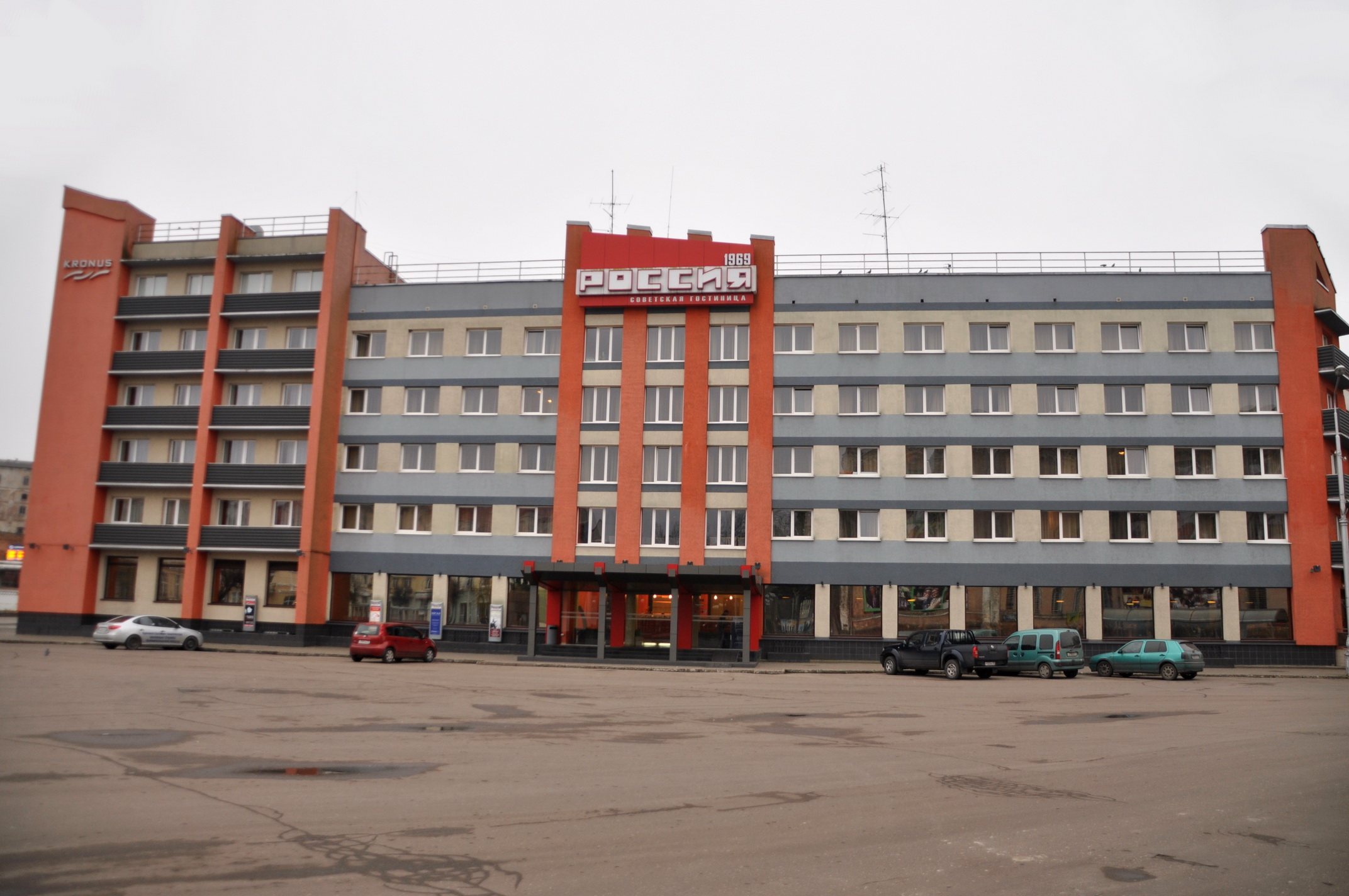
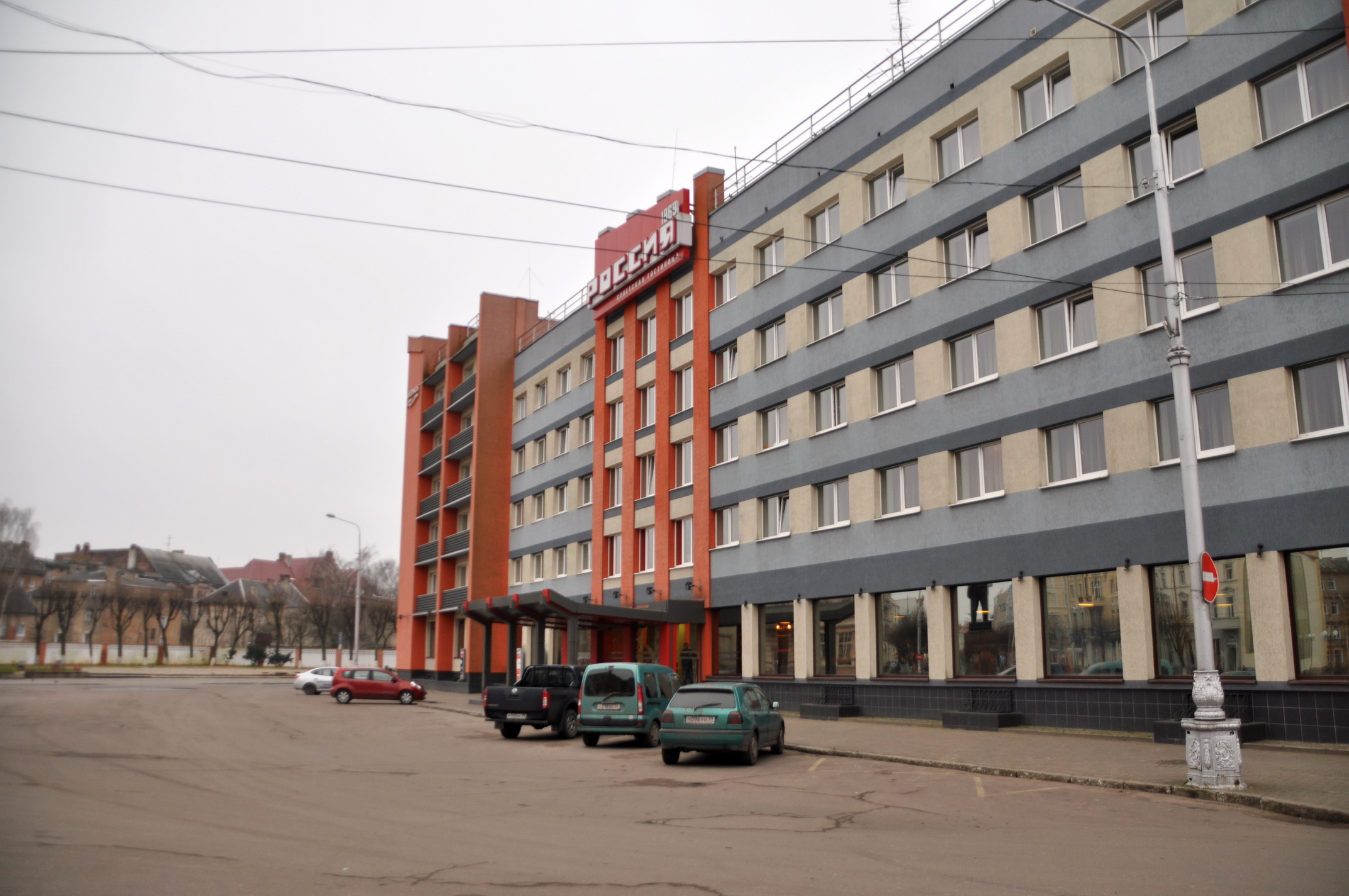
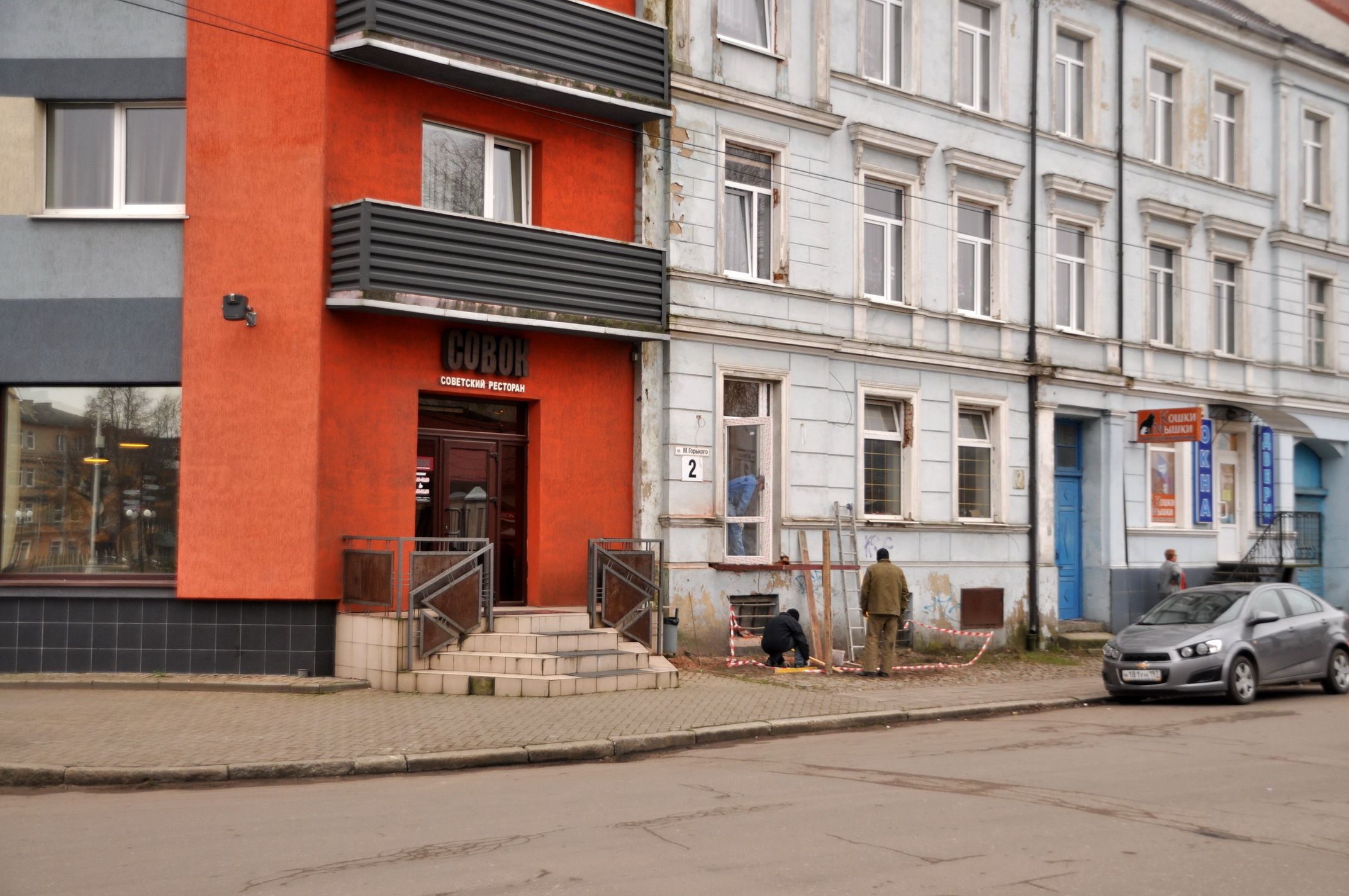
On one visit I managed a two-day hike along the Vistula Spit. That has a story of its own.
The depot work carried on. December came, snow fell, and a hard frost set in, quite out of character for this part of the world. The climate here is usually mild. We once fitted video cameras across the region for MegaFon, sixteen base stations in all, and in those winters there was only snow for a couple of days.
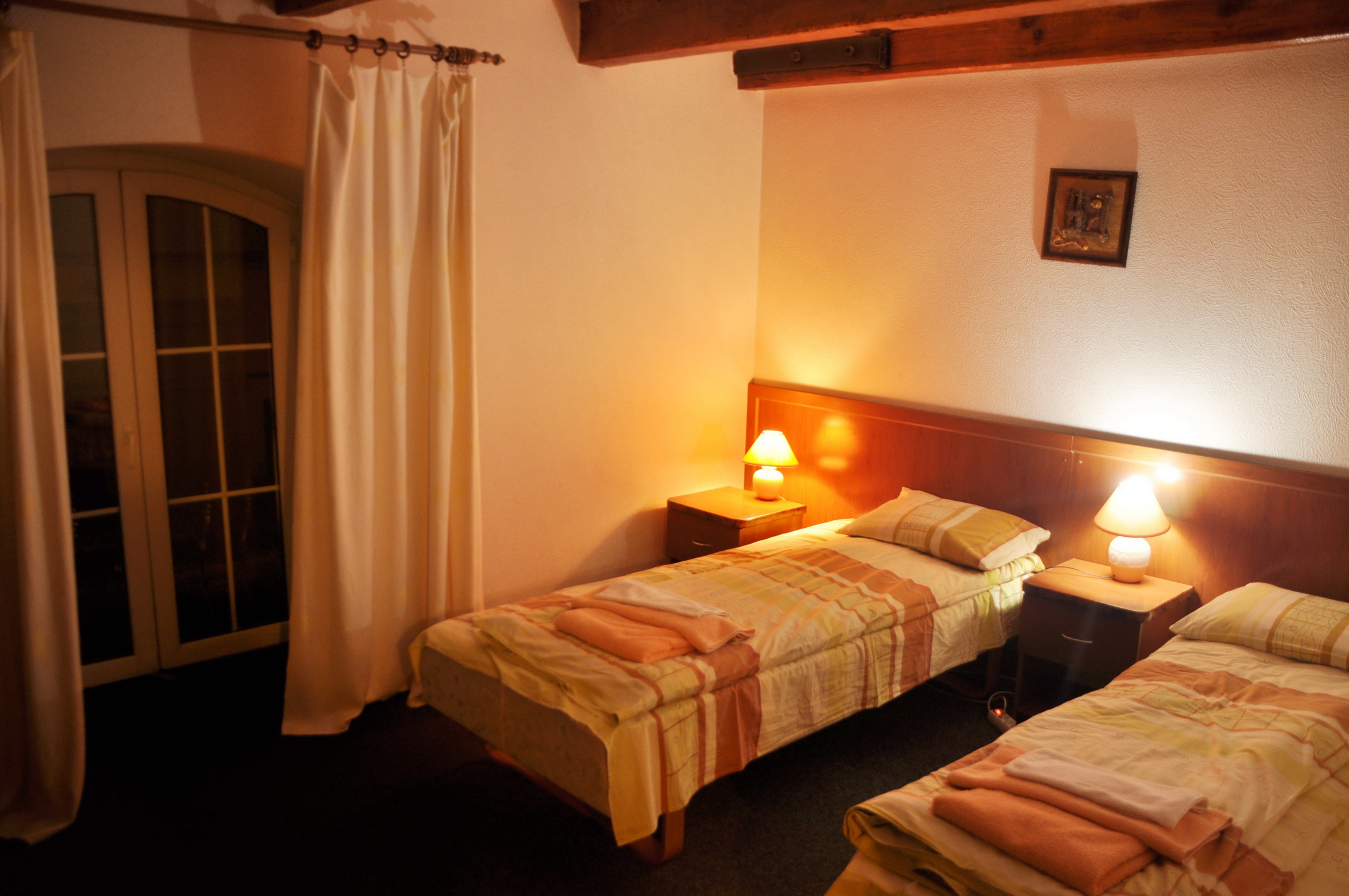
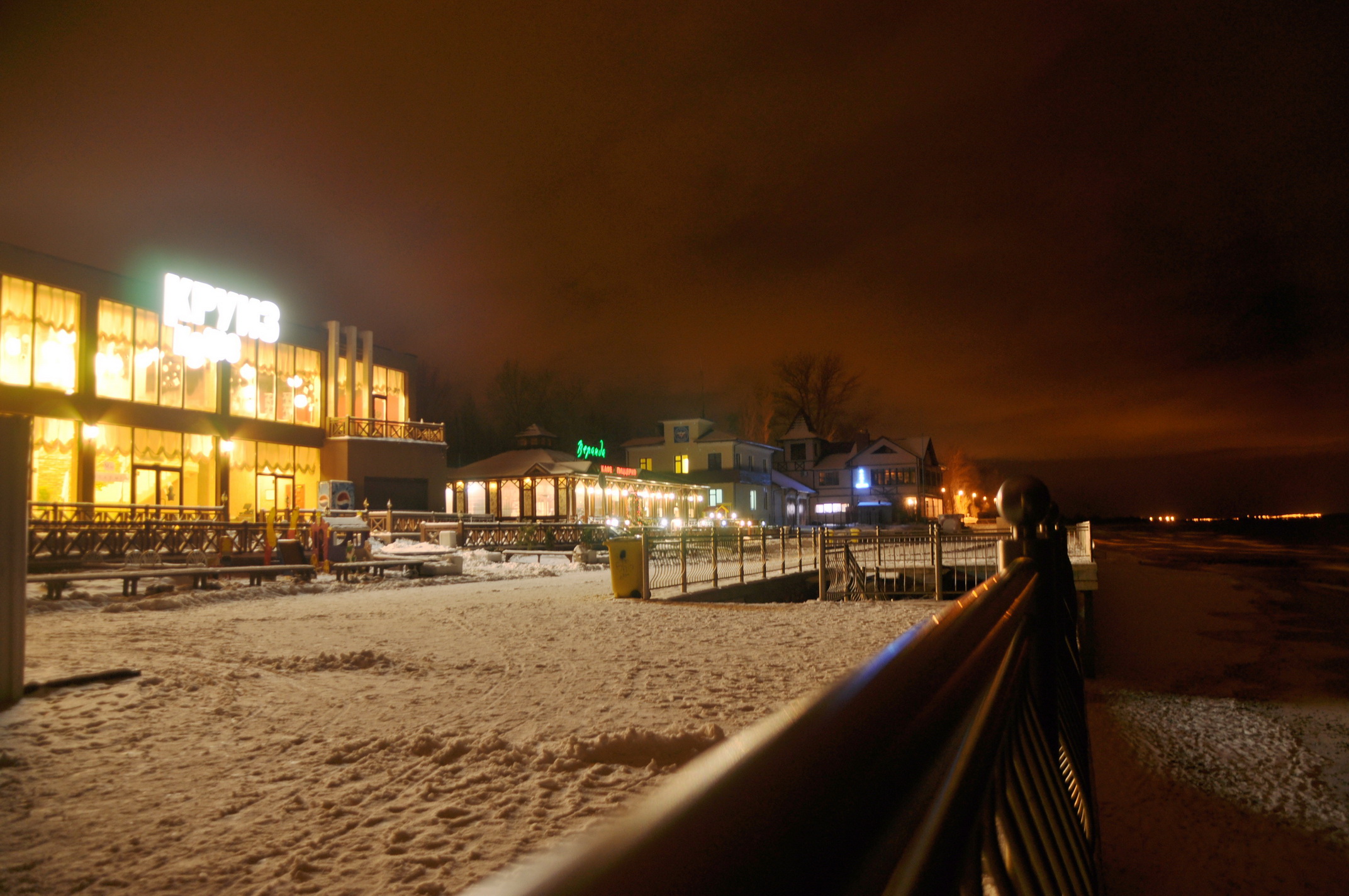
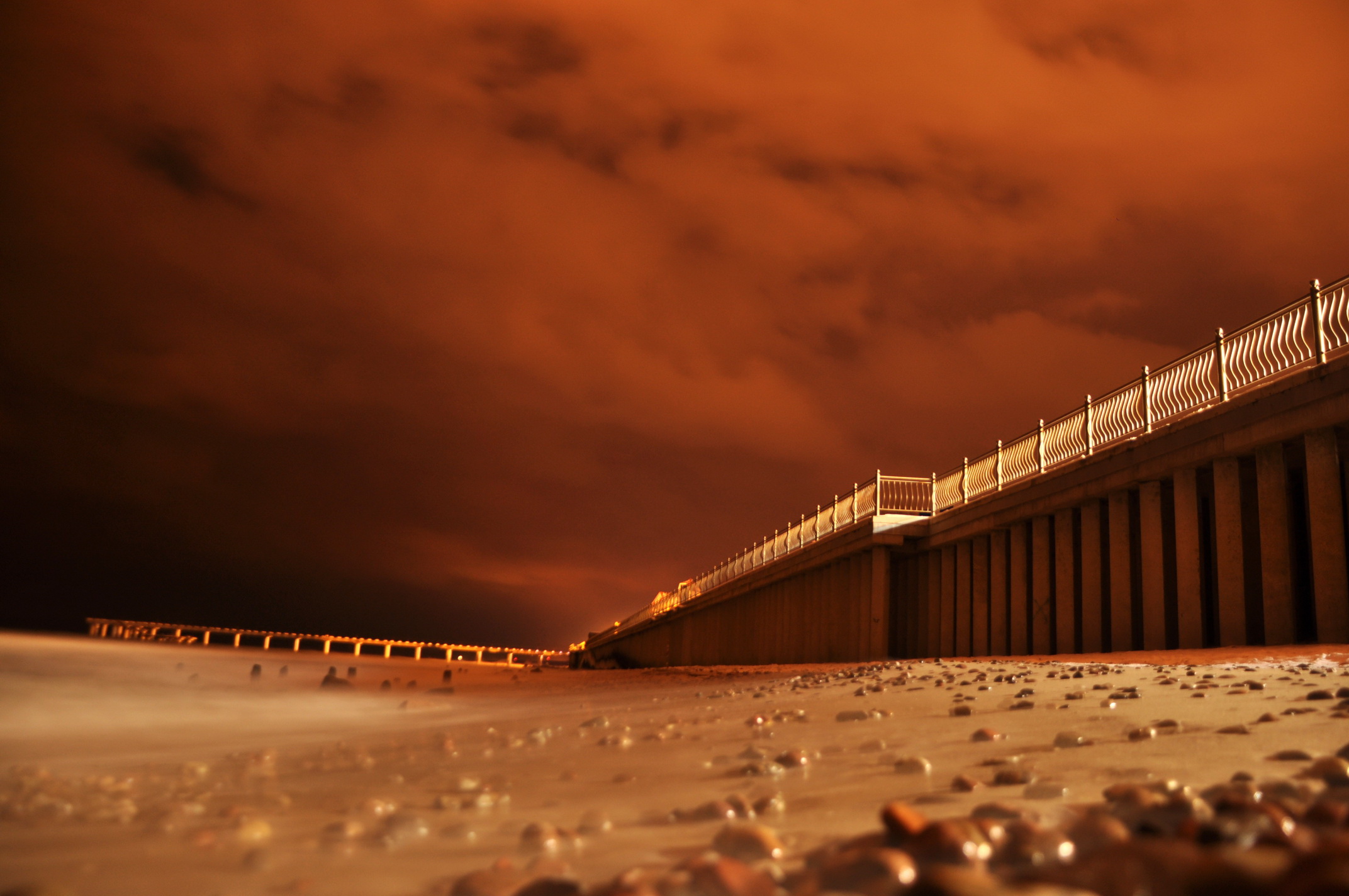
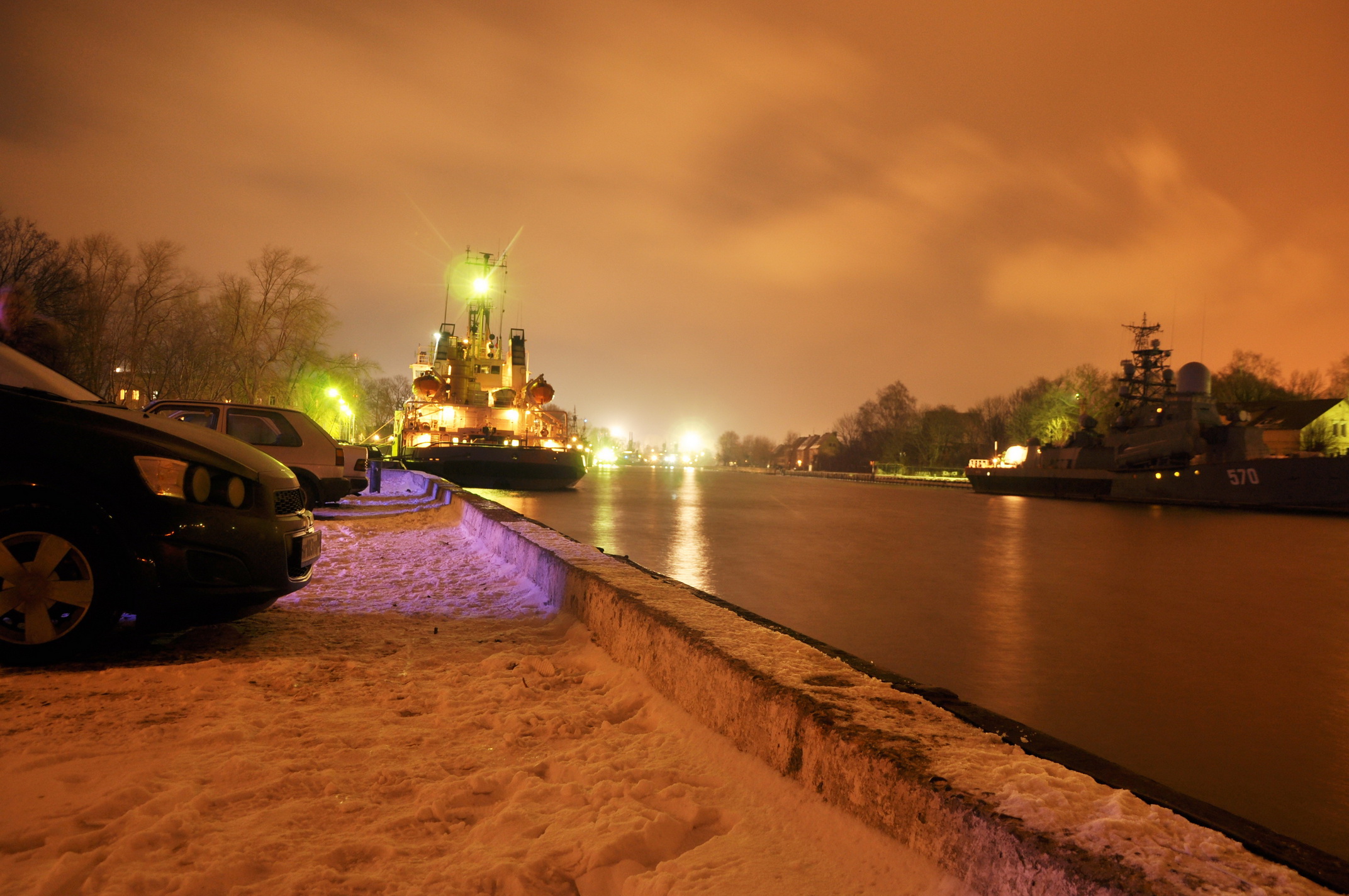
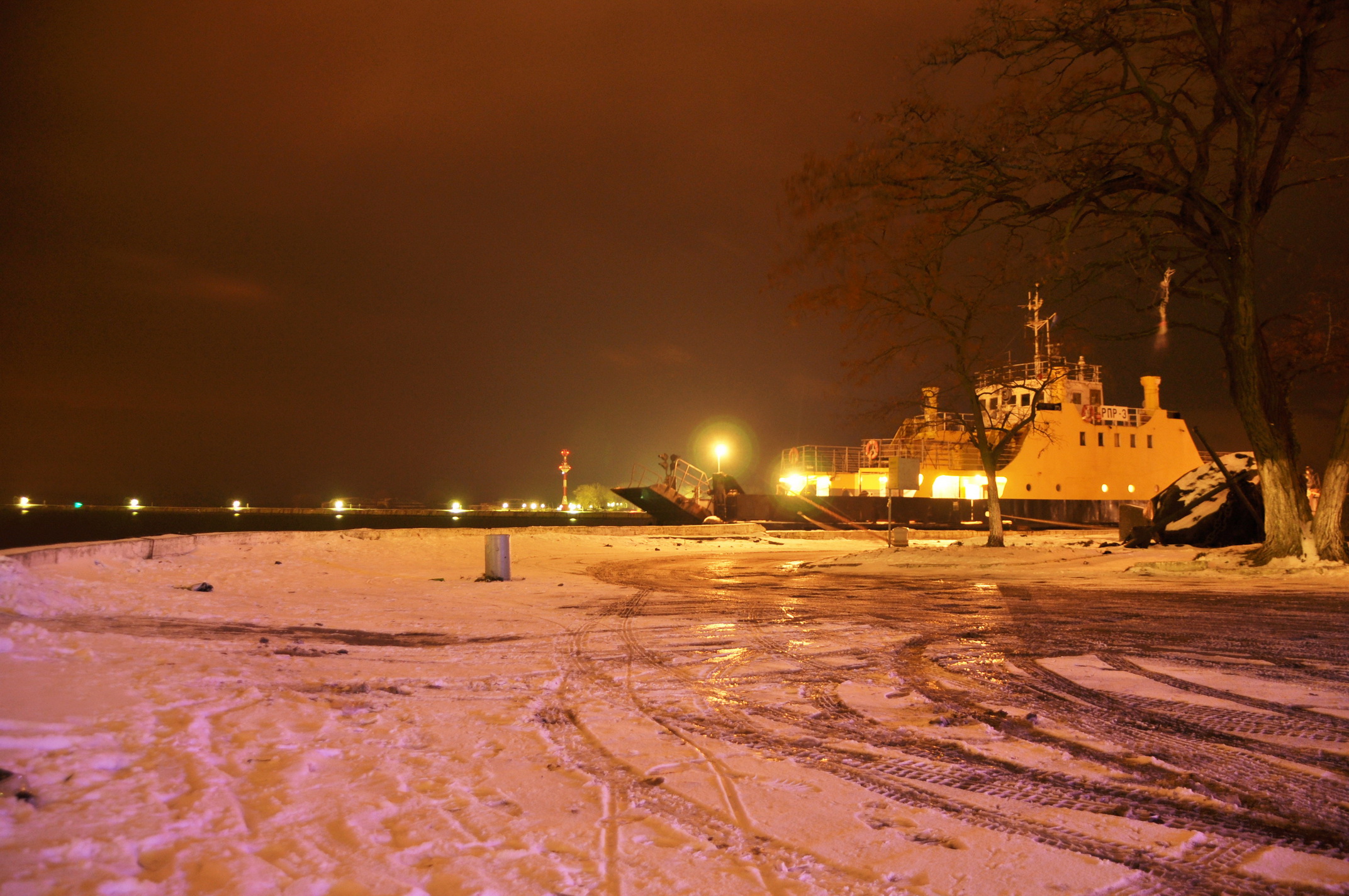
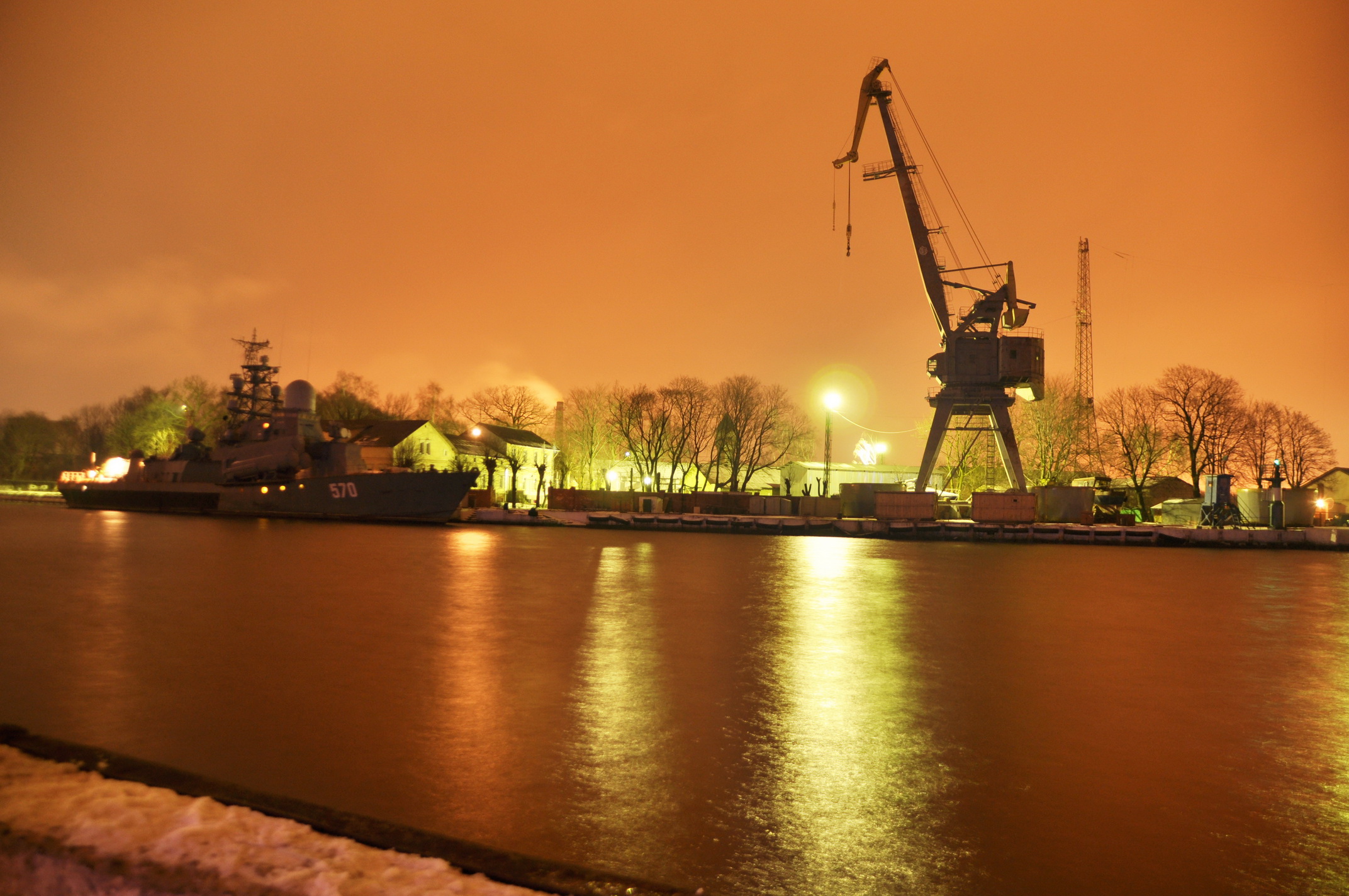
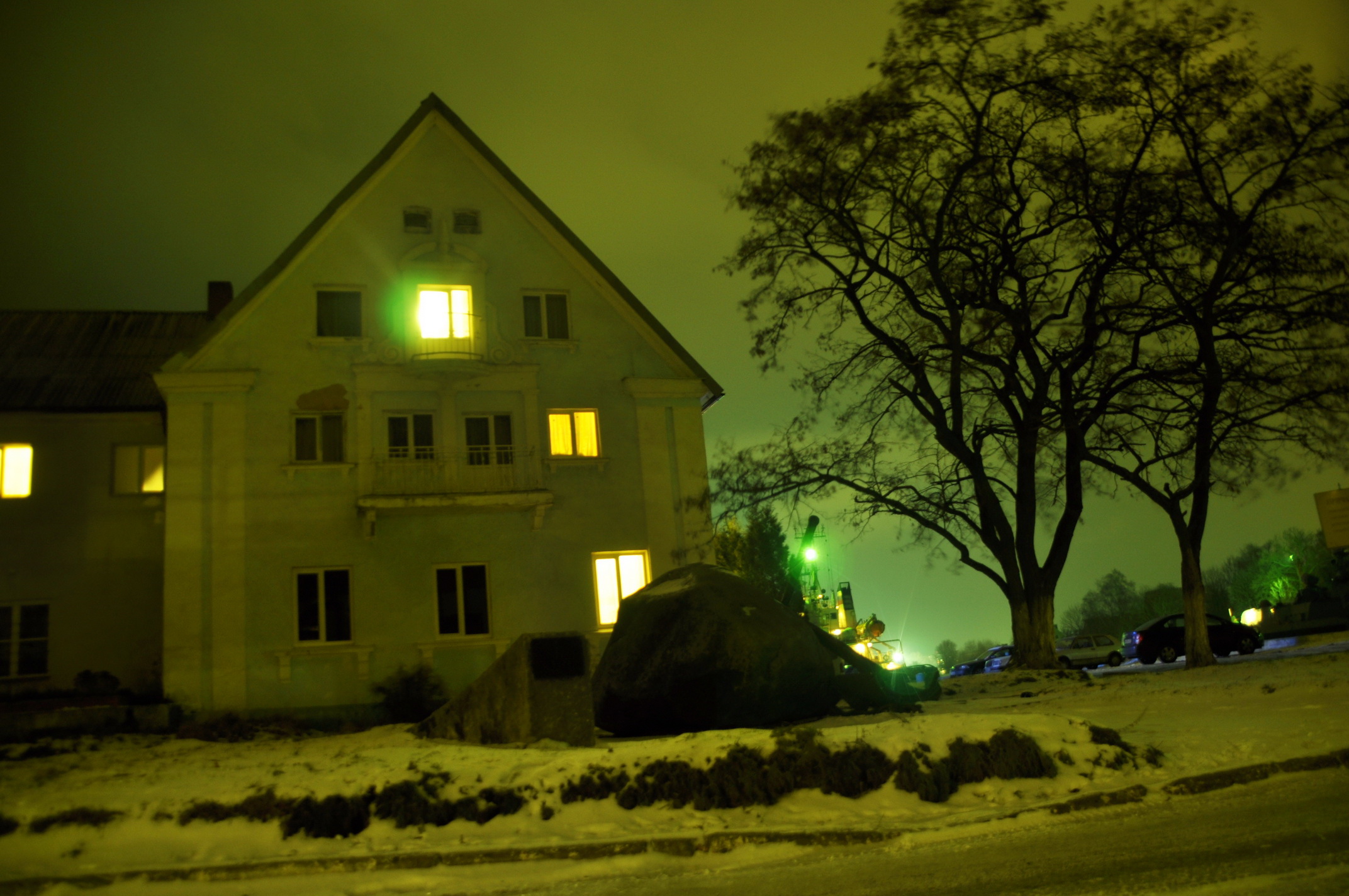
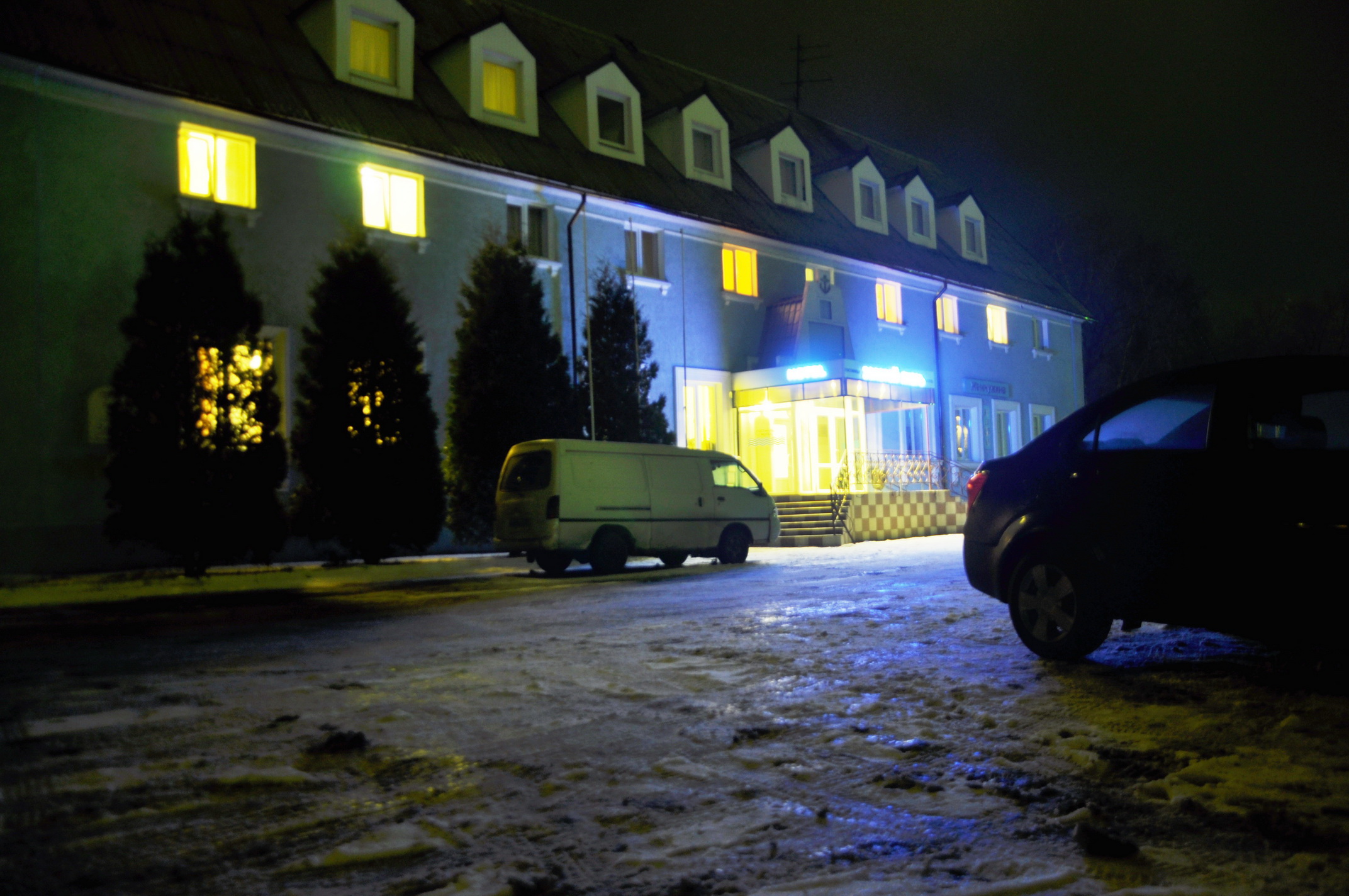
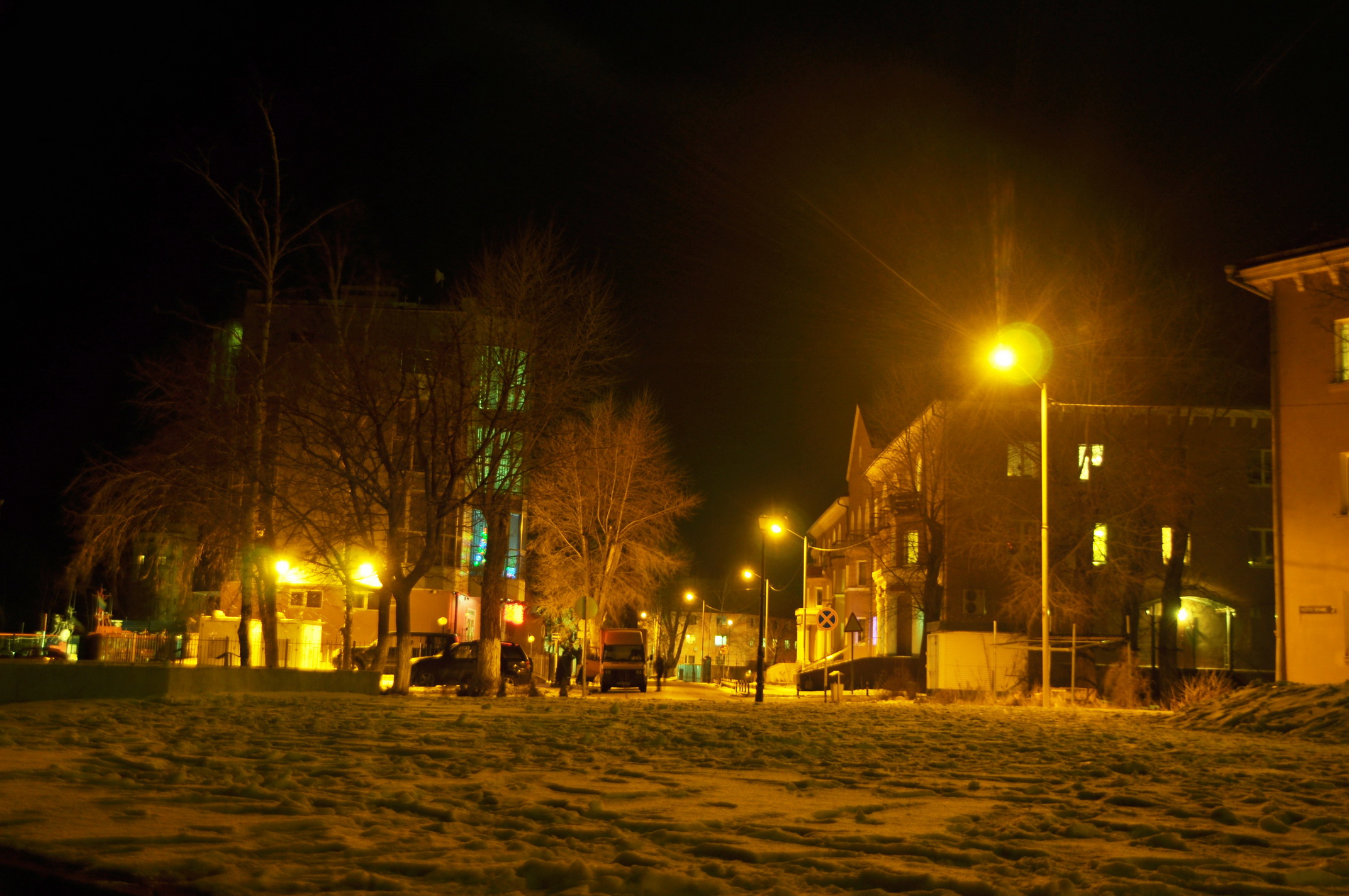
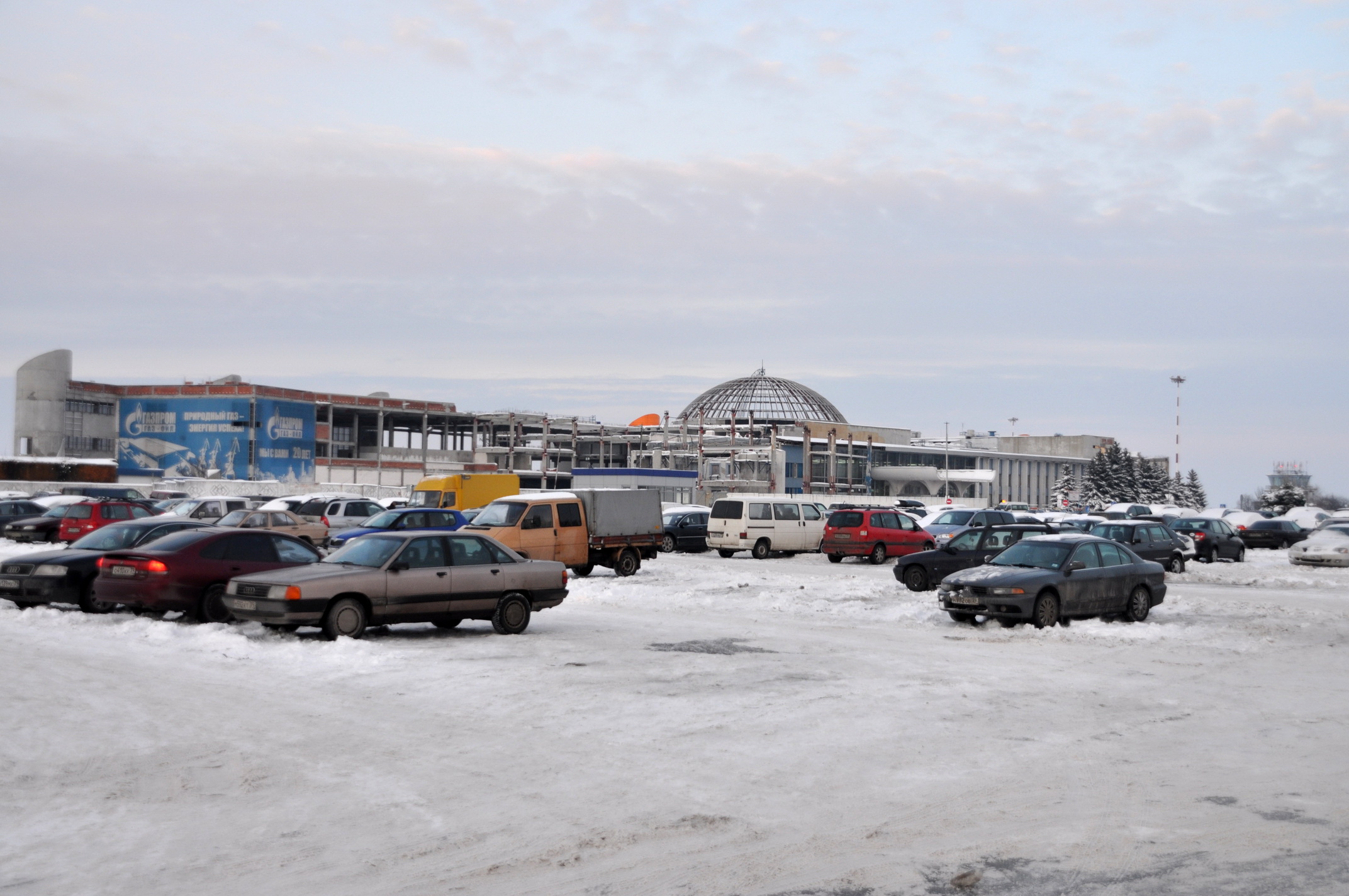
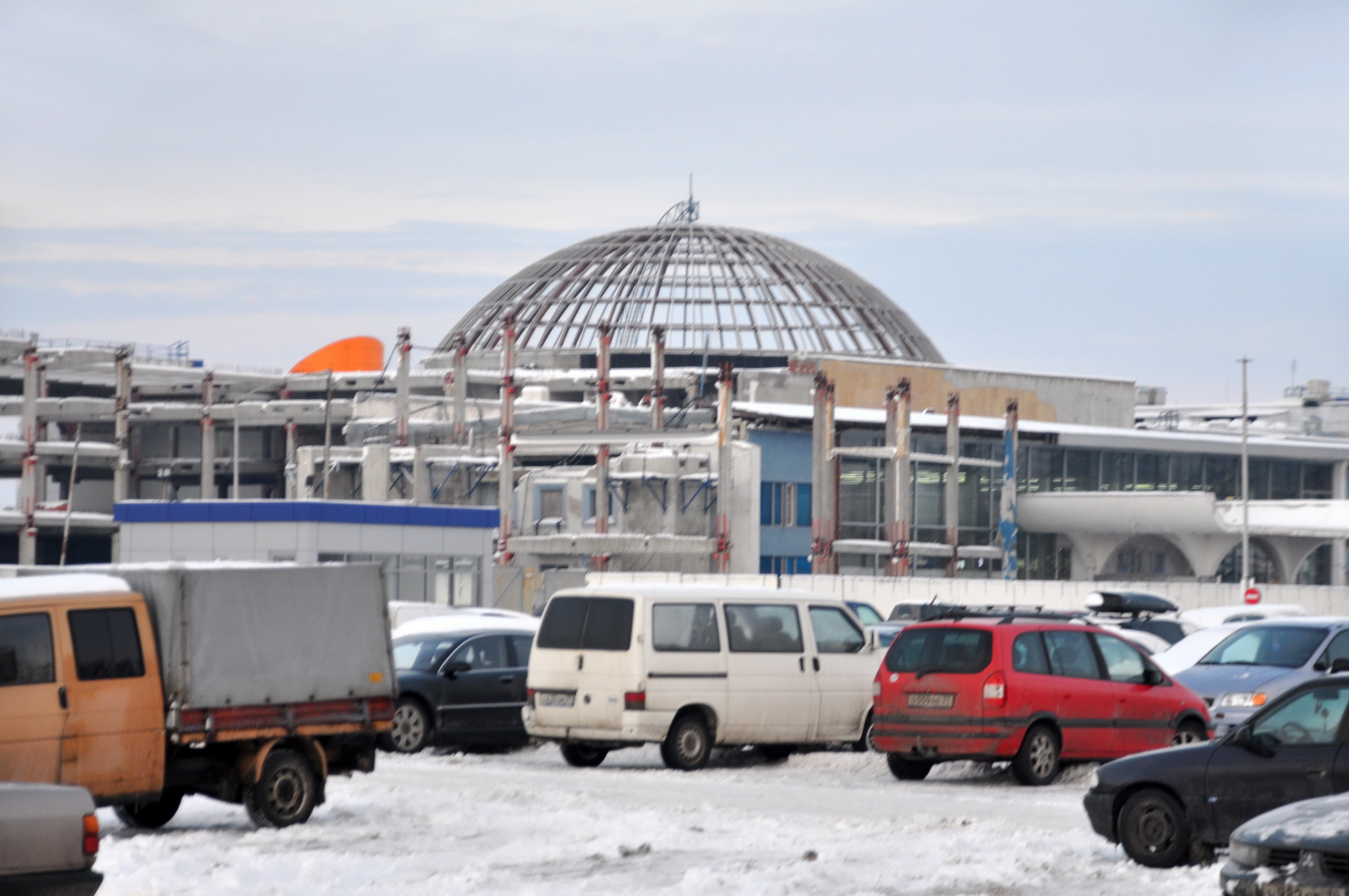
On one of those stormy days, Dima, our chief engineer, and I stayed the night in Zelenogradsk (Cranz) at the Lantau Hotel (54°57.553′N, 20°28.288′E). One day later we were in Baltiysk (Pillau), at the Golden Anchor Hotel (54°38.300′N, 19°53.645′E). Snow, frost and wind. The town looked deserted. Everything comes to an end, though. The year did too, all the committees signed everything off, and I flew out of Khrabrovo for the last time. The airport was perpetually under repair. Work had begun and been abandoned years earlier, and by now the roof looked like the burnt-out Reichstag. There was something symbolic about that.