Trip report
From Pskov to Belarus
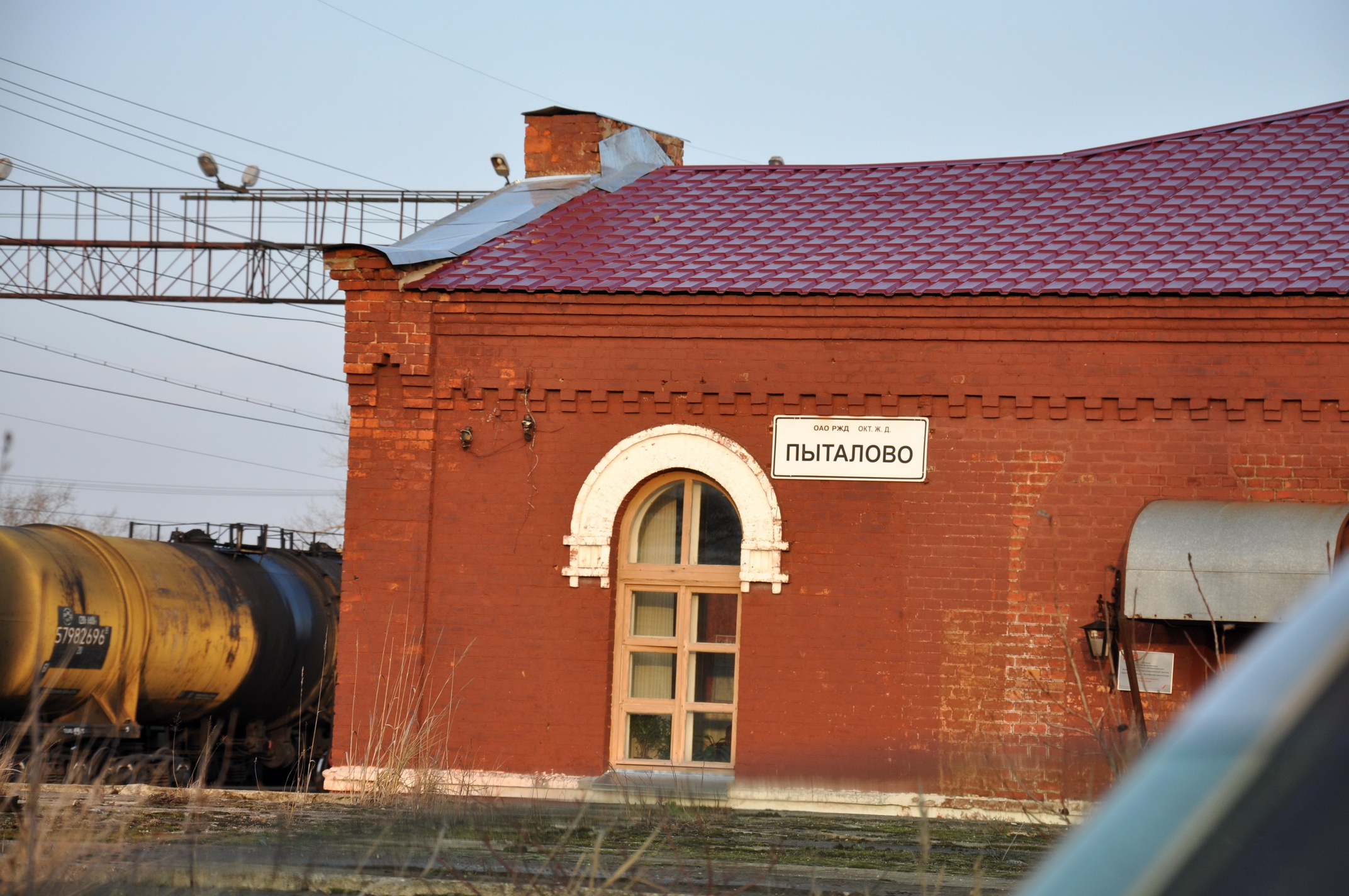
I spent the summer of 2011 going back and forth to Pskov and its region. I’d been assigned major railway signalling installations in Pskov, Nevel, Sebezh and Pytalovo. The Pskov region isn’t the dullest place on earth, but you can’t compare it to the north. It has one advantage, though. Pskov, too, is close to Russia’s border, so a work trip can be turned into a decent outing. Once the Baltic countries joined Schengen, a trip through them became a real possibility.
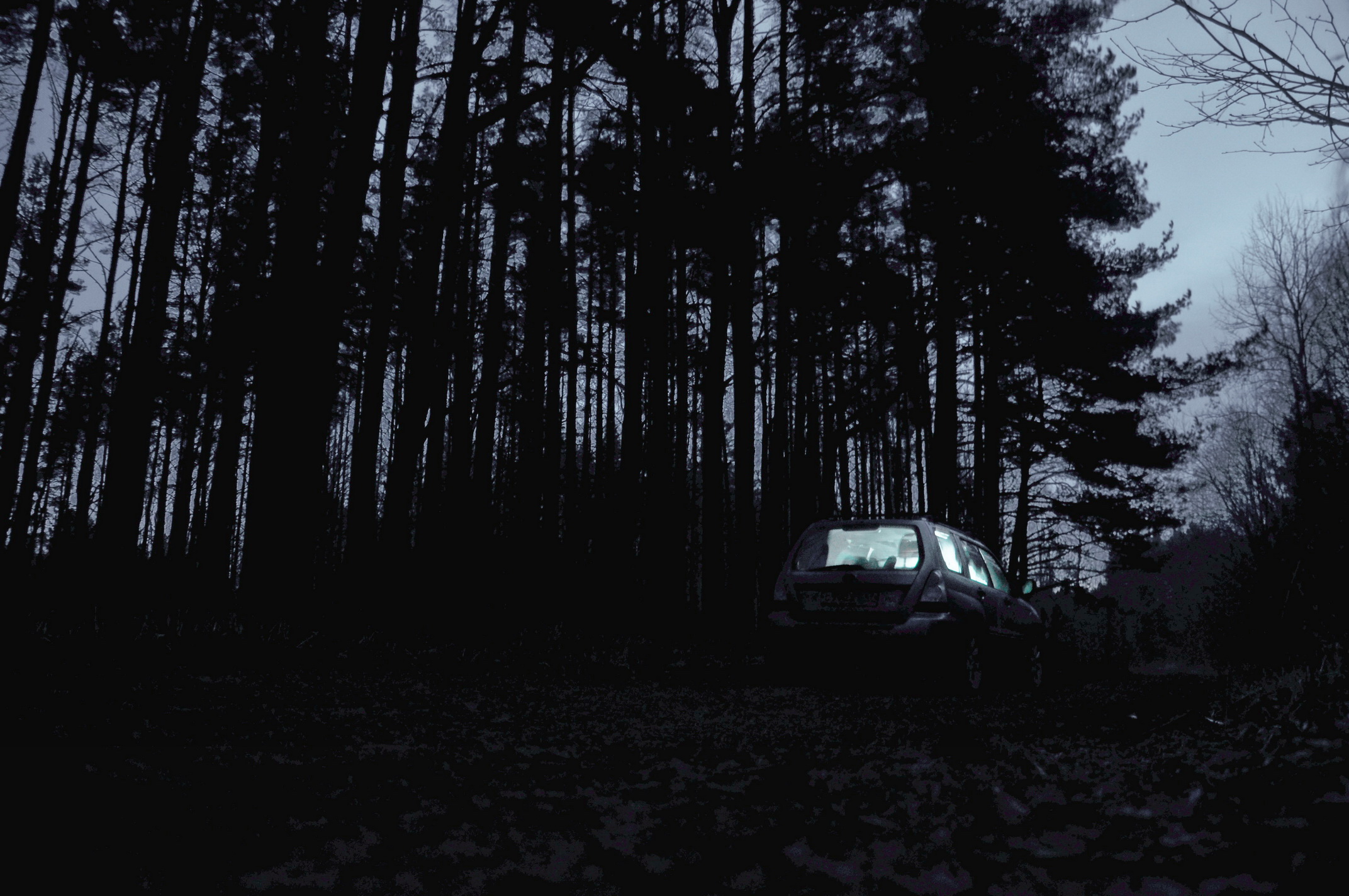
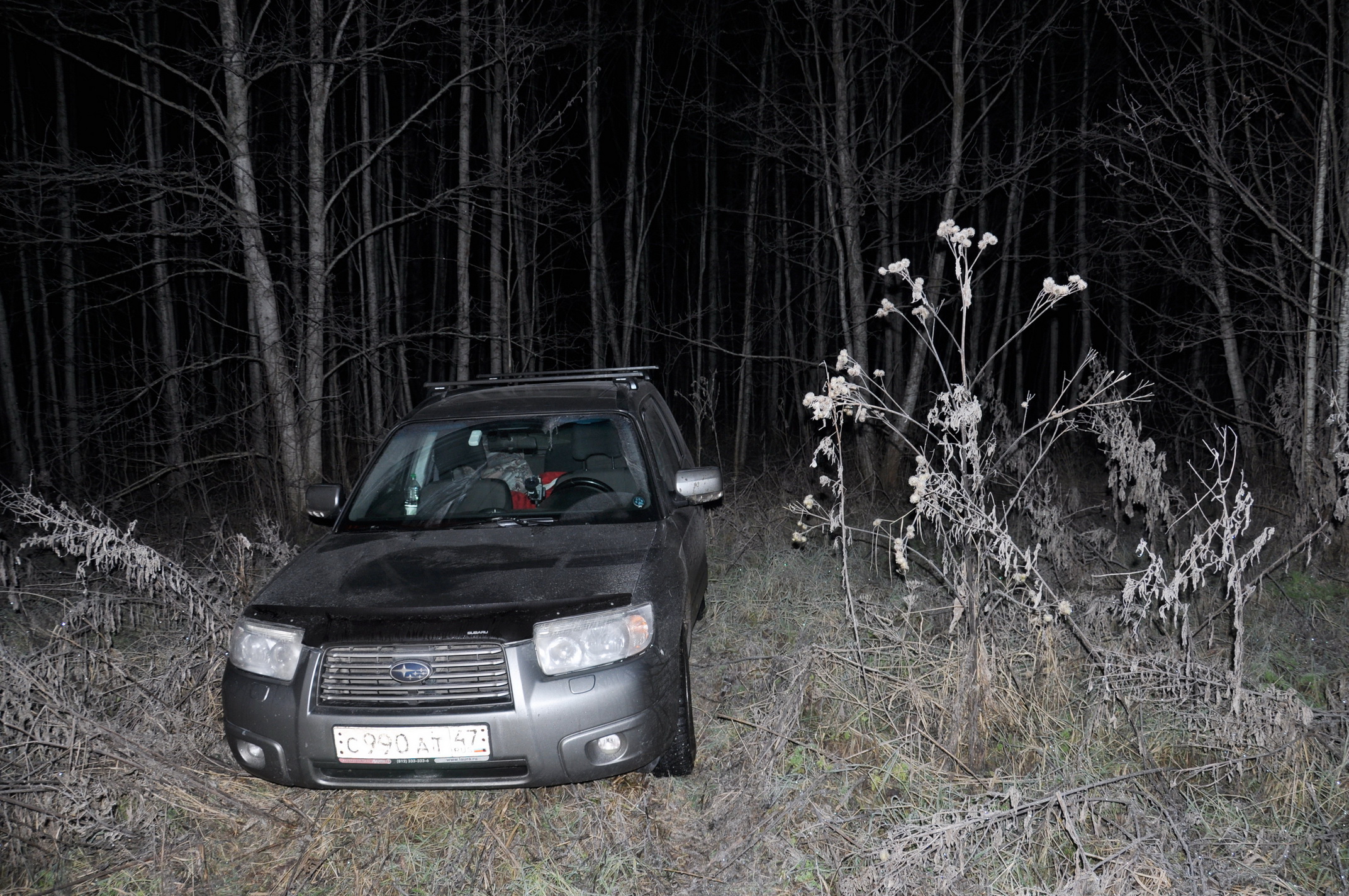
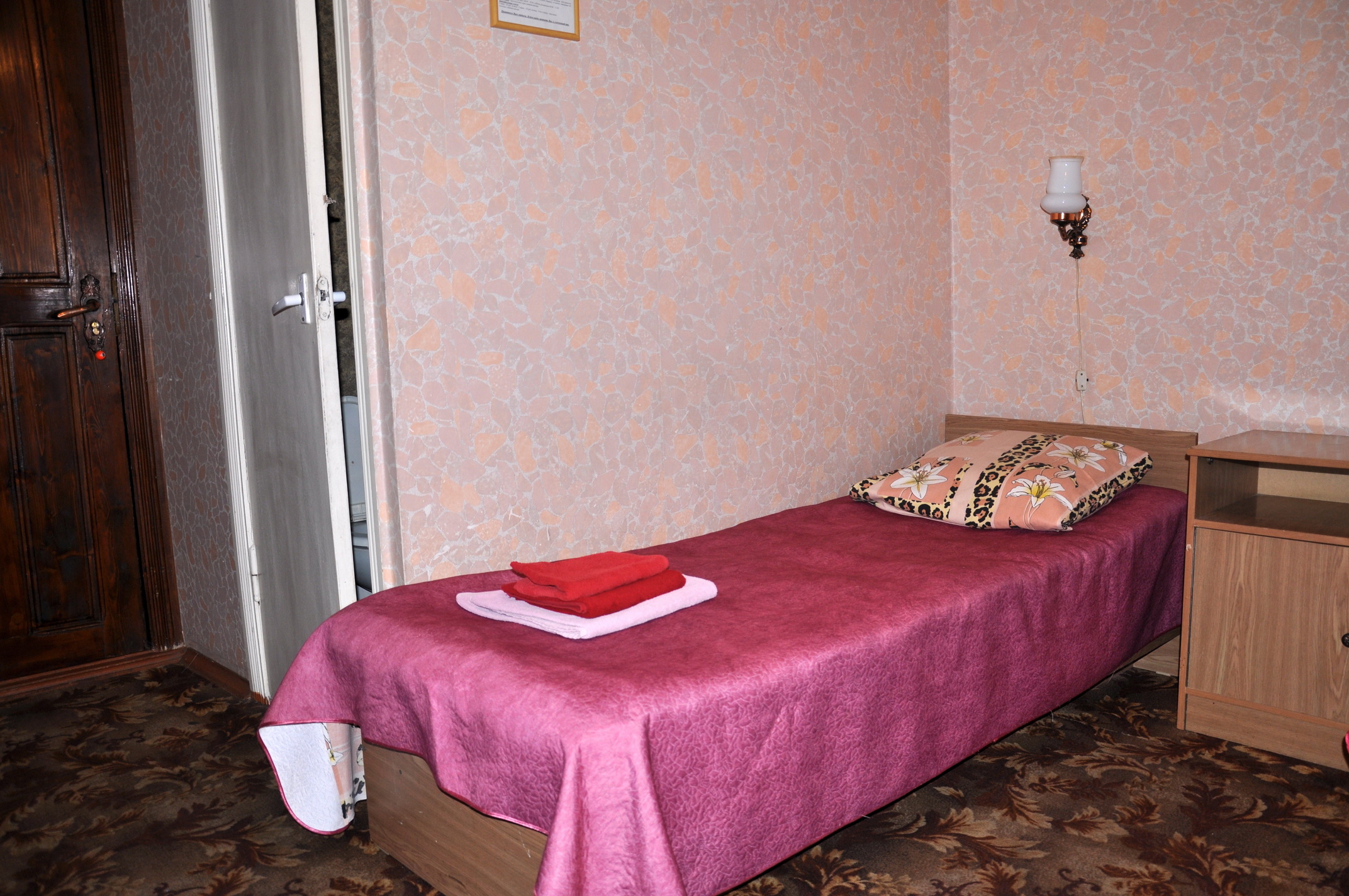
I finished my rounds, spent the night in an autumn wood among the burdocks near Utorgosh in the Novgorod region (58°21.216′N, 30°14.790′E), washed up at a hotel in Sebezh (56°17.265′N, 28°27.639′E), and left the territory of the Russian Federation.
That sounds grand. In practice, in 2011 there was no border to speak of between Russia and Belarus. The abandoned border guards’ huts had been empty for years. Even so, you felt the difference as soon as you crossed that invisible line.
On the far side, life seems to stop. Nobody sells anything by the roadside. Shops and canteens keep office hours and shut for lunch. The villages are still intact. The houses are poor, but somebody keeps them from falling down. There are no new mansions either. The clock stopped here thirty years ago.
I go into the first canteen I come across. The first because there’s no second one. It took me about fifty kilometres to find this one.
On the wall is a sign along the lines of ‘Ministry of Road Construction of the Republic of Belarus, Vitebsk Directorate, Department of Kicking the General Public, Canteens Division, Canteen No. 8594 of the Bumsville Road Maintenance Unit’. Not word for word, of course, but that was the gist.
The canteen shuts at five, and there are still four hours to go. The woman behind the counter says they’re out of food already. All that’s left is cold borscht, apparently left over from summer even though it’s December, dried-fruit compote, coffee and beetroot salad.
All right, I’ll eat what they’ve got. Give me the lot. Soviet tables and curtains. A stuffed plastic palm tree. It’s like a time machine. And there’s coffee from an urn in faceted glasses, with milk and foam. Soviet technology hasn’t been lost after all.
As I approached the border I’d hoped to buy a Green Card, the motor insurance certificate, at one of the roadside kiosks. There are a hundred of them at the Finnish border, and there turned out to be none near Sebezh. I had to make a little detour through Belarus and go back to the Nevel crossing, where I knew a kiosk by the road. I got my Green Card in the end but didn’t look at it carefully. The woman had put the details of somebody else’s car on the form. Fortunately, no one at the border noticed.
Changing money isn’t easy either. There’s an exchange kiosk on the Belarusian side, but it only opens on certain days and only during business hours. There’s an ATM too, but it has its moods. It runs out of cash, breaks down or refuses to recognise your card. Best to stock up on everything on the Russian side. You can’t count on paying by credit card.
You can buy food in shops, a bread roll or a little block of Druzhba processed cheese. The prices are astonishingly low. When I was building an installation at Nevel near the Belarusian border, I put the fitters up across the border. A night cost about a tenth as much. The service was twenty times worse, mind you.
Only a narrow range of food is cheap. There’s no cheese, for instance. Well, there is, but it’s Latvian or Estonian or from somewhere else, and it costs more than in Russia. A few tired-looking pieces sit there like exhibits in a museum.
I needed to get some food myself. I’m not fussy. I waited in line, picked up a few things and finally asked for a bottle of Aqua Minerale water. The queue behind me went still, as though I’d committed sacrilege or at least taken my trousers off.
‘Do you know how much it costs?’ the woman behind the counter asked carefully. I hadn’t looked. Go on, tell me. She named a sum. I worked it out in roubles and dollars. Two dollars. So what?
‘That’s a quarter of my pension,’ said the old woman behind me. A man shook his head disapprovingly and pointed out that moonshine in the village costs exactly that much. If you have money and want a drink, the implication was, drink like a man.
When I said I earned enough to afford drinking water, the whole shop told me in chorus that there was a well for that and the water was free. A local Young Pioneer even promised to show me the way. I explained that I wanted to be able to take a sip in the car whenever I liked, not just in their well-watered village. The pensioner proudly told me, in Belarusian, that here in the Republic of Belarus, every village had a well.
The Pioneer perked up. I could go with her, get an old detergent bottle and fill it from the well. Looking at her, I tried to work out why she seemed so different. She wasn’t fat, and her features were quite regular. Then it struck me. No make-up, no haircut or styling, a padded jacket and a face red from the wind and cold. I felt sorry for her.
Time to go. Give me the bottle. Here’s the money. I’m off. The queue watched sternly as I left. The Pioneer wanted to say something but couldn’t bring herself to.
Don’t take this to mean I think badly of Belarusians. My wife is Belarusian. I just feel for people still stuck in the Soviet world that did such damage to all our lives.
Klyastitsy
On the way I stopped in Klyastitsy. I’m not sure everyone knows the name, and that’s a shame. As a child I used to wonder what possessed Napoleon to march on Moscow rather than Saint Petersburg. It was the capital, after all. The tsars and dignitaries were there, and the palaces were grander too.
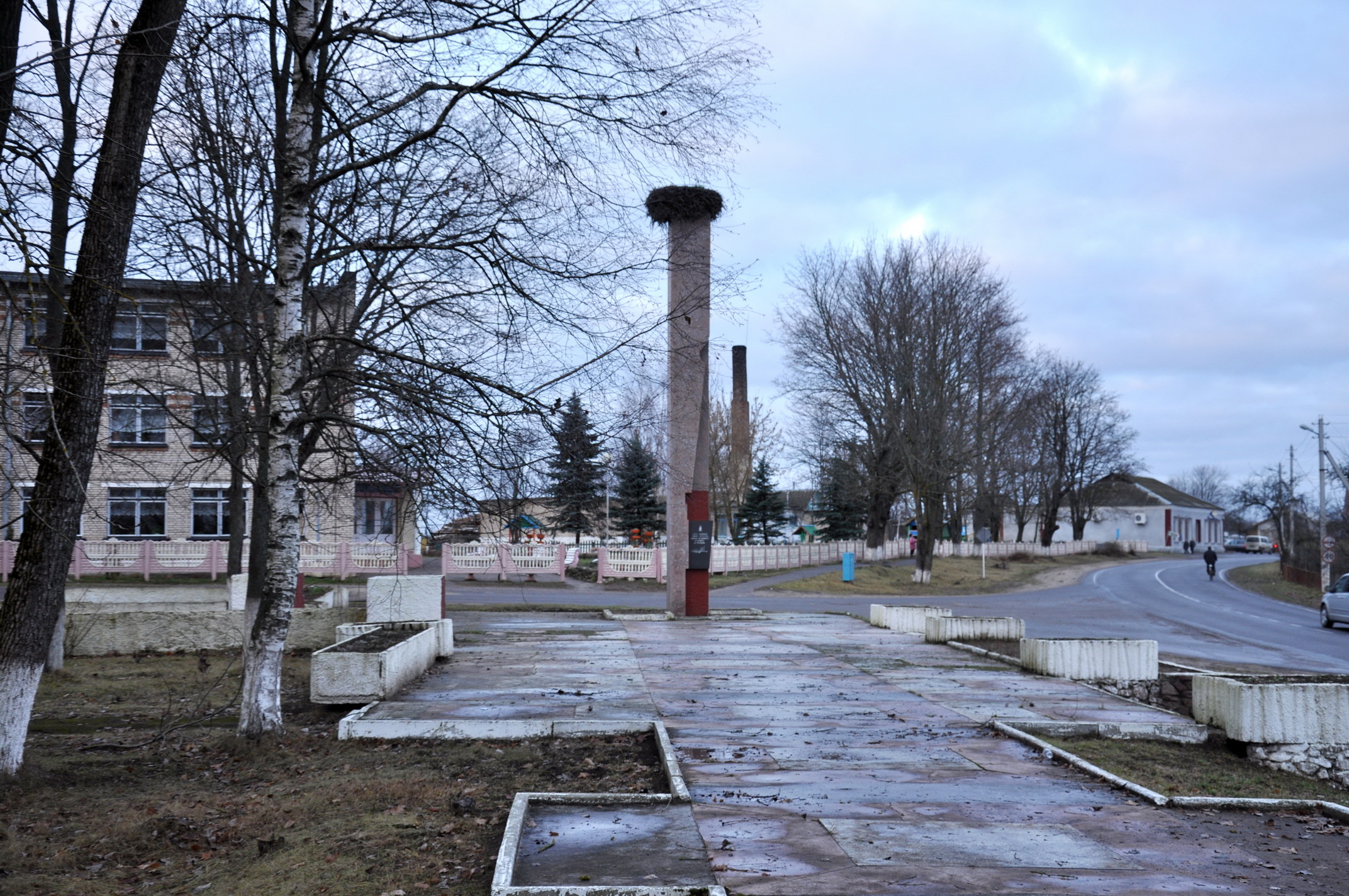
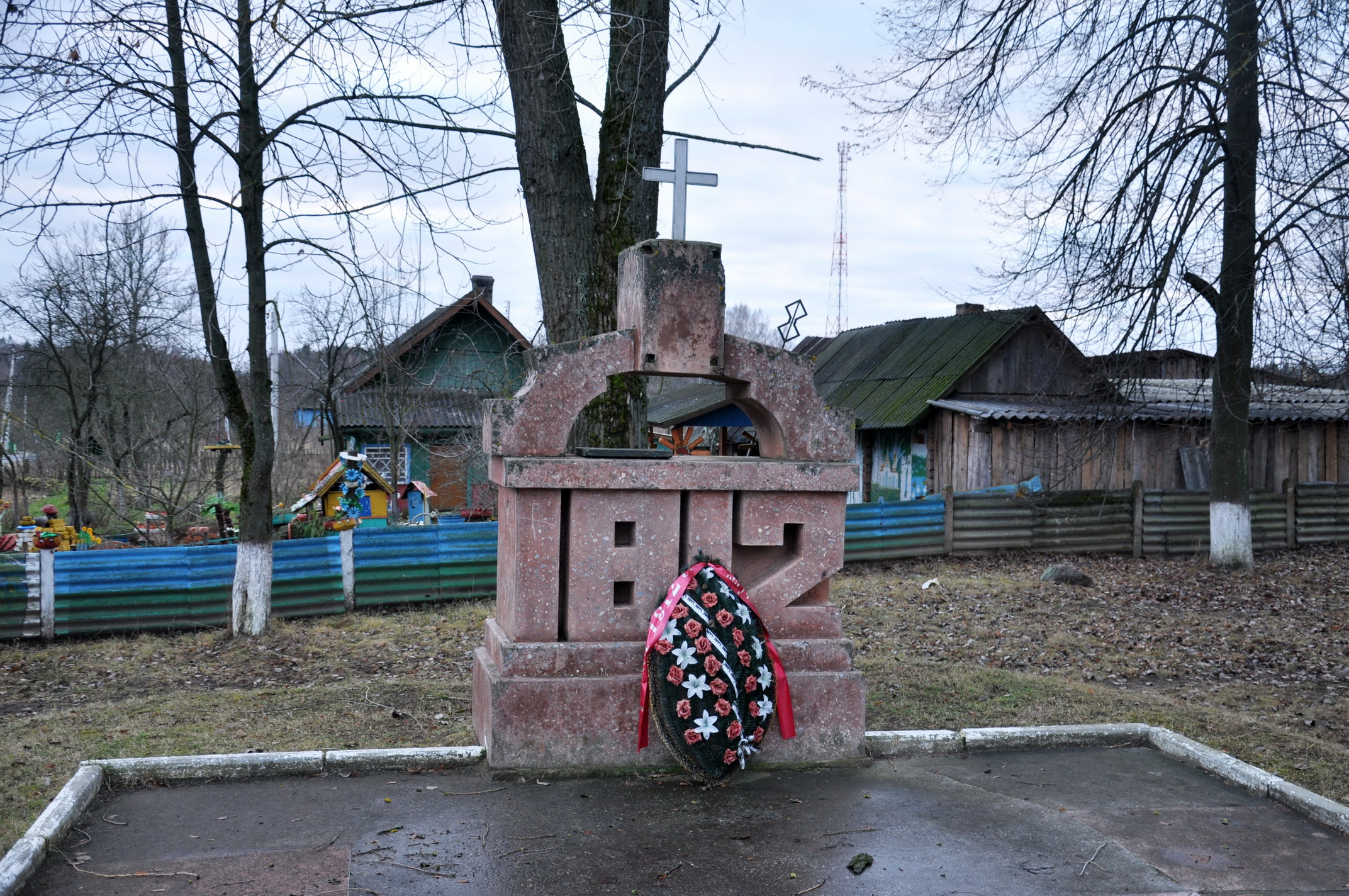
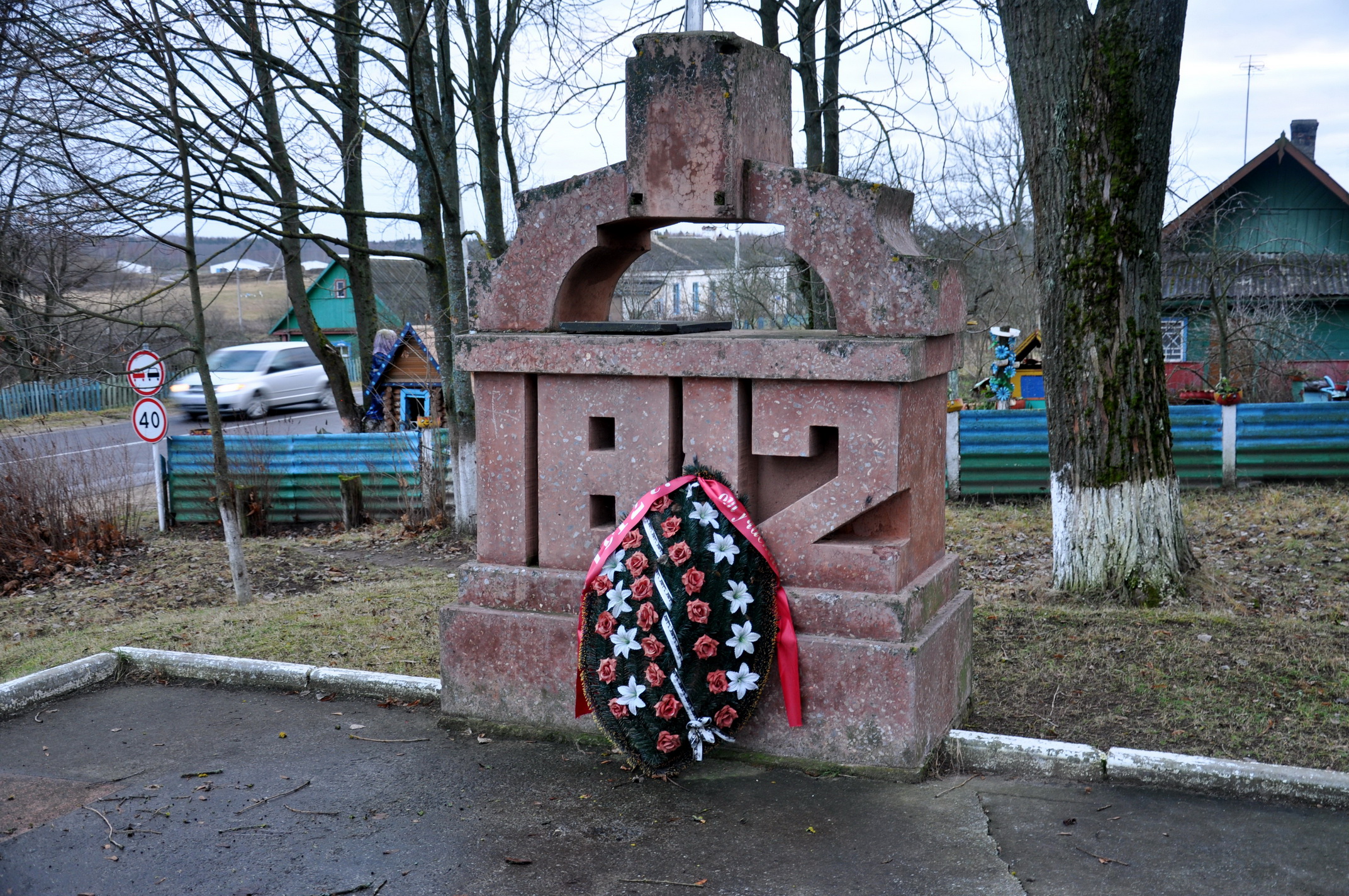
It turns out that on 1 August 1812, long before Borodino, Prince Peter Christianovich Wittgenstein defeated the French troops advancing on Saint Petersburg in a battle near this village. Napoleon had to content himself with Moscow after the move on the capital came to nothing.
The Russian army lost at Borodino. Yet everyone remembers Borodino as an example of military valour, and hardly anybody remembers Klyastitsy. In Russia, valour really does seem to be measured by how many of your own soldiers wind up dead.
There’s a neglected concrete marker in the village commemorating the battle. Nothing grand, and no festivities in sight, even with the bicentenary coming up.
Daugavpils and Vilnius
I didn’t linger in Belarus. I drove to the Lithuanian border that evening.
Lithuania greeted me with a hoarse yell from a border guard: ‘Hey, why have you stopped there? Didn’t see the sign, did you? I’ll write you up in a minute.’ The European Union, no less. They’d joined Schengen.
This was near Daugavpils, in a part of the region with a long-established Russian-speaking population. There was a downside in my experience: people were rude. There was an upside too: you could always talk to them and part on peaceful terms.
I overdid the peacemaking a bit. I ended up giving two border guards a lift into town. I couldn’t bring myself to admit that my hotel booking in Daugavpils was a story I’d made up to get across the border. So I had to go all the way into town with them instead of heading for Kaunas as I’d intended.
At least I got to talk with them and ask how things worked in this Russian-speaking enclave: how much people gave the police, how far they could go over the speed limit. All in all, it sounded rather grim.
It wasn’t long before I saw what they meant. Two cops pulled me over and spoke to me in the most brazen, coarse Russian. They’d found somebody who couldn’t answer back. Never mind. Across the river, in the distance, was a different Lithuania.
I hadn’t seen this in the predominantly Russian-speaking parts of the other Baltic republics. The Russians in Narva behaved with courtesy and decency. Riga speaks Russian but lives by European rules. Rudeness and graft hadn’t found such fertile ground there. I suspect that has to do with Latvia and Estonia not automatically granting citizenship rights to Russian speakers solely because they happened to be registered on the right side of the border on a particular day. They had to pass a language exam and prove their allegiance to the state. That kept some crude, belligerent people out of power.
In time, Russians gained full rights, but by then they were different people.
In Lithuania everyone got passports at once. As a result, in the Russian-speaking towns, the worst people stayed in power just as before. Fortunately for Lithuania, there aren’t many such areas.
There’s a lesson for Russia here too. Only a thorough vetting of public officials will help root out corruption and arbitrary rule.
I was glad I’d gone to Daugavpils. I’d never been into town before. I’d passed through on the train many times. Forty years ago, at the age of seven, I’d remembered the name of the city and the long railway bridge over the Daugava. Only now did I have time to walk around at my leisure. There isn’t a great deal to see: a few churches and a dozen old buildings. Perhaps the bridge is the most interesting sight after all. Even Prokudin-Gorsky photographed it in 1912.
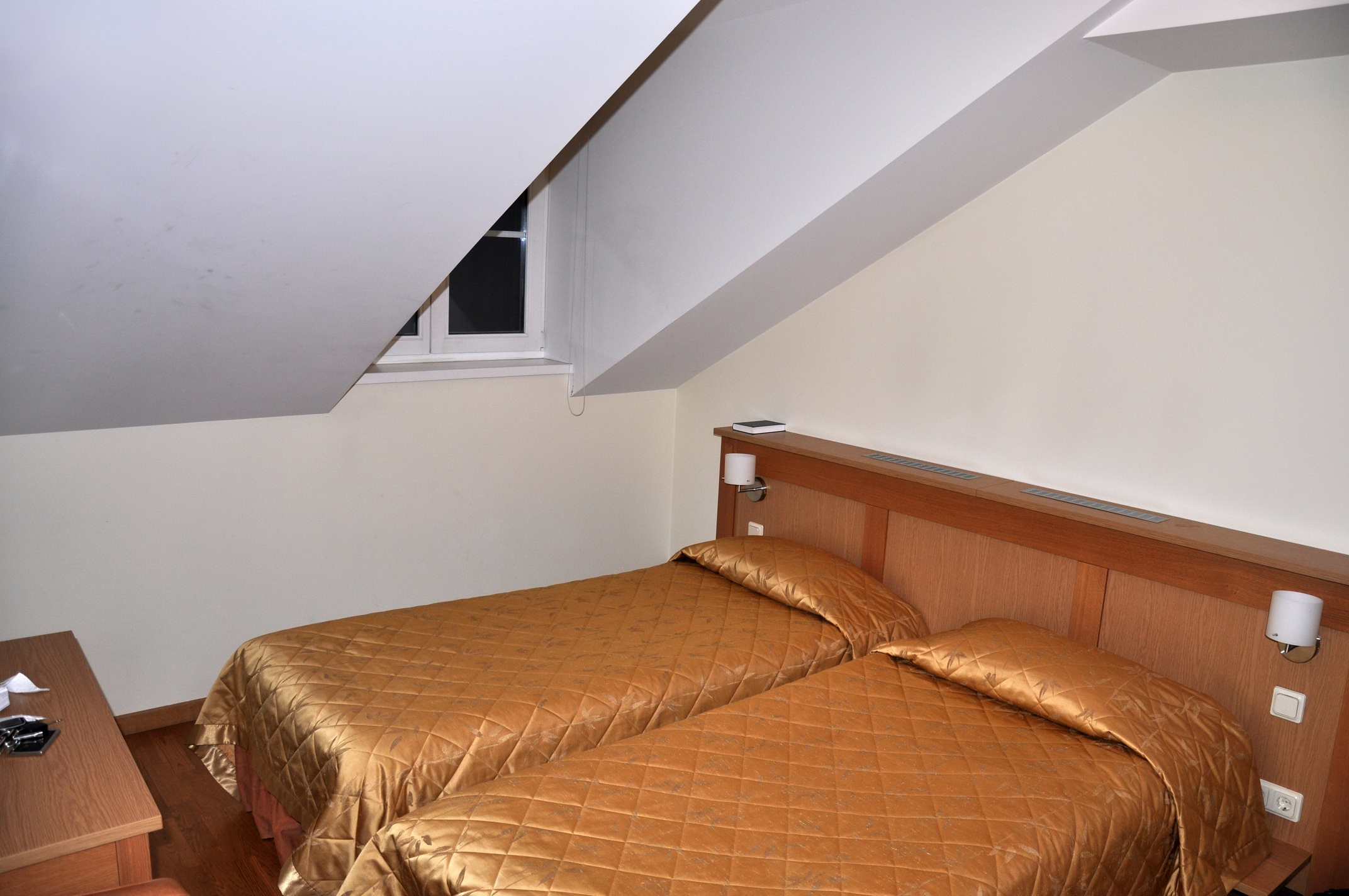
I drove on to spend the night in Vilnius (54°41.242′N, 25°17.038′E). This was a completely different Lithuania. I hadn’t been there since 1989.
The city had changed. Everything was clean, just as in the rest of Europe. A generation had grown up speaking English with a soft, pleasant Baltic accent.
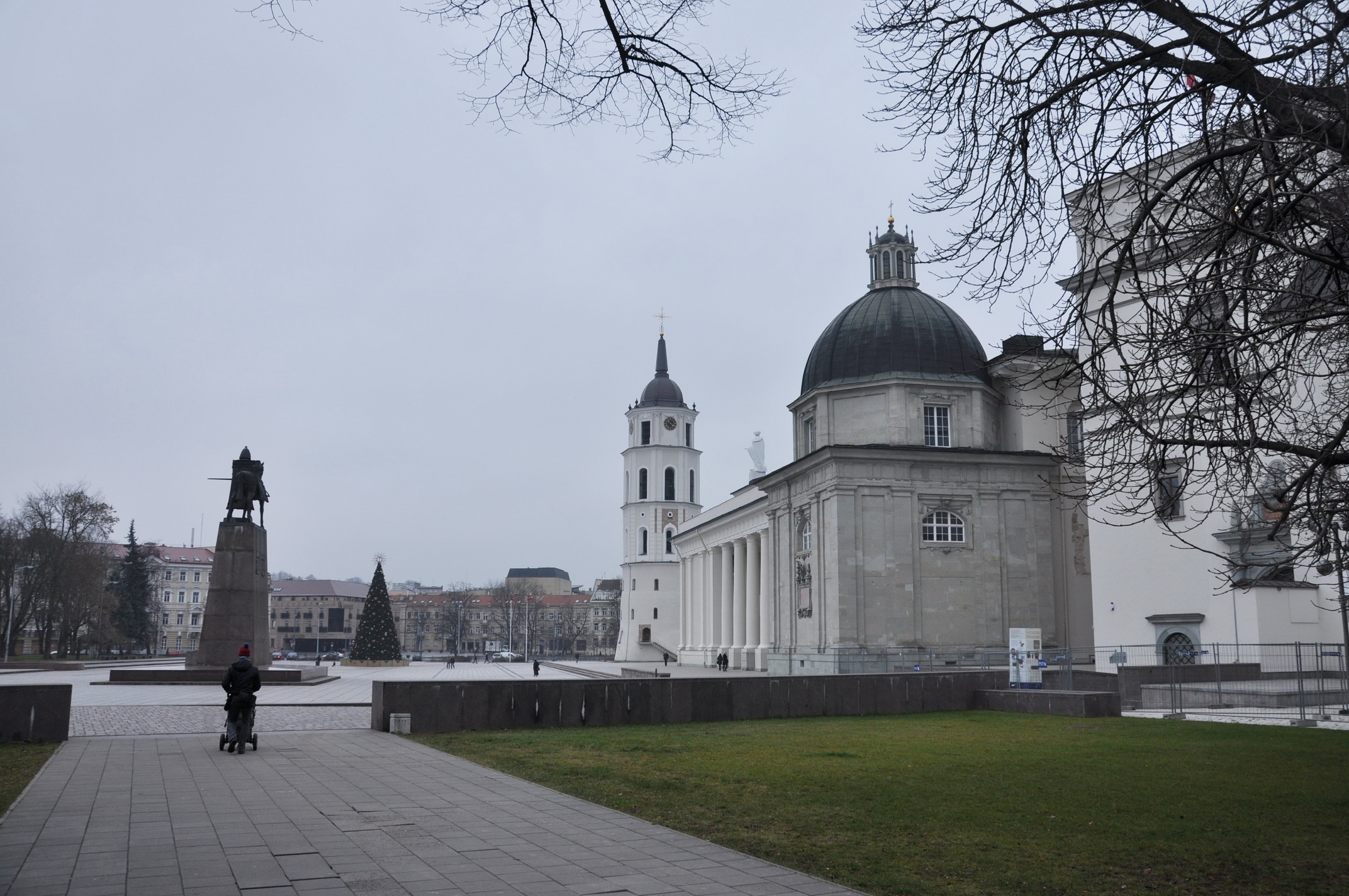
I walked around town, then climbed the hill to Gediminas’s Tower. The last time I was here, the struggle for independence was under way, and they’d just put the Lithuanian flag on the tower.
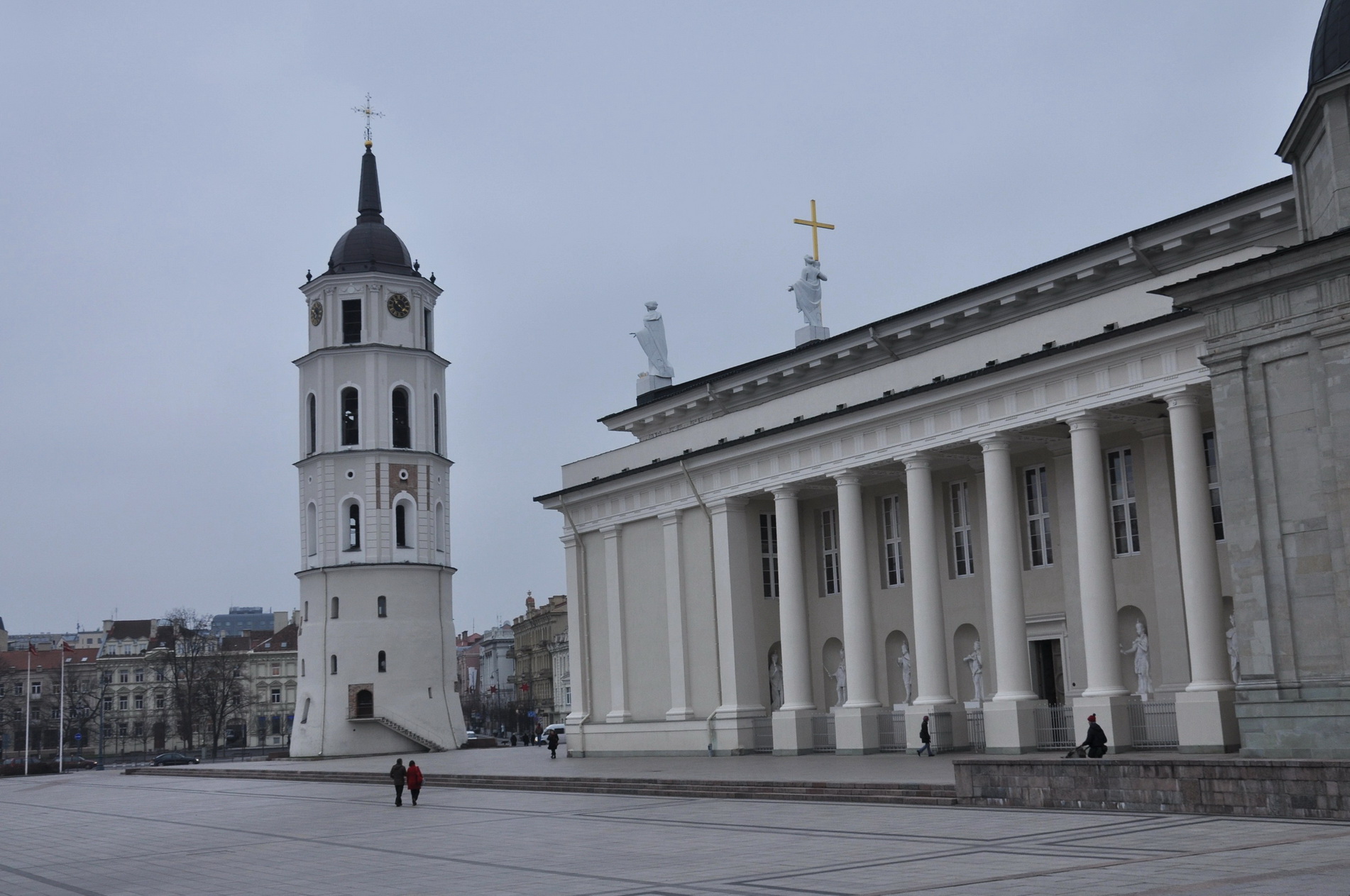
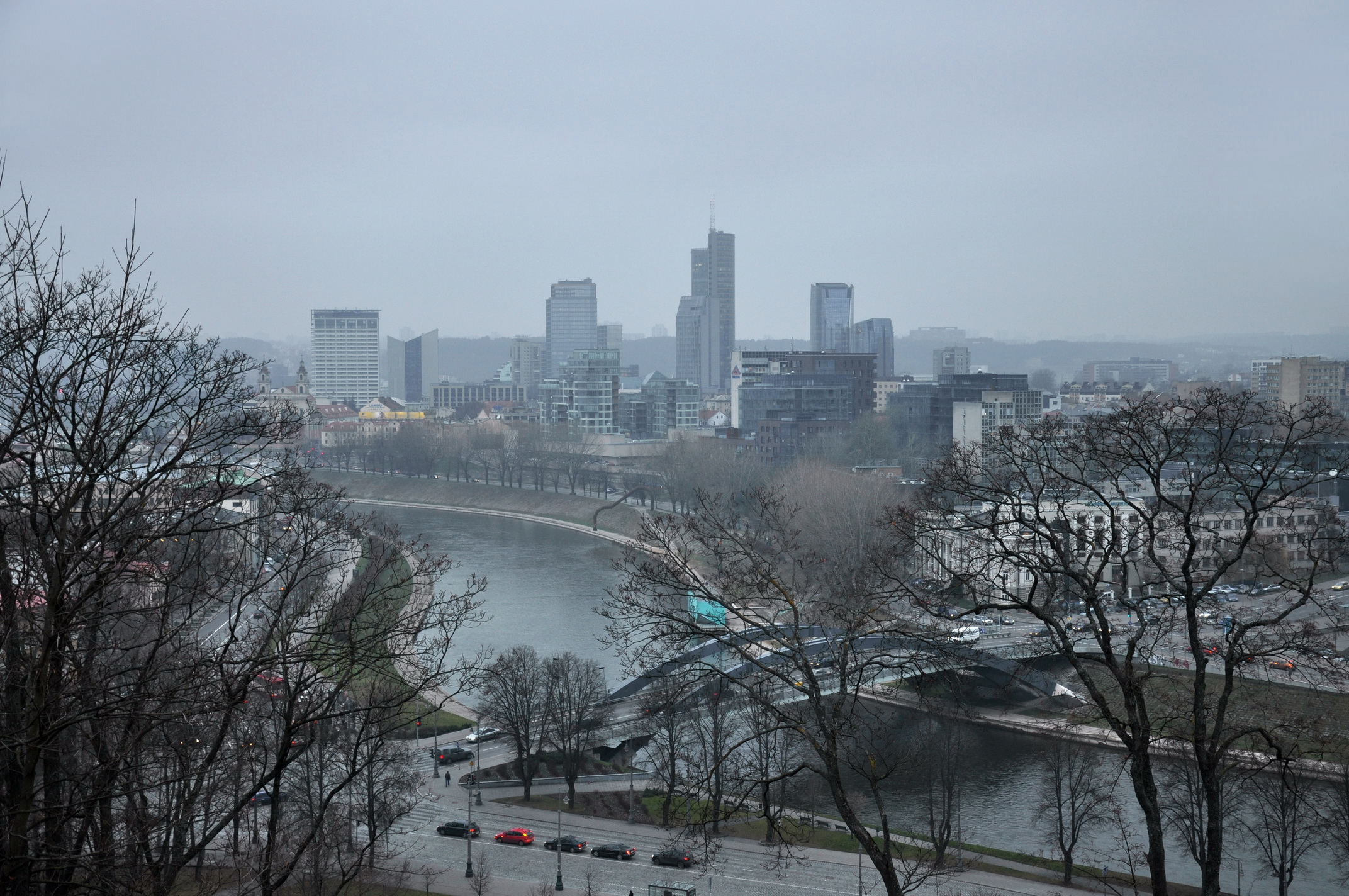
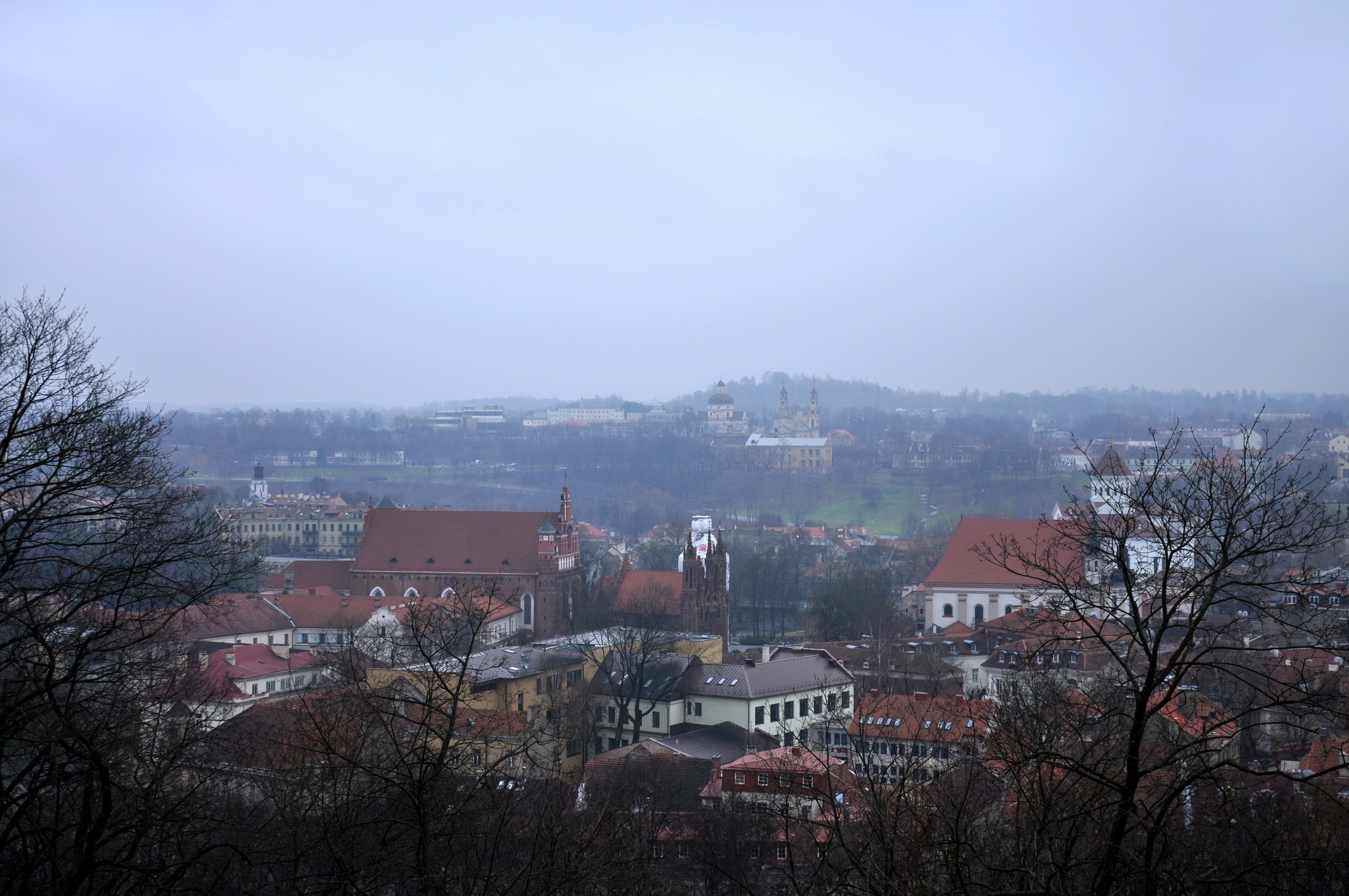
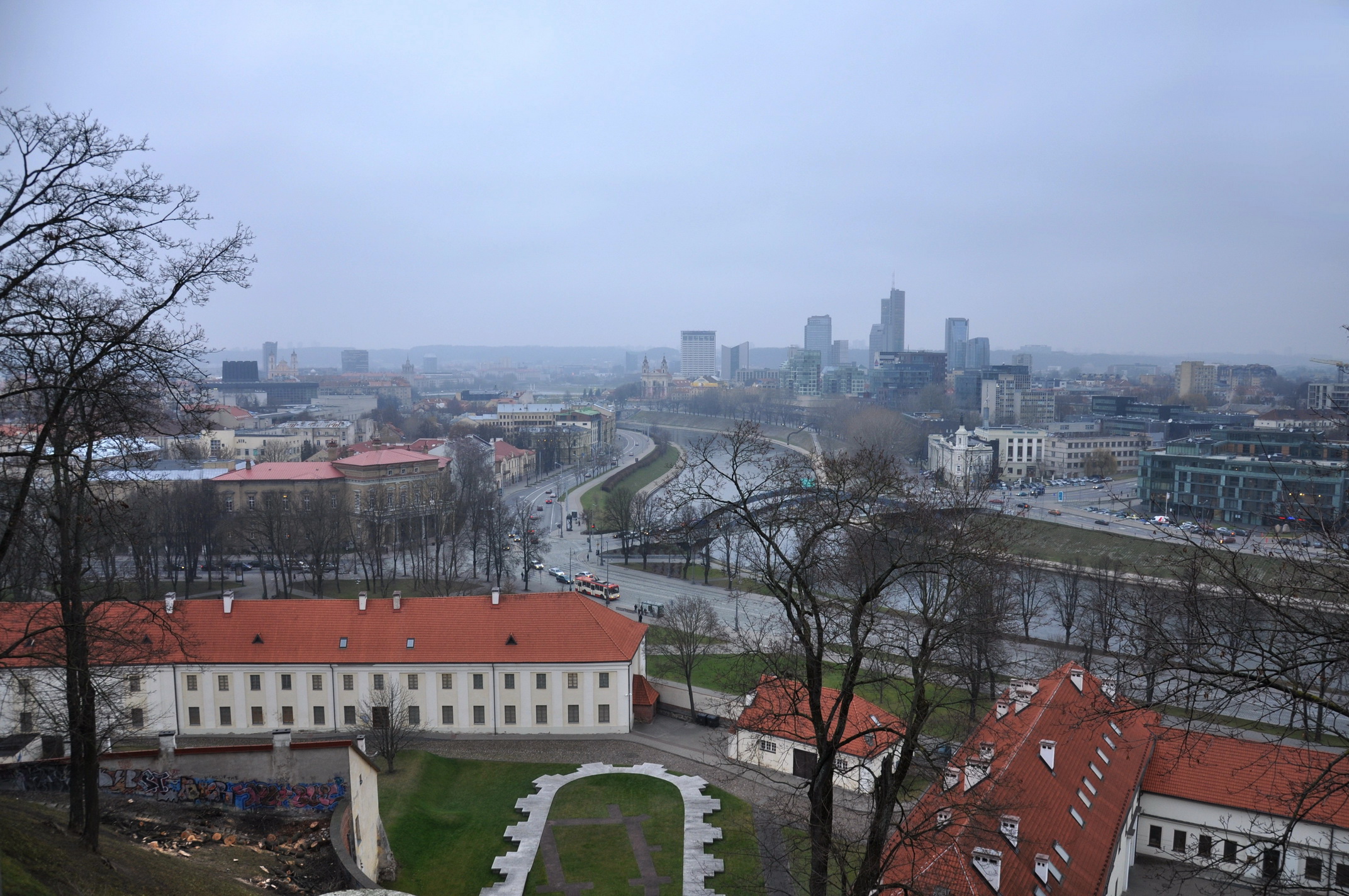
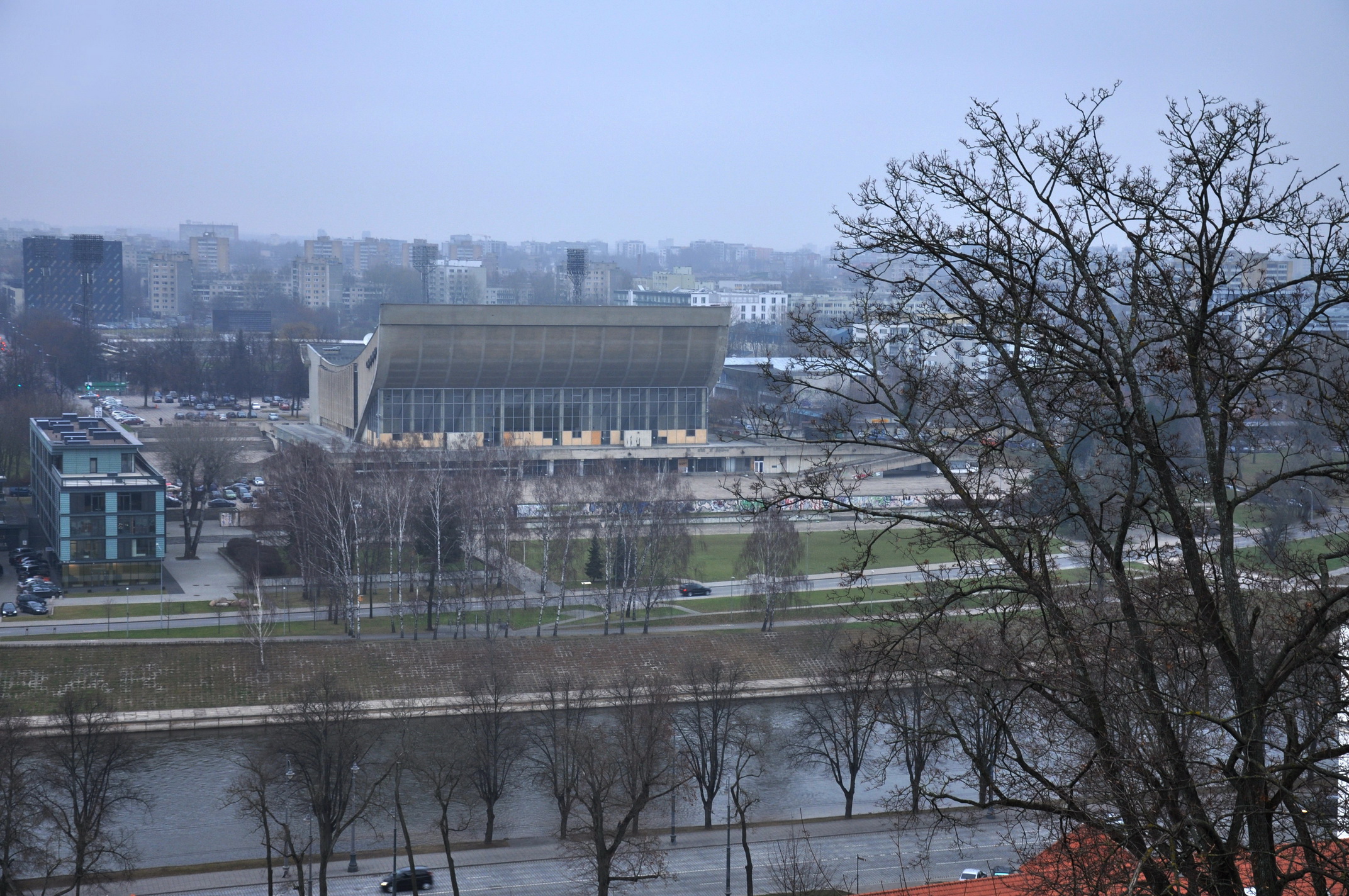
Walking around Vilnius now makes me think of Max Frei. I keep imagining I can see a green tram, even though Vilnius has no trams and never has.
Riga, then and now
In the evening I left for Latvia. I took a walk around Jūrmala and Riga.
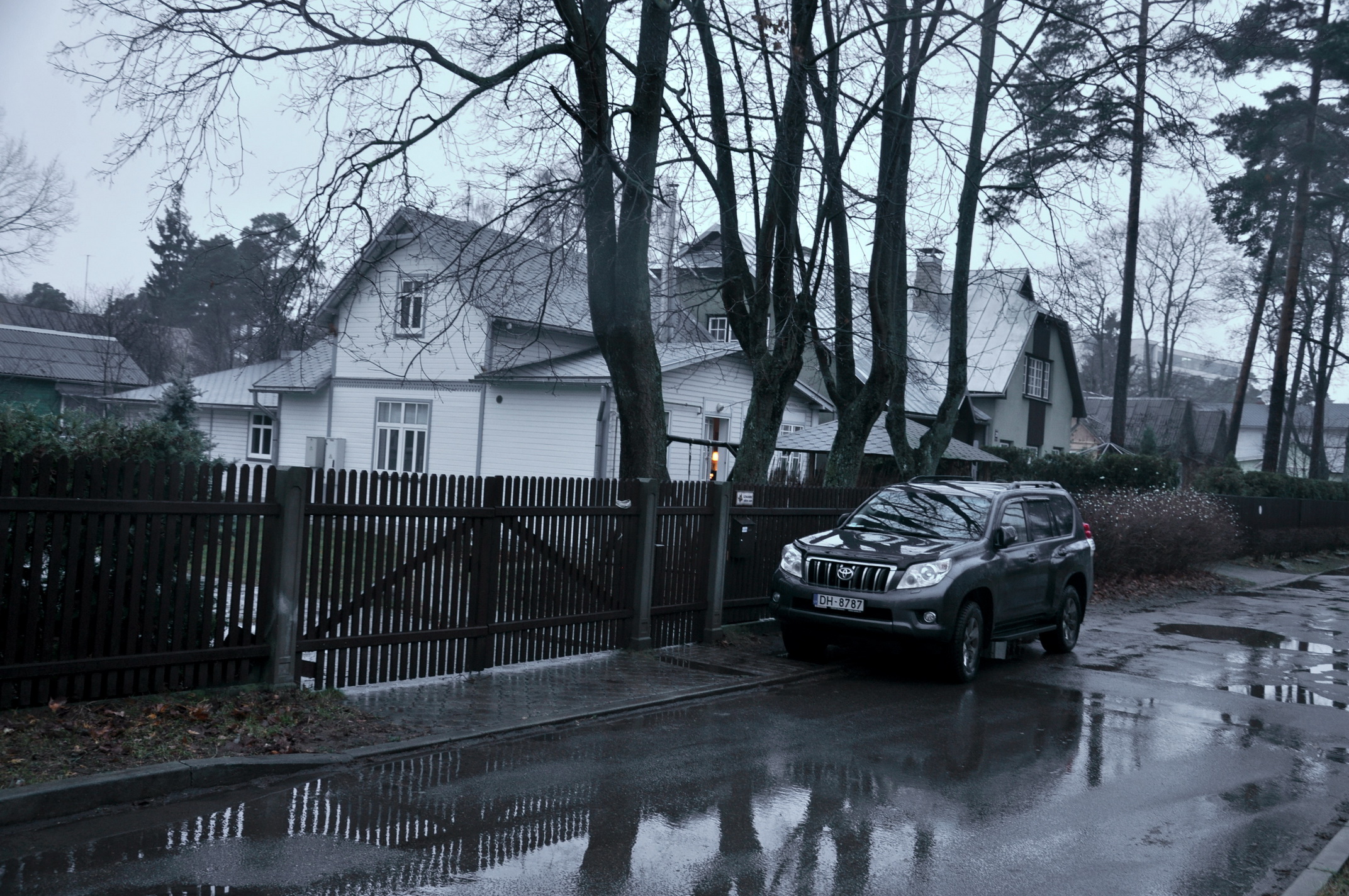
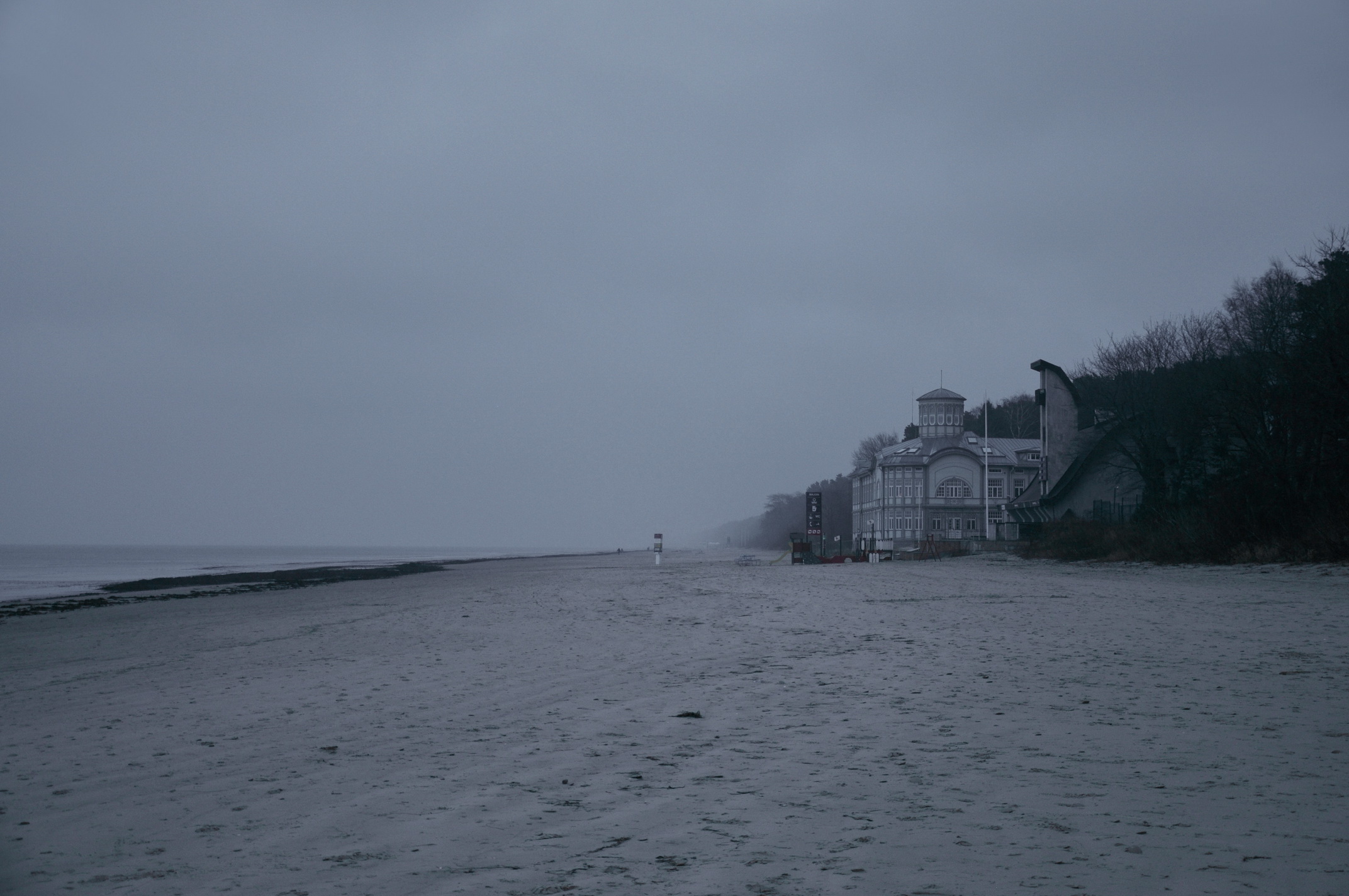
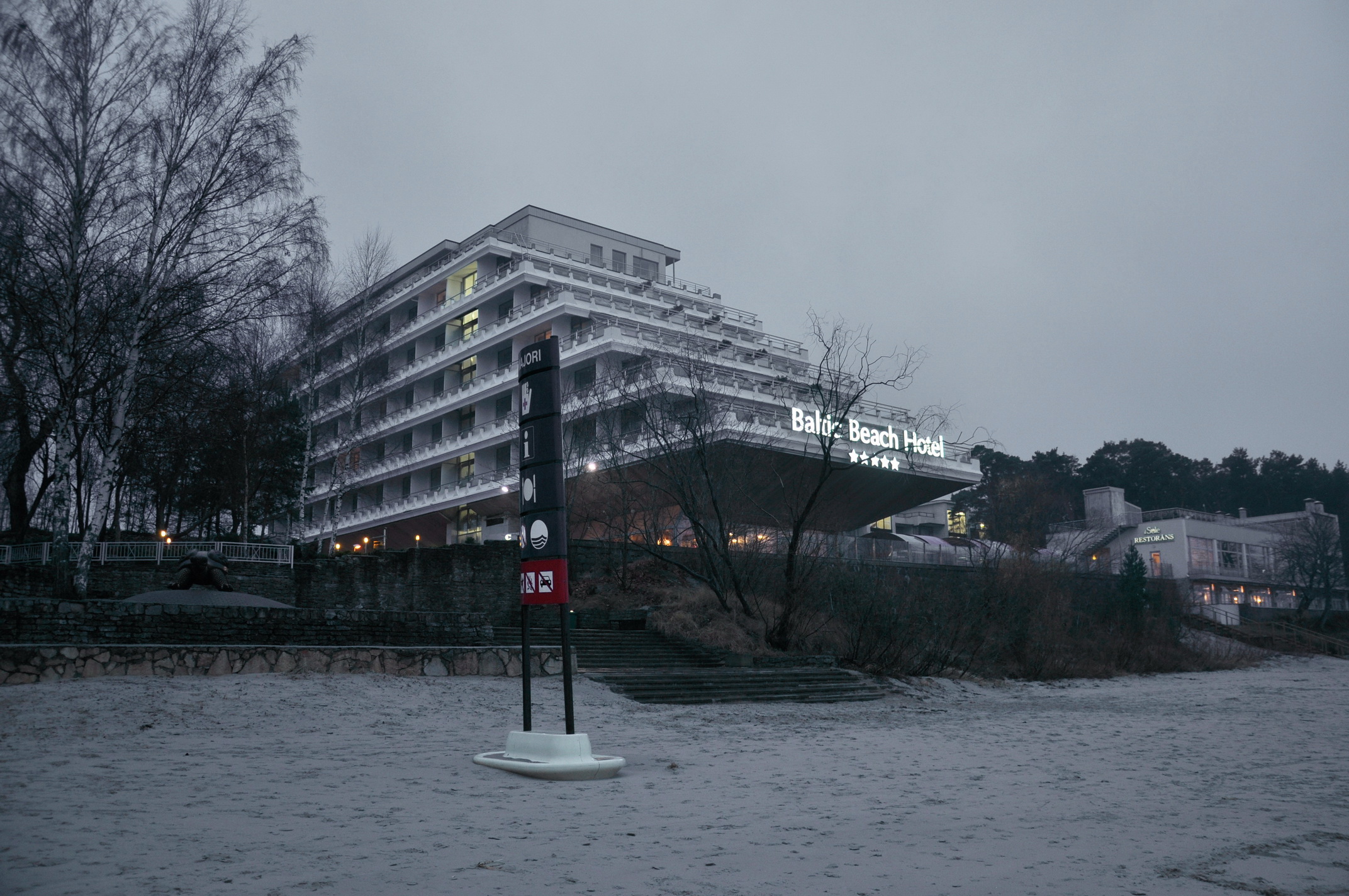
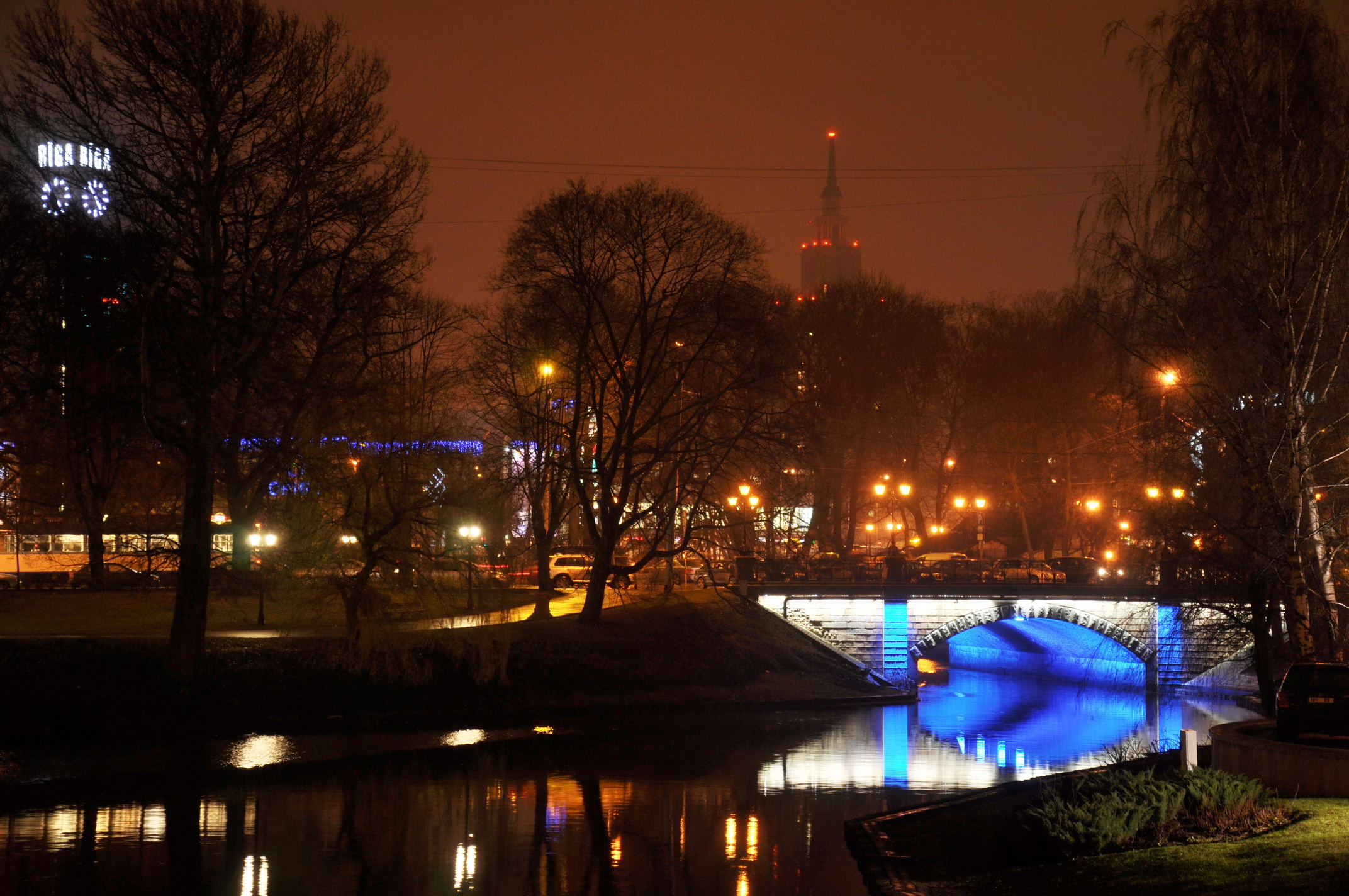
Riga was the first city where my second cousin and I went away overnight on our own, without our parents. It was 1984. Hotels in the USSR weren’t for everybody. They never had rooms, and the very idea that a person might turn up somewhere of their own accord was distasteful to the Soviet authorities.
A work trip, on the other hand, was sacred. The host enterprise had a block of rooms reserved.
Tourism was another matter. If you were a model worker or had connections, the trade union would give you a holiday voucher and off you went. Of course you could go and visit some distant aunt and sleep in the loft of her summer kitchen. But travelling independently? Only a spy would come up with an idea like that.
To get a hotel room you had to know how to give a bribe. I hadn’t learnt yet, so we decided to travel with a tent.
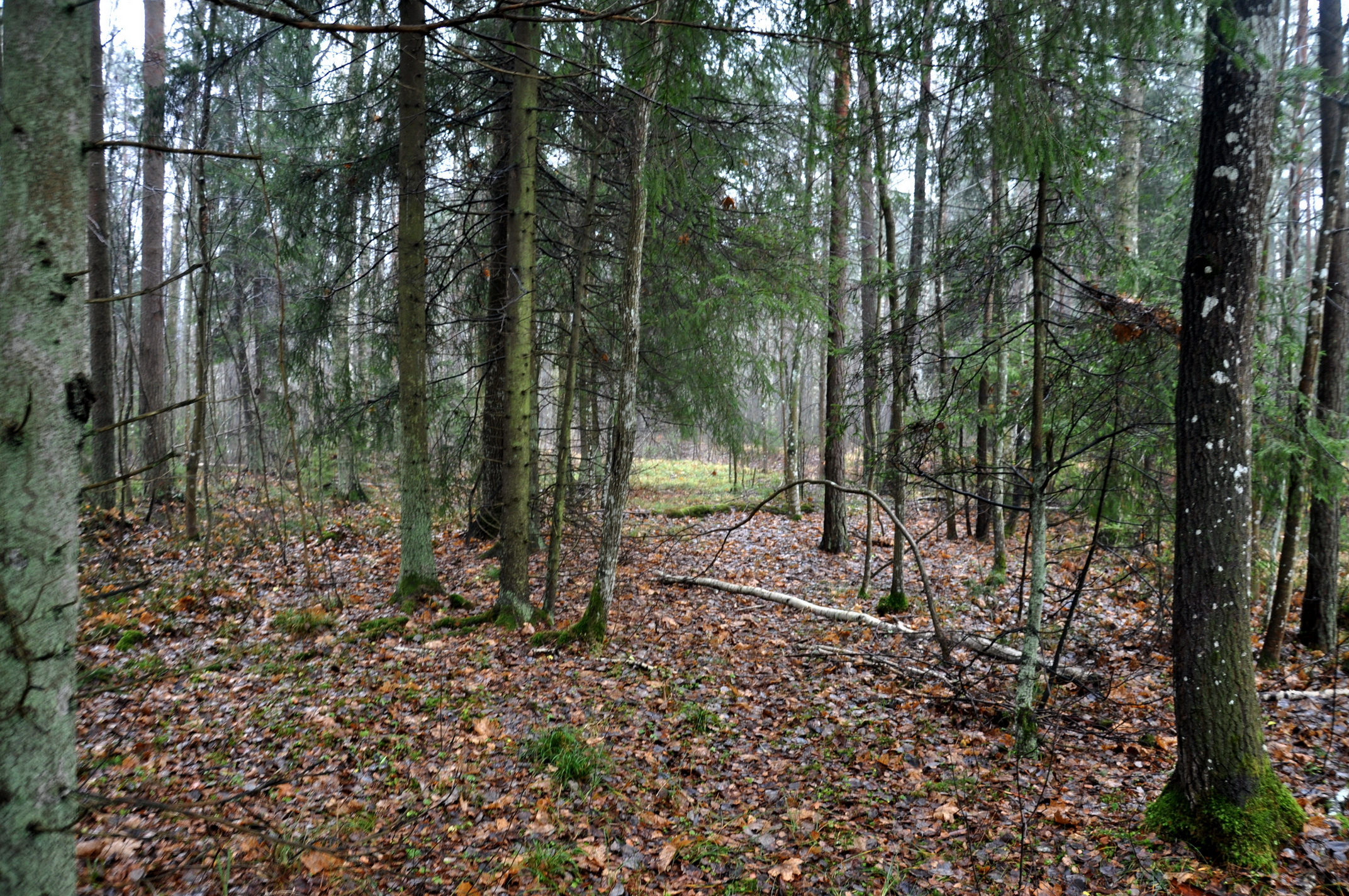
A night on the train. Then everything goes in left luggage. In the evening you get the tent out and take a suburban train from the same station to the nearest wood. Back in the morning. Cheap and cheerful. That time we slept near Olaine (56°44.672′N, 23°52.615′E). I went back to the spot and took a picture for my page of campsites.
In the early nineties I went to Riga often, at first to breathe the air of freedom, then on business at the Alfa works, which made analogue-to-digital and digital-to-analogue converter chips that were very hard to come by in the USSR. People knew me by then. Since I shared the Latvians’ wish to leave the Soviet Union, they sold me the chips without any fuss. I could even pay in roubles by bank transfer, and above all there was no waiting list and no official allocation needed.
While OMON riot police stormed the television centre in Vilnius, I was on the barricades in Riga defending parliament. I could quite easily have stayed there for life, or ended up in a grave. I even had a Riga permanent resident card. I’d got it by bribery, of course. By 1990 I’d learnt how to do that. I picked up a few words of Latvian too.
Then, while there still wasn’t a proper border, I came over for cheese and other things in short supply. For instance, I’d bring back stick-on black splats for cars. They were a cheap and fashionable way to cover holes and scratches on a rusty Zhiguli.
I also brought kiwifruit, coconuts and other exotica back to Russia. They were already on sale in Latvia, but in Russia you’d only seen them in films. I’d strut through the market crying, ‘Exotic foods from every corner of the world! Coconuts from Tahiti, cheese from Latvia, kiwifruit from New Zealand!’
I soon discovered that some film had taught people that coconuts ought to slosh when you shook them. Mine didn’t slosh at all, and sales were poor. So I took matters into my own hands and began shaking a coconut next to each prospective buyer’s ear. ‘Hear how nicely it sloshes?’ They’d nod knowingly, and the stock began to move.
Then came the border, the visas and the rest. The last time, I ran from a border guard with a rucksack full of cheese while he threatened to shoot. I was younger and could run faster then.
Twenty years later, here I am again. I wanted to revisit familiar places and drop into my favourite cafés, where I used to take girls. Naturally, everything has changed. On the site of the barricades there’s a monument to the defenders of parliament. There you go. In a roundabout way, I lived to see a monument to myself.
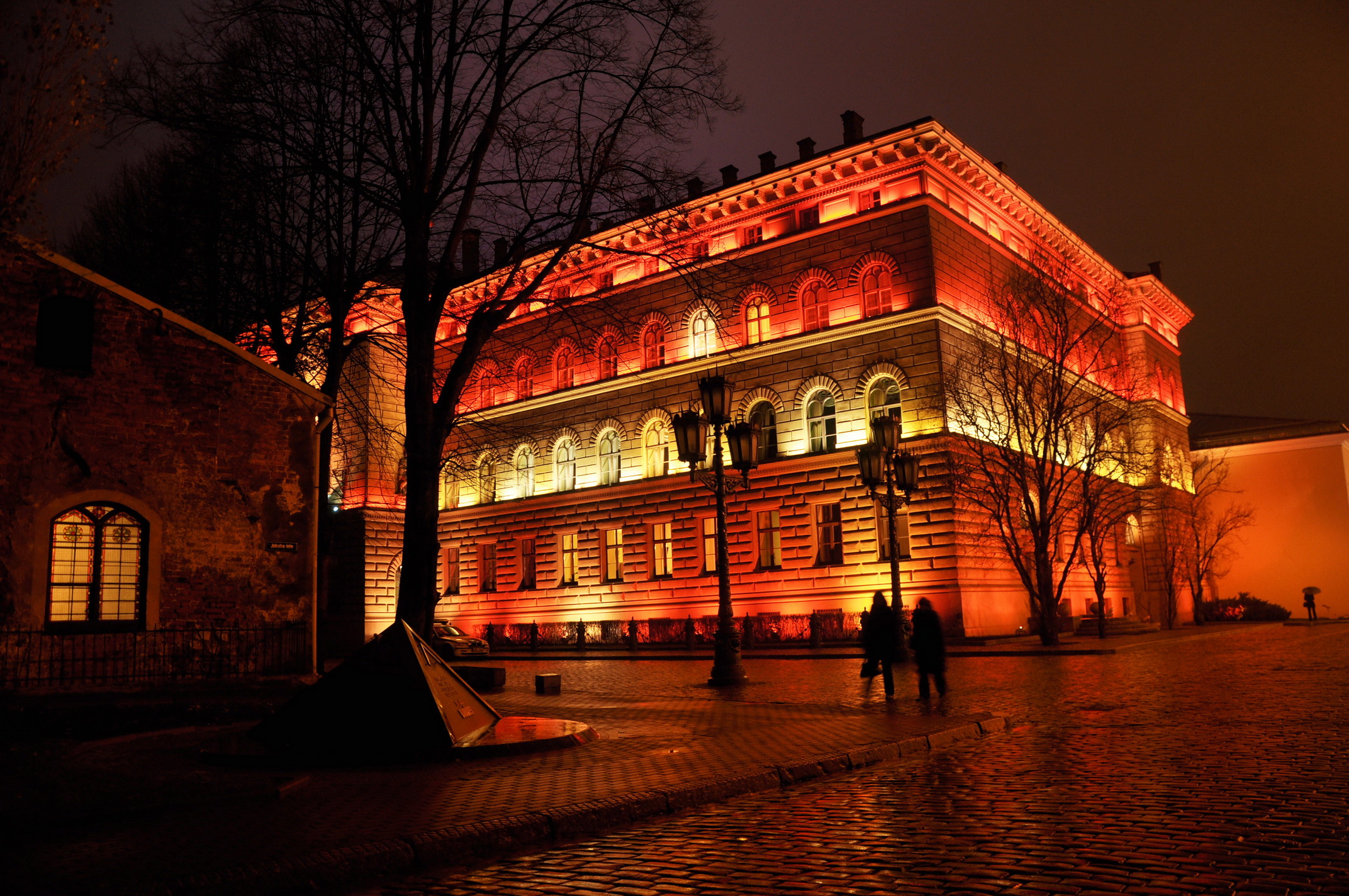
There’s a great deal you can no longer find in the city.
Riga still speaks Russian, but everything is very civilised. It would probably have made more sense to come here instead of going all the way to New Zealand, and to do it right back in 1990. I shouldn’t have believed in a new, enlightened, free Russia, or poured all my energy into a wild and ungrateful country. Twenty years have gone by.
I drove to the Alfa factory. It still exists, or at least there’s still a public transport stop called Alfa. I got there and something didn’t look right. No factory, just an enormous shopping centre. I assumed I’d forgotten where the factory buildings were. I hadn’t. This was the factory, converted into the biggest shopping centre in the country.
Family traces in Latvia
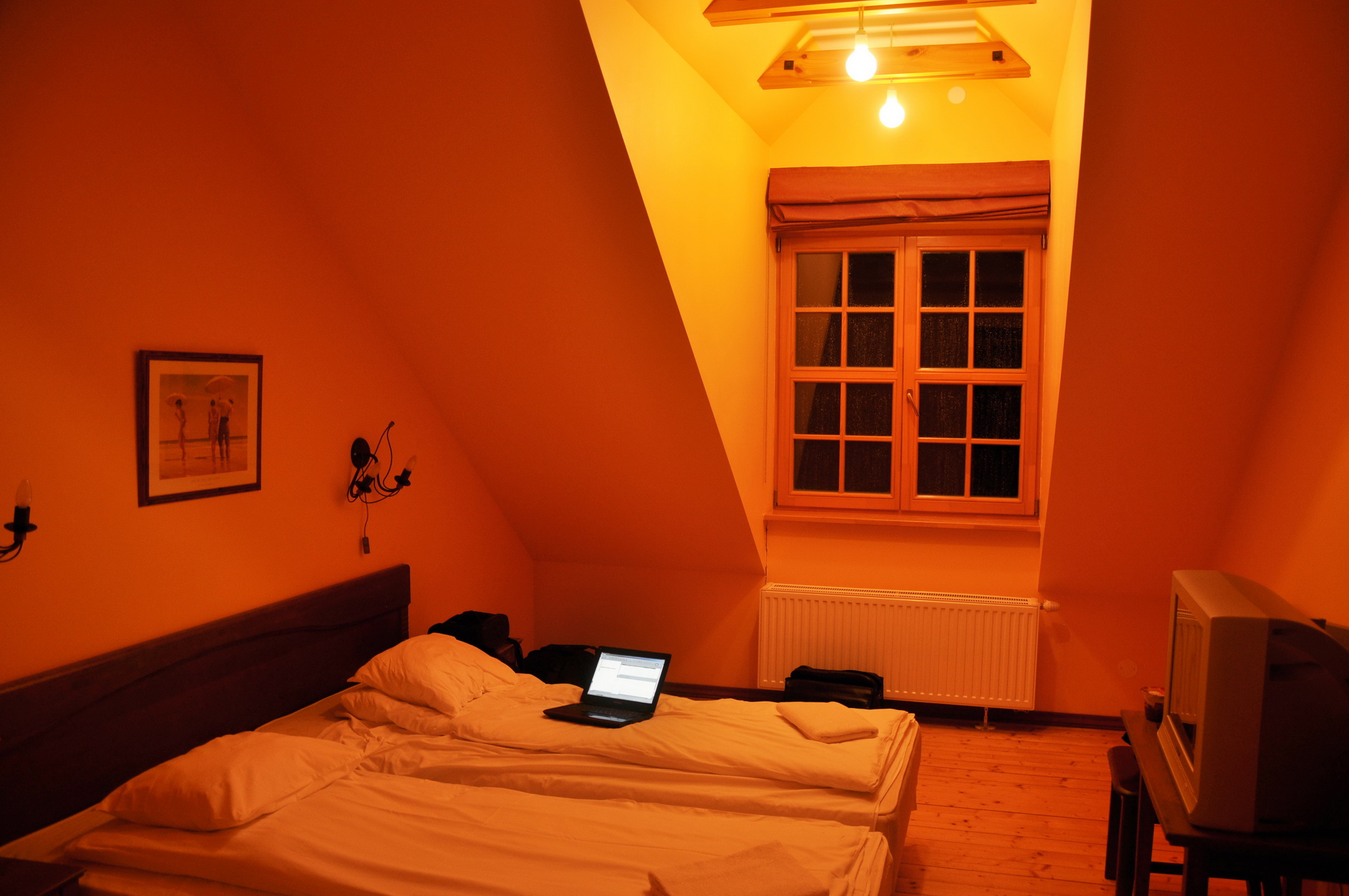
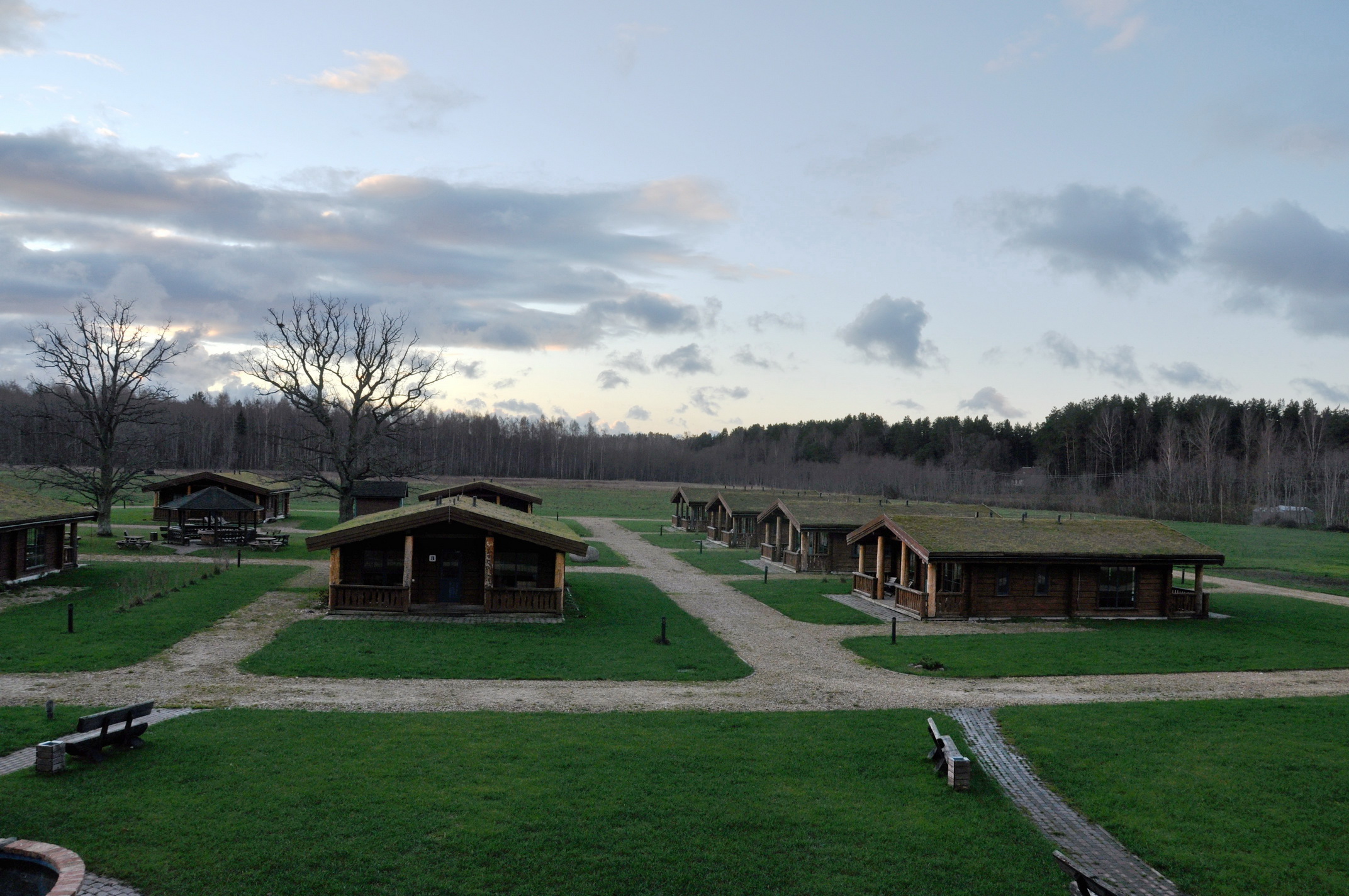
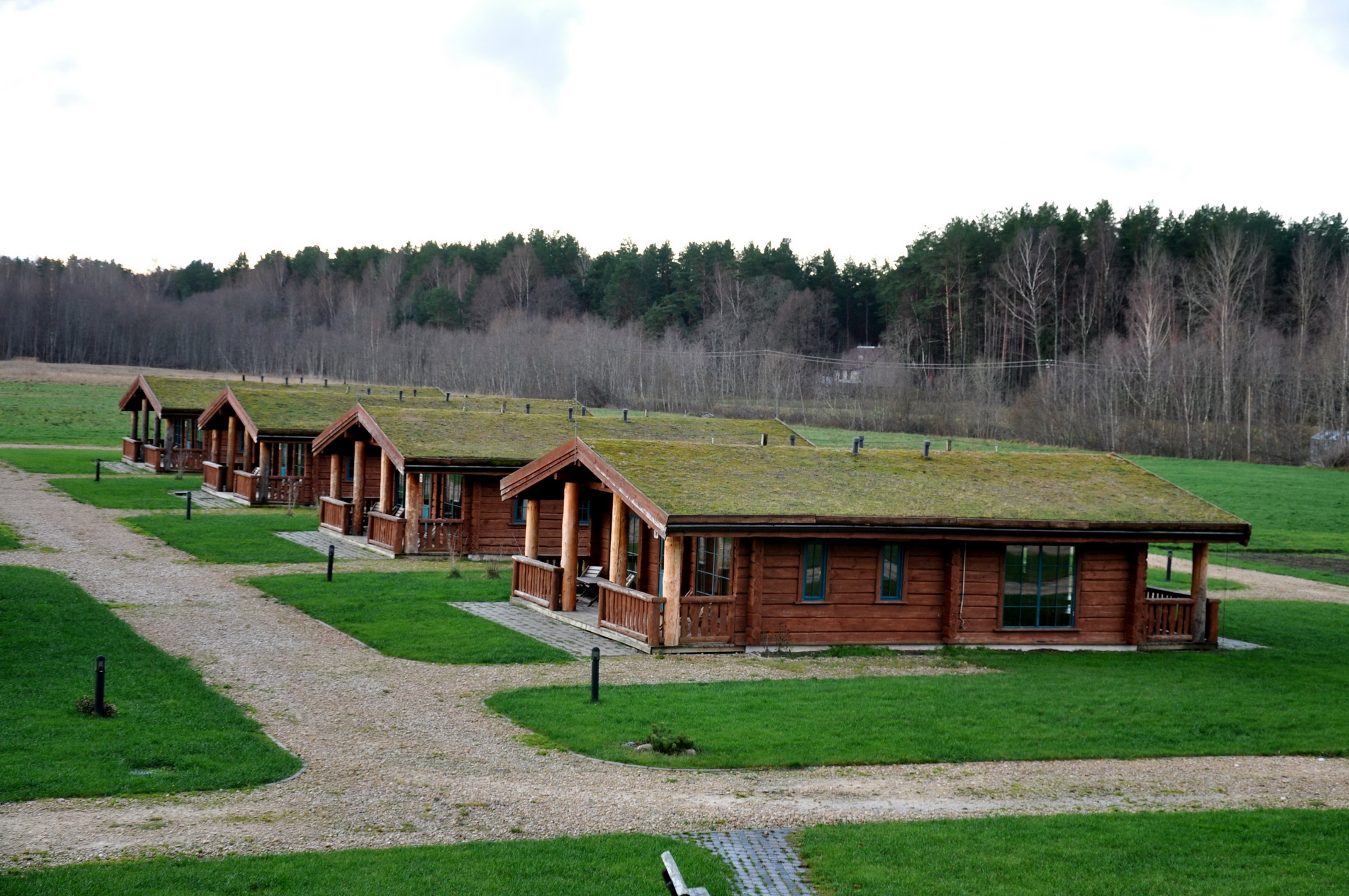
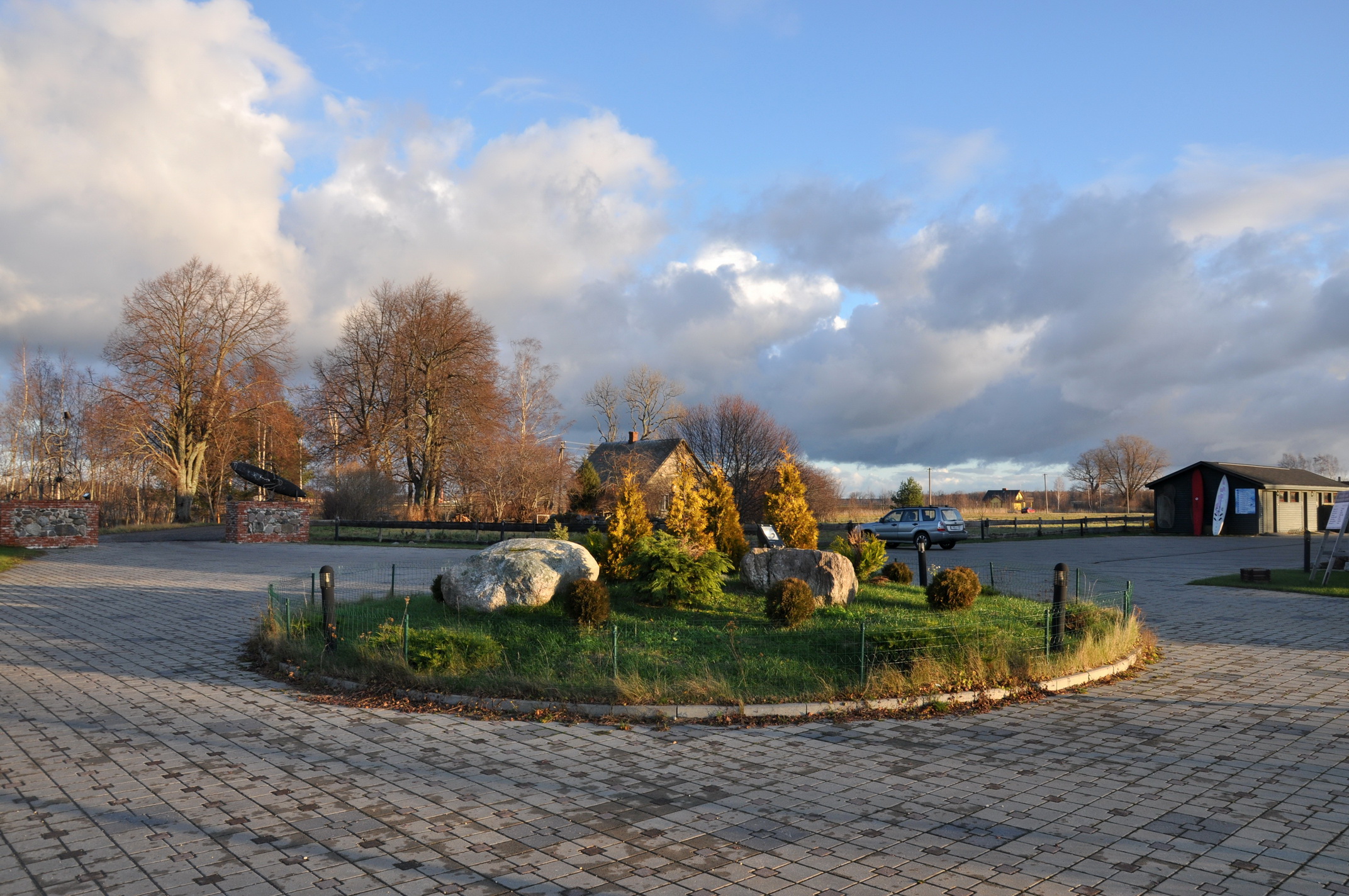
In the evening I got onto the highway along the Gulf of Riga and headed north towards Estonia. Late that night I found a hotel near Salacgrīva, where I spent the night (57°41.205′N, 24°22.024′E).
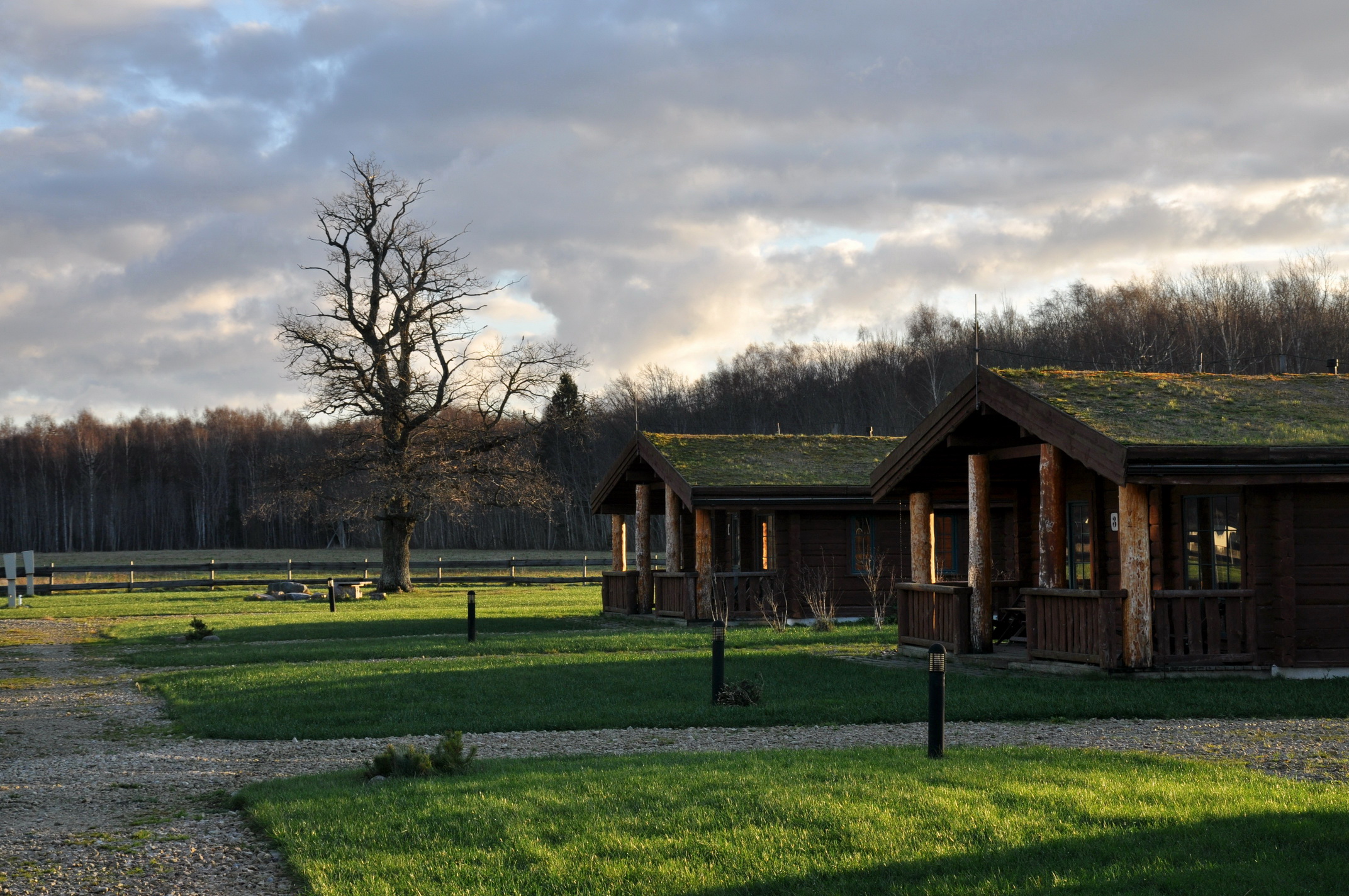
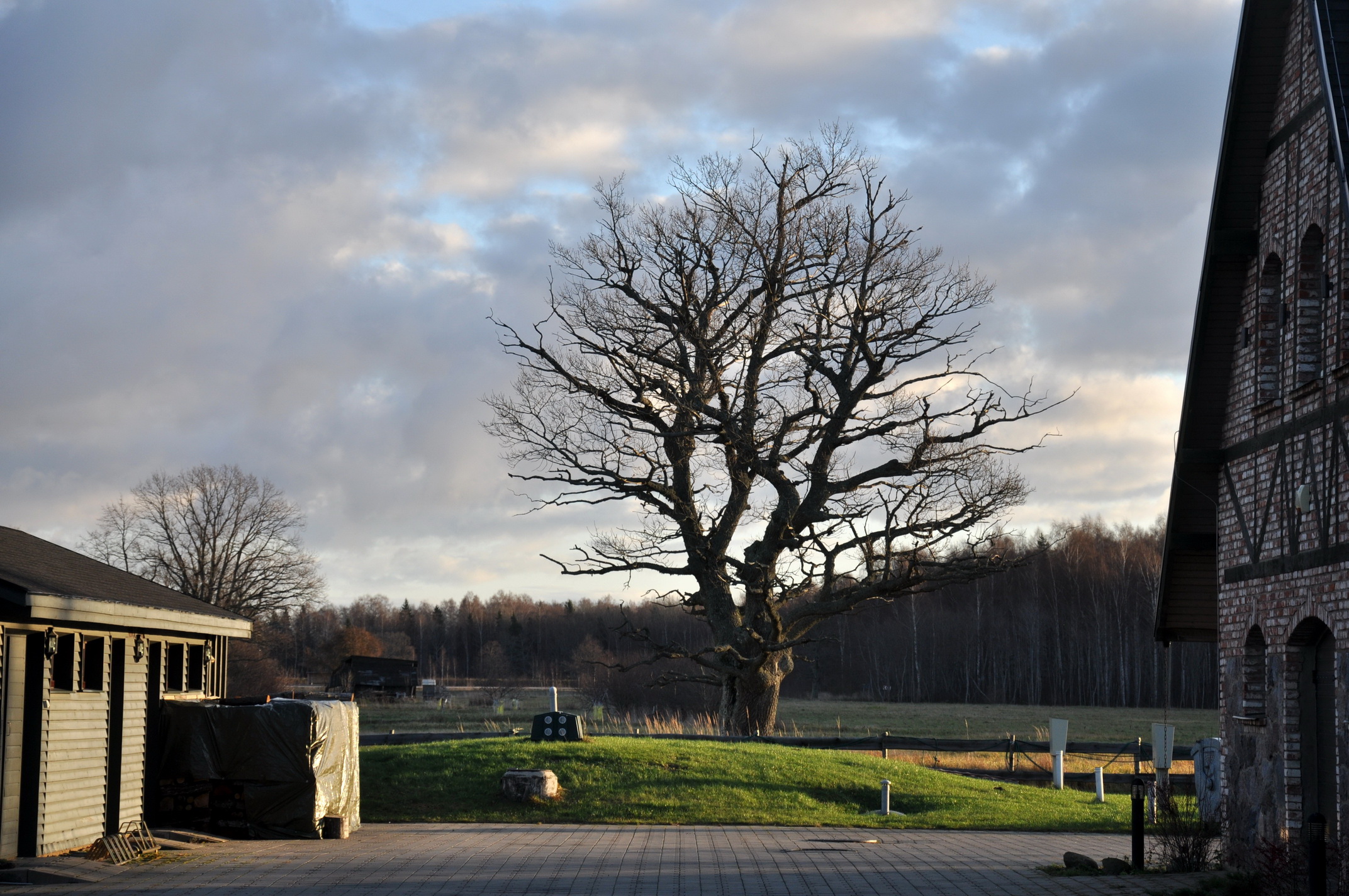
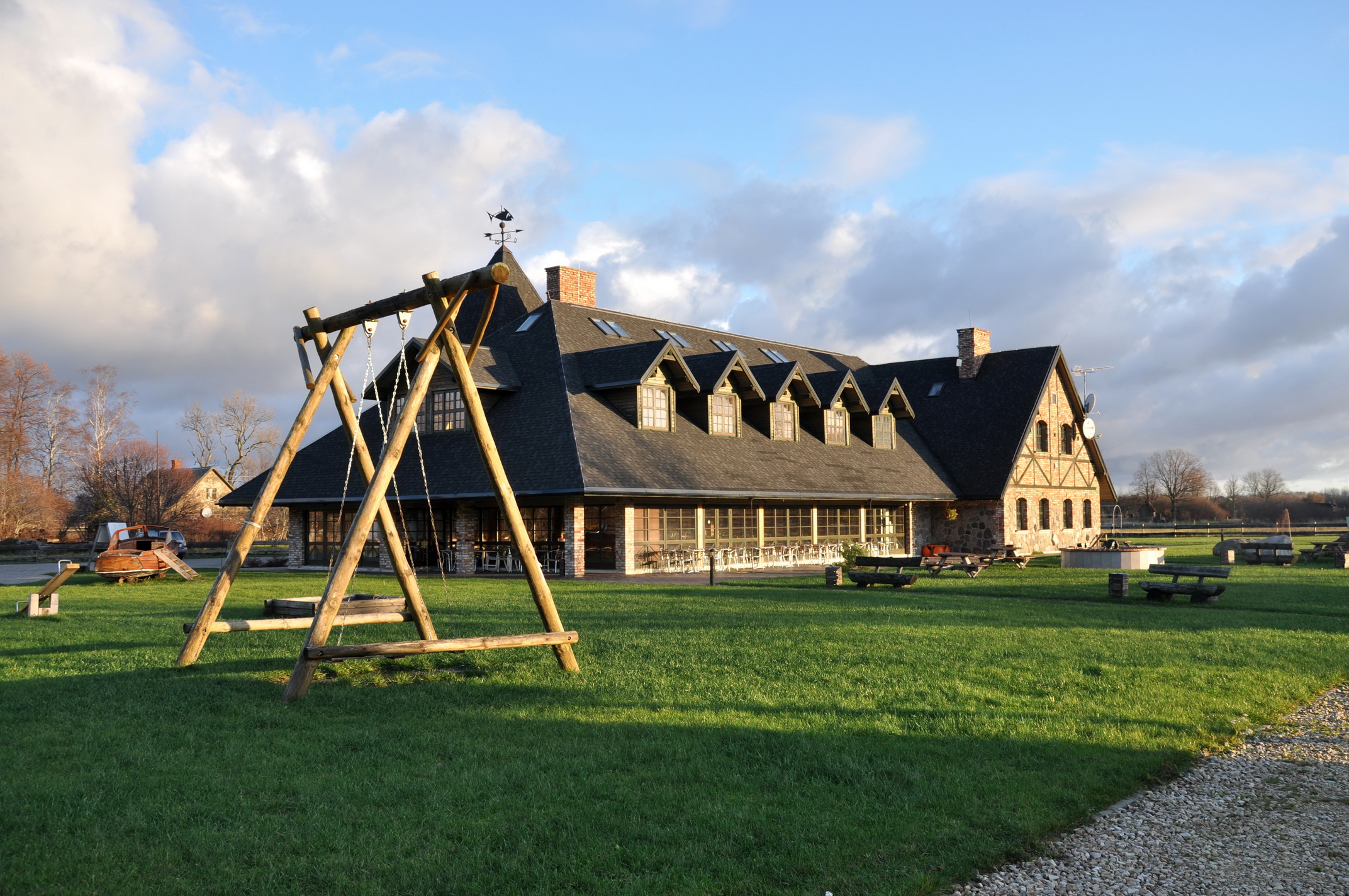
My ancestors lived not far from the town, in the village of Vecsalaca. Baron von Fersen ran the estate. The von Fersens were a remarkable family. Their founder was the Baltic German Otto de Versne, first mentioned in 1264. A number of distinguished Fersens followed. Otto Wilhelm (1623–1703) was a field marshal and governor-general of Ingria. Vasily Nikolayevich Fersen (1858–1937), a Russian naval officer and vice admiral, was a hero of the Battle of Tsushima. There were plenty of others.
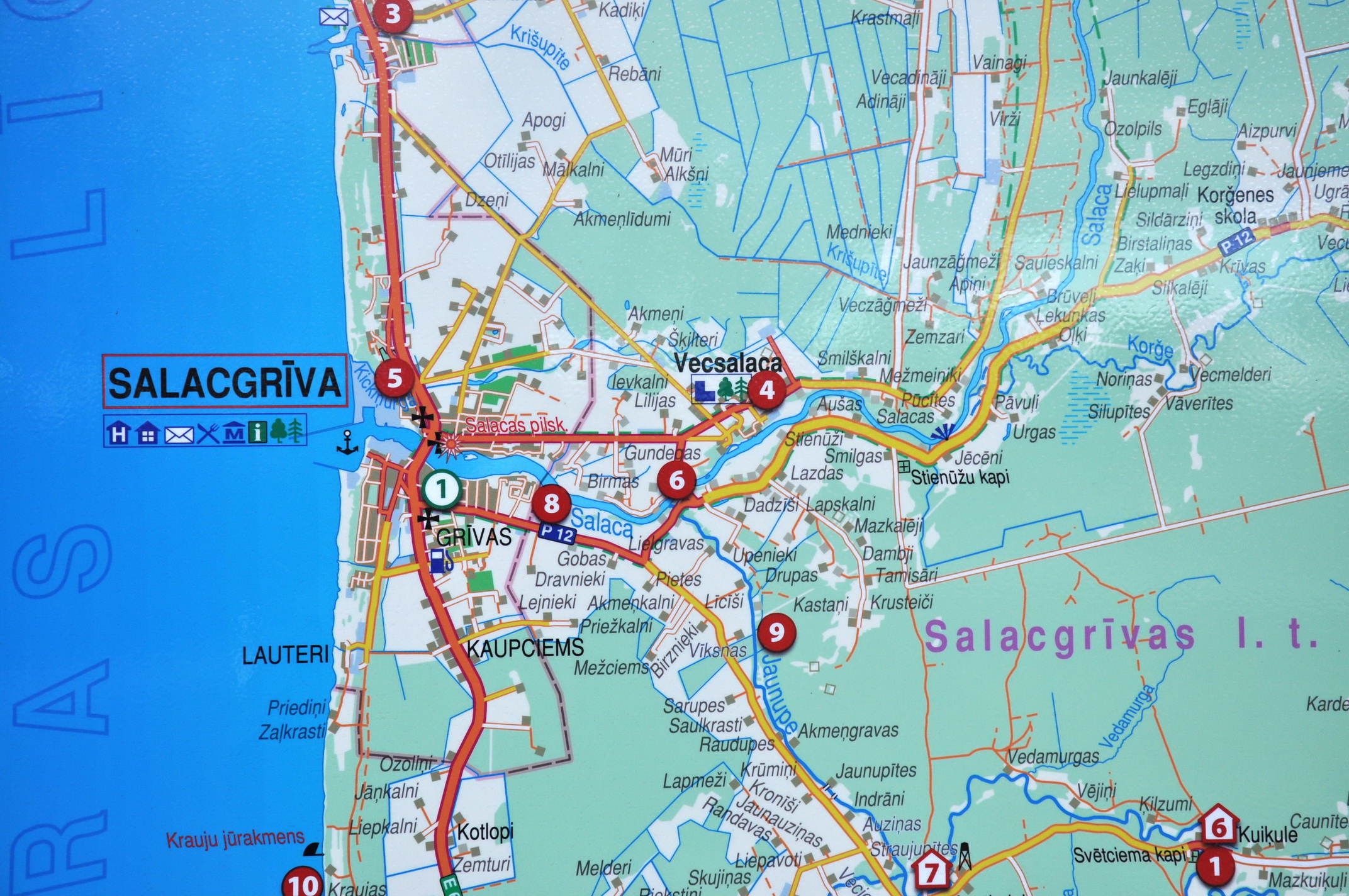
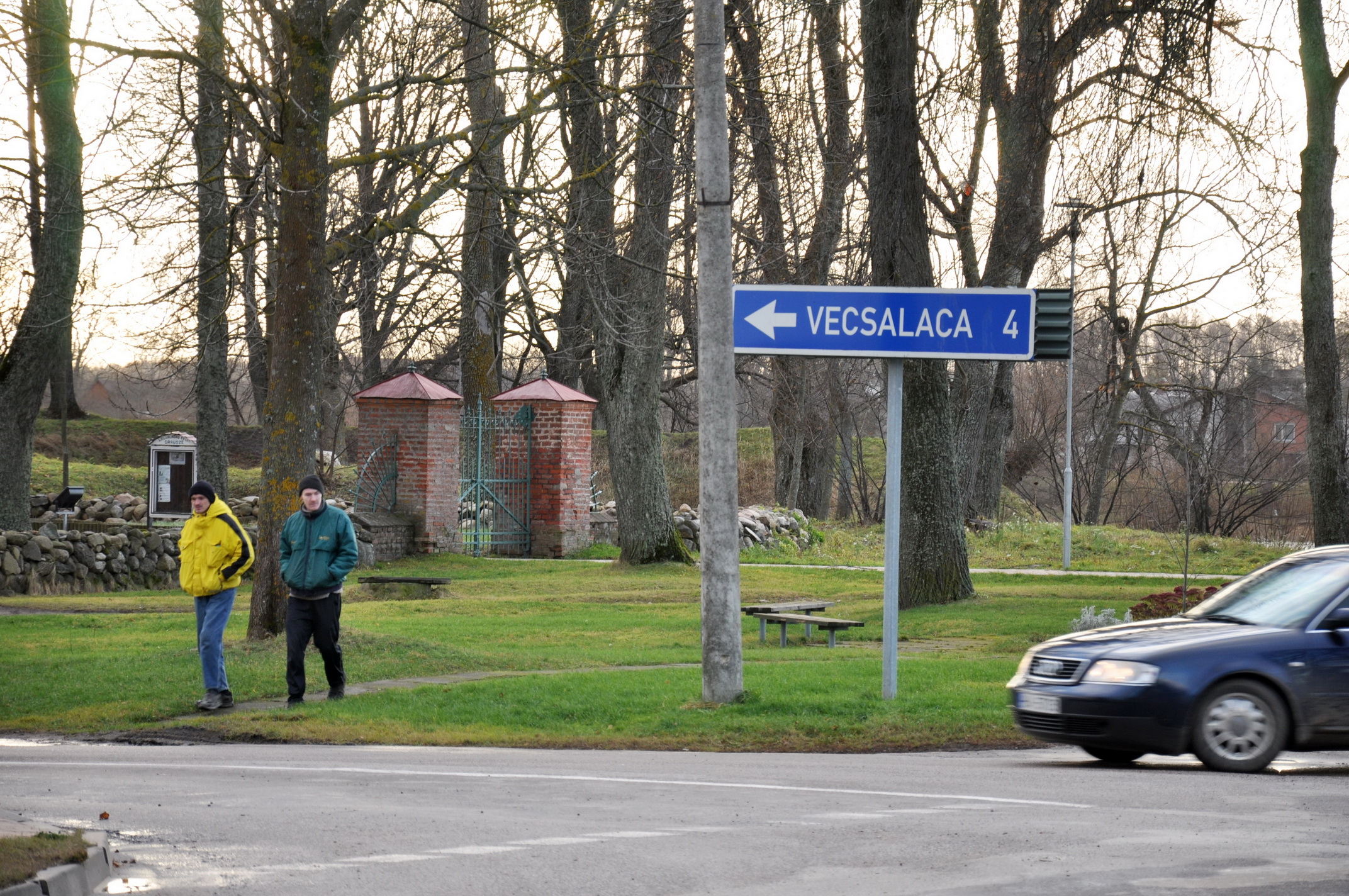
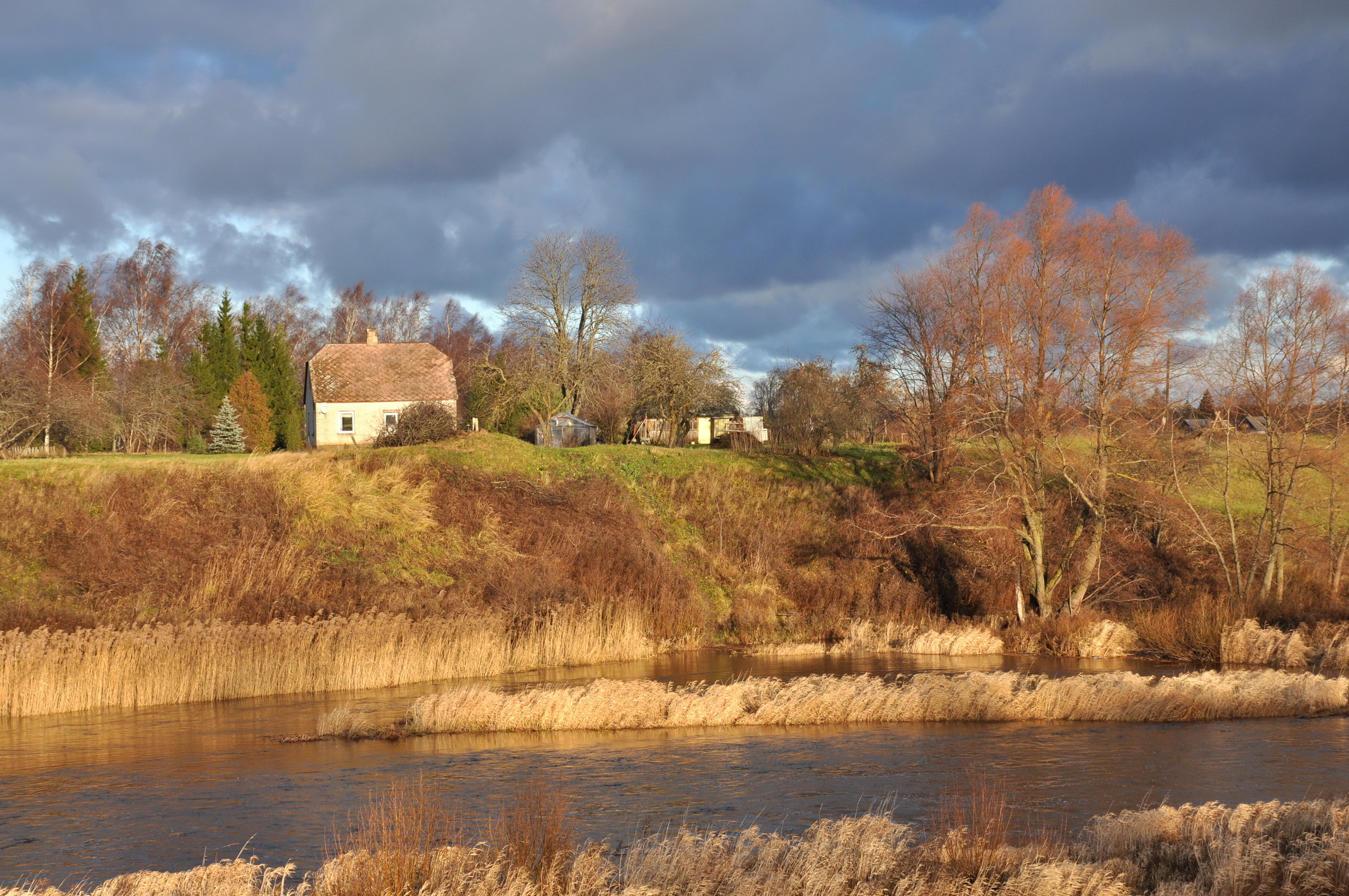
They settled in Vecsalaca at the beginning of the eighteenth century and set about building the world of tomorrow in the spirit of Europe’s progressive ideas. They built the first reinforced-concrete bridge in the Baltics across the River Salaca. It’s still in use, by the way. They built their farm buildings properly. In stone. Here everything was built to last for centuries. They put up a stone monument even where the dogs lay buried.
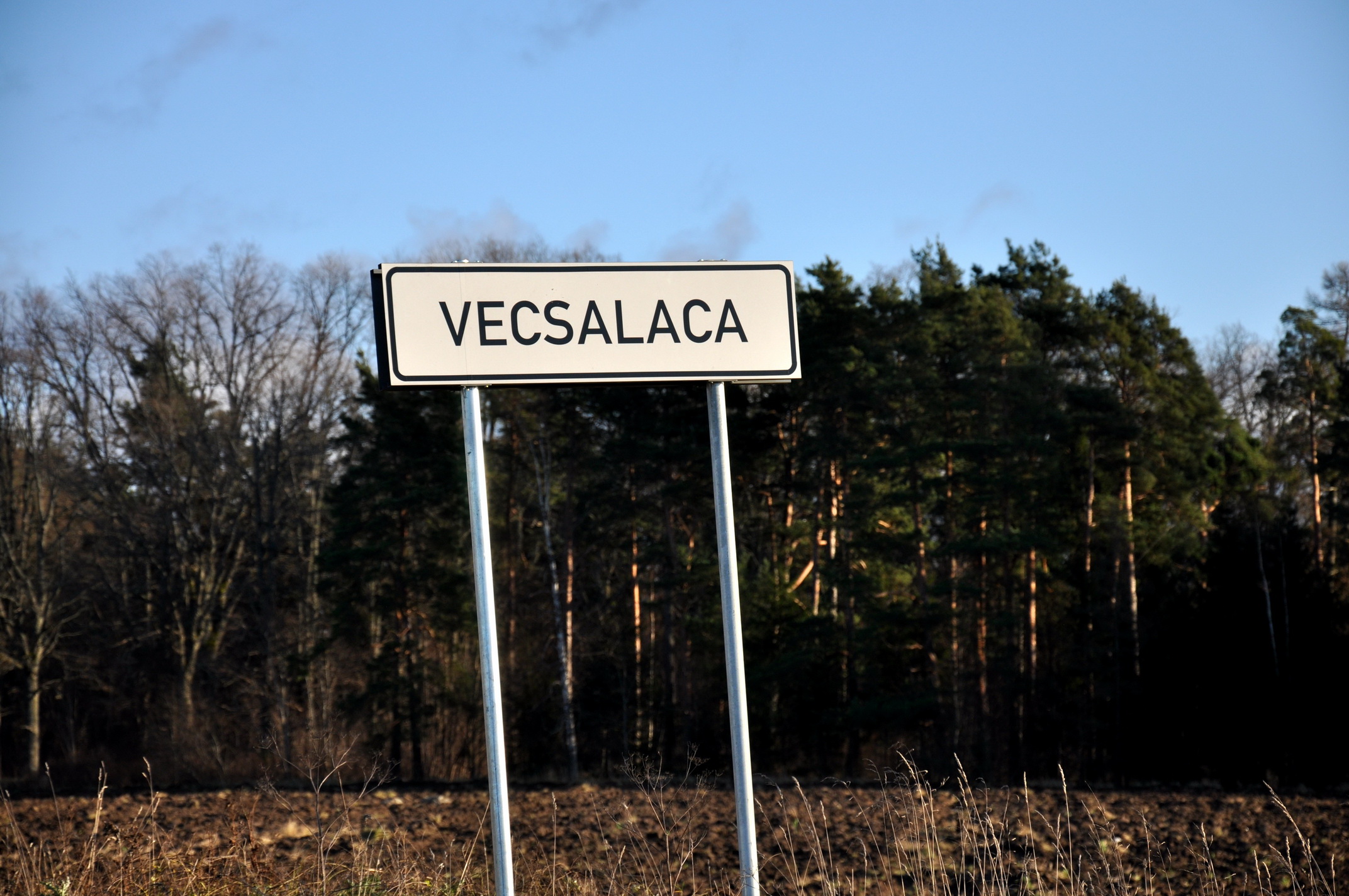
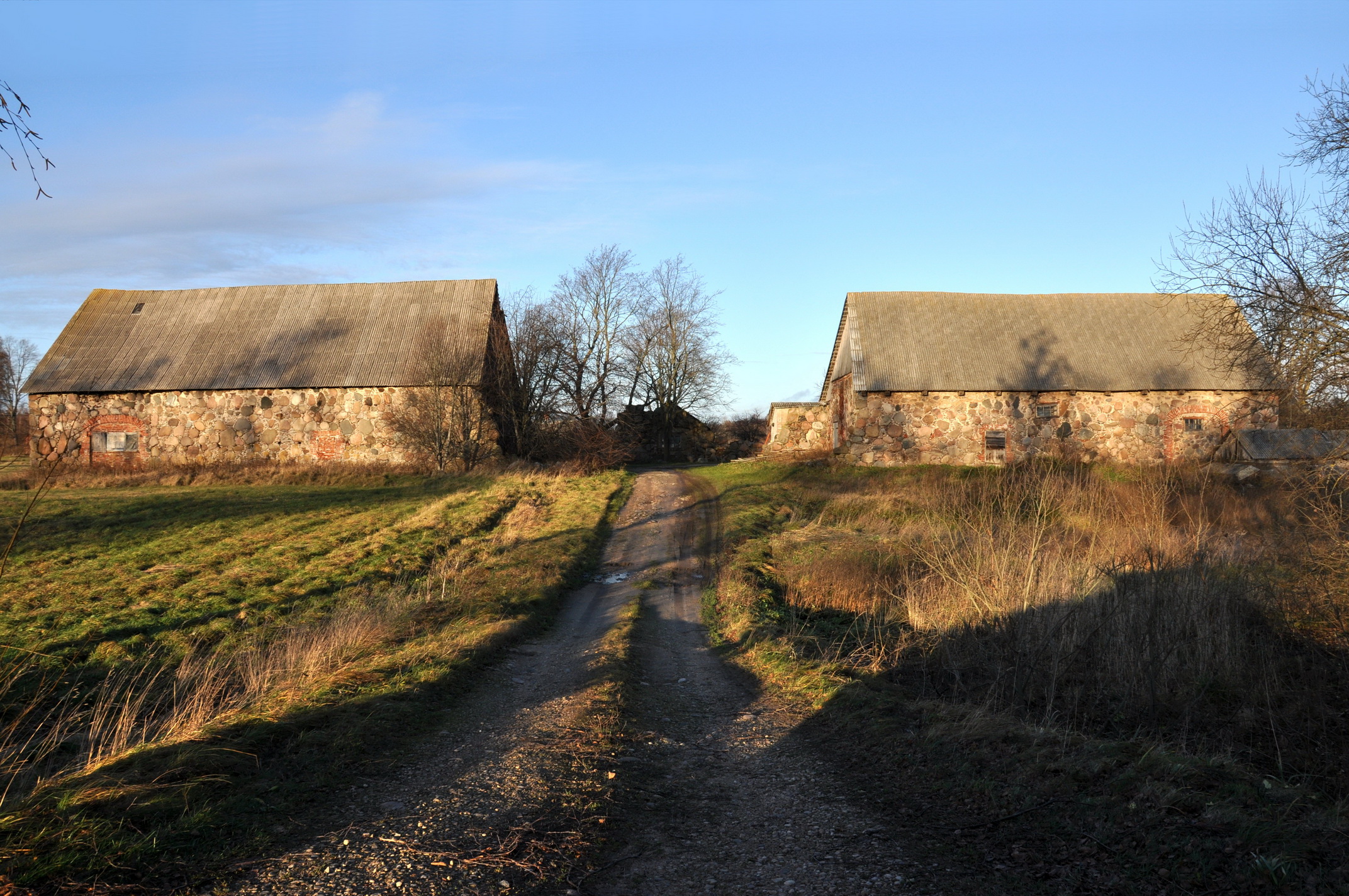
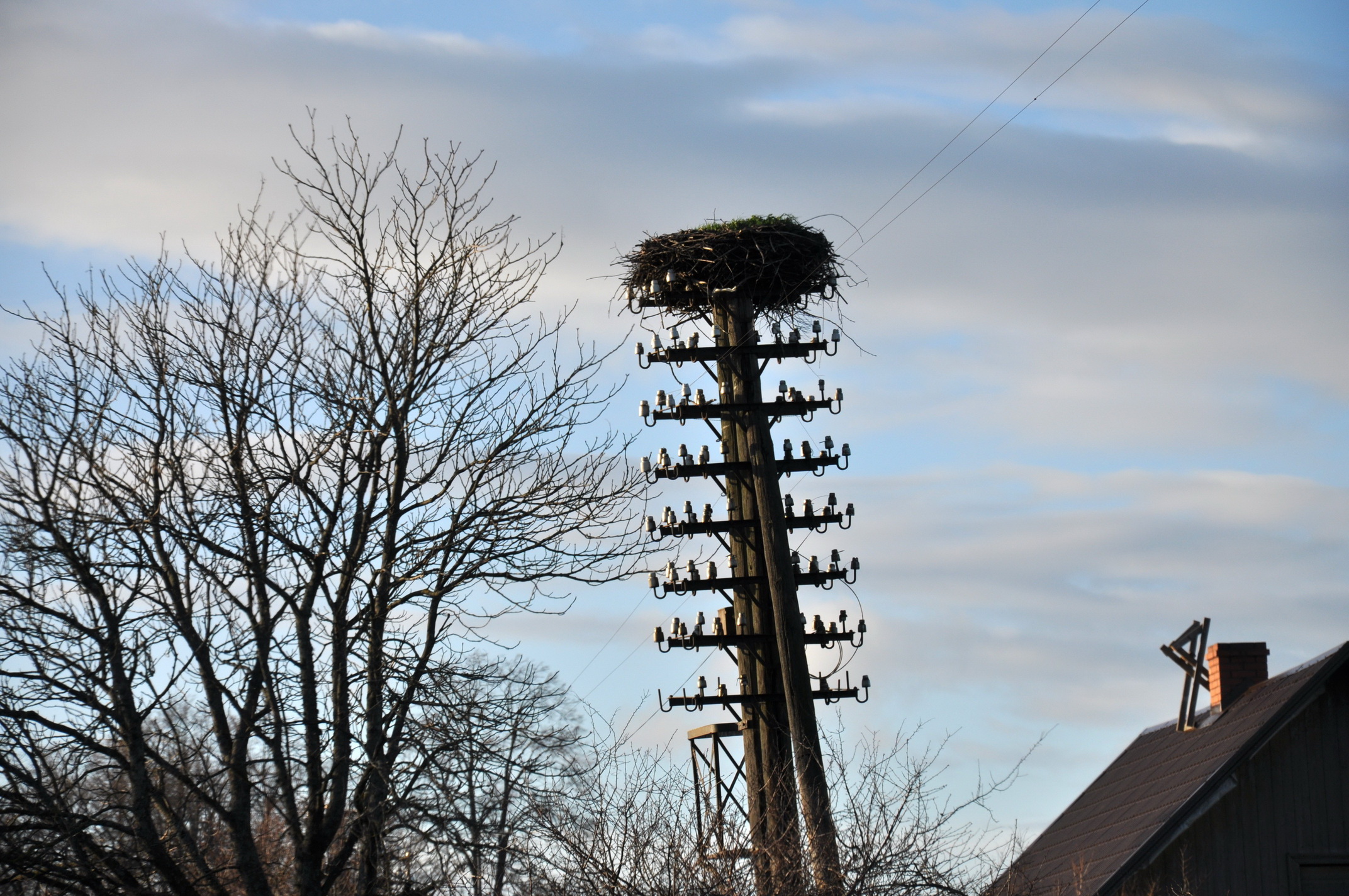
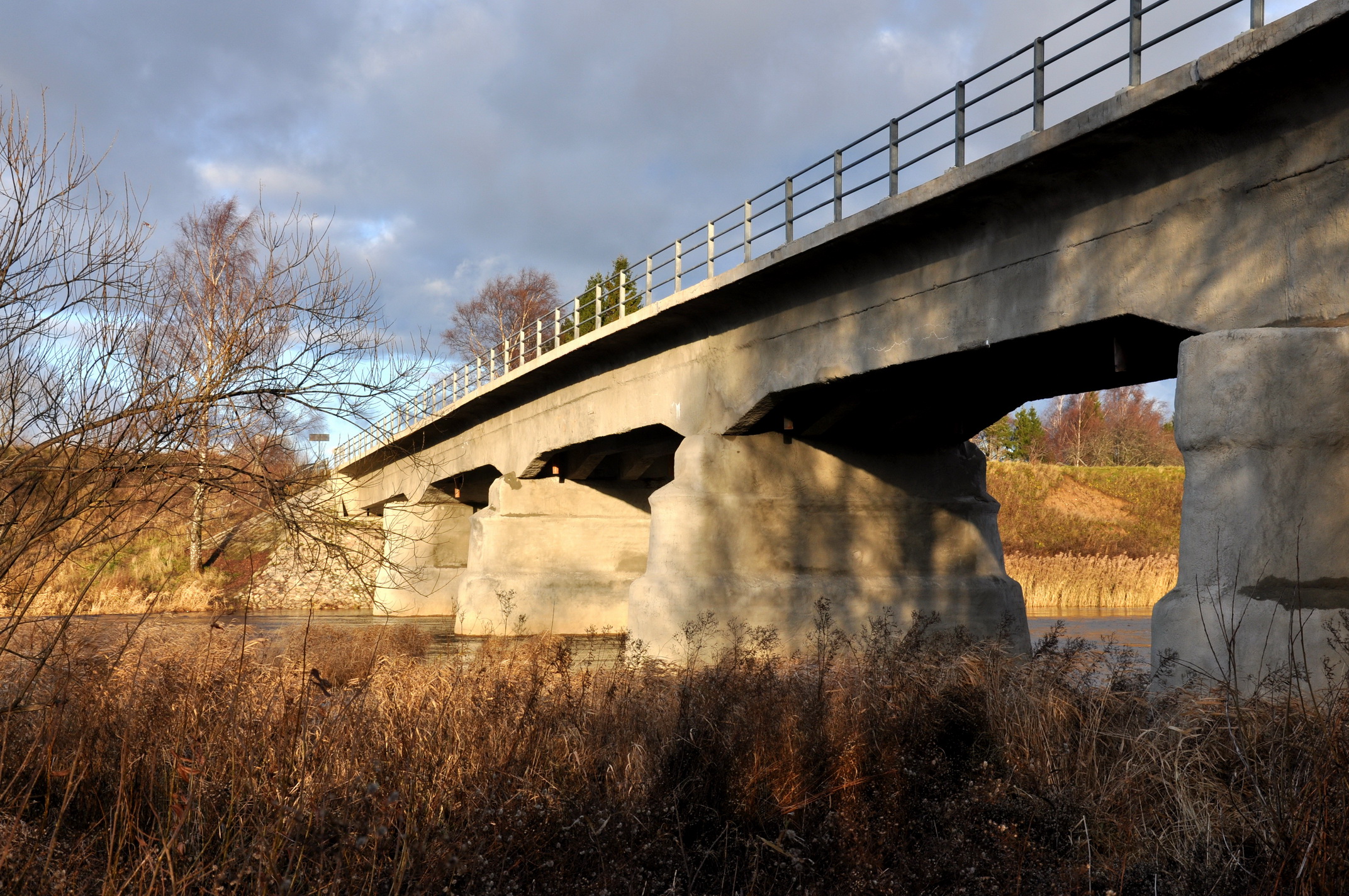
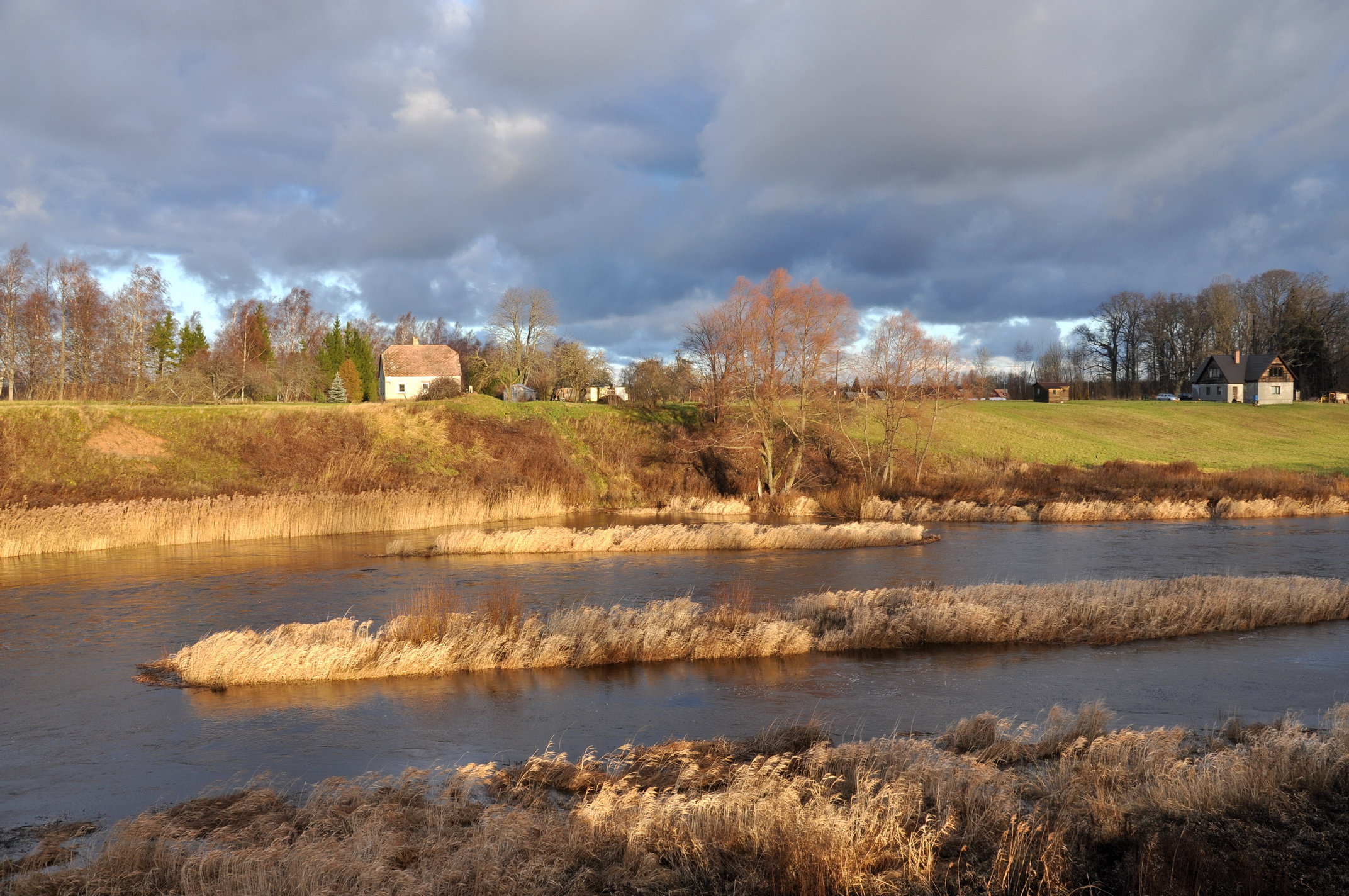
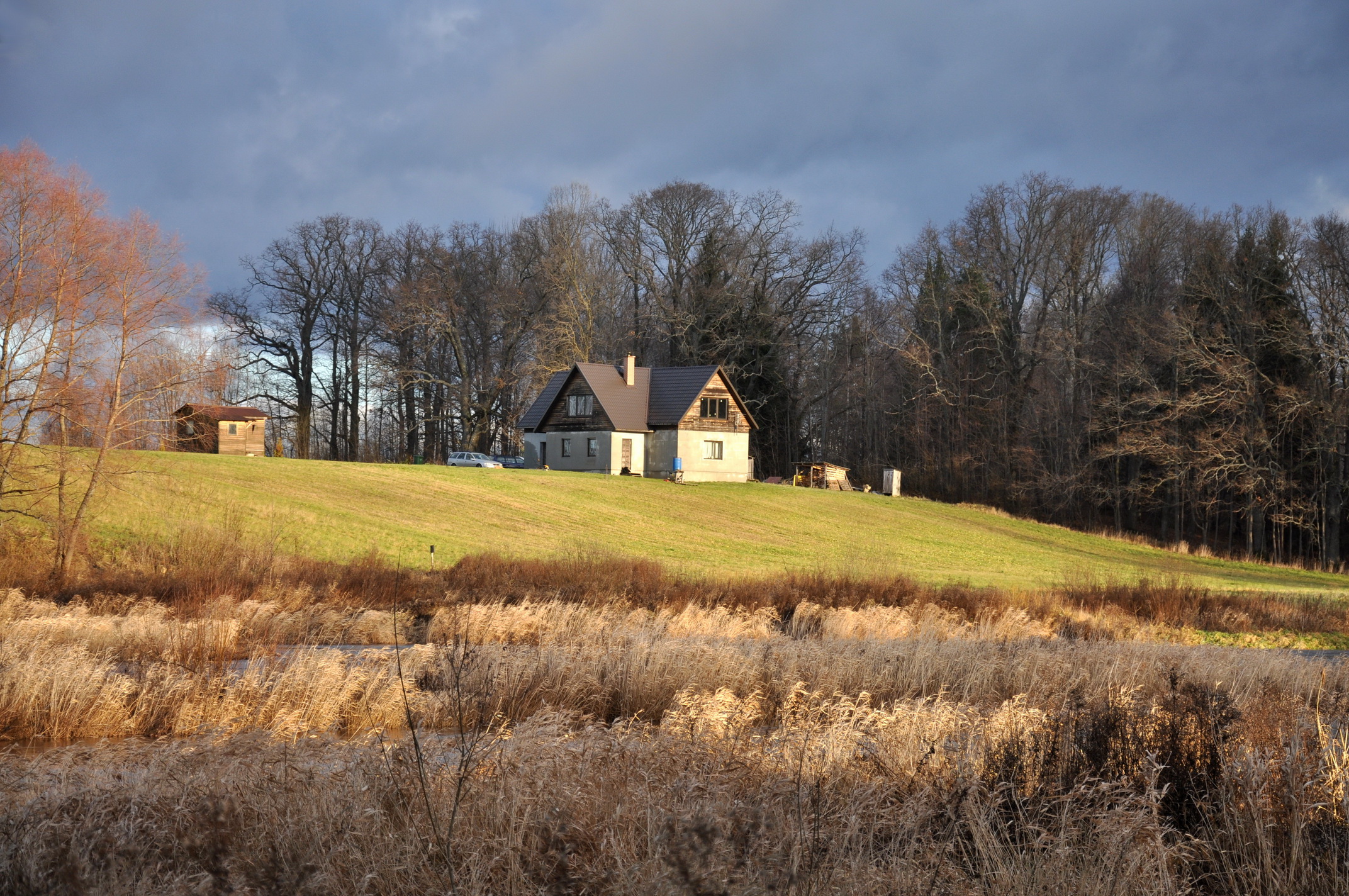
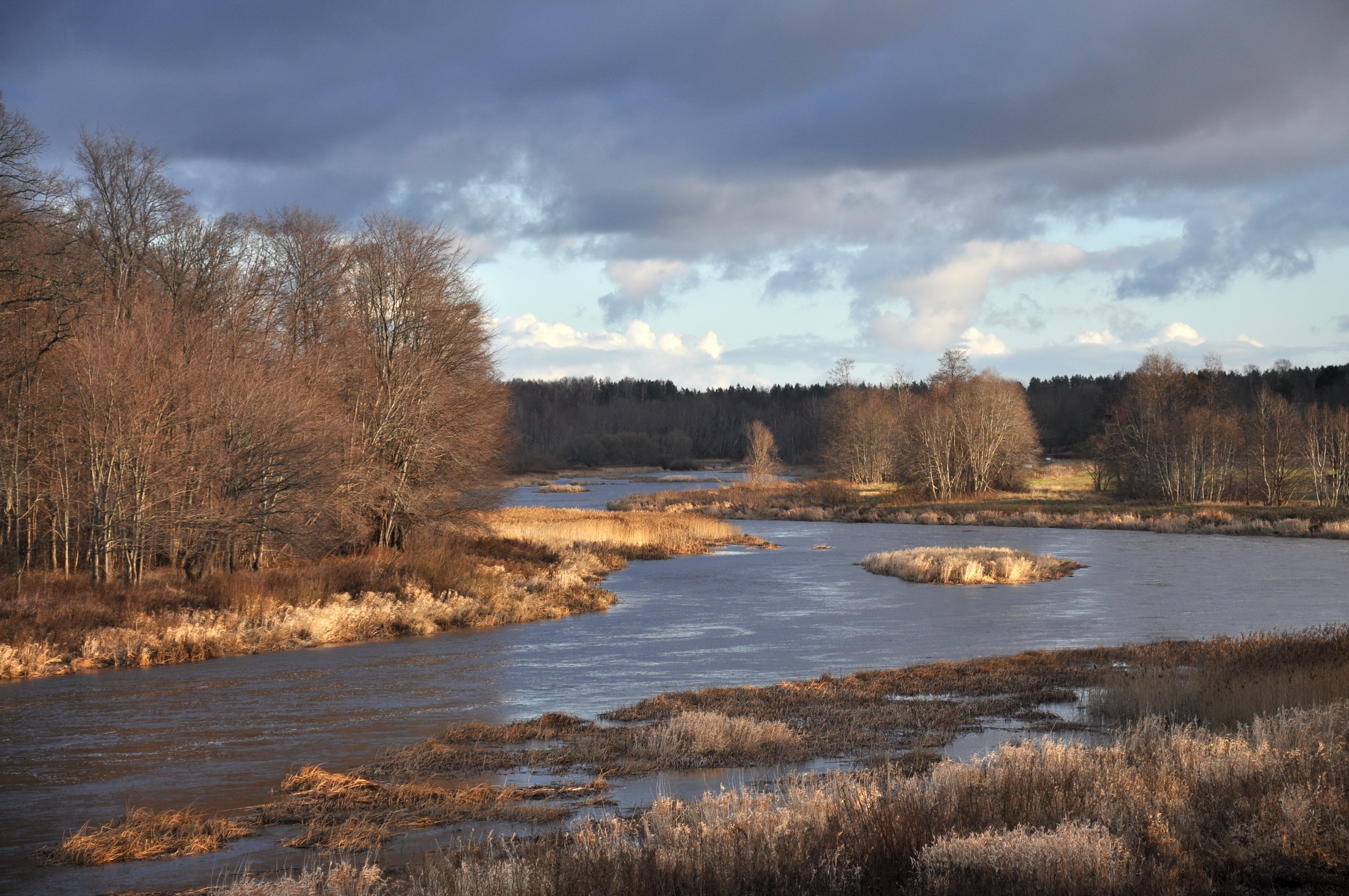
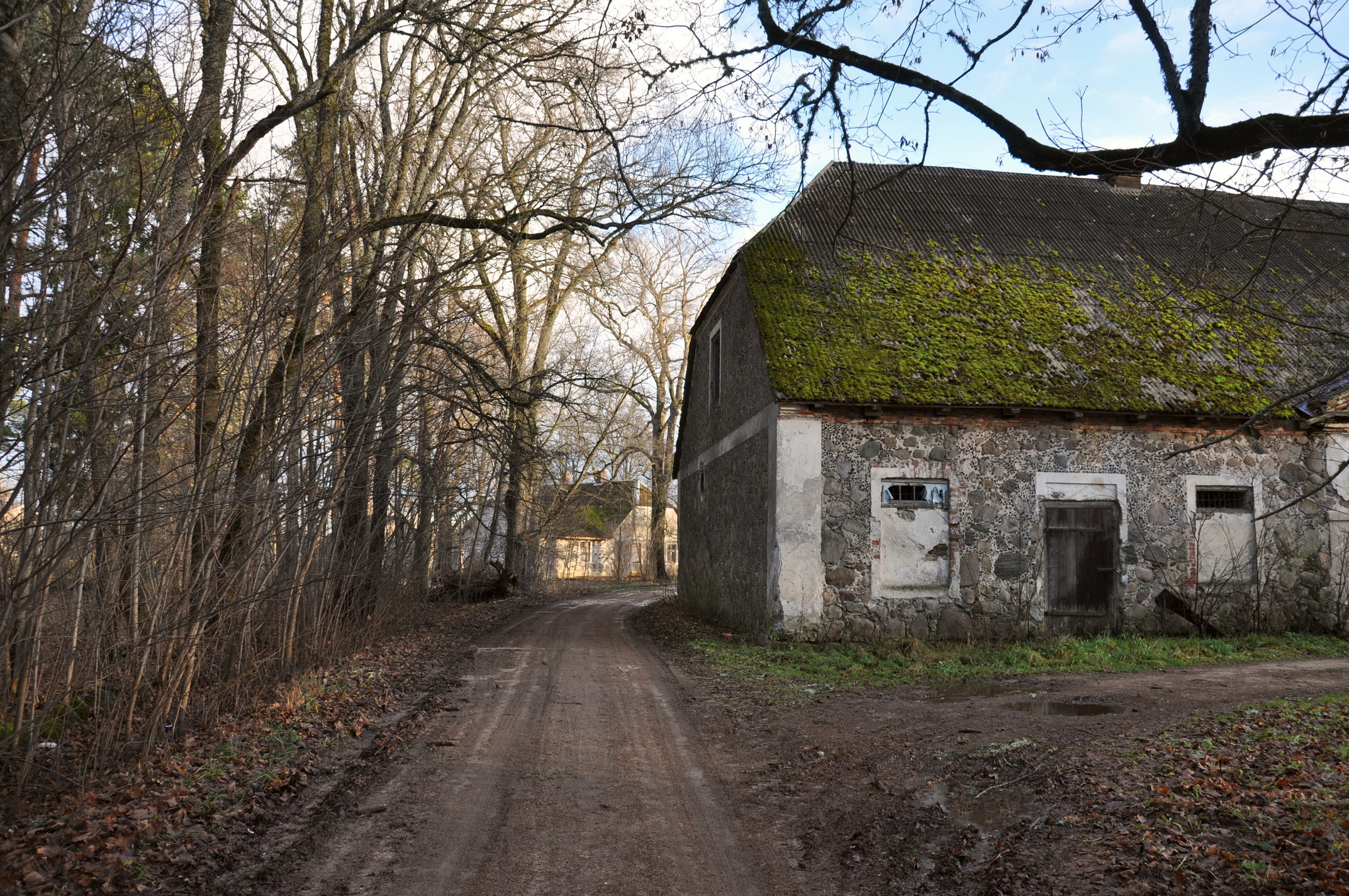
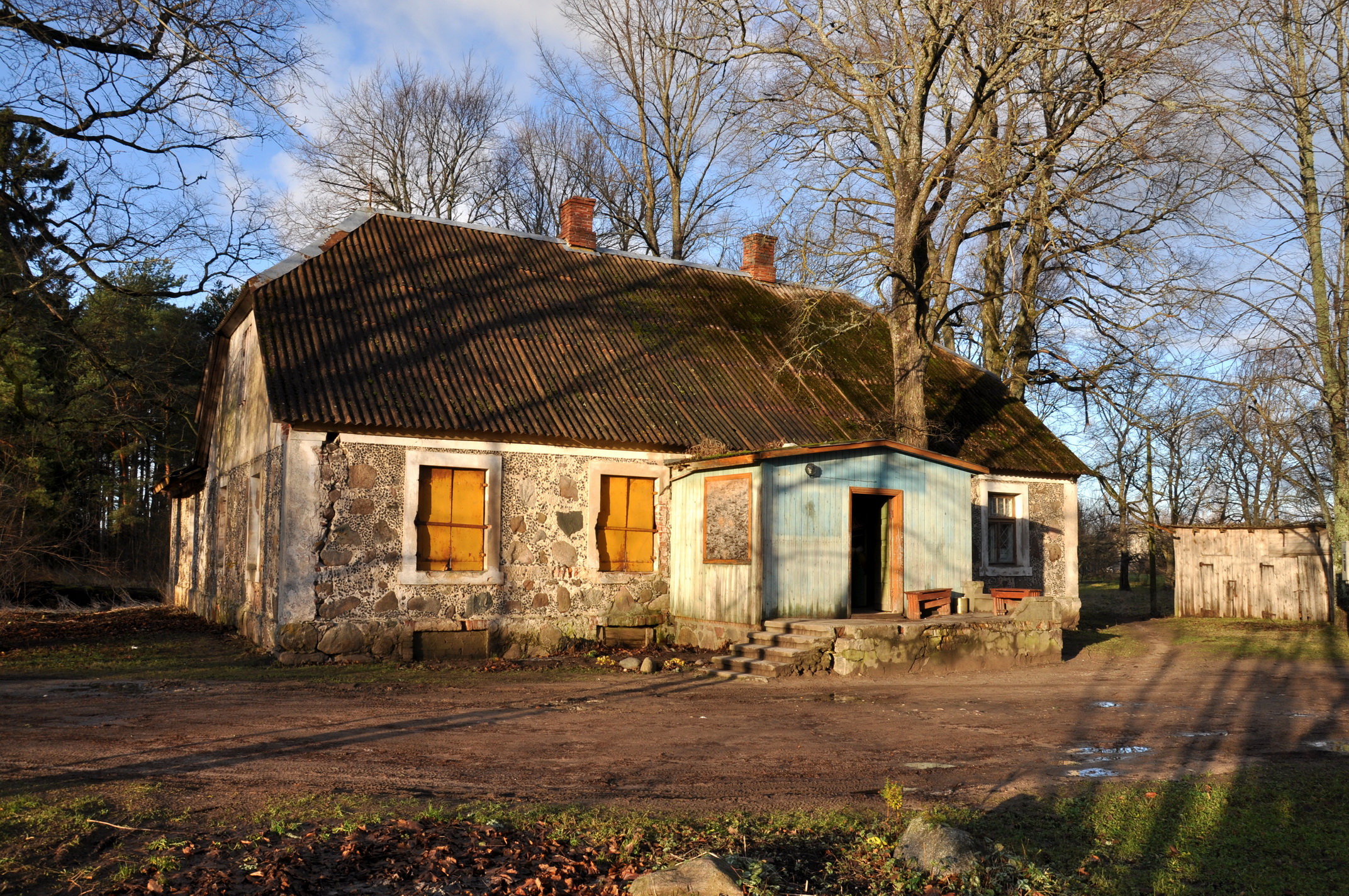
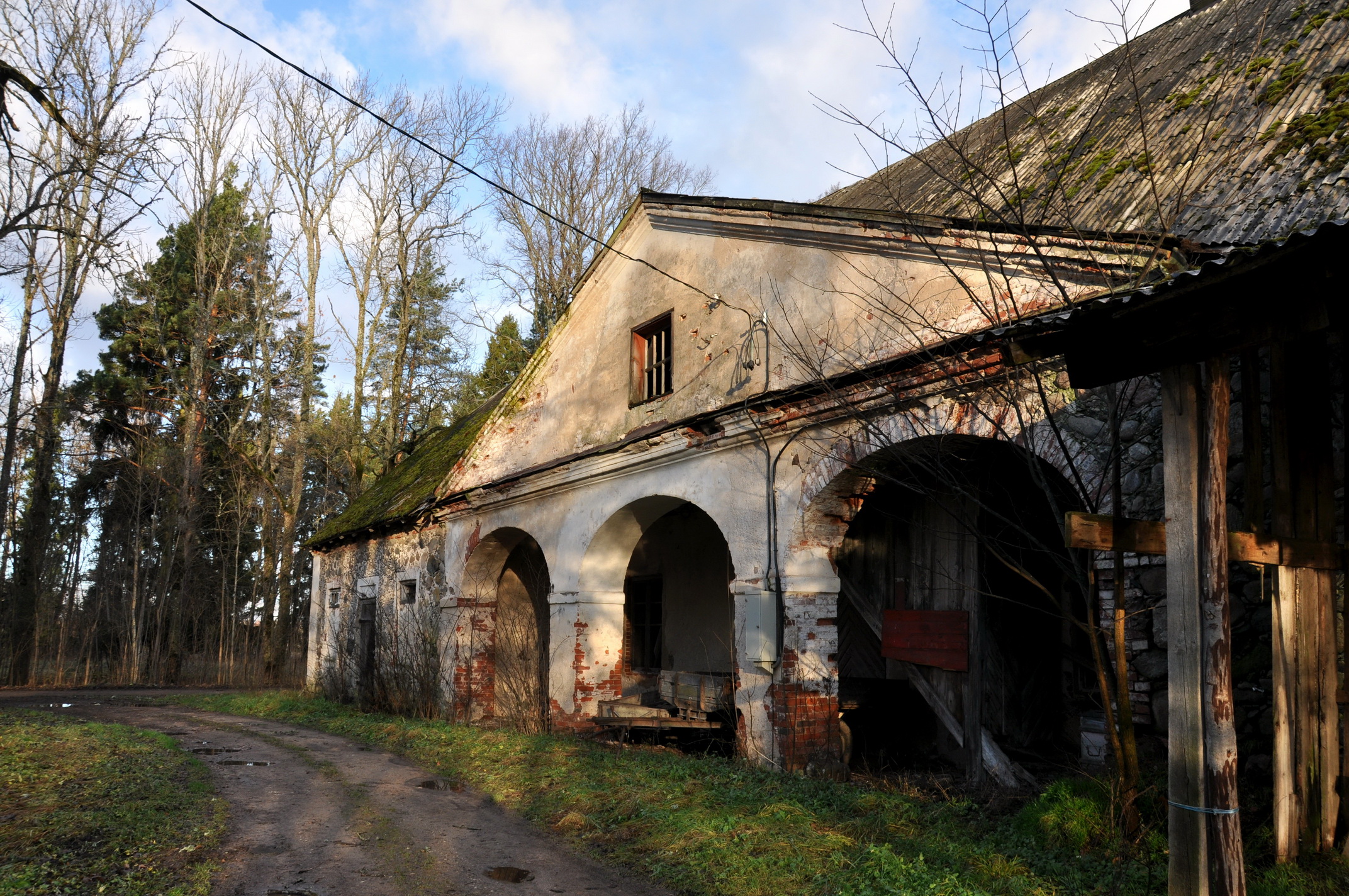
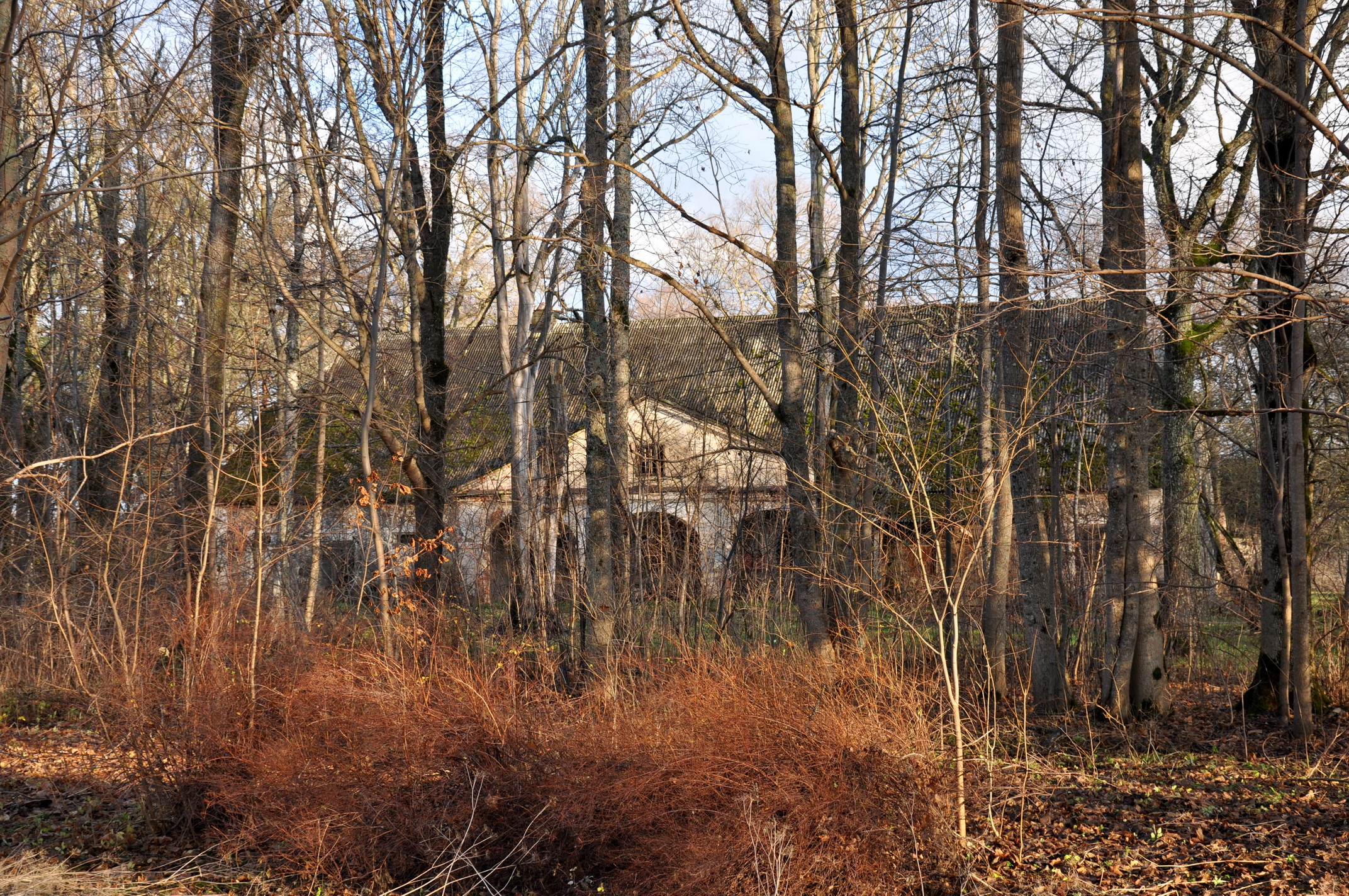
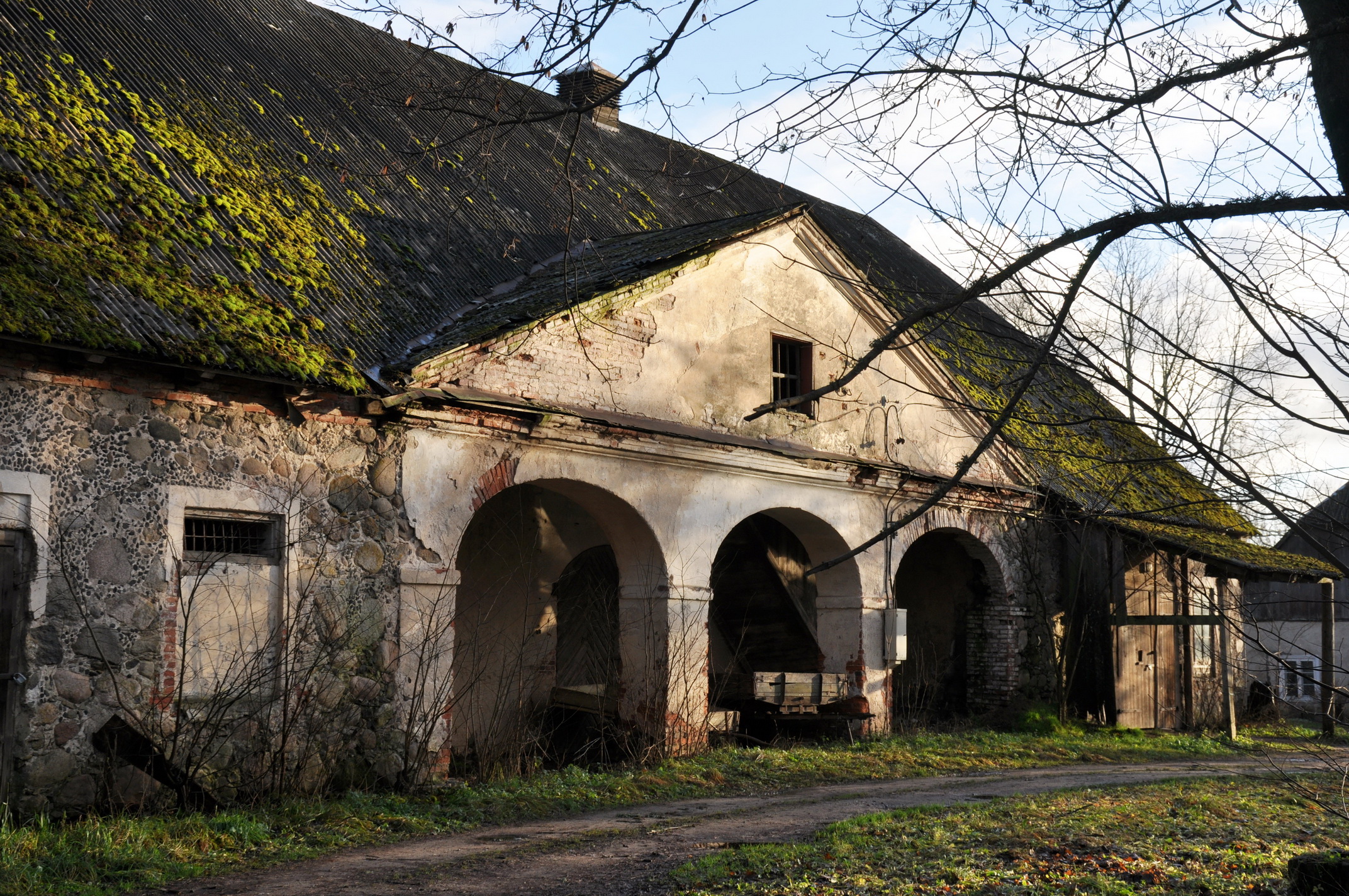
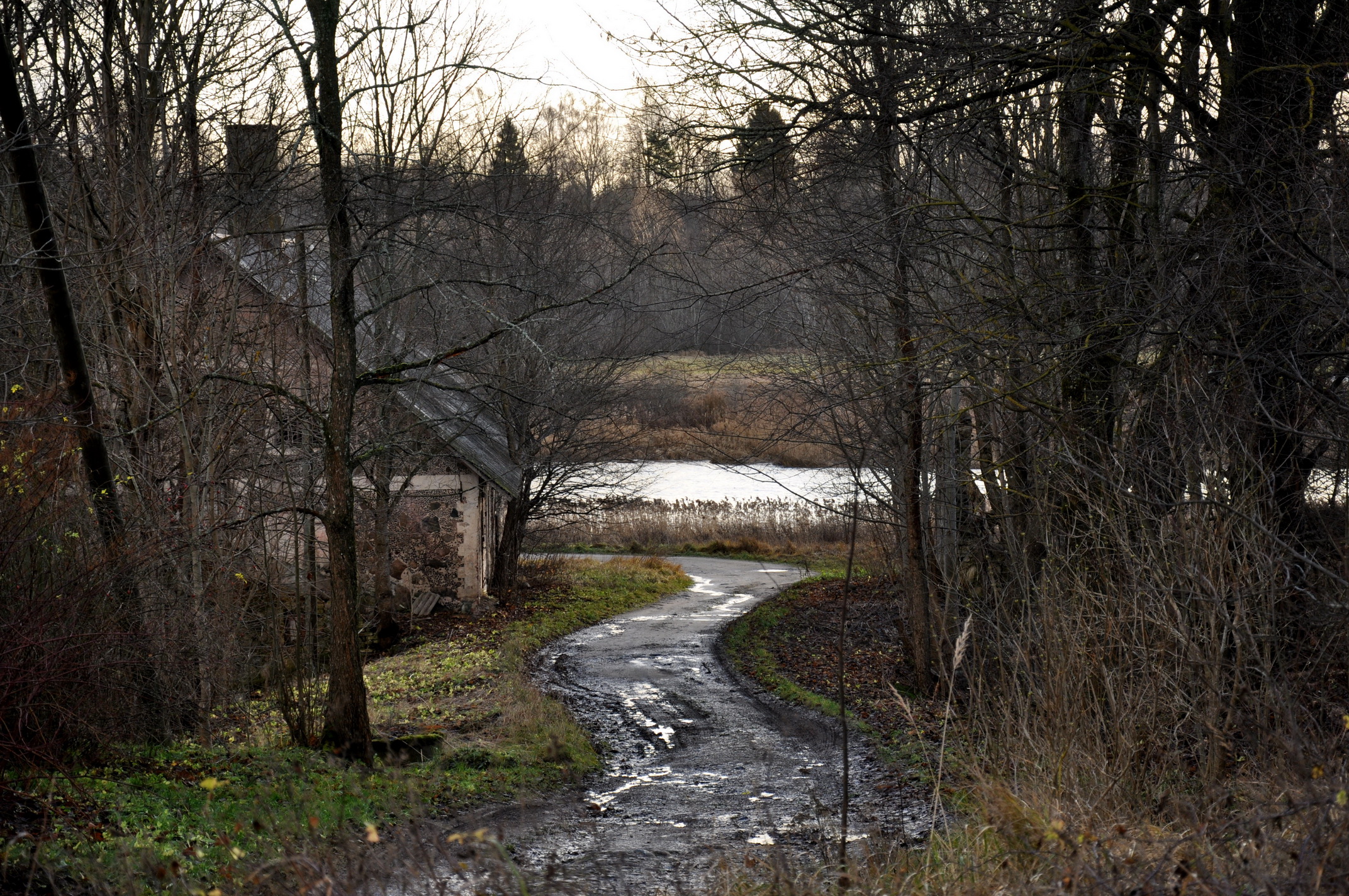
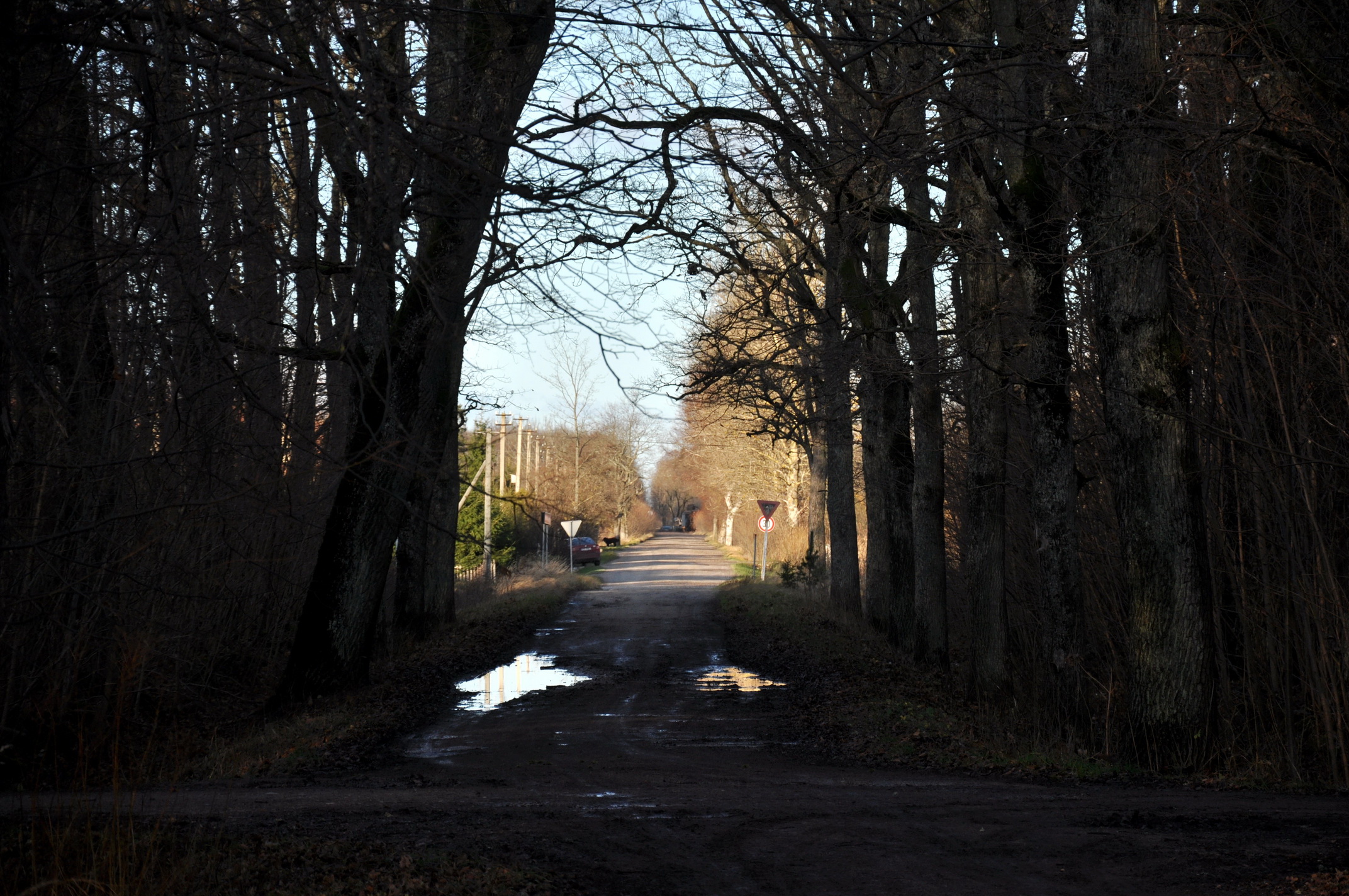
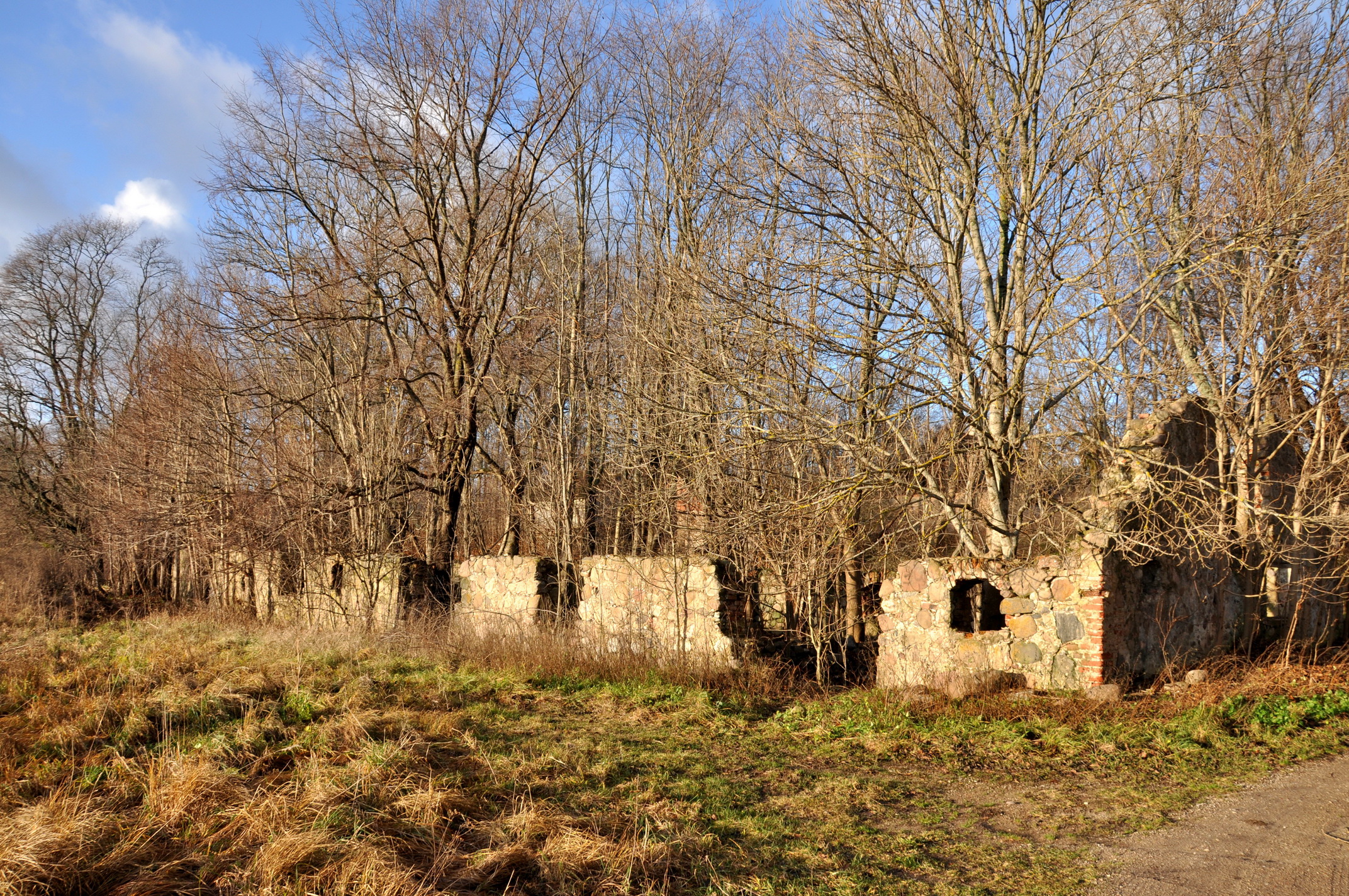
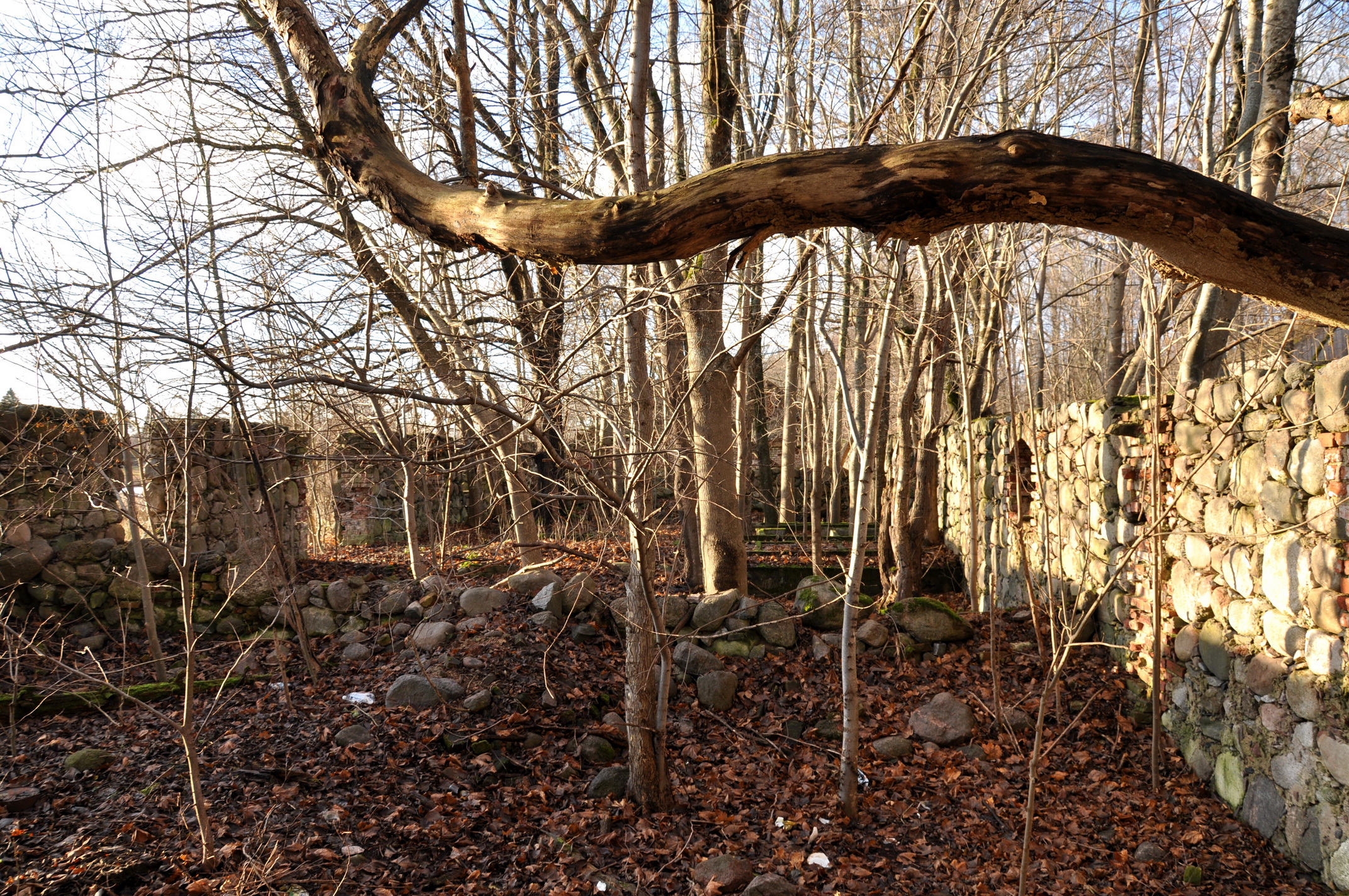
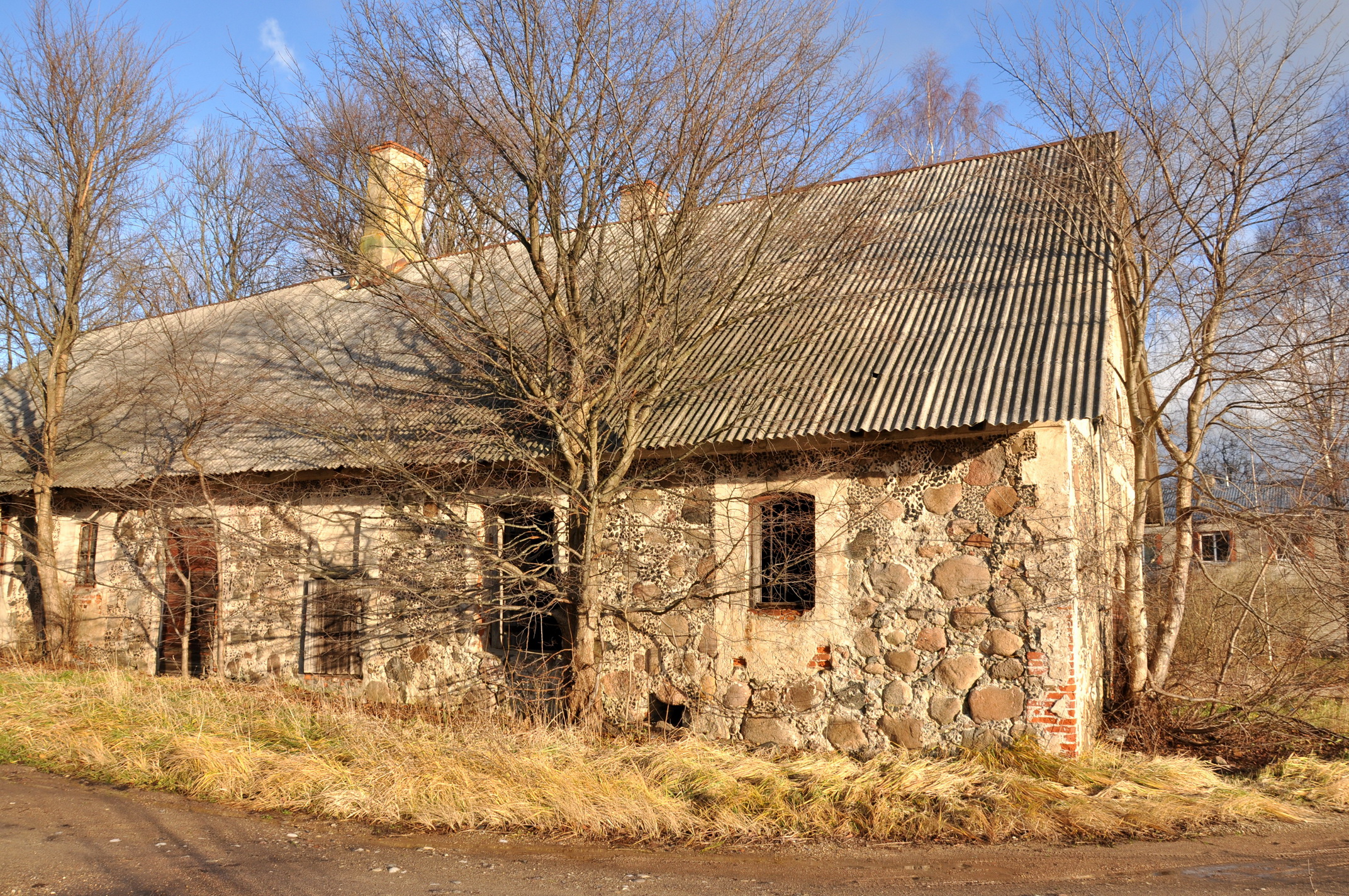
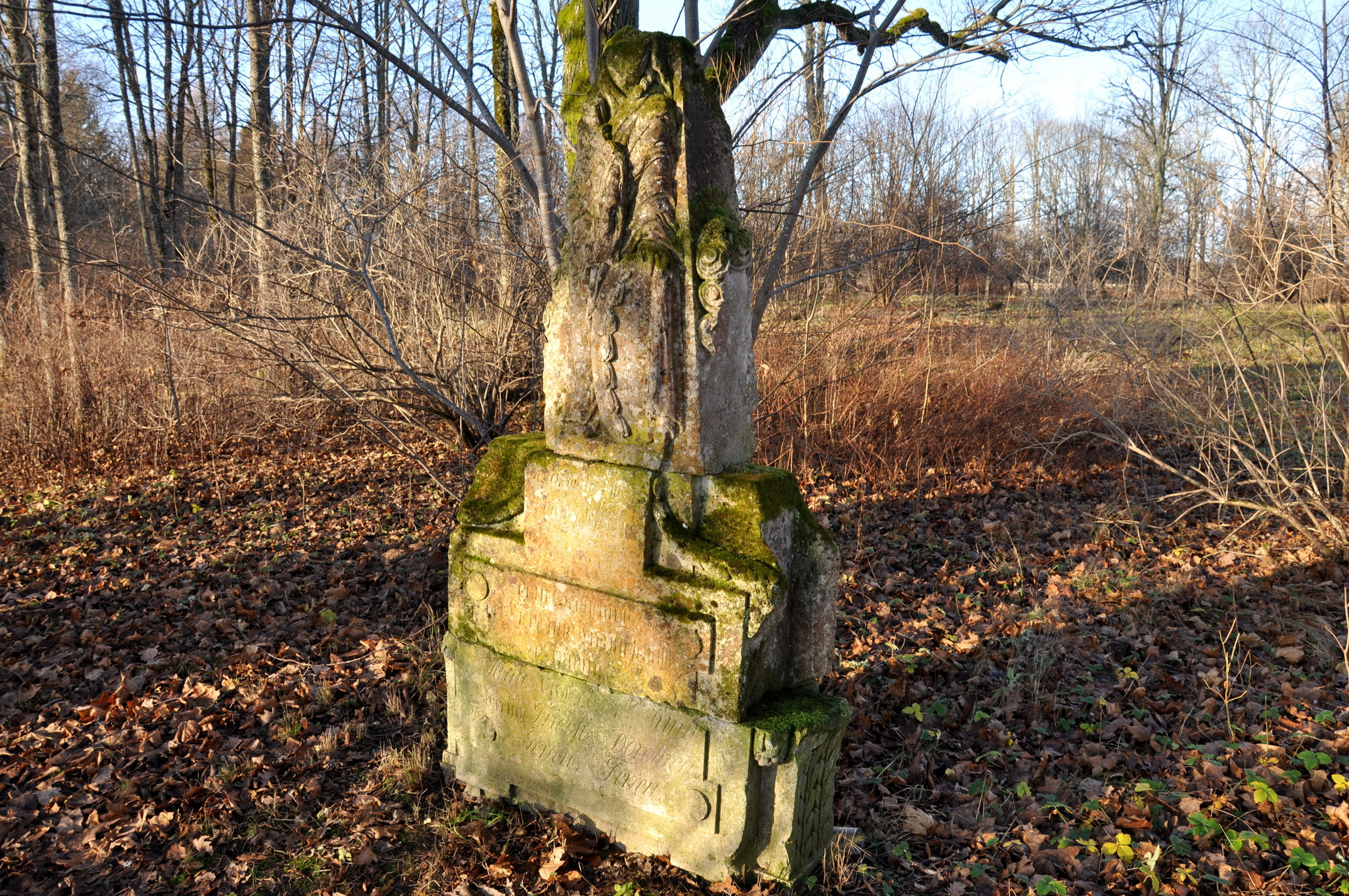
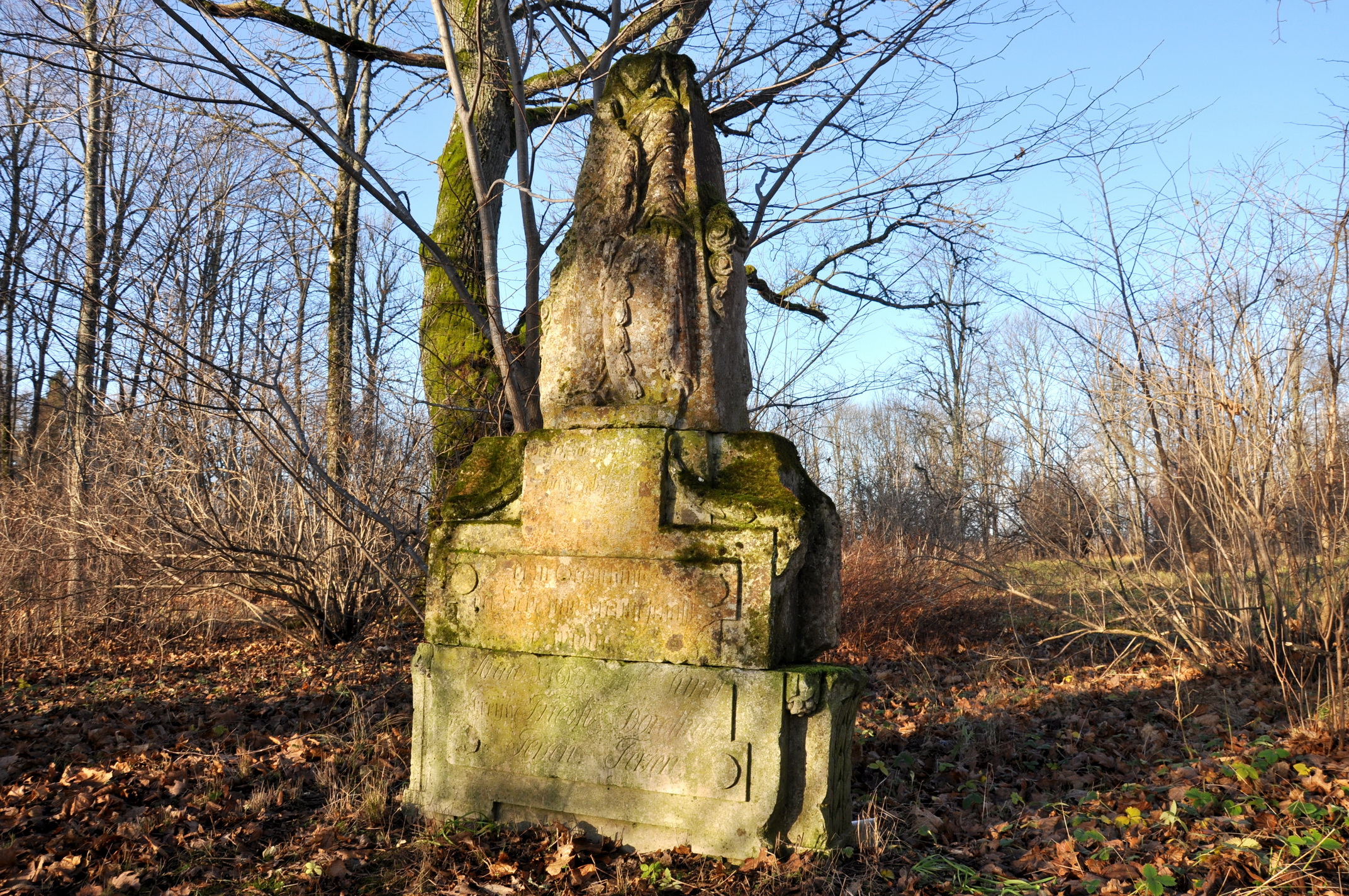
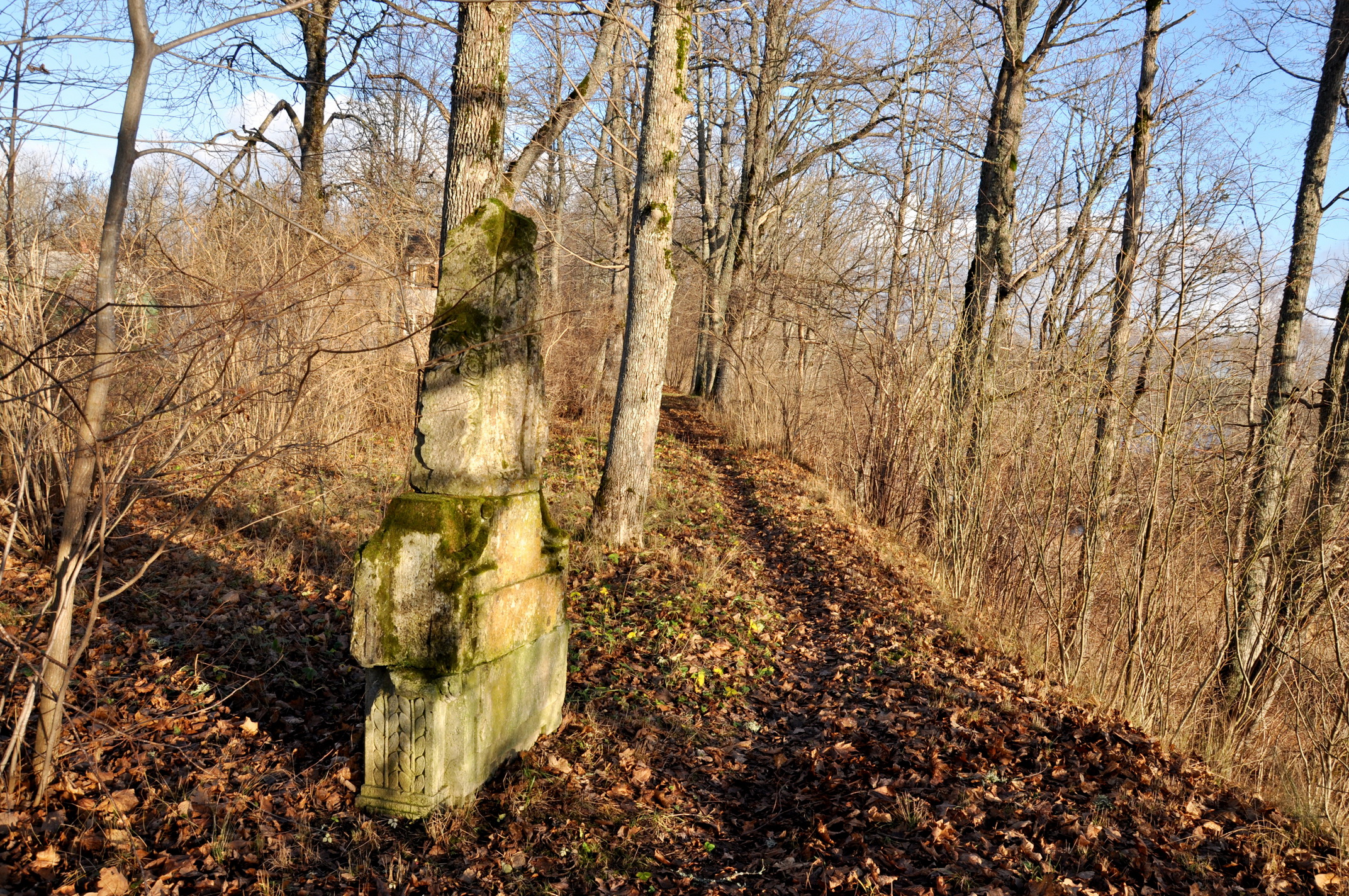
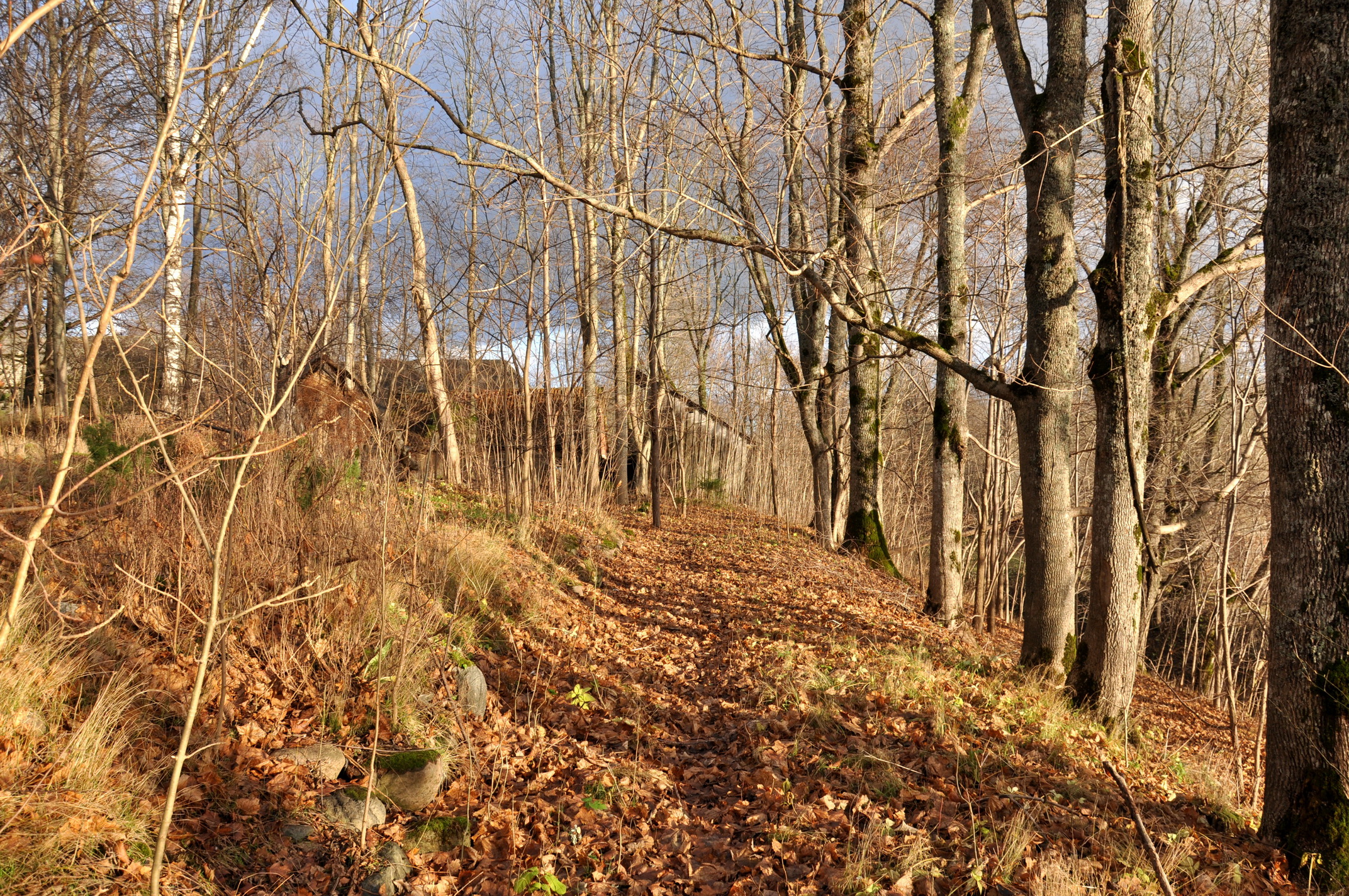
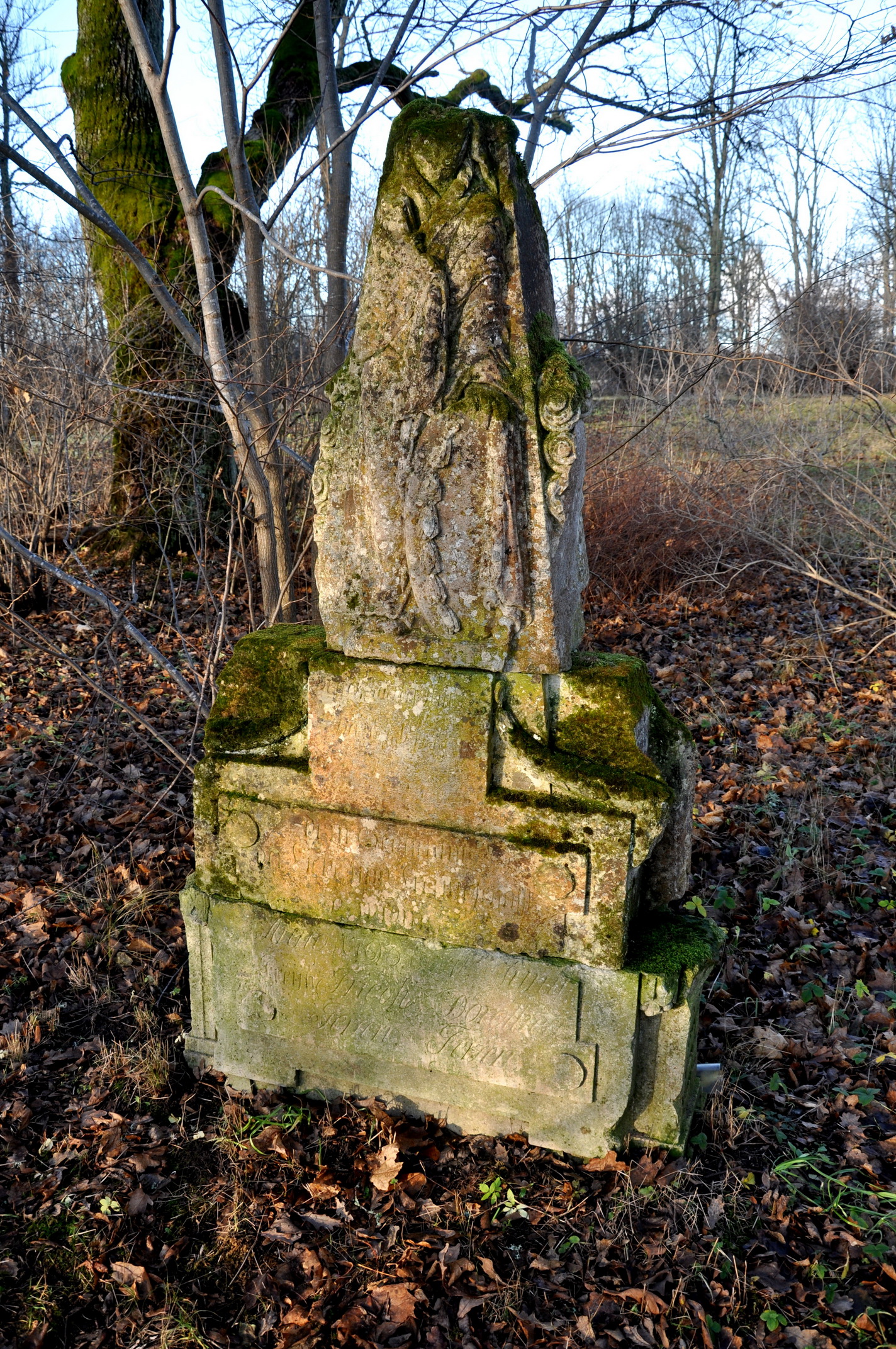
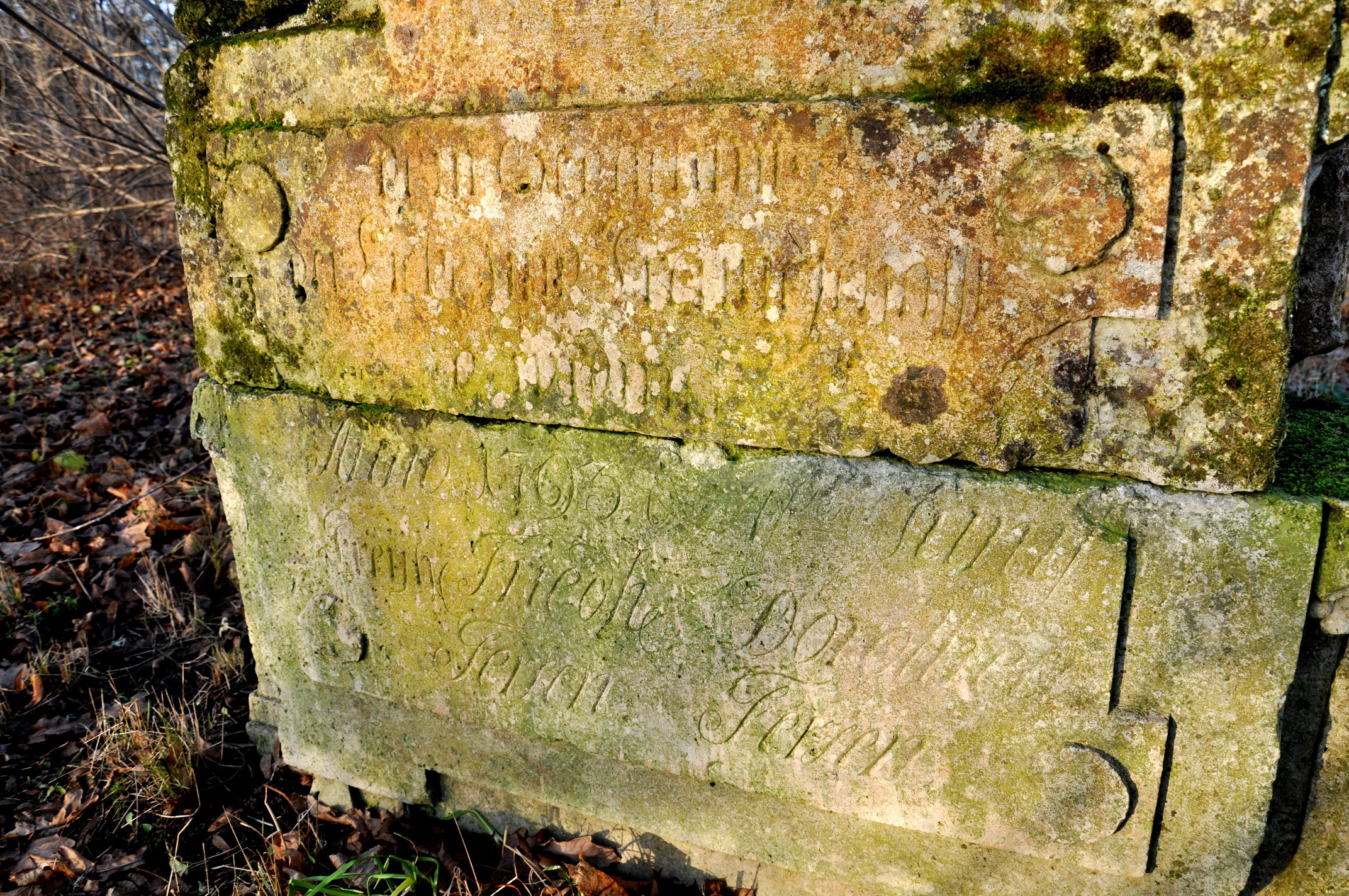
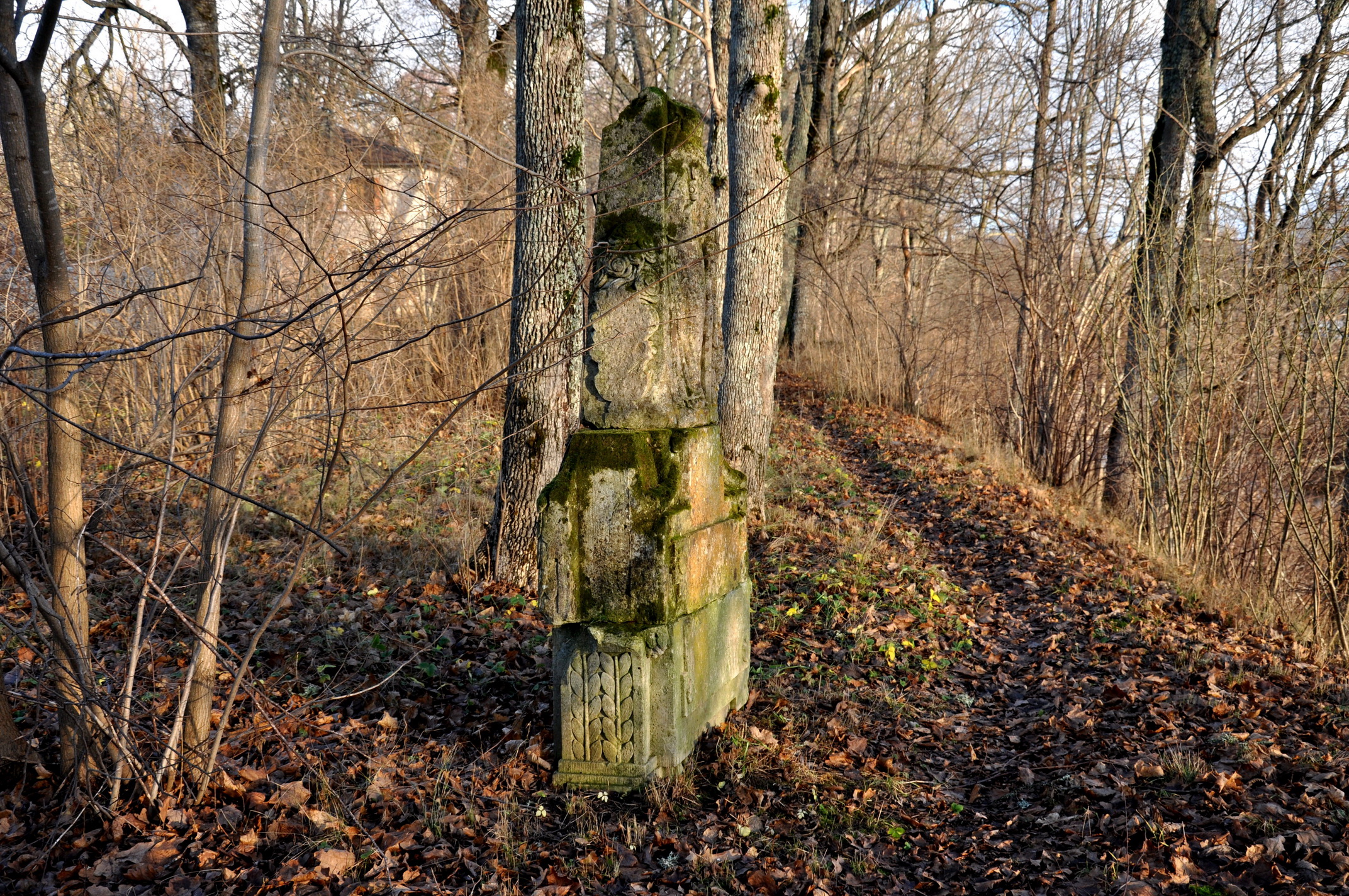
My great-great-grandfather Adam Simo spent his childhood here. He finished a German grammar school and, as a promising pupil, was sent to the Riga Theological School.
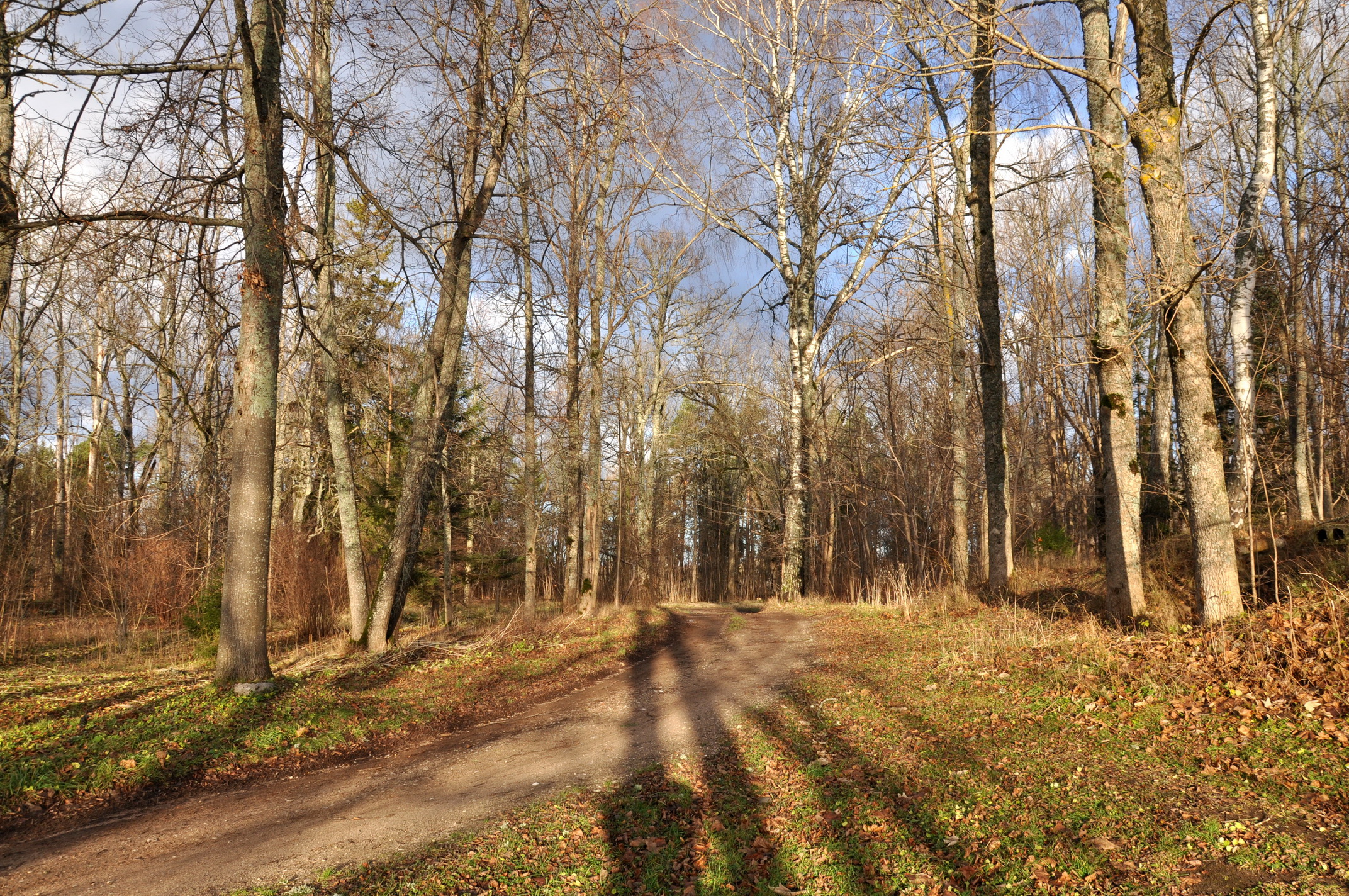
His parents, Peter and Eva, stayed on at the manor with their other children. They were hired workers, but they lived in reasonable comfort.
The Communists took exception to that. In 1905, on the occasion of the ‘first Russian revolution’, they burned everything they could. Nothing is known of Peter and Eva’s fate after that.
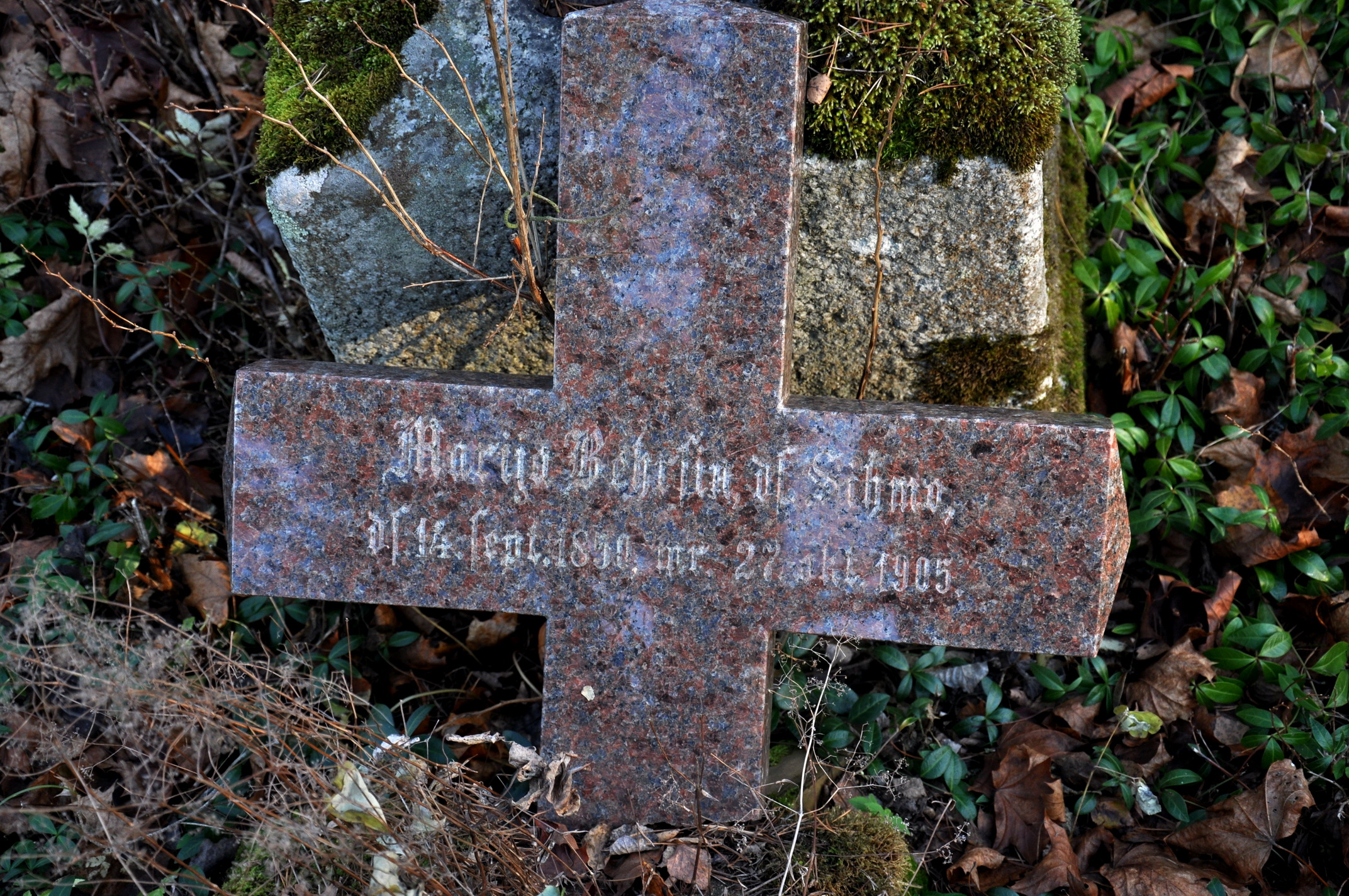
I got talking to two elderly farmers. They were wary of a Russian-speaking visitor at first. Then it turned out they didn’t speak English and I was more or less one of their own, so their Russian came back to them, and I managed a few words of Latvian. They showed me an inscription on the doors dating from the days my ancestors worked here. They told me about a cemetery where I might find their graves. It turned out we’d been looking in completely the wrong place. The right one was a small village cemetery across the river. There I did find the family plot, five graves behind the remains of a fence that had long since rotted away. Only one cross survives. Maria Bērziņš, née Simo, died in 1905 on the day they burned the manor. My great-great-grandfather Adam’s sister was the first victim of the Communists in our family.
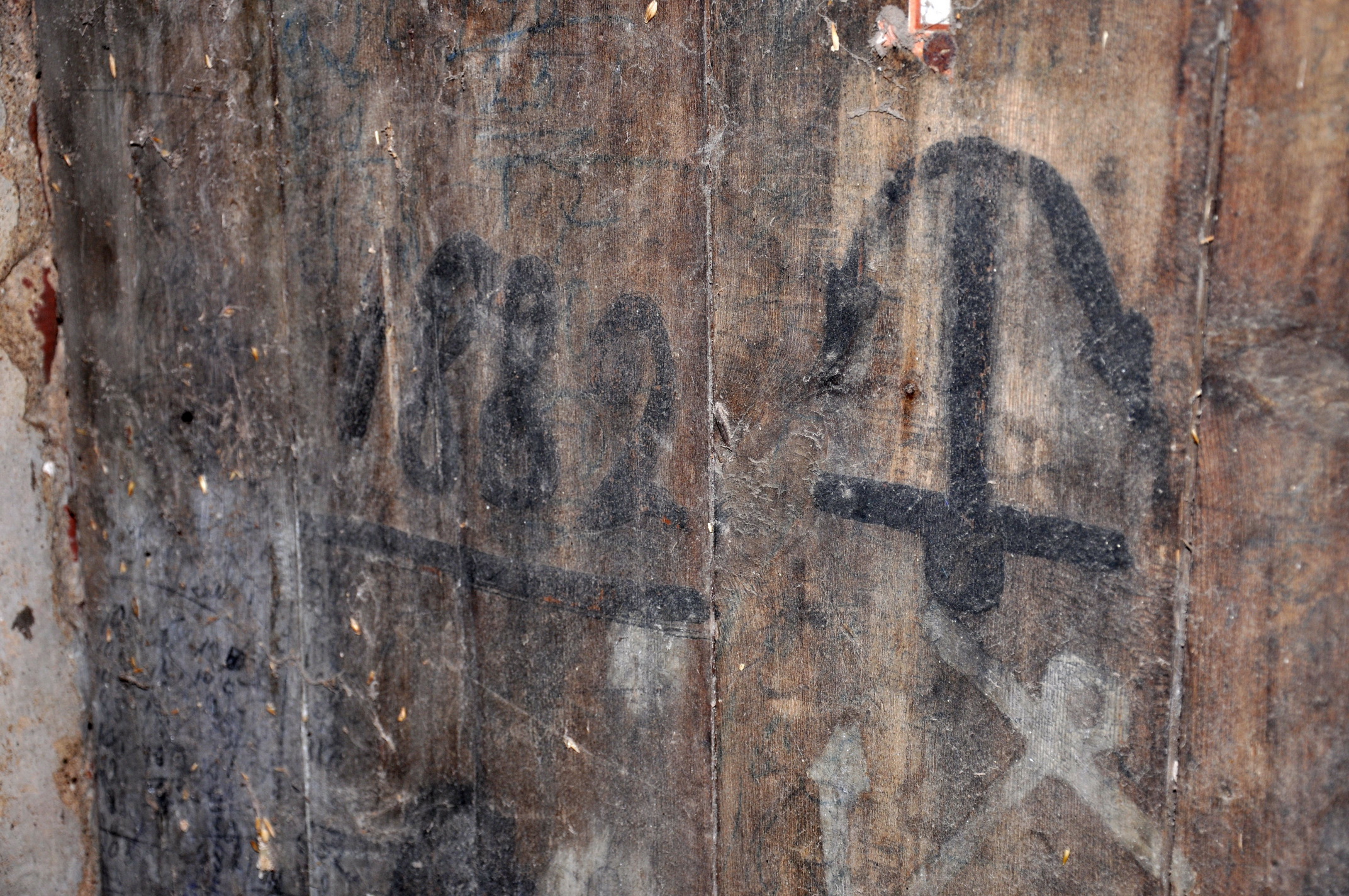
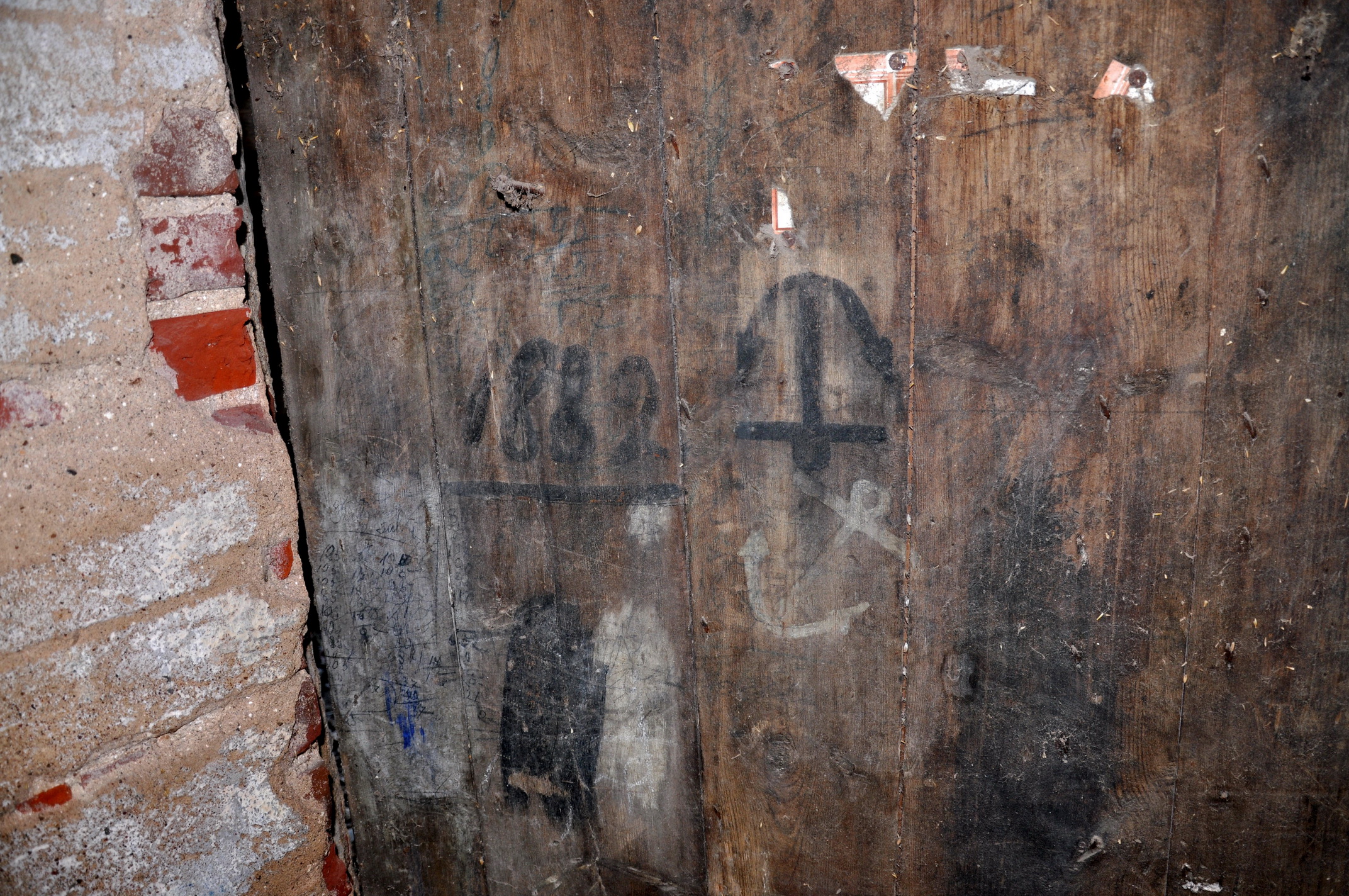
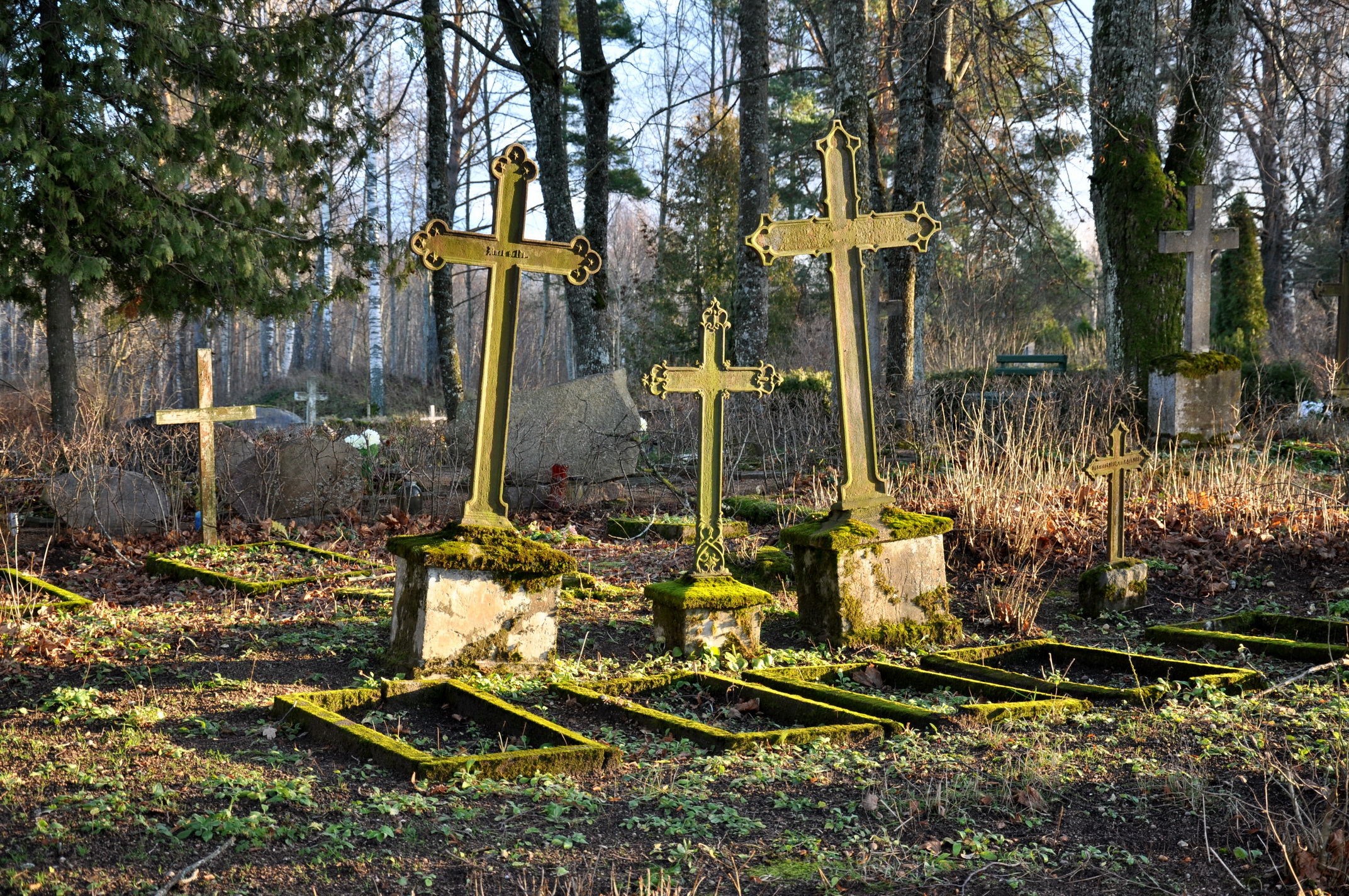
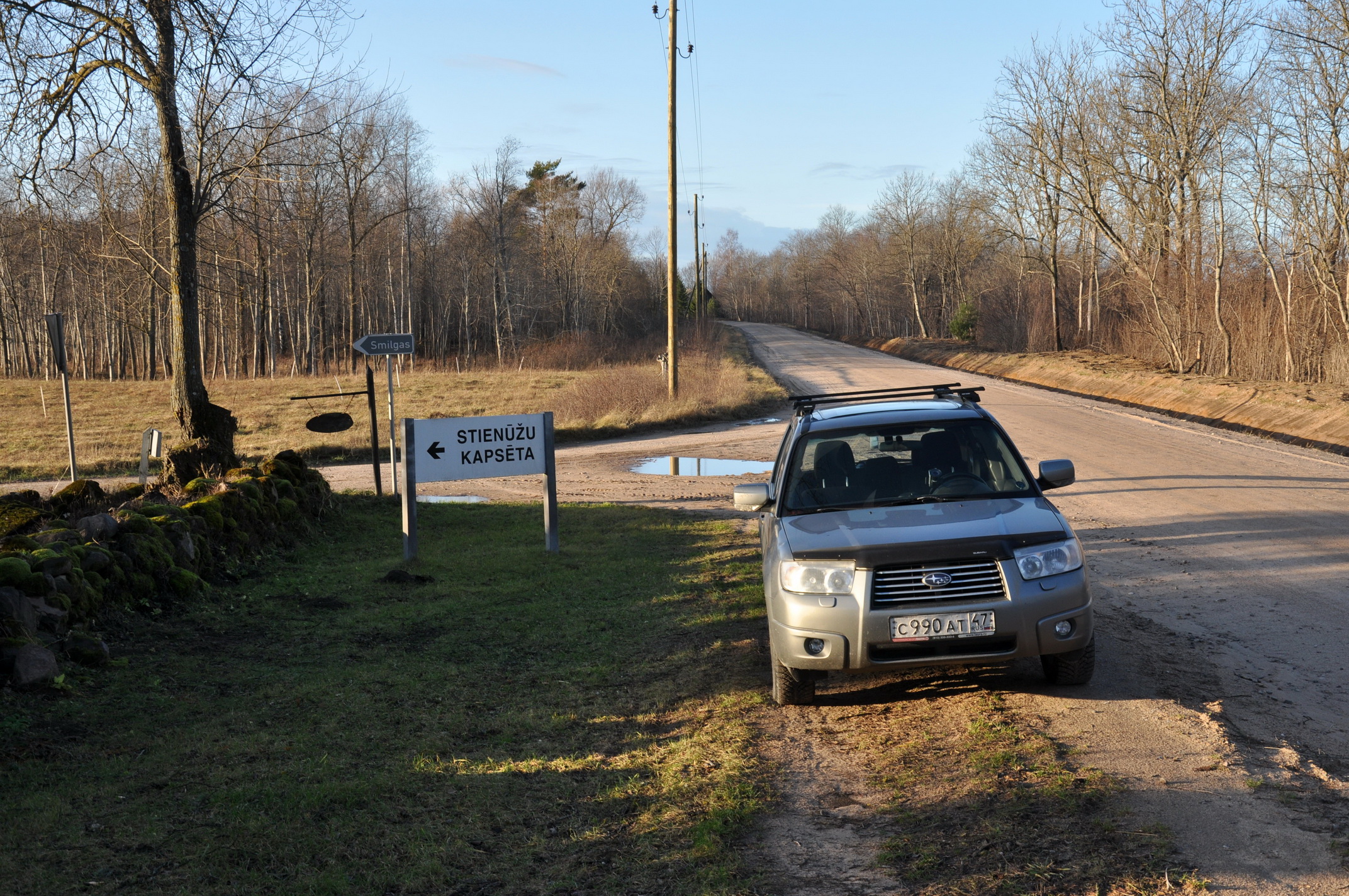
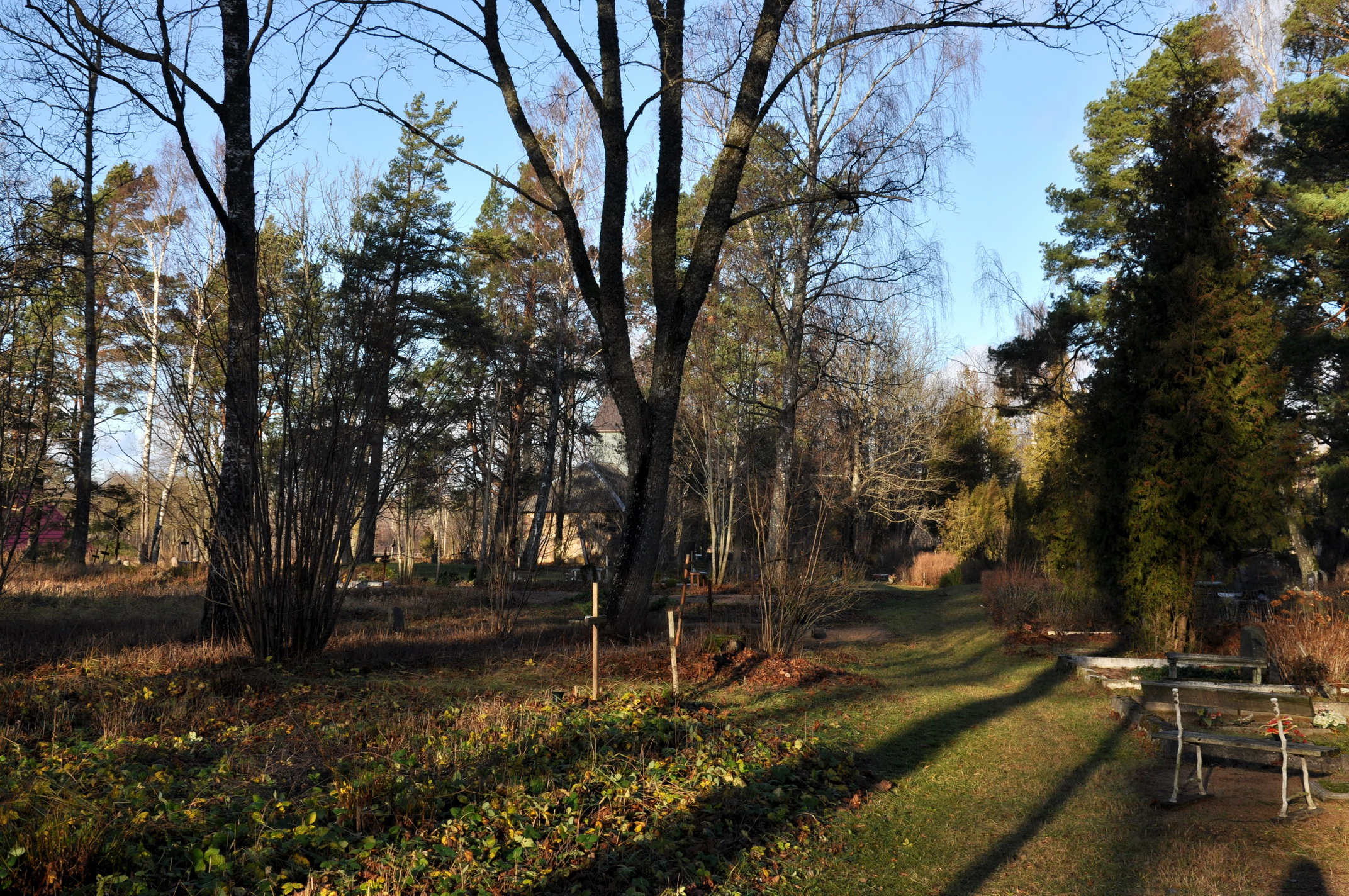
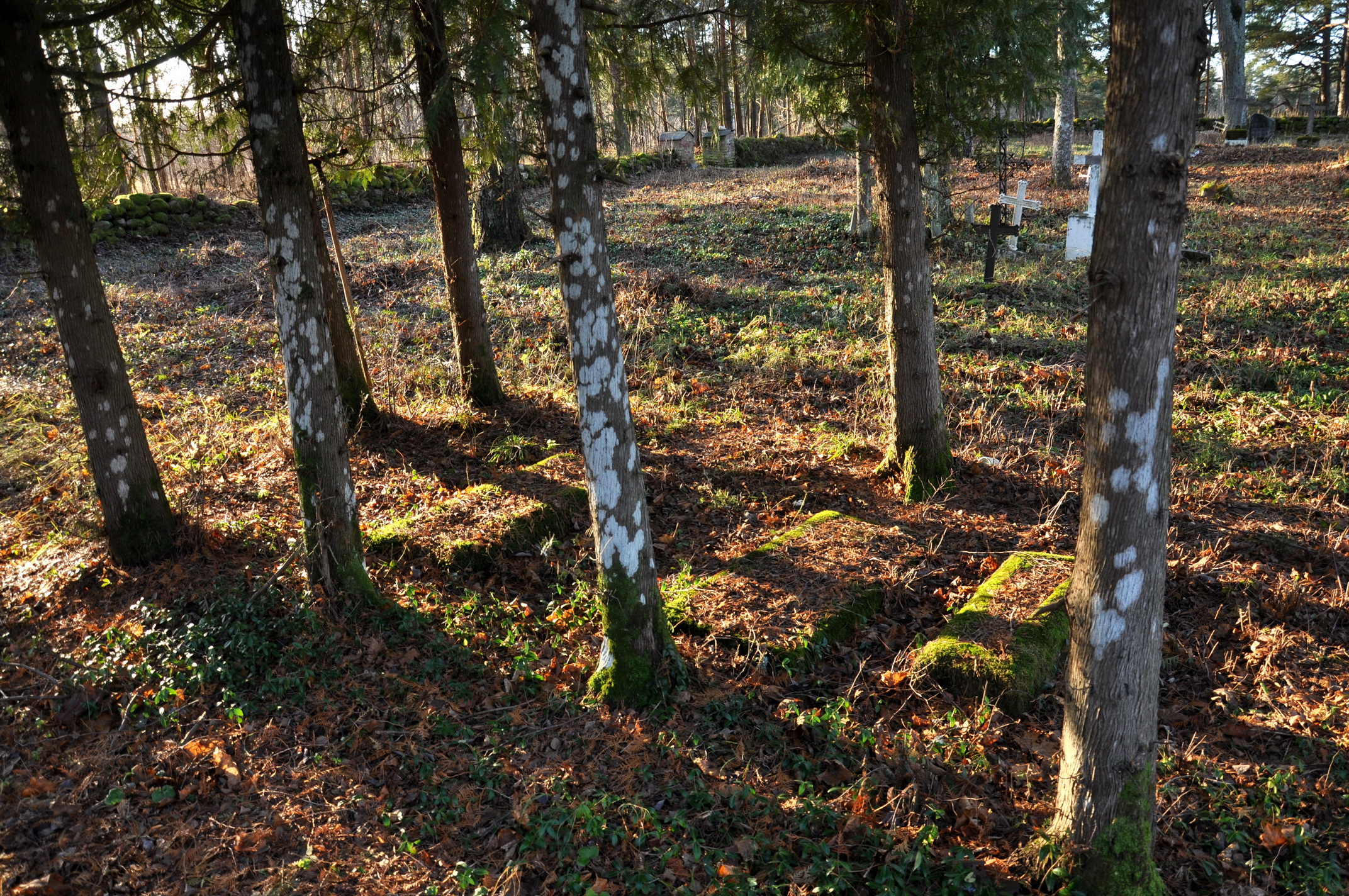
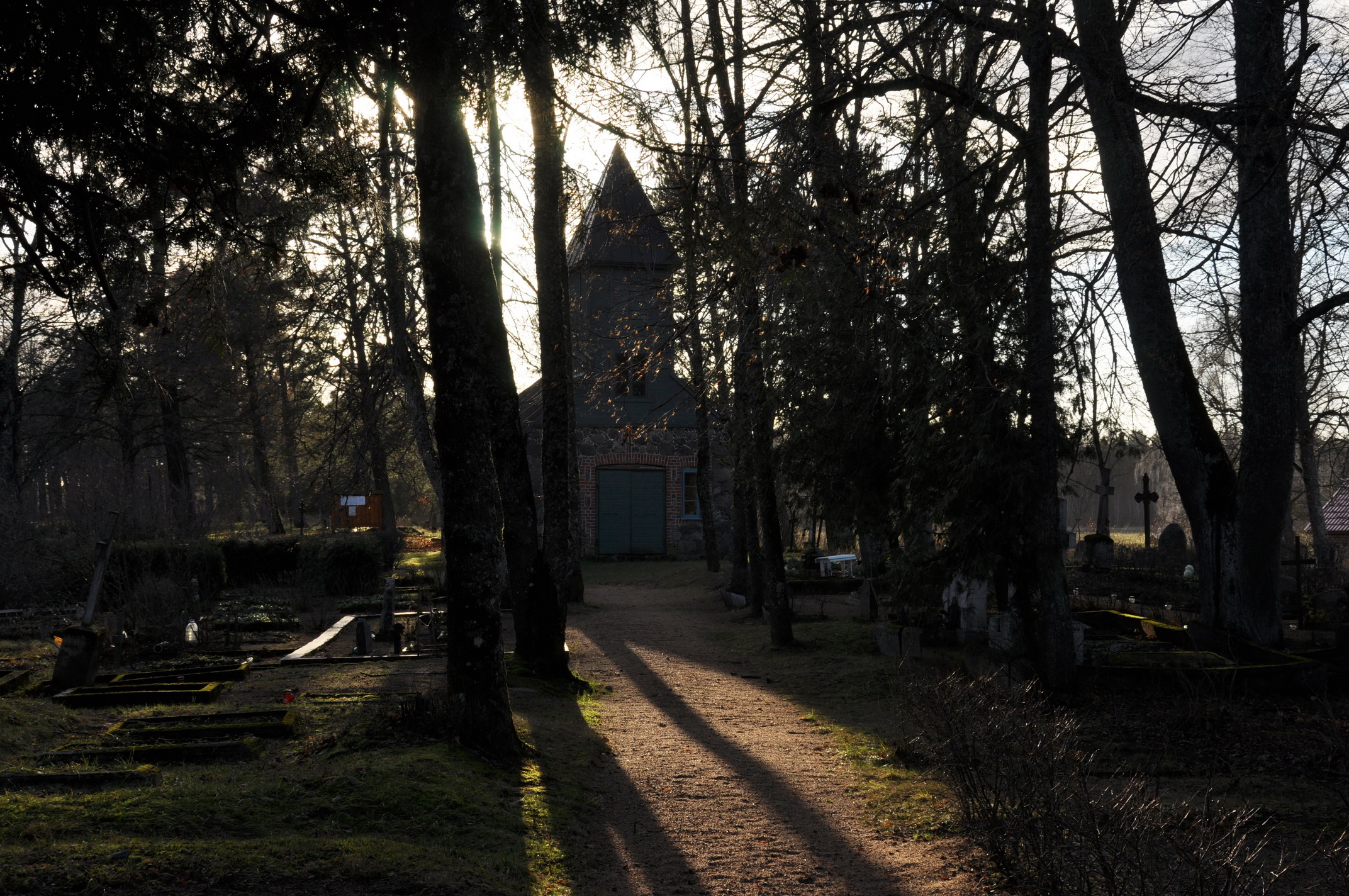
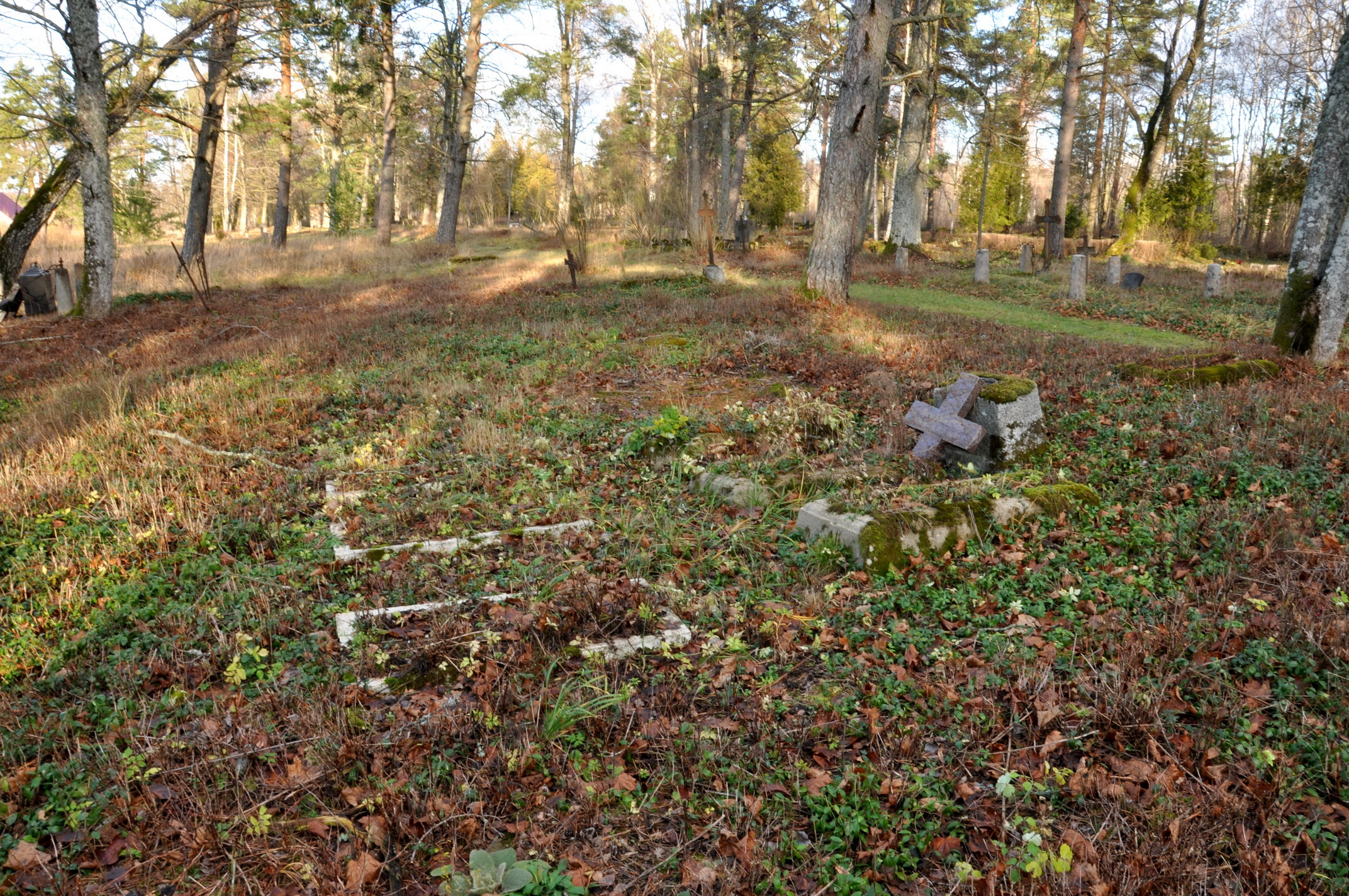
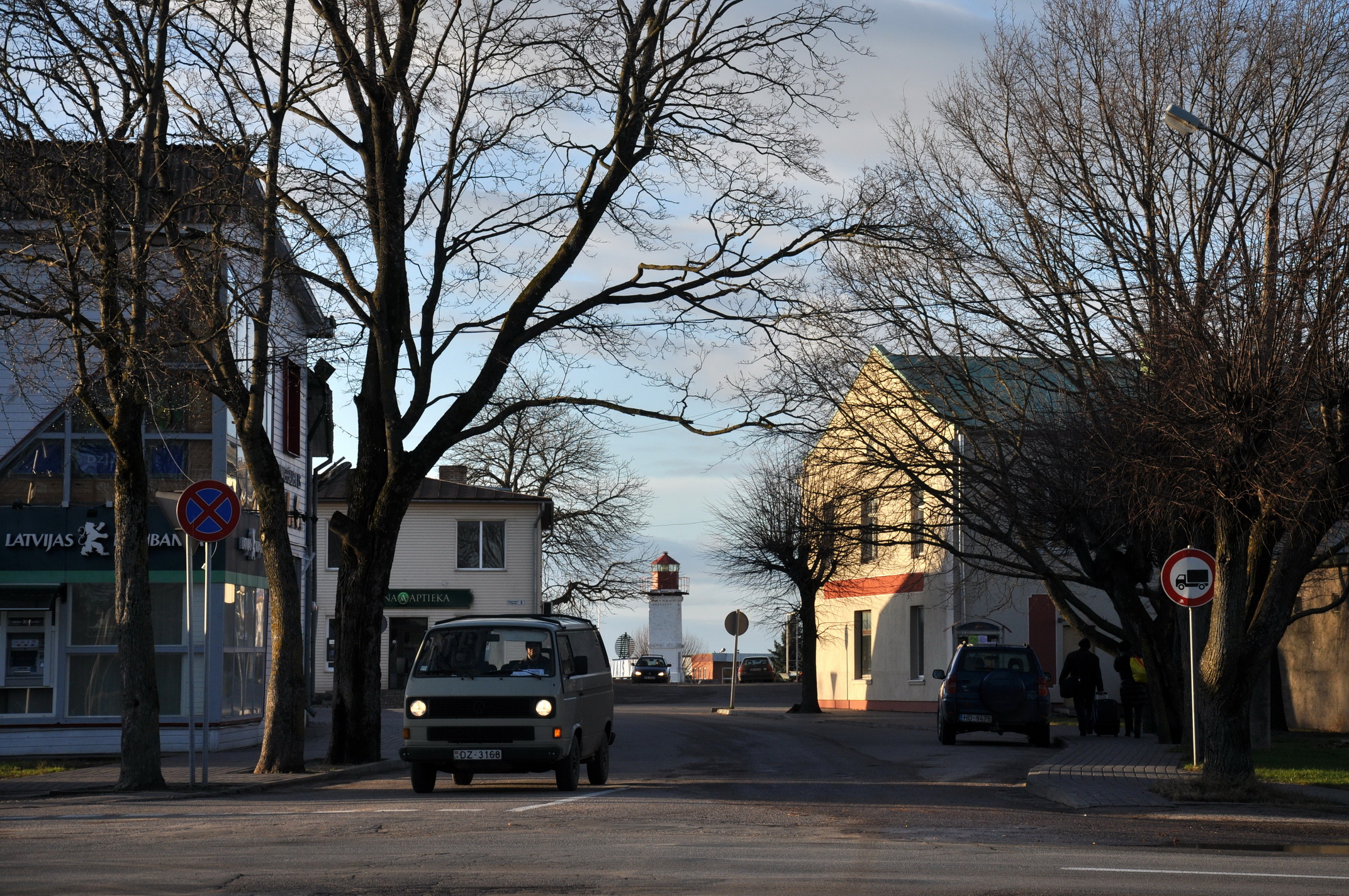
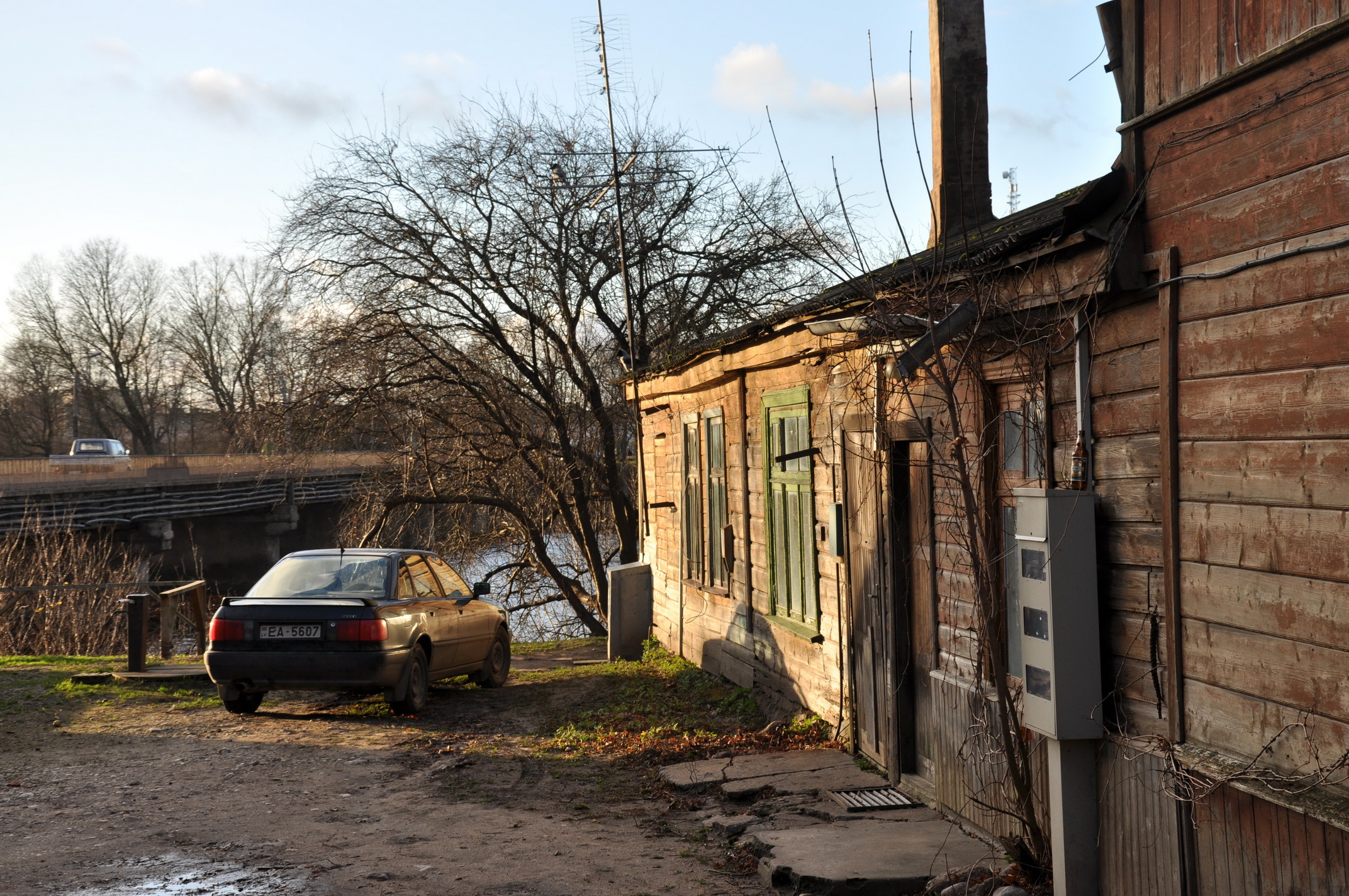
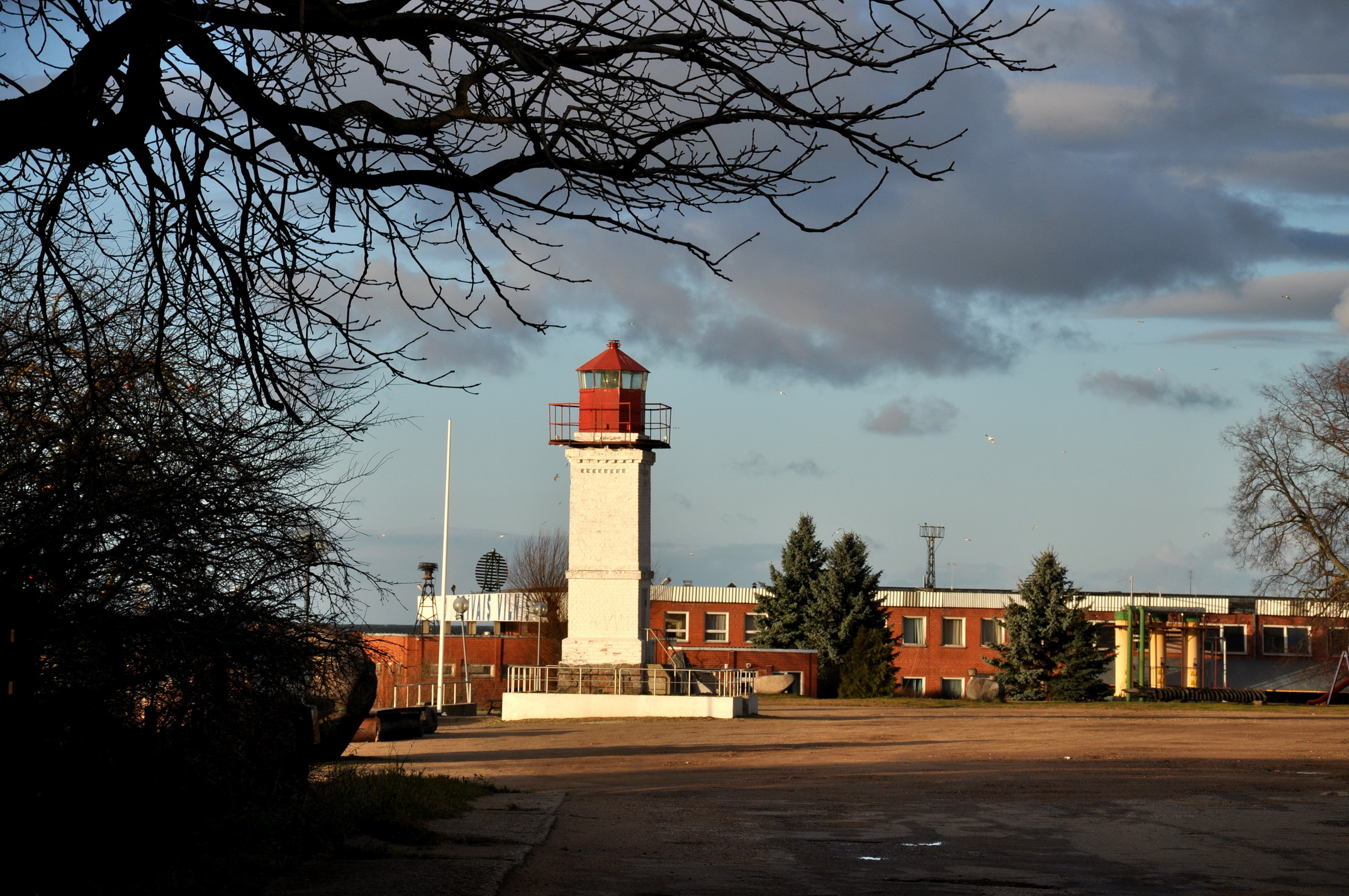
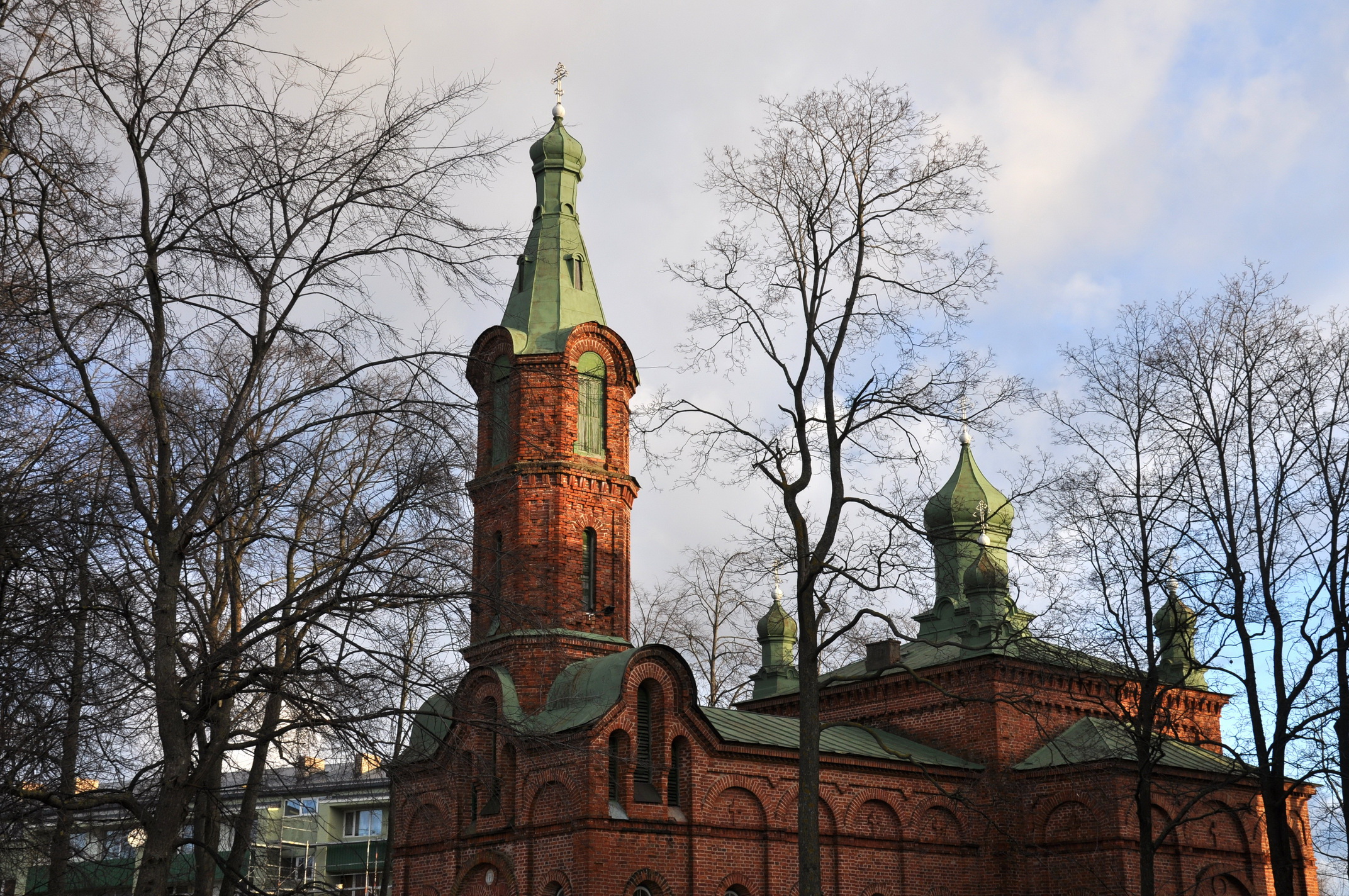
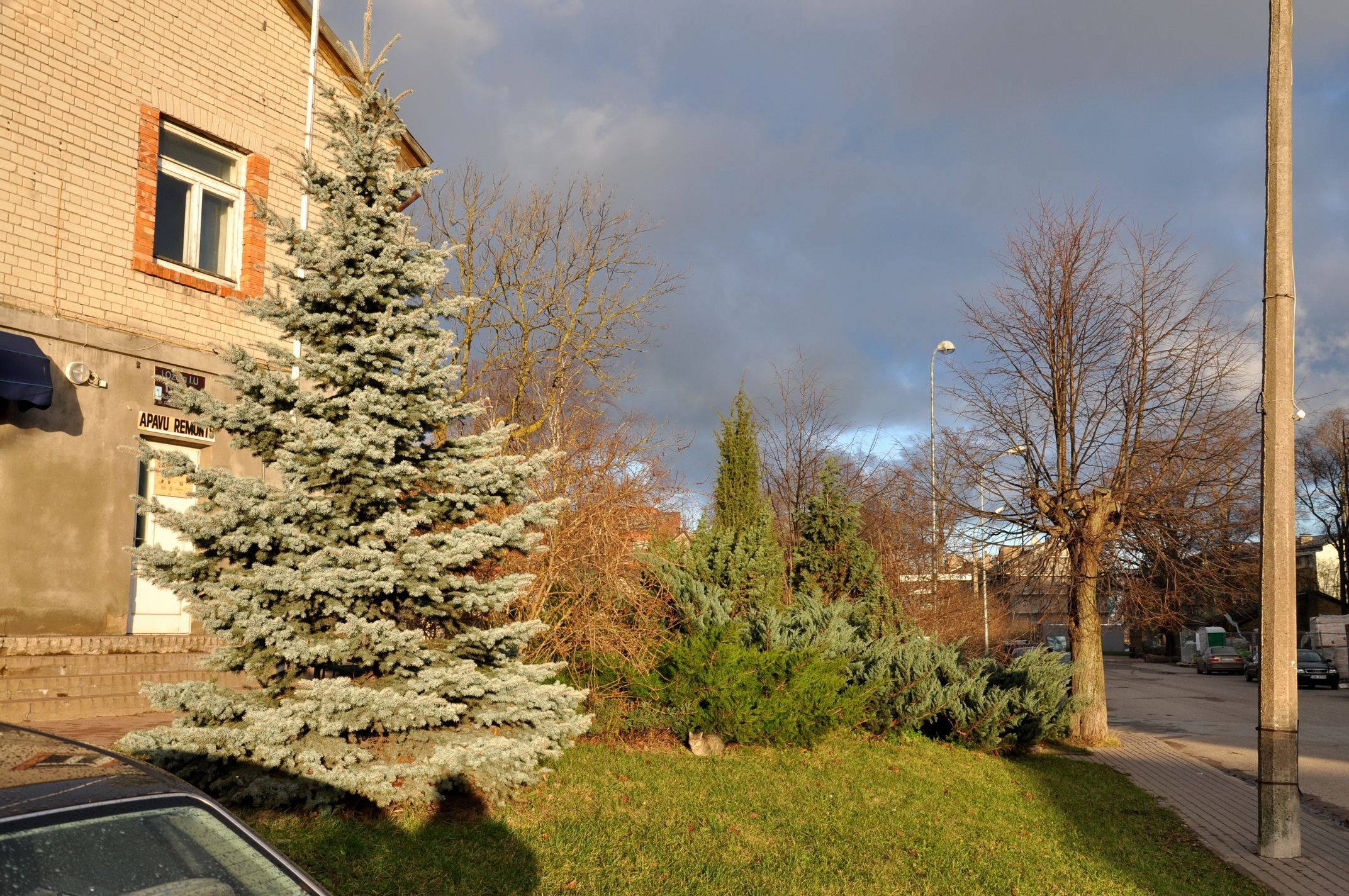
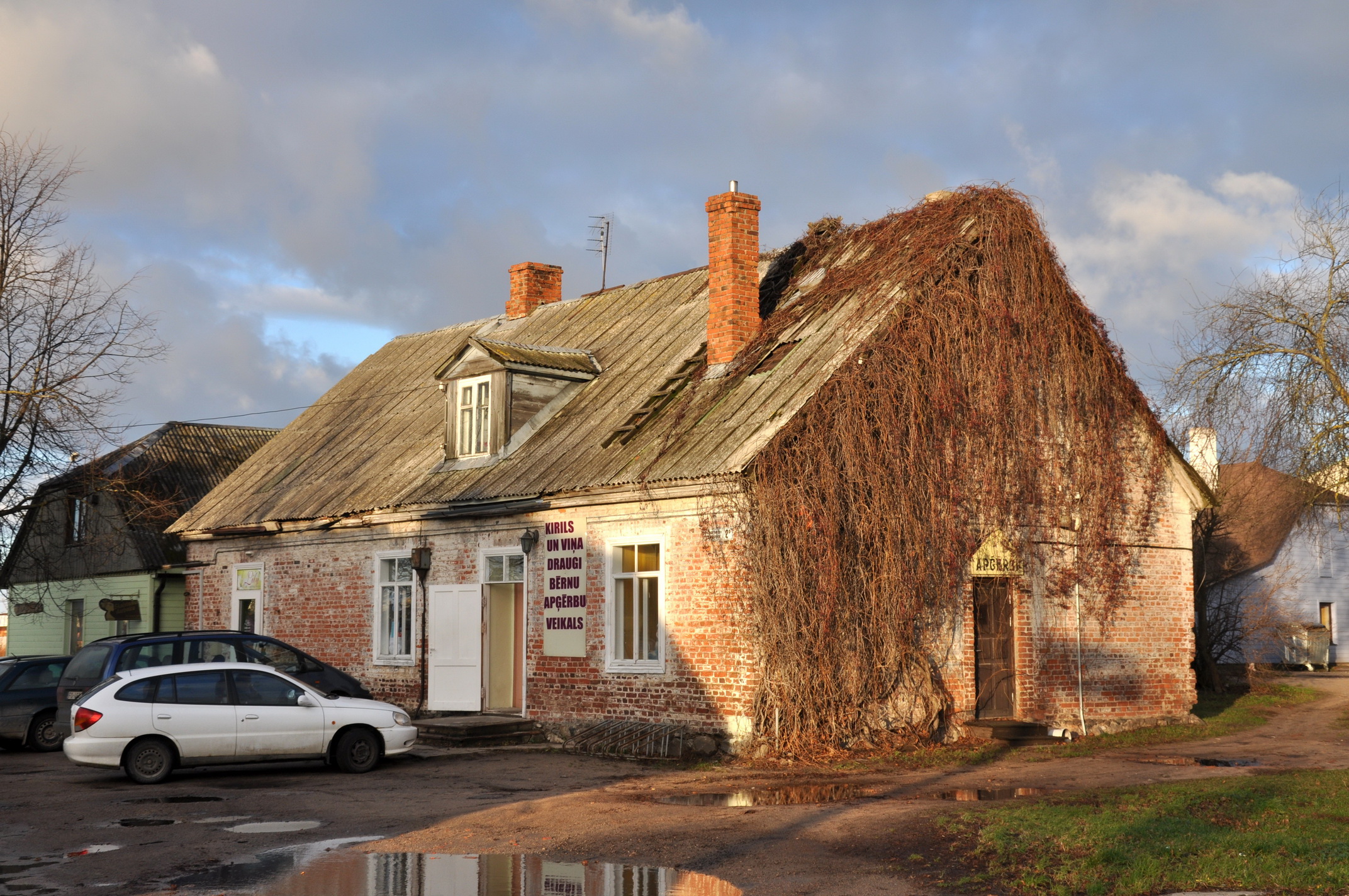
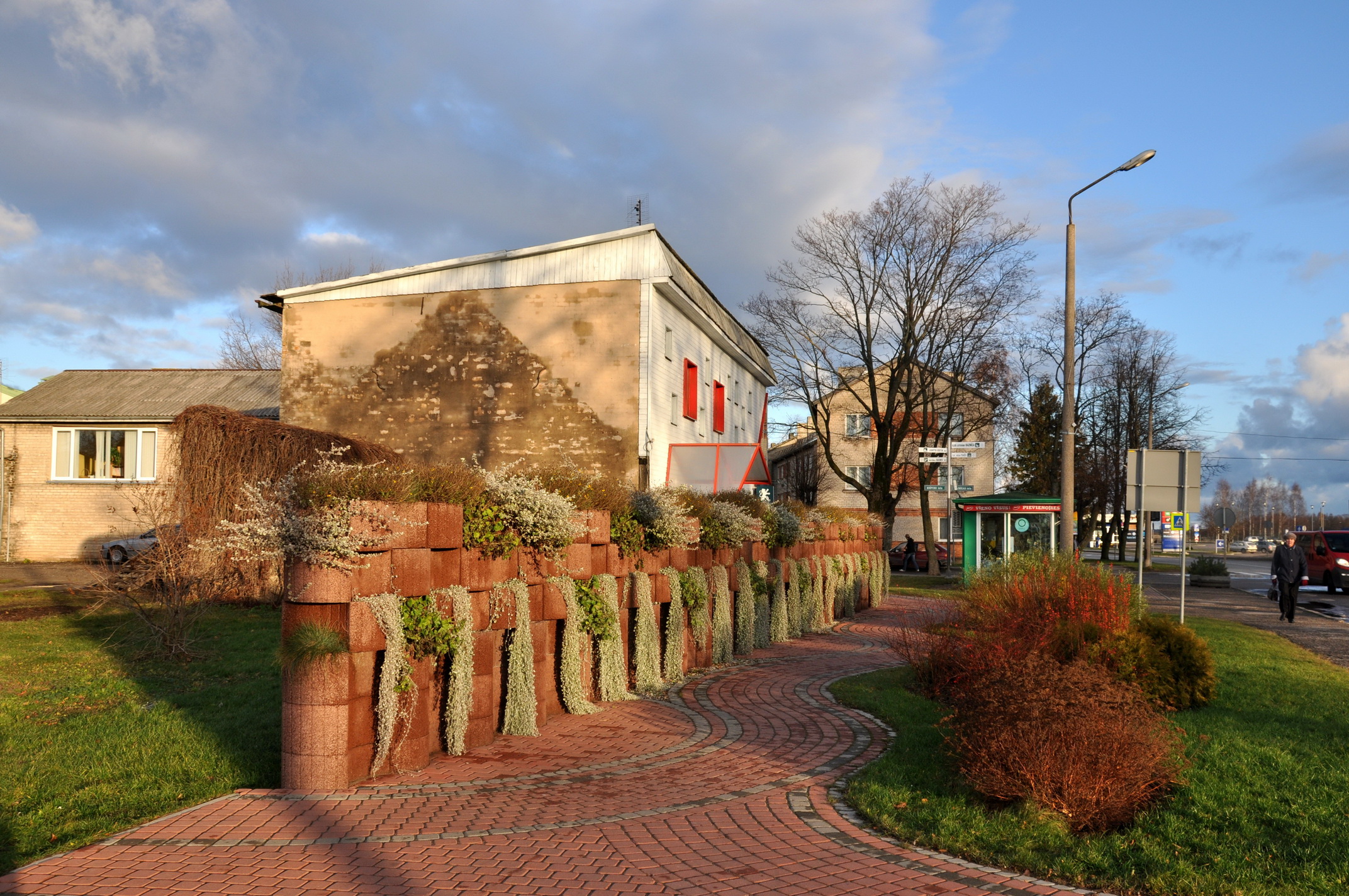
As well as visiting the village, I also had a look around Salacgrīva. Another pleasant little town.
Saaremaa and the road home
It’s a beautiful place, but I had little time. By evening I was in Estonia, on the island of Saaremaa. I made the last ferry and spent the night in Kuressaare at the Johan Spa Hotel (58°15.217′N, 22°28.920′E). Kuressaare is the main town on the island. Before the Revolution it was called Arensburg. This was where Adam Simo was posted after finishing seminary.
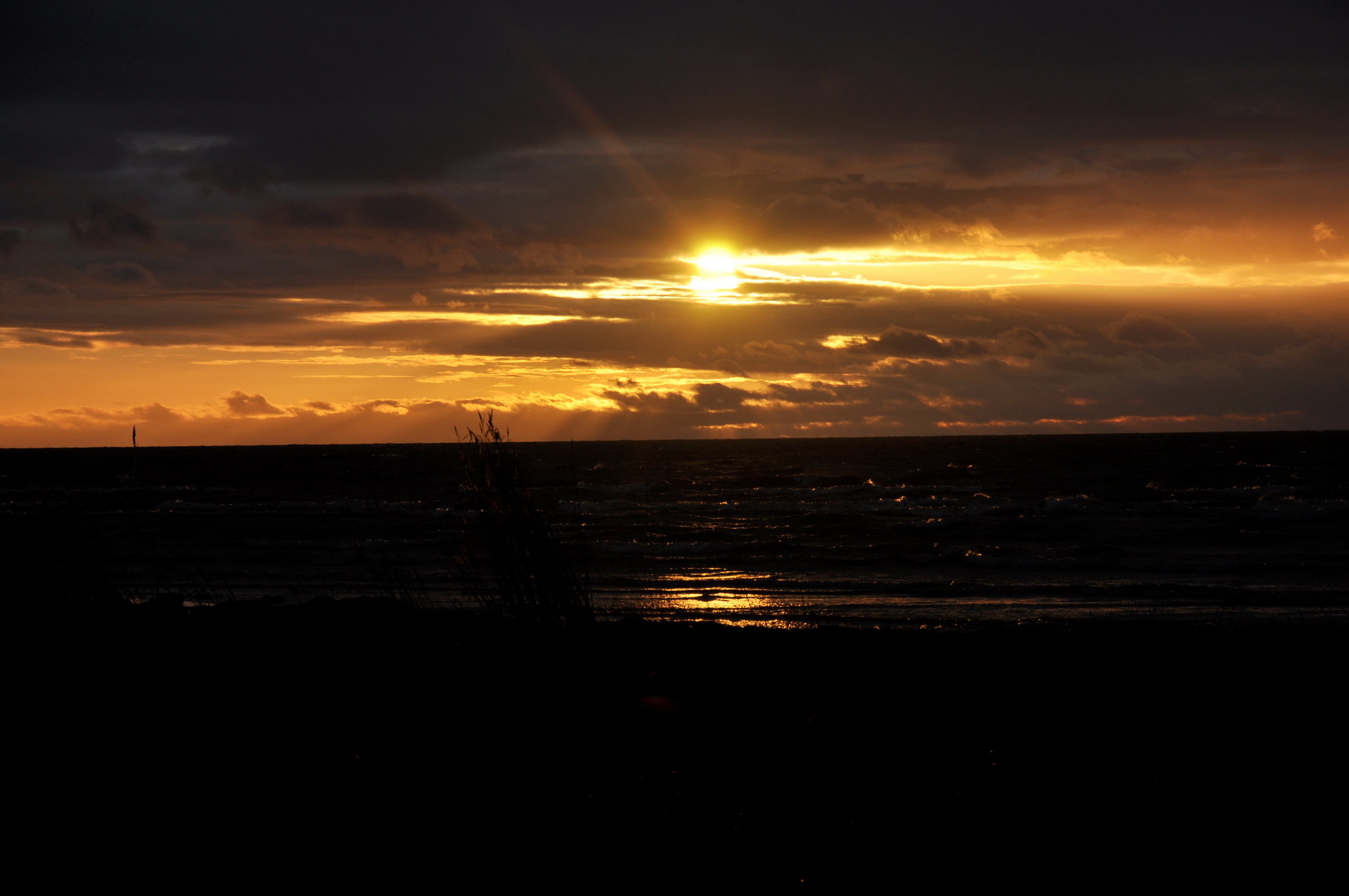
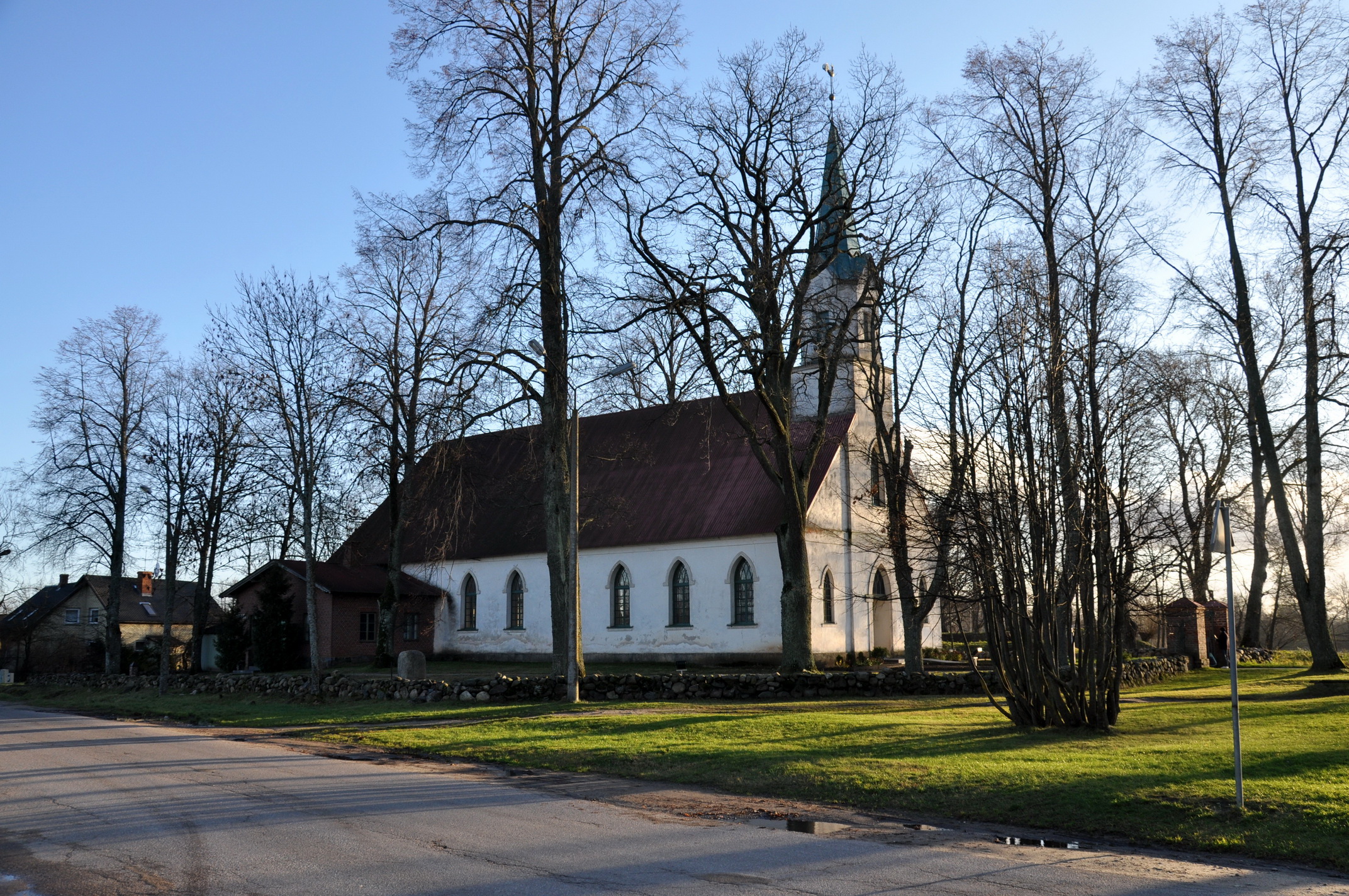
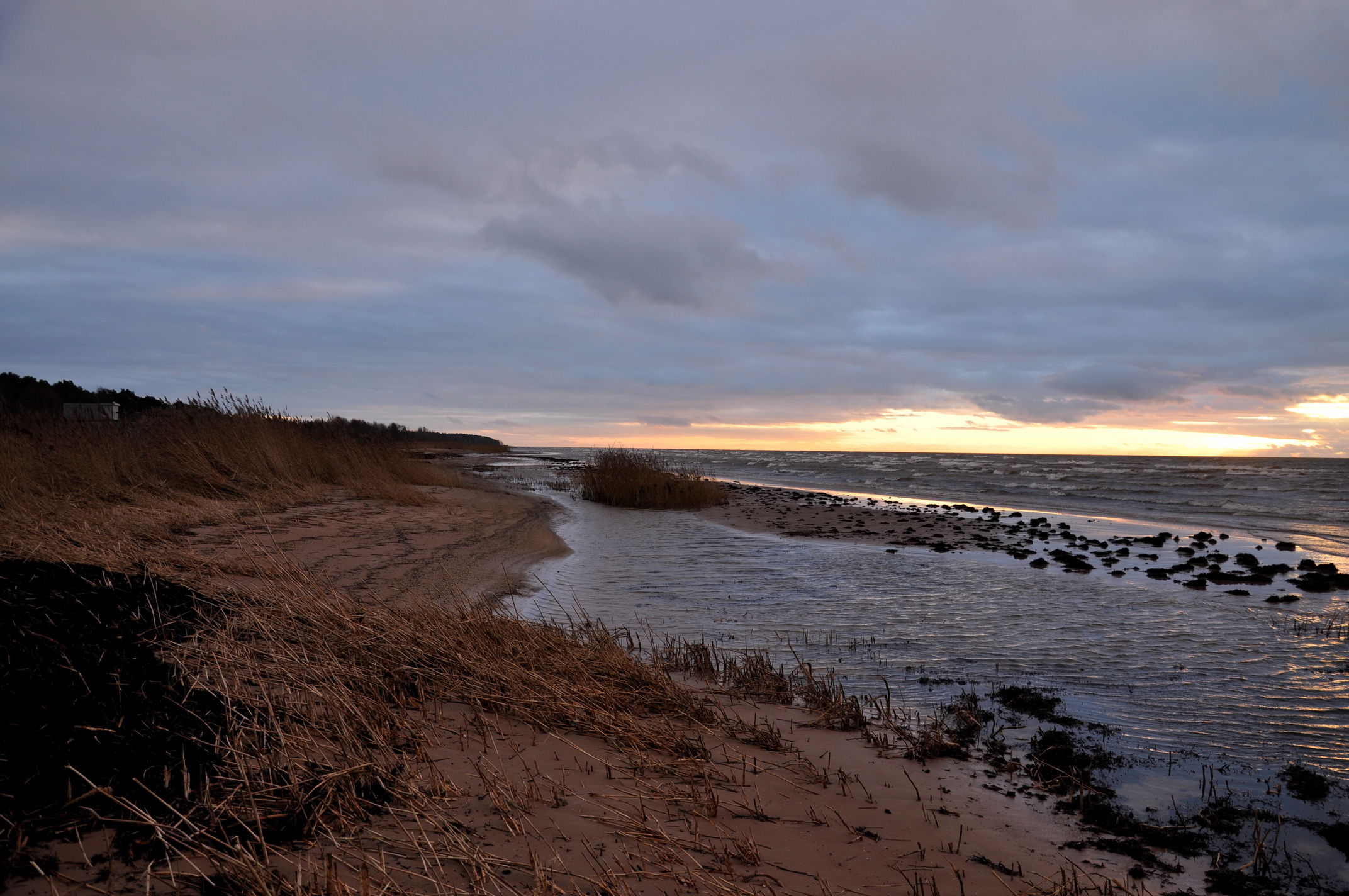
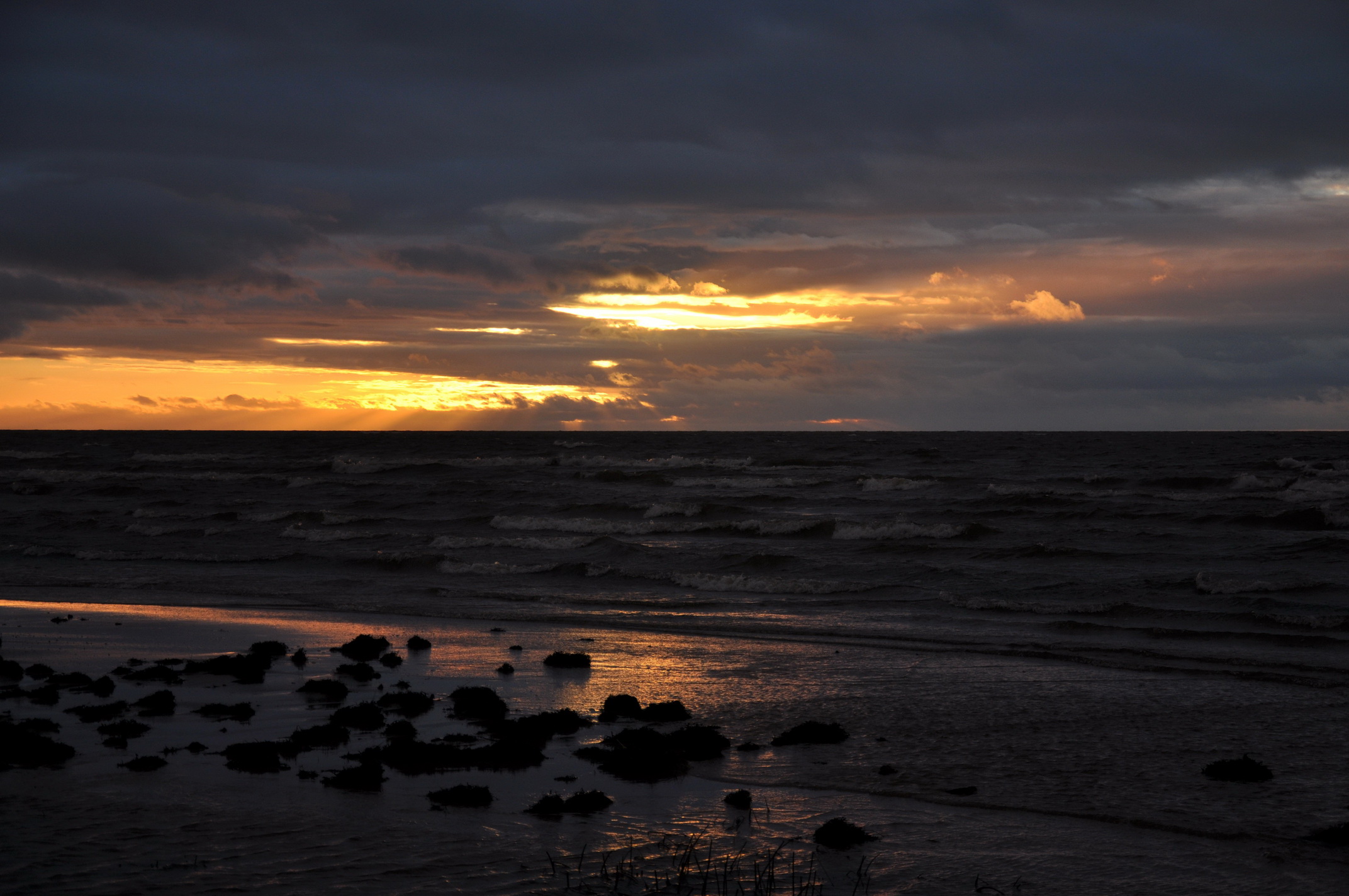
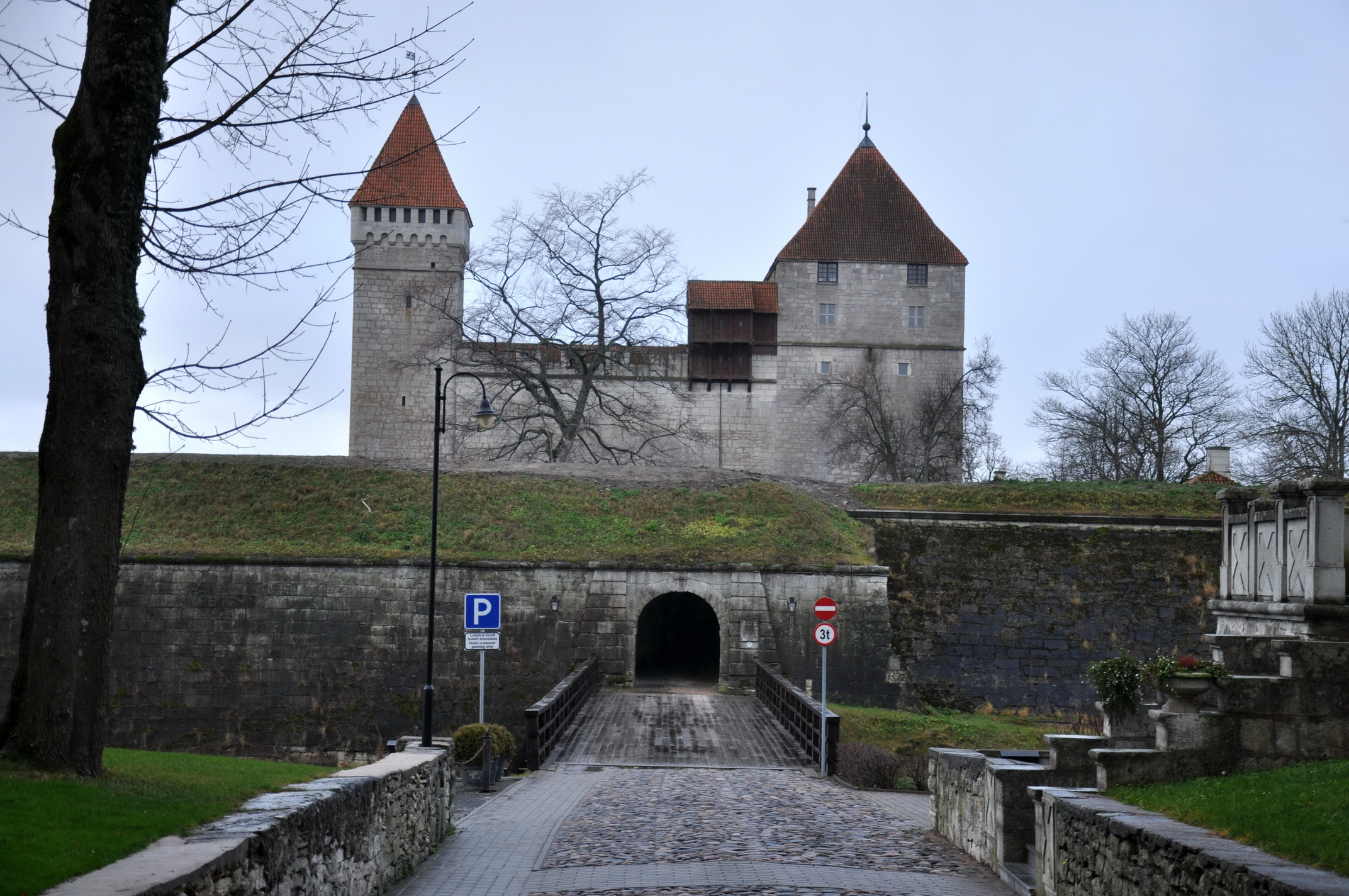
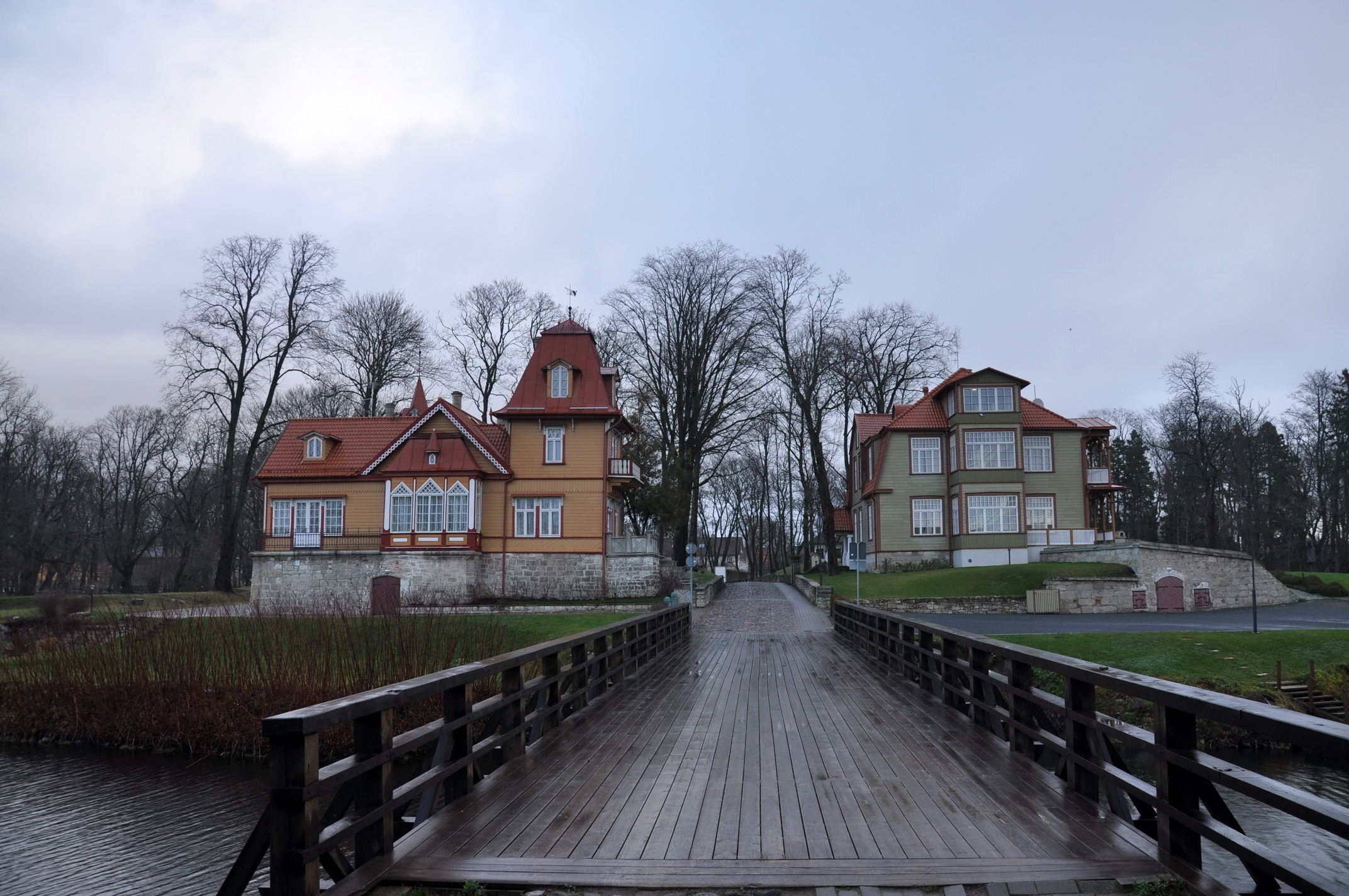
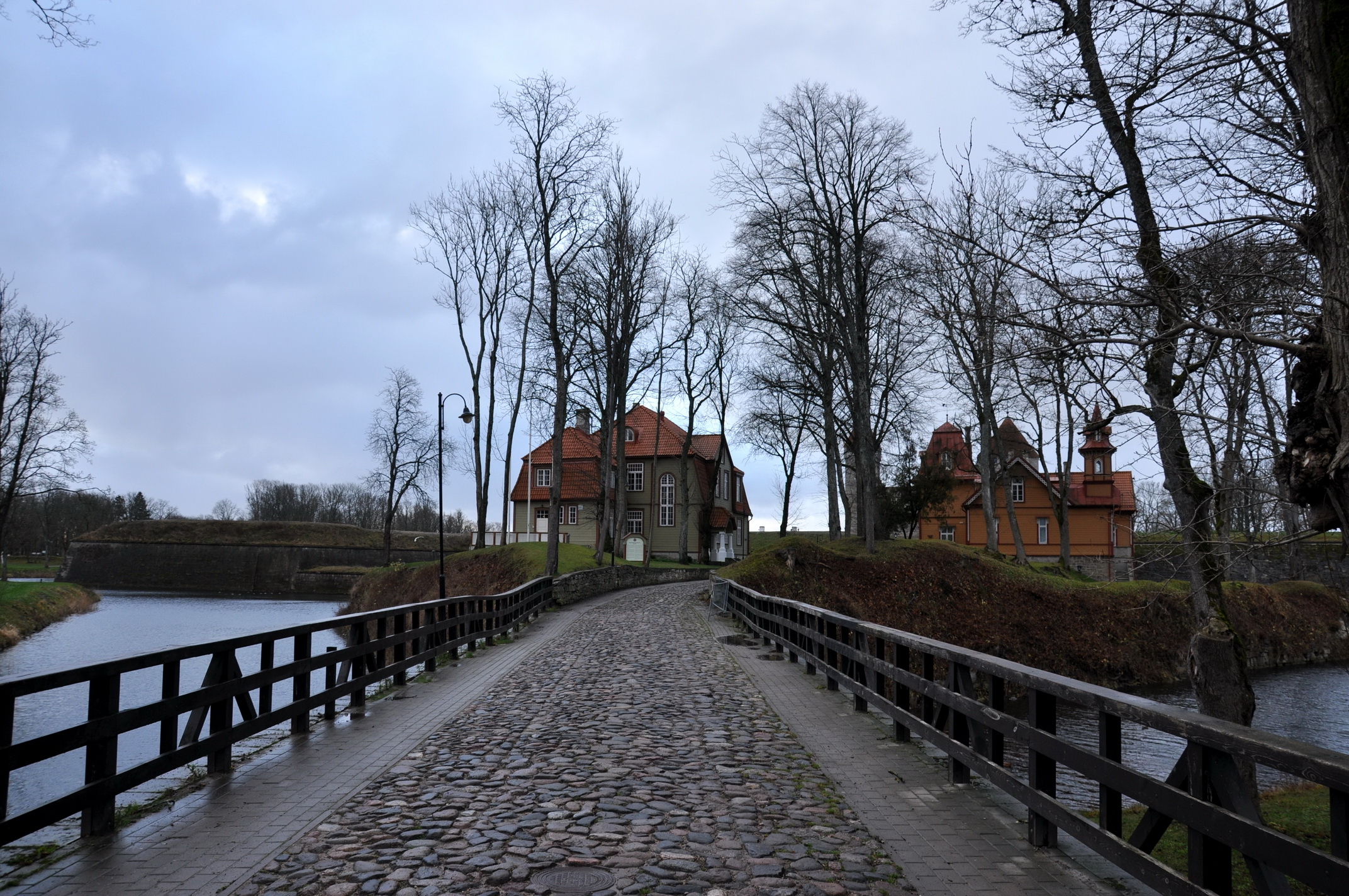
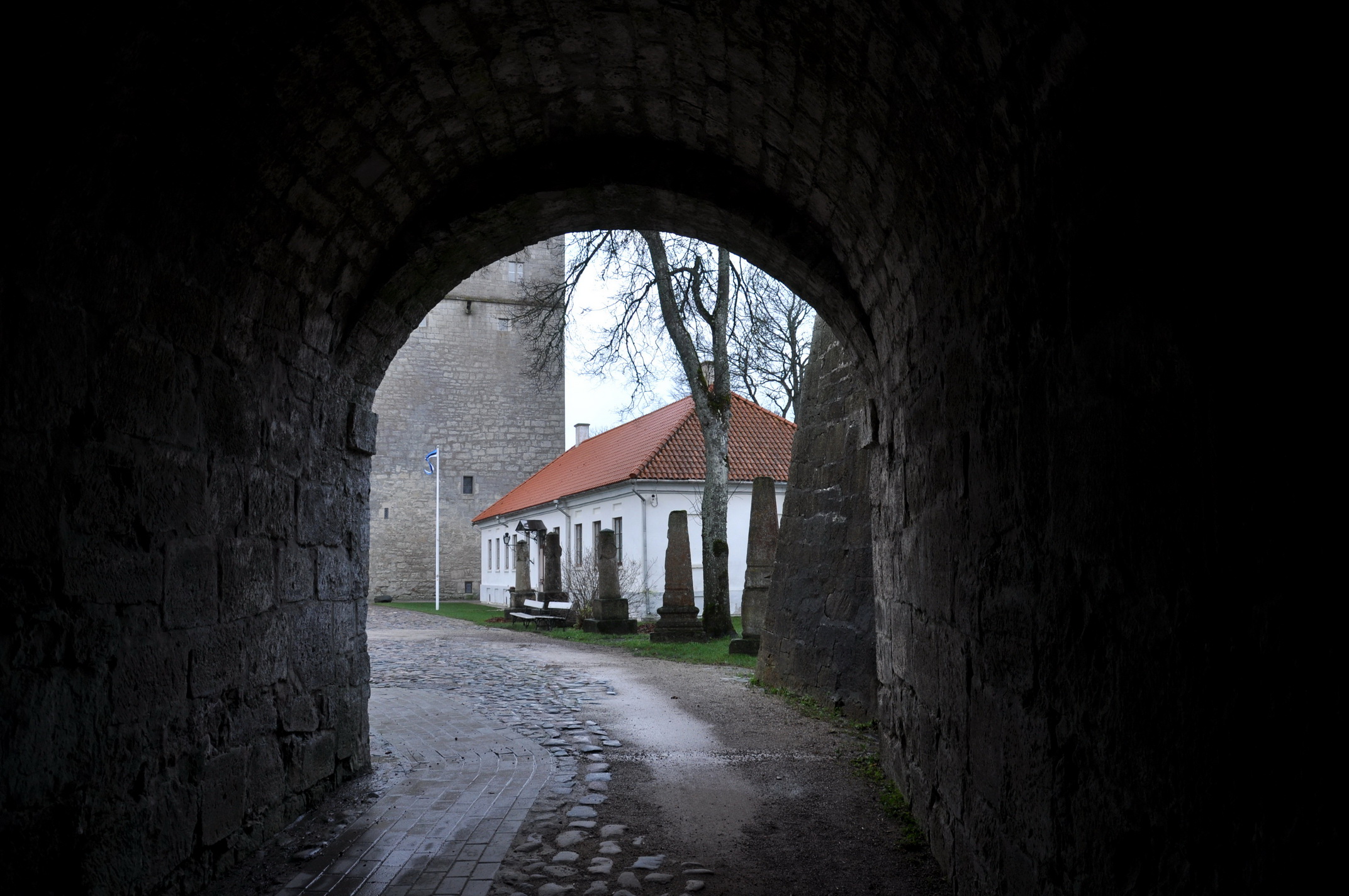
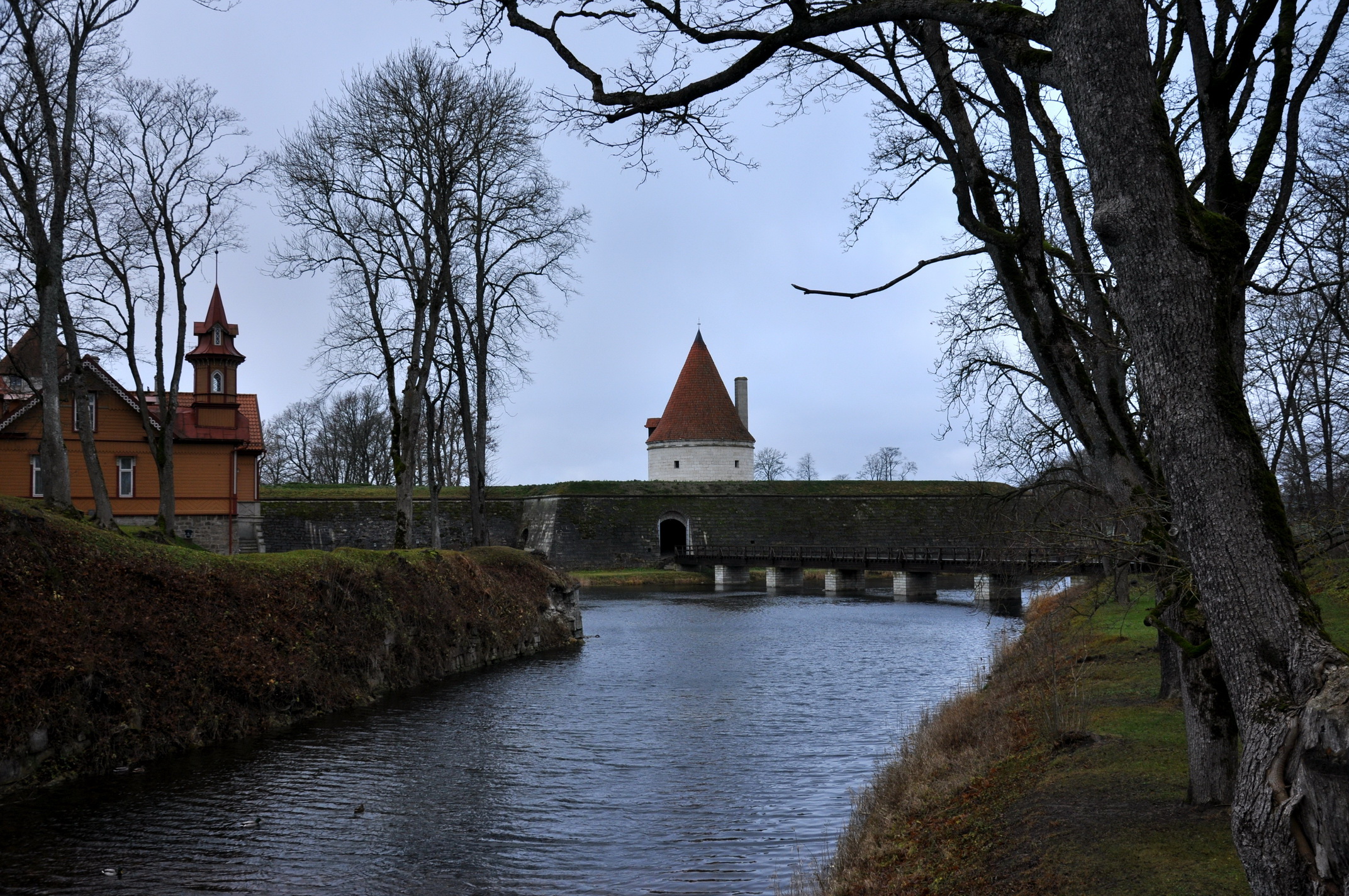
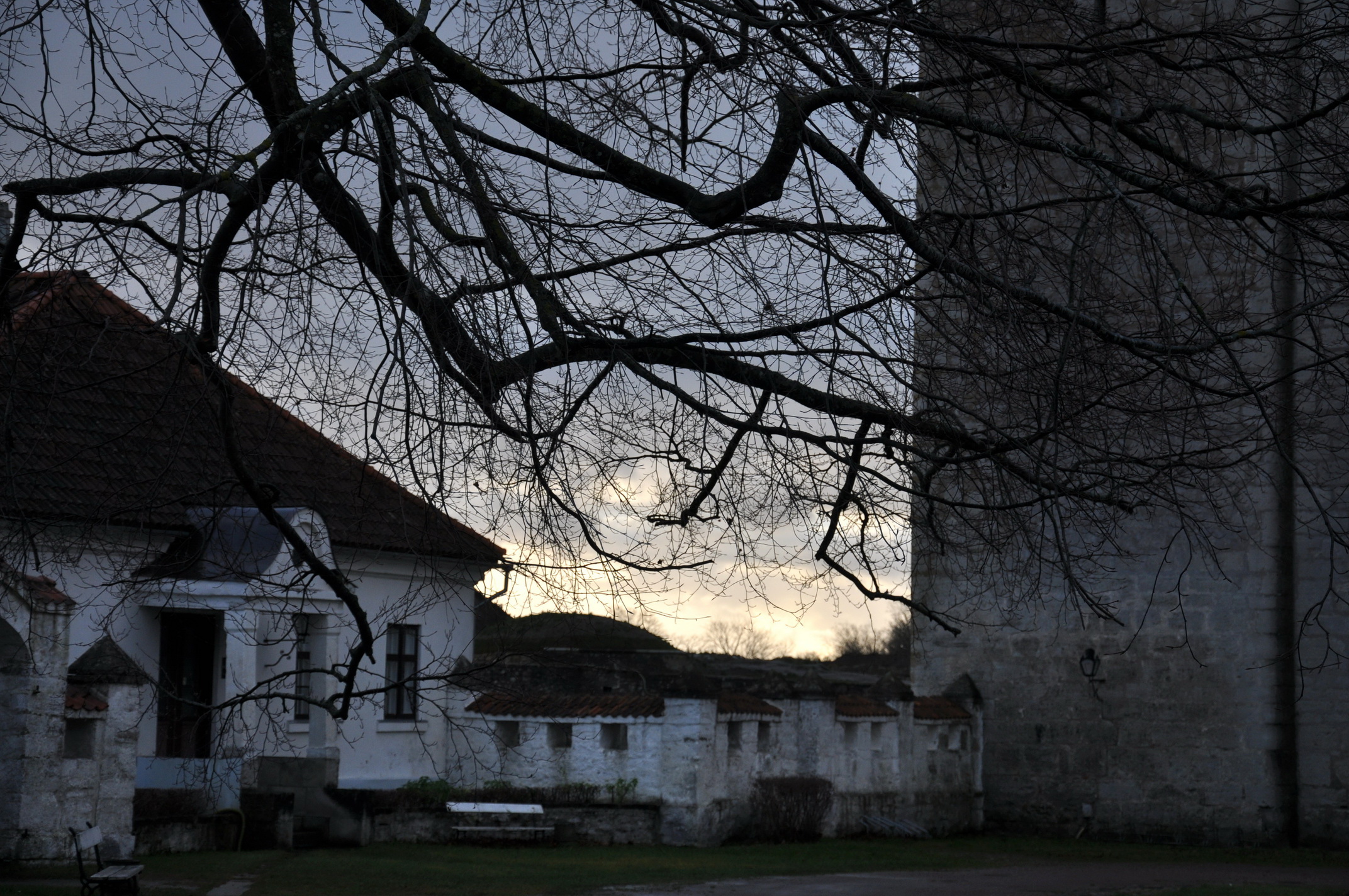
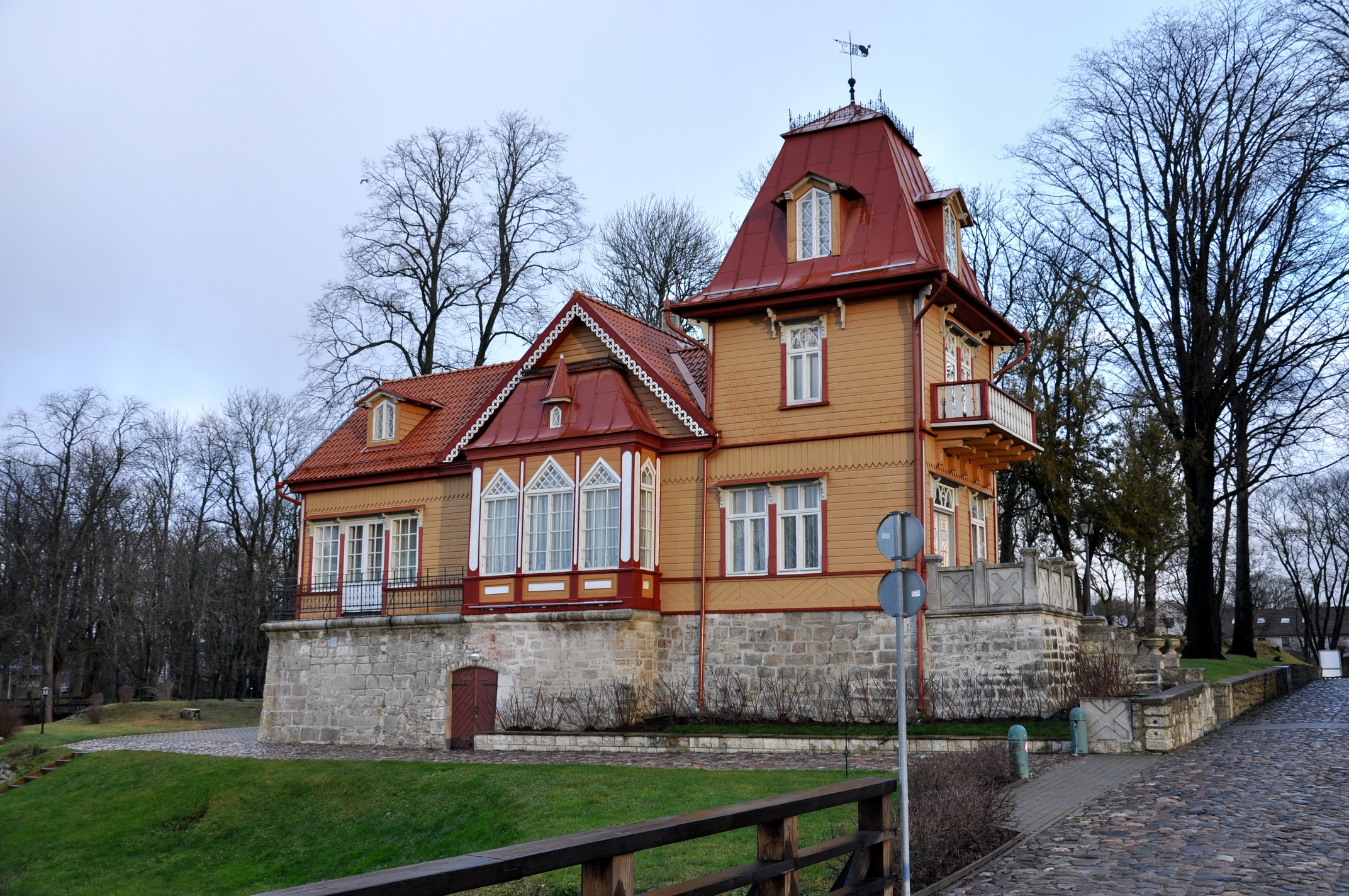
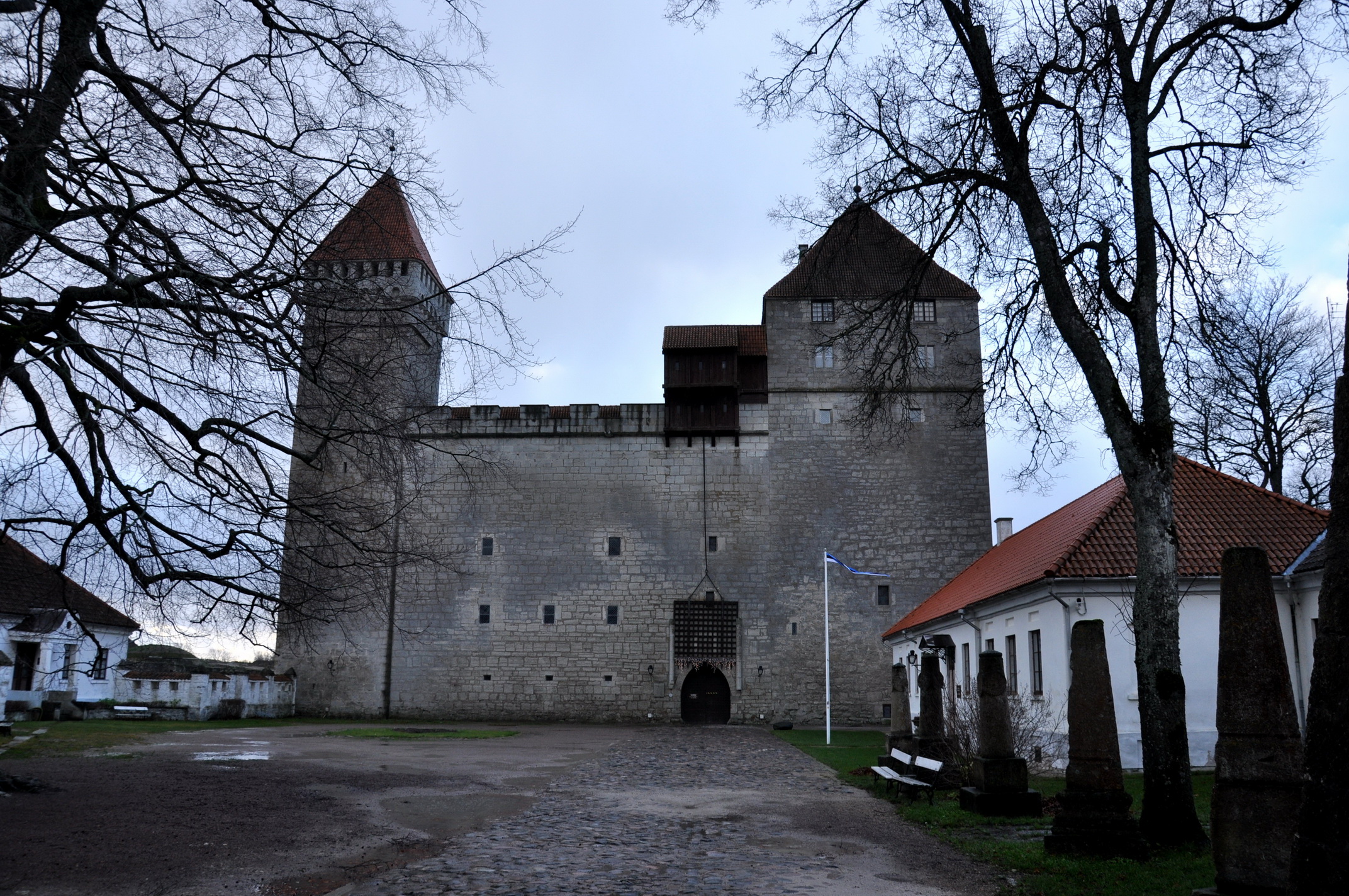
In 1869 he married Olga Panova, the daughter of the archpriest of the local church.
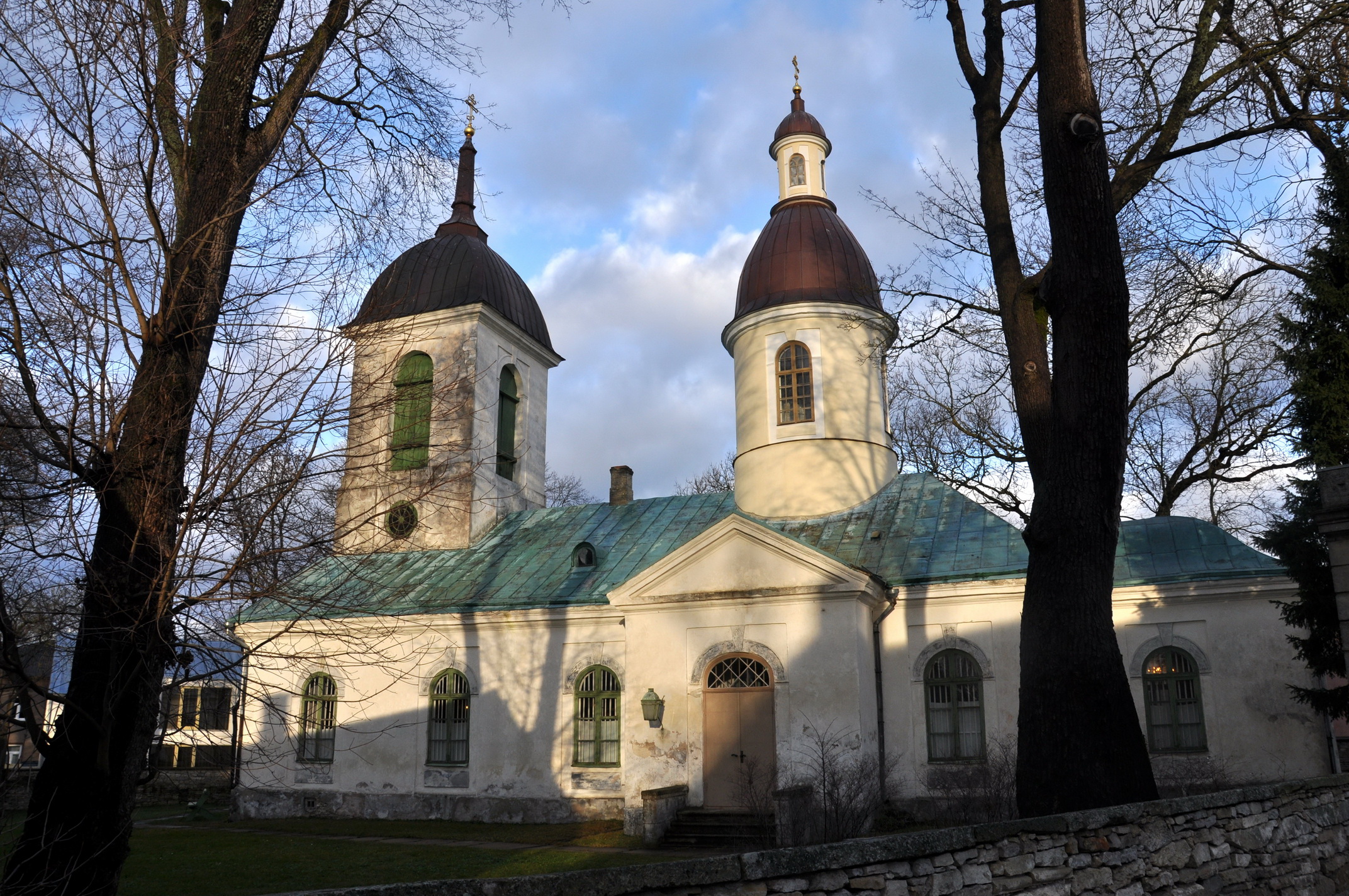
The grave of Olga’s father, Iakov Ioannovich Boikov, my great-great-great-grandfather, is in excellent condition. He was a priest at St Nicholas Church in Arensburg, and the congregation still looks after his grave. Iakov was born in the Pskov Governorate and was sent to Estonia as a missionary to strengthen the Orthodox faith.
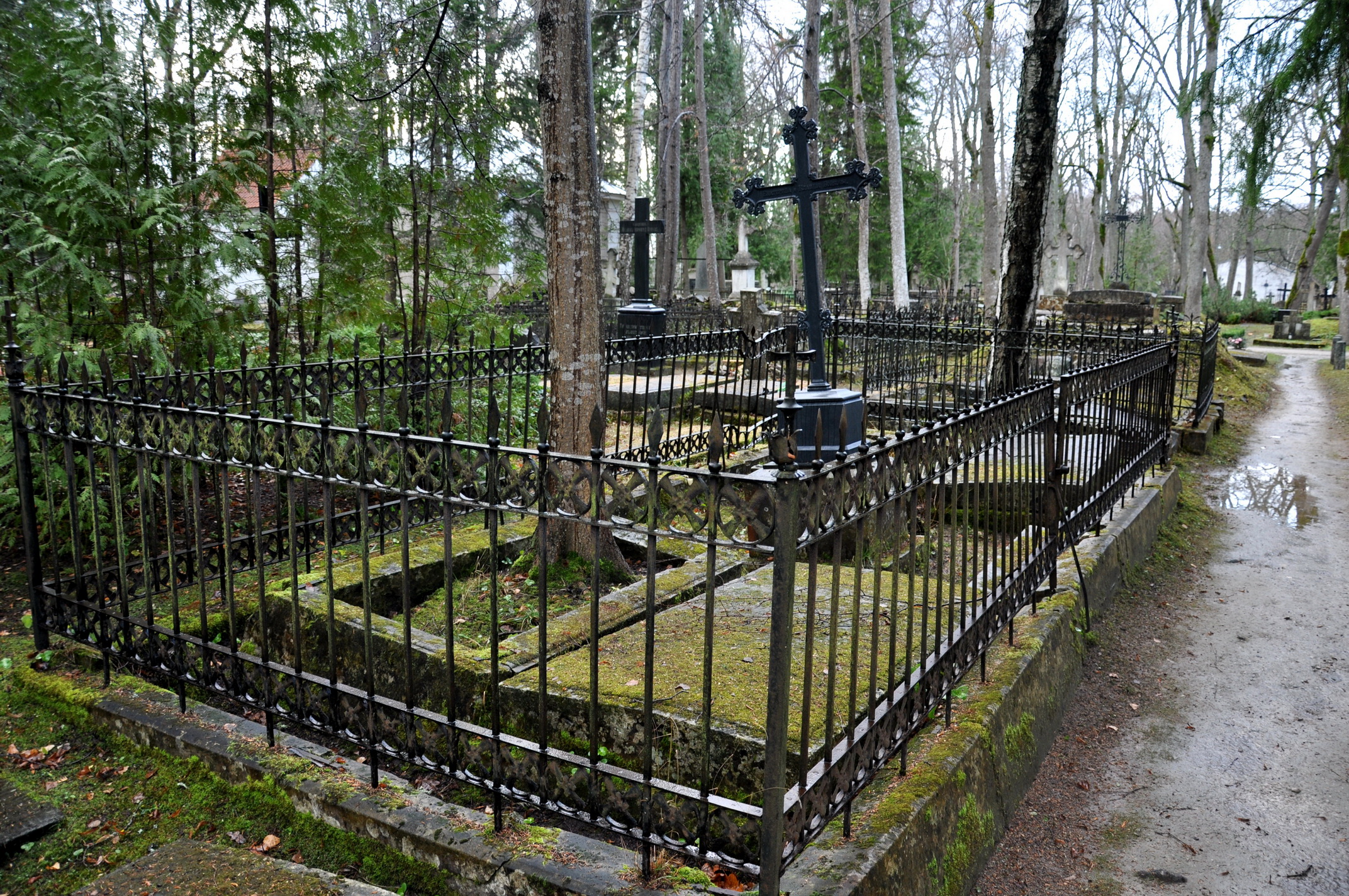
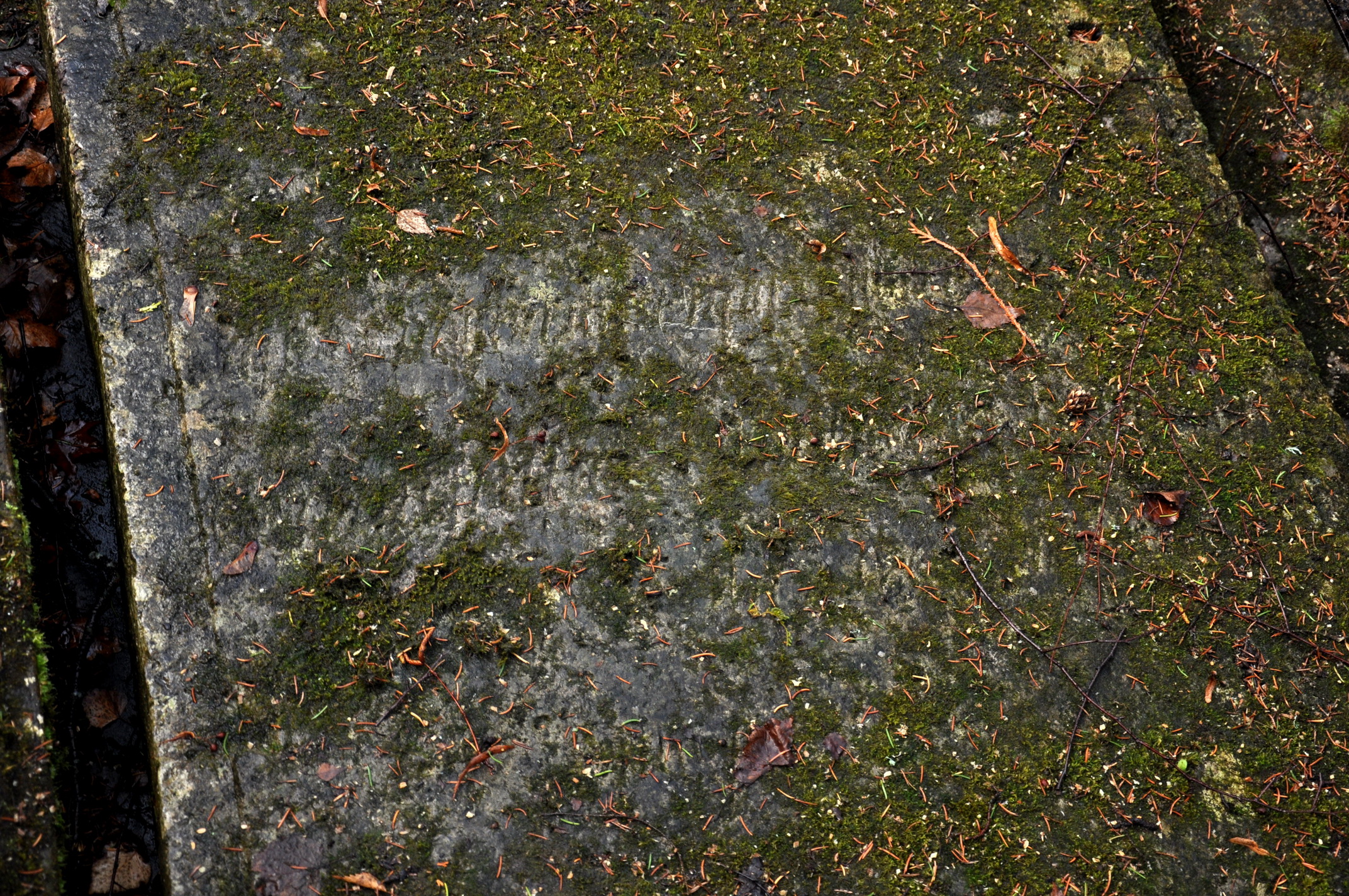
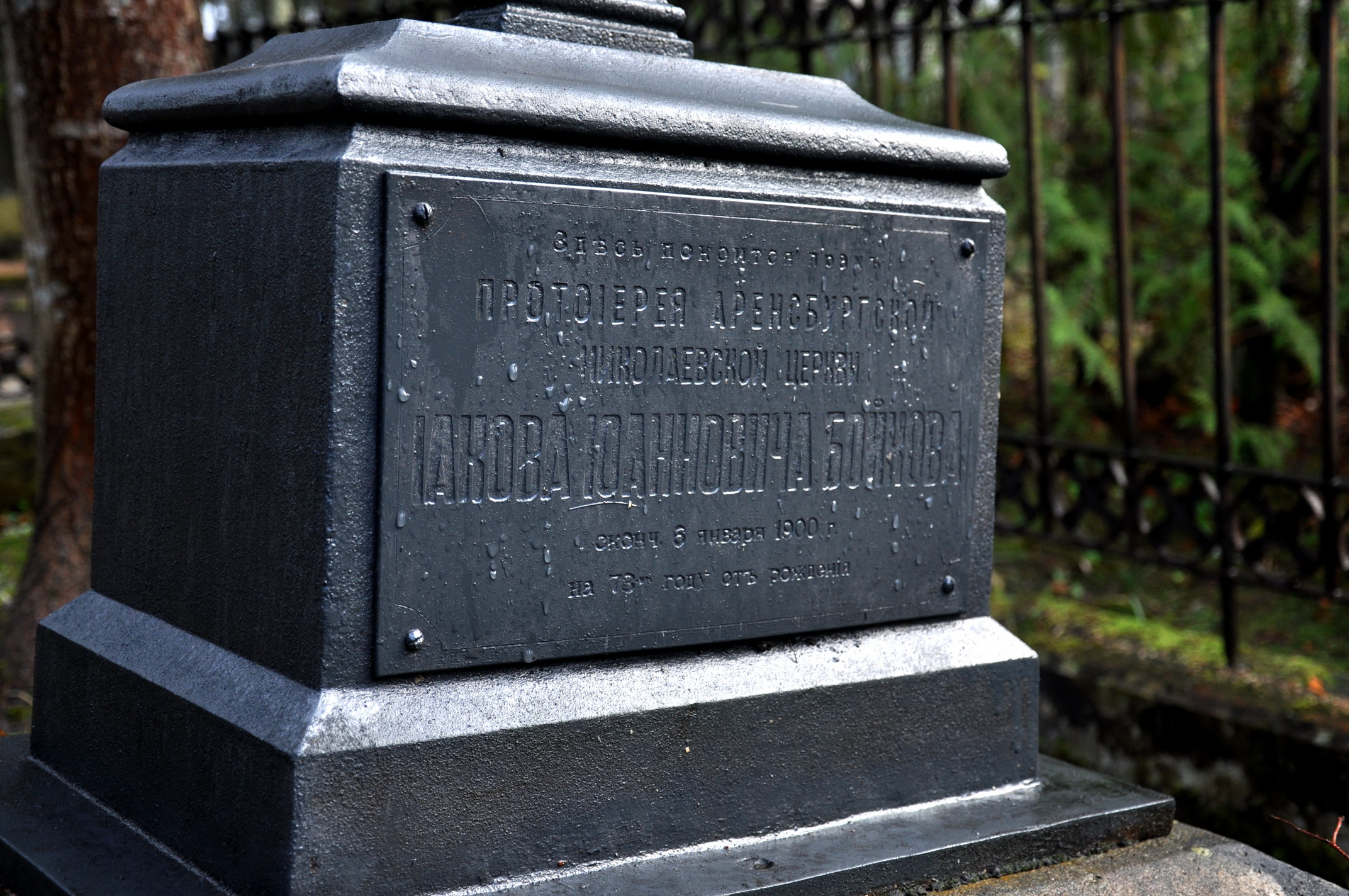
Adam and Olga had four children: Pavel, Nikolai, Peter and Klavdiya. Pavel ended up in Odesa, where he died in 1929. The Communists shot the other three. Peter was my great-grandfather. Nikolai became an Orthodox saint, one of the New Martyrs.
In the morning I walked around town and went to the cemetery. Kuressaare is a lovely, quiet little town. Was it worth leaving a place like this?
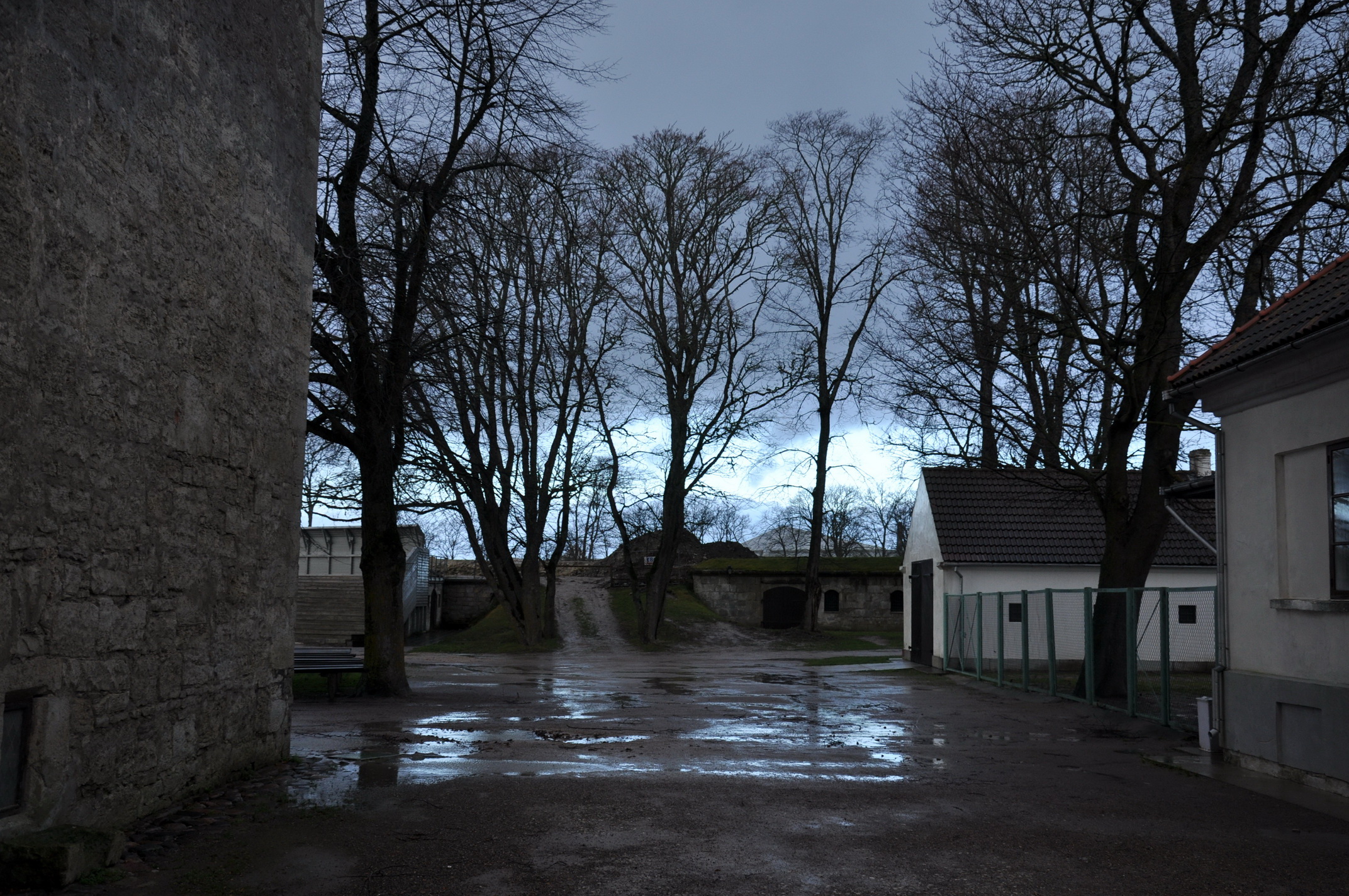
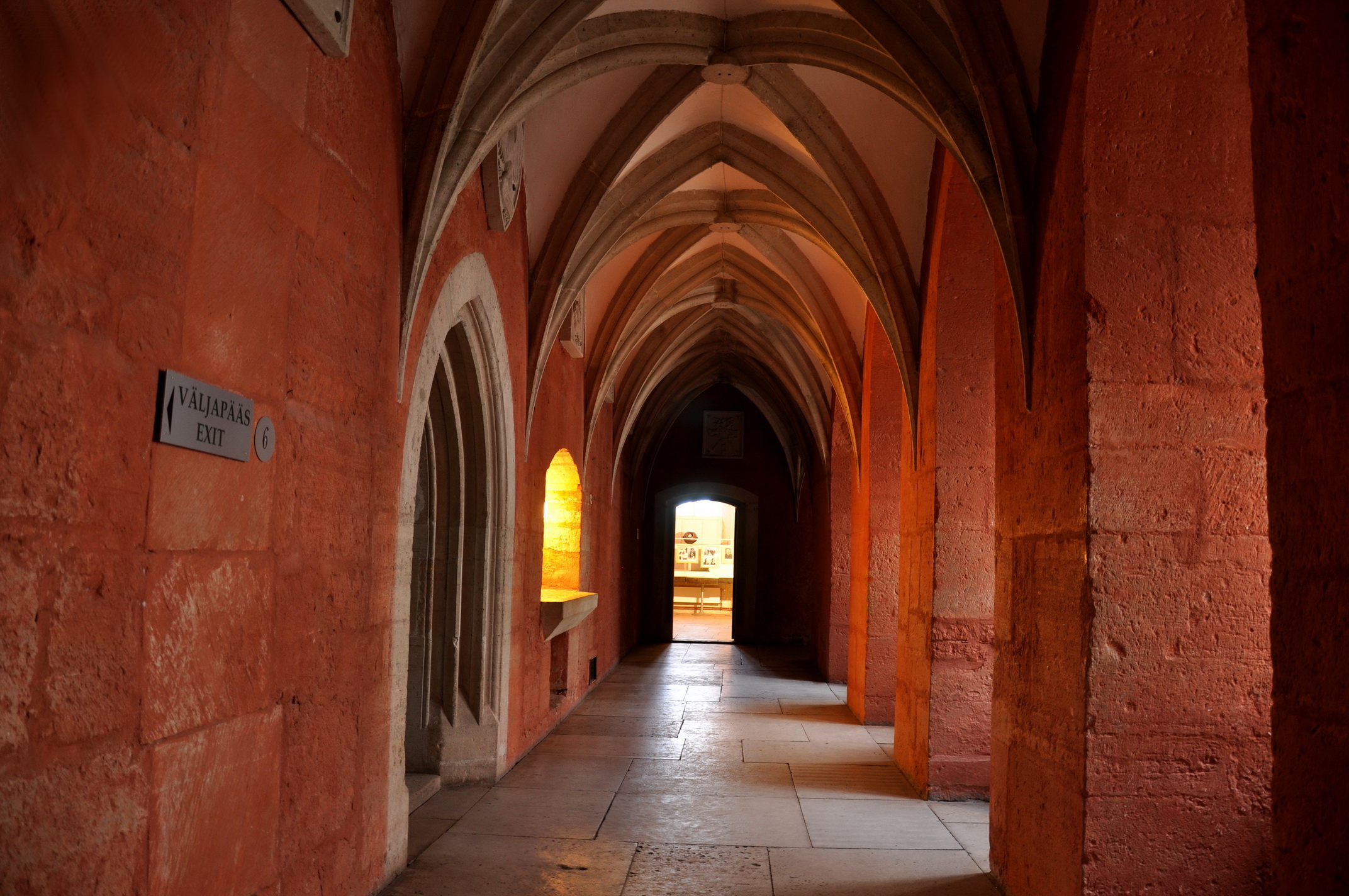
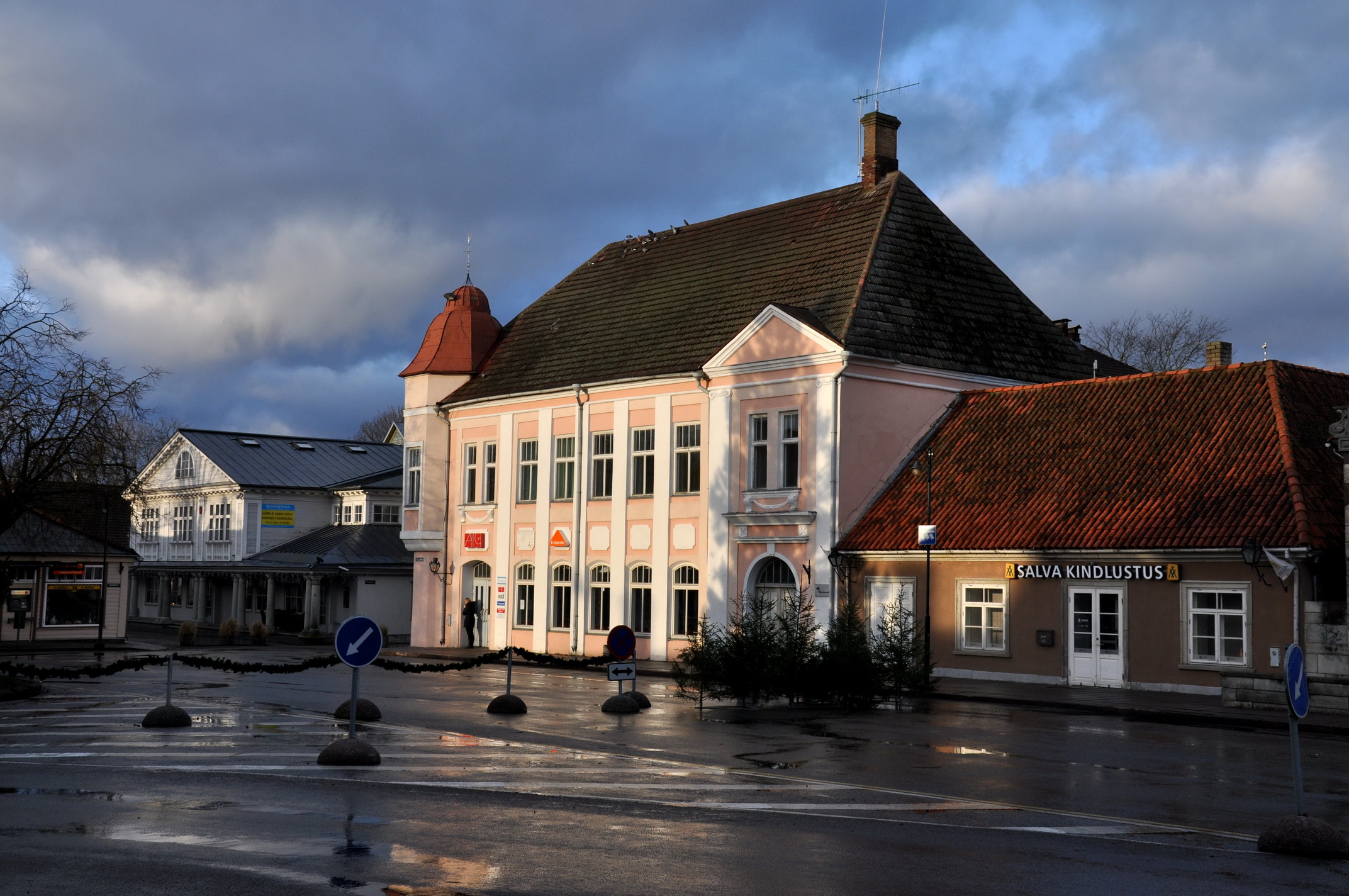
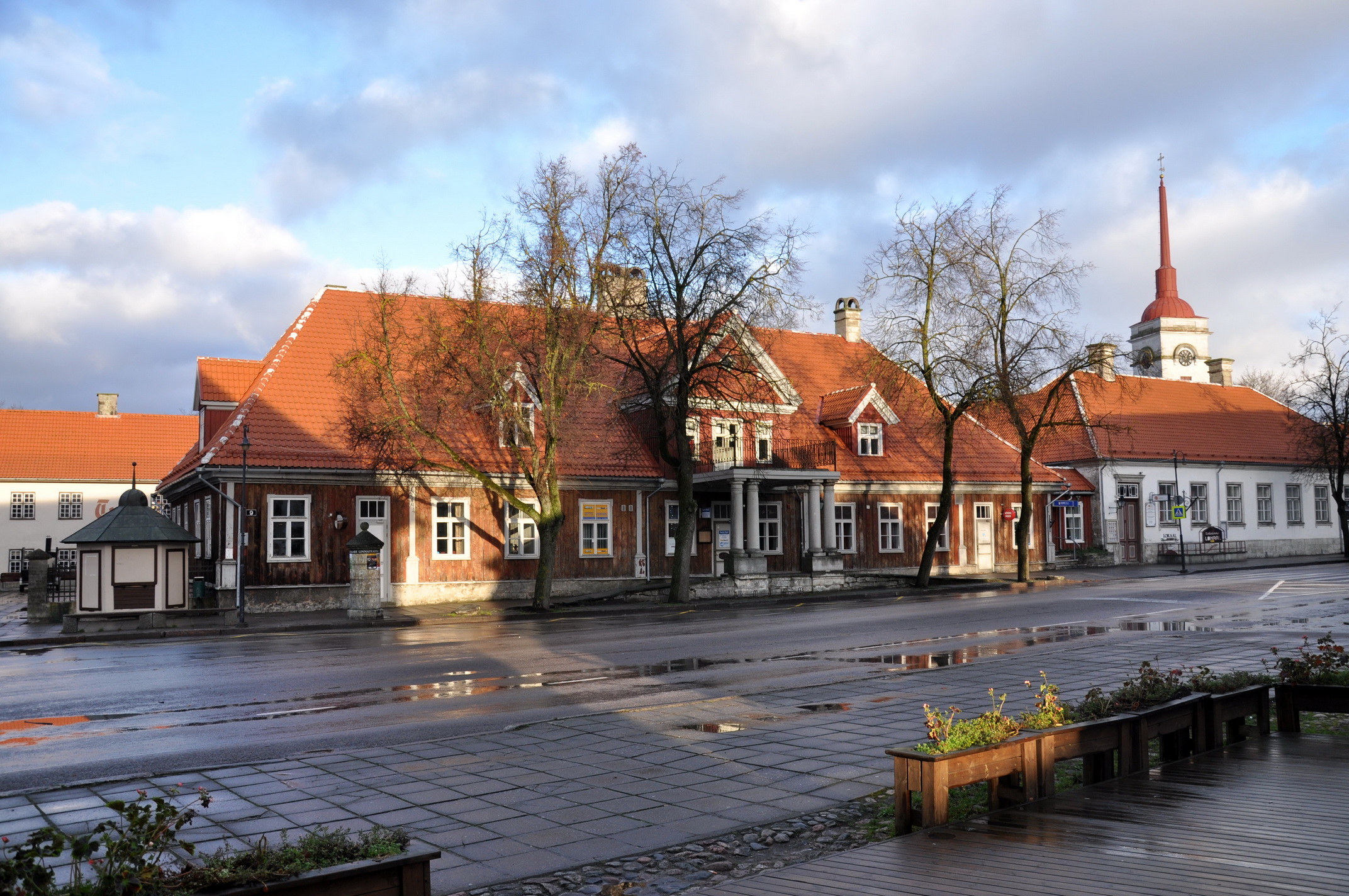
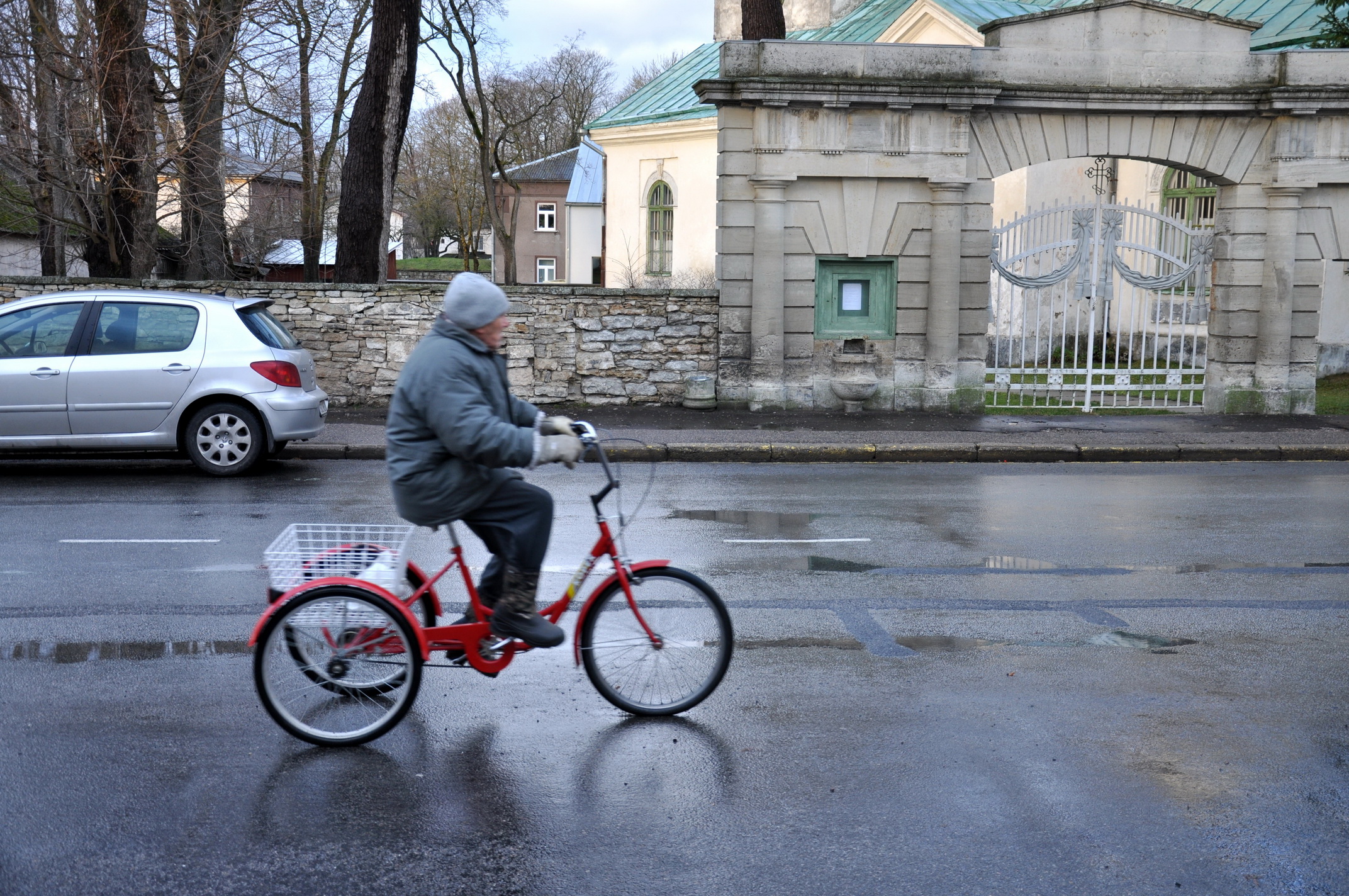
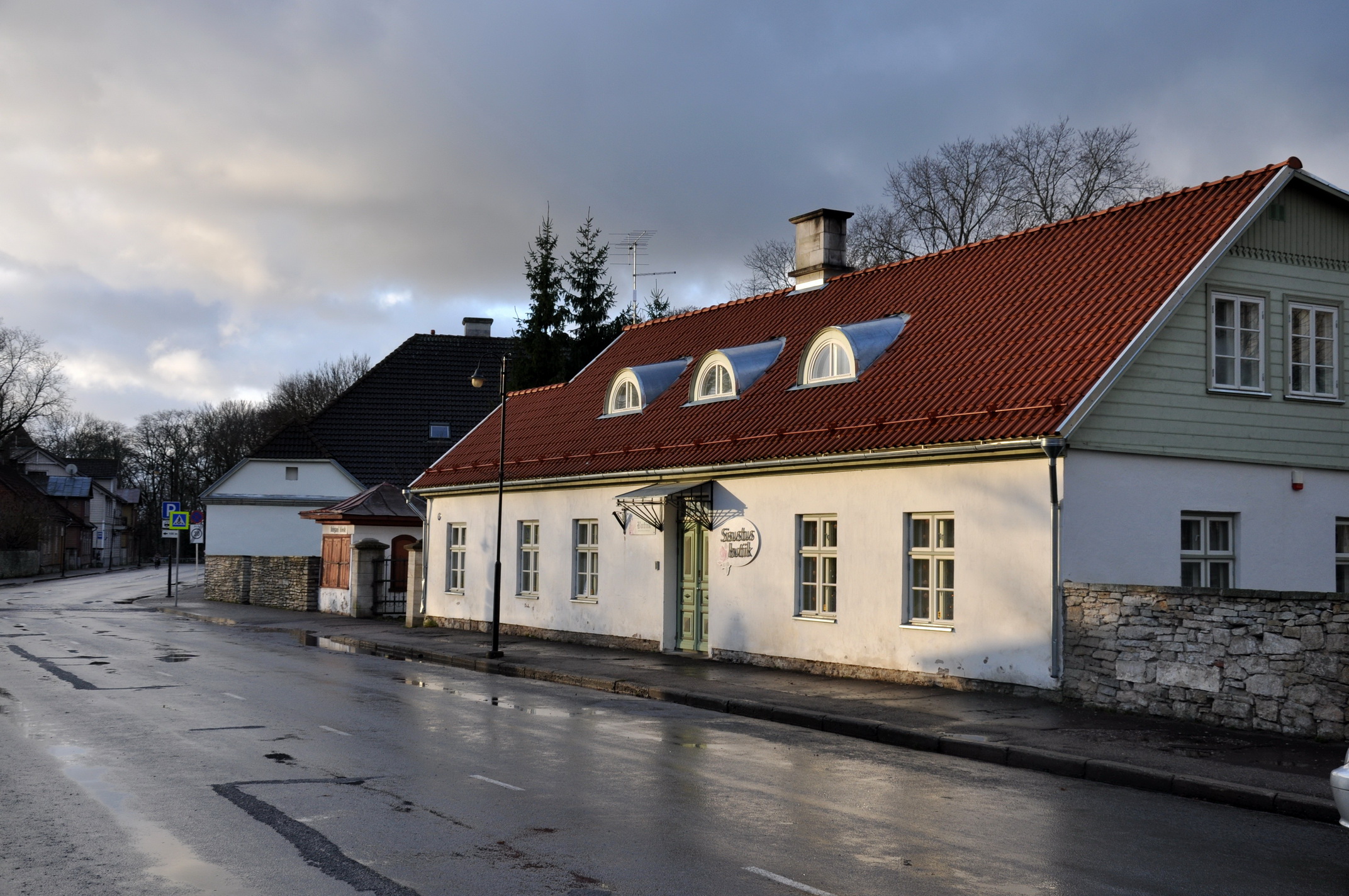
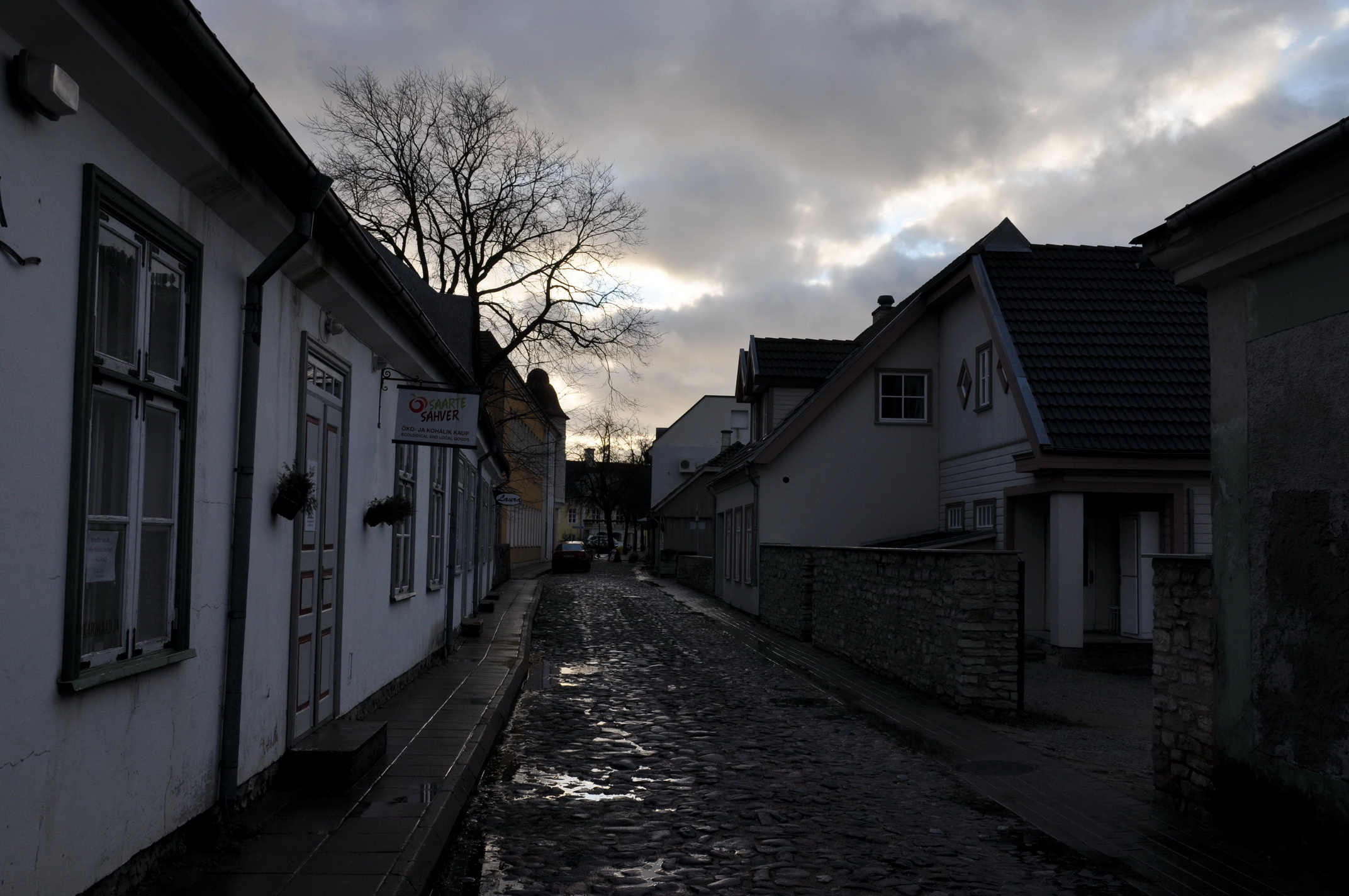
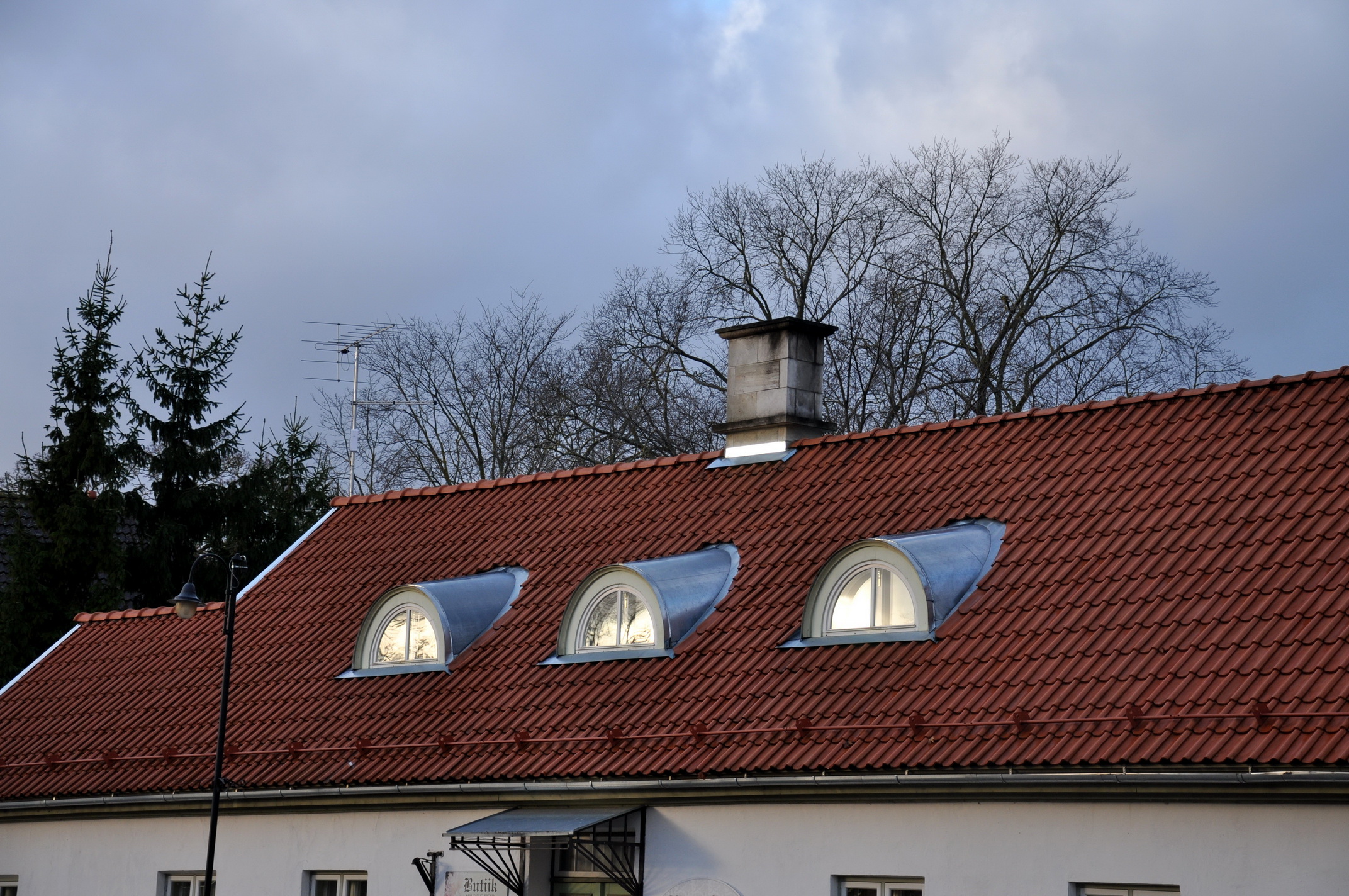
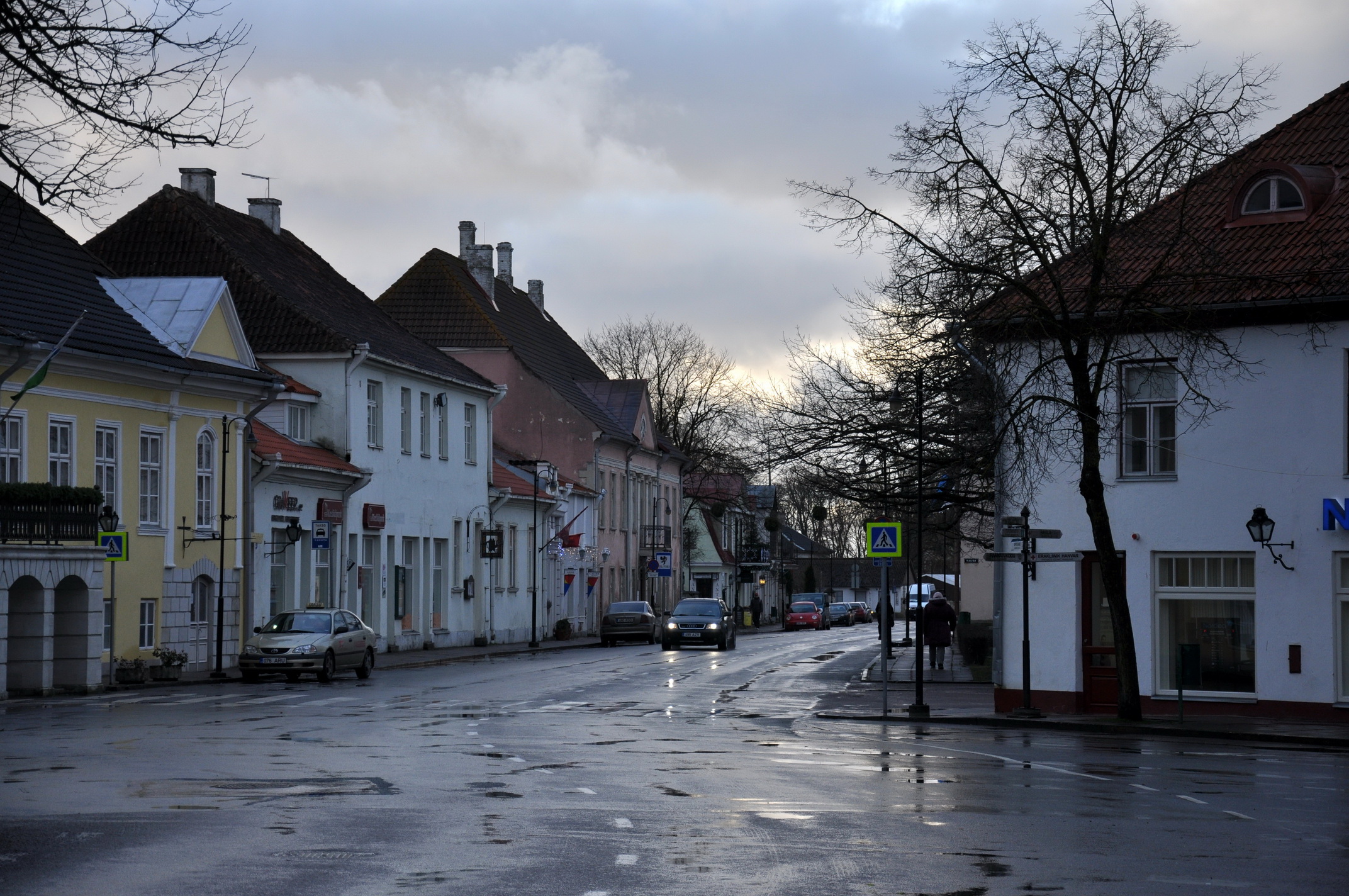
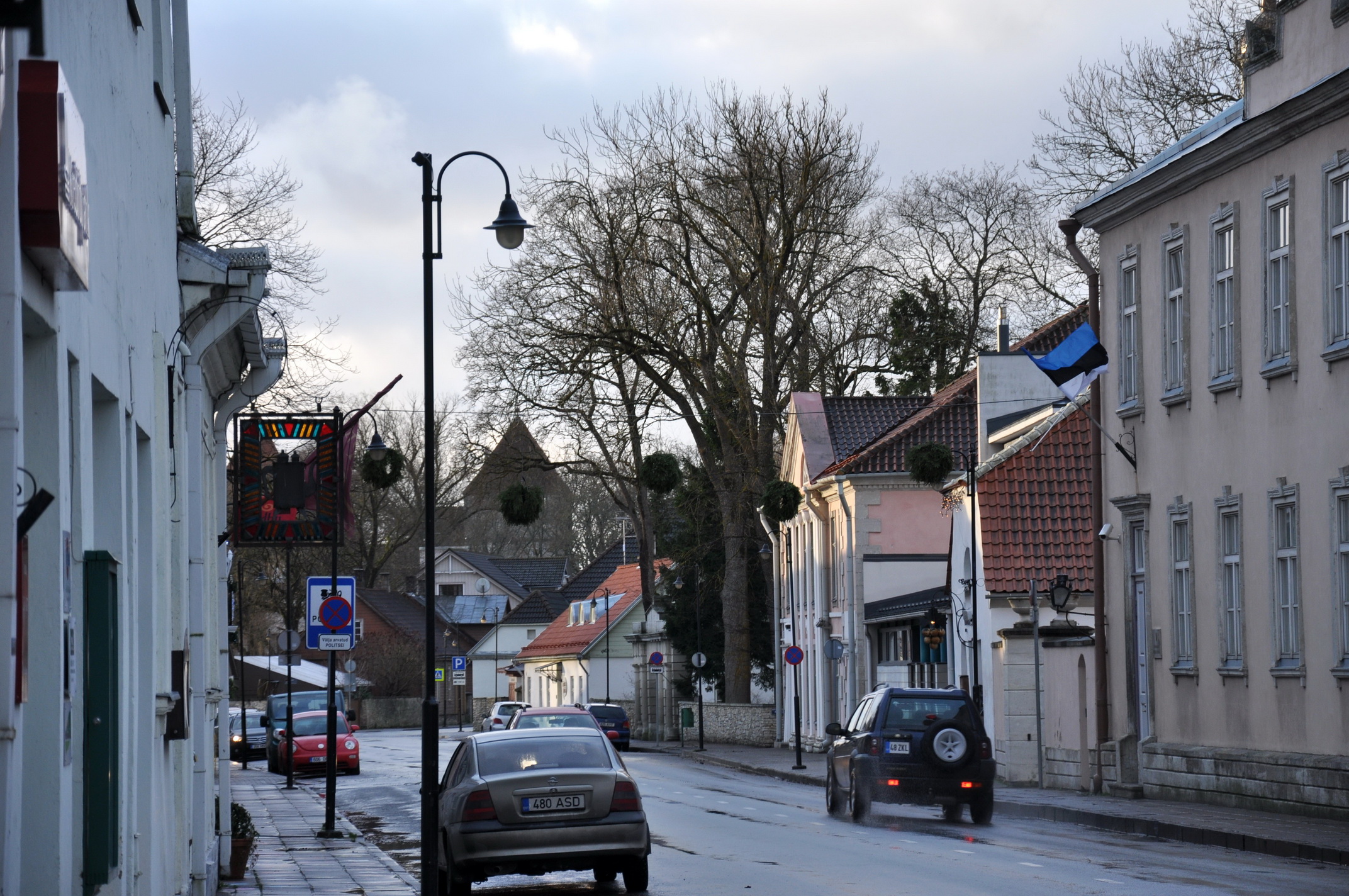
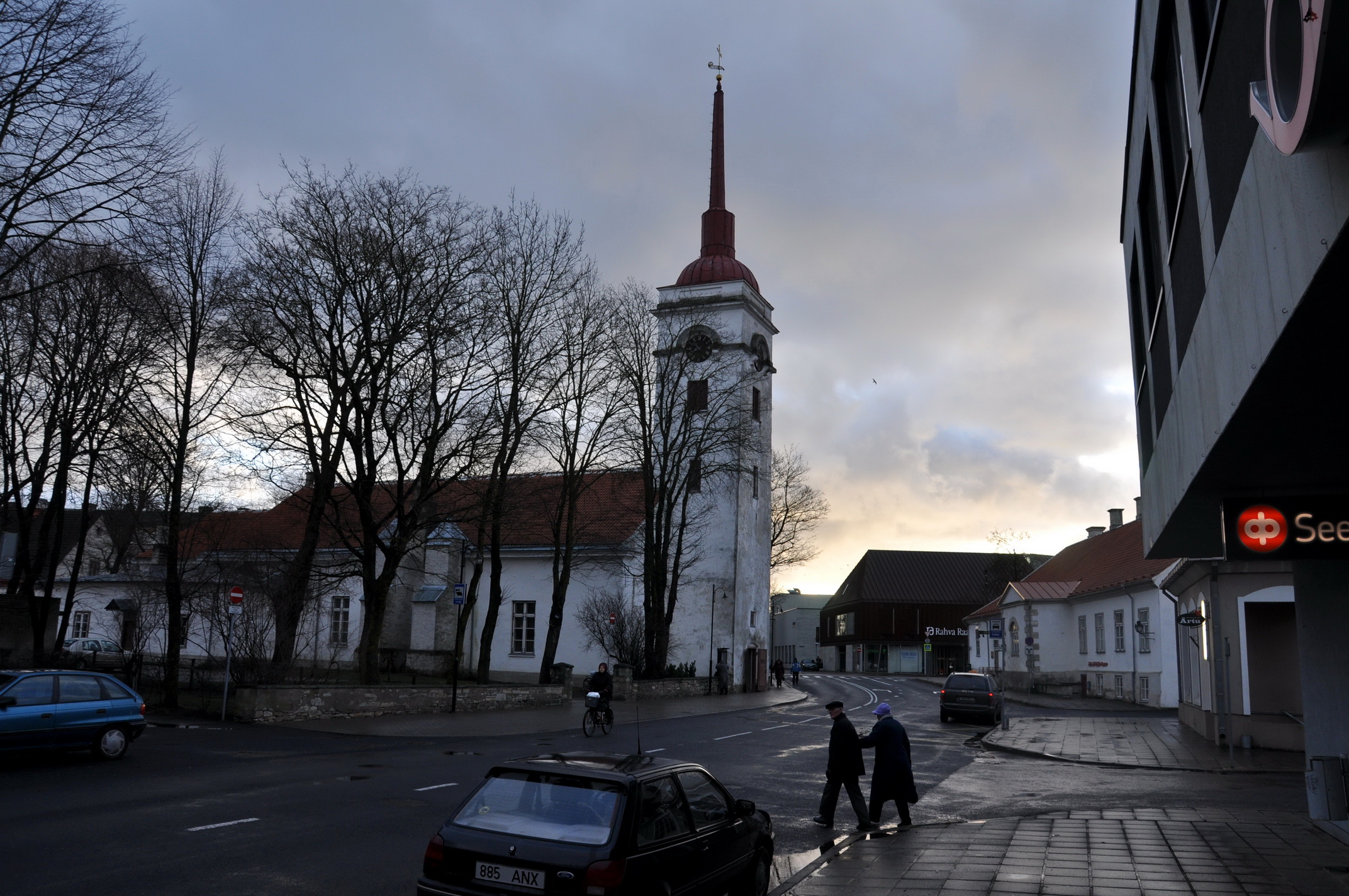
The town has been put back in order over recent years. There’s no trace of Soviet rule left. Nobody speaks Russian, and only the younger generation speaks English.
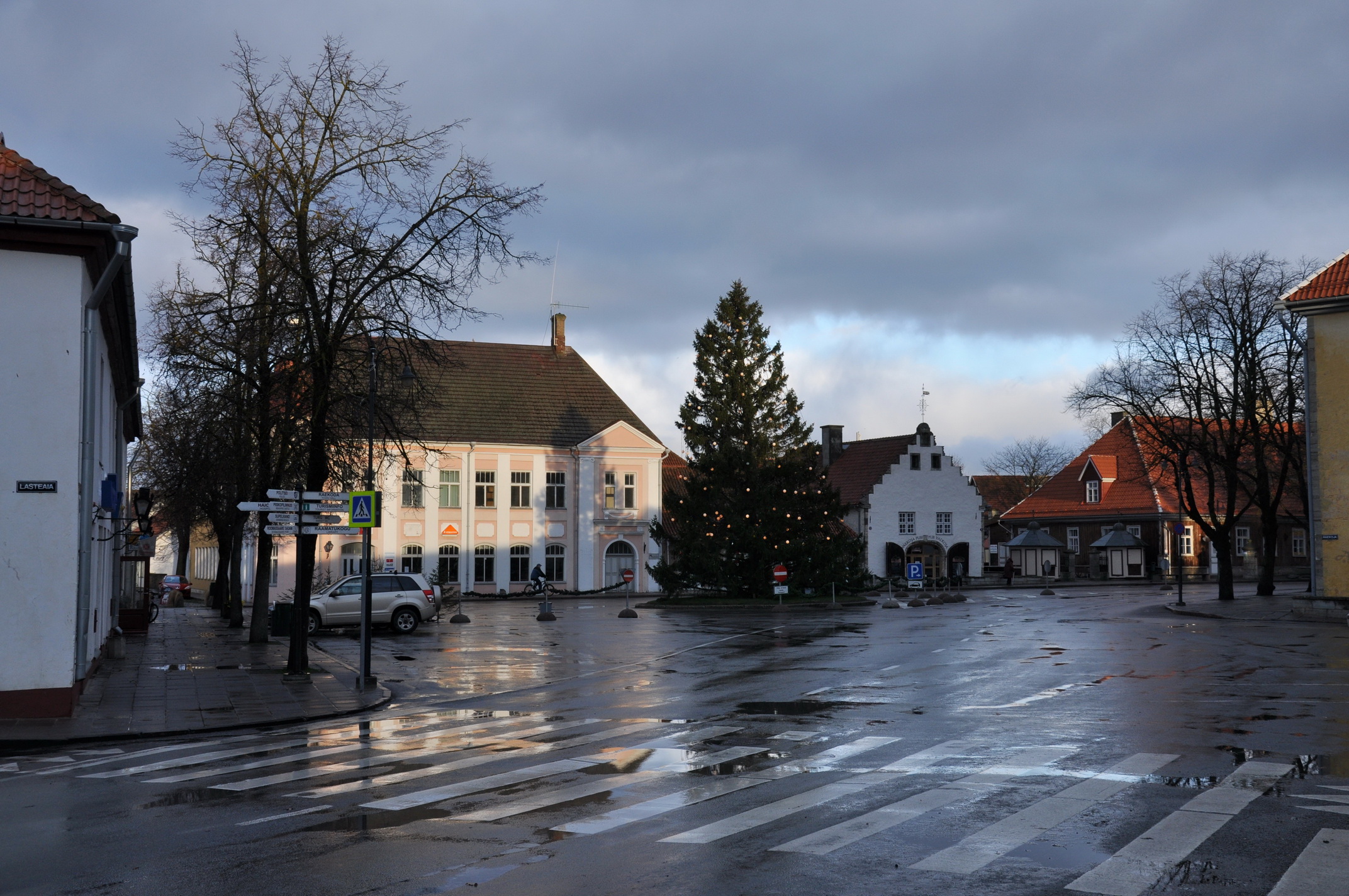
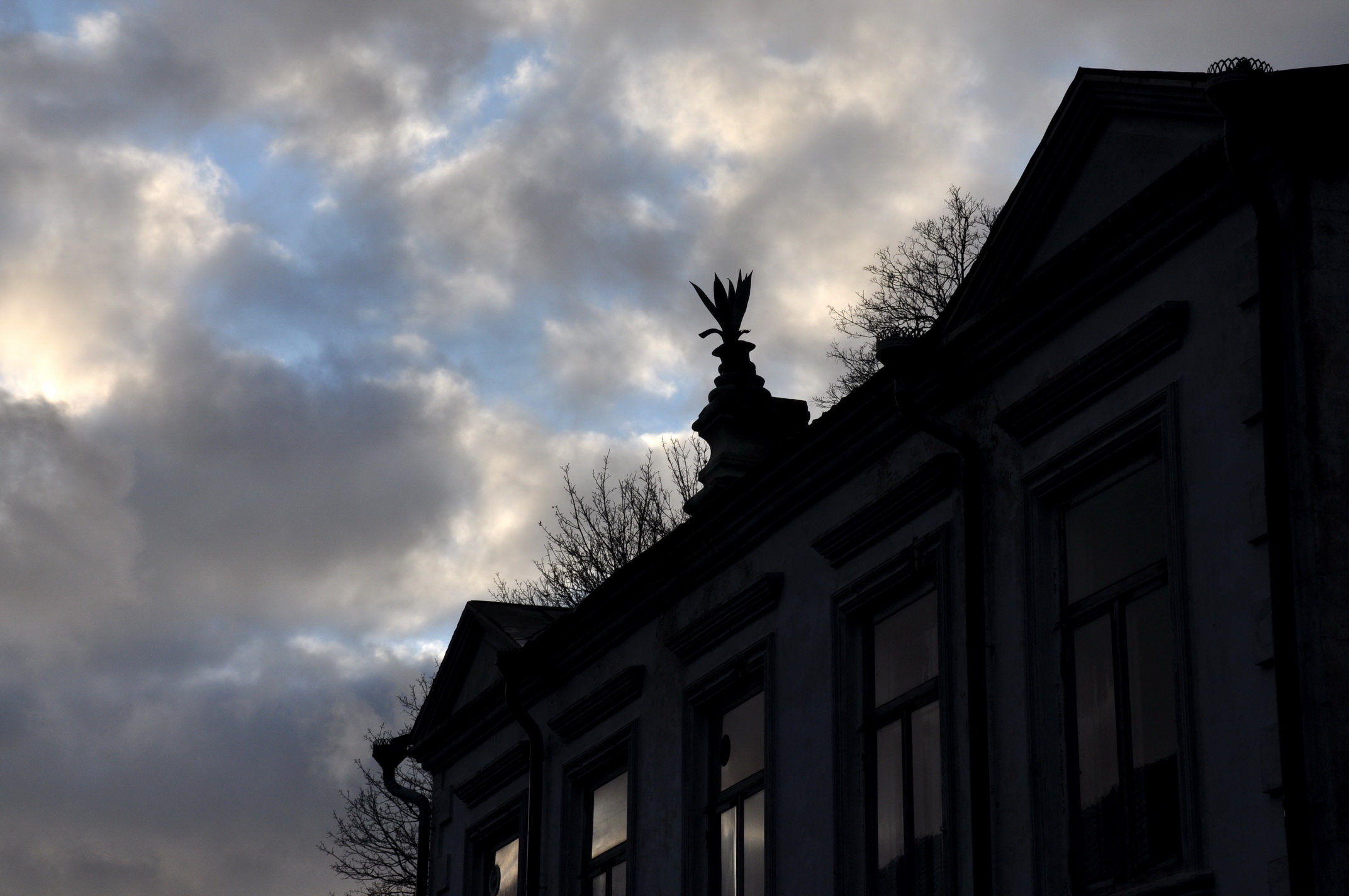
During the Soviet years this was a strictly controlled border zone. Neither my father nor my grandfather ever got in. Then again, my grandfather didn’t want to risk it. If the authorities remembered his background, that would be the end of him. The Soviet regime had already wiped out three generations before him.
Saaremaa also has the meteorite crater at Kaali, the Kaali meteoriidikraater (58°22.367′N, 22°40.167′E). It formed some five thousand years ago when a meteorite weighing 20 to 80 tonnes struck at 10 to 20 kilometres per second. There’s water at the bottom of the main crater, and its level varies a great deal with the season. There are eight smaller craters nearby, but they’re not particularly interesting.
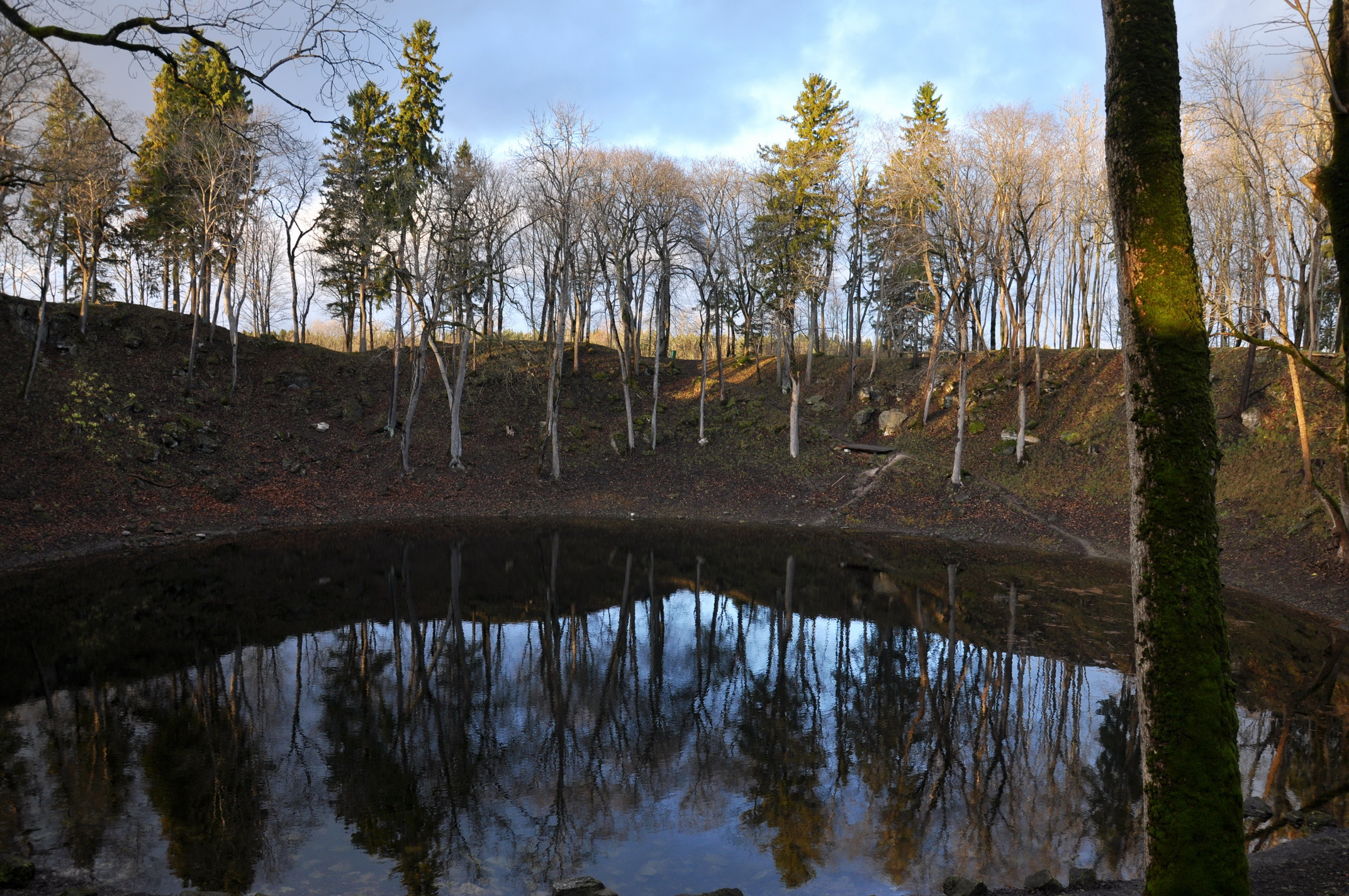
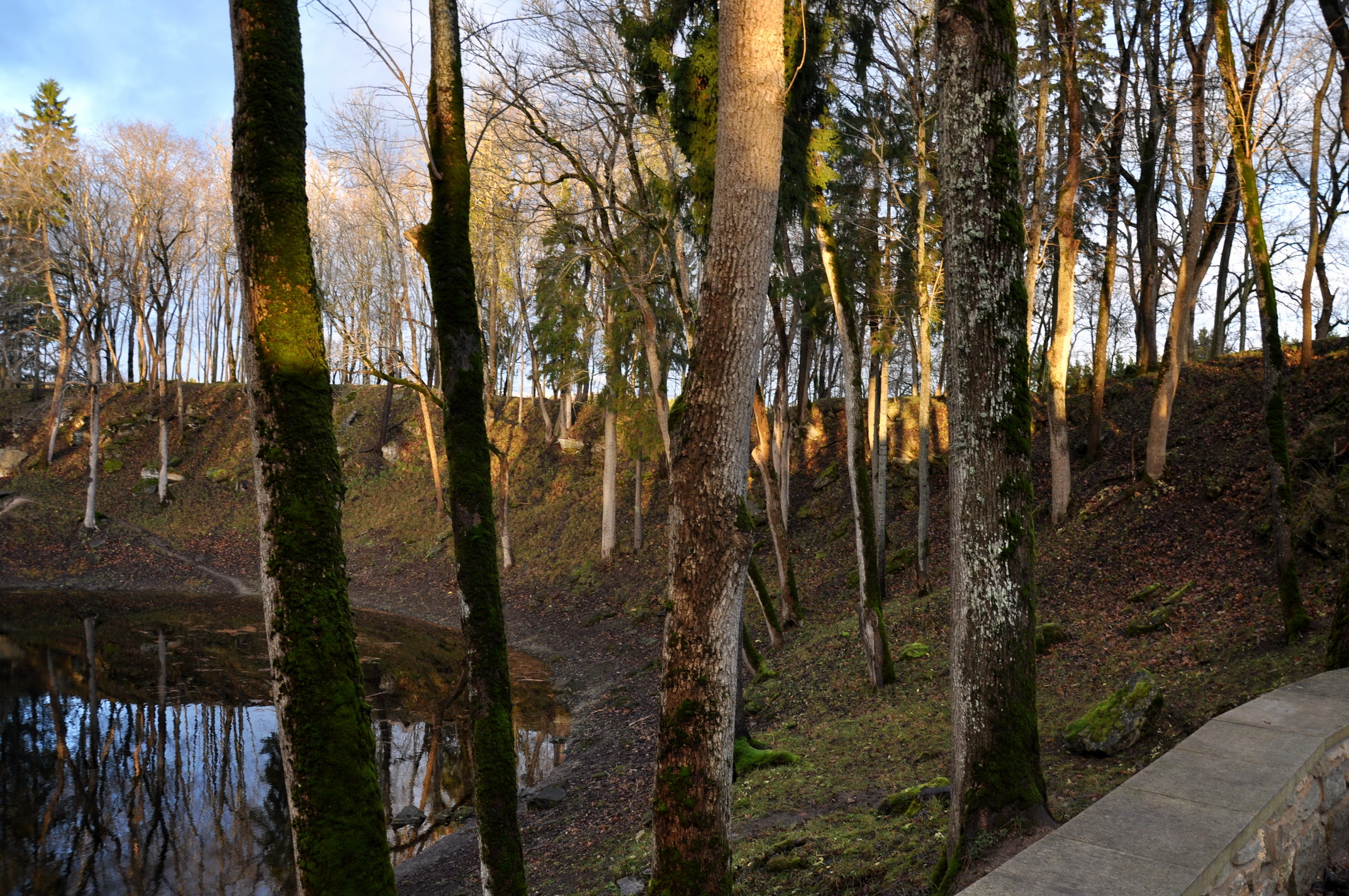
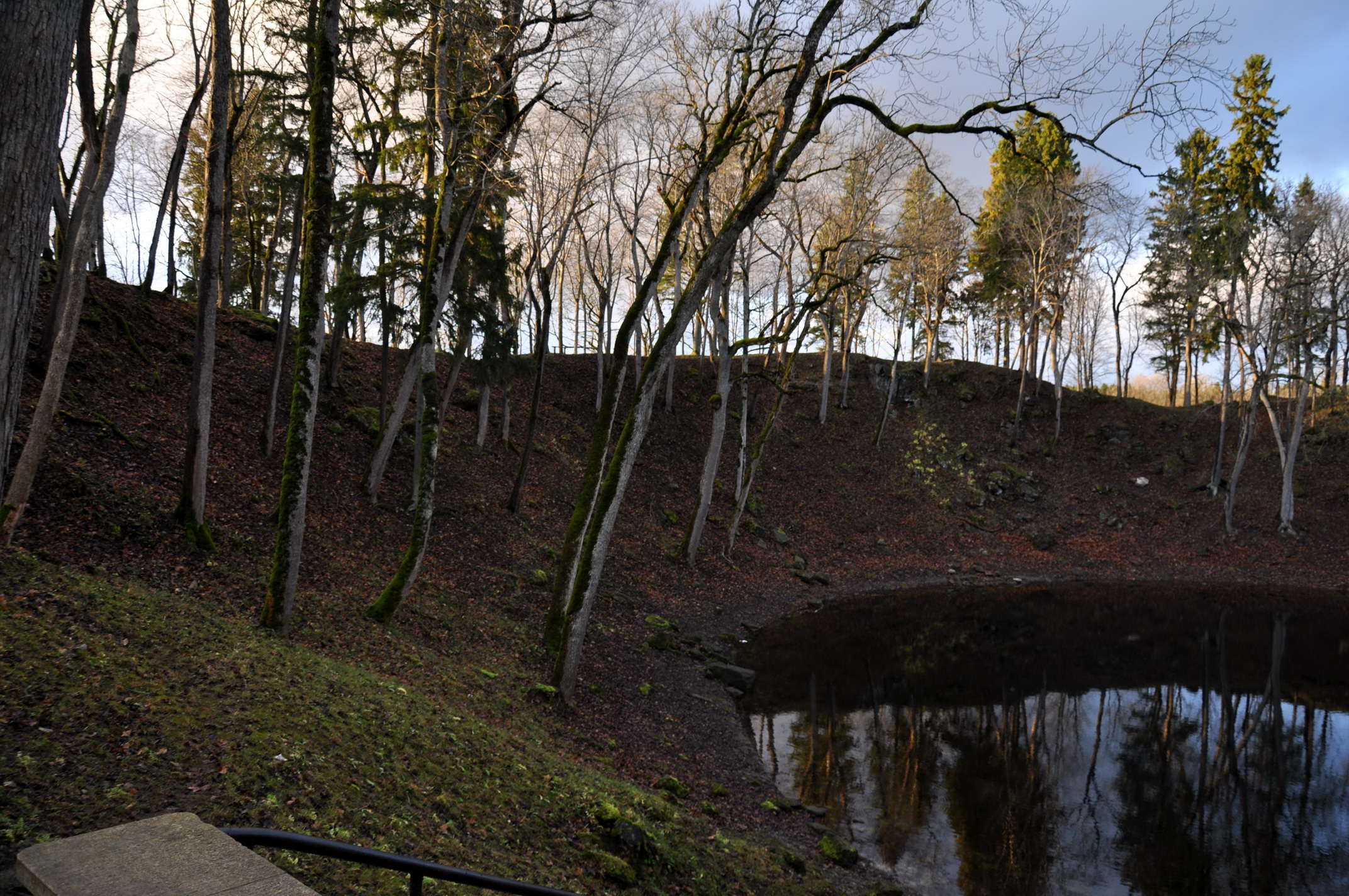
Tanya and I were here in 2002, but I went back one more time. There’d been rather a lot of churches and cemeteries in the last few days. The crater is something else. The sheer force of it. Outer space. It’s good to come into contact with something beyond the earth, something heavenly, and to do it for real rather than in church.
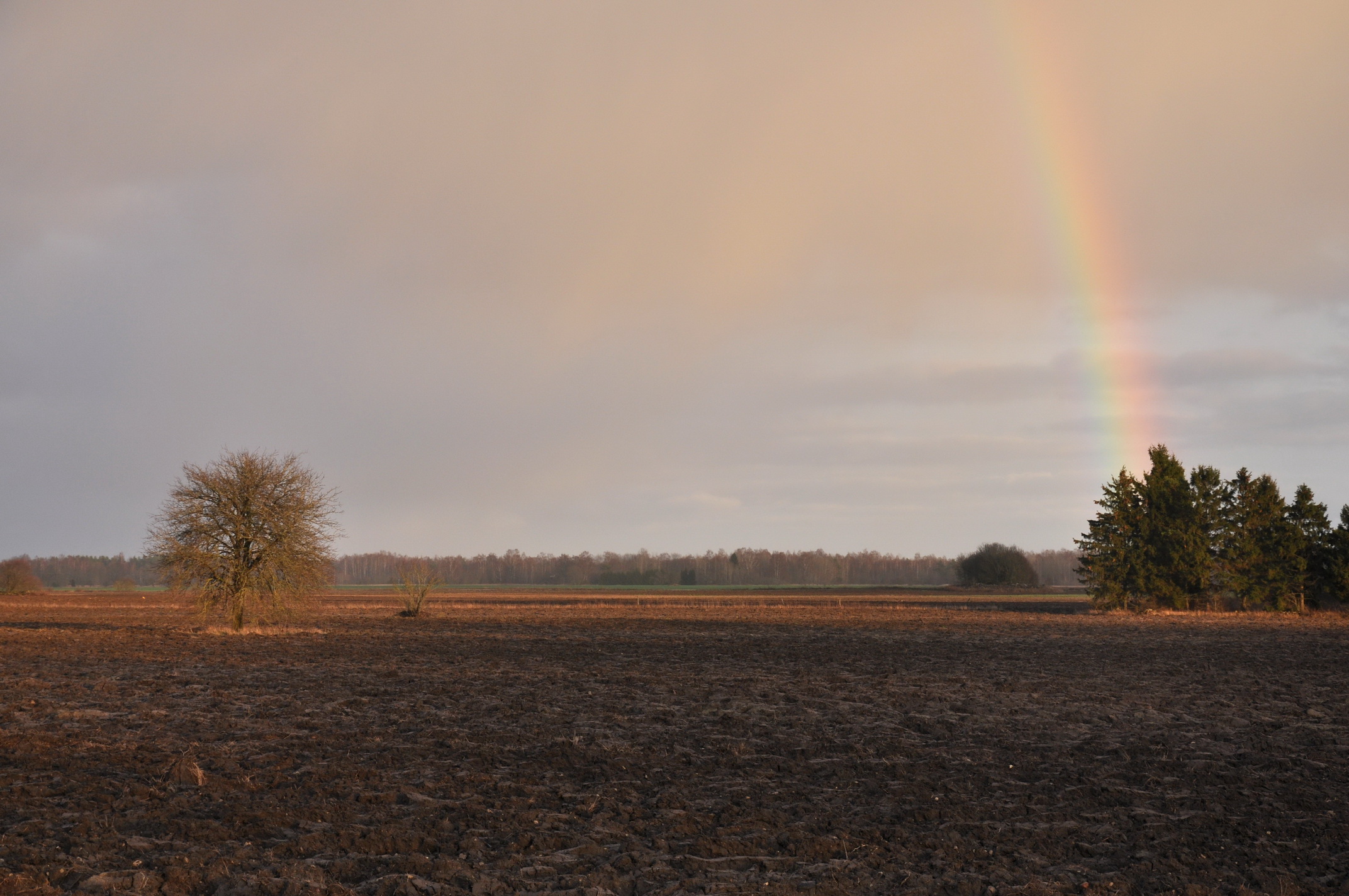
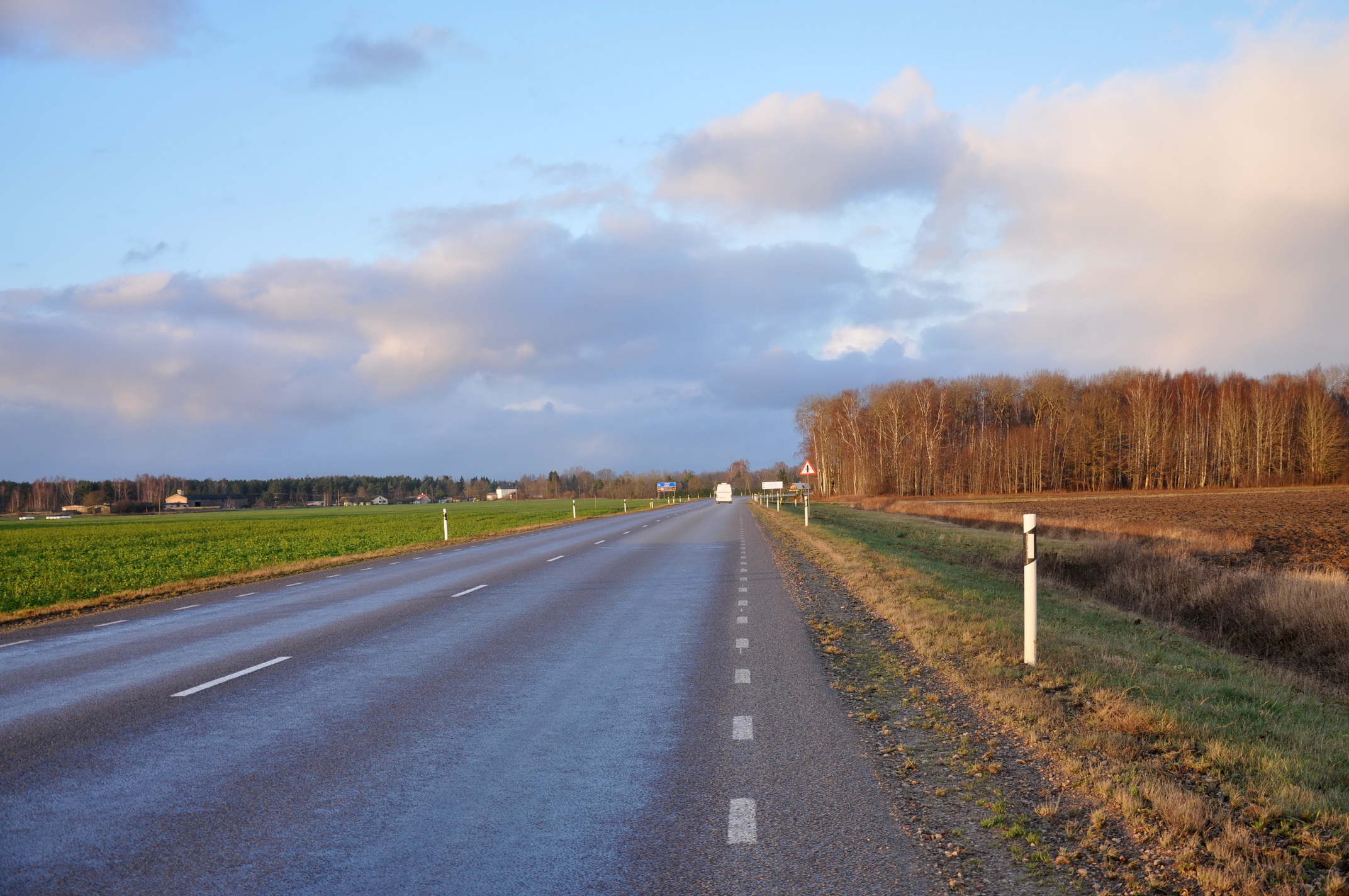
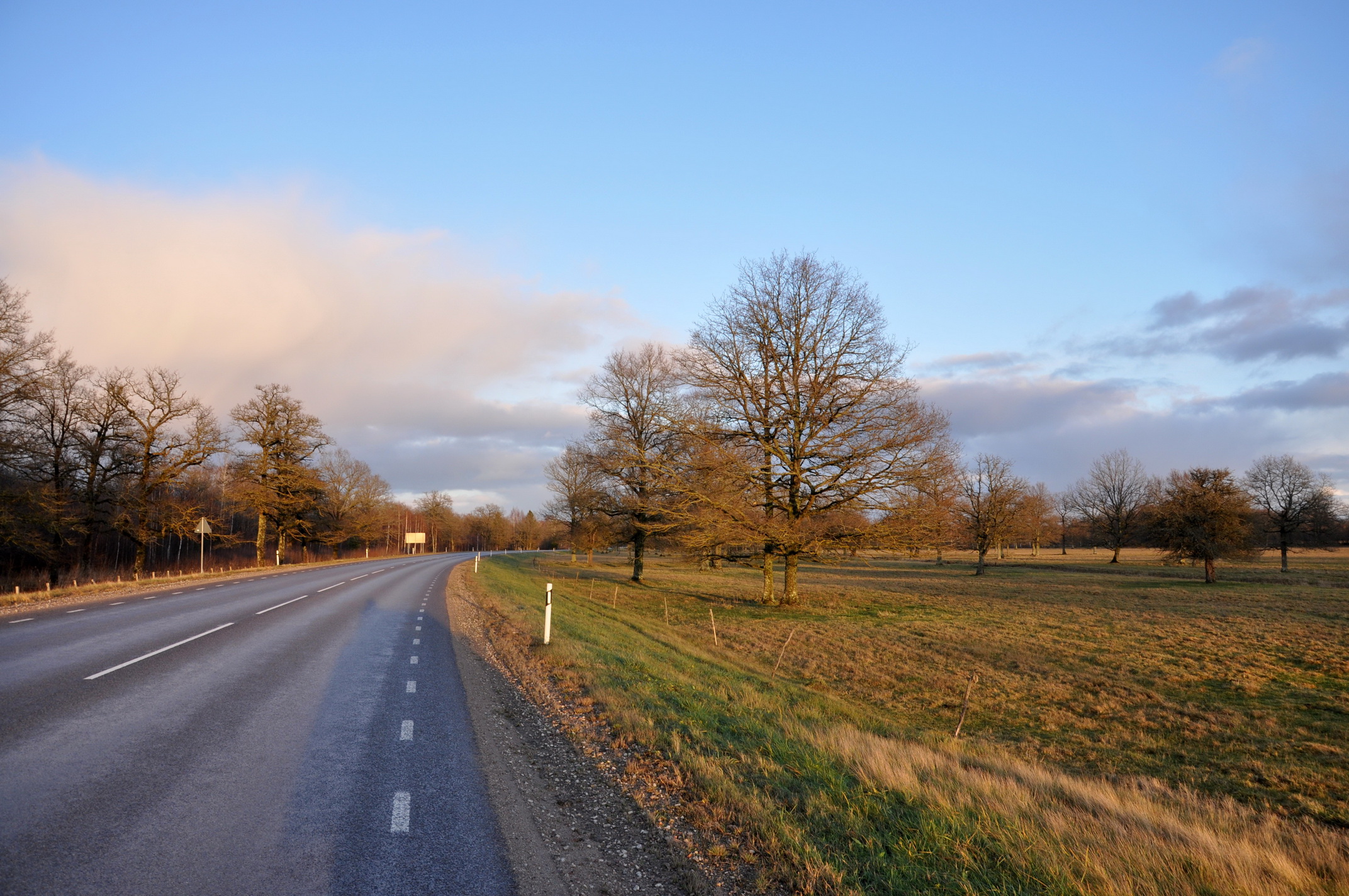
I returned by ferry to the mainland.
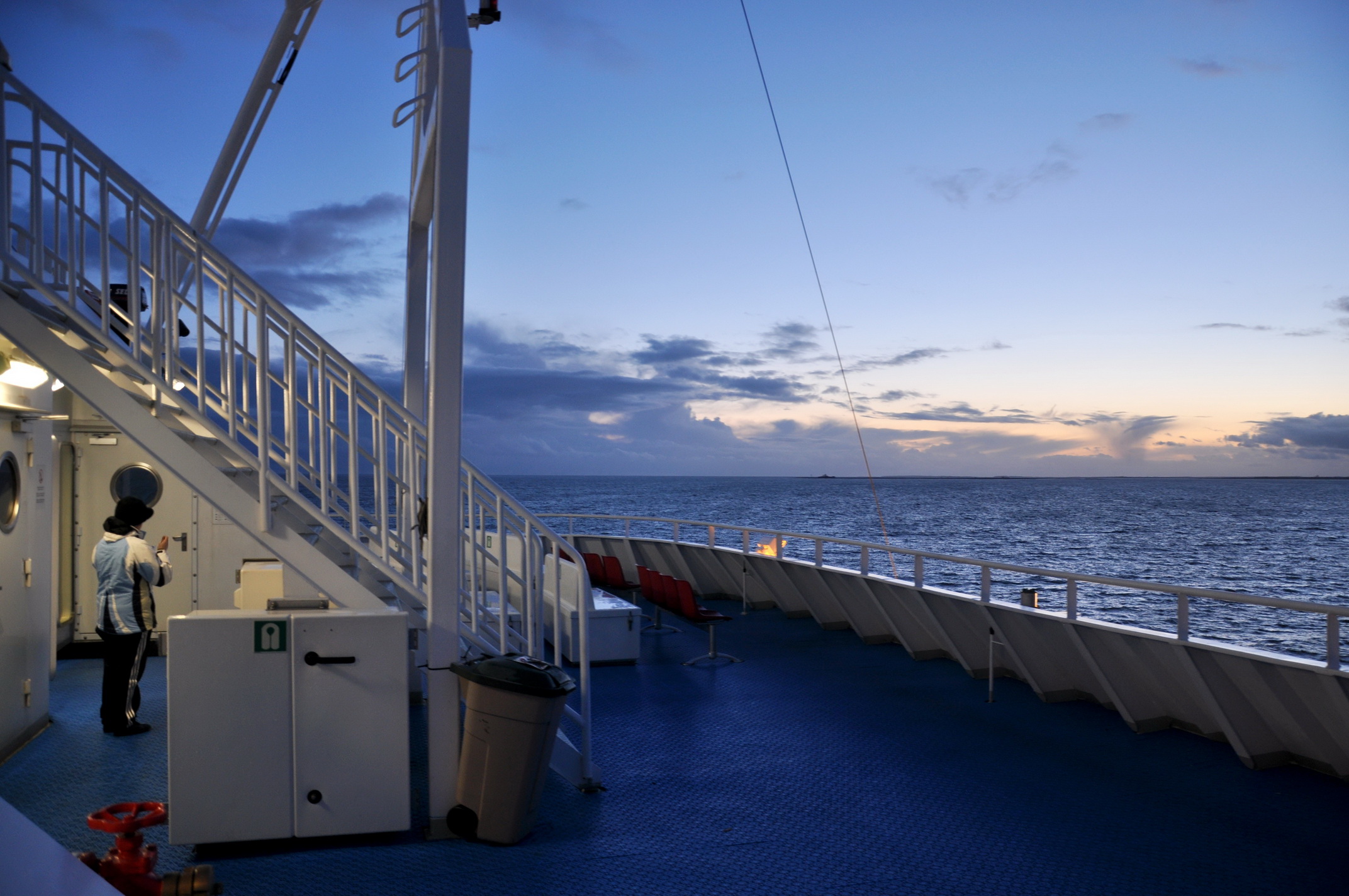
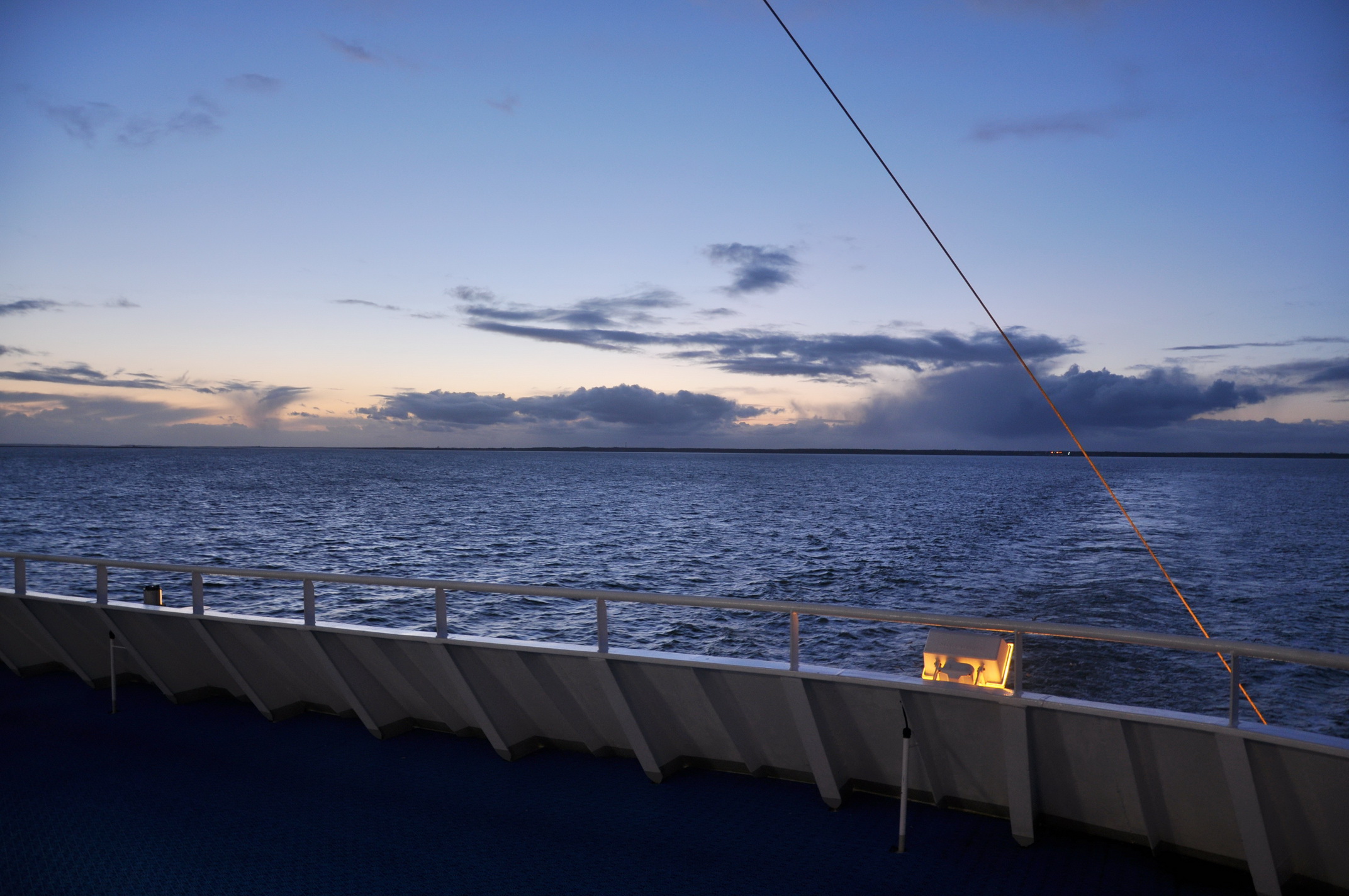
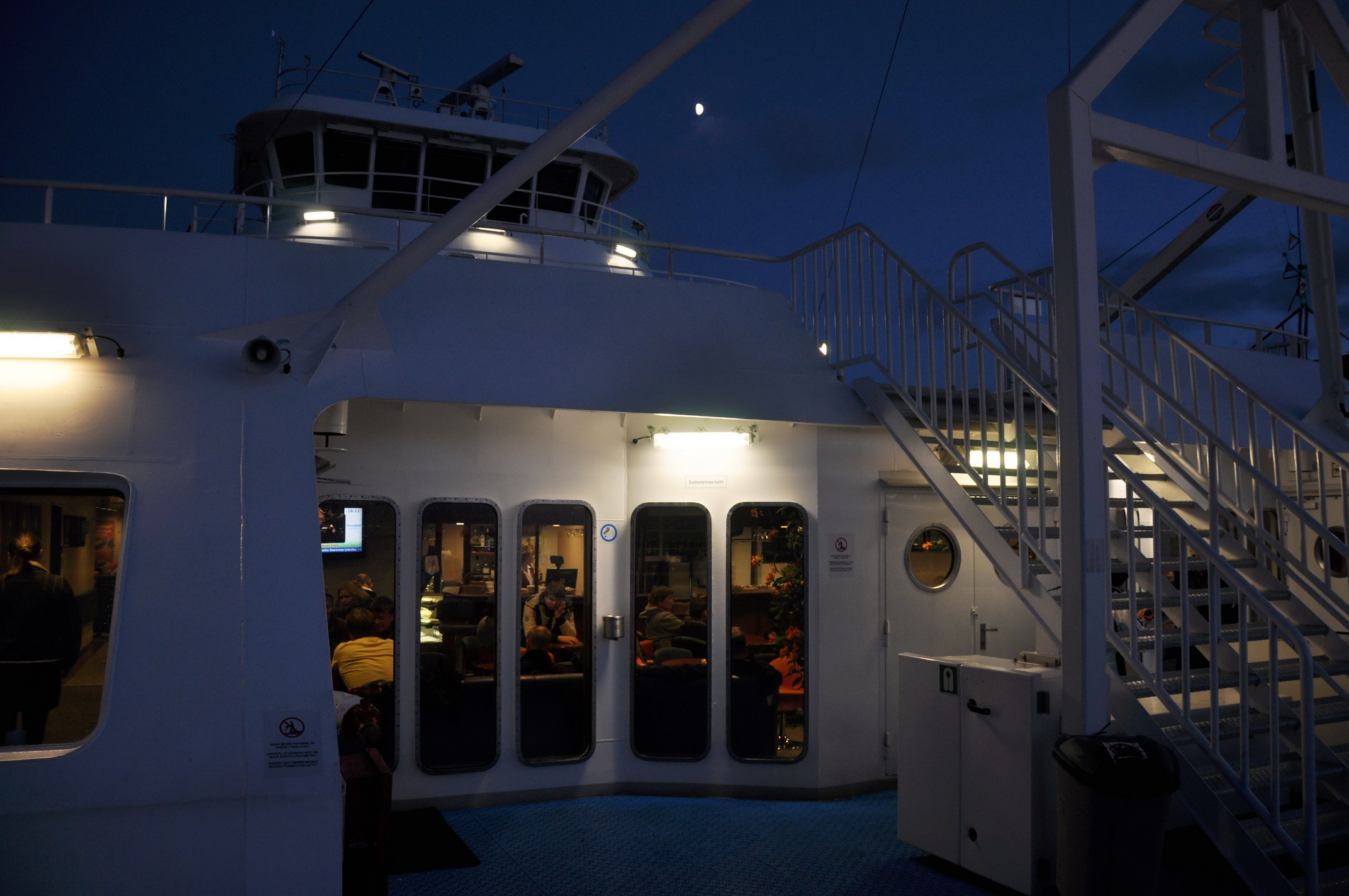
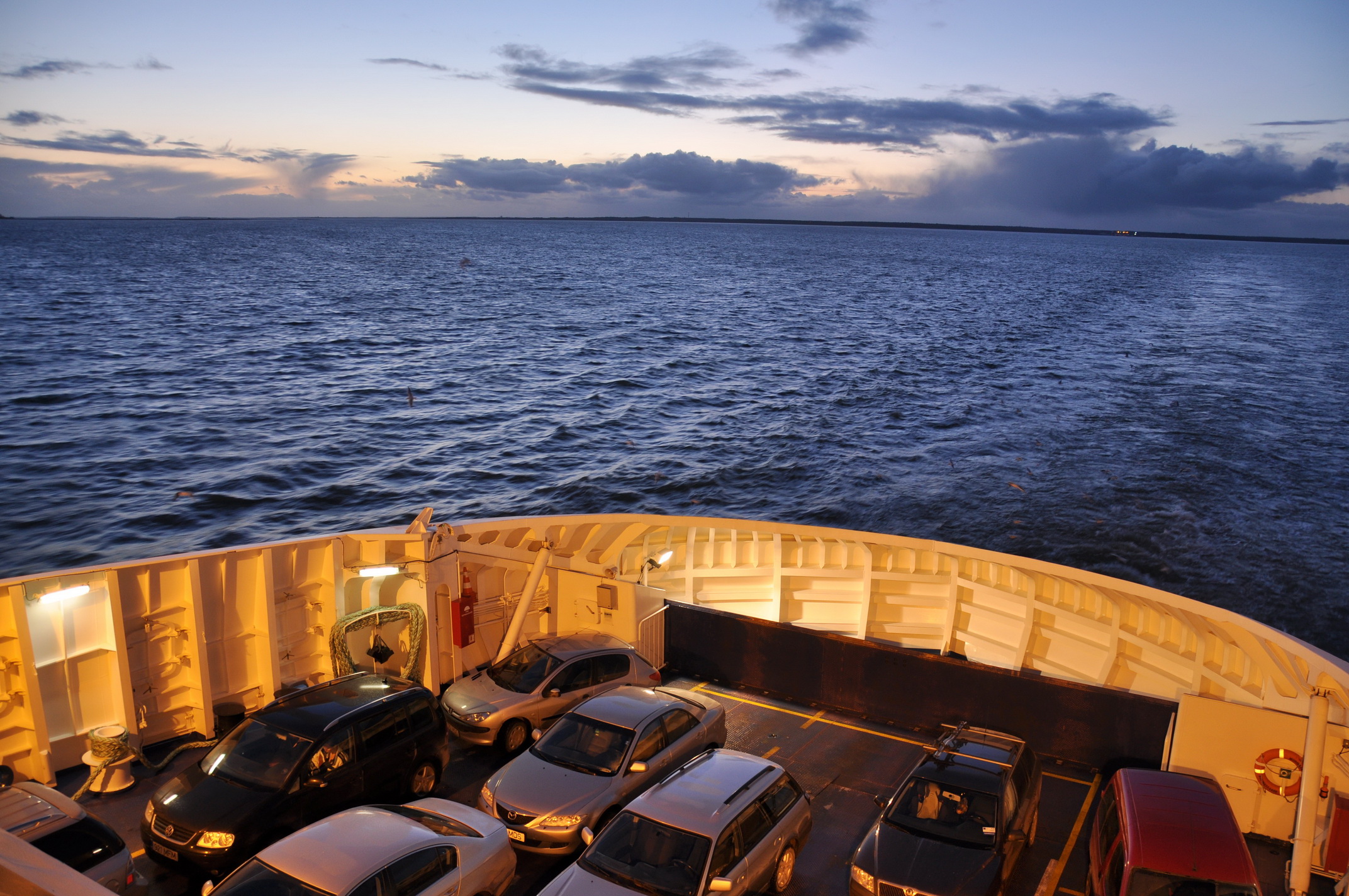
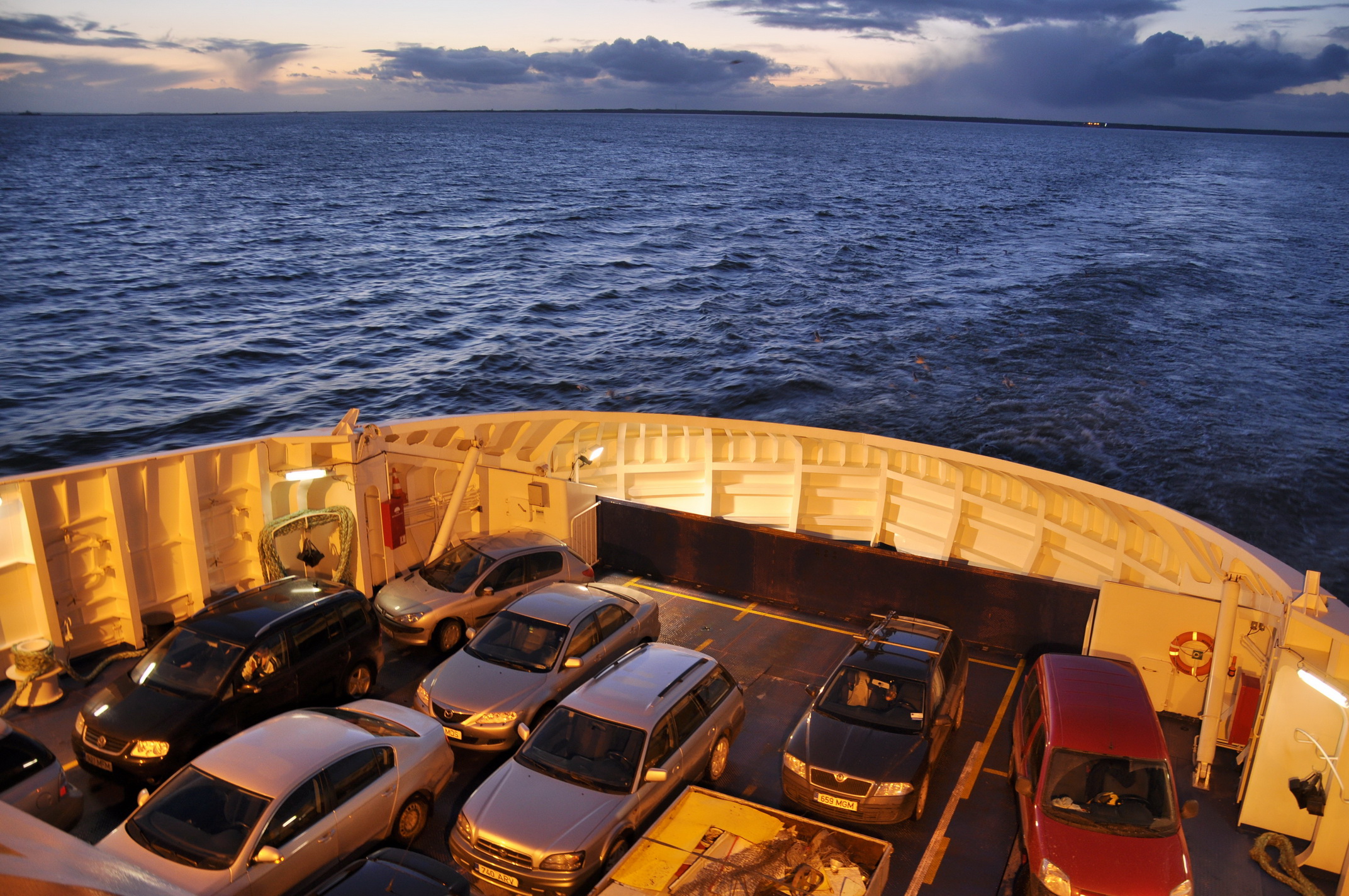
That evening I took the Helsinki ferry from Tallinn. The Estonian–Russian border crossing is a long business. It was easier to go by sea, especially as it’s only thirty kilometres across, as I reckoned it then. I had to spend a night in Finland (Haikko, 60°21.102′N, 25°37.493′E), then cross the border early in the morning and hurry straight to the office.