Trip report
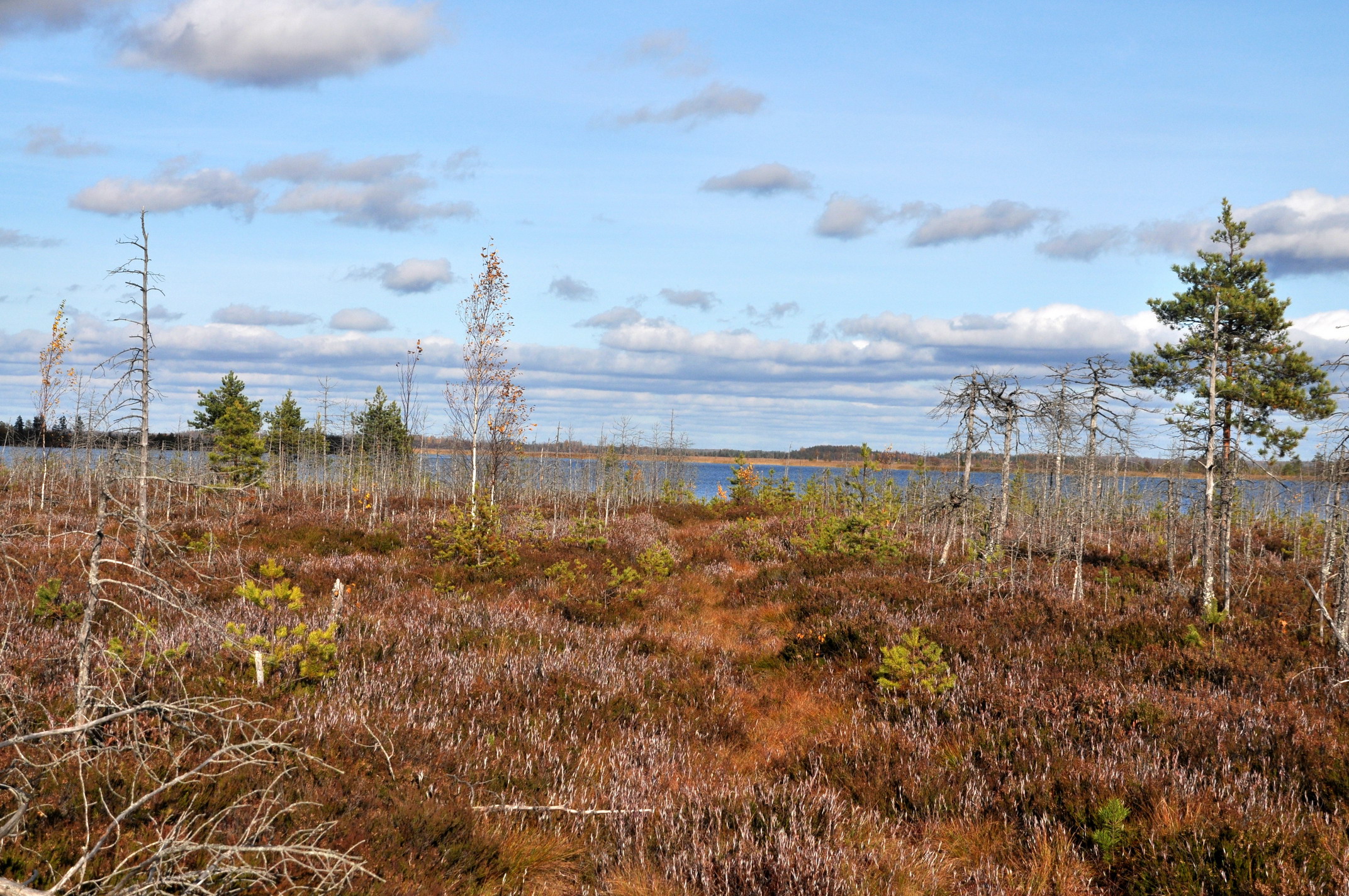
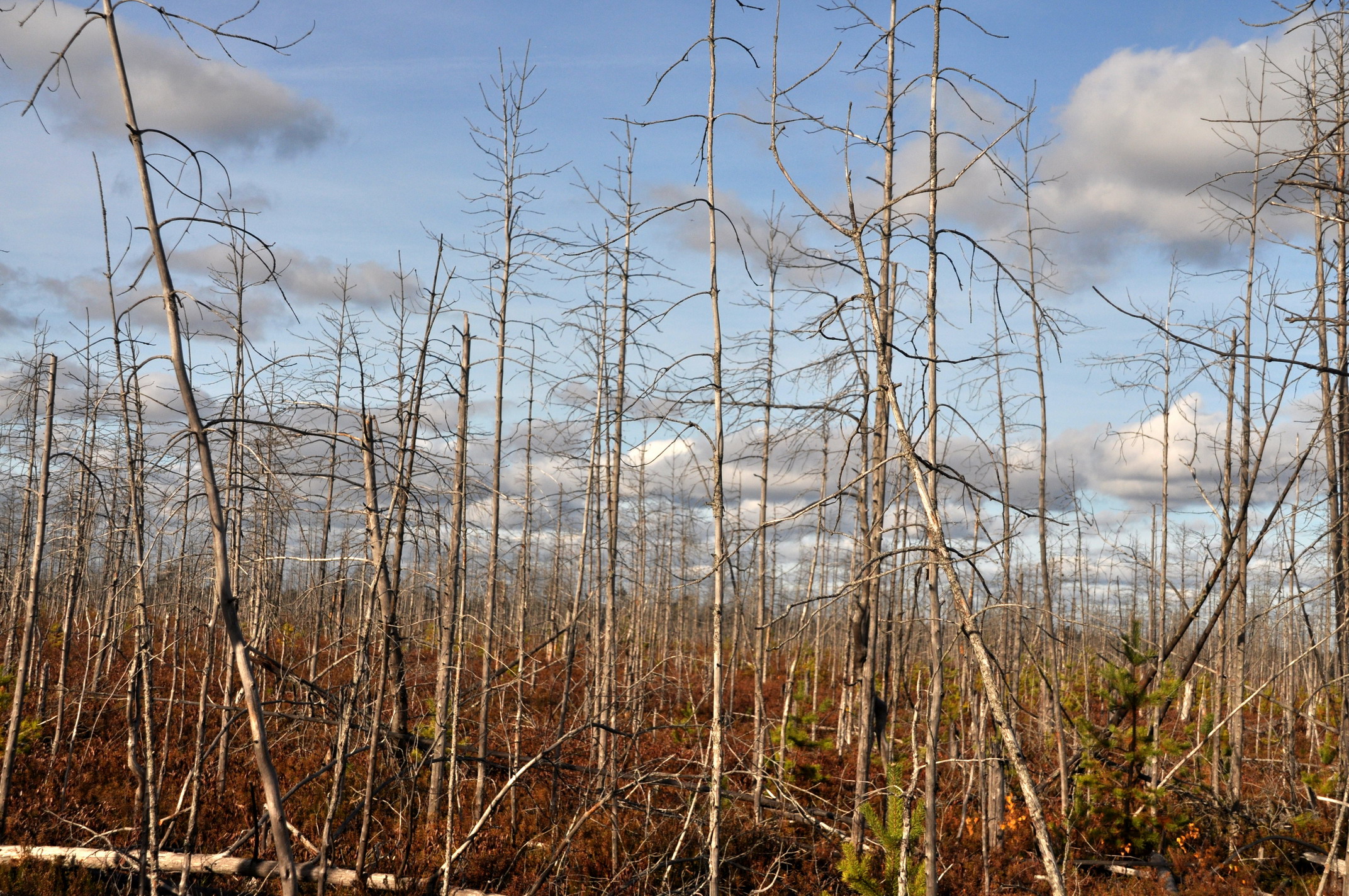
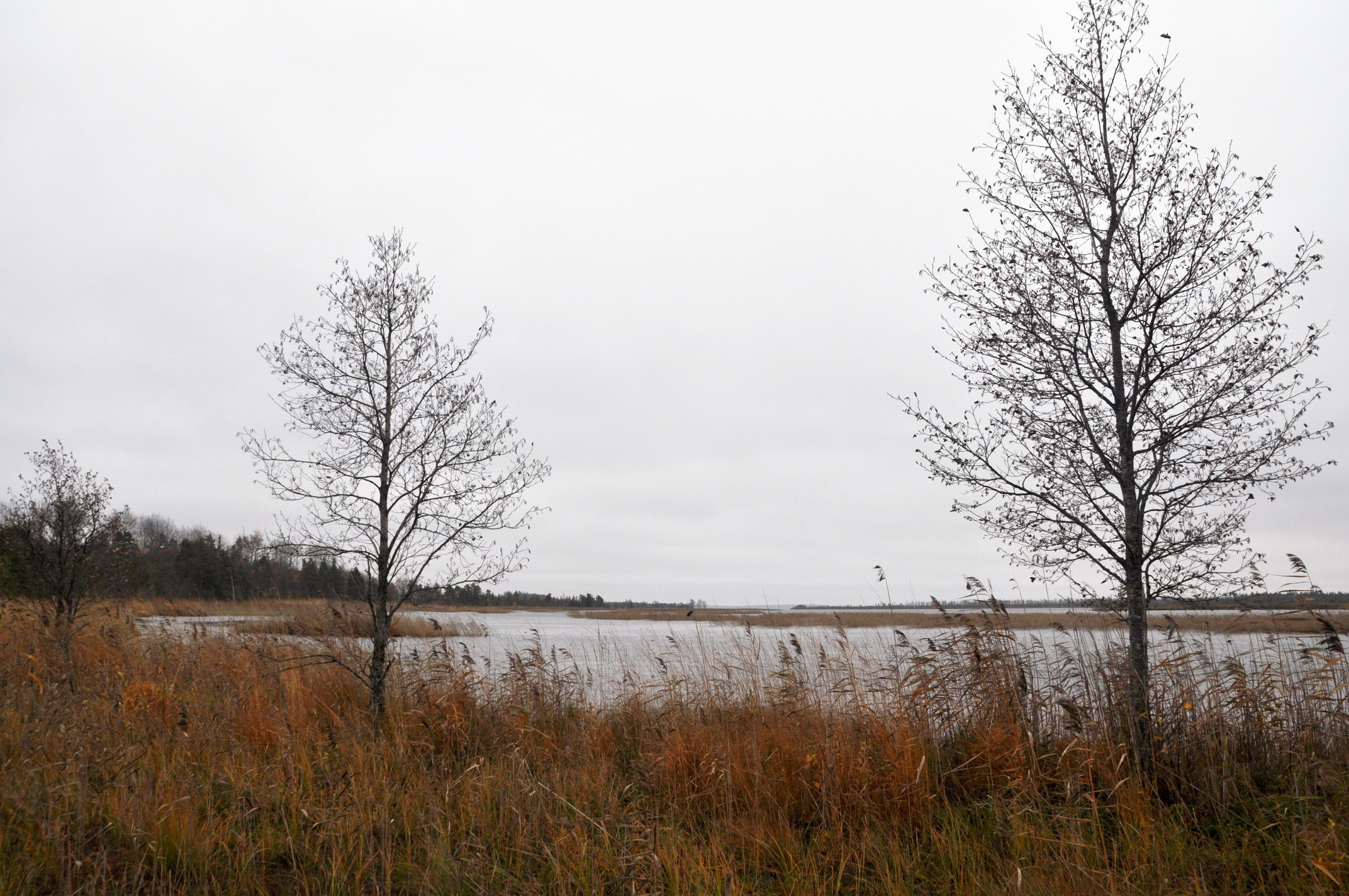
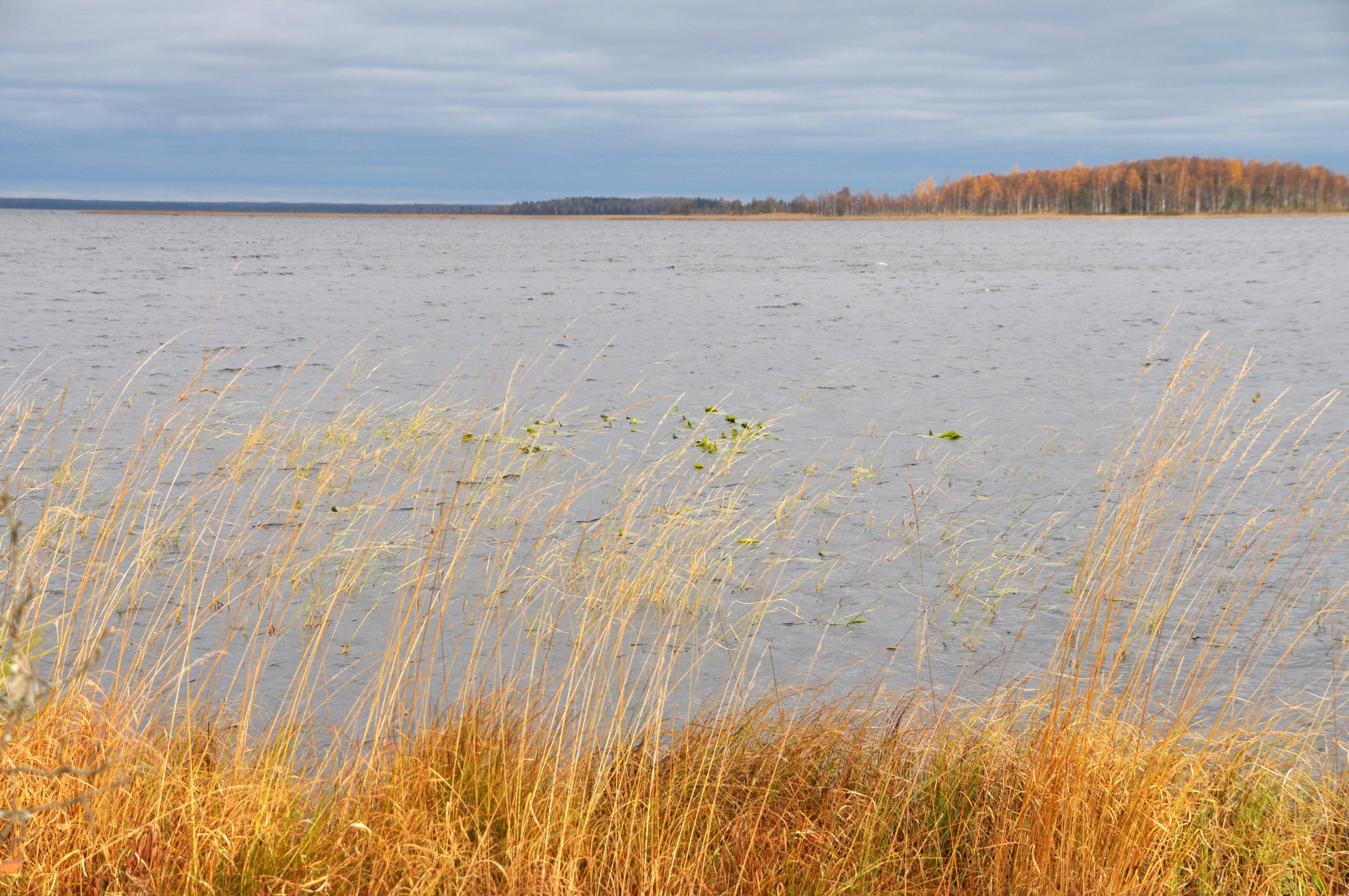
Vyalye is a world out of a fairy tale. The islands of tall forest look mysterious and out of reach. It is a long, hard walk to them through the bog, and some are impossible to reach on foot. Just when you think you are almost there, you come up against an impassable stretch of bog.
After years of walking here, I know where there are paths and where there is nothing but mire. But there is no path to Bolshoy Rel Island in the middle of Lake Vyalye. That is what makes it an island.
In the 1980s we used to go there with a boat. Everything was very heavy in those days. We had to lug forty kilos of gear through the bog to the lake. Then boats were banned and started getting confiscated. Visiting Bolshoy Rel Island was prohibited altogether.
In the 1990s I learnt to wade across. The game wardens were astounded. They threatened to confiscate my boat, and I used to tease them. You lot don’t know the area, and you’ll never catch me with a boat.
Time slips by. It had been twenty years since I last spent the night on Rel. I had been meaning to go for ages and never got around to it. There is no time in summer. In autumn the water is cold and I don’t feel like wading.
In all that time technology had progressed to the point where you could get a boat that weighed only a few kilos. Chinese-made, hardly a serious boat, practically a toy. But I only had a short way to paddle. With the autumn discount, it was just 1,600 roubles. I could write it off after one trip and leave it behind. Or I could carry it back, now my entire kit weighed less than ten kilos.
So in October I set off for Bolshoy Rel.
I left the car in the village of Selishche. The road there is now perfectly passable in a small crossover. The bridge over the Yashchera, though, is gone. You can cross on one of the many jams of fallen timber. It had been a dry autumn, there wasn’t much water, and I managed to cross the river quite close to the village.
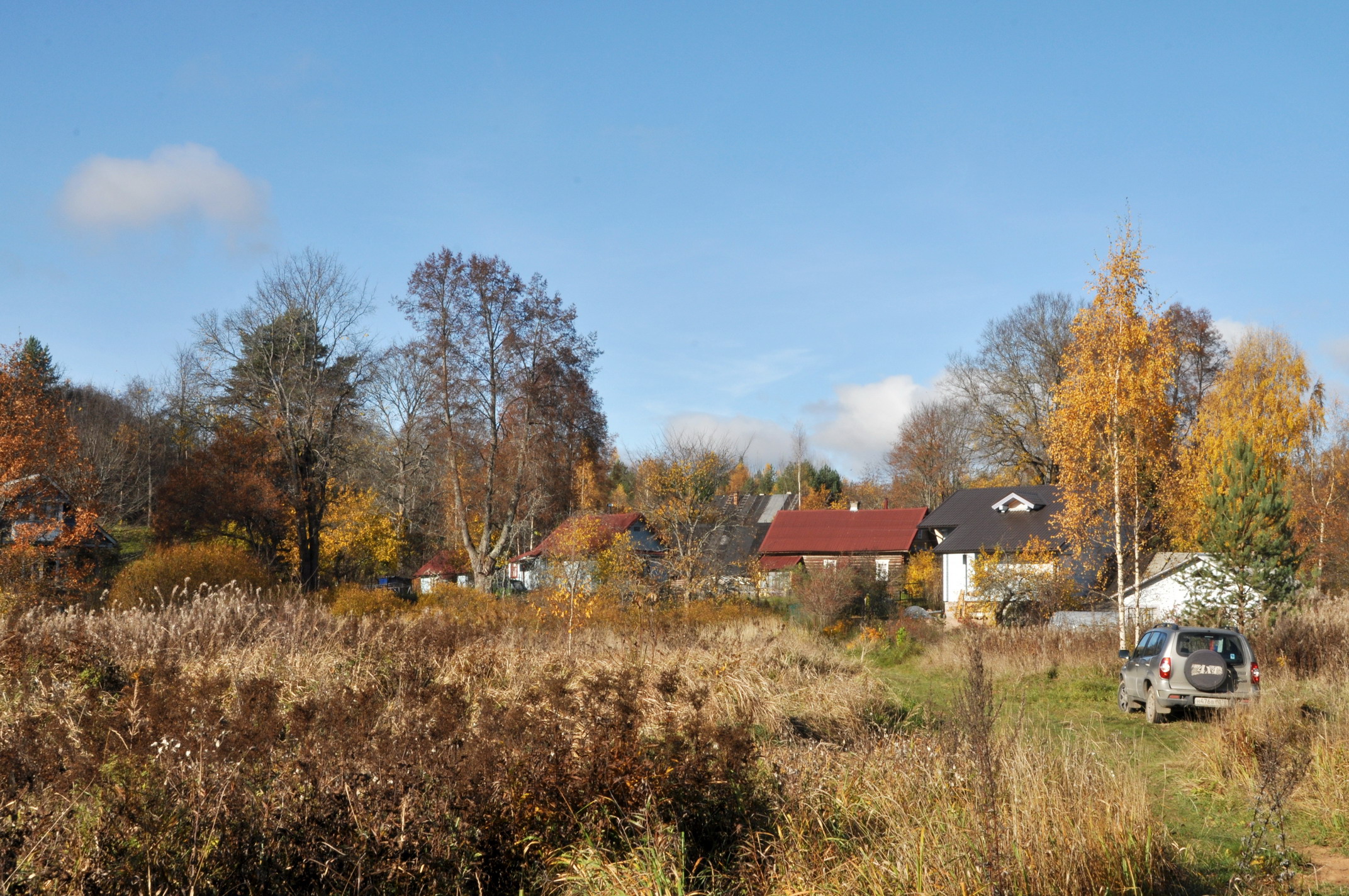
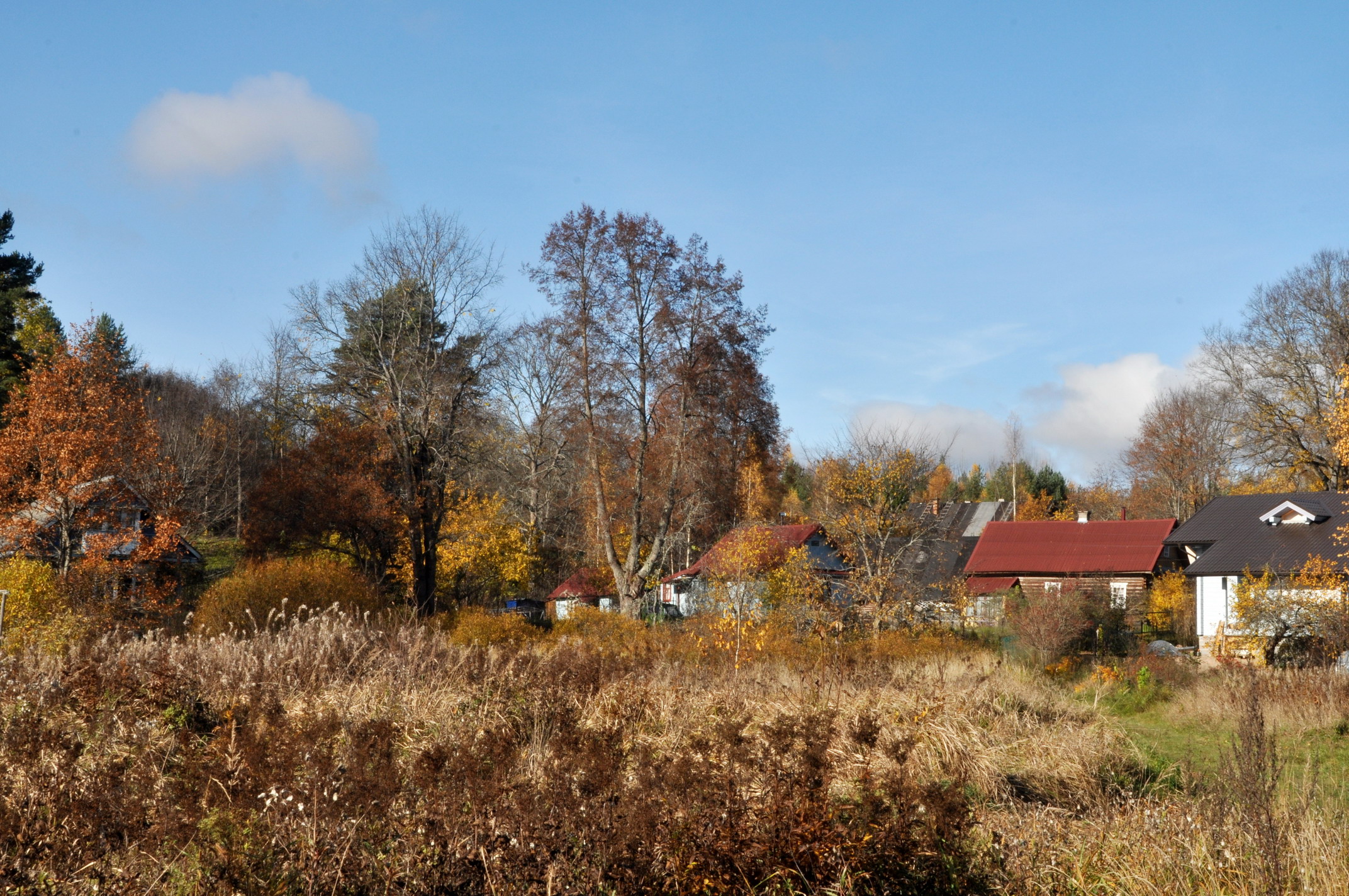
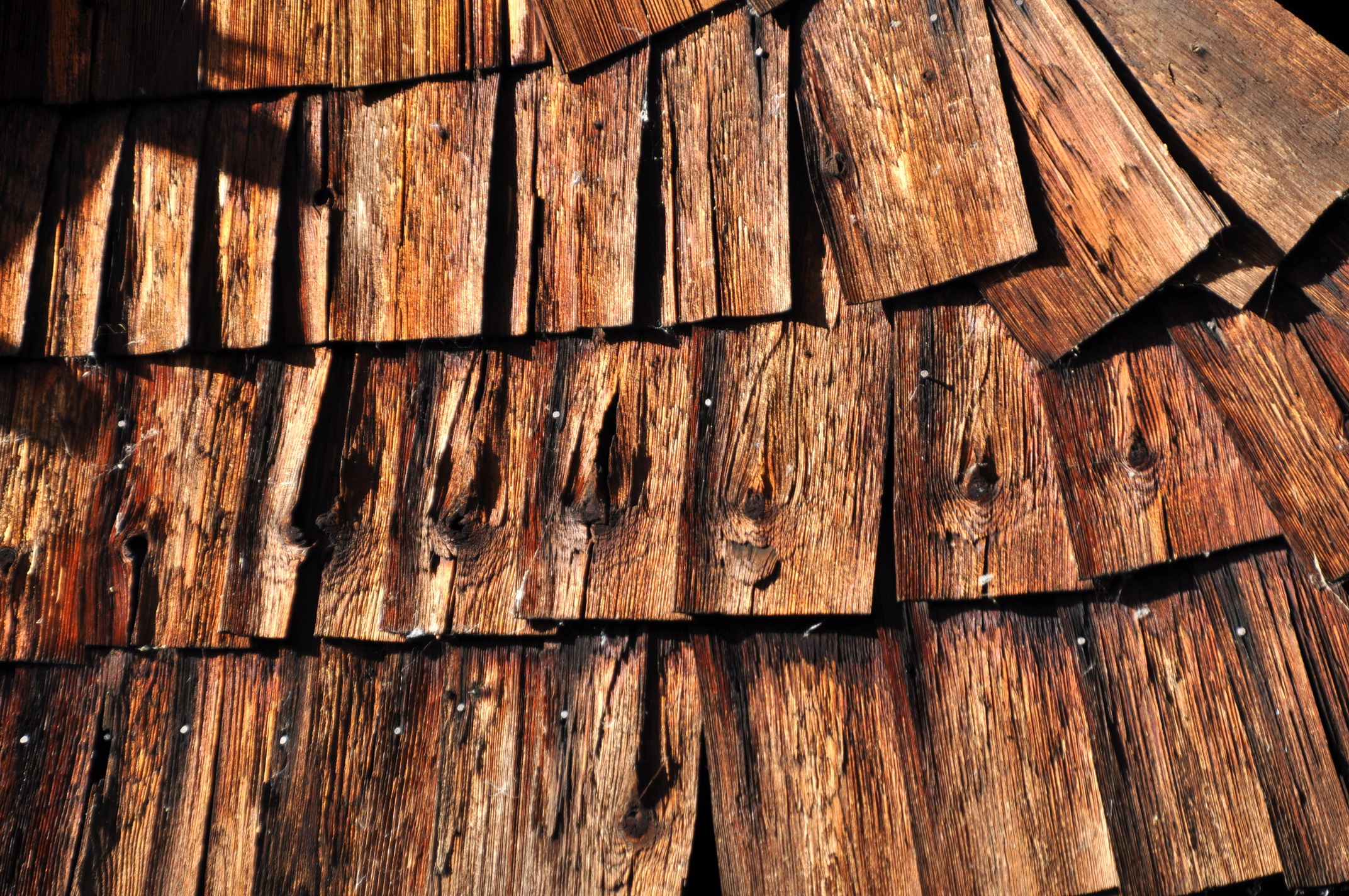
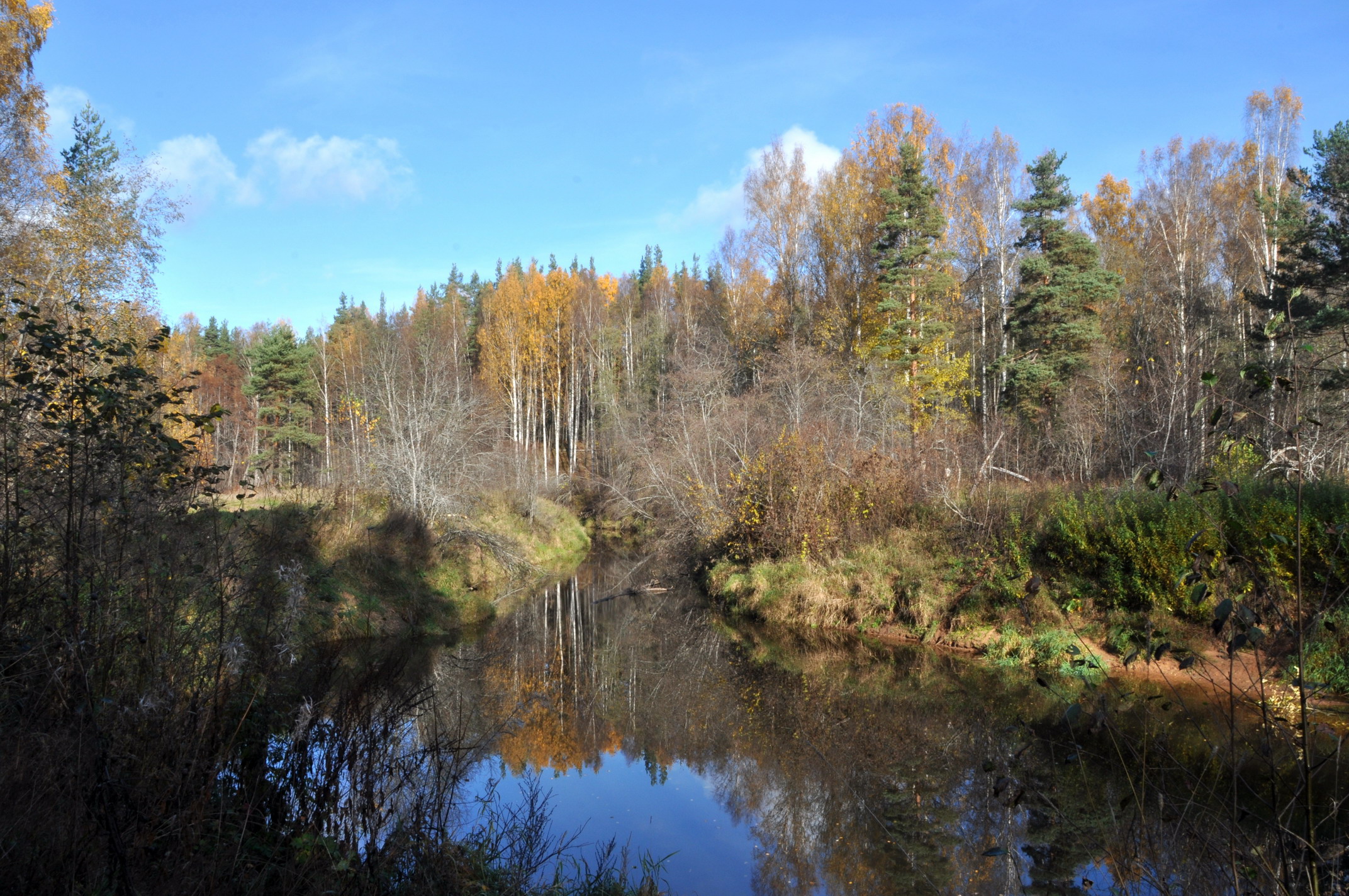
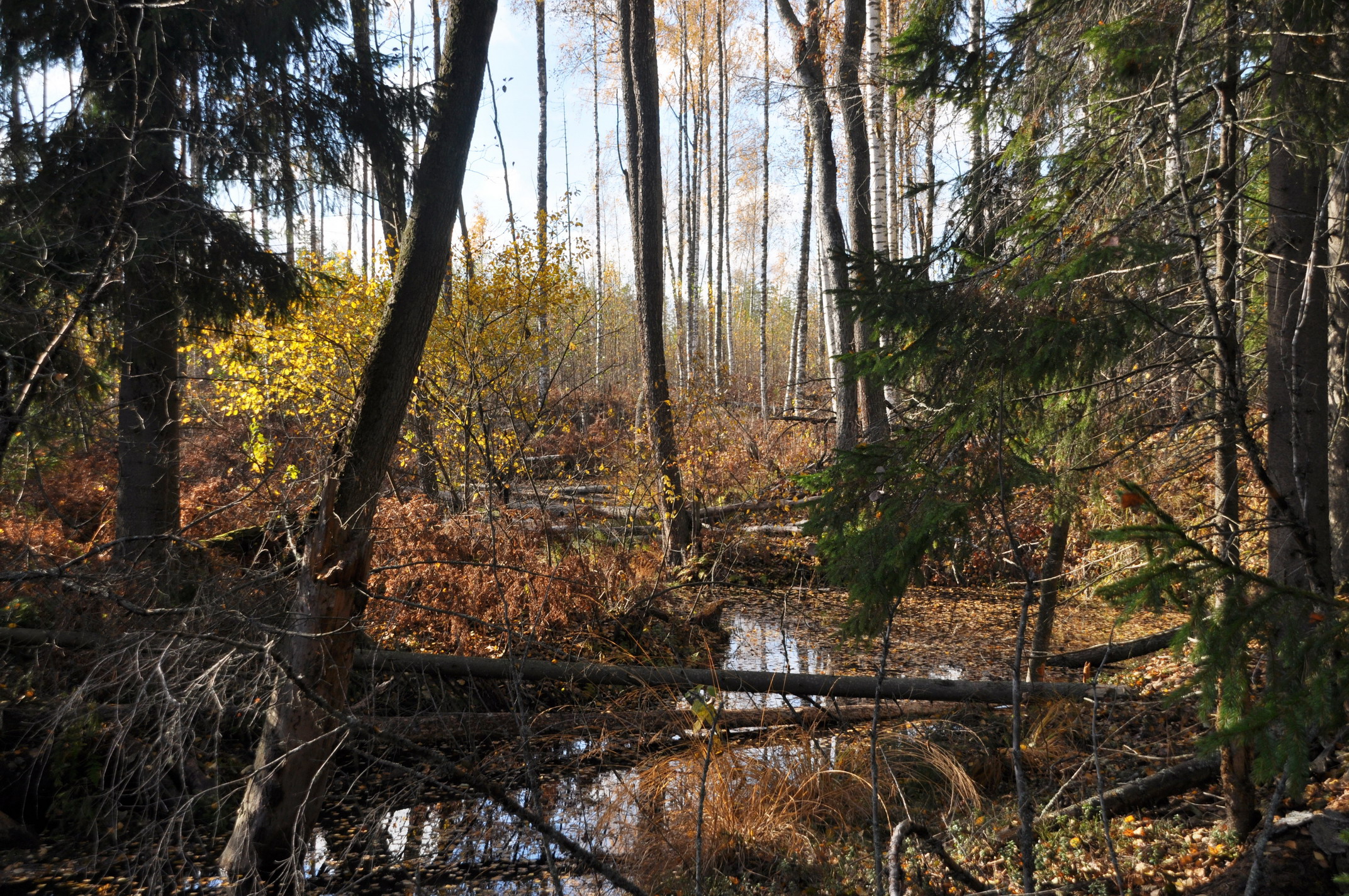
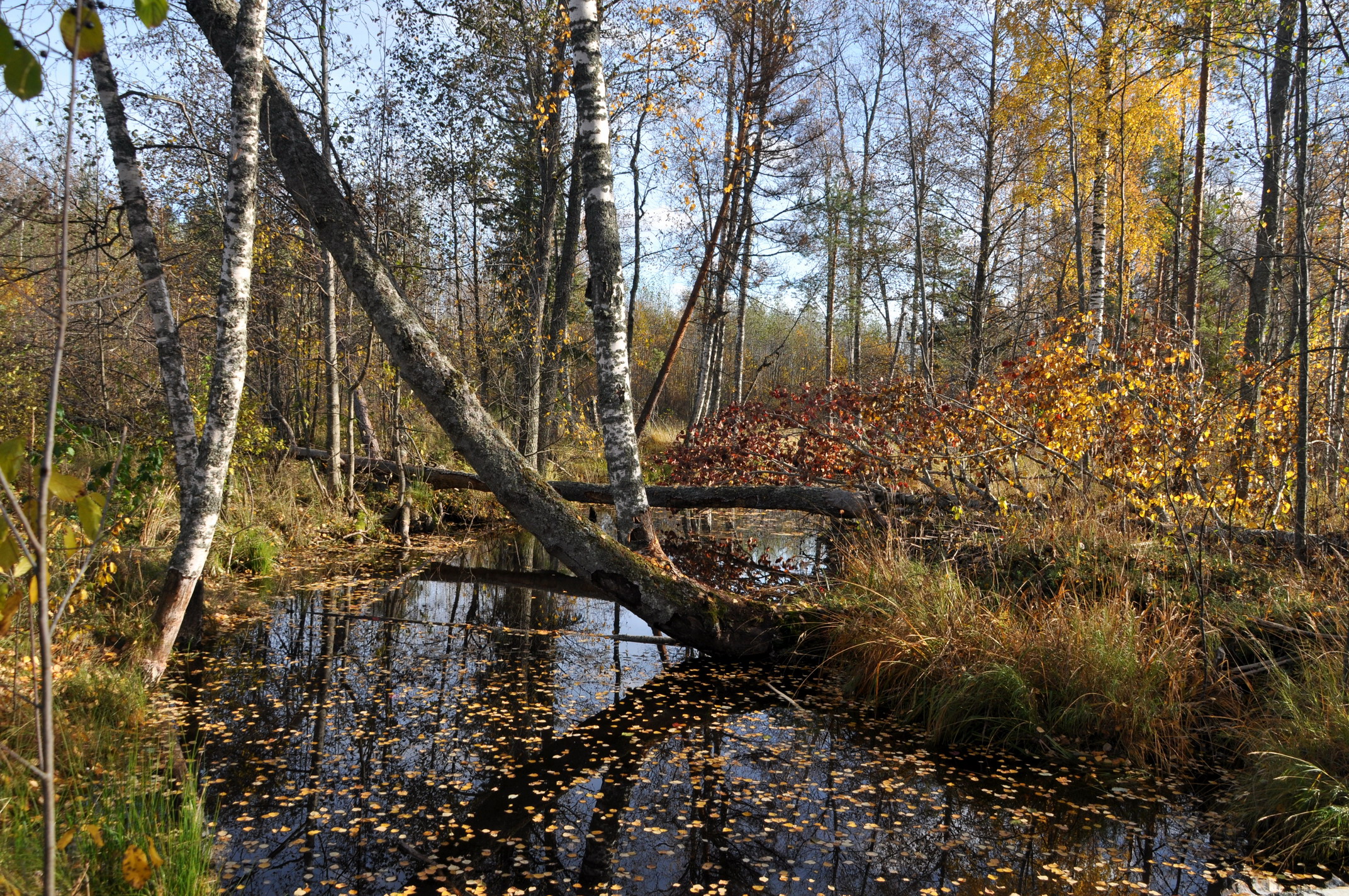
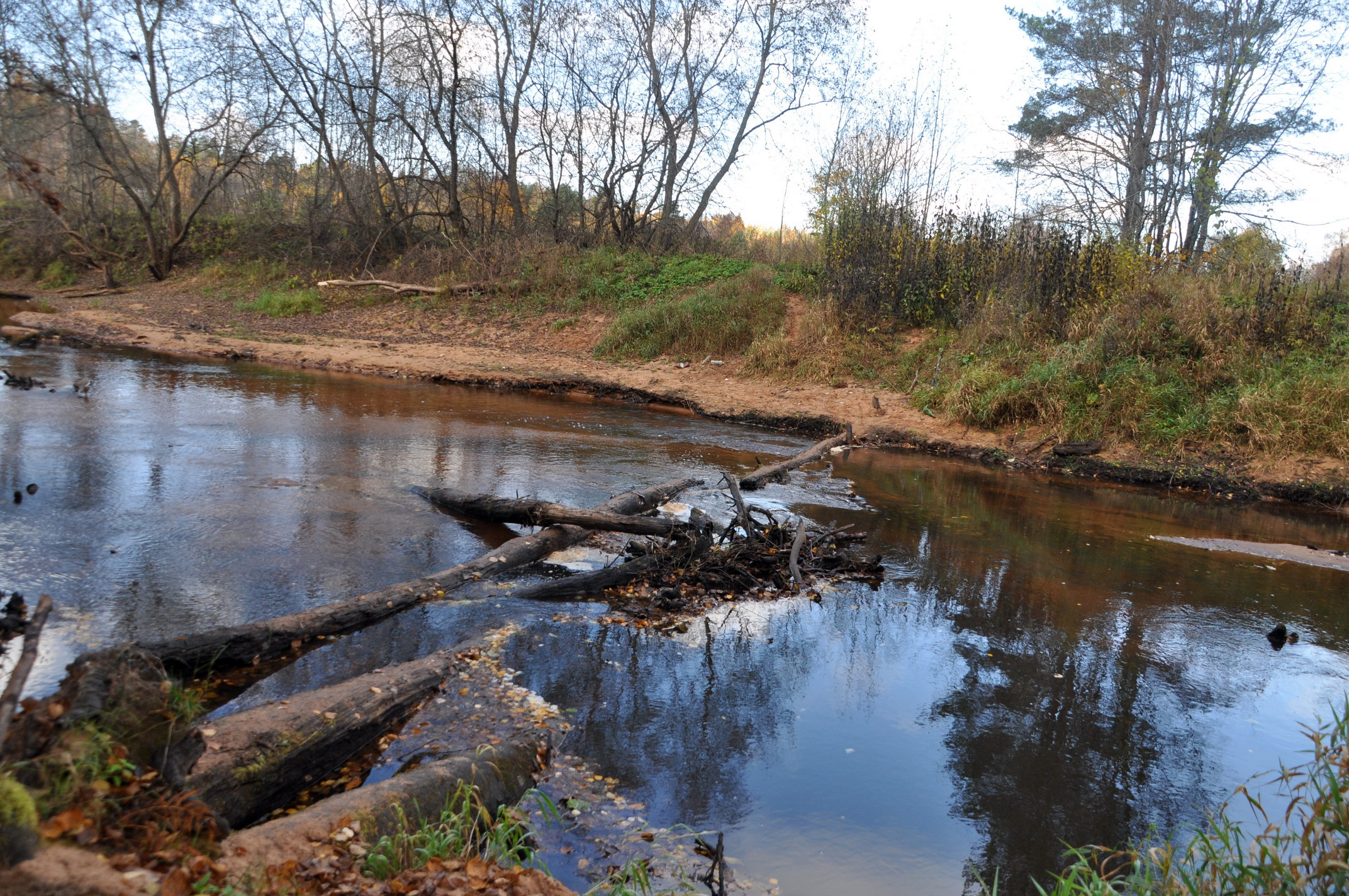
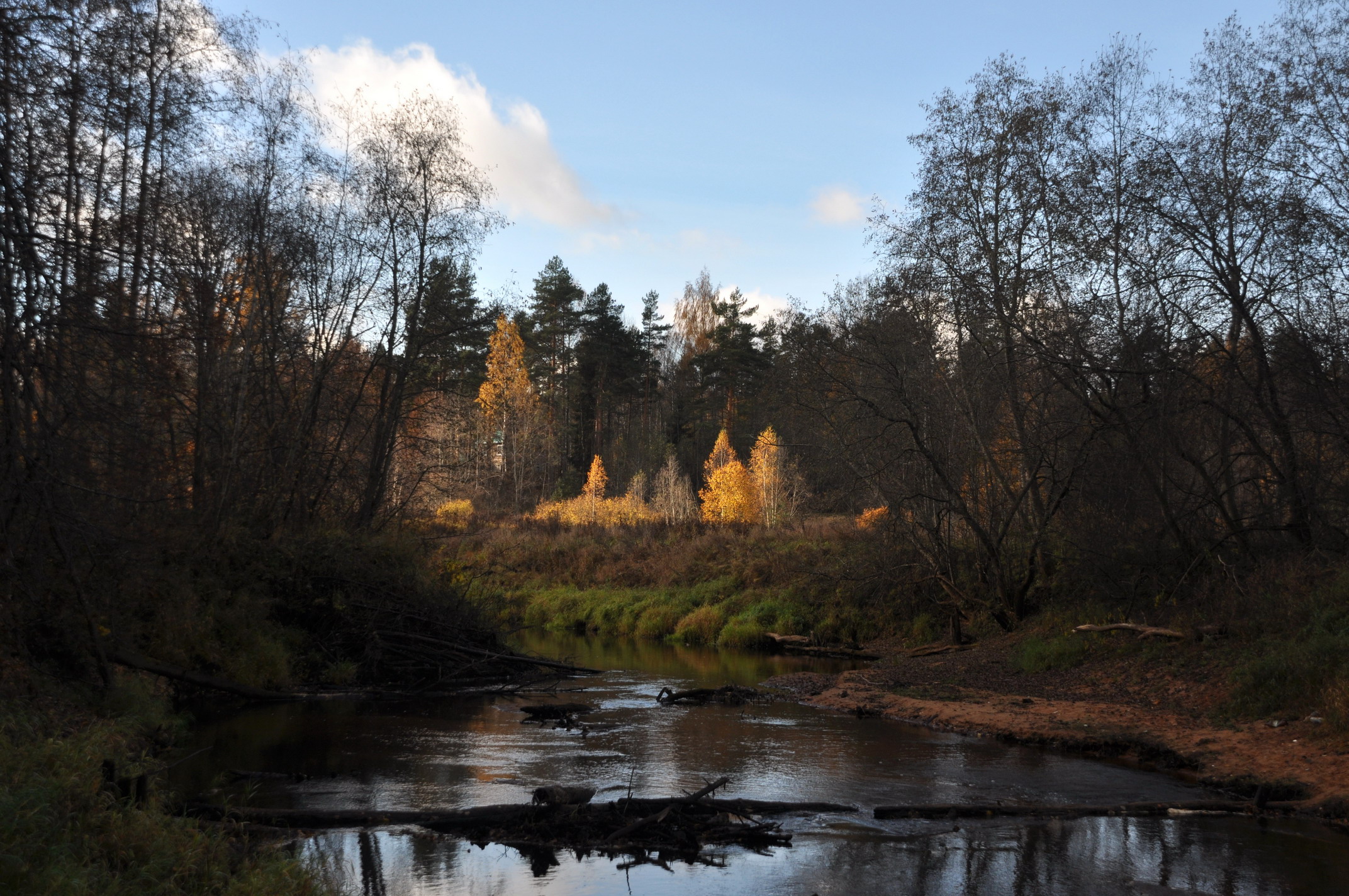
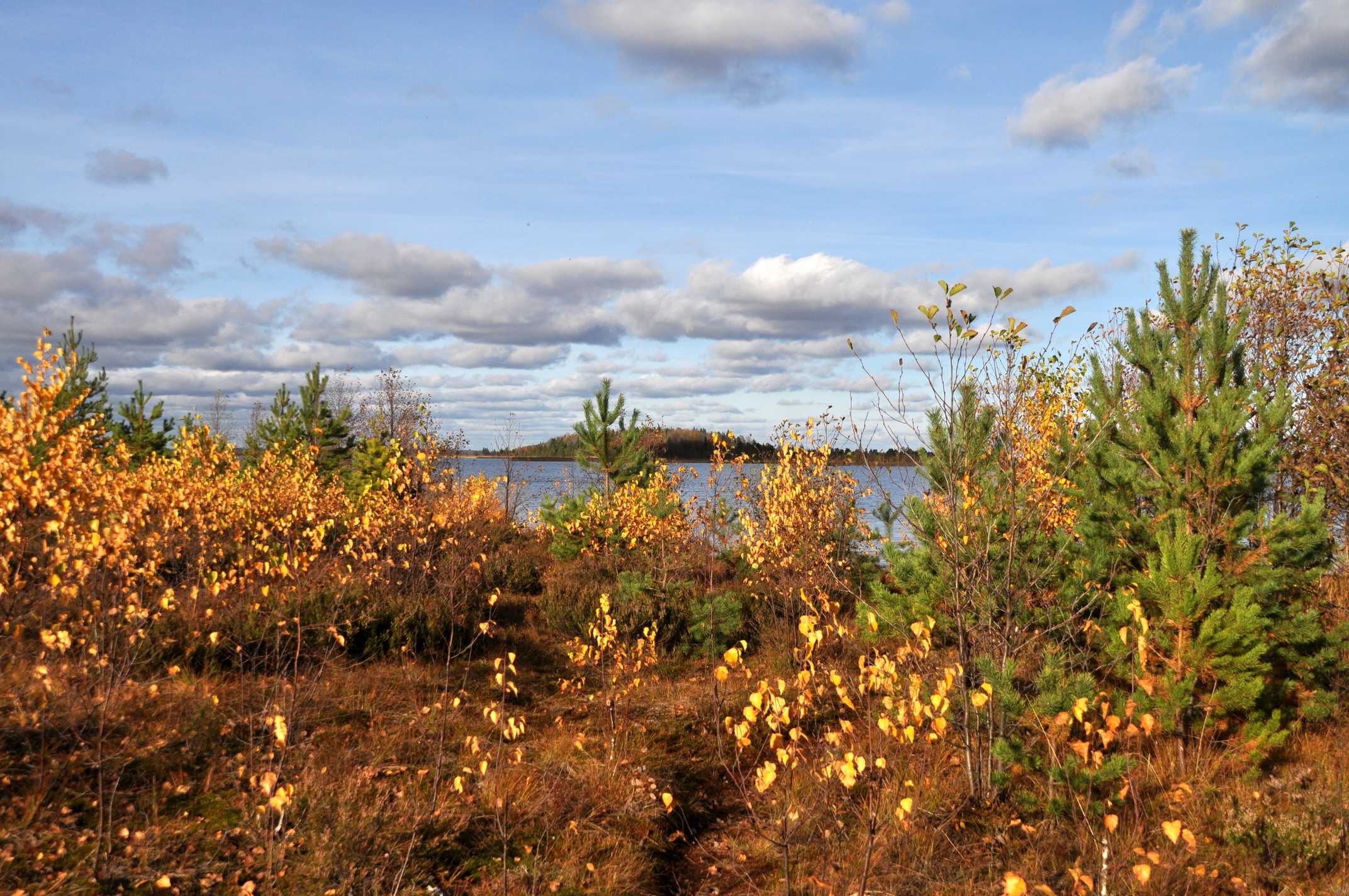
A bright autumn day. Warm enough that you could walk in your shirtsleeves. The road along the Selishche ditch through the autumn forest was beautiful. The beavers had been hard at work. They had dammed the entire ditch and raised the water so much that stretches of the road were flooded and boggy.
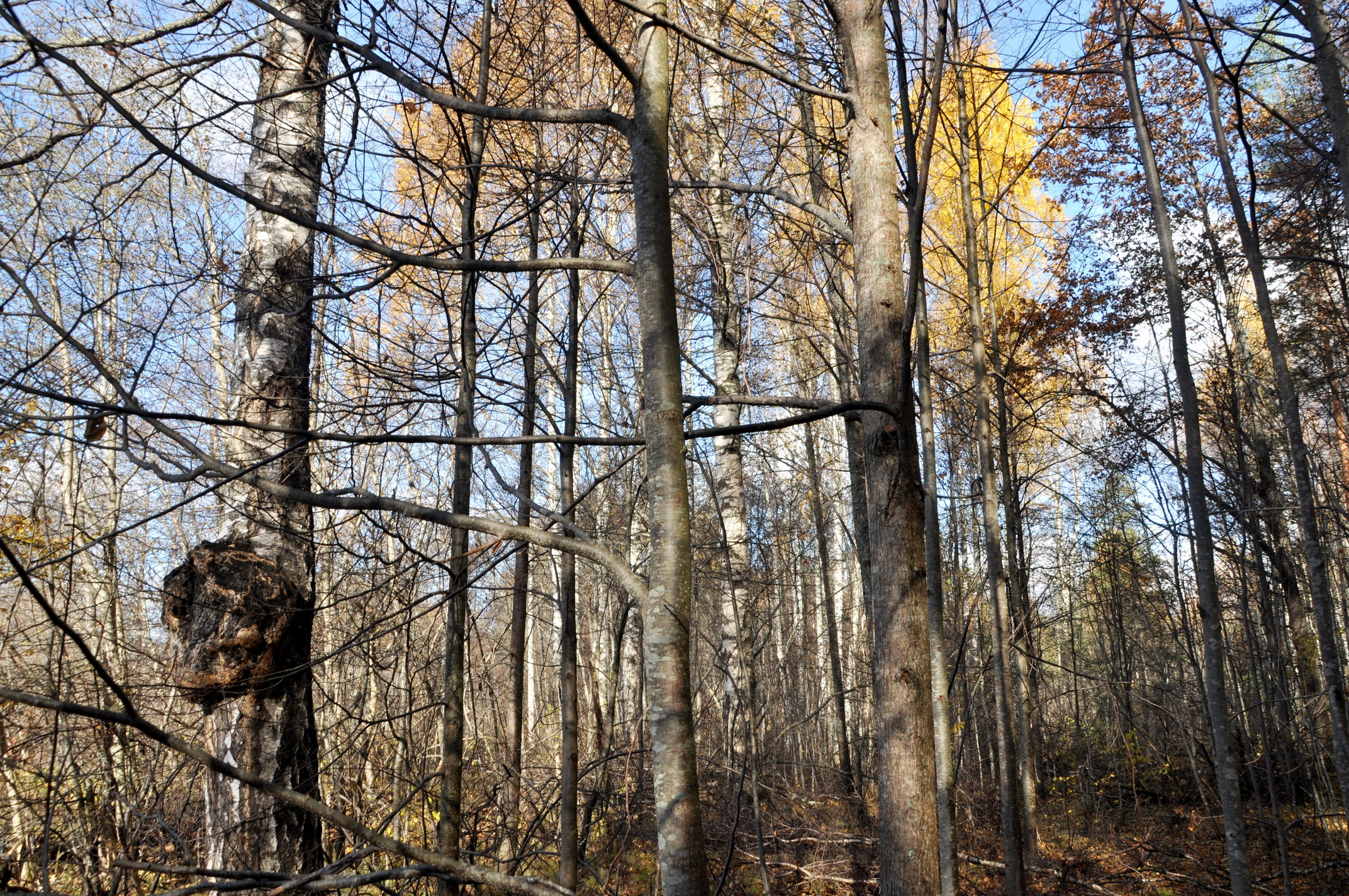
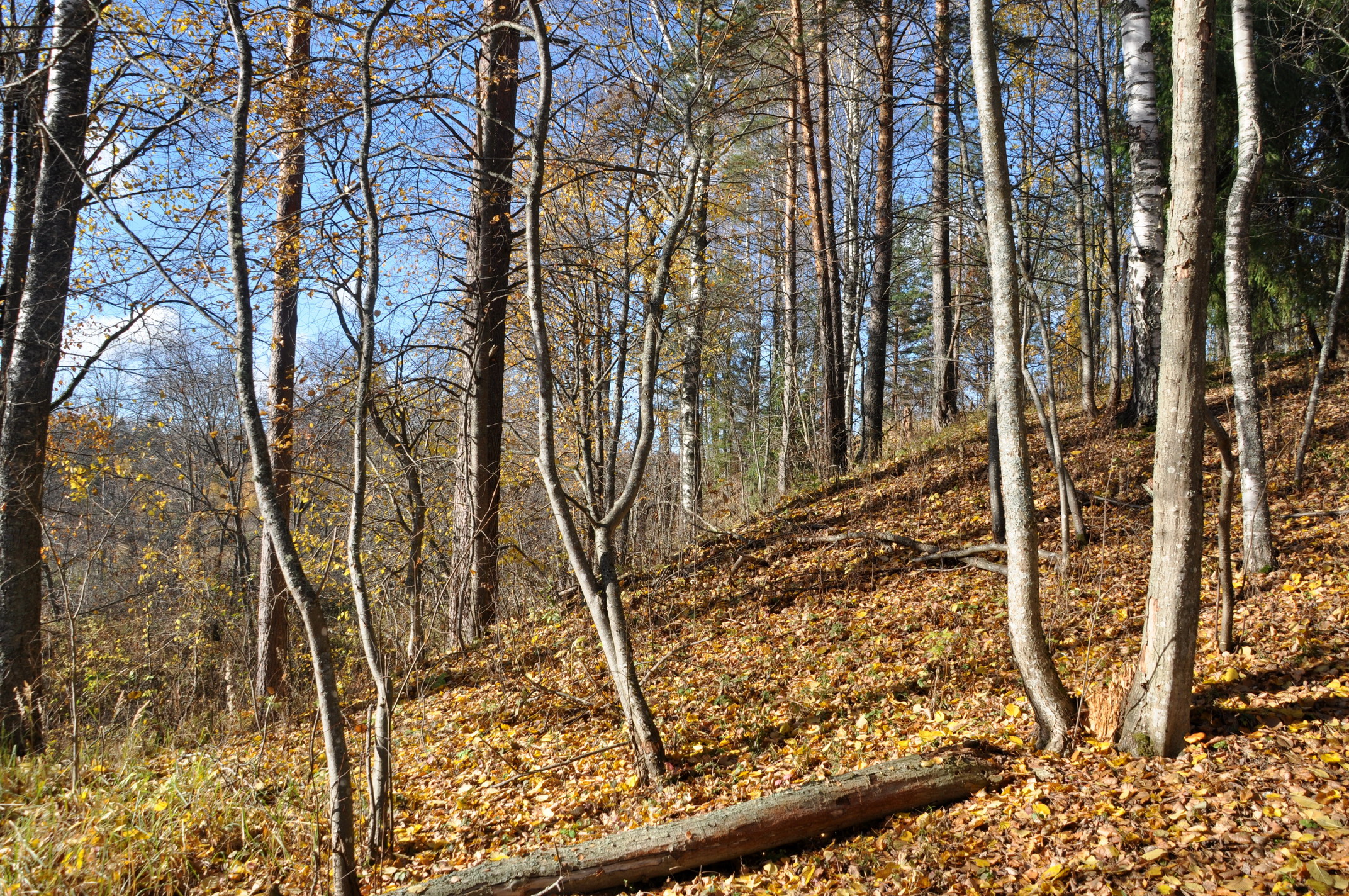
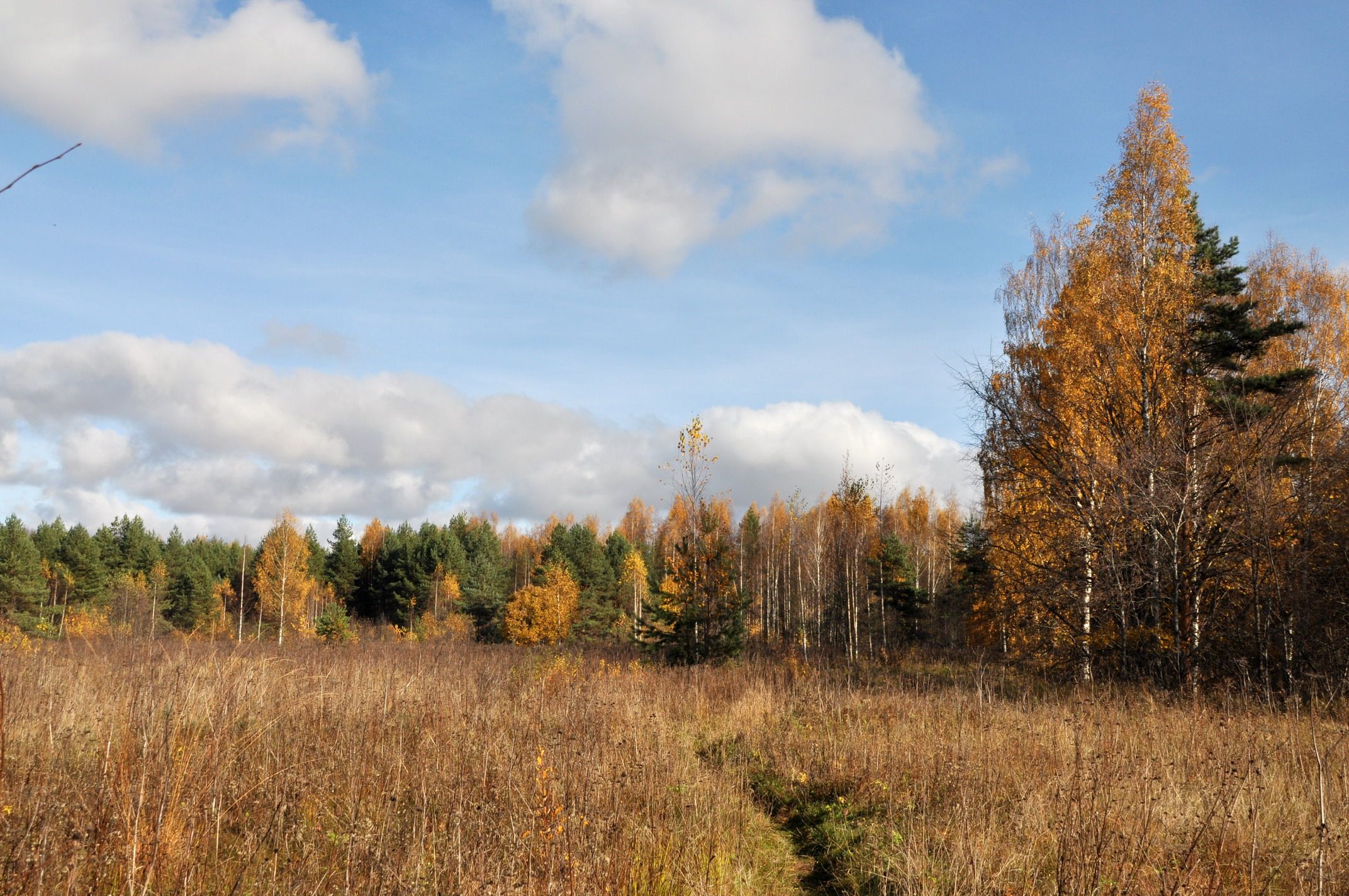
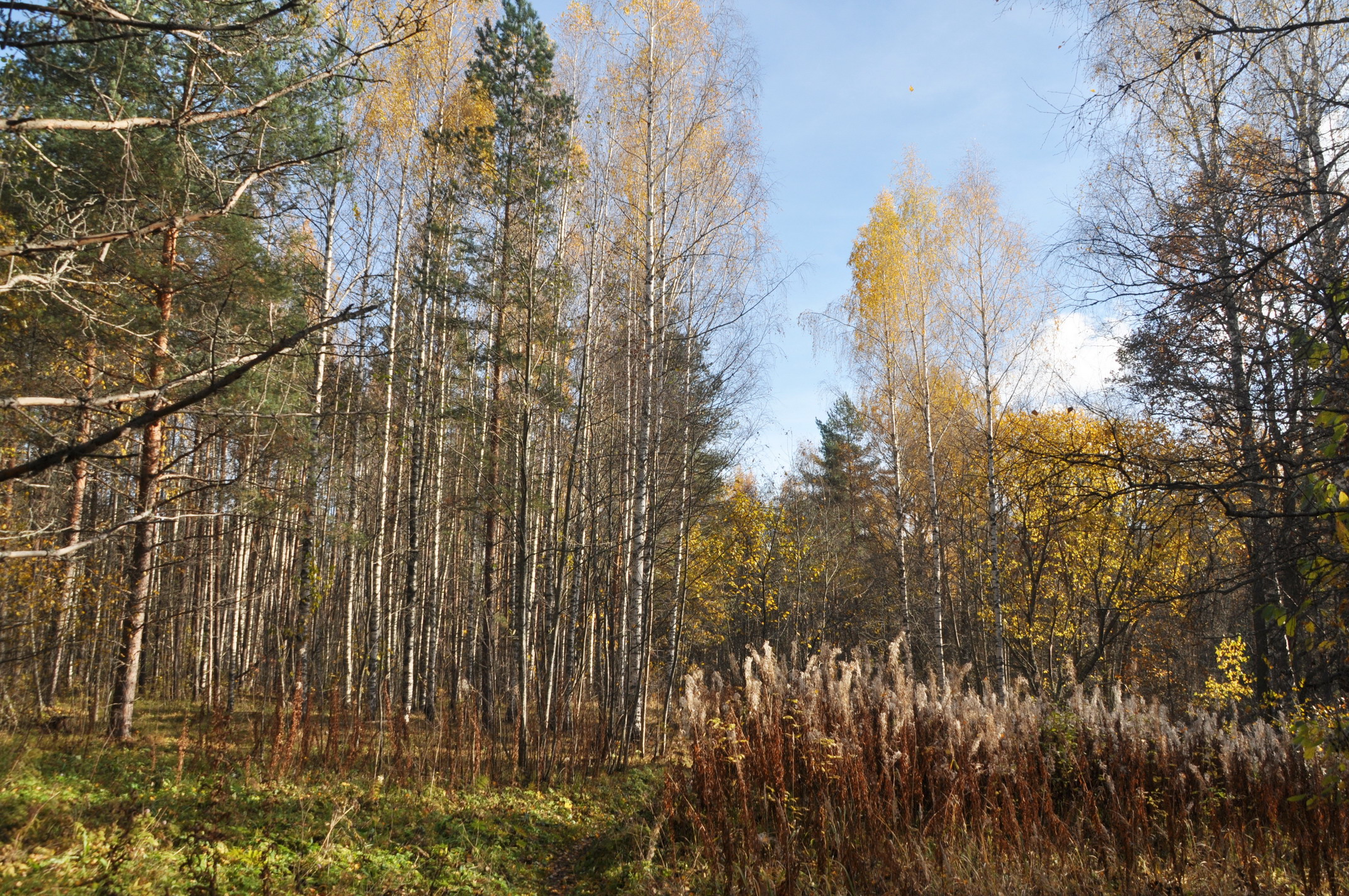
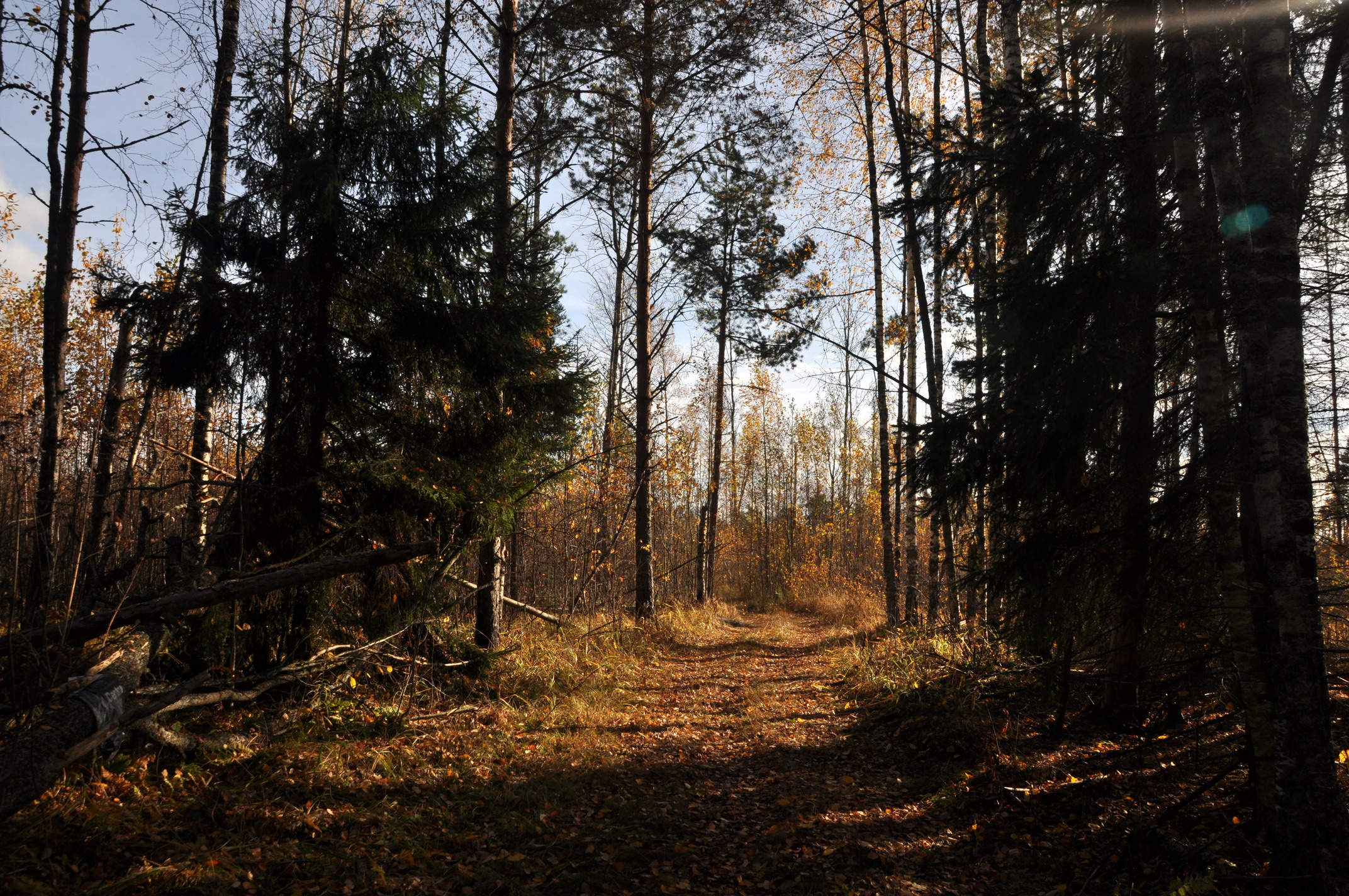
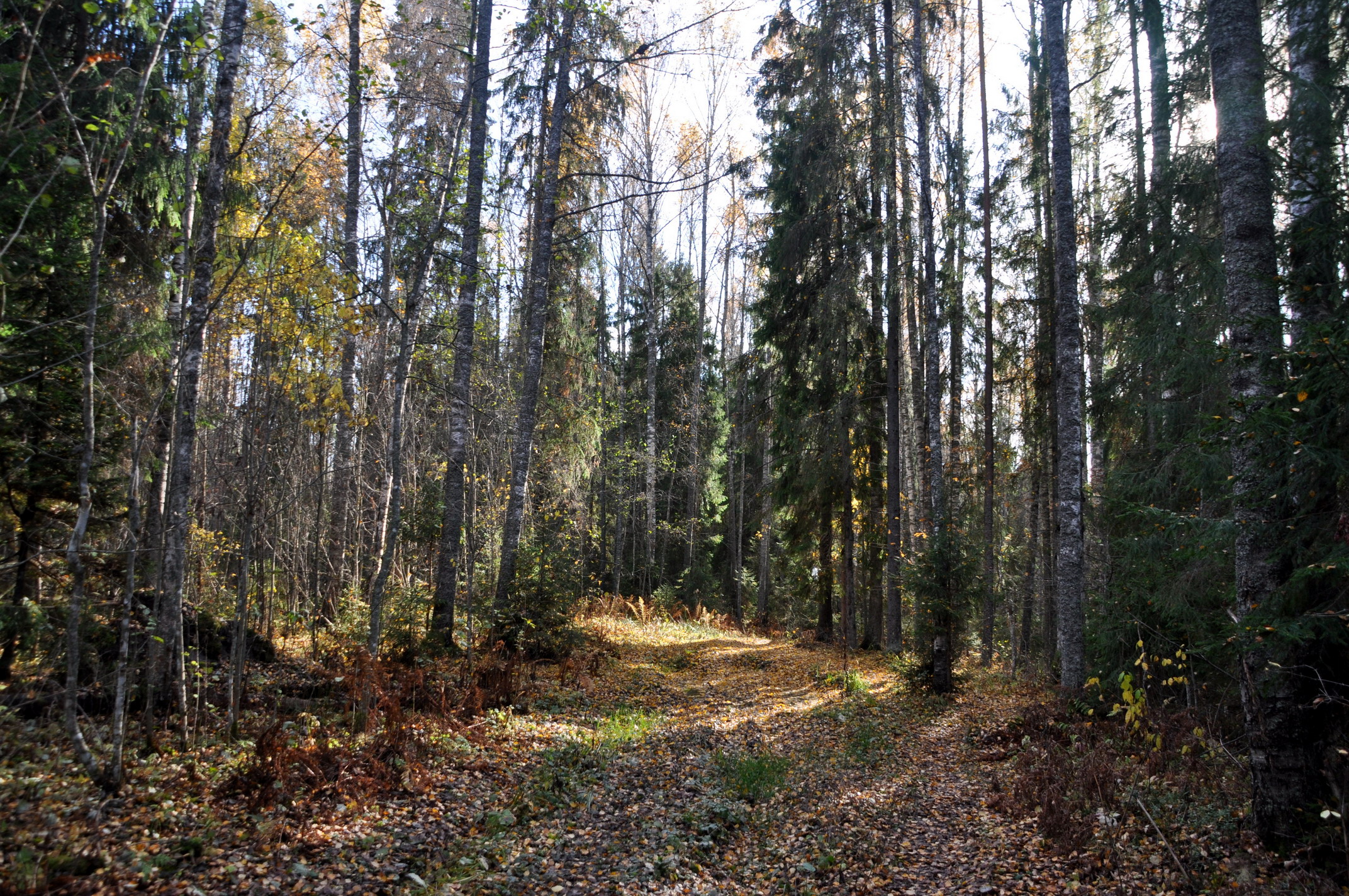
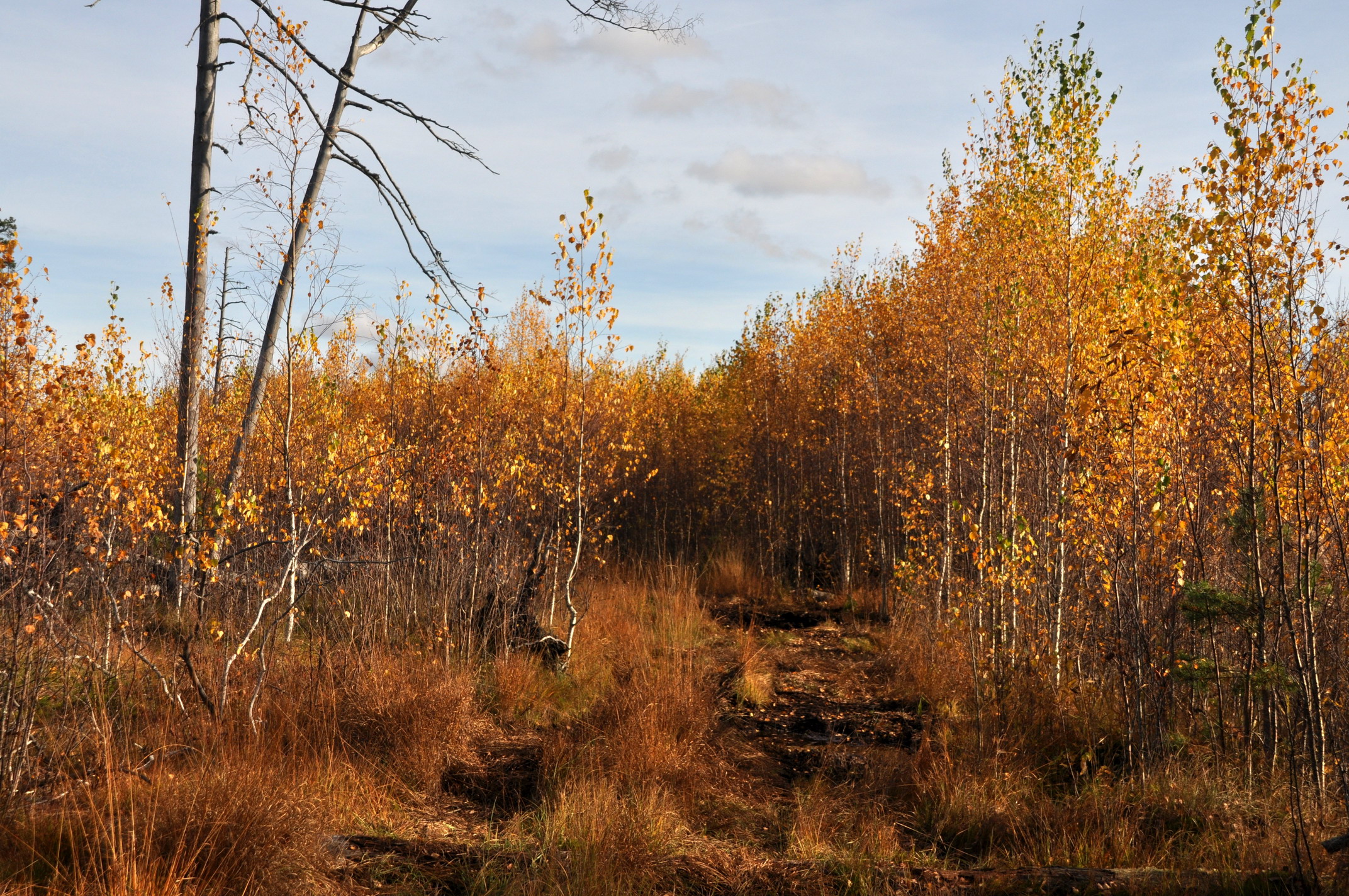
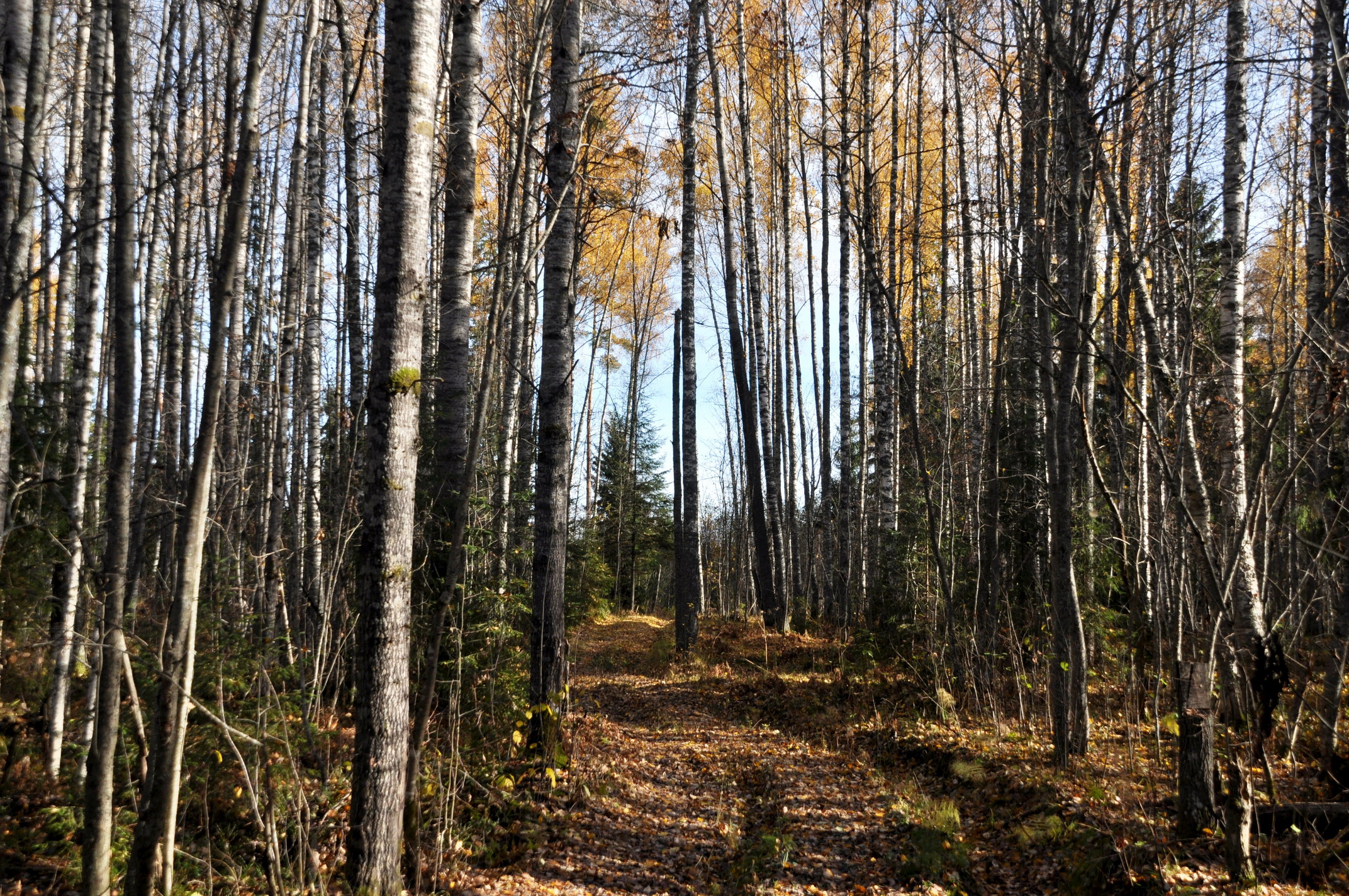
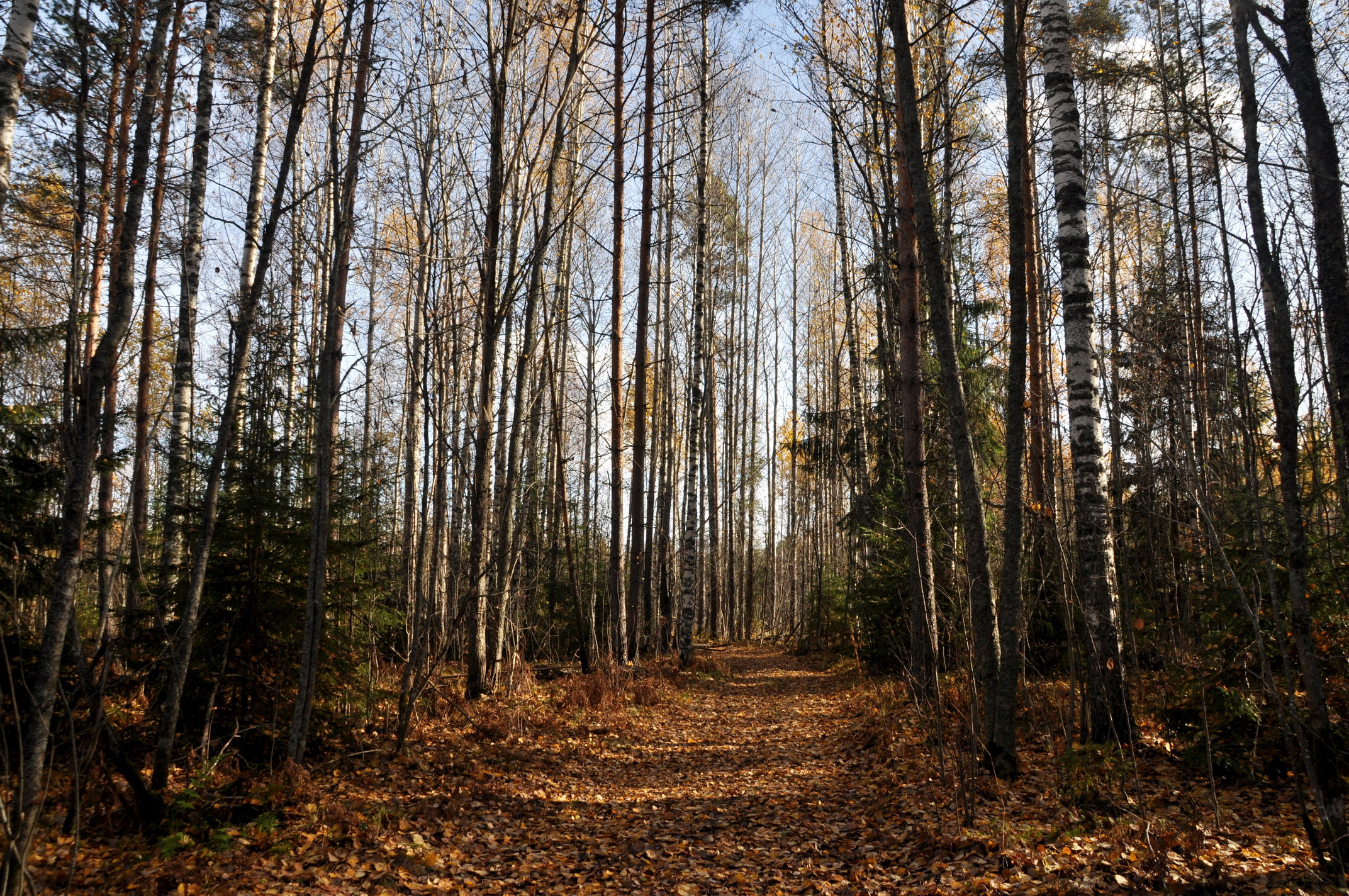
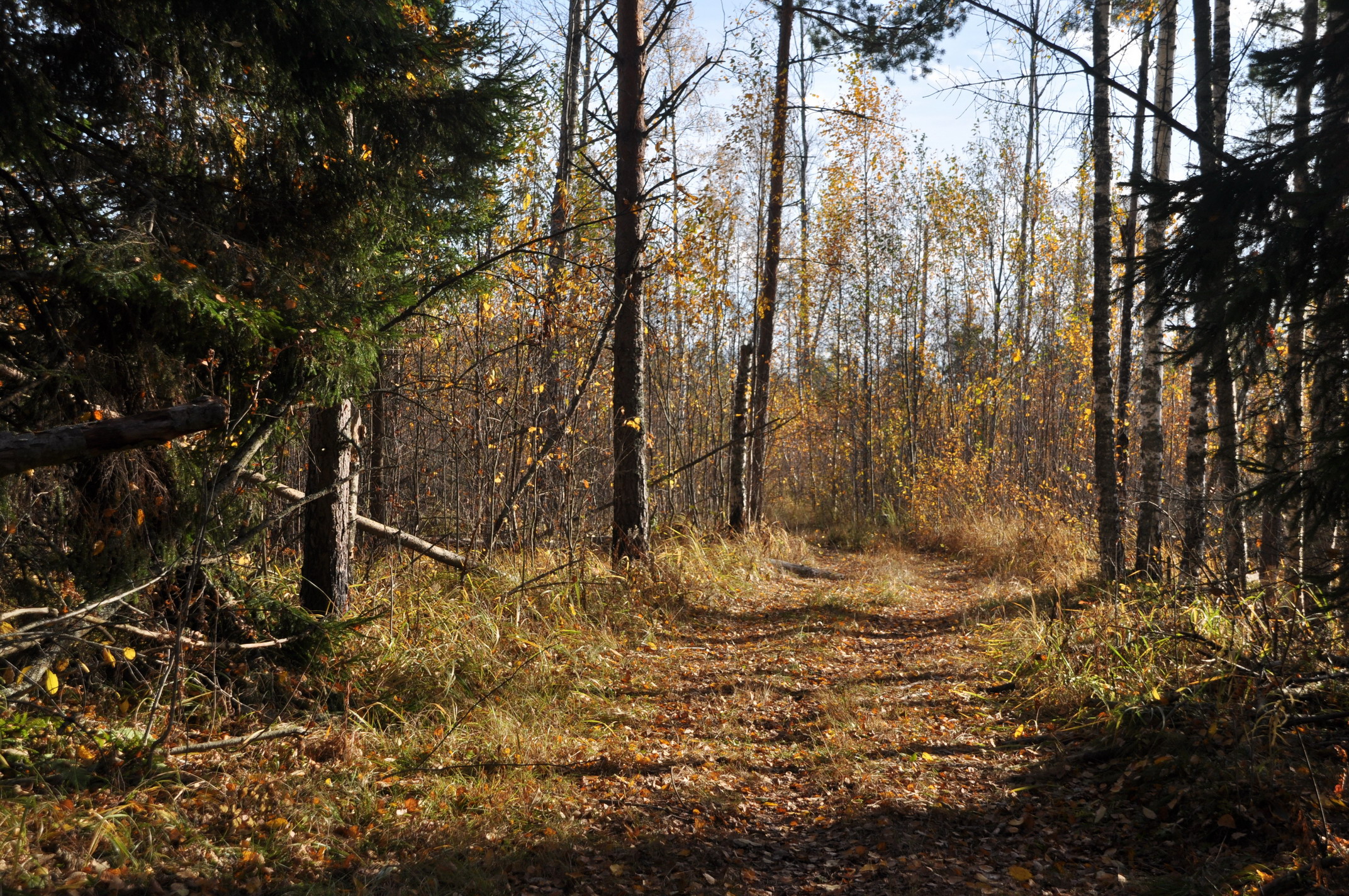
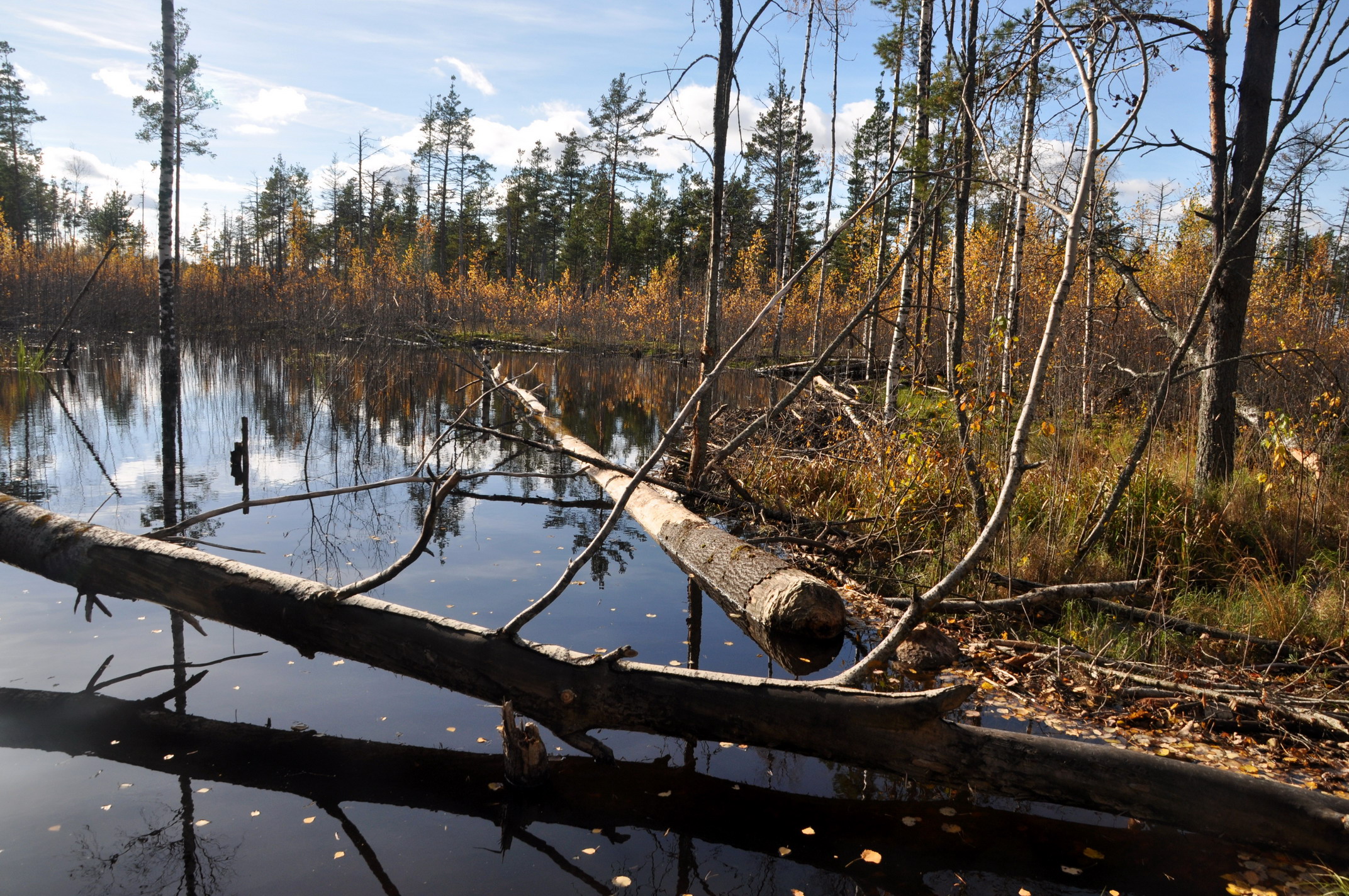
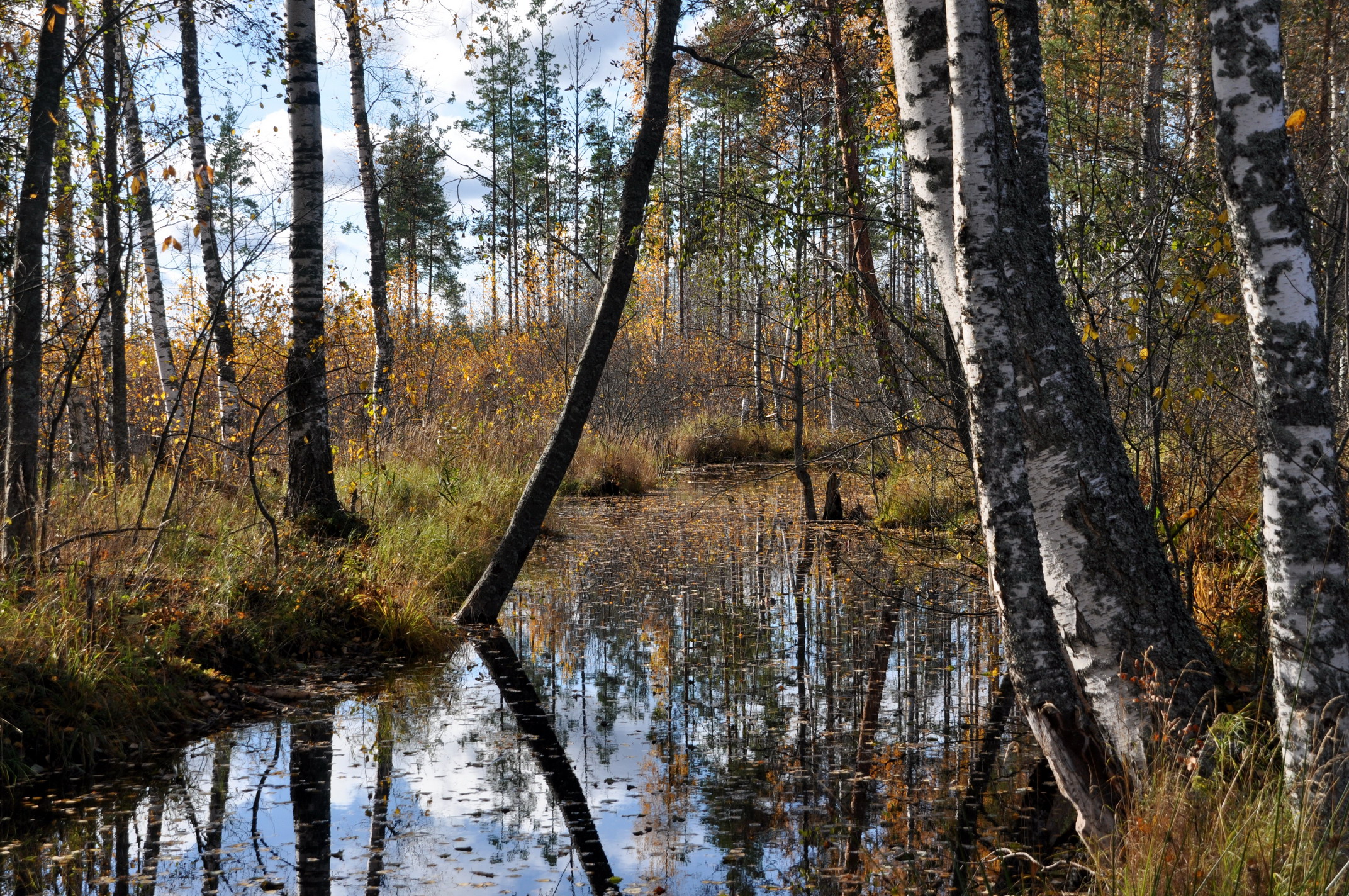
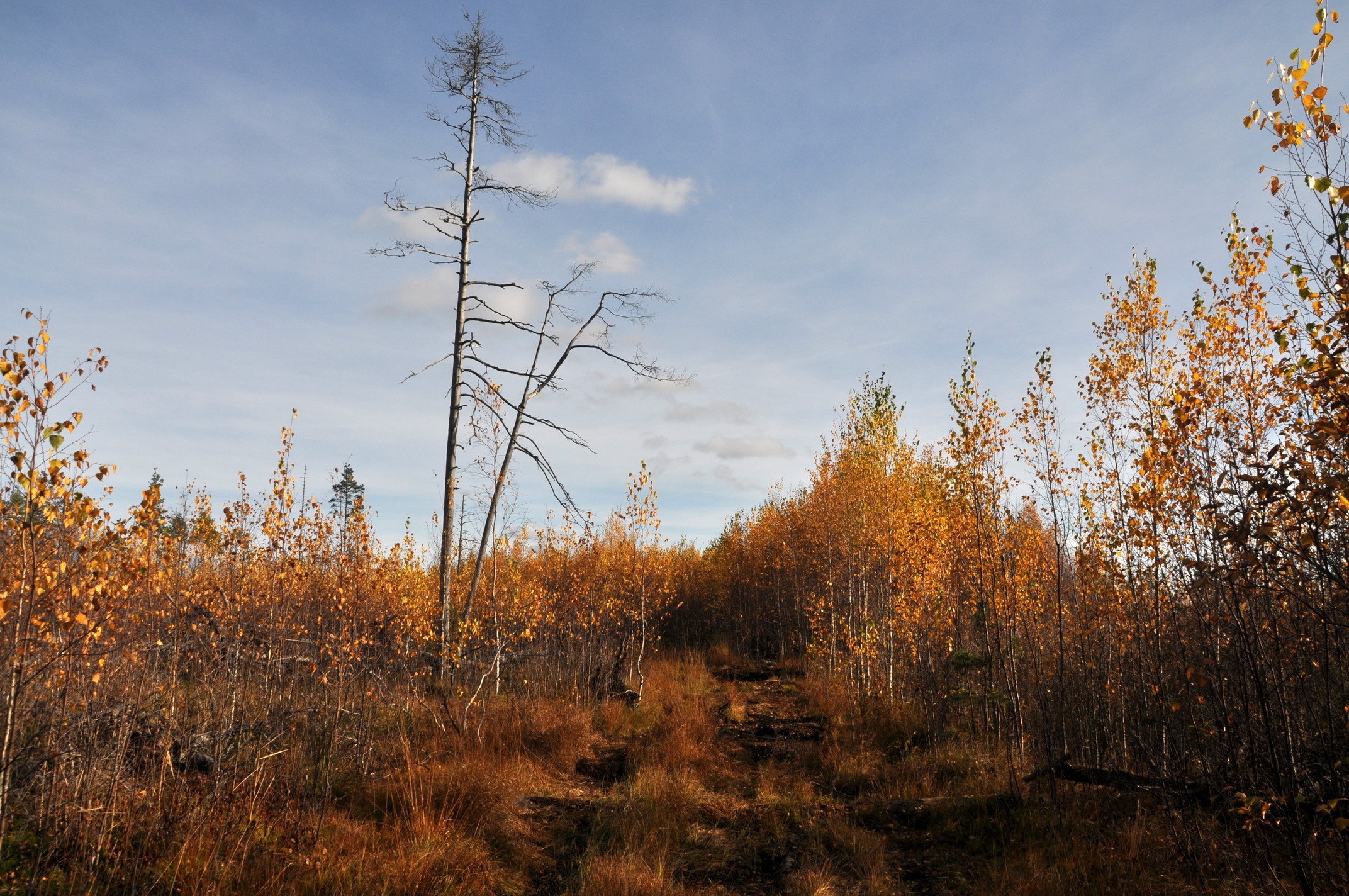
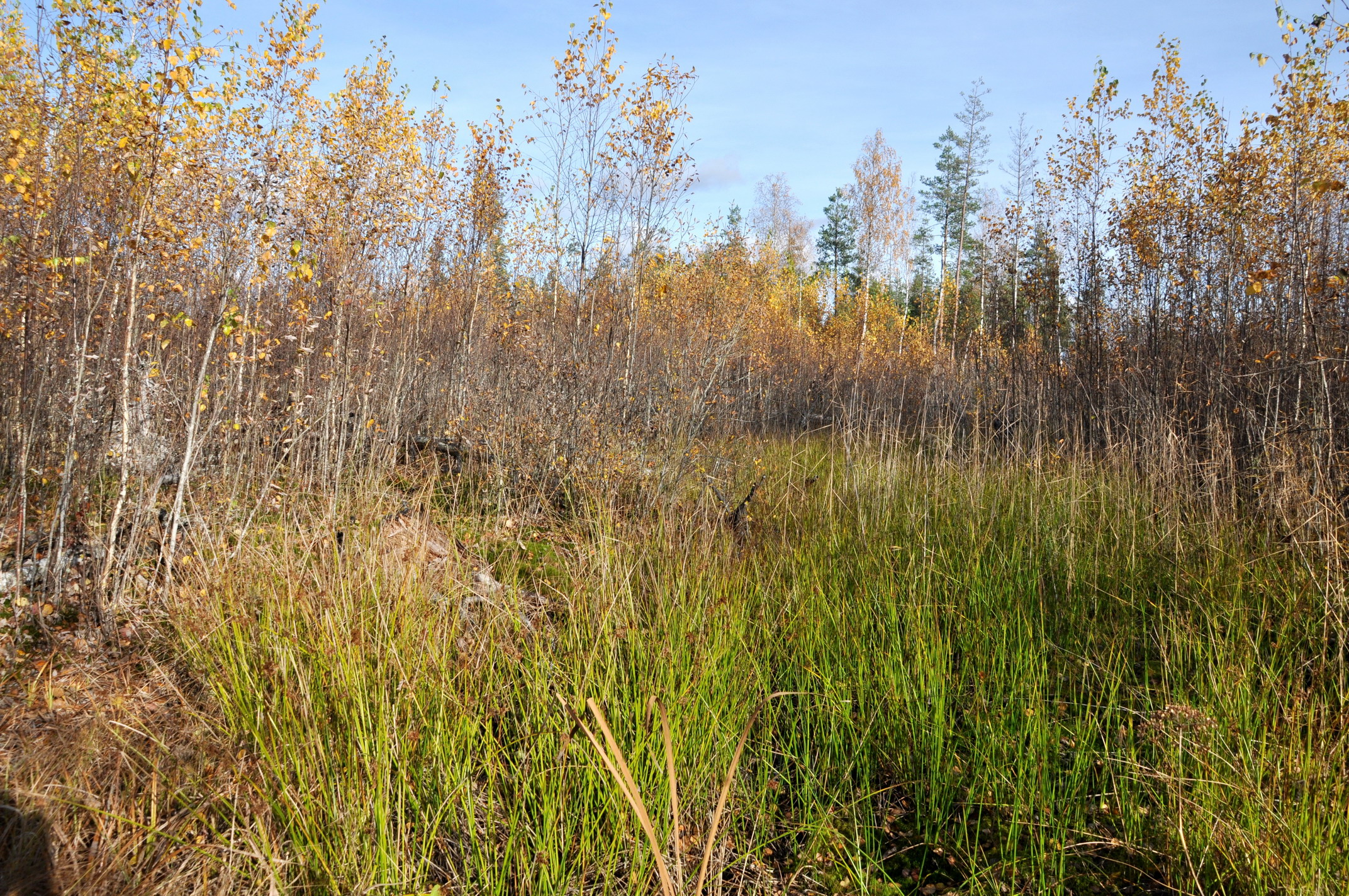
I took a shortcut and reached the lake a little north of the forest wardens’ huts, then carried on to Vorota Cape. From there the island is only 500 metres away. I had lunch, blew up the boat and started loading it.
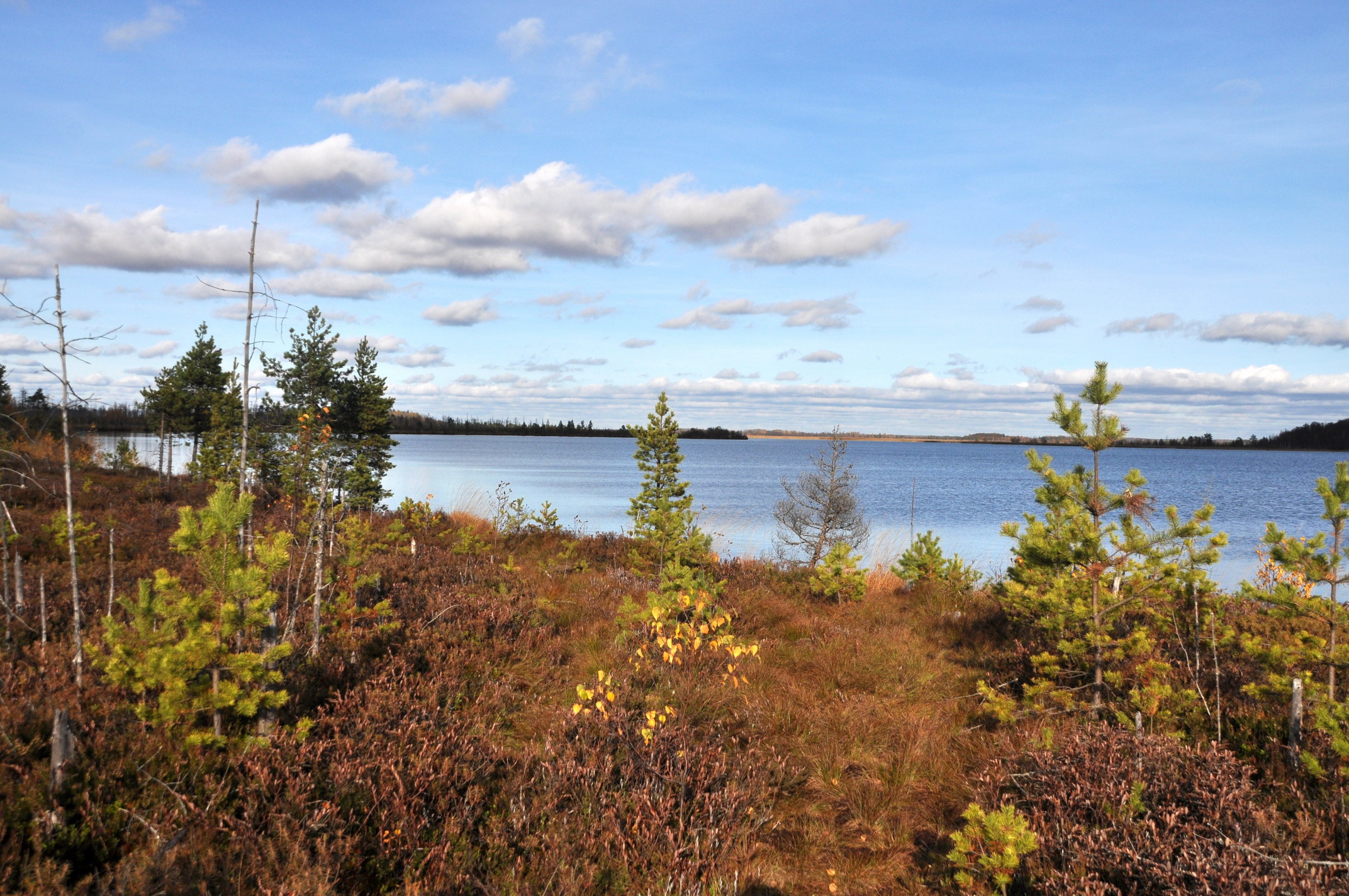
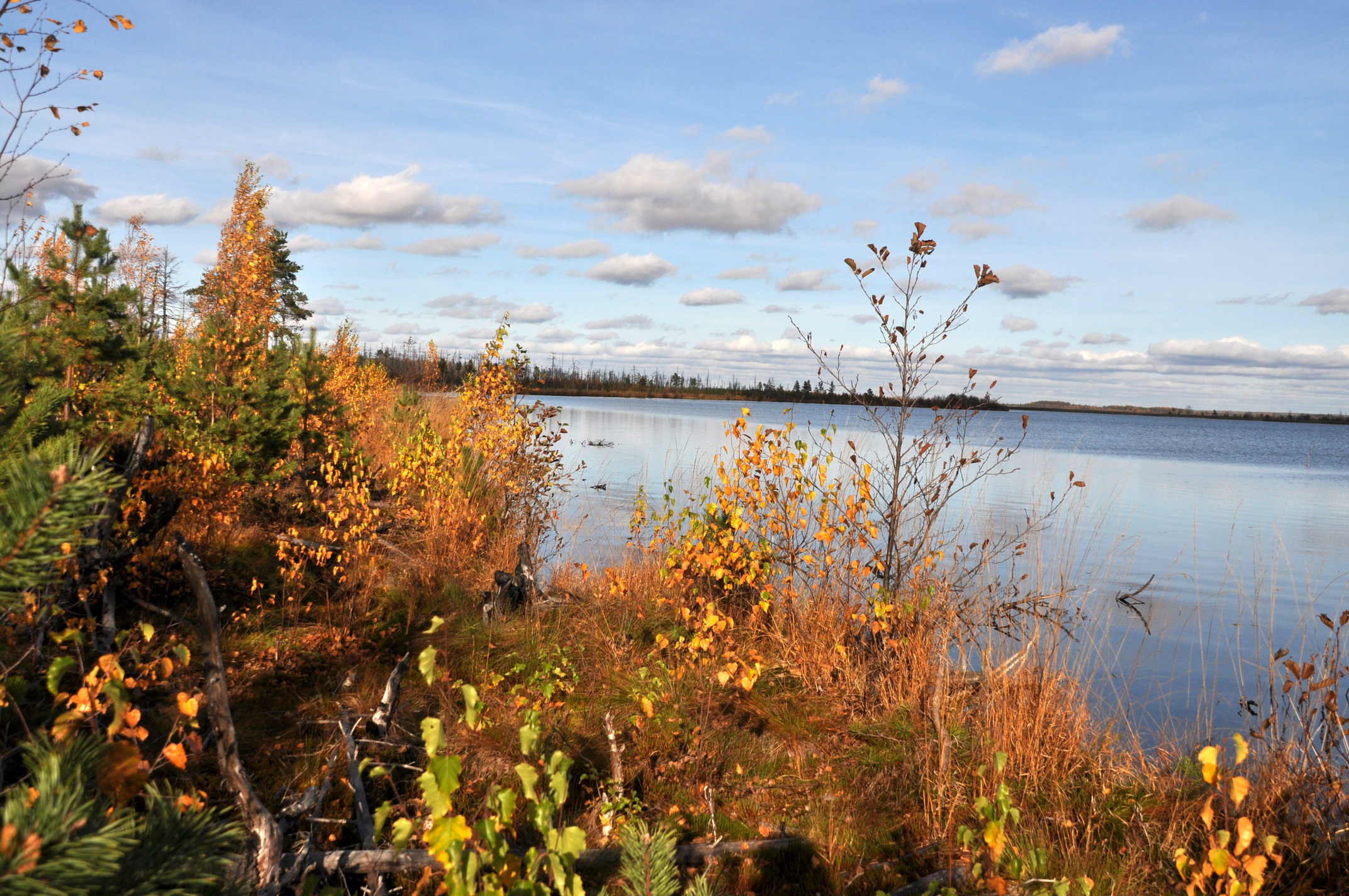
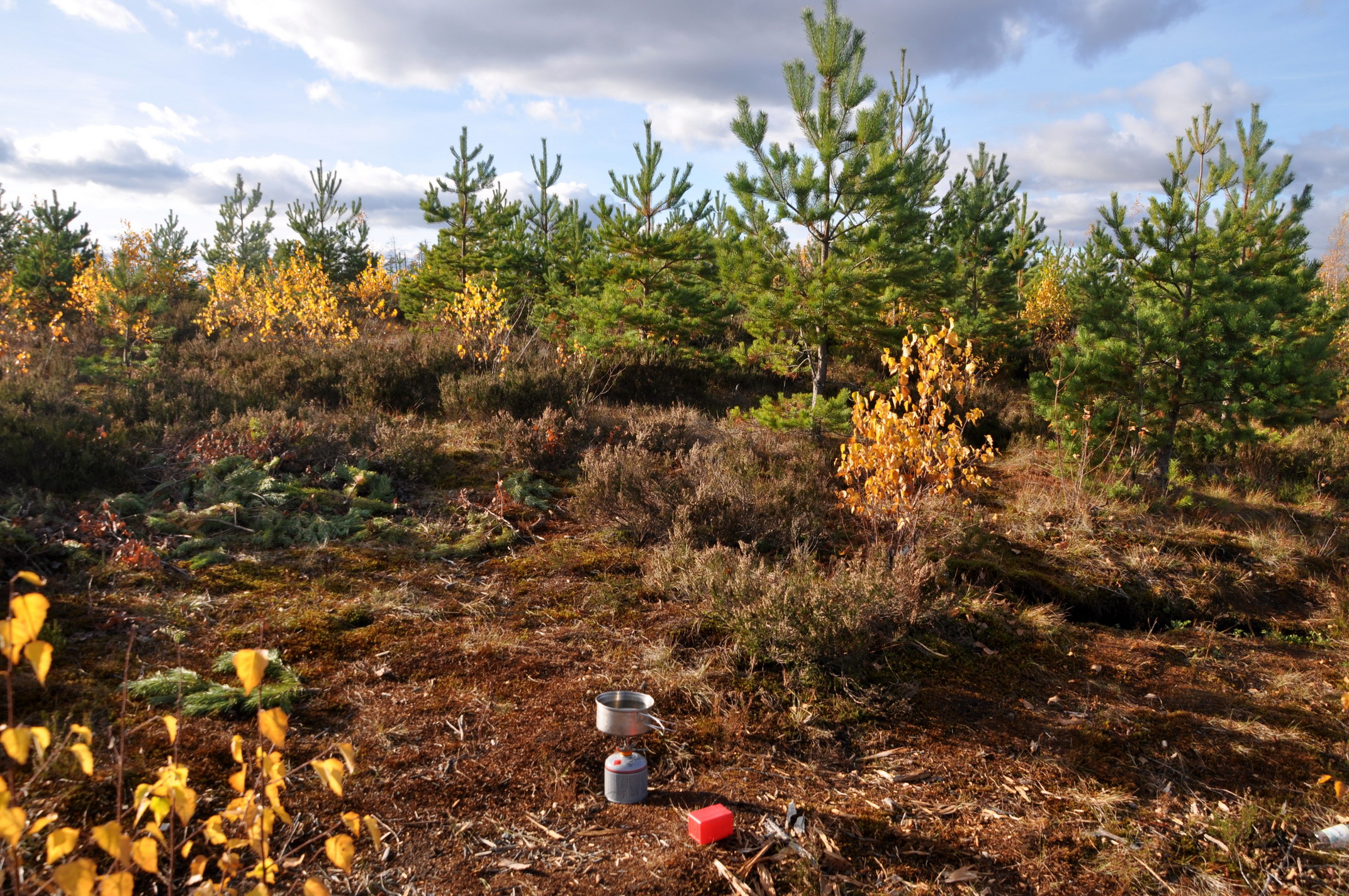
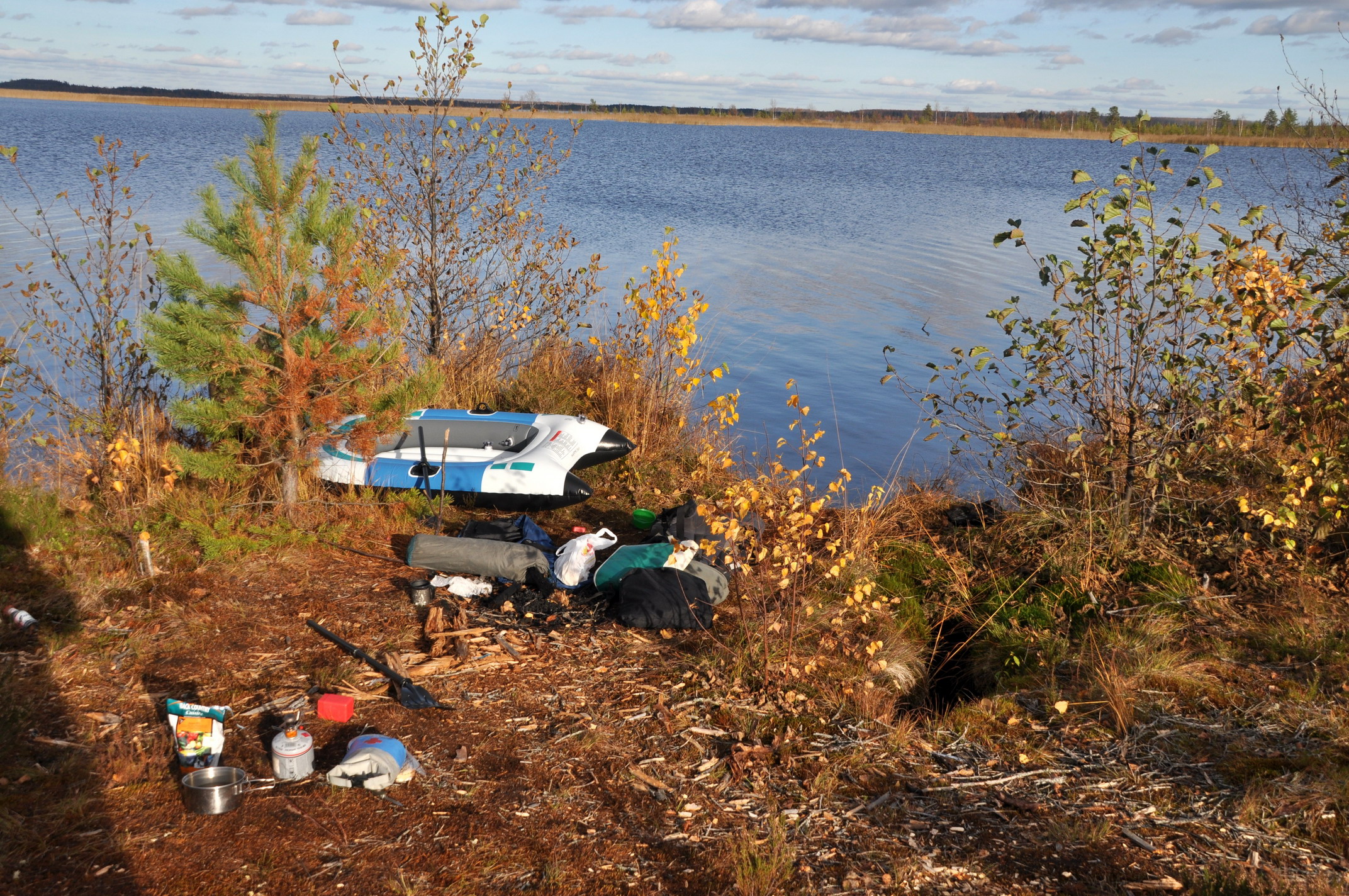
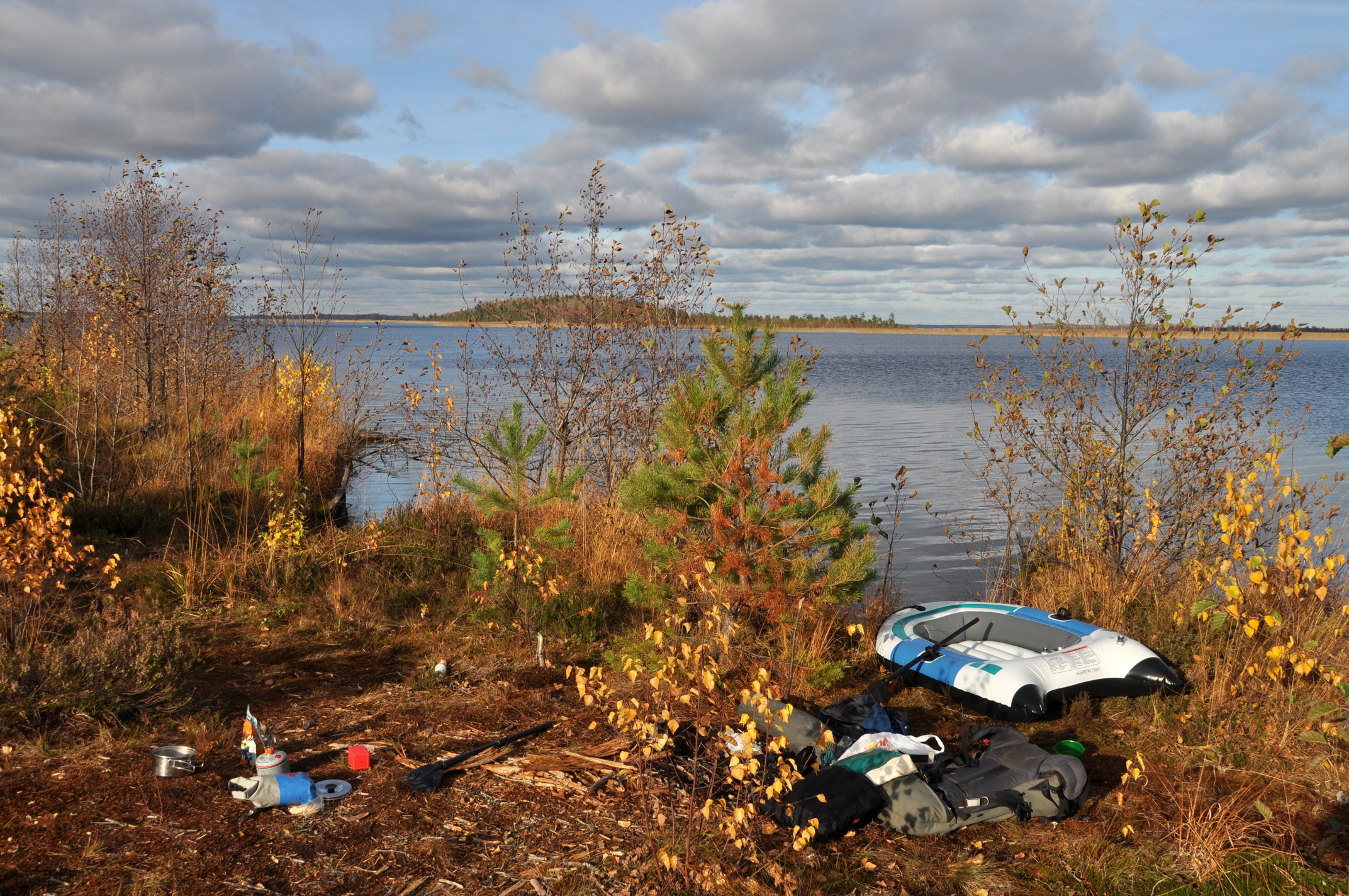
The boat was supposed to take two people. Two Chinese people, presumably. I could barely fit myself, let alone find room for the pack.
I had barely pulled away when bubbles started coming up from under the boat. Well, there it was. One of the local reeds had pierced one of the three air chambers. Never mind. I still had two left, and I had made it out into open water.
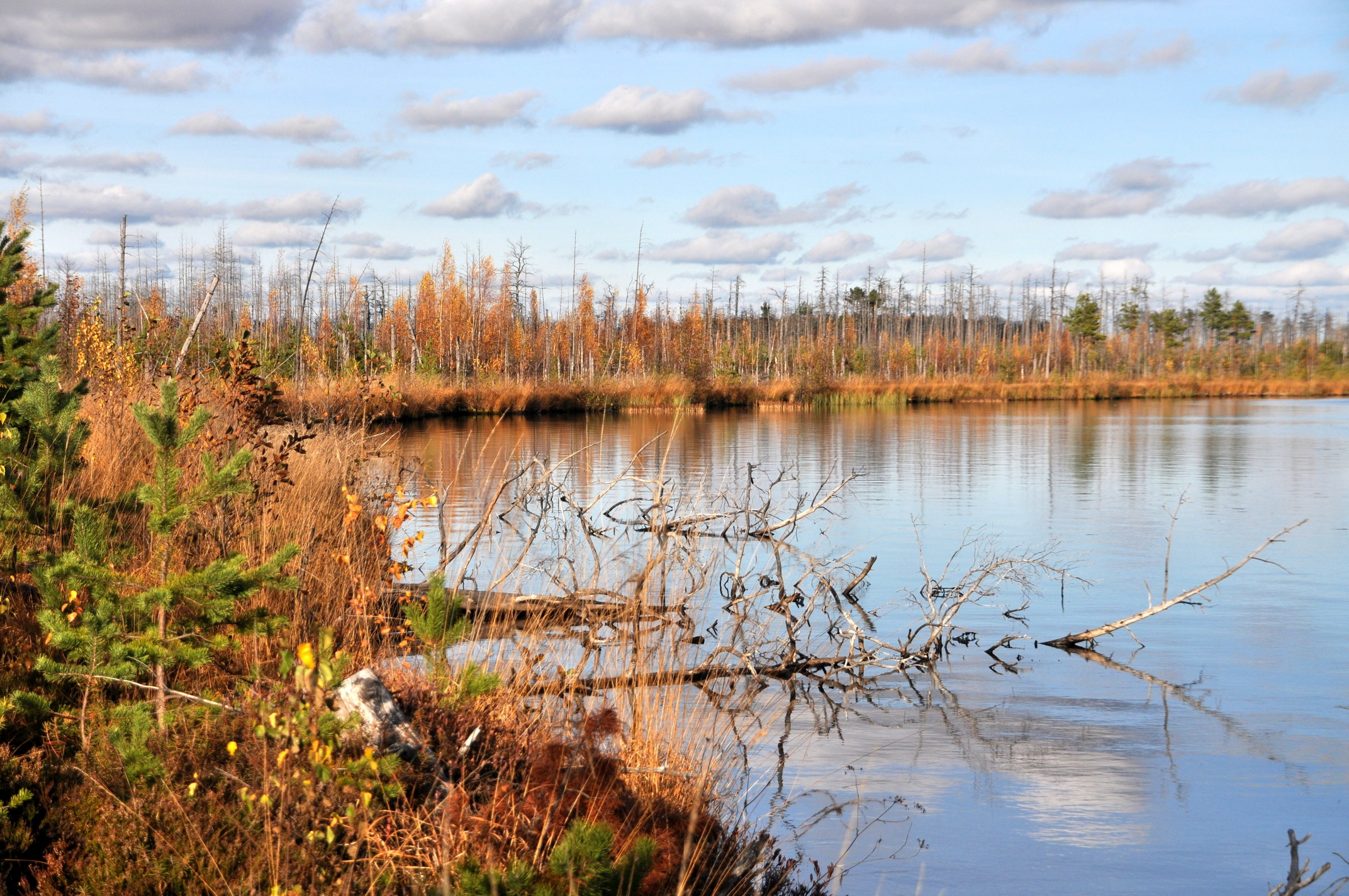
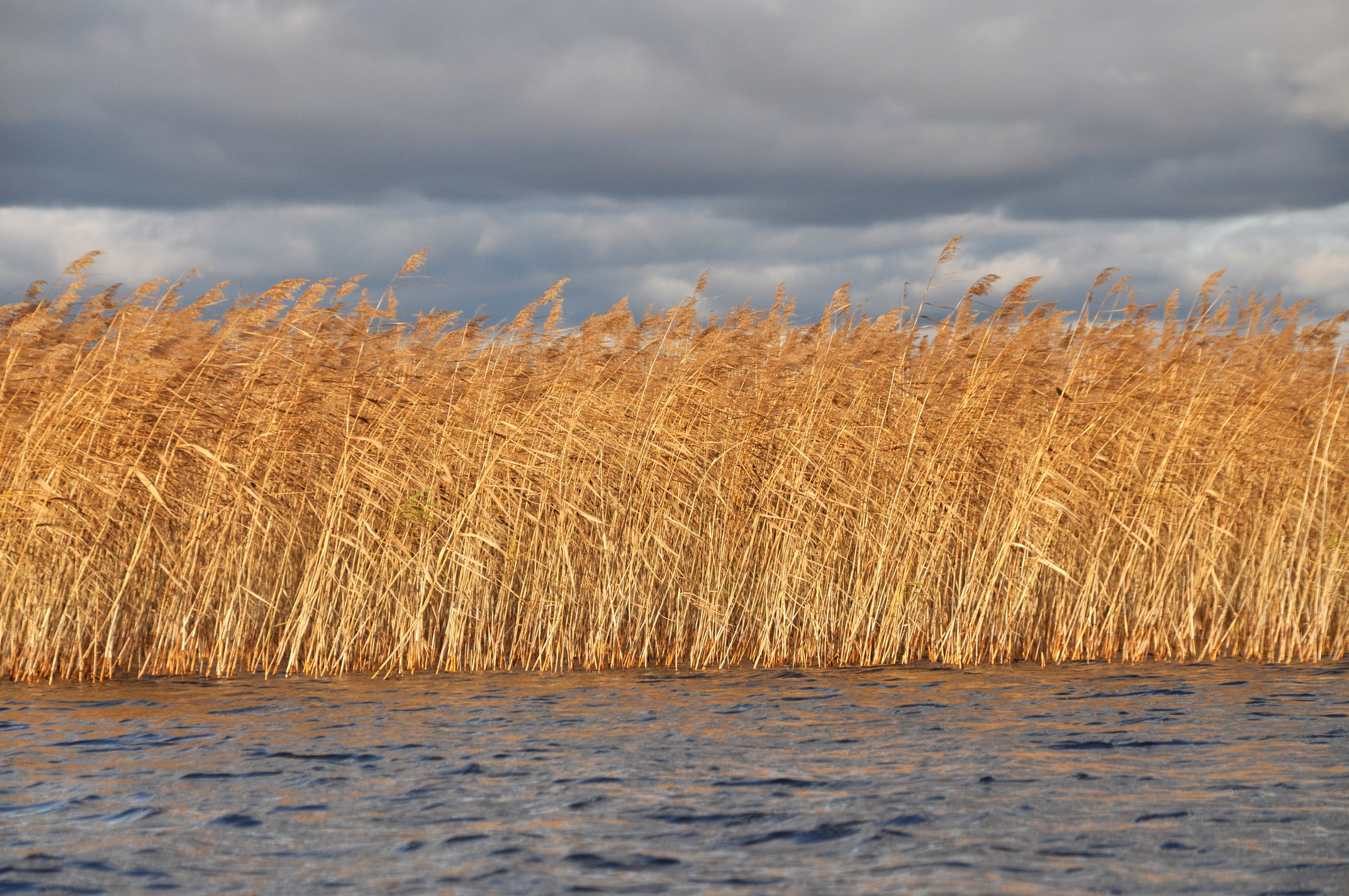
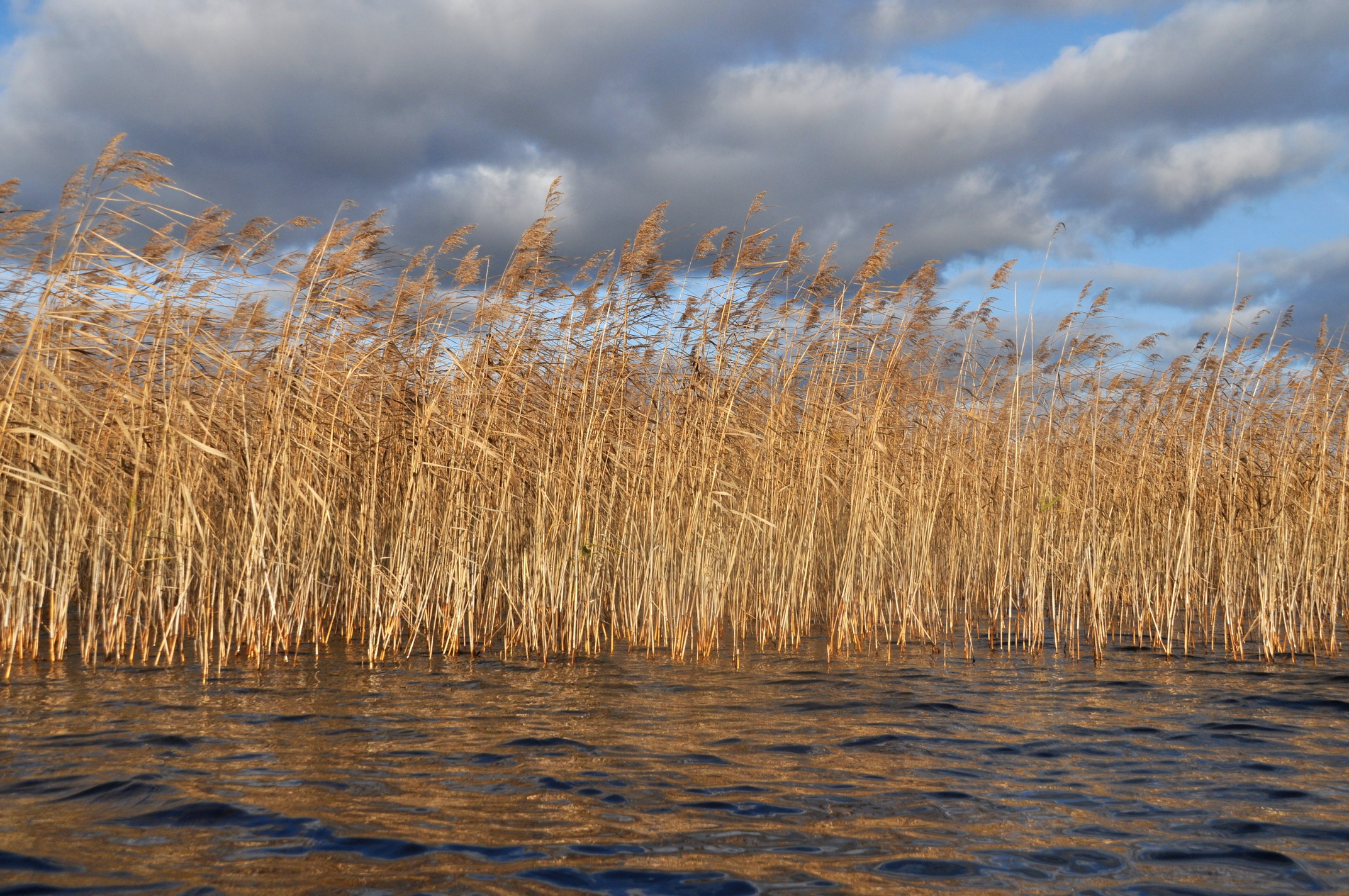
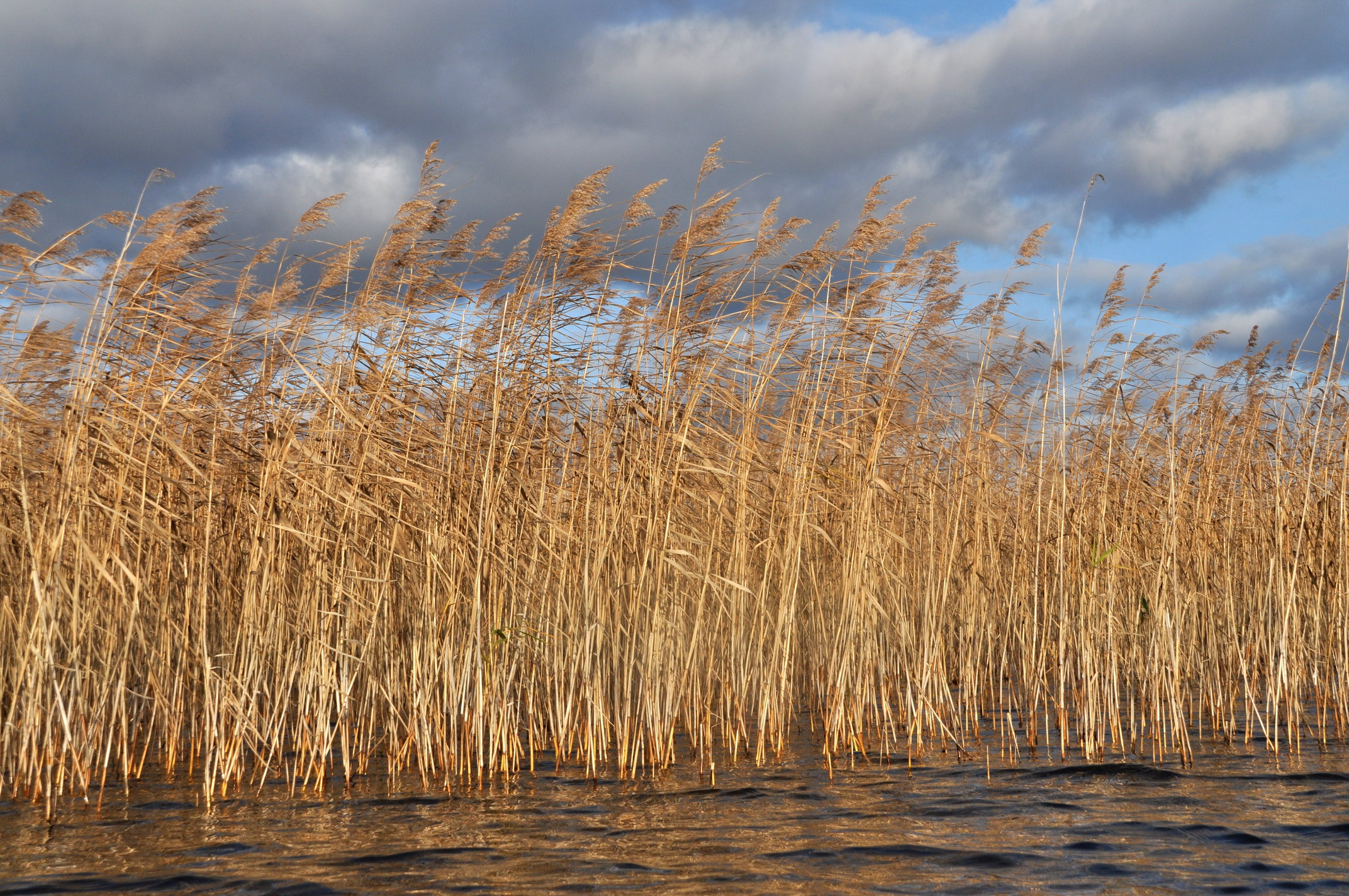
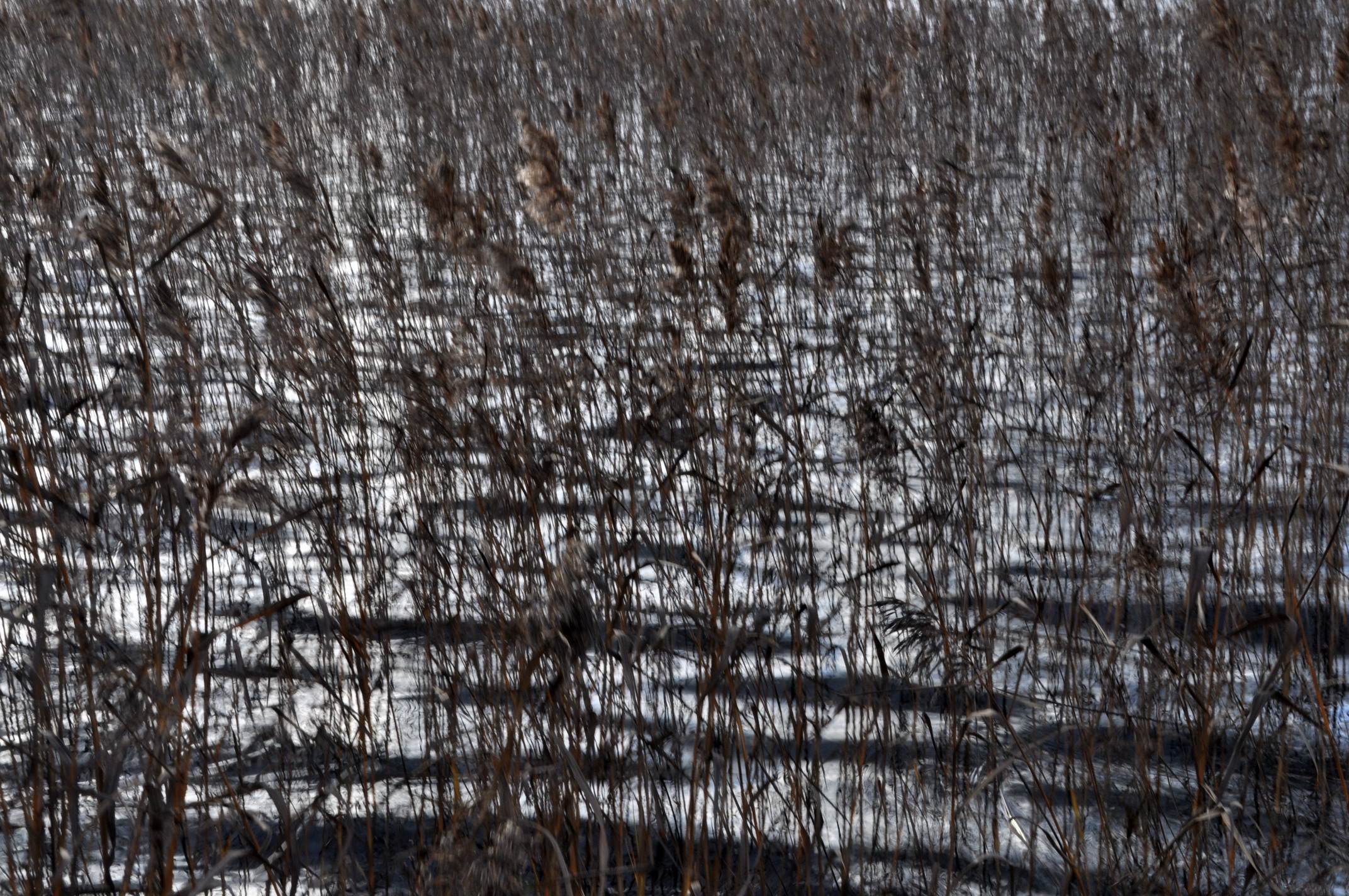
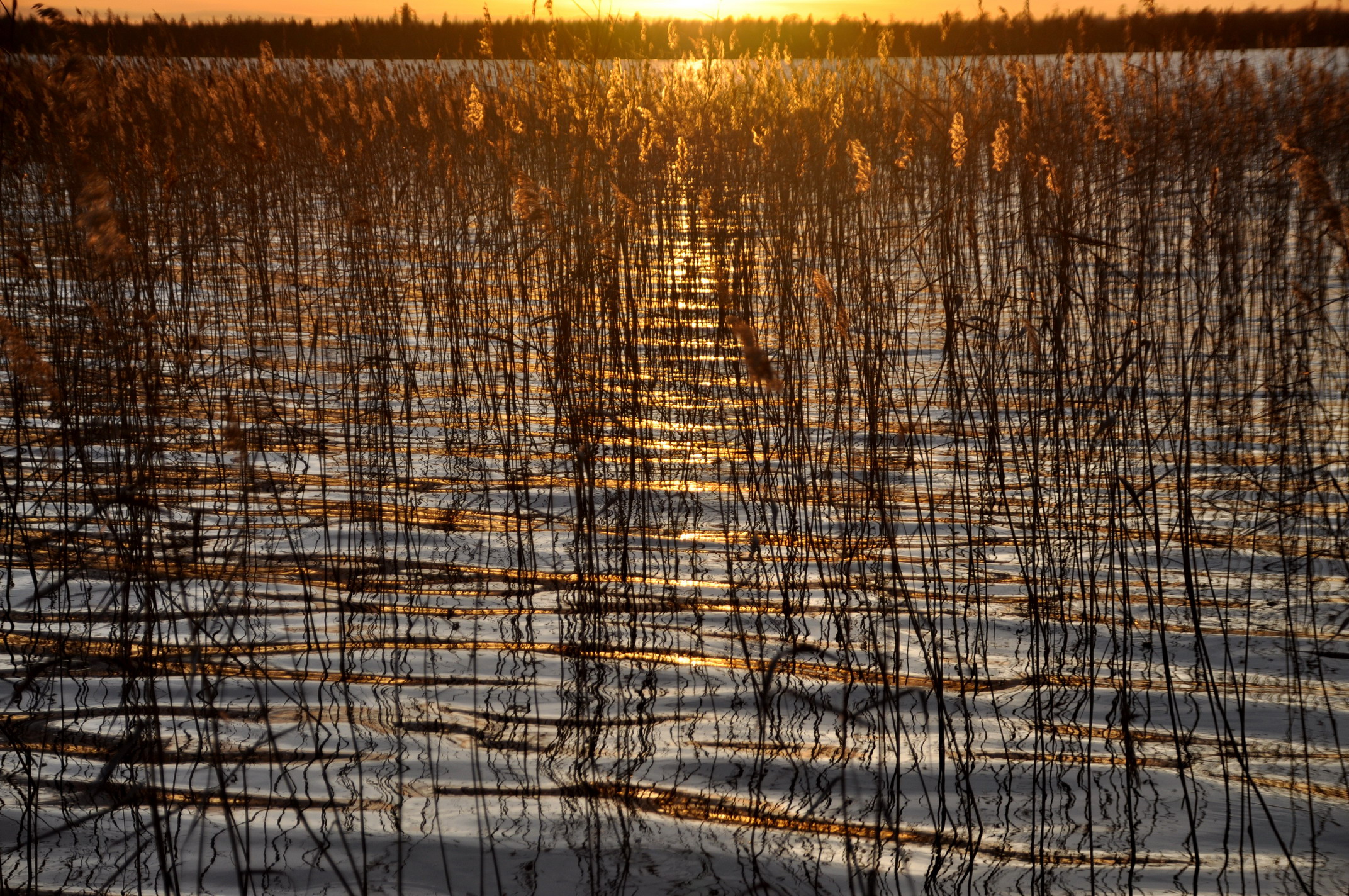
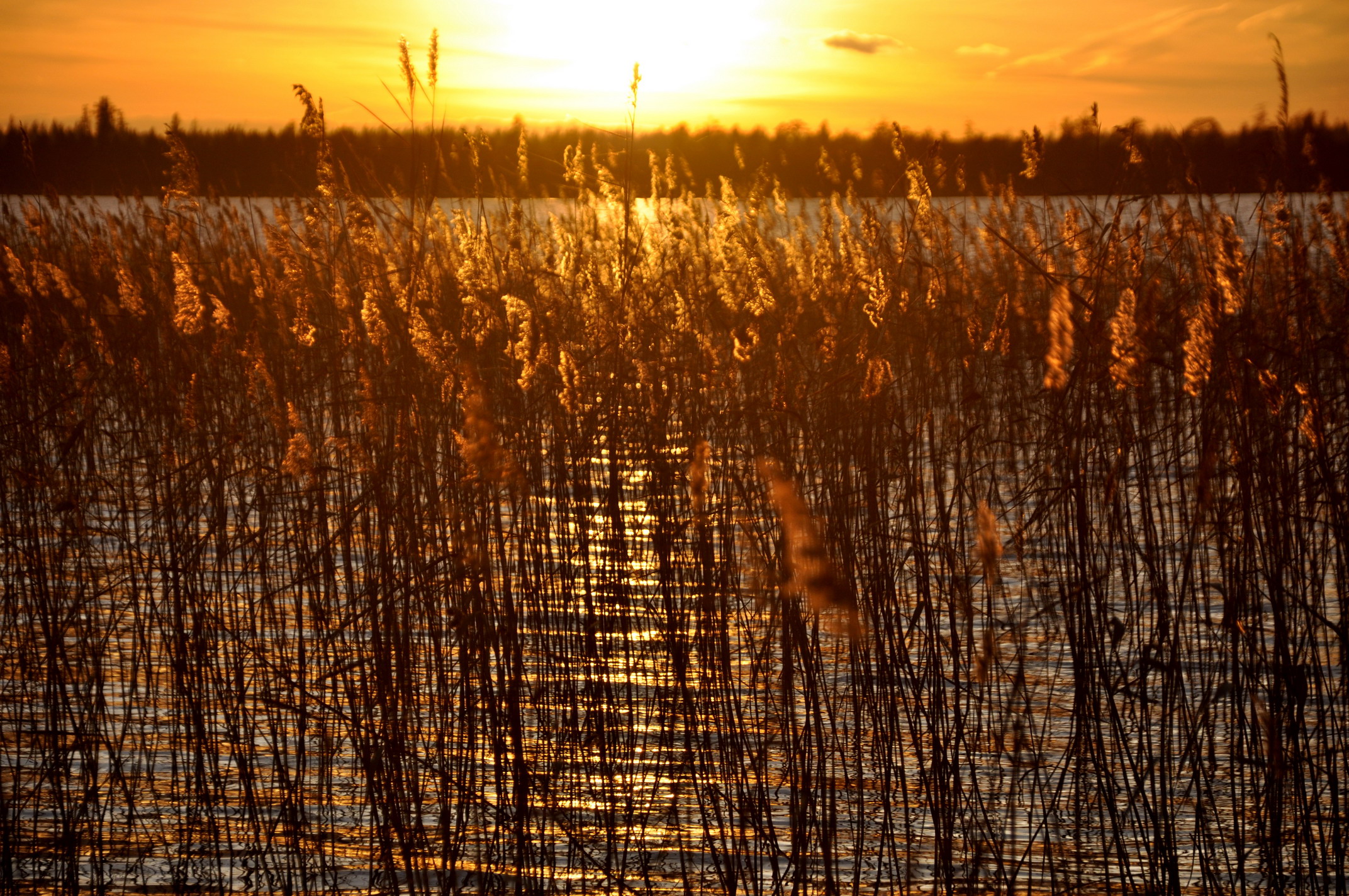
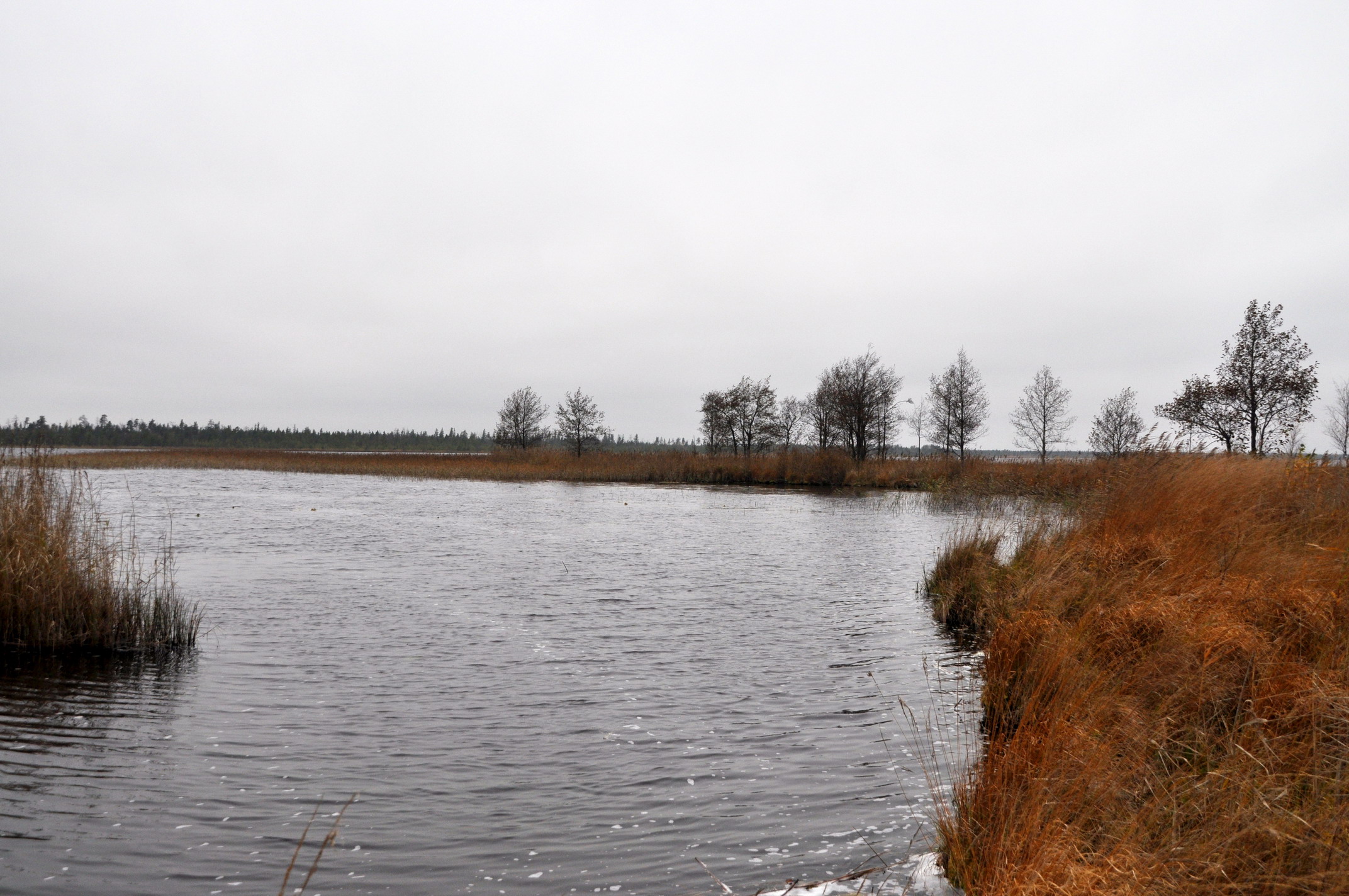
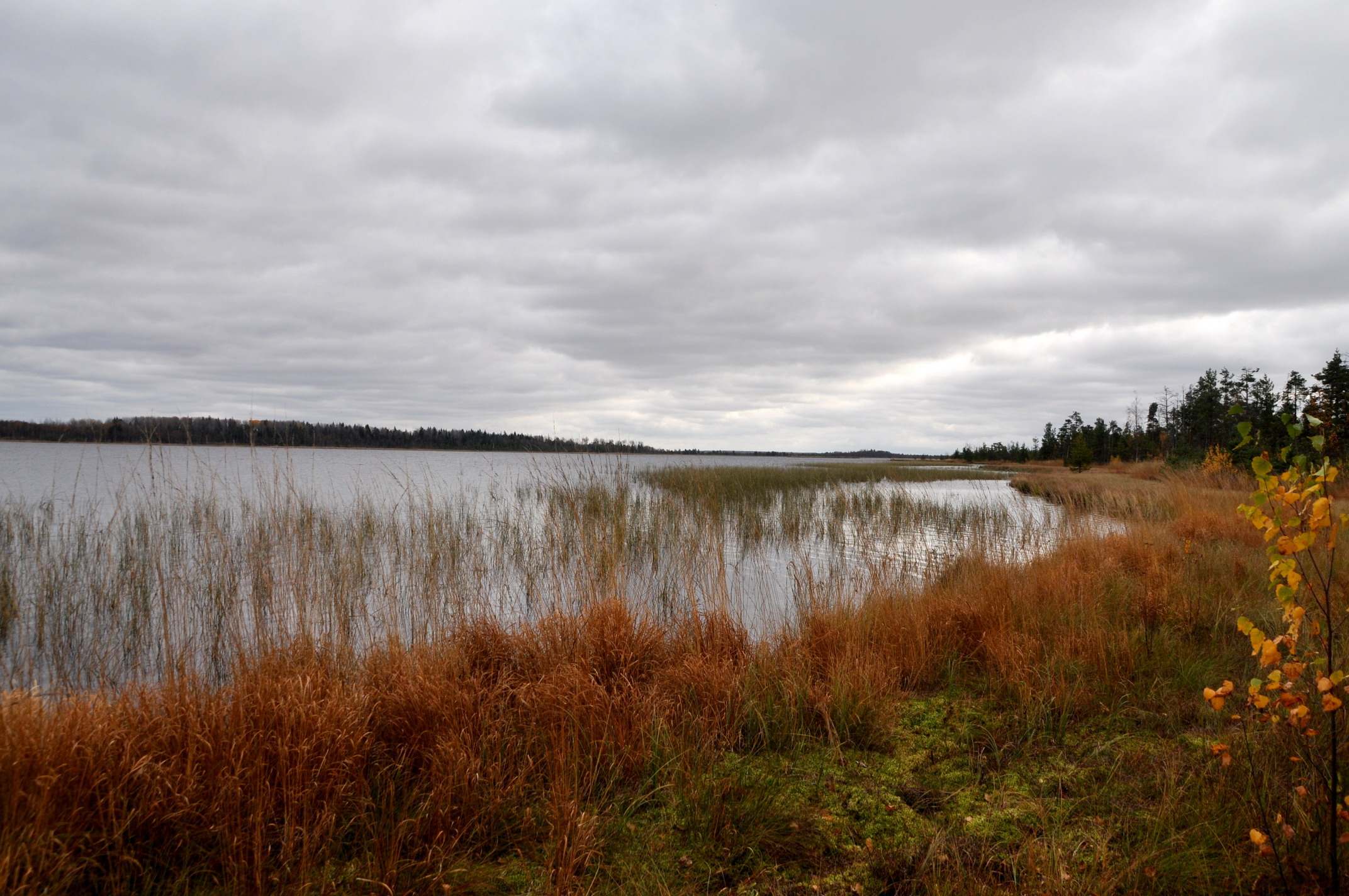
It was an awkward boat to paddle. The wind kept blowing me sideways, but I could row faster than it pushed me. Off Bolshoy Rel there are beds of reeds. They looked especially beautiful in the rays of the autumn evening sun. I unloaded by a small headland on the western shore of the island. Here there are spots where the water is deep enough to keep the reeds from growing.
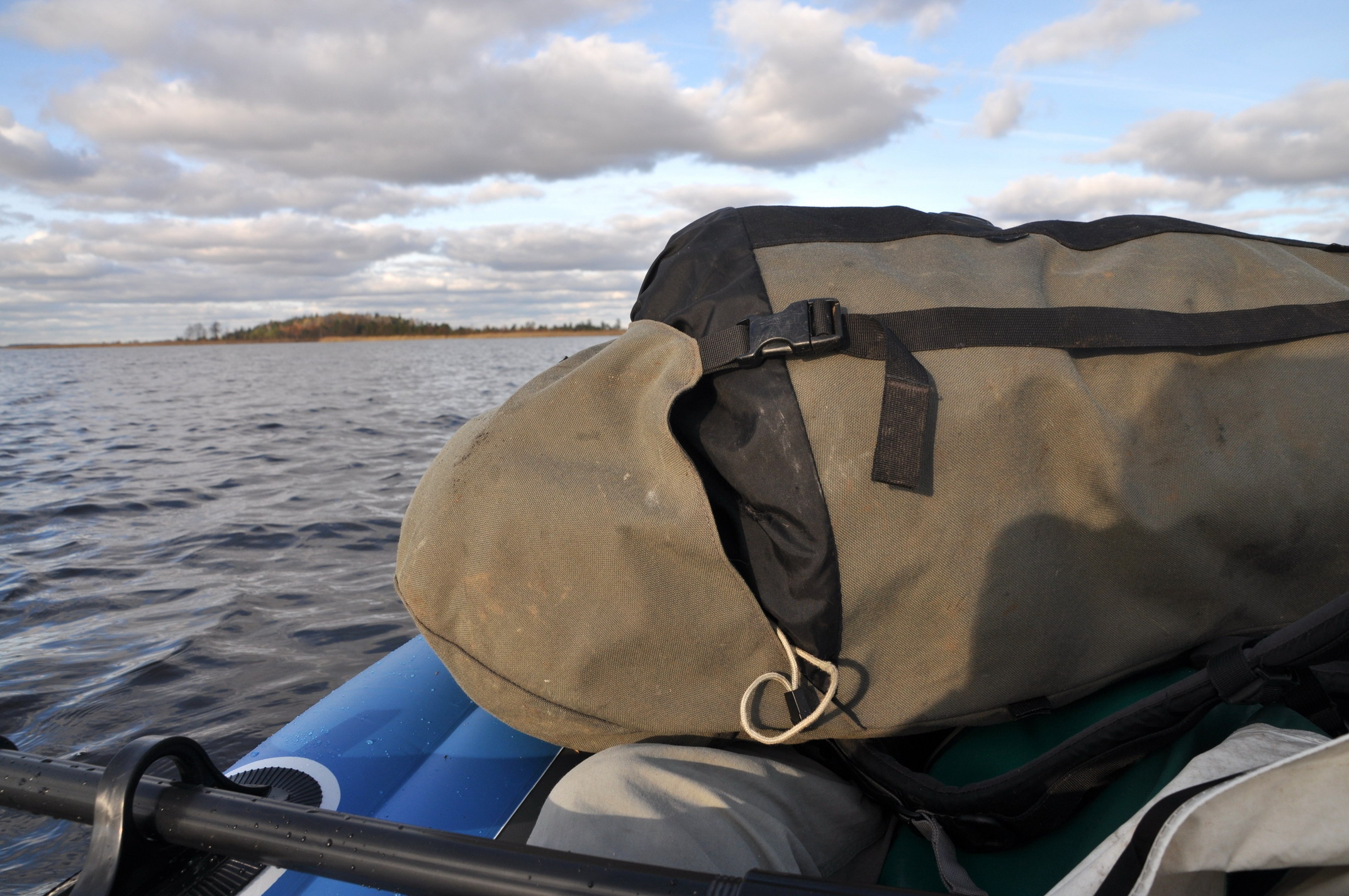
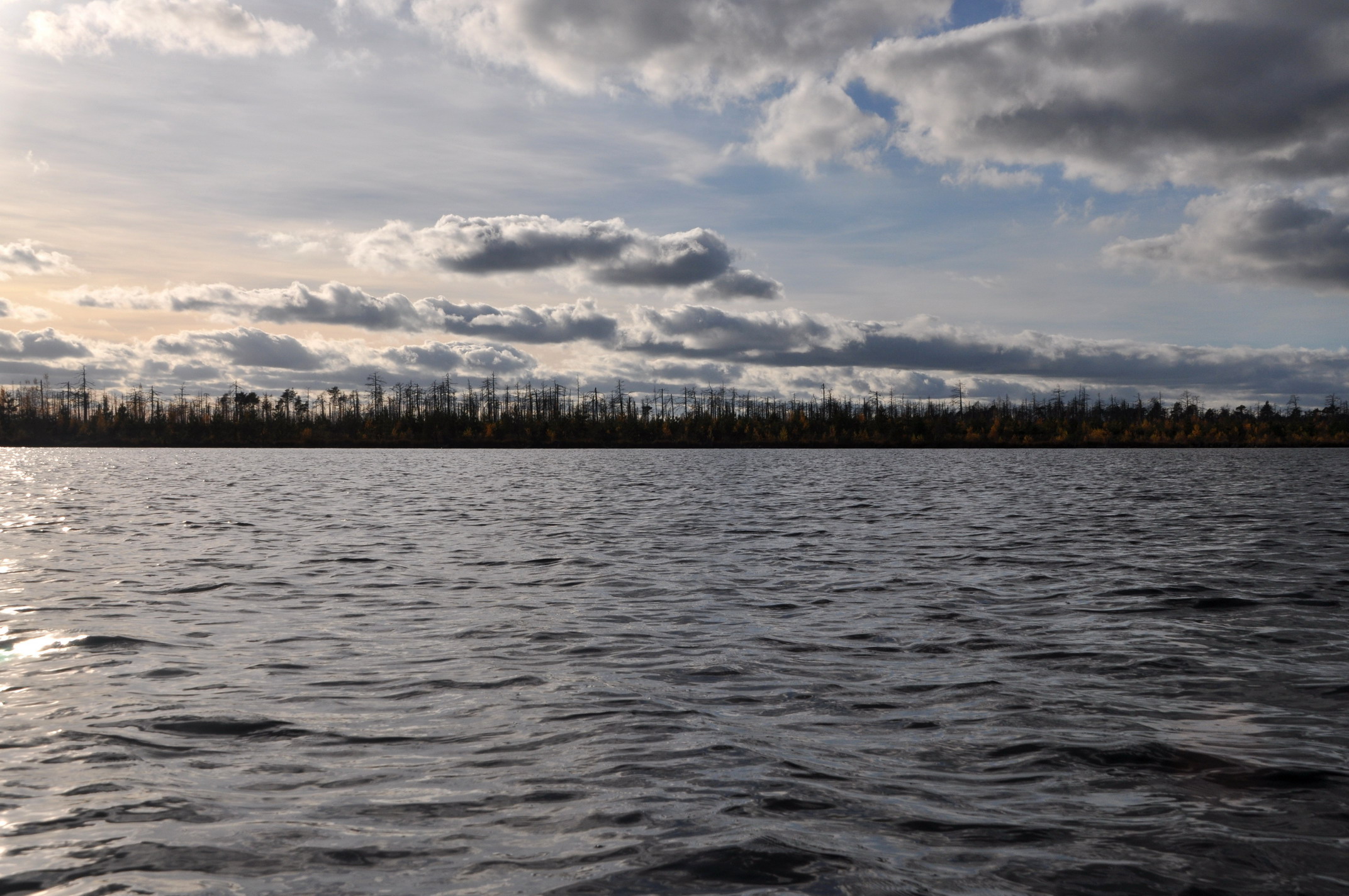
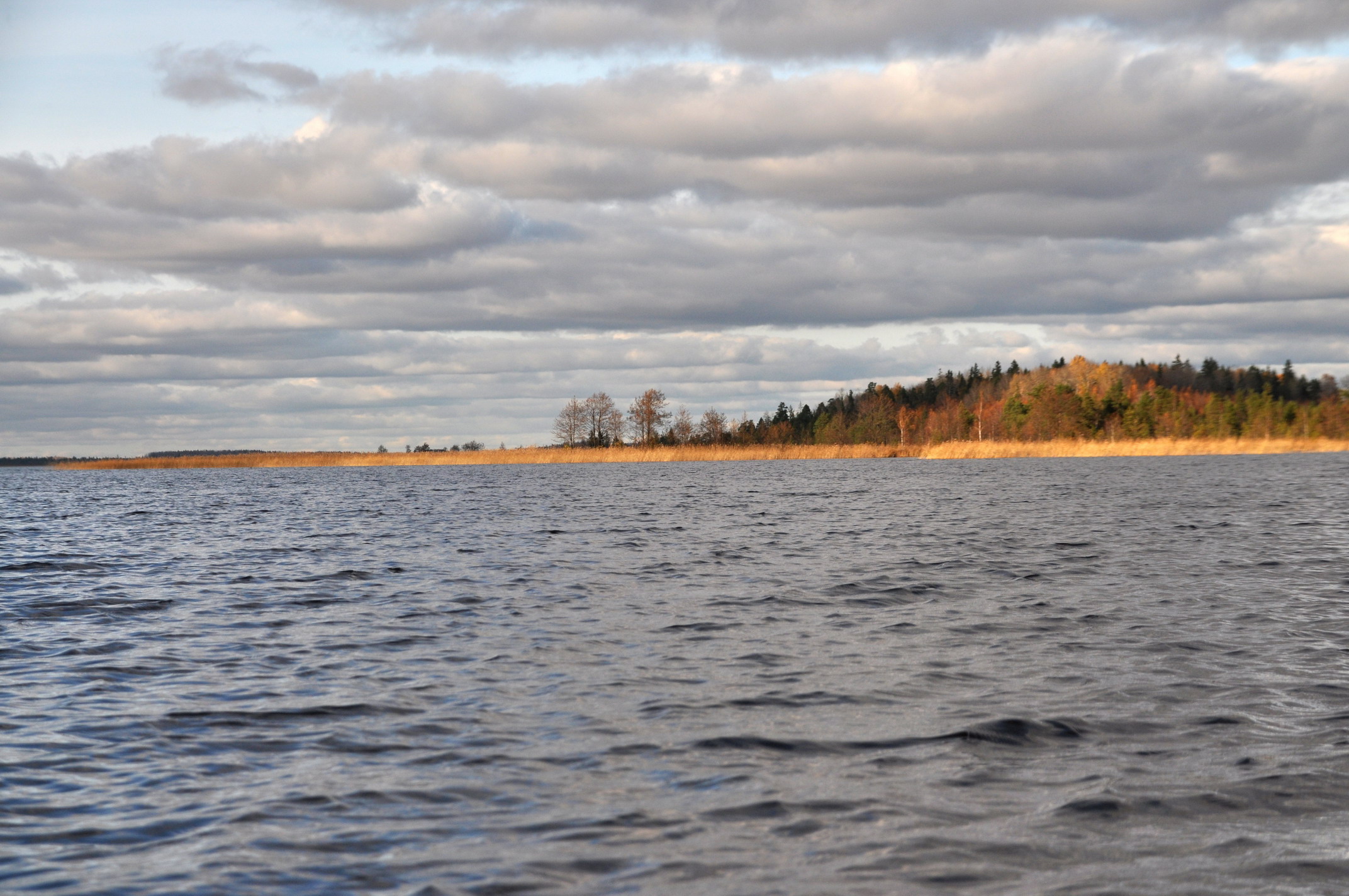
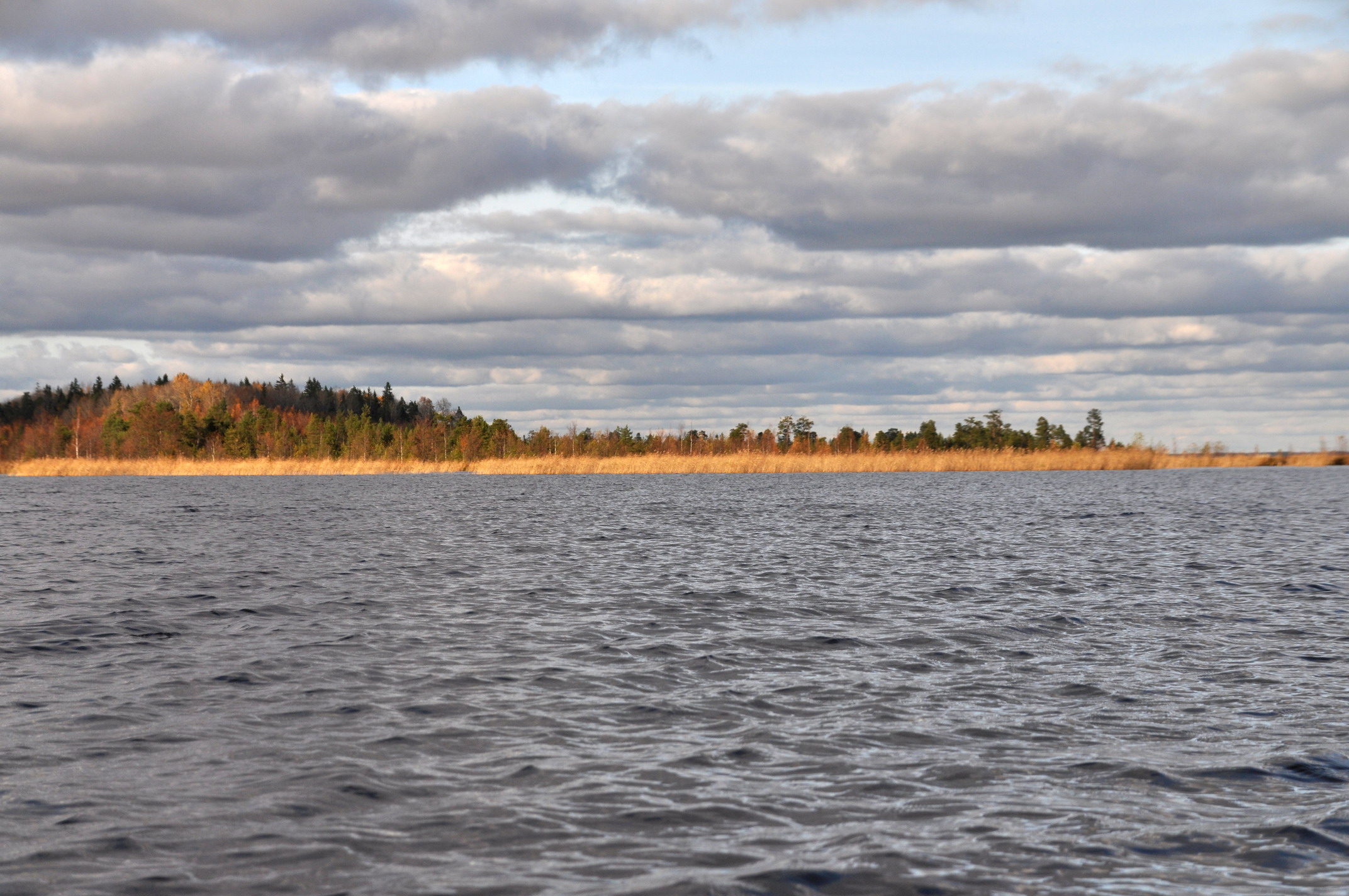
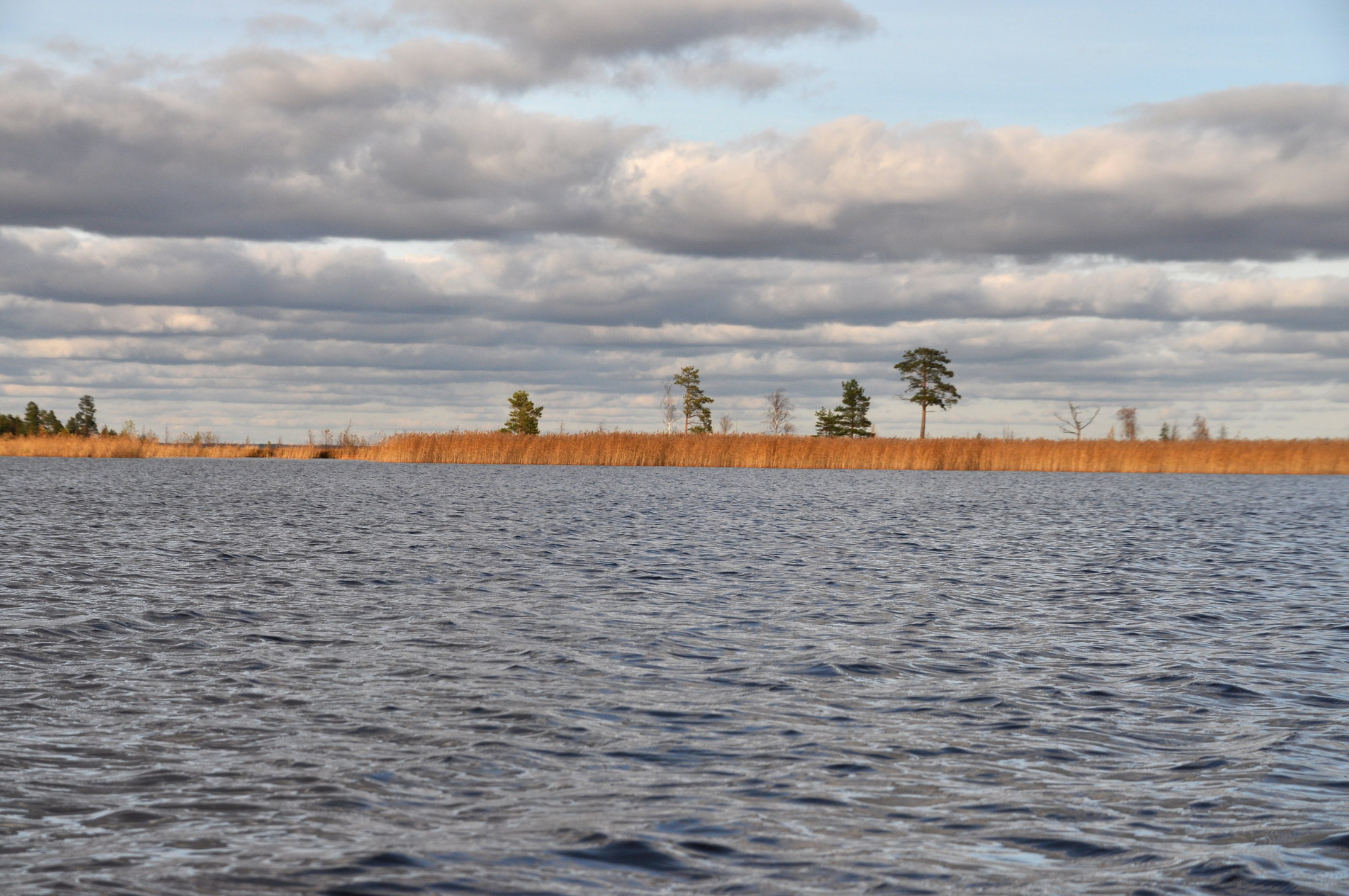
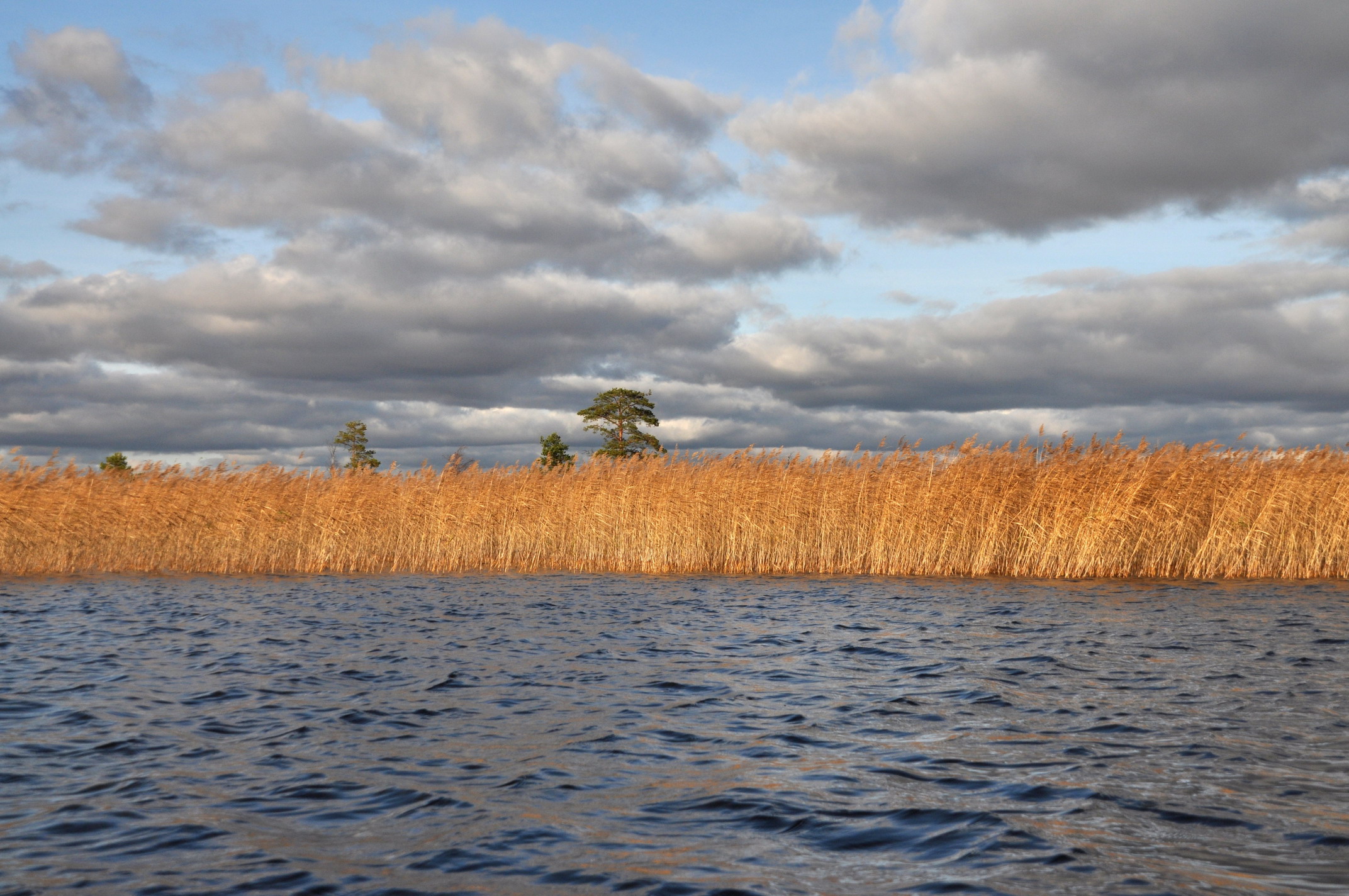
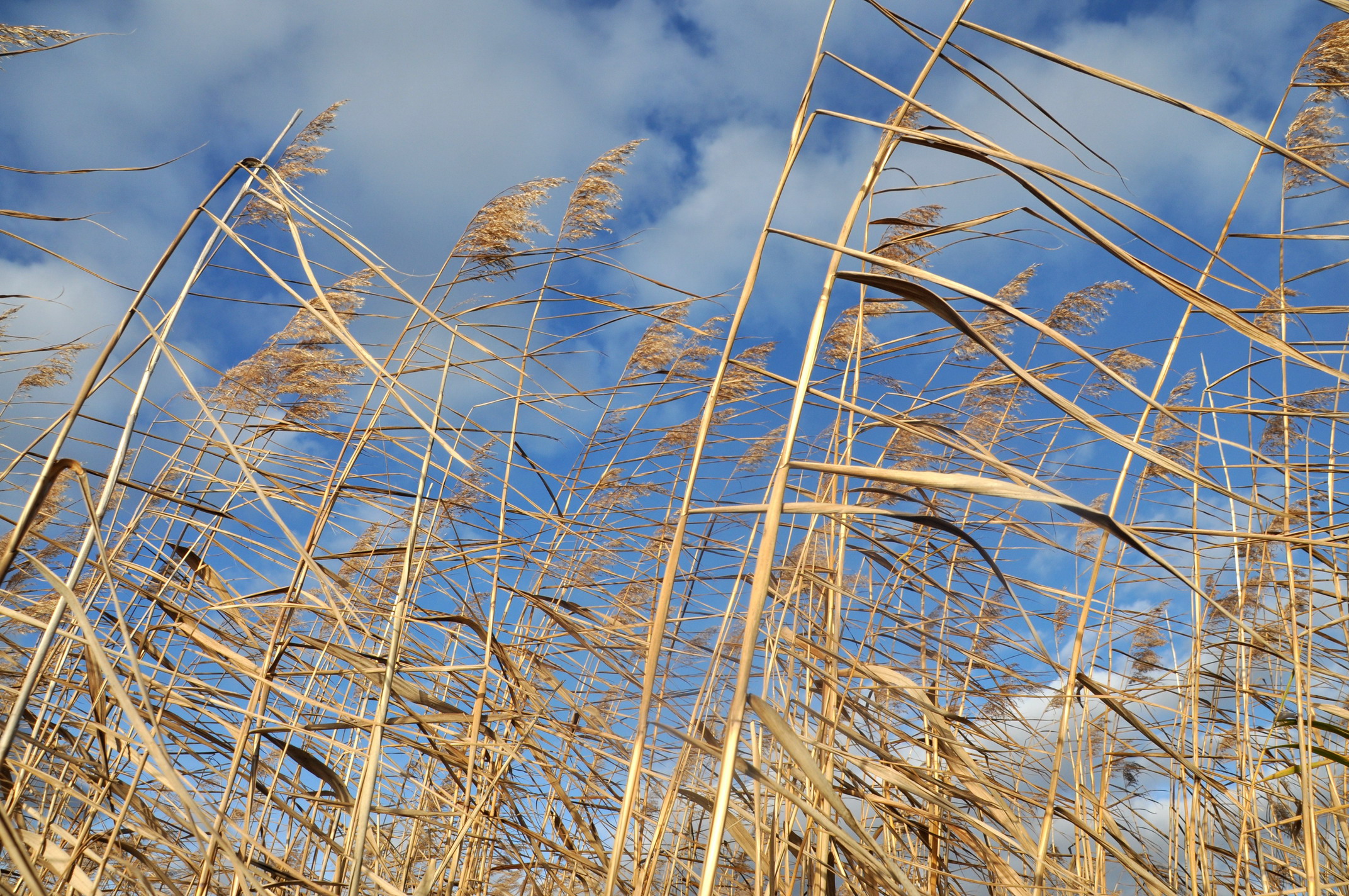
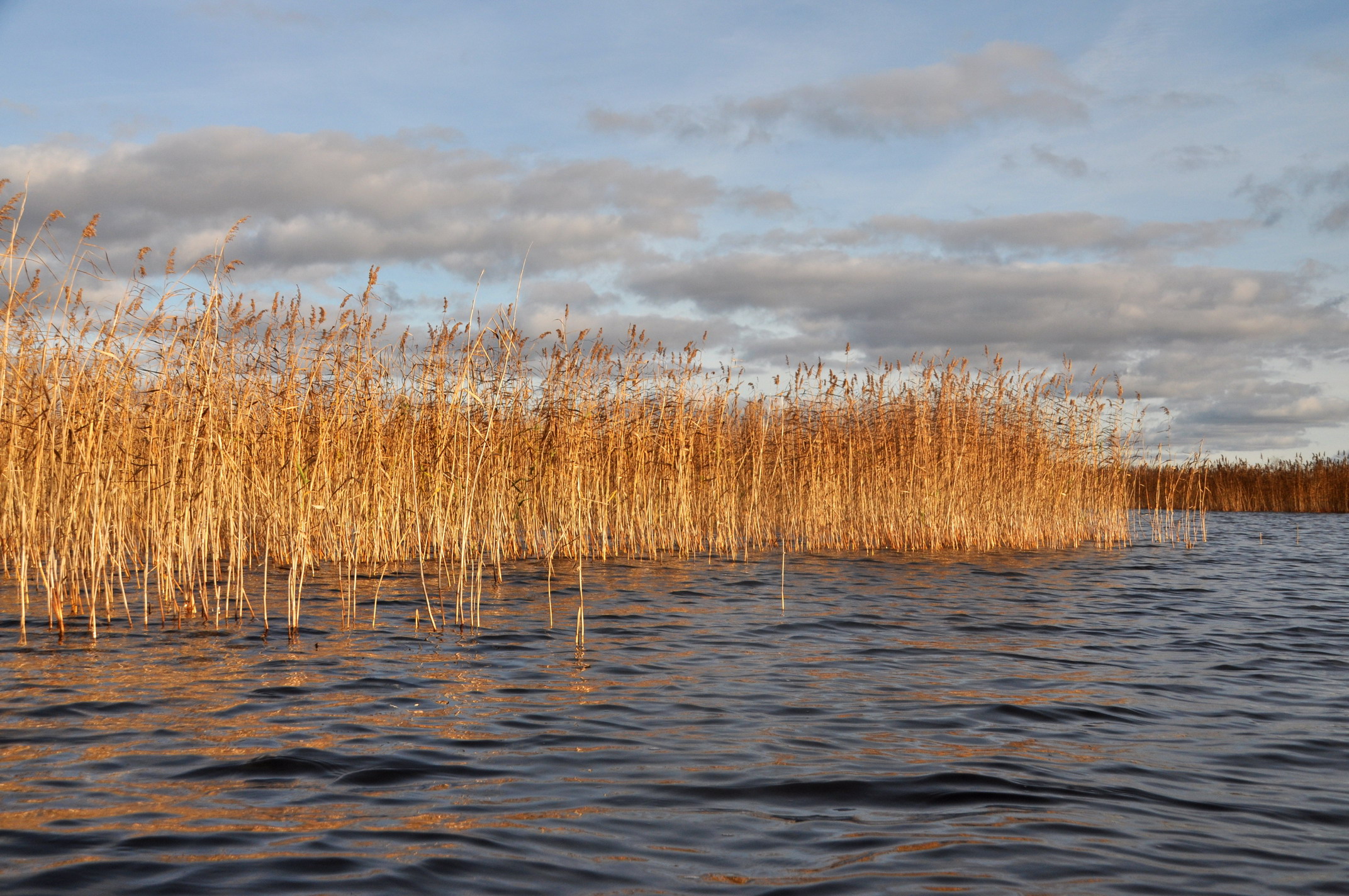
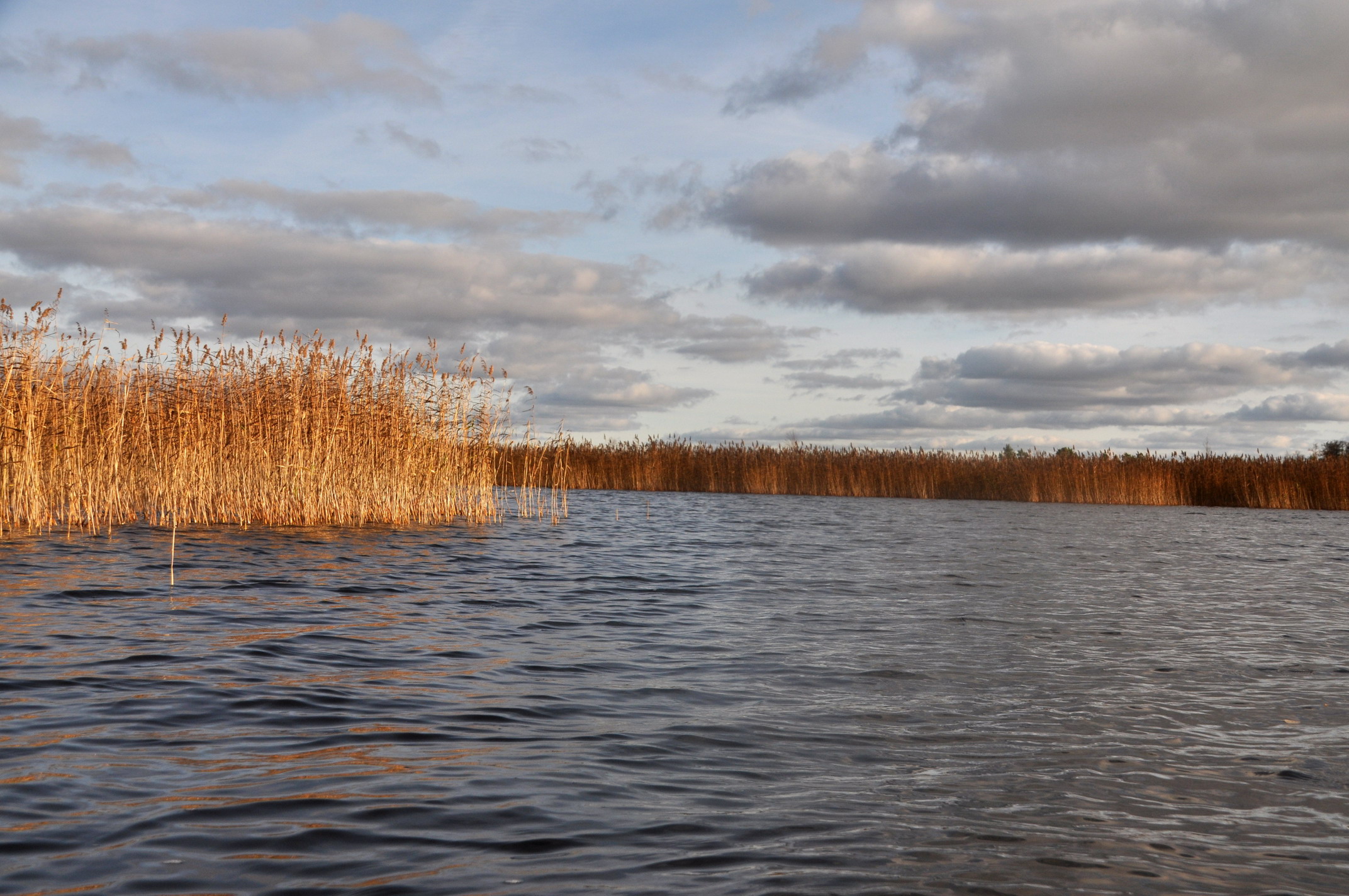
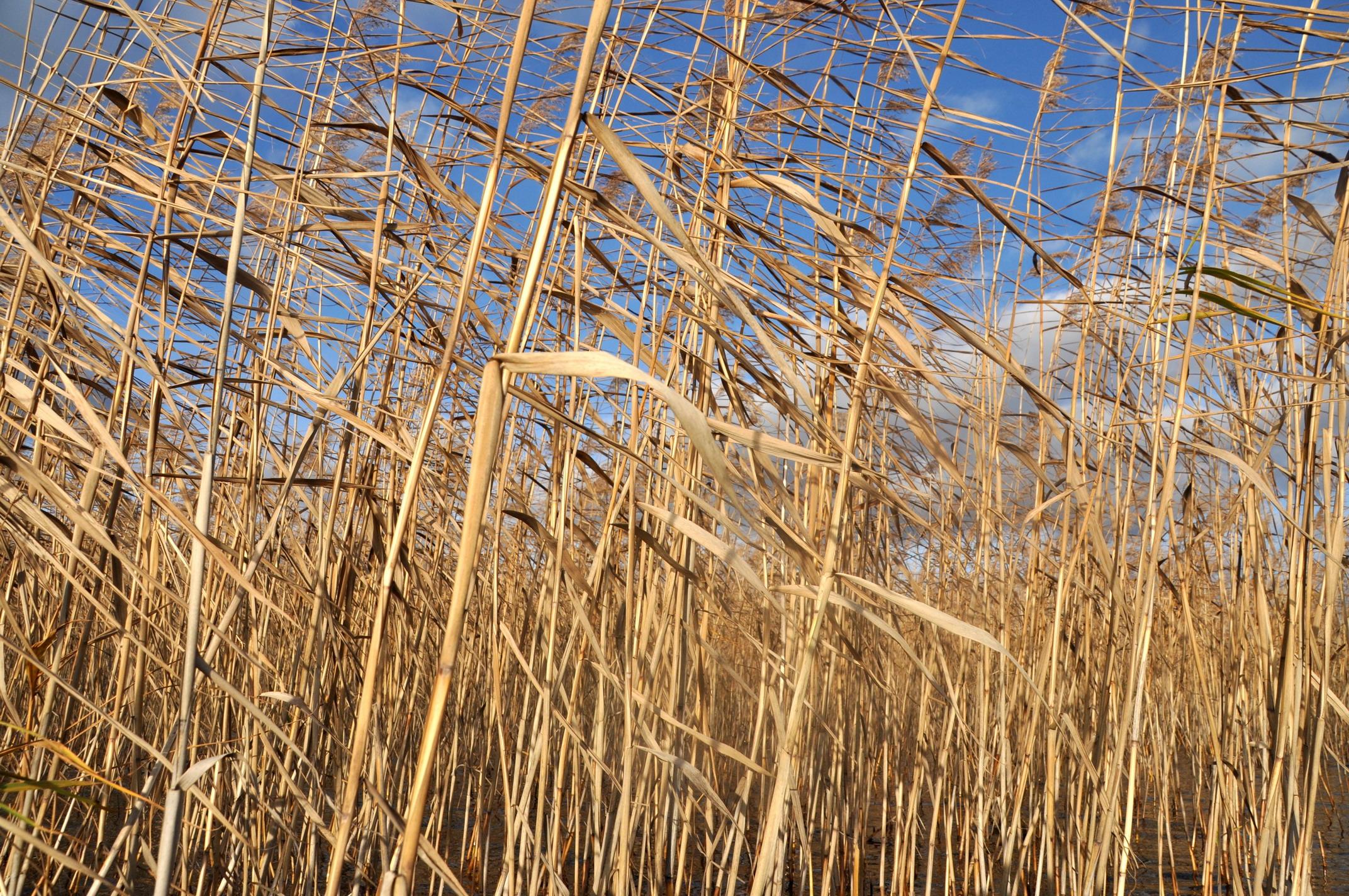
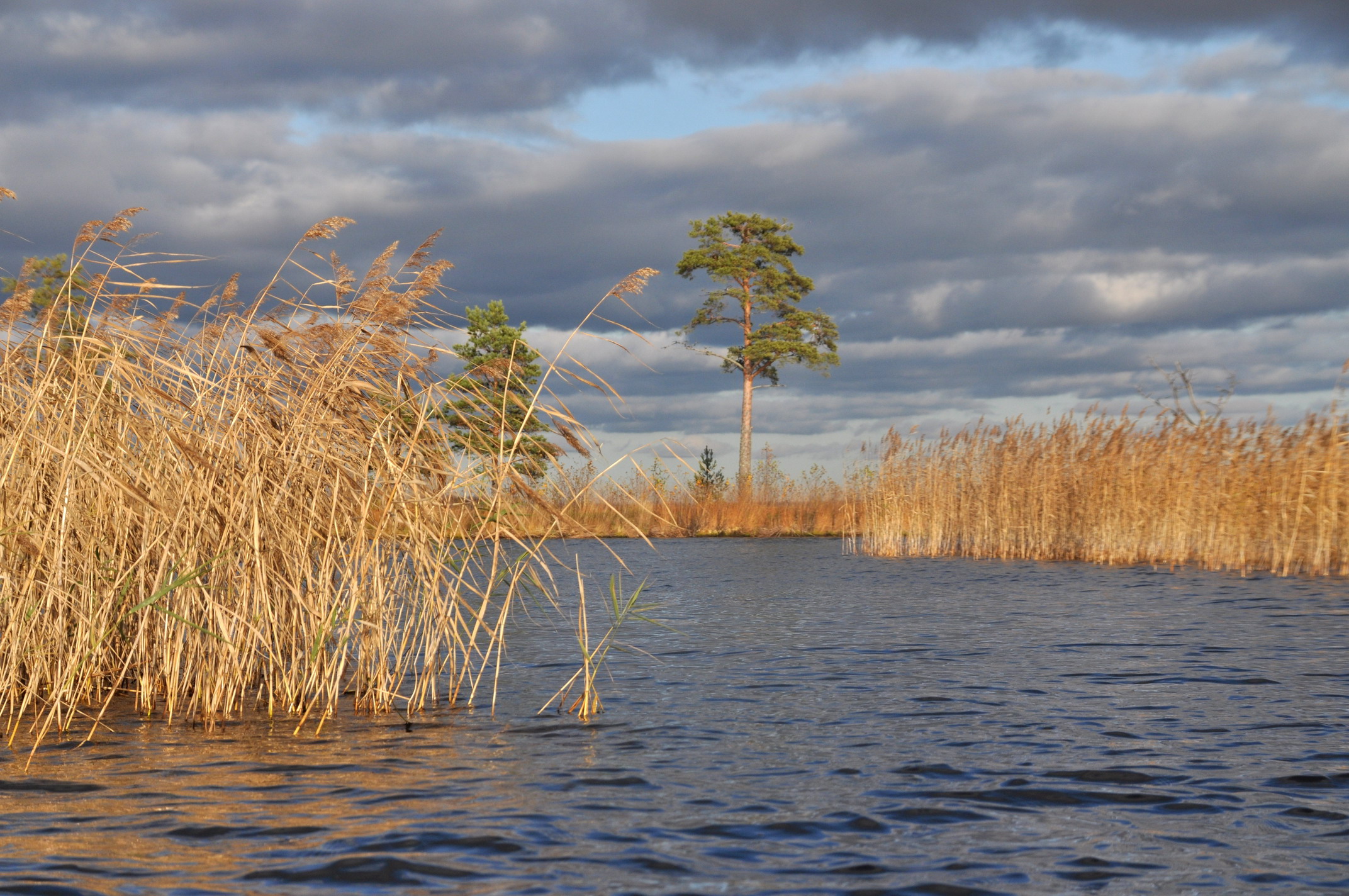
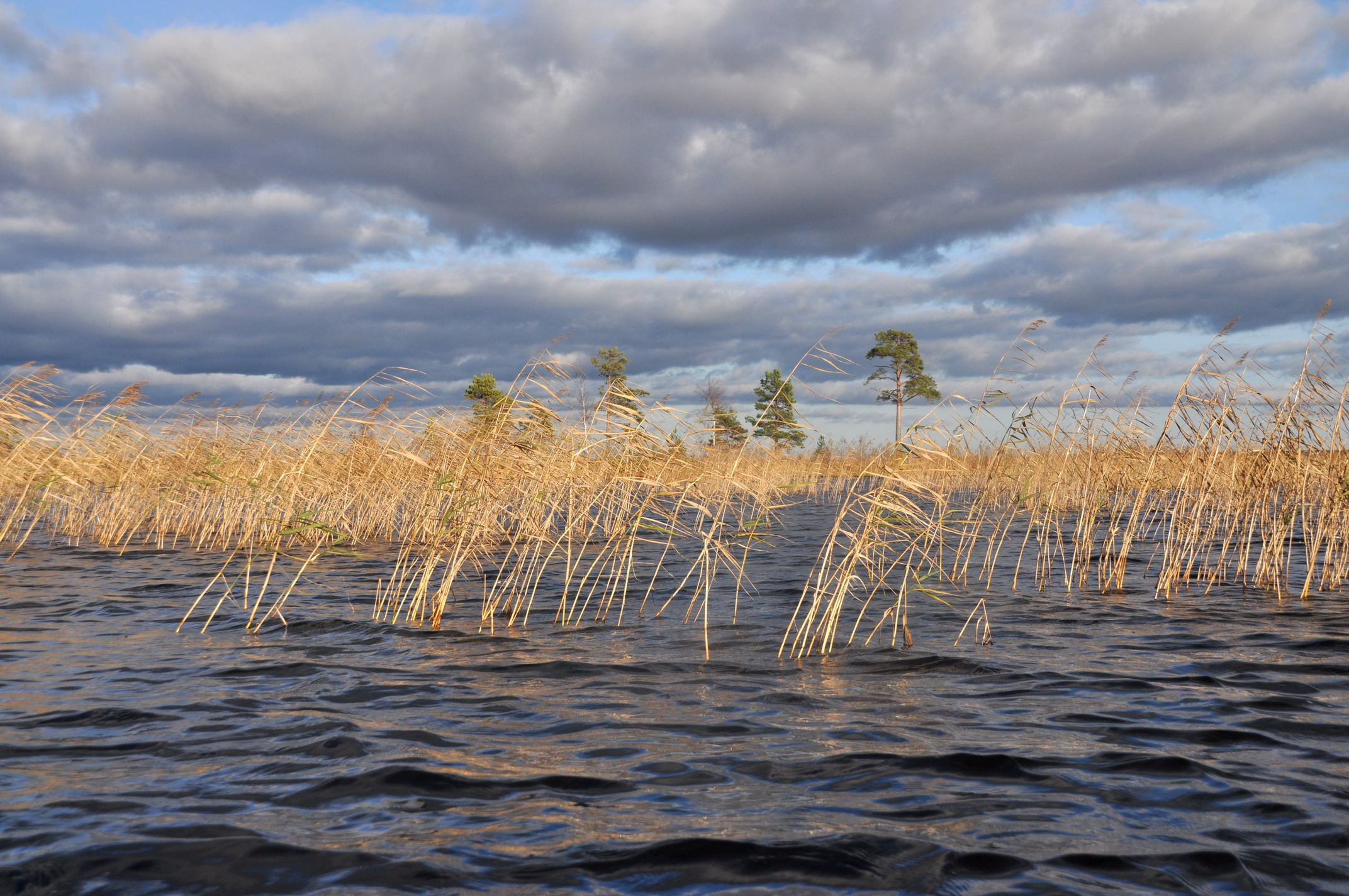
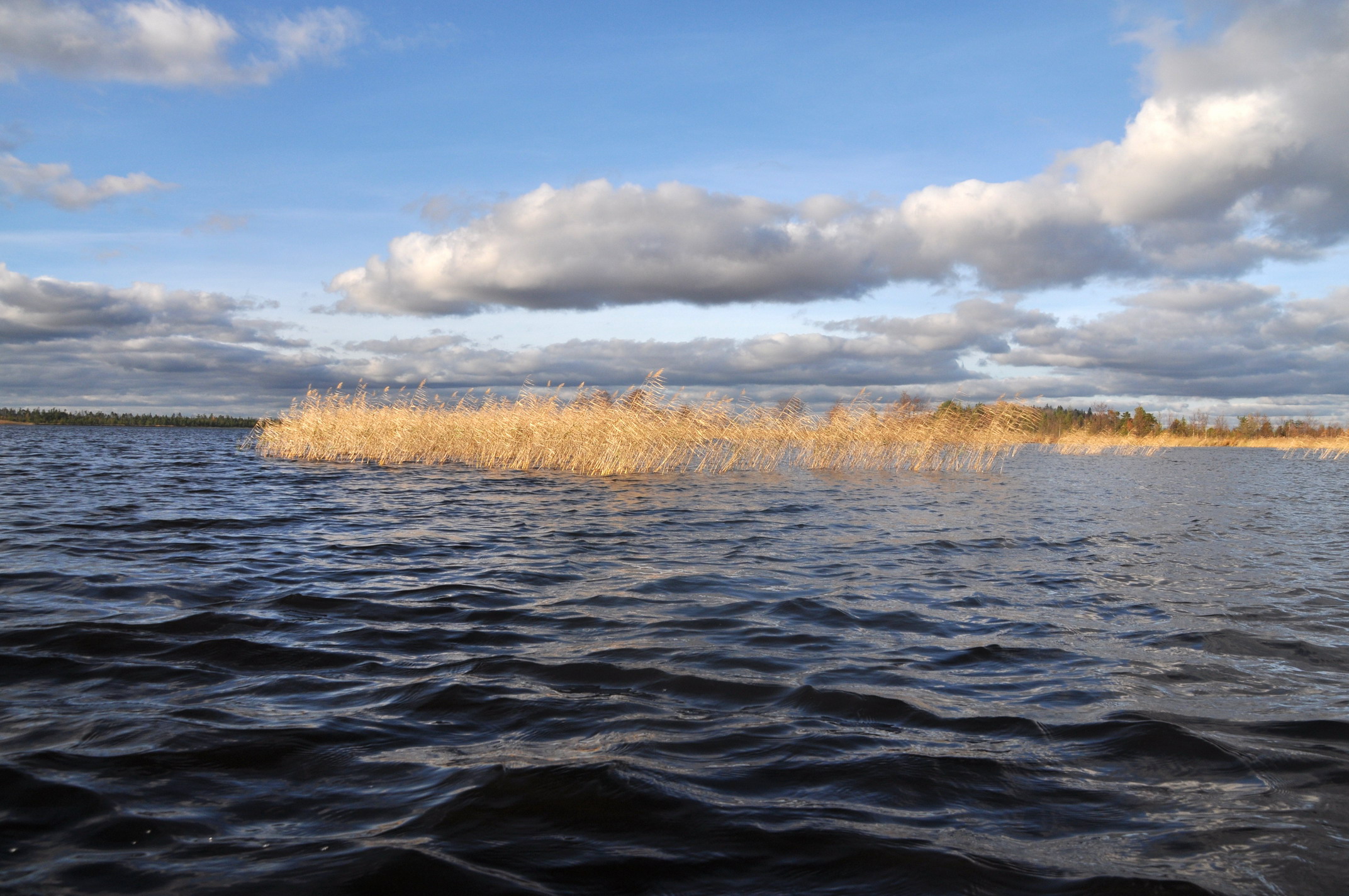
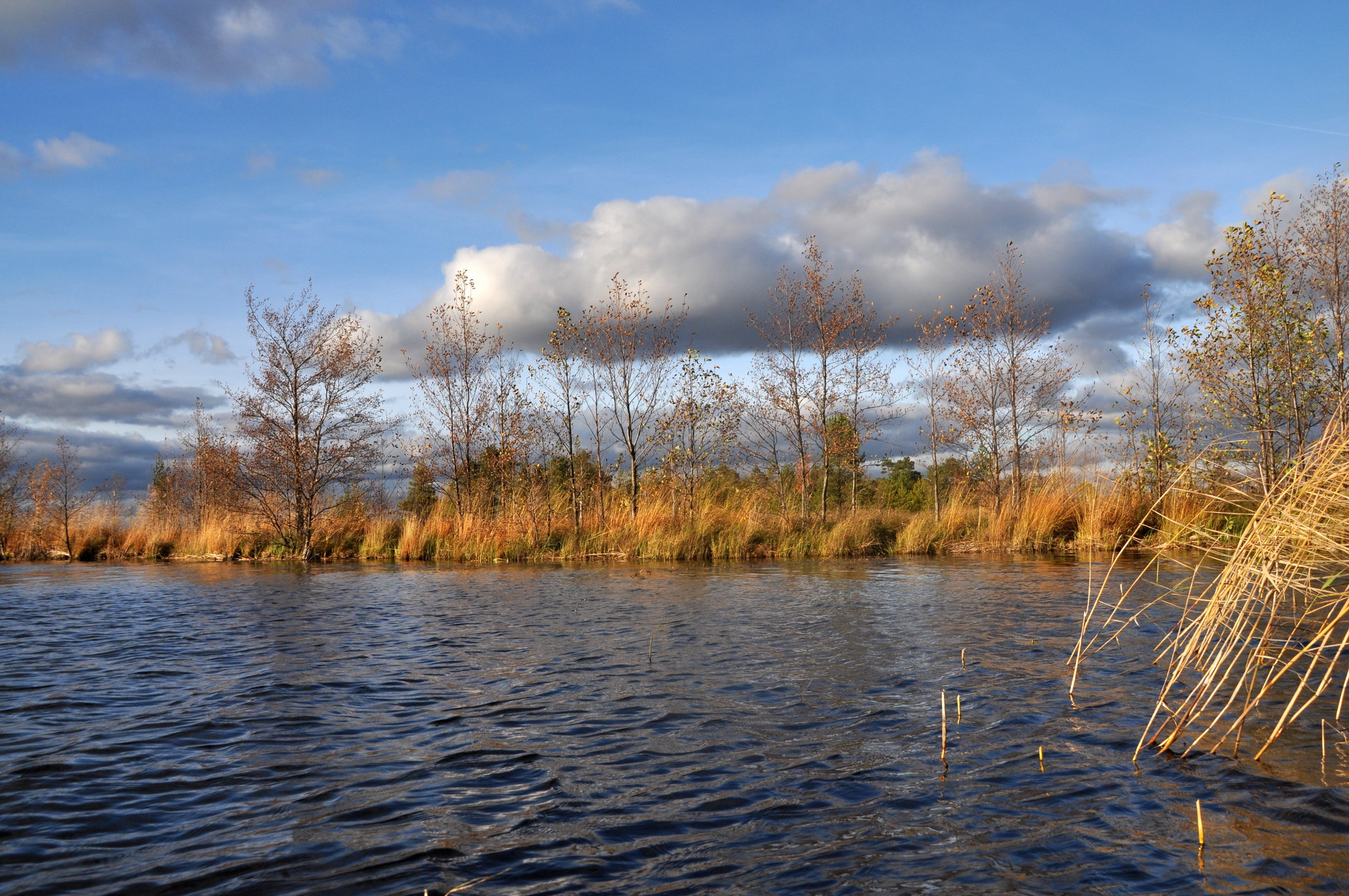
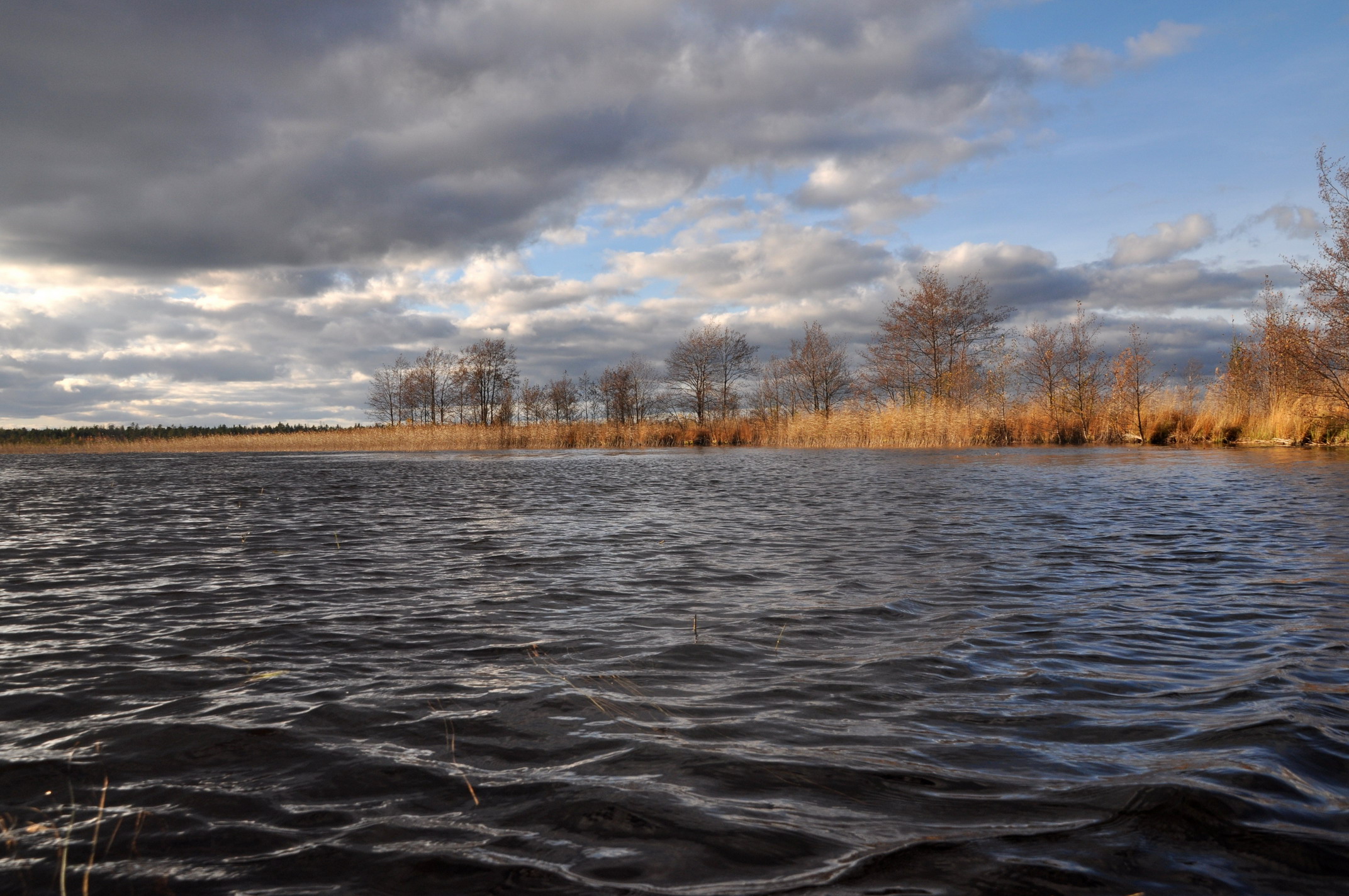
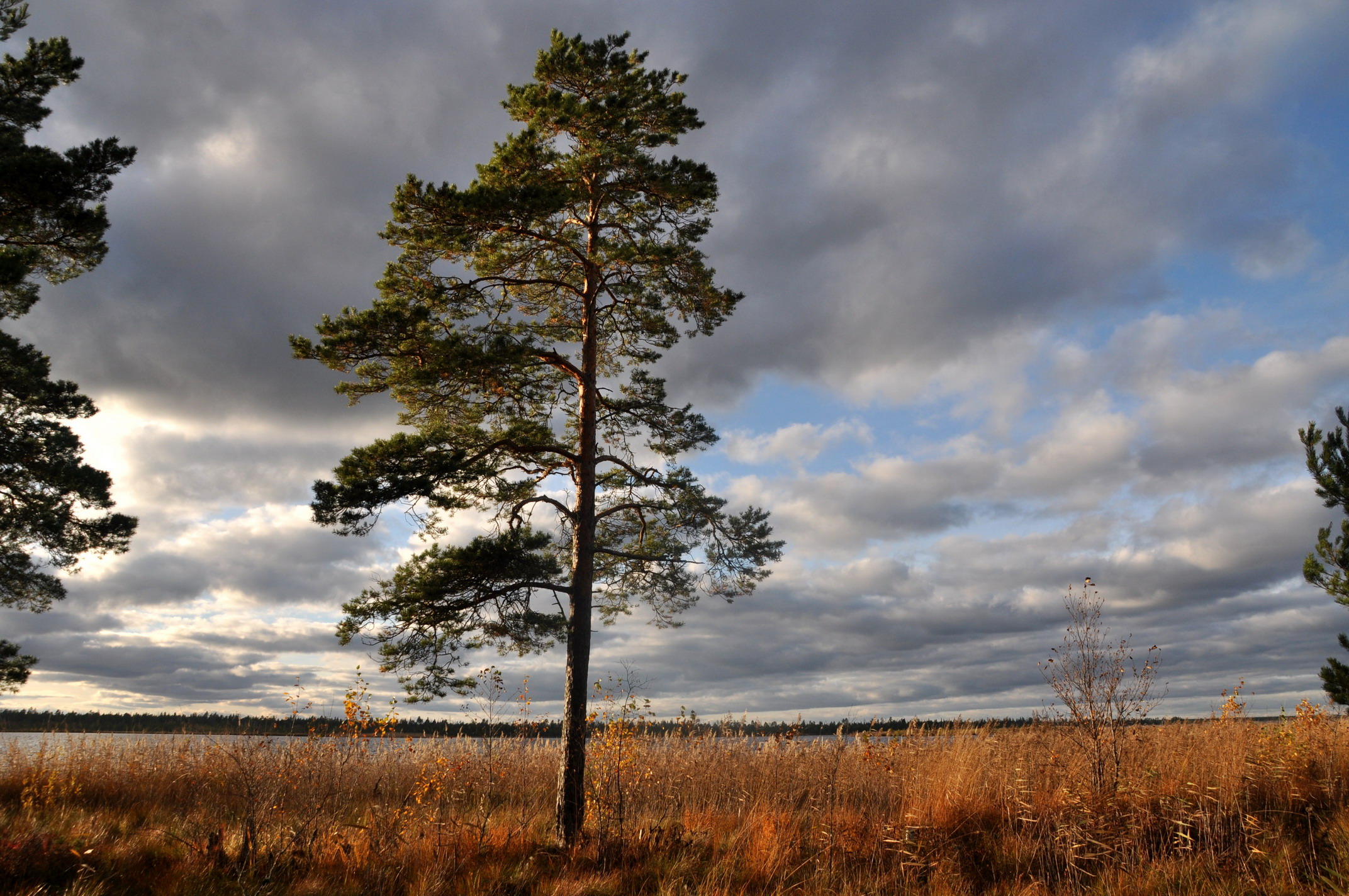
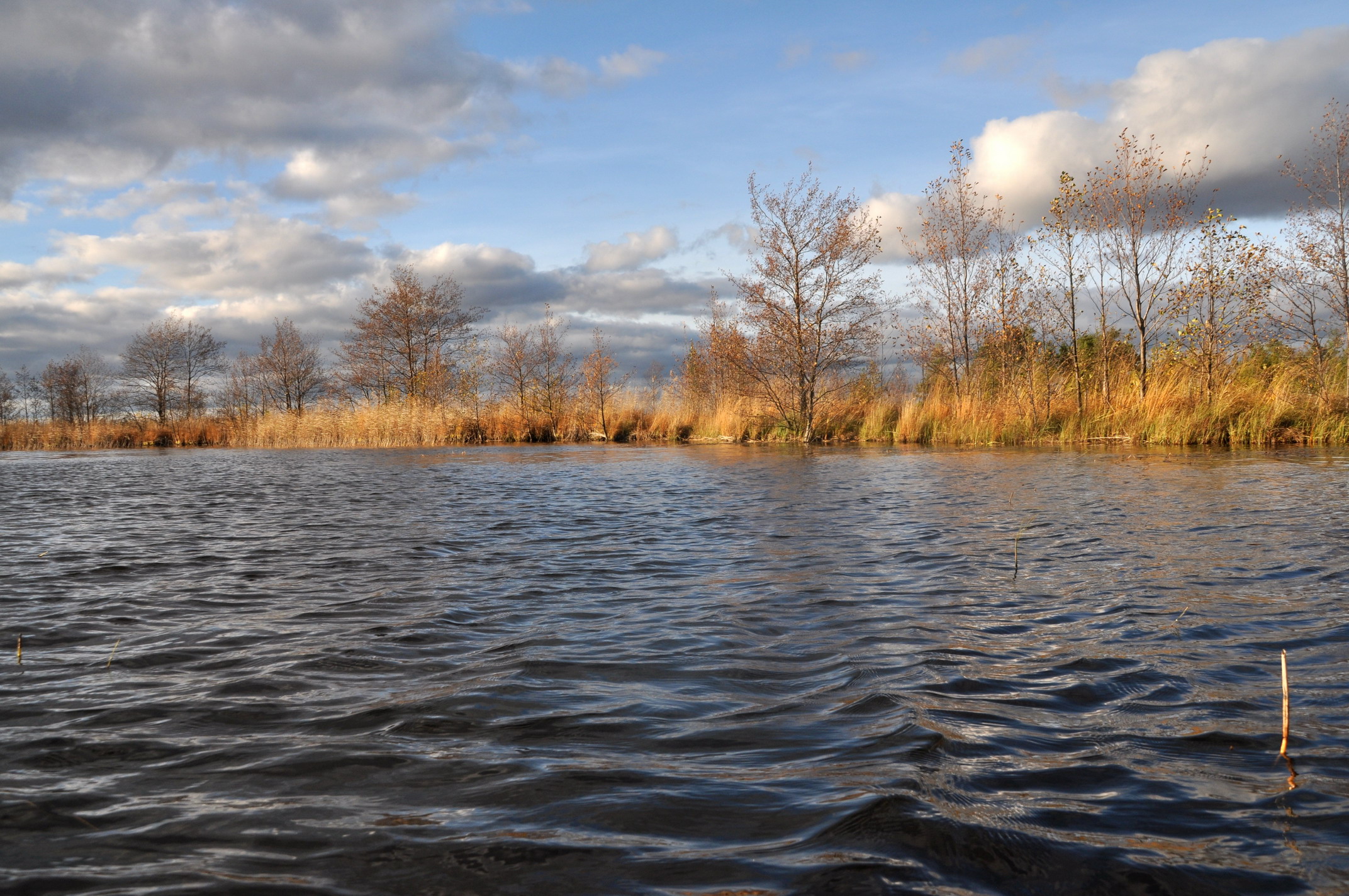
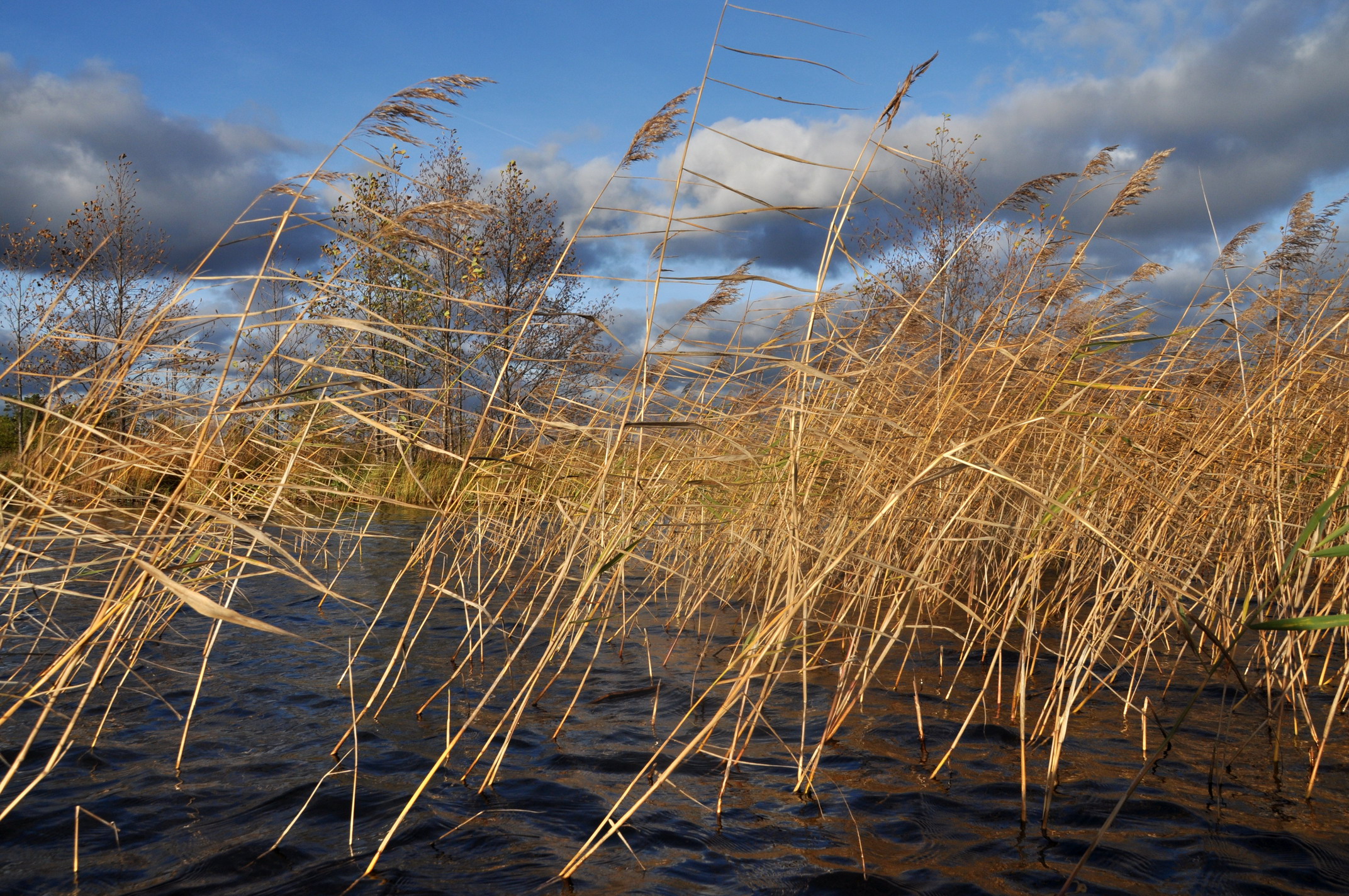
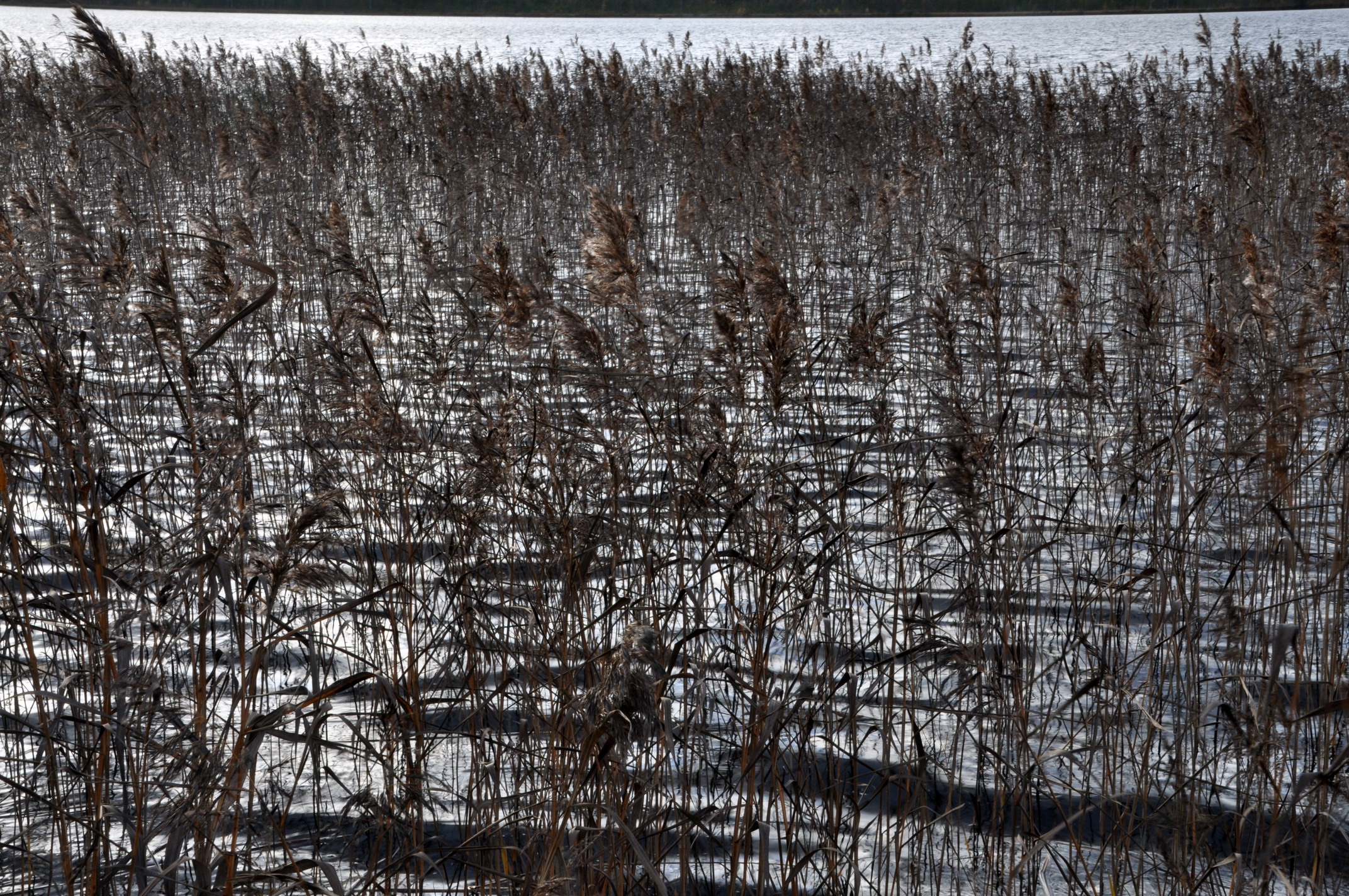
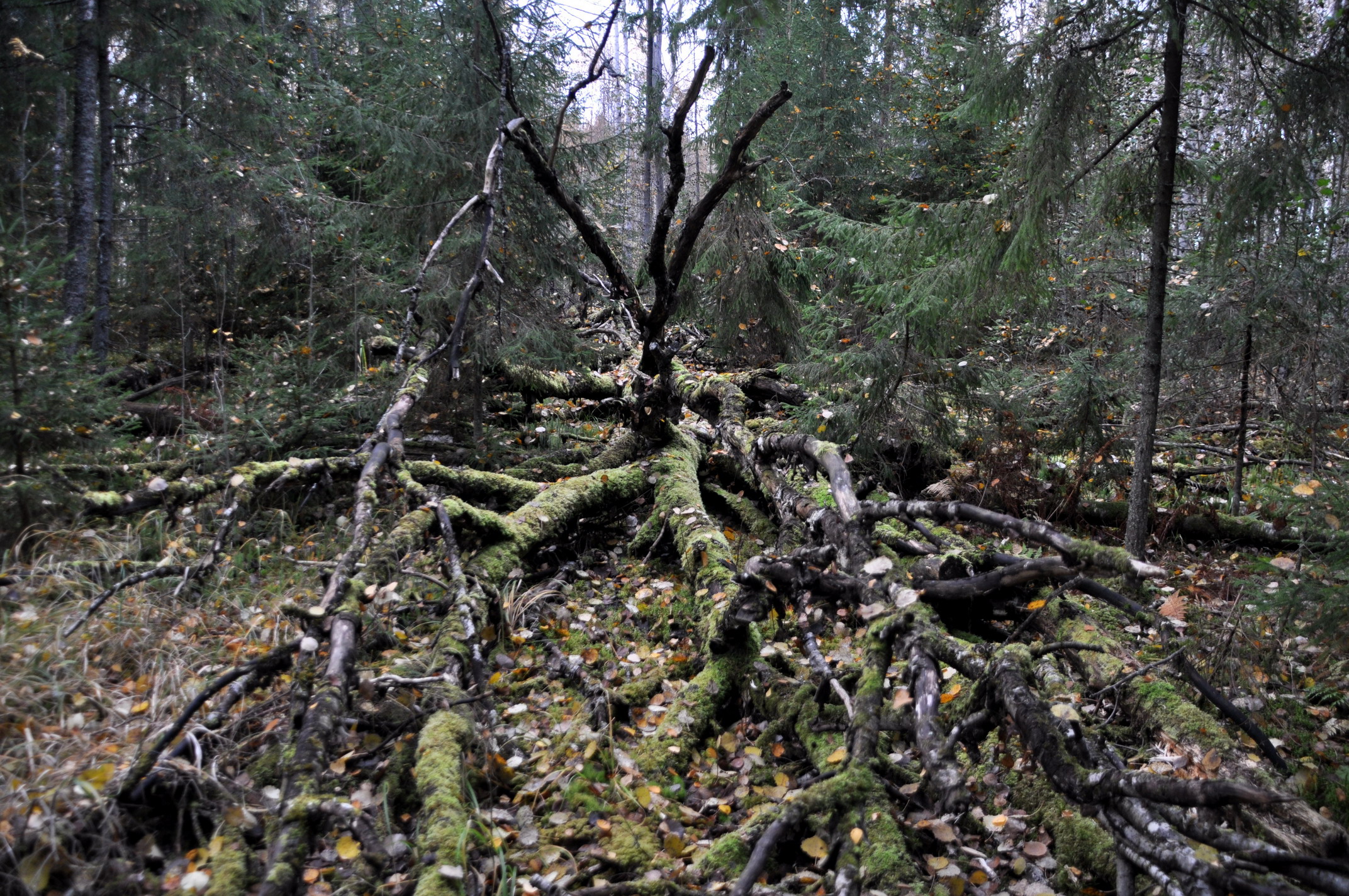
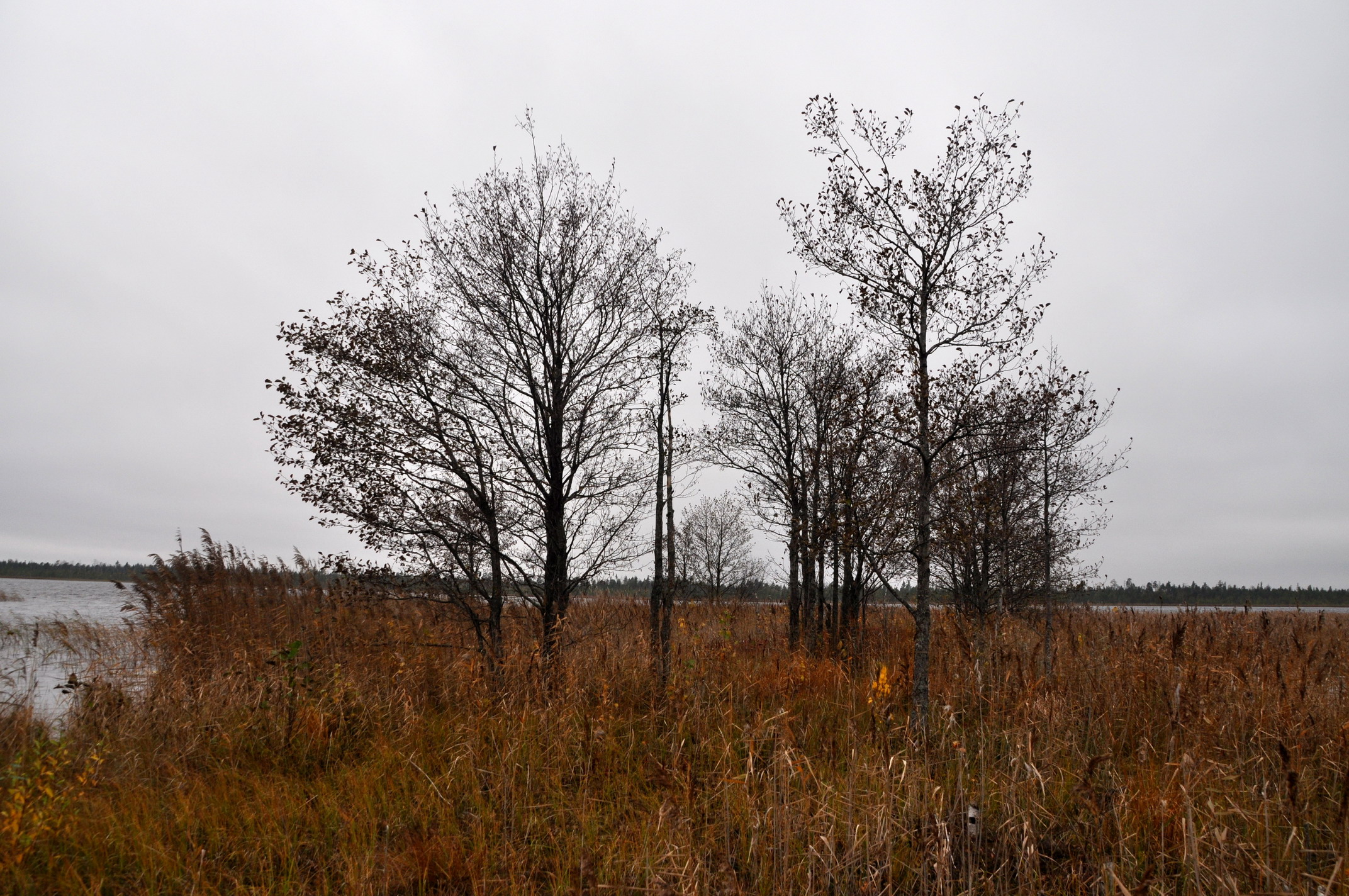
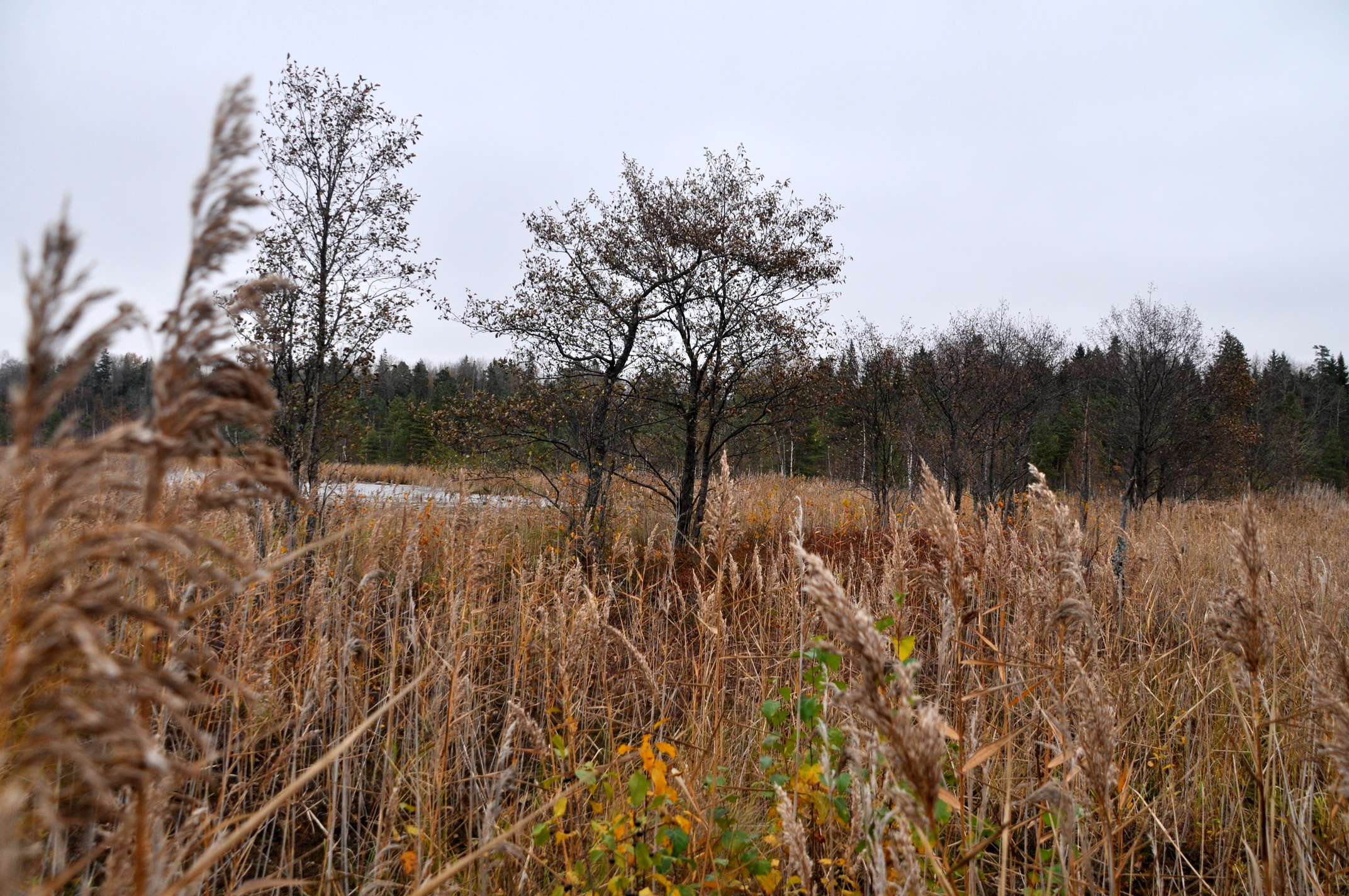
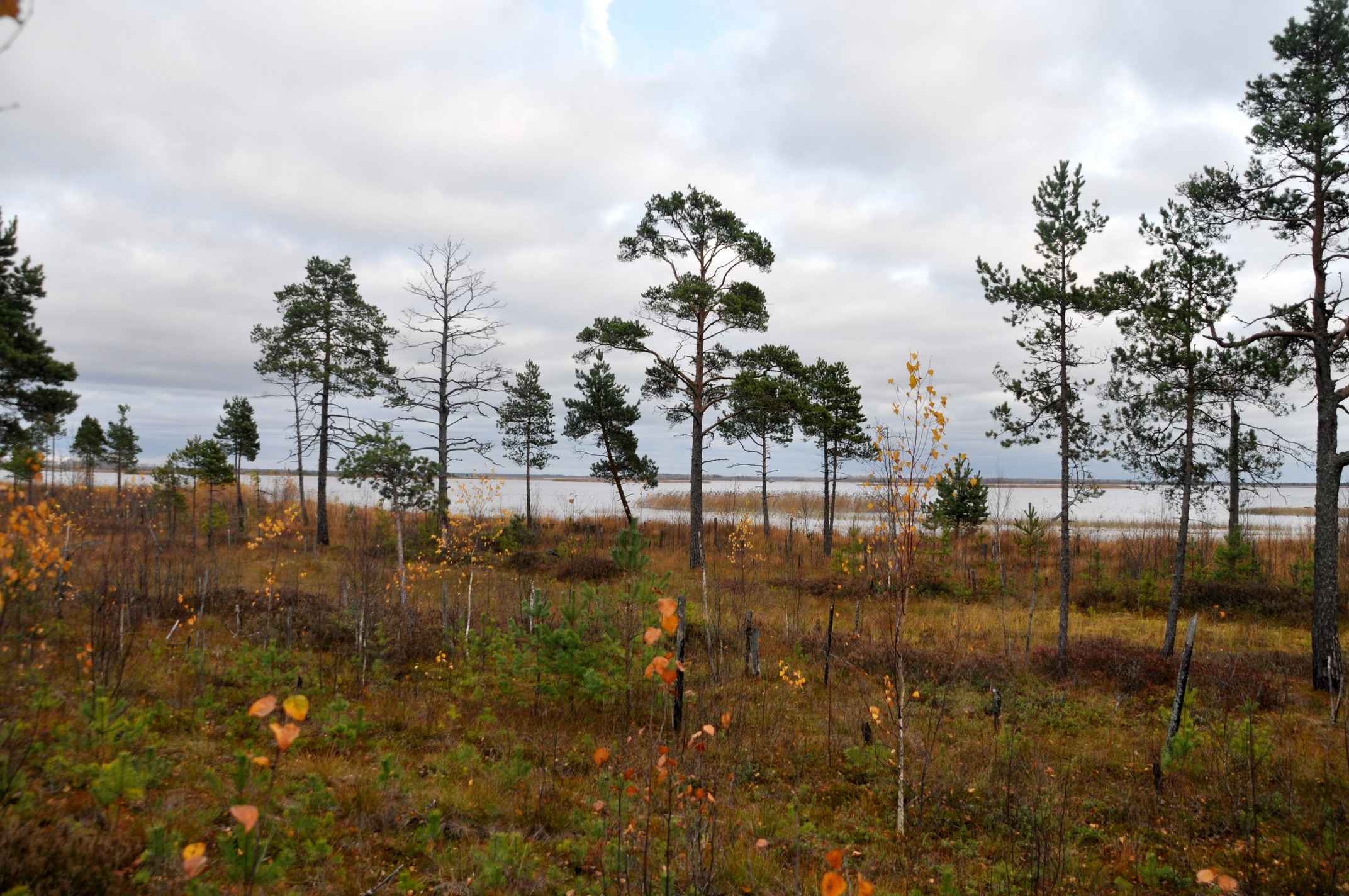
High winds were forecast. I tied the boat to some small pines away from the shore and walked towards the centre of Bolshoy Rel. A tall mixed forest grows there. It is the only place around here that hasn’t had a forest fire in recent years.
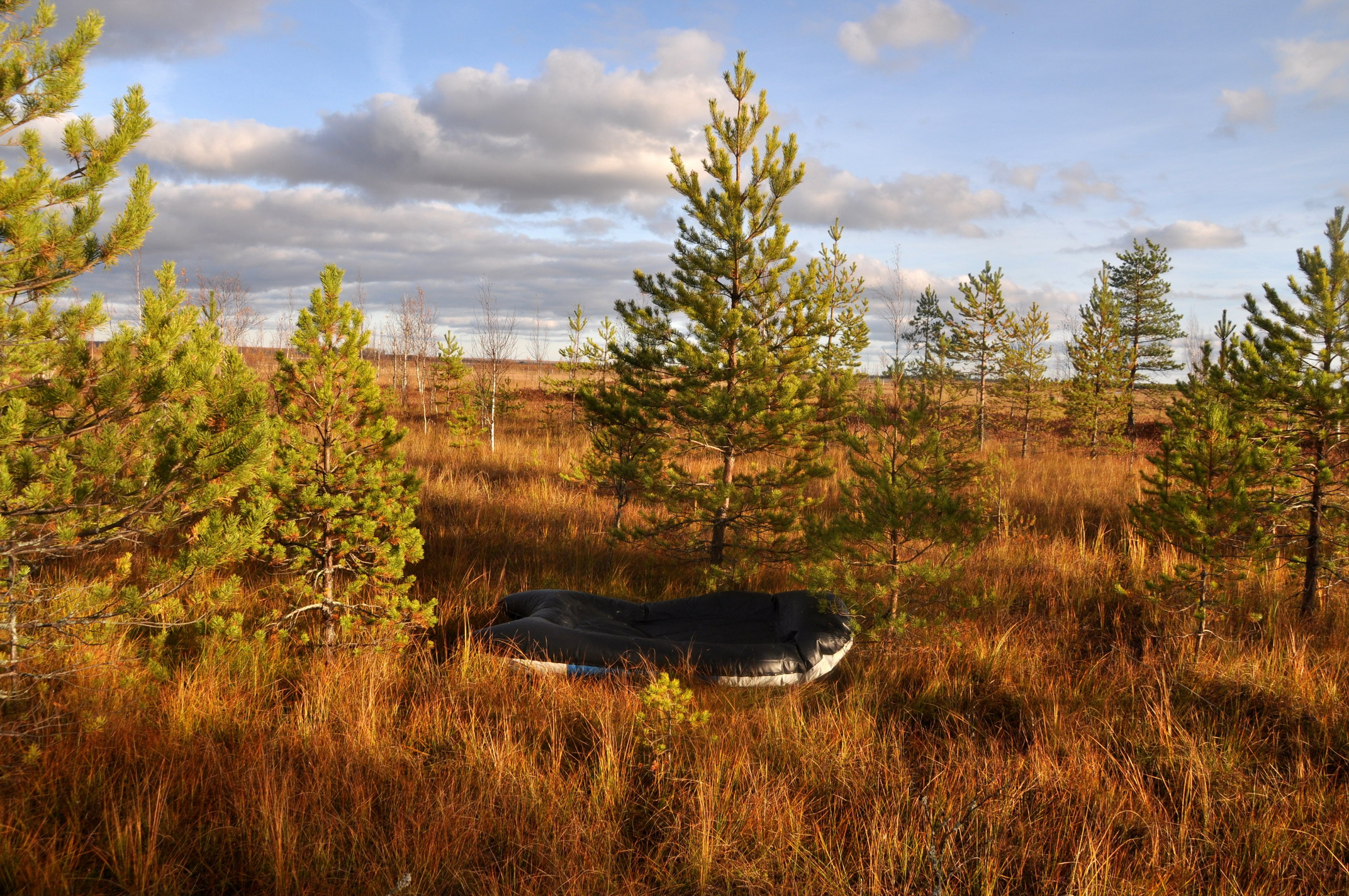
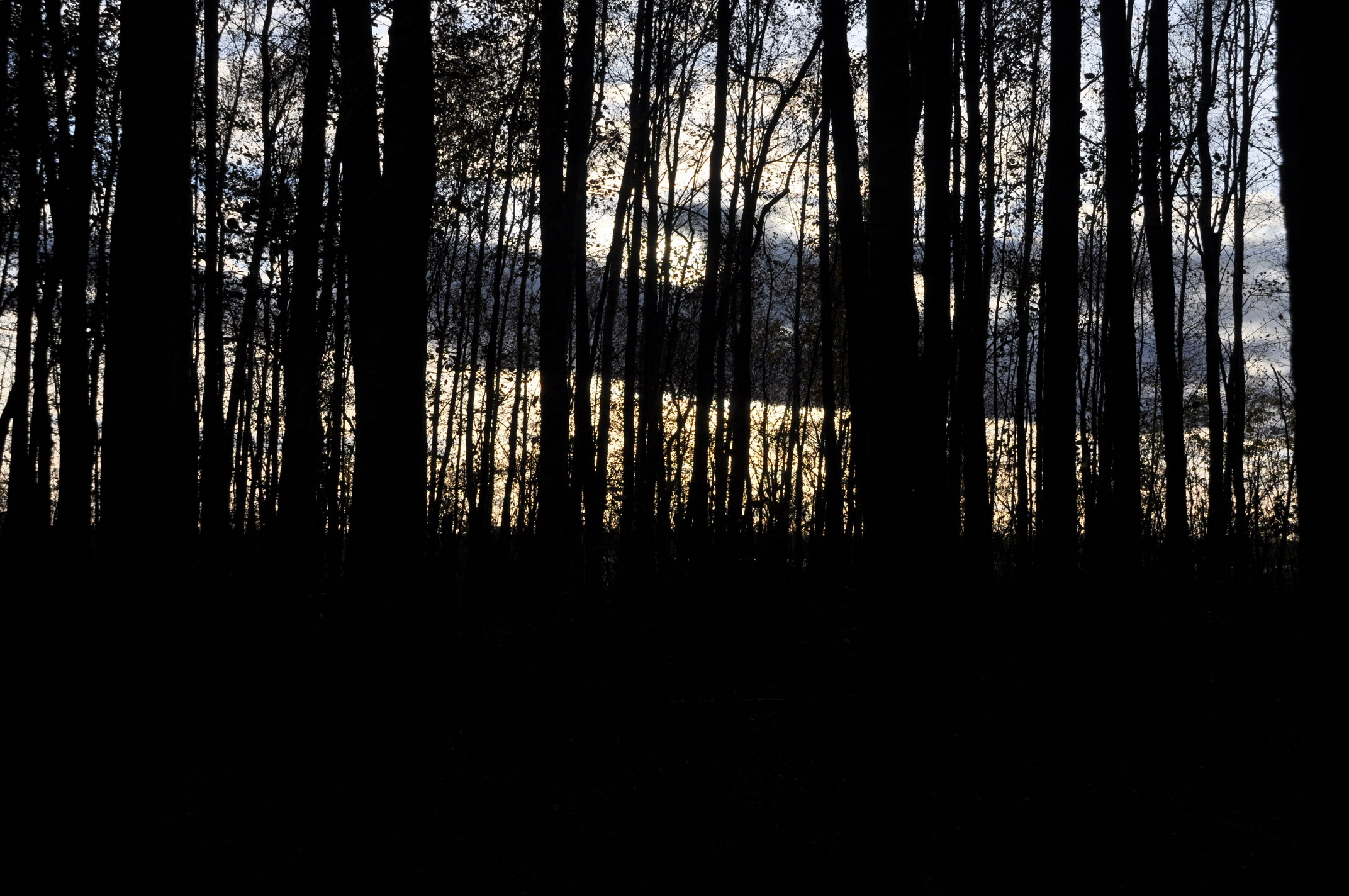
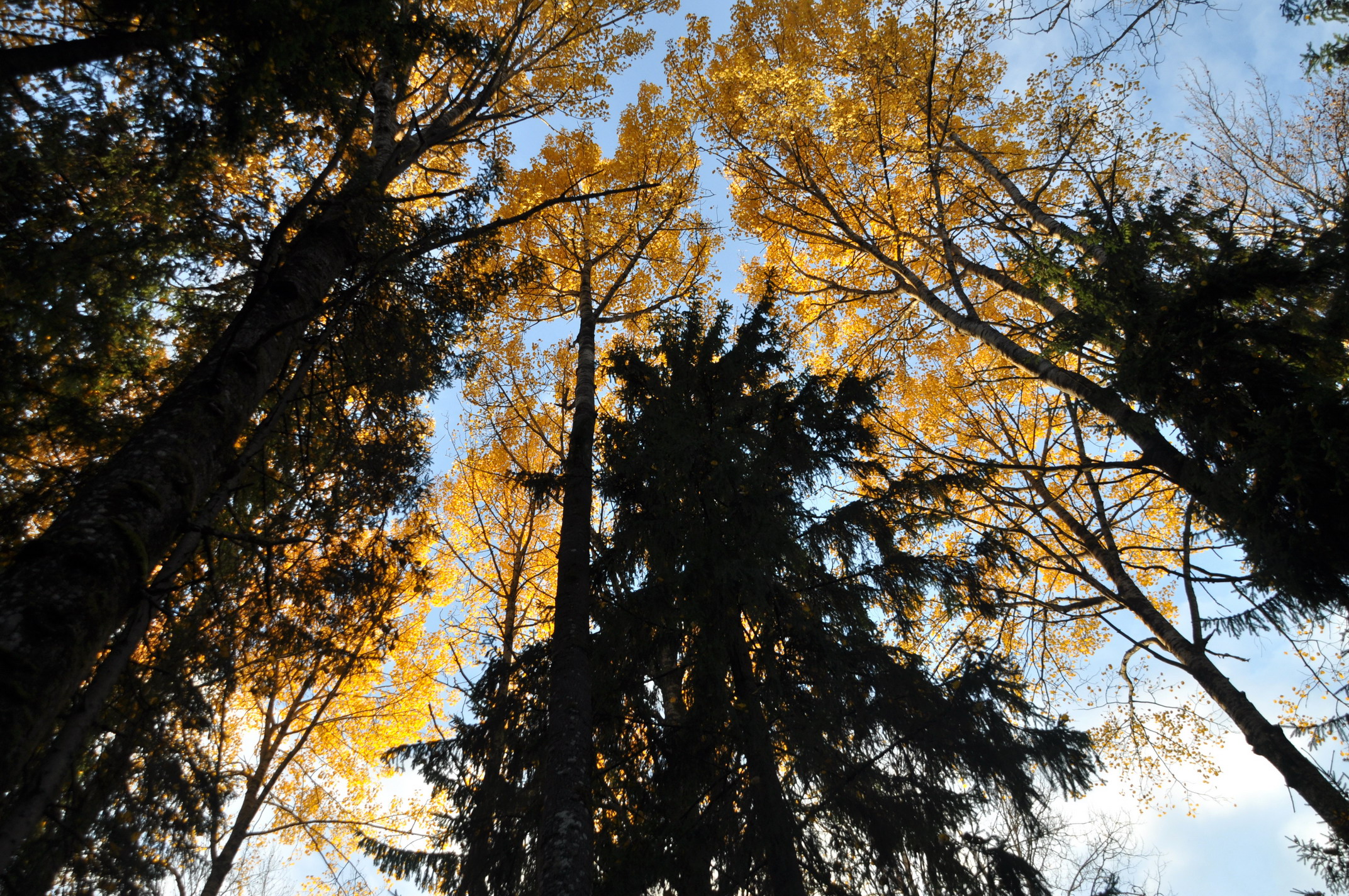
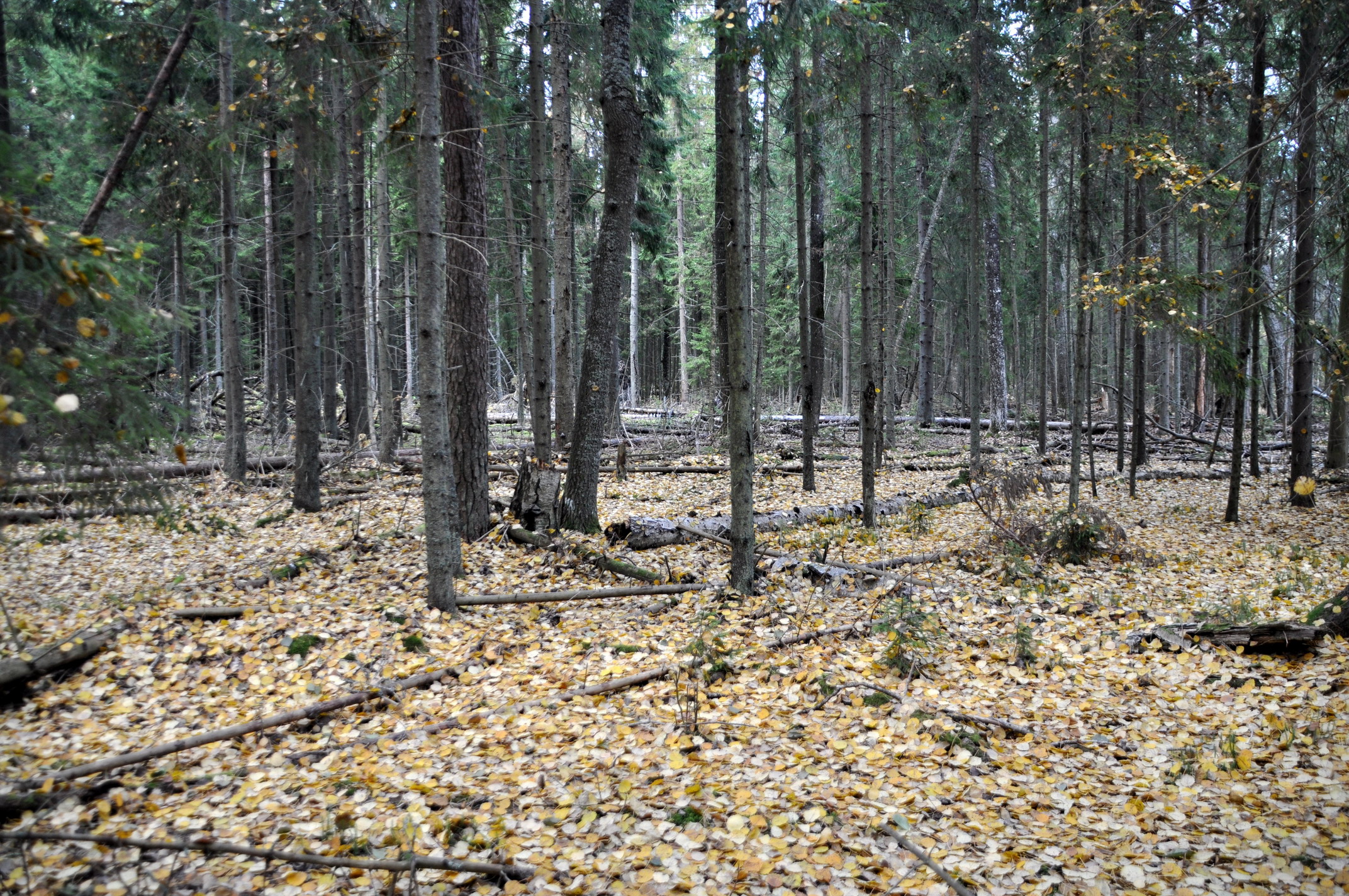
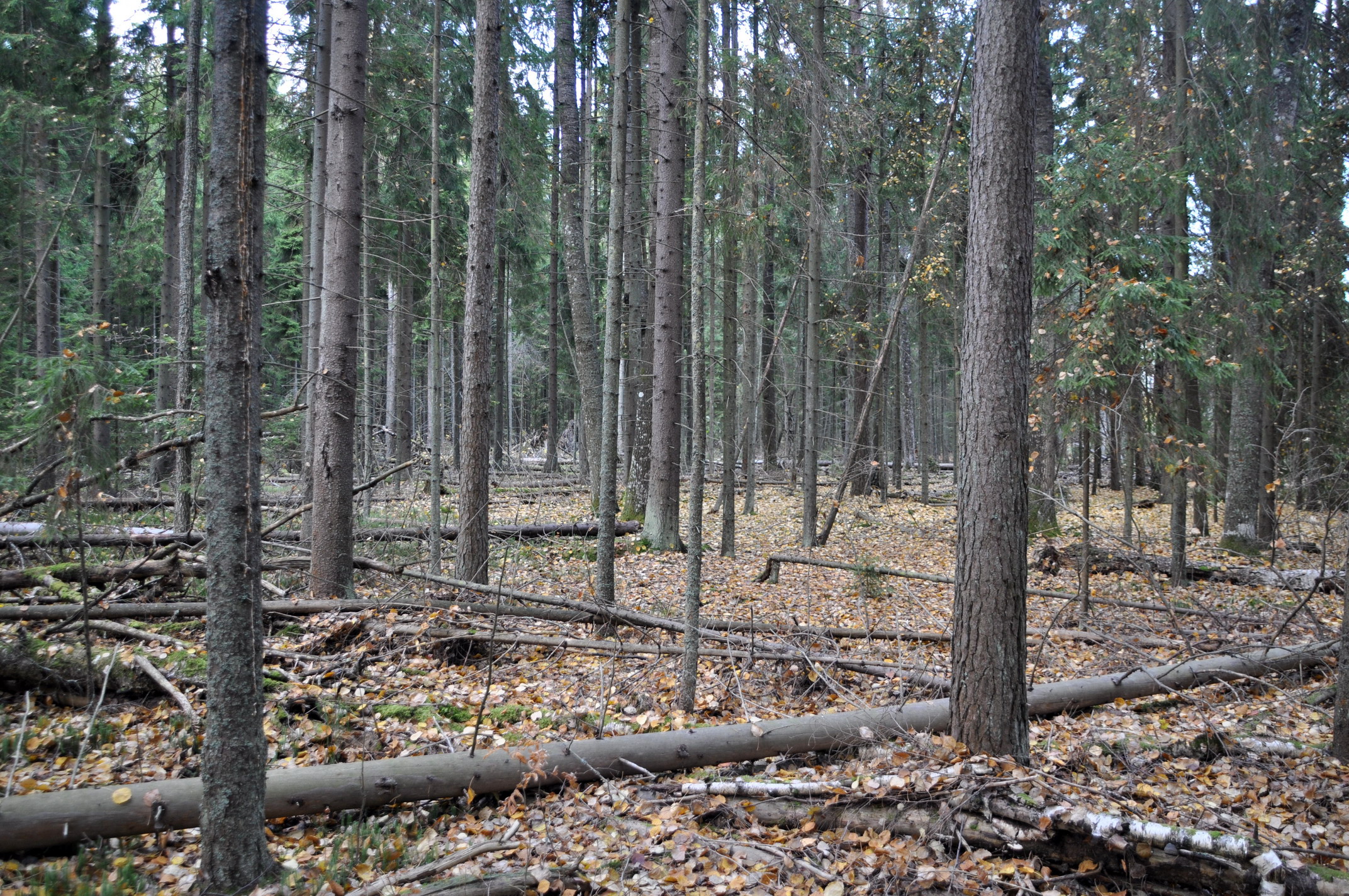
Of course, nobody ever cut this forest for firewood. Everything stayed as it was before people arrived.
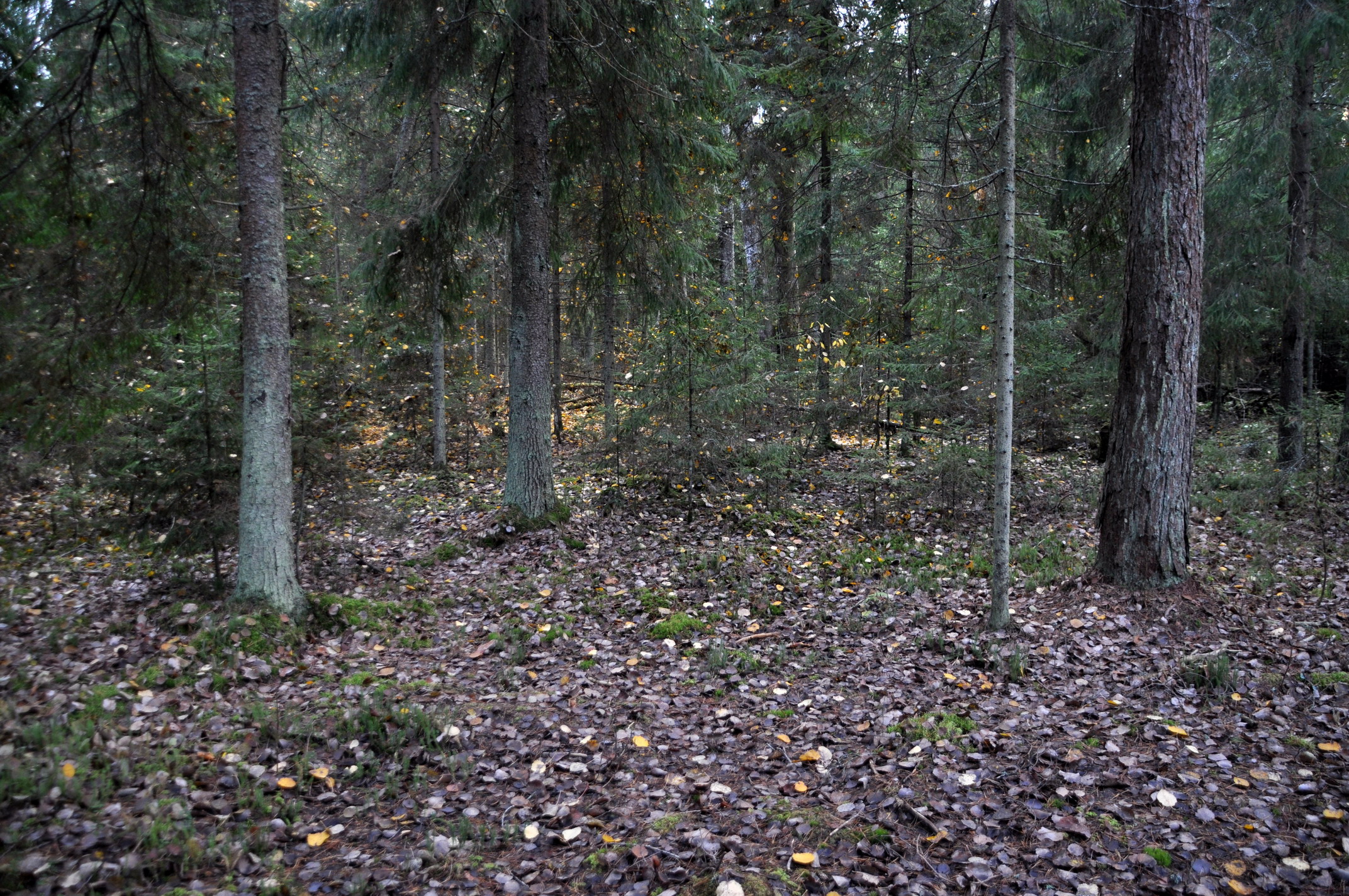
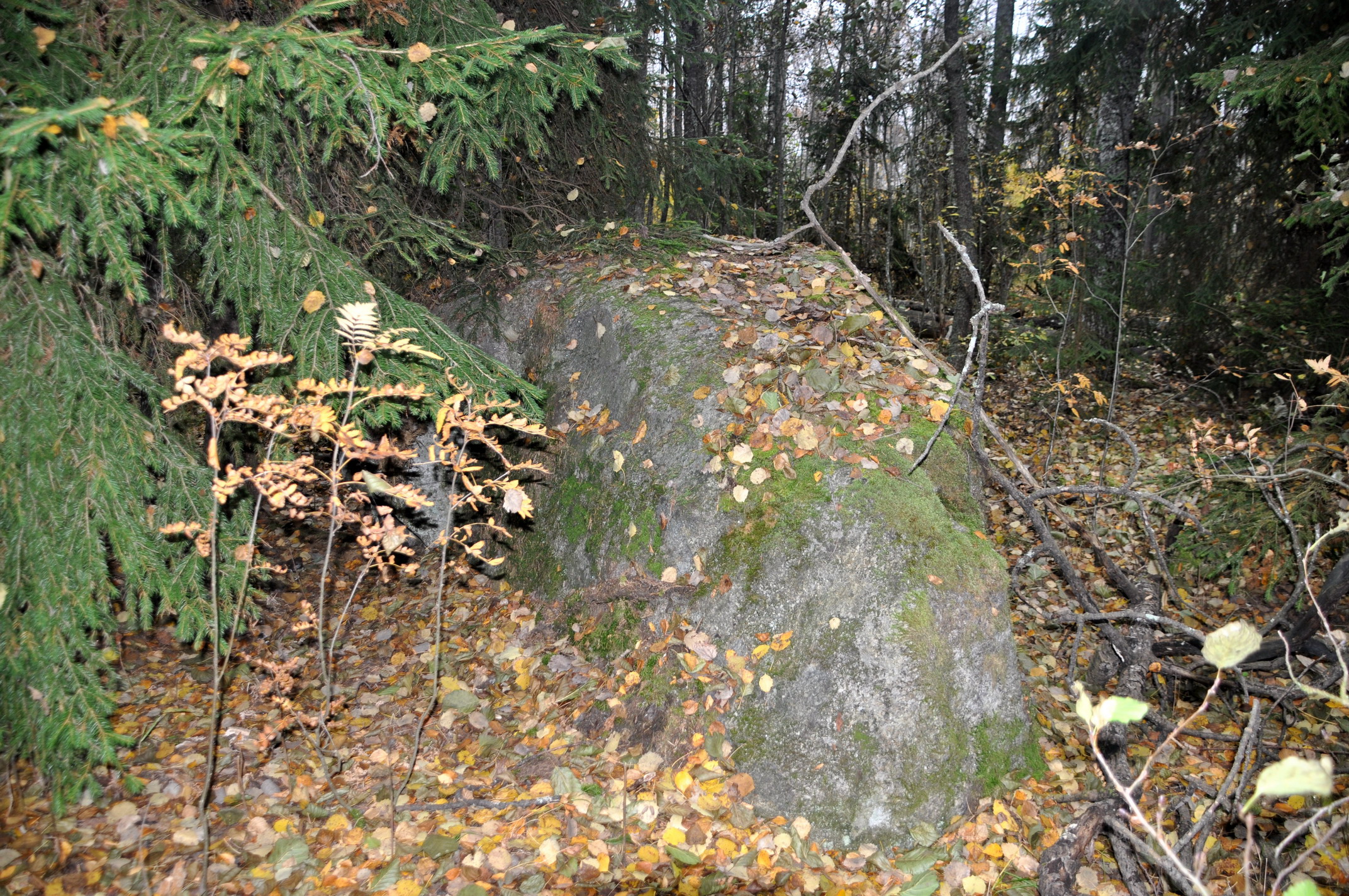
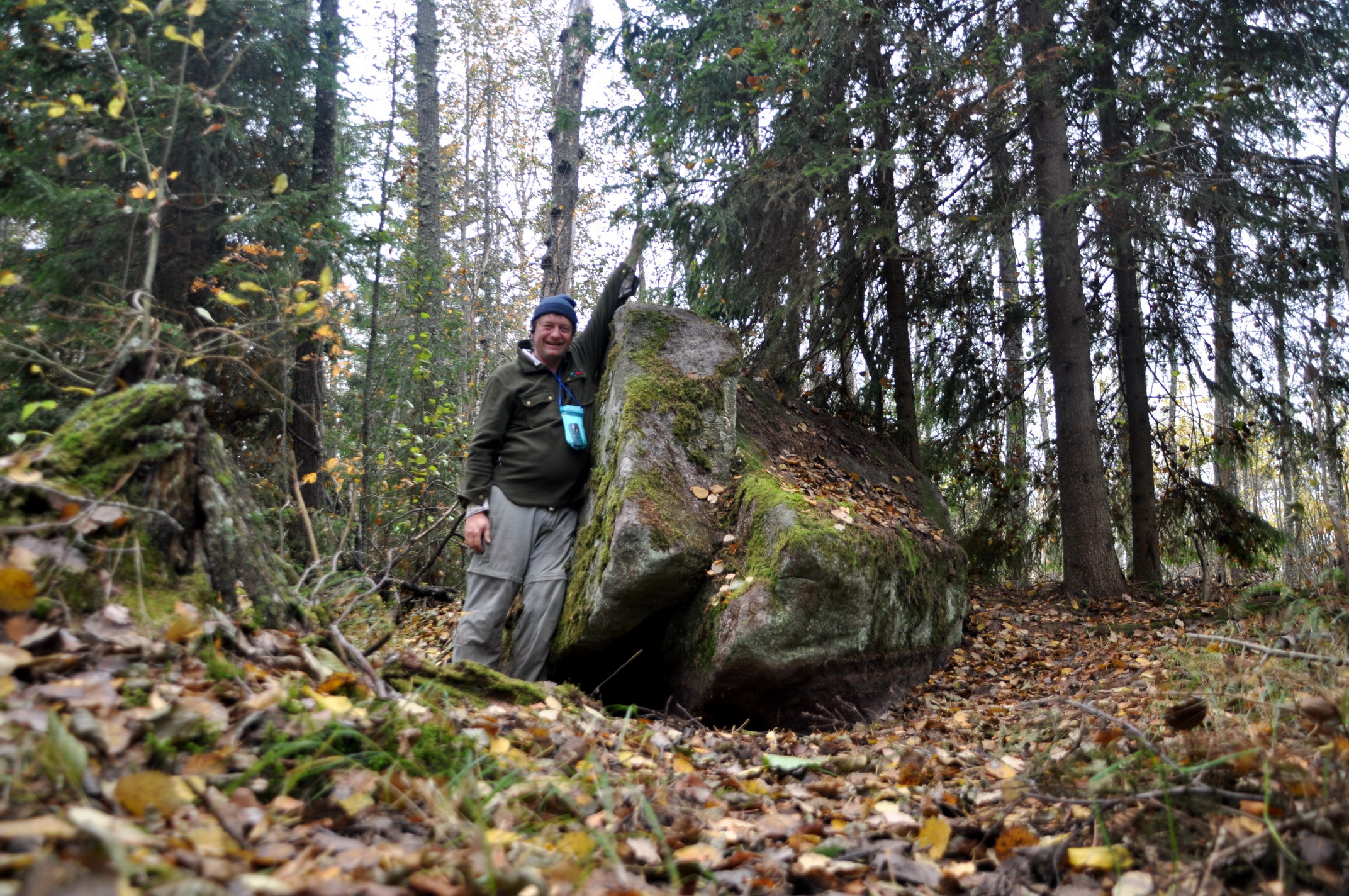
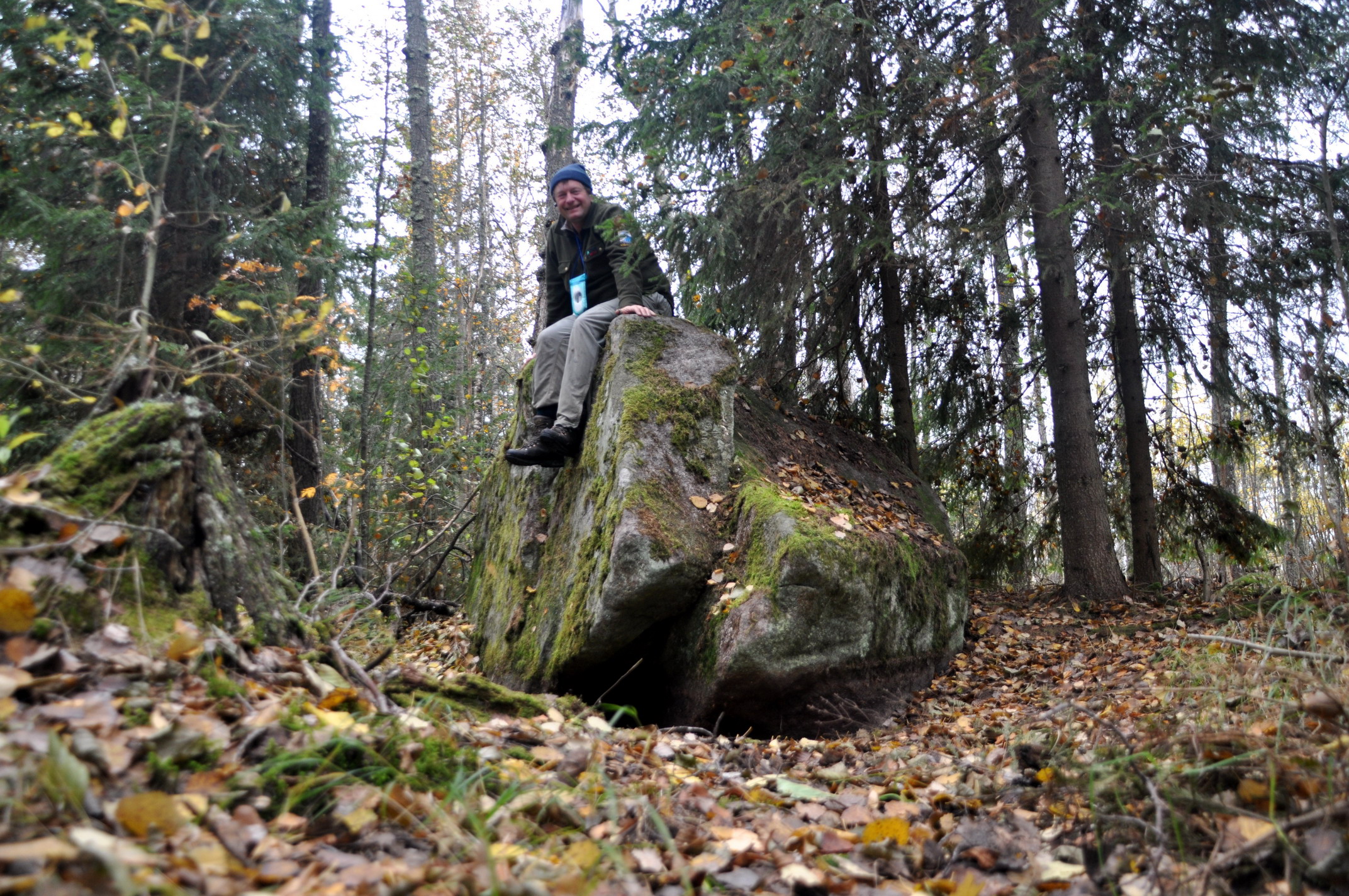
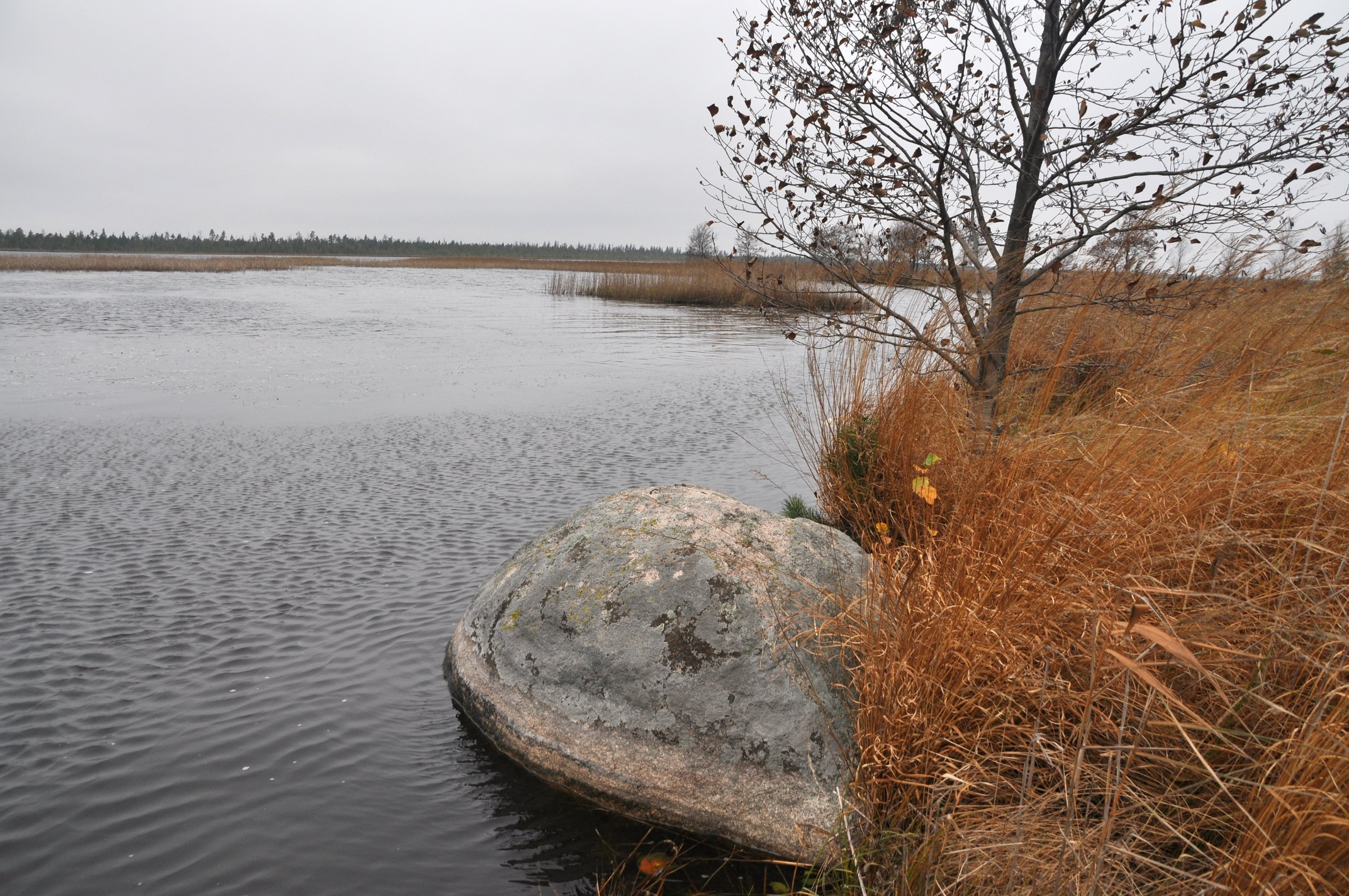
On the south of the island I found a large boulder standing two metres high. What’s more, the boulder doubles as a triangulation point. A survey marker is set into its northern face. In the past there was probably a tall wooden tower over it, but nobody remembers it now. The last time they surveyed this map square, in the 1980s, they did not build a tower on Rel. There is no record of the earlier towers from the 1960s.
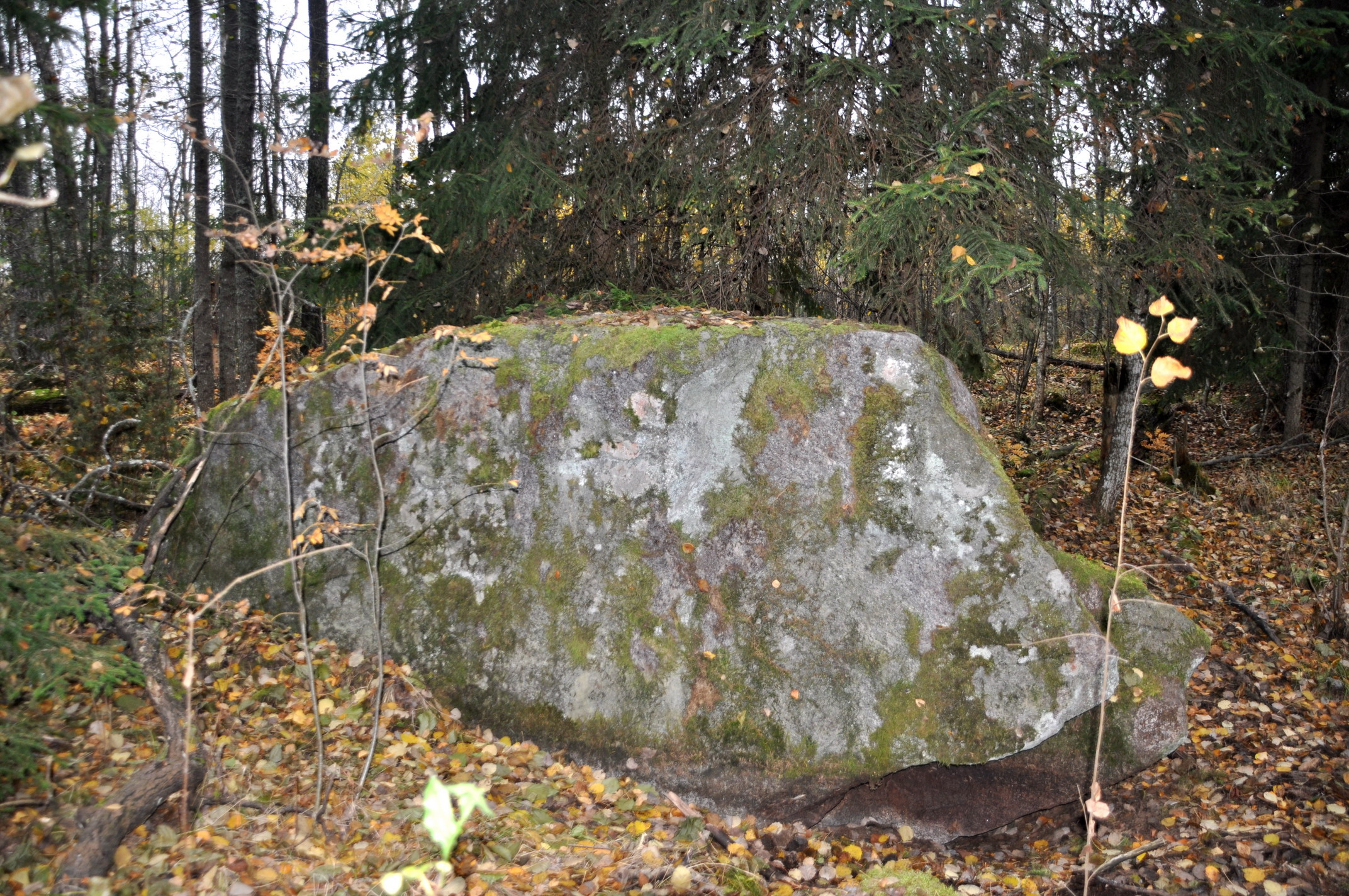
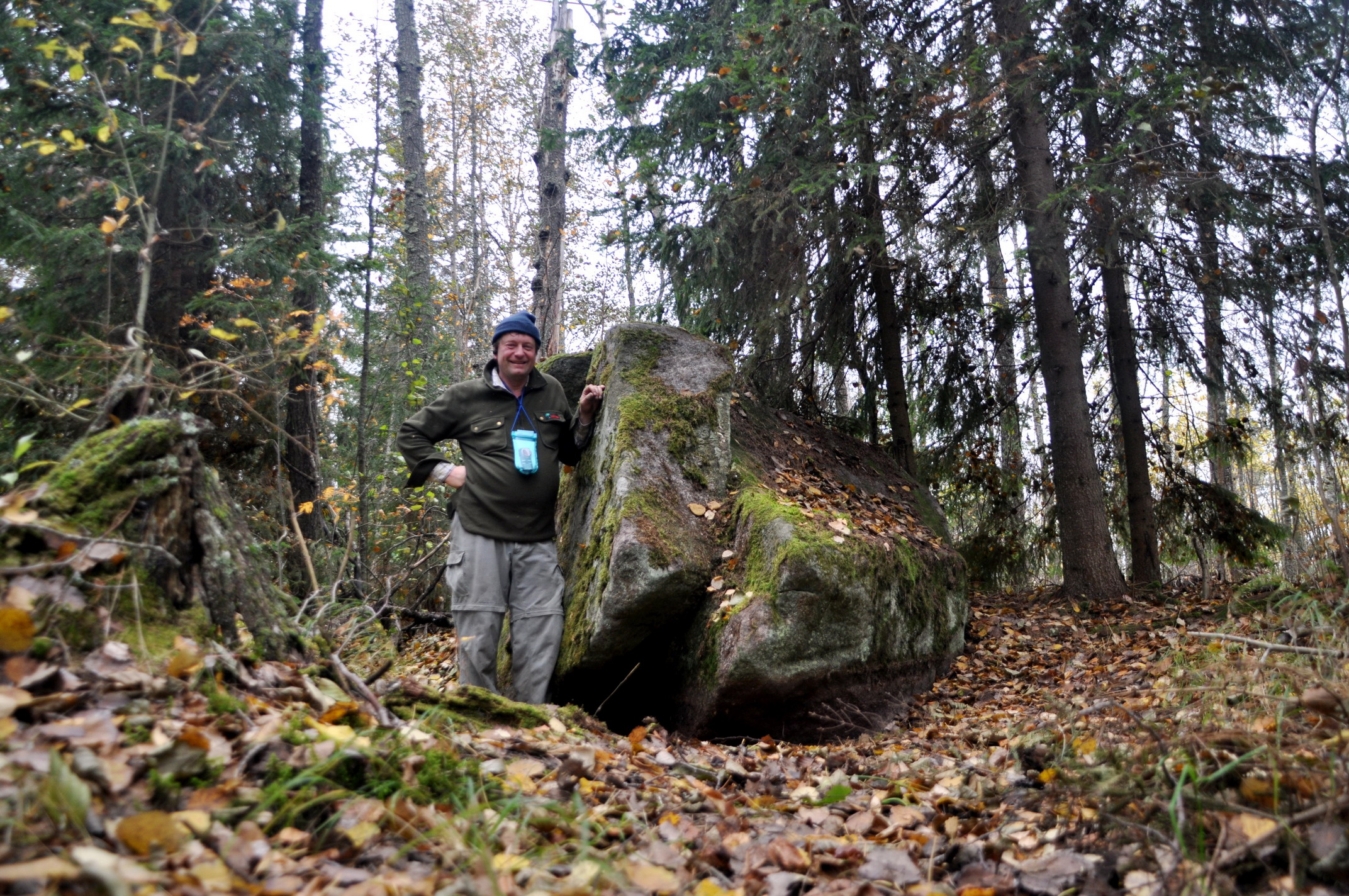
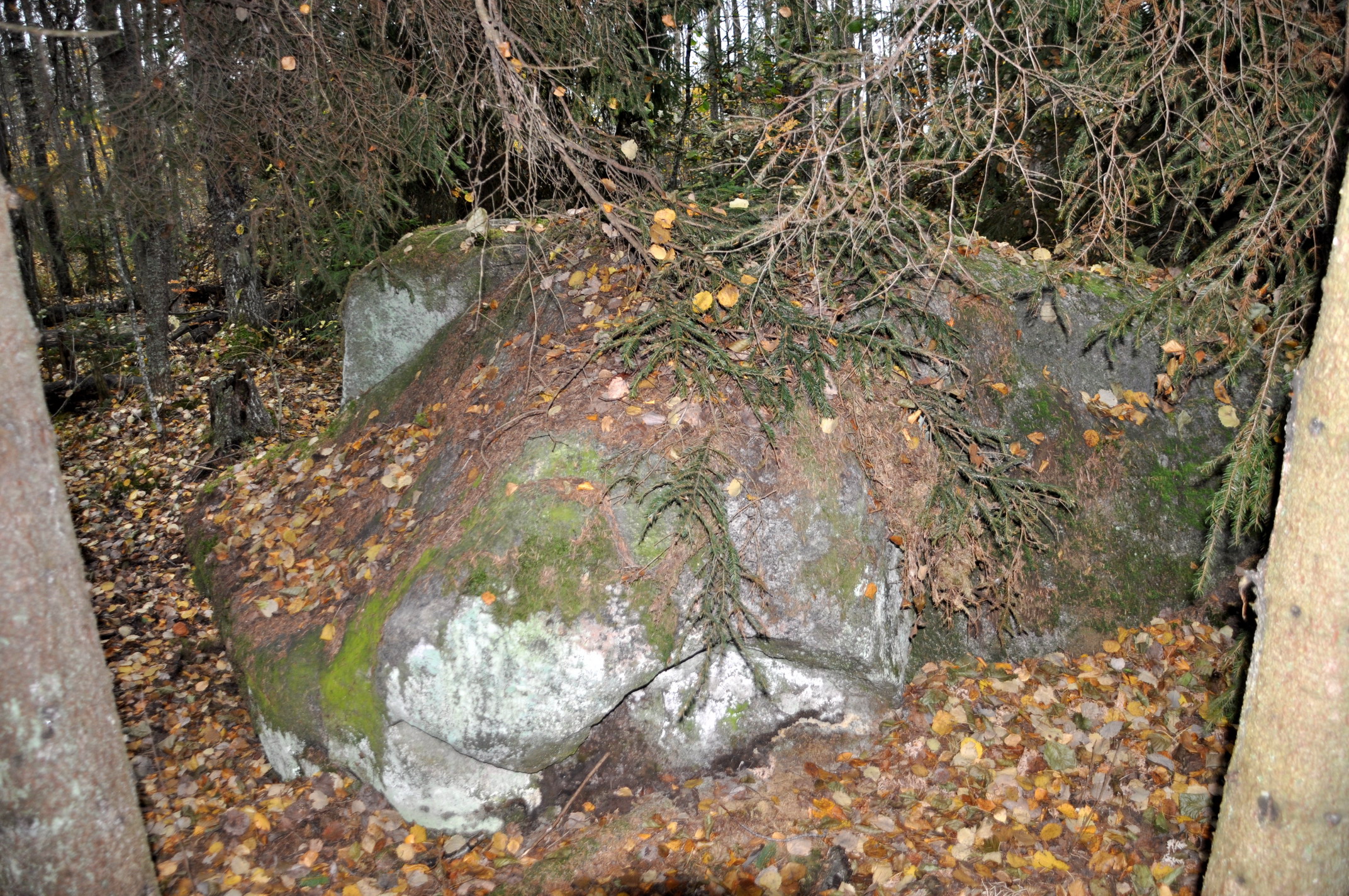
I feel sorry for those old markers. They have no purpose now. Since GPS came along, we can do without them, just as we can do without lighthouses. And what a job those people had! Crossing these bogs with a theodolite, somewhere different every time, flying in helicopters. And they got paid for it.
I headed for the north of the island to spend the night. Thirty-two years earlier my father and I had slept here in our own tent for the first time. Tents were very expensive then, and it was a long time before we could afford one. We pitched that red tent another 191 times. Lake Baikal, the White Sea, Turkey. Fourteen countries…
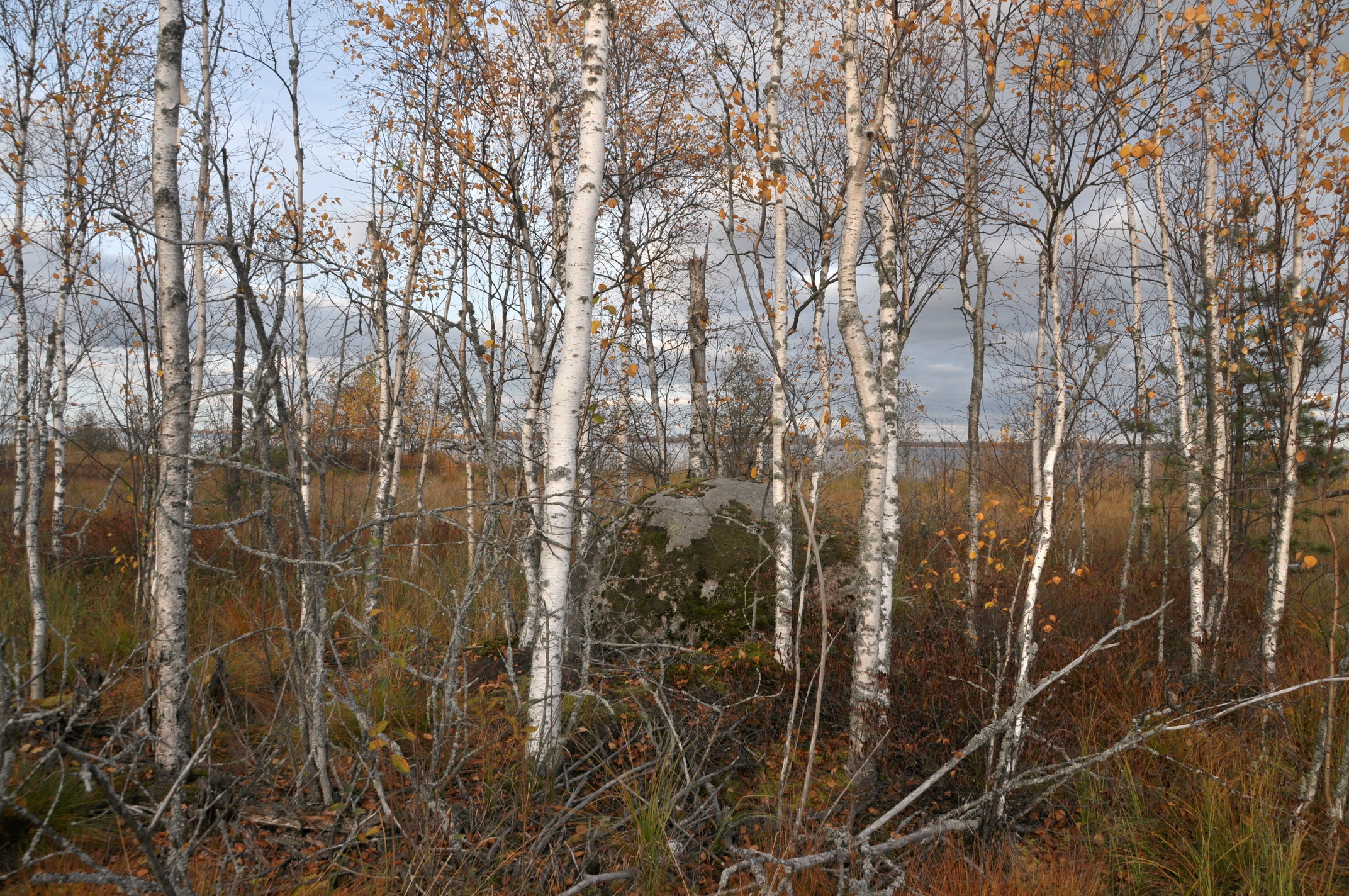
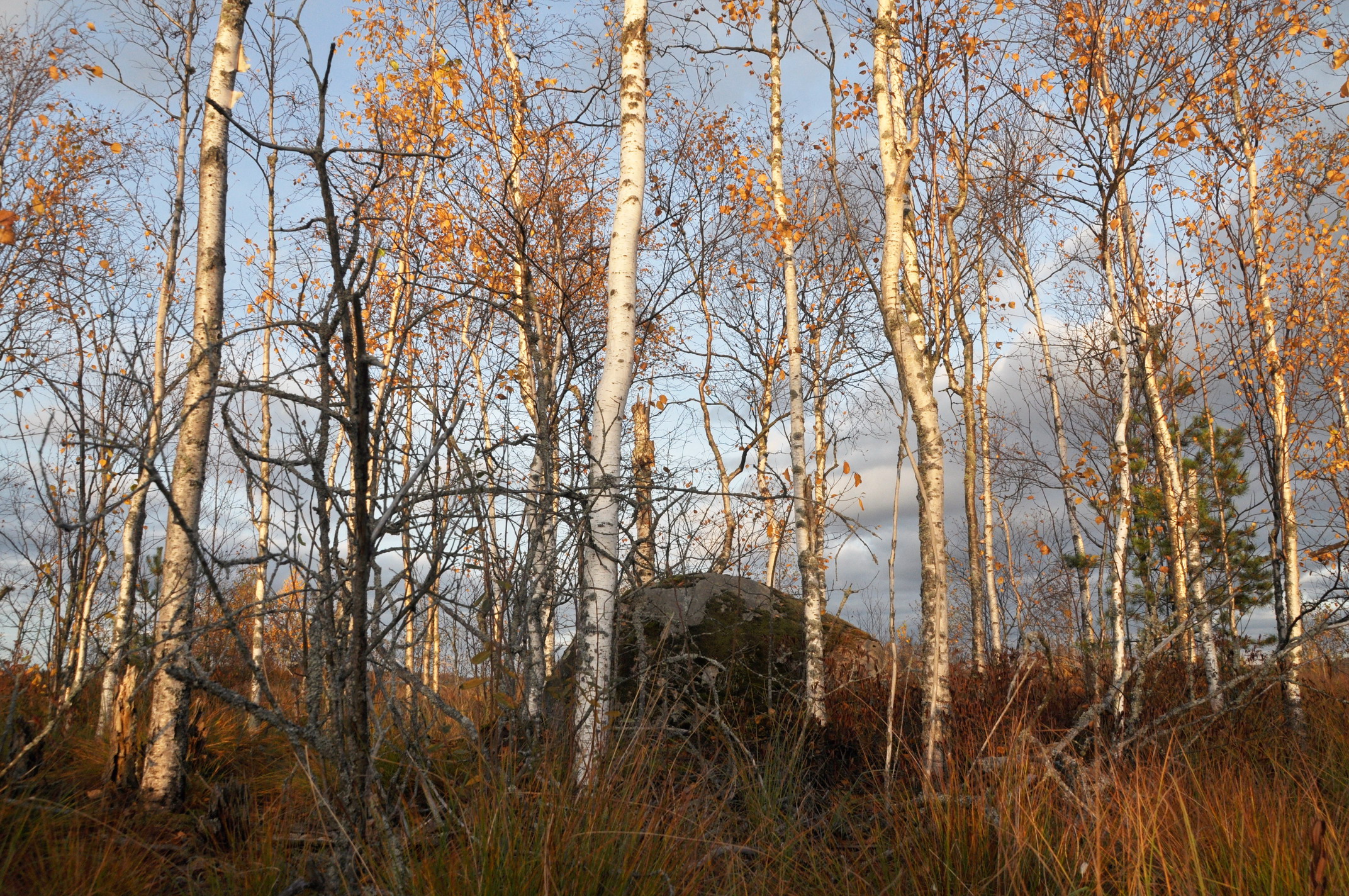
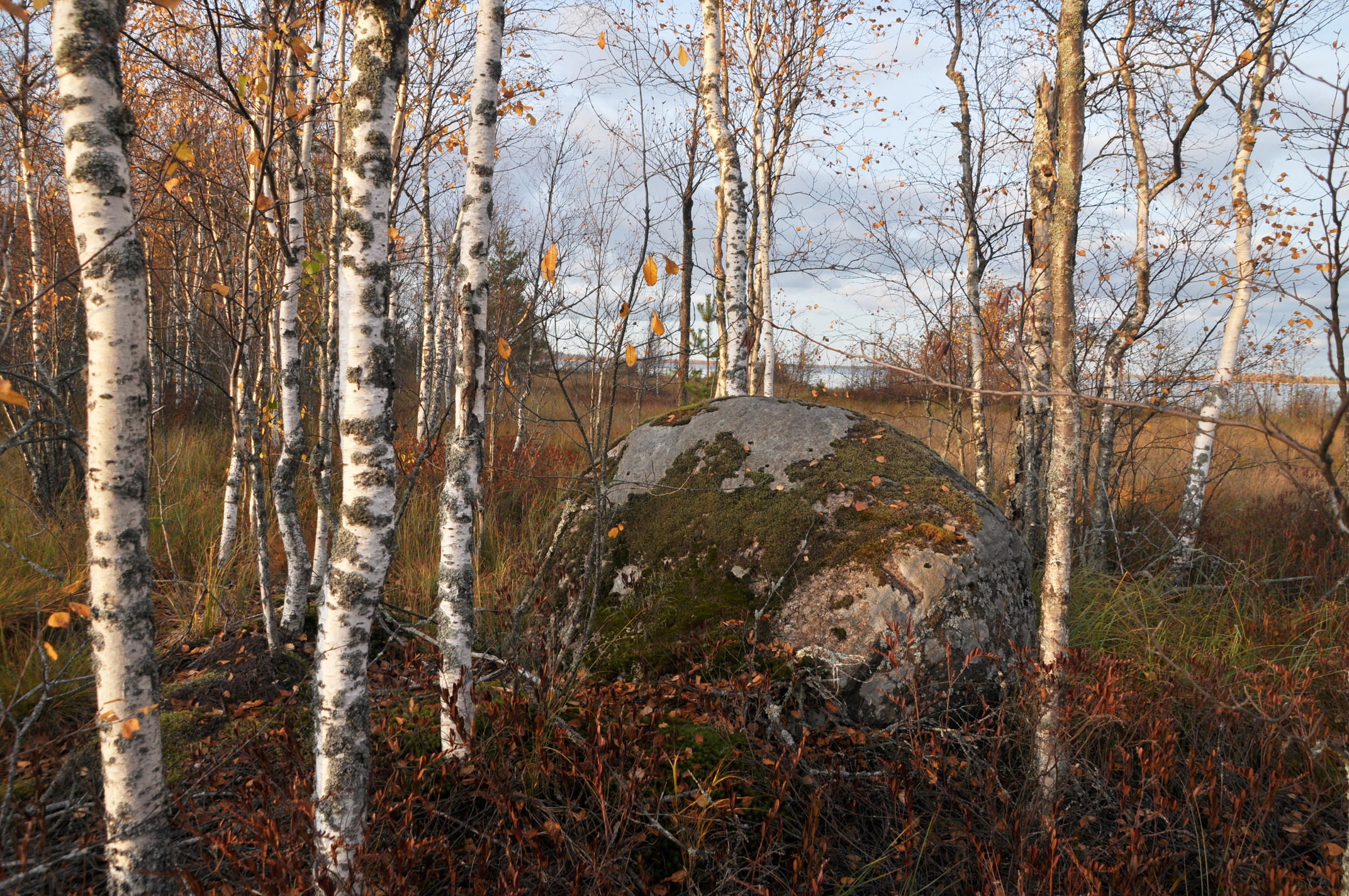
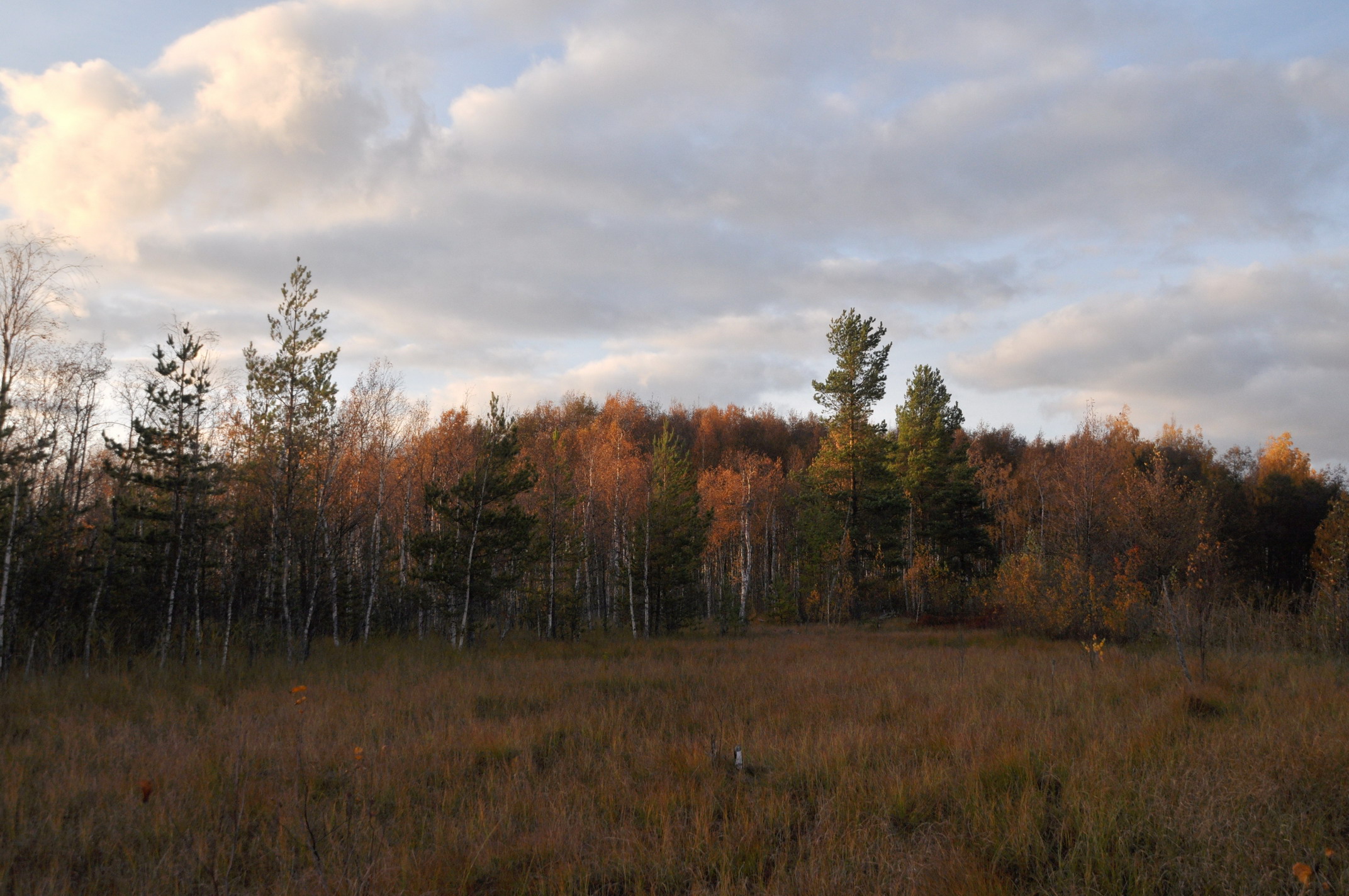
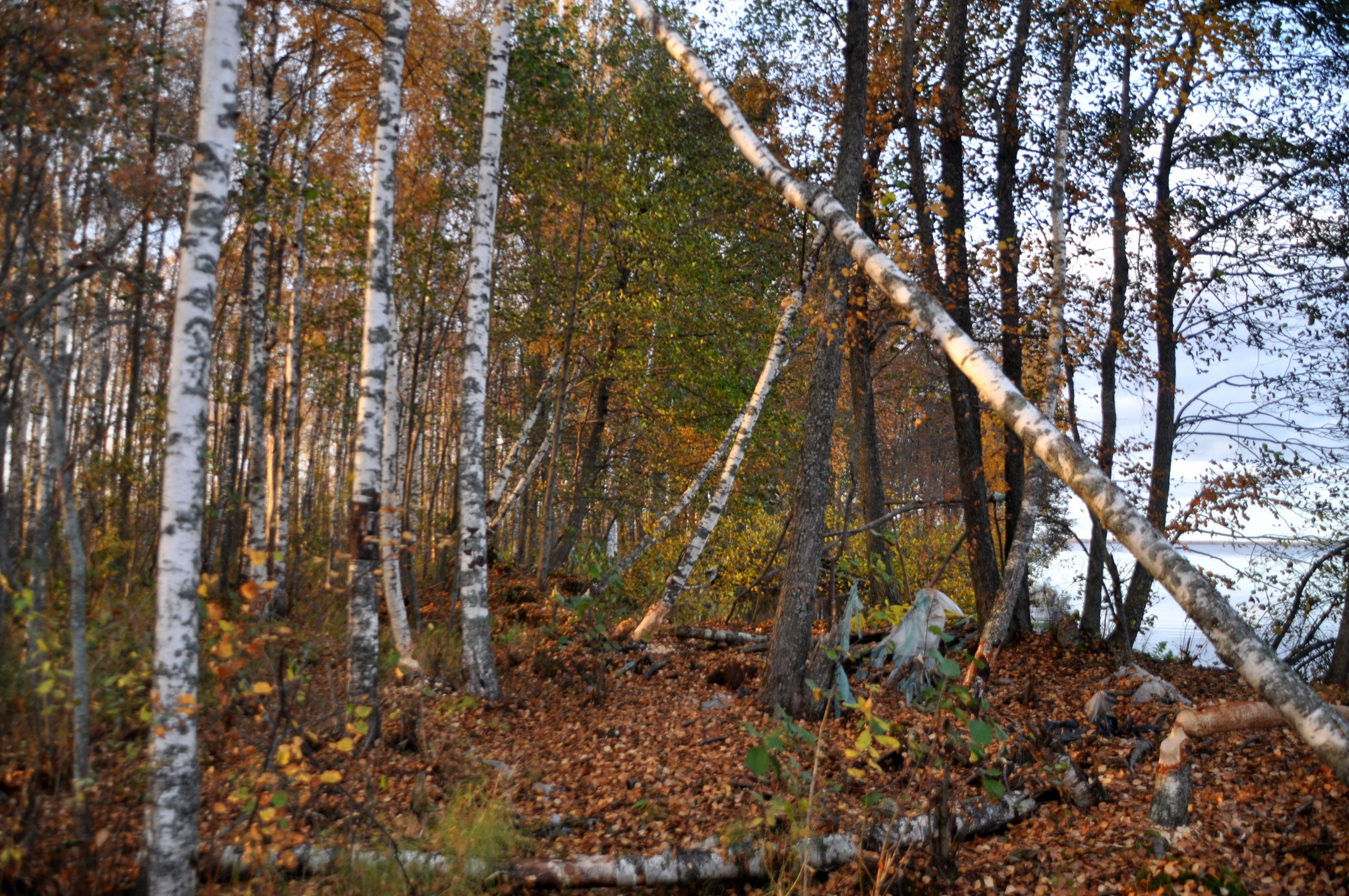
It is striking how quickly the shape of the shore changes. The old campsite is all thickets and gullies now. The boulder we liked to sit°n in the 1980s (59°02.750′N, 30°12.385′E) is completely overgrown. The water level has stayed the same.
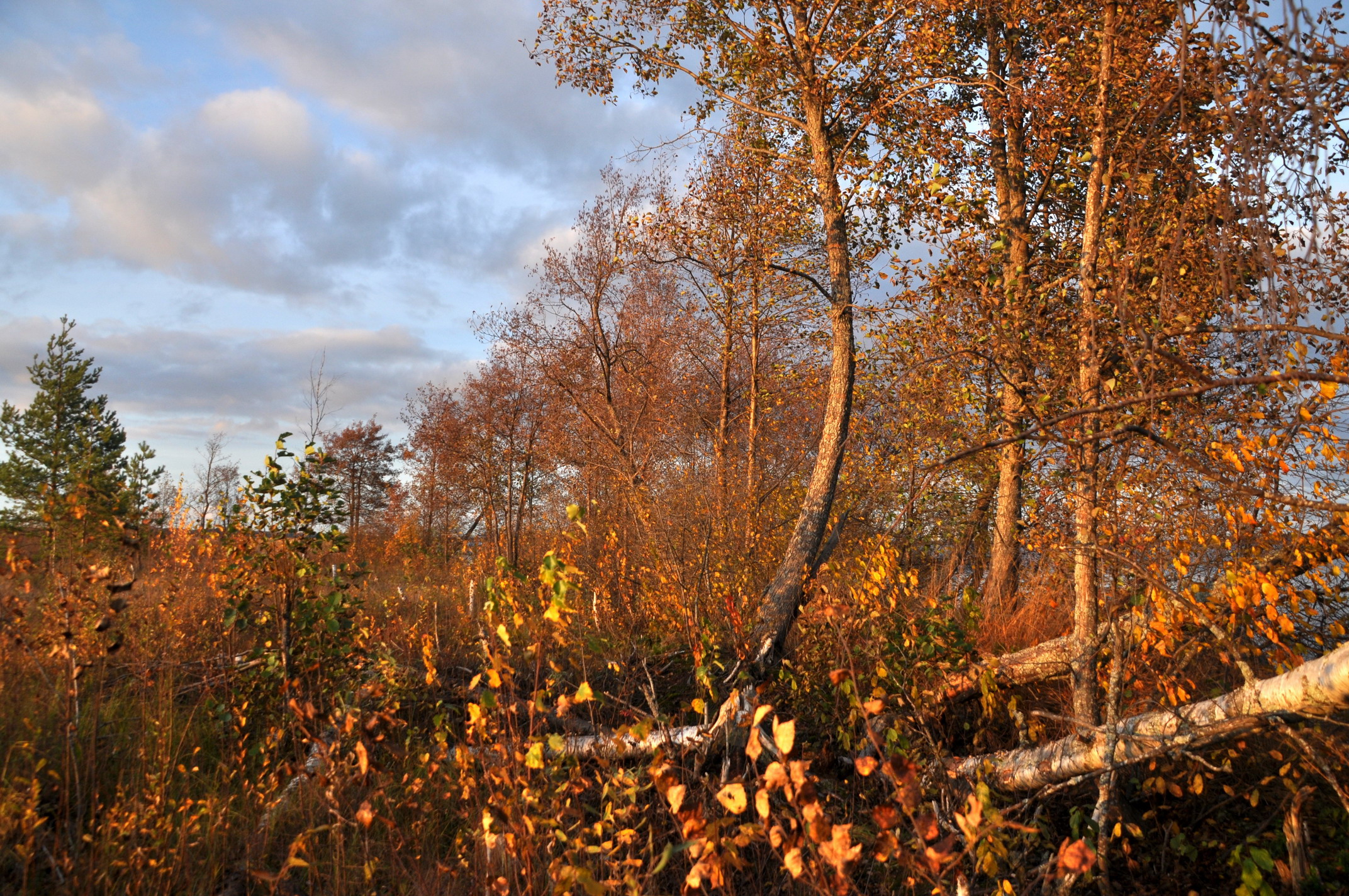
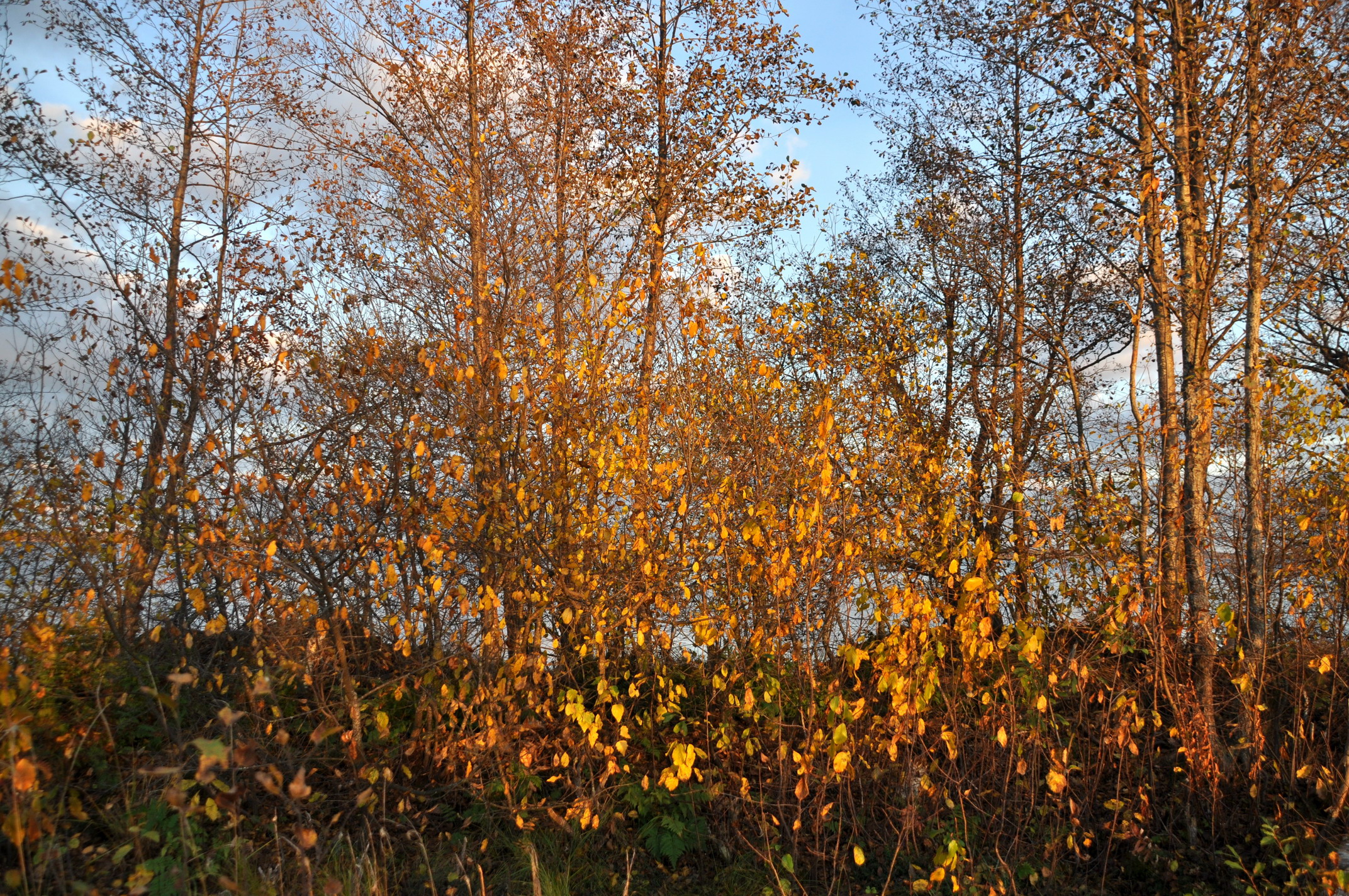
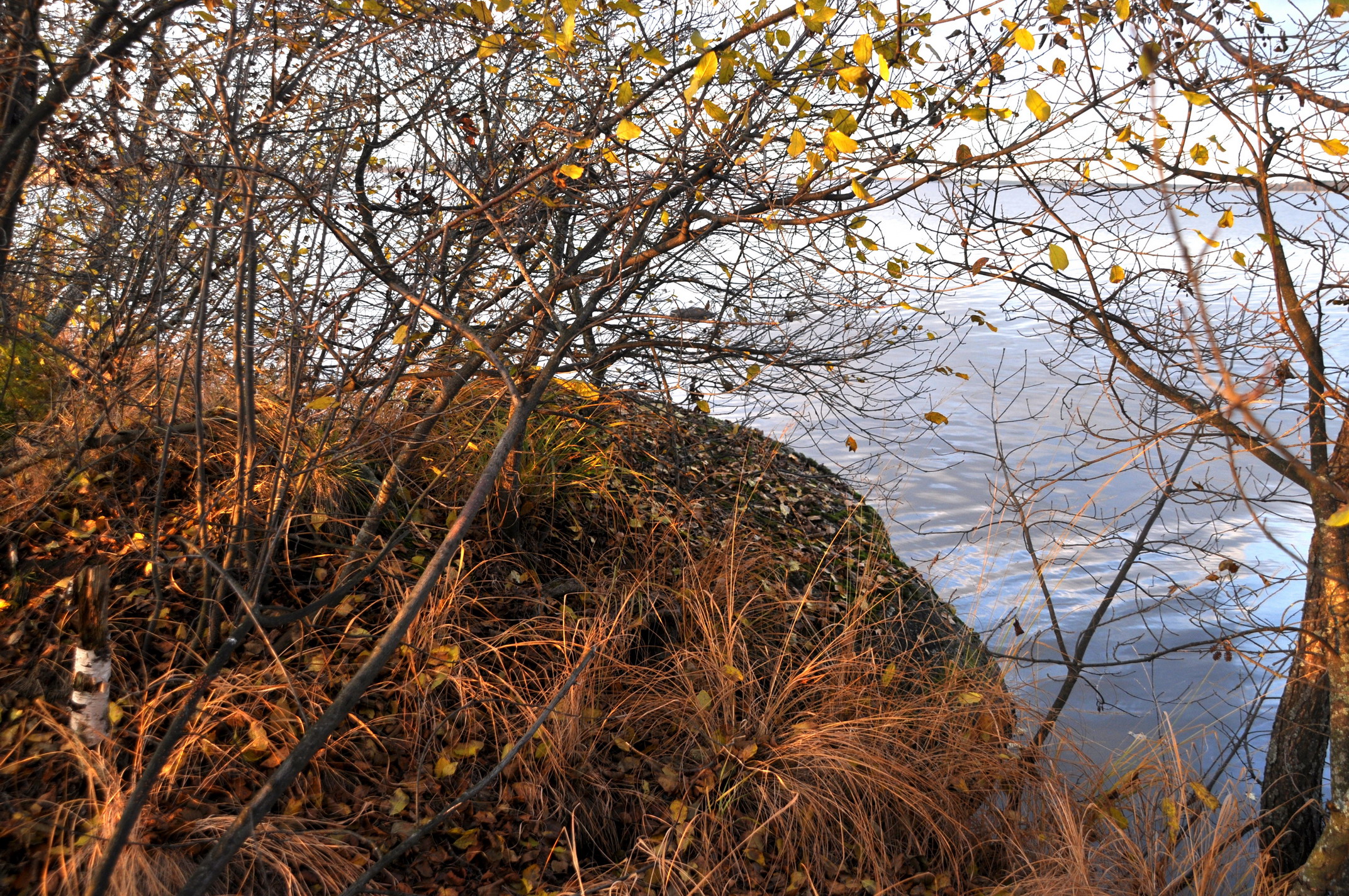
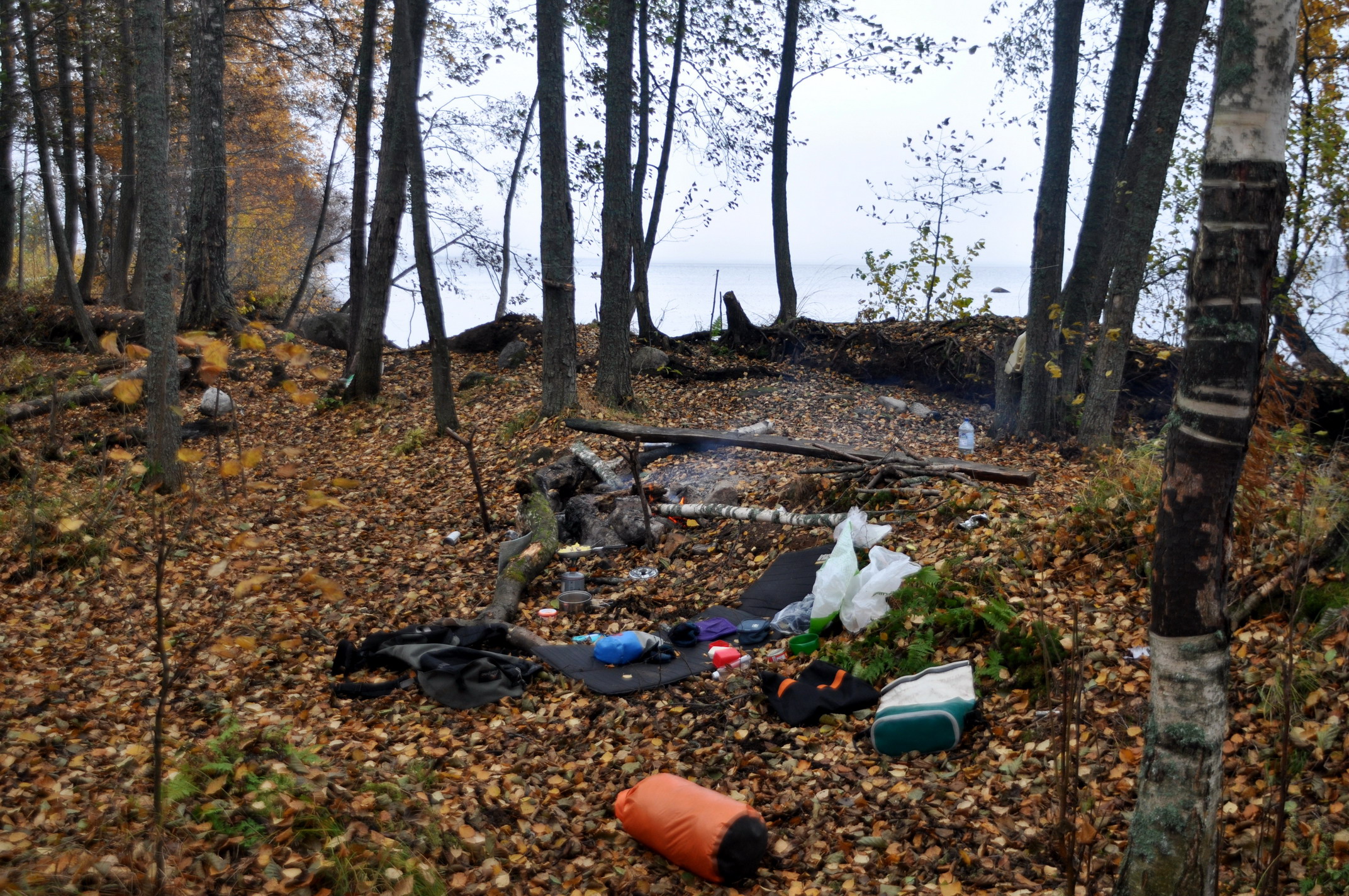
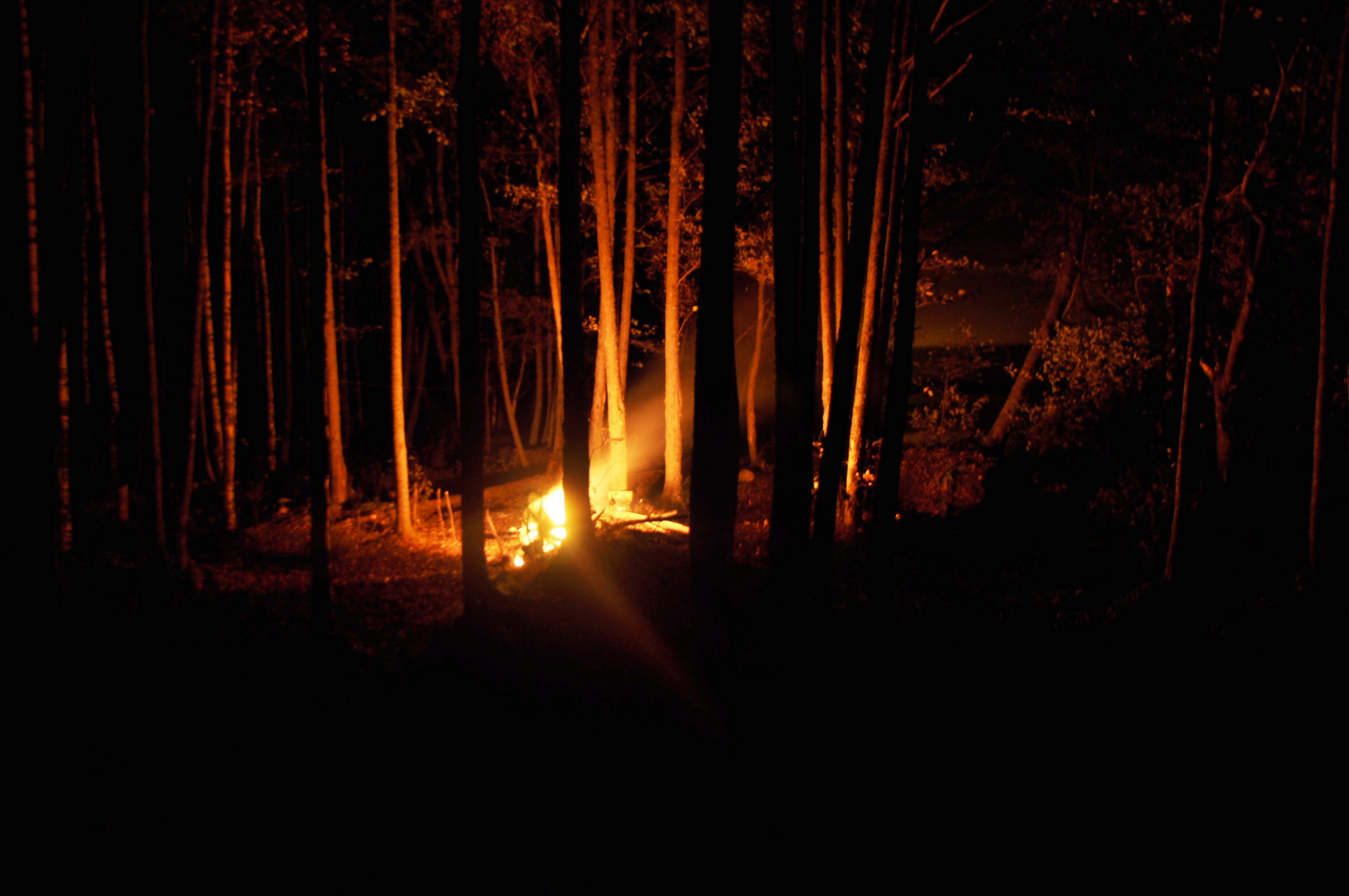
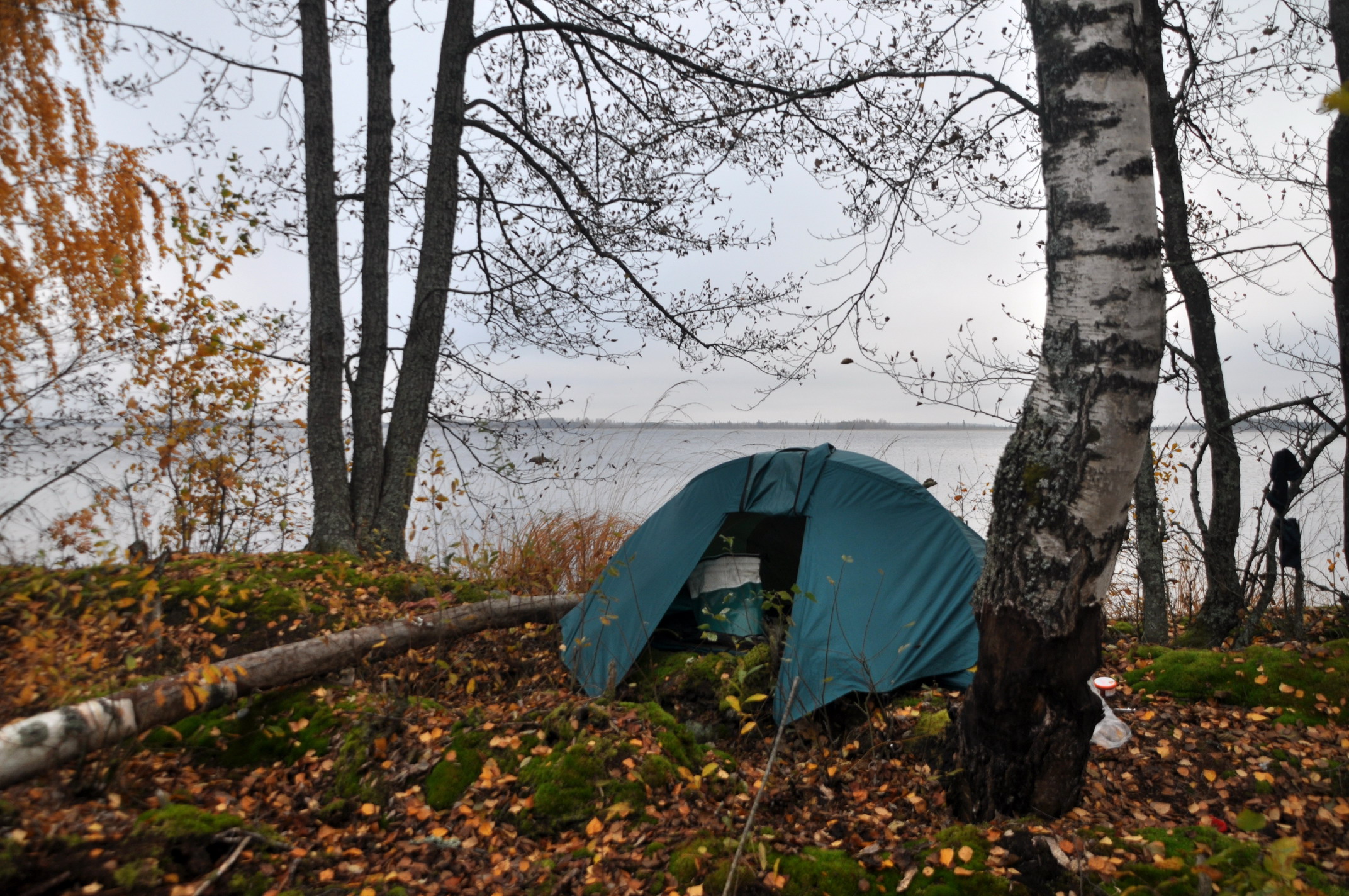
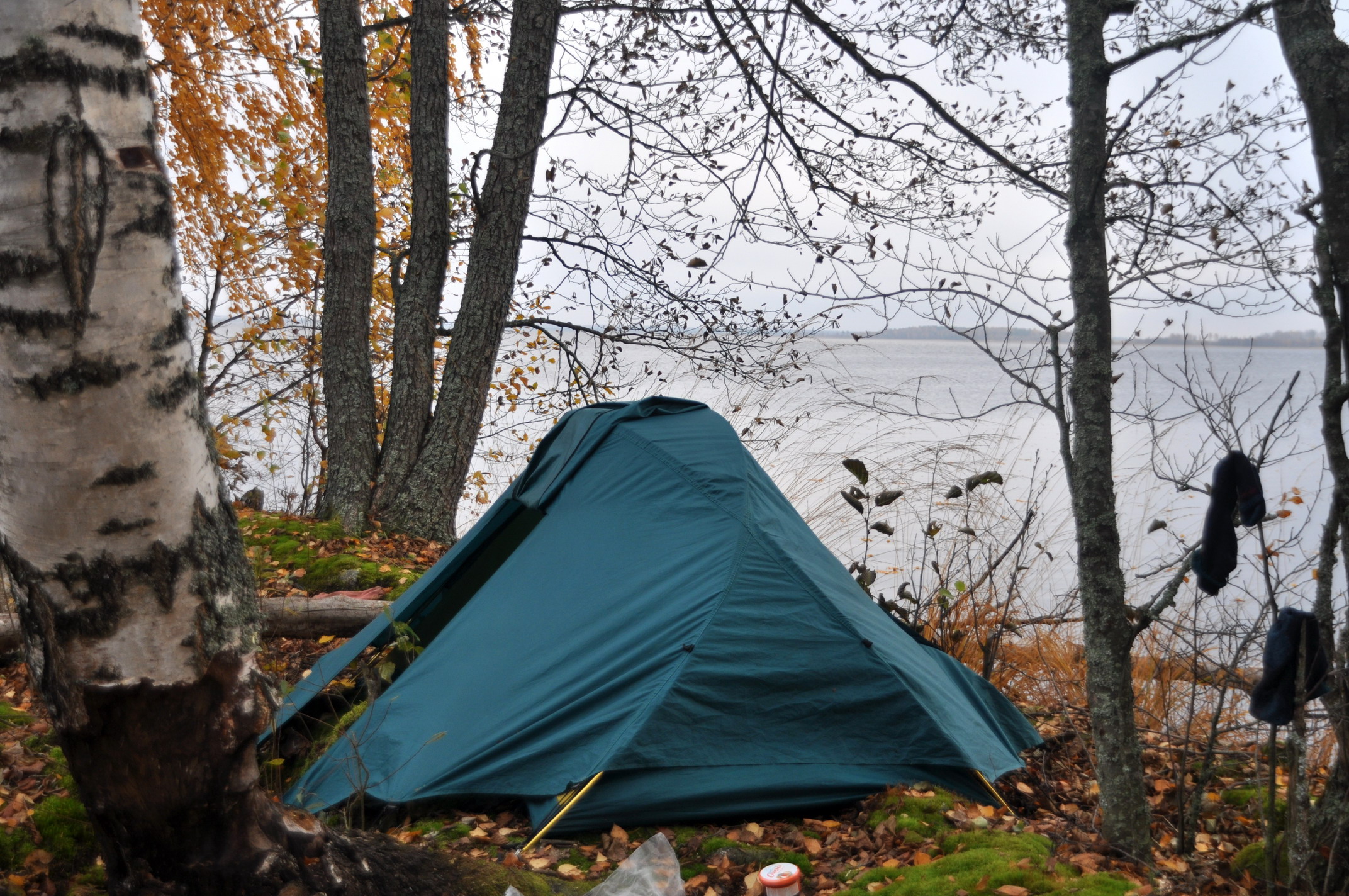
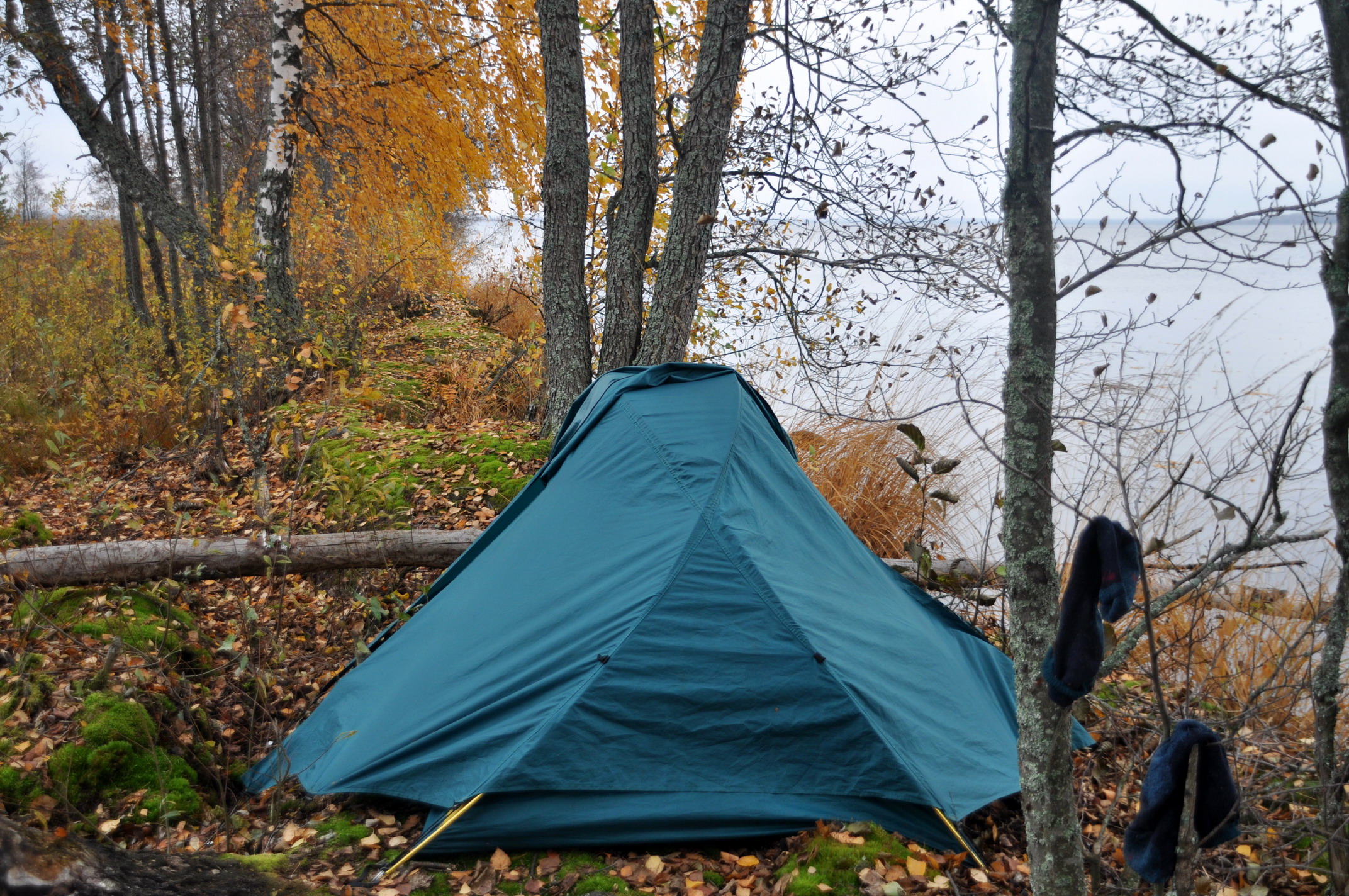
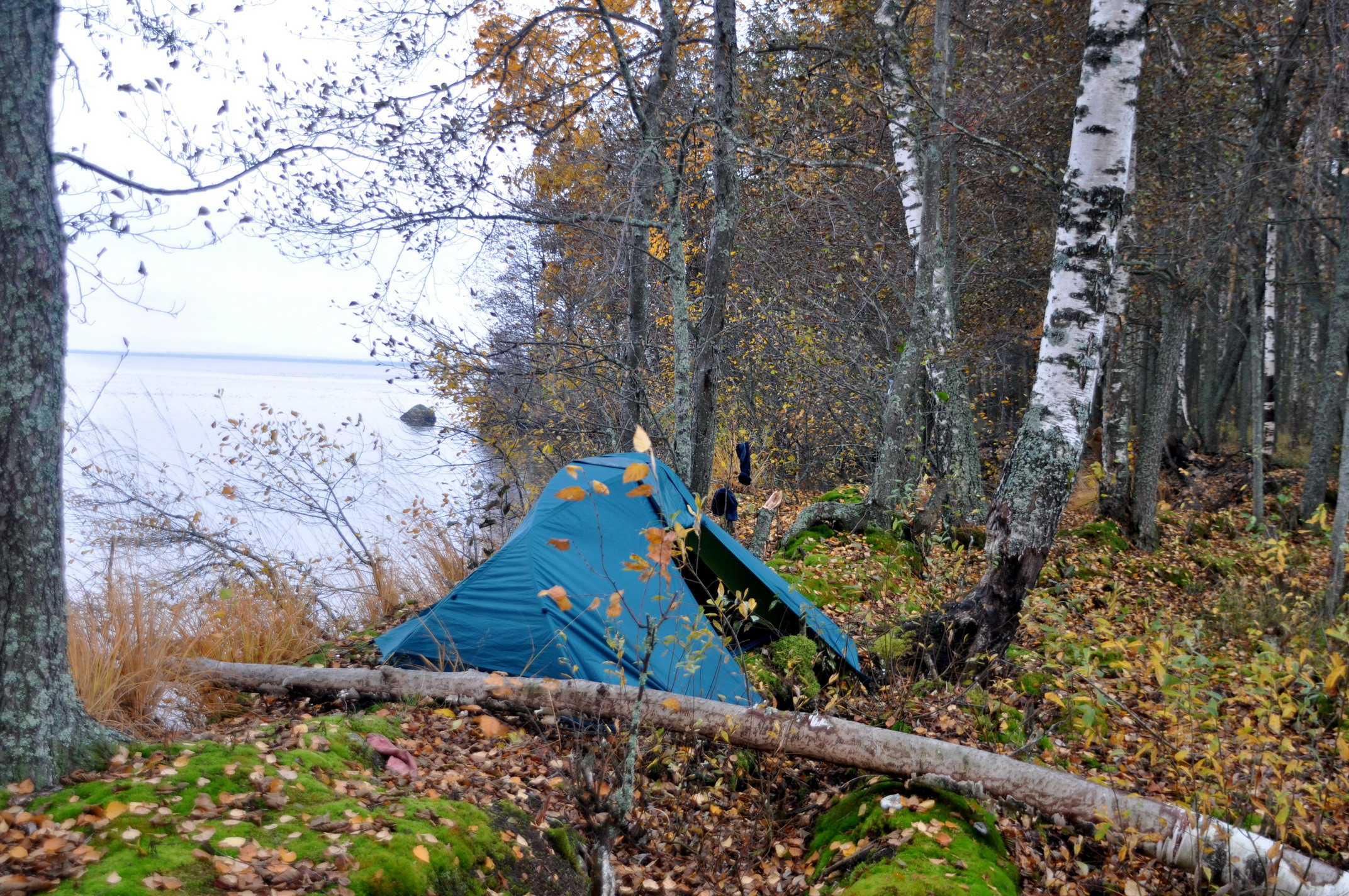
The nearest level spot I found was 50 metres to the south (59°02.705′N, 30°12.369′E). It was a well-used spot, littered by countless anglers. I had to start by cleaning up. I burnt a pile of rubbish.
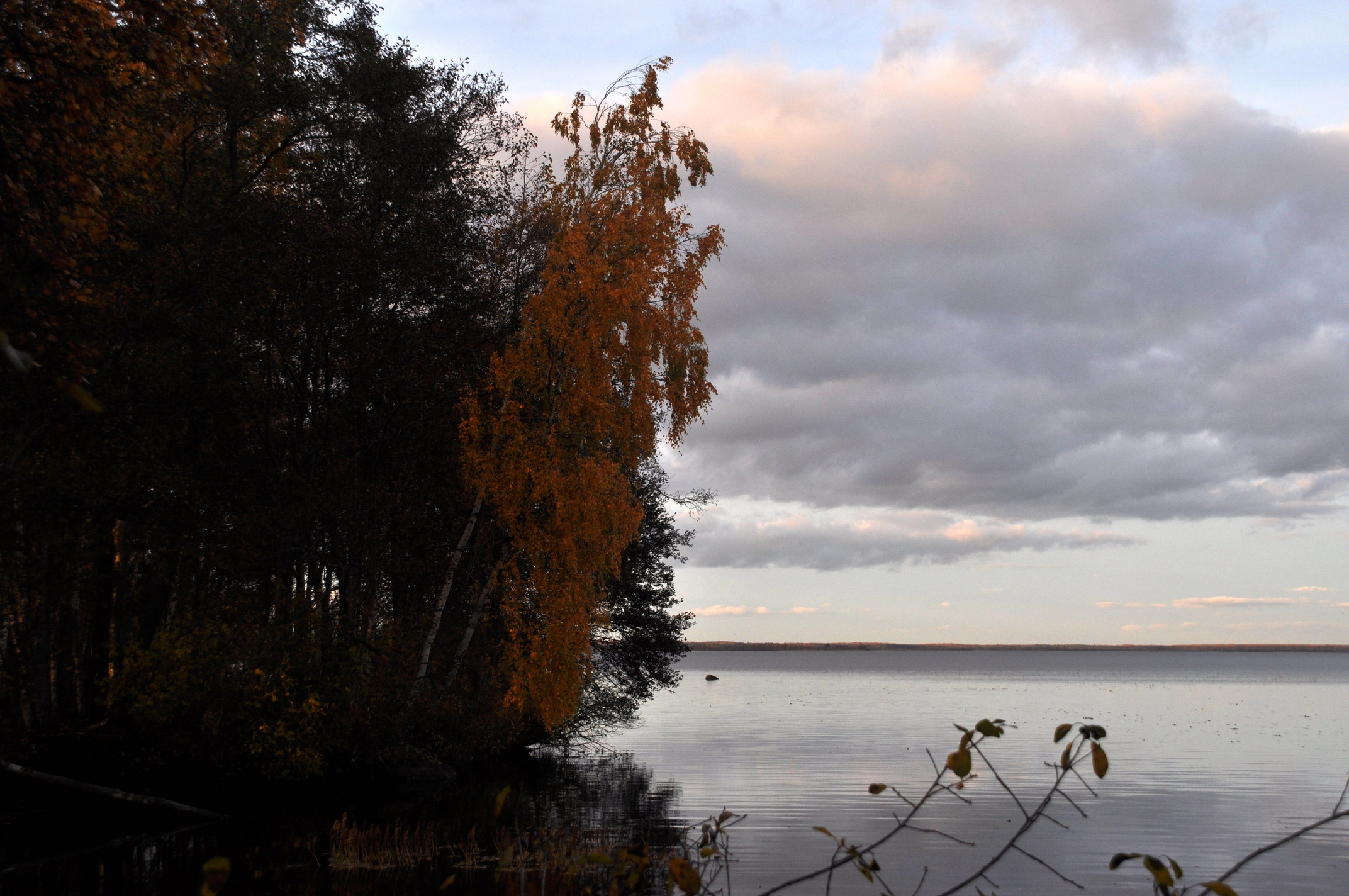
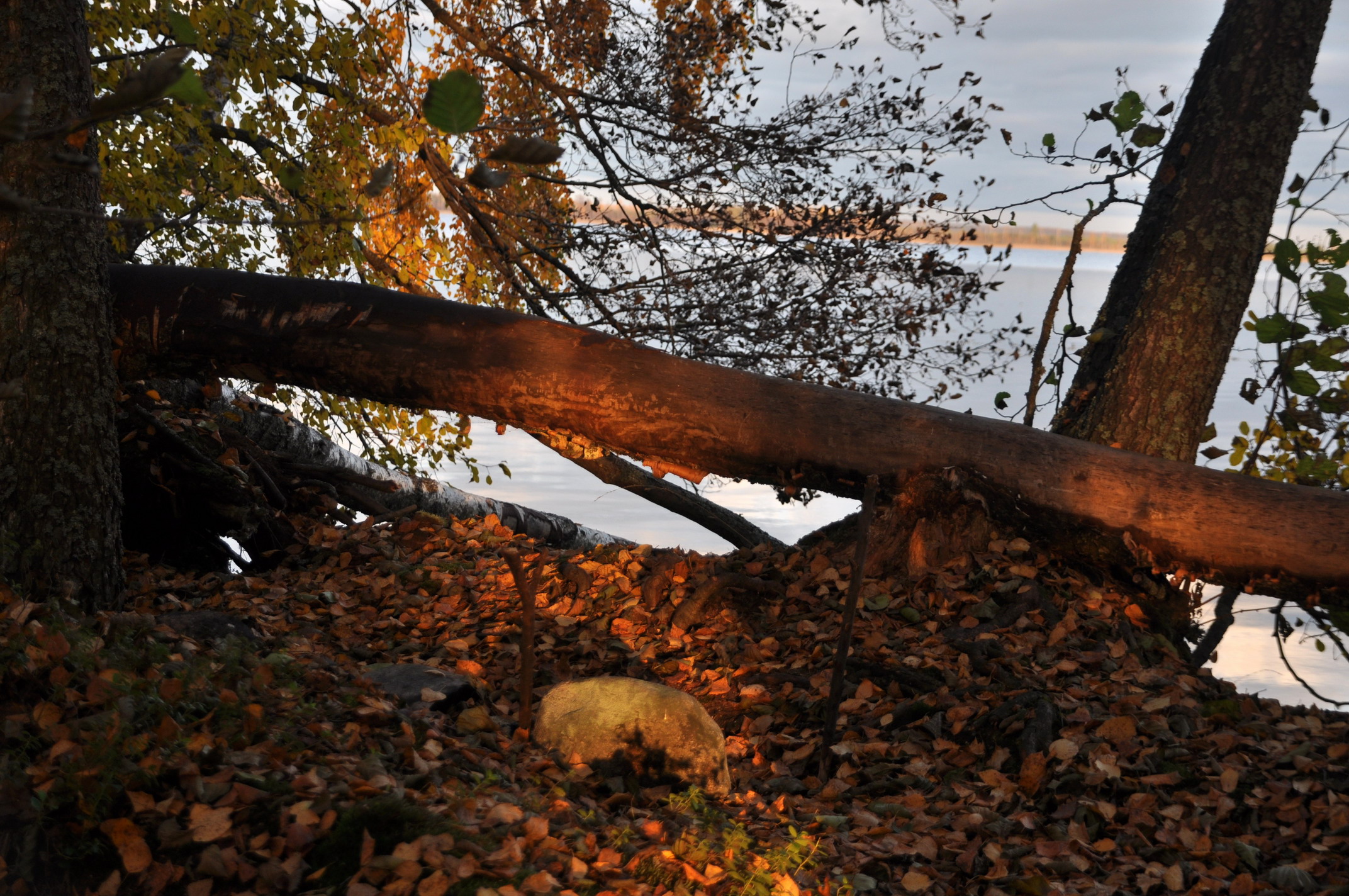
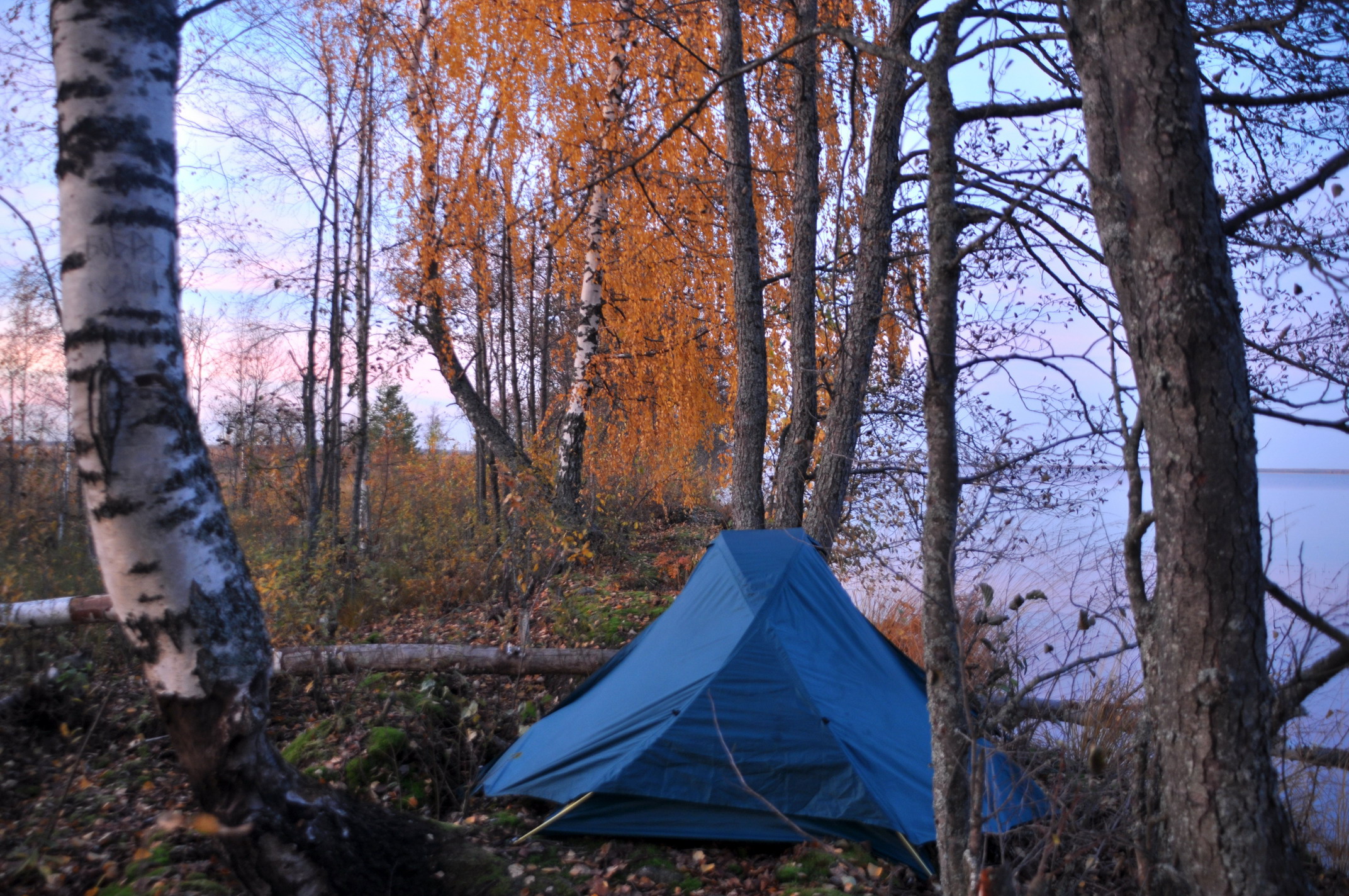
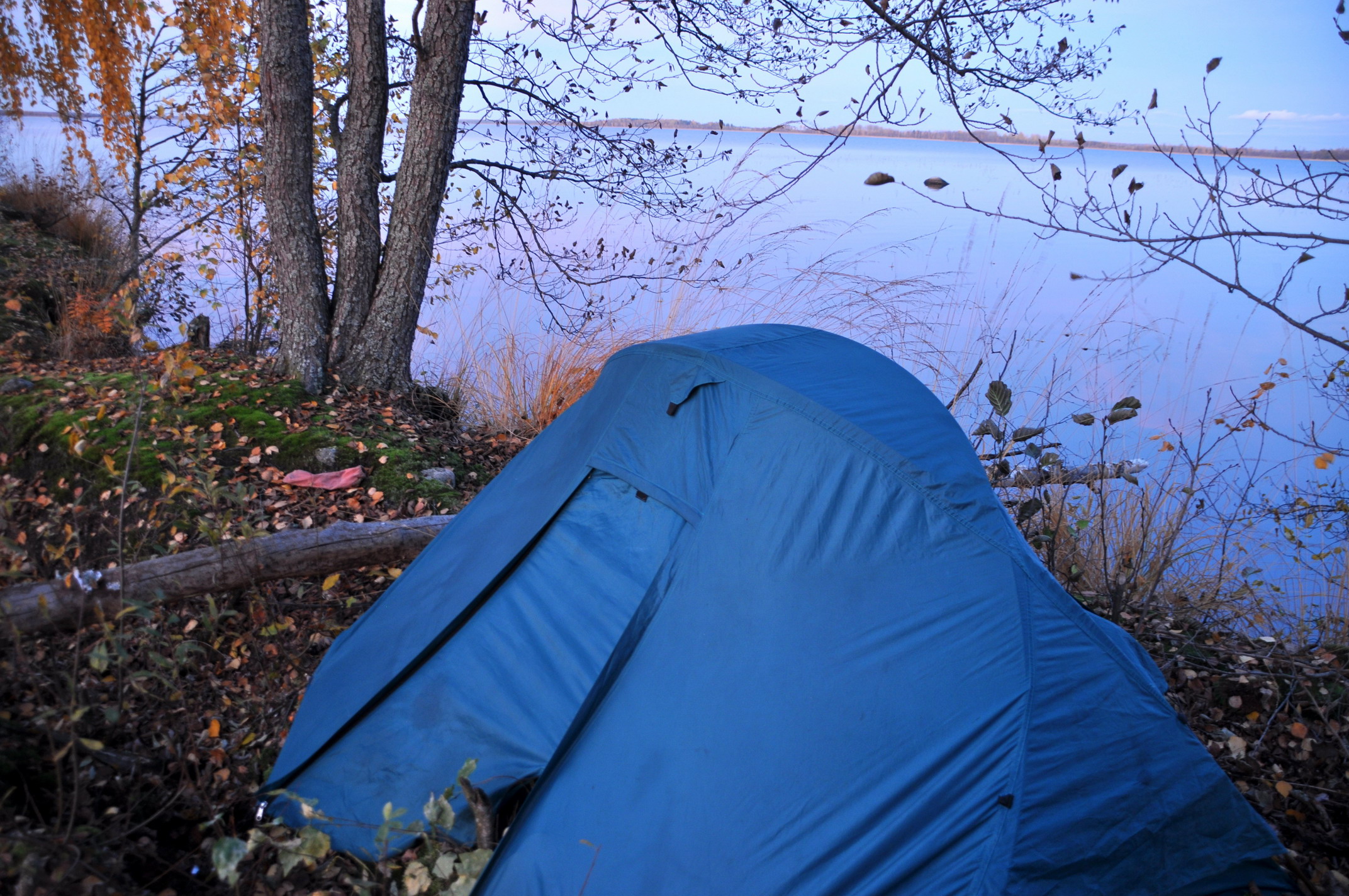
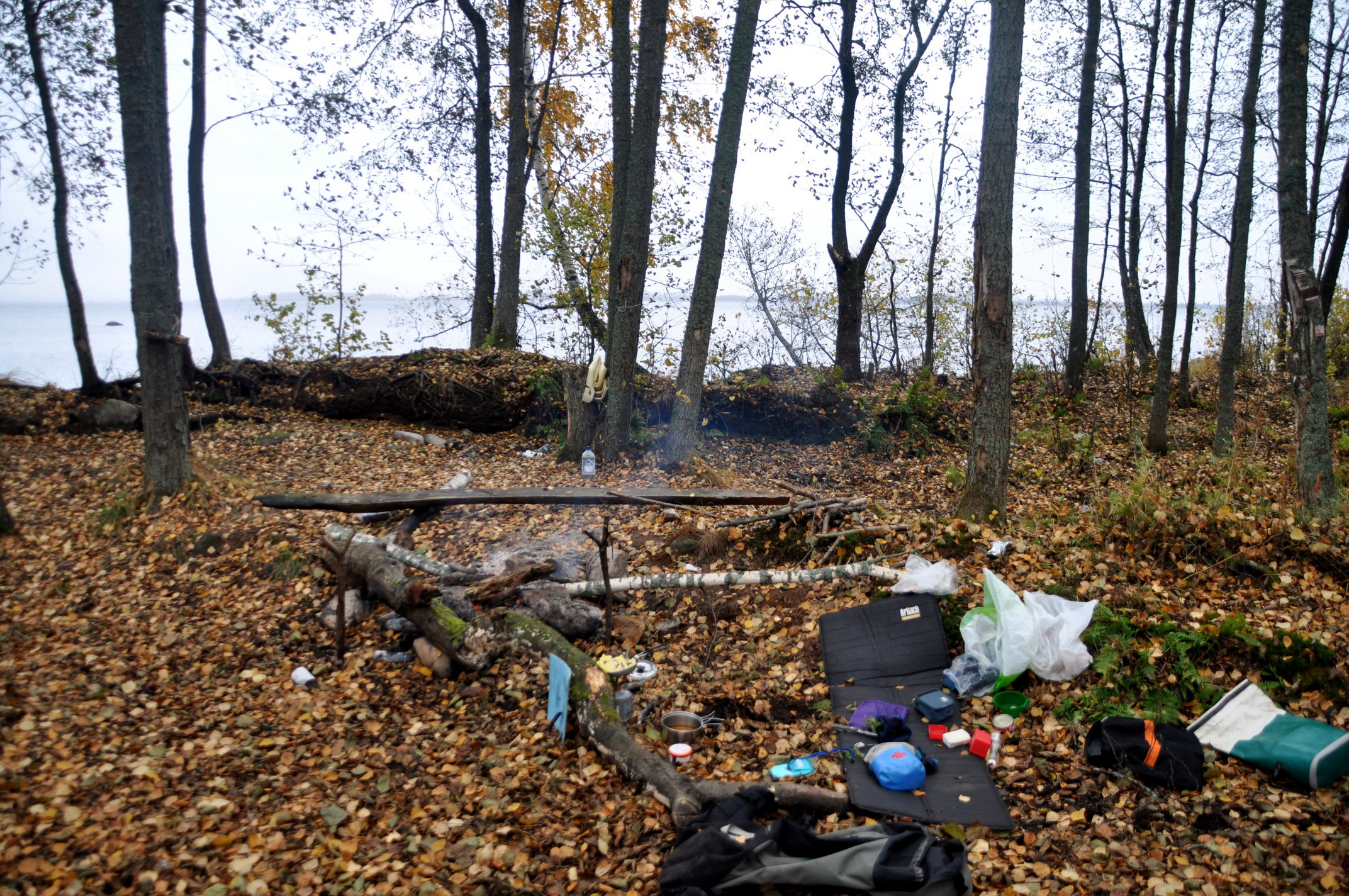
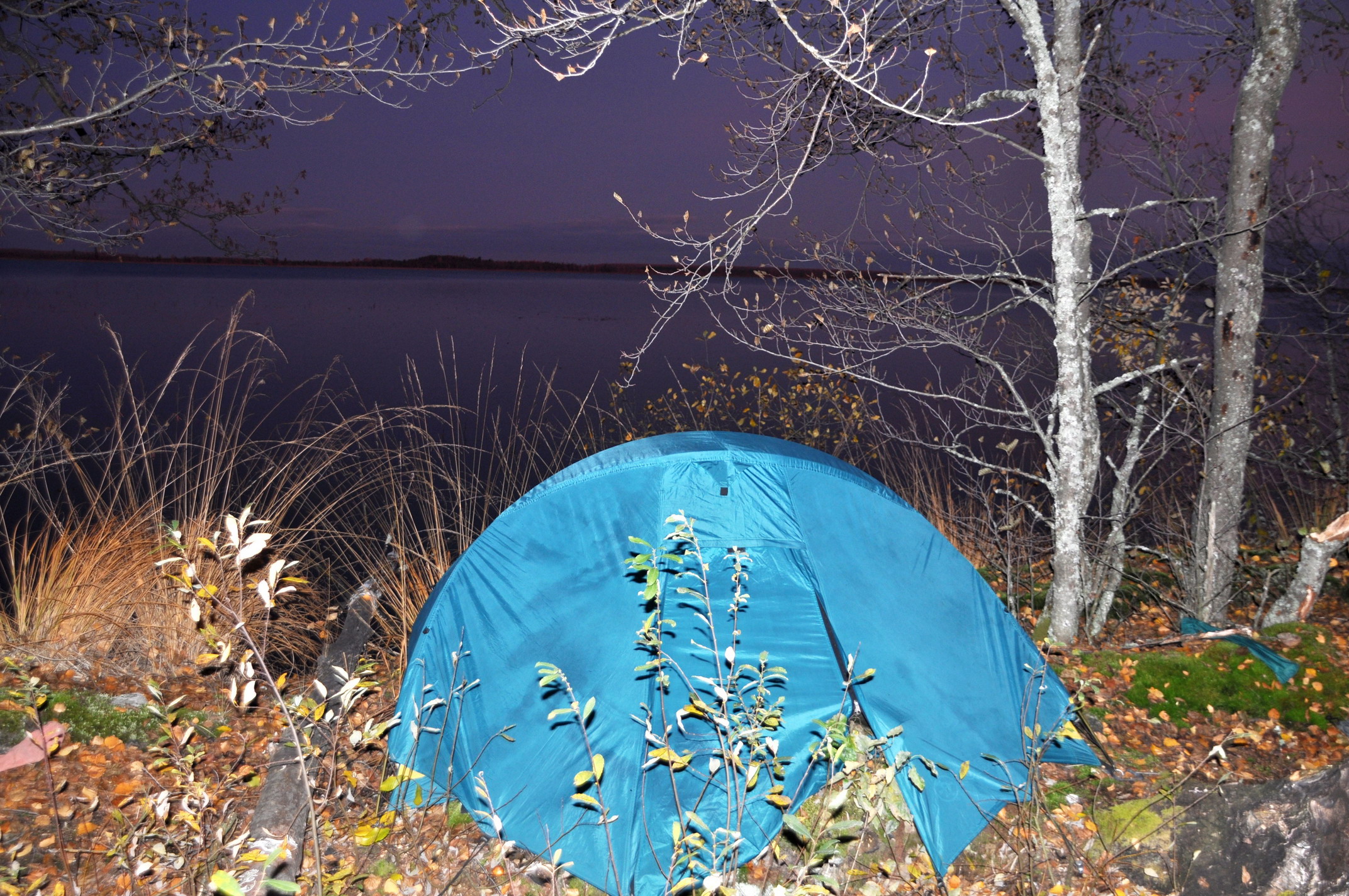
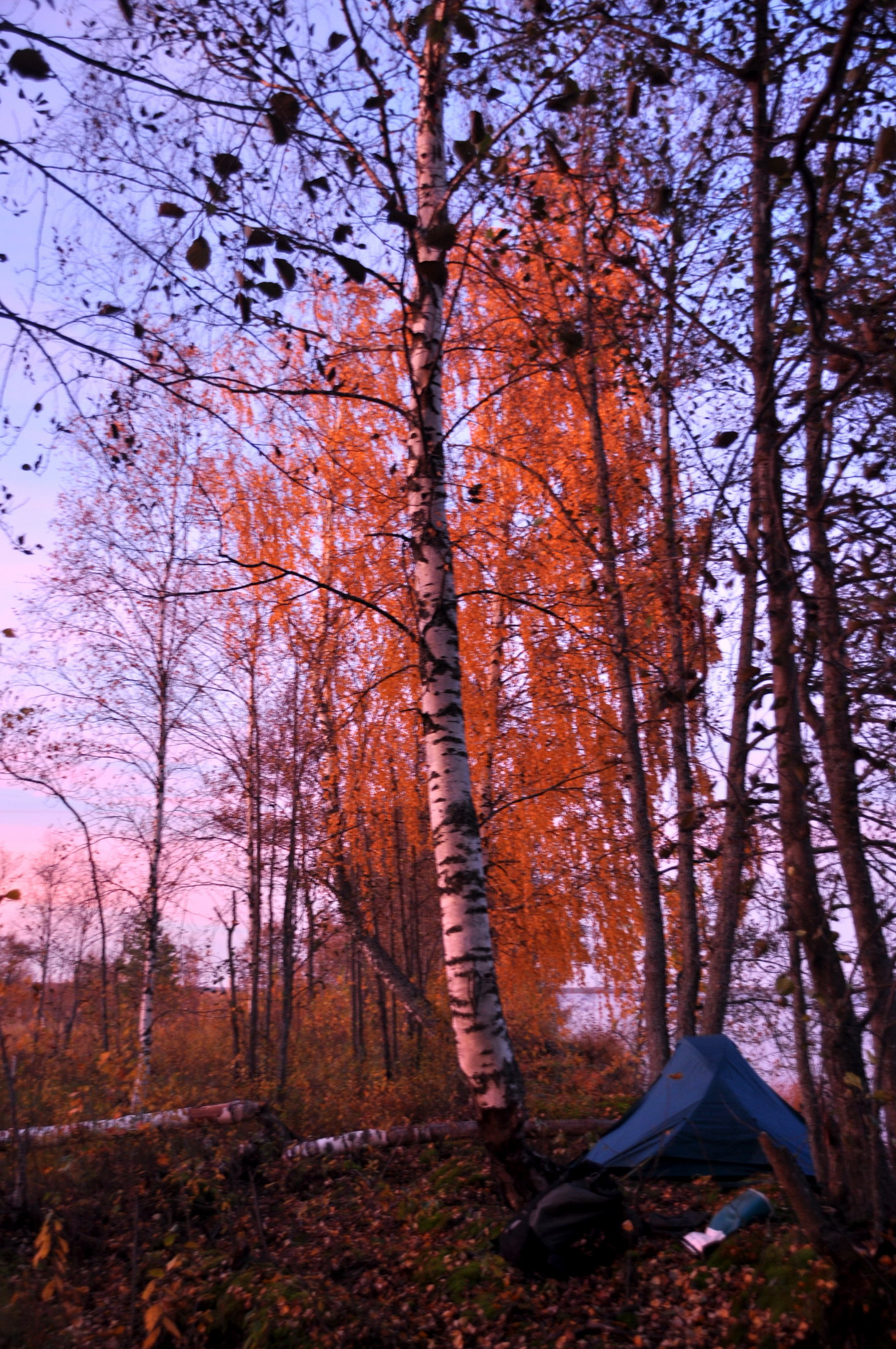
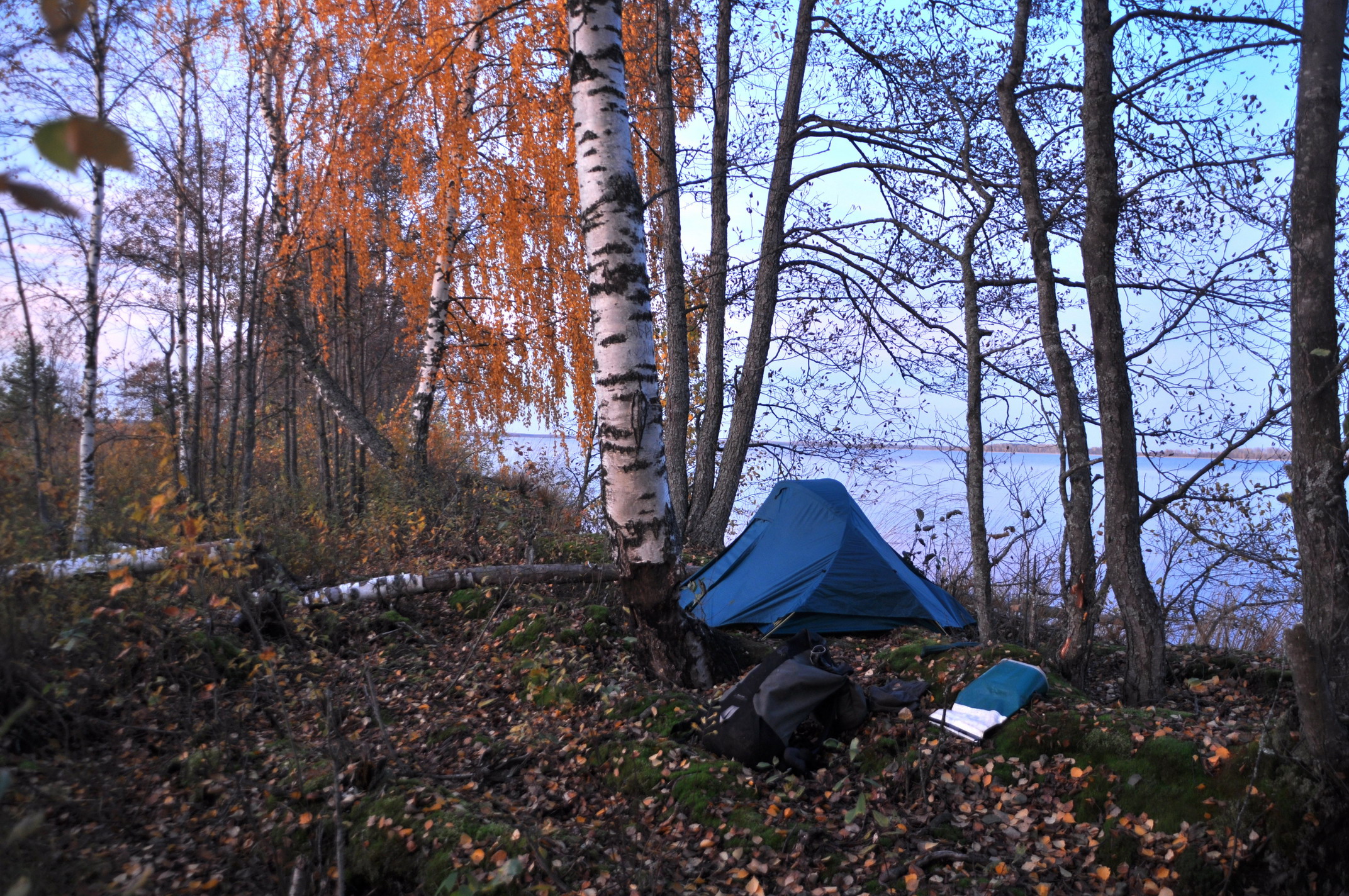
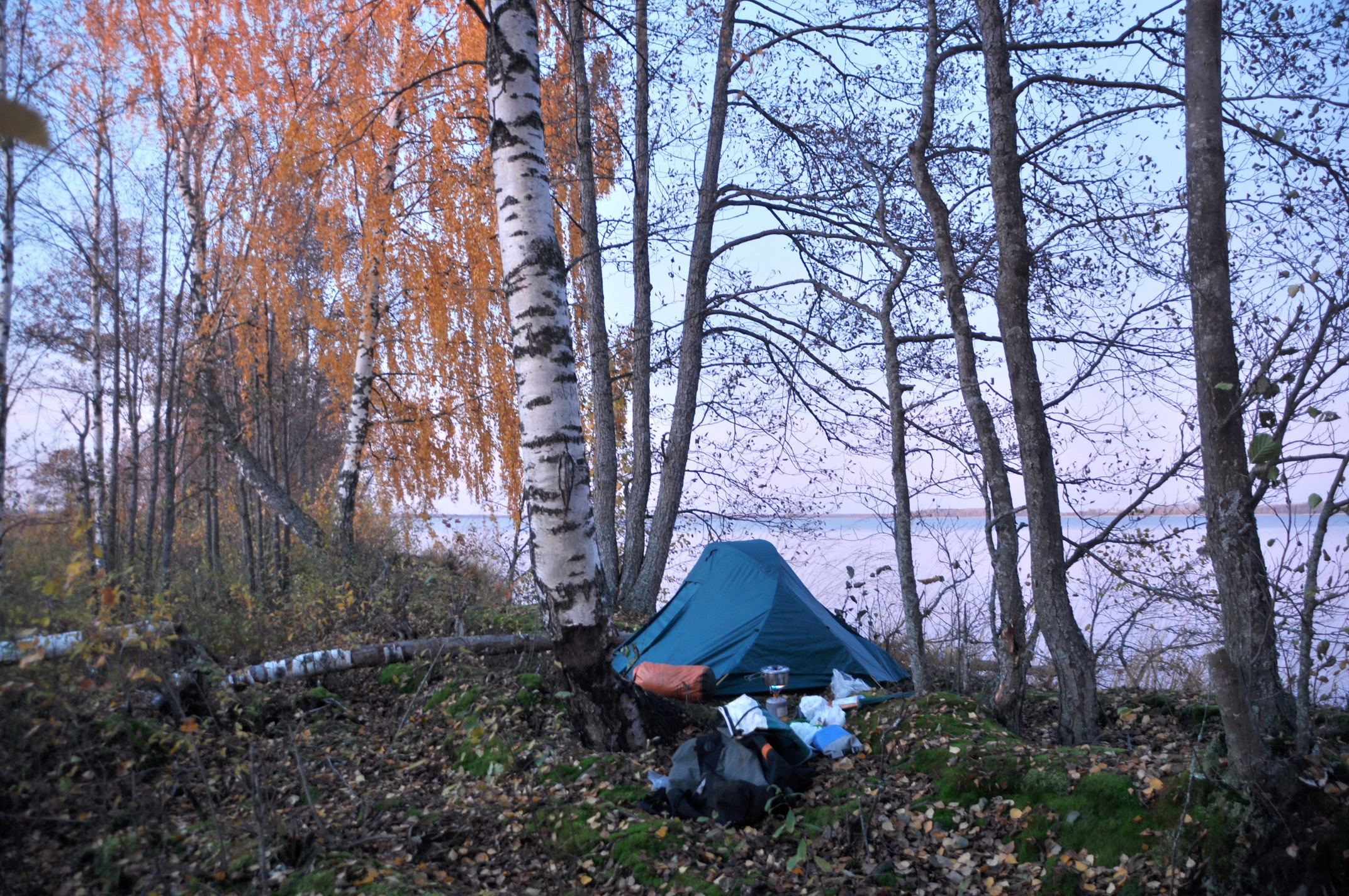
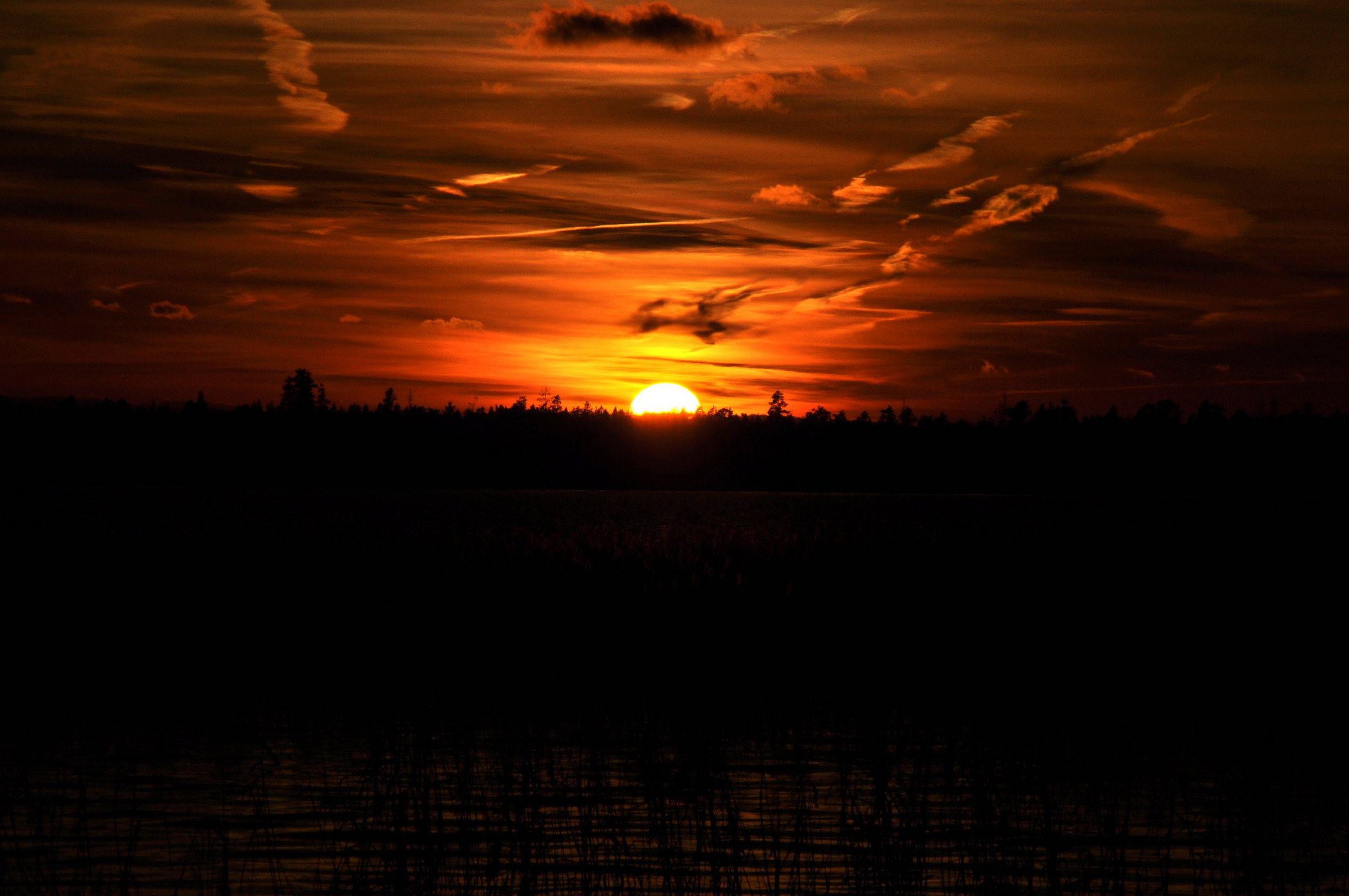
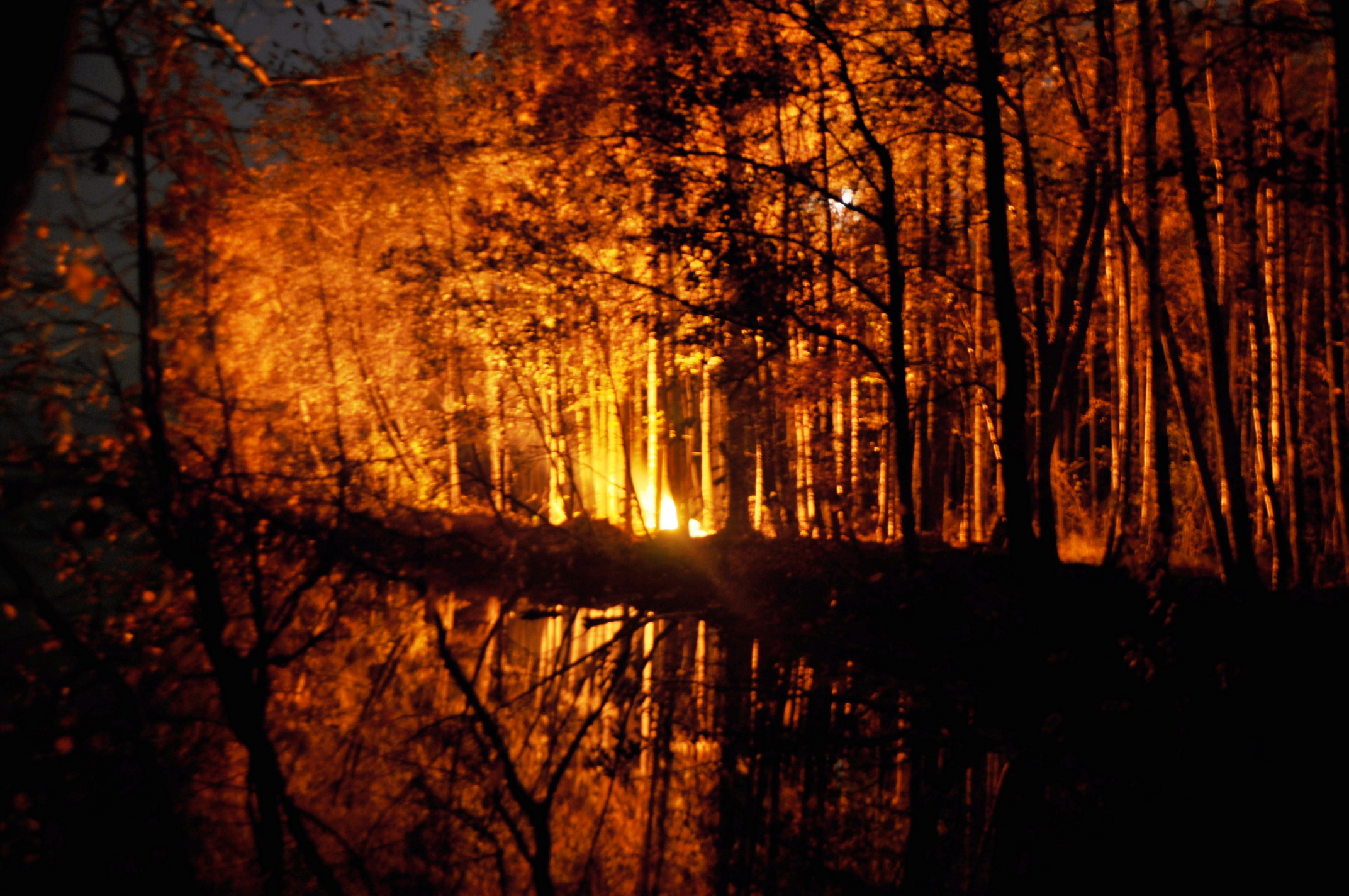
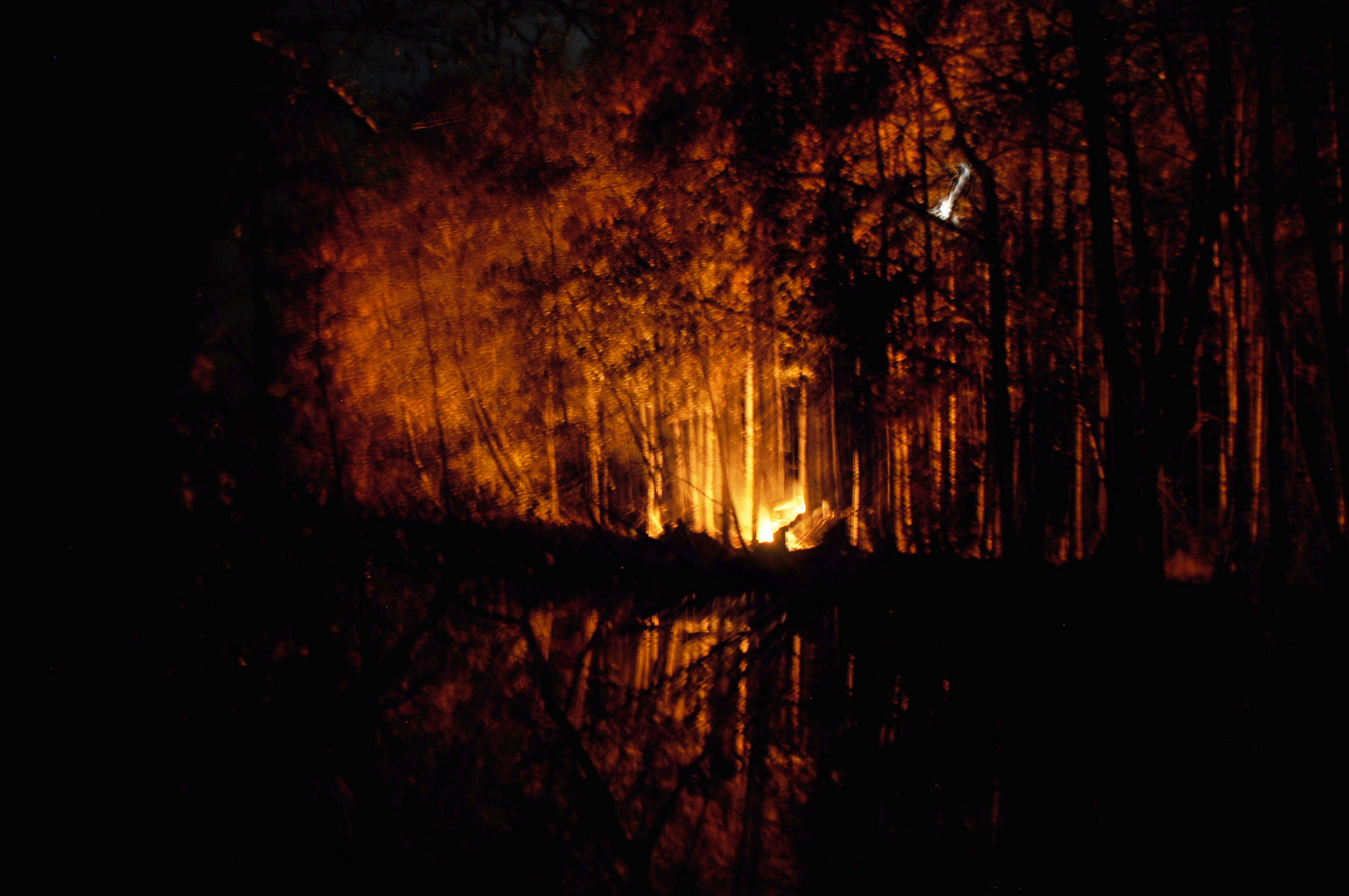
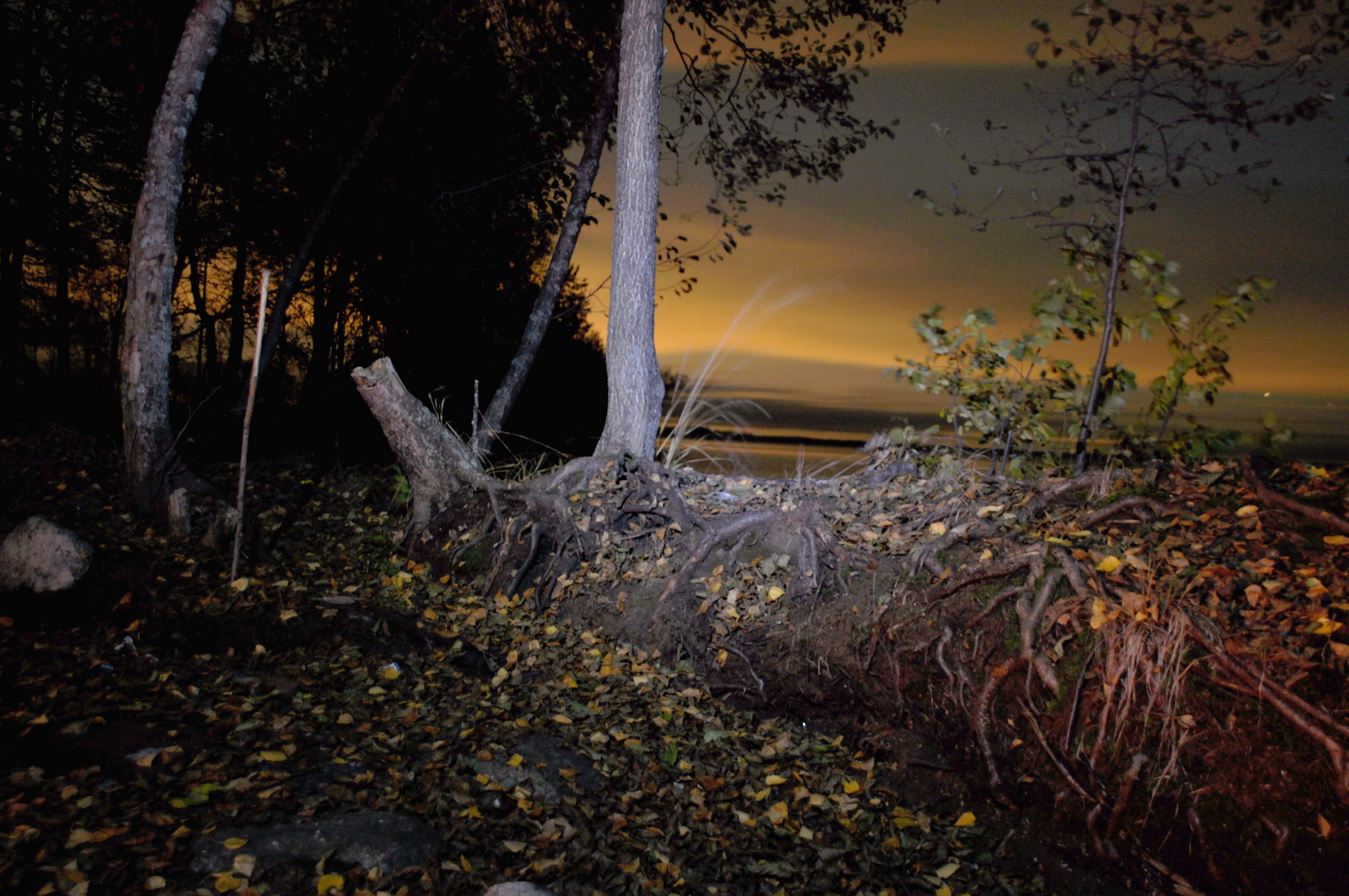
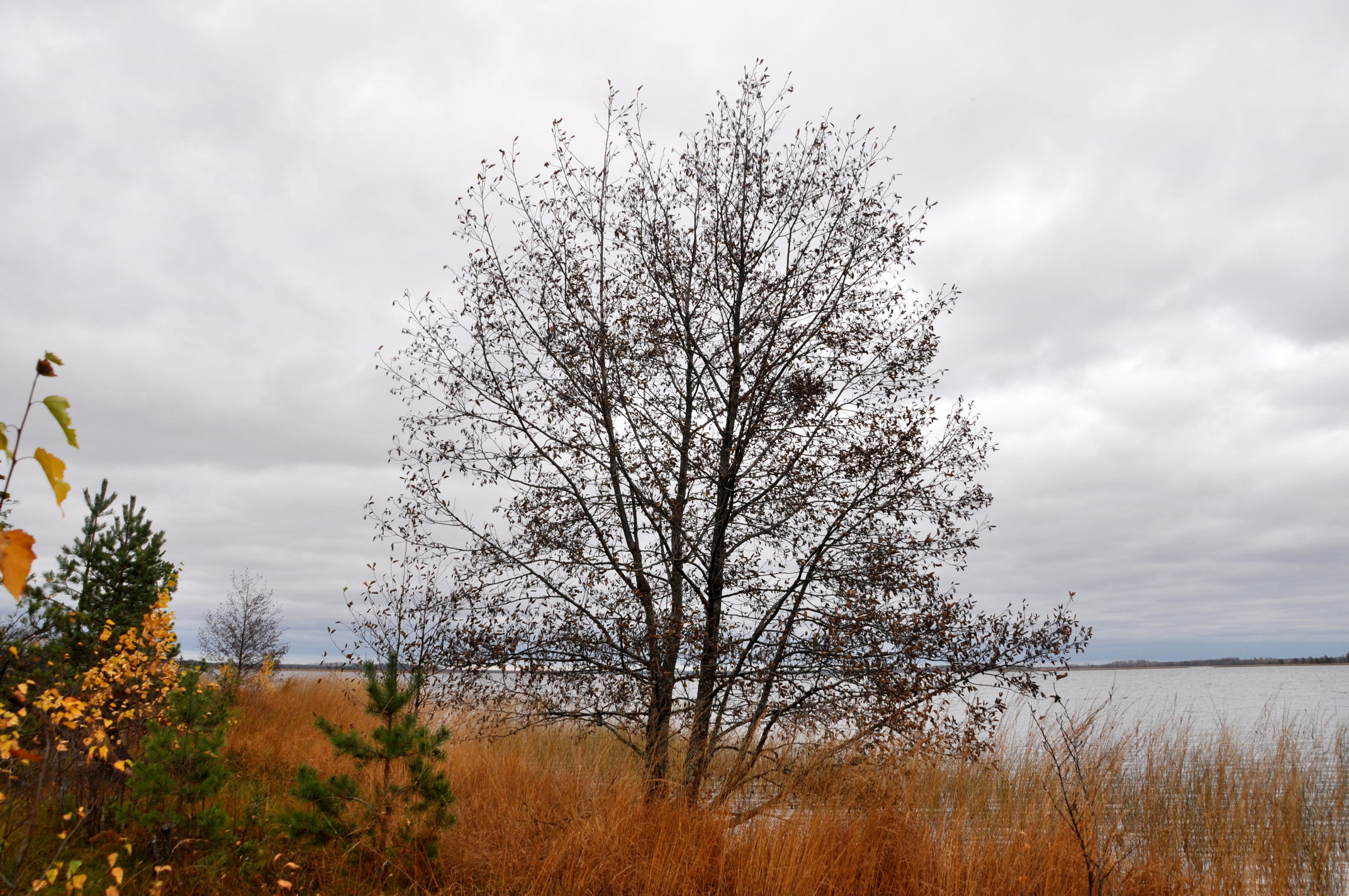
The sunset put°n a show. Red clouds heralded tomorrow’s storm. The birch standing nearby gleamed like a golden torch in the last rays of the dying day. In the distance, above the violet haze rising from the water, the eastern shore of the lake glowed yellow.
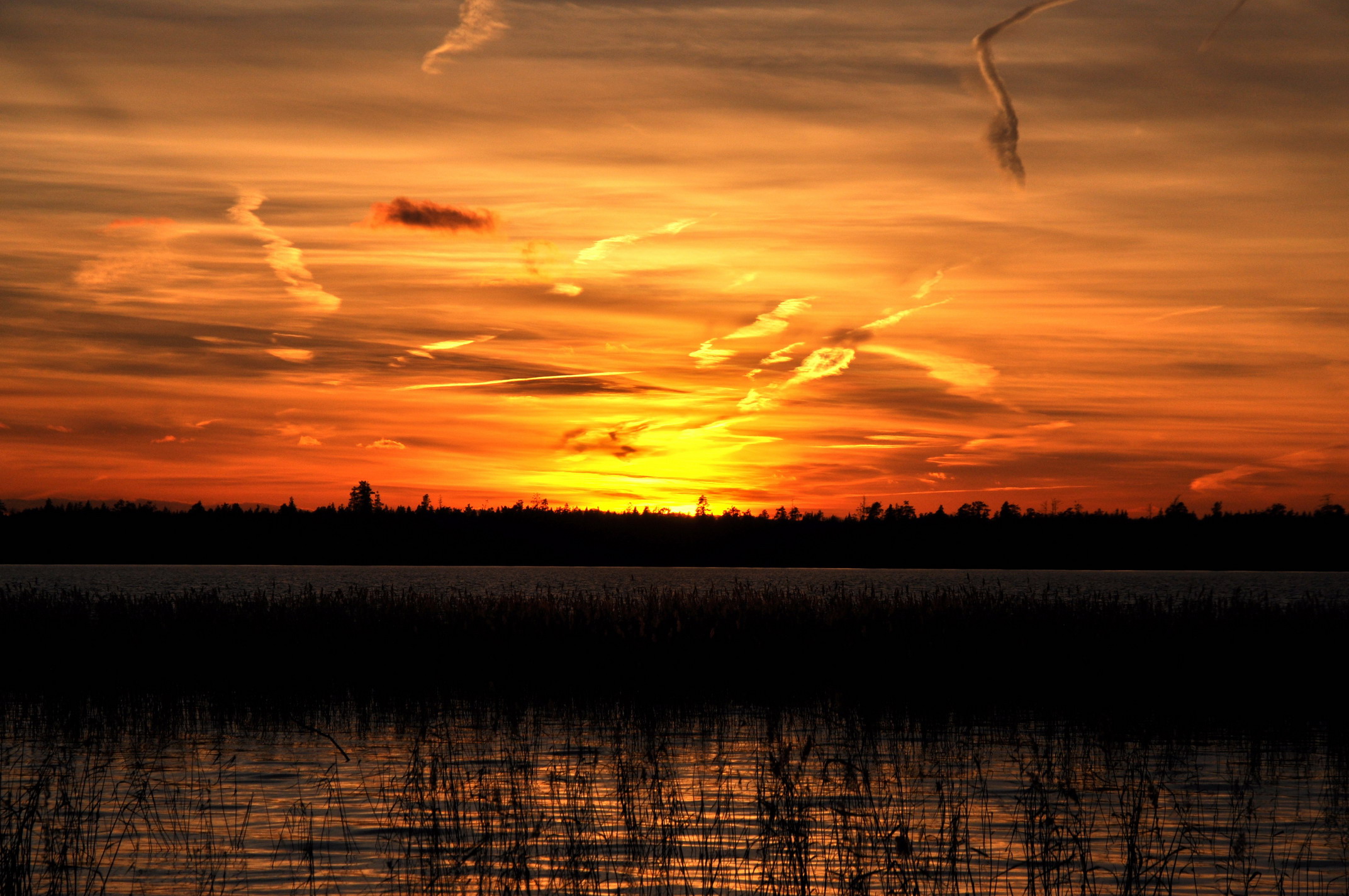
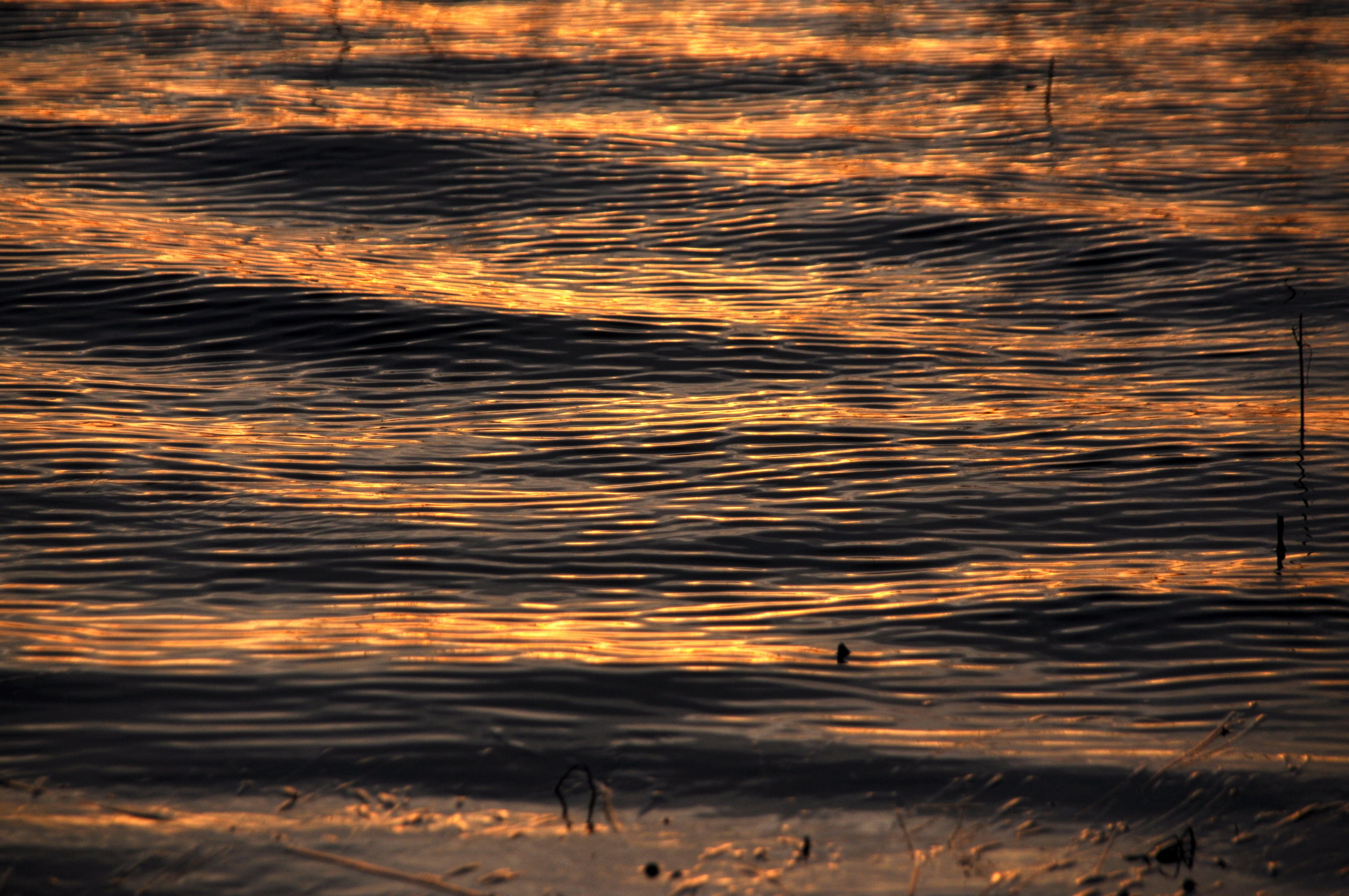
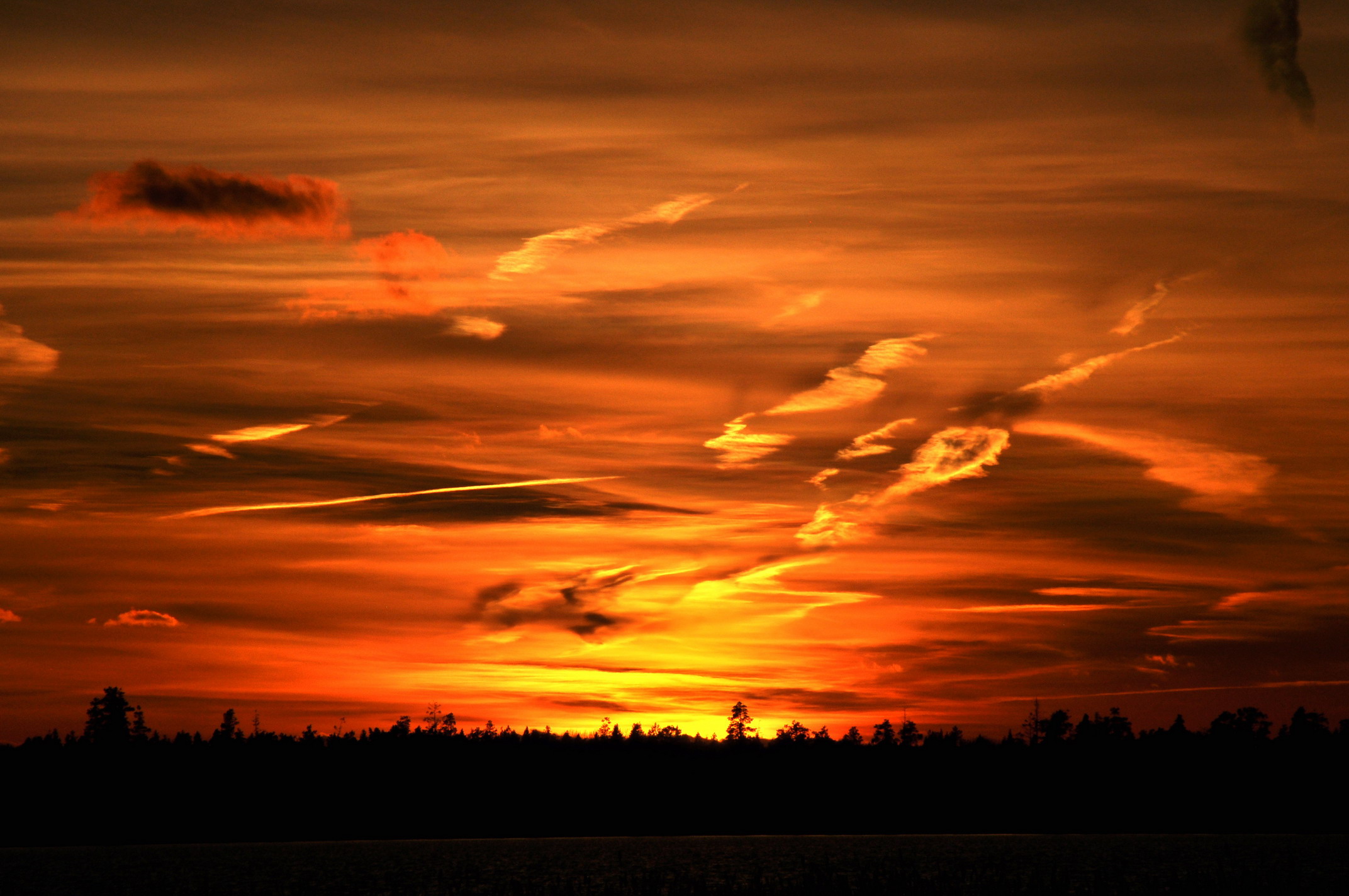
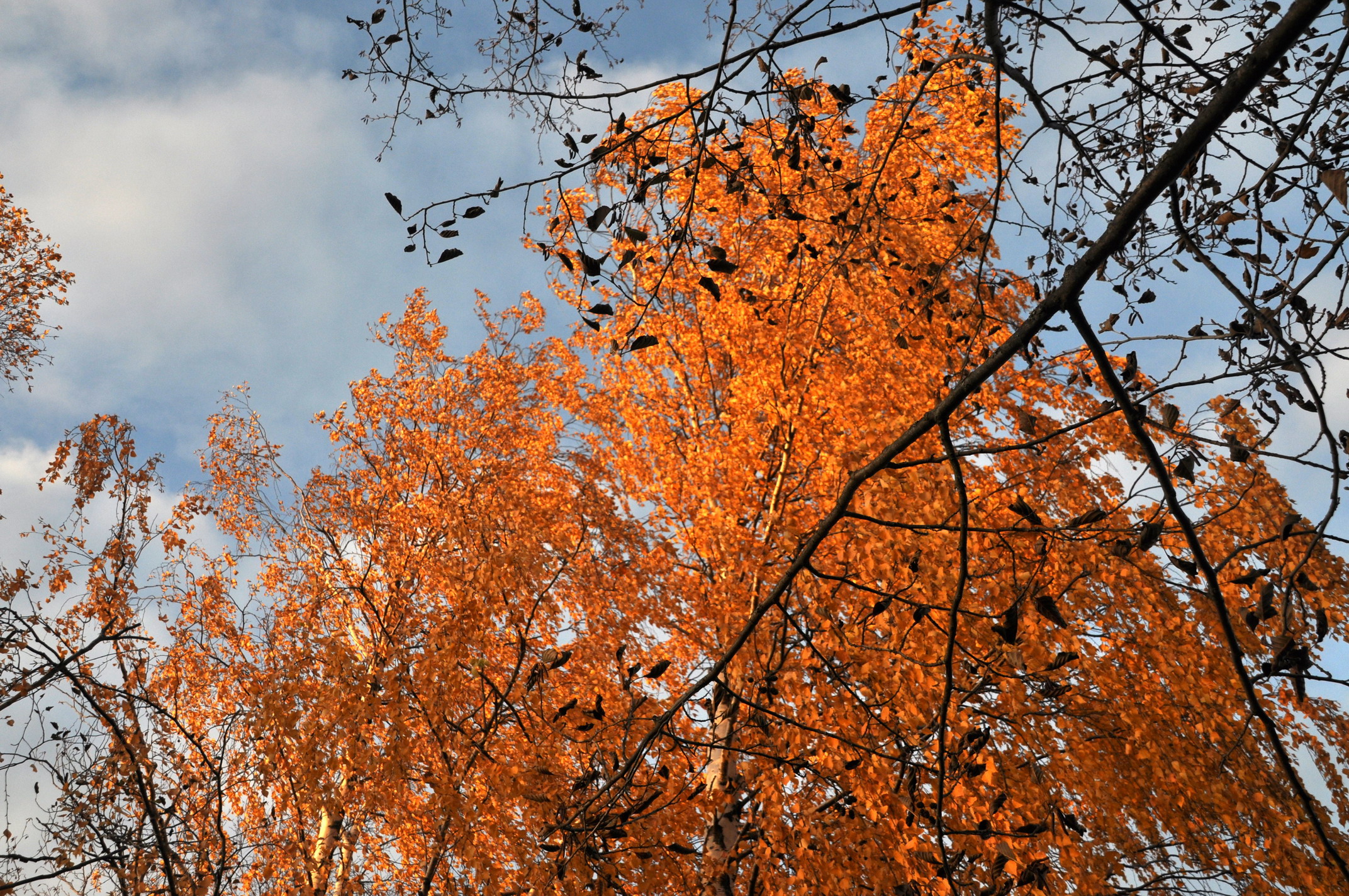
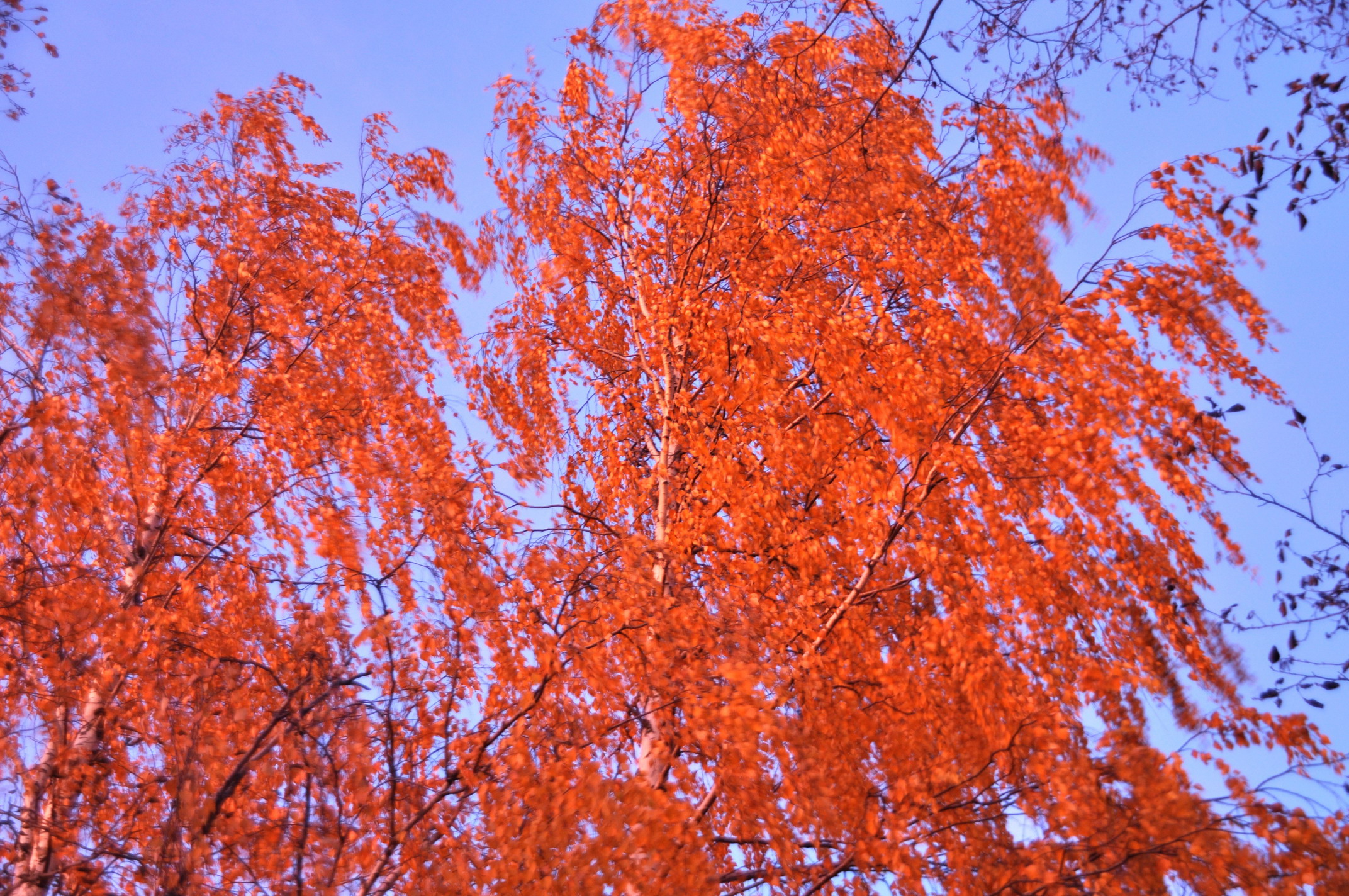
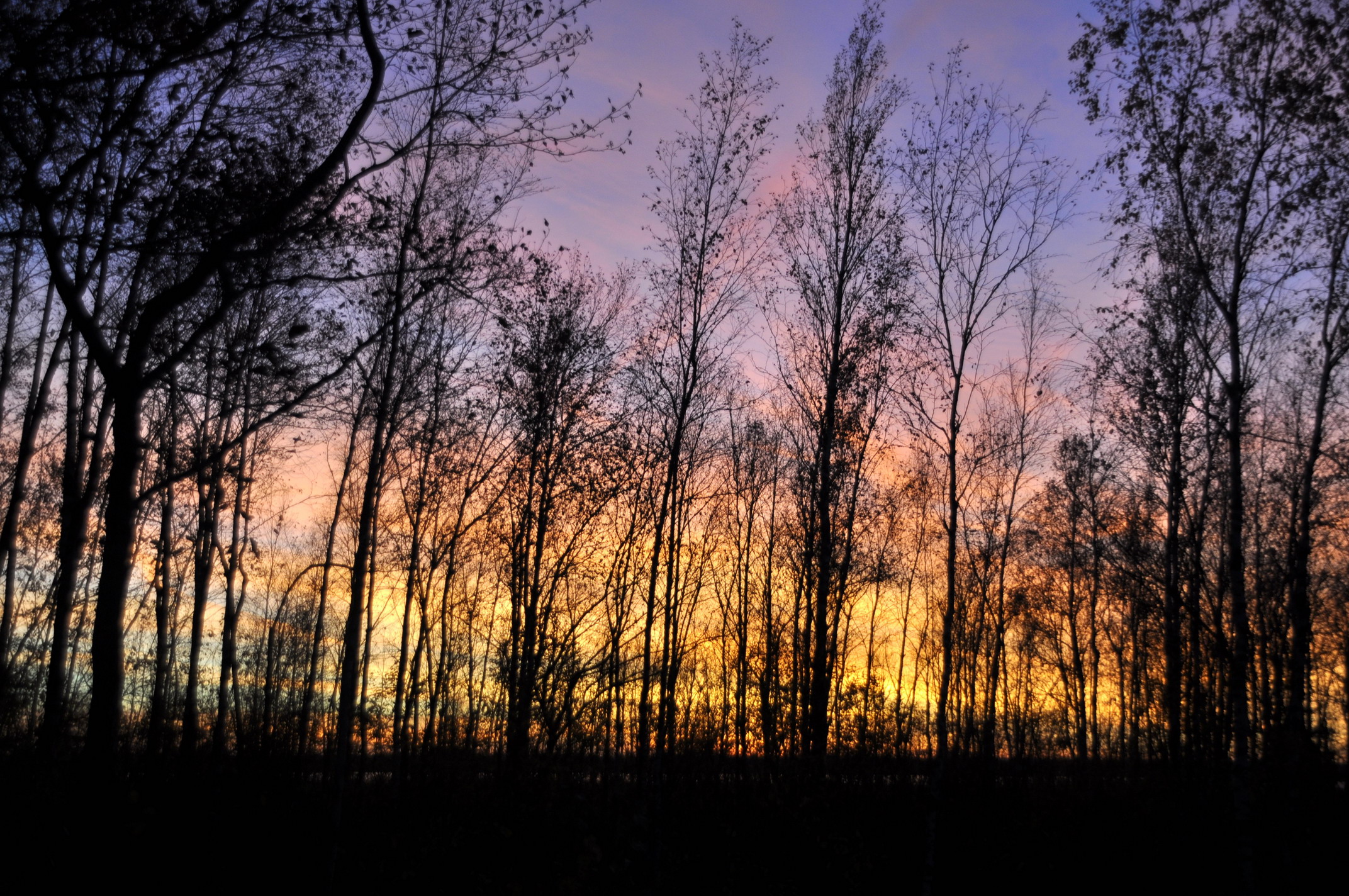
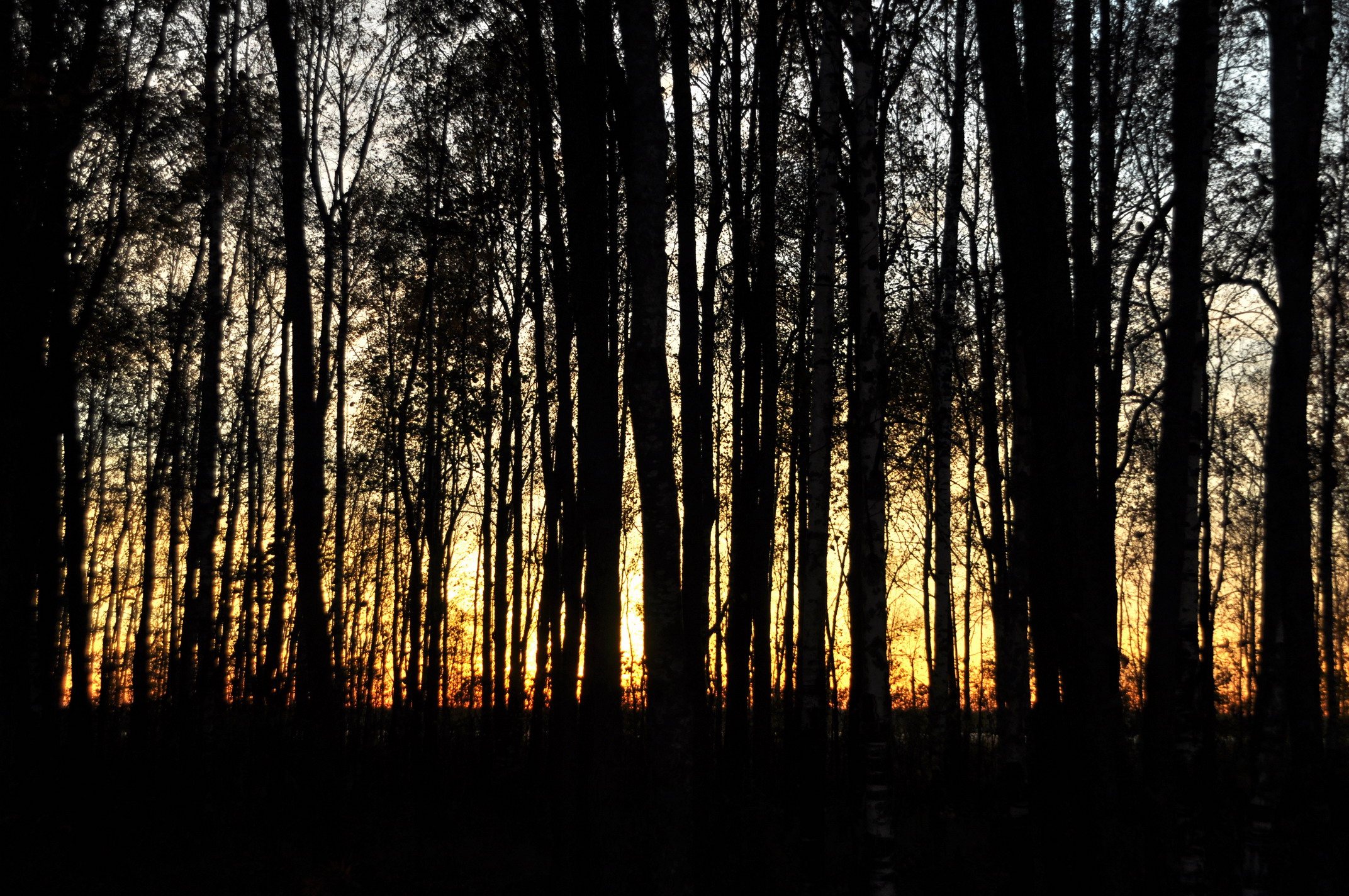
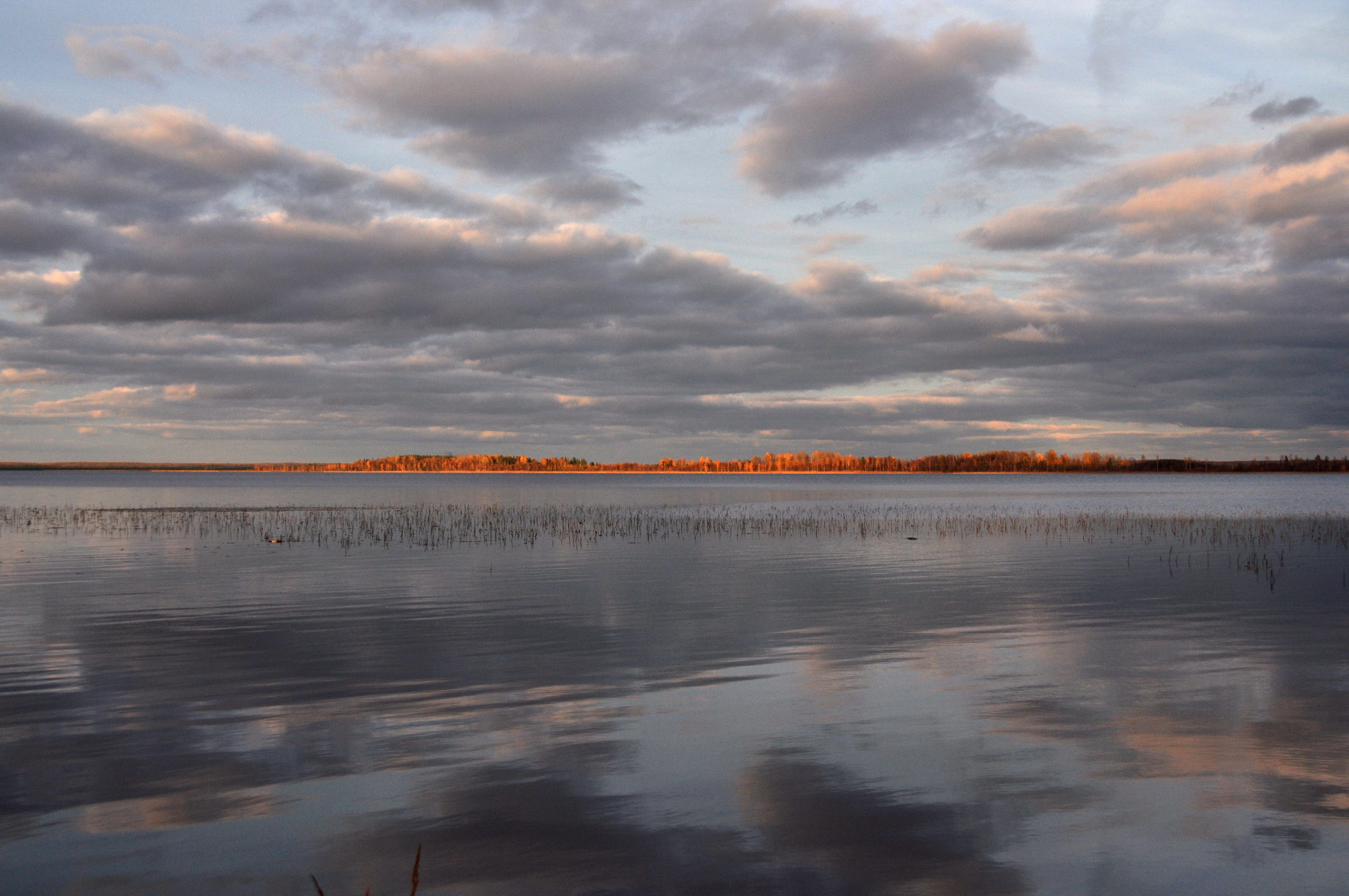
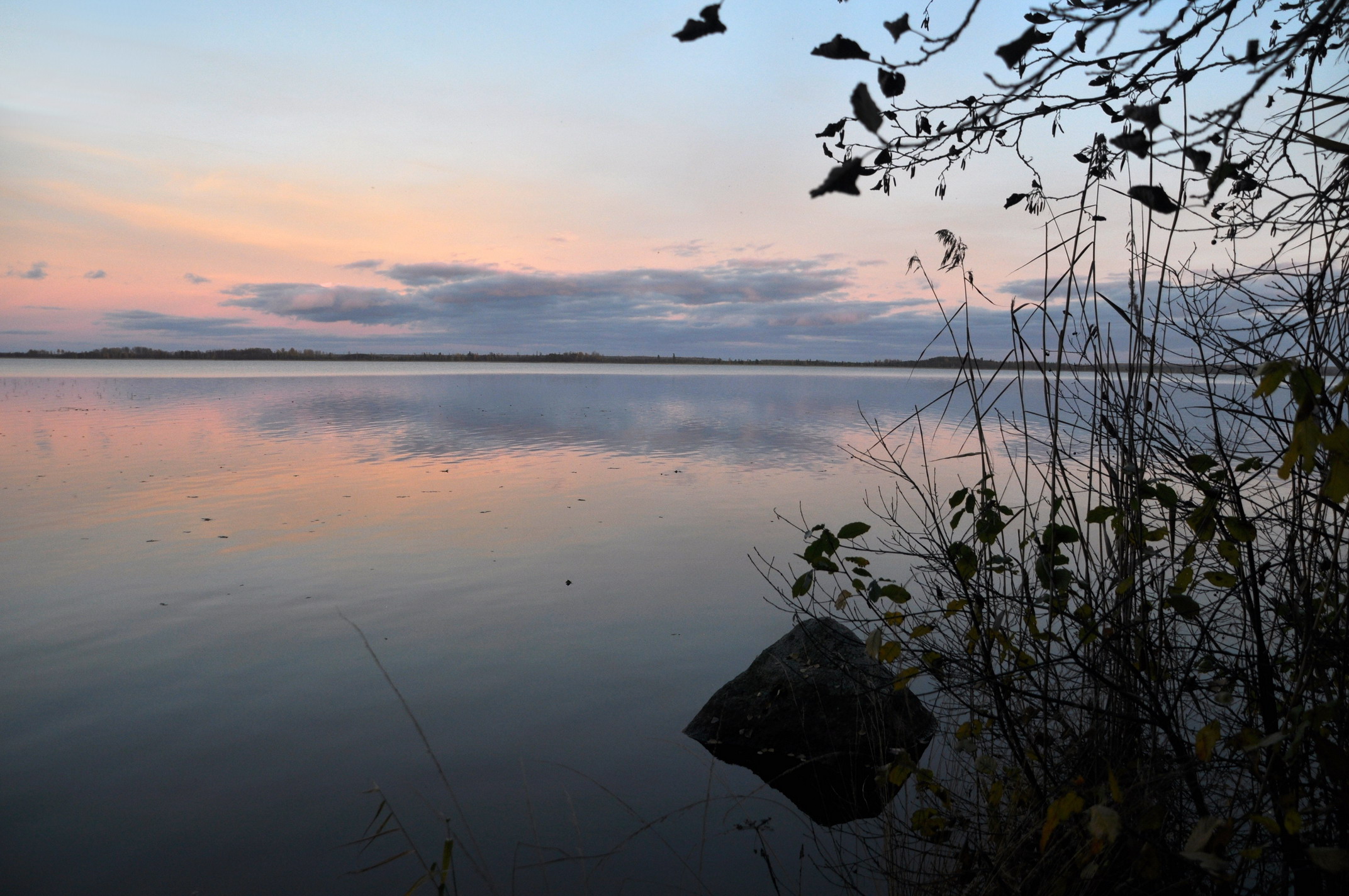
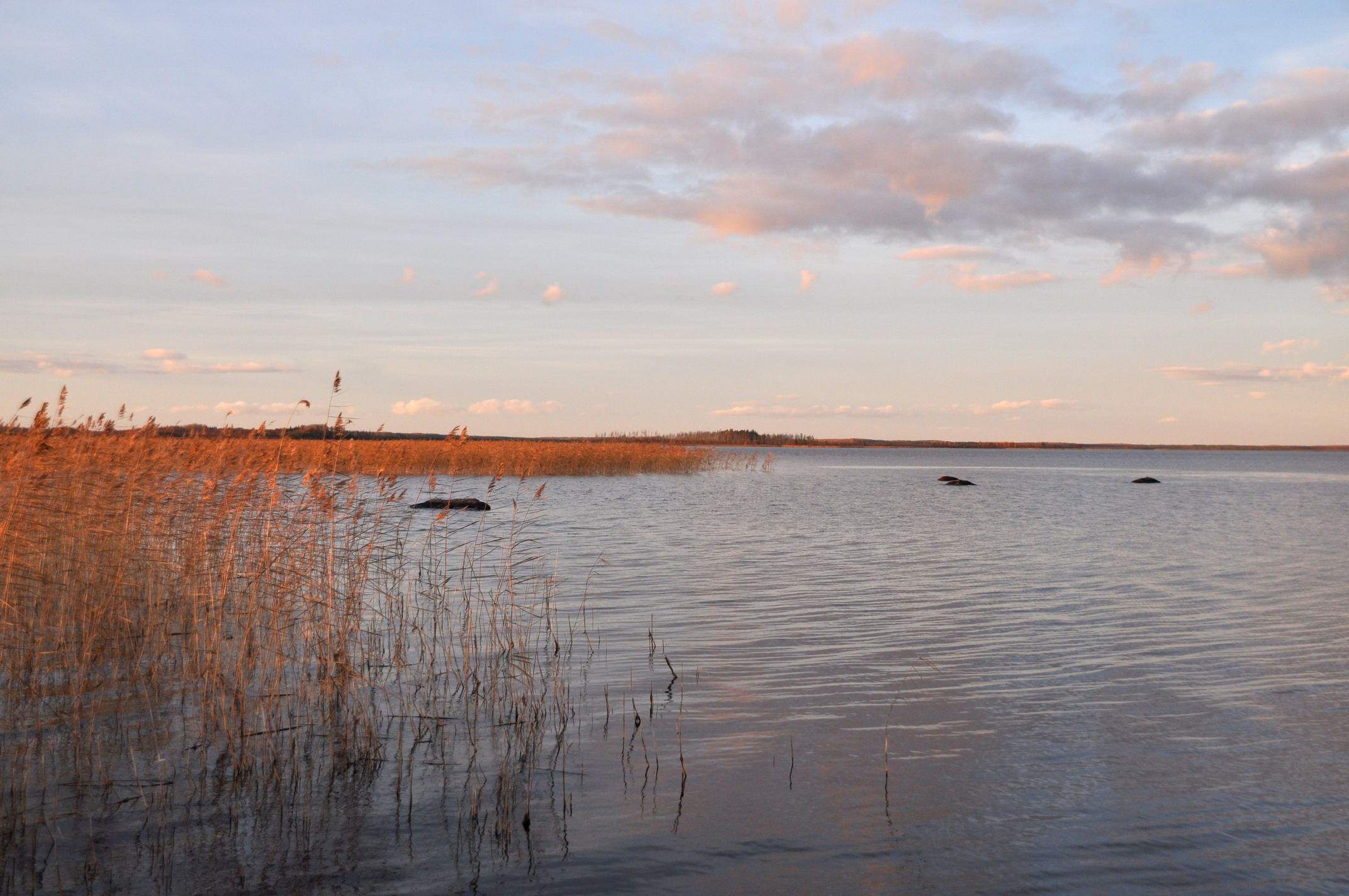
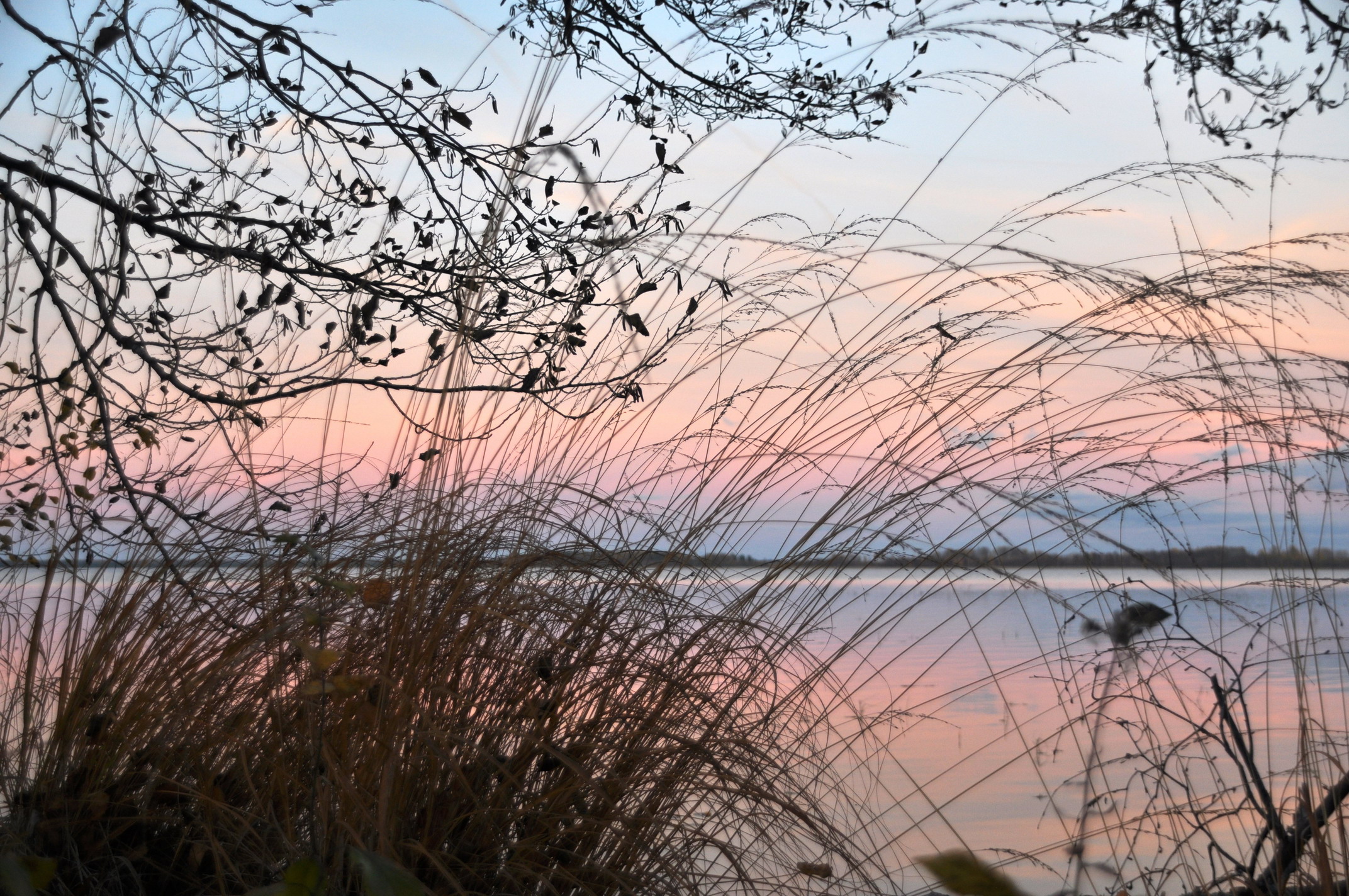
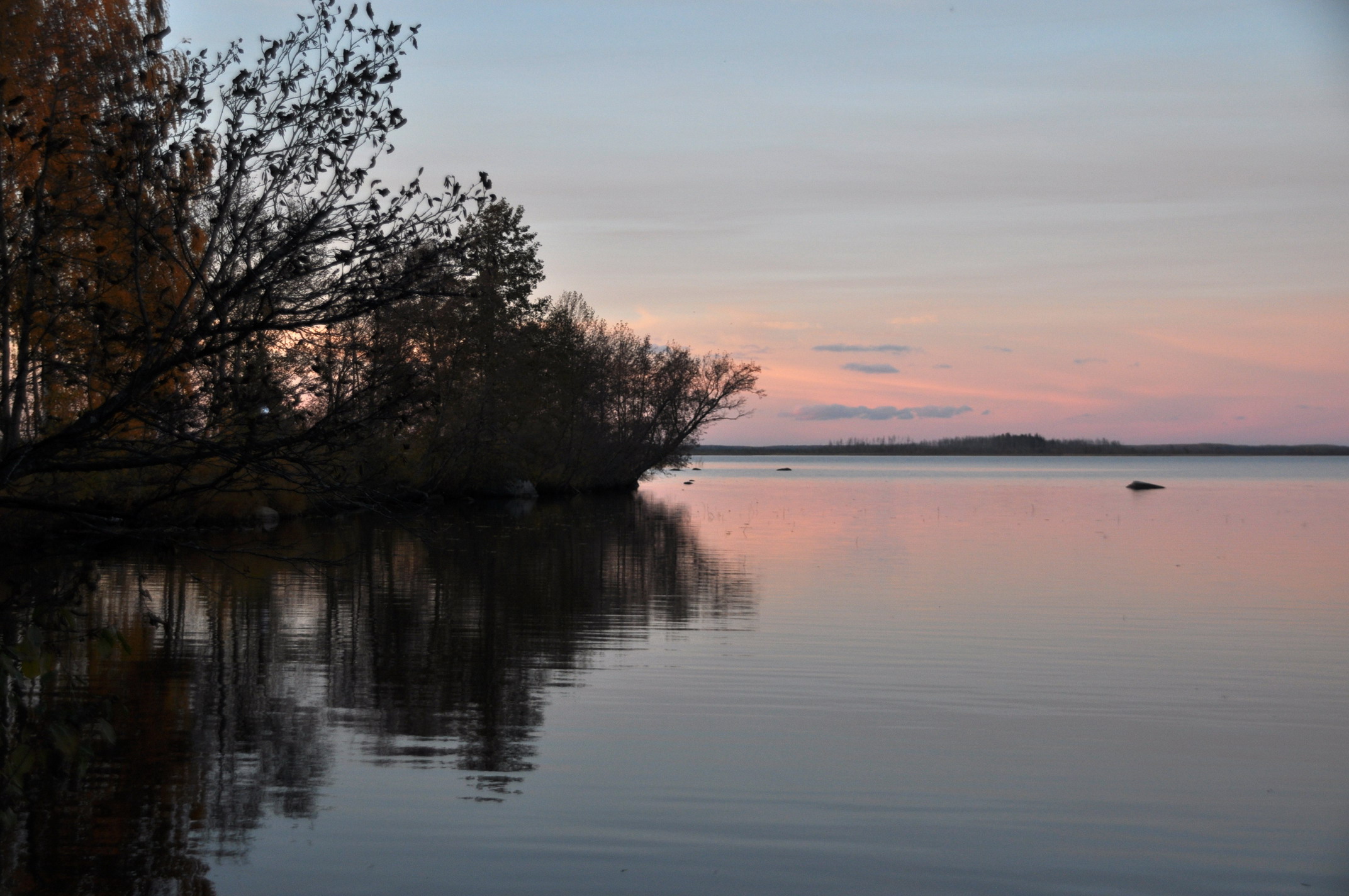
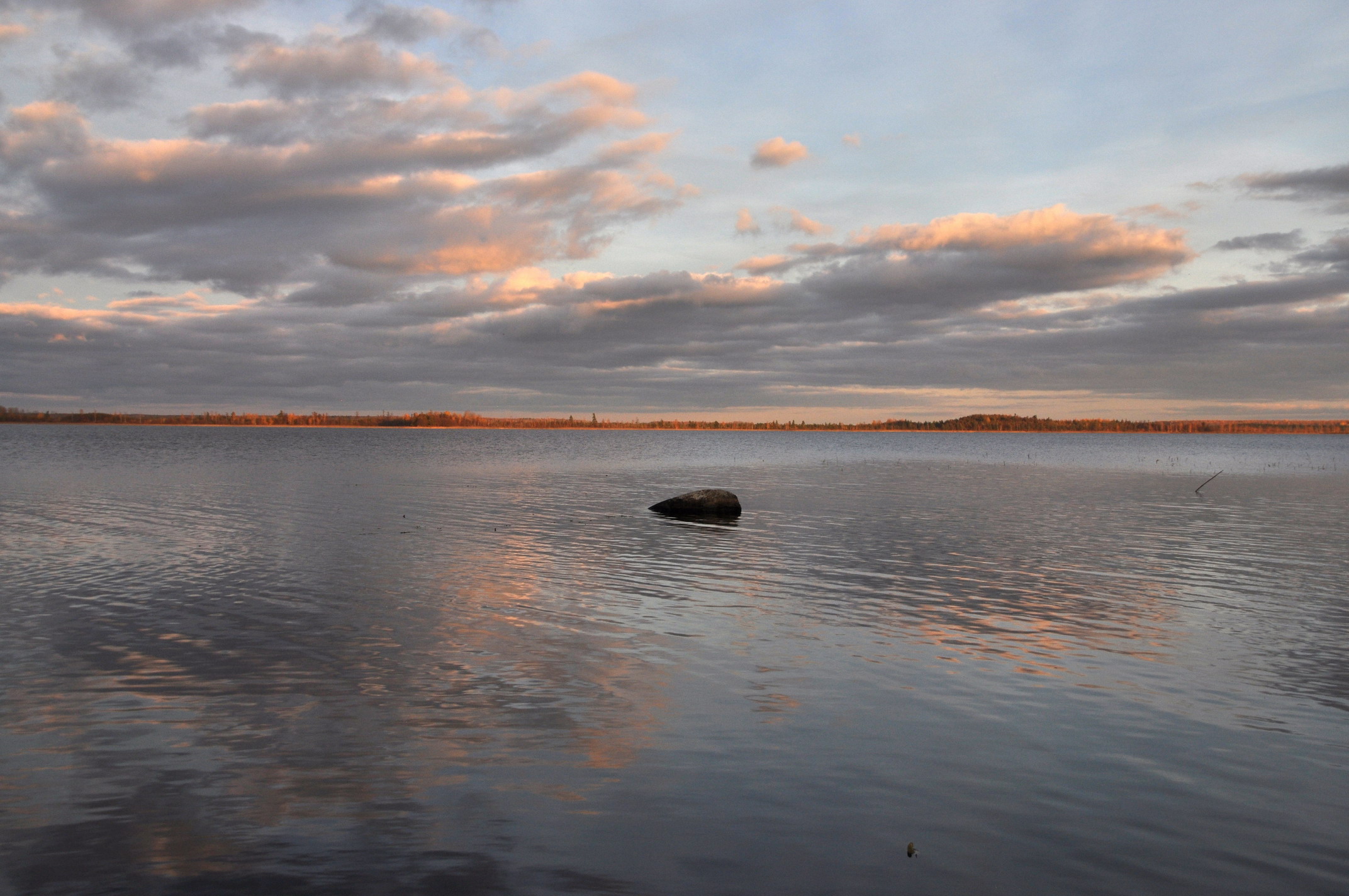
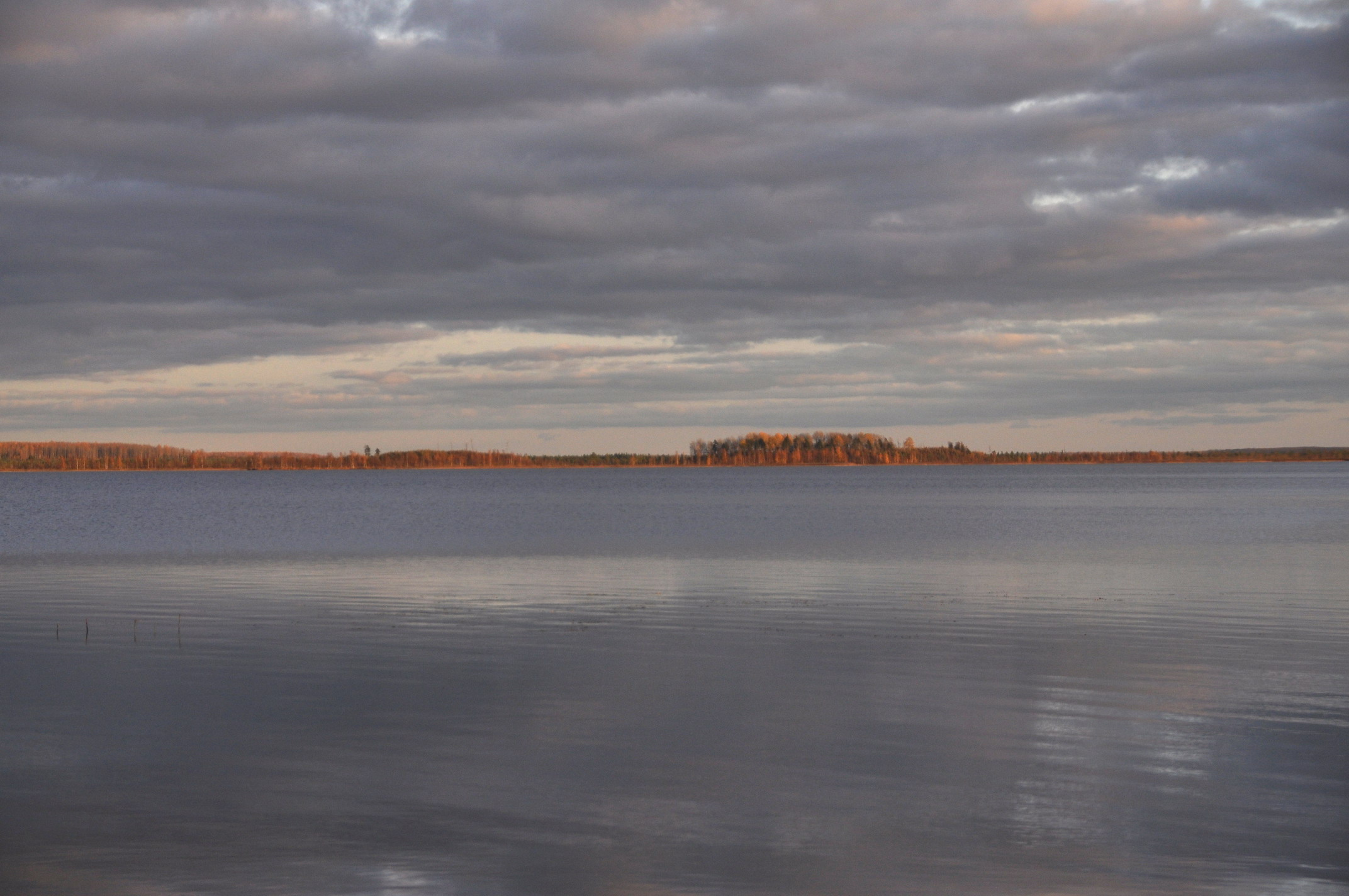
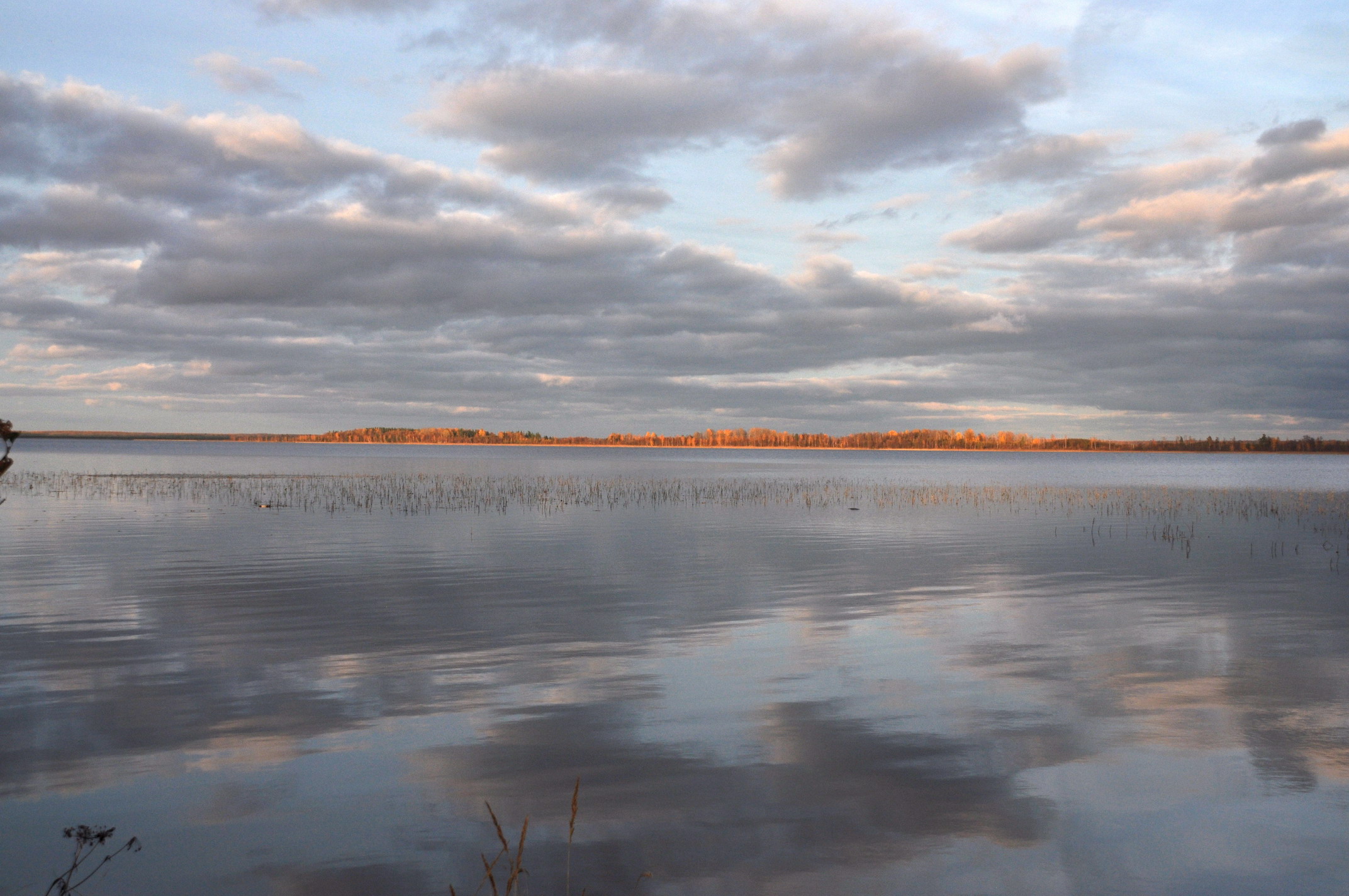
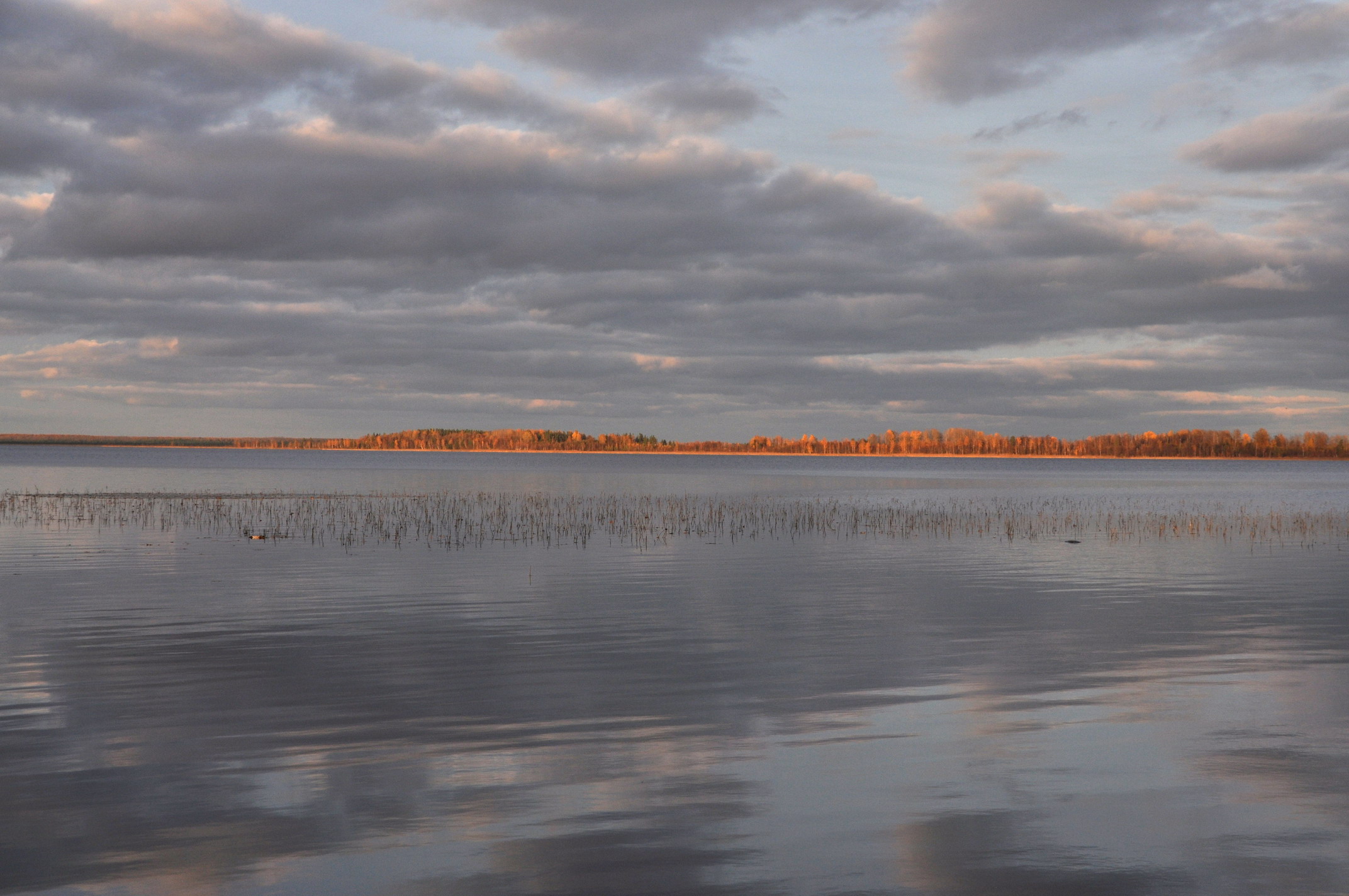
Thirty years before, my father and I had camped here just like this and made fish soup. A full moon rose over the forest. He said moments like that were worth living for. He will never see it again.
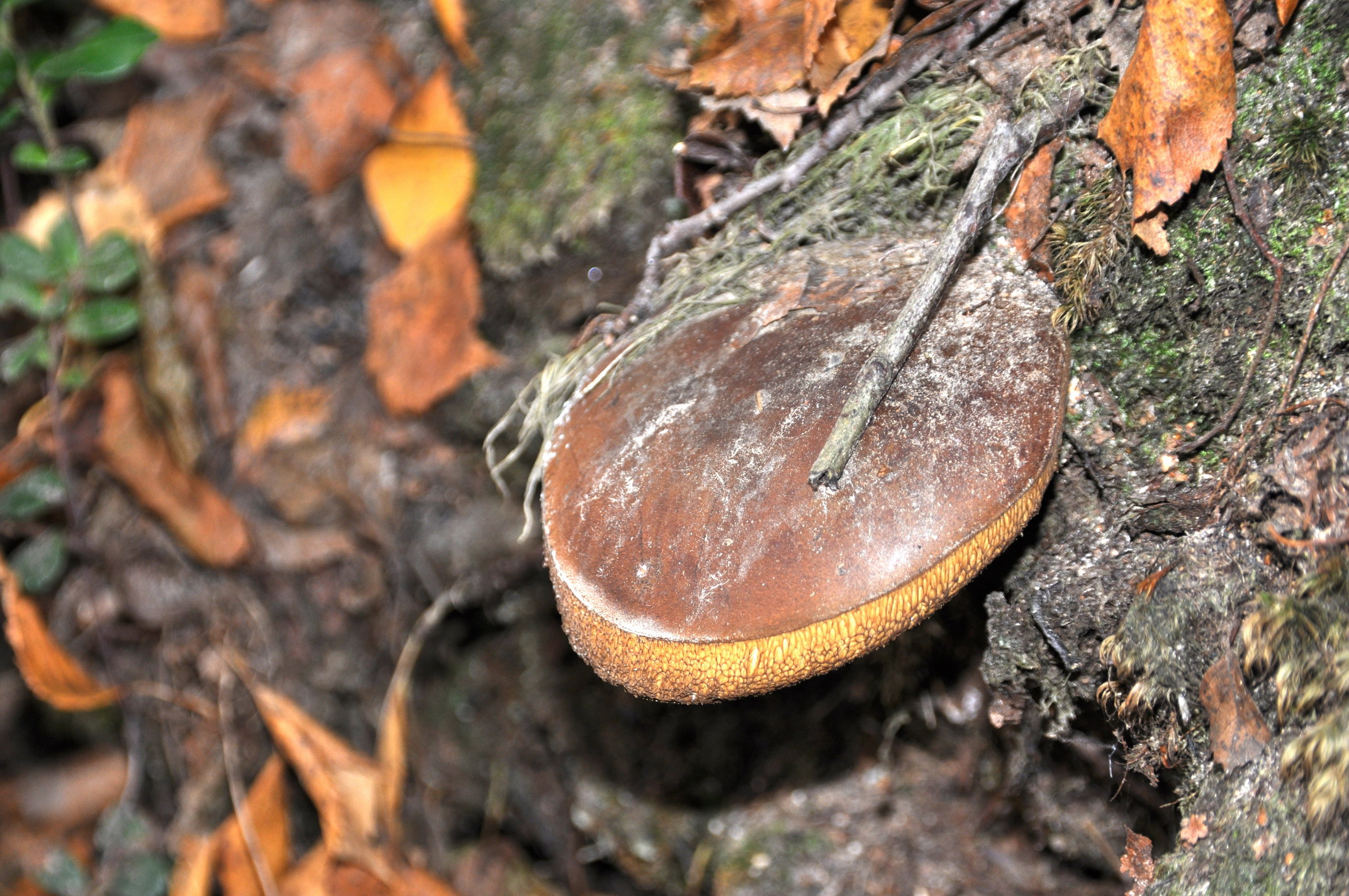
I brought a frying pan along, hoping to fry some mushrooms. There are always mushrooms on the islands of Vyalye, but this dry year I was out of luck. All I found were some old, thoroughly unappetising birch boletes.
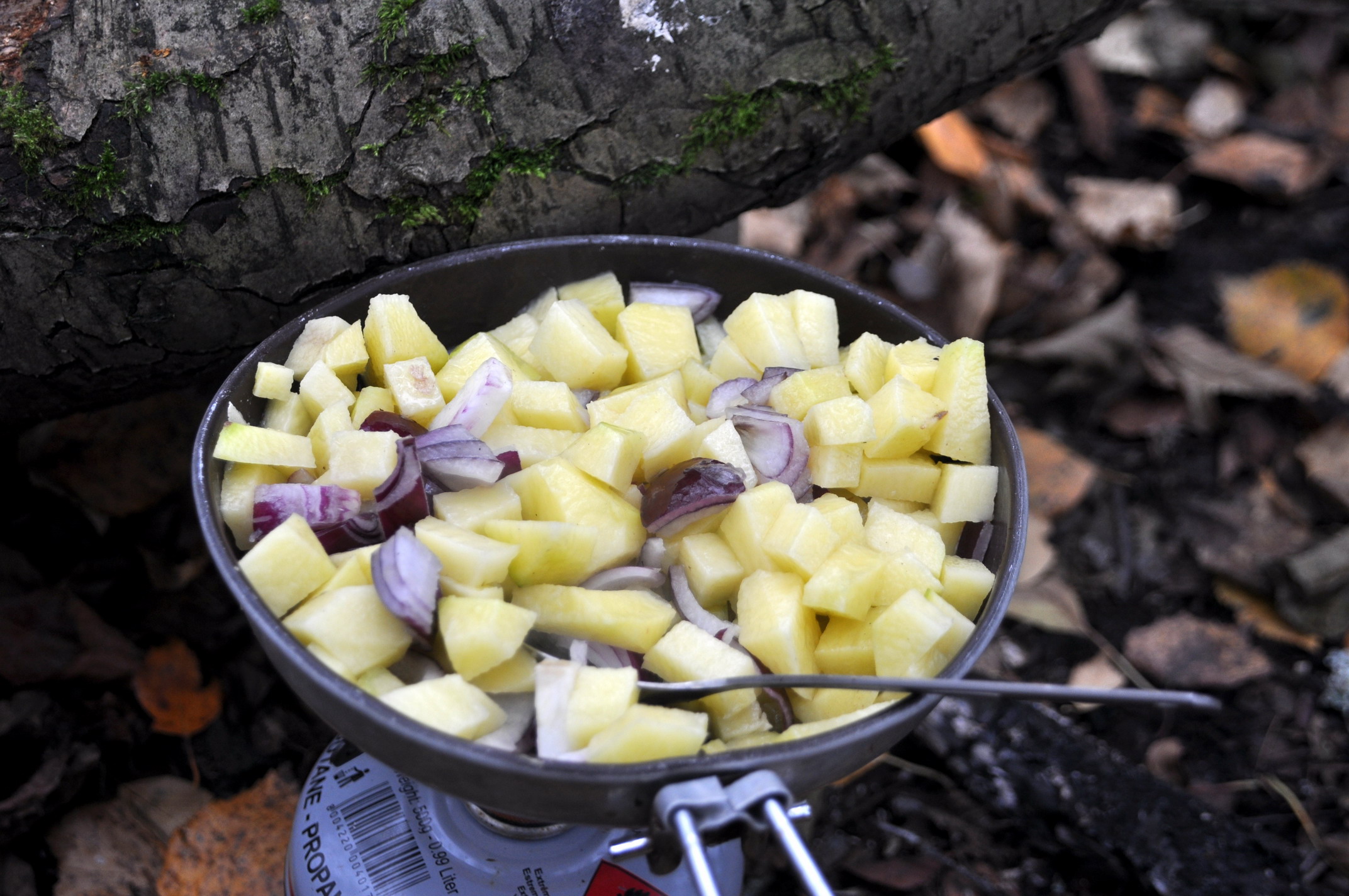
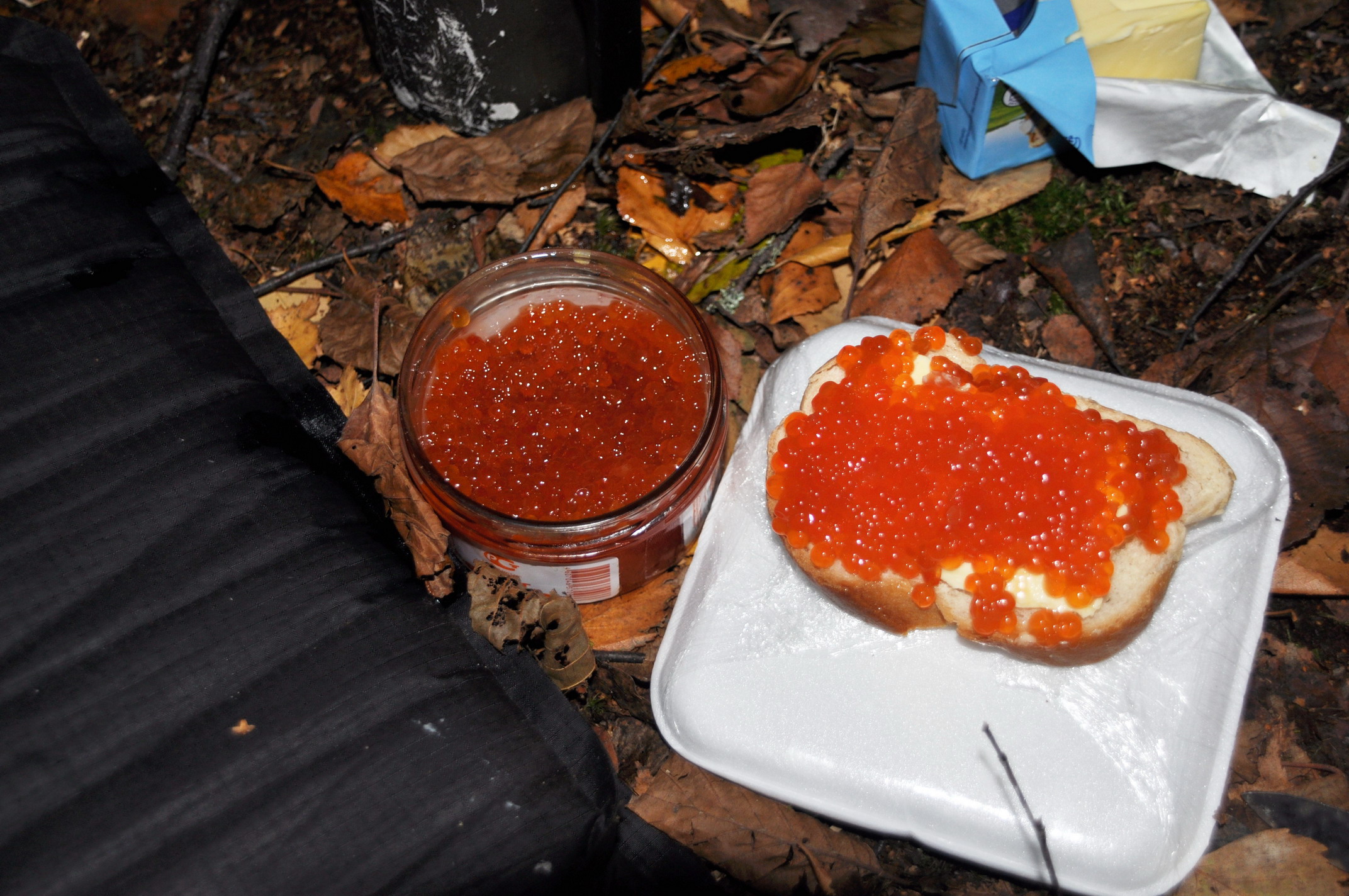
So I just fried some potatoes. I had brought New Zealand whisky and red salmon roe.
I phoned Tanya in New Zealand.
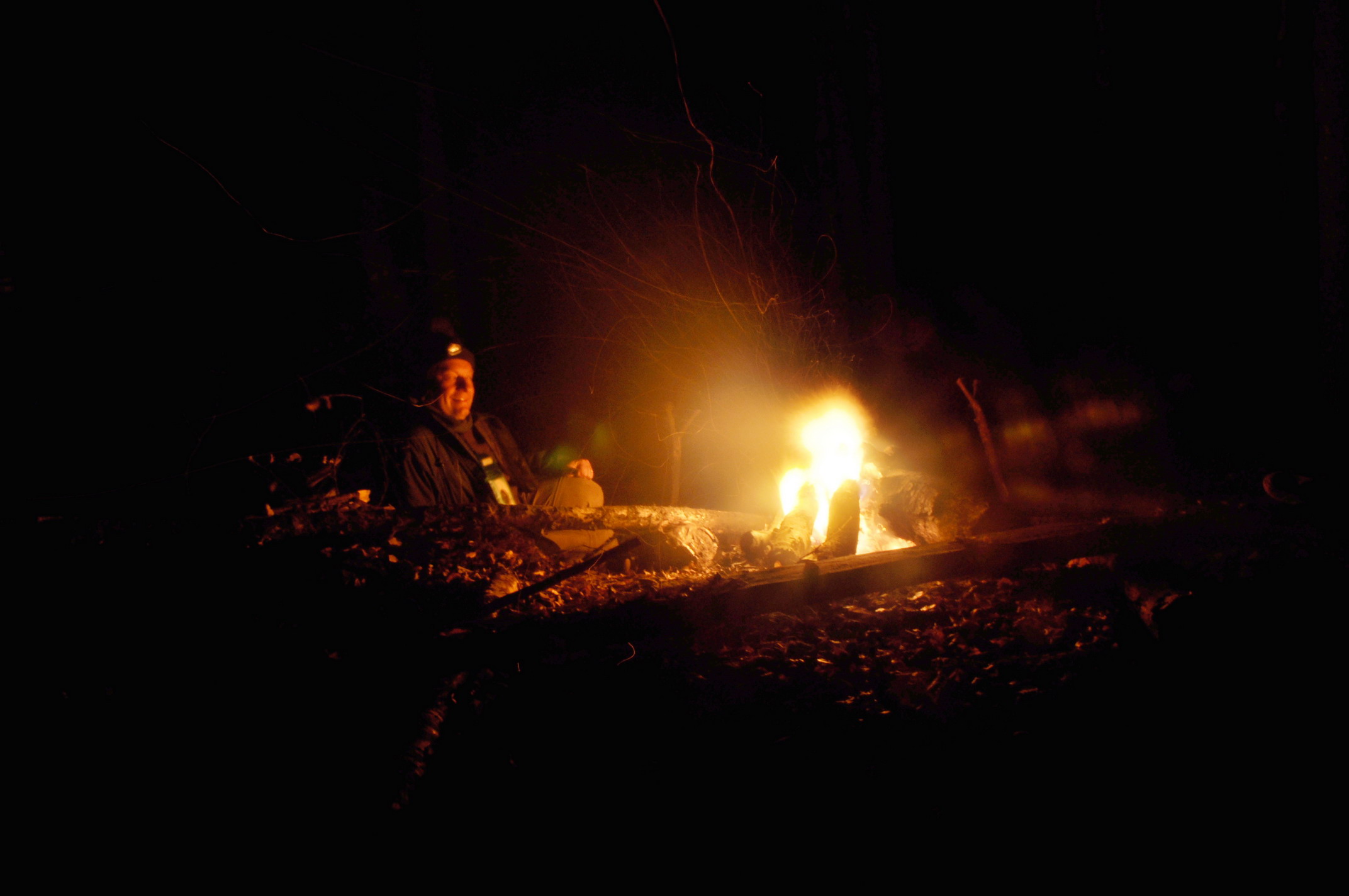
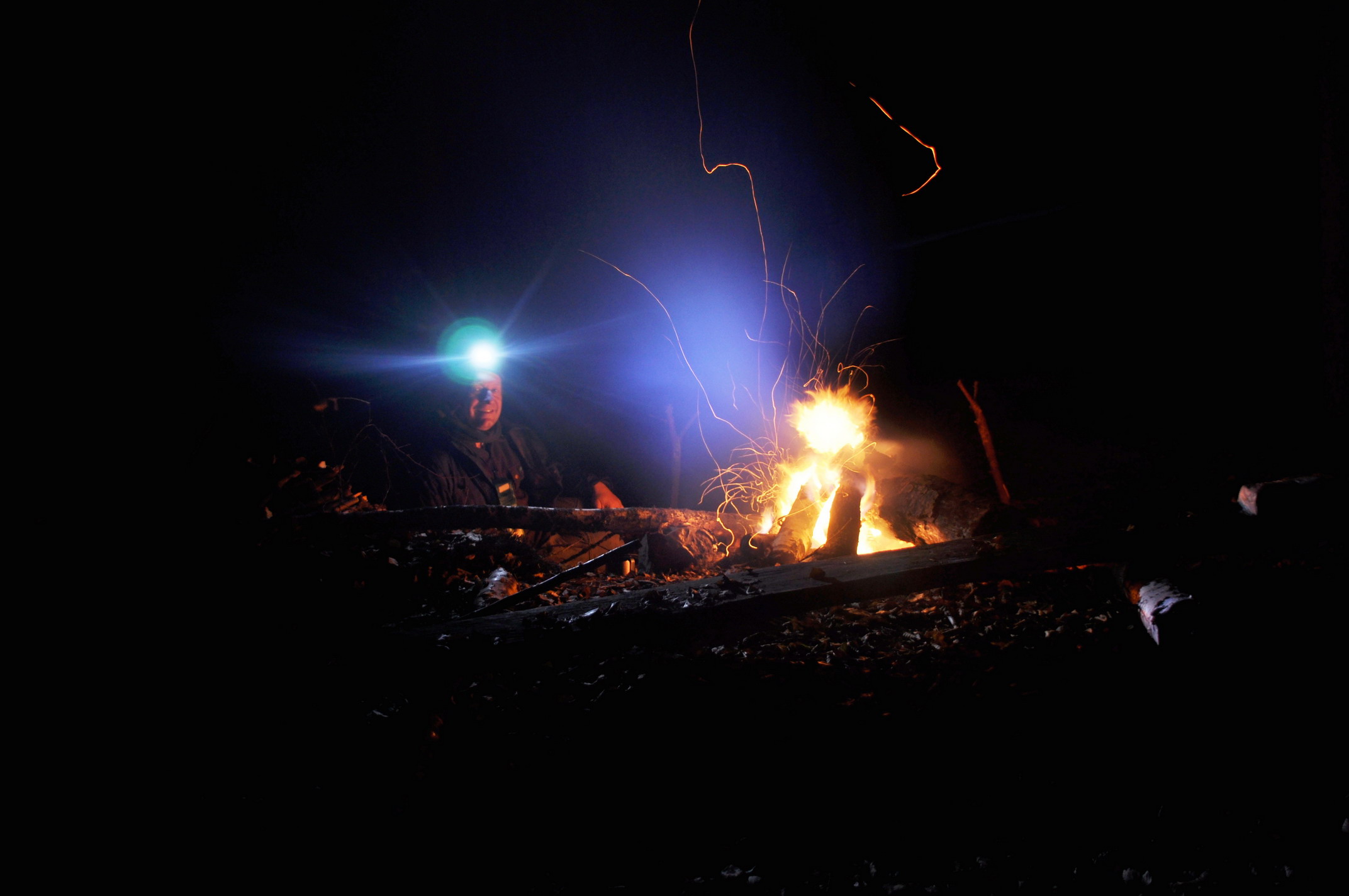
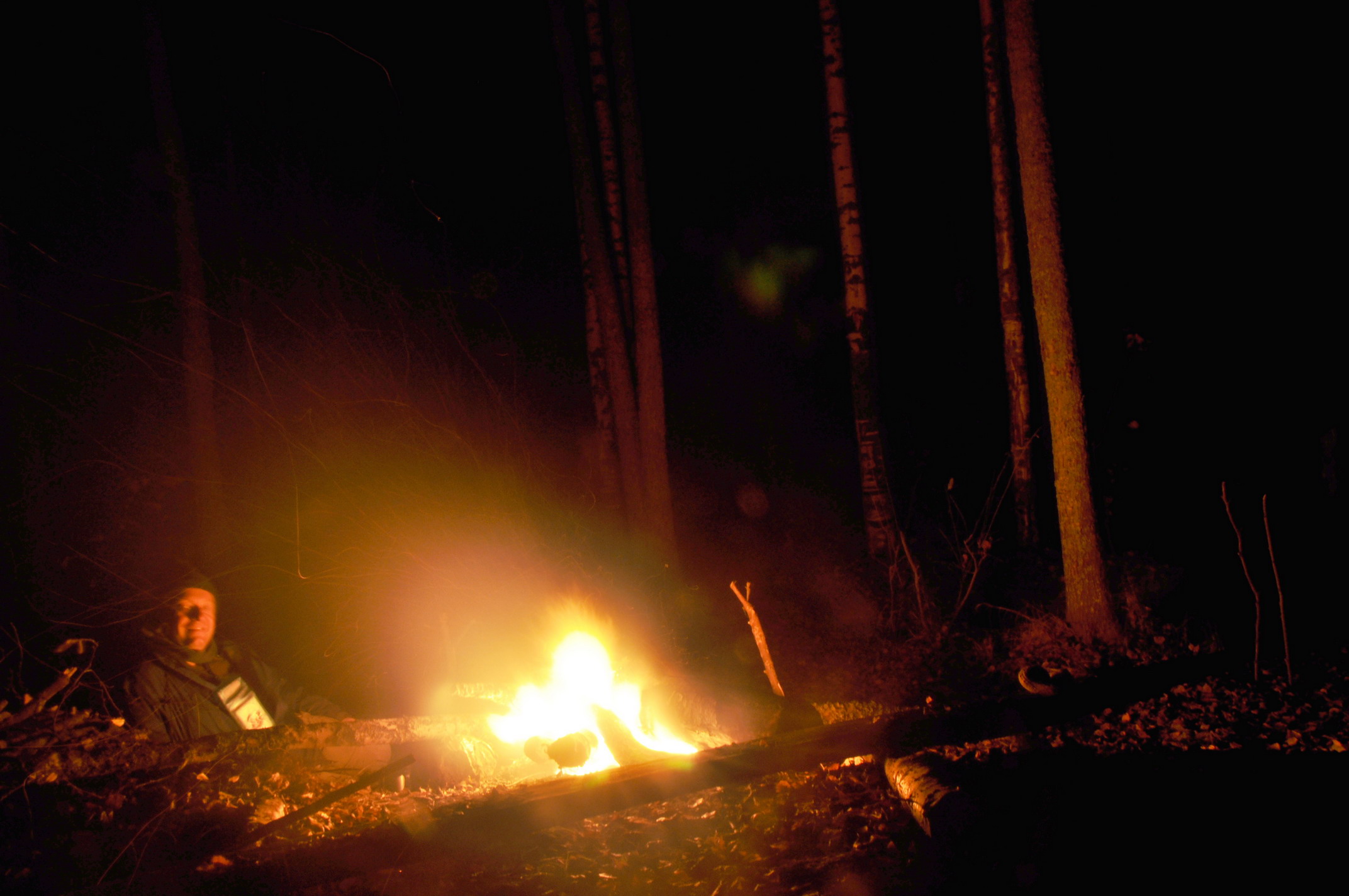
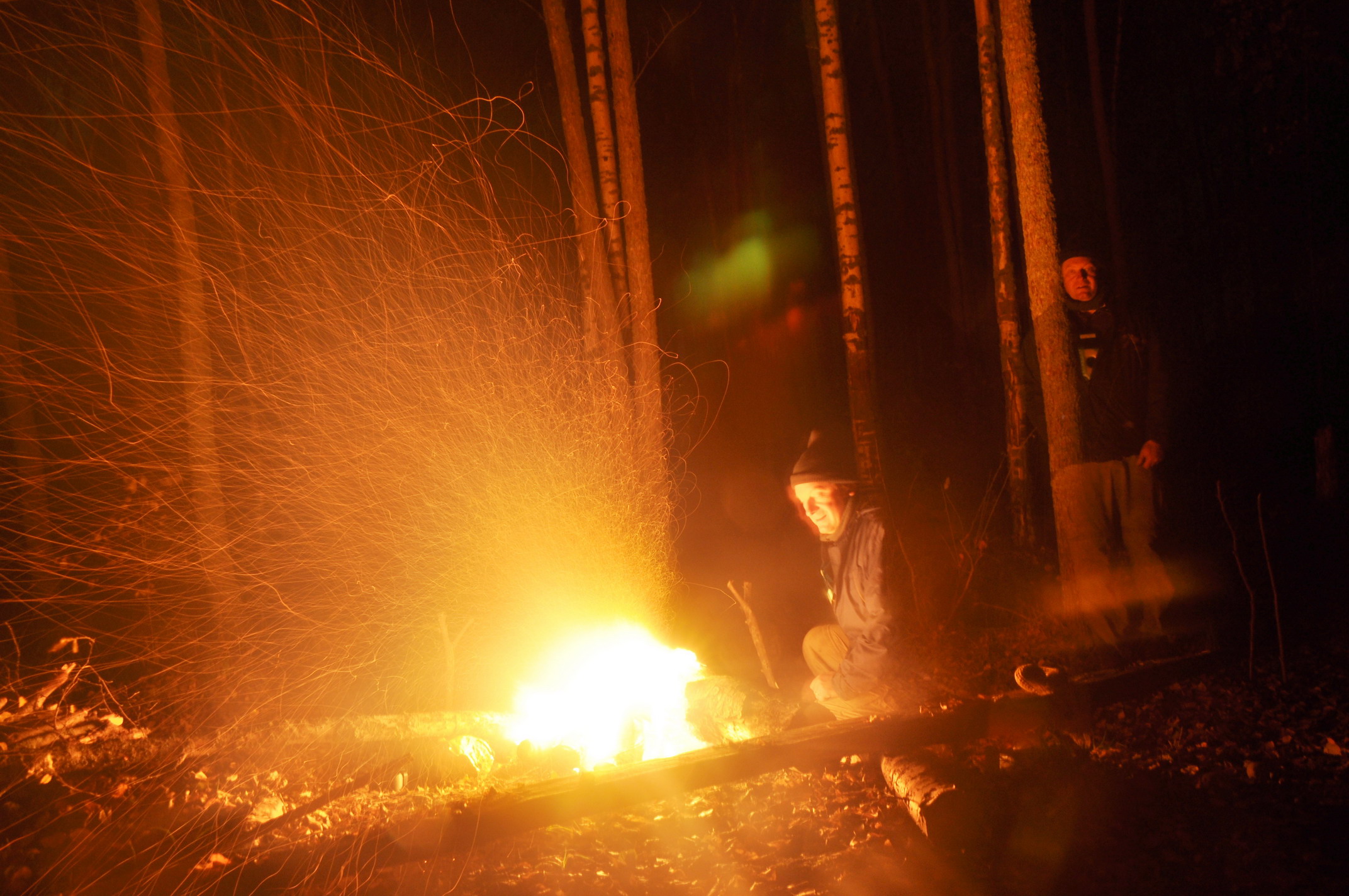
I sat by the fire for hours, until midnight. A warm, peaceful evening. Time to enjoy life and think about eternity.
In the morning the weather turned, but the promised rain was little more than a drizzle.
I started the day by exploring the central part of Bolshoy Rel. I decided to walk it lengthways and across, criss-crossing it. I visited all the stony headlands jutting°ut from the island into the lake, and stopped by the big boulders too. I searched for craters left by aerial bombs. The forest wardens said there weren’t any, but there are. I saw the remains of a log structure in 1983, but by now nothing was left.
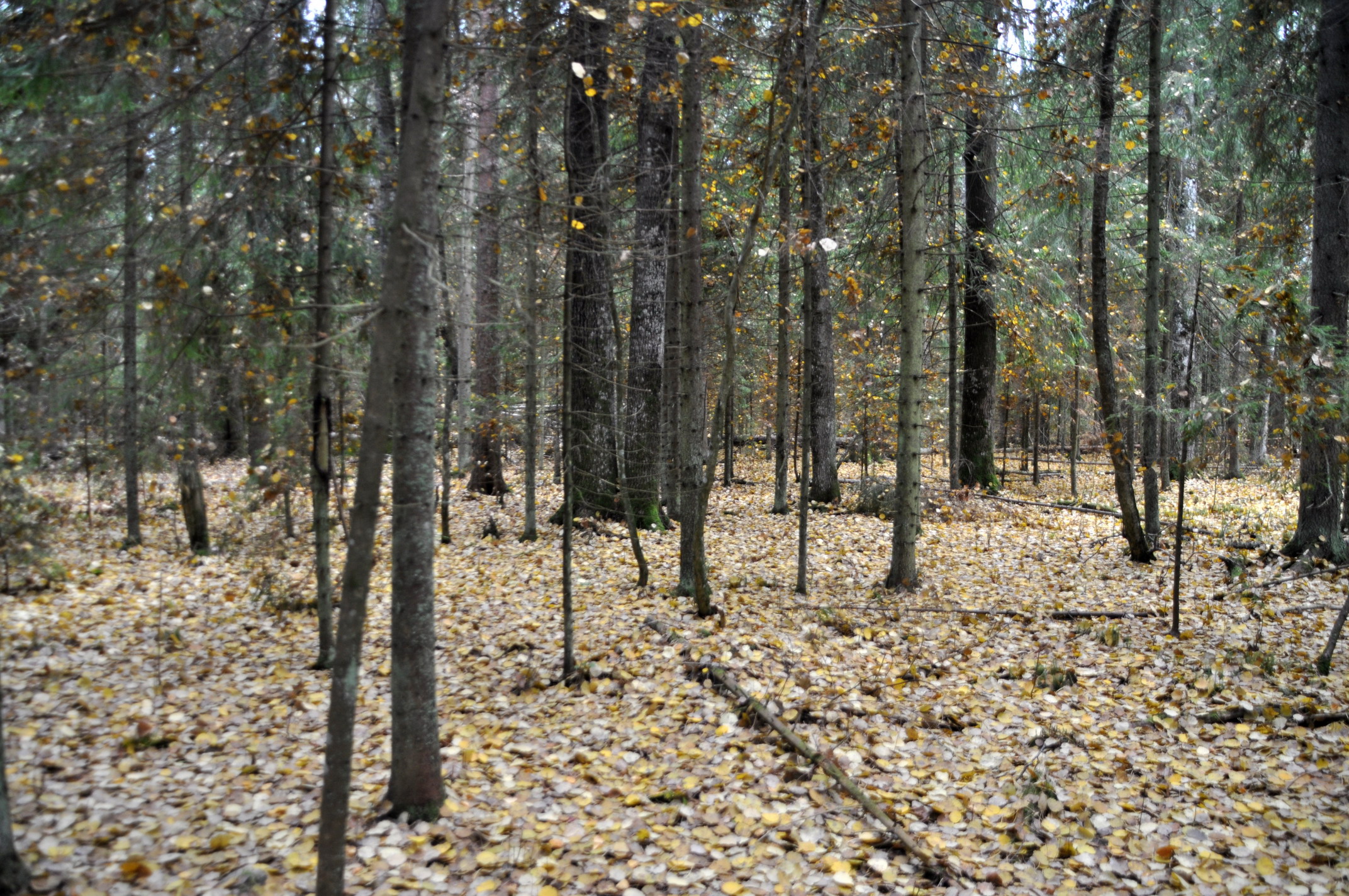
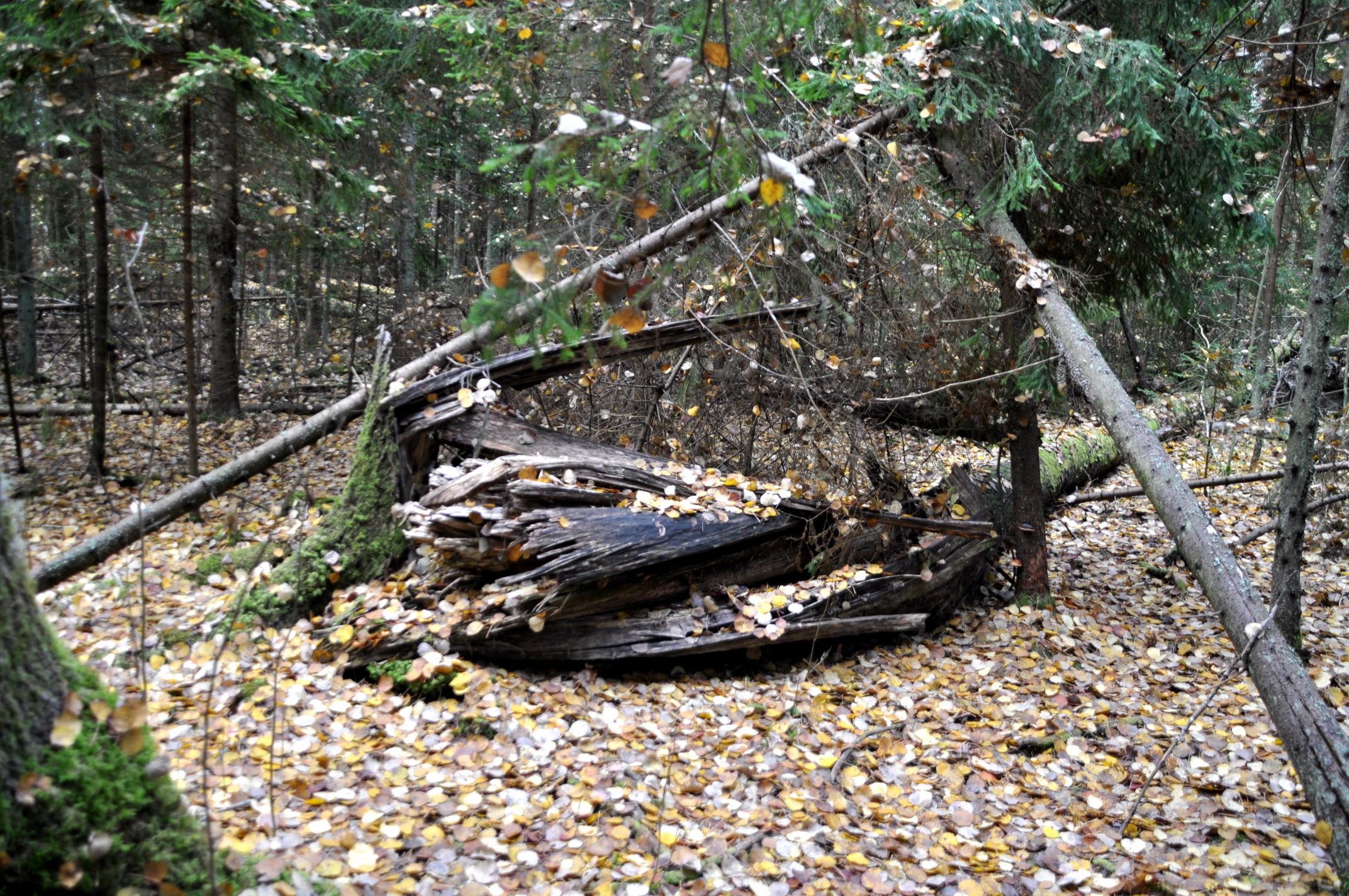
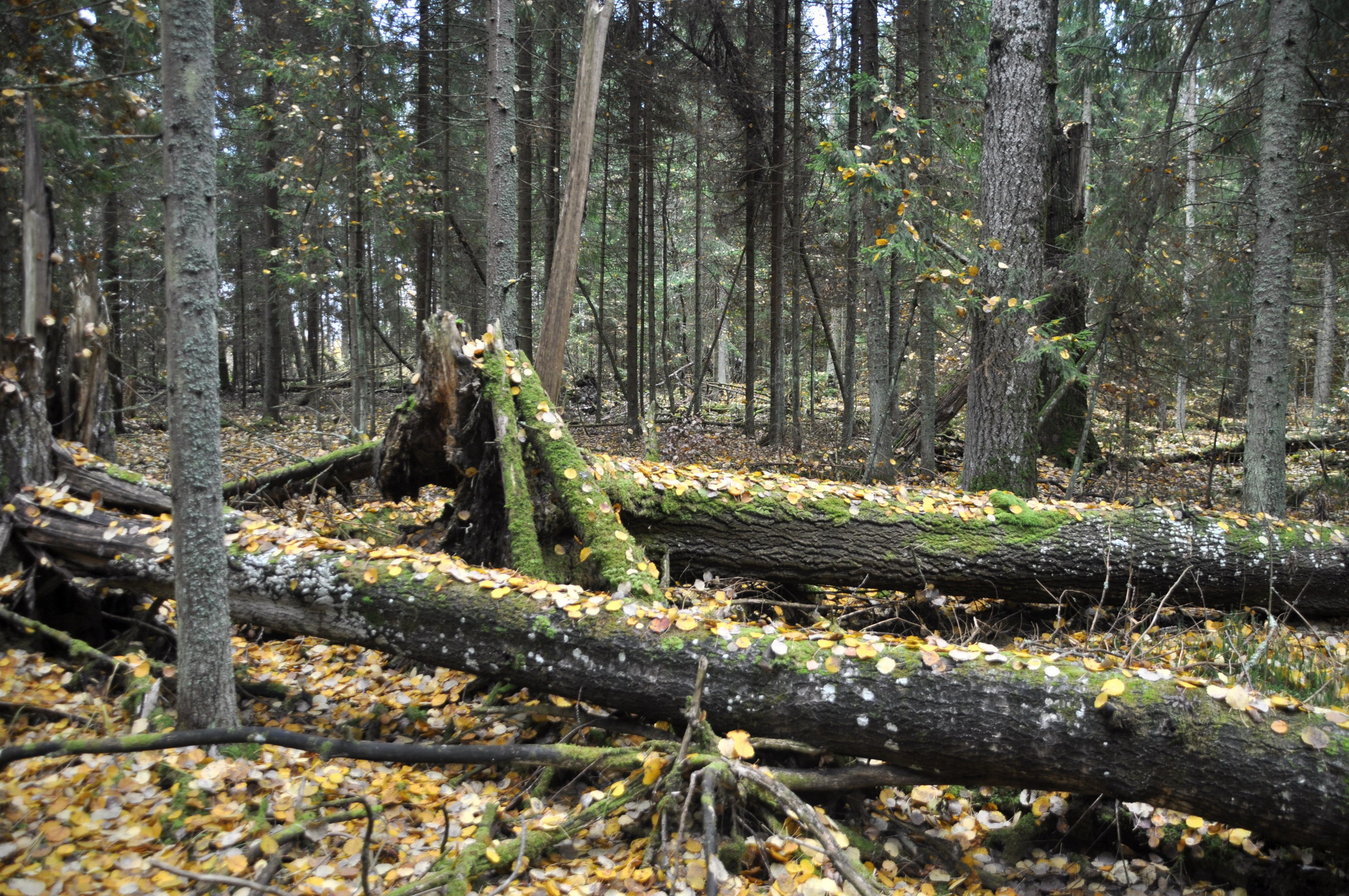
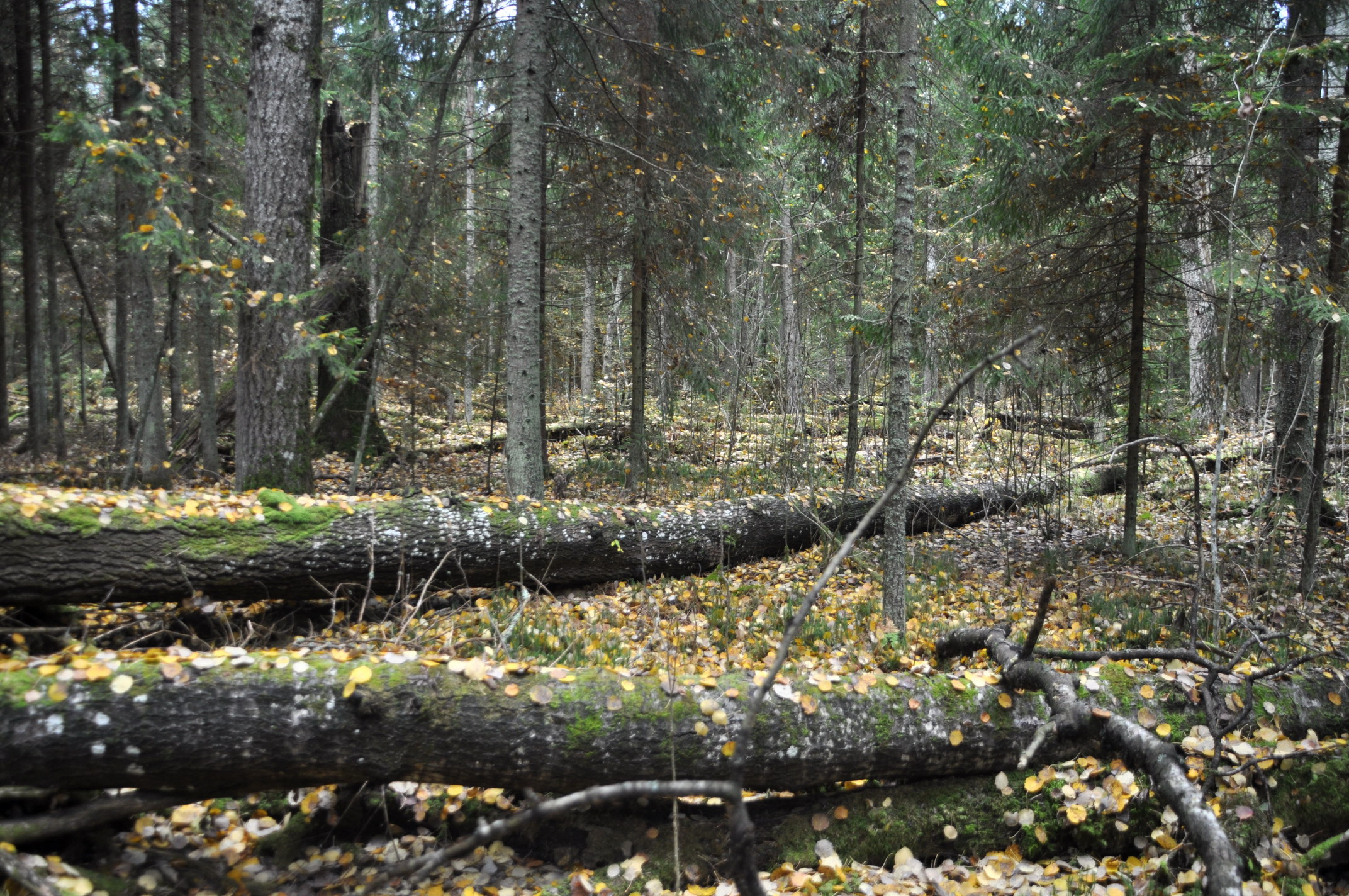
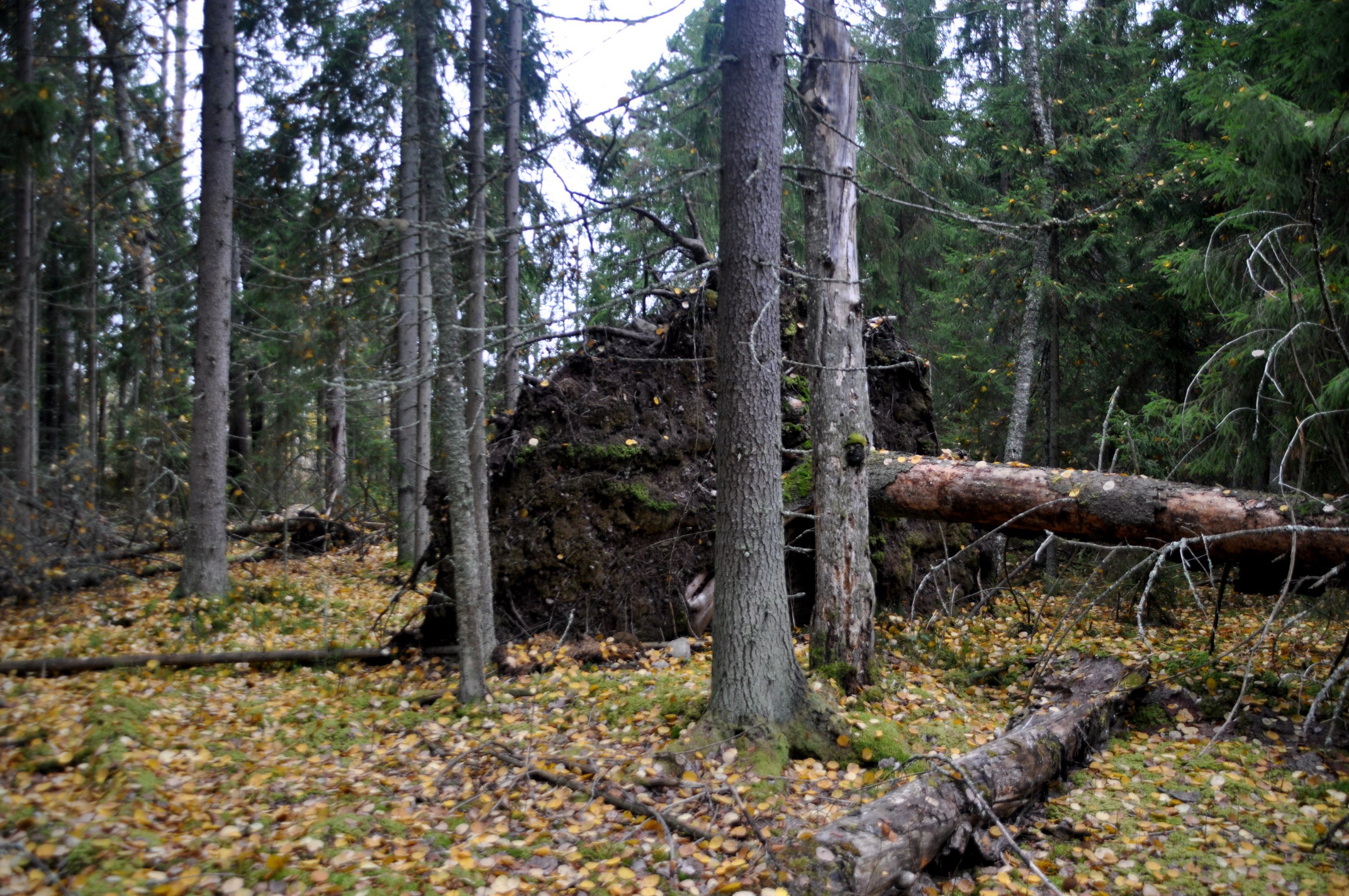
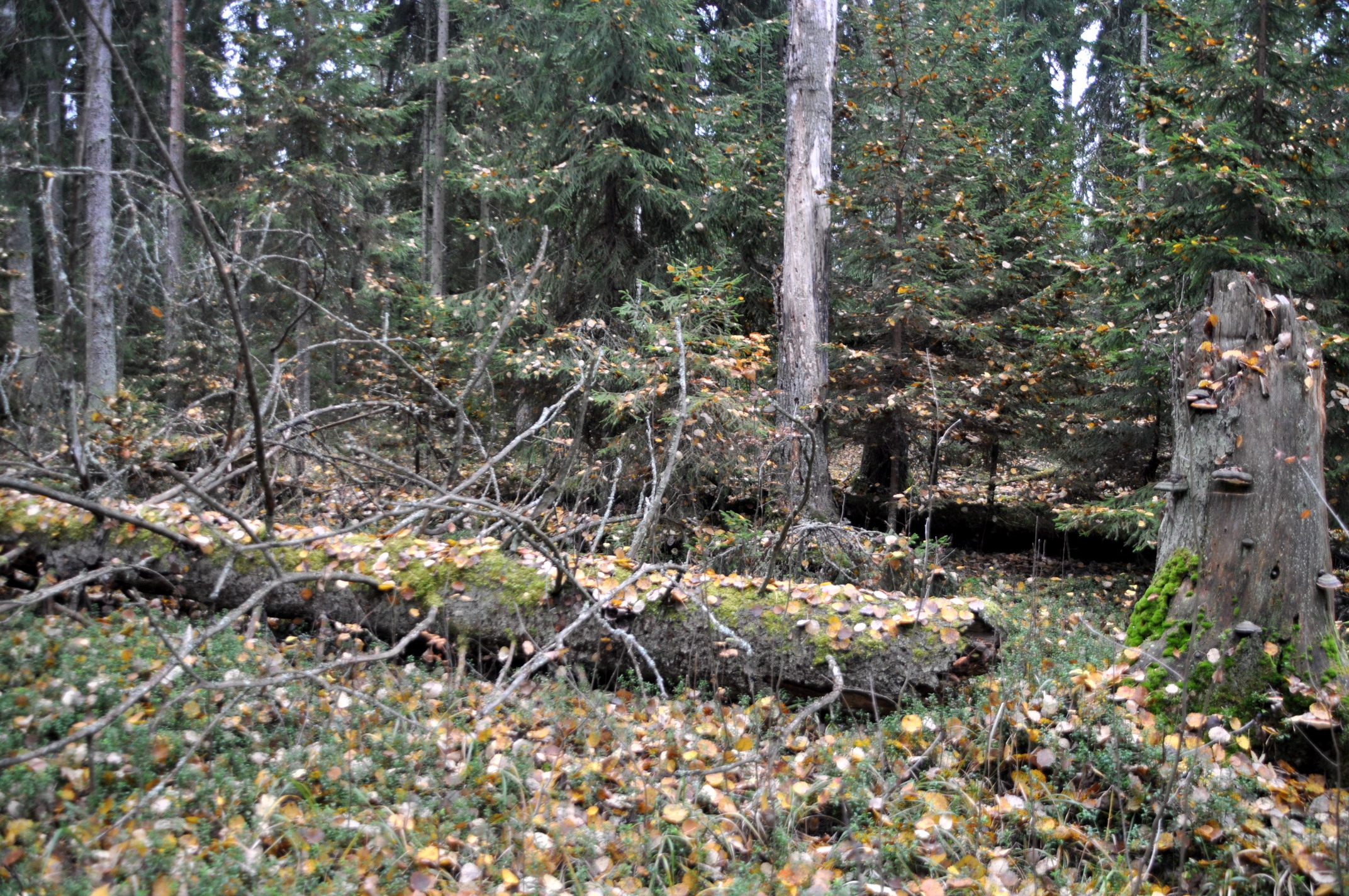
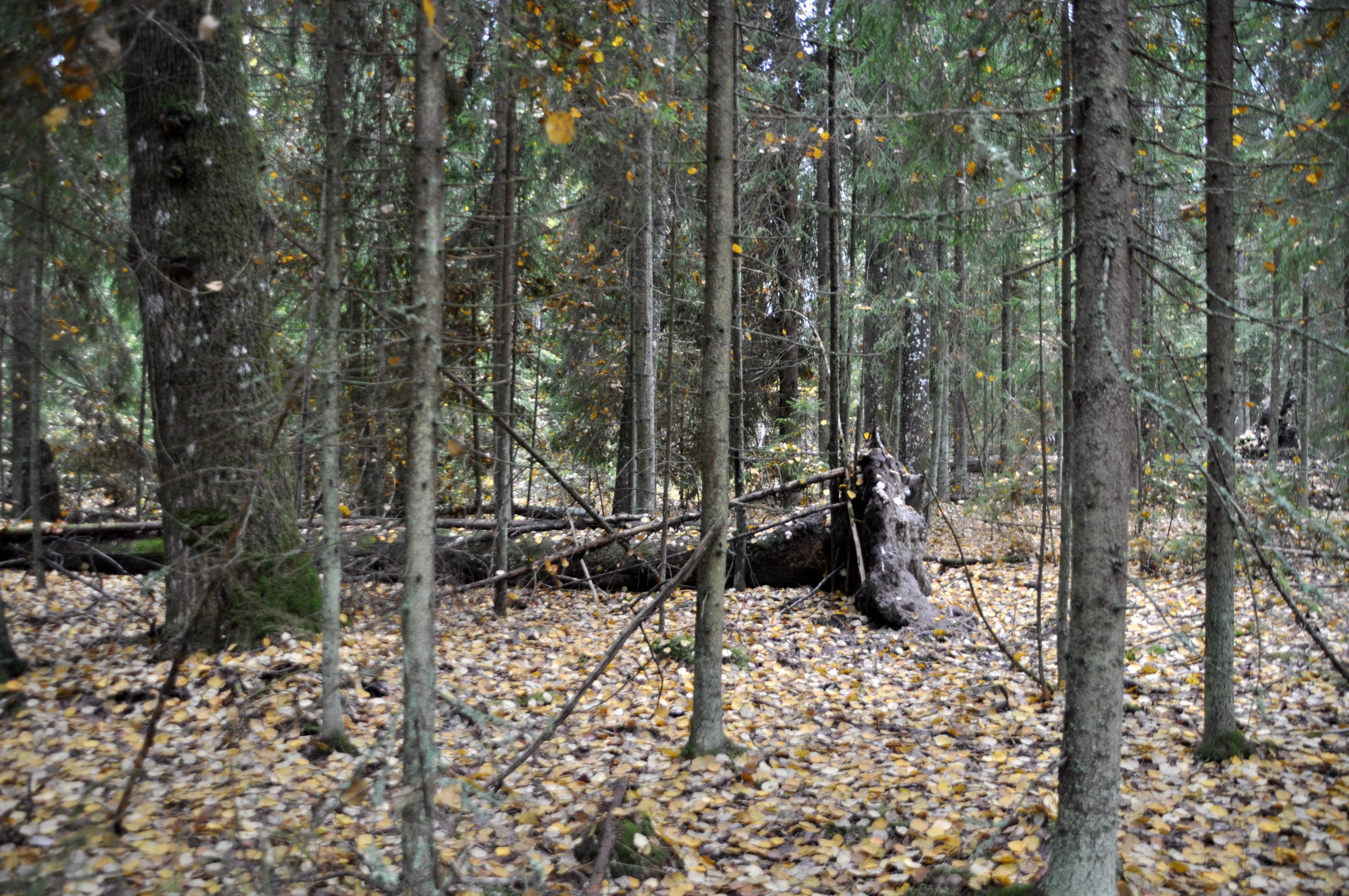
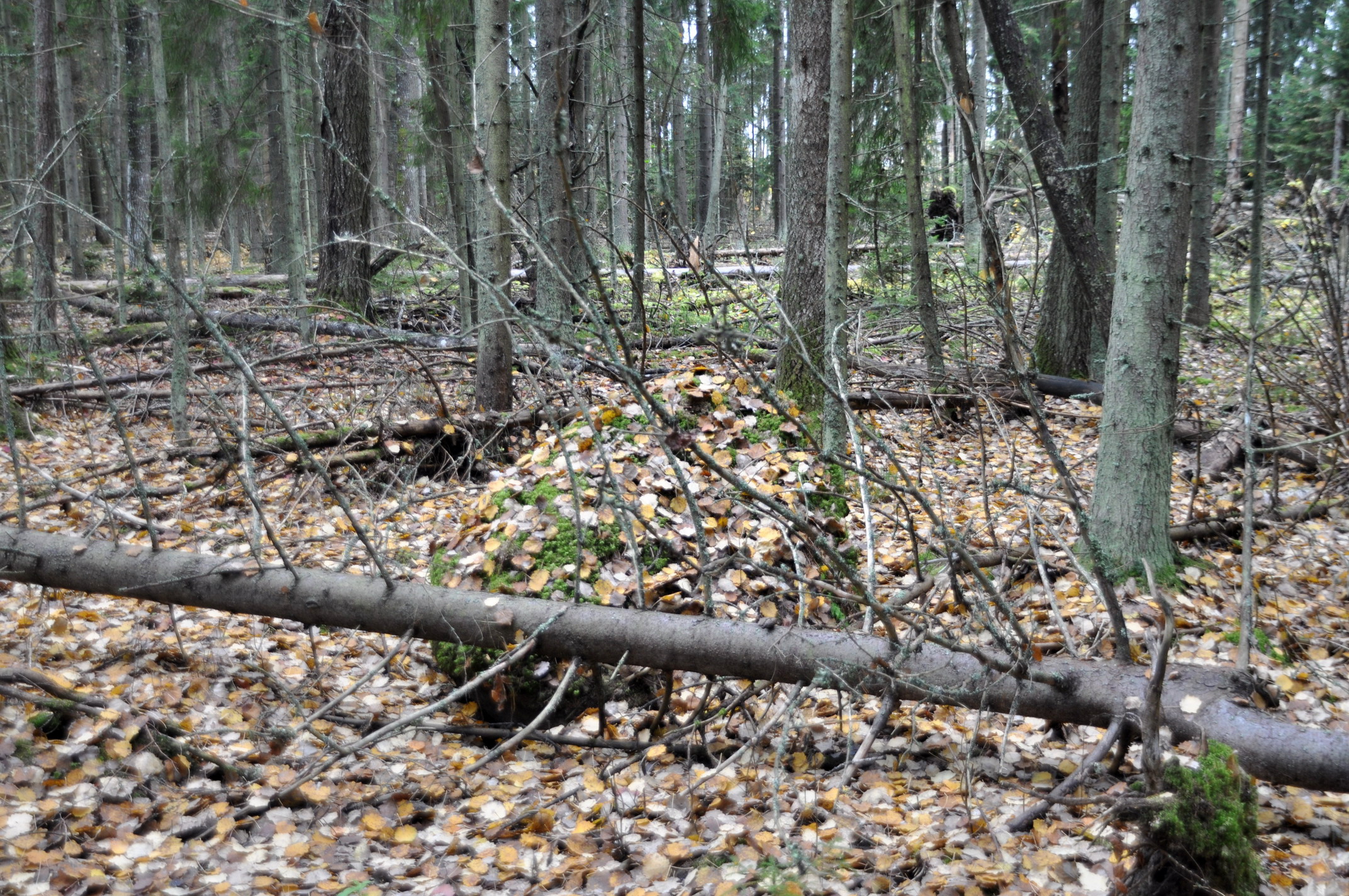
Some of the craters are quite dangerous. In seventy years they have filled with bog, but it still isn’t very firm. You can step straight into a mire without warning, even in the middle of summer.
Twenty years ago I tied a piece of wire to a tree. I found it again now, still hanging right where I had left it.
The weather was clearing by then. The first glimmers of sunshine appeared.
I found the boat and put it in the water. Then came the next hitch. Another reed punctured another air chamber. Luckily there were three, but the boat was past paddling now.
I thought I could take the familiar ford to the Sukhoy Pen tract. But that was on the wrong side. I could get to Chashcha easily enough, but how would I get the car back?
Look for a ford to the west? It was a bit far. You could freeze in the water. It was October, after all.
I decided I could always swim later and might as well use the boat while I had one. It would get me a little way forward. With most of my body in the water when I sat in it, I could still paddle somehow. At least the backpack would be out of my way. Swimming with a backpack is hard work.
Somehow I made it across the channel. On a rocky point on shore there were some anglers.
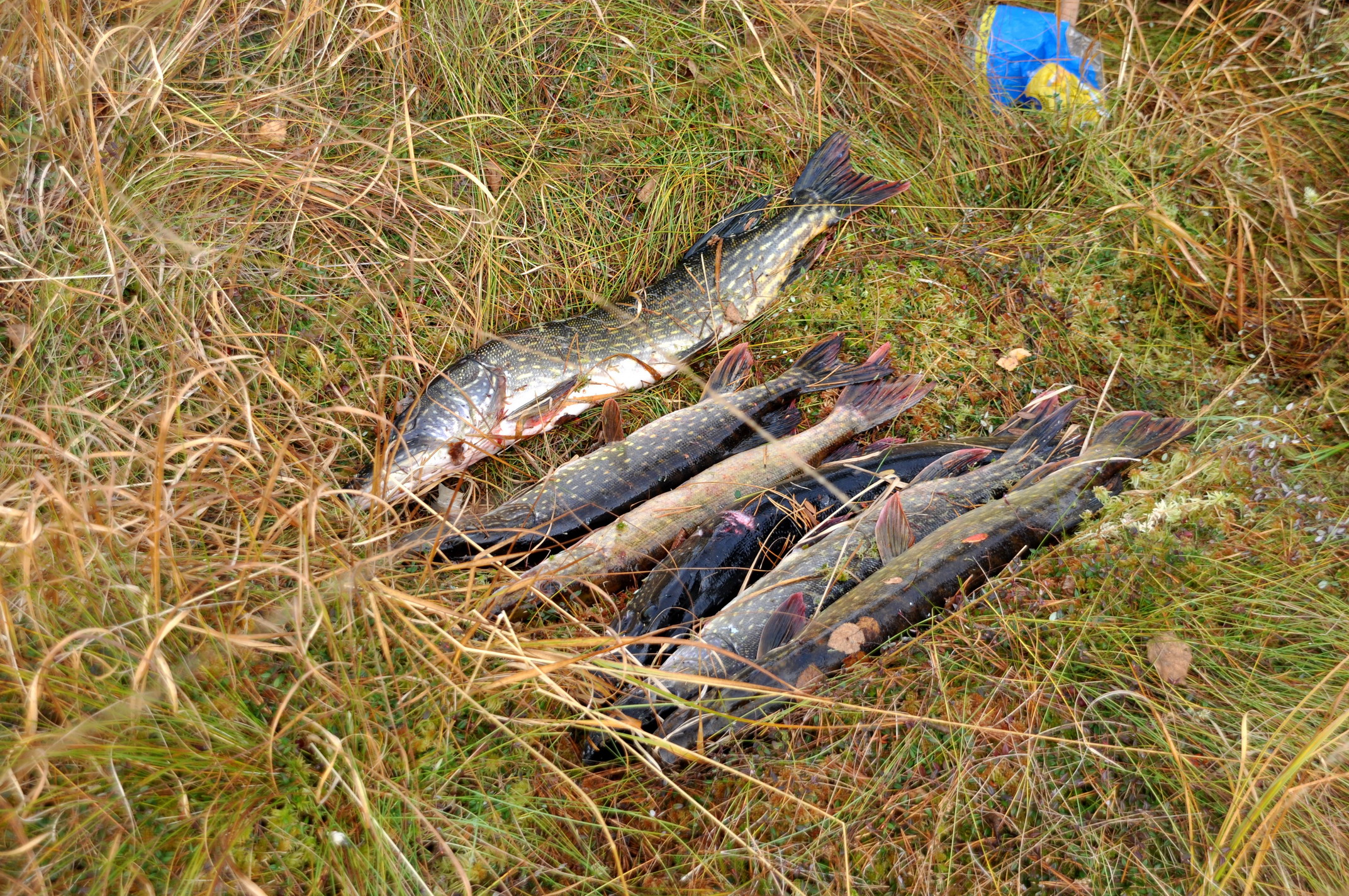
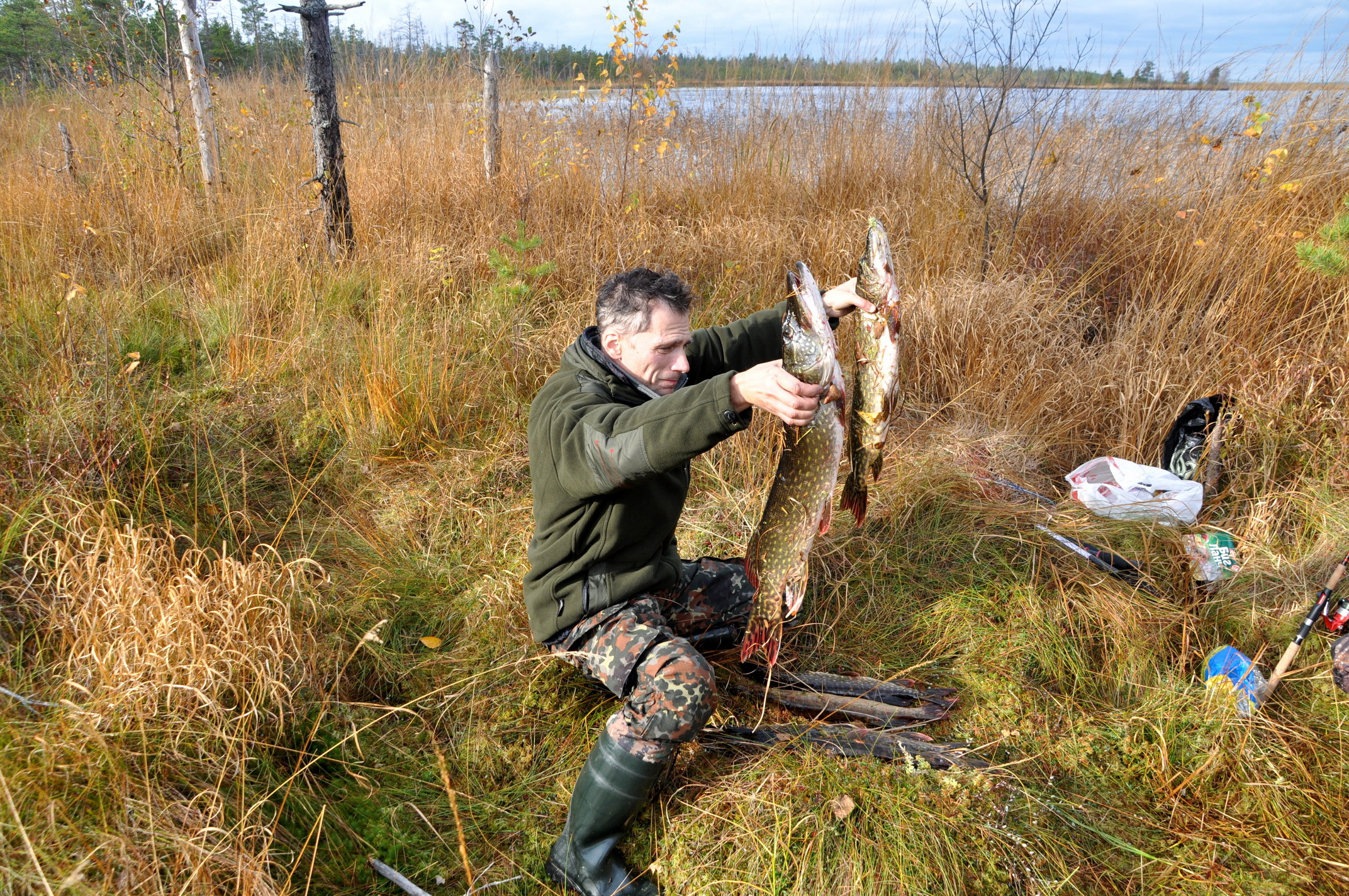
They watched in astonishment. There was no boat in sight, just a man waving a paddle.
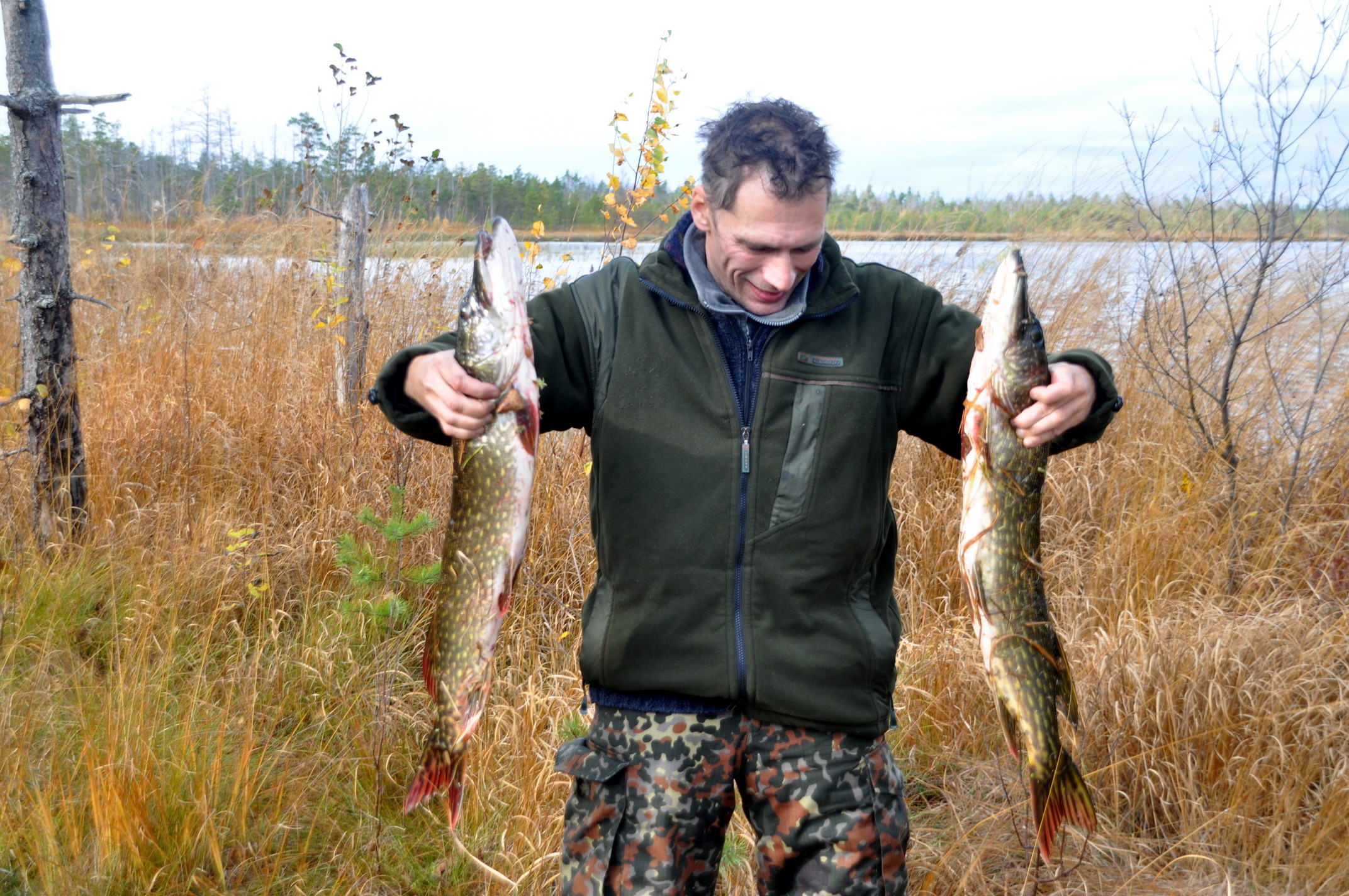
At least I came ashore next to a little fire. They gave me tea and I gave them coffee. We took a photo with the catch.
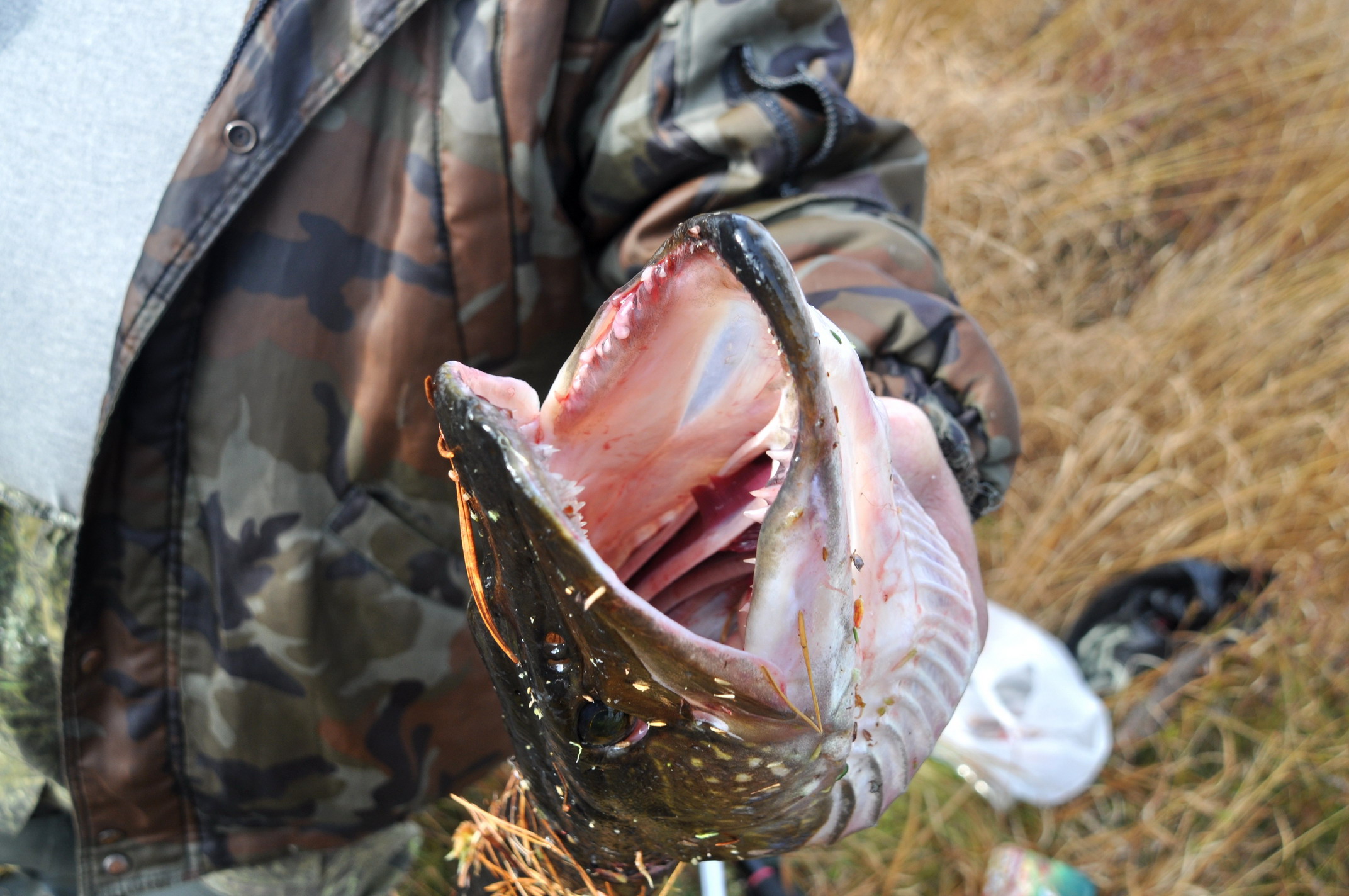
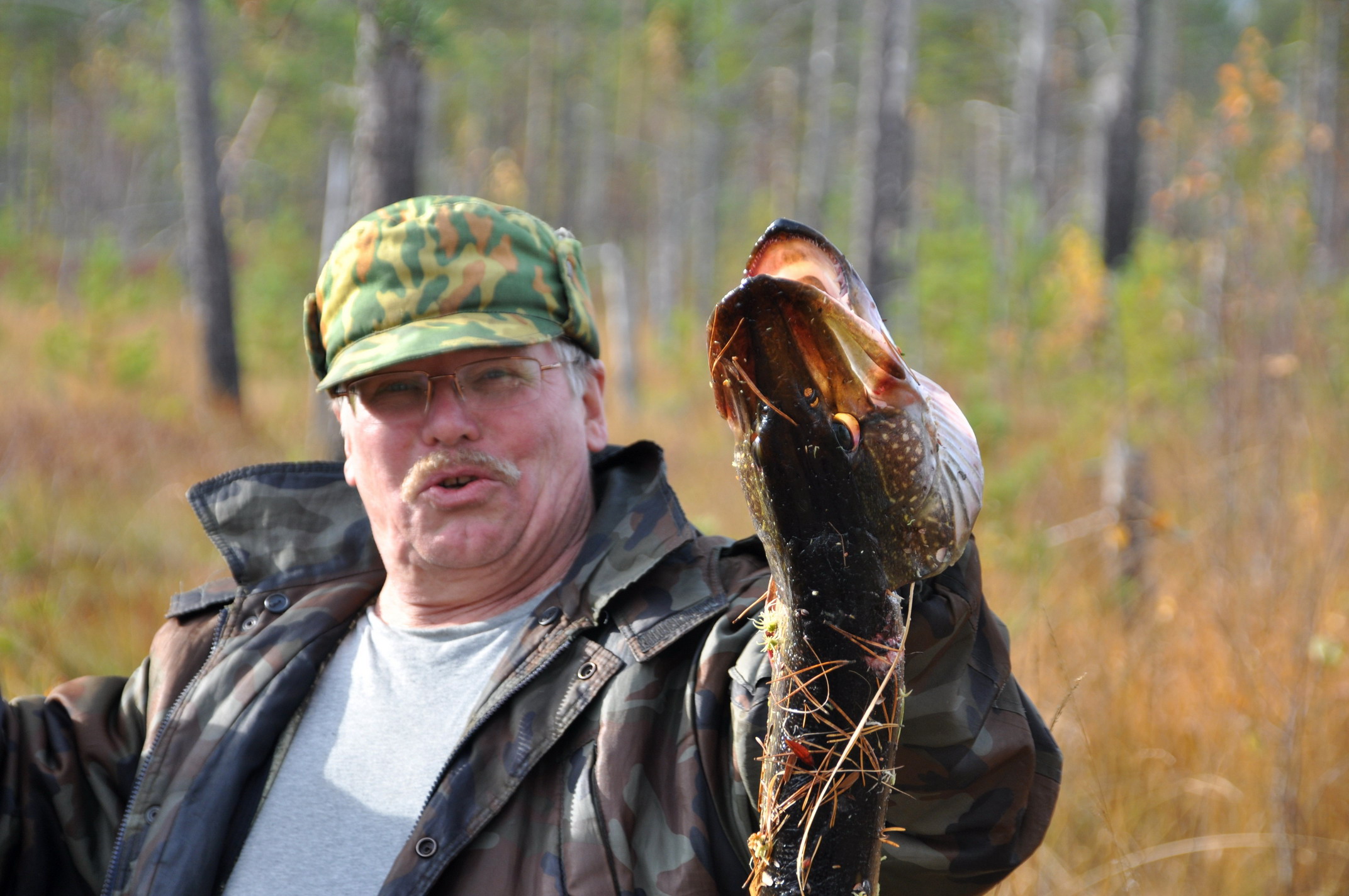
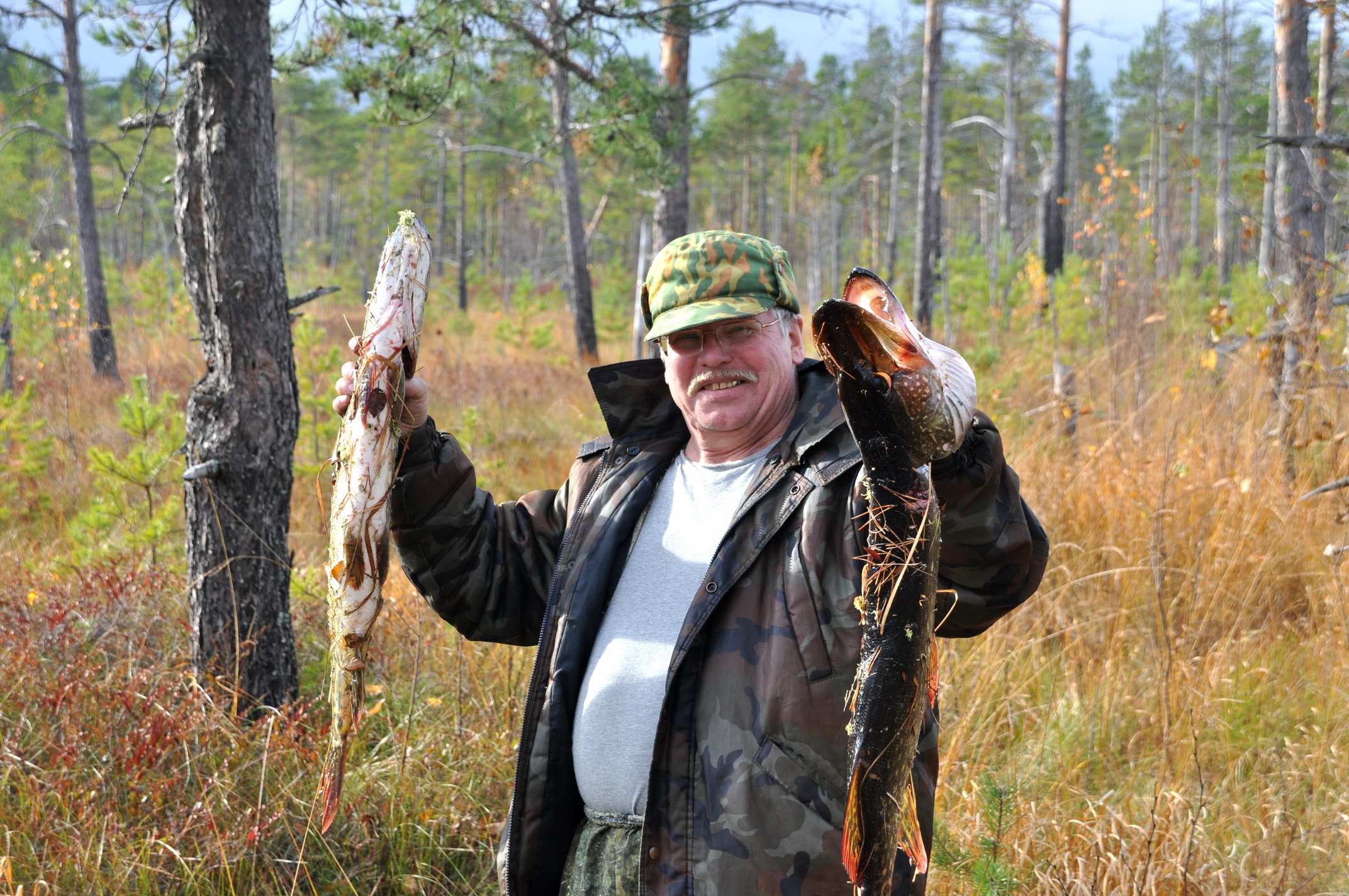
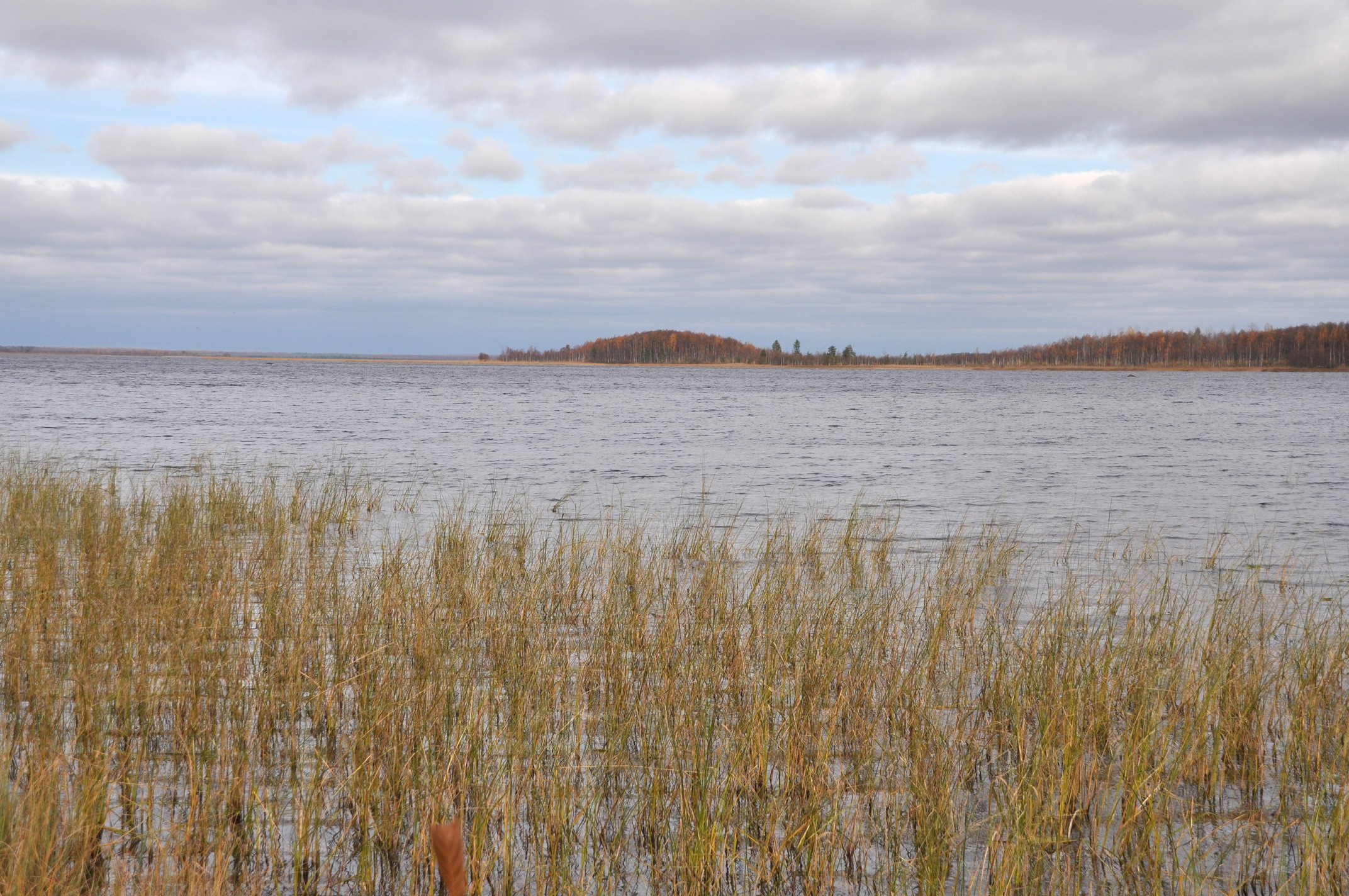
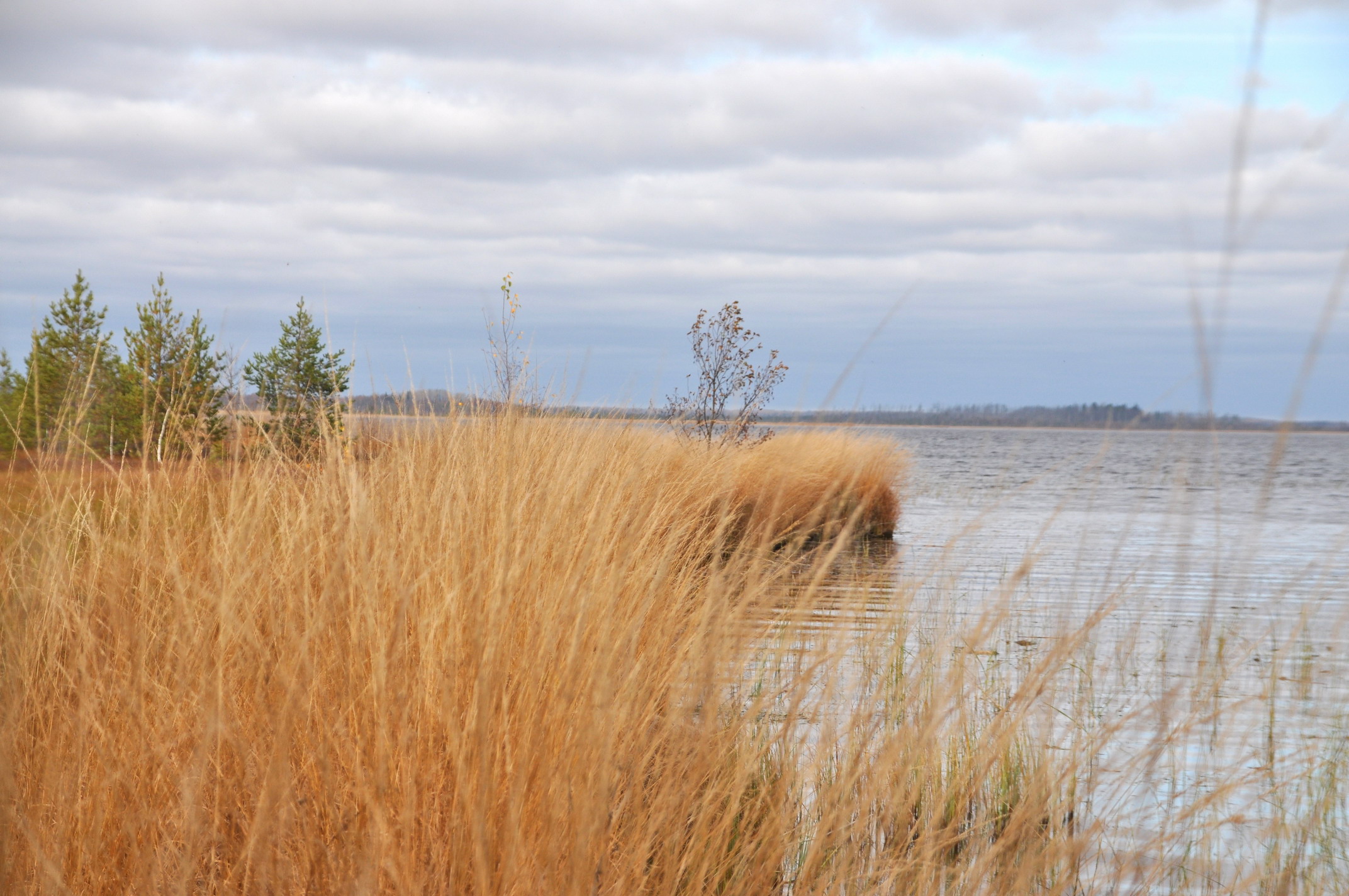
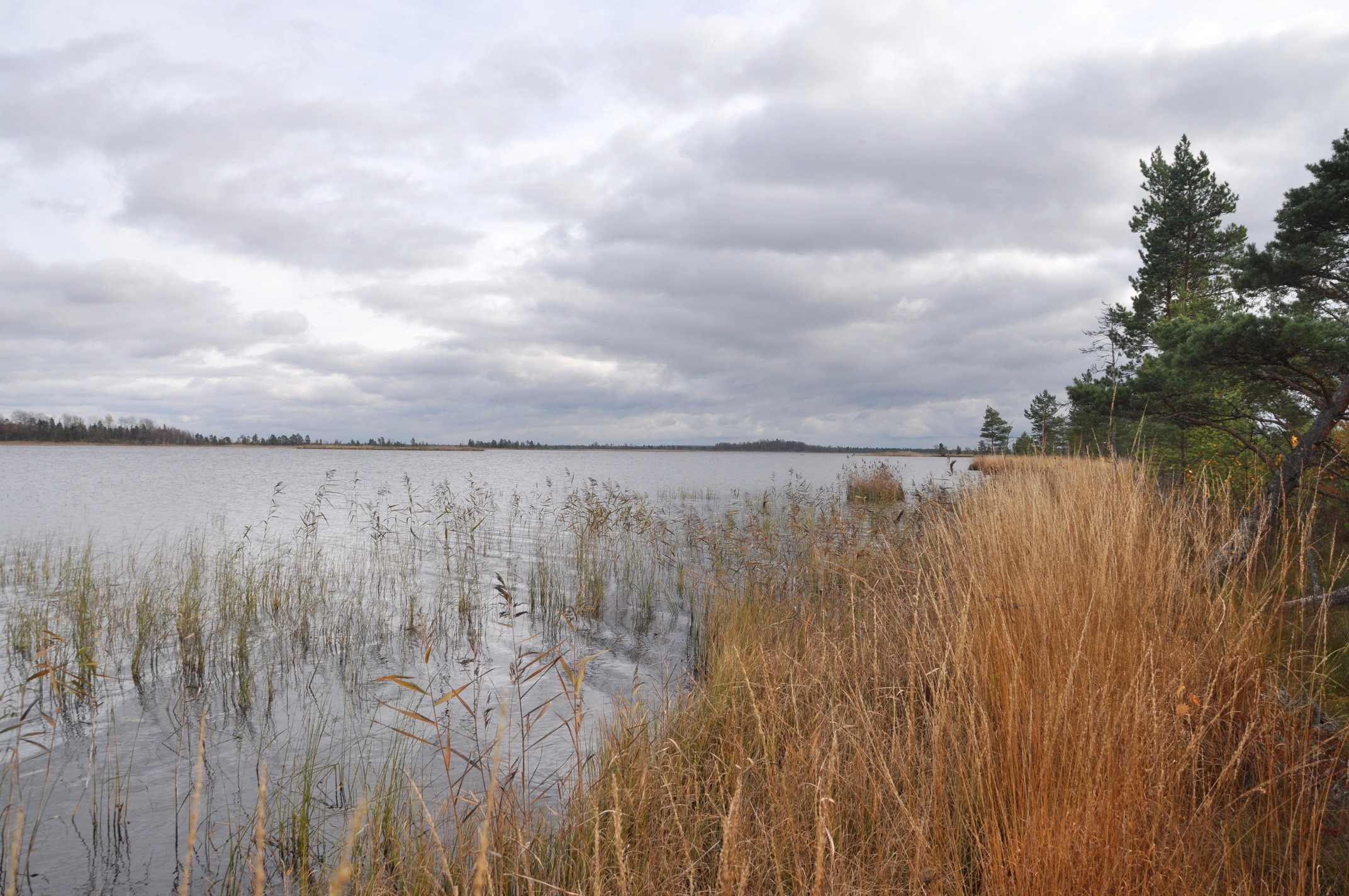
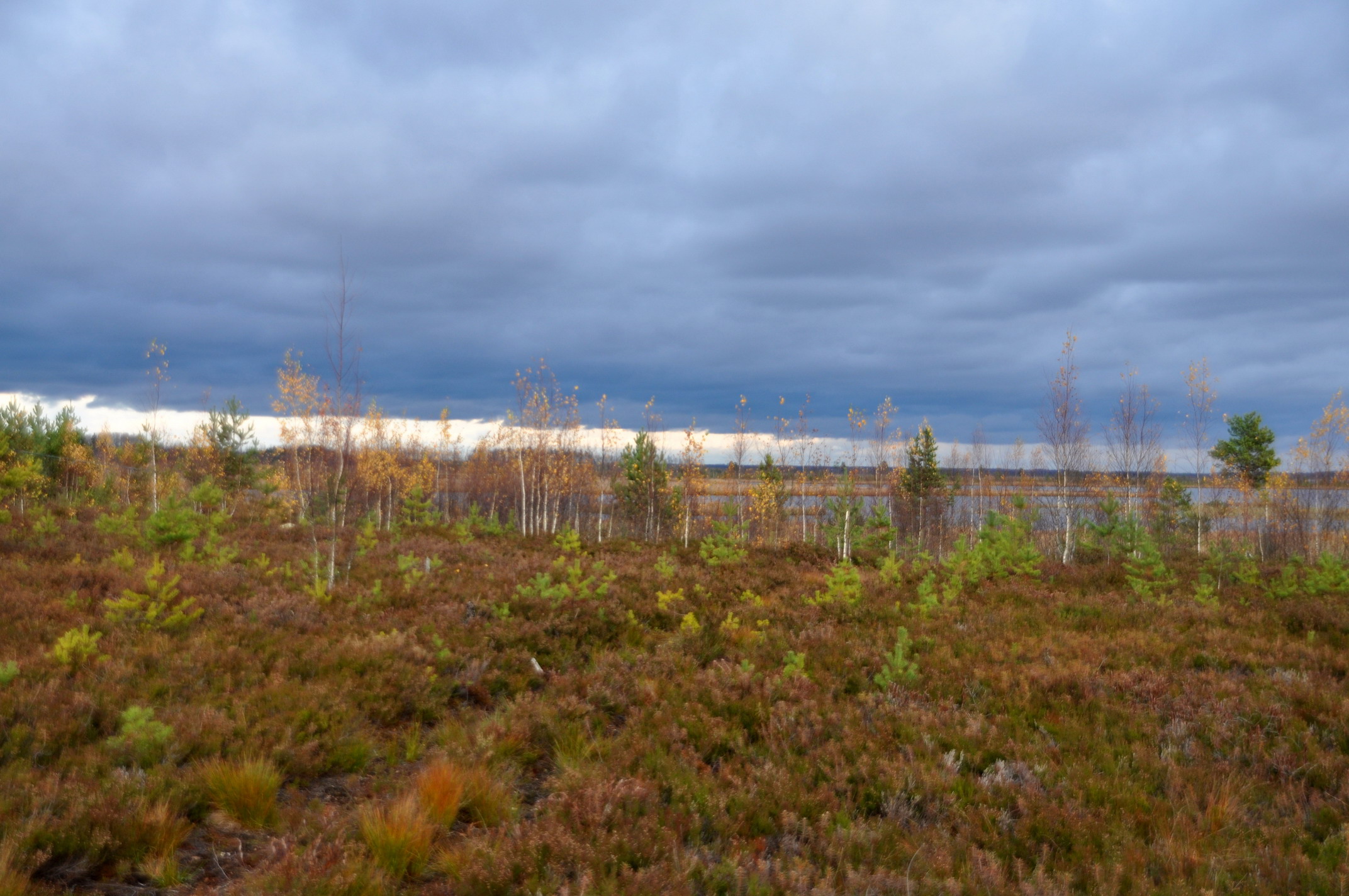
It was still early. The sun was high, with time for a walk. It was warm enough that being wet from head to foot didn’t matter. I decided to follow the shore to the road to Luzhki. It was the last bit of the Vyalye–Strechno shoreline that I had never walked, a tract called Stary Bereg.
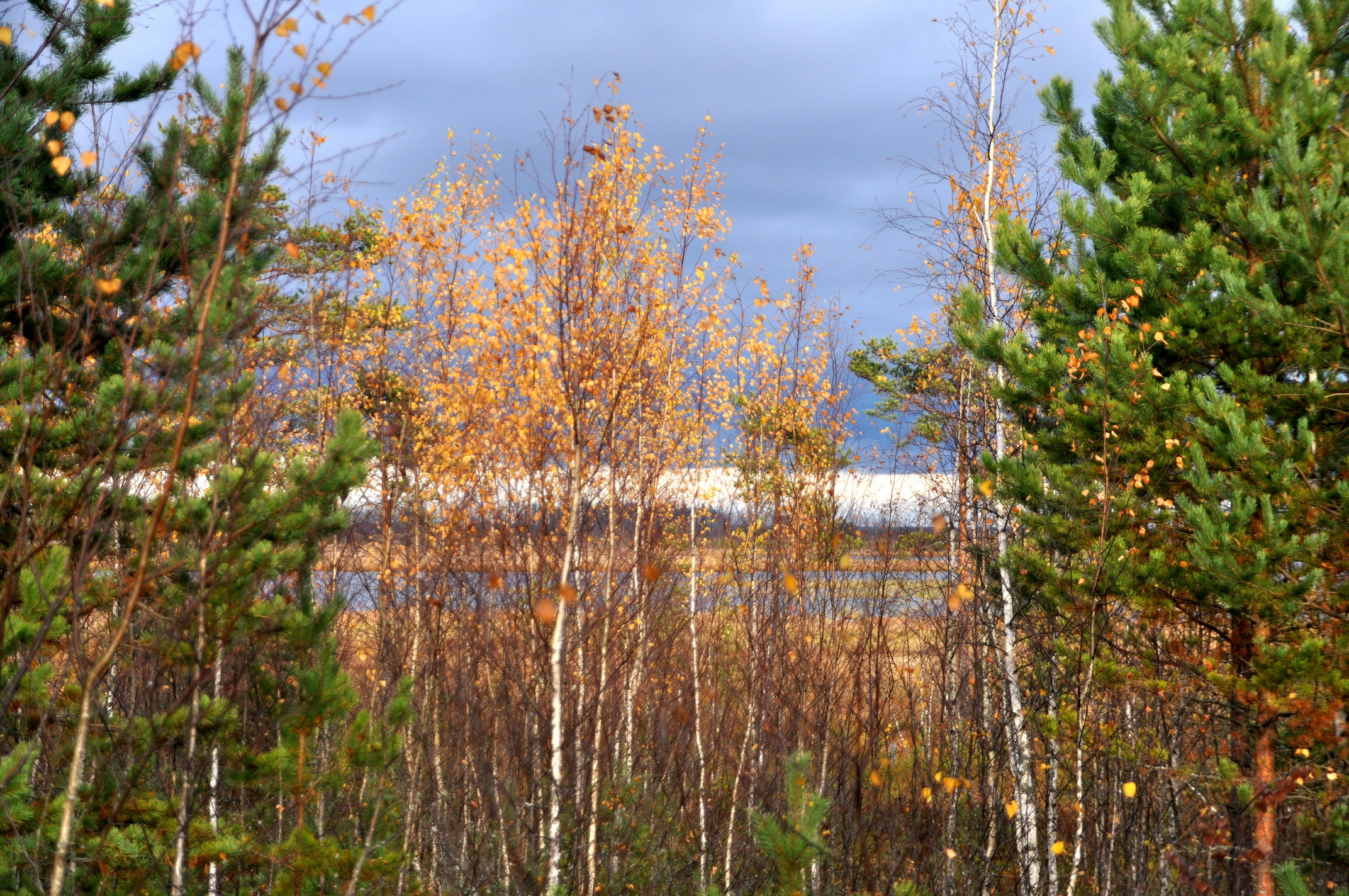
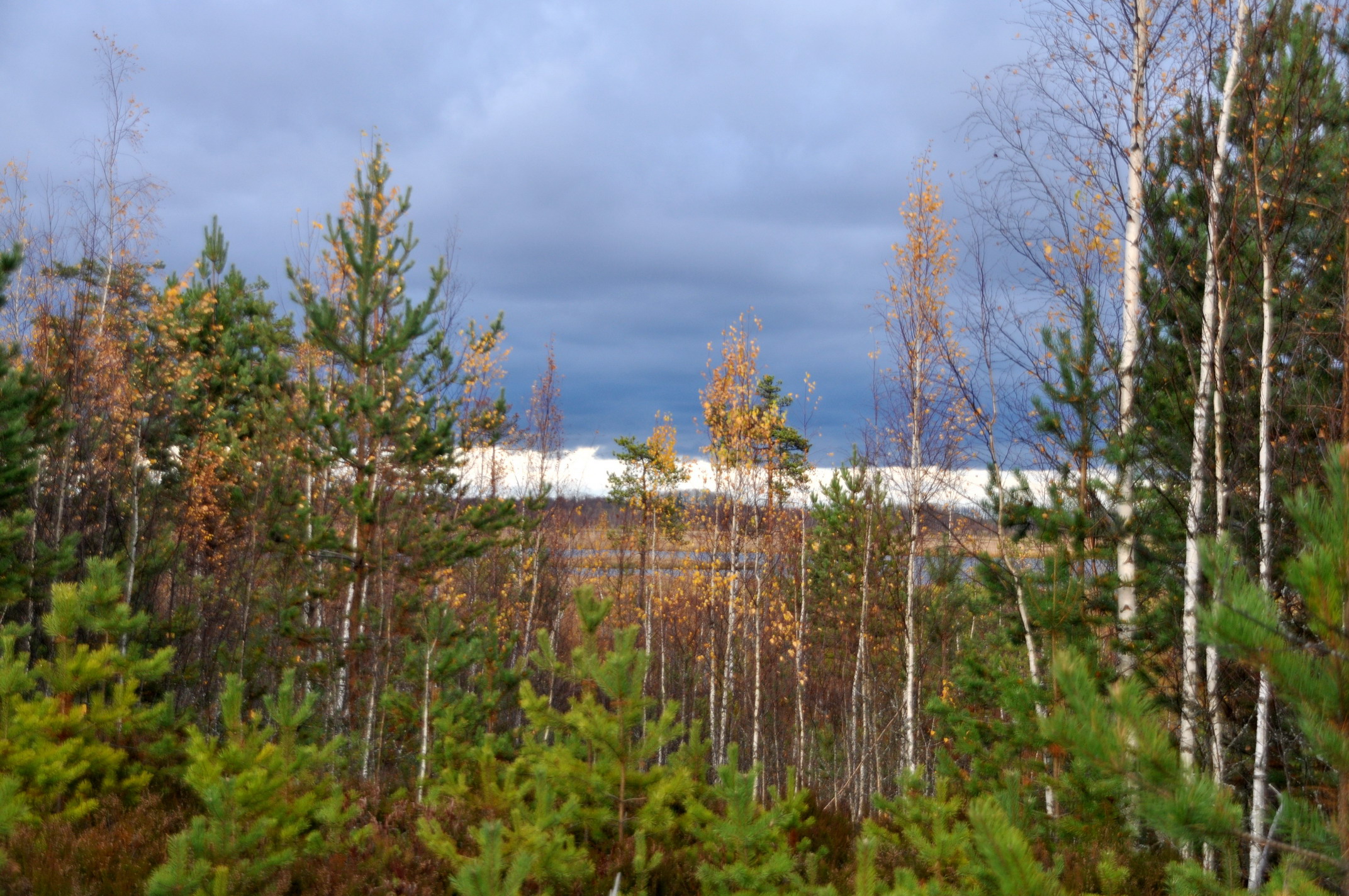
The route proved easy enough. There was no windfall, but the ground was boggy. There is a terrace near the water that separates the lake from the surrounding bog. It is dry, but hard to walk along because of the thick young pines. In the end I had to trudge through sphagnum at the water’s edge. By the time I had walked to the road to Luzhki I had almost dried out.
From there everything was familiar. The road is in good condition, except that there is no bridge in Luzhki either. I decided to follow the left, eastern bank of the Yashchera to Selishche. There is a logging road along the bank, but I had never walked it before.
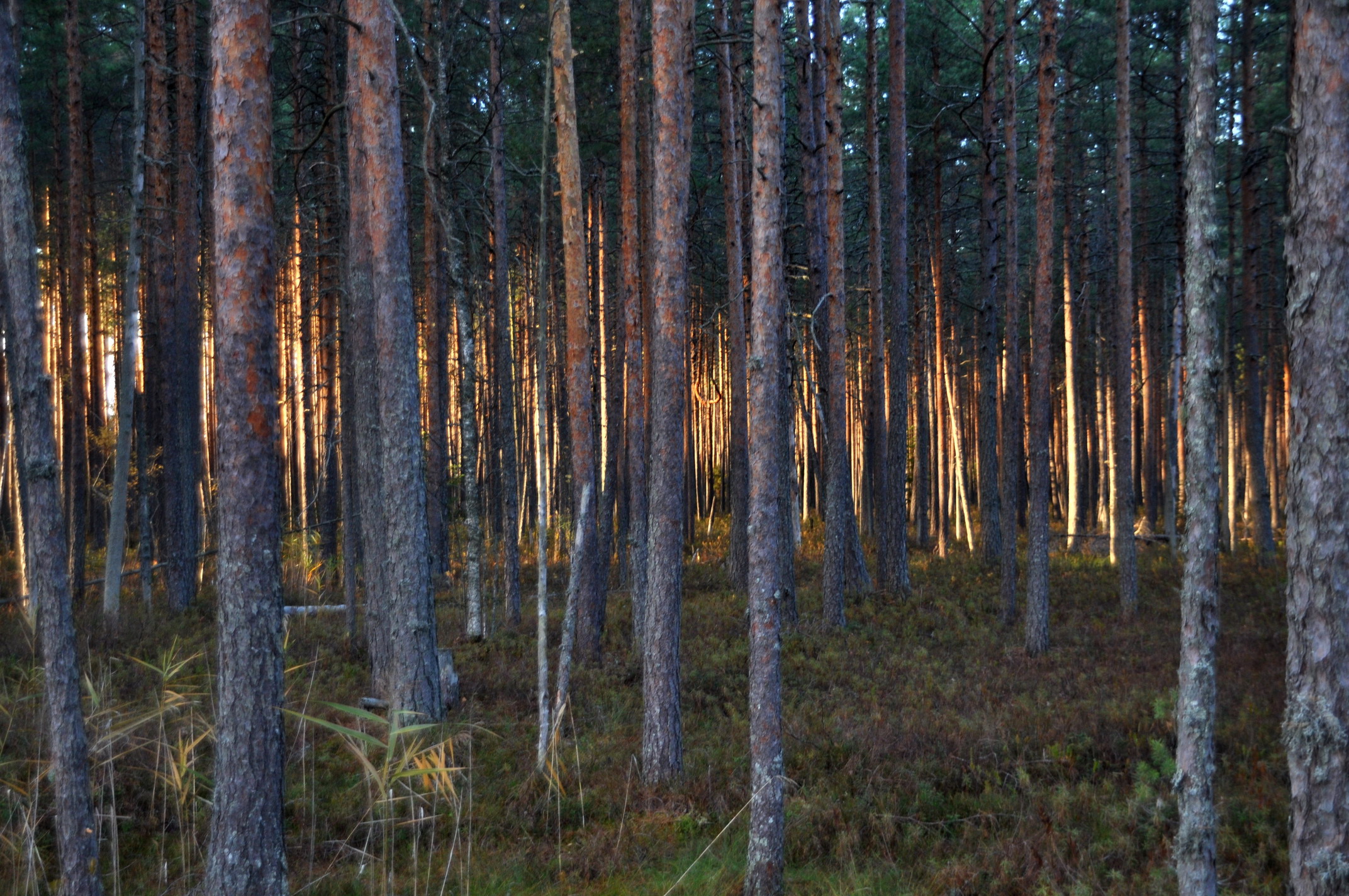
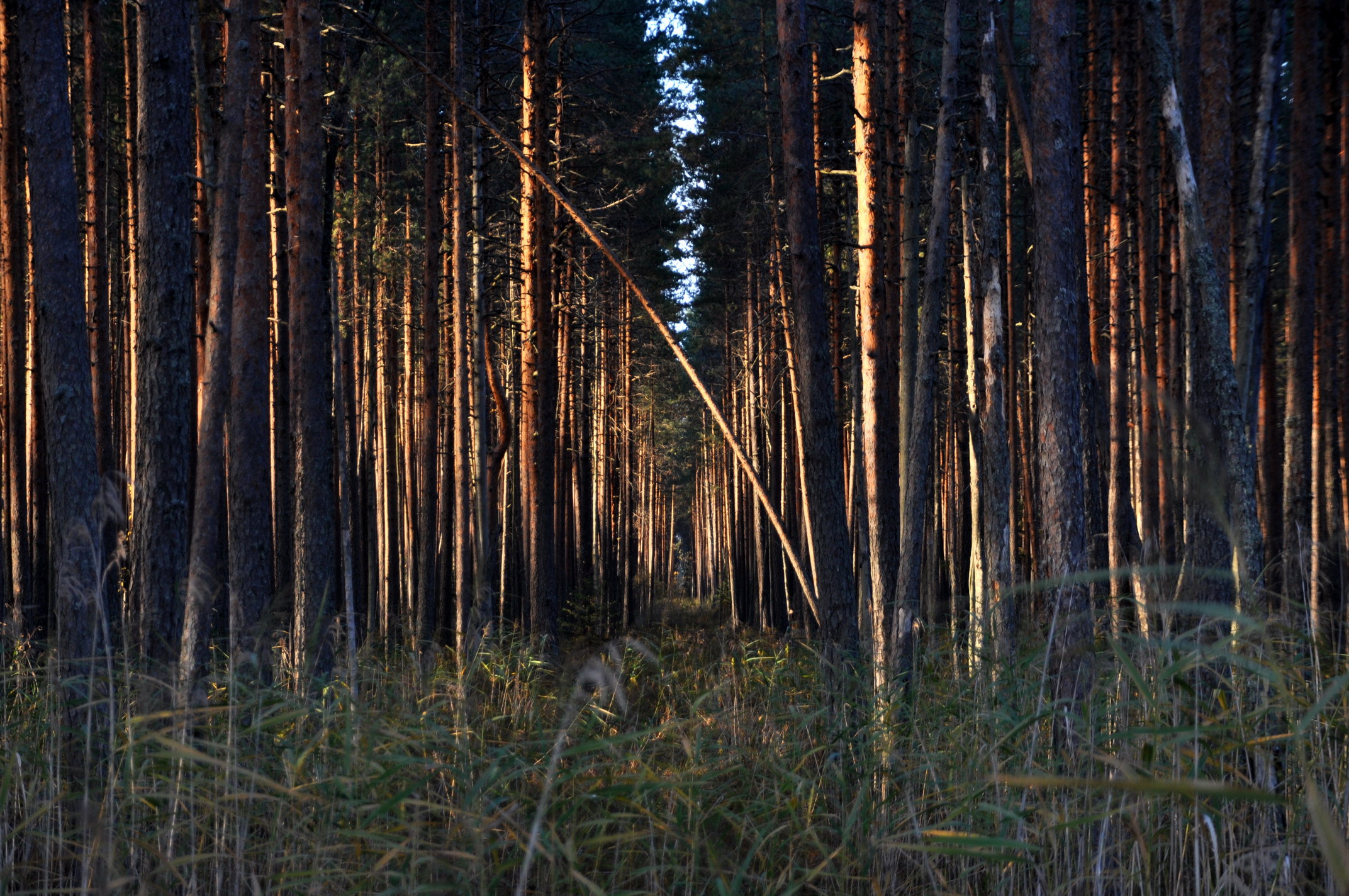
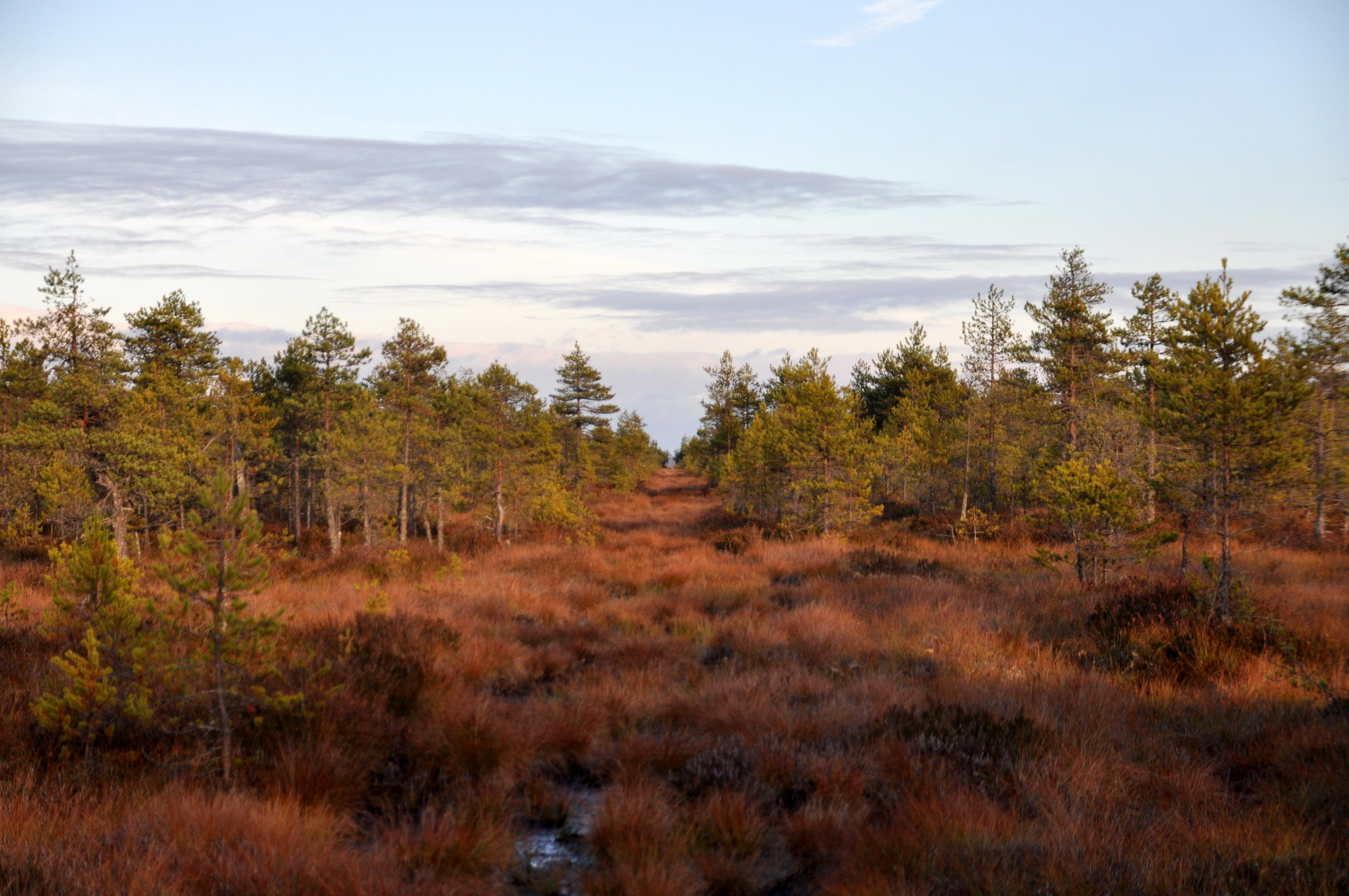
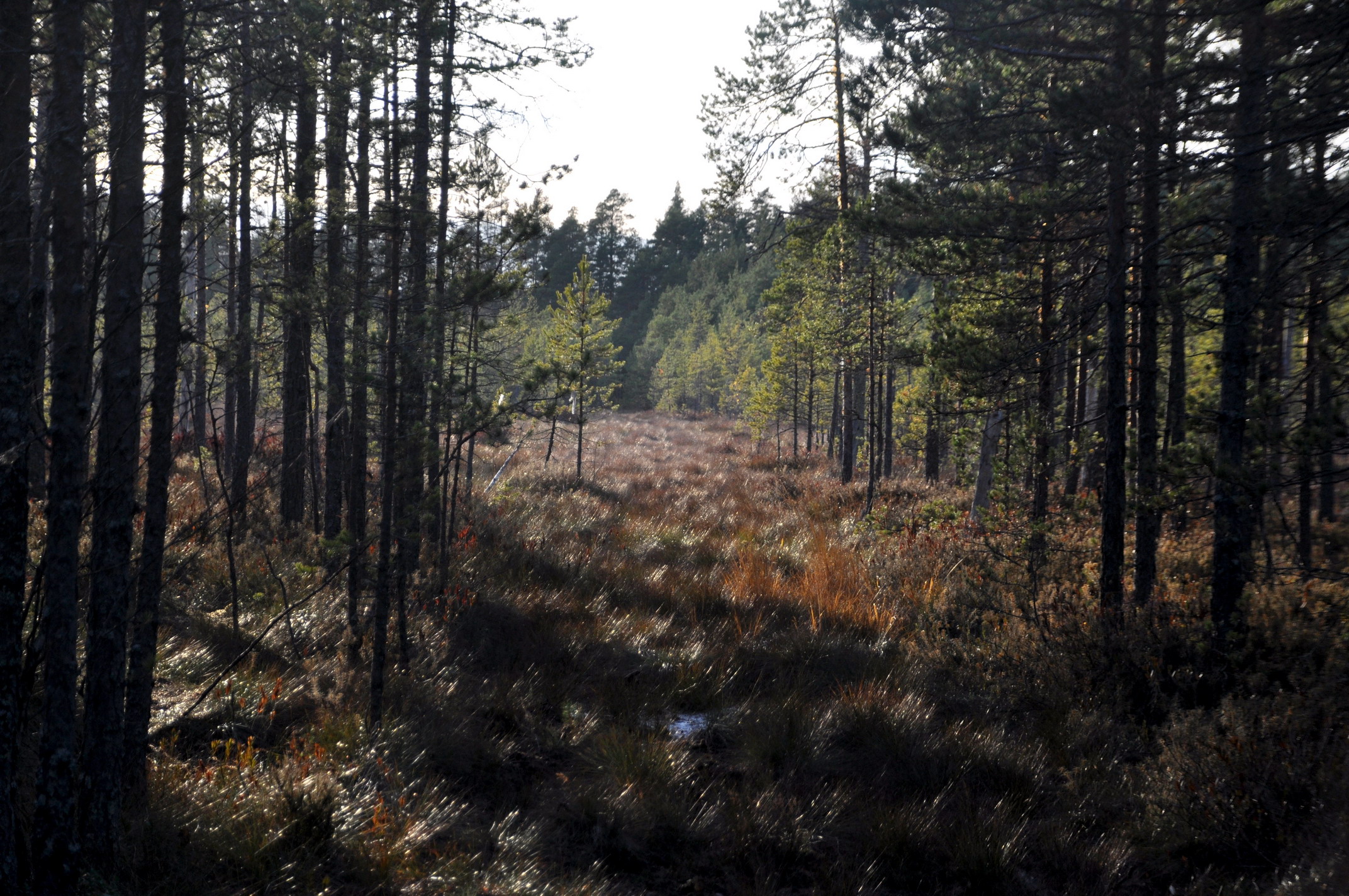
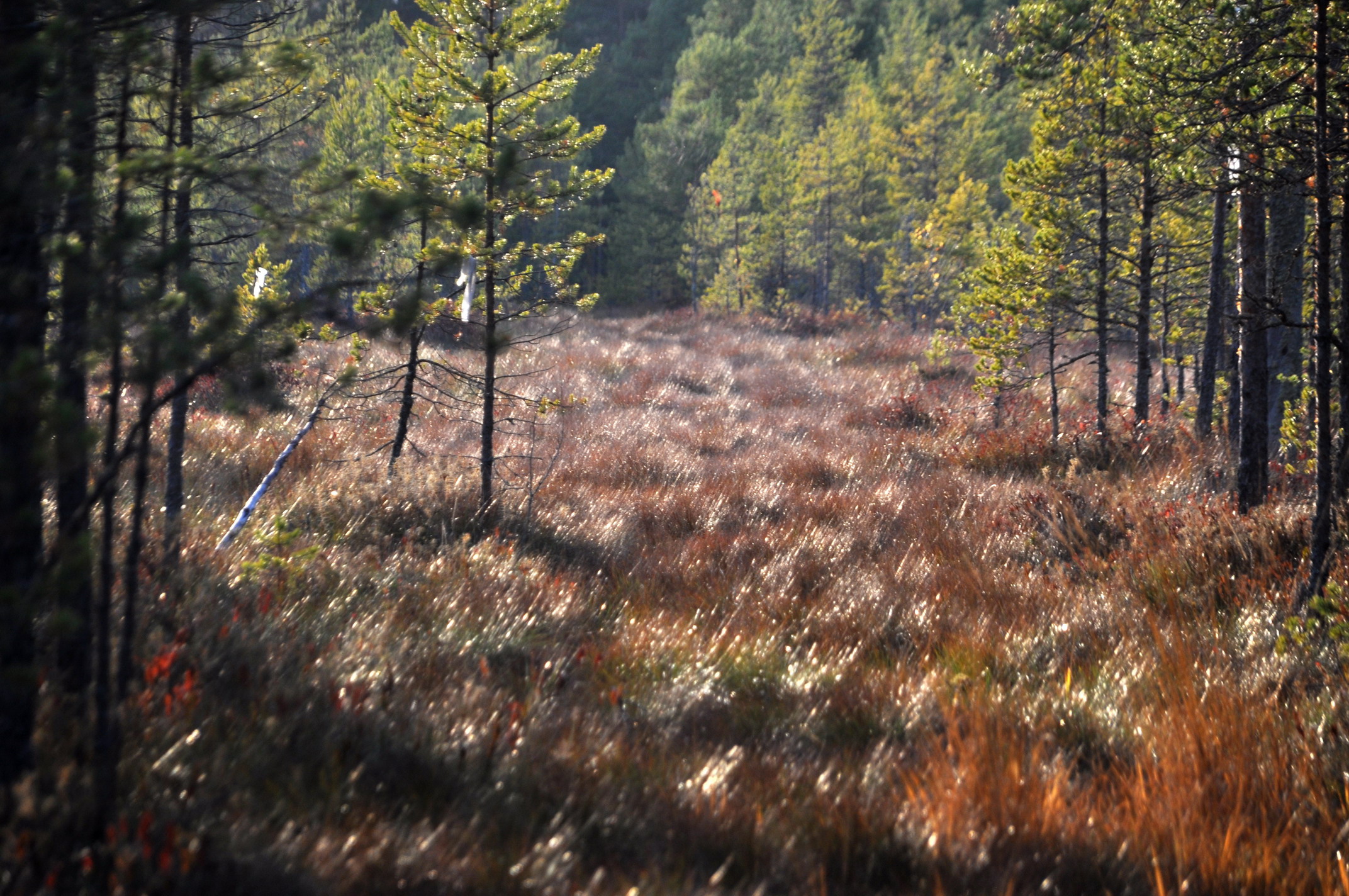
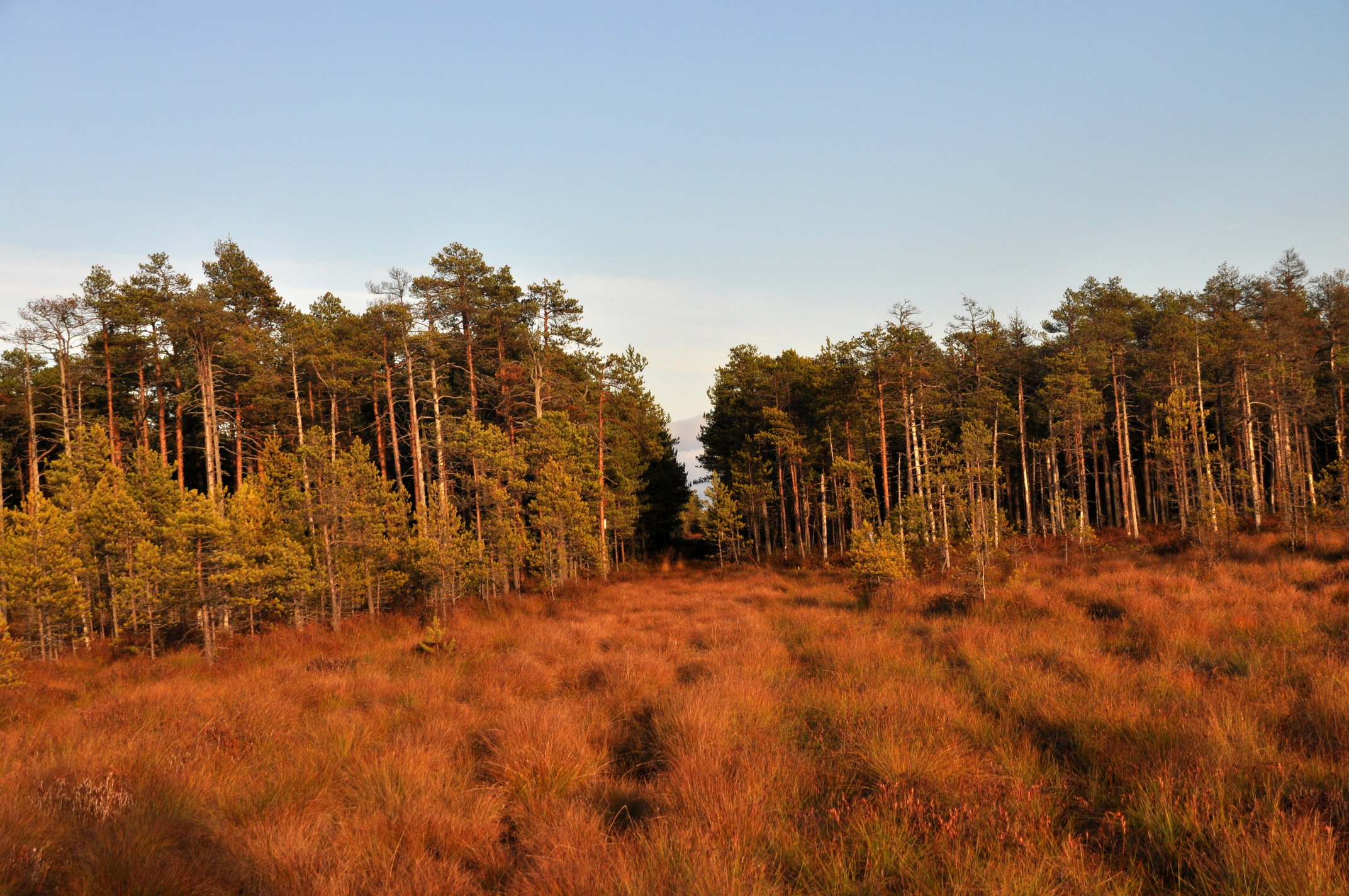
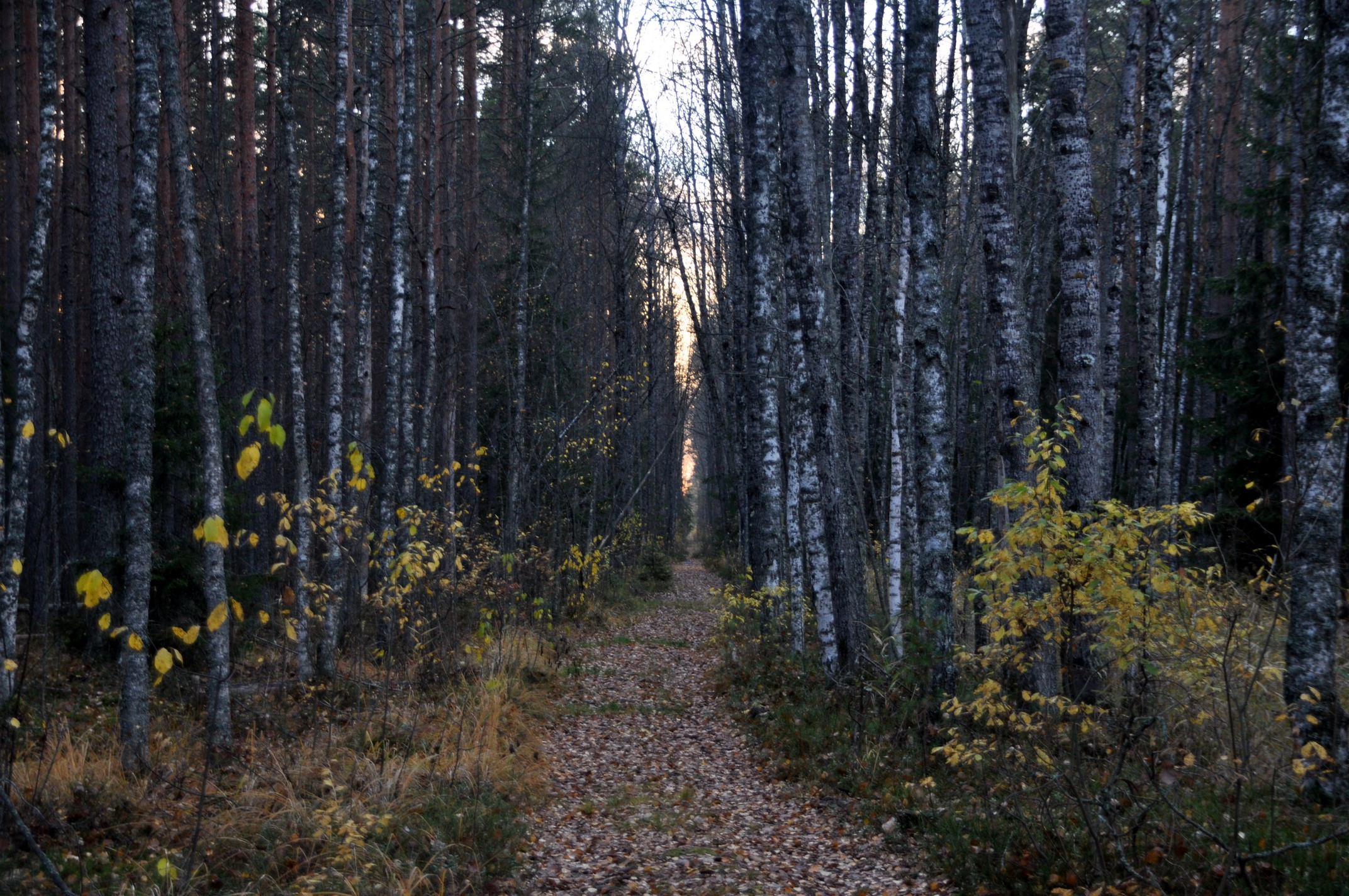
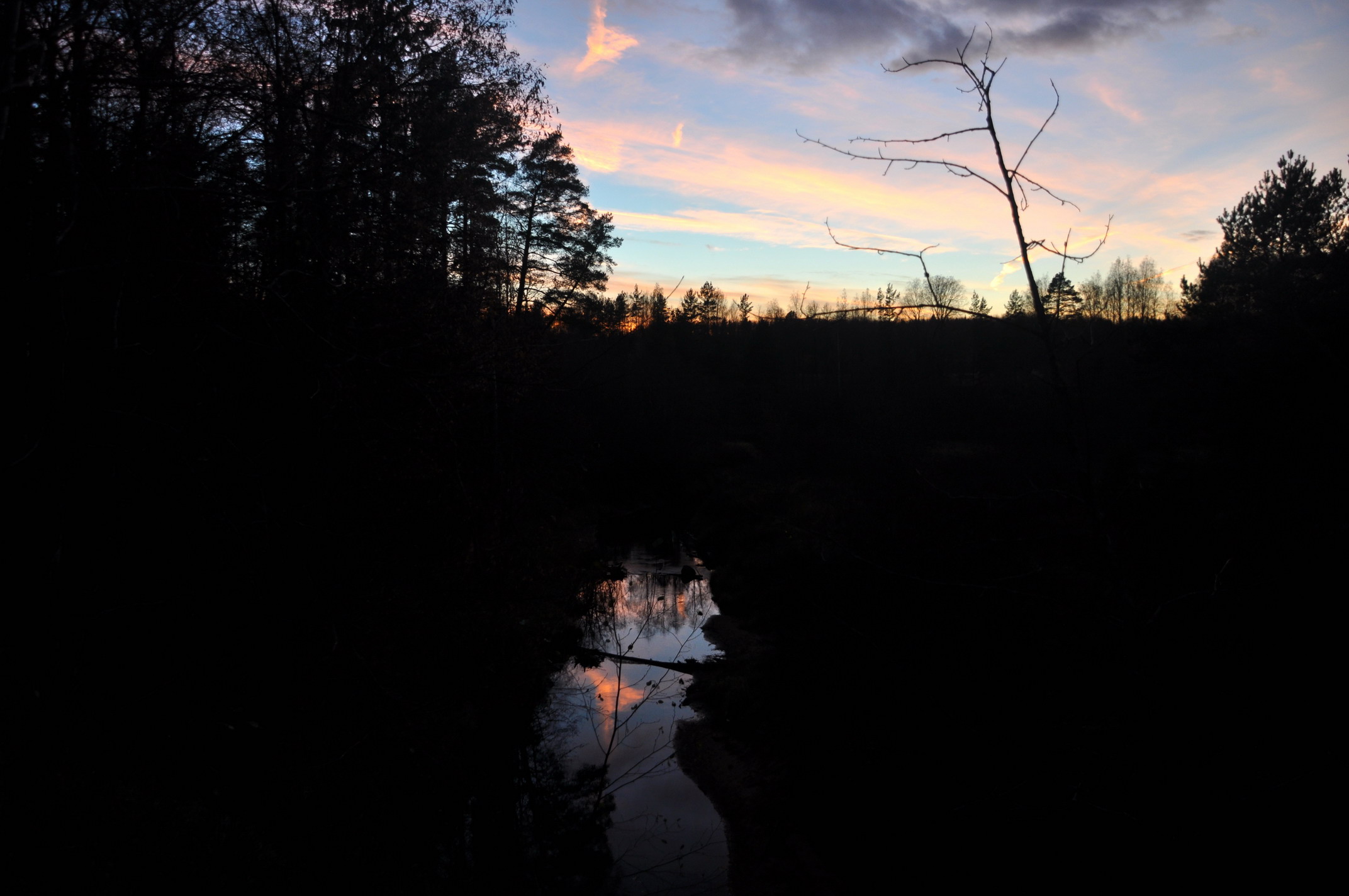
It turned out that the road soon heads deep into the forest, but there is a footpath along the bank the whole way.
It was already dark when I got back to the car. I waded across the Yashchera. With the warm car so close, I didn’t mind getting wet again. It turned out to be only just above knee-deep.