Trip report
In centuries past, the Ivangorod road ran through these parts. It provided work for a great many people. Someone had to maintain the road, breed horses, repair carriages, run the posting stations, and feed both the horses and the guests. Then, of course, there was highway robbery to take up, or to combat.
Monasteries sprang up along the road, too. I’m not sure how the idea of withdrawing into prayer led anyone to build a monastery in such a busy place, but there they were, right by the road. That was how the Zverino Monastery of the Trinity and St Sergius came to be.
The earliest mention of the monastery dates to 1568.
The monastery was plundered repeatedly in the many wars that followed. It was dissolved in Catherine II’s reforms of 1764. The chapel on top of the mound survived into Soviet times.
For a place with so long a history, the monastery is remarkably hard to locate online. It is hardly a secret, but the eminent historians keep quiet, guarding either the secret or their own ignorance, and I have no contacts in the Church.
So I had to look for it myself.
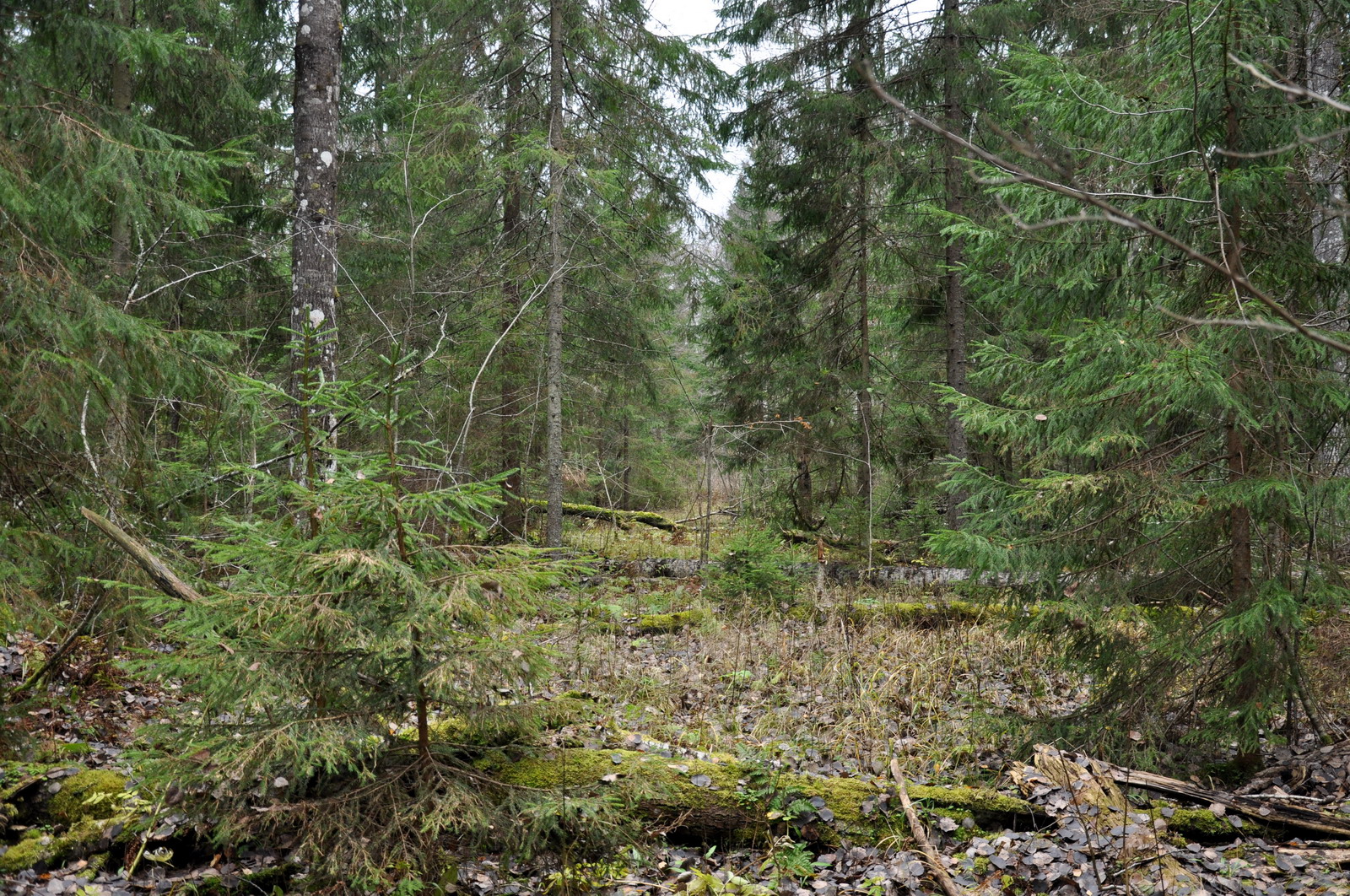
Daniel Sachs and I set out from Chashcha to look for it. There was a better-trodden road straight ahead, but we took the Ivangorod road from the Cholovo side. First we made for the point I had reached from Cholovo in the summer, the fork by the bridge over the Berezinka. The old roads are badly overgrown here, but you can still make out the ruts in places. We soon reached the ruins of the monastery.
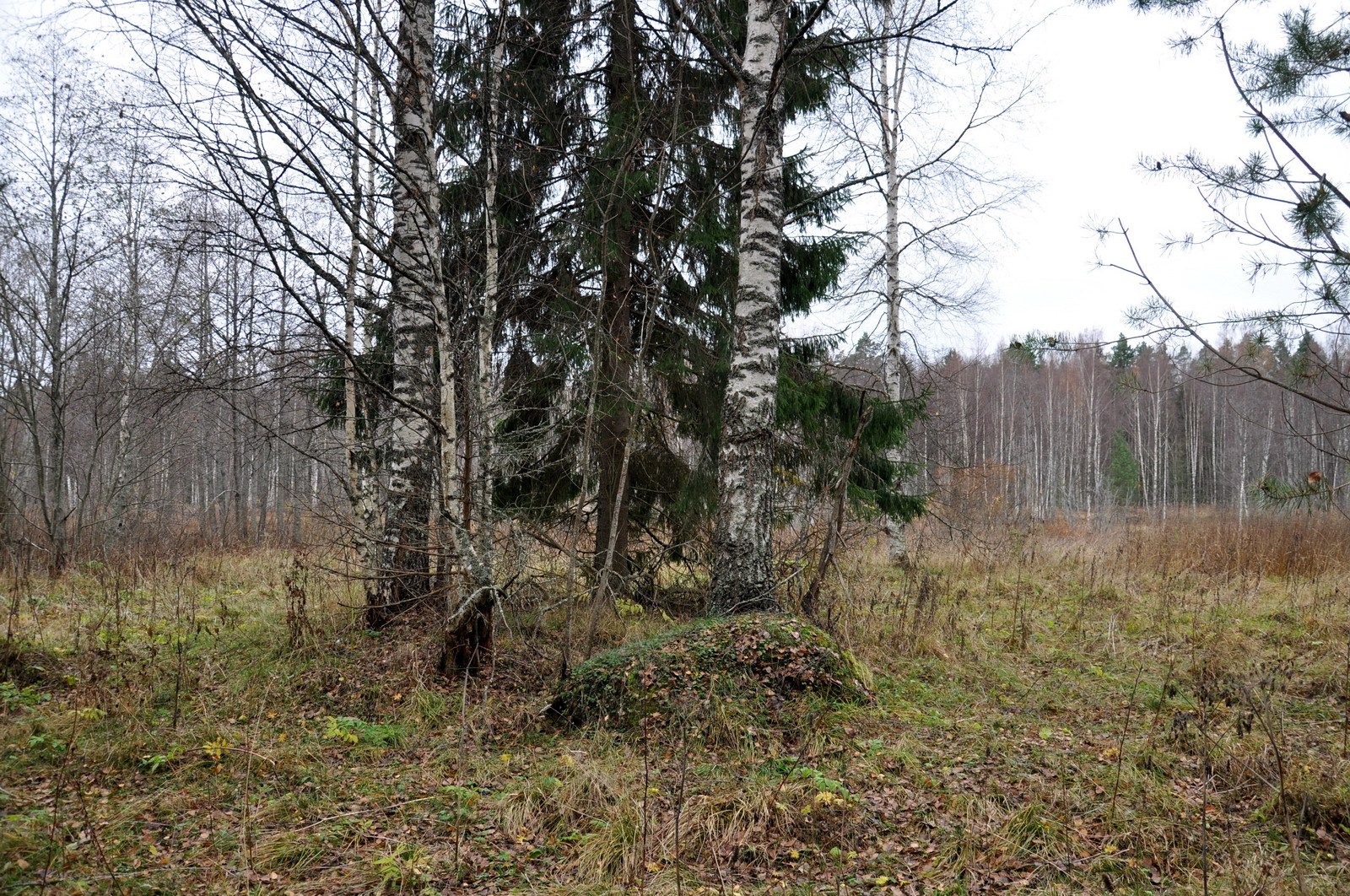
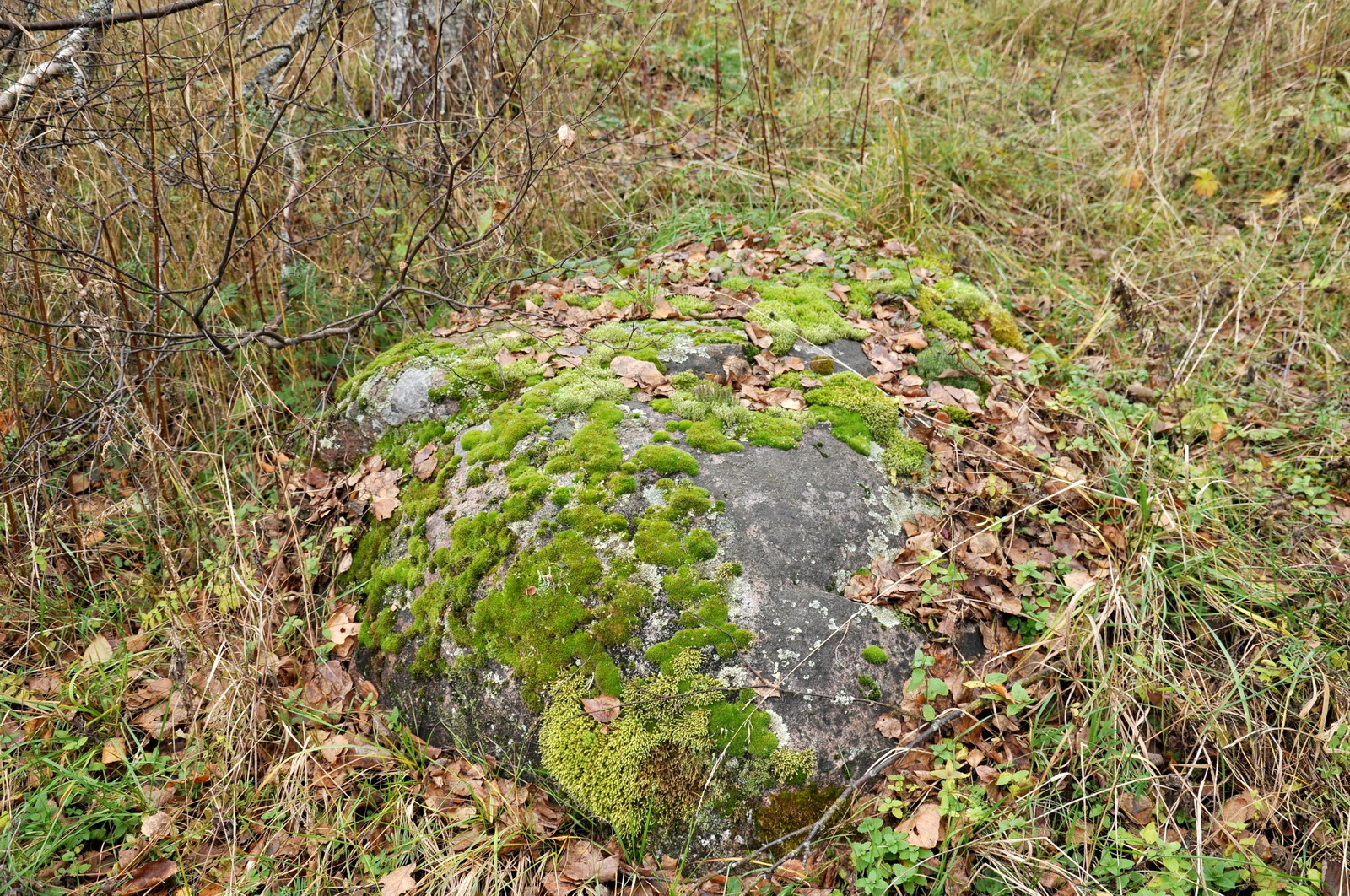
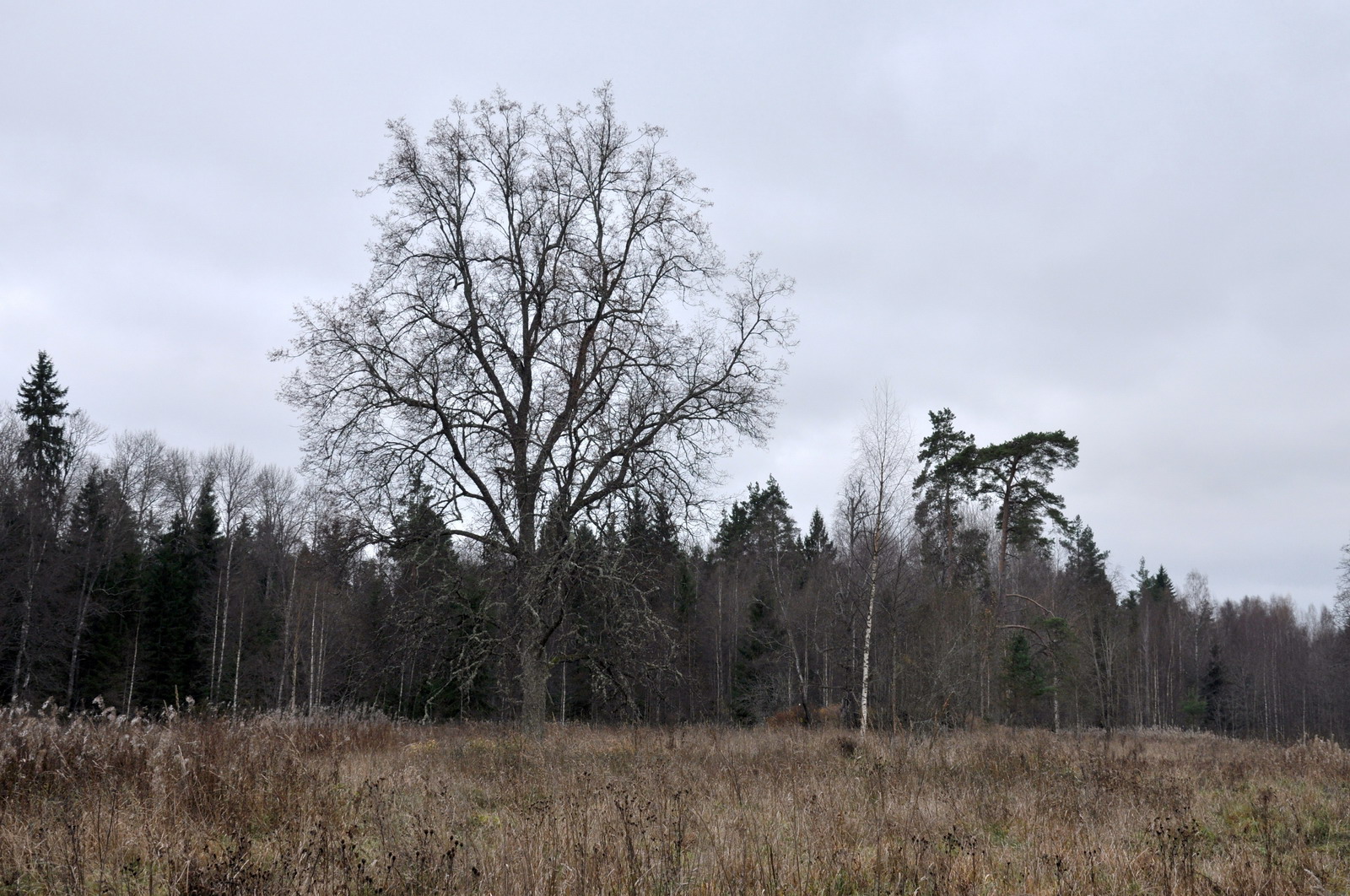
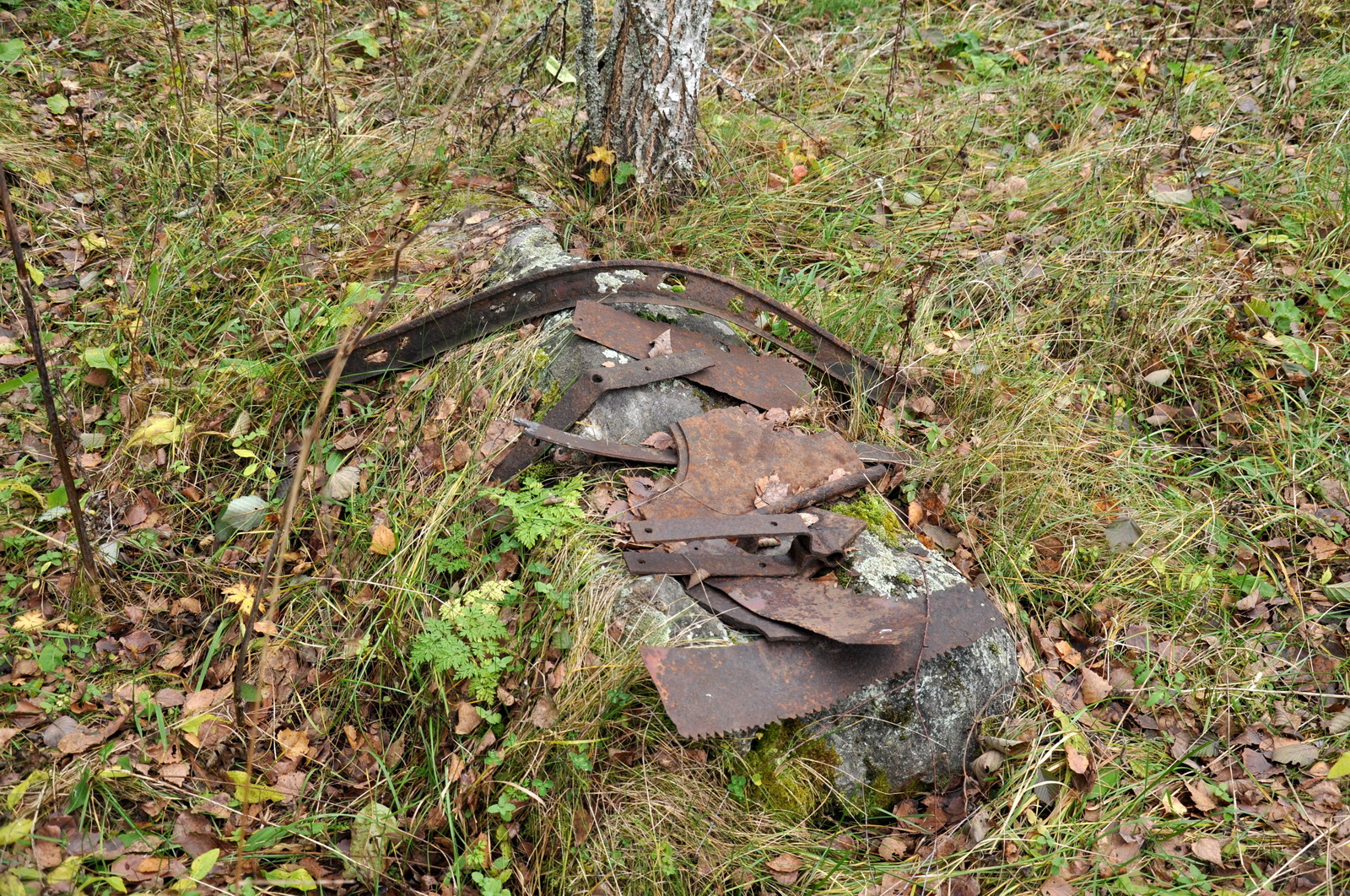
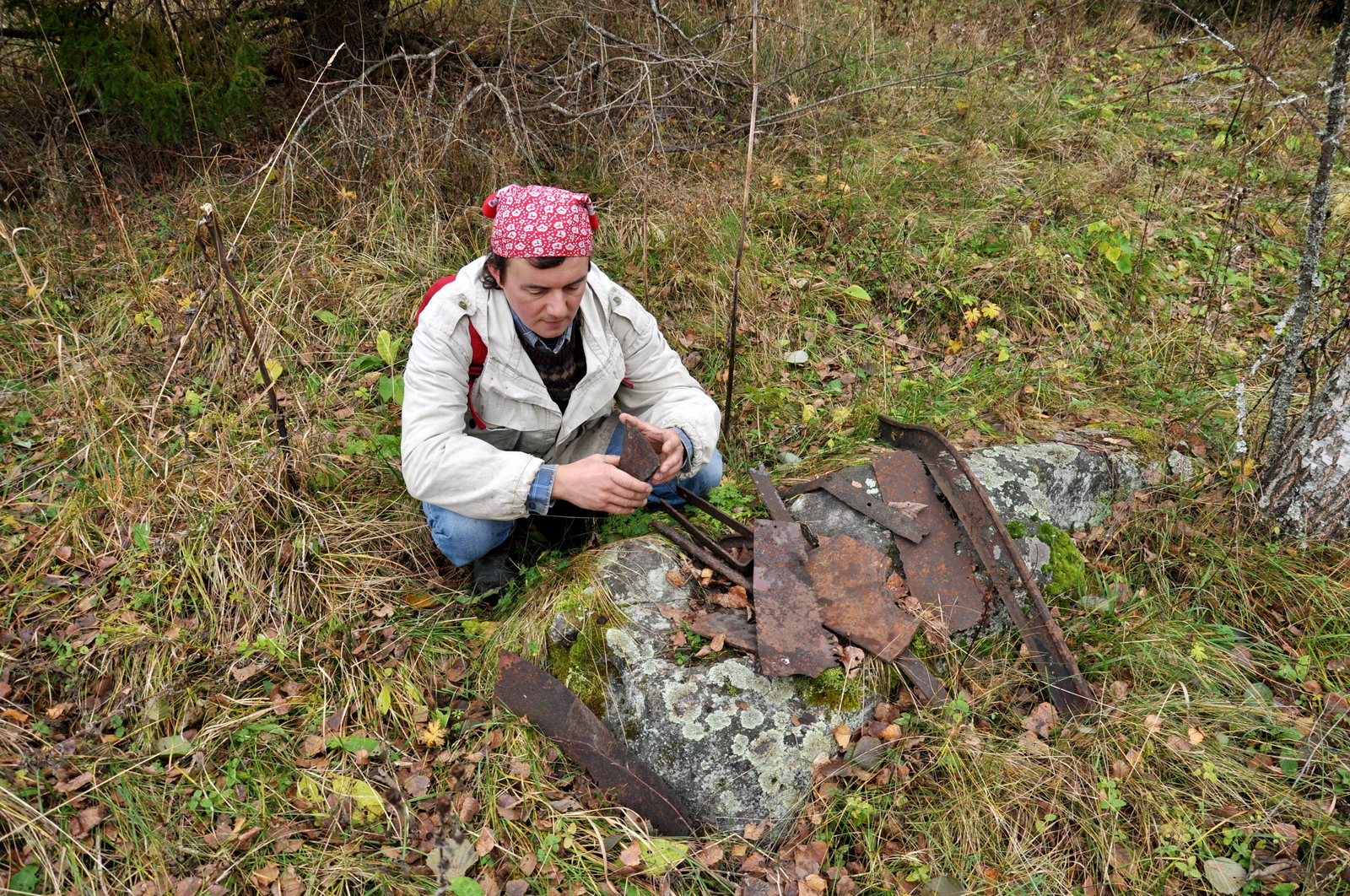
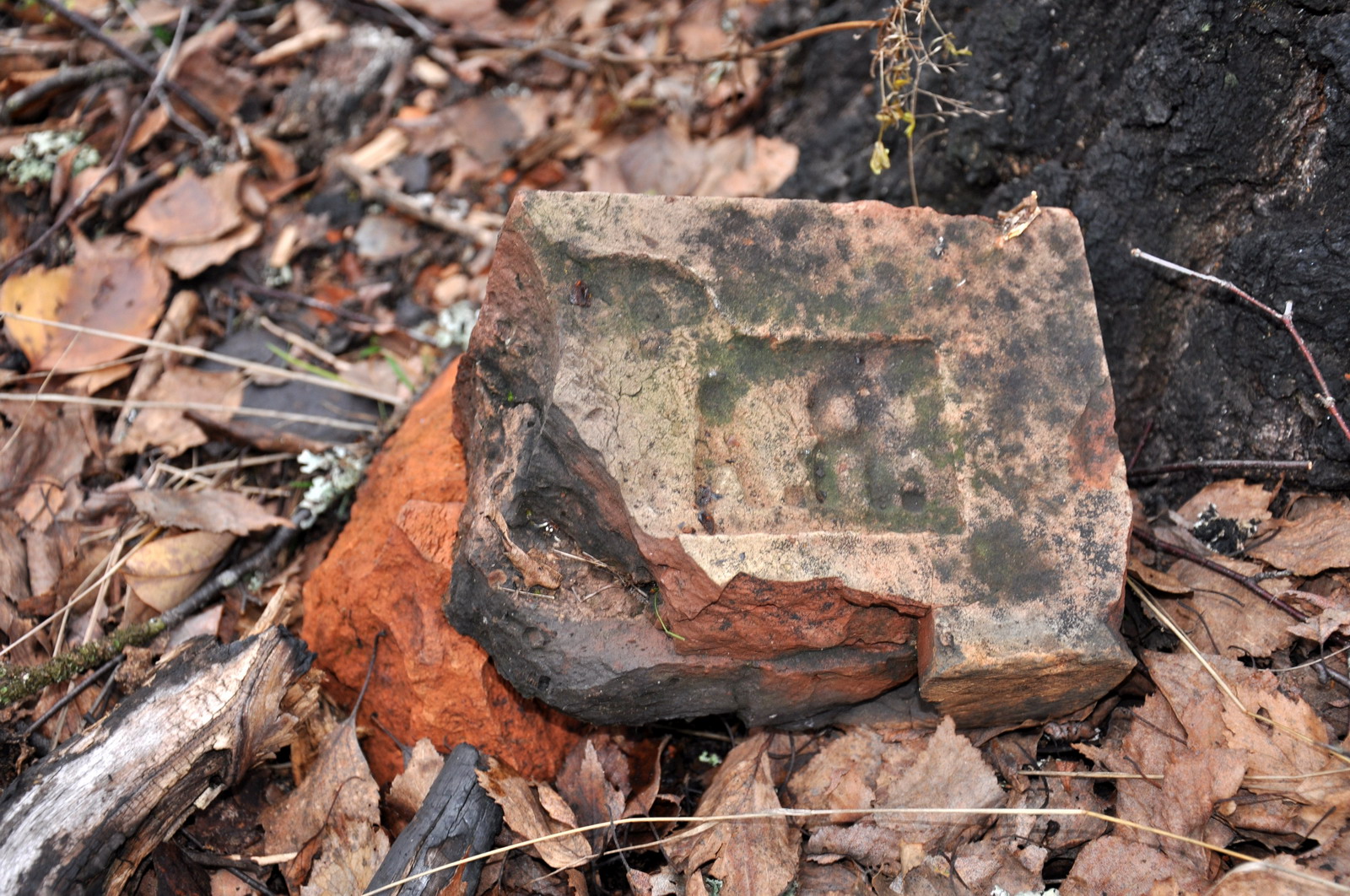
We immediately spotted traces of treasure hunters, whether they had permission or not. They always lay whatever they don’t need°ut°n the stones. Even that is of interest to us. There seem to have been only pieces of saws, axes and chisels.
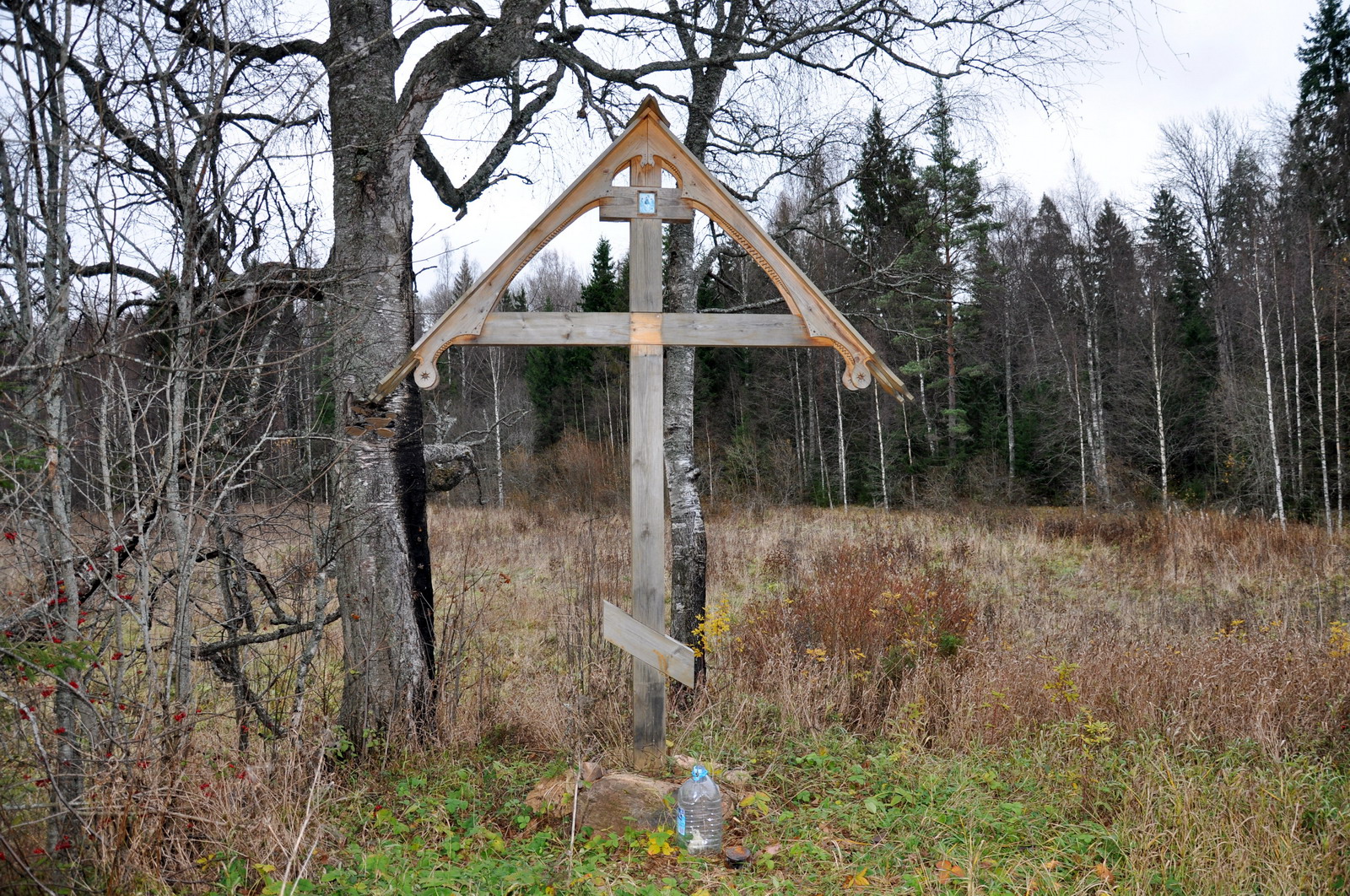
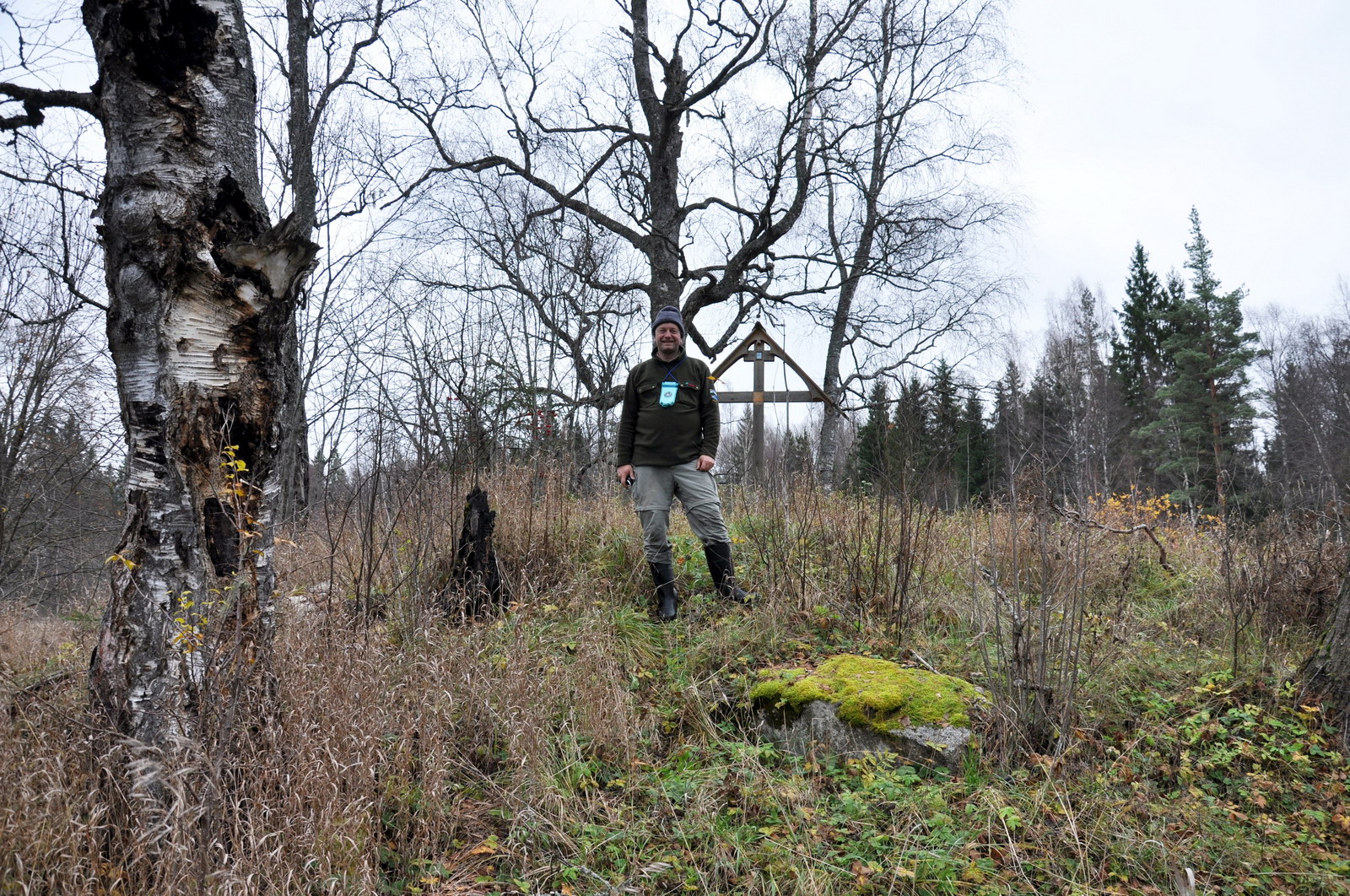
All that remains of the monastery is a mound (59°03.242′N, 30°22.256′E). There is a cross on top. It is new but already leaning. There are signs of plenty of recent visitors: candles, rubbish, campfires, empty tins. Pilgrims, in other words.
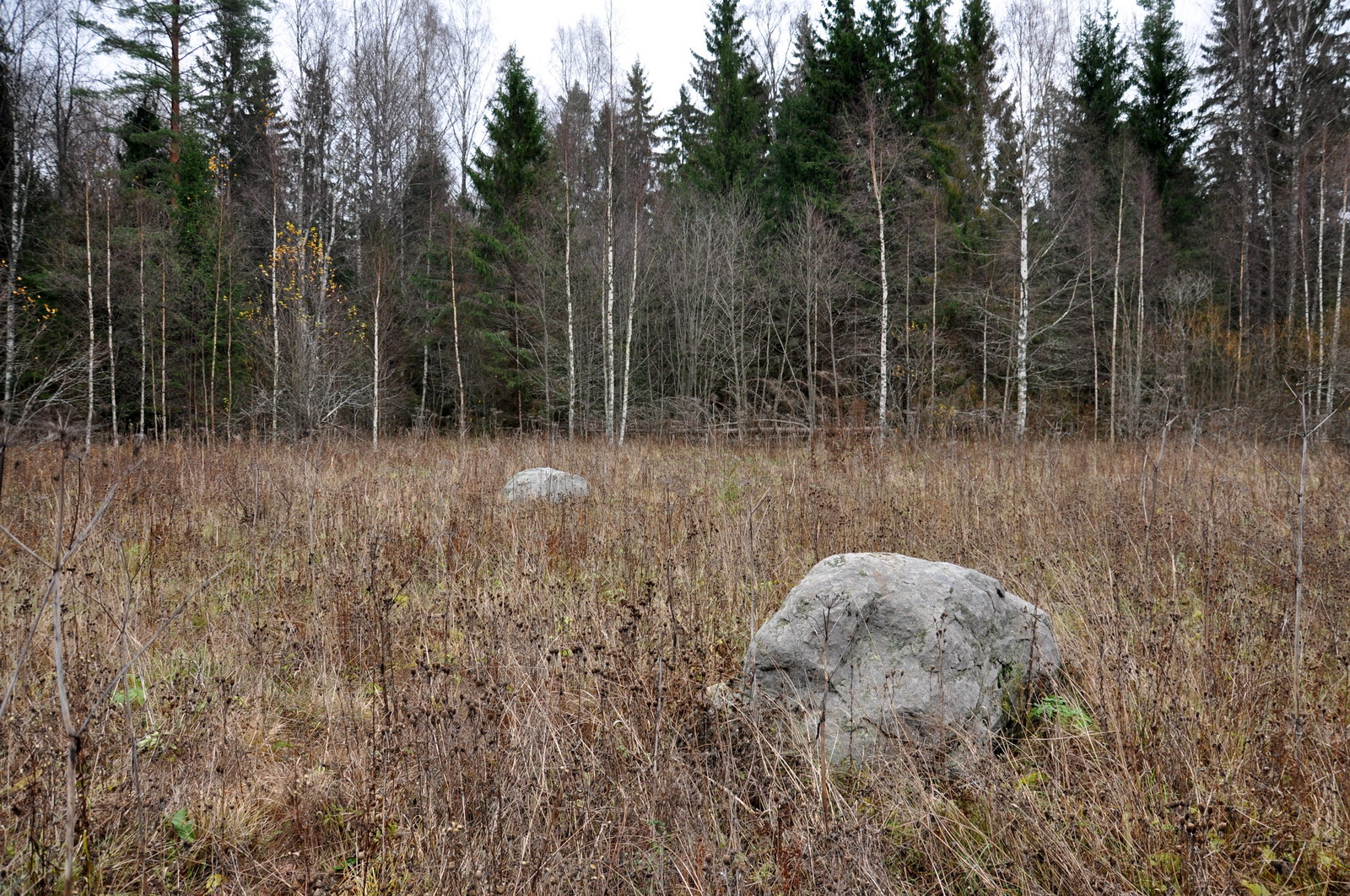
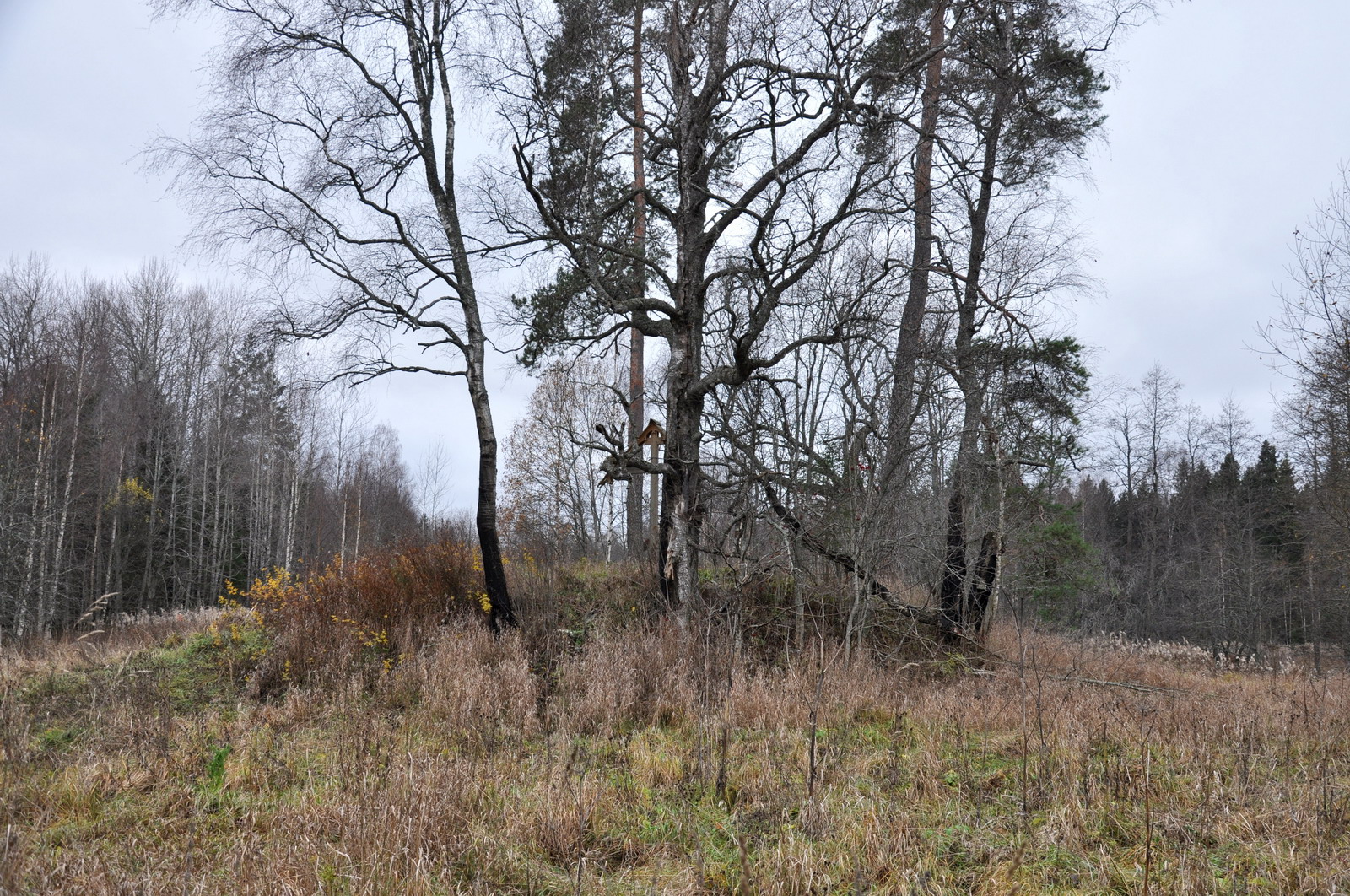
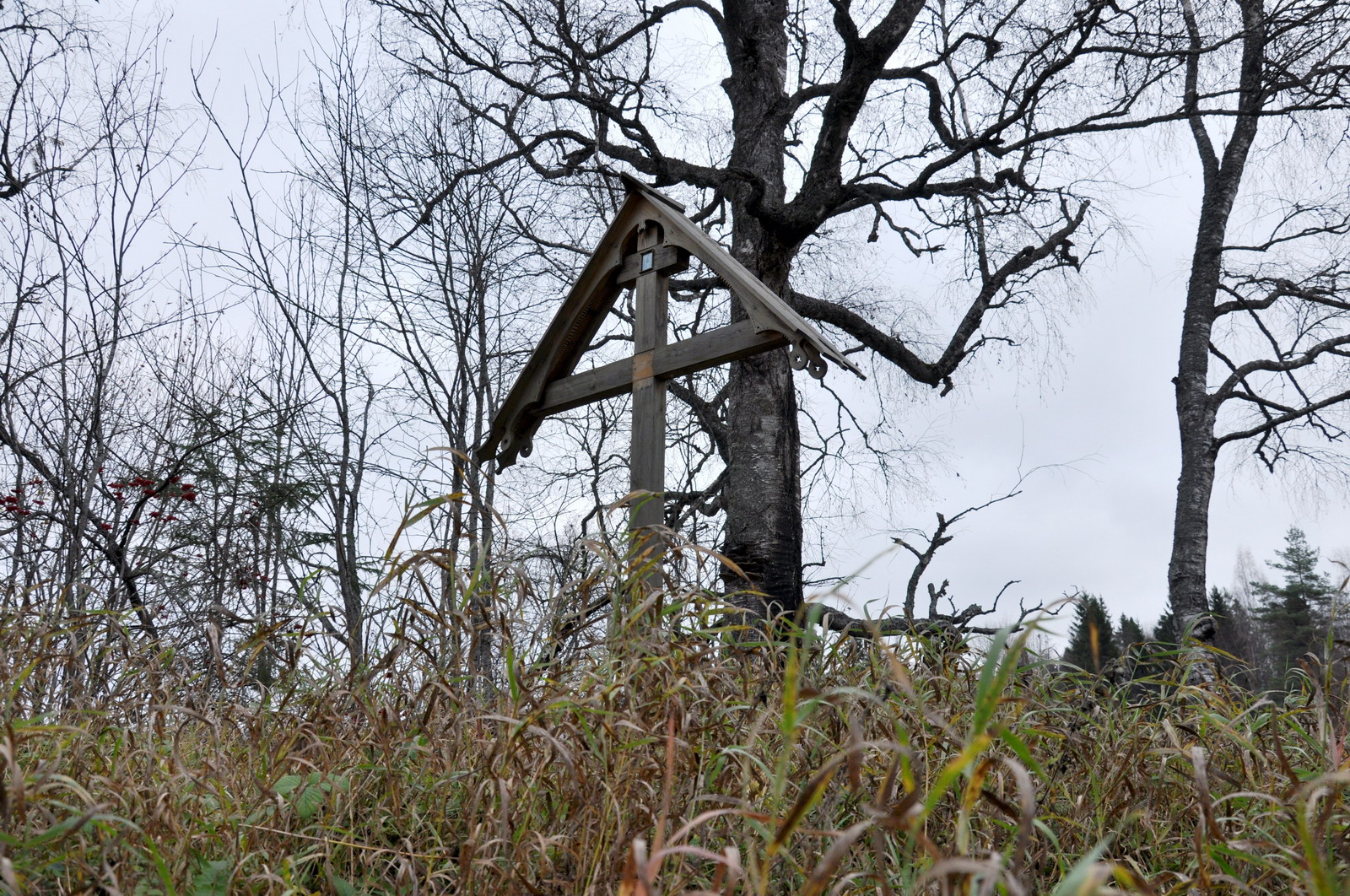
People say the mound is what remains of the church. I’m not so sure. It is full of round stones that don’t look as if they ever formed walls, and the mound itself is round and symmetrical. The nearby foundation is another matter. It has the characteristic shape of a church, facing east.
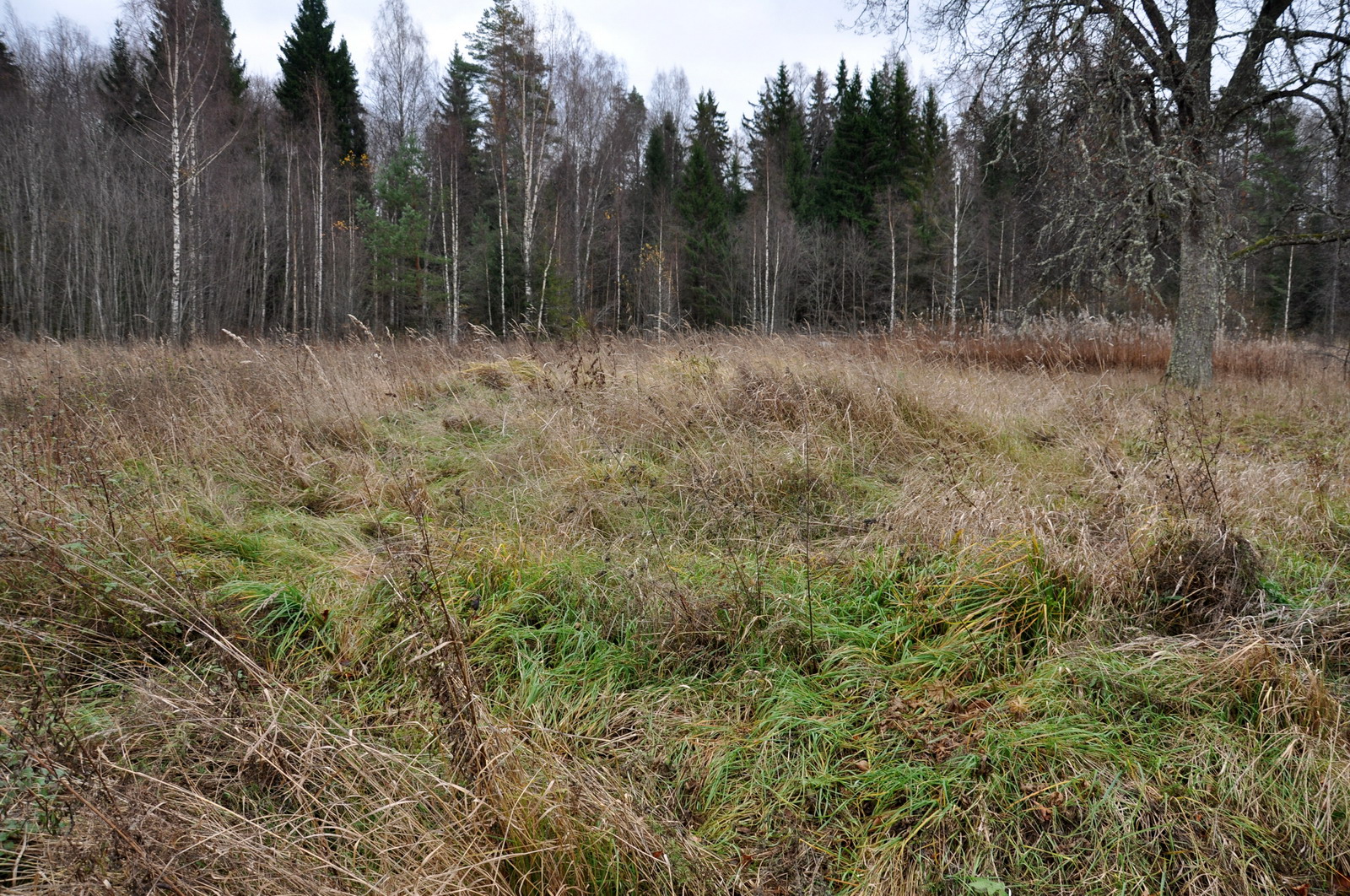
The tall nettles give away the sites of other buildings. People say there were stone-lined bathing pools, but we did not find them. It was October and cold, hardly the time for swimming. We will have to come in July. The entire stream is backed up behind beaver dams, so it will be a deep dive.
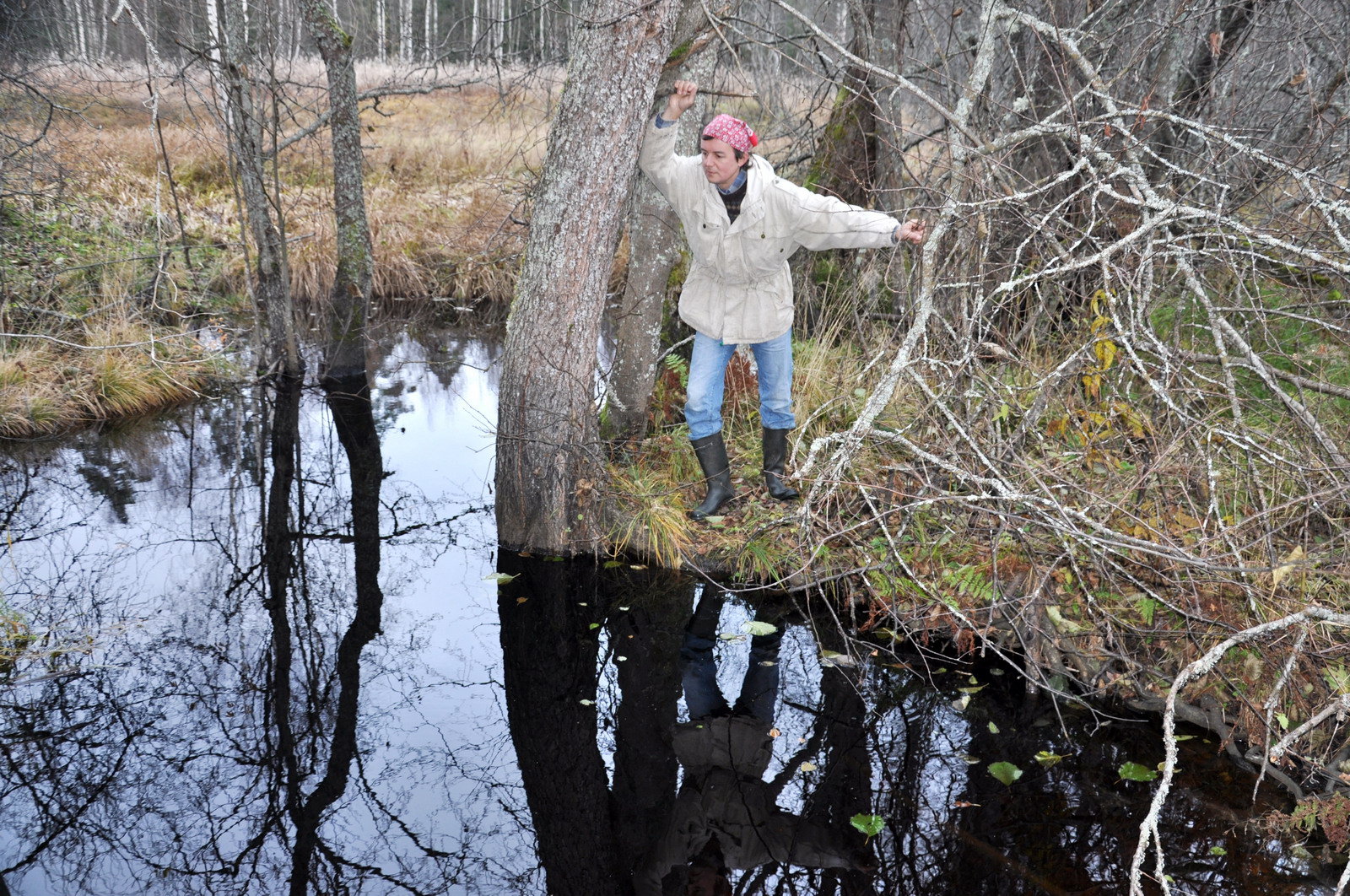
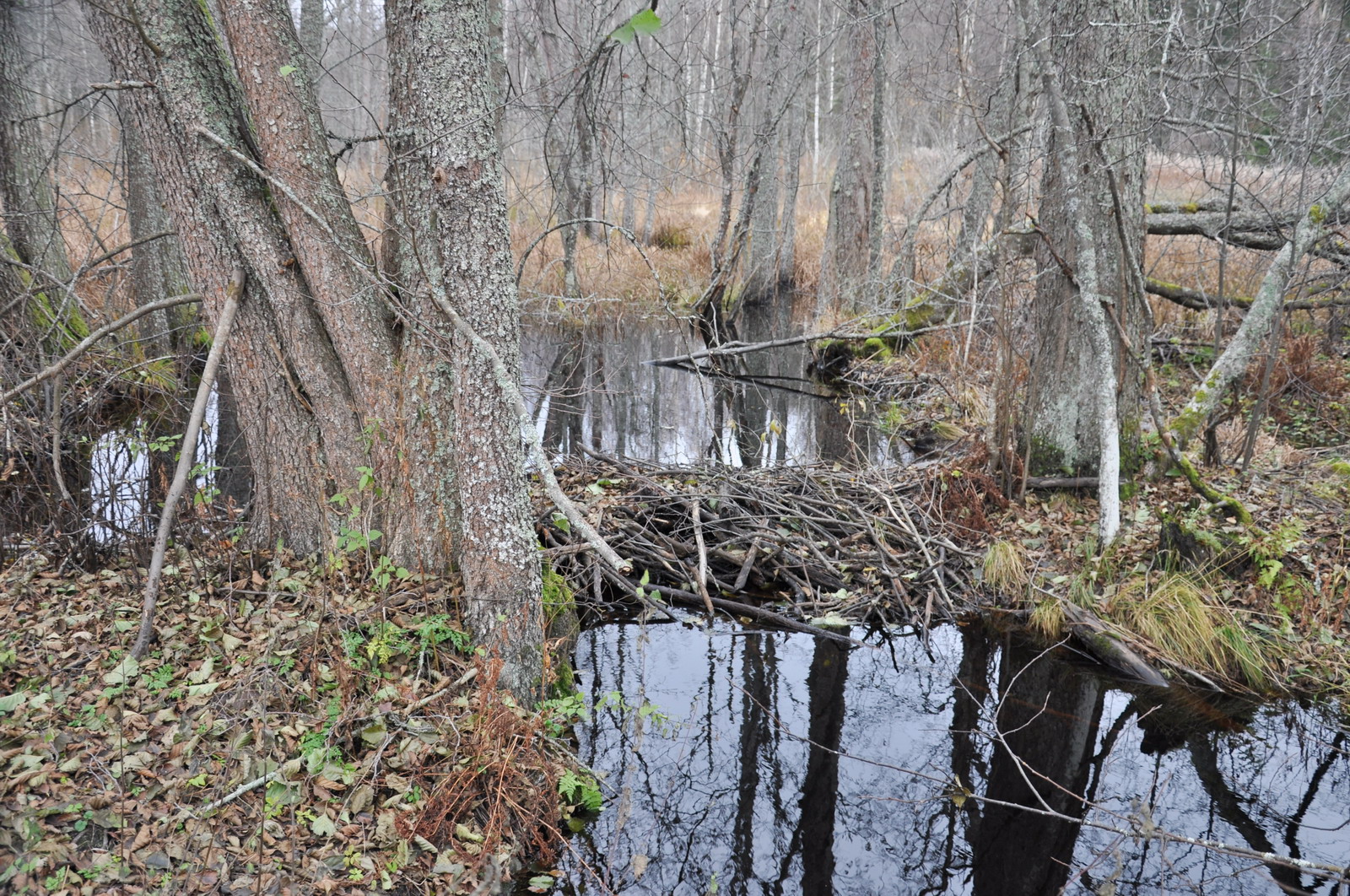
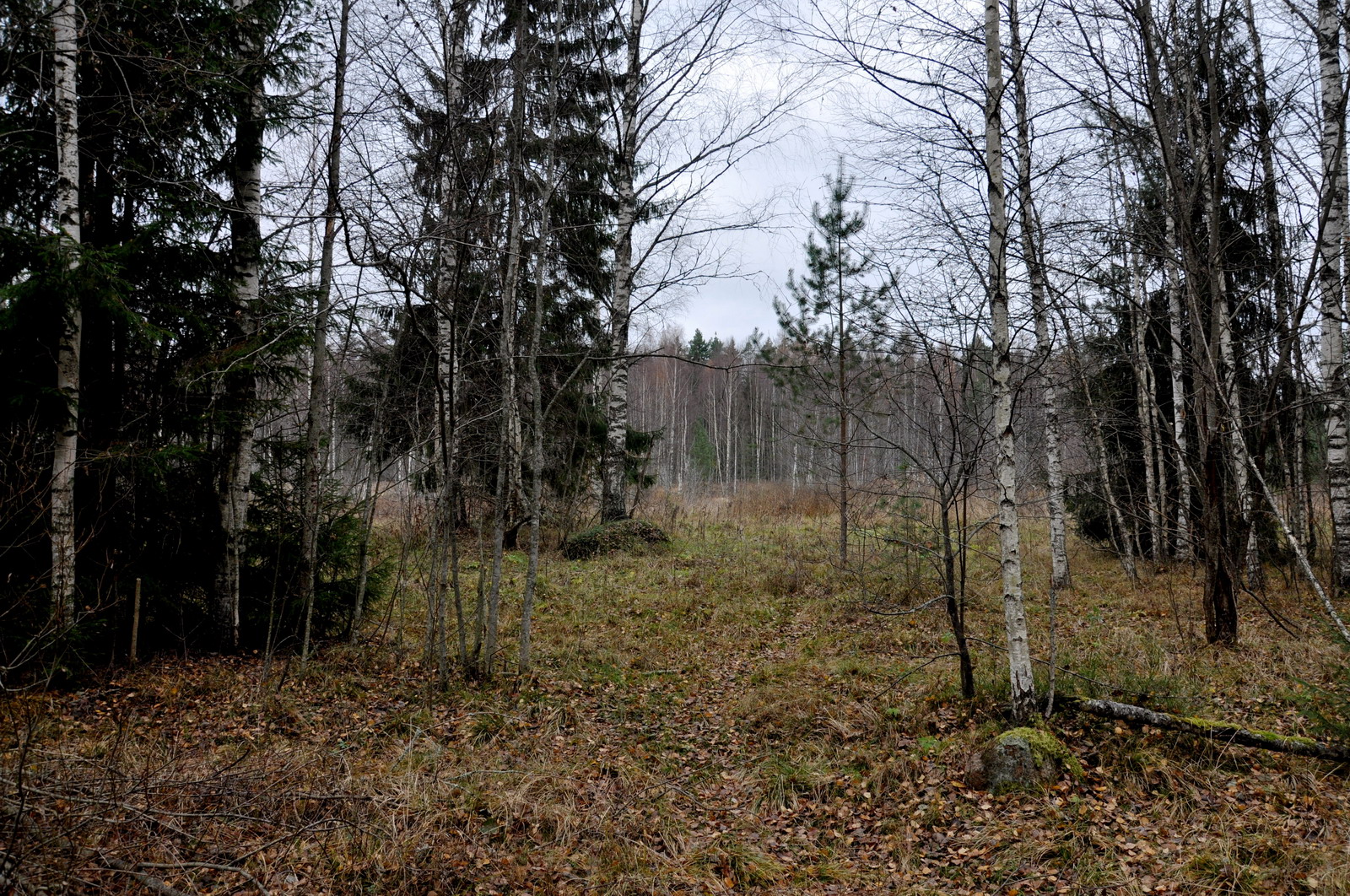
The monastery stands on the banks of the Monastyrka. Surprisingly, in a landscape surrounded by bogs, the banks here are high and the hay meadows have yet to grow over completely.
Traces of human activity are visible along about a kilometre of the stream.
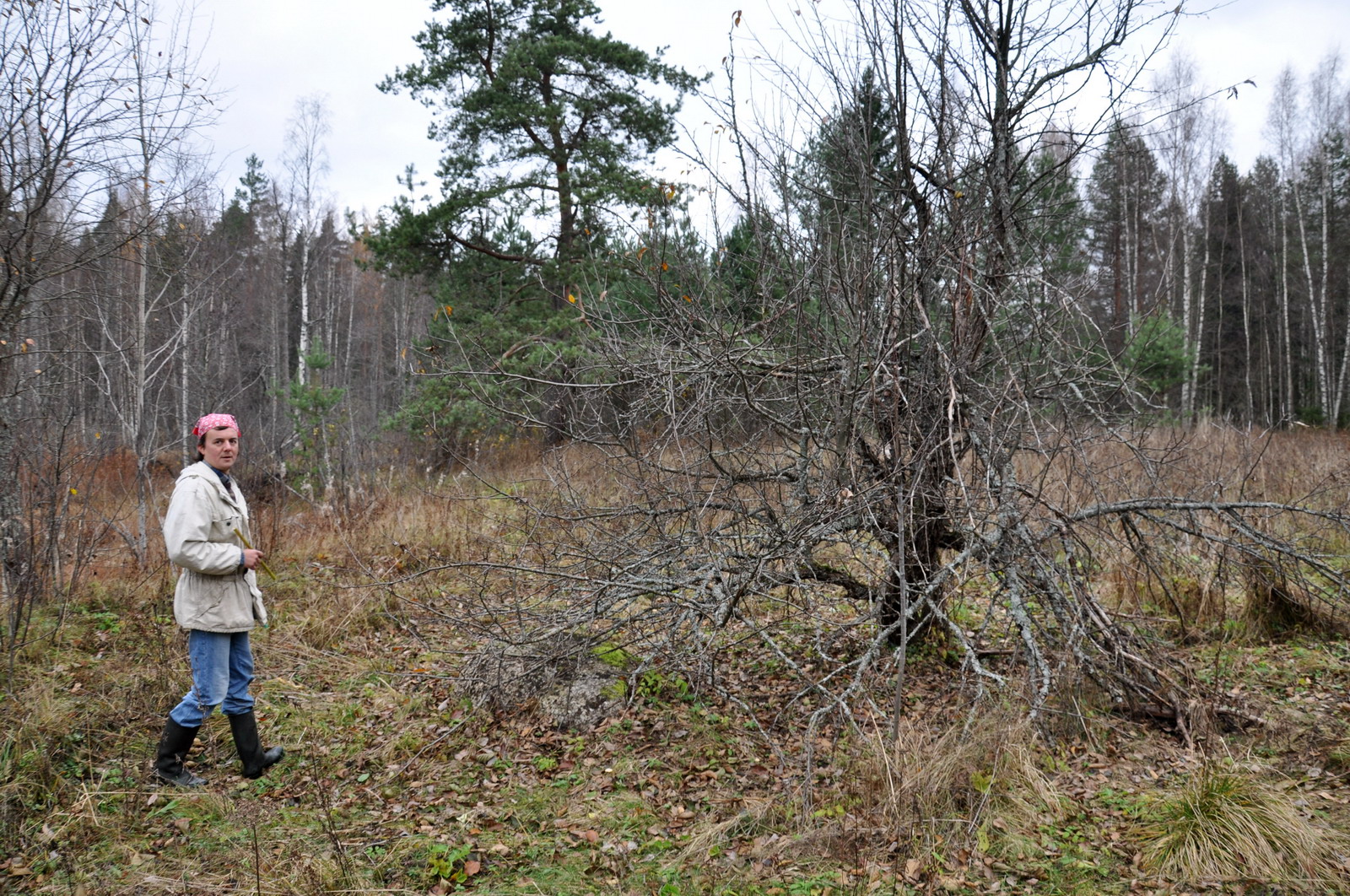
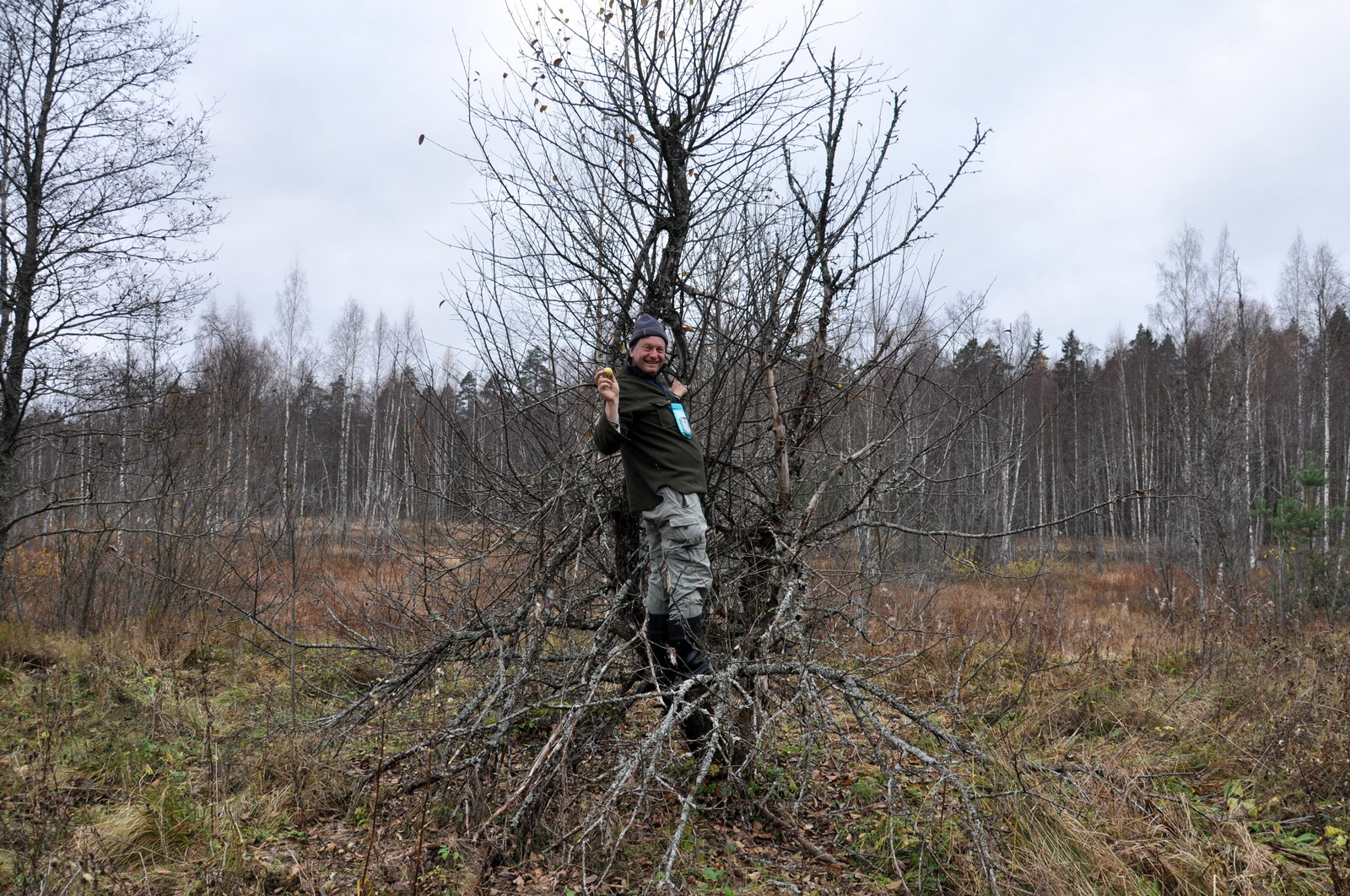
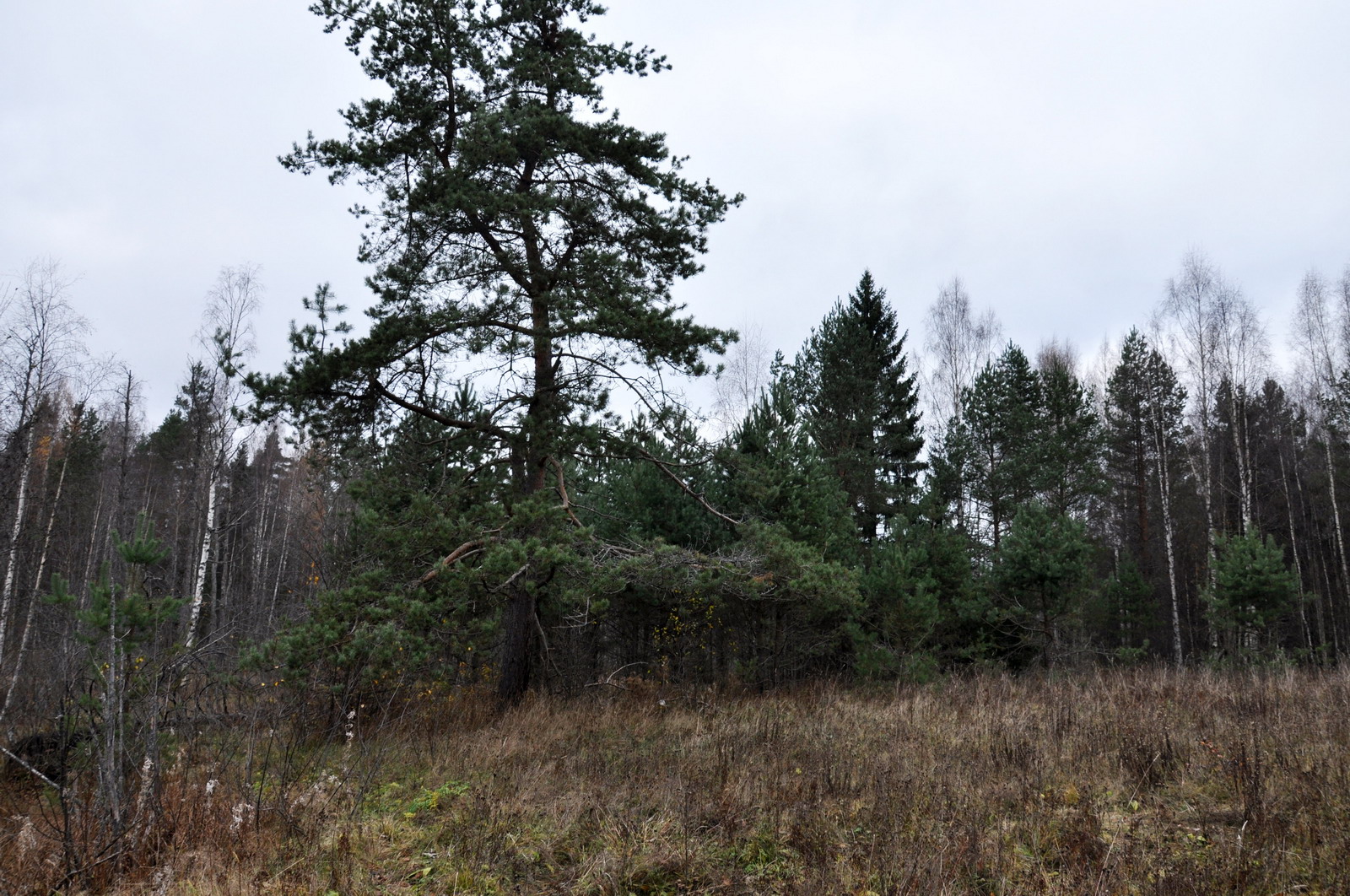
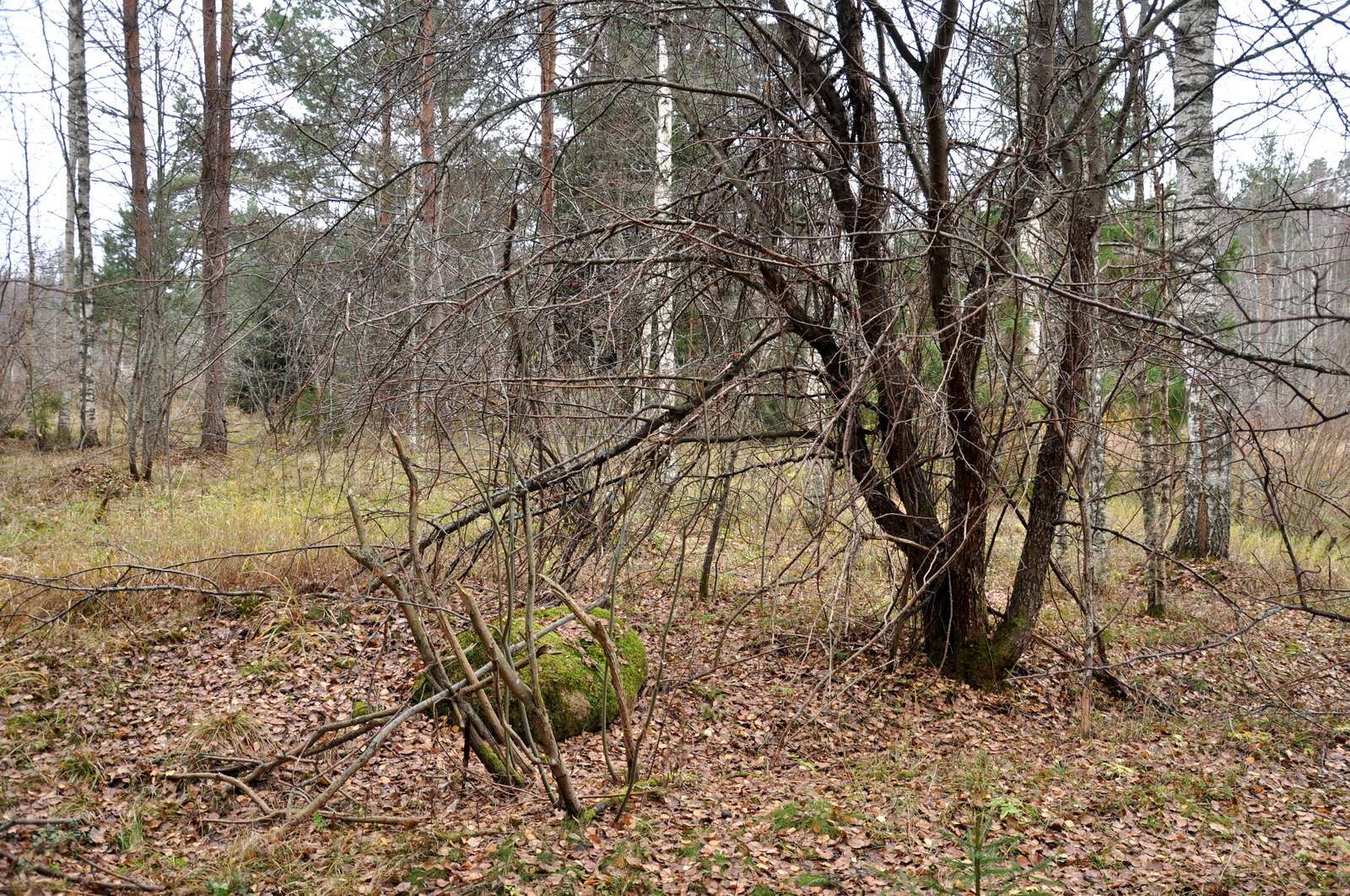
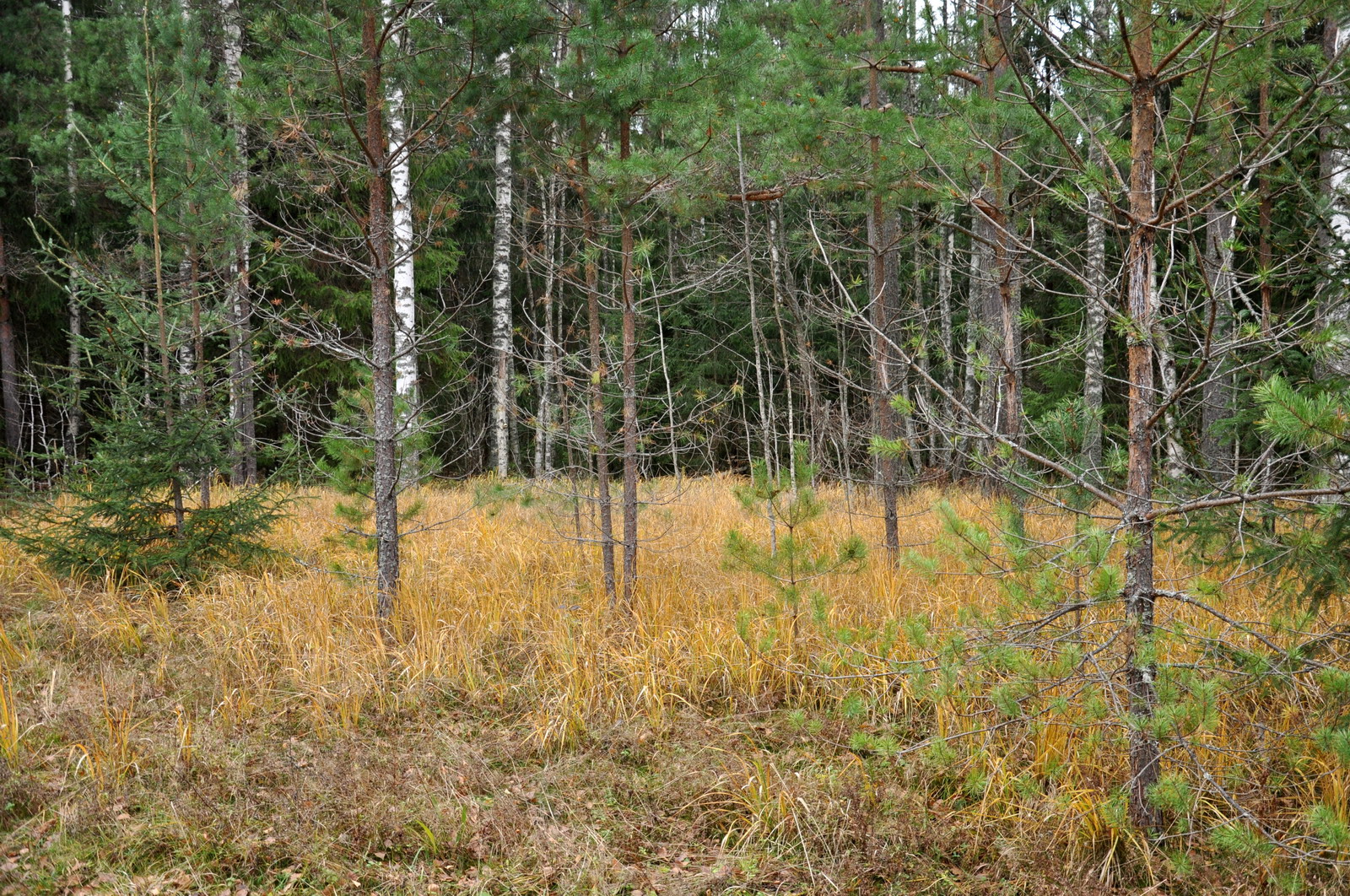
We took another way back, continuing along the Ivangorod road towards the village of Chashcha. A surprise awaited us in another overgrown meadow: we found a lone six-sided post (59°03.549′N, 30°21.871′E). Everything around it had rotted away, but there it stood among the alder trunks. There was a square nail in it, the kind they no longer made in the 20th century. How long the post had been standing was anyone’s guess. Given that everything else had rotted without a trace, it must be very old. Now and then you come across a pine log that simply refuses to rot. This seems to be one. It looks as if it was part of a gate. Could the monastery open and close the road?
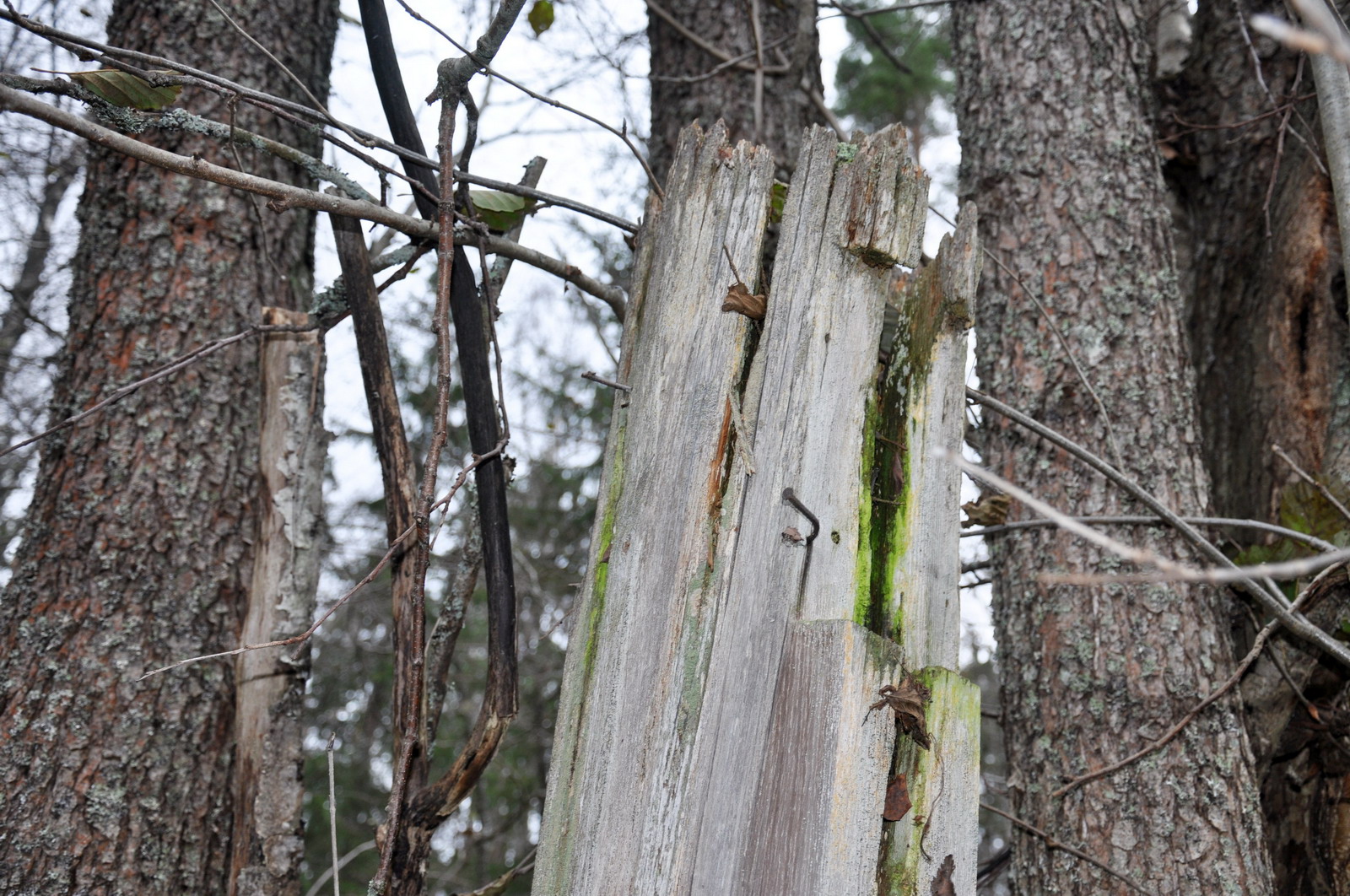
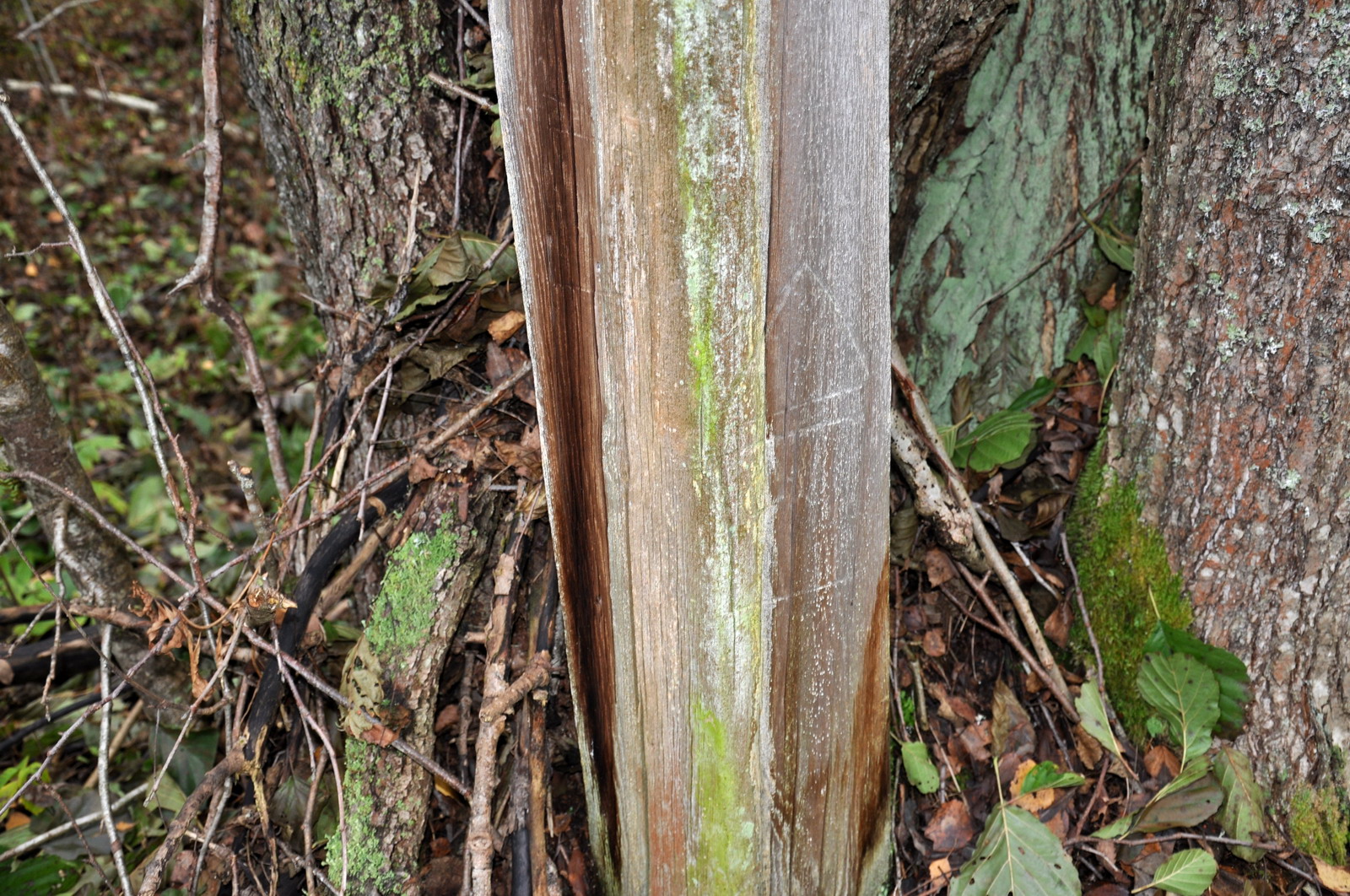
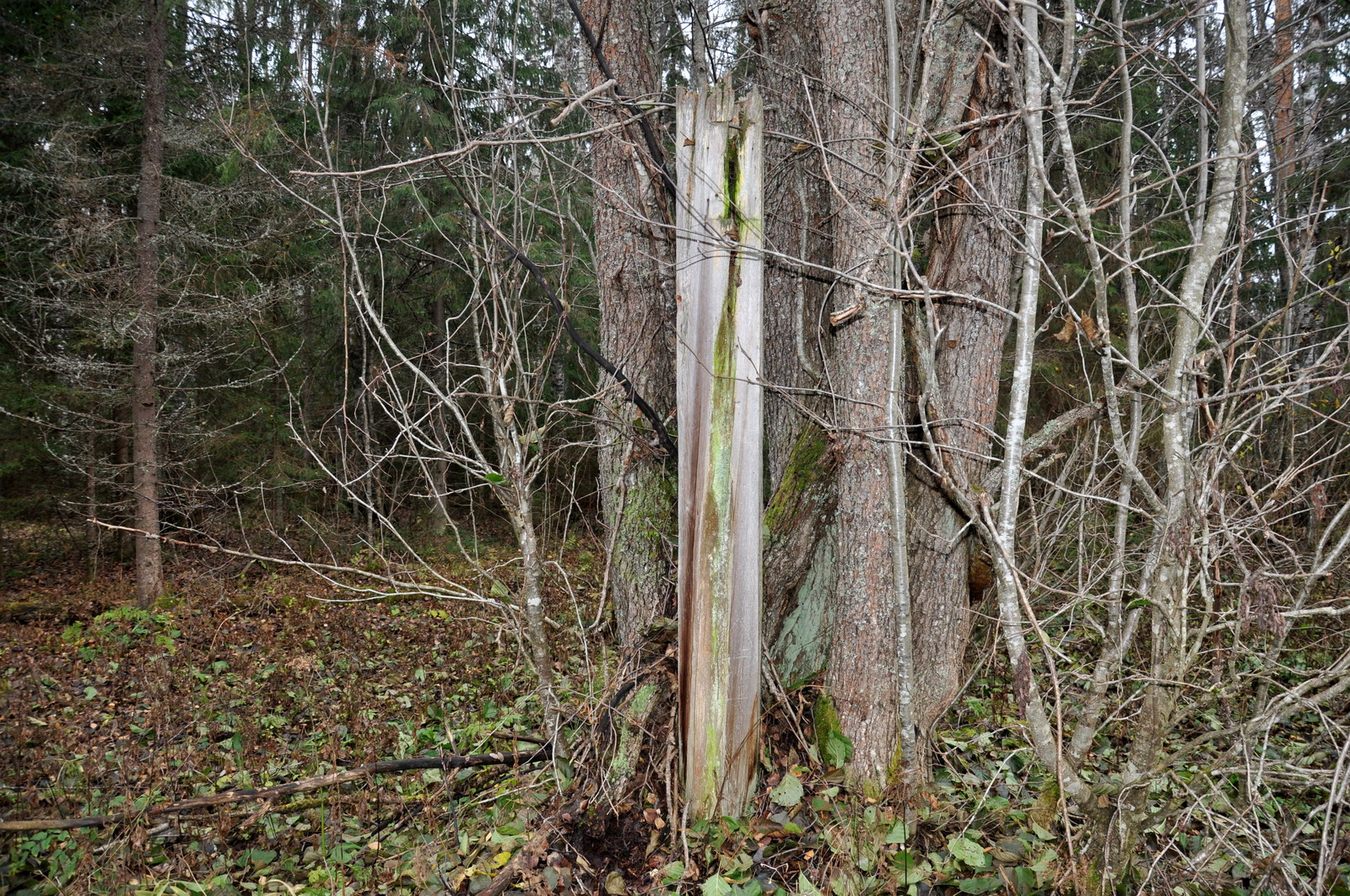
I wonder what would have made the monks open or close their gates. Wartime is easy to understand, but what about in peace?
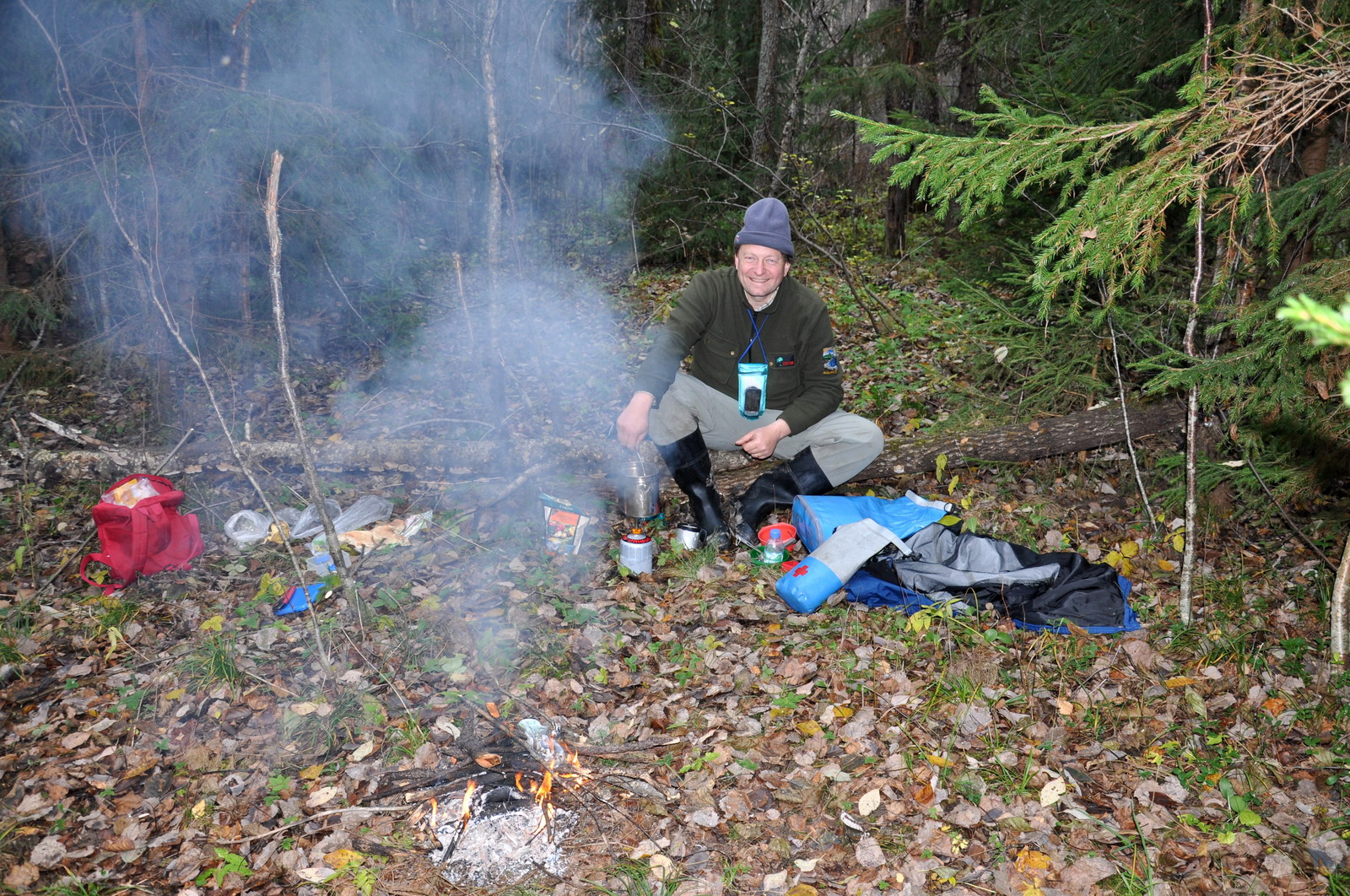
The Ivangorod road eventually leads to the ruined village of Komarino (59°04.702′N, 30°20.662′E). It crosses the road from Chashcha station to Lake Vyalye. We followed that road back after having lunch on the bank of the Zverinka.