Trip report
Lakes Yazvinskoye, Surovskoye and Kostrinskoye lie between Nesterkovo and the village of Yeglino. We walked to them from Nesterkovo. After the bridge over the Oredezh, the road follows the bank north and gives way to a trail by the Yazvinka River. In fact it is just a small stream. It does not flow out of the lake of the same name.
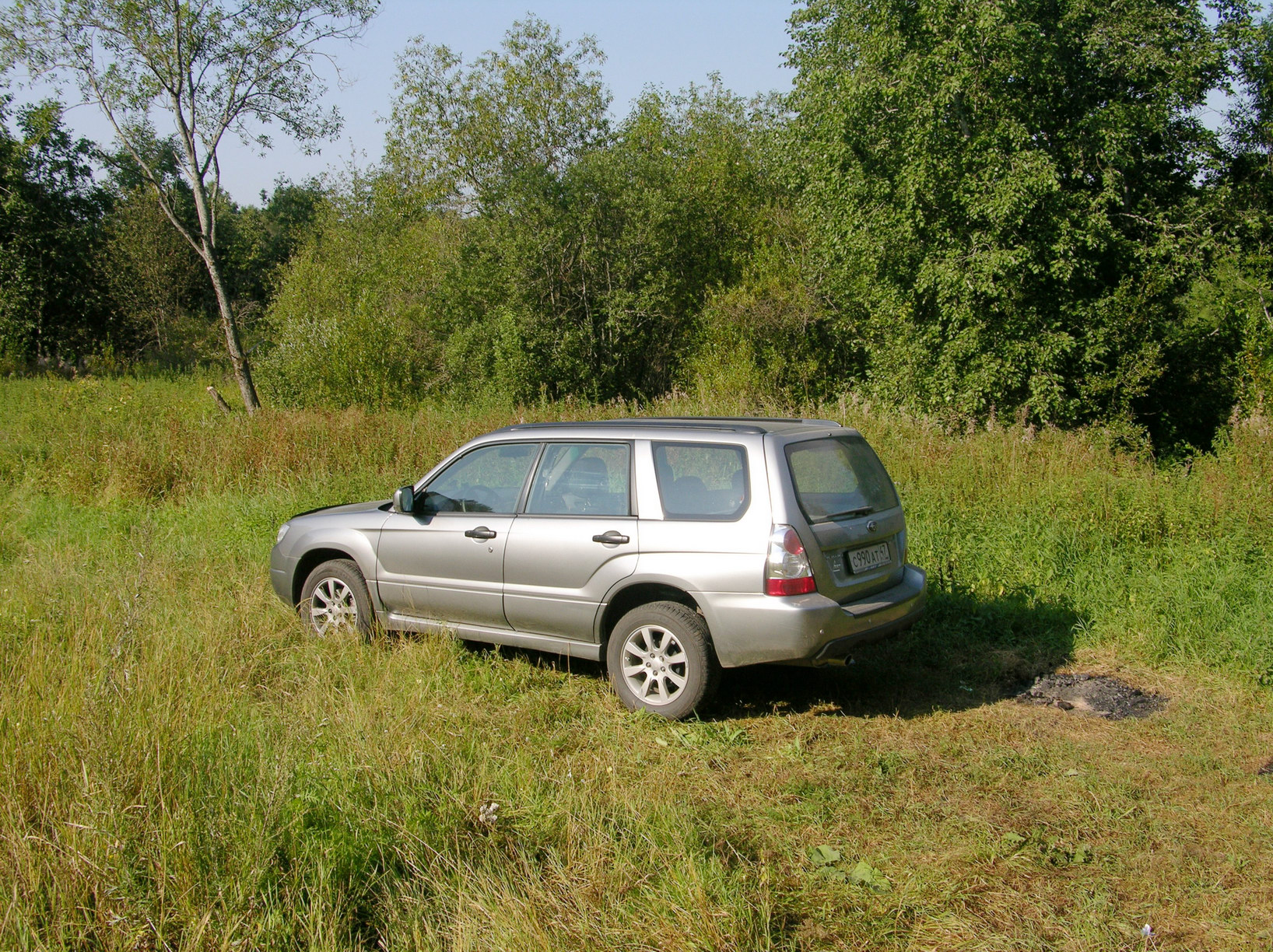
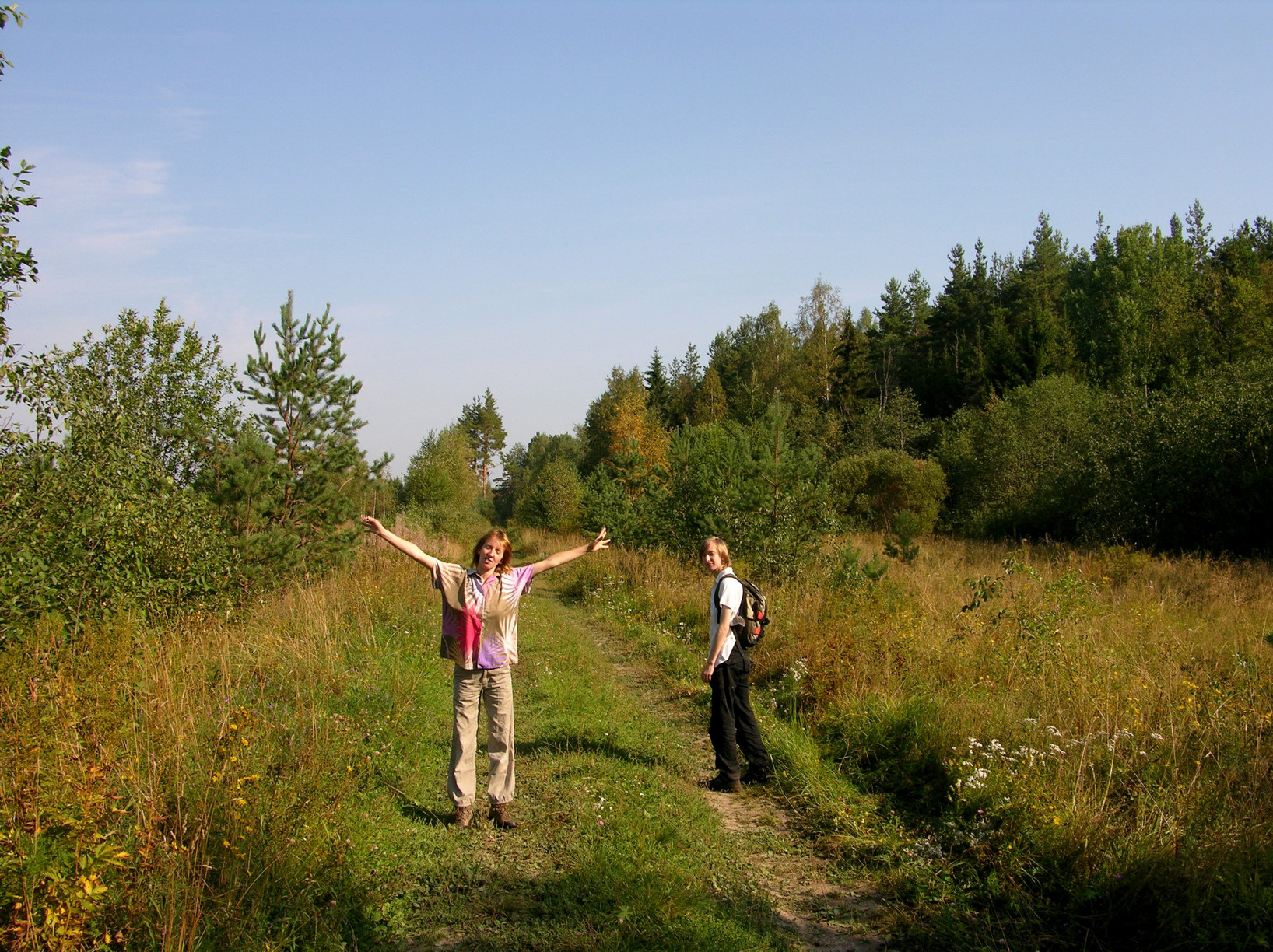
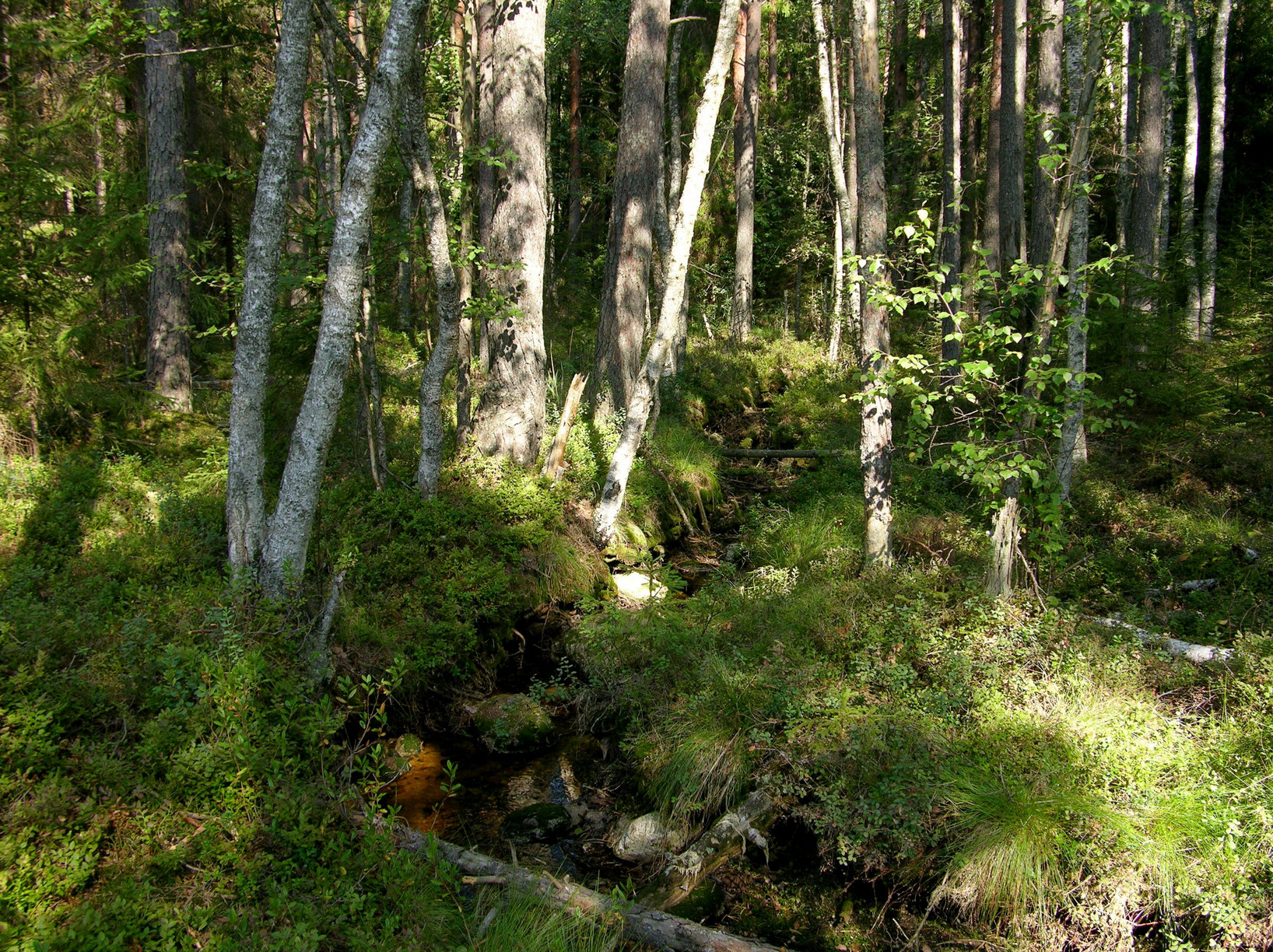
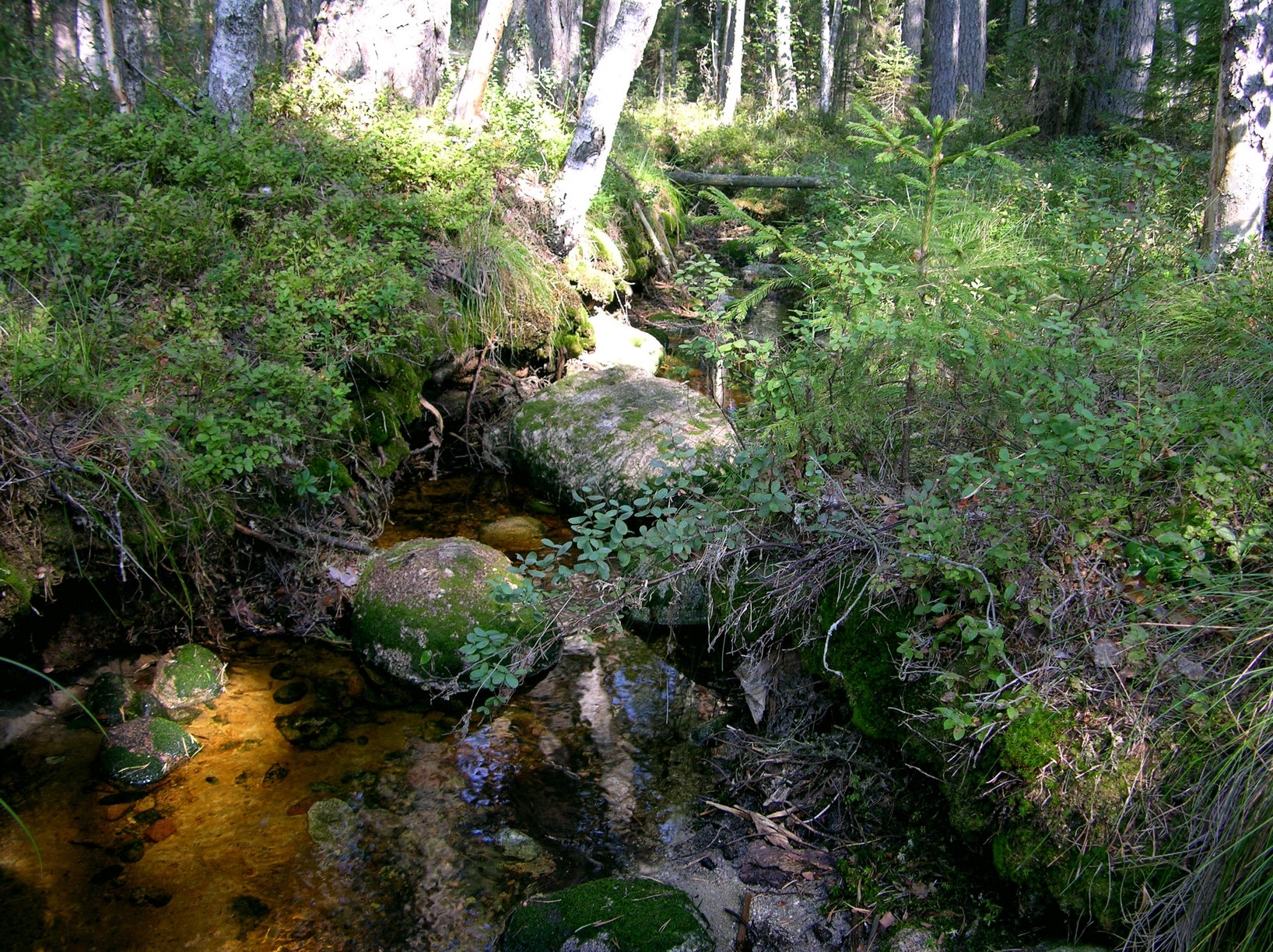
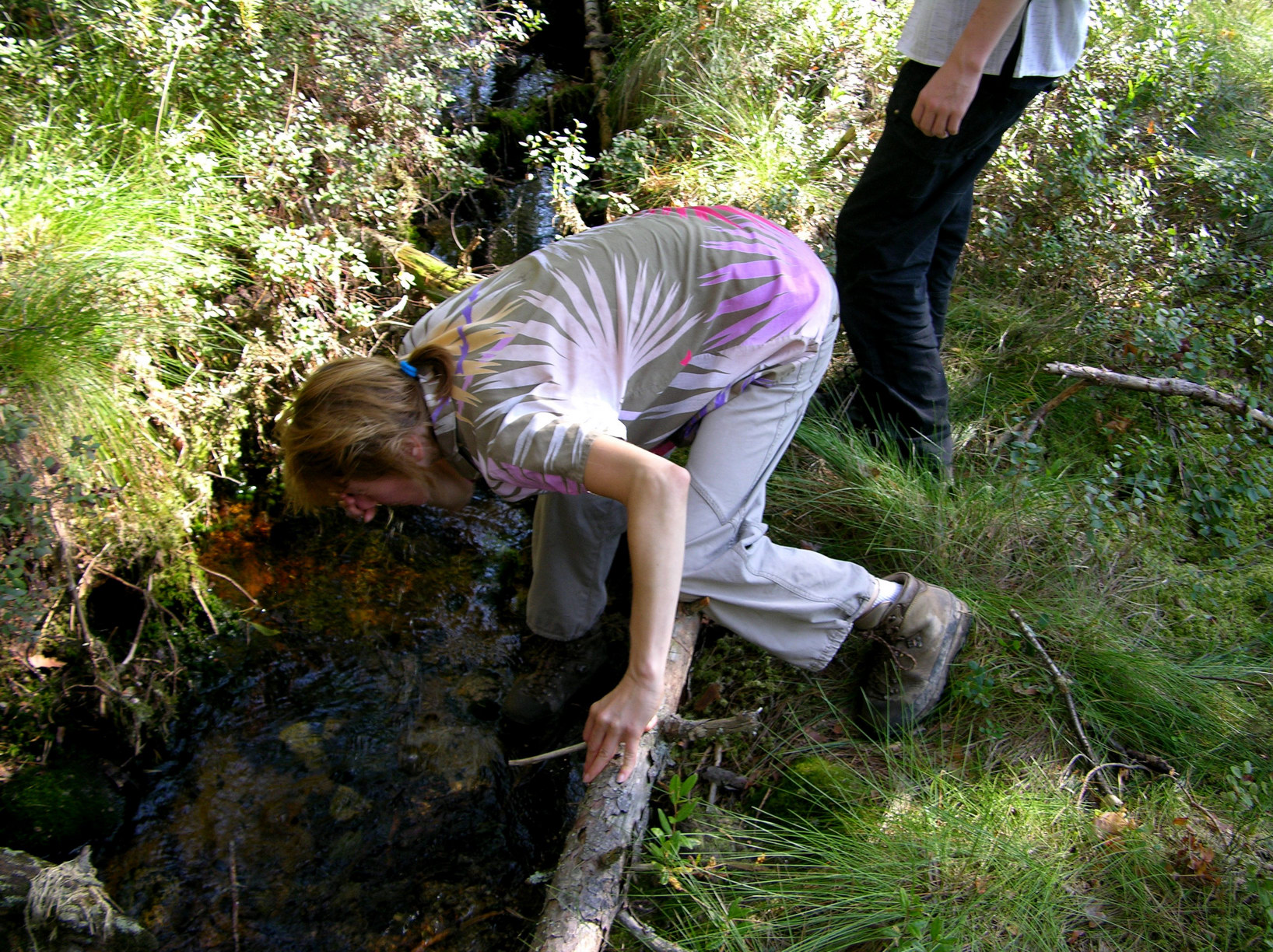
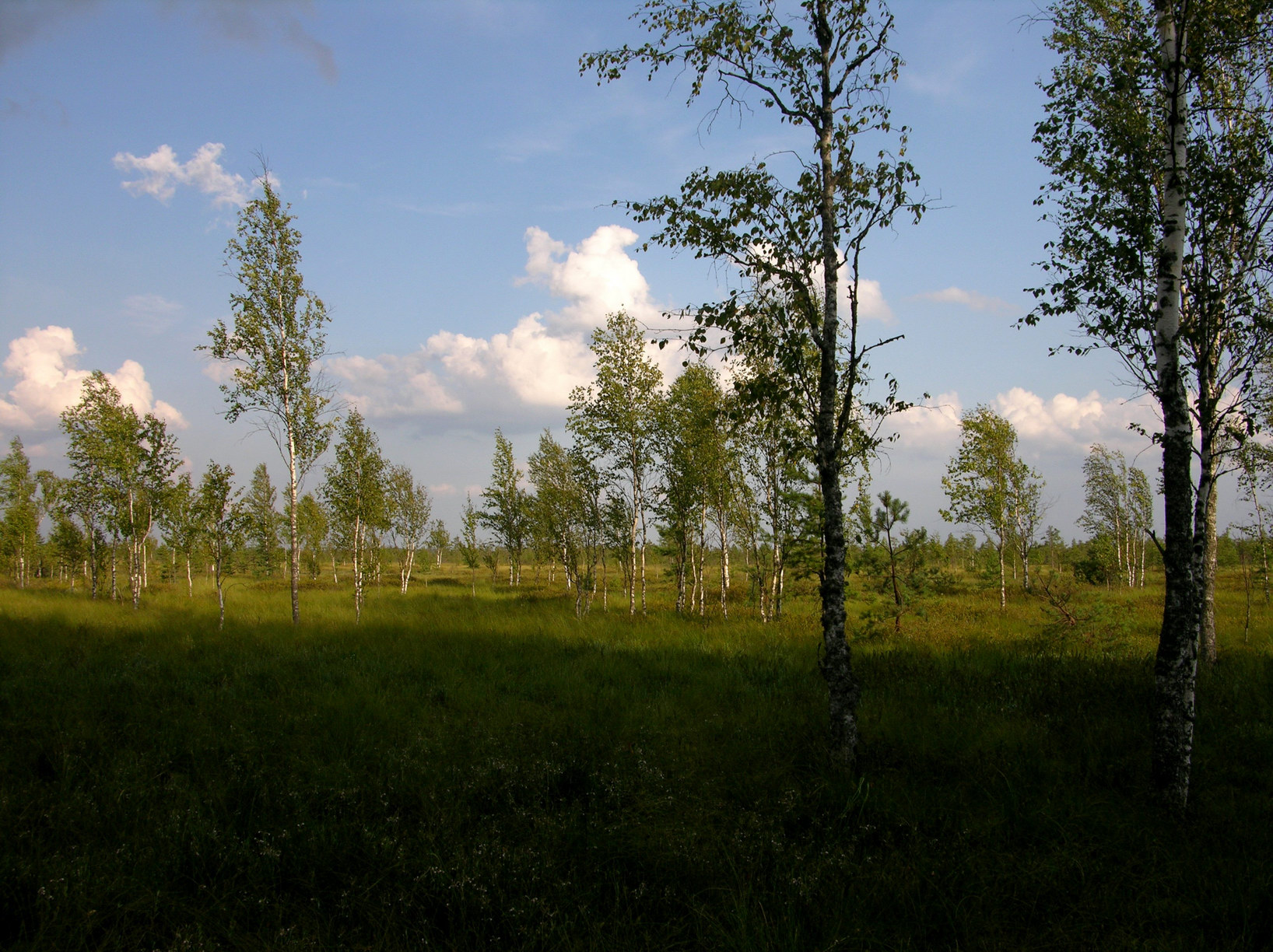
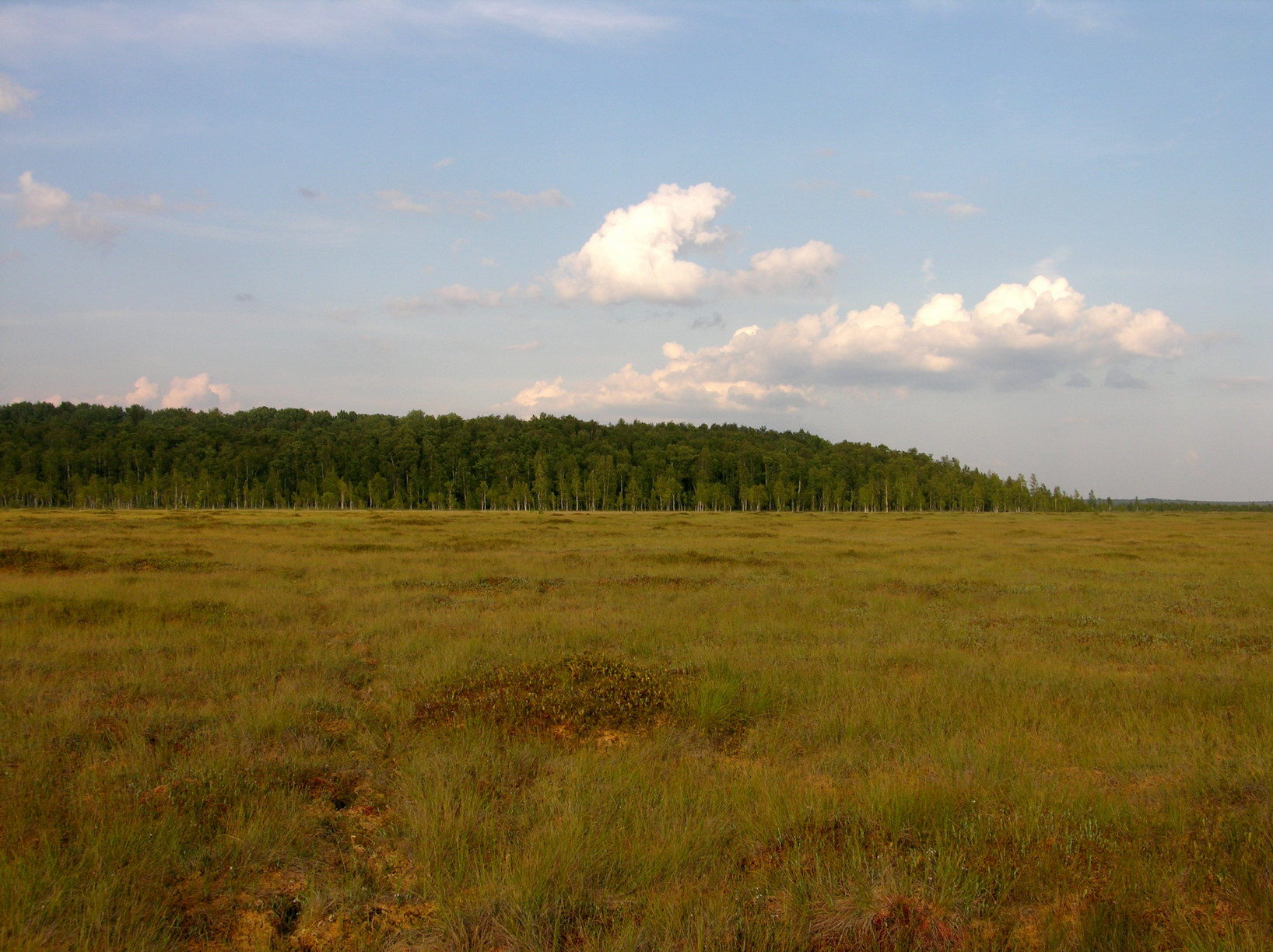
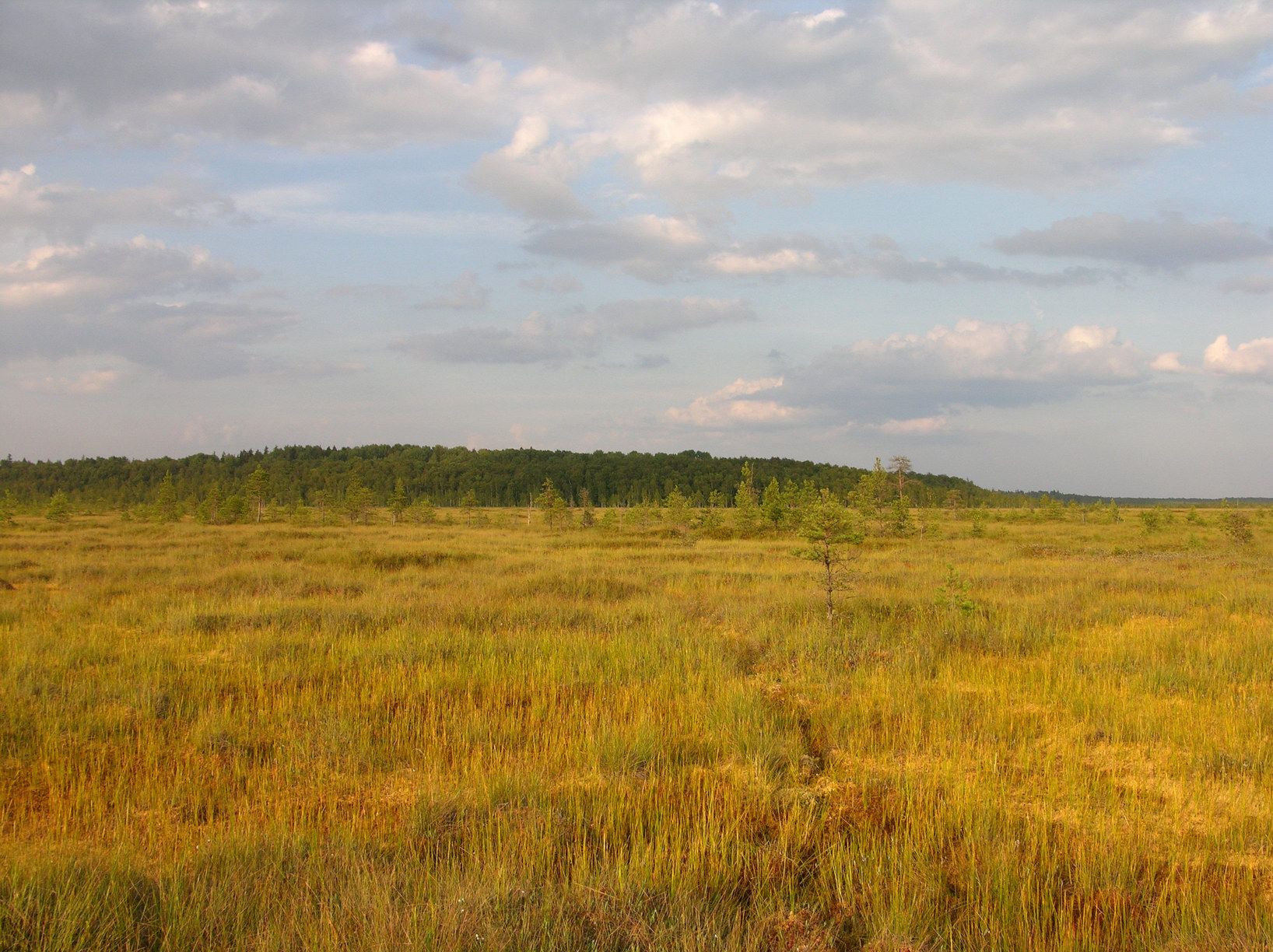
The trail then comes out onto the bog and passes south of Lake Kosterskoye, if you can call this bog a lake. It is really a wet patch of bog. There is no open water, and everything is covered in moss and grass.
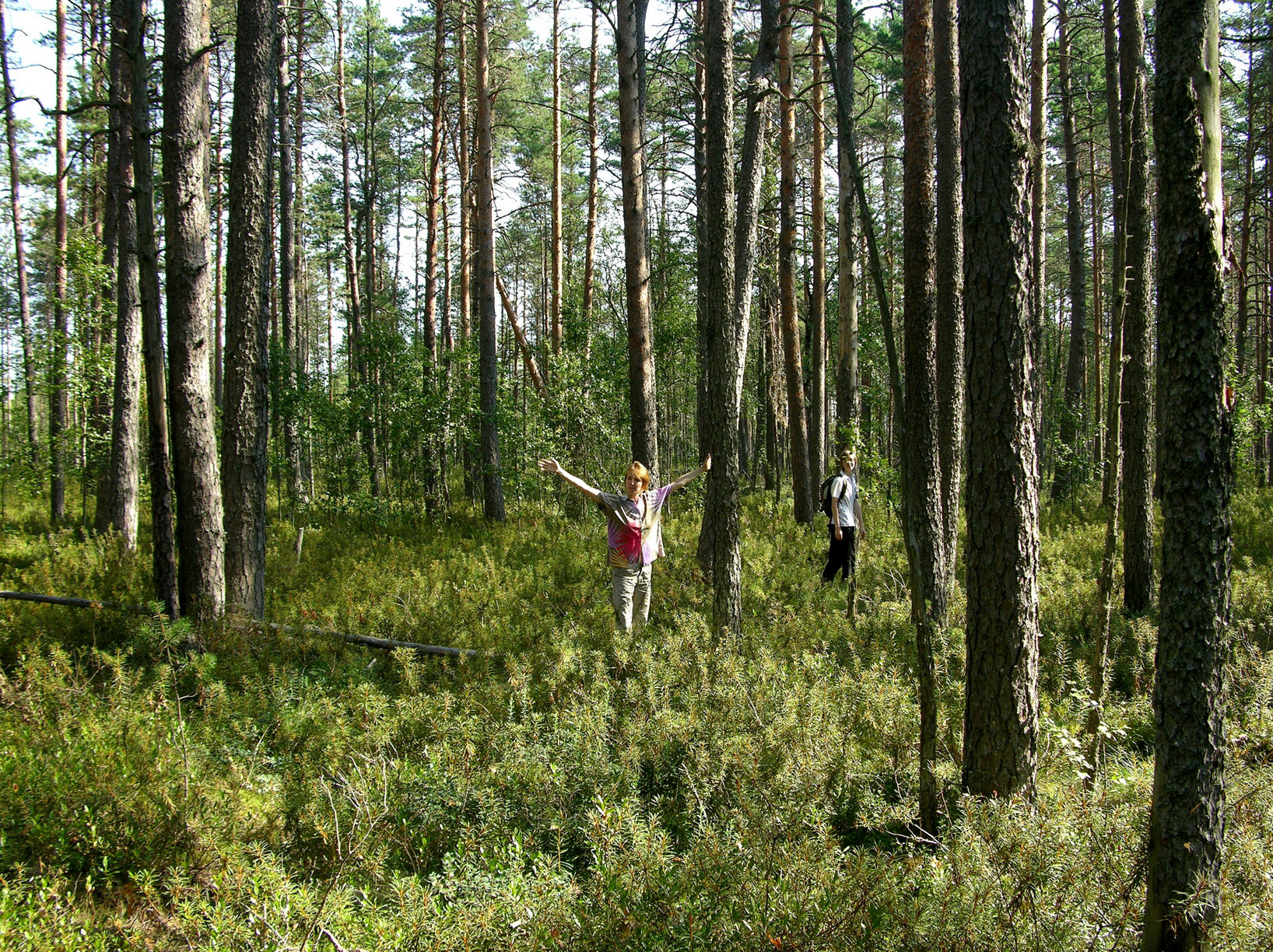
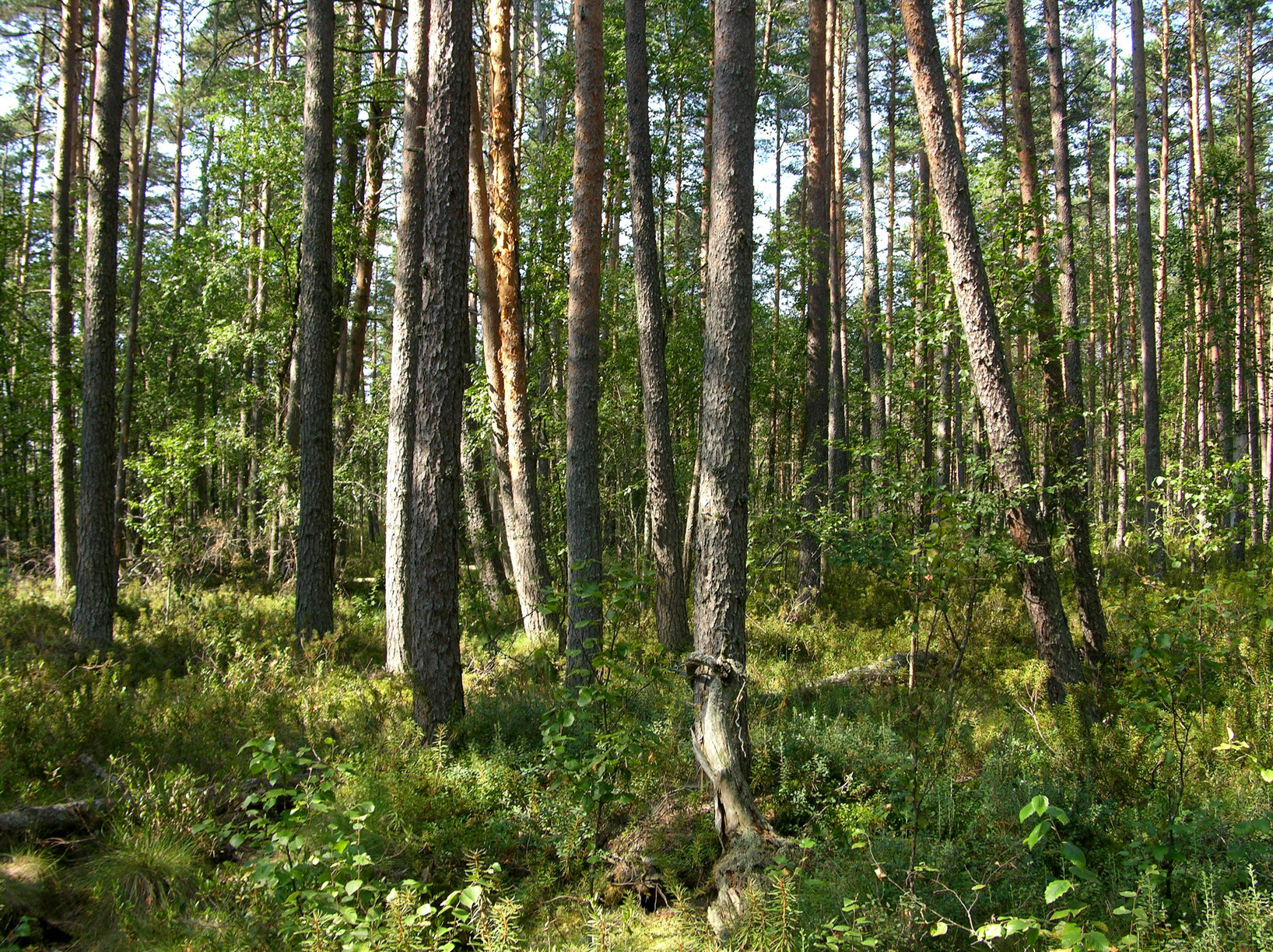
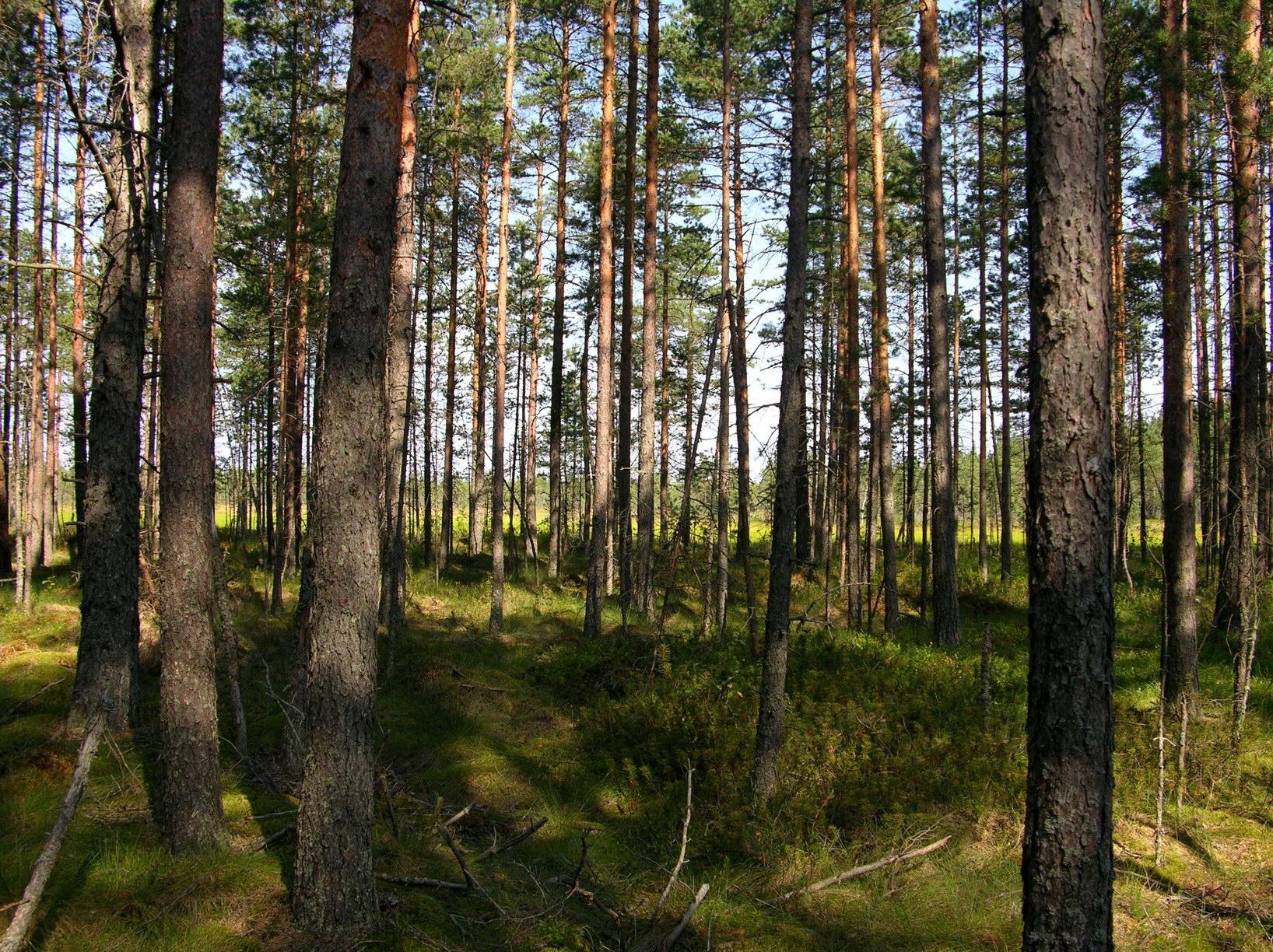
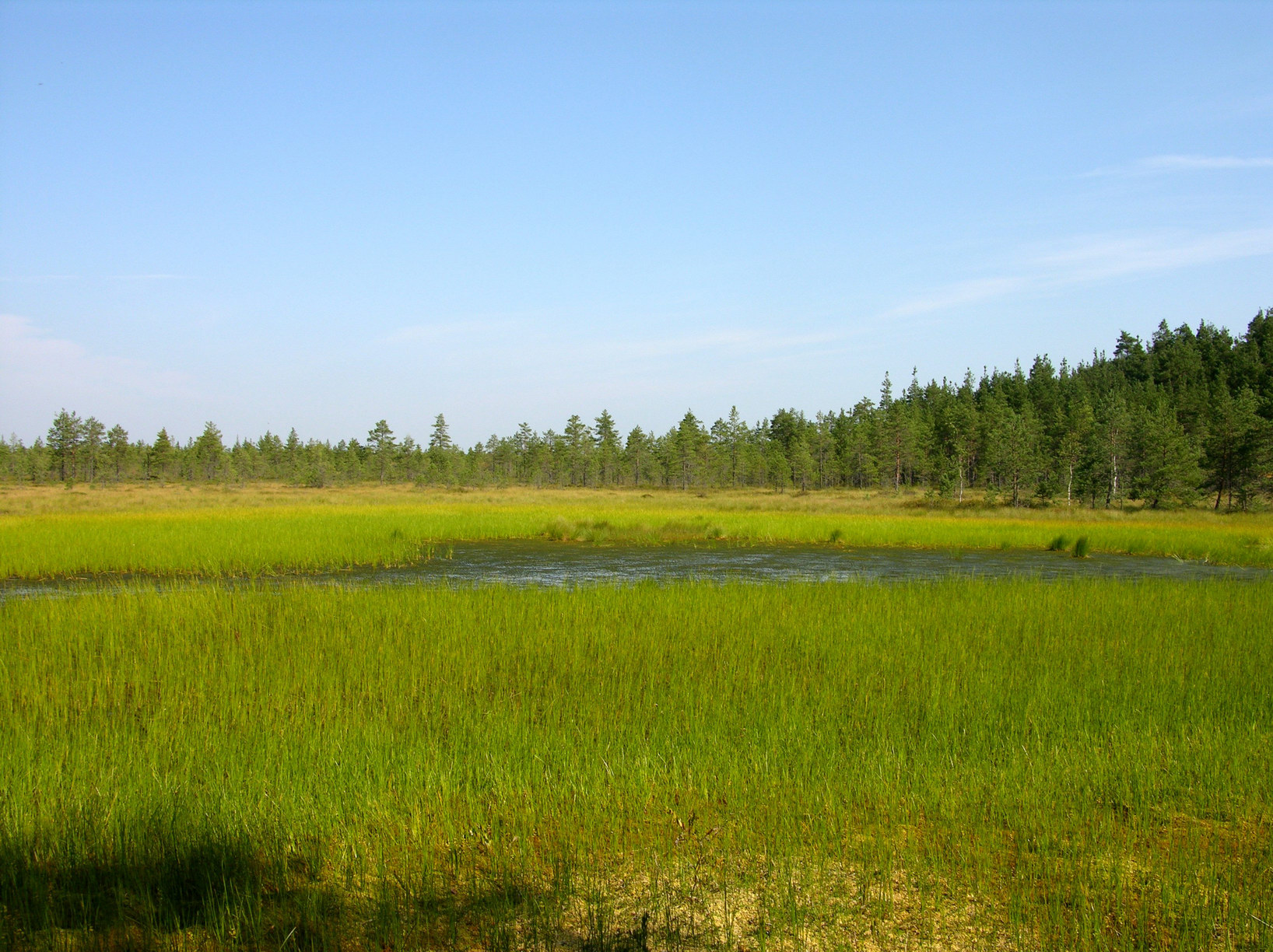
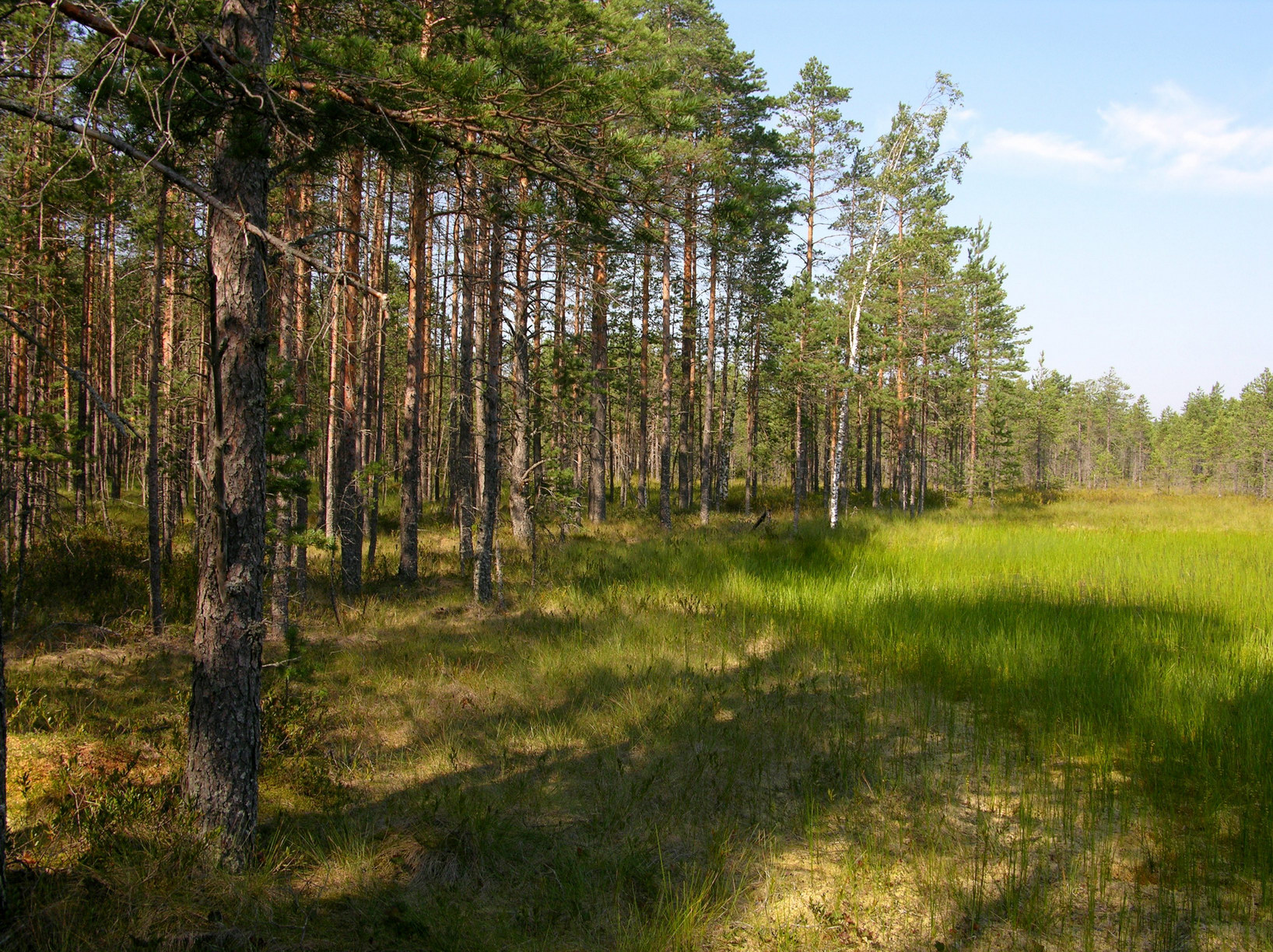
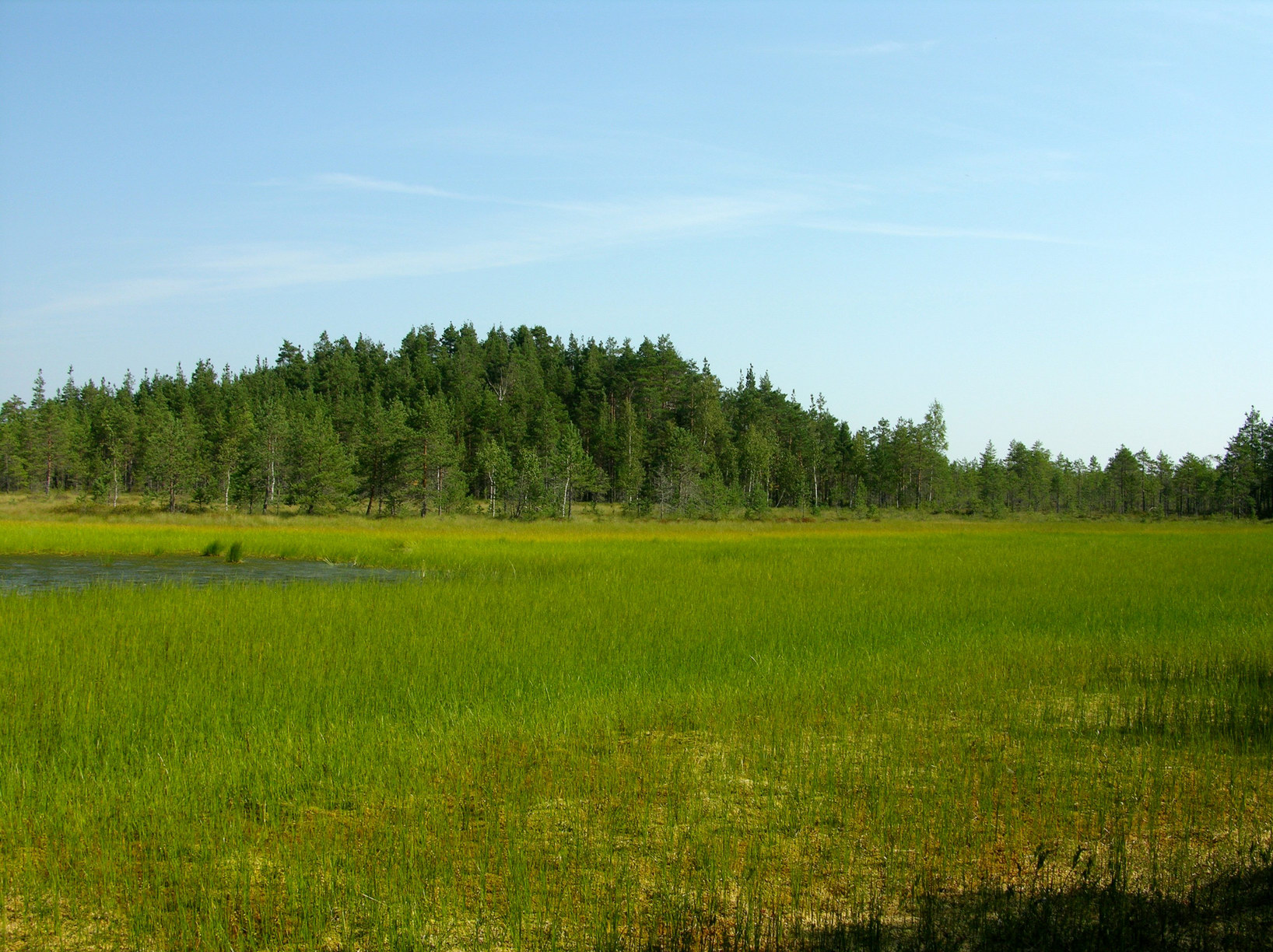
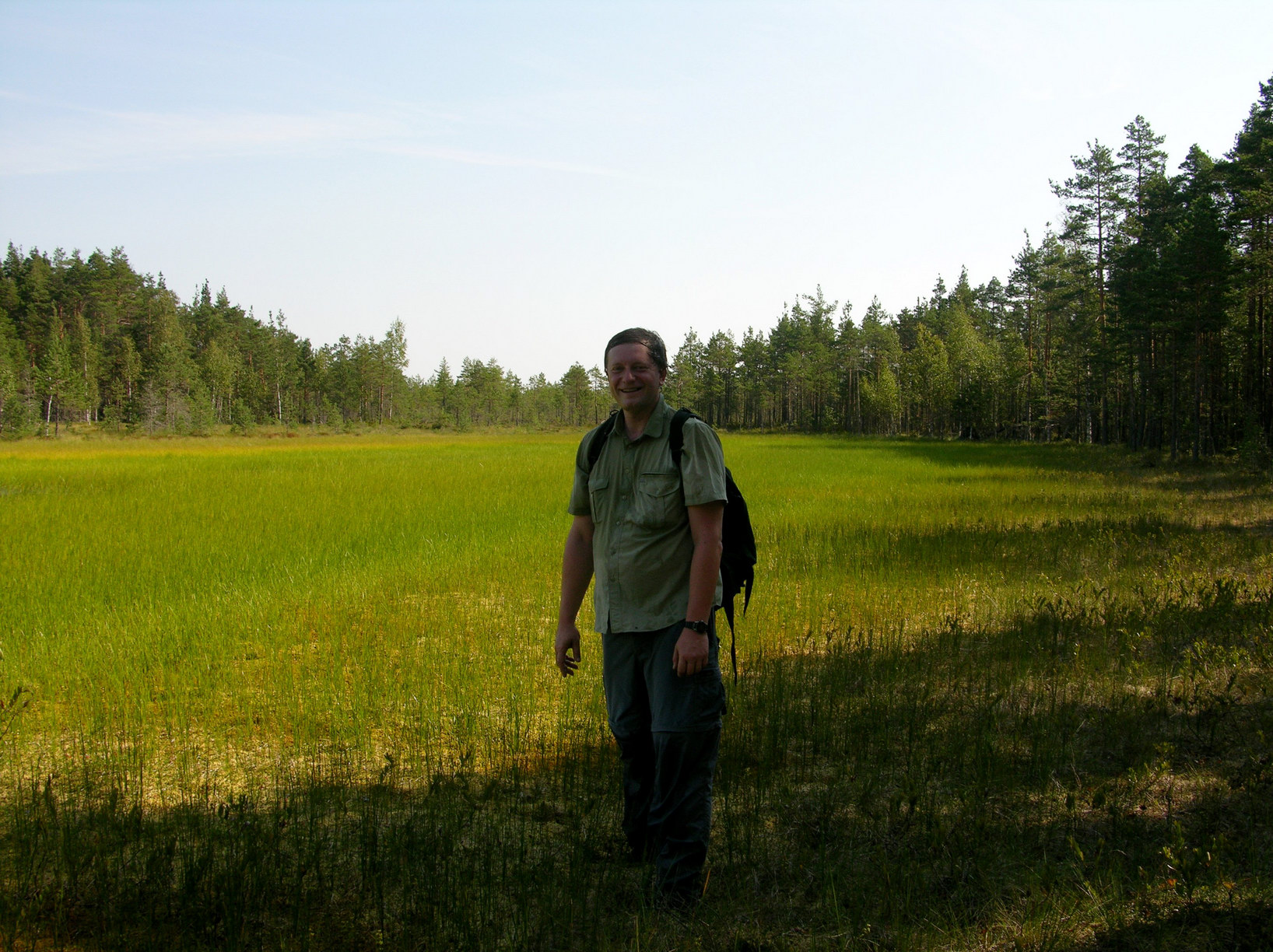
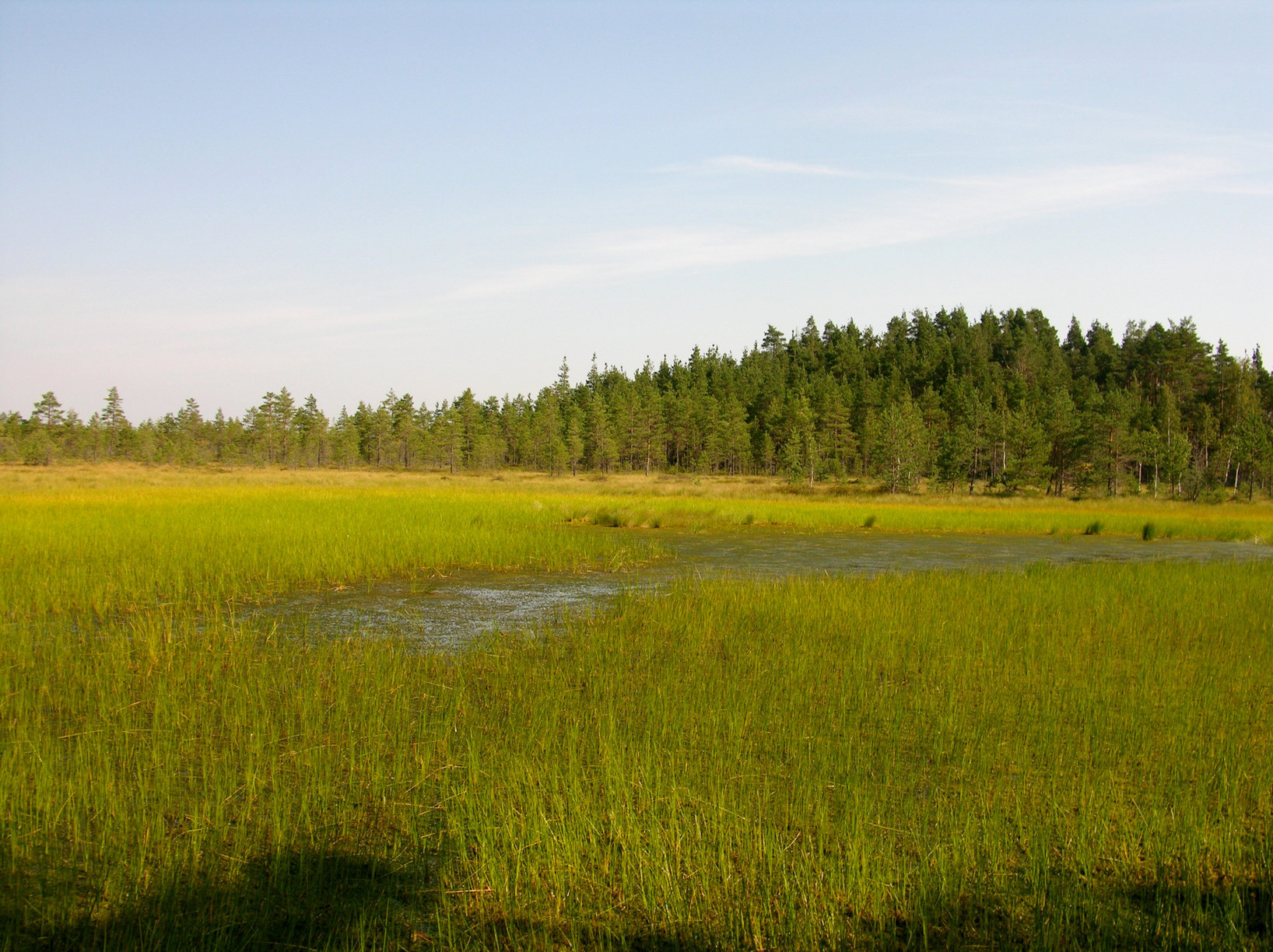
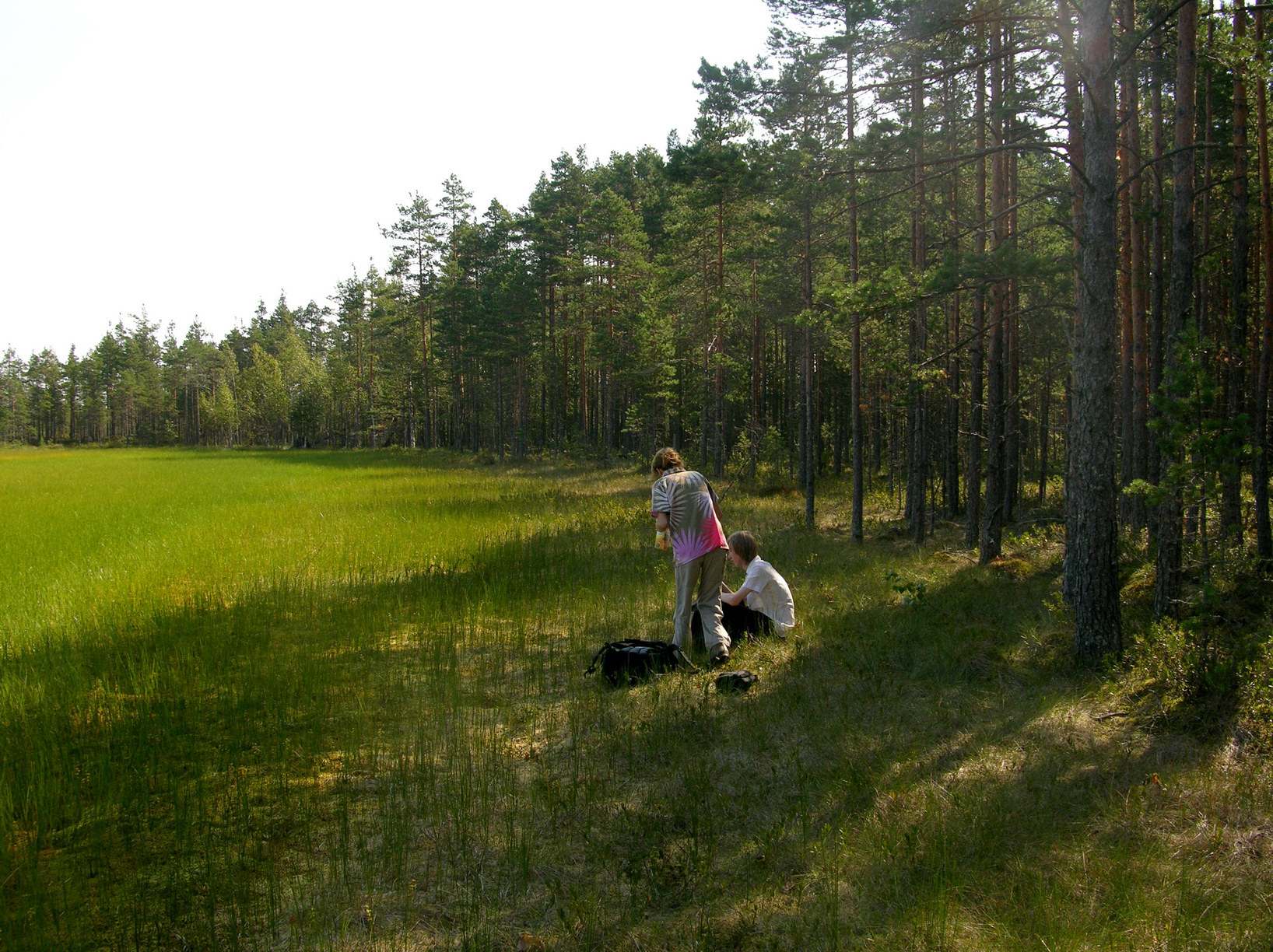
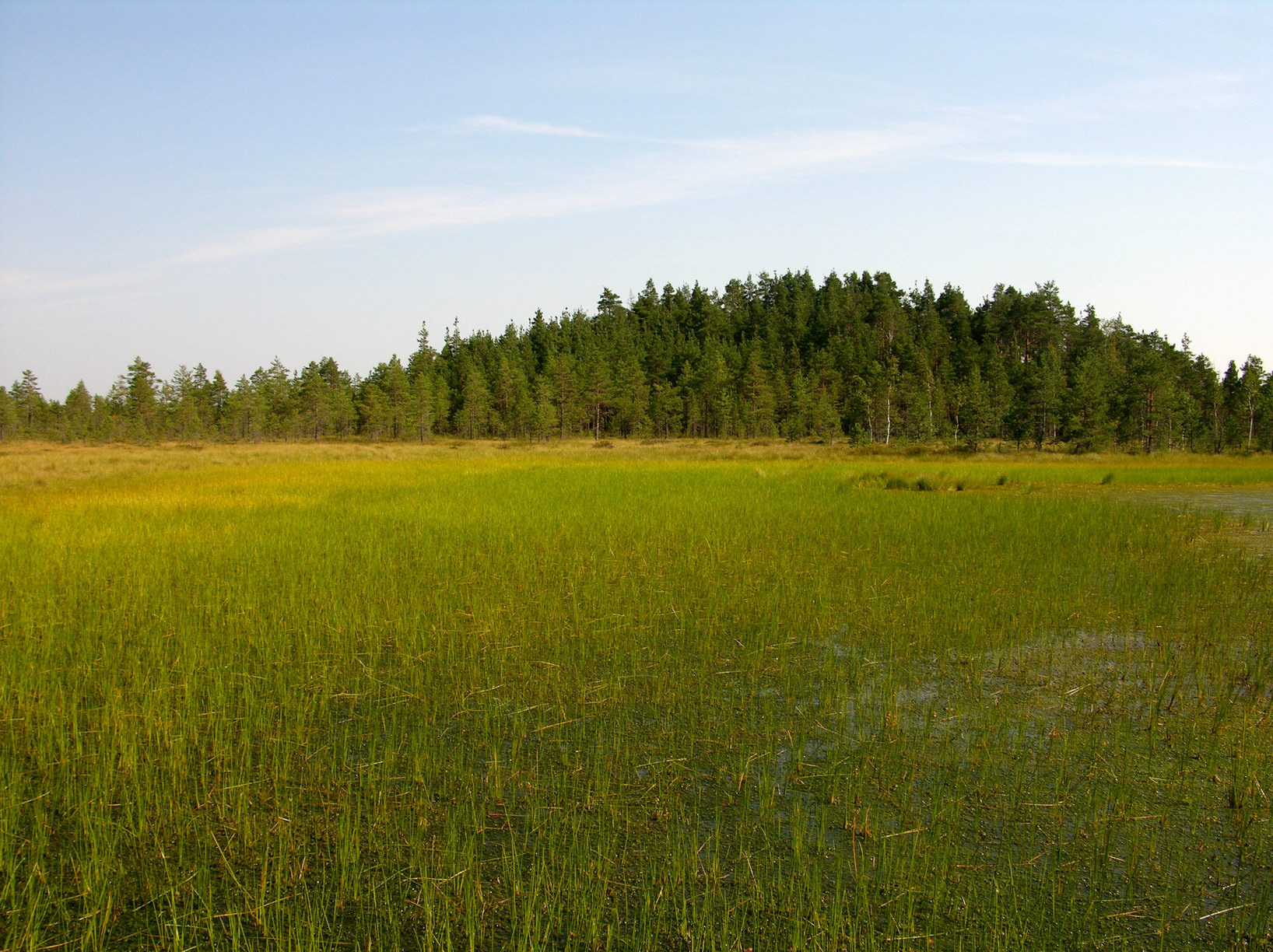
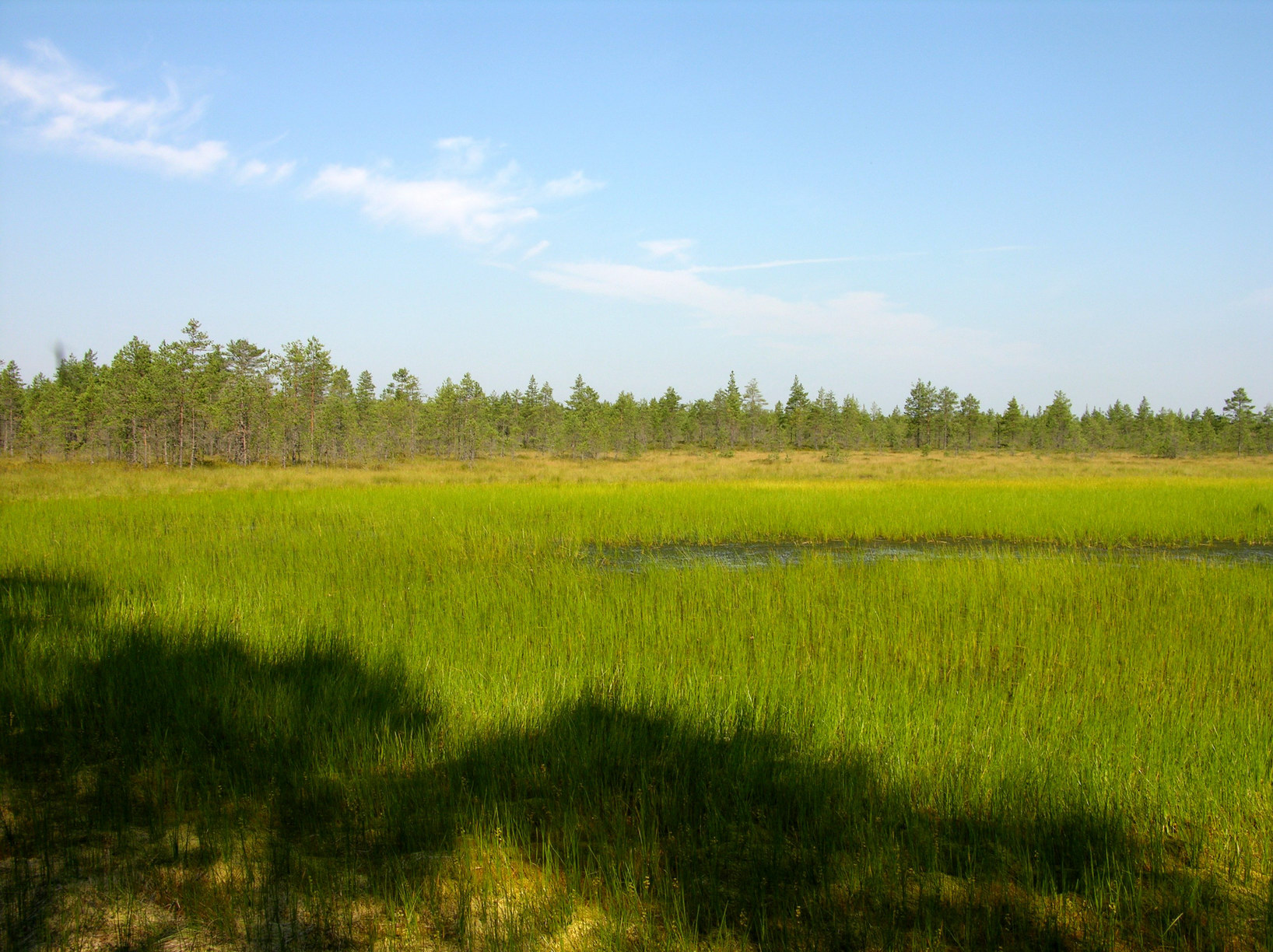
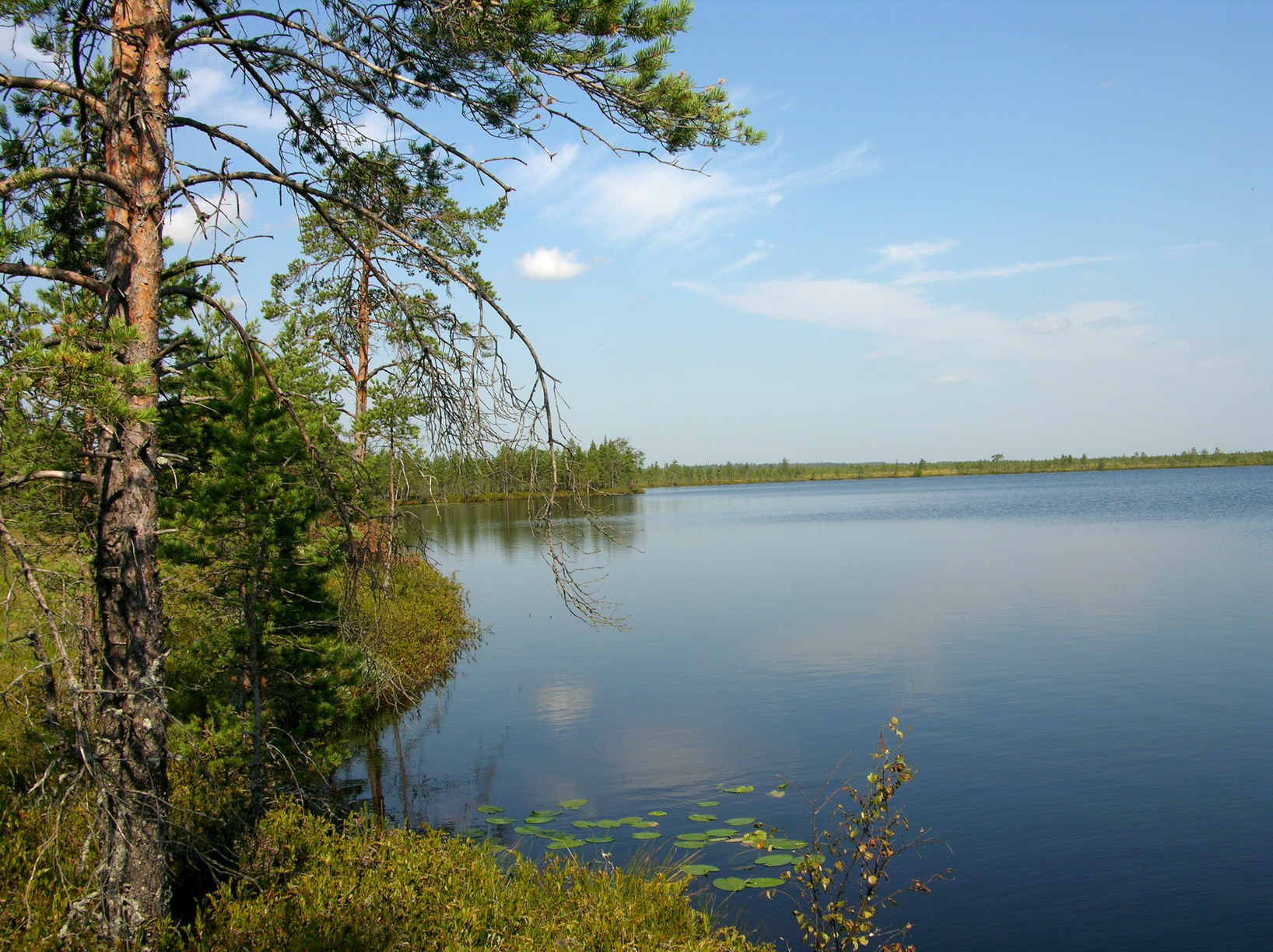
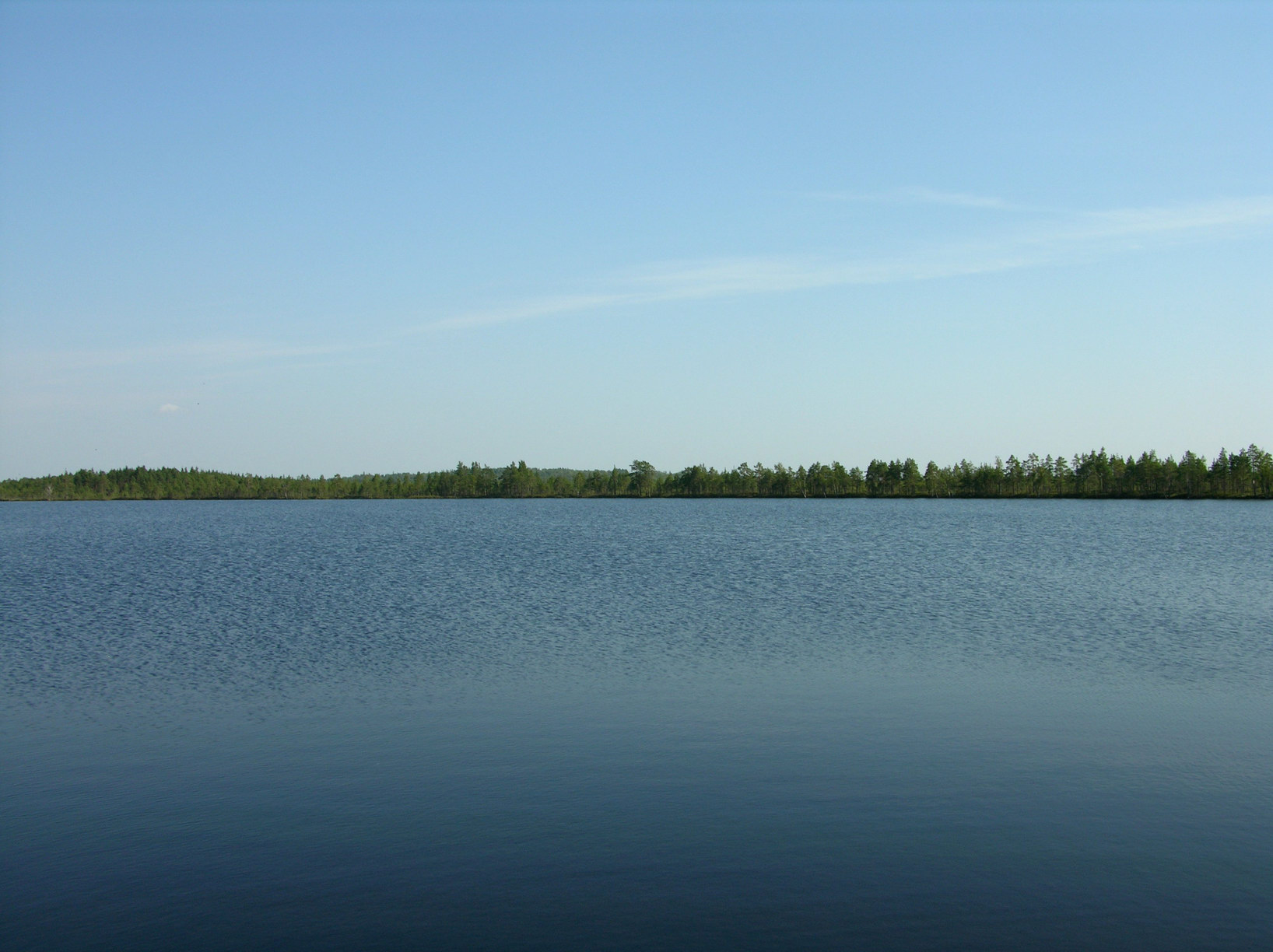
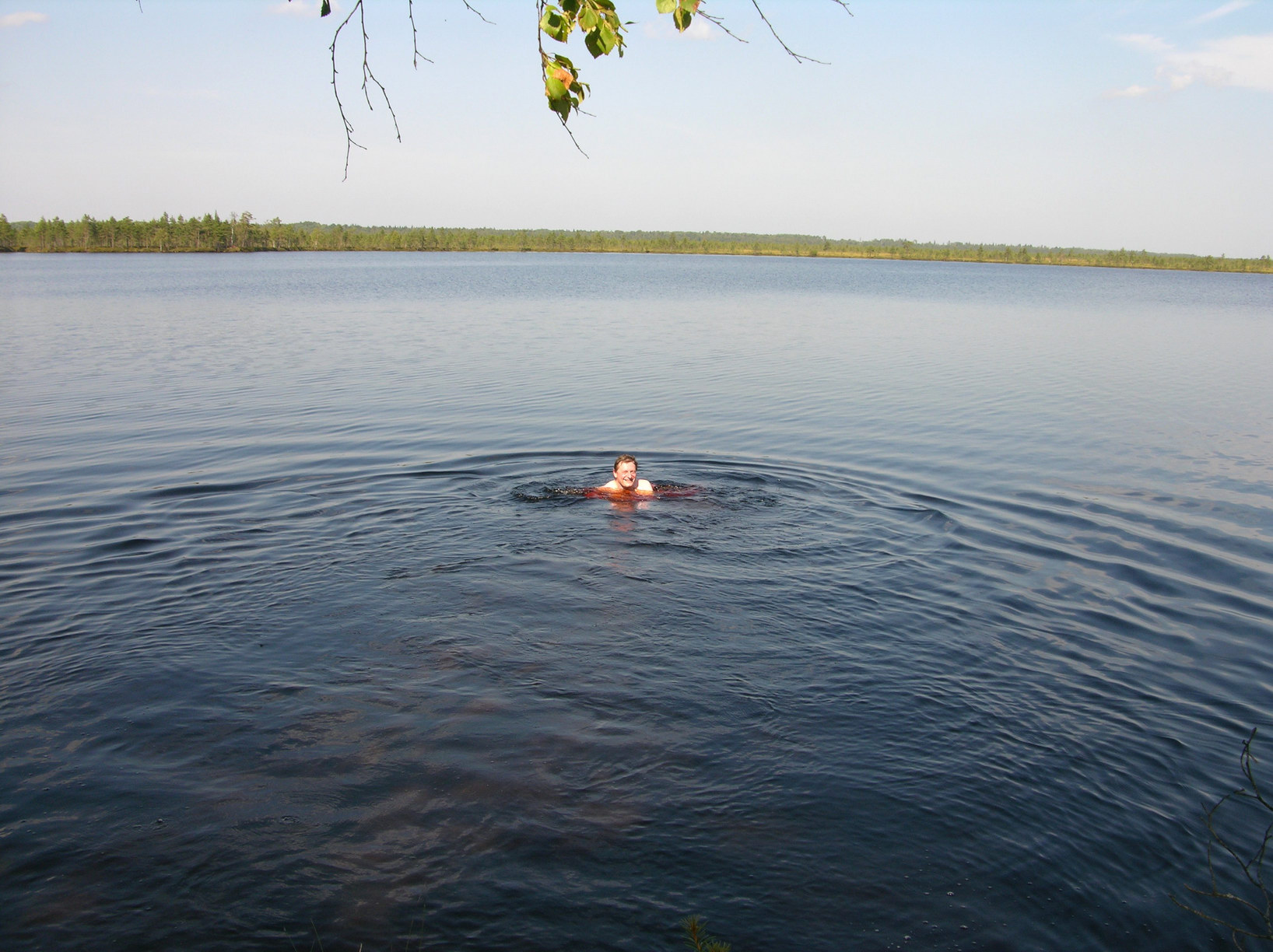
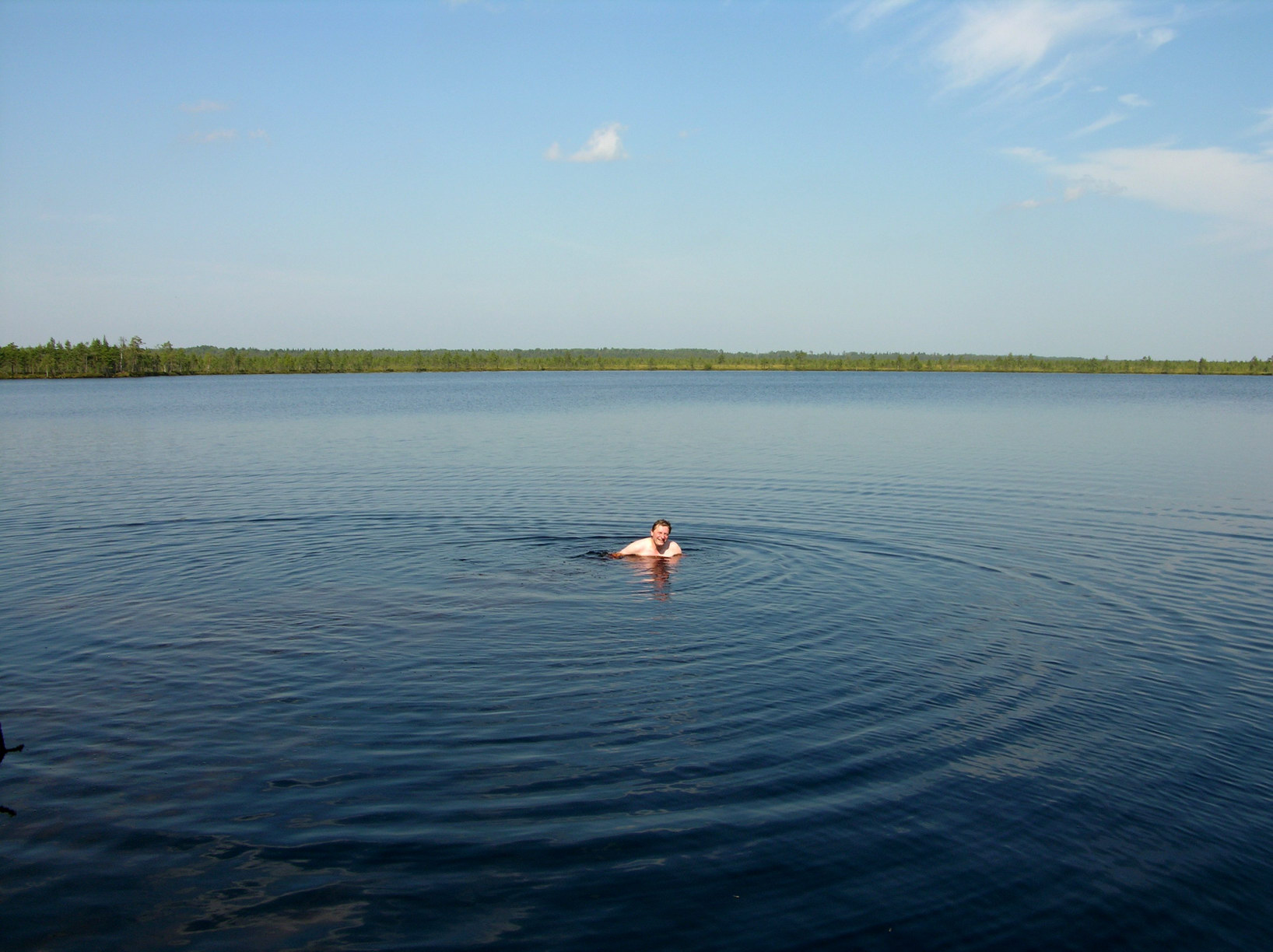
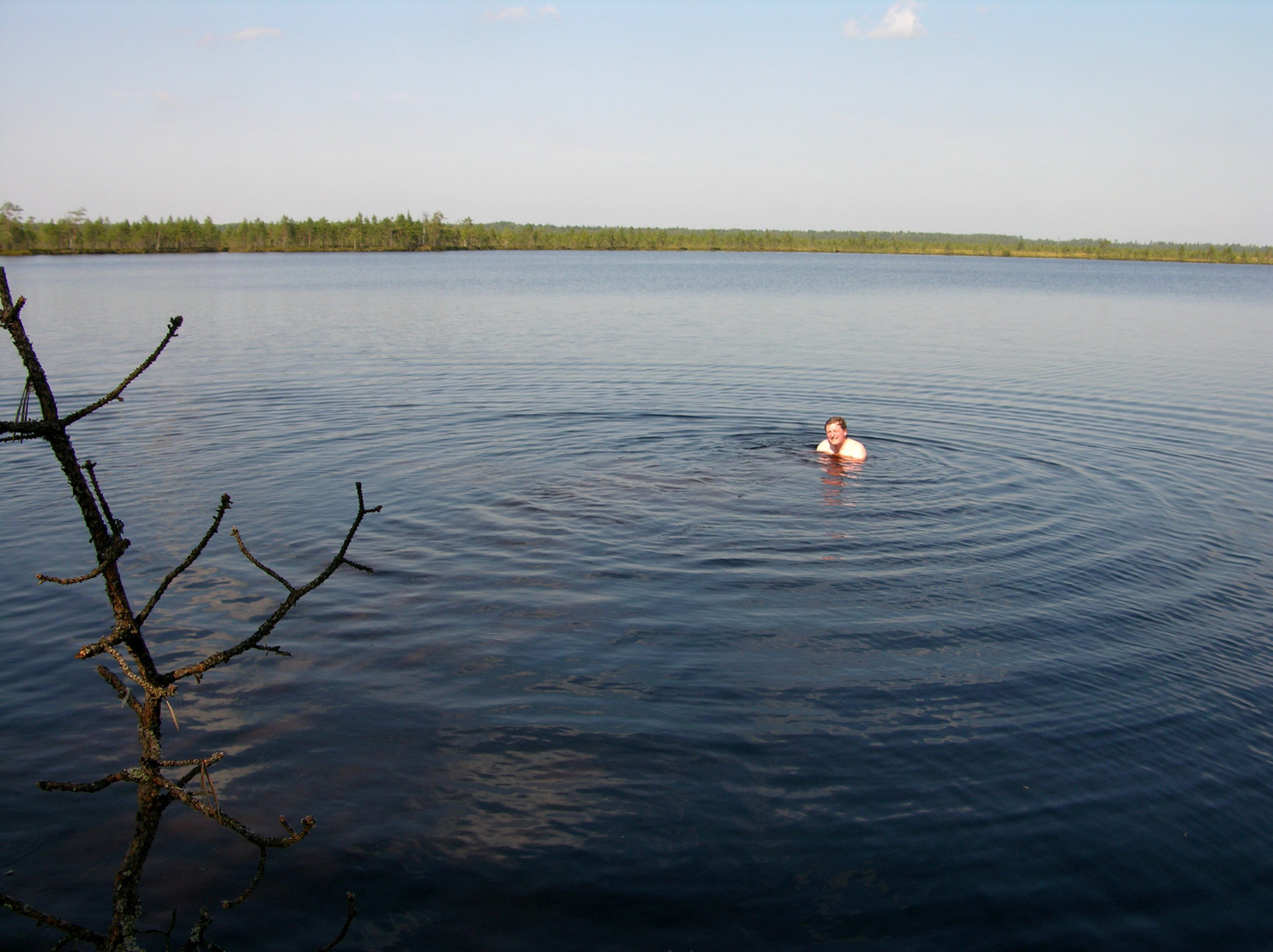
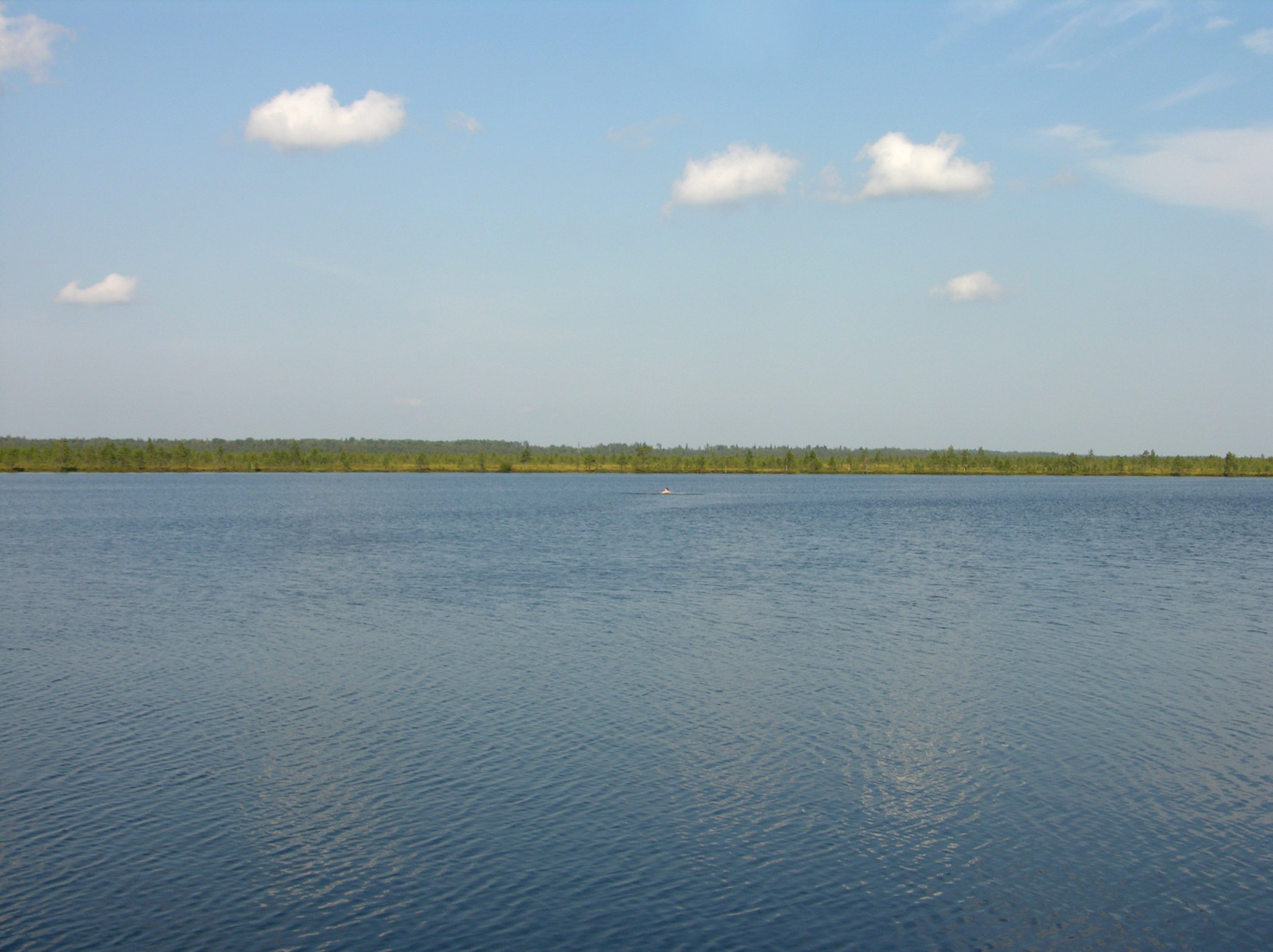
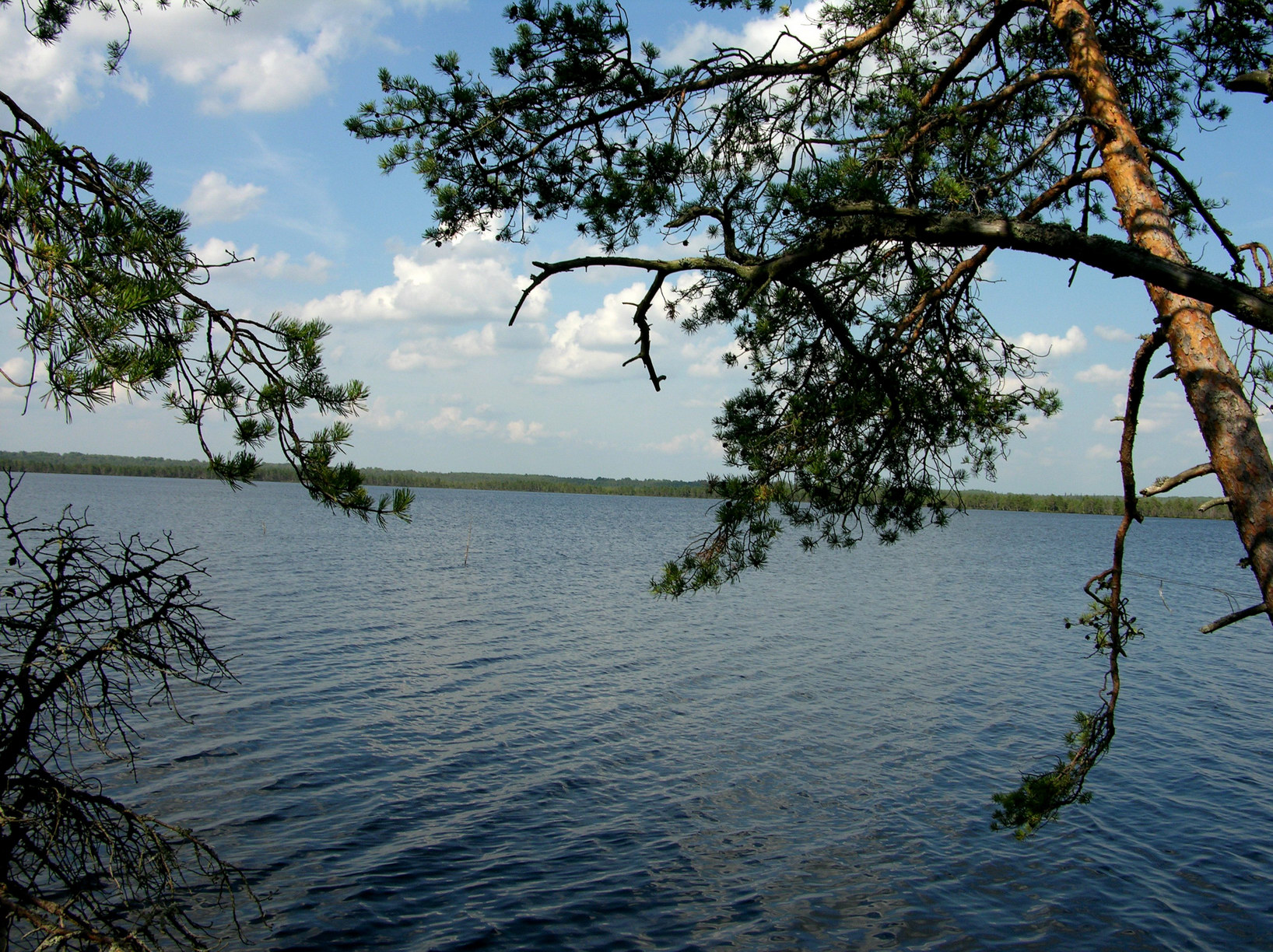
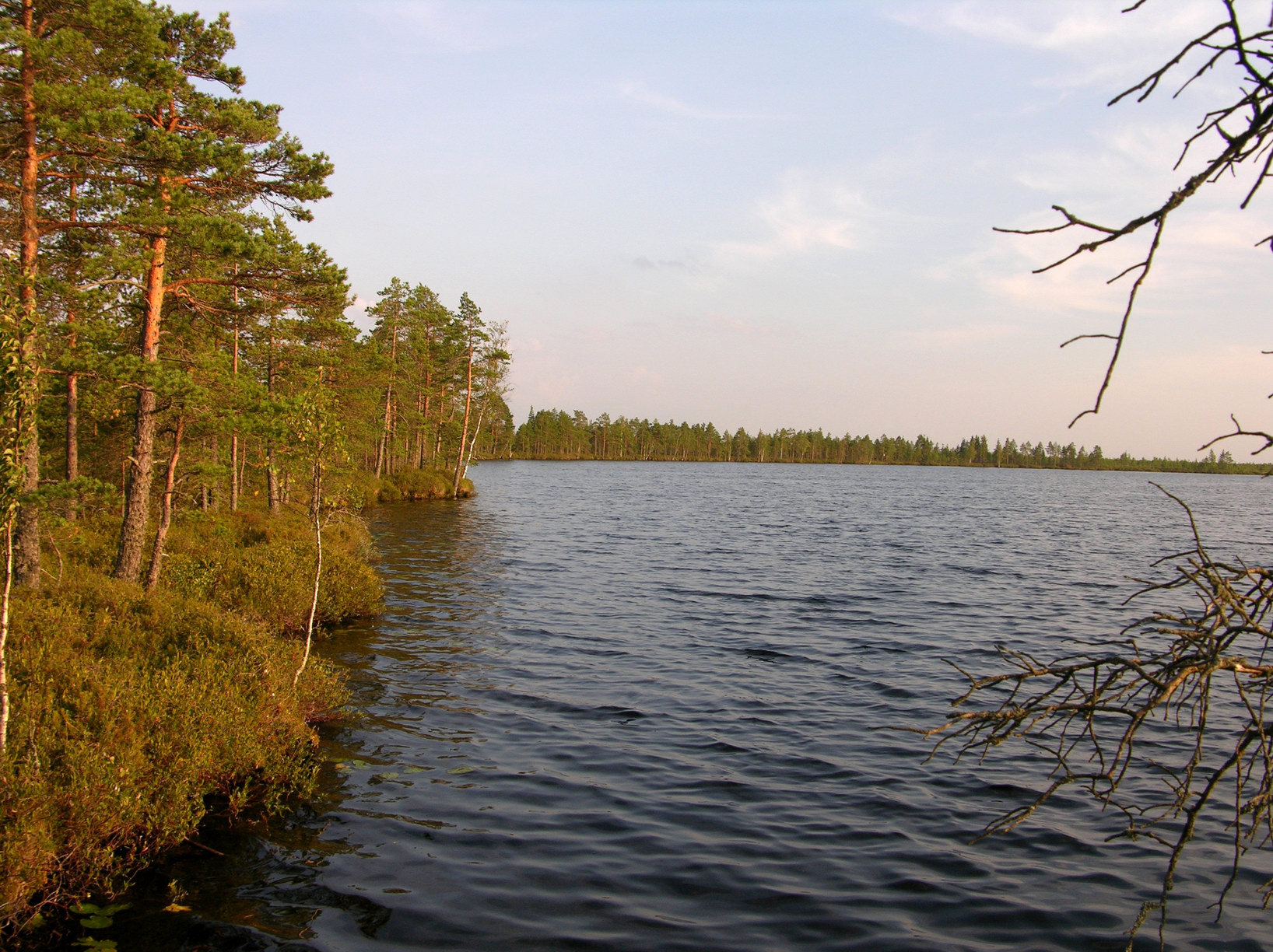
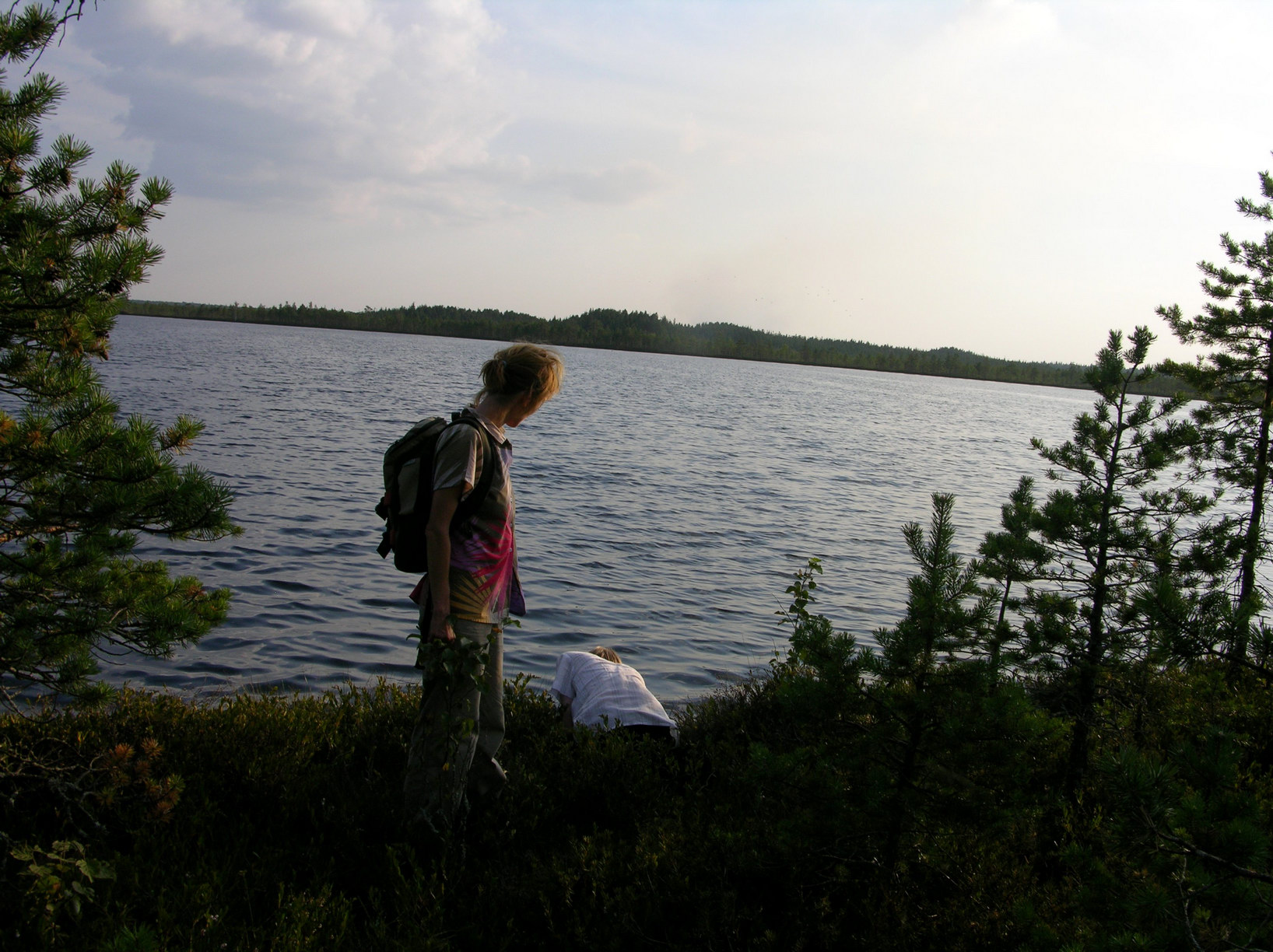
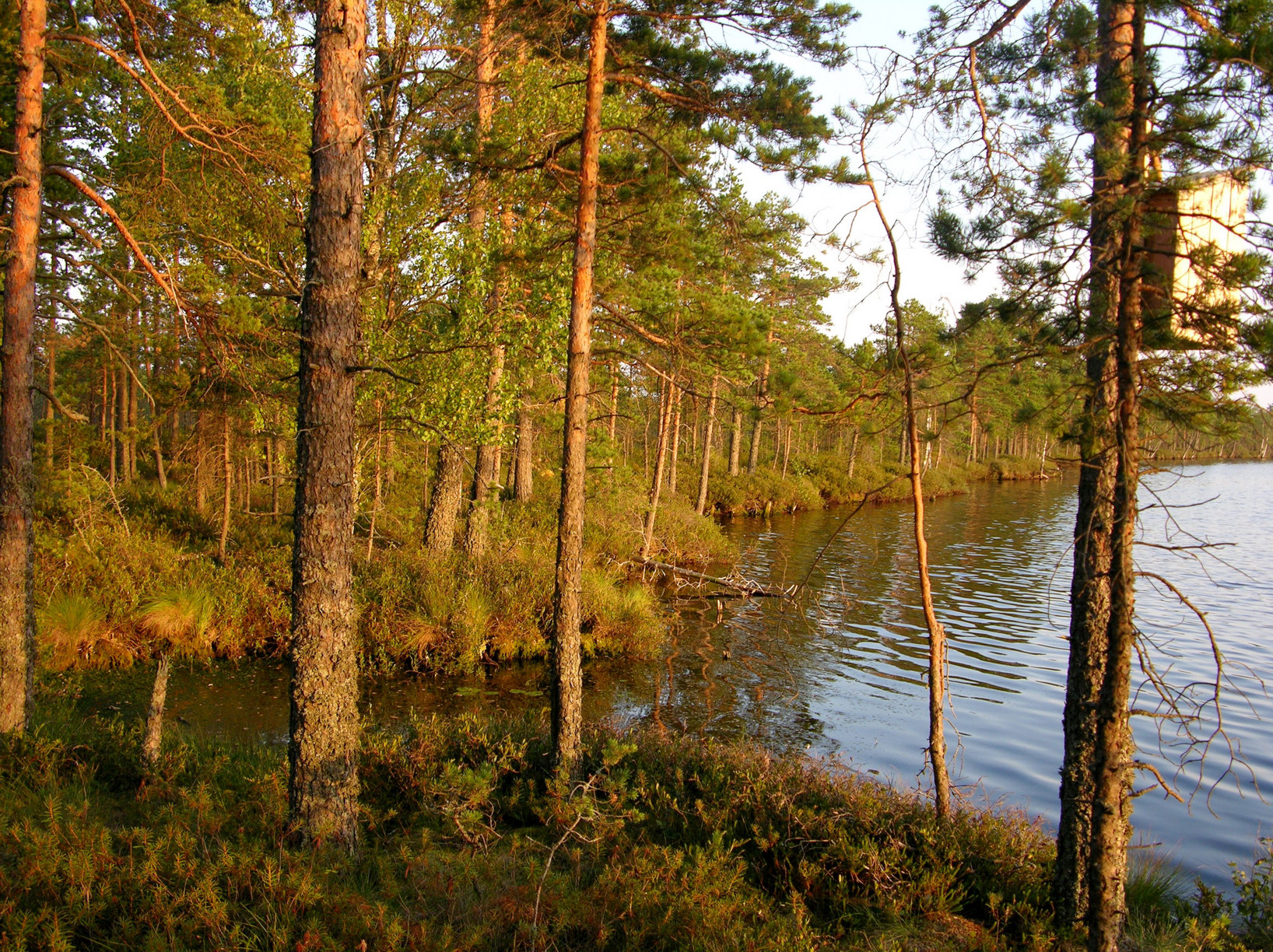
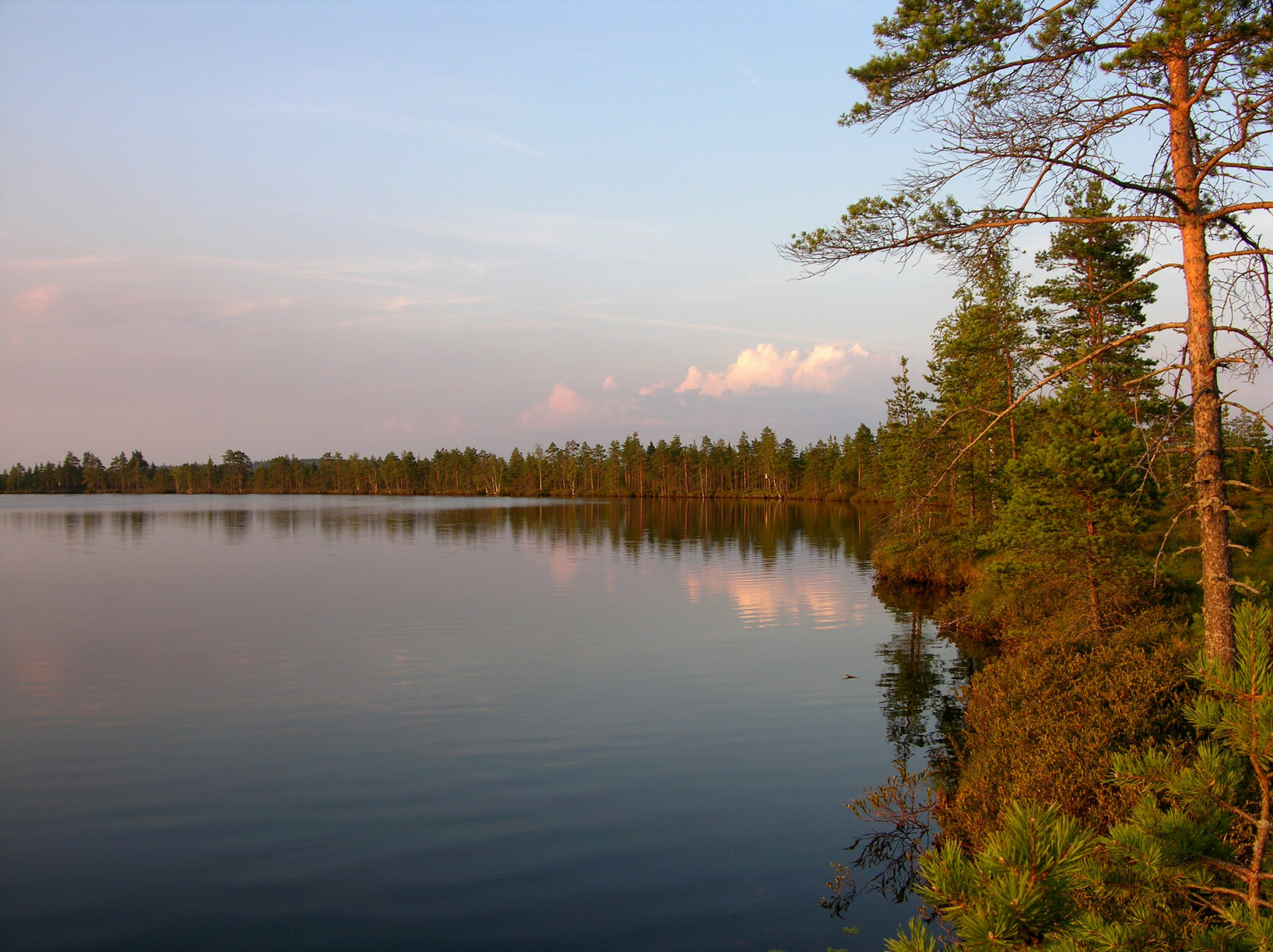
It is only a little farther to Lake Yazvinskoye. It is a typical bog lake, about two metres deep. I measured it myself by swimming out to roughly the middle of the lake.
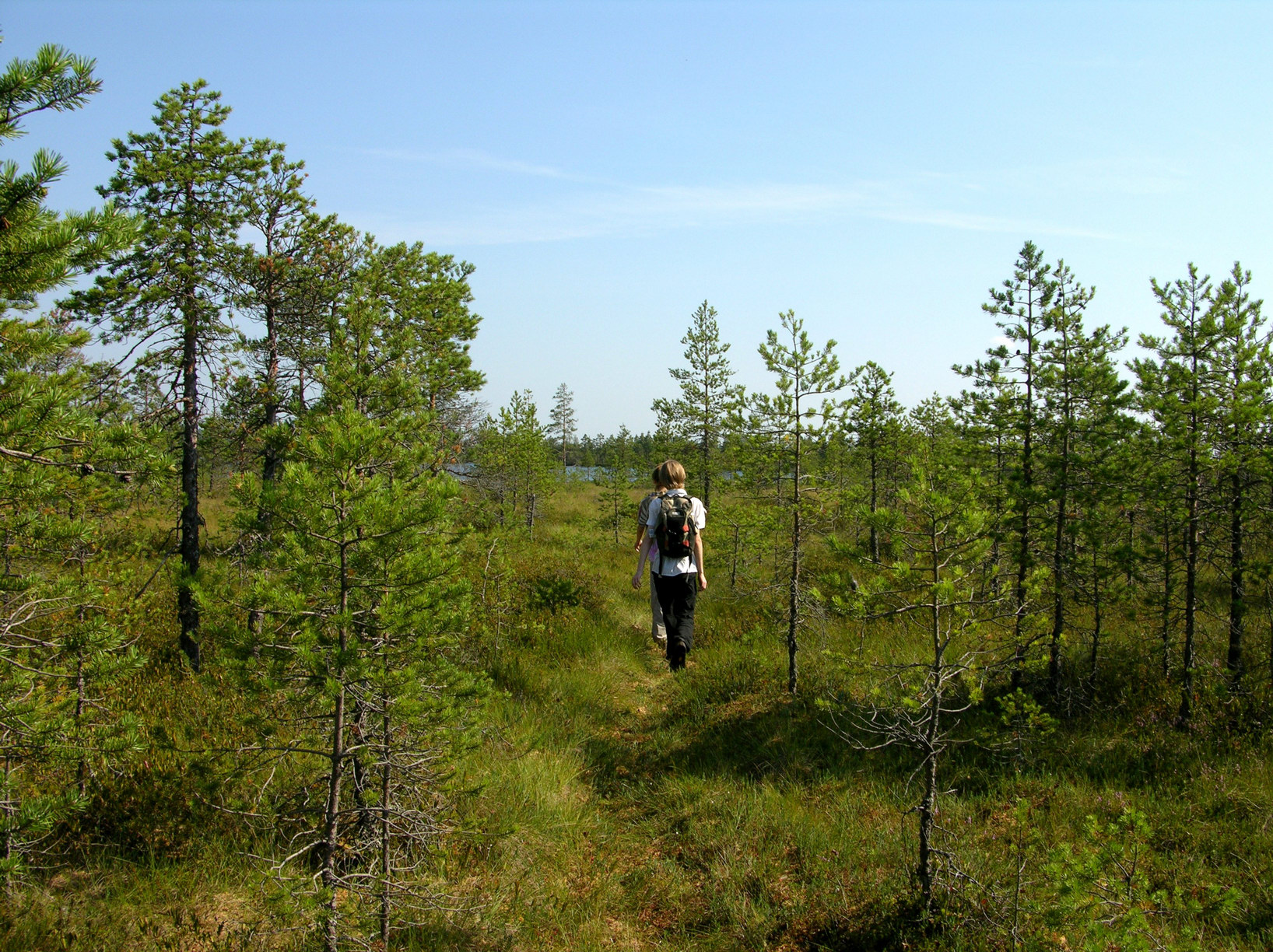
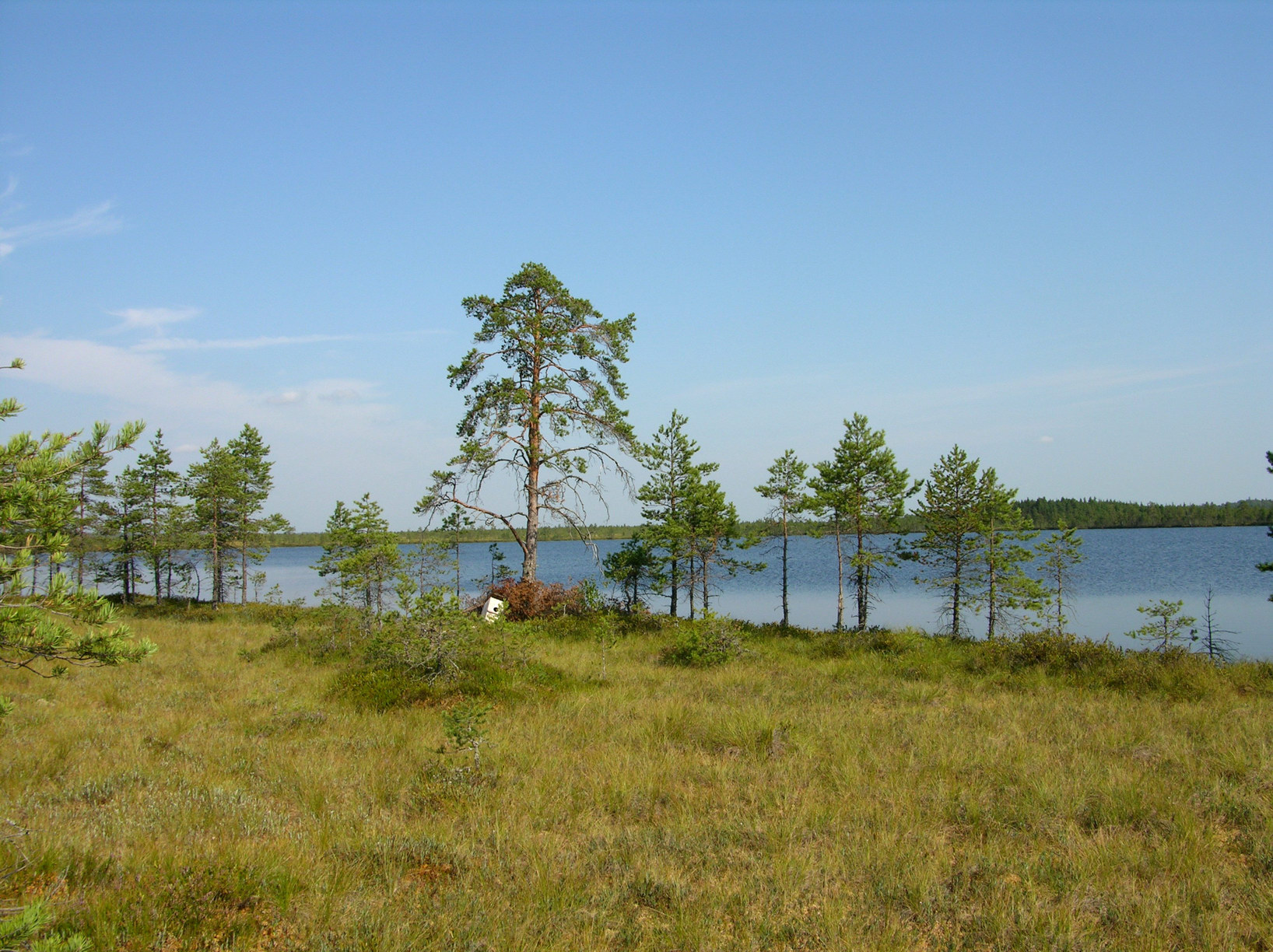
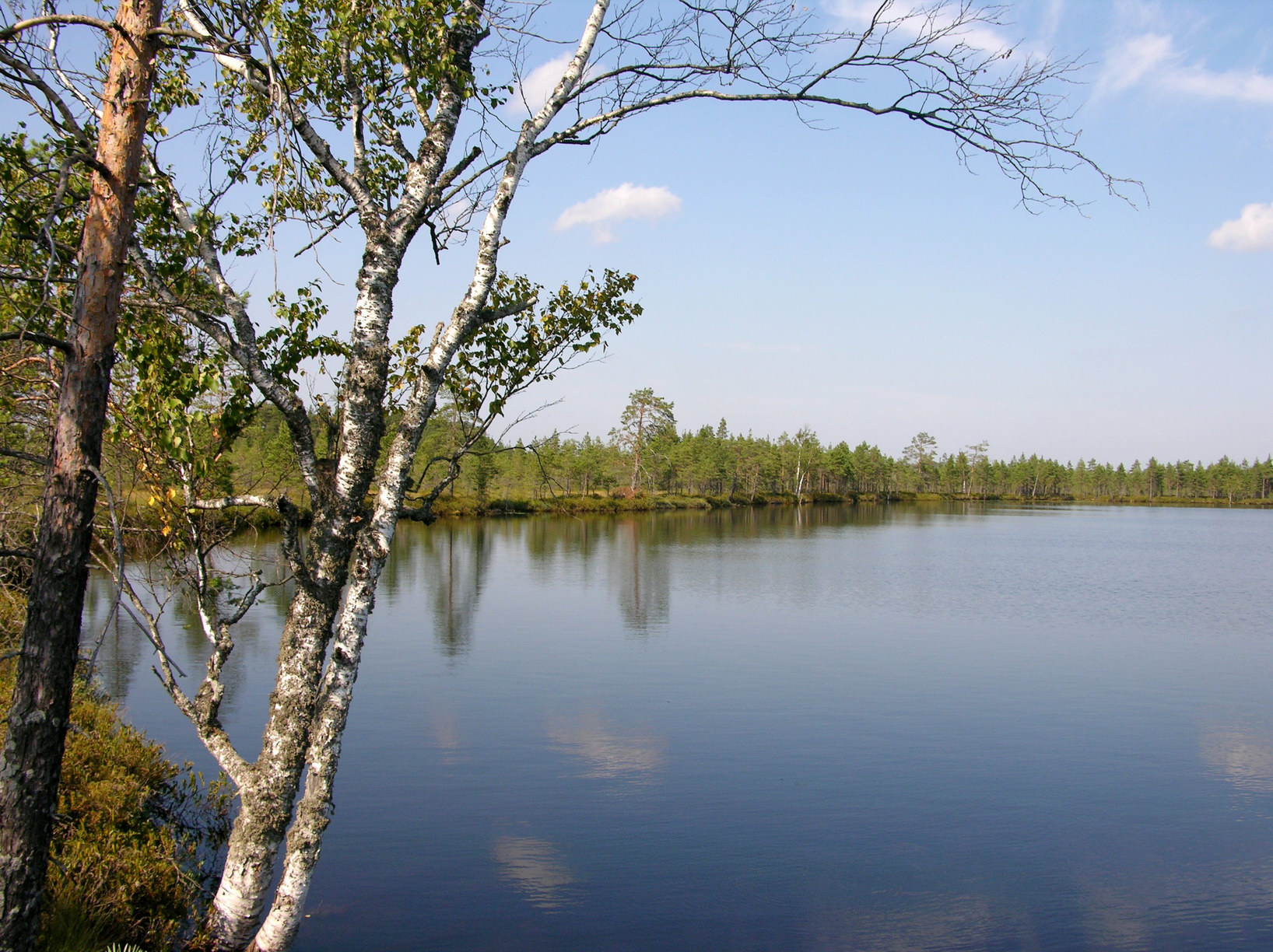
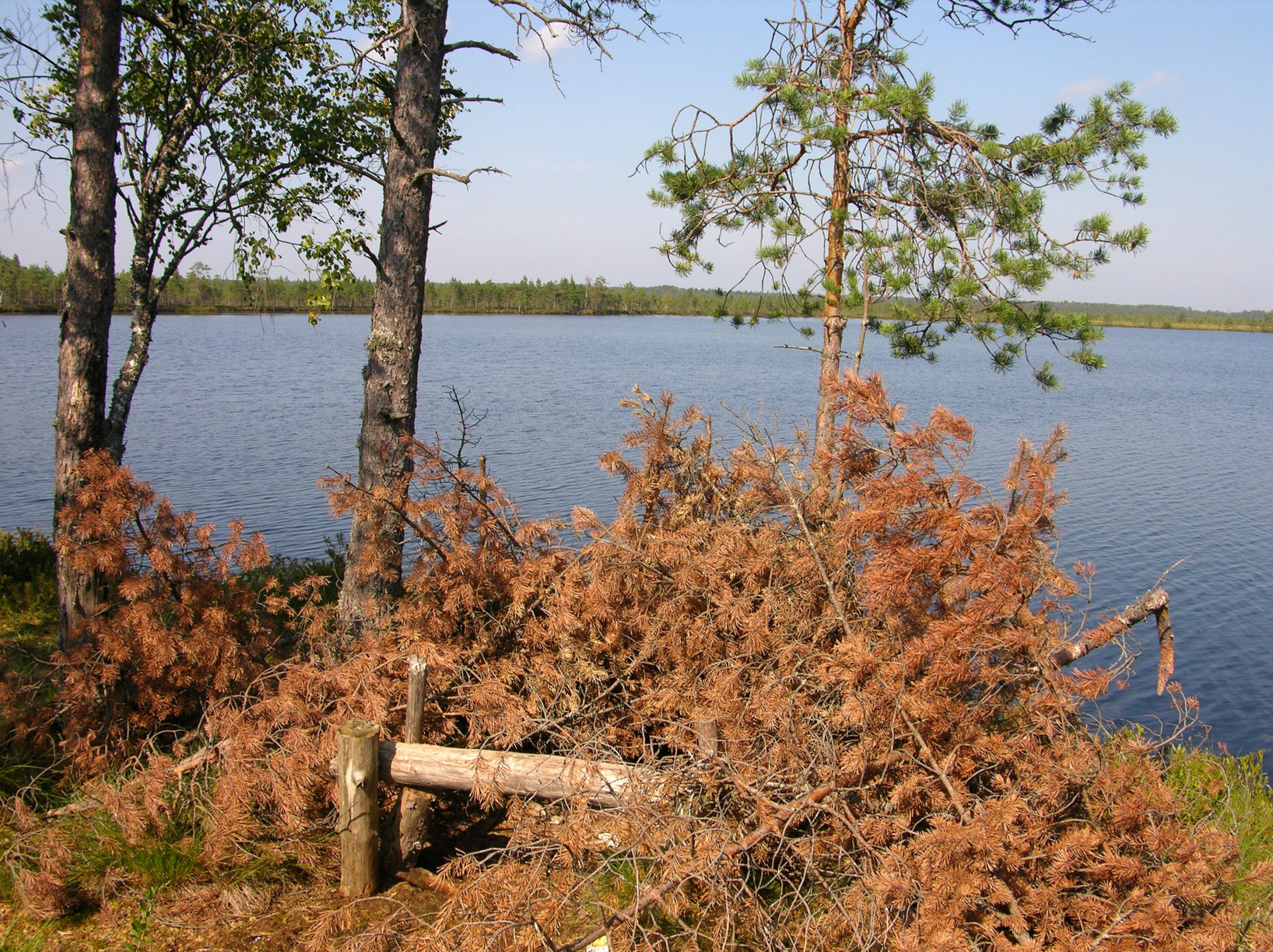
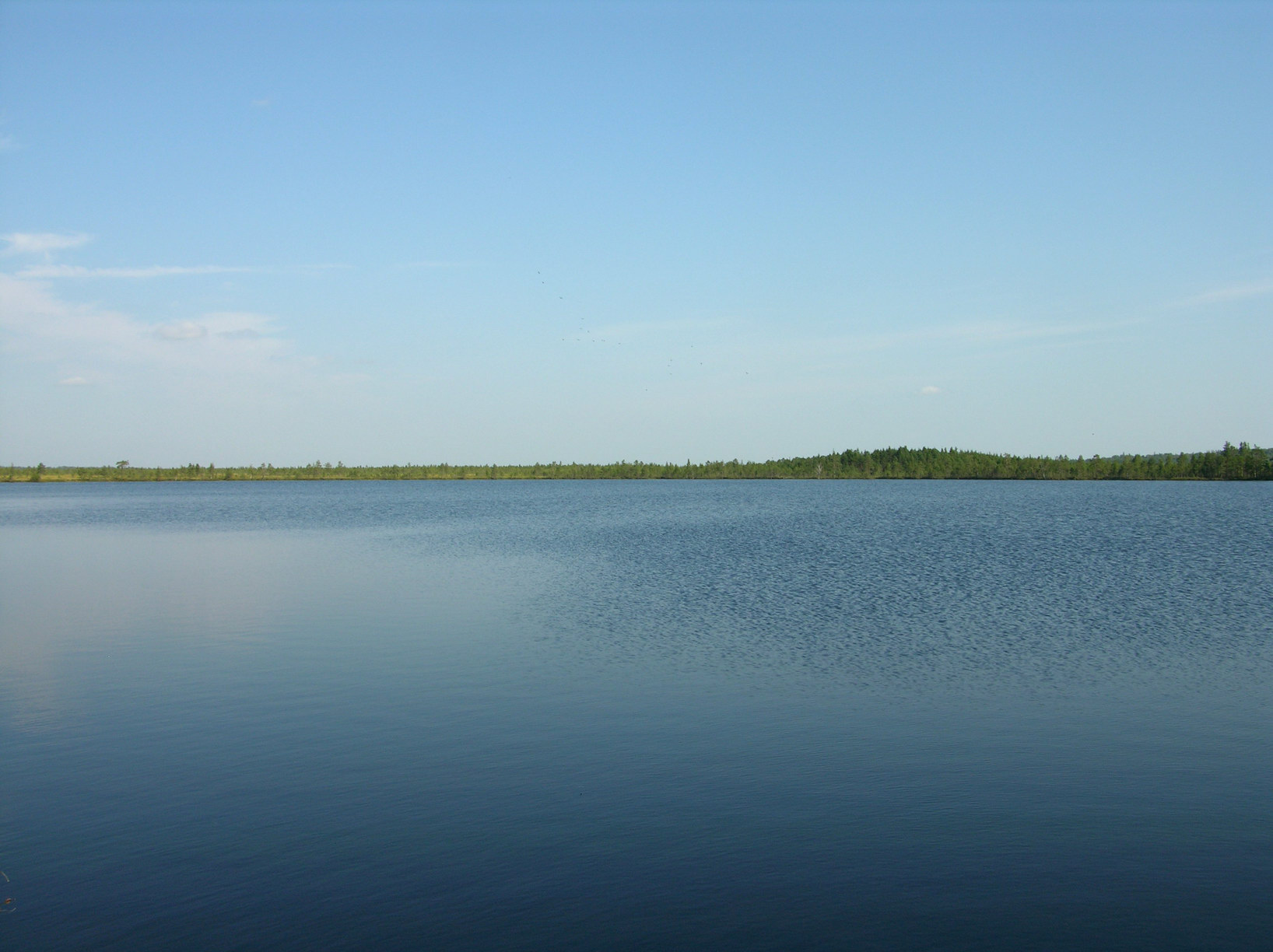
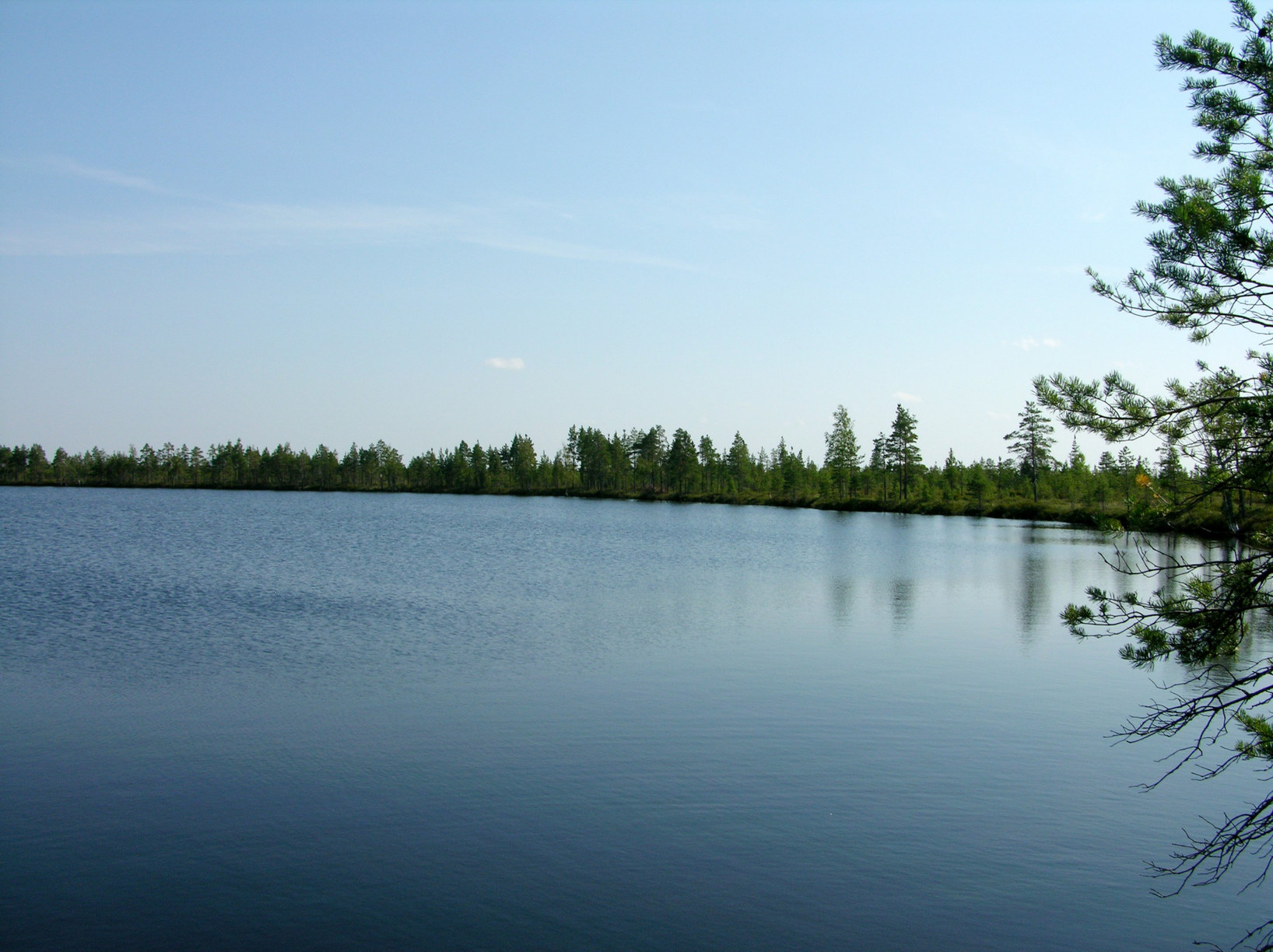
The trail onward to Lake Surovskoye hardly seems to be used. Along the way you come across small, nameless pools.
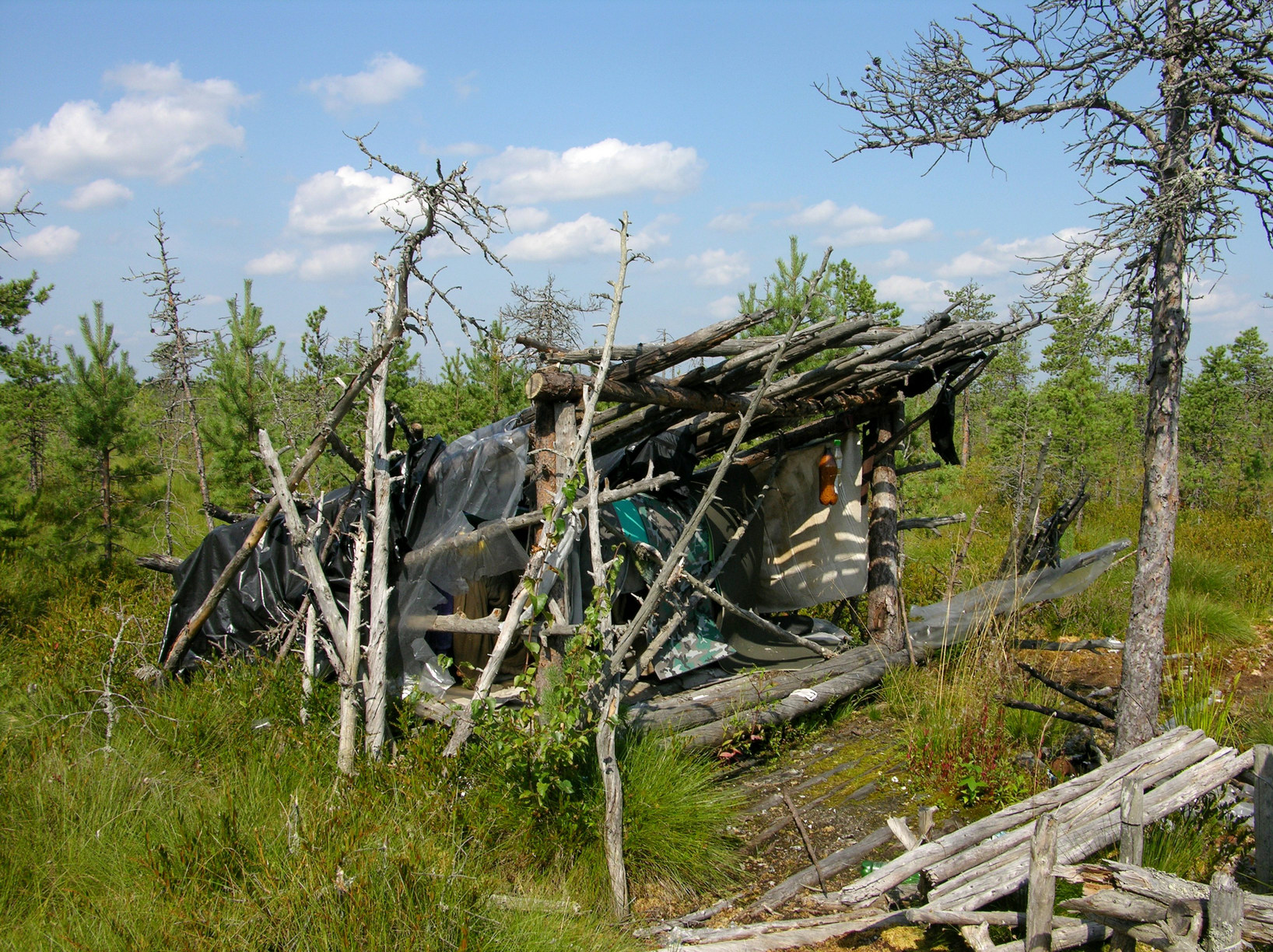
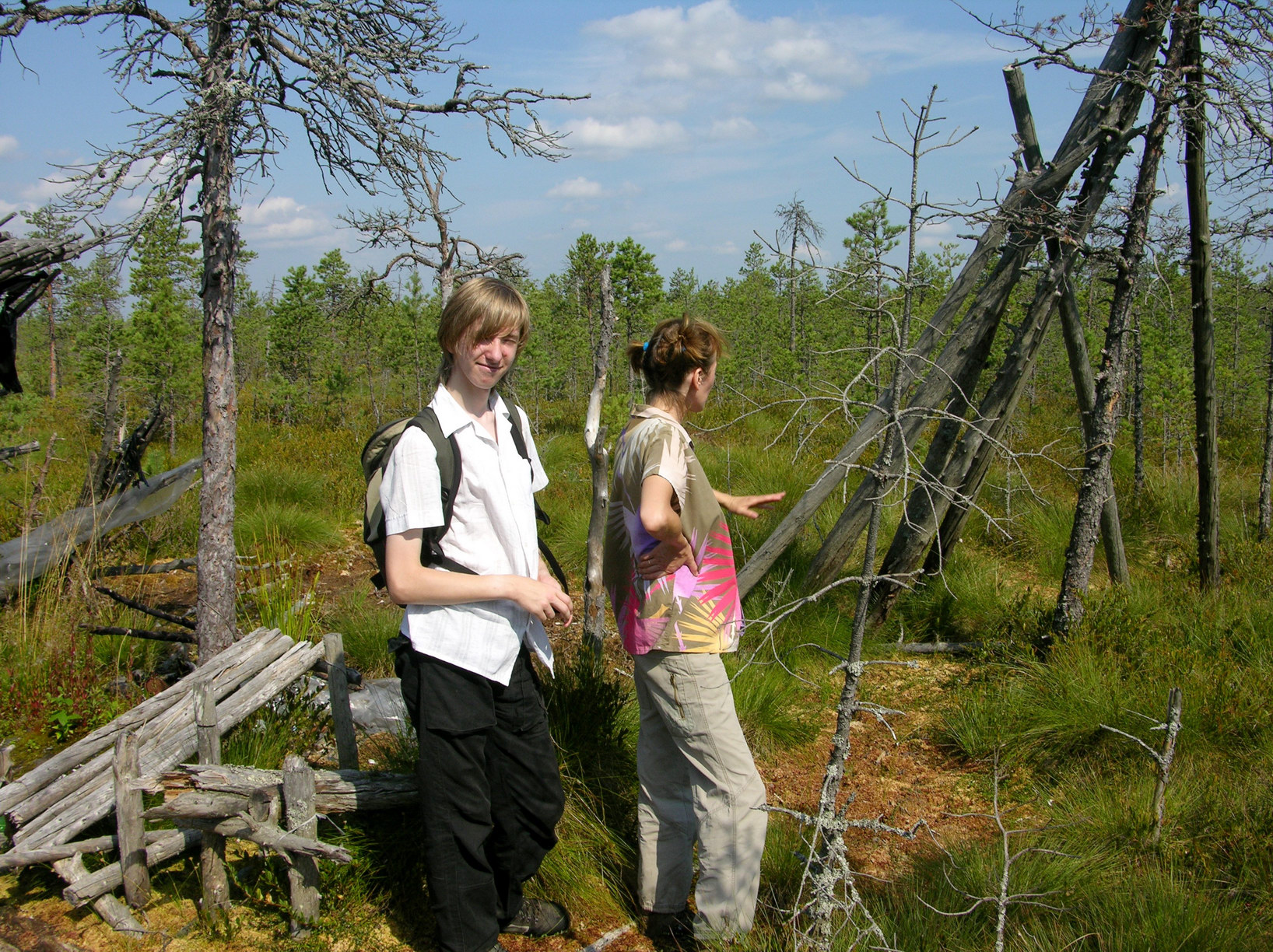
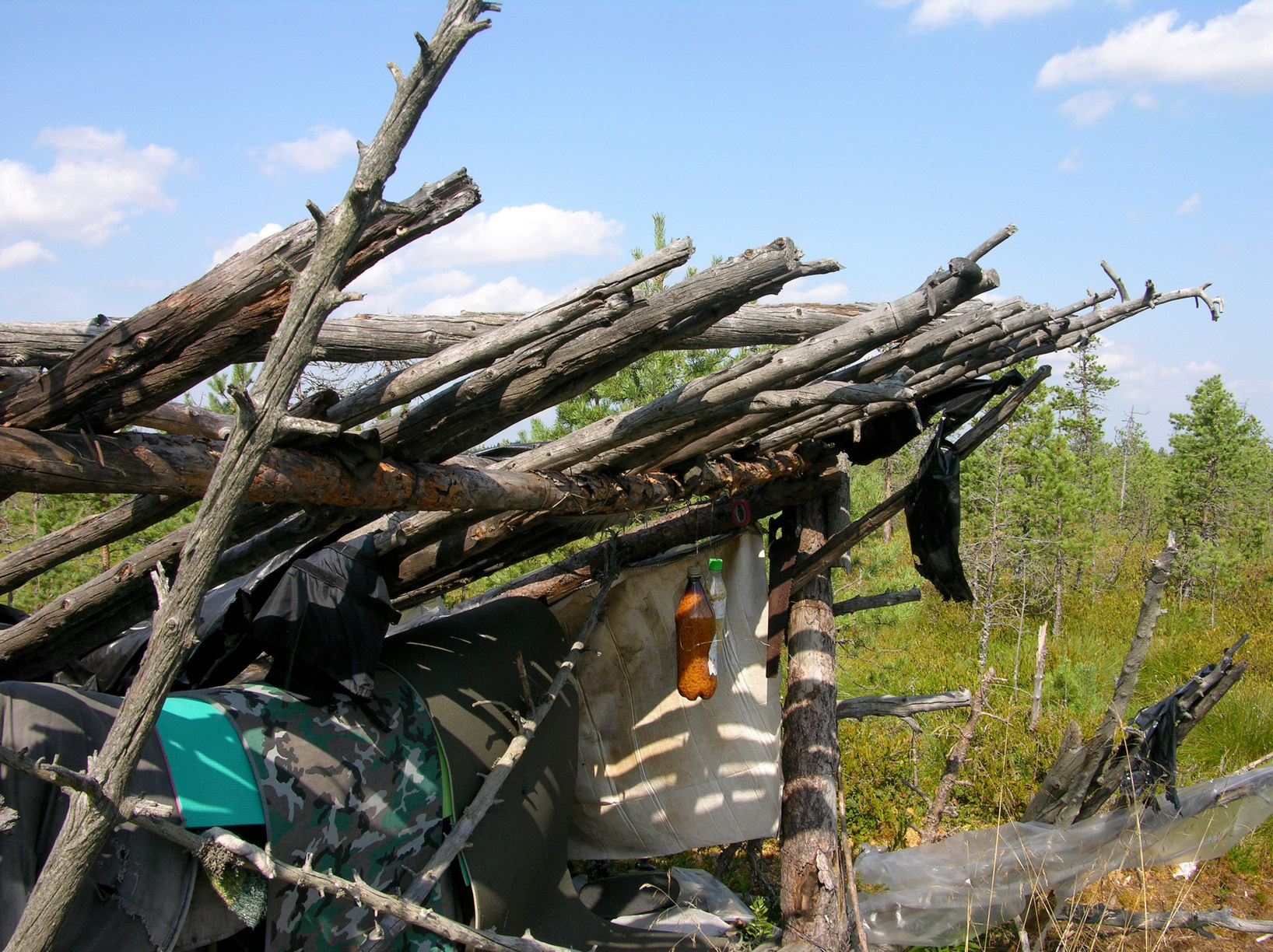
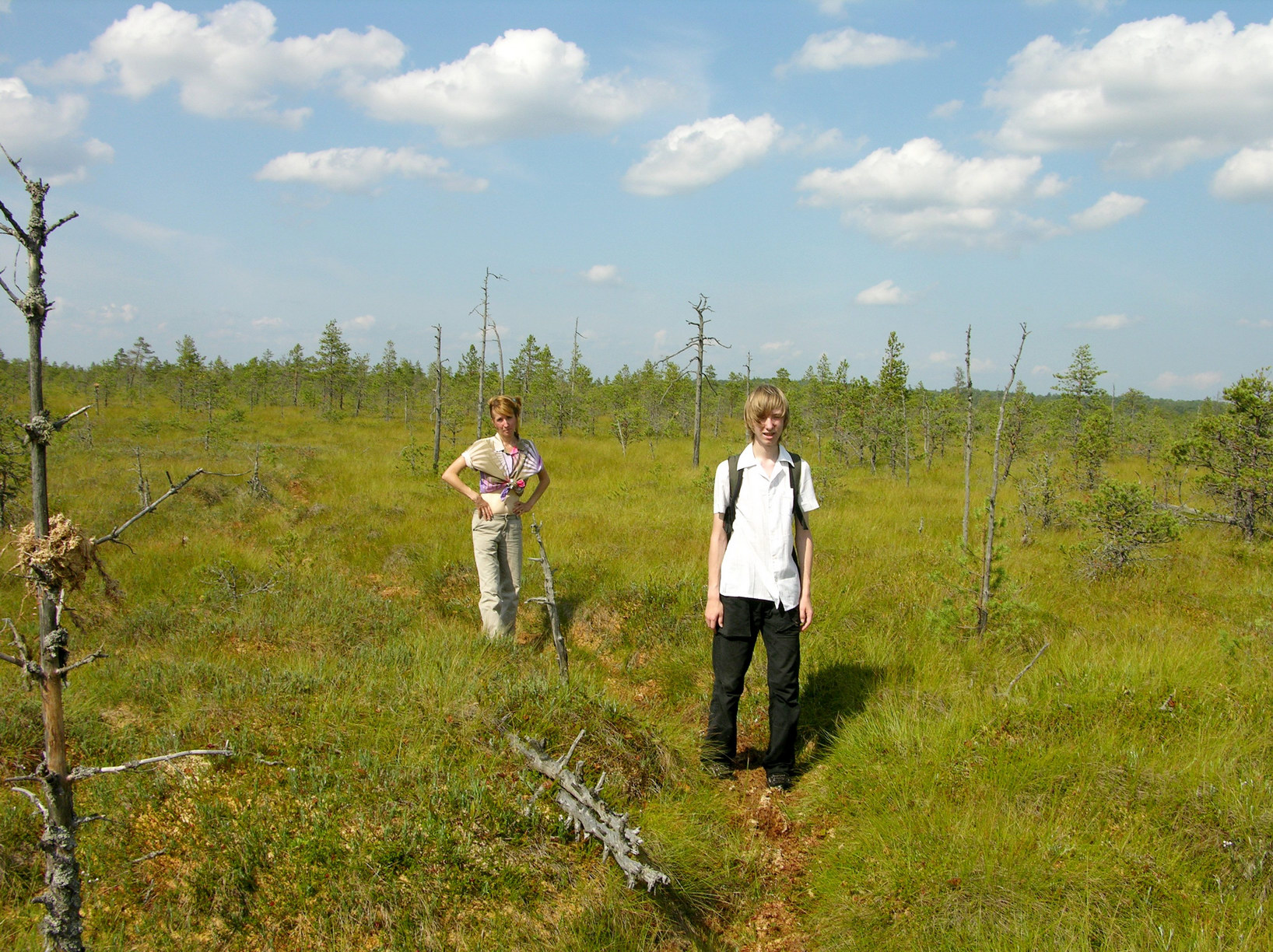
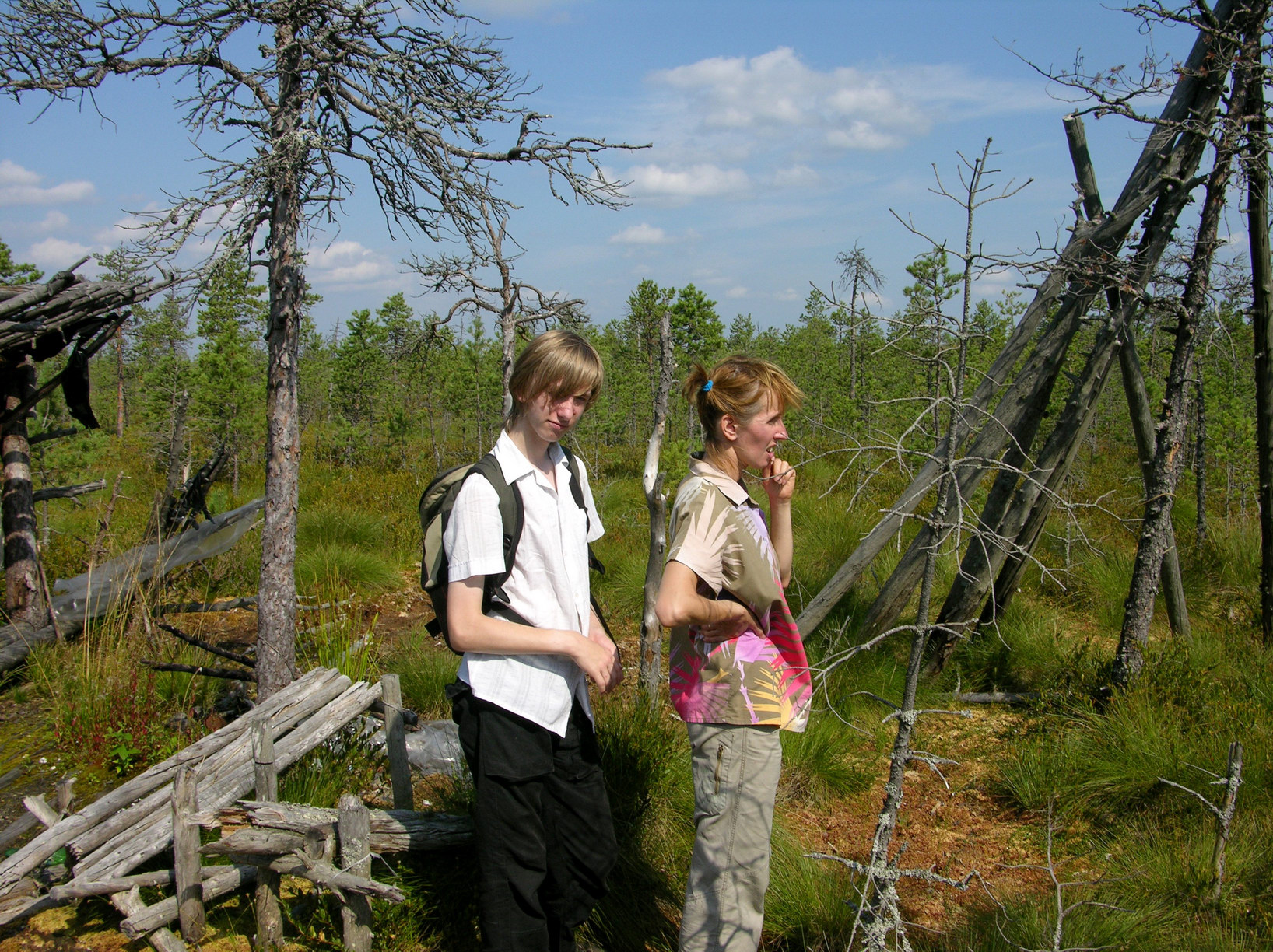
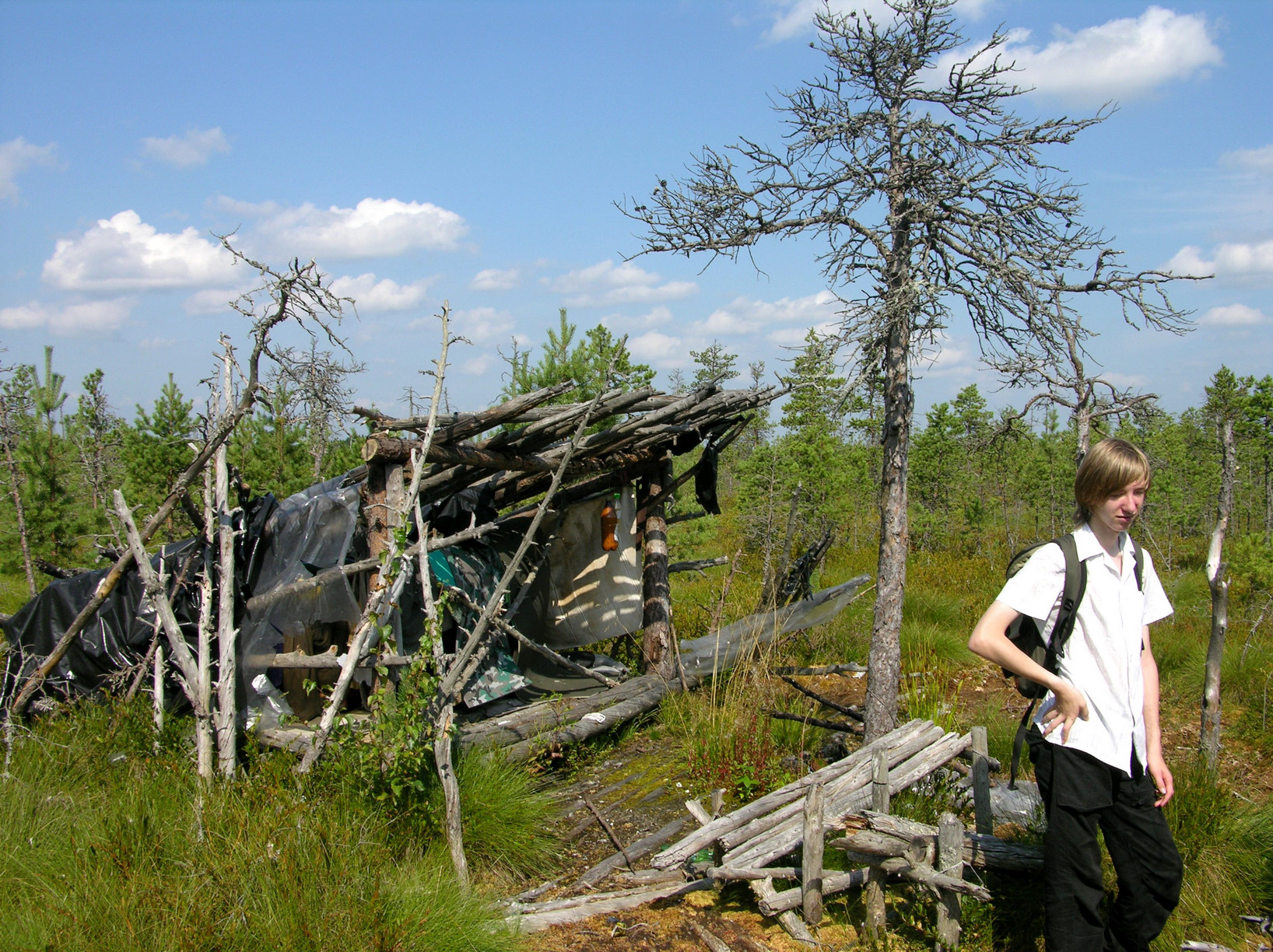
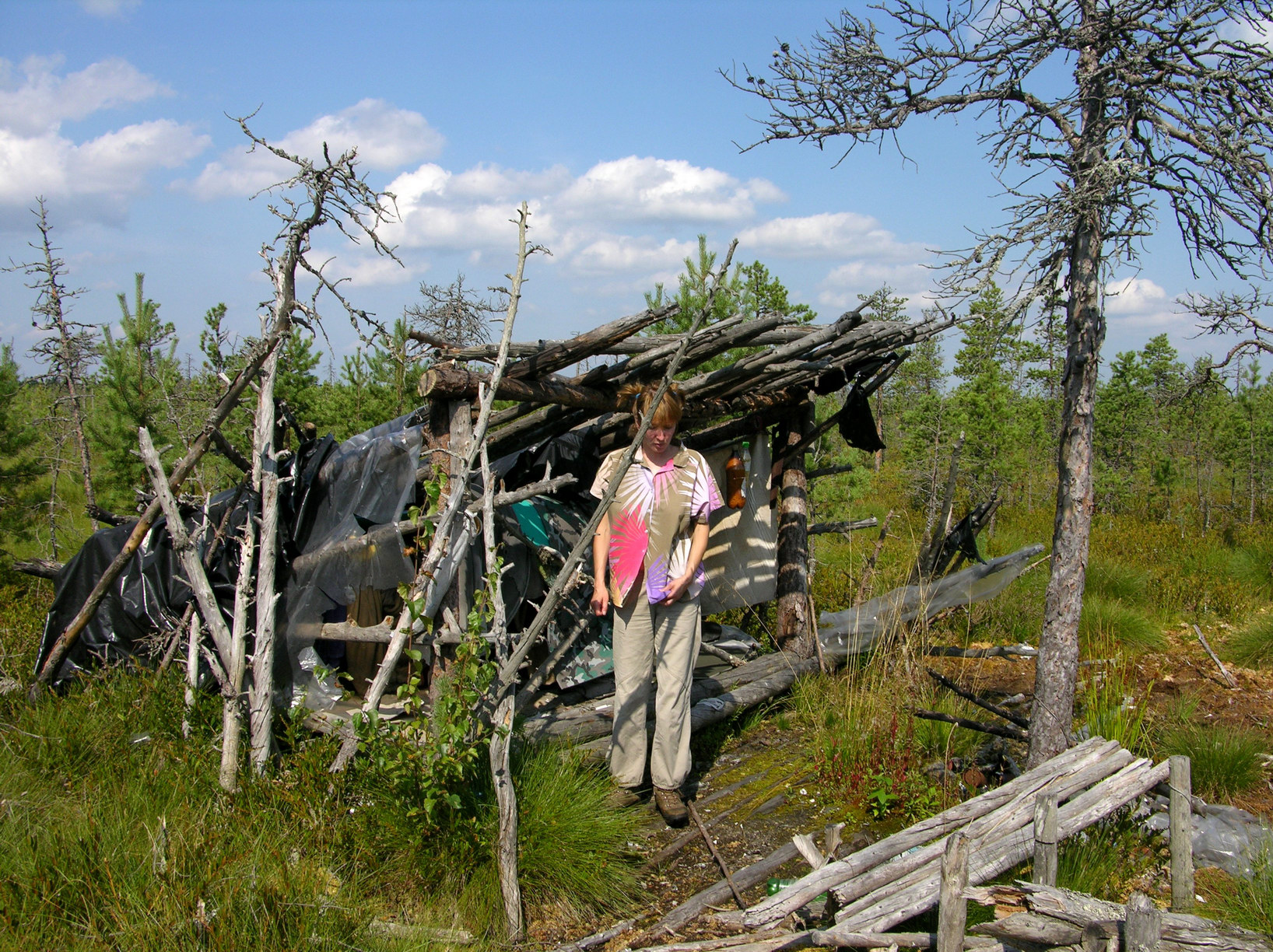
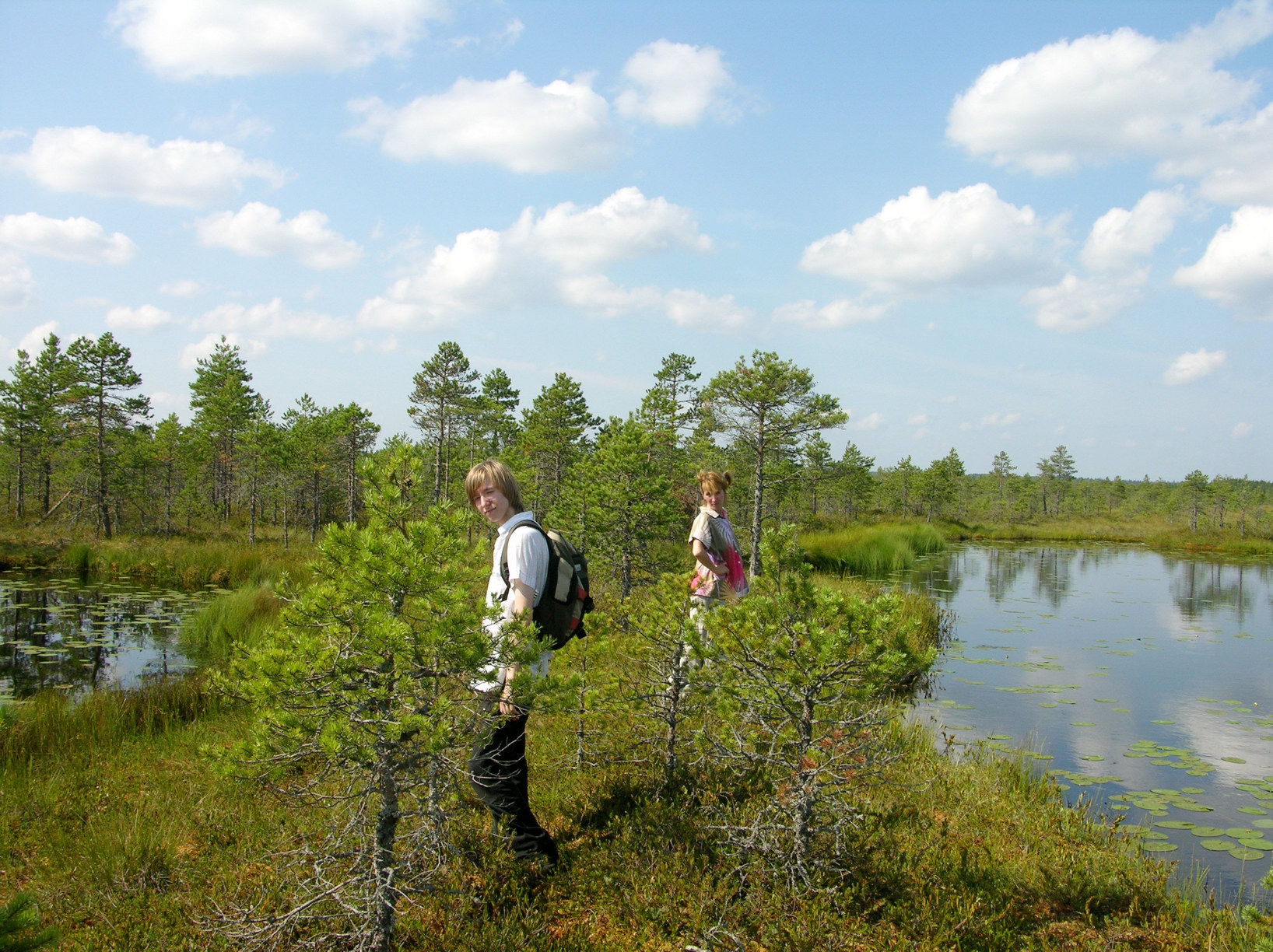
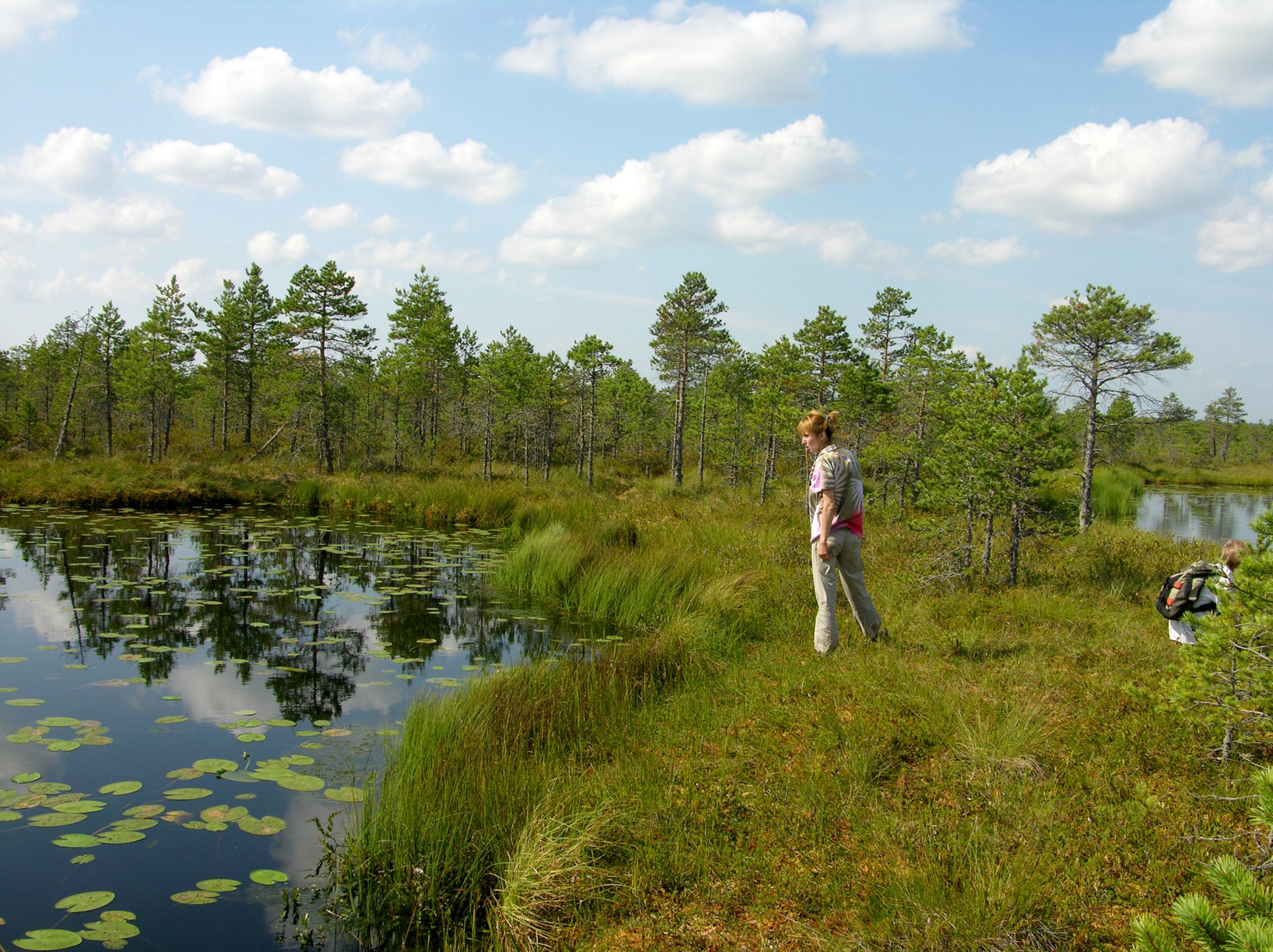
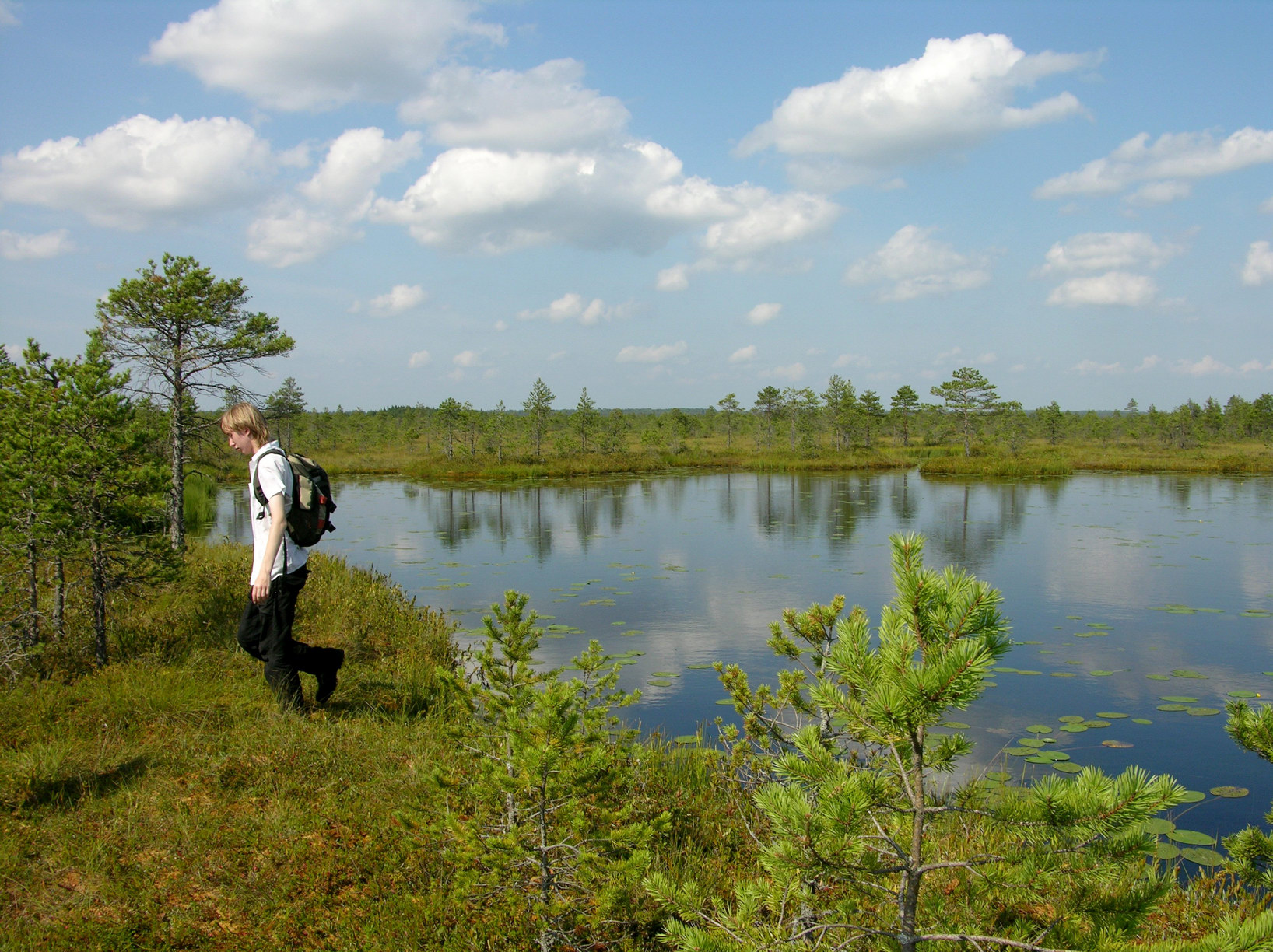
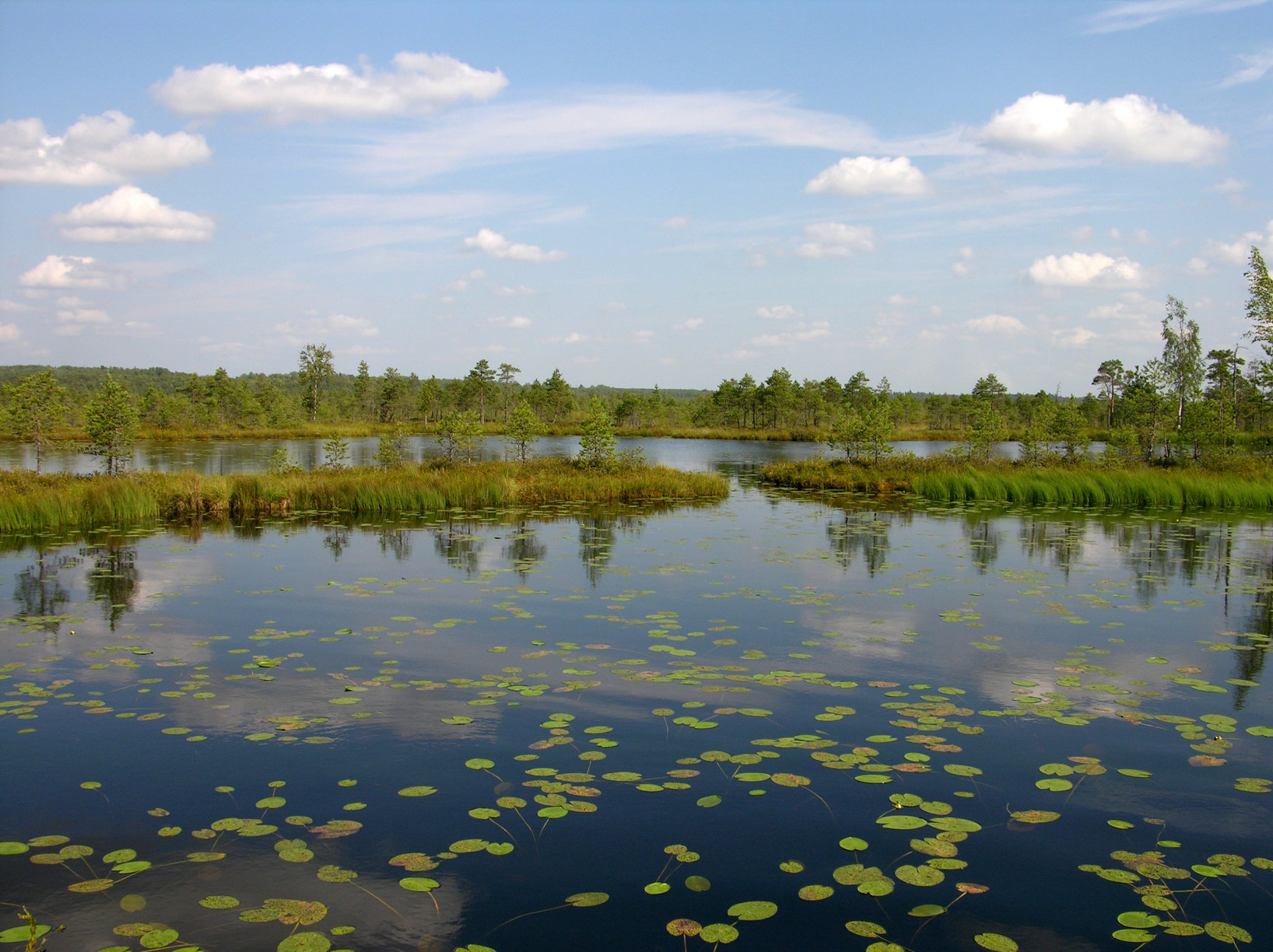
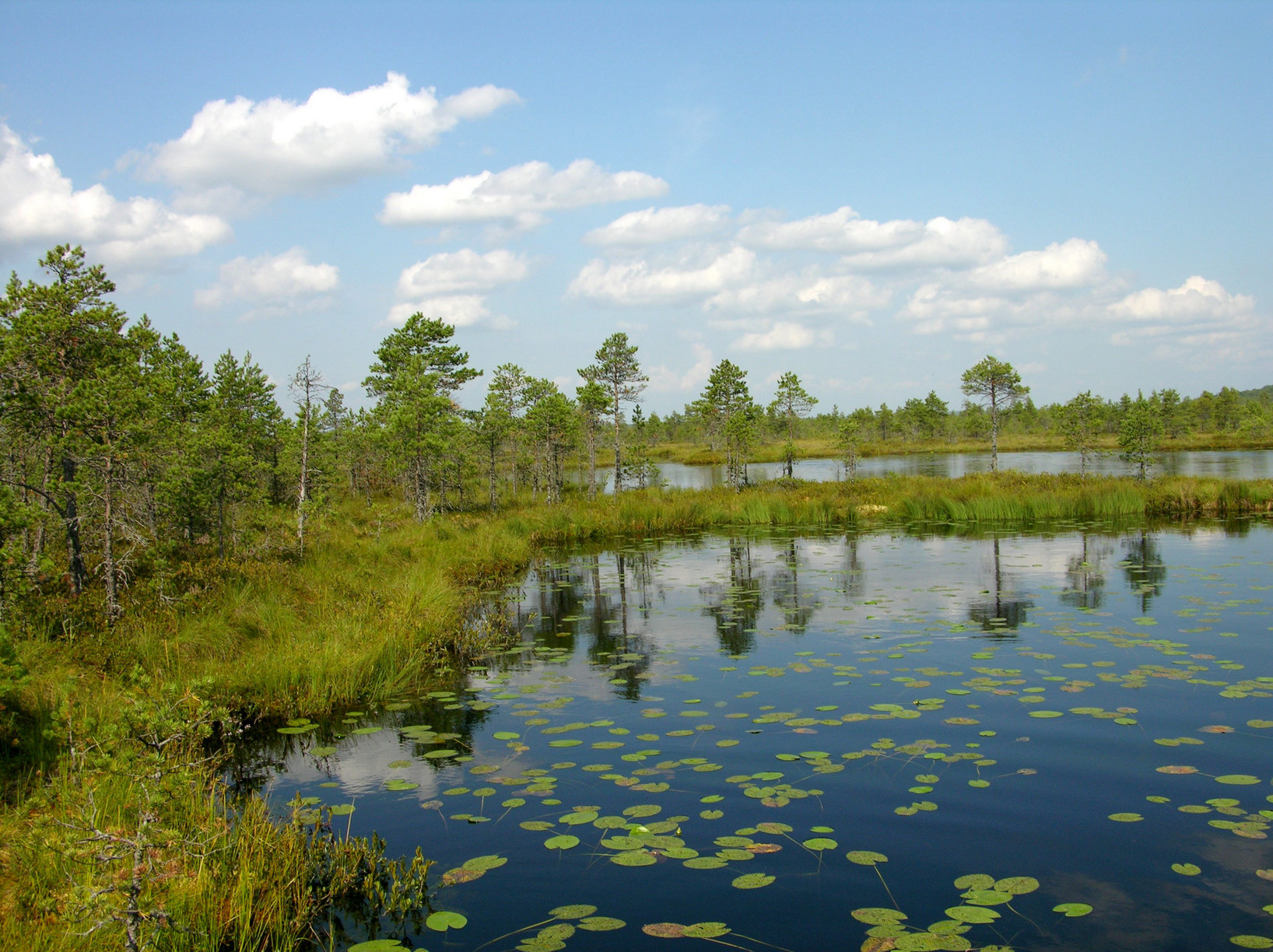
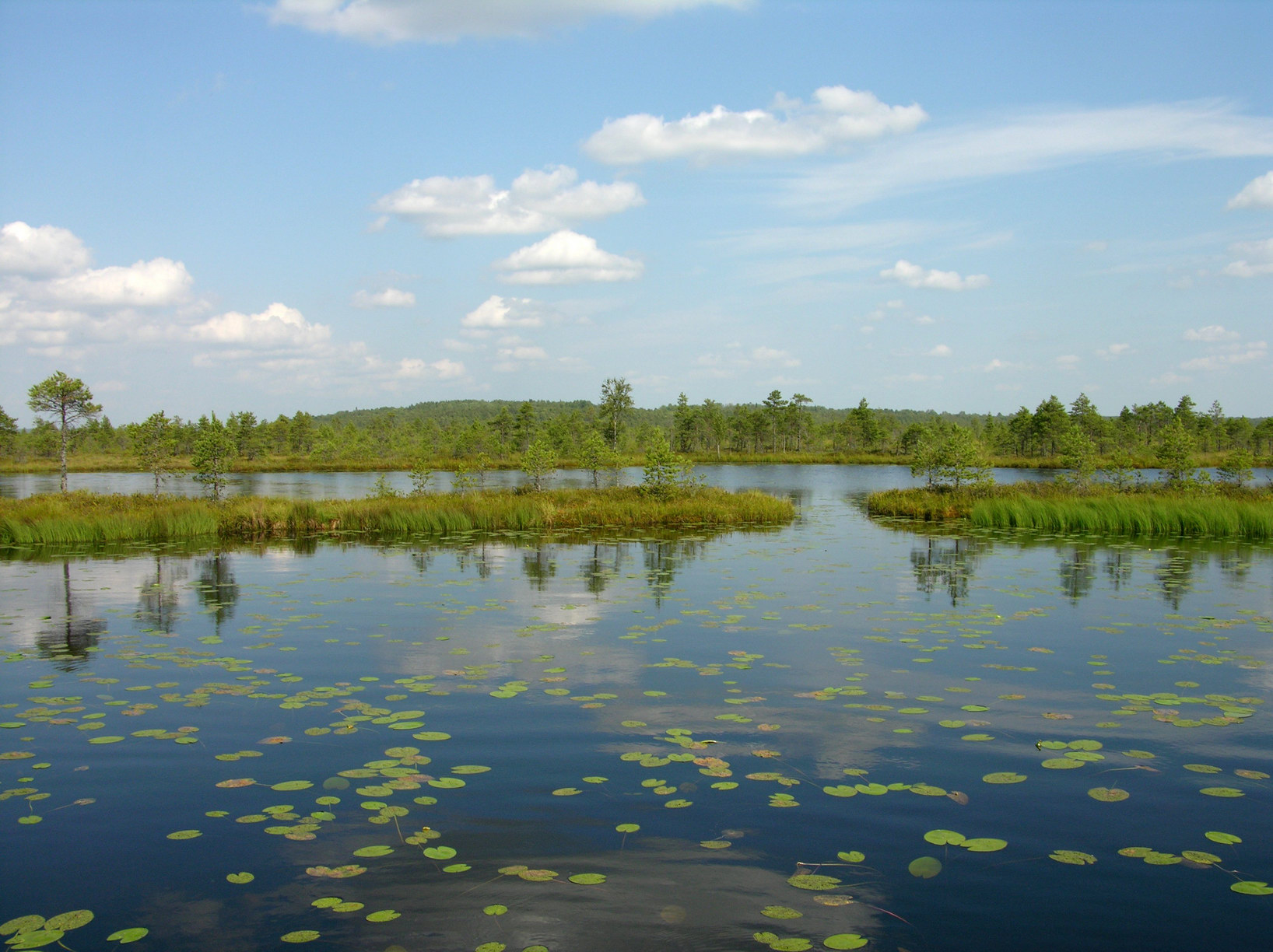
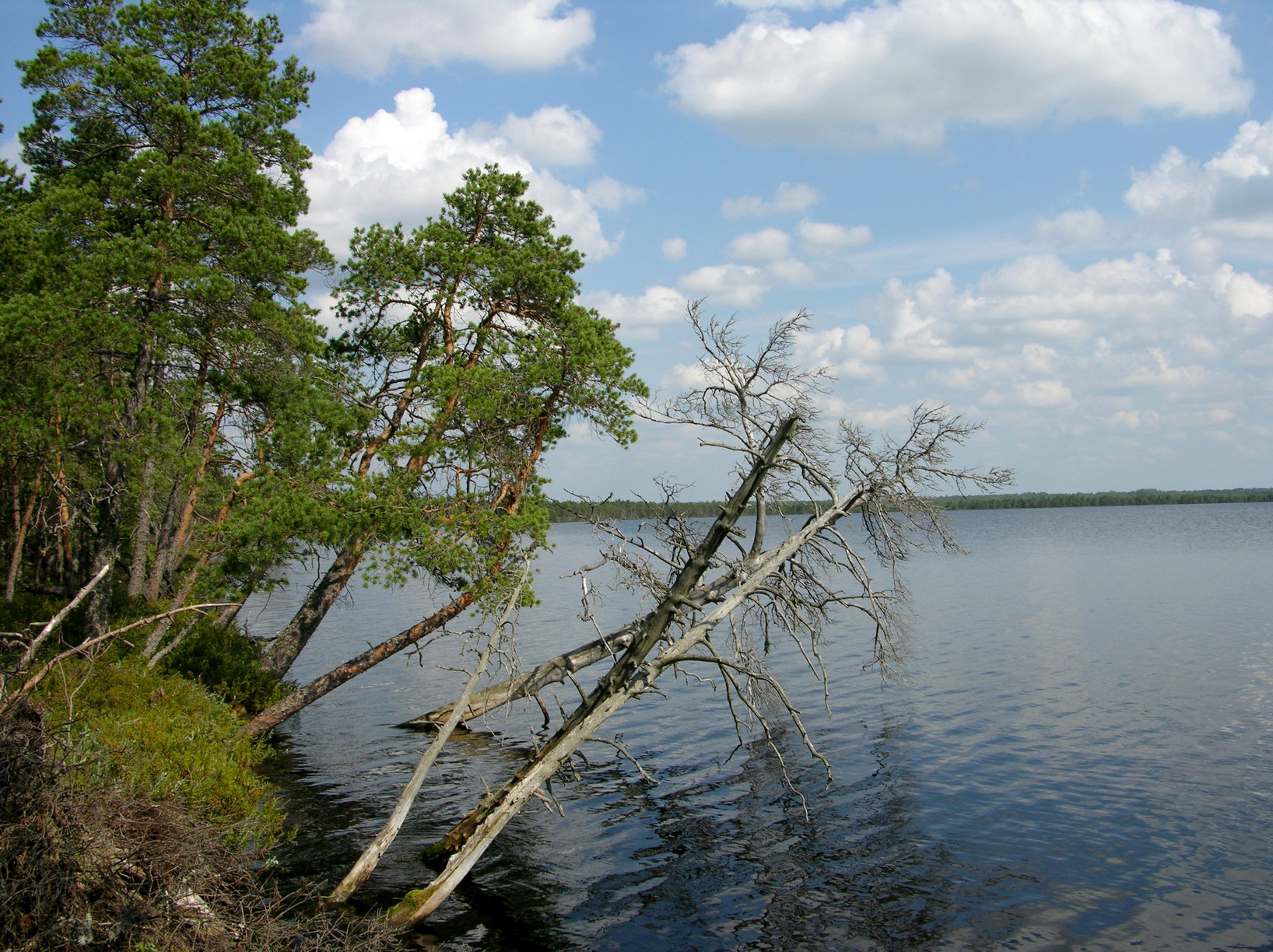
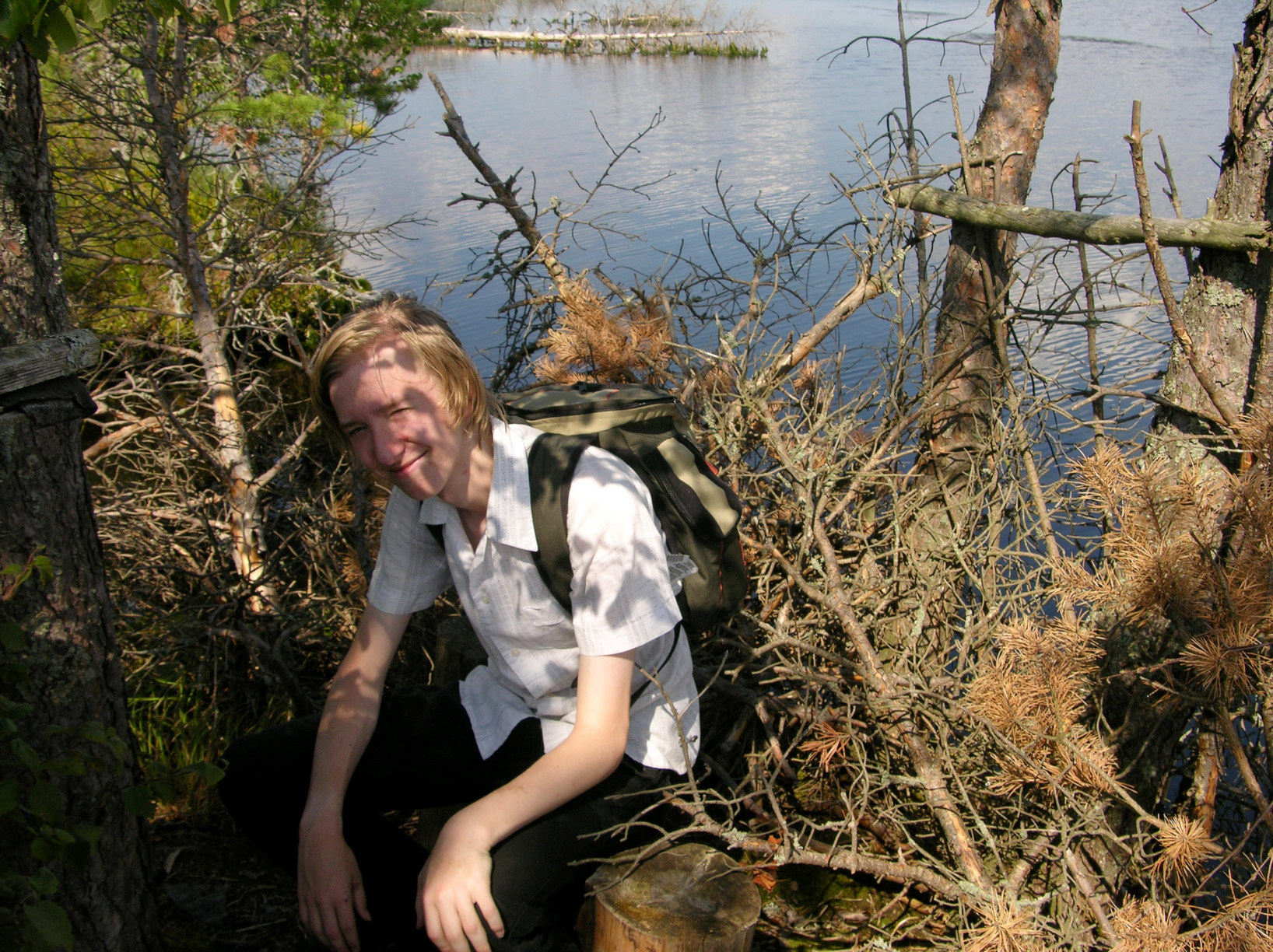
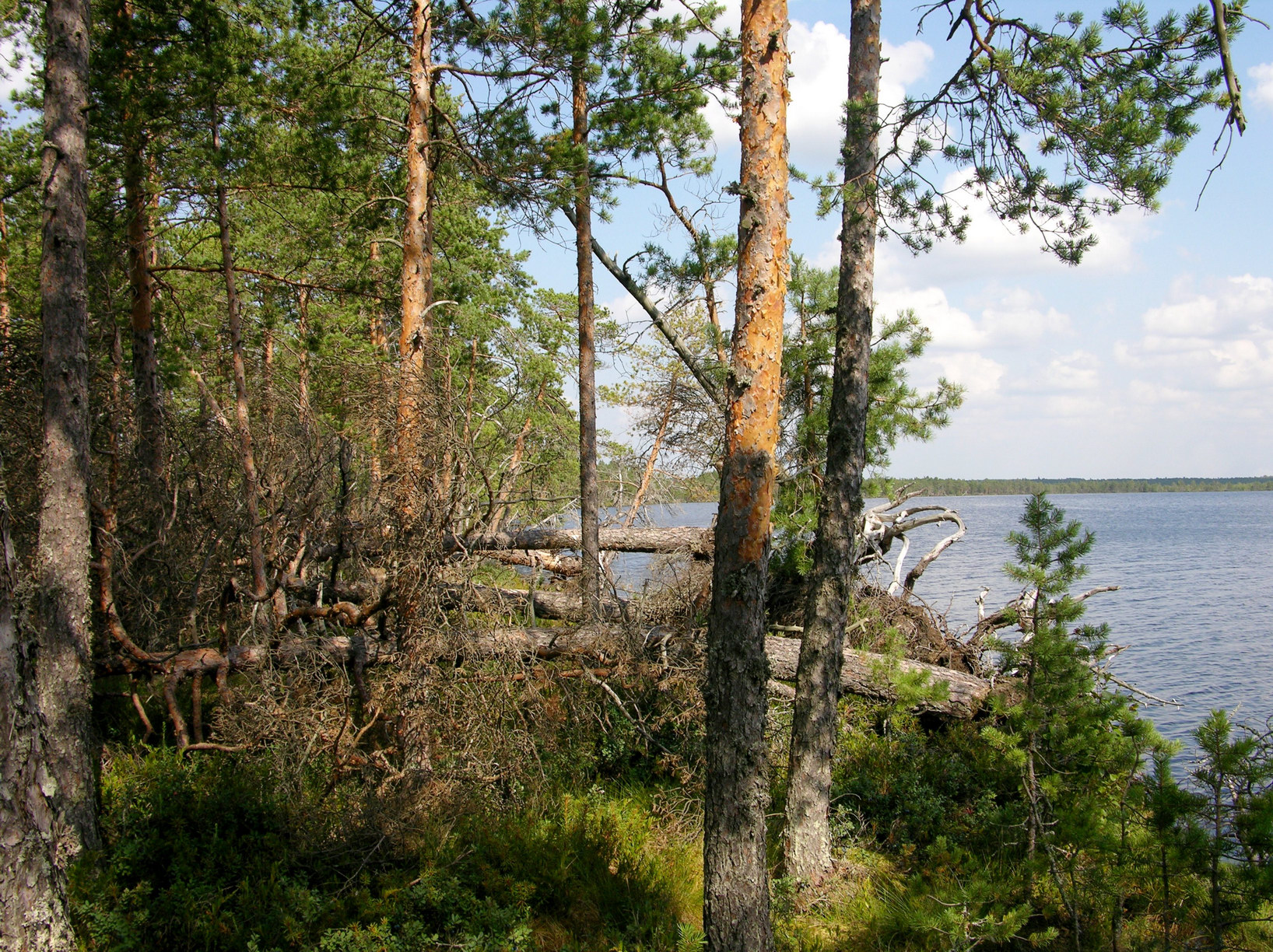
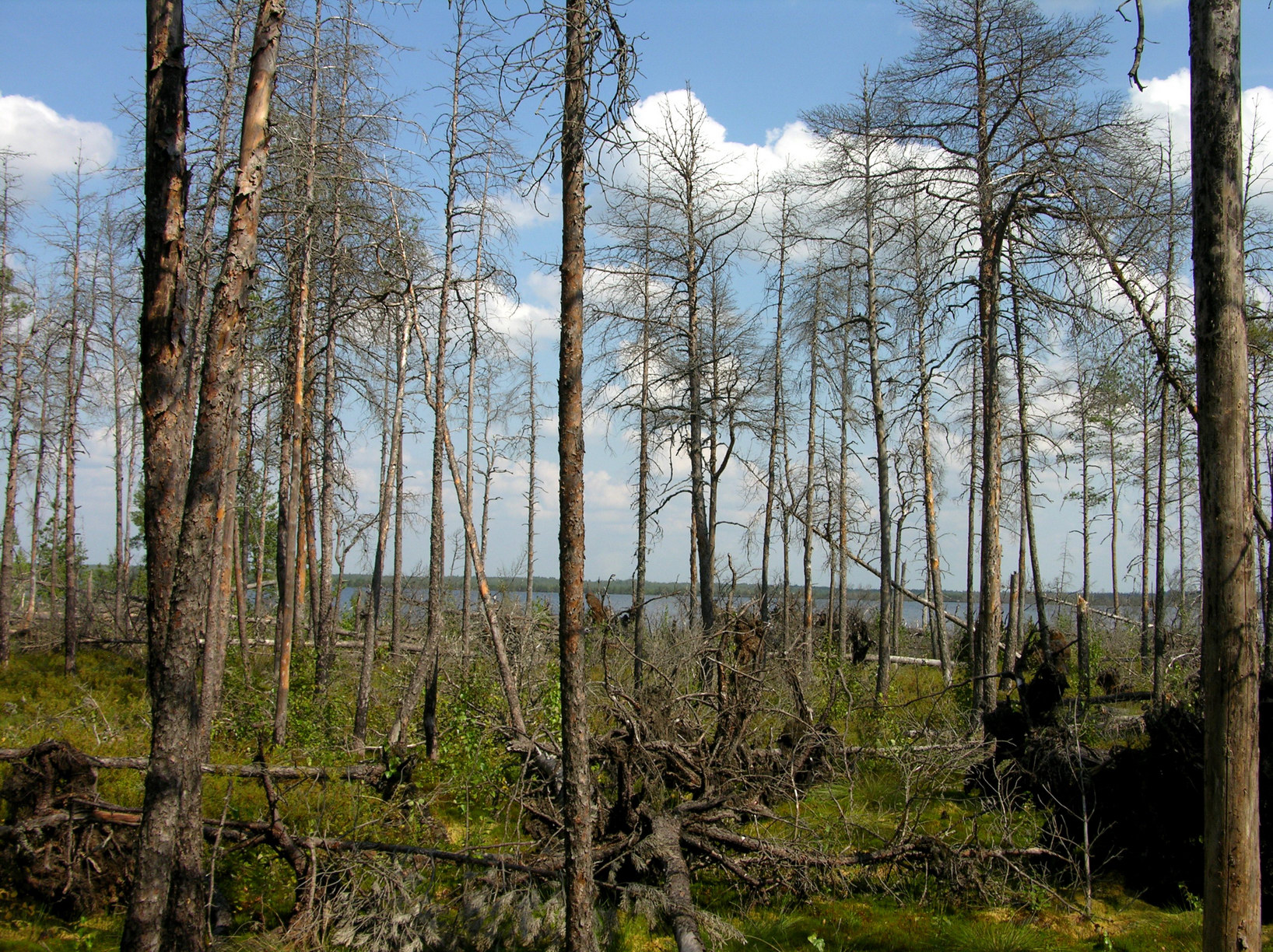
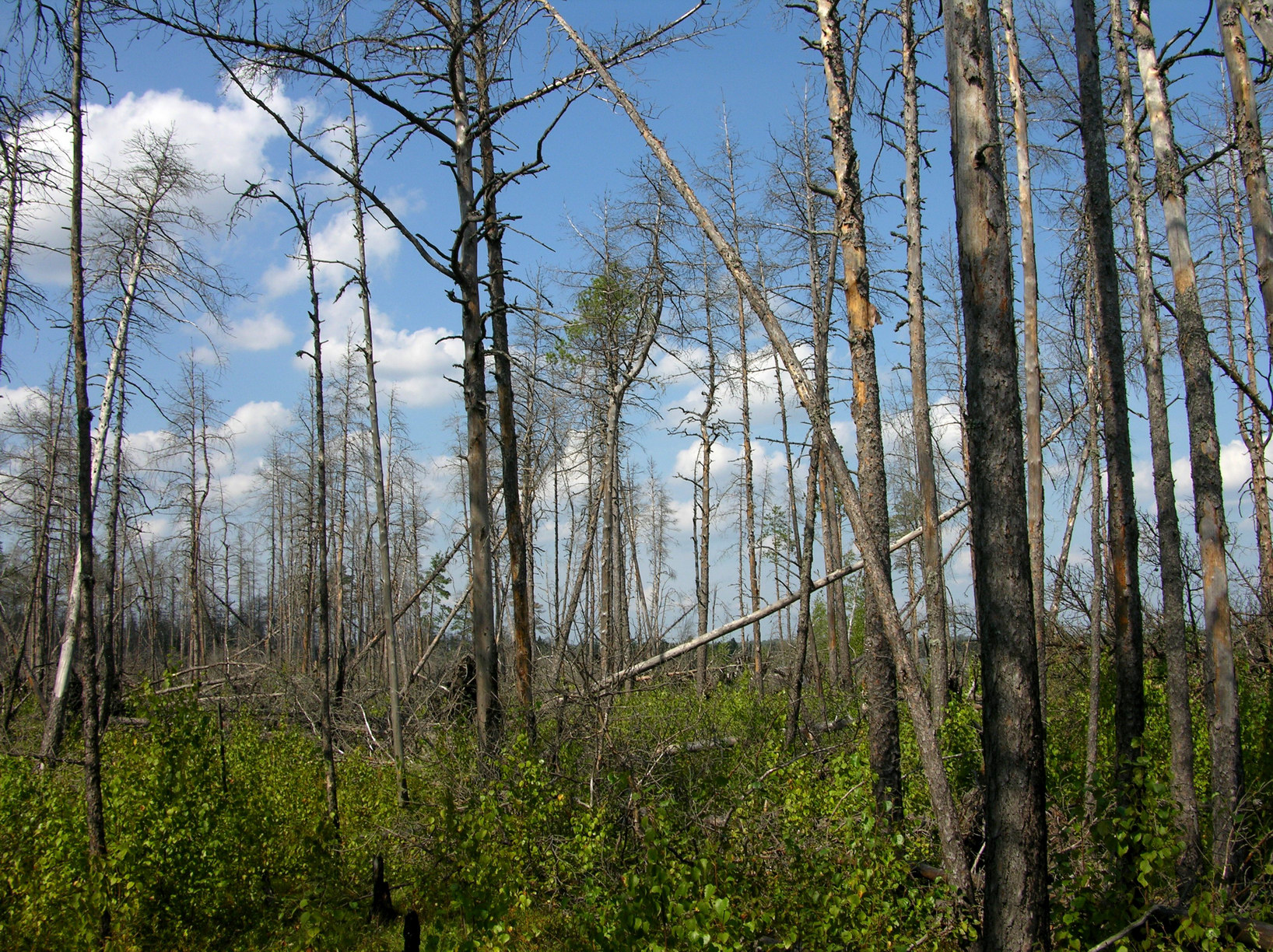
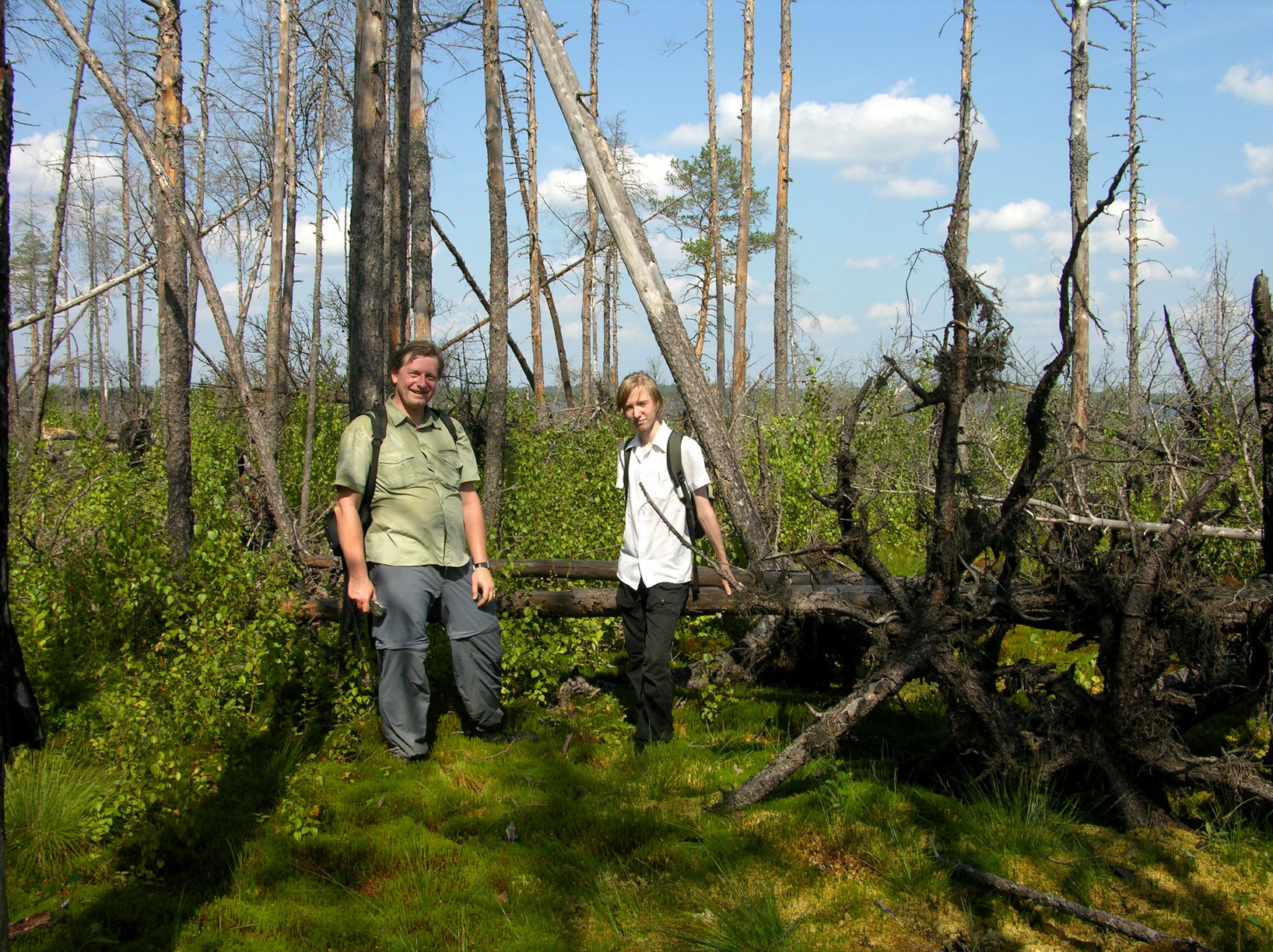
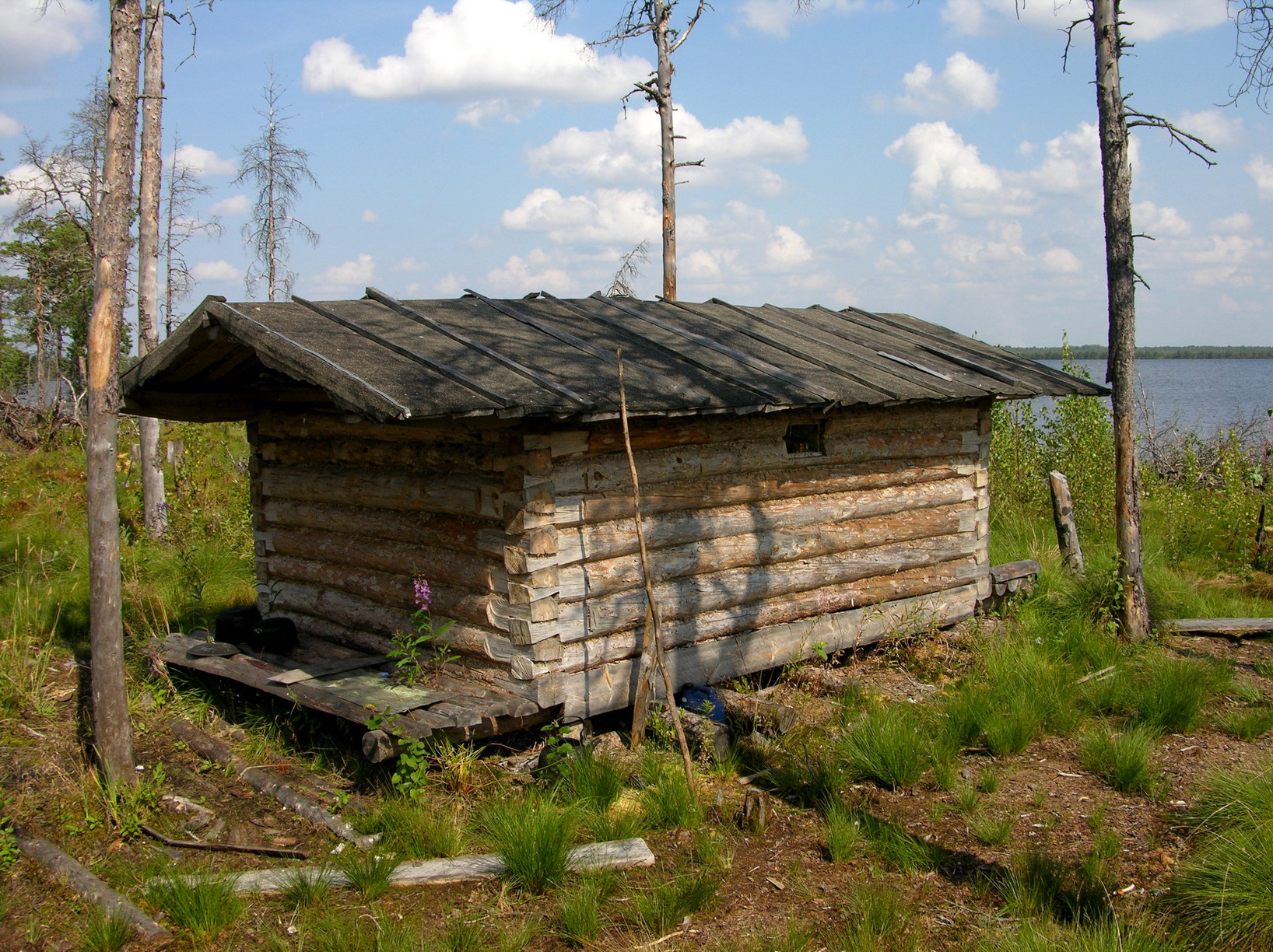
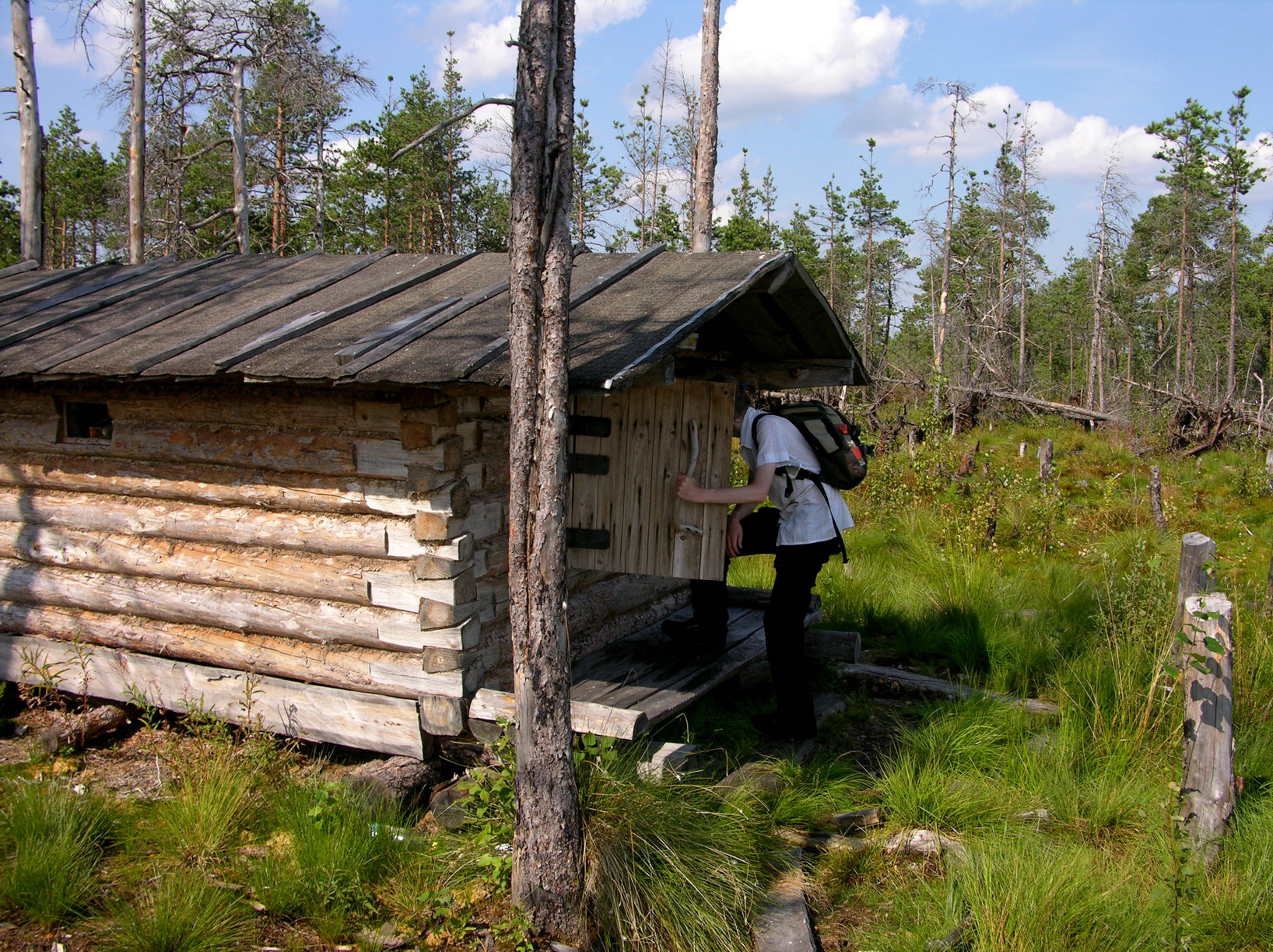
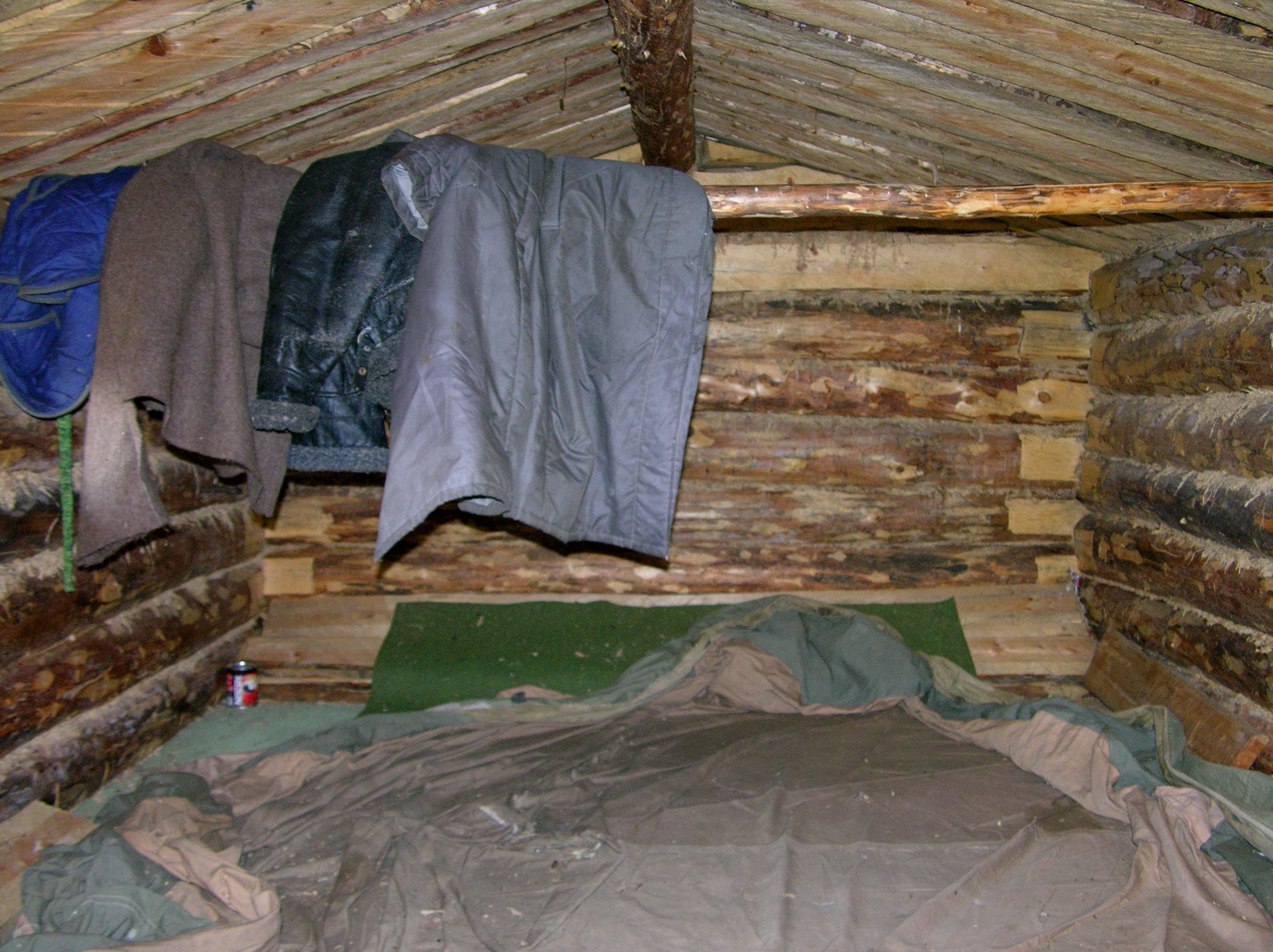
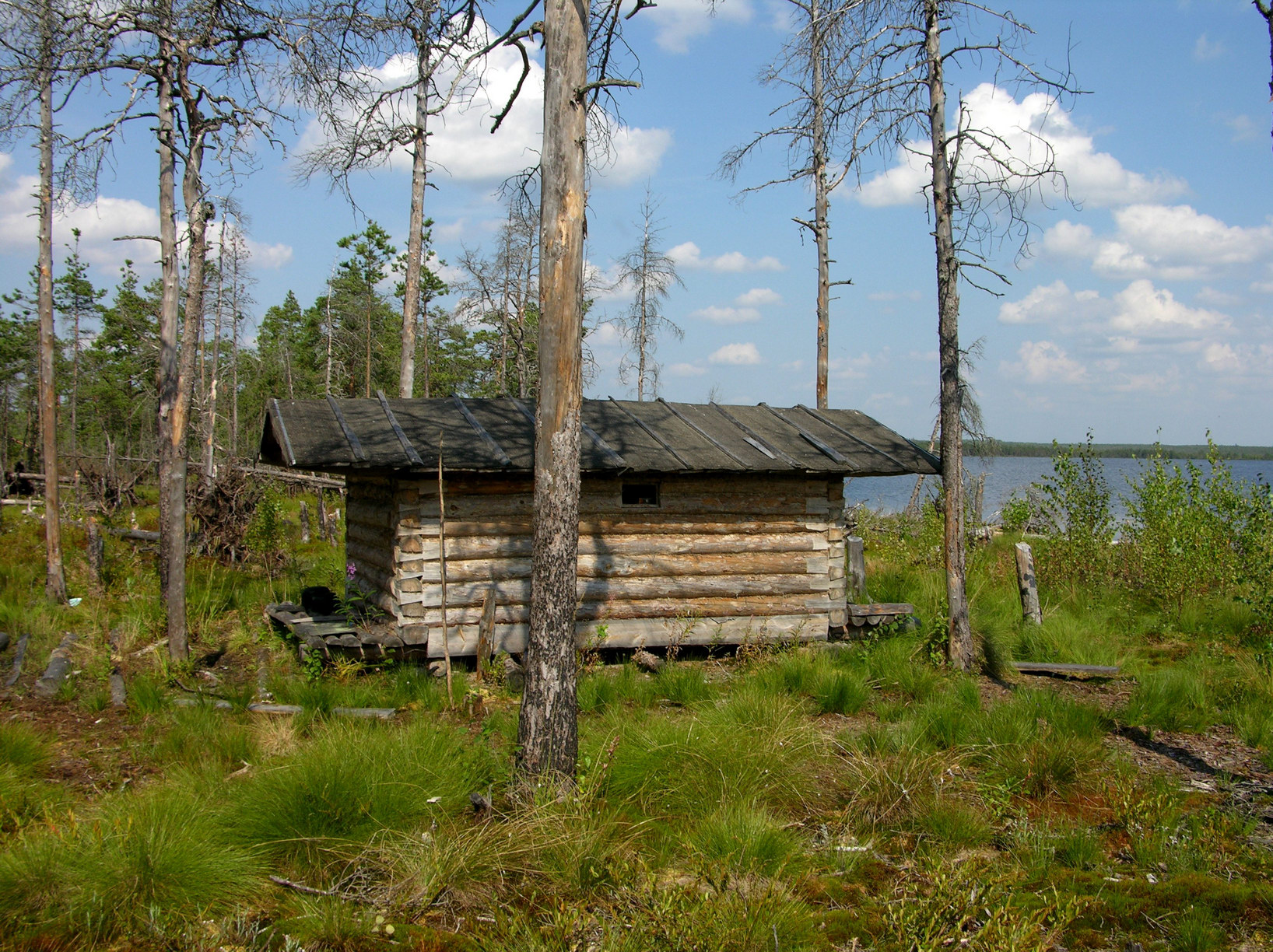
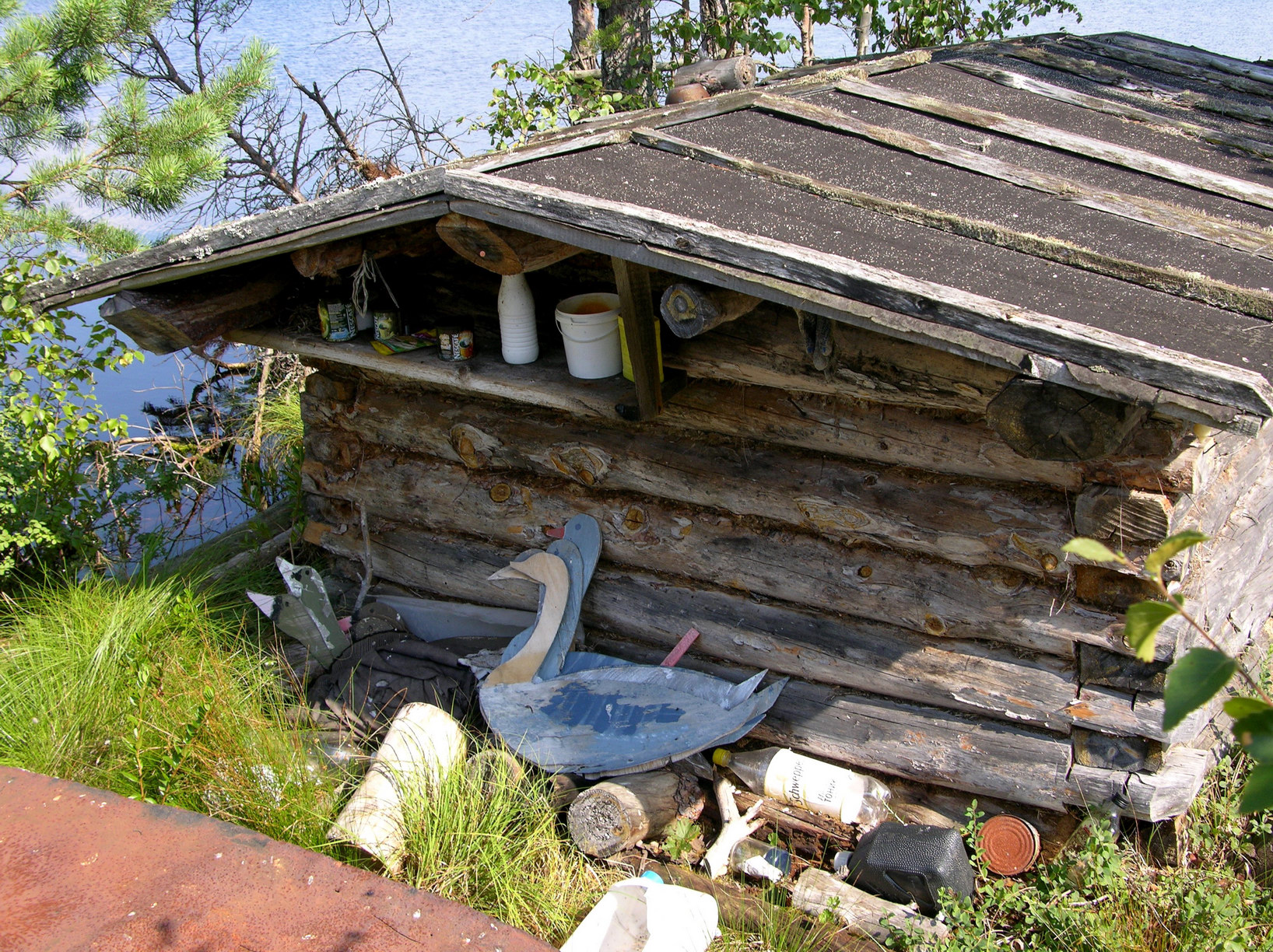
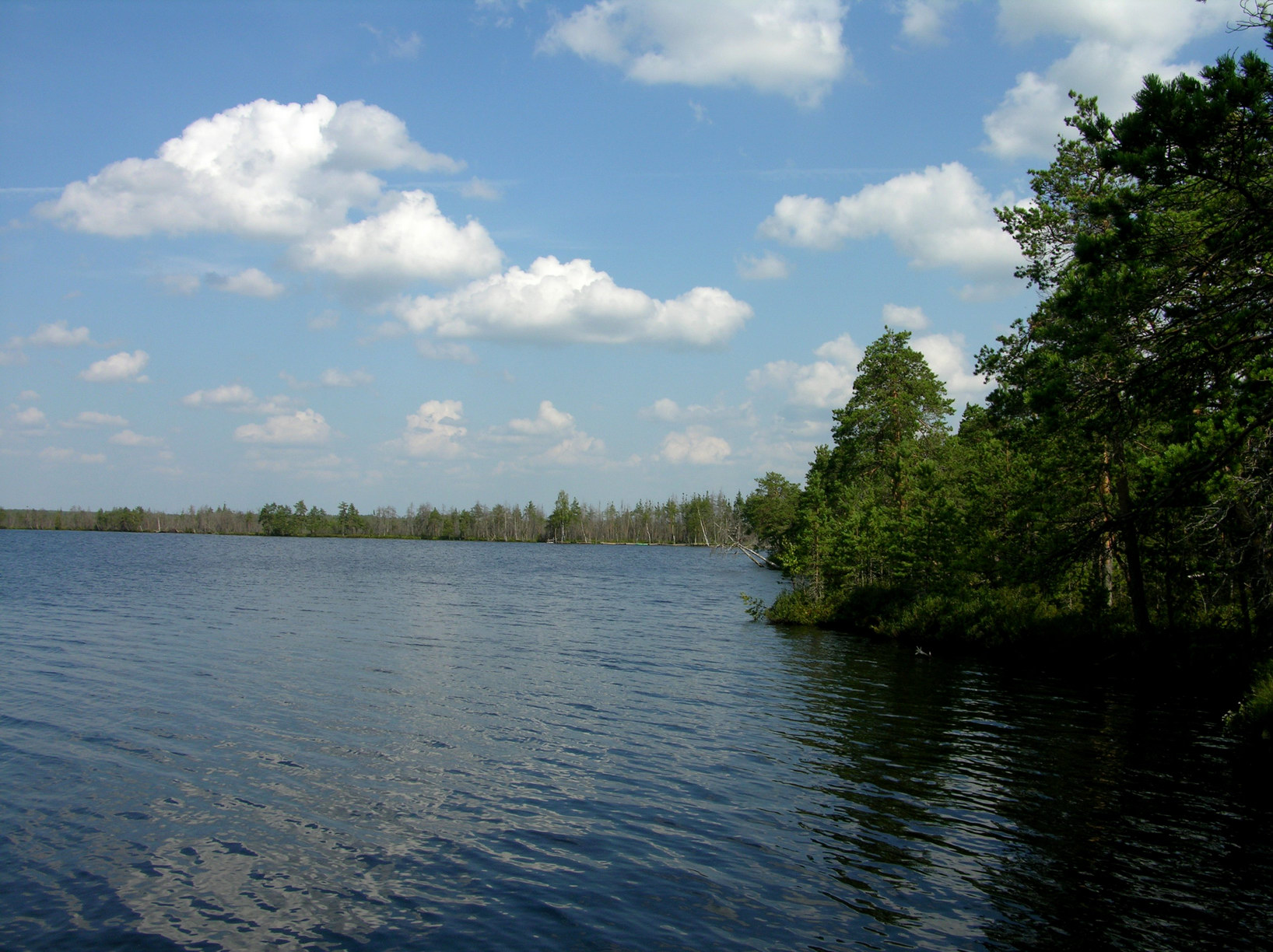
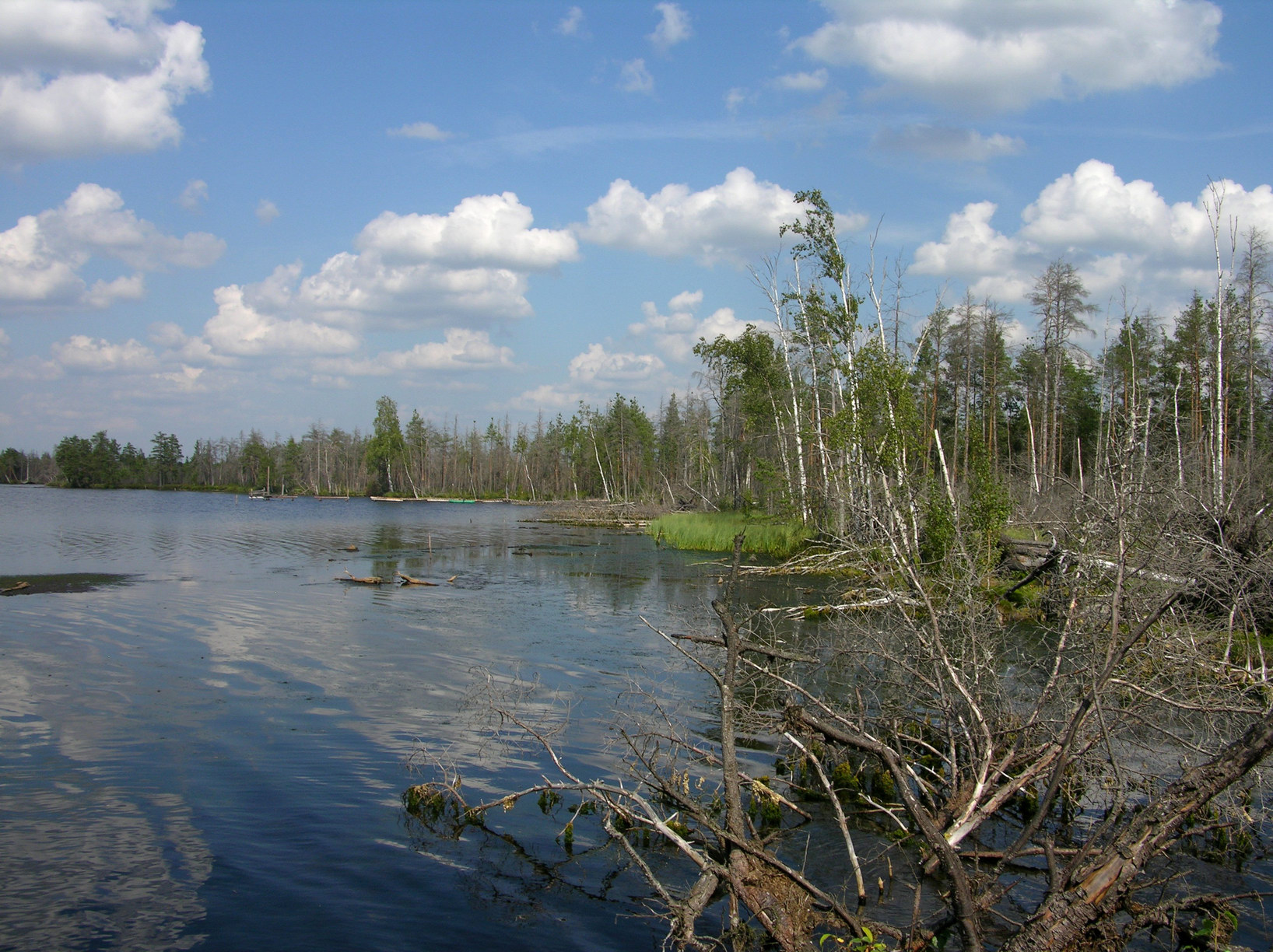
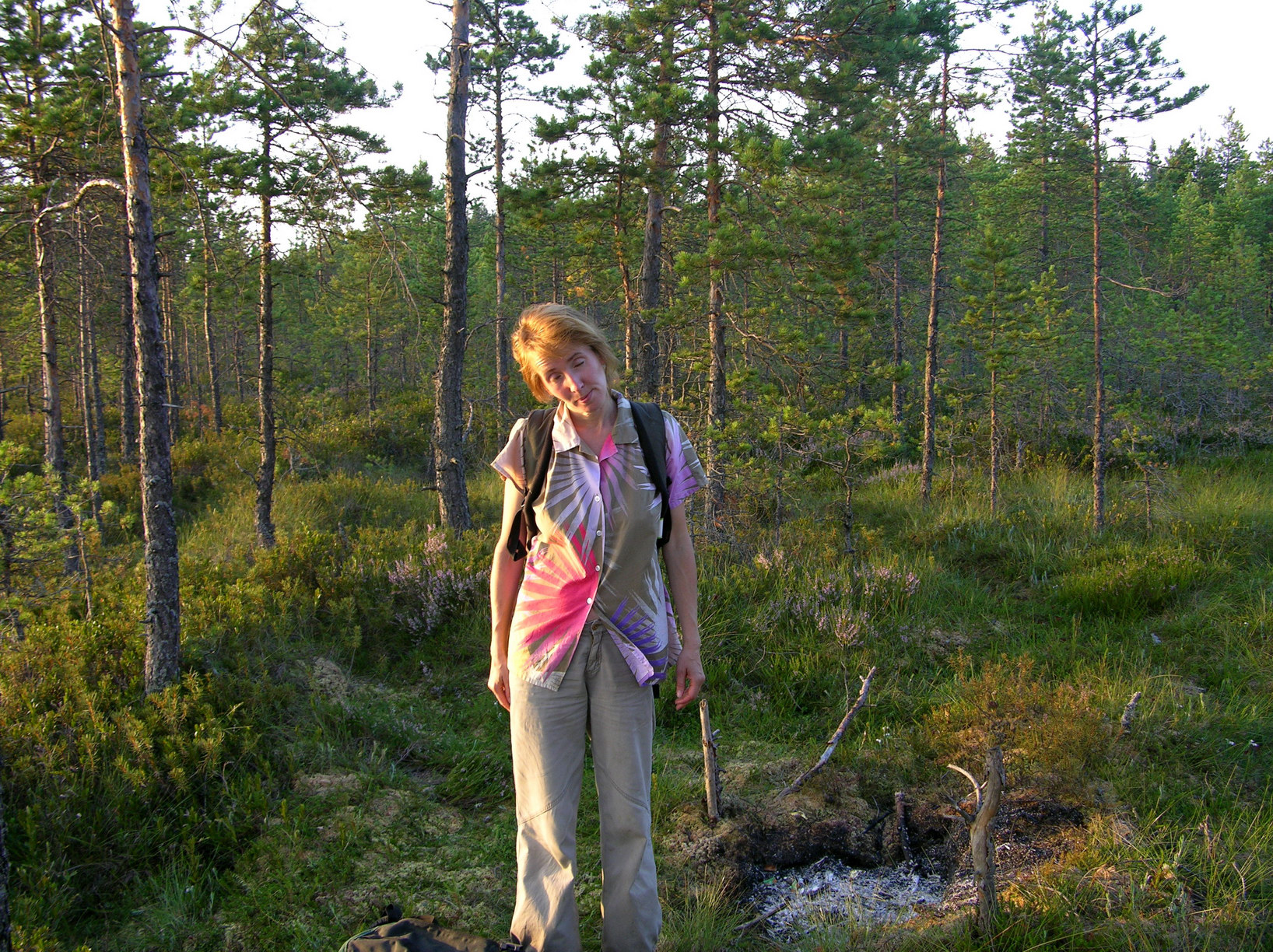
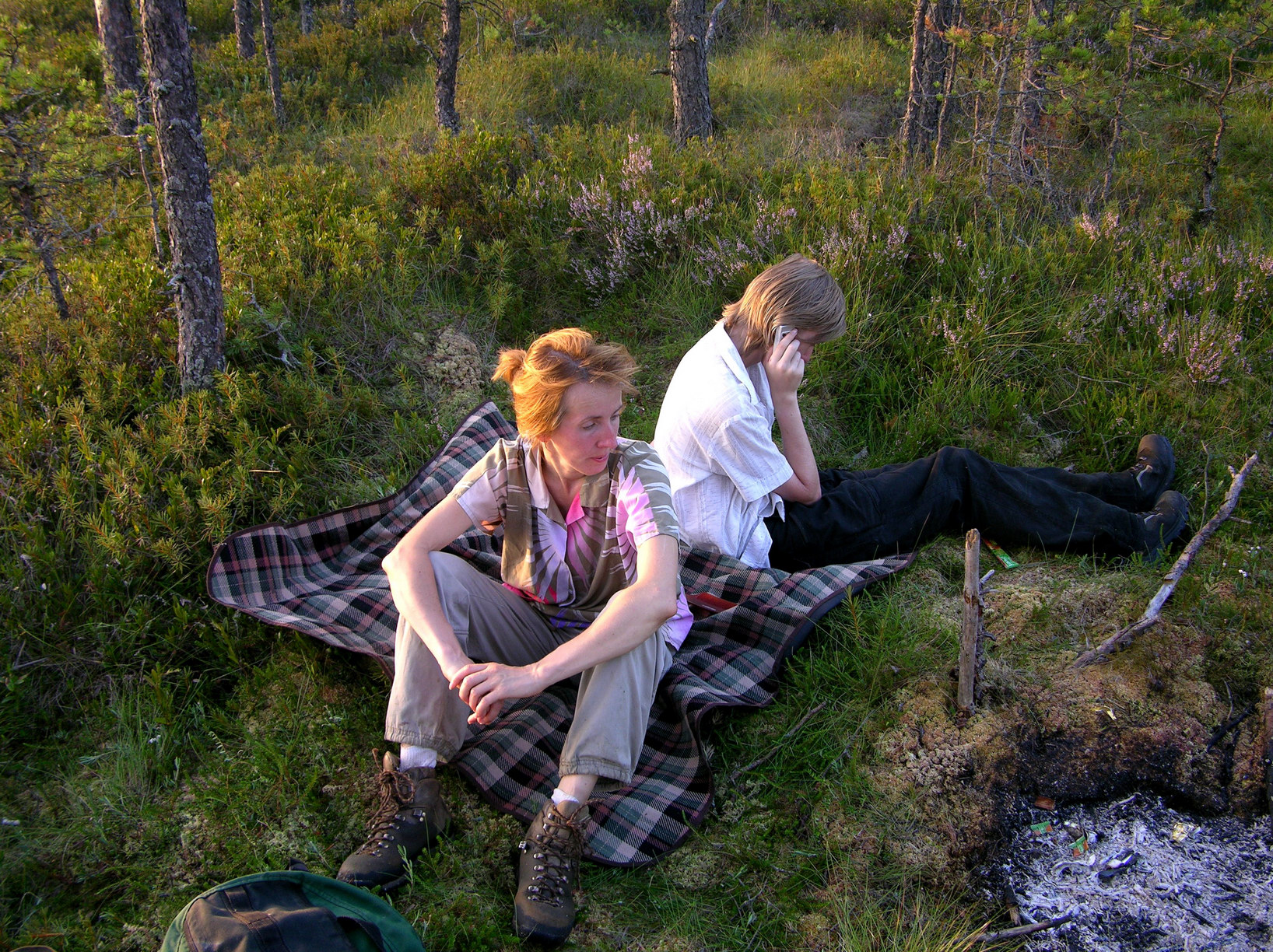
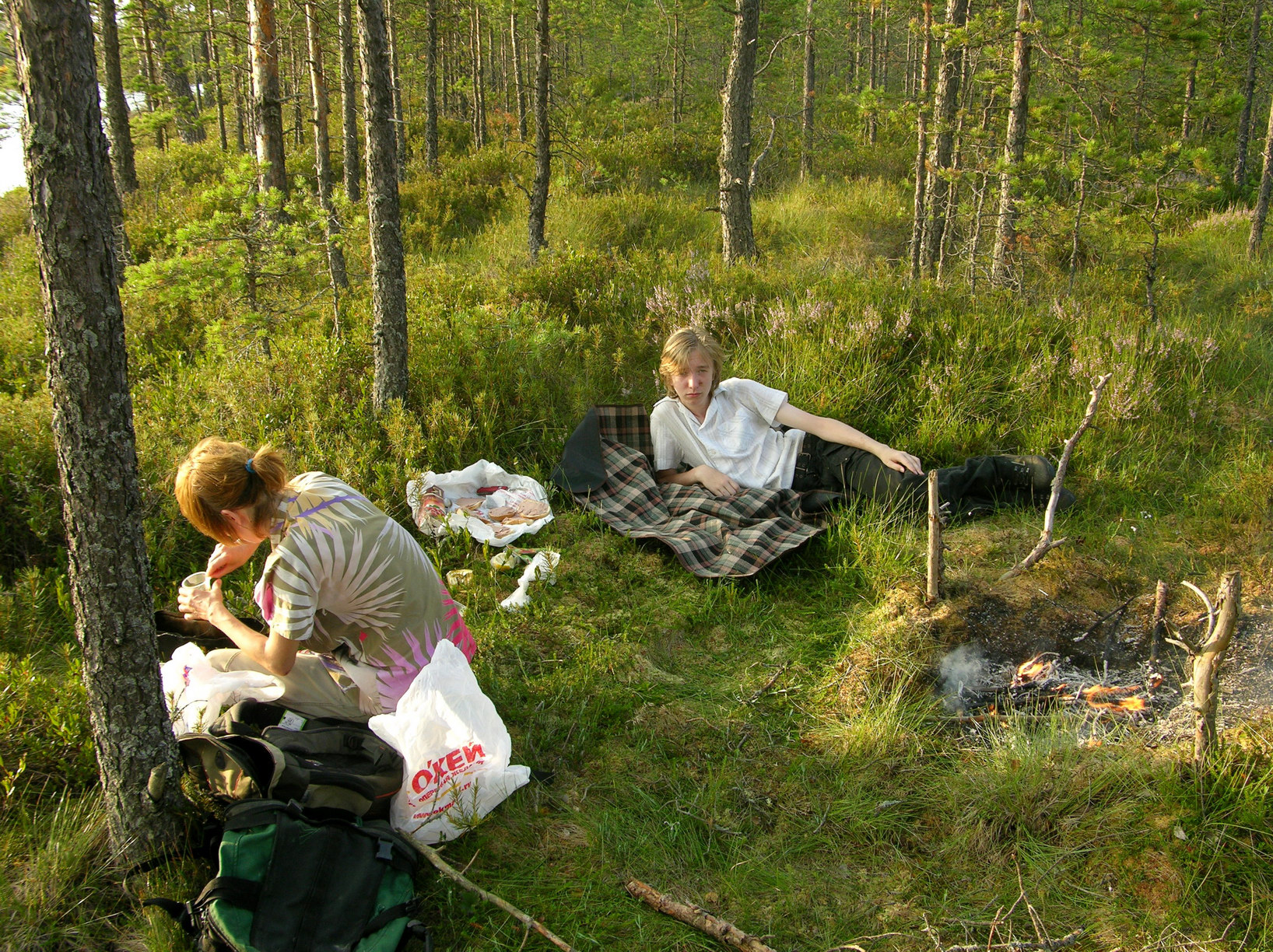
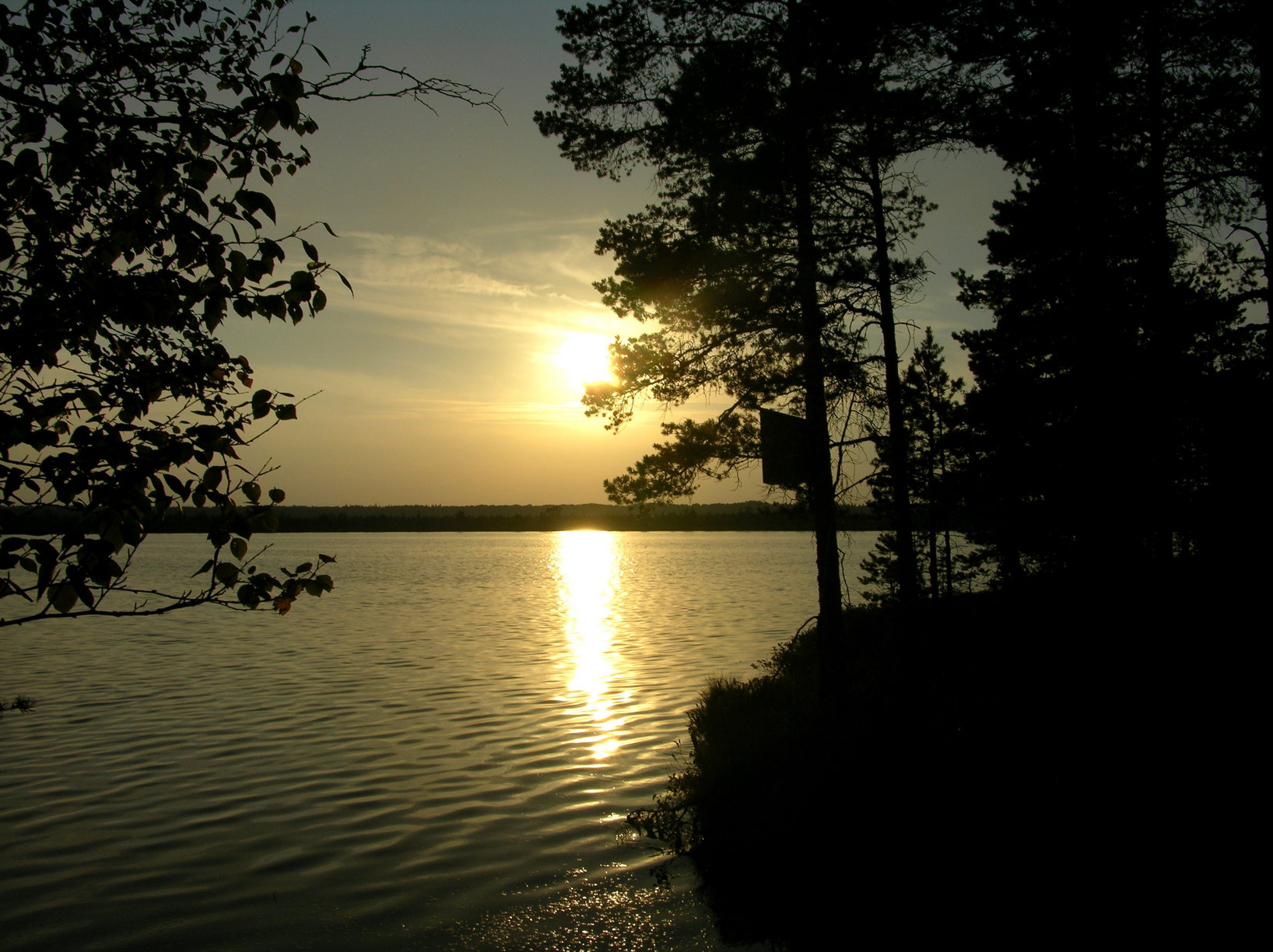
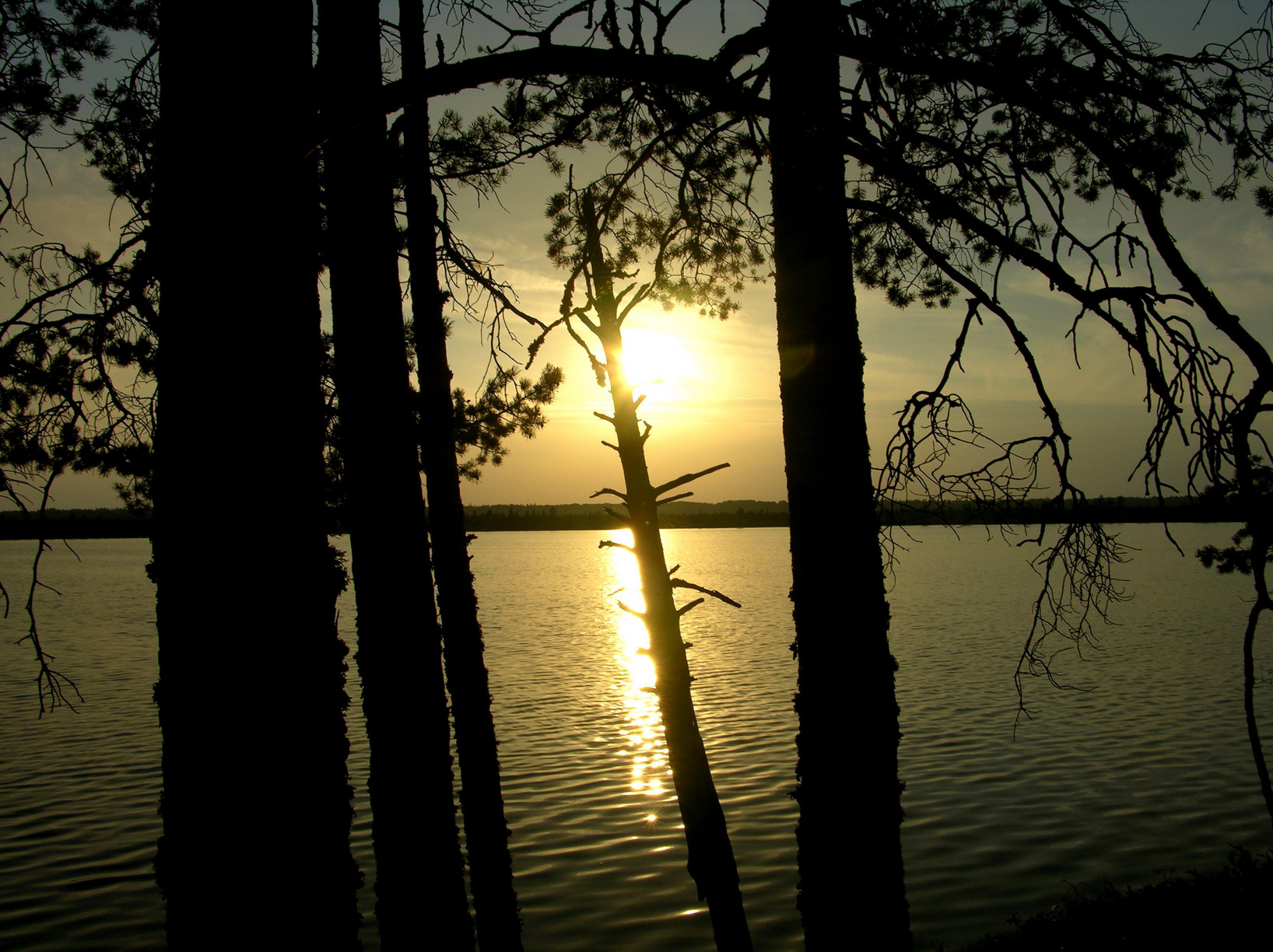
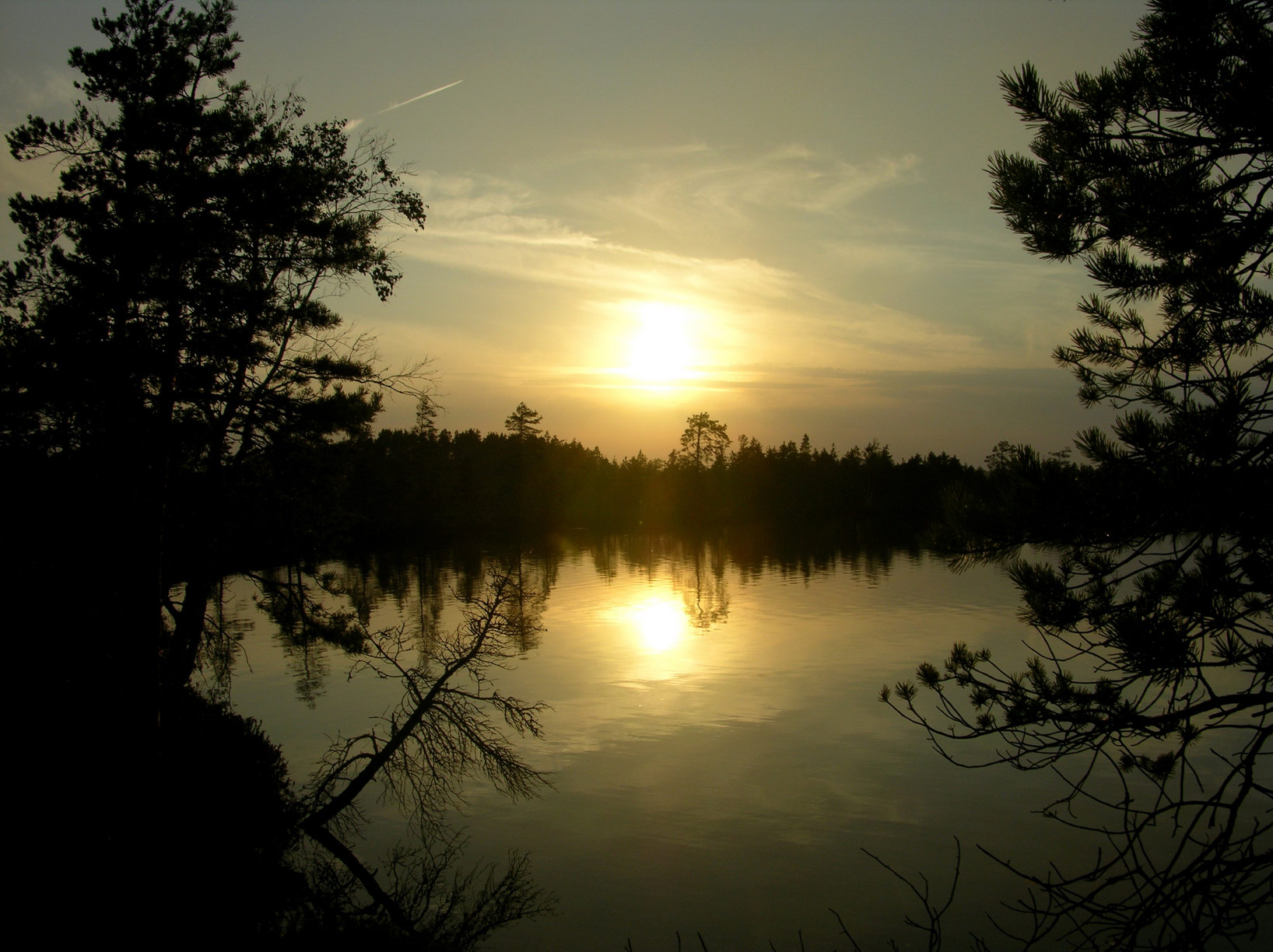
Around the shores of Surovskoye you start to find fallen trees left behind by a recent forest fire. On the shore are several hunting huts. On the south shore, near the source of the Surovsky Stream, we cooked lunch and went for a swim.
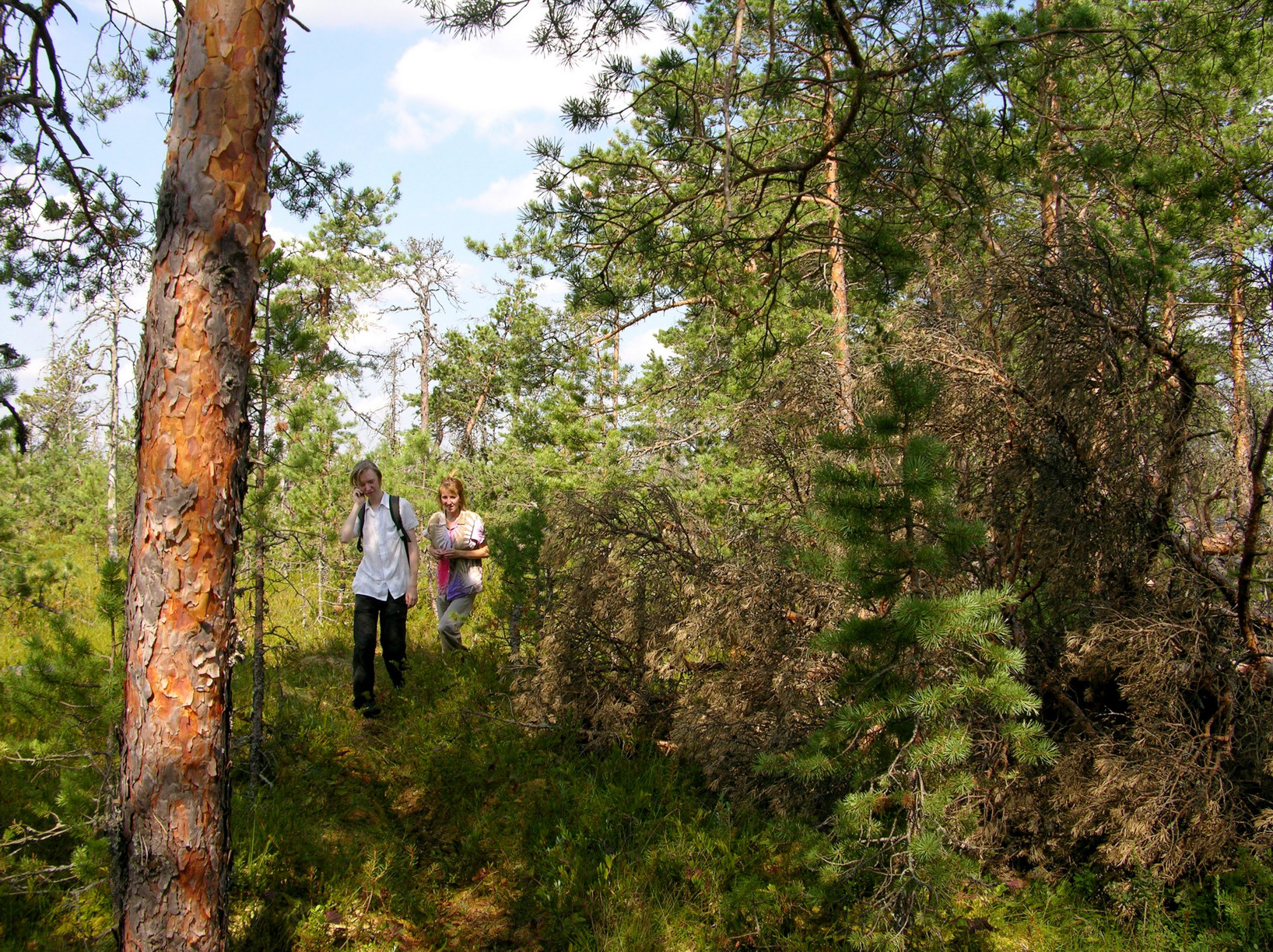
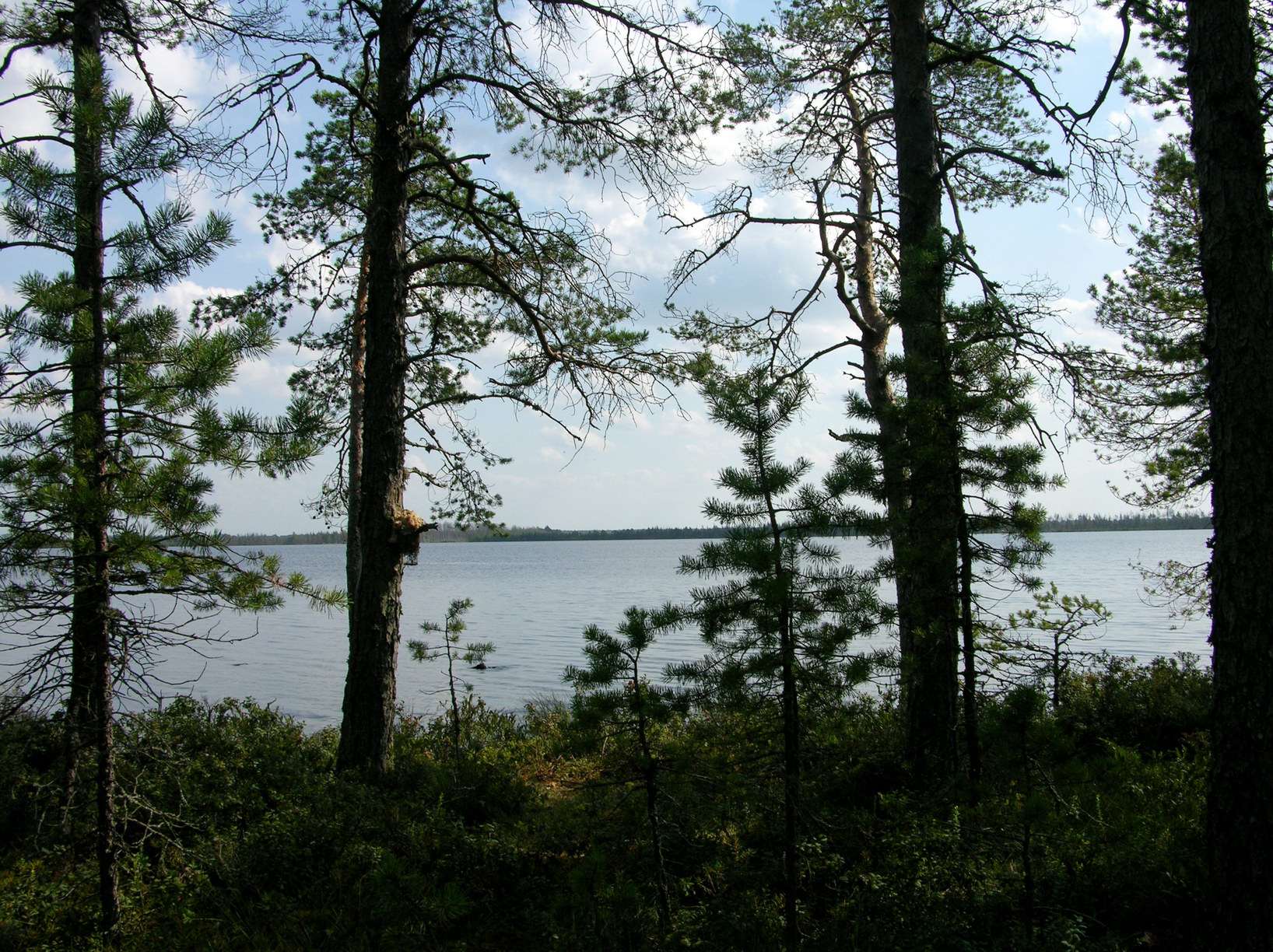
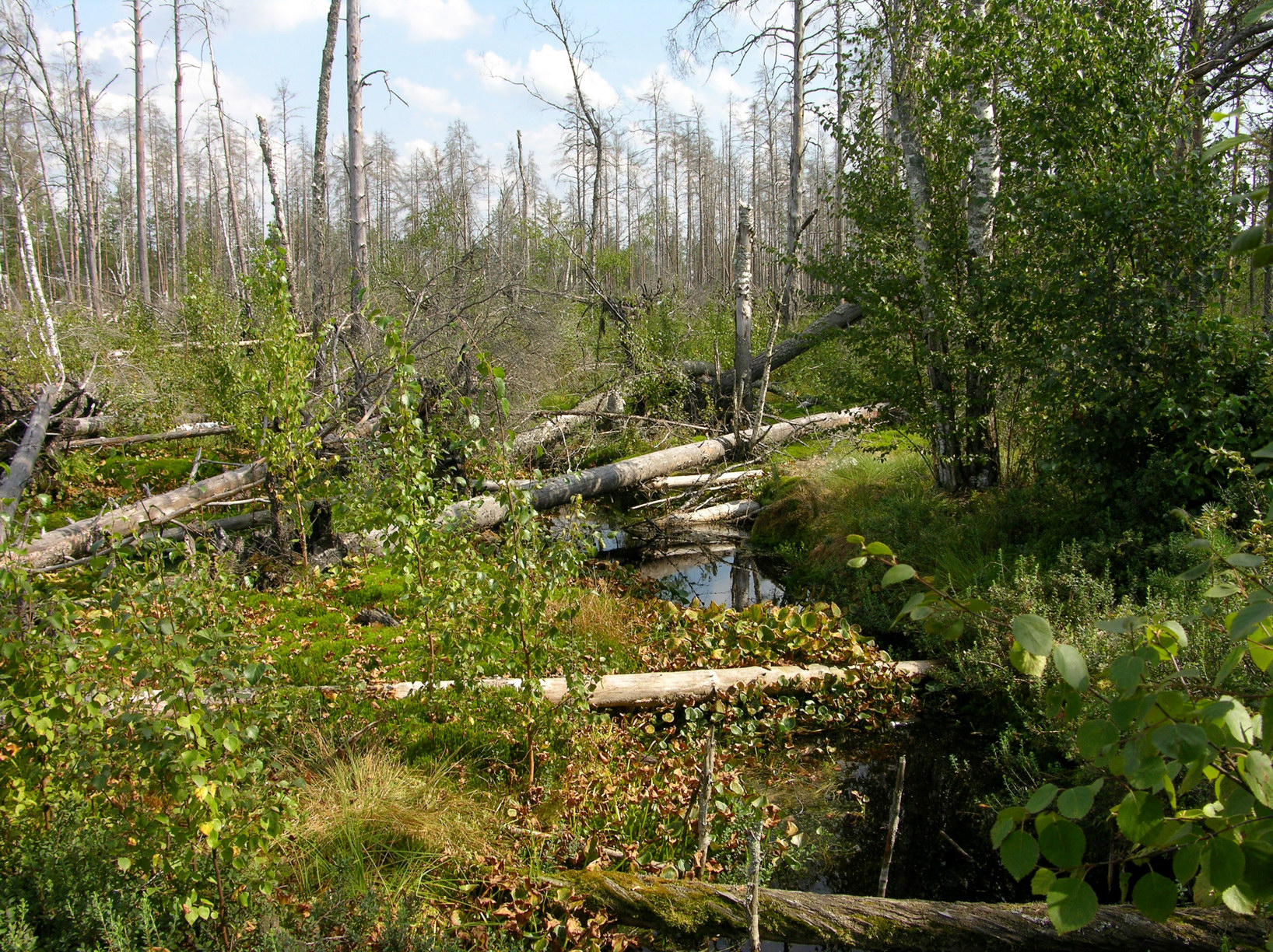
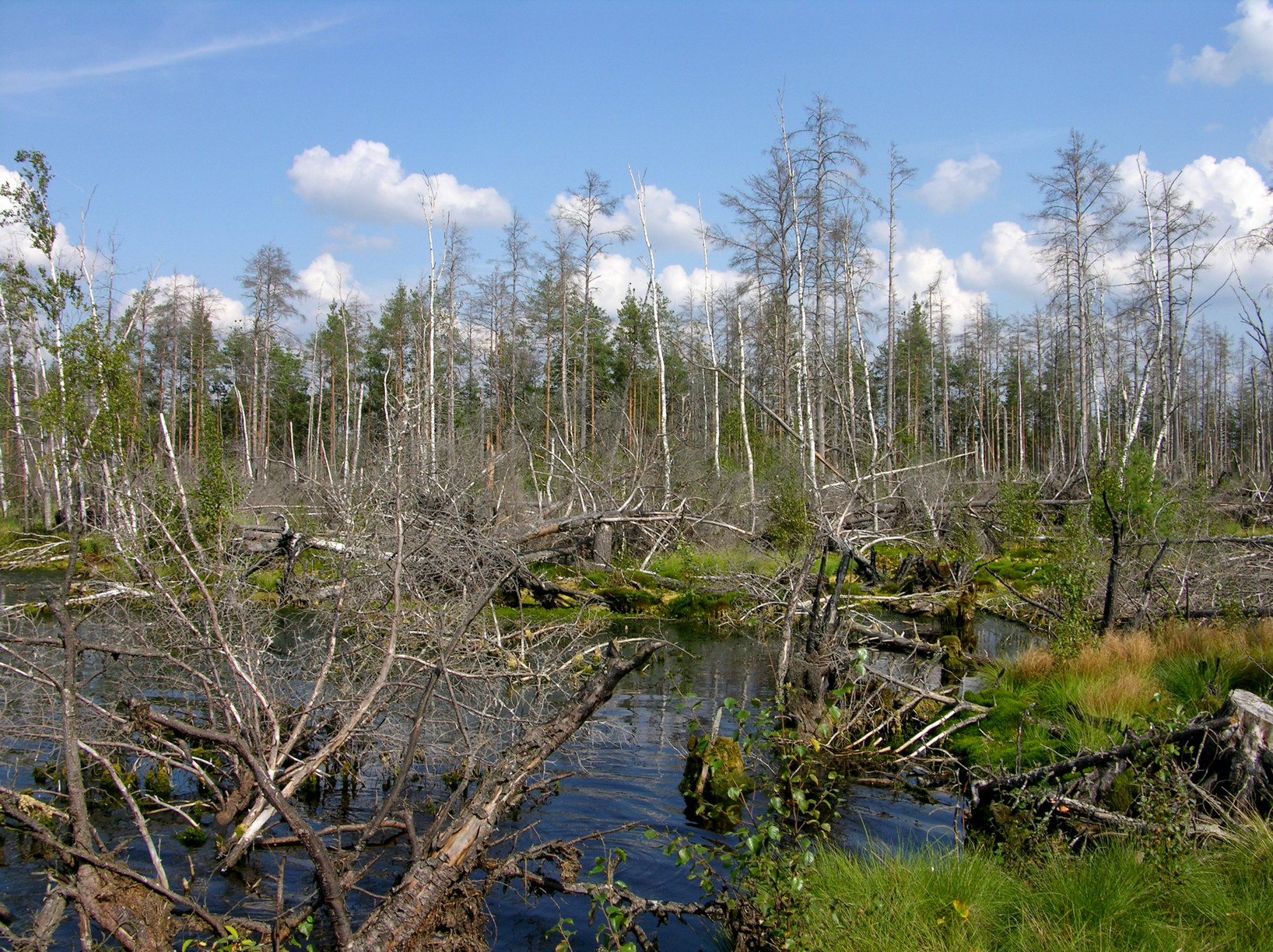
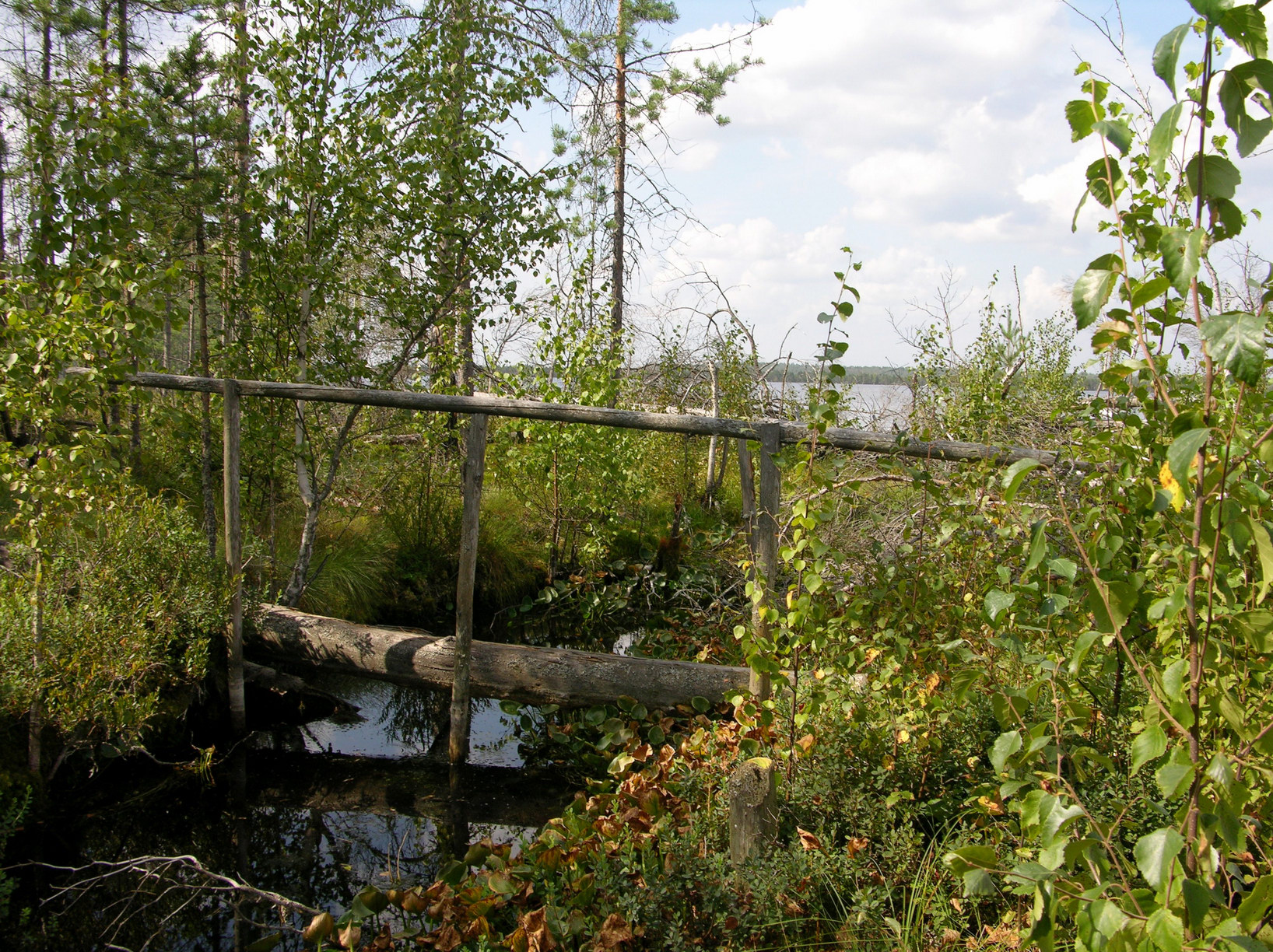
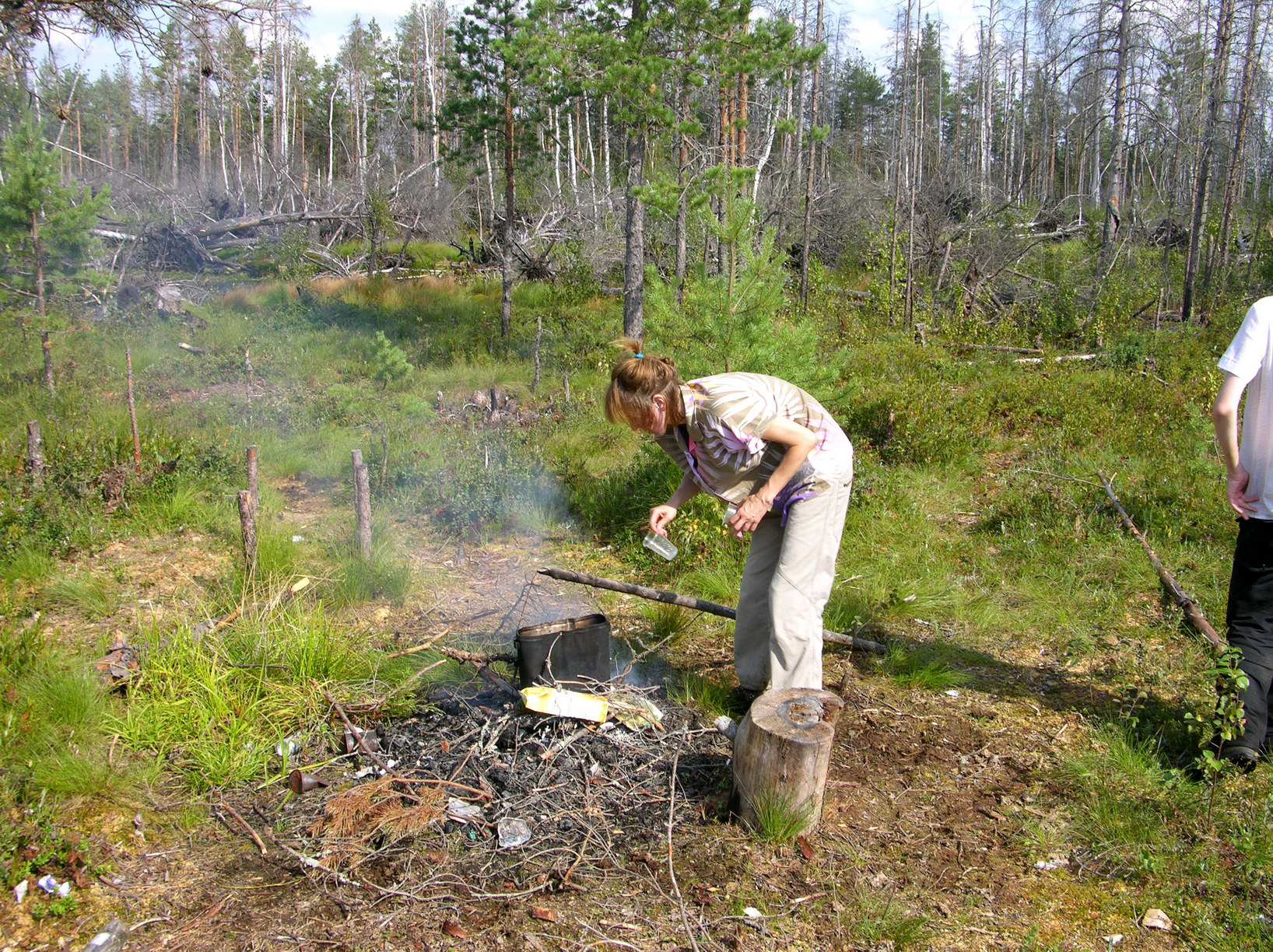
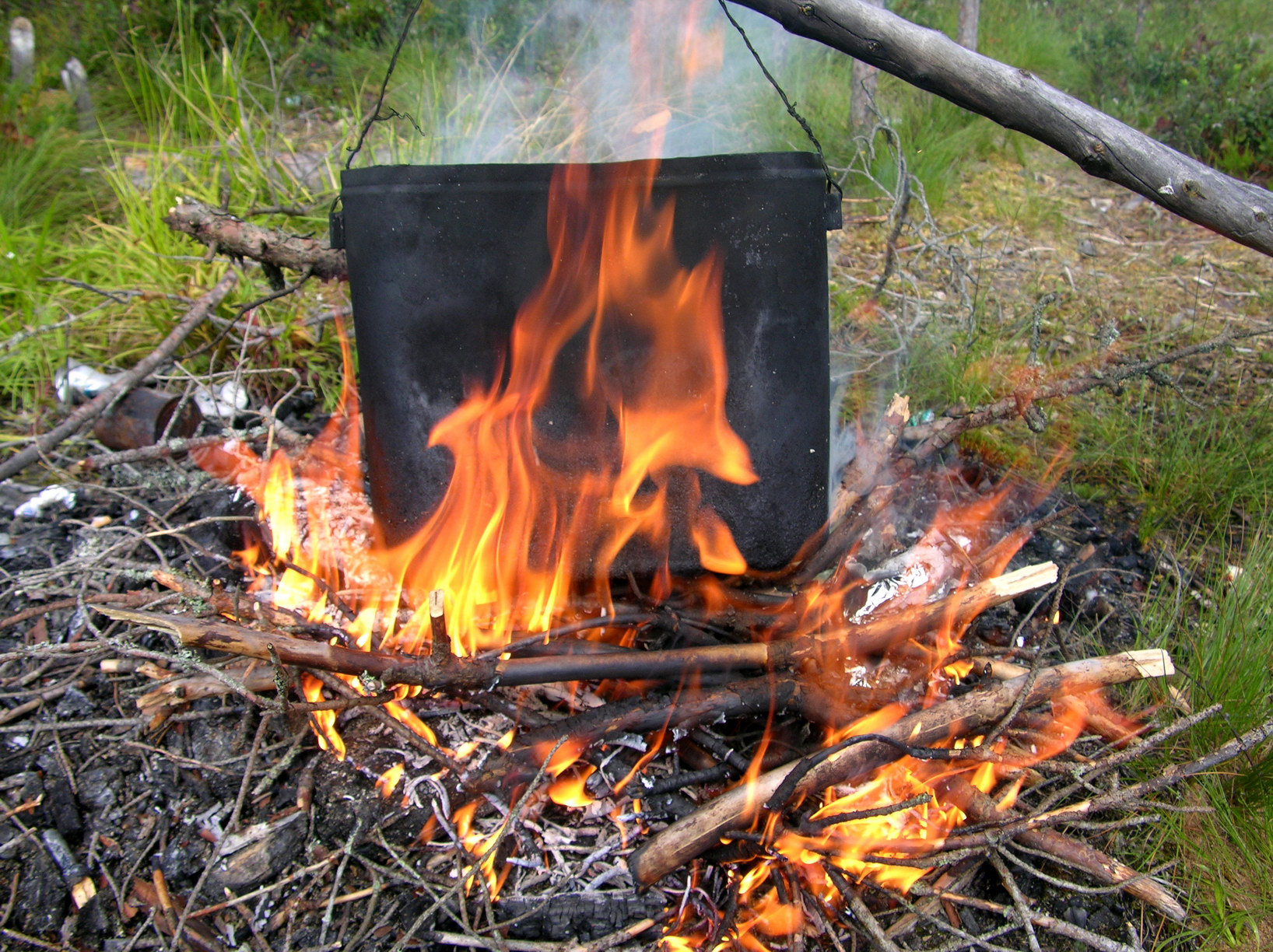
Farther east the trail improves and soon becomes a logging road to Yeglino. Our car was back in Nesterkovo, so we turned back. We turned northwest onto the route of the old Radofinnikovo–Konechki narrow-gauge railway and came to a place called Koster. It was quite wild. We heard a bear run away and found its droppings. There are hardly any trails here.
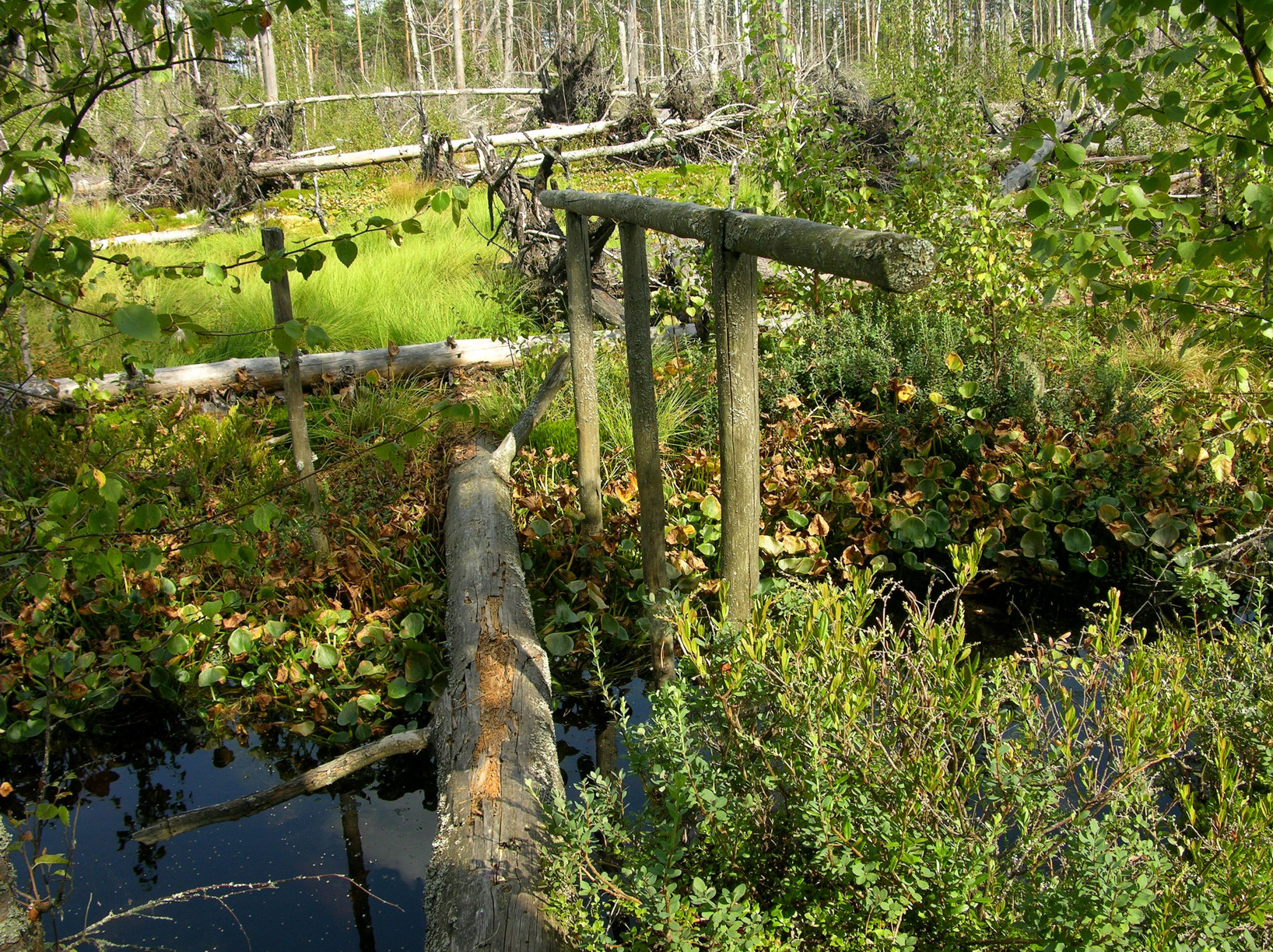
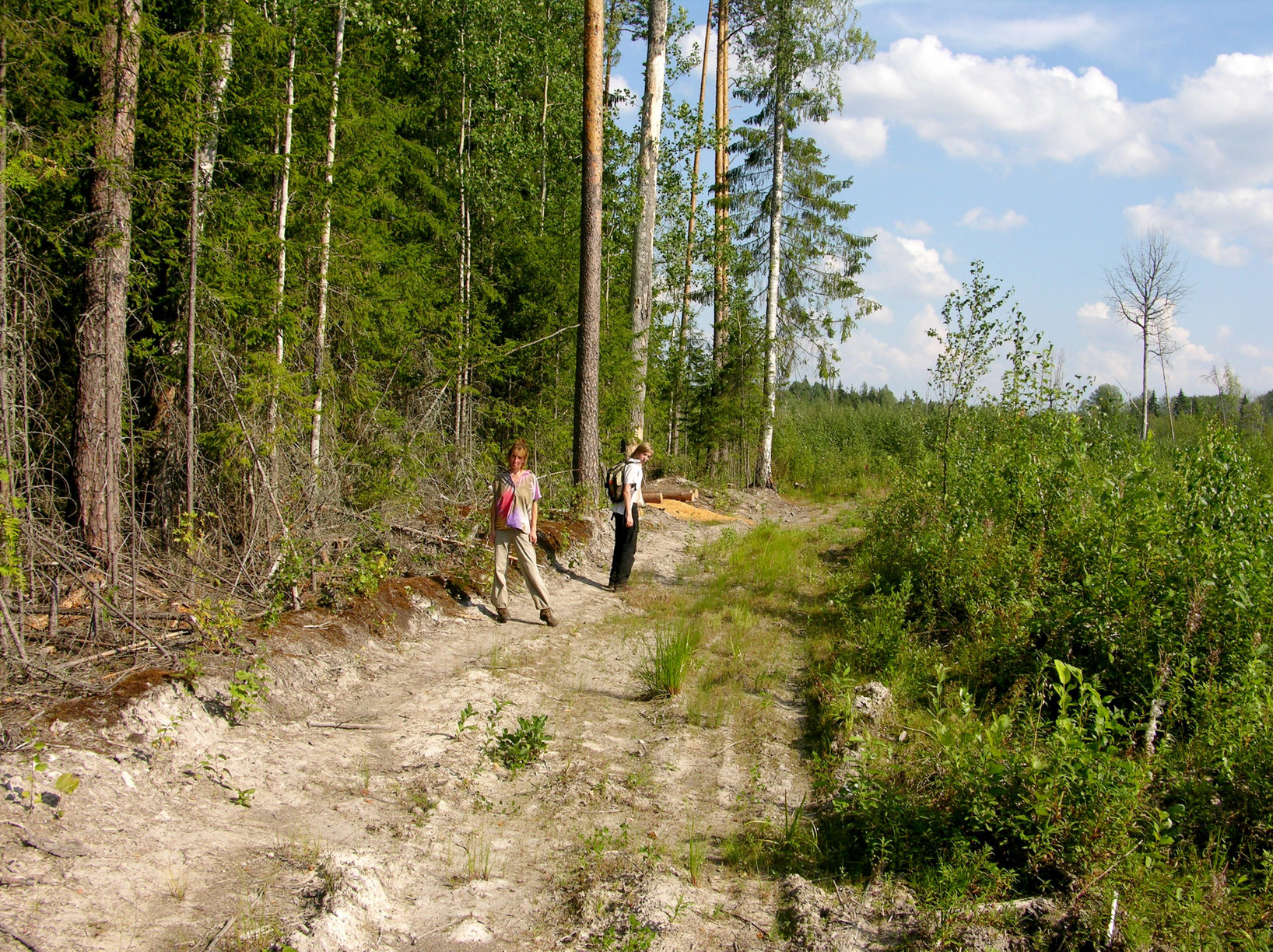
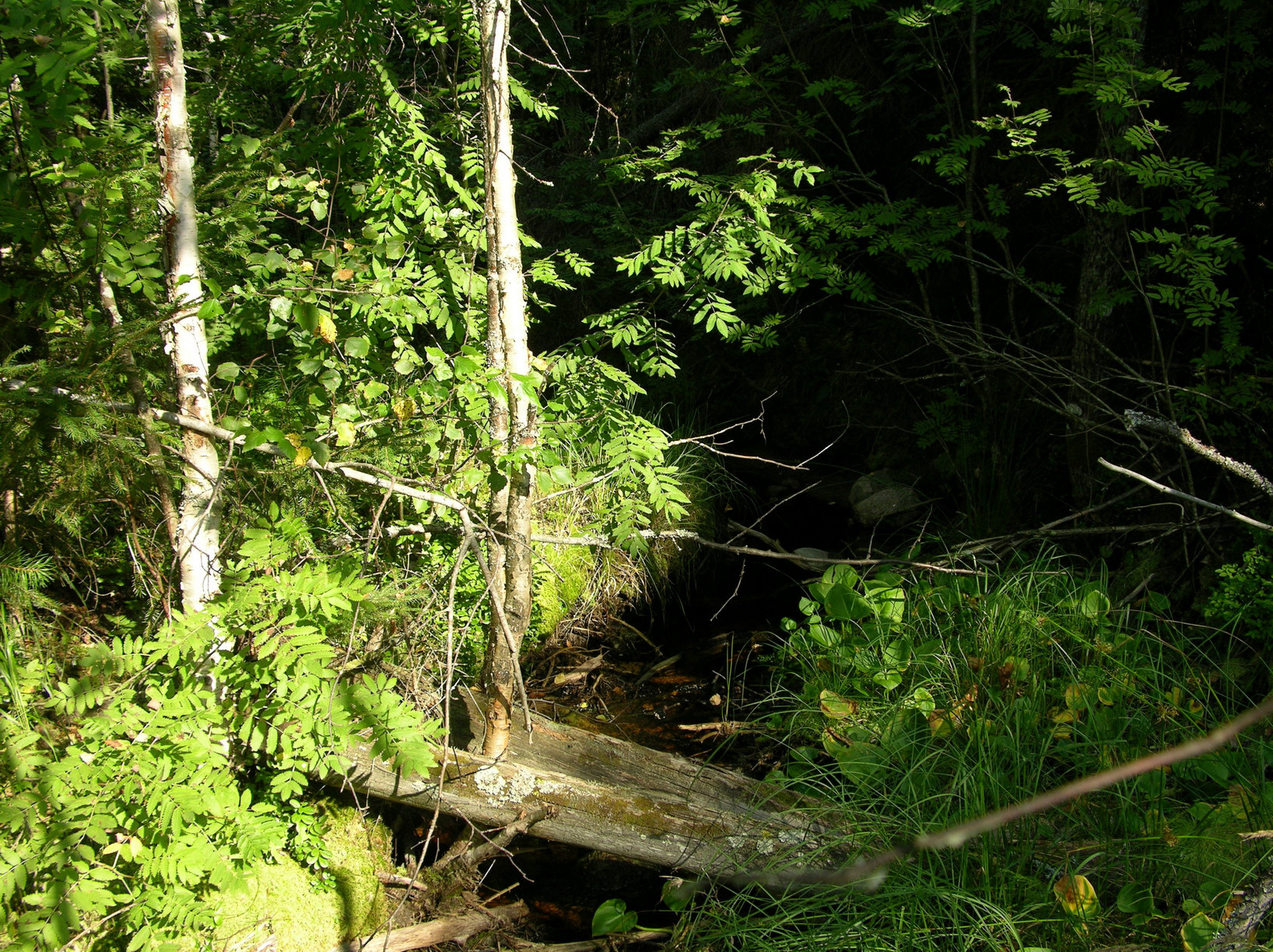
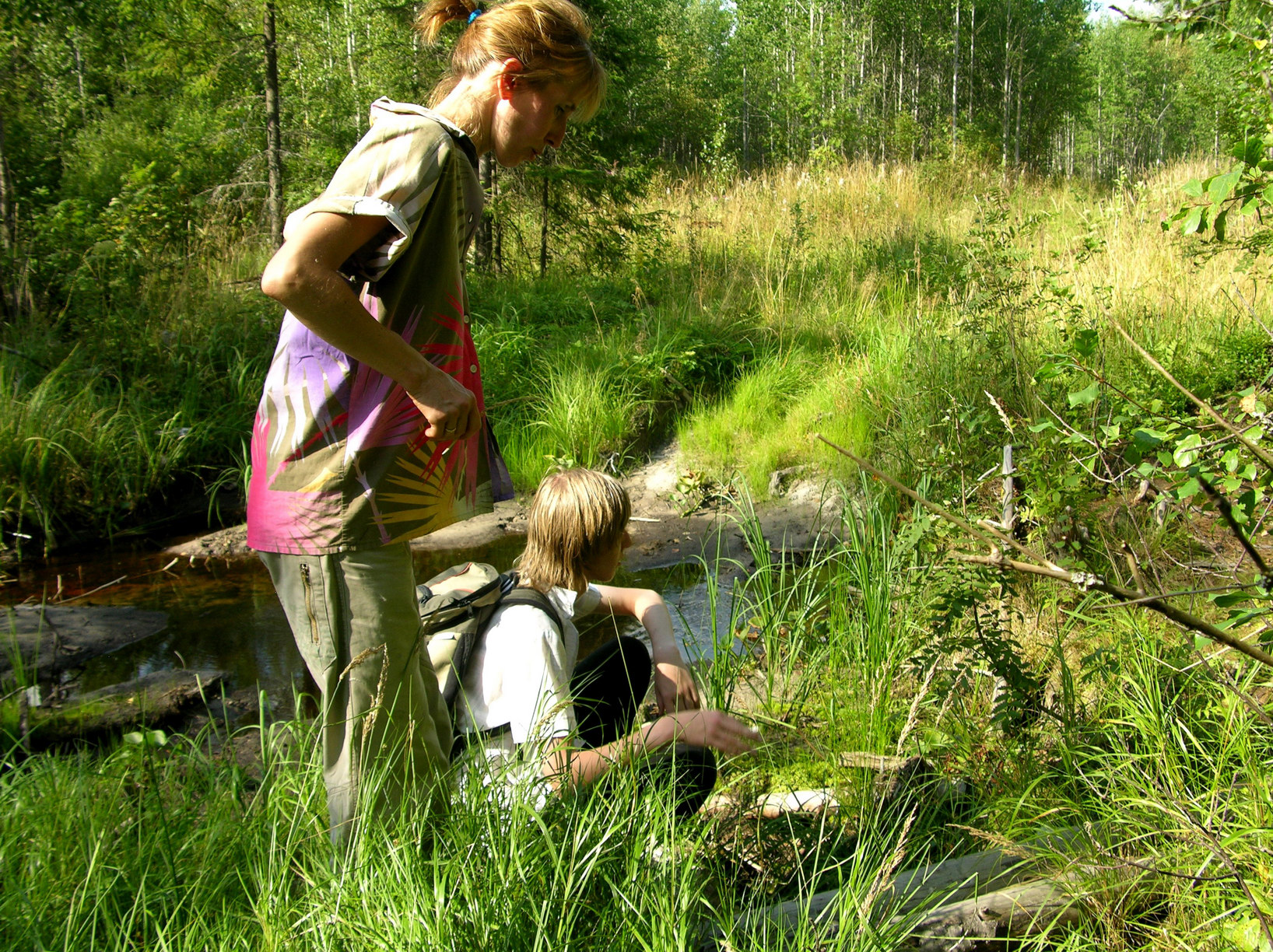
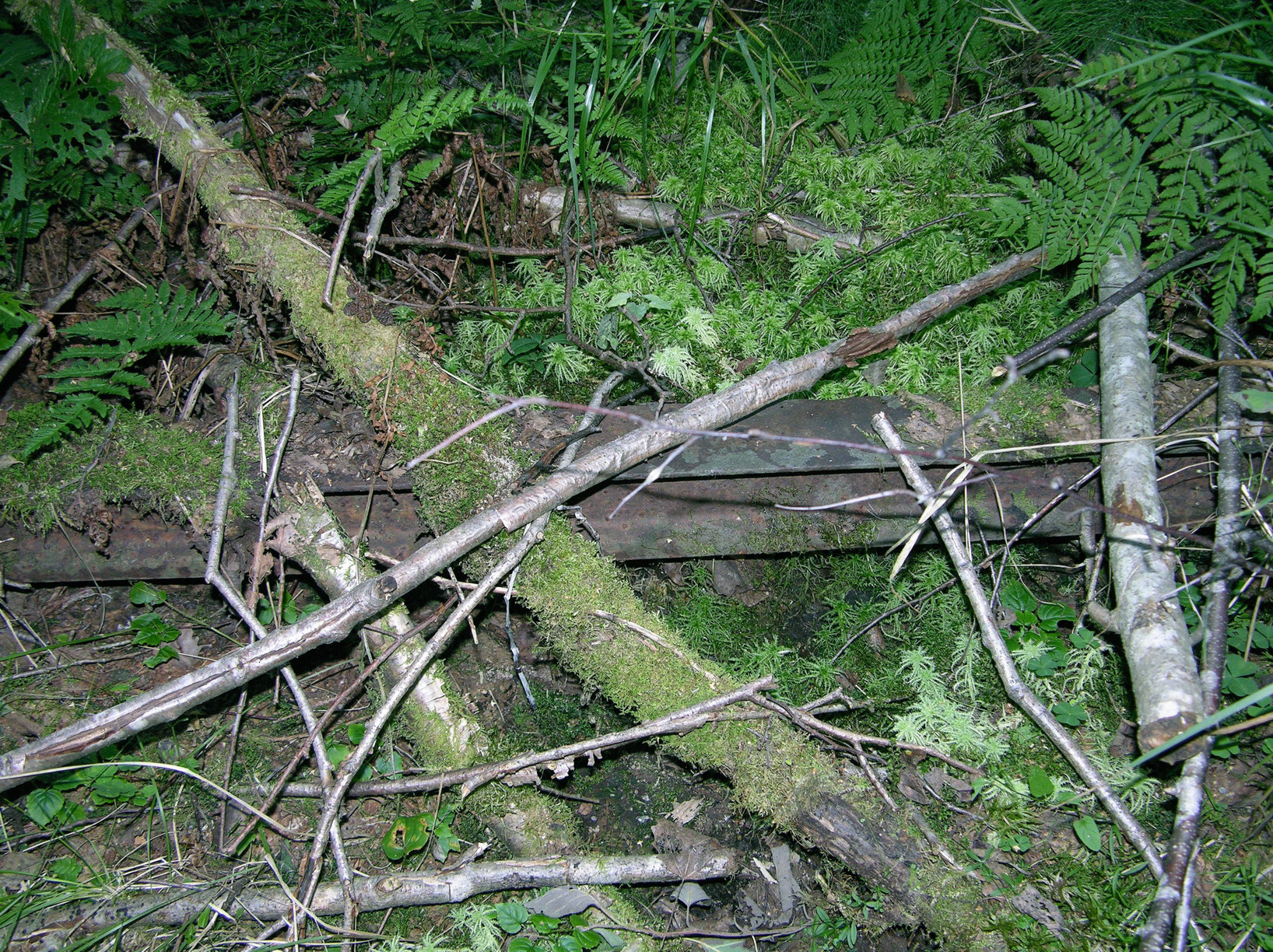
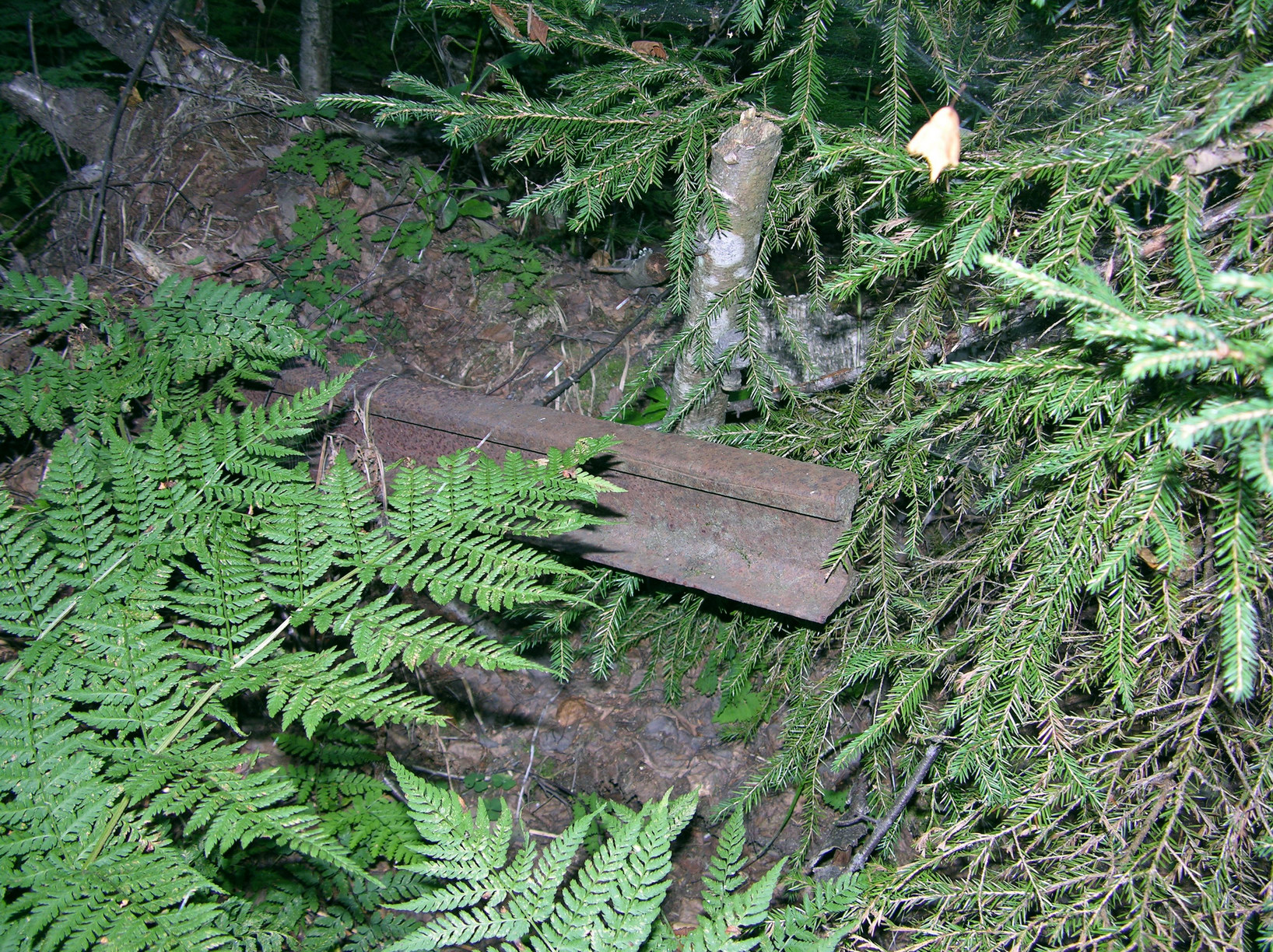
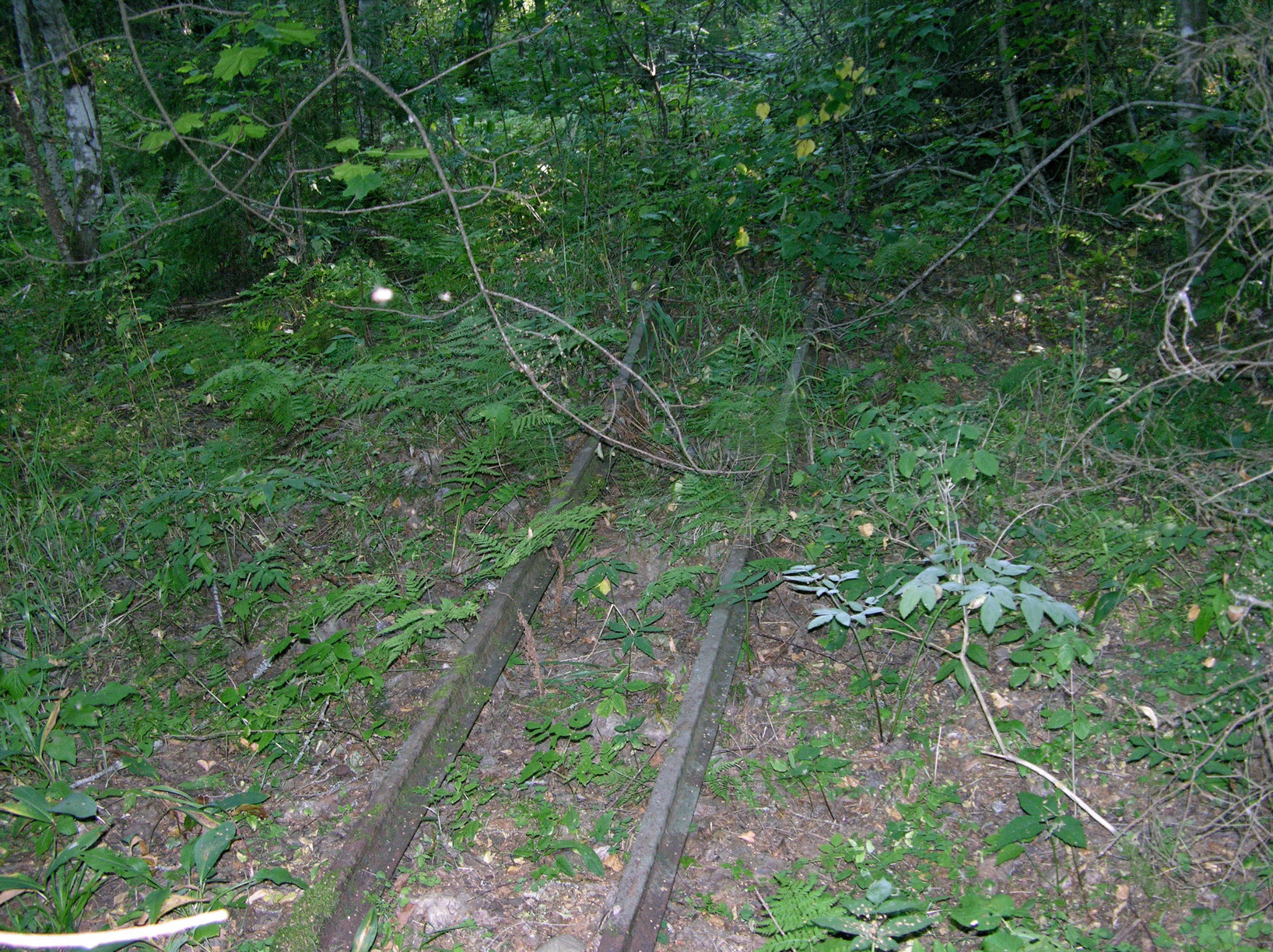
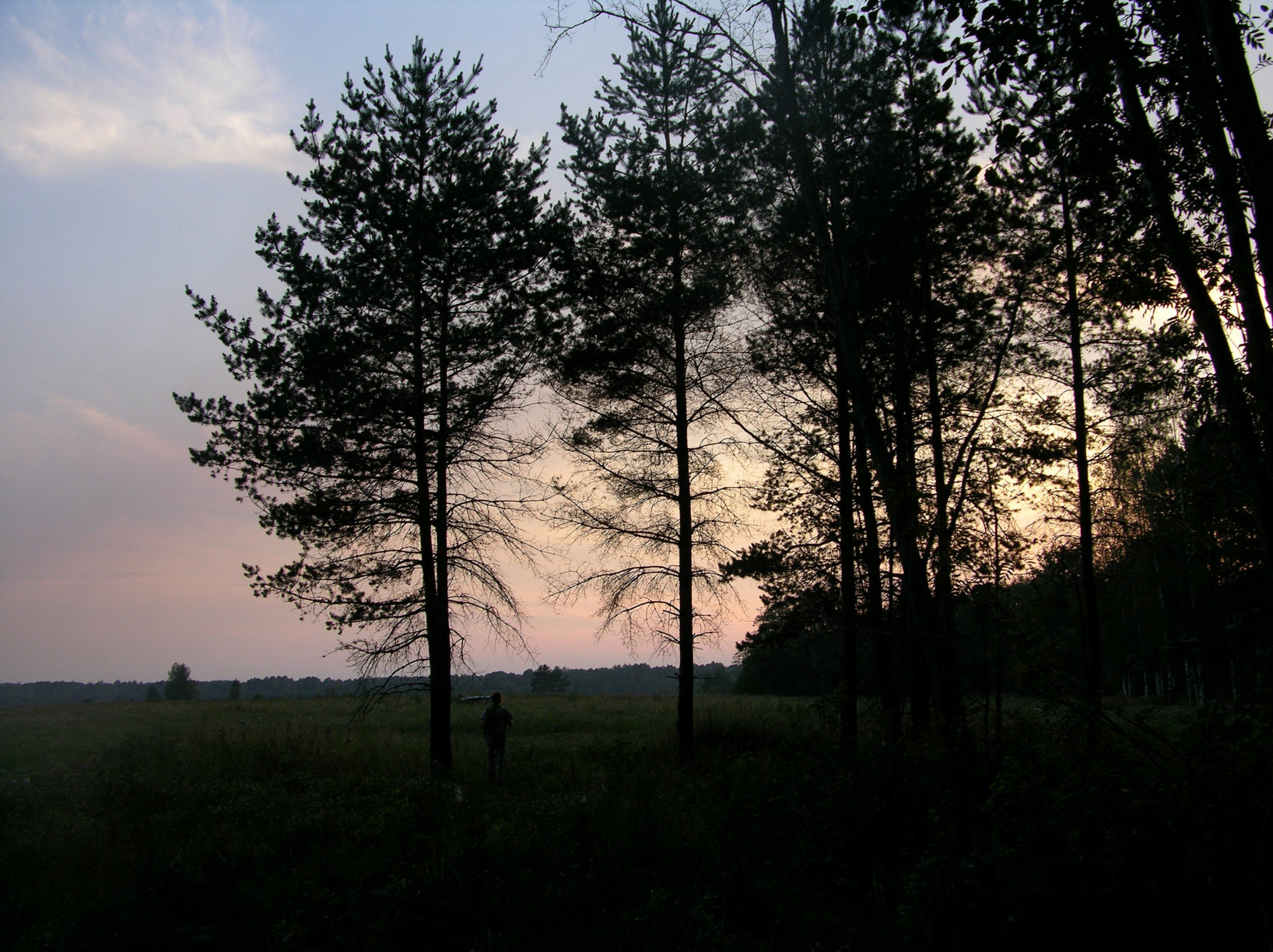
We made a right-angle turn southwest onto a clearing that runs along the tongue of higher ground jutting into the bog at Koster. Here traces of the narrow-gauge railway are still in place, although the sleepers have rotted away. From there we headed straight across the bog to Lake Yazvinskoye. It was hard going. After the crossing we needed to take a long break. From Yazvinskoye we returned the same way we had come to the lake. The whole walk took eleven hours.
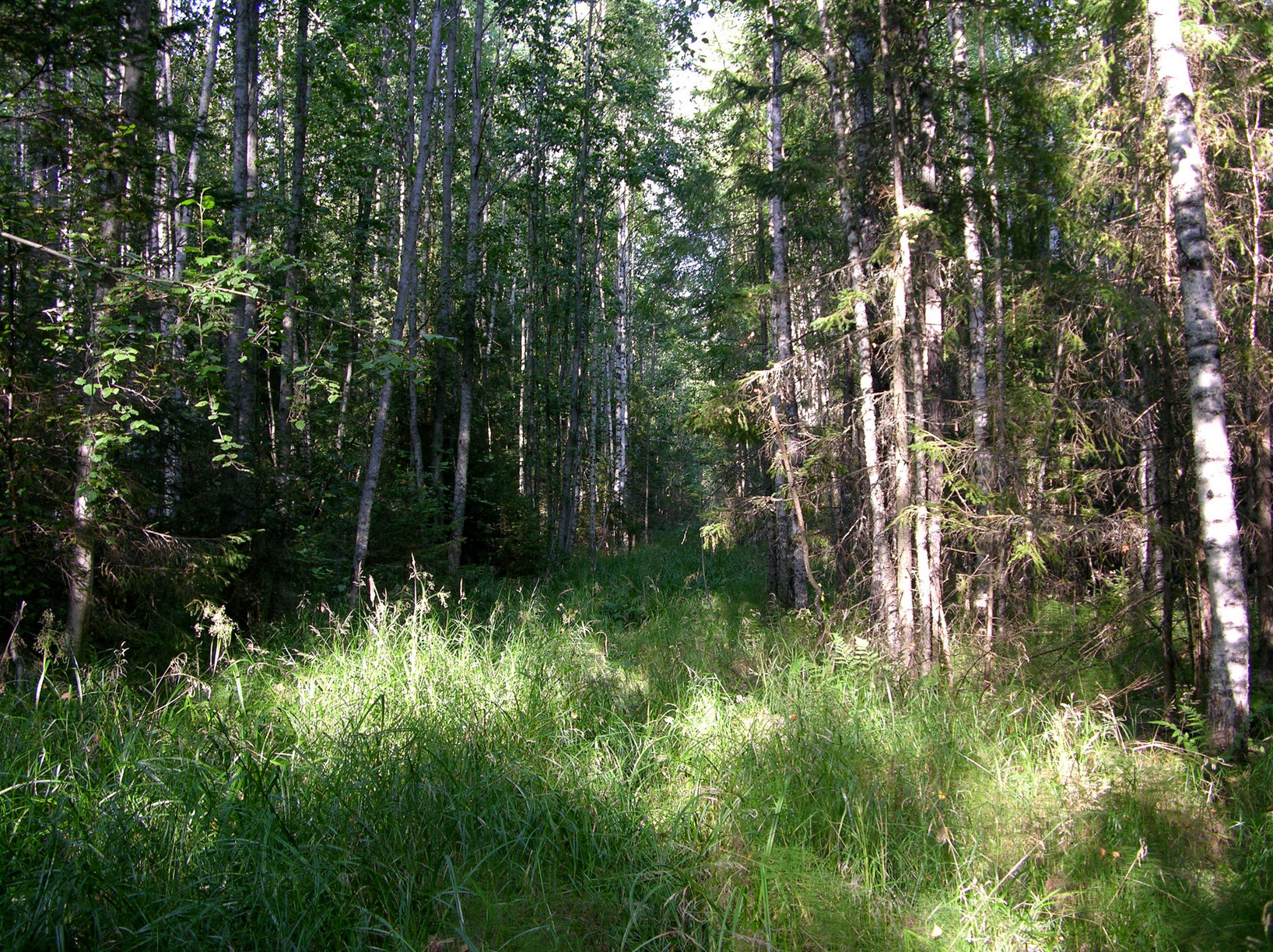
The names of the lakes first appear on the 1863 map. On older maps the lakes themselves are missing. Yazvinskoye was then called Yazvitskoye. Even Koster was marked, as “Pustosh Koster” (Koster Wasteland). Under Swedish rule it had been called Klinkostr. Lake Kosterskoye appears only on modern maps.