Trip report
Many villages did not survive the war. Kudrovo was one of them. Its ruins are an easy walk from the village of Konechki. The road is quite manageable for the average off-road driver.
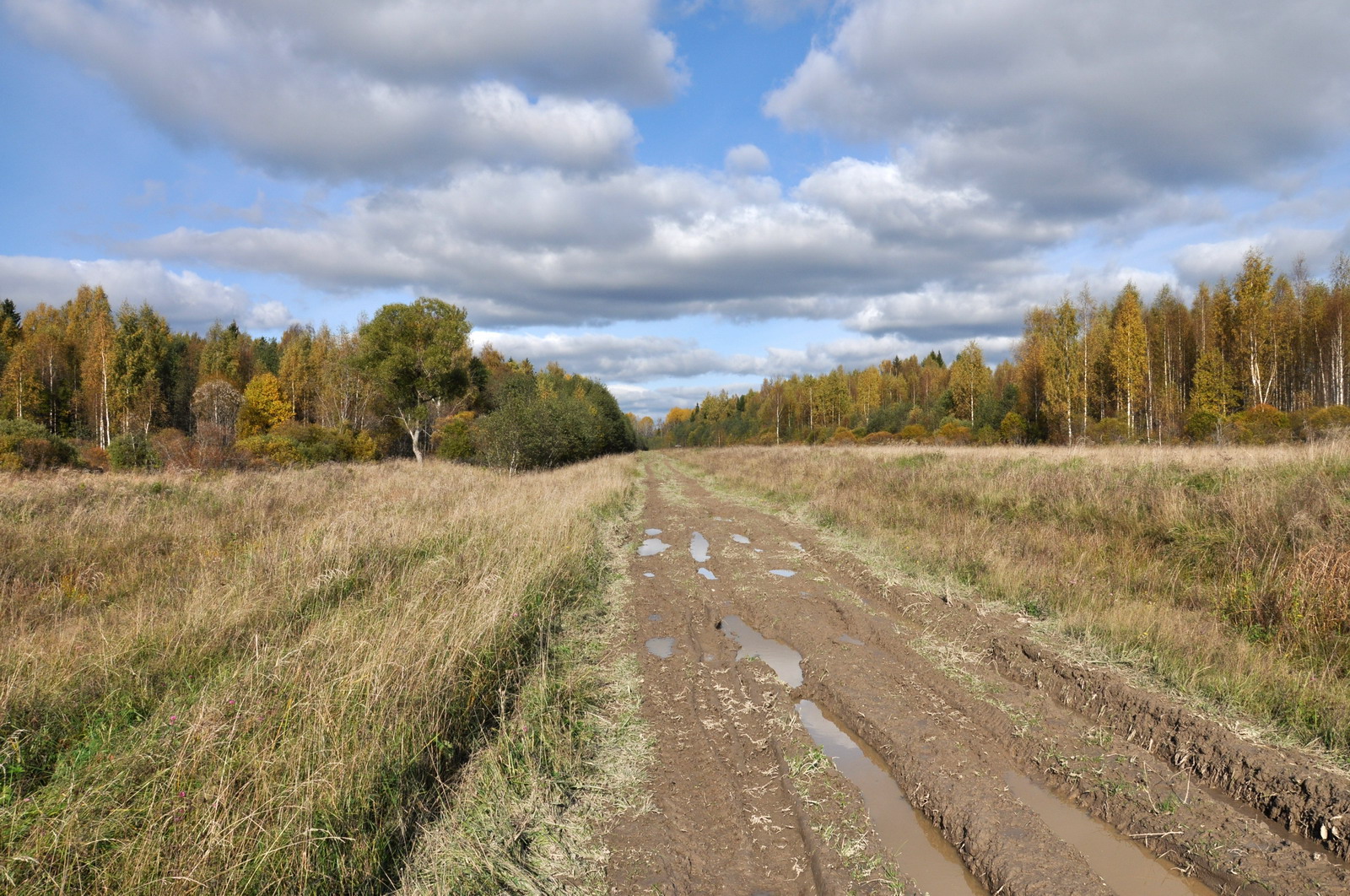
I left the car in Konechki and went on foot. Coming the other way was a group of Uzbek men with axes. They said they had seen bear tracks that morning, right on the edge of Konechki. They worked planting trees and were now afraid to go into the forest.
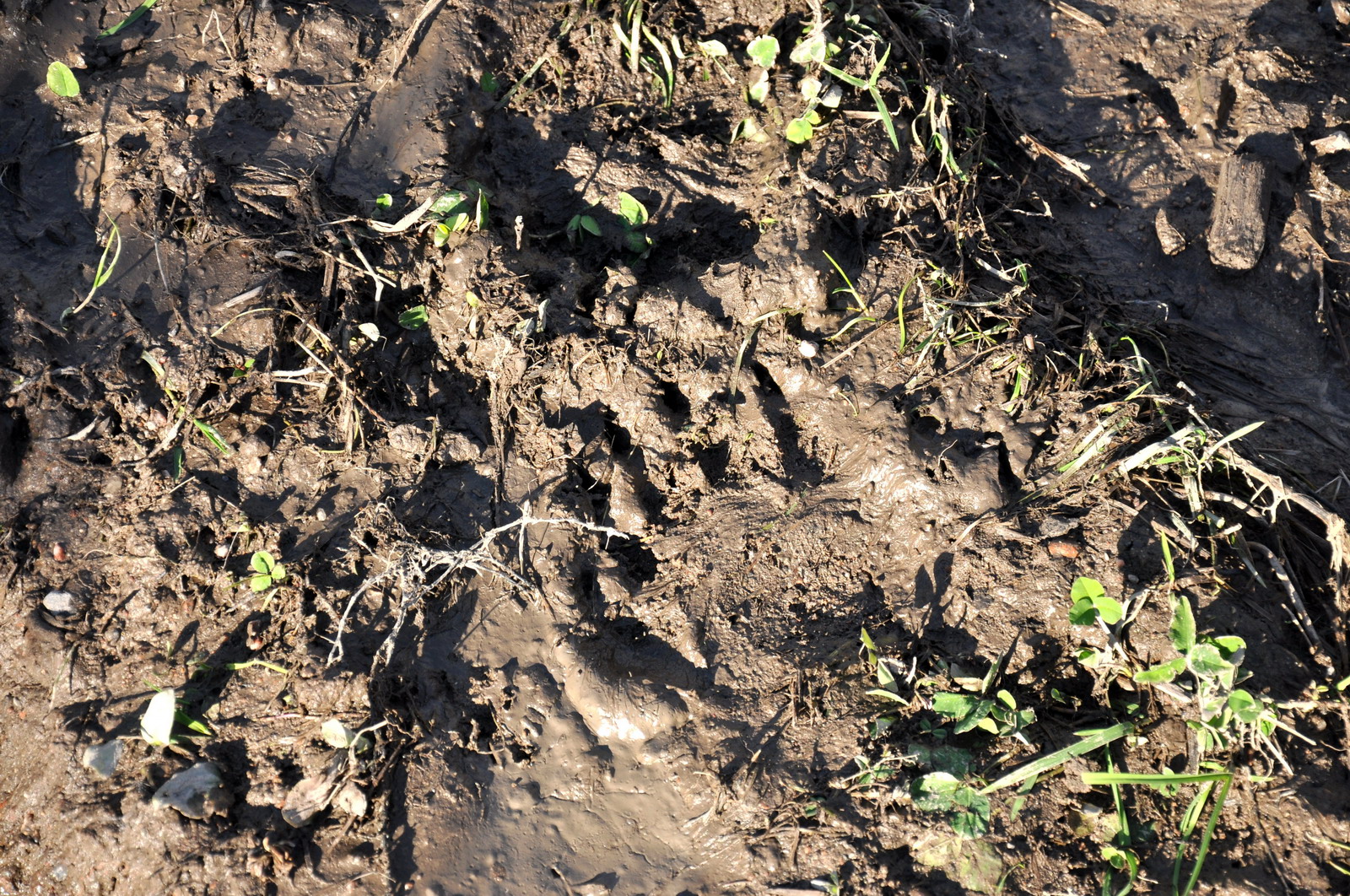
I pictured them swarming around the bear and hacking away with their axes. The picture made me laugh. They were frightened. They wondered how I dared go into the woods alone, with wolves and bears and the chance of getting lost.
I tried to explain that a person was the most frightening thing in the forest and that bears were afraid of people and would run away, most likely before you saw them.
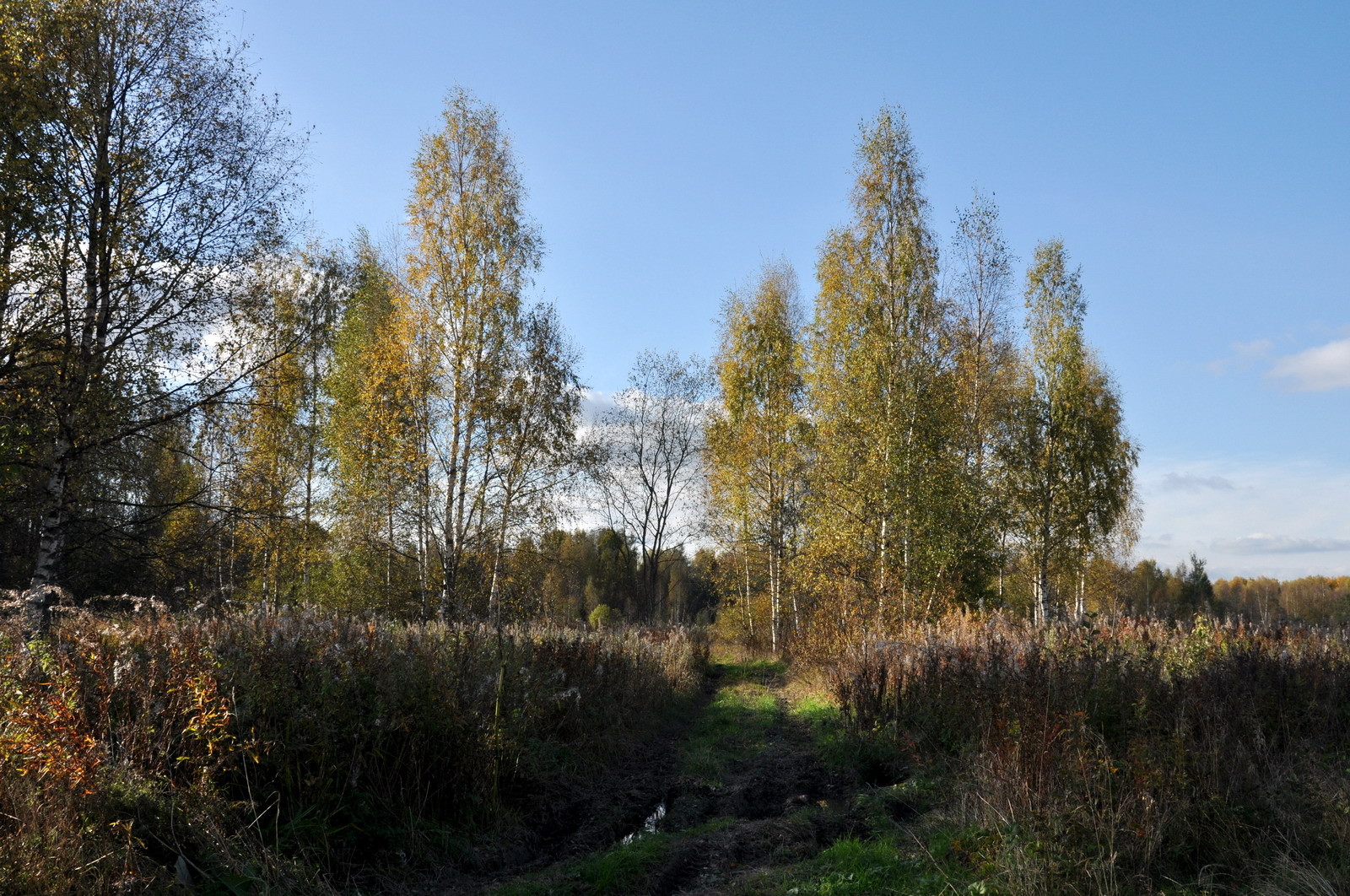
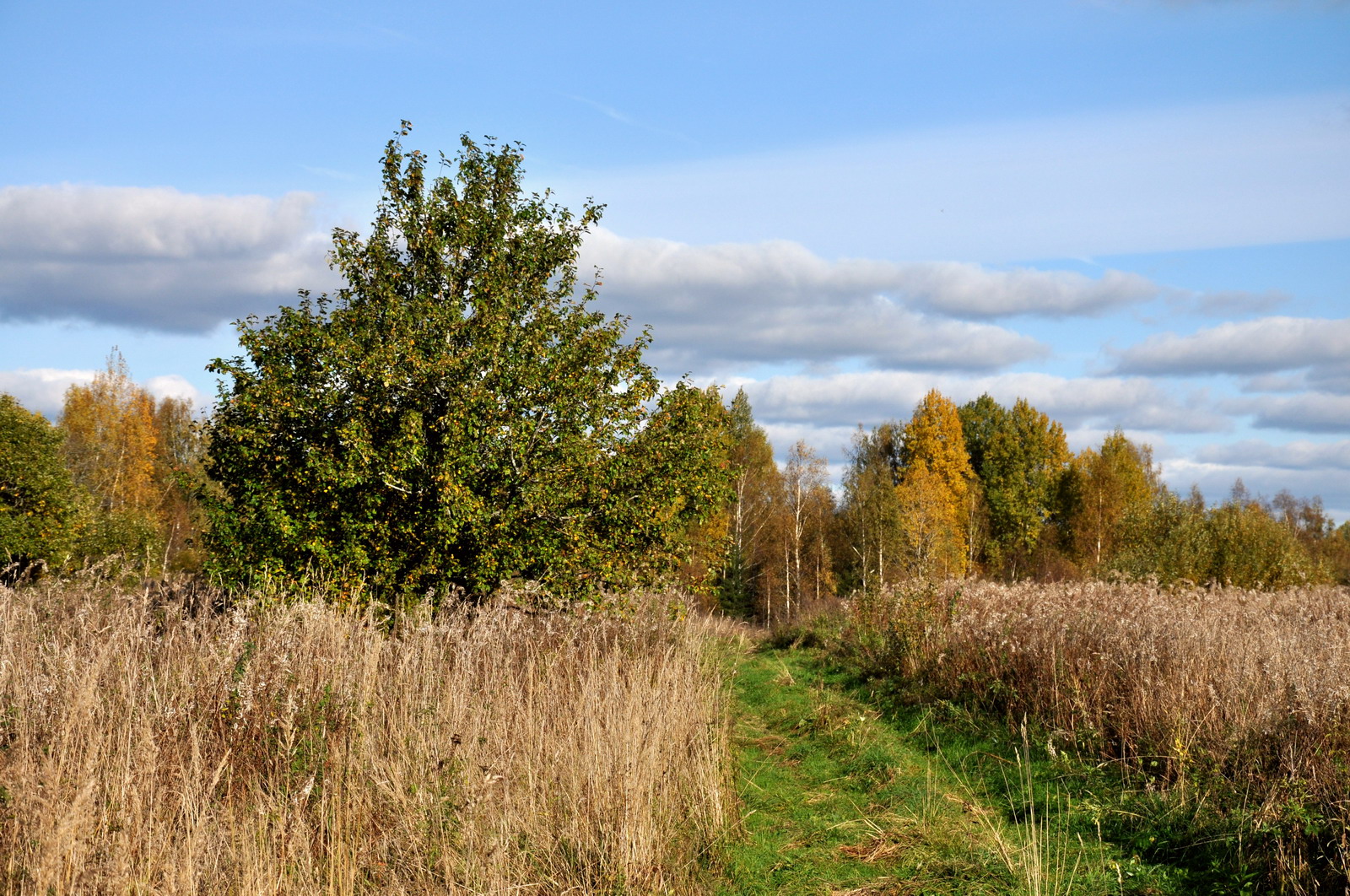
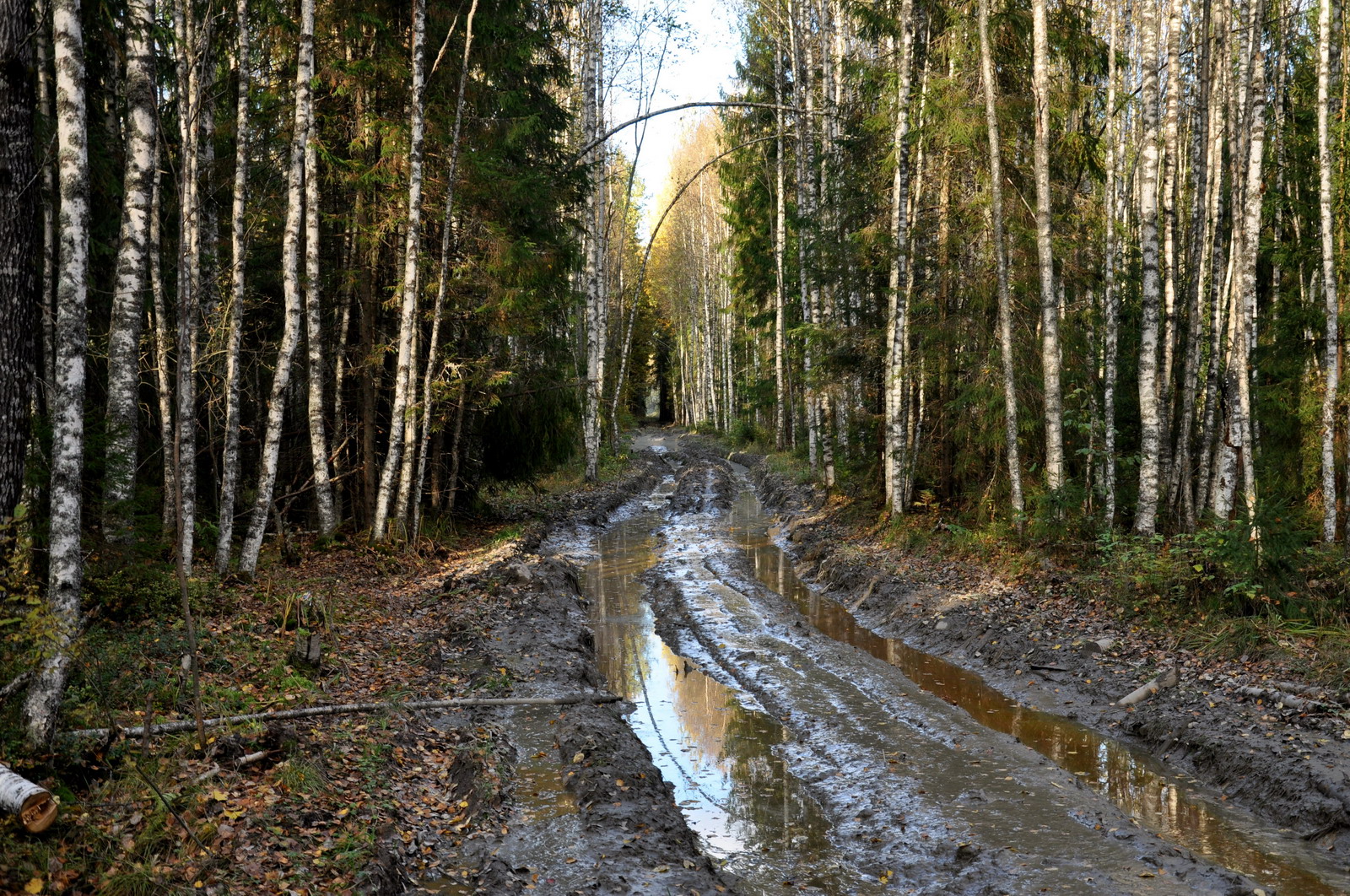
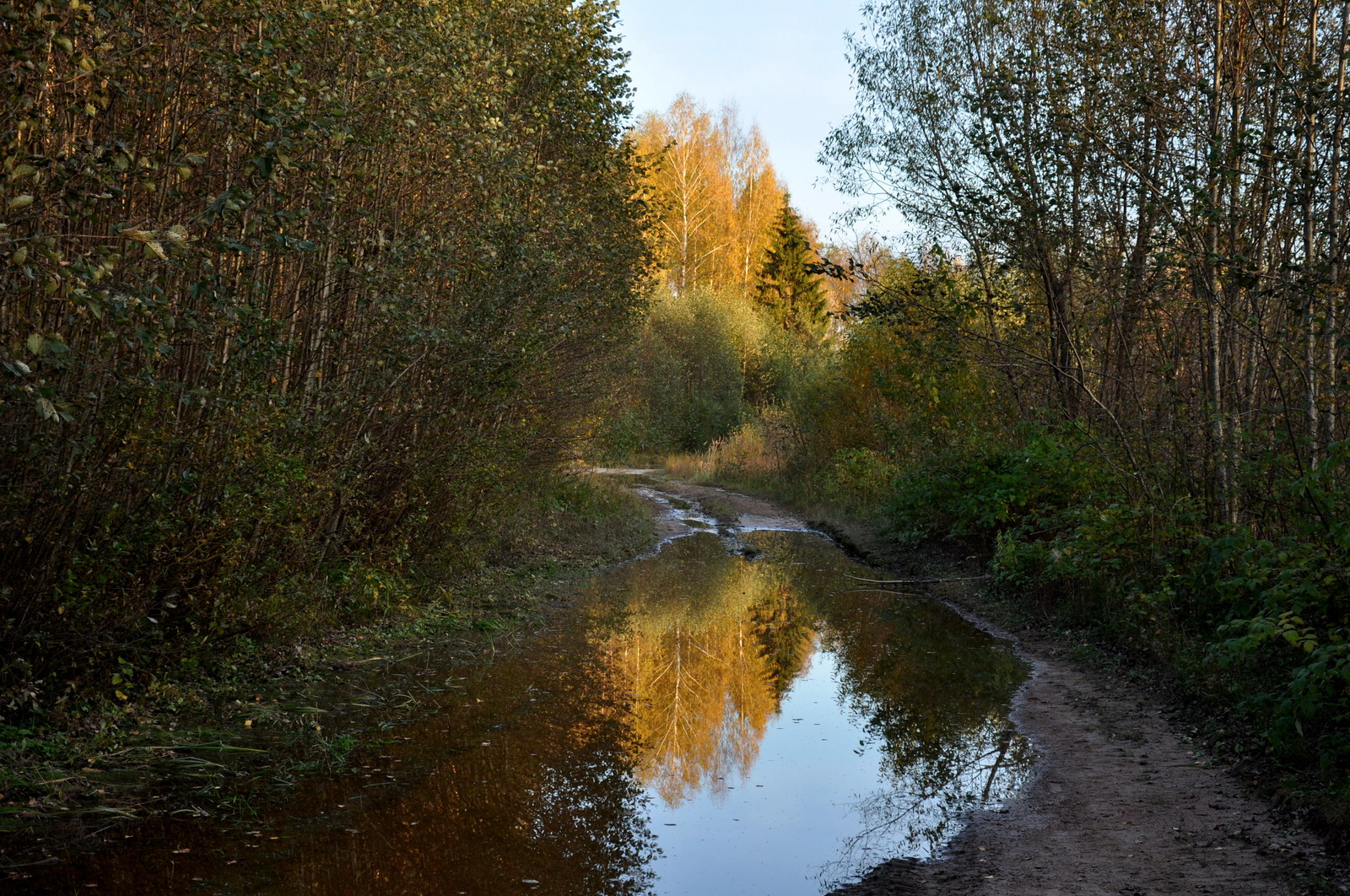
Meanwhile, the road entered a beautiful deciduous forest with lindens and maples. It was a clear day and the leaves glittered in the sun.
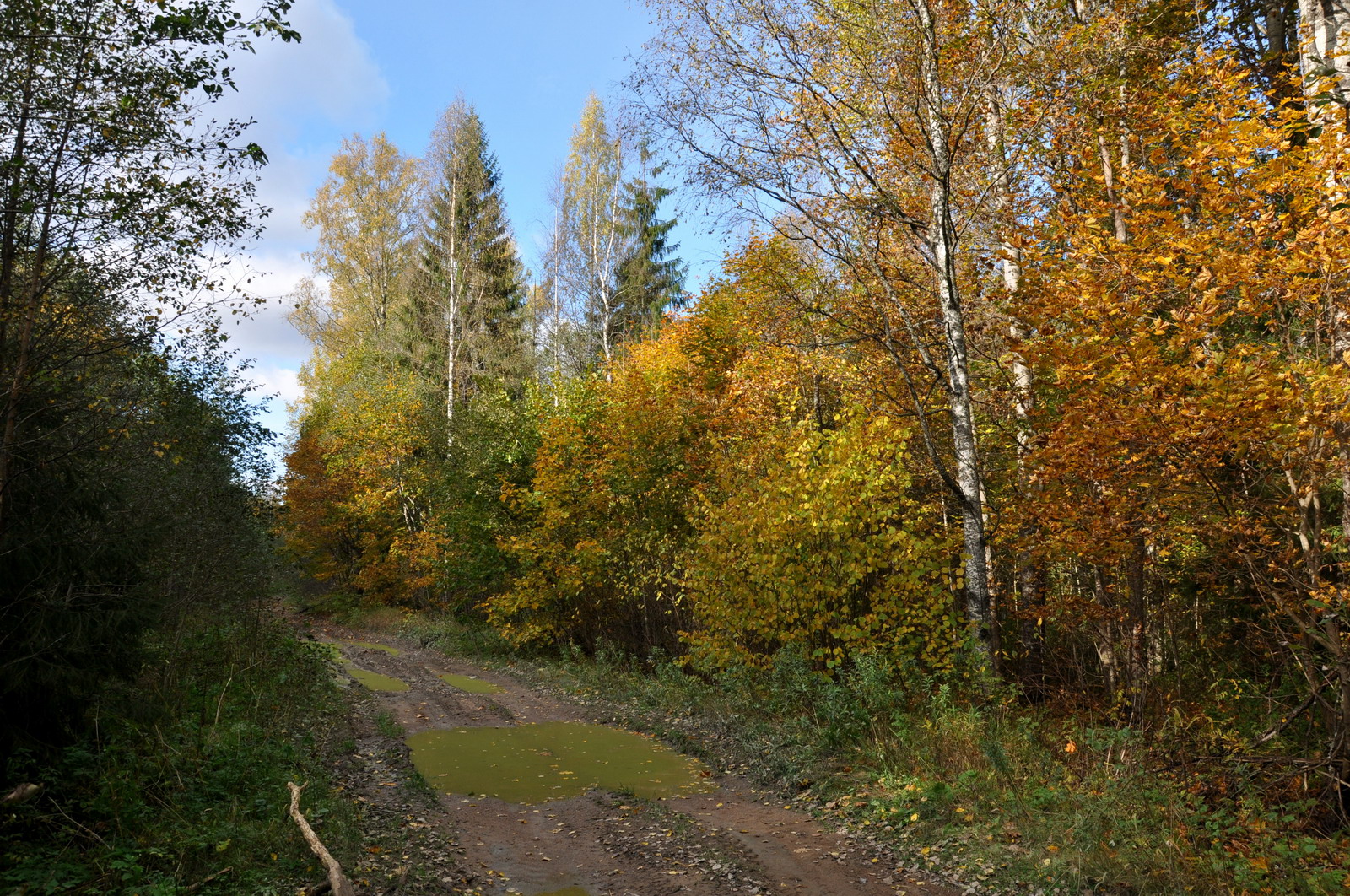
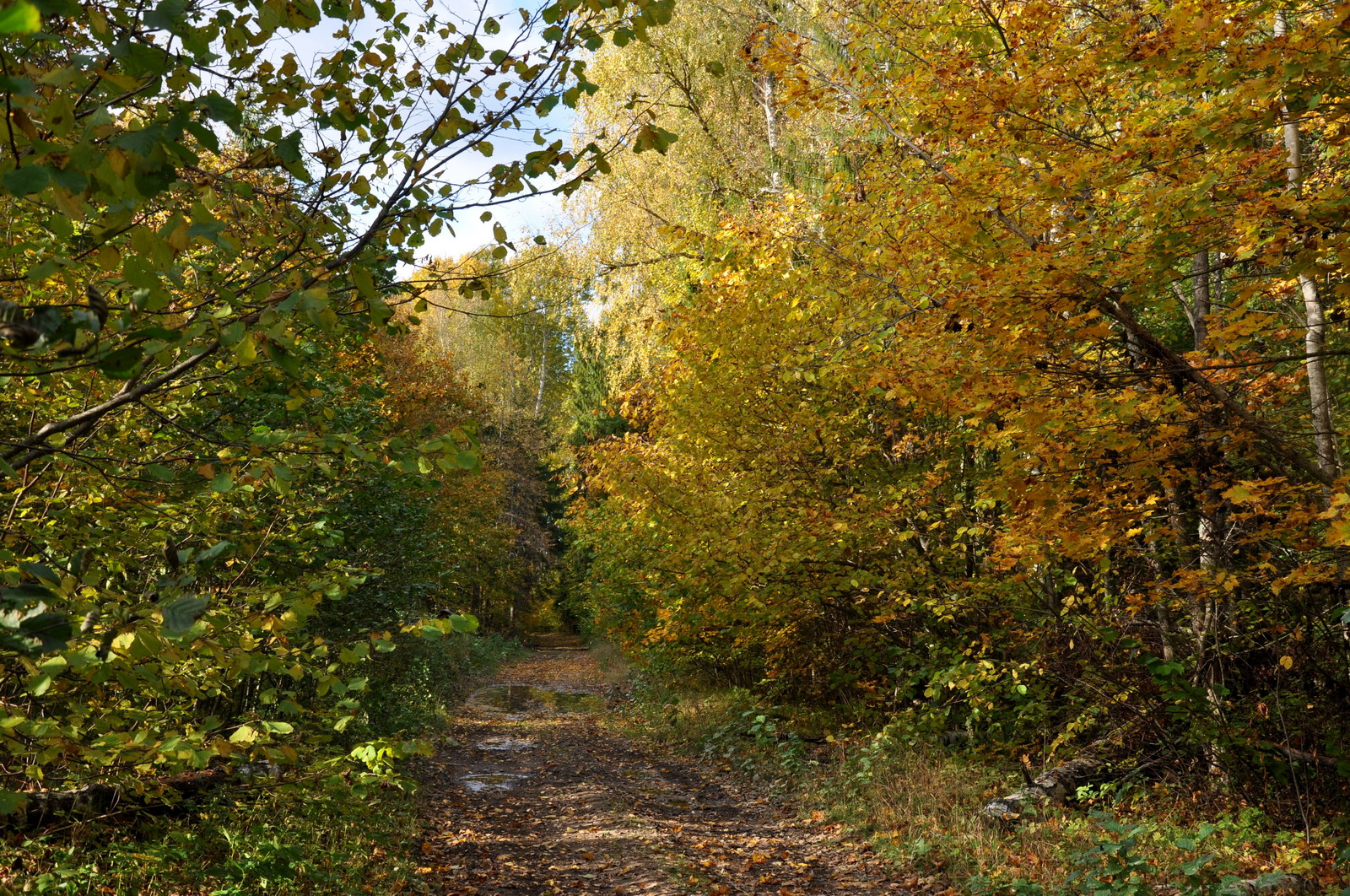
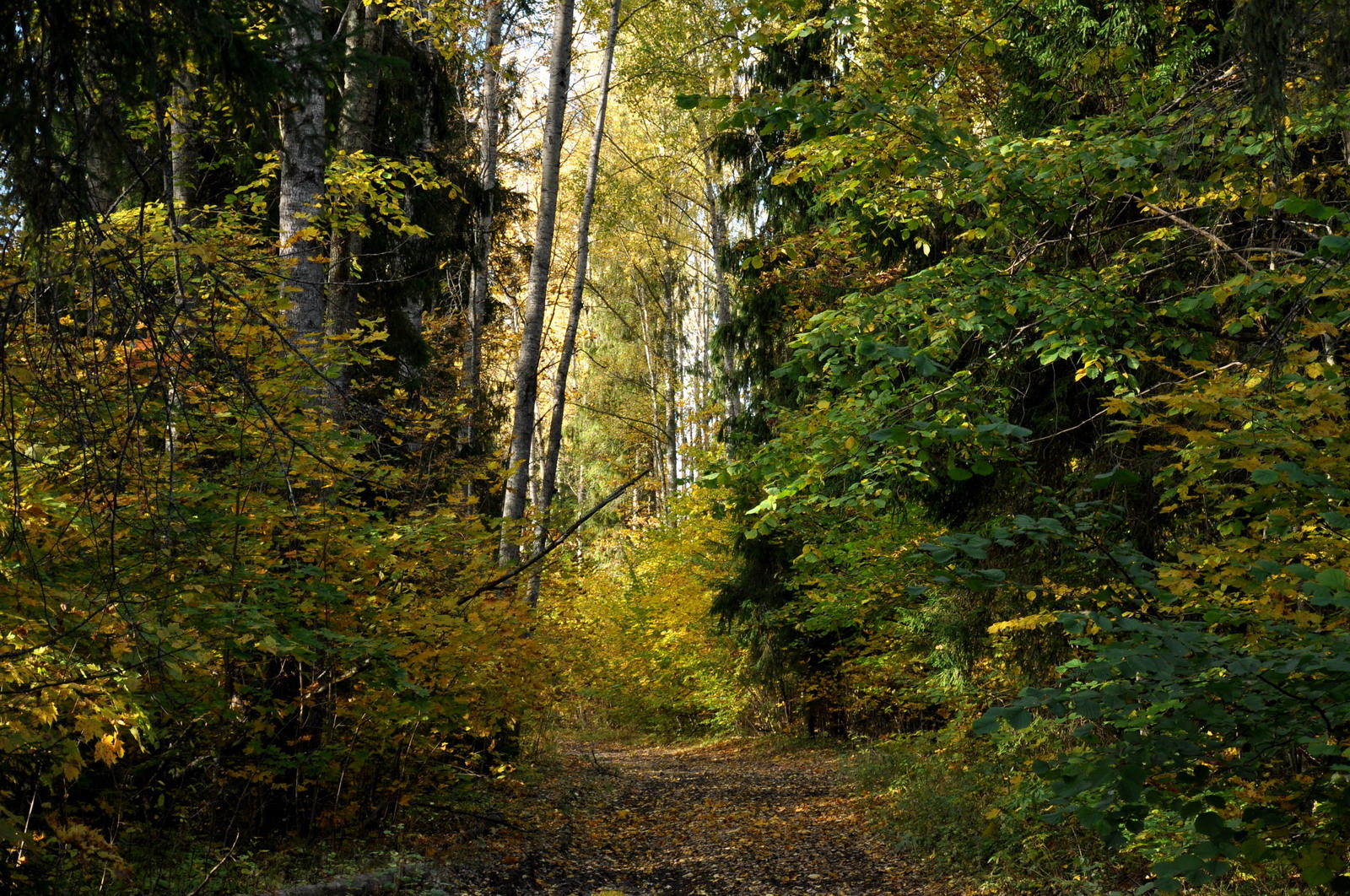
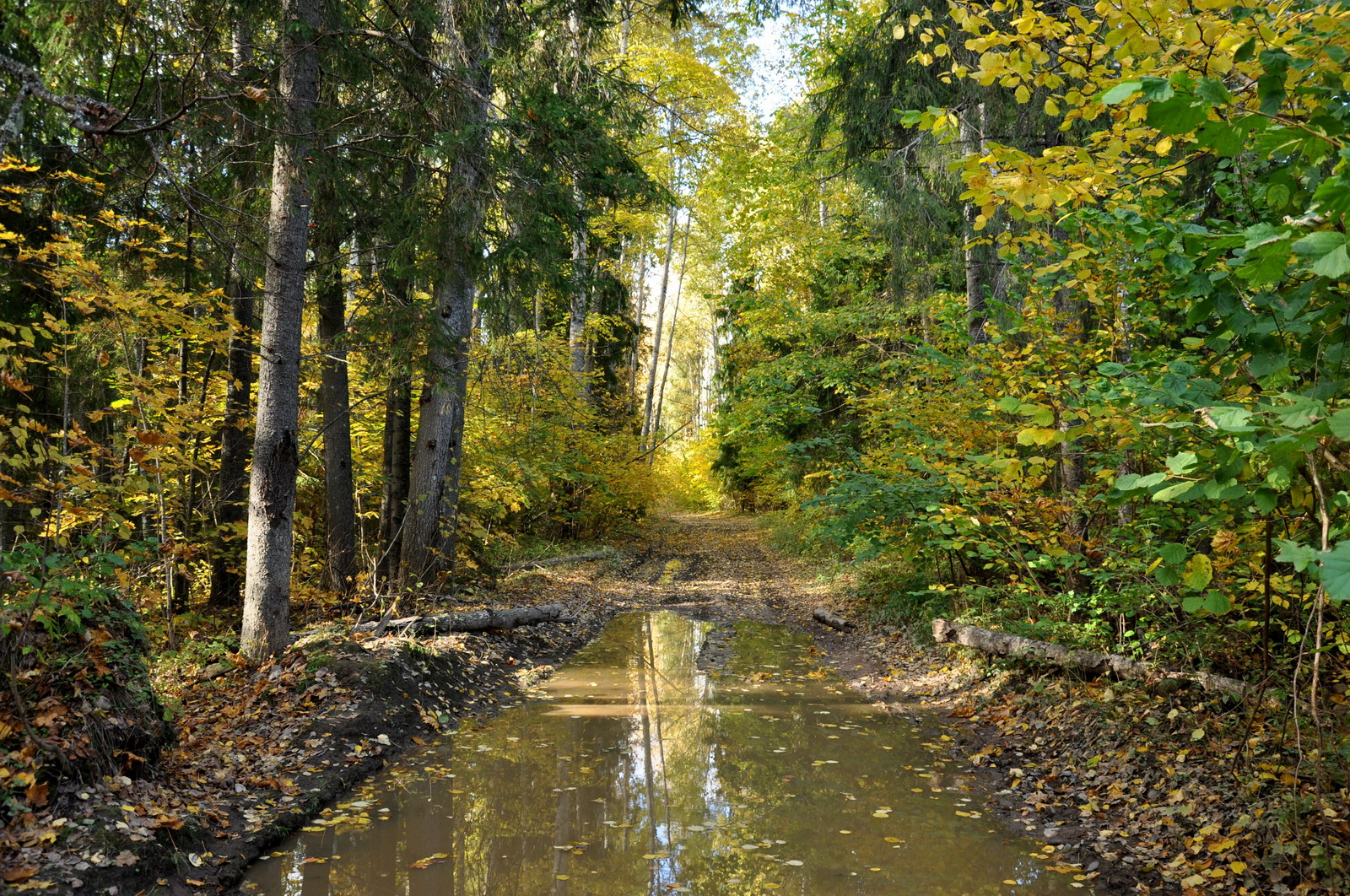
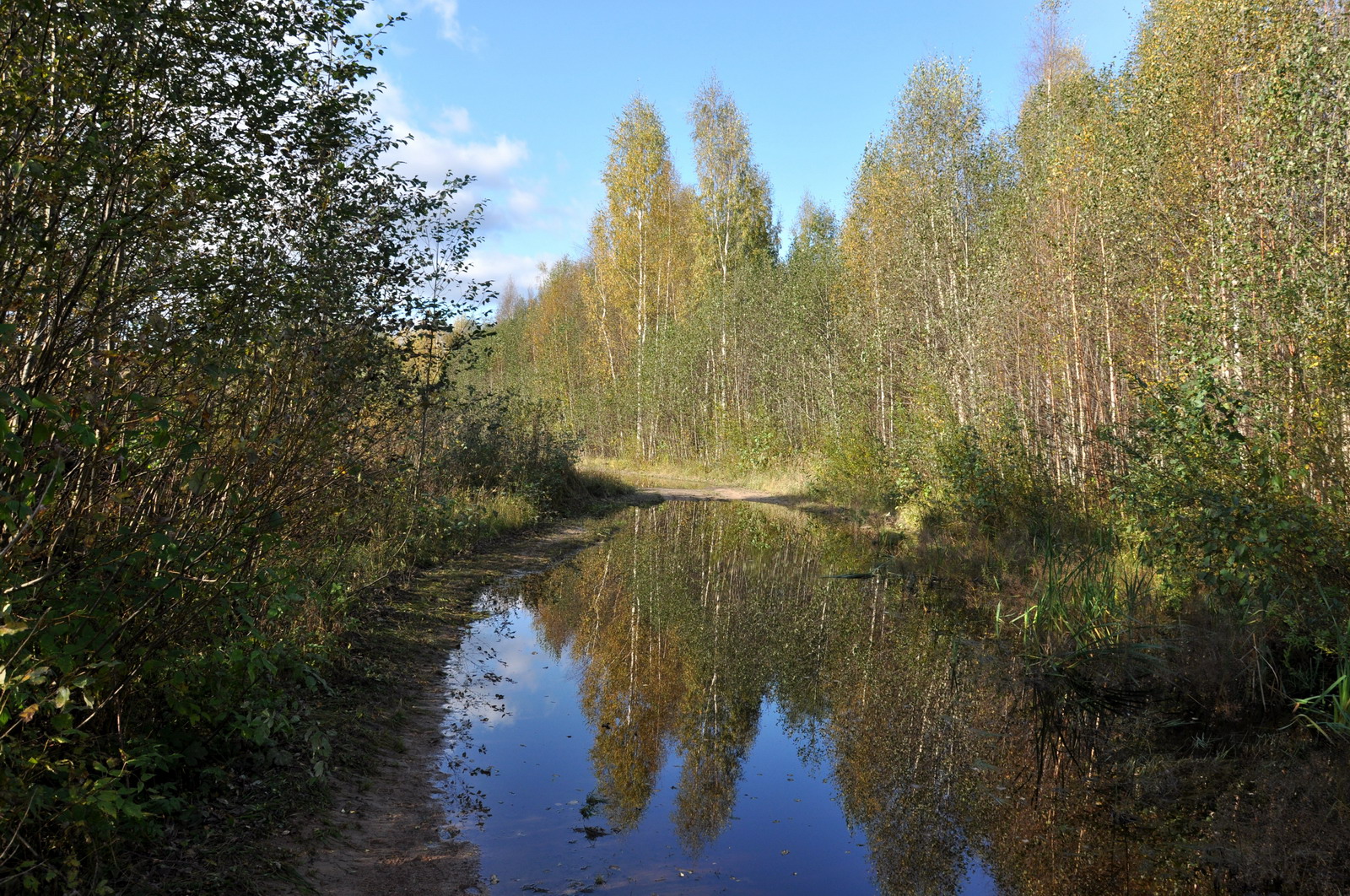
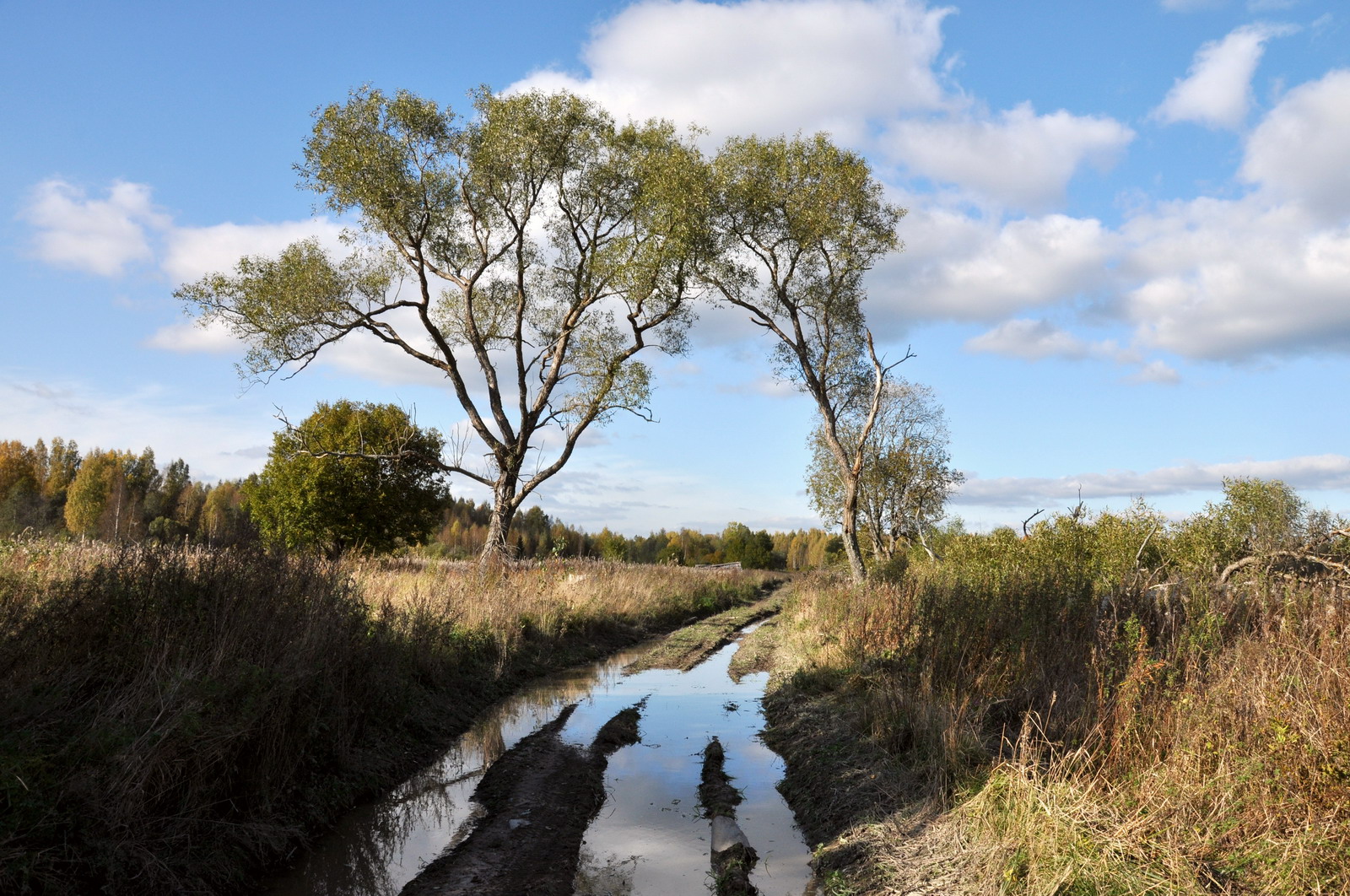
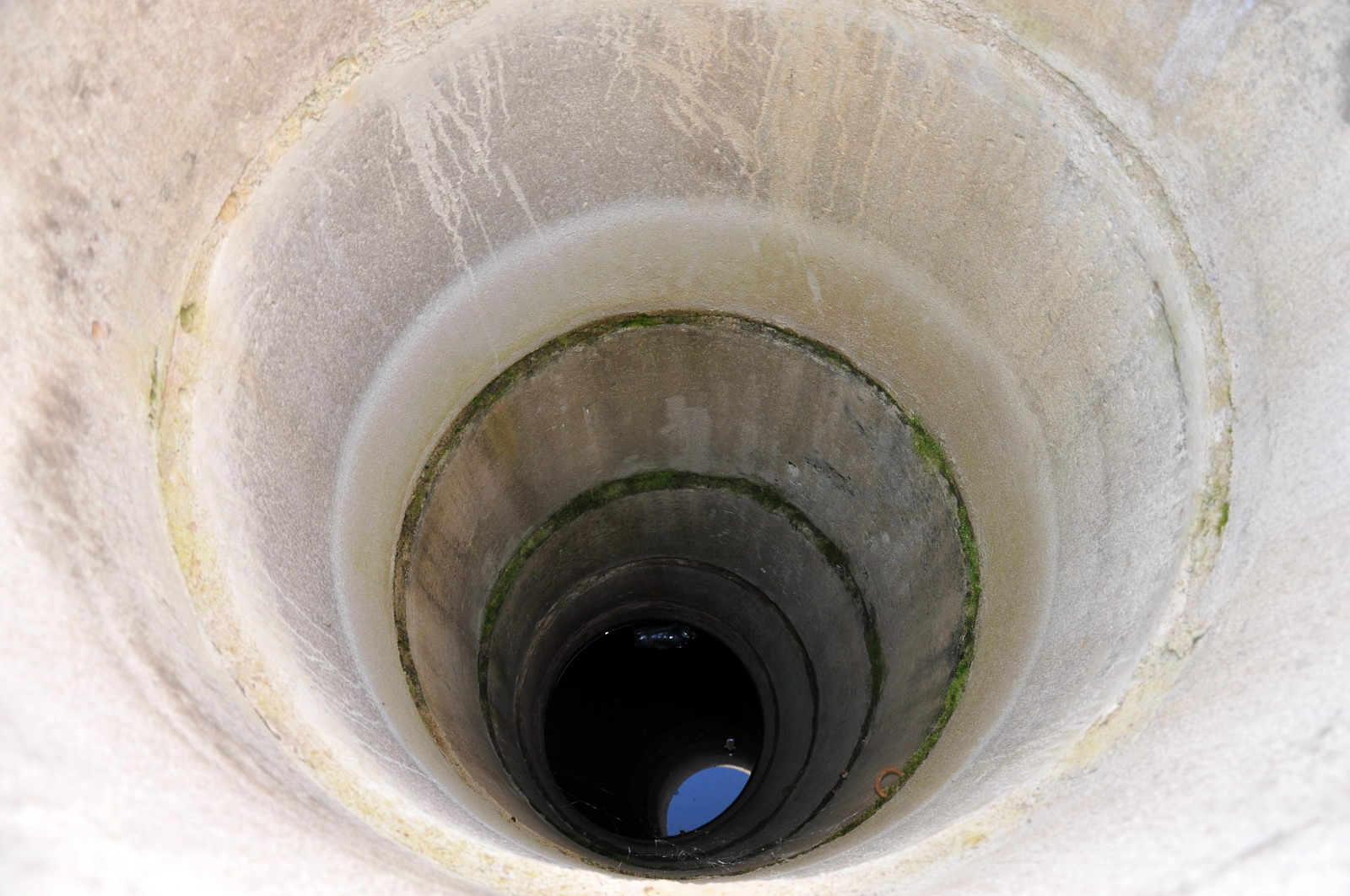
There was no mud on the road, just enormous puddles. It takes an hour to walk to Kudrovo. Almost nothing is left of the village. Only the concrete well survived (59°17.158′N, 30°37.683′E).
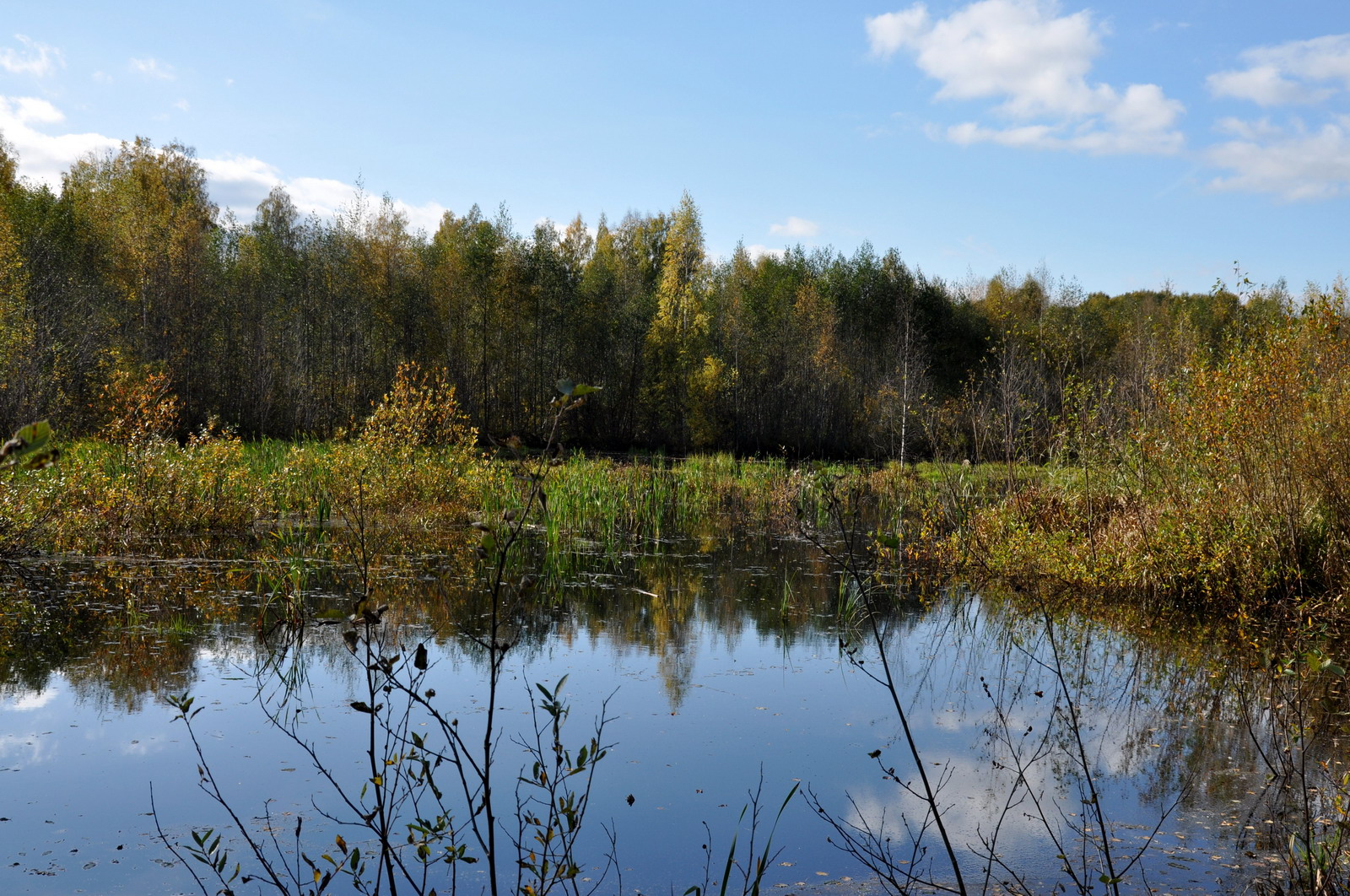
North of Kudrovo there are several ponds (59°17.392′N, 30°37.425′E). Their original purpose is unclear. They were probably dug for sand, although some people think fish were raised there. Both may be true.
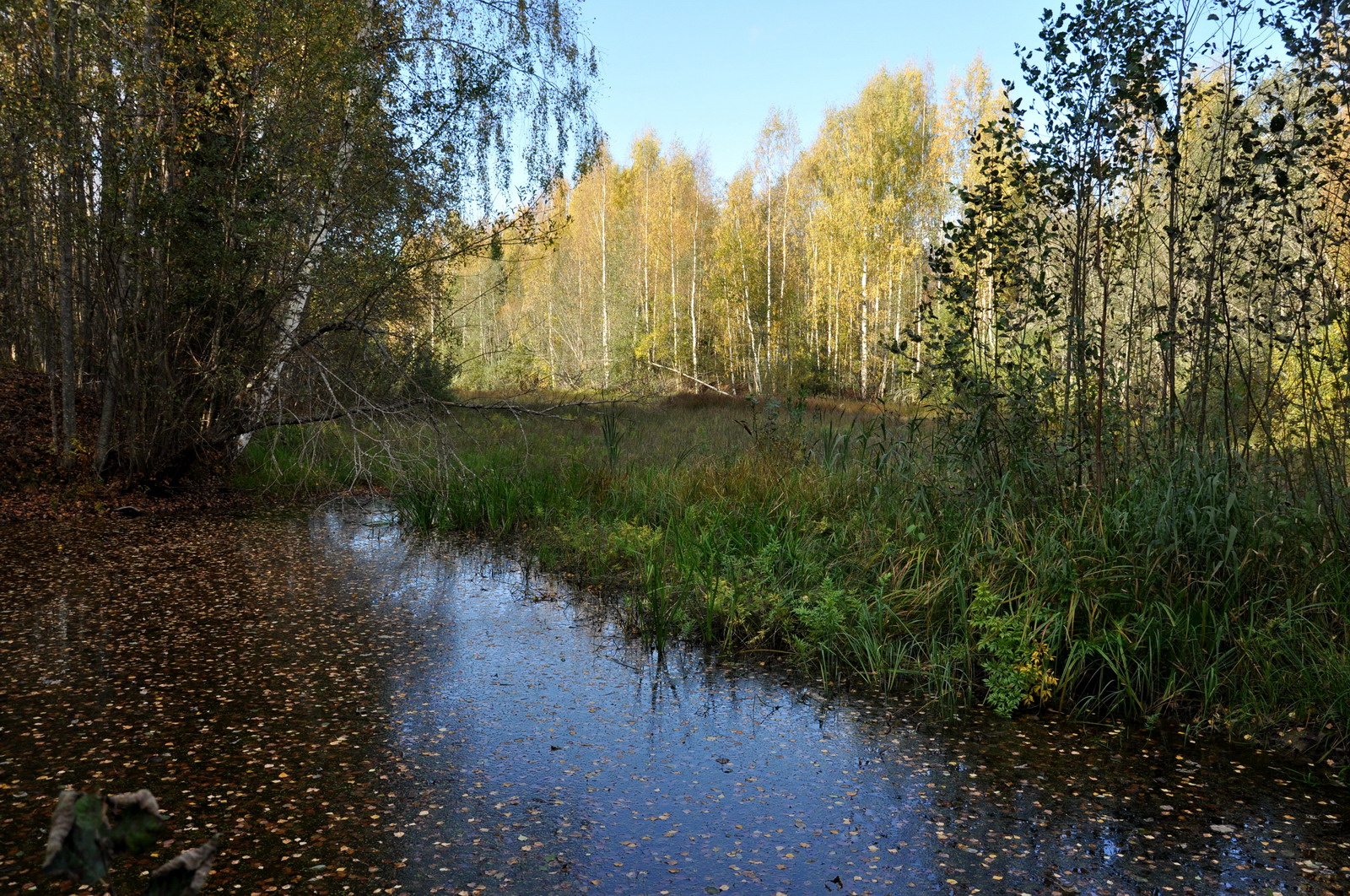
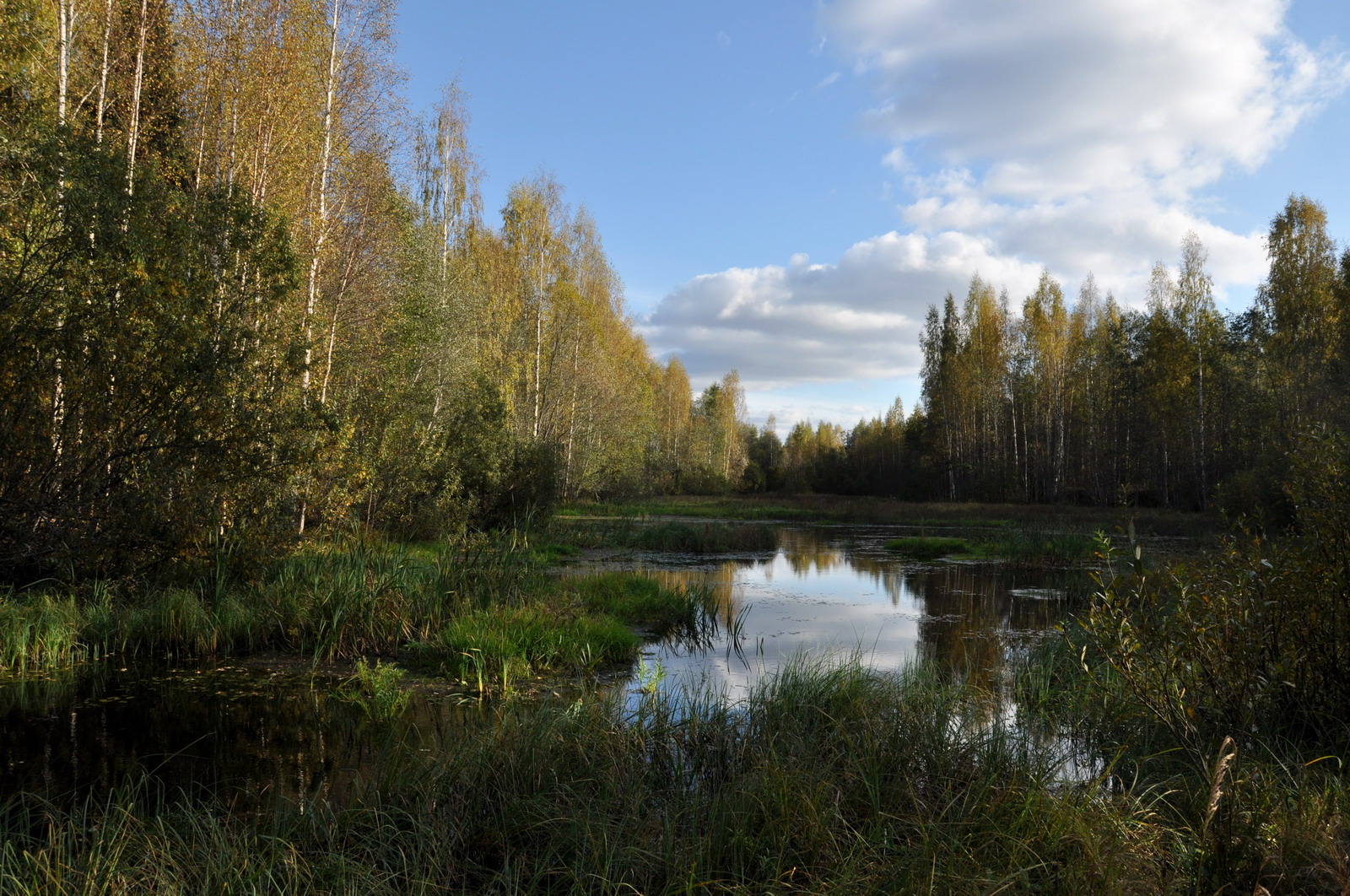
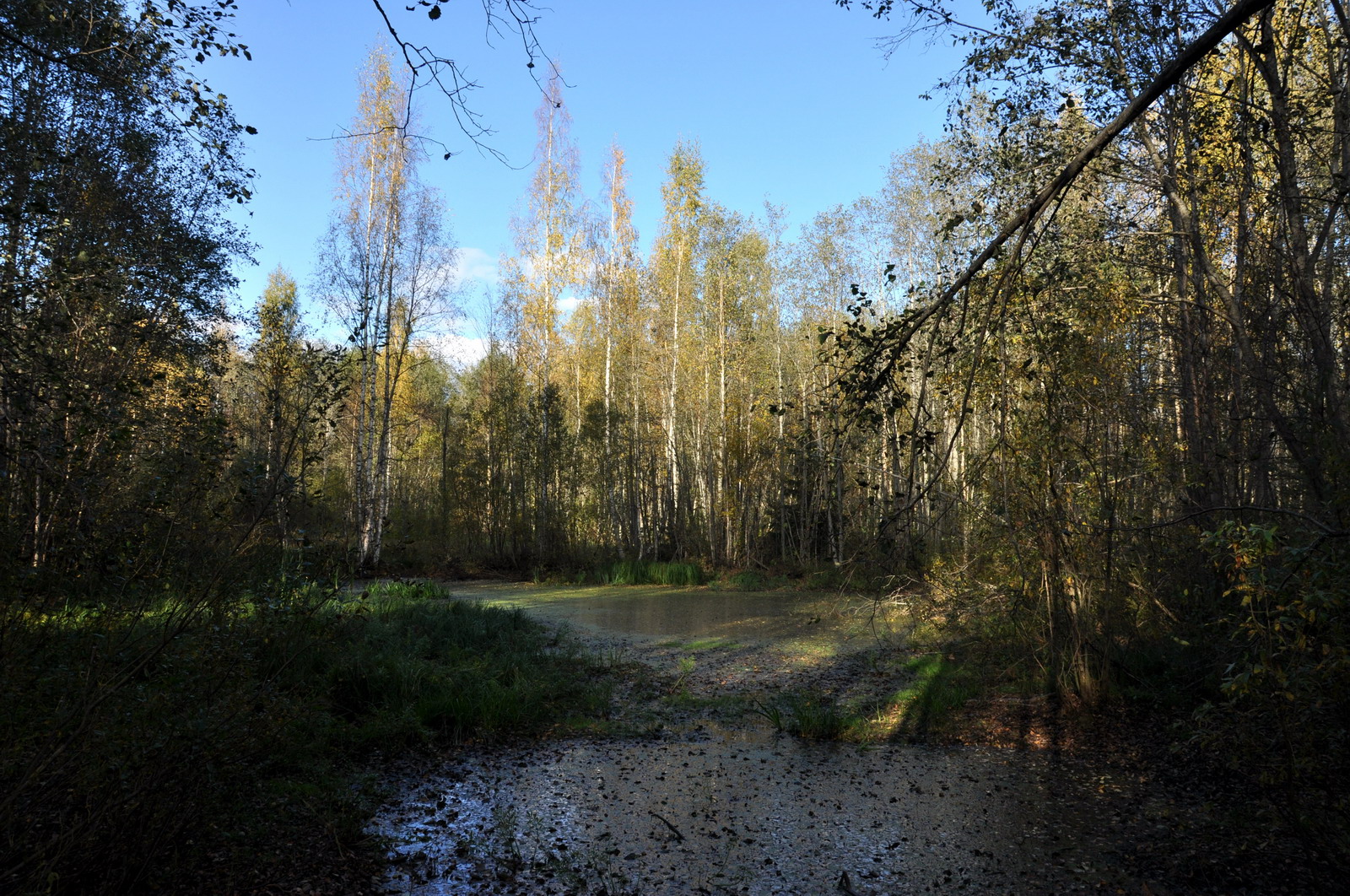
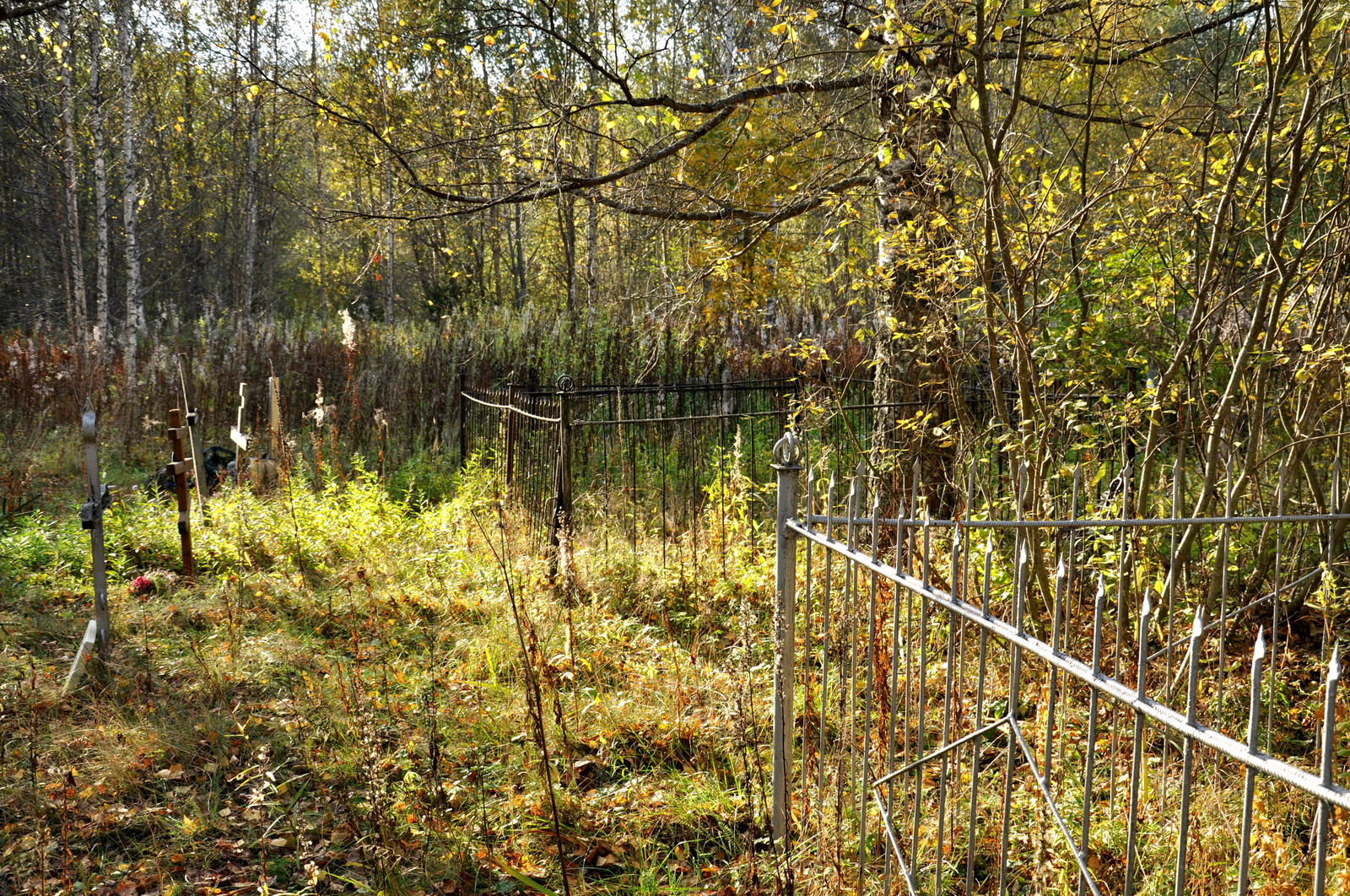
On the northern shore of the largest pond is a cemetery (59°17.463′N, 30°37.327′E). It turned out to be far from abandoned. Relatives still tend the graves. In fact, the most recent burial was in 2006.
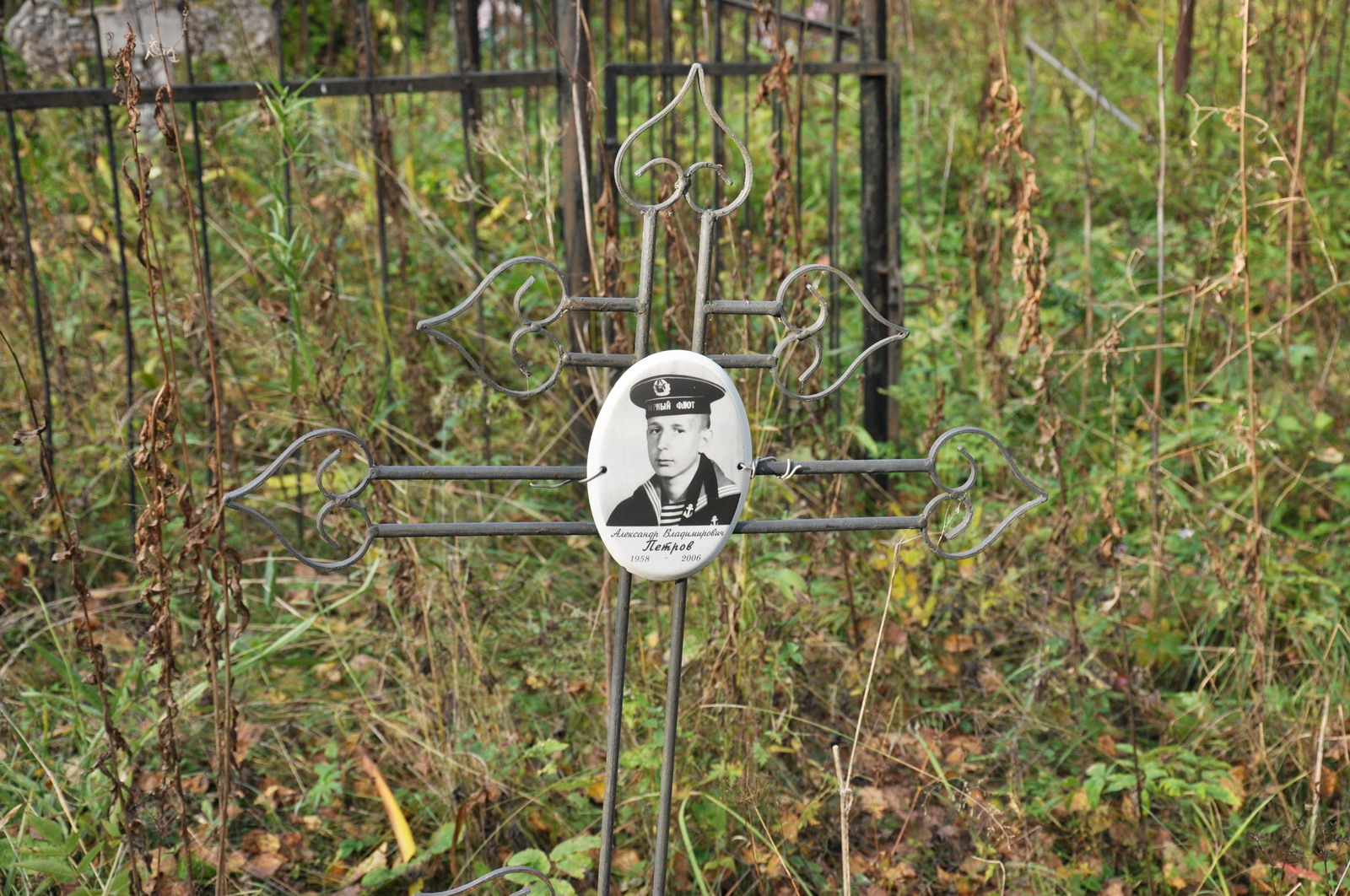
Before the war it was a Finnish village, but that did not help it survive the German occupation. Could the 2nd Shock Army have reached Kudrovo in 1942?
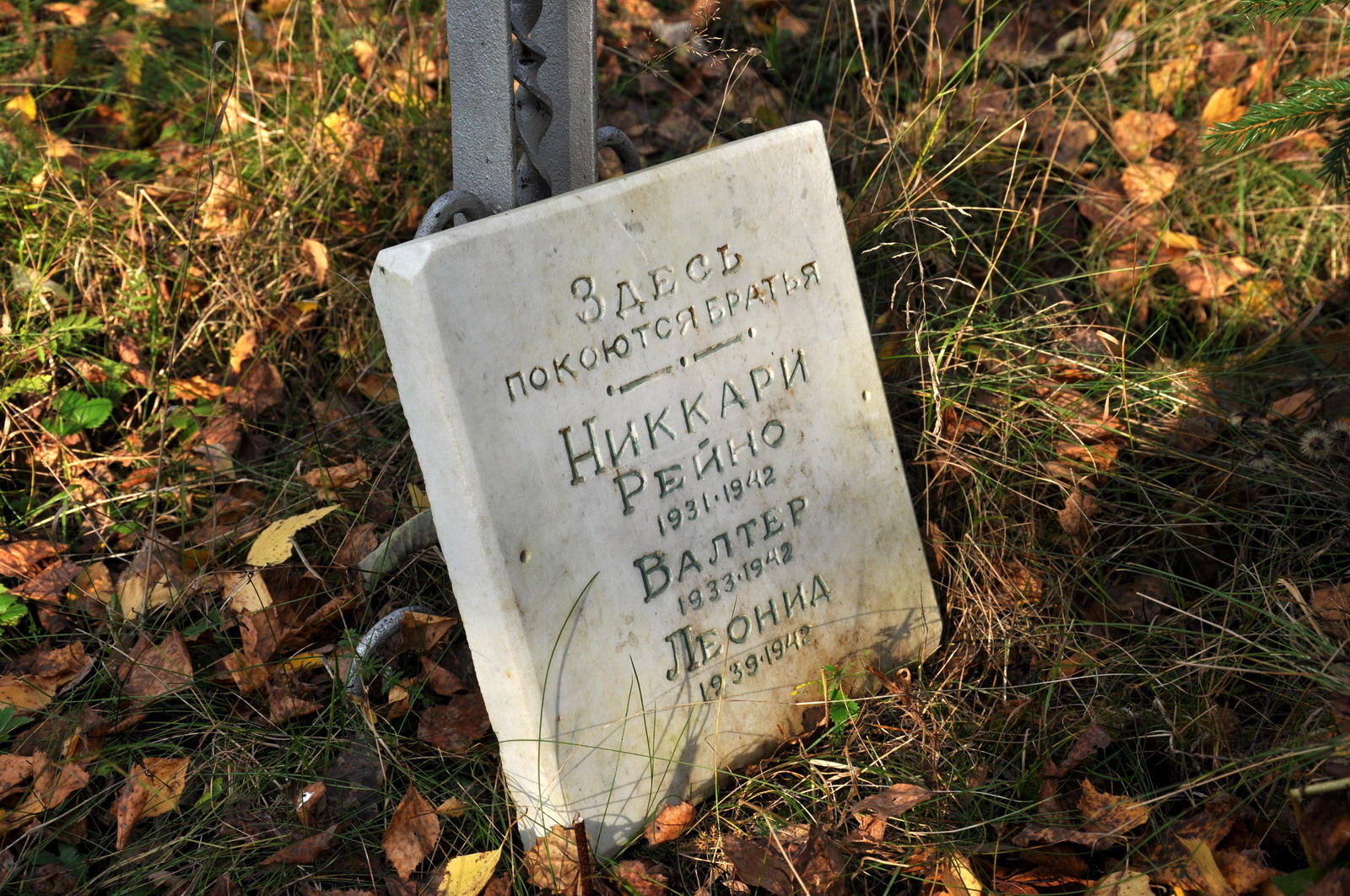
The grave markers tell of a tragedy. One reads Reino Nikkari, 1931–1942, Valter, 1933–1942, and Leonid, 1939–1942. I would like to know what happened. For some reason I cannot find any information about Kudrovo.
From the cemetery I went north along the road to the village of Serdtse. I reached the crossing over the Kudrovo Ditch, which flows from Lake Kuznetsovskoye and joins the Upper Suytsa to form the Kastenka River.
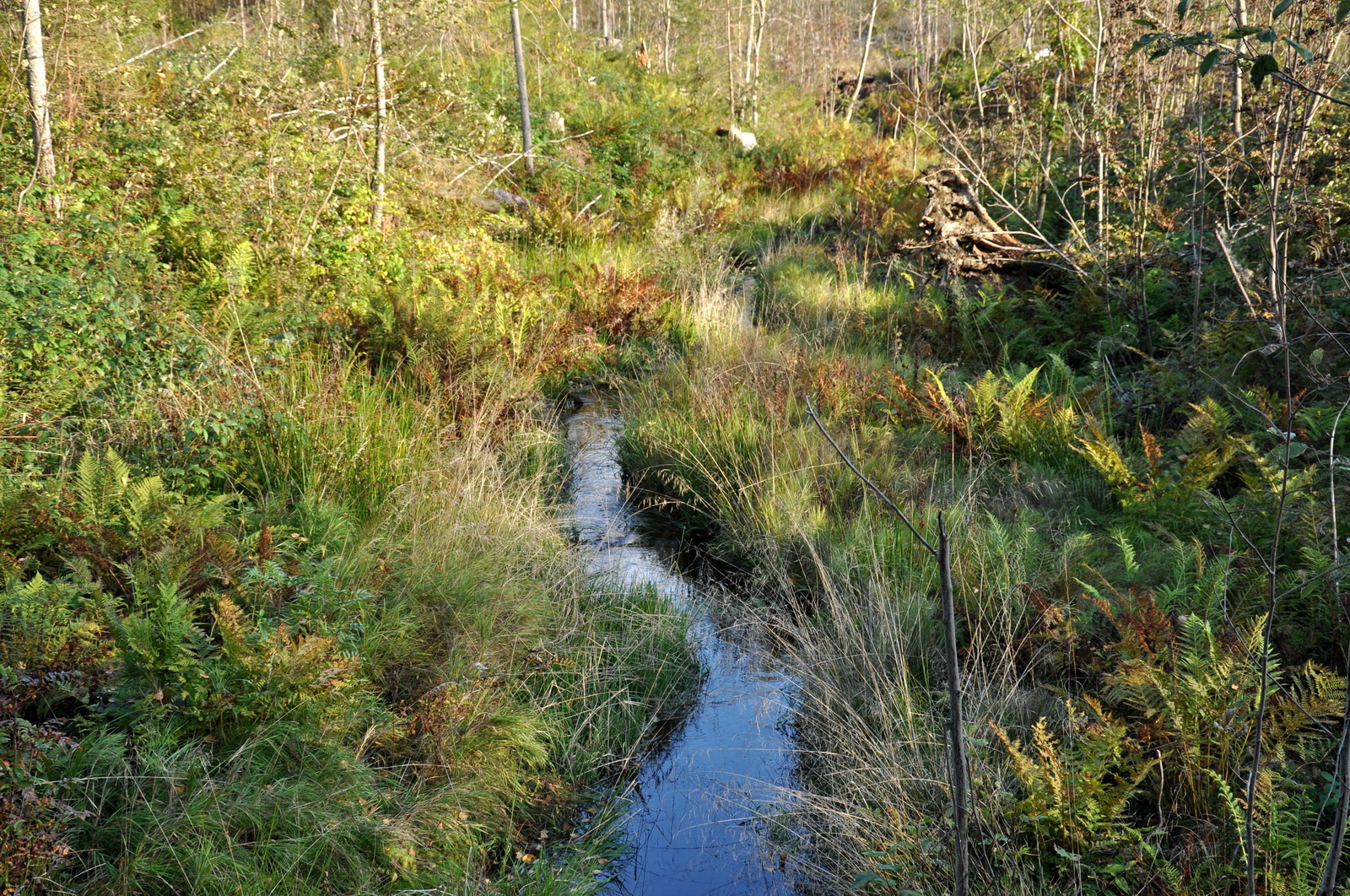
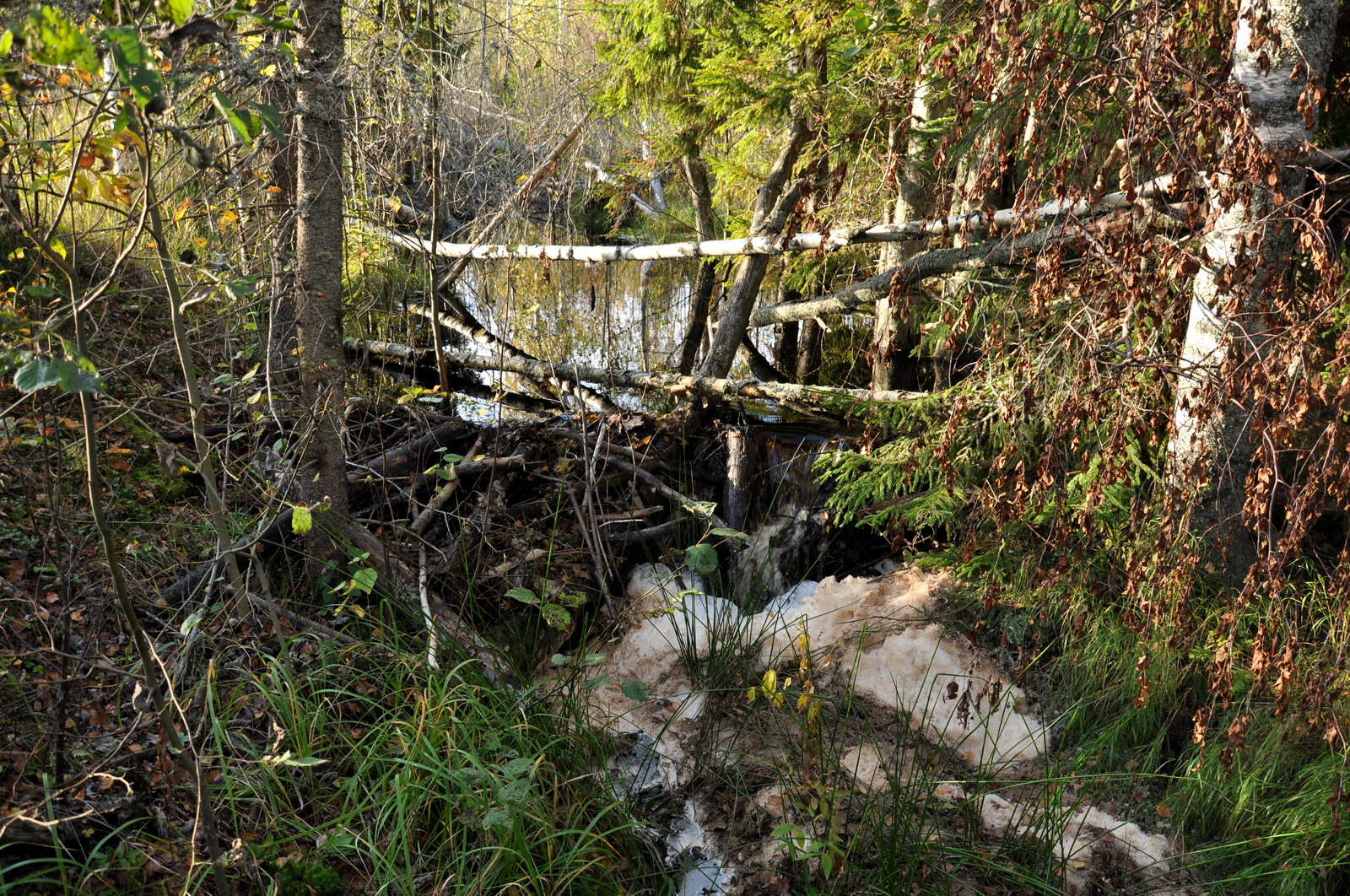
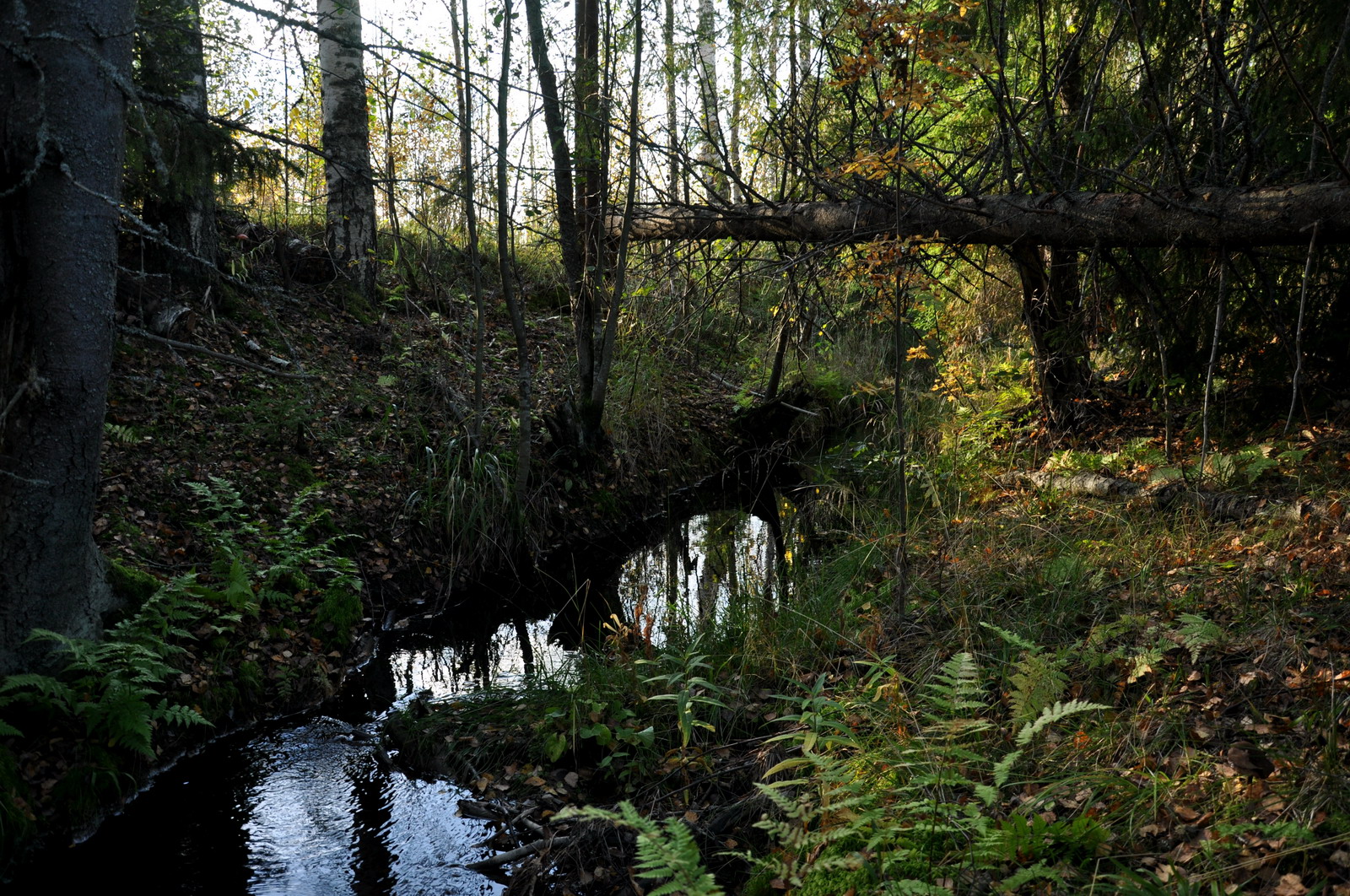
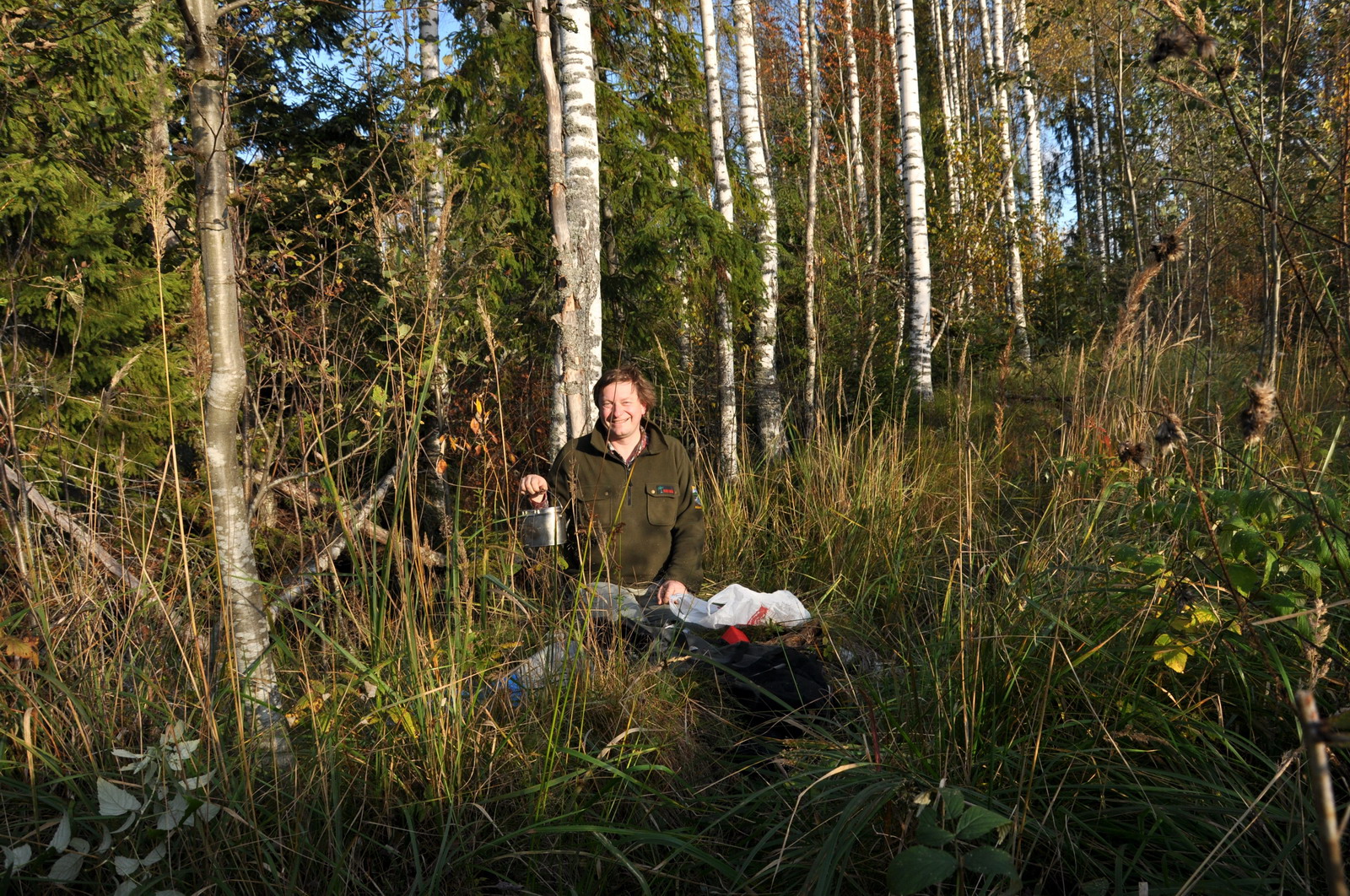
I had lunch on the bank of the ditch (59°17.875′N, 30°37.758′E) and returned to Konechki by the same road. The sun was already setting. It was lovely watching the last leaves of the fading summer. In a week I would be in spring, in New Zealand. For now it was a quiet autumn evening.
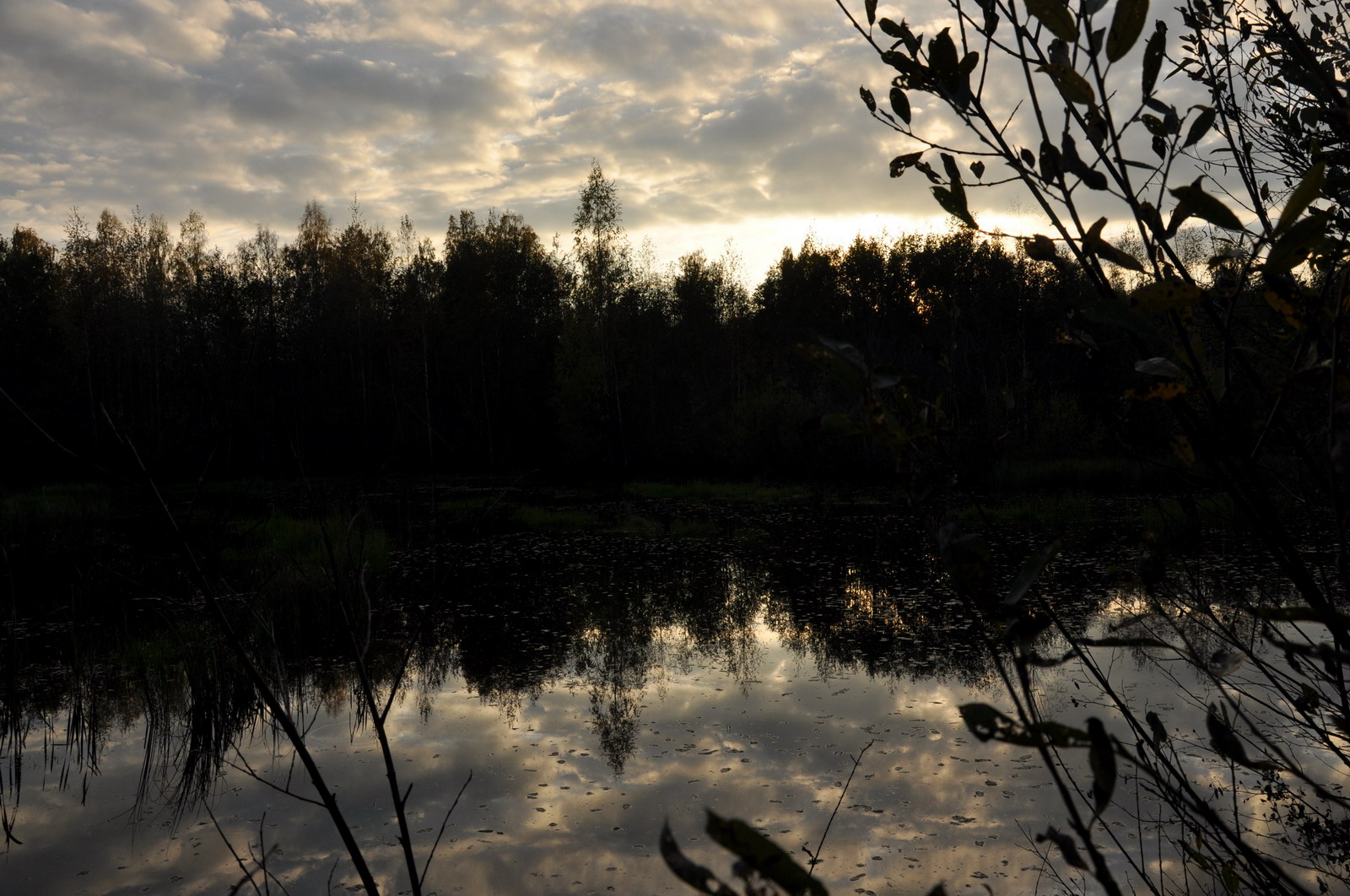
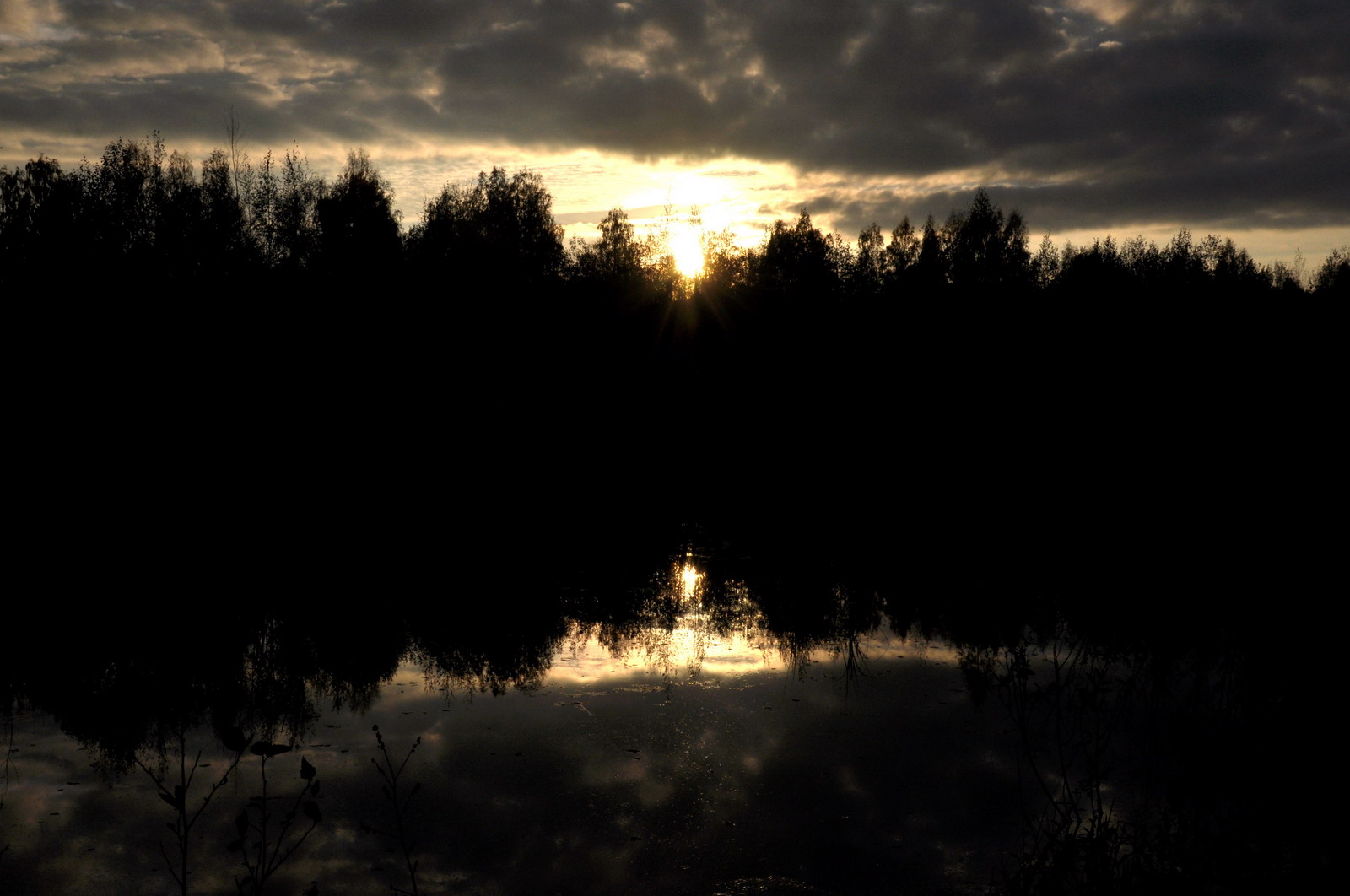
It was nearly dark by the time I came up to Konechki. The Muslim crescent fixed above a roof stood out against the sunset. Who would have thought the world would change so quickly, and that Uzbeks would be planting trees here?