Trip report
From Druzhnaya Gorka to Chashcha and Novinka
The road from Druzhnaya Gorka to the village of Chashcha and on to Novinka railway station is part of the old Ivangorod road. It was an important road that linked Russia to Europe for centuries. Tsars travelled along it, troops marched down it, and merchants carried their goods along it.
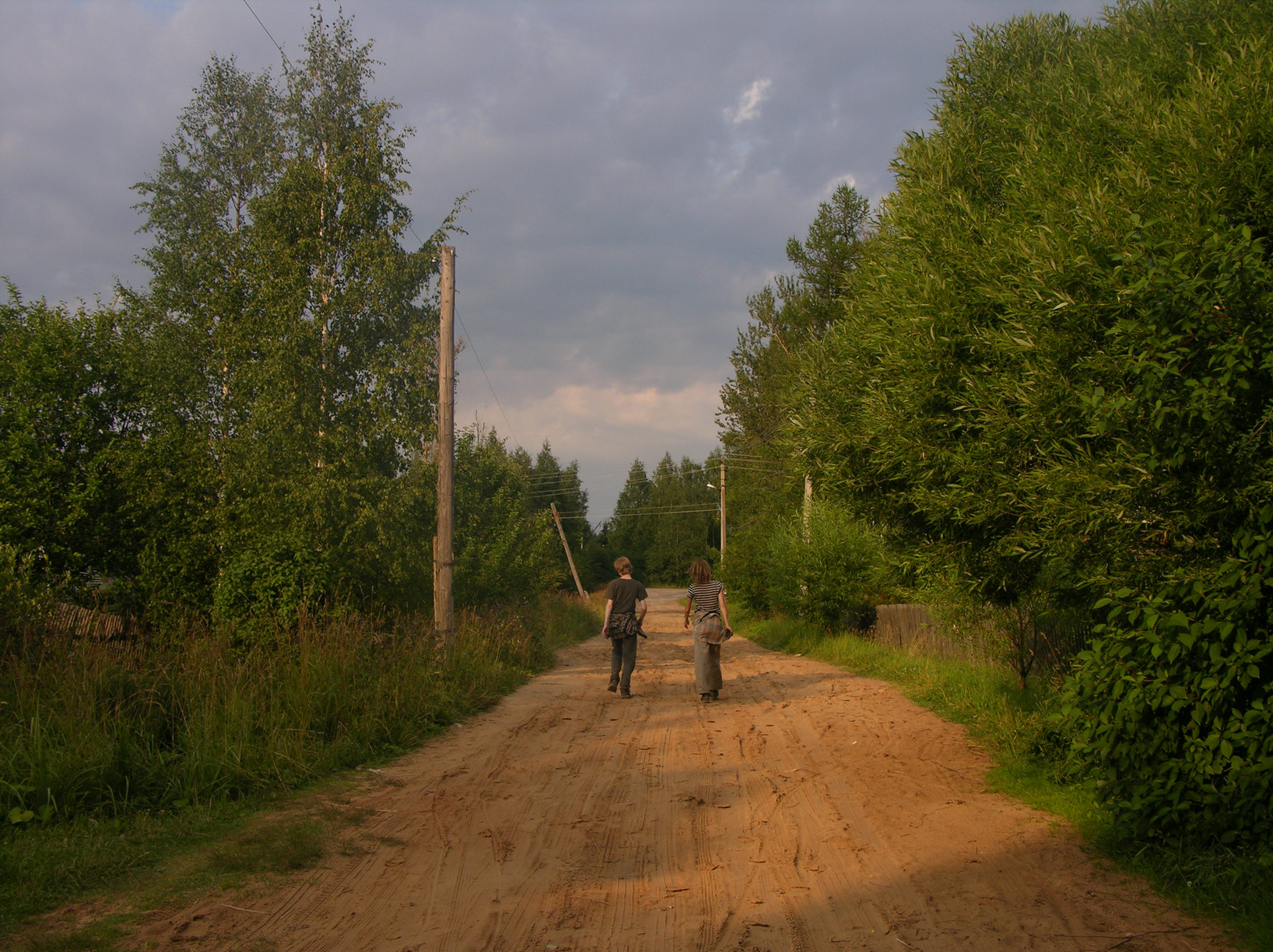
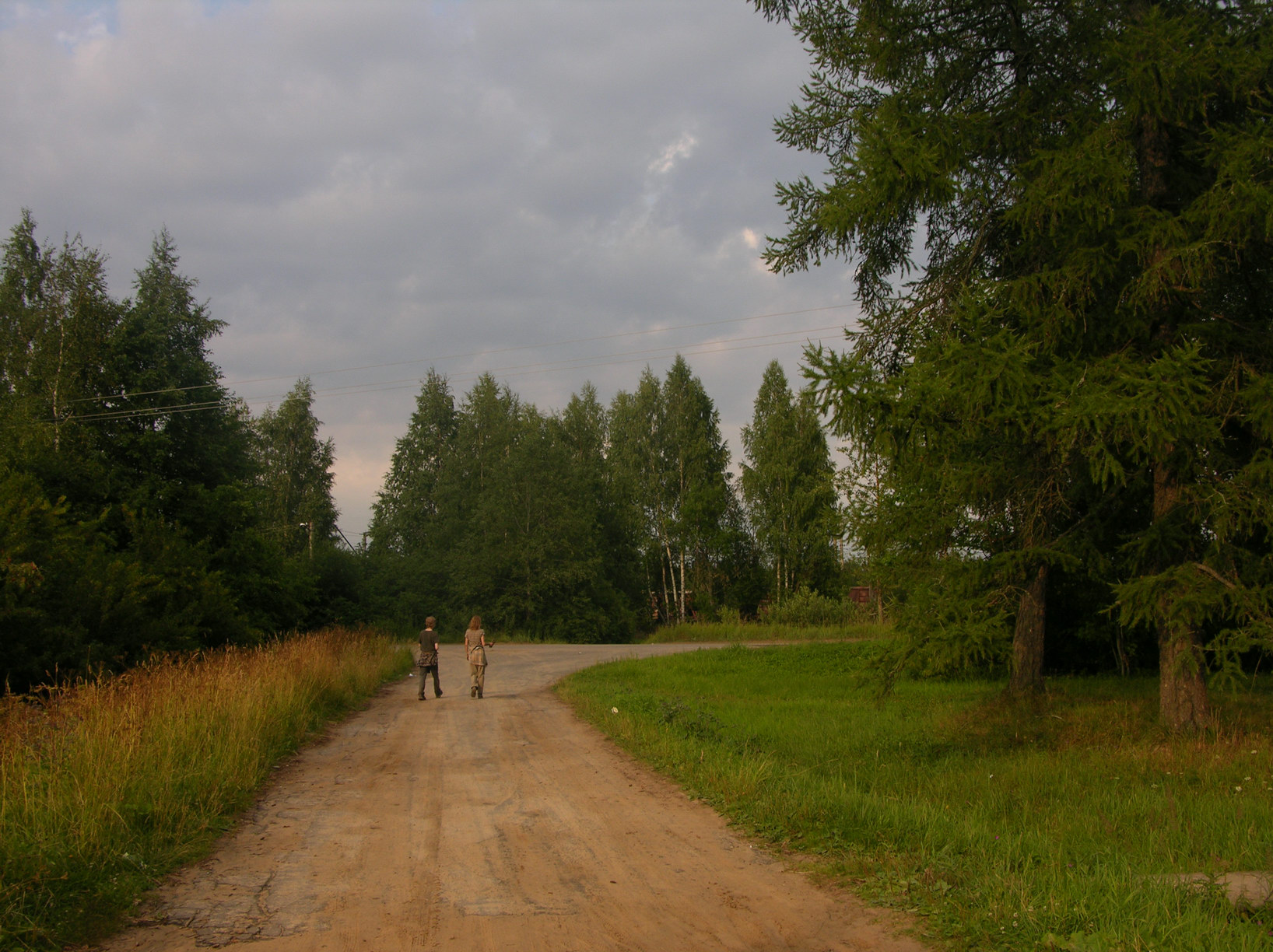
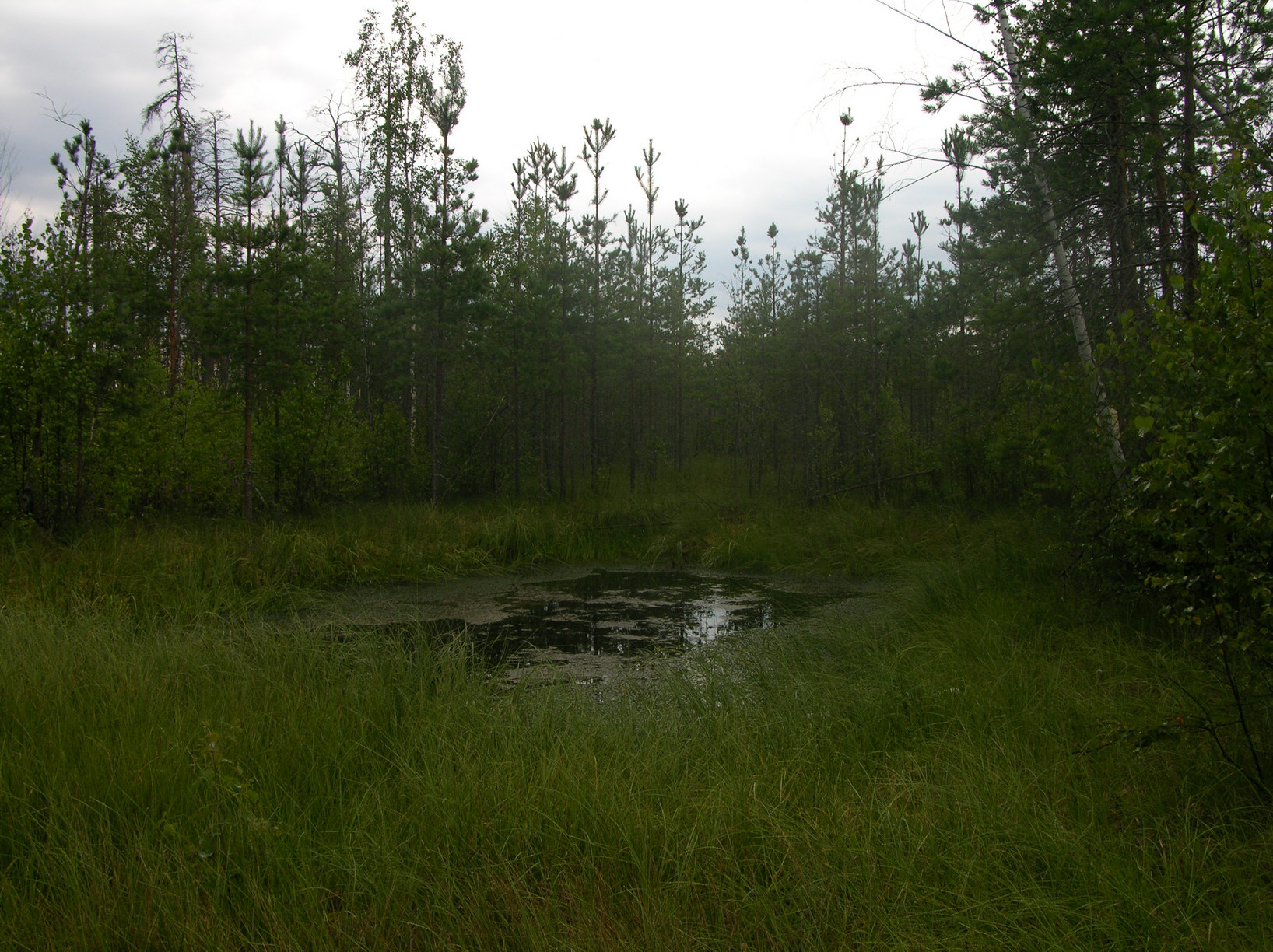
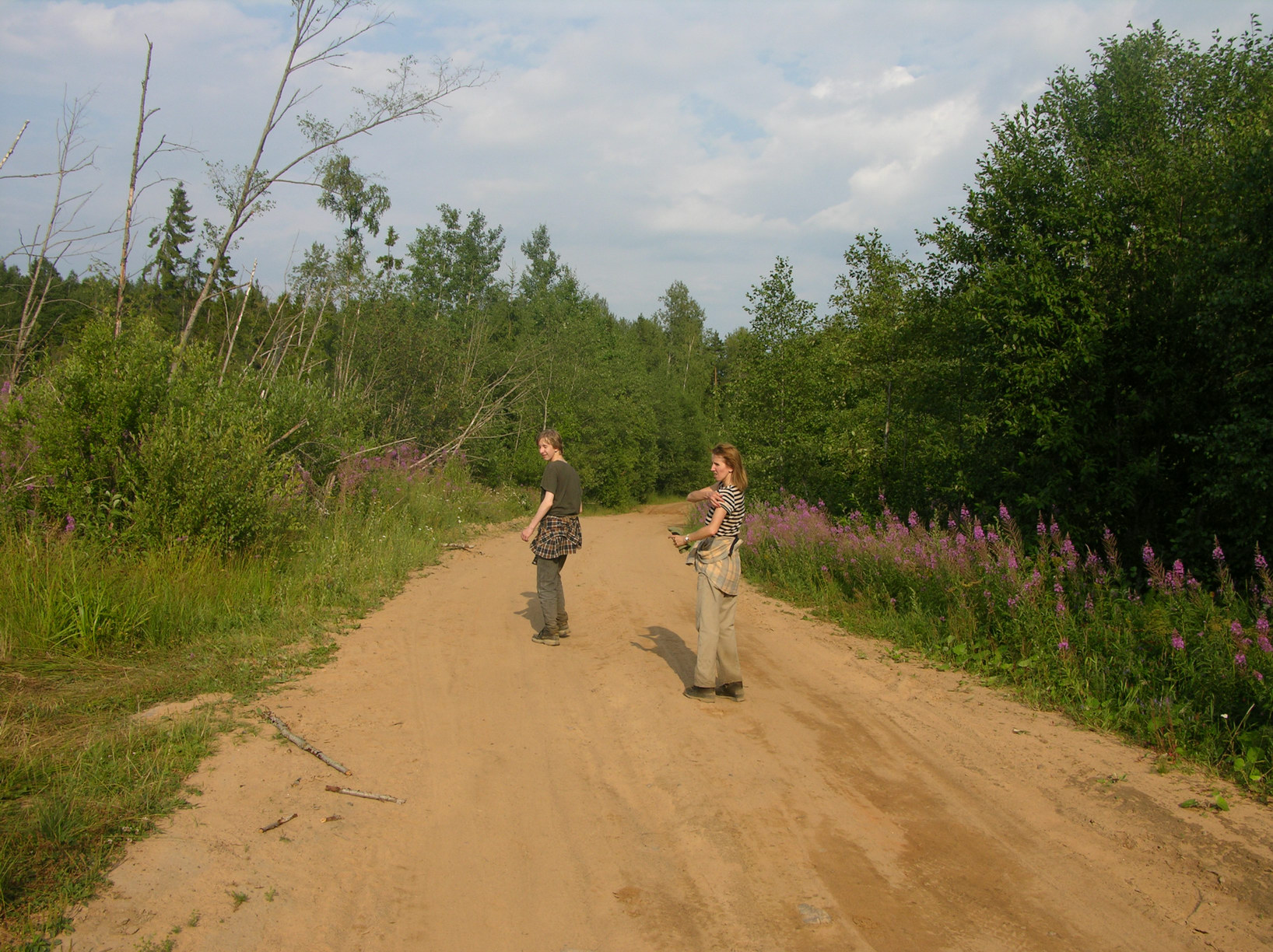
From Druzhnaya Gorka, the first few kilometres follow a dirt road that is perfectly passable by car. Then farther on you come to puddles that would give even a tractor trouble. It is hard going even on foot. It is easier to leave the road and walk along the embankment of the narrow-gauge railway, which before the war connected Druzhnaya Gorka to the peat workings in the area that is now called Staroye Boloto. In the 1930s the peat workings were known as the Novy Posyolok barracks (New Settlement). A map from that period shows a transformer hut, and its ruins can still be found.
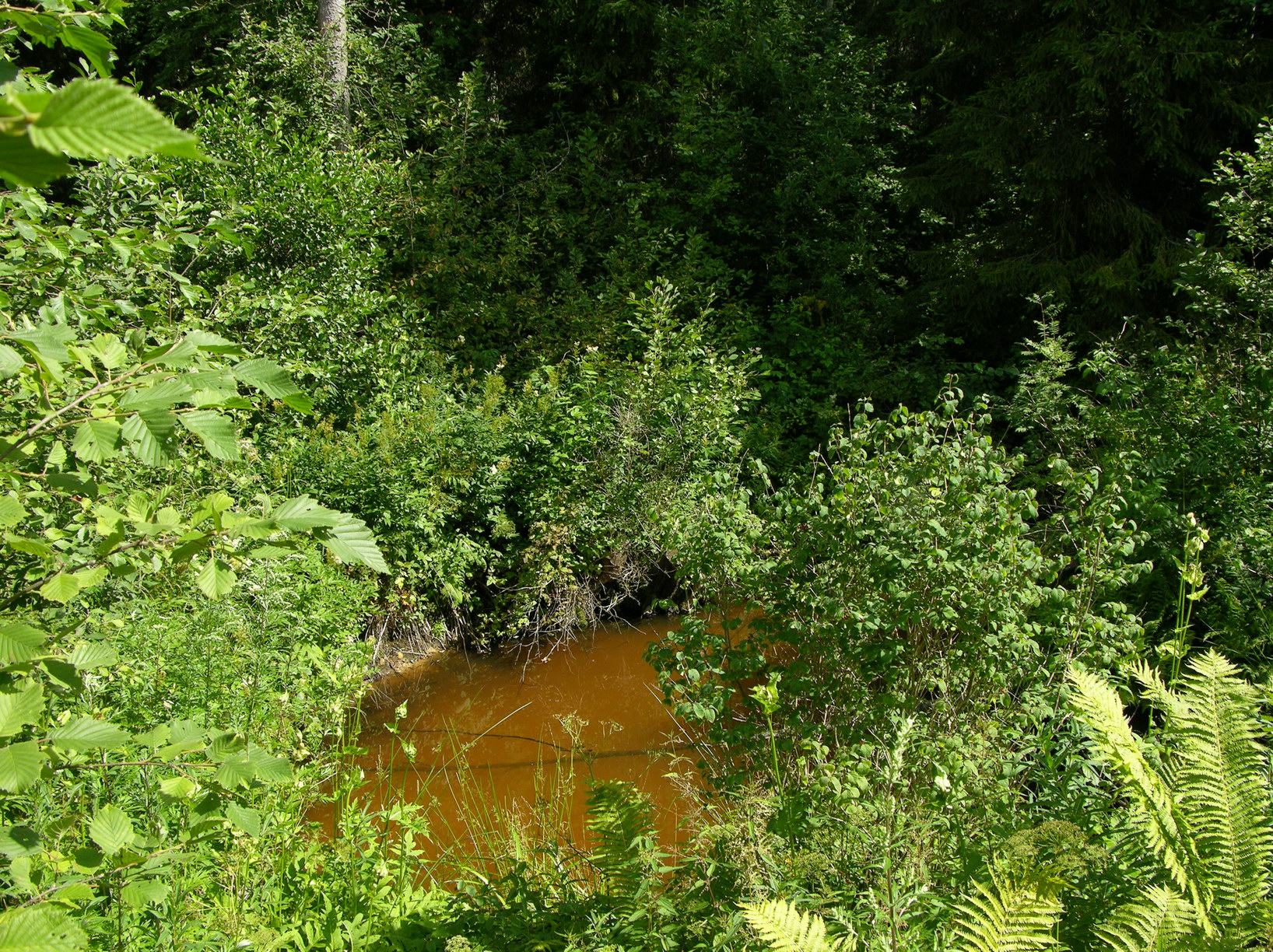
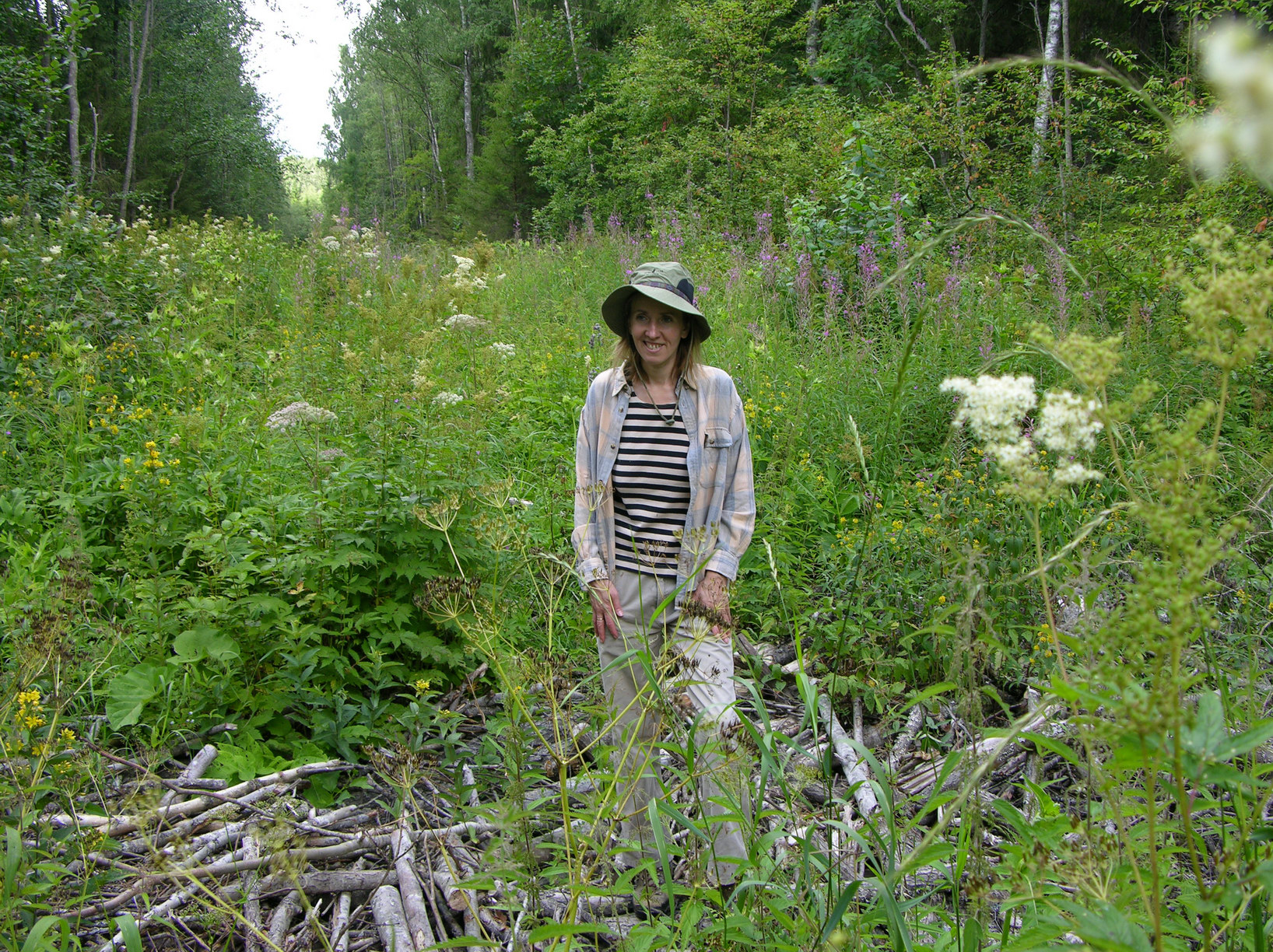
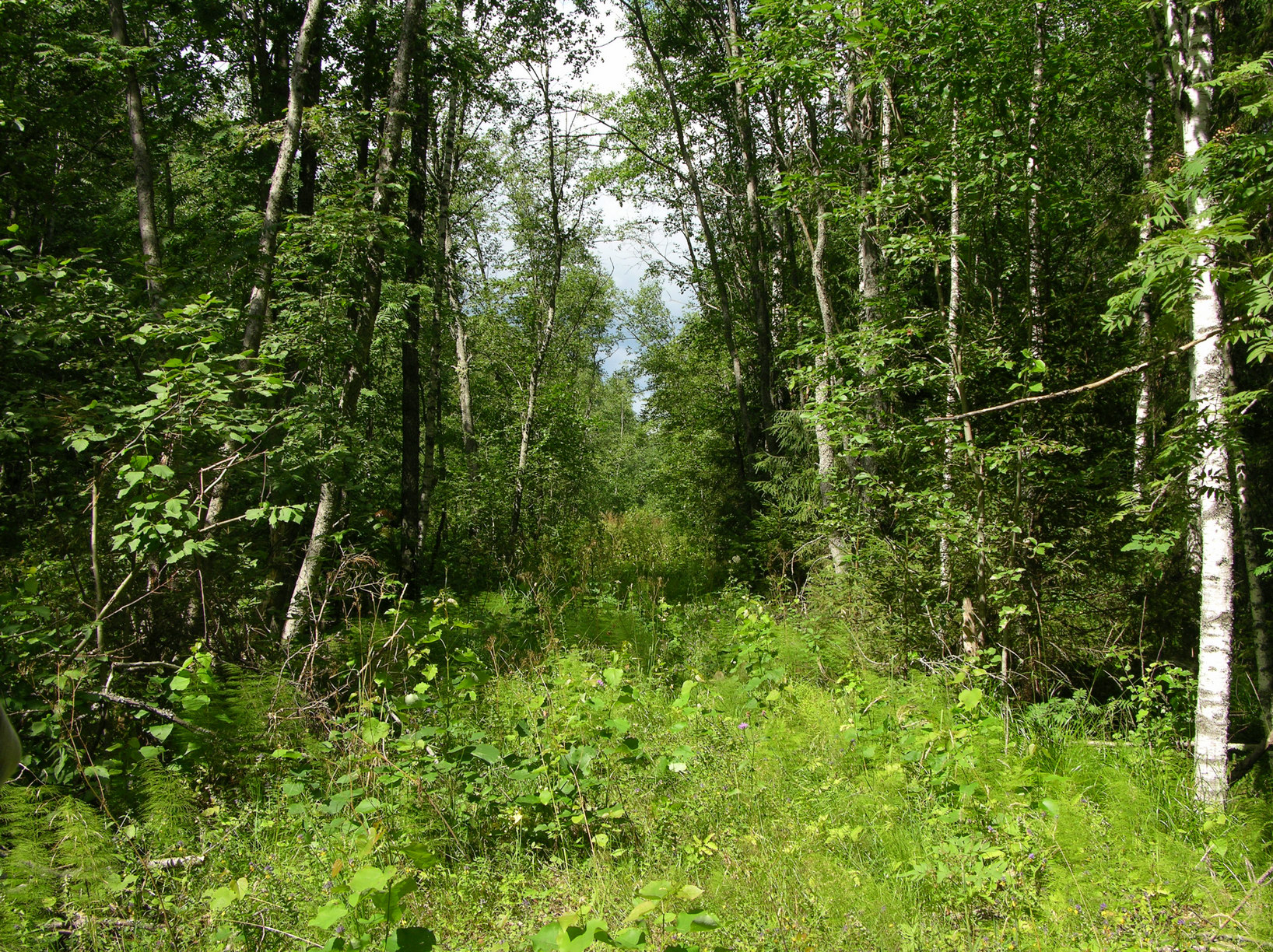
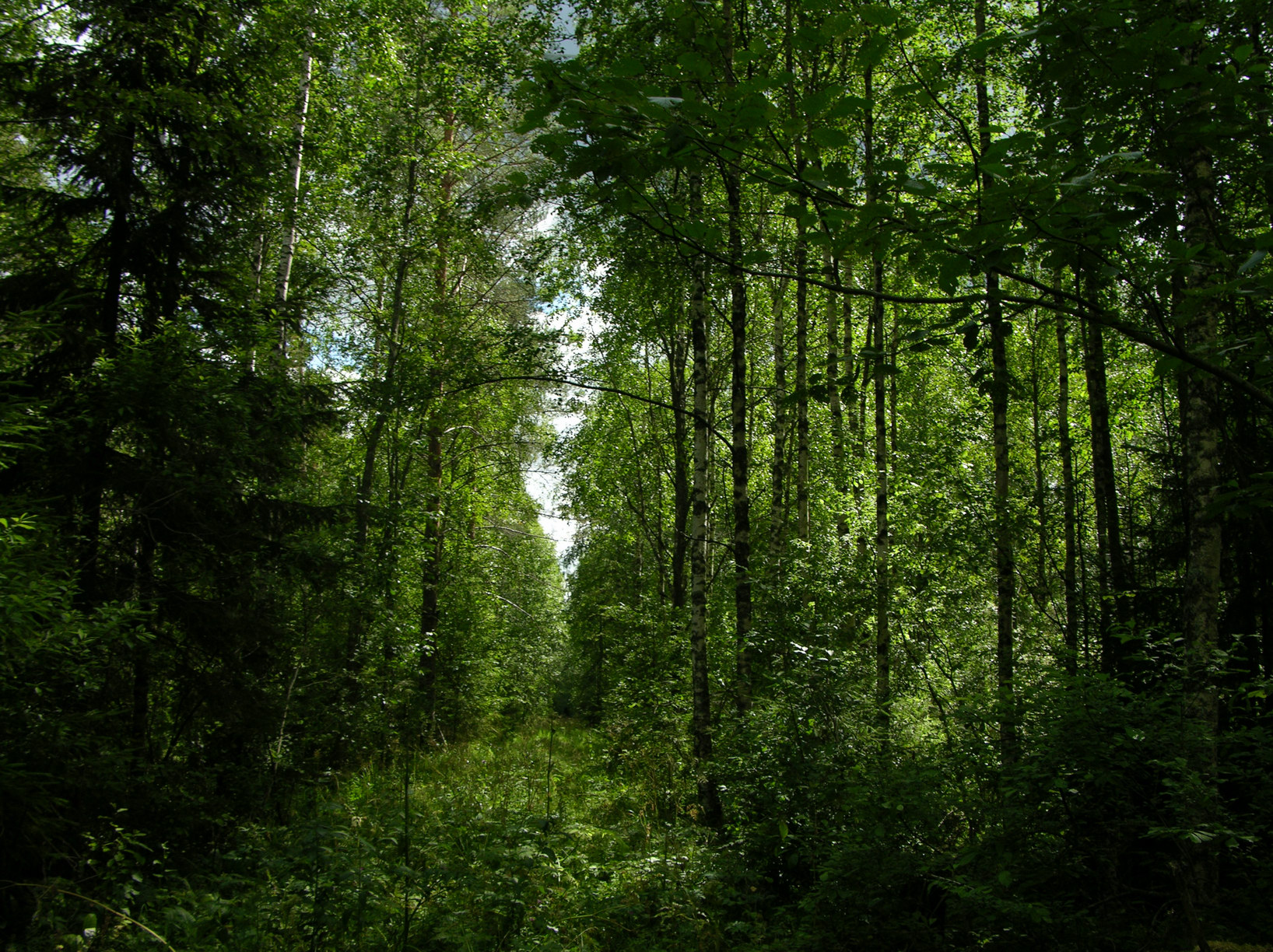
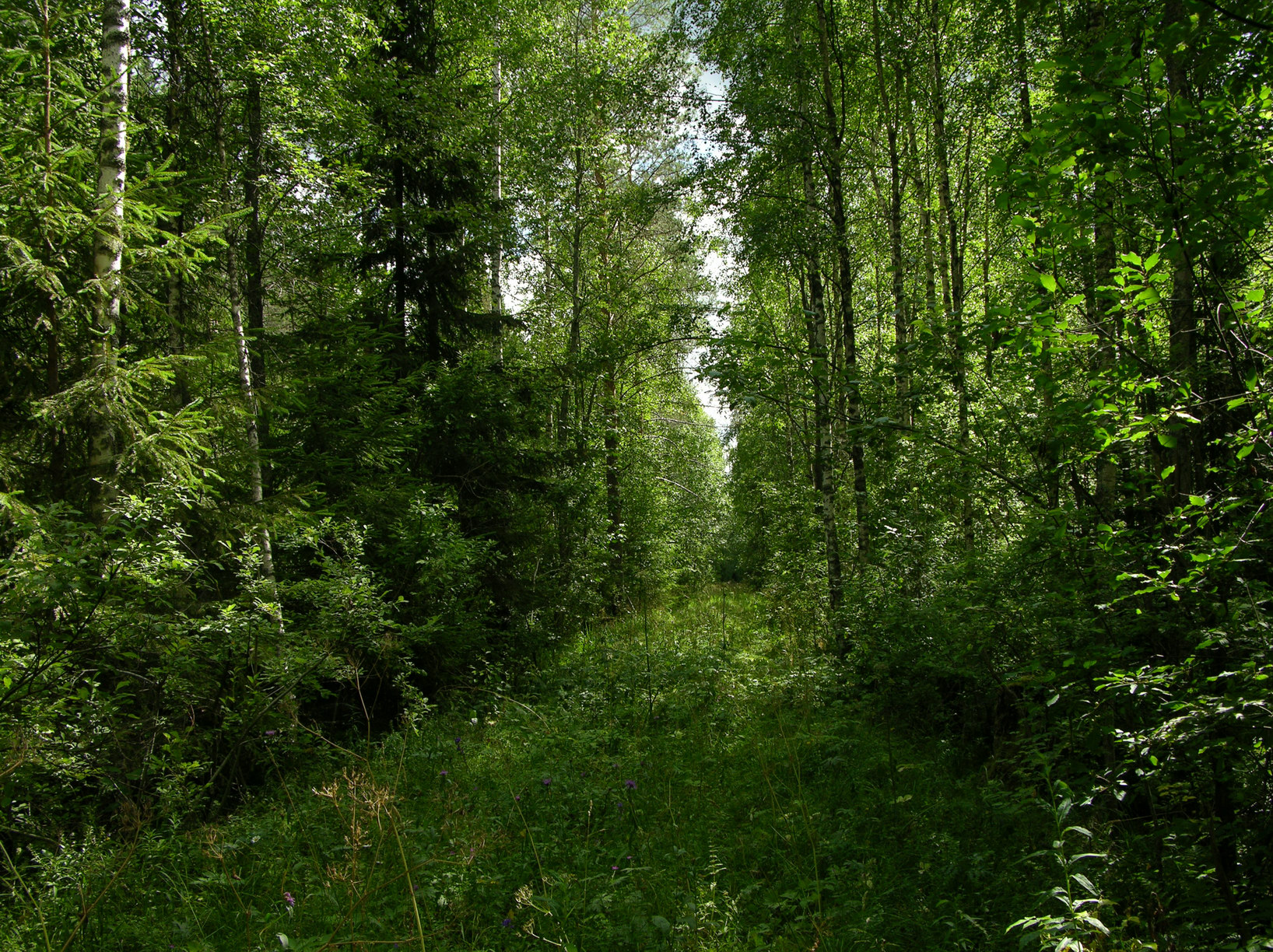
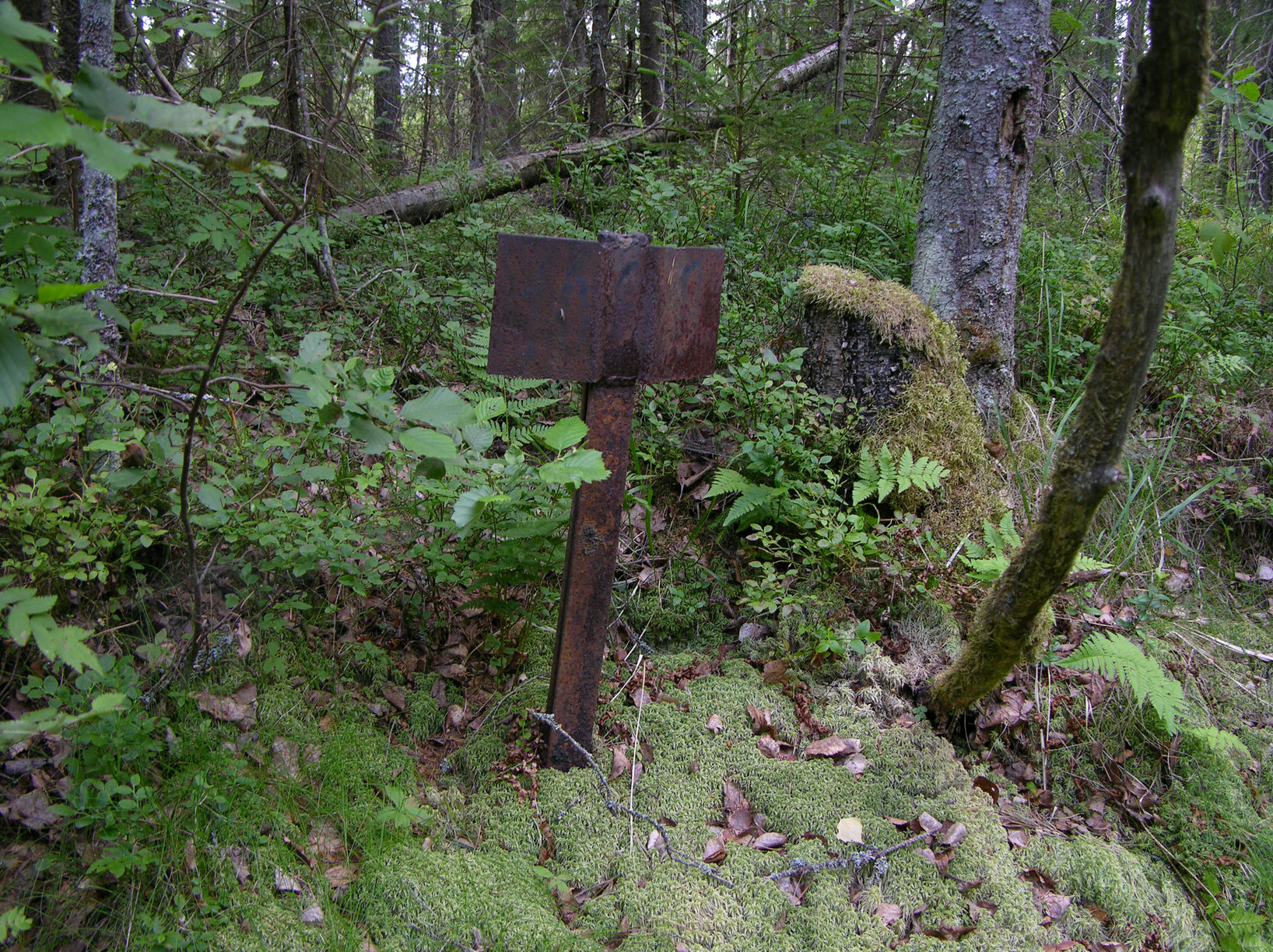
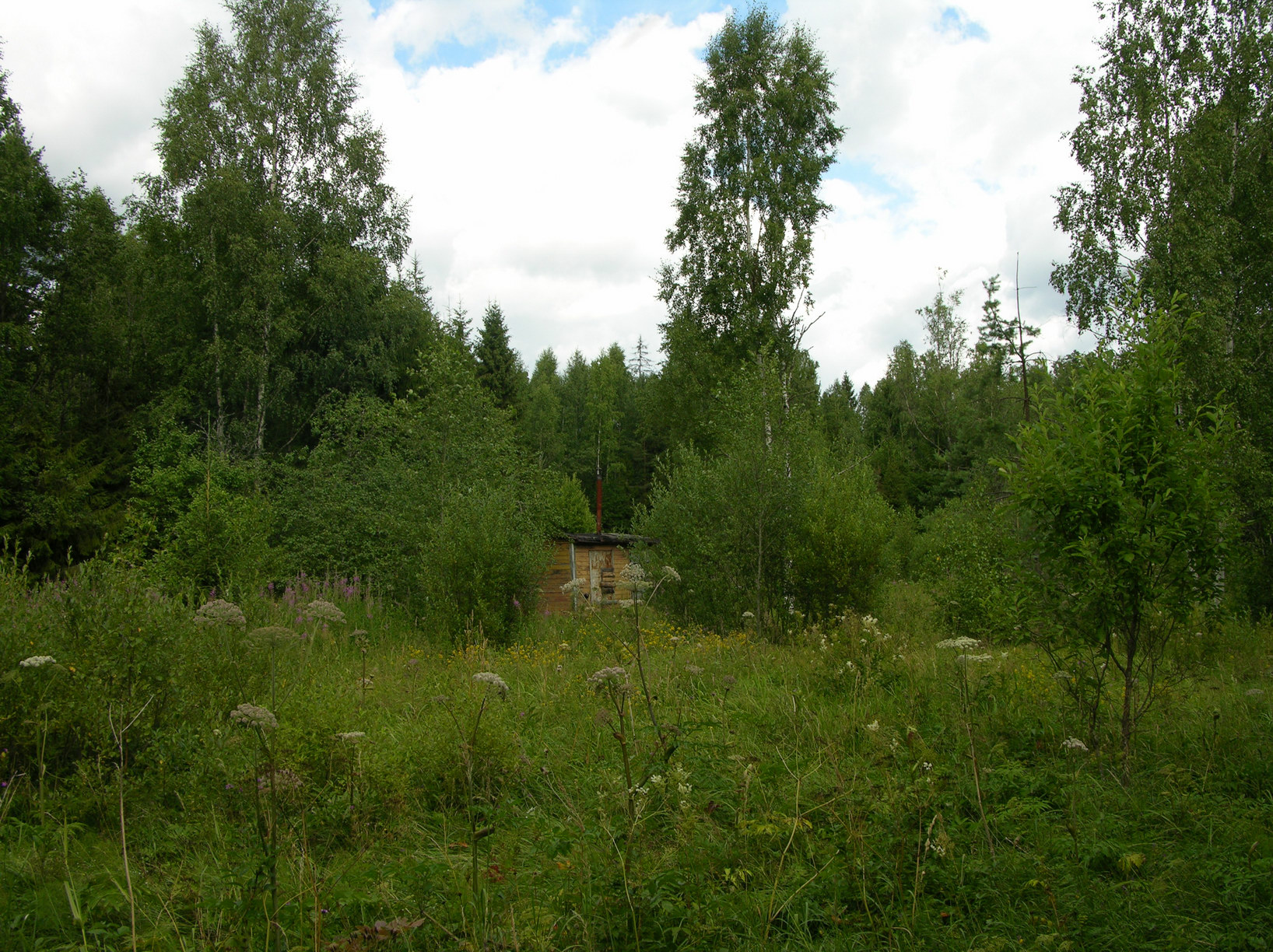
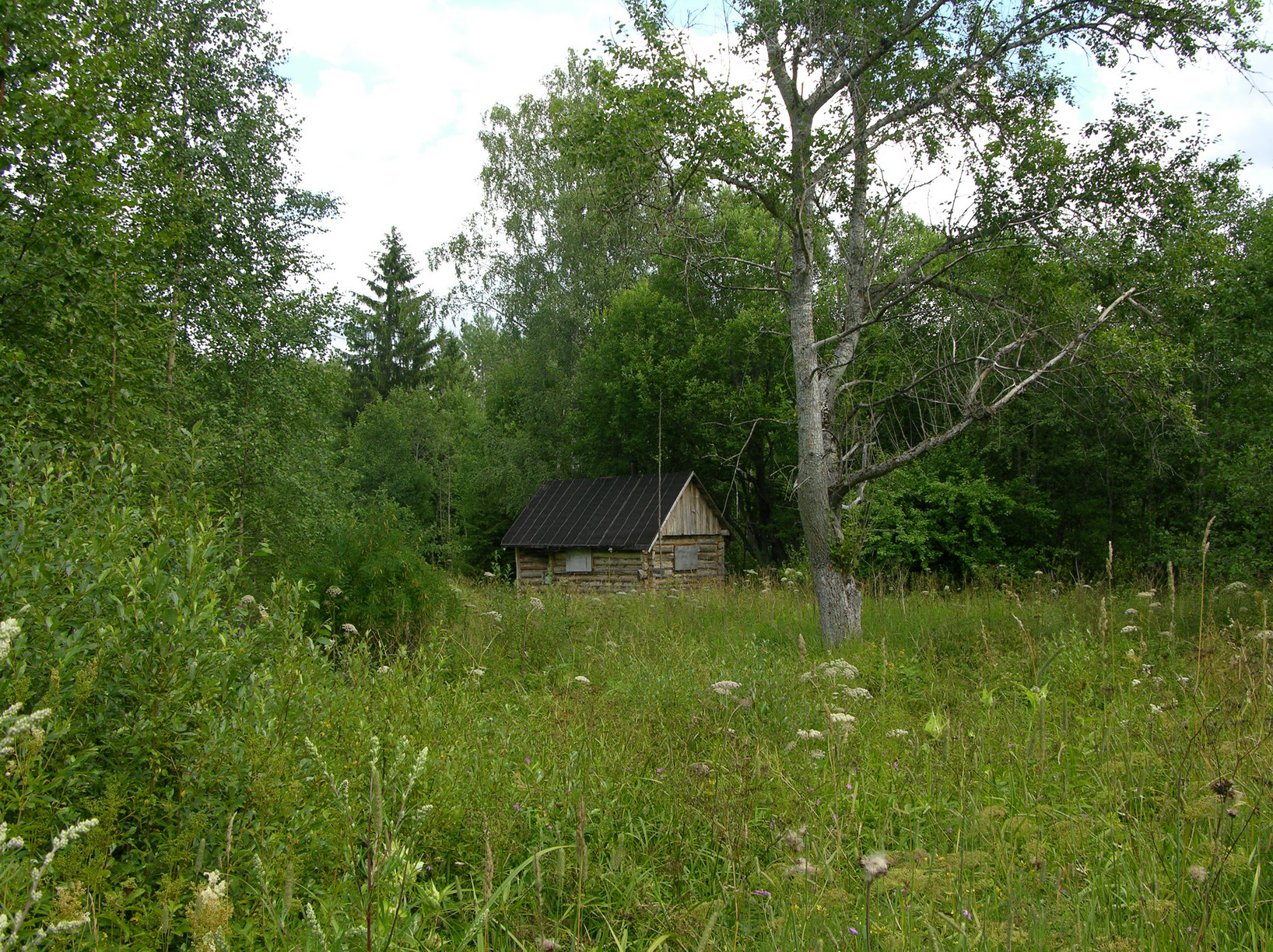
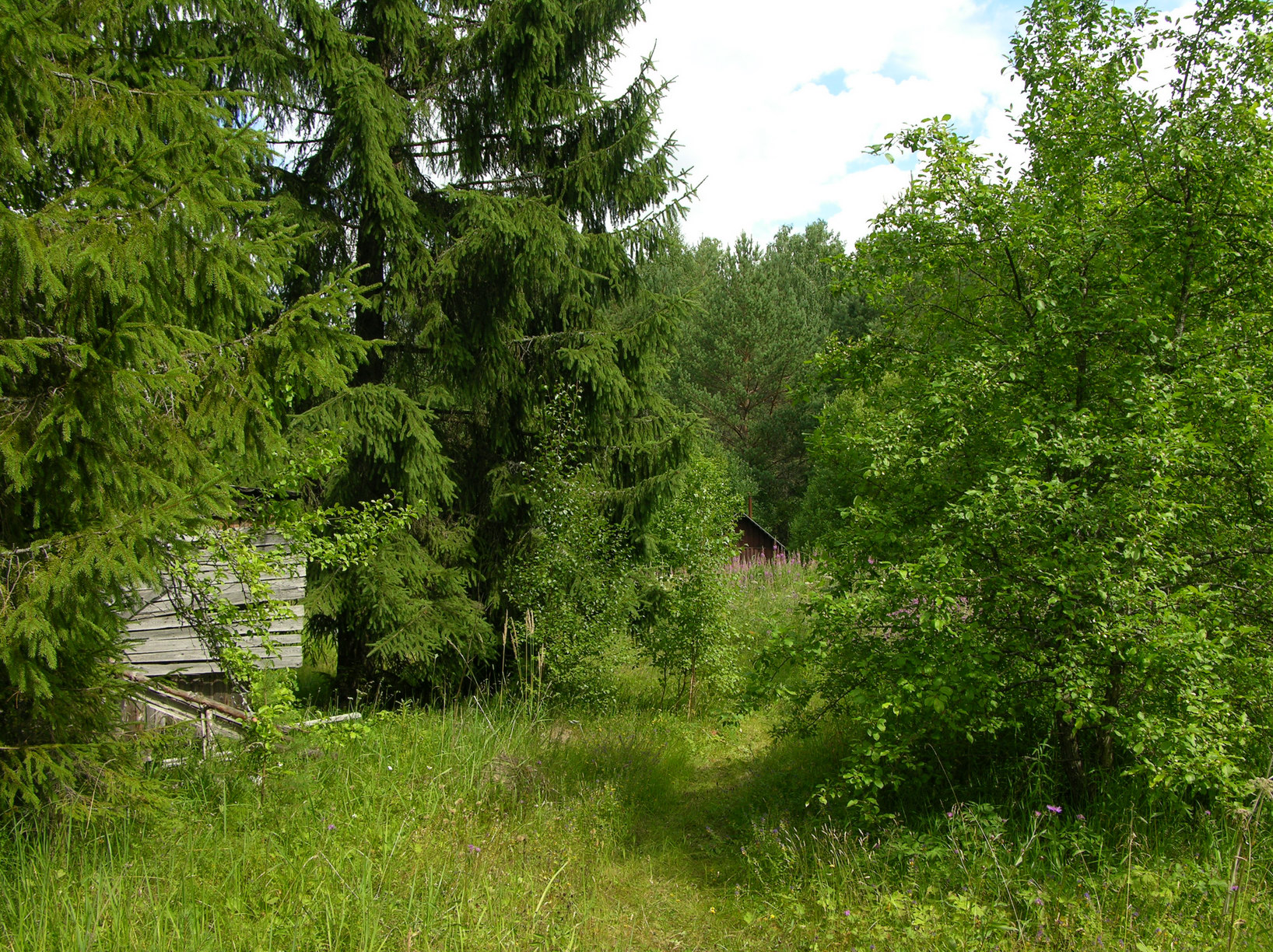
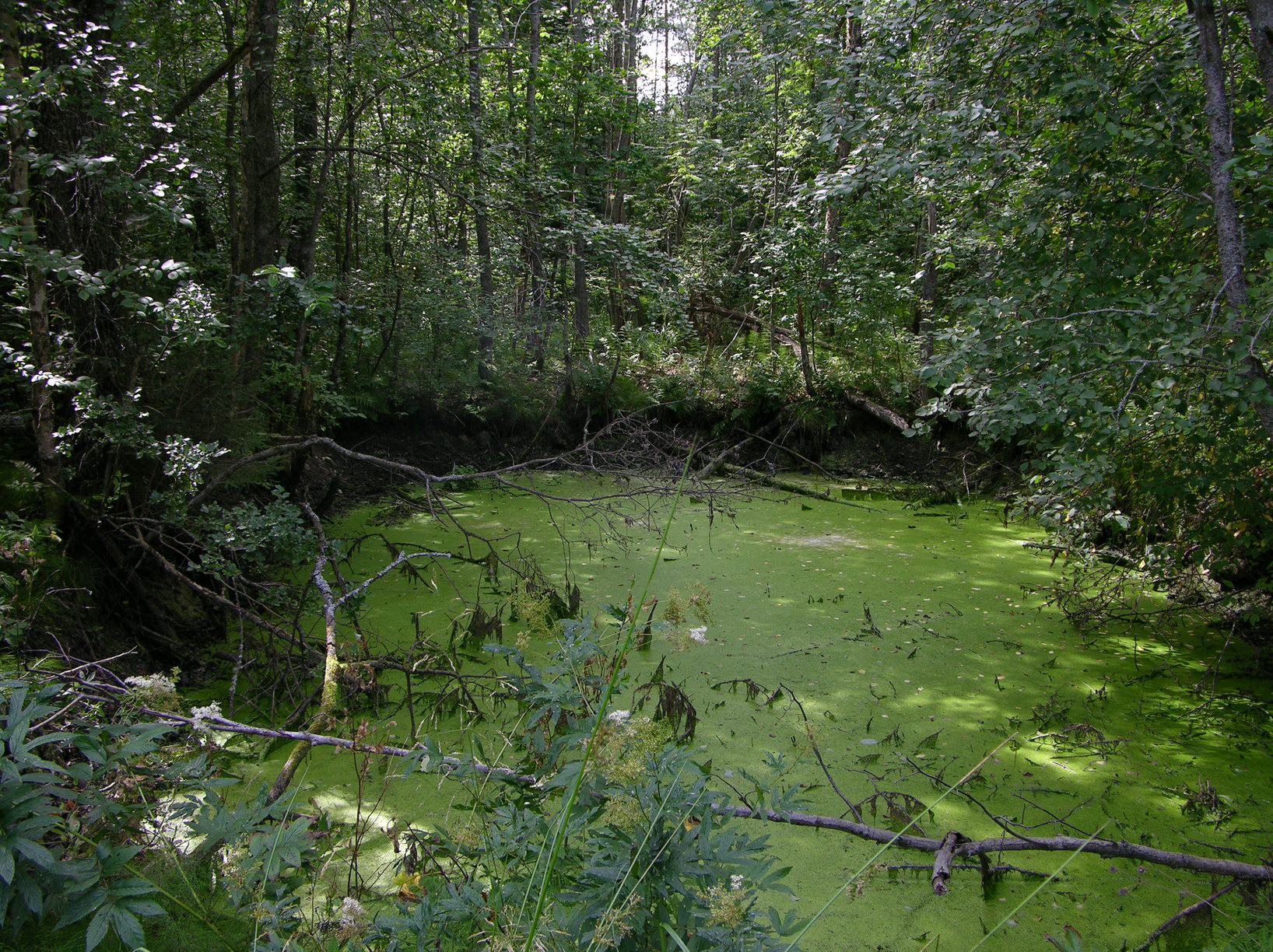
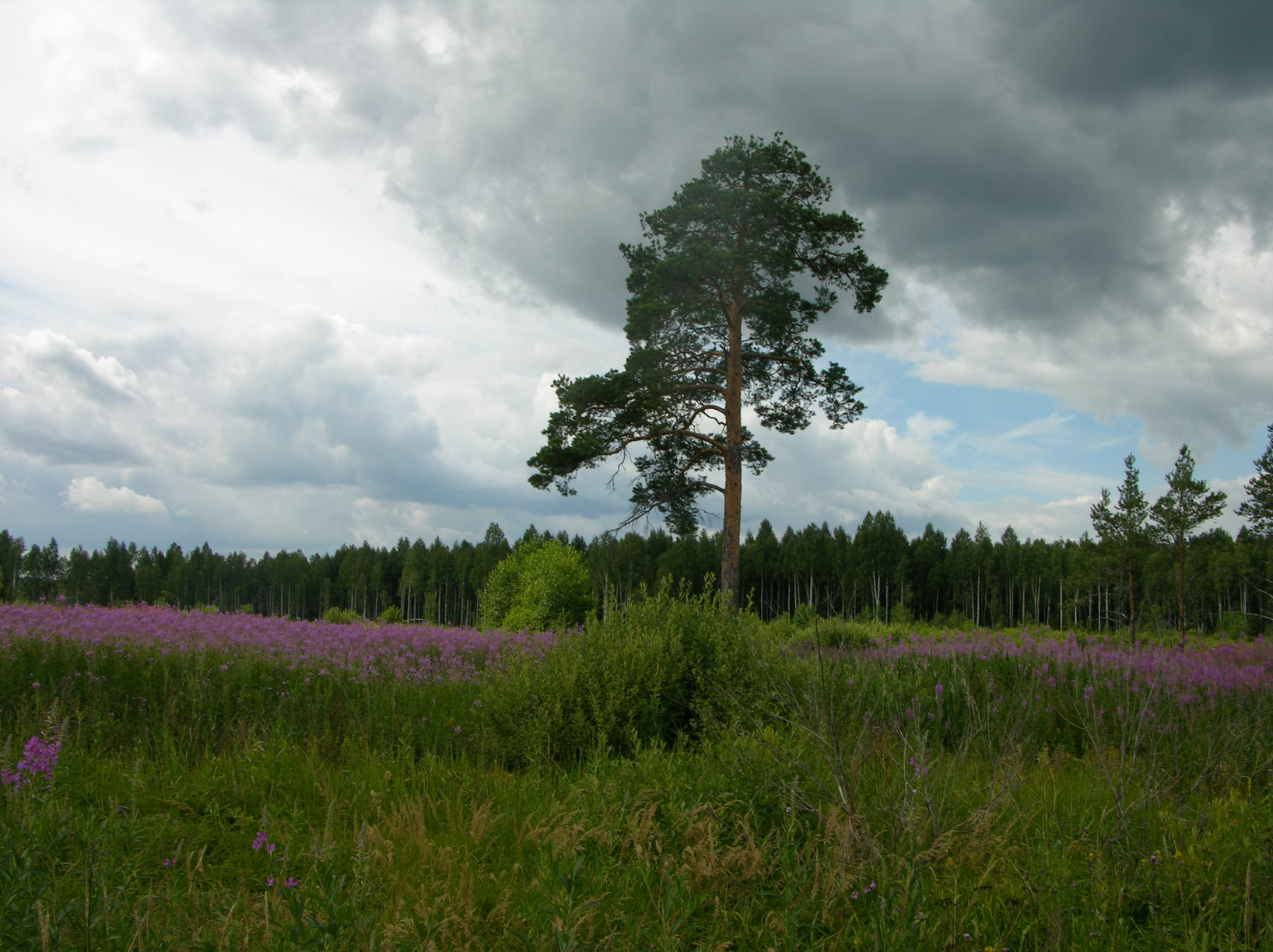
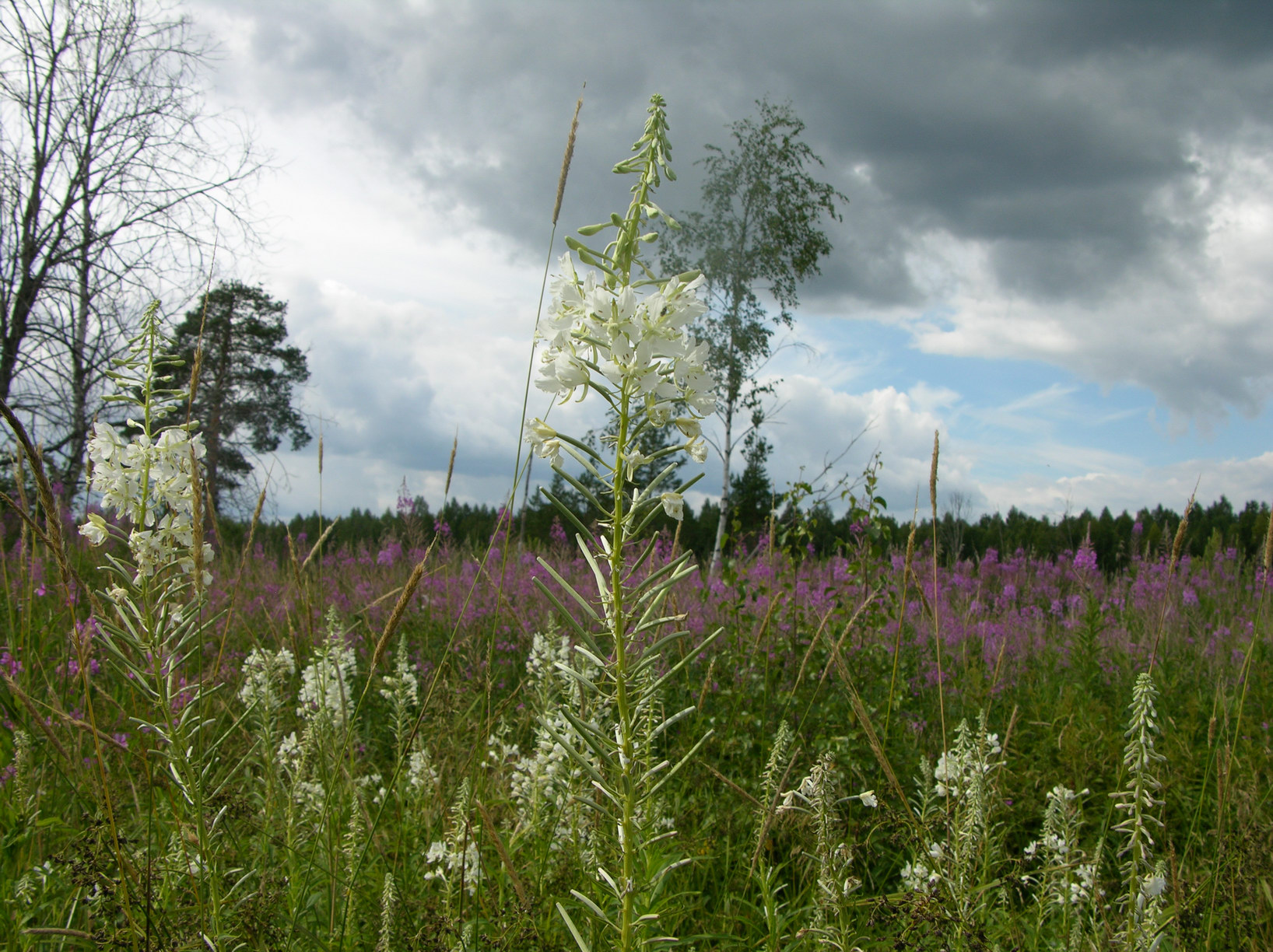
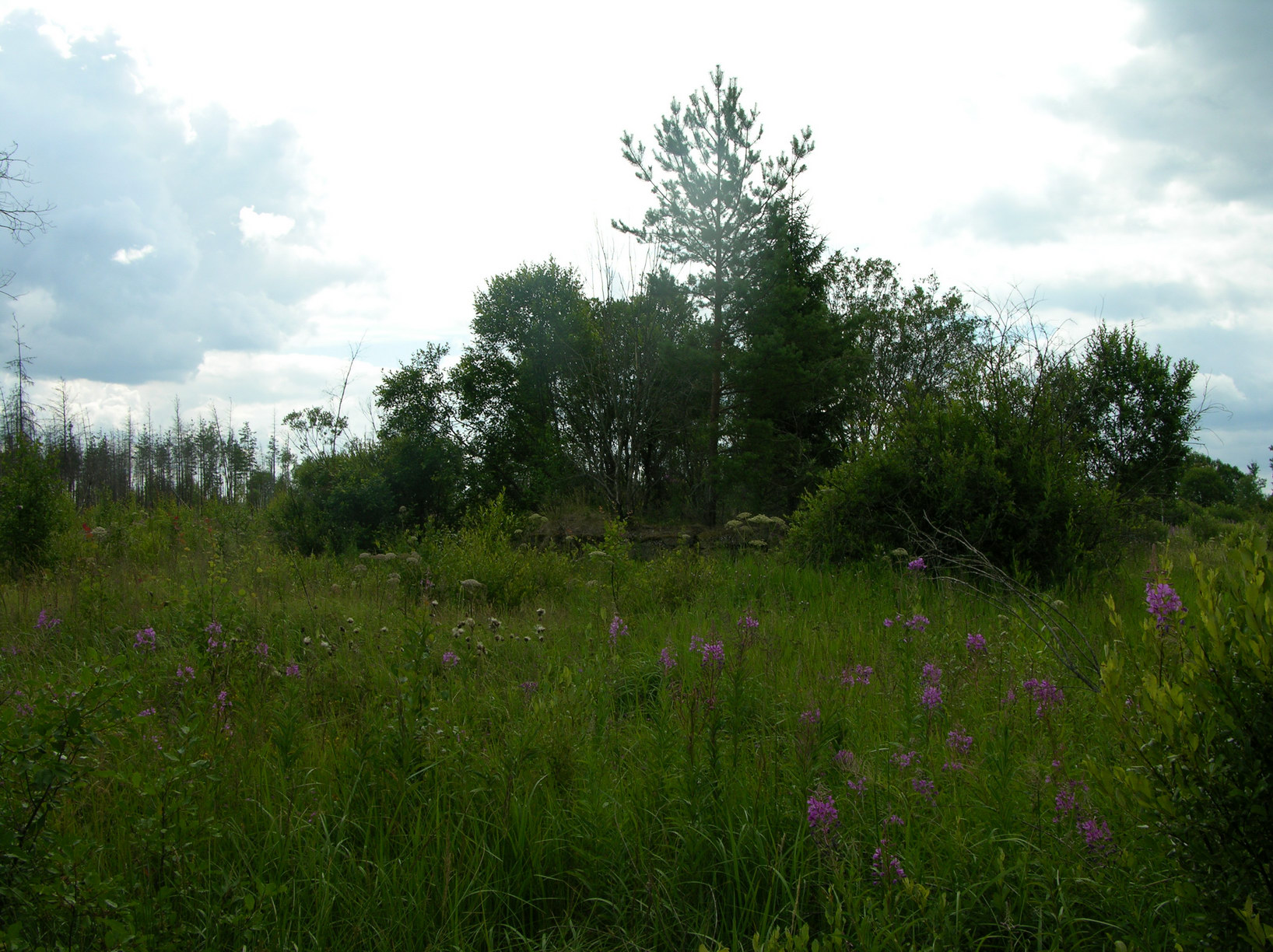
Today there are a few little sheds here used by hunters, but the settlement has a much older history. Before the war with Sweden and the reign of Peter I, the Ivangorod road crossed the border here. A boundary stone survives from that time. Three crowns are carved on the Swedish side and a cross on the Russian side.
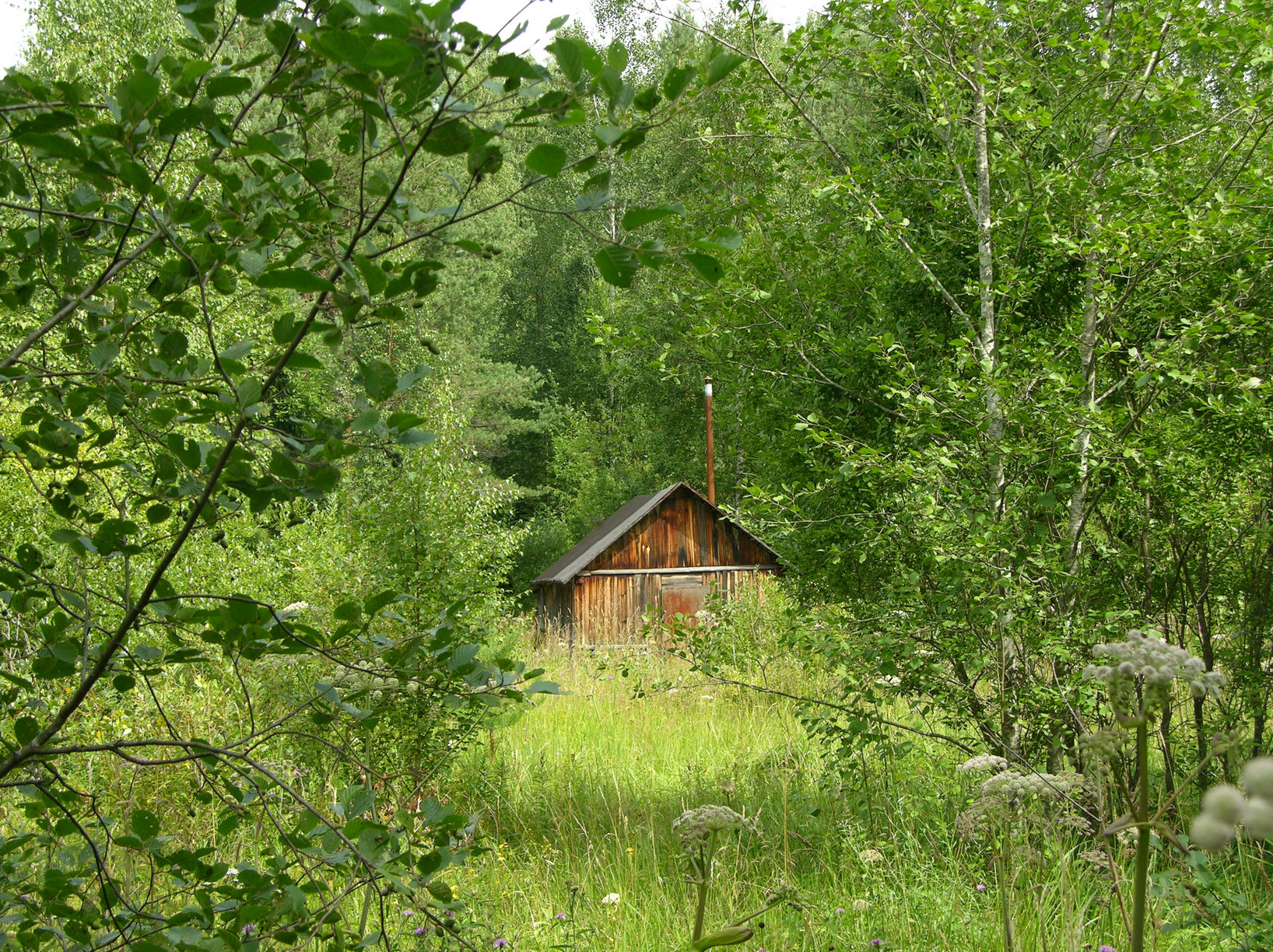
There used to be a customs post here. I would love to search the bushes with a metal detector. Perhaps some merchant hid a sack of gold here.
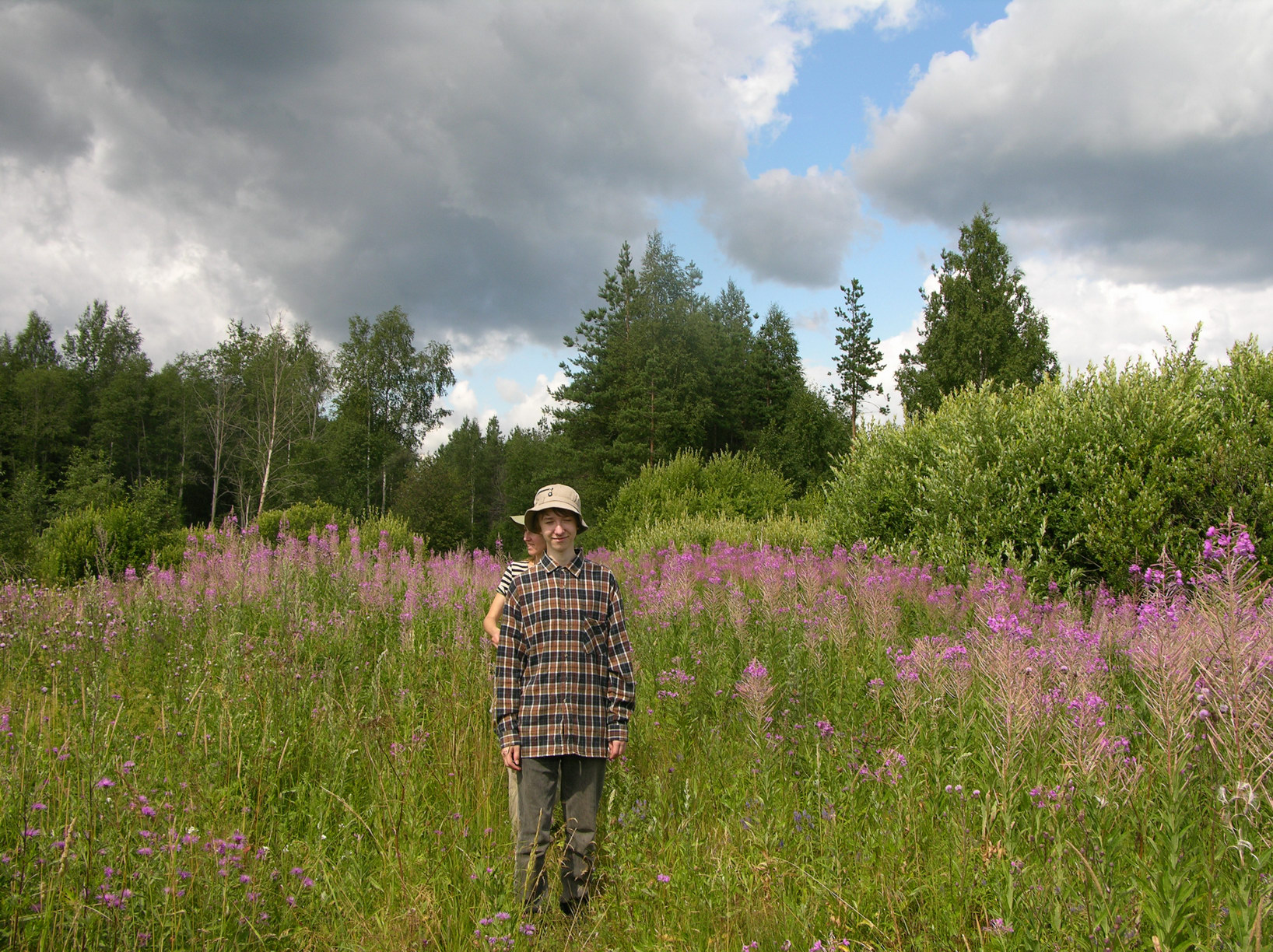
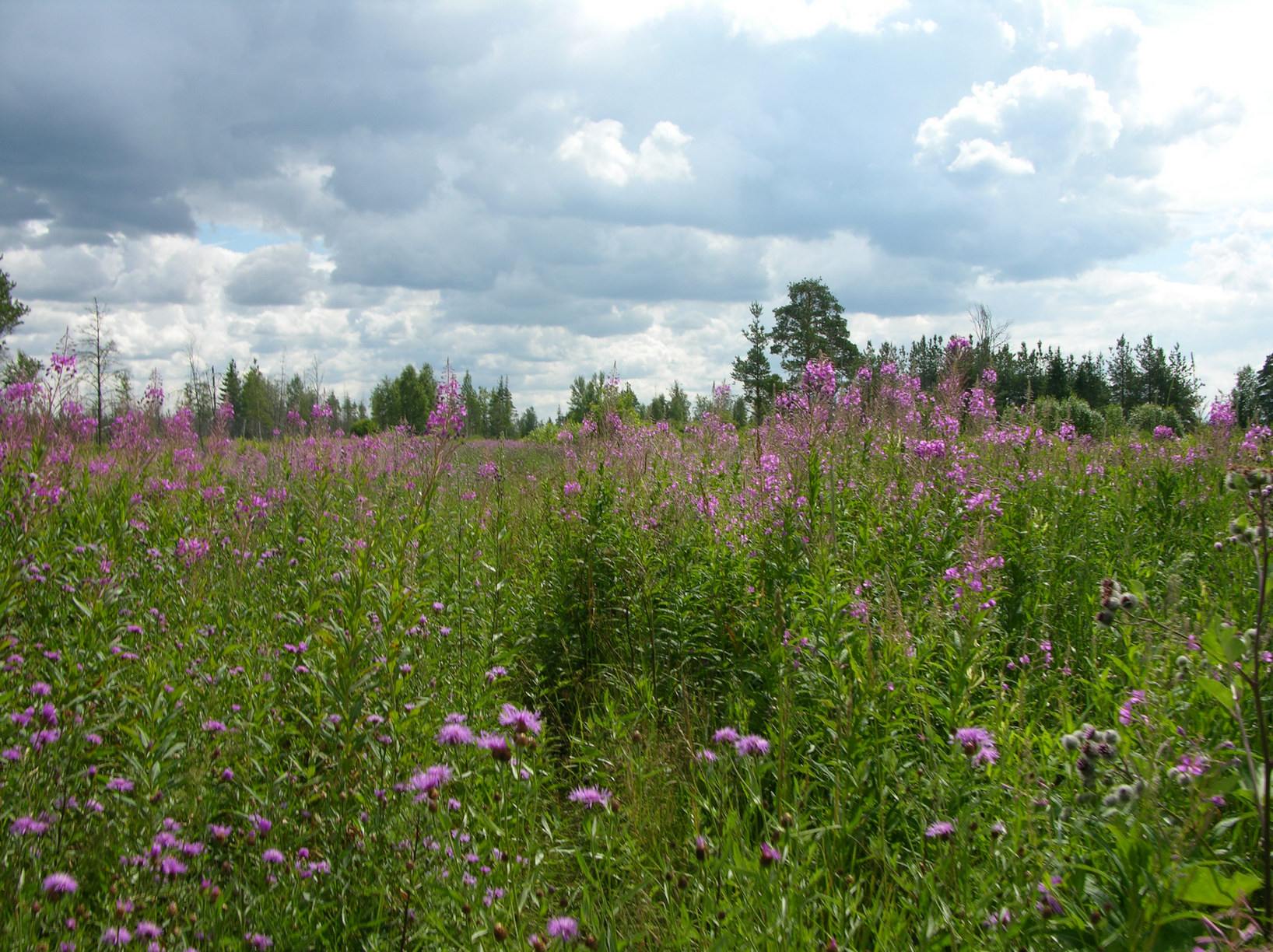
The trouble is that everything here has already been dug up. People were looking for traces of the 51st Corps Artillery Regiment (in Russian), which passed through Staroye Boloto around 9 September 1941 as it retreated from the Luga defensive line.
The peat workings left just as much scrap metal behind.
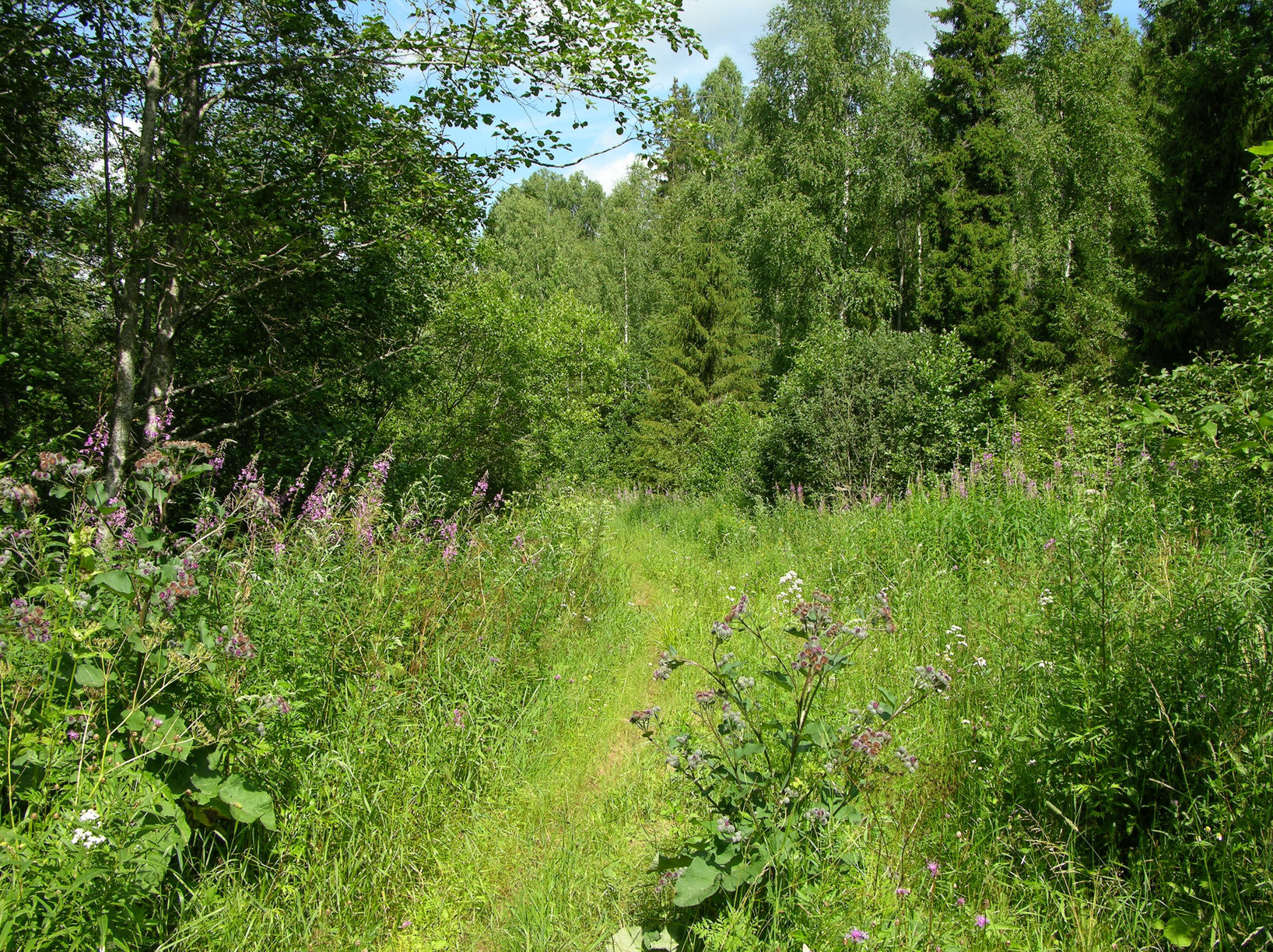
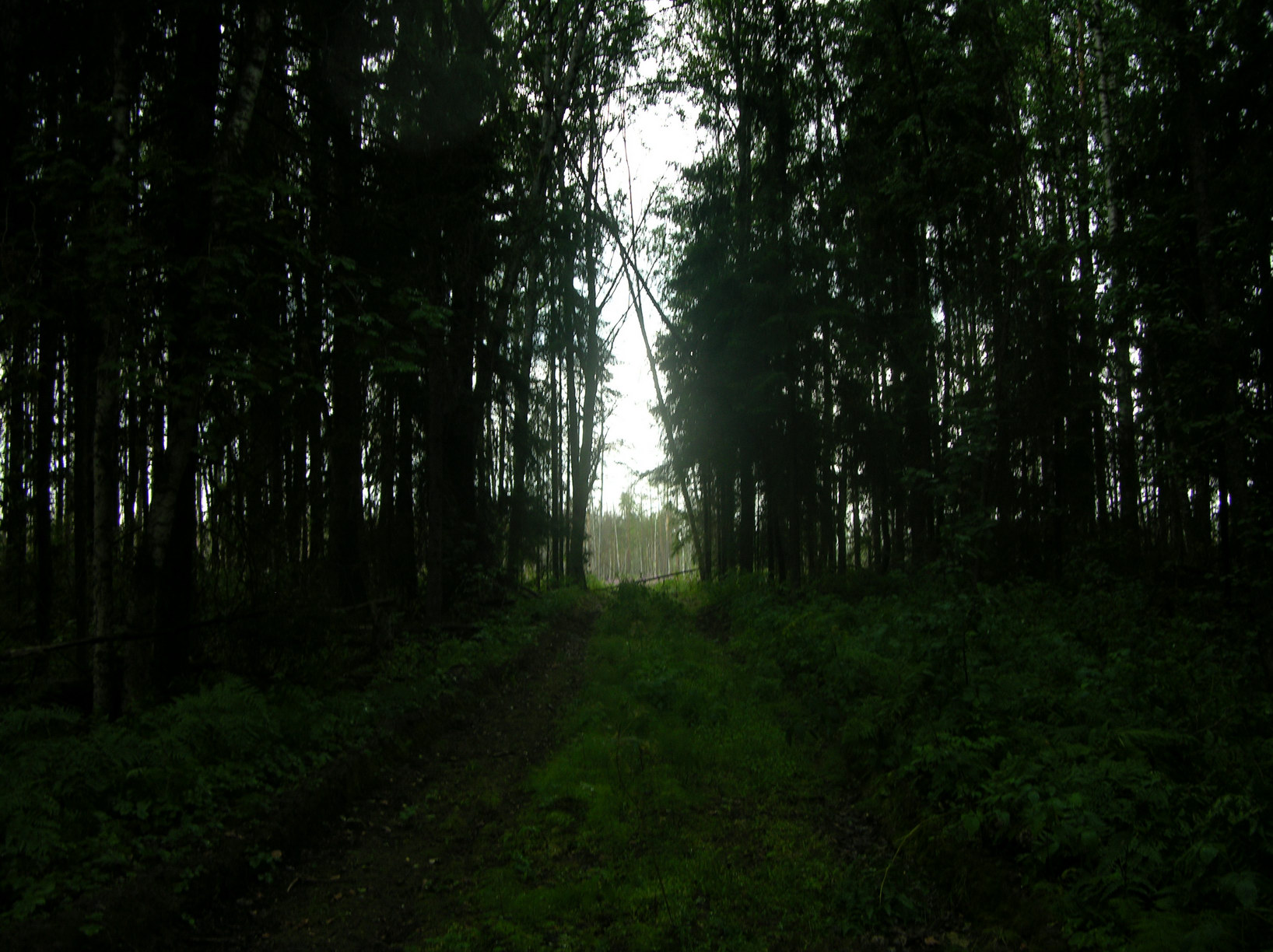
The section of the Ivangorod road south of Staroye Boloto as far as Chashcha is overgrown and blocked by fallen trees, especially since the 1992 forest fire. Before the fire, in 1985, I rode my bicycle along it. It was autumn and the water had frozen in the huge ruts left by heavy equipment in September 1941. Before the war, this part had wood-block paving, while the village streets were cobbled.
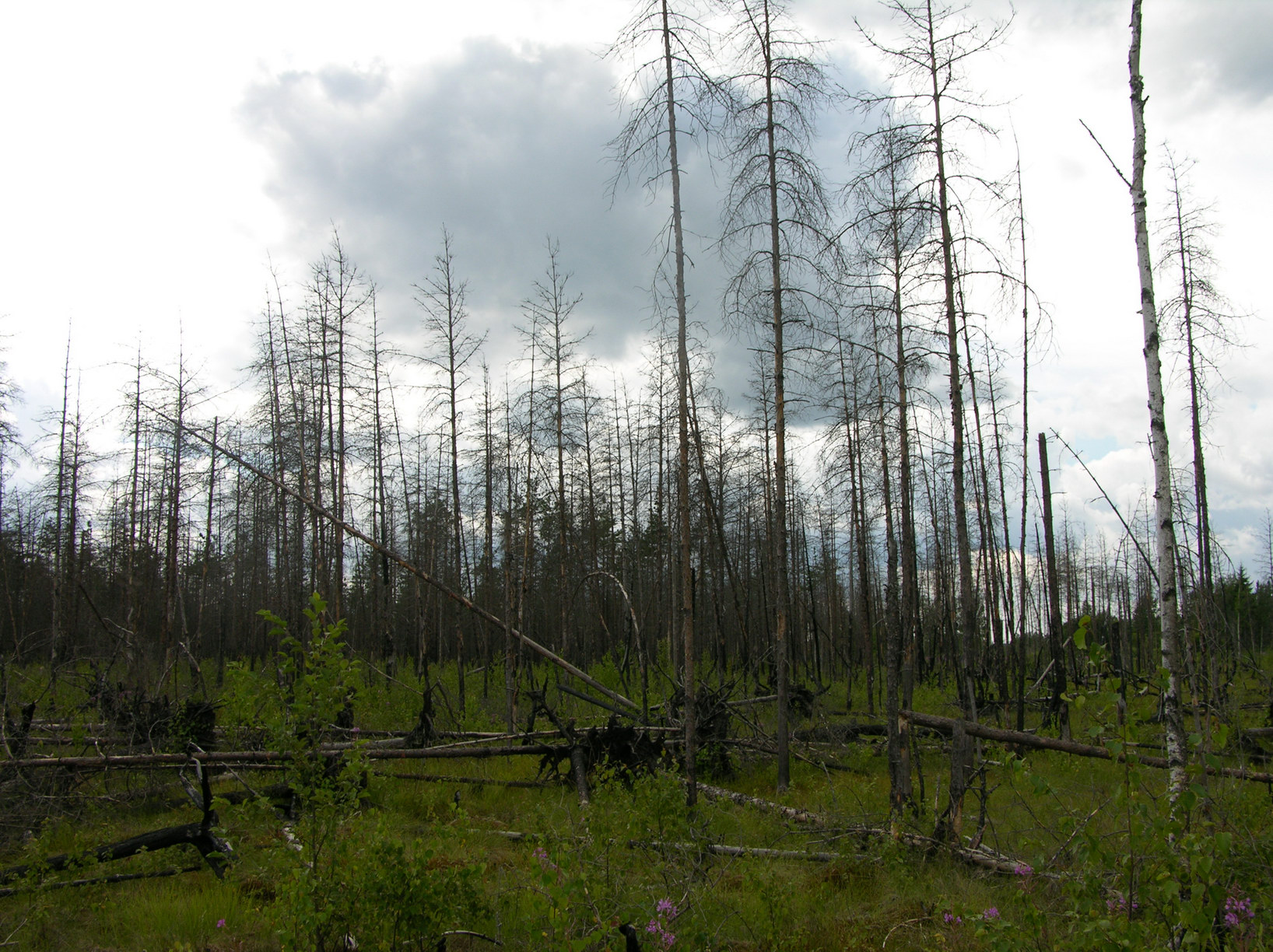
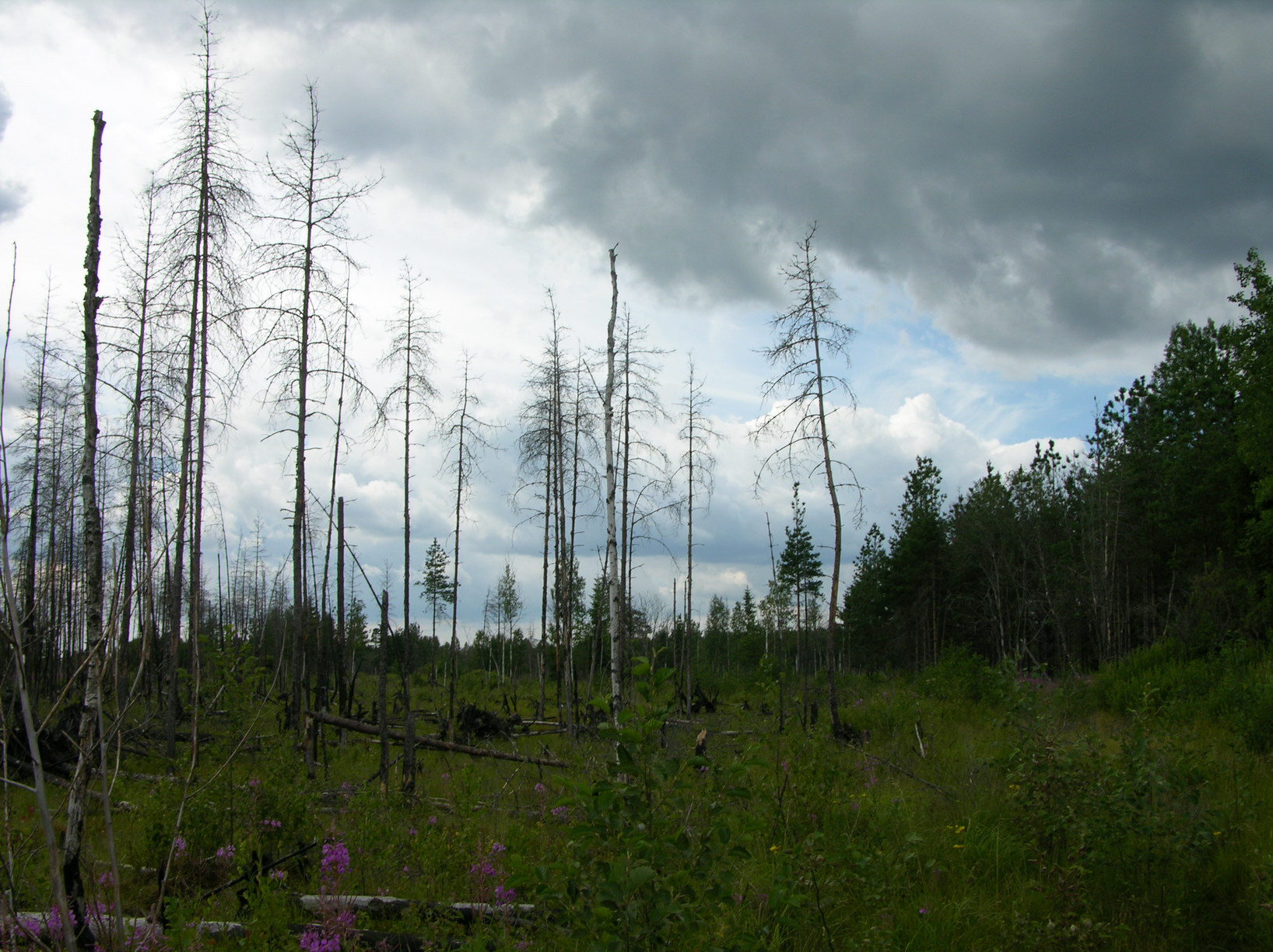
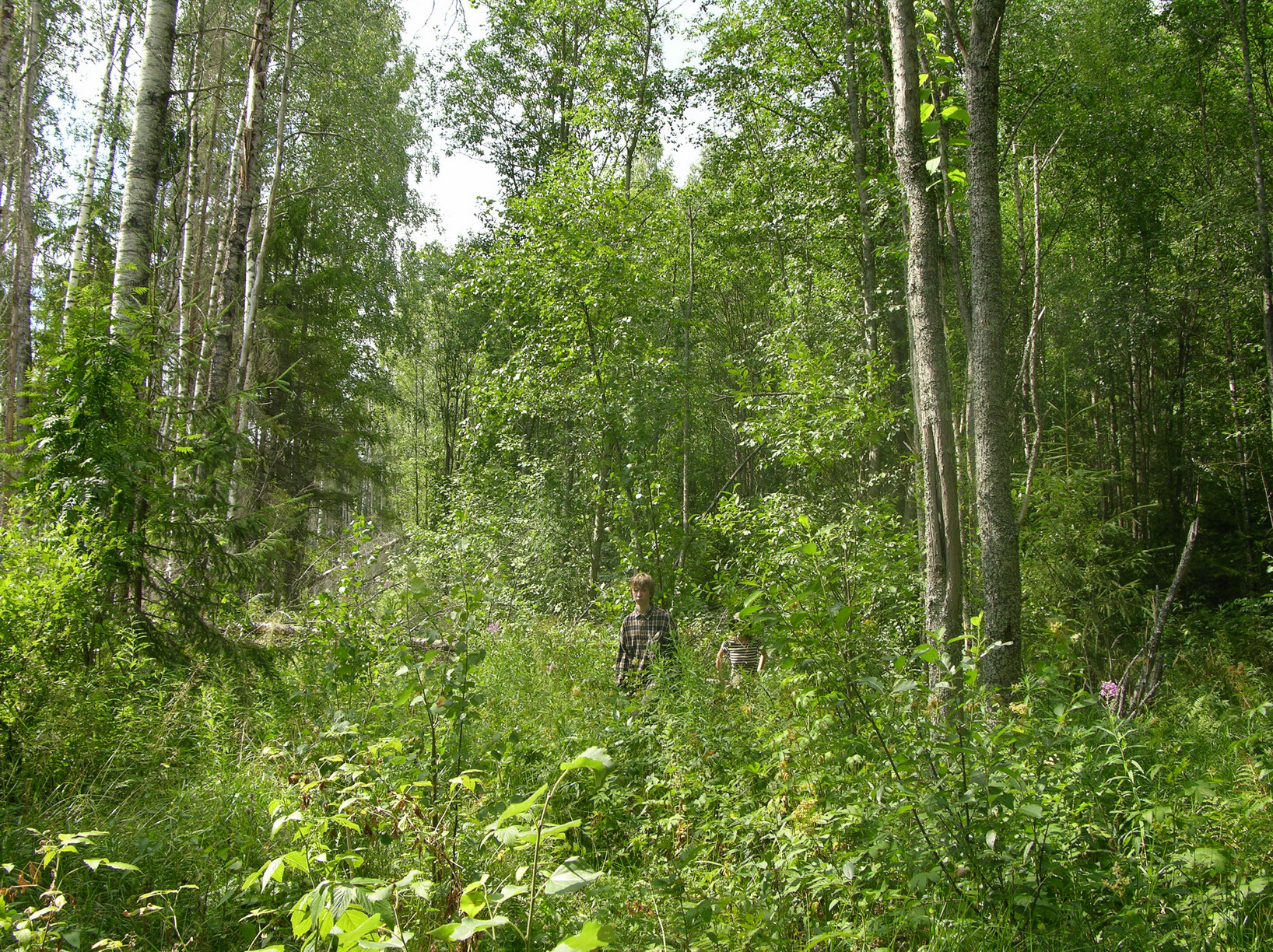
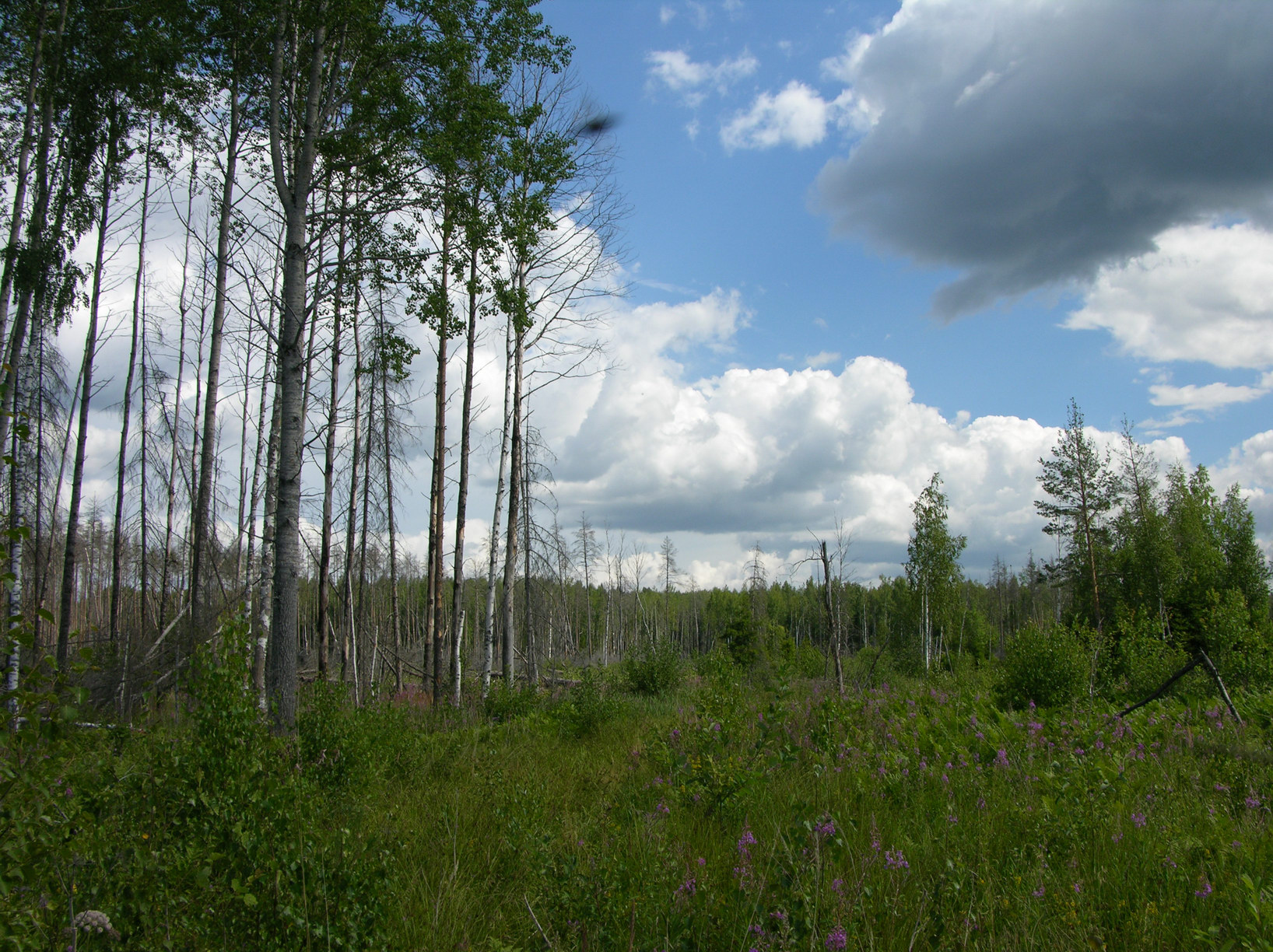
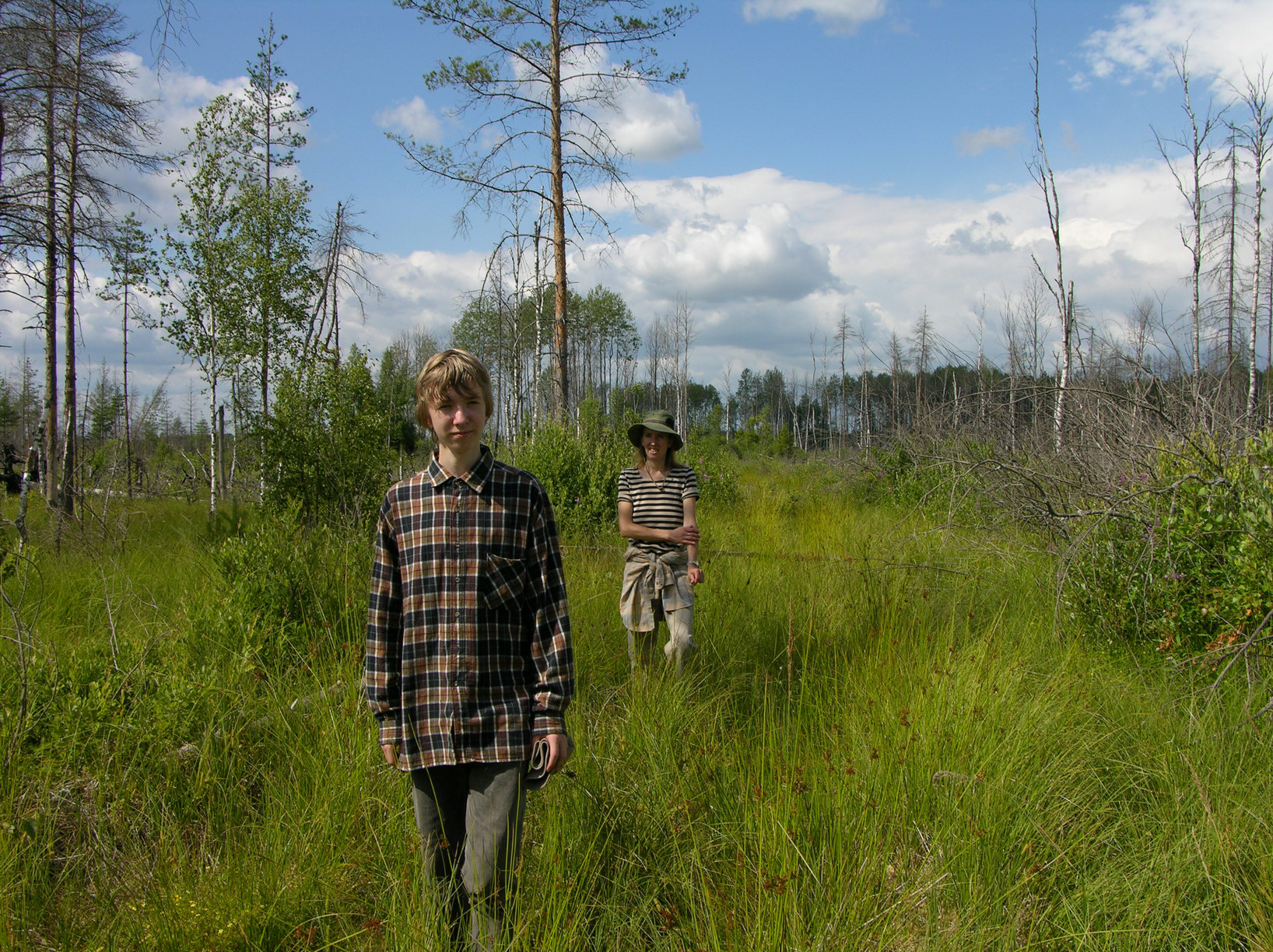
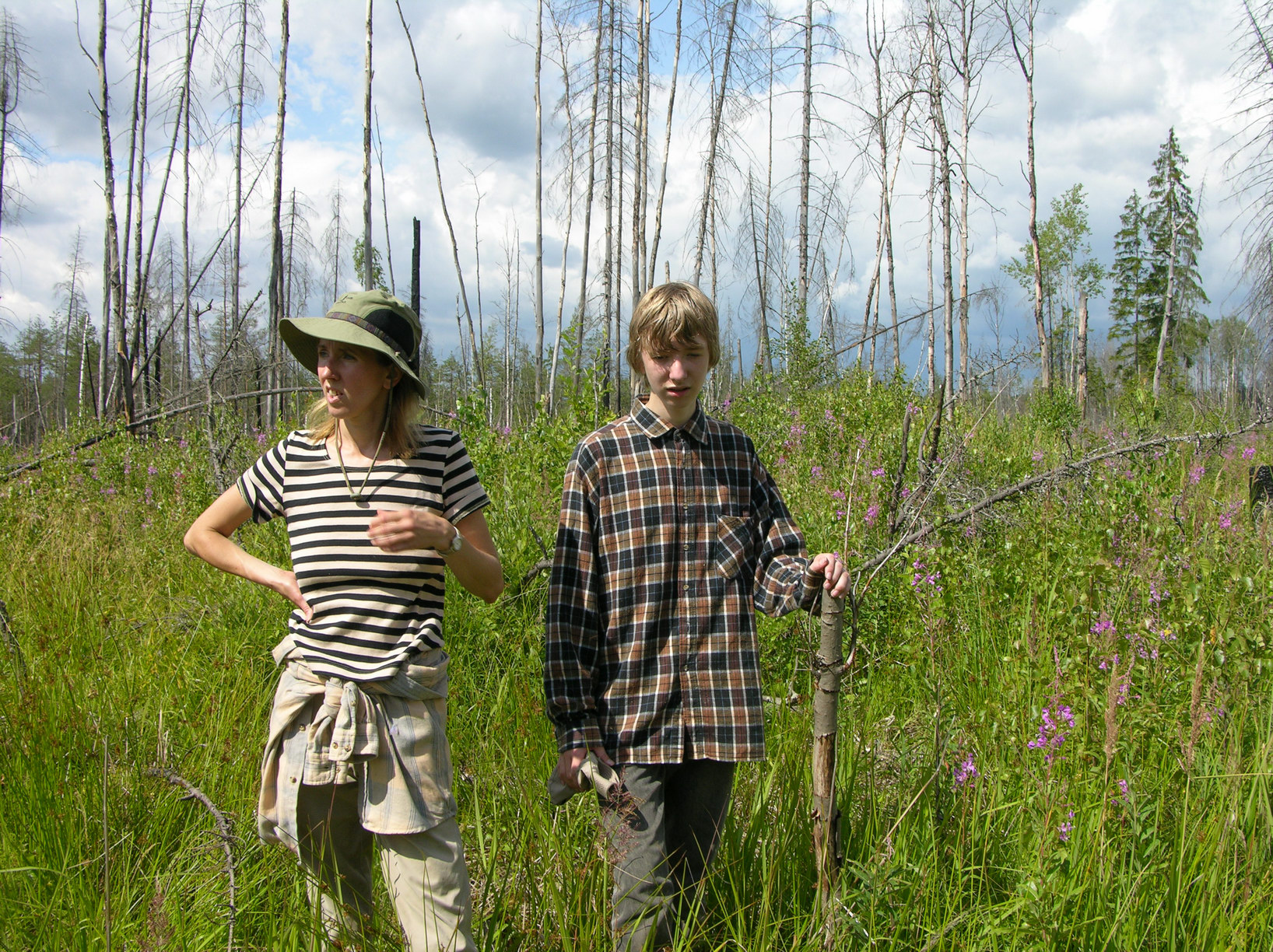
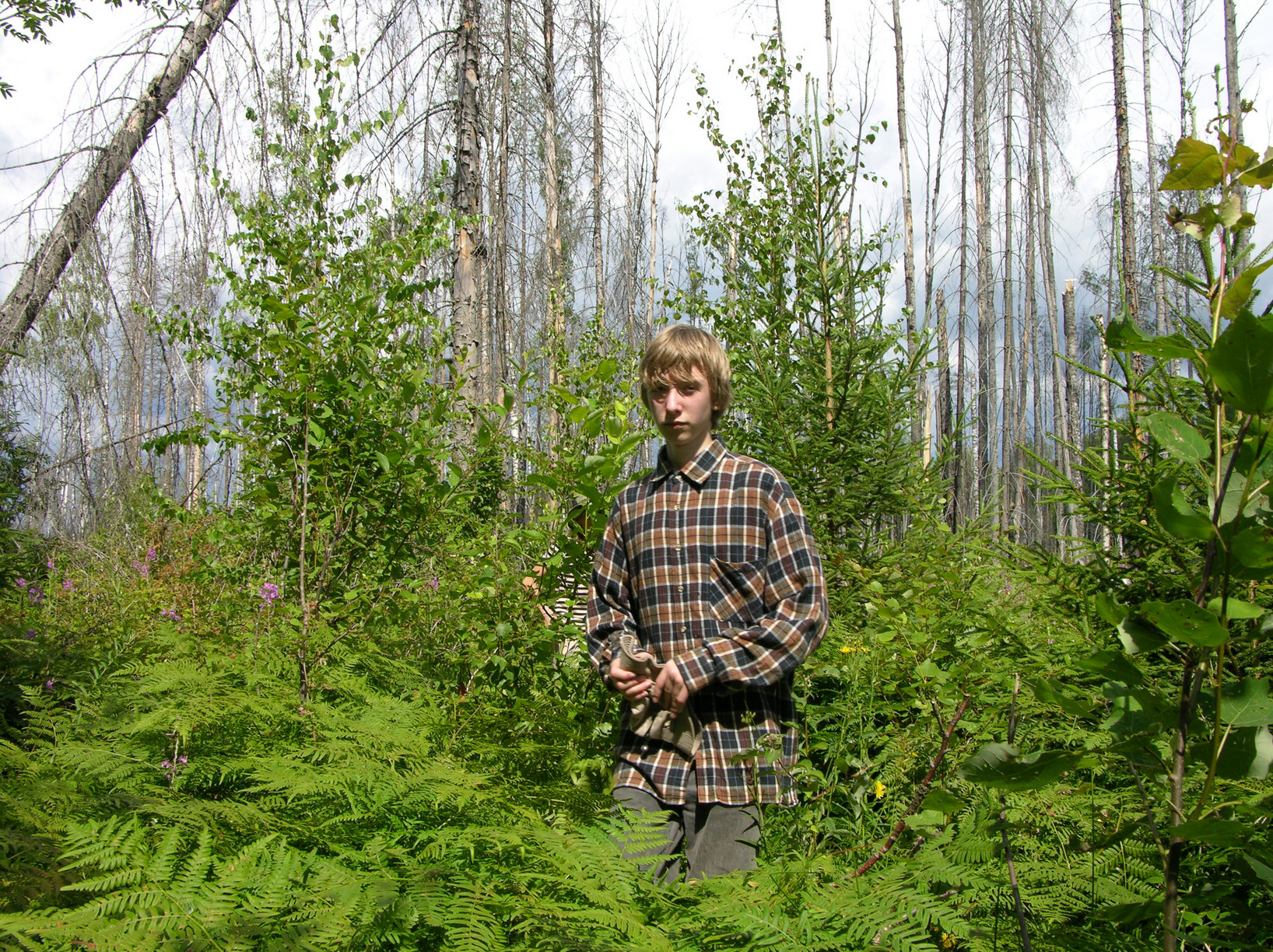
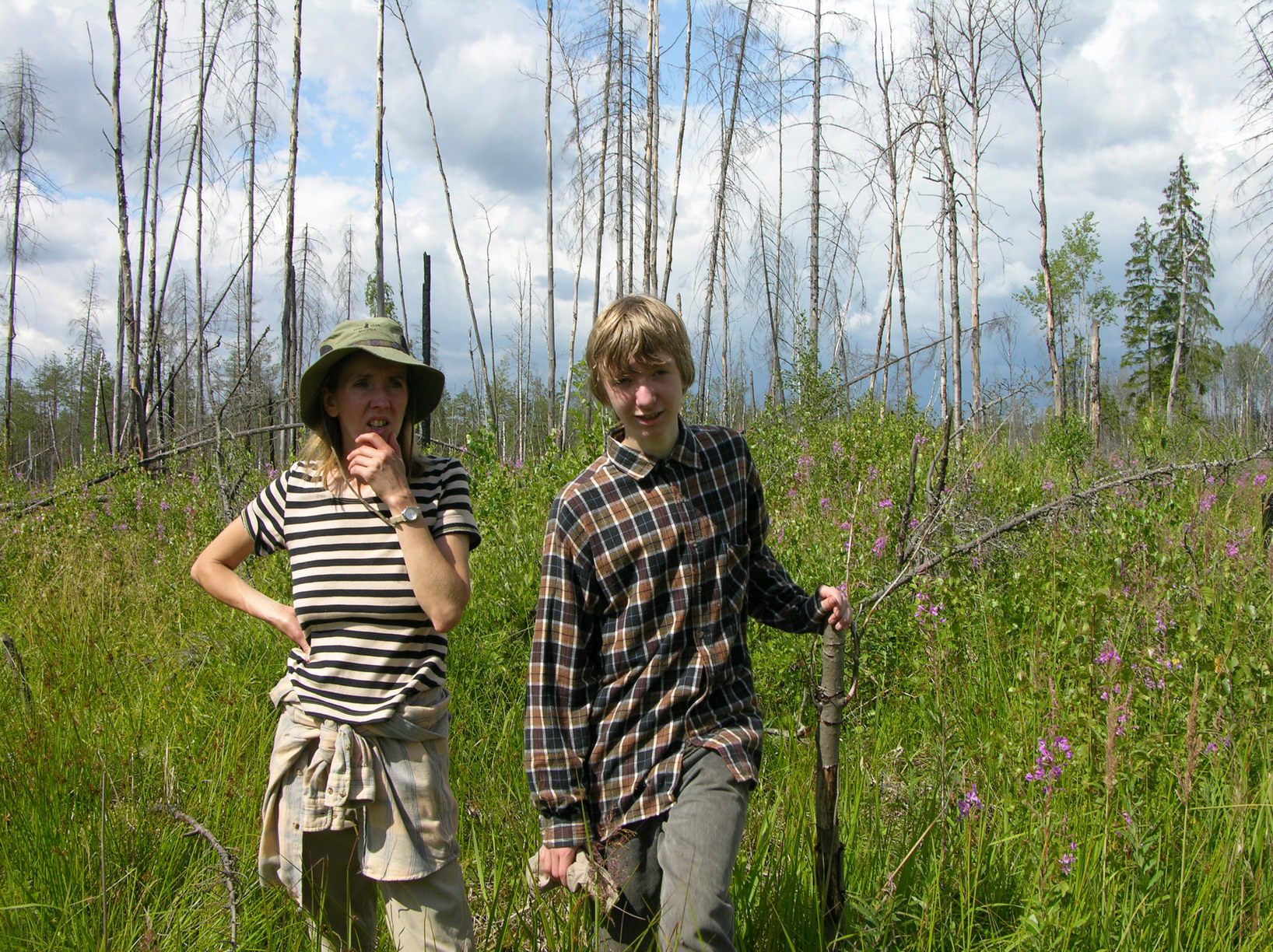
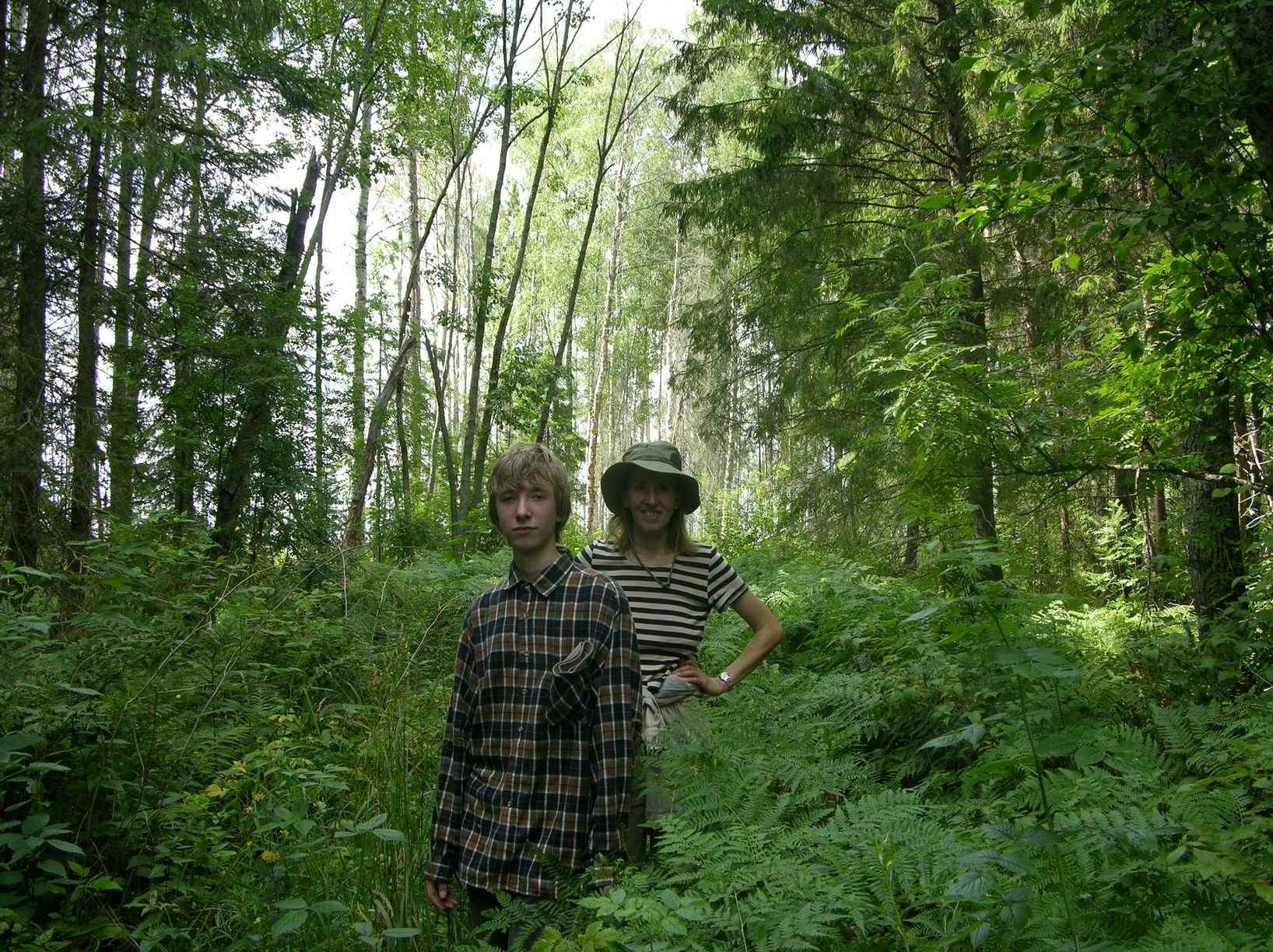
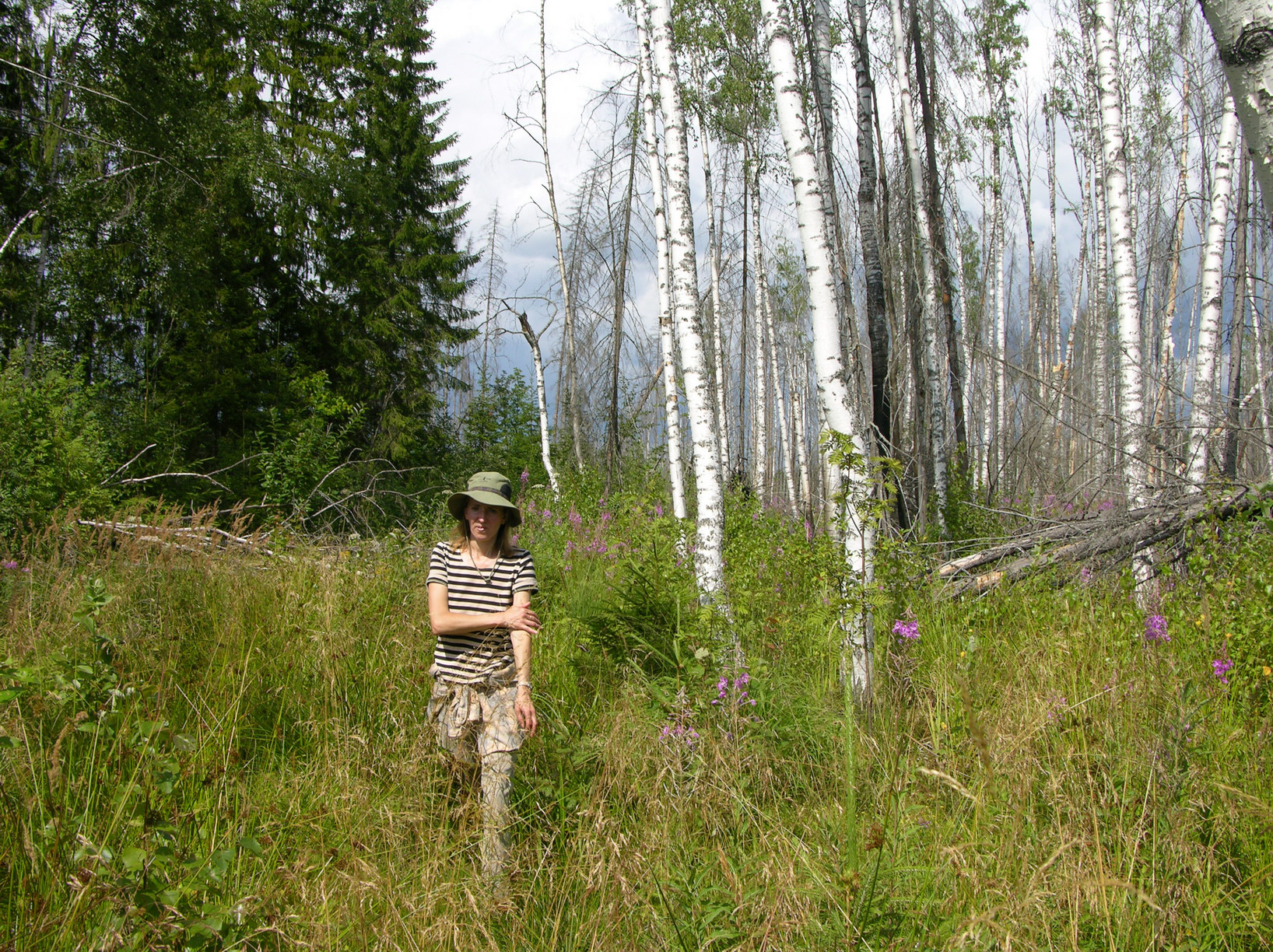
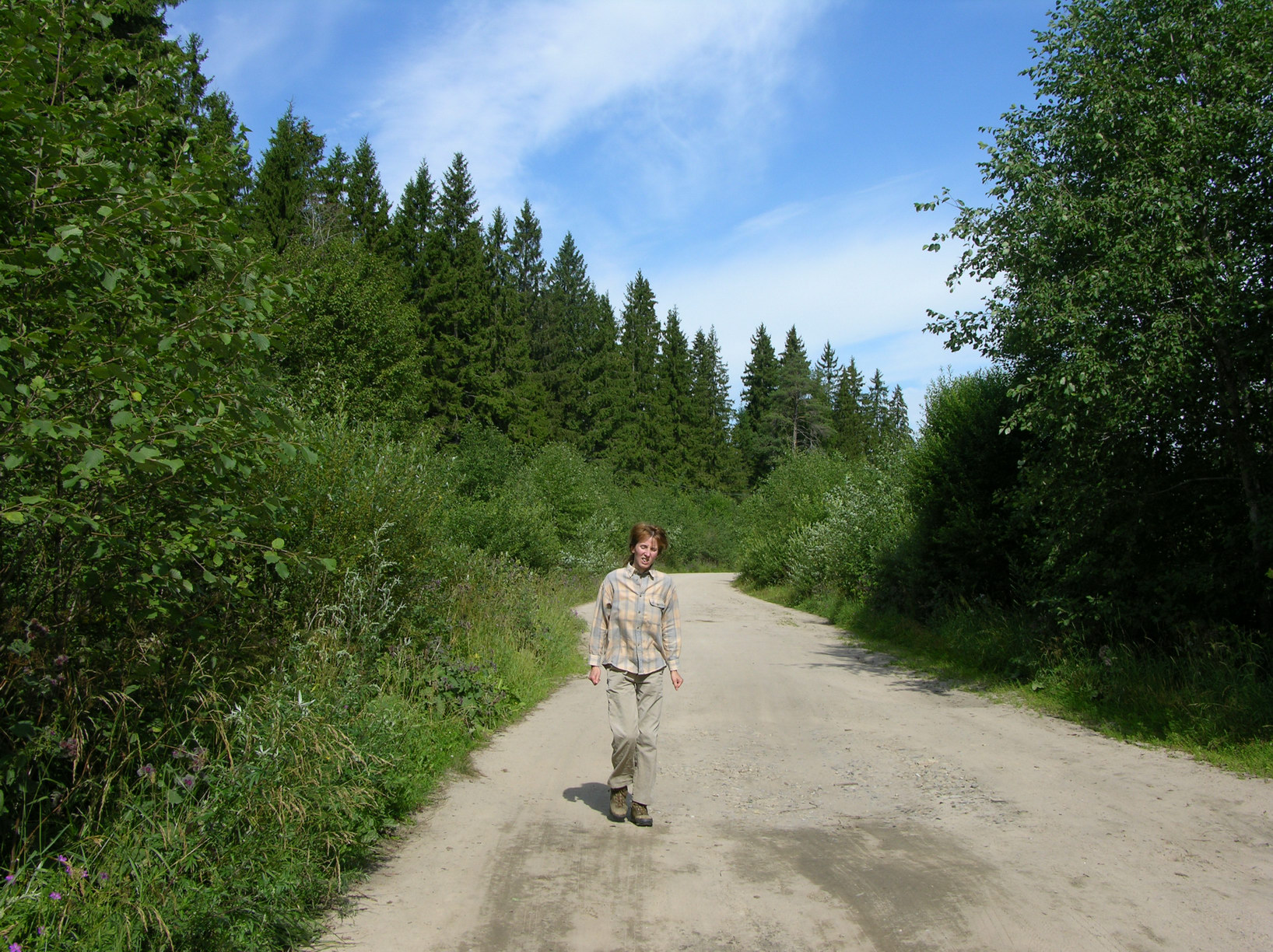
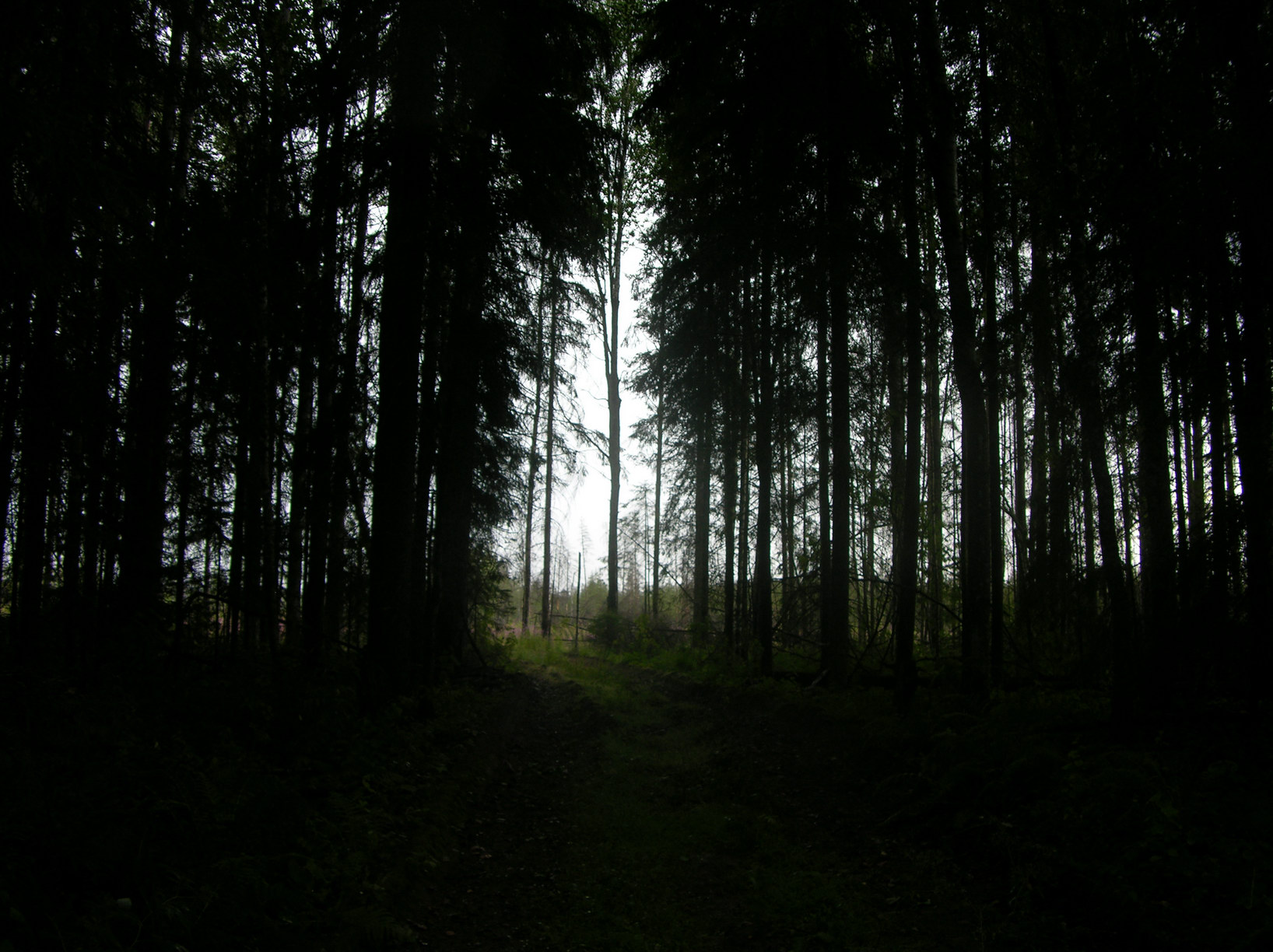
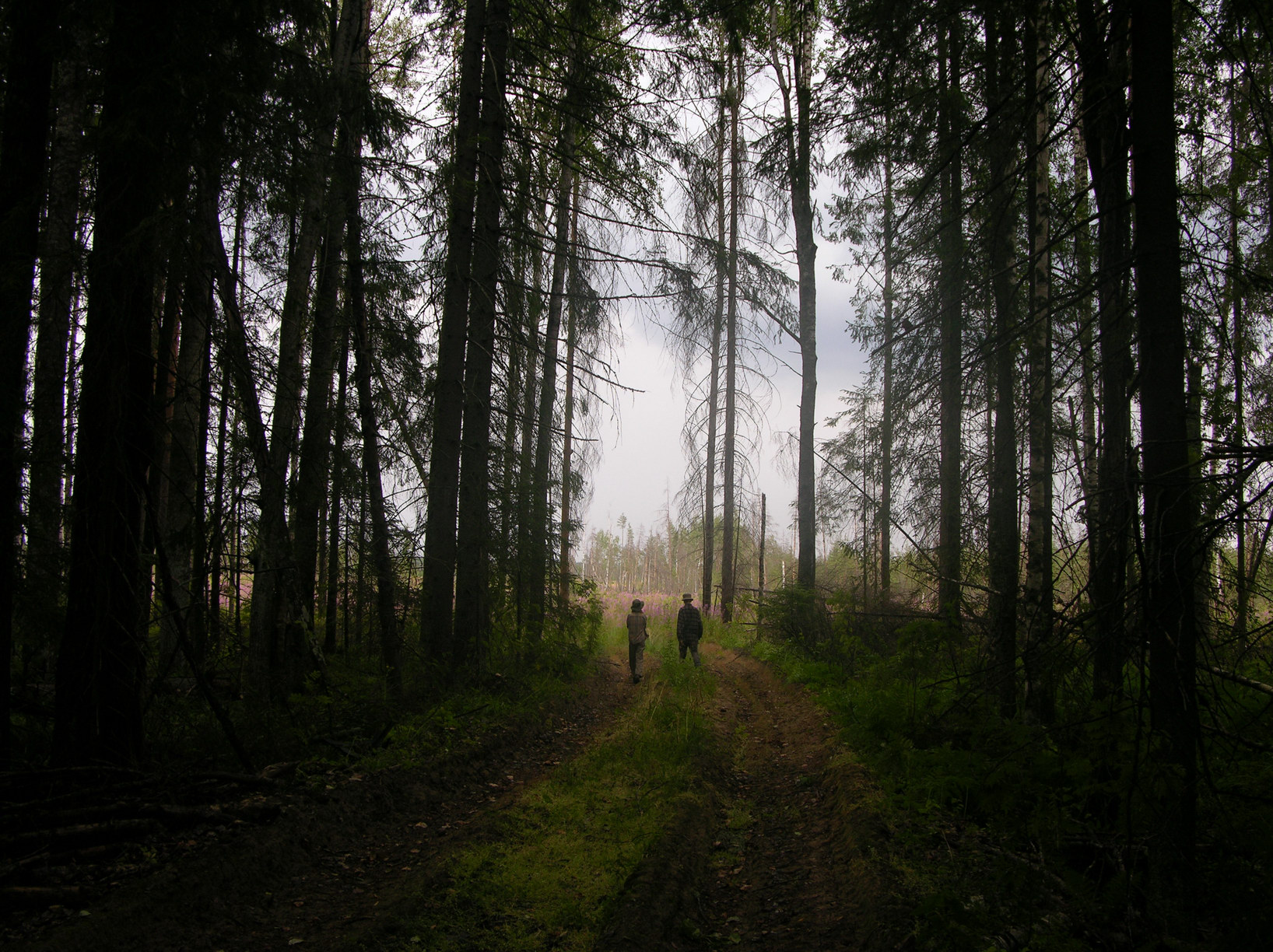
It is hard going for the first few kilometres south of Staroye Boloto. Farther along you come to a clear-cut from which runs a logging road. Walking along it is easy. The boggy stretches are surfaced with corduroy paving.
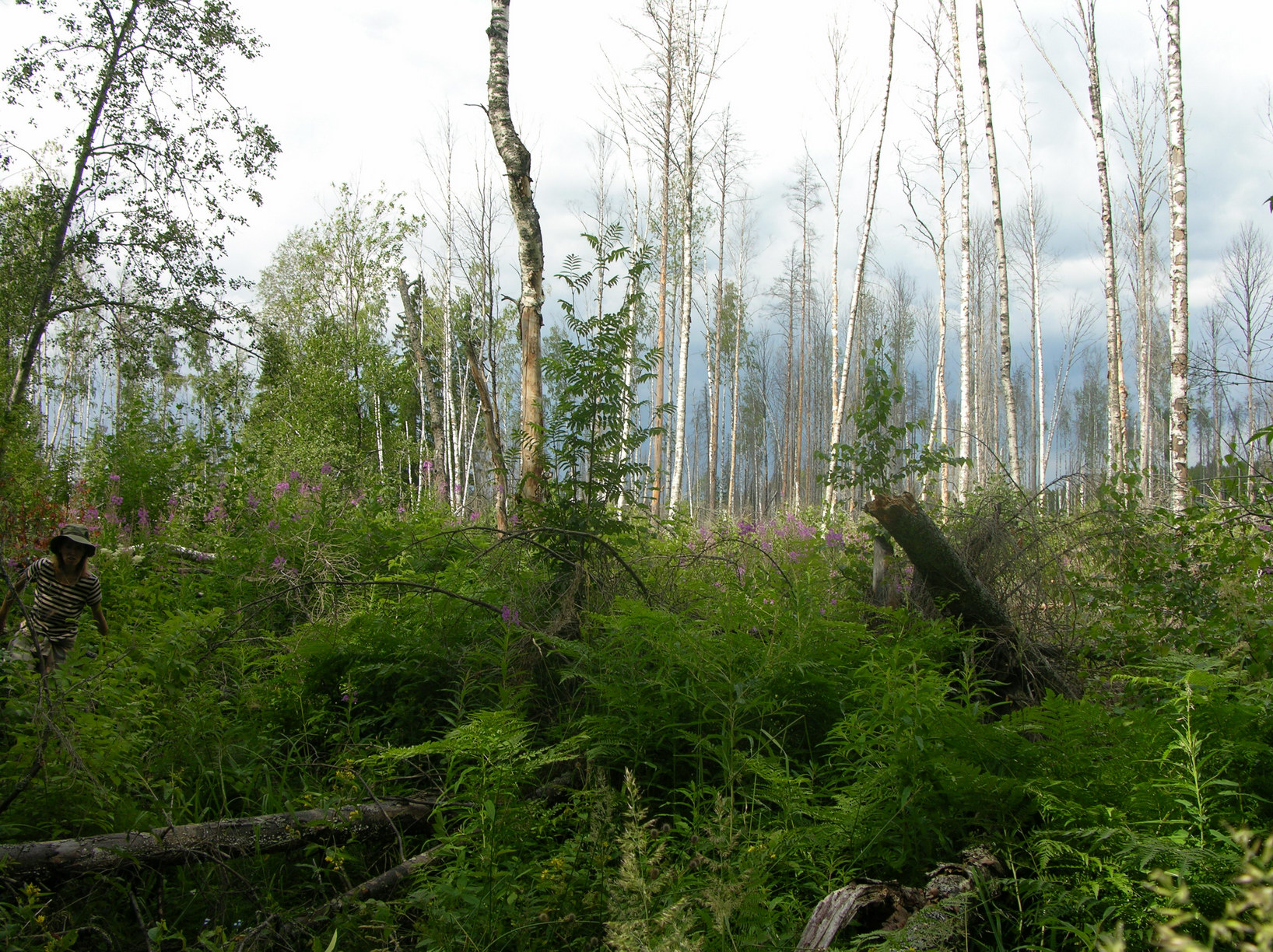
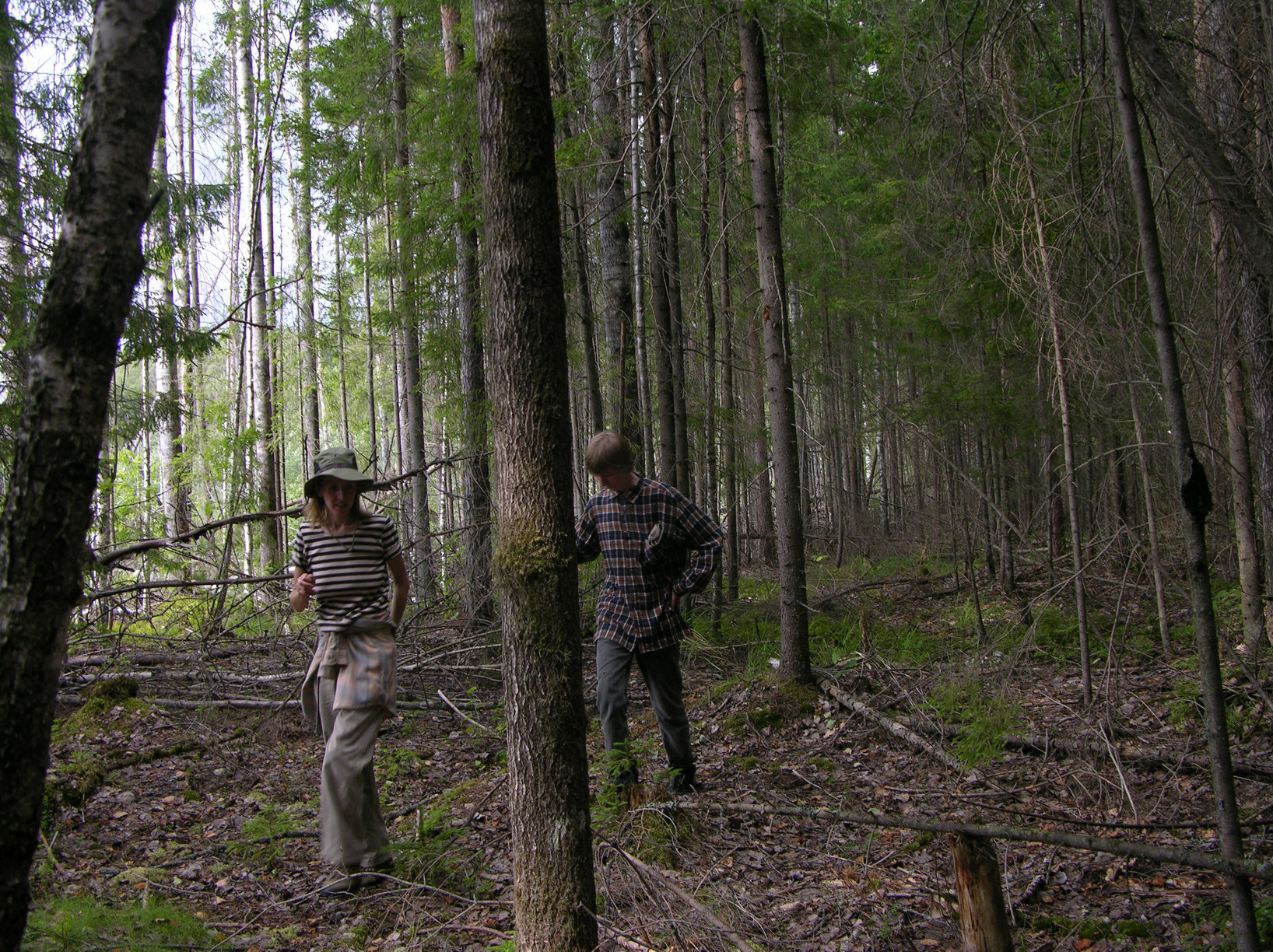
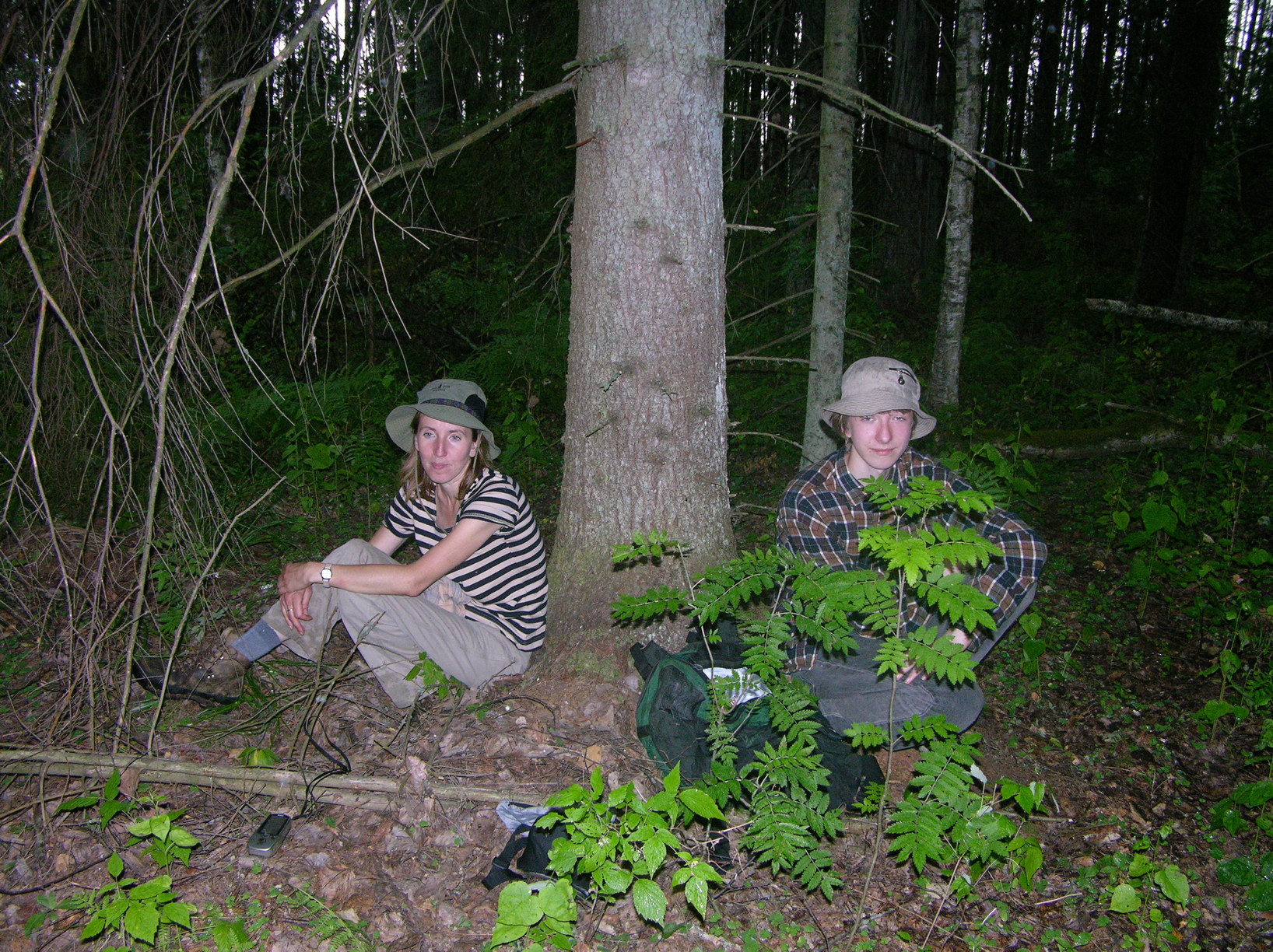
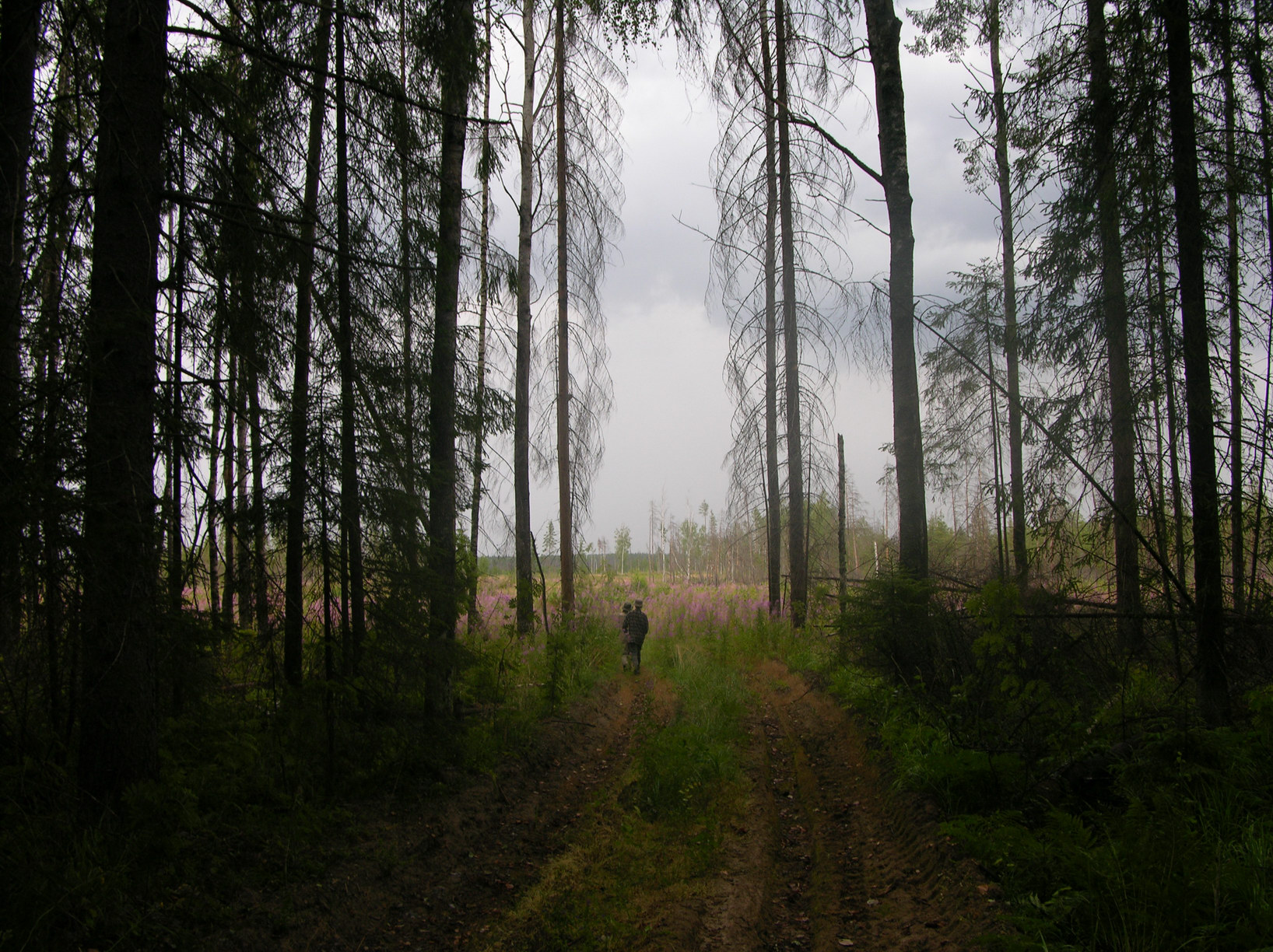
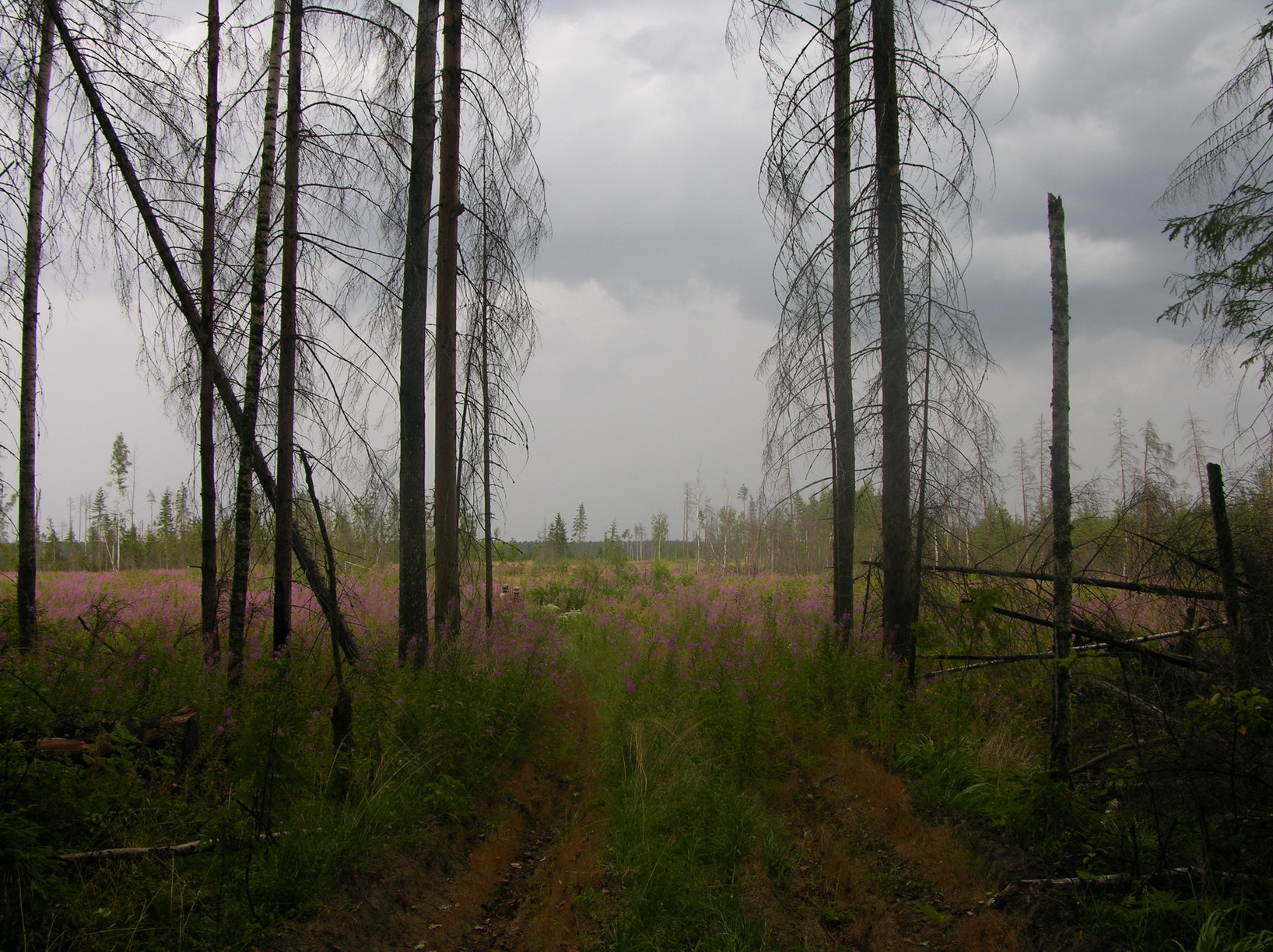
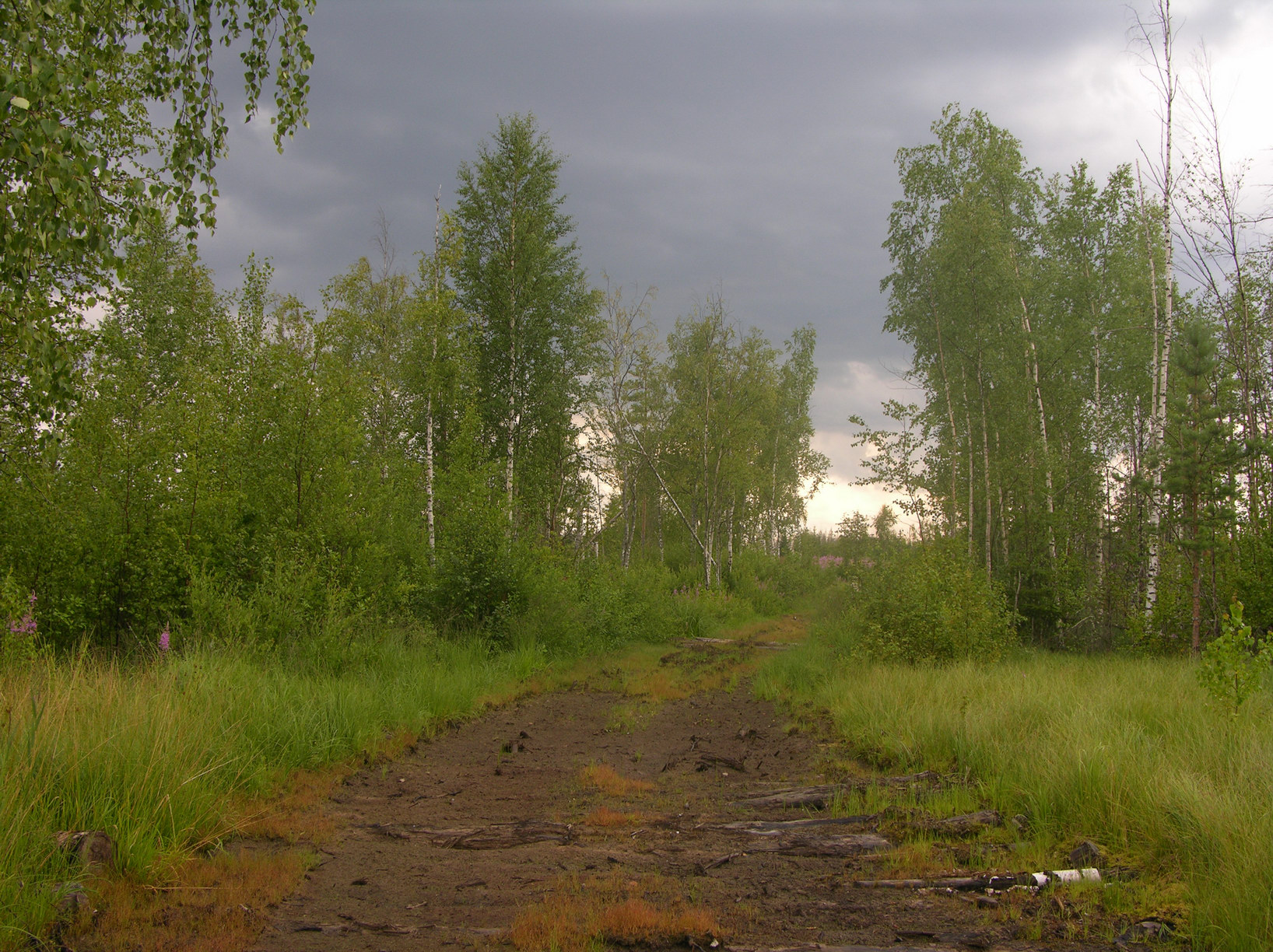
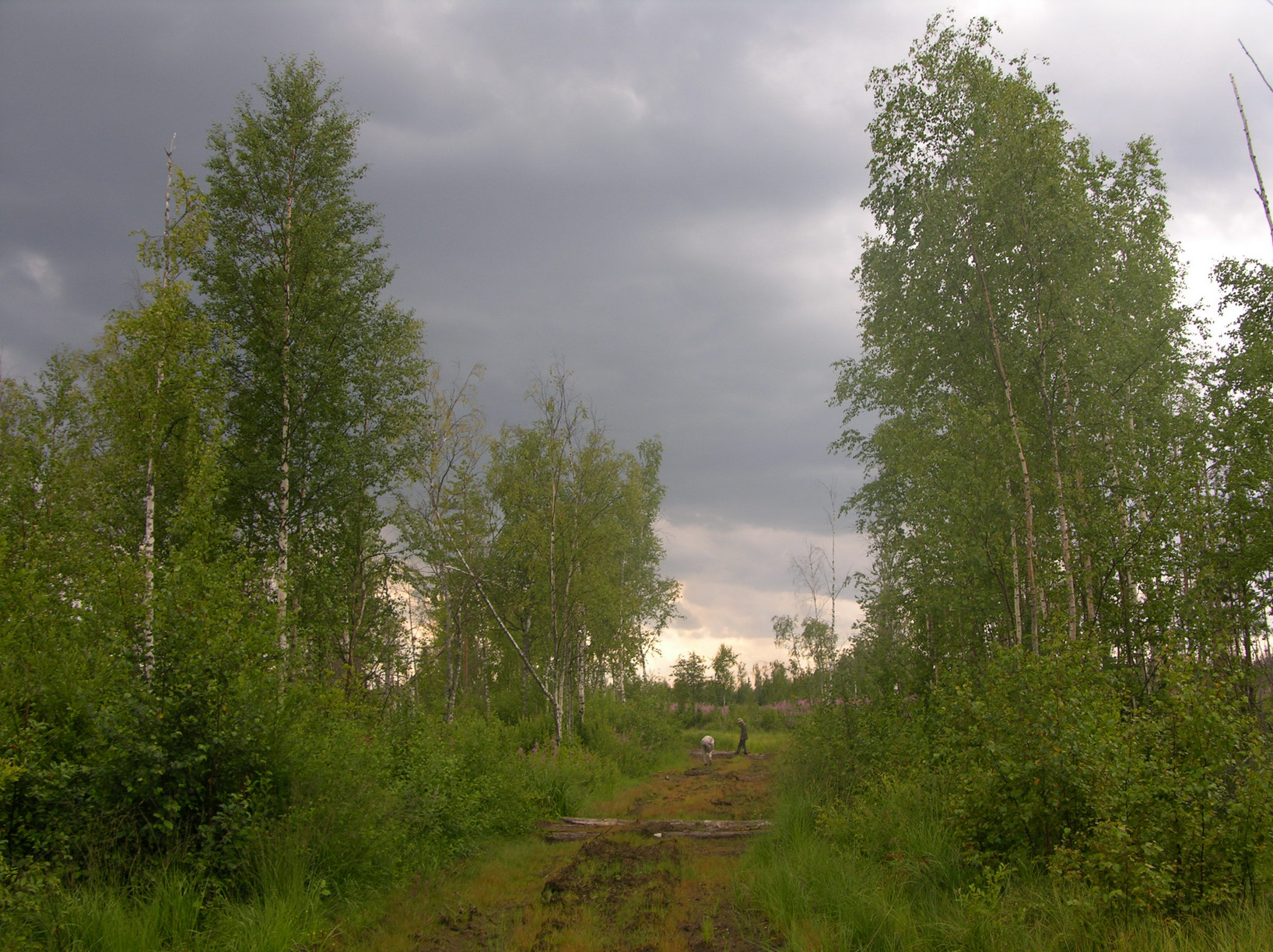
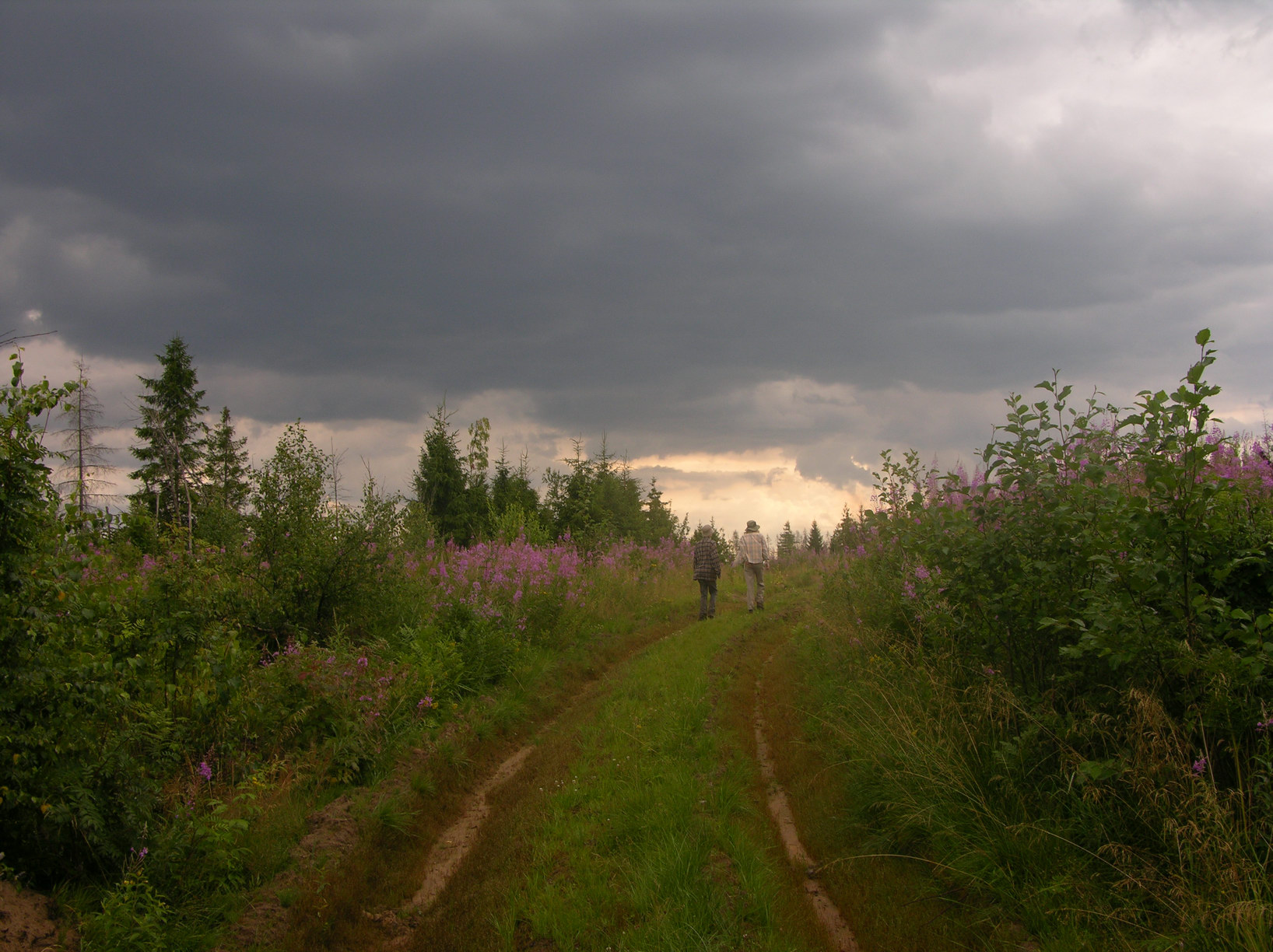
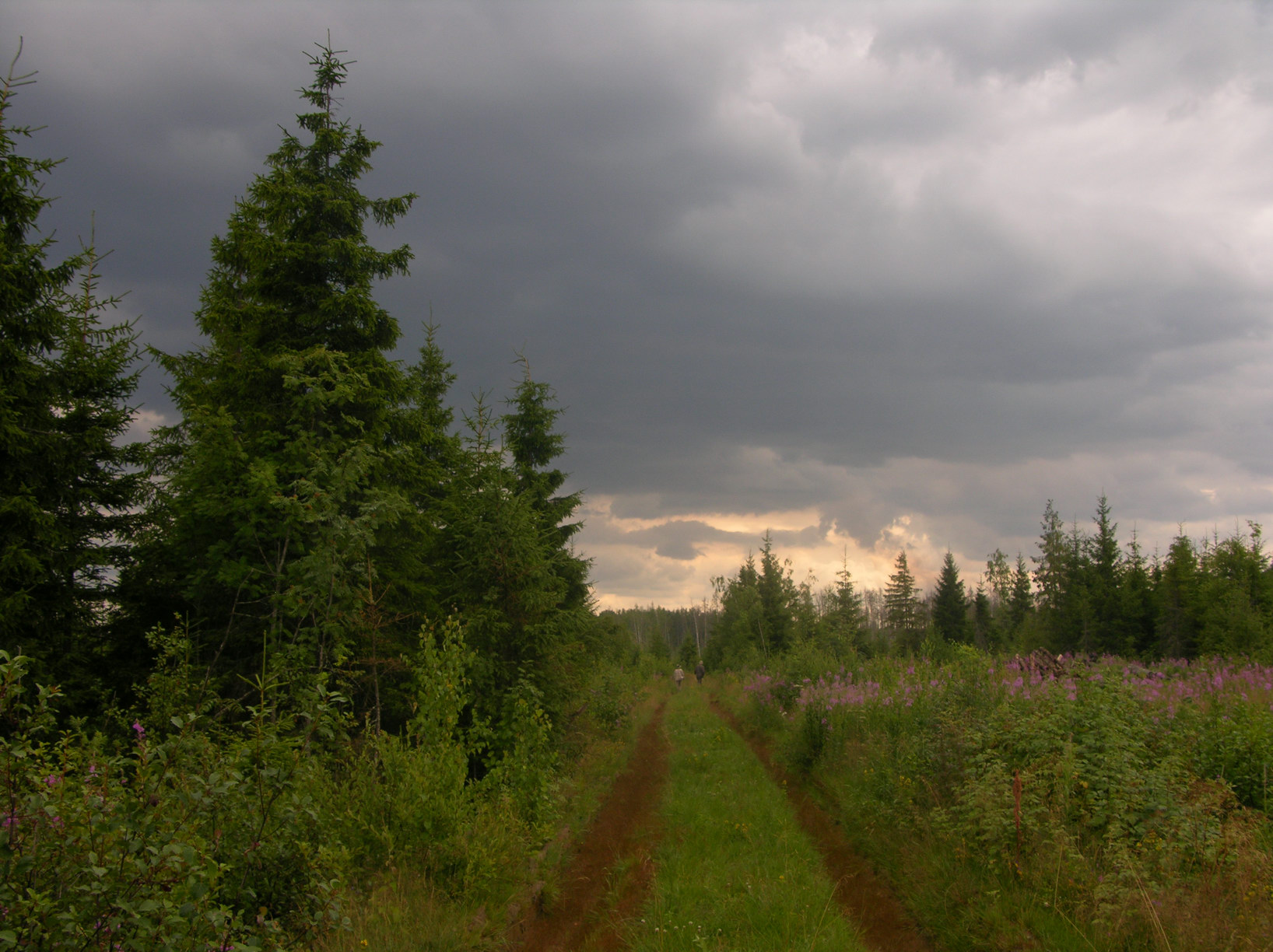
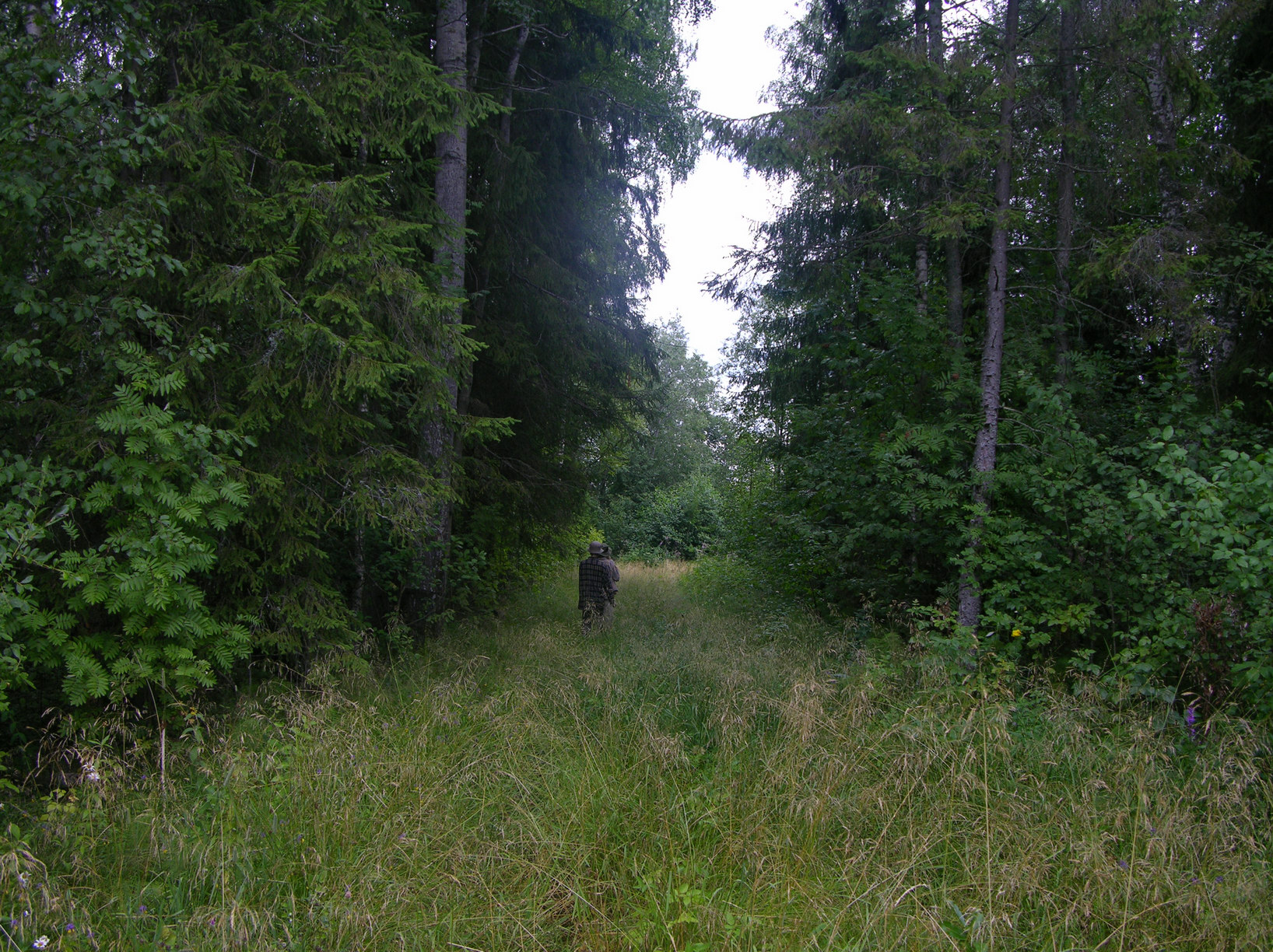
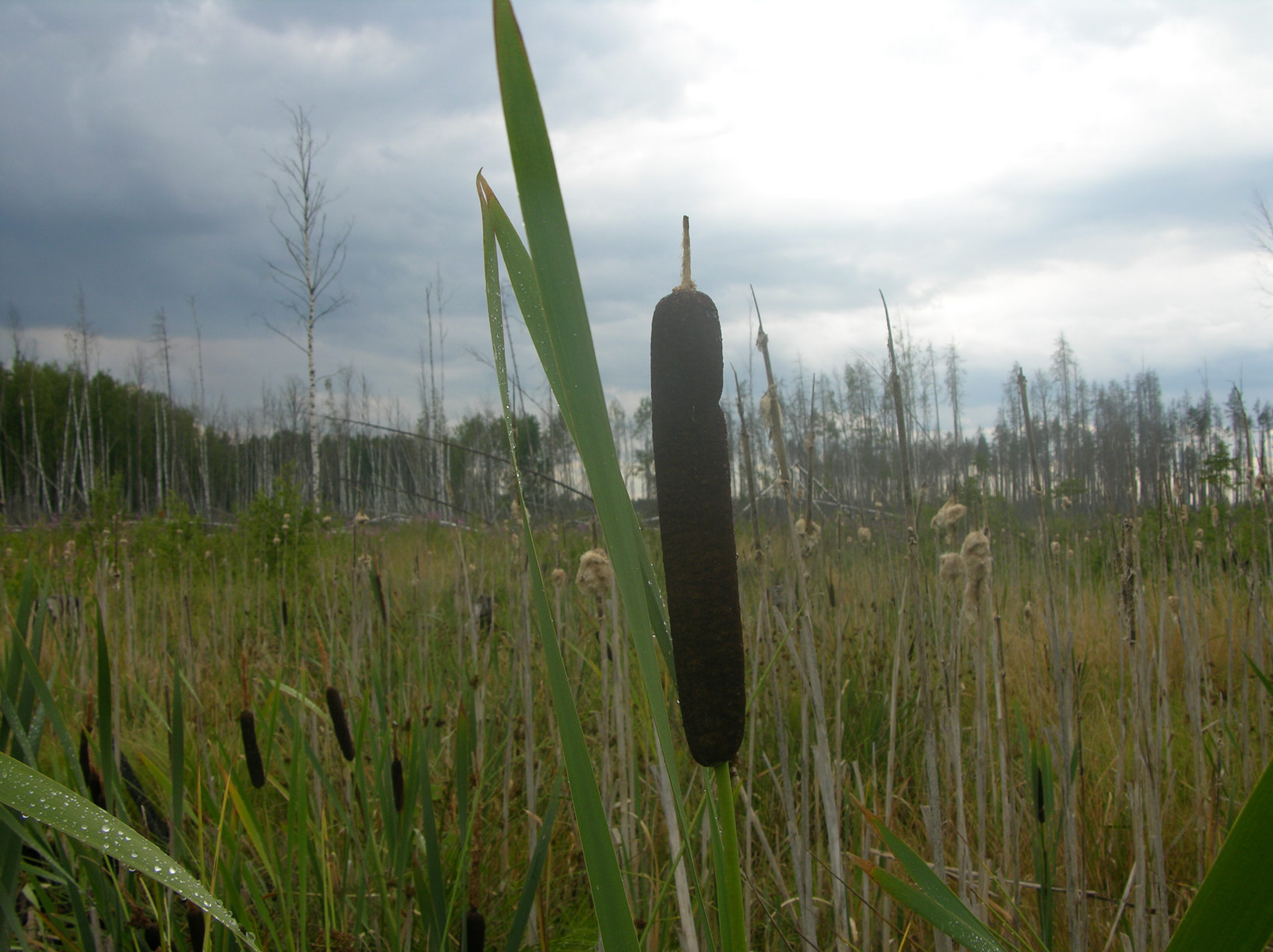
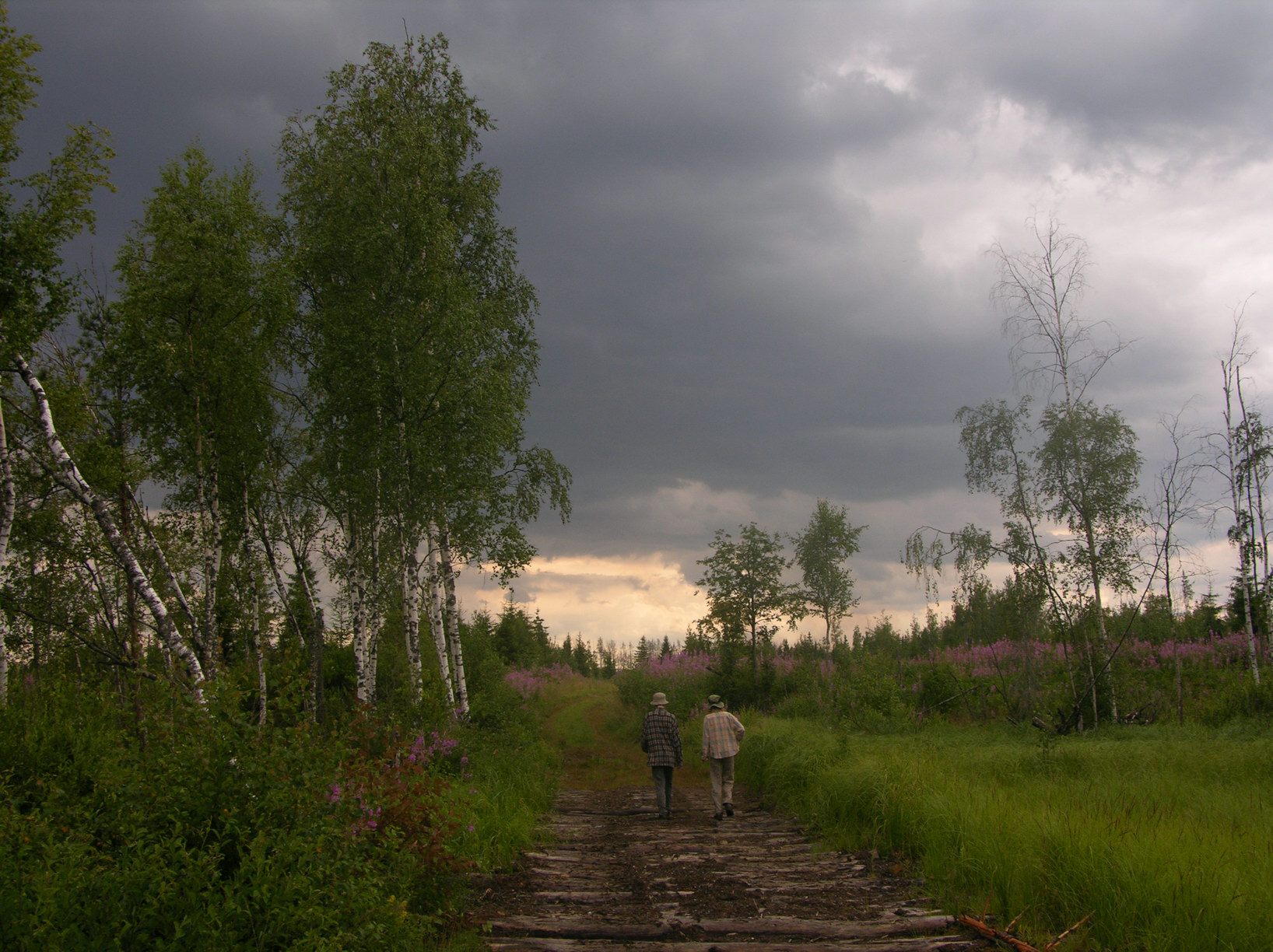
The village of Chashcha has existed for hundreds of years and was one of the largest in the area. When the Swedish border ran nearby, Chashcha had an inn for foreign visitors.
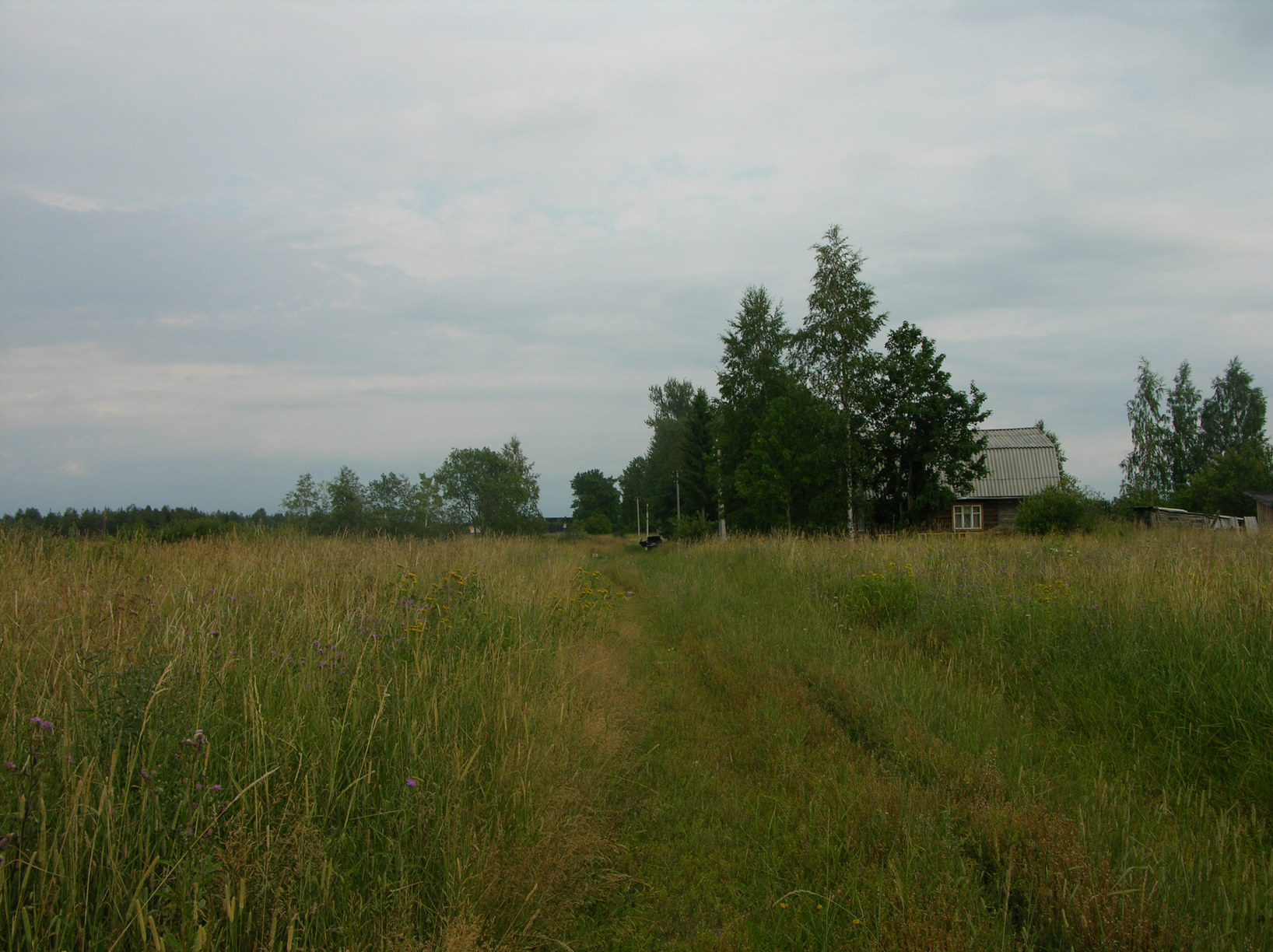
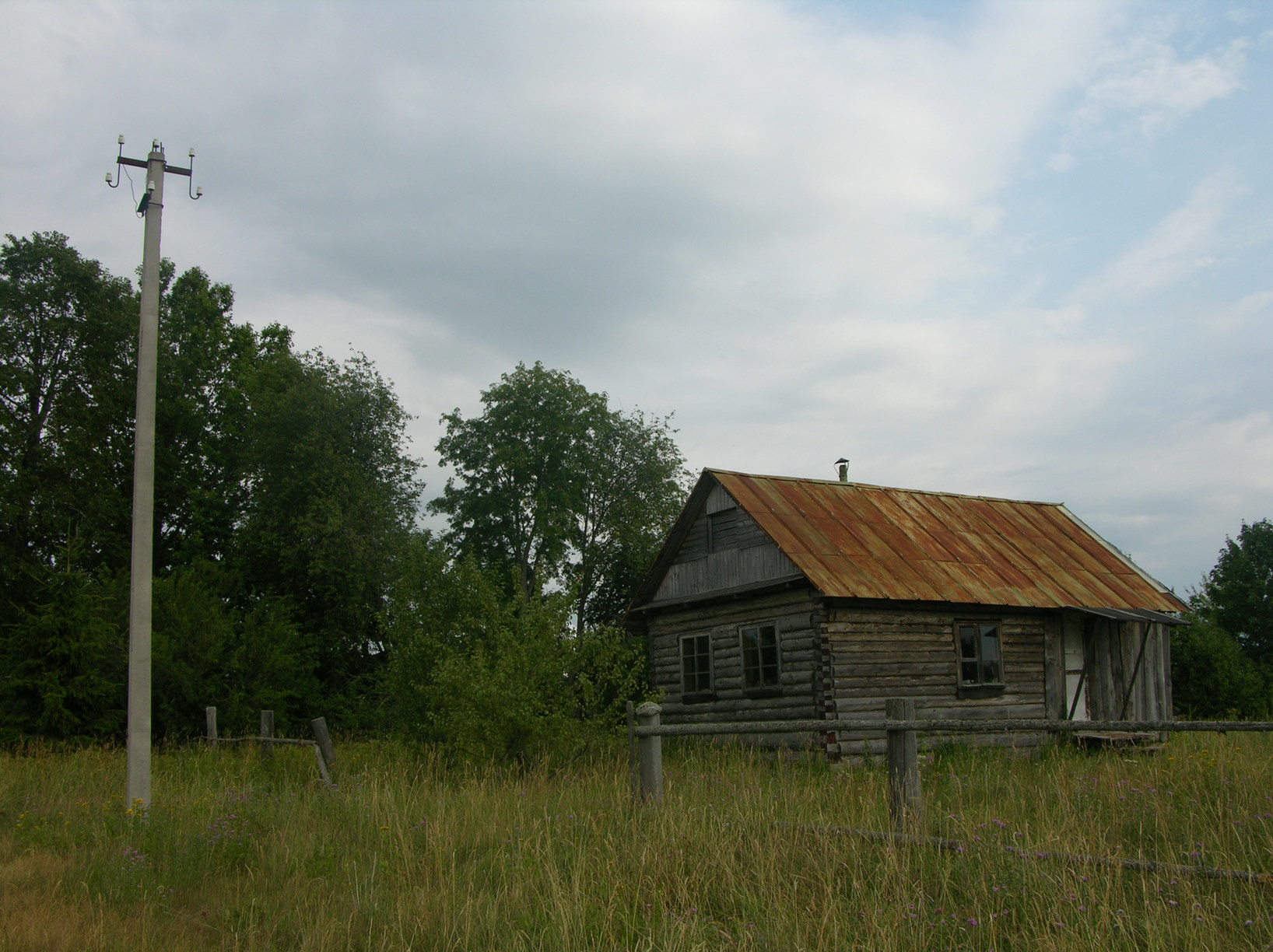
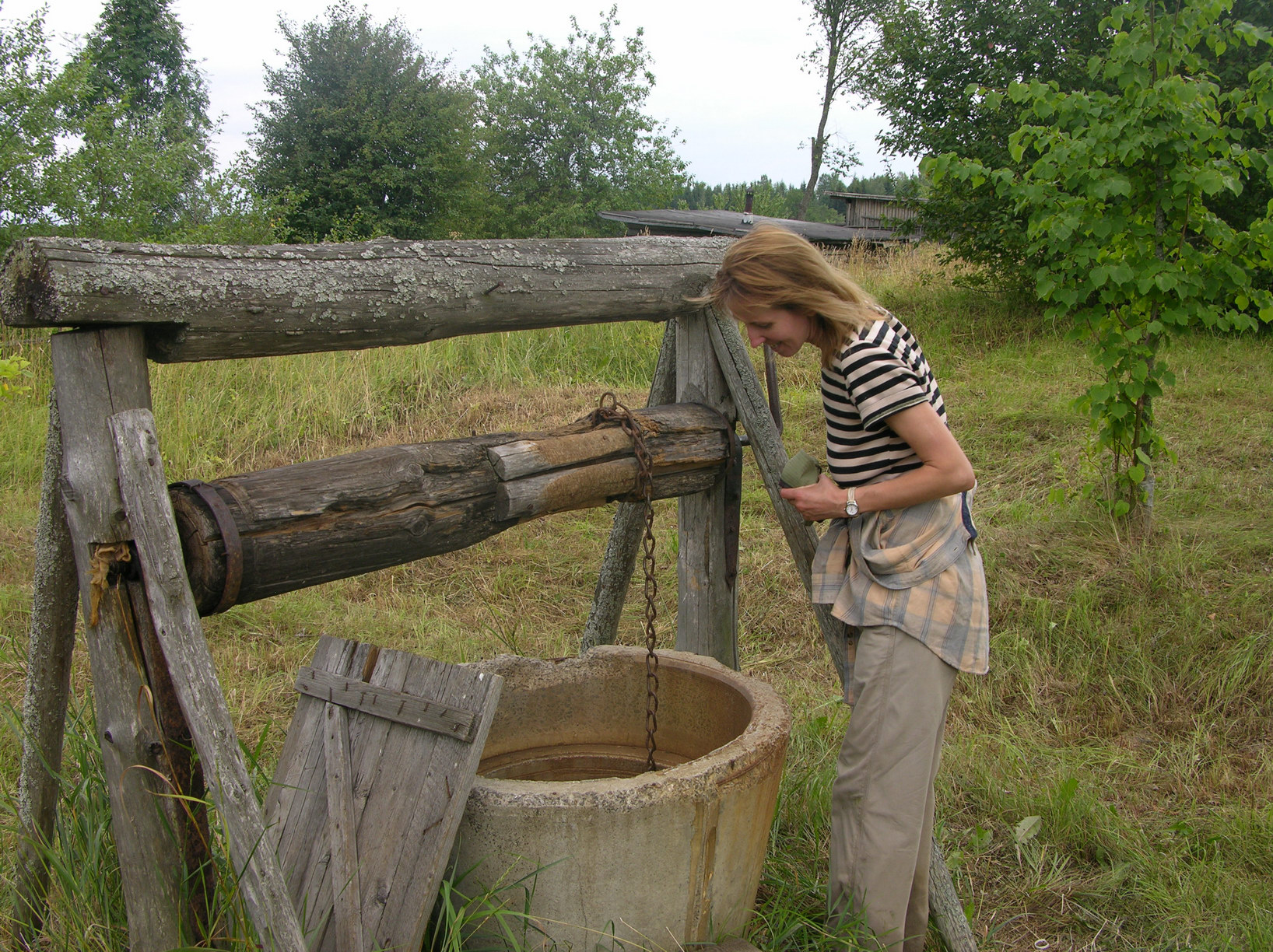
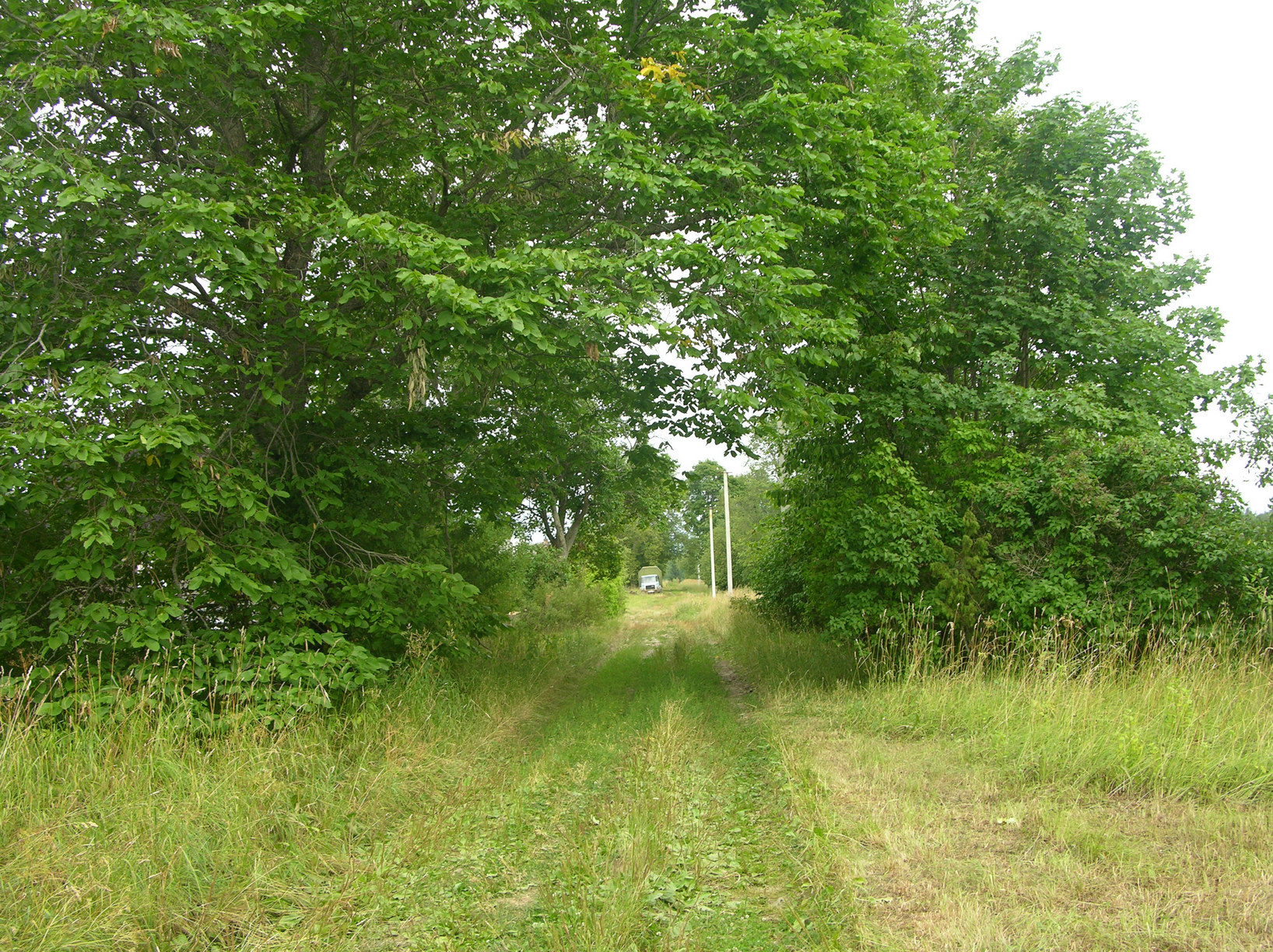
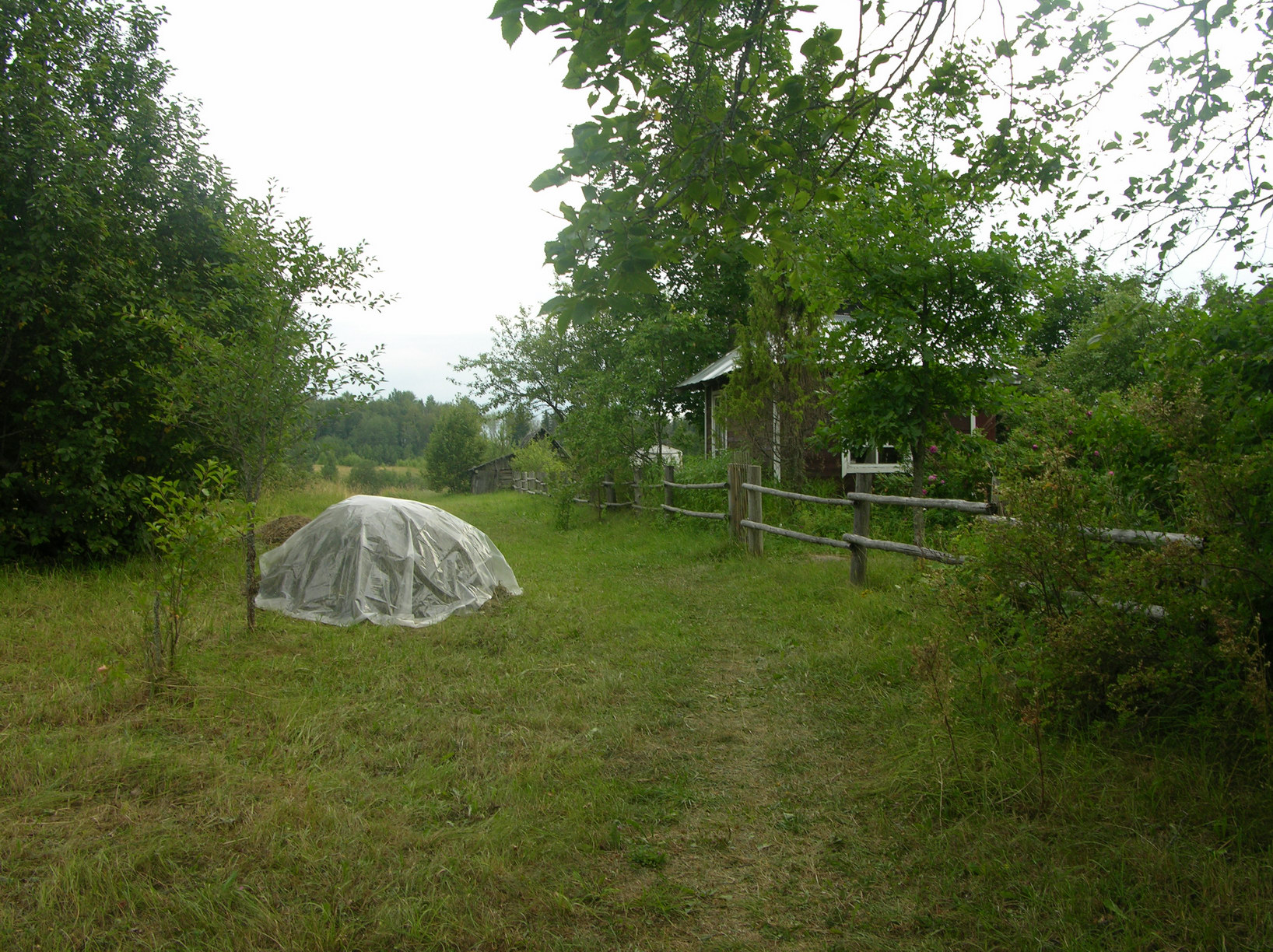
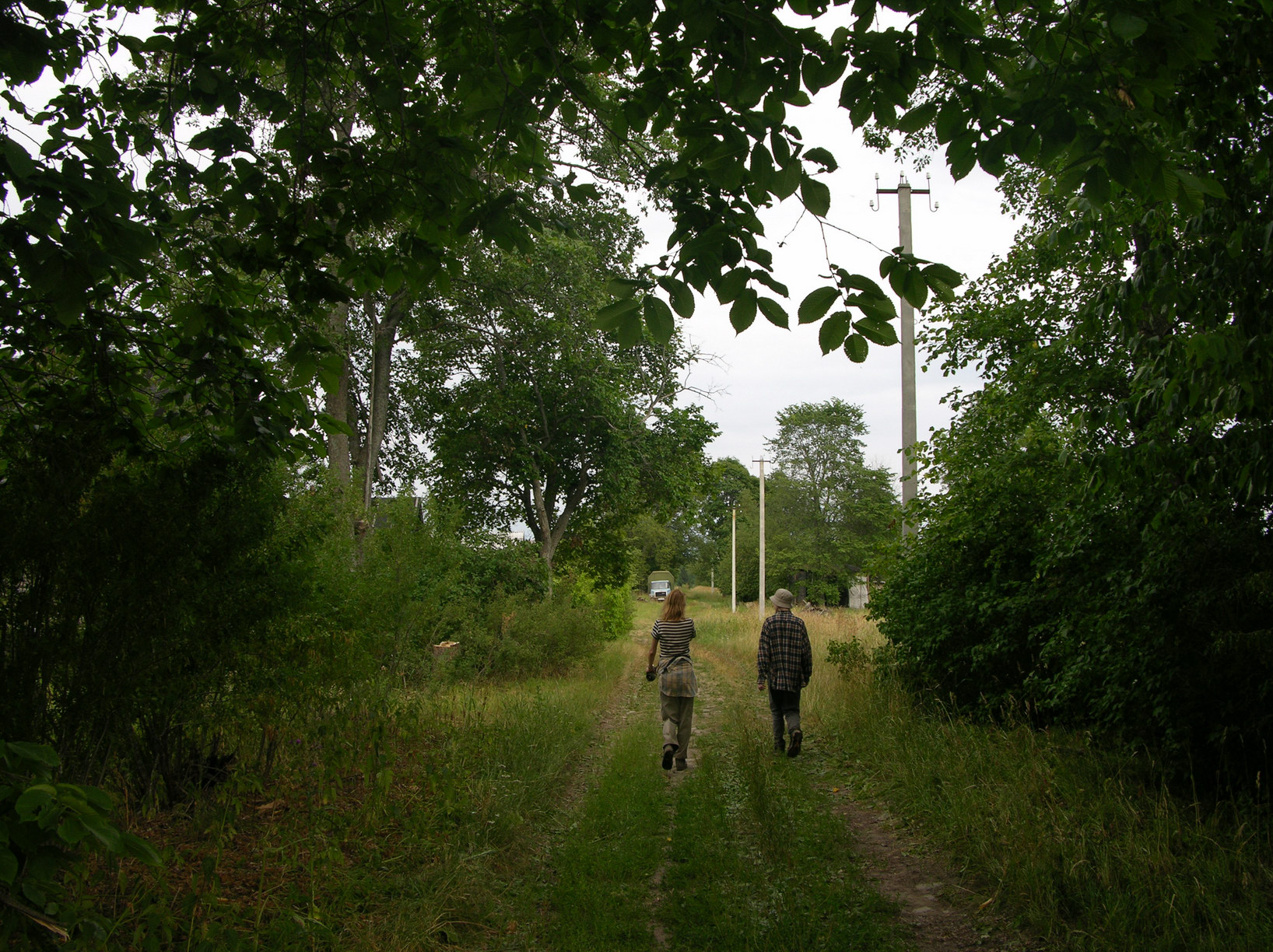
In 1864 the village had 40 households, with 117 men and 131 women. Much of the village burned down toward the end of the 19th century. It had to be laid out afresh and rebuilt.
By the beginning of the 20th century it had 80 households.
A pre-war aerial photograph of the village survives.
In September 1941, retreating Soviet troops came through Chashcha from Luga. The Finns then occupied the village. Most of Chashcha’s residents then were Izhorian, so the Finns could understand their language and treated them as their own. The Germans came only to rest.
But in November 1943 the Germans arrived, burned the village and deported its residents. They took them in railway wagons from Novinka station, first to Lithuania and then to Germany.
After the war, Chashcha never recovered its former size.
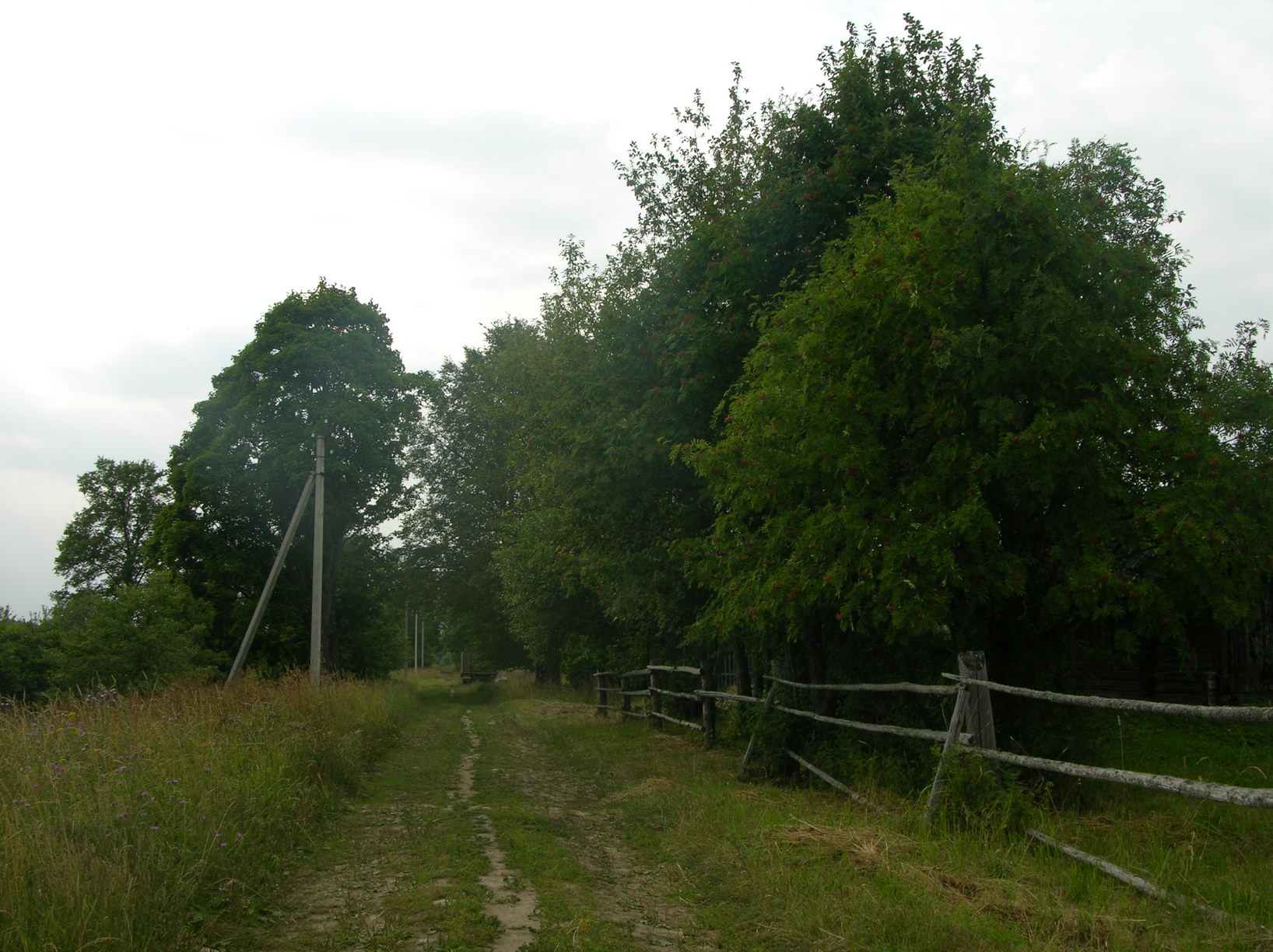
Now Chashcha has about ten houses, one permanent resident and a few people with summer cottages.
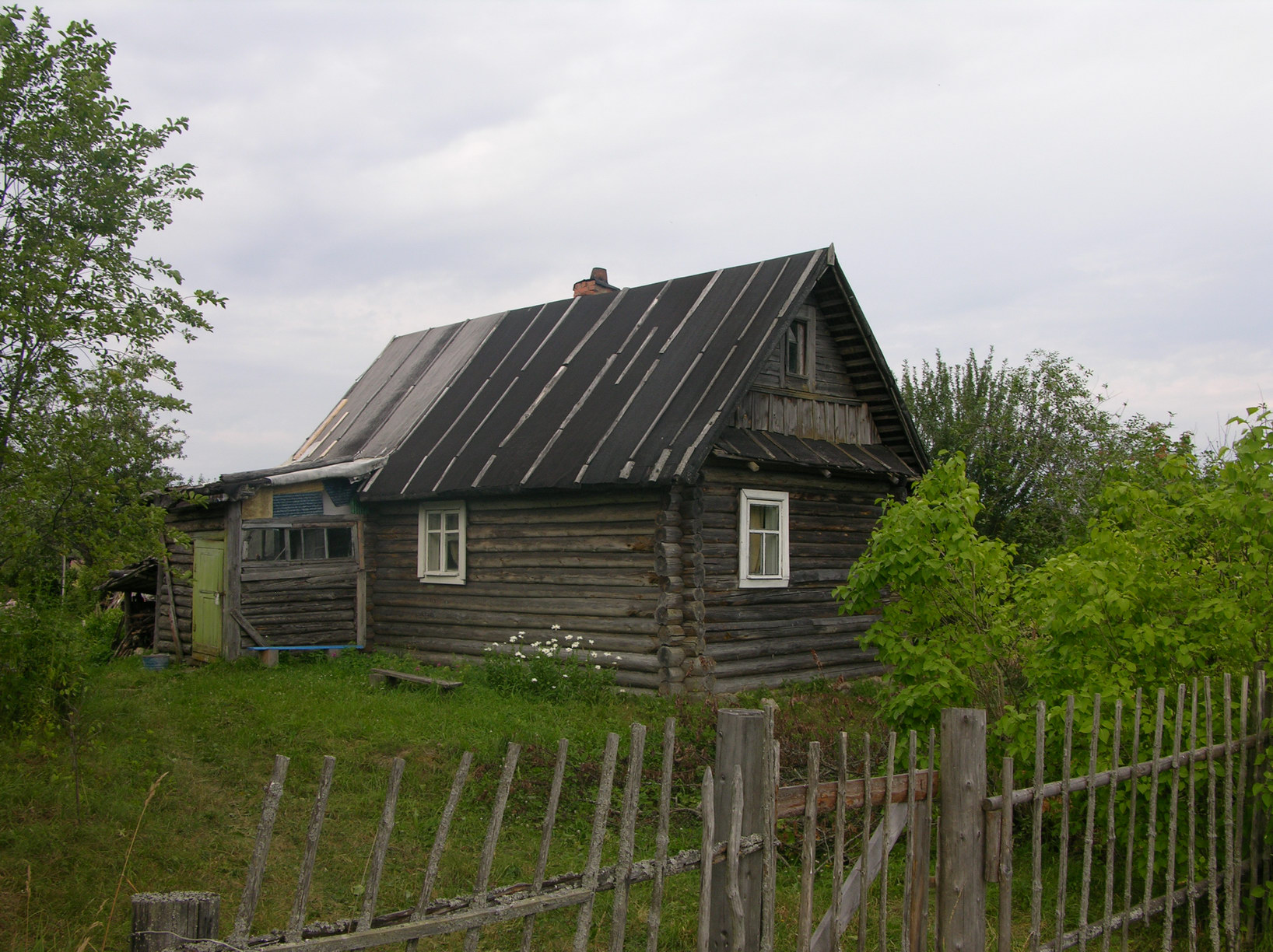
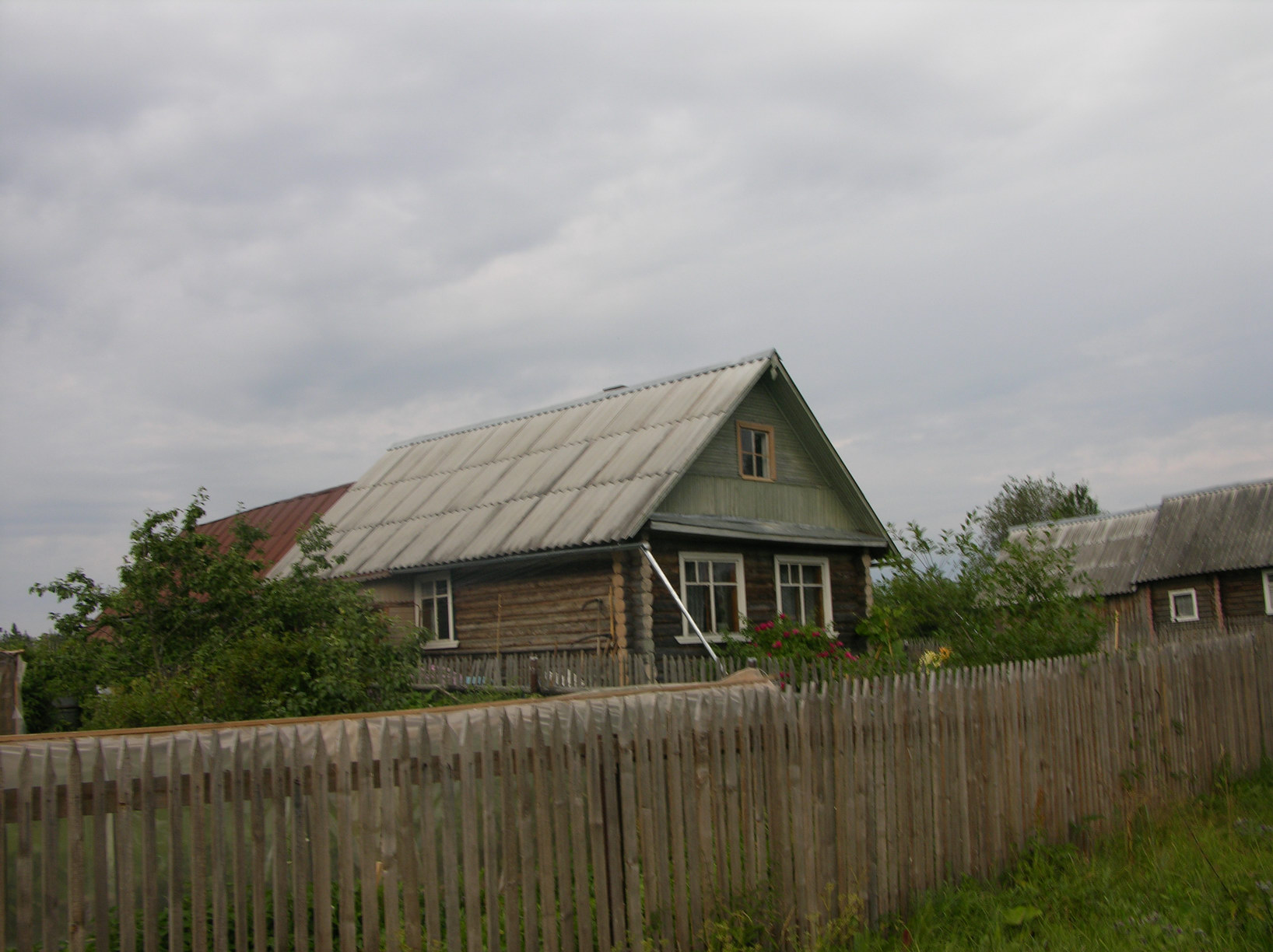
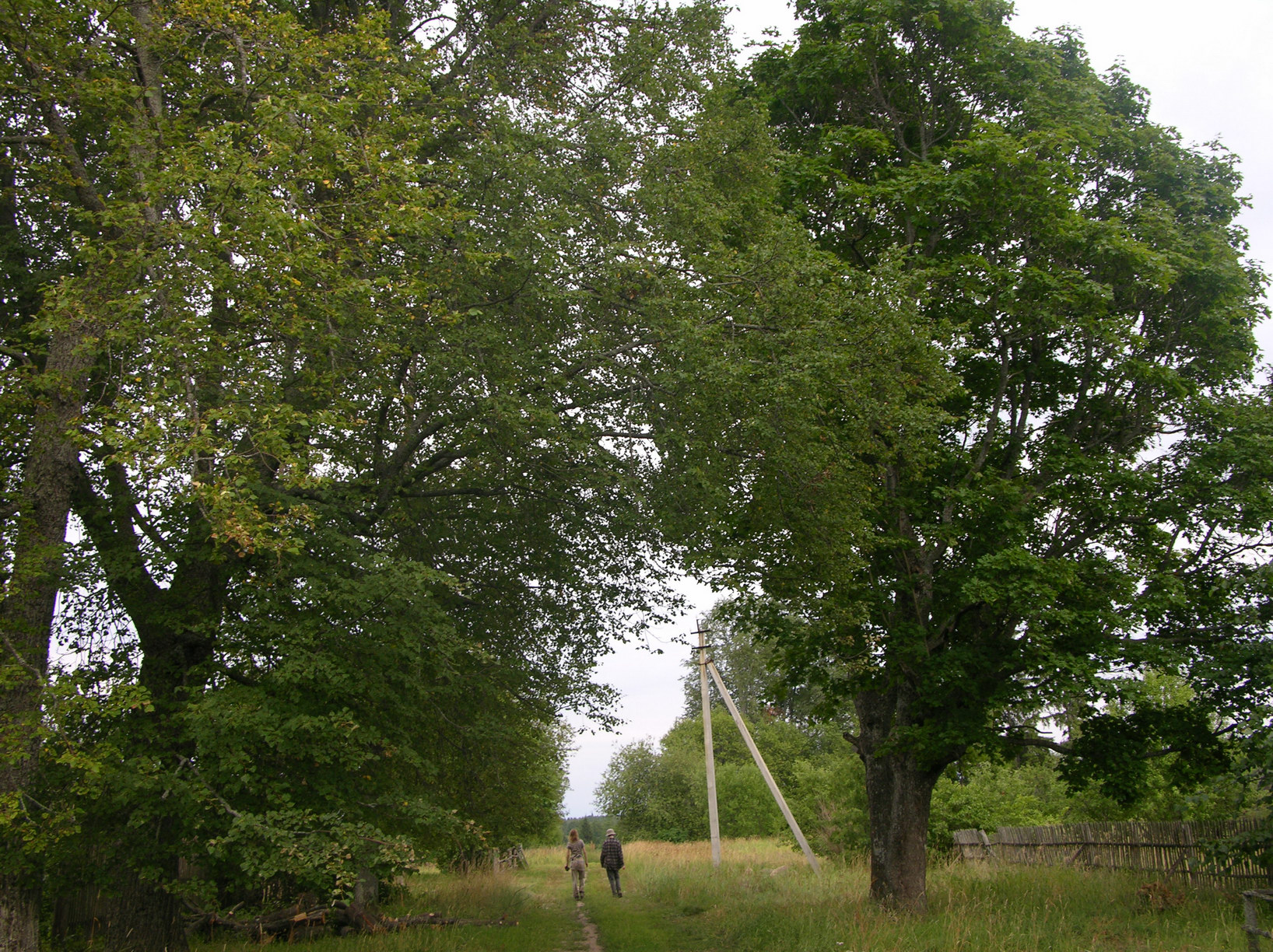
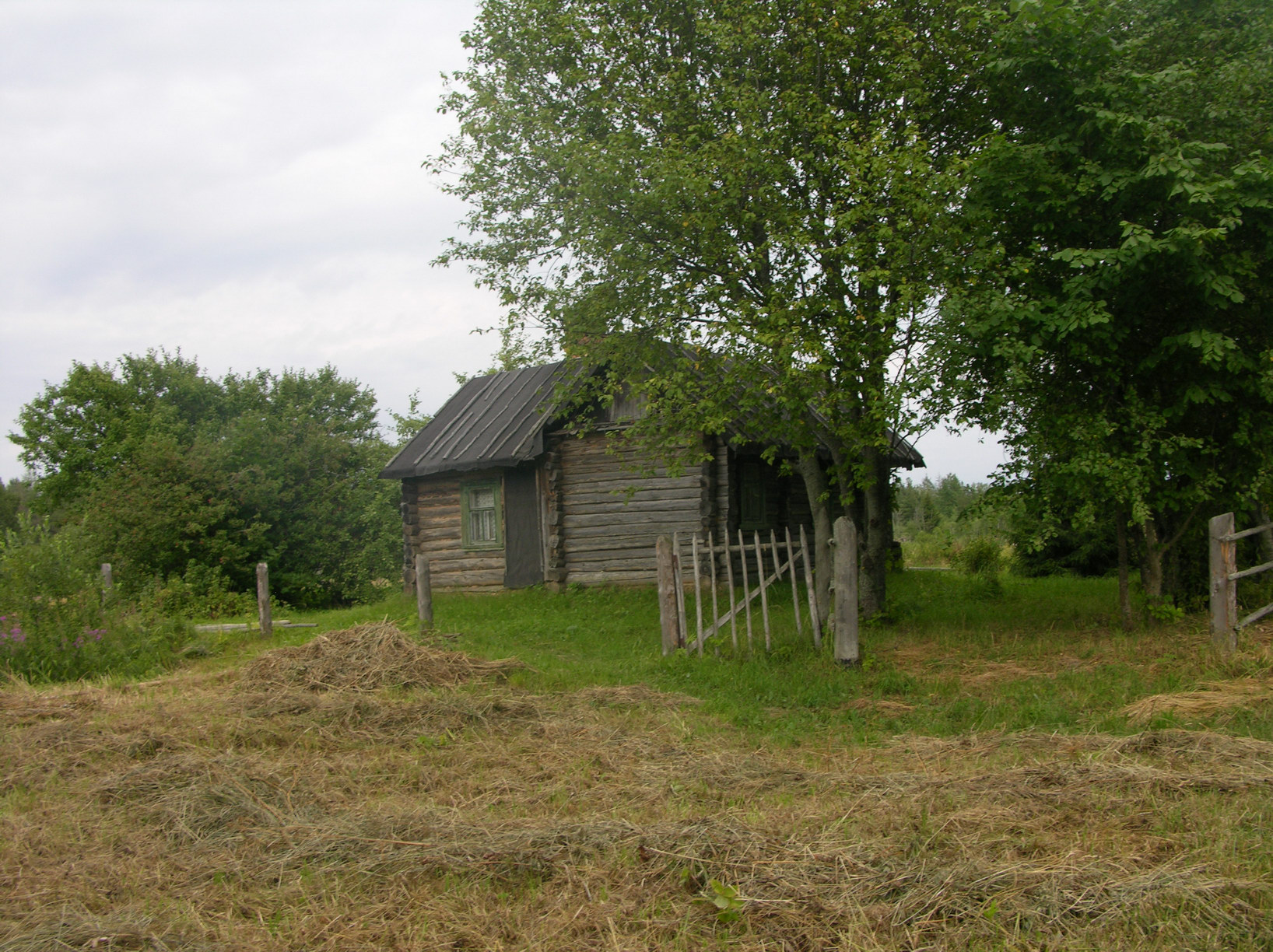
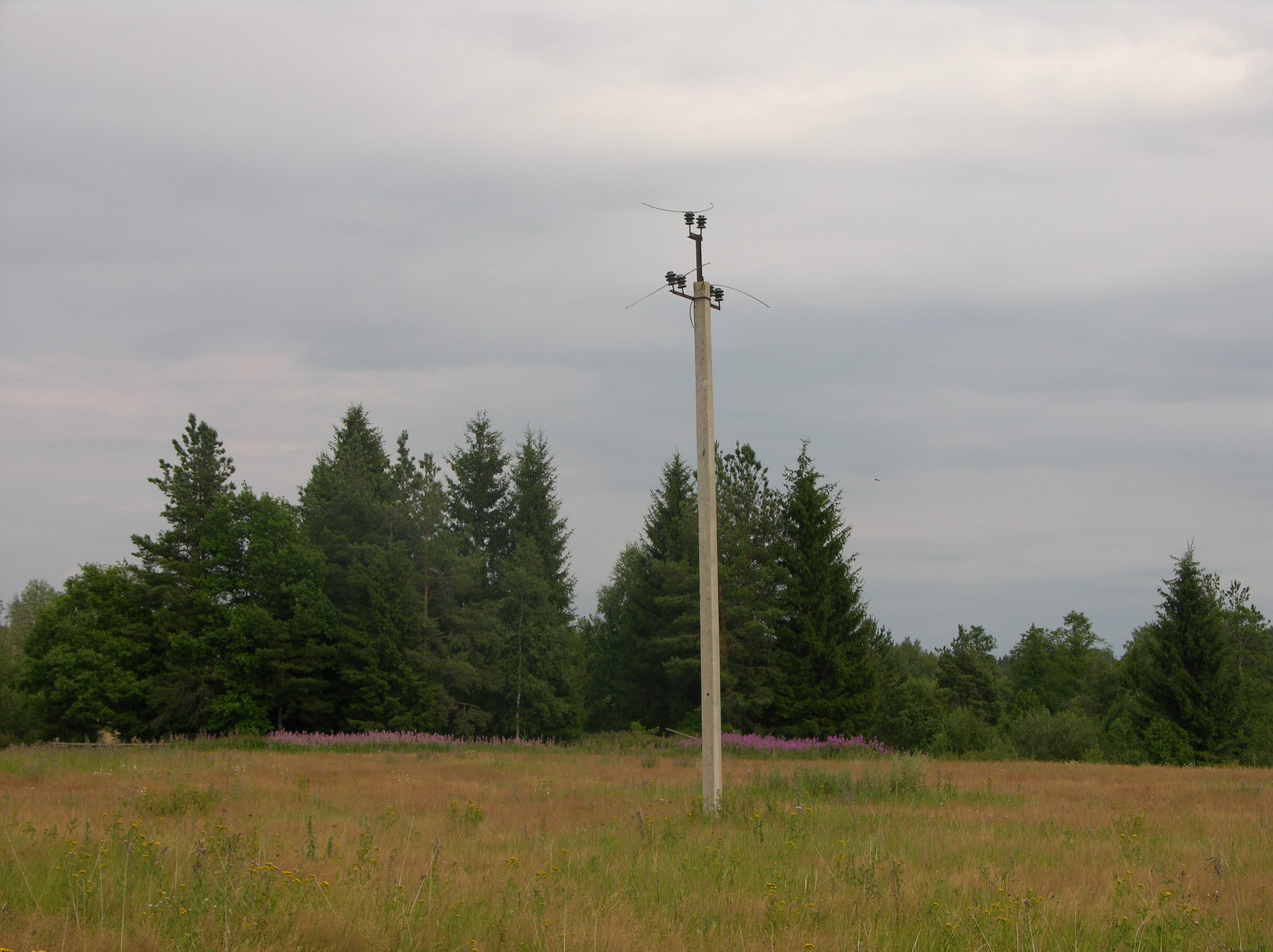
Electricity came to Chashcha in 1915, along with the telephone. Alas, it did not last long. The village has spent the last 90 years without power. Until 1992 there was not even a road. Then a farmer arrived who built 12 kilometres of dirt road, but never finished the power line. Only the poles remain.
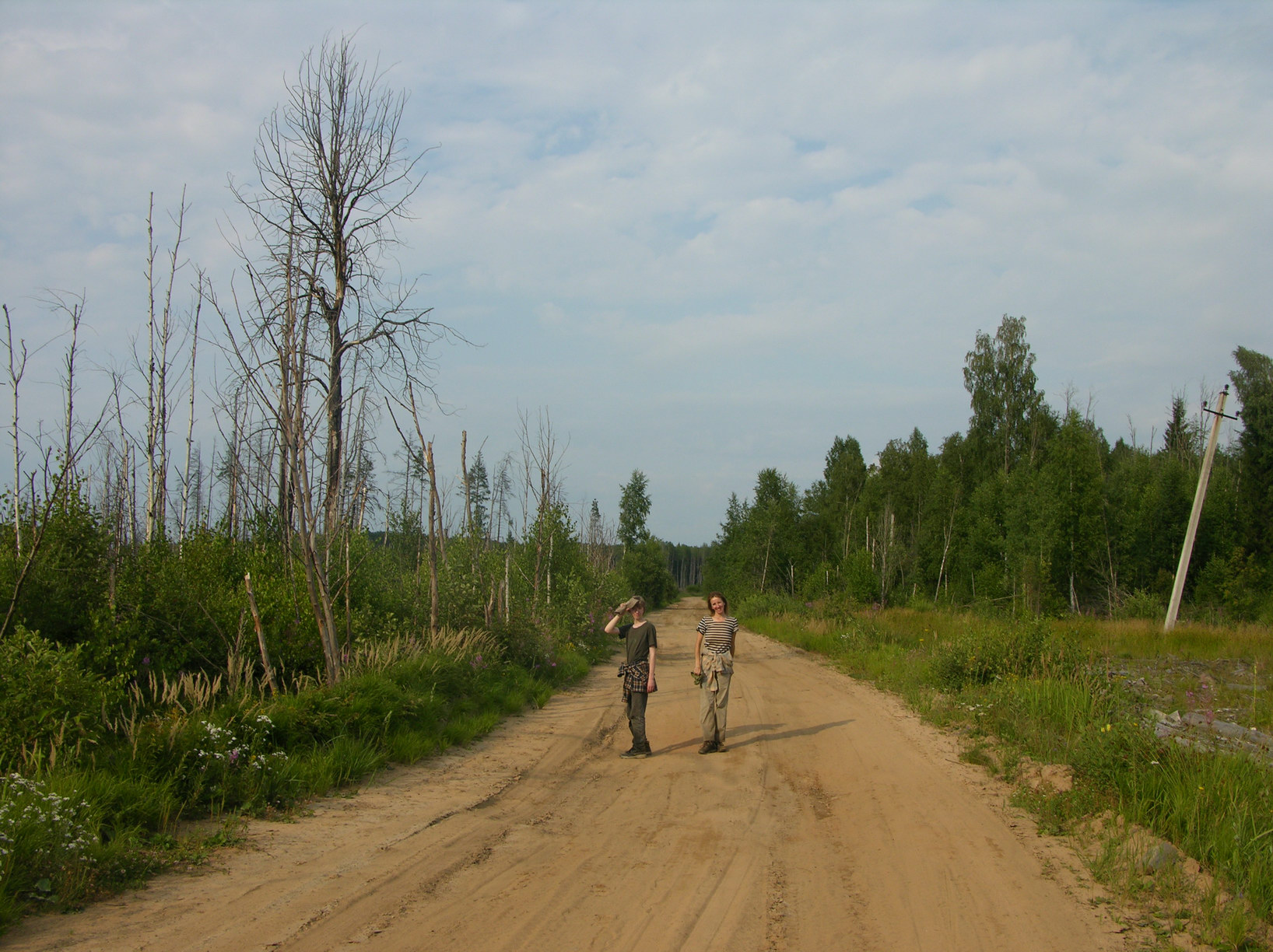
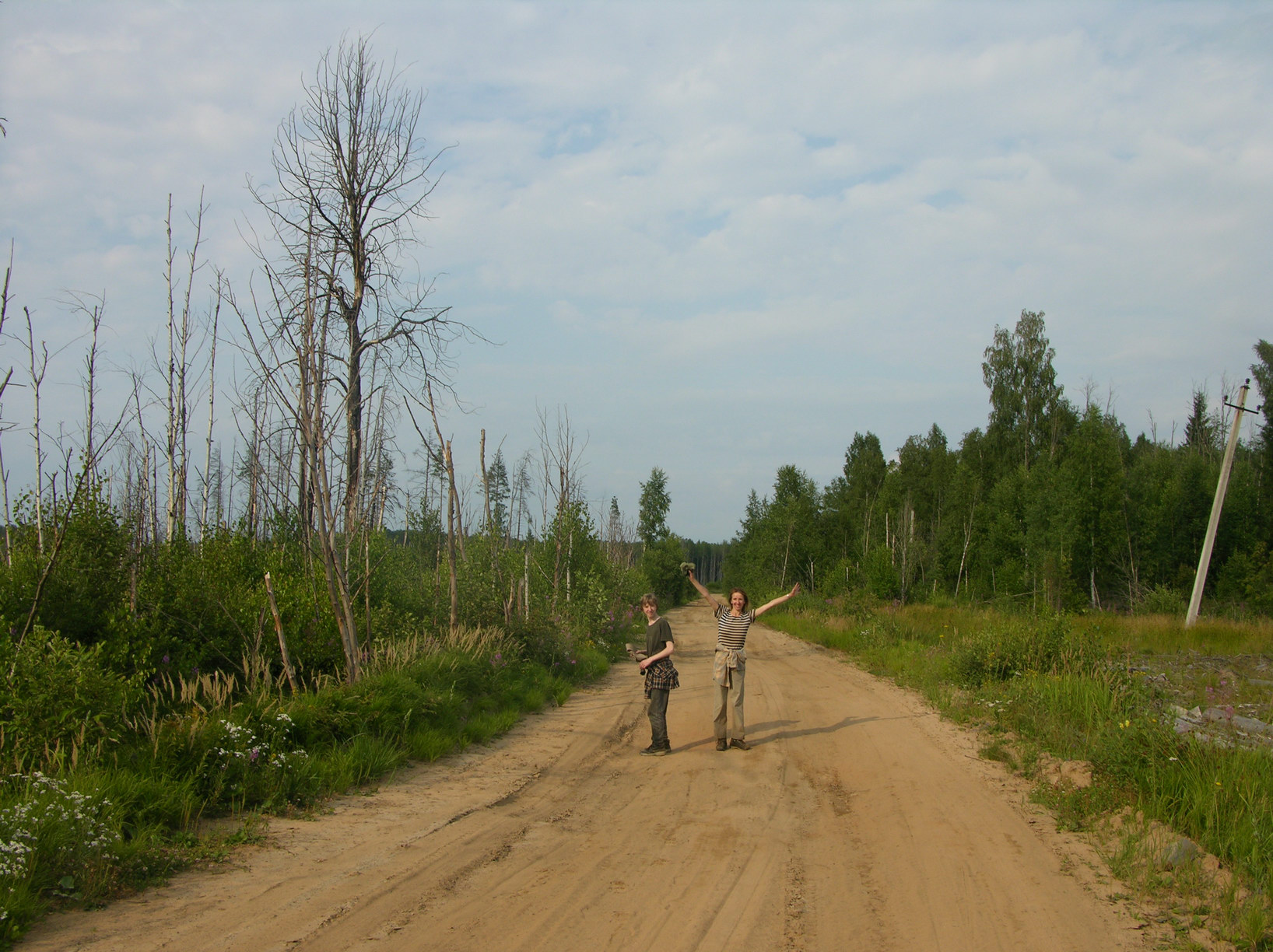
The village still has its old cemetery. The oldest cross dates from 1814. Until recently there were still graves from the 16th century.
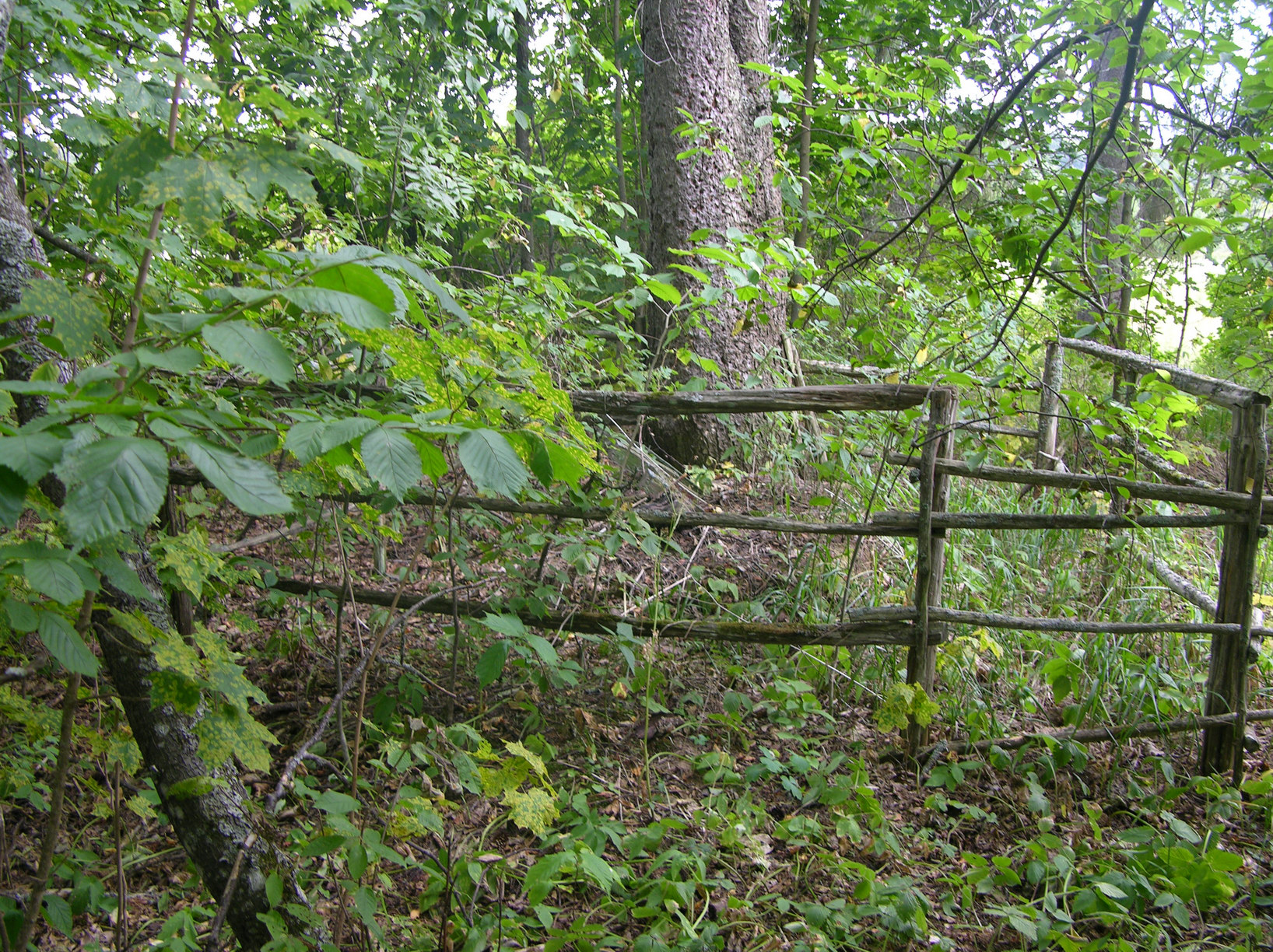
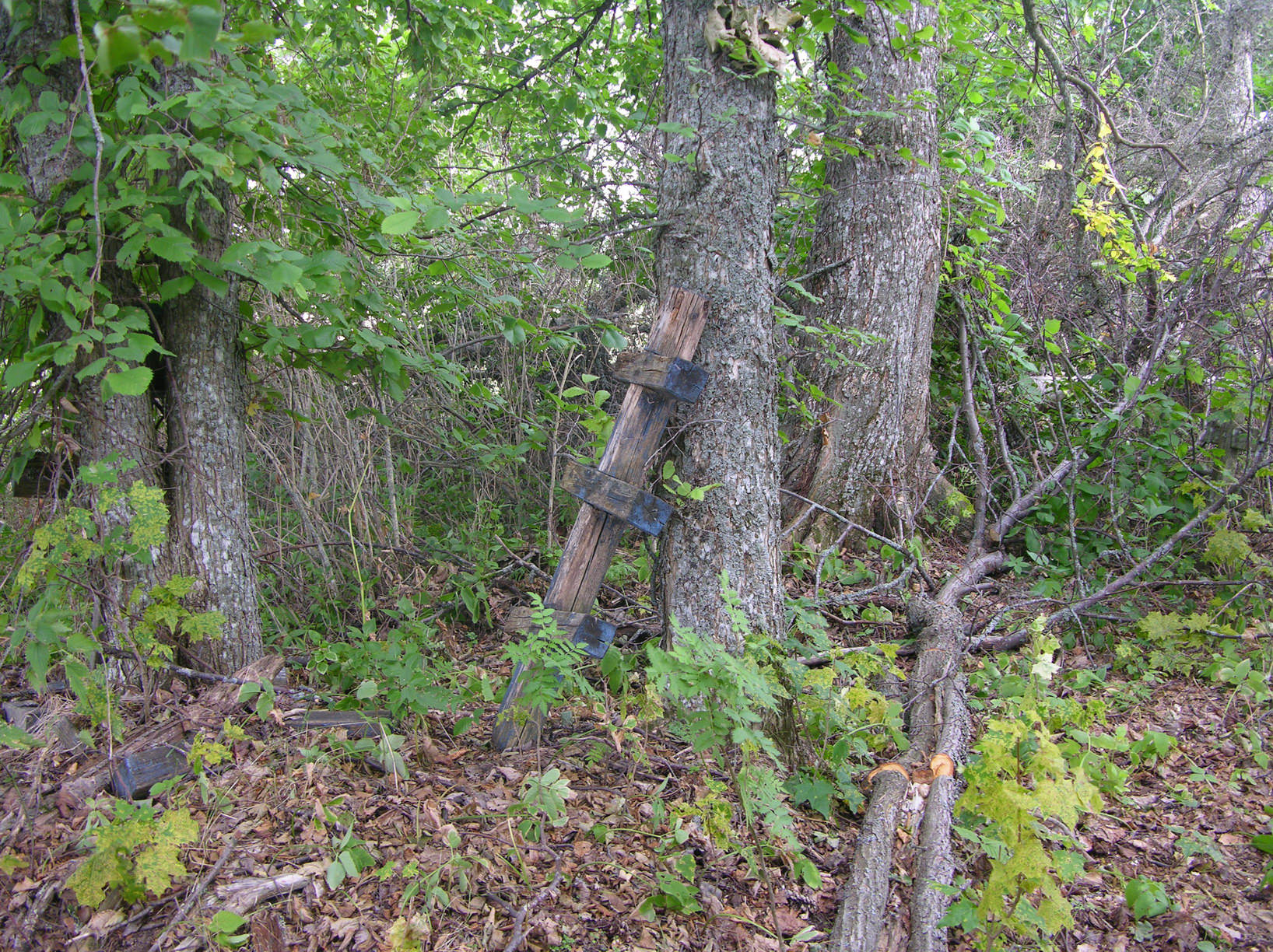
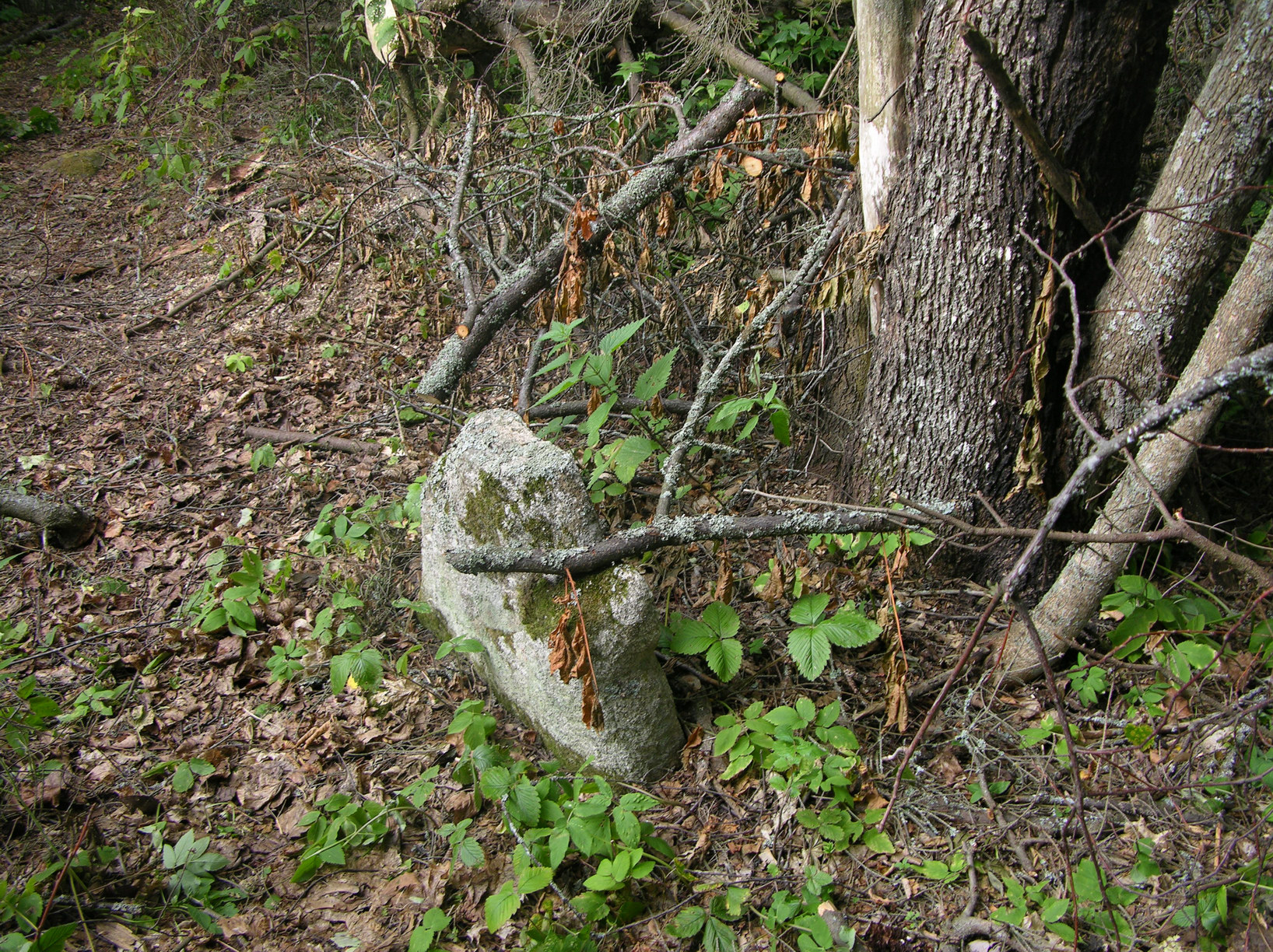
In October 1913 a large new church dedicated to Saint Demetrius of Thessaloniki was built in Chashcha. It did not stand long. It was burned down in 1933. Before then, the church had stood elsewhere (59°09.528′N, 30°16.795′E), on the road to Novinka. It is a boggy patch of forest now, and nothing recalls its past.
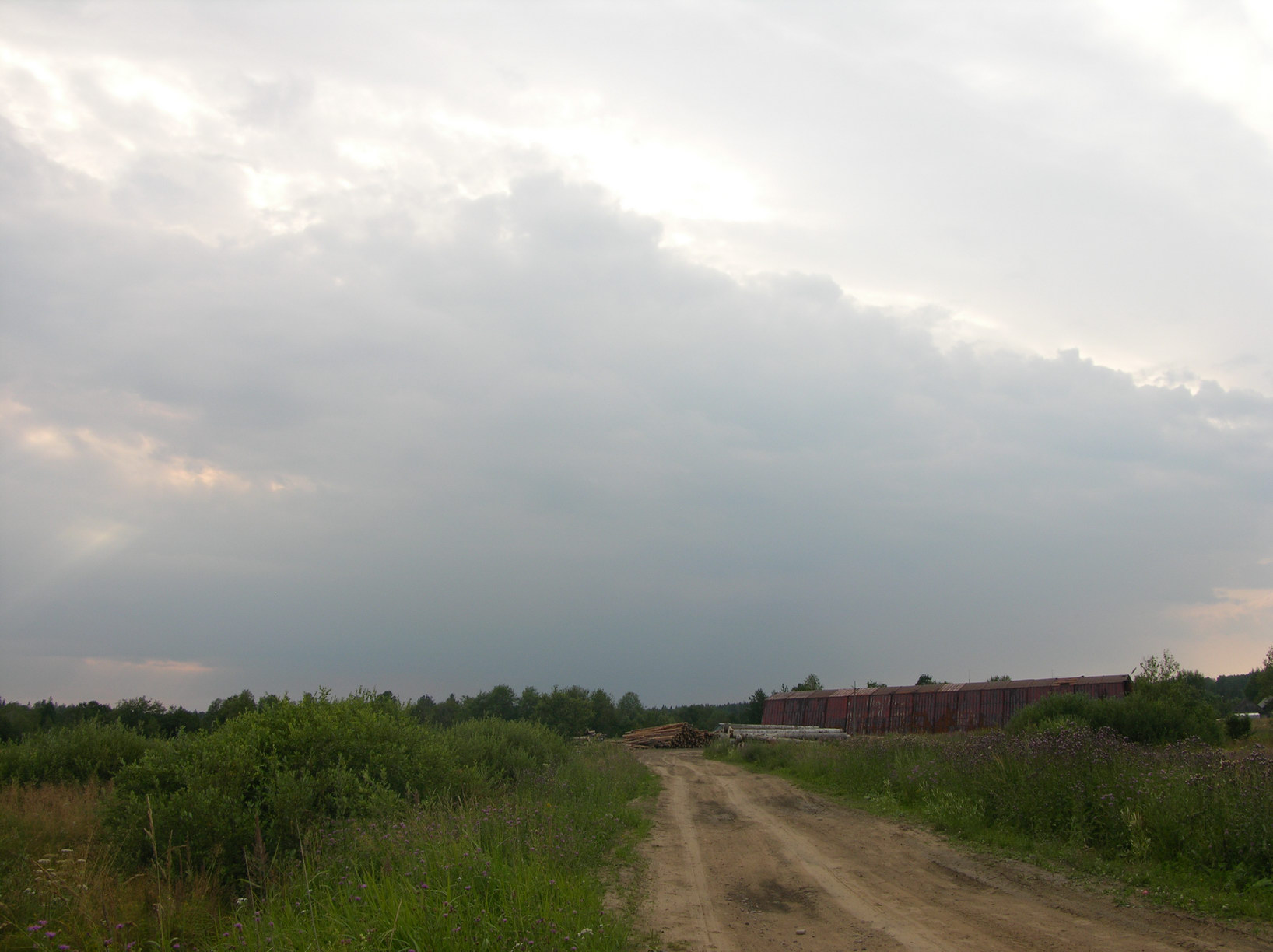
The modern road from Chashcha to Novinka also follows the old Ivangorod road. In the first kilometre, beyond the ditch on the right, lies Ilyushin Stone (in Russian) (59°09.557′N, 30°16.895′E). It is a frightening spot, where a dog is said to howl at night. The stone takes its name from a man called Ilya who drowned there. At night, the story goes, you can still hear the dog howl. Another large stone lies on the edge of a field, 100 metres from the village (59°09.493′N, 30°16.551′E).
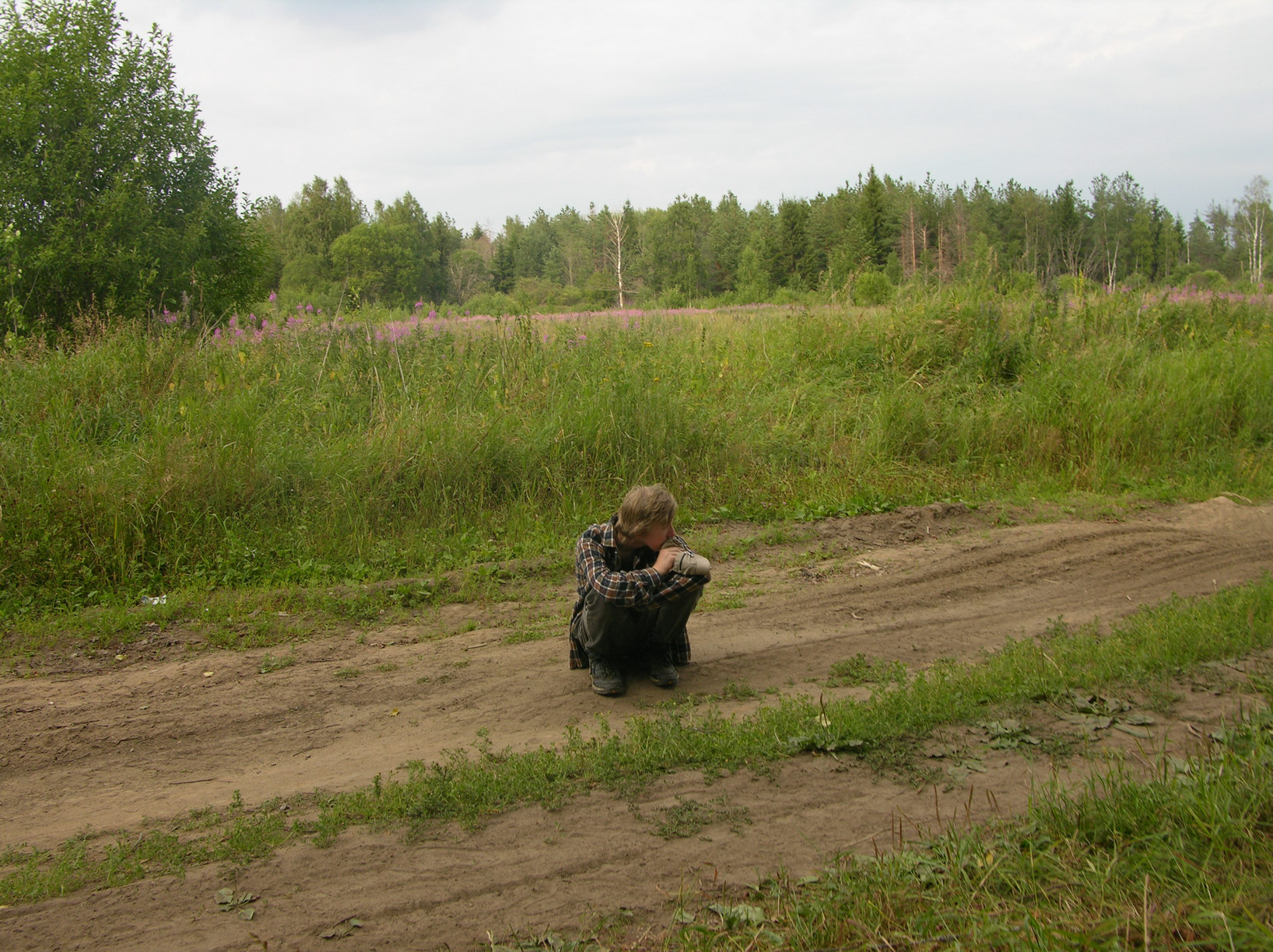
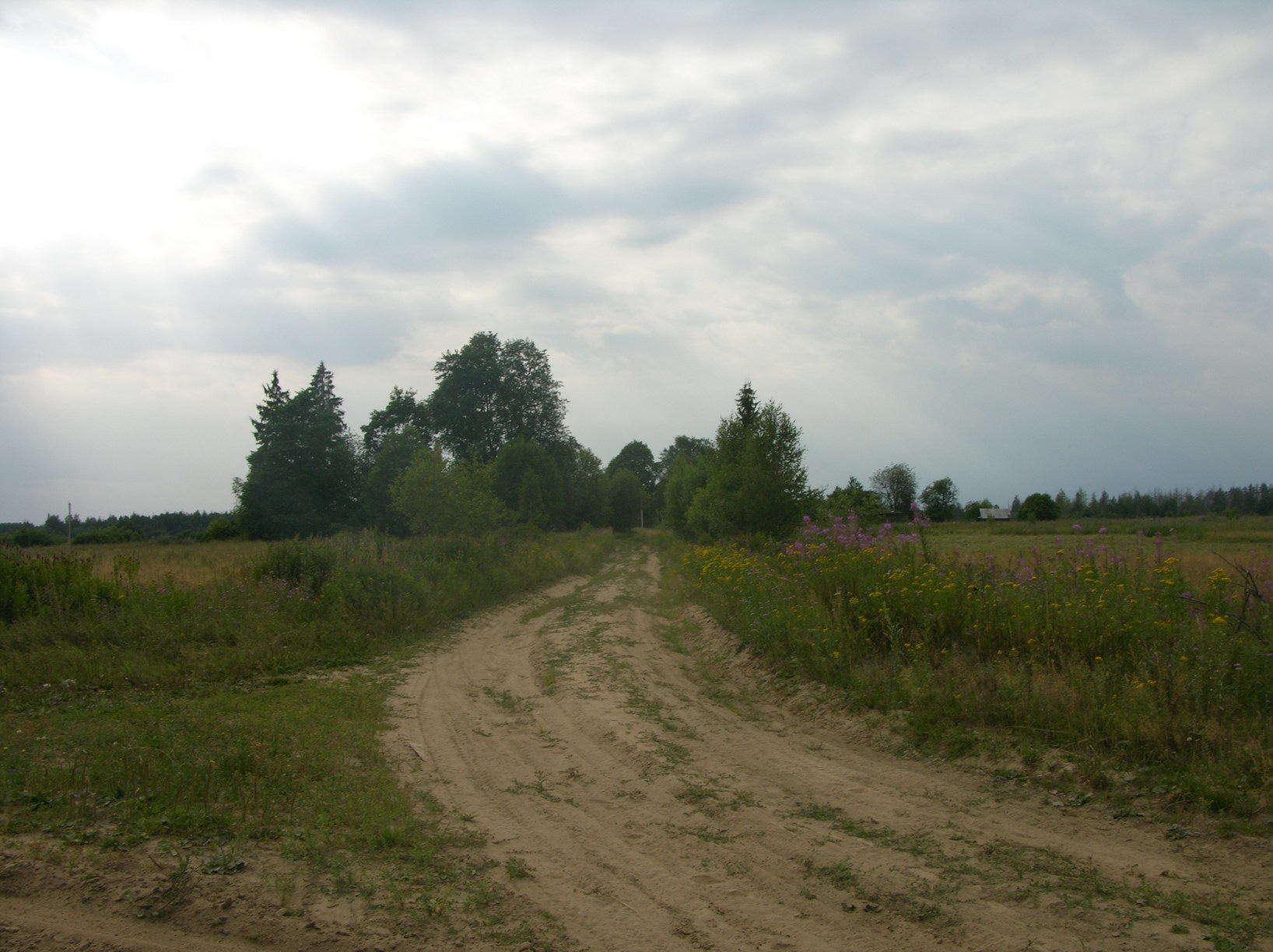
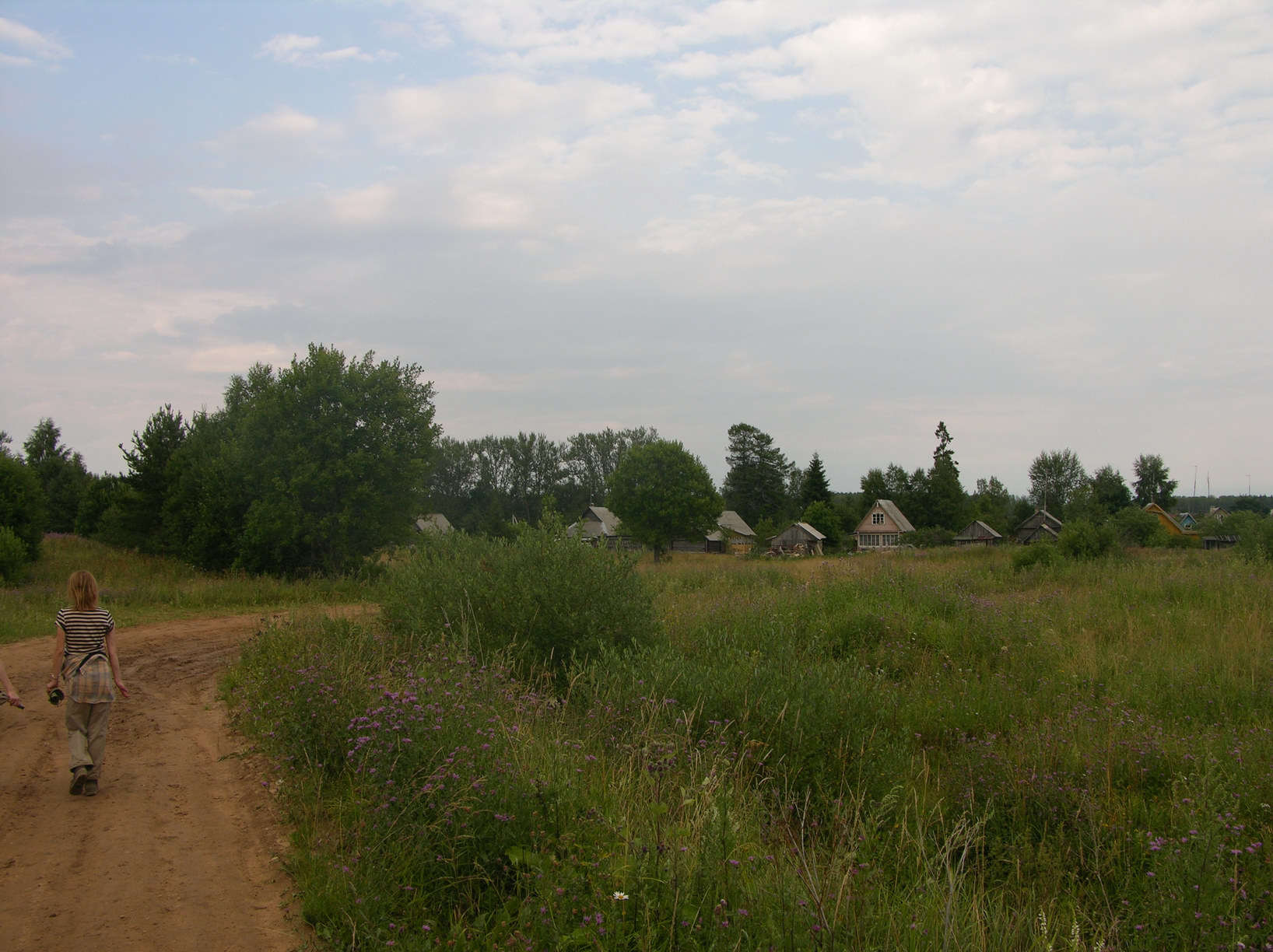
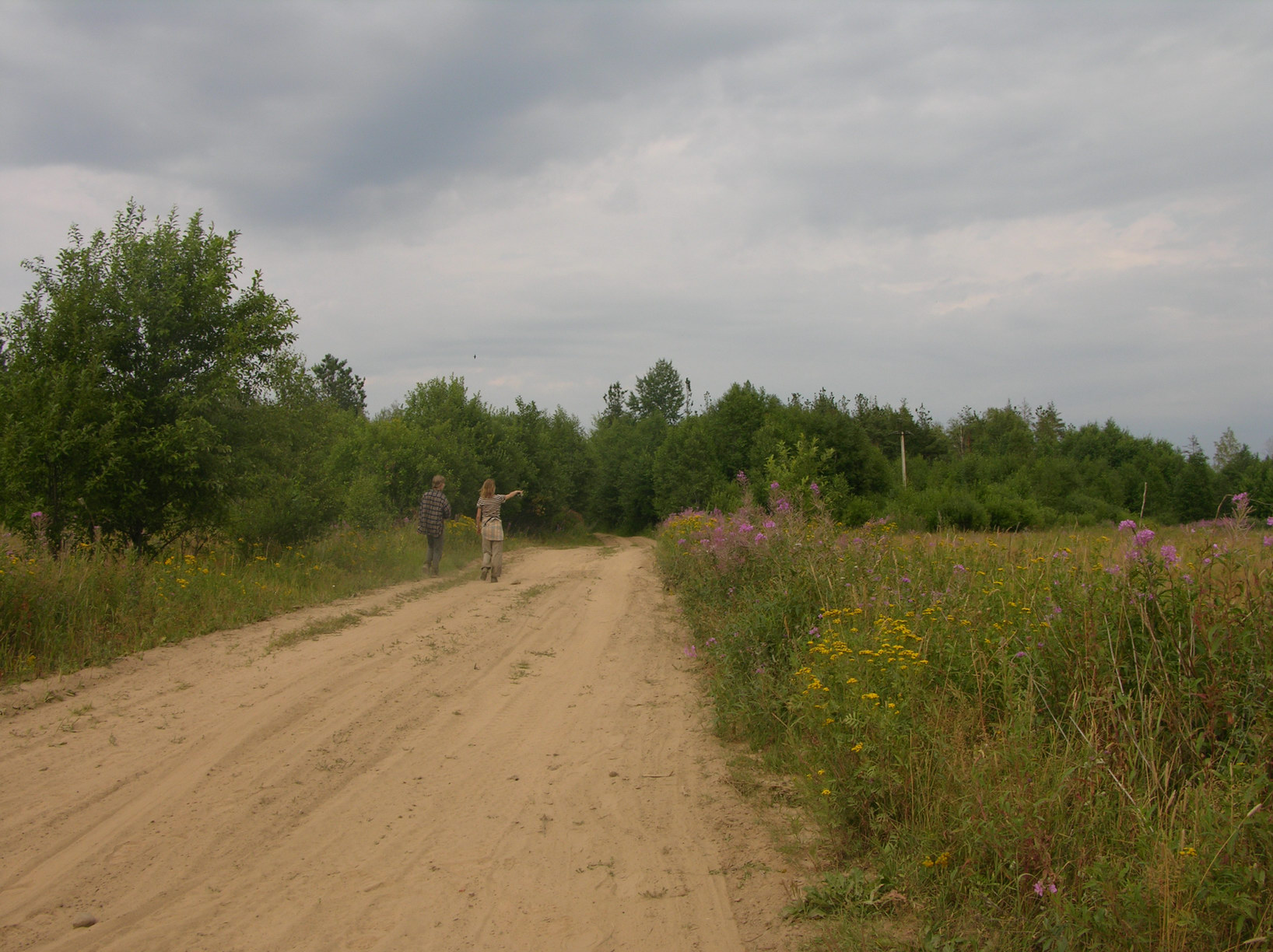
From the railway station at Novinka you can take a suburban train or return to Druzhnaya Gorka along the dirt road. A short detour off the road takes you to Mama Kamen, another marker from the Swedish border (59°14.243′N, 30°18.225′E). The crowns and cross have not survived.