Trip report
Here we are in Turkey again. Our trip here in 1999 was our first trip abroad. In 2002 we came back through Turkey on the way home from Africa.
We hadn’t suddenly taken up beach holidays in Antalya. Turkey was about to see another total solar eclipse.
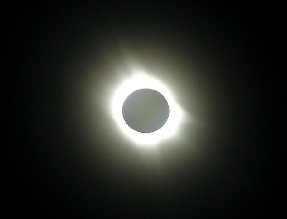
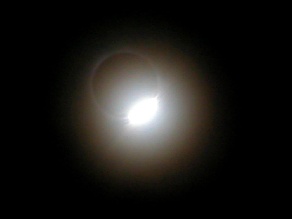
There had been one here in 1999, and now another was coming. Total eclipses are rare at any particular spot on earth. Turkey, and Cappadocia especially, had extraordinary luck.
The 1999 trip was a major event, the expedition of the year. It had cost us a princely $2,600 for three people. Now, after our round-the-world journey, it felt like a short outing. This time we were taking our son, Denis.
We’d travelled a great deal without taking the children. They found it tiring and uninteresting, and parental responsibility rules out visiting guerrillas, sleeping under bushes, going into the jungle without a guide or photographing a lion. There’s a certain peace of mind in going as a couple. If we both died, the grandmothers would somehow finish bringing up the children. Once the little ones grow and realise they’re people in their own right, it’s time to show them the world. We began with Turkey, a straightforward, peaceful place we could visit without a visa.
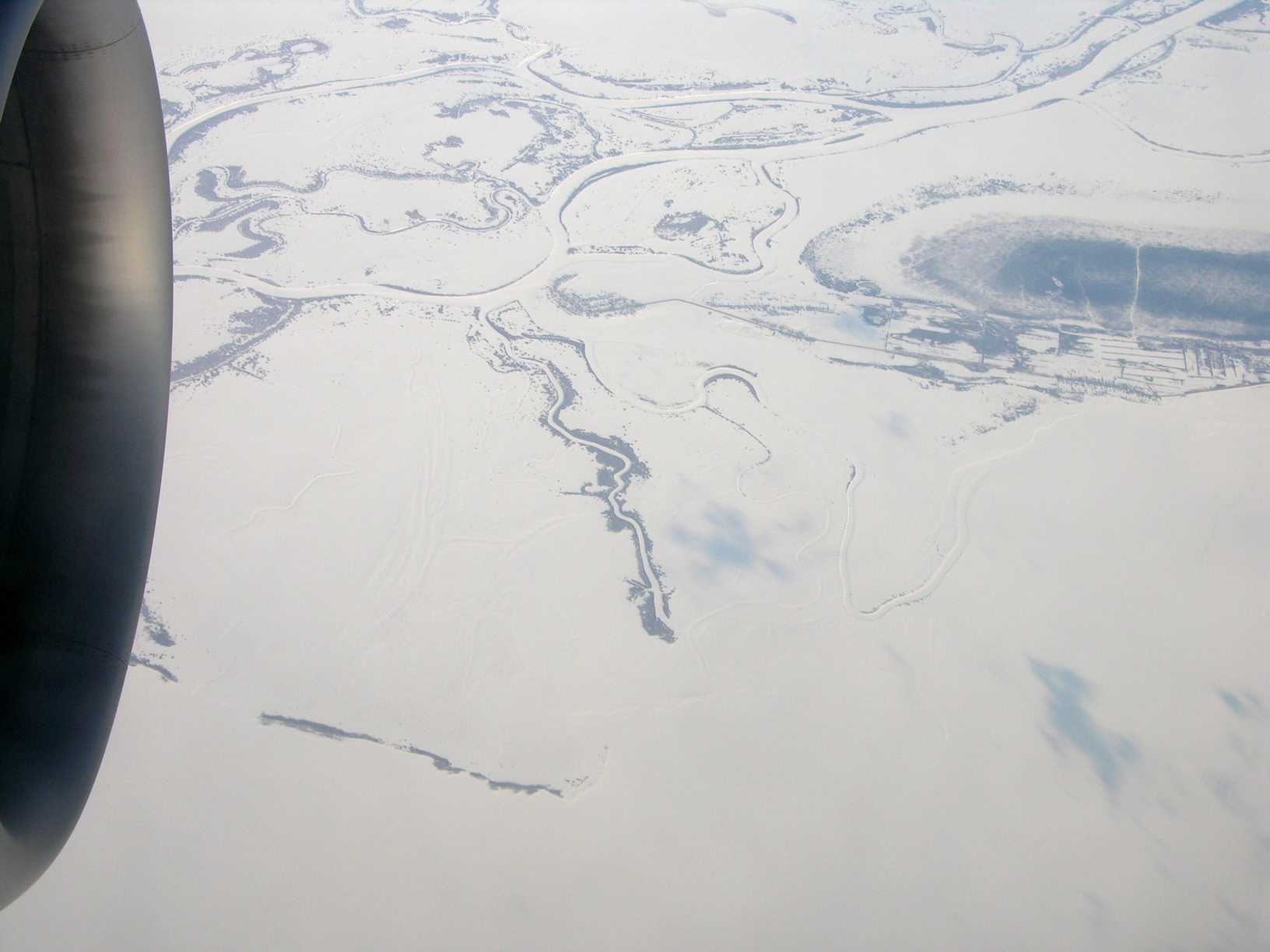
Denis left Russia for the first time on 25 March 2006. We bought tickets to Istanbul on Turkish Airlines, which had only recently begun flying there from Saint Petersburg. From the plane we could see frozen Lake Ilmen, the mouth of the Lovat River and snow everywhere. It wouldn’t last. In Turkey, spring had already arrived. We landed in the evening, after dark.
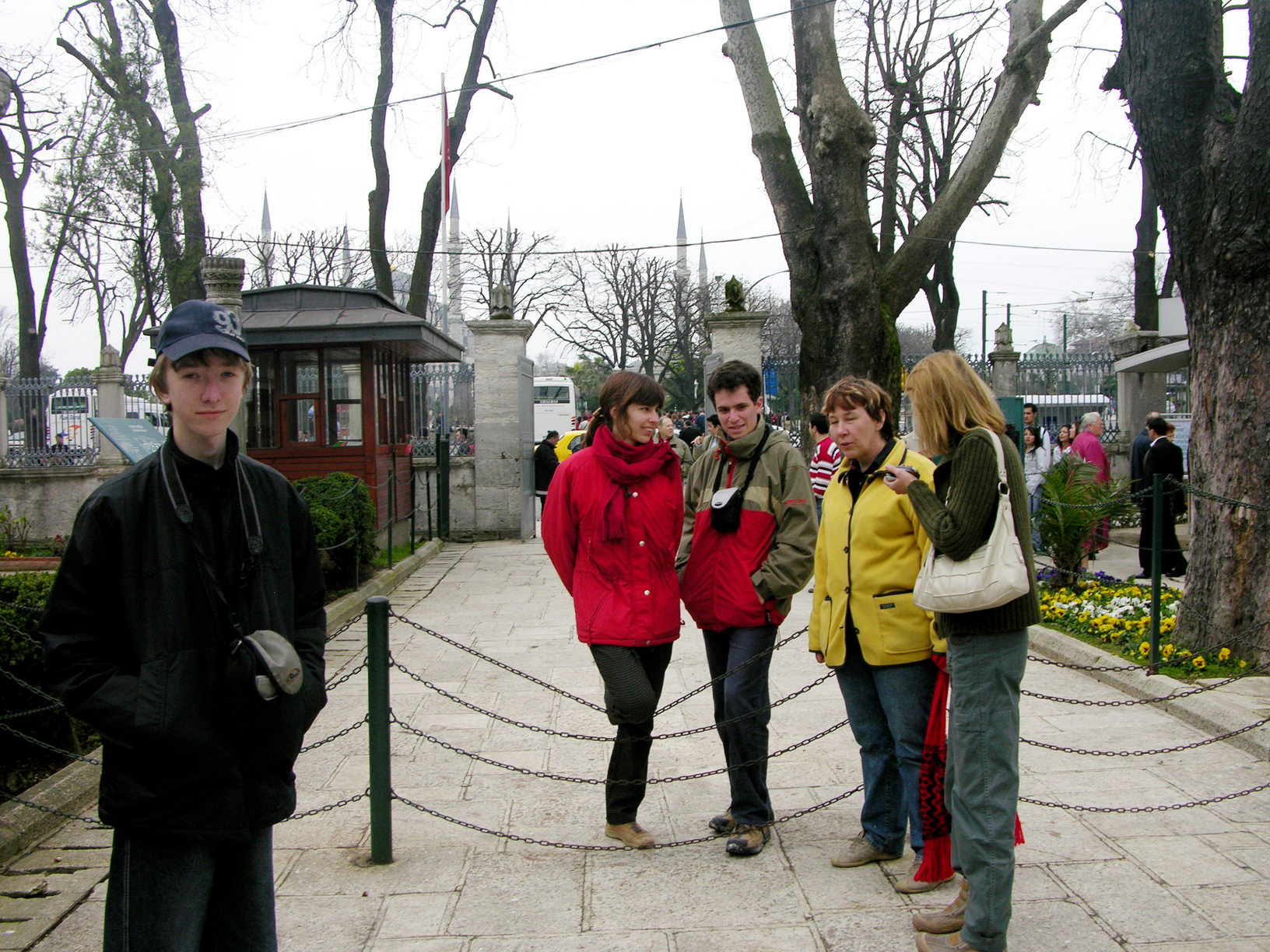
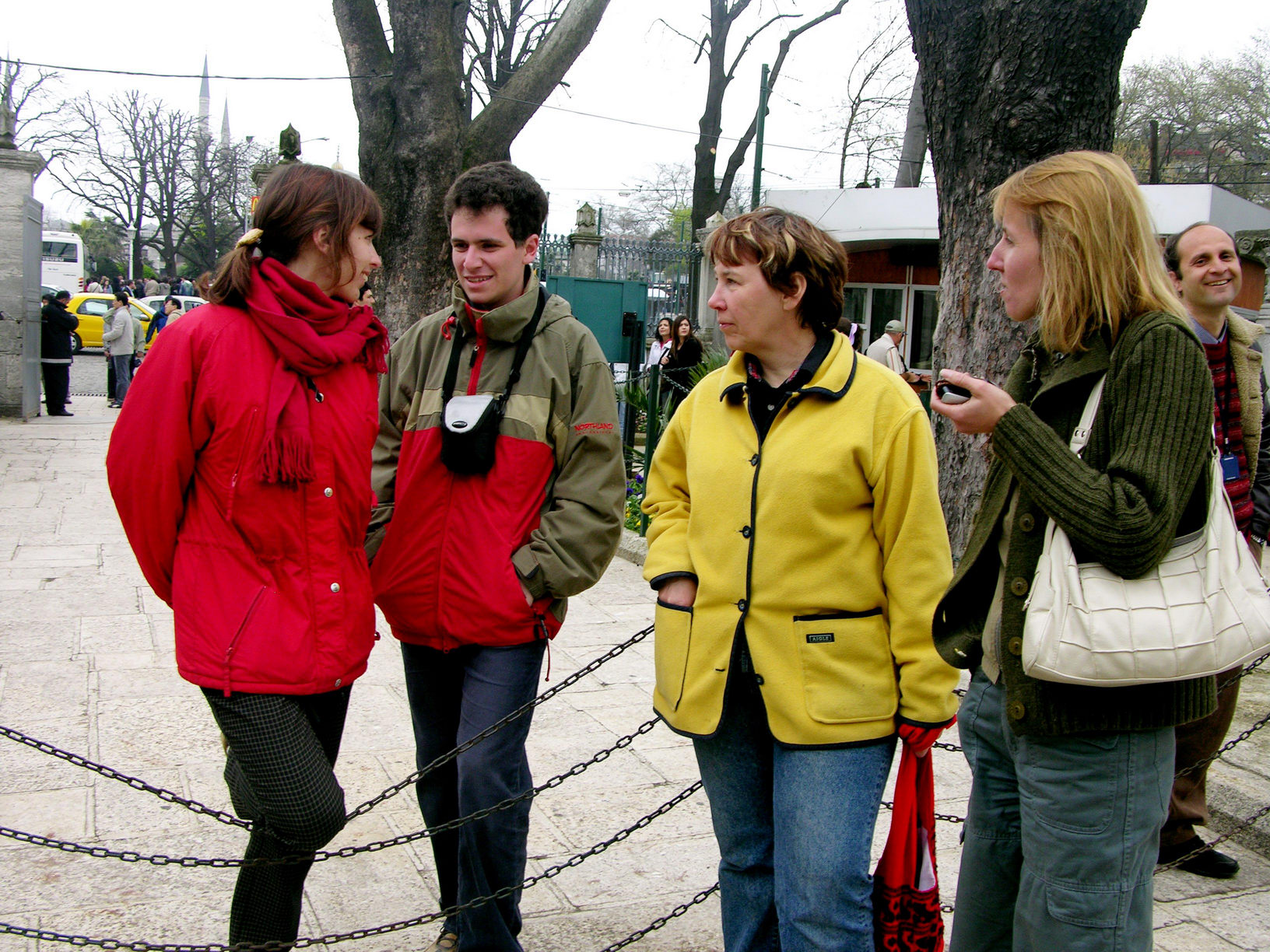
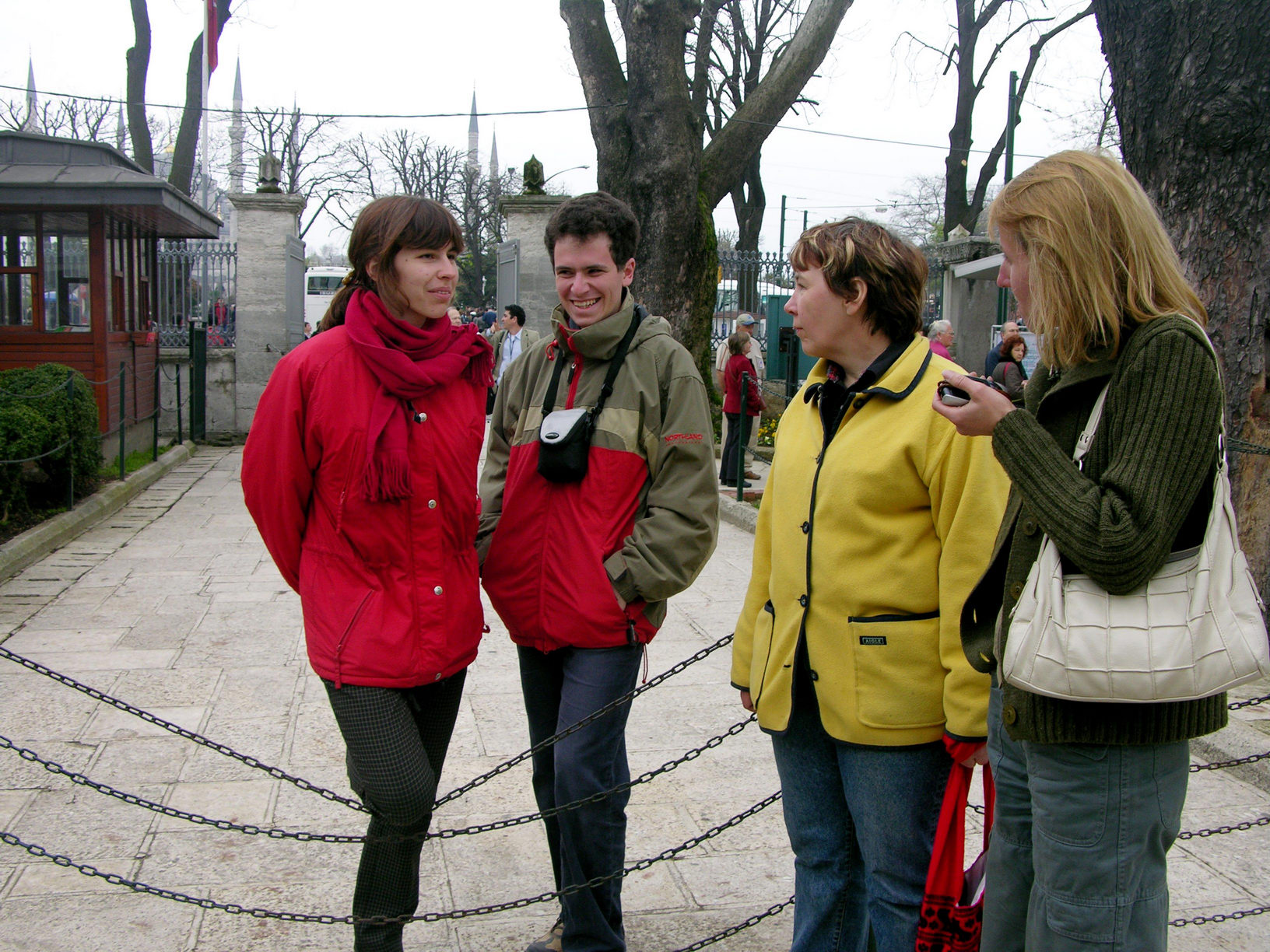
Besides Denis, there was Lena Kazachenko, whom we’d travelled to Africa with. Her youngest, Masha, was flying out separately with her boyfriend of the moment and a noisy entourage. We old people had no intention of following them around. We planned to meet up briefly. They’d already found us a hotel in the centre of the city, just a few minutes’ walk from Hagia Sophia (41°00.715′N, 28°58.653′E).
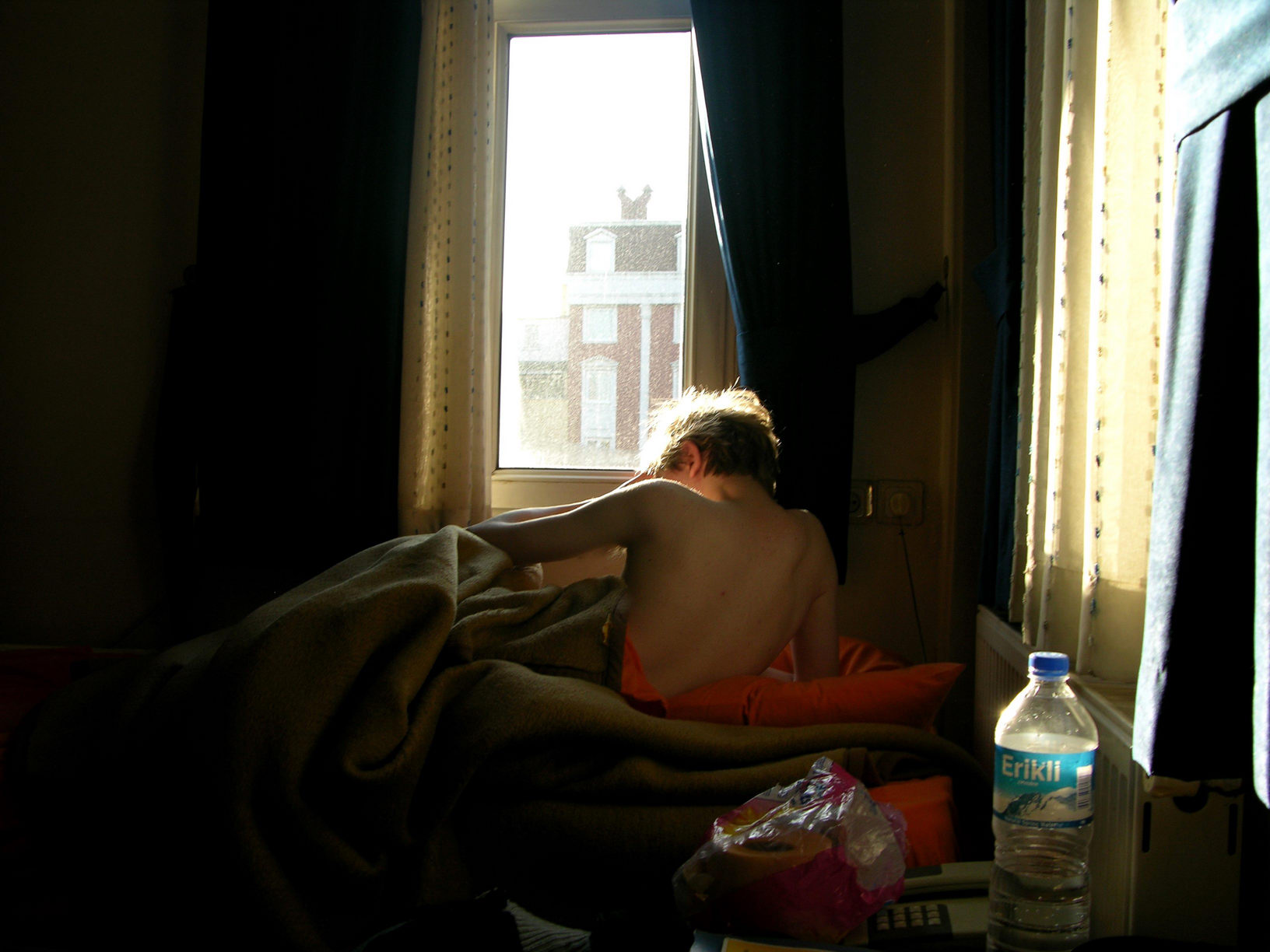
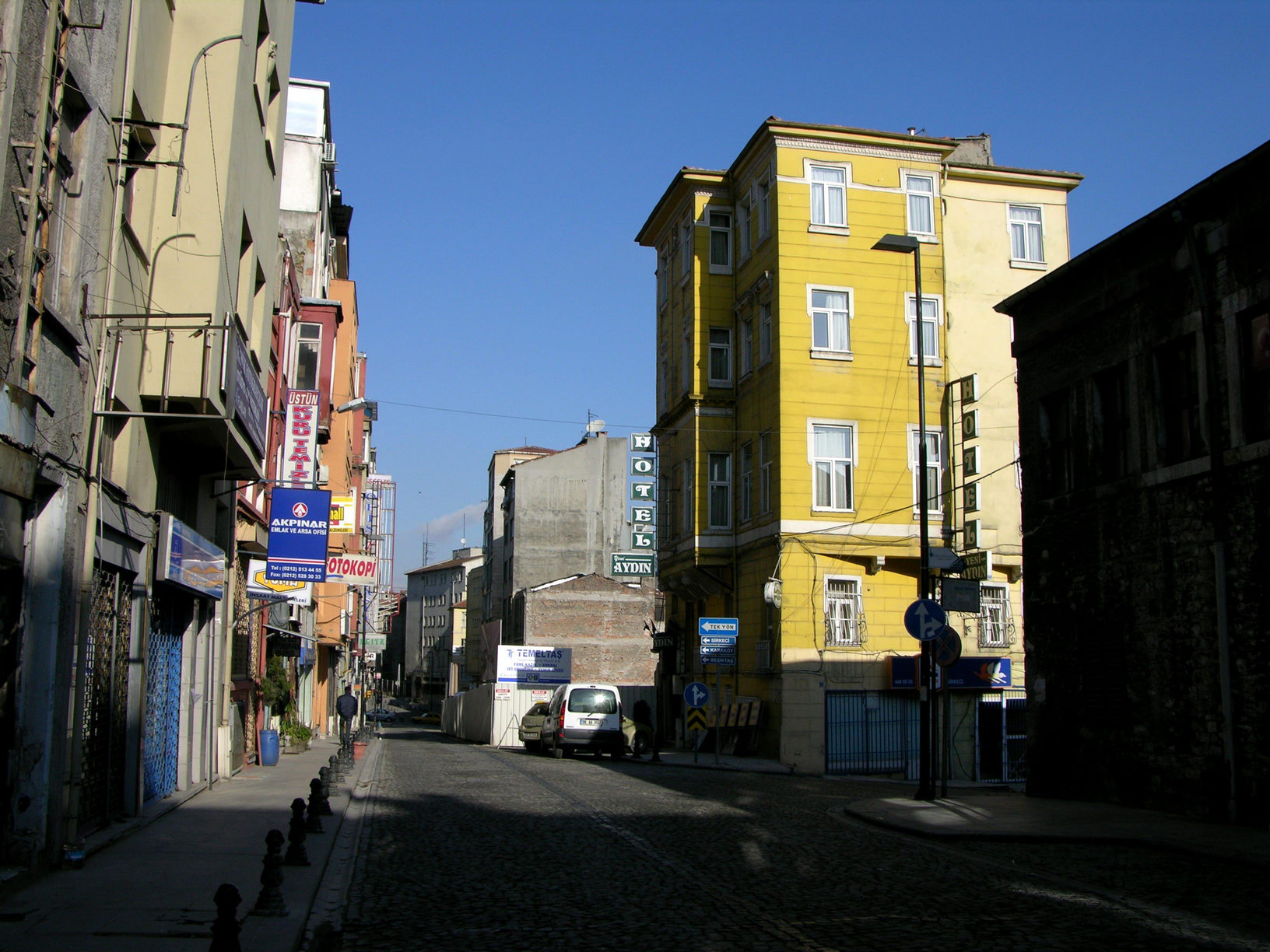
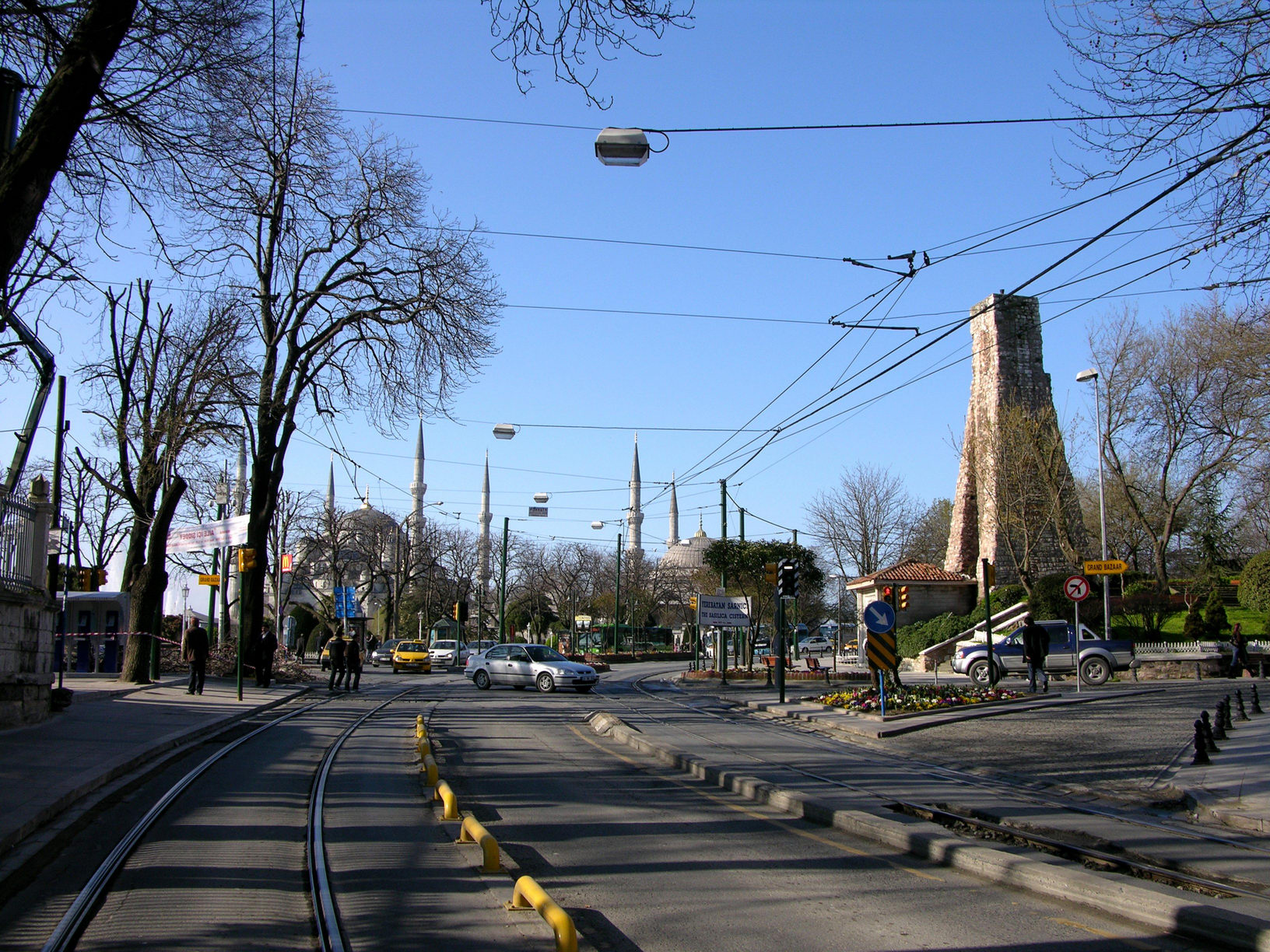
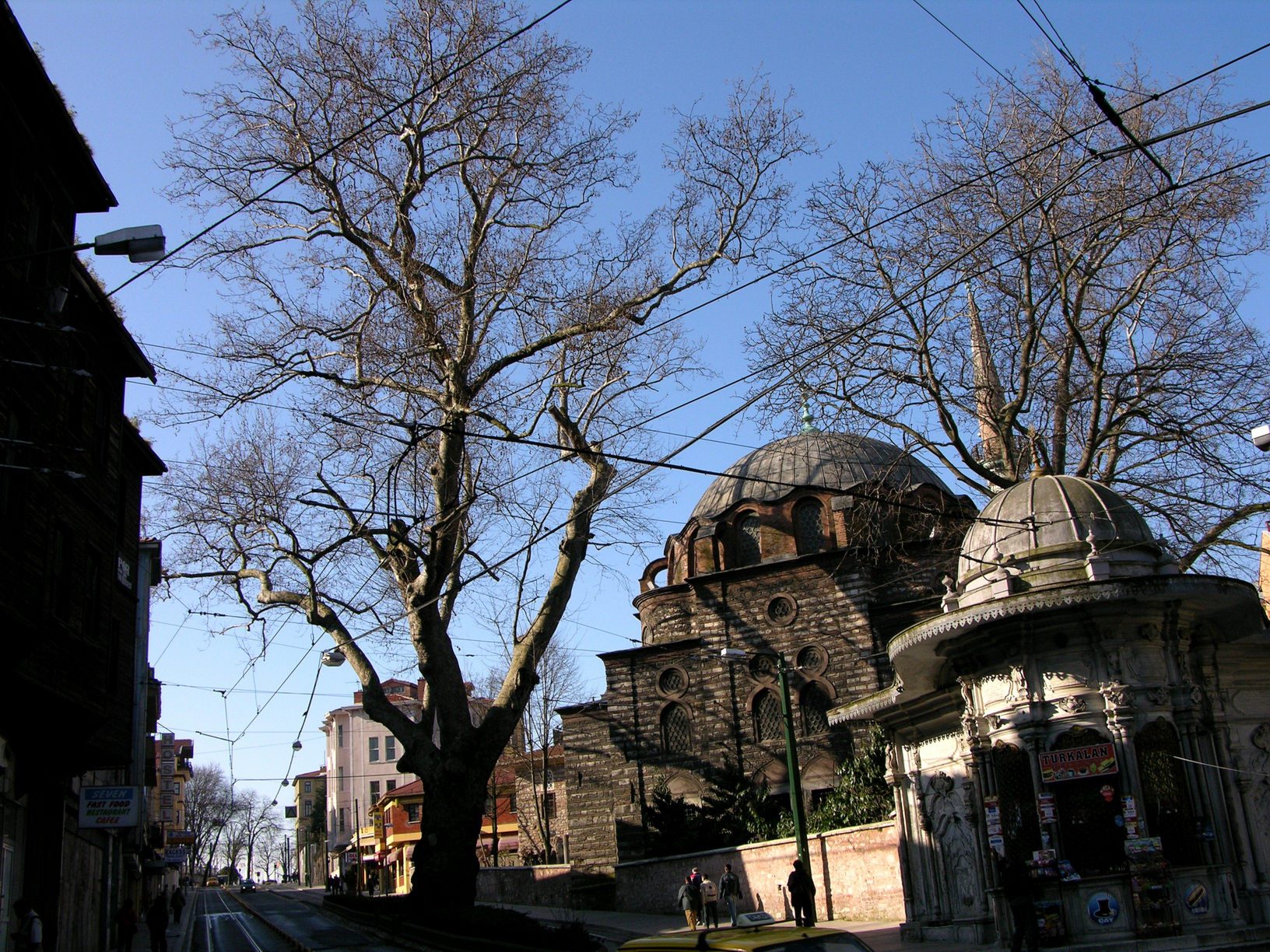
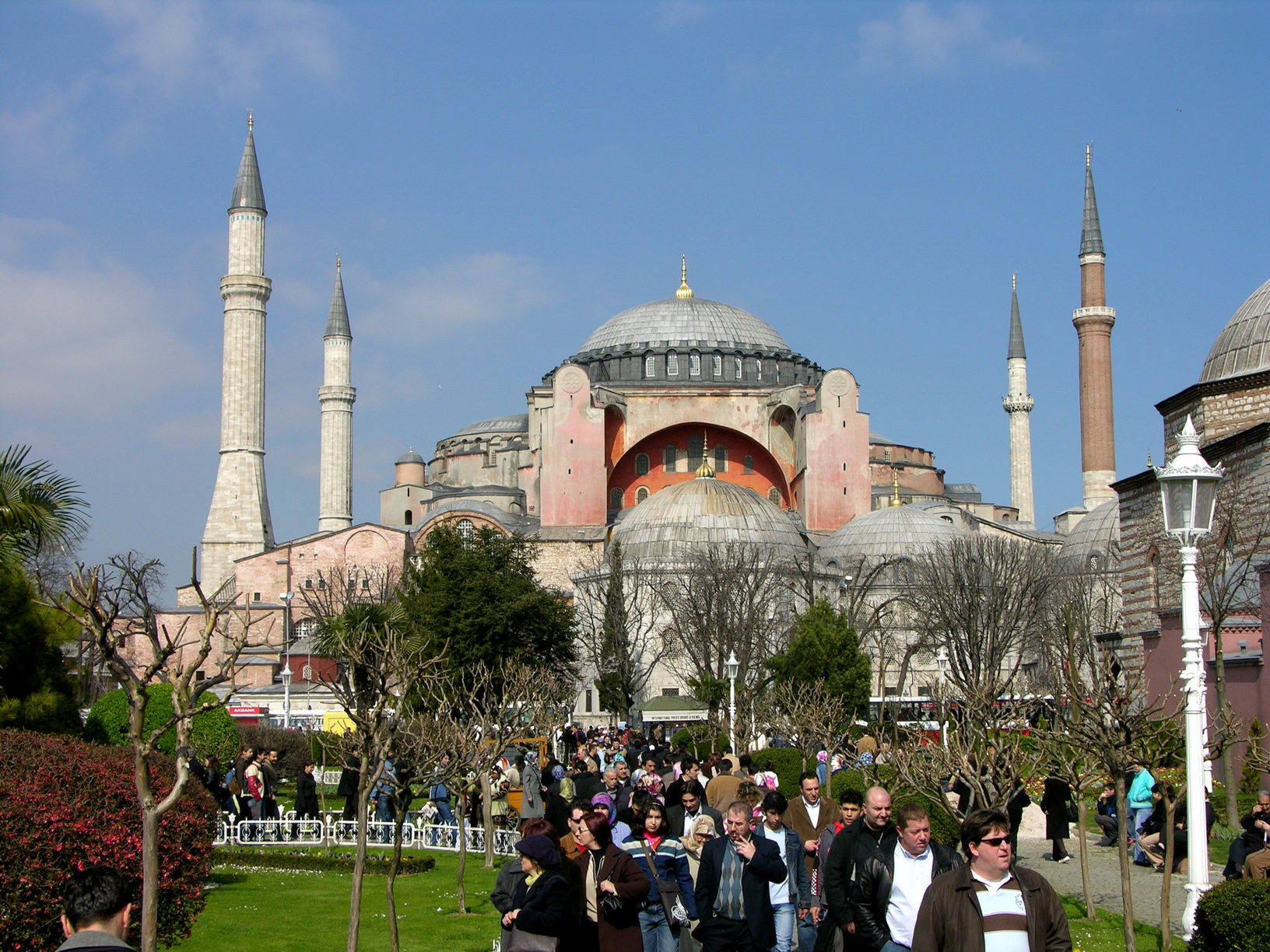
Sleeping somewhere like that, you can’t help imagining the people who lived nearby hundreds of years earlier, their troubles and celebrations, births and deaths, the flourishing of Byzantine civilisation and its end under the pressure of the Turks, and all the court intrigues. Christianity acquired much of its familiar form in this part of the world, perhaps right where our hotel stood. In my mind I ranged as far as the Hellespont, where the armies of Xerxes and Alexander crossed and Byron swam. The Crusaders crossed from Europe into Asia in these parts. Perhaps the Argonauts passed through, and Helle’s bones are still down there somewhere. This was also where Russia’s double-headed eagle had its beginnings, when it still belonged to the Palaiologoi.
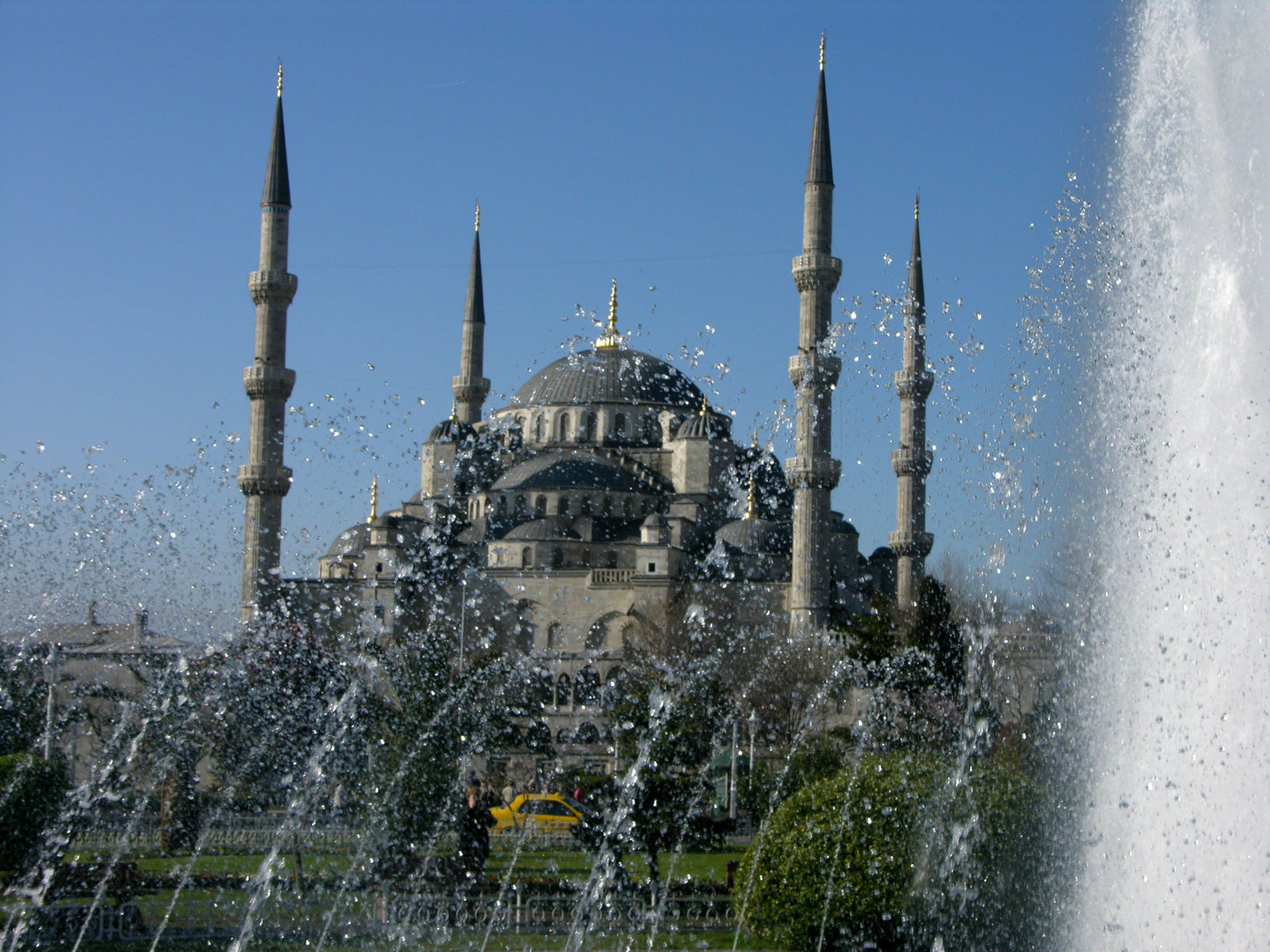
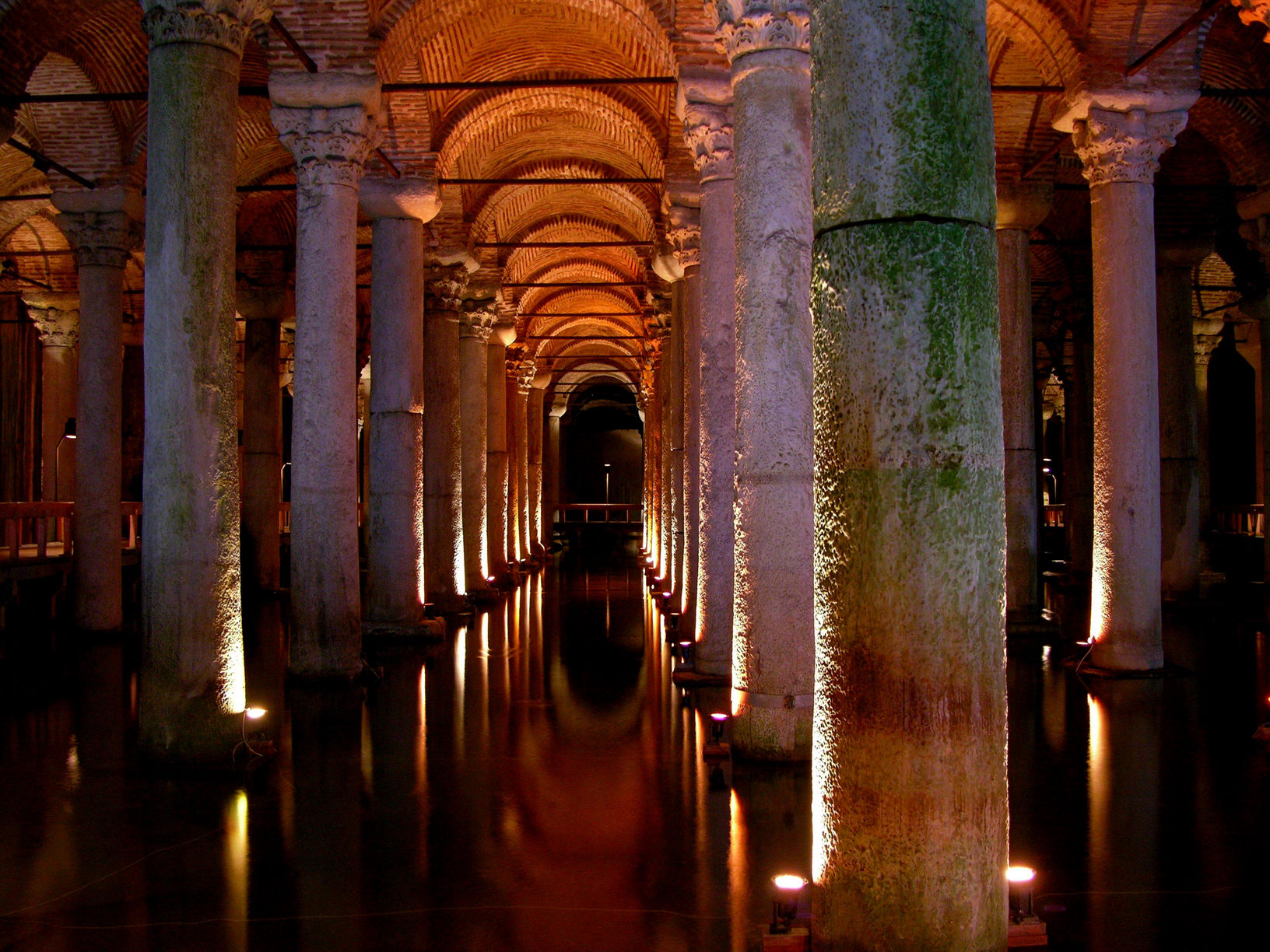
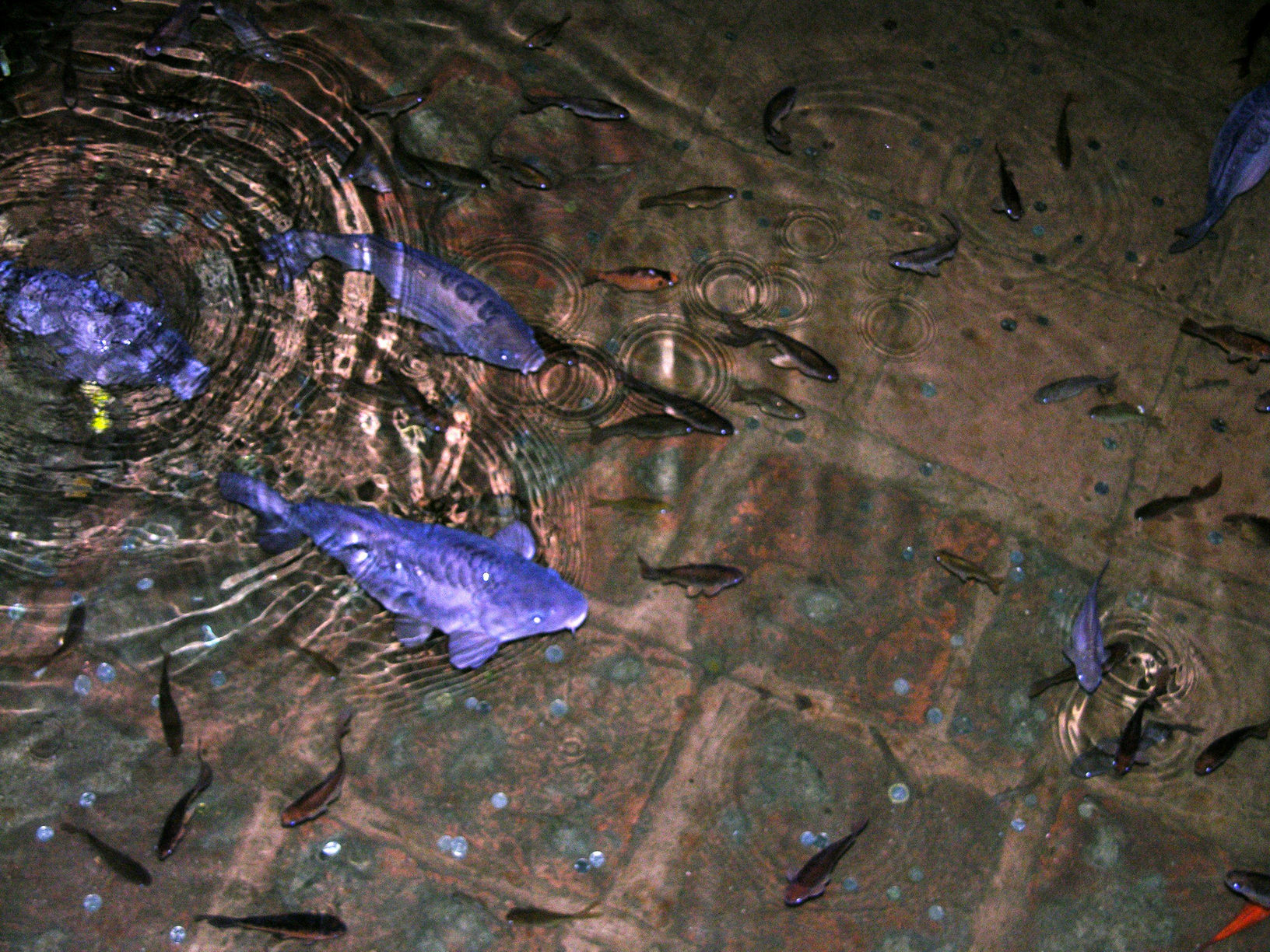
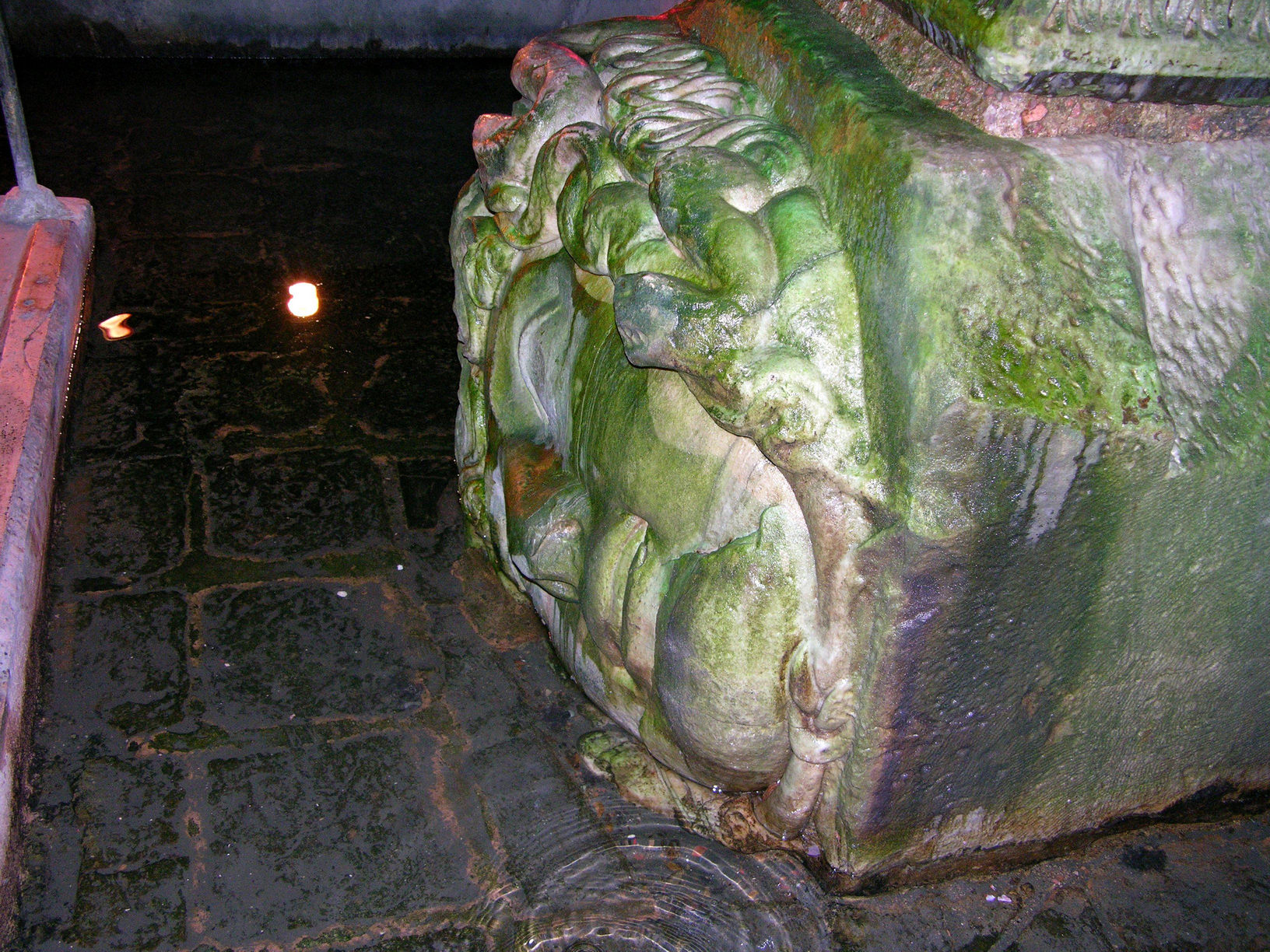
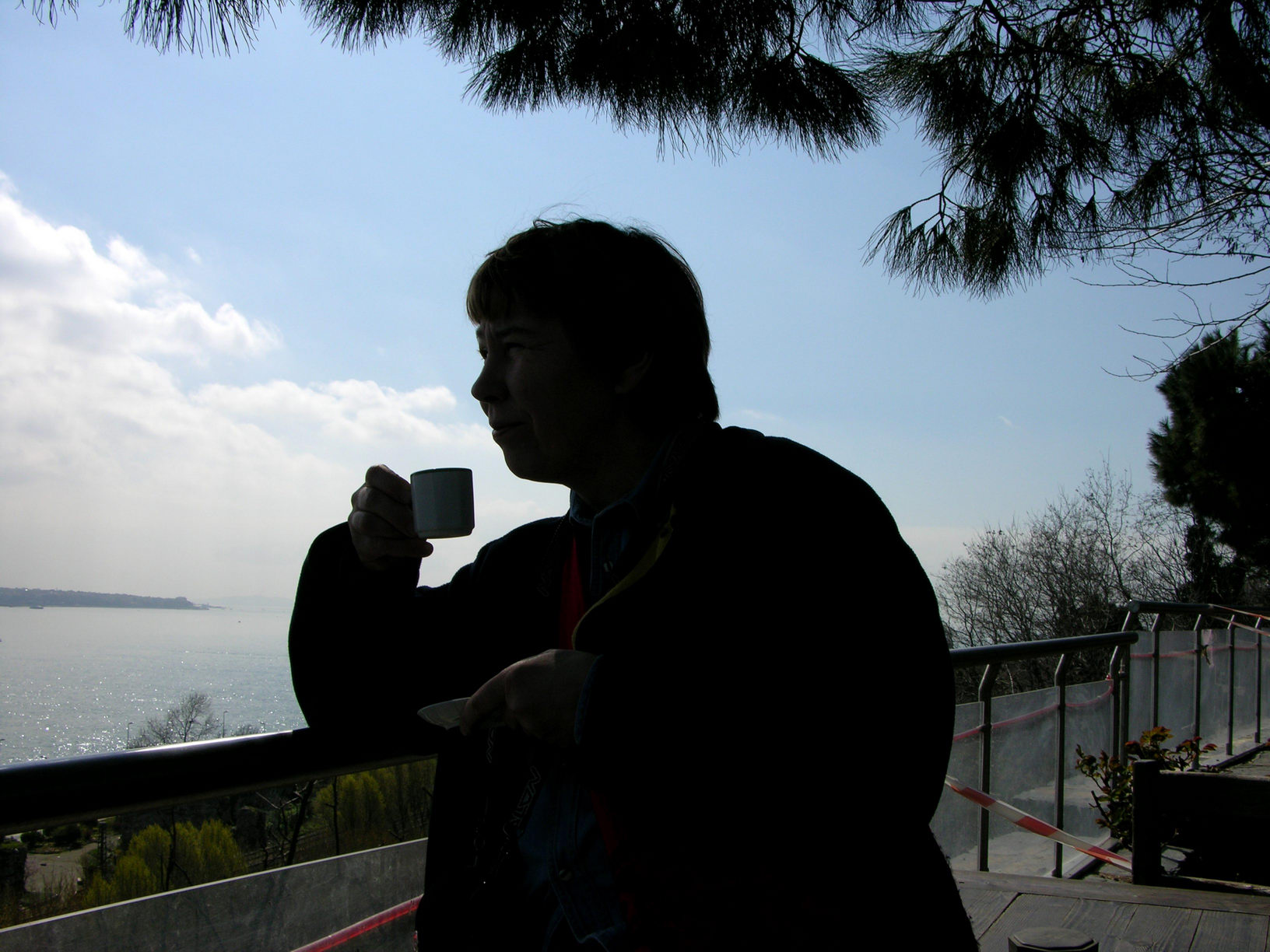
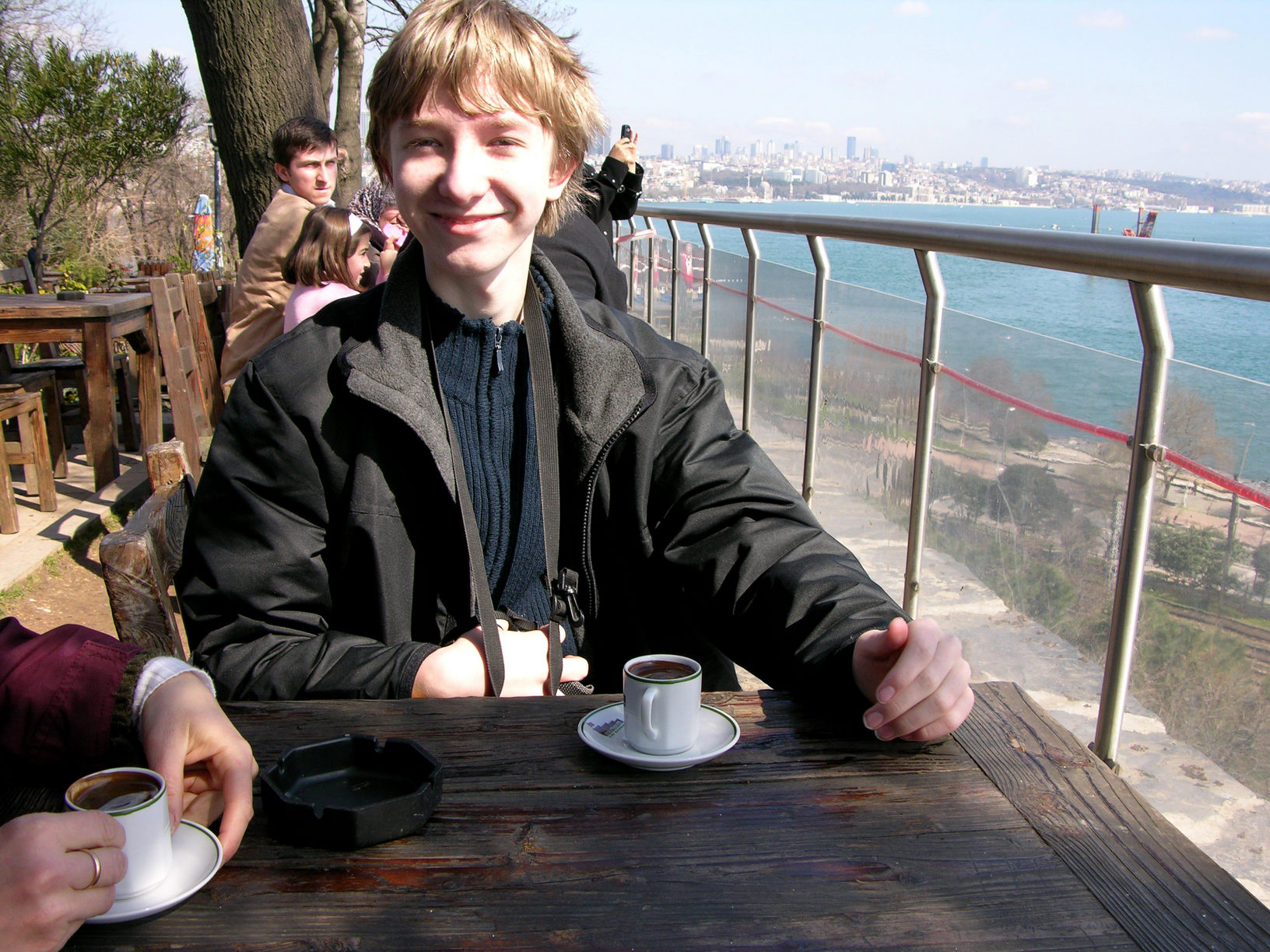
In the morning we walked by Hagia Sophia and the Blue Mosque, went down into the cisterns and walked along the shore of the Bosphorus. A magnificent spring day. The coffee was good. I scarcely saw anyone in modern Turkey drink it the way it’s served to visitors, but for tourists everything is laid out on a saucer with a blue rim. They accepted Russian credit cards. We flew in without invitation or permission. And there you are, the straits are ours, without a day of war. Who cares what scrap of cloth flies from the pole or who’s in command? As long as it isn’t me. People in tourist areas even spoke better Russian than some of the people on Russia’s fringes who’d had it imposed on them by fire and sword.
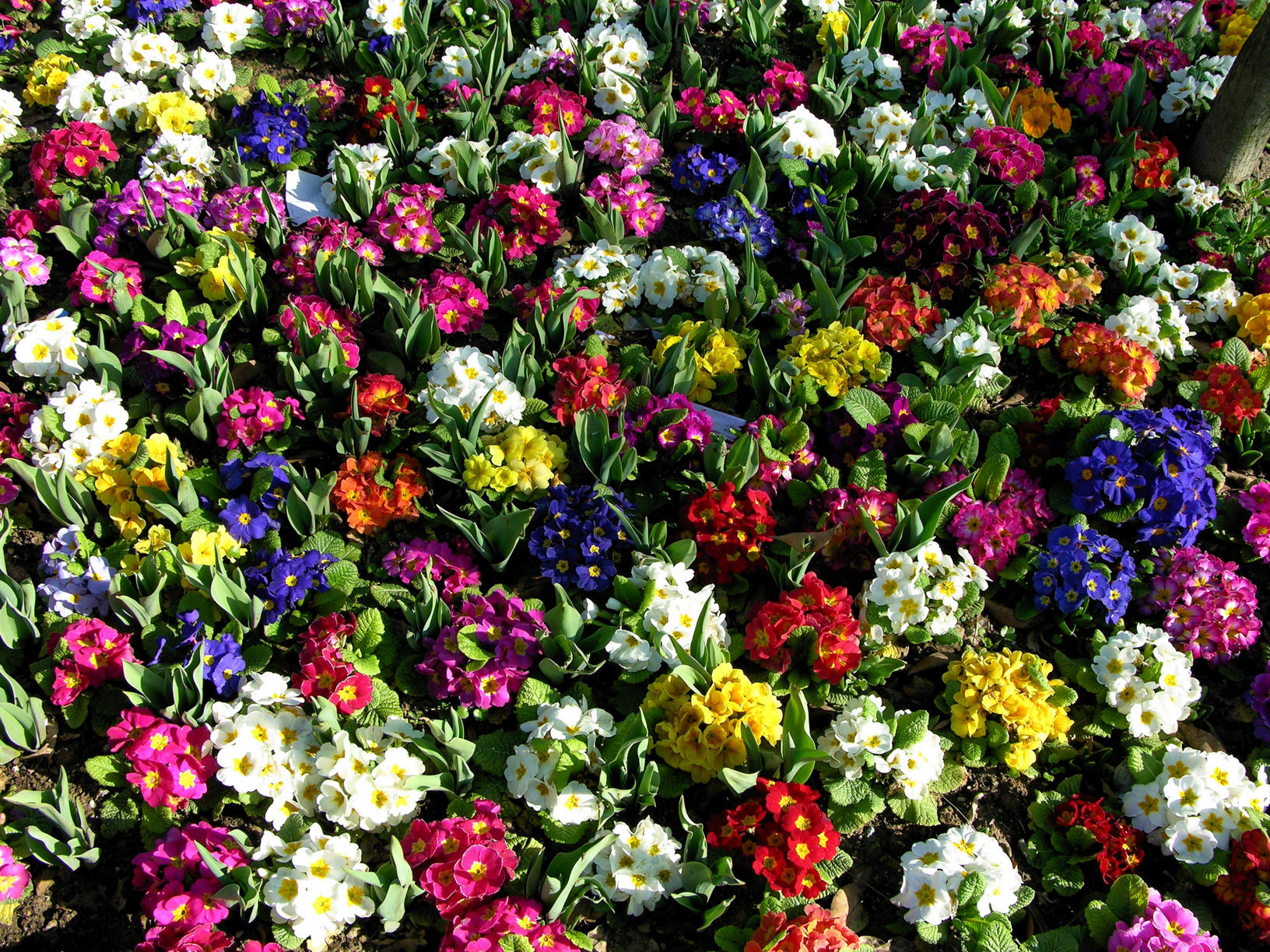
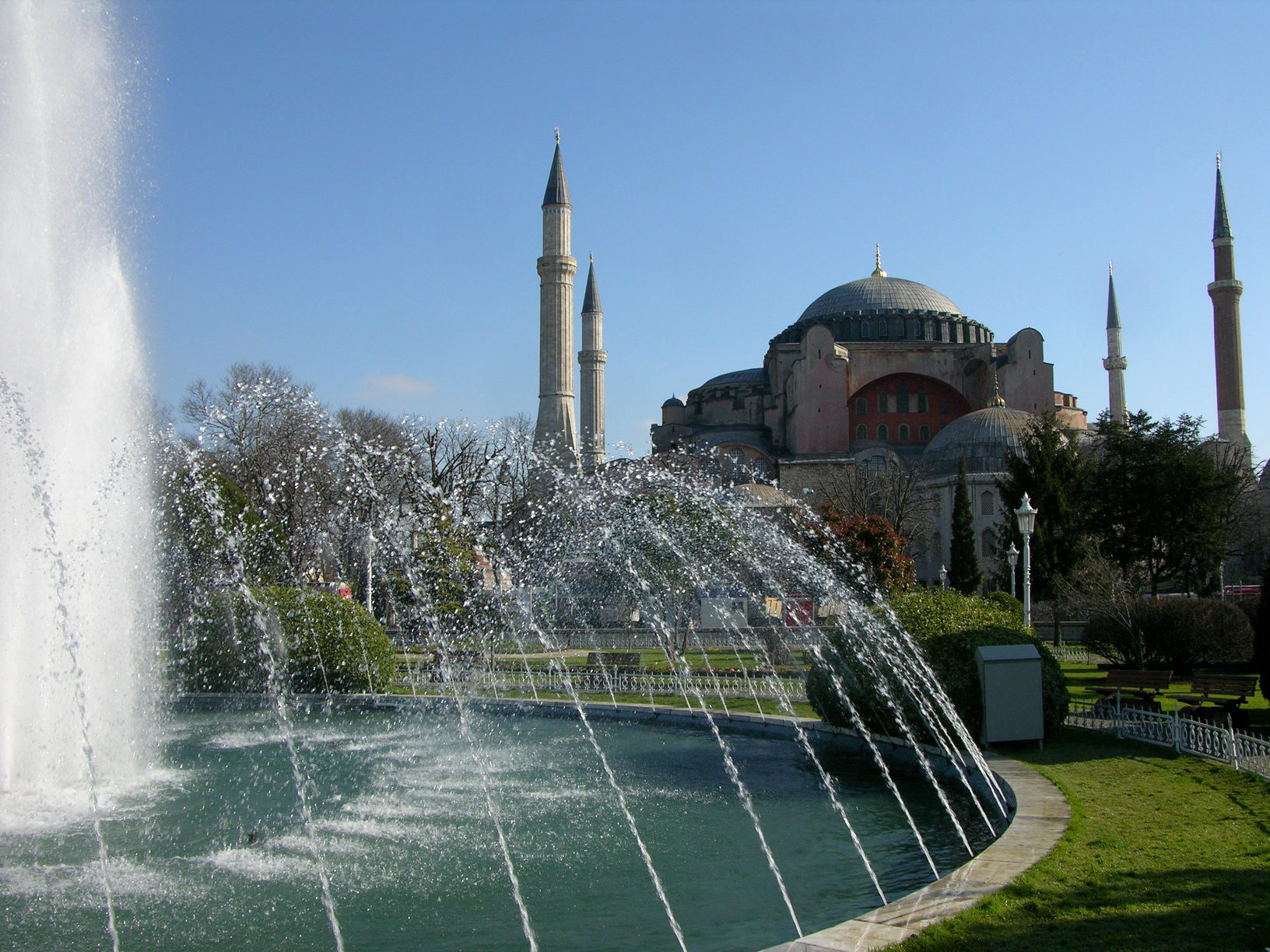
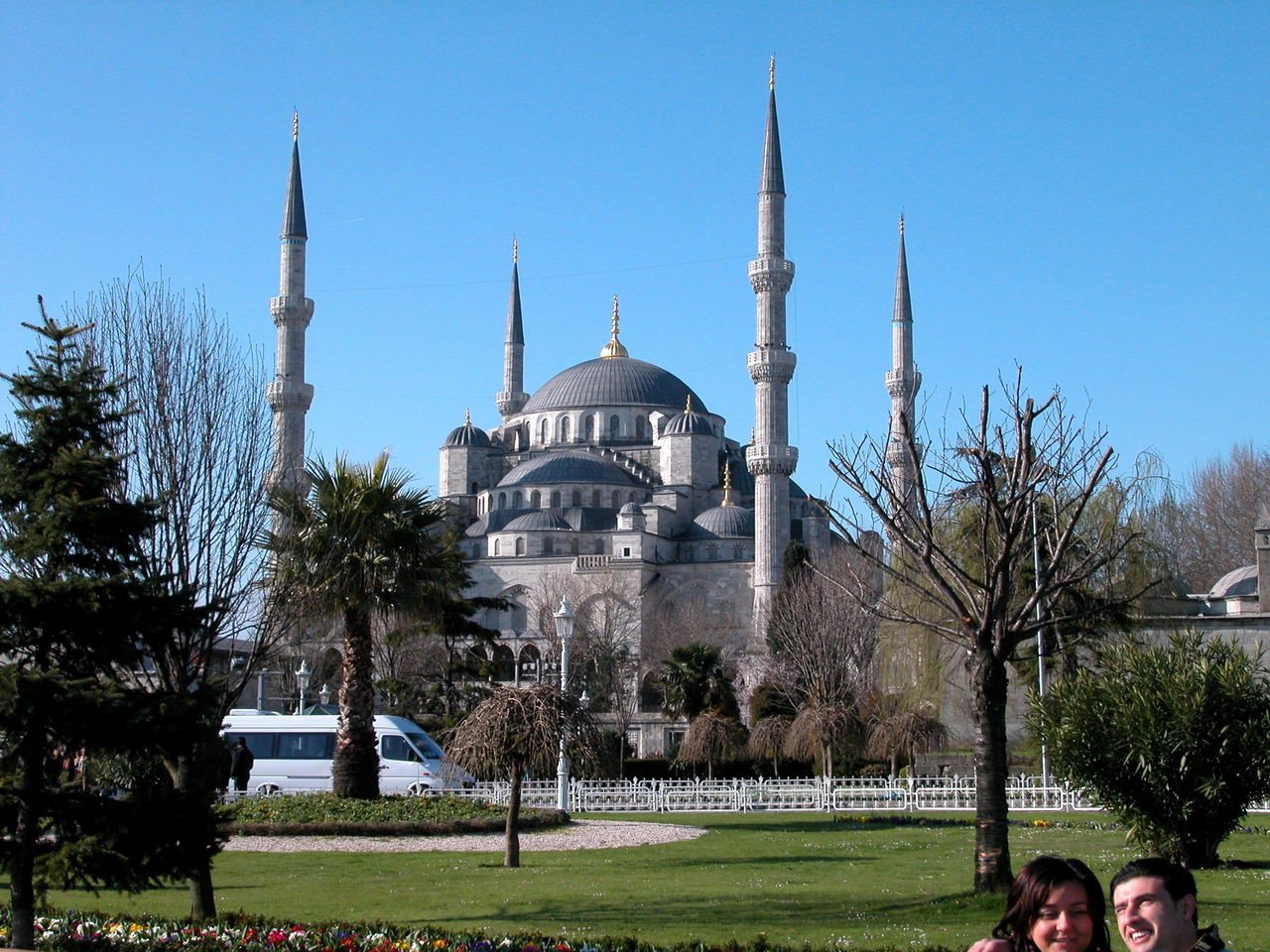
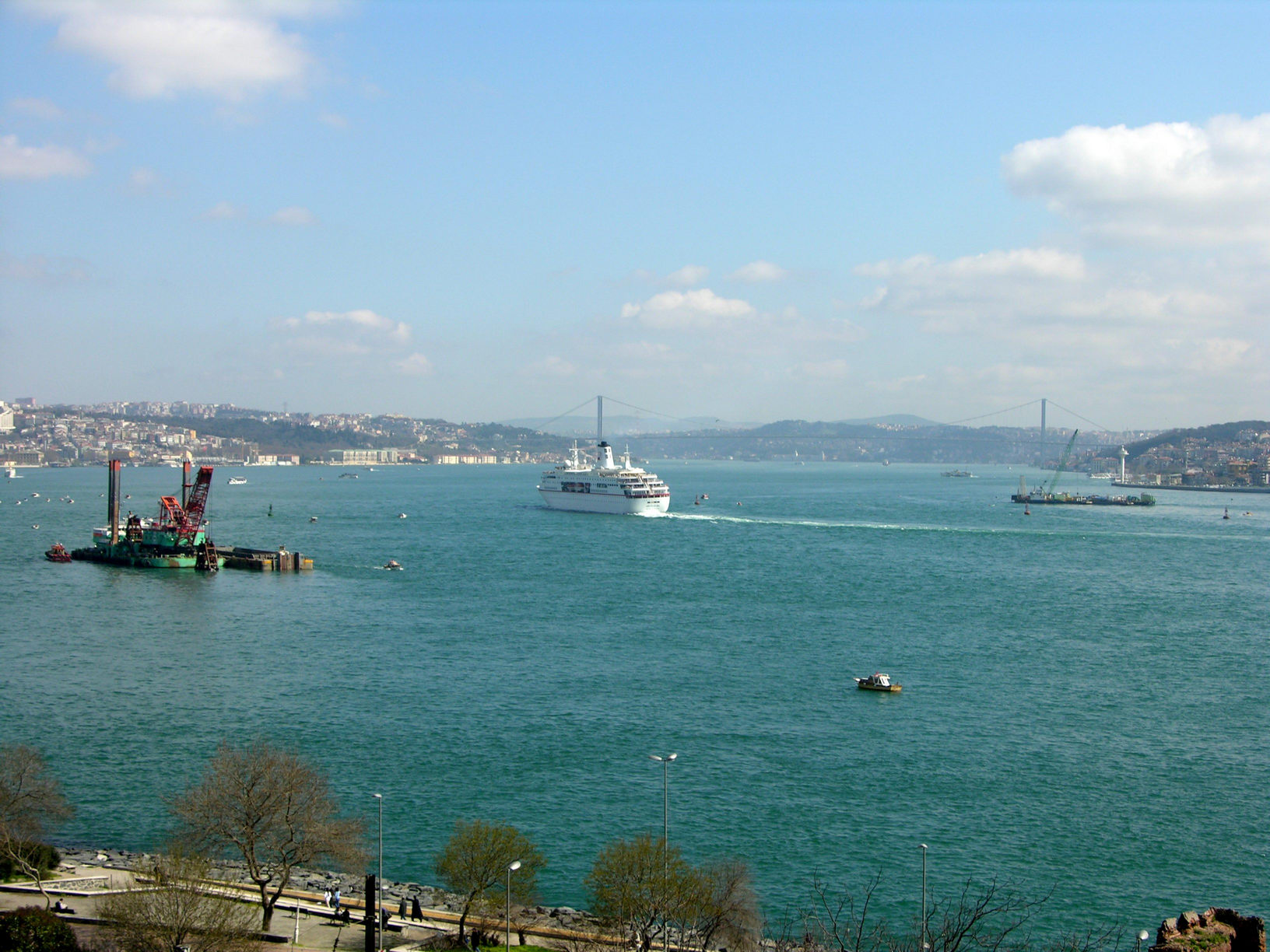
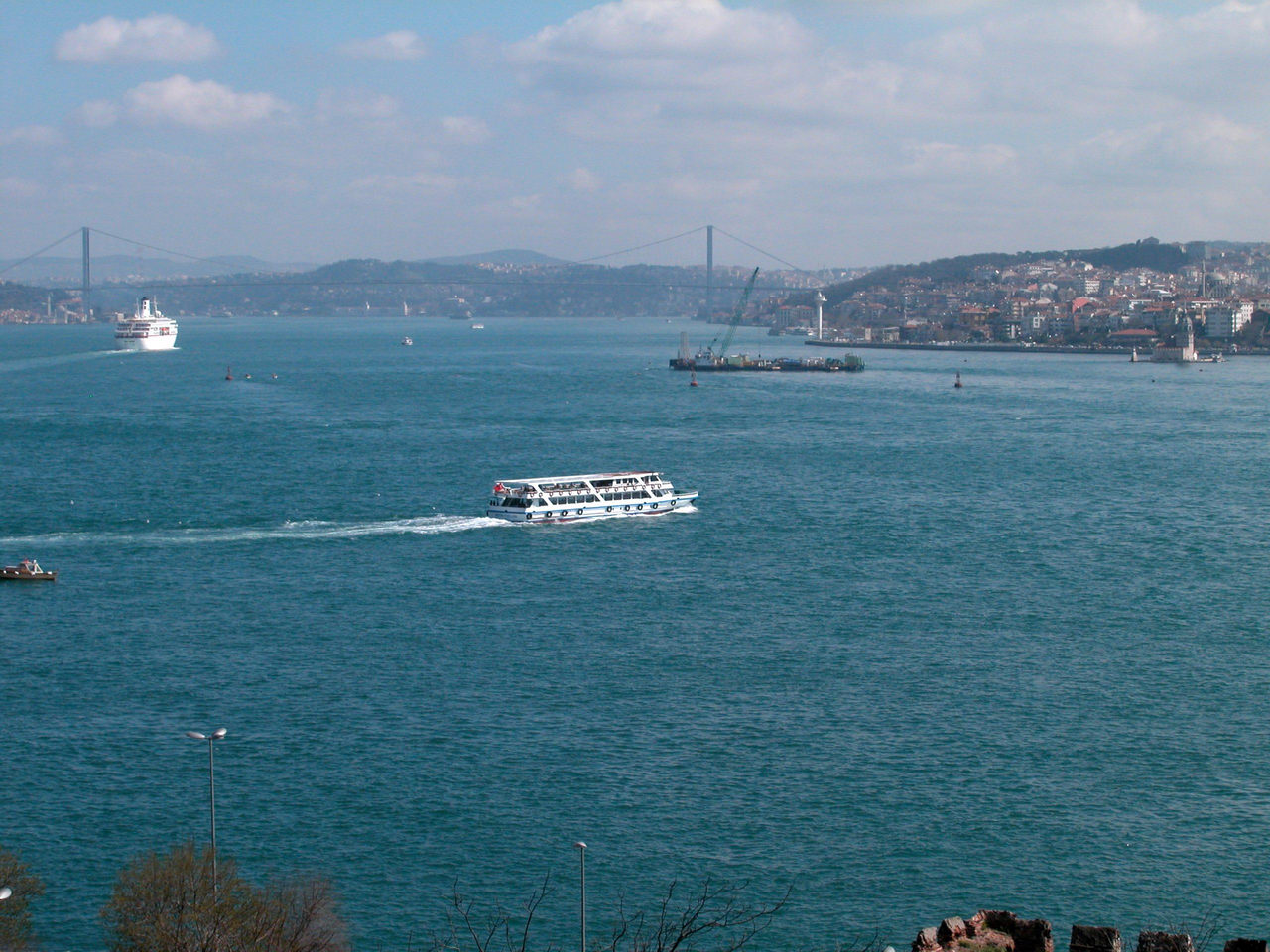
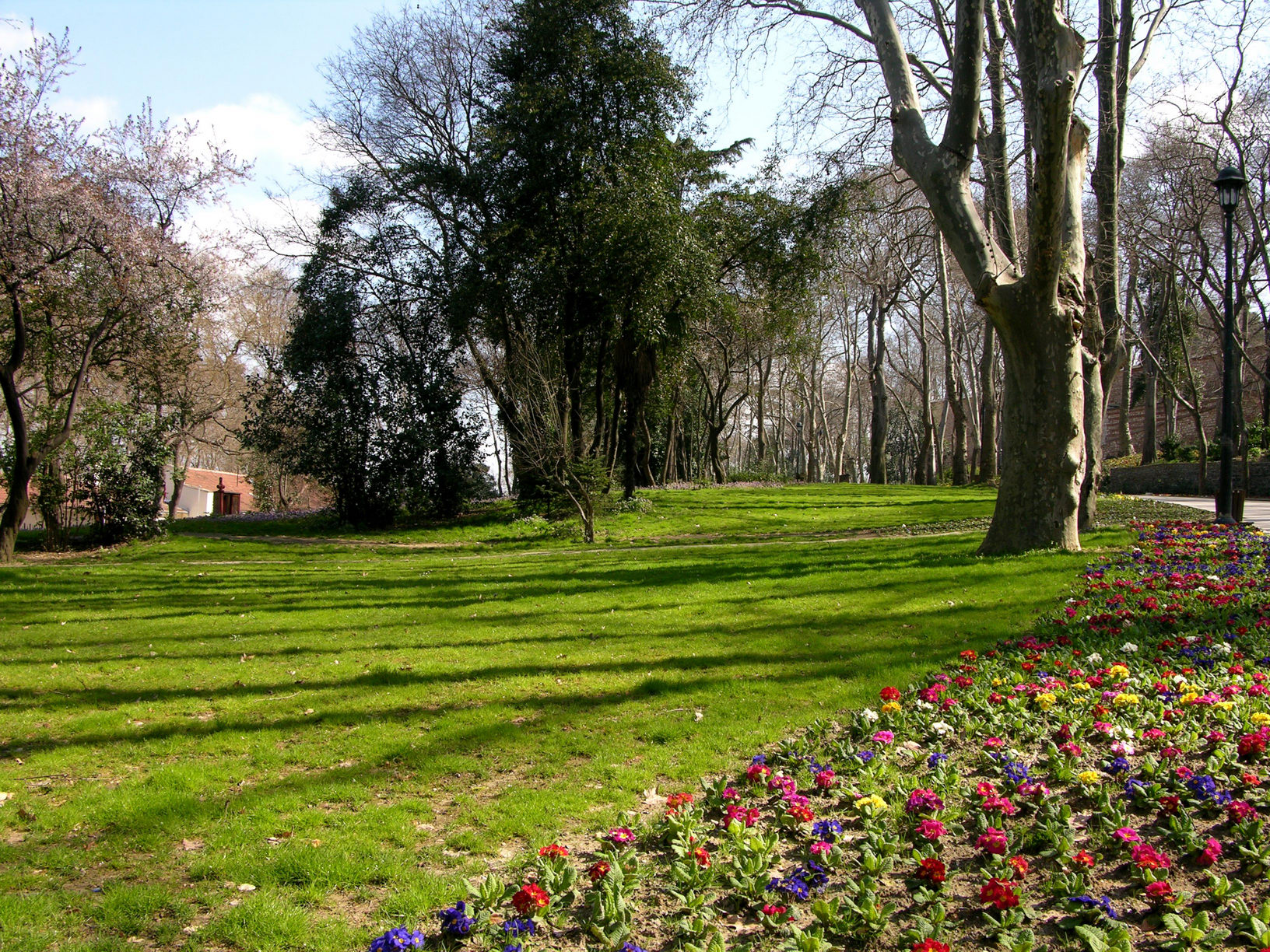
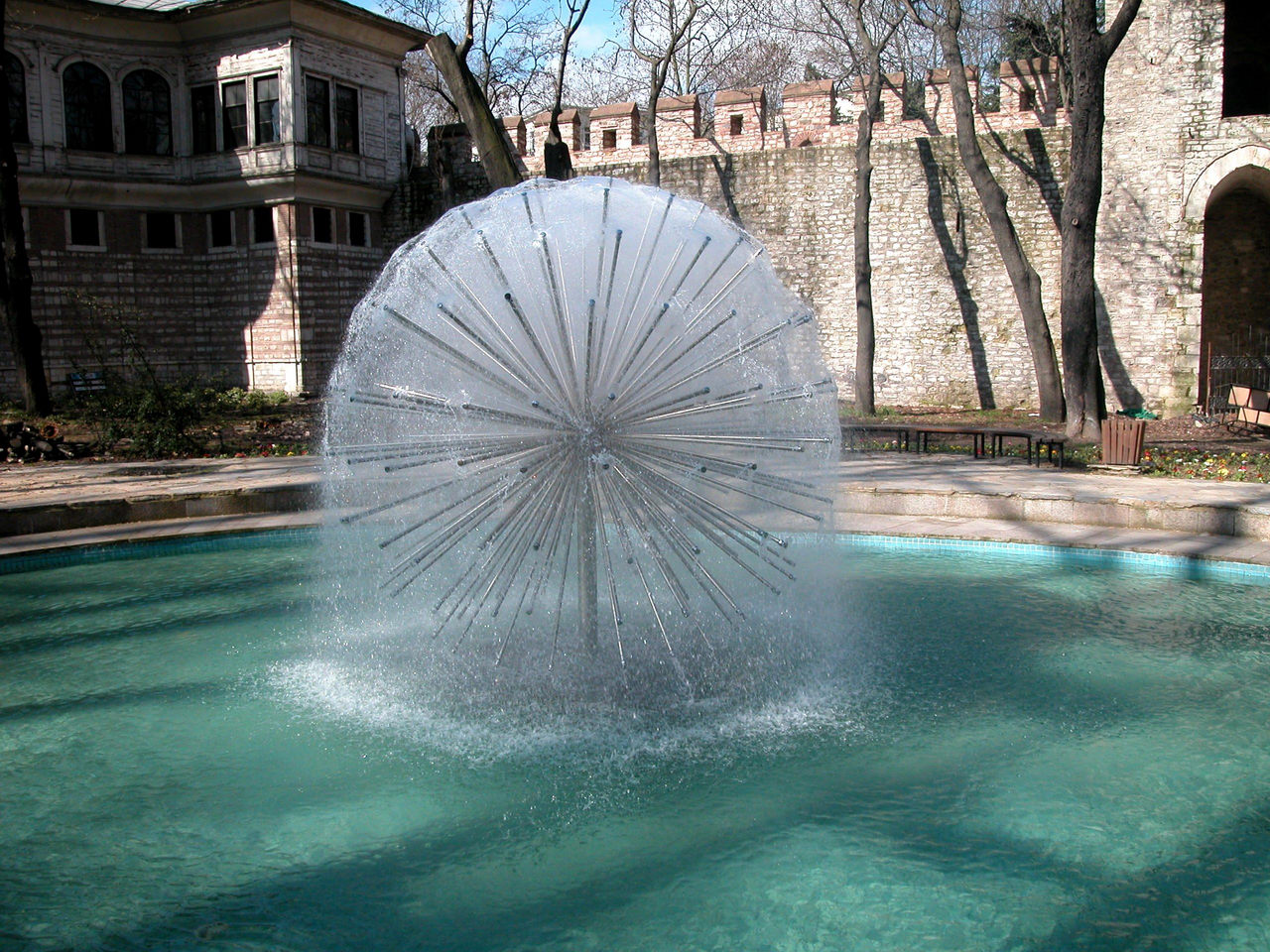
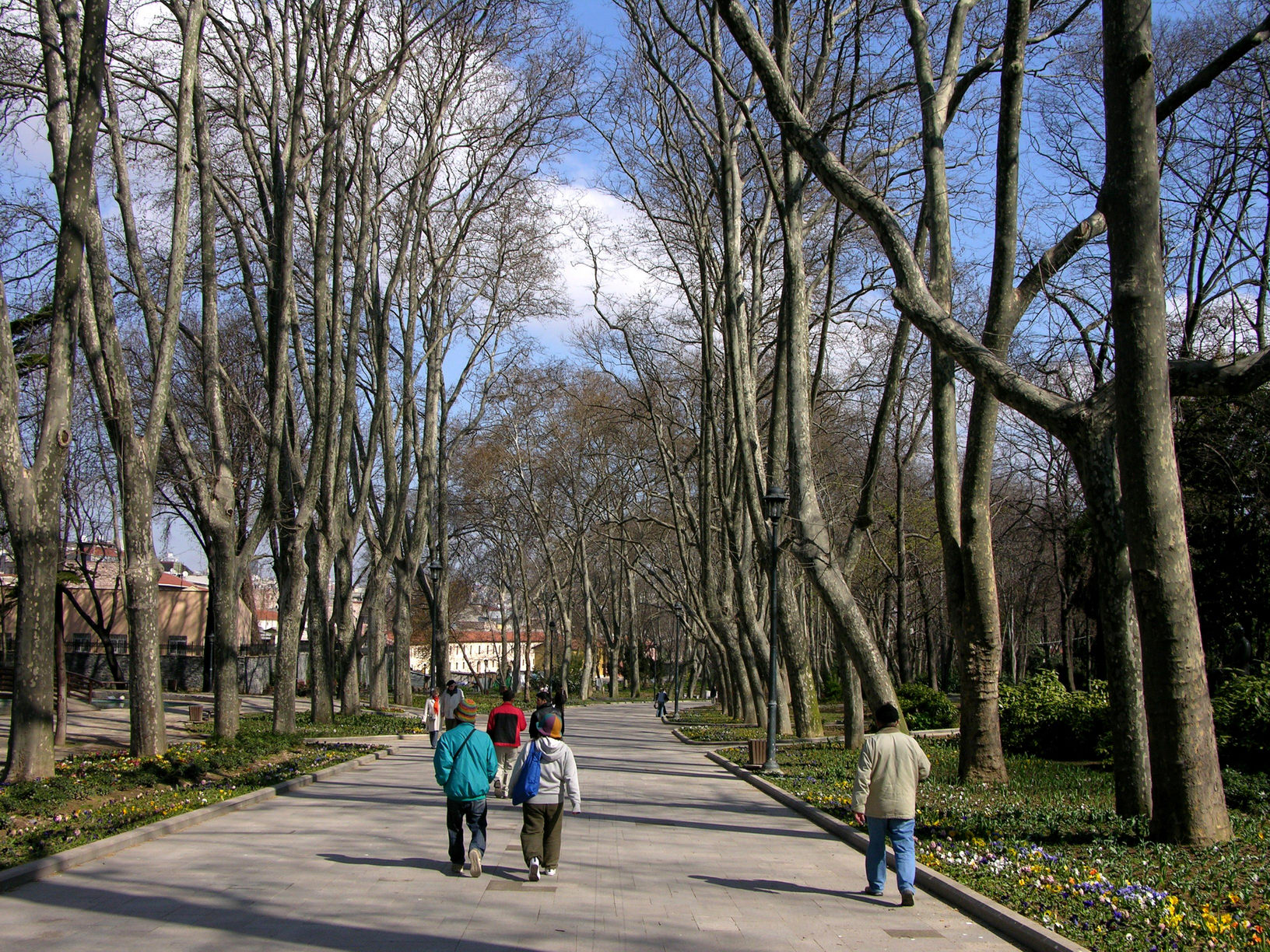
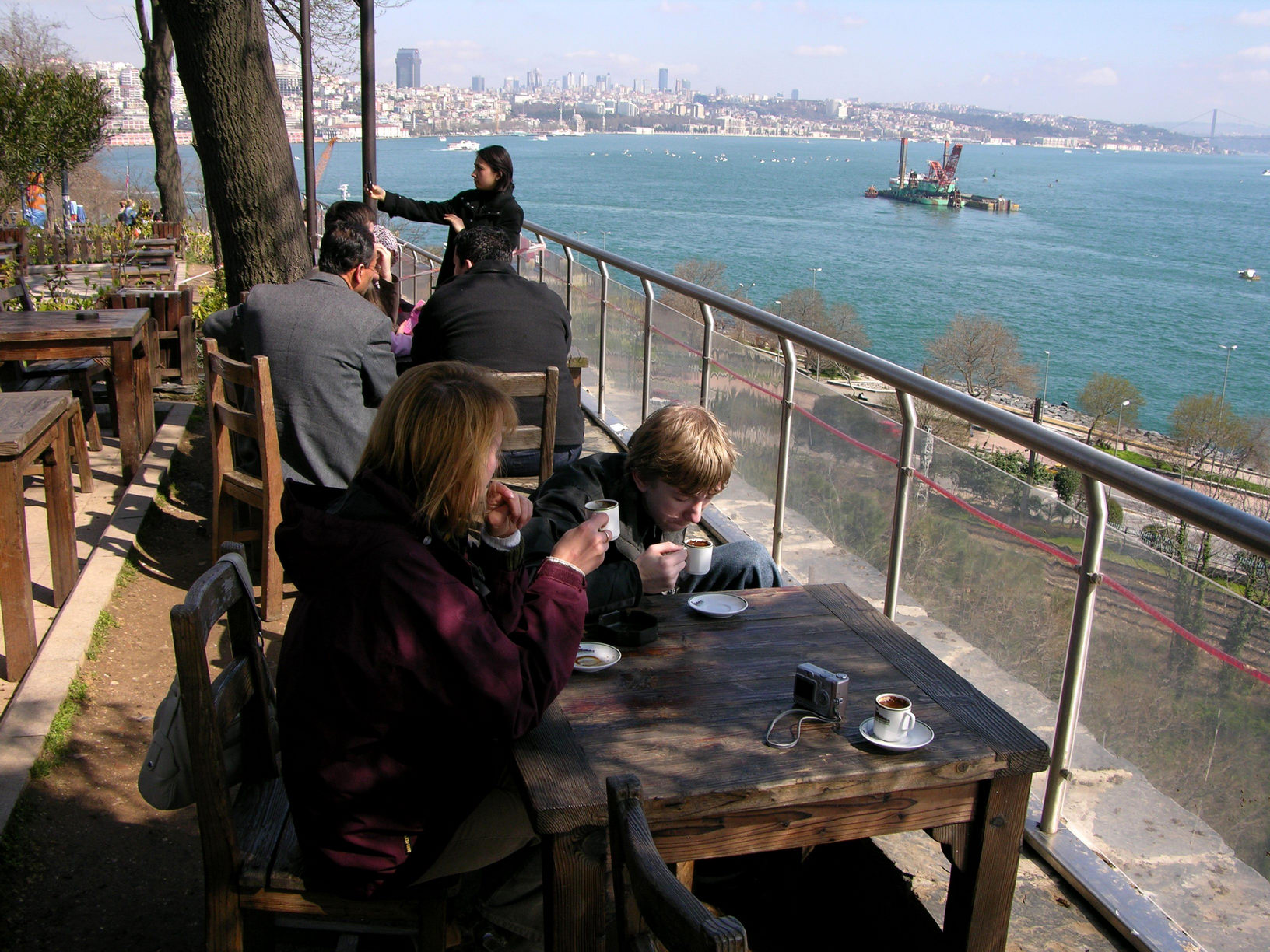
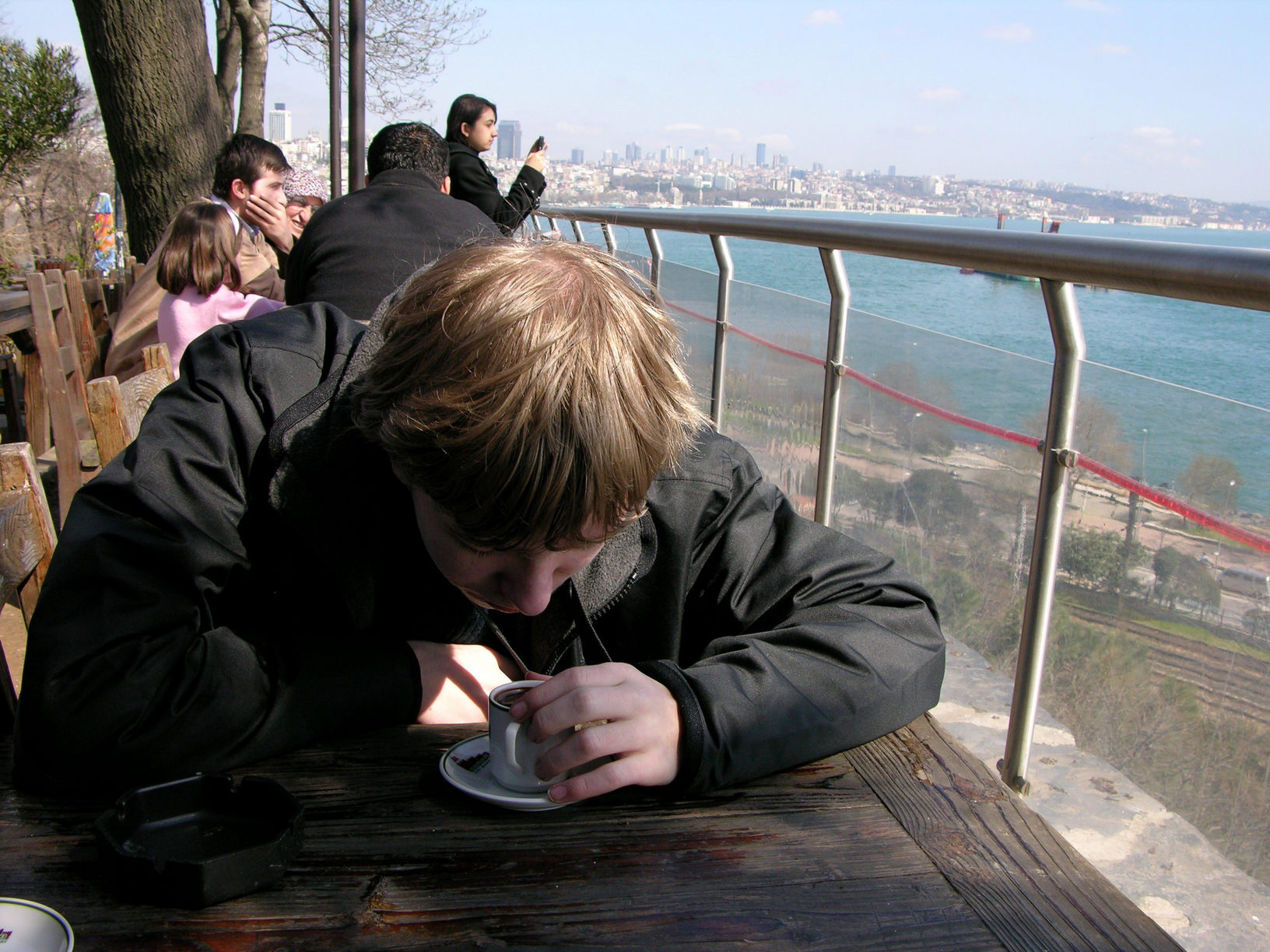
After a light breakfast we made for the local equivalent of the Hermitage, the palace of the Ottoman sultans, Topkapı. The building is big. The view over the Bosphorus is magnificent. There is plenty of gold, though I’ve seen more. The ornament along the walls and the patterns in the windows are splendid. Still, the rooms feel institutional, empty and unwelcoming. Only the harem feels as if real people had lived there. Women are women everywhere. They’ll find a wardrobe, put up a curtain and arrange for a softer sofa.
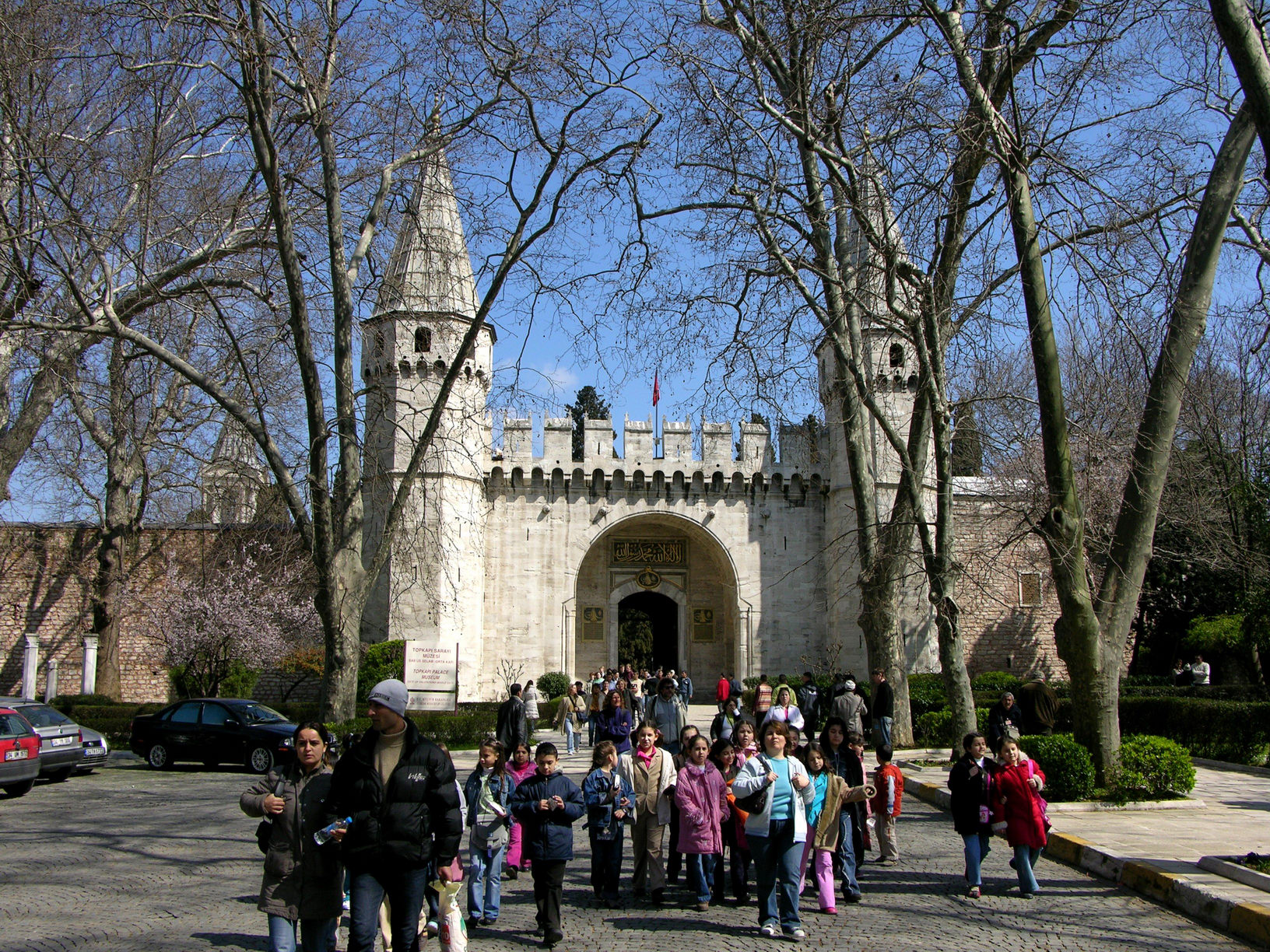
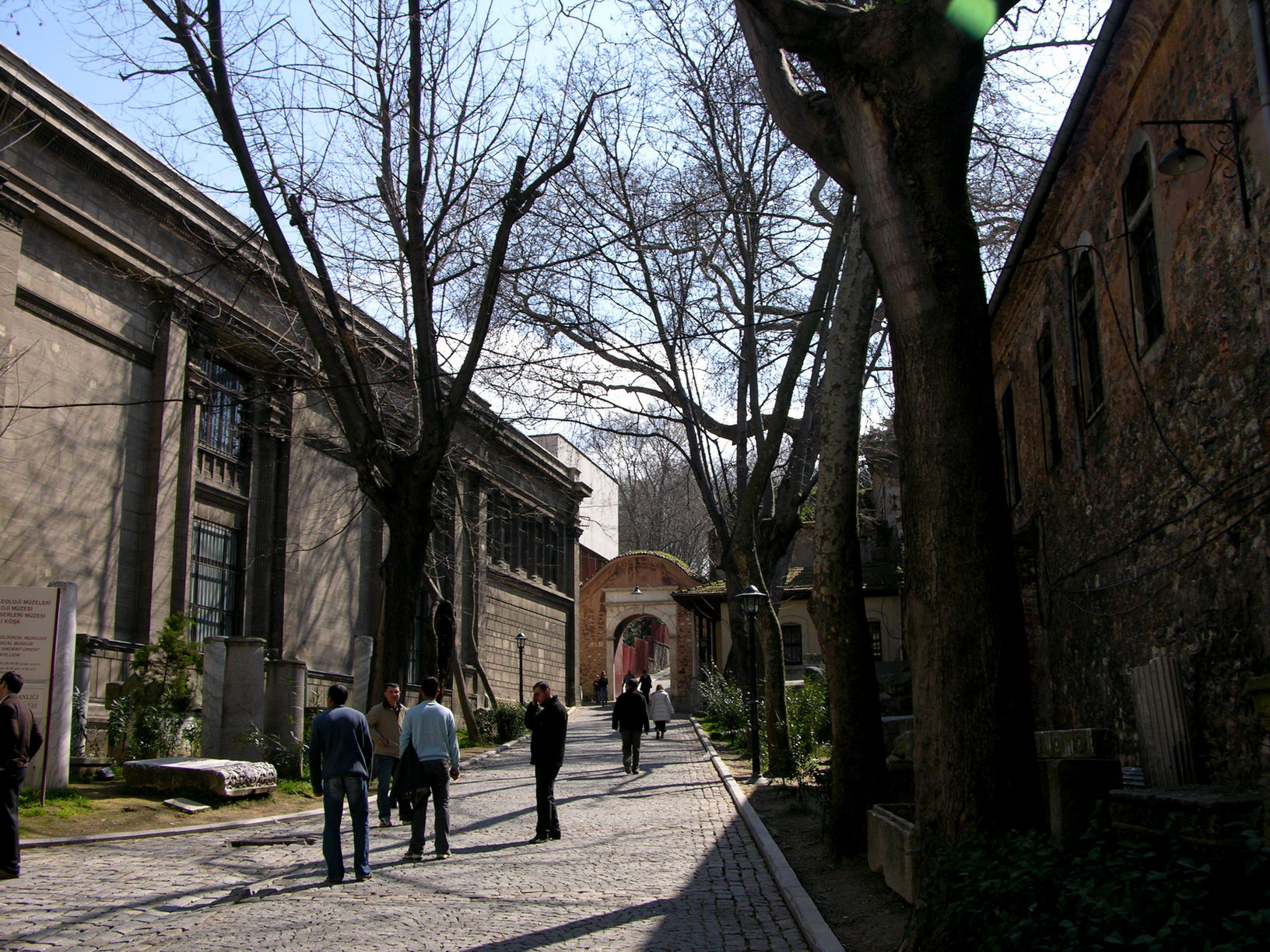
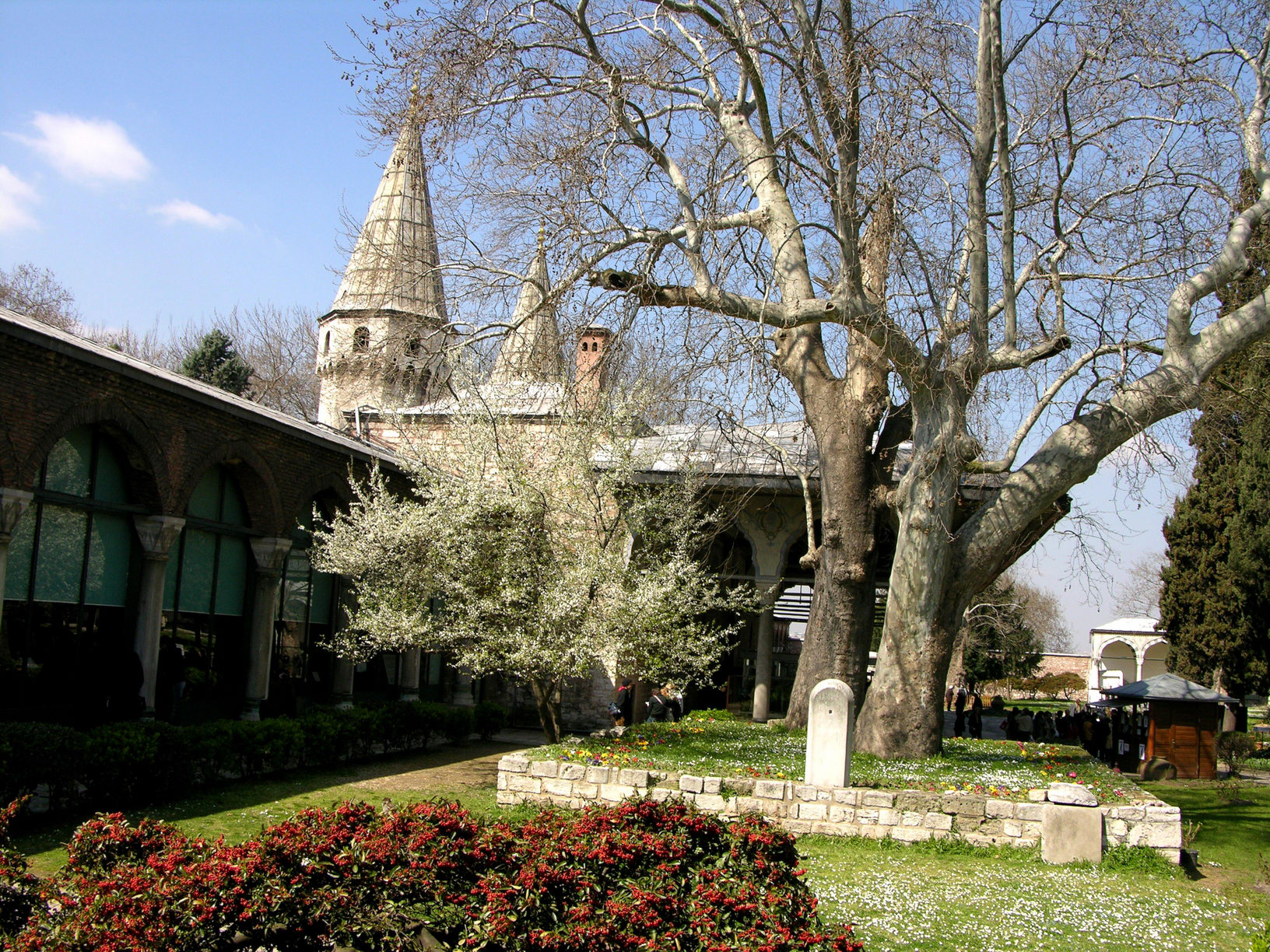
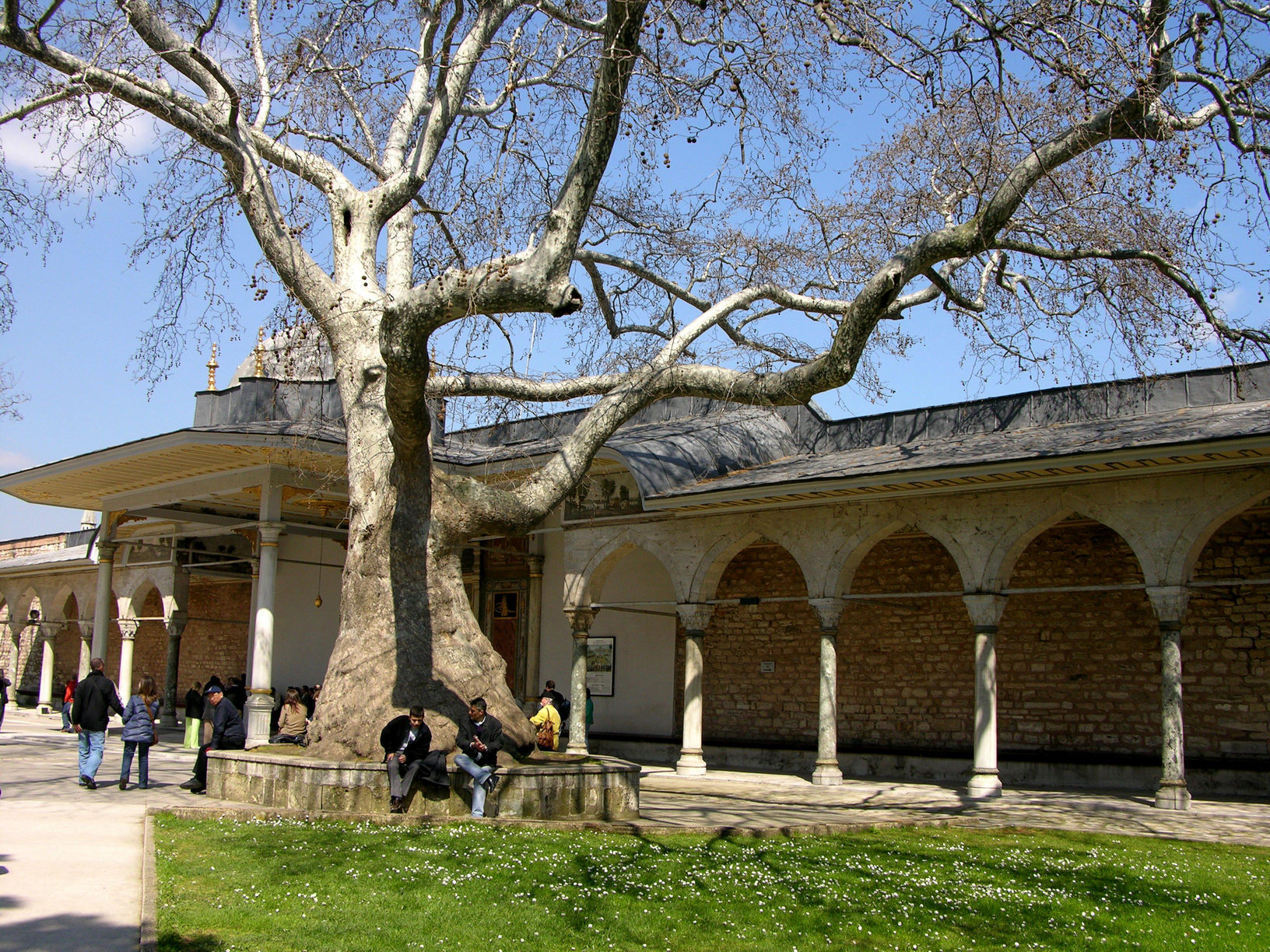
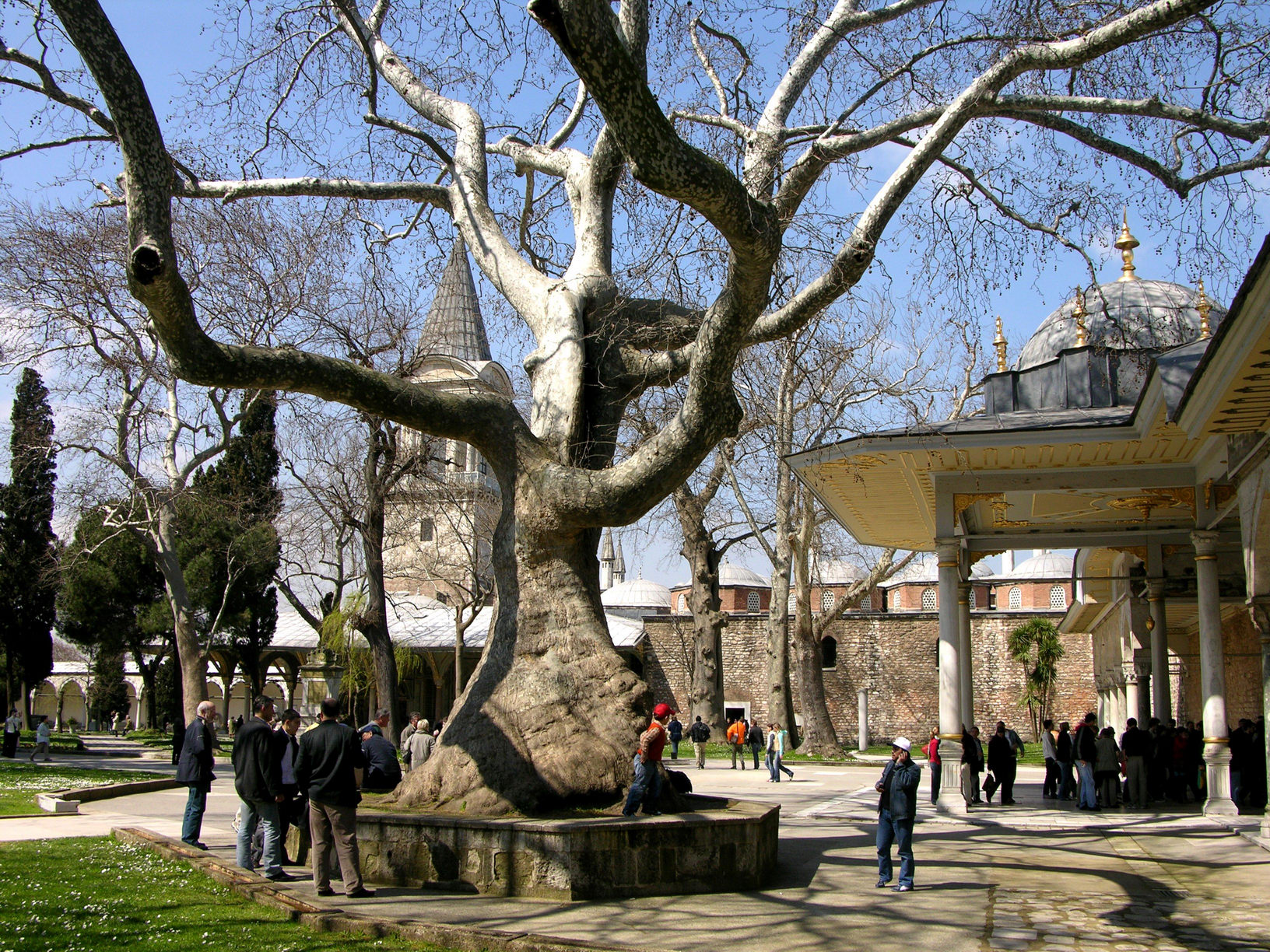
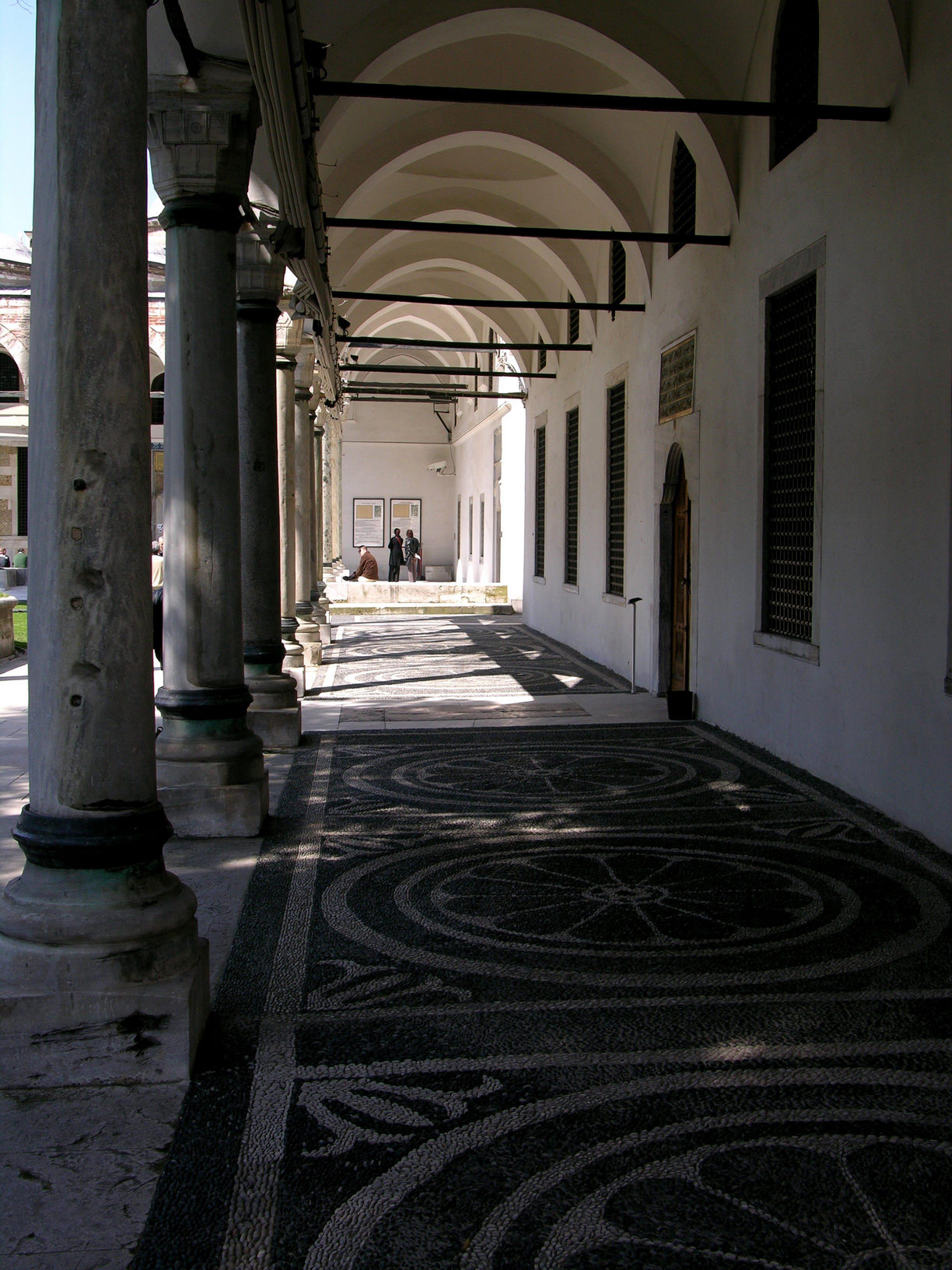
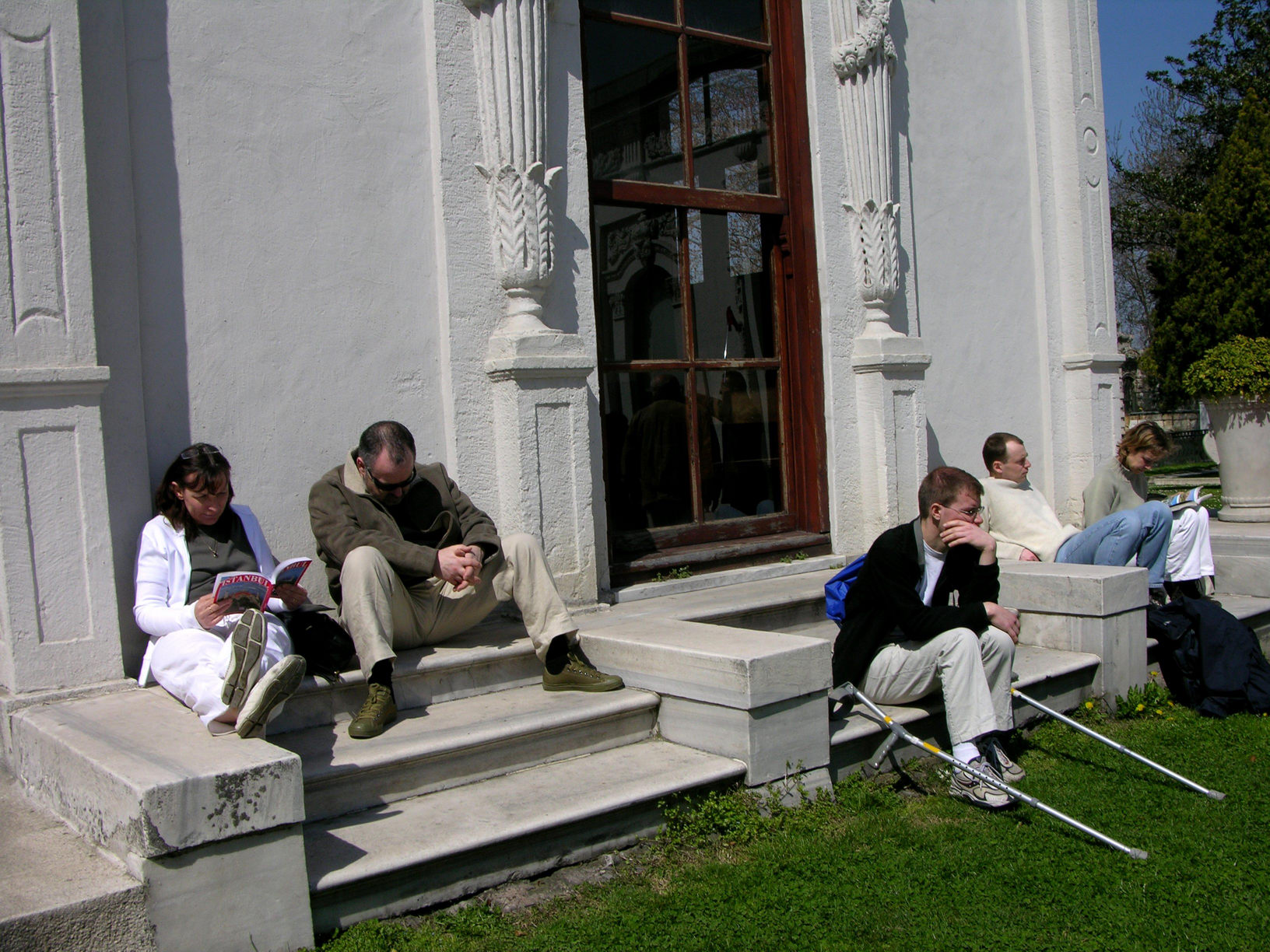
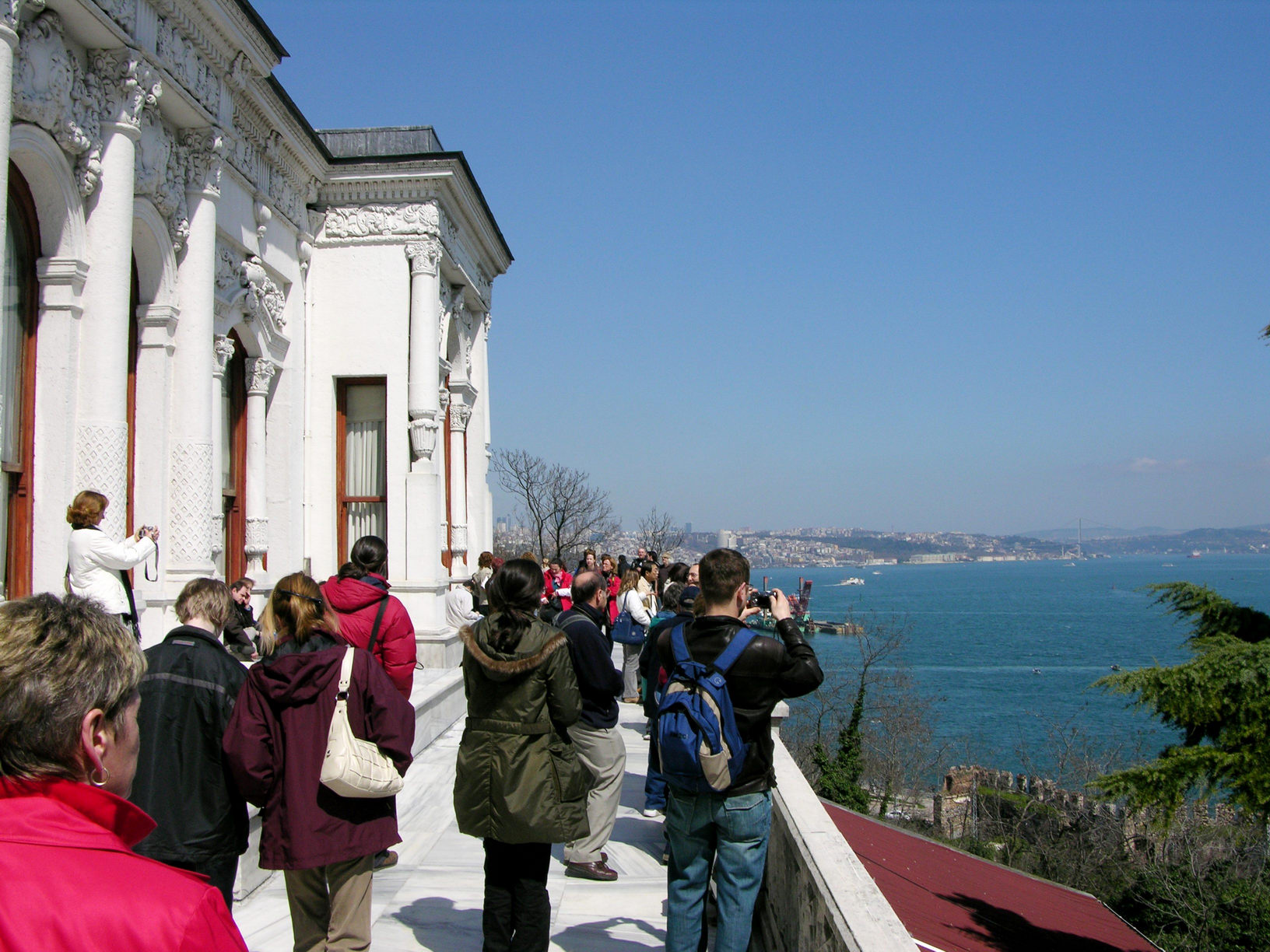
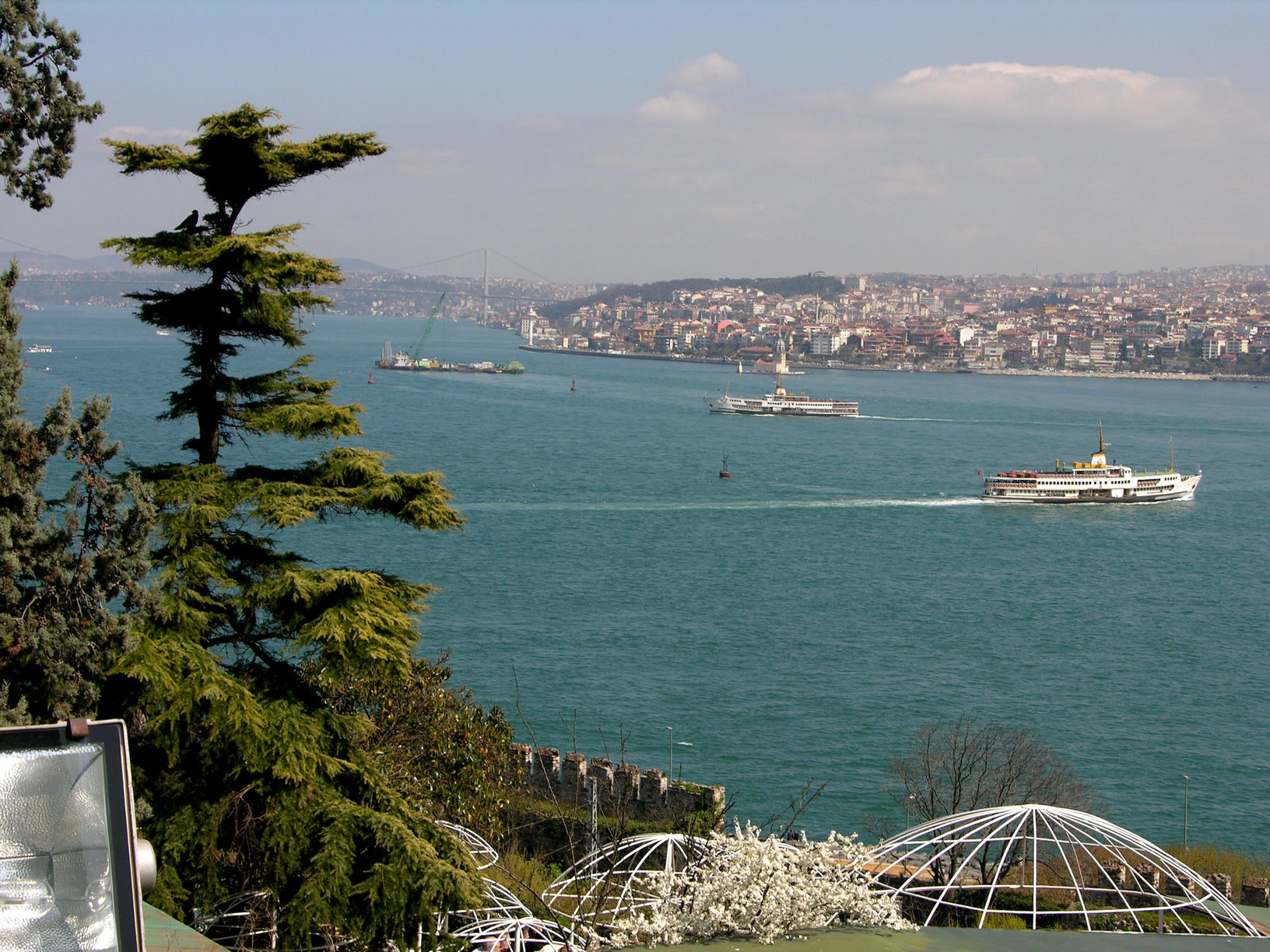
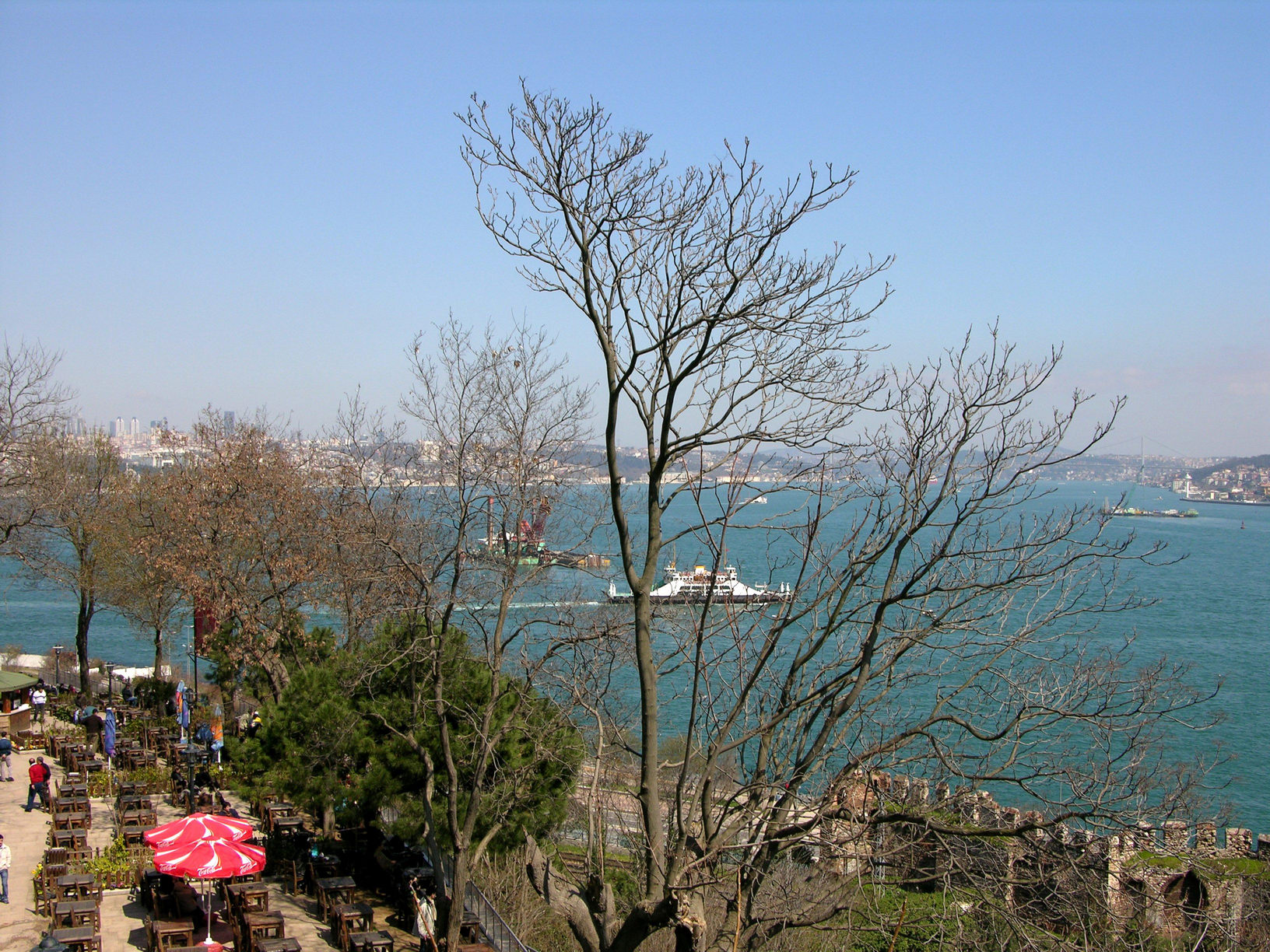
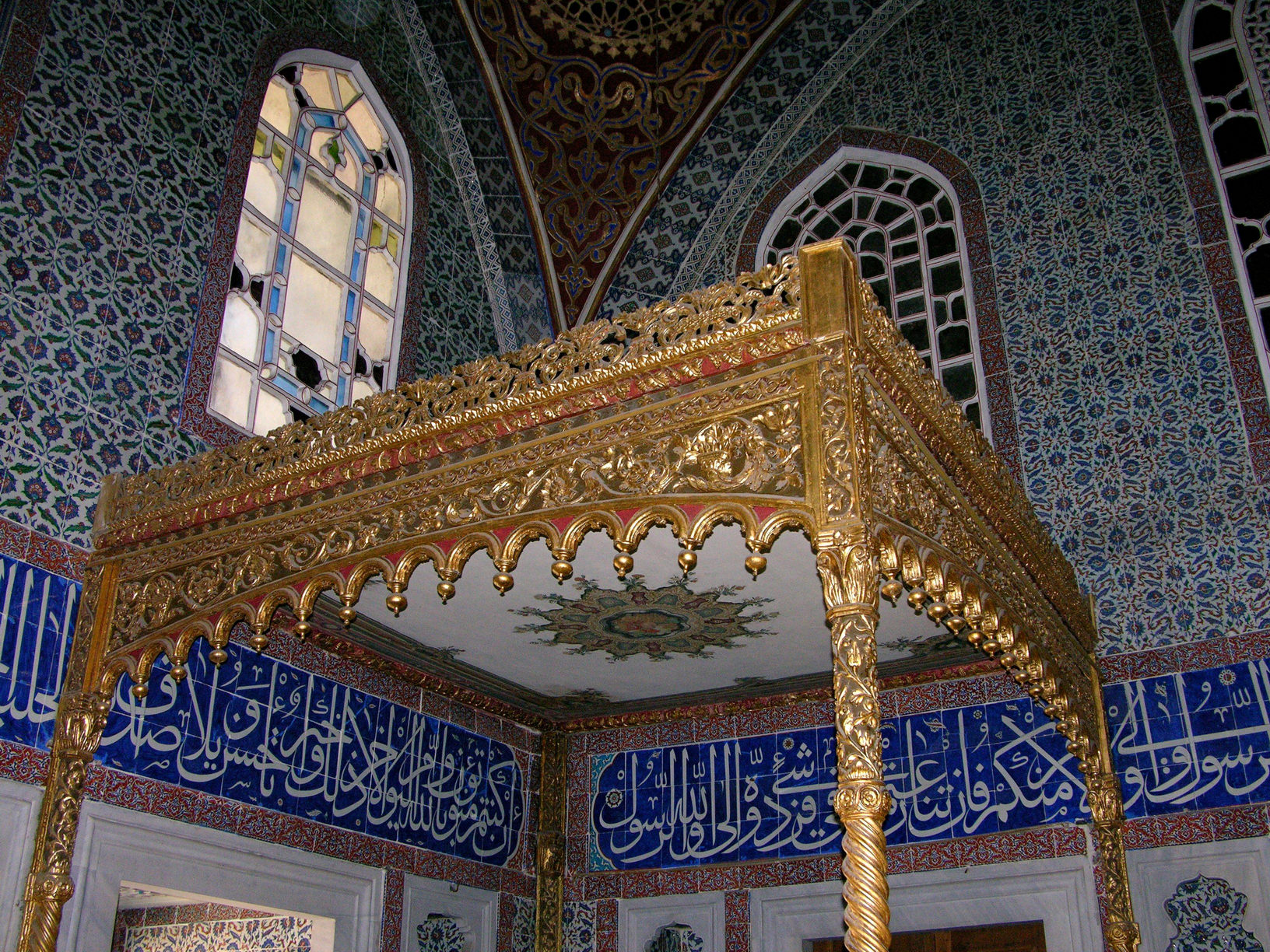
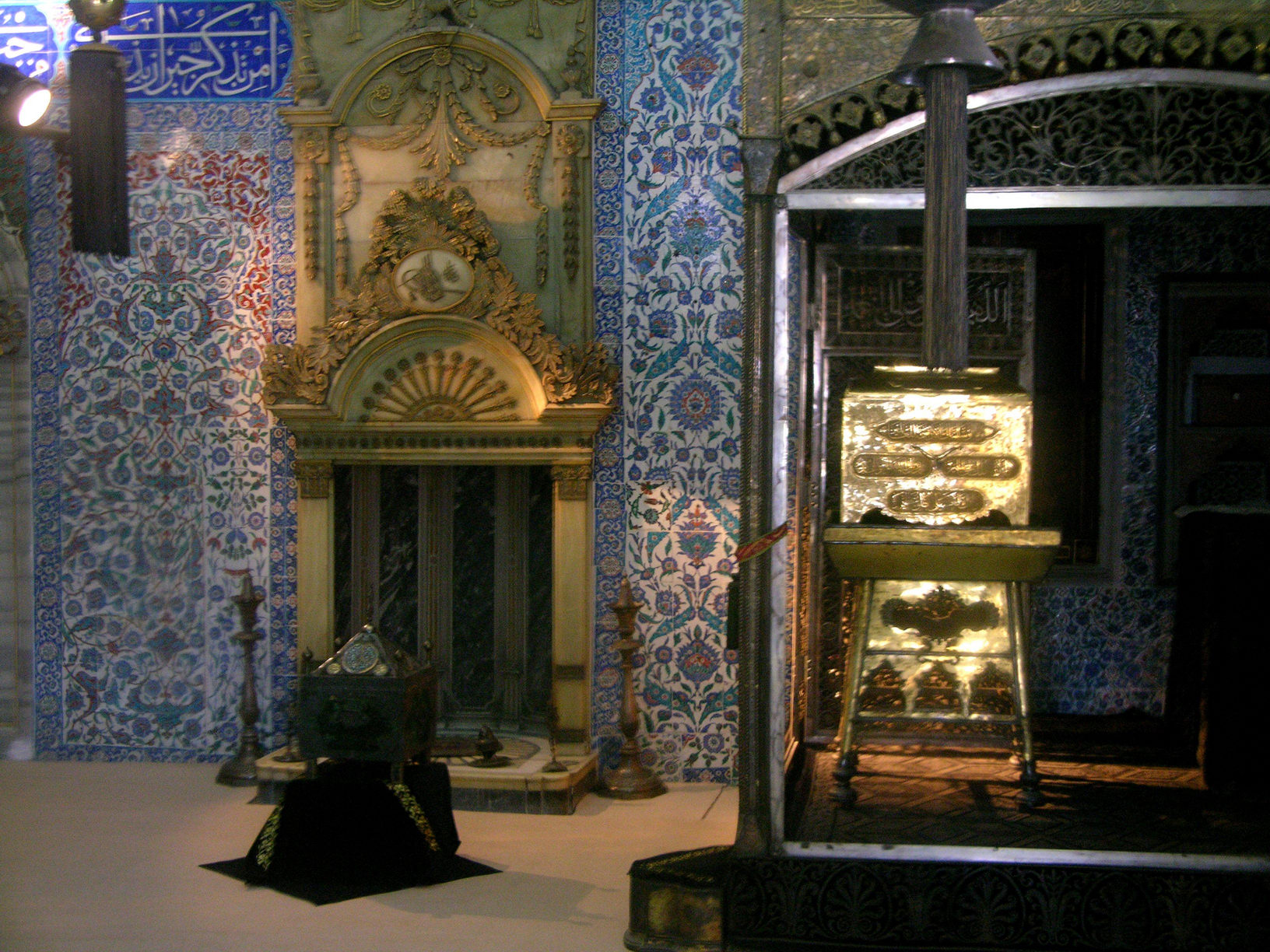
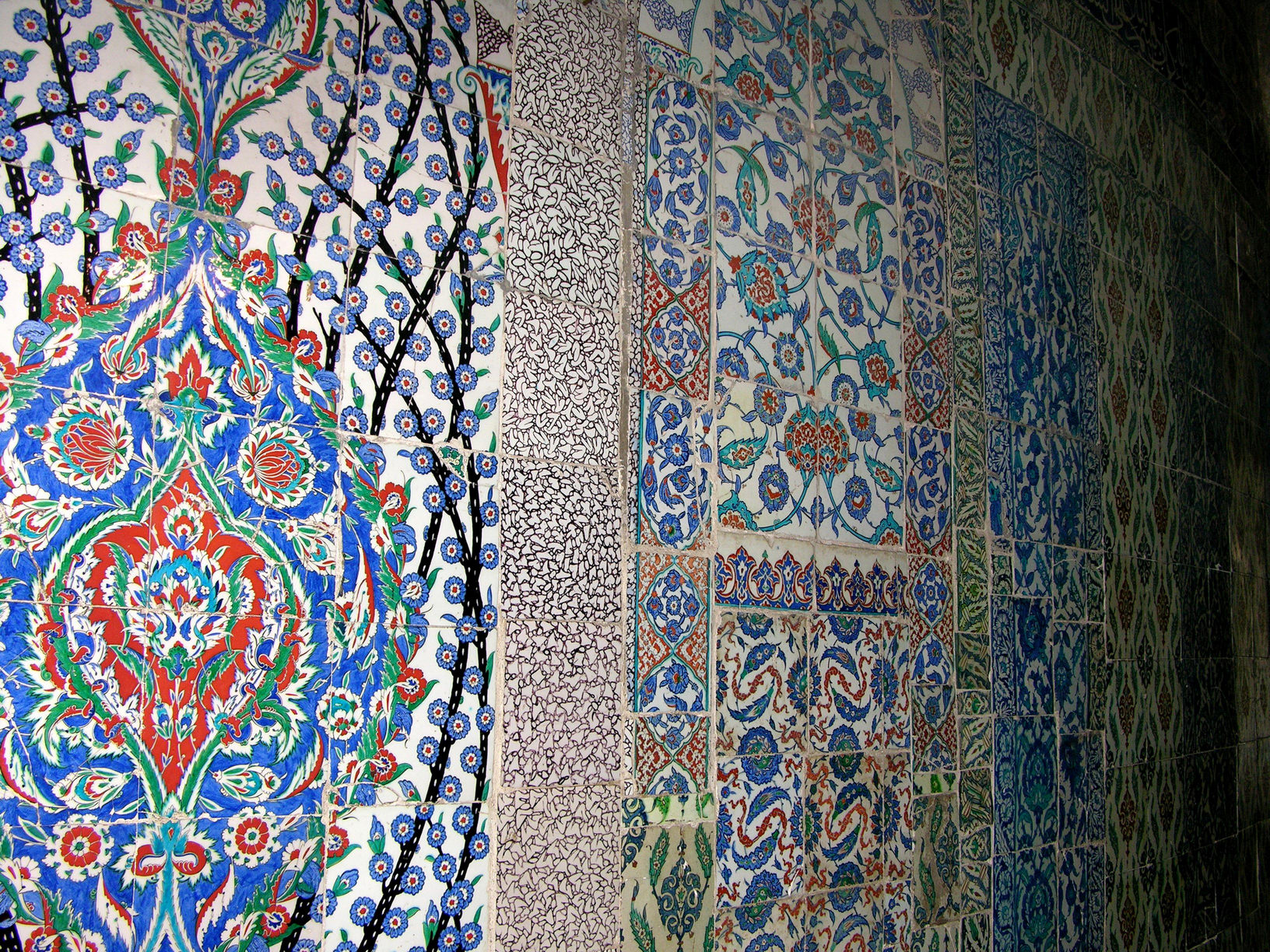
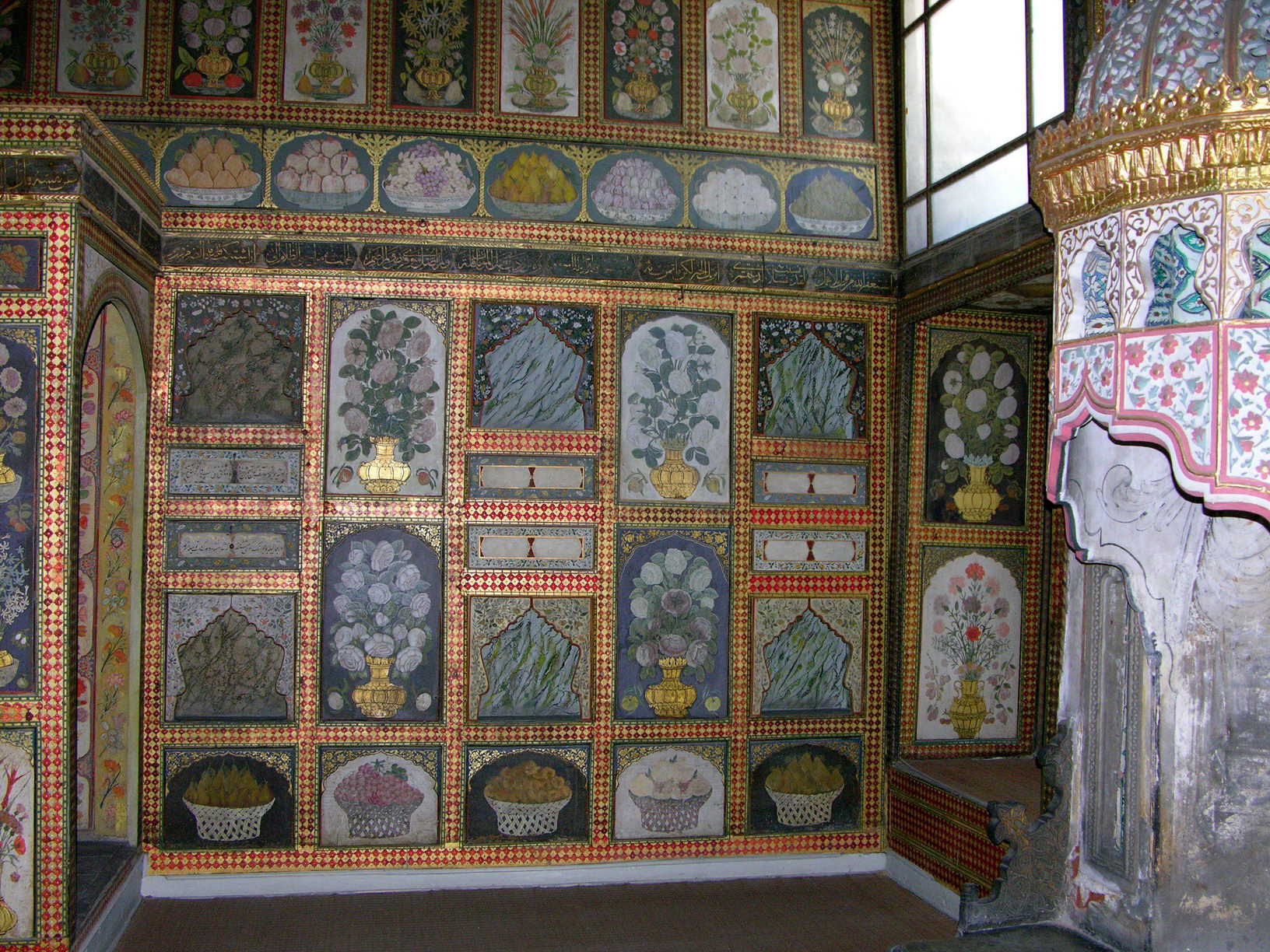
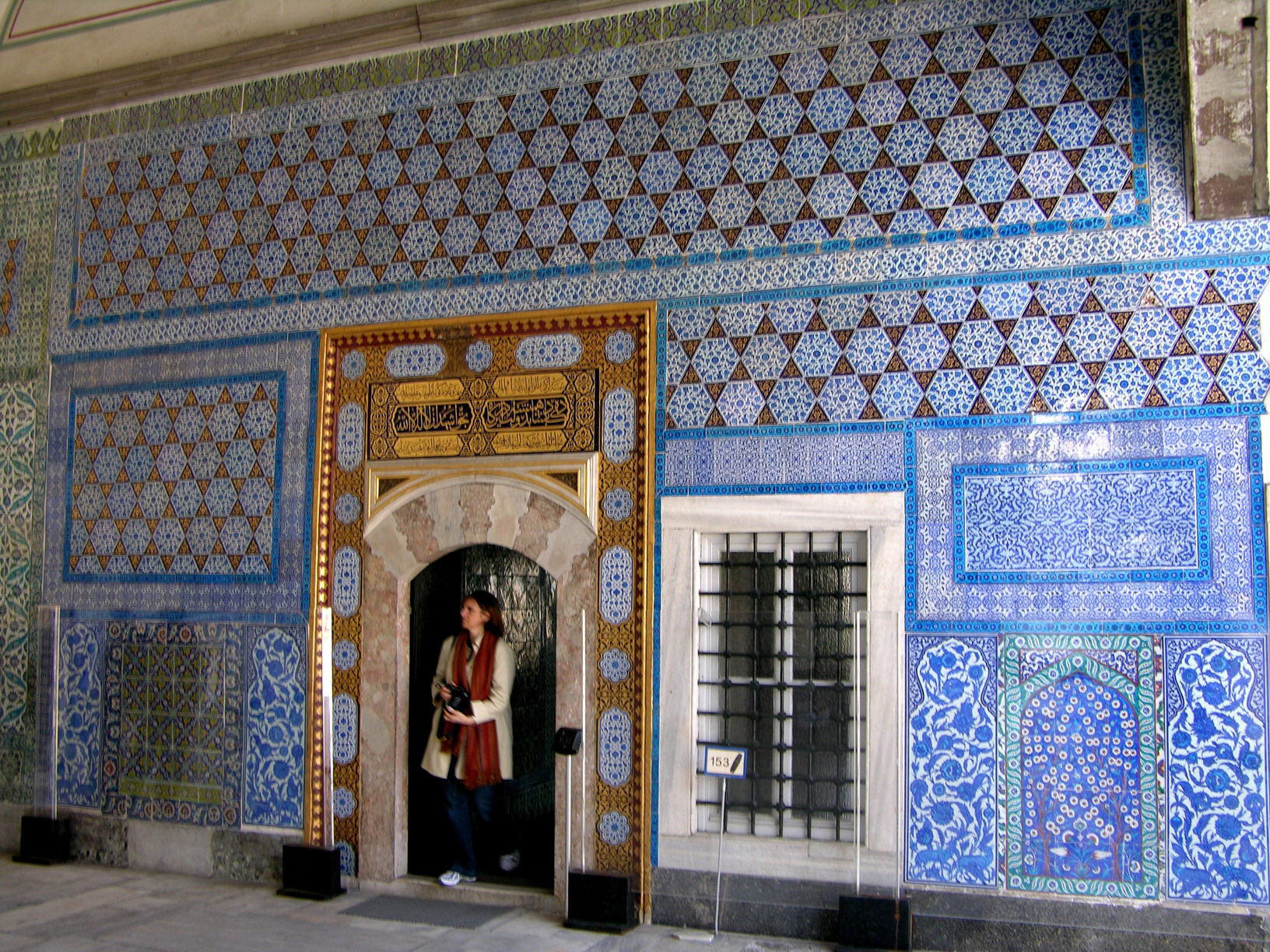
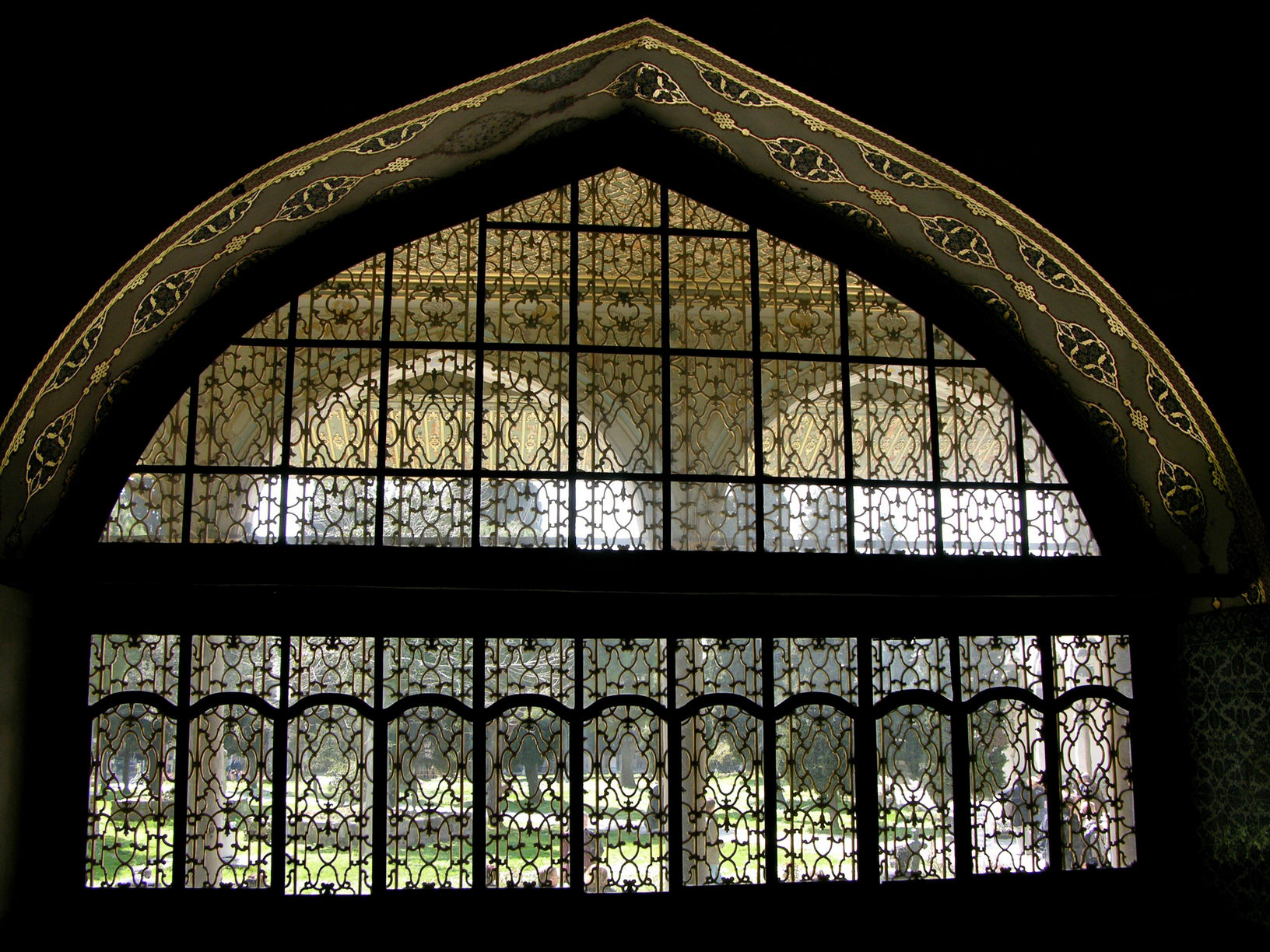
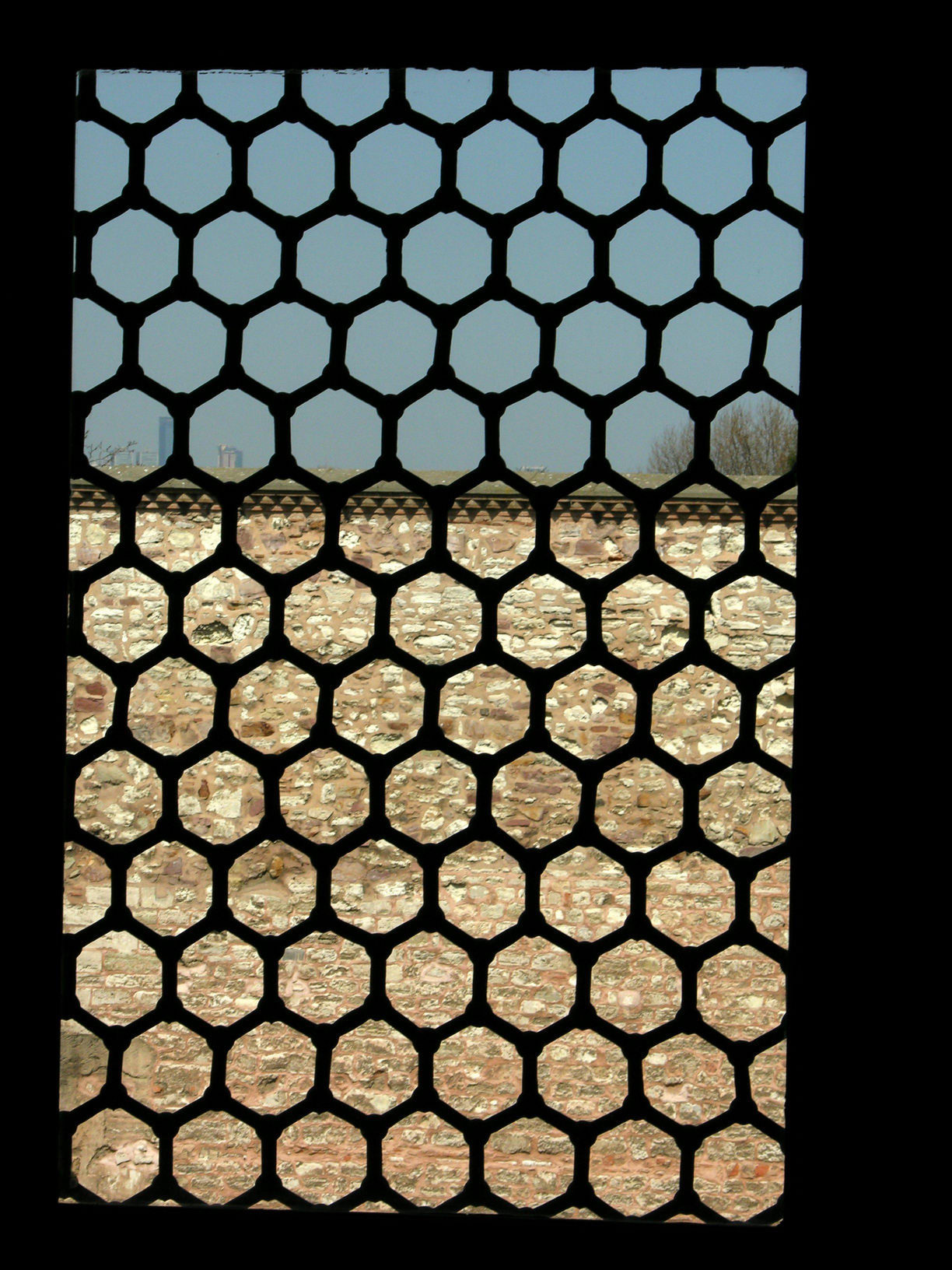
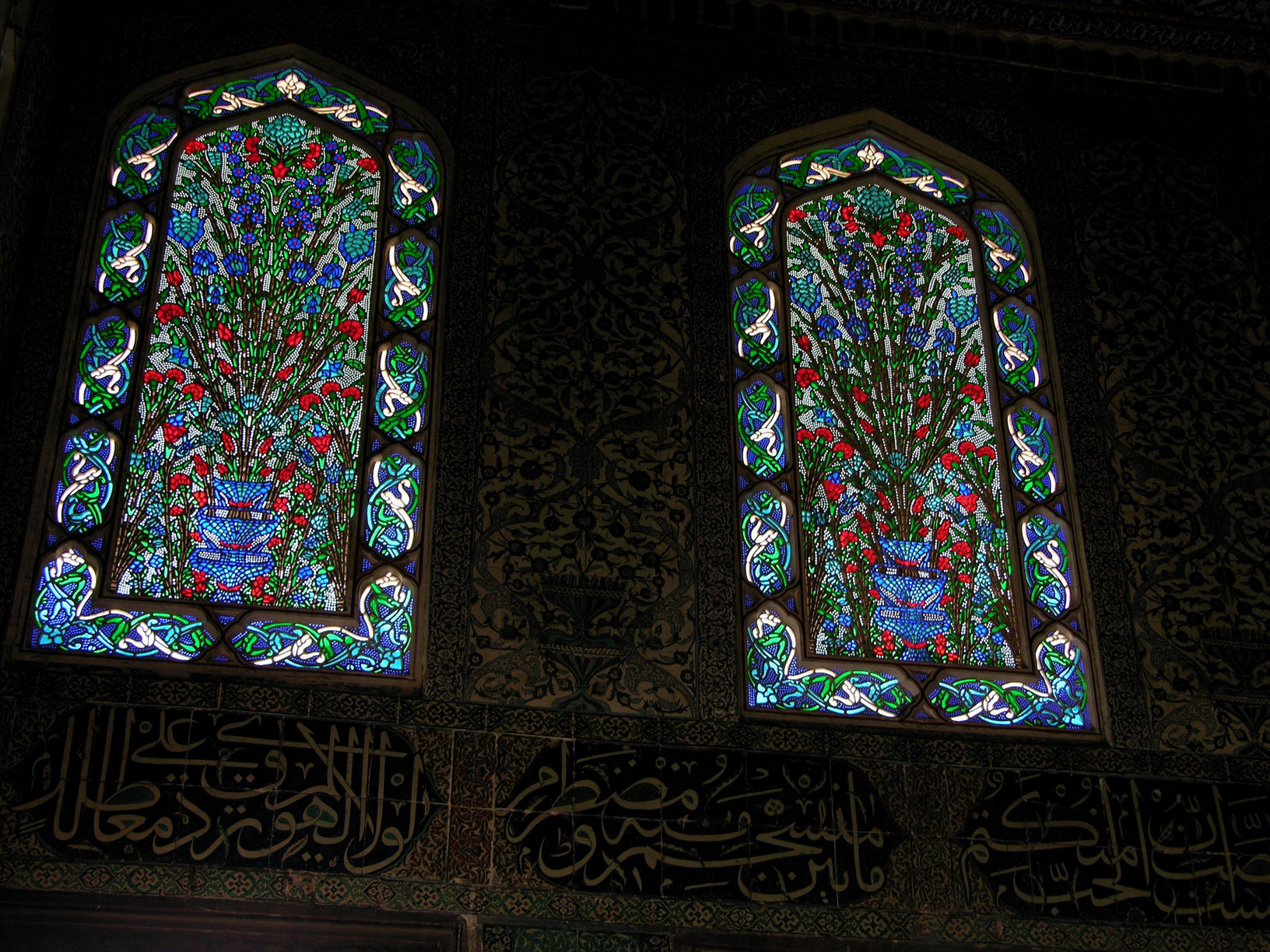
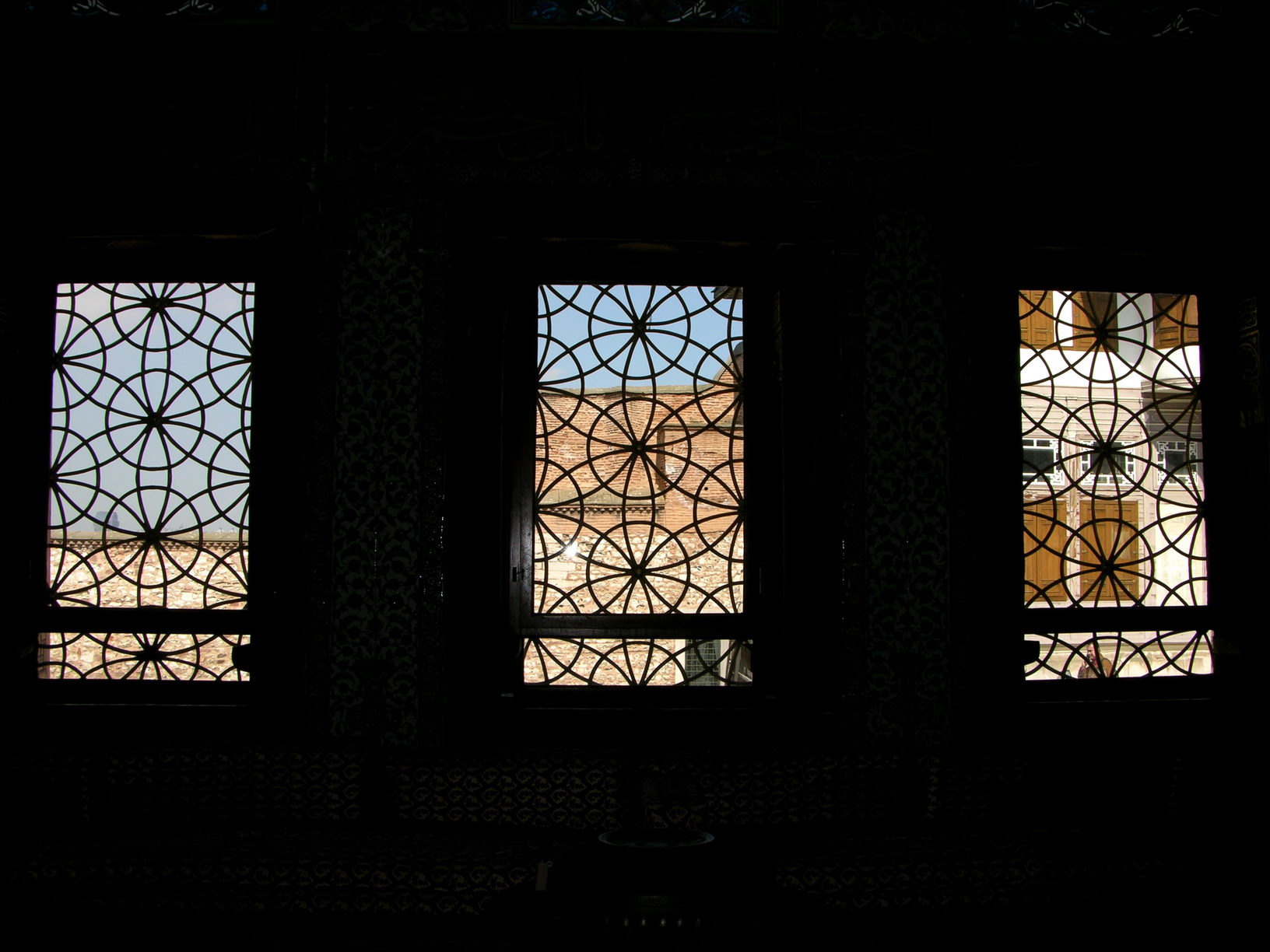
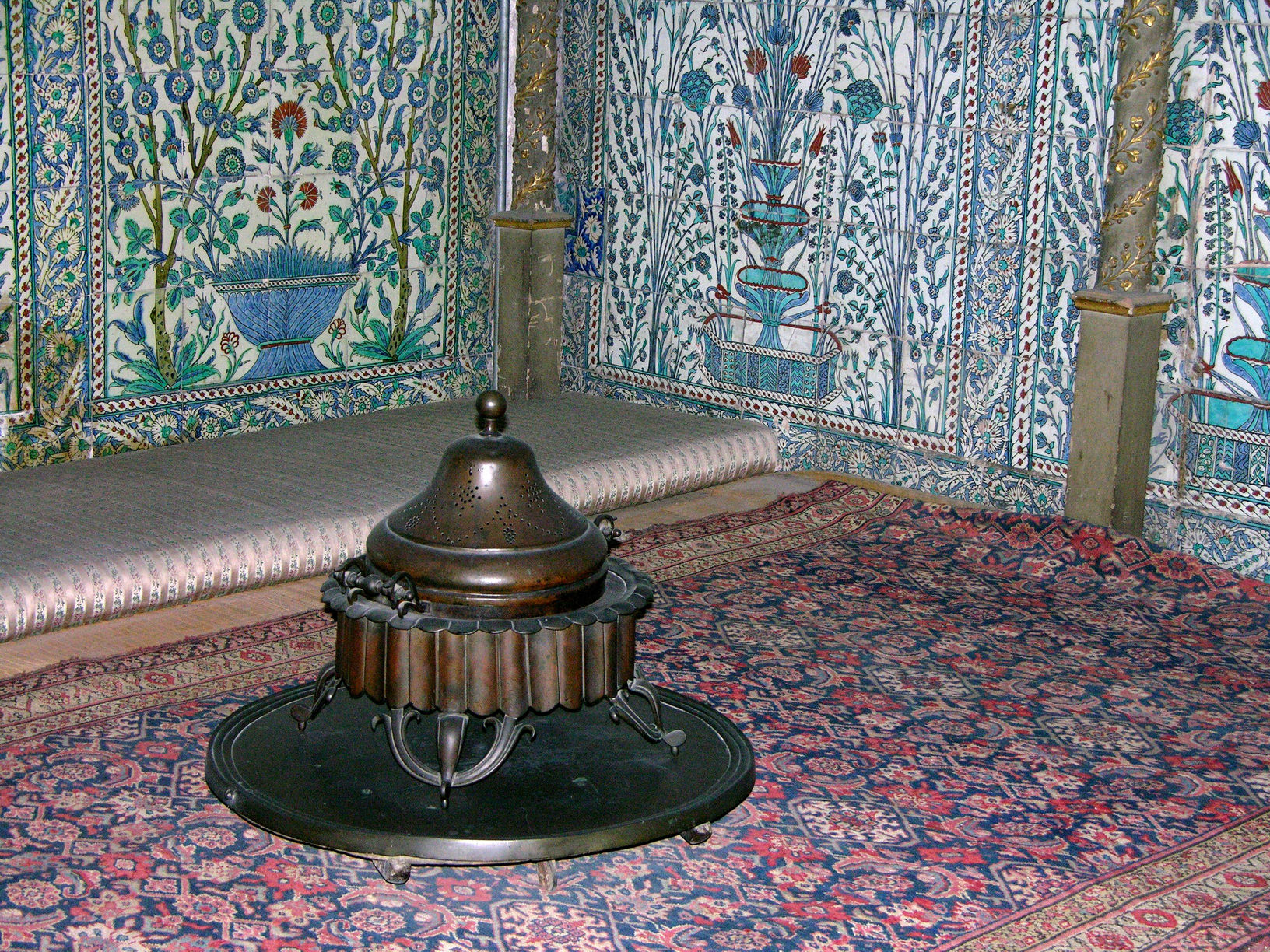
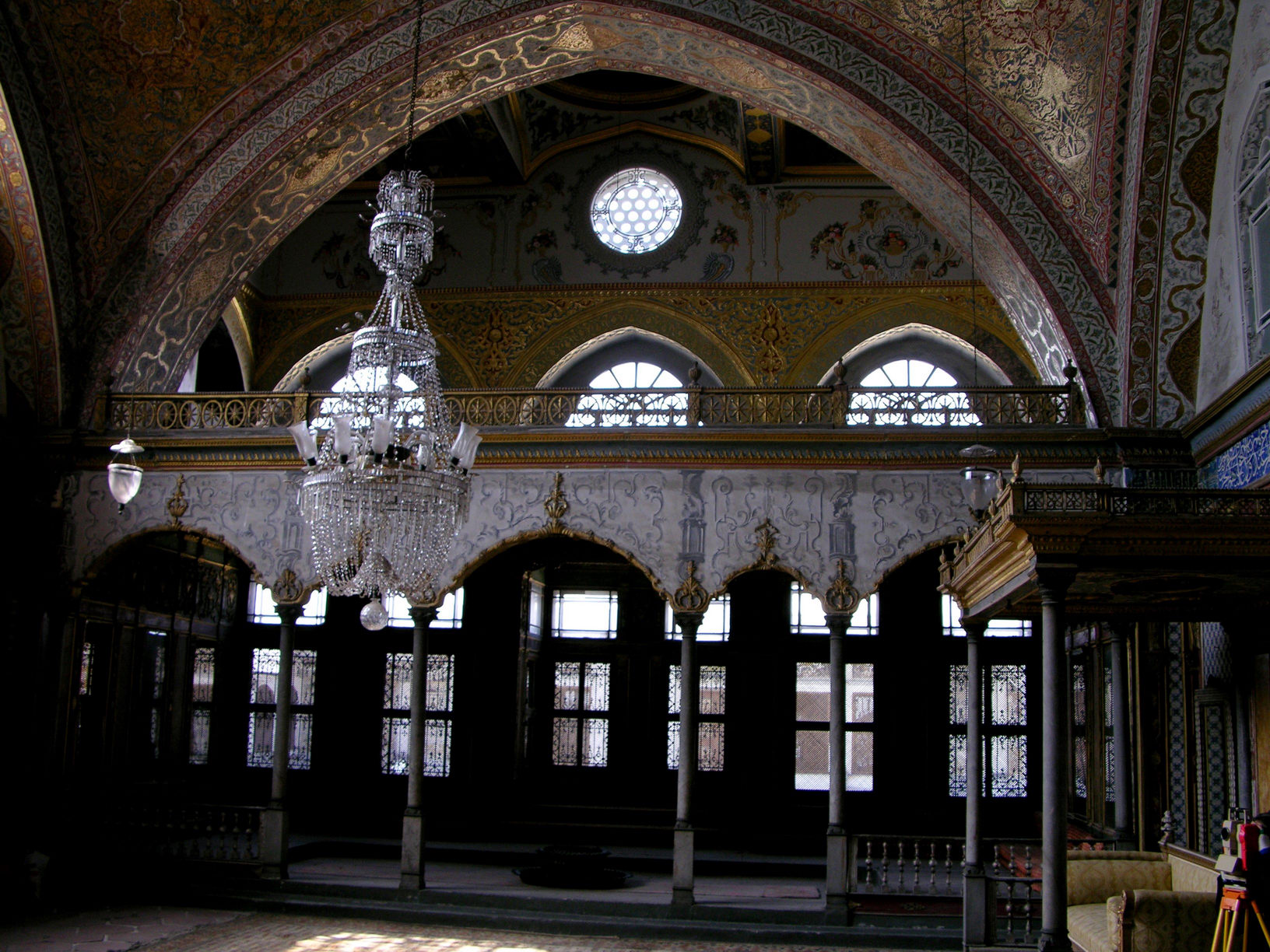
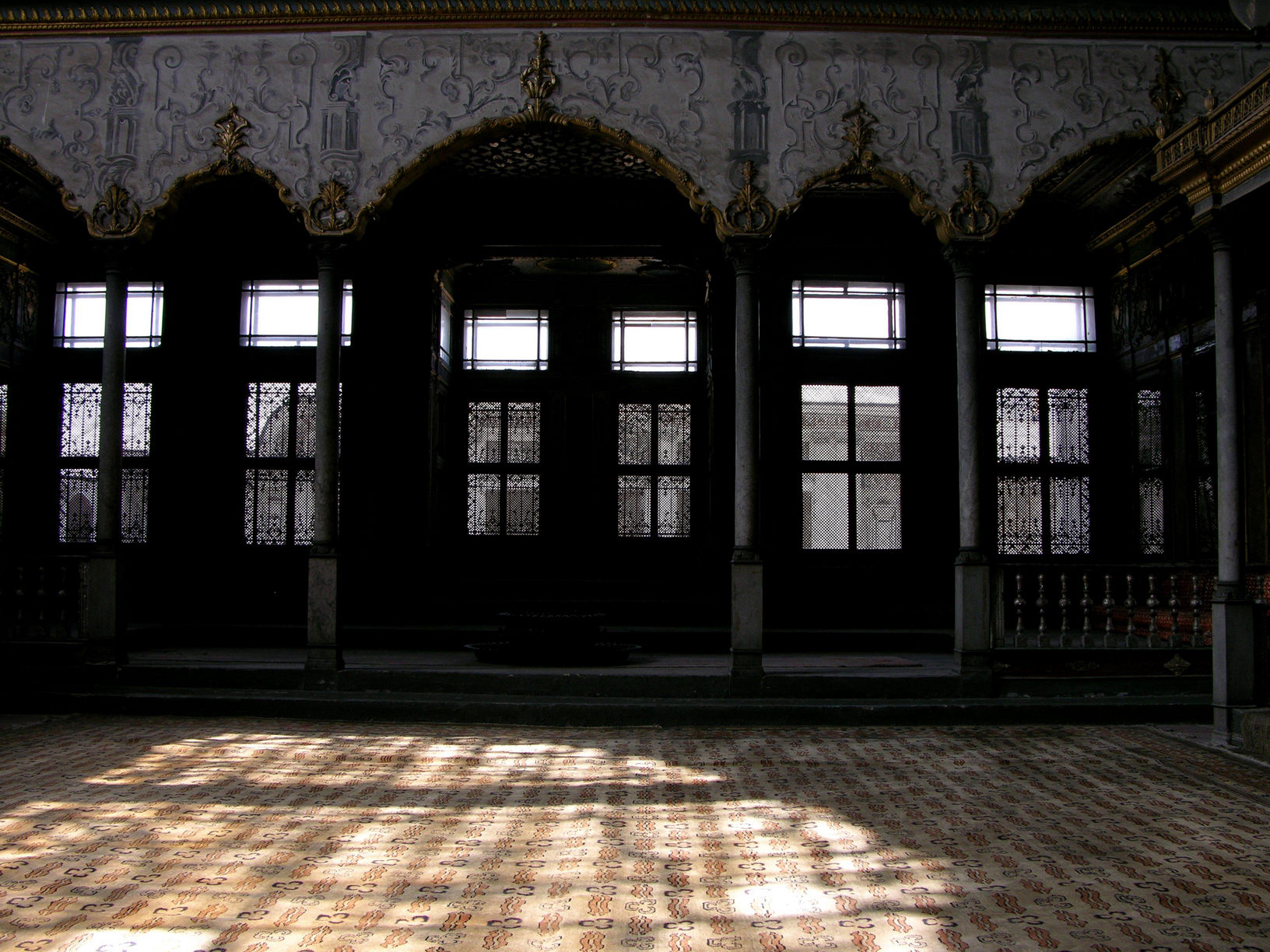
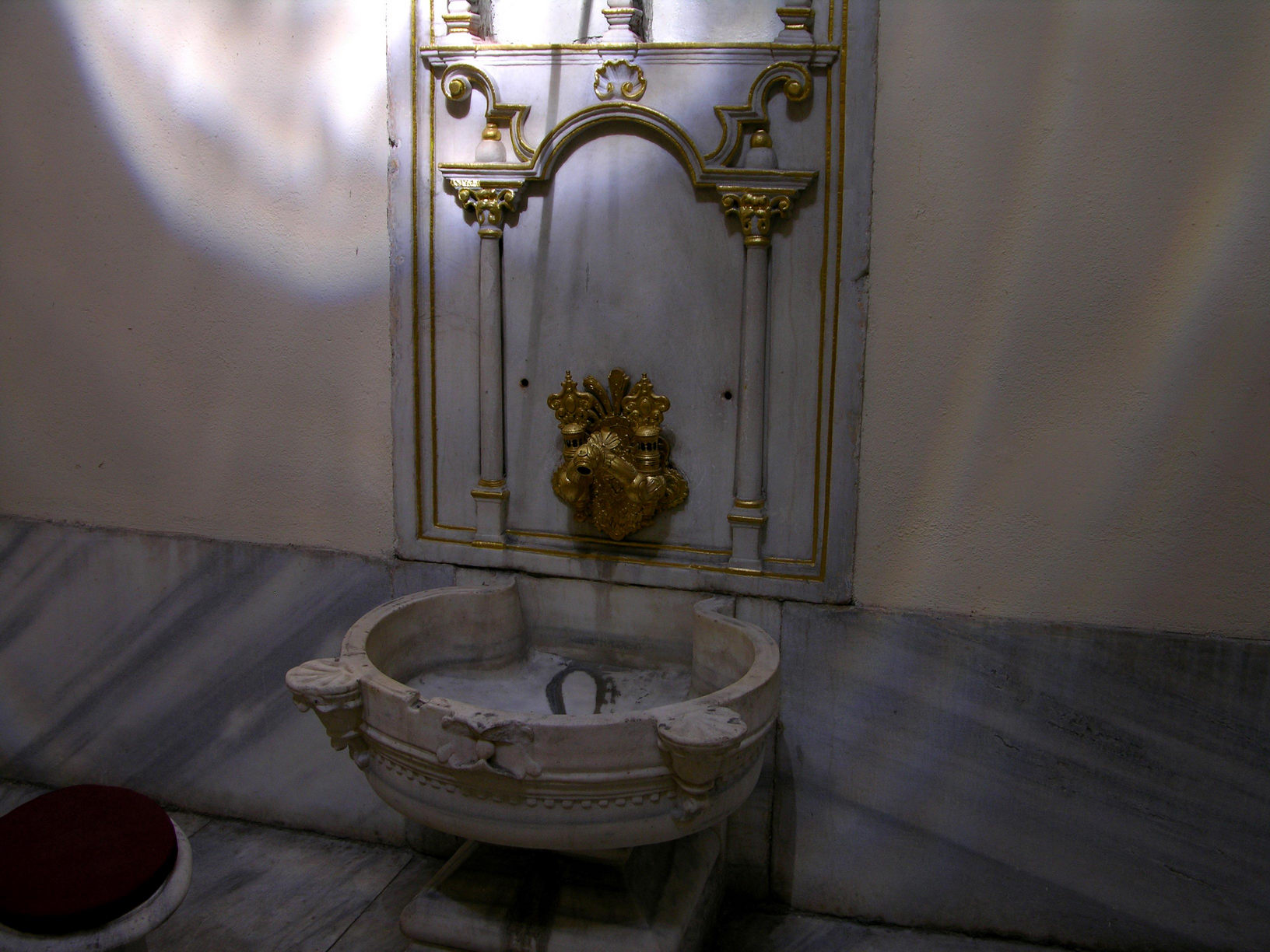
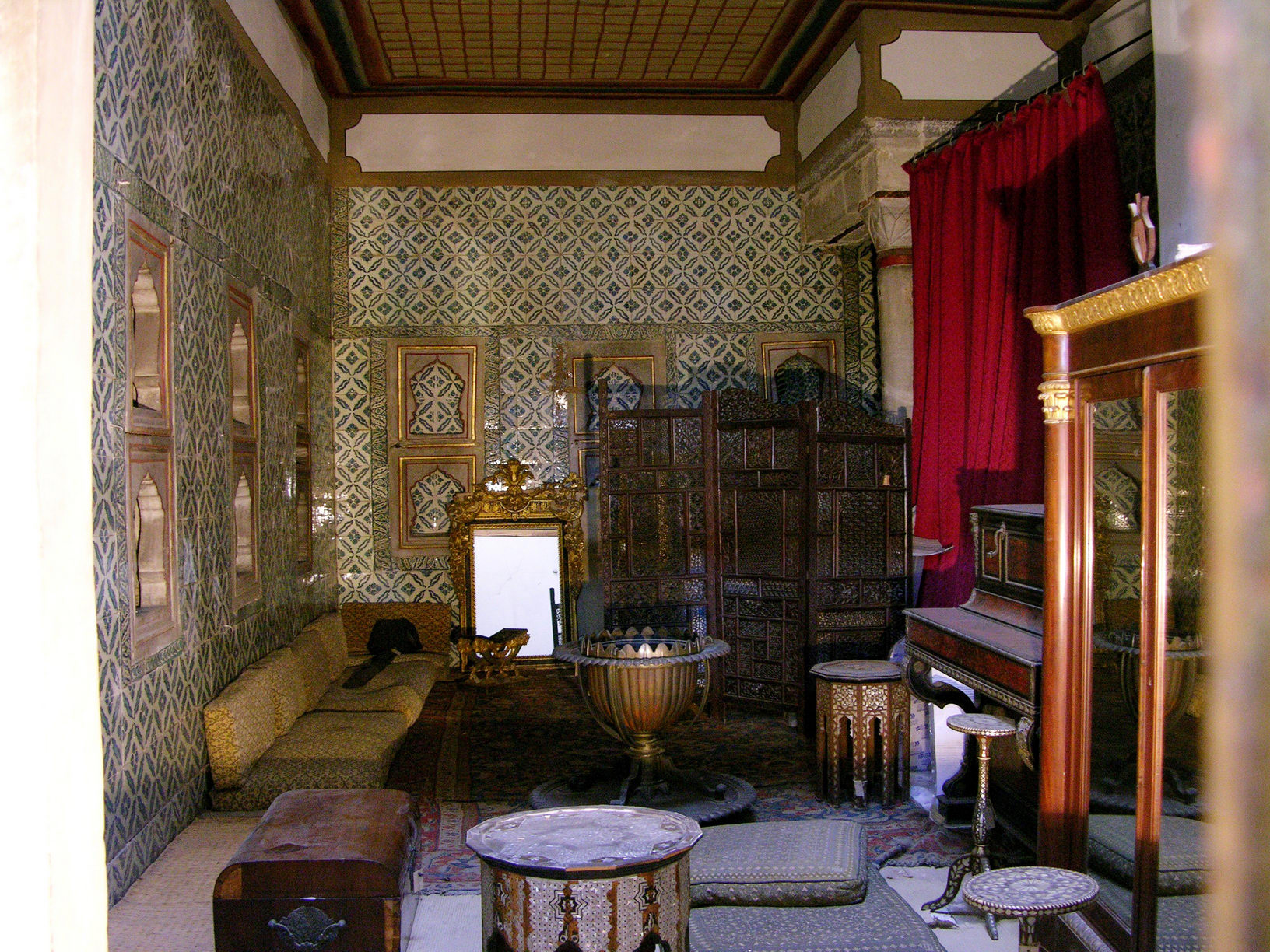
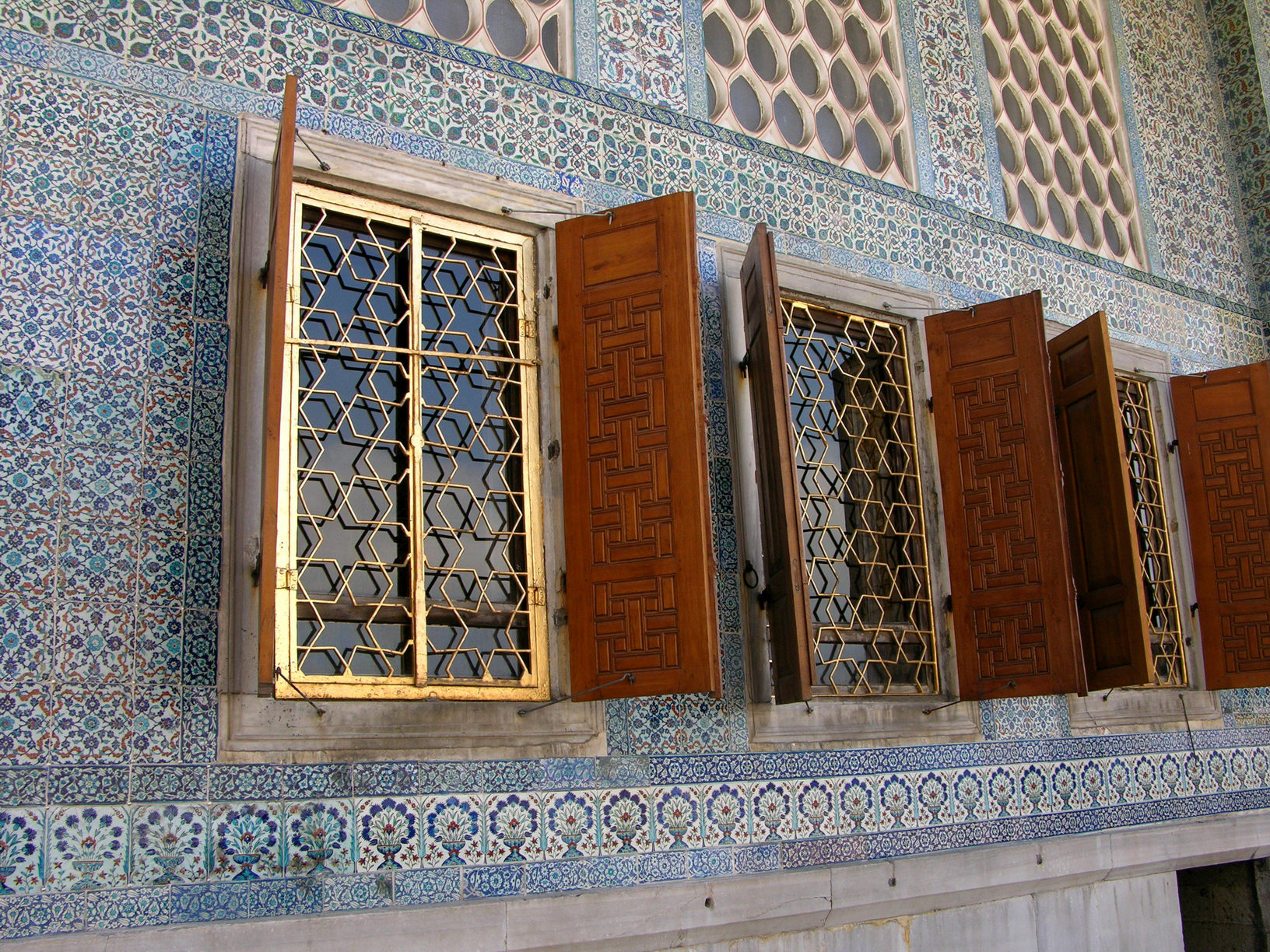
We could go round the museum only in a group, herded by guides and guards. I wouldn’t want to live in a palace like that, even as a pasha.
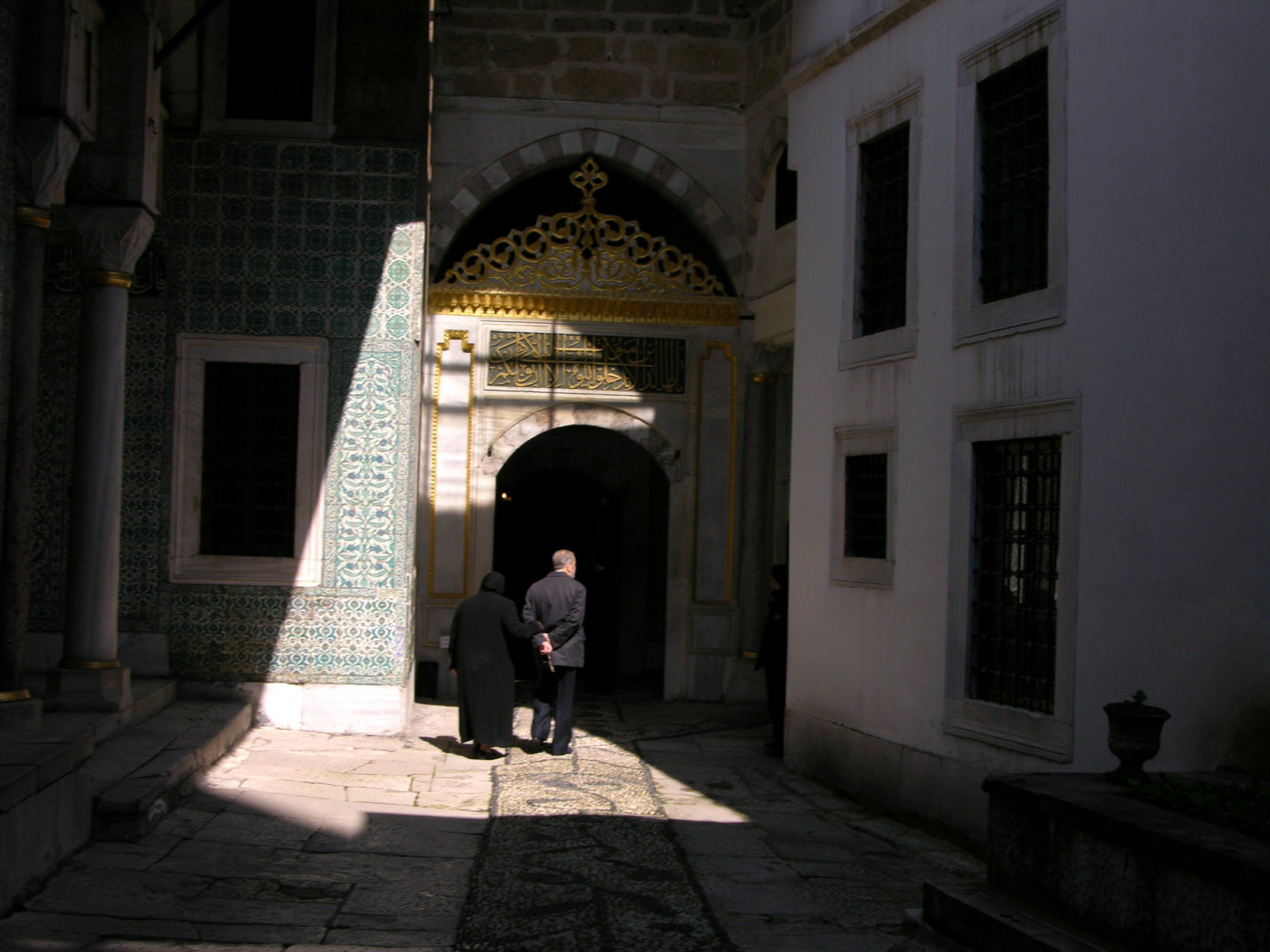
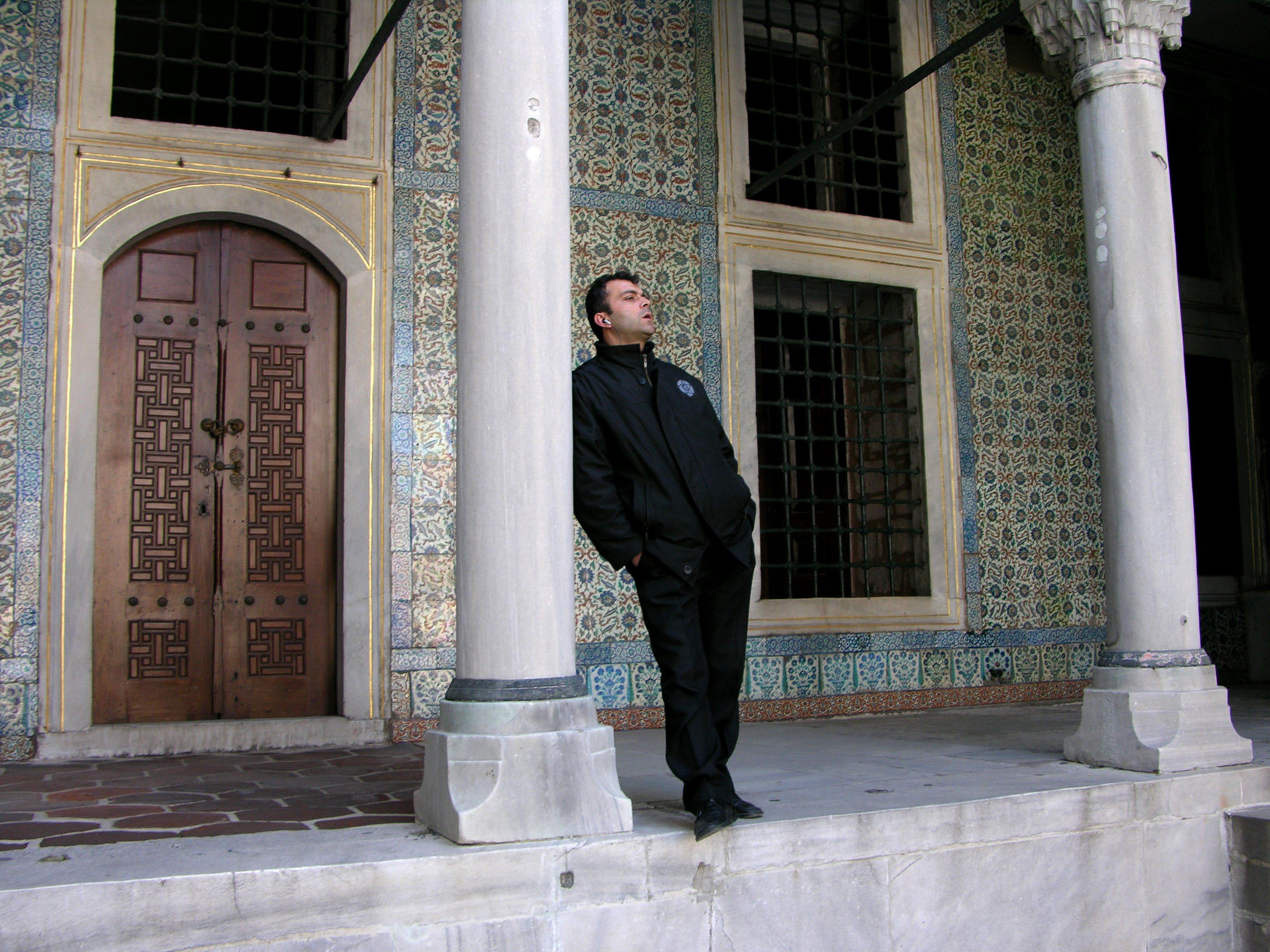
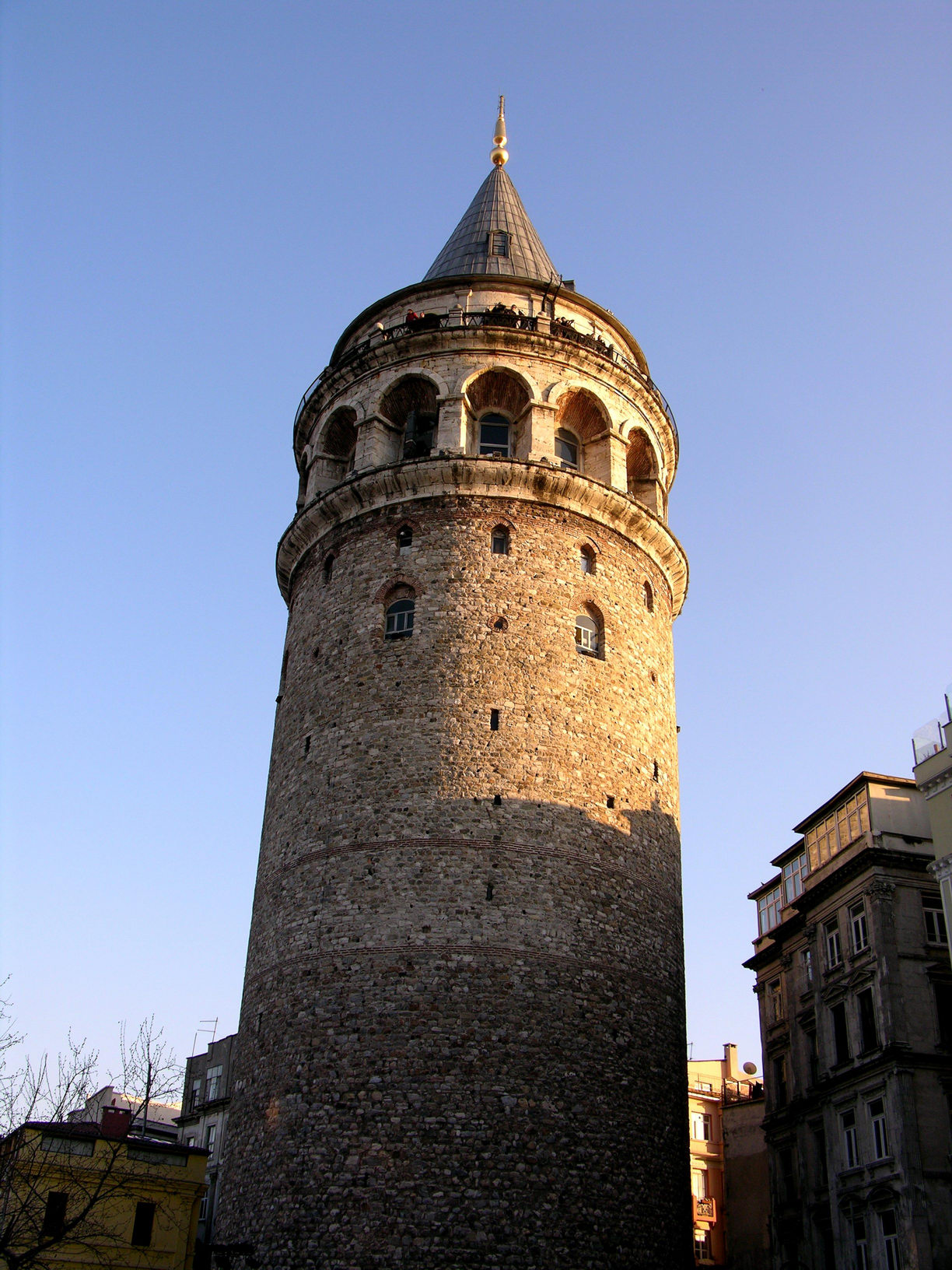
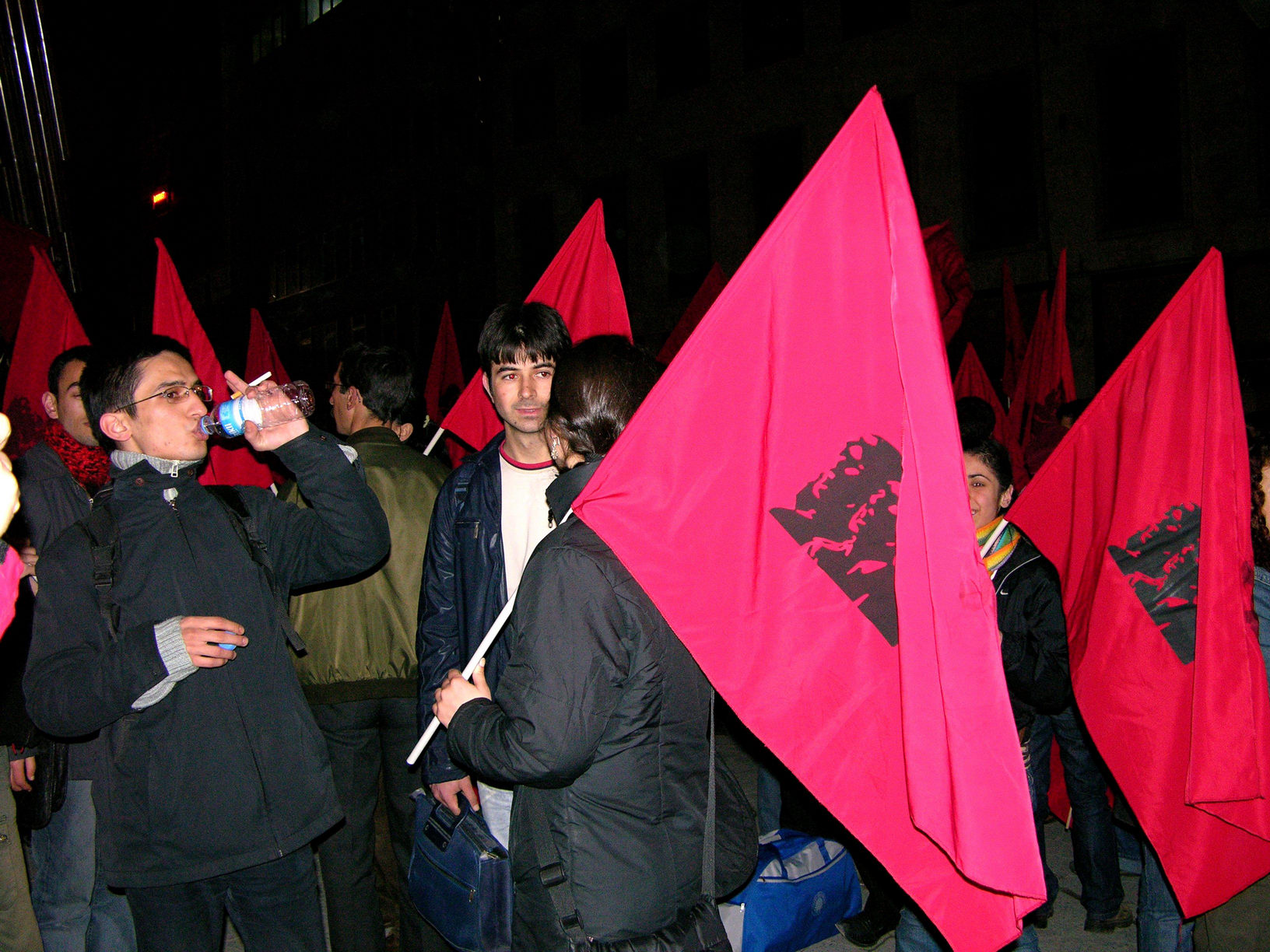
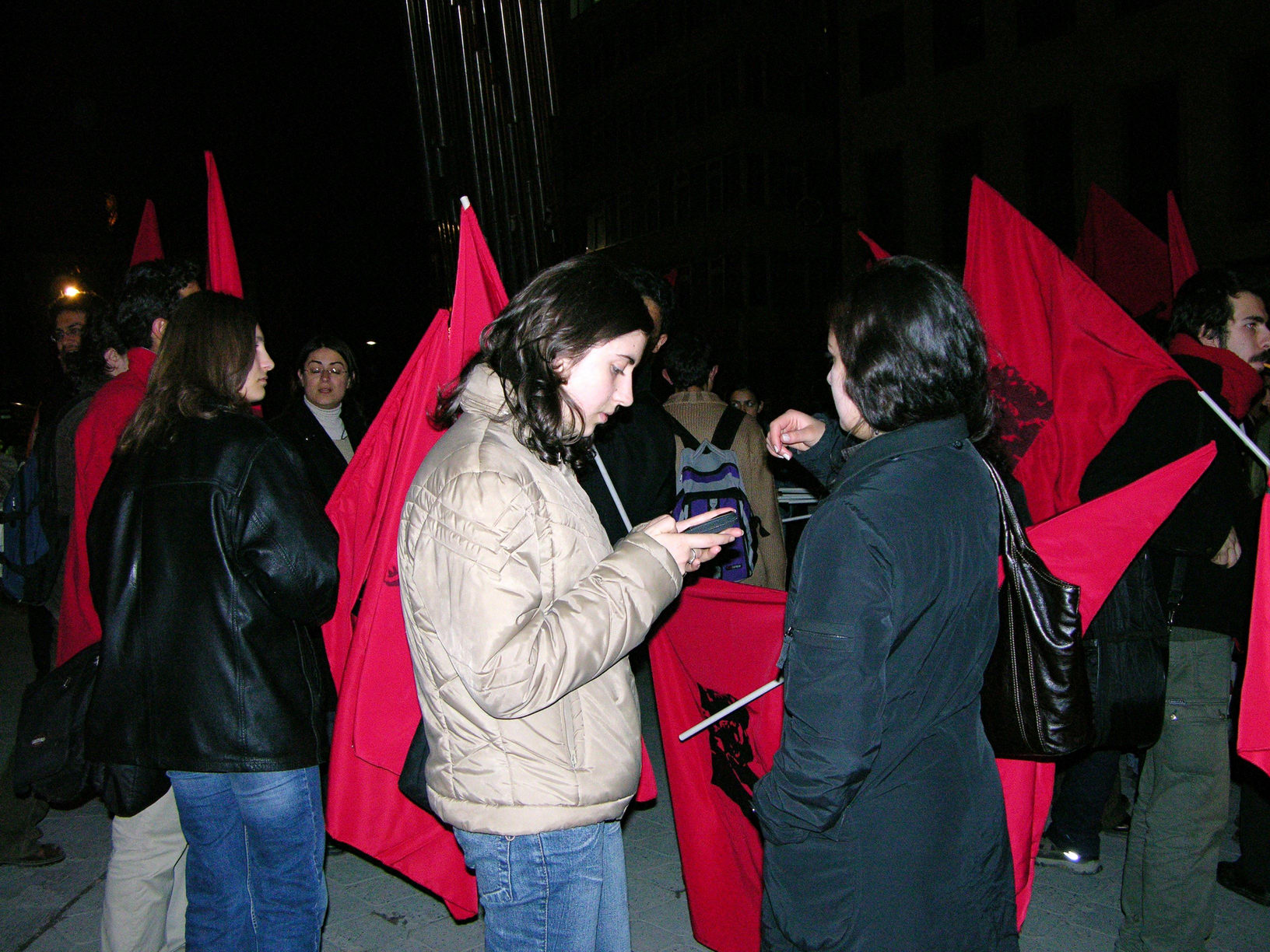
We climbed Galata Tower and rode the funicular. There we ran into a demonstration of what looked like communists, judging by their red flags.
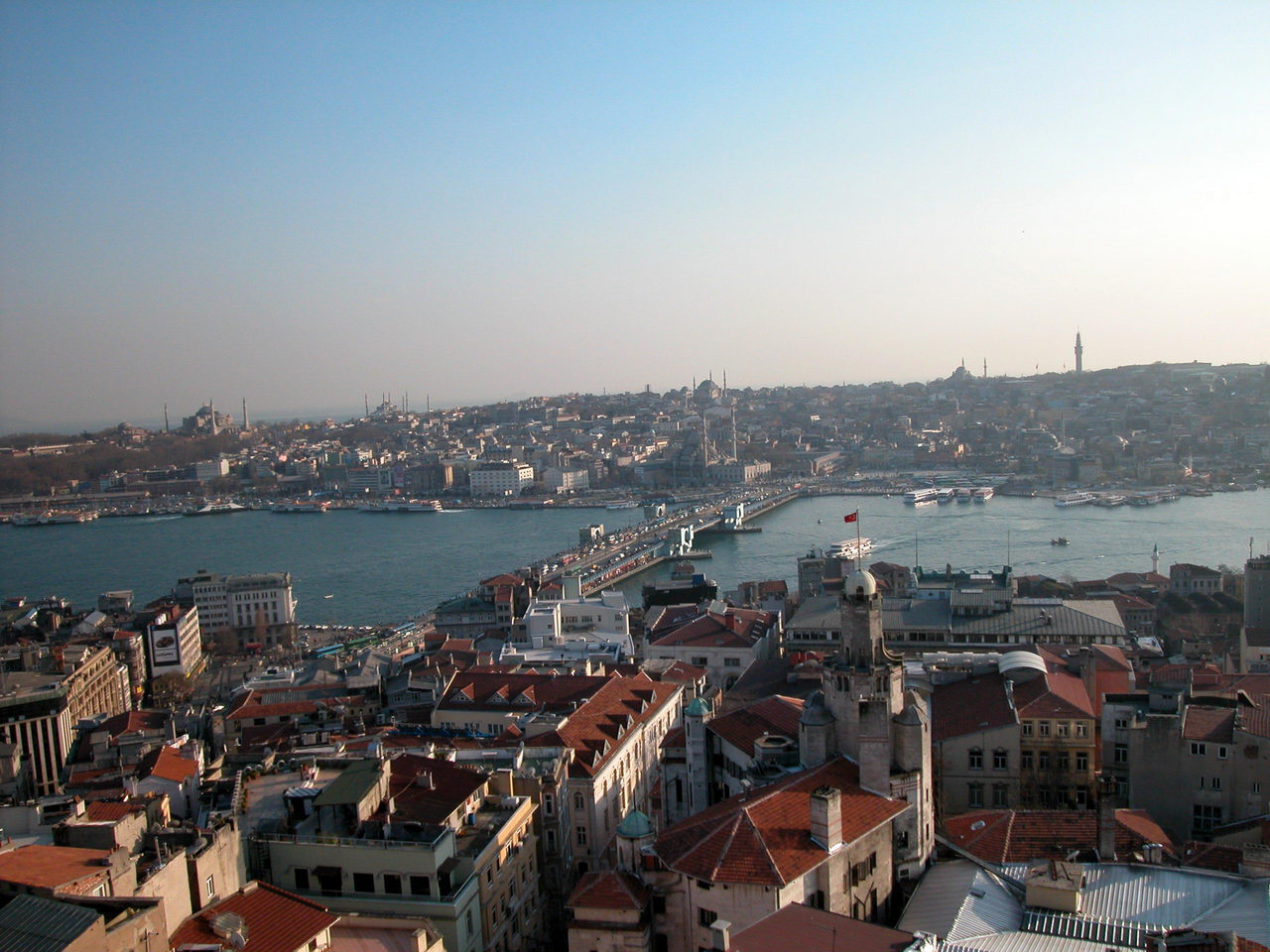
That evening we met Masha and her friends on the bridge across the Golden Horn. We went to one of the many little restaurants on the bridge and had drinks and a bite to eat. Then Masha and her admirers went their own way and we spent another night at the same hotel.
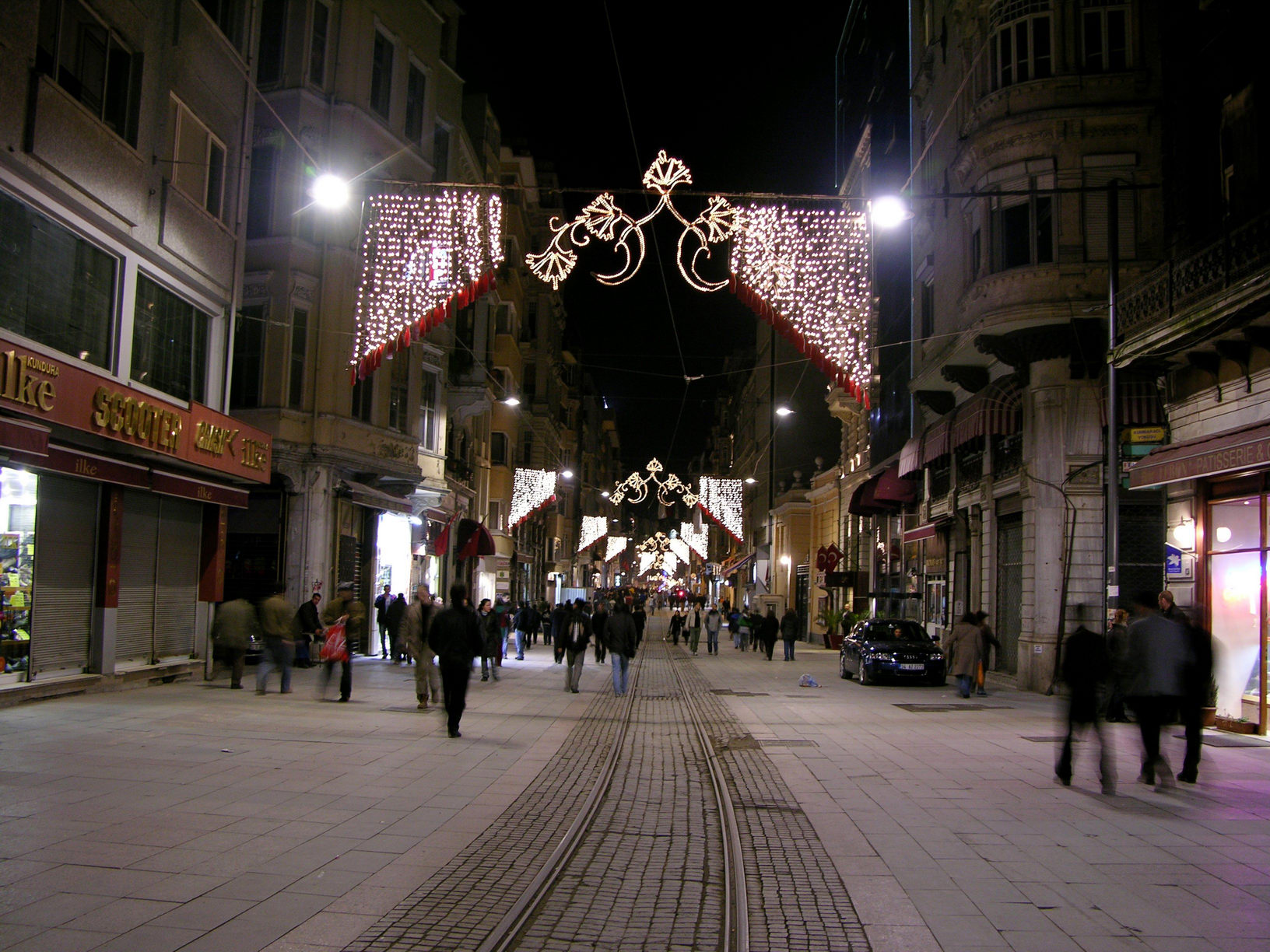
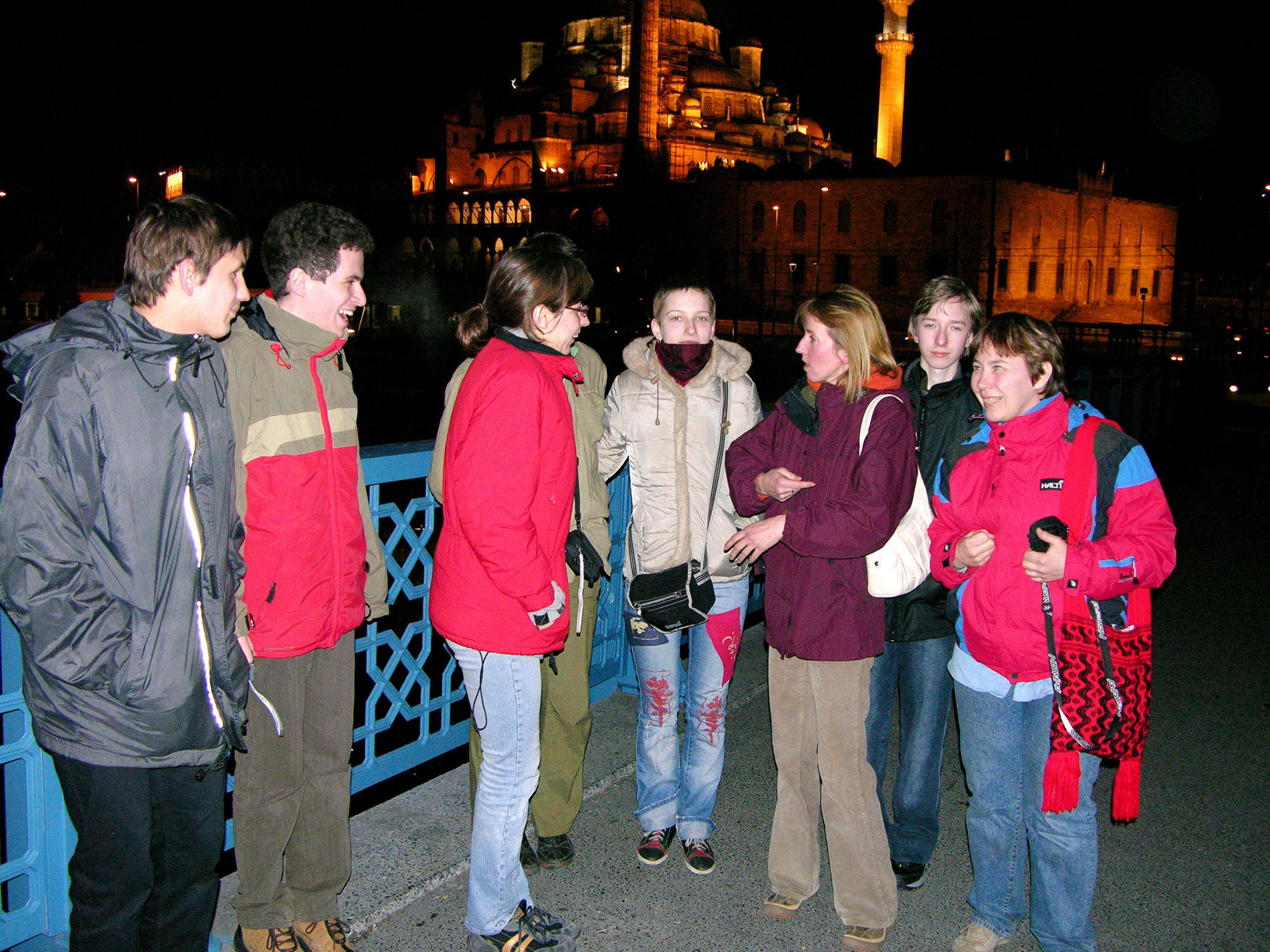
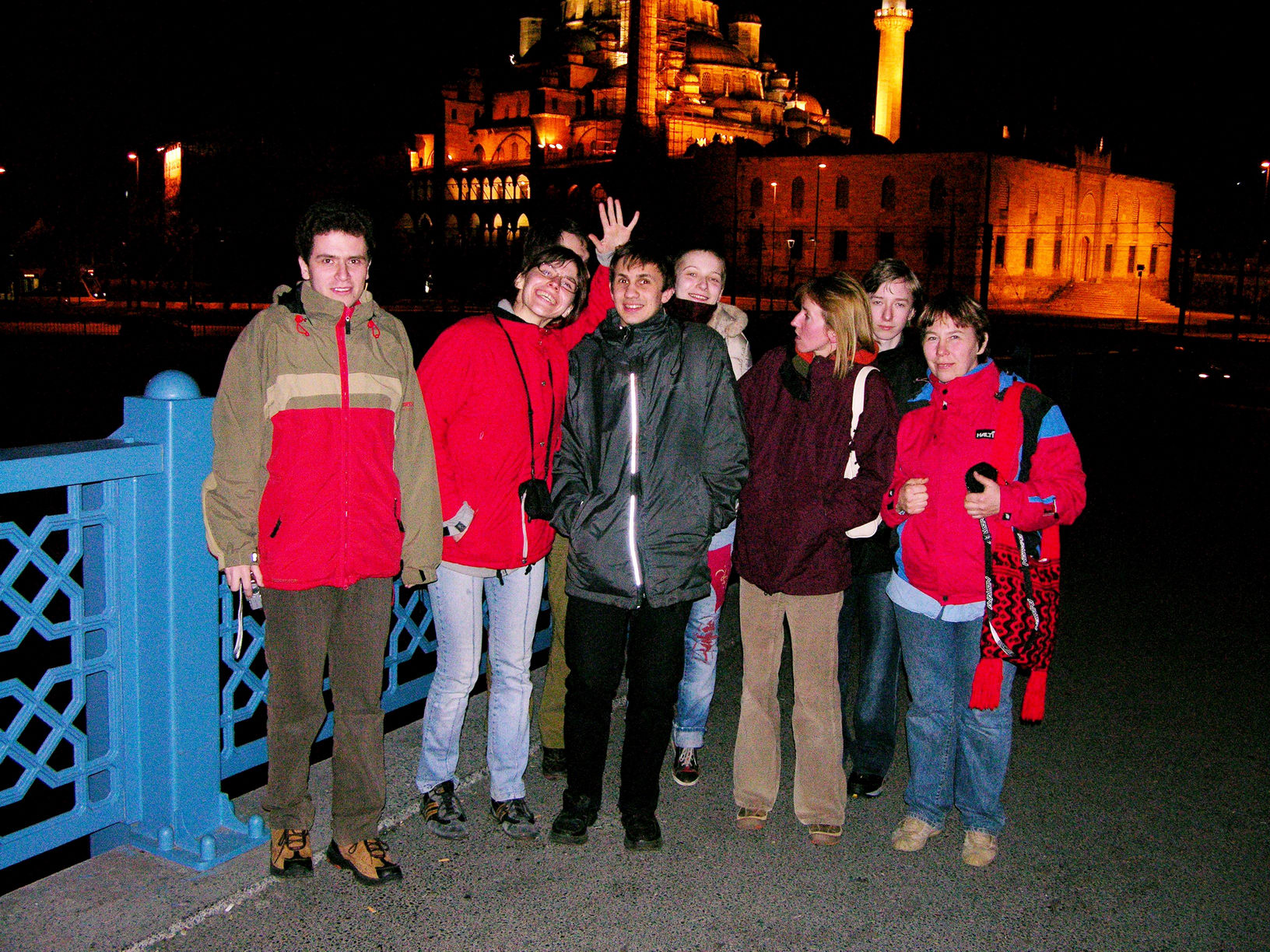
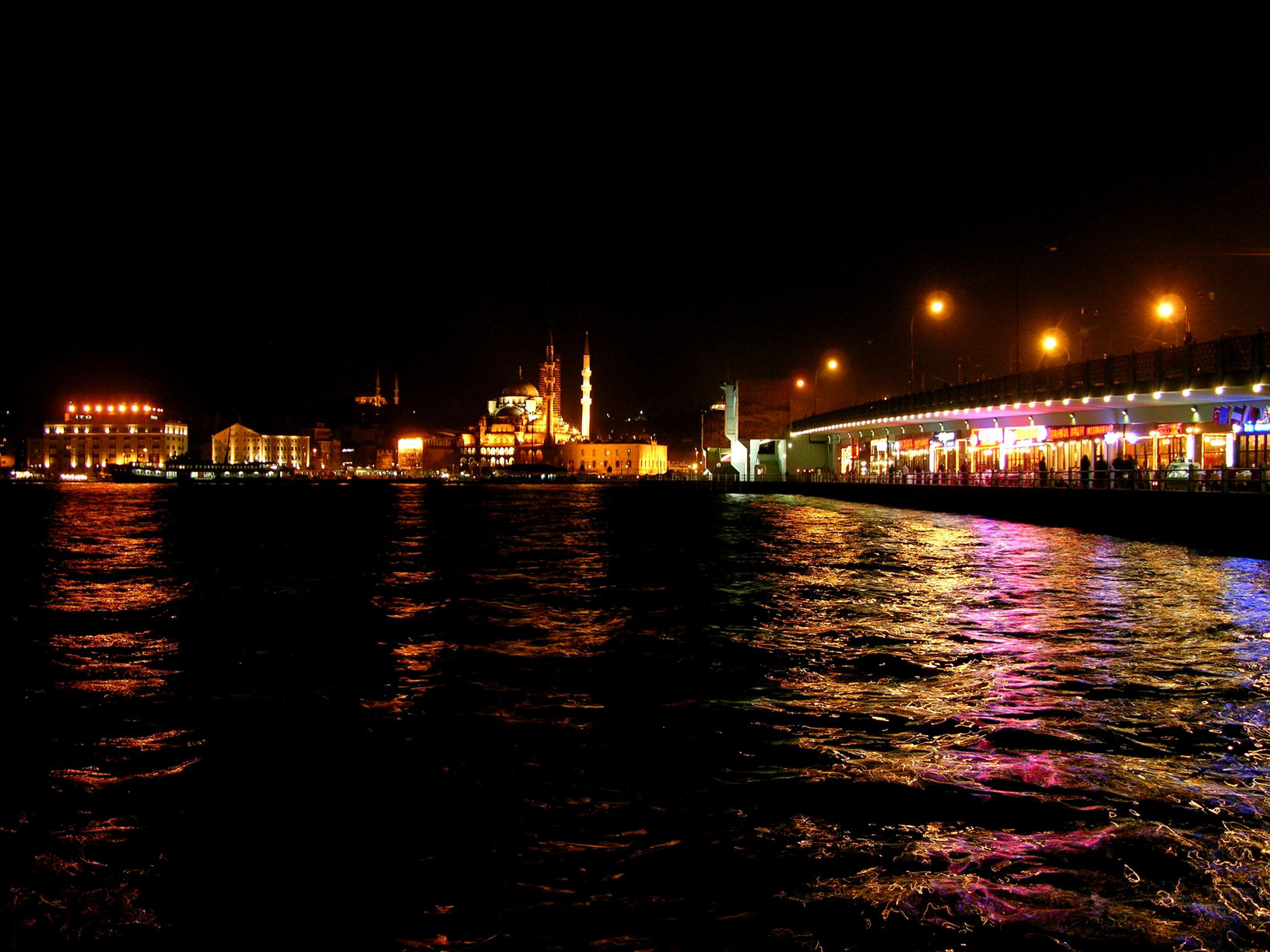
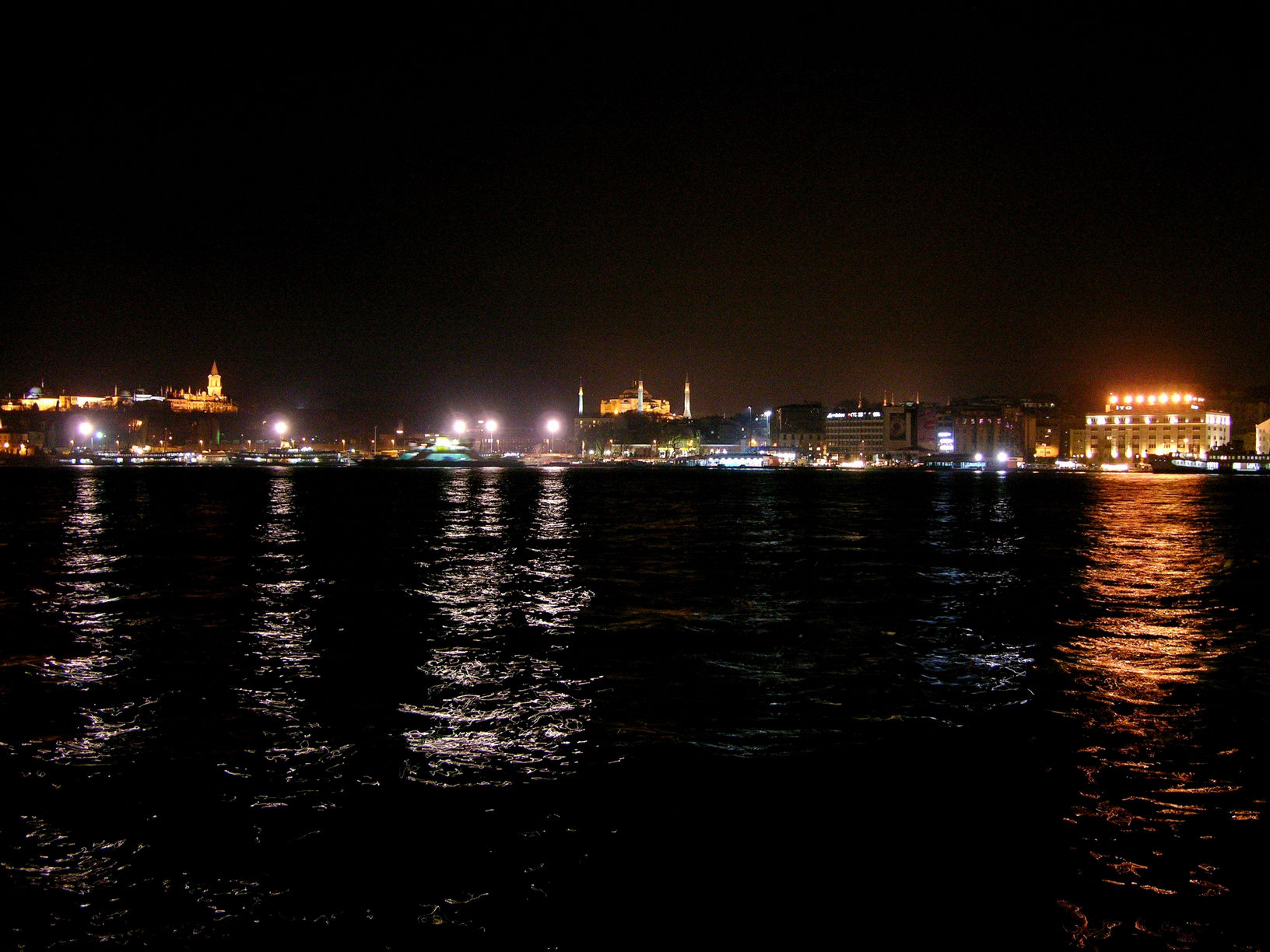
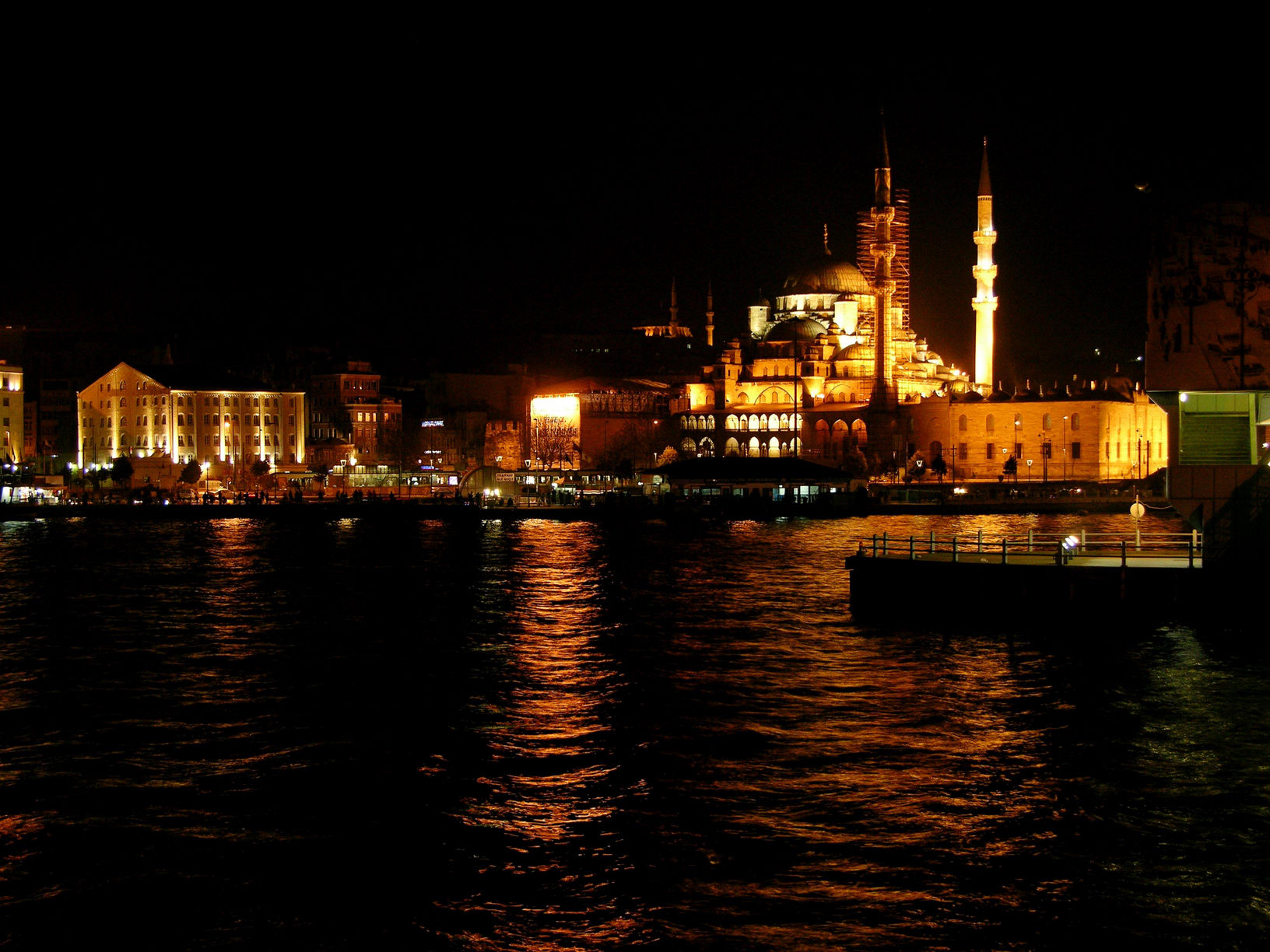
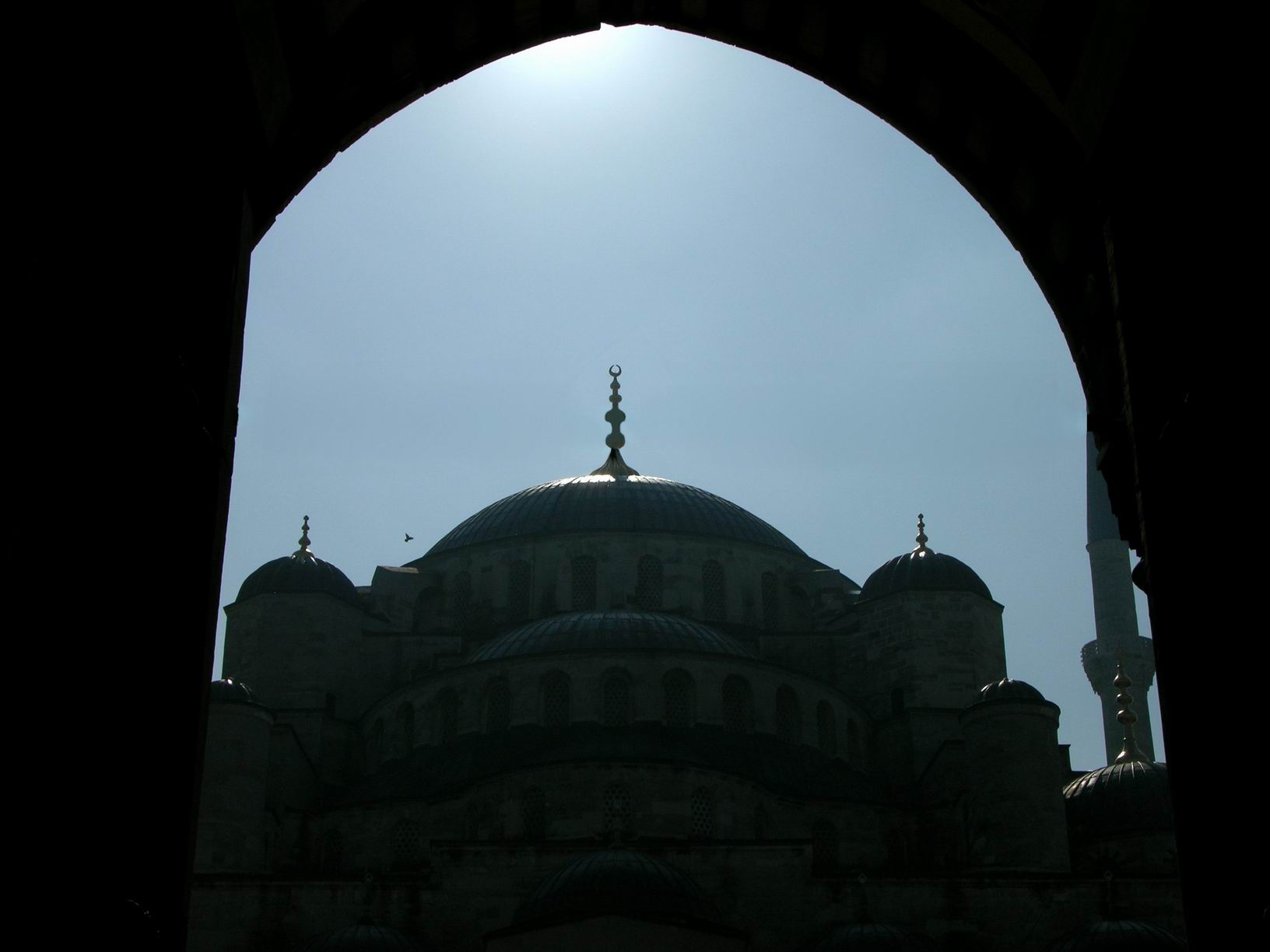
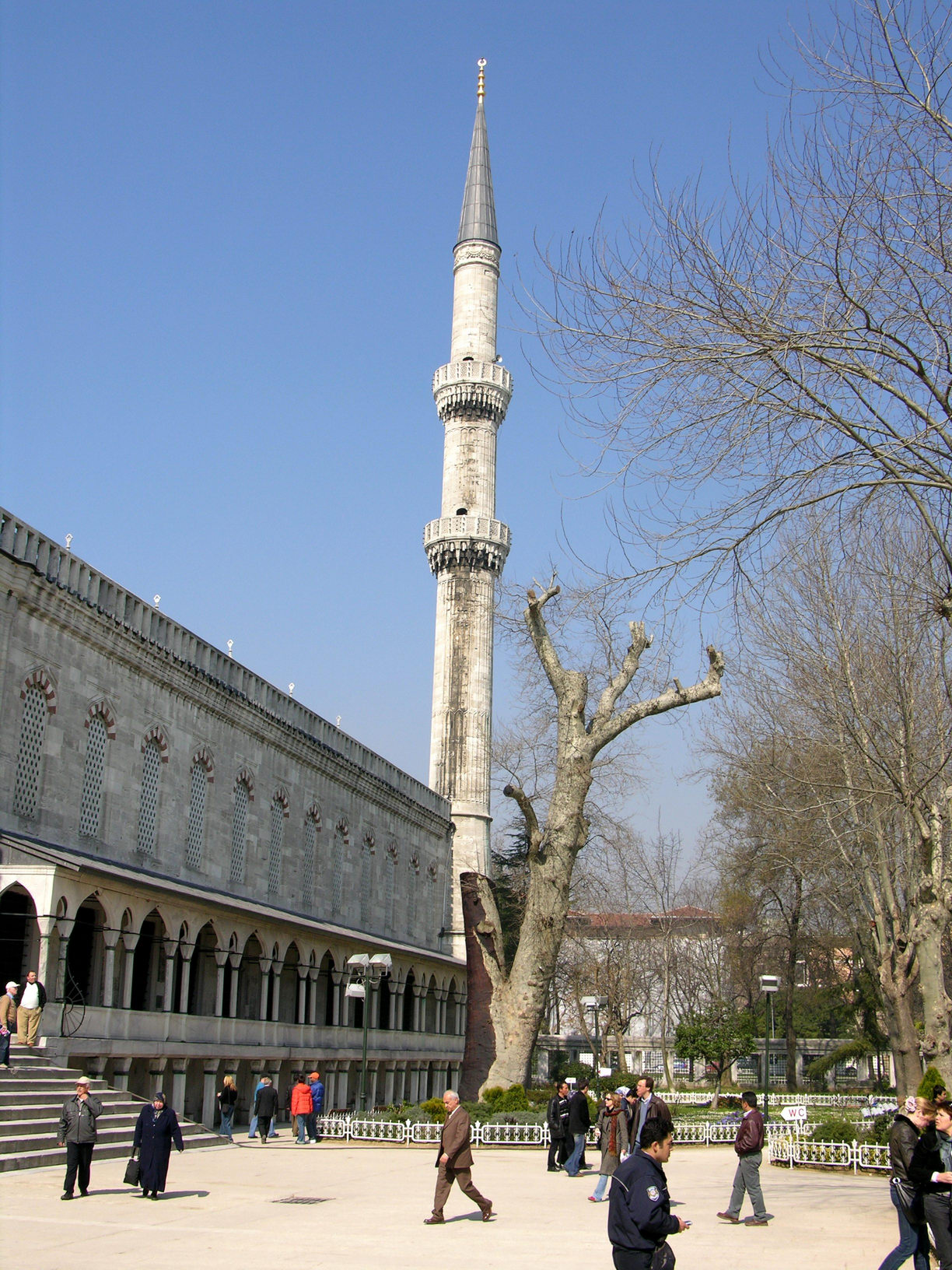
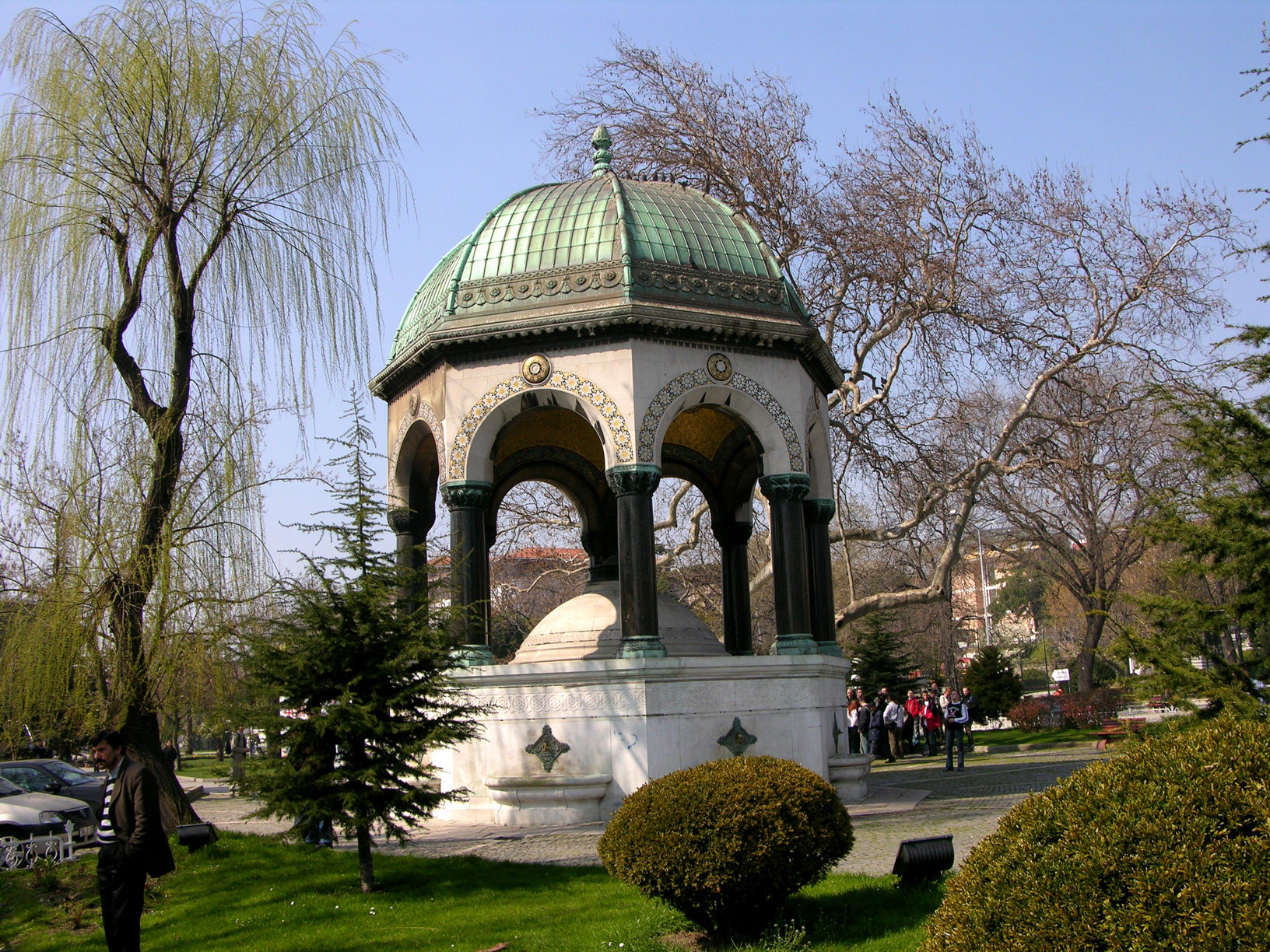
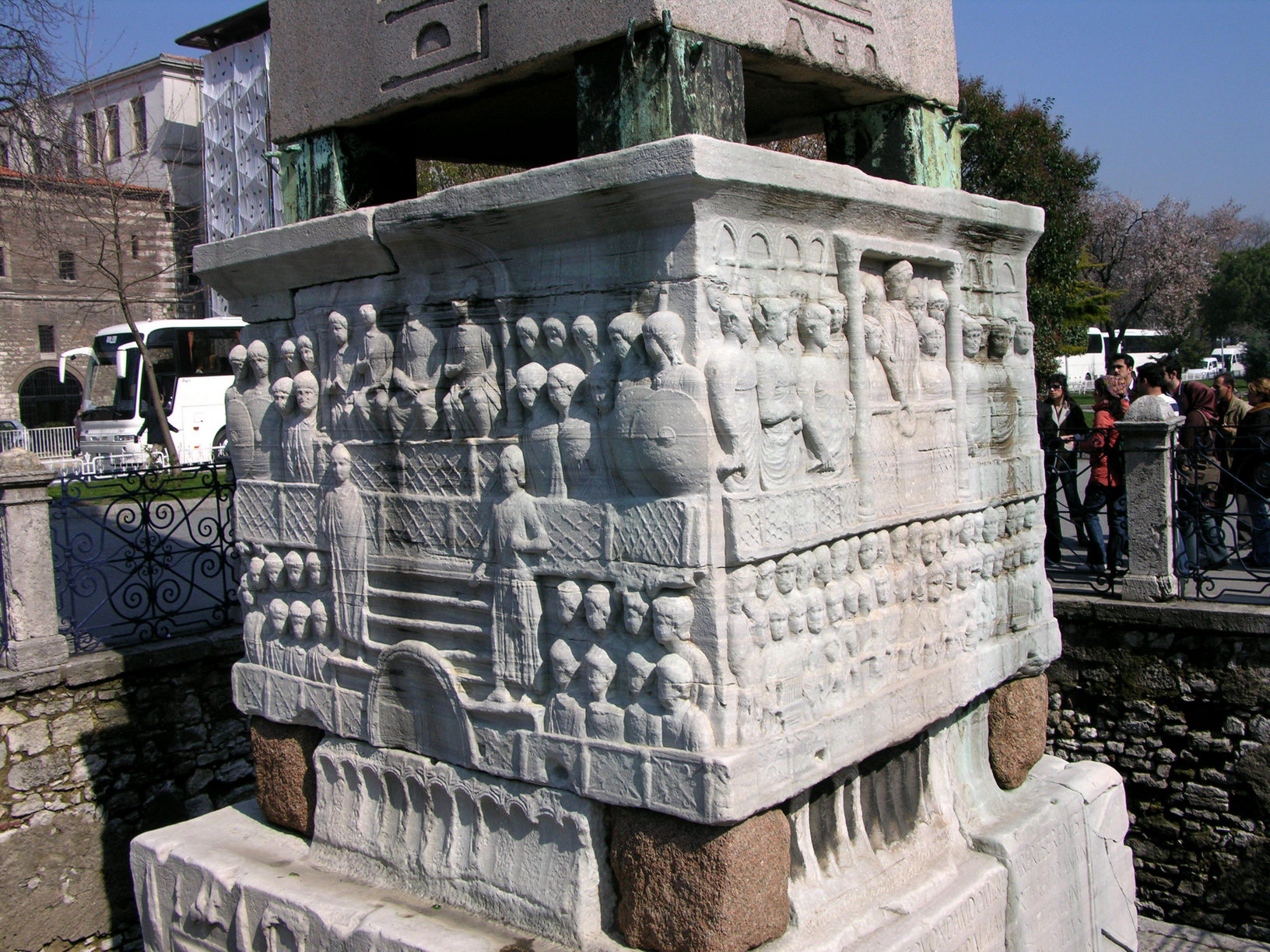
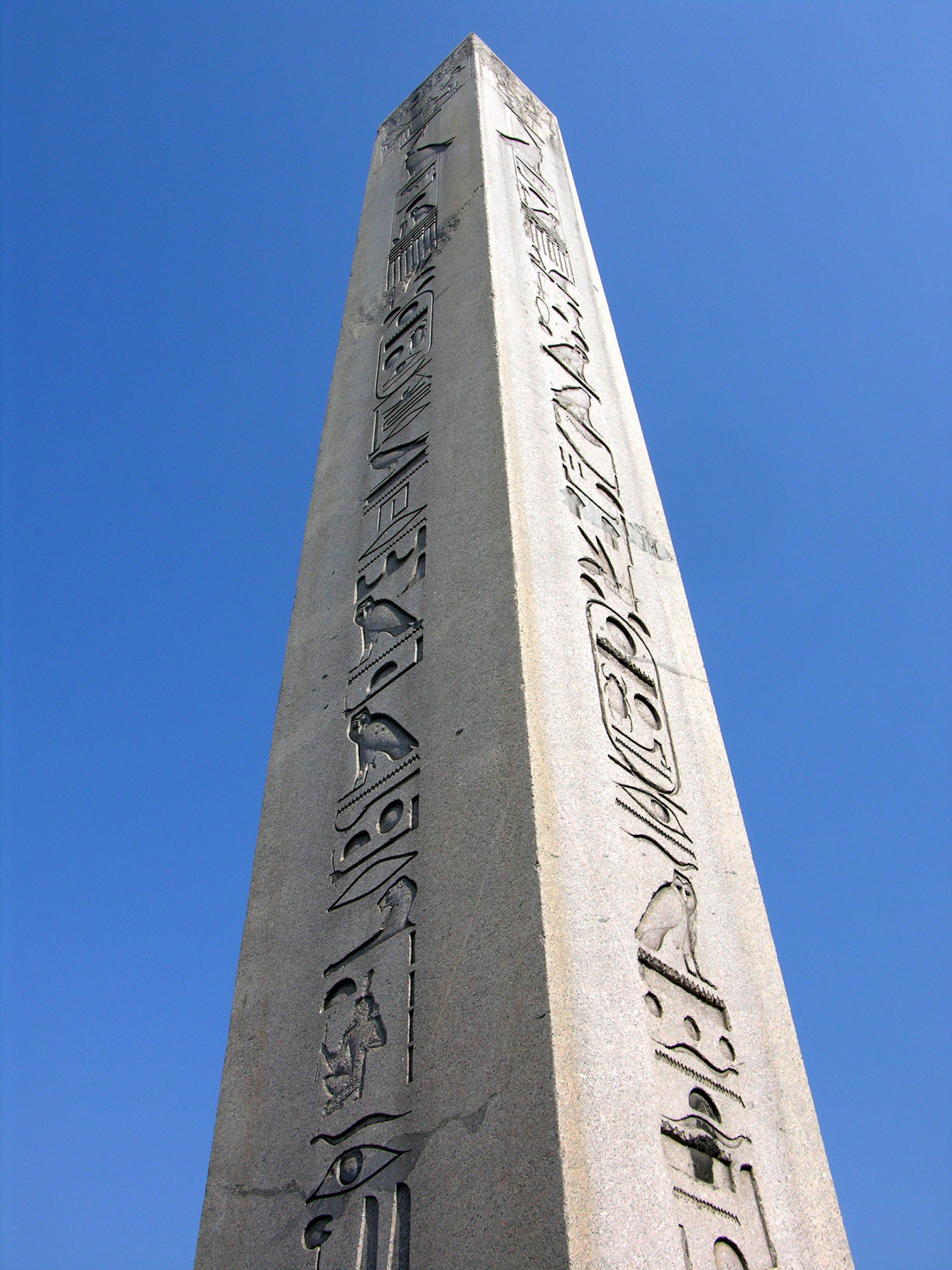
In the morning we went on exploring the great city. We stopped at the Sultanahmet Mosque and continued to the Hippodrome with its Egyptian obelisk.
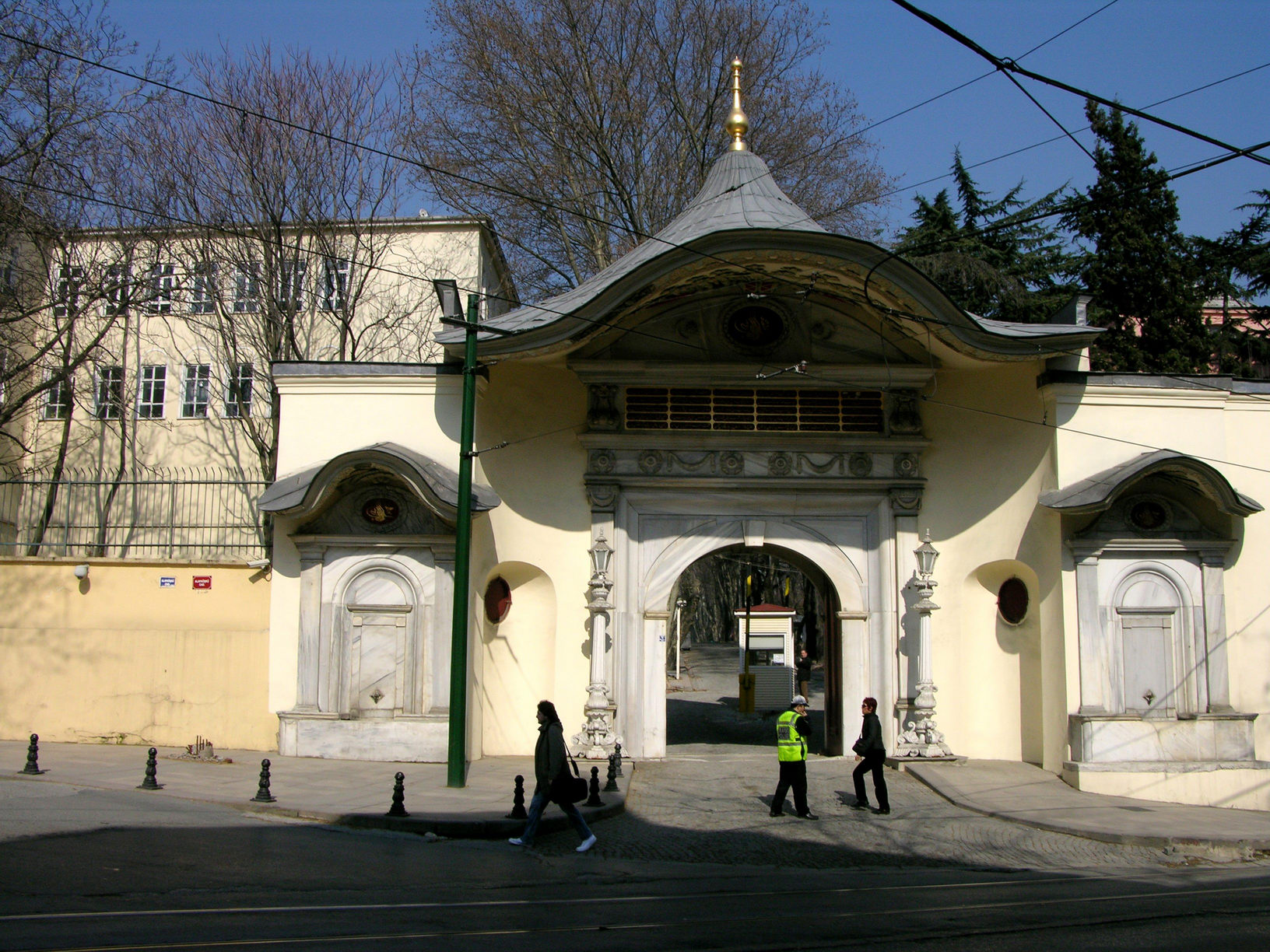
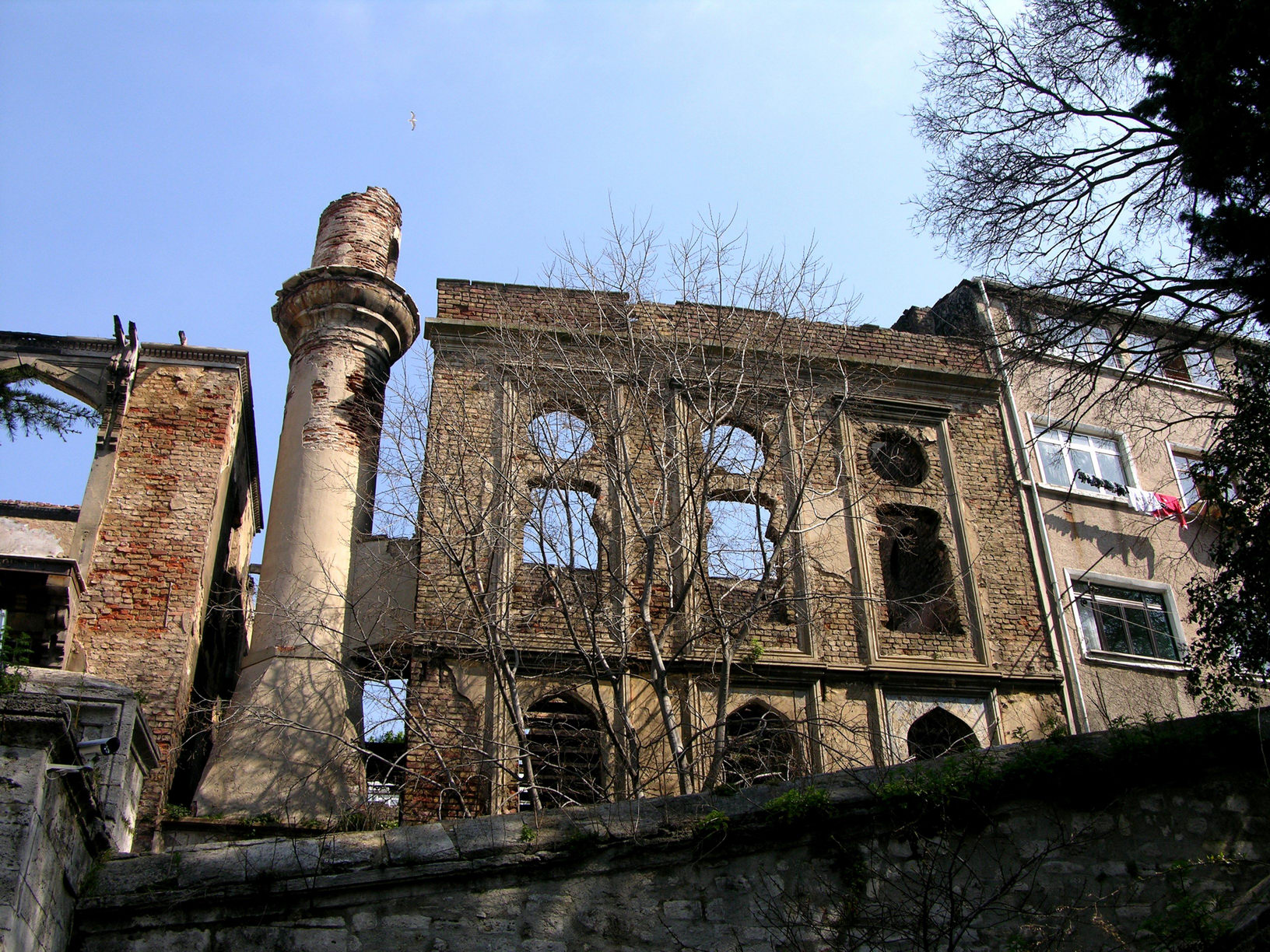
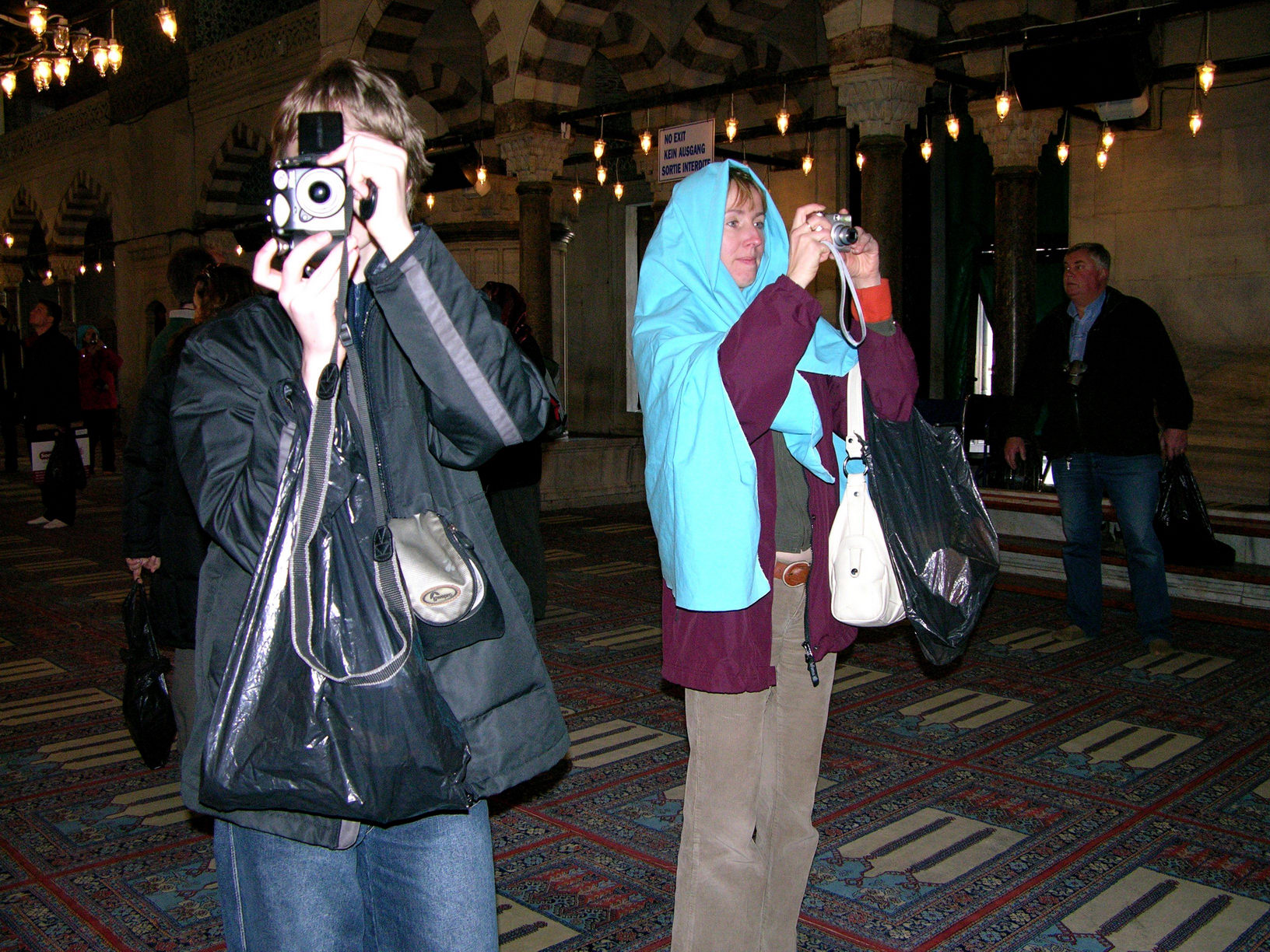
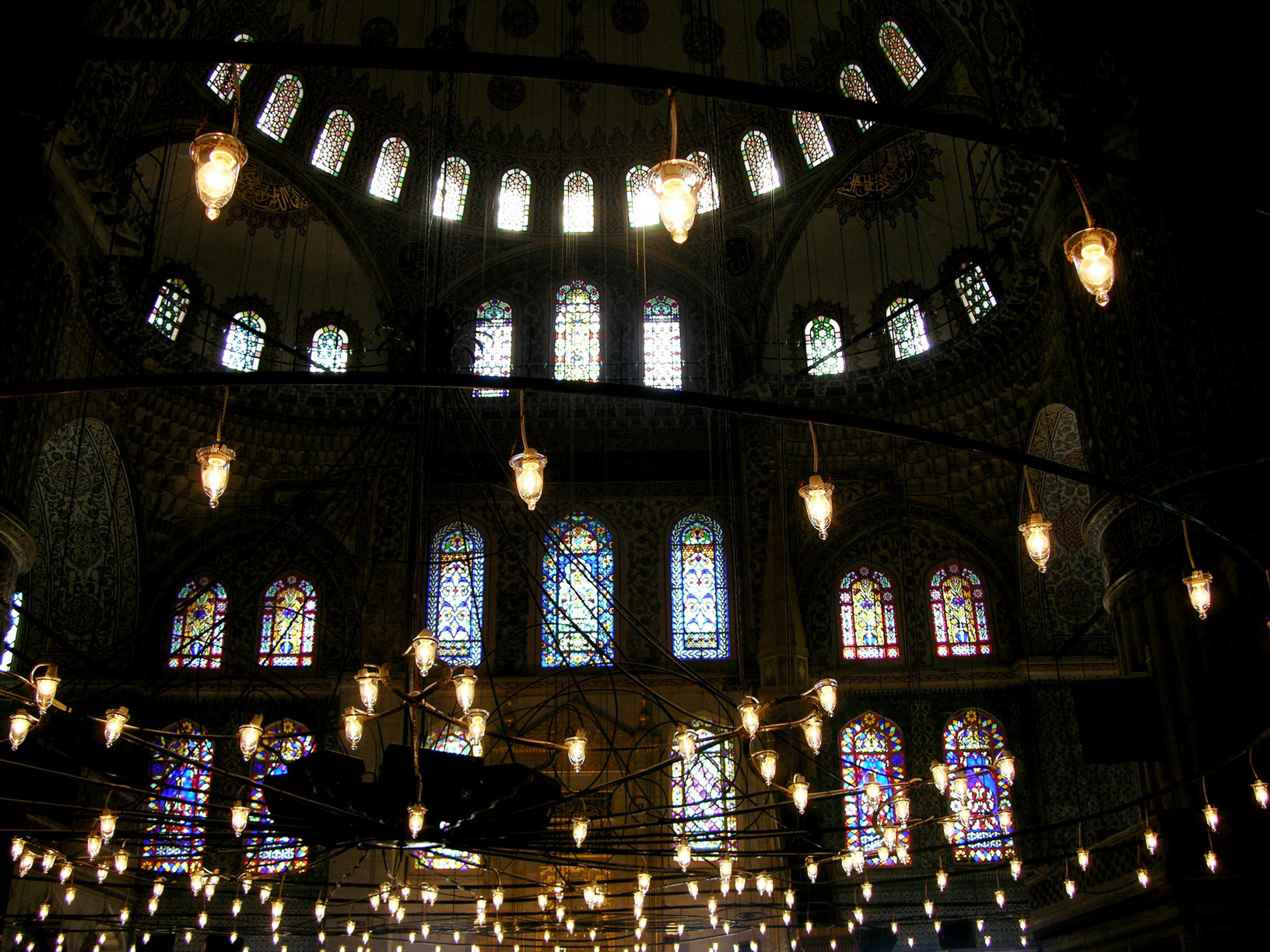
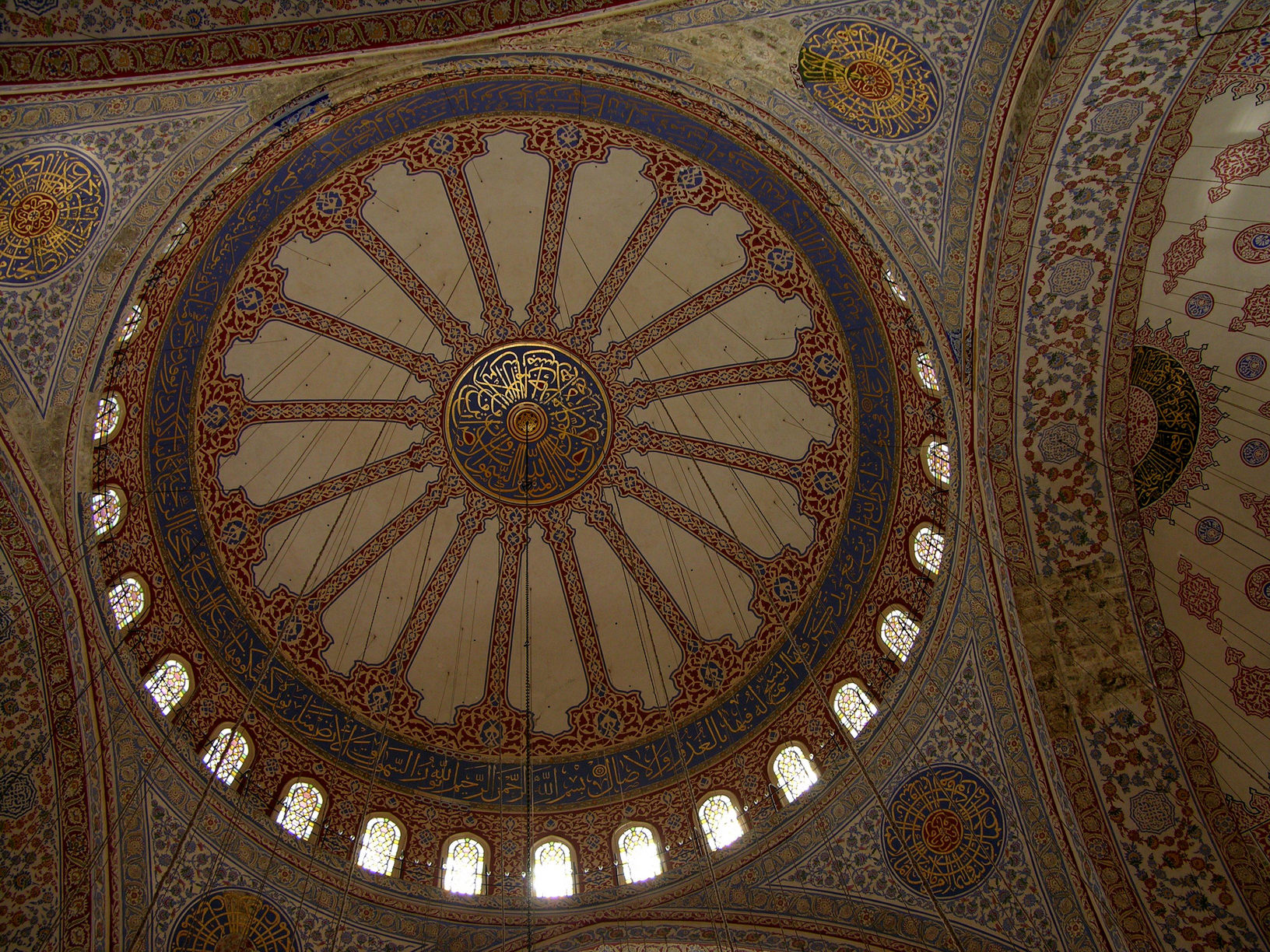
Then we visited the mosque of Sokollu Mehmet Paşa, which is said to hold a fragment of the sacred Black Stone of the Kaaba. The Ottoman rulers had been able to take a little piece of the great relic. Photography is forbidden, but we played the Russian tourists who couldn’t understand a word and took a picture of the holy stone.
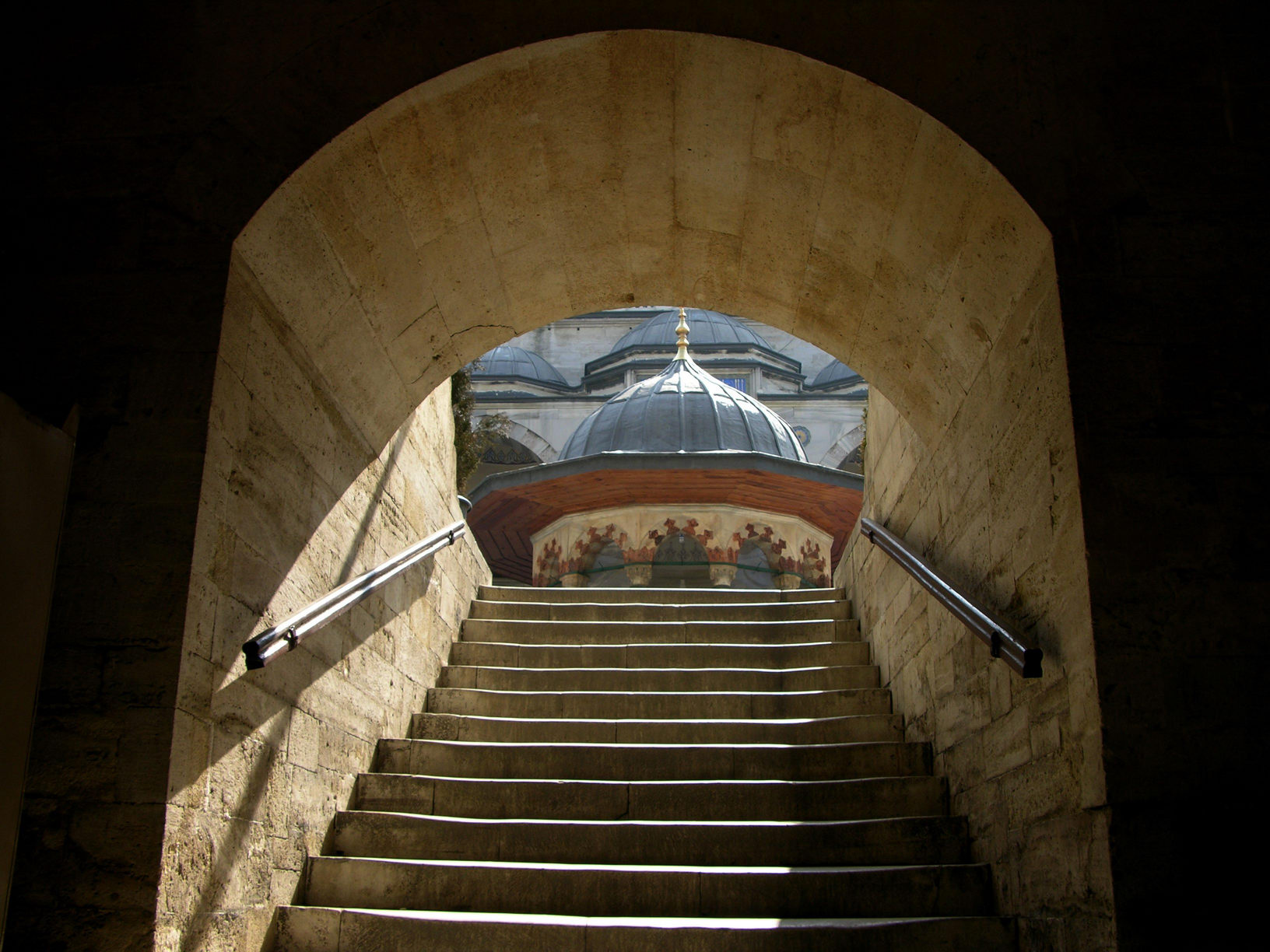
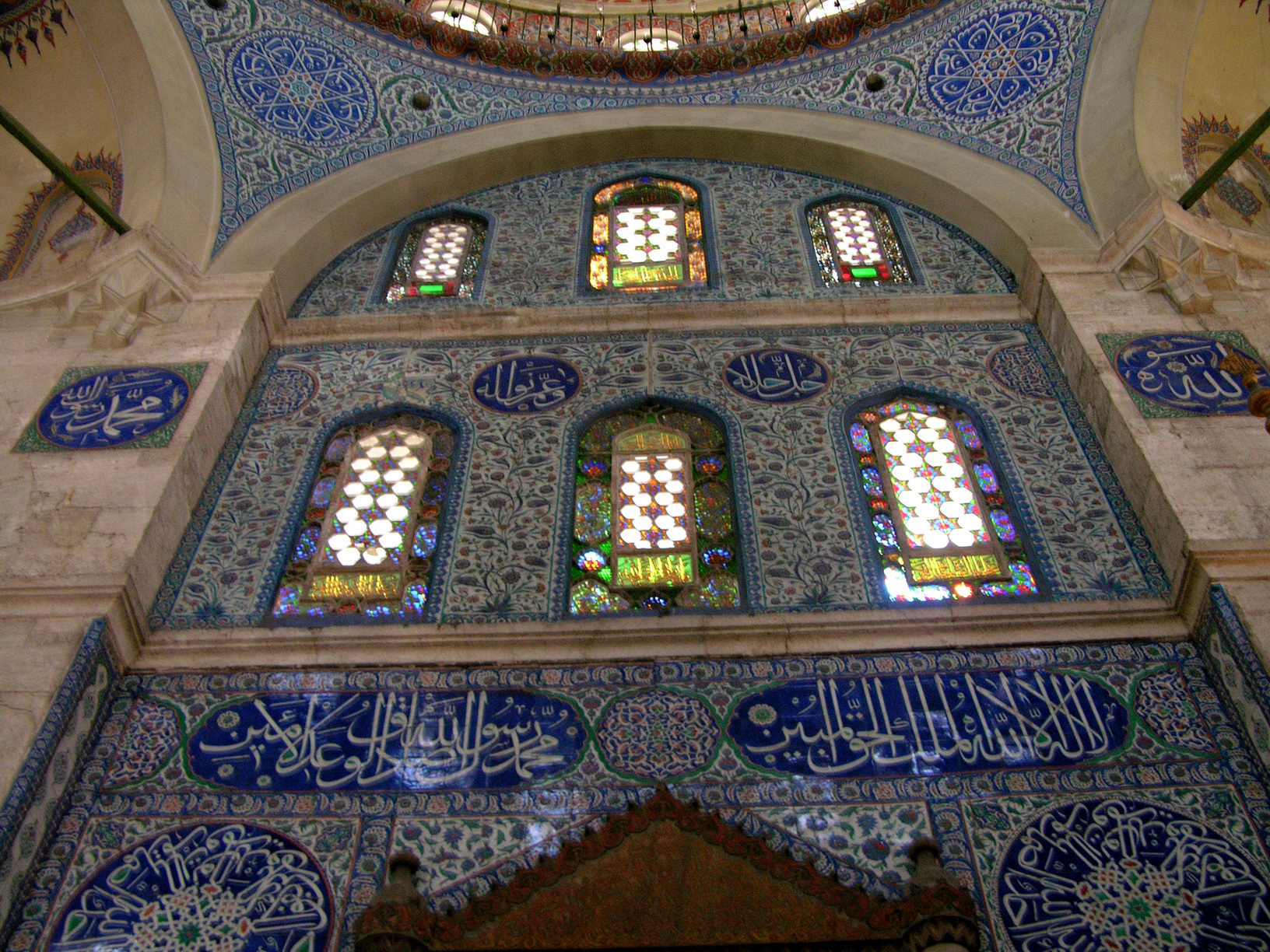
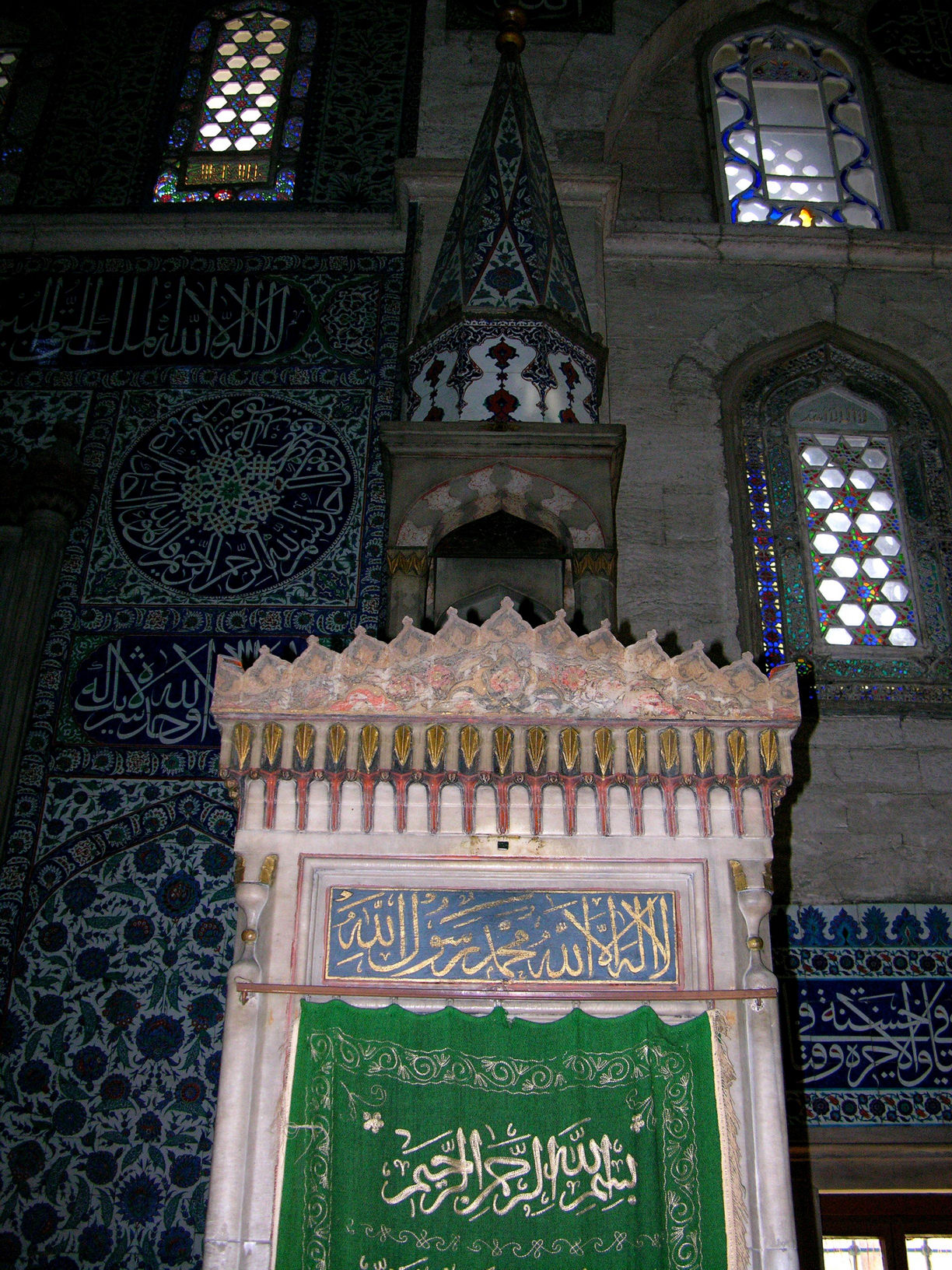
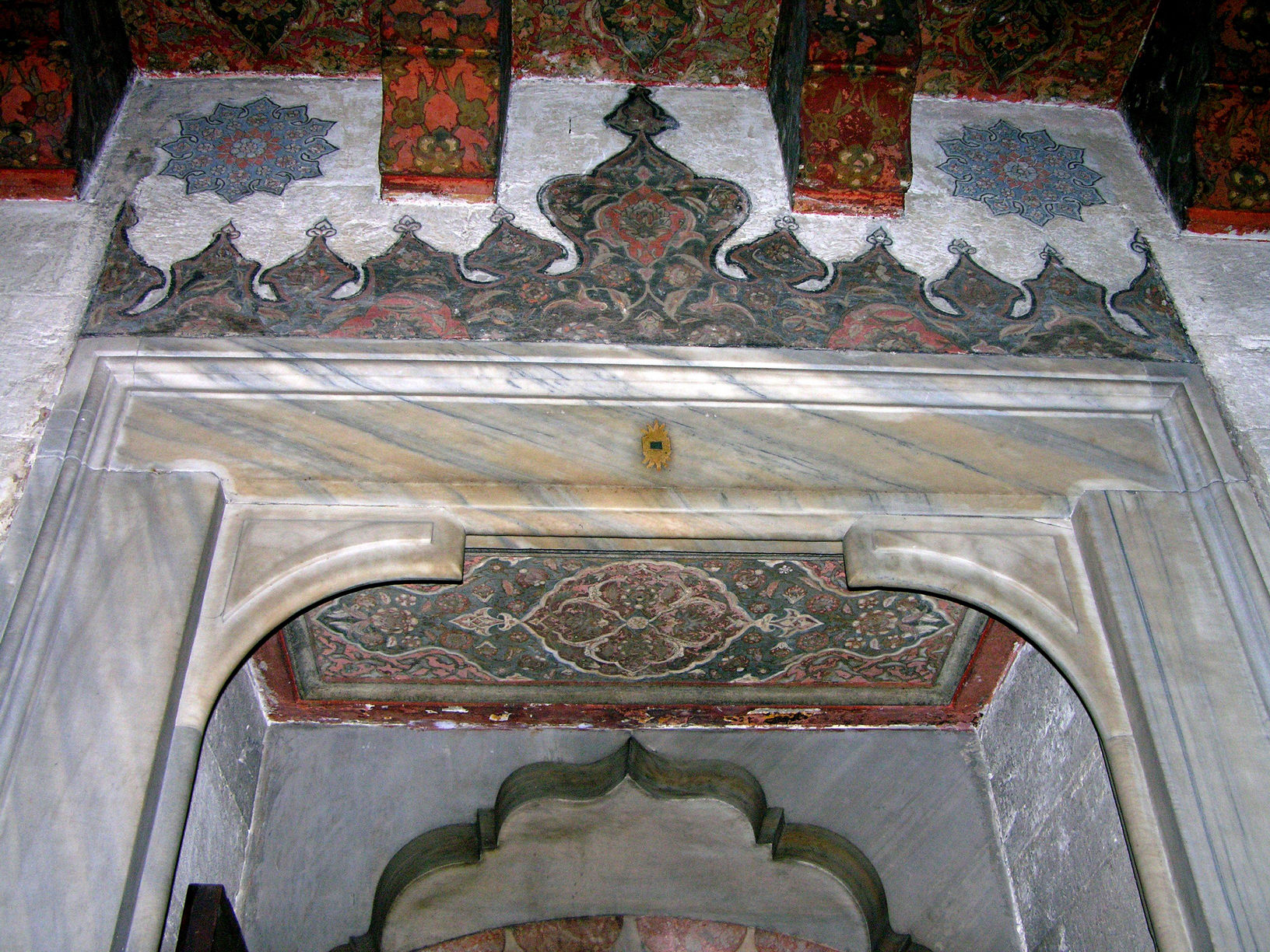
I remember learning at the planetarium at about ten years old that the stone was supposedly a meteorite. I could never understand why scientists hadn’t studied it and taken it away to a museum. Some people might worship it, I thought, but surely everybody understood that science came first. What a high opinion I had of people then. At least I saw a piece of the Kaaba this way. I doubt I’ll ever make it to Mecca, much less see it in Washington’s air and space museum.
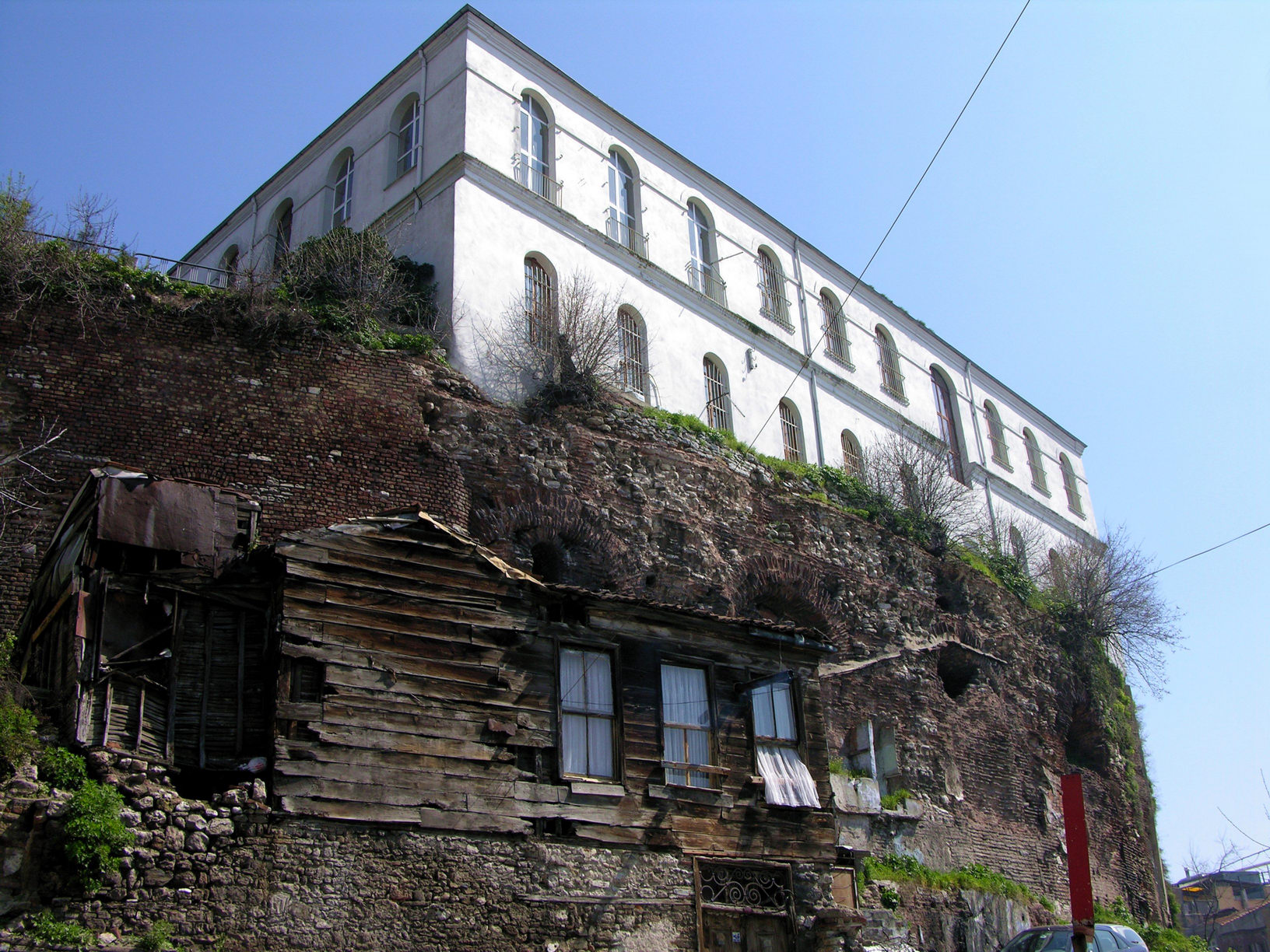
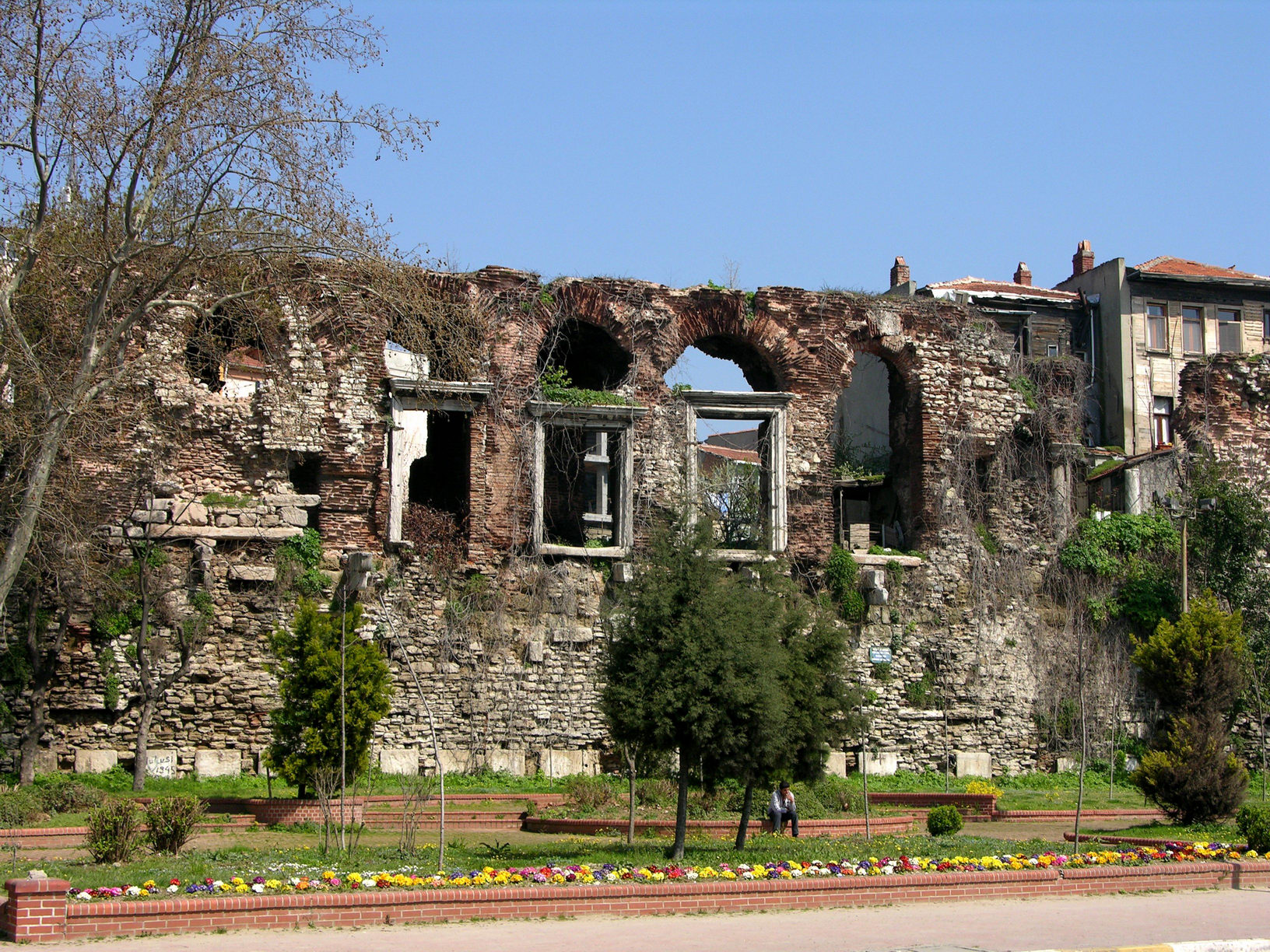
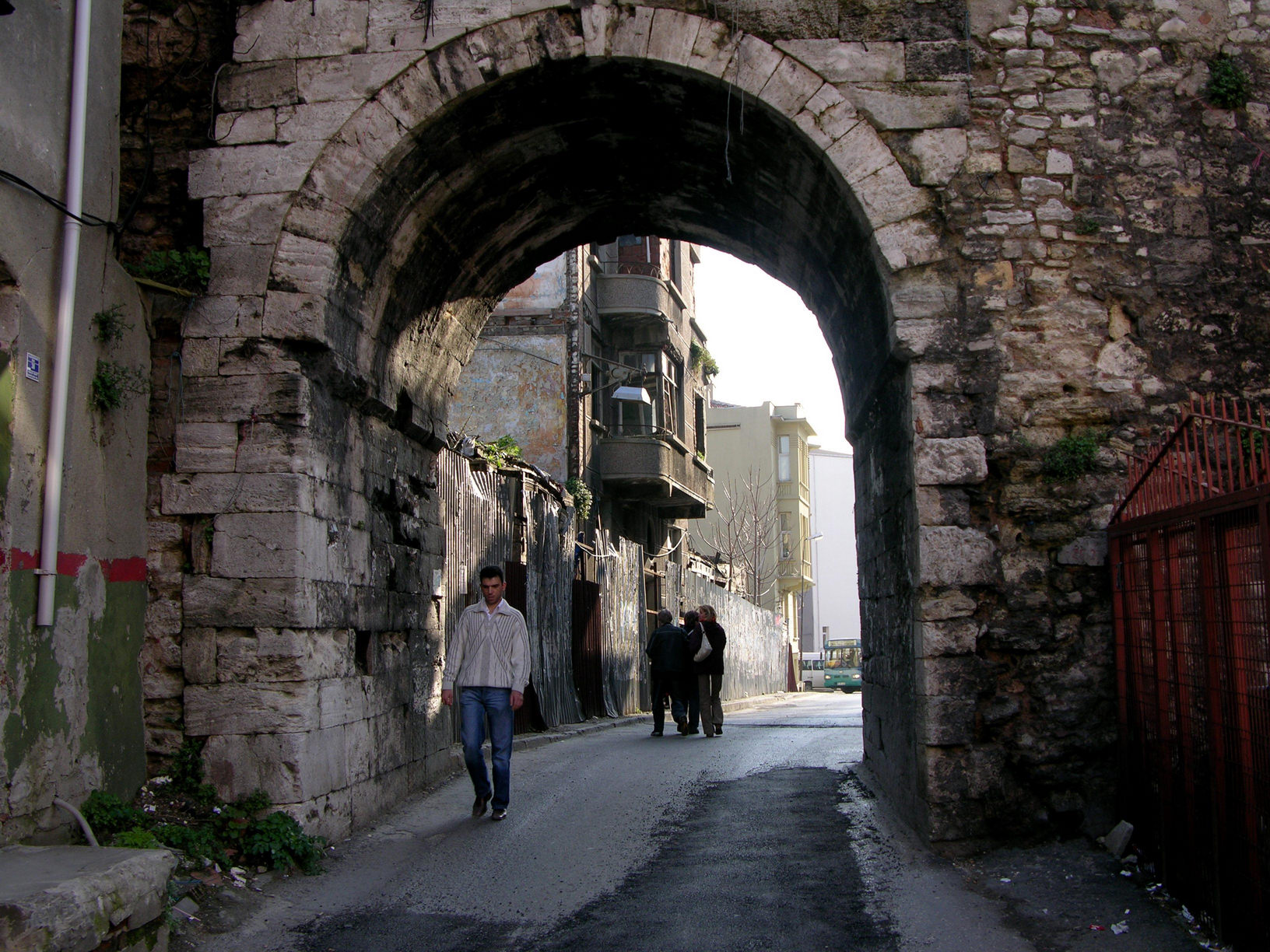
Most of modern Istanbul dates from the Ottoman period or later. Hagia Sophia is a monument from Christian times. Very little of Roman Byzantium is left. You can find fragments of old walls built into newer buildings along the southern wall near the sea. There you get a sense of the scale of the old city, with higher ceilings, thicker walls and gates fit for an elephant.
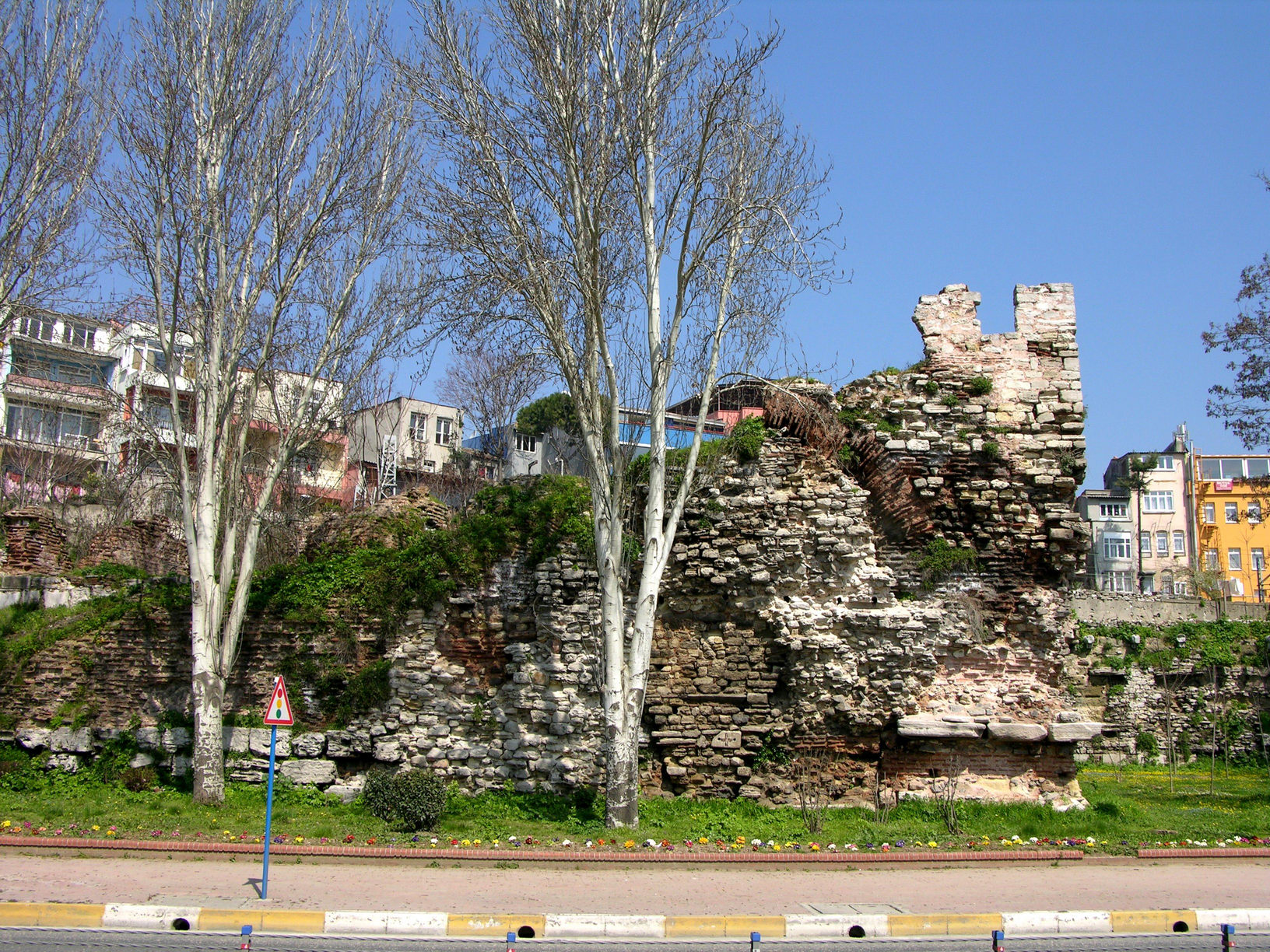
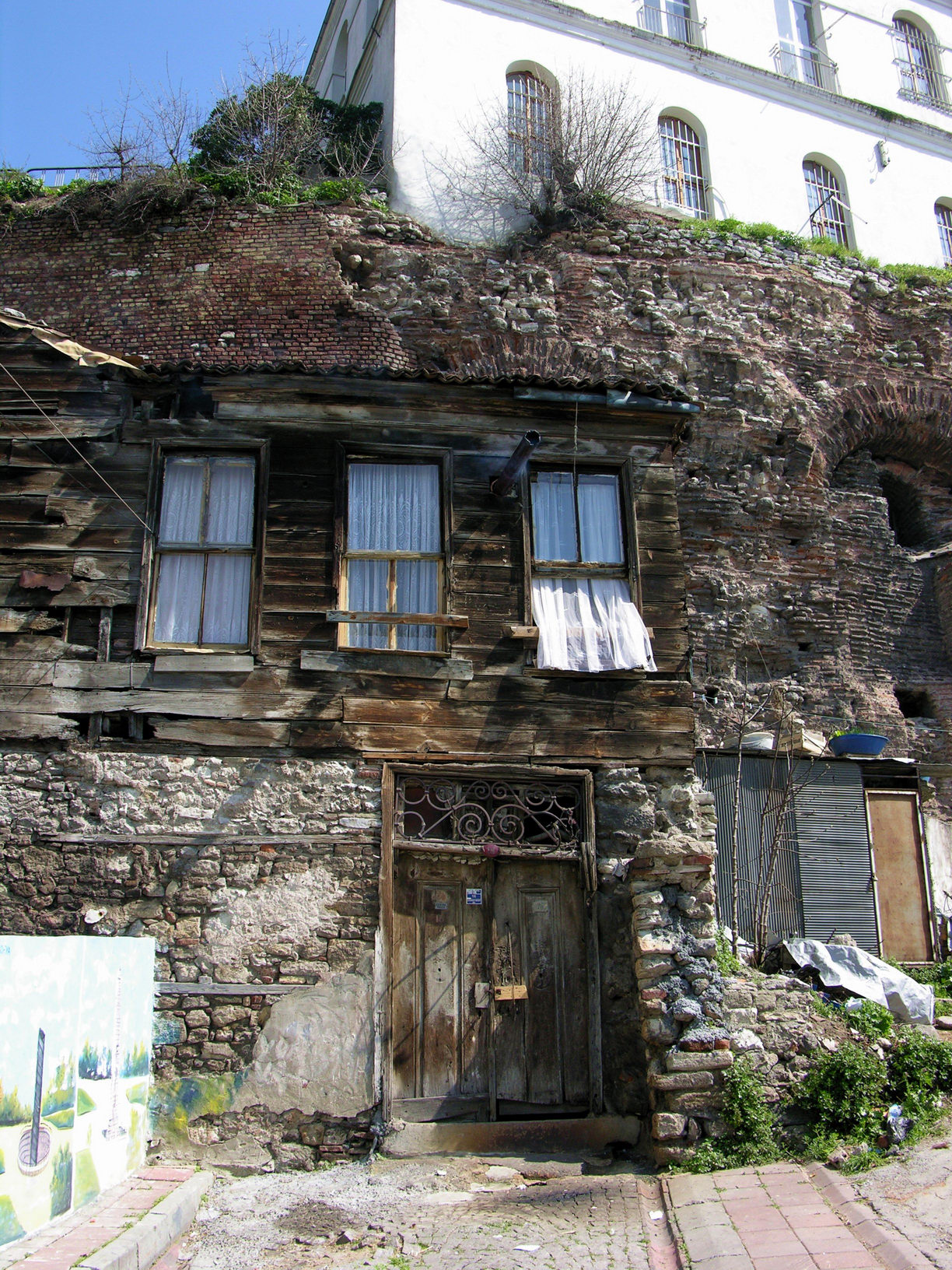
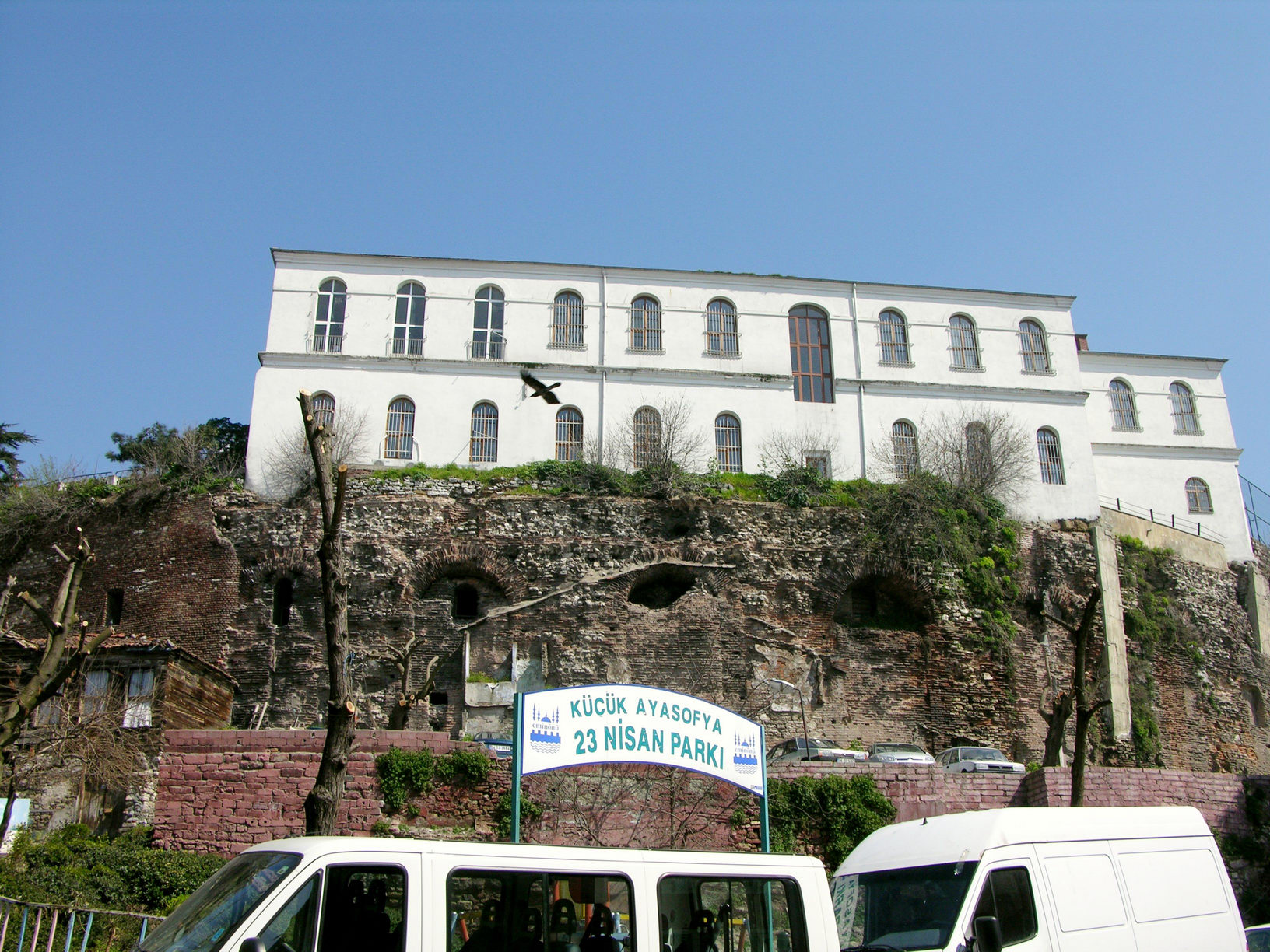
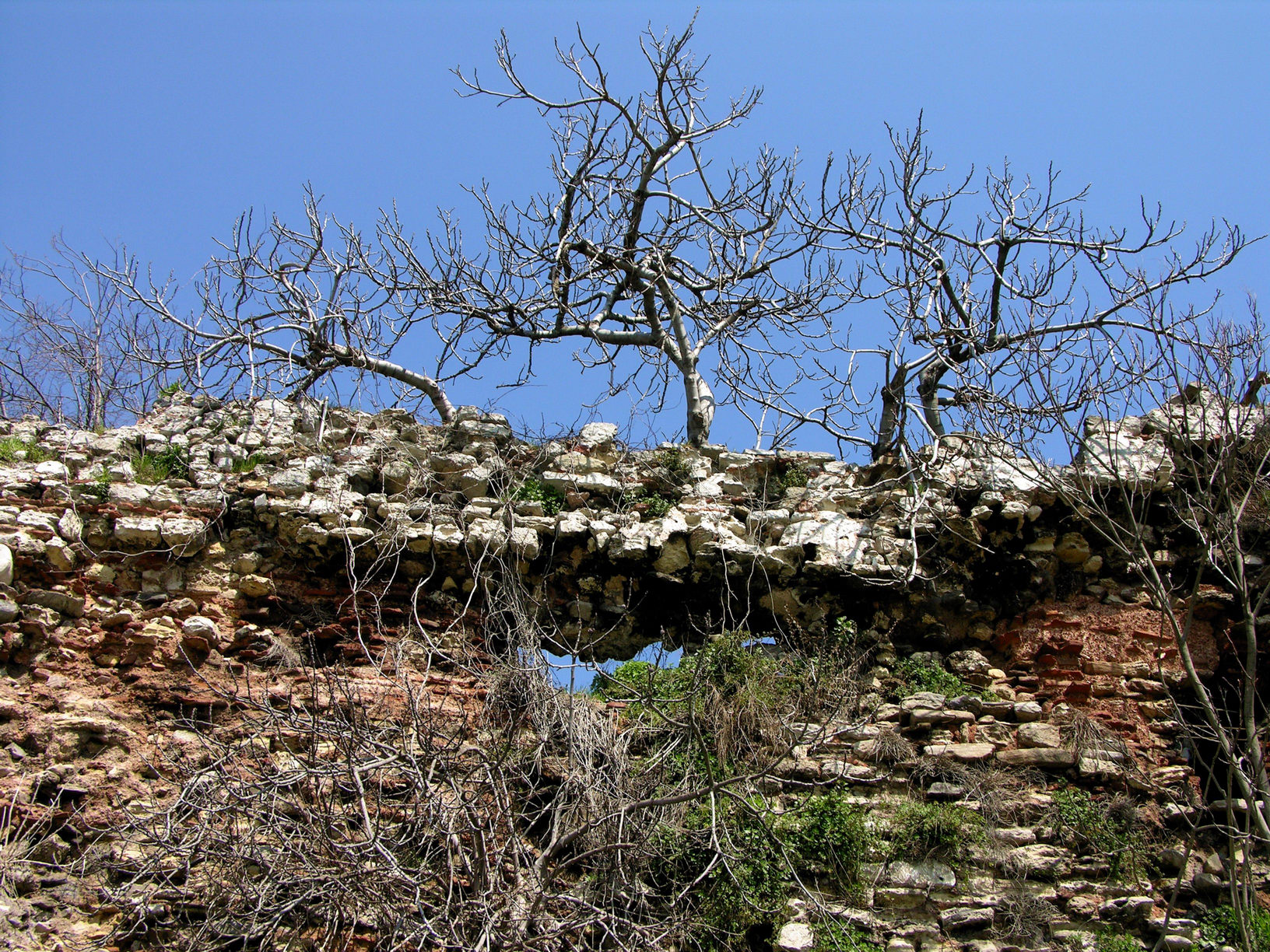
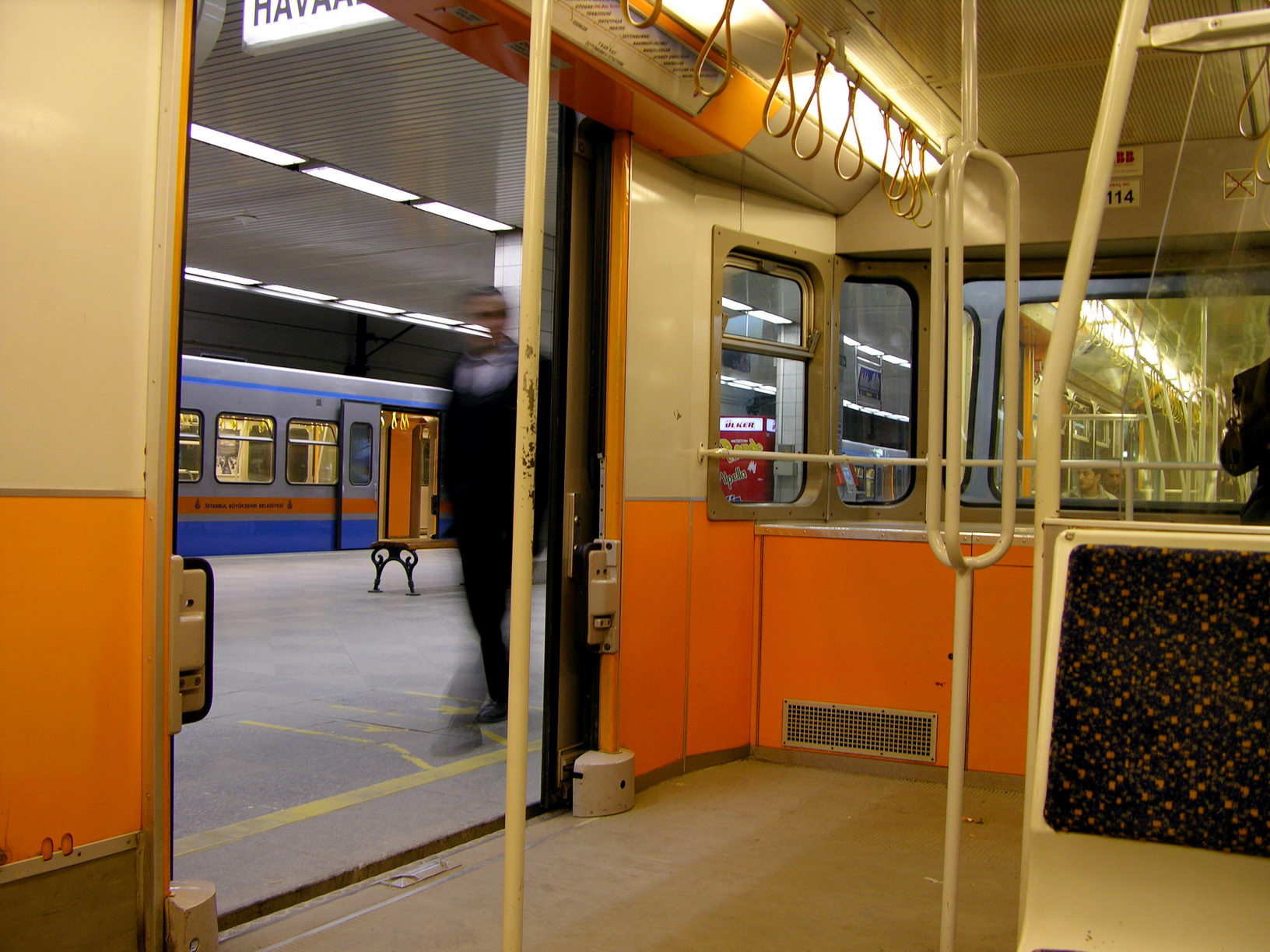
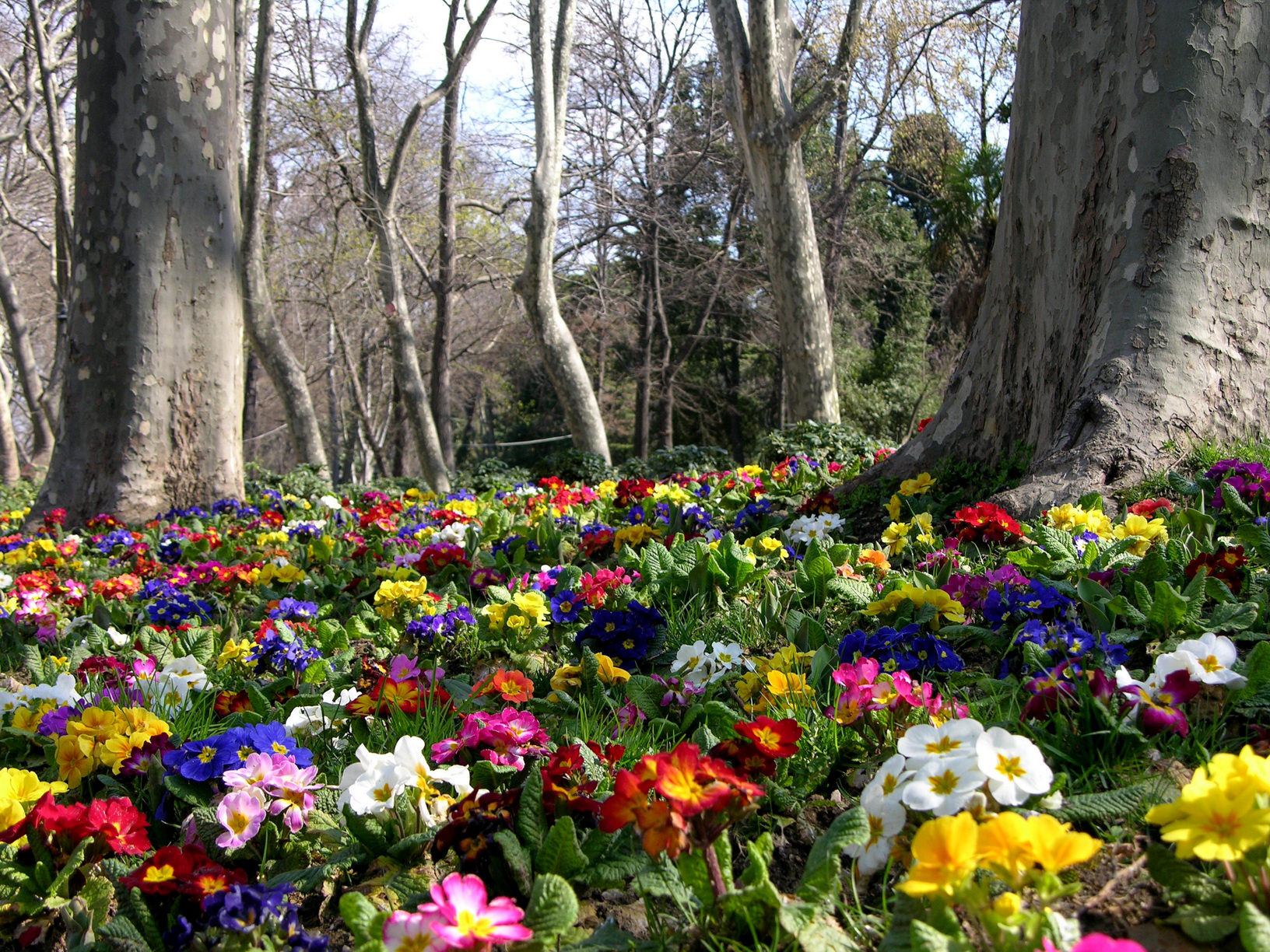
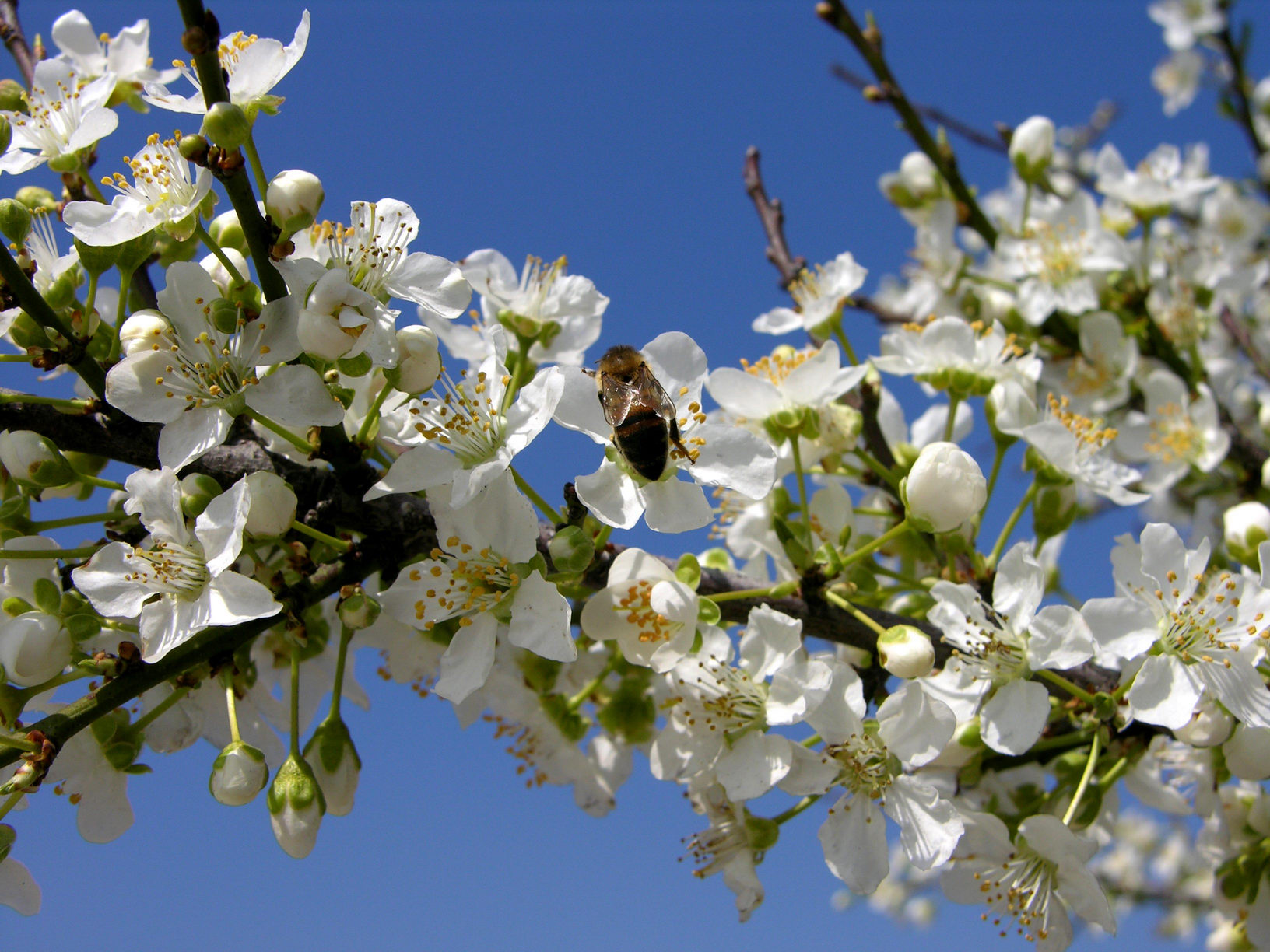
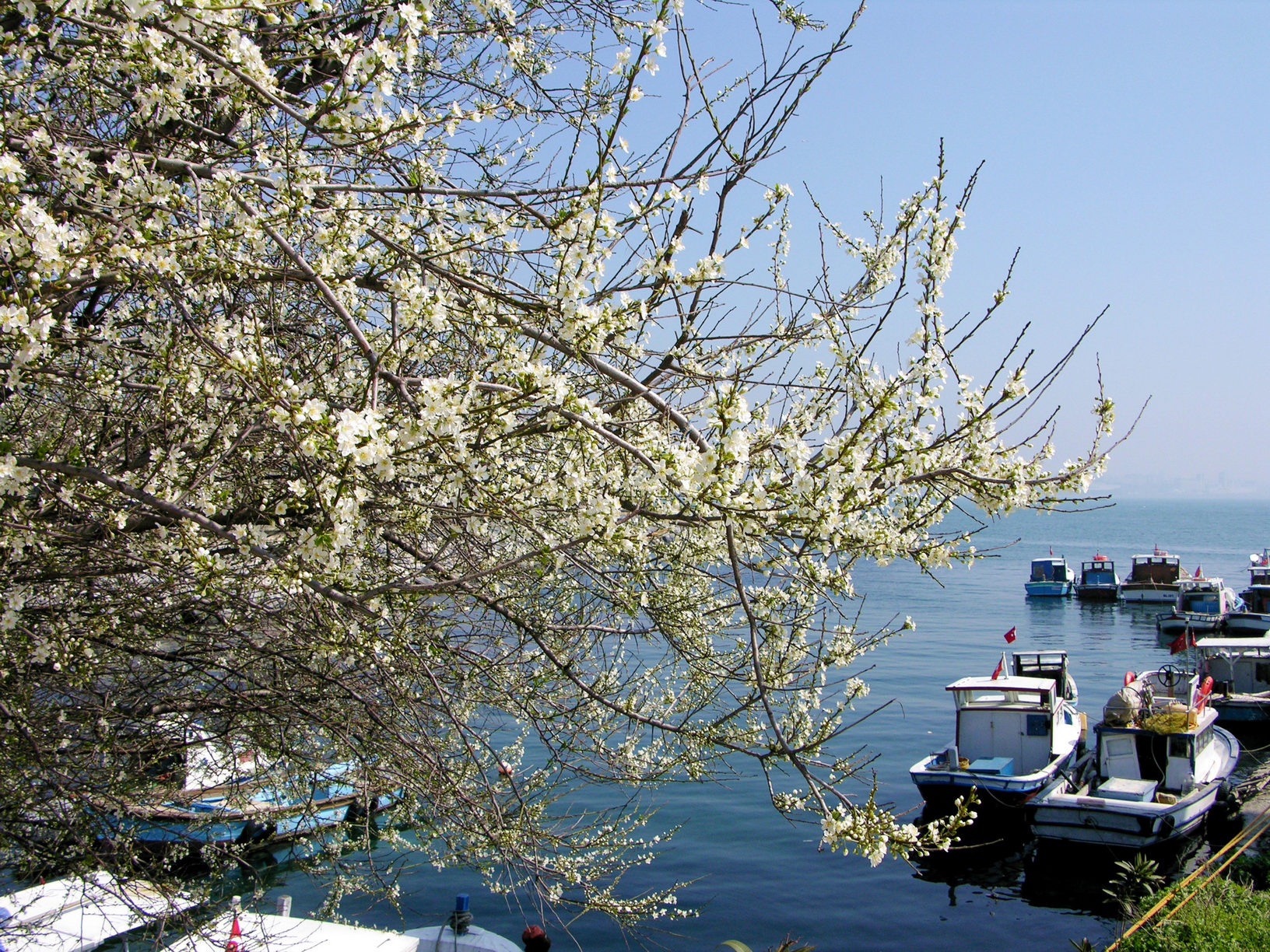
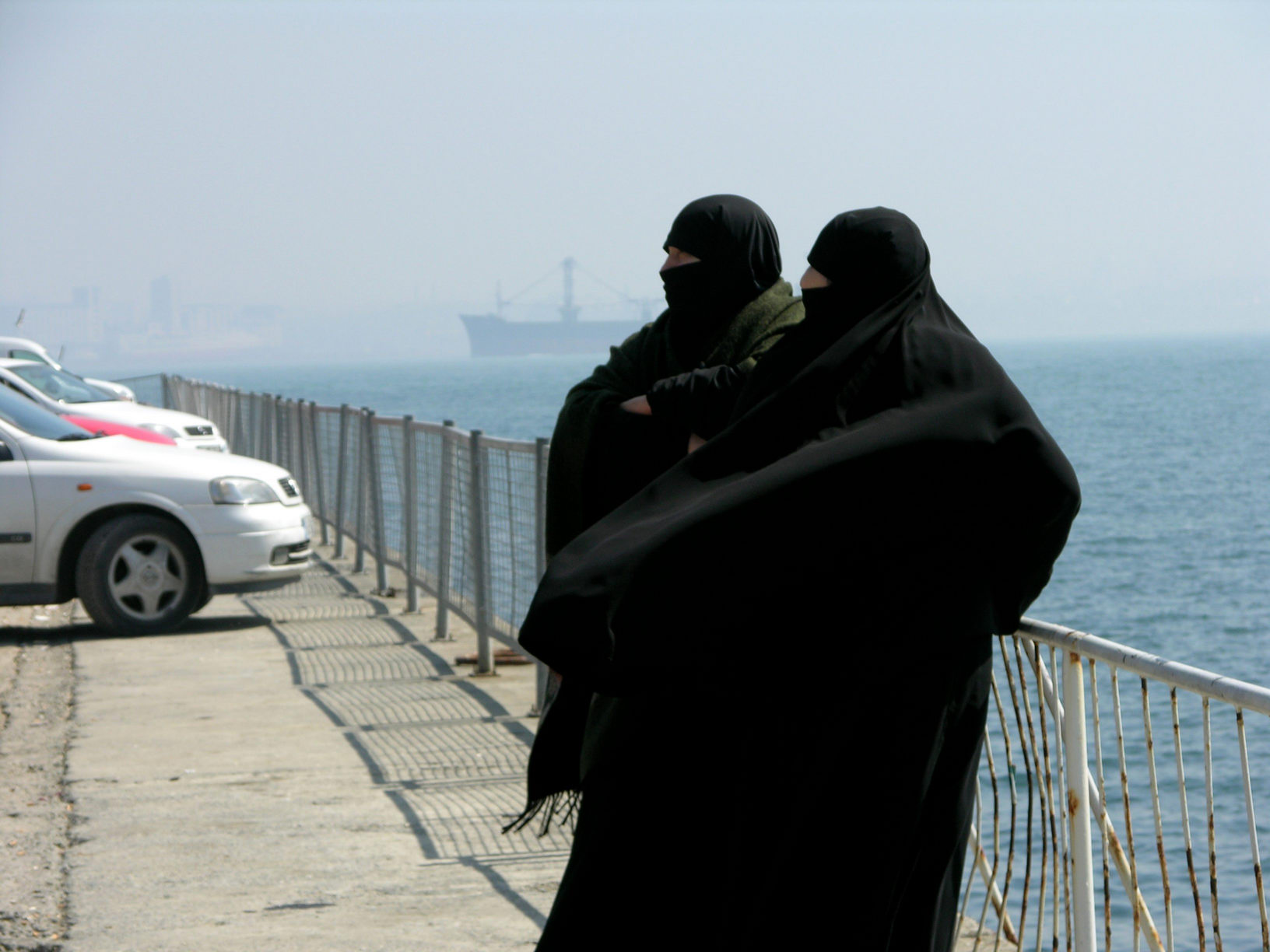
Spring was in full swing. Everything was flowering. I noticed more girls in Istanbul wrapped in black robes and thought I was seeing stricter social habits even in this secular, tolerant city. Nature takes its course, though. There are many ways to put on a robe. It can be very fine fabric, just a little transparent, and what goes on underneath is a matter of choice. People can still kiss on the metro escalator, and they do. I came away thinking Turkey could yet do without guardians of a Turkish revolution.
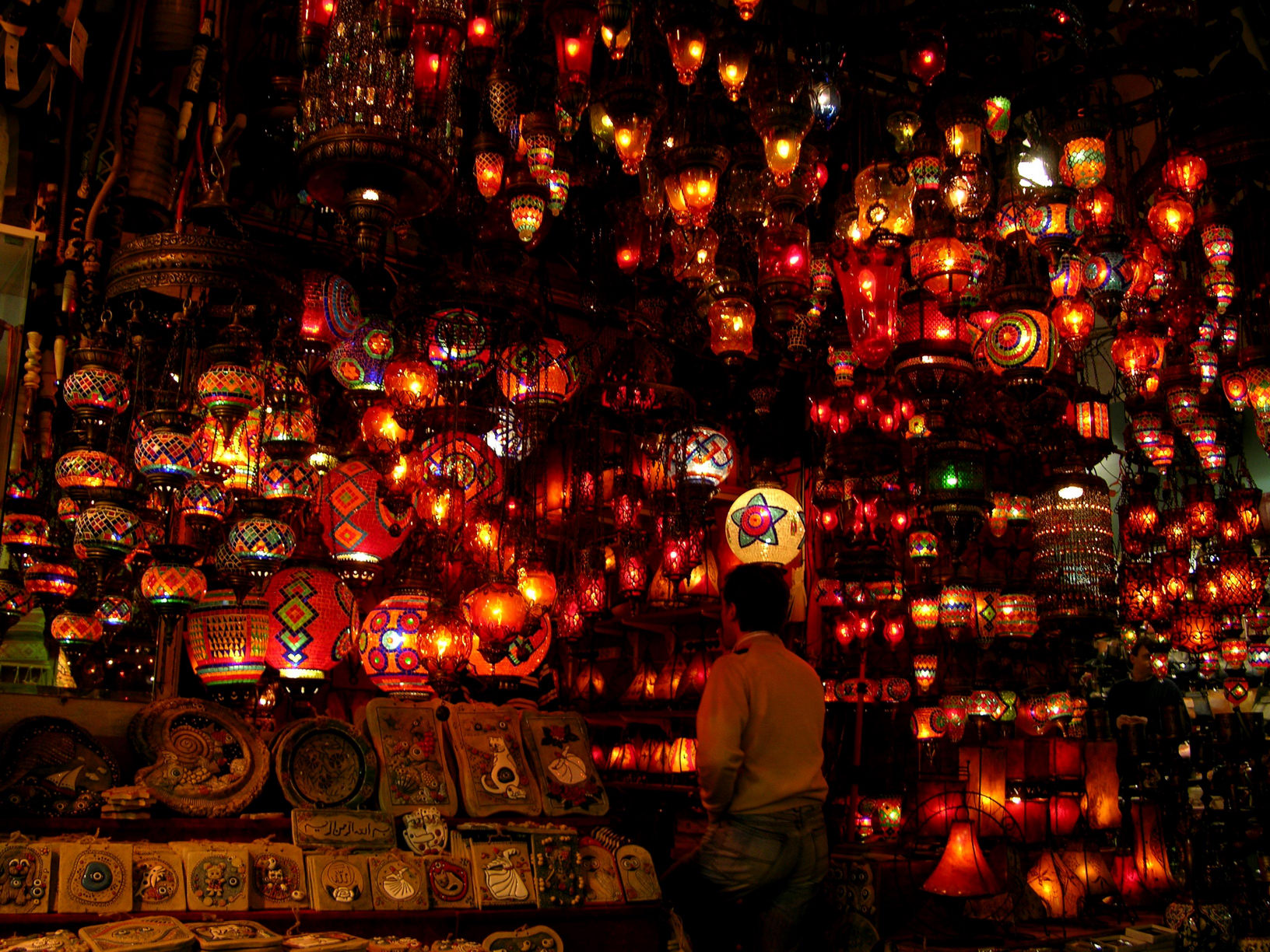
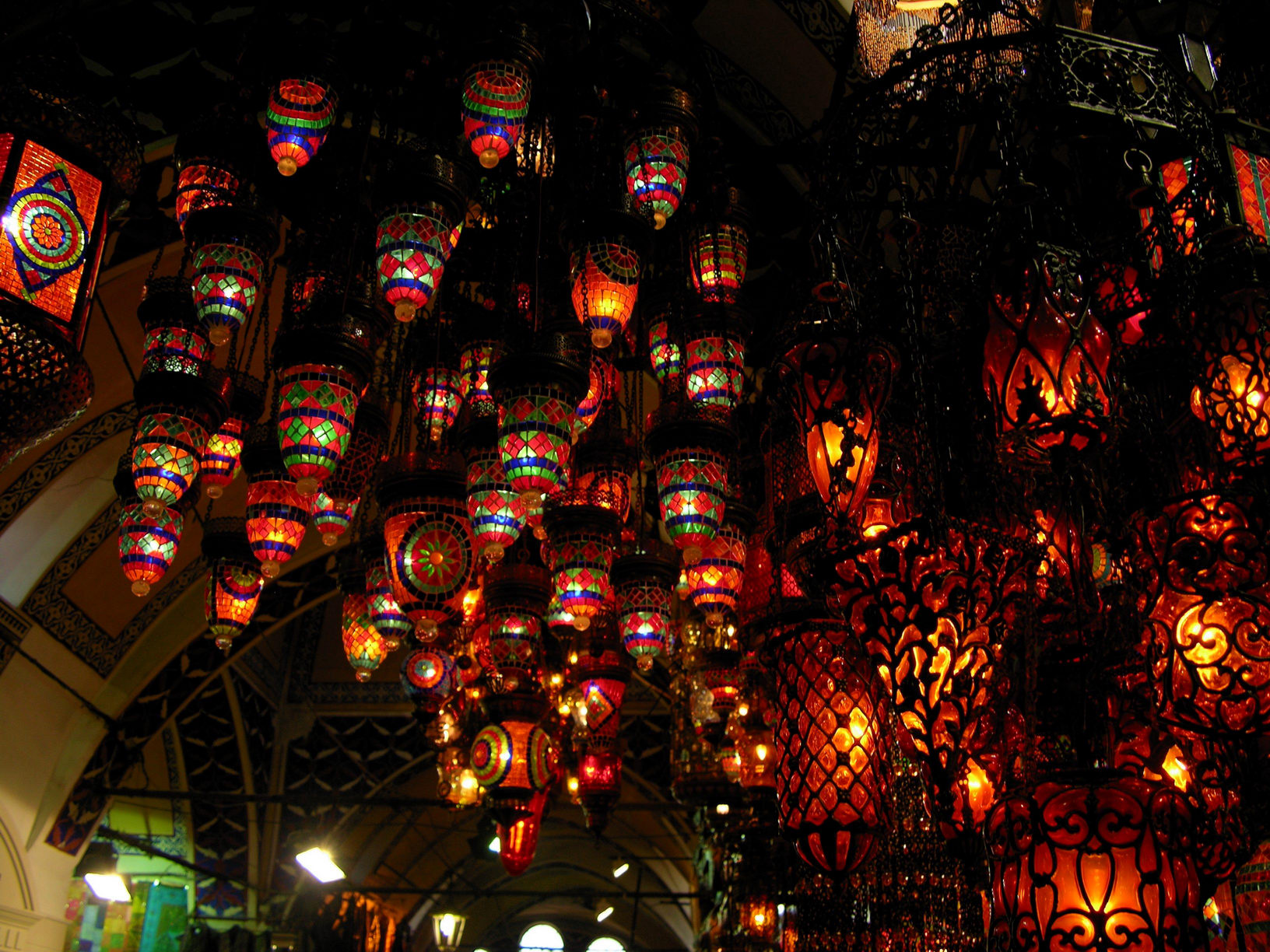
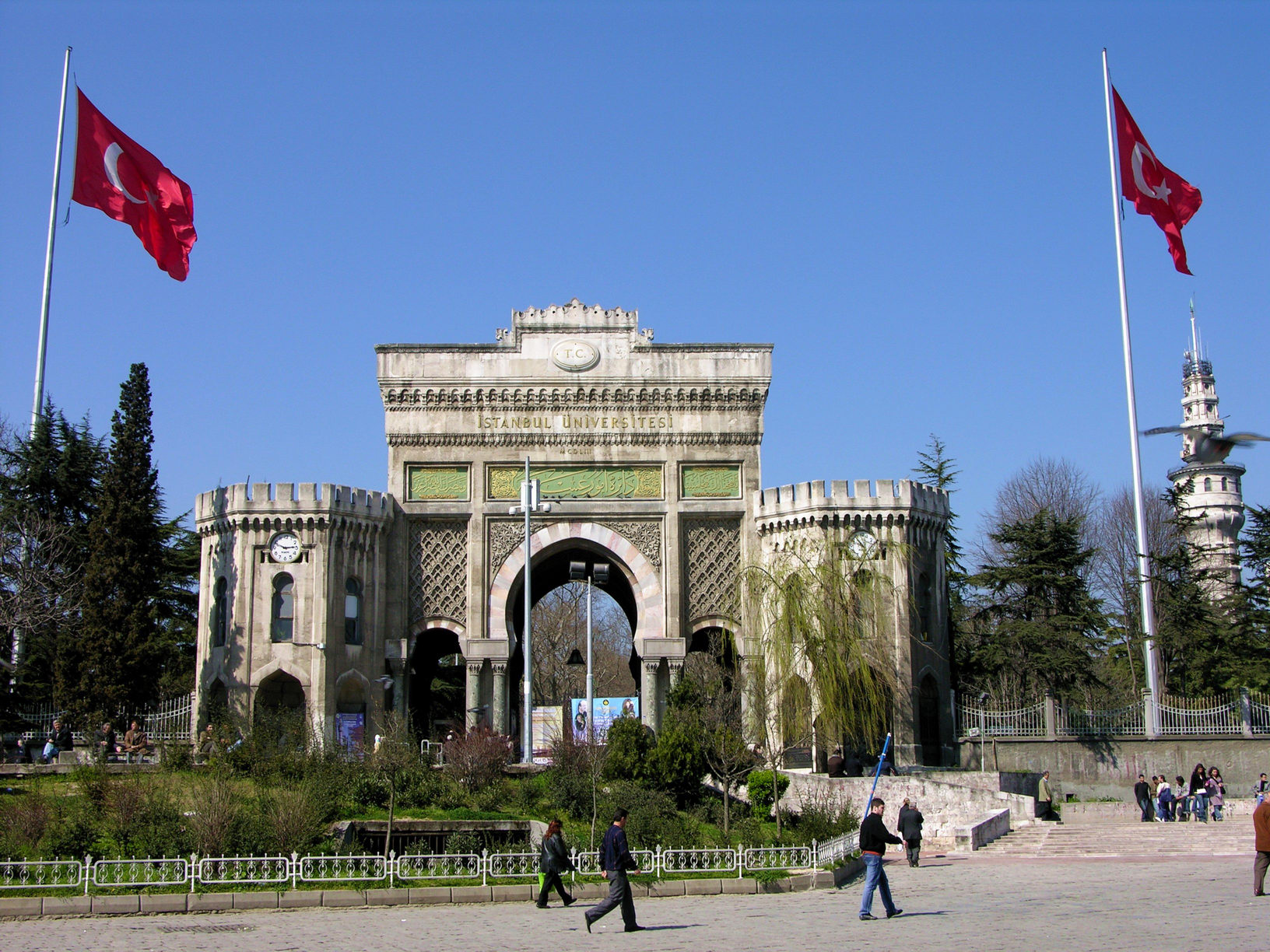
We visited the covered market. There were plenty of hookahs and lanterns, though I’d seen prettier ones in Damascus. We stopped at many mosques along the way and at the university.
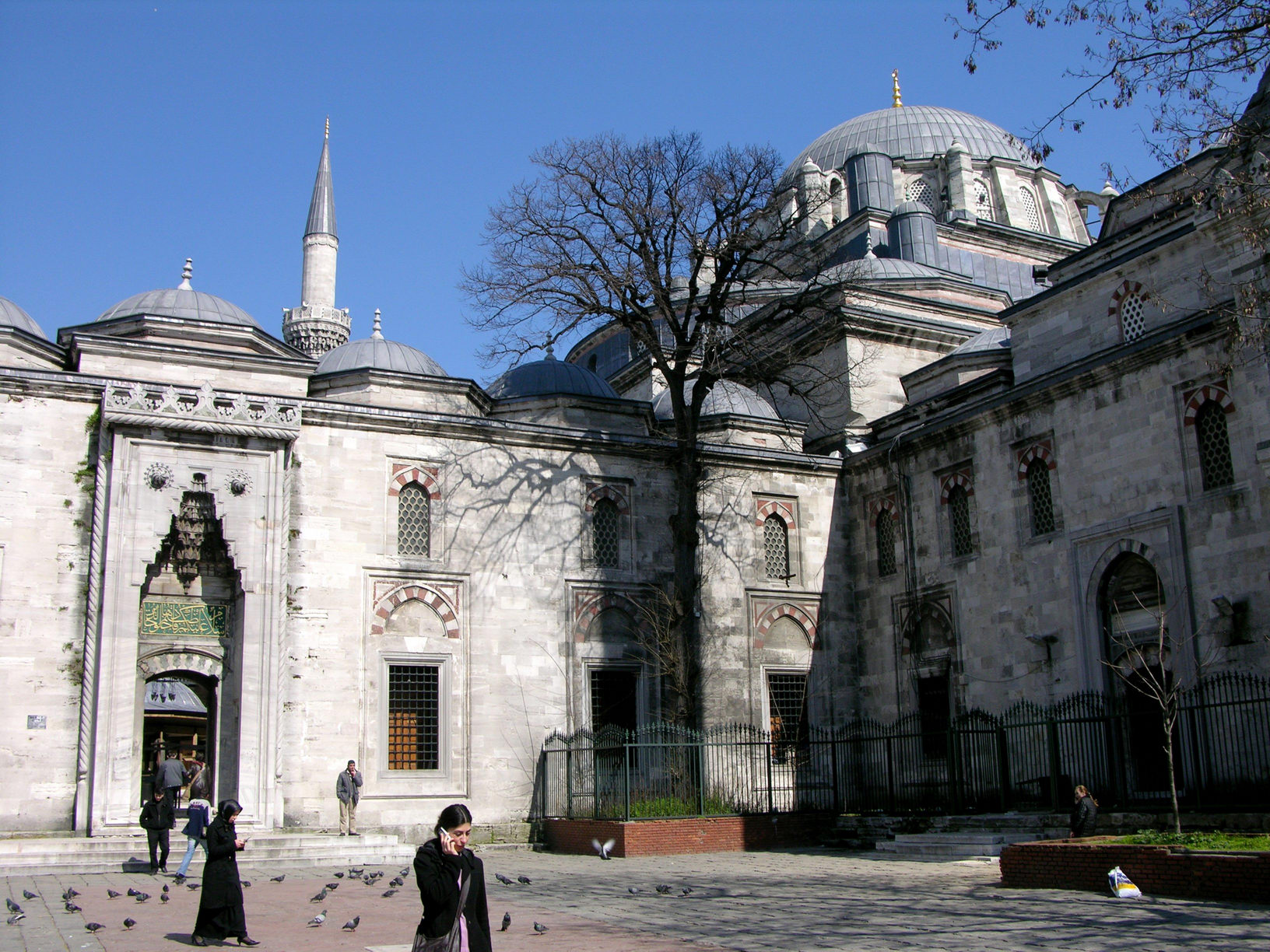
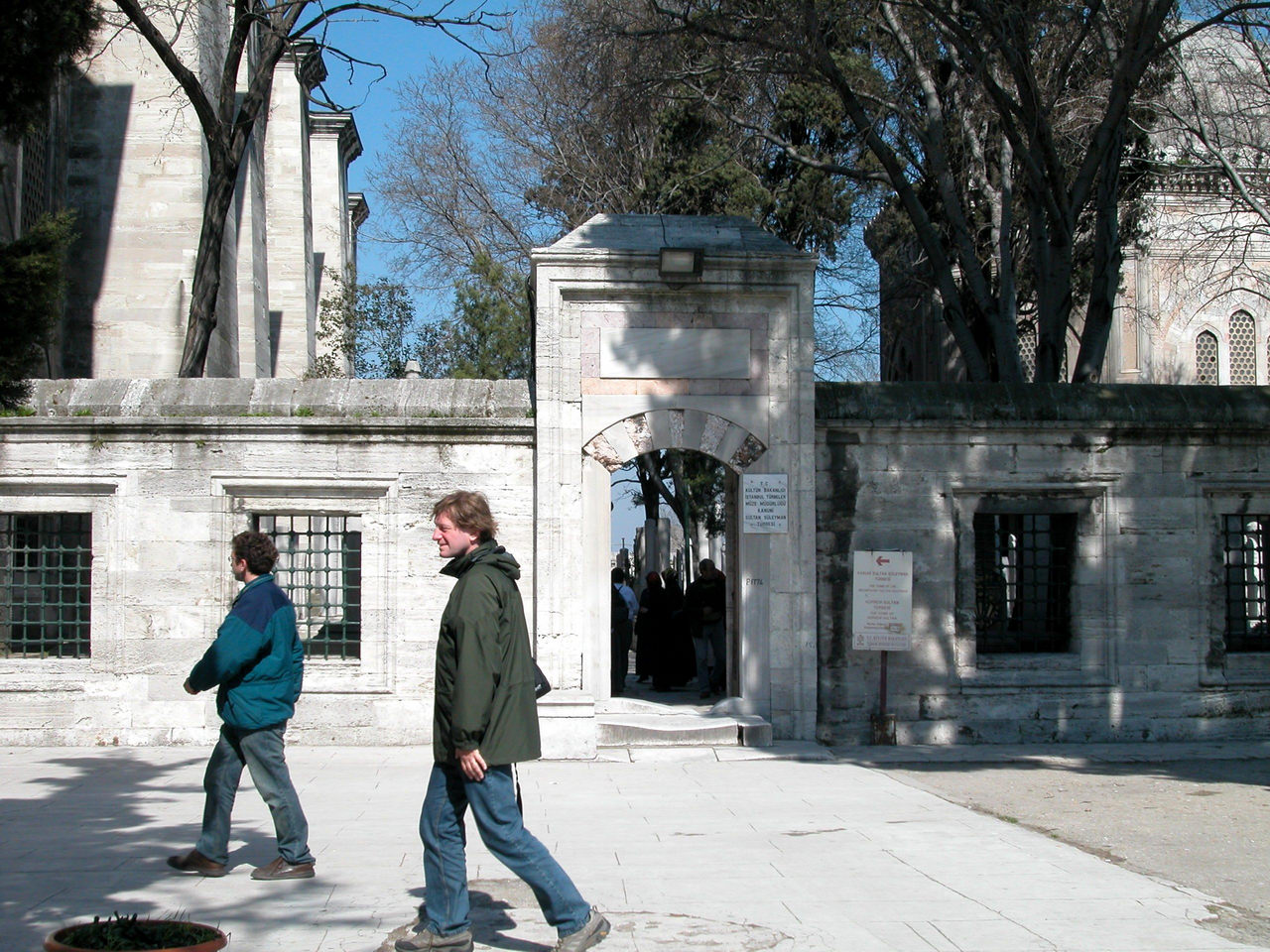
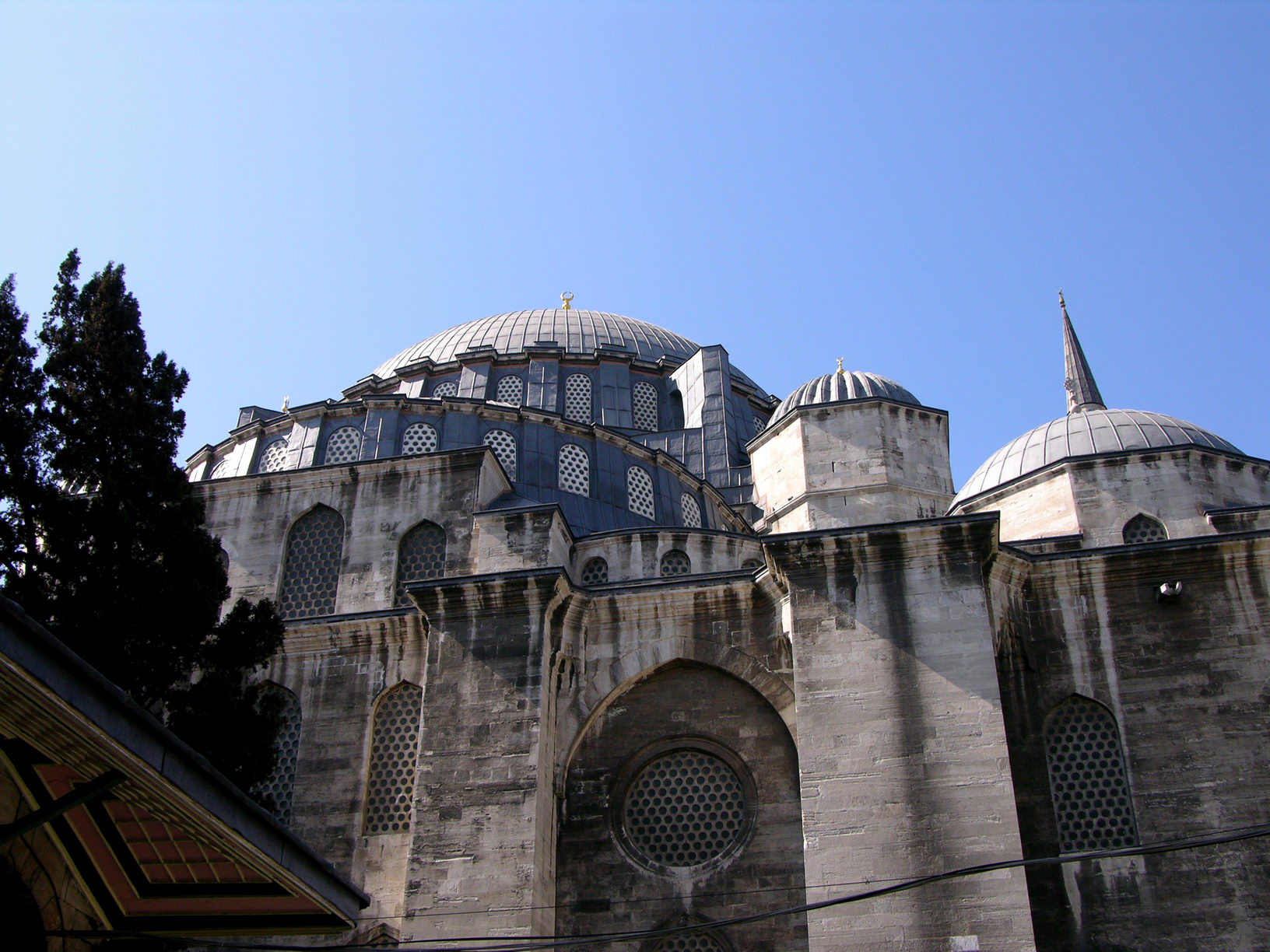
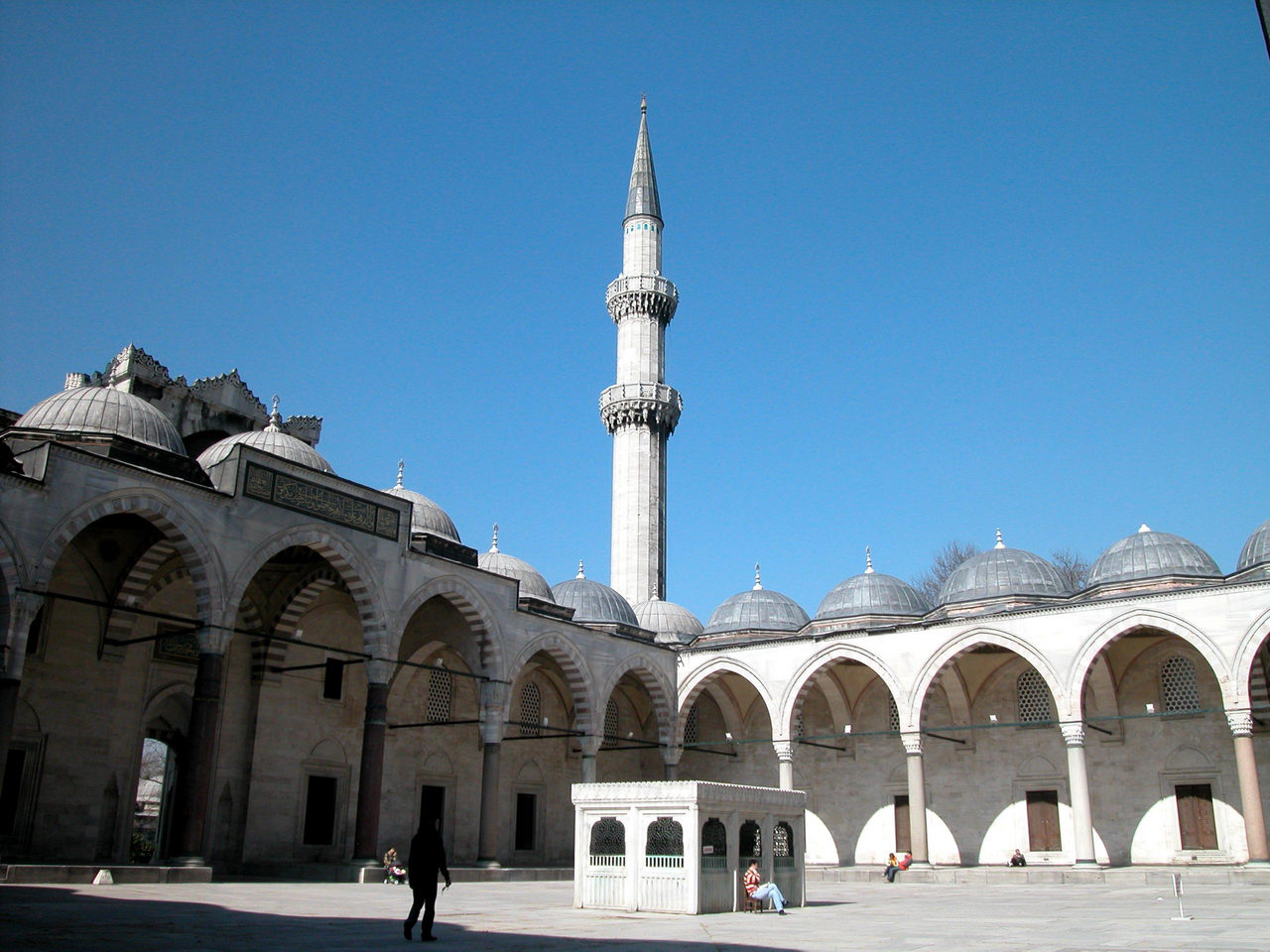
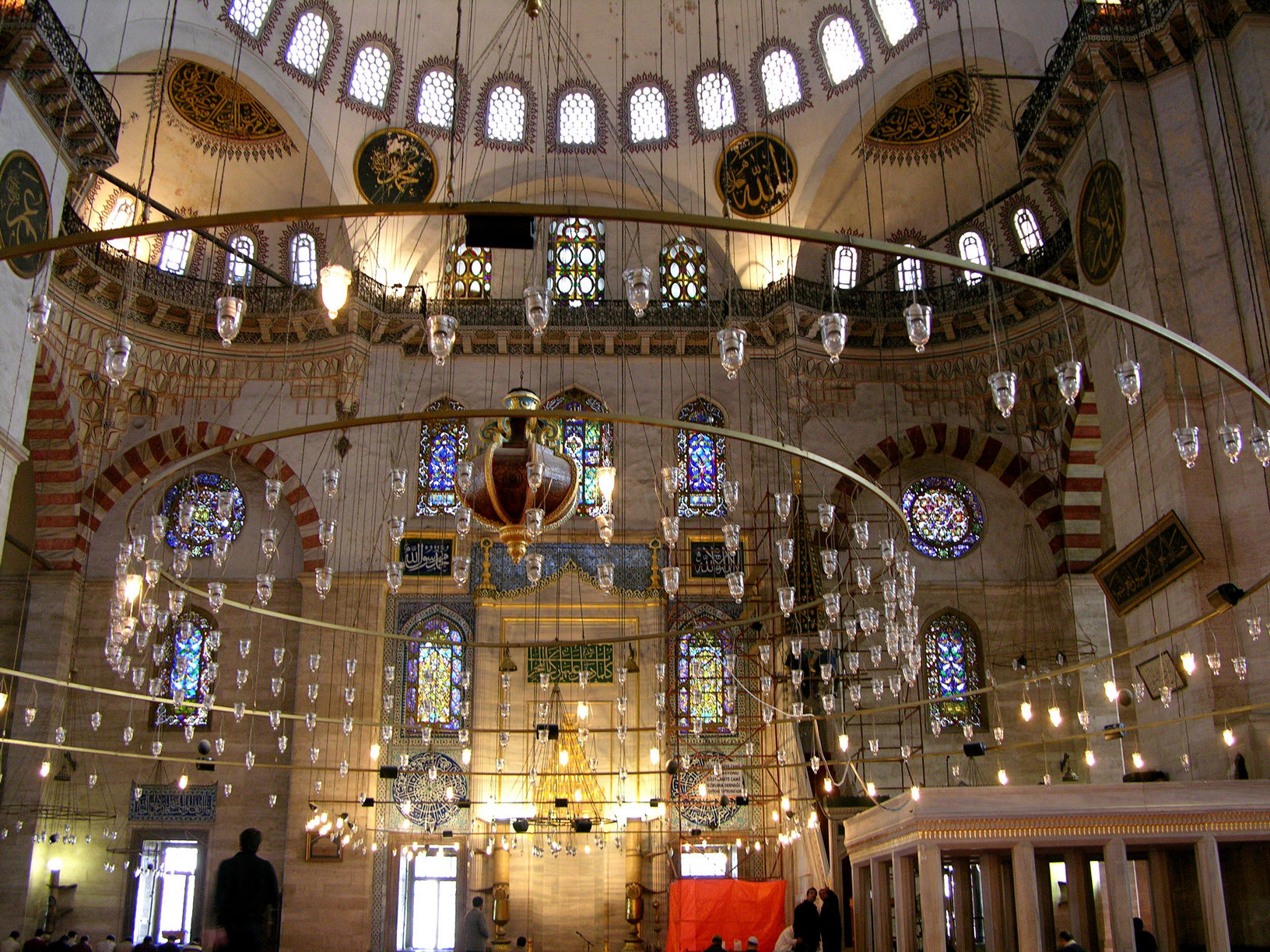
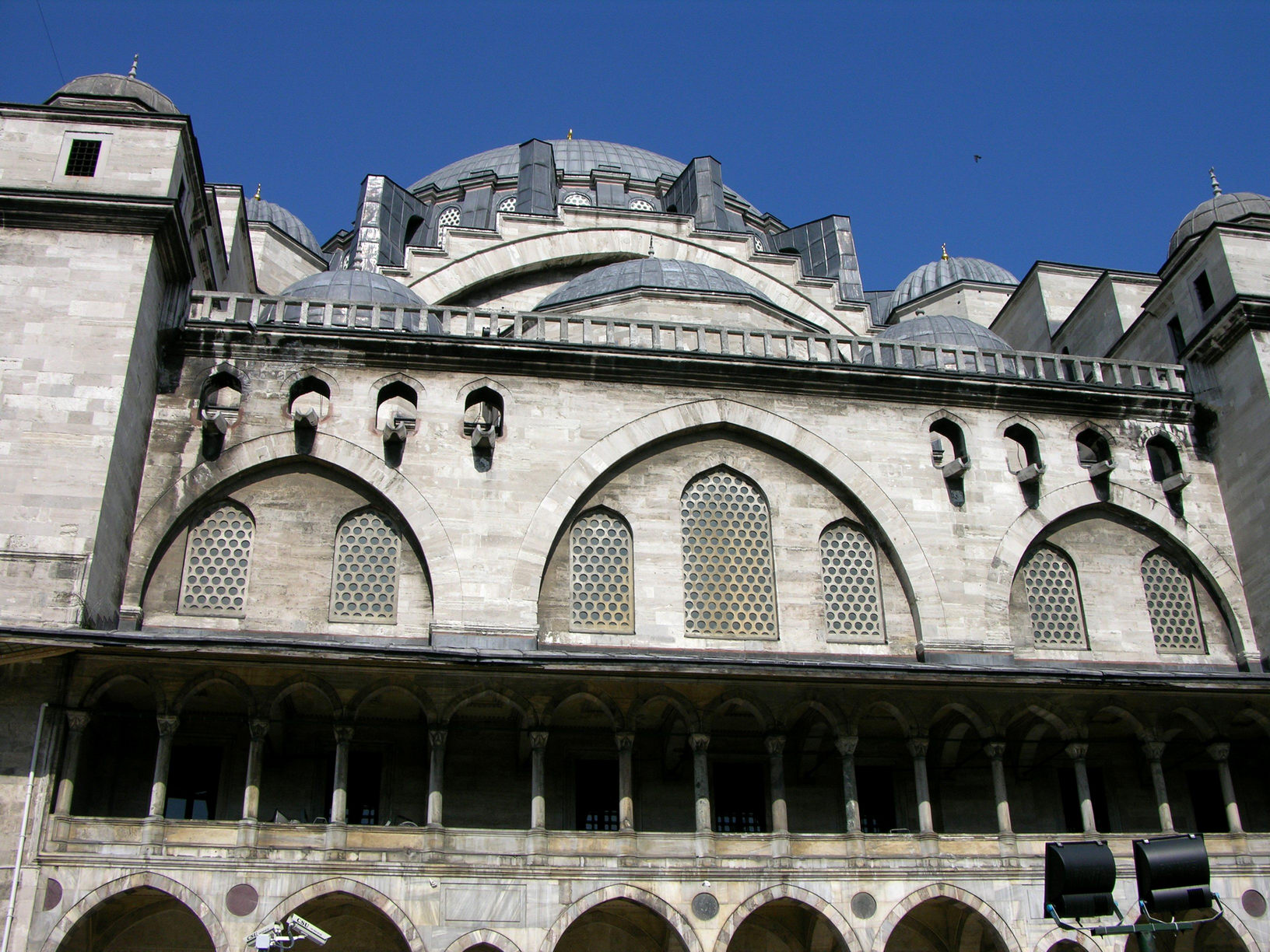
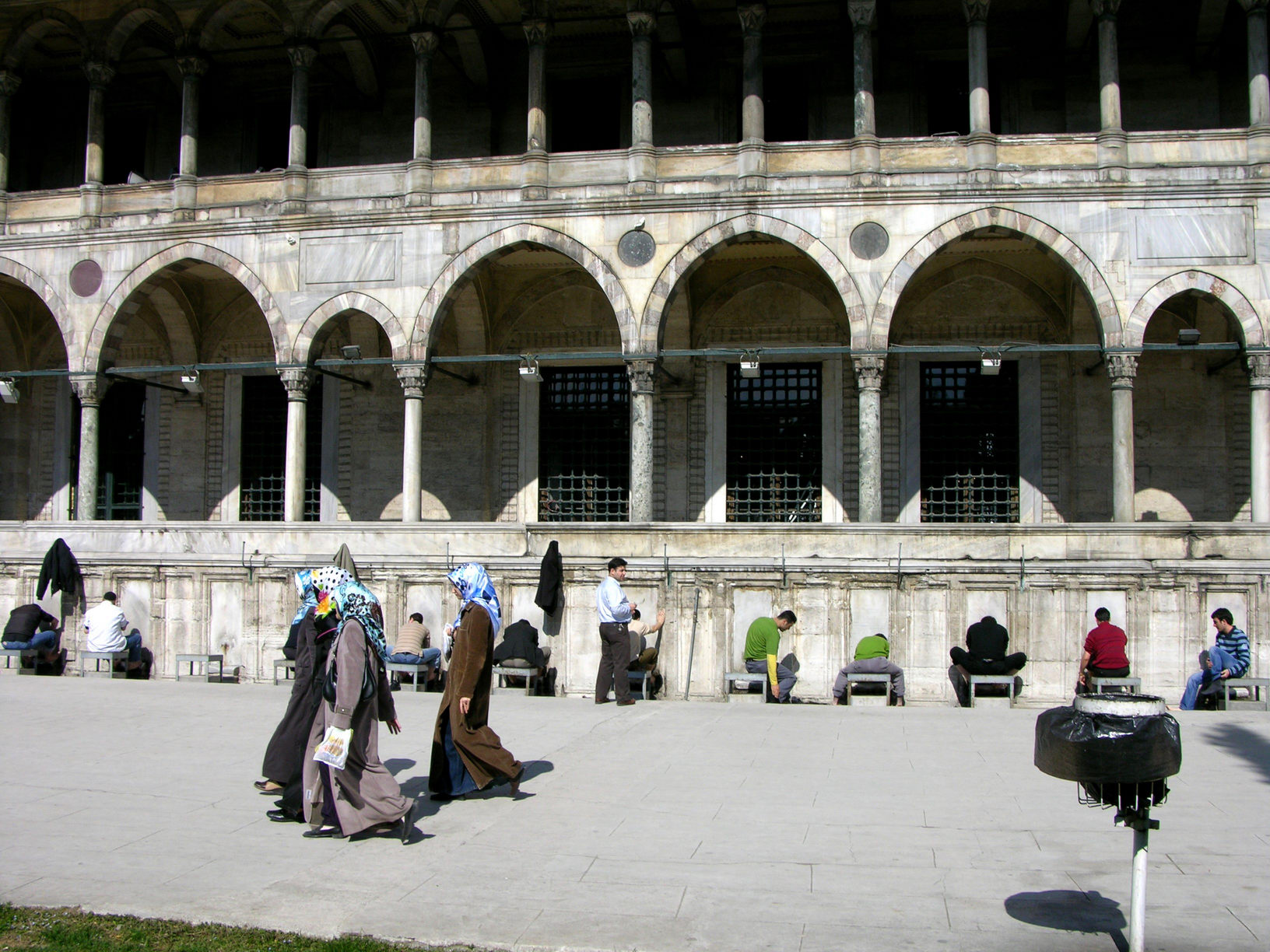
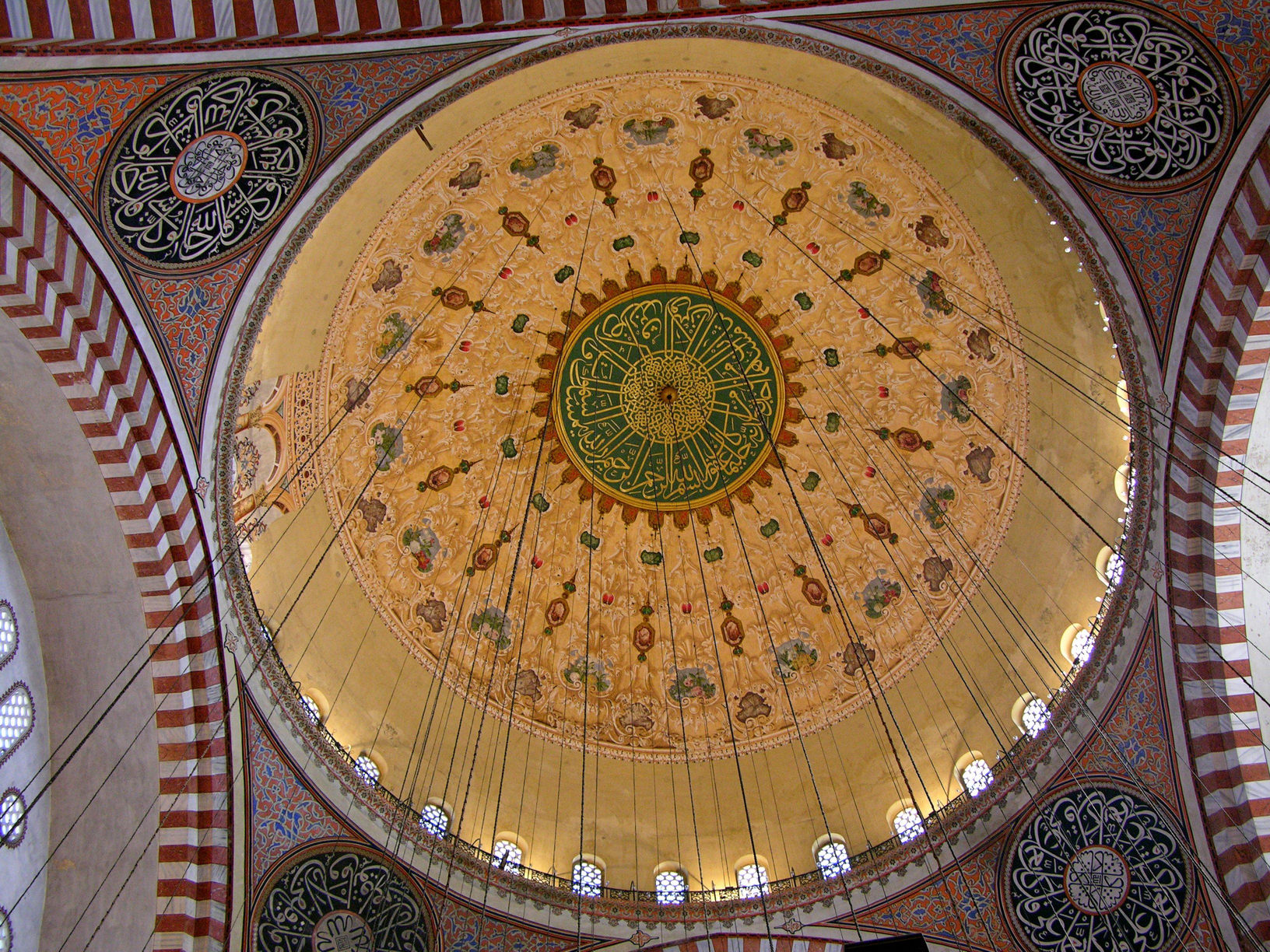
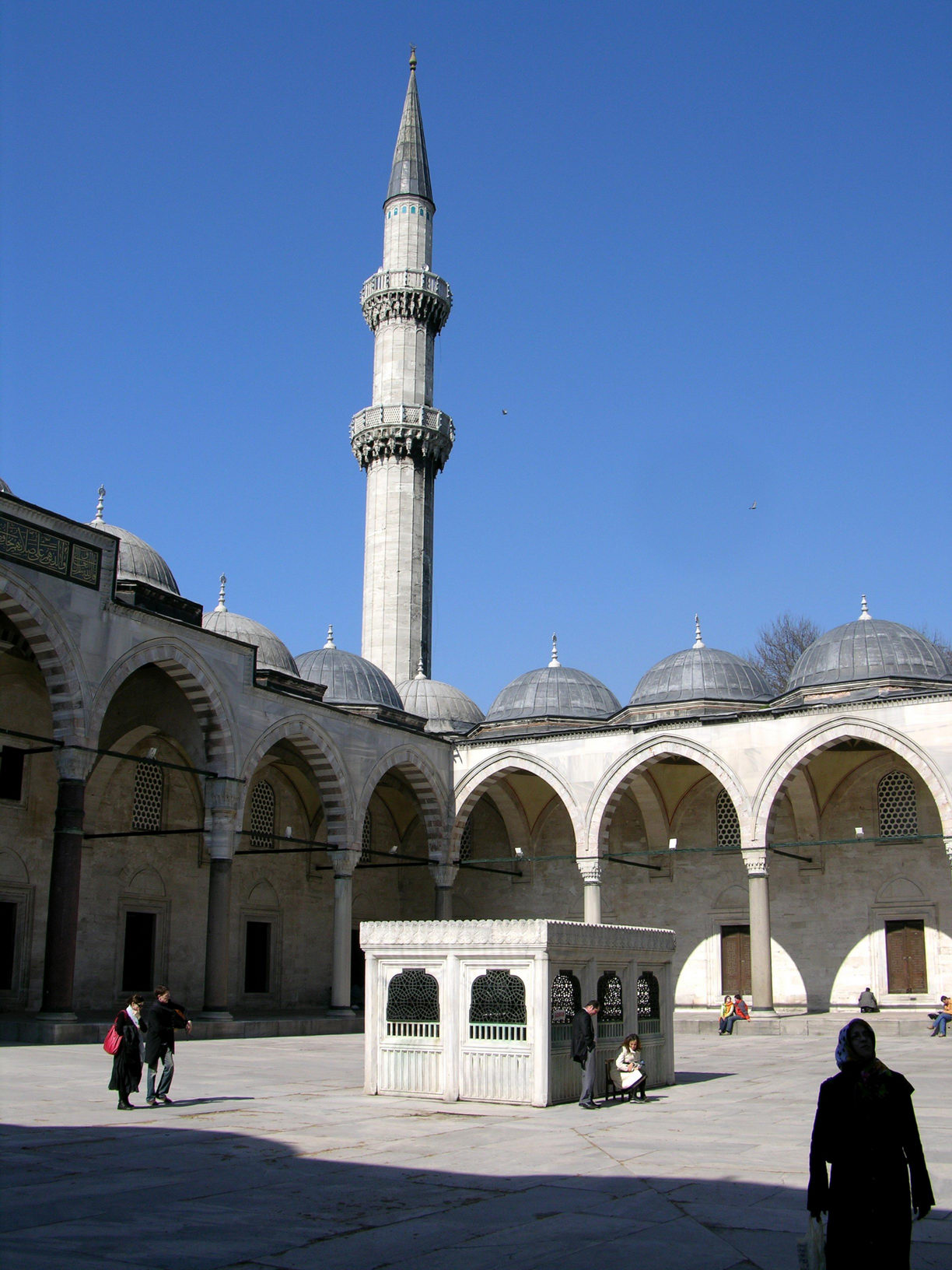
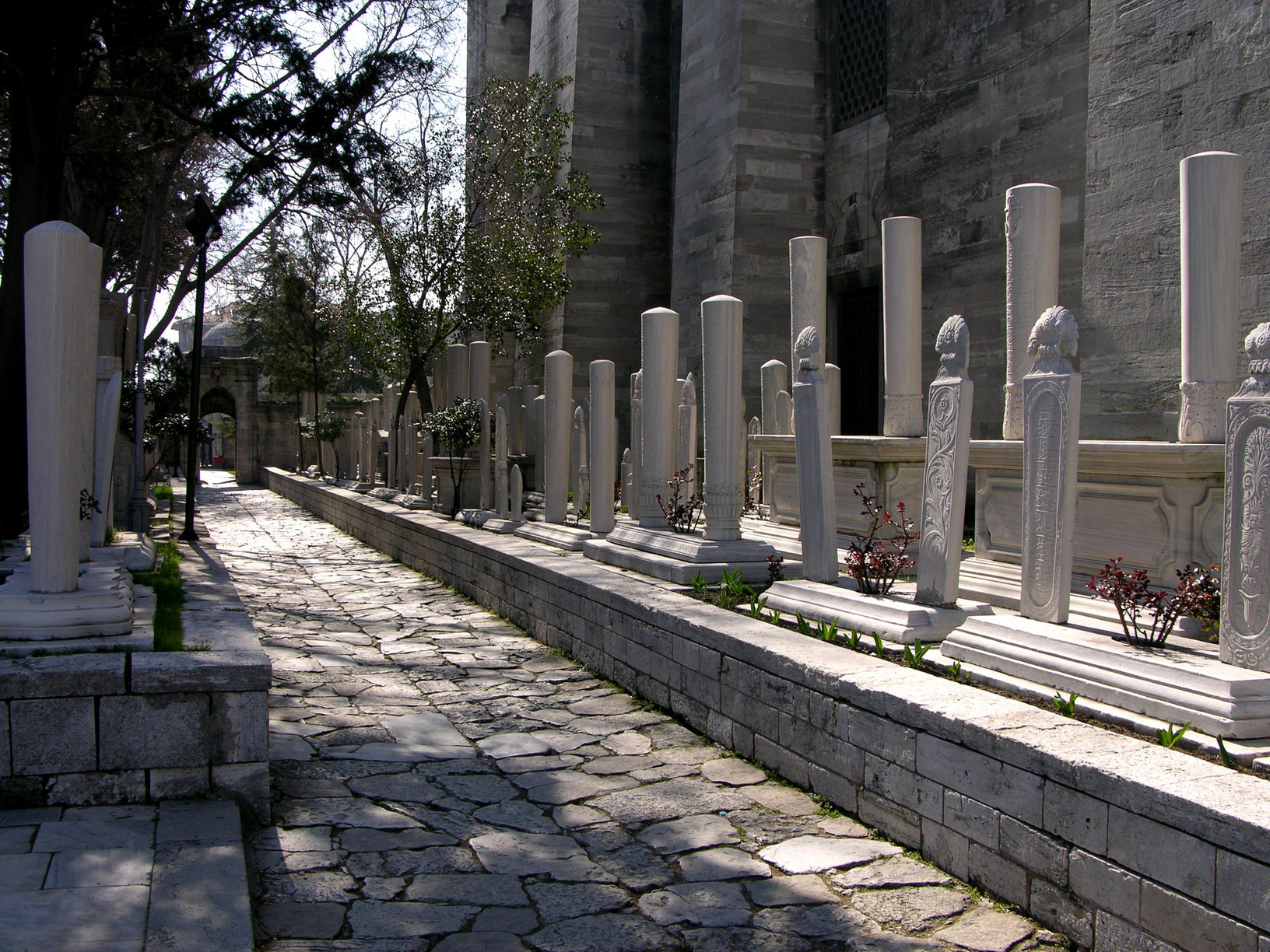
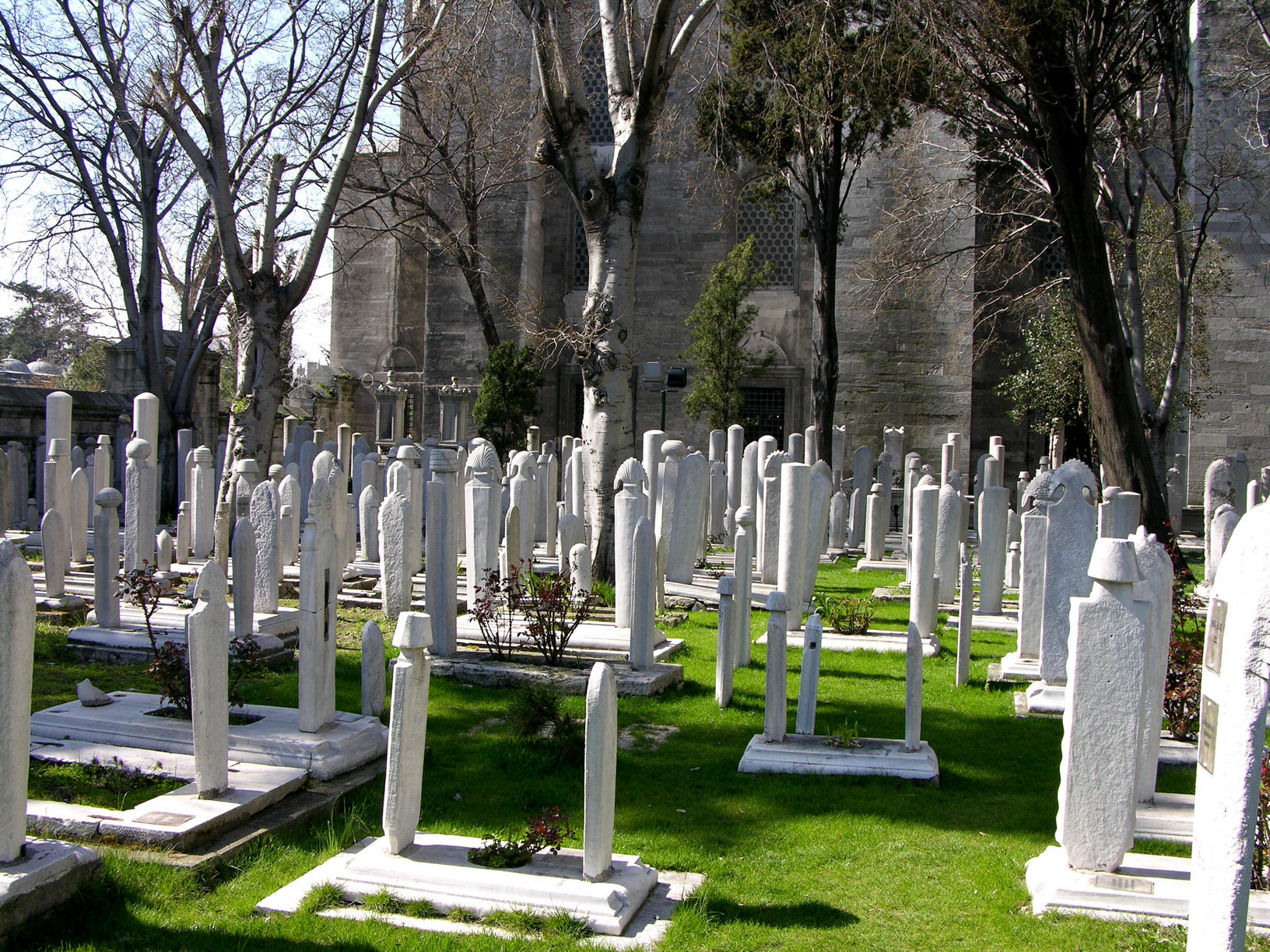
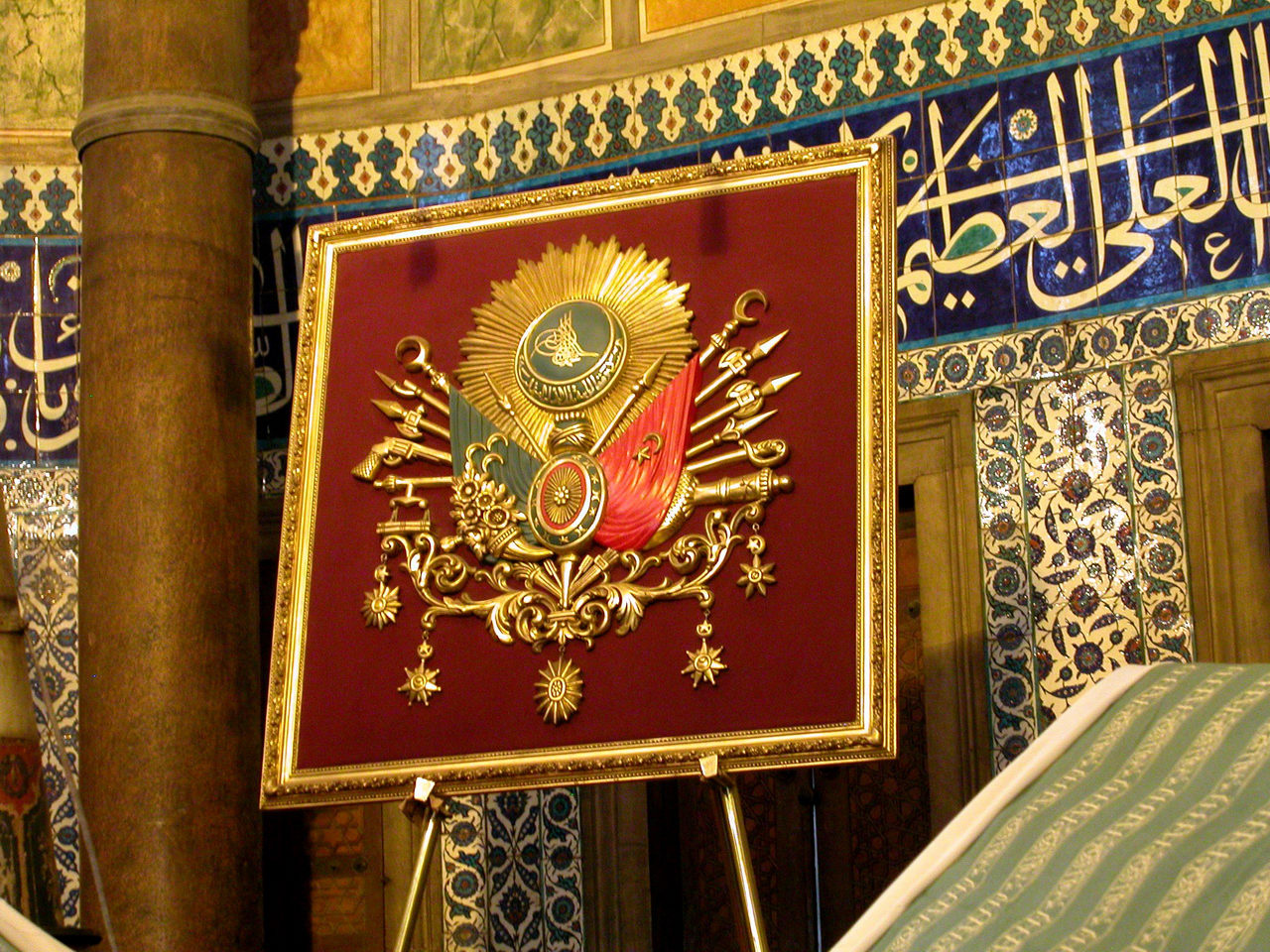
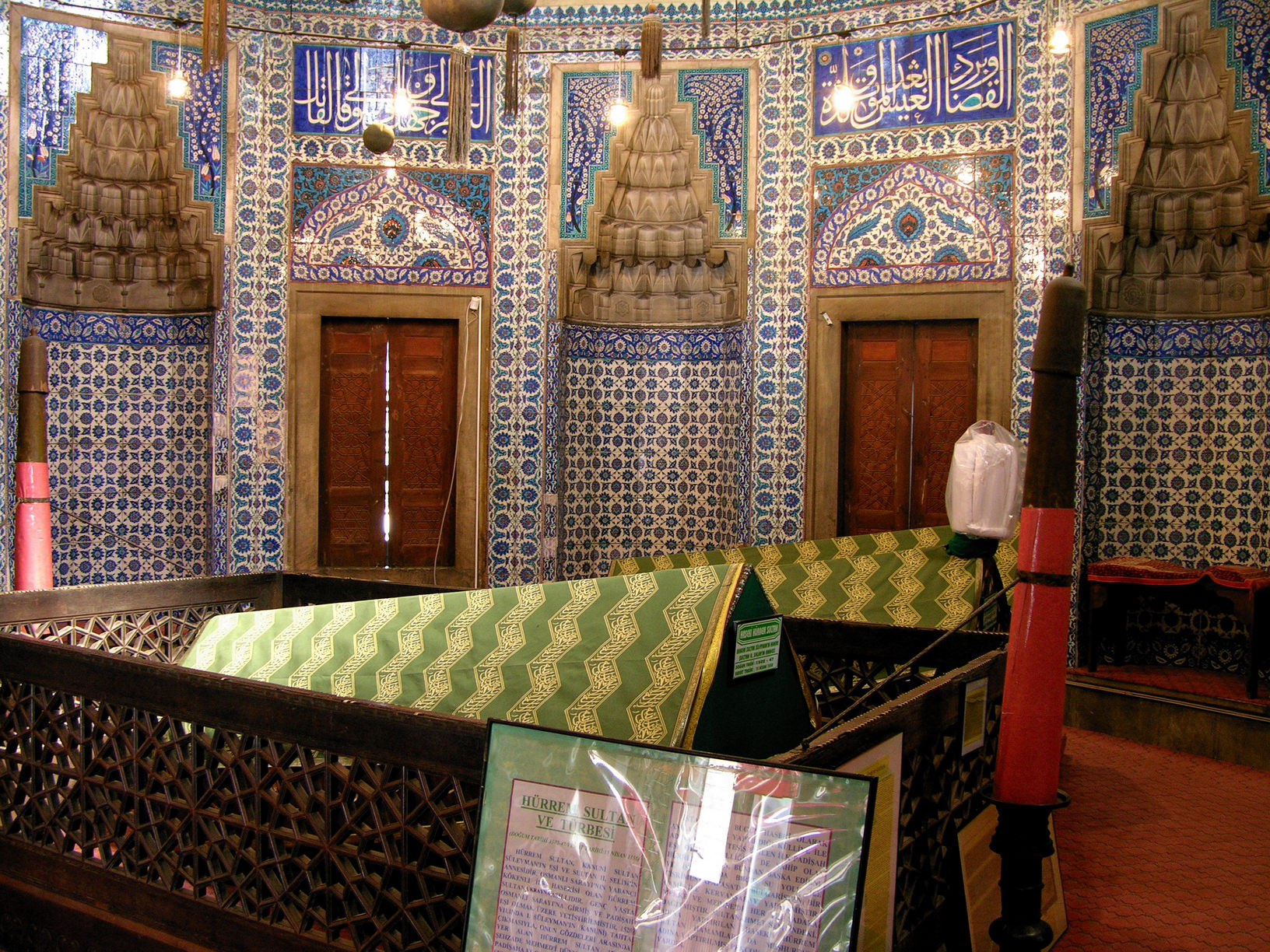
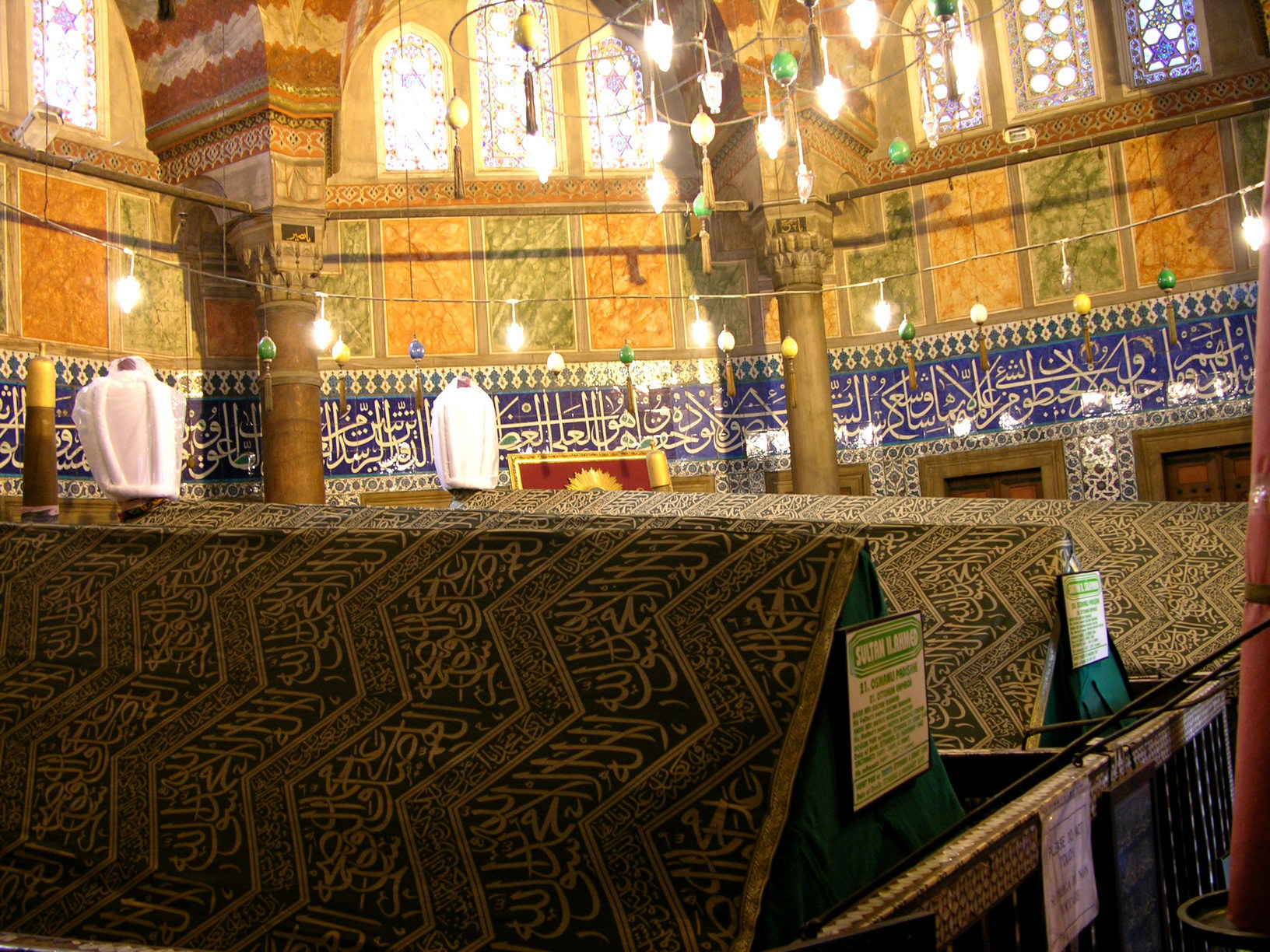
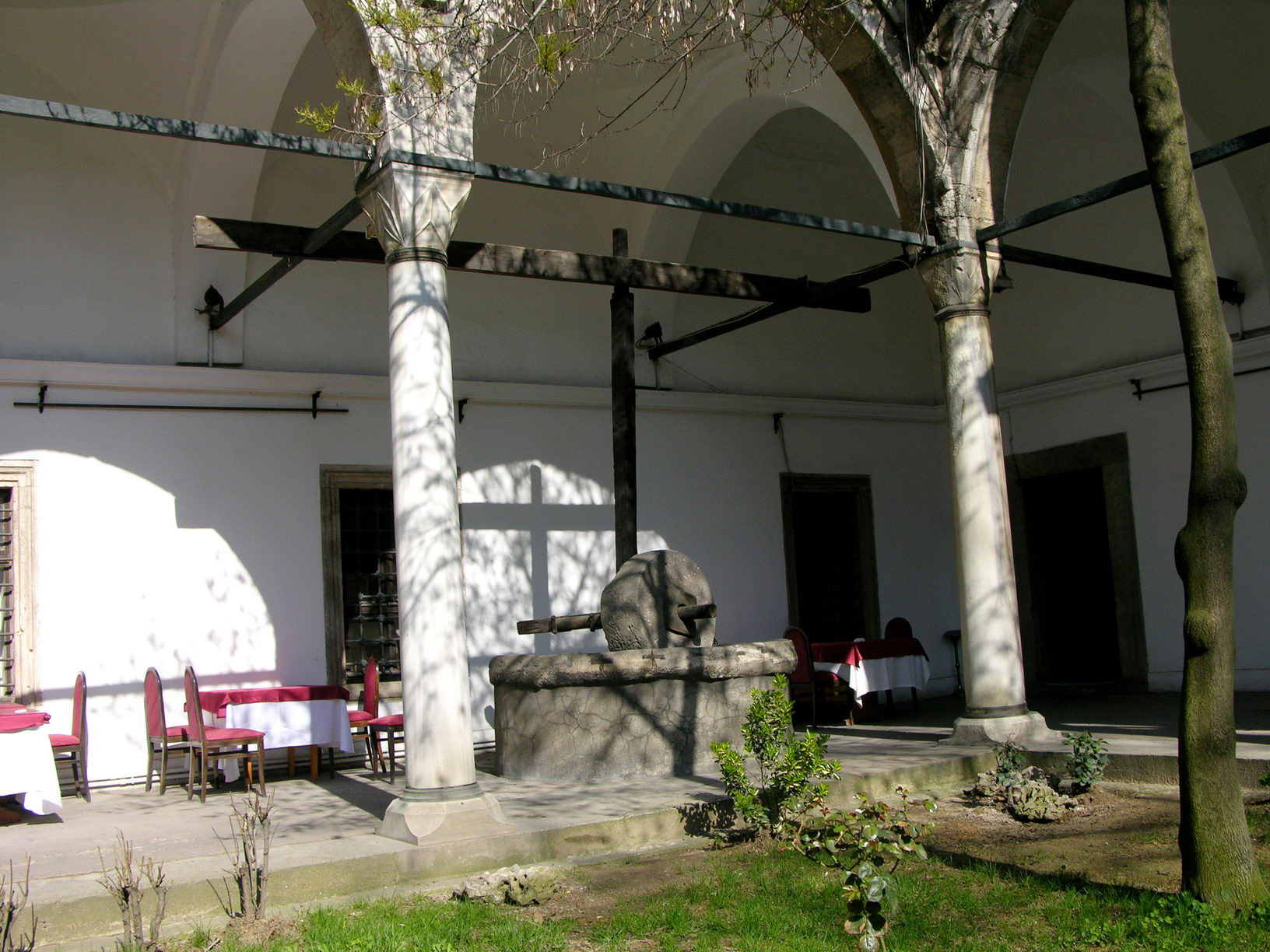
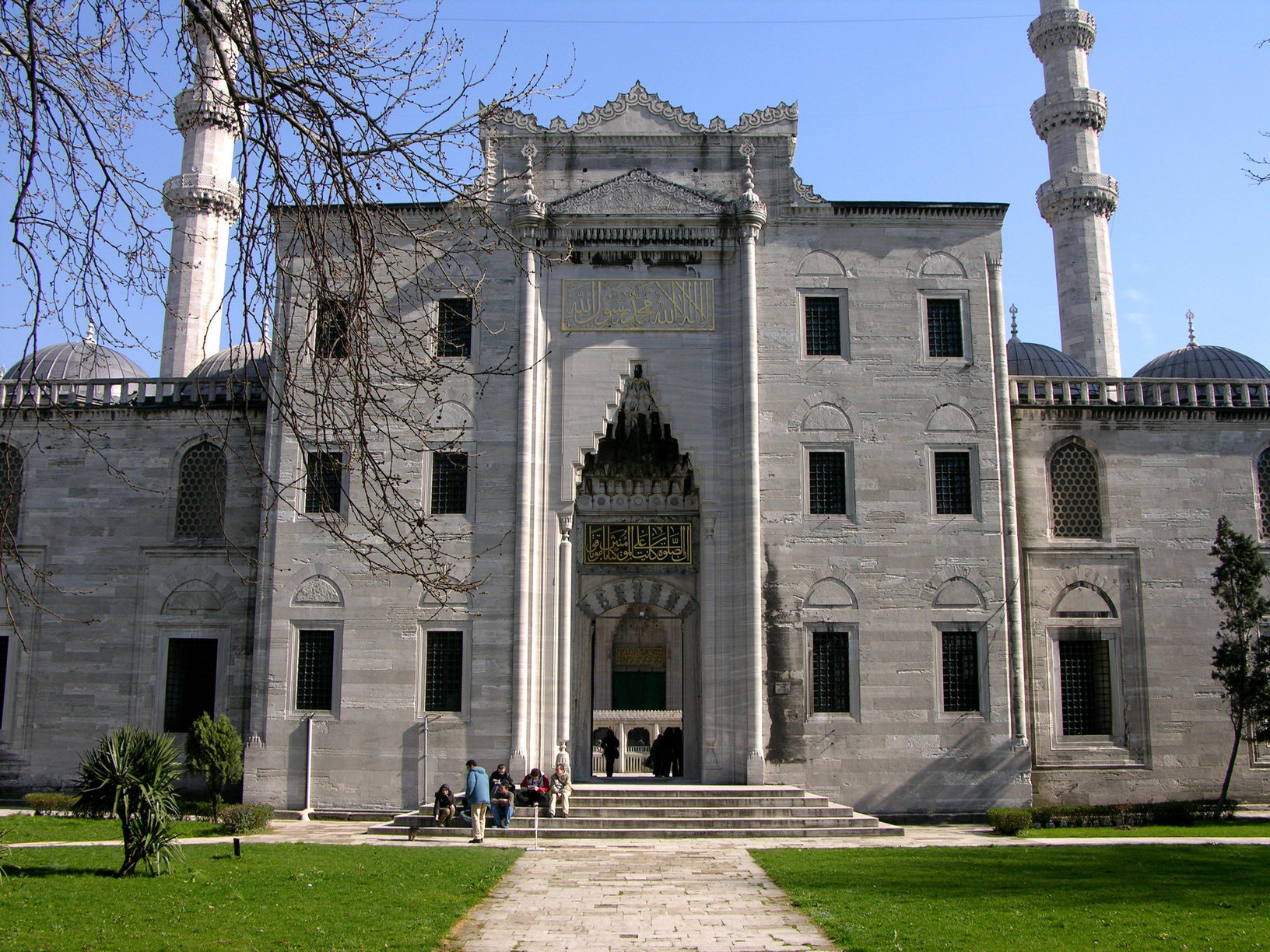
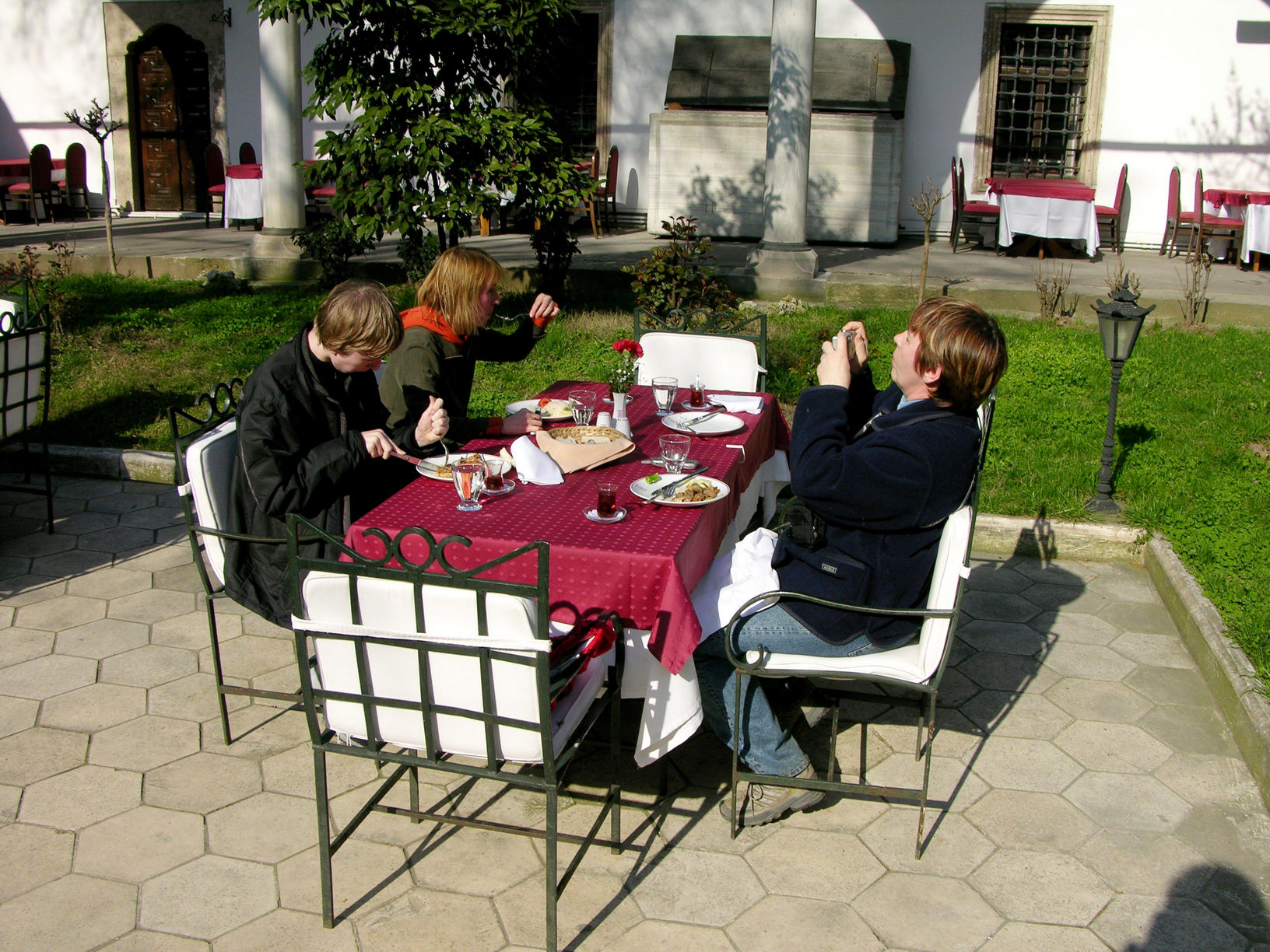
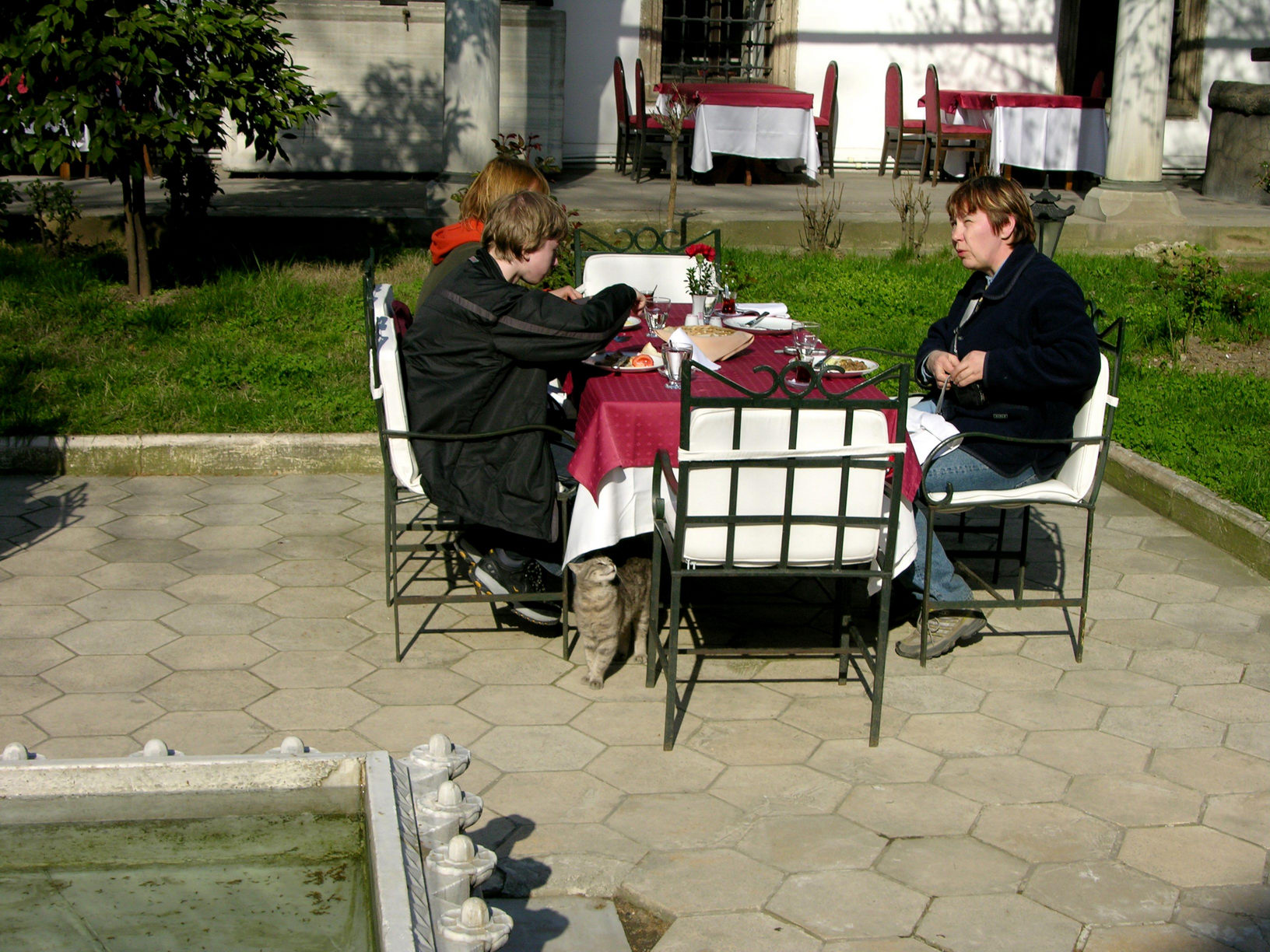
We found what I thought was the second most important mosque in Istanbul, the Süleymaniye Camii. Here is the burial ground of Hürrem Sultan, or Roxelana, so beloved in Russia. She was the wife of Süleyman the Magnificent, buried here as well. In one of the courtyards of the mosque there’s a restaurant where we had lunch.
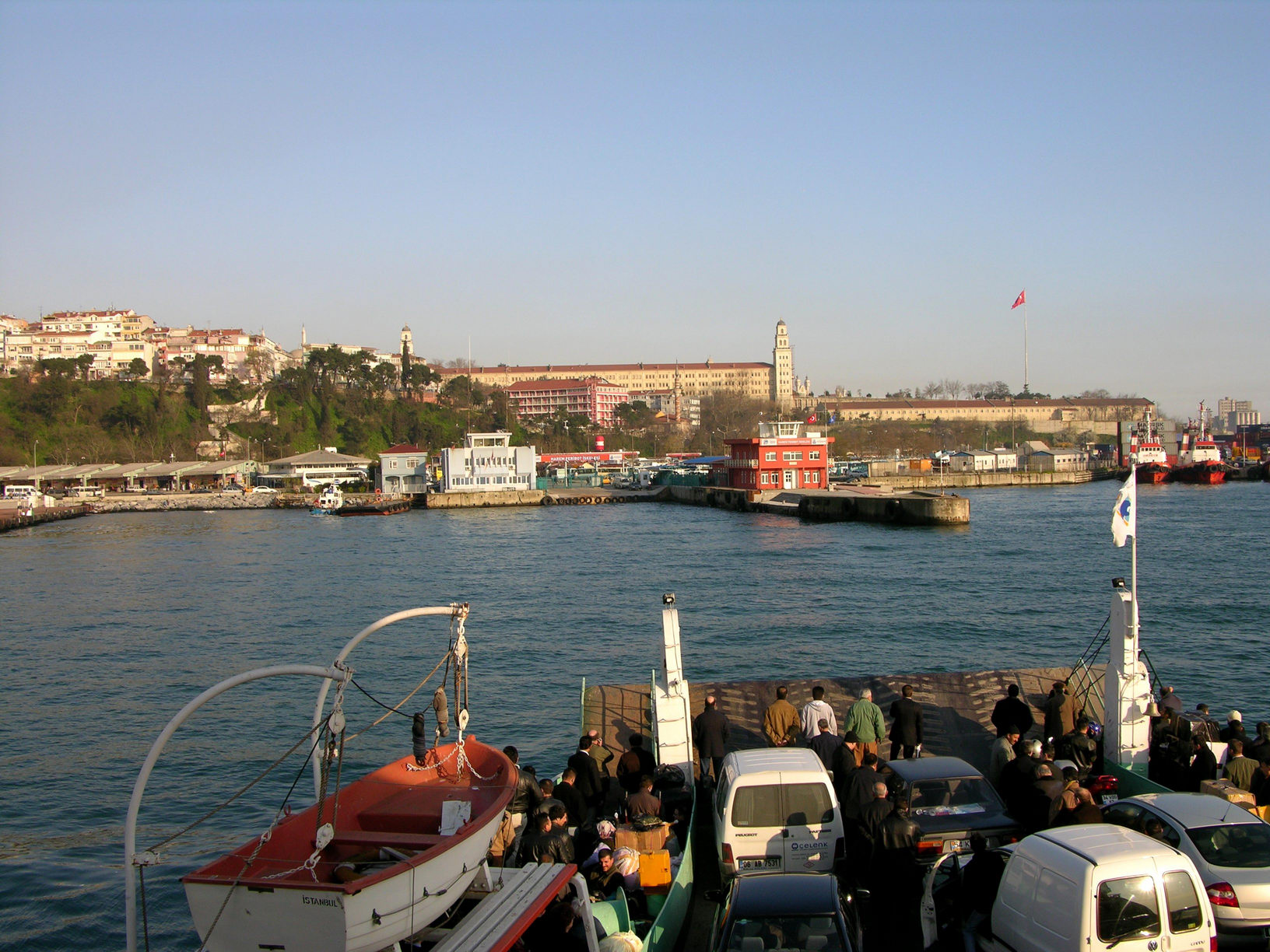
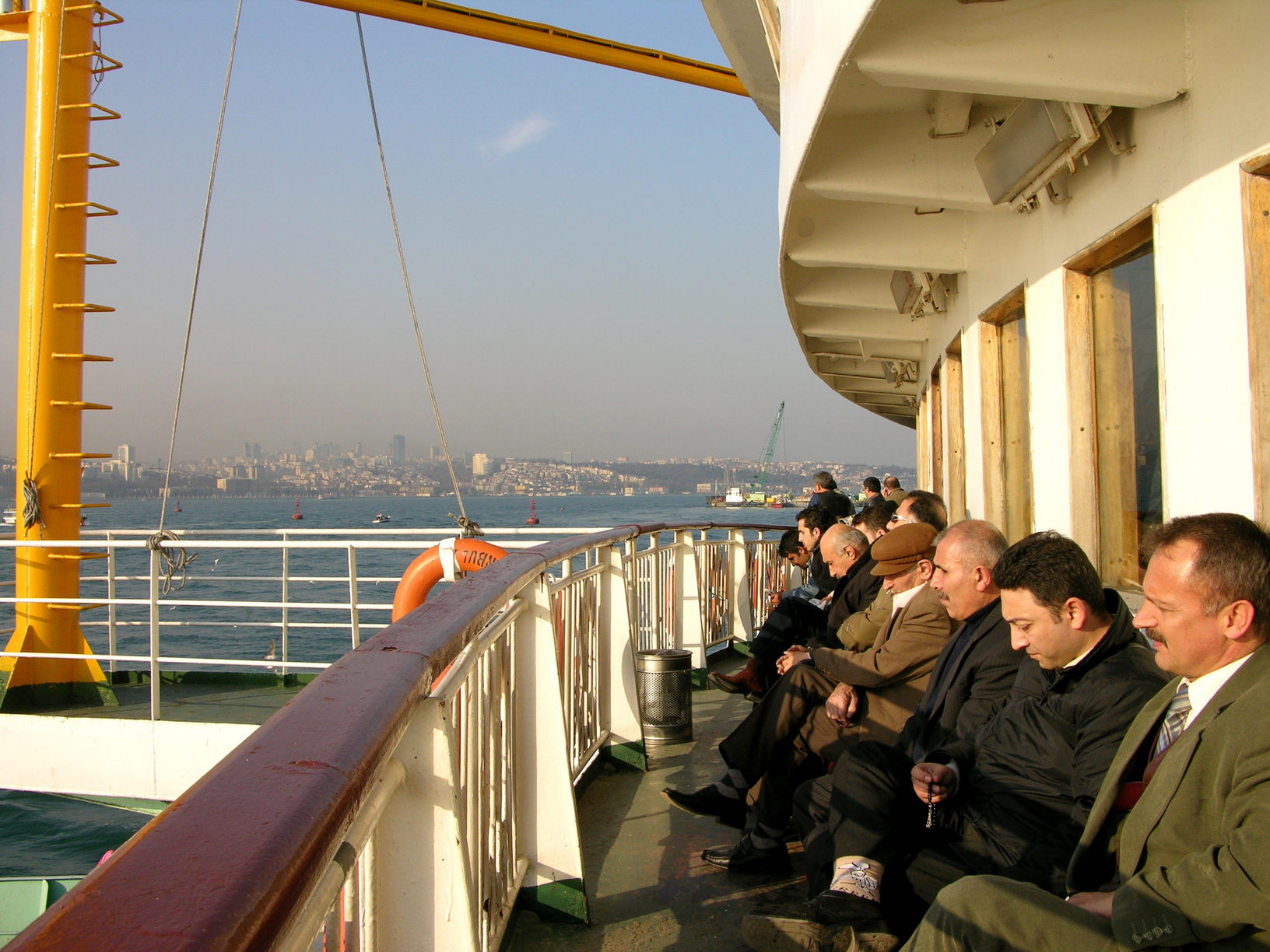
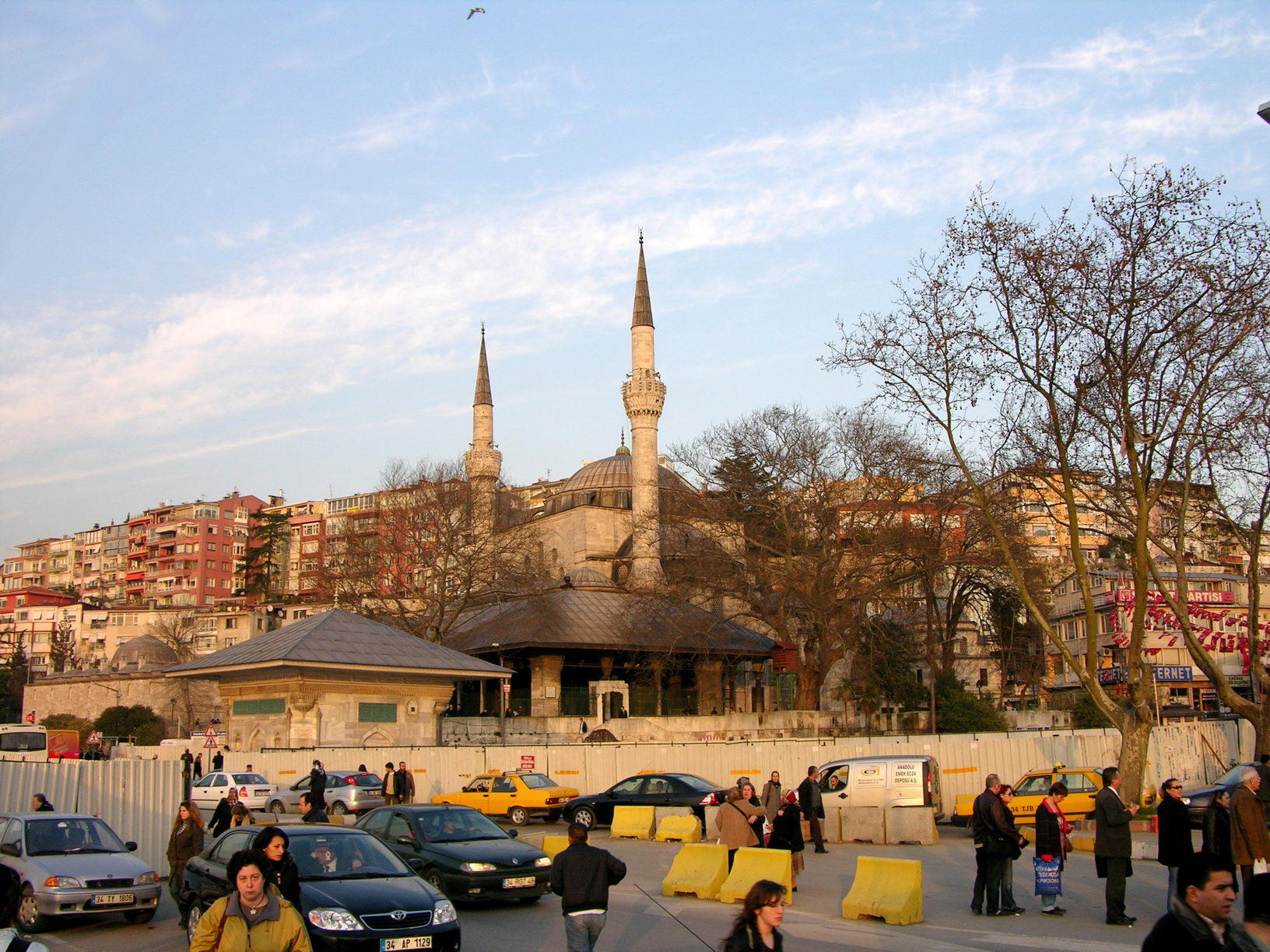
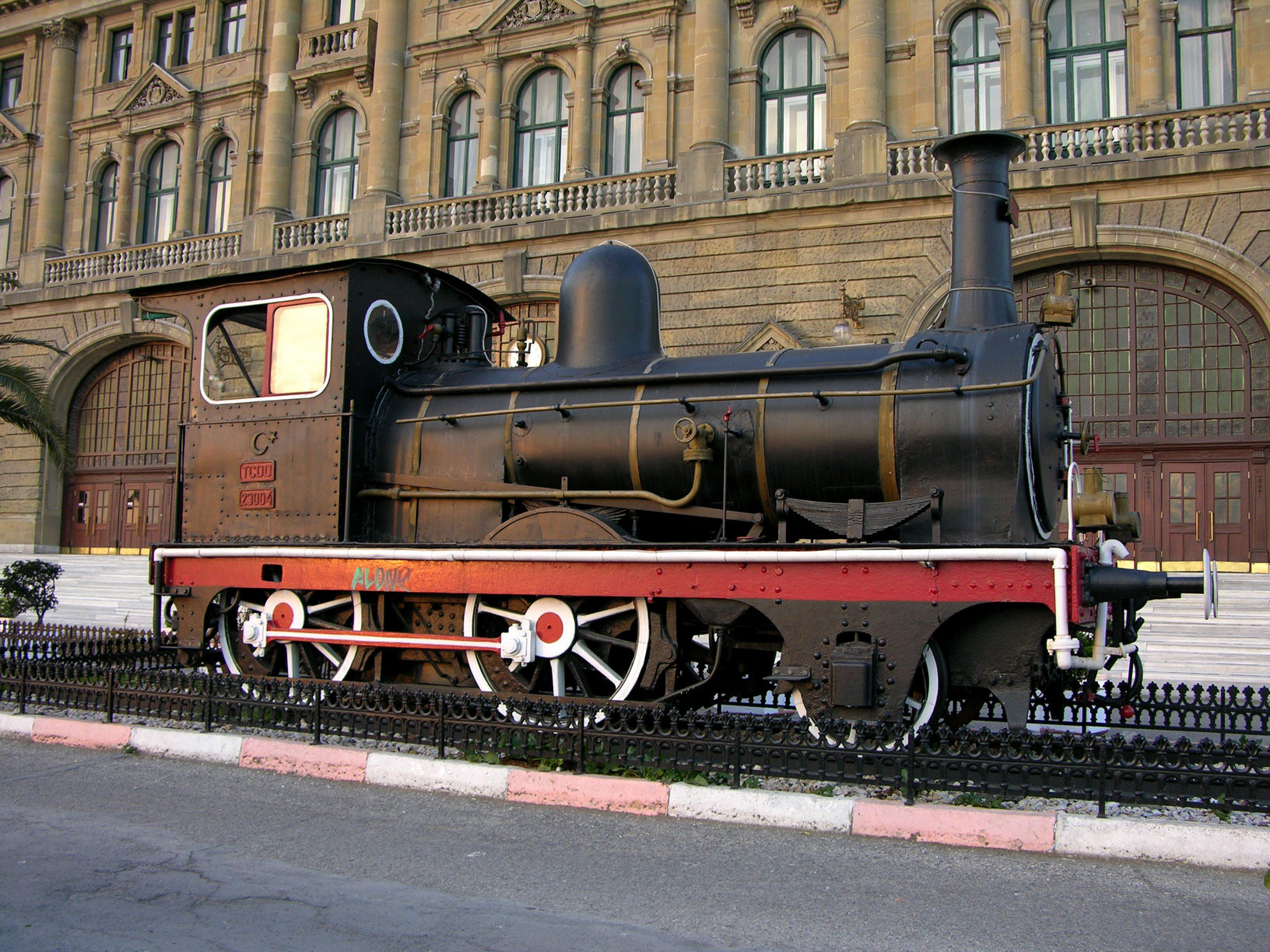
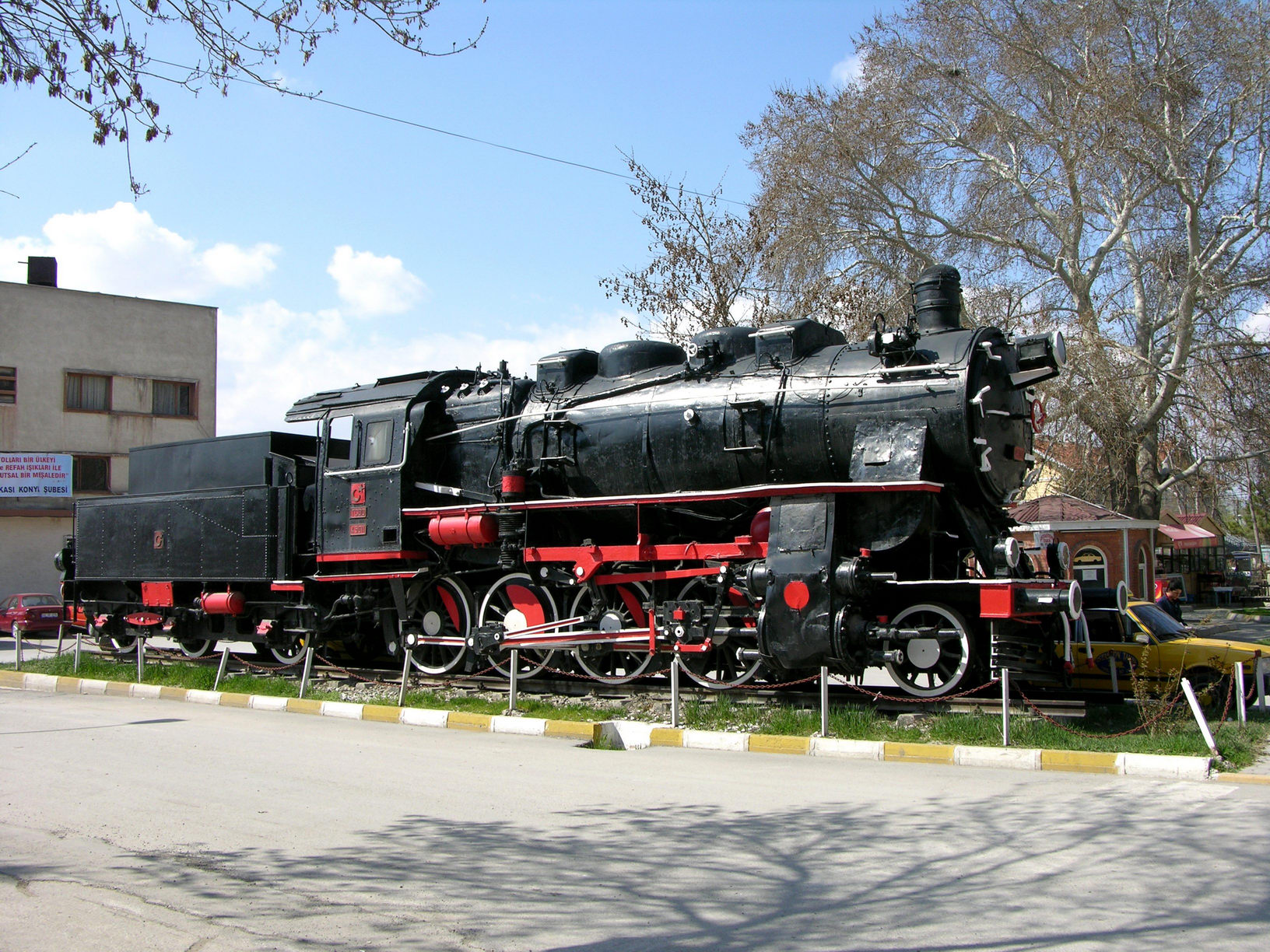
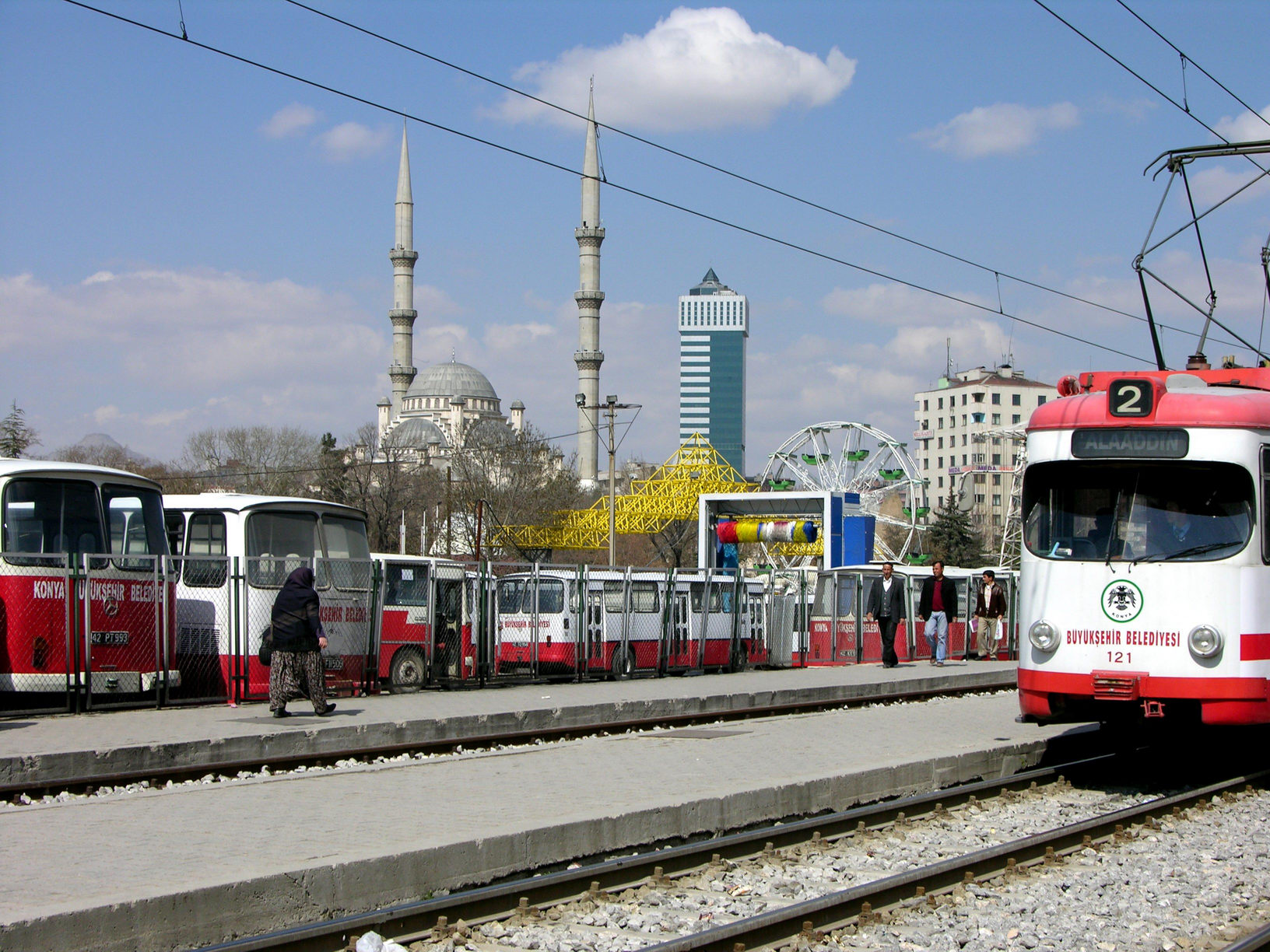
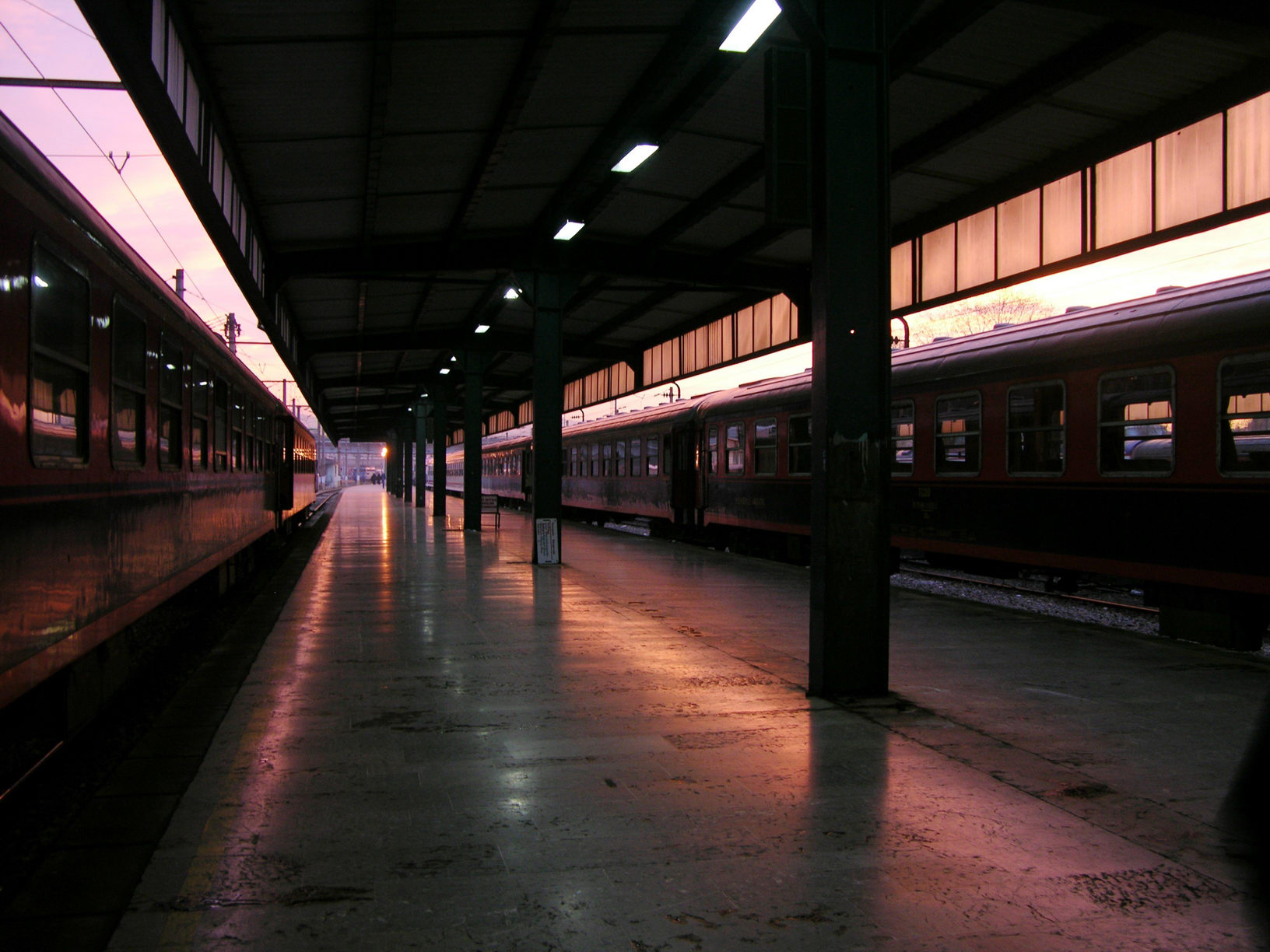
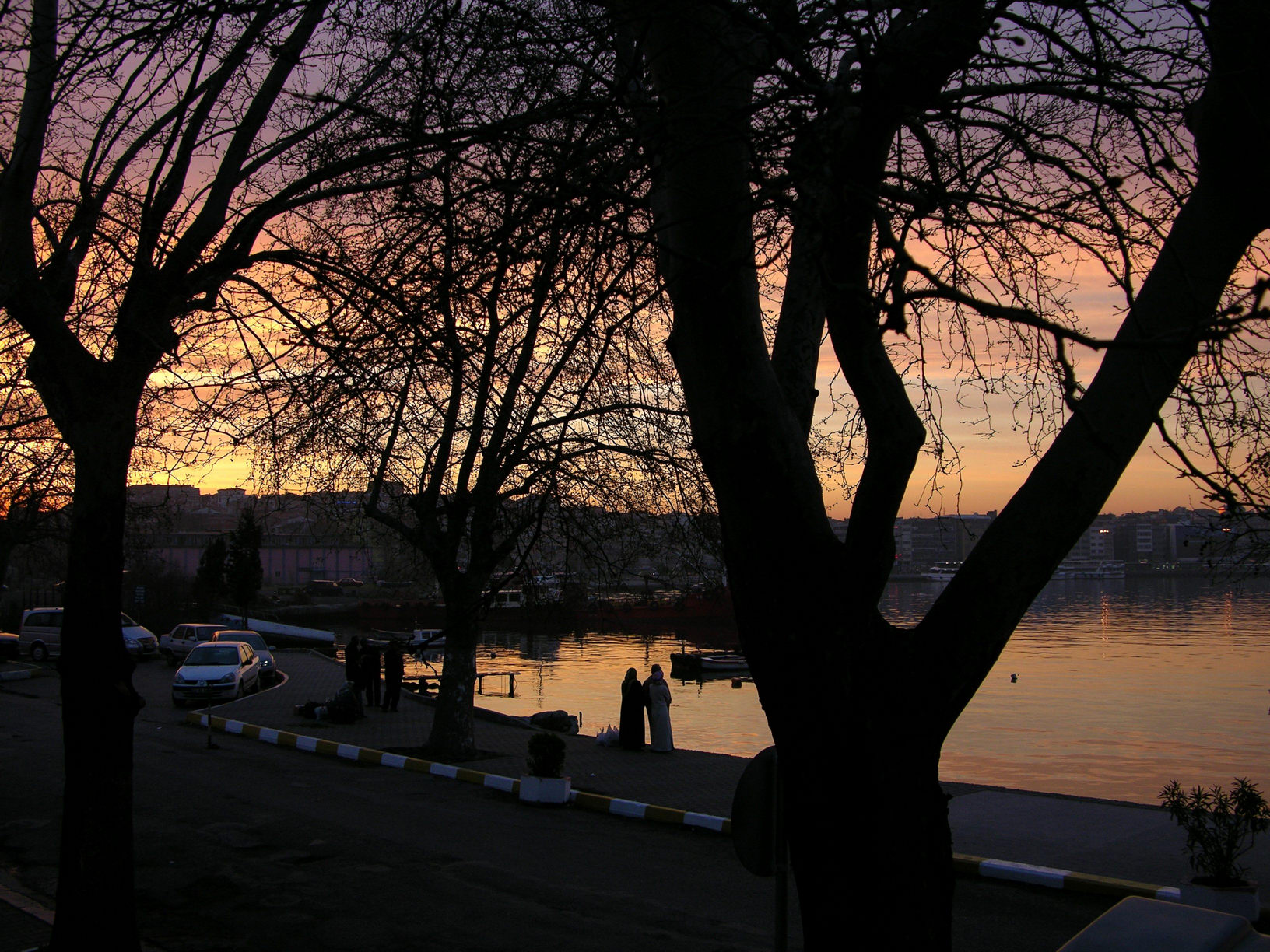
That evening we crossed on a ferry to the Asian shore of the Bosphorus. We walked along the shore for a little while, then left on the night train for Konya from Haydarpaşa station. The sleeping carriages looked like Russian compartments with three bunks on each side.
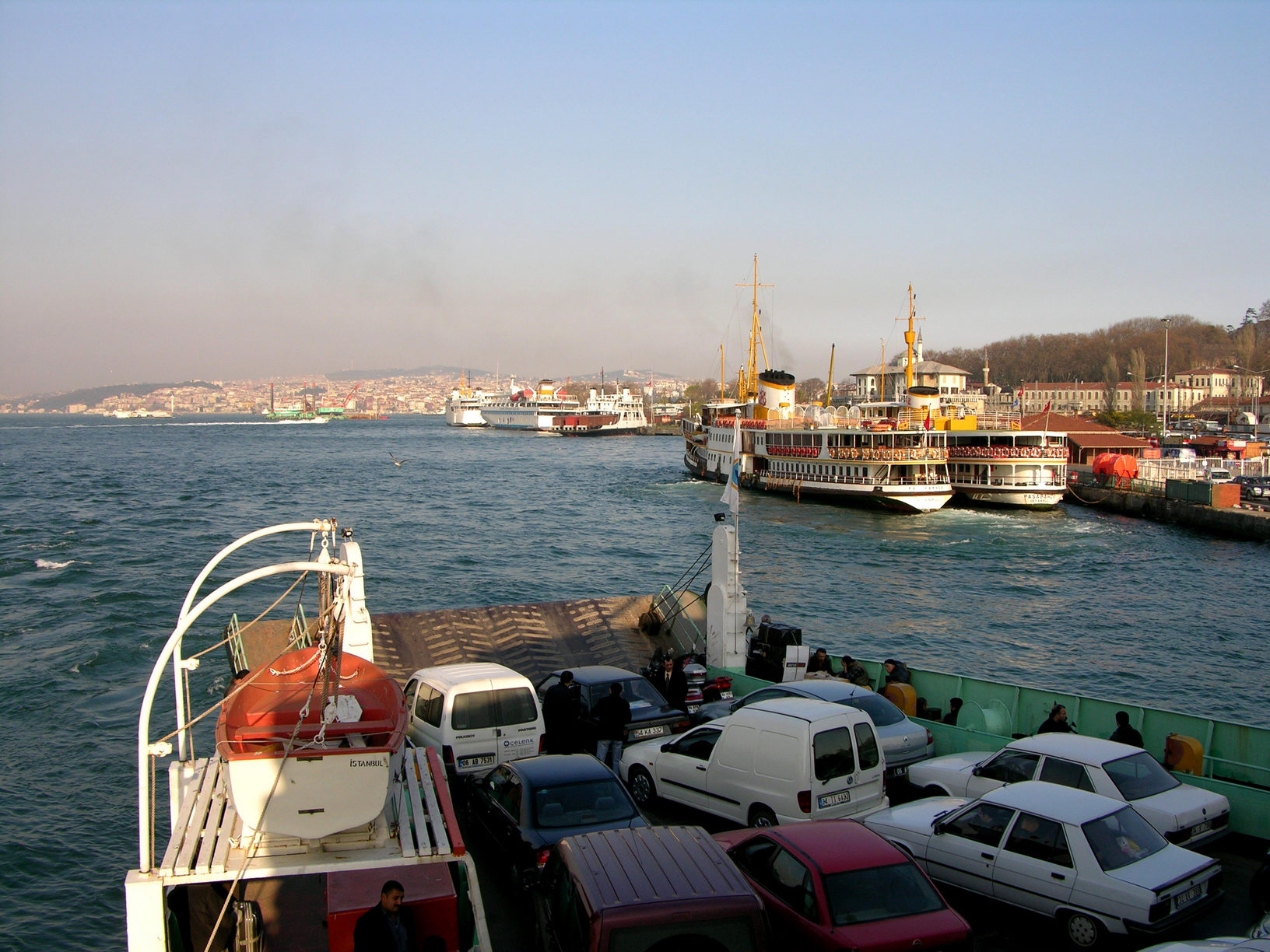
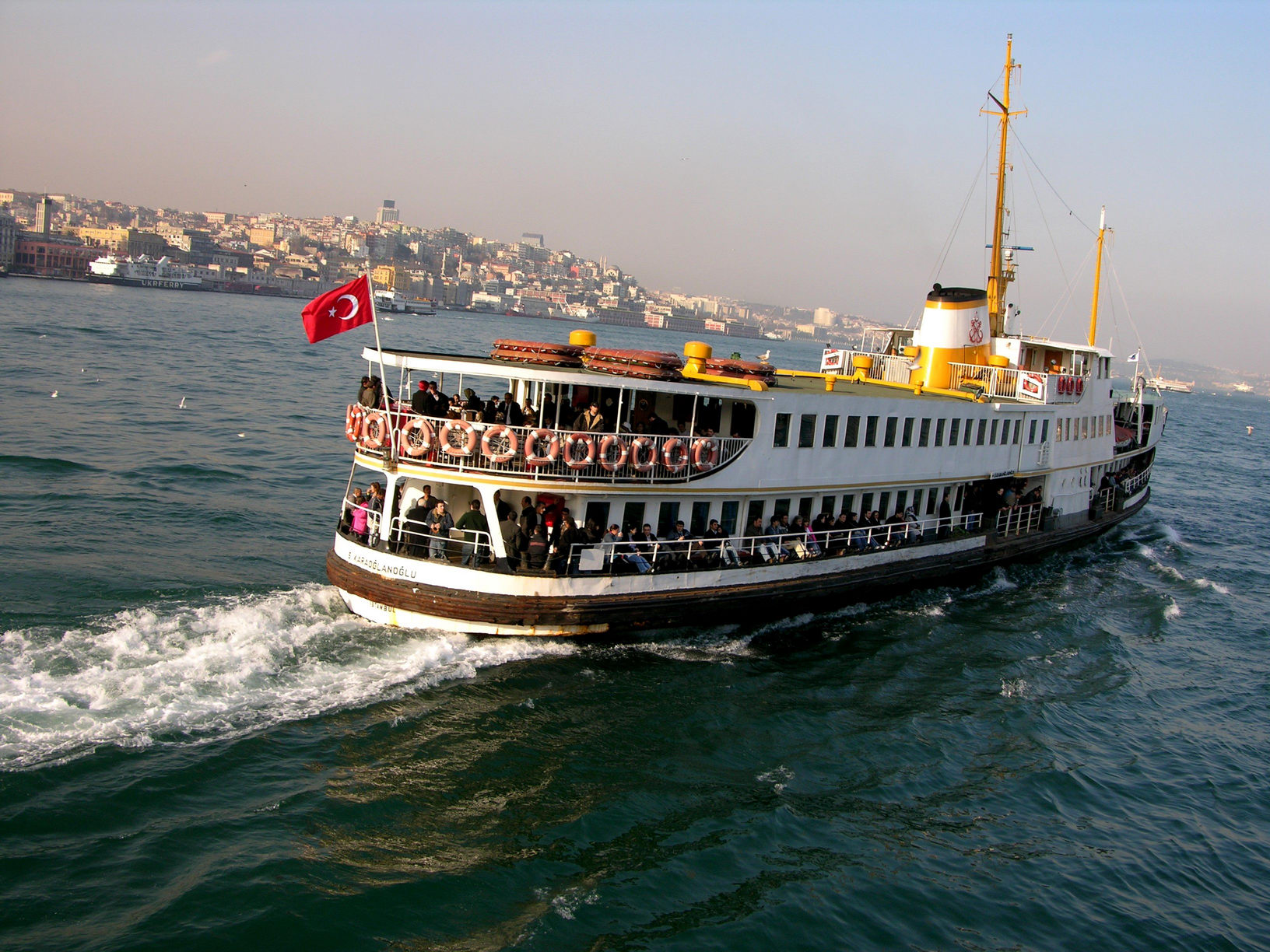
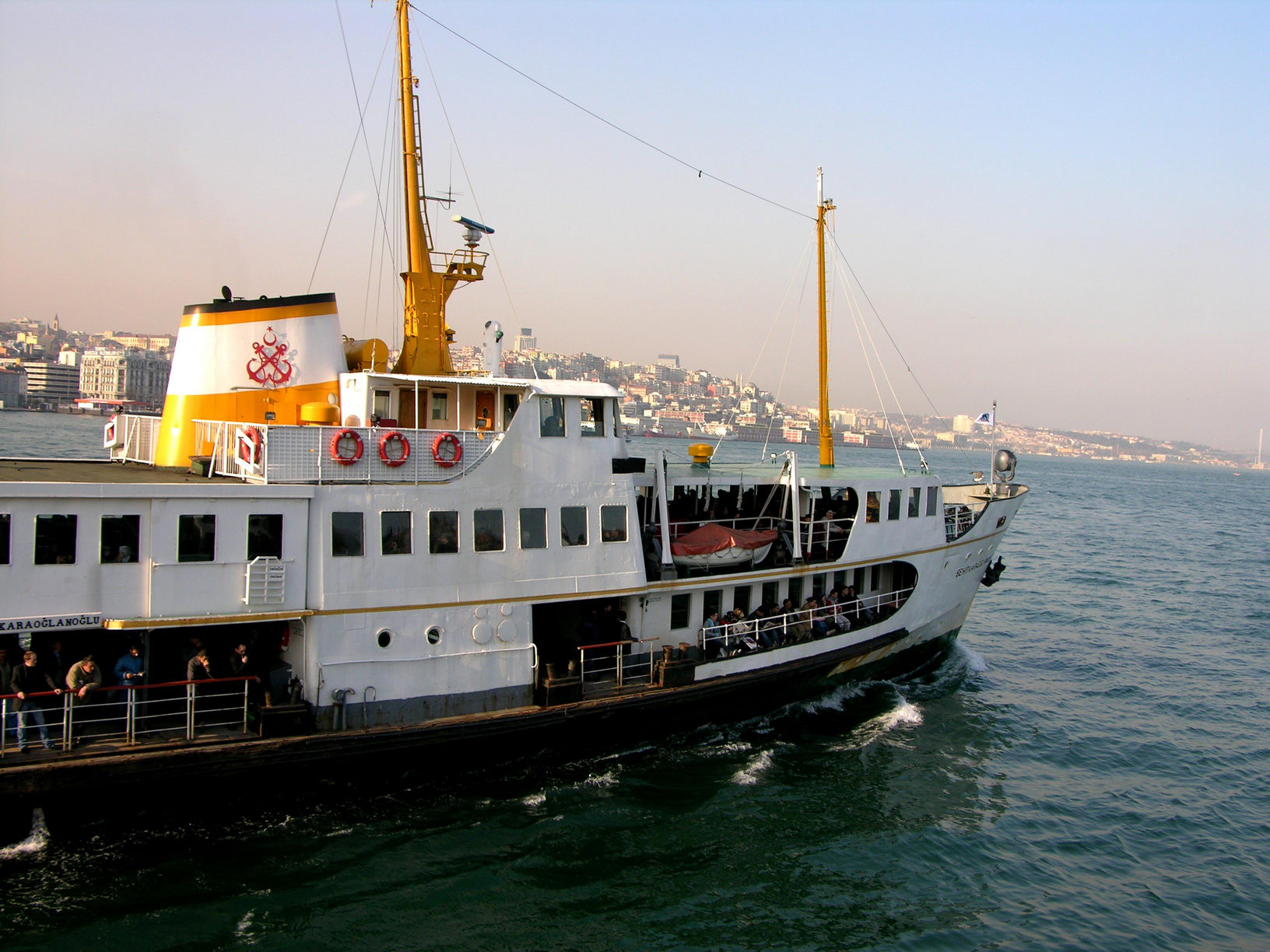
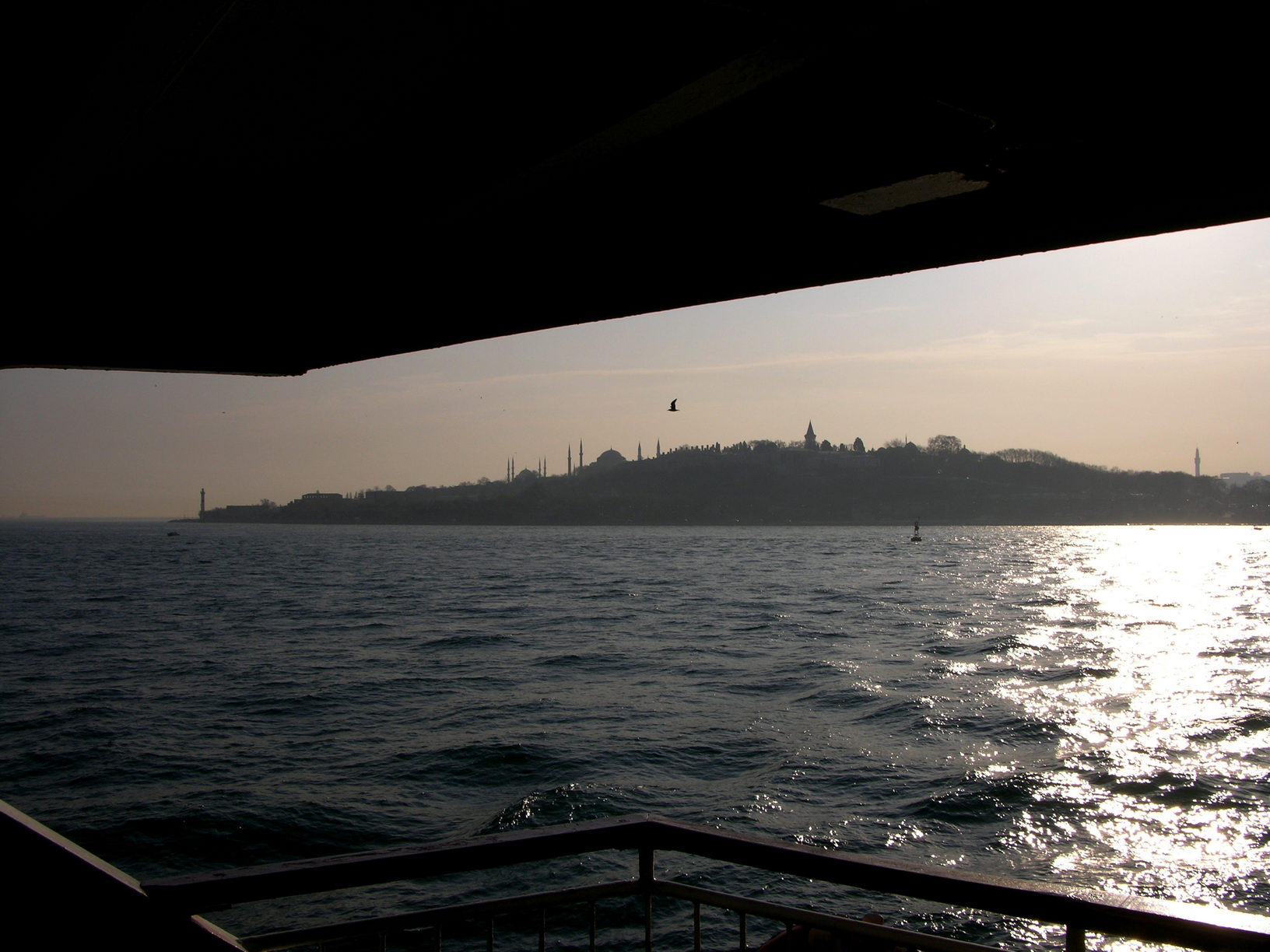
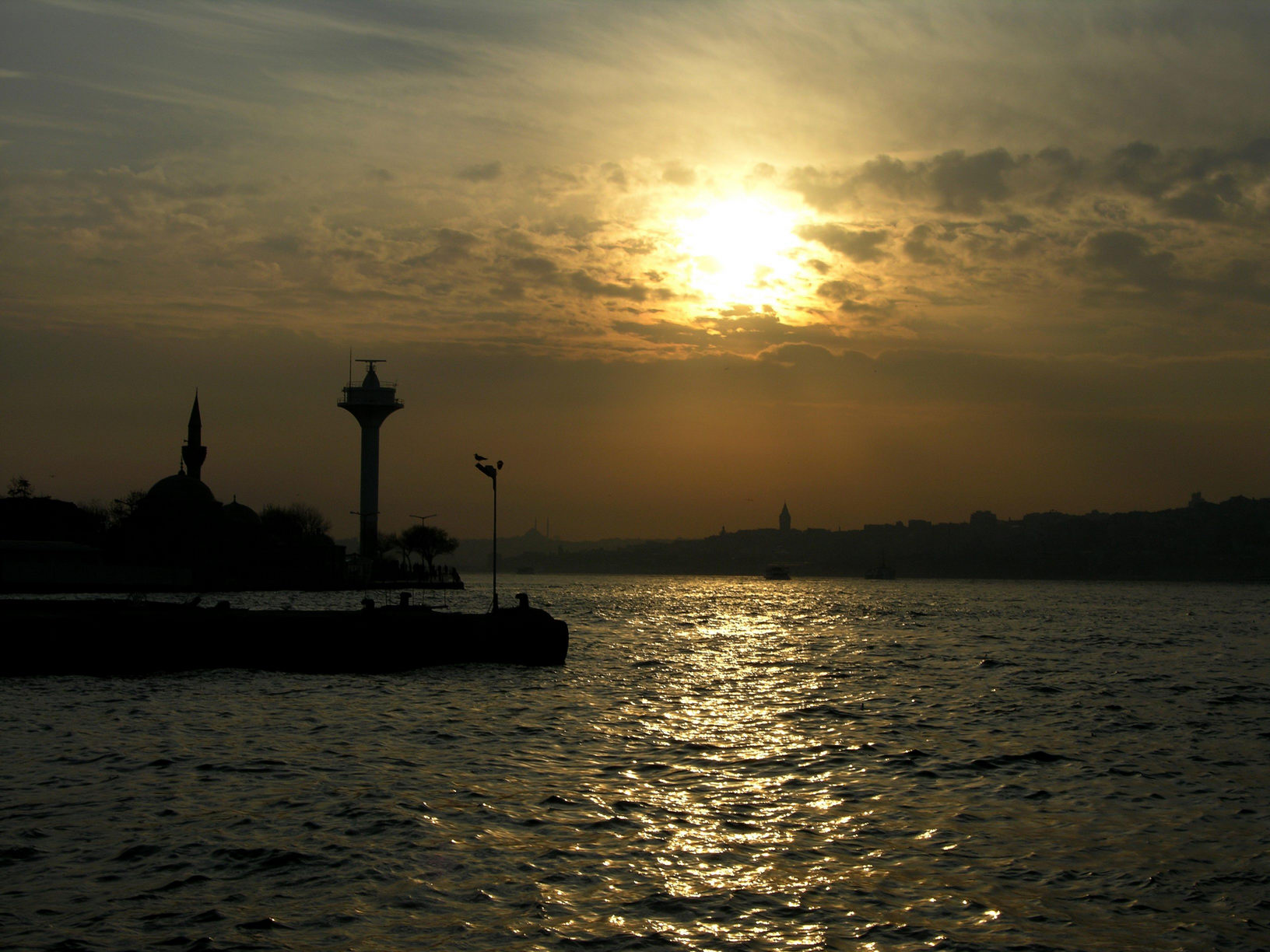
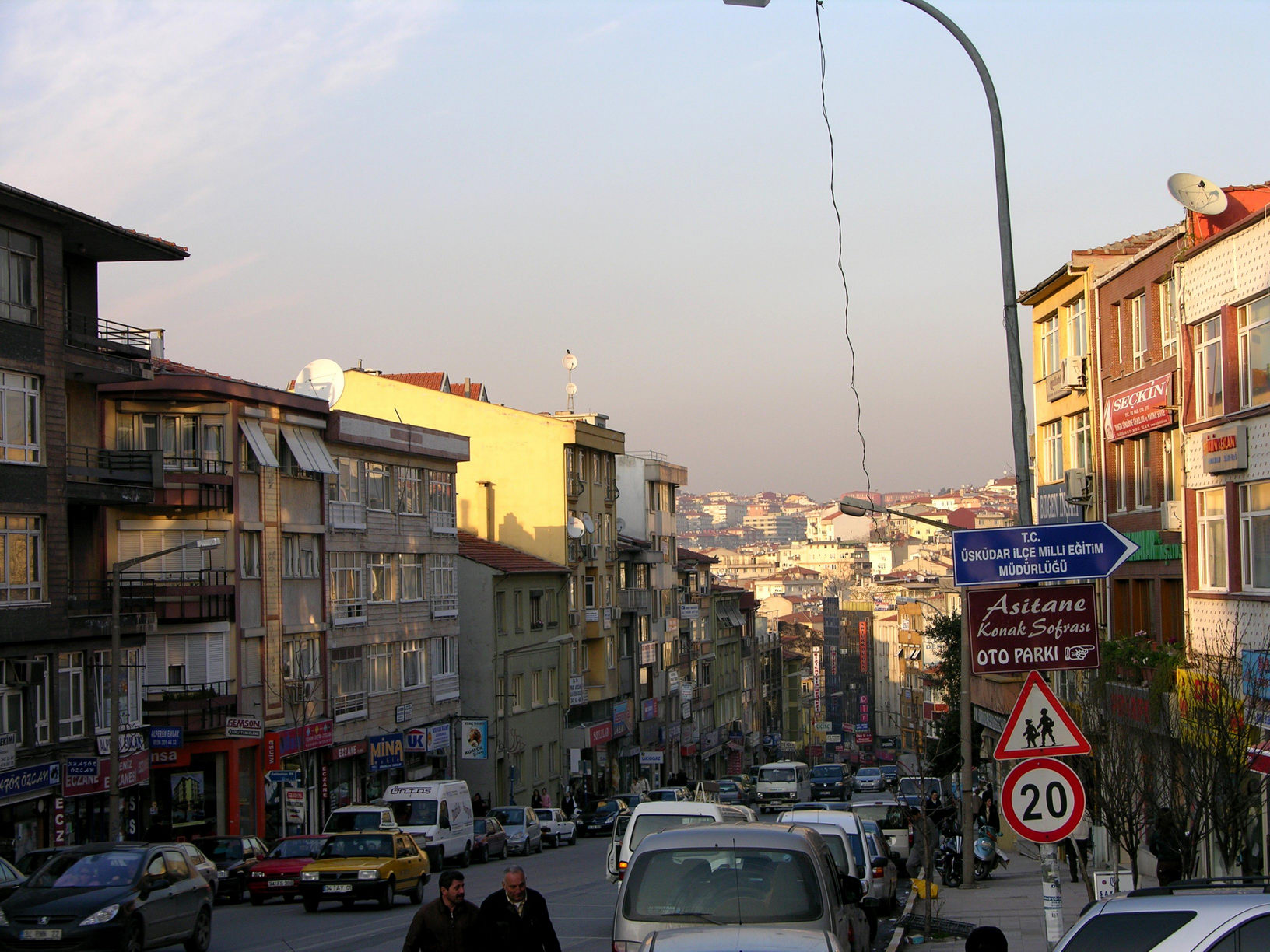
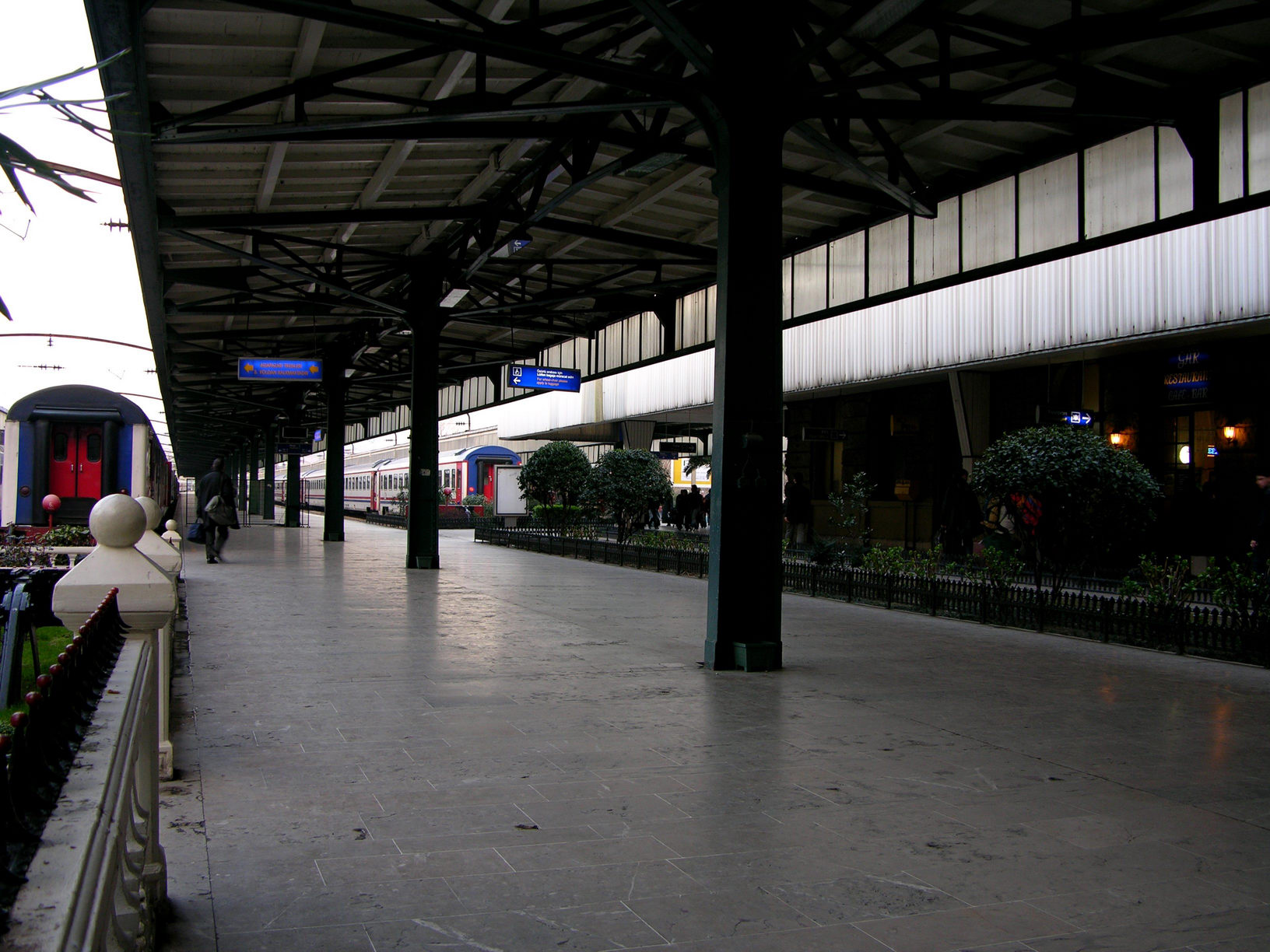
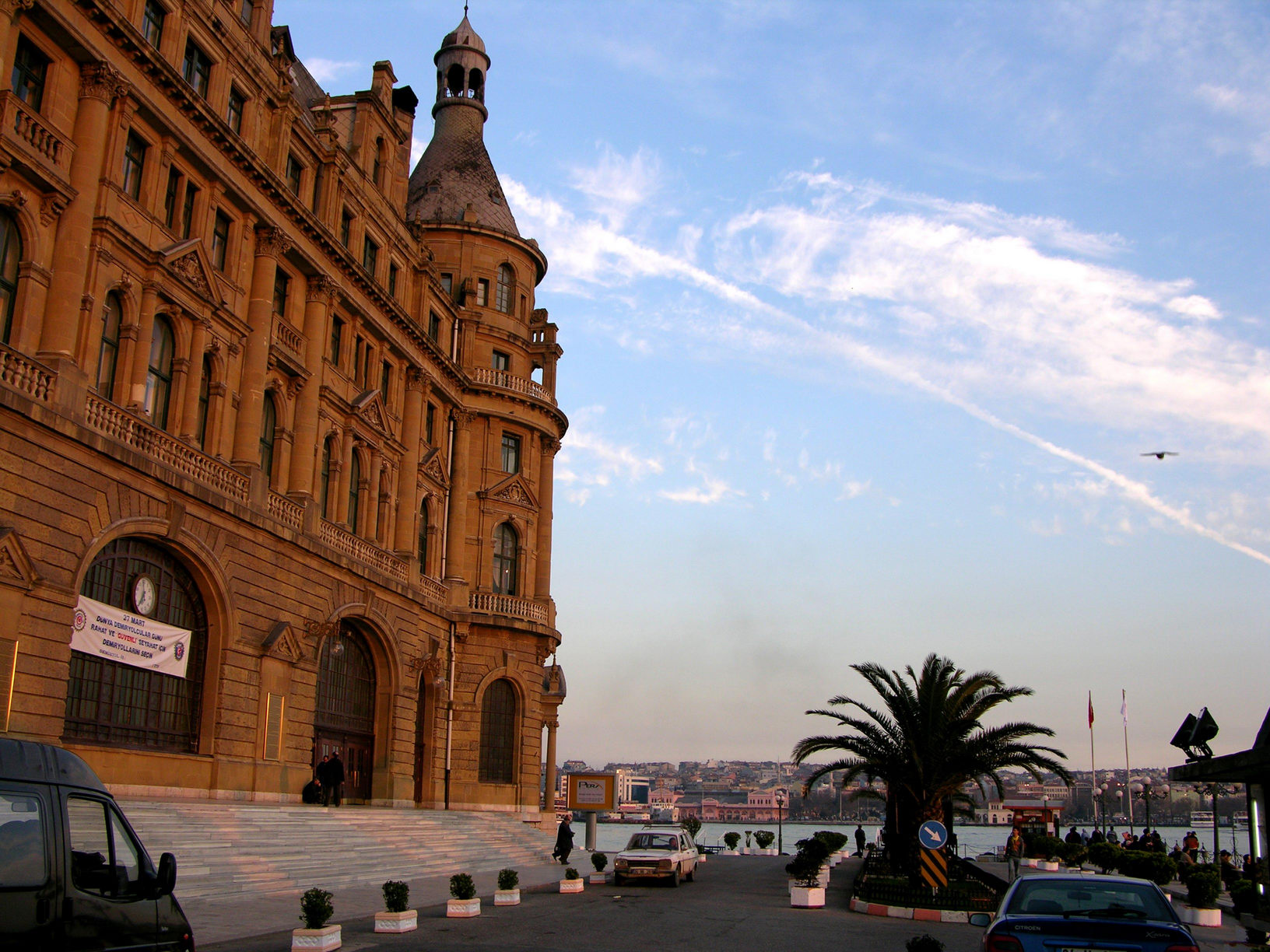
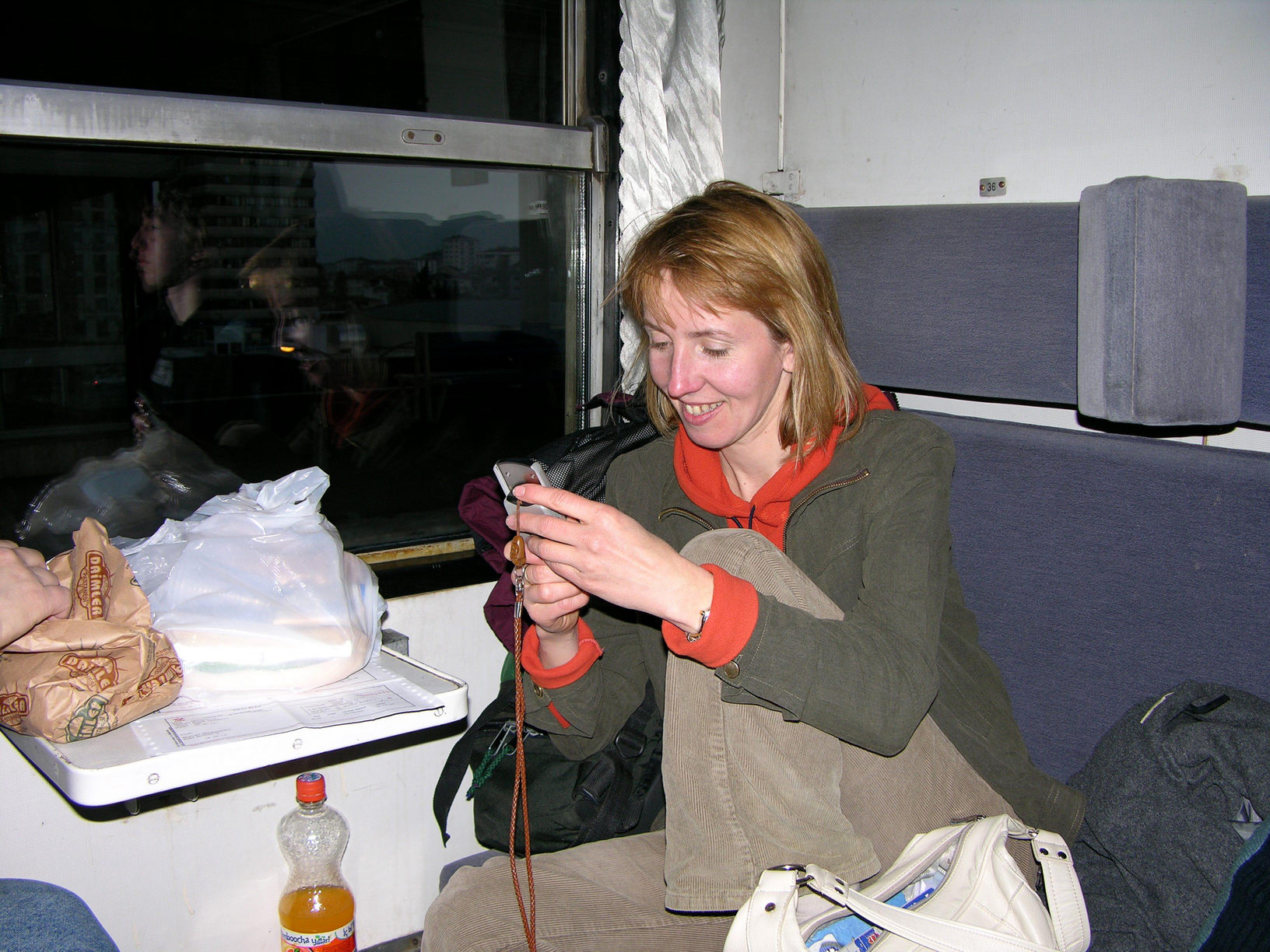
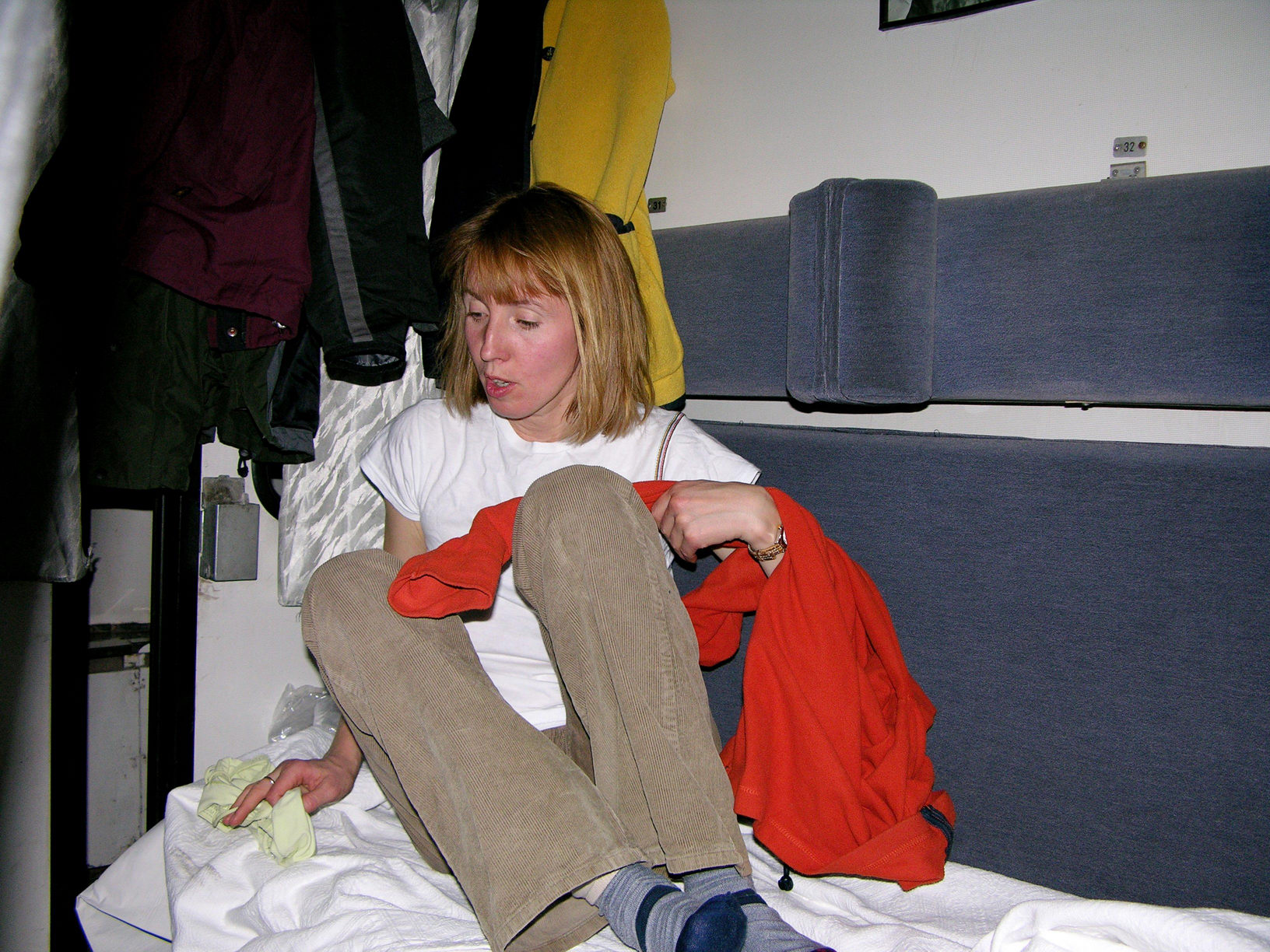
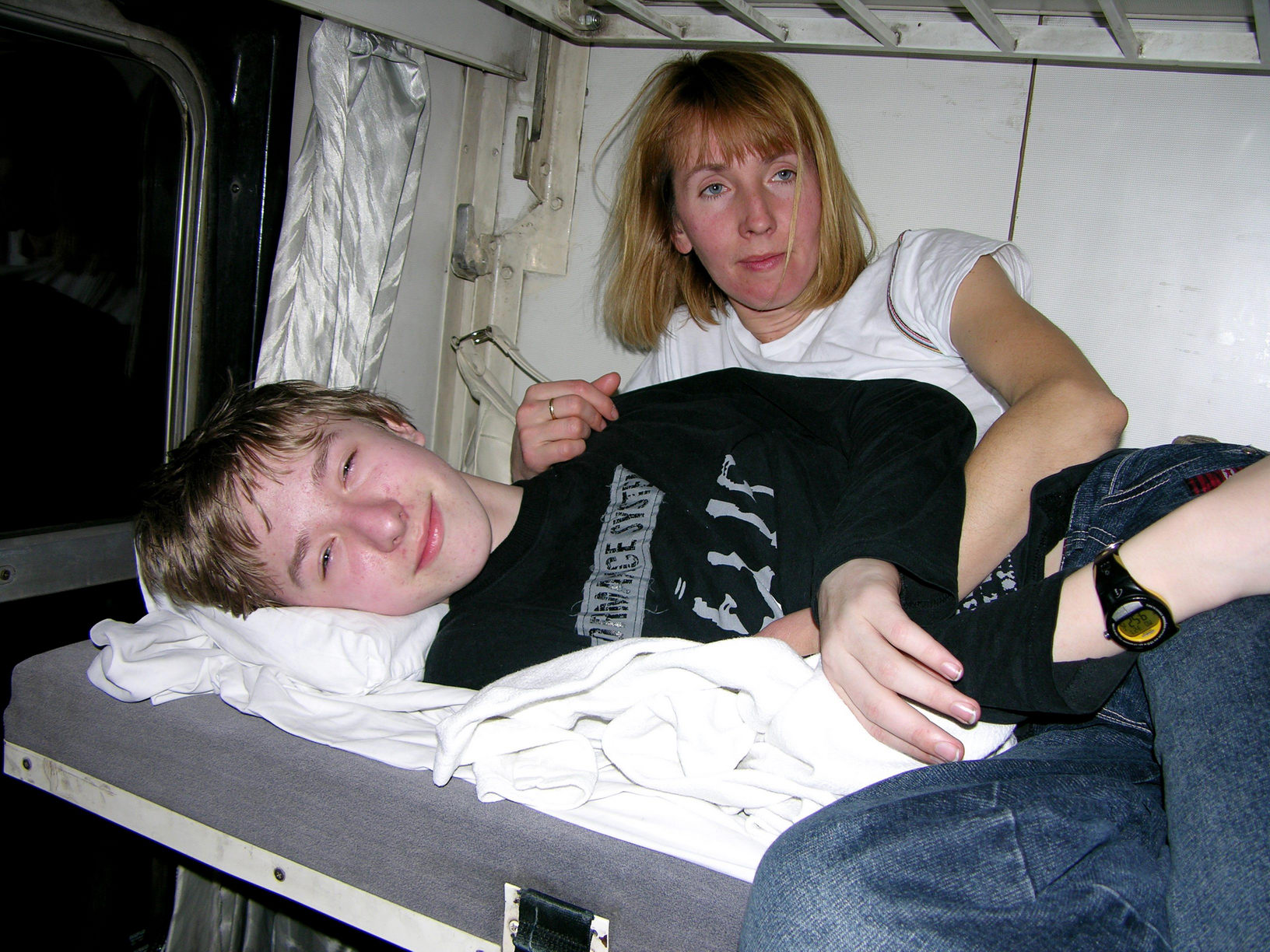
The train reached Konya in the morning. The weather was still sunny, and we set out on the walk no visitor to Konya ought to miss, to the complex of the Mevlevi Sufi order.
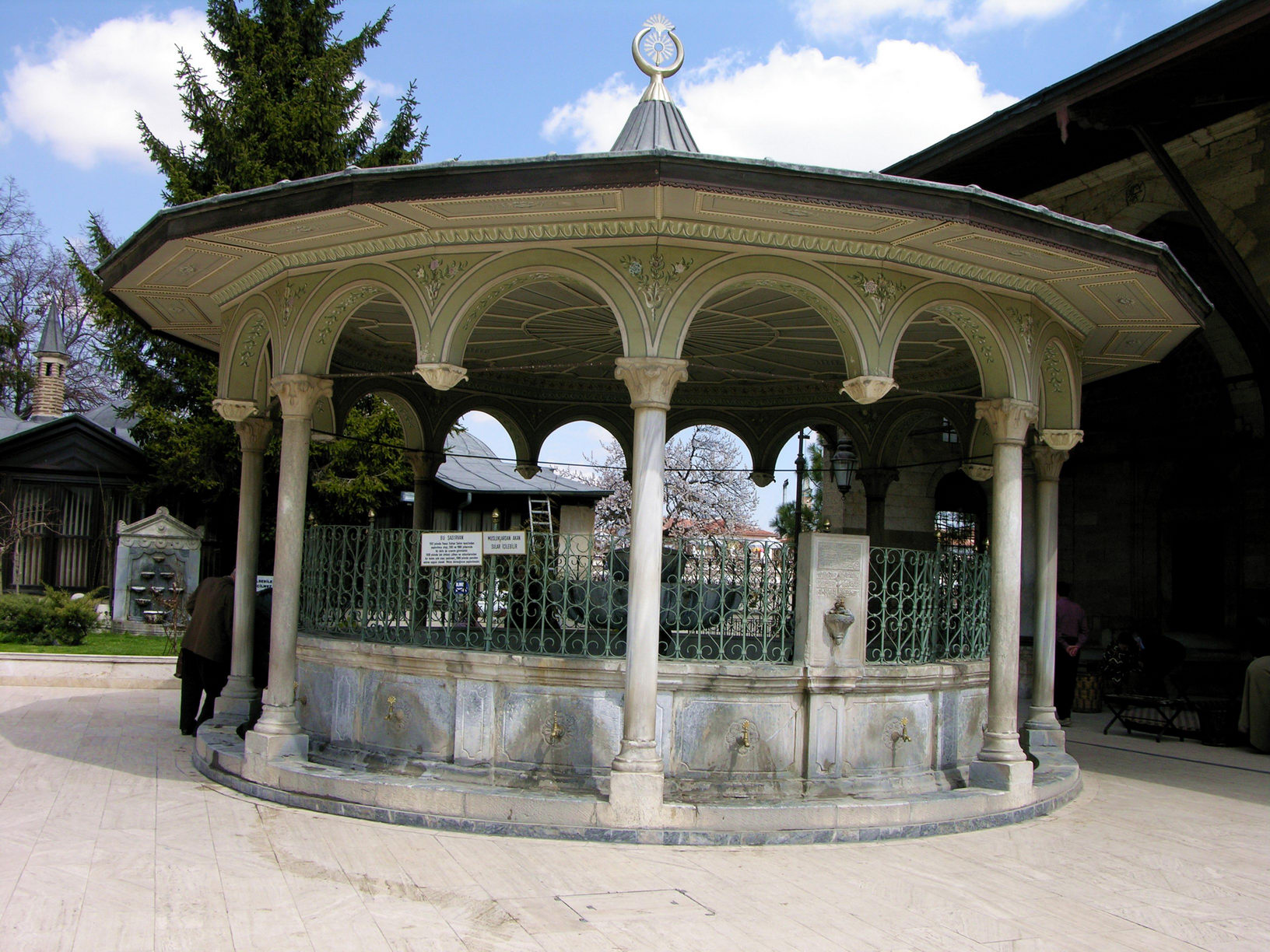
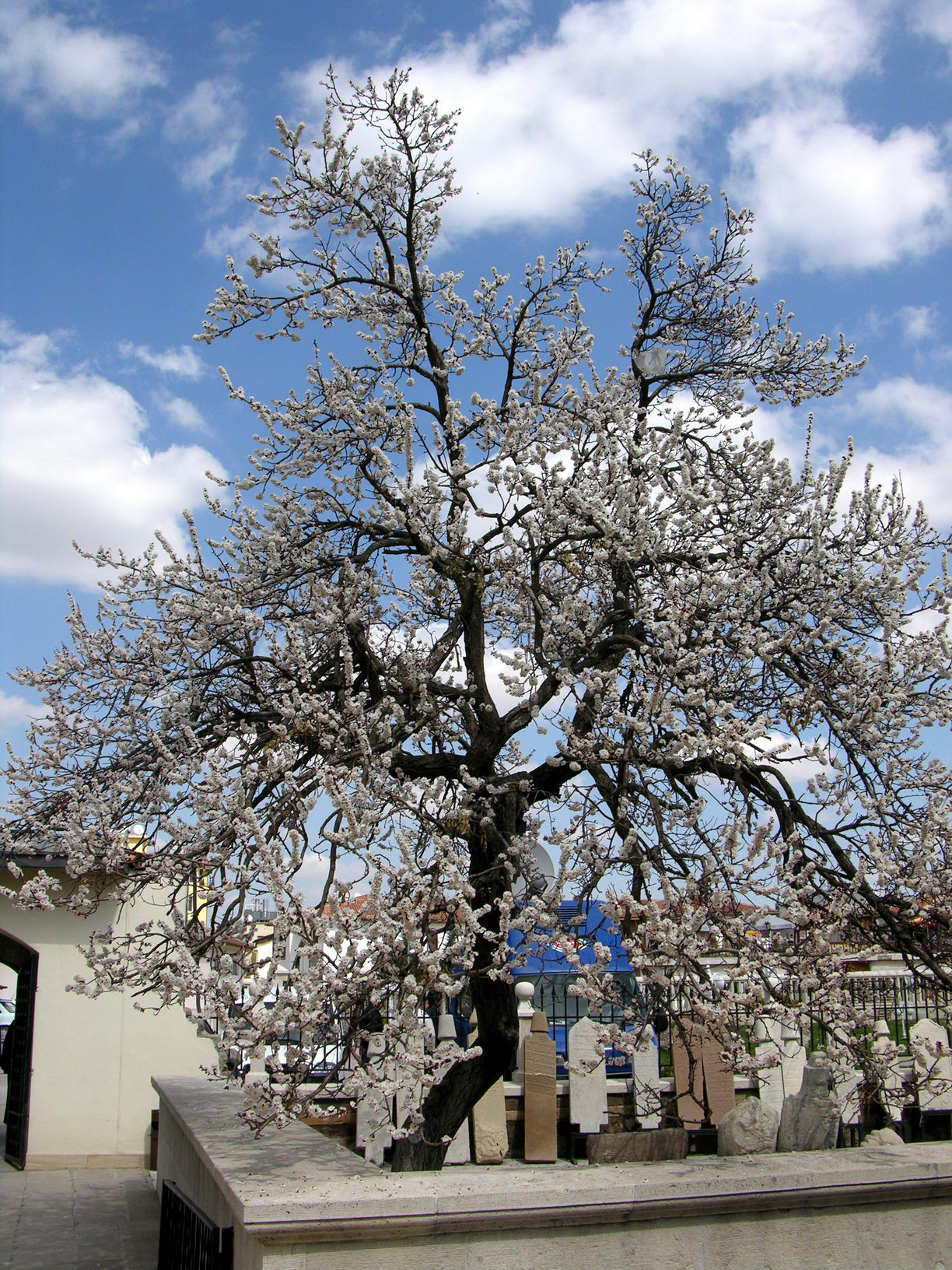
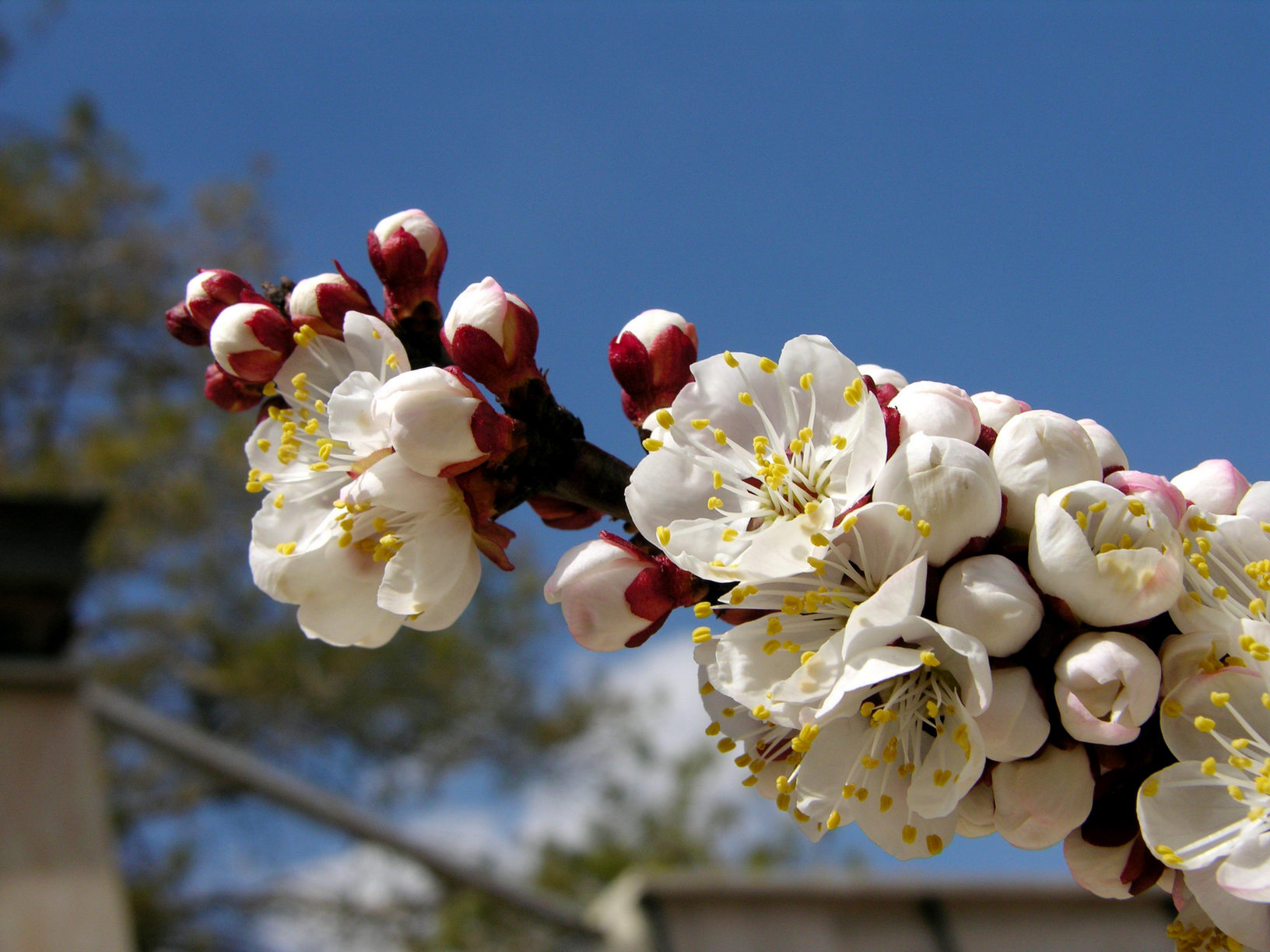
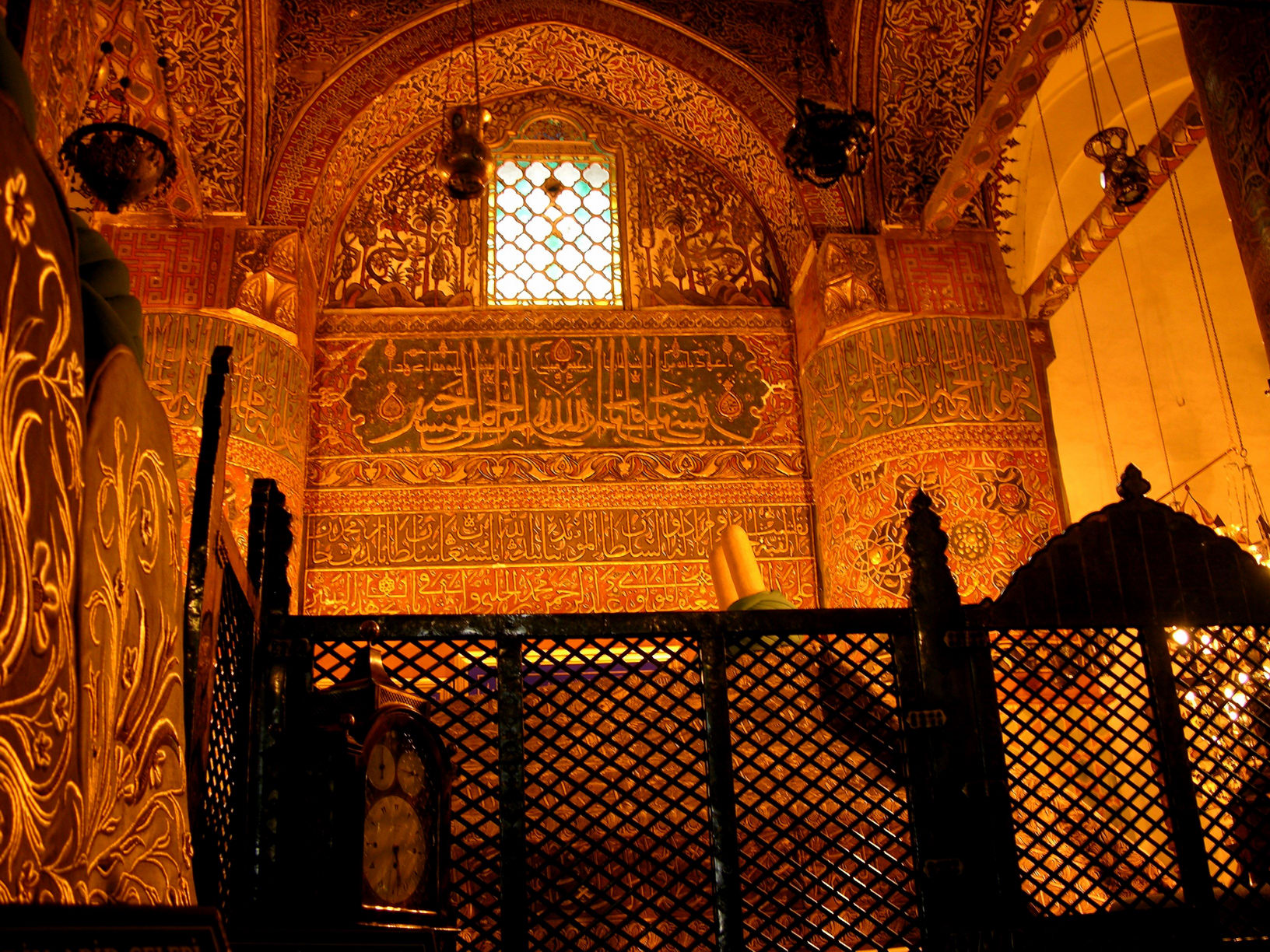
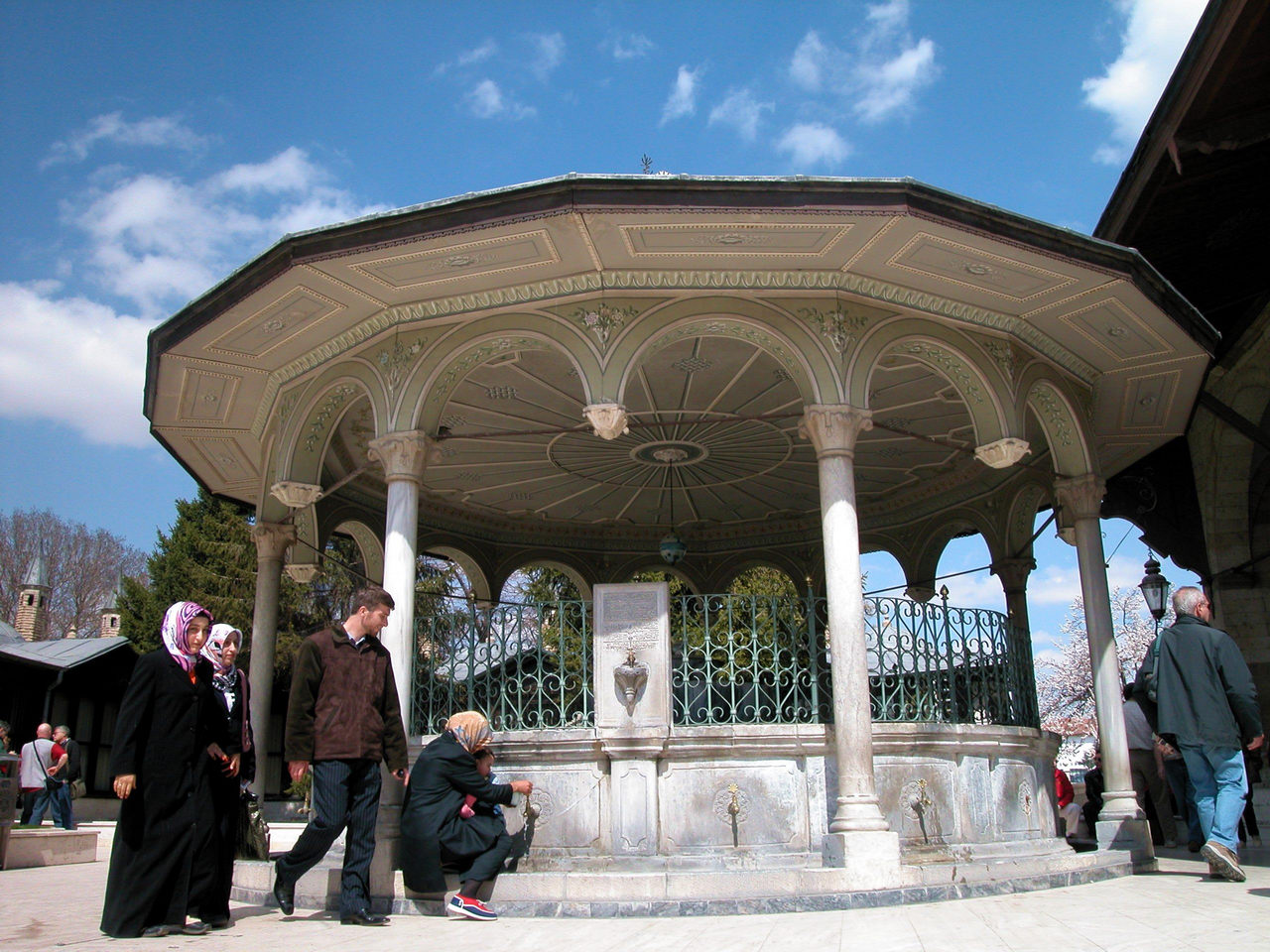
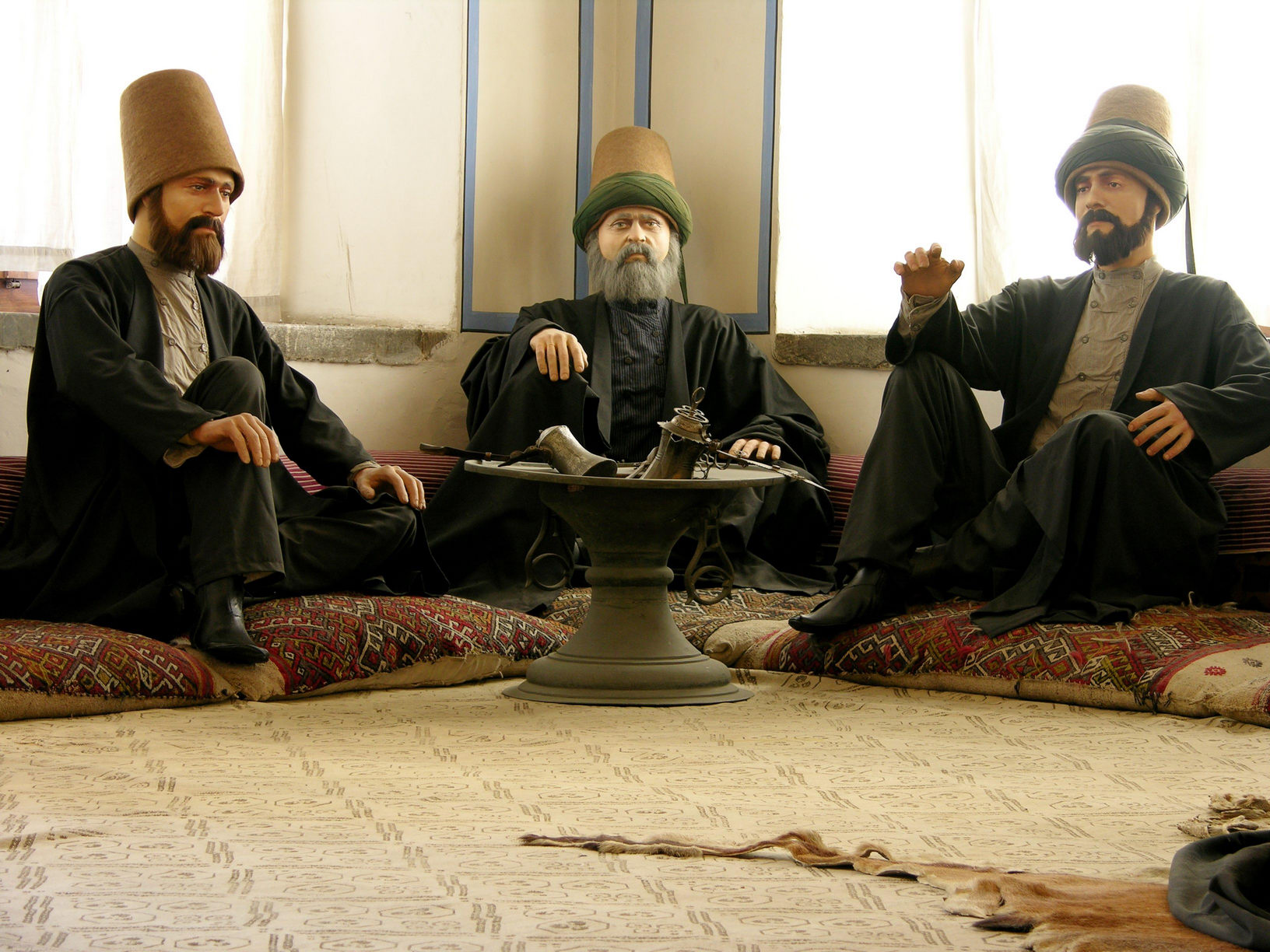
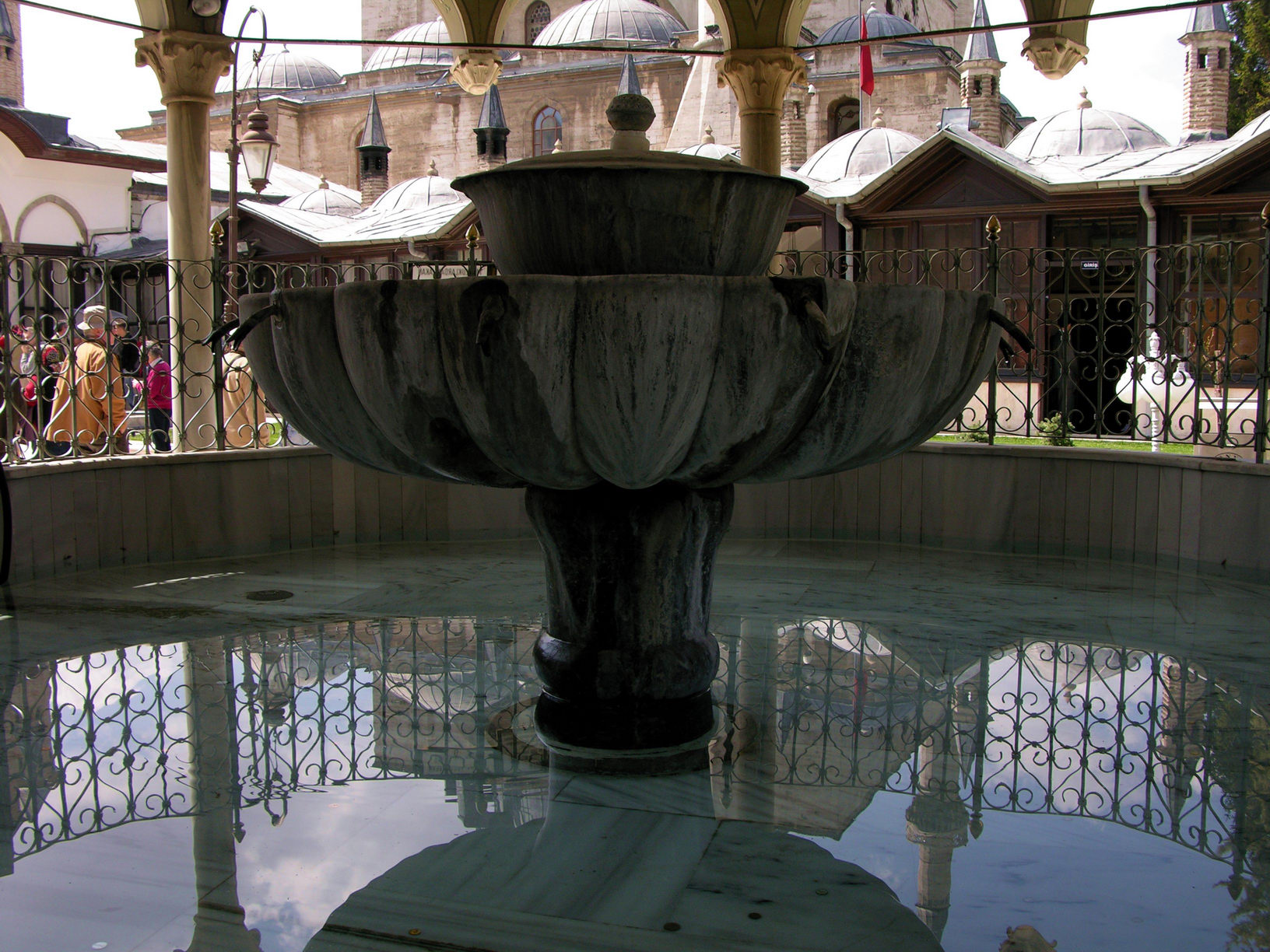
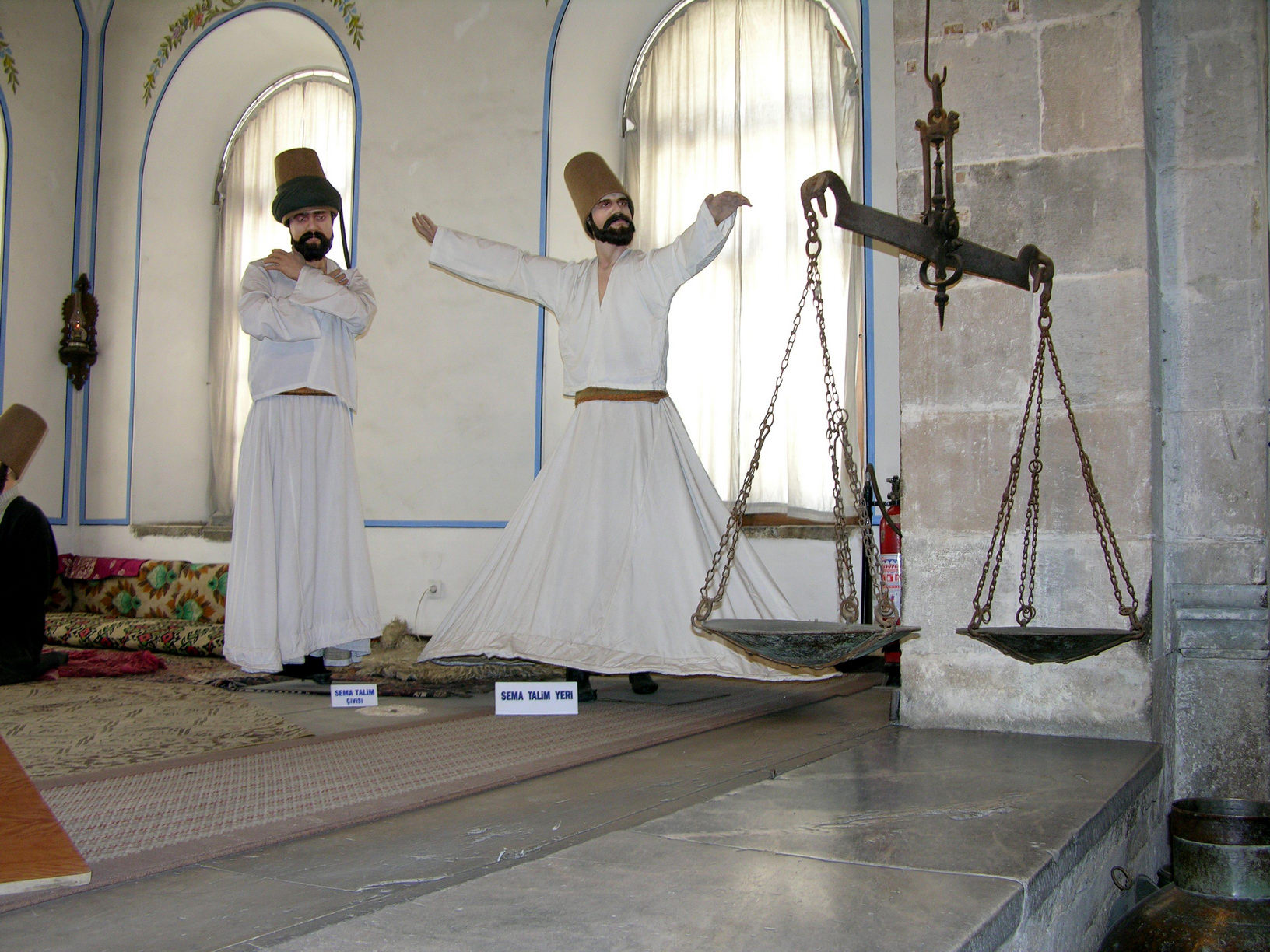
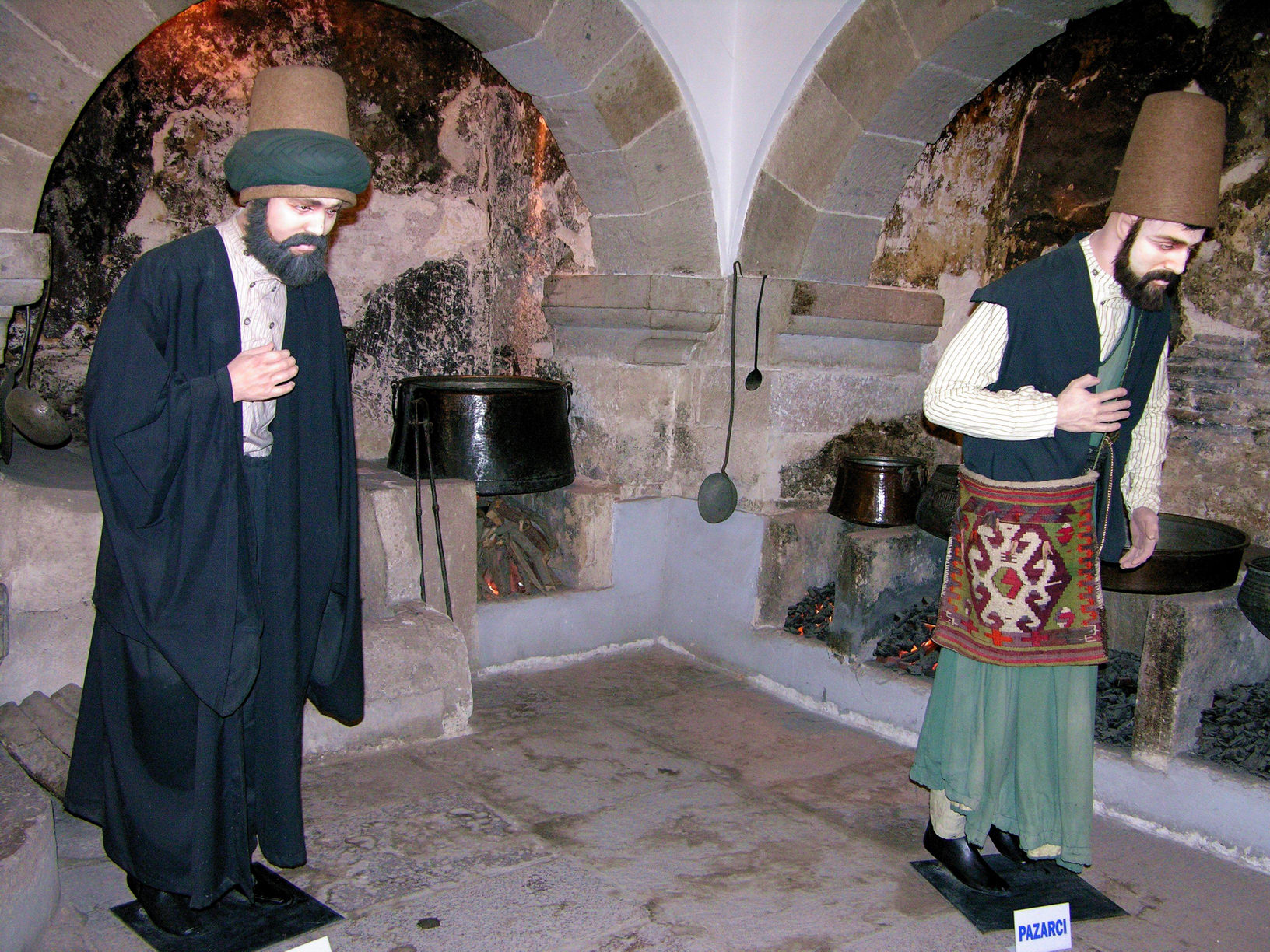
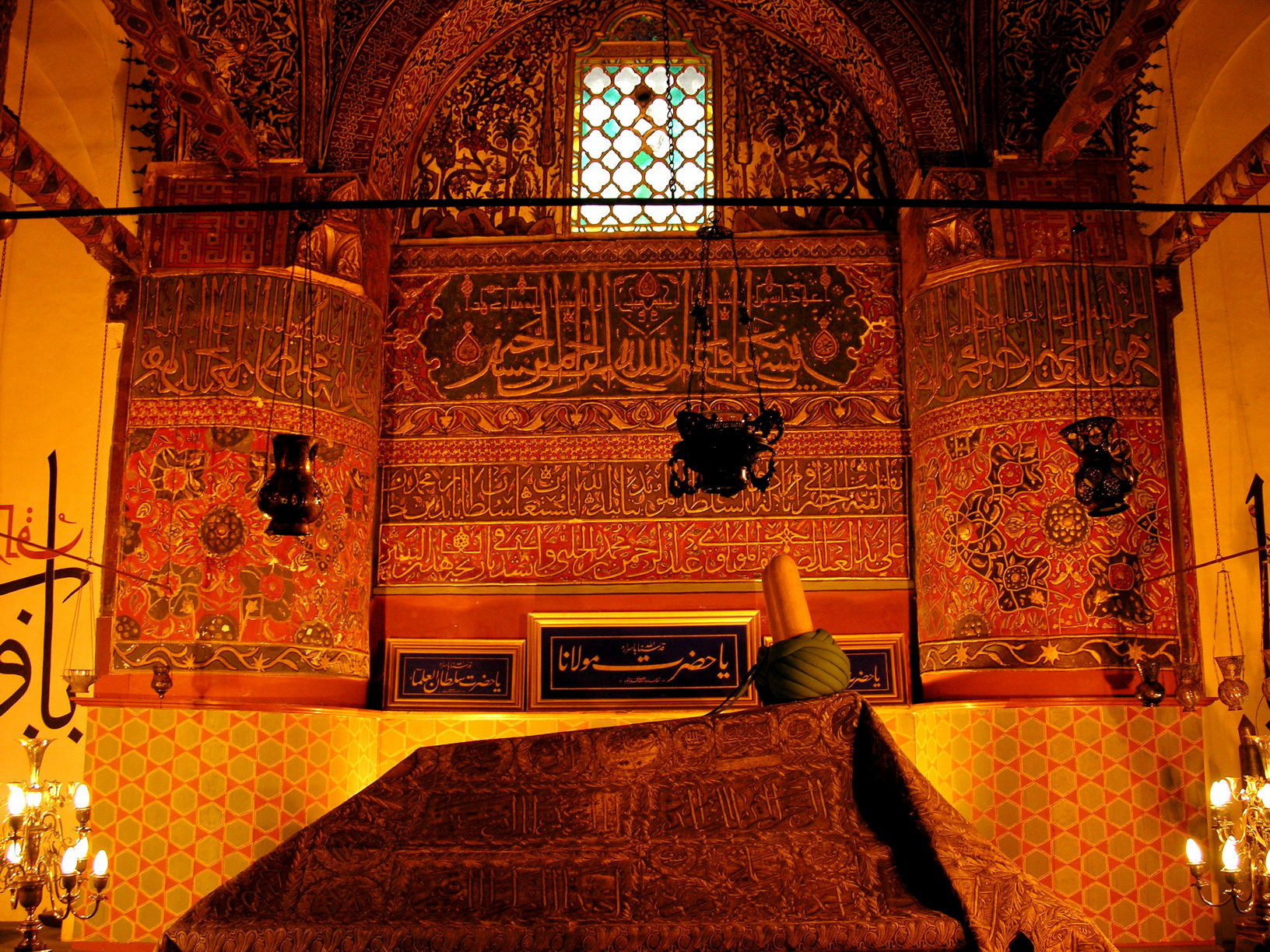
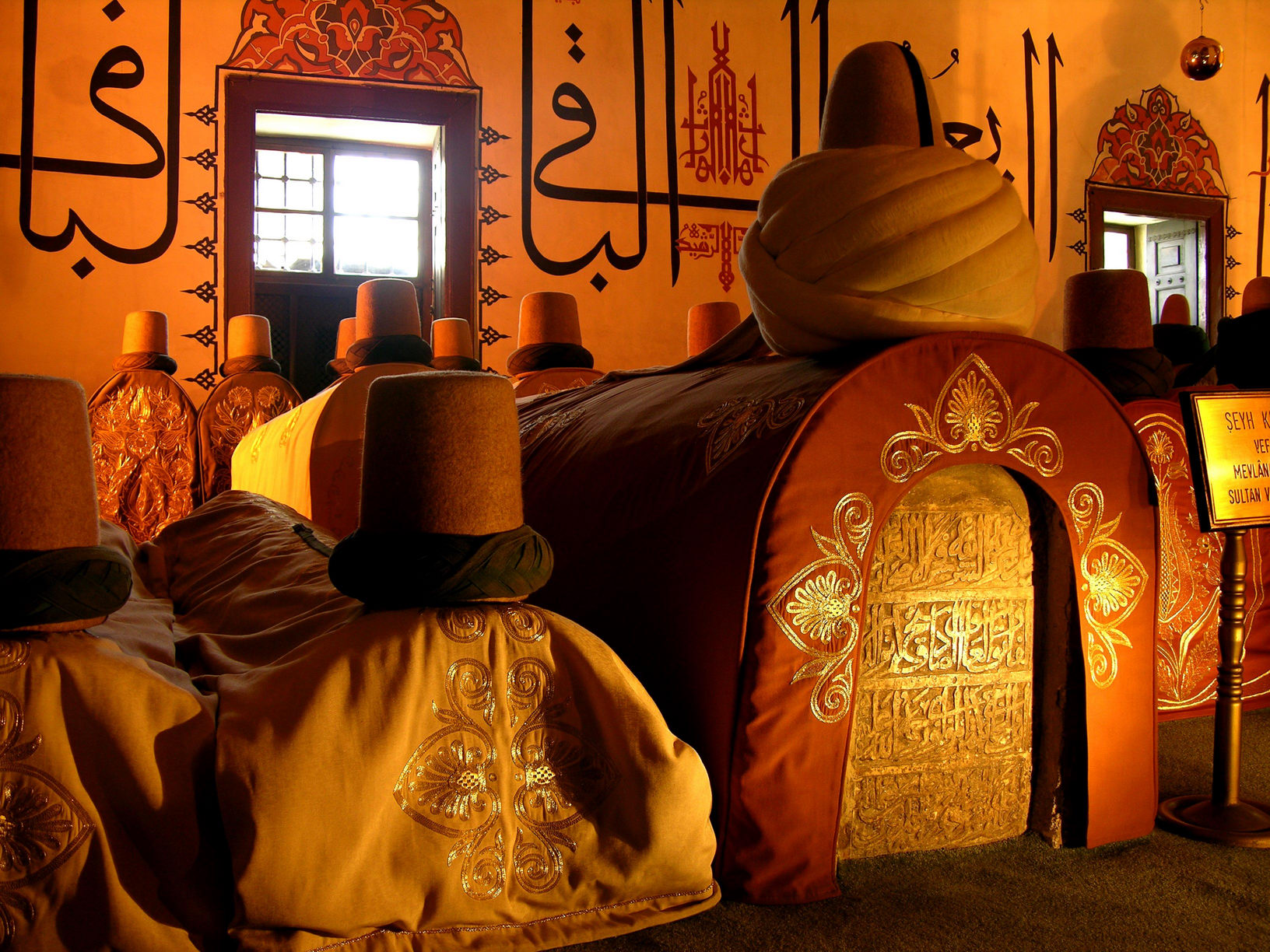
I saw Sufism chiefly as a reforming tradition within Islam and made a rather sweeping comparison in my head with later reformers. Reformers get cursed and persecuted in their lifetimes. I thought Atatürk had found something in the memory of long-dead reformers that echoed his own enterprise. Long-dead people are safe to admire. They won’t turn round and insult you or blow up a plane.
One of the figures I associated with this world of stories was our old friend Nasreddin Hodja. He is said to have lived and worked in these parts. He probably reached Bukhara and Khiva only in dreams and Leonid Solovyov’s tales.
We’re used to thinking of him as a dear little bearded man on a donkey. Look at the older tales instead of Solovyov’s Soviet retellings and he struck me as less cuddly. “Hodja” is the title of a teacher or a learned man. In these stories I found it easy to imagine a self-appointed, smiling religious authority with little patience for believers who saw things differently. He’s against mullahs, then? I saw him as an enemy of mosque wealth and of a faith he thought shallower than his own.
Then there’s Nasreddin’s name, from the Arabic for “victory of the faith”. The similar name Nasrallah means “victory of God”. And there’s the donkey. Muhammad rode one in the tradition, and so did Jesus. That’s a fairly grand claim for a man in a collection of jokes. Add a beard and my mind leapt all the way to Bin Laden. It’s a mischievous reading of a folk character. I was surprised Solovyov’s book had made it through the censors. Perhaps it hadn’t, by then. I hadn’t checked.
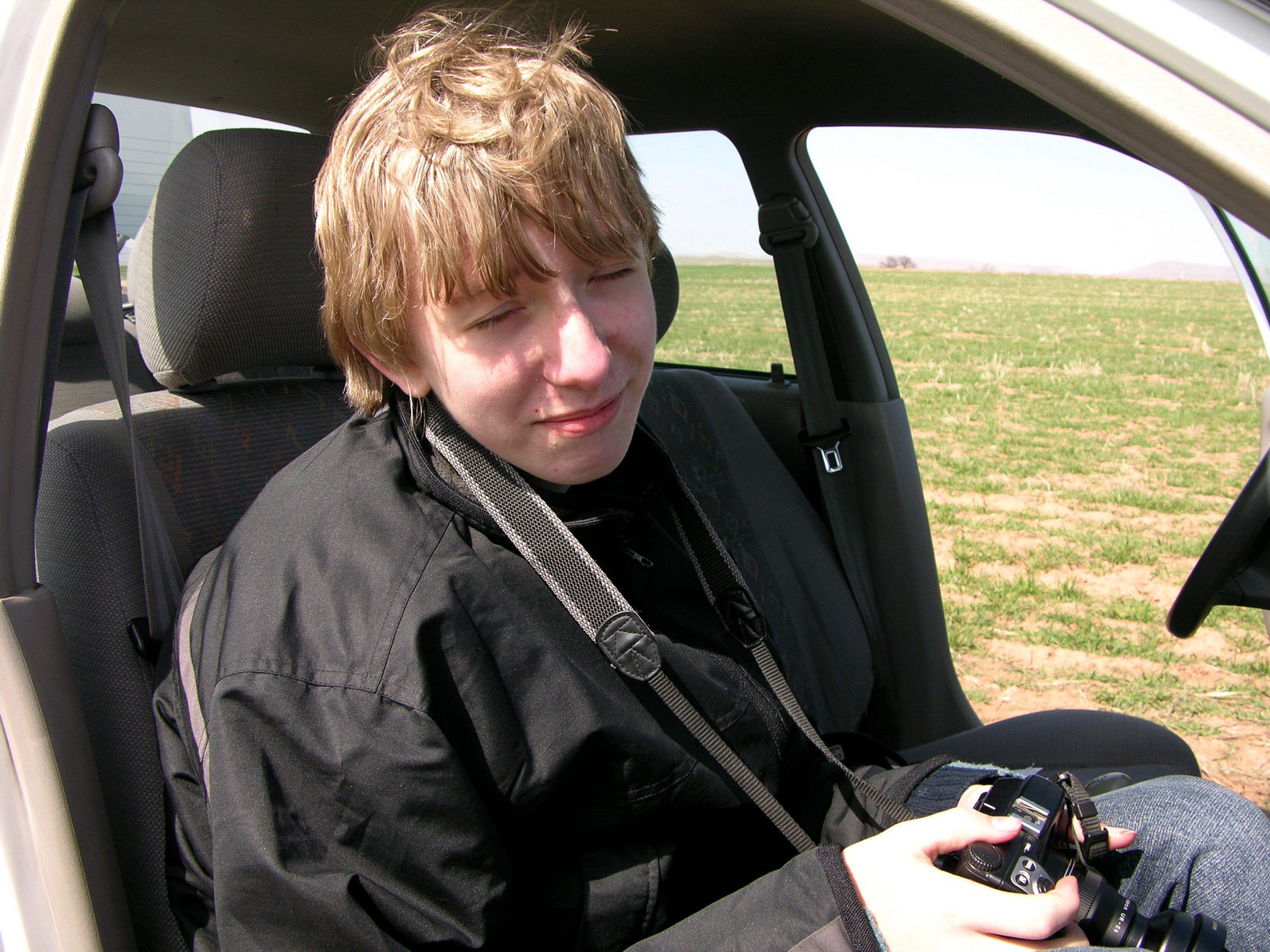
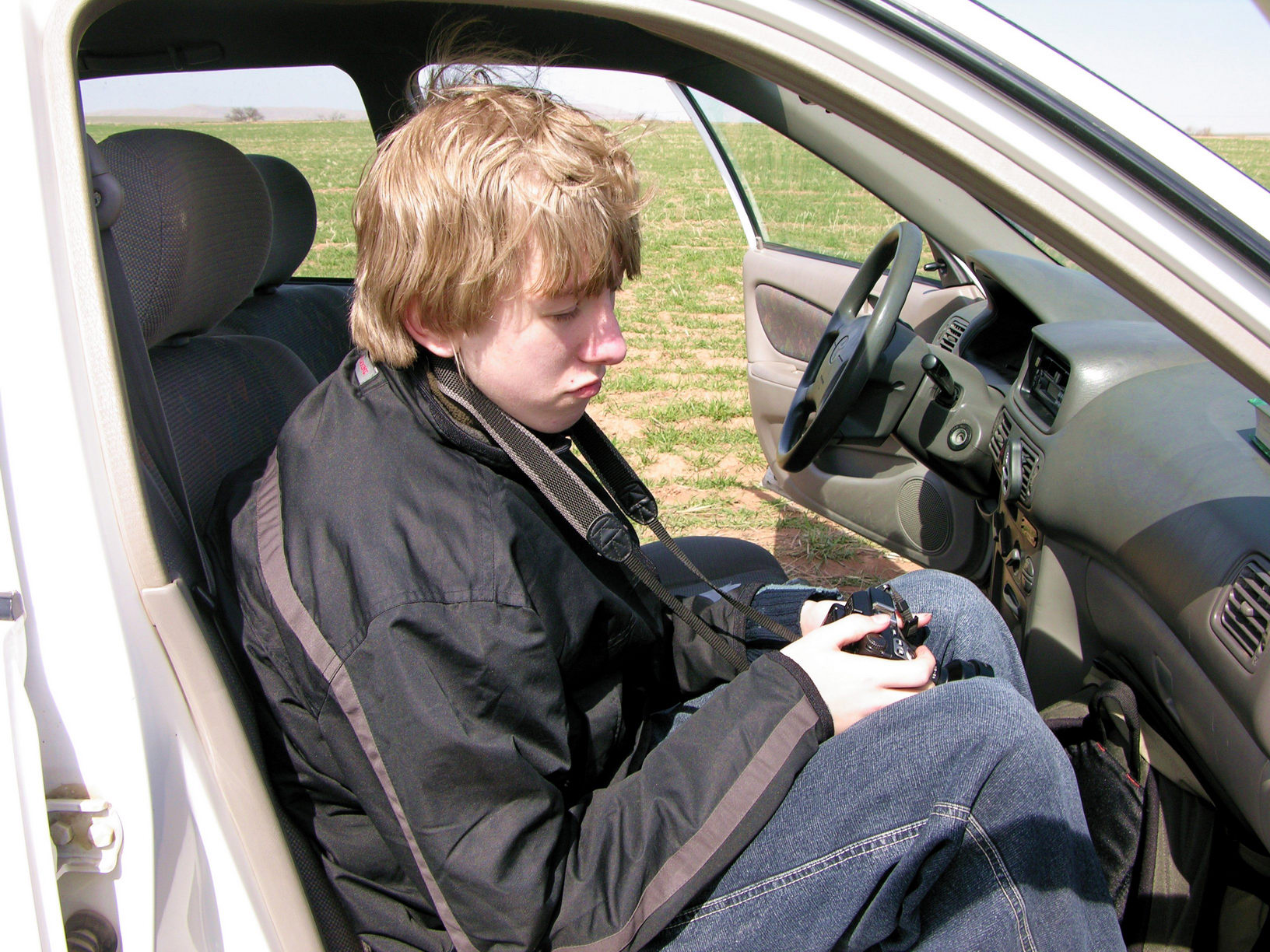
In Konya we hired a car. The centre of the eclipse path missed the big cities, so getting there by public transport was difficult. Denis used to get badly carsick as a child and had improved as he got older. It was time to see how he’d do on a serious drive. We’d stocked up on Dramamine.
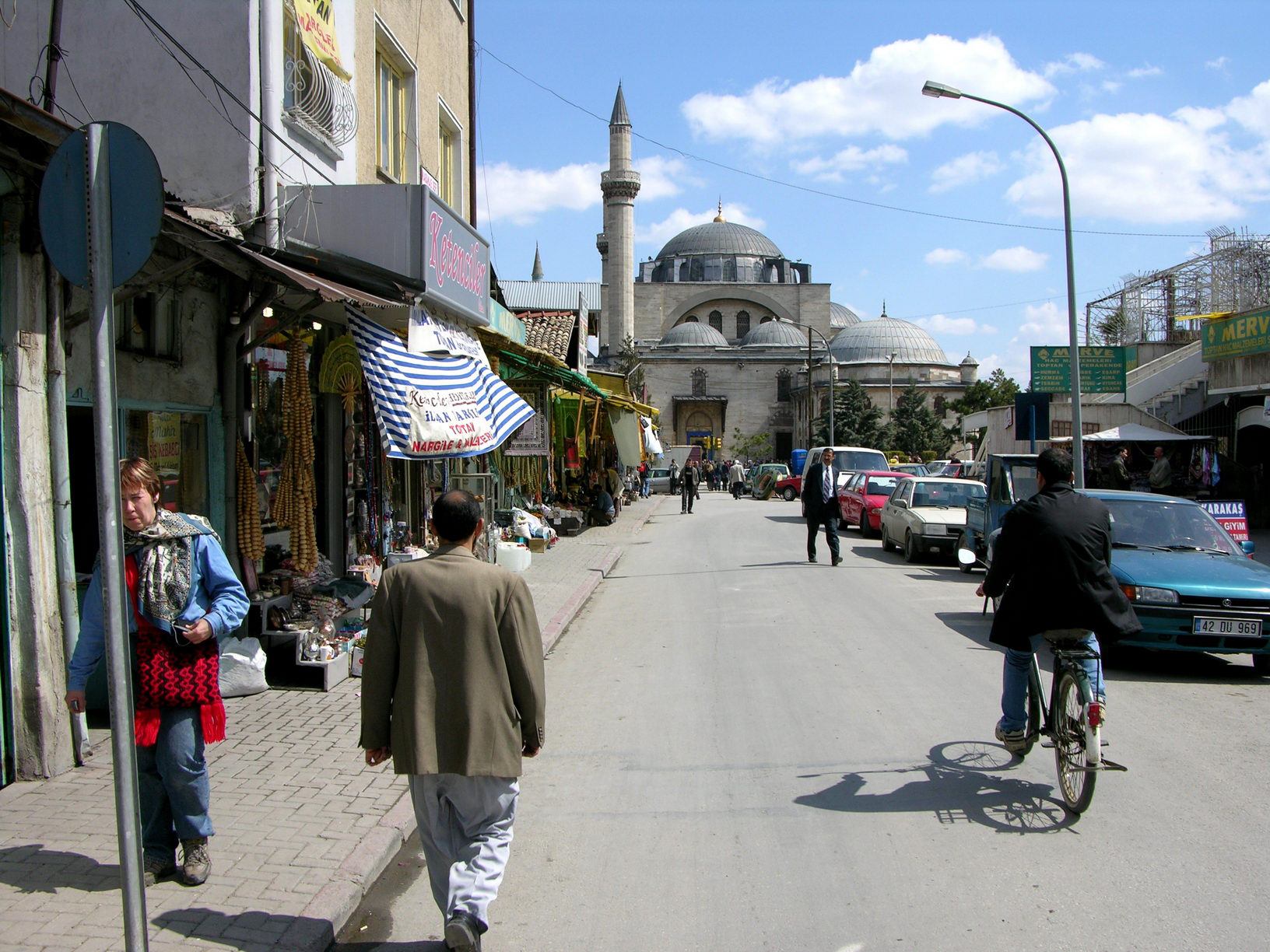
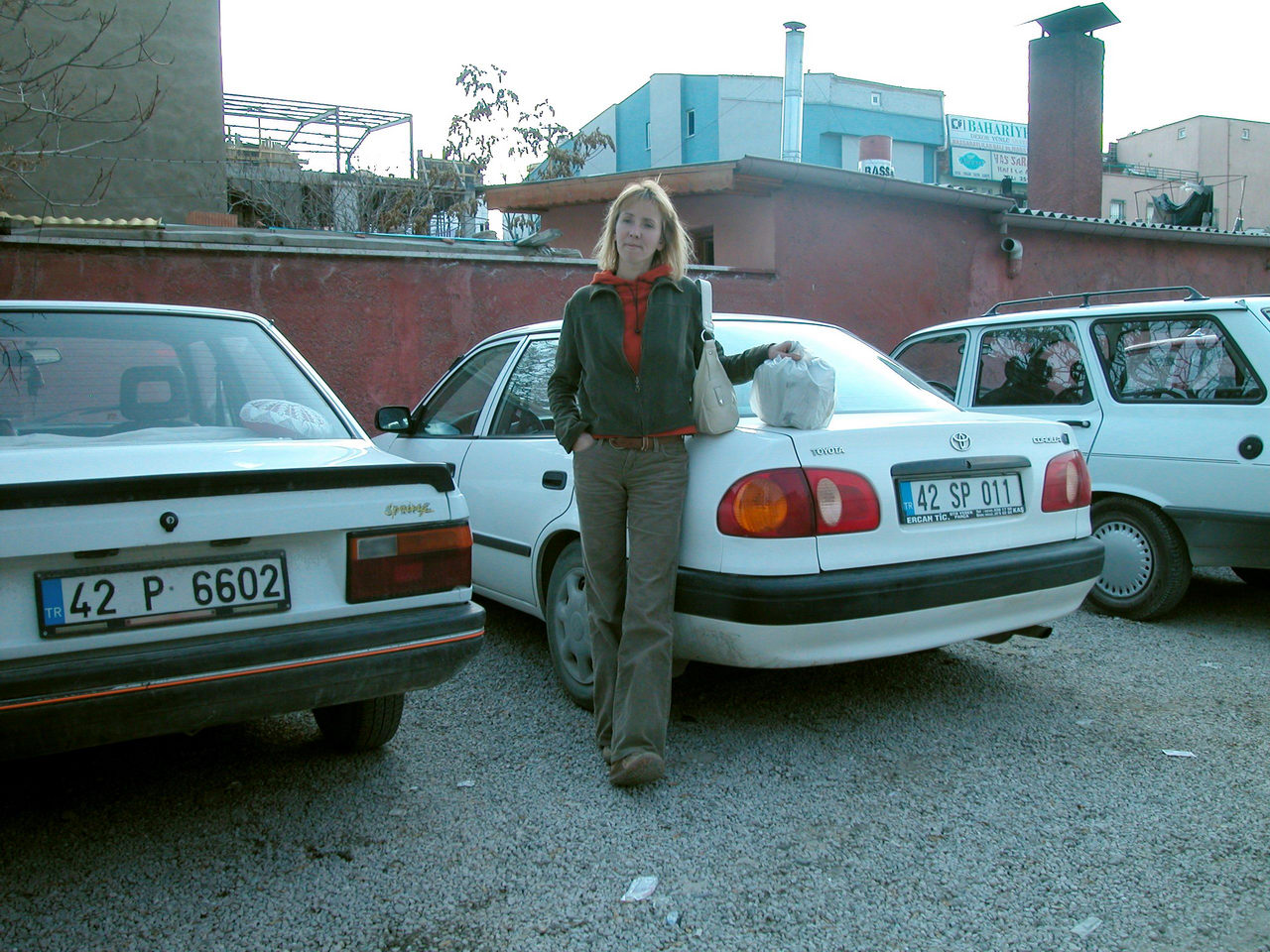
We reached the first town after Konya, Sultanhanı, with no trouble. From there our route took the road from Aksaray to Nevşehir and on to Göreme.
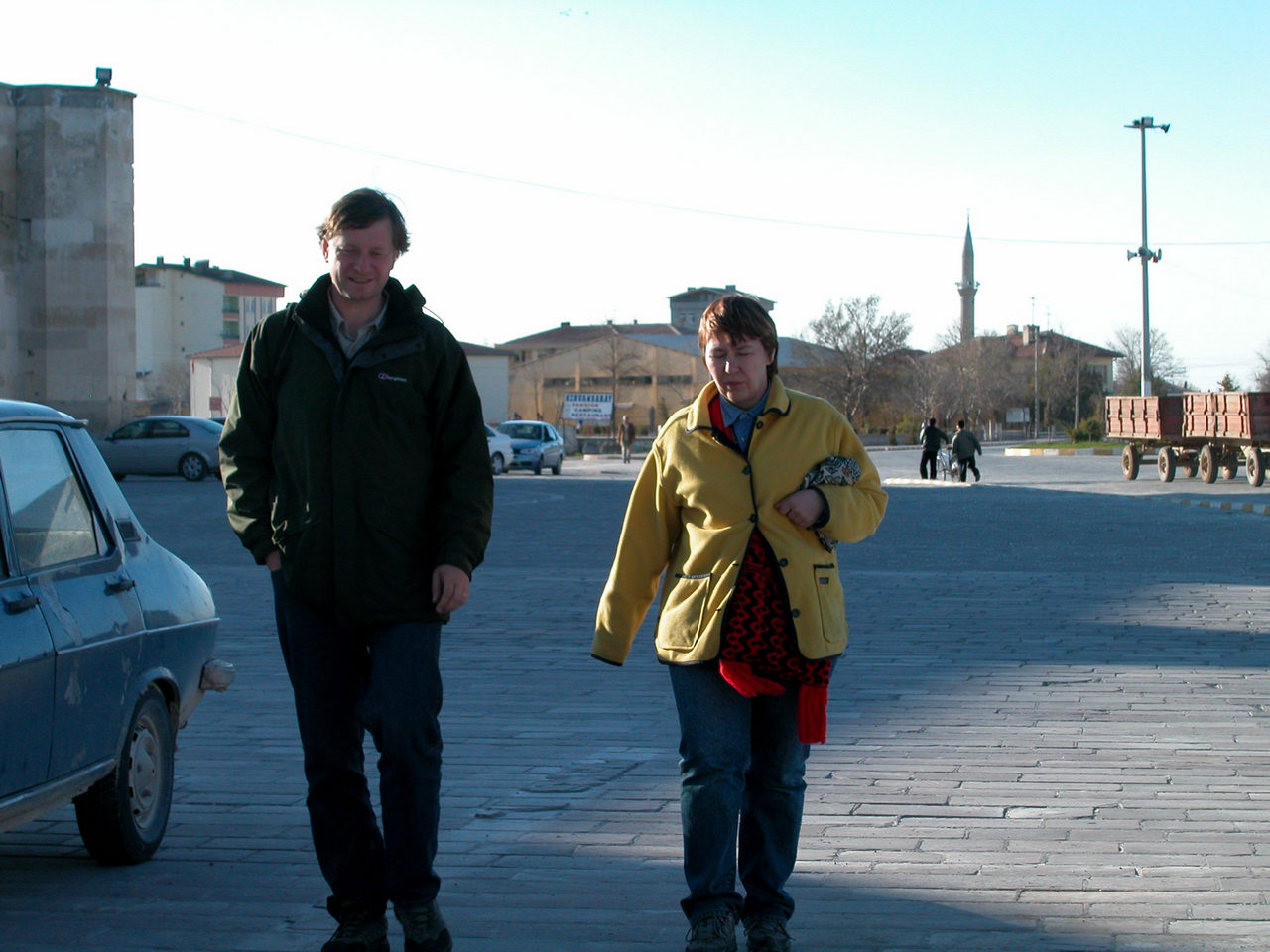
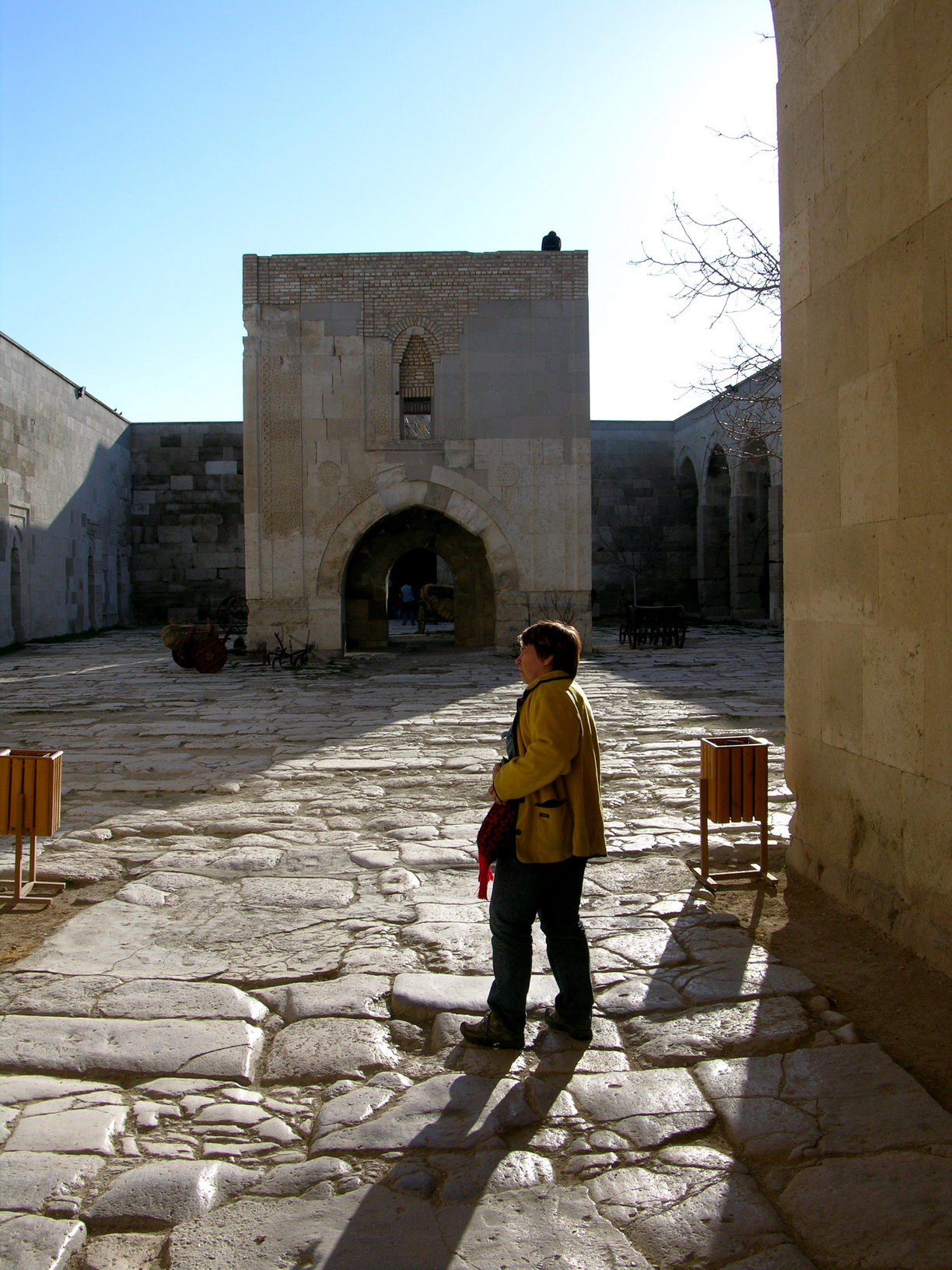
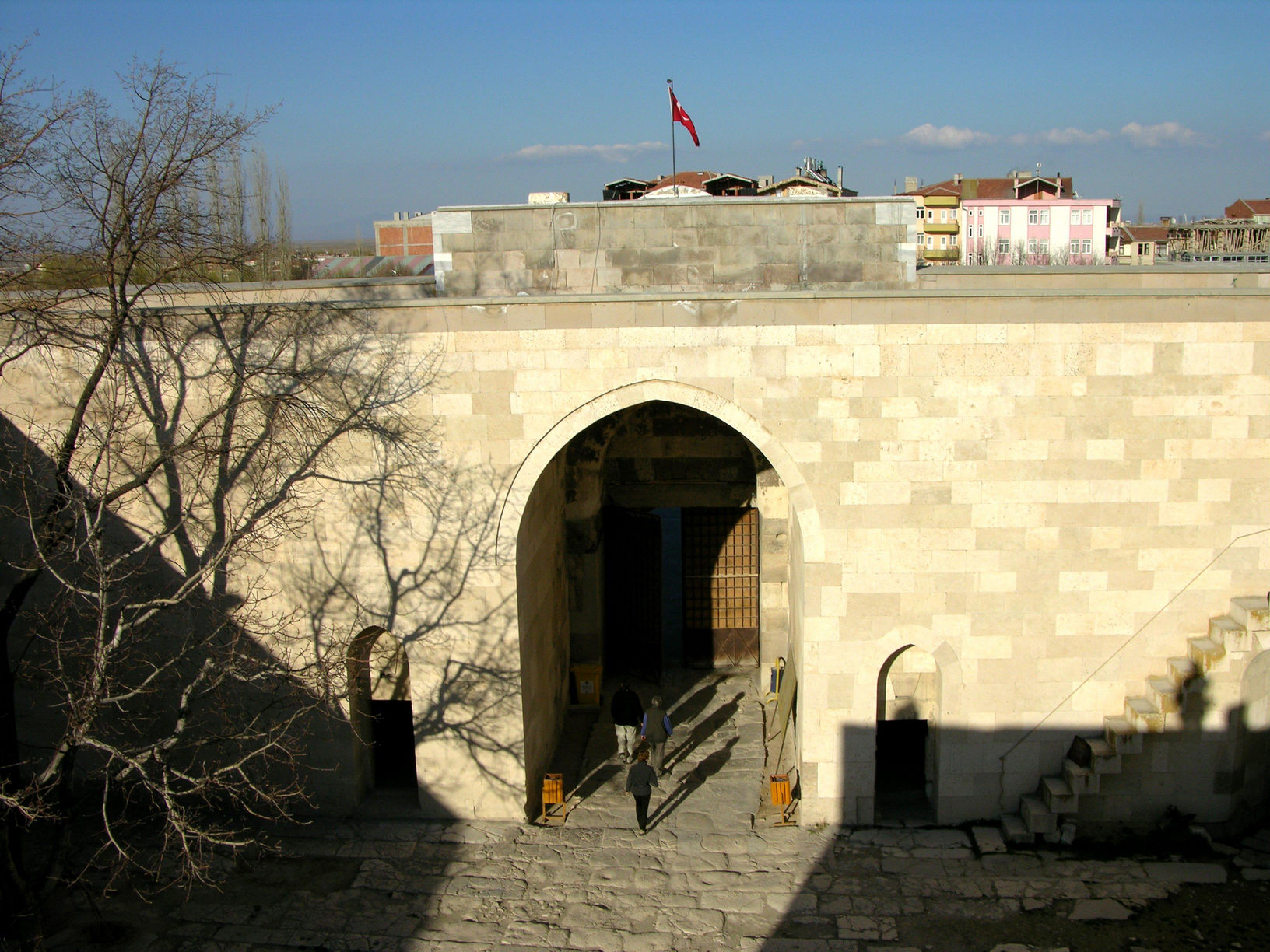
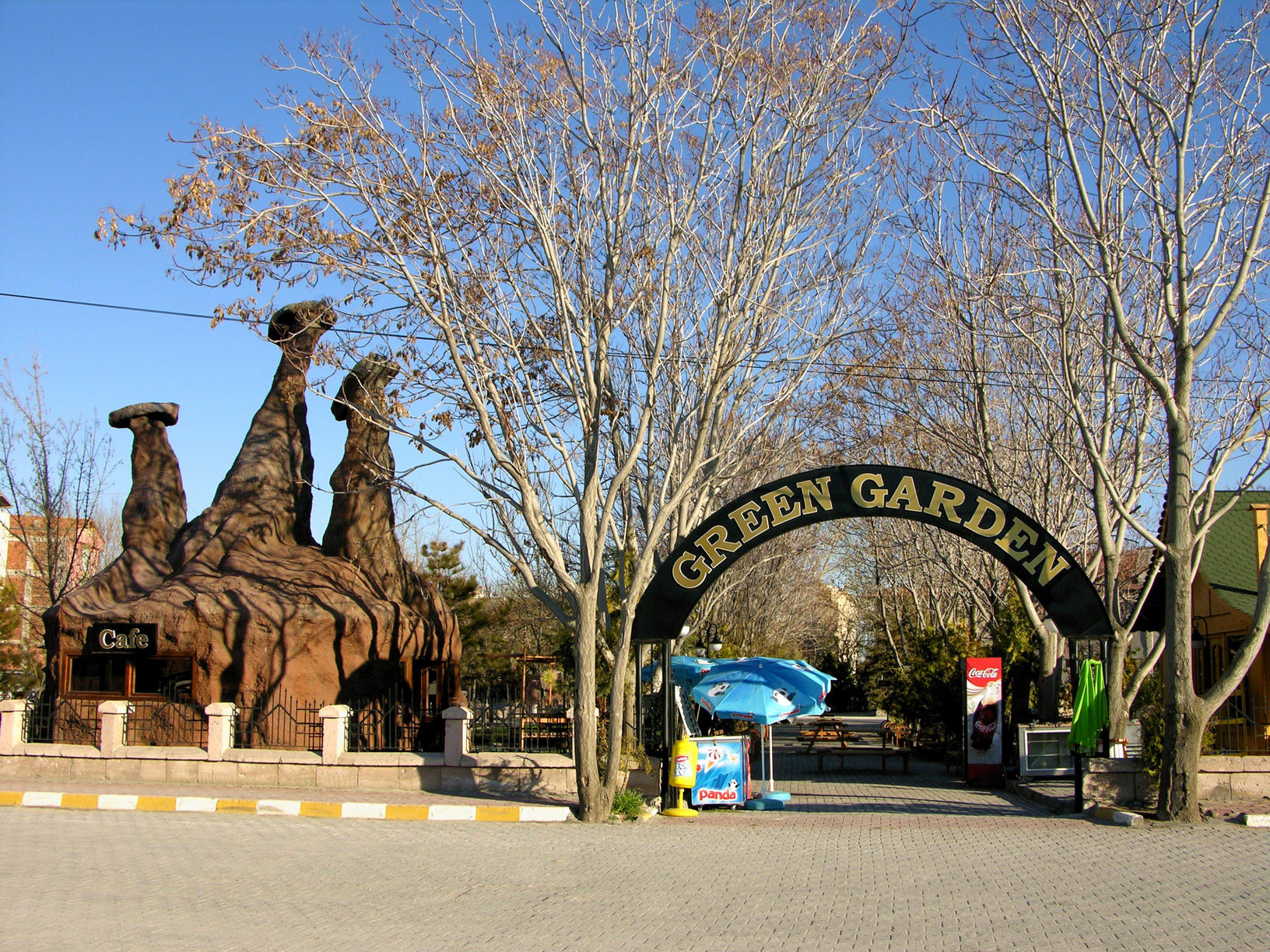
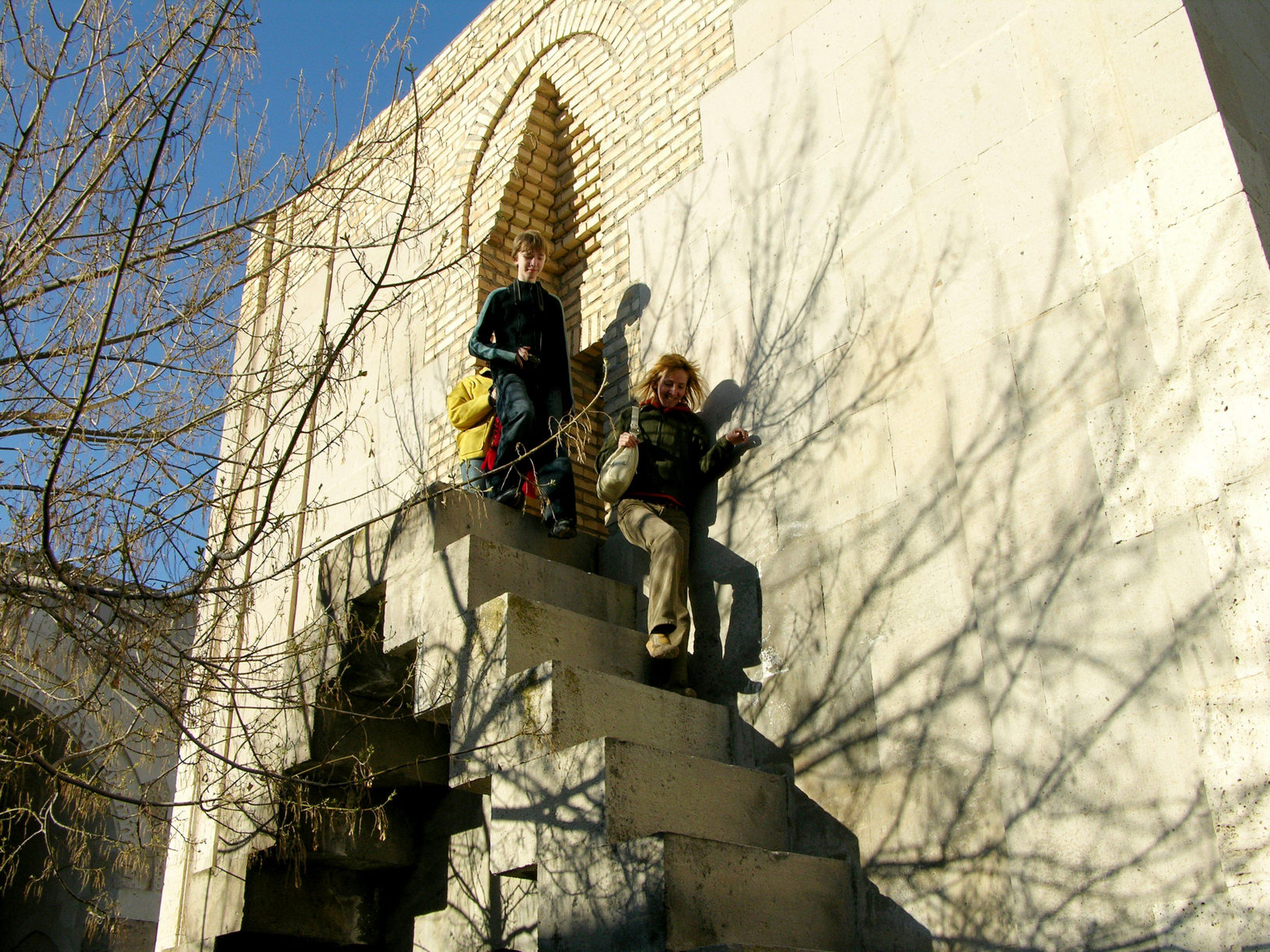
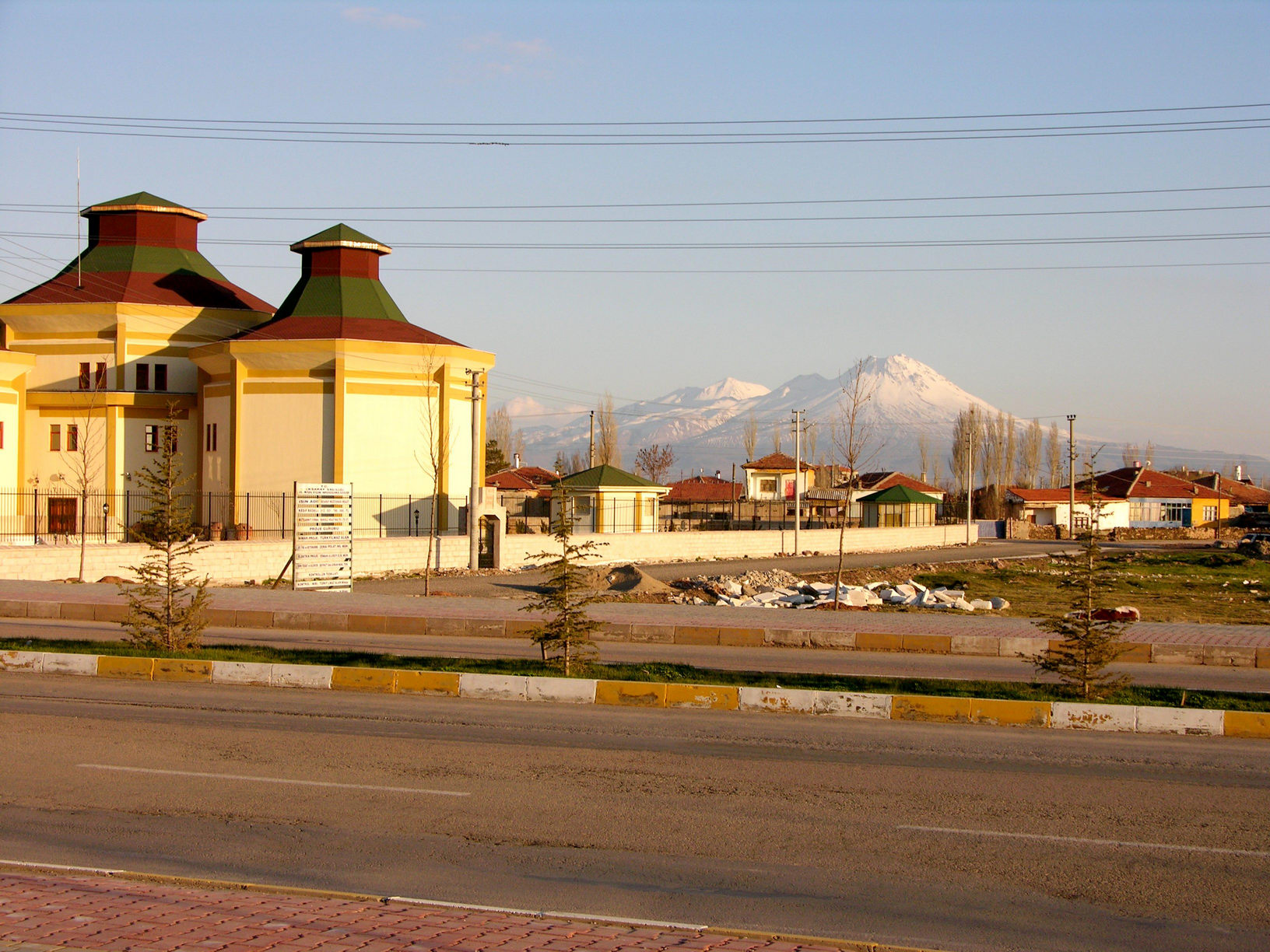
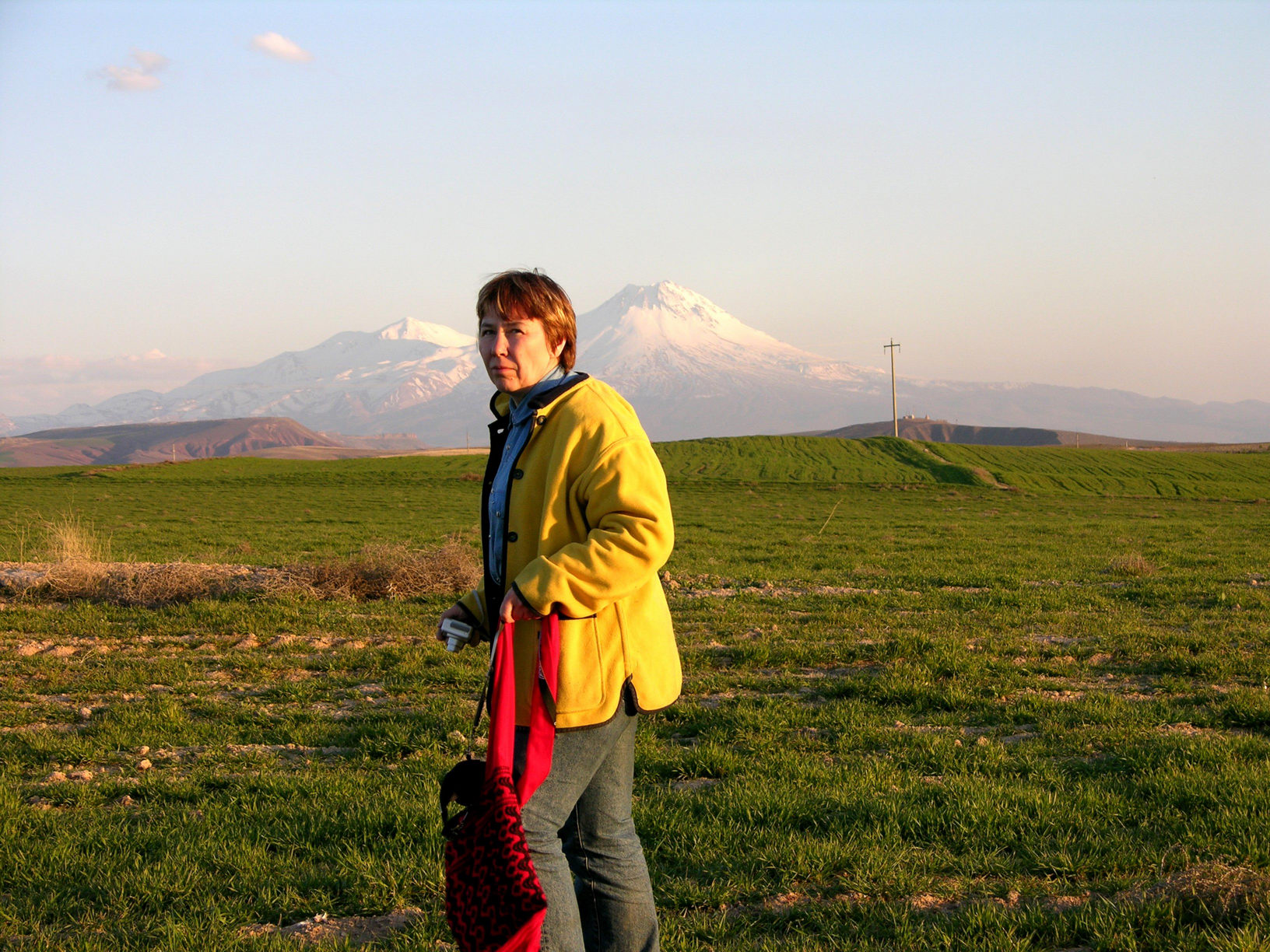
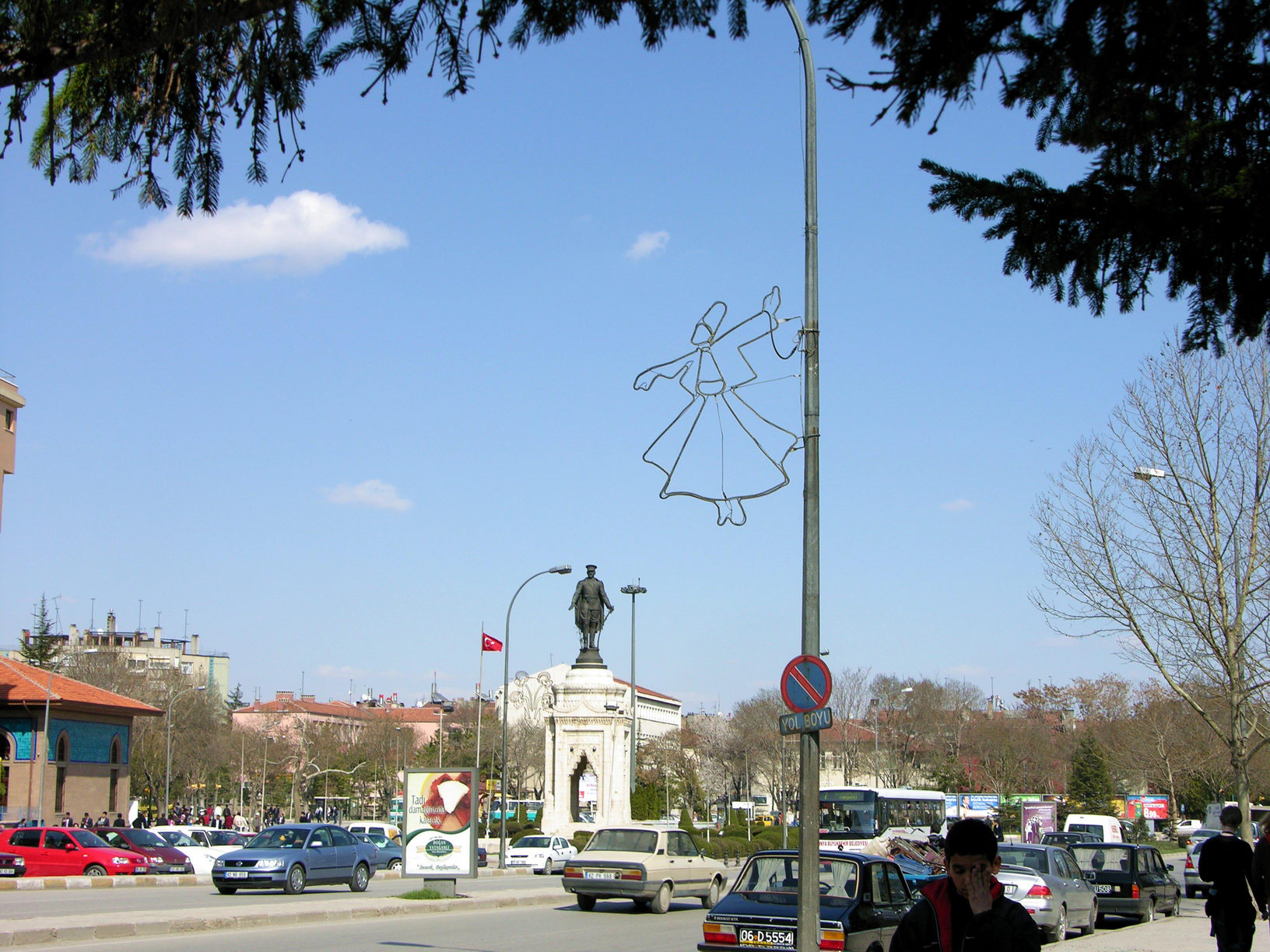
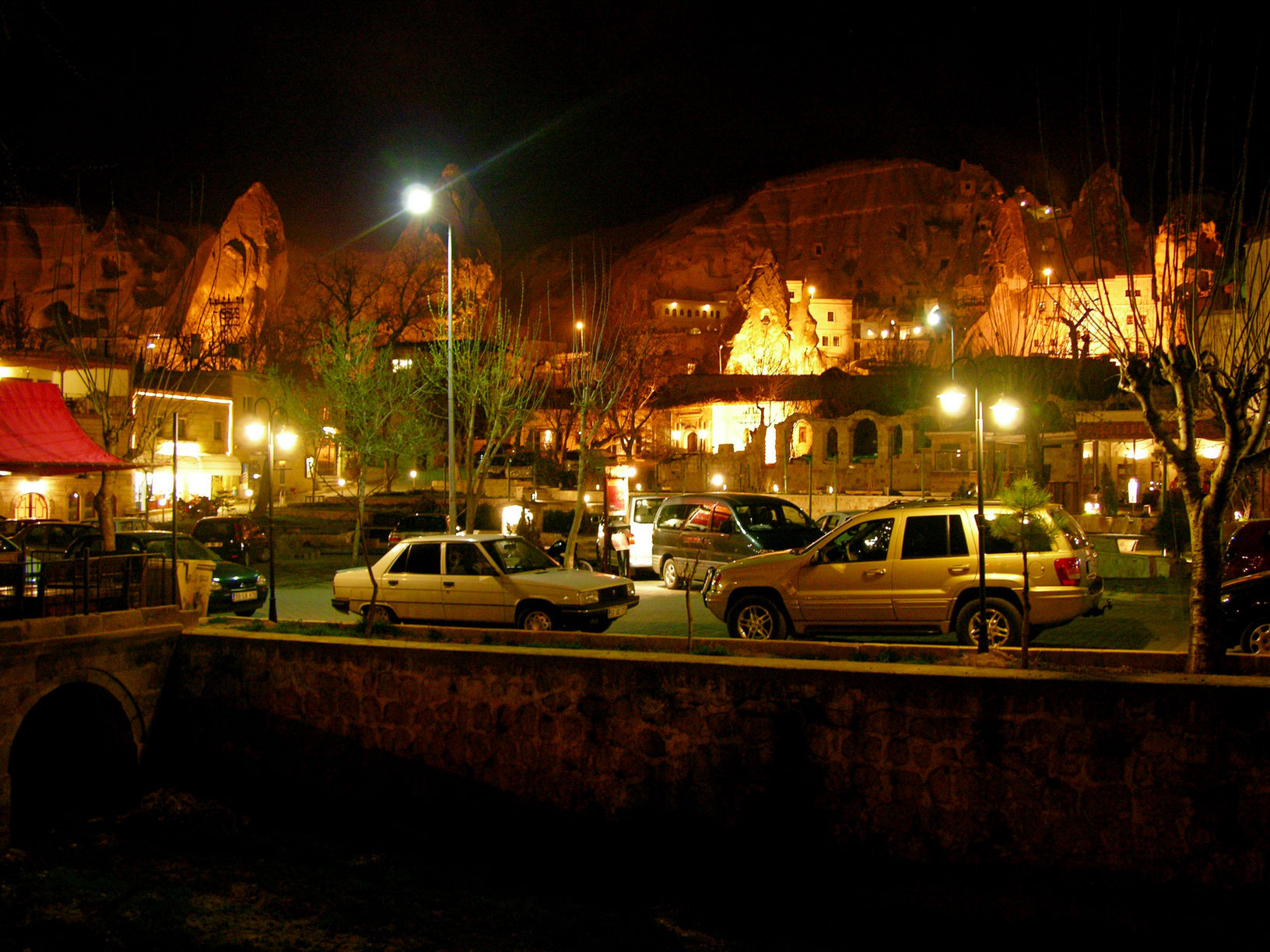
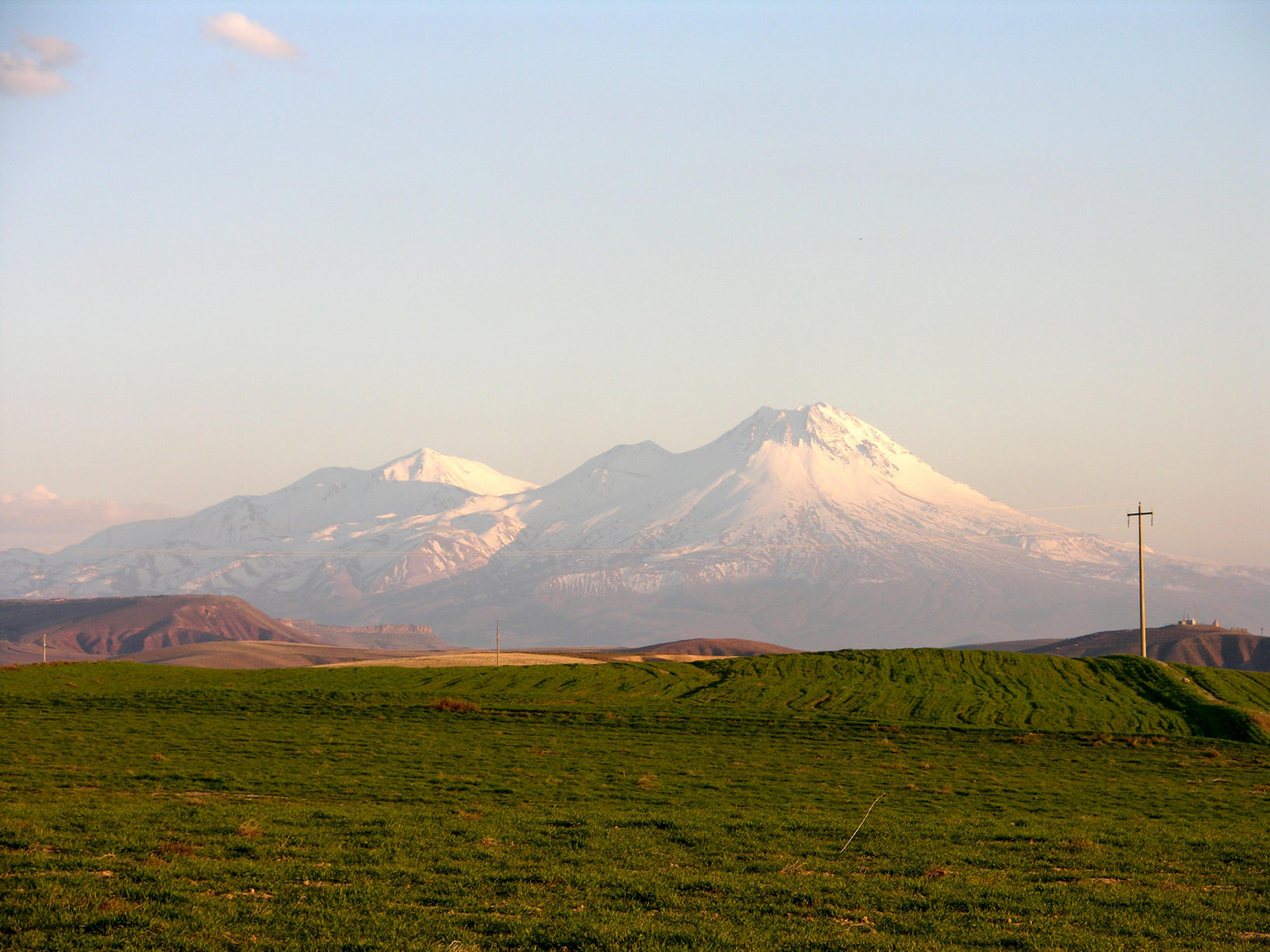
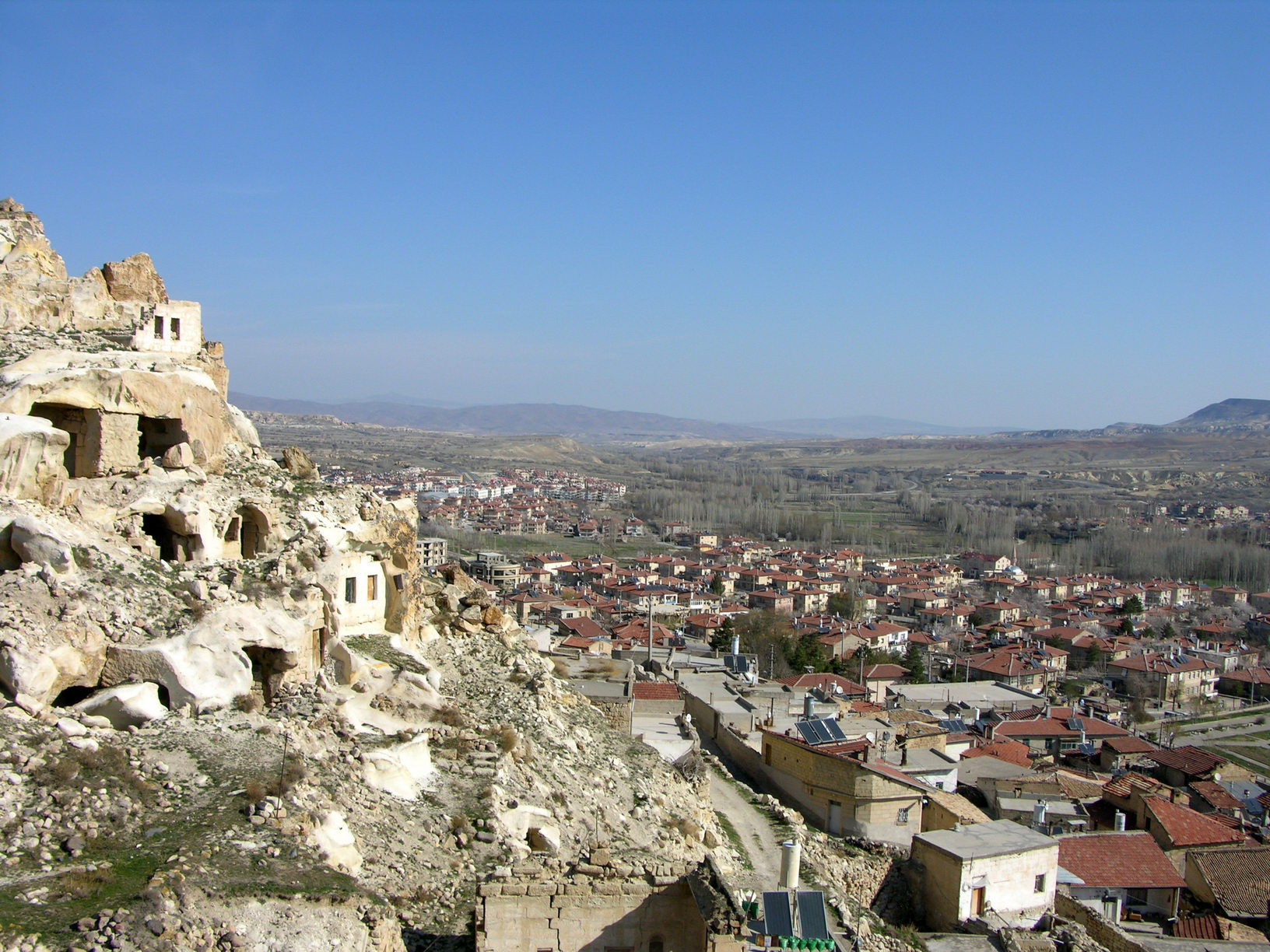
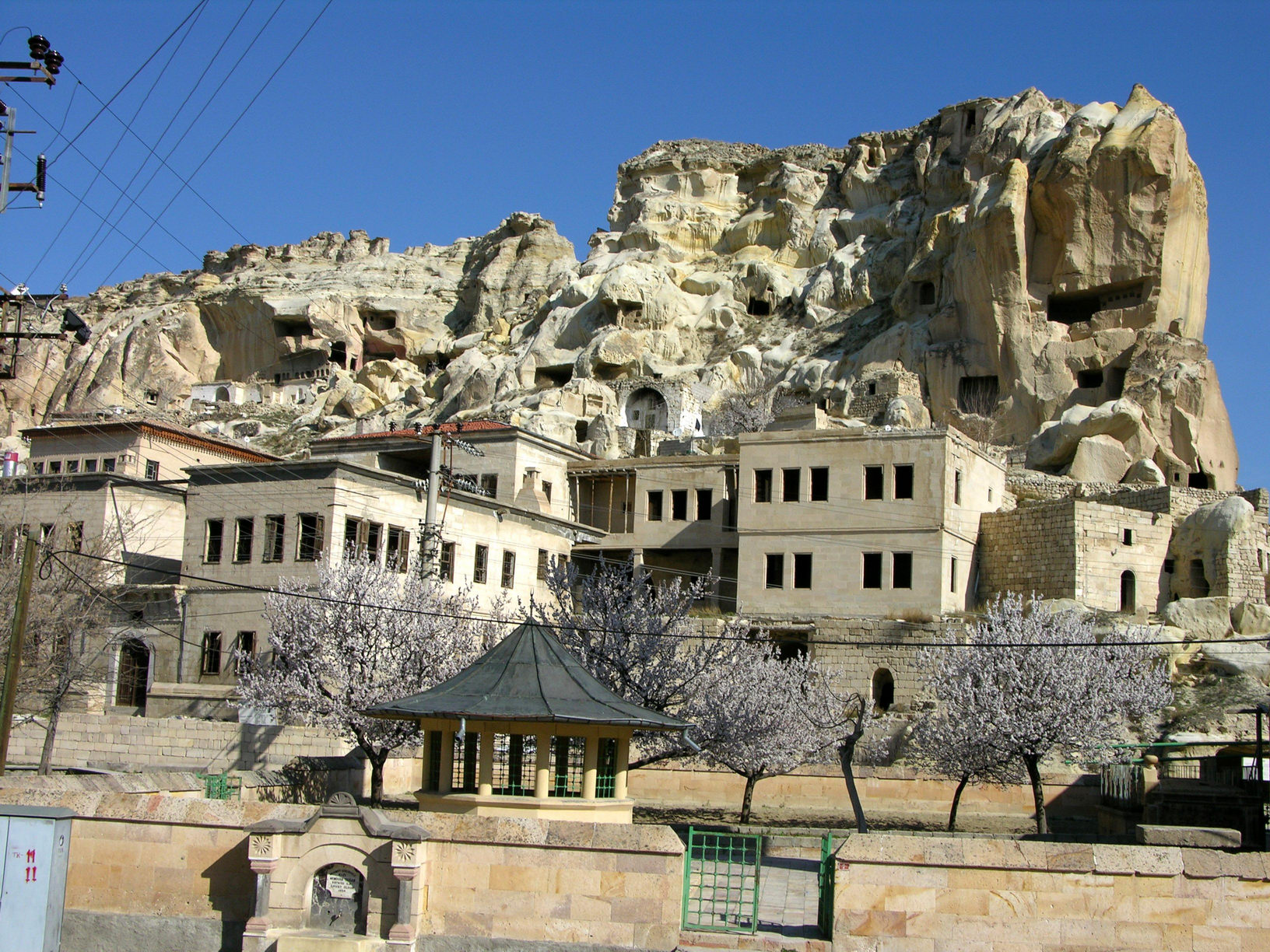
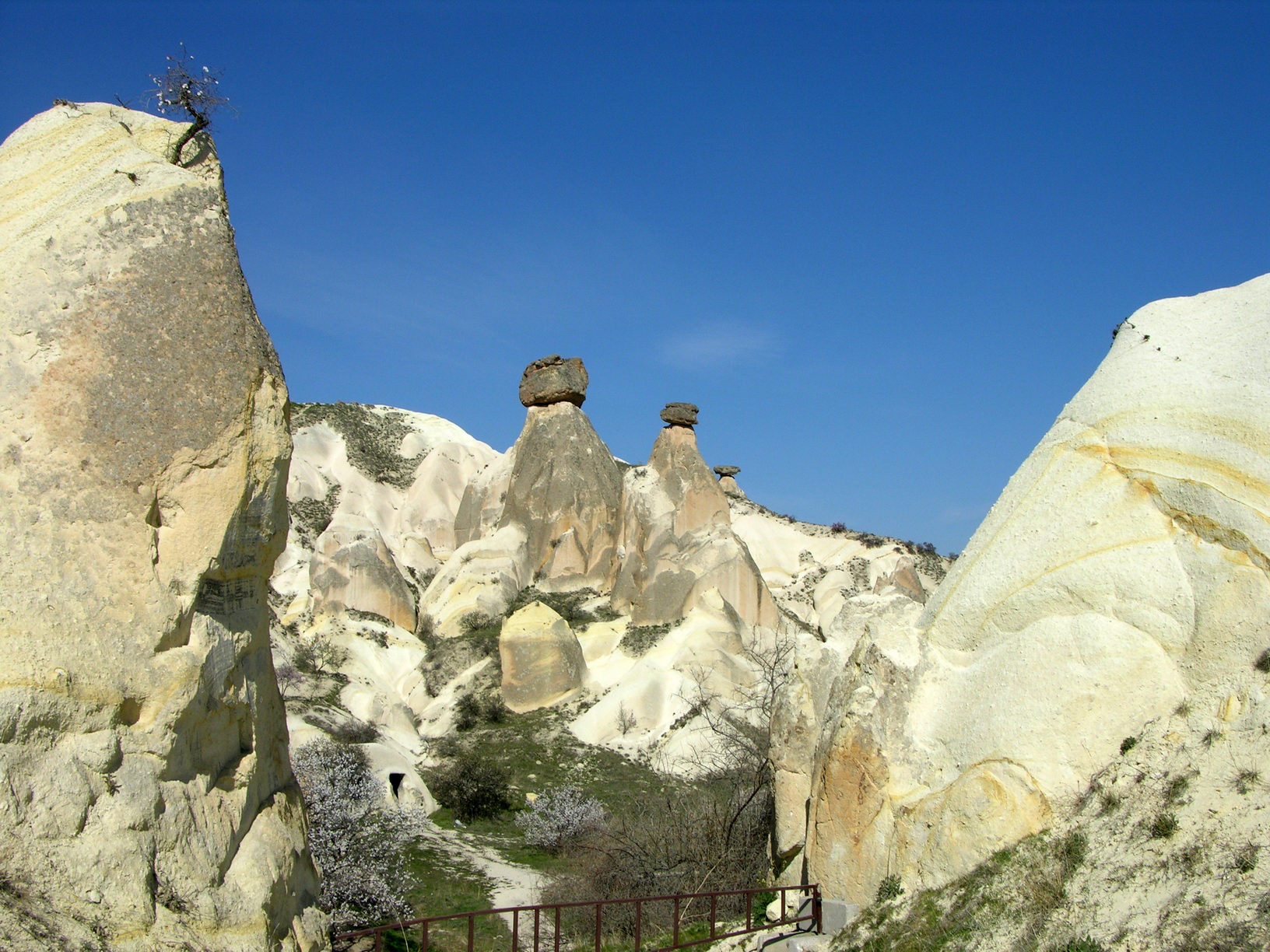
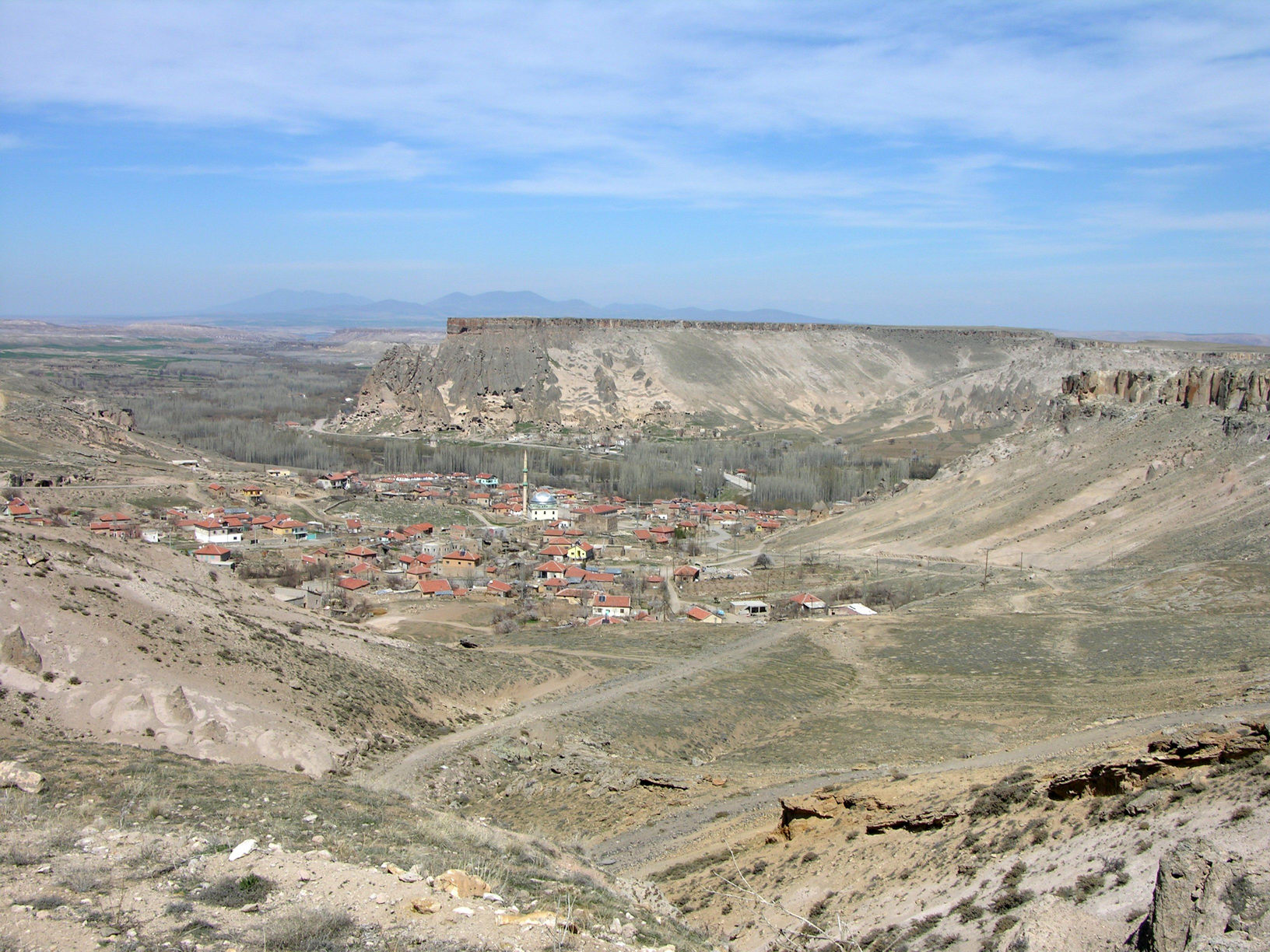
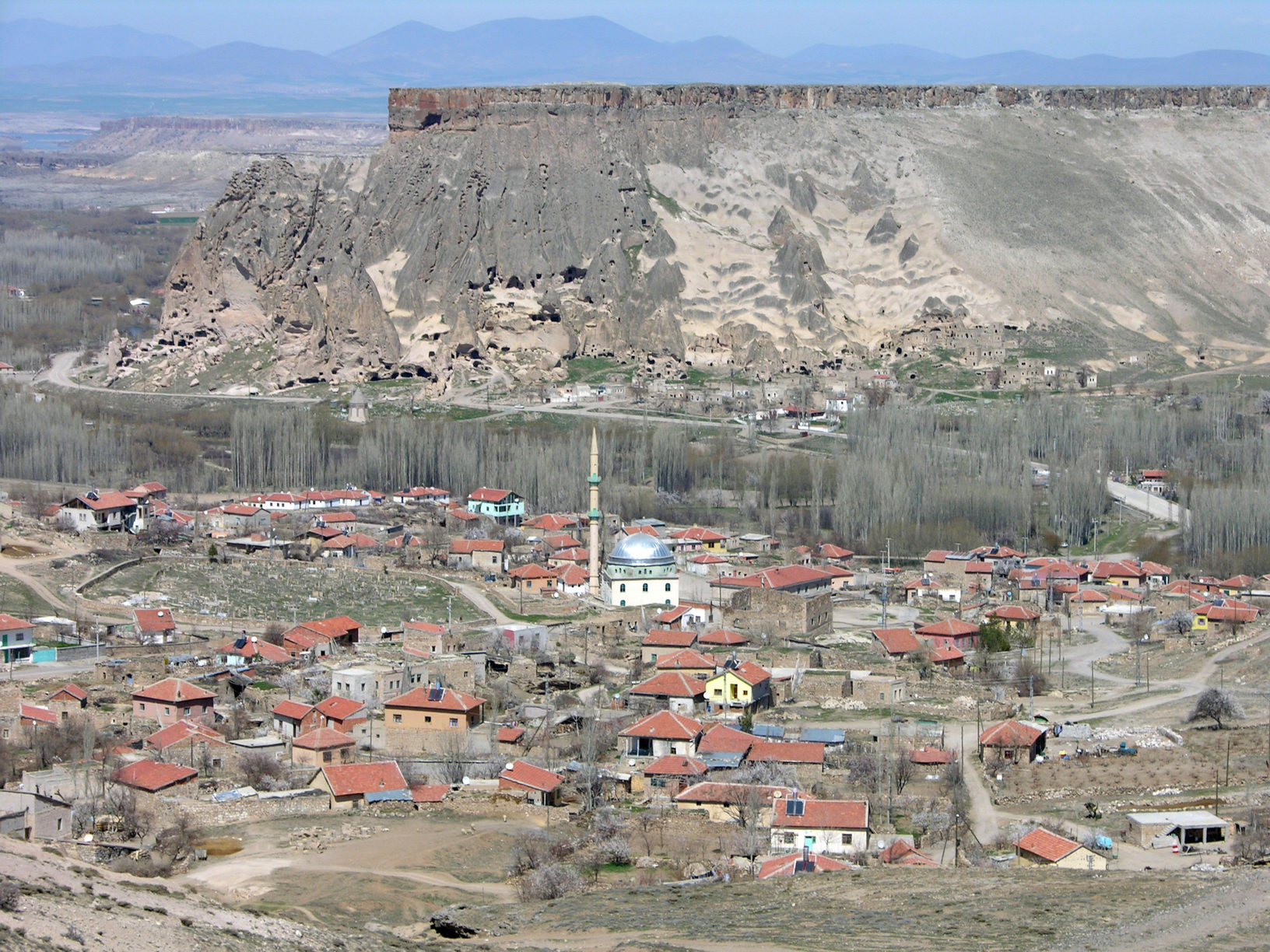
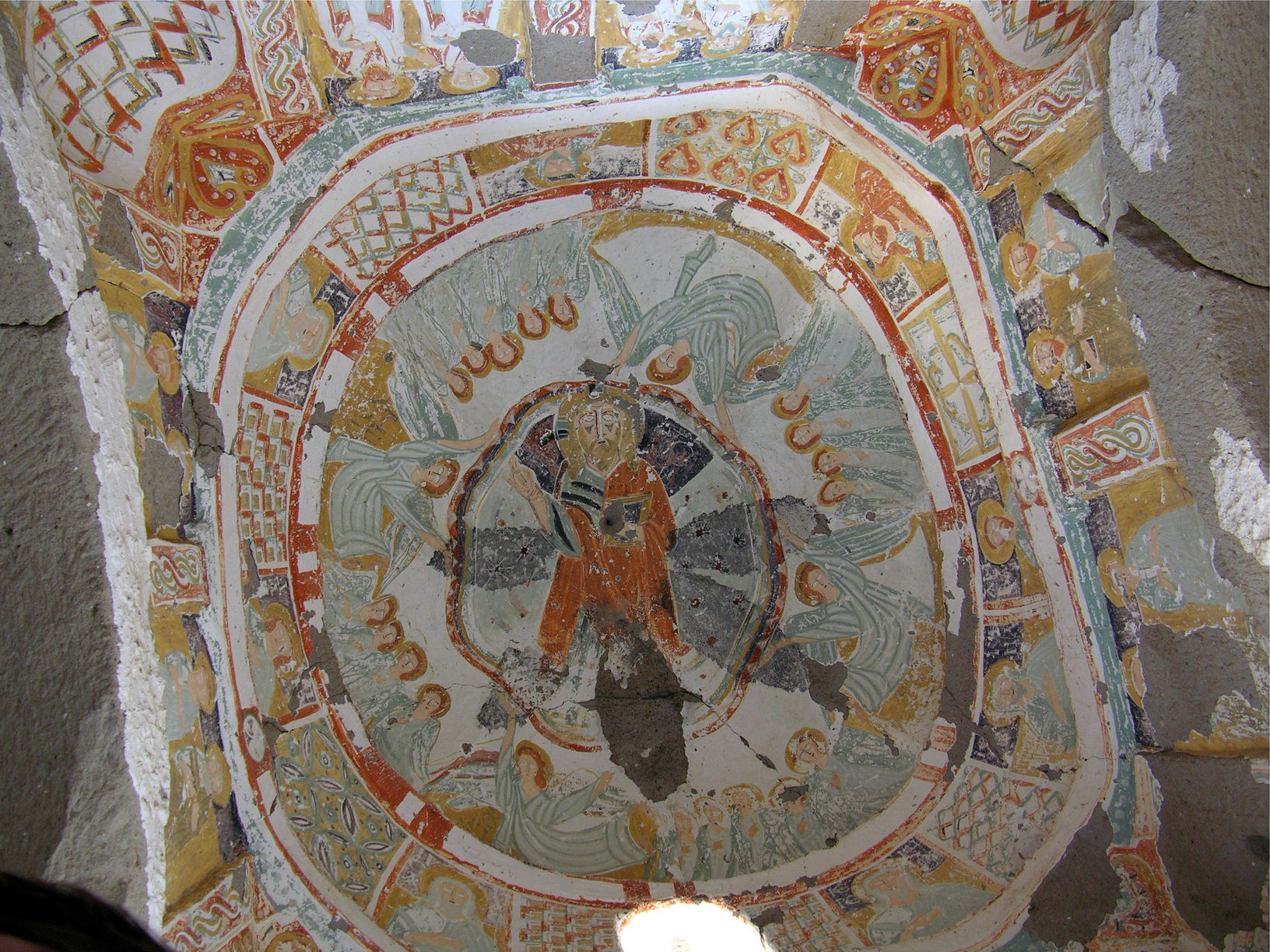
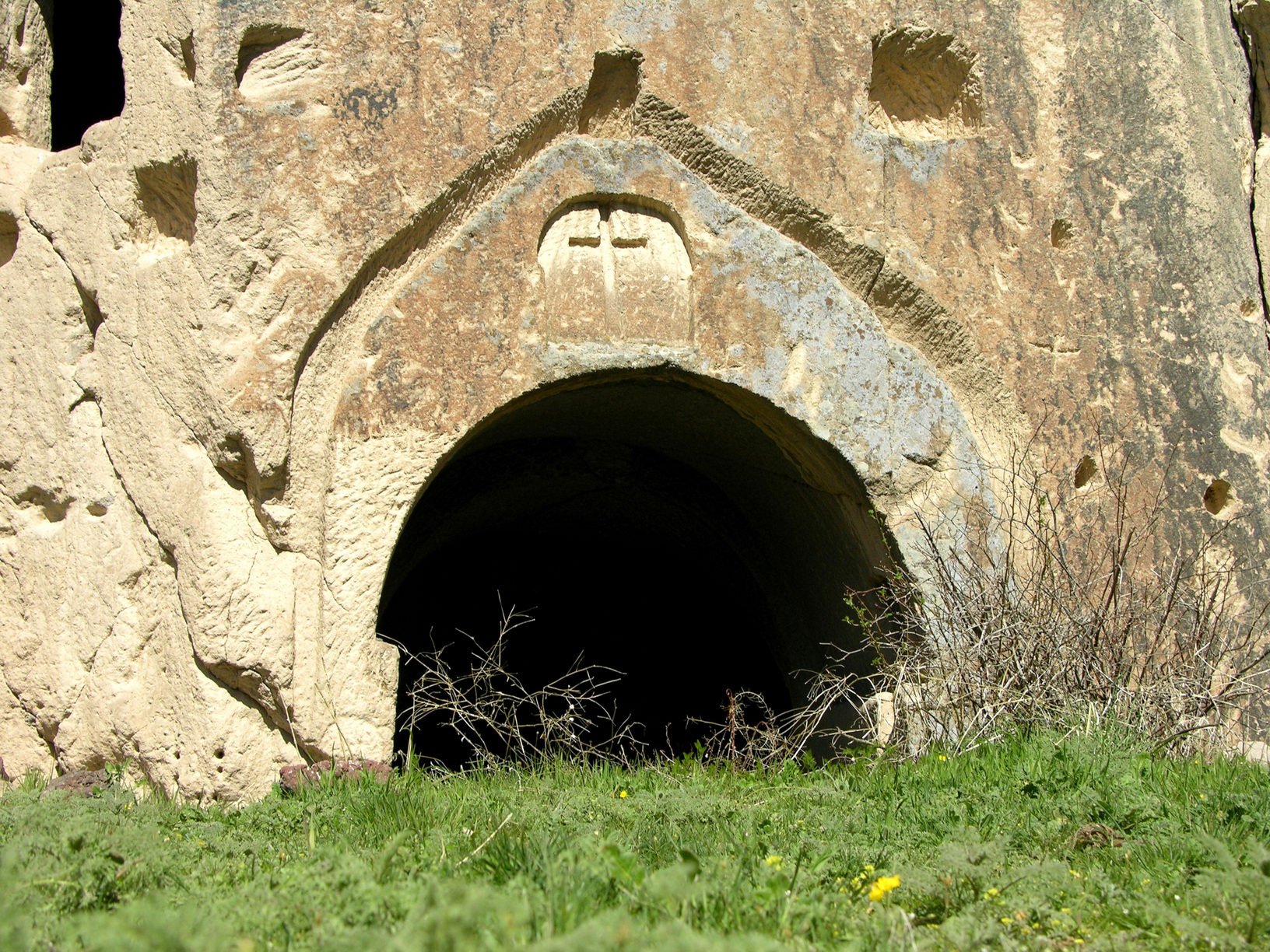
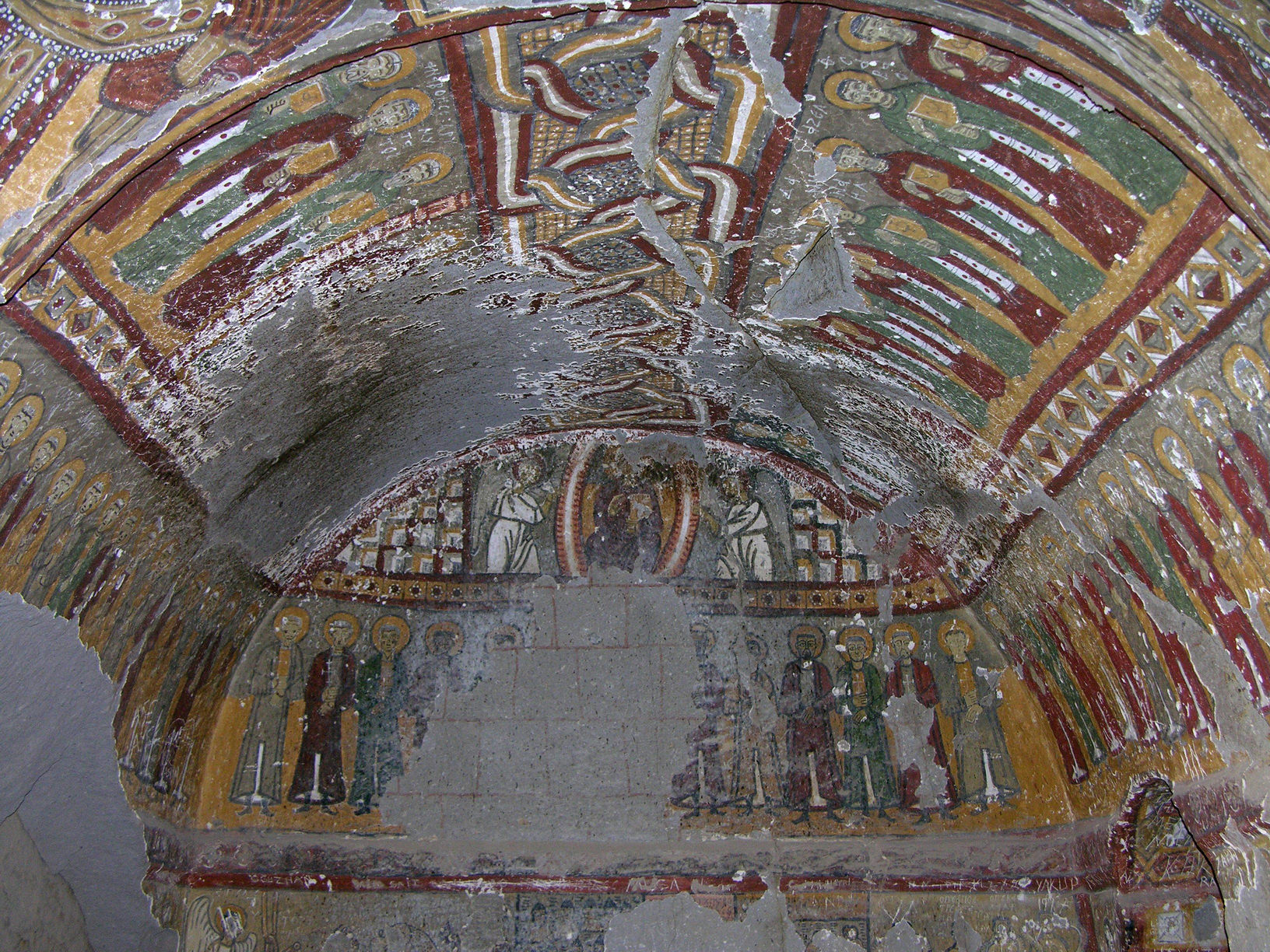
We spent the night in a hotel (38°38.713′N, 34°49.705′E). In the morning we went out for a walk. Göreme is in Cappadocia, a land of astonishing mushrooms carved out of volcanic rock. Mount Erciyes is nearby. Long ago, during different eruptions, ash went up and lava flowed sideways, creating a layered cake. Erosion turned it into a landscape of fantastic shapes. The early Christians, including Armenians, finished the job, cutting countless caves as homes and churches. Times were hard, and the Armenians here knew persecution long before the 1915 genocide. They were genuine cave-dwelling Christians. In a cave you can hide from a sabre-toothed tiger just as effectively as from people of another faith.
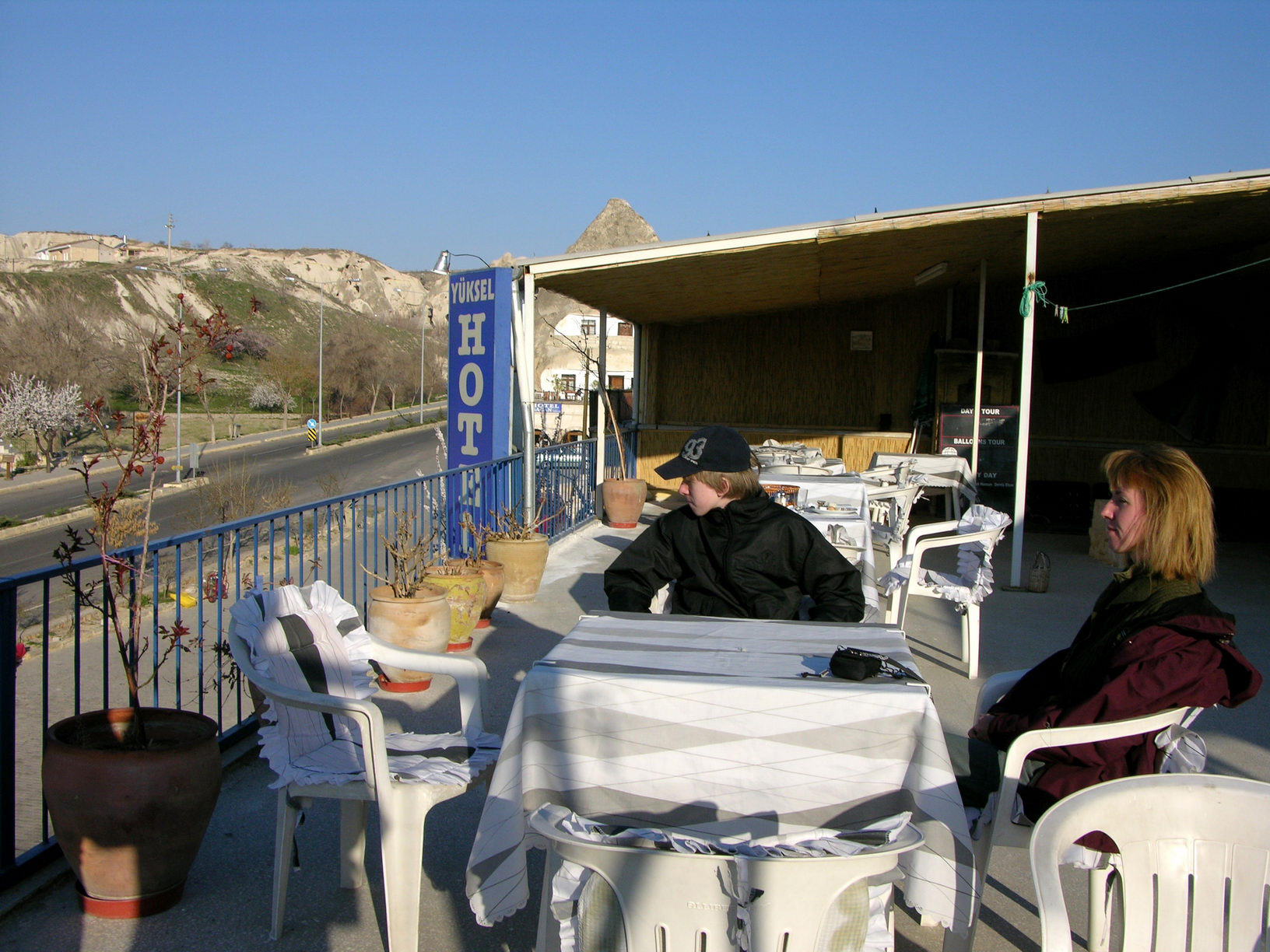
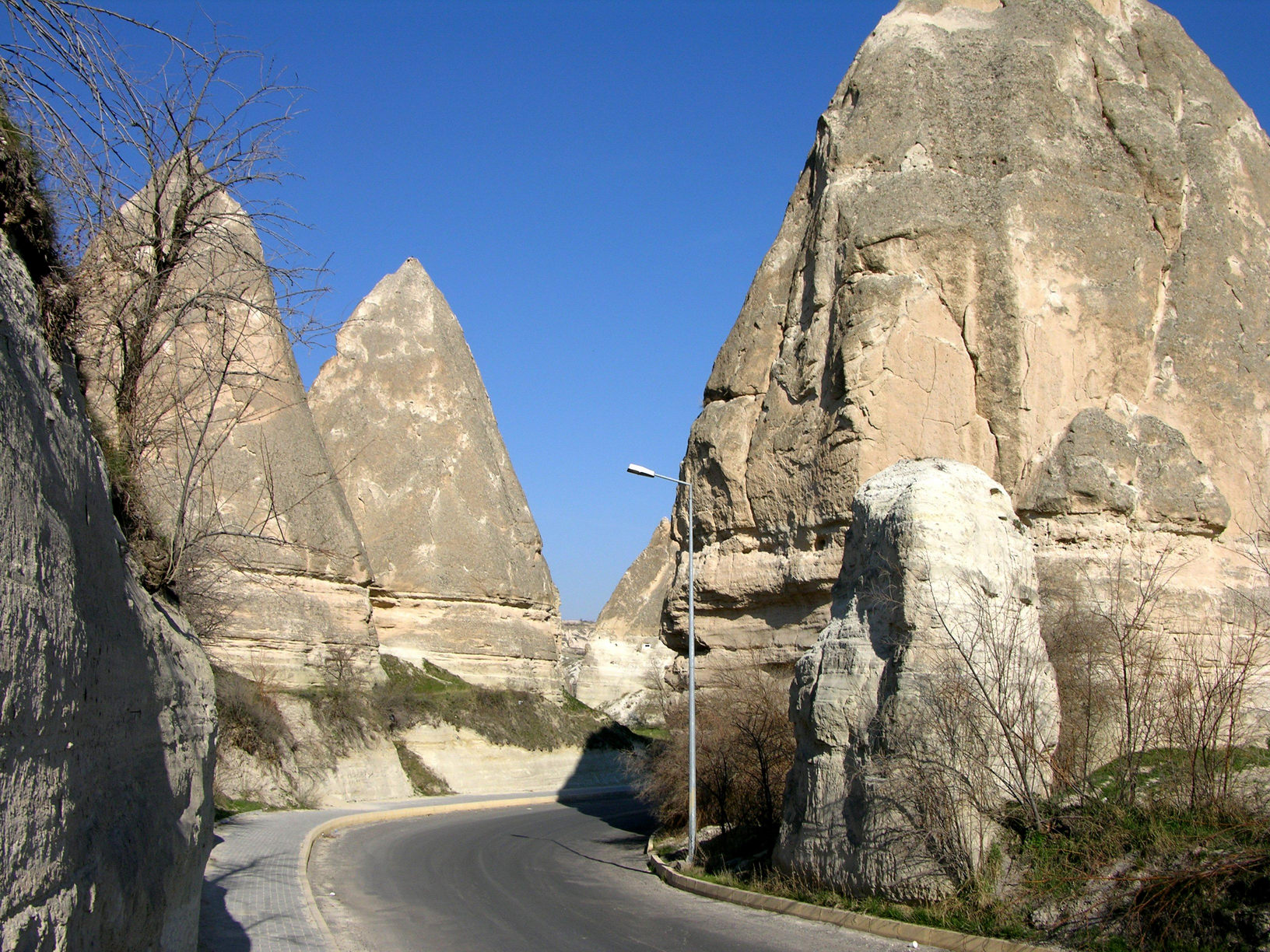
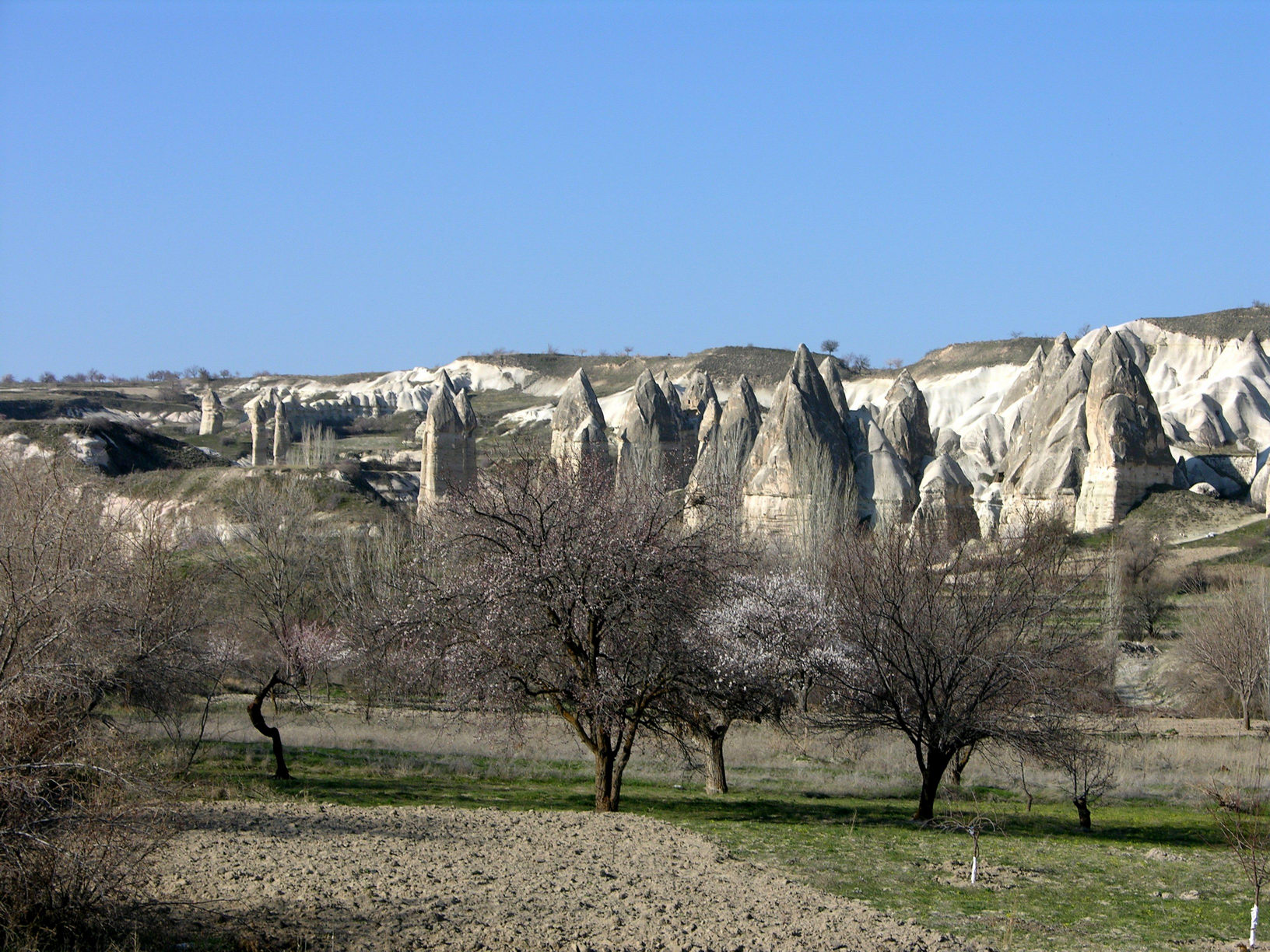
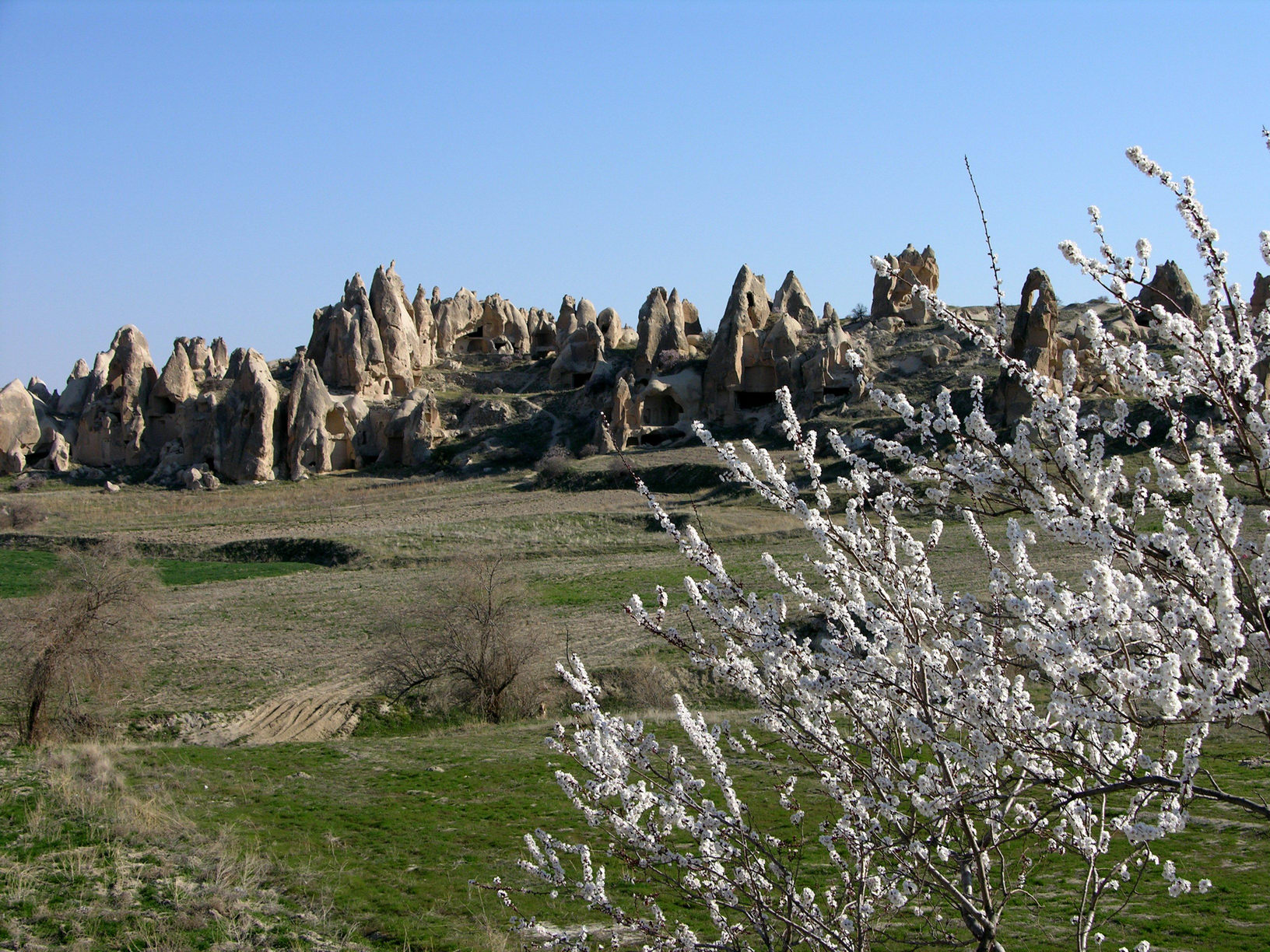
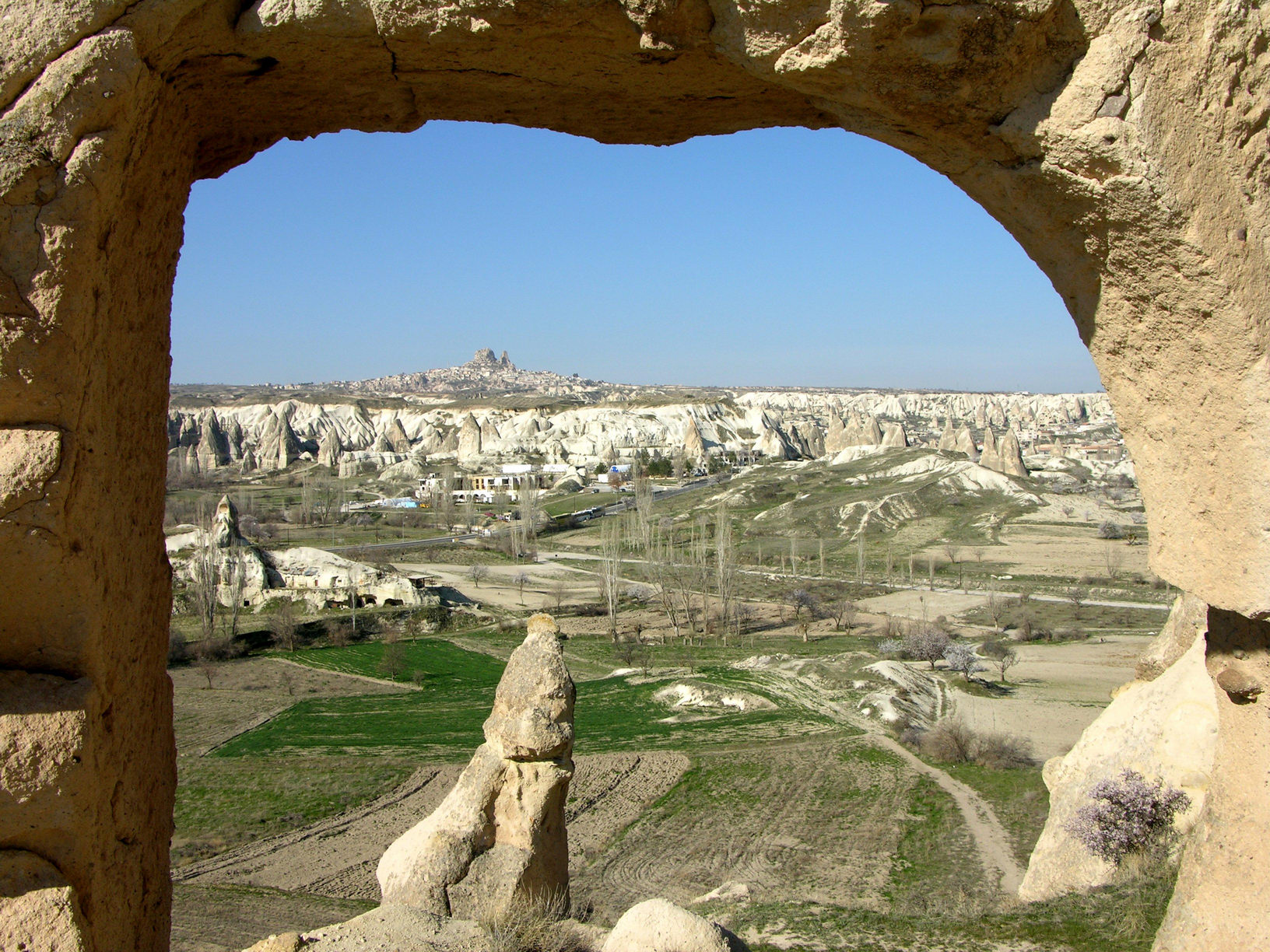
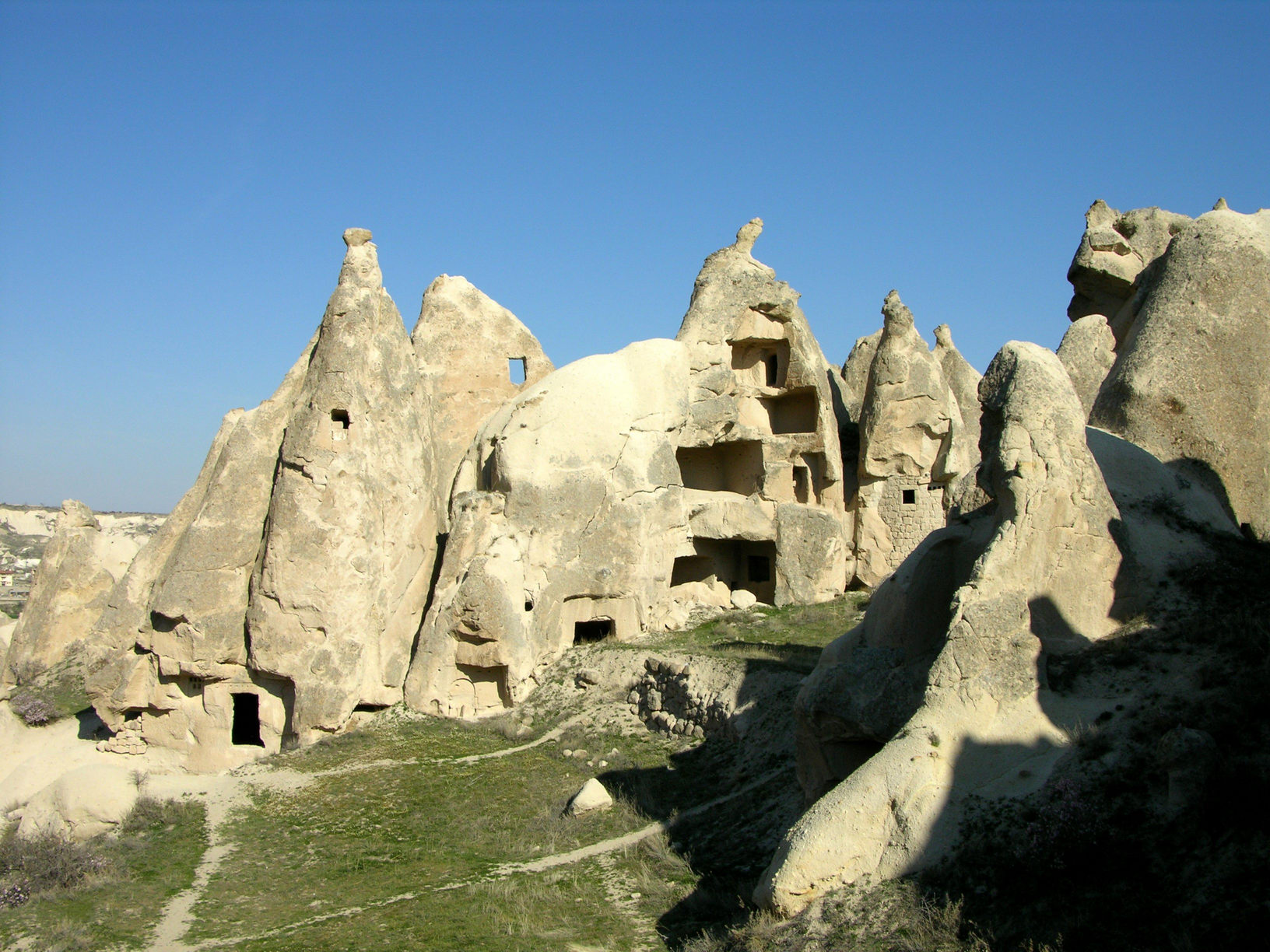
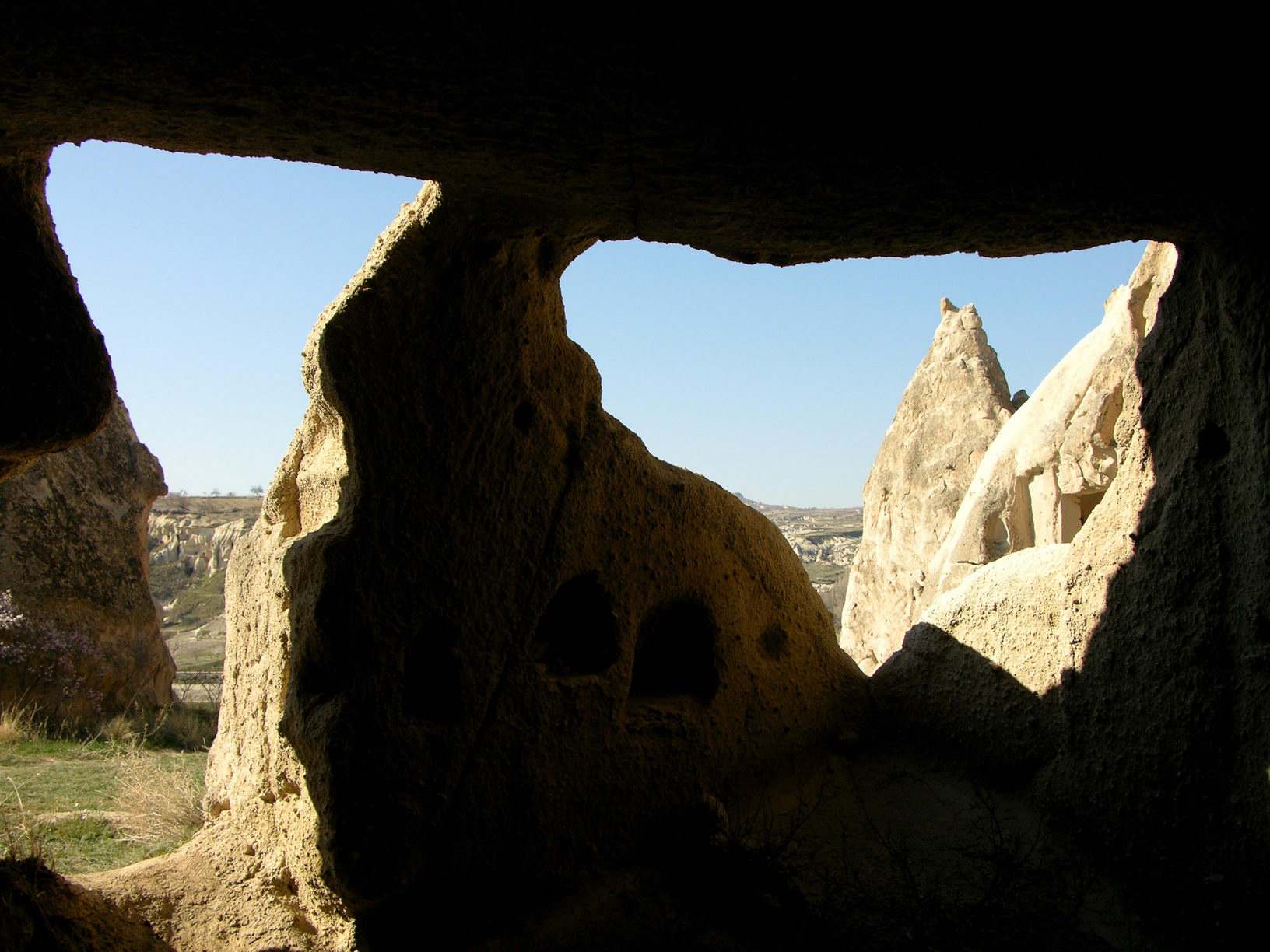
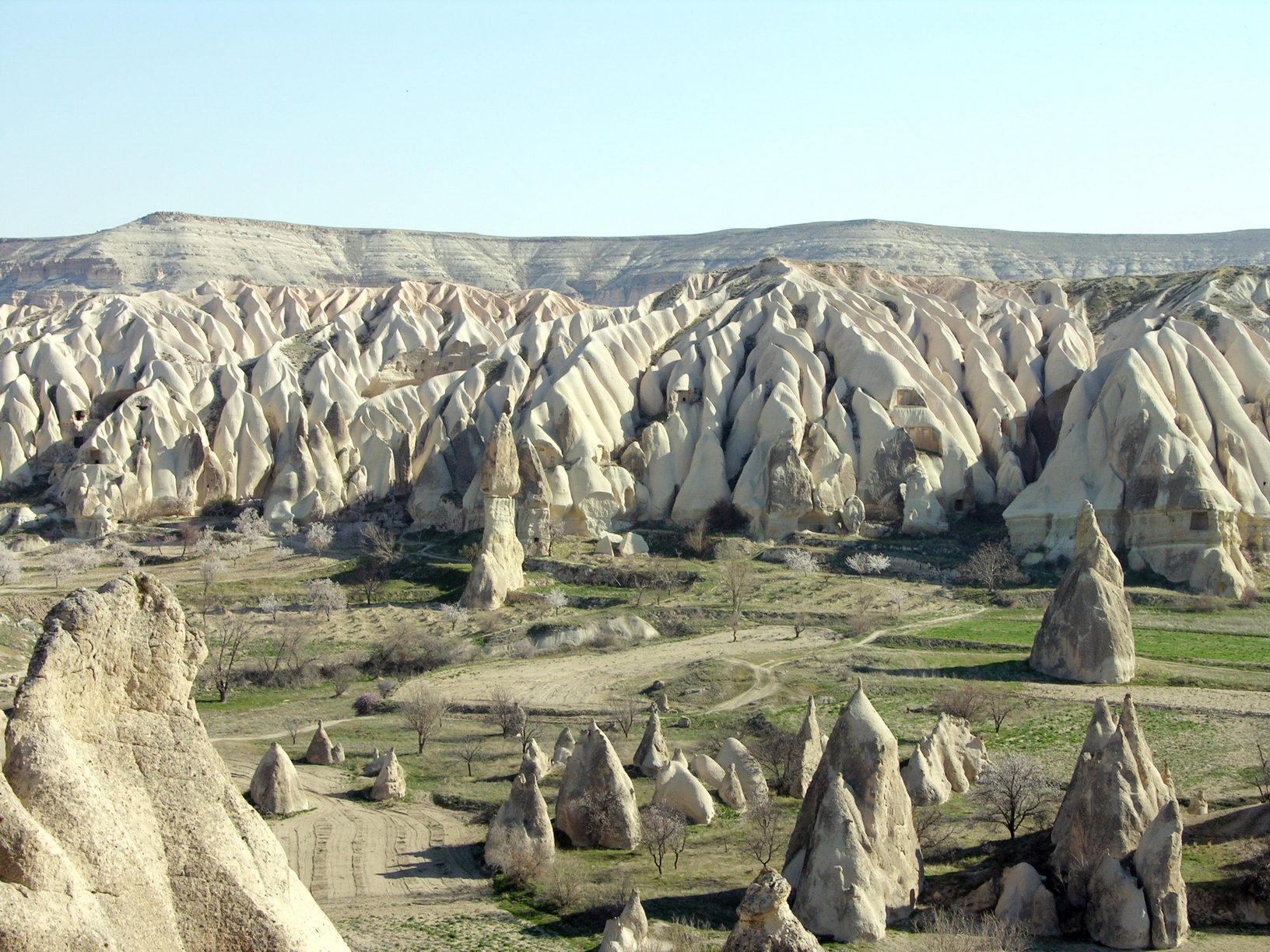
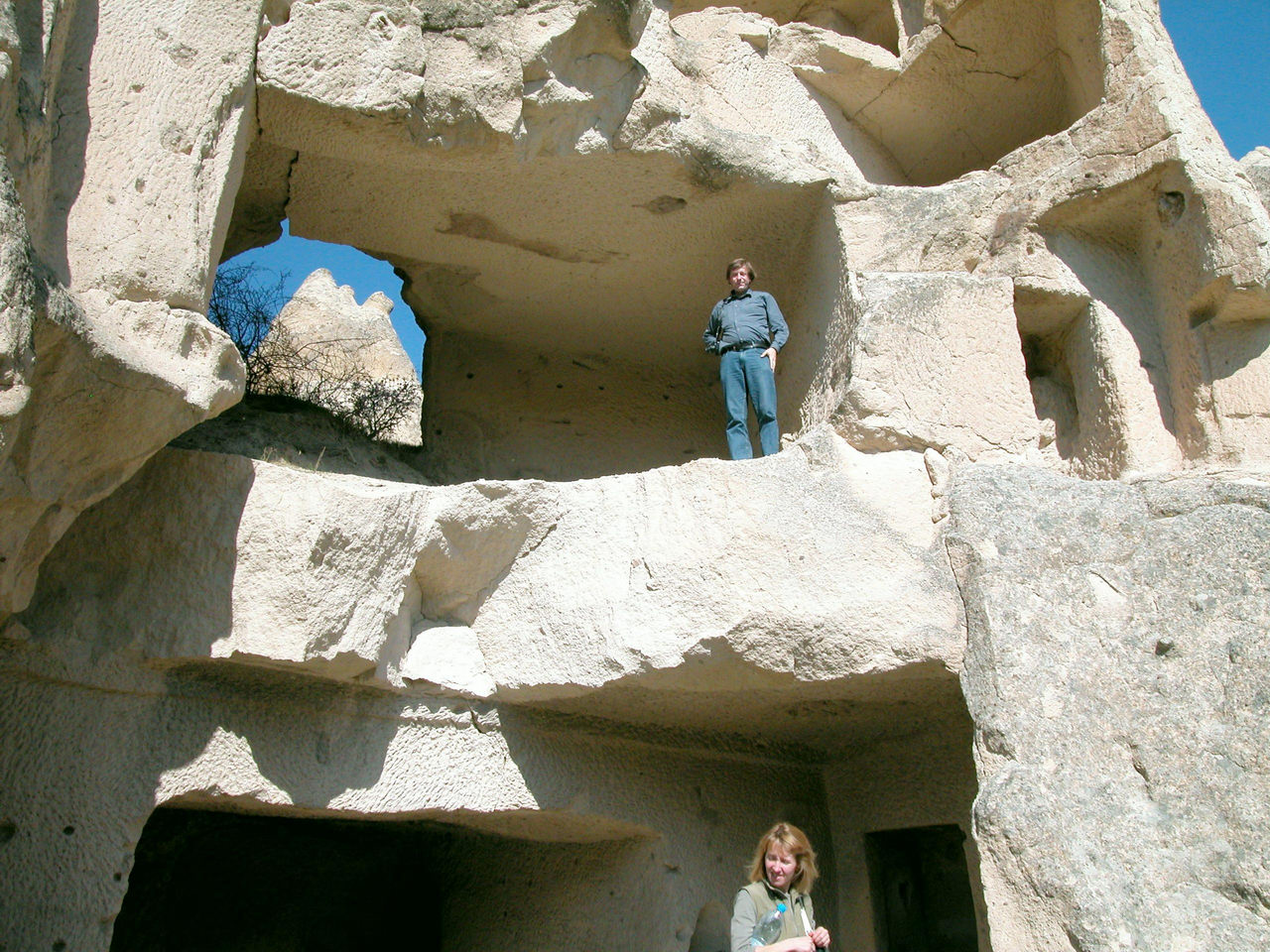
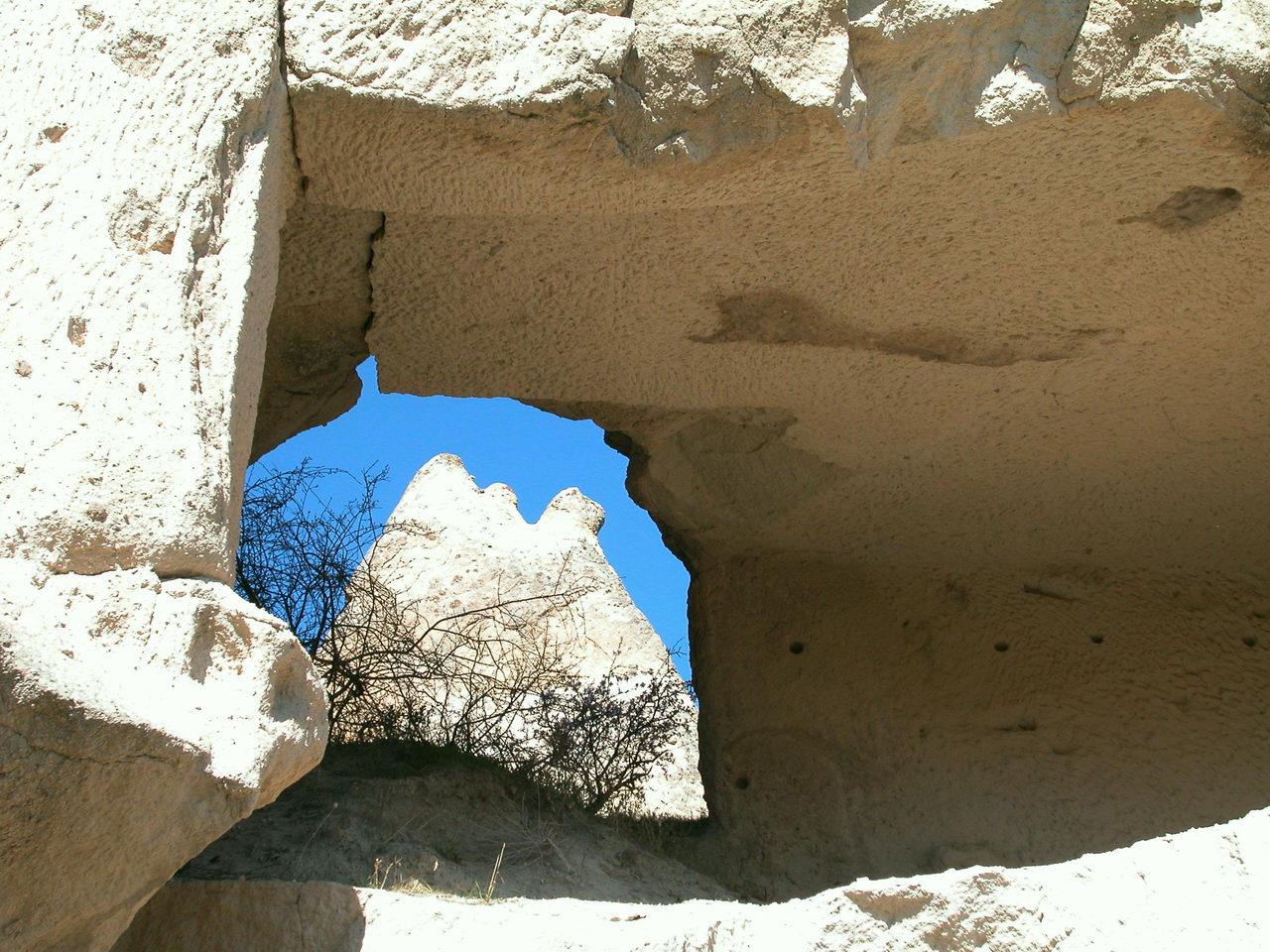
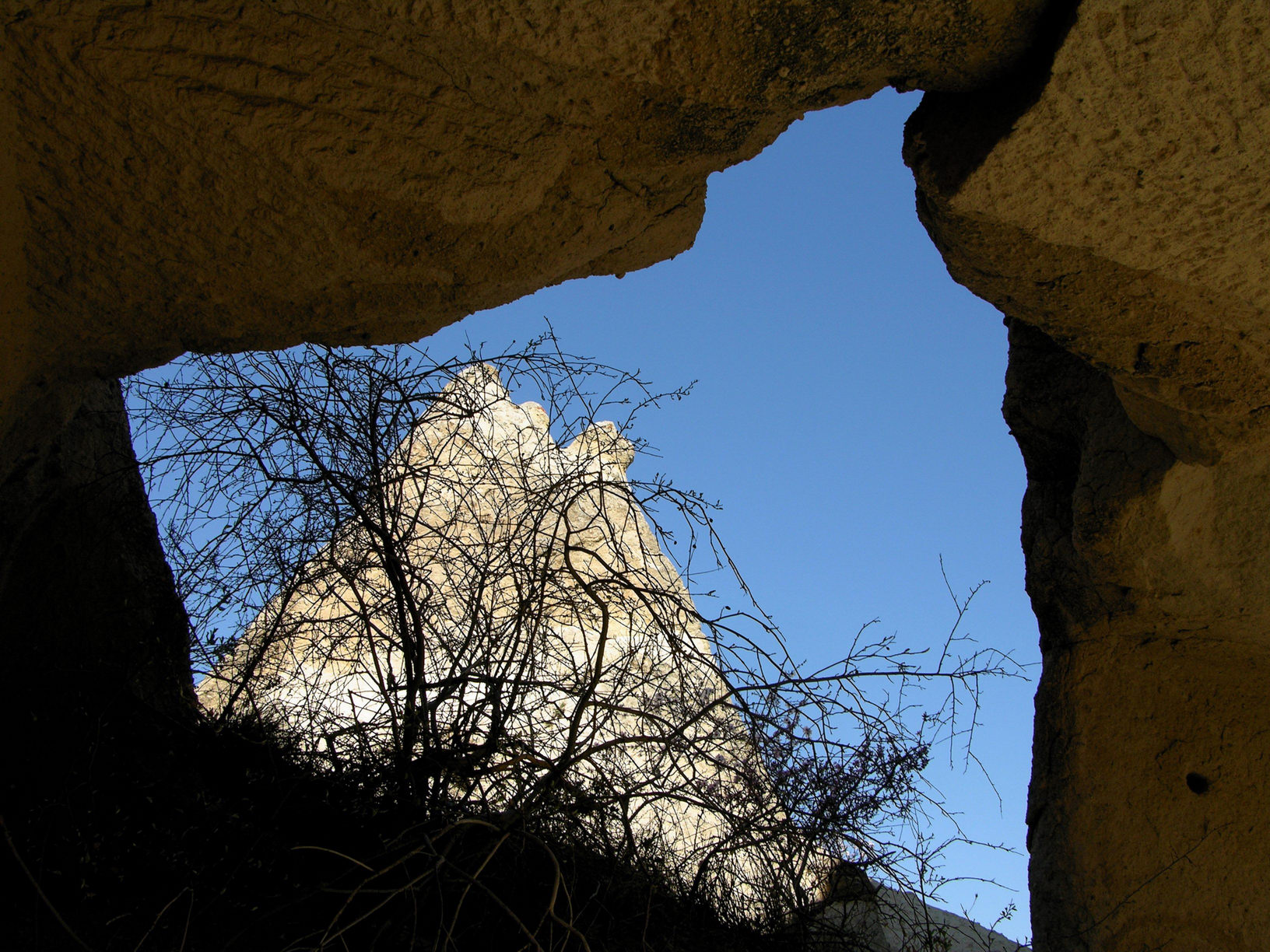
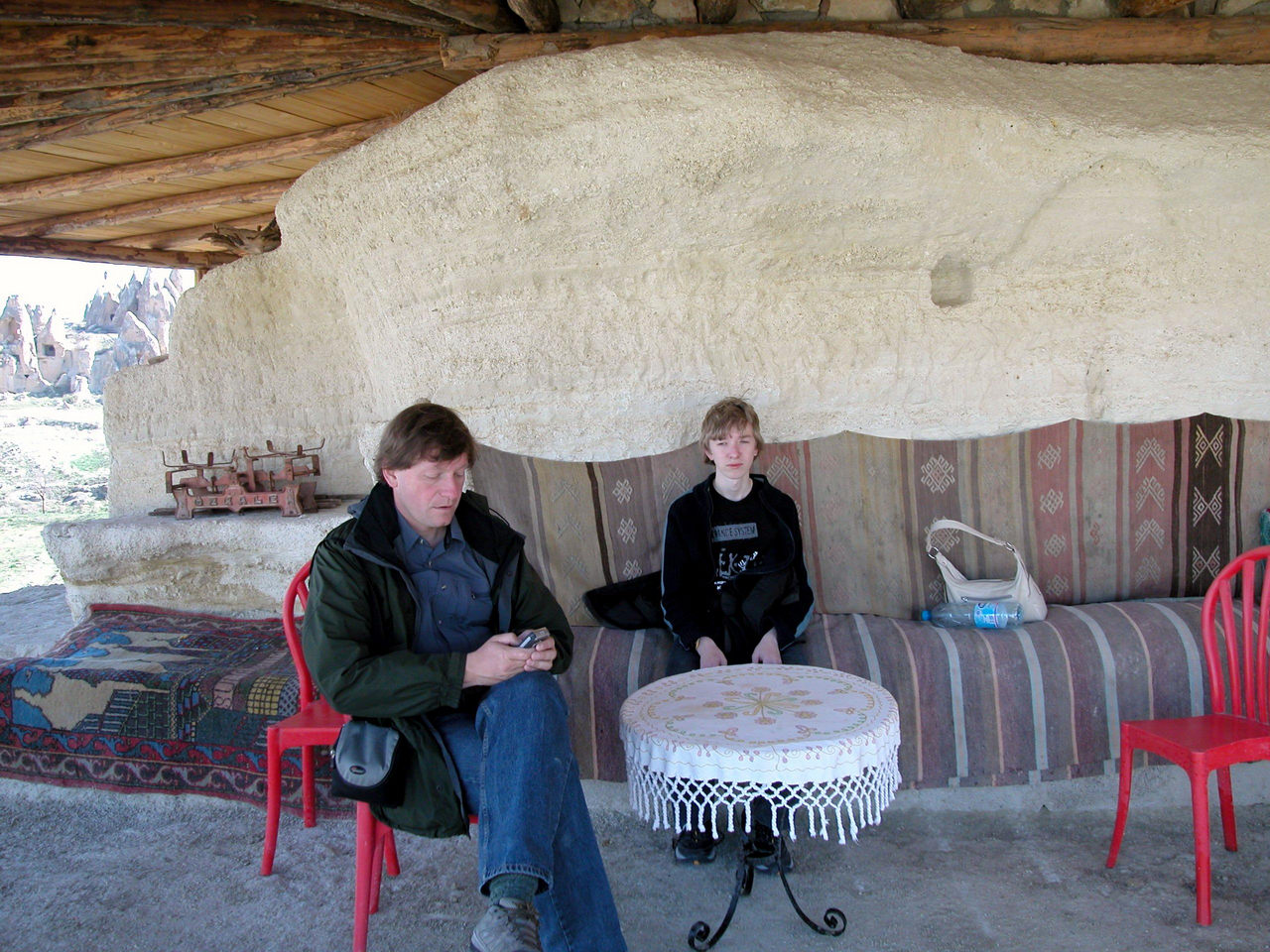
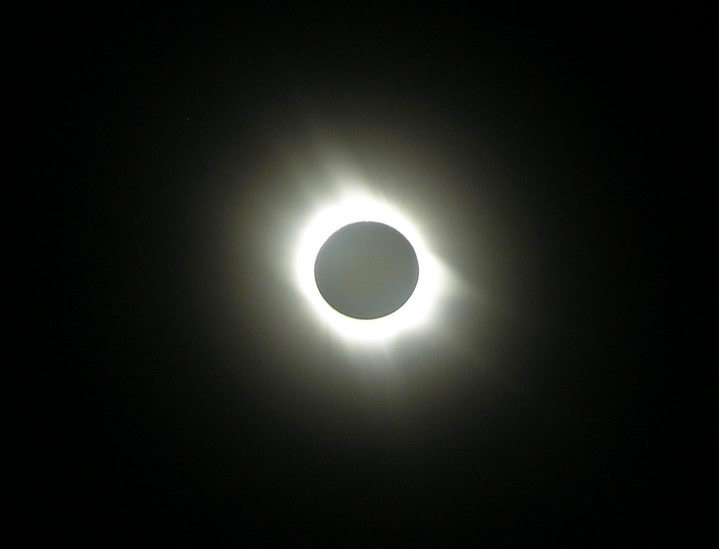
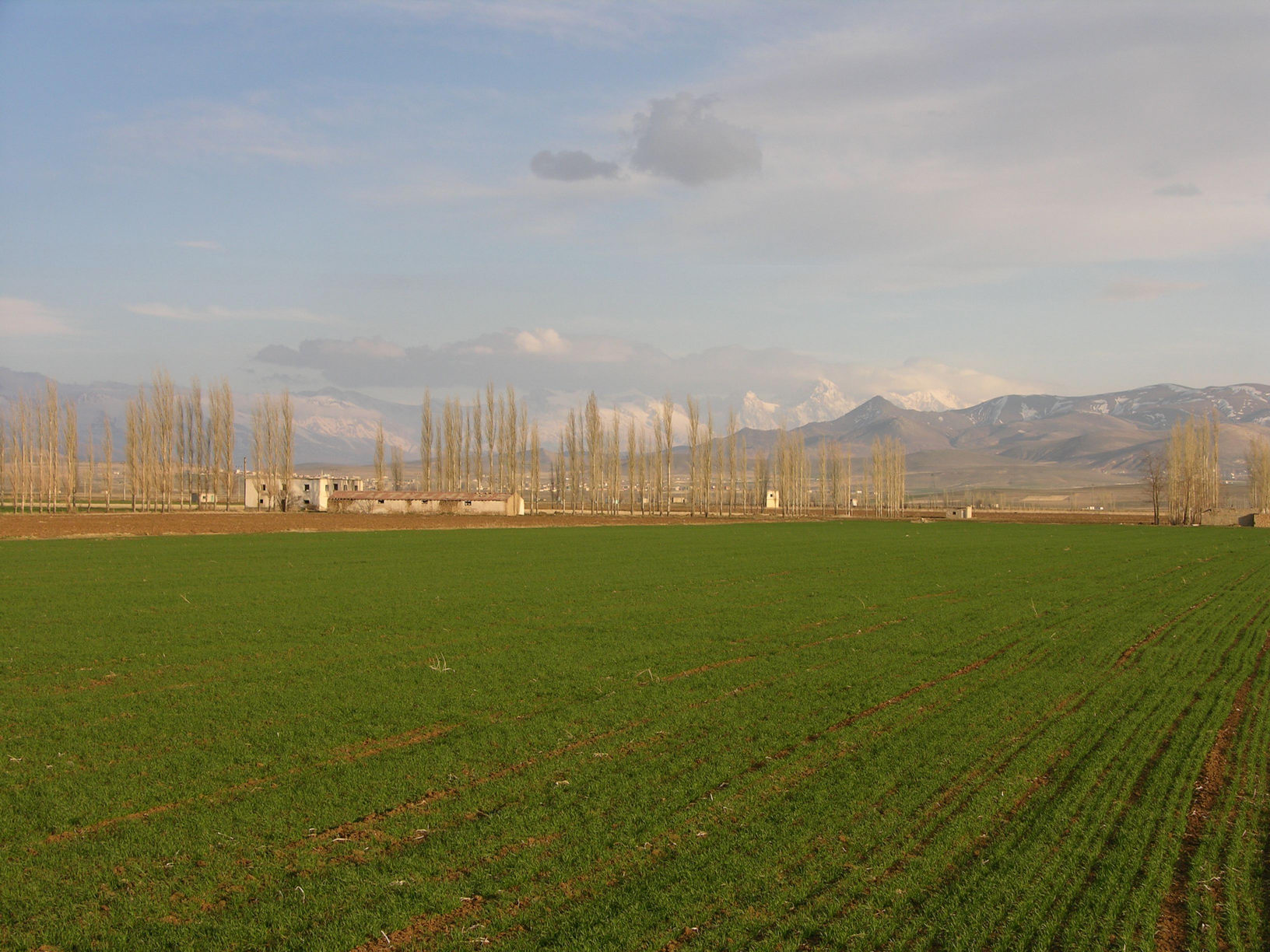
It’s a beautiful place to walk, especially in spring when everything is in flower. The path of the eclipse was close. We drove out with a little telescope to a field already green with grass, right on the centre line of totality.
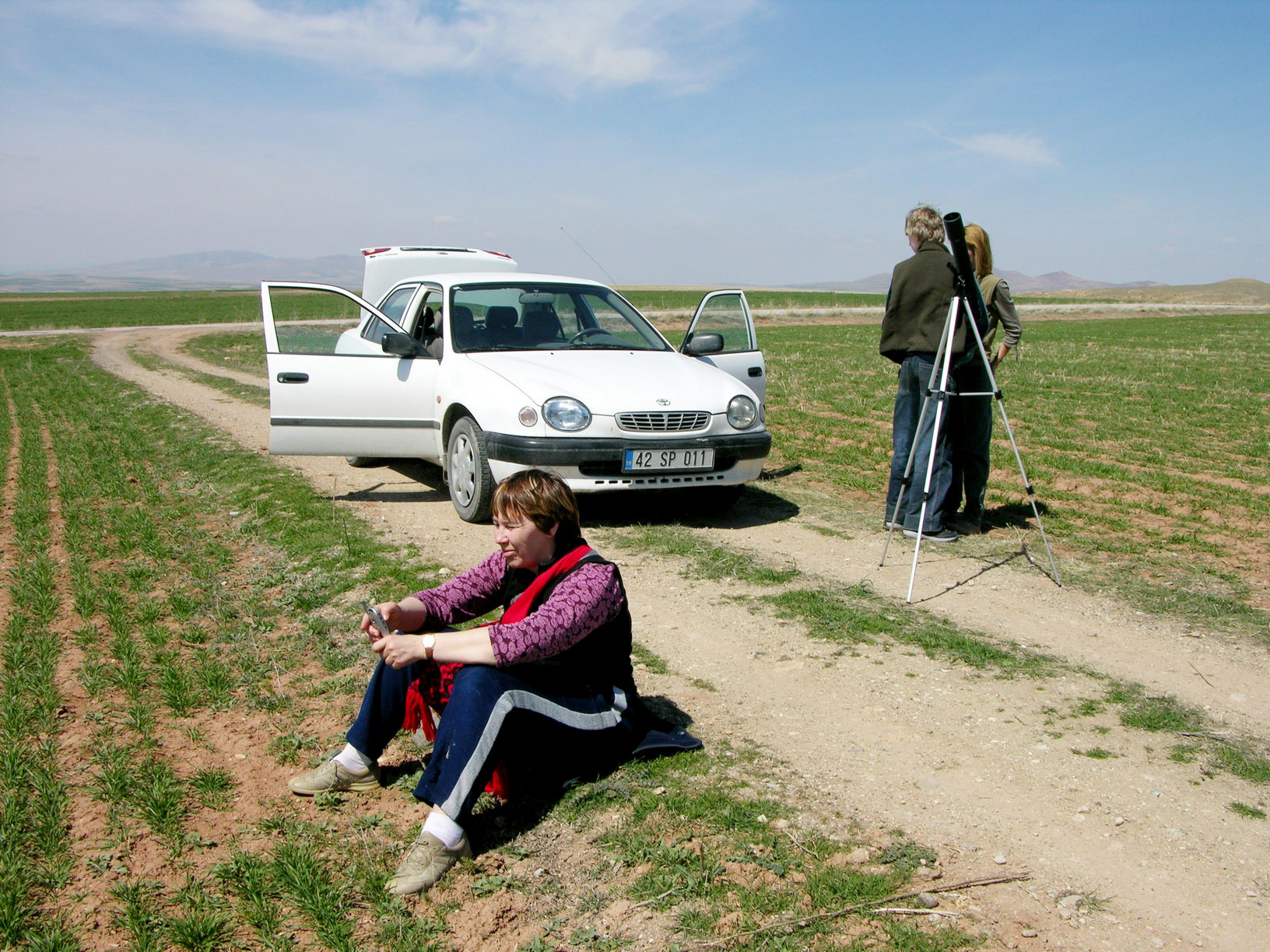
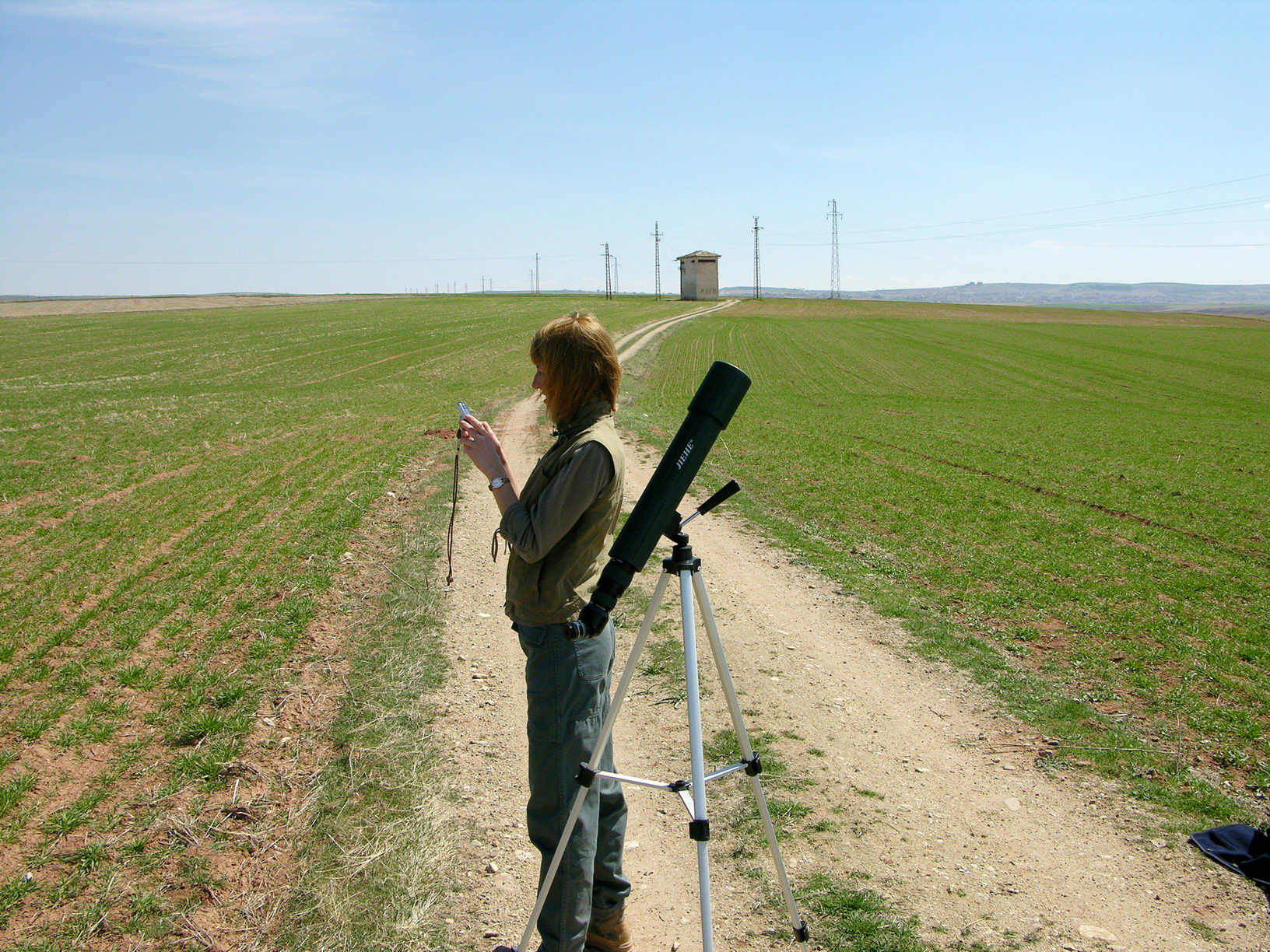
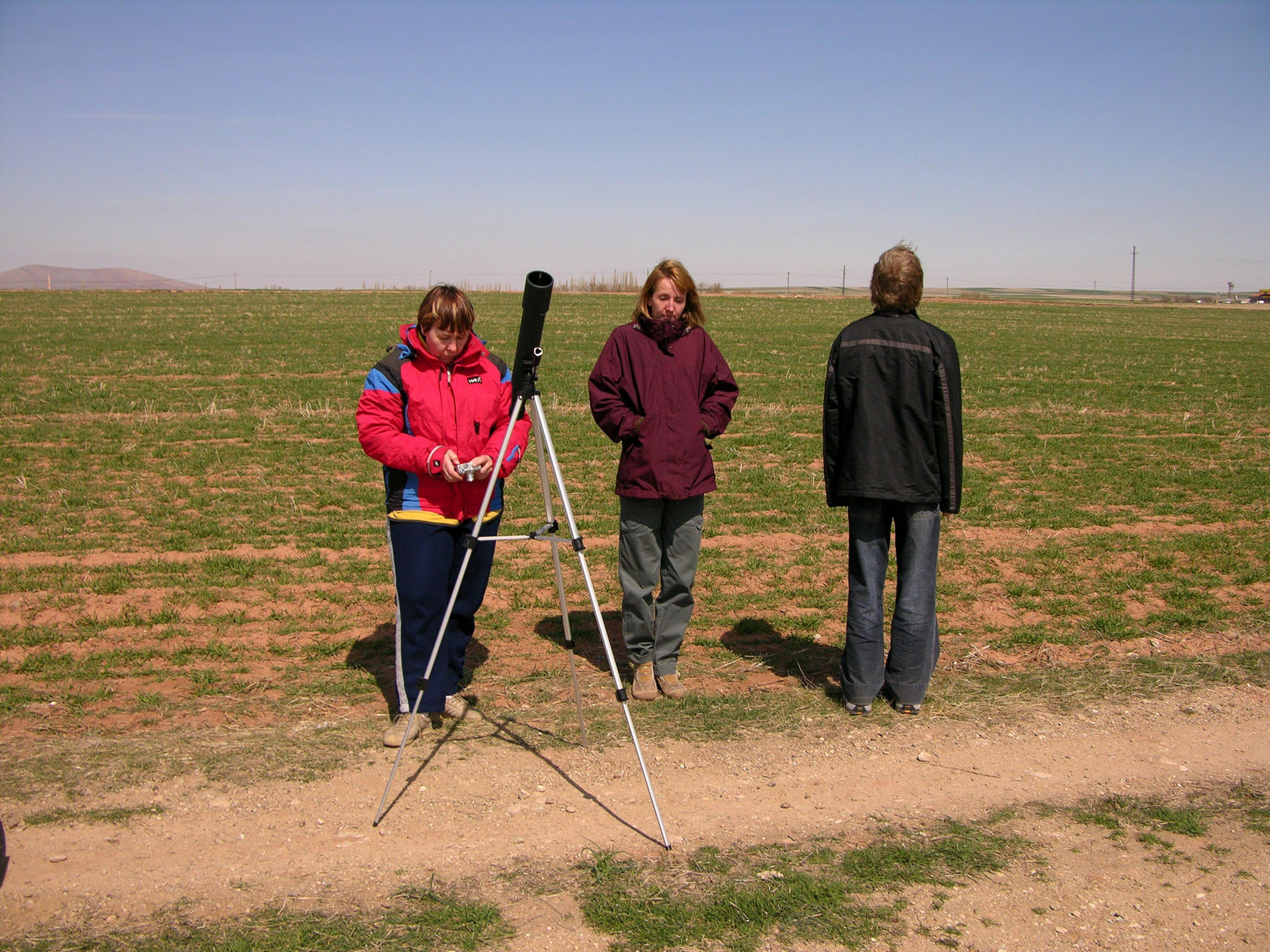
Before an eclipse there is always the fear that a little cloud will spoil everything at the last moment. Even in a clear sky that cloud always turns up. This time it passed us by. The sight was glorious.
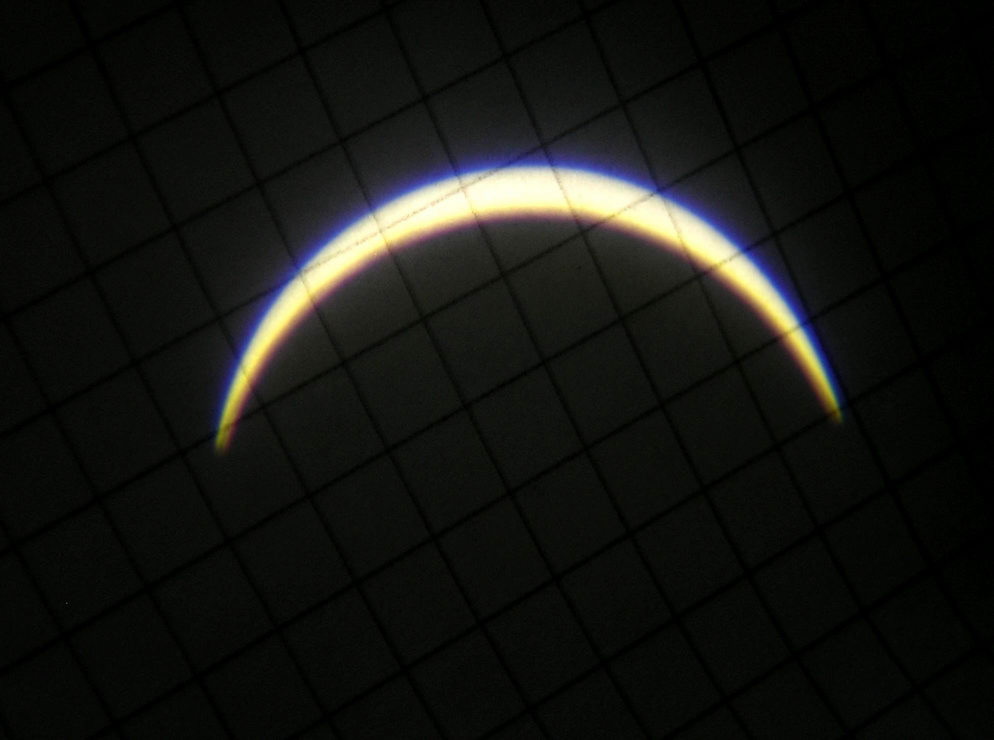
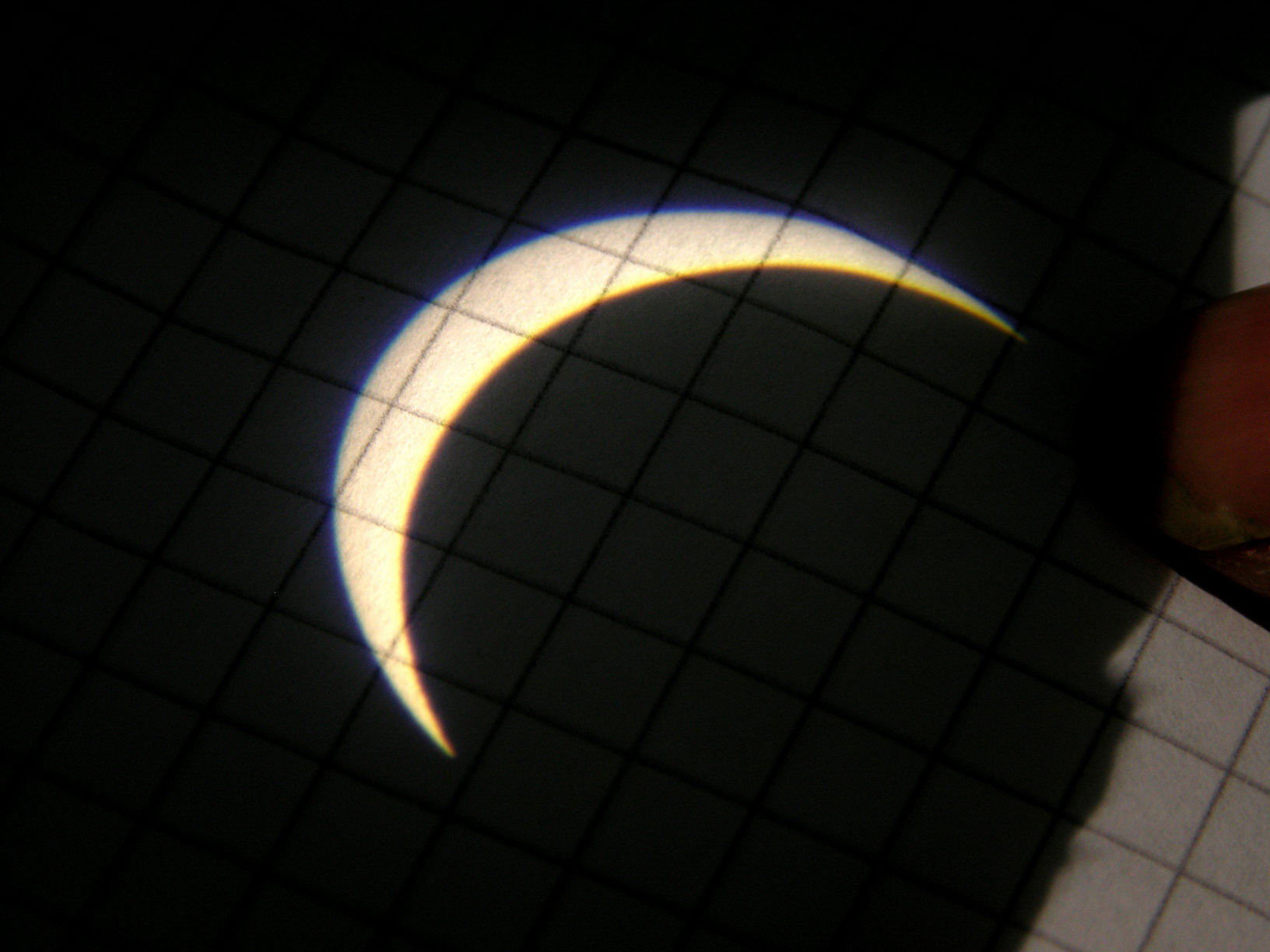
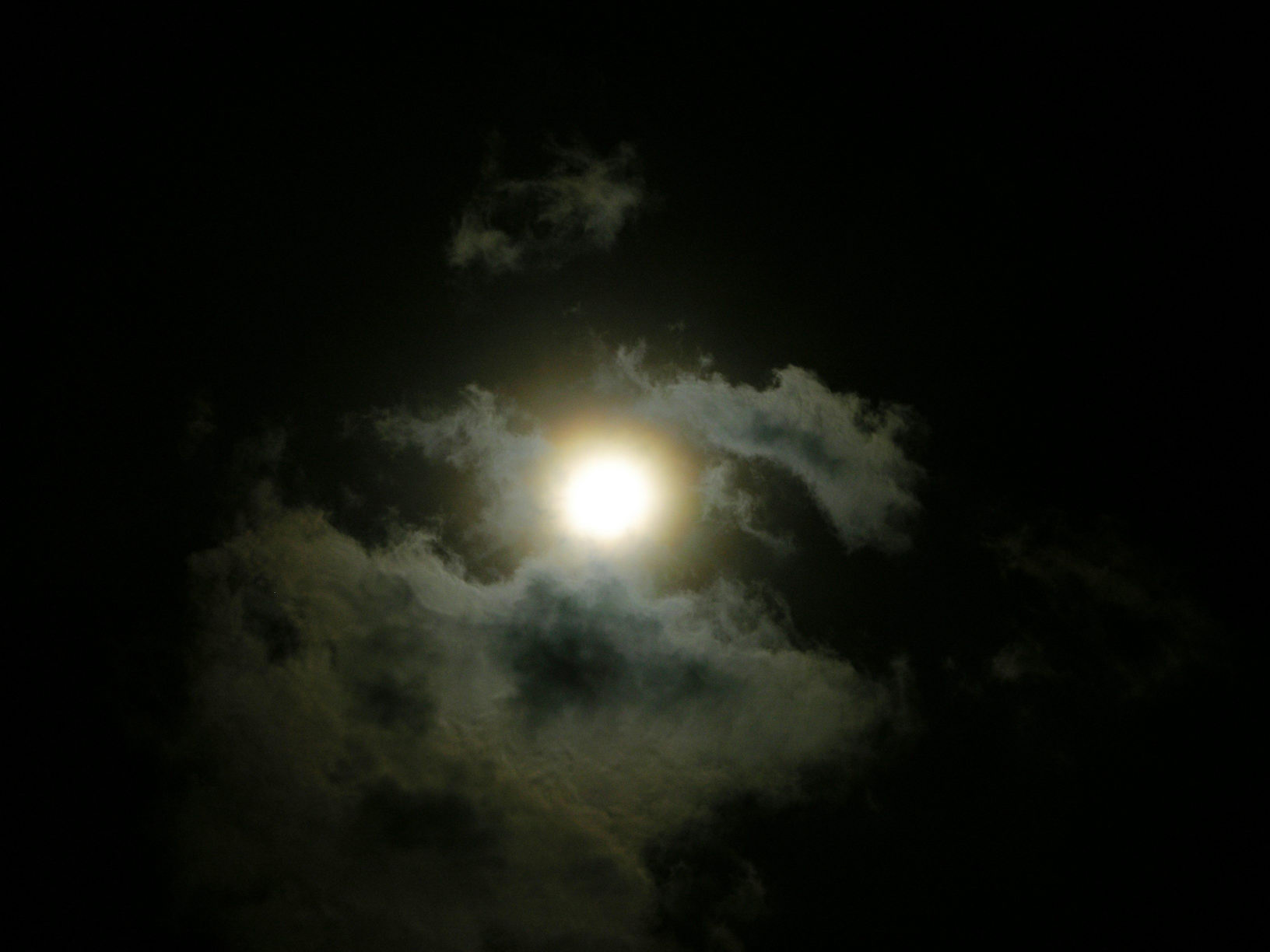
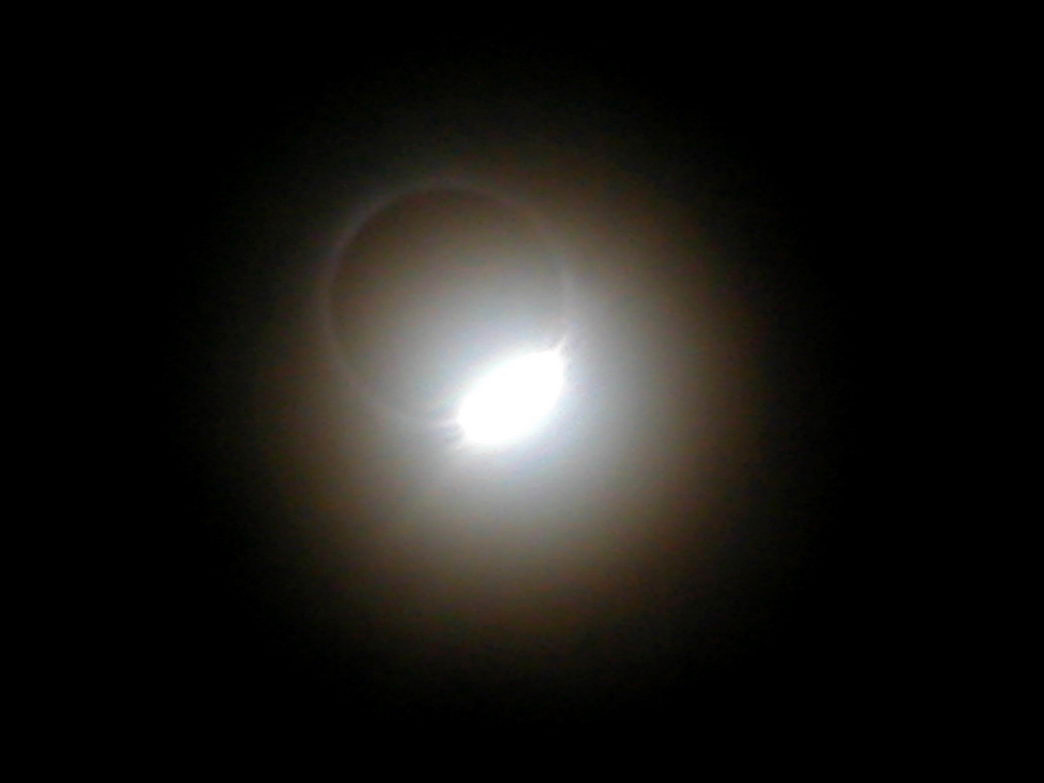
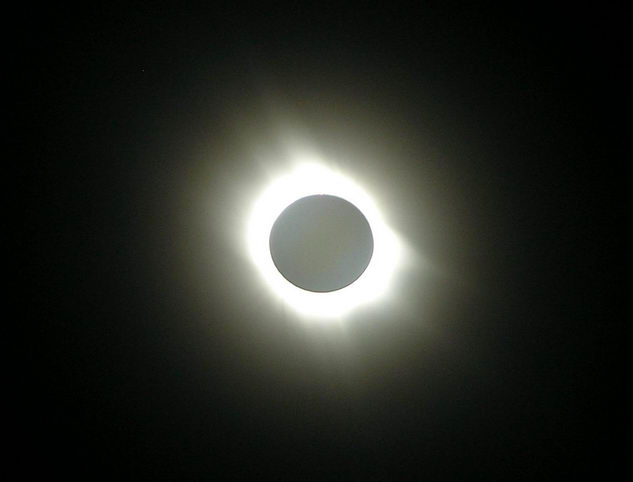
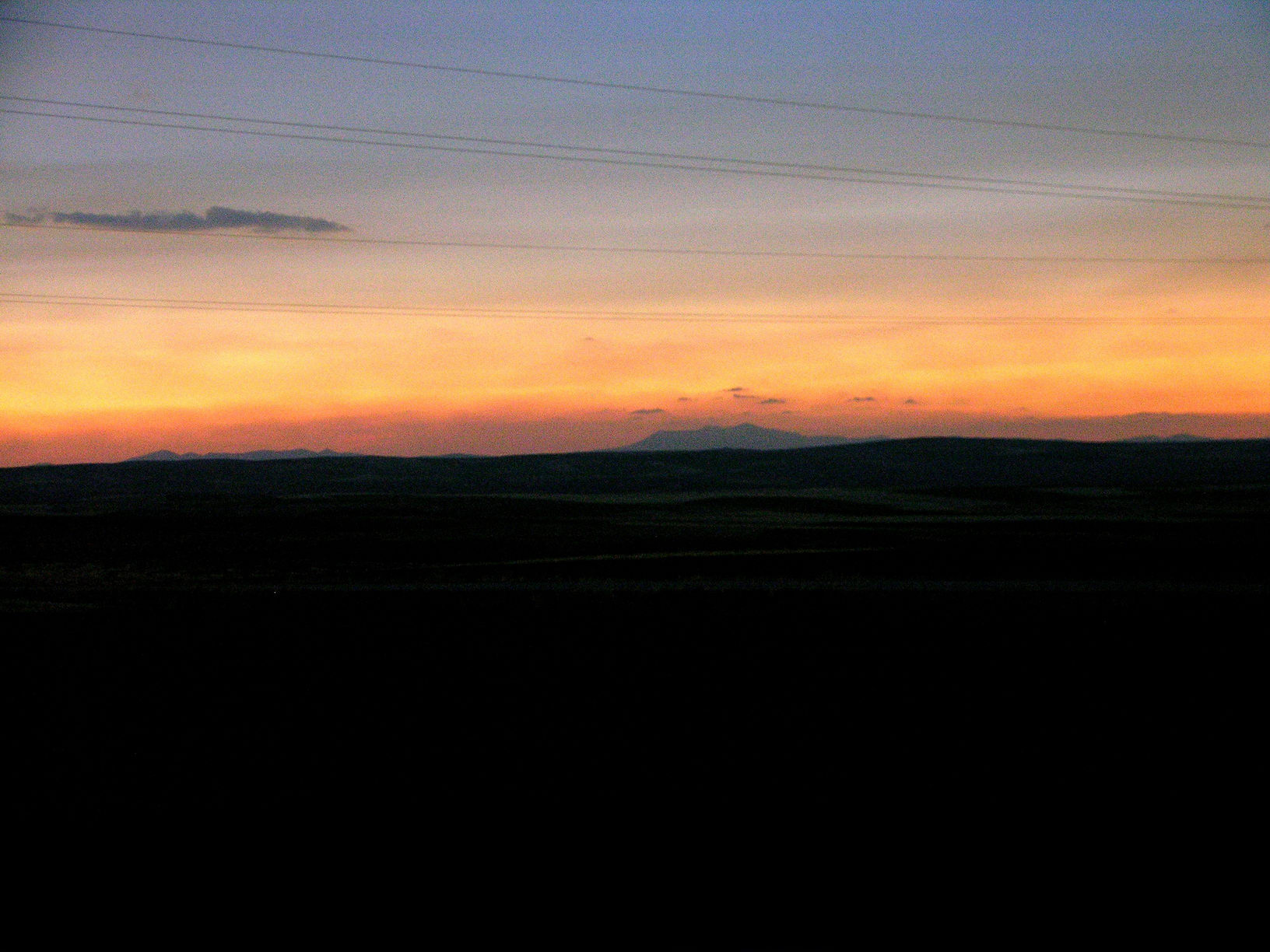
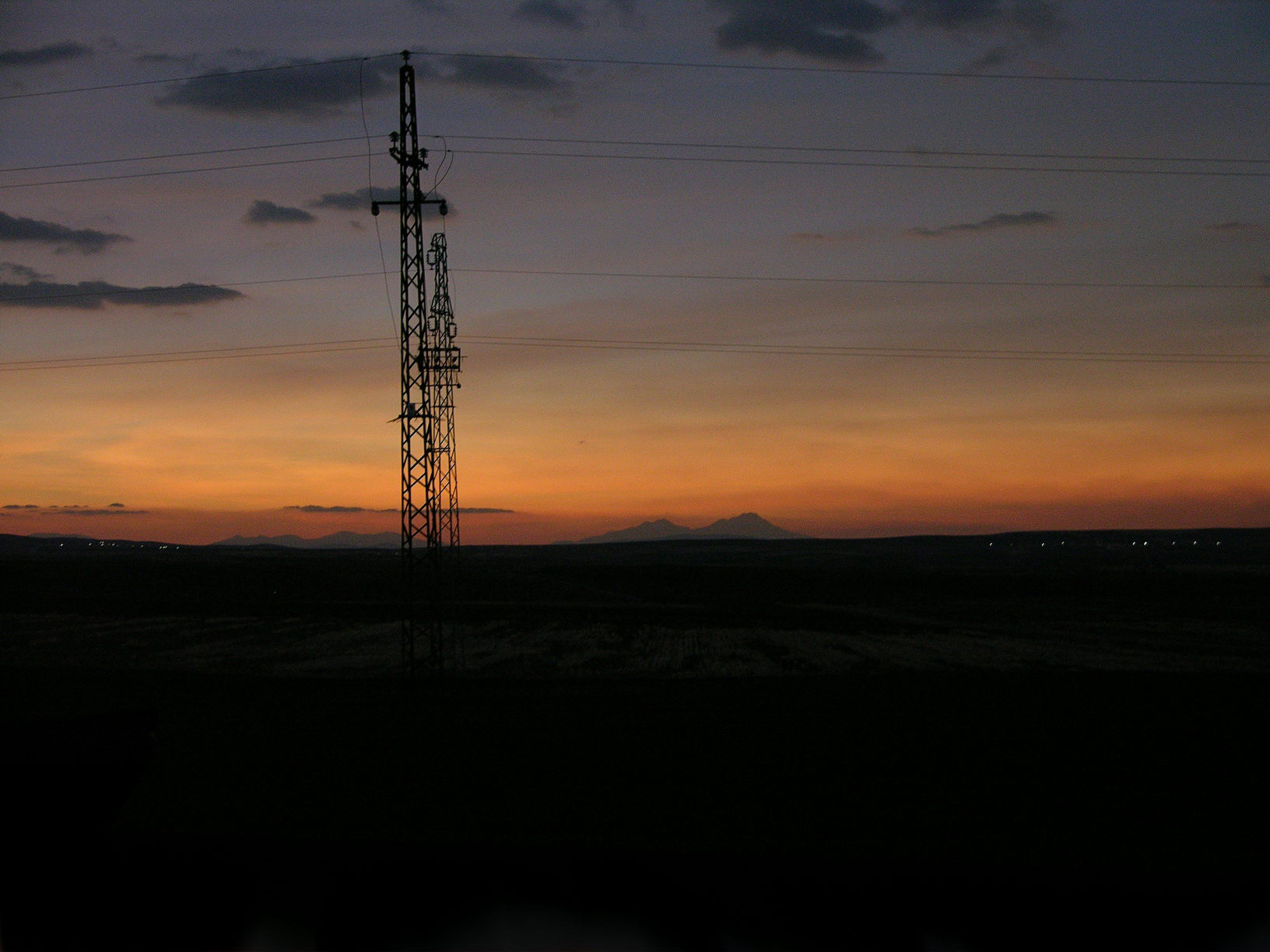
We’d done what we came for. The boy had seen an eclipse. Now we could go back to visiting Sufi shrines. The town of Hacıbektaş is lovely. It has many colourful interiors from those times.
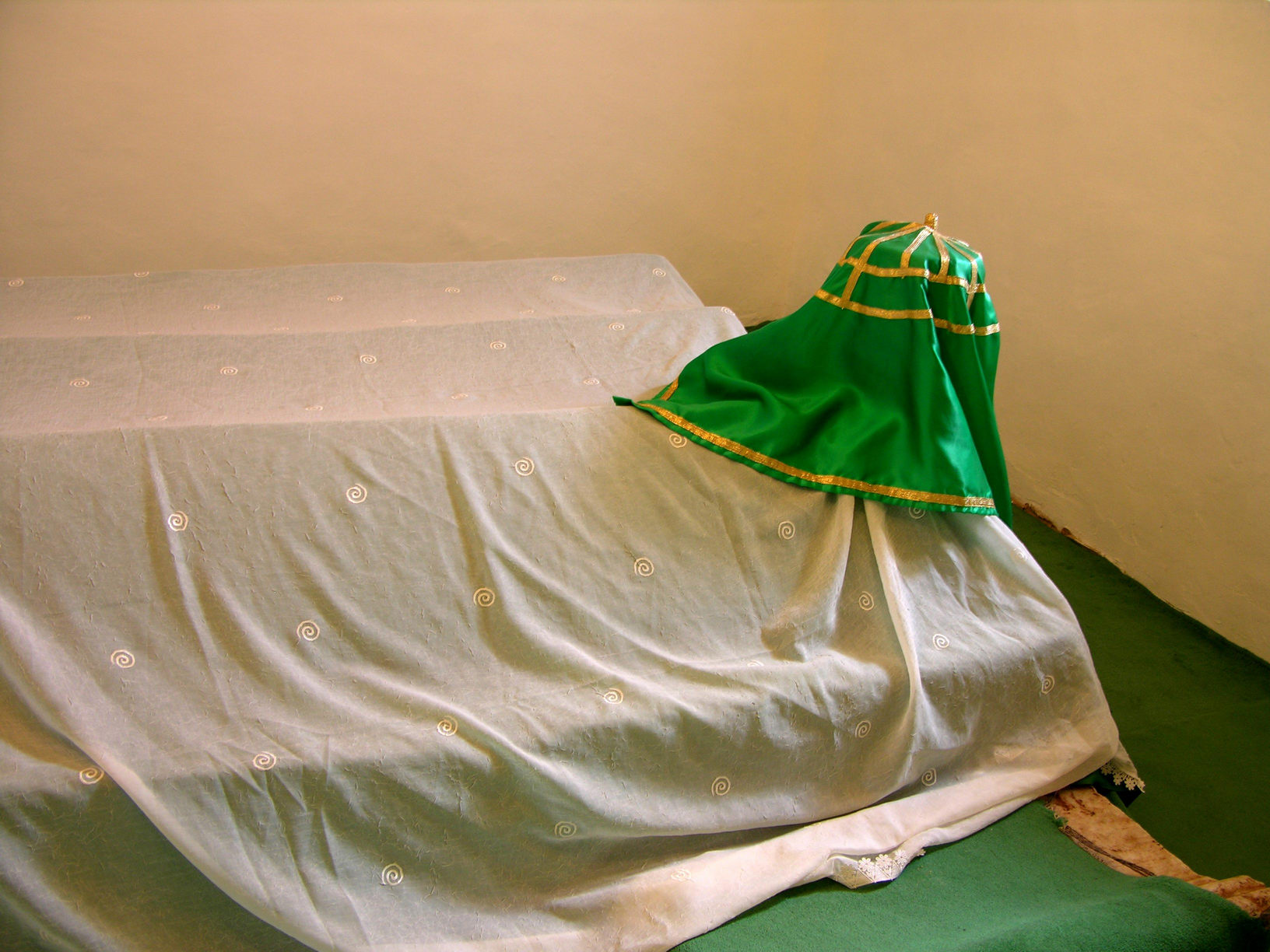
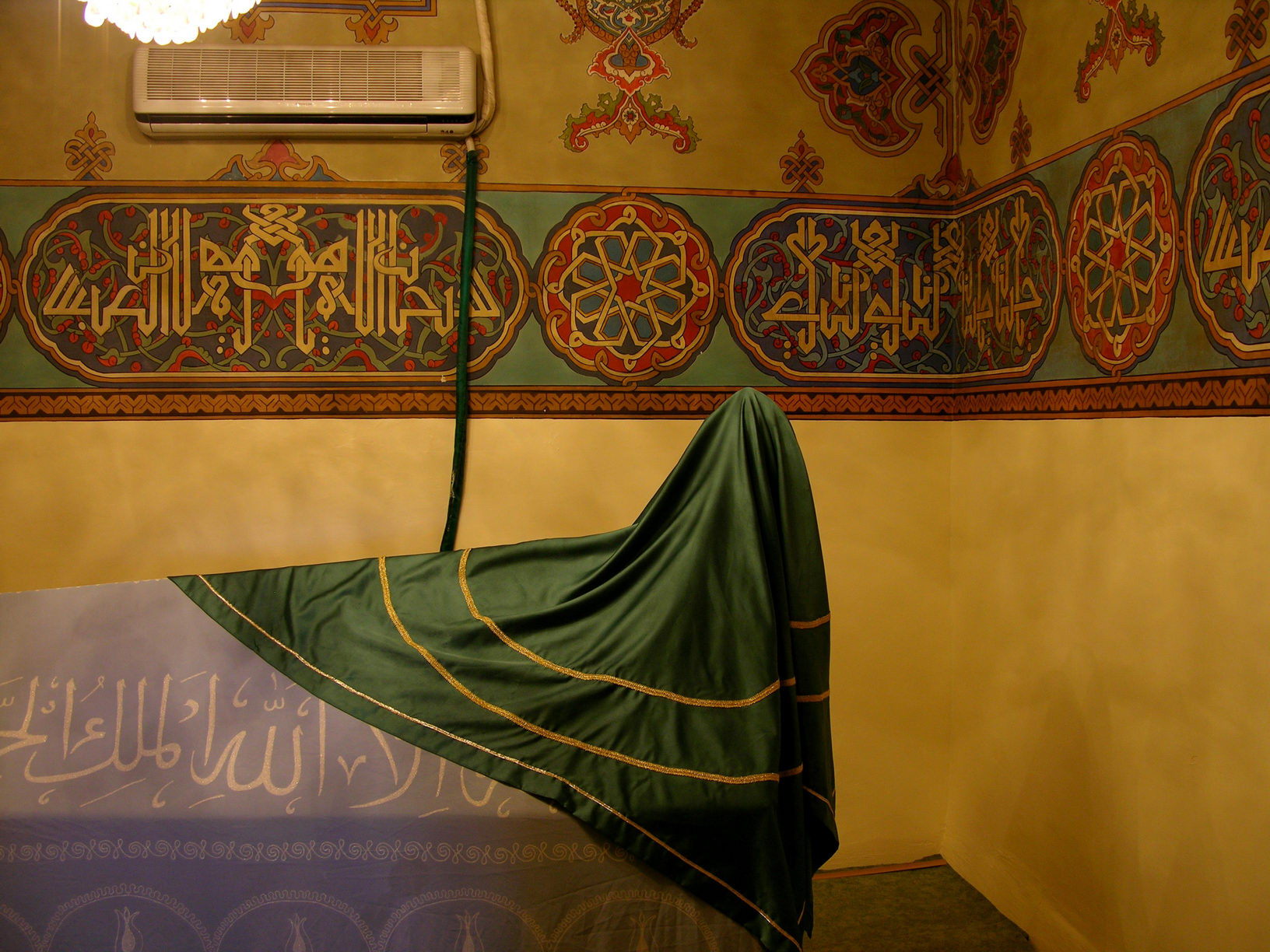
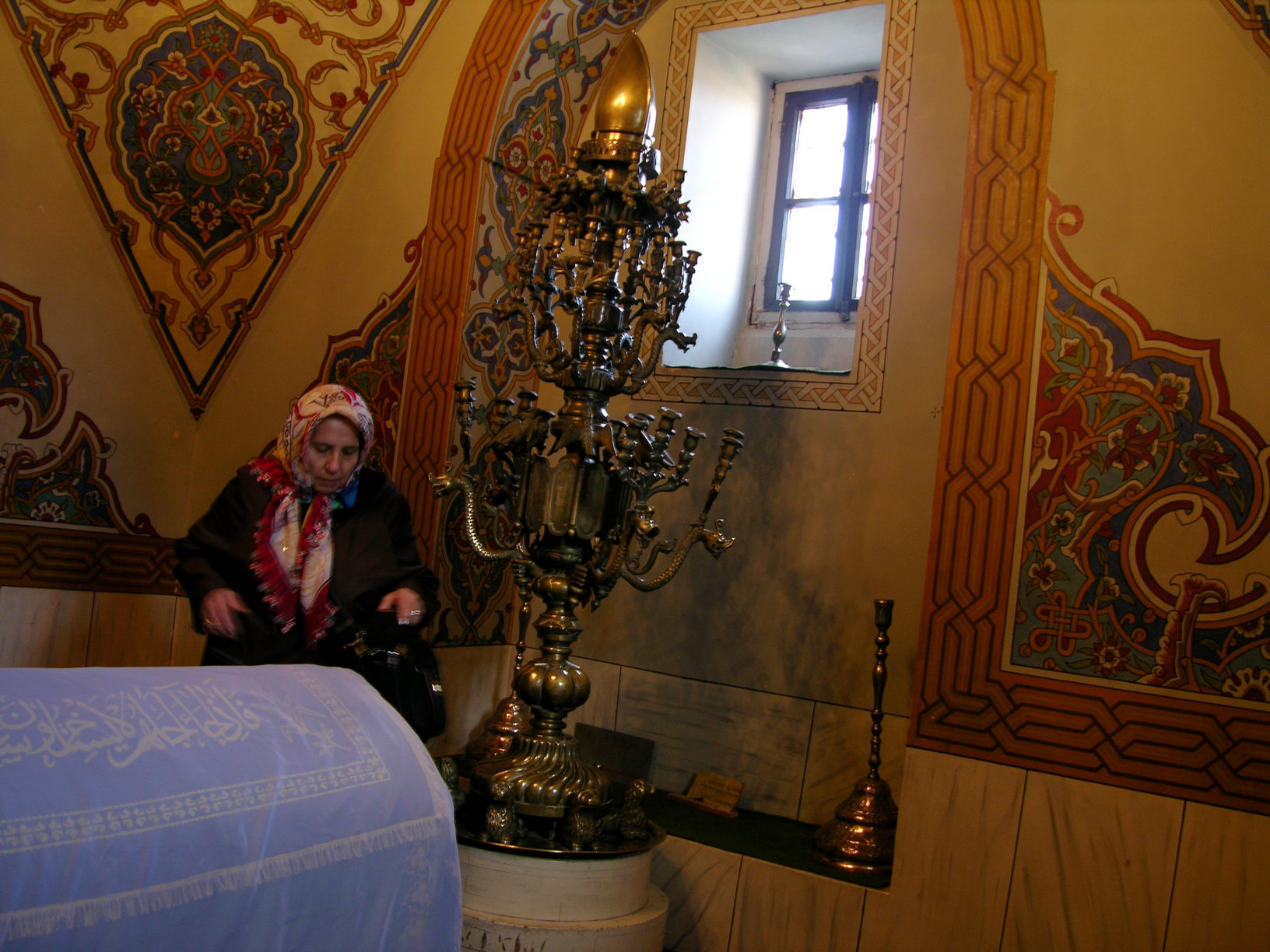
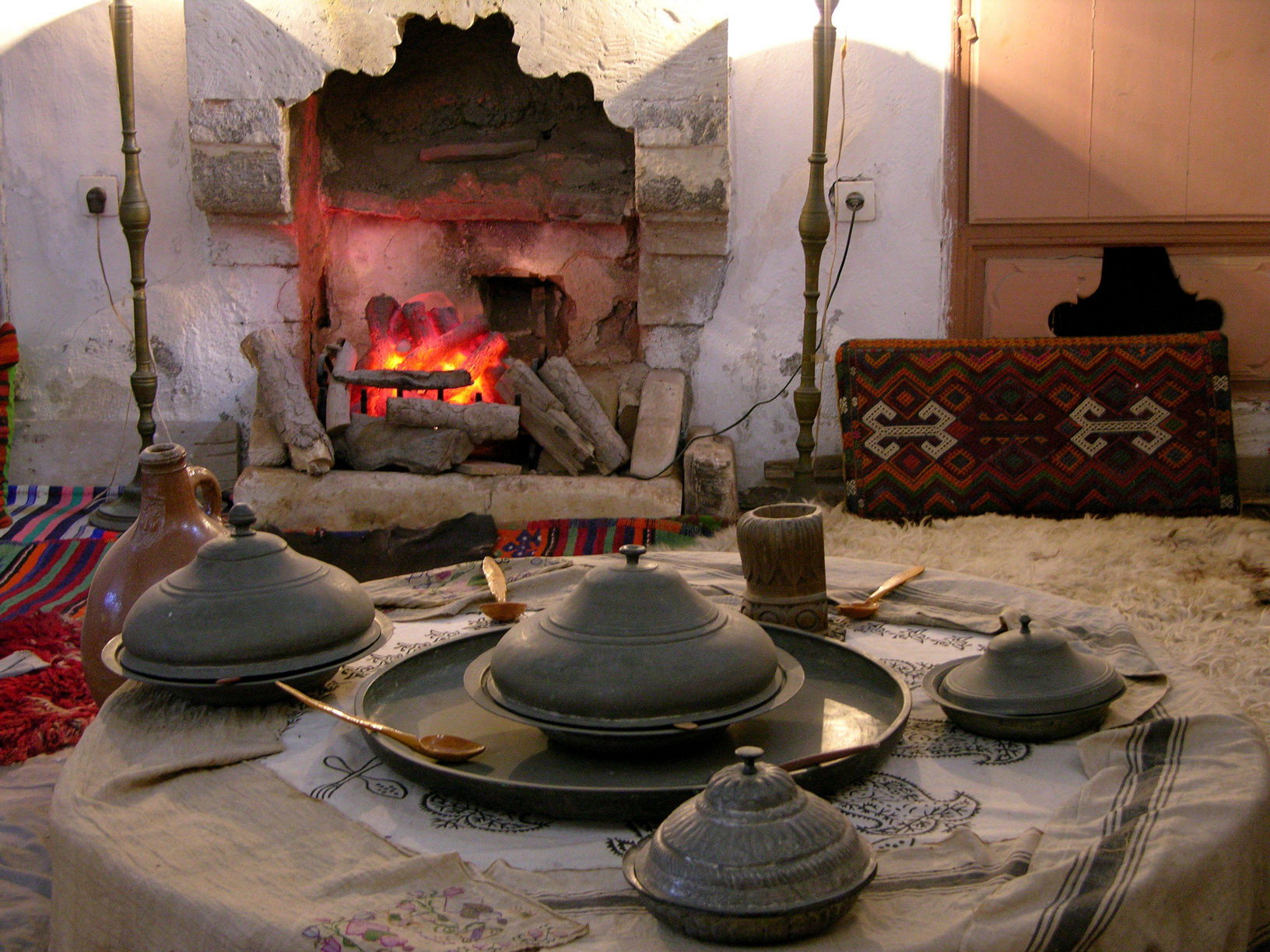
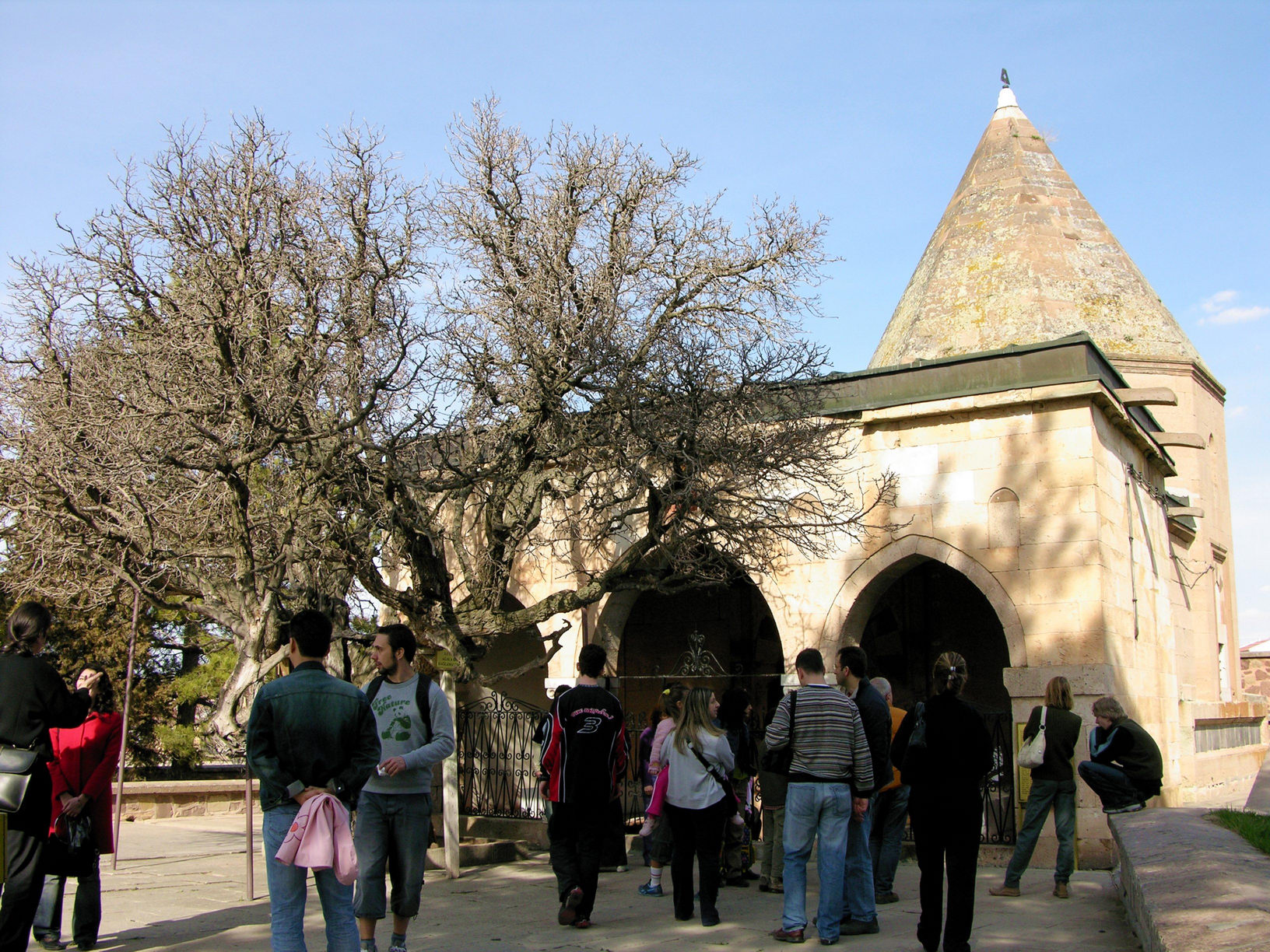
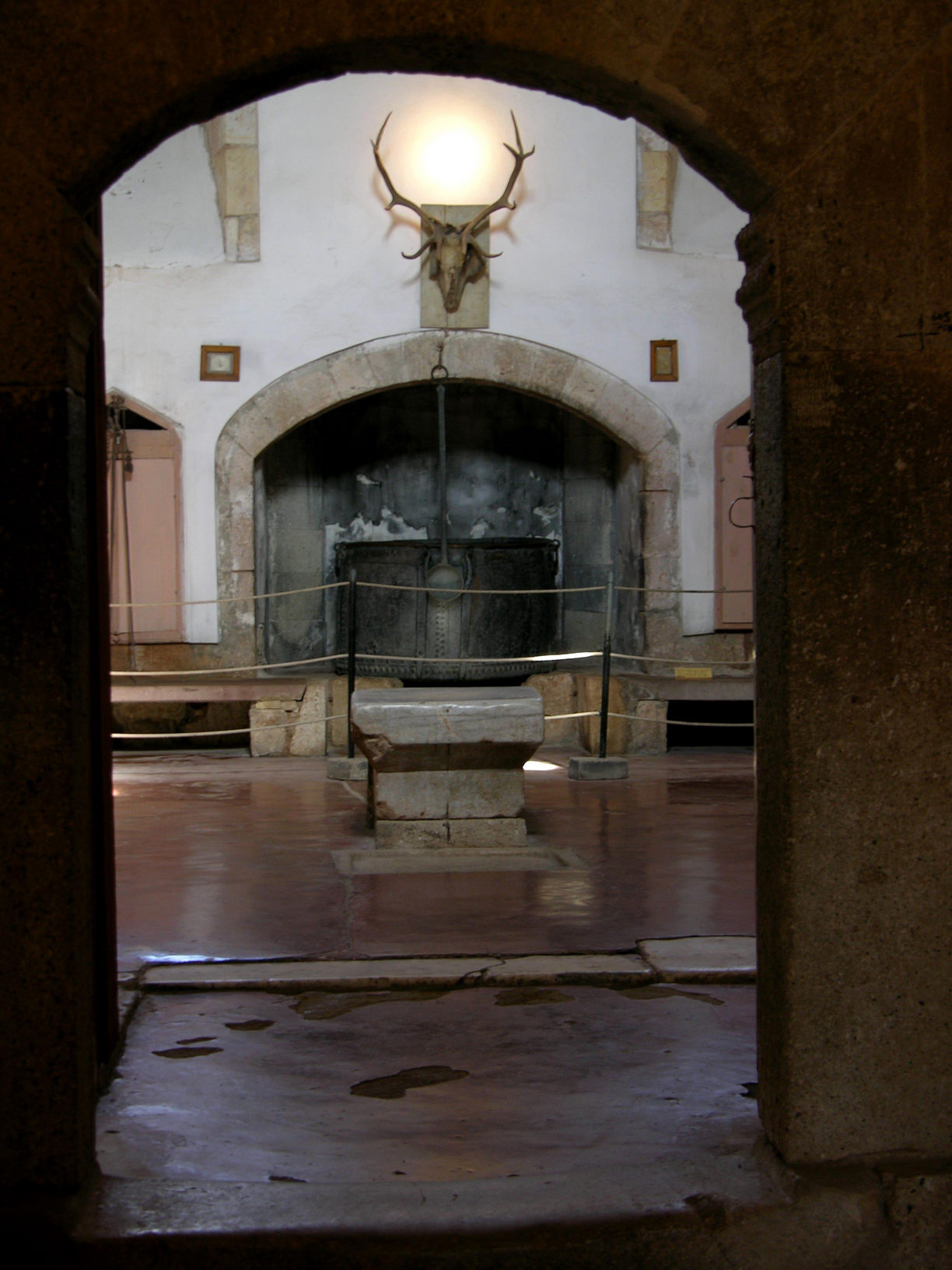
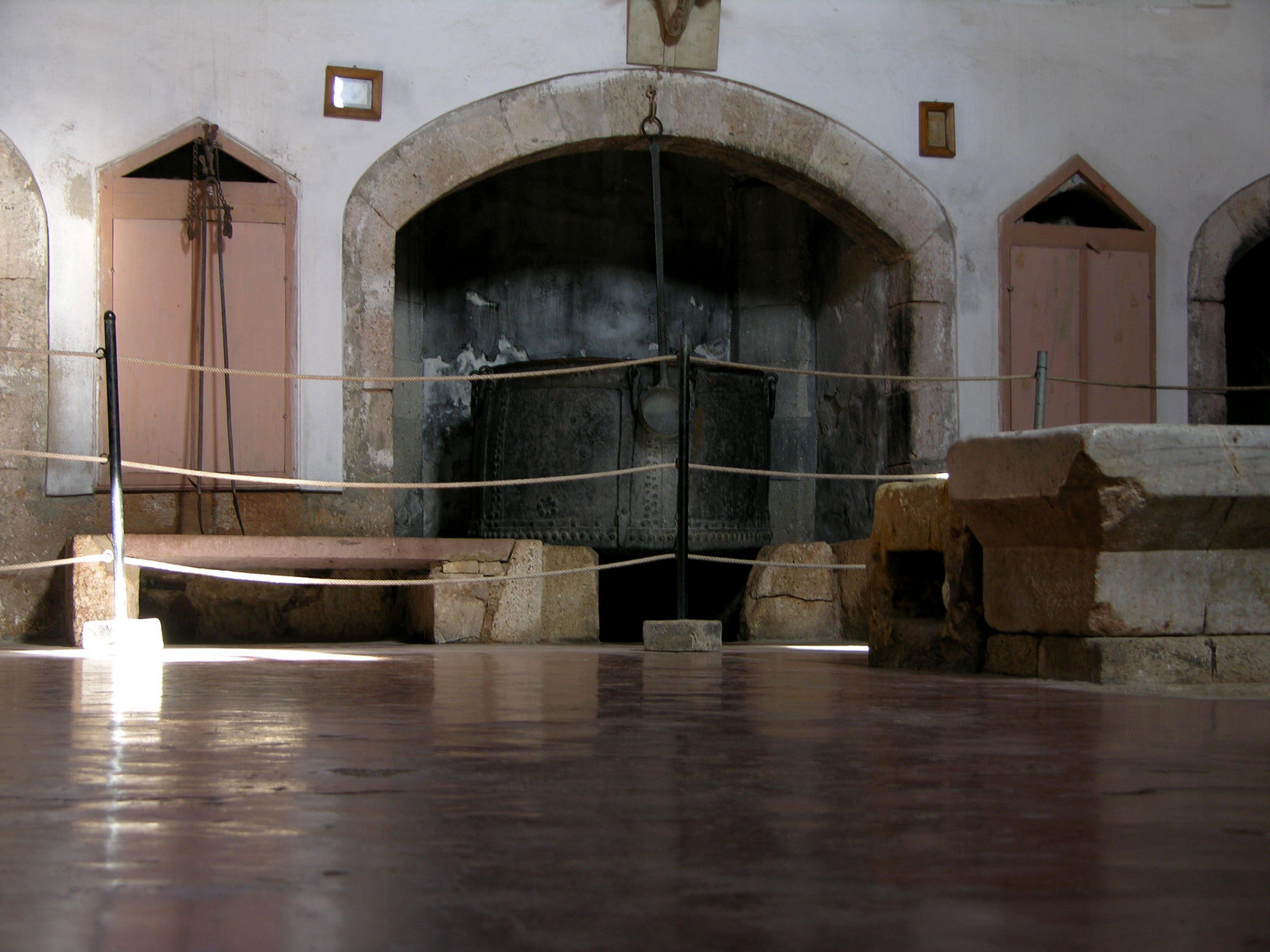
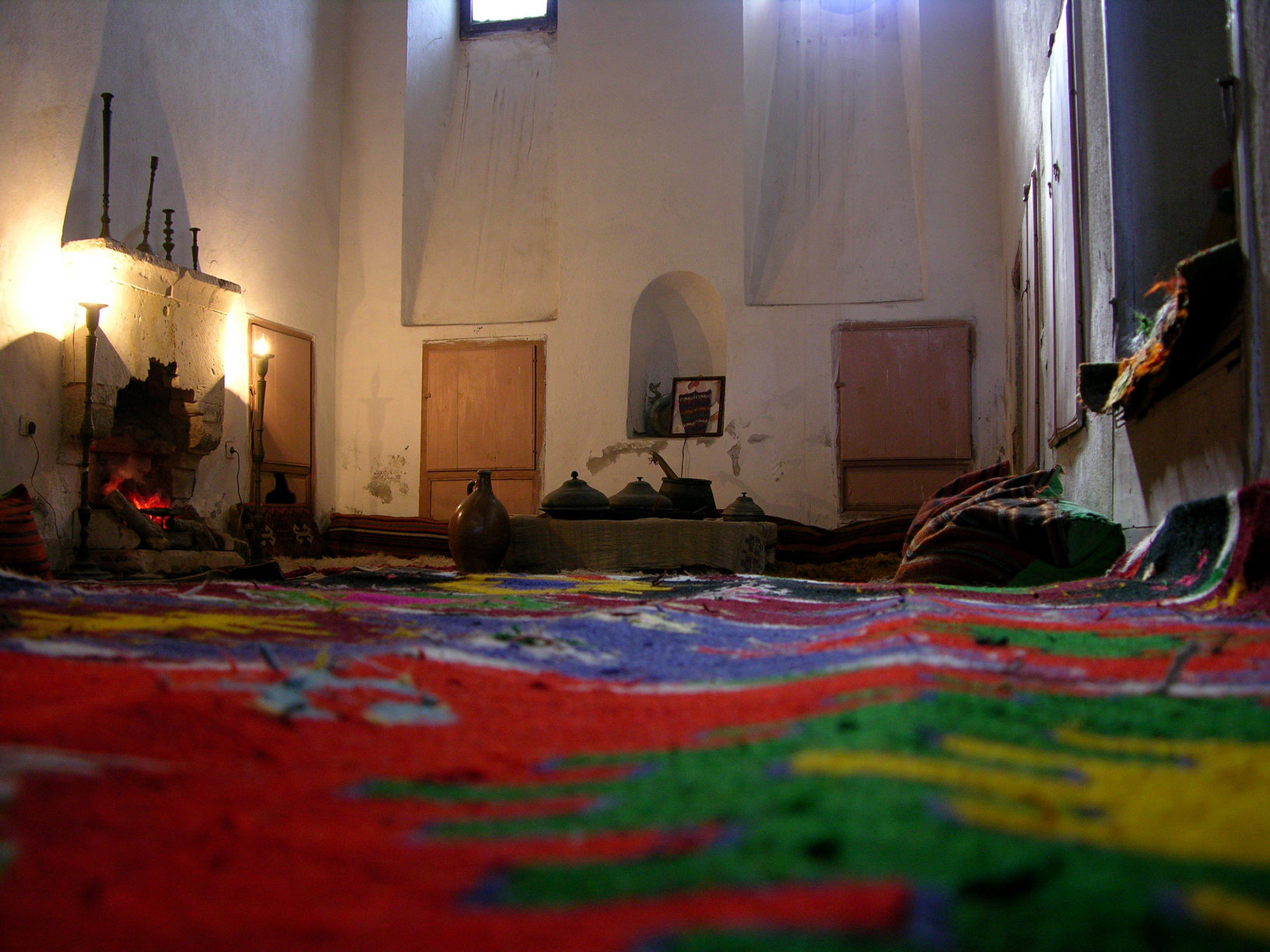
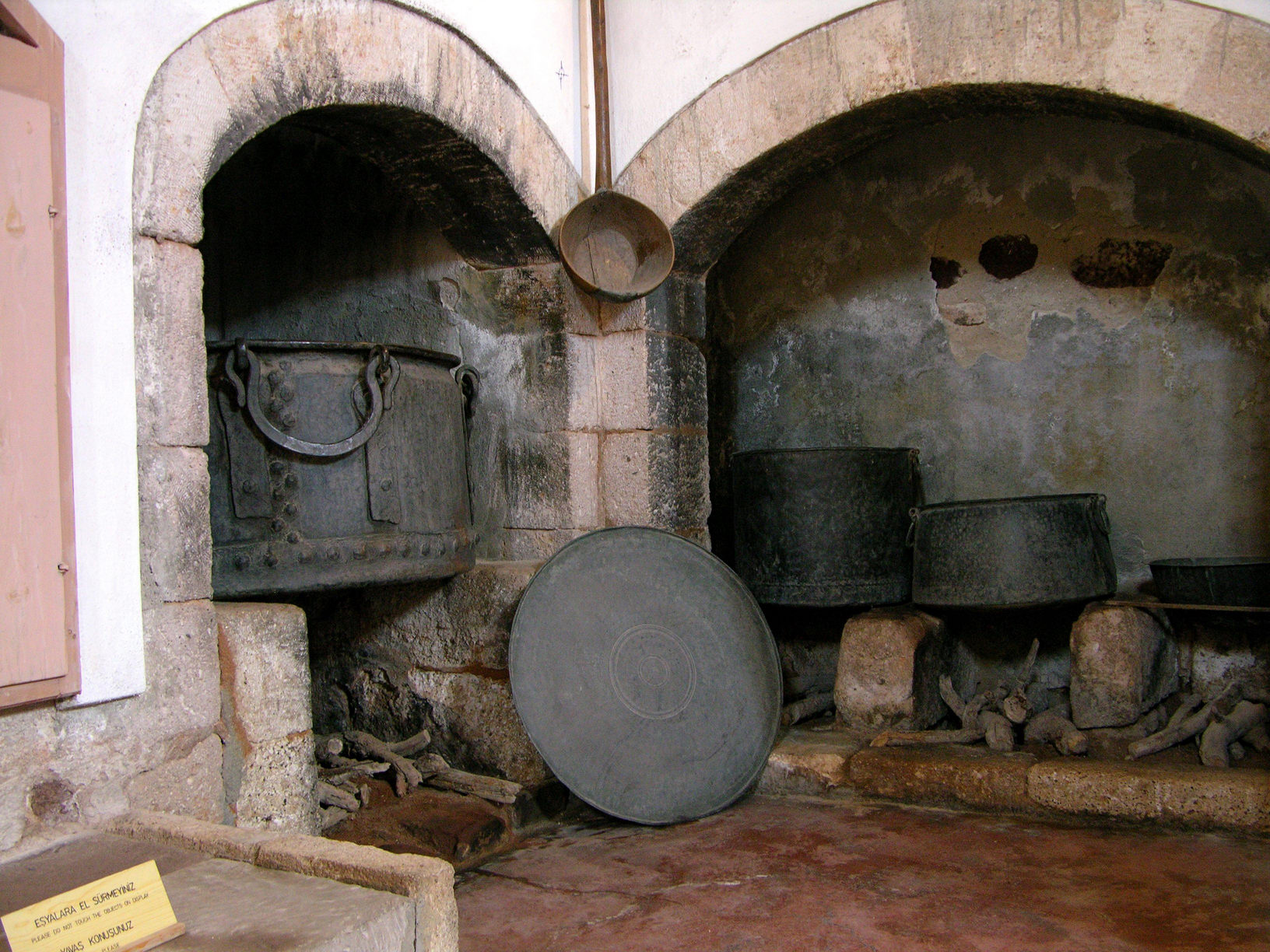
Towards evening we stopped at groups of more caves near the town of Hacıbektaş and the village of Zelve, where you find the most famous stone mushrooms and some of the best preserved underground Christian churches.
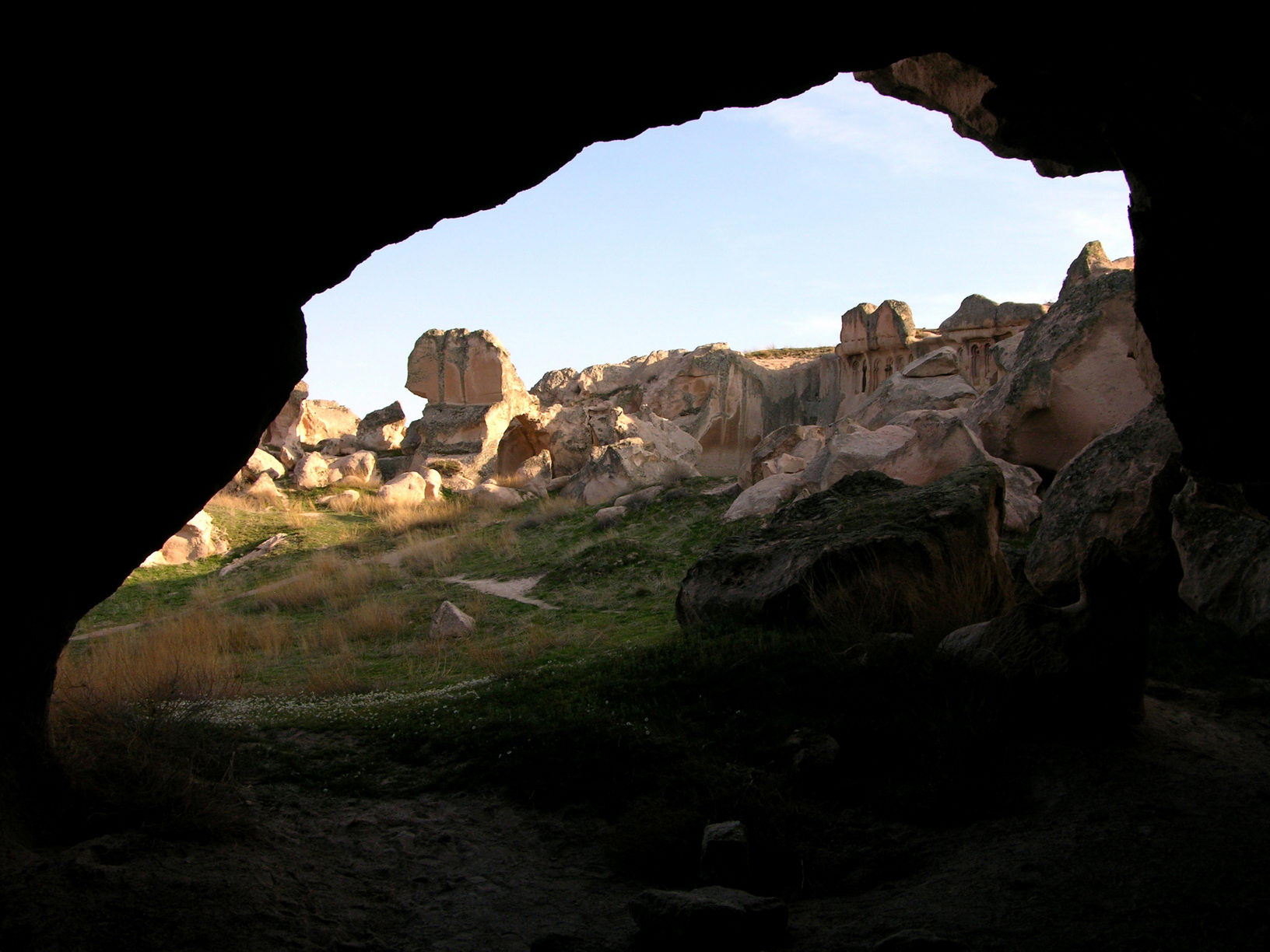
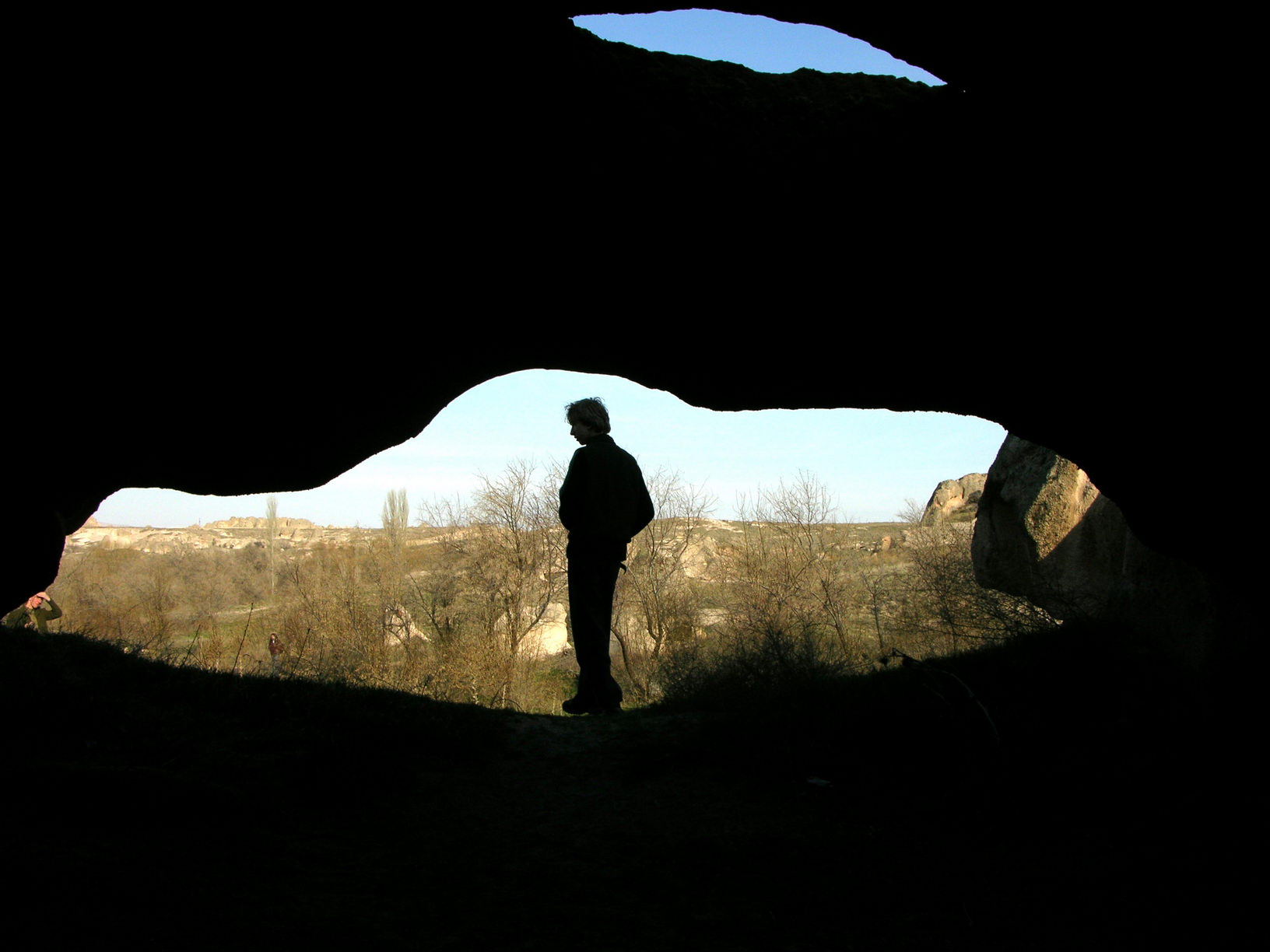
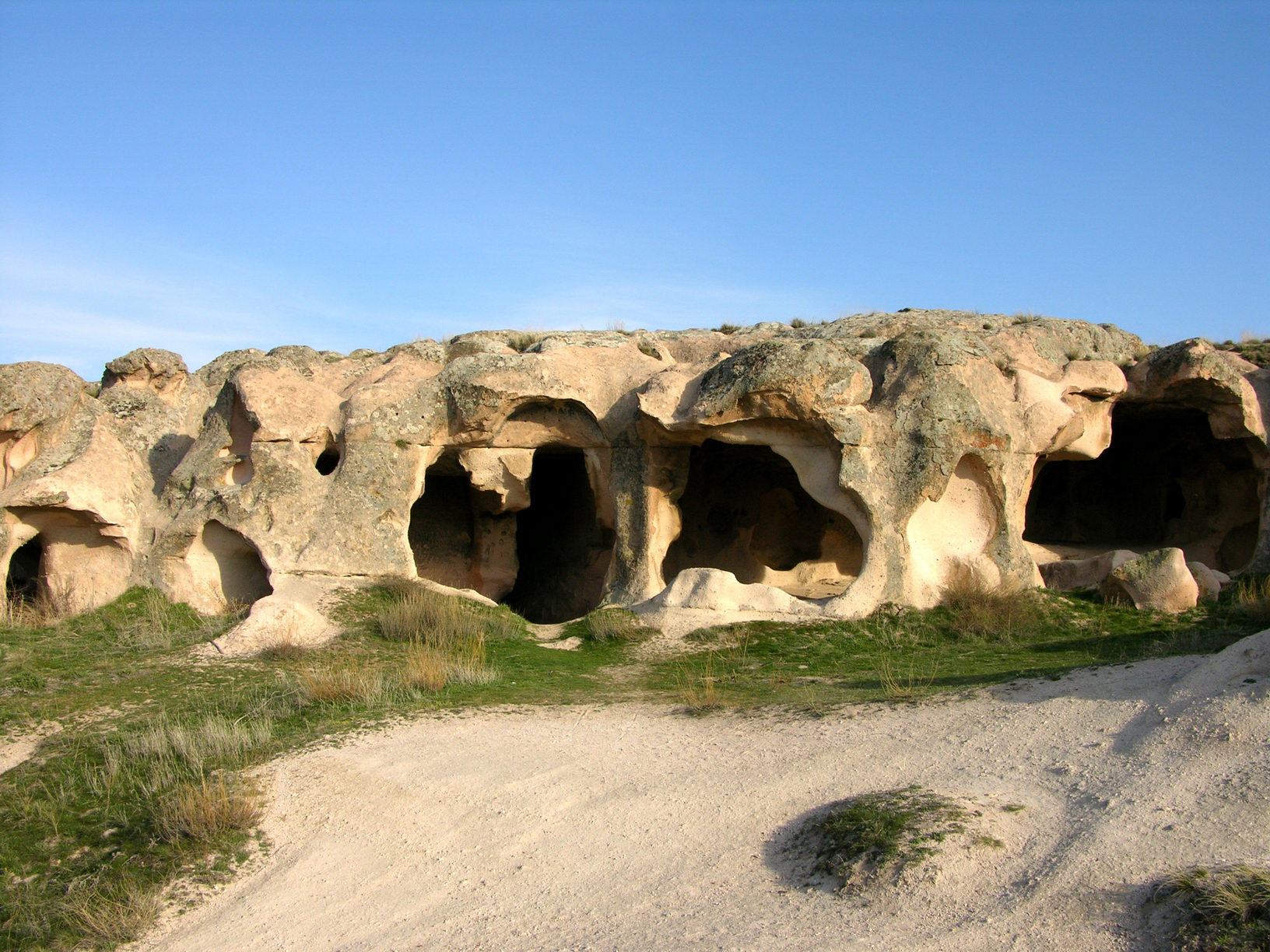
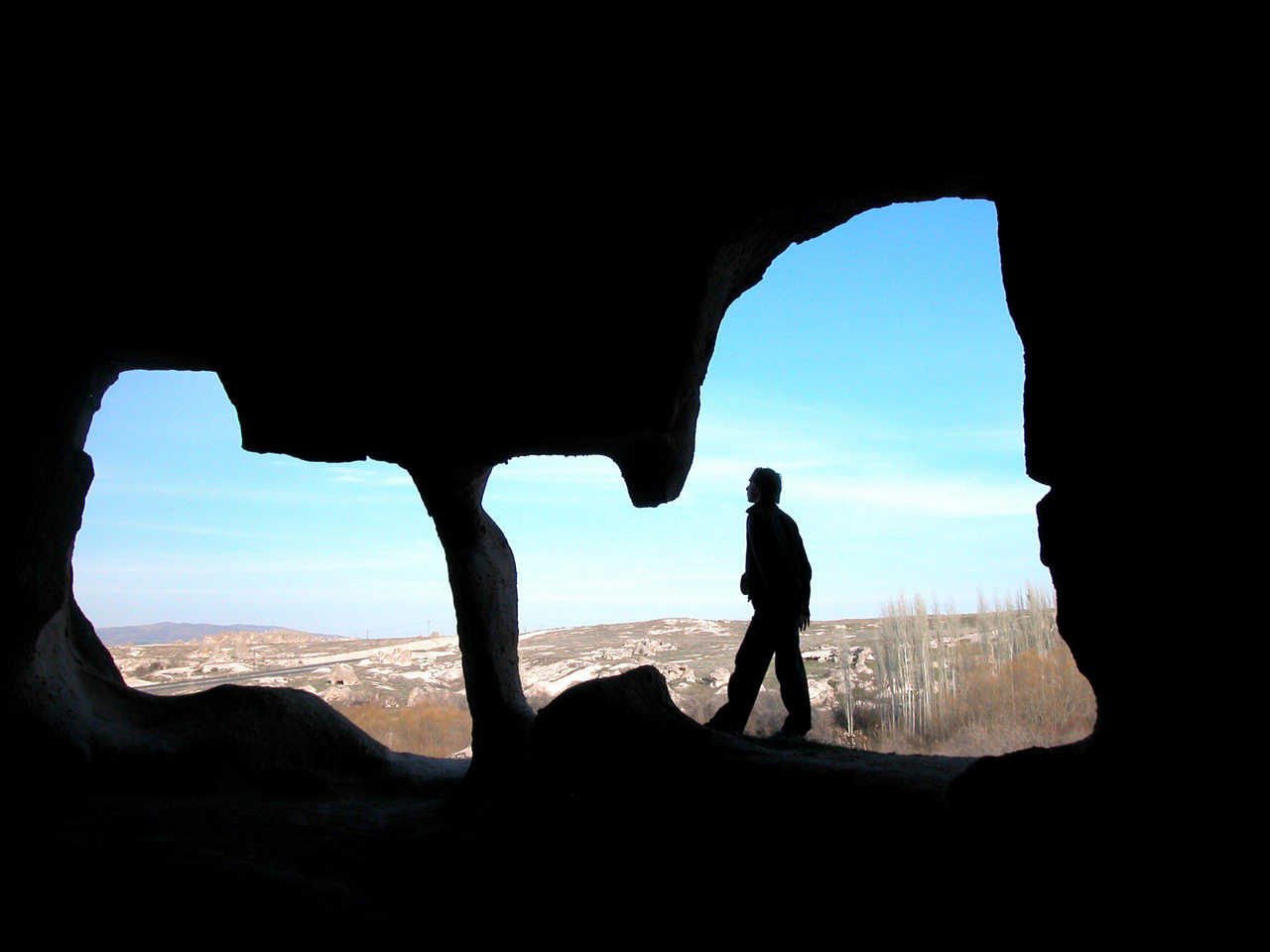
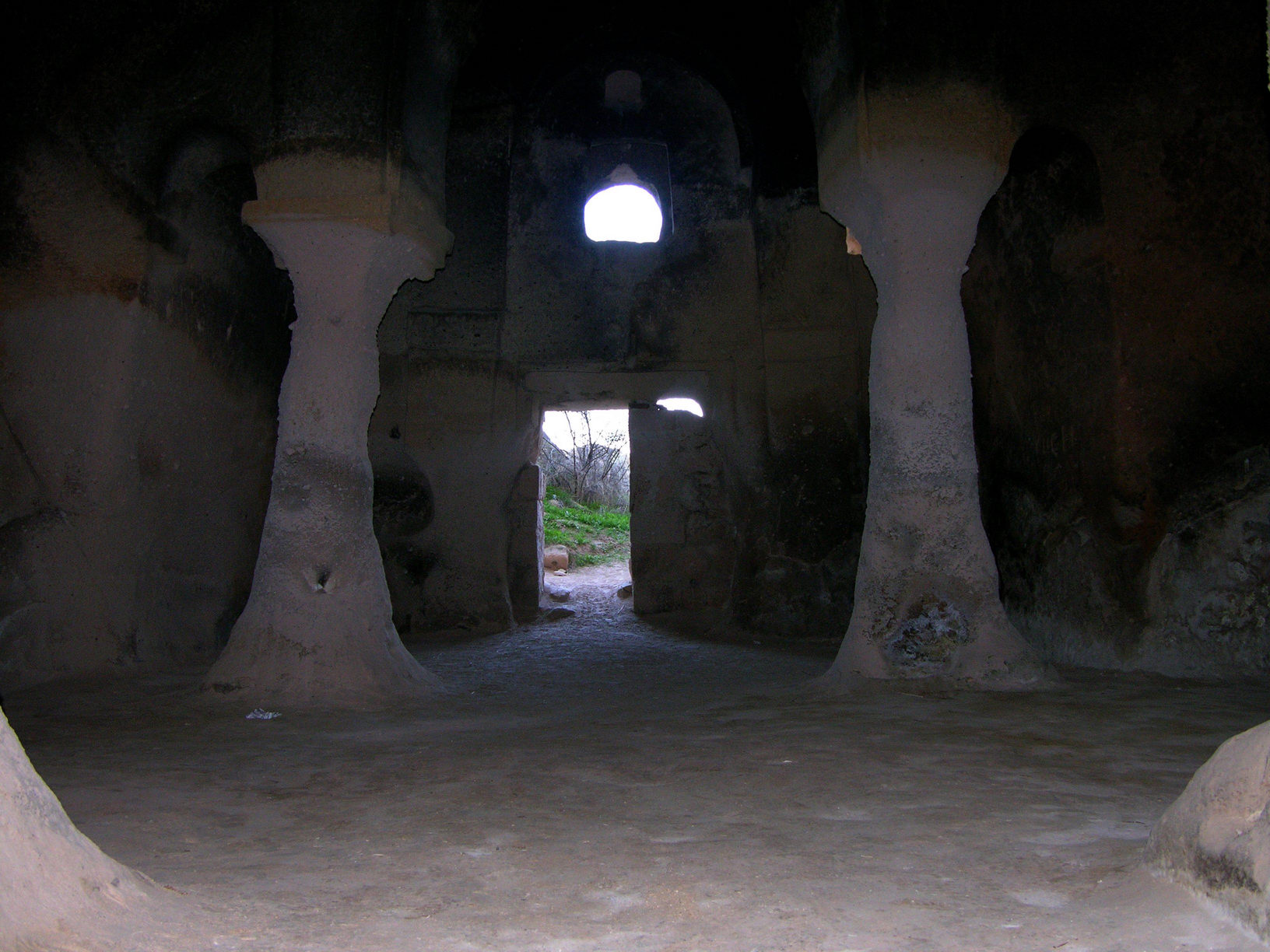
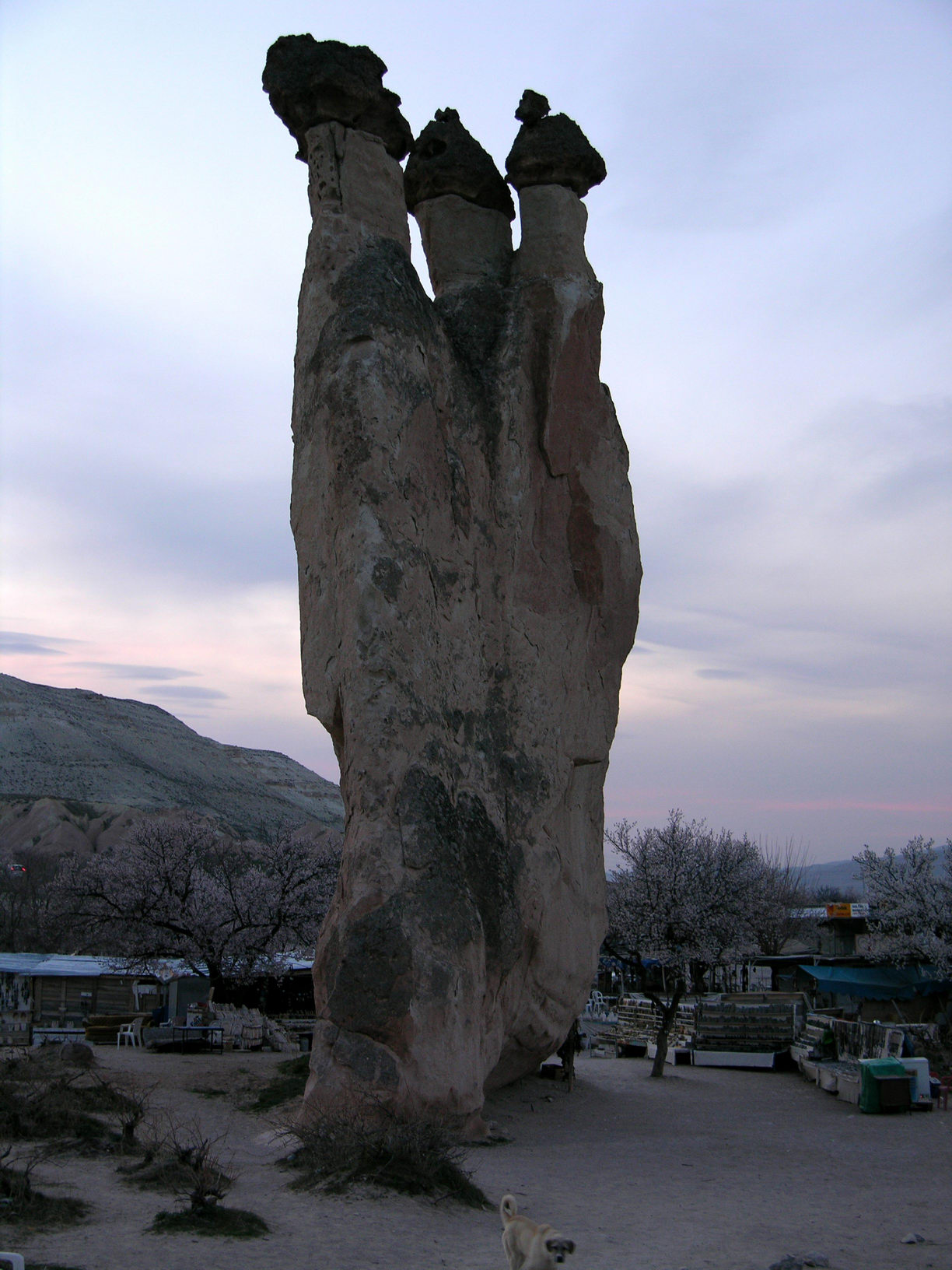
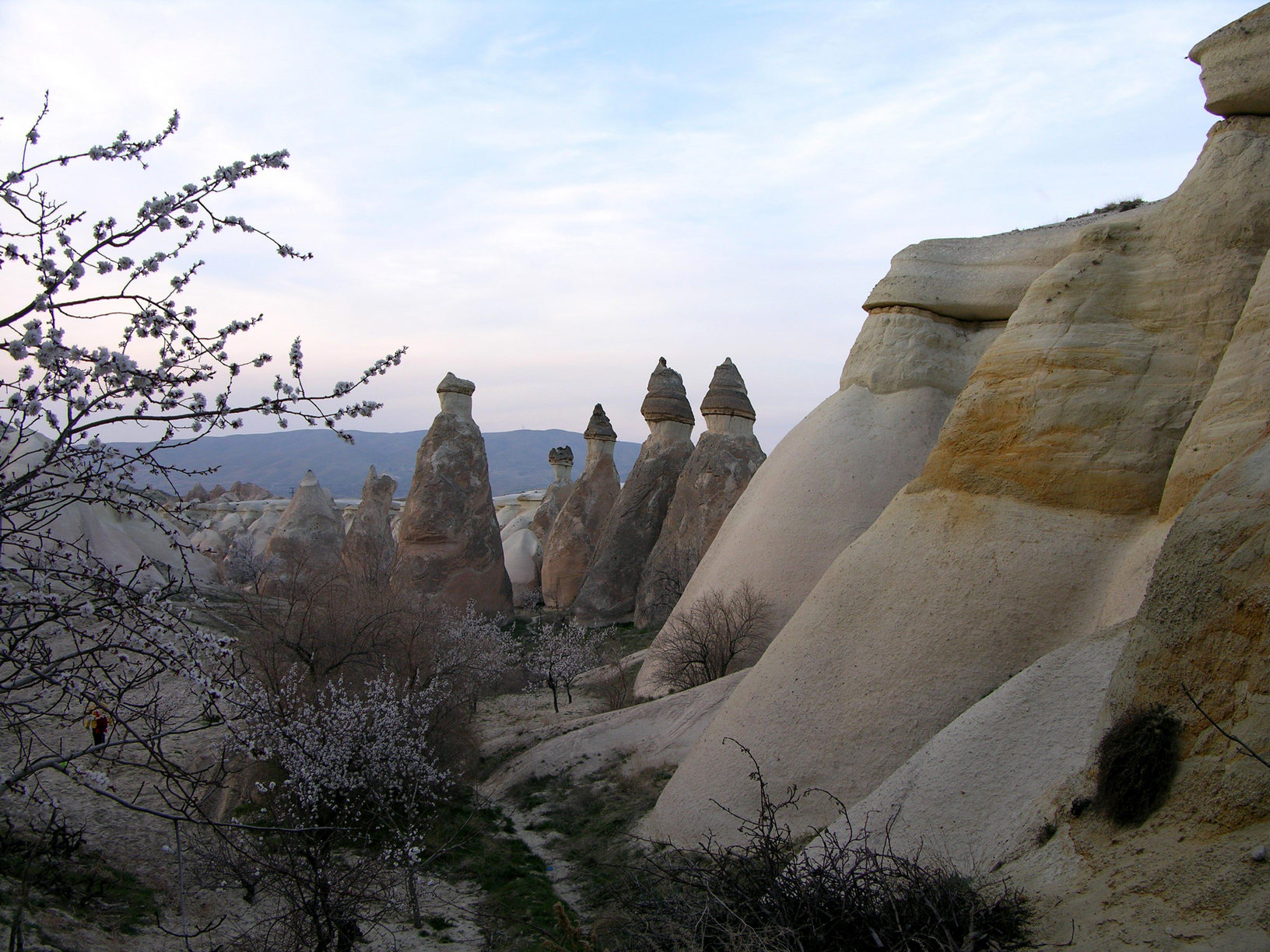
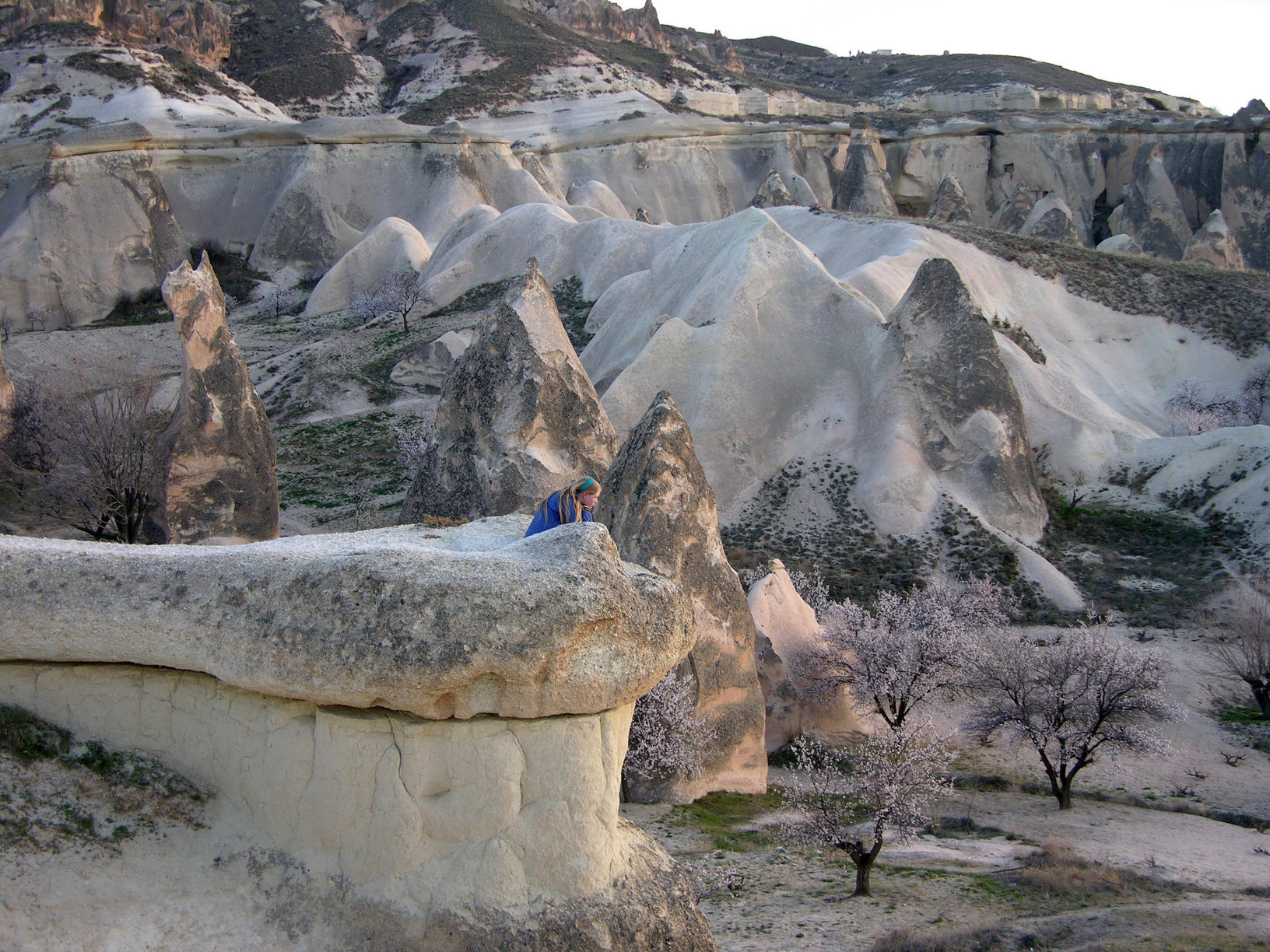
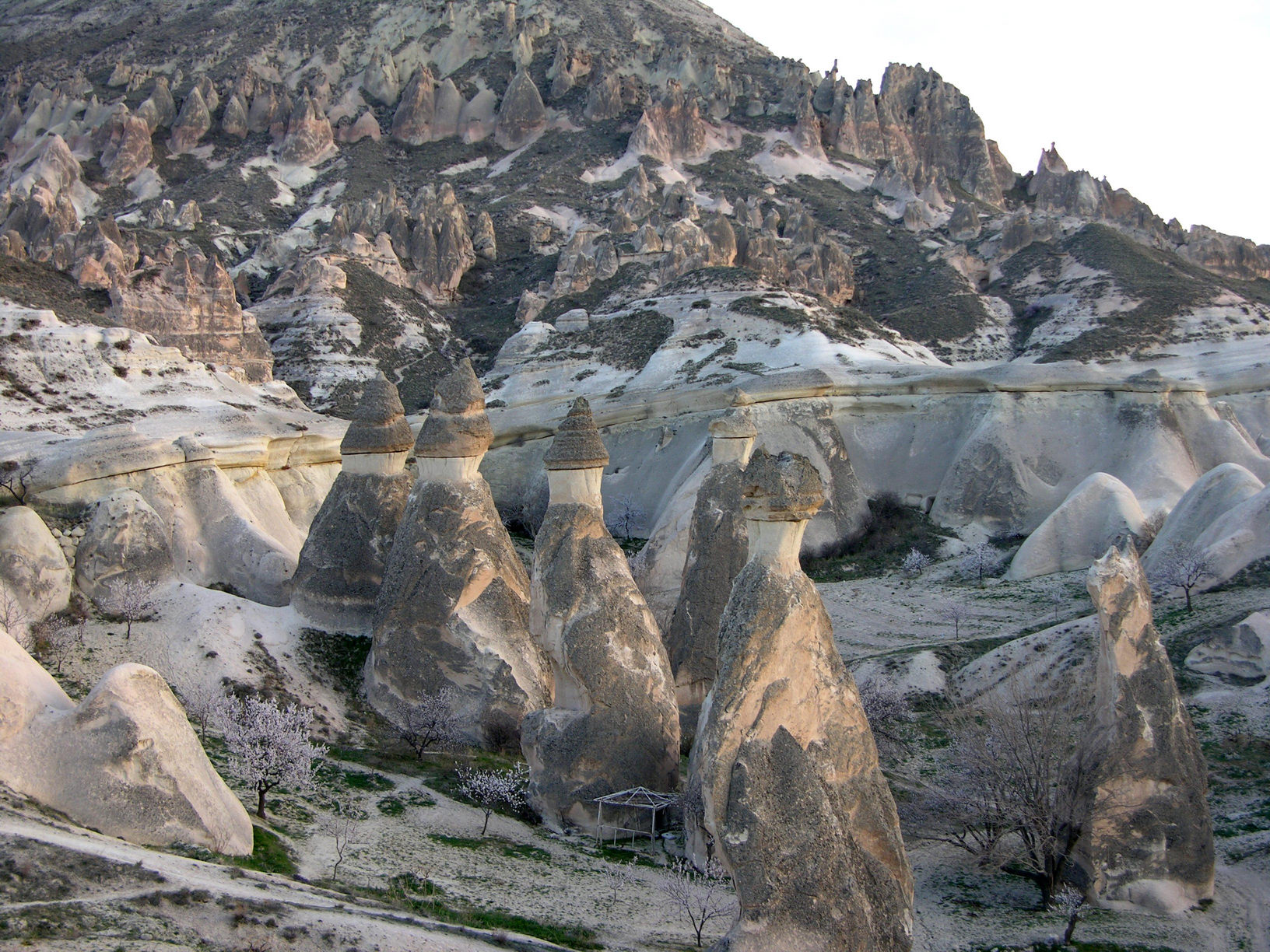
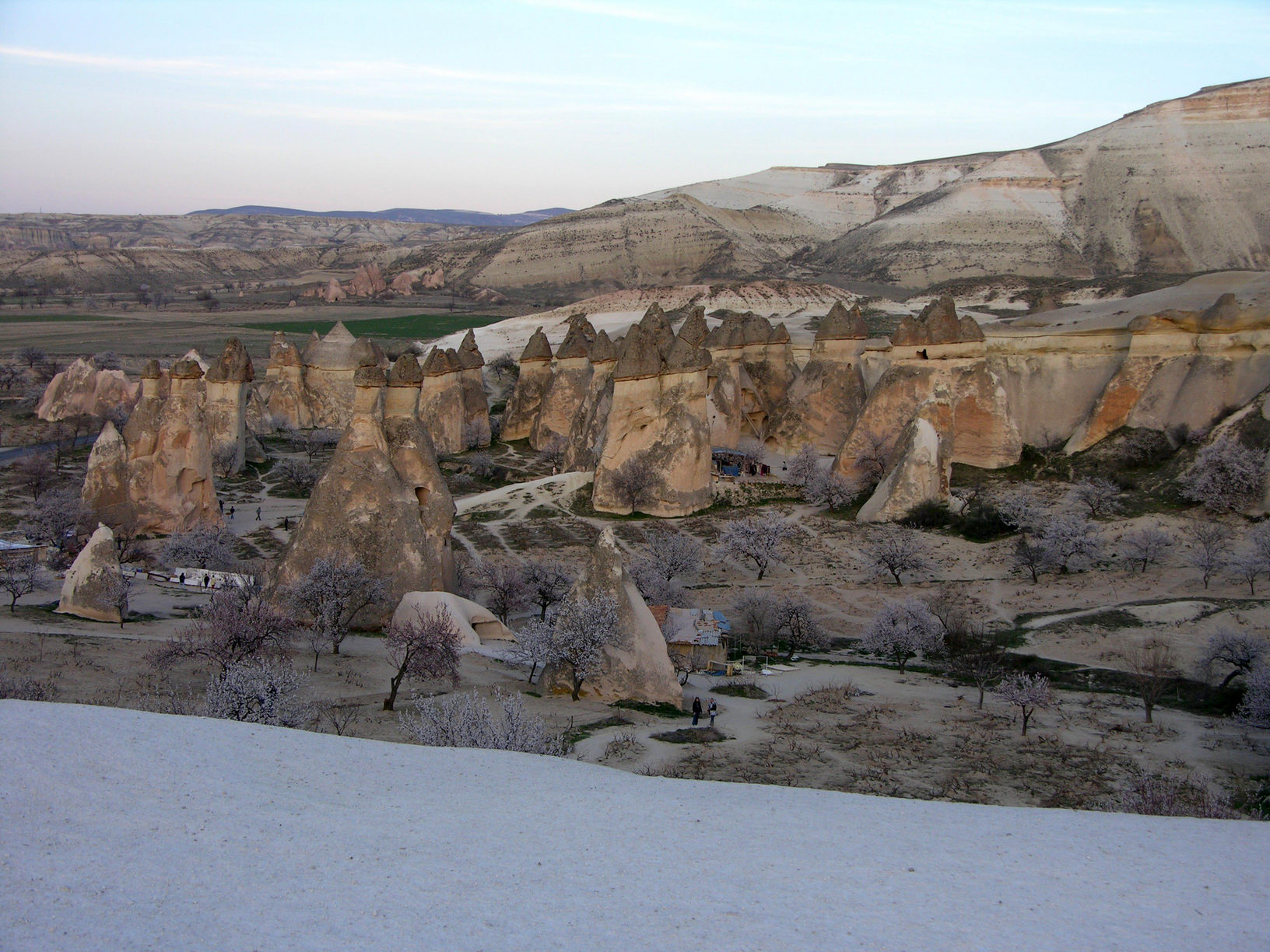
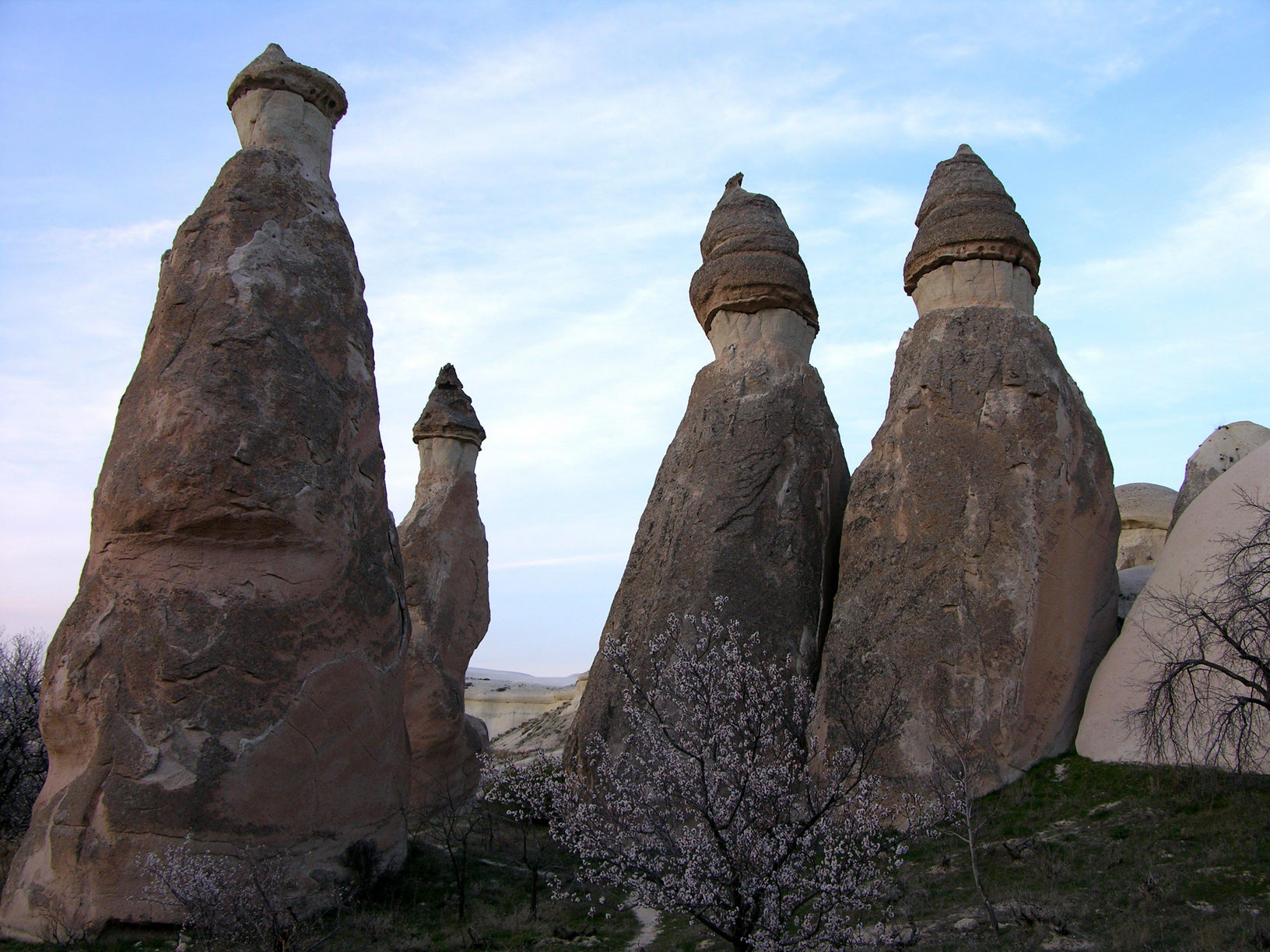
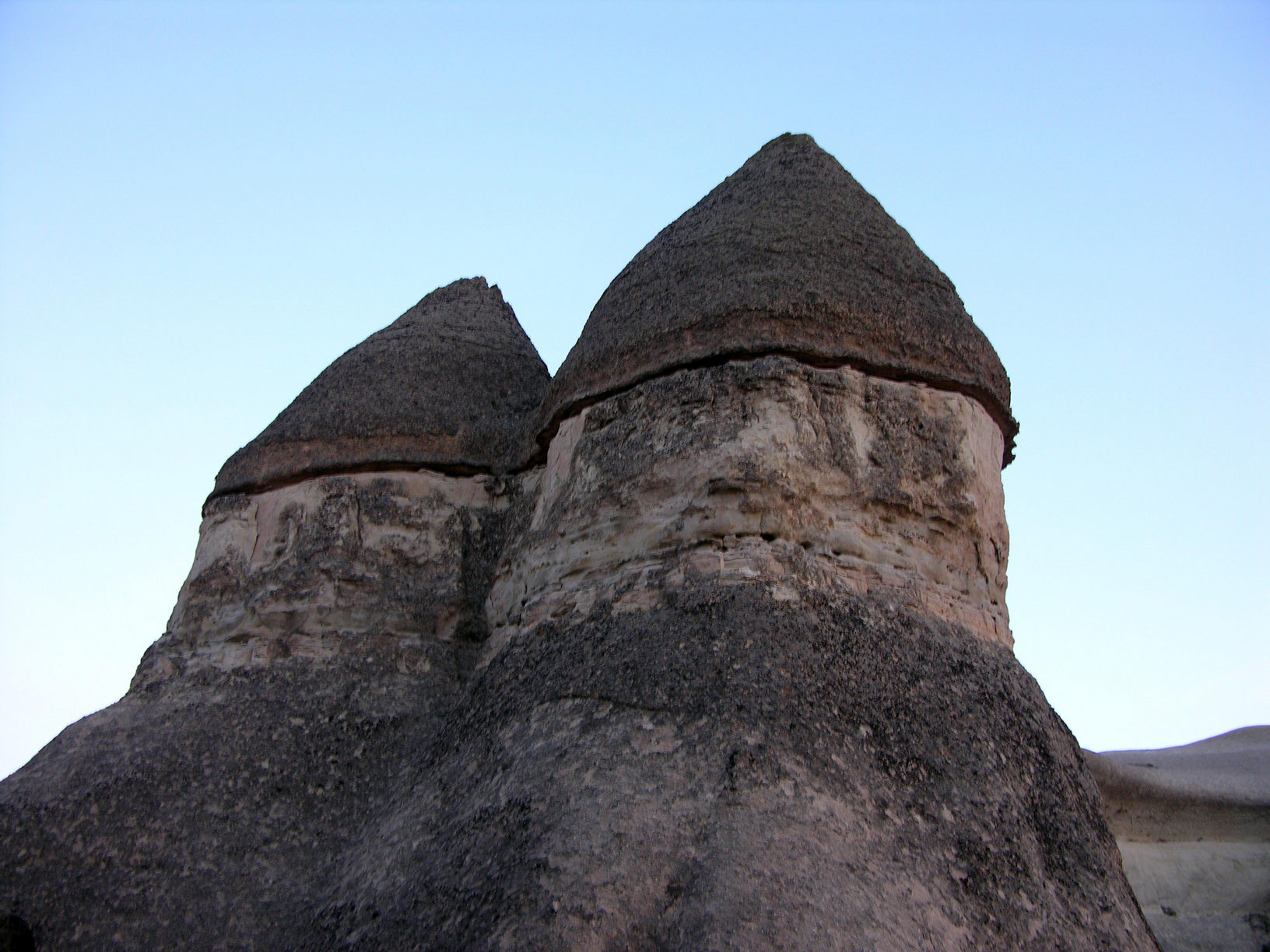
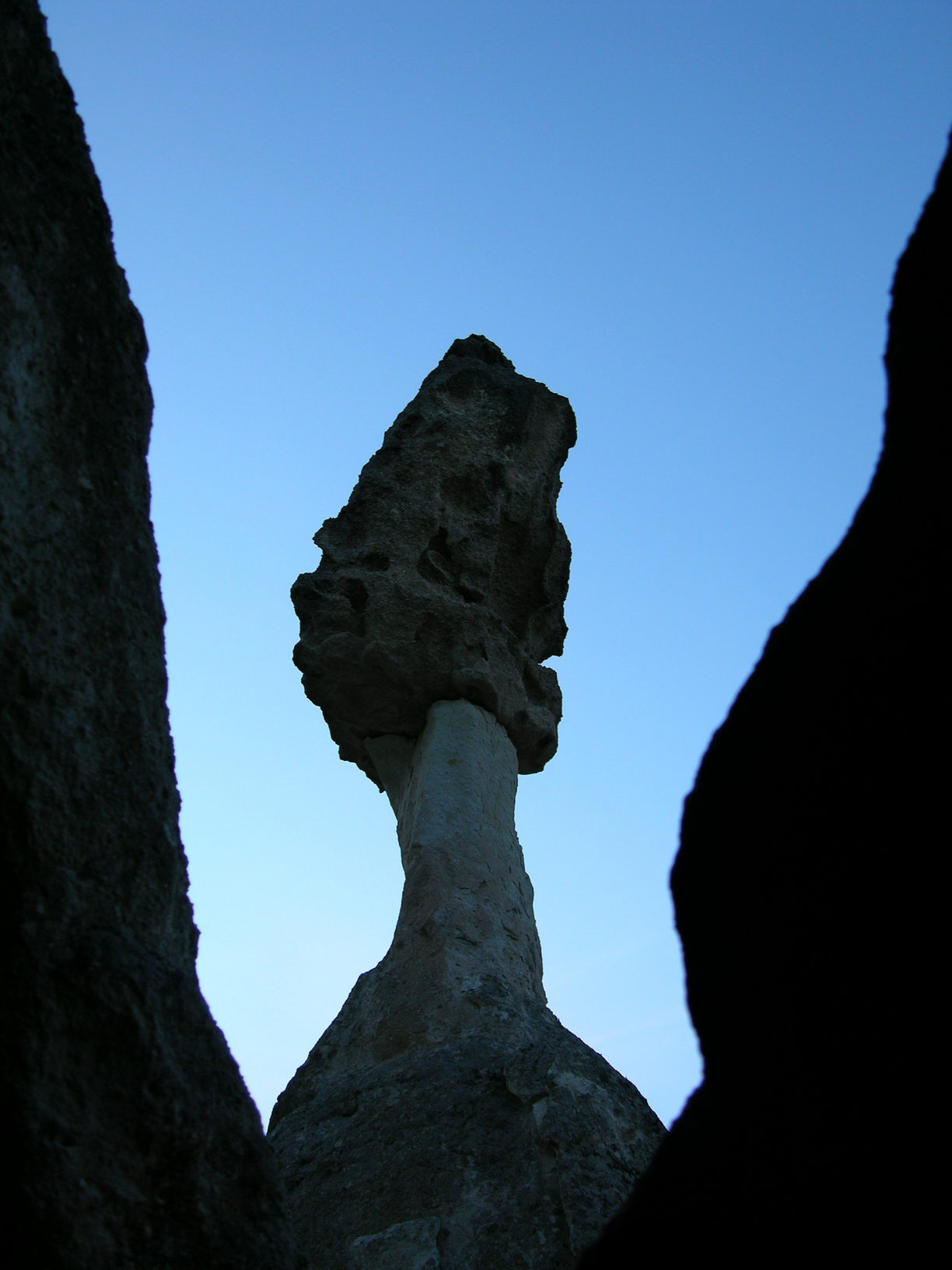
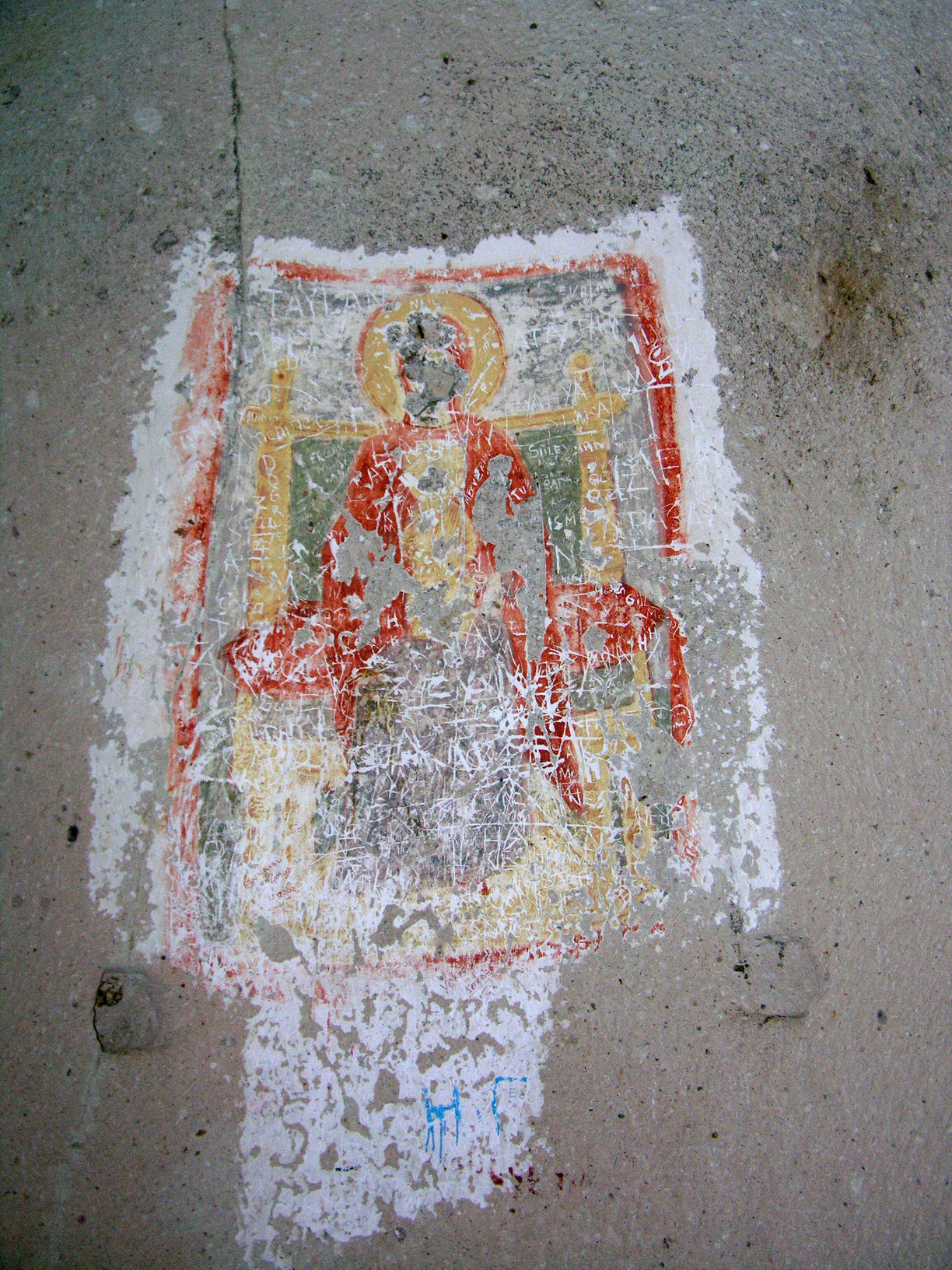
We spent the night in the town of Ürgüp (38°37.799′N, 34°54.514′E). We had been near here on the hot evening of 9 August 1999 and switched on the radio until we found a Russian station. The big news was that Putin had been appointed prime minister. It made me sick. Here we were with a secret policeman on the throne instead of in a cell. He was bound to become president. I remember writing, “A pity, but it looks as though we’ll have to leave Russia.” I’d read it like a fortune teller. Now, on the other side of the earth in New Zealand, we were getting a place ready to move to.
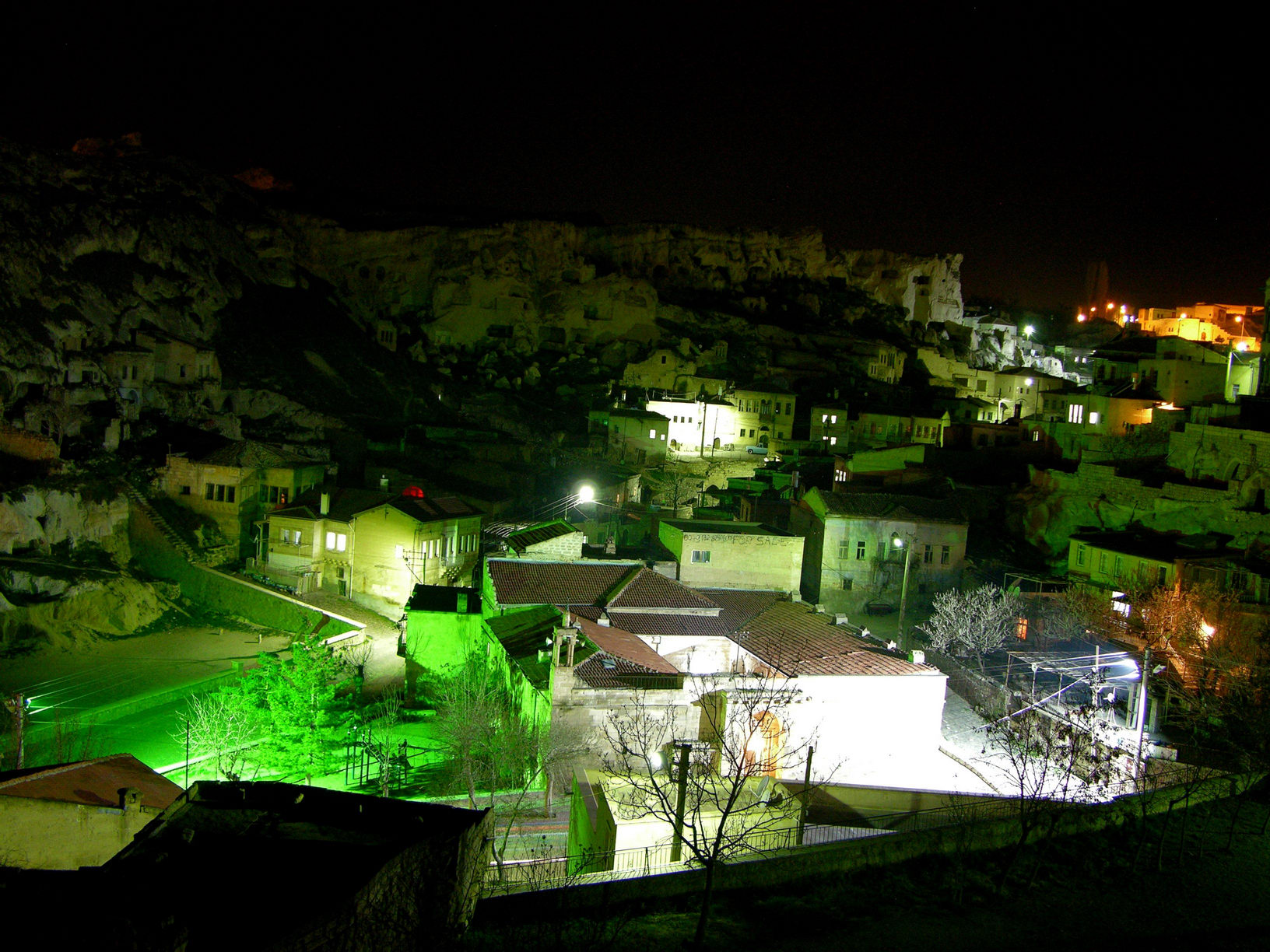
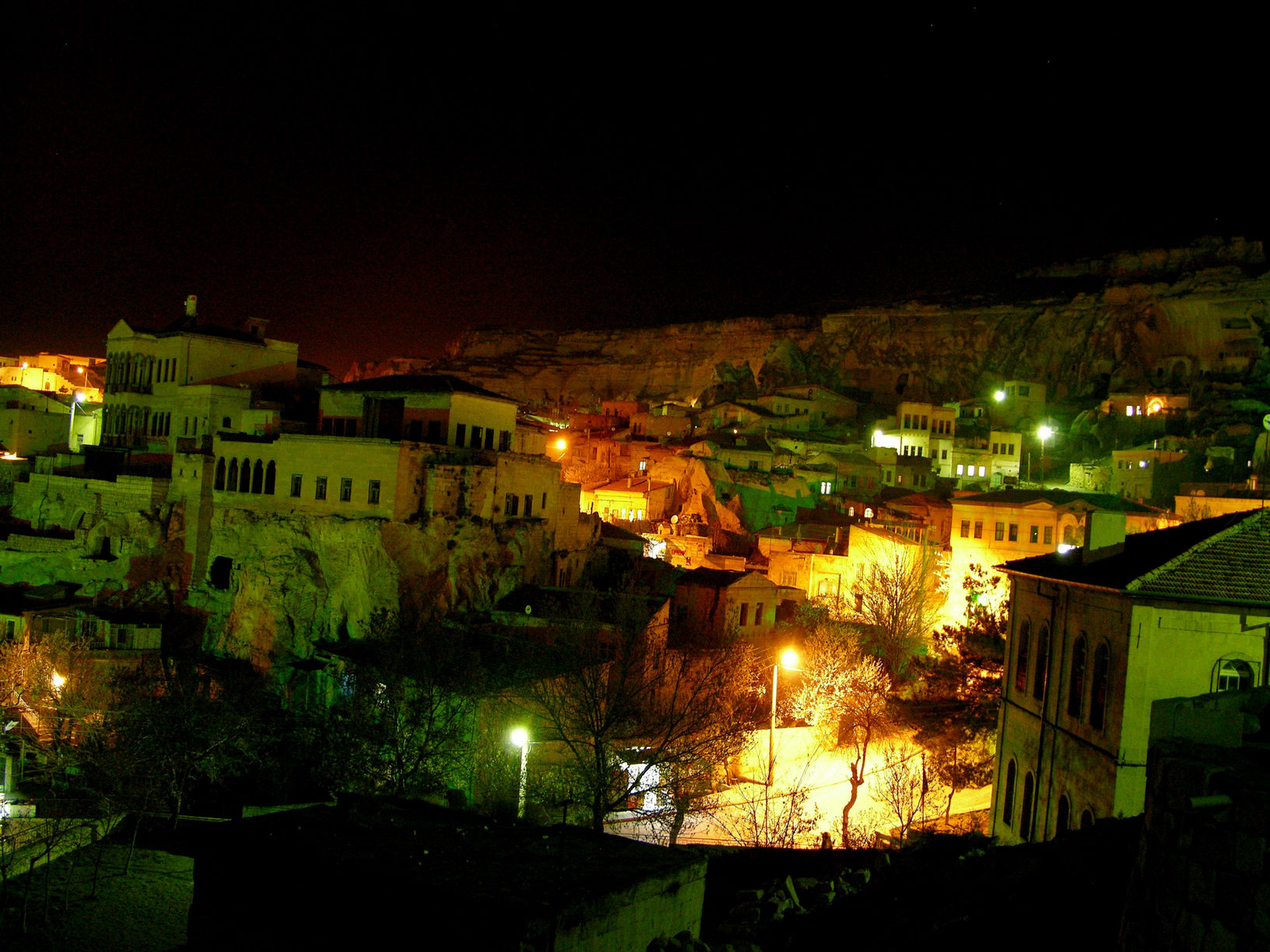
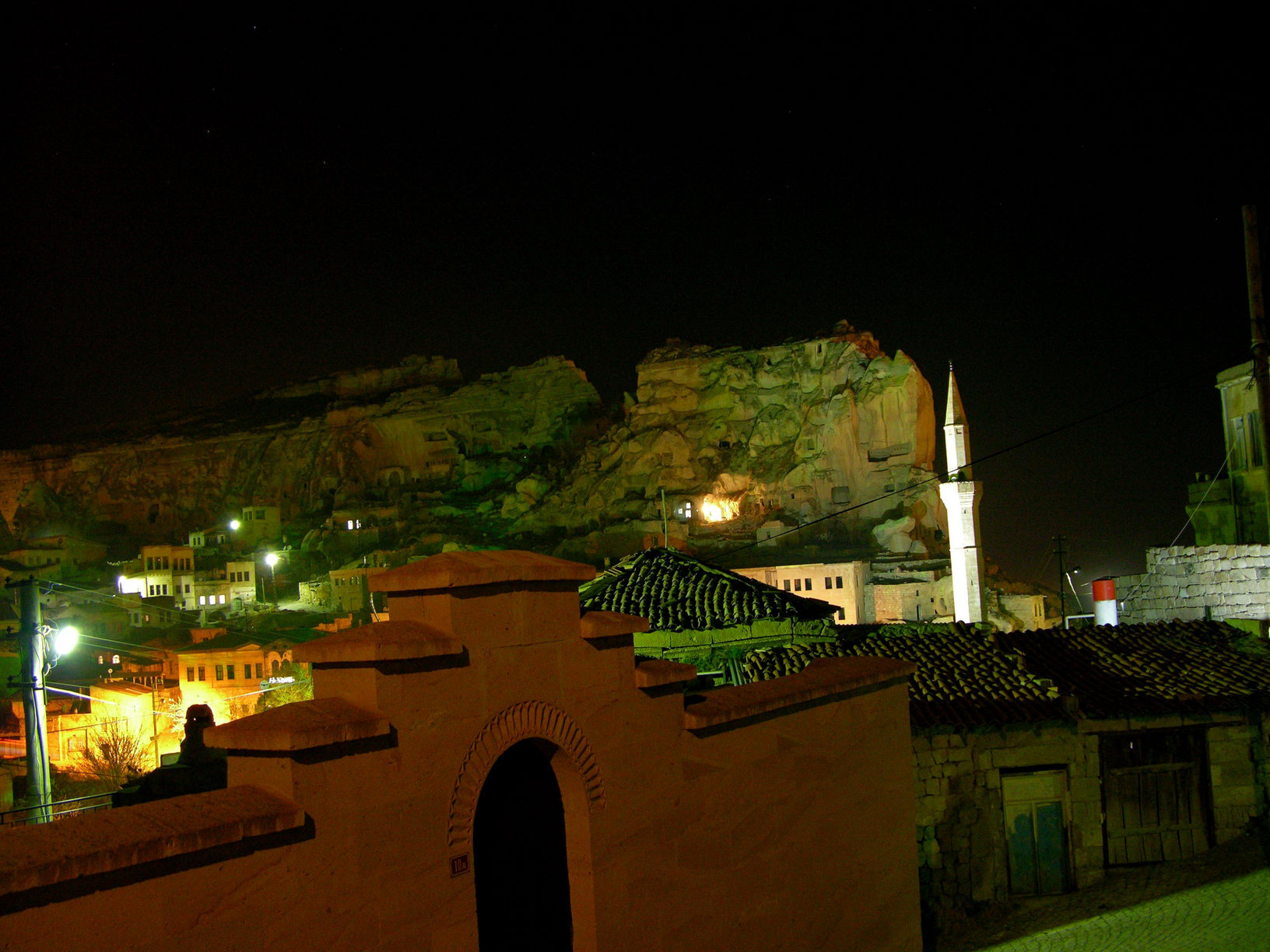
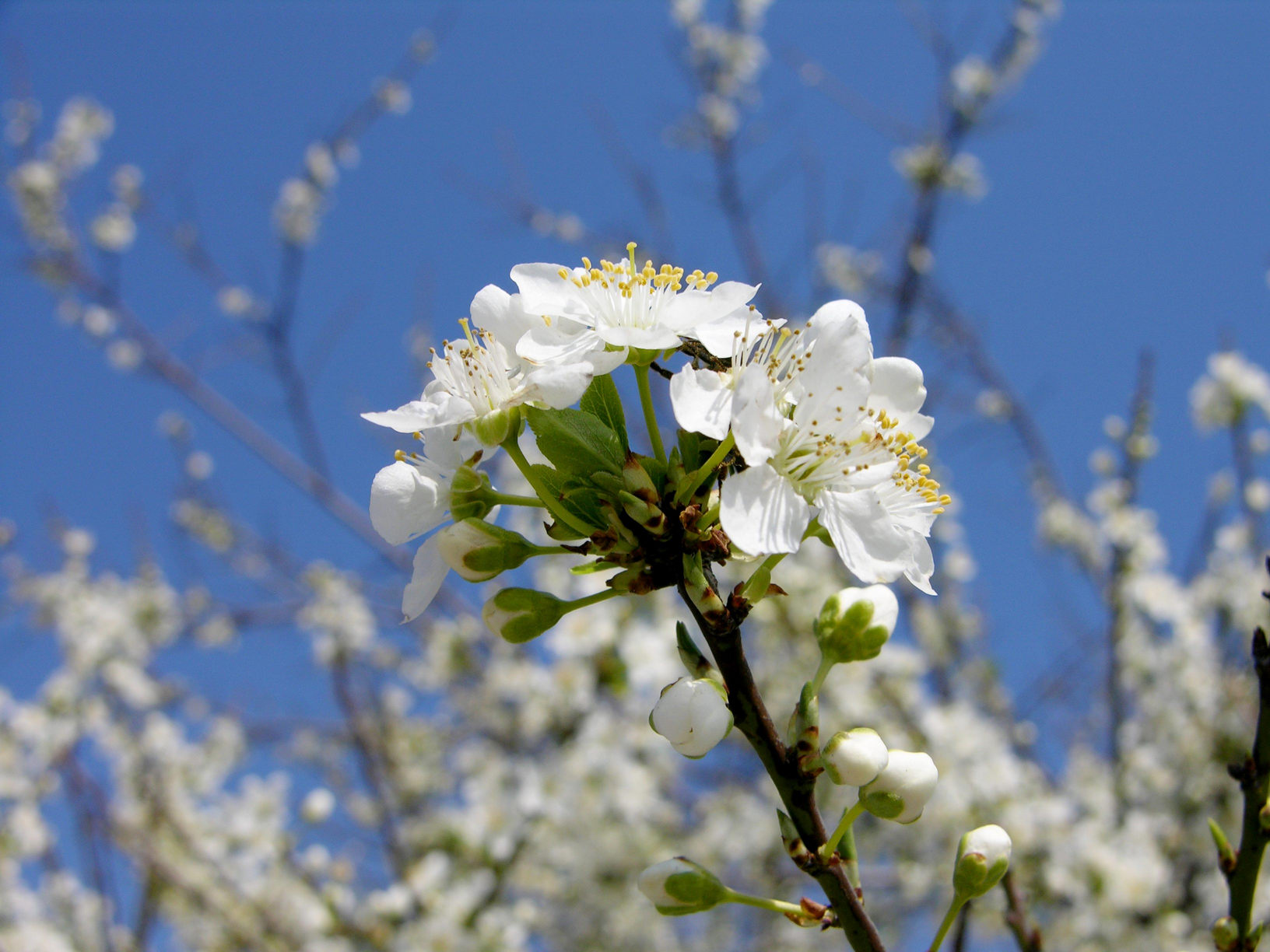
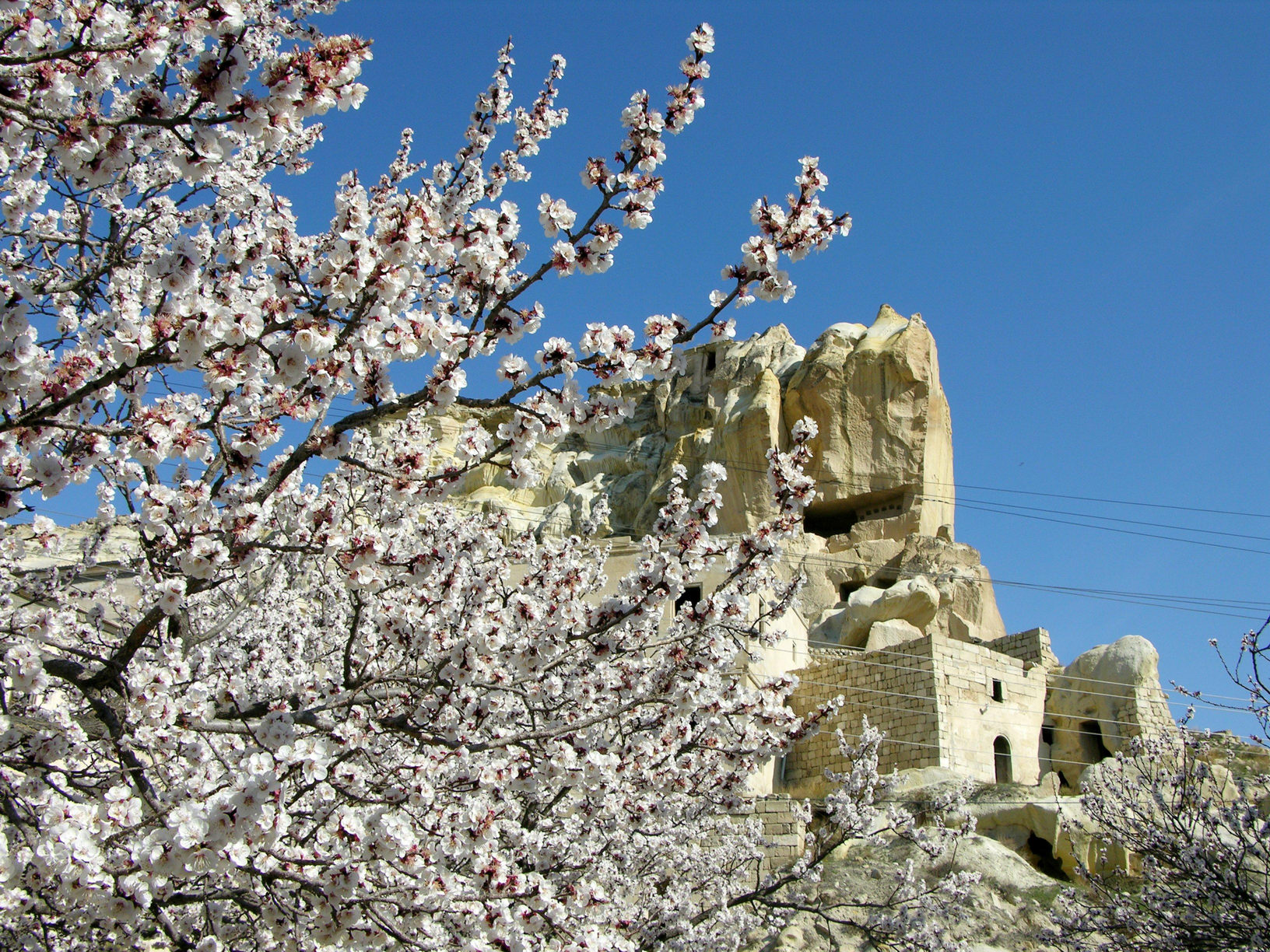
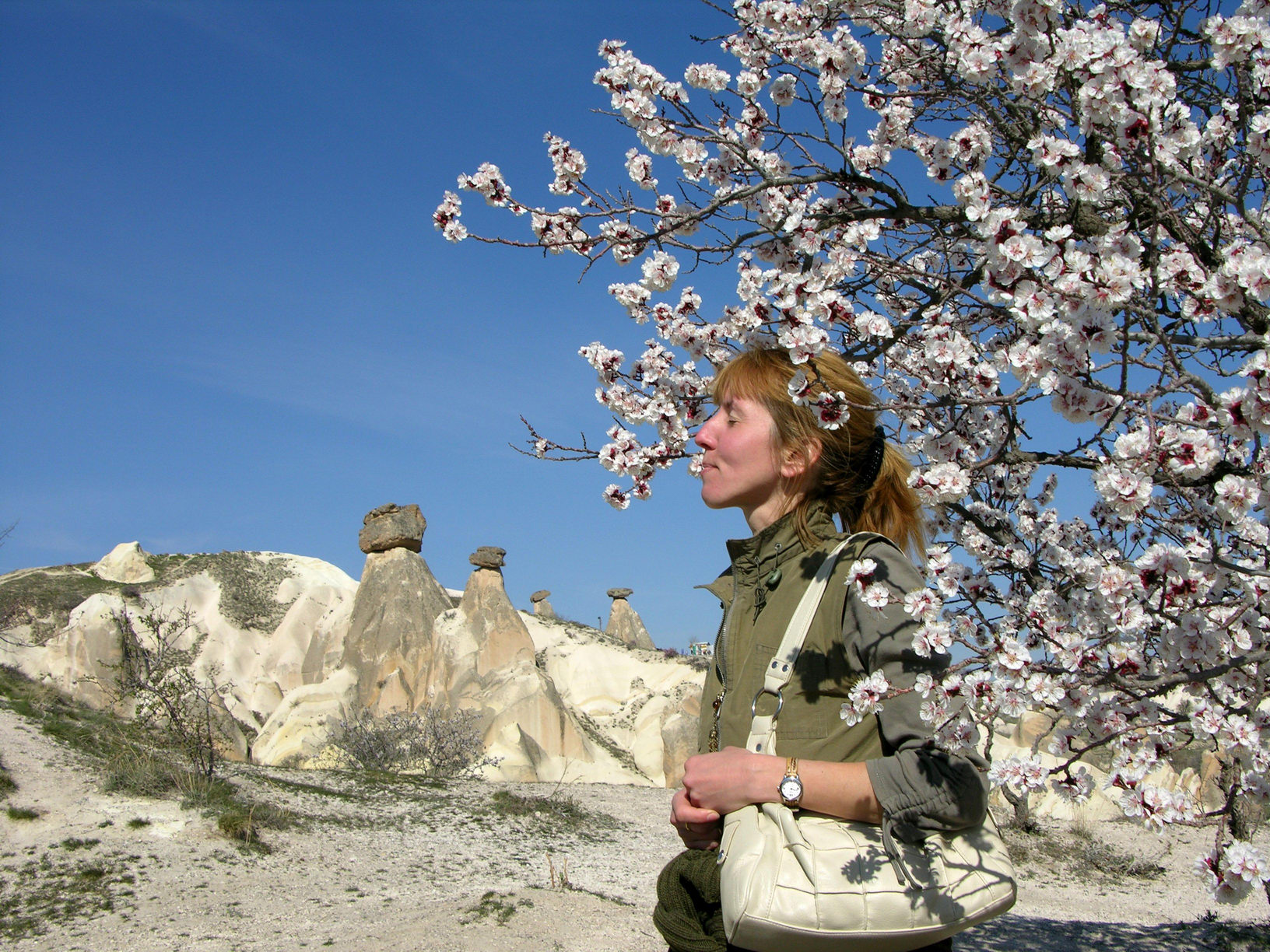
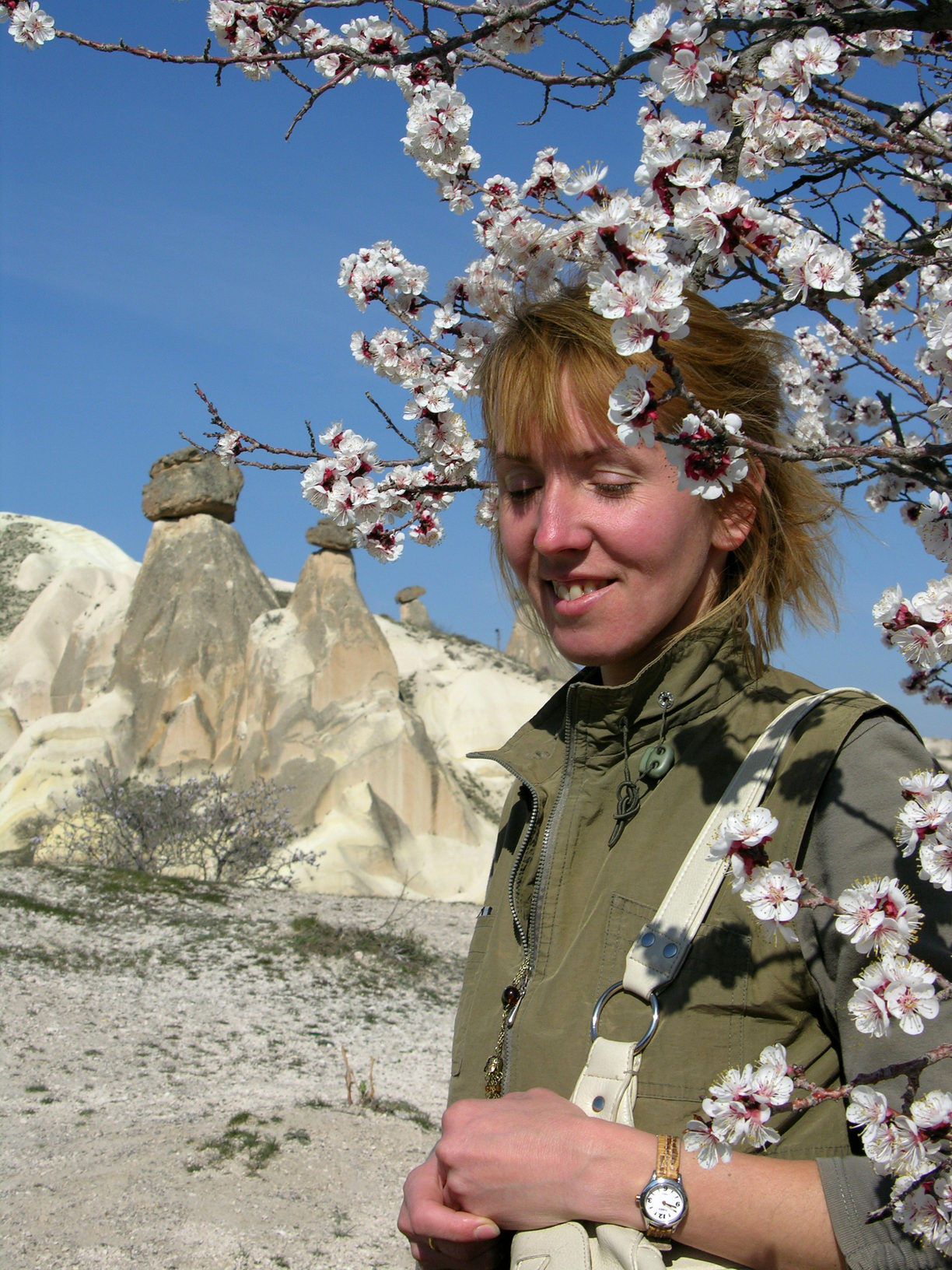
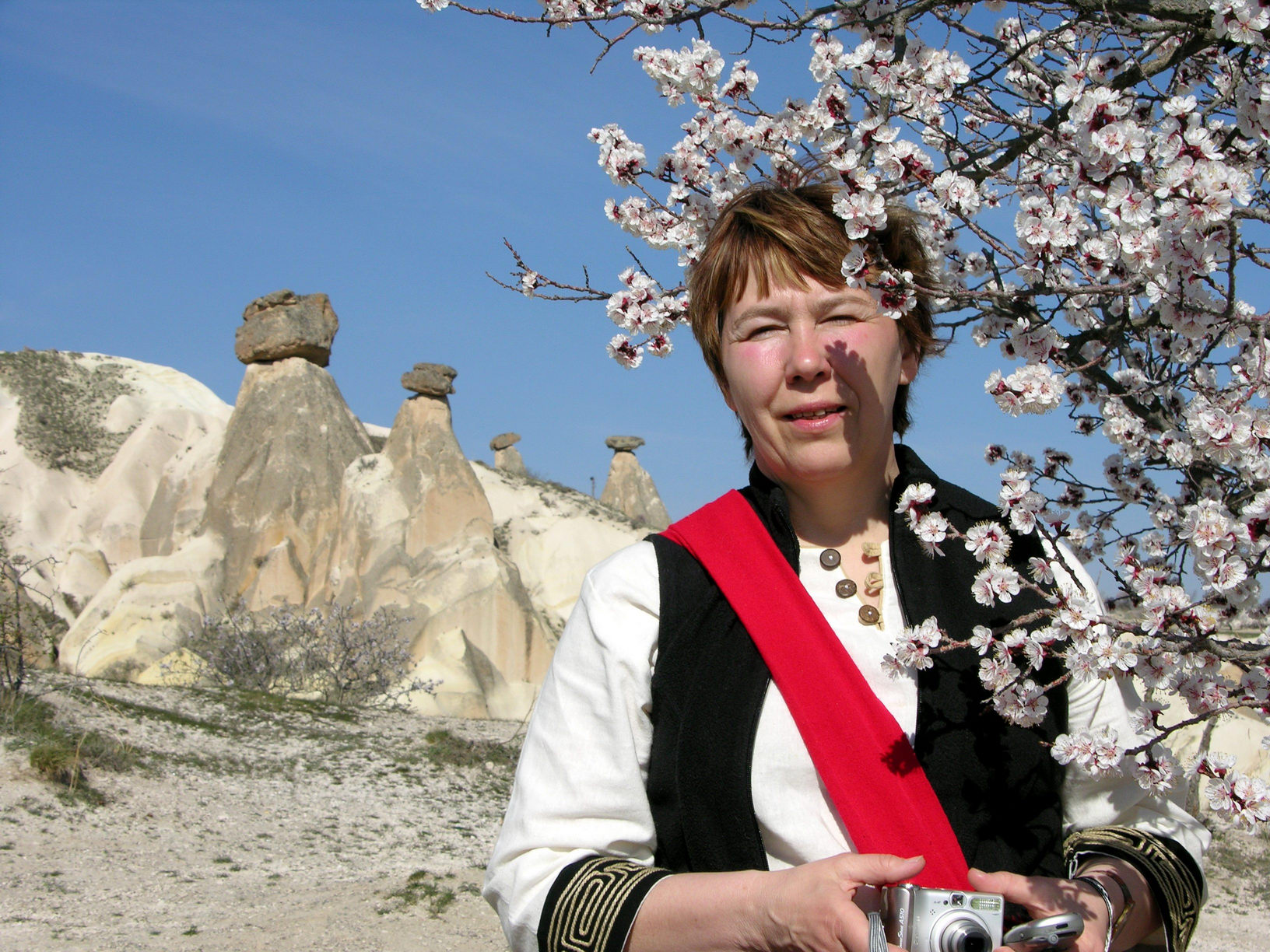
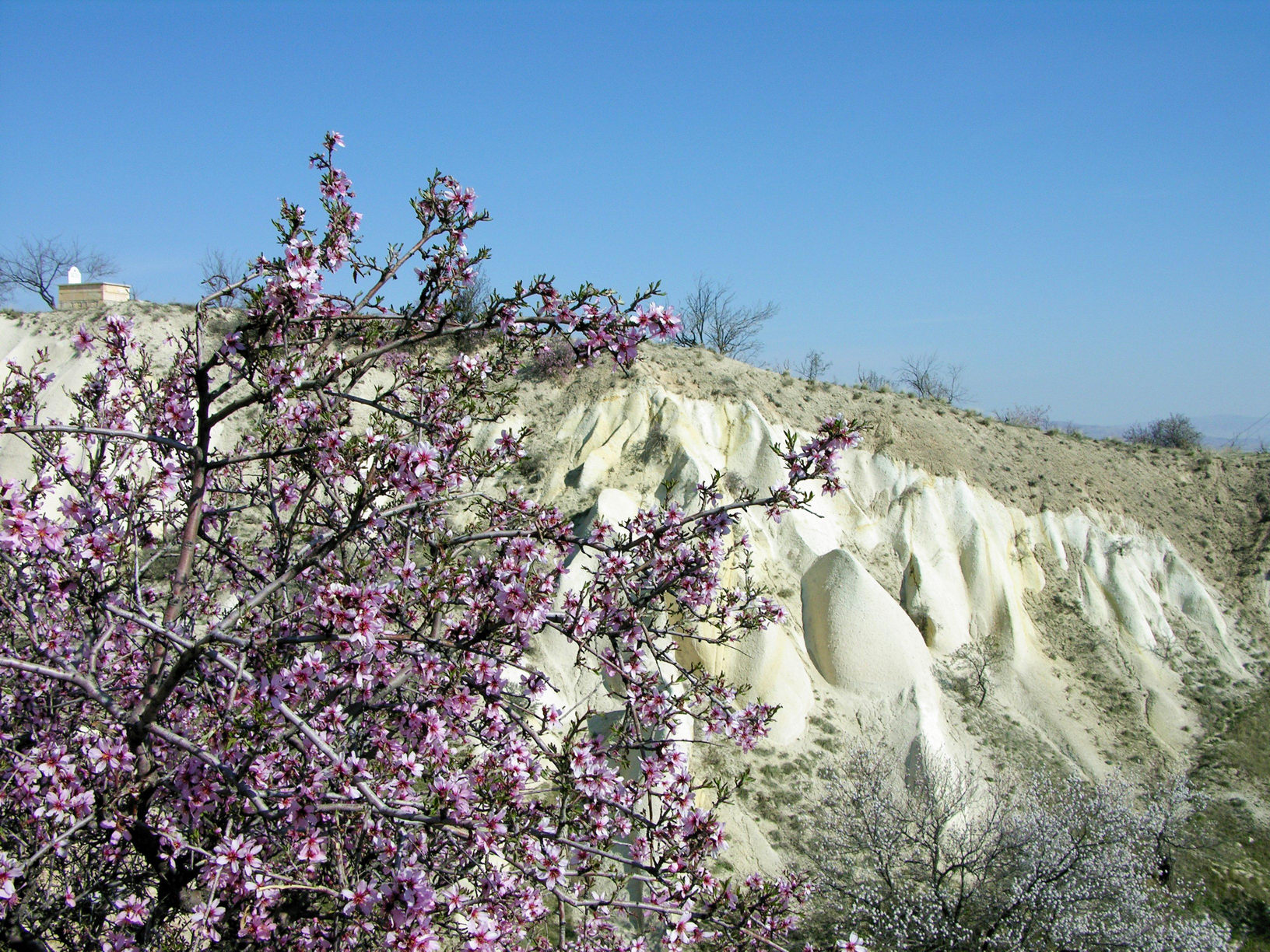
Nothing of the sort happened this time. In the morning we drove to walk among the stone pillars and take pictures among the flowering apple trees.
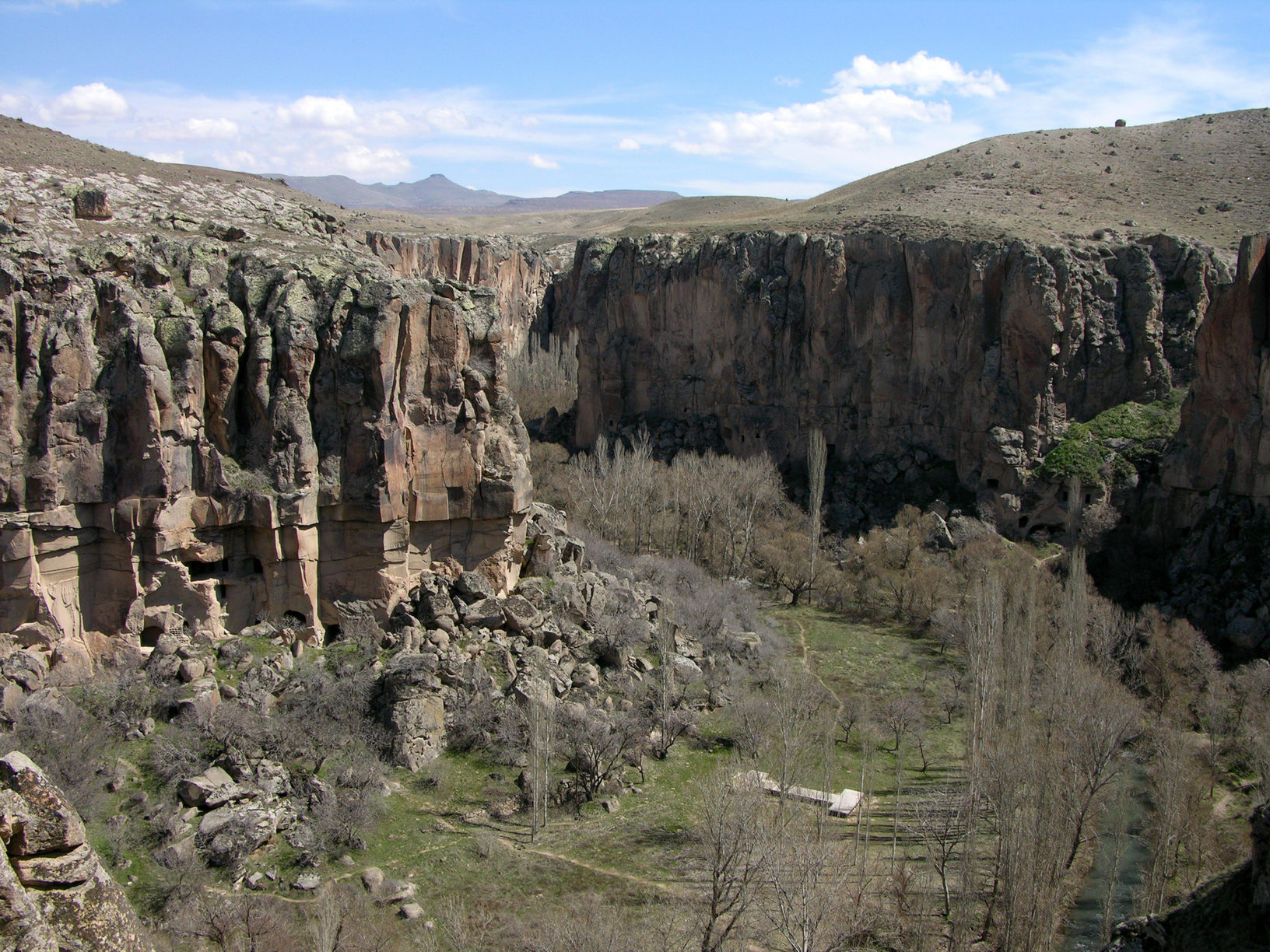
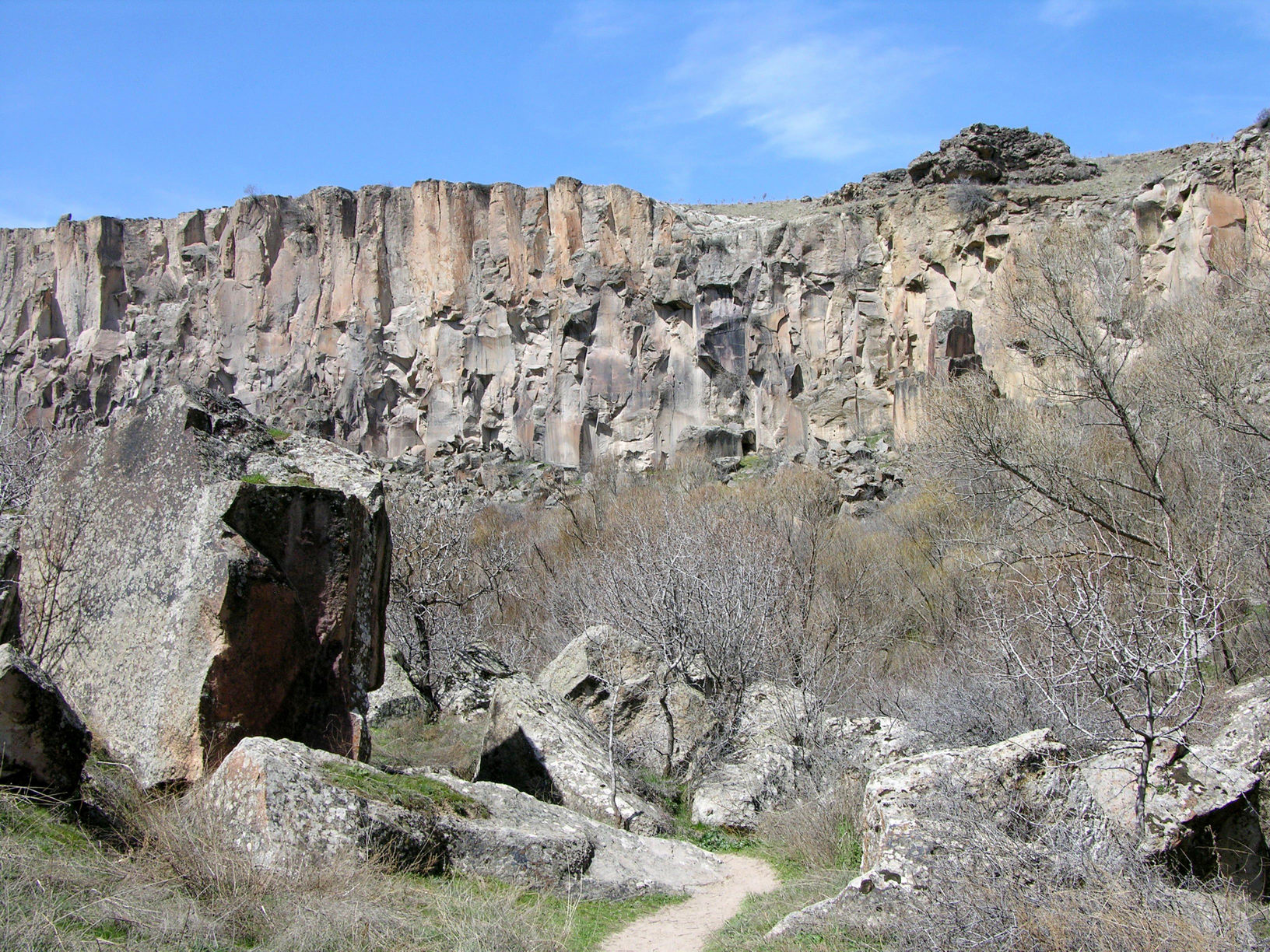
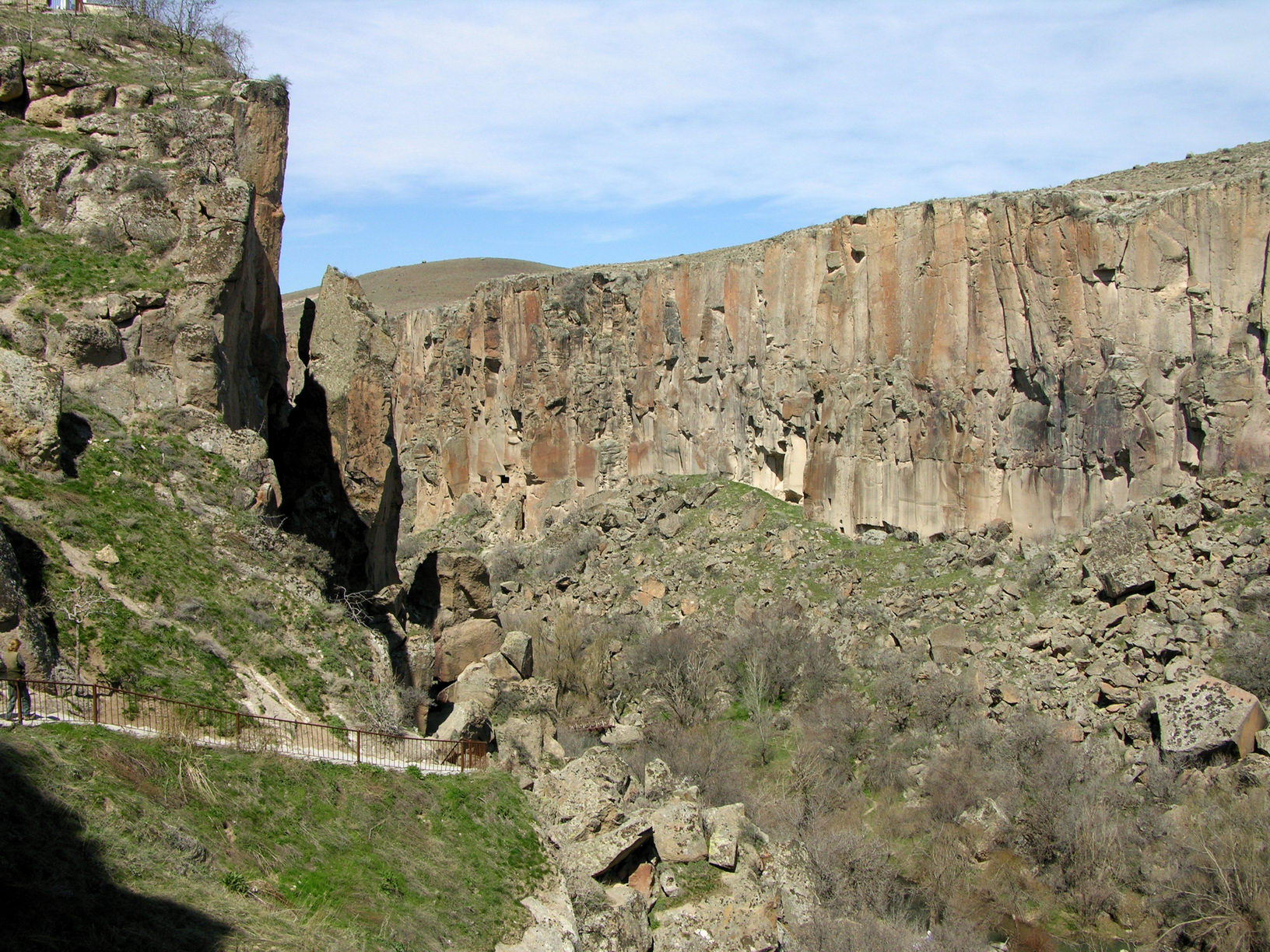
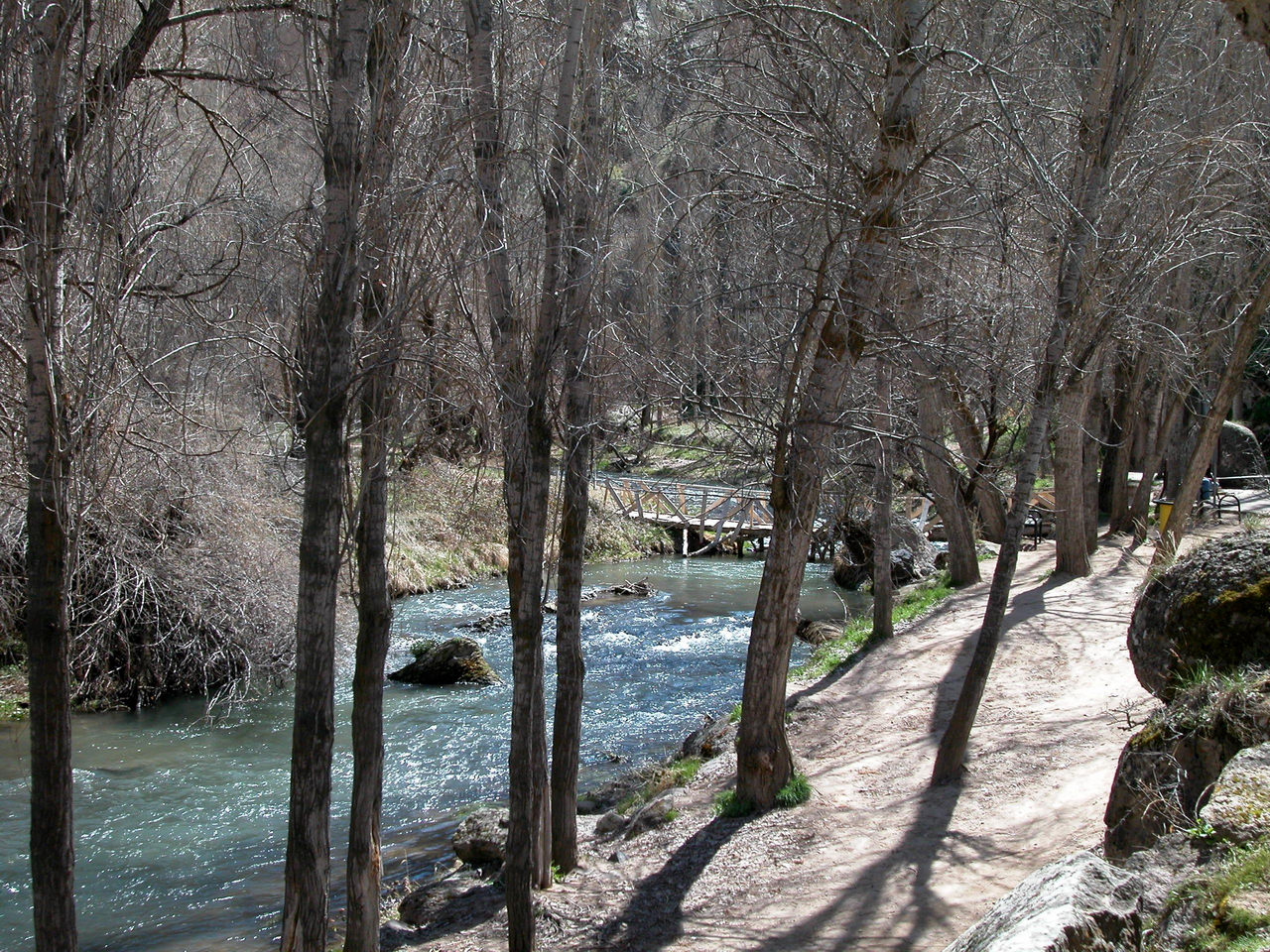
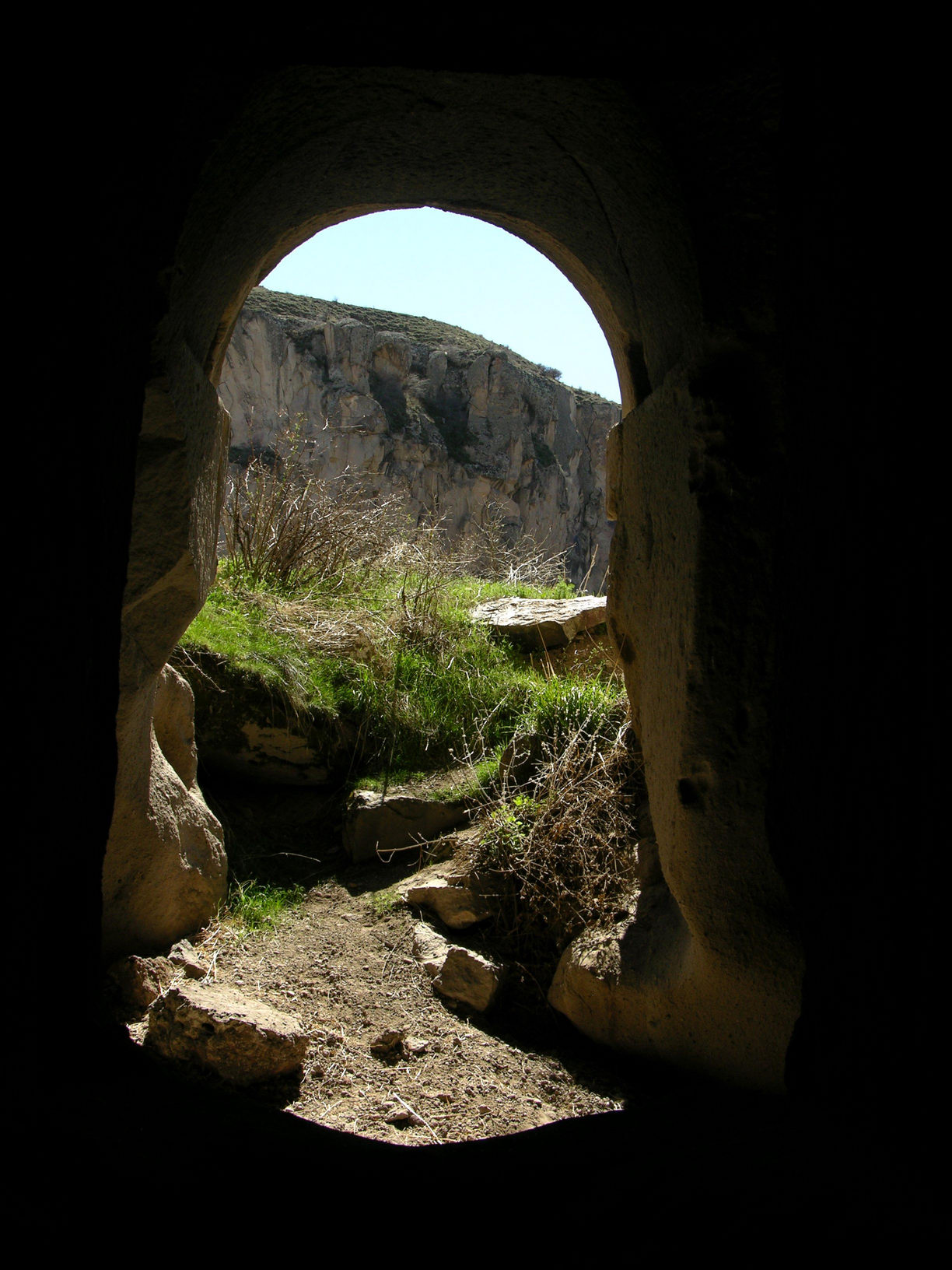
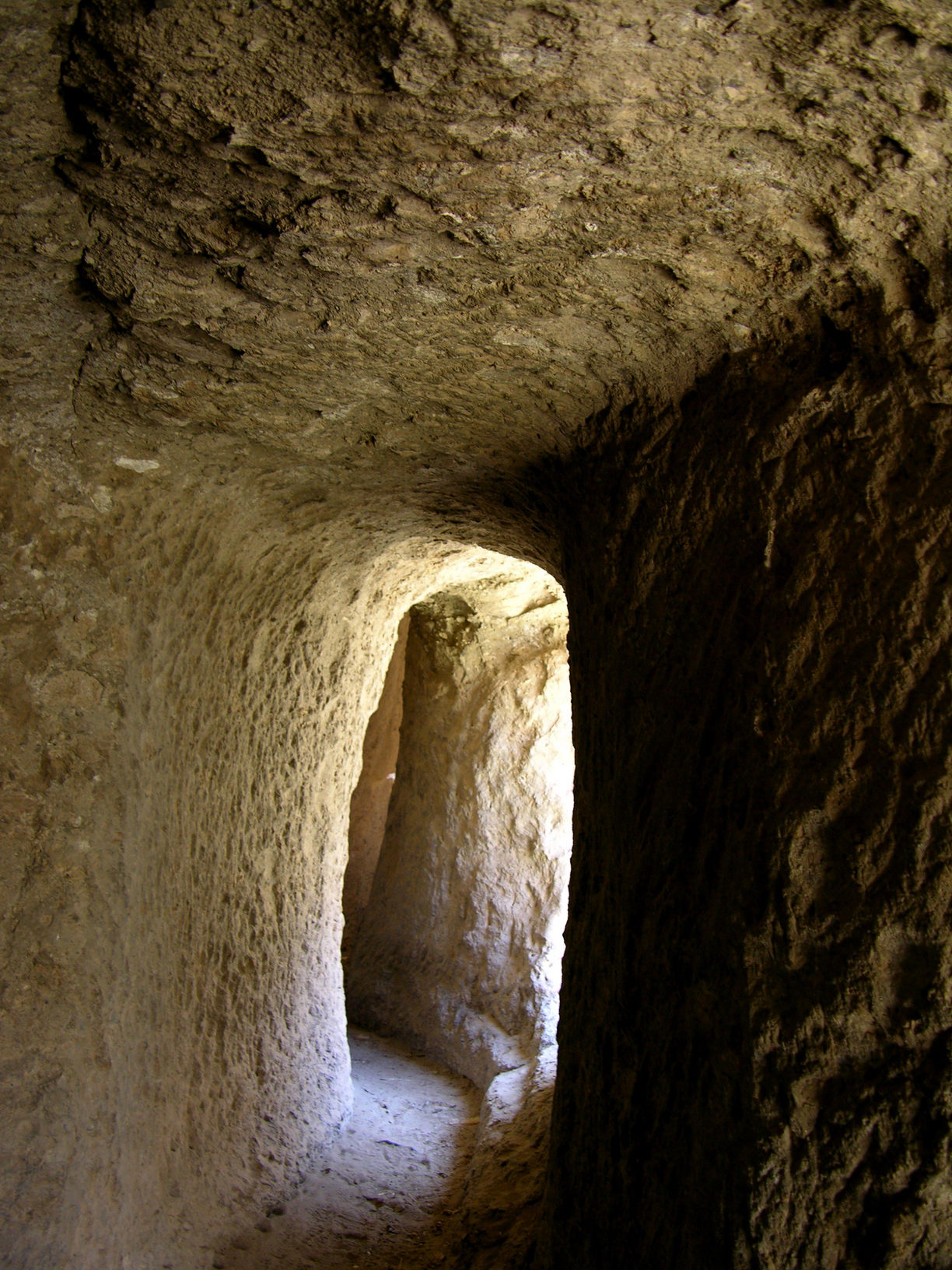
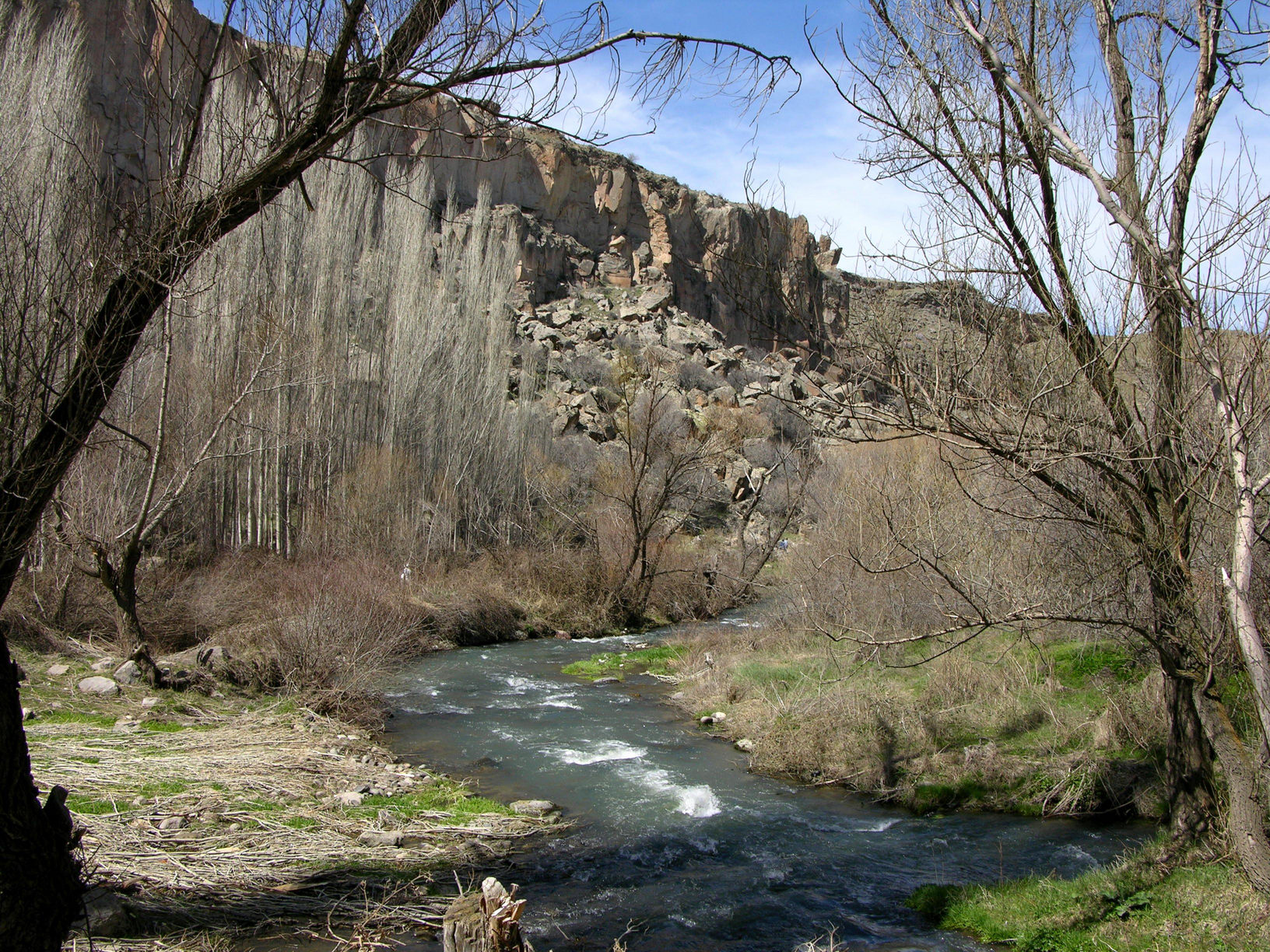
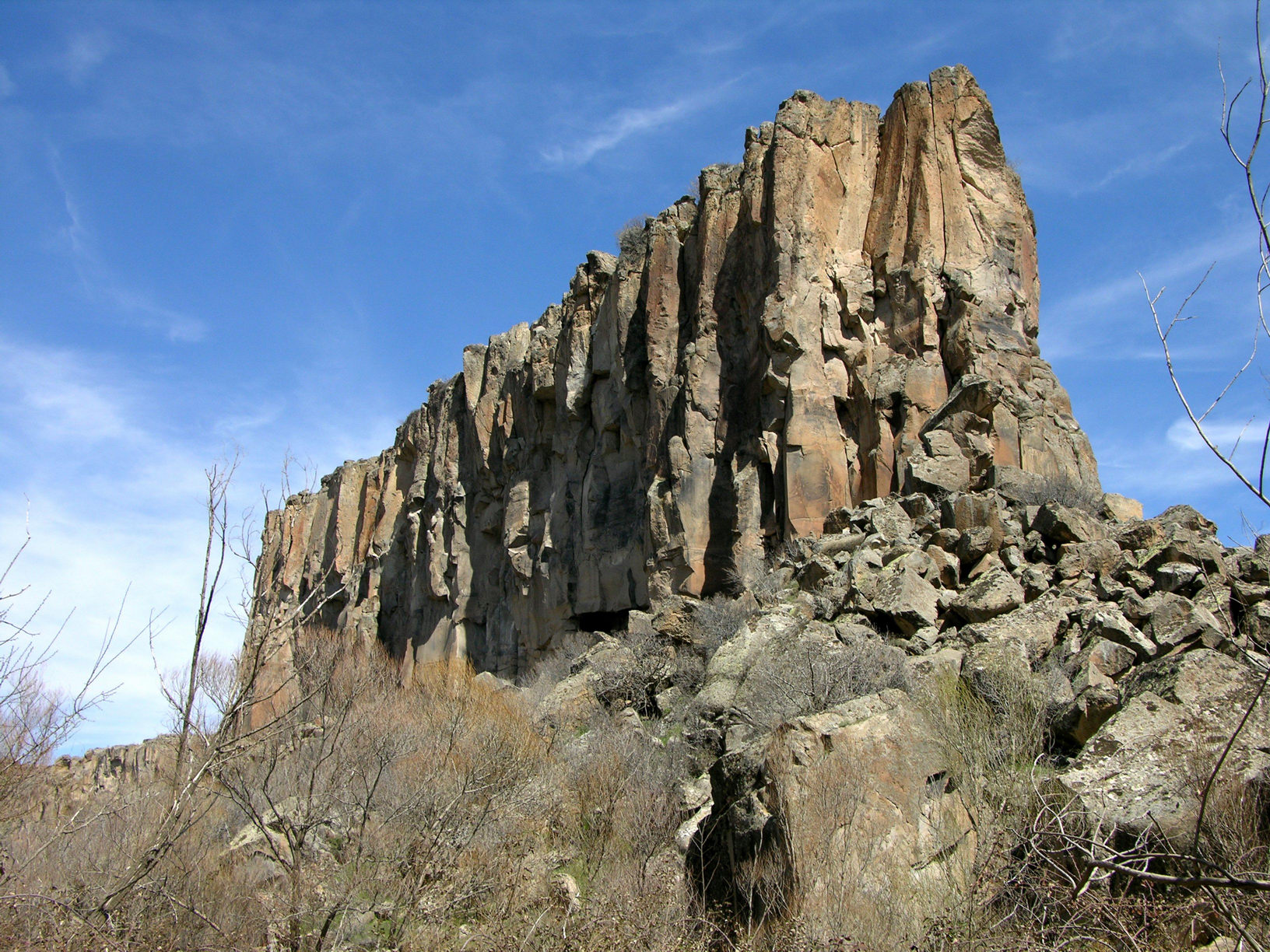
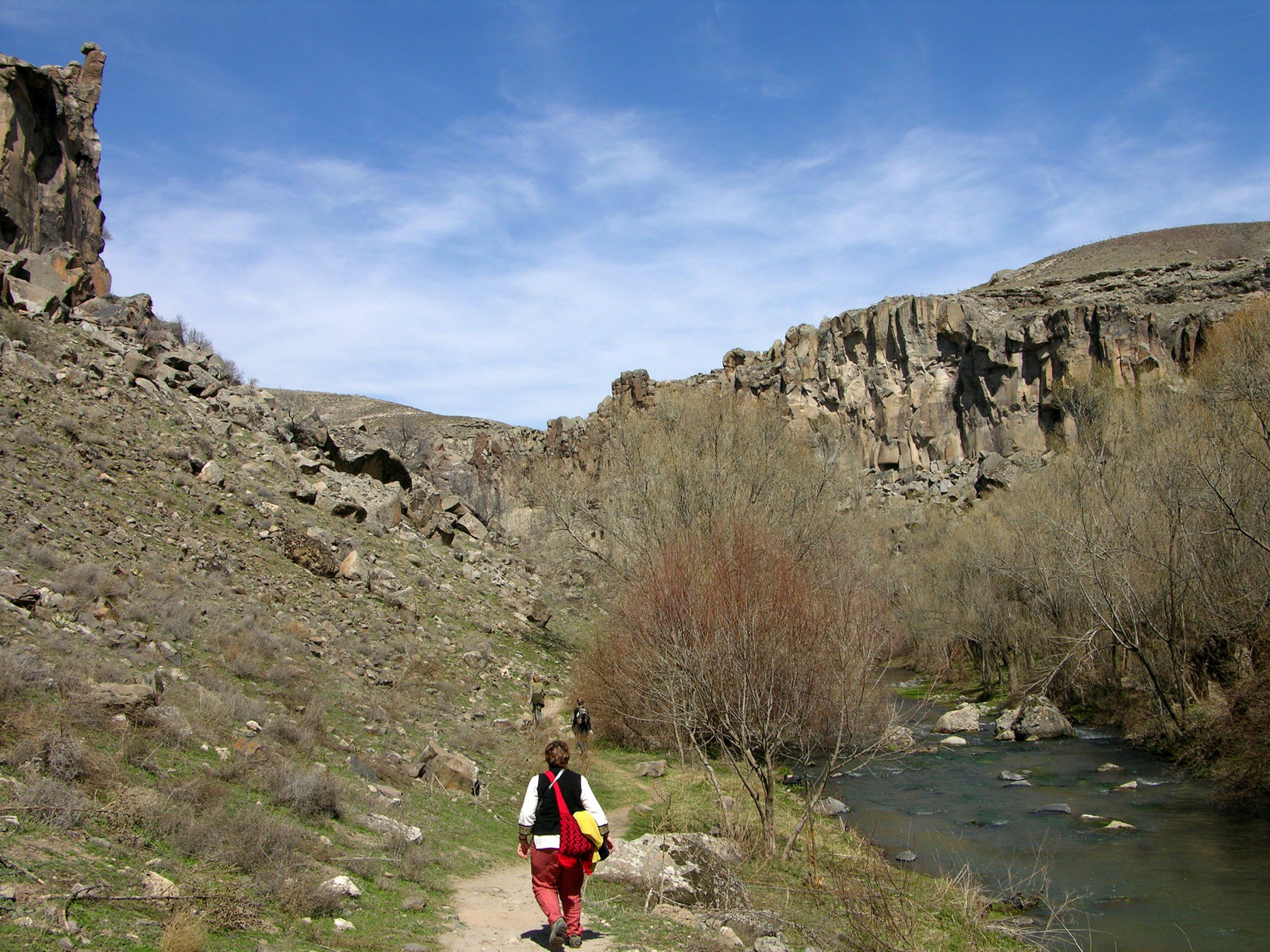
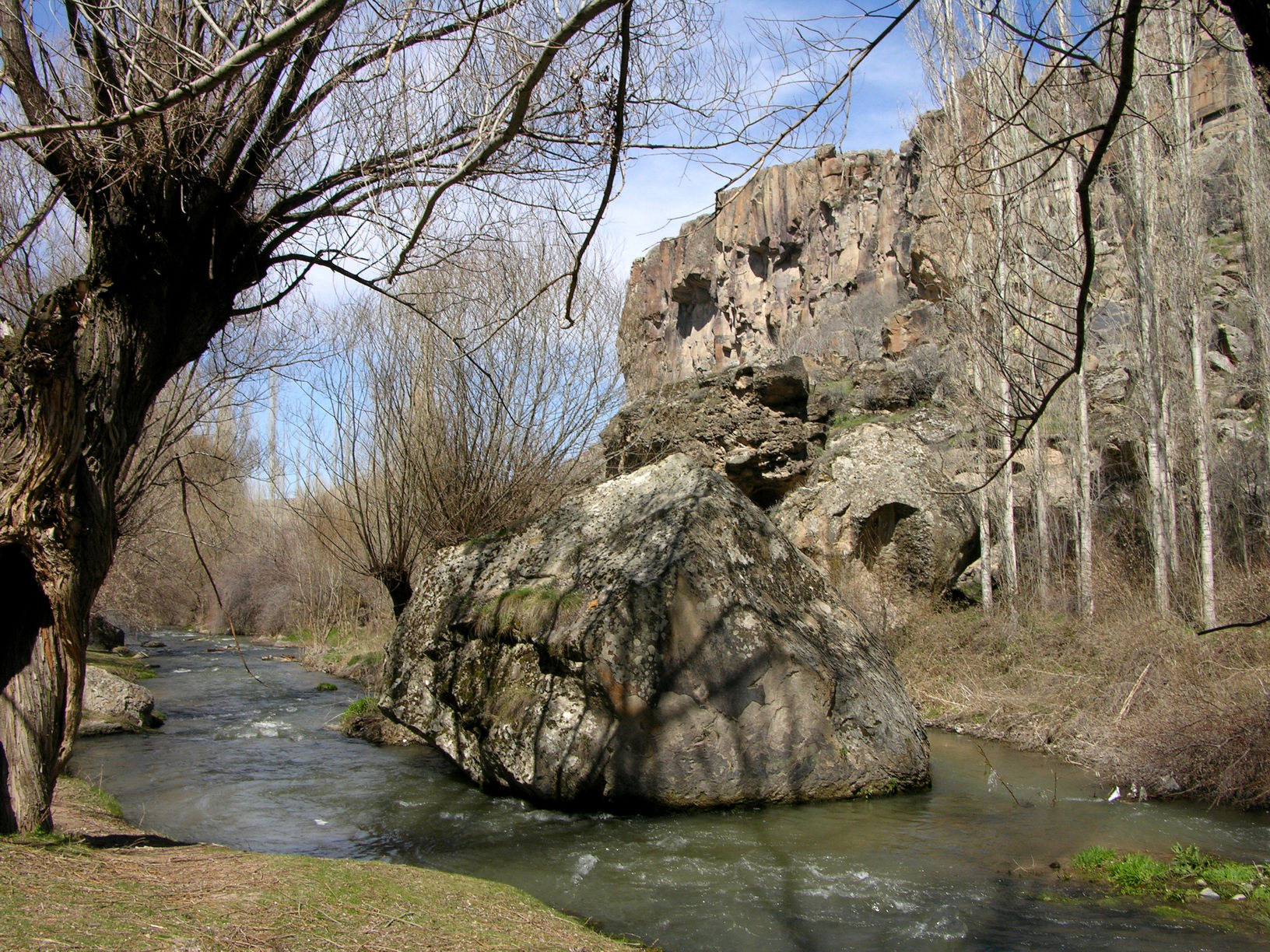
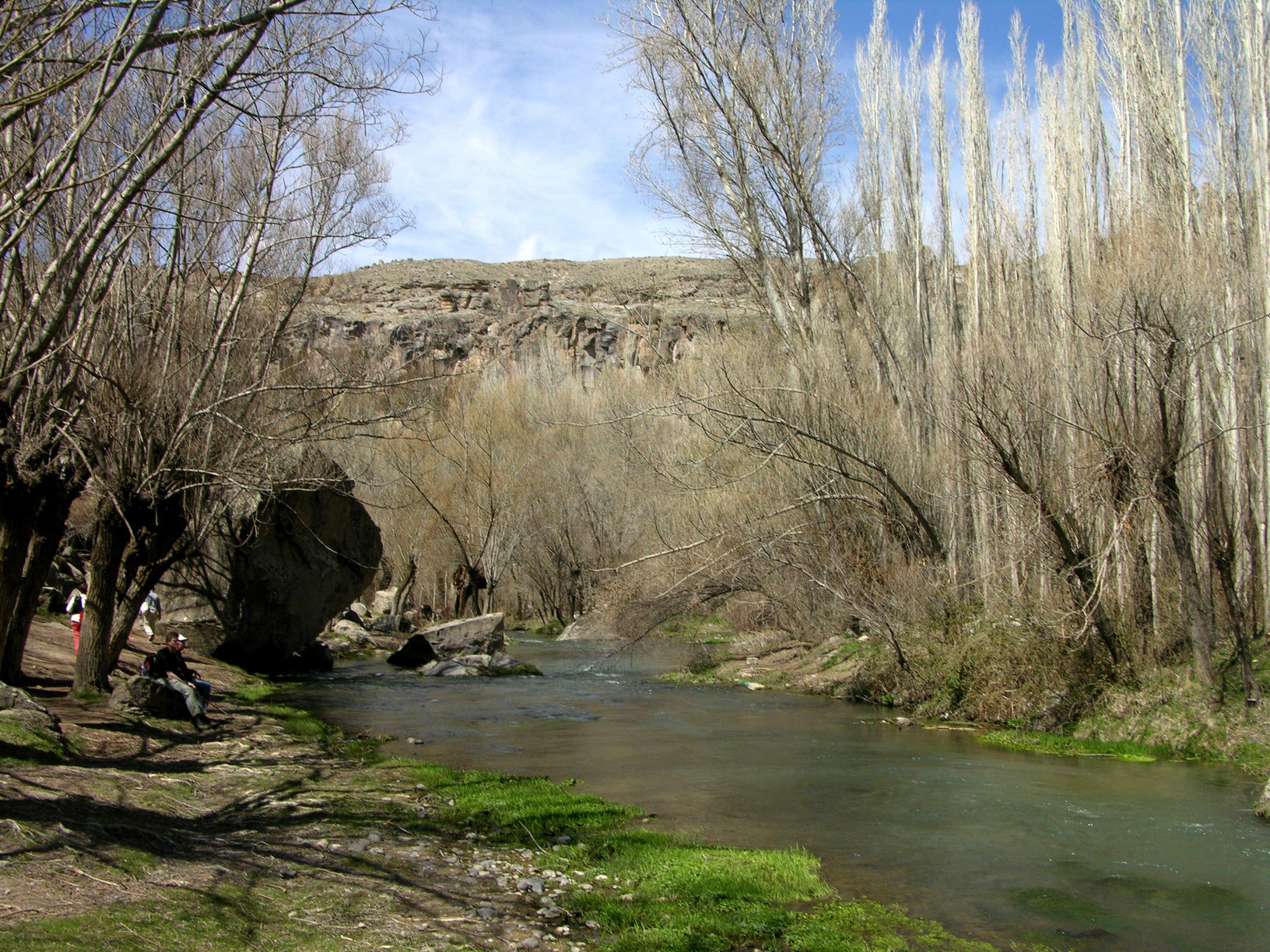
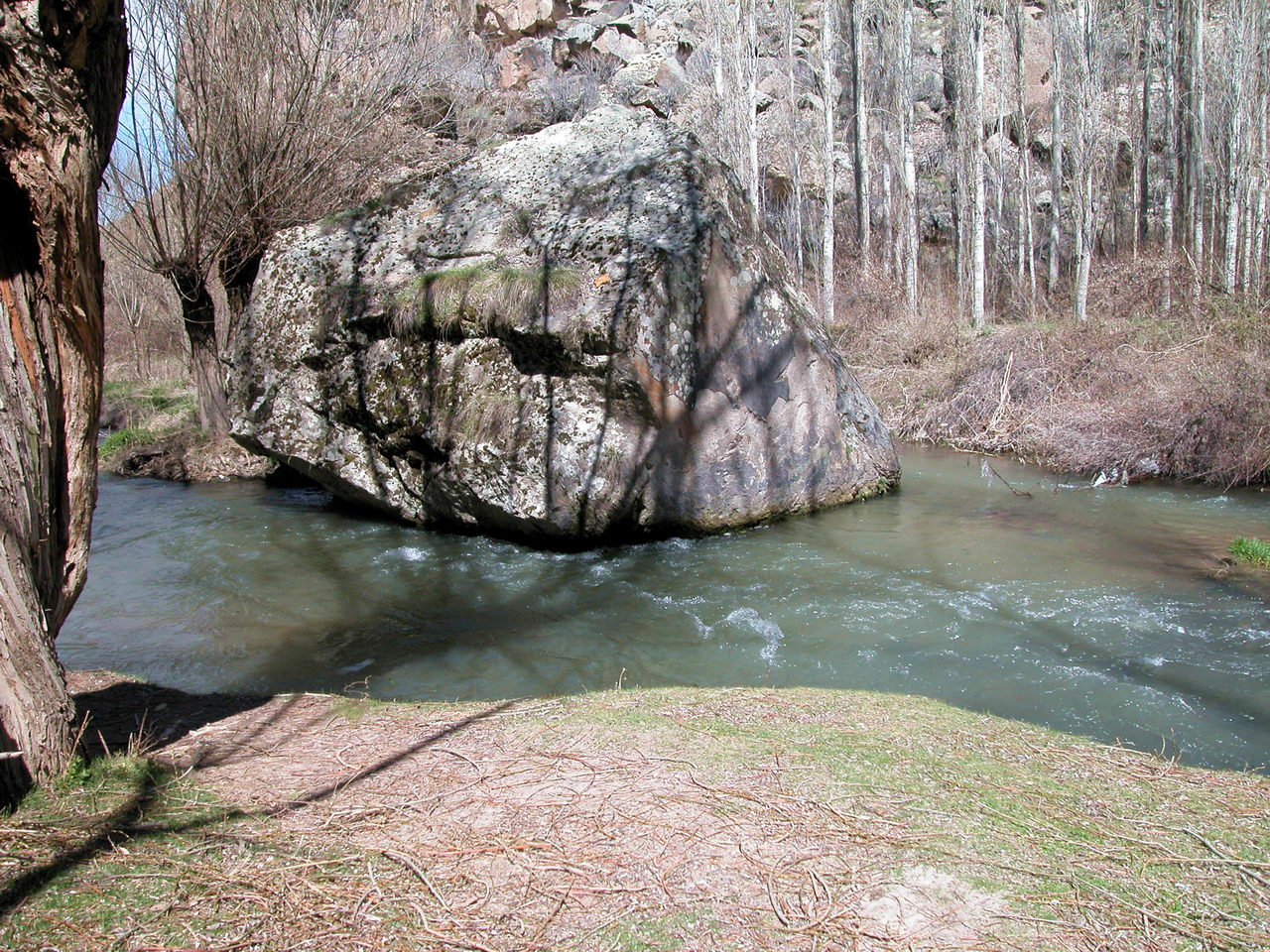
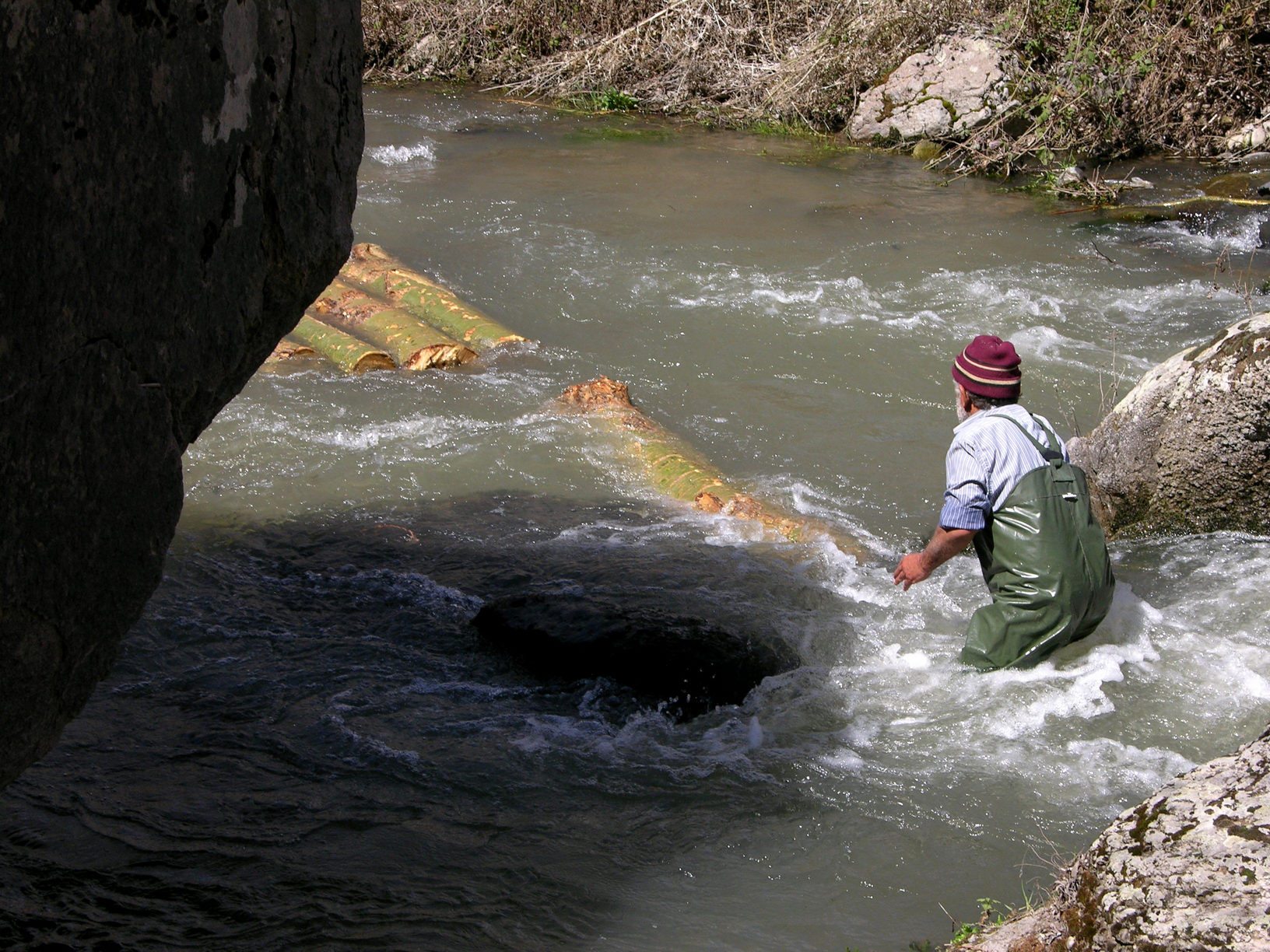
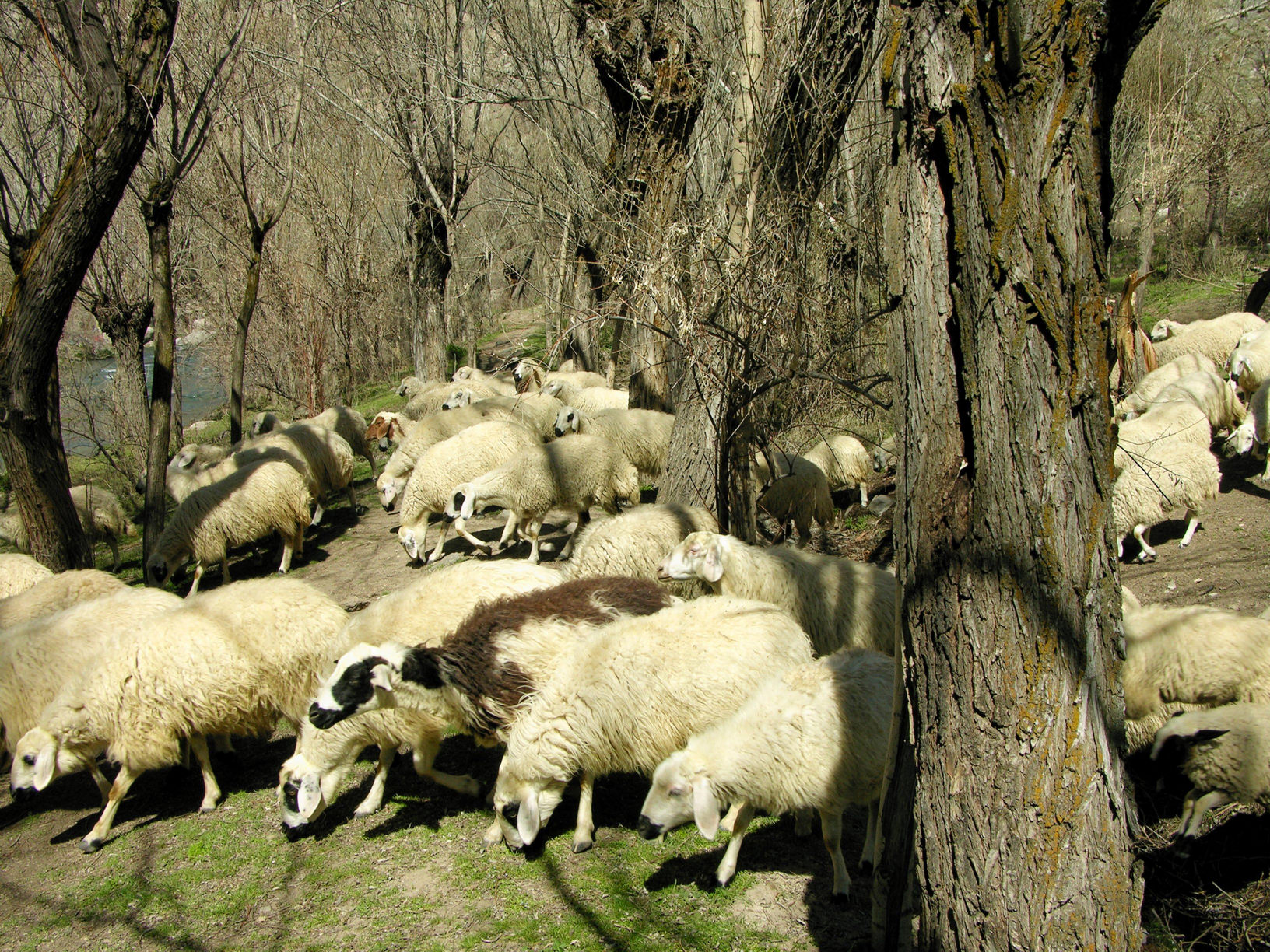
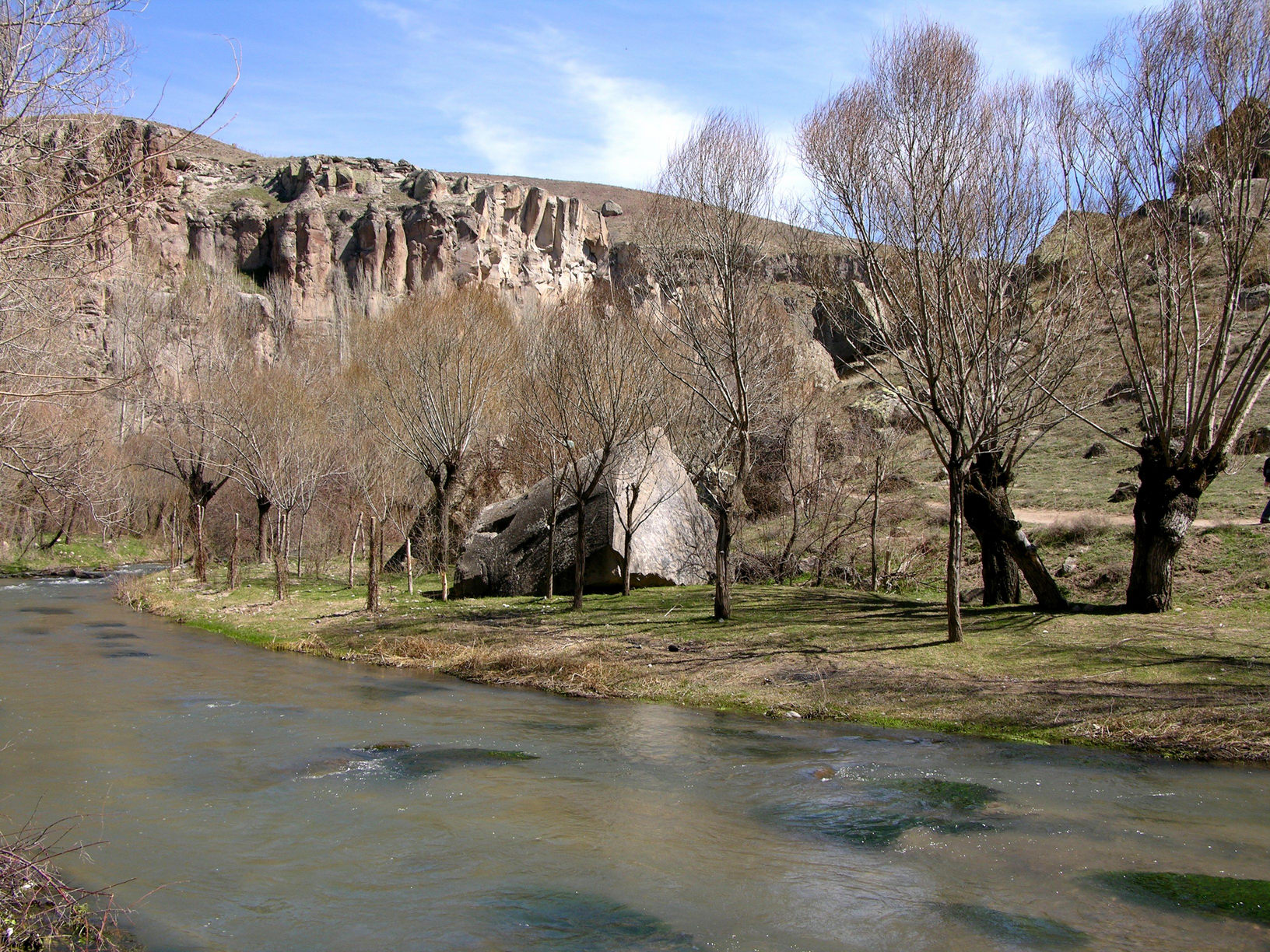
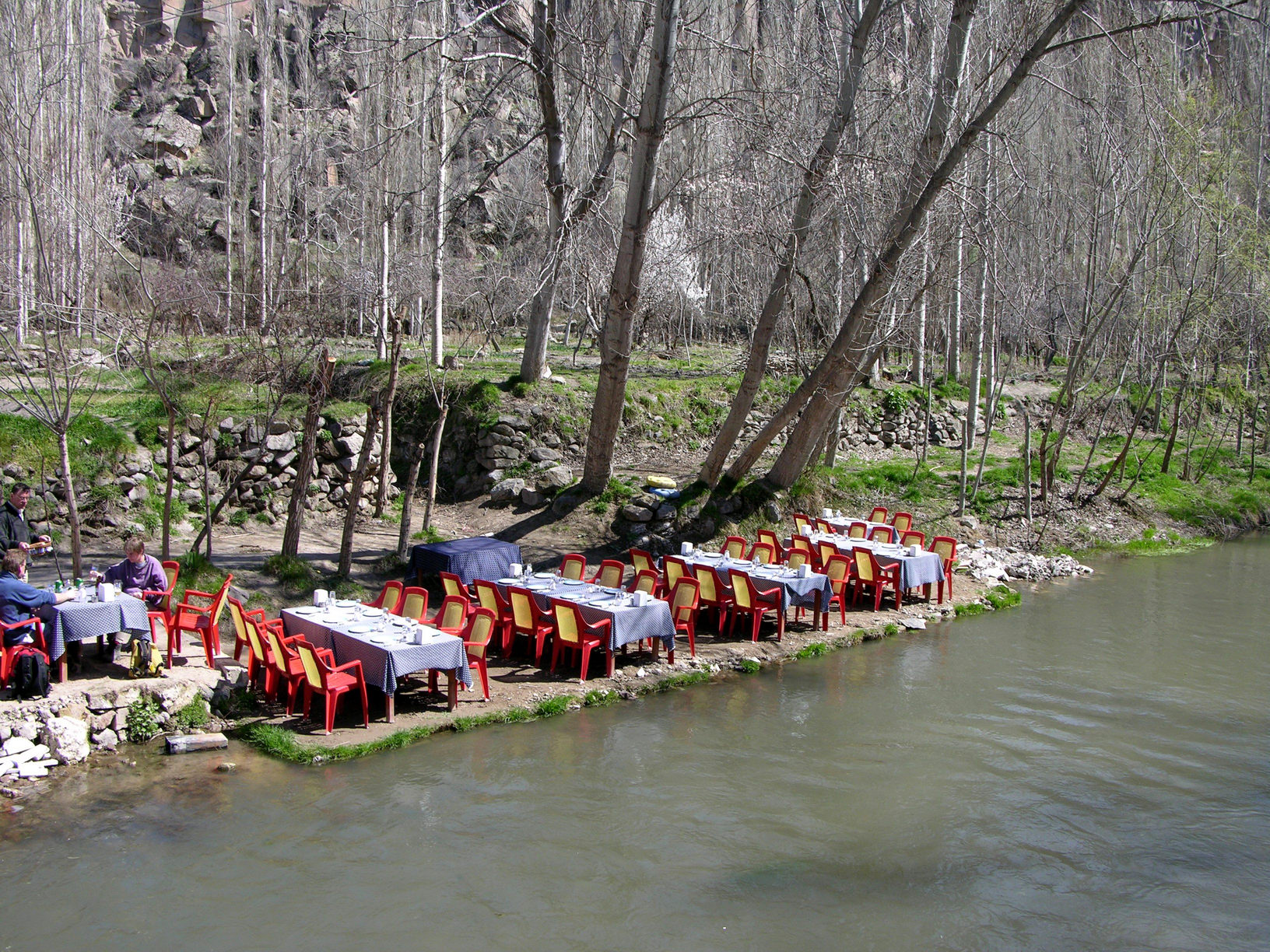
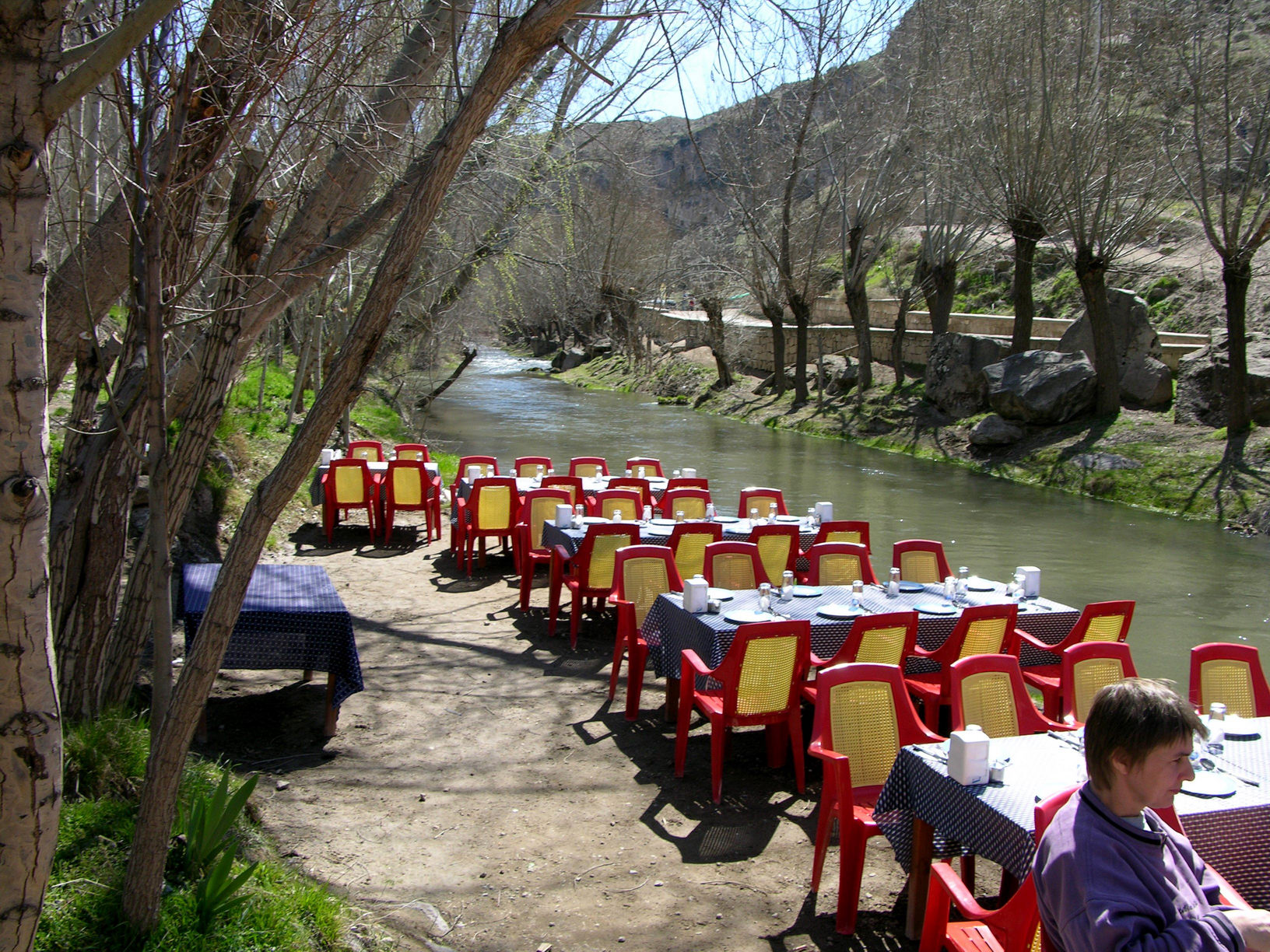
We set off on a long walk through the Ihlara Gorge. Here, too, there are many caves with Christian churches cut inside. The trail is long, sometimes barely trodden, and as a result there are few tourists. Then, in the middle of the trail, like a small miracle, there stands a restaurant by the river, with the tables laid. We had to stop and eat. The people had gone to such trouble. It would have been rude to pass by.
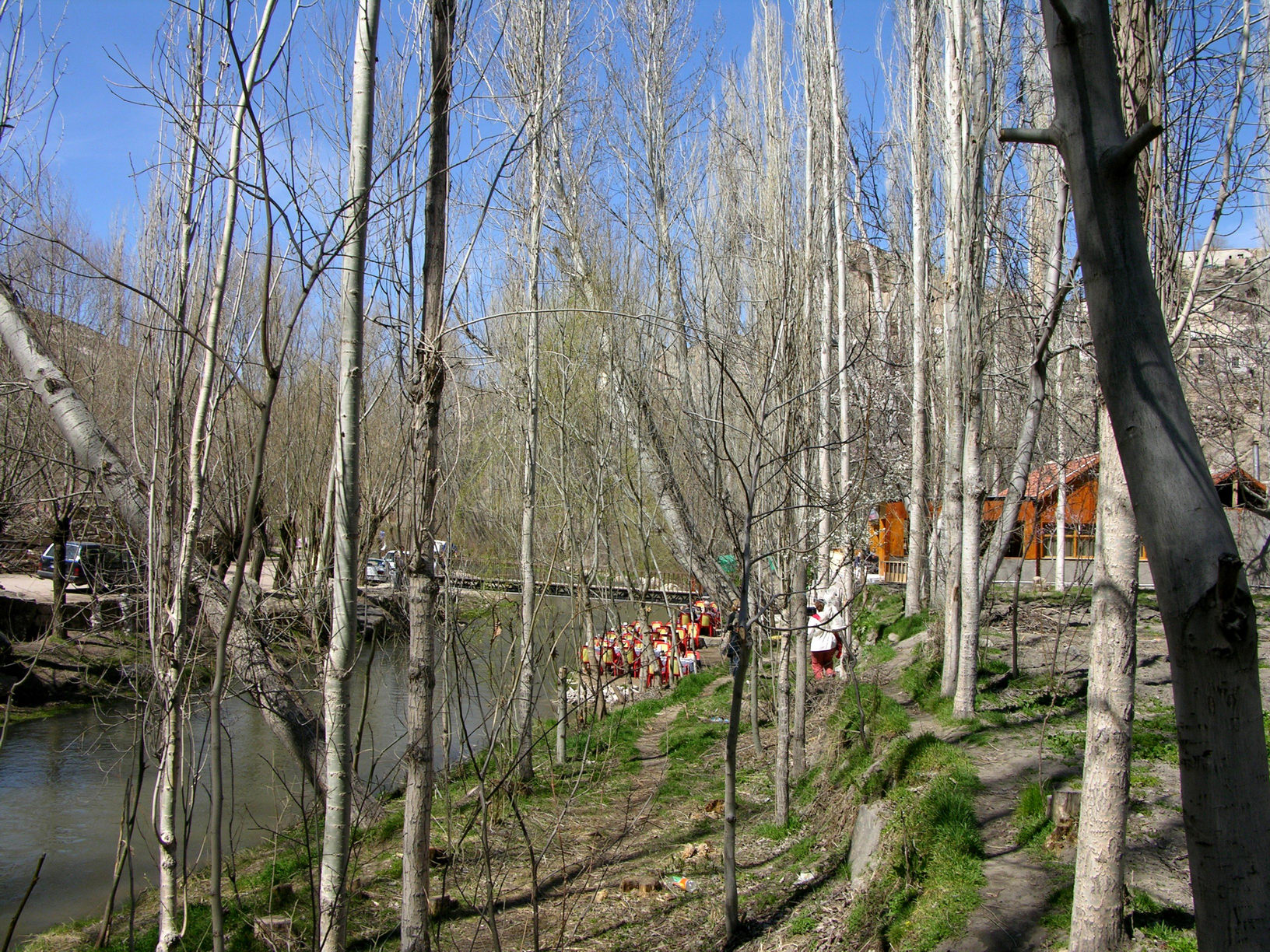
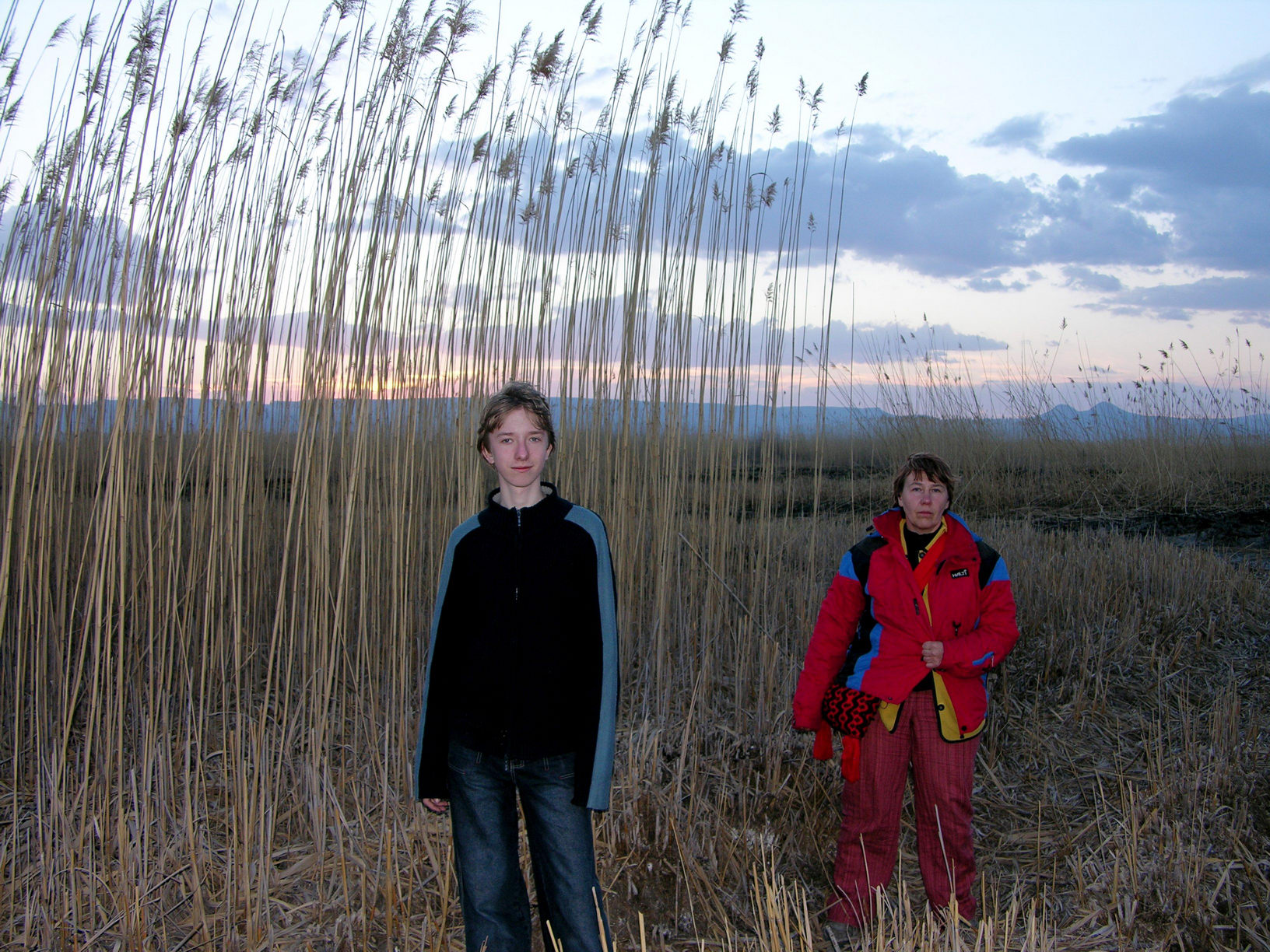
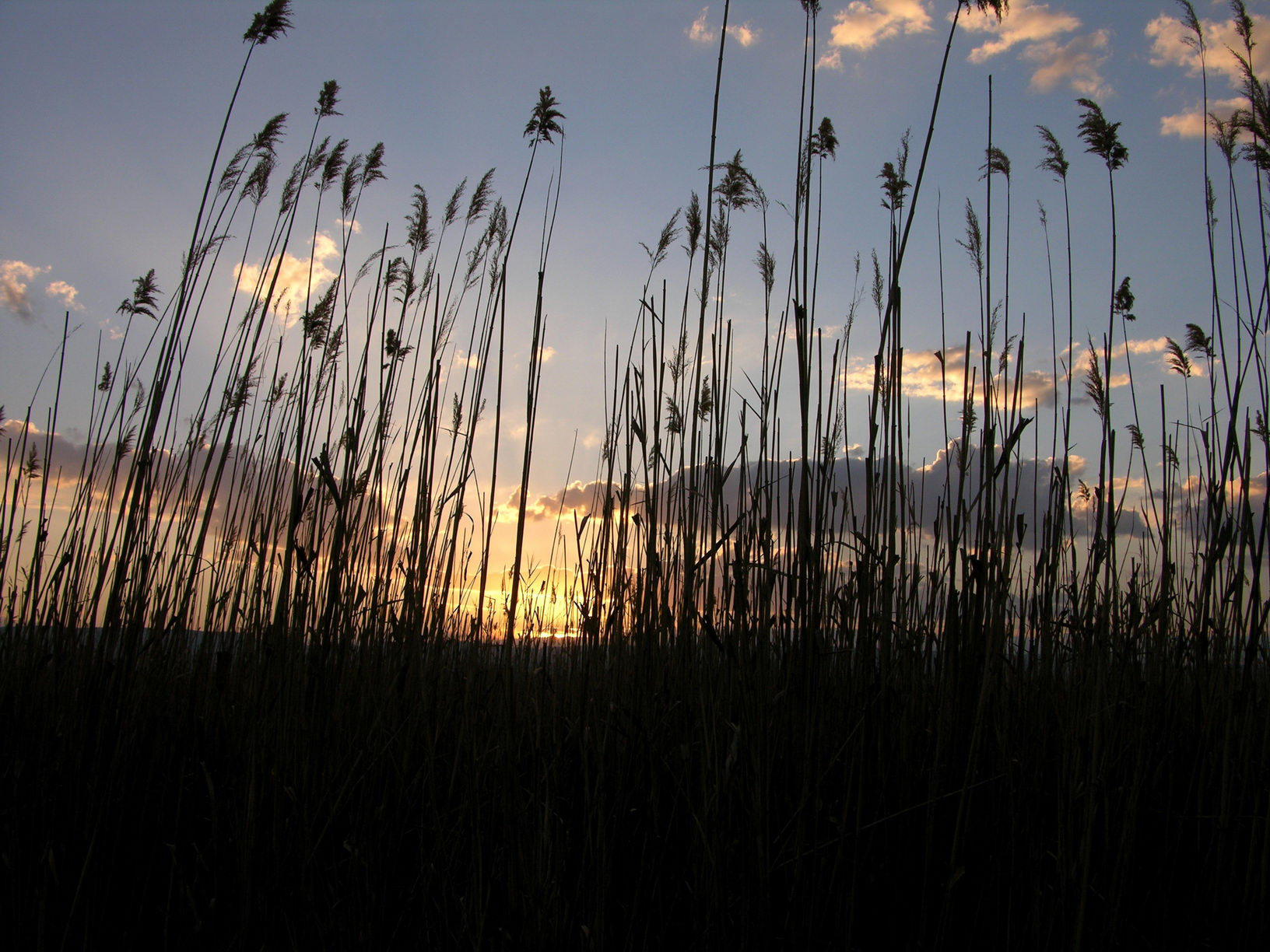
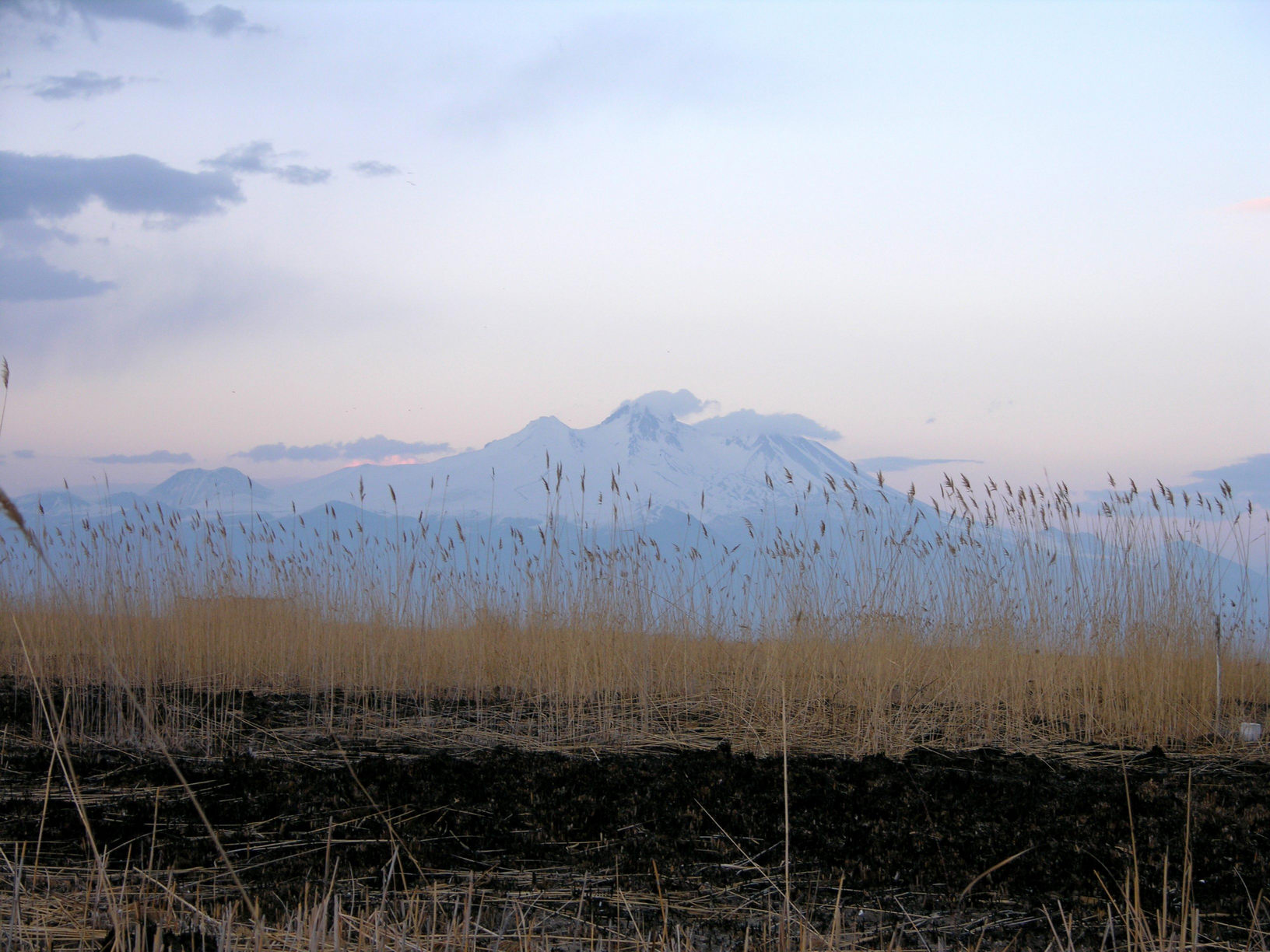
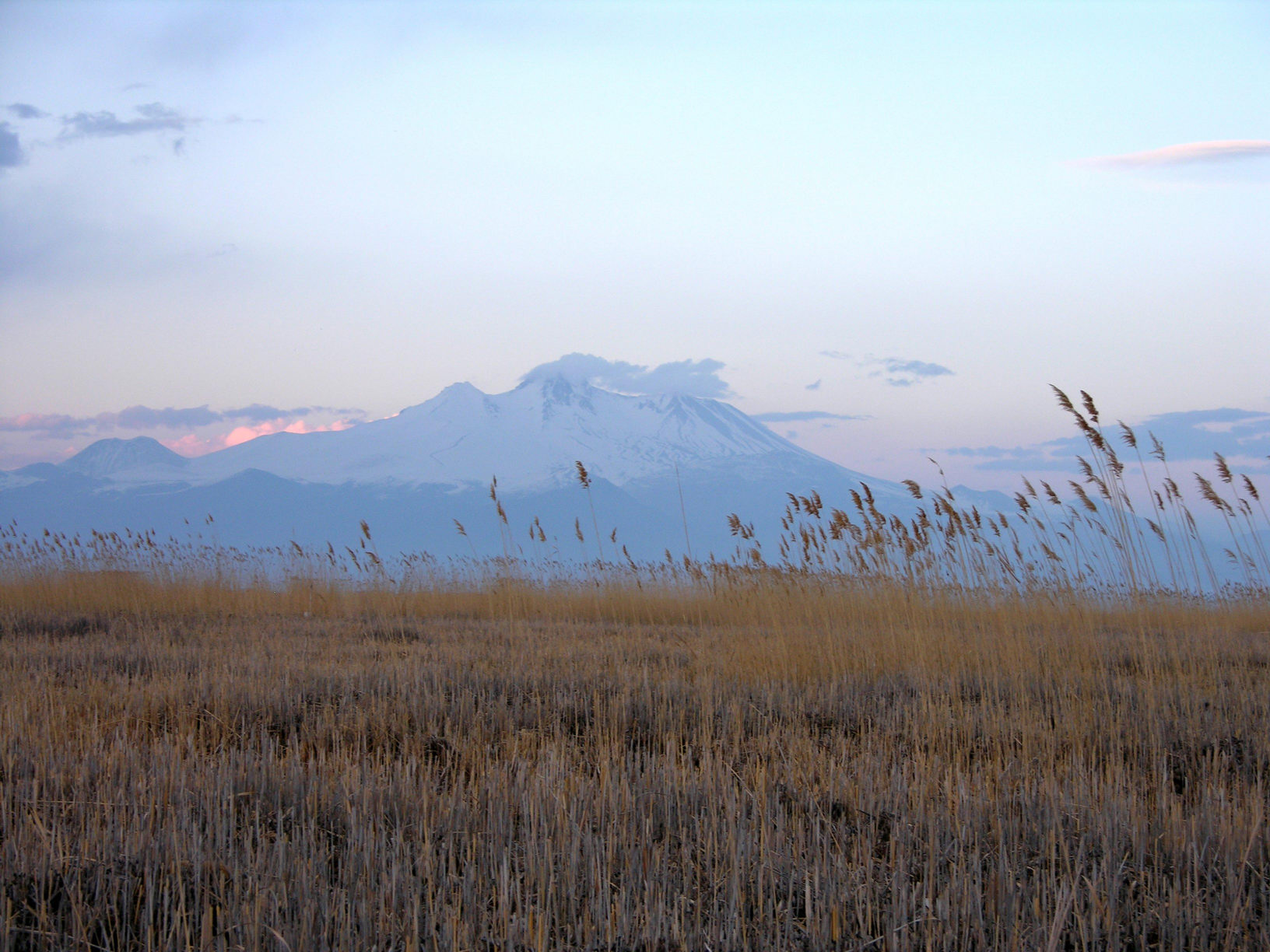
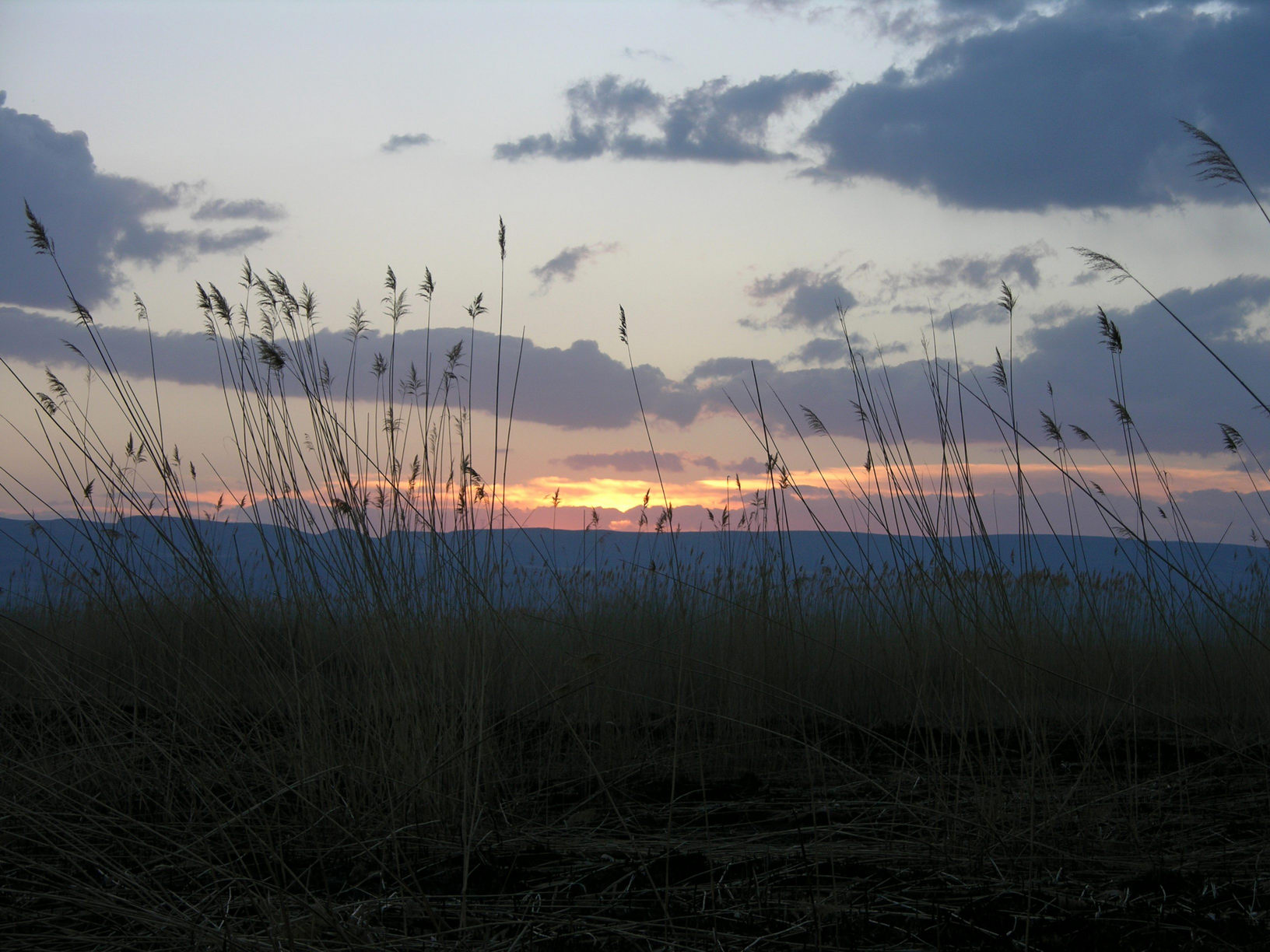
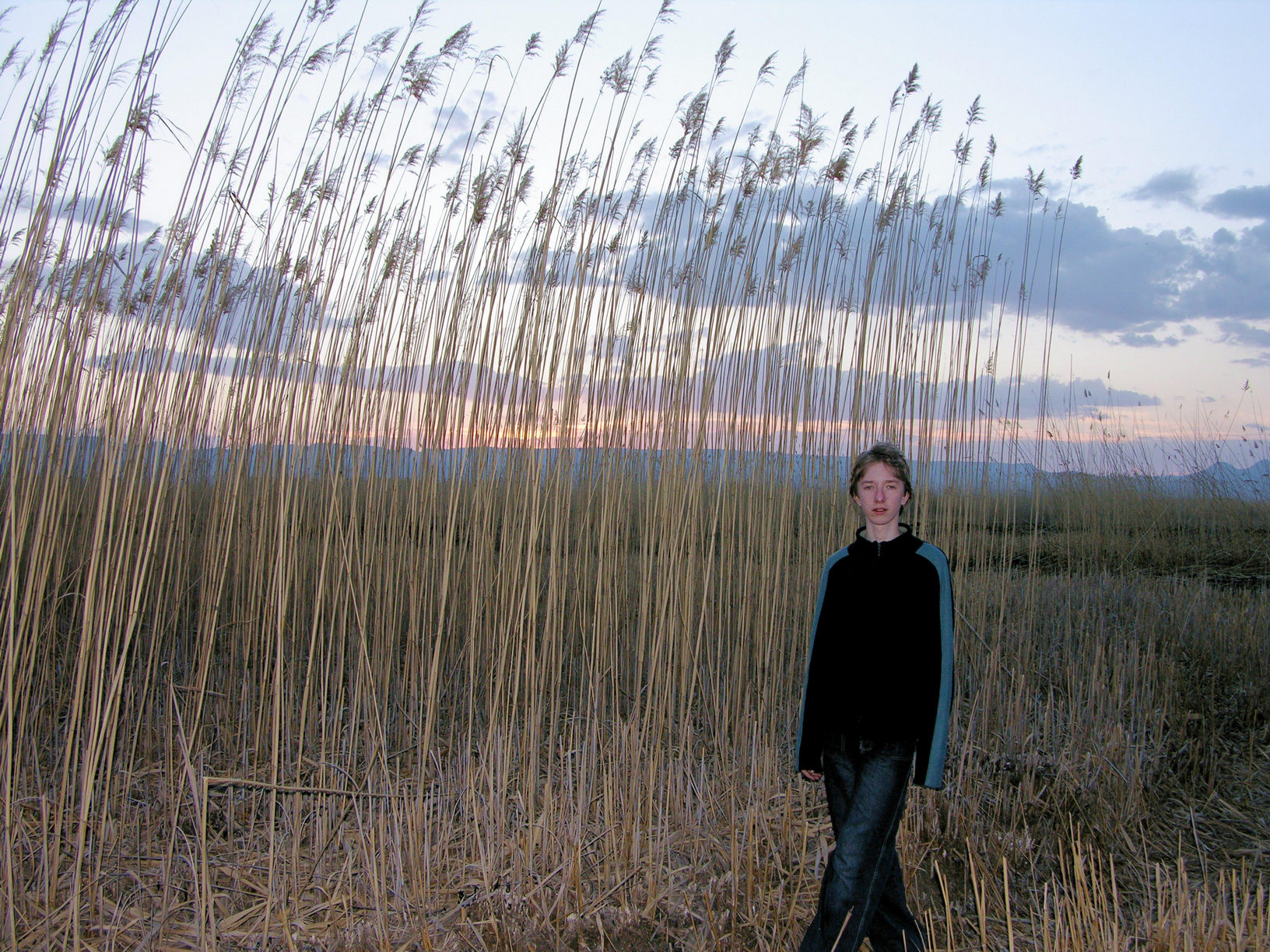
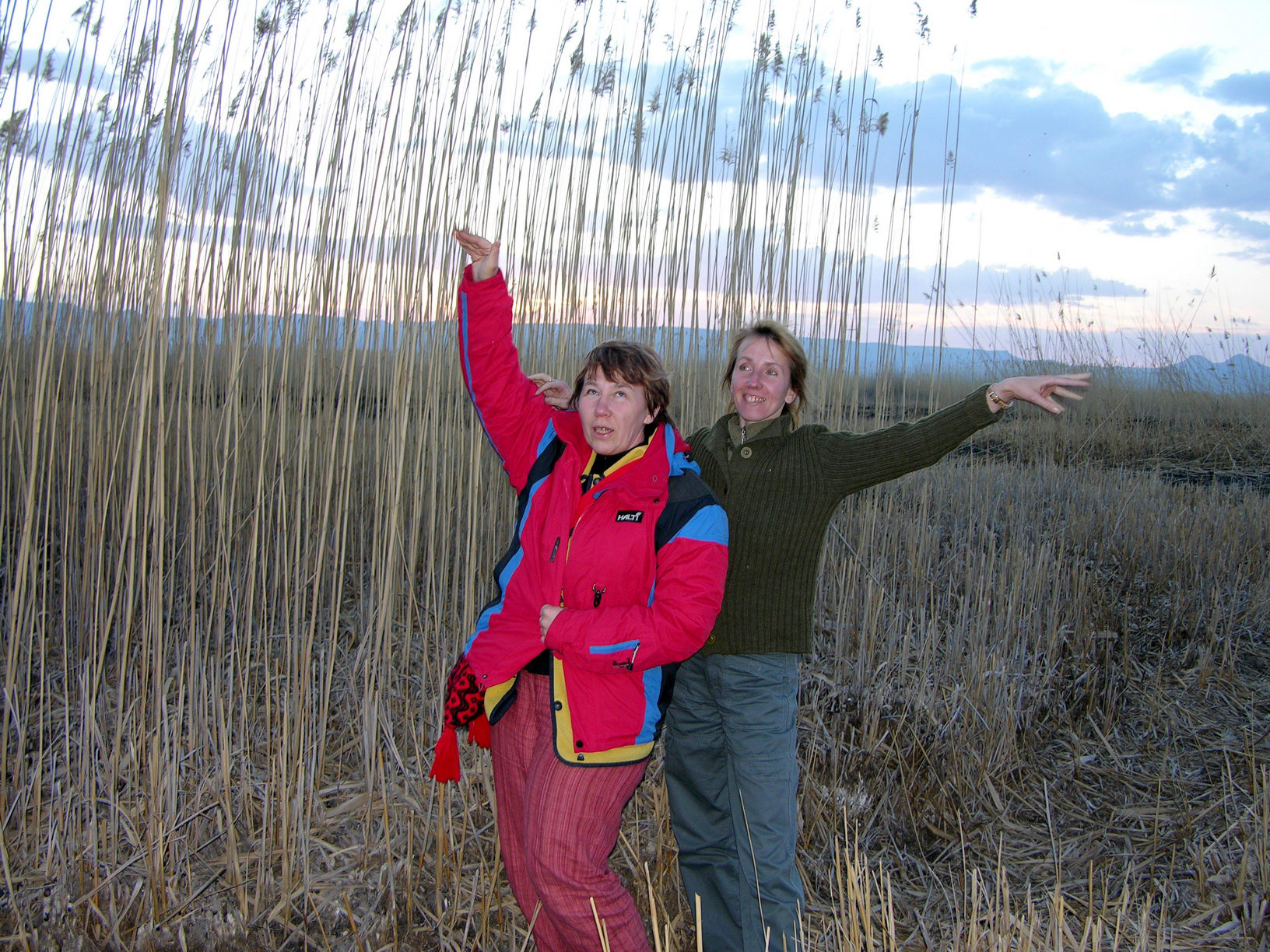
At the end of the day we drove to Sultan Sazlığı, a wetland park not far from the foot of the Erciyes volcano. There were supposed to be flamingos there. We walked for a long while through the reeds and found none. We’d seen plenty of flamingos in Bolivia. We only wanted to show them to Denis. Tanya and Lena made an attempt. Now the boy had seen both an eclipse and flamingos, one way or another.
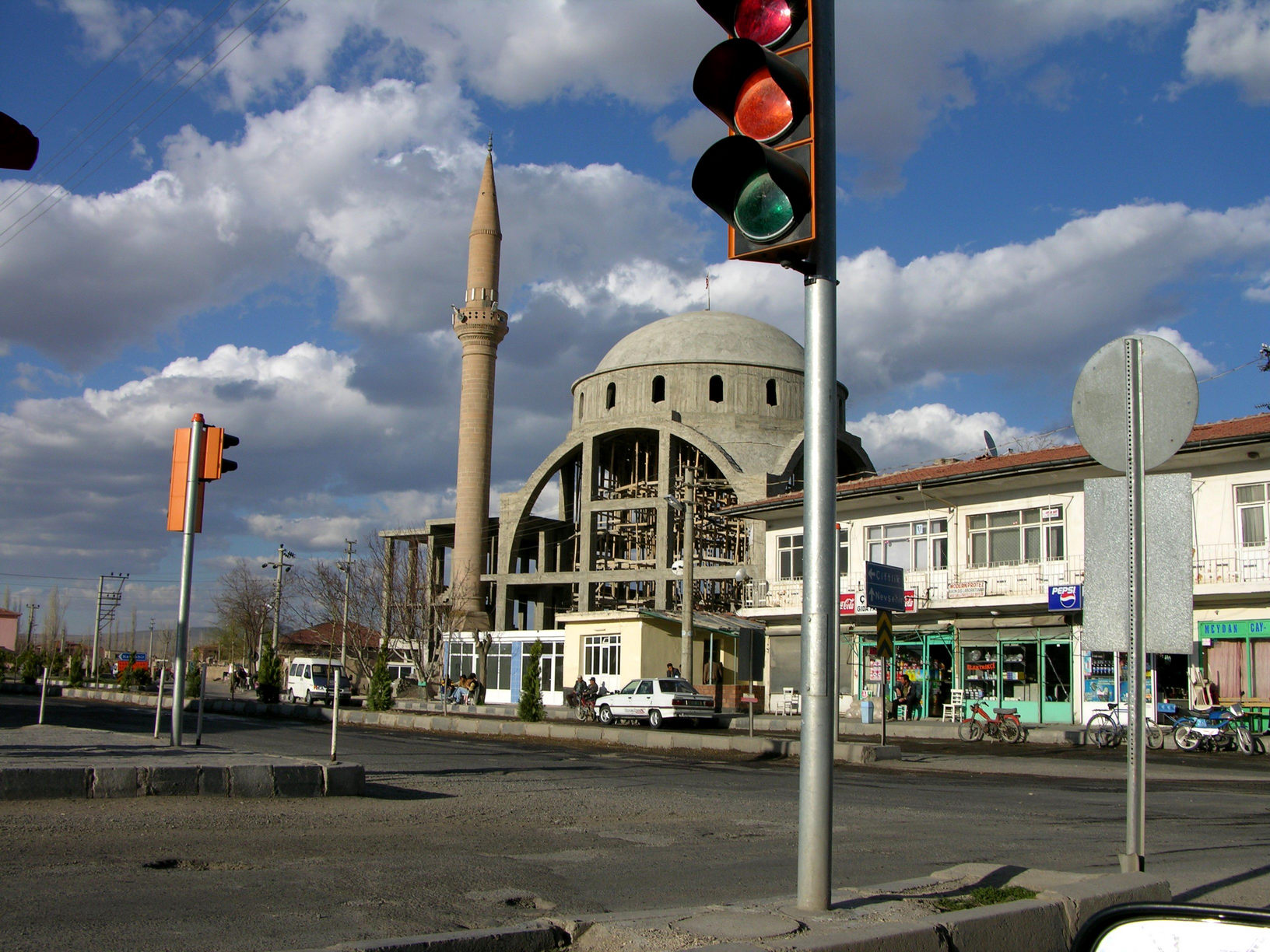
We spent the night in the same town, Ürgüp, in a different place (38°37.975′N, 34°54.562′E).
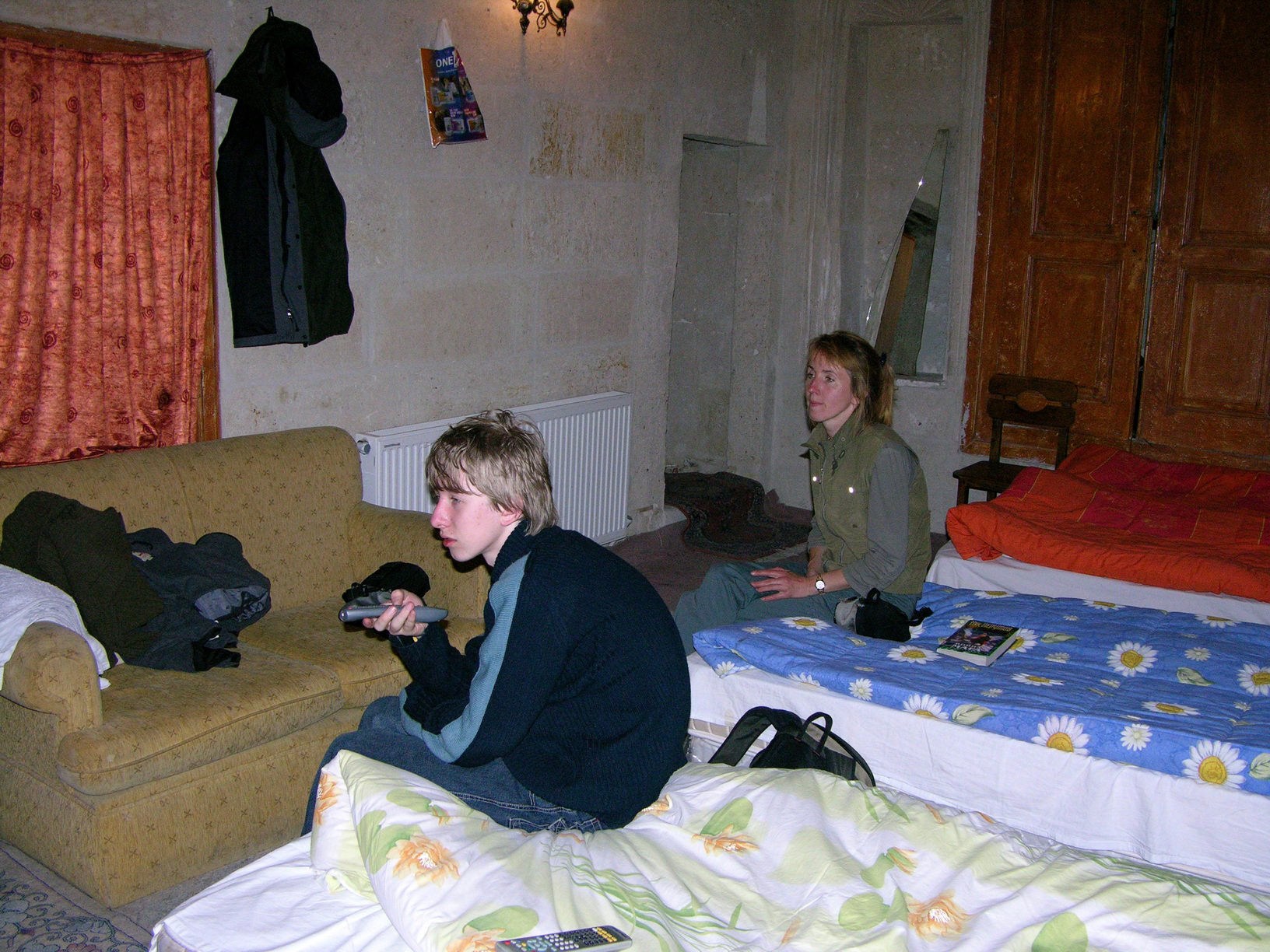
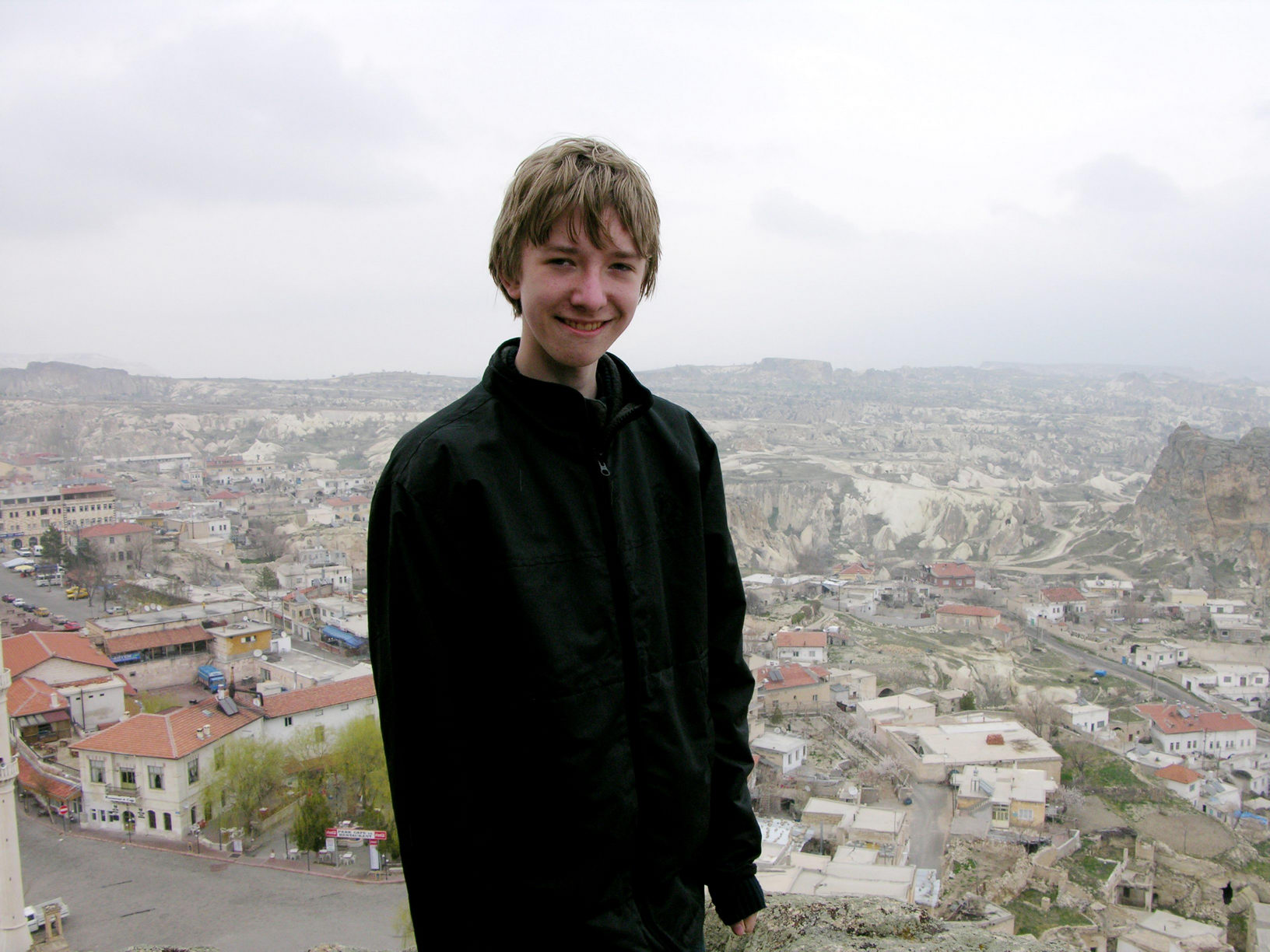
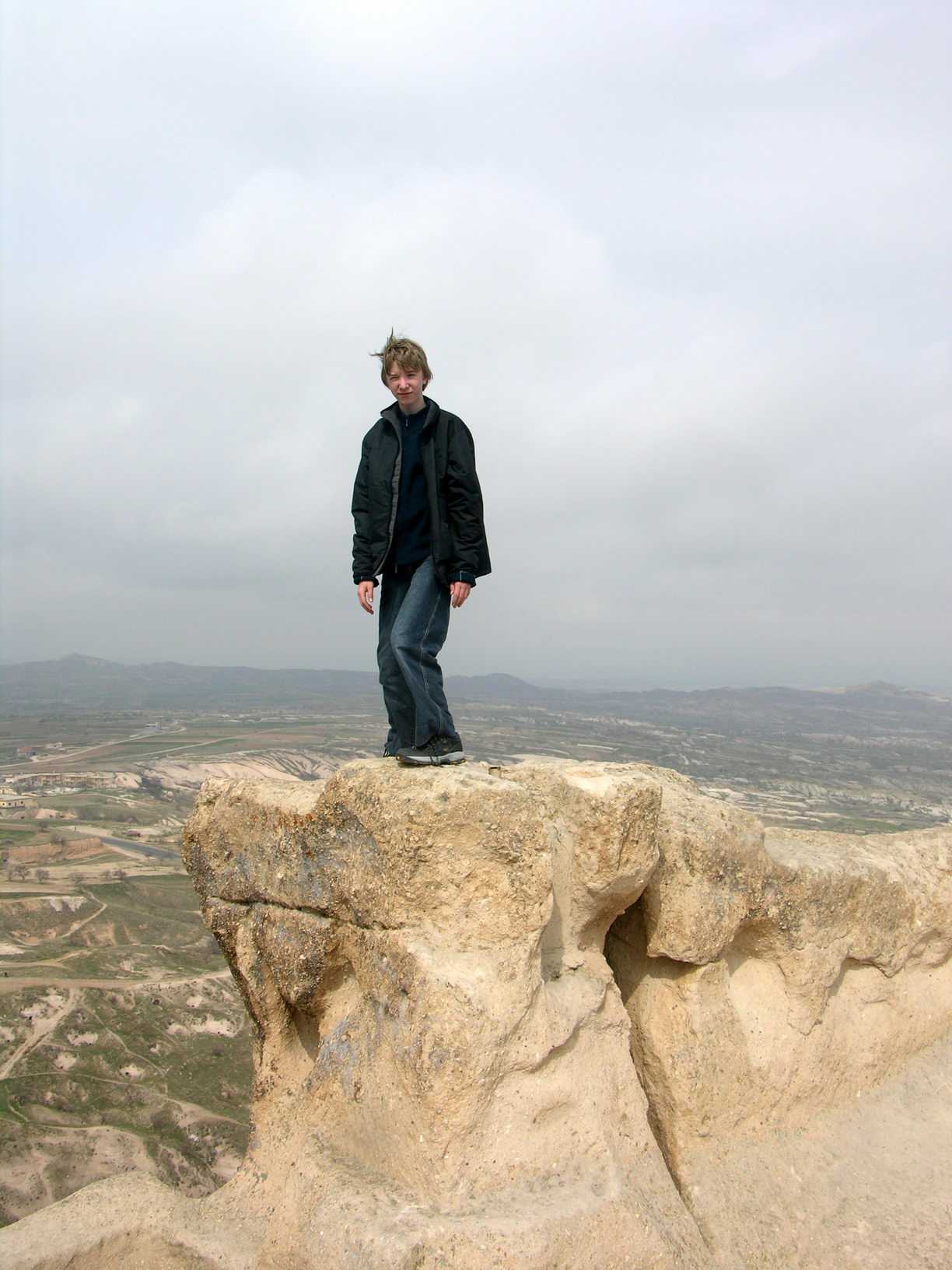
Denis handled the car journeys beautifully. Wonderful. We could now extend our range on trips. We started the day at an enormous rock riddled with caves in the town of Uchisar (Uçhisar). How are you meant to pronounce it? I read it as “Yushchushar” on our previous trip. It got so thoroughly stuck between my teeth that it stayed that way.
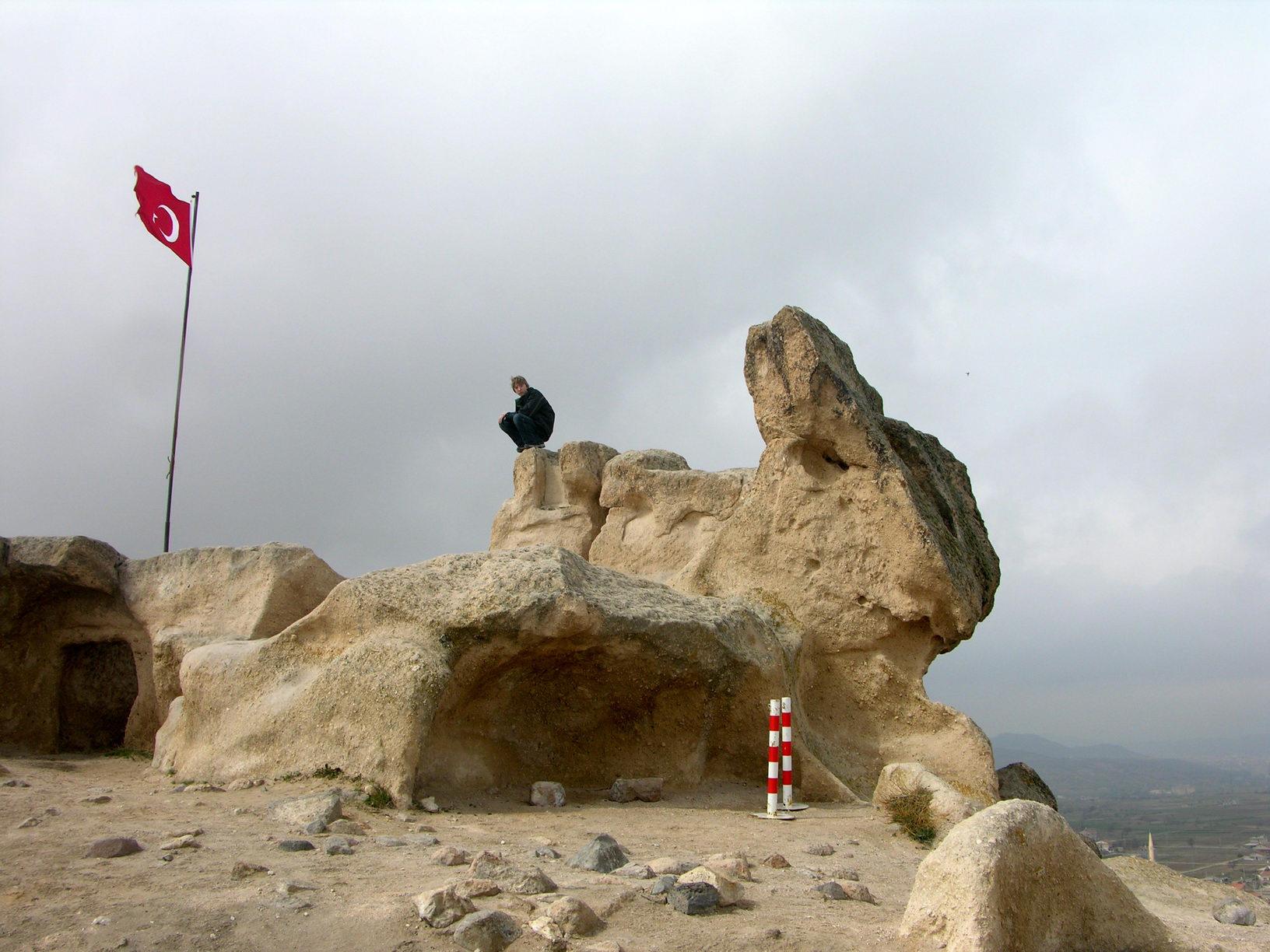
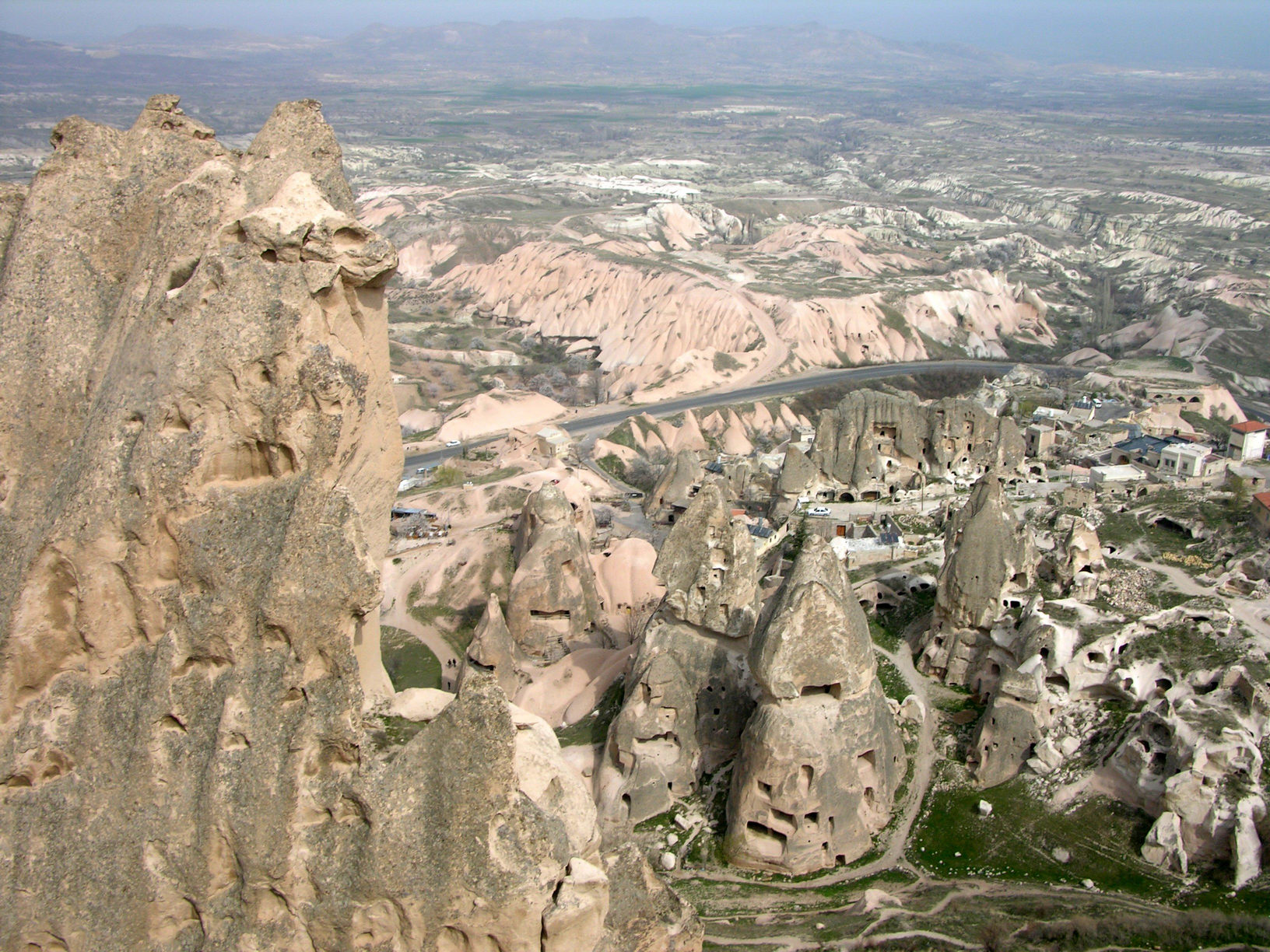
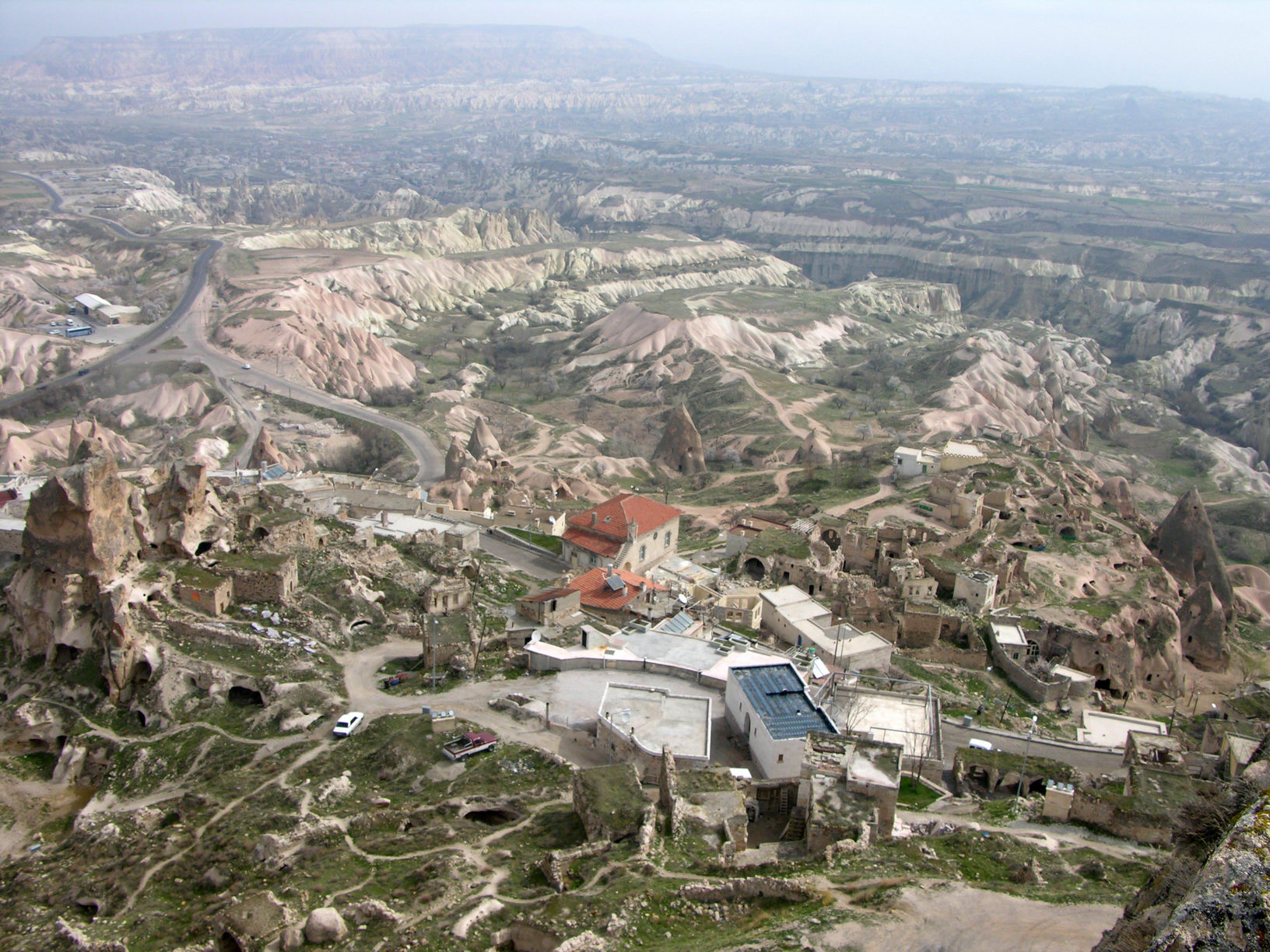
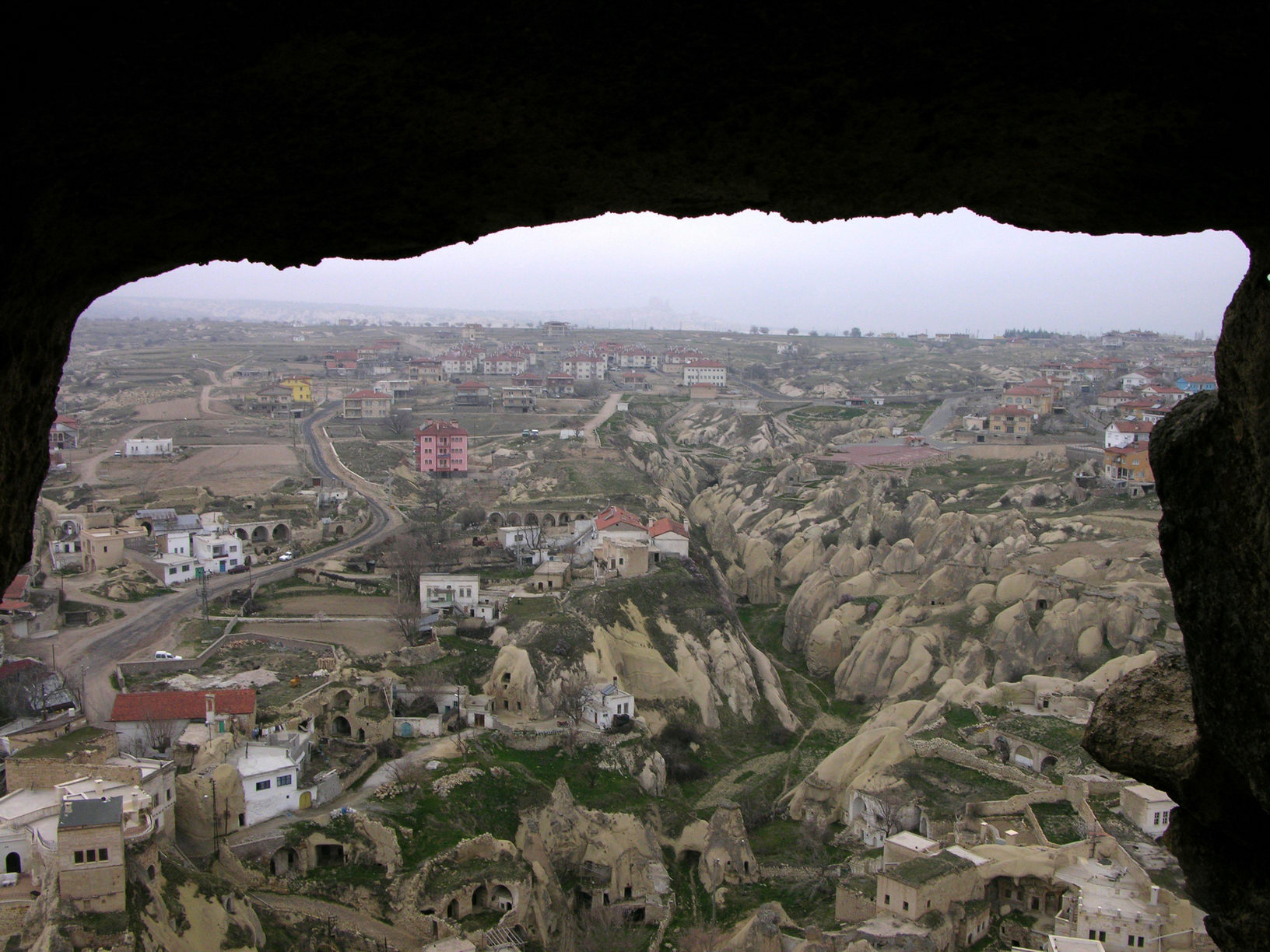
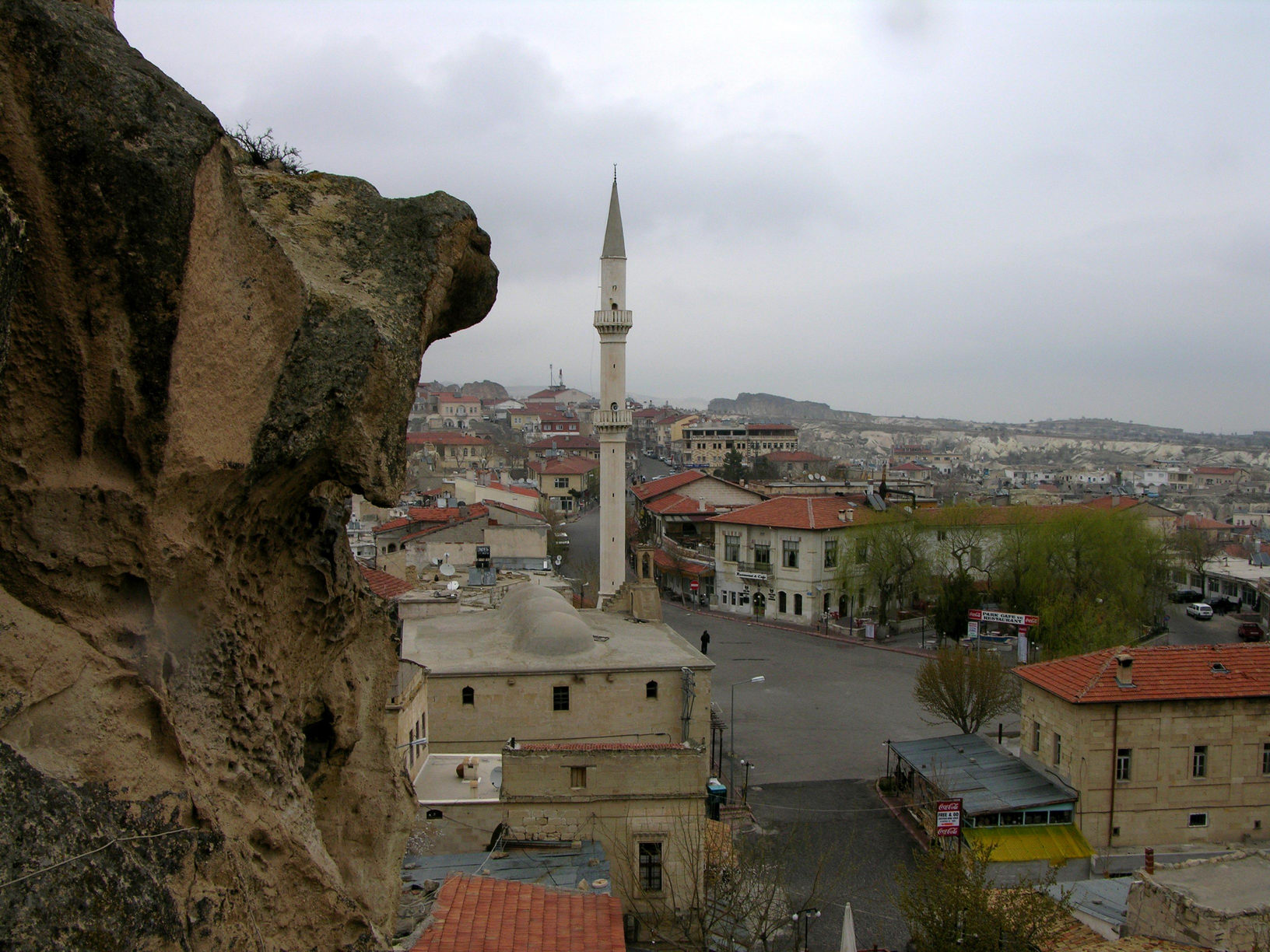
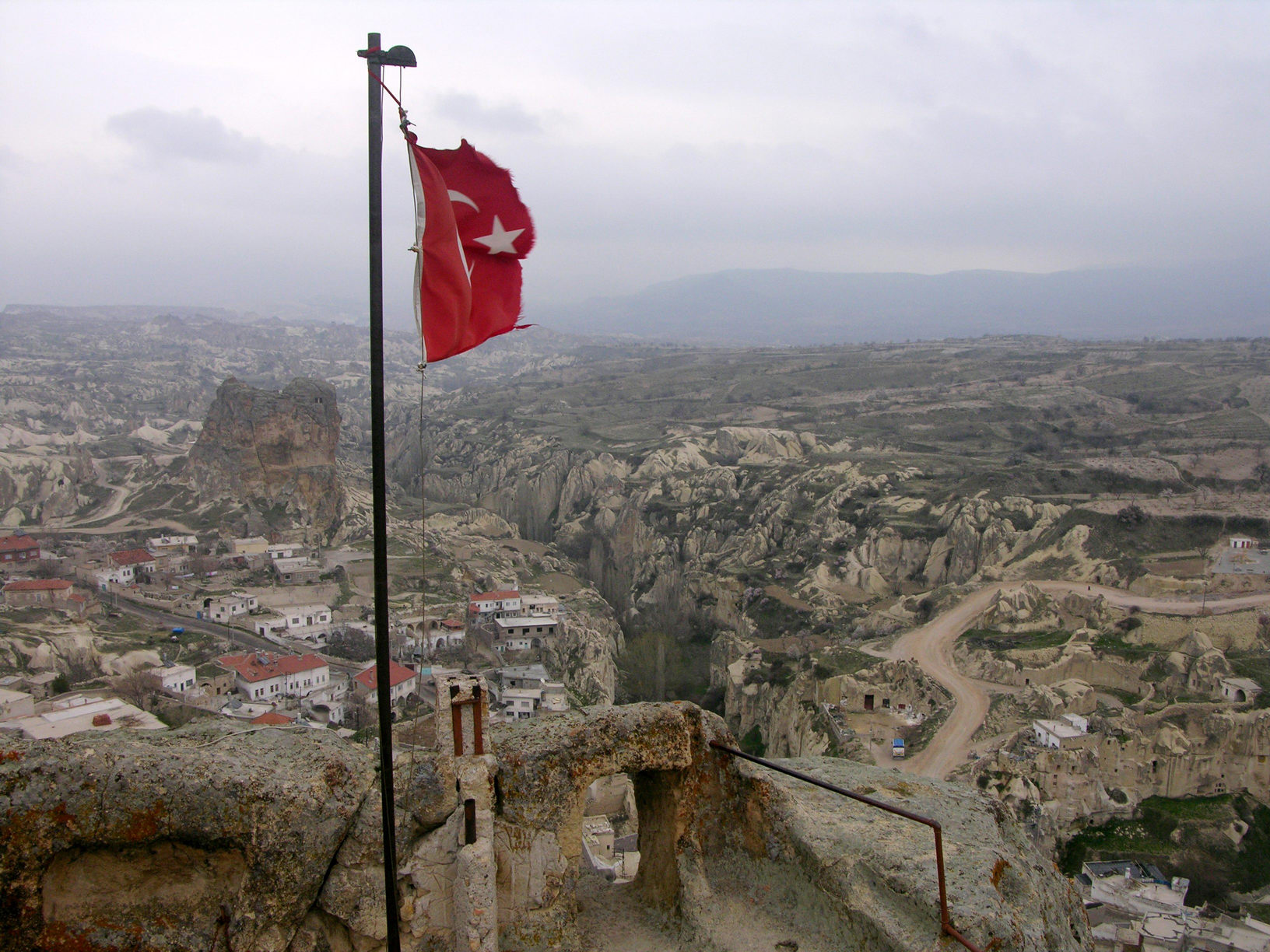
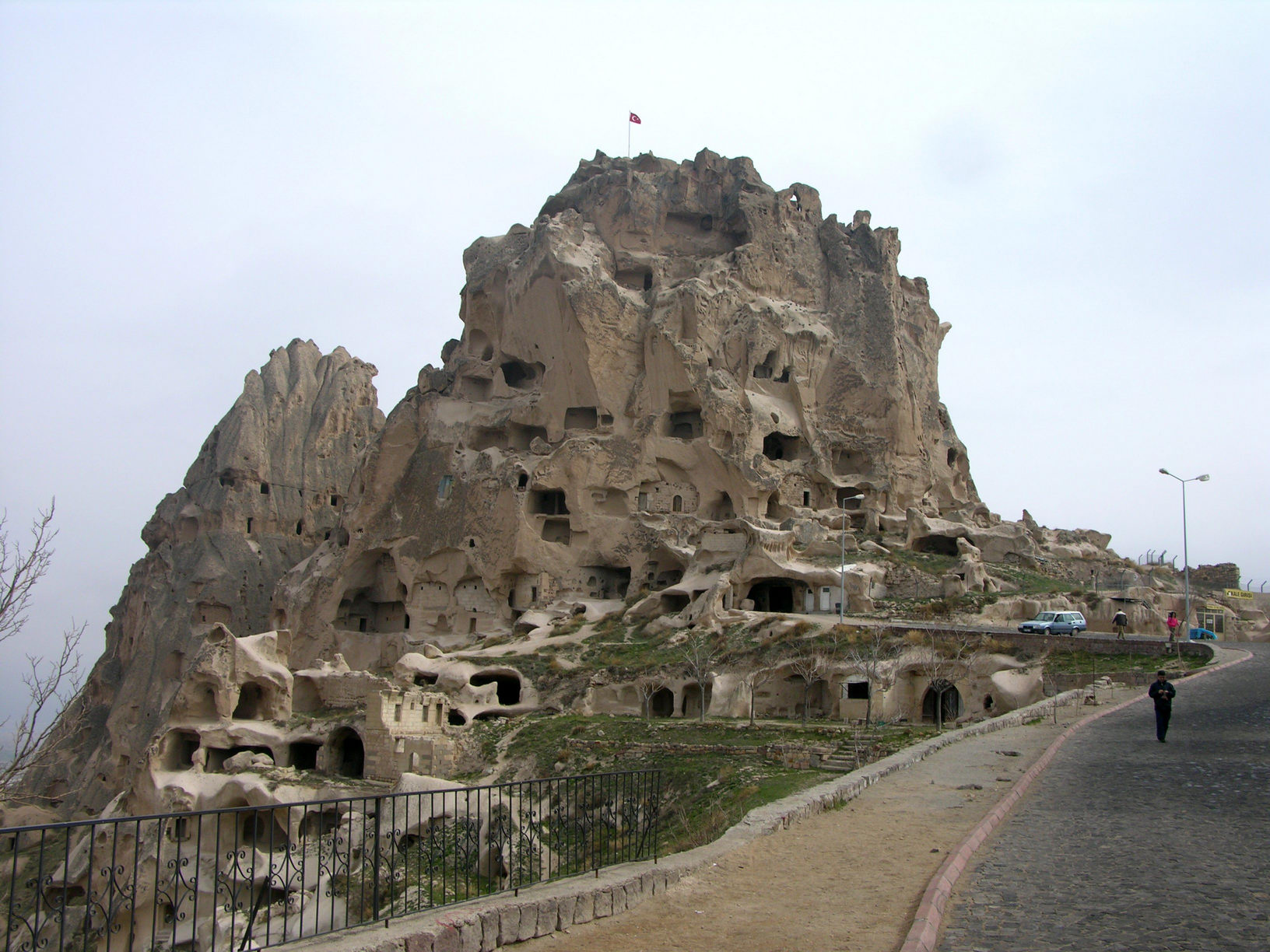
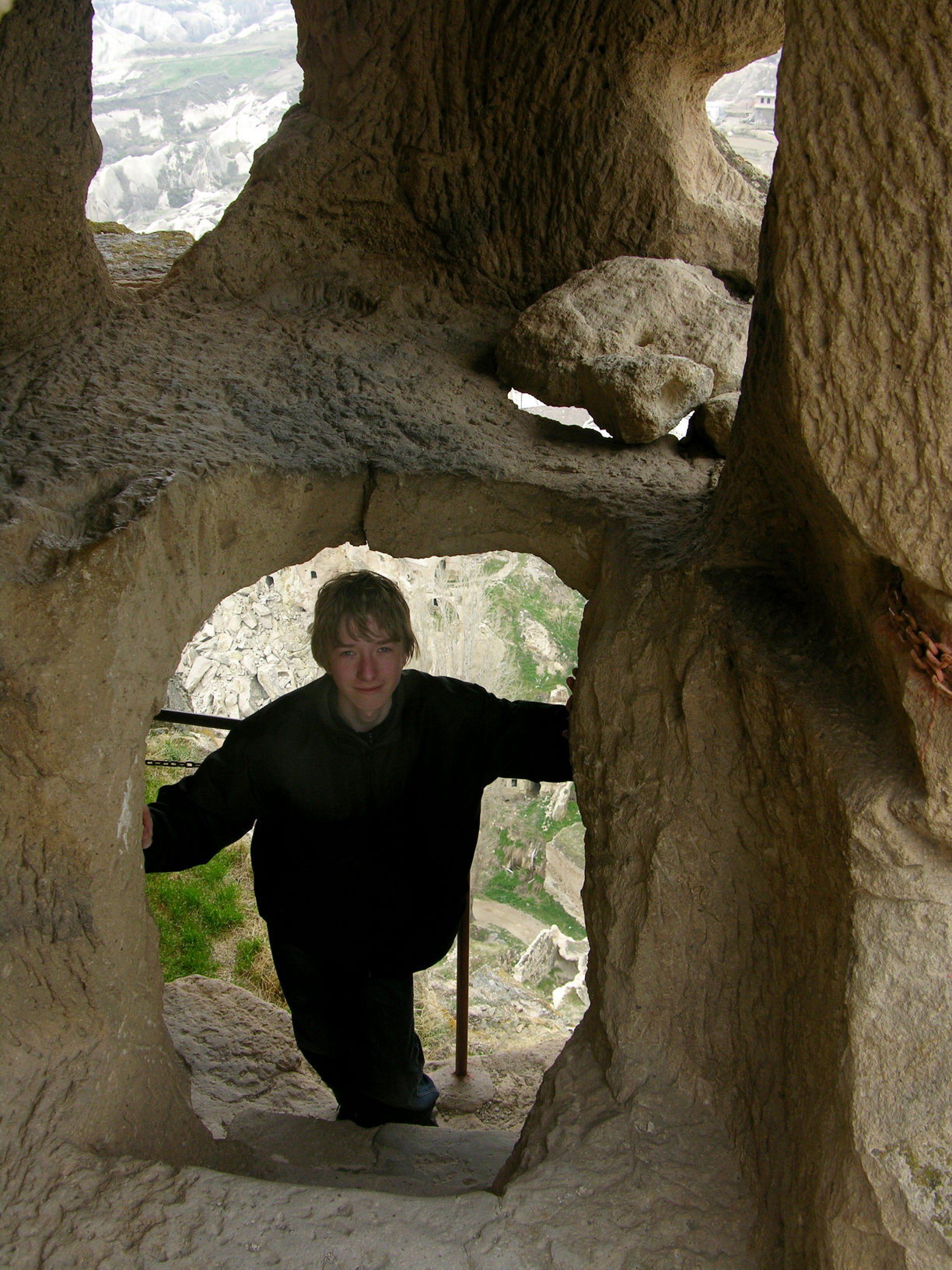
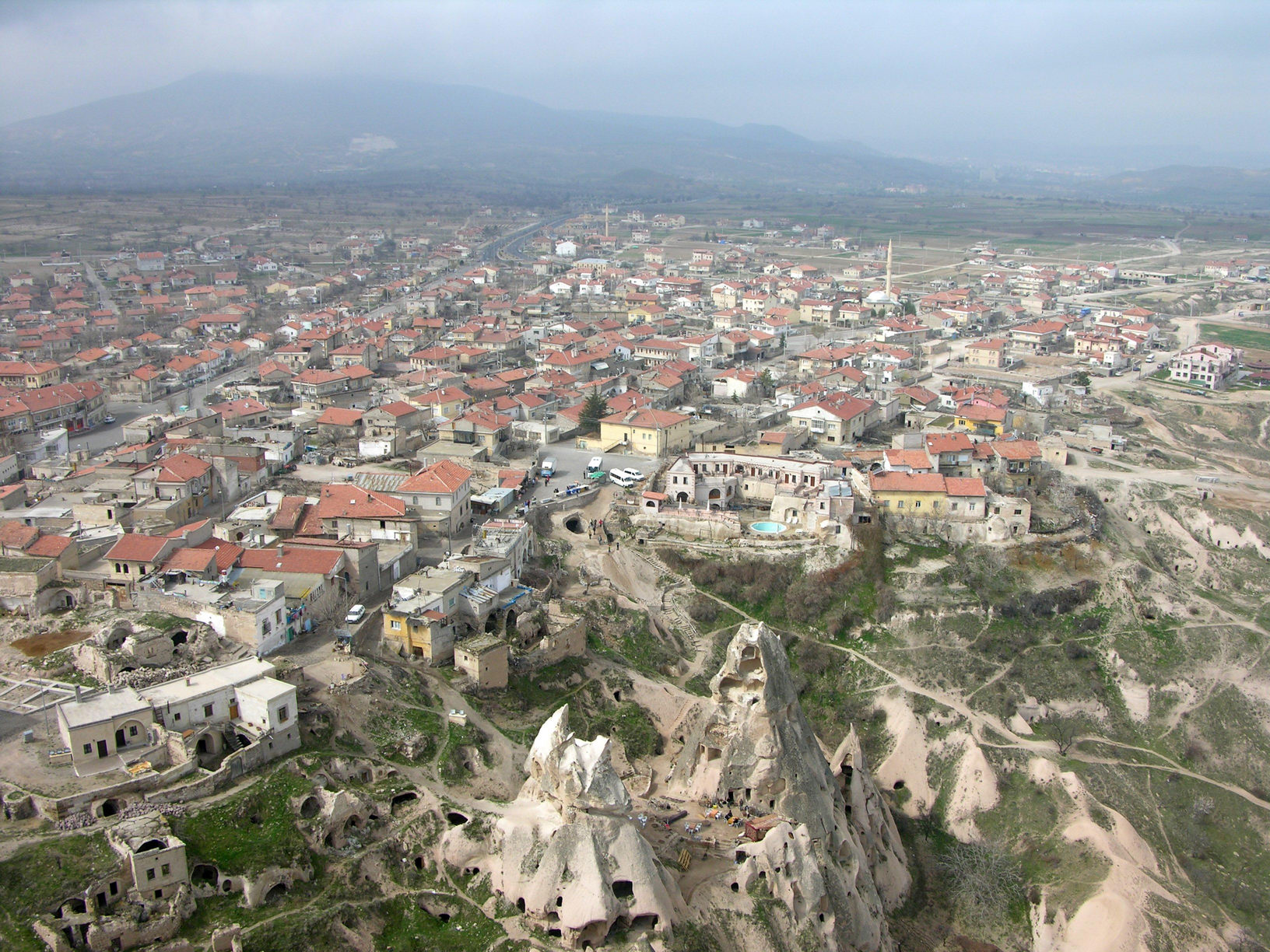
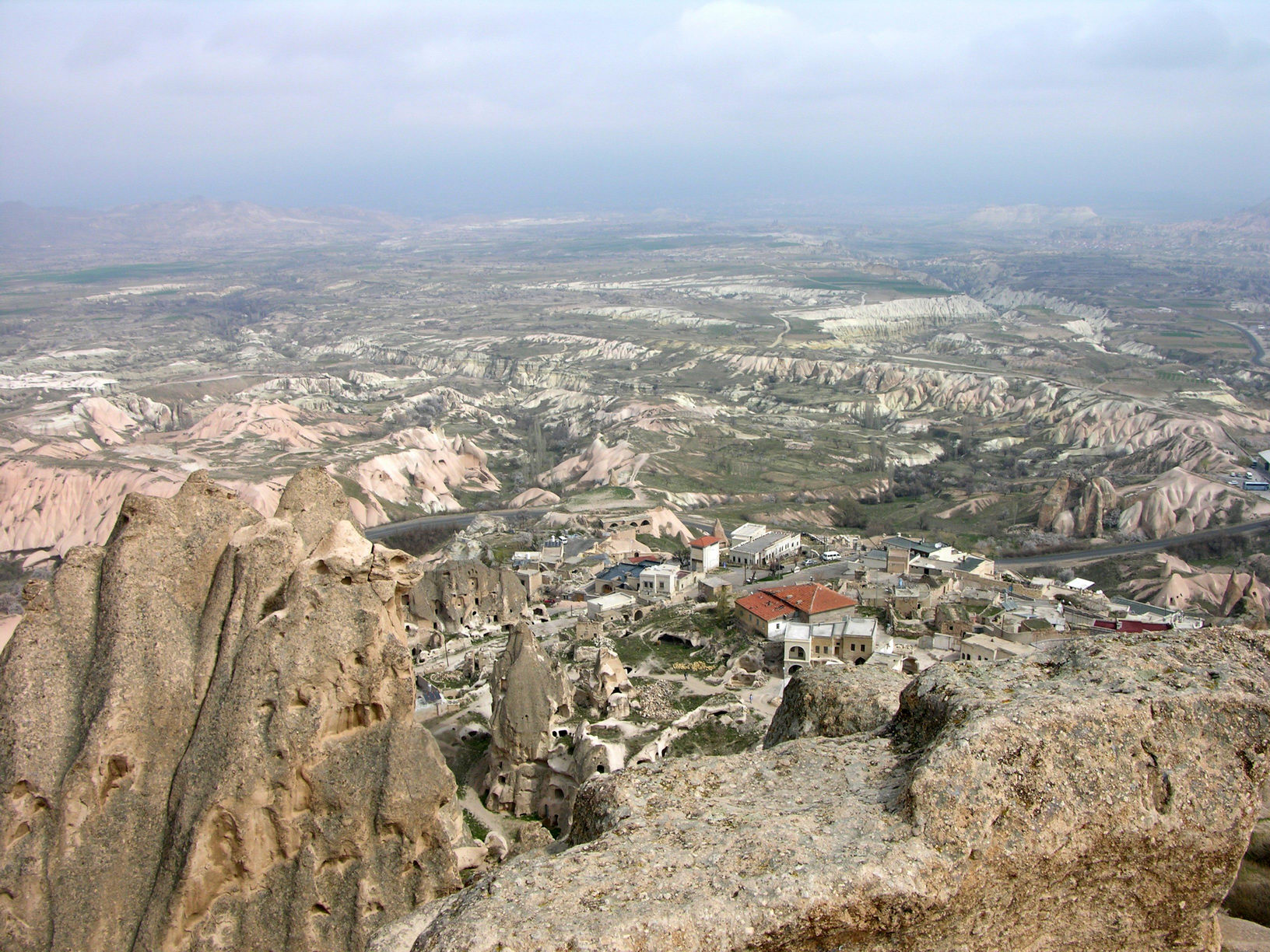
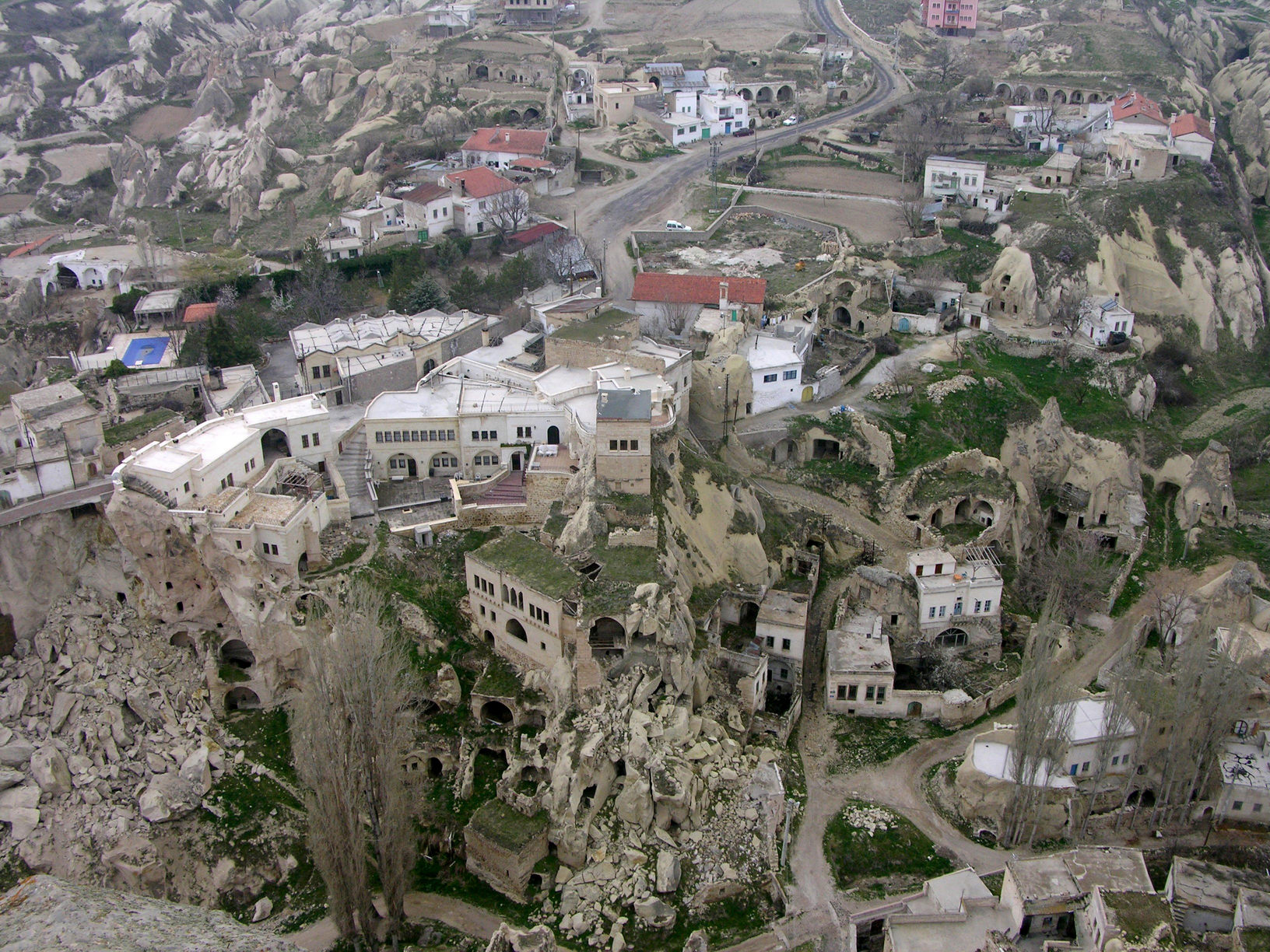
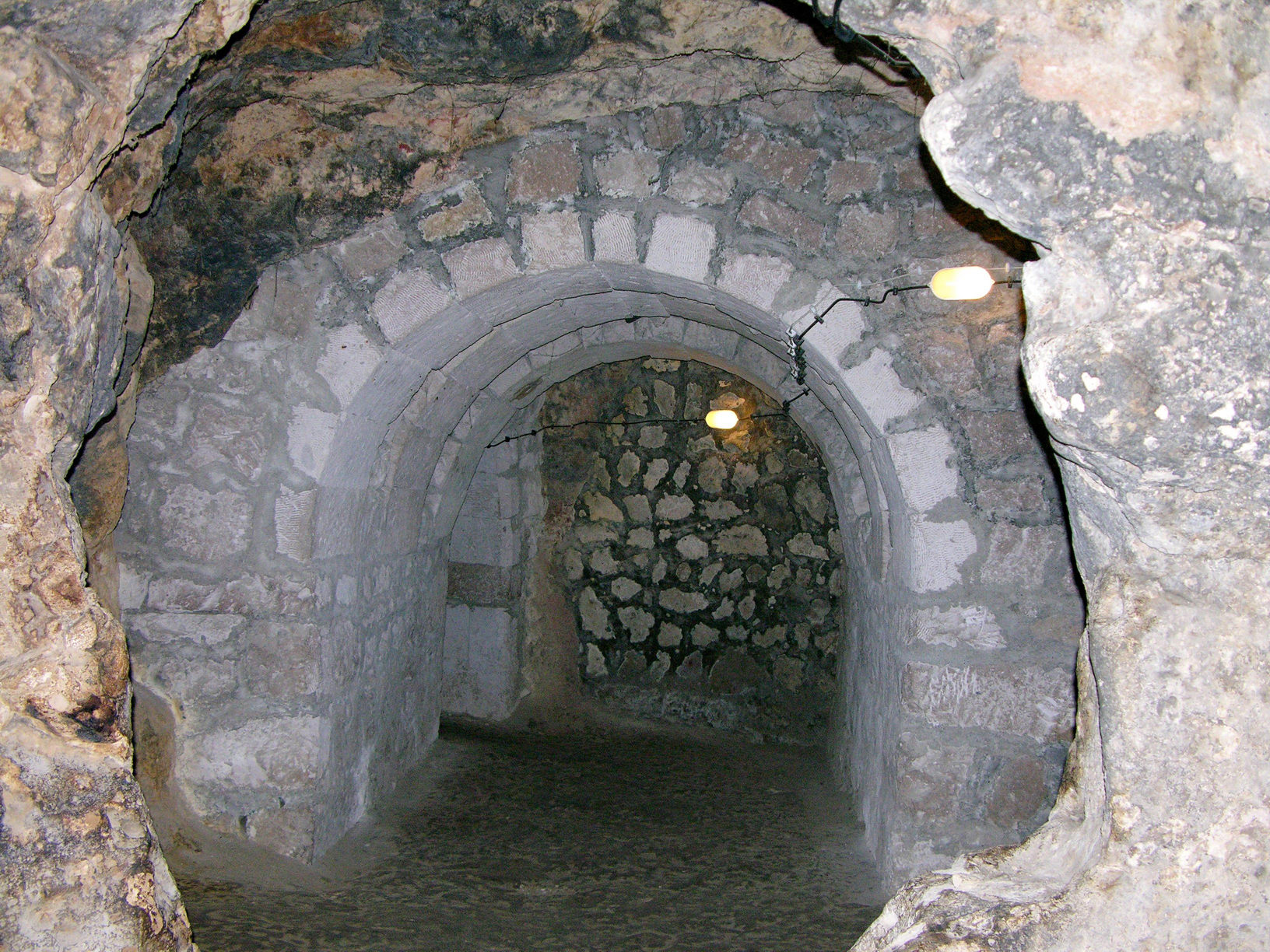
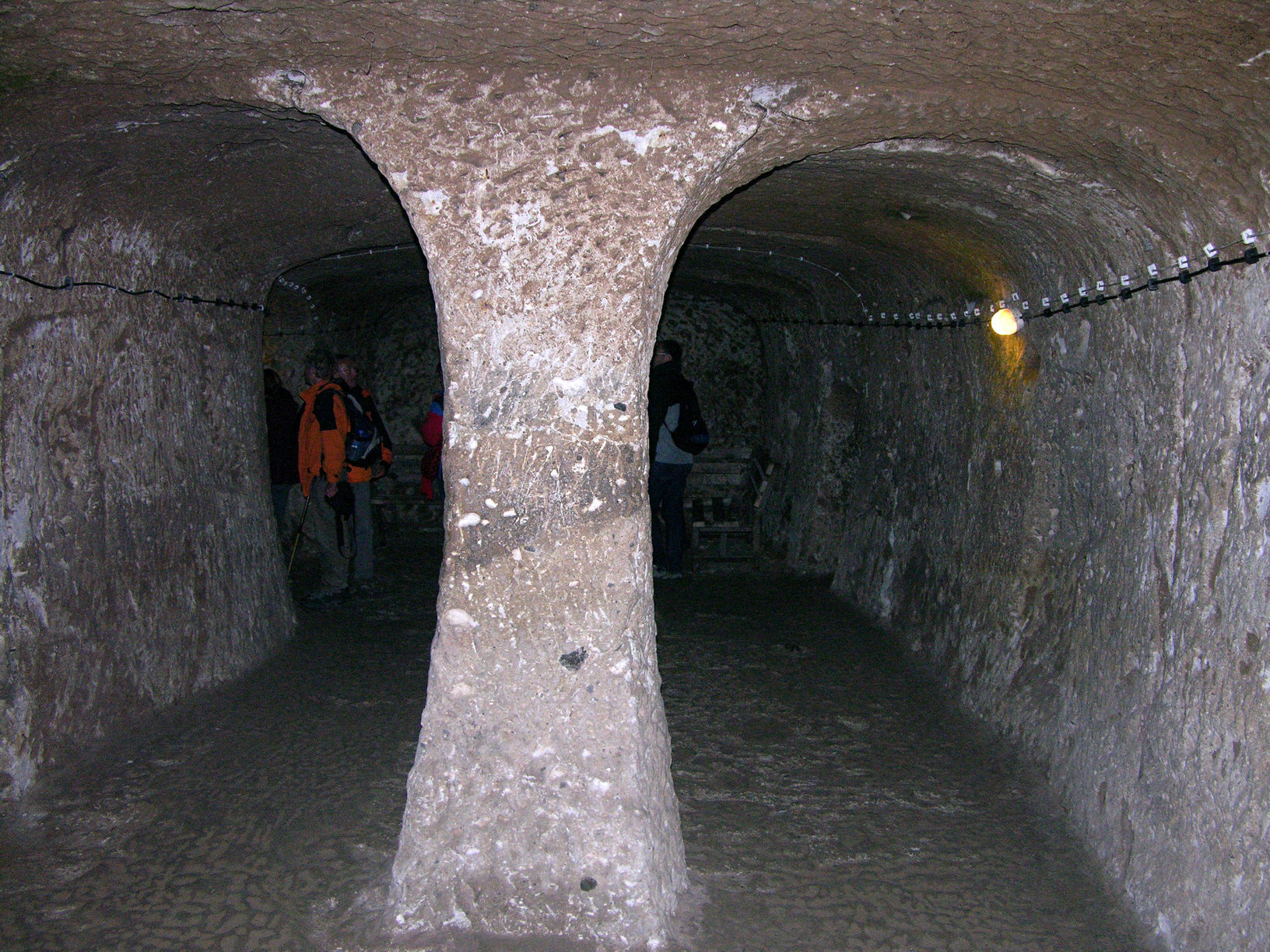
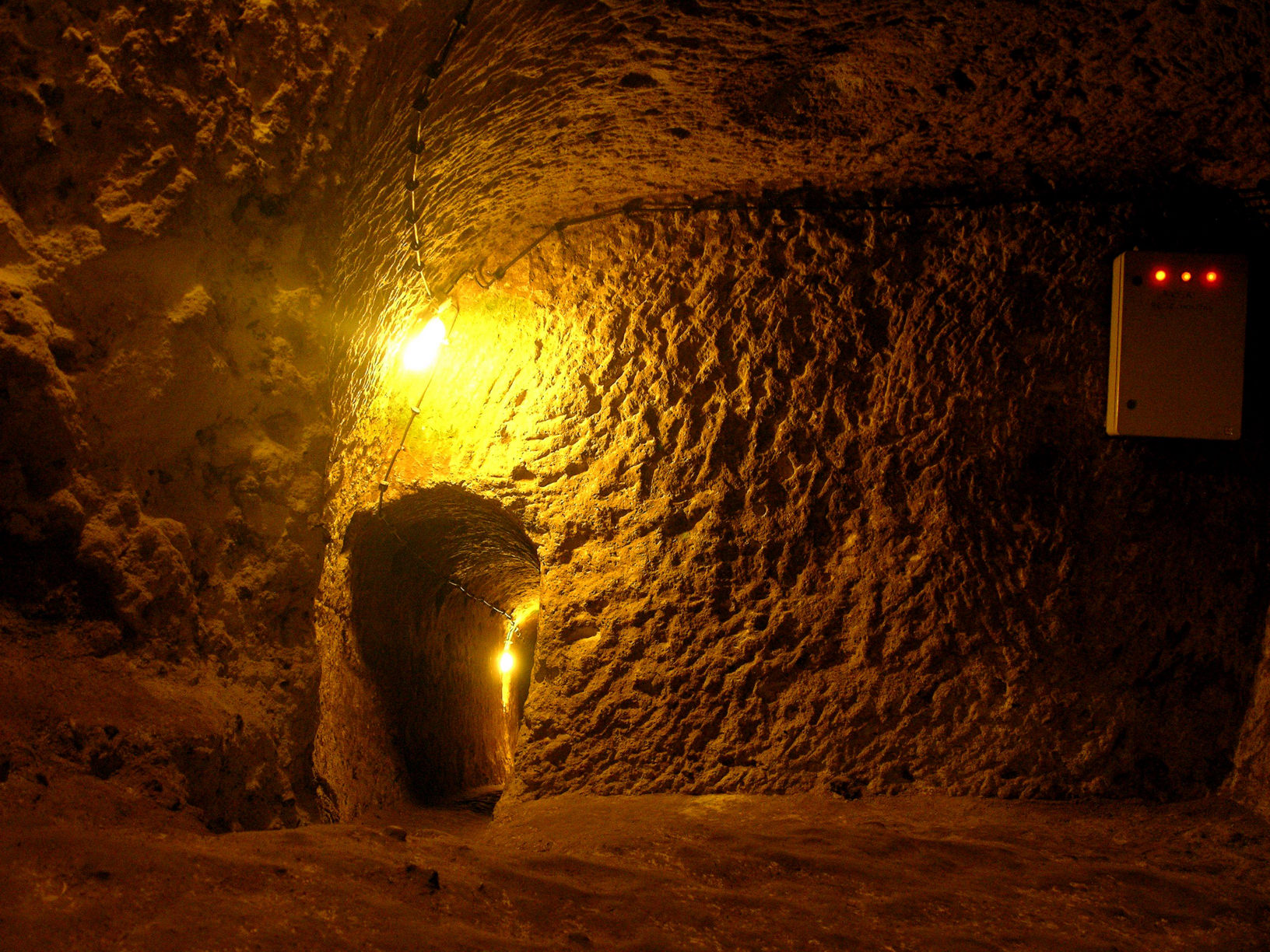
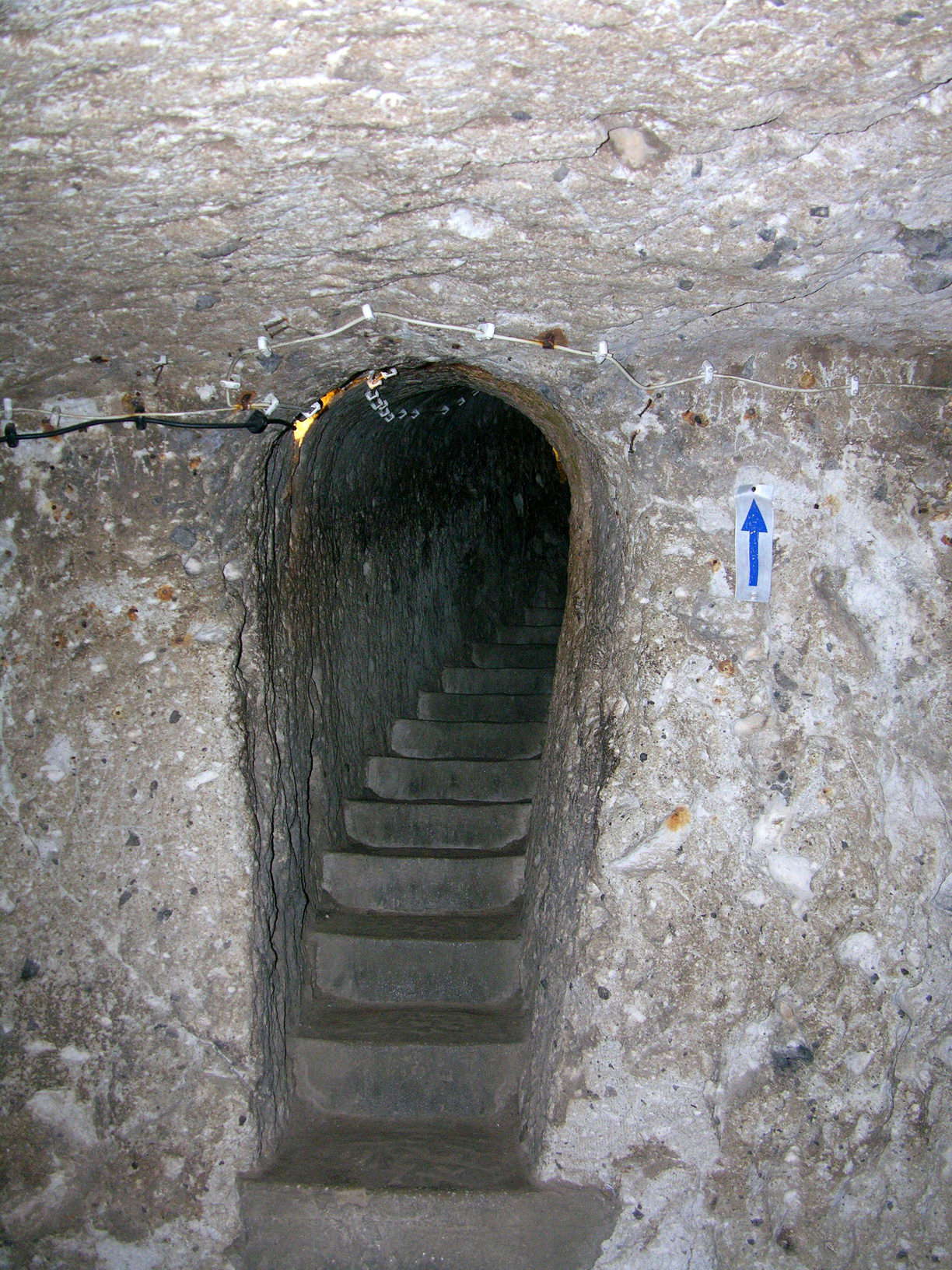
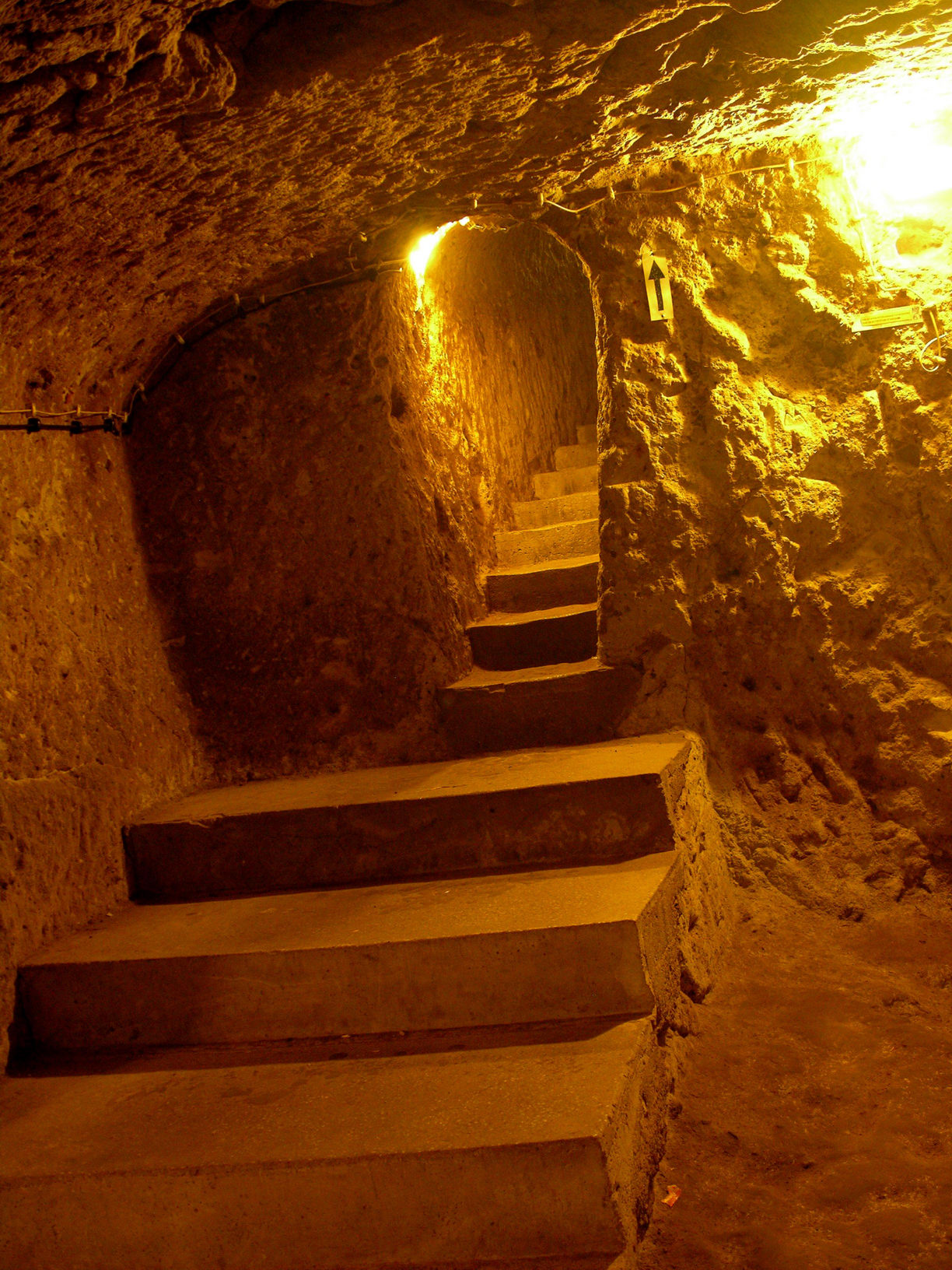
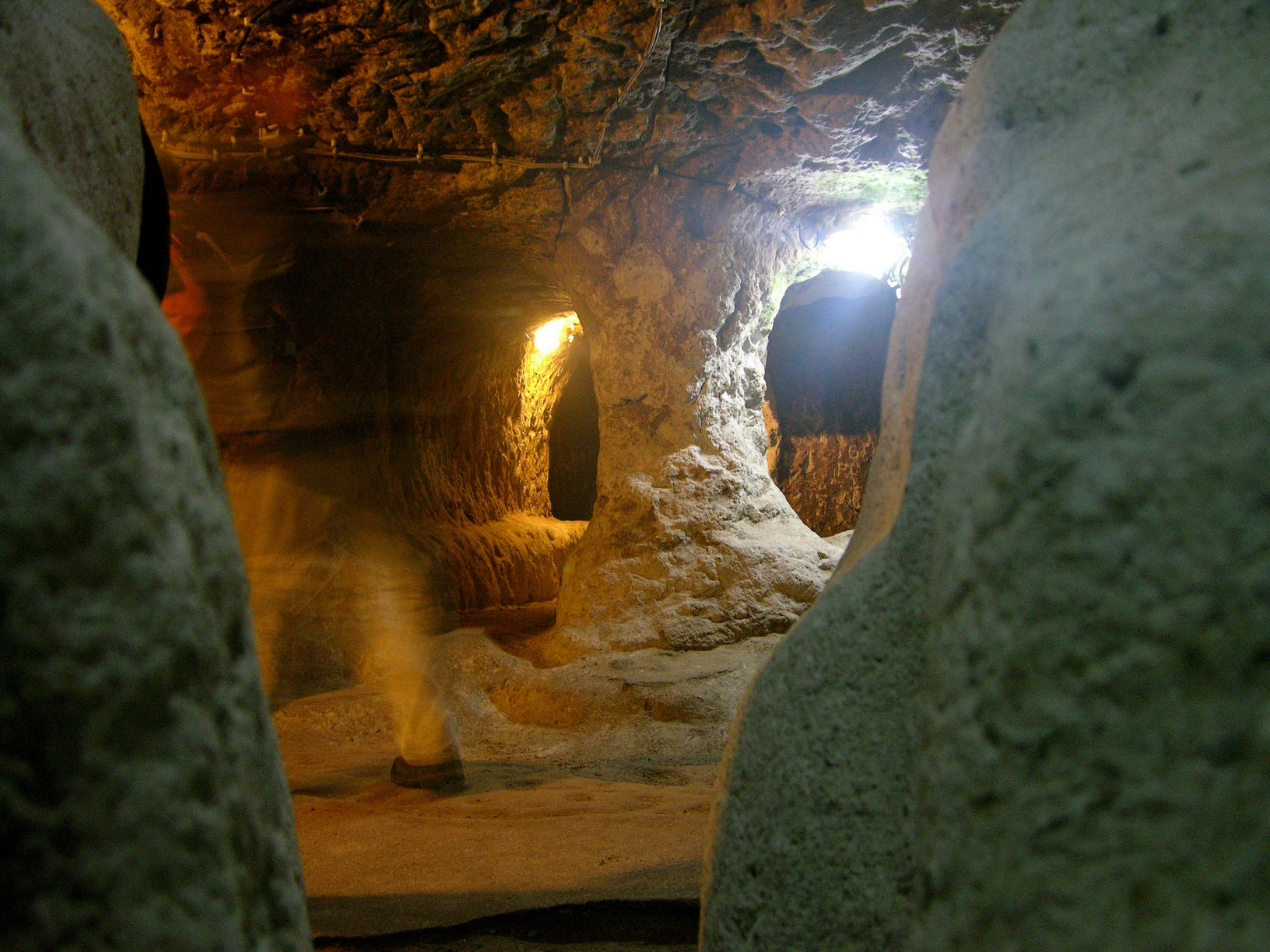
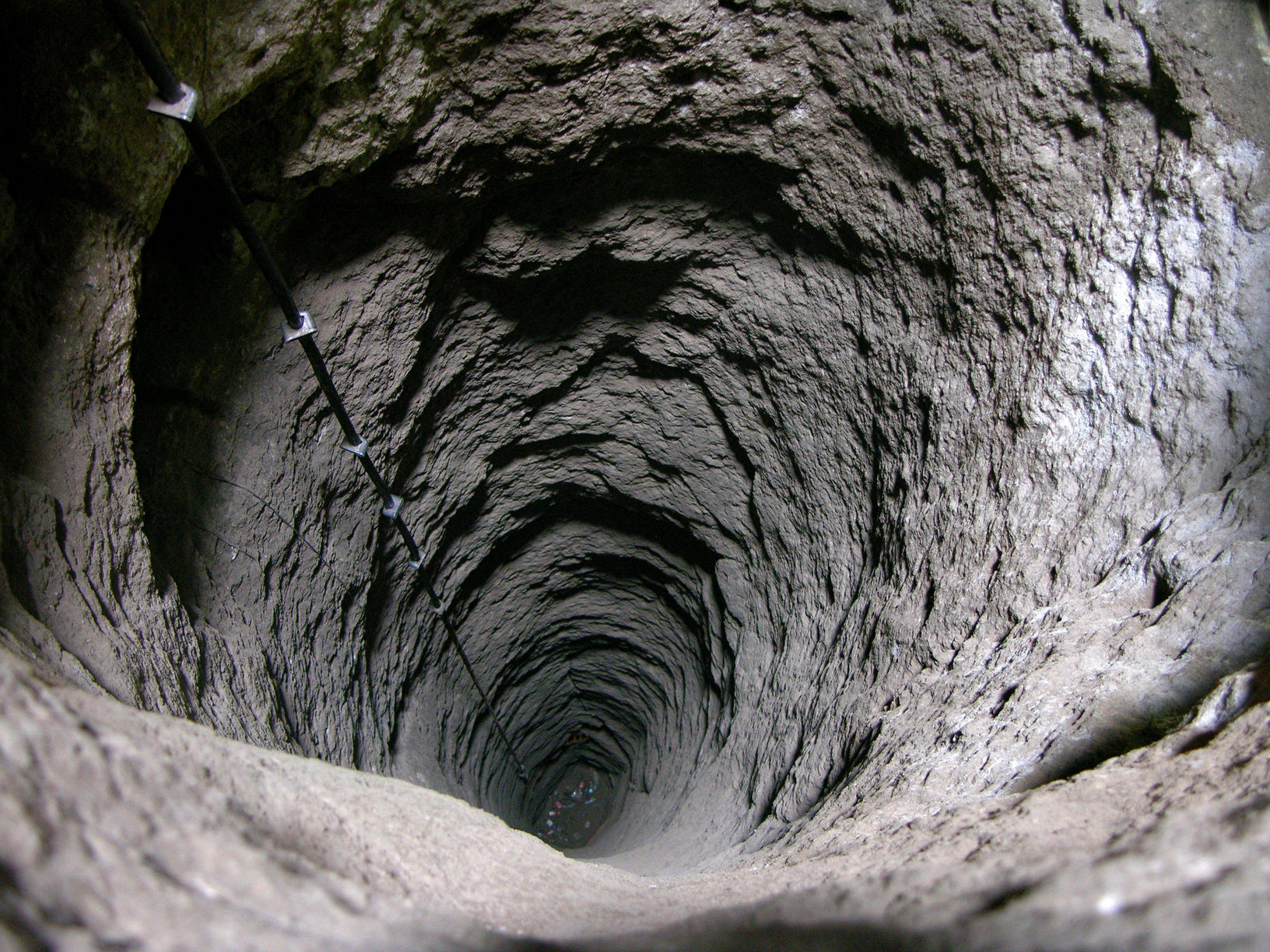
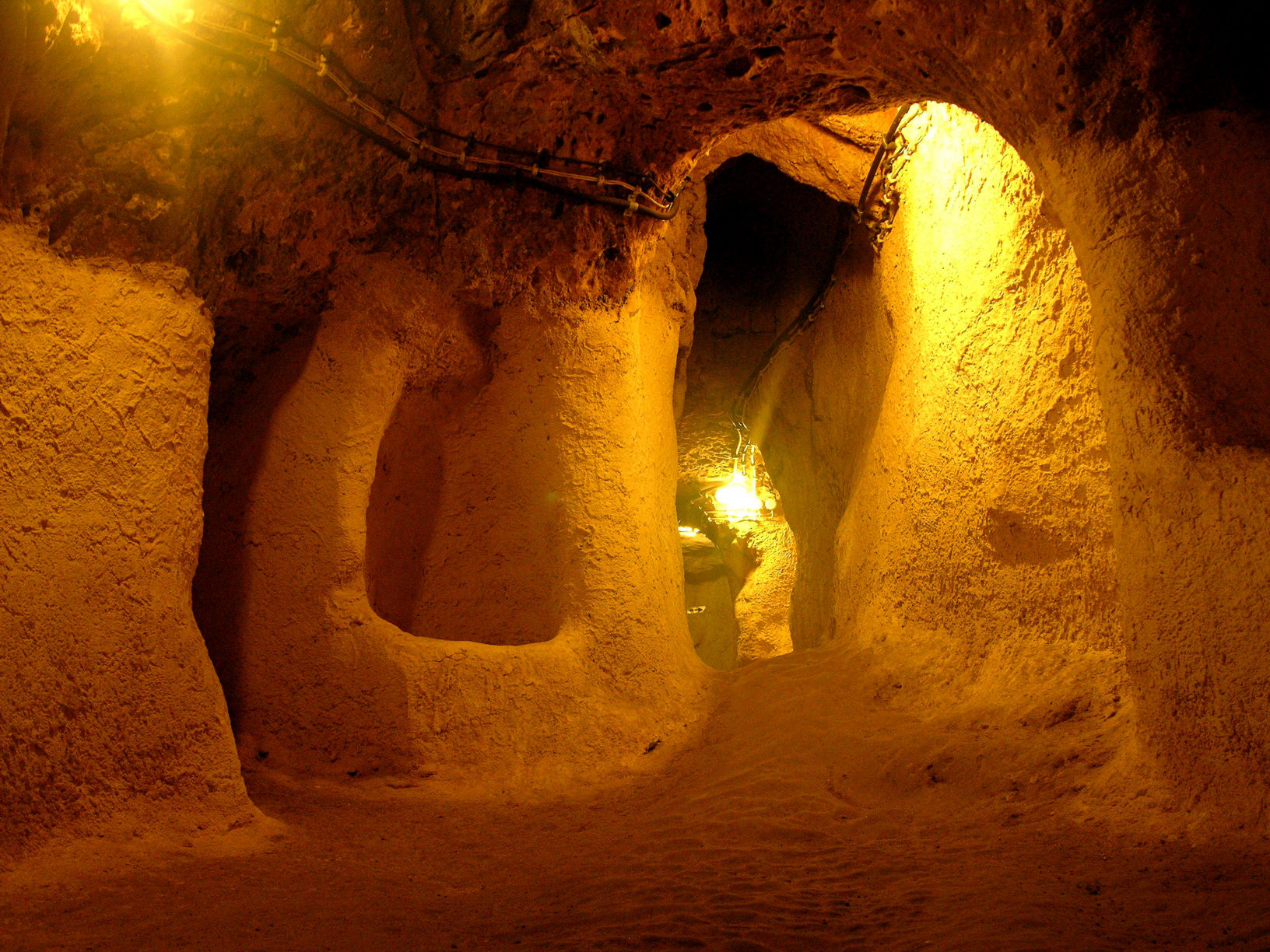
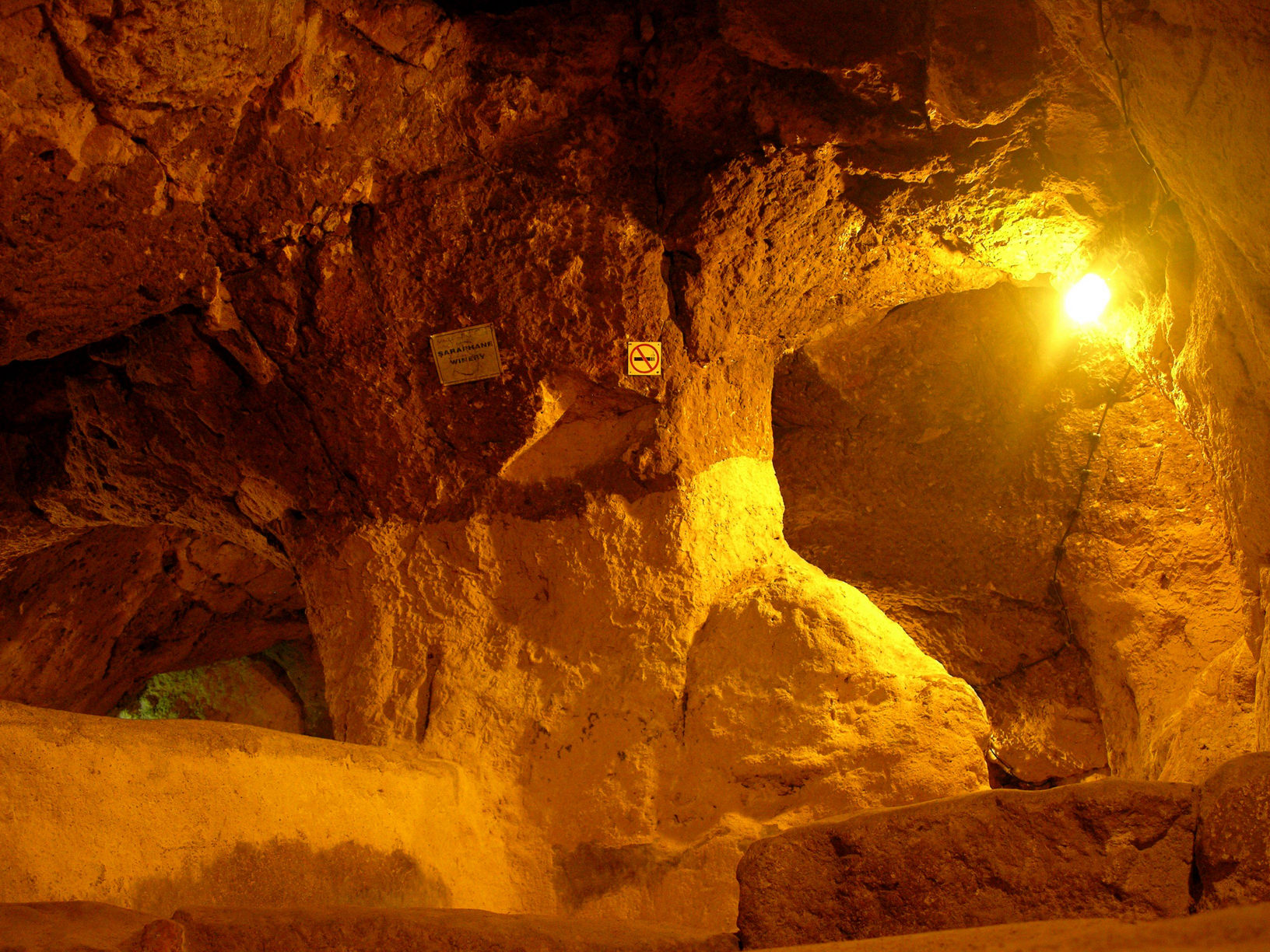
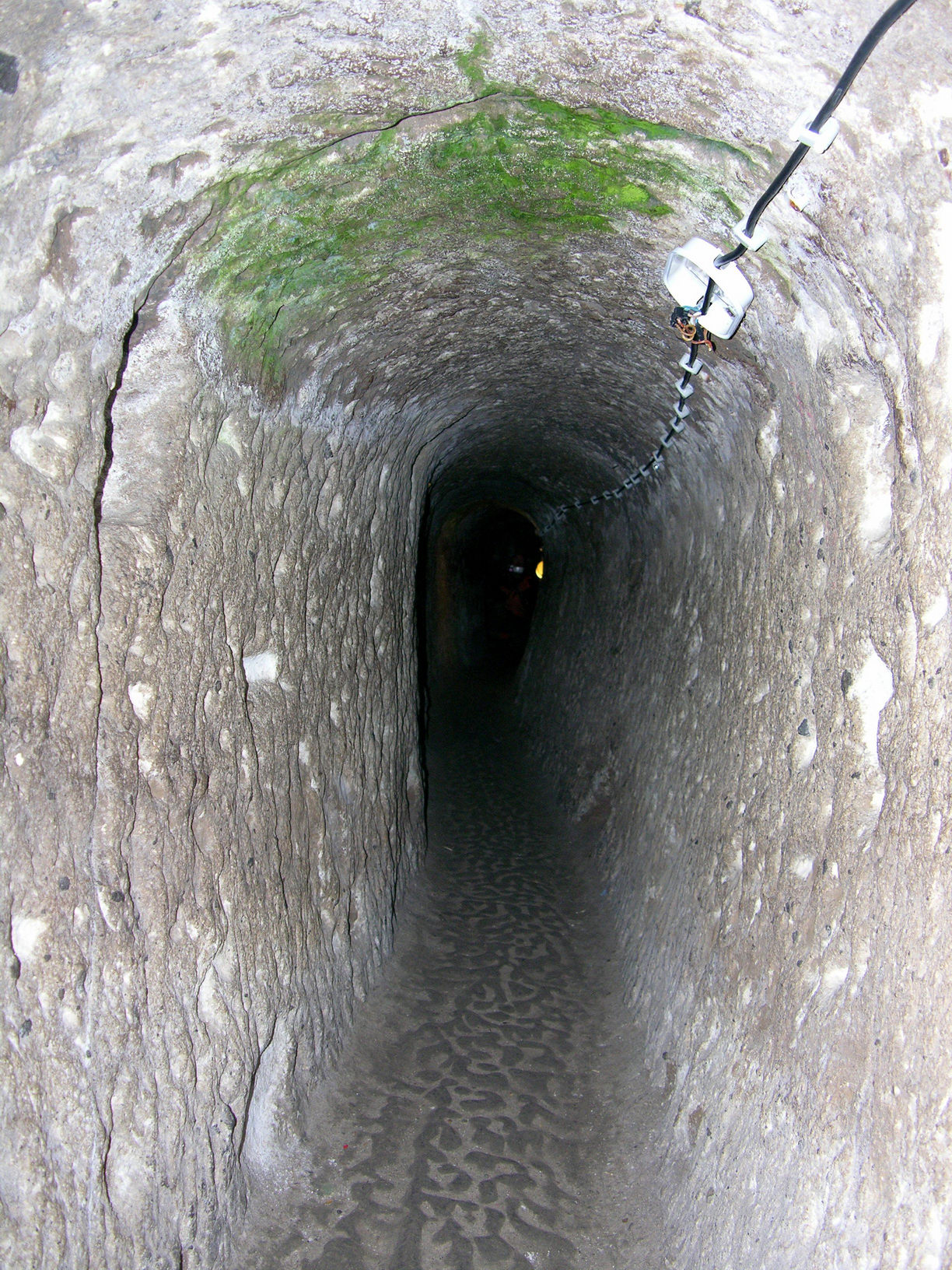
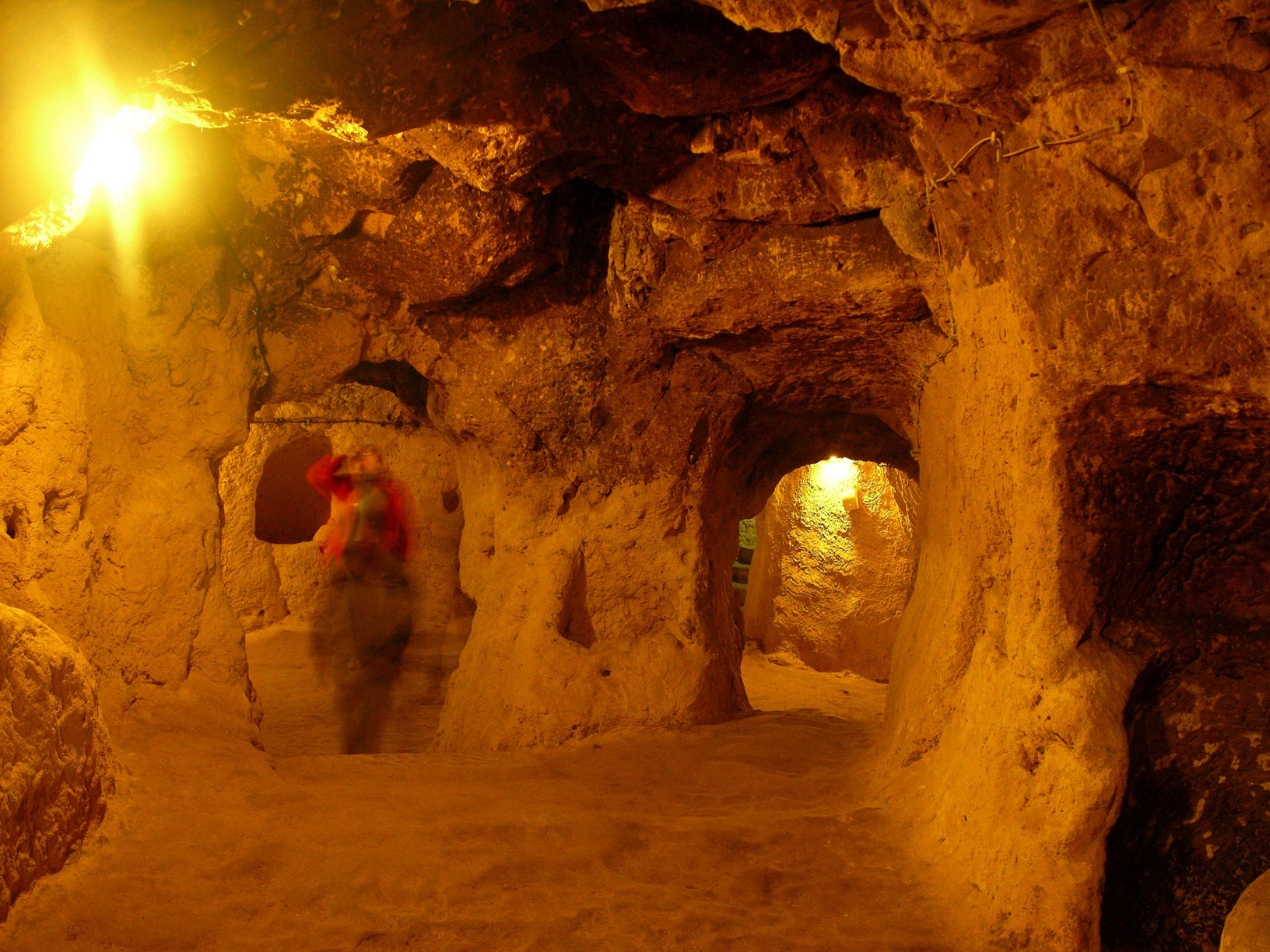
There was no sun that day, a good time to visit the underground city of Derinkuyu. There are around ten levels beneath the ground and plenty of passages. It’s hard to get lost, all the same.
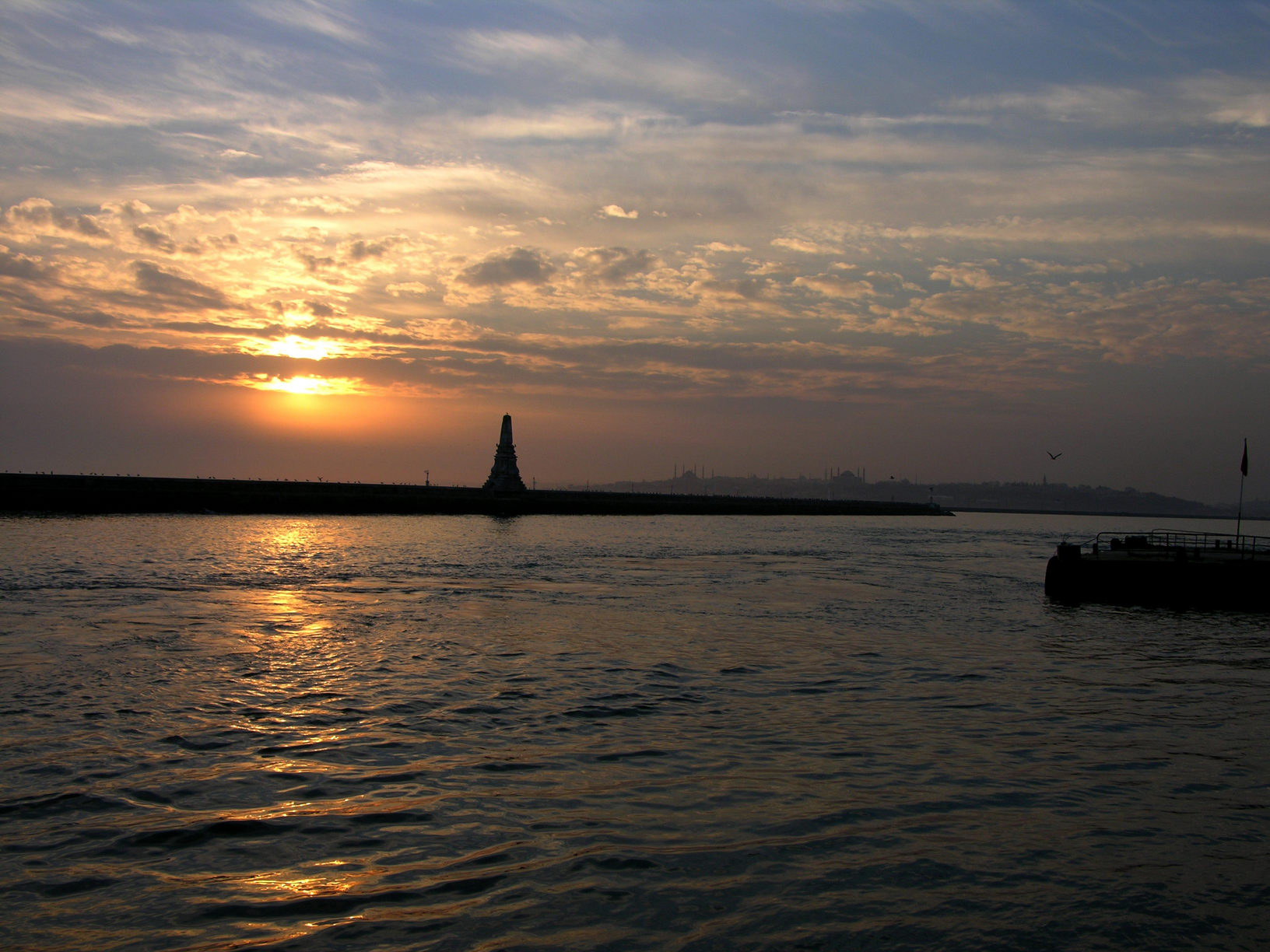
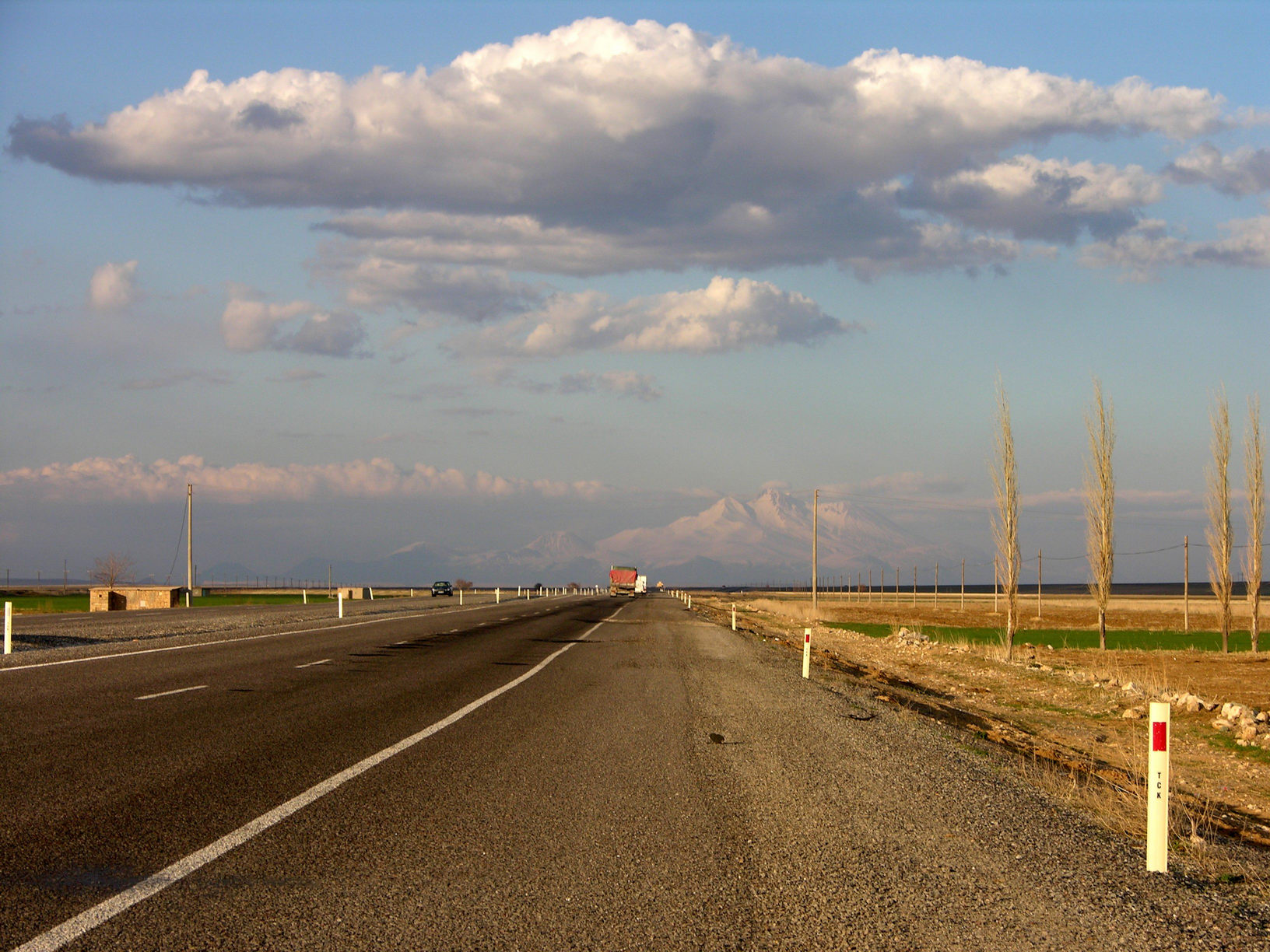
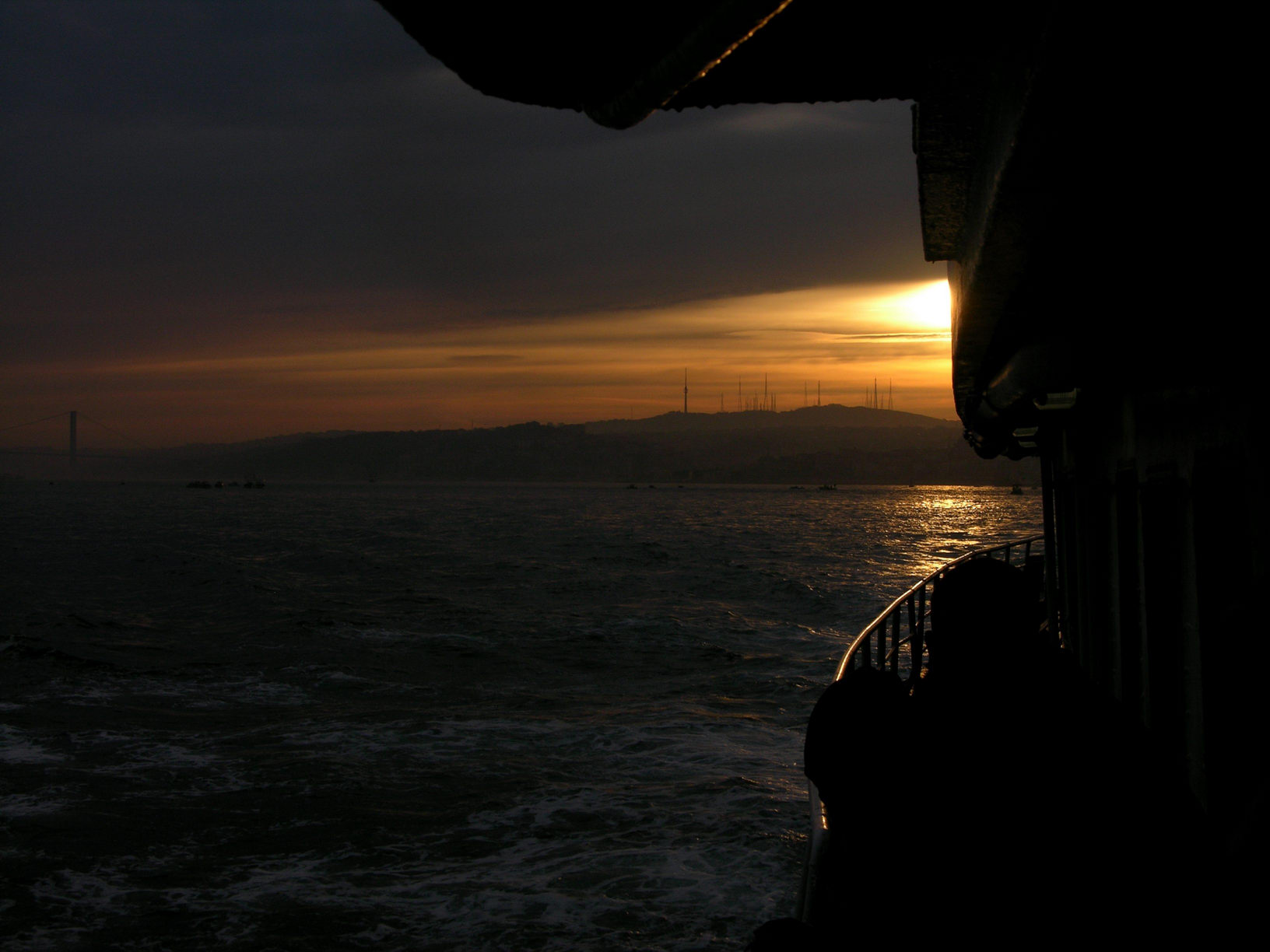
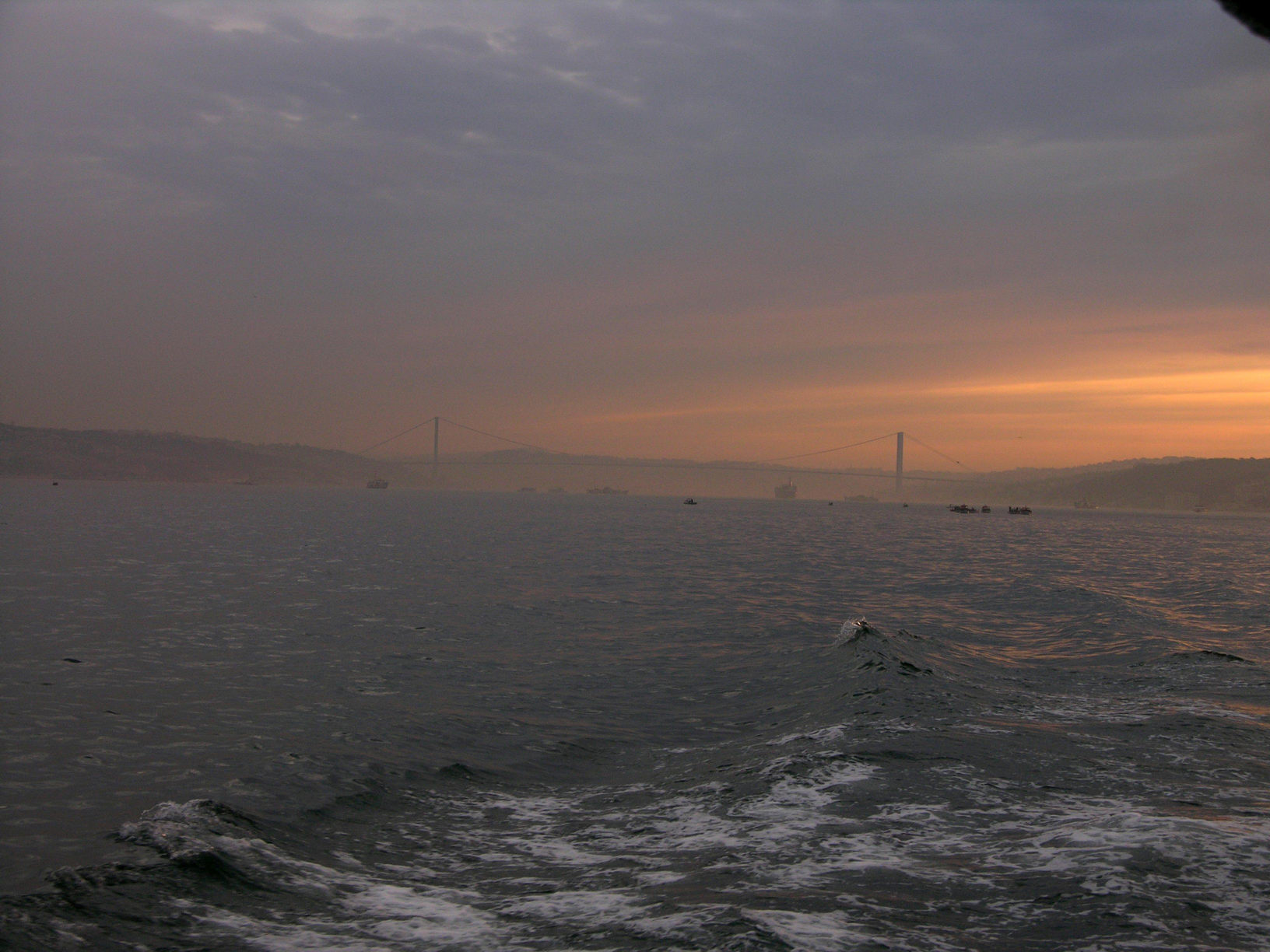
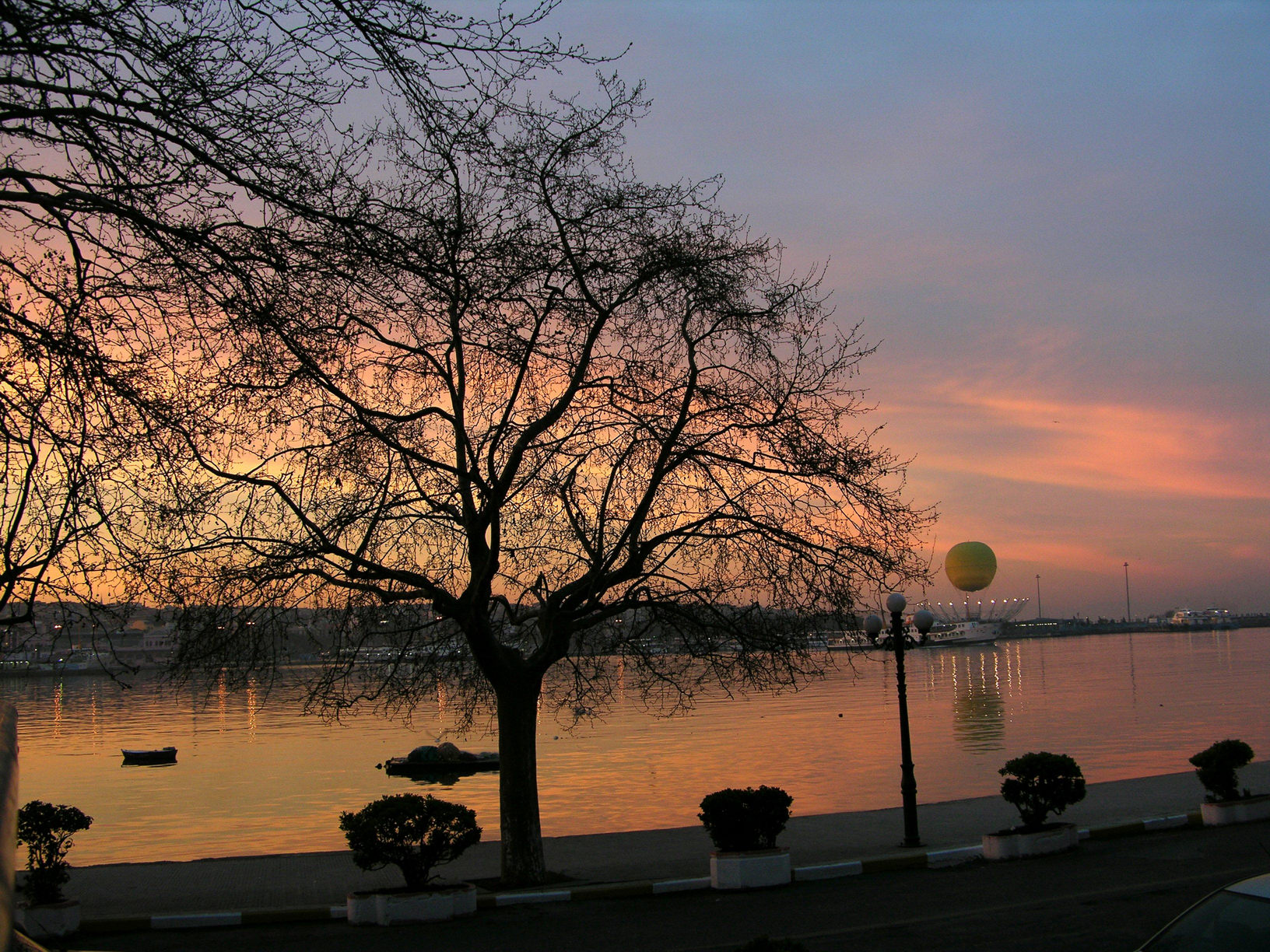
Then came the long road to Konya. We were nearly on the Mediterranean coast. It was warm and I wanted to keep driving. Just another hundred kilometres and there would be the sea. We were short of time, though, and Denis probably wouldn’t last that far. We reached Konya in the evening, returned the car and went back overnight to Istanbul. The sun was rising over the Bosphorus, and so was a hot-air balloon.
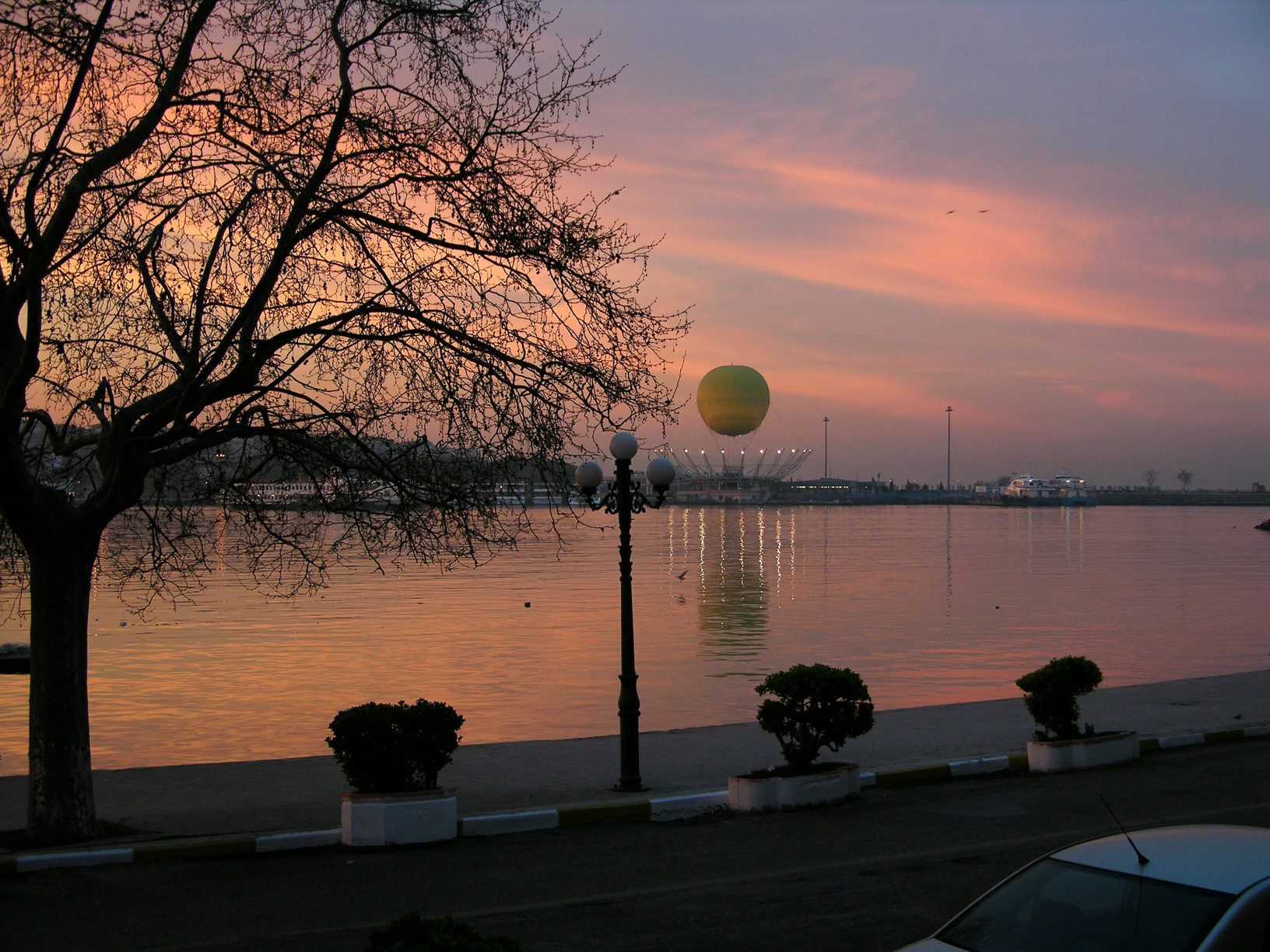
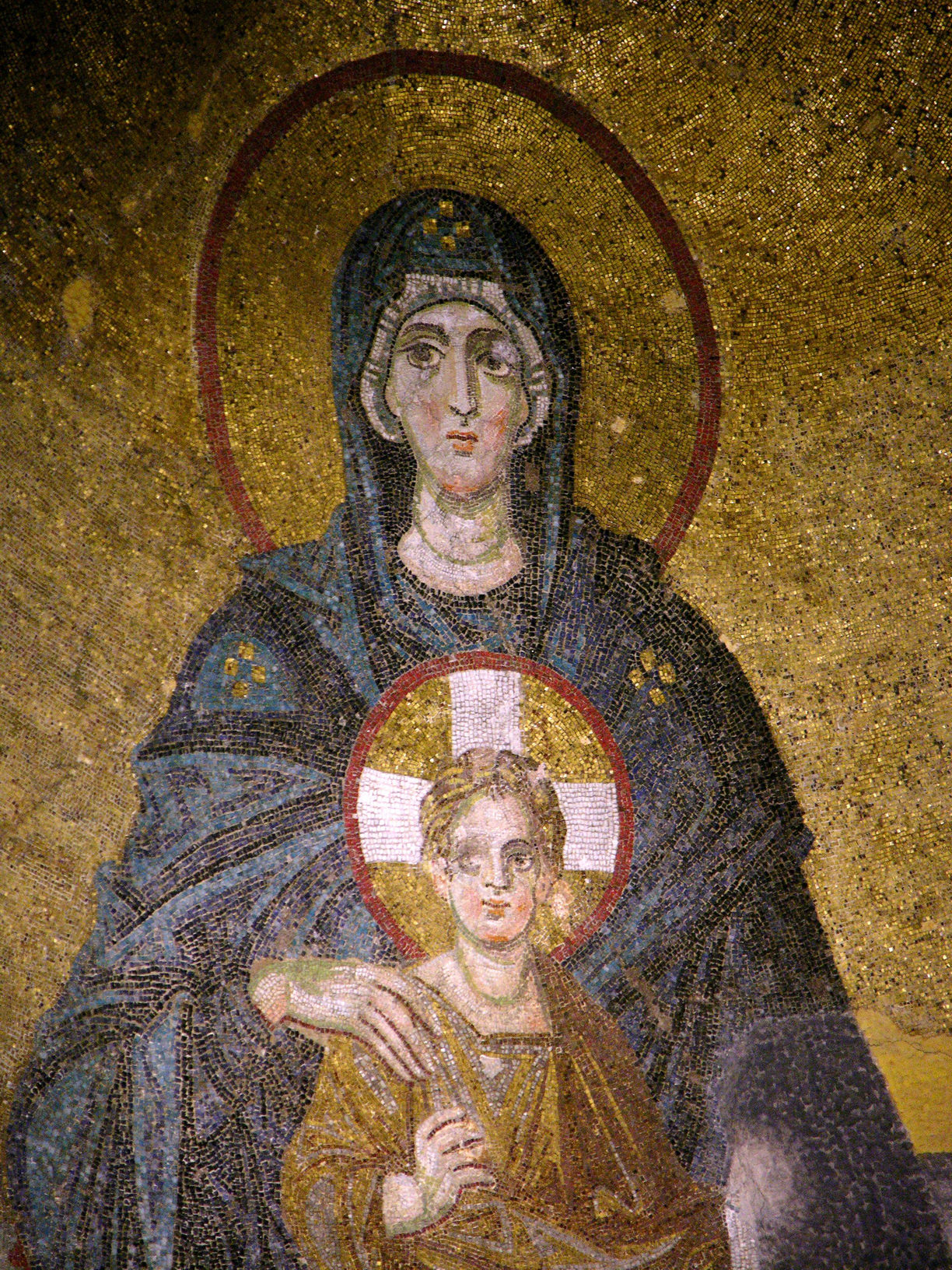
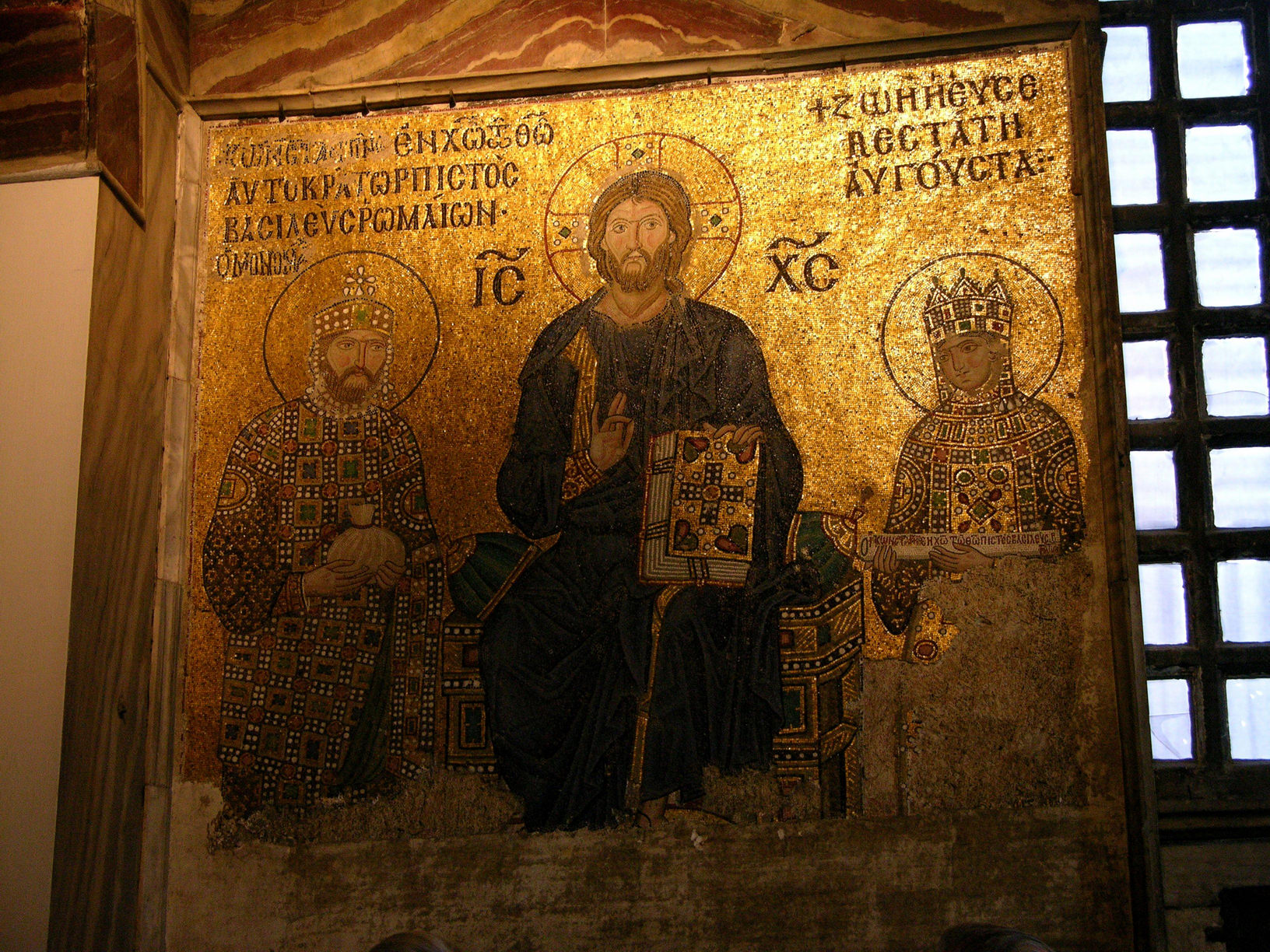
Hagia Sophia had been closed for some technical reason on our first visit. This time we finally got inside.
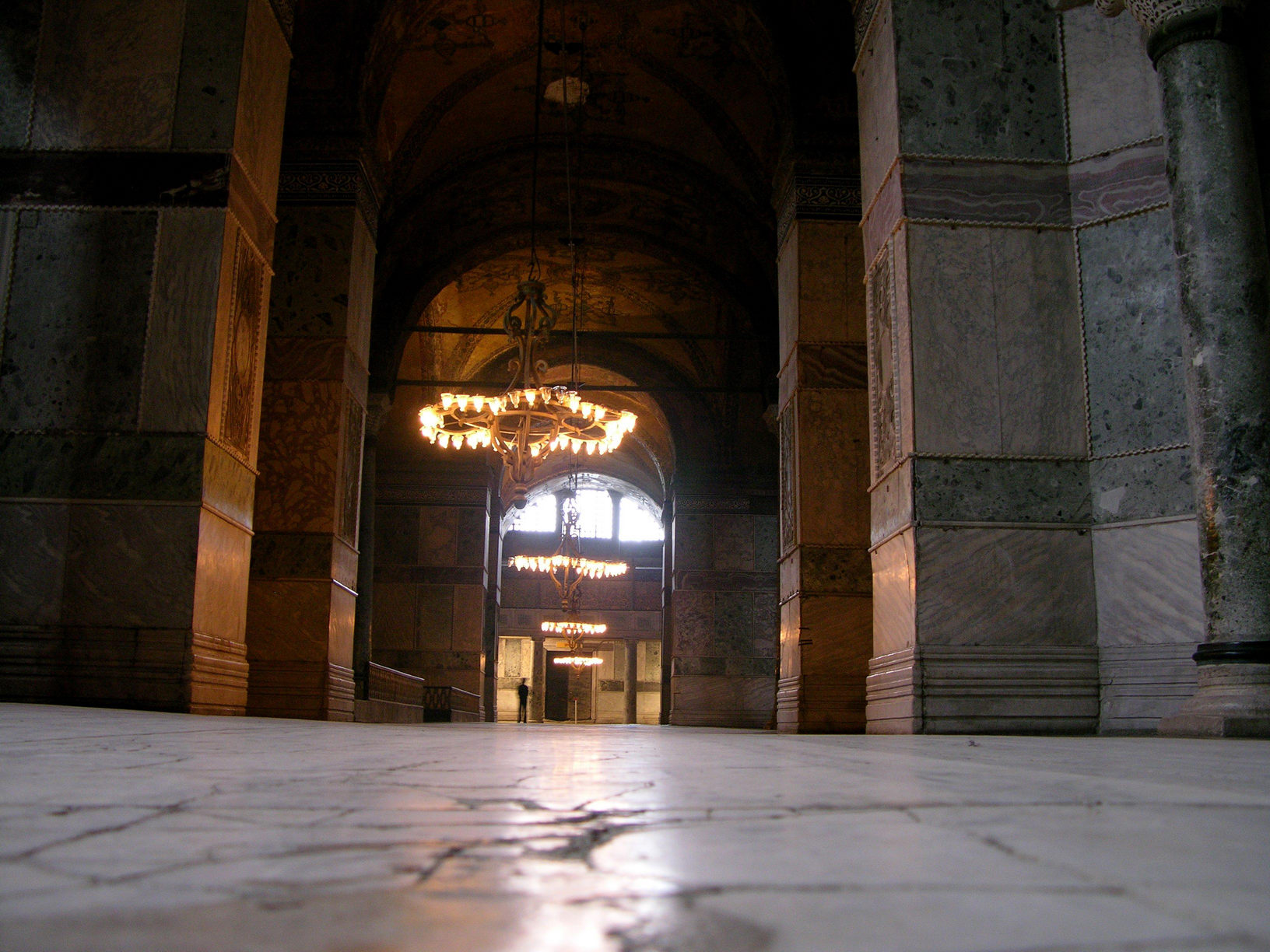
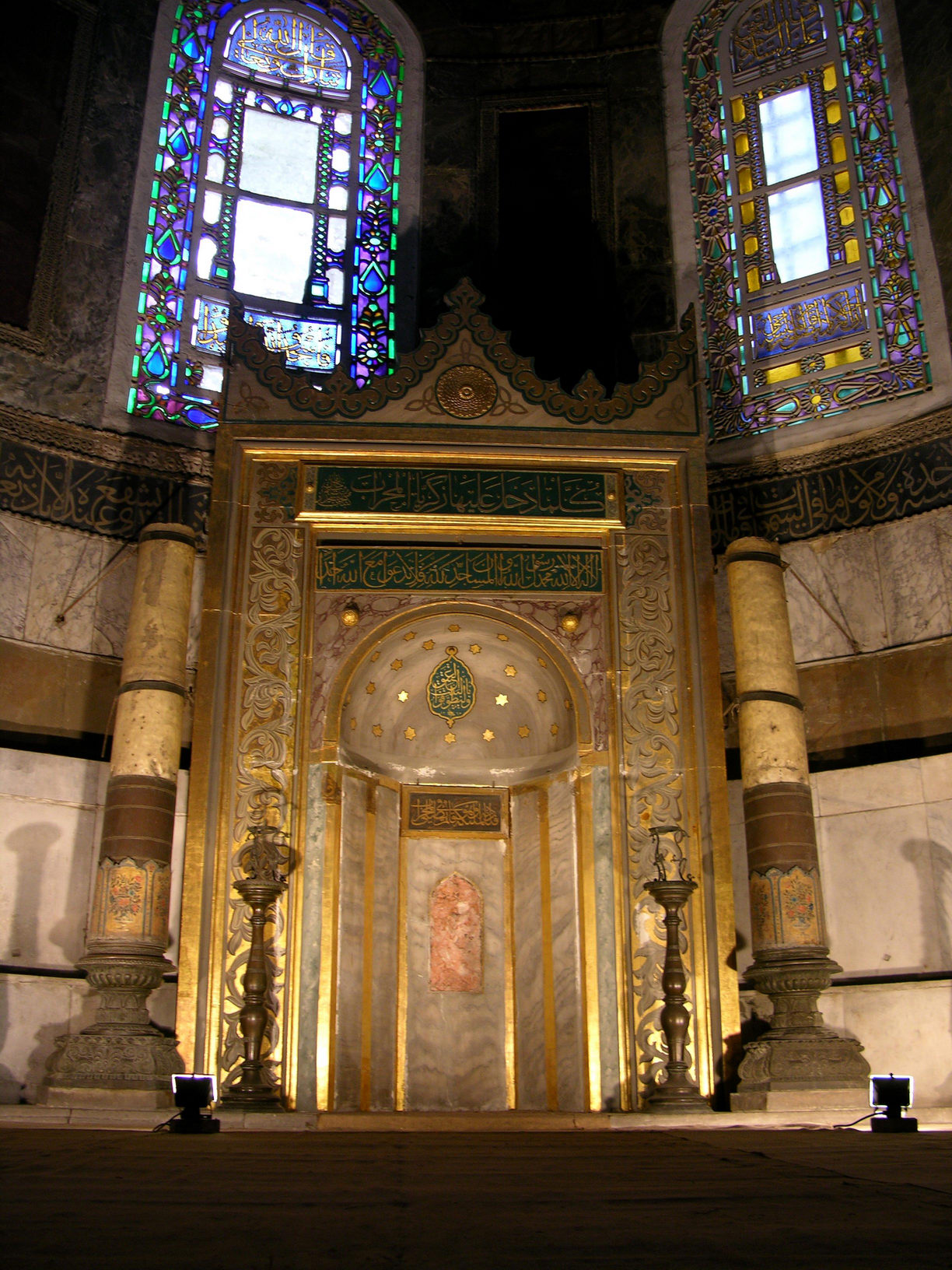
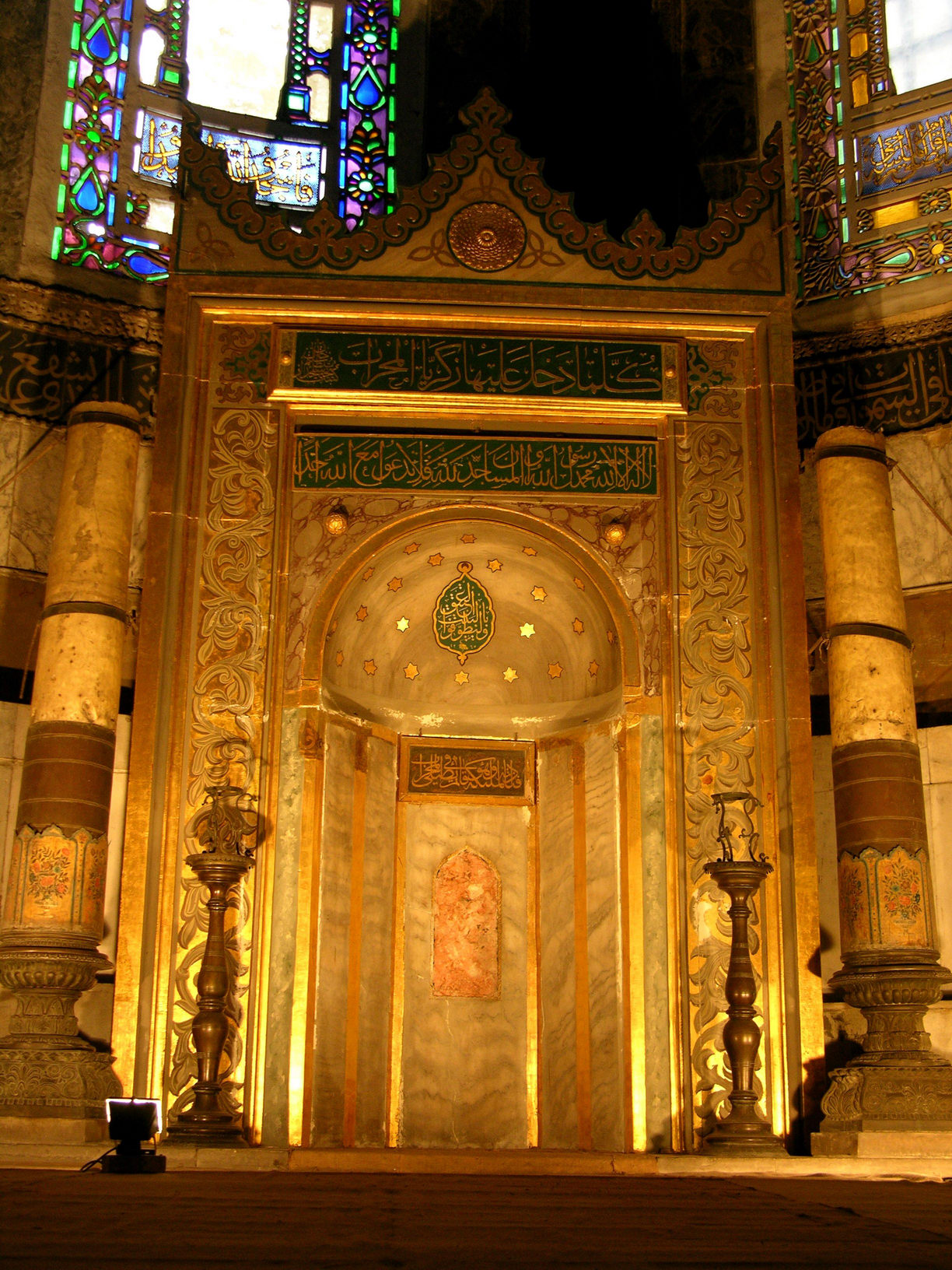
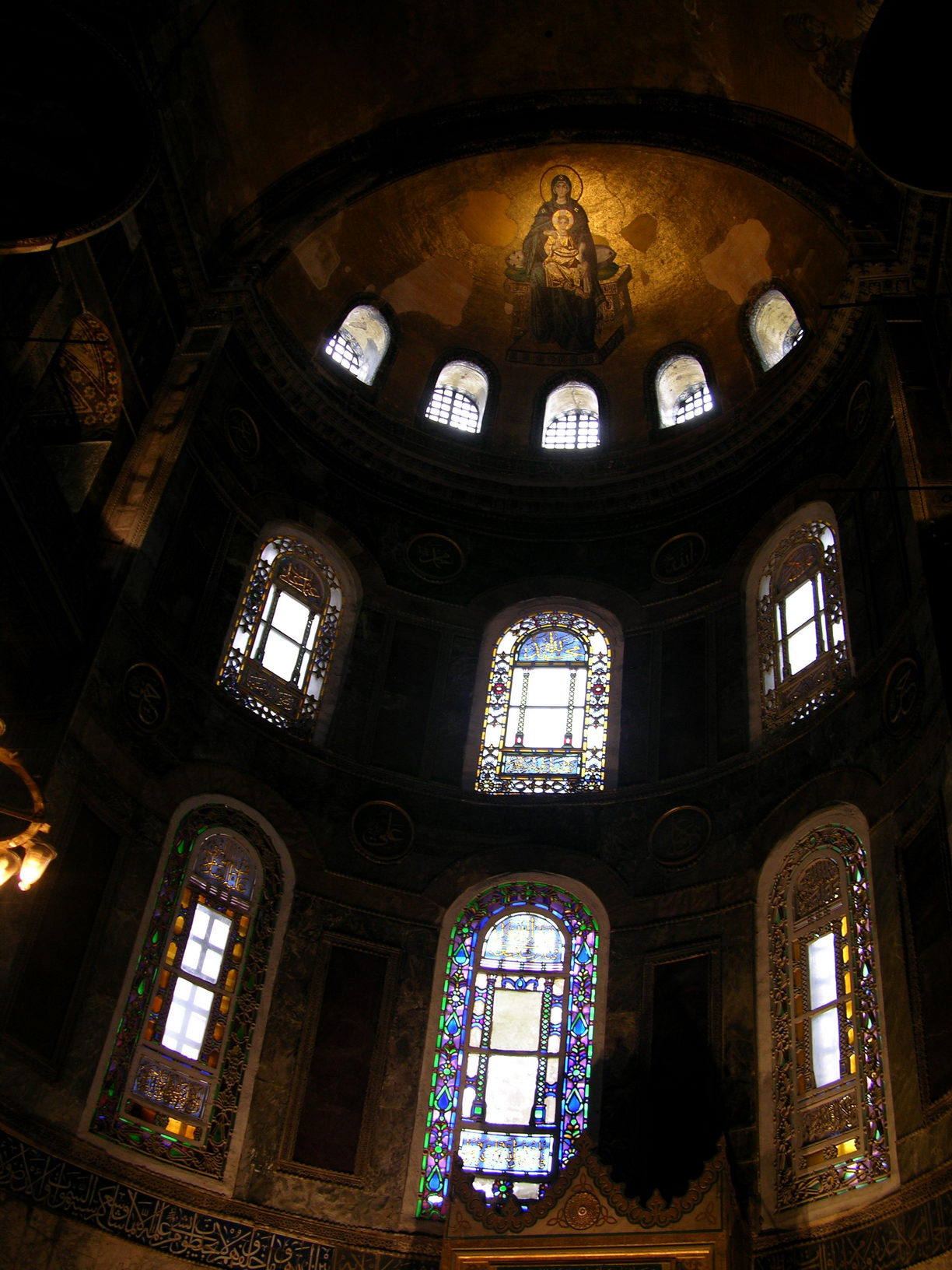
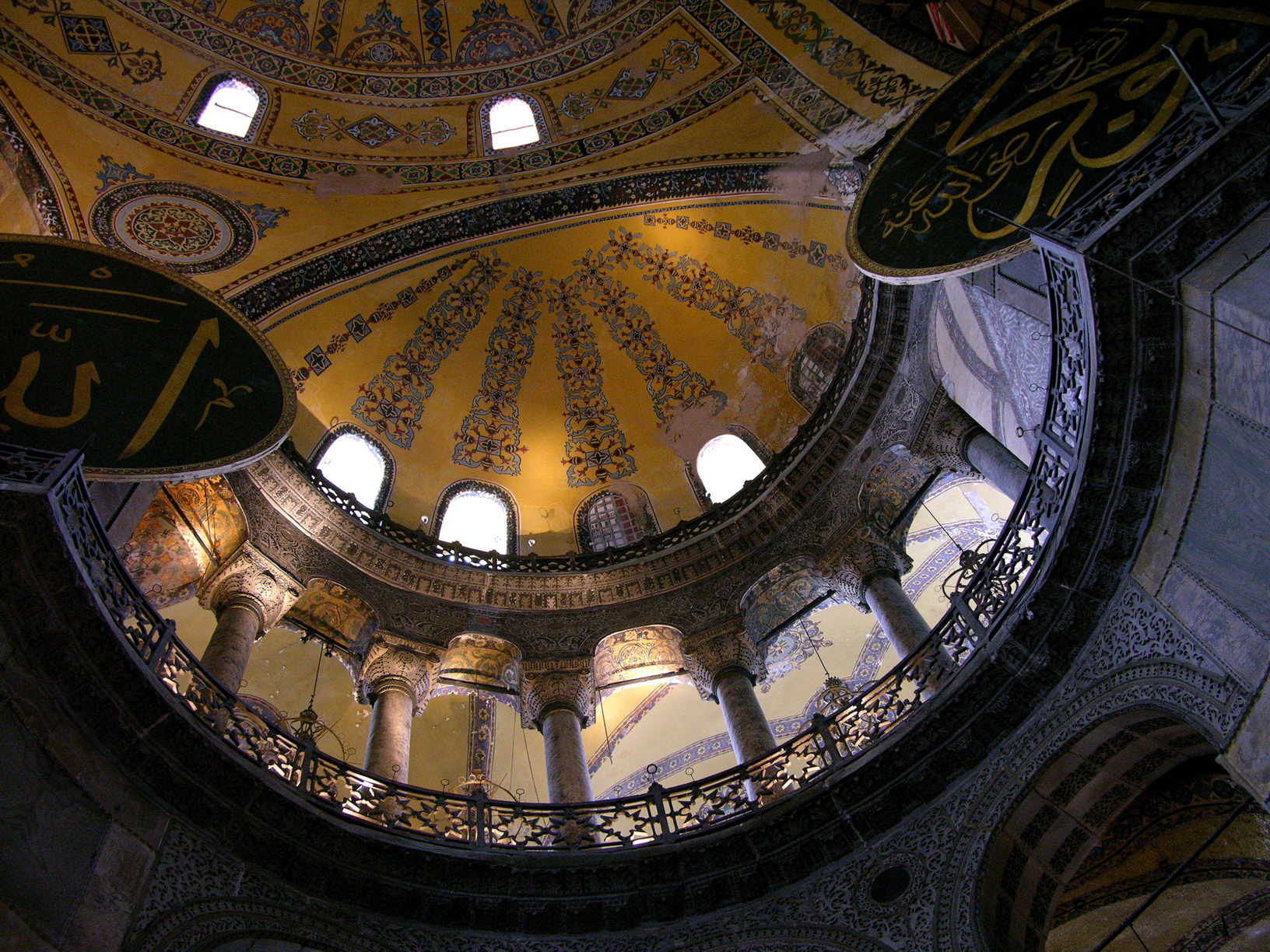
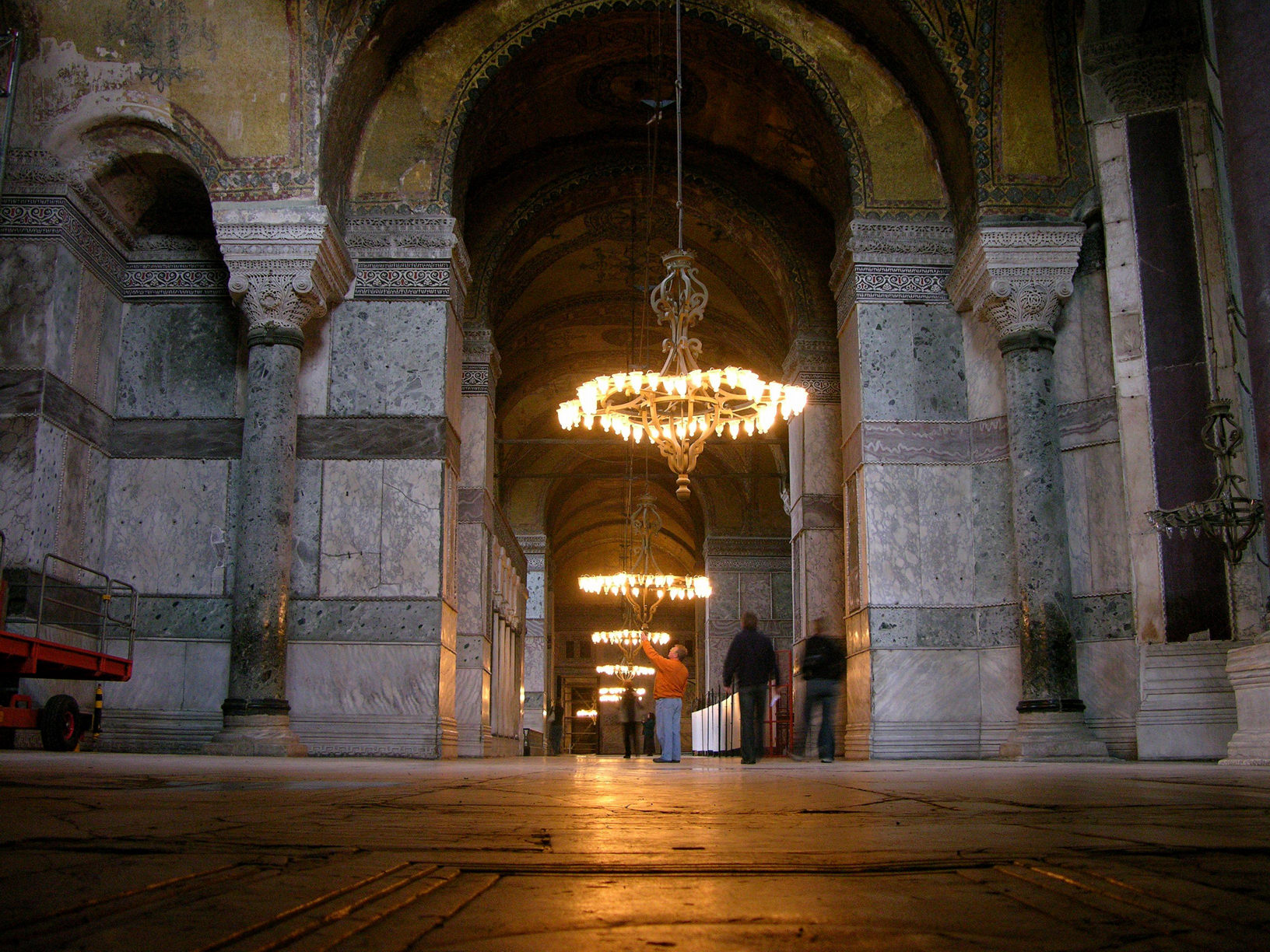
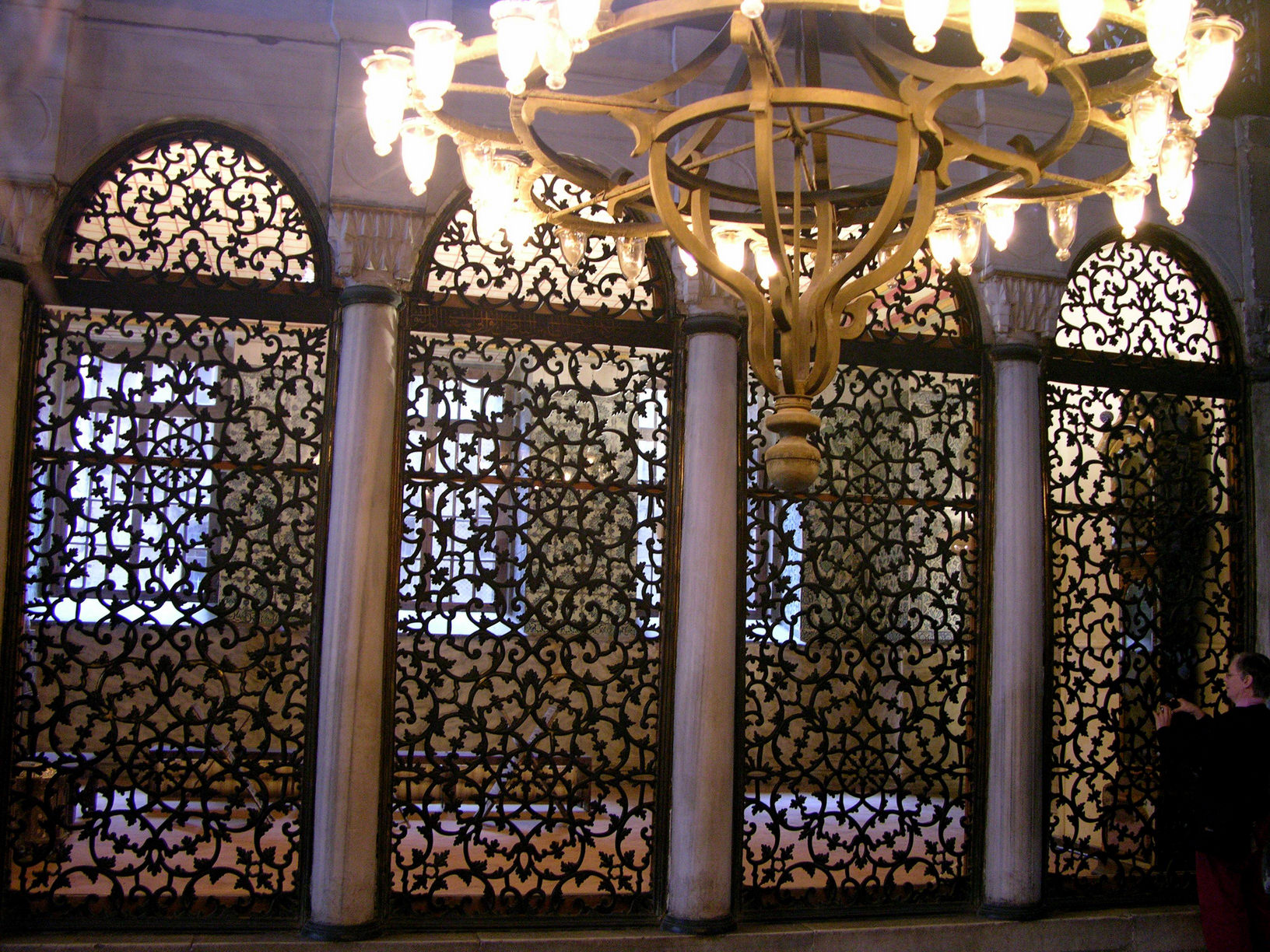
Time after time I’m astounded by the grandeur of this place. The building has astonishing energy. Think of a time when Novgorod, Staraya Ladoga and Kyiv had yet to appear, and the peoples we call Vandals and barbarians were dividing up Rome and competing for the right to have their name stand for savagery. Then look at the scale of this building and those immense vaults. A triumph of ancient engineering.
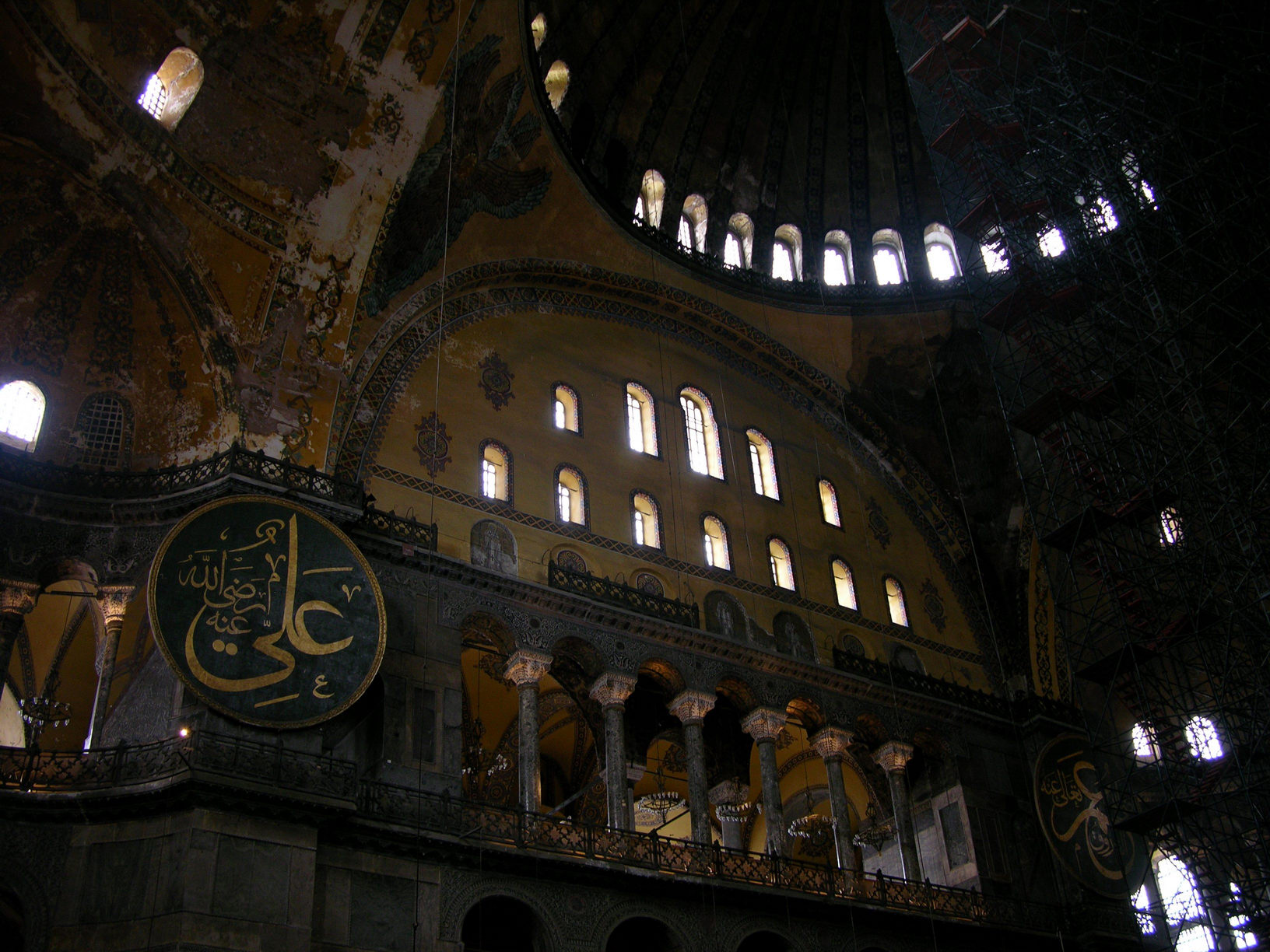
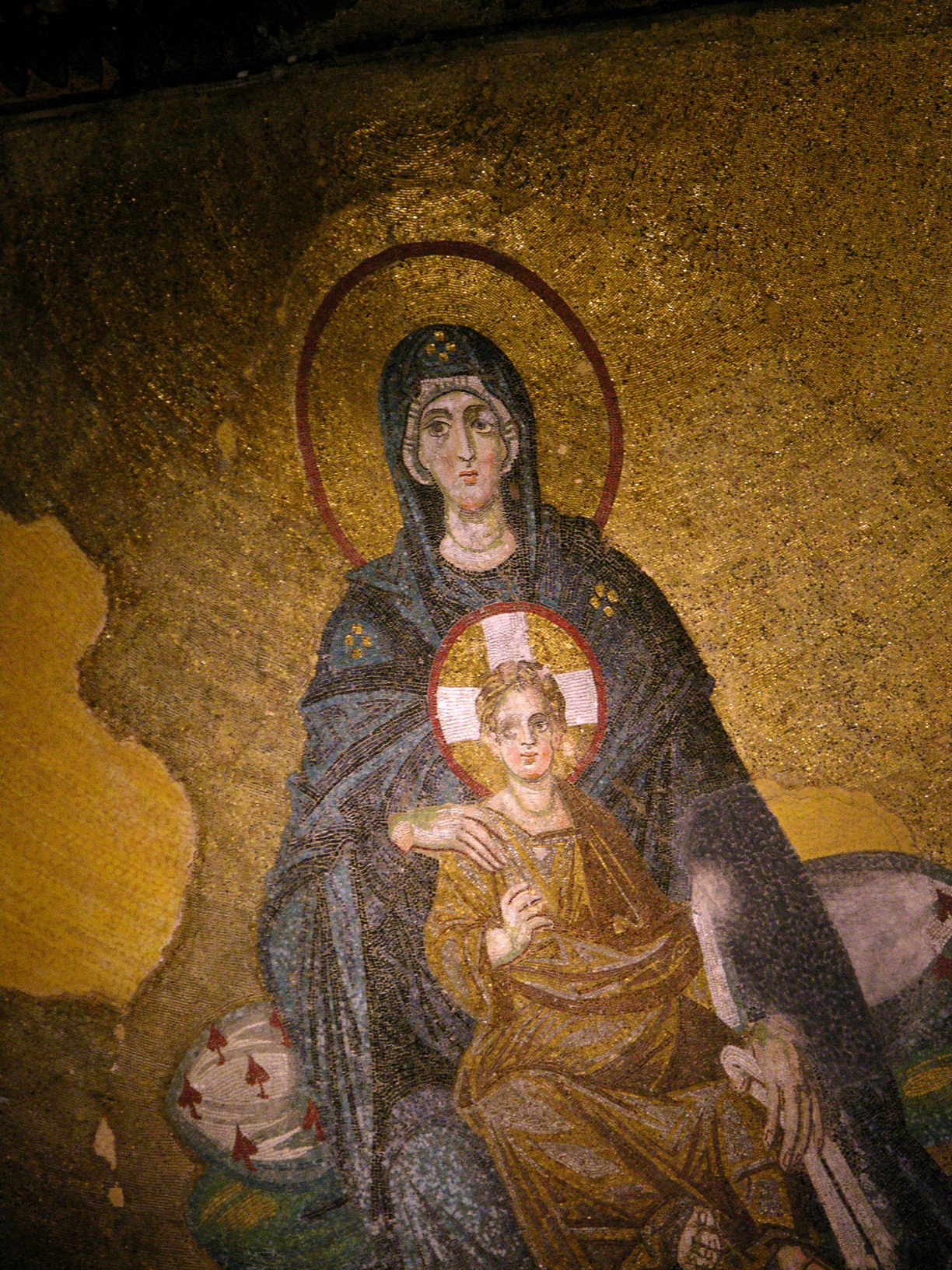
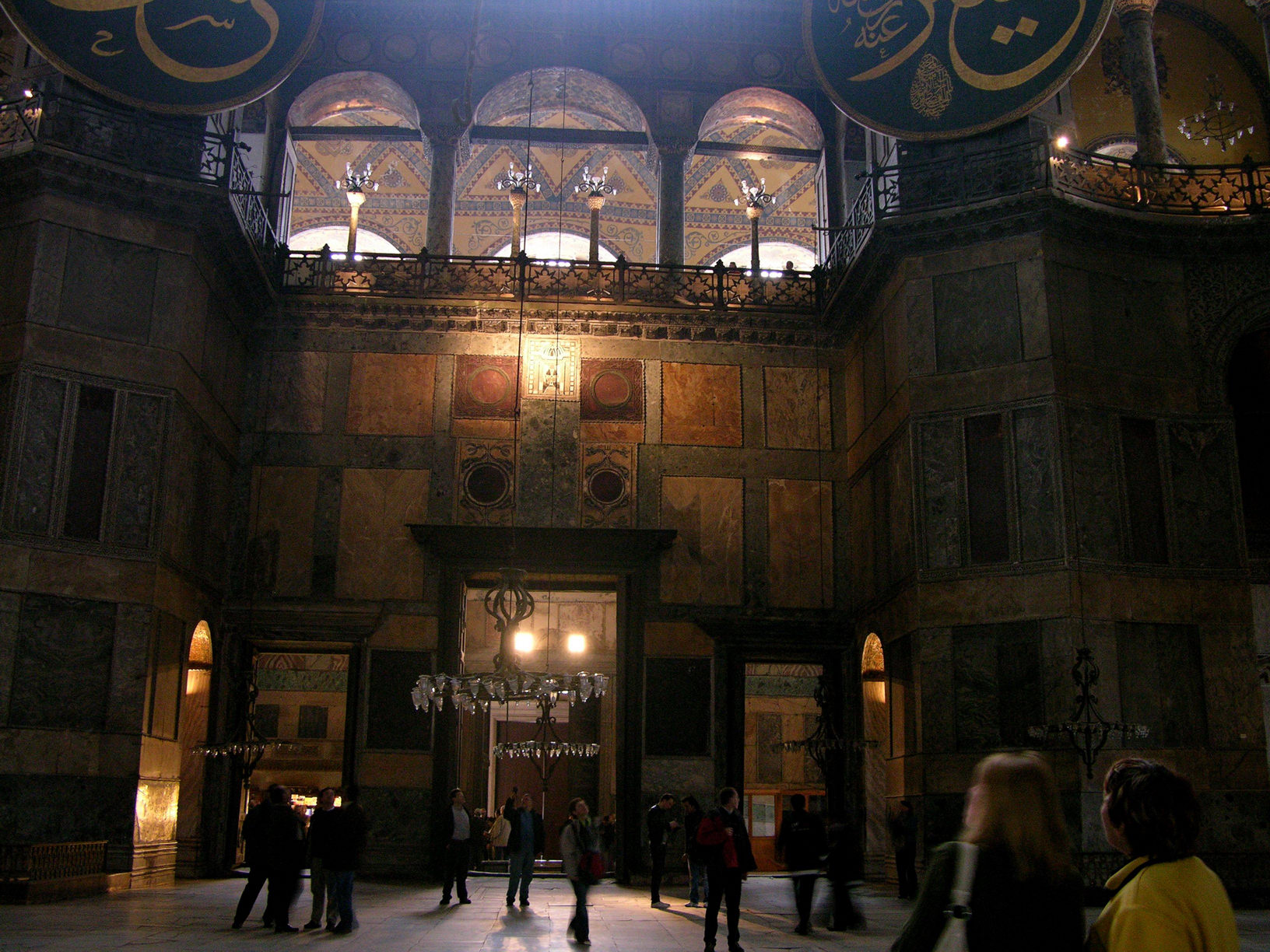
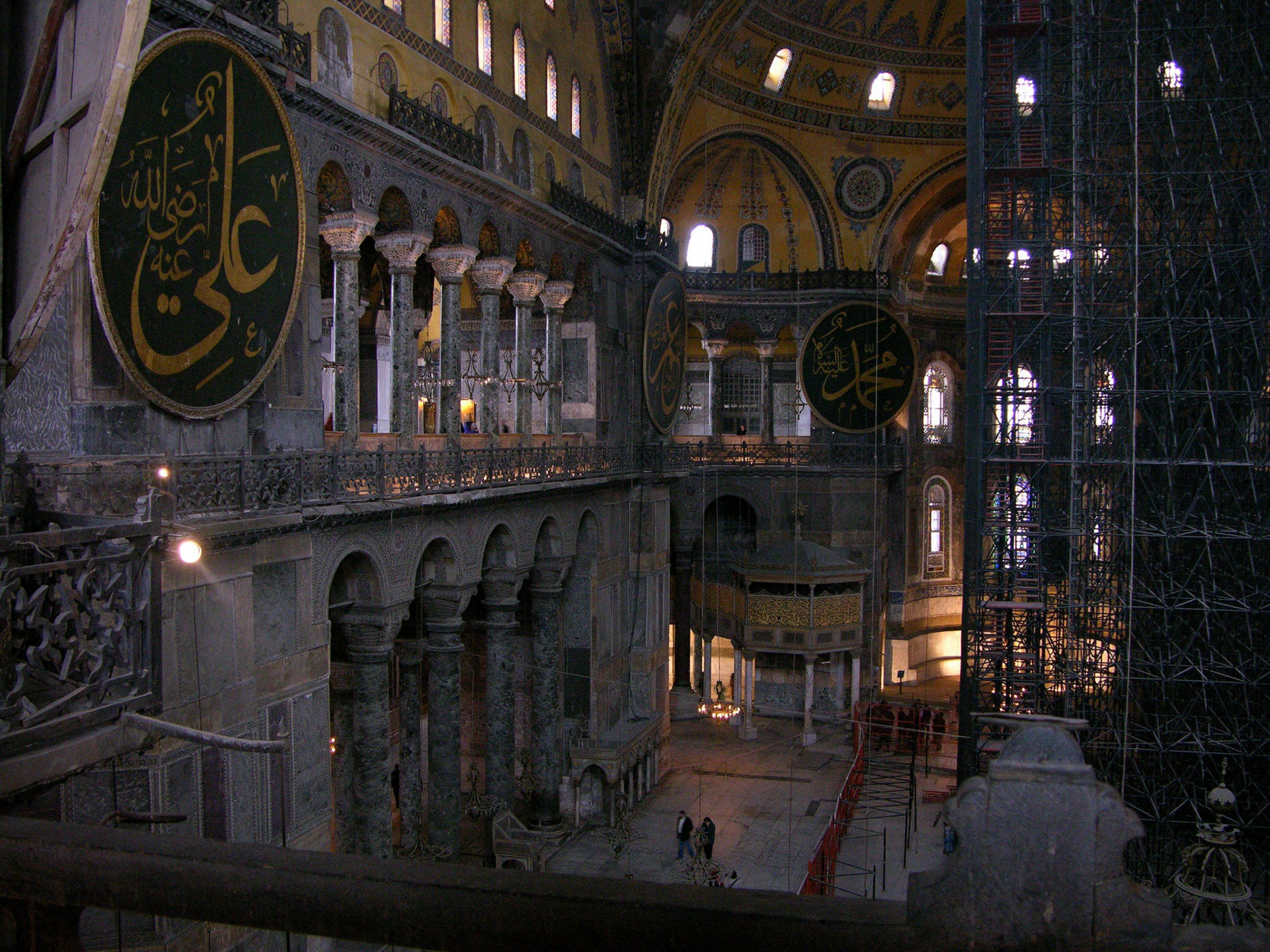
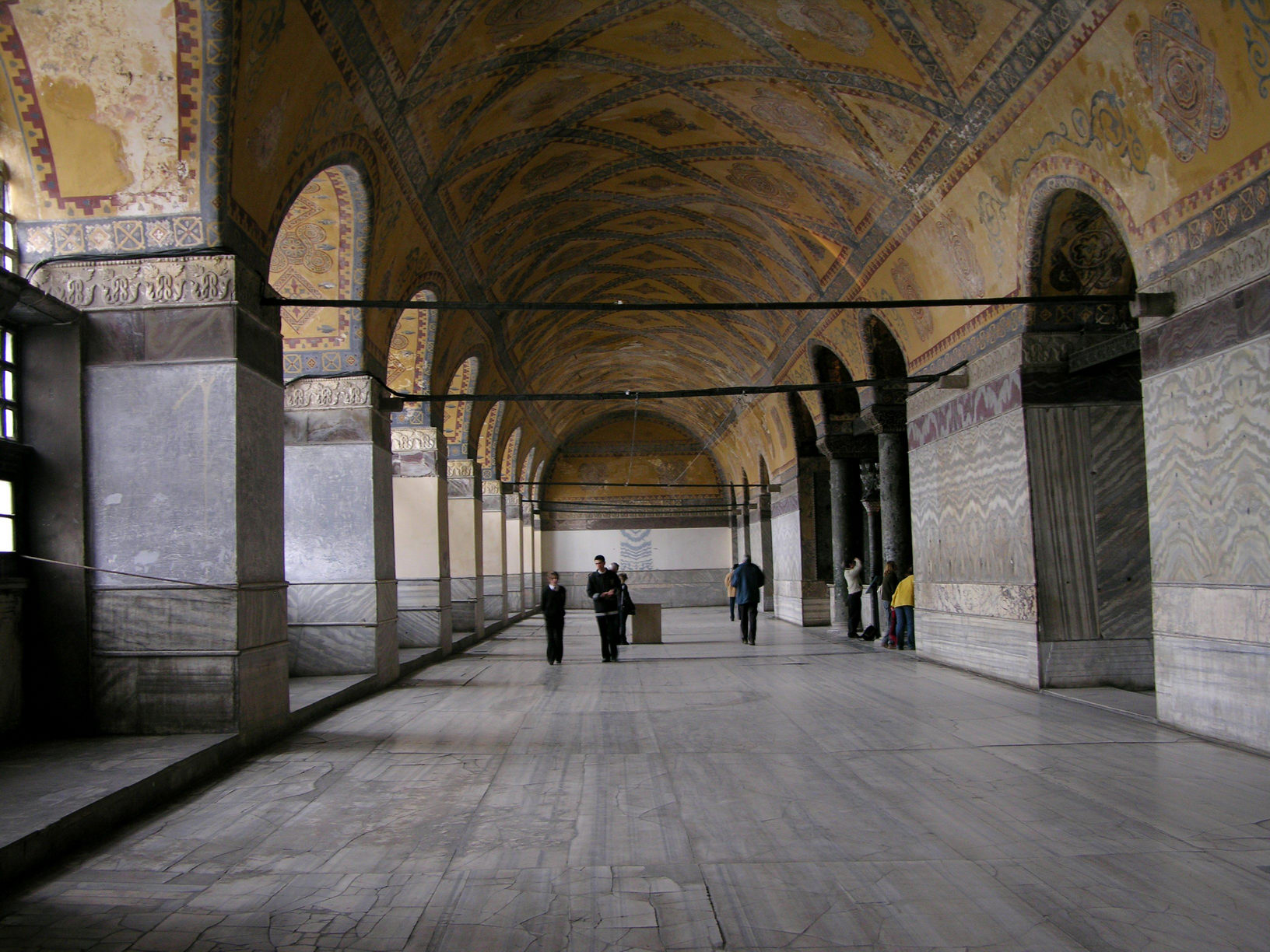
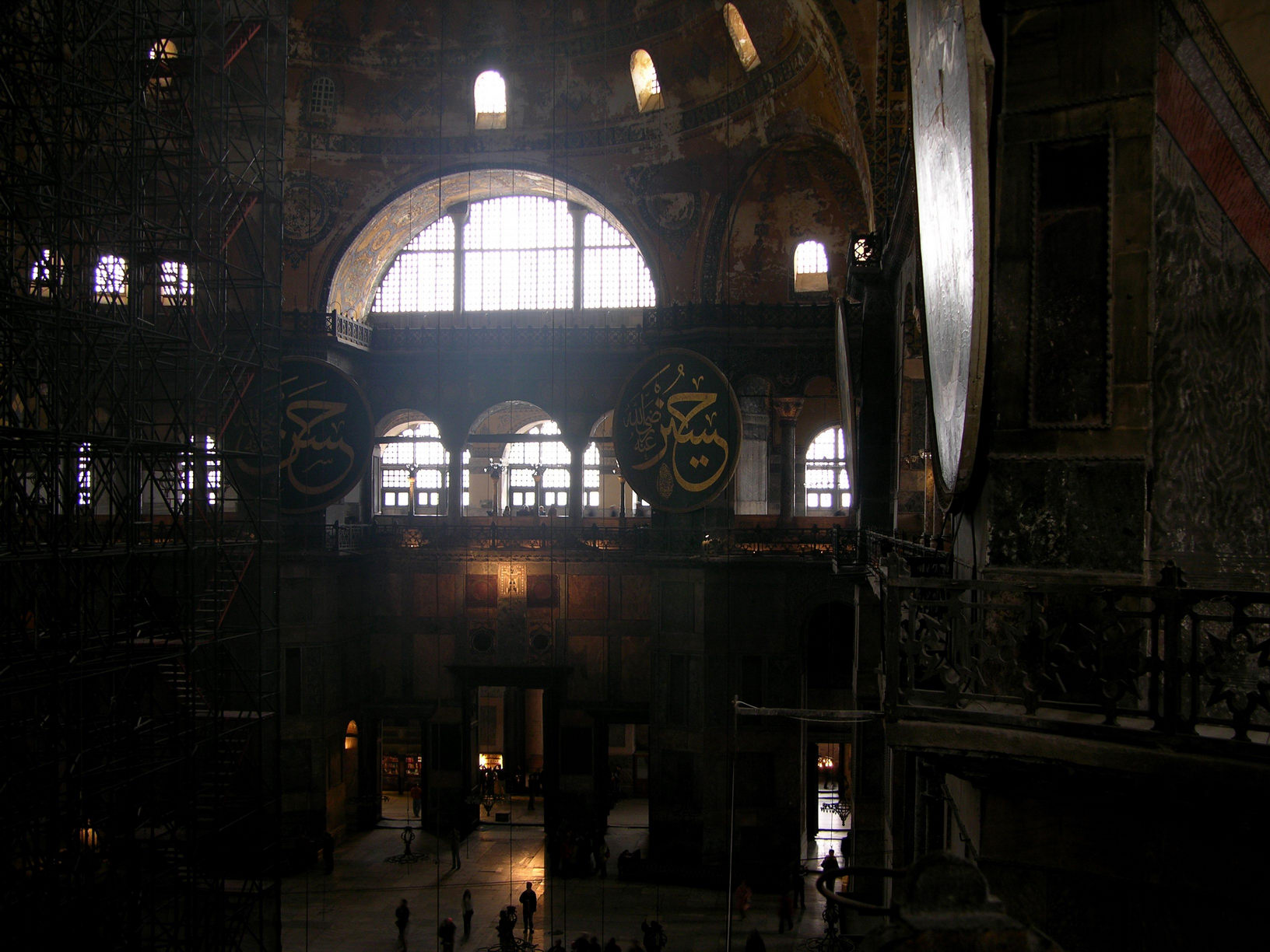
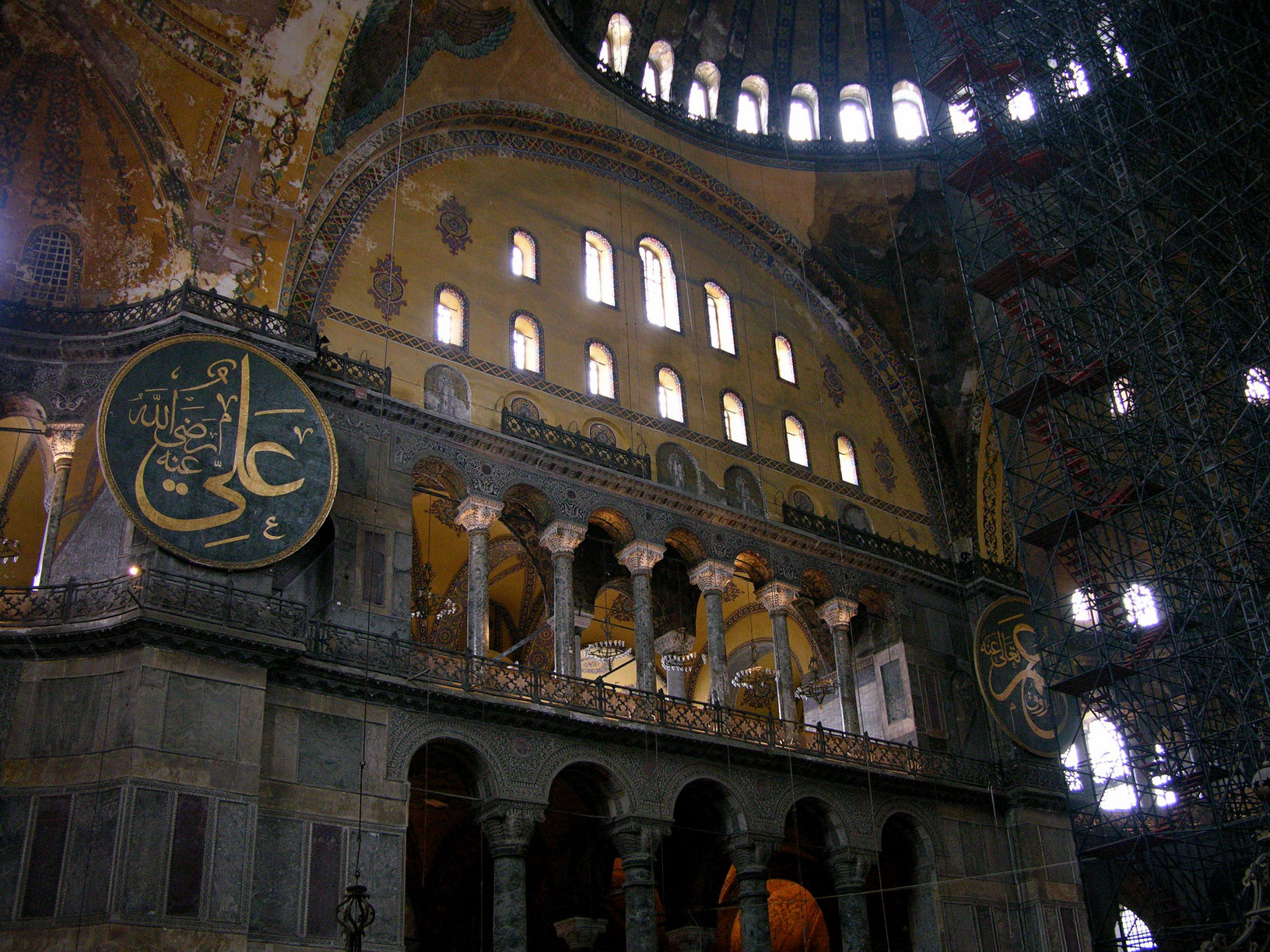
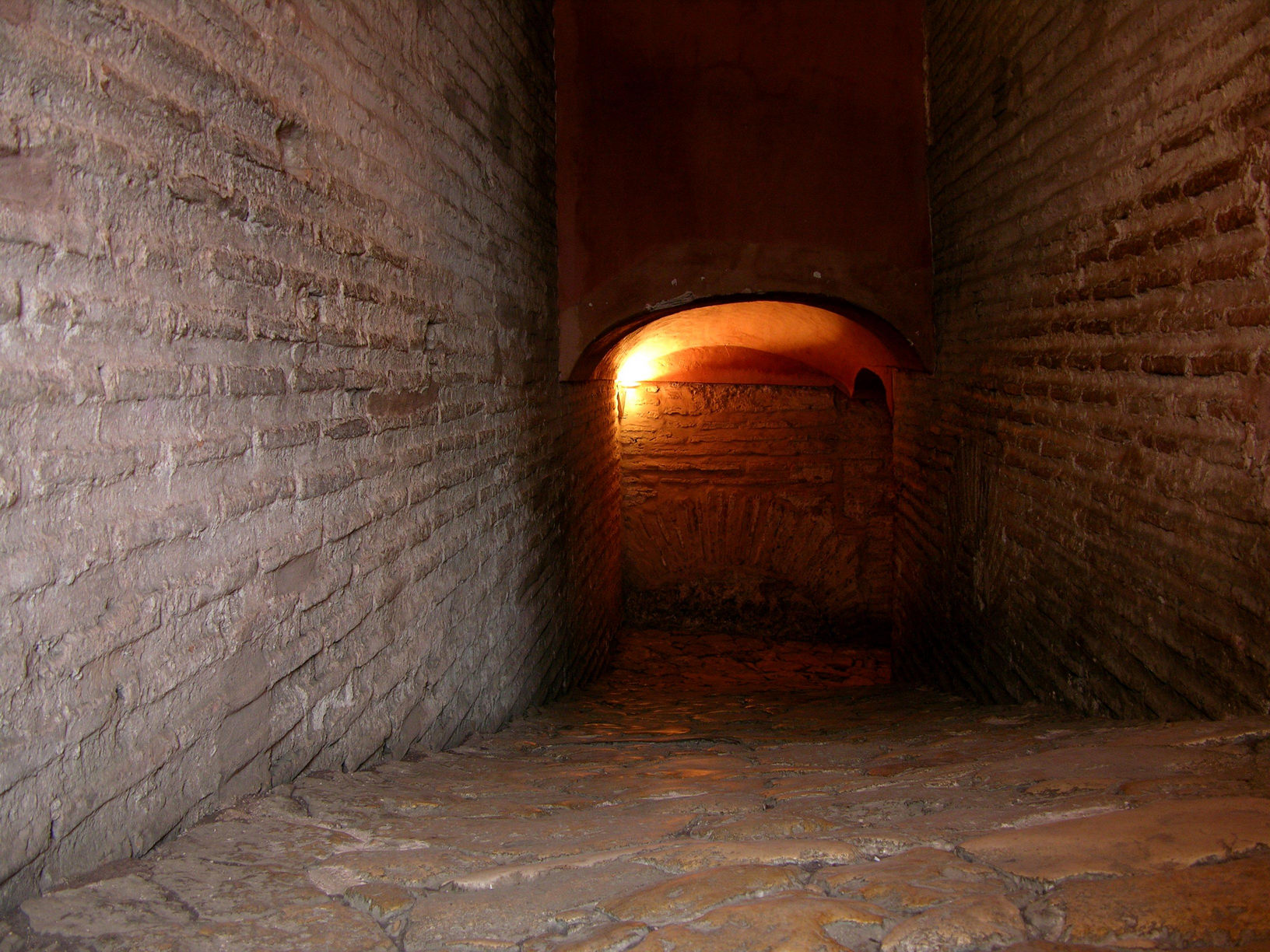
How many feet these stairs and stone floors must remember. How many eyes have looked up at these vaults. Roman emperors, Justinian, Constantine and the Palaiologoi. Godfrey of Bouillon and the Crusaders. Envoys of Timur and Genghis Khan. Centuries of Turkish rule. And the building is still standing.
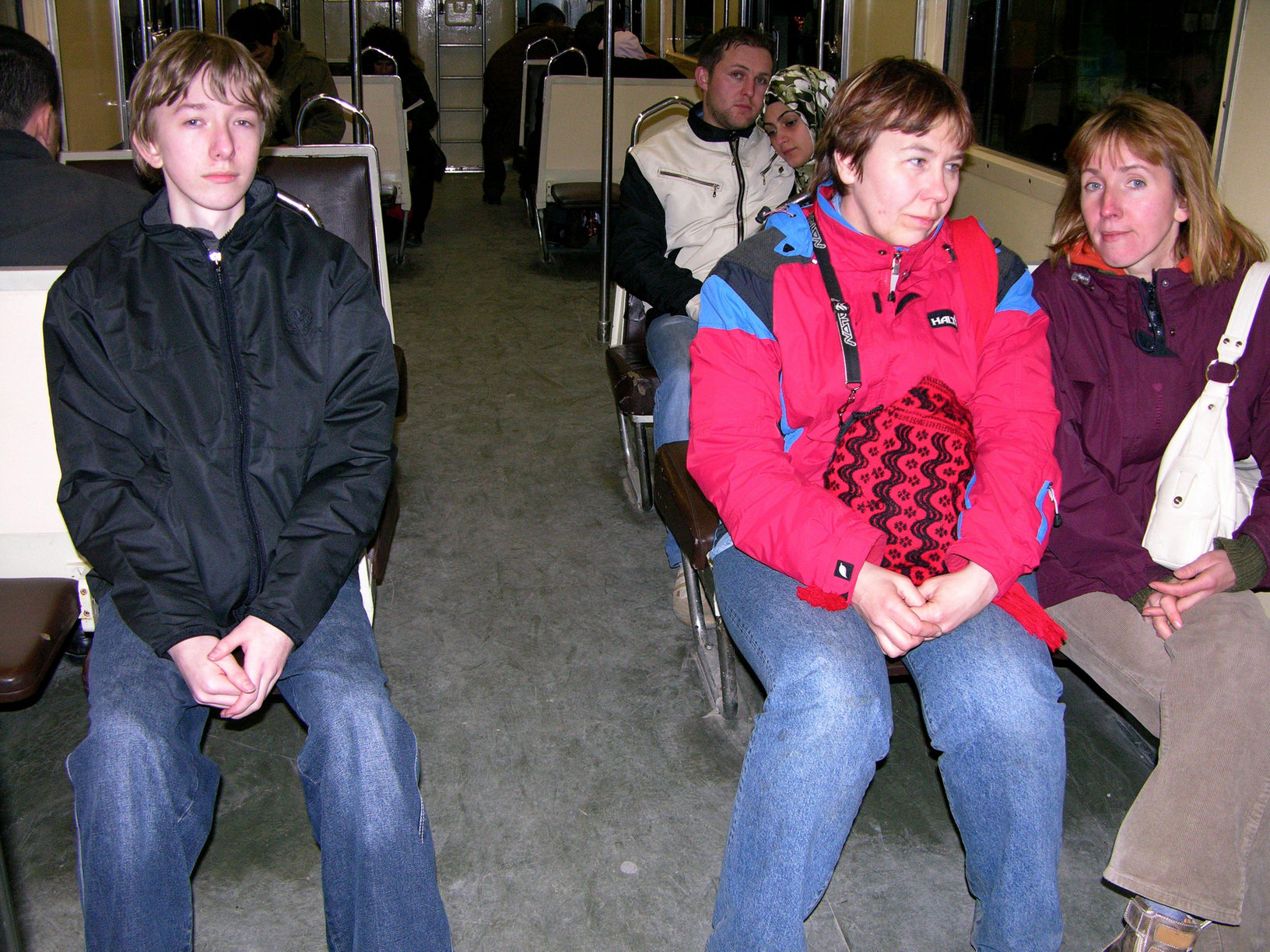
Finally we met Masha and her group again. Then it was the metro, the airport, a night on the plane, snow again and chicken broth for lunch.