Trip report
Four days in the Hope River valley, near Lewis Pass
For my birthday on 4 November, we went tramping to hot springs. November is late spring, but New Zealand weather can be poor at that time of year, cold and wet. A hot spring is just the place to celebrate. We chose a wild, unimproved pool in the Hope valley near Lewis Pass.
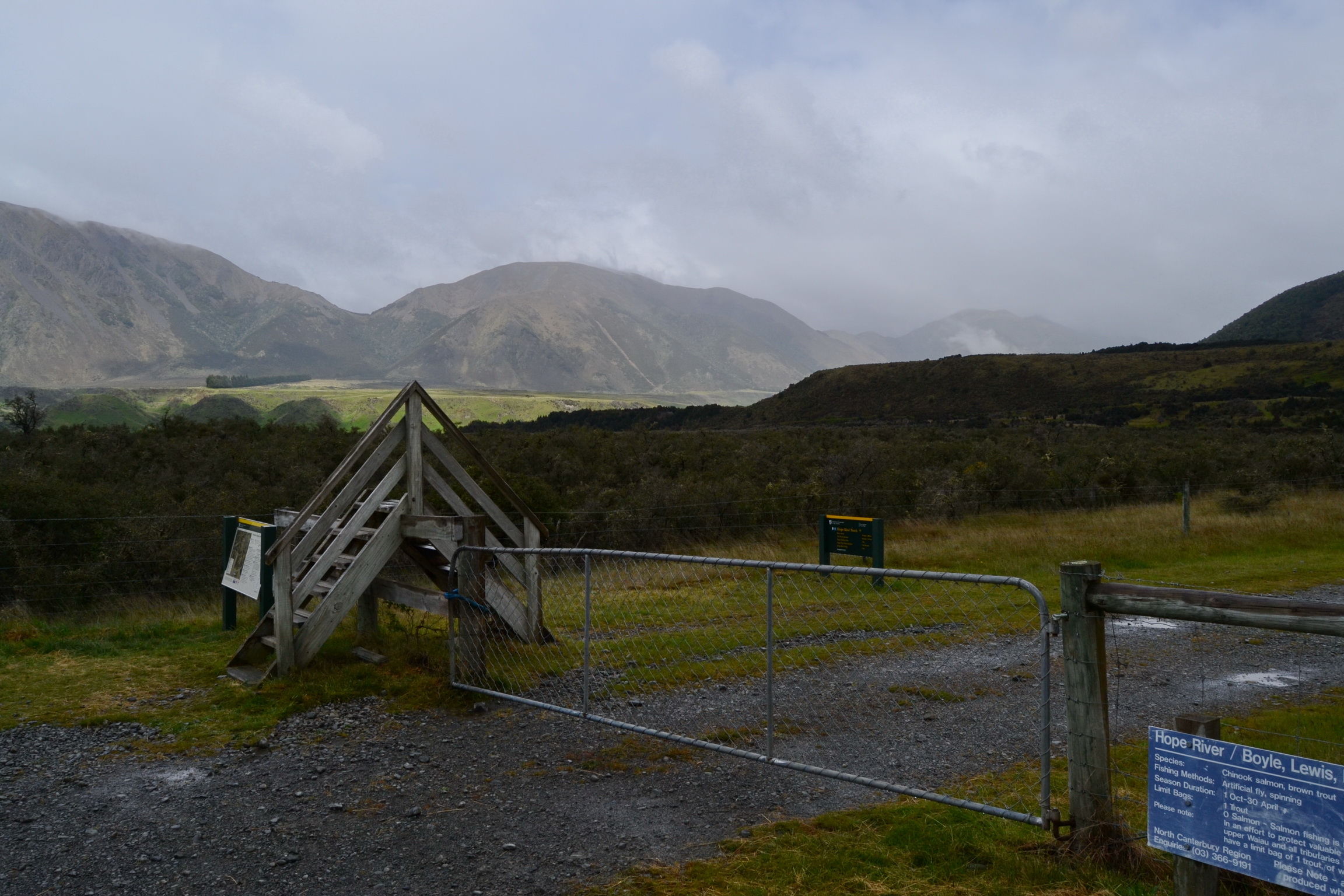
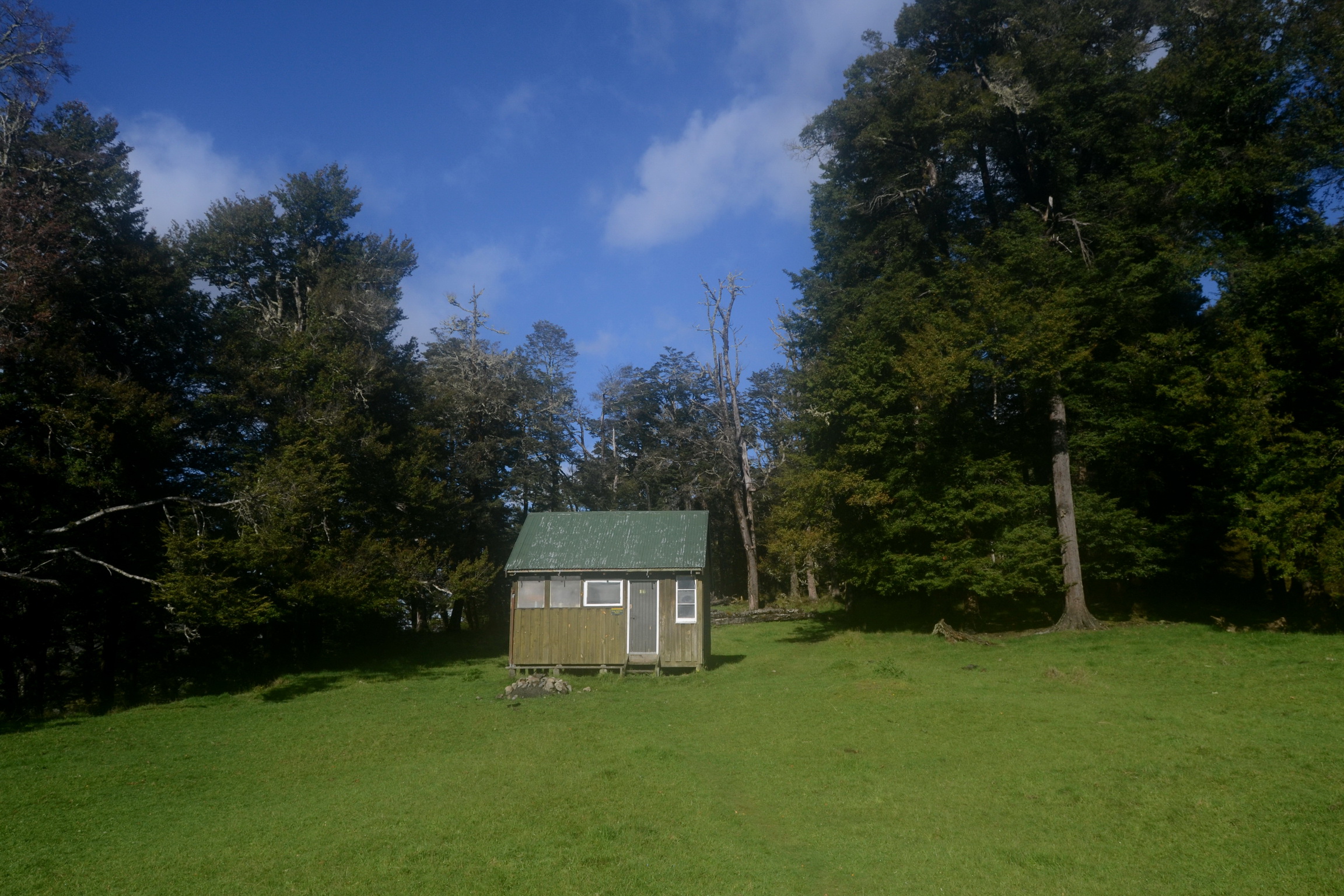
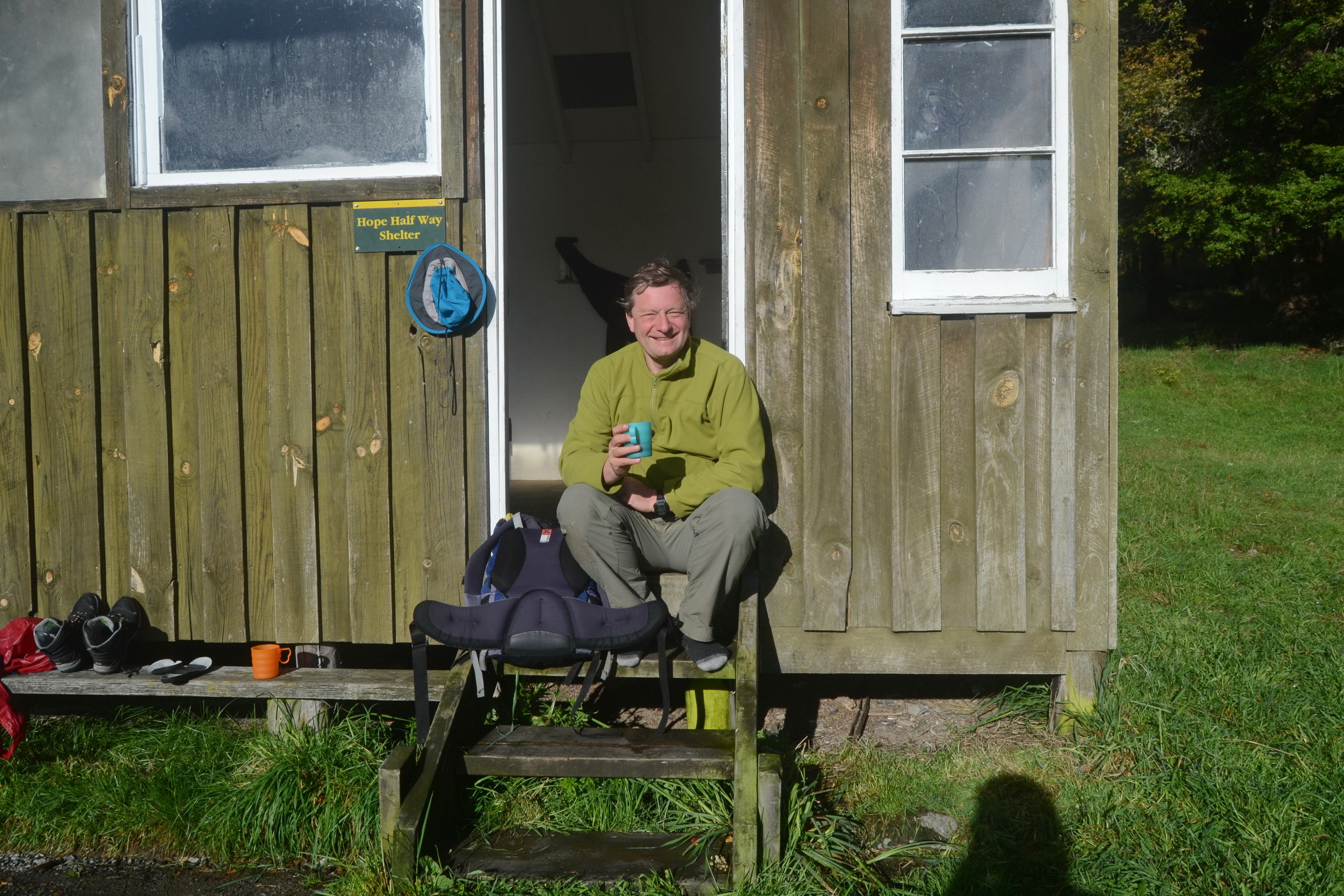
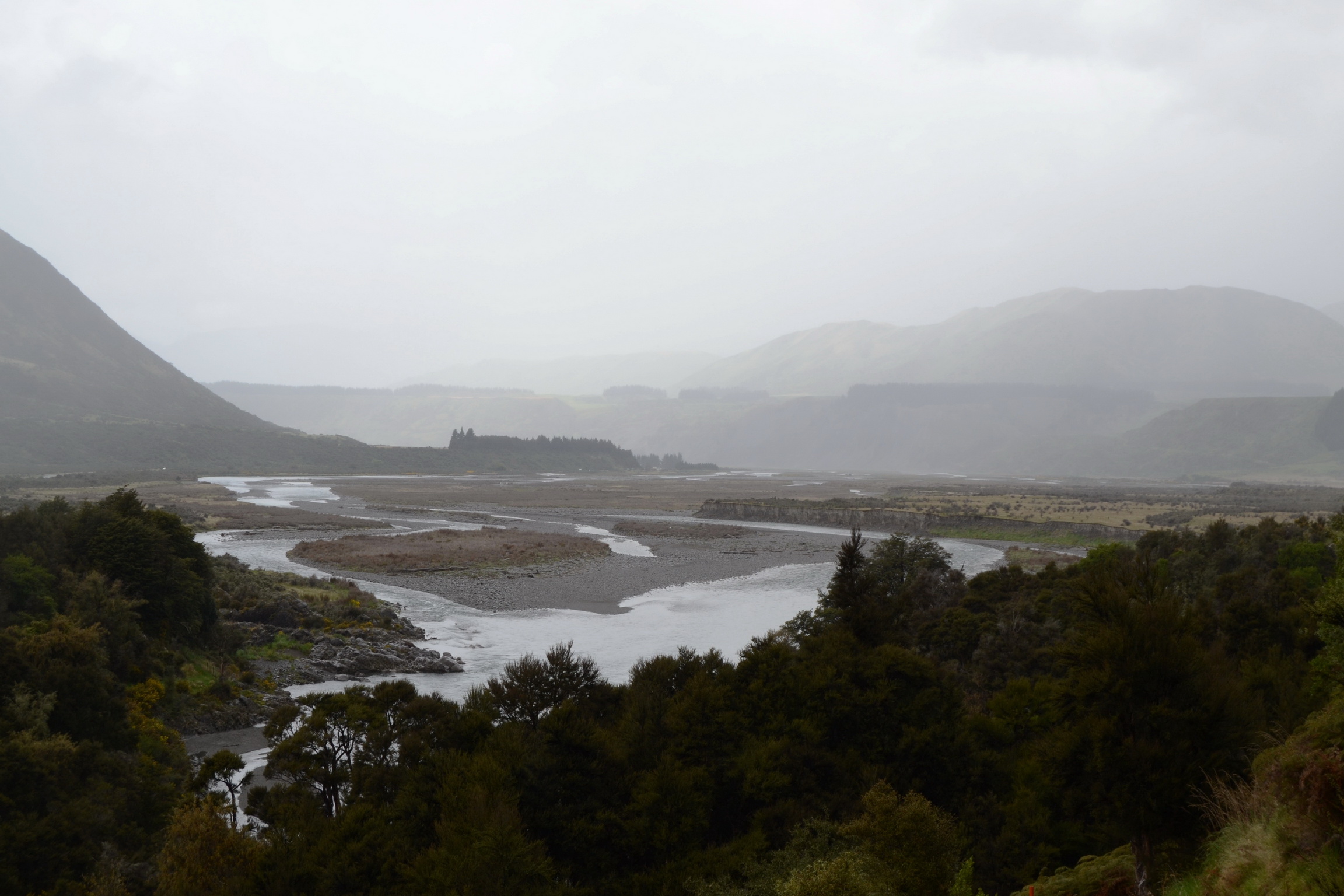
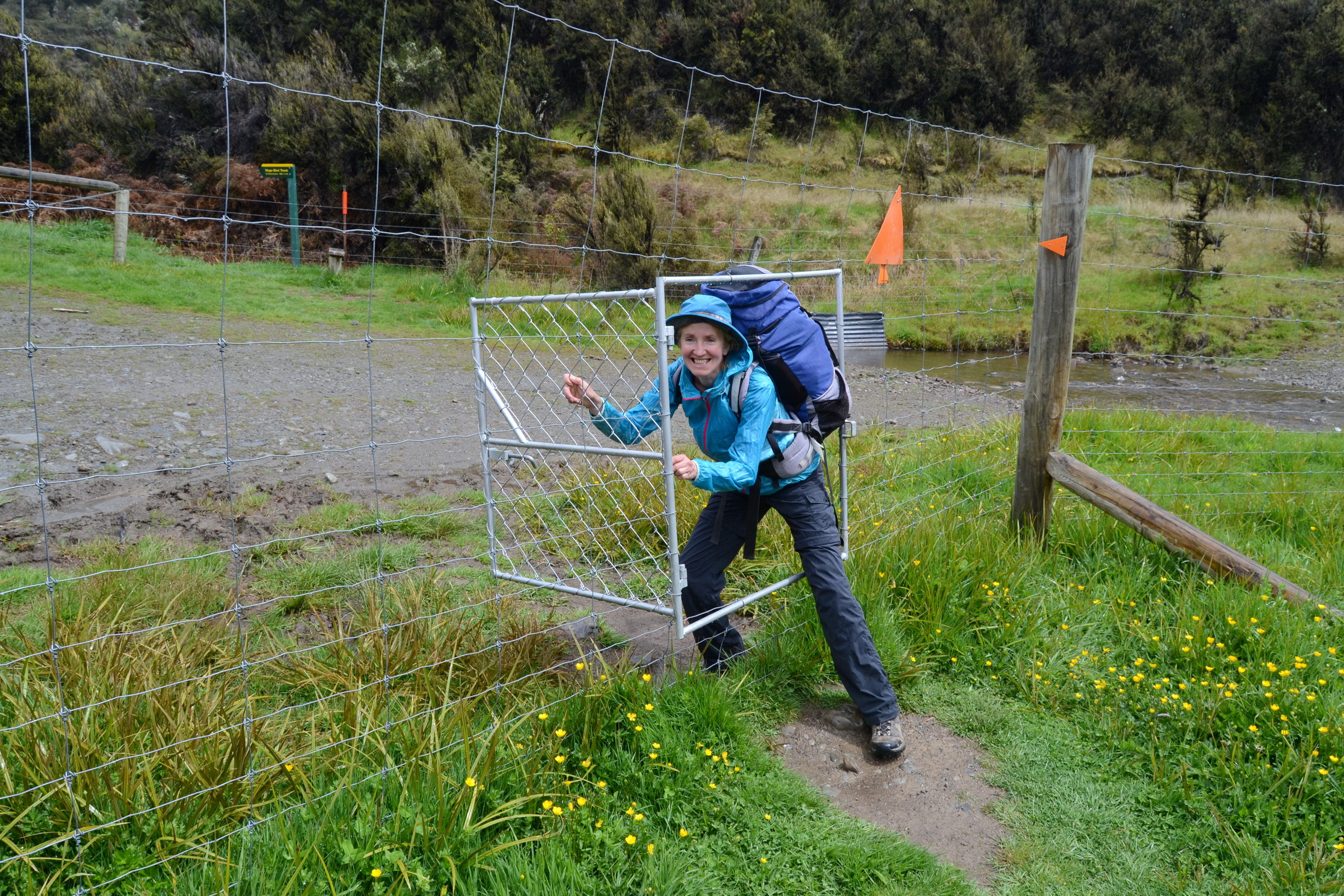
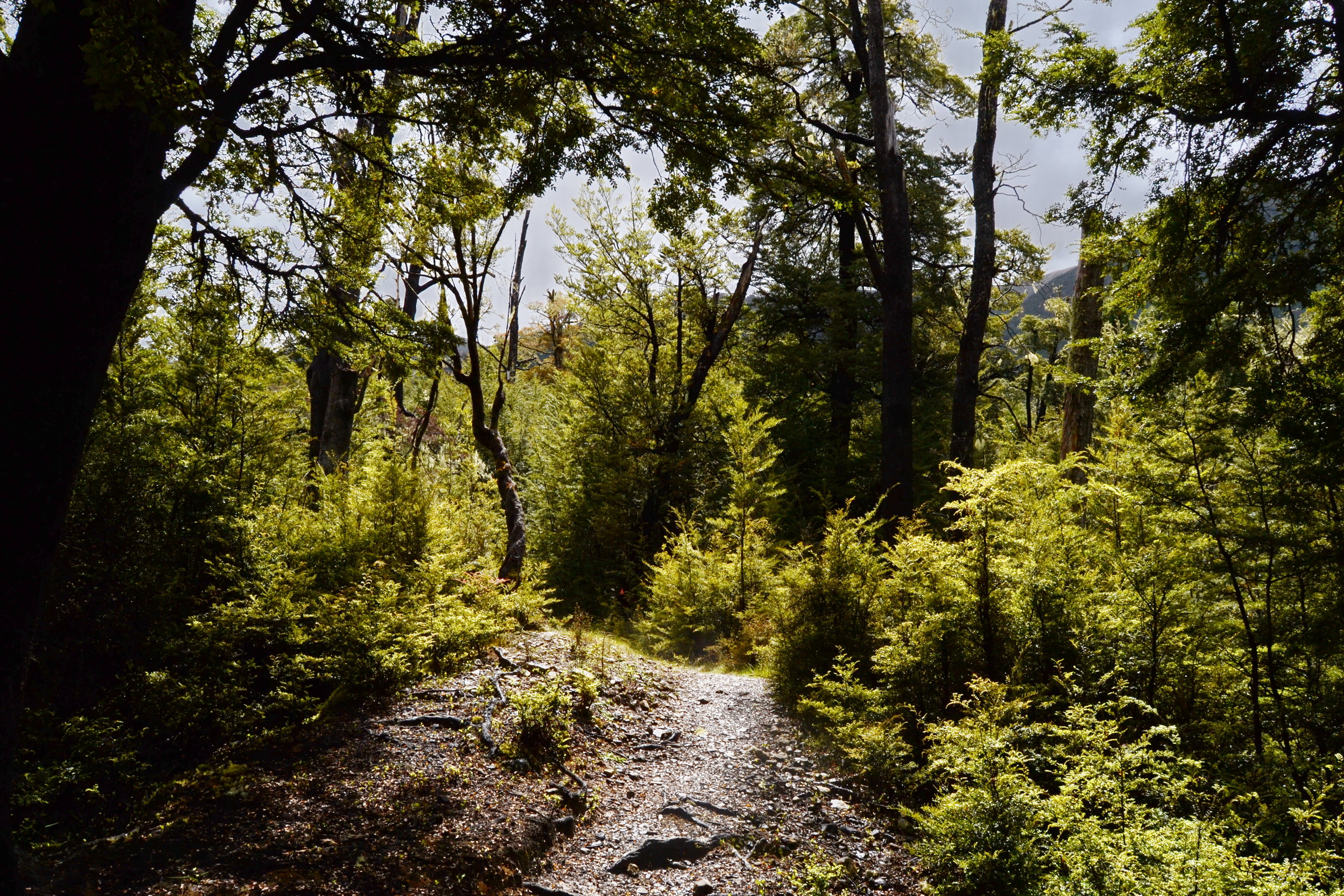
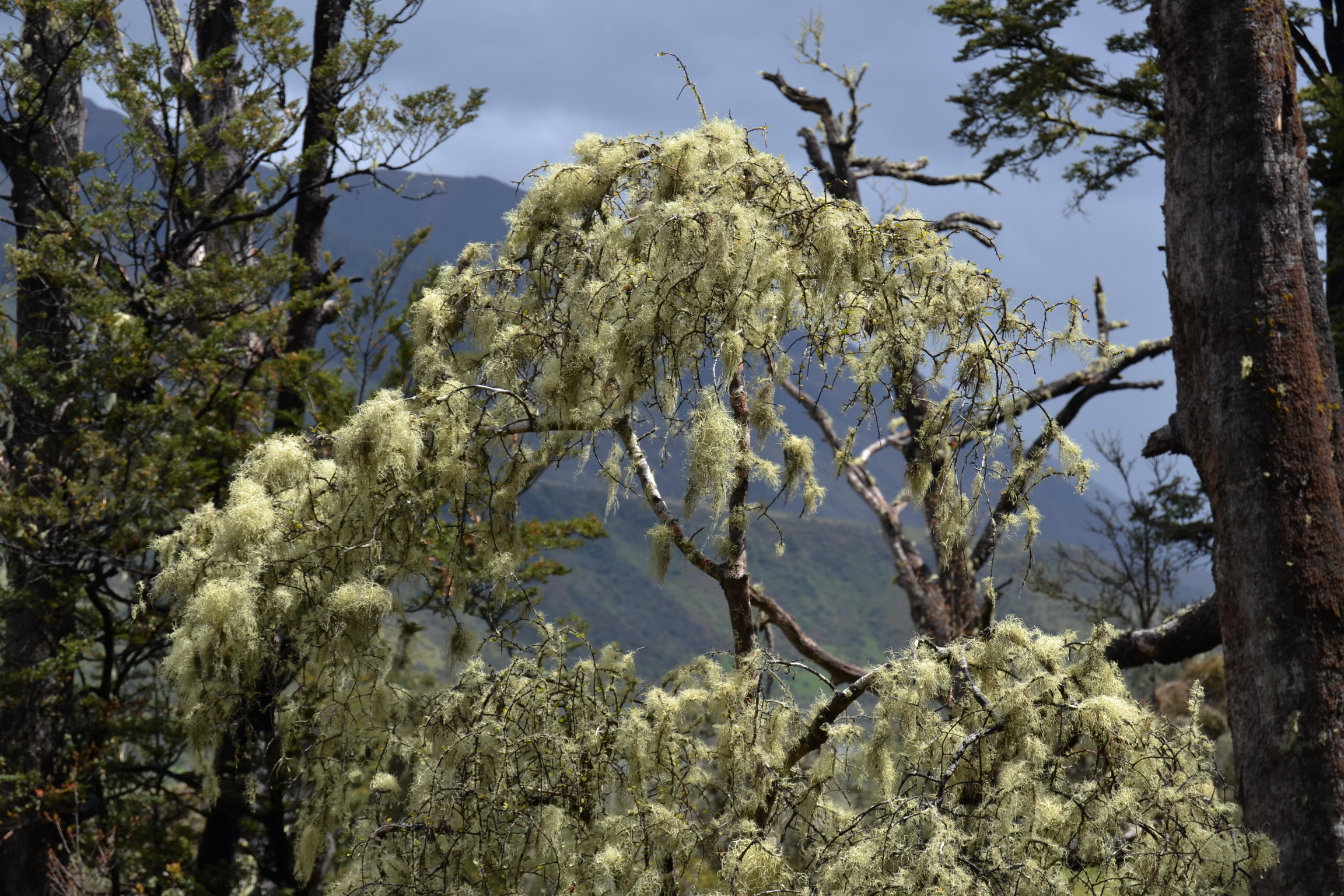
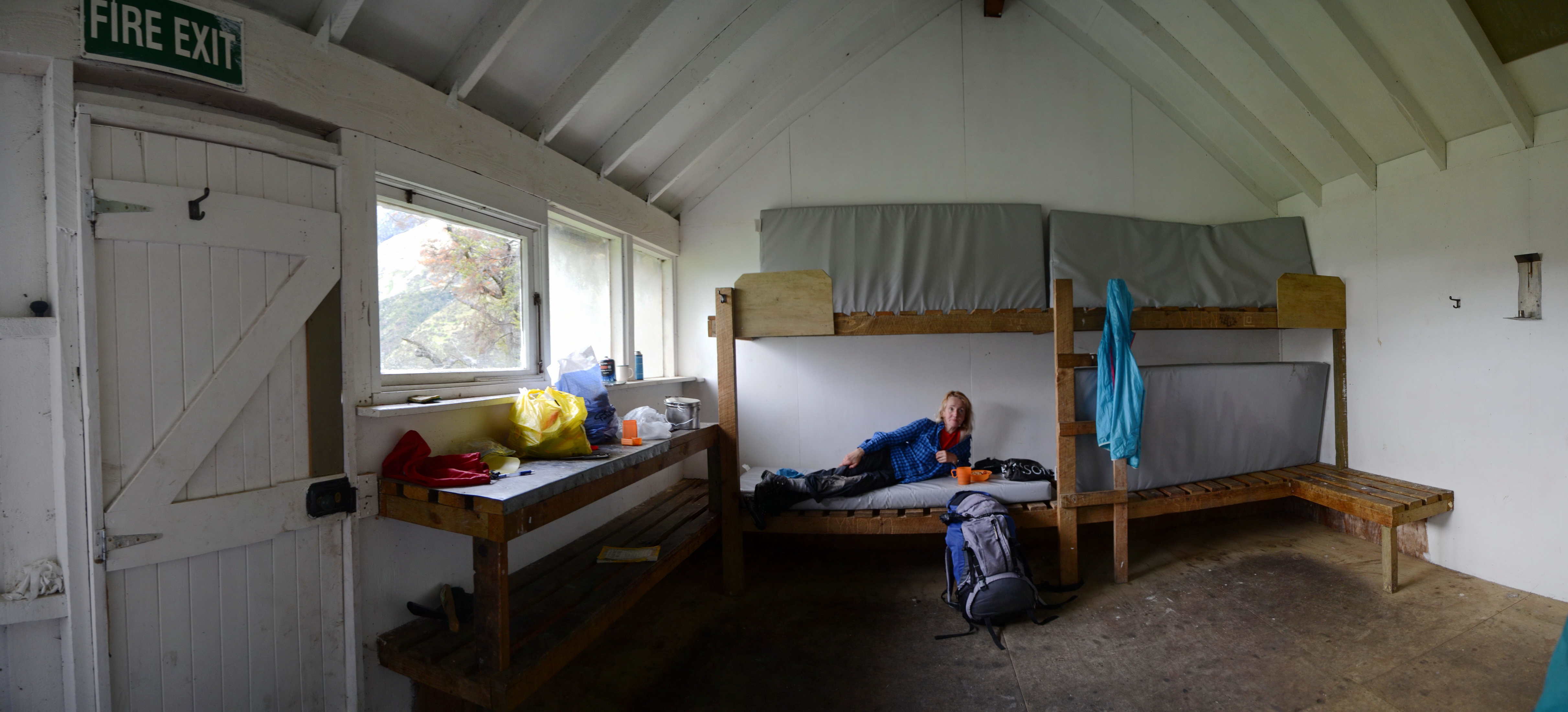
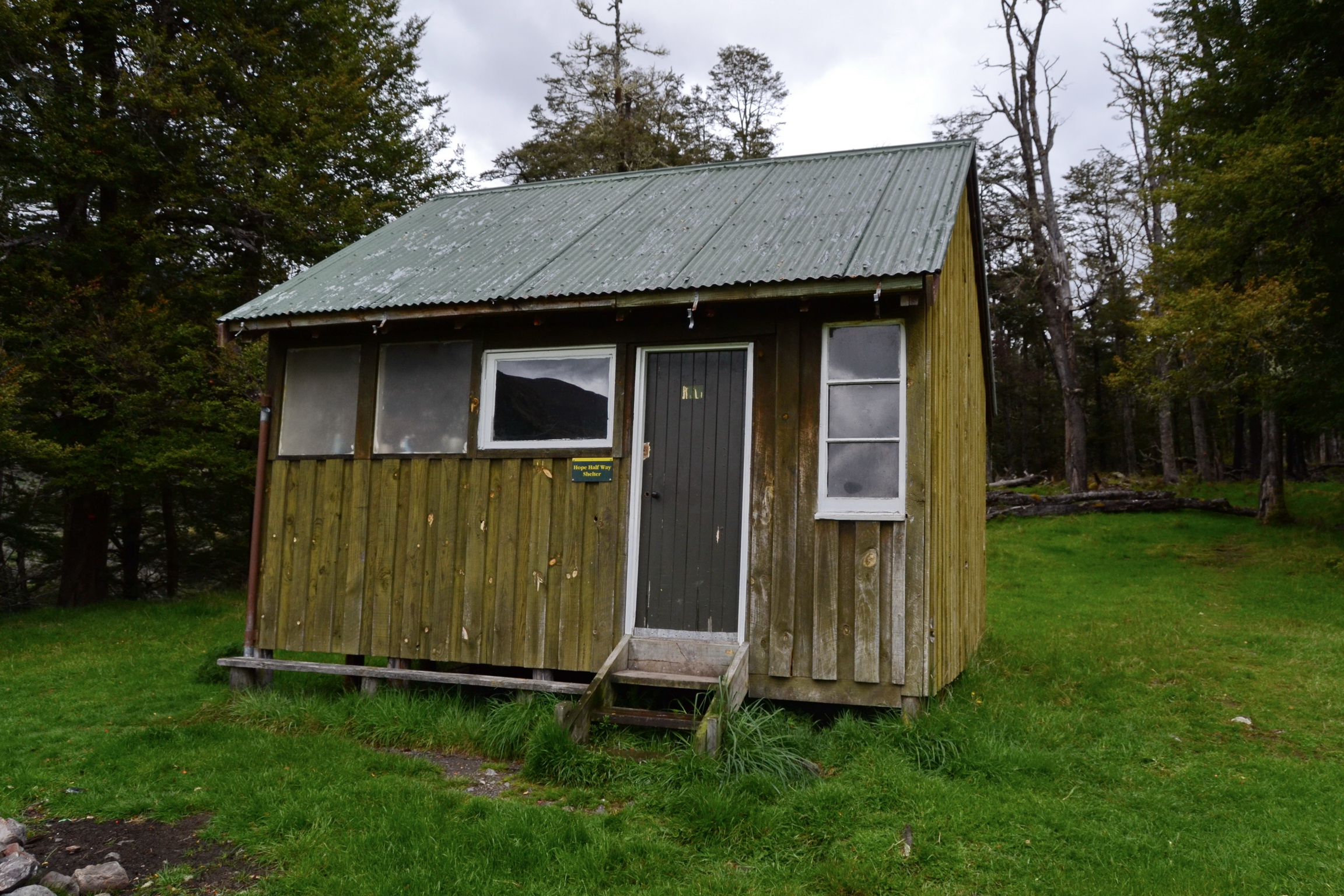
The long walk starts at the bridge across the Boyle River at Windy Point. We left the car at the car park (42°35.050′S, 172°22.940′E). For a while the route follows the edges of paddocks. Then it swings away from the river and into the bush. The track is well worn, but not entirely easy to walk. There are plenty of damp stretches, ups and downs. It comes back to the river at Hope Halfway Hut (42°36.945′S, 172°17.881′E, 570 m). There’s a warm spring right by the hut, but the pool is tiny and shallow. You can warm your hands. A bath is out of the question.
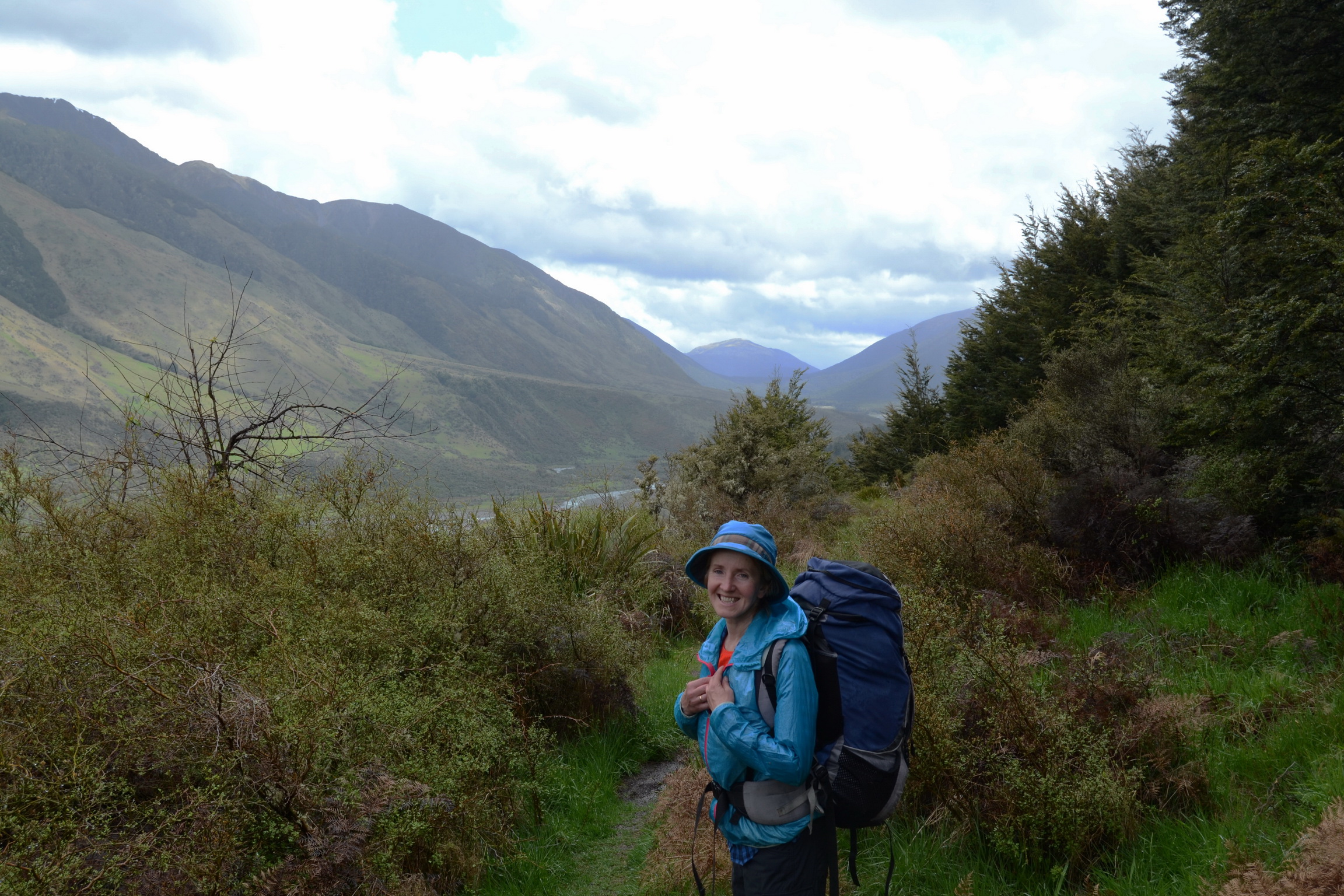
Beyond the hut the track climbs again, then soon comes out on a big farm paddock. The walking there is quick but dull.
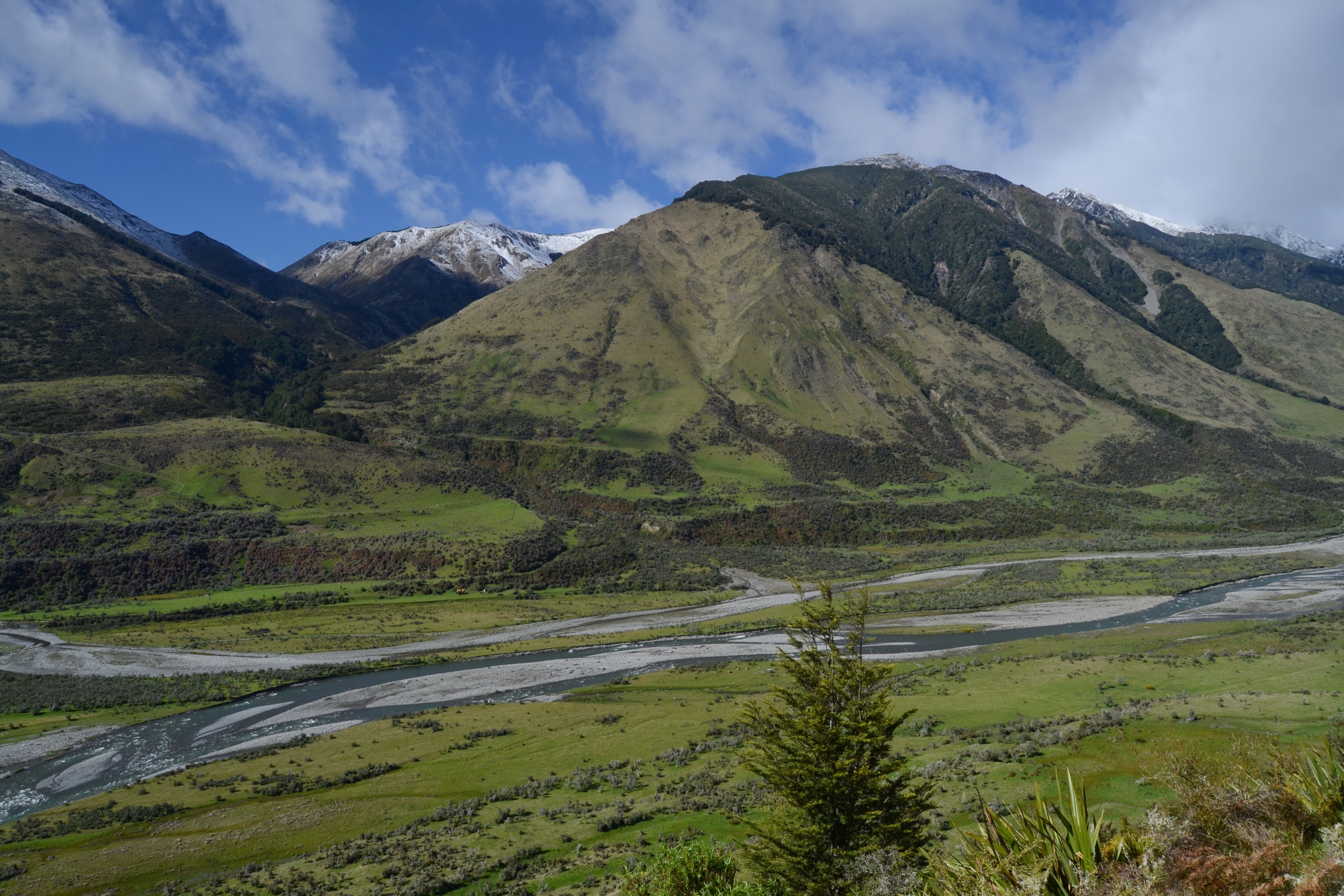
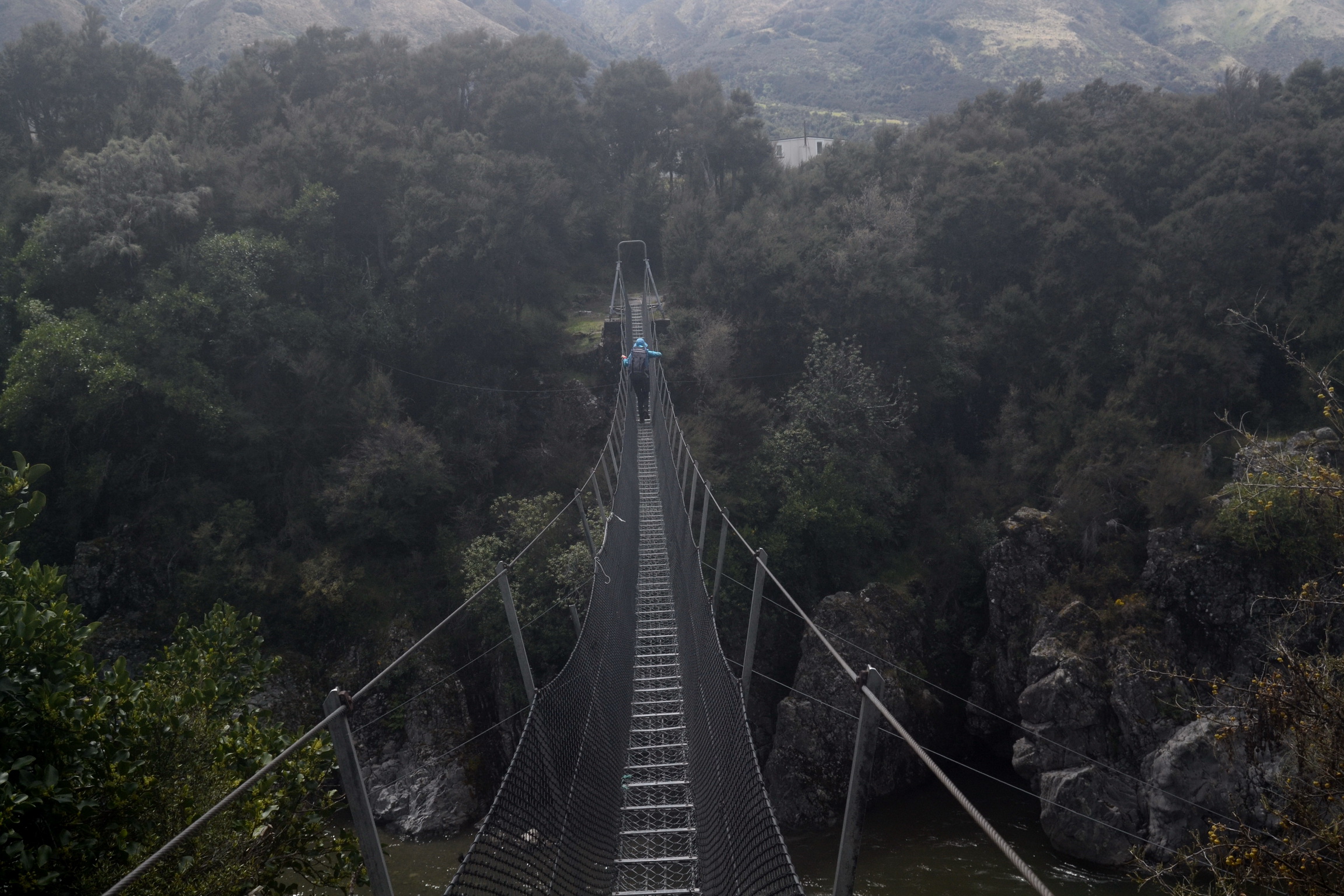
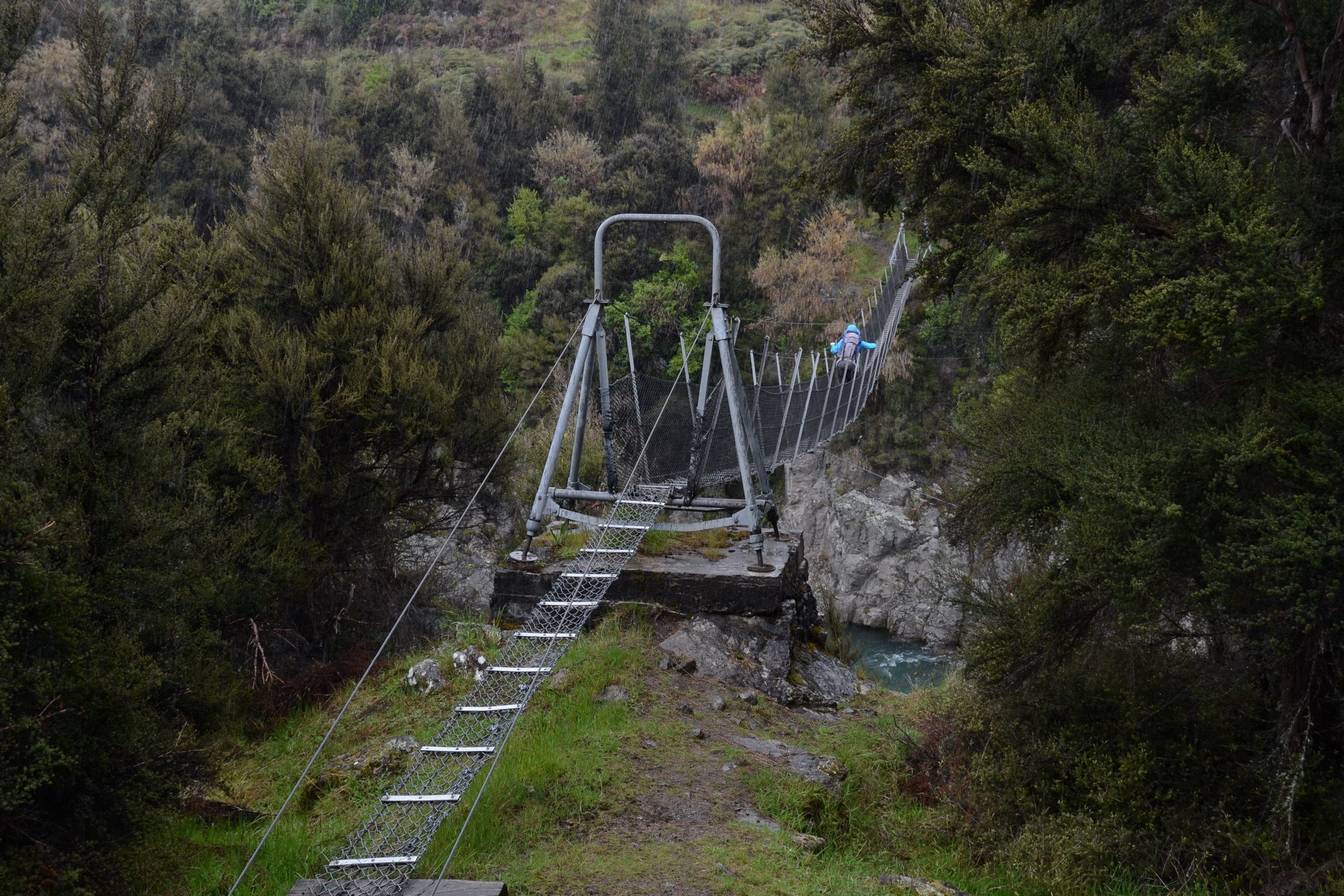
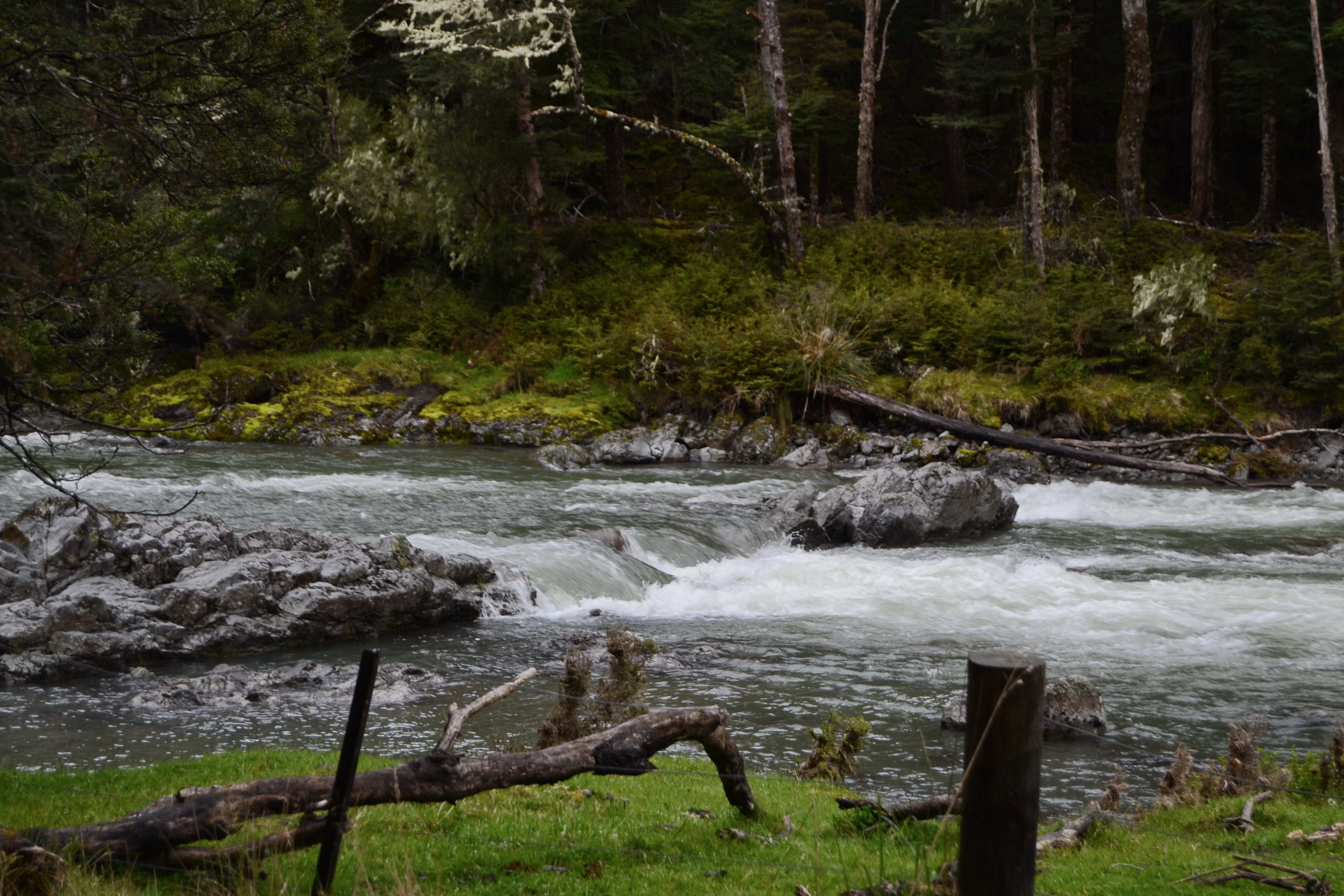
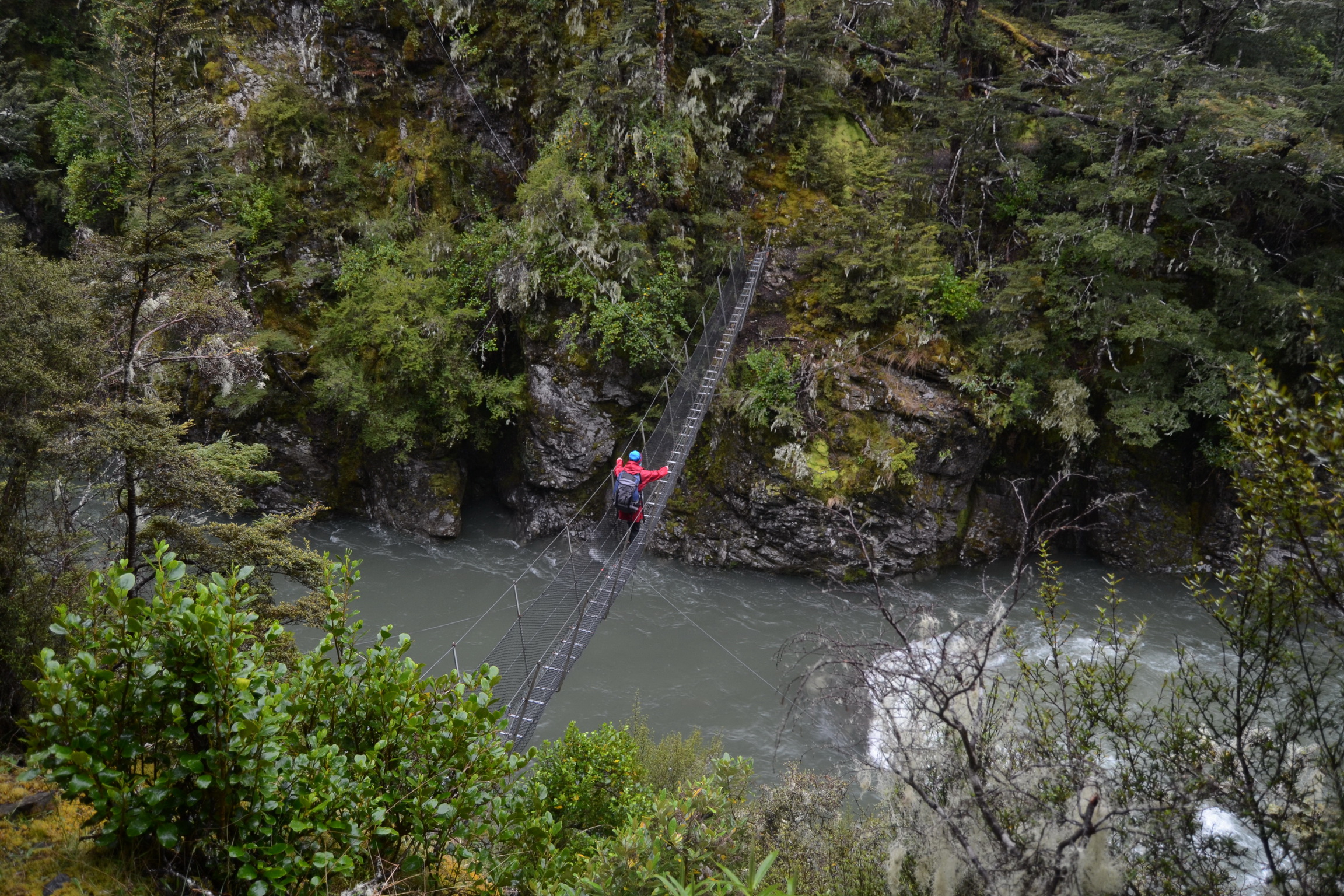
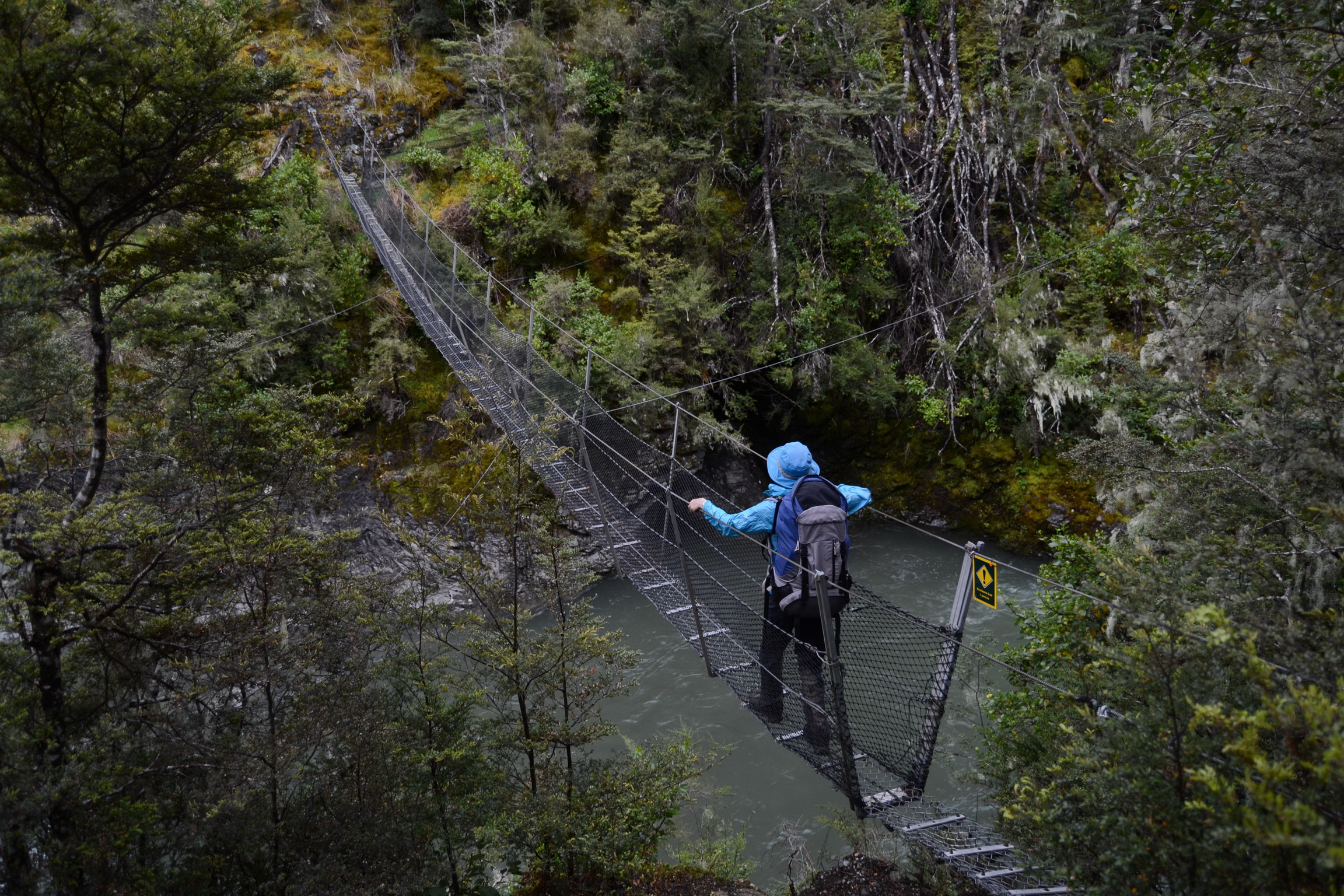
The protected country begins beyond the confluence with the Kiwi River, where the Hope bends sharply right and runs through a steep gorge. Just before that, the track crosses from the true left to the right bank on a swing bridge, then scrambles to the top of a bluff. Here it follows an old, abandoned road.
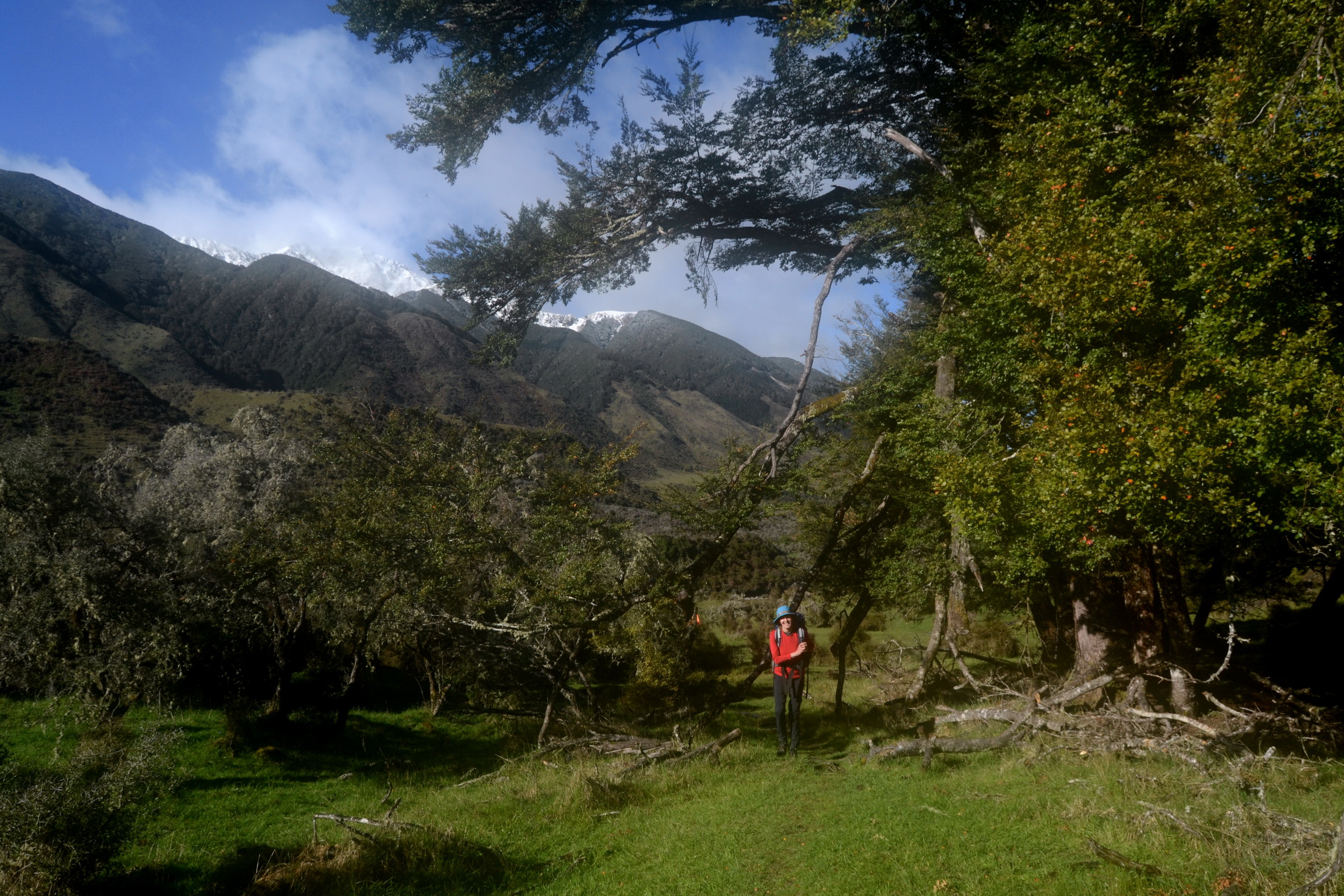
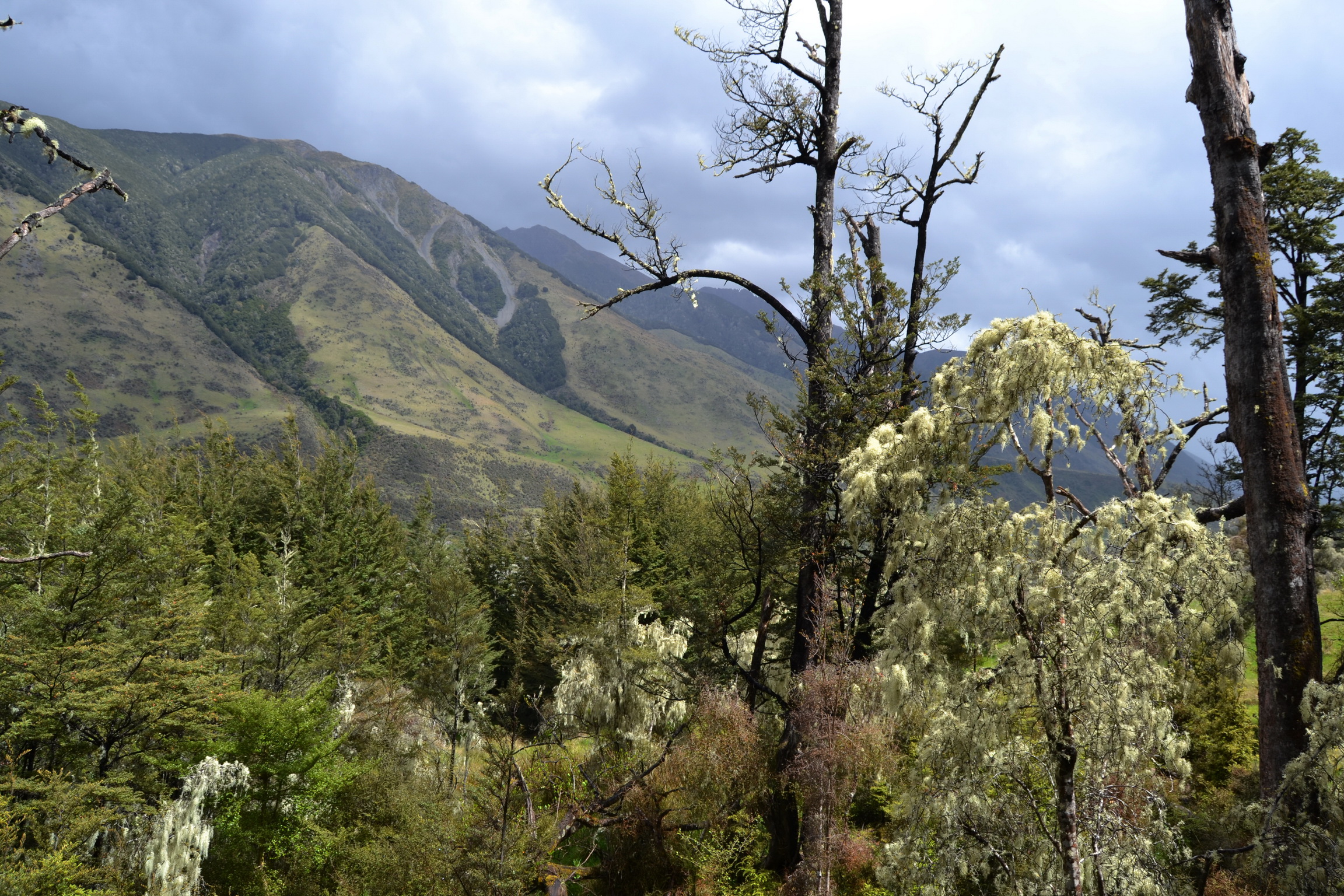
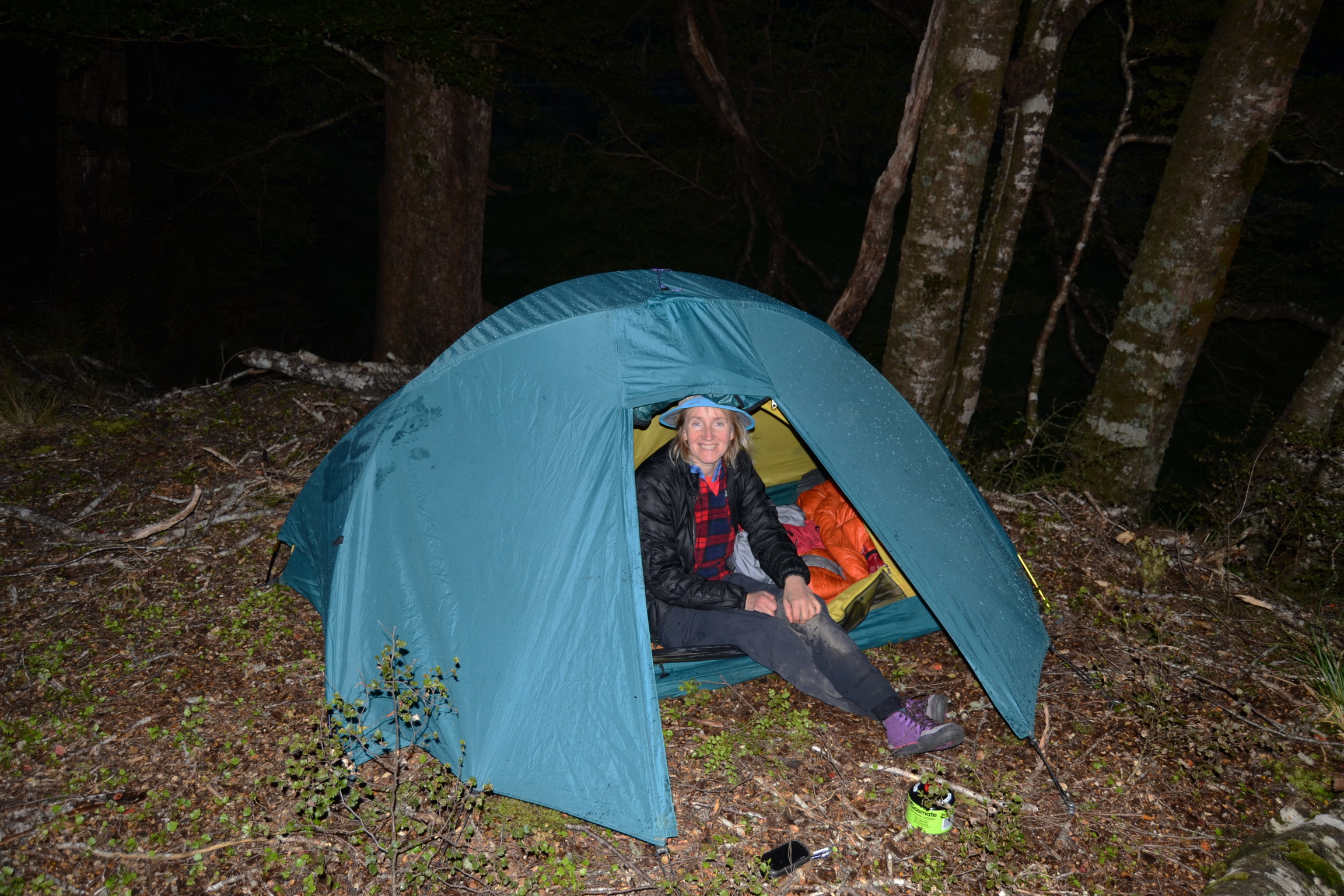
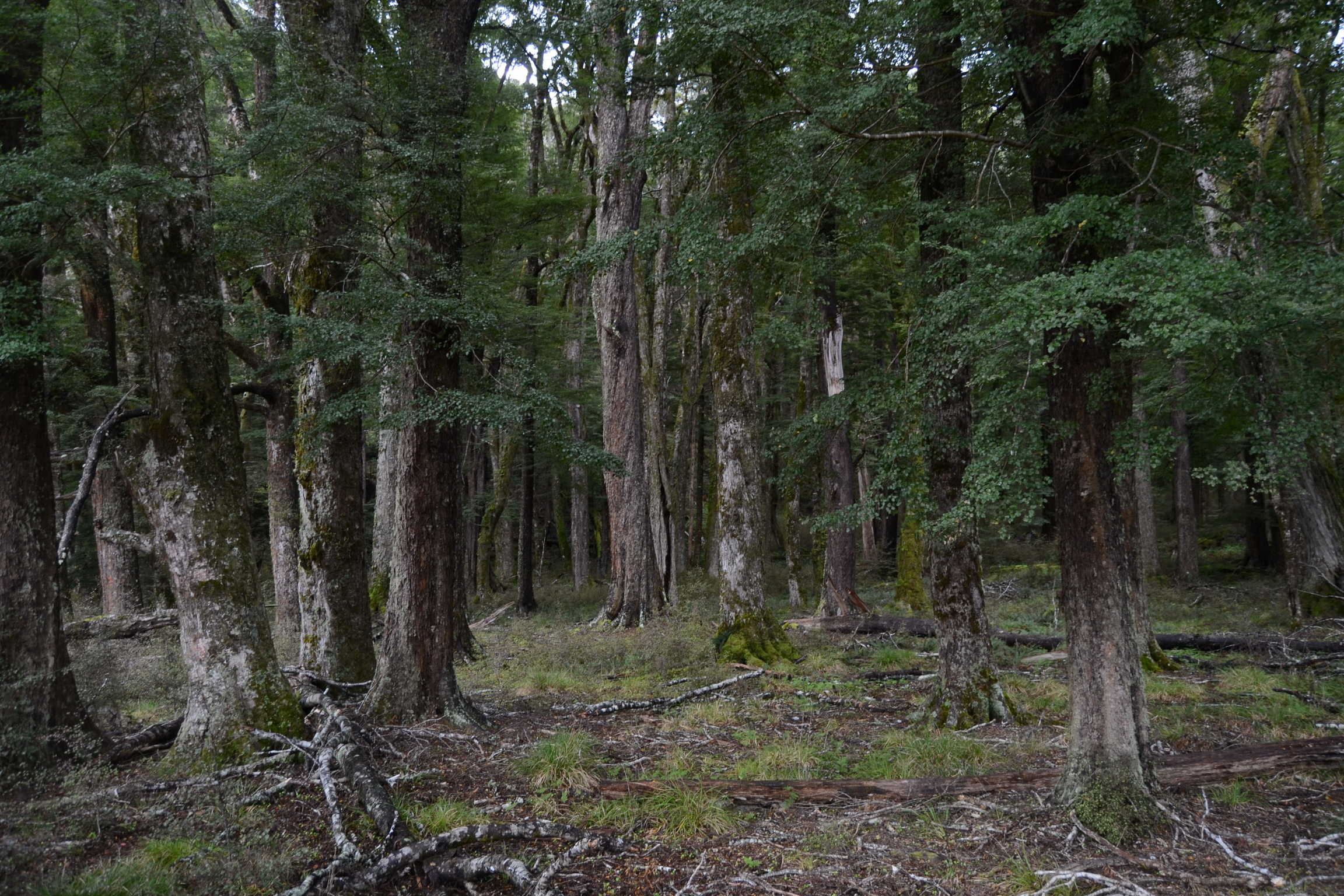
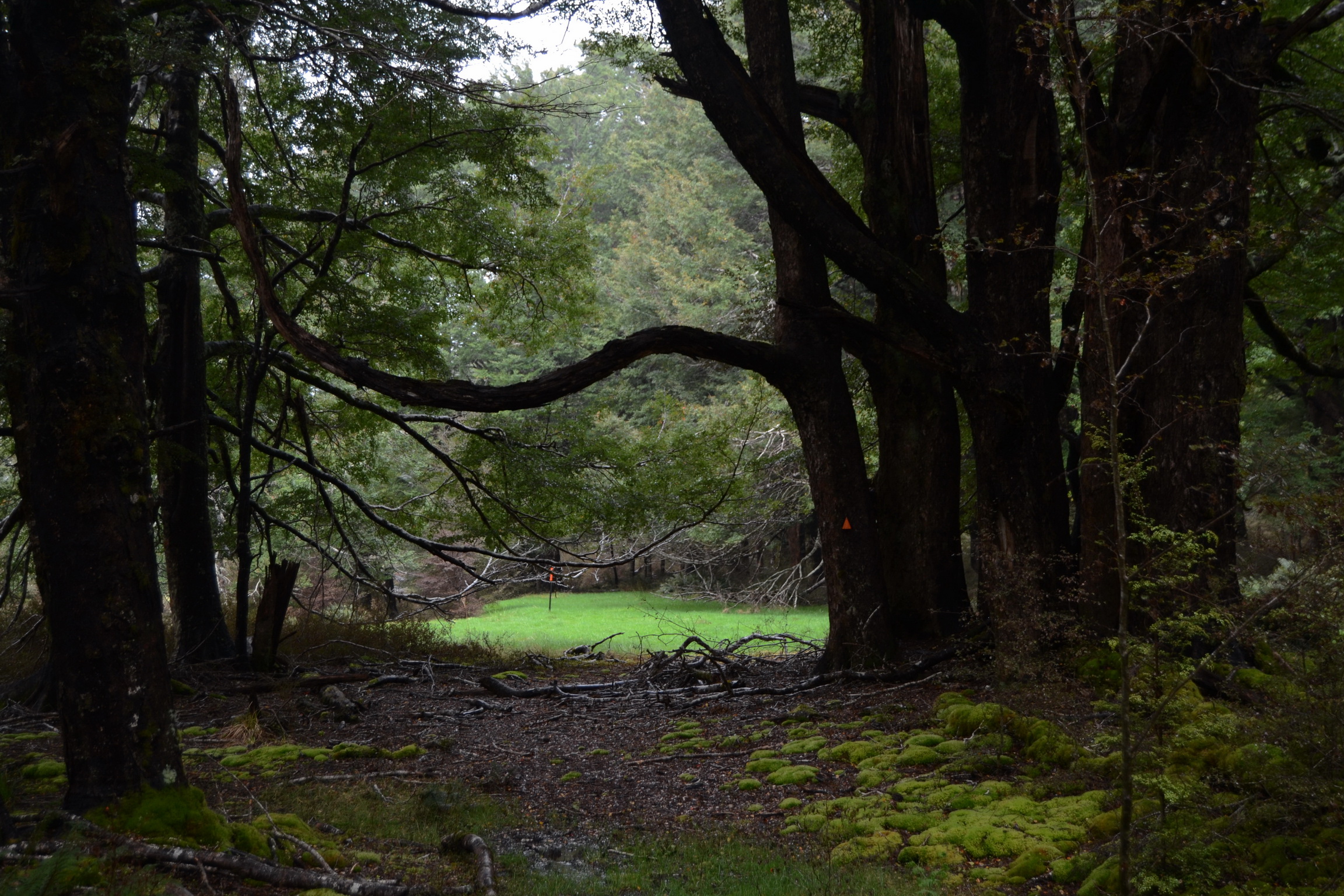
Soon we were back among fields. We found a spot to camp on level ground in tall beech forest (42°36.761′S, 172°14.397′E, 635 m). St Jacobs Hut was occupied (42°36.293′S, 172°14.165′E), the weather finally broke and it began to rain. We had no wish to go farther.
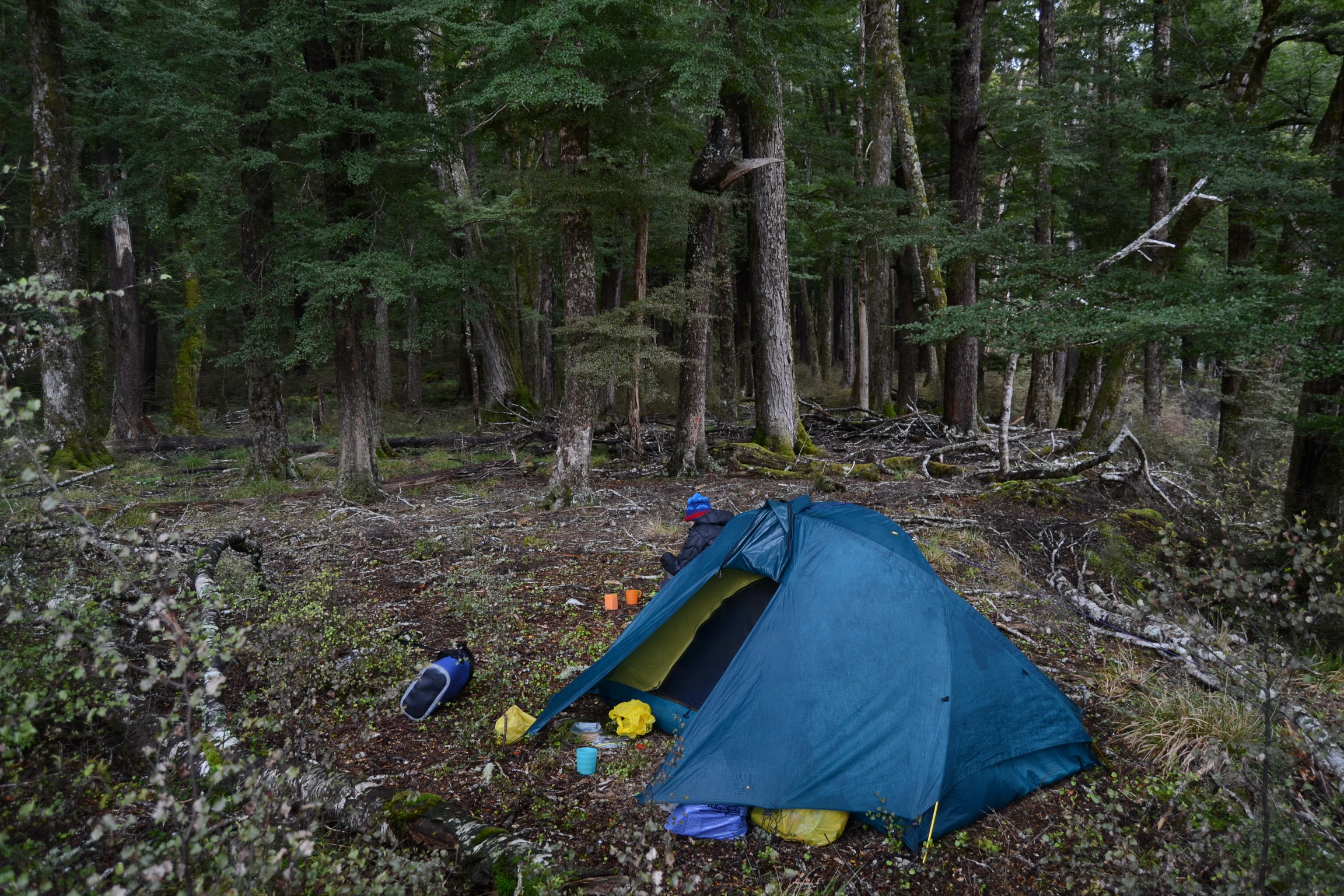
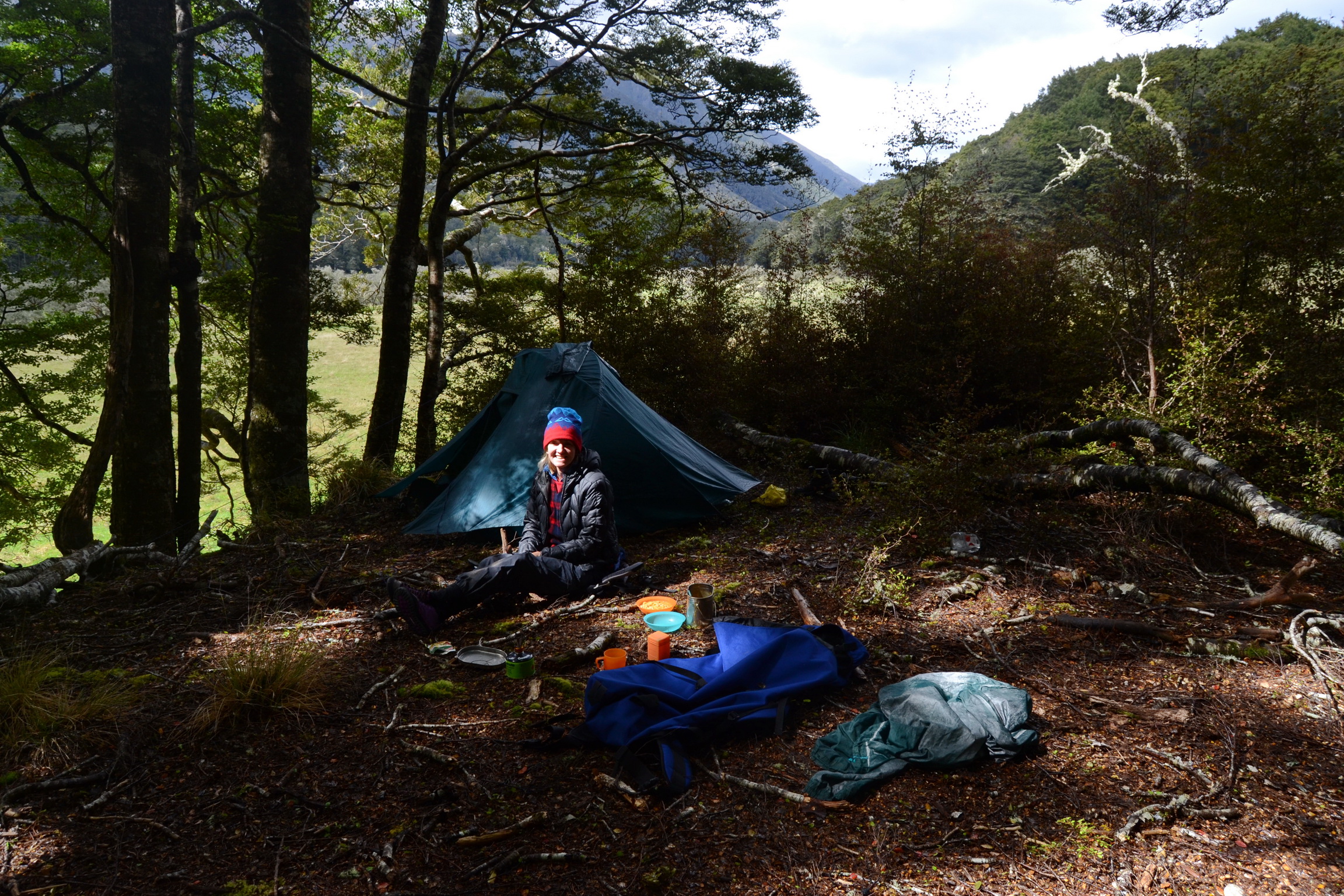
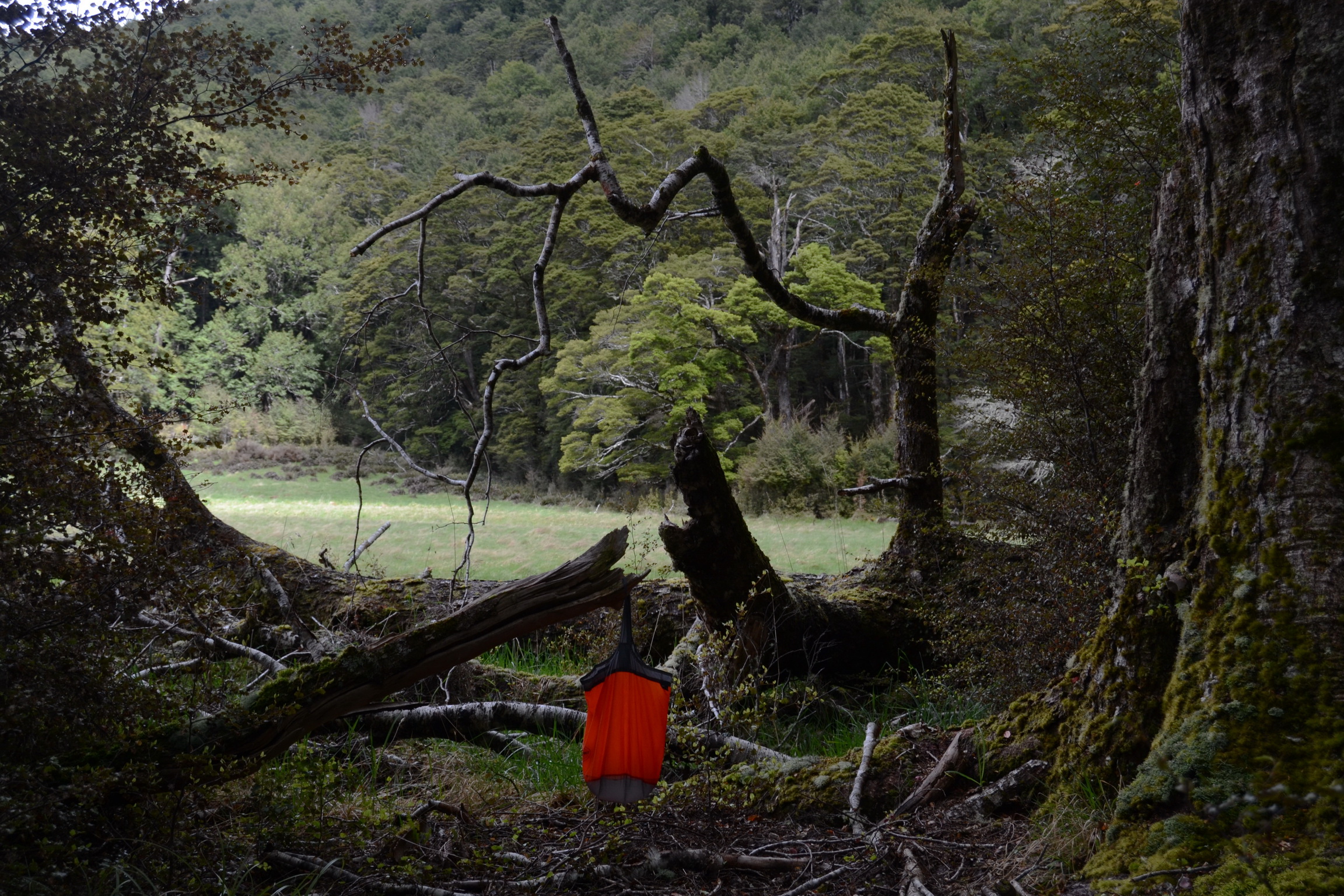
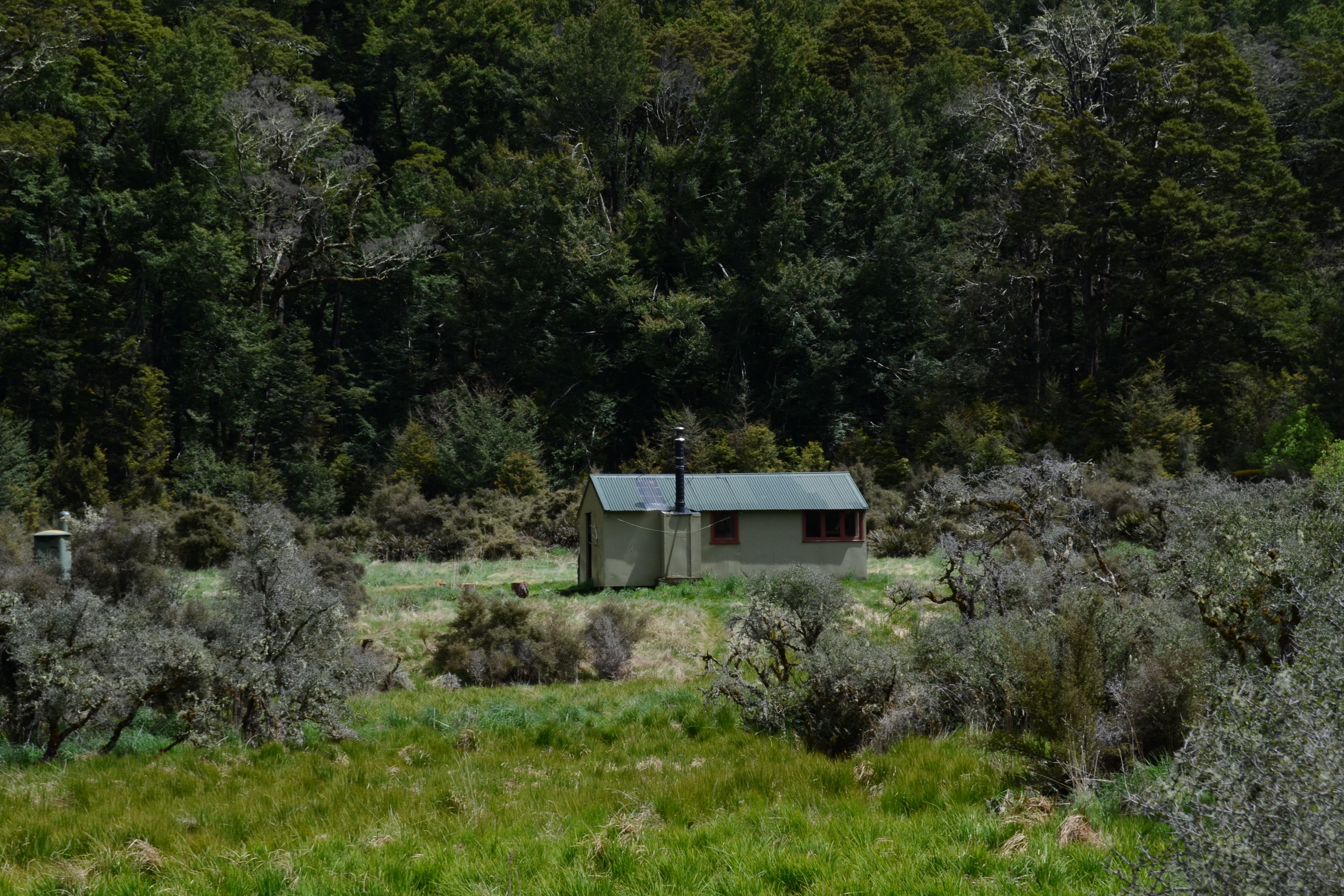
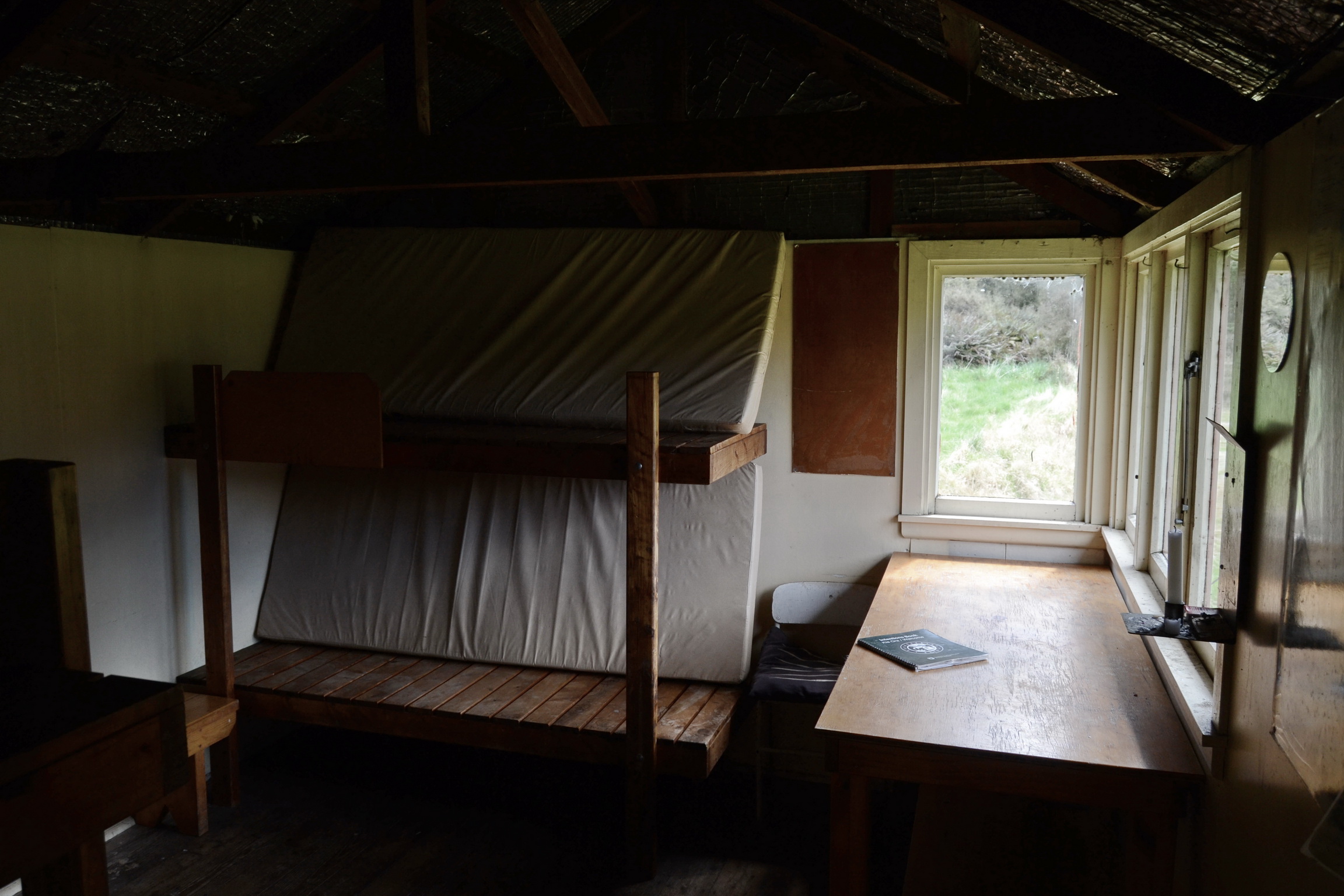
The sun was out in the morning. The spring wasn’t far off, so we took a long, lazy time getting ready. We walked quickly along the bank of the river to the next hut, Top Hope Hut (42°35.376′S, 172°10.529′E), and had lunch. The going became harder beyond that.
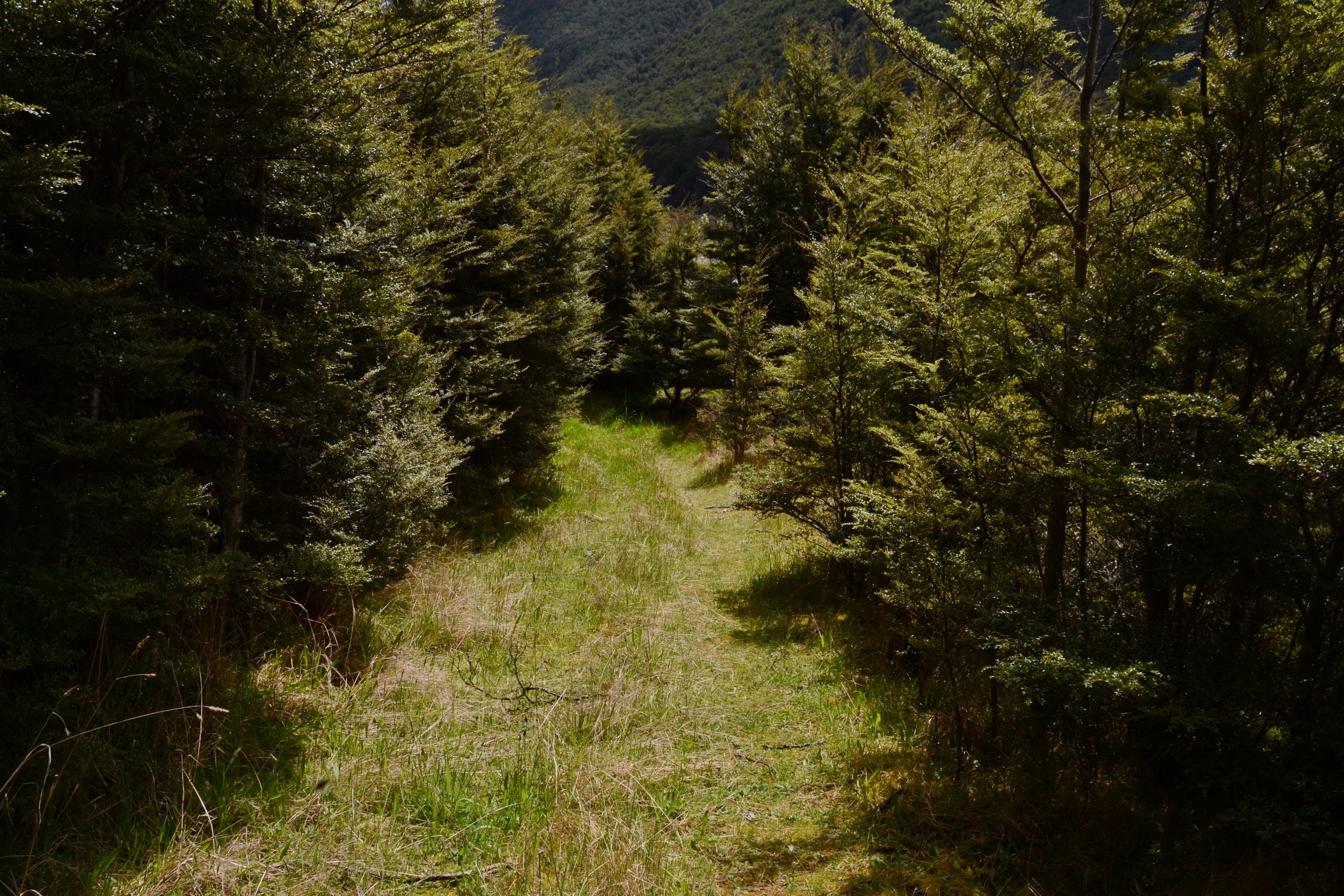
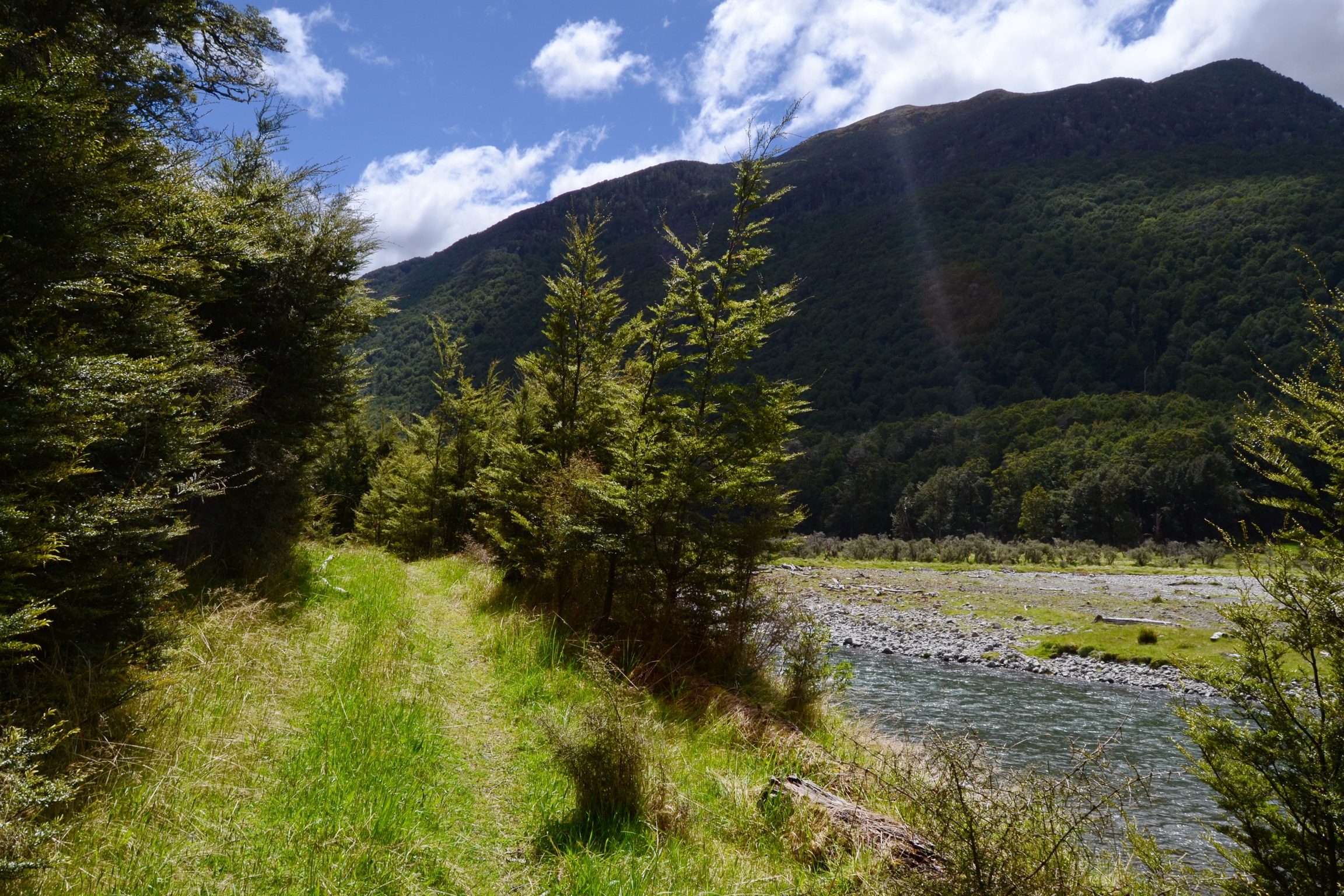
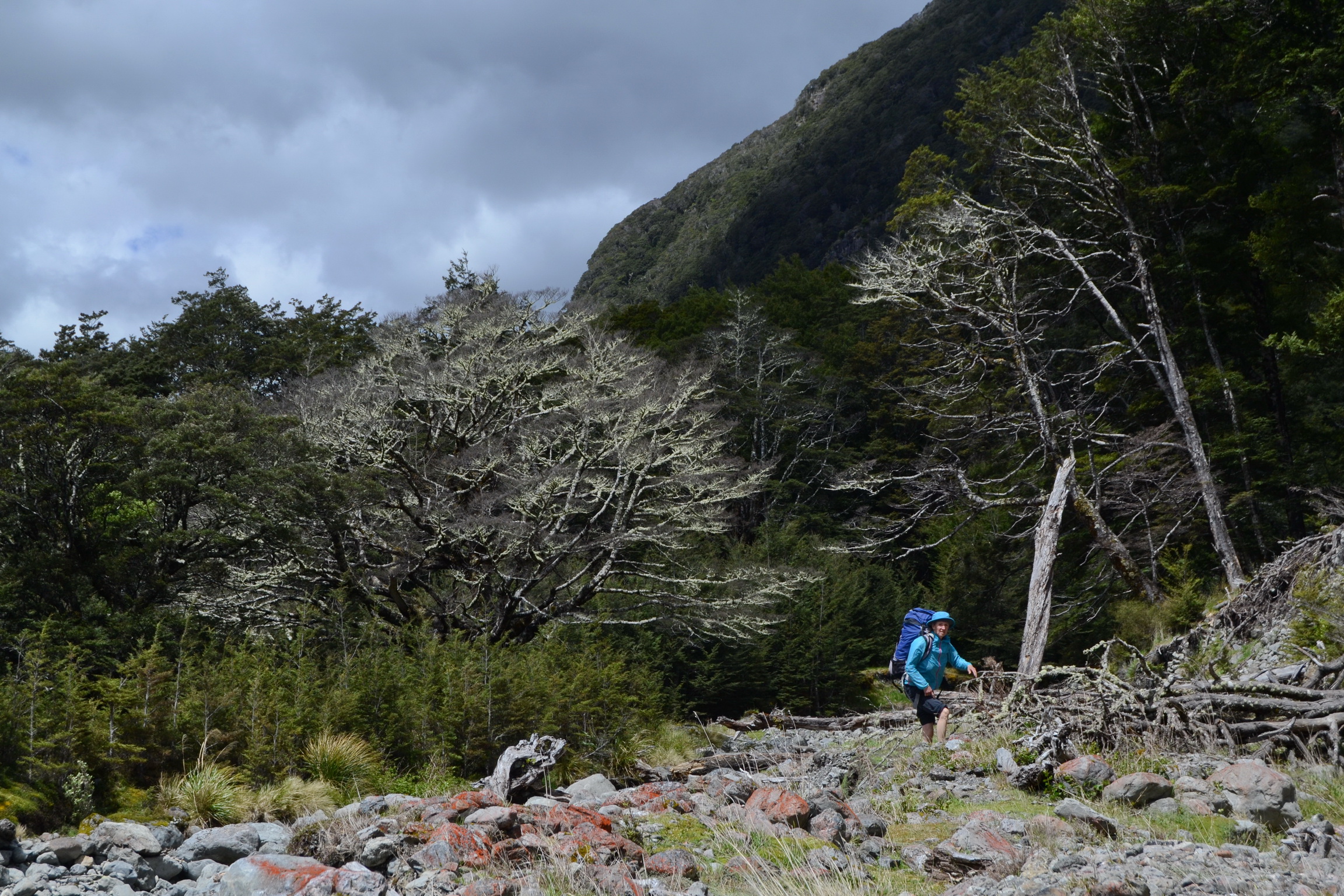
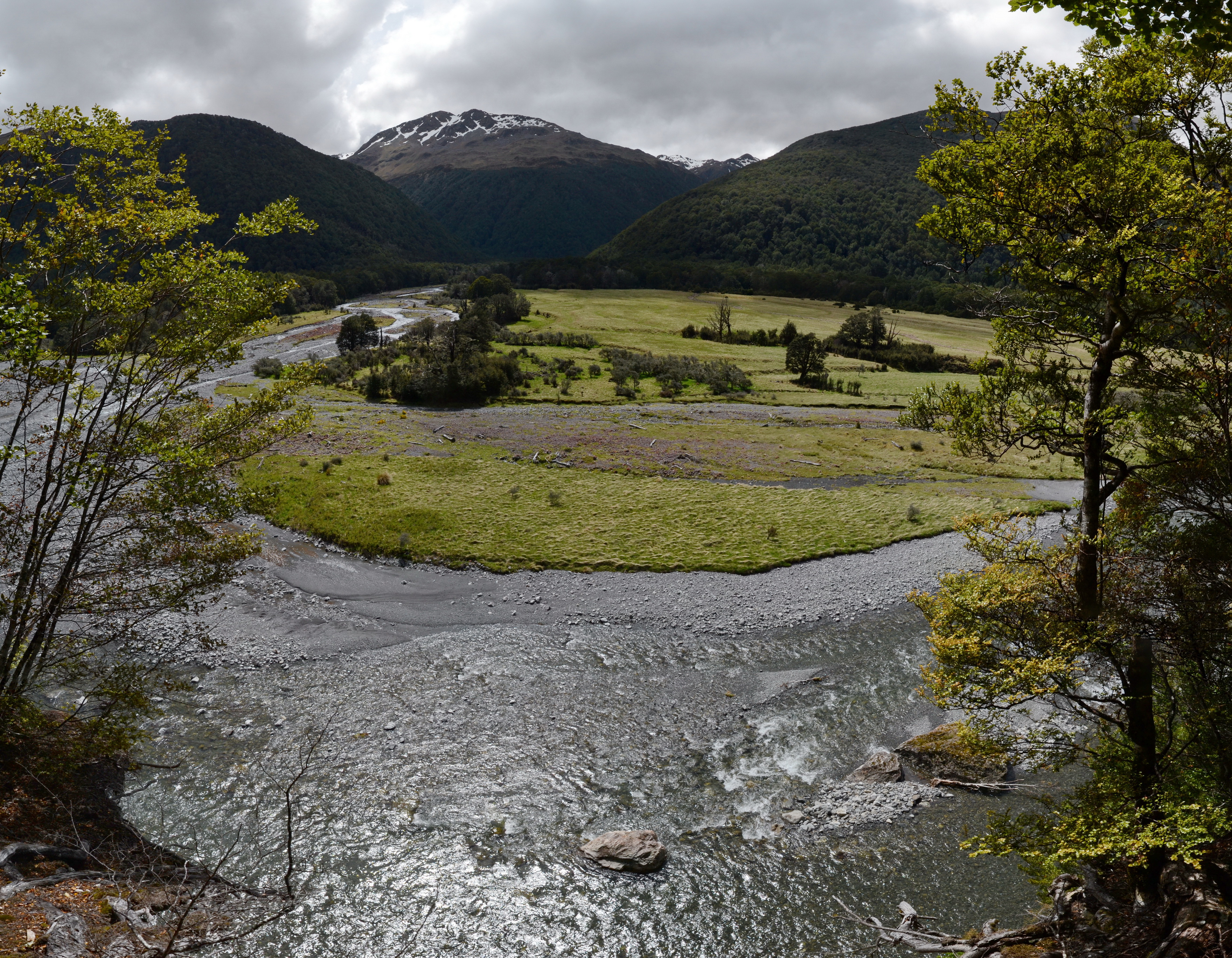
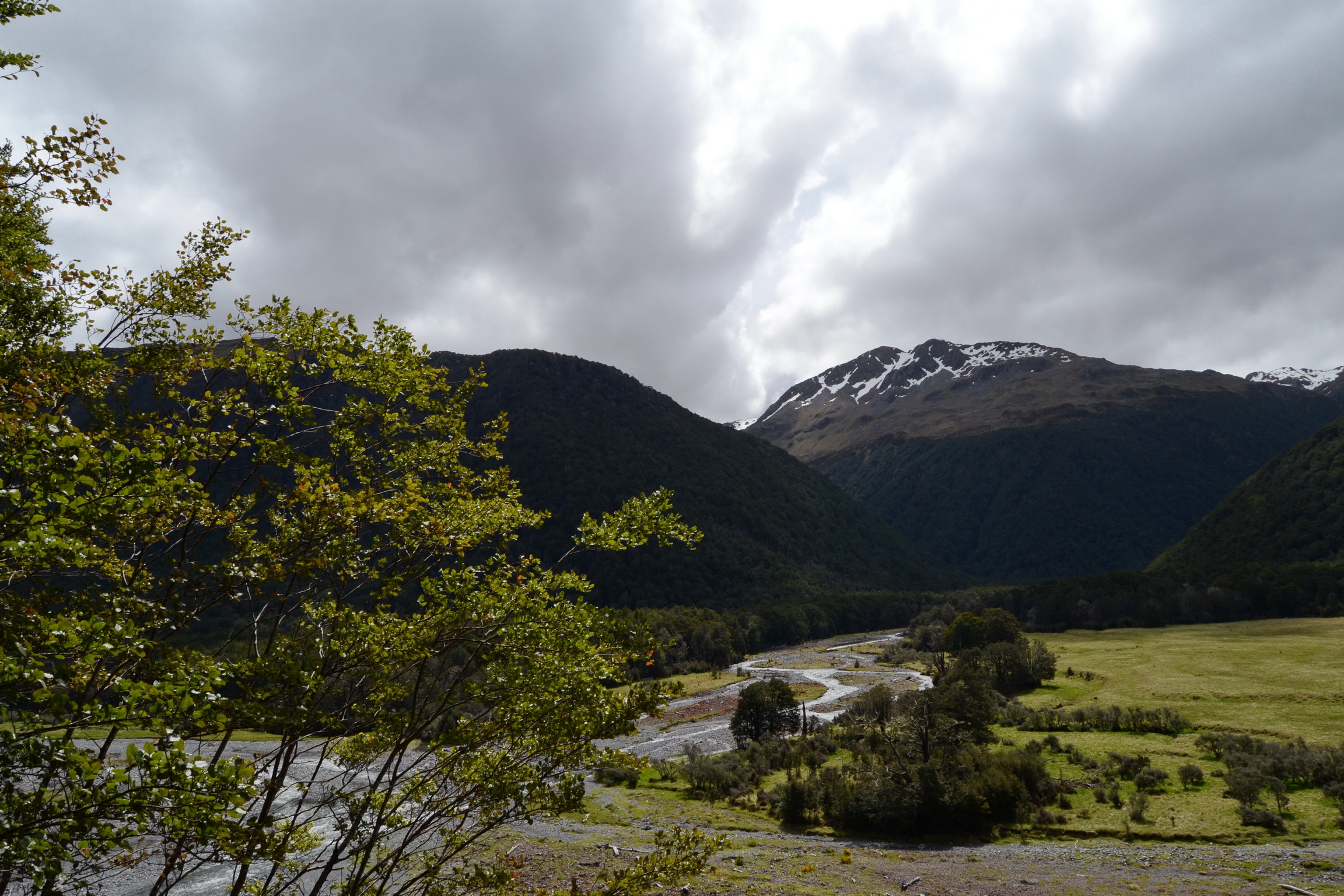
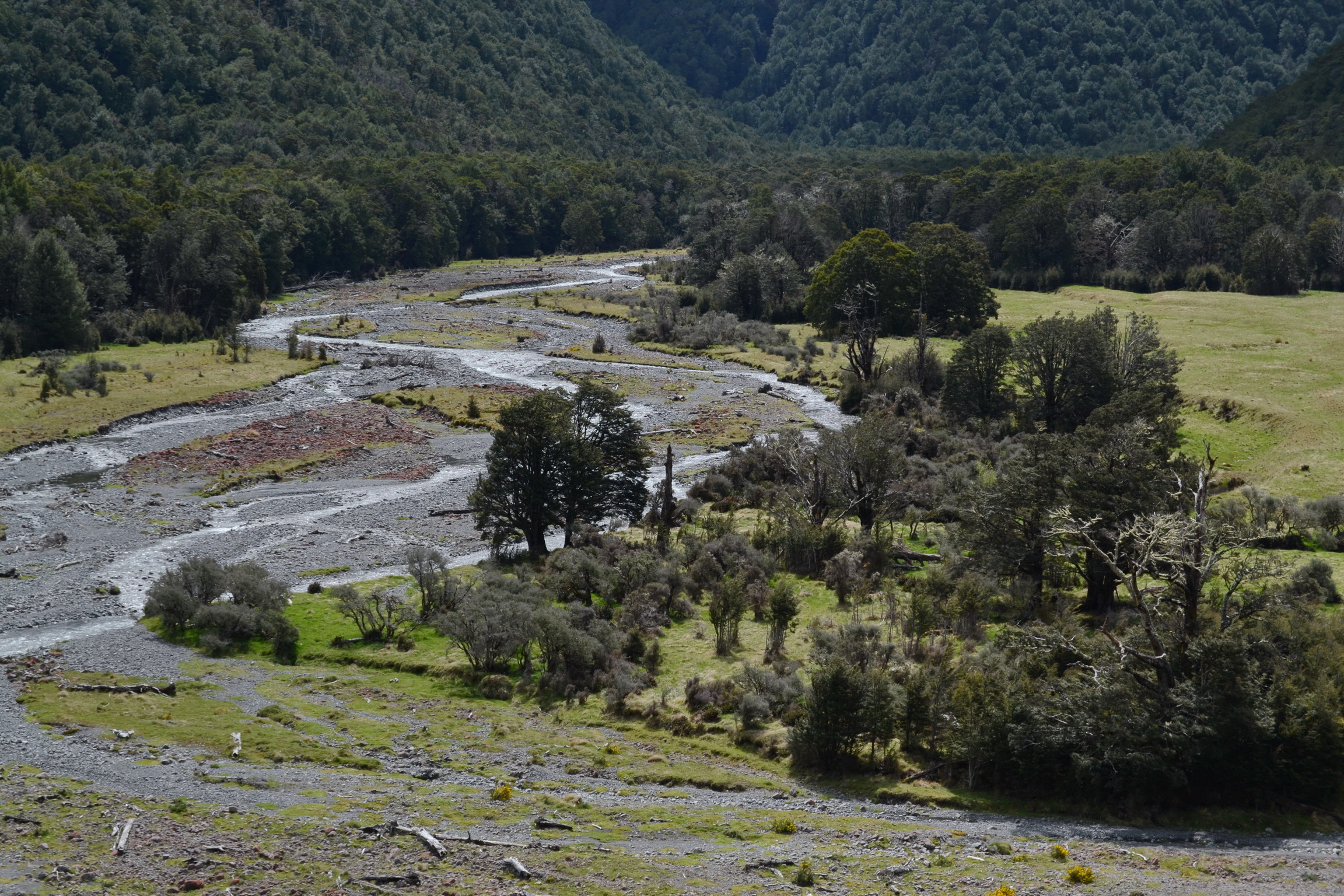
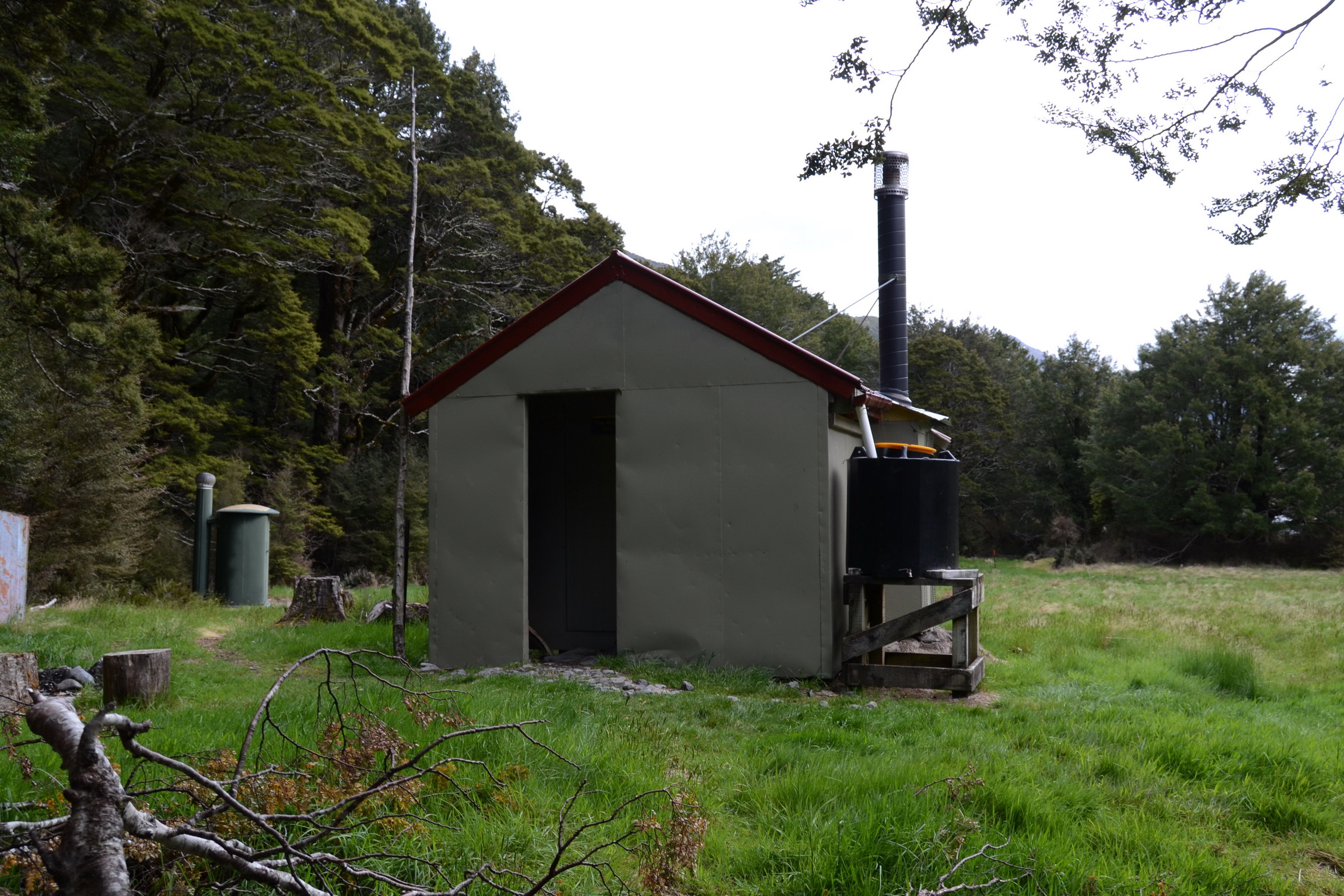
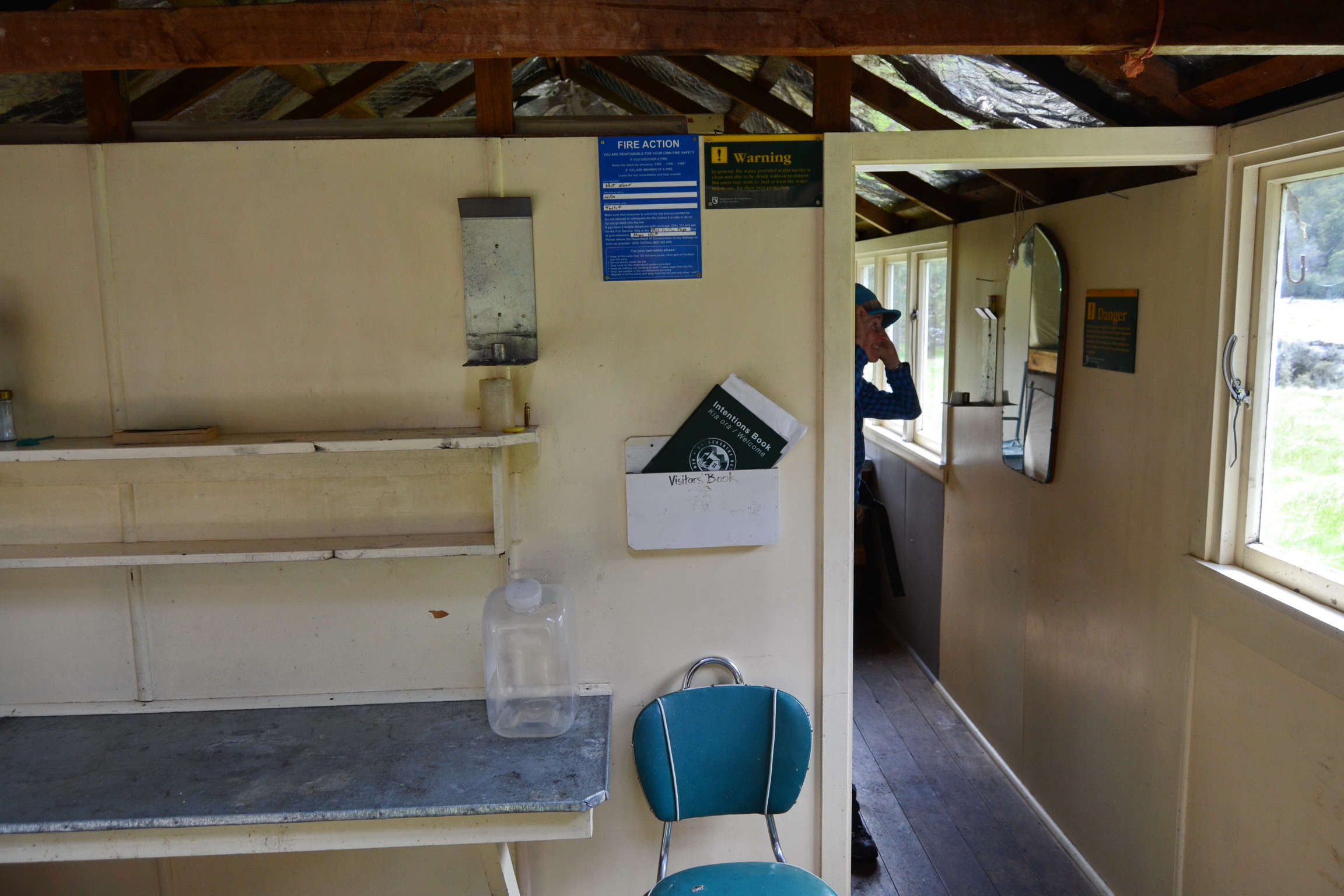
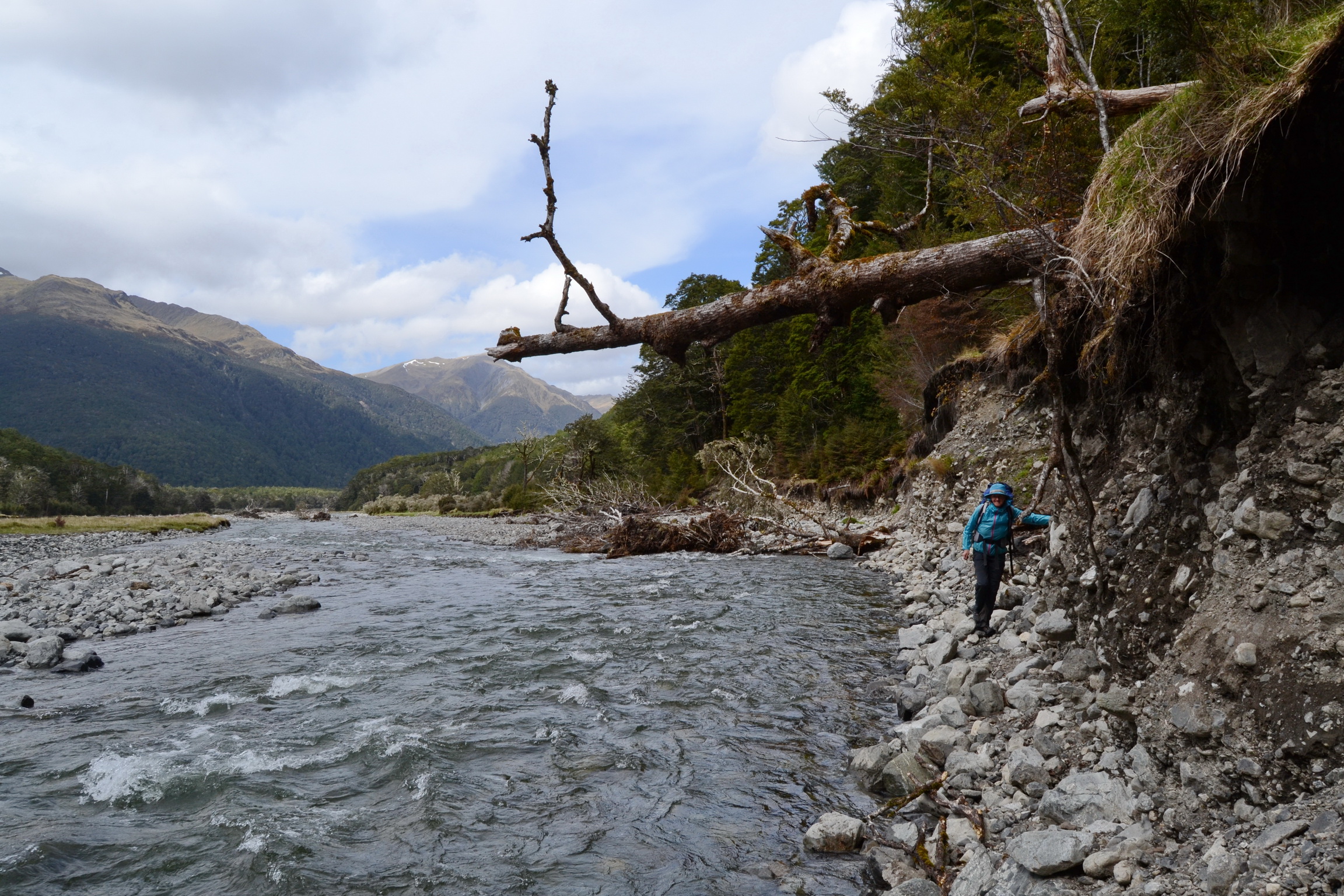
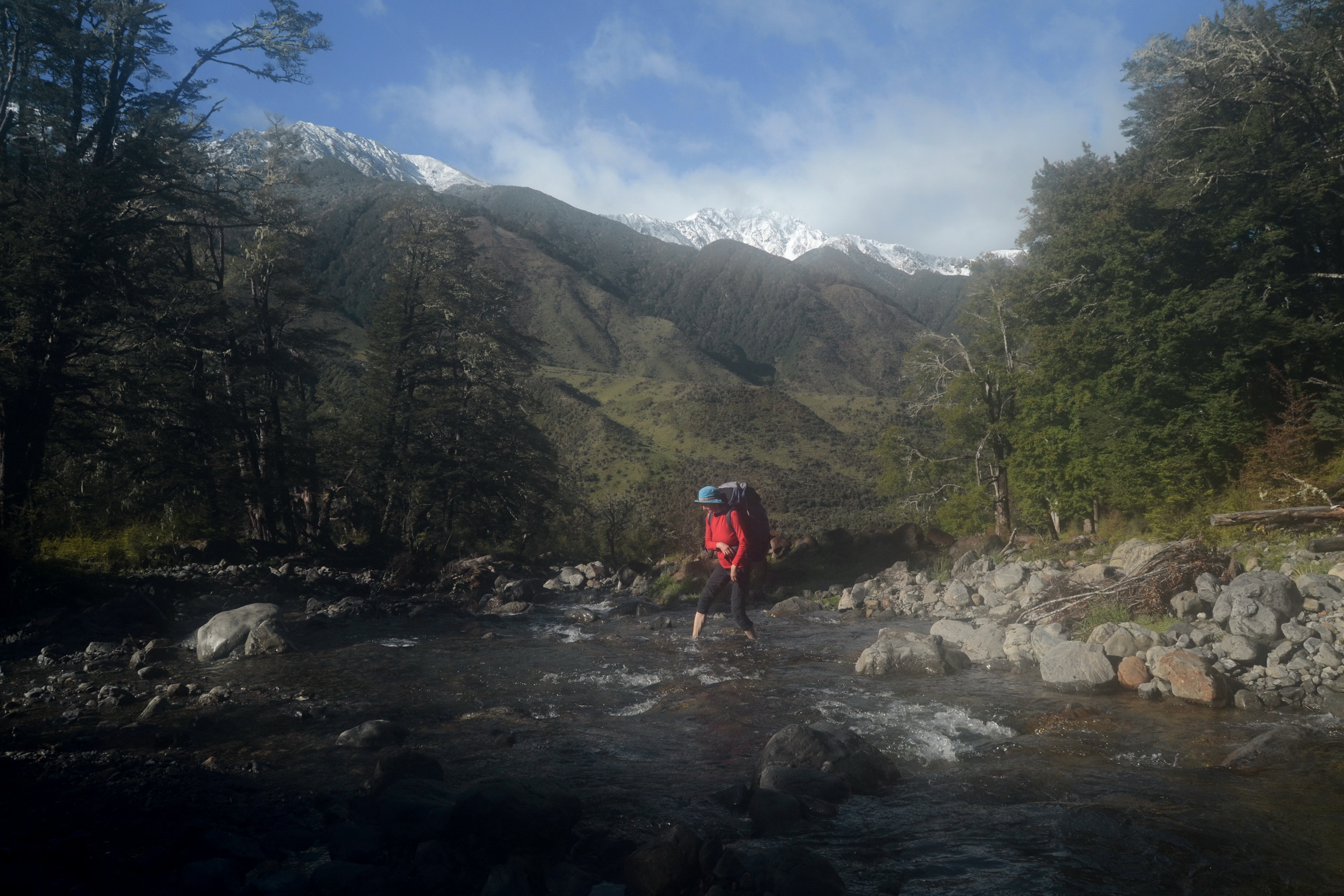
The springs are on the true right bank of Hot Spring Stream. The stream itself is across the river, which we forded easily. The trouble came next. We couldn’t find a marked or worn path on the right bank of the stream. We’d have to push through beech forest and windfall. Worst of all, there was no spring where the map showed it. I went round and round. Nothing. Farther up, the stream heads into a gorge and climbs, and the going isn’t easy. A heavy rain had begun to fall by then.
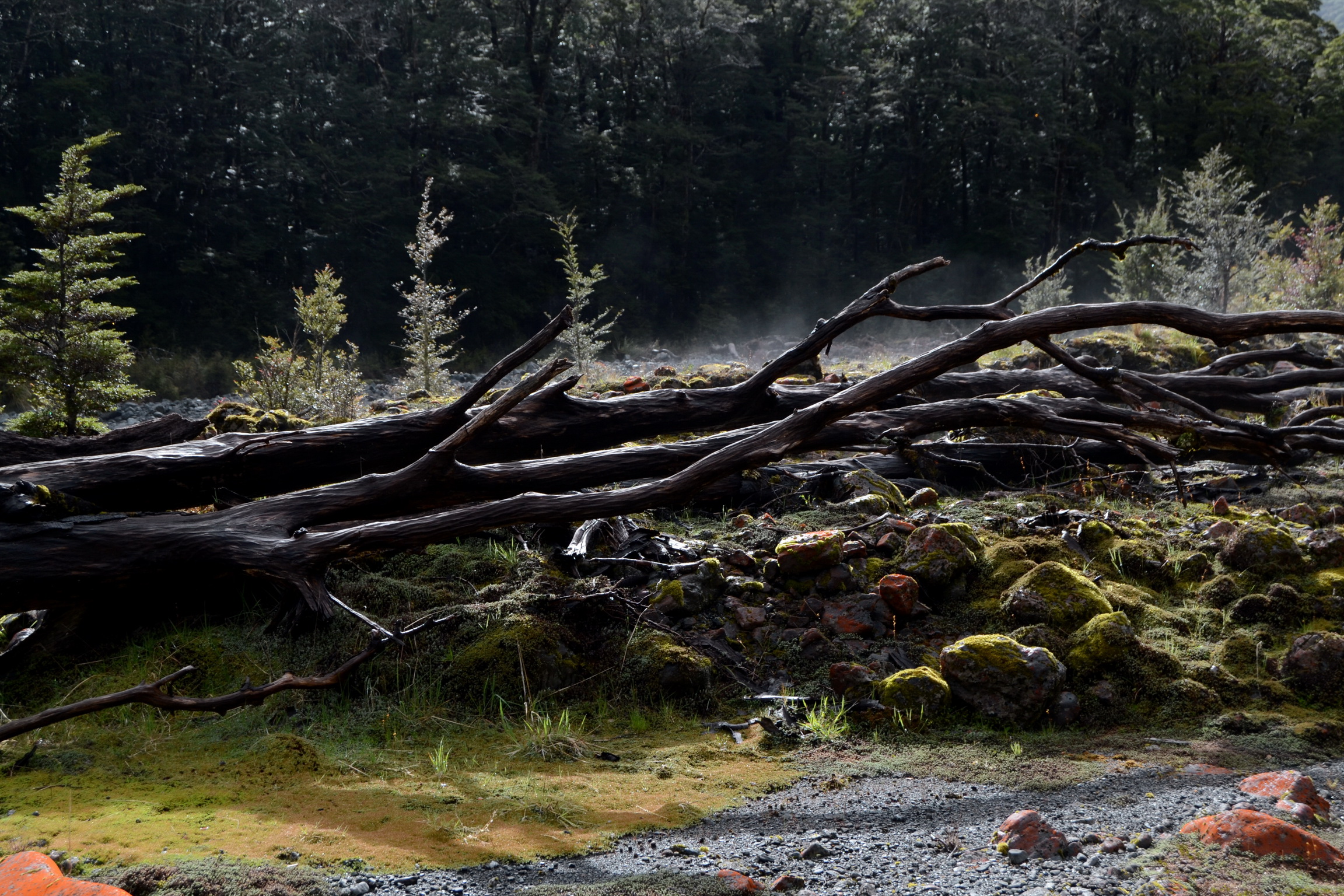
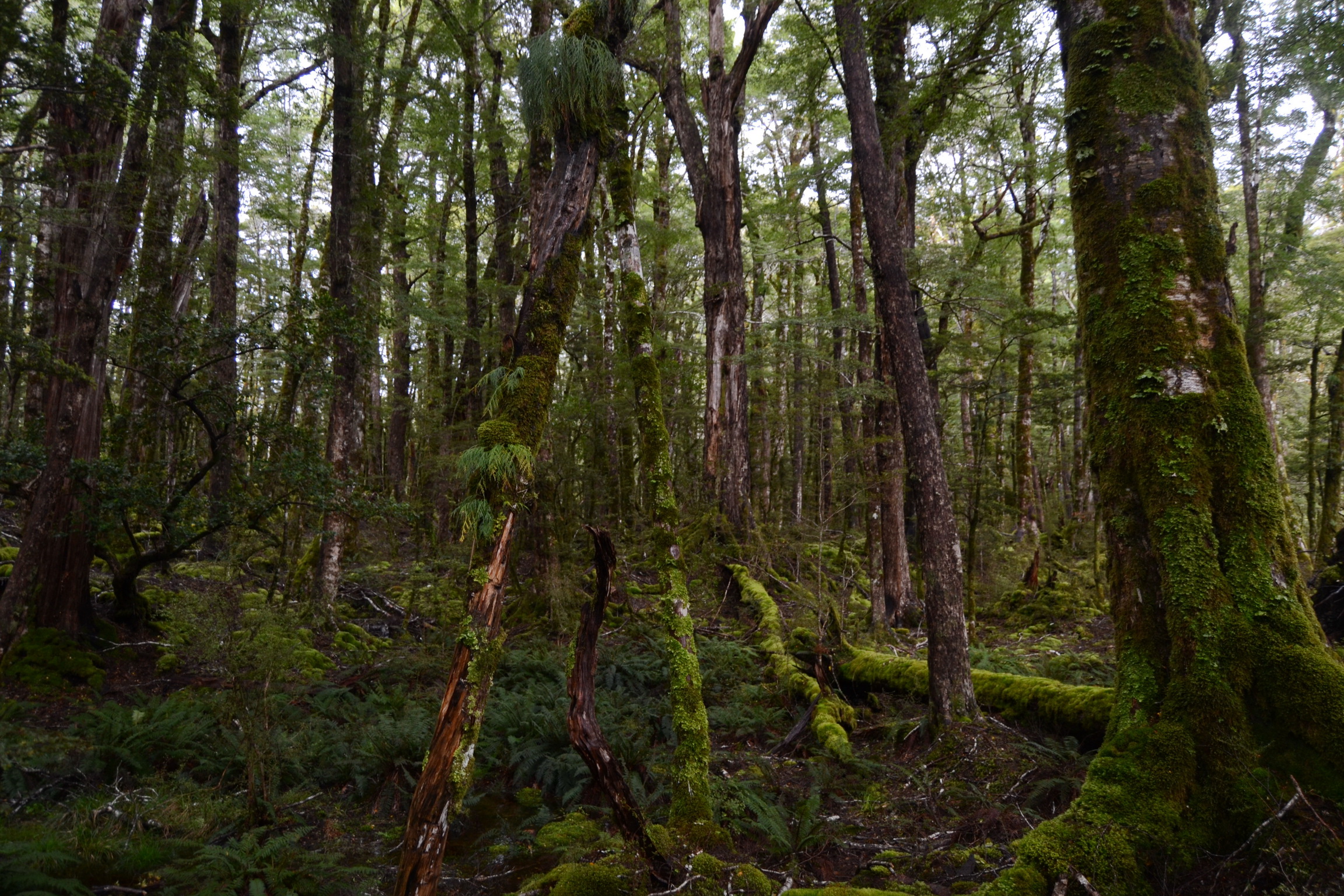
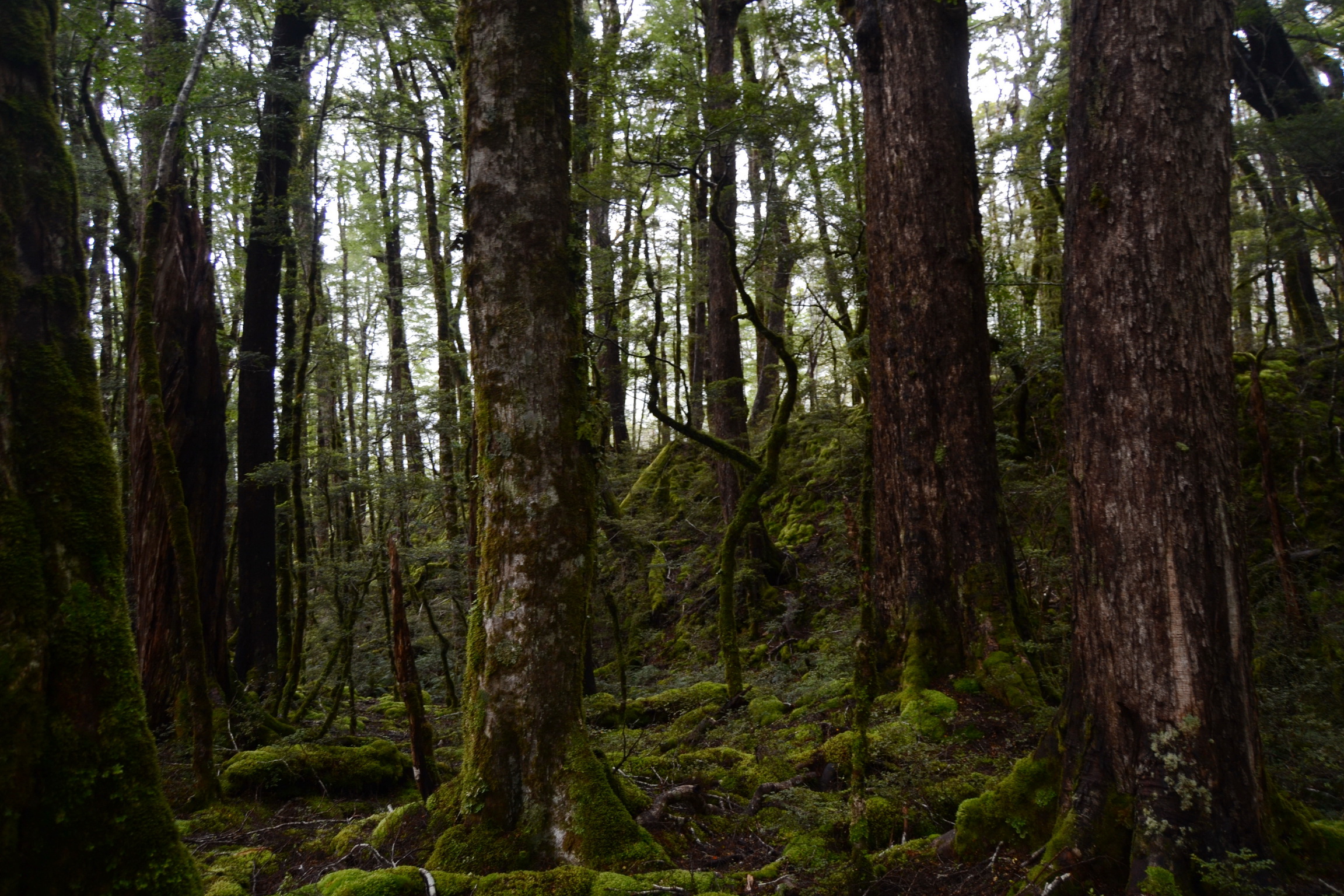
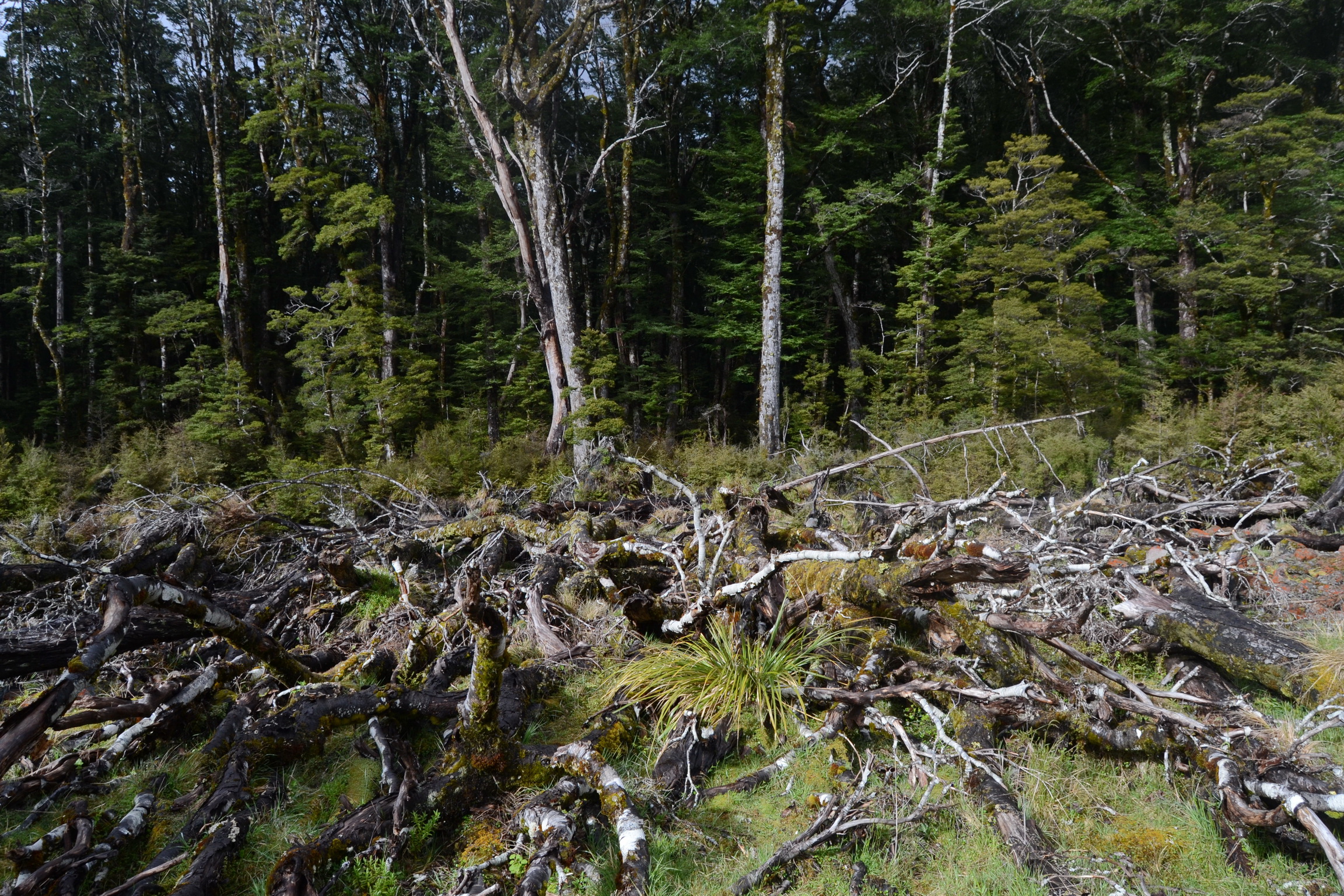
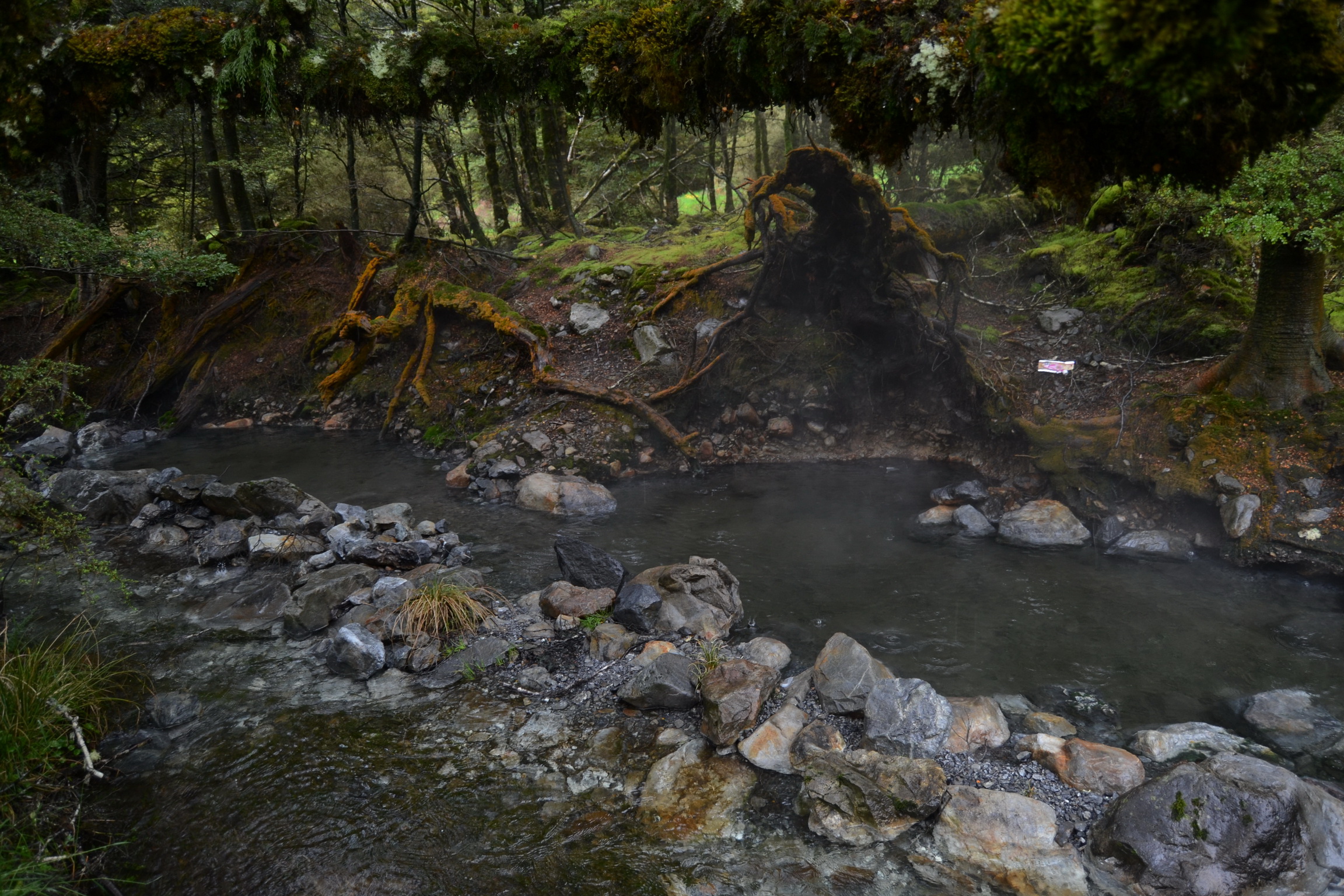
After an hour’s searching, we found a path up the stream, marked with cairns. I left Tanya there and went to look farther, crossing the turbulent stream repeatedly. Three hundred metres later I found the spring (42°35.337′S, 172°08.622′E, 770 m). I got straight in, clothes and all.
I was already as wet as I could get and I was cold after walking in the stream. At last I warmed up.
There’s another little warm stream along the way where you can walk in the water to warm your feet. It’s recognisable by the white algae that grow only around warm springs.
I went back for Tanya and we set out together. At our very first crossing the current took her legs out from under her. She went under with her pack on and struck her bad knee. Fortunately there was no injury this time, though we now had nothing dry.
We made it to the spring and got in to warm up.
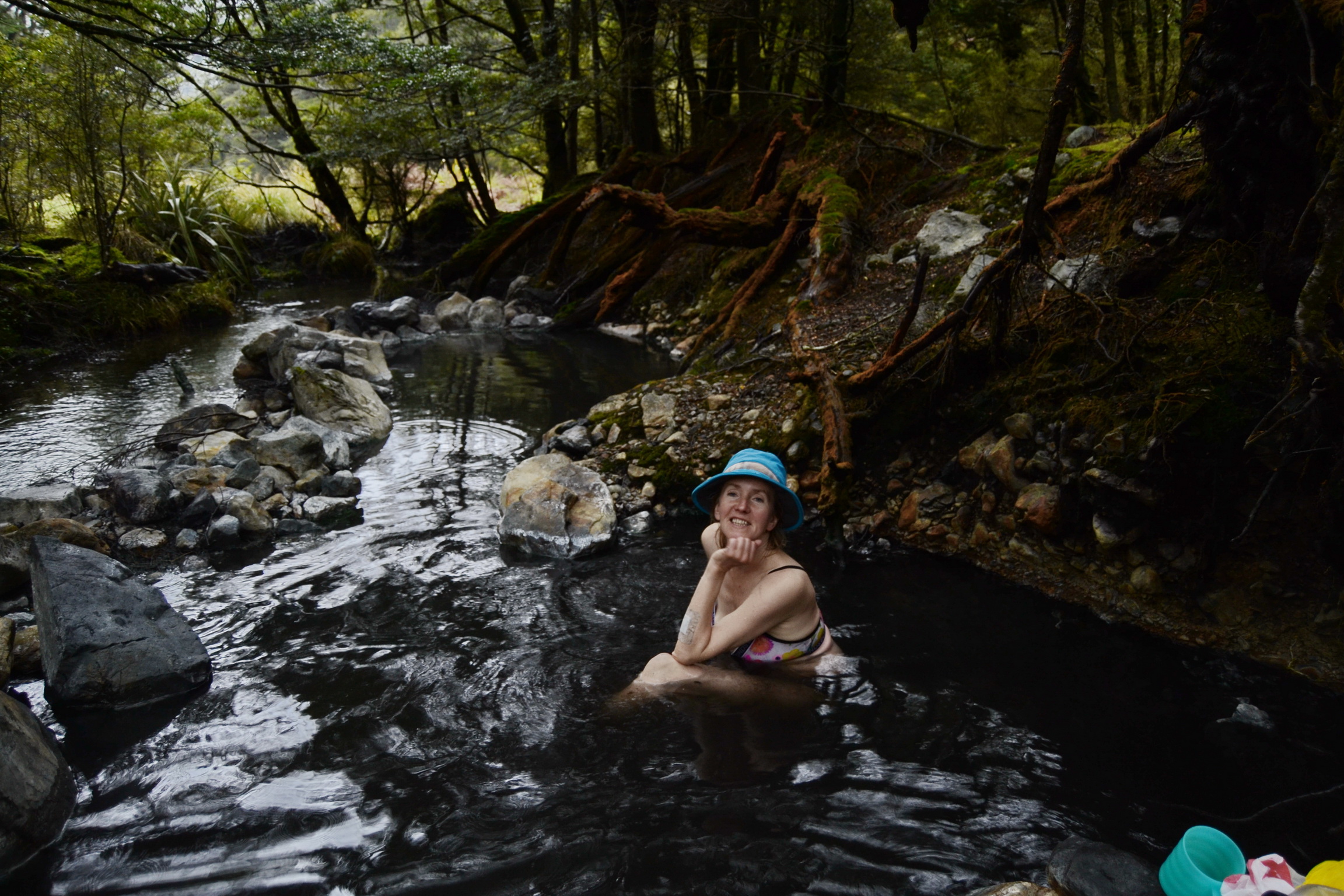
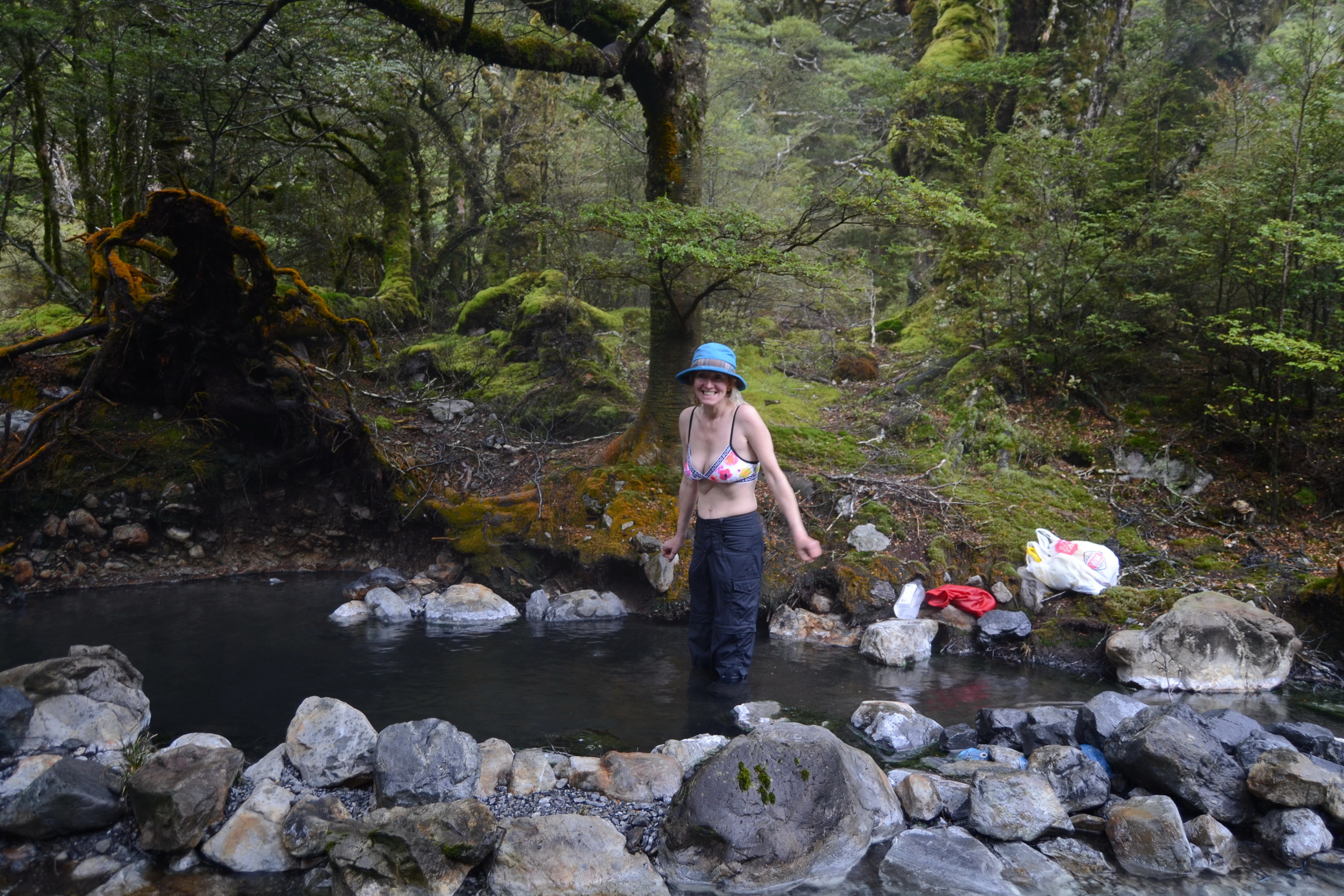
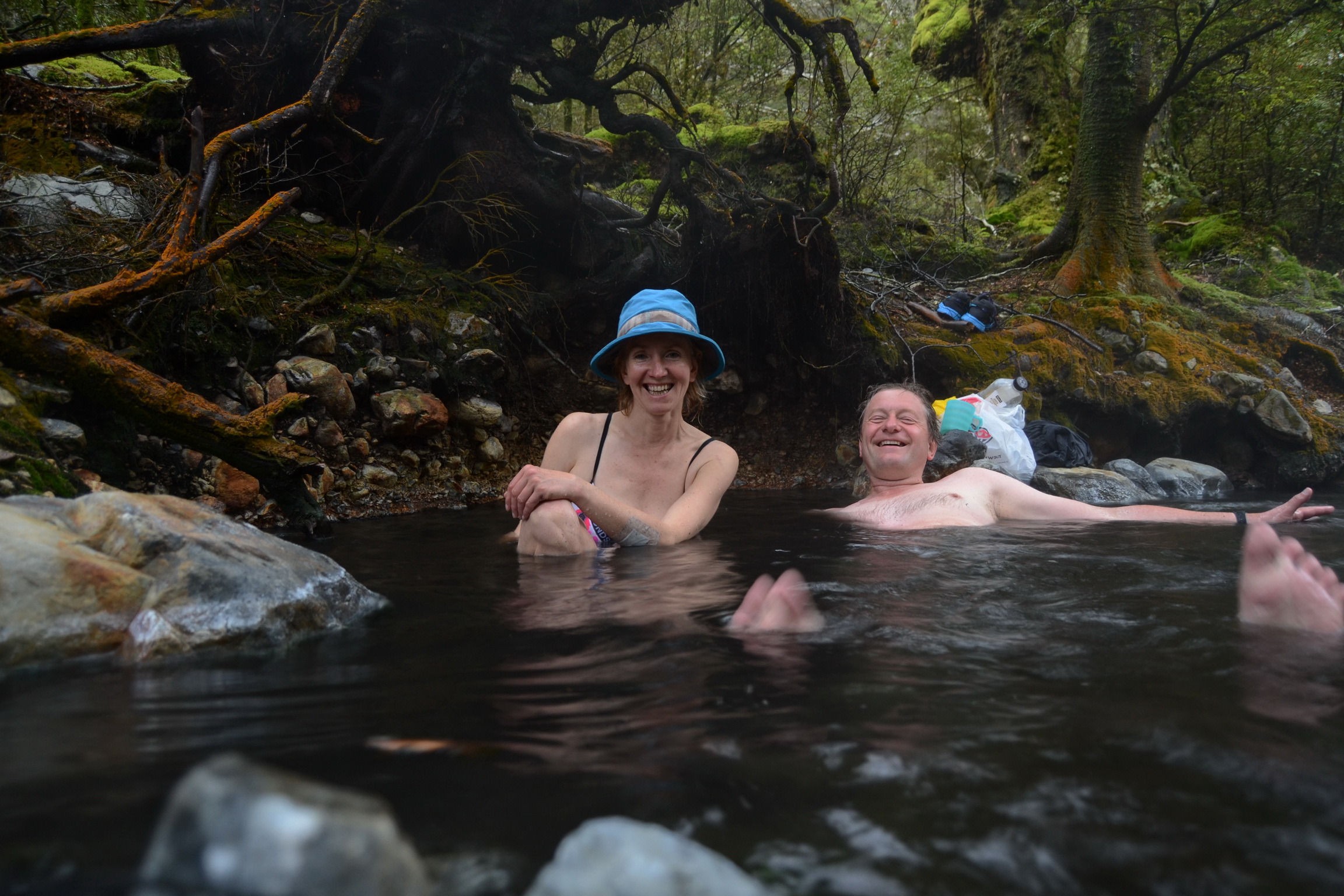
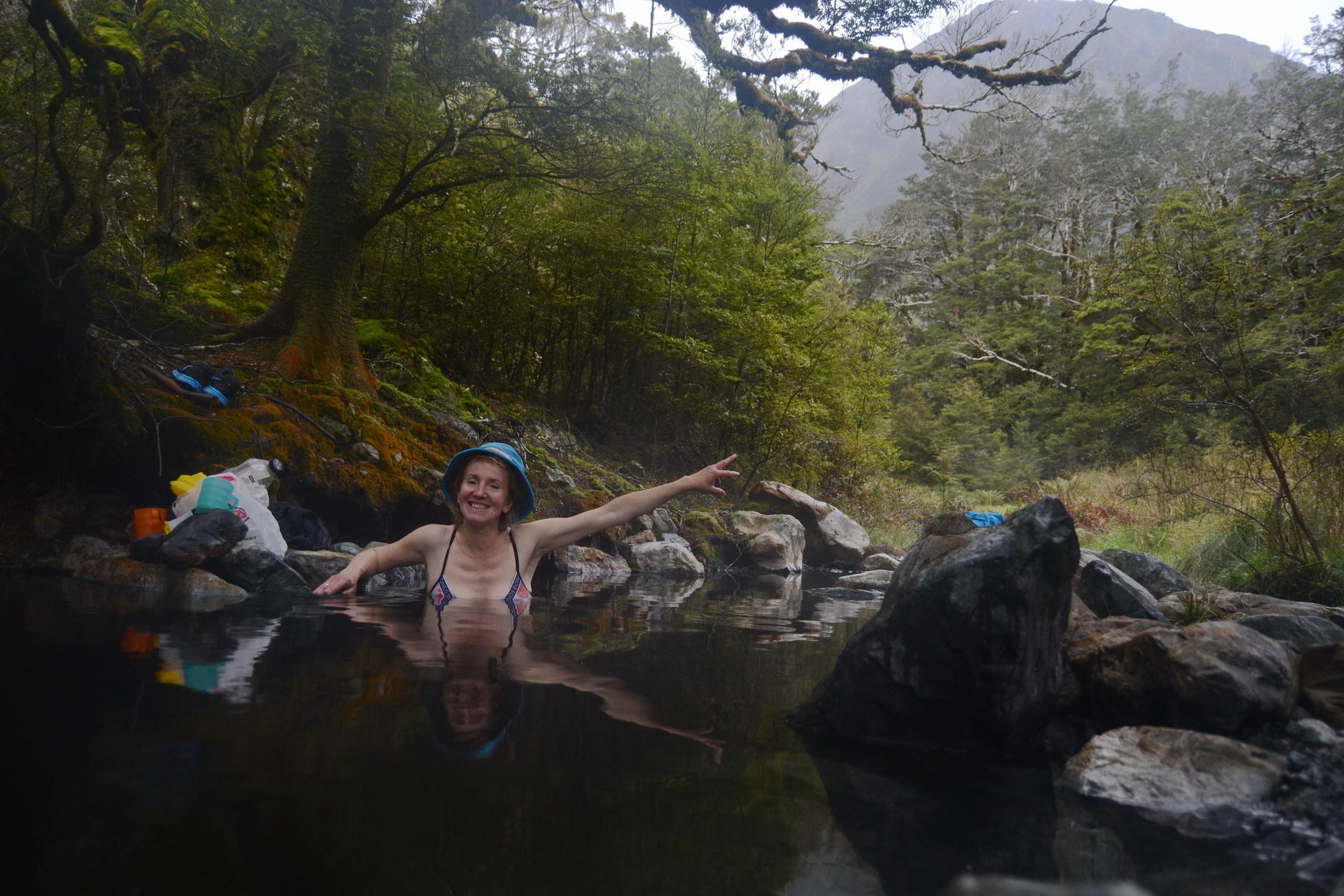
Rain, cold and gathering darkness. It didn’t feel terribly festive, but we had to celebrate. We couldn’t carry all those good things back.
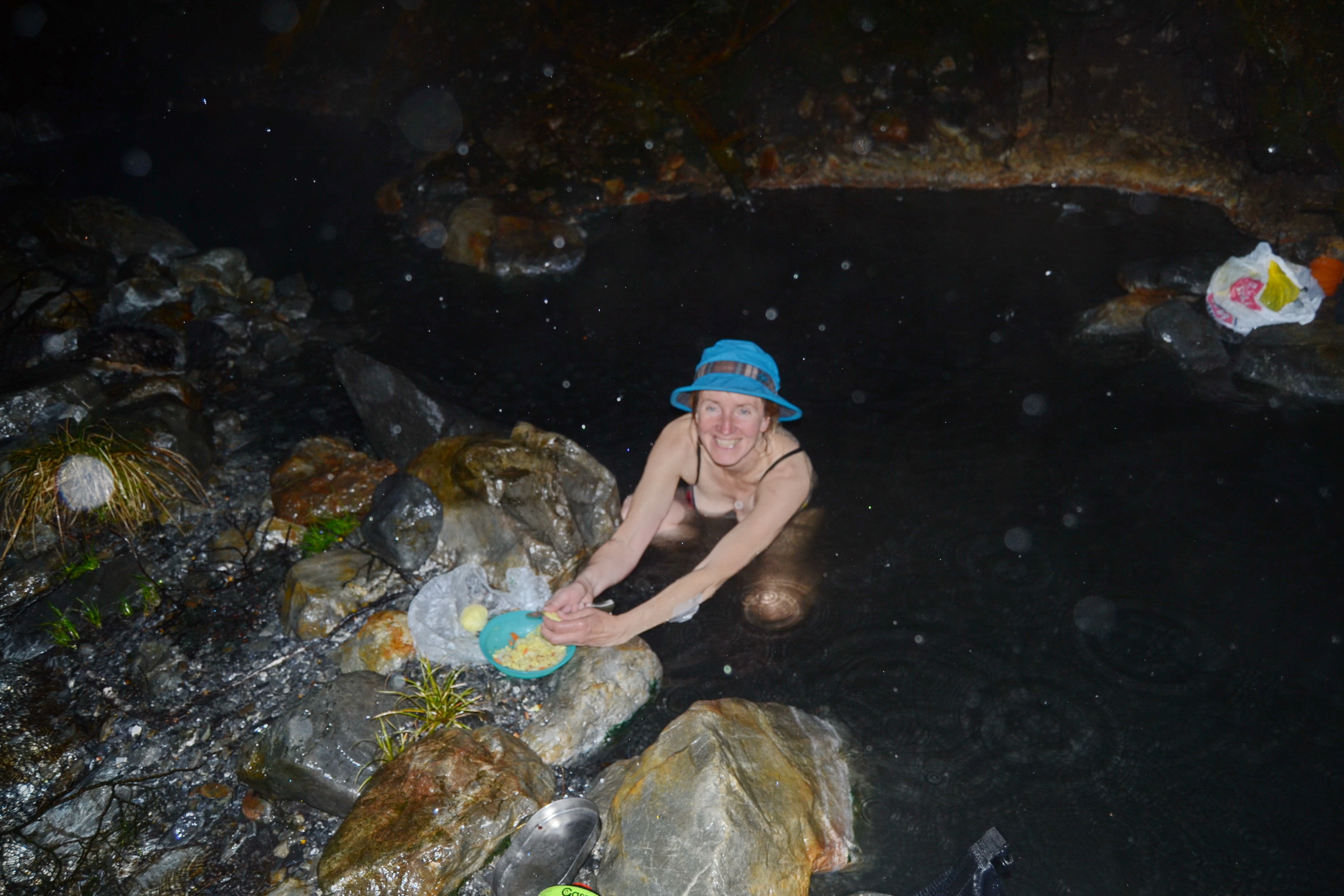
We hit on a system. We sat in the hot pool, jumped out whenever something needed doing and got straight back into the warmth. We pitched the tent right beside the pool.
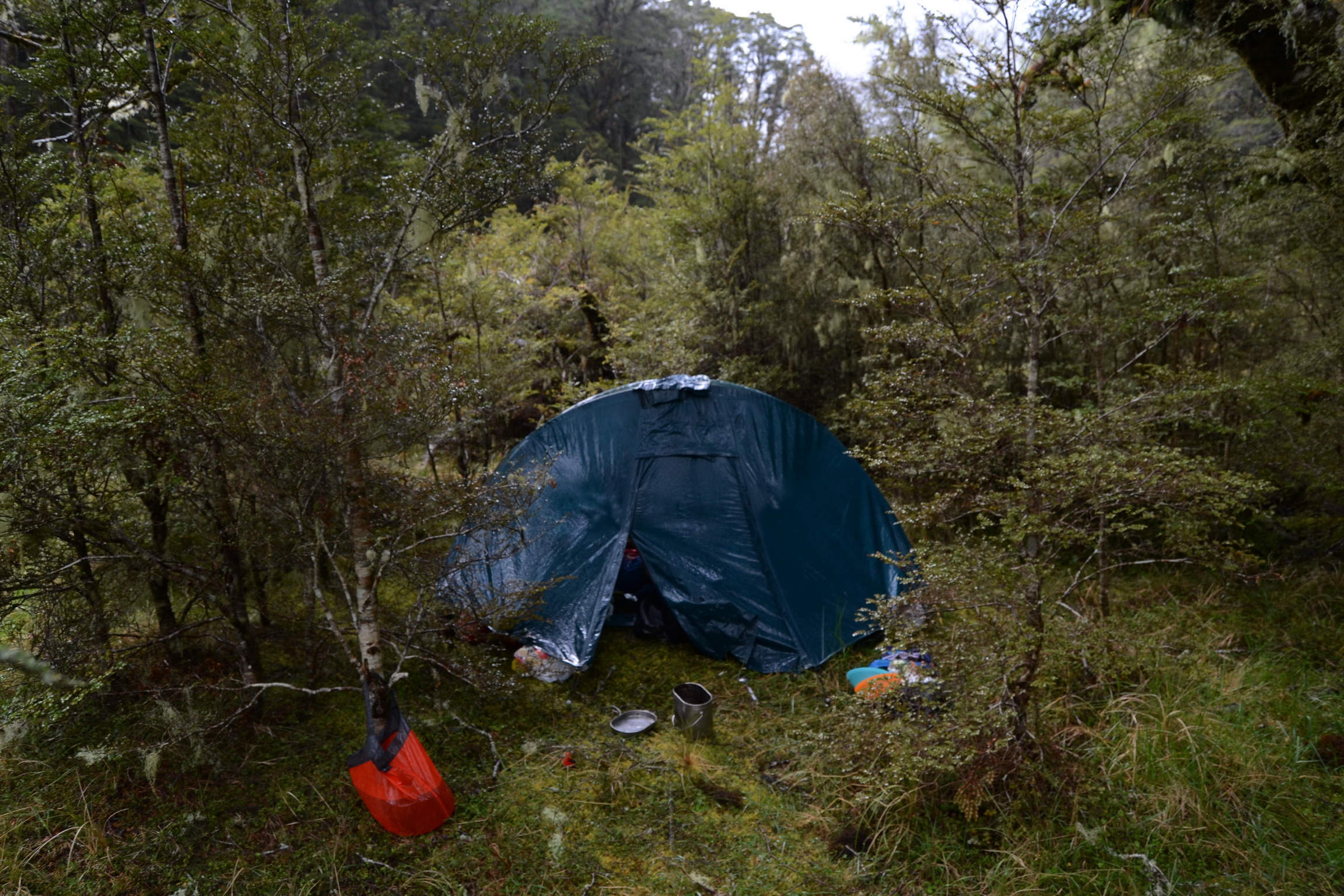
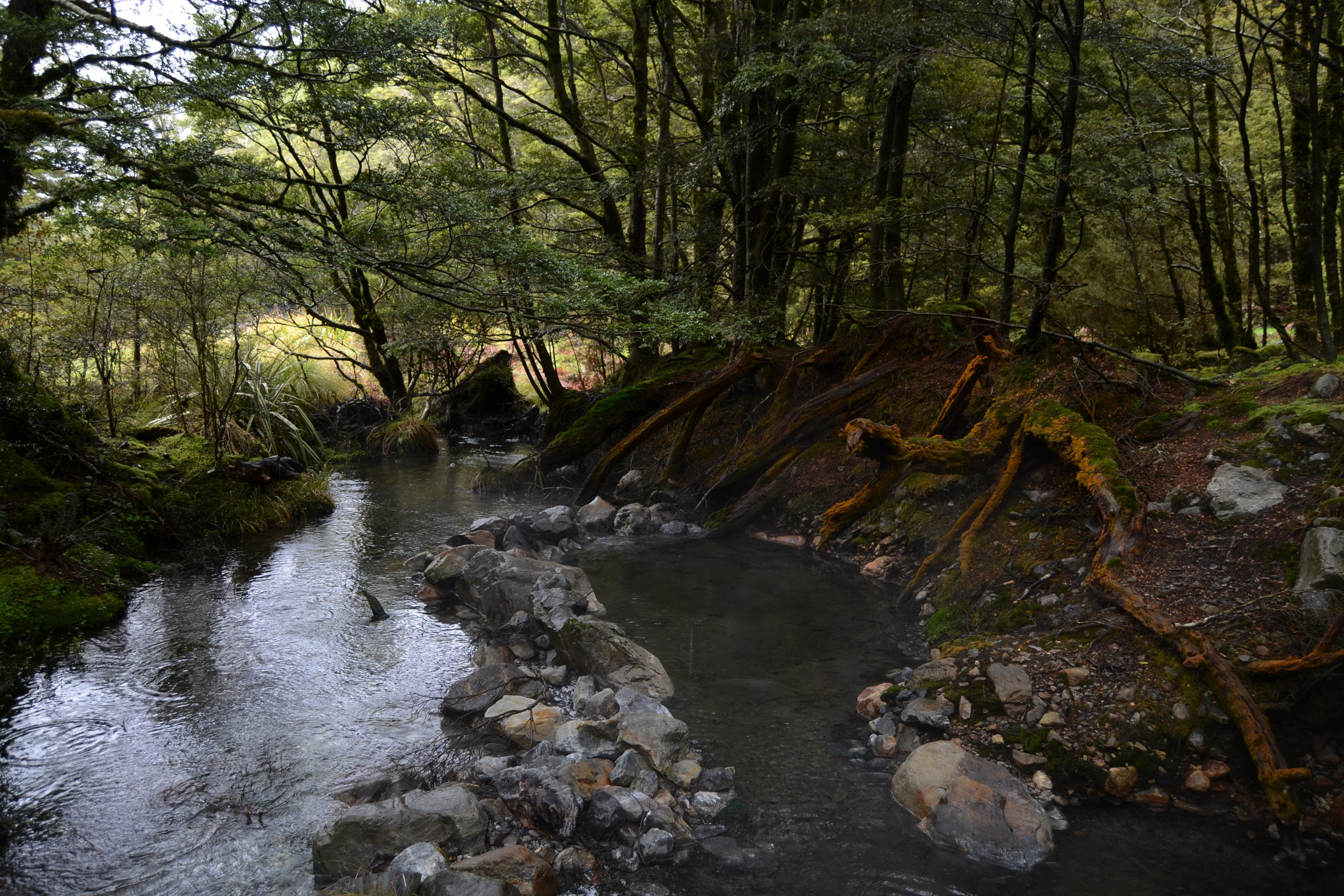
Moving a few pebbles at the stream’s edge lets in more or less cool water and regulates the pool’s temperature. Without that you could cook yourself. The water comes out of the ground boiling hot.
We made soup while sitting in the spring. We set the ingredients out on the bank. It wasn’t particularly convenient, but at least we were warm. The gas stove boiled water quickly once we’d warmed the canister. Spreading caviar on bread in the pool was the awkward part.
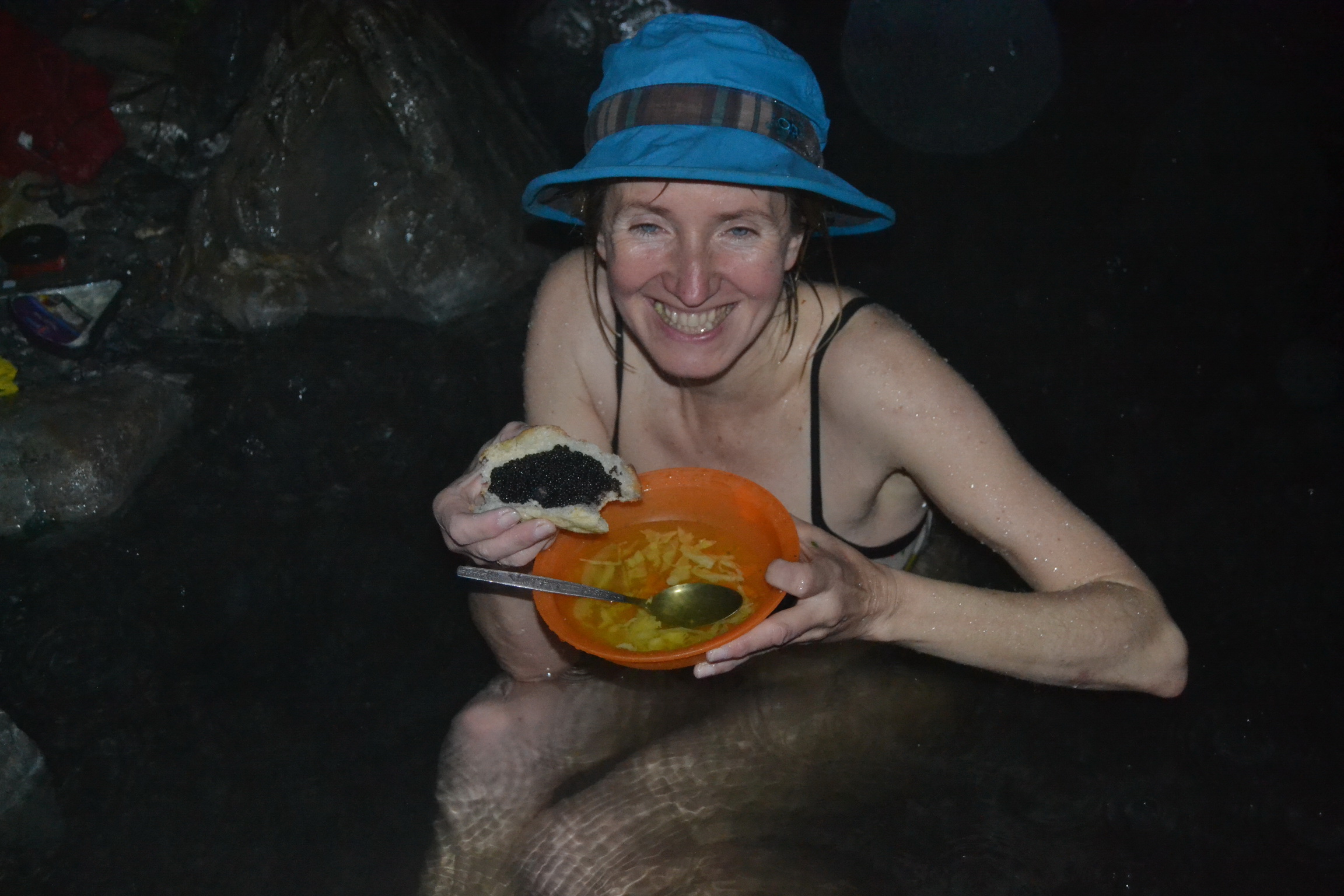
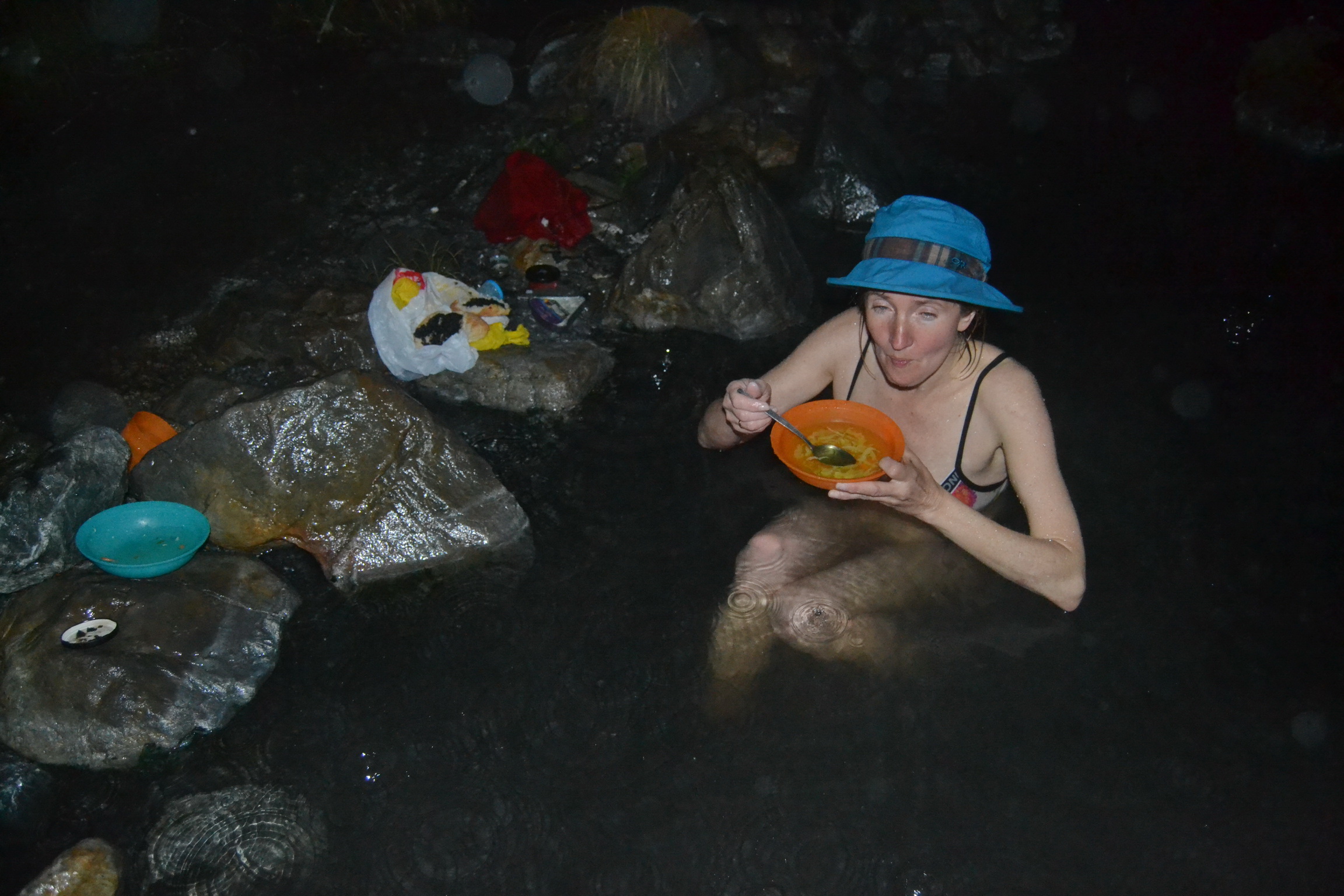
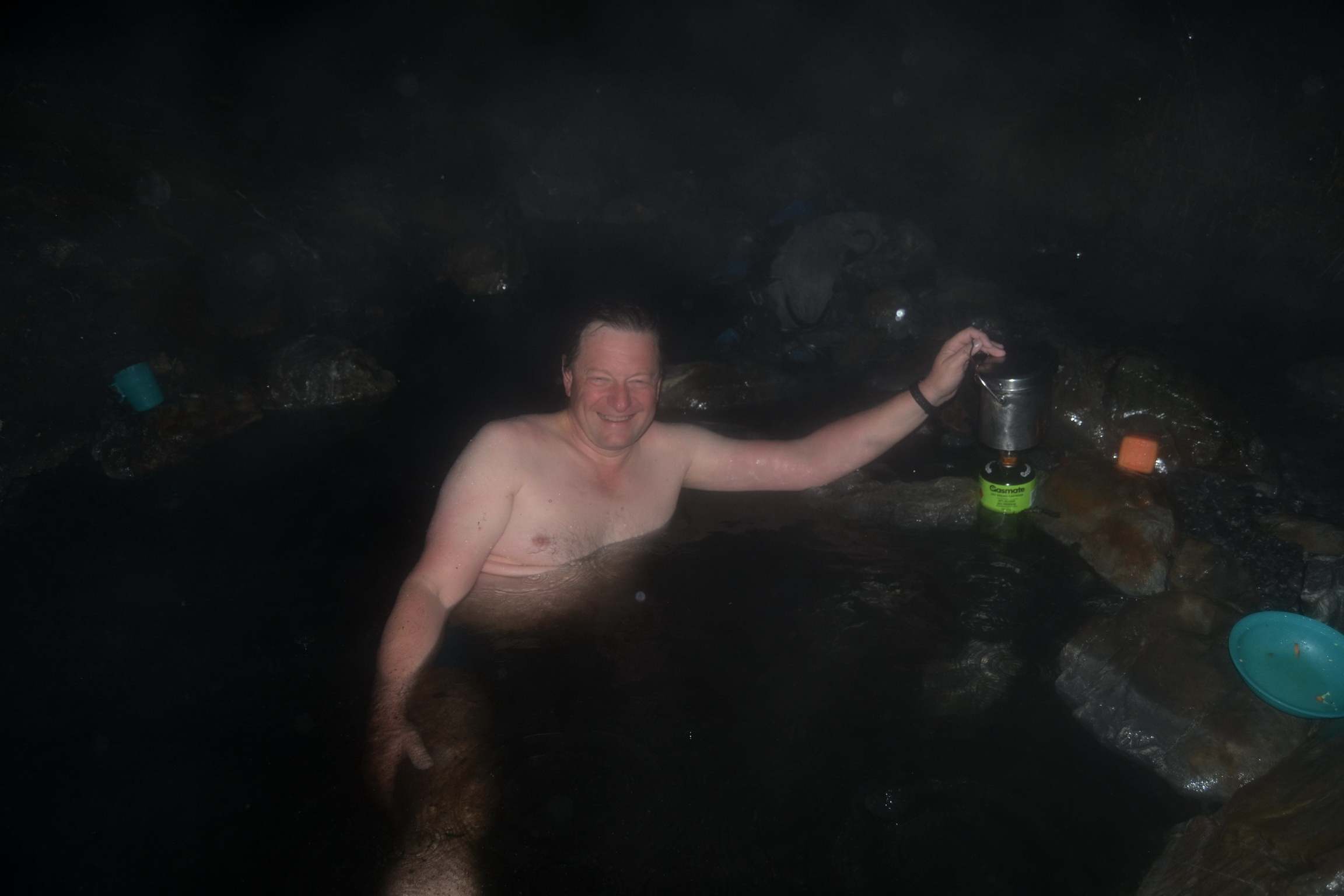
For the celebration I’d brought our favourite South American drink, Pisco Sur, back from Uruguay.
We soaked until it was completely dark. Towards the end the rain turned slowly to sleet, but we didn’t mind. Your head was the only thing out of the water, and if it got cold you could pour some warm water over it.
We made a dash from the spring to the tent and put on dry clothes.
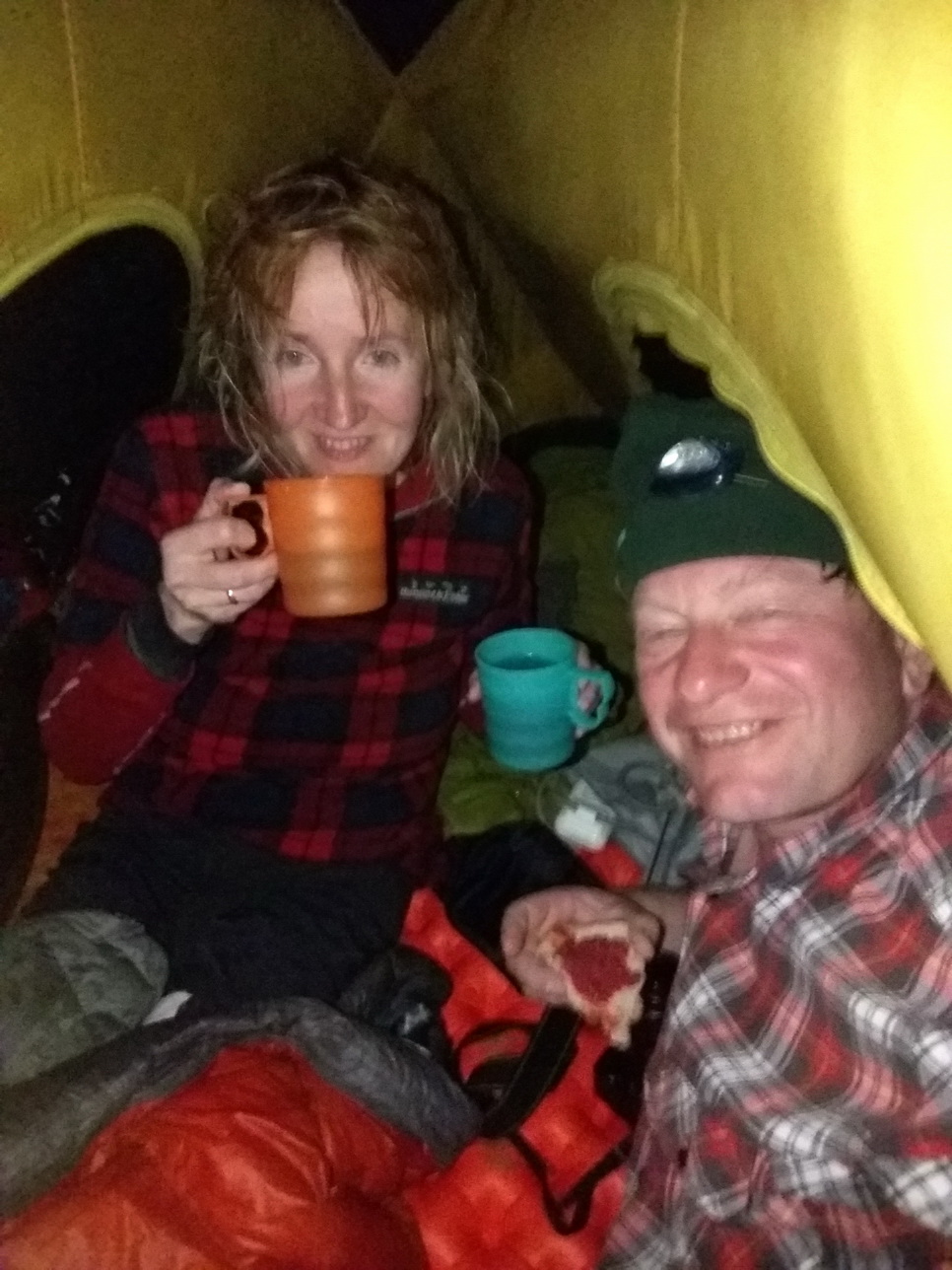
It poured all night. By morning the sun was out. Alas, the air was so damp and everything so wet that nothing dried. The grass was sodden and we still had rivers to ford, ten centimetres higher again. There was no point putting on dry clothes to get them wet immediately, and we had no wish to put on wet ones.
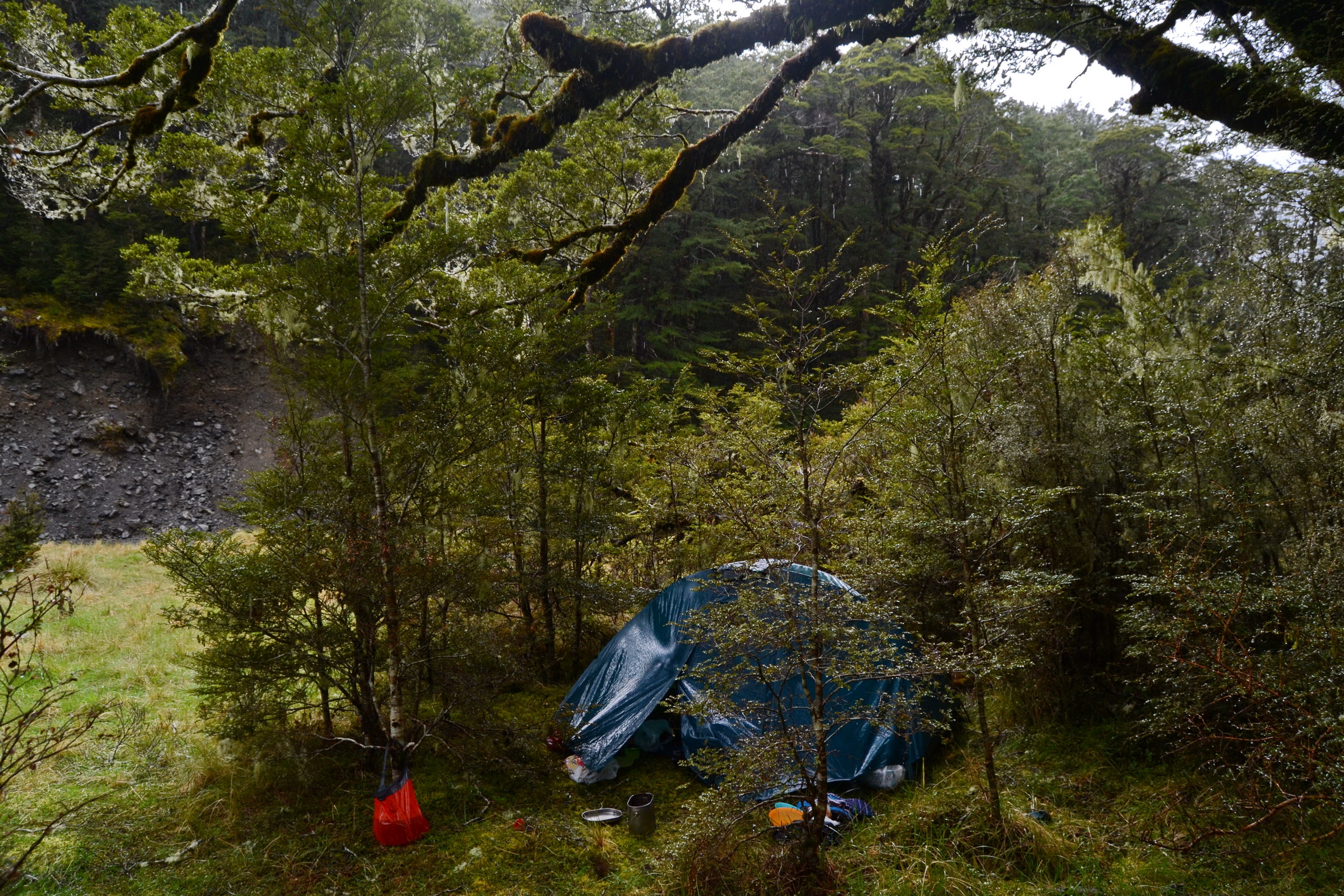
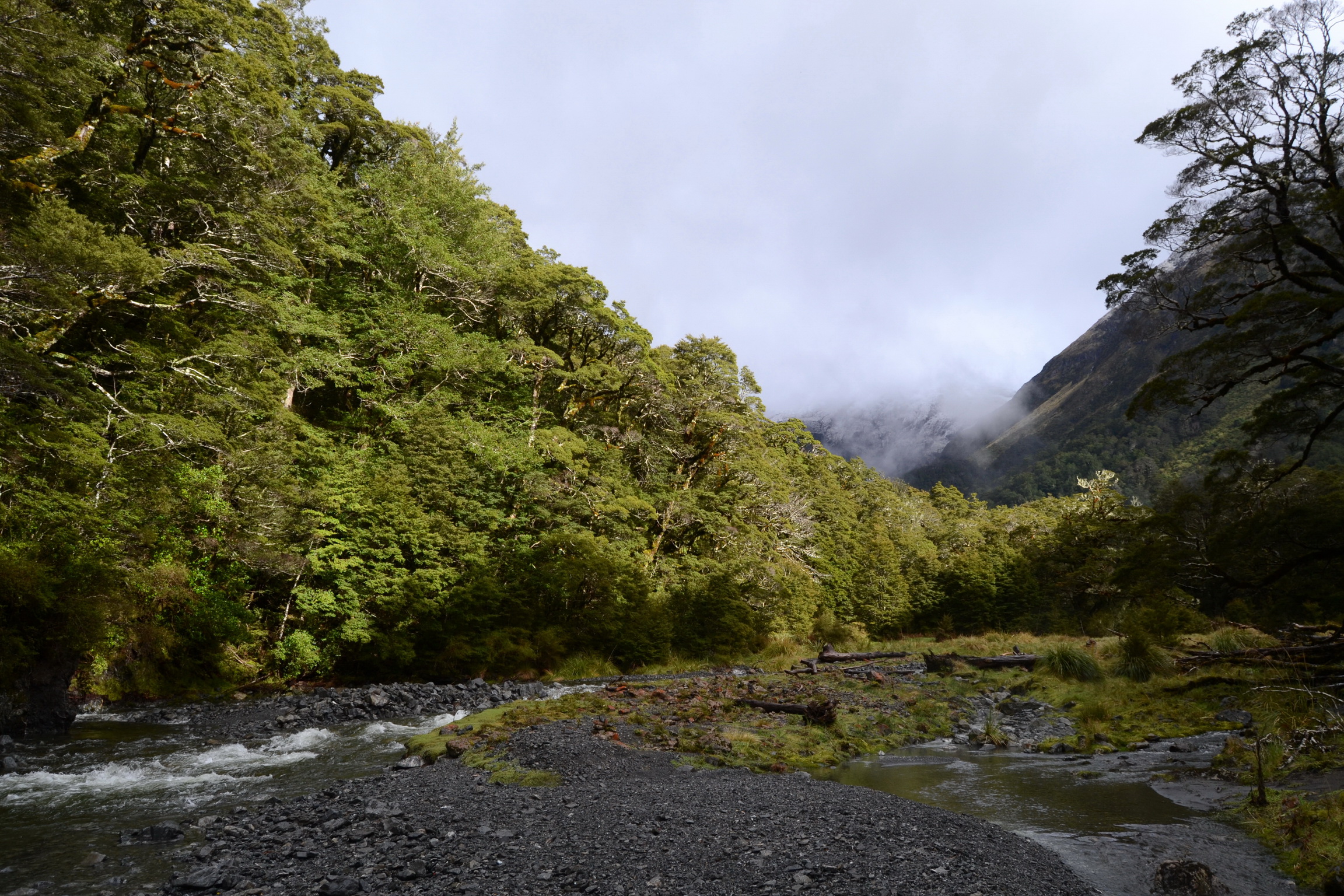
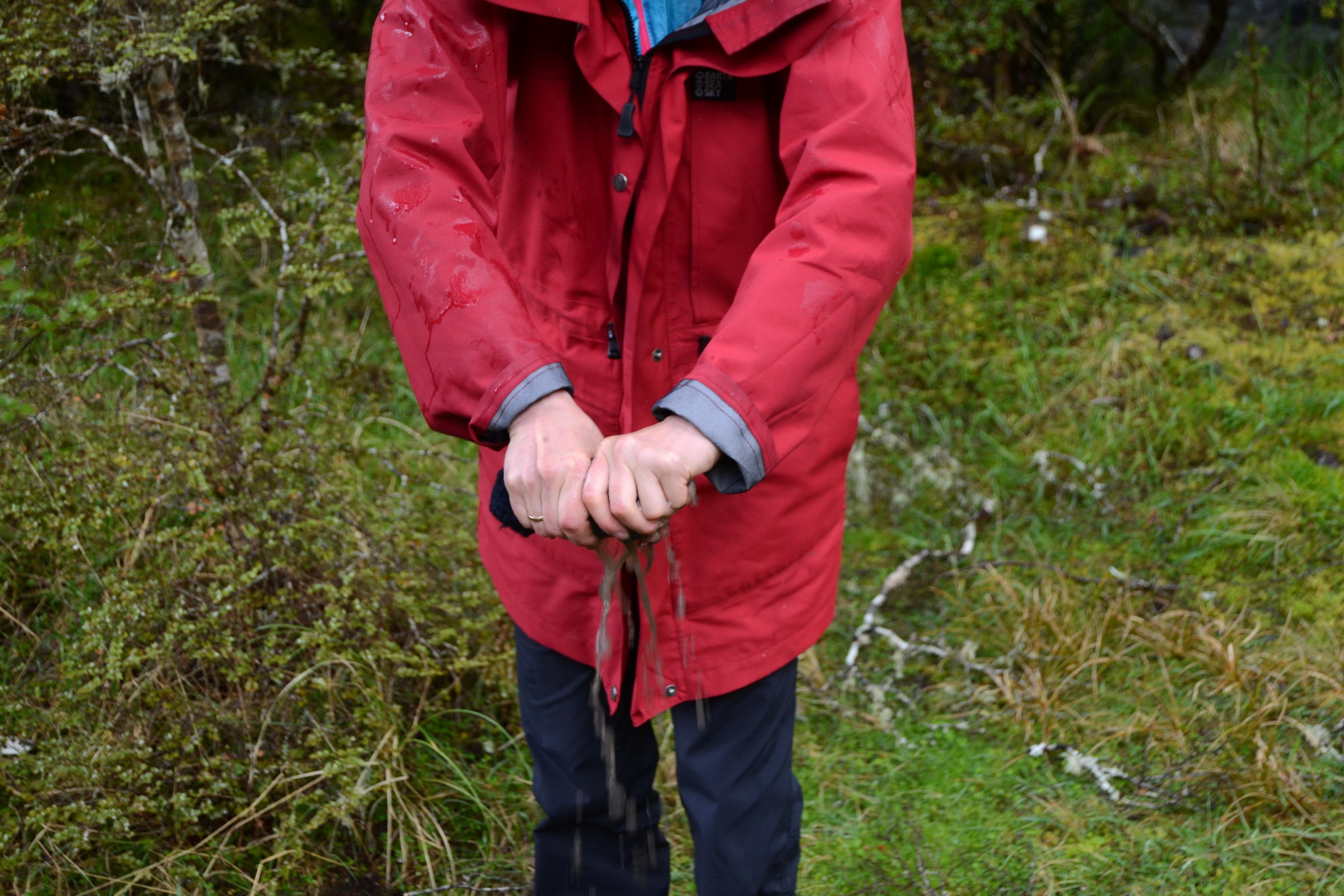
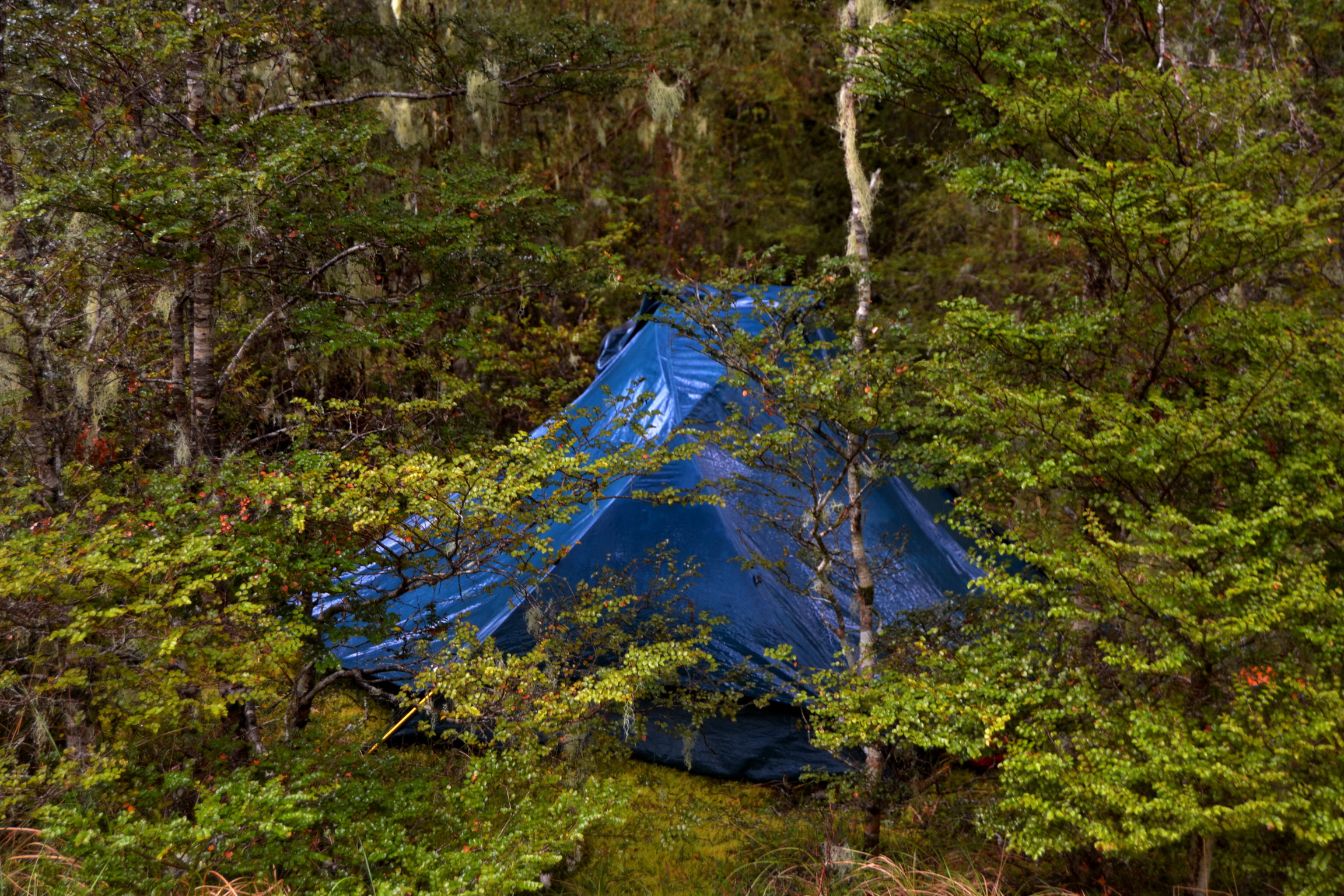
In the end we got into the spring and dressed in our wet clothes there. After that the cold didn’t feel quite so bad.
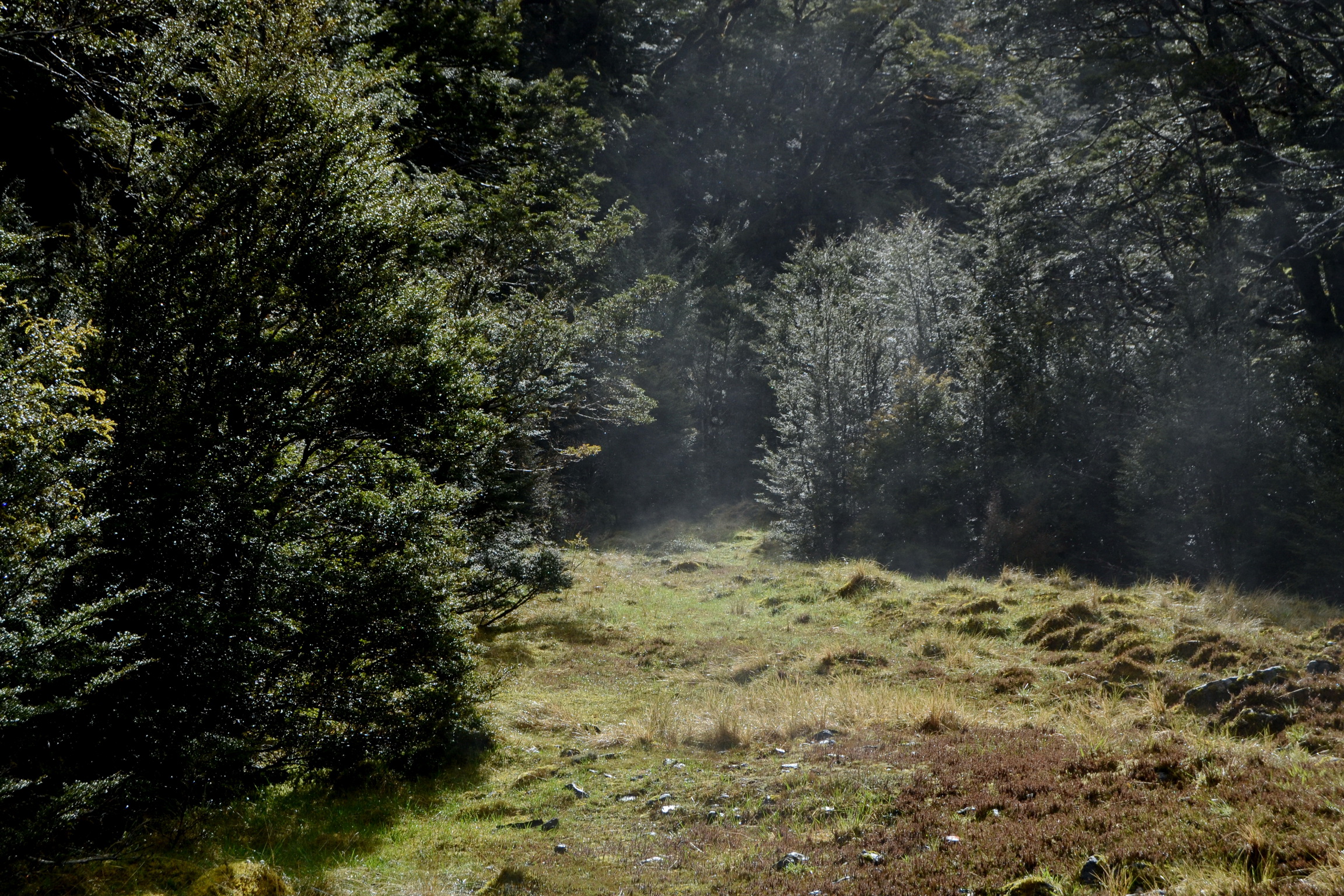
We set off early. We hoped to get back to the car that day. When we reached St Jacobs Hut we made lunch and lit the stove. At least we dried a few things.
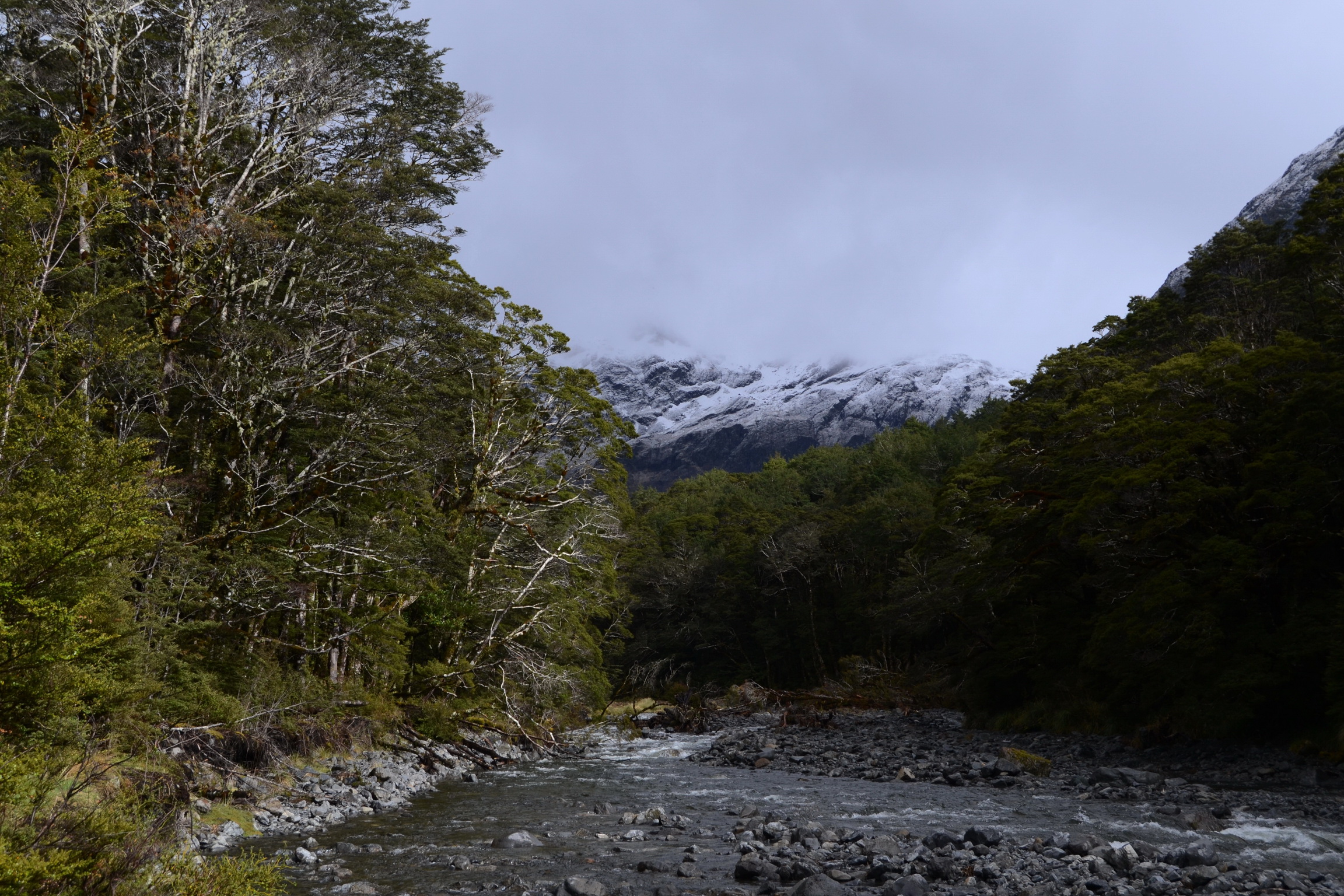
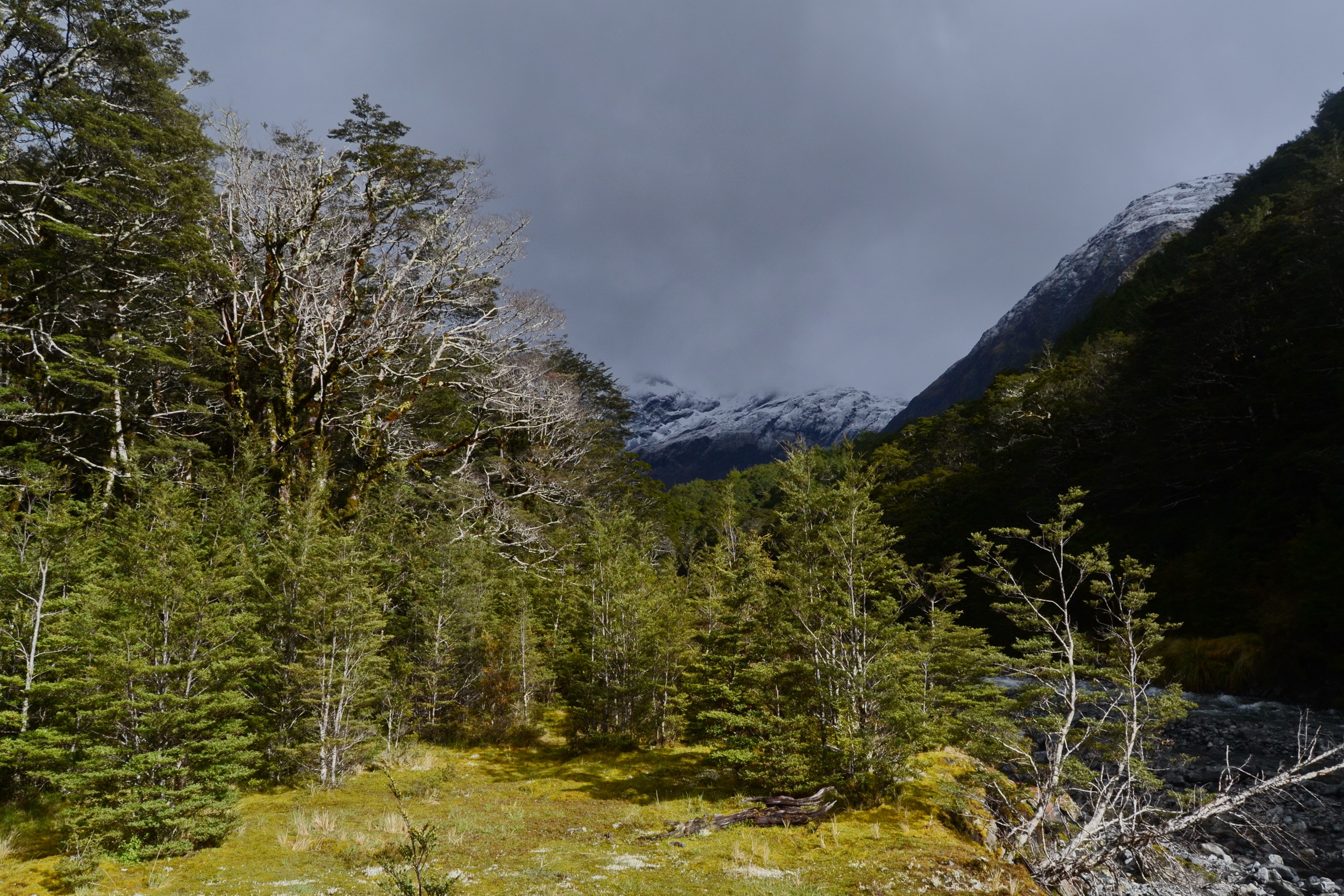
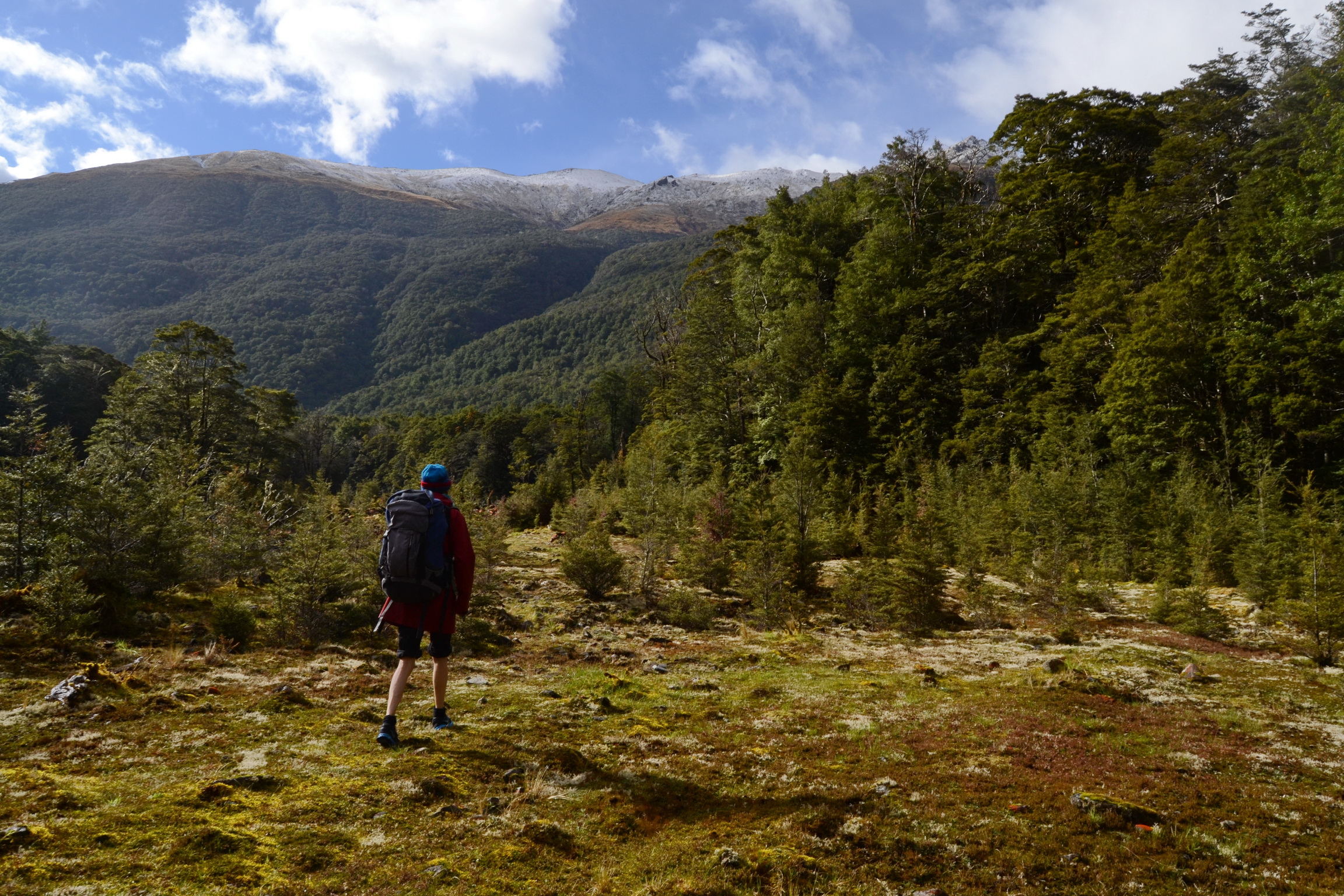
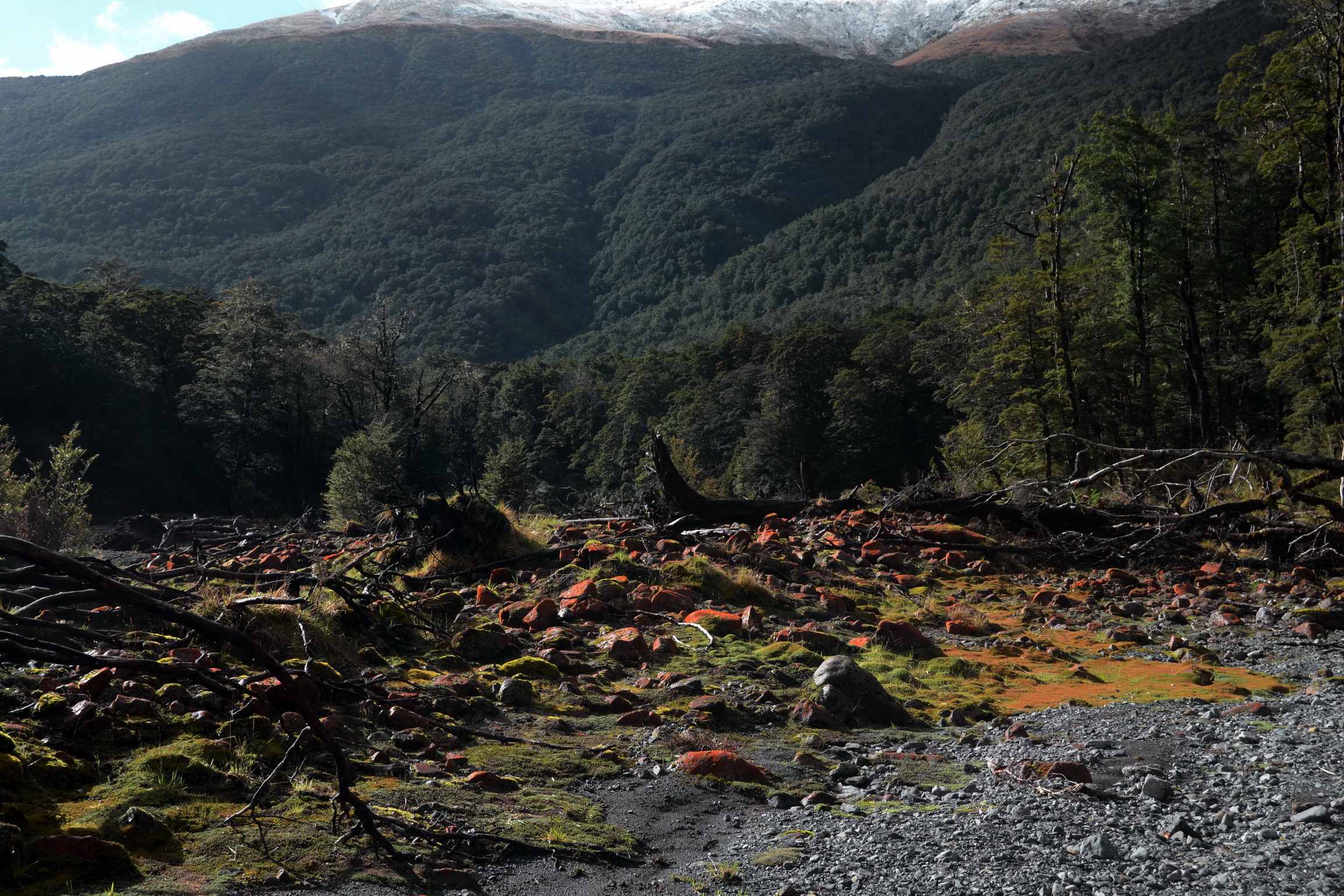
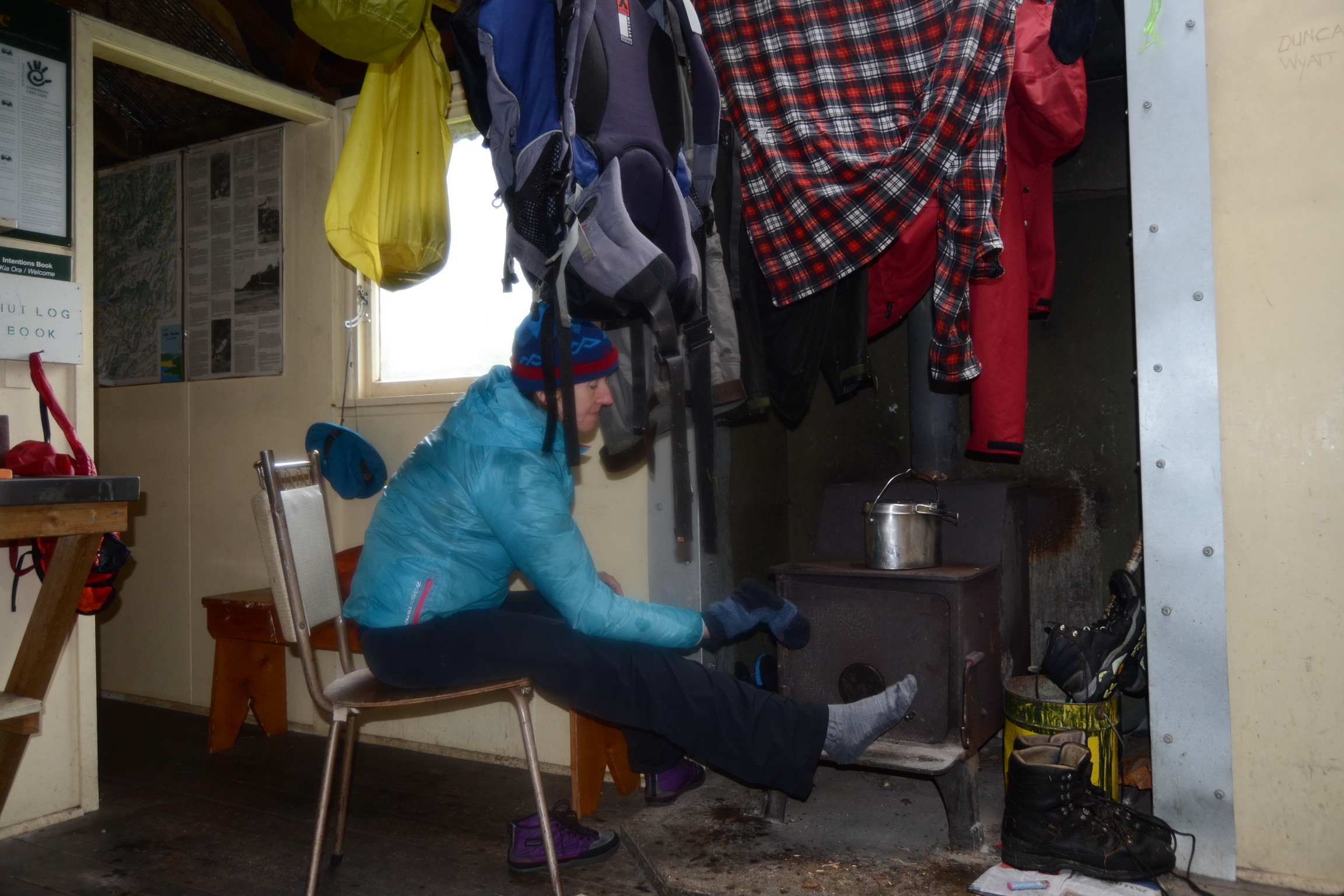
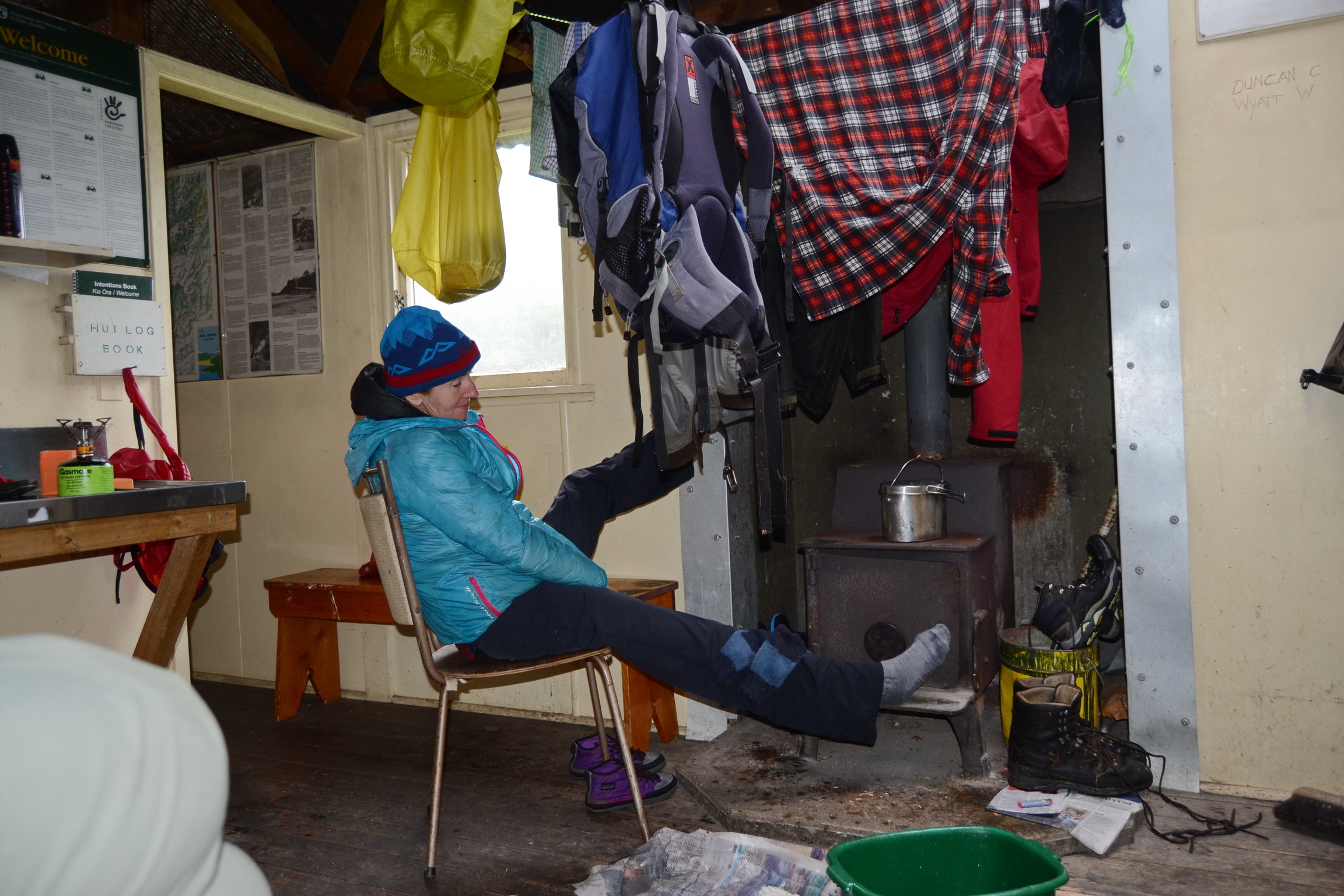
The sunshine didn’t last. After noon it began to rain again. By the time we reached Hope Halfway Hut (42°36.945′S, 172°17.881′E, 570 m), we were miles behind schedule and worn out. The track ahead was too awkward to do by torchlight in the rain. We decided to stay. We were all soaked and the hut had no stove, so it was very cold. It would have been warmer to spend the night outside in the tent, but the rain was coming down. There were cows round about too, and Tanya is more afraid of them than of lions. In the end we pitched the tent in the middle of the hut. That was much warmer.
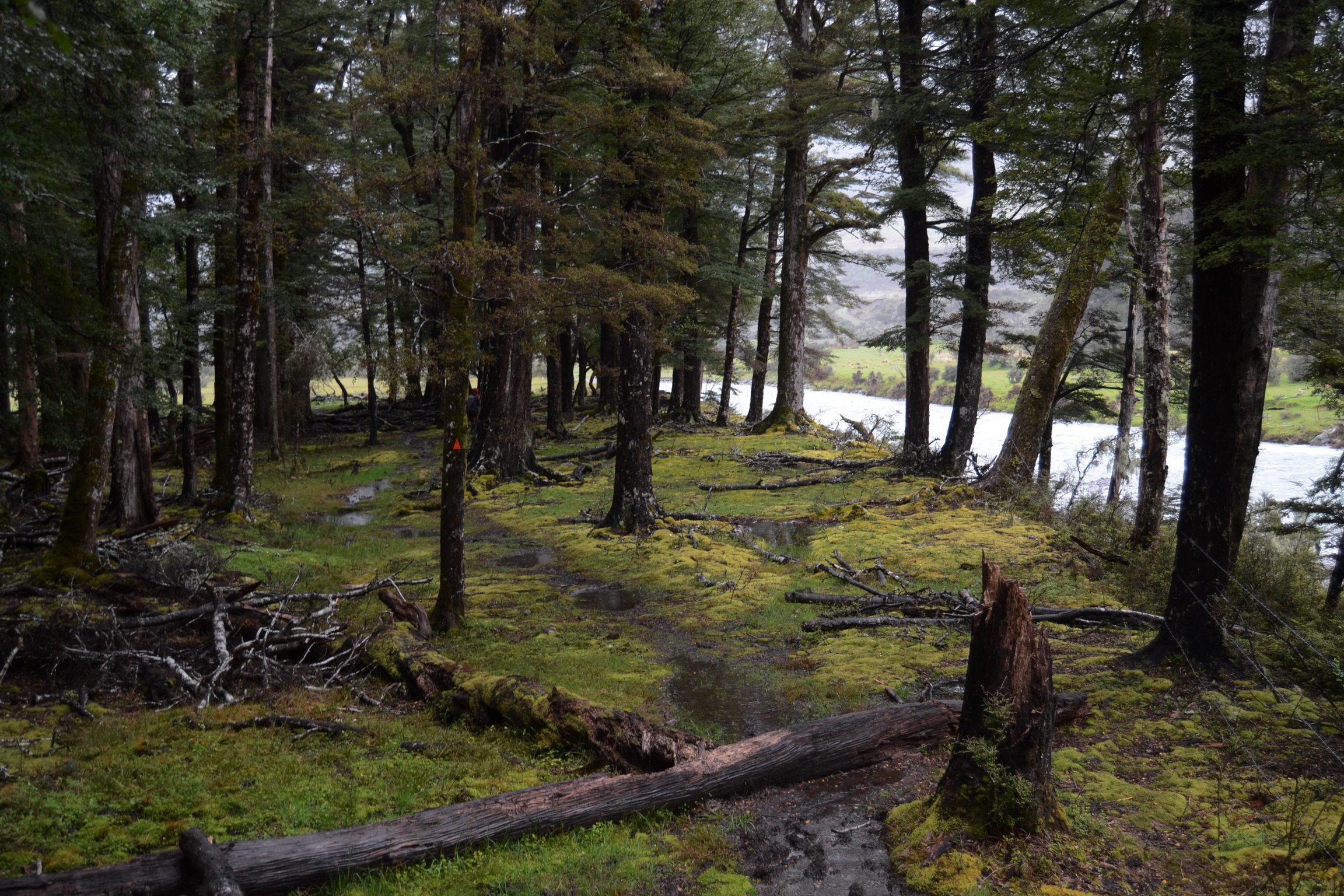
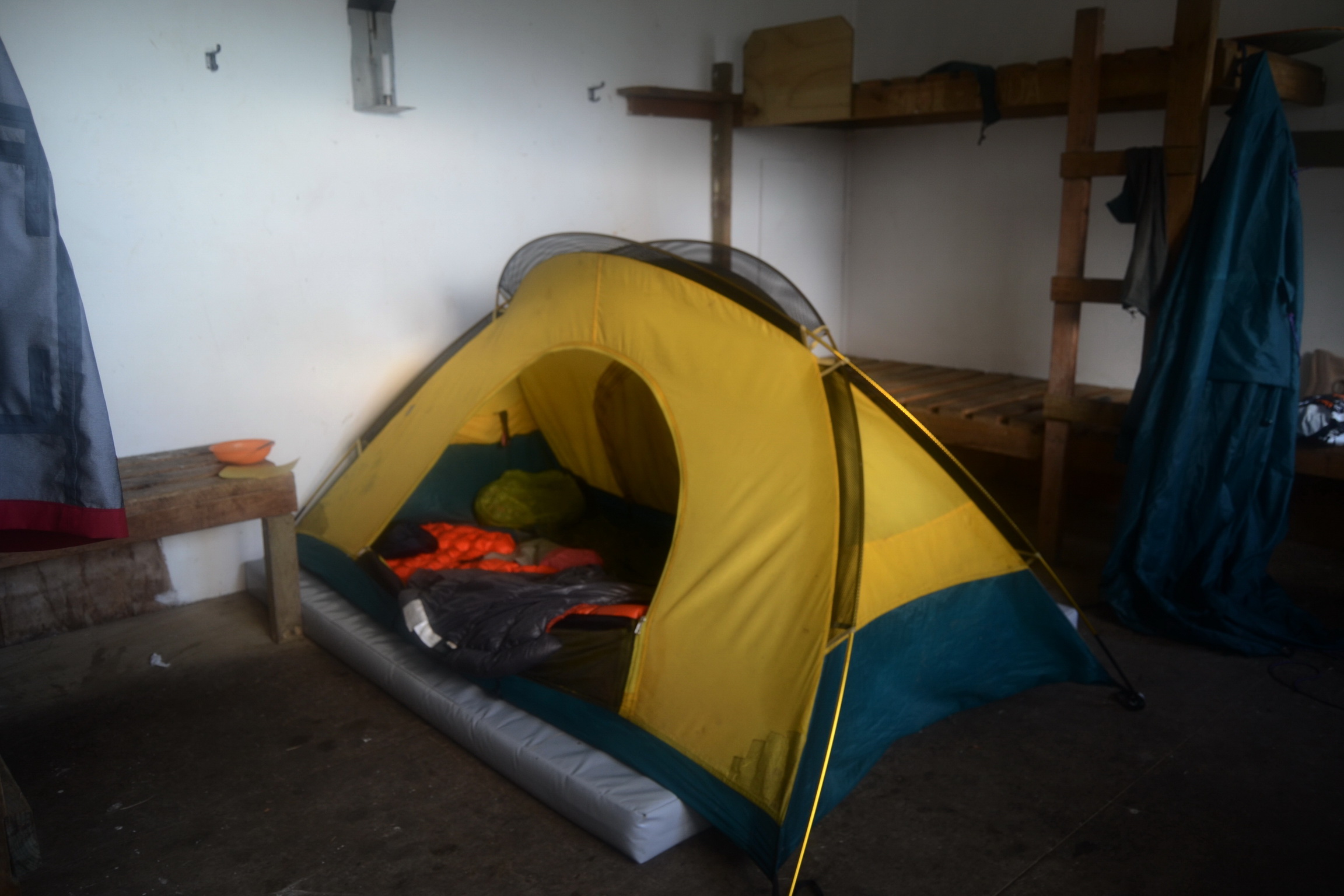
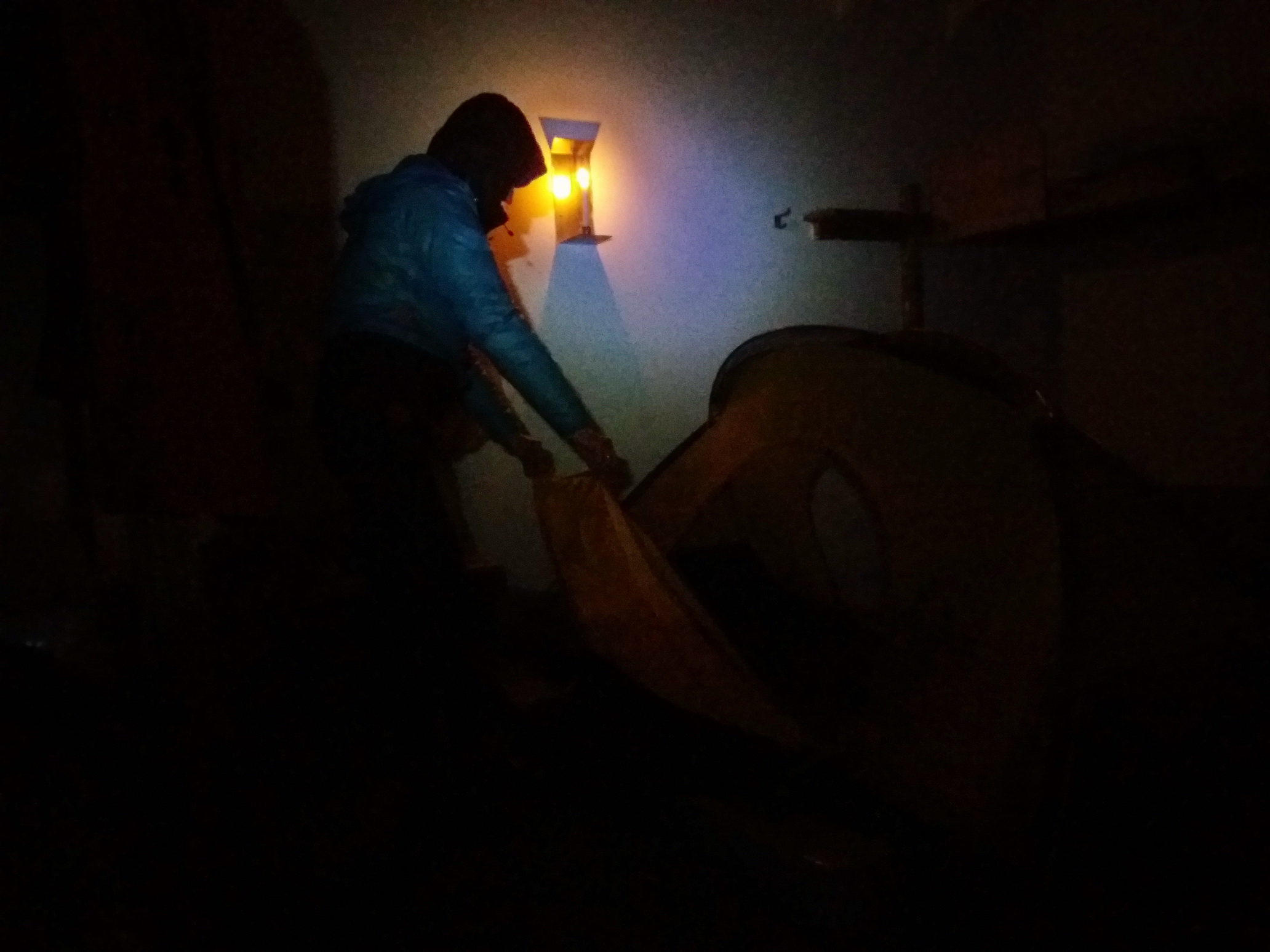
At last the fine weather came on the fourth and final day. We dried the clothes a little in the morning, though by then it hardly mattered. In three hours we were back at the car and on our way home.