Trip report
Another work trip, this time around MegaFon’s base stations in Smolensk Oblast. It was a long drive, and I was coming down with something. My throat hurt and my head felt stuffed. I started out on the Kyiv highway, stopping by the Alol River to boil some water and take a Theraflu.
Long ago, in 1978, I came here by car with my father and a friend of his. It was my first long car journey. My father’s friend Vladimir drove his Volga with great solemnity. His wife had managed to get hold of it thanks to work she’d done in Algeria, or somewhere like that.
He talked about how hard it was to drive so far. We made two stops for lunch. He asked if we were tired. Tired? This was fascinating. A whole day in a car! A taxi charges a fortune for an hour, and here I was… I’d better make the most of it. This might be my last chance. Only the chosen few got a car, and you had to have very good connections.
How times have changed. Now, in a good new foreign car that cost a fair bit, I drove to that lake in one go after work, as if it were nothing. I boiled water on a handy gas stove. It’s almost a pity there are no miracles left.
In 2007 there were still border checks on the Belarusian border, so I had to take a detour on a toll road.
The first base station was in Smolensk Lakeland National Park, near the village of Przhevalskoye.
I camped beside a little lake called Dgo, at 55°33.080′N, 31°46.075′E. In theory you had to pay to camp there, but I wasn’t in a hurry to find anyone to pay, and whoever collected the money must have liked a lie-in. I got away without paying.
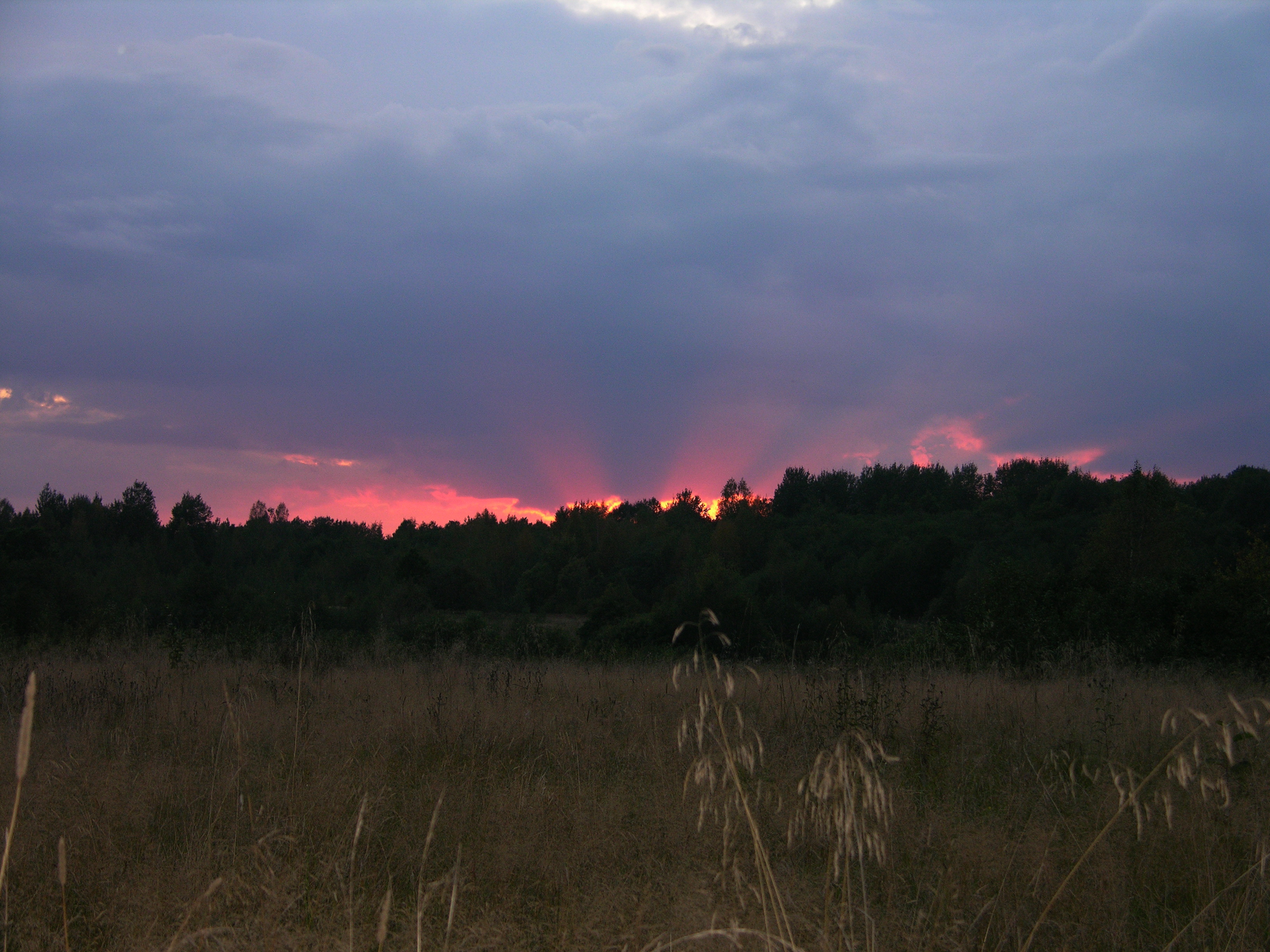
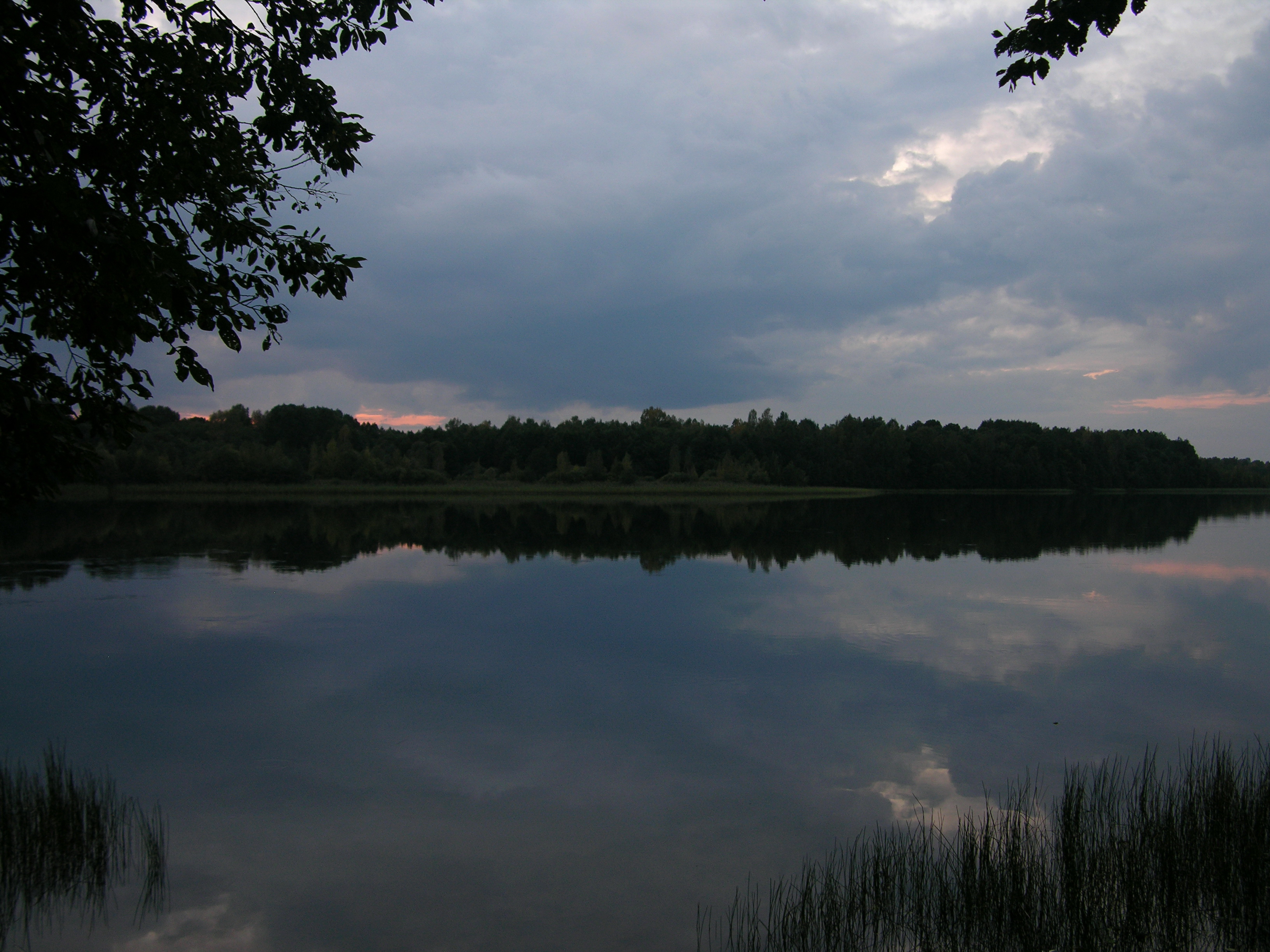
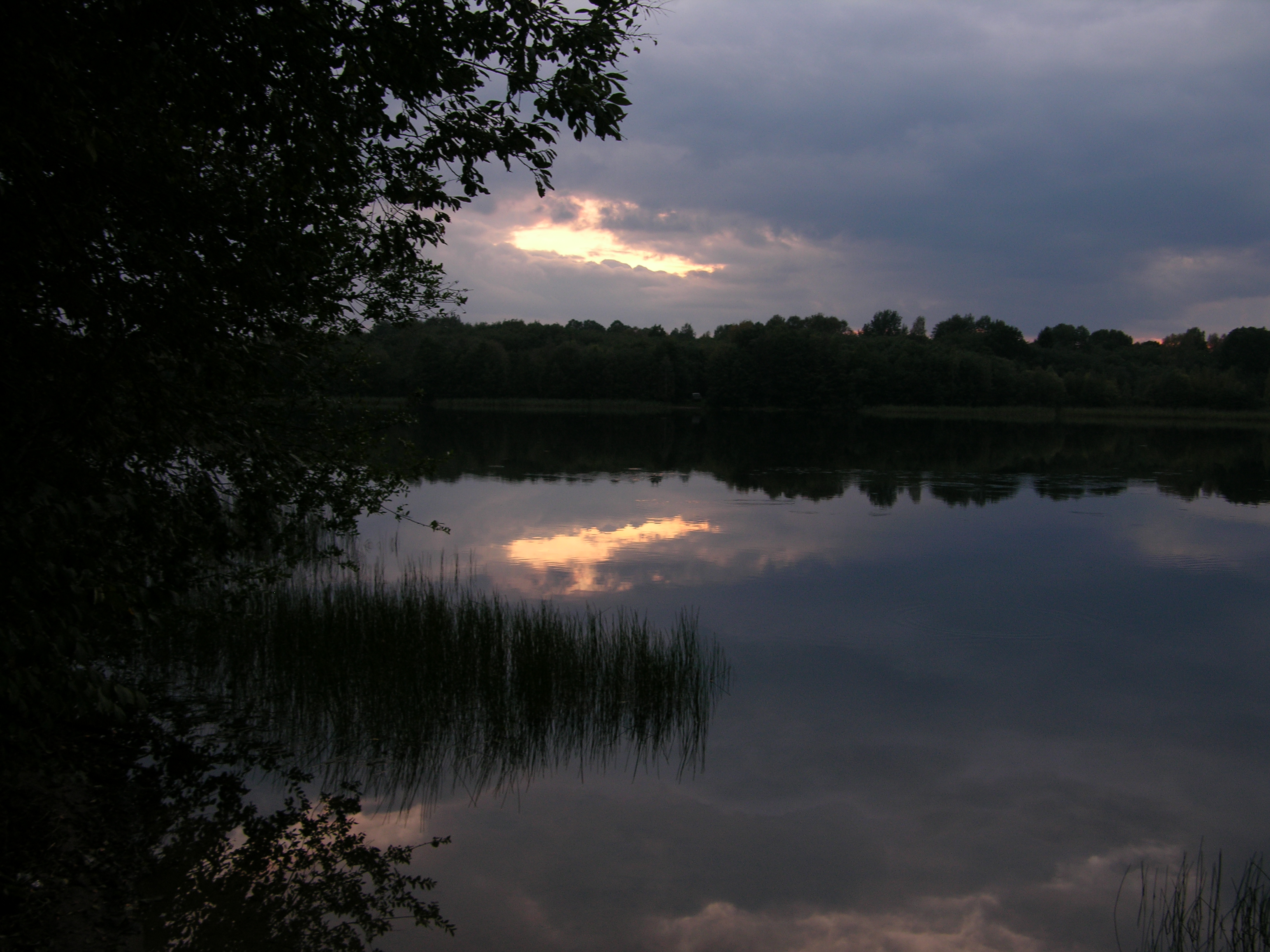
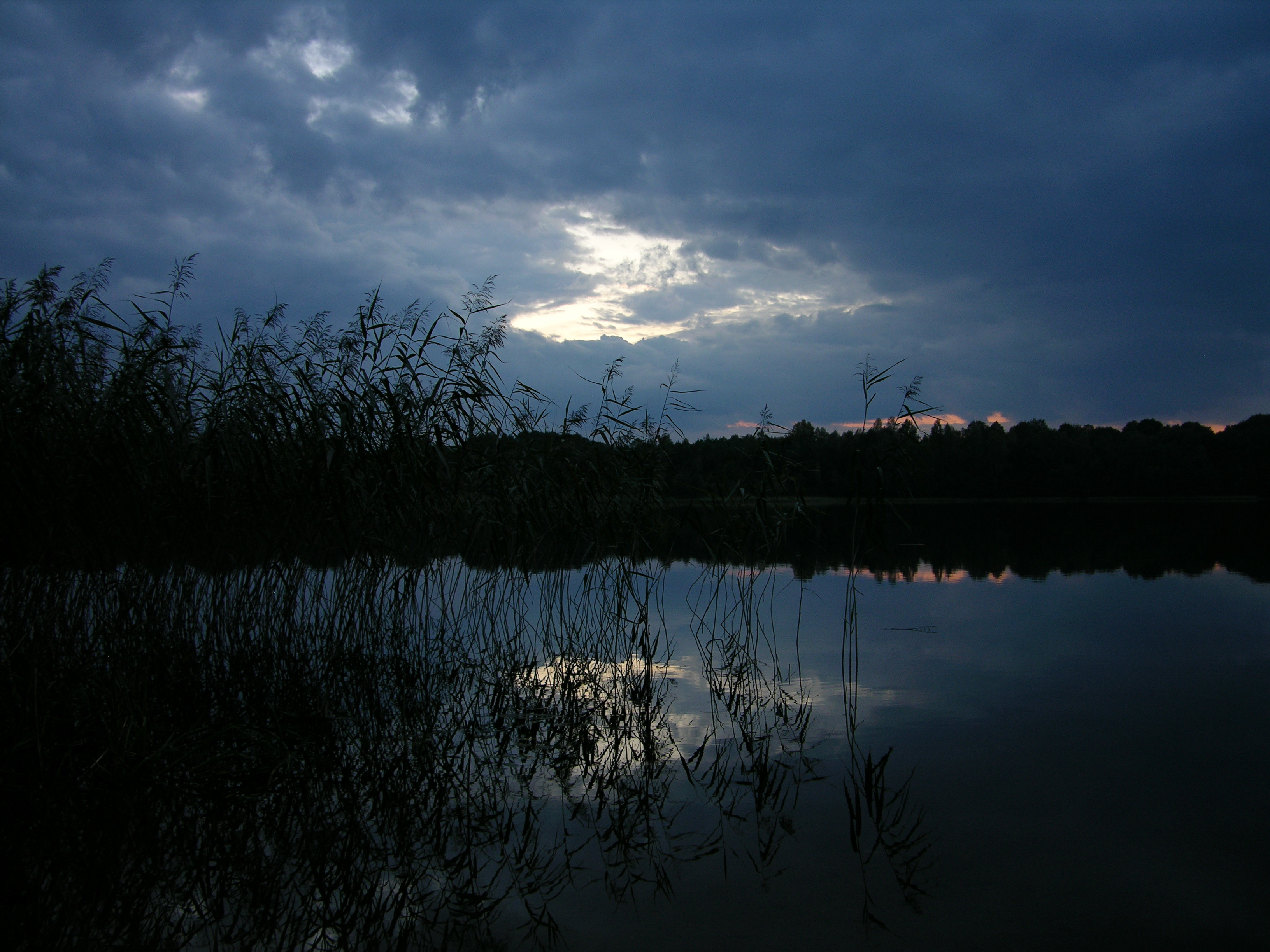
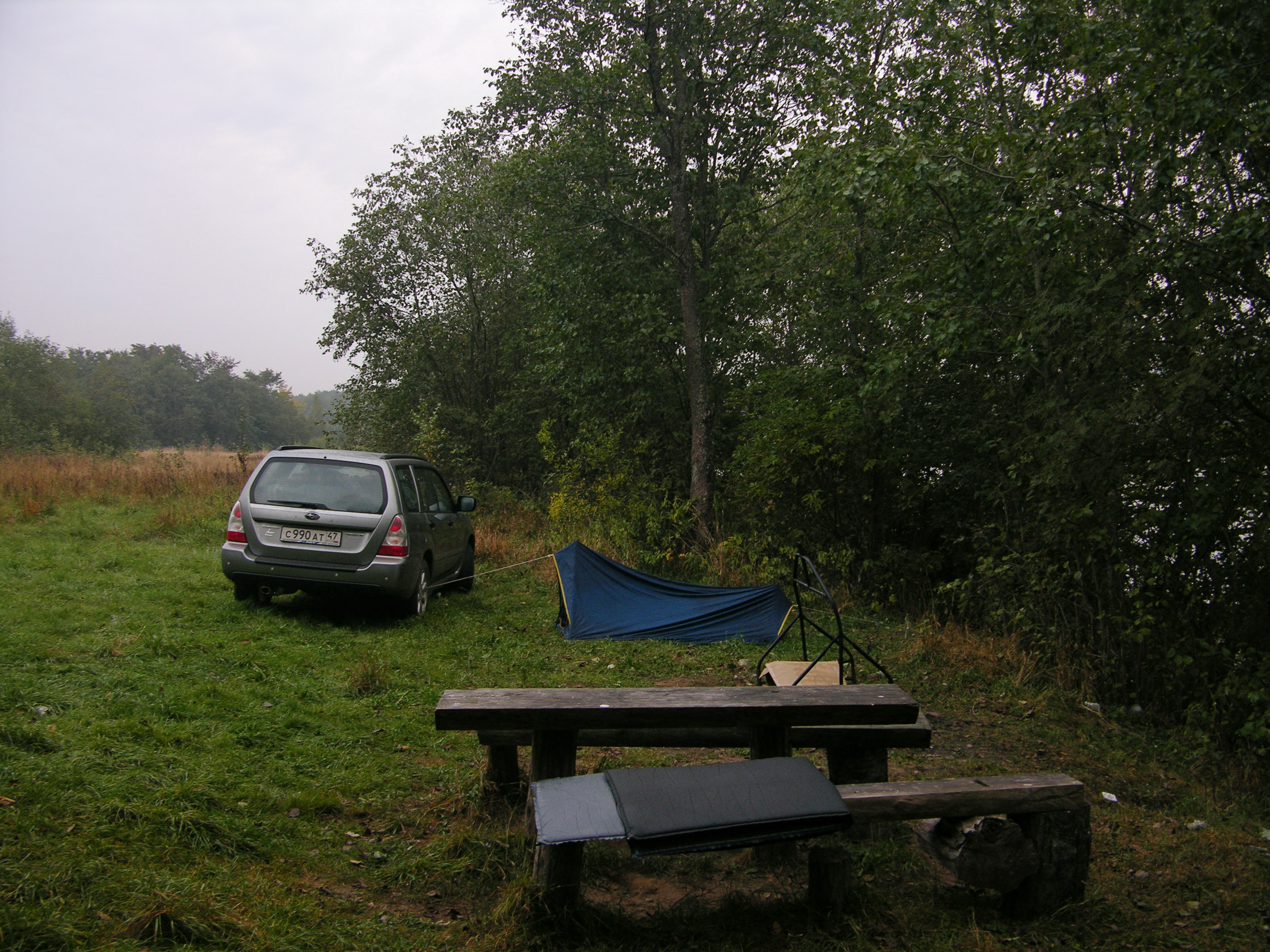
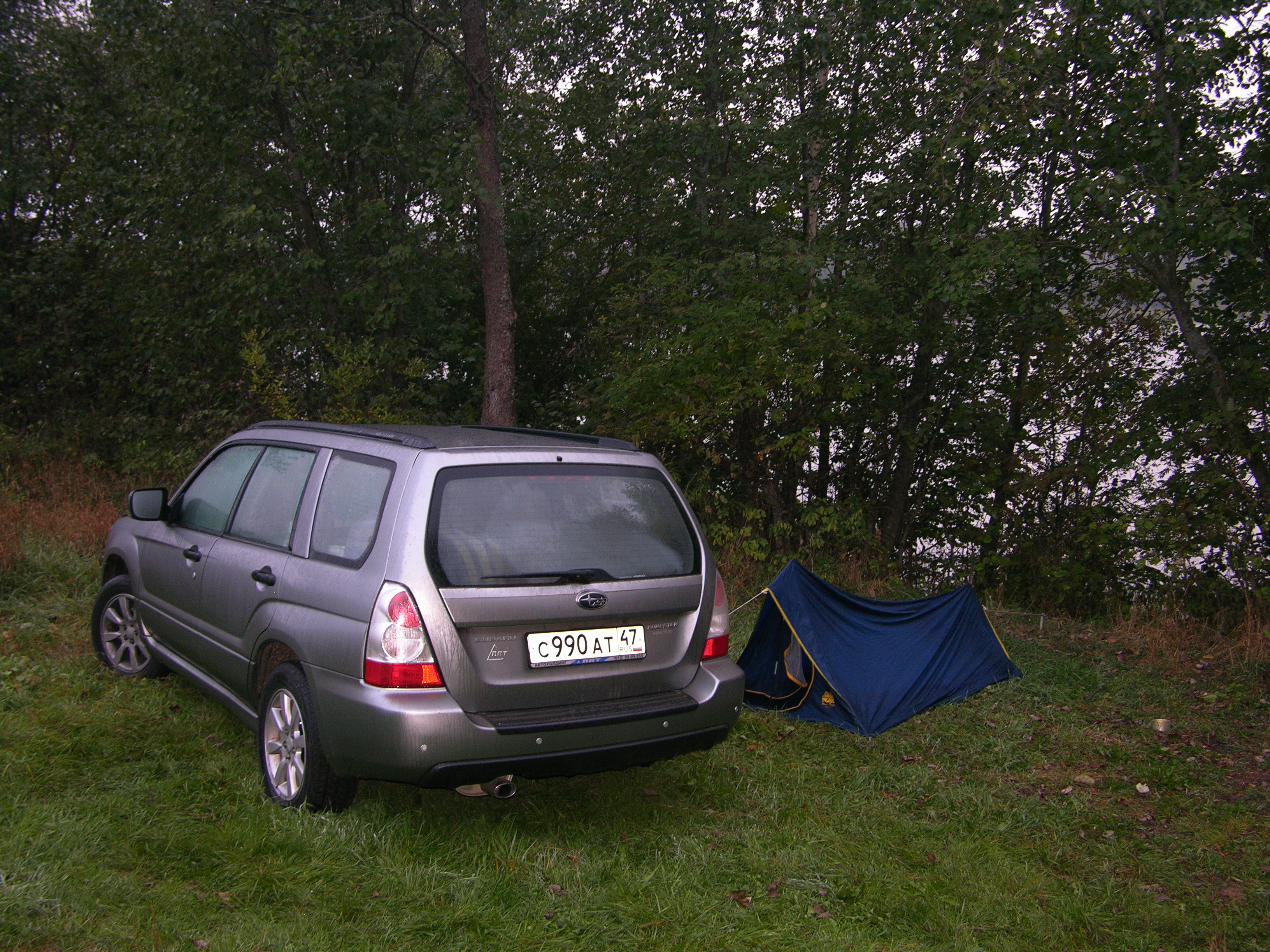
To my surprise, a cold autumn night in the tent put an end to my cold.
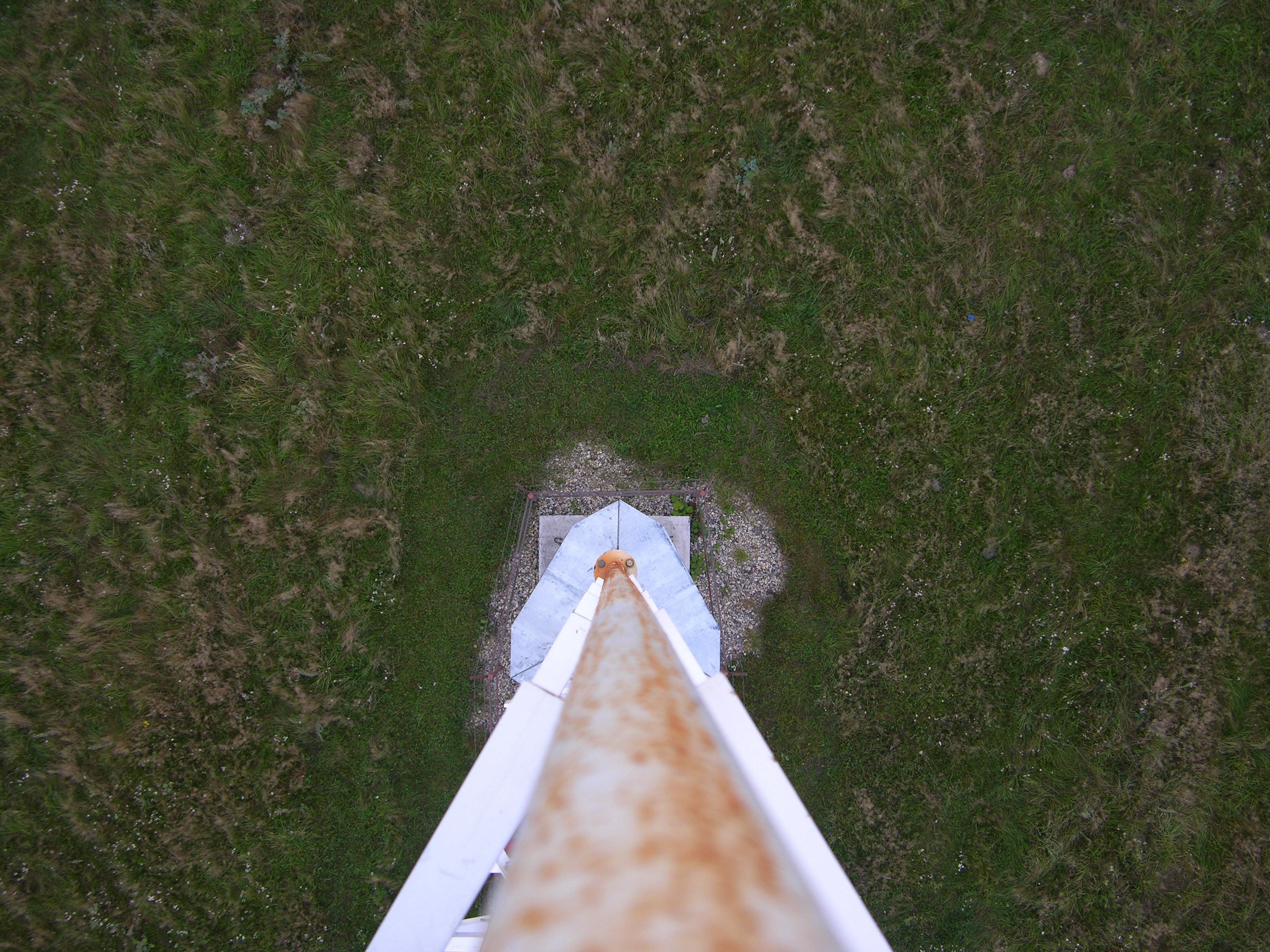
At the base station I climbed the mast. Of course I could have managed without climbing it, but it was fun and I had a good excuse. I needed to see where to mount the camera and use that to draw up the design. Someone kept breaking the fence at this station. The local vagrants were suspected, but once the surveillance cameras were running, we discovered that the culprits really were beasts. A herd of cows went past the fence twice a day.

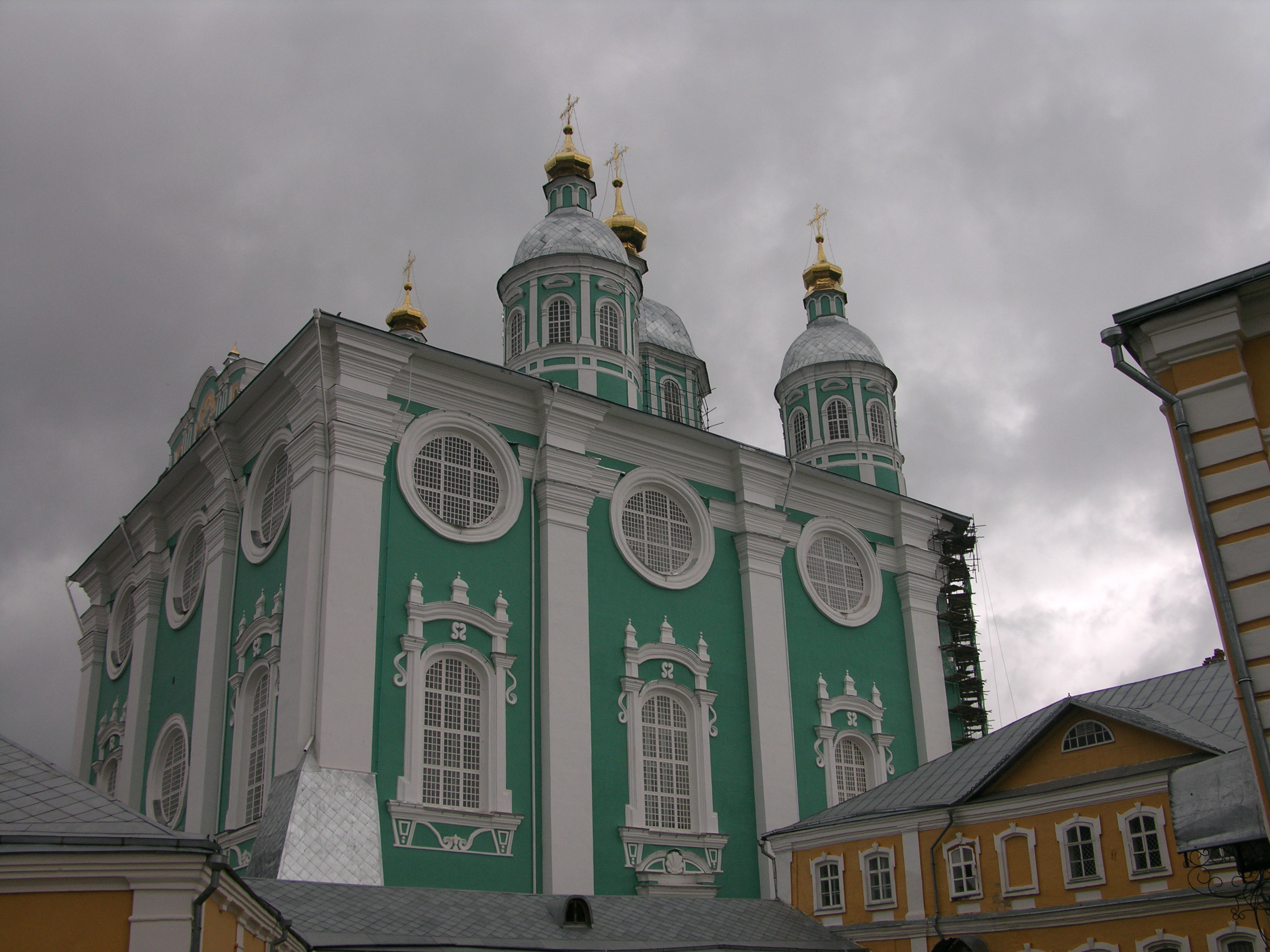
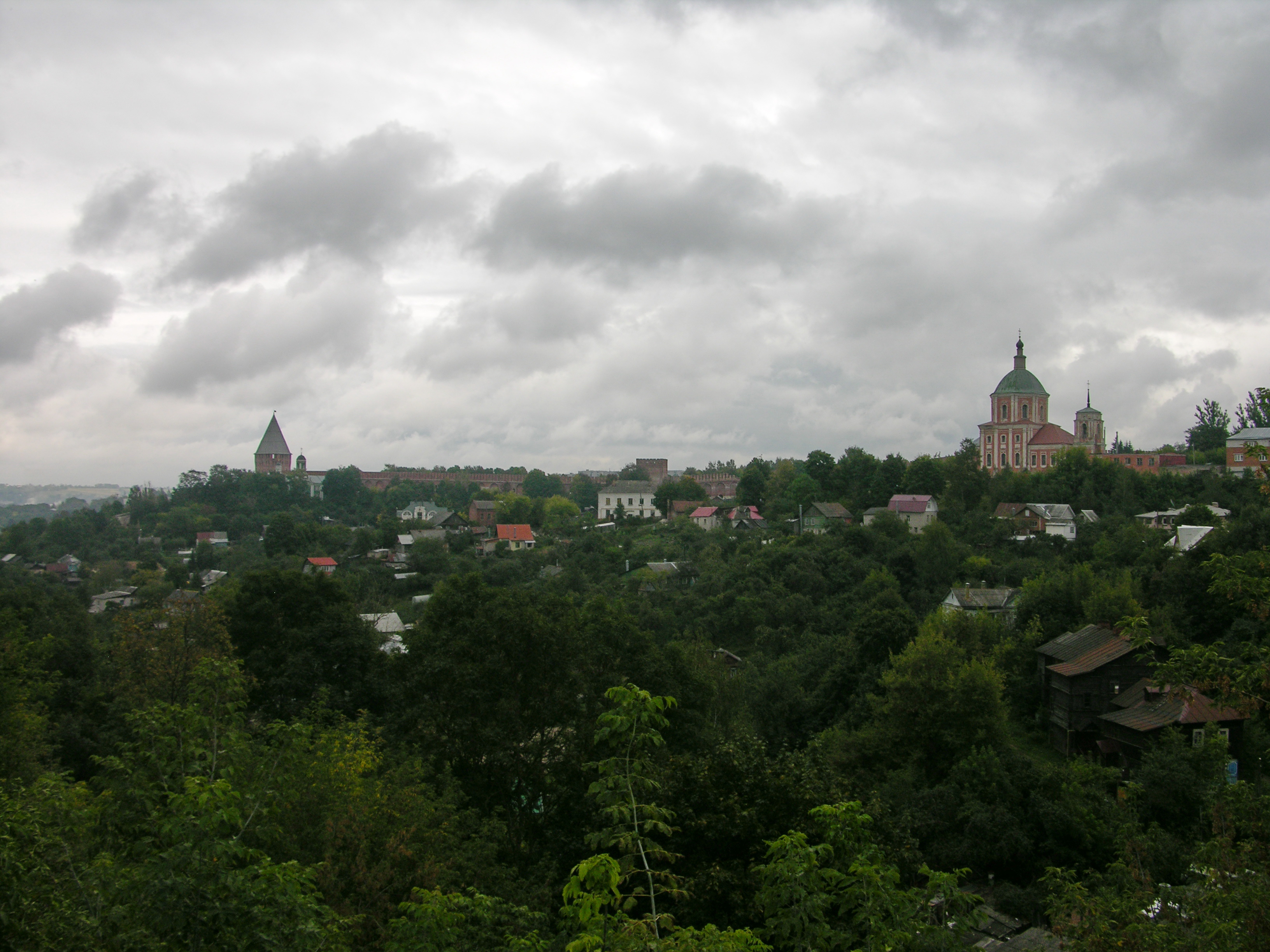
Then we drove to Smolensk. The city held no surprises. An ordinary provincial capital. After a day’s work I could have gone home, but the weekend was coming up and, since this was new country for me, I wanted to drive around it.
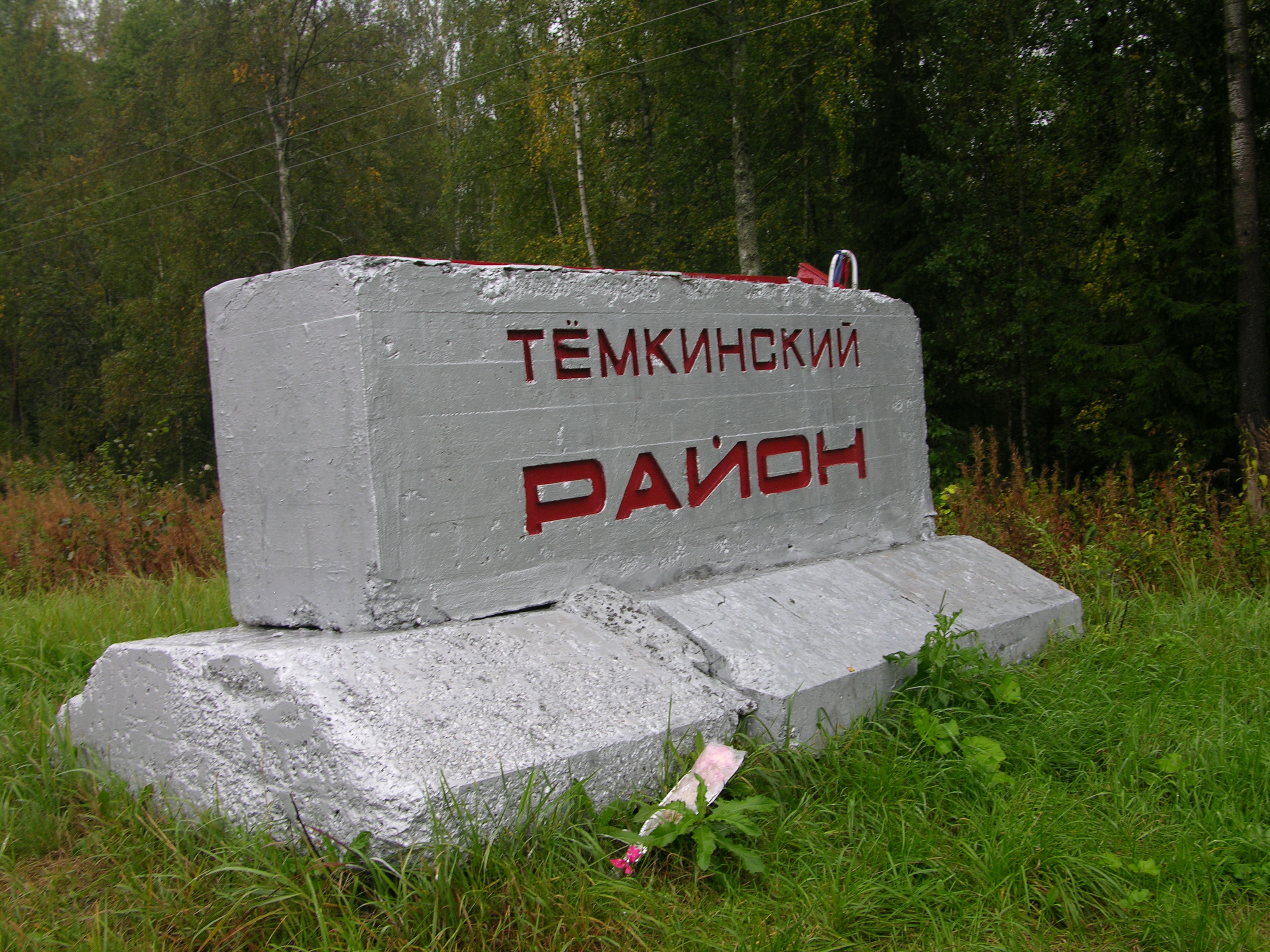
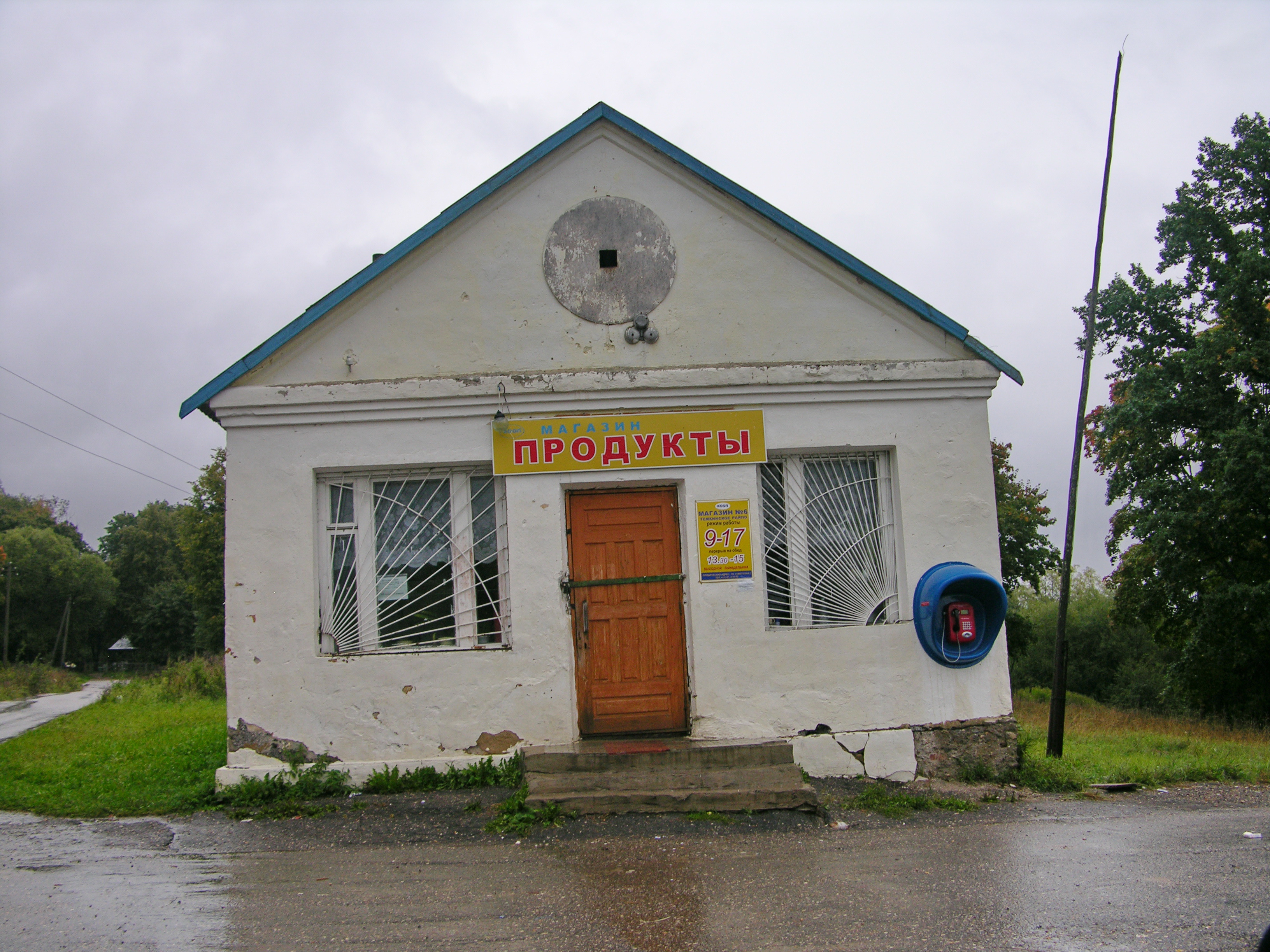
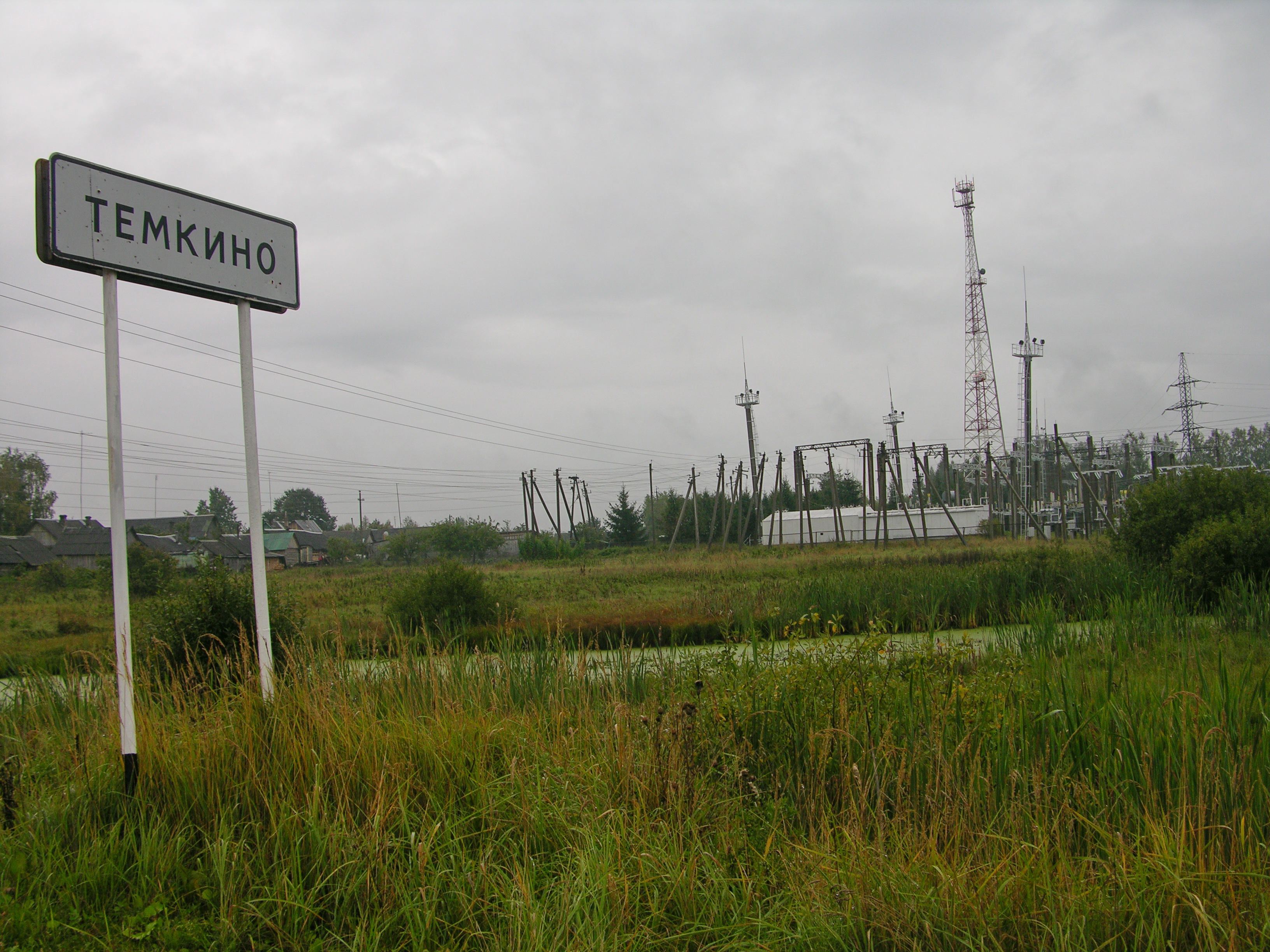
I drove first to the village of Tyomkino. My grandmother, Darya Ivanovna Zamyshlyayeva, was born here, into a large peasant family. Once the Bolsheviks came to power, the dispossession of farmers and famine began. My great-grandmother Praskovya took her children and a cow and set off for Saint Petersburg on foot. I can’t imagine how she did it, but she made it there in eleven days and survived. Hardly anyone in the family who stayed in Tyomkino survived. The Germans burned down the house, and by then no one remembered where it had stood.
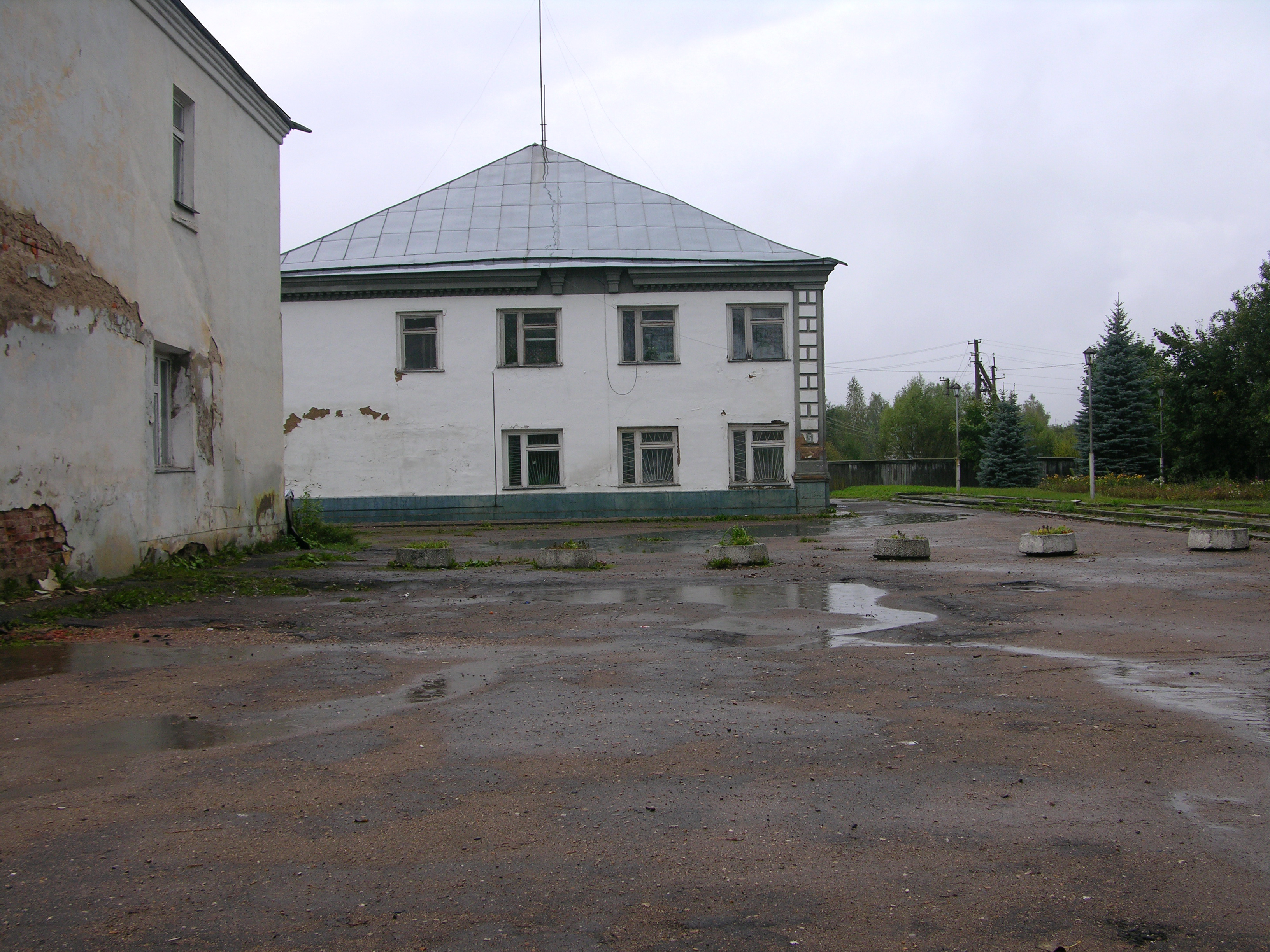
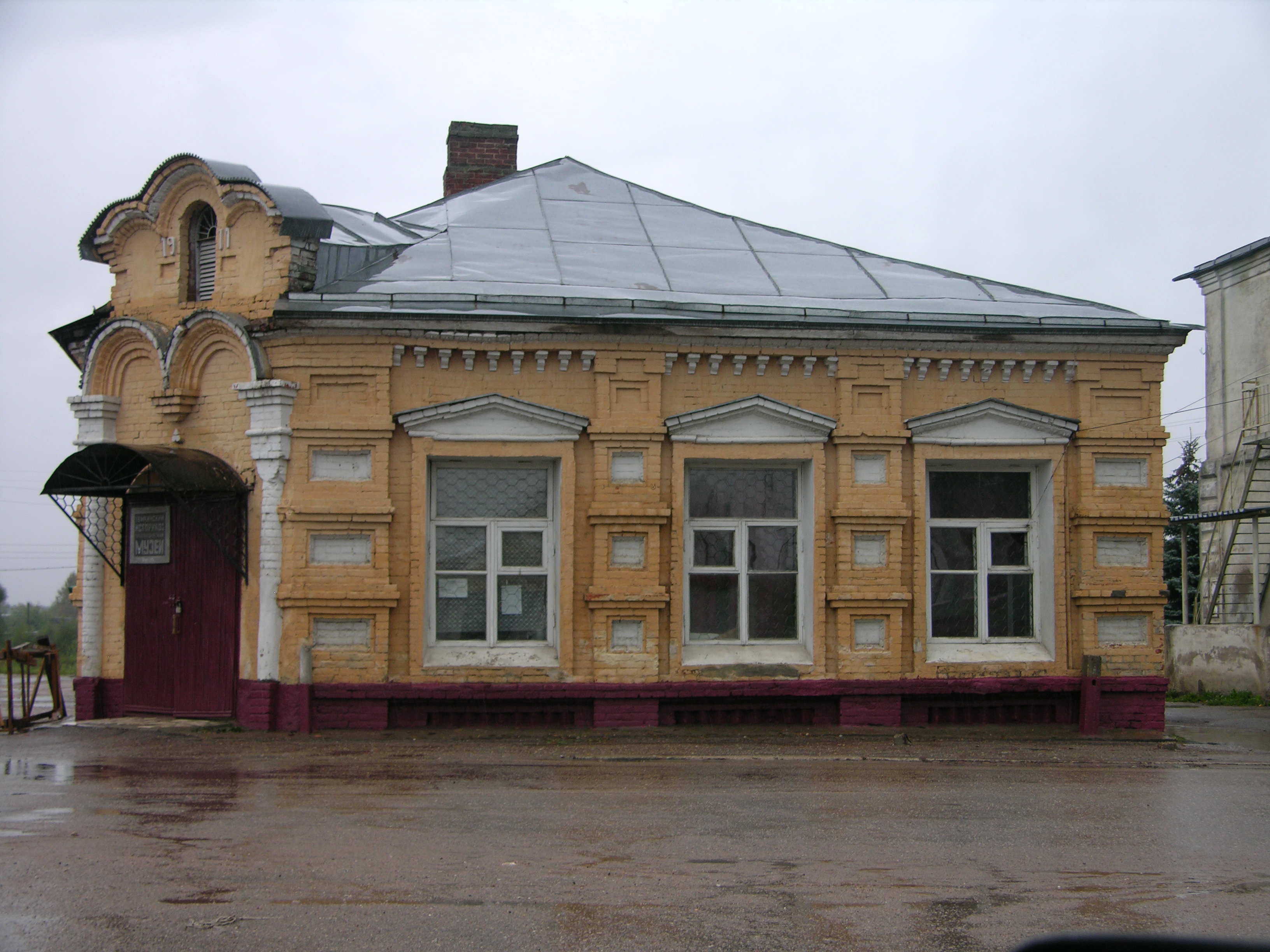
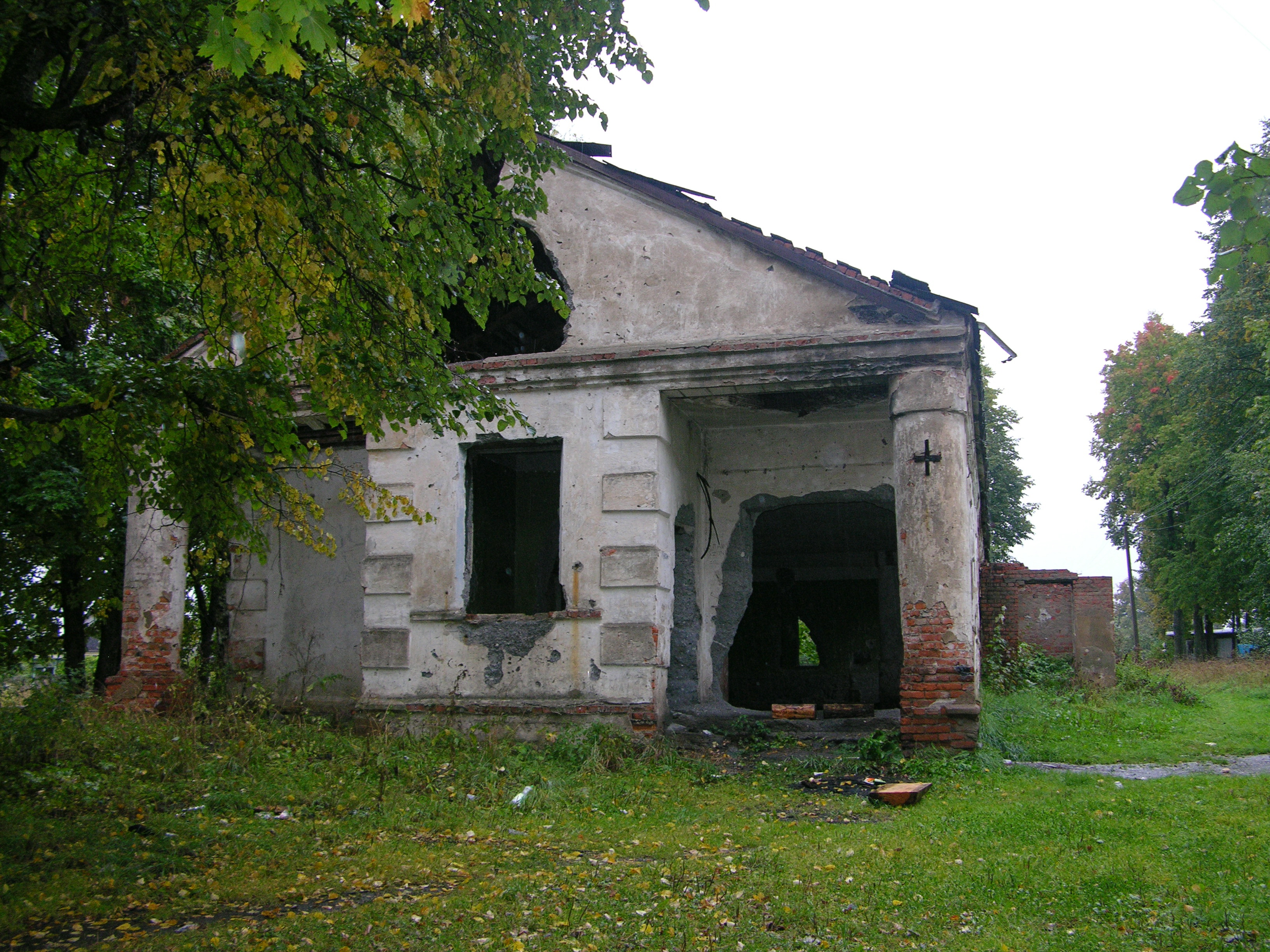
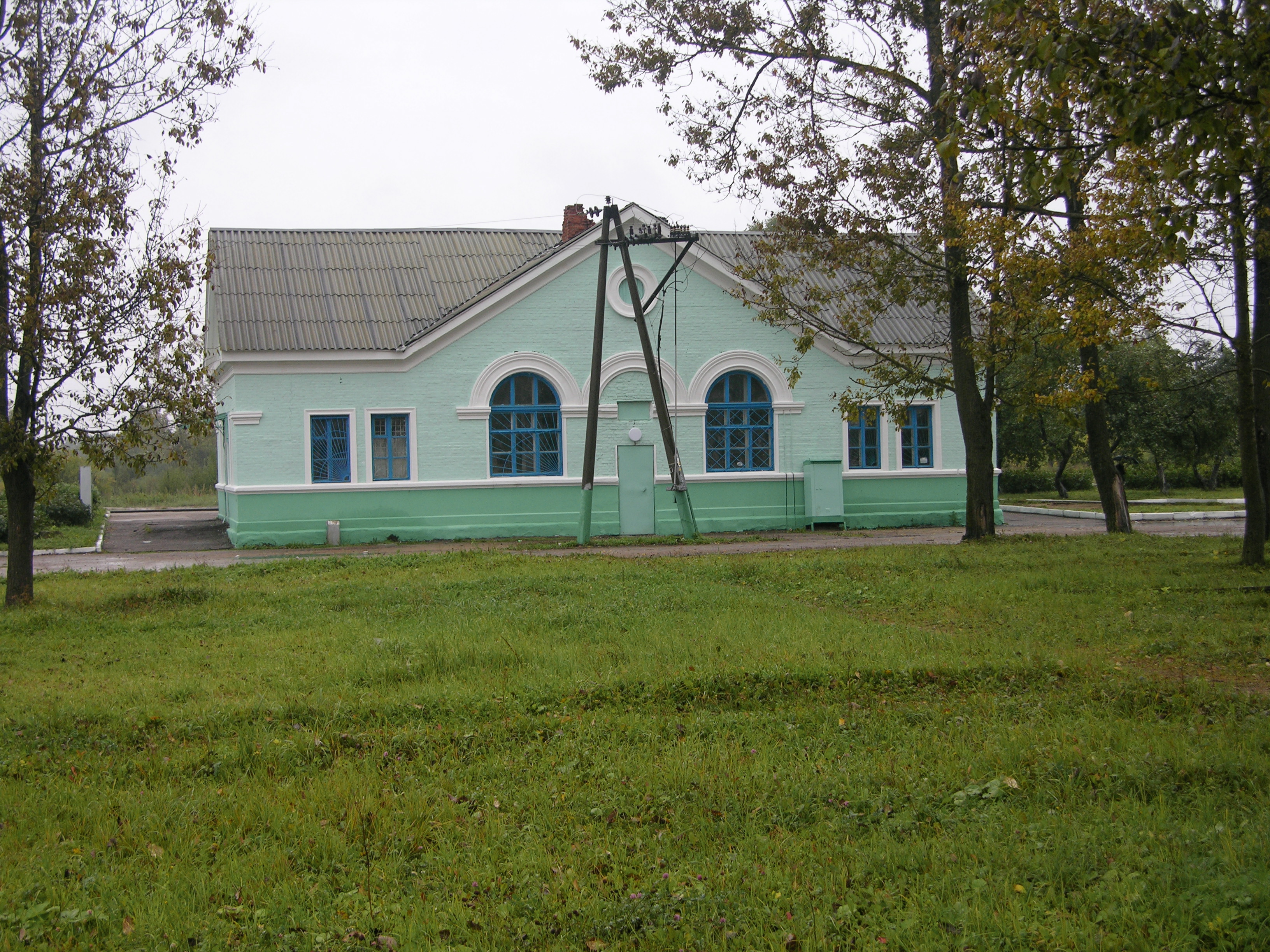
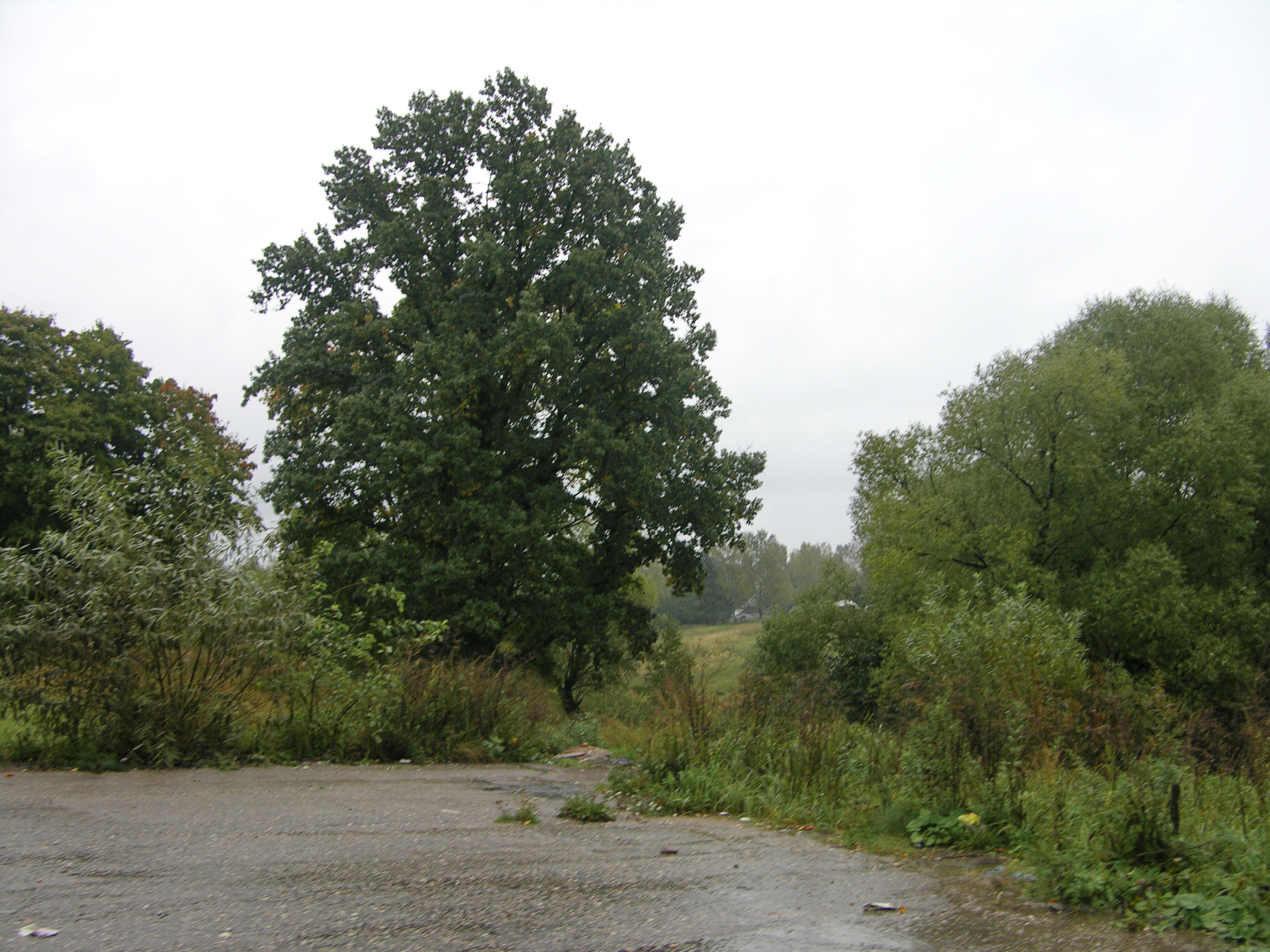
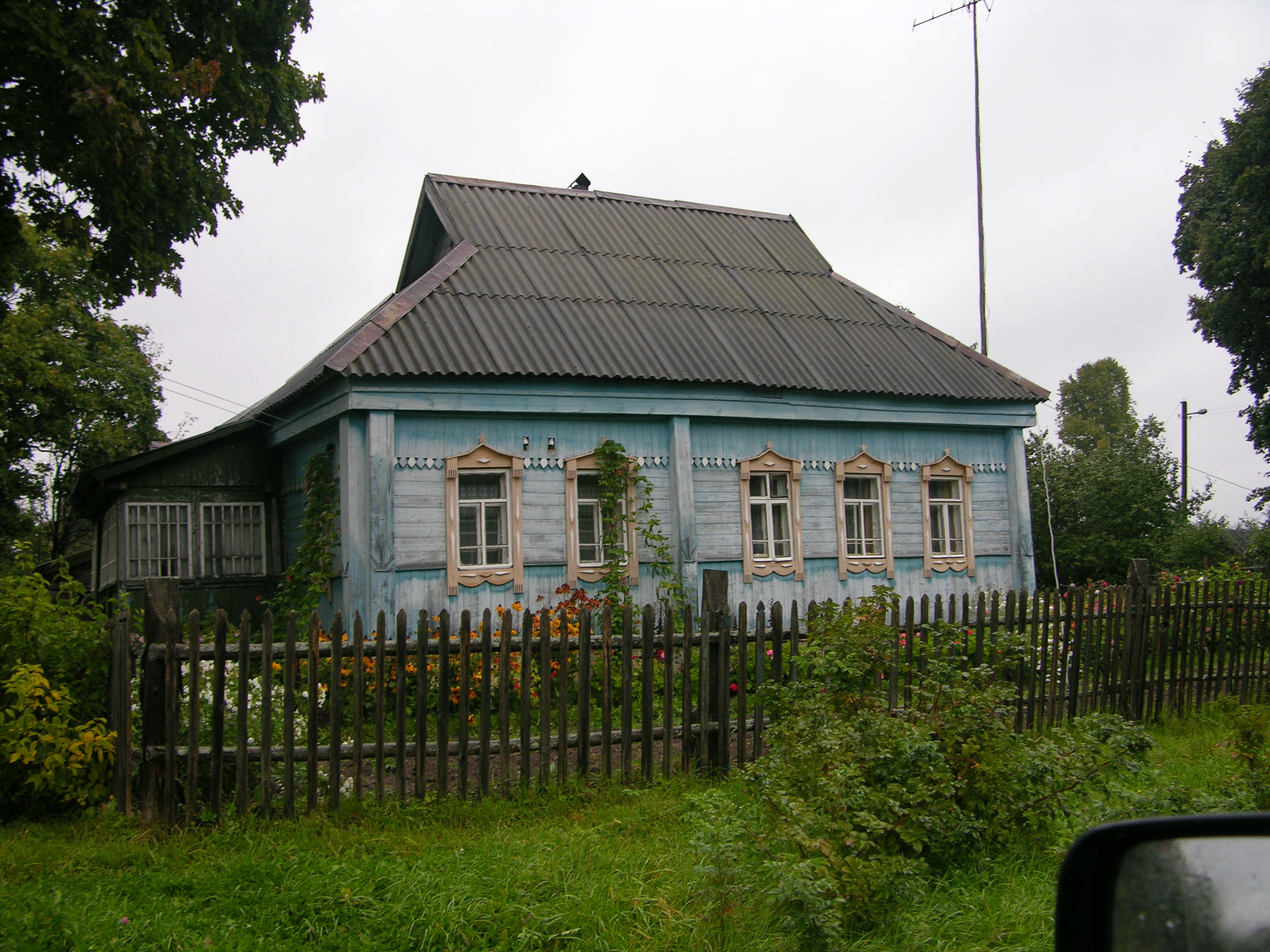
I took advantage of my position to put the base station at Tyomkino on the list of sites to get surveillance cameras. Then I installed a little program on my mother’s computer so she could see what was going on in the old ancestral village.
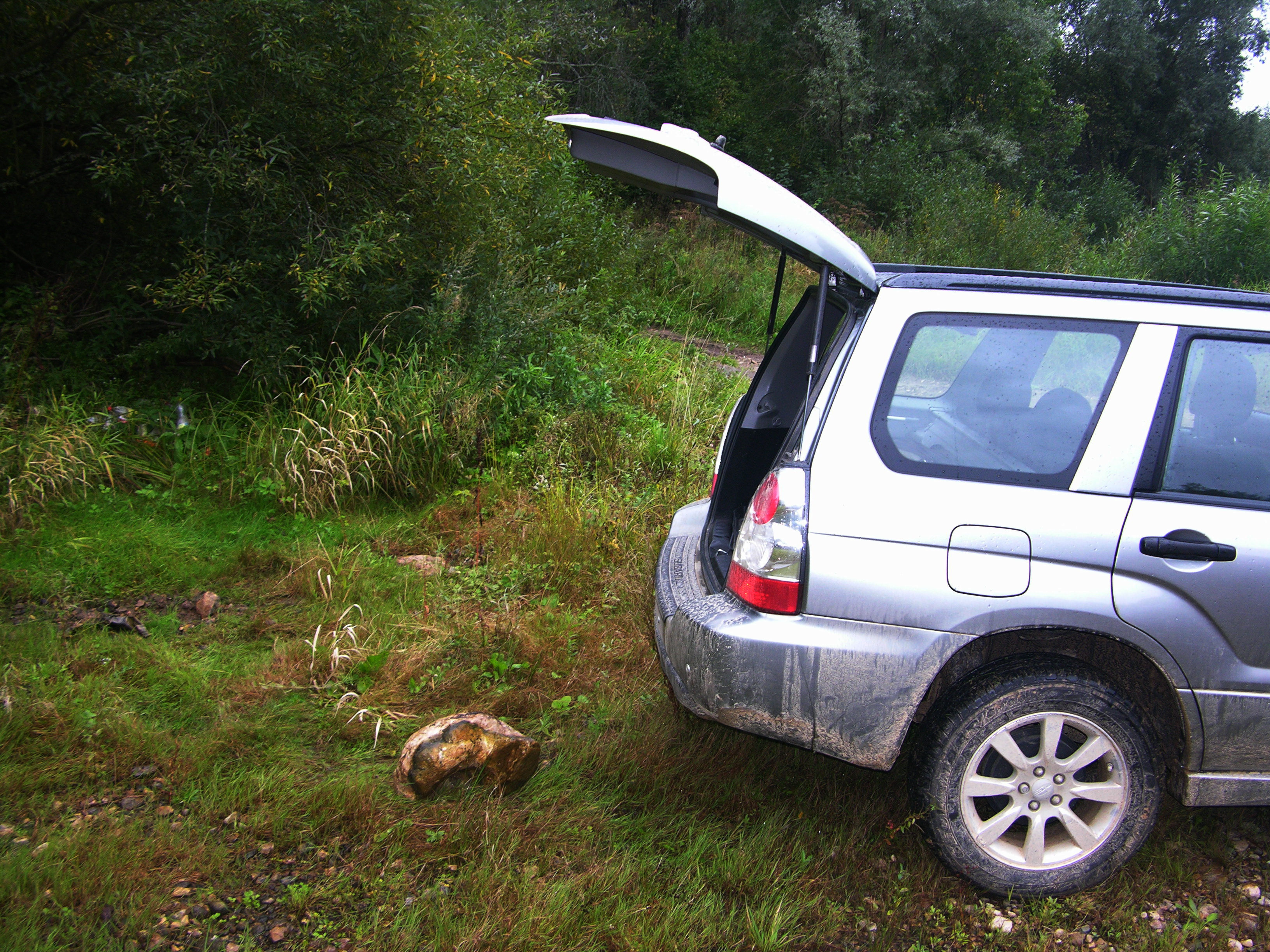
I spent the night on the bank of the Vorya River, at 55°04.986′N, 35°06.713′E. I took an enormous stone with me for the rock garden in Vyritsa.
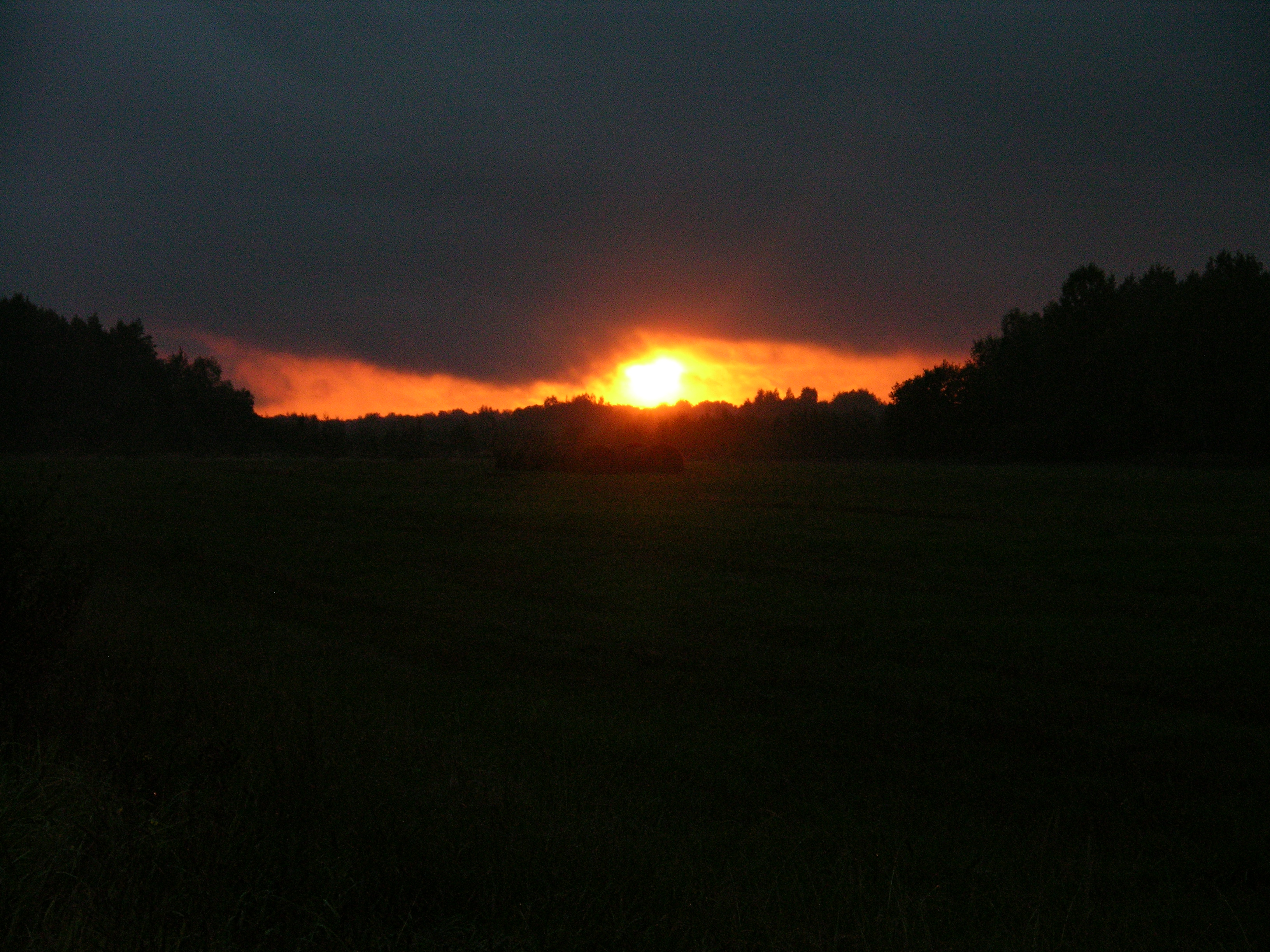
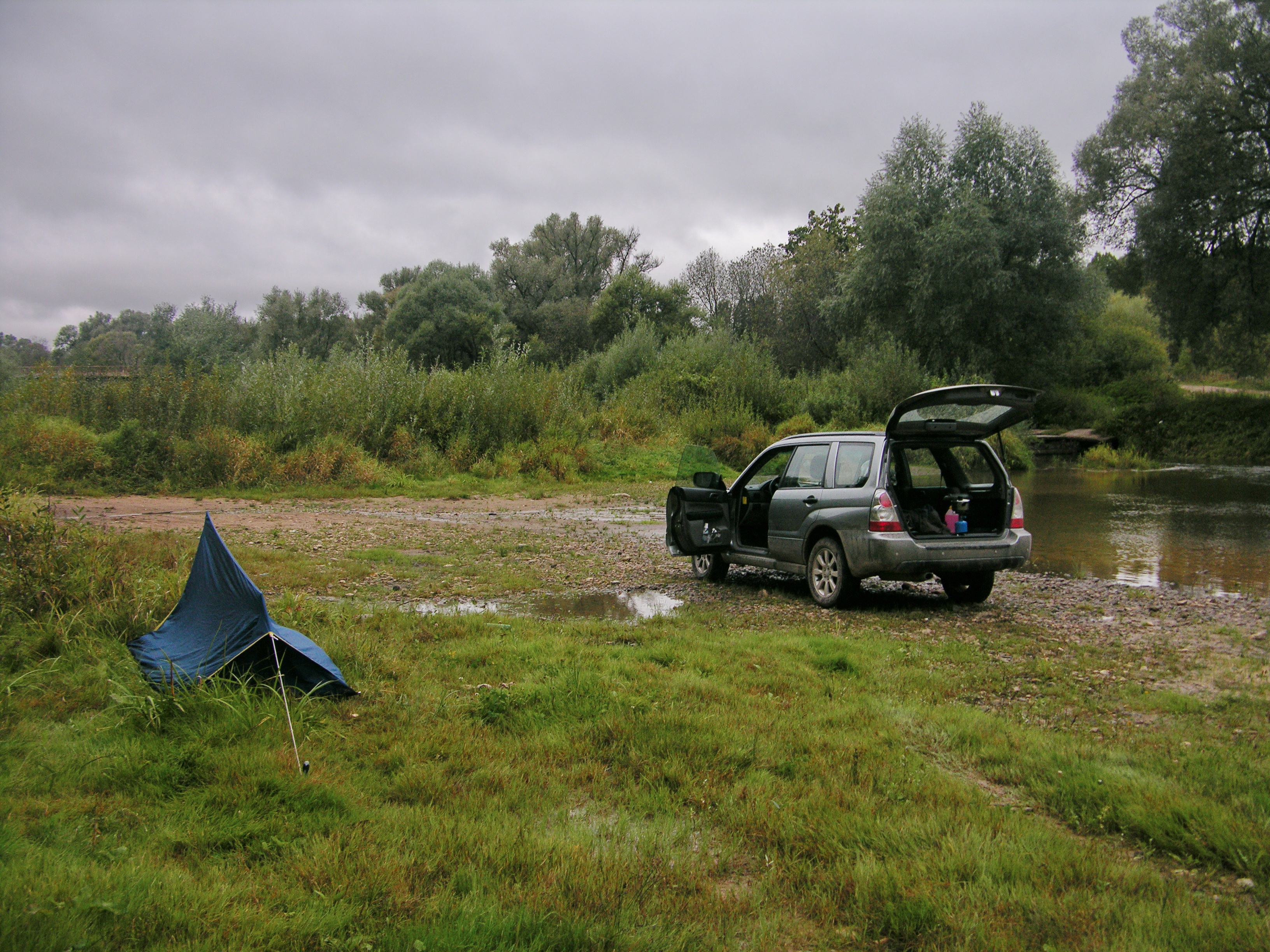
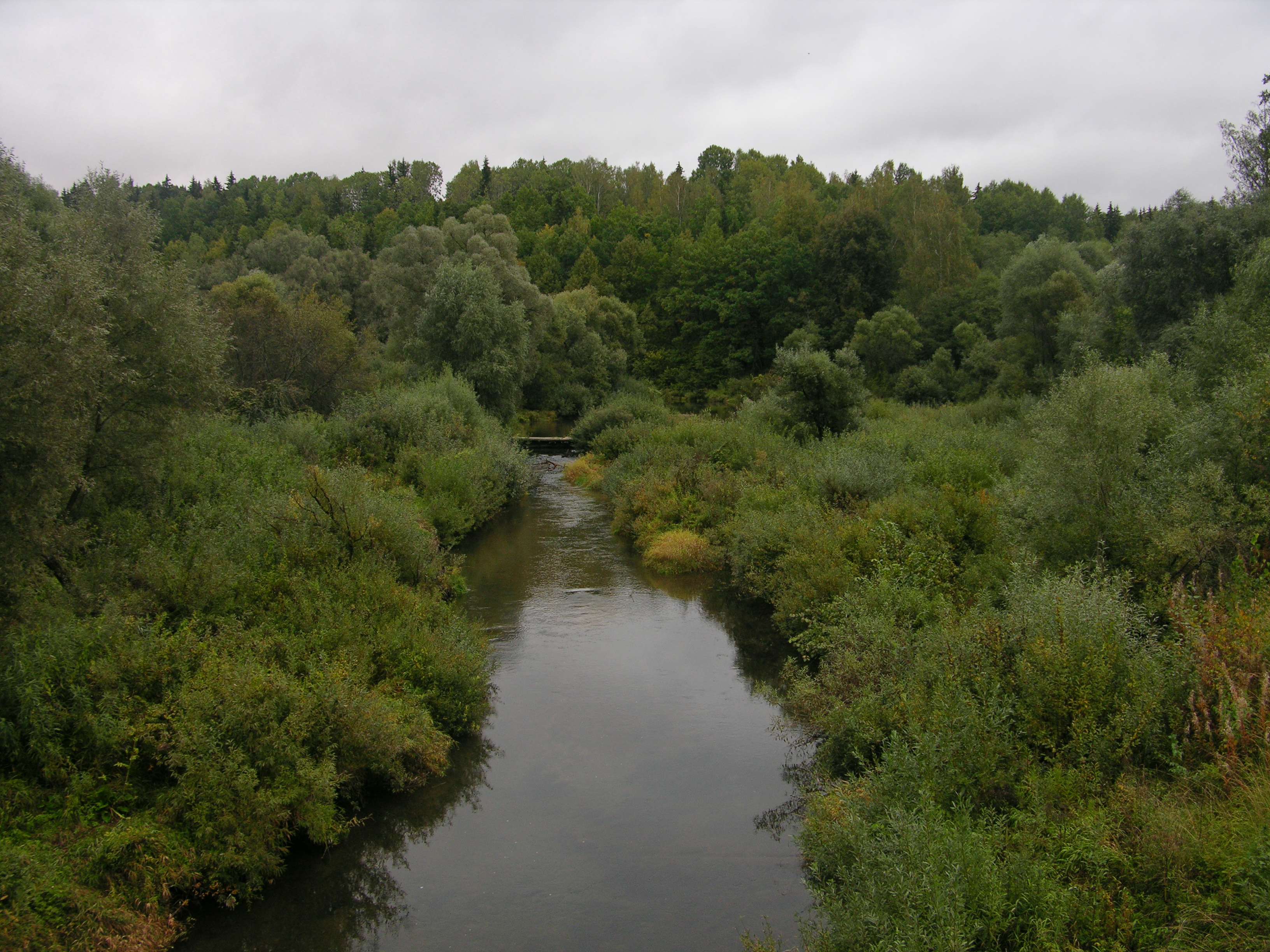
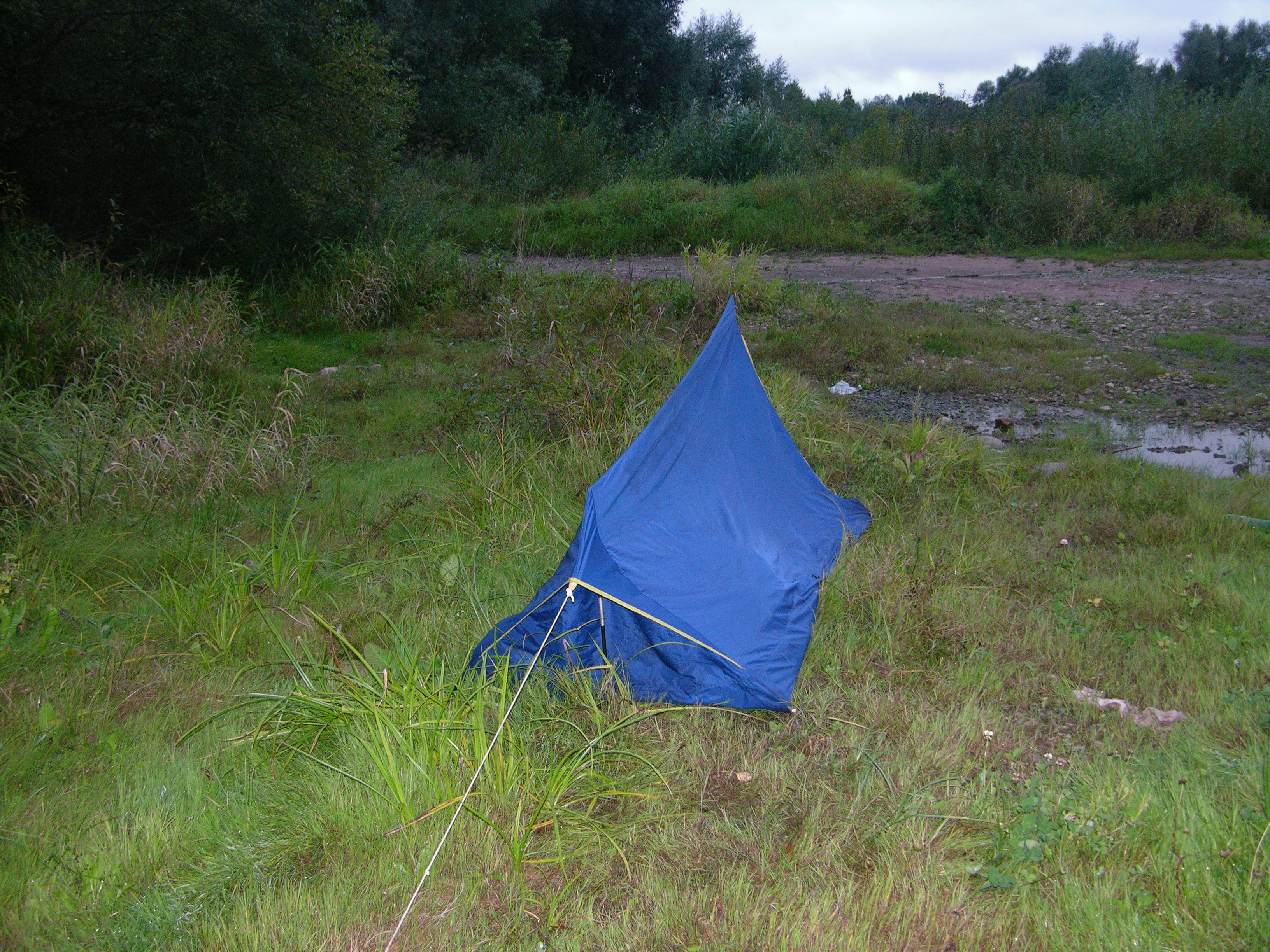
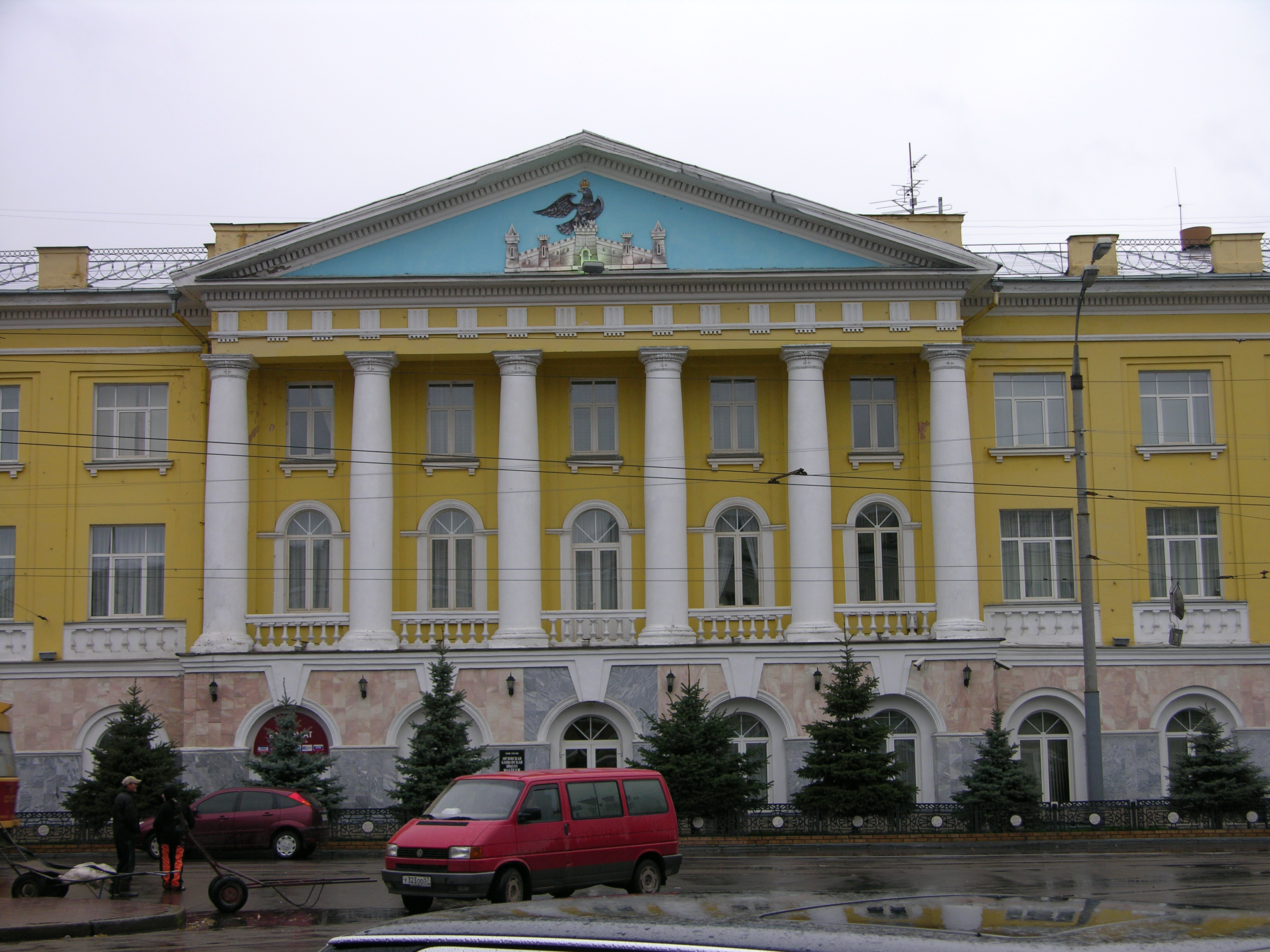
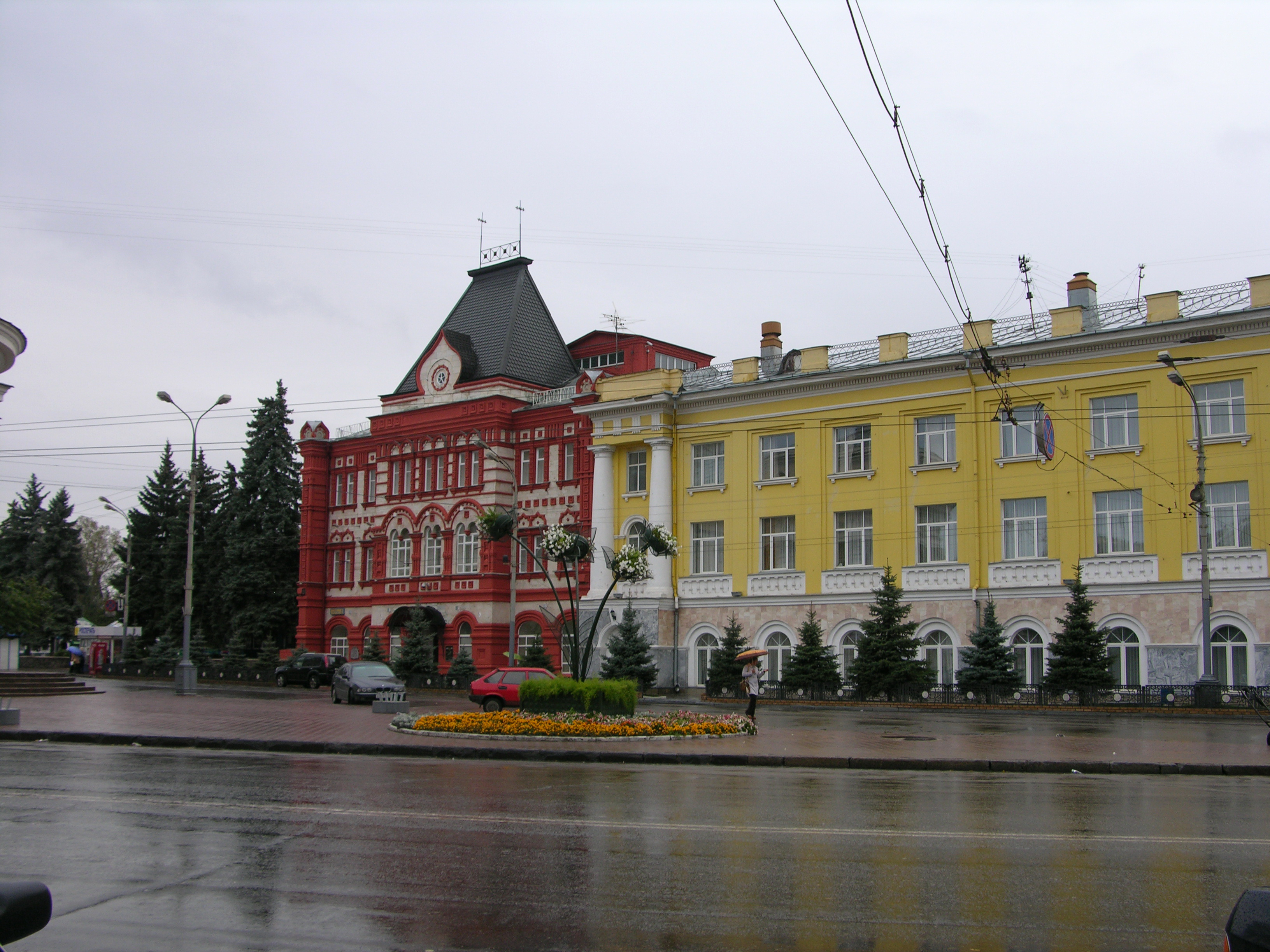
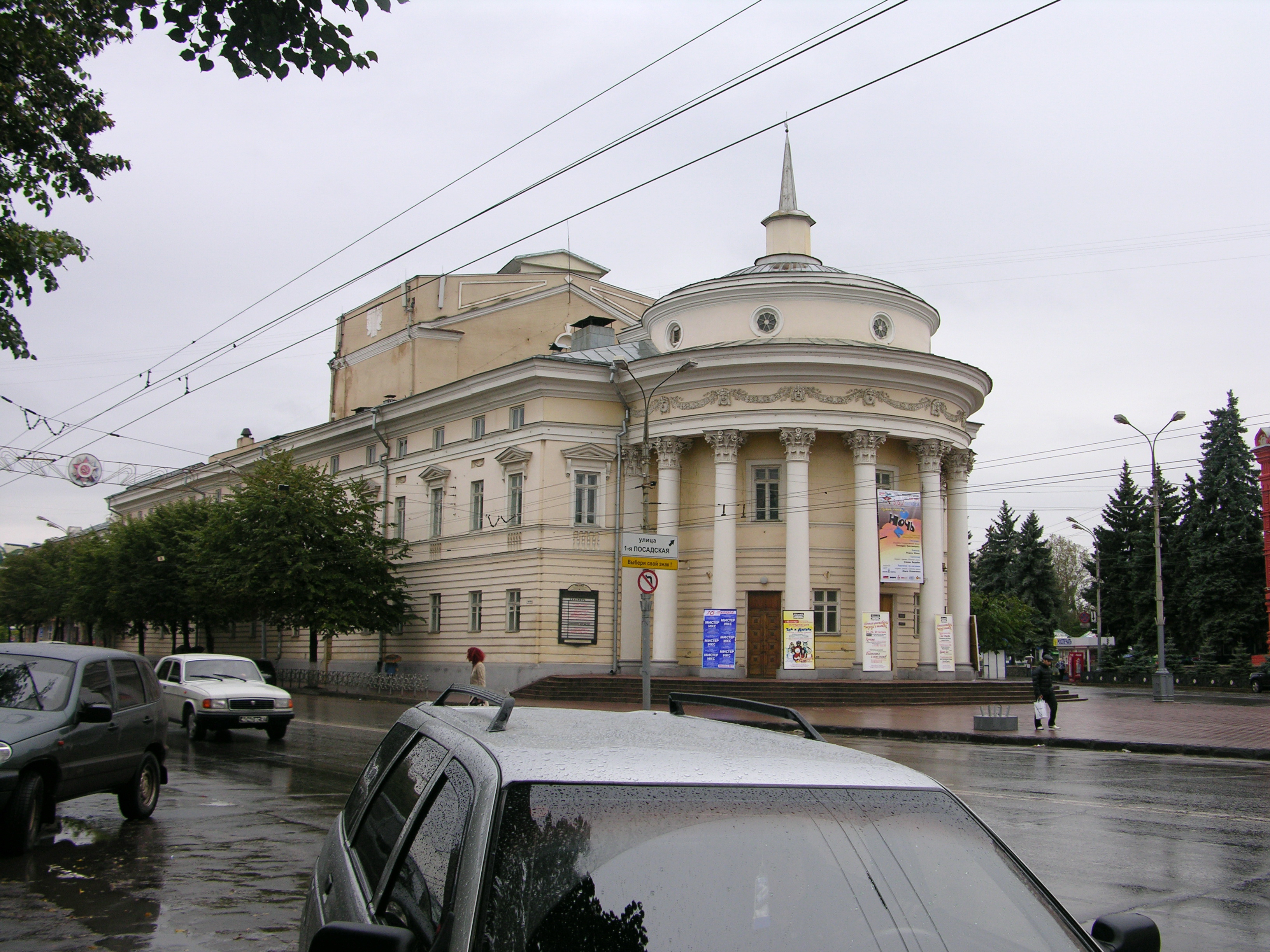
In central Russia the oblasts are small and you can get around several towns in a day. From Tyomkino I drove to Oryol. It was more interesting than Smolensk, though unfortunately it was pouring with rain.
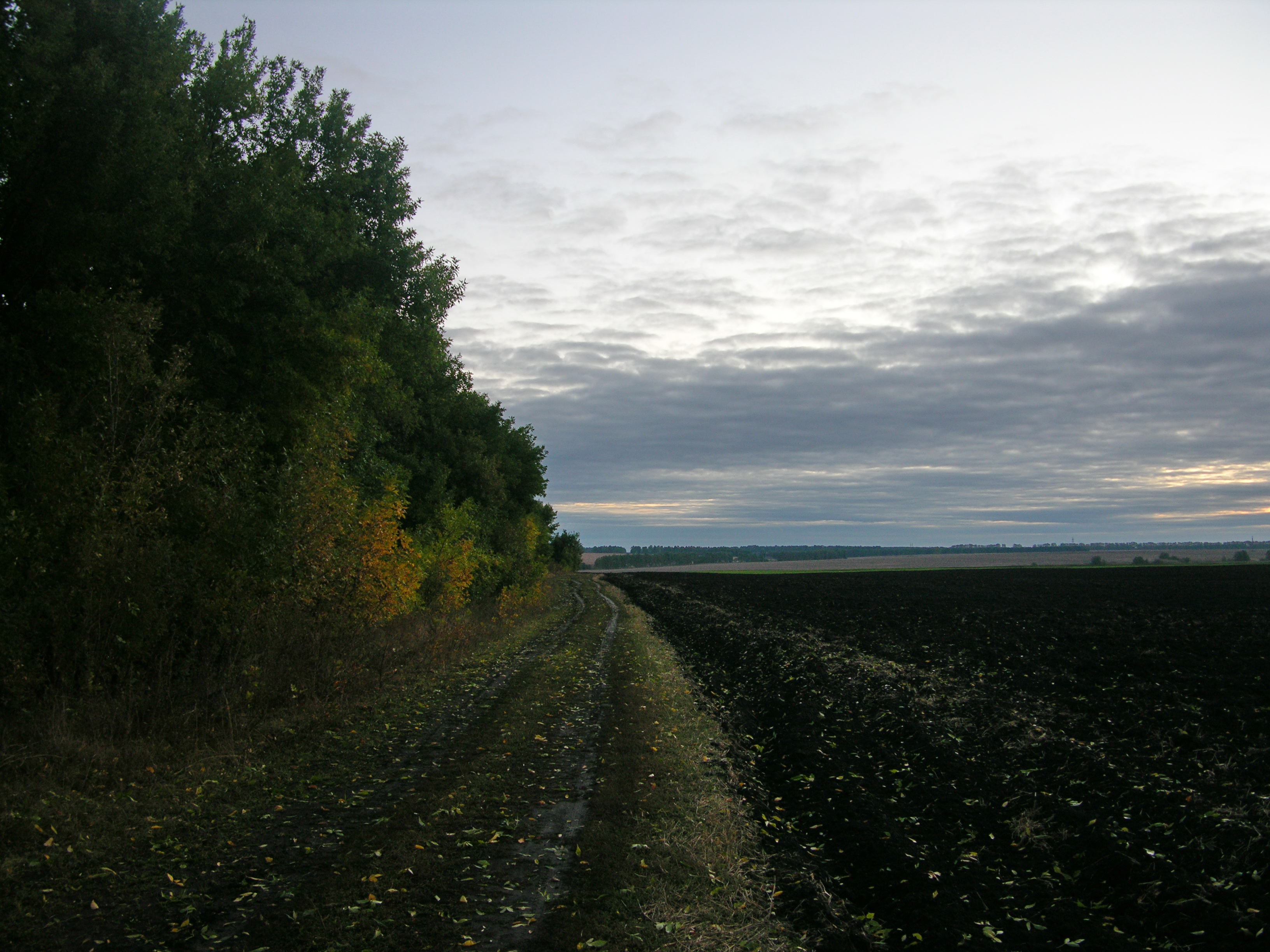
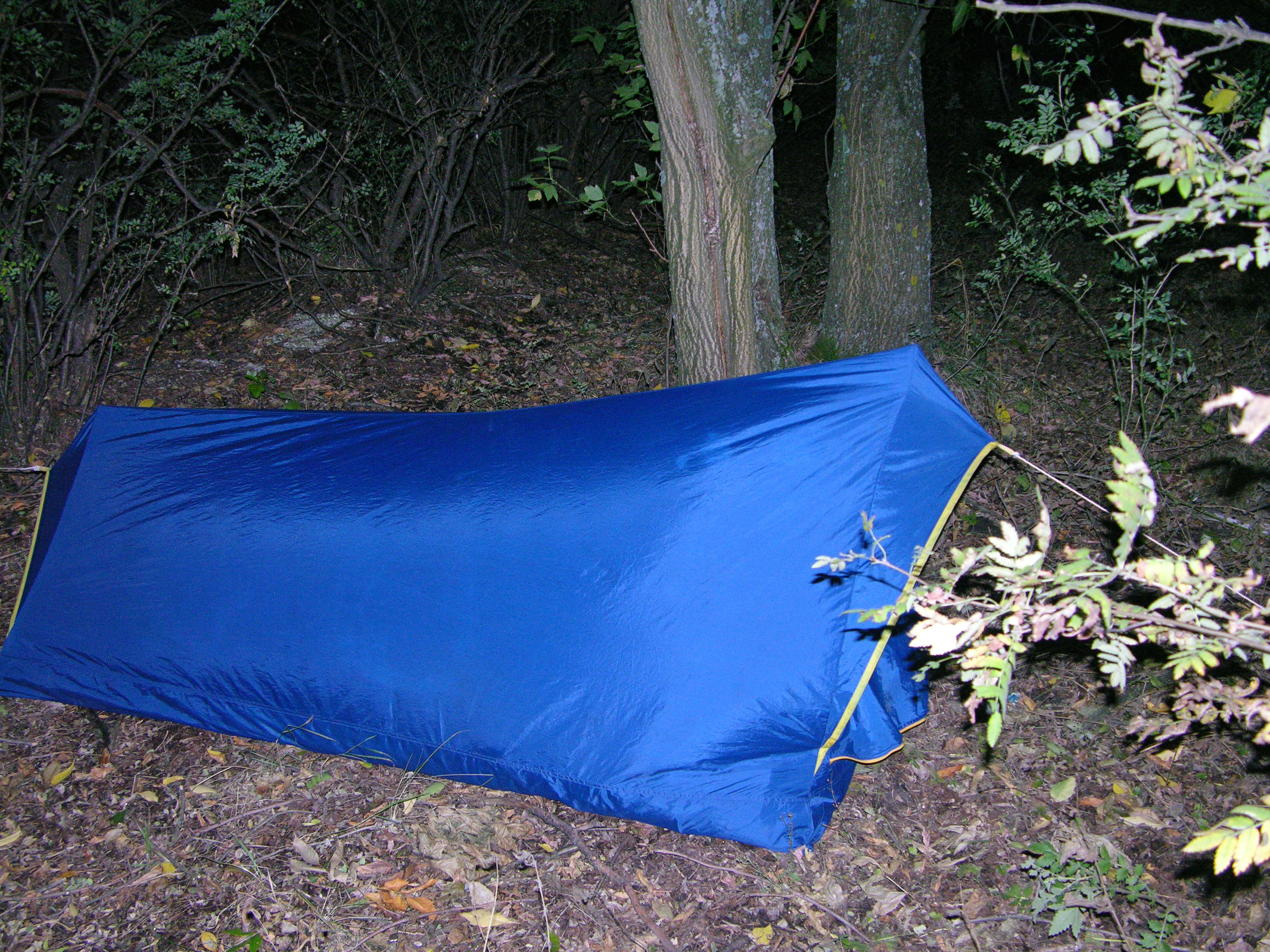
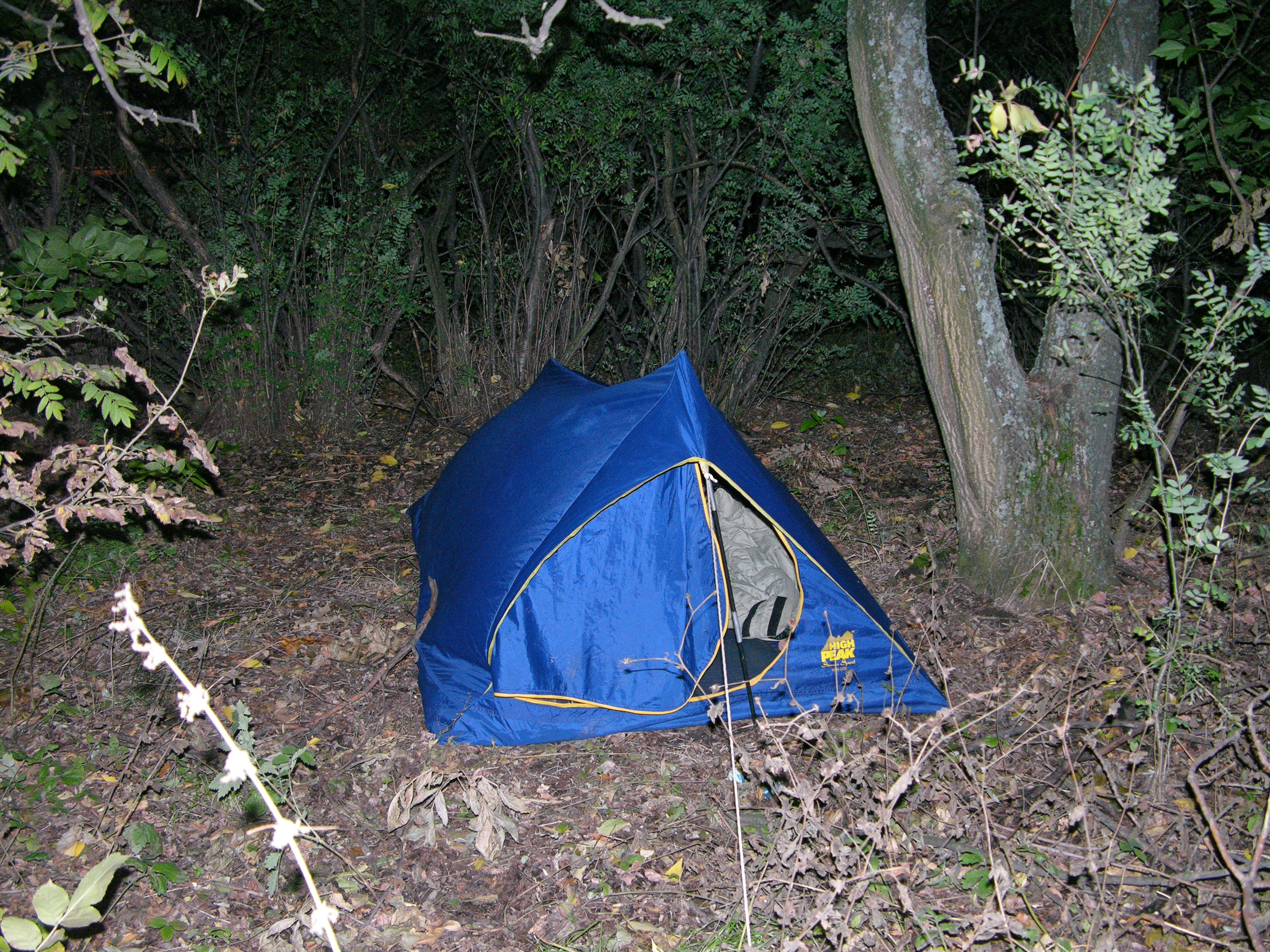
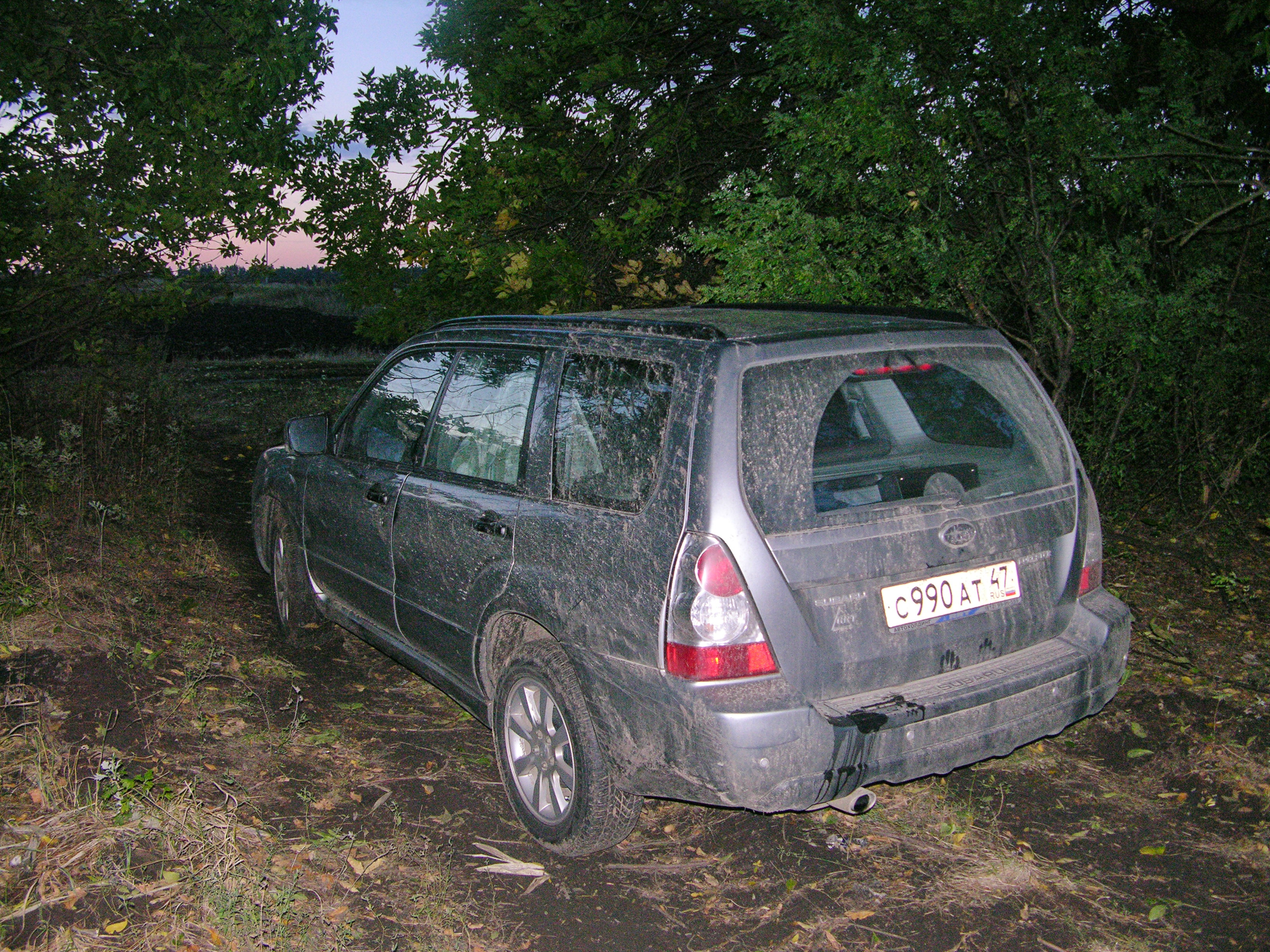
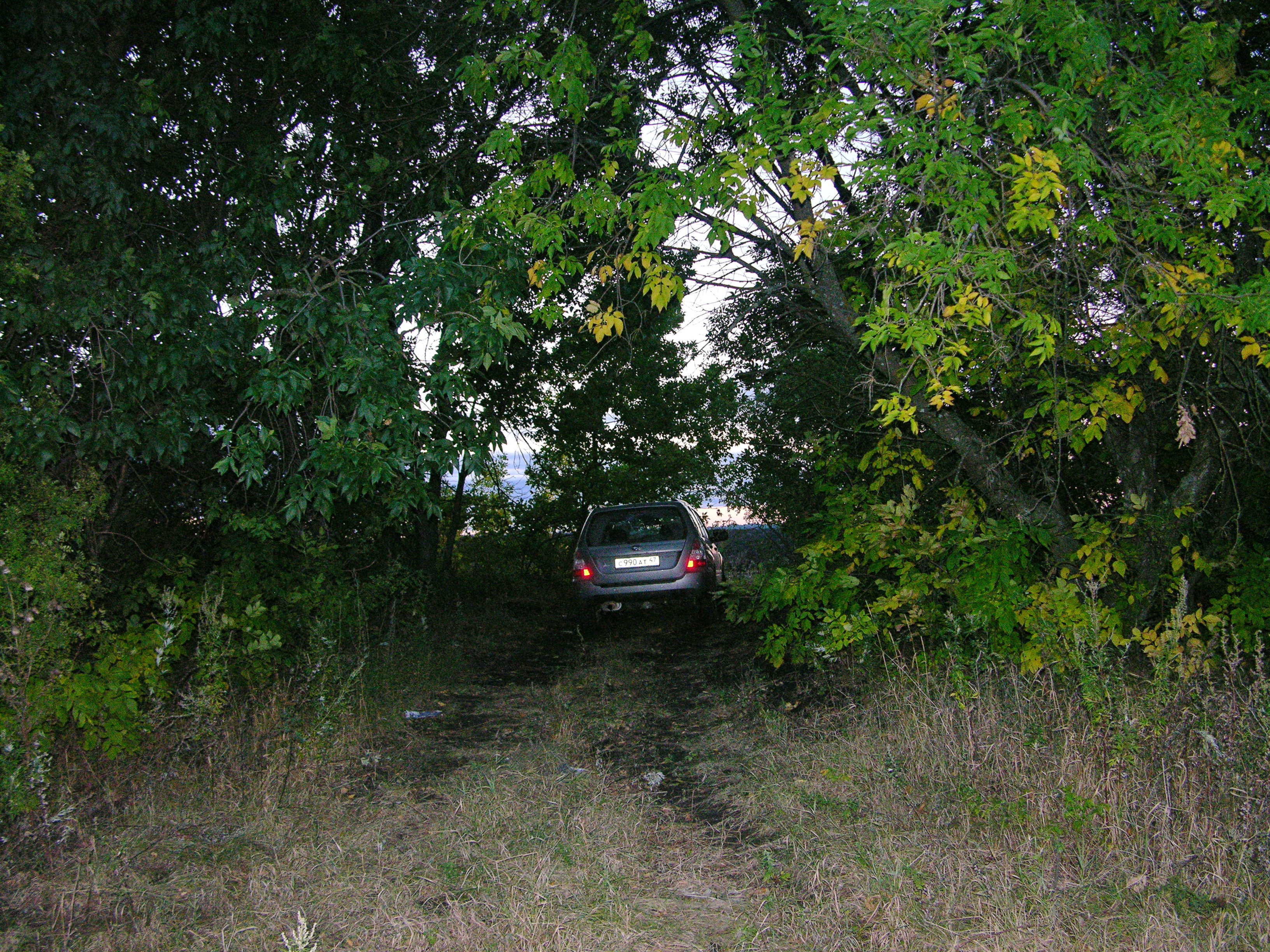
Next came Kursk, farther south. It was getting dark, and finding a place to camp proved difficult. The great northern forest had ended, and there were nothing but fields all around. I had to hide among the bushes in a shelterbelt near Fatezh, by the village of Nizhny Reut, at 52°08.008′N, 35°46.375′E.
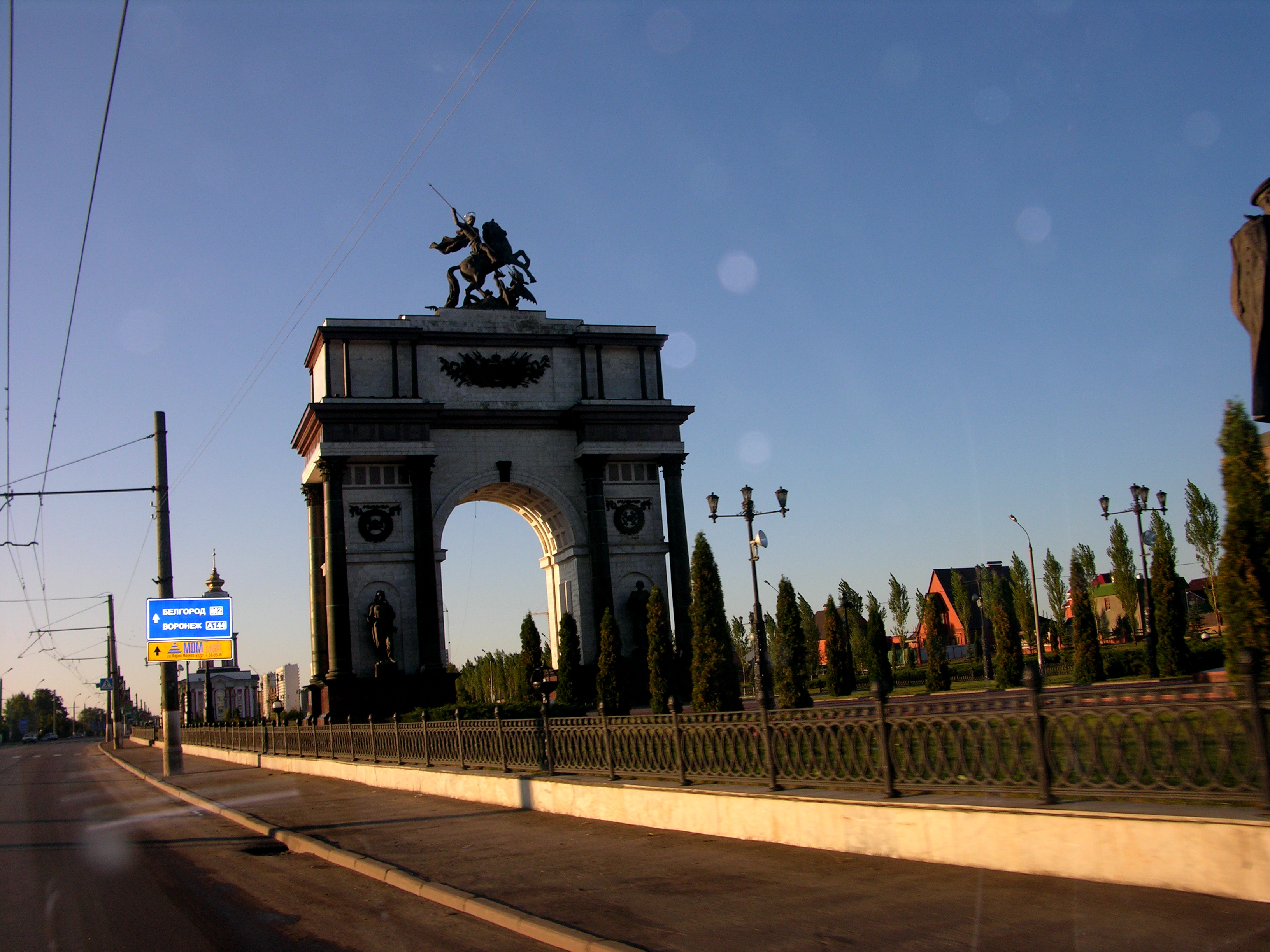
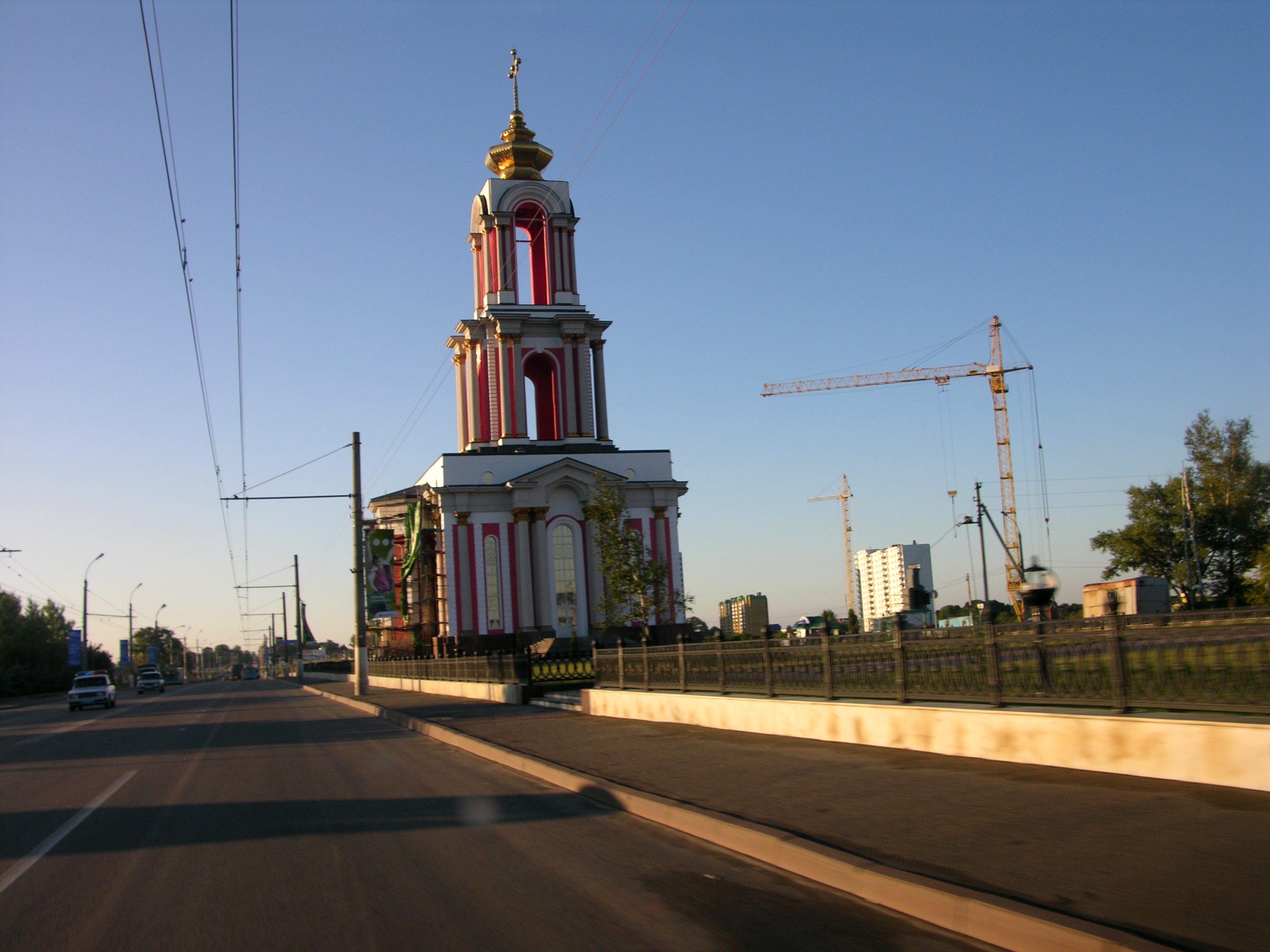
By morning I was in Kursk, another rather unremarkable city. I suppose they were all razed to the ground in the war.
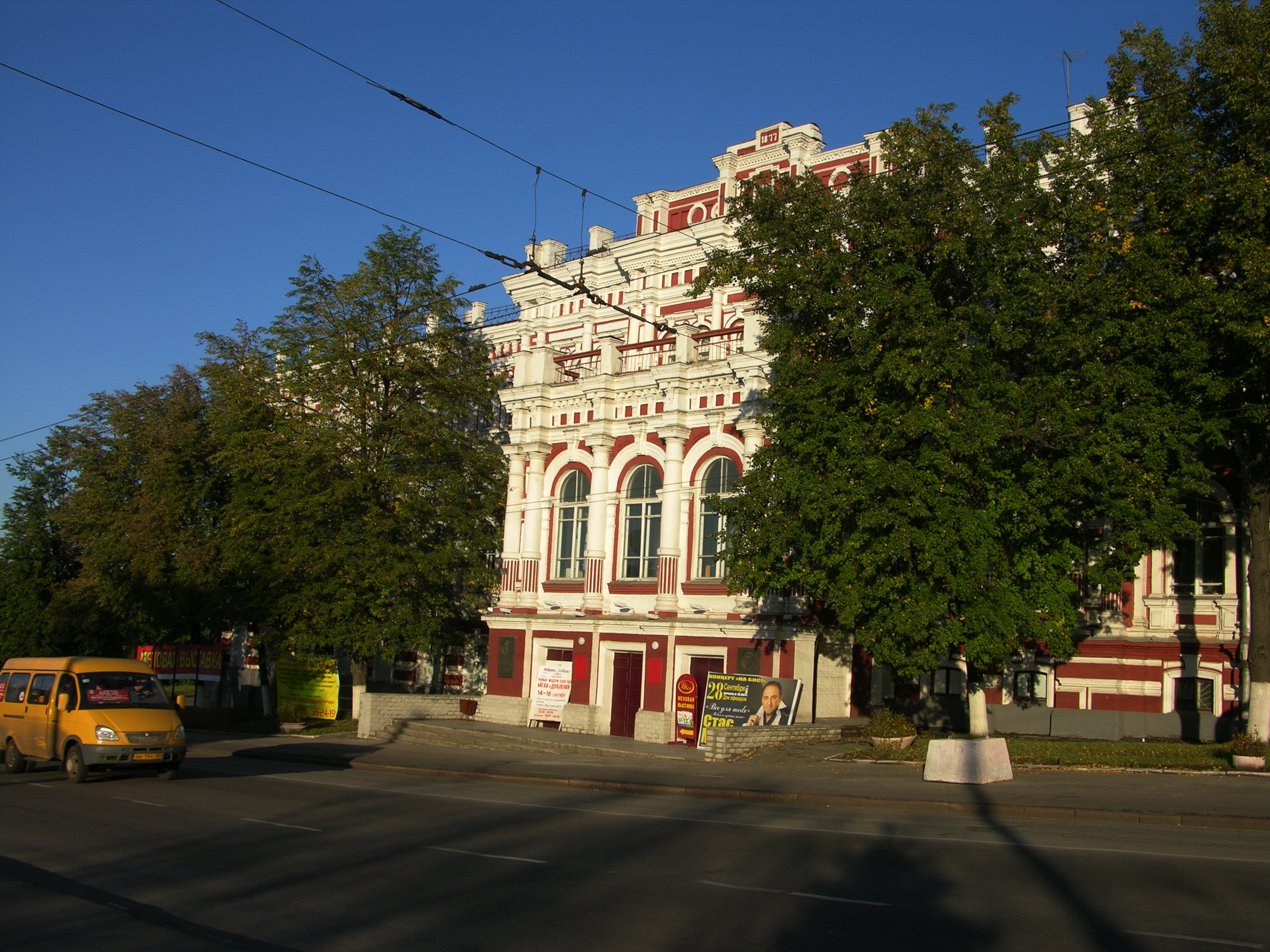
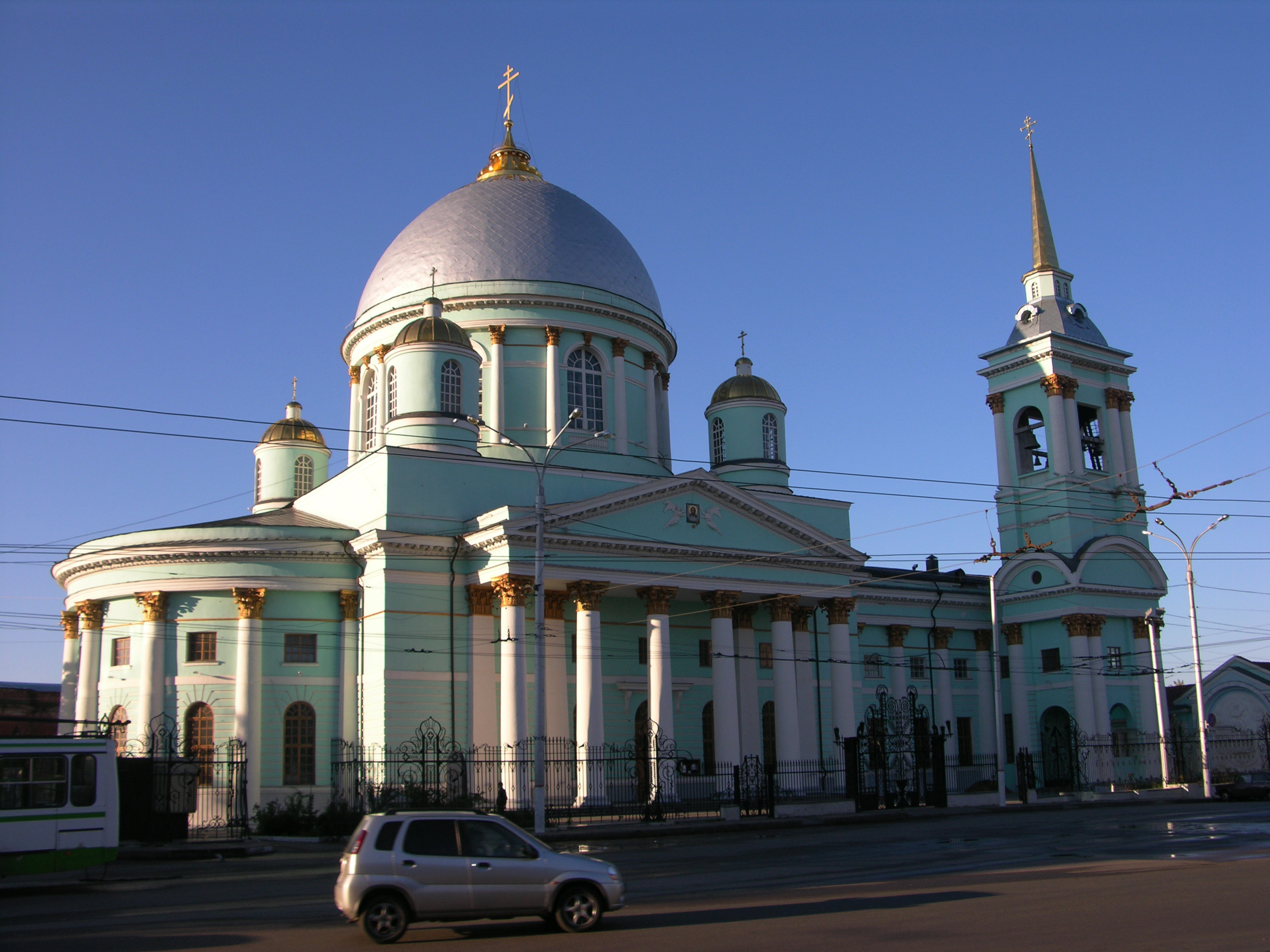
Mtsensk was another interesting town on the way.
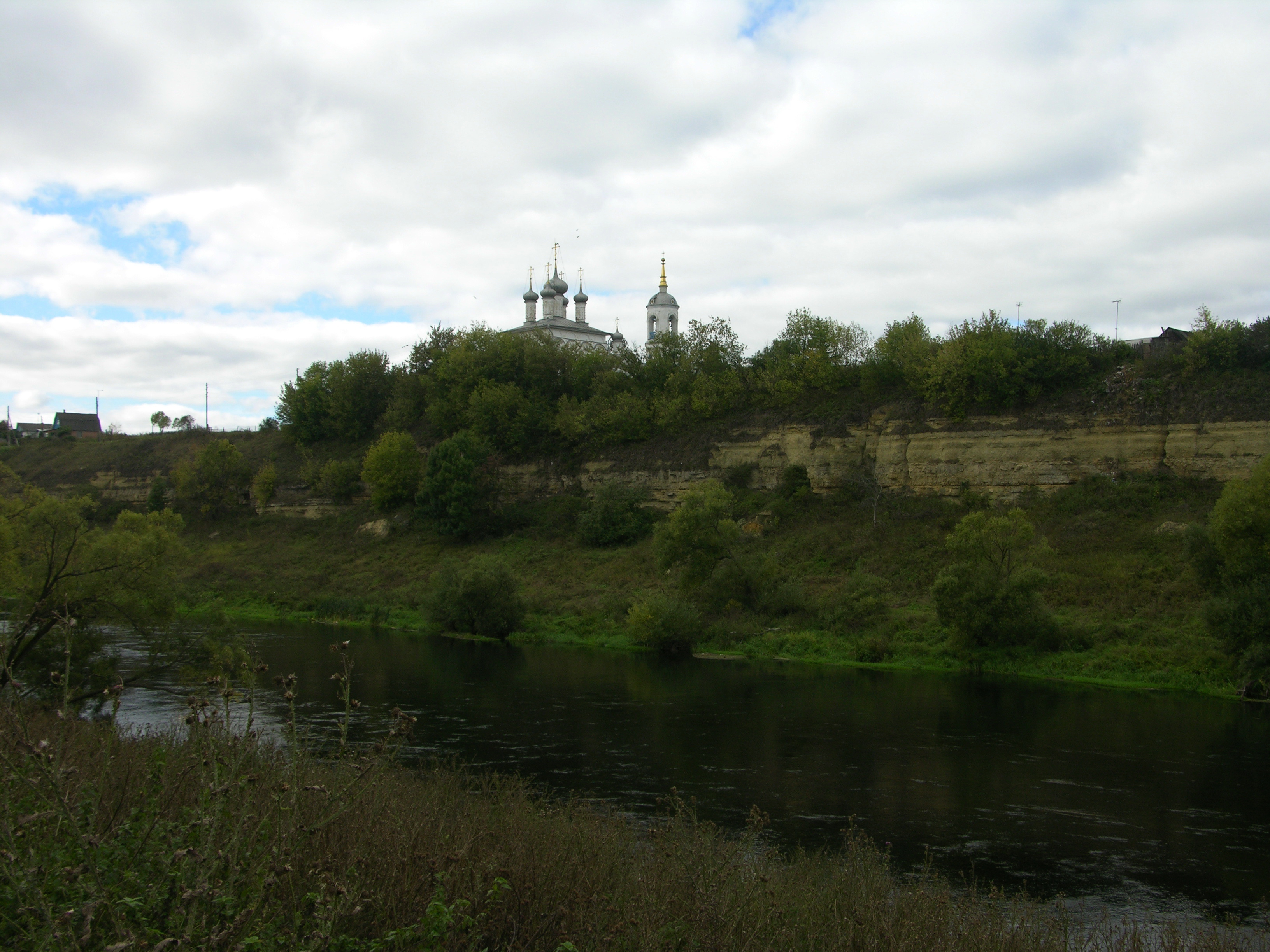
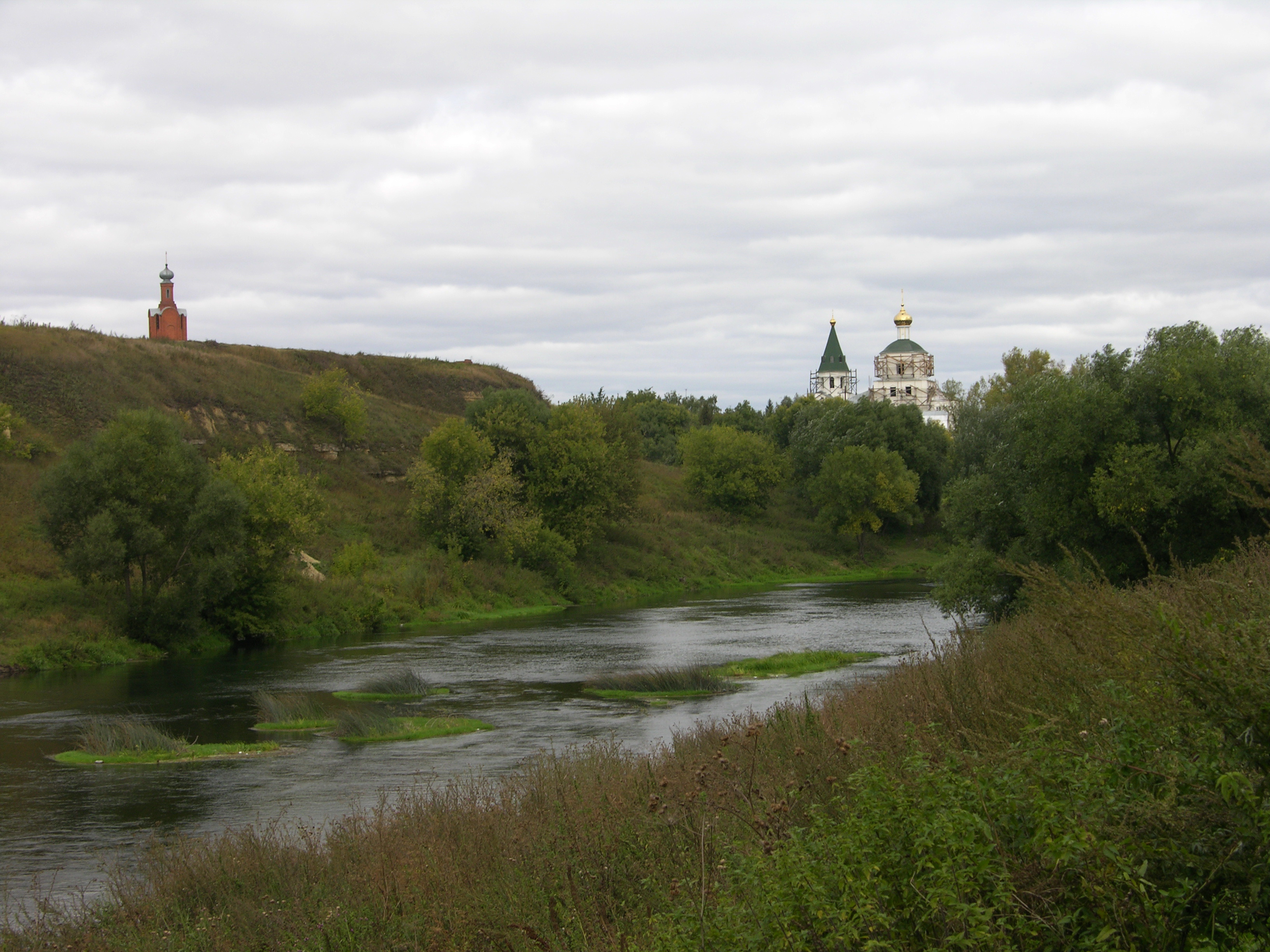
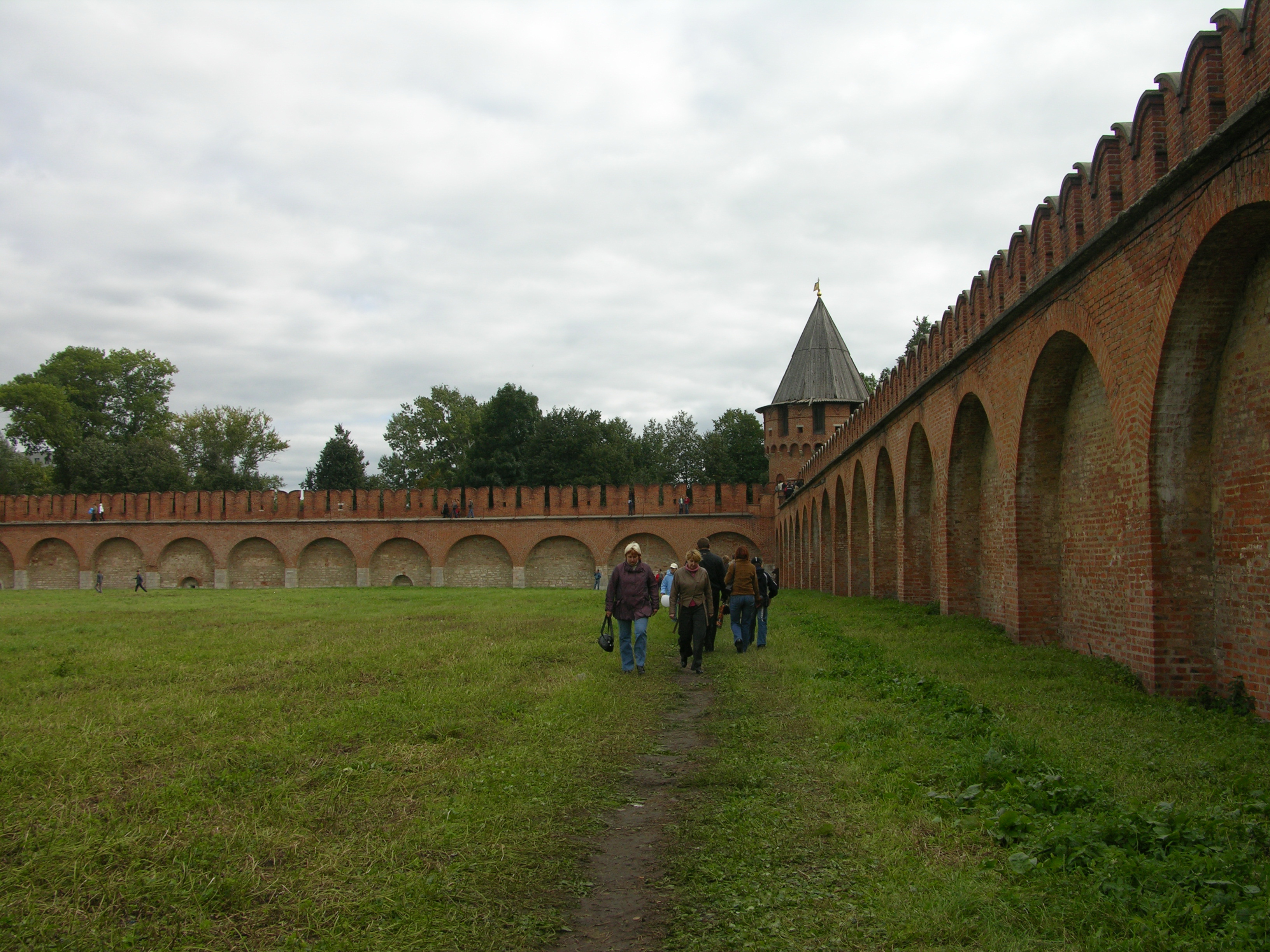
Tula, on the other hand, has been preserved beautifully. An imposing kremlin, with a poster announcing “Torture and Punishment in Old Rus’. Live Demonstrations.”
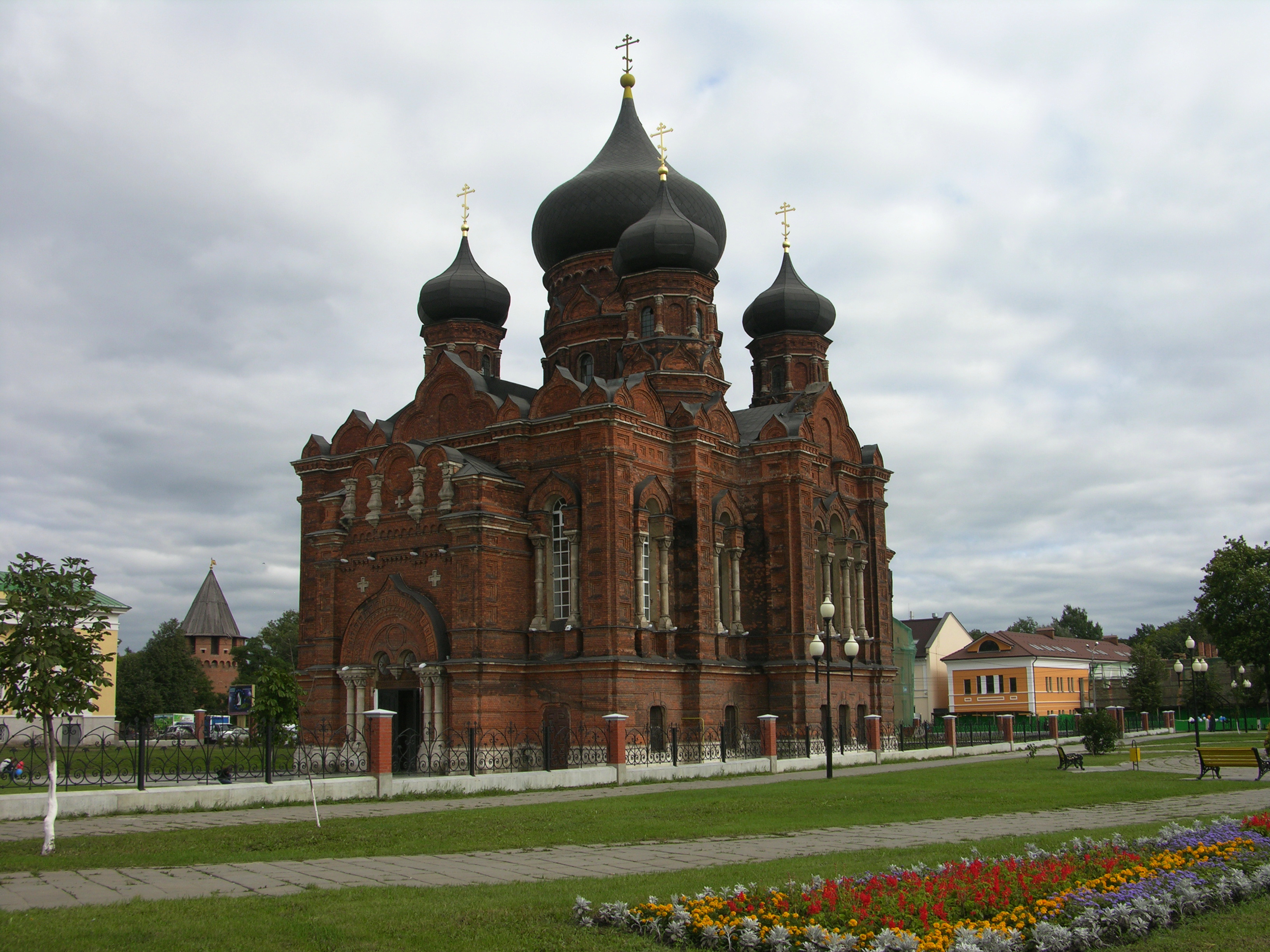
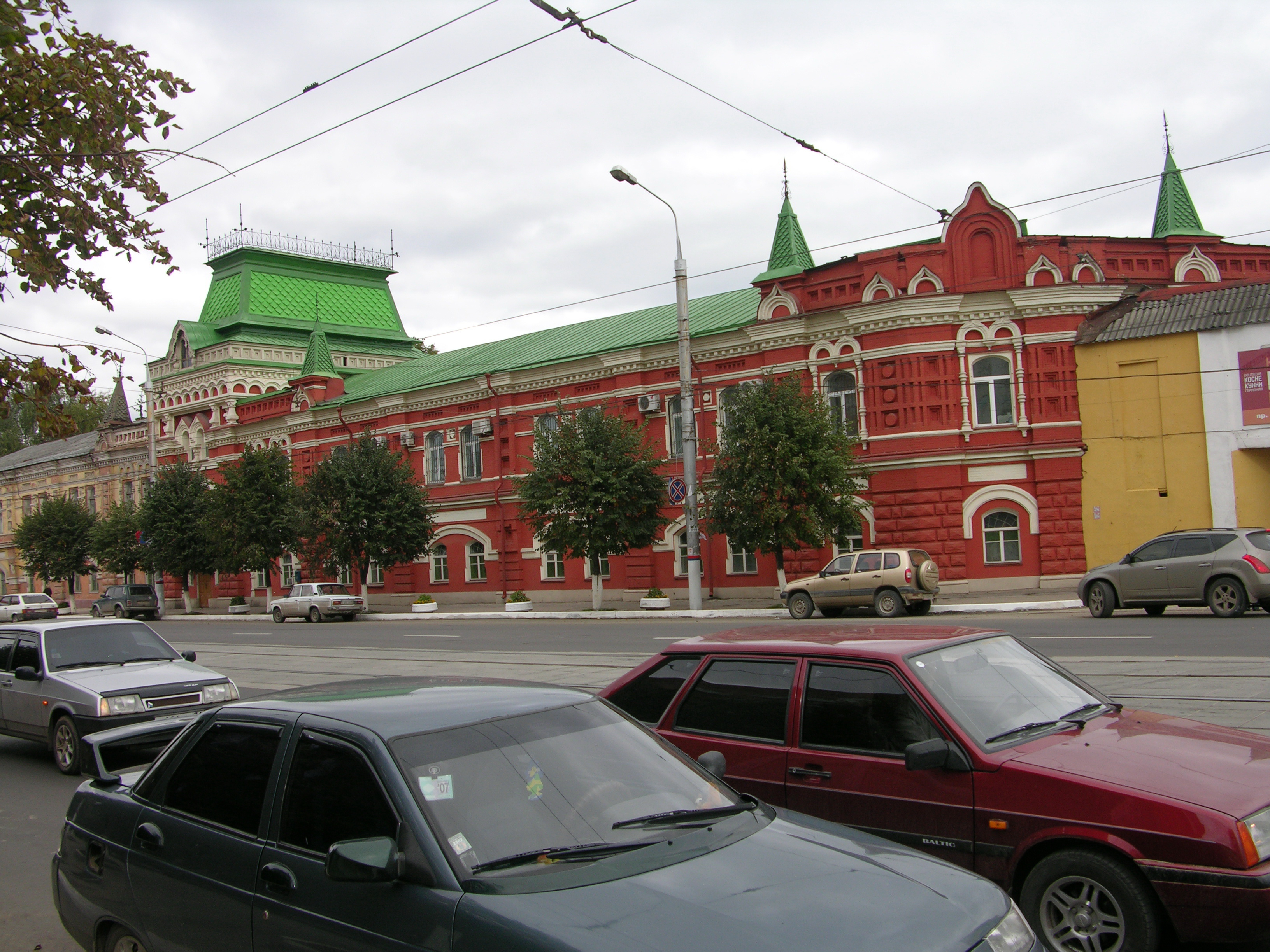
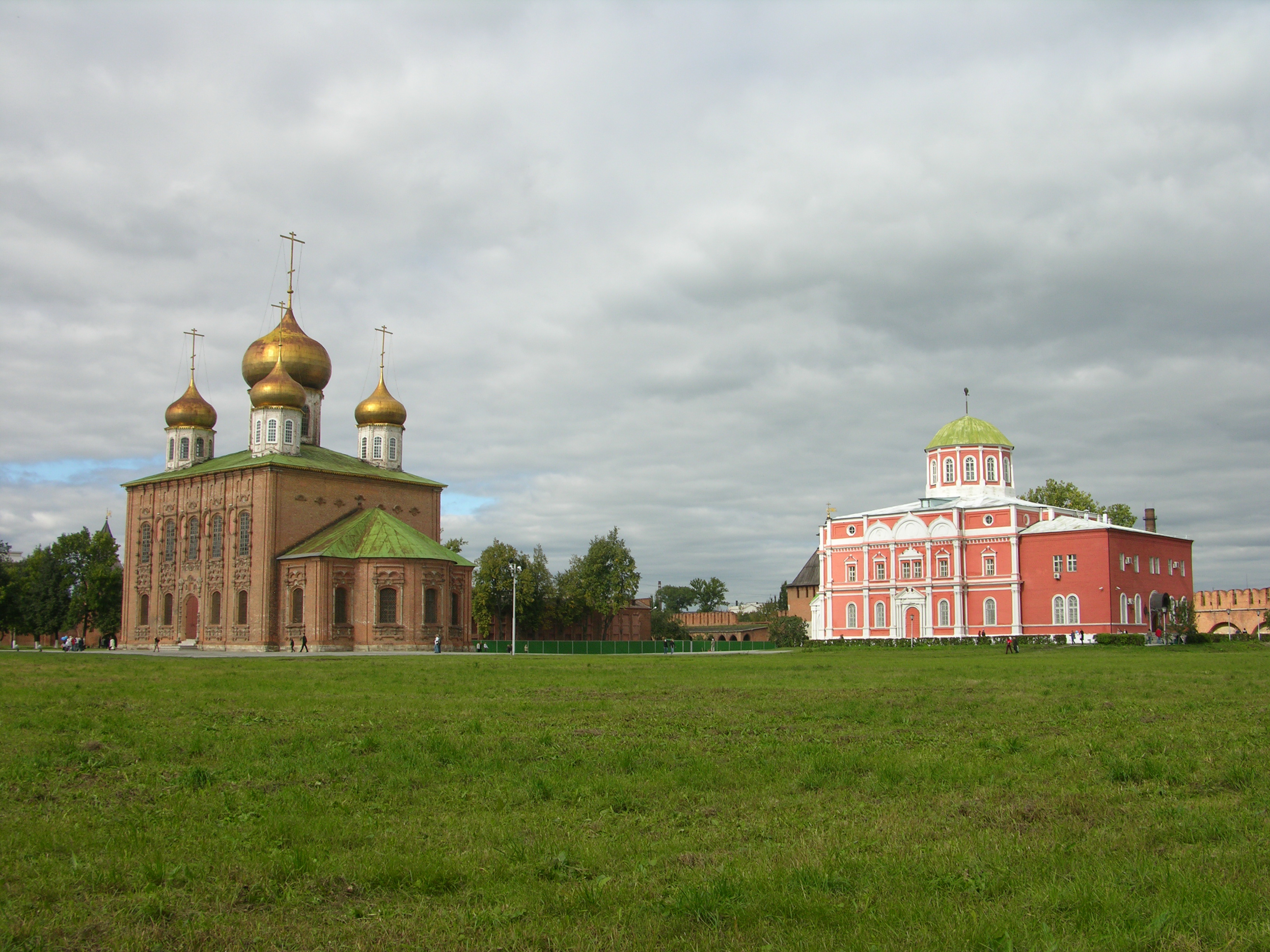
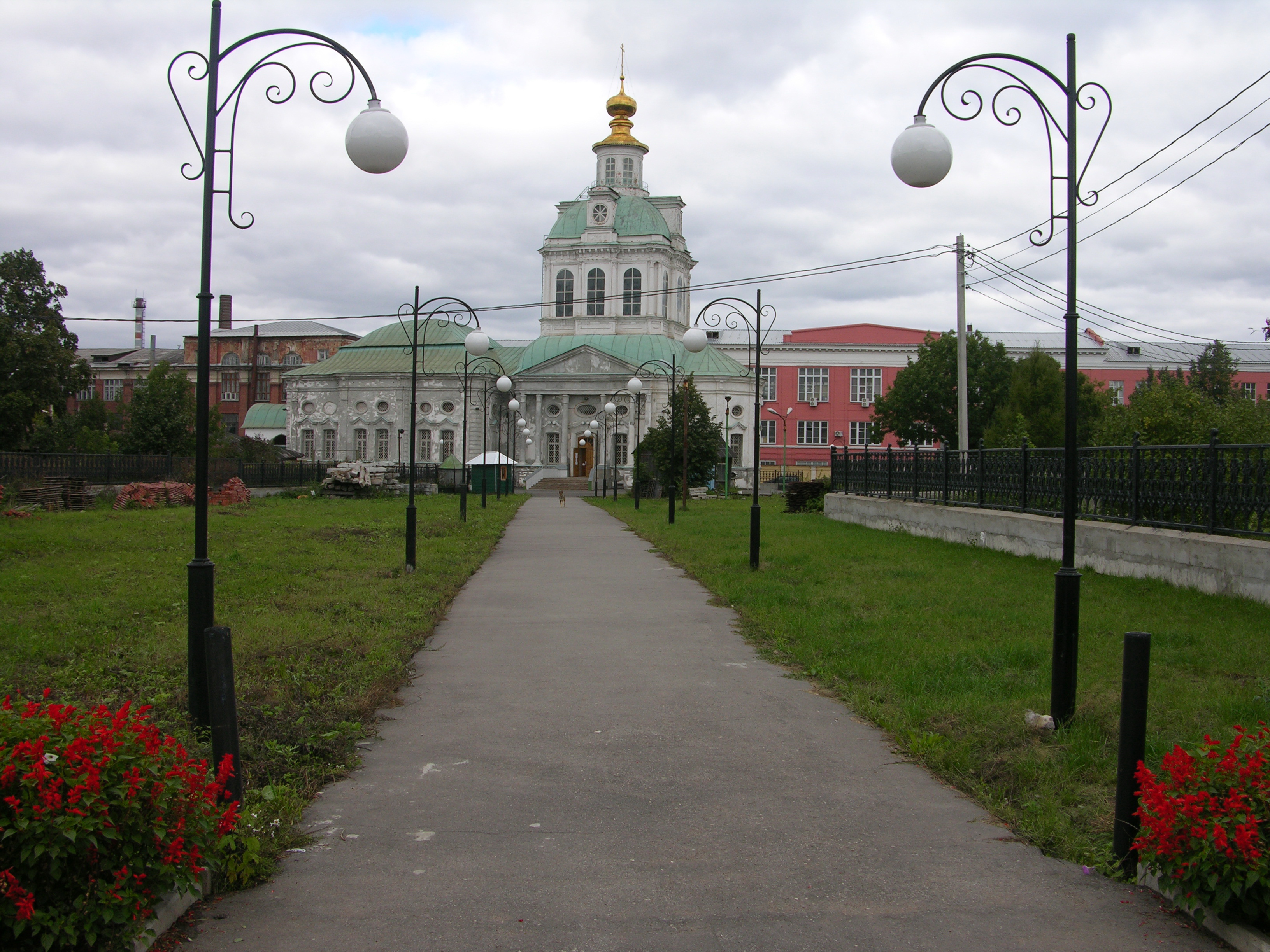
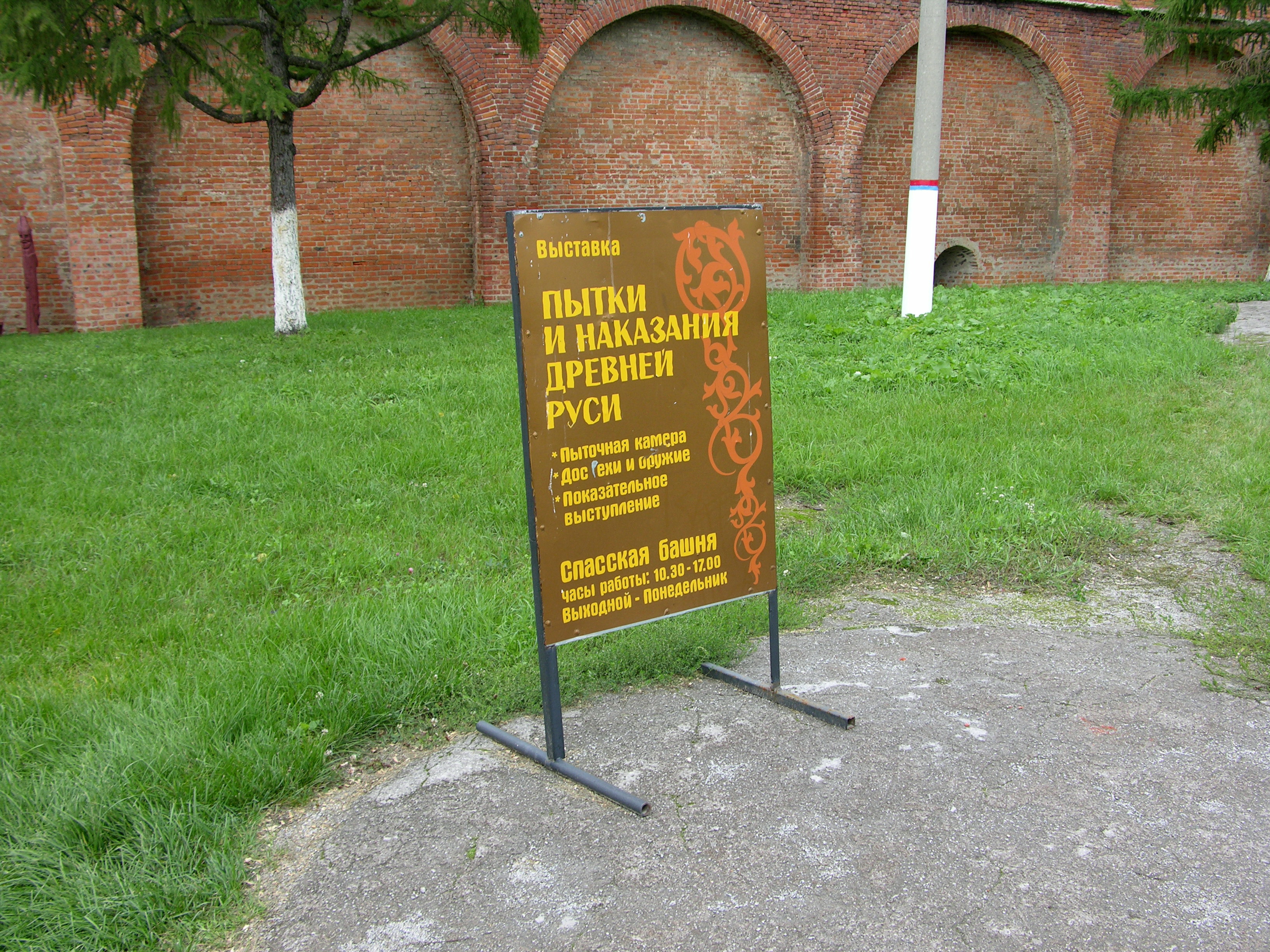
The Russian people must have been missing it.
One other thing I noticed in Tula was that they sell the local gingerbread everywhere. It was fresh and delicious, but I didn’t see any samovars.
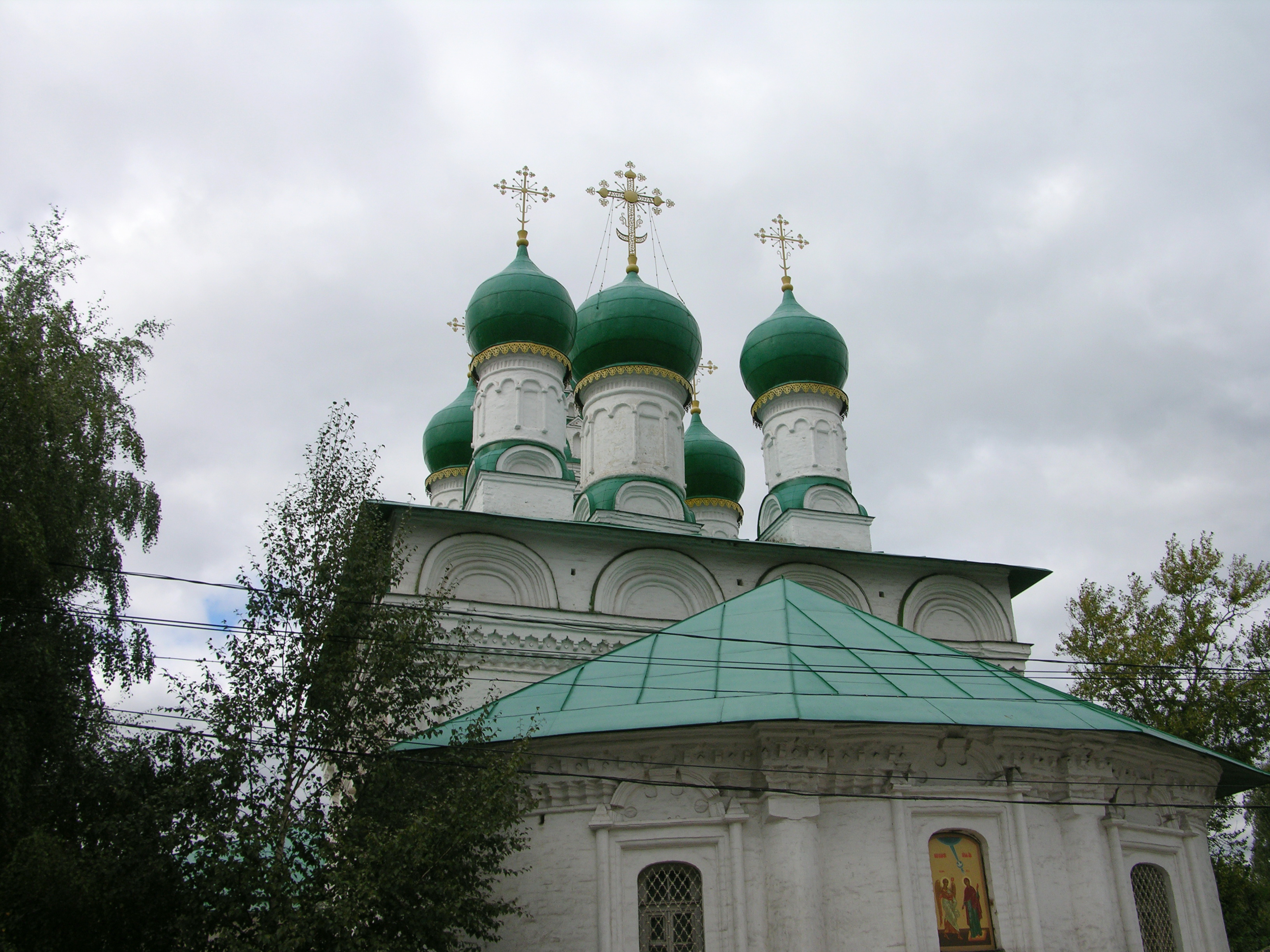
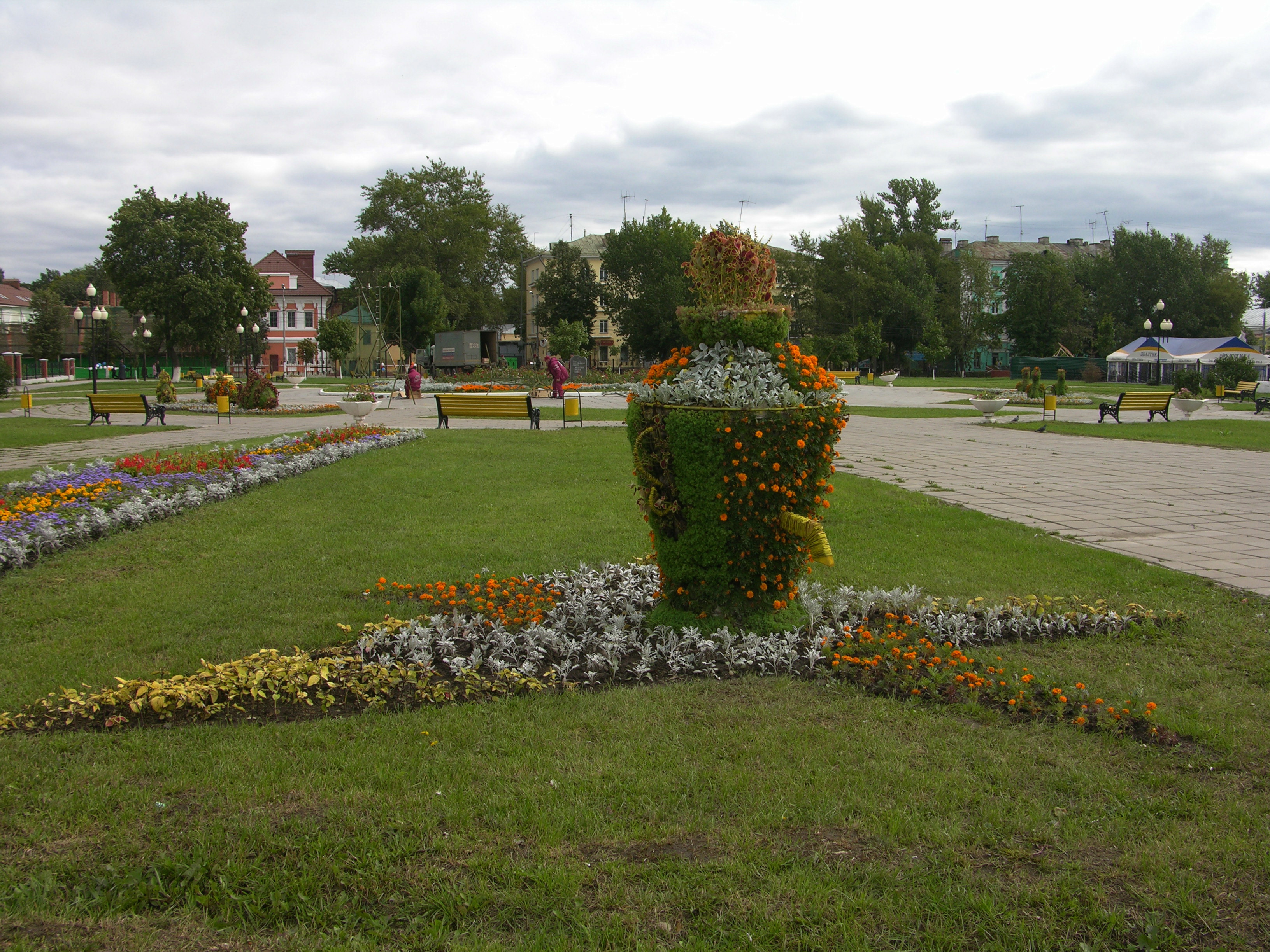
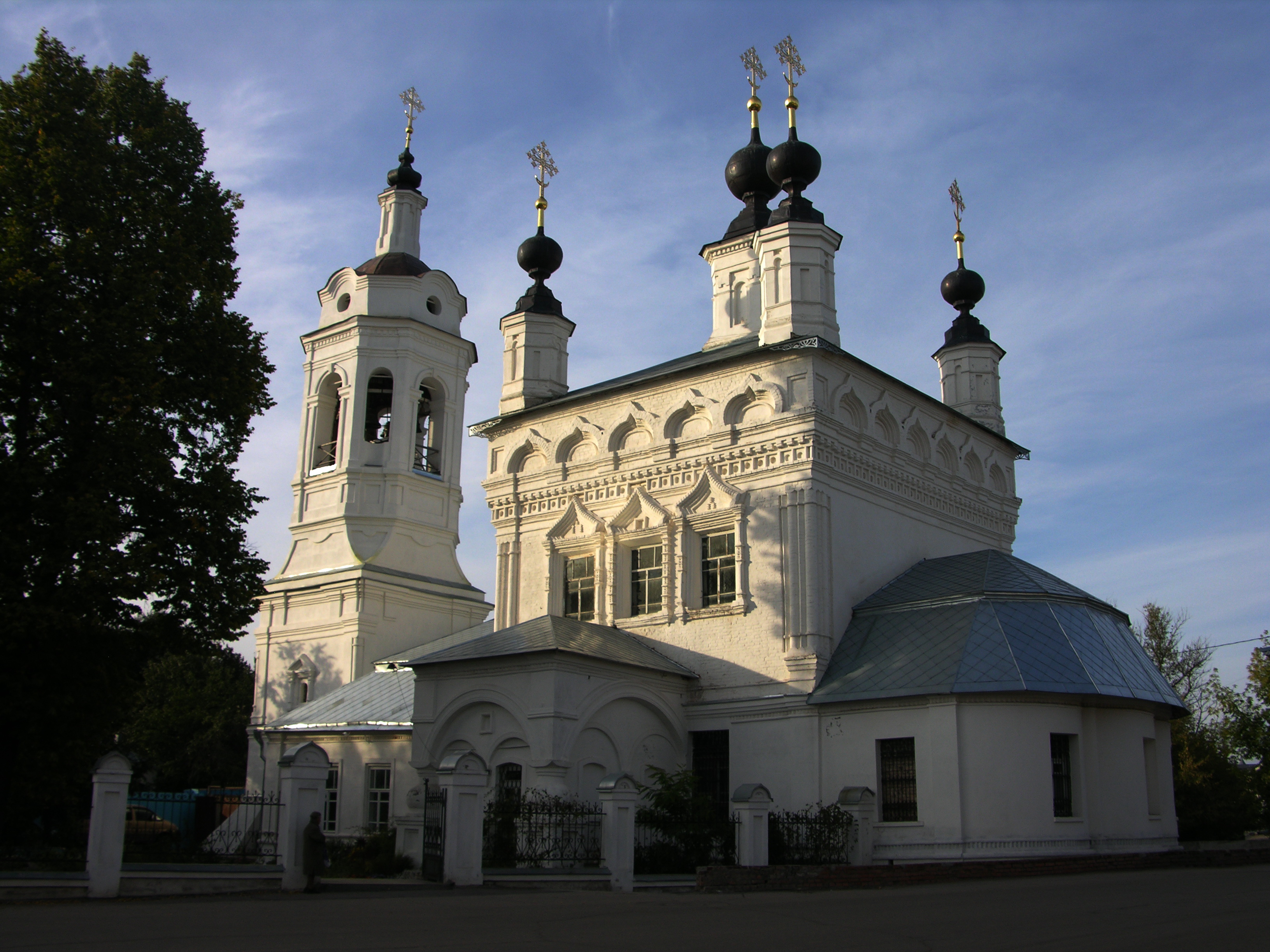
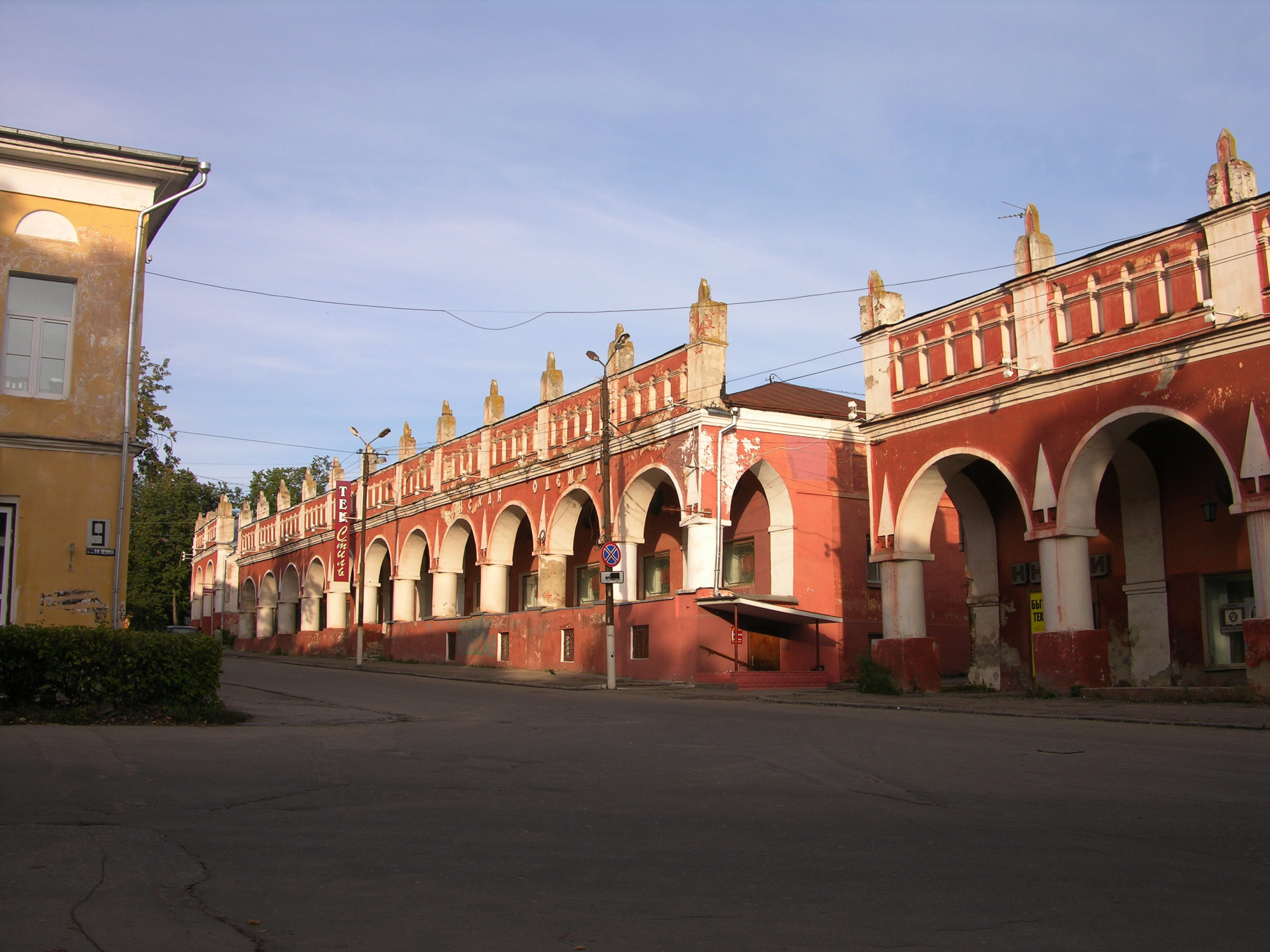
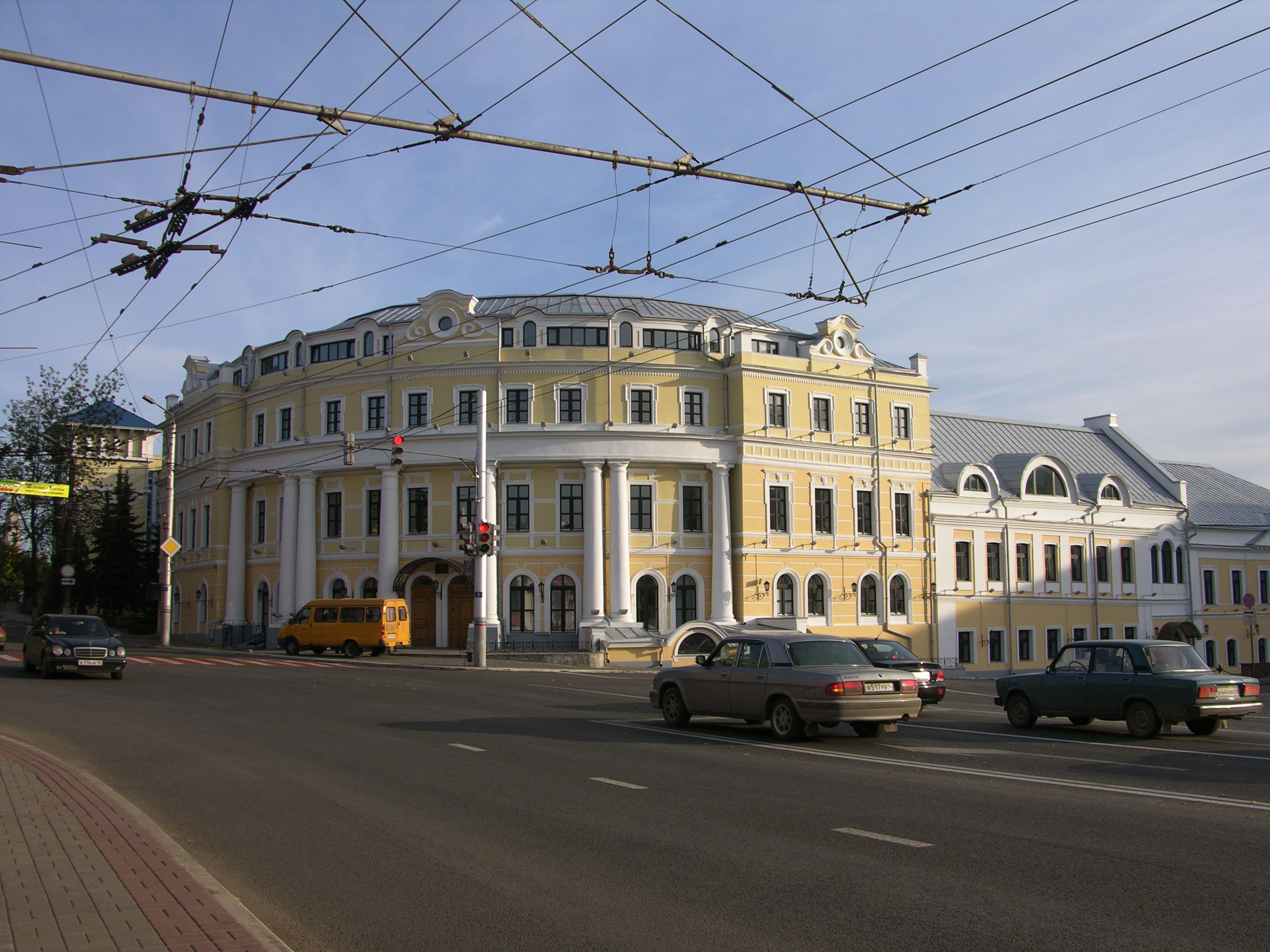
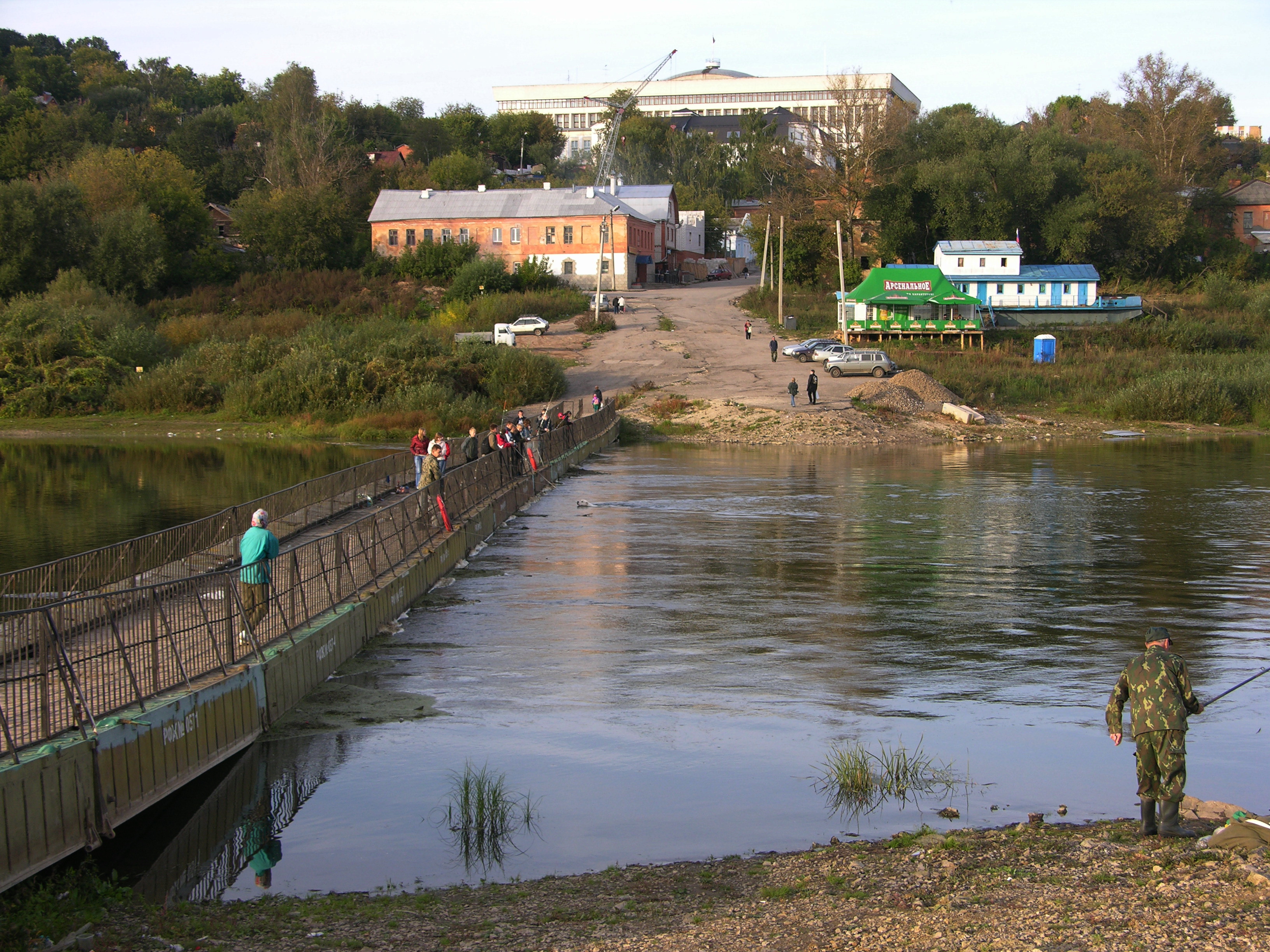
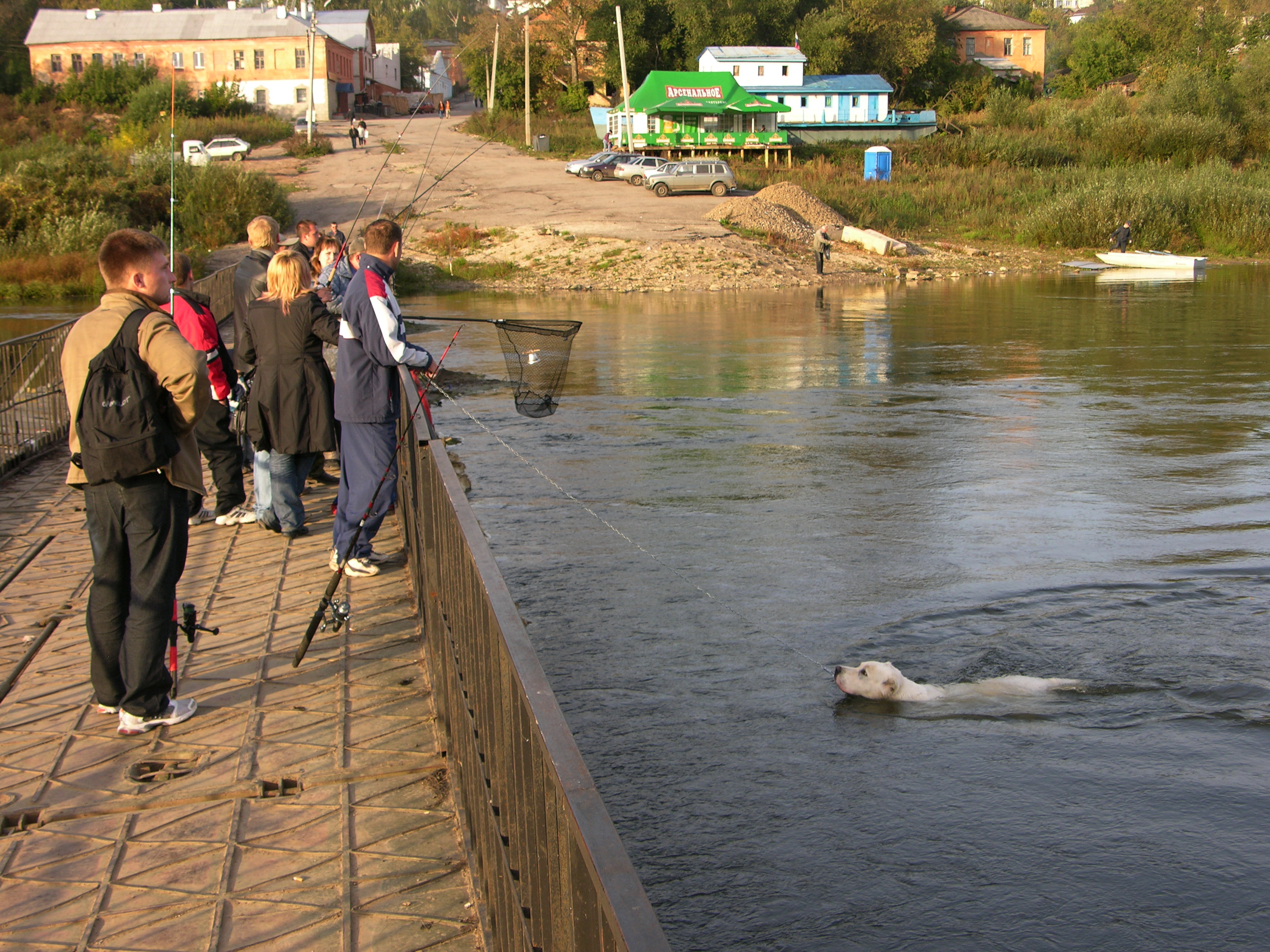
By evening I’d already reached Kaluga. Now here things were much more interesting. The city was in a terrible state of neglect, but the ruins gave a glimpse of its former grandeur. There were many stone and wooden houses from before the Revolution. I was amused by a man walking his dog across a bridge. The man was on the bridge, but the dog, still on its lead, was swimming in the river. The current was fast and the dog was just about keeping up. Whenever it tired, it would start floundering at the end of the lead and have to put on a spurt.
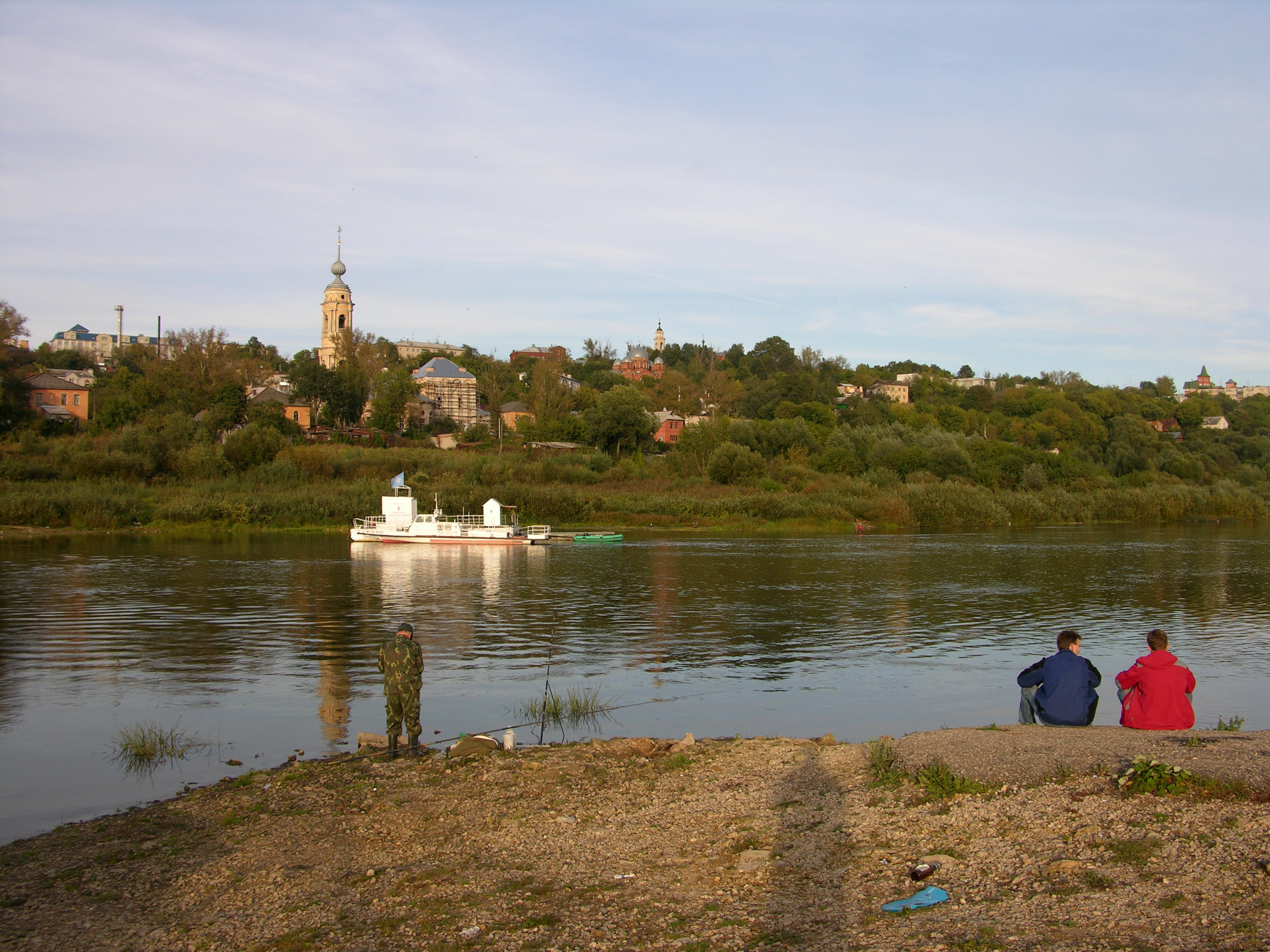
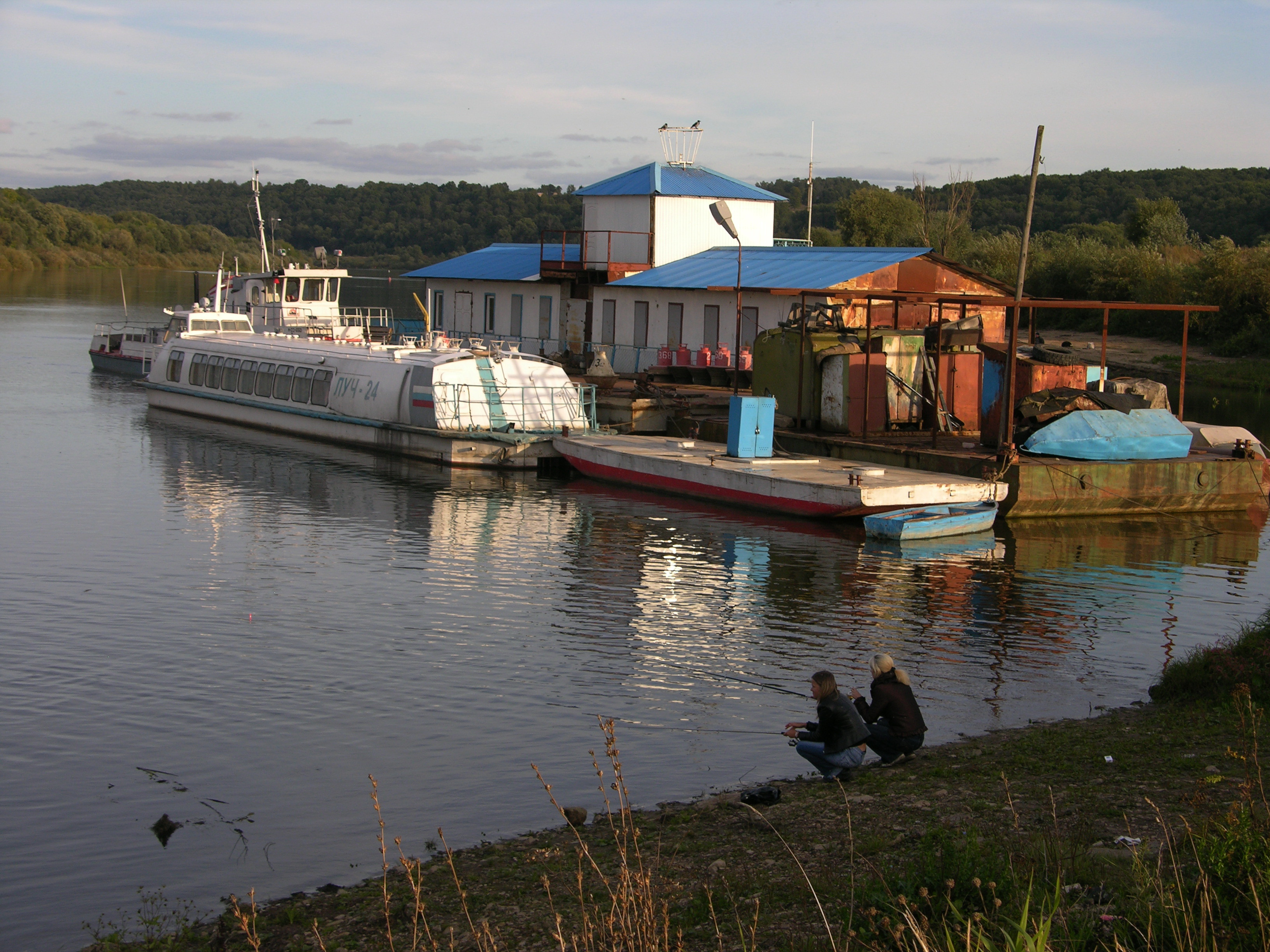
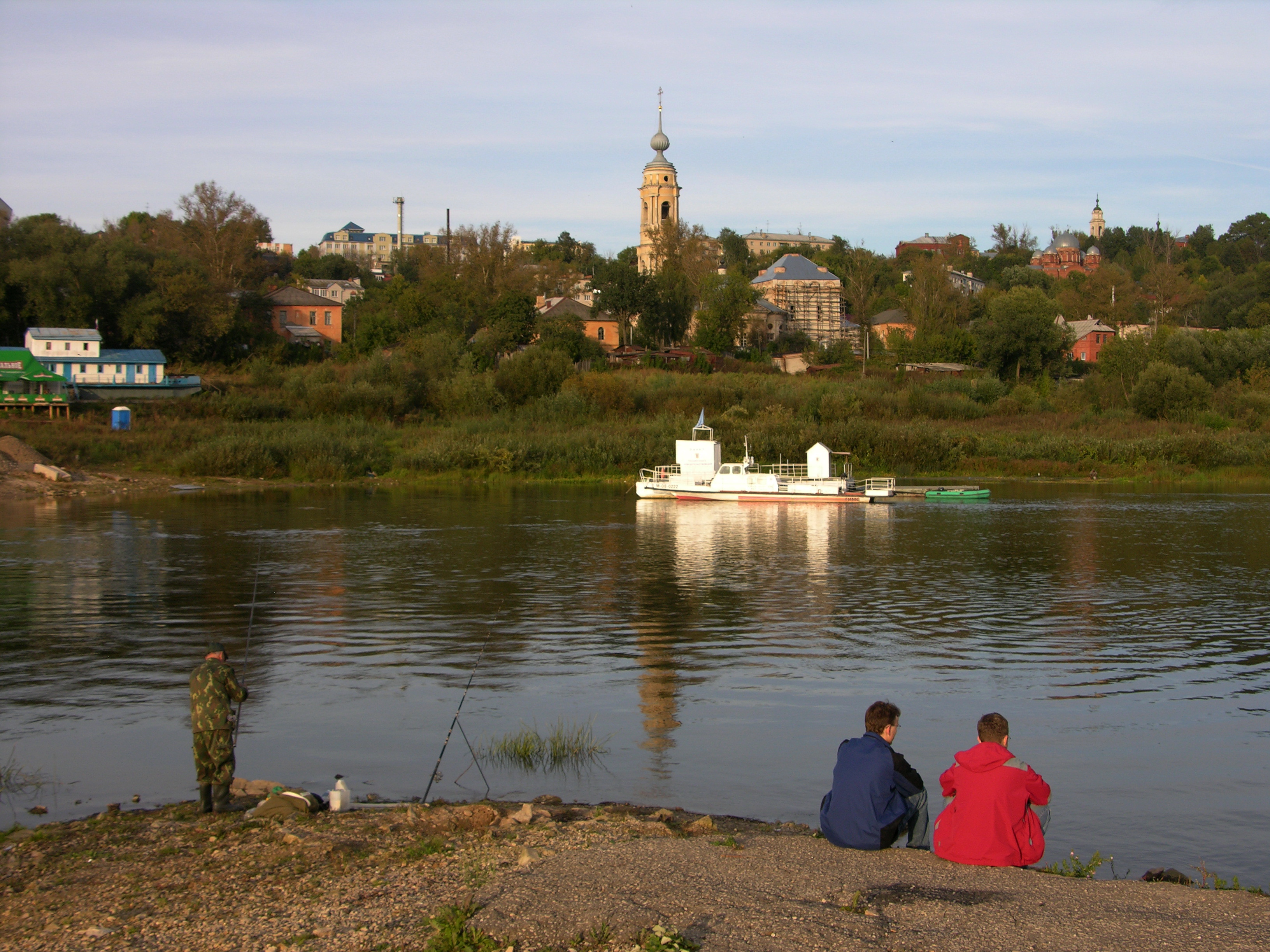
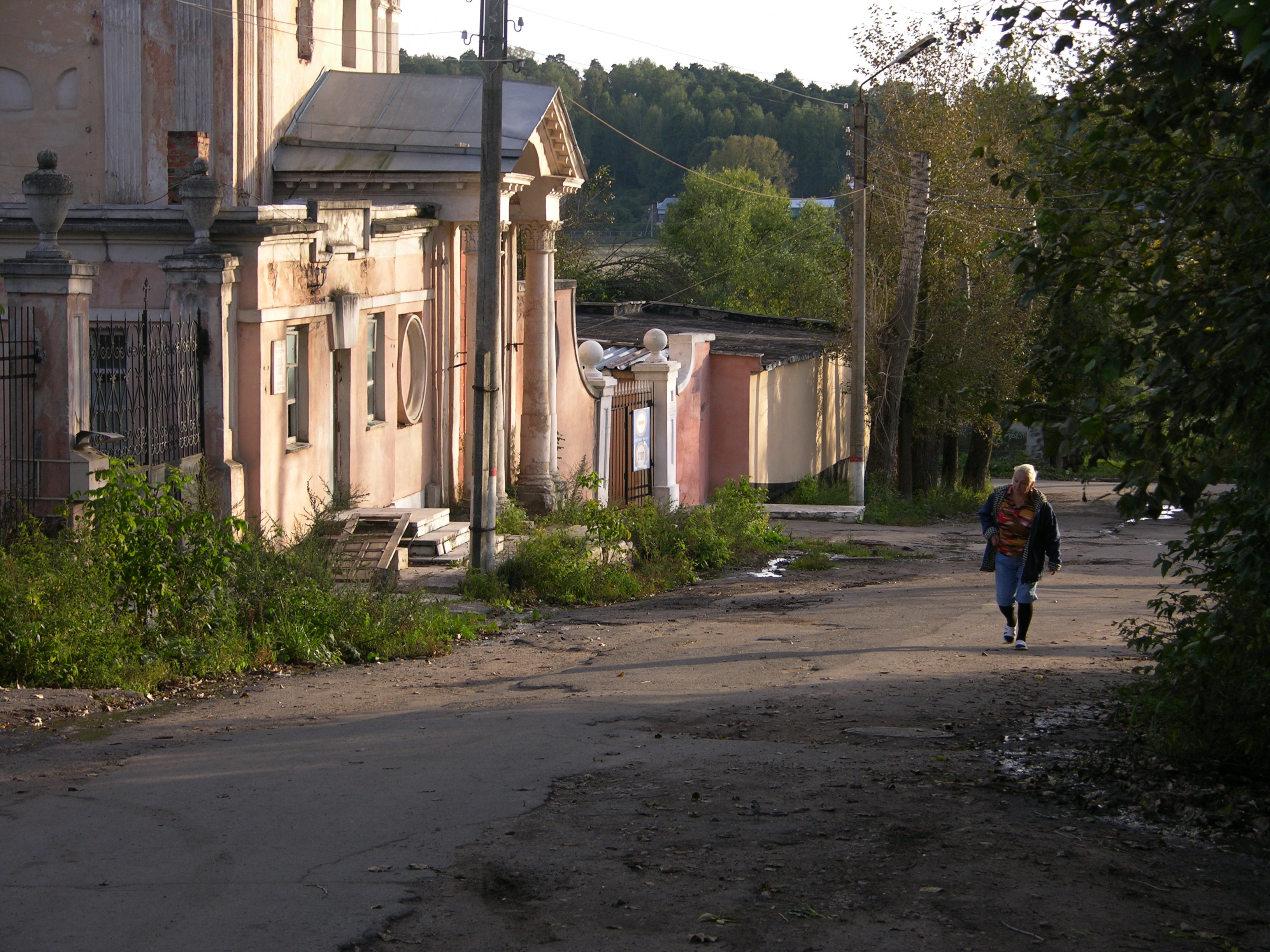
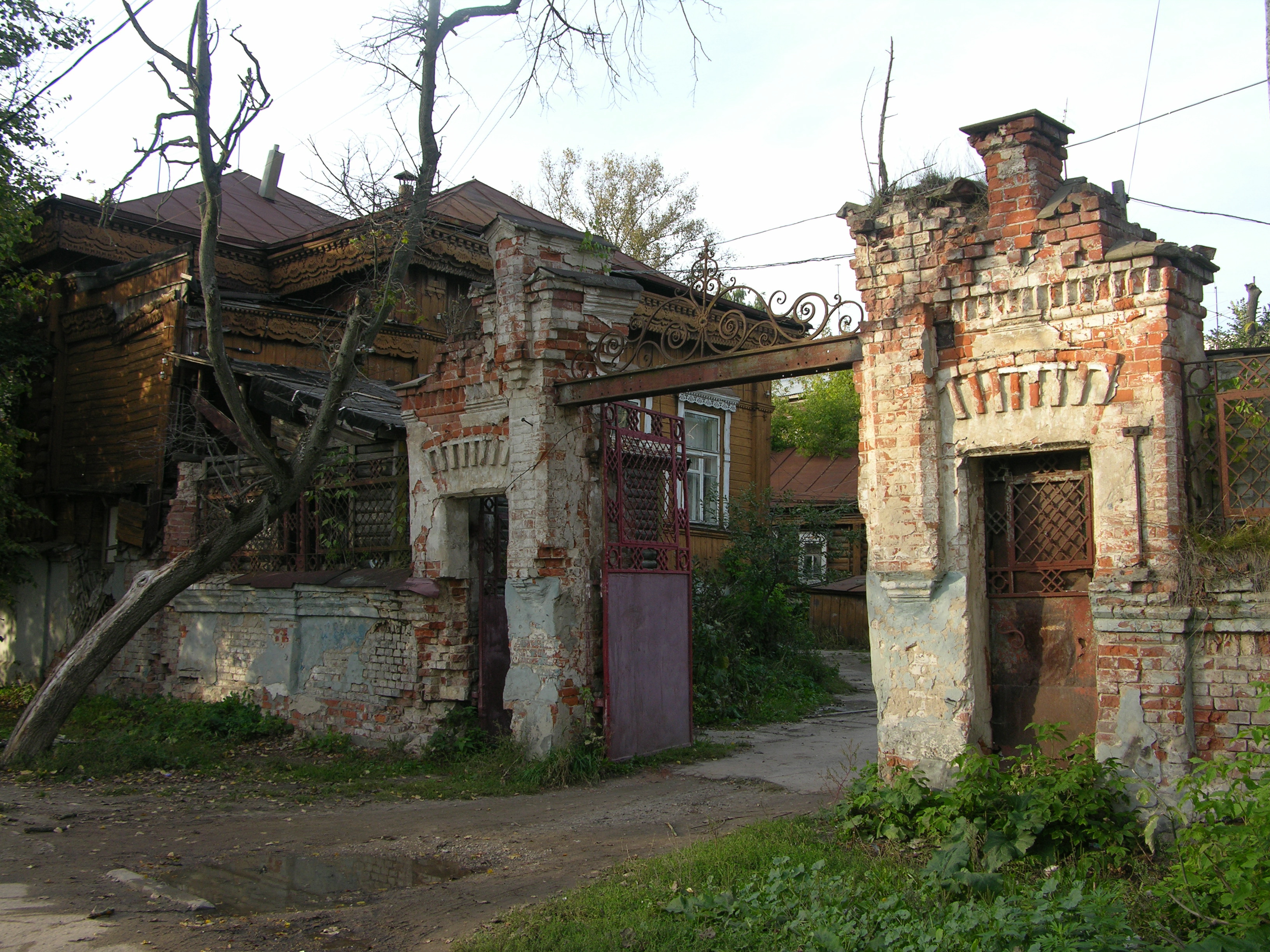
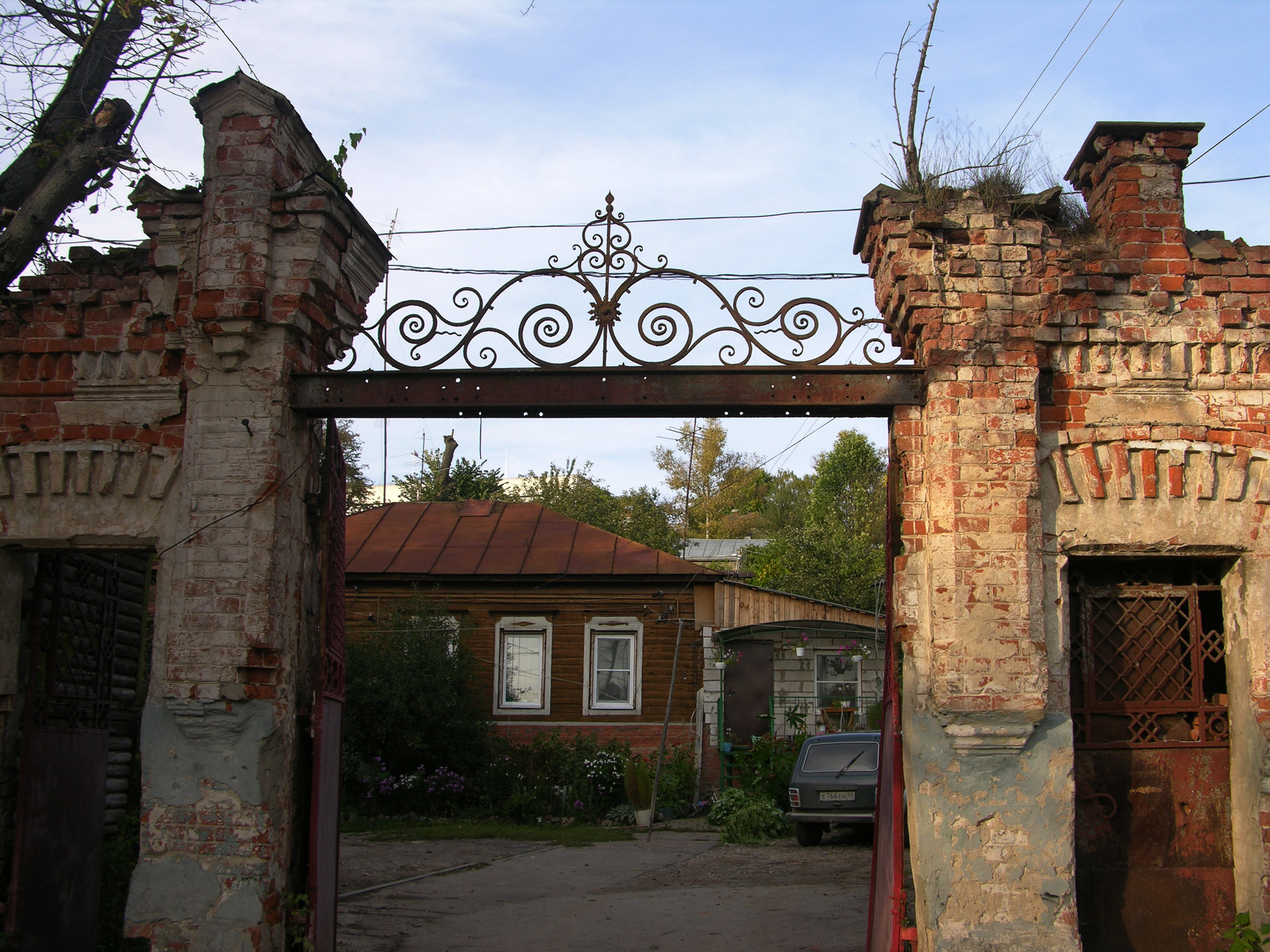
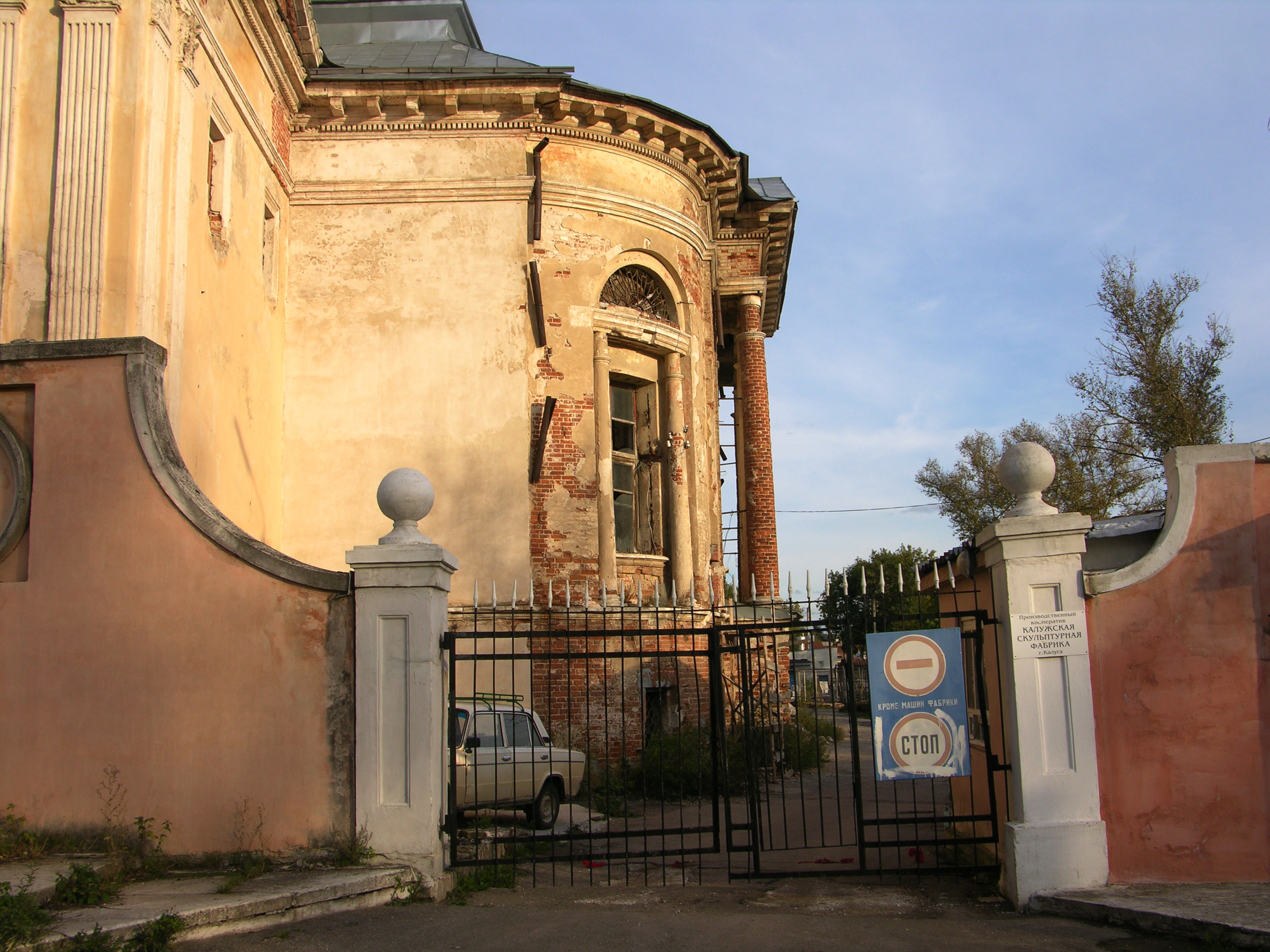
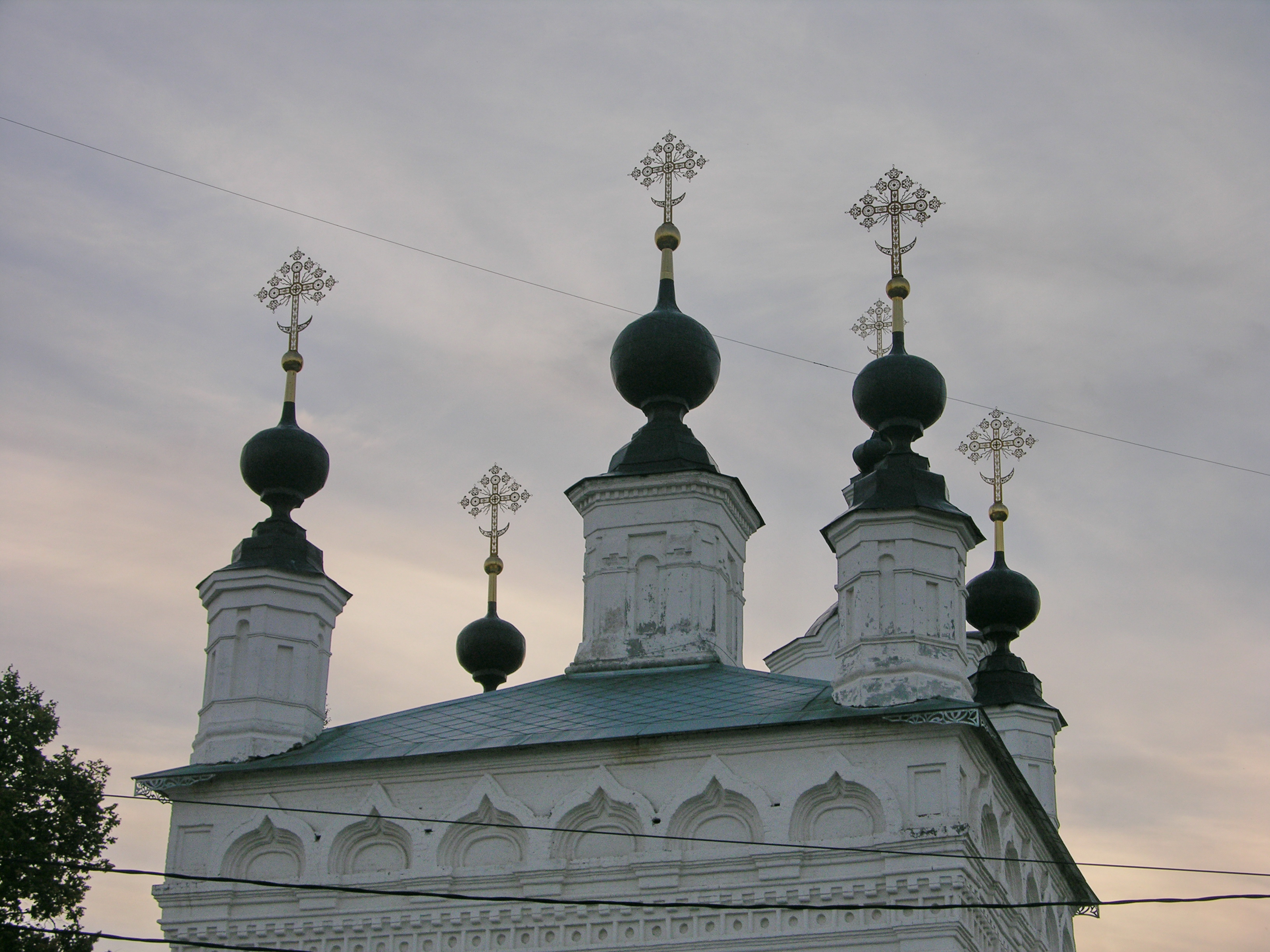
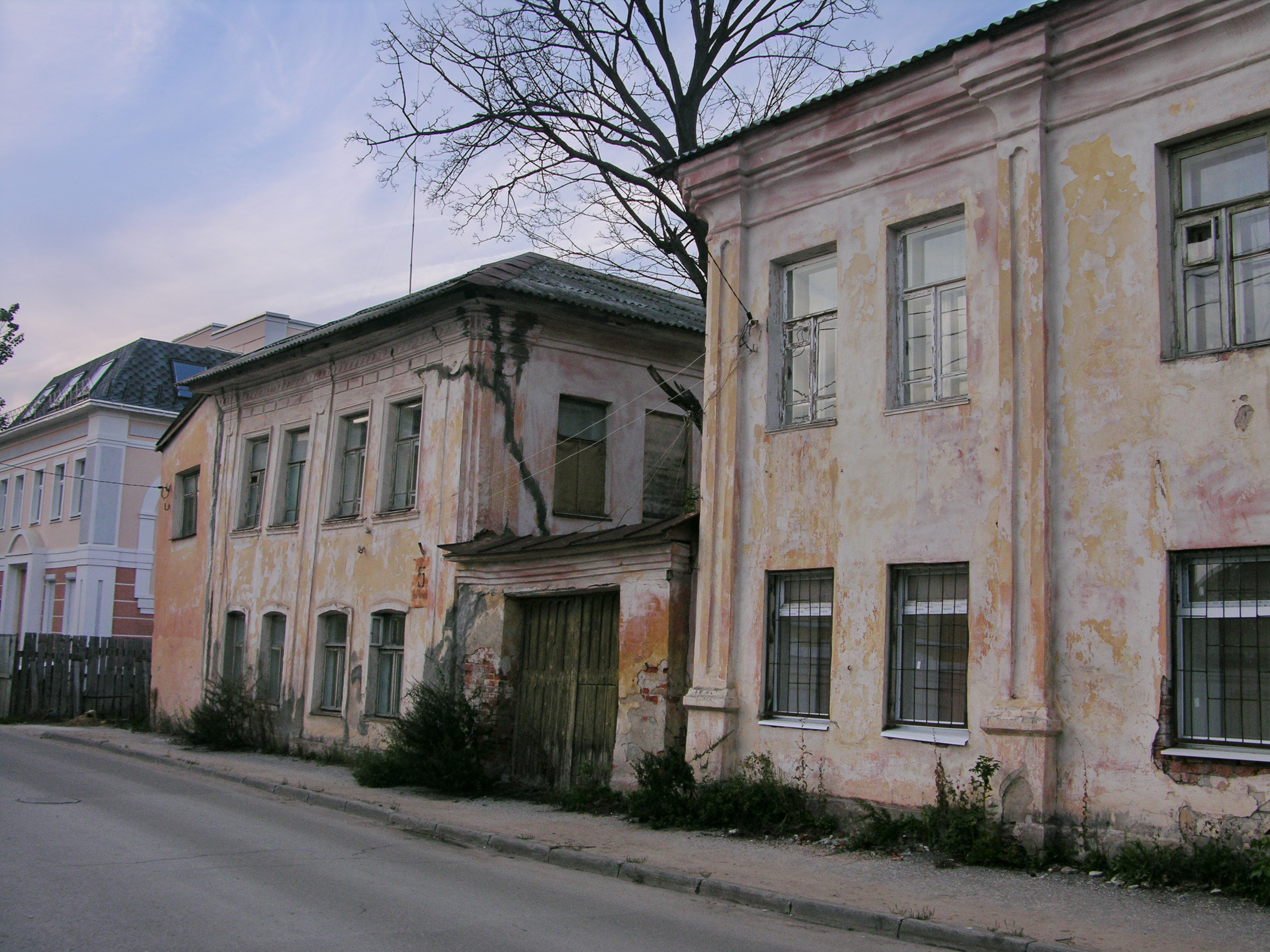
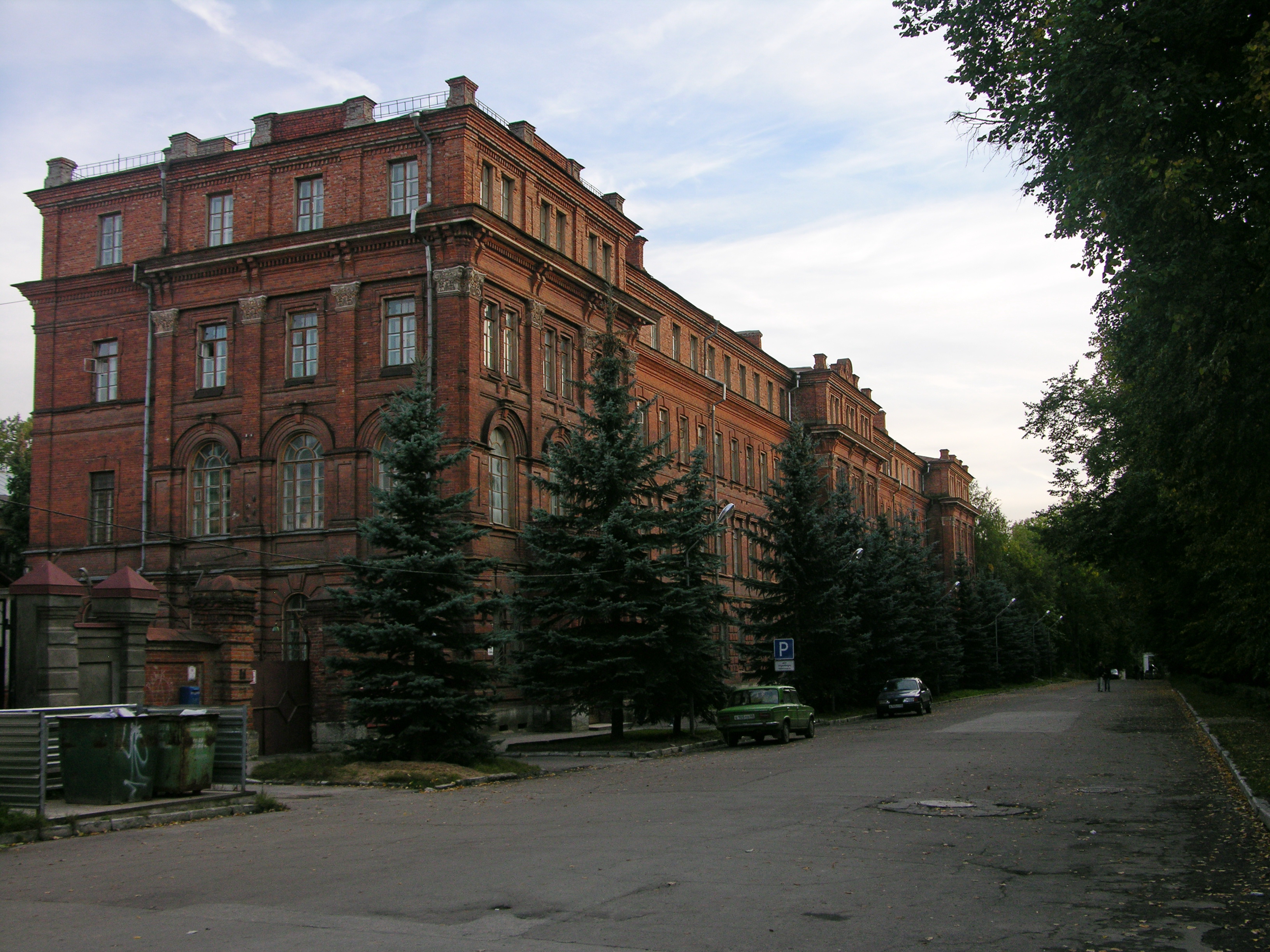
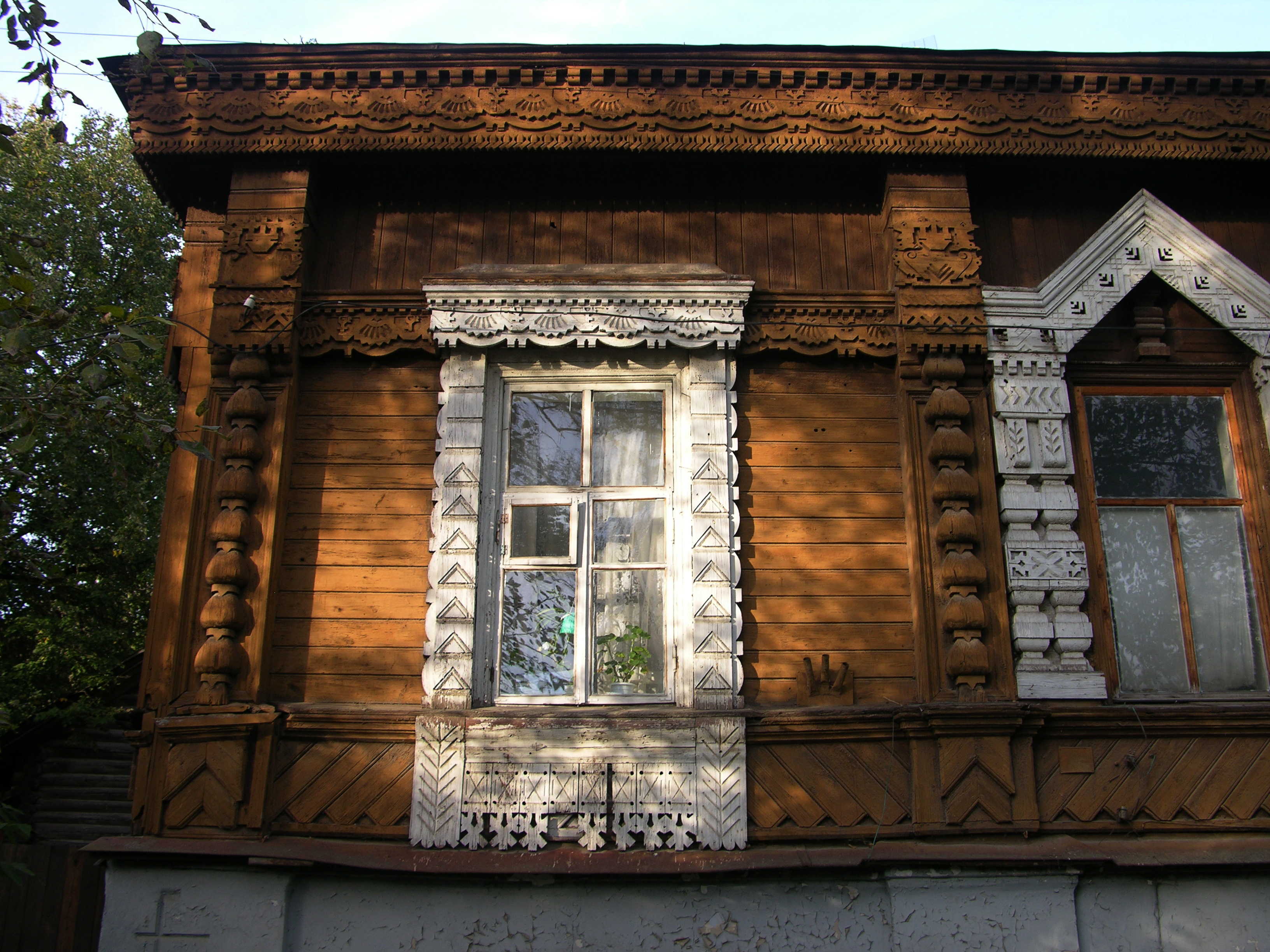
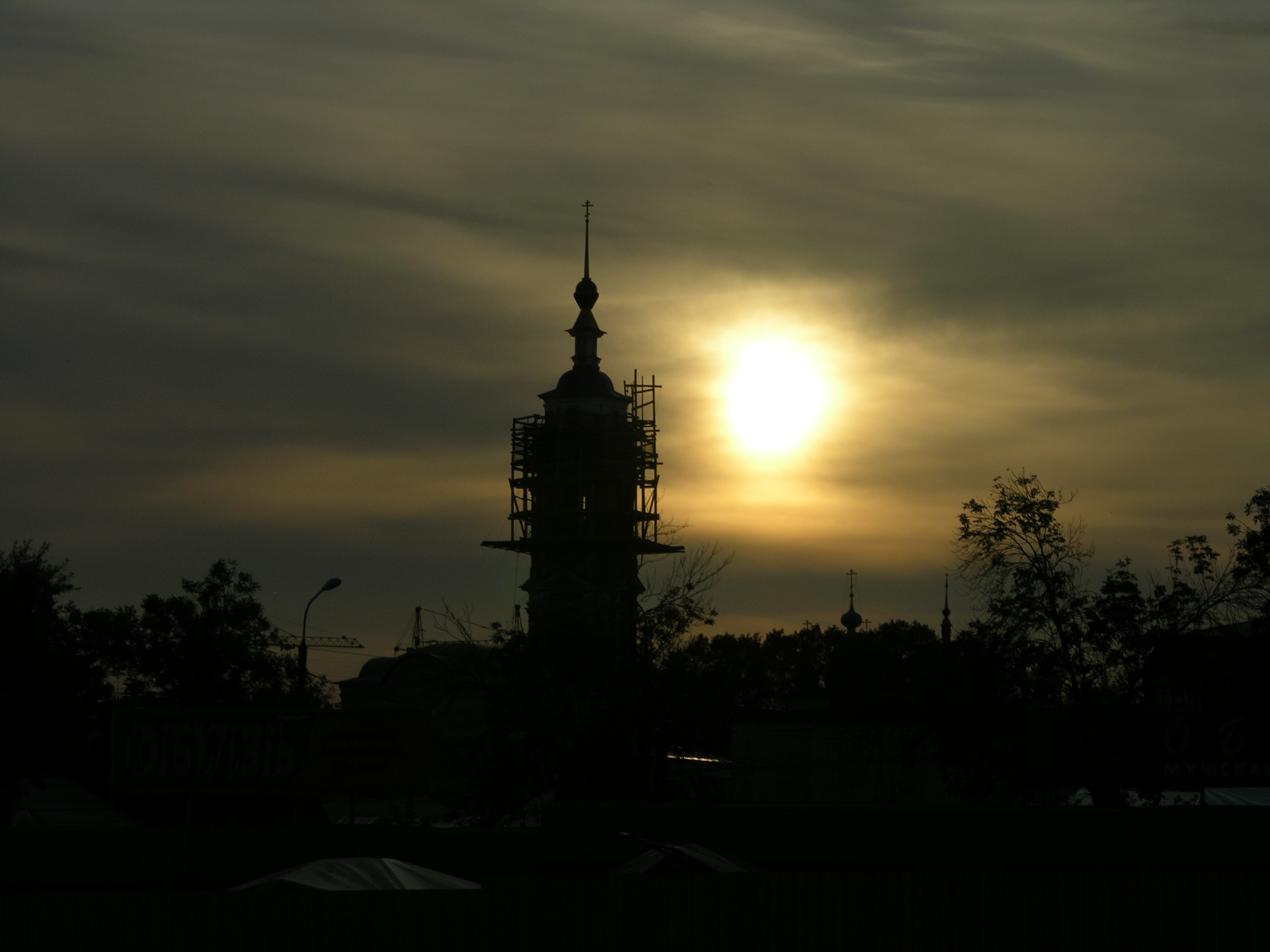
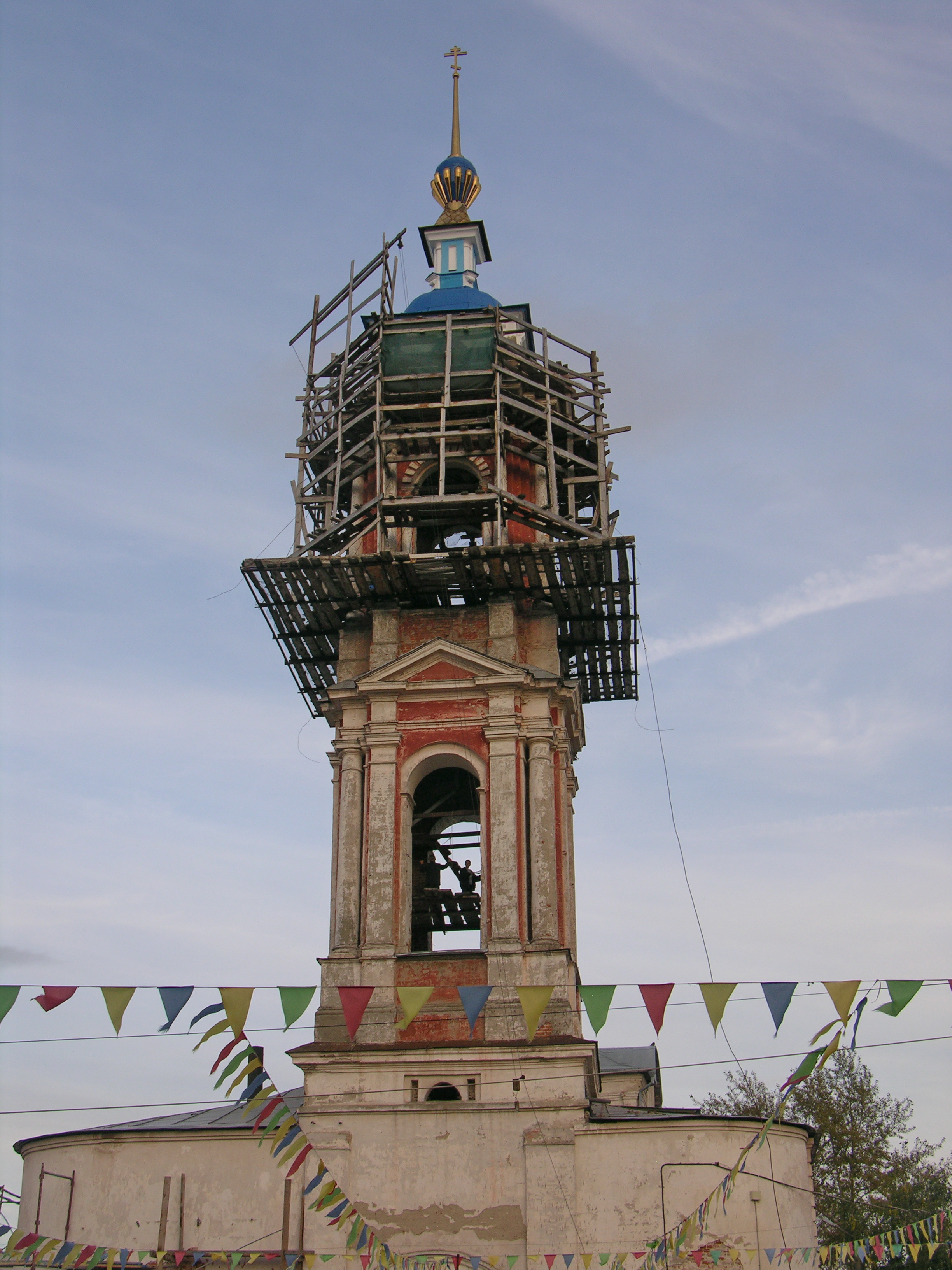
I camped in some damp, unwelcoming woods near Obninsk, at 54°47.826′N, 36°24.359′E.
Heavy rain set in. All I had was a little one-person tent, and it began leaking like a sieve. By about four in the morning I knew there was no more sleep to be had. I packed up and drove to Moscow. I’d been there countless times, of course, but here was a chance to drive around central Moscow early on a Sunday. What a pleasure. No traffic, no jams and no cops. You can get from the Kremlin to the Arbat or Luzhniki in under ten minutes.
When cars began filling the streets, I headed for Saint Petersburg.
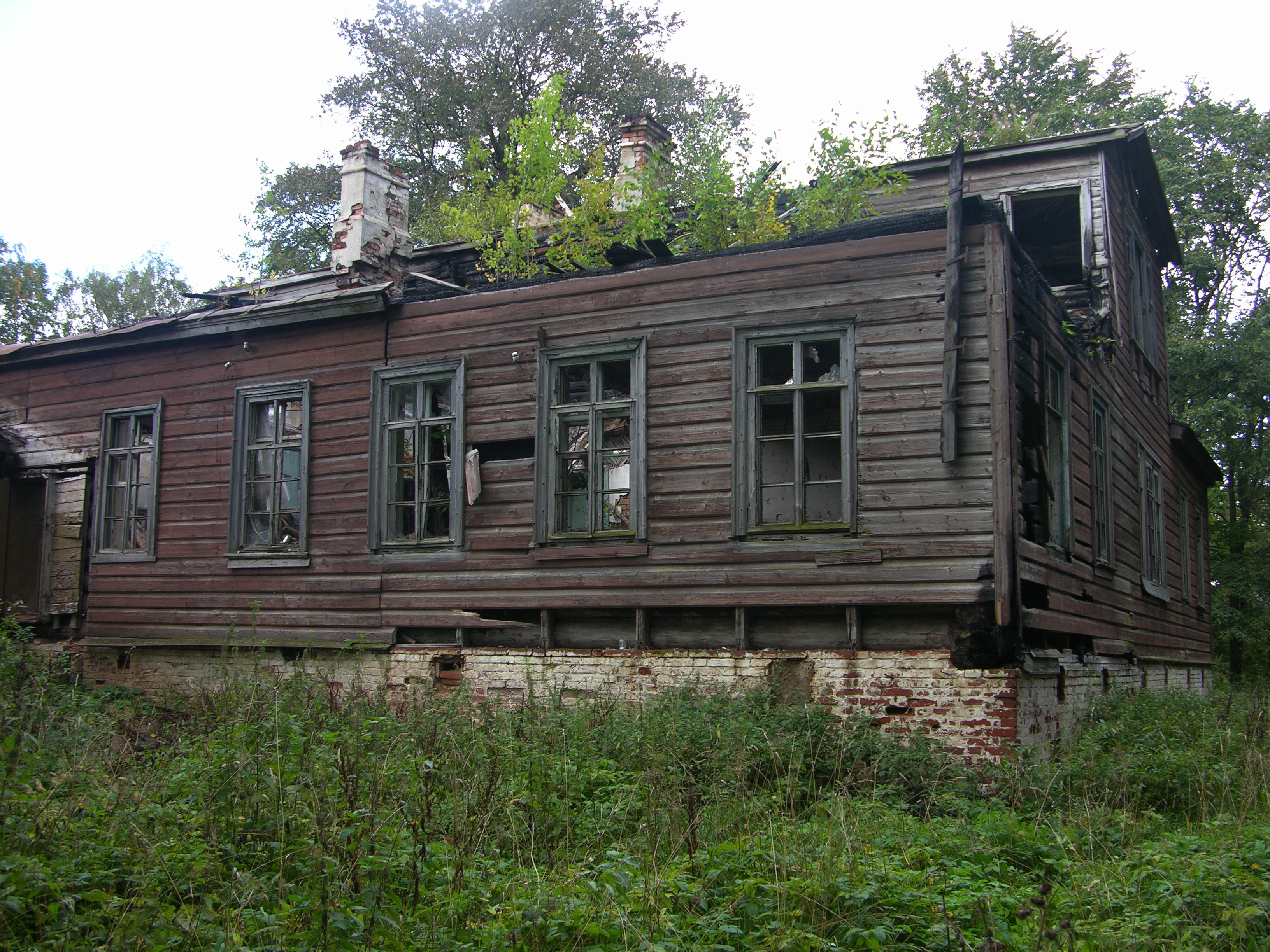
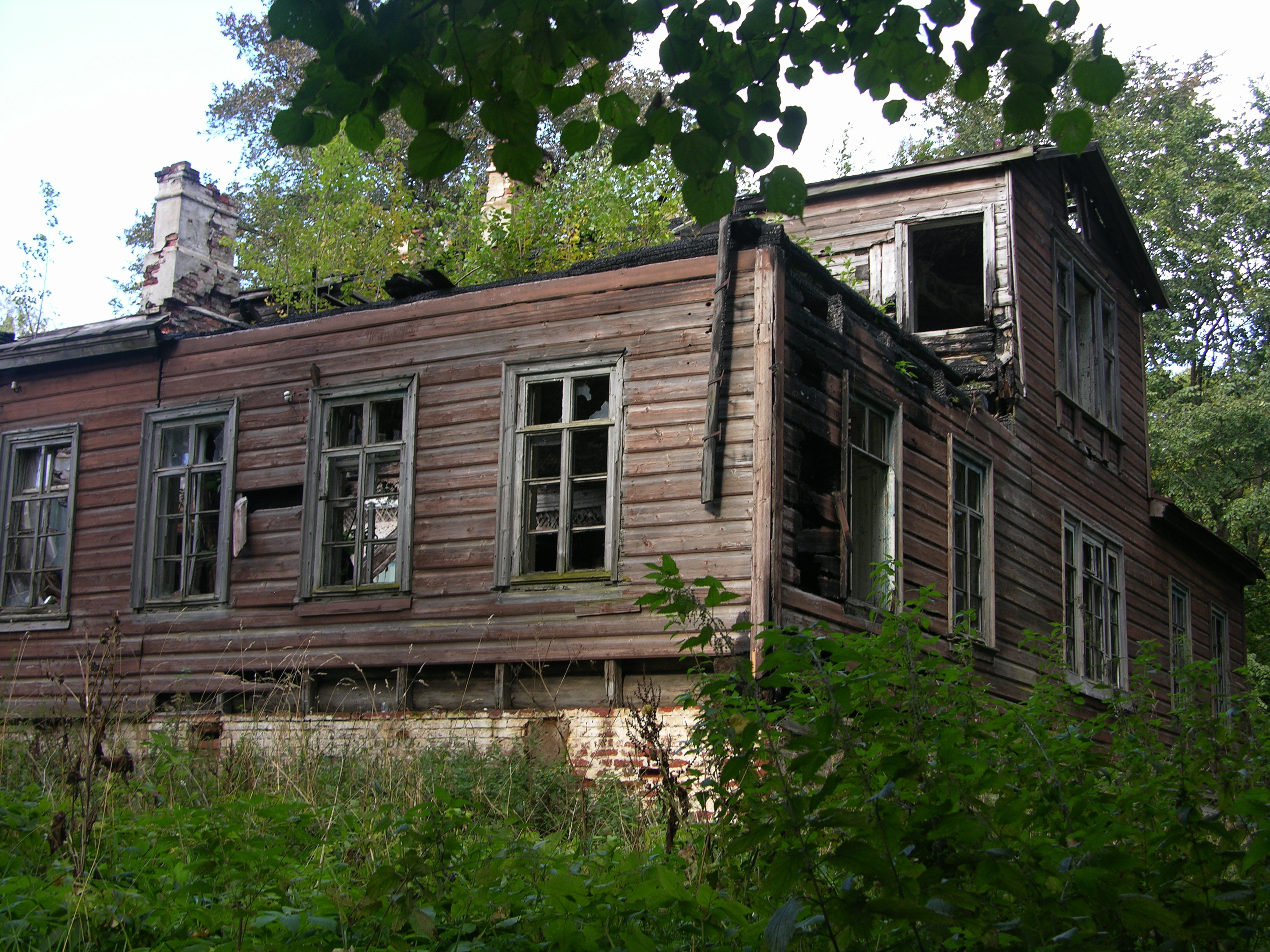
I stopped in Valdai to see the ruins of my great-grandfather Mikhail Osipovich Menshikov’s estate. My grandmother Maria was born there.
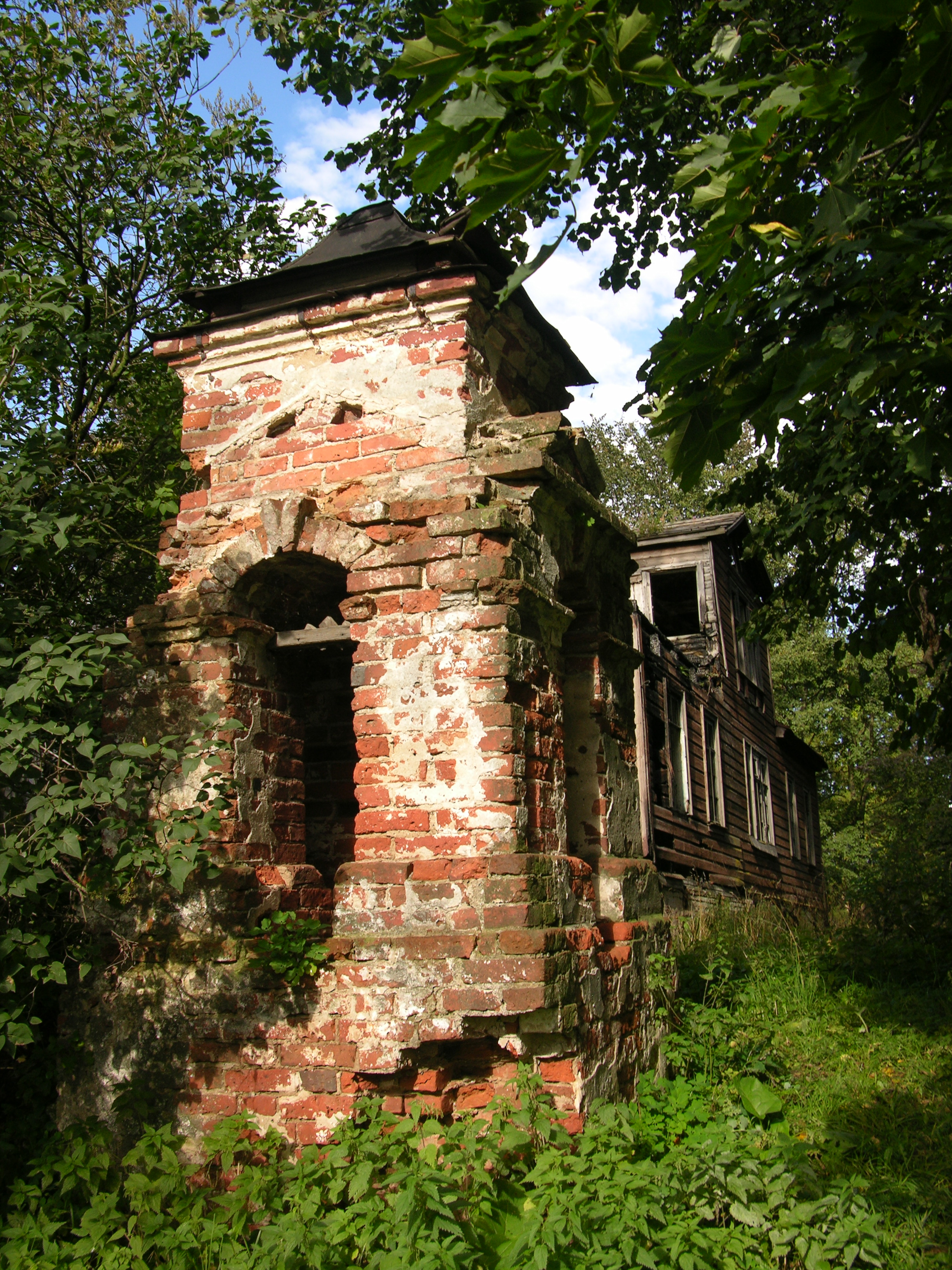
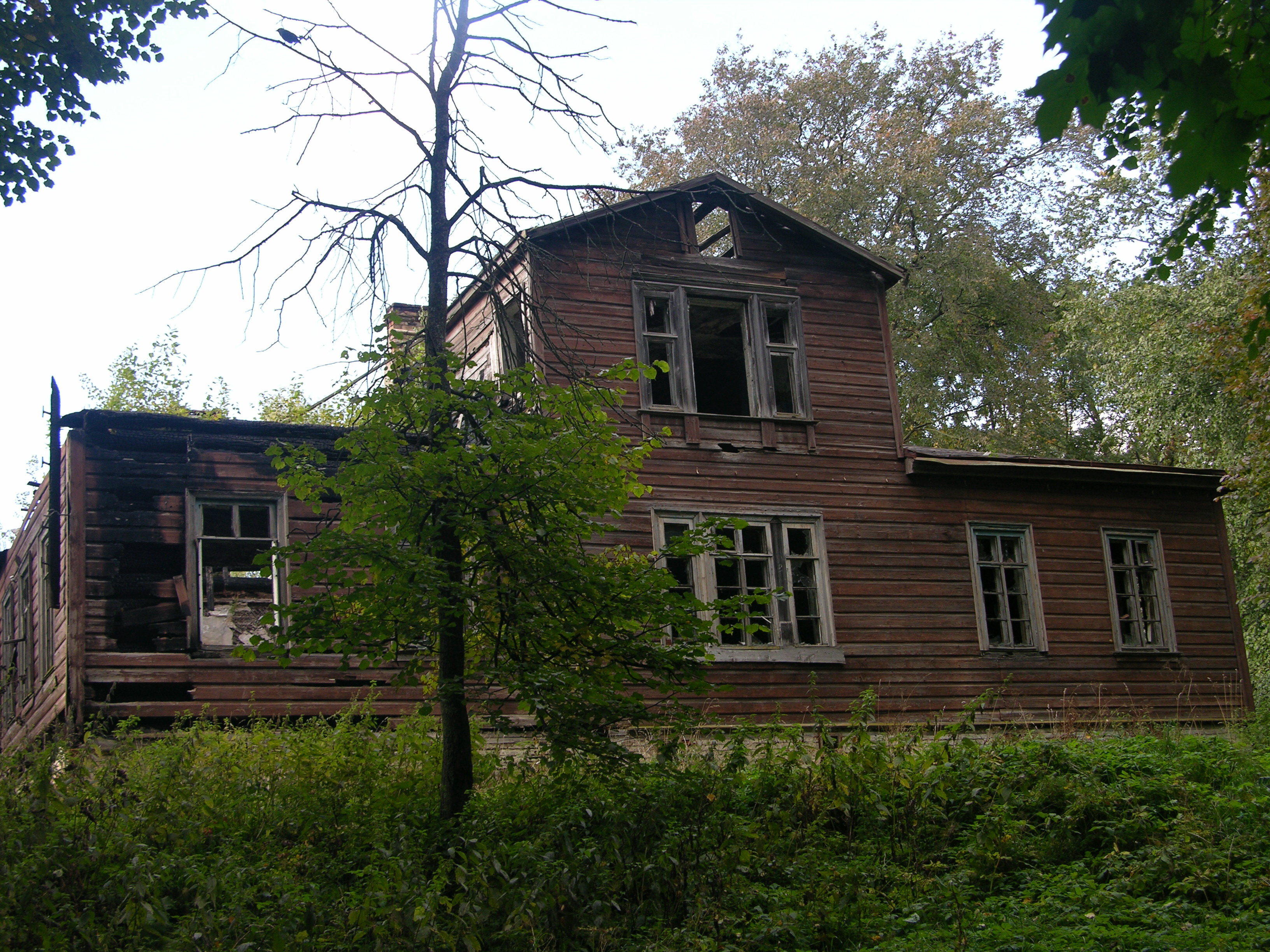
Sadly, the house is in ruins beyond any hope of restoration.