Trip report
In March 2010 it was time to service our railway sites in the Murmansk region. Strictly speaking, it was time to do the whole line. I let others take care of the less interesting stretches and kept the north for myself.
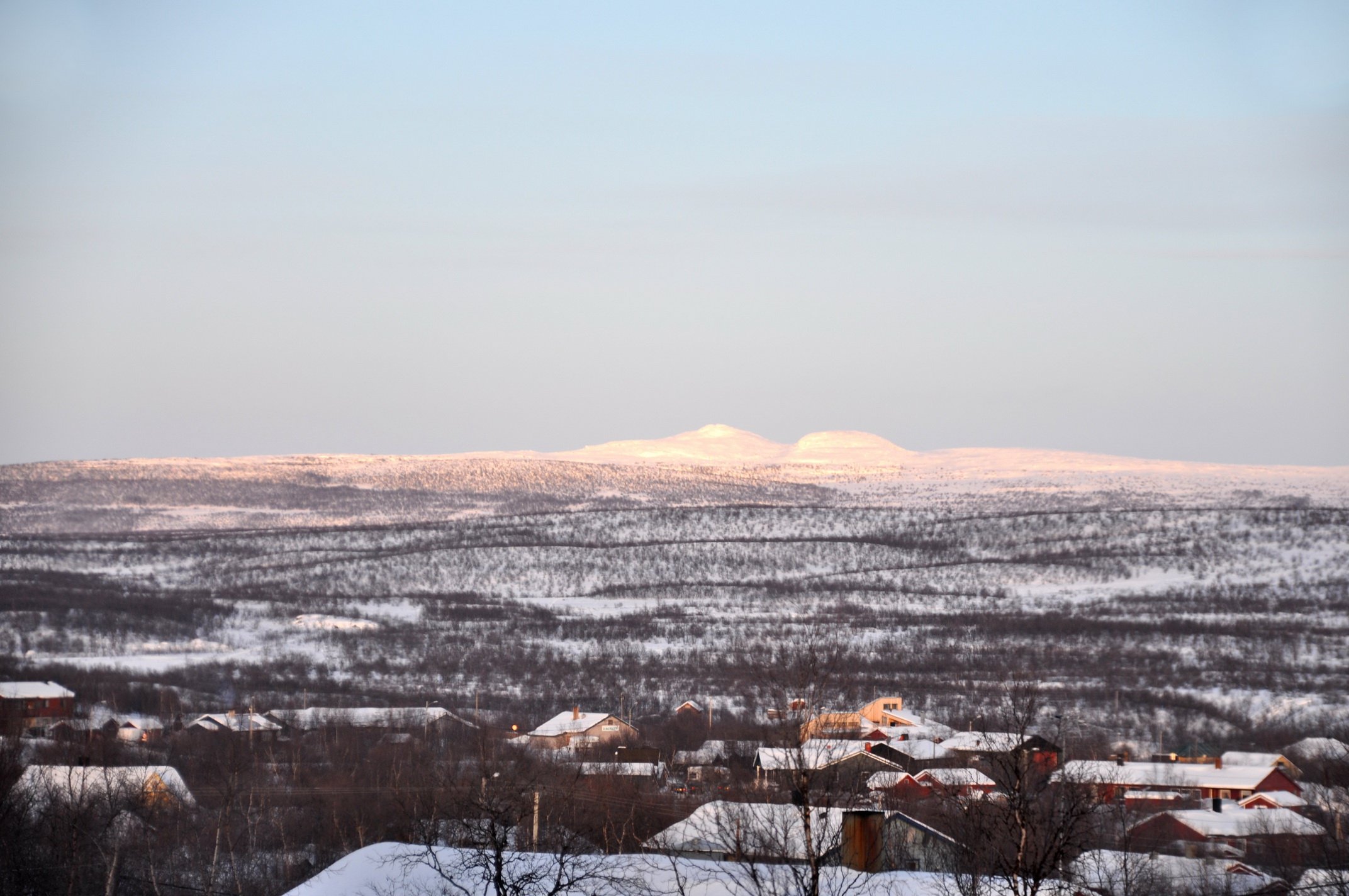
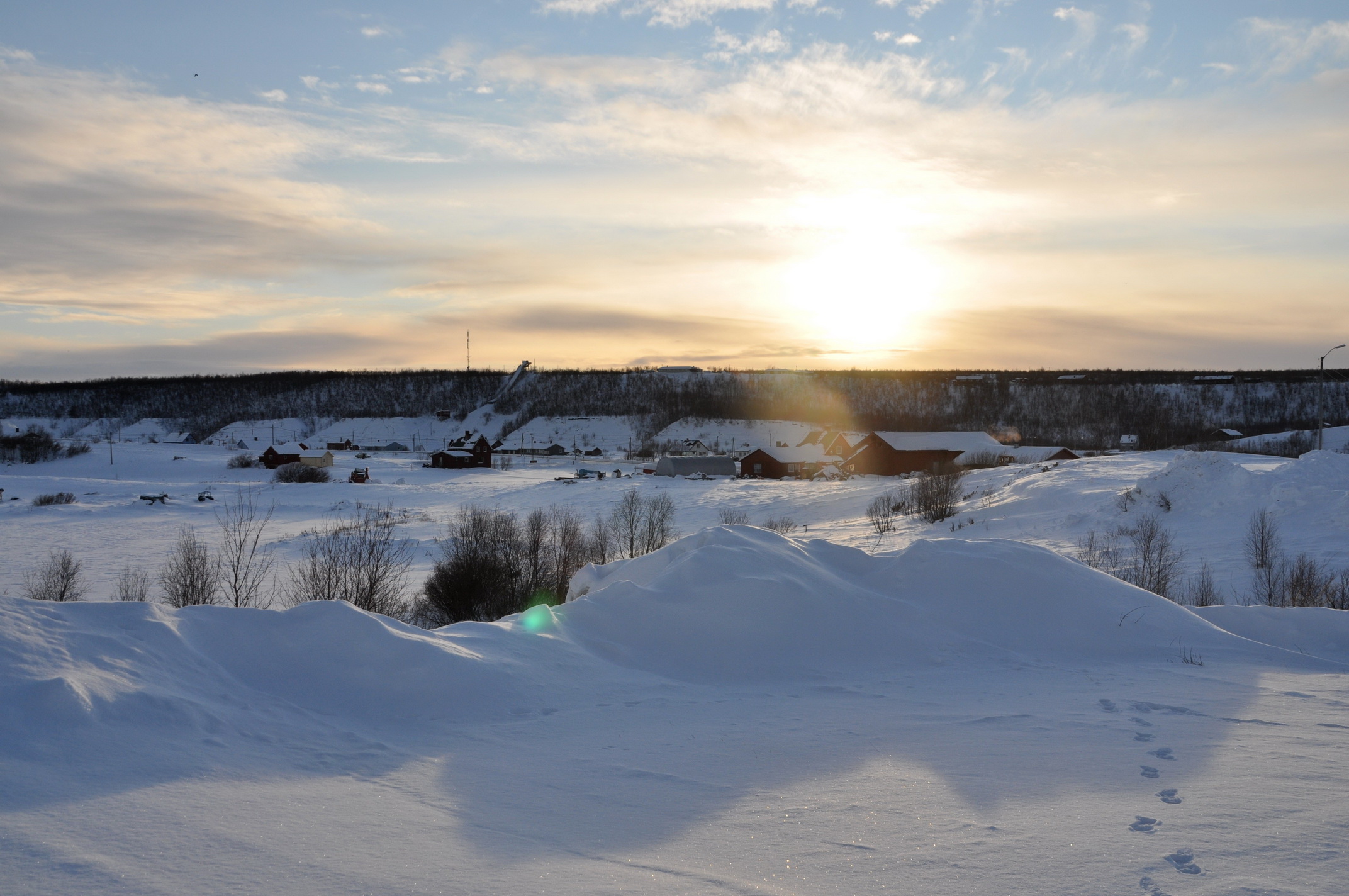
March above the Arctic Circle is still winter. The snow wasn’t thinking of melting. The sun had only just put its head above the horizon after the long polar night.
Through Finland and Sweden
By then it had become a tradition to start with Finland. I left straight from work on Friday, with two free days ahead of me. The road to Vyborg was jammed on a Friday evening, and so was the border crossing. I only made it as far as Imatra, where I took a hotel room.
I spent all the next day taking my time driving through Finland. I did some shopping and ate well at roadside cafés. At the time, the ABC service-station restaurants were taking the lead in Finnish roadside food. Ten euros at lunchtime got you the buffet. You could pile your plate with as much meat or fish as you liked, sometimes with soup as well. There was a separate plate for salads, then coffee and a couple of buns. I’d skipped meals on Friday to leave room. Pity those restaurants were all in the south. North of Rovaniemi the settlements thin out and filling-station cafés make do with coffee and a burger.
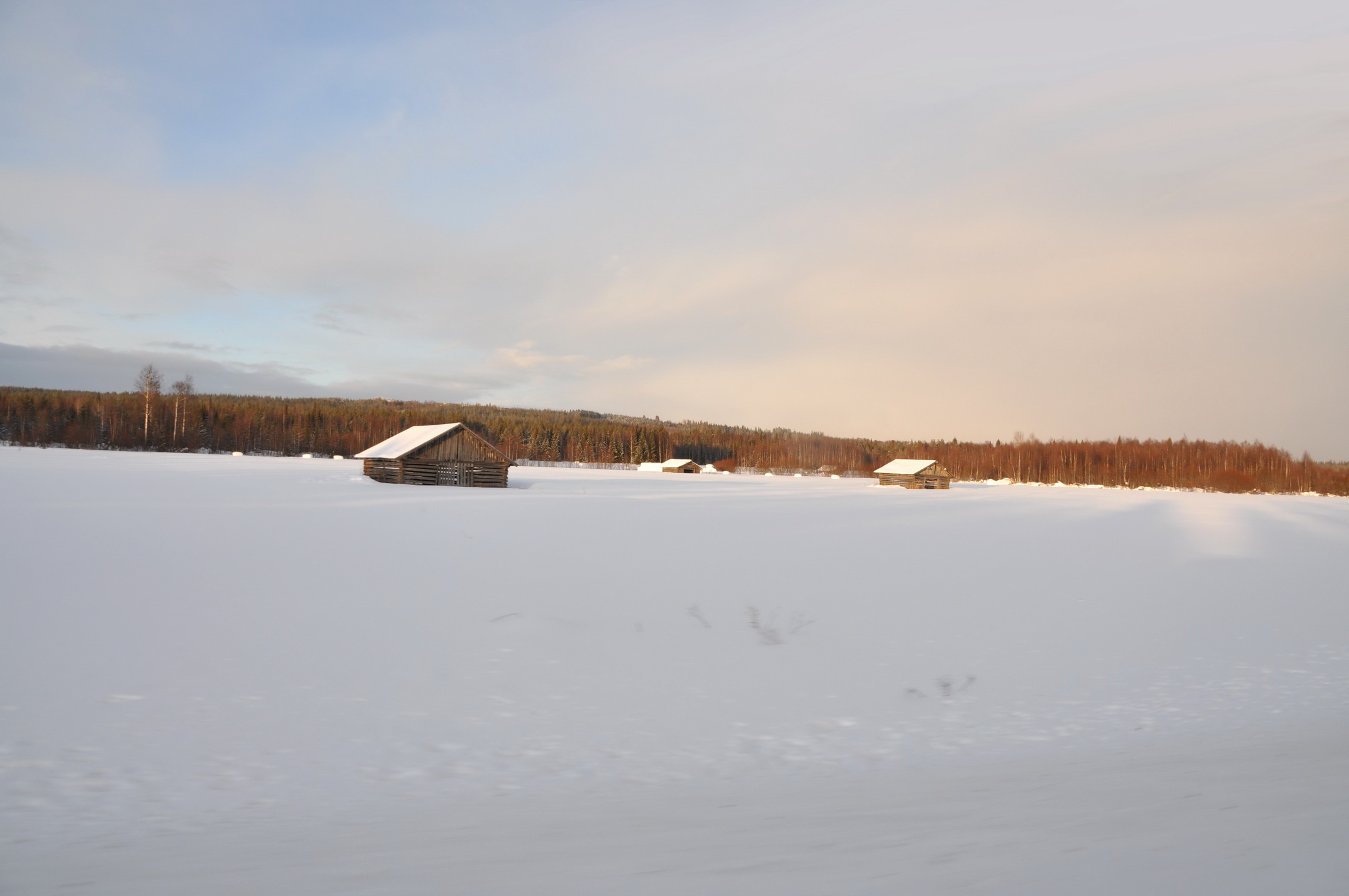
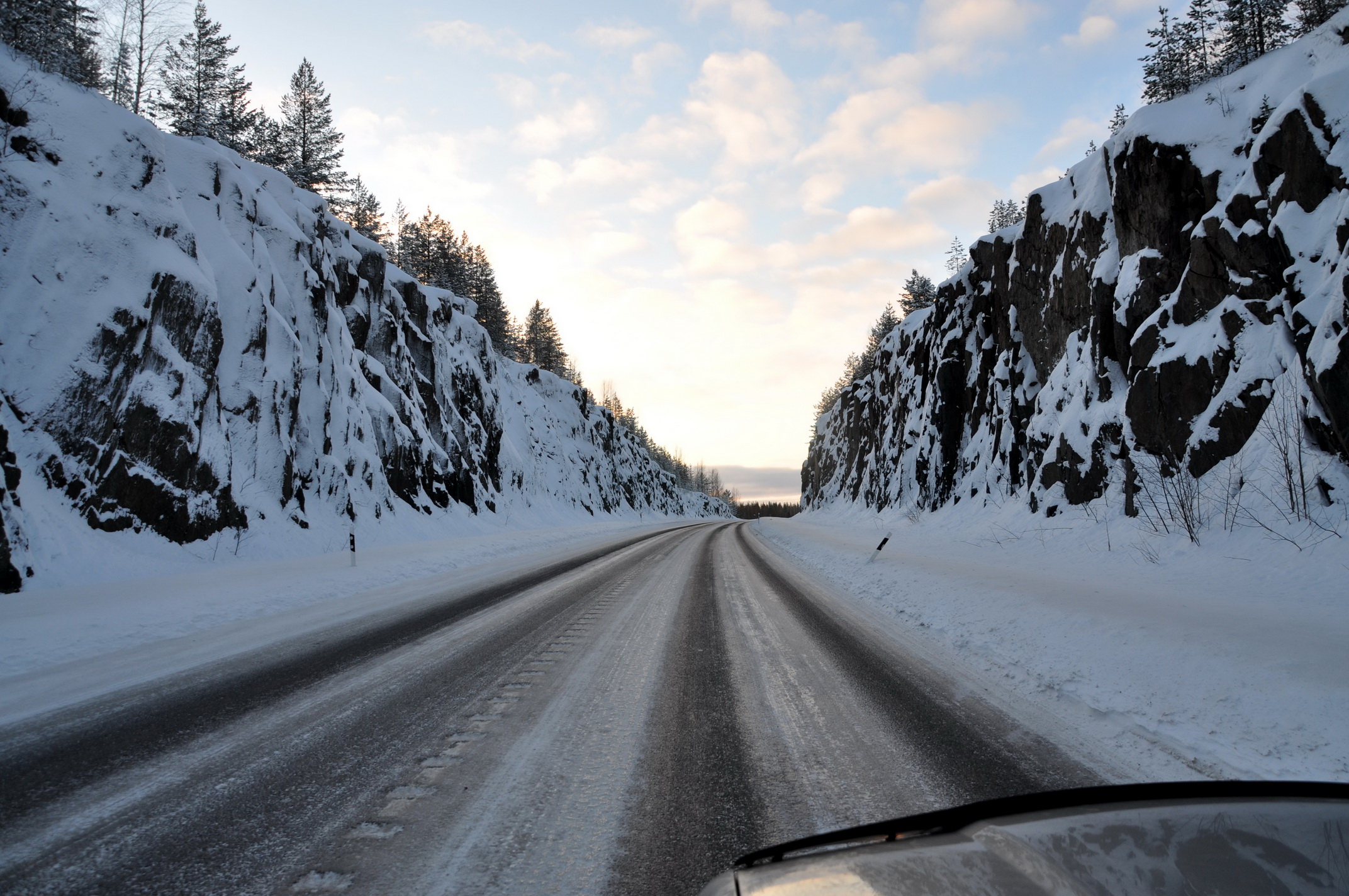
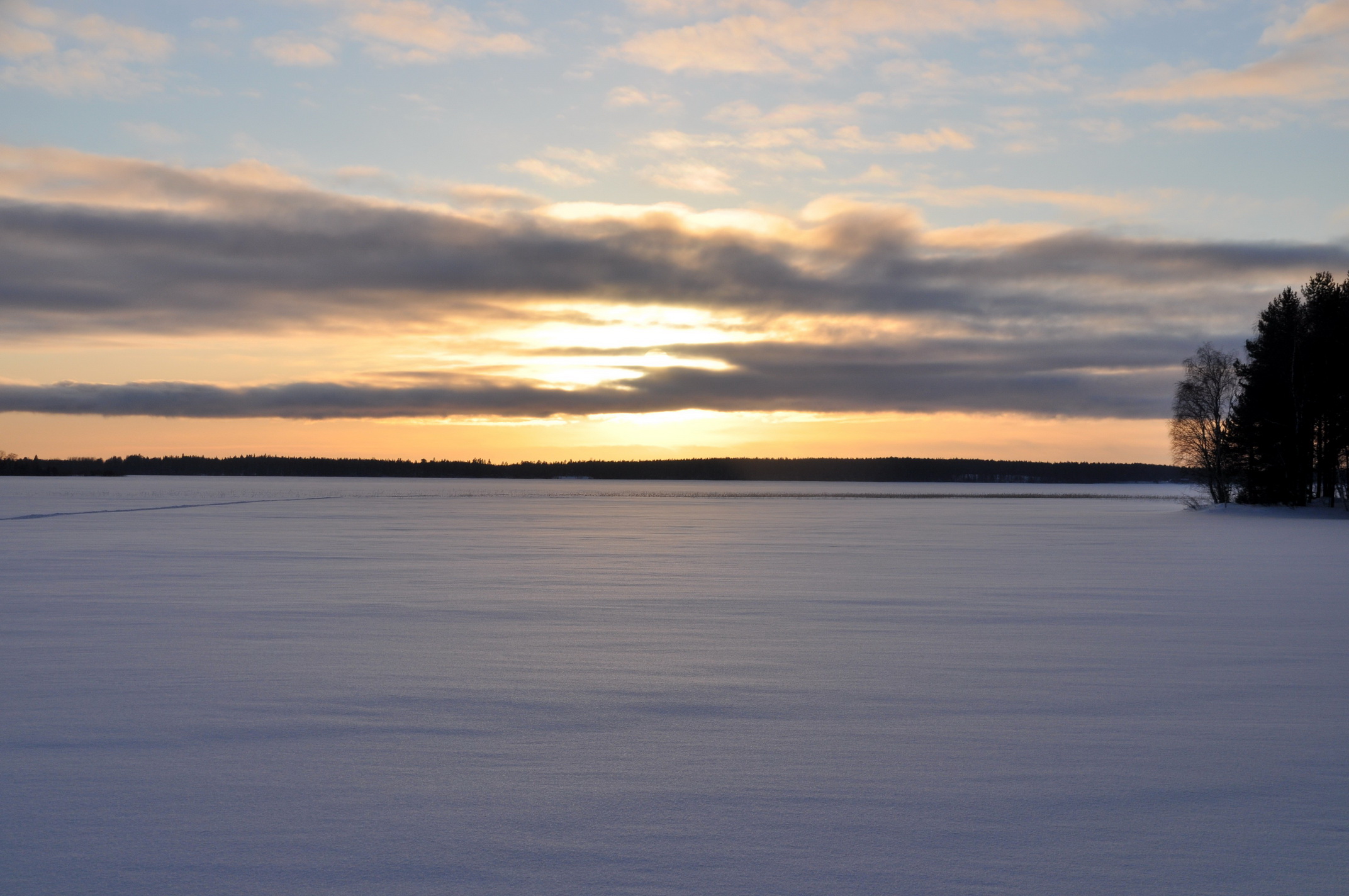
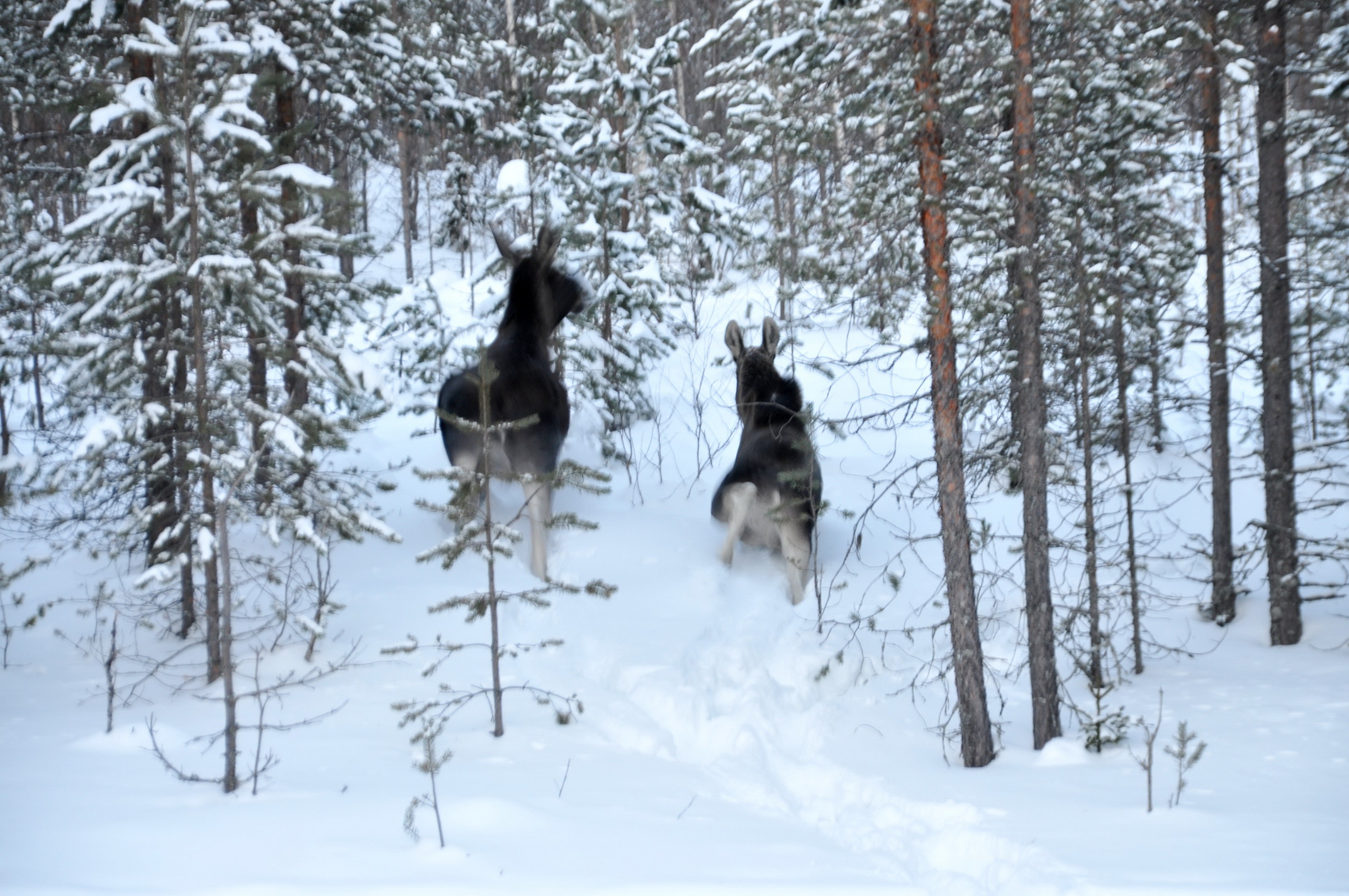
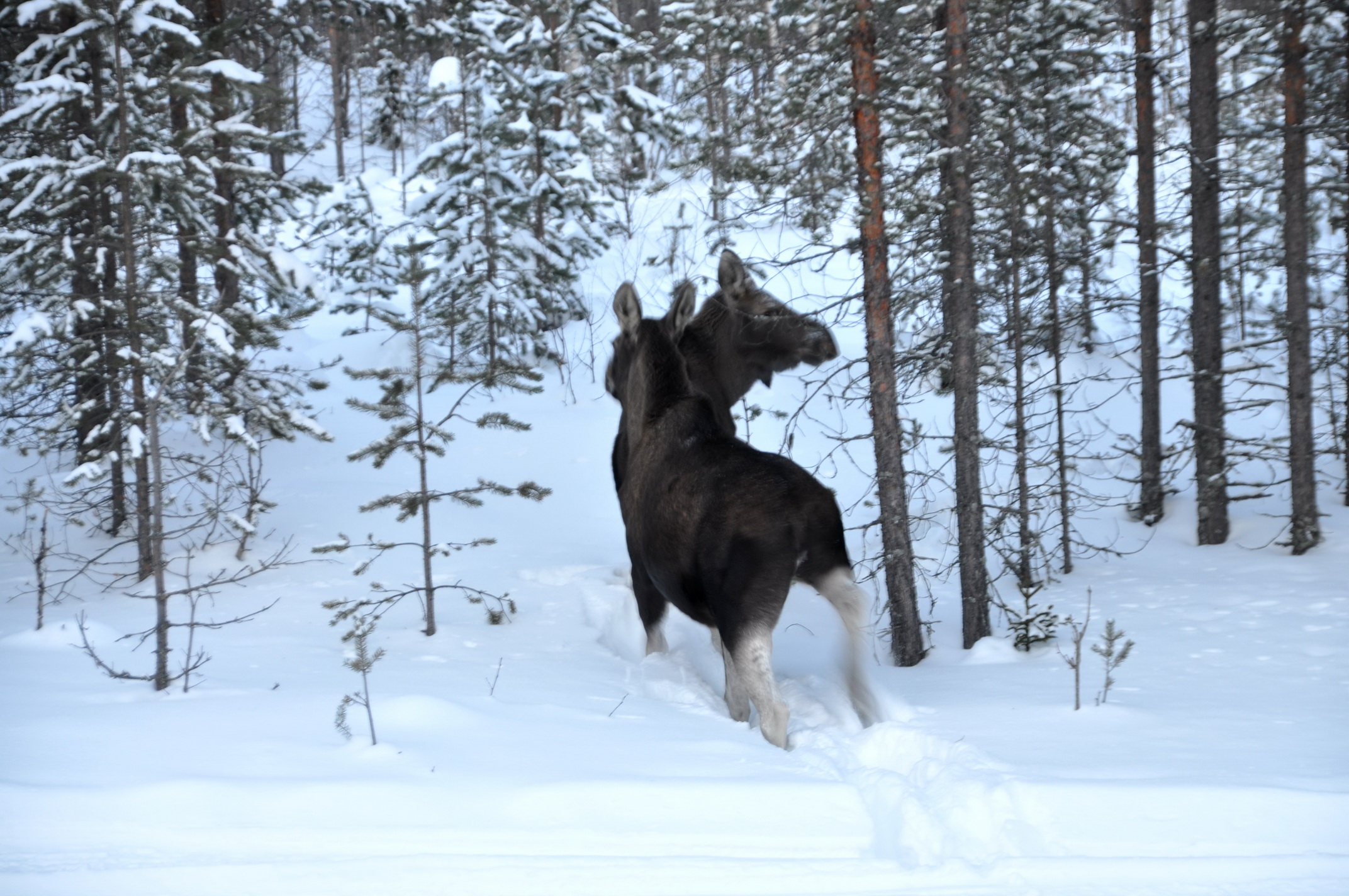
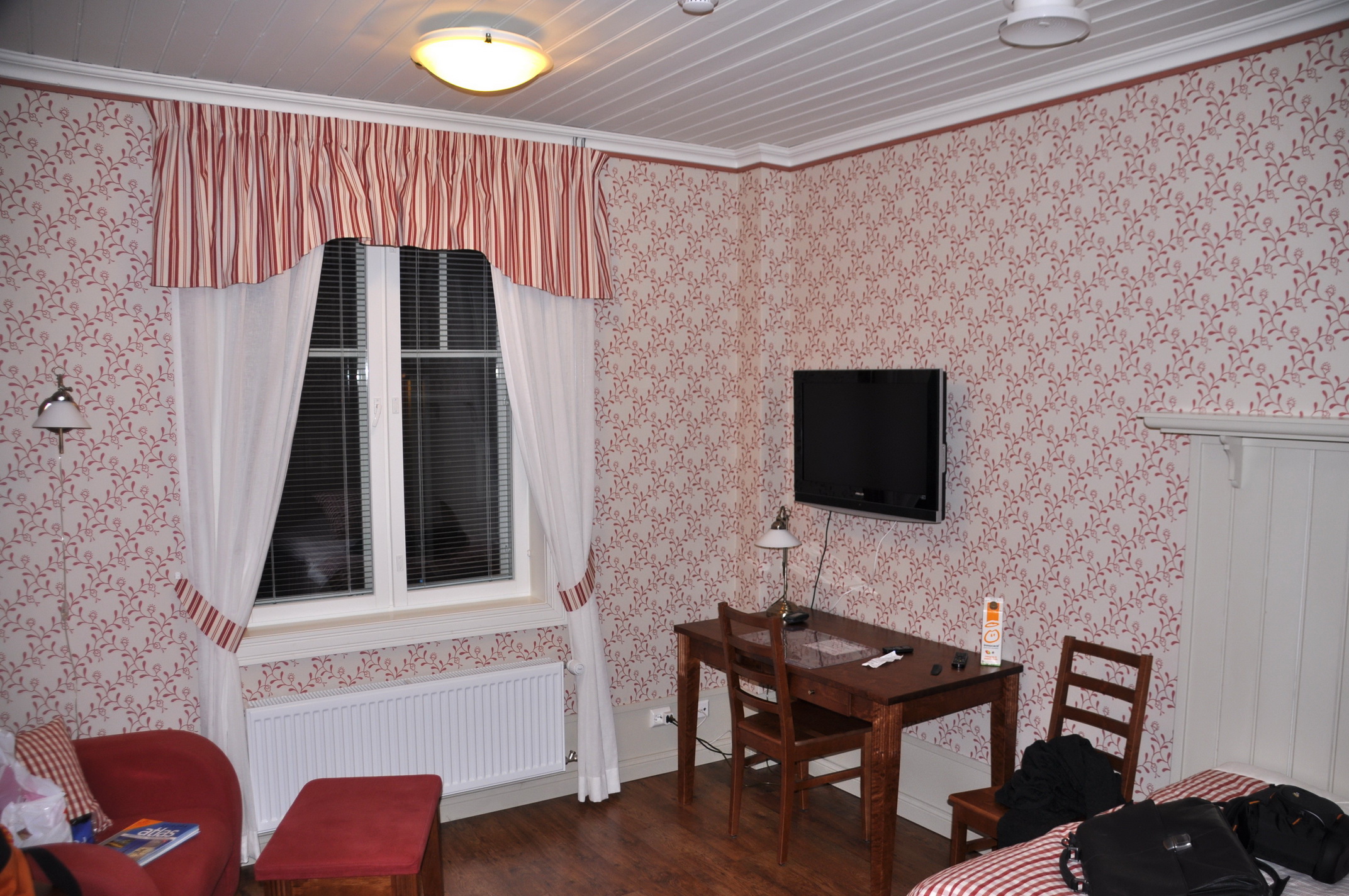
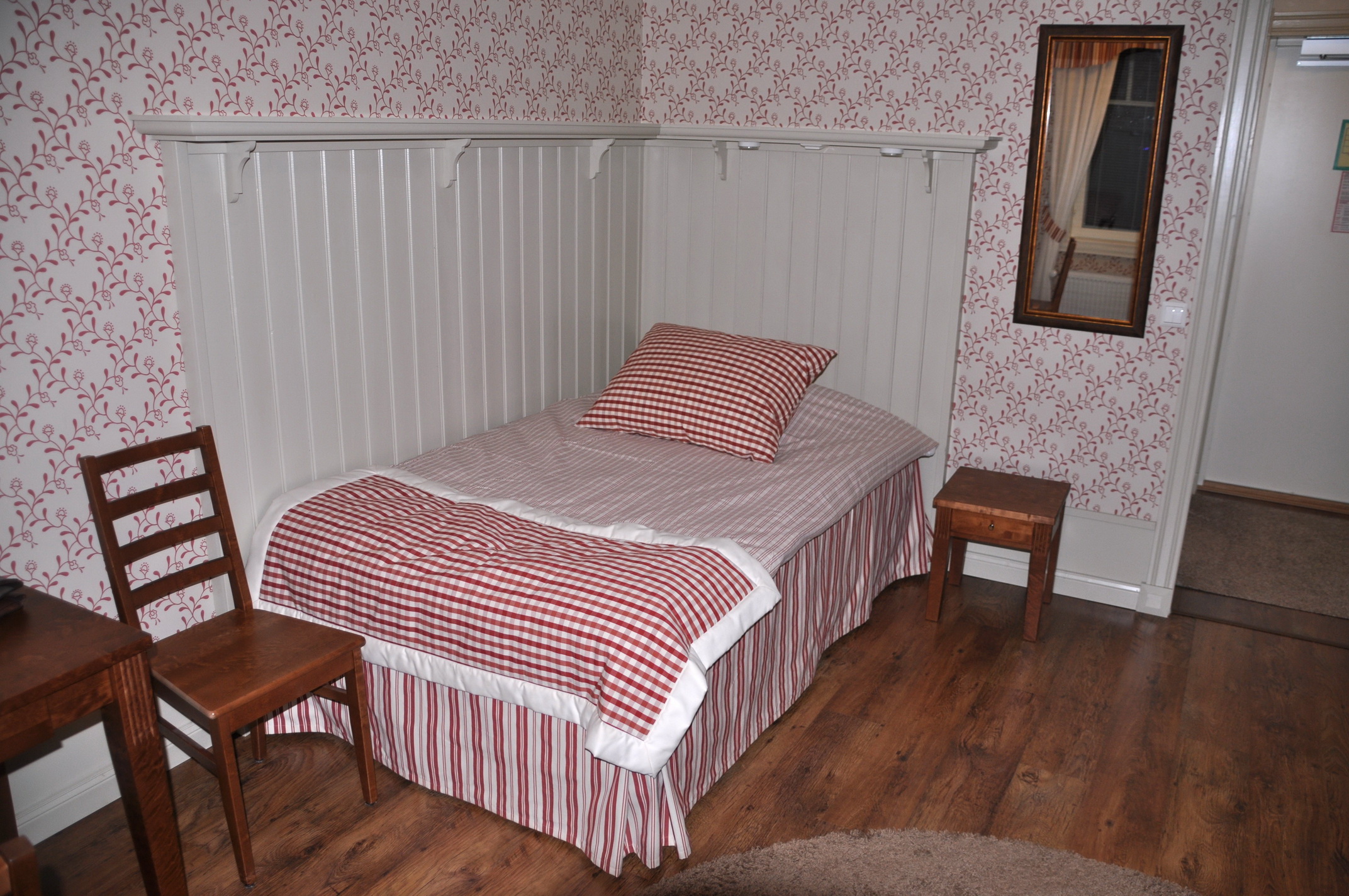
I spent the night at the comfortable Grand Arctic Hotel in the town of Överkalix, Sweden. 66°19.777′N, 22°50.307′E. It’s a shame to have a room like that all to yourself. An enormous bed and the same price for one or two. Bathrobes and towels everywhere, just the sort of thing a woman would appreciate. Right then. From tomorrow I’d be sleeping in the car.
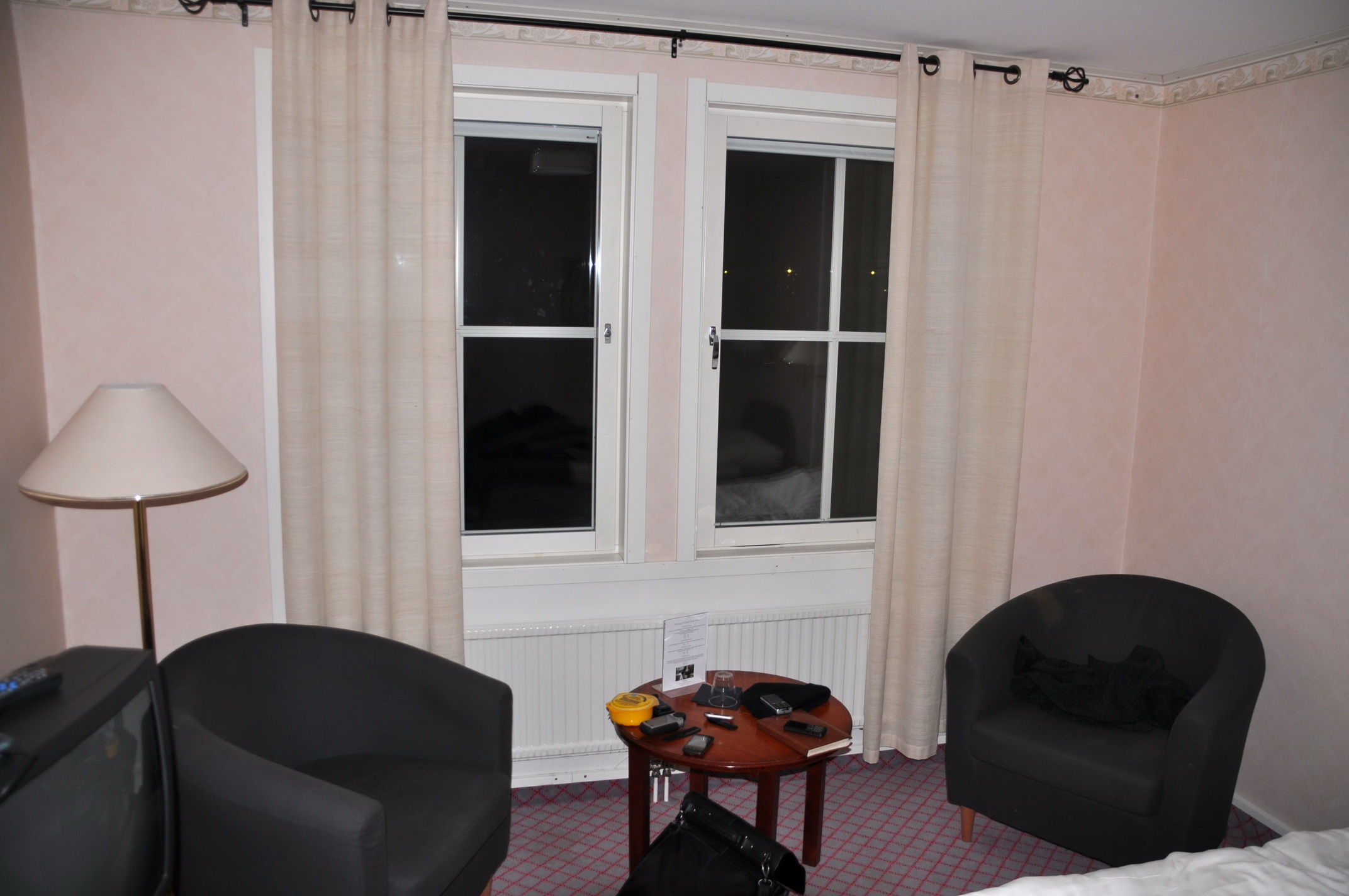
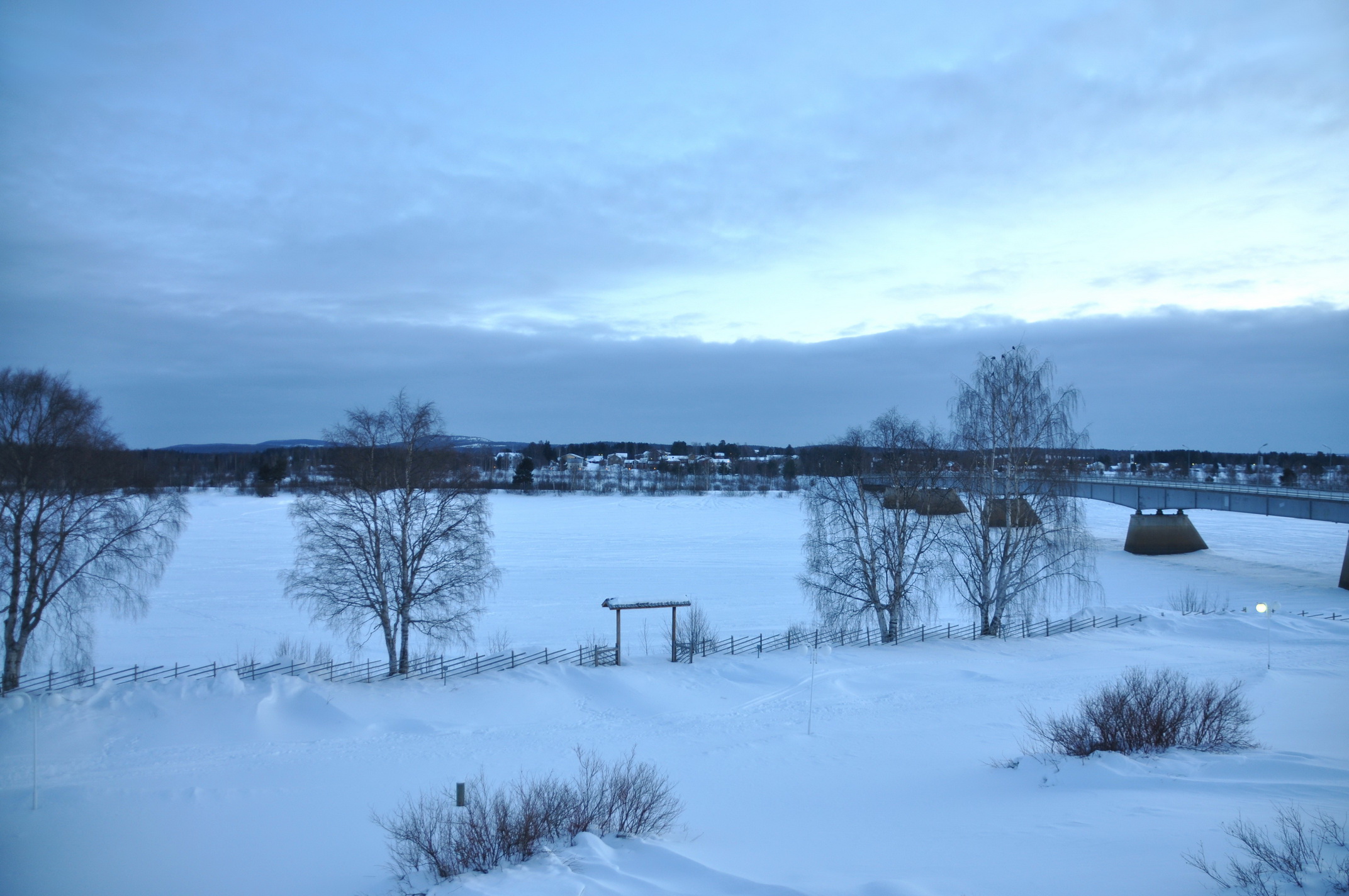
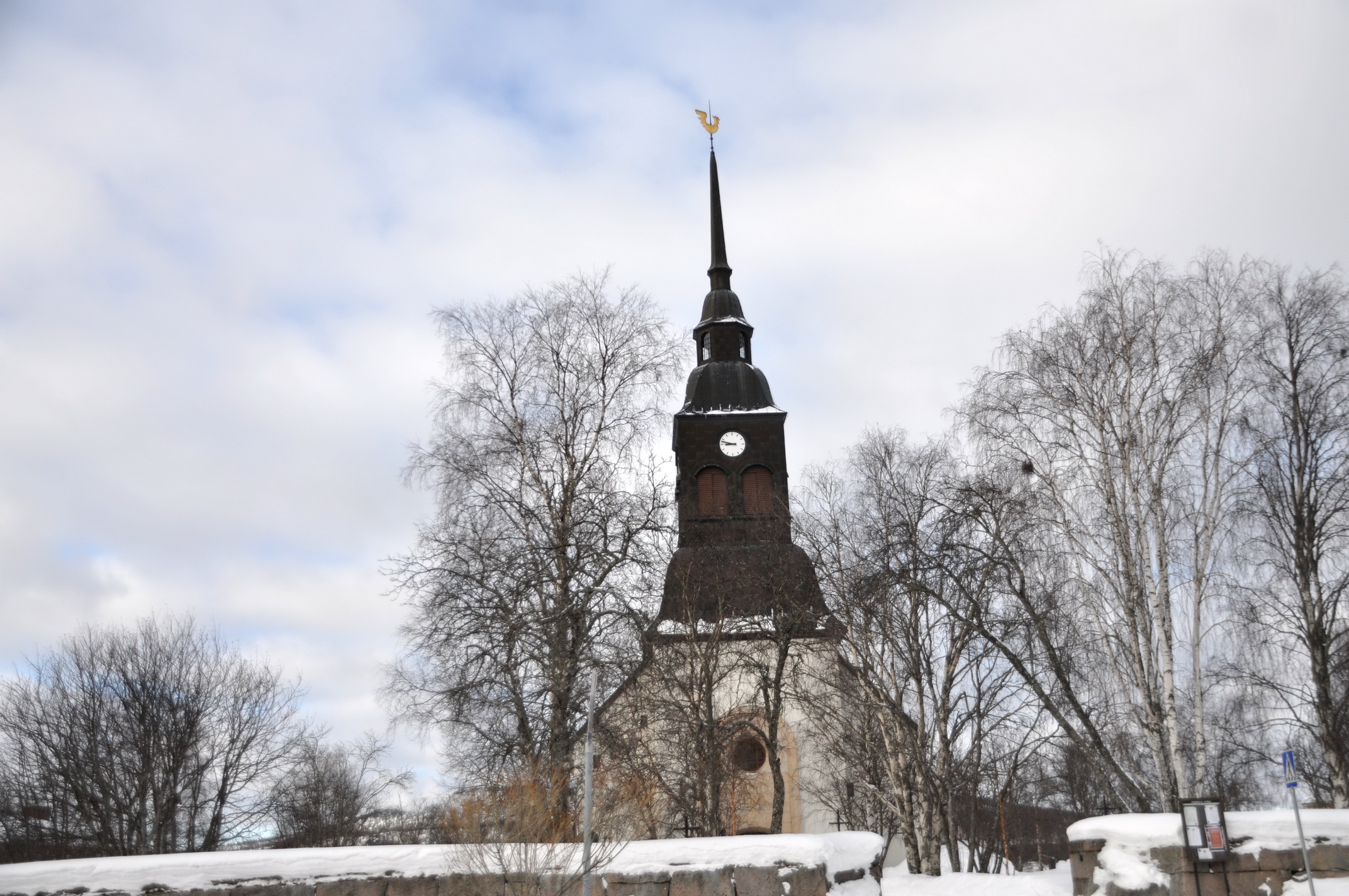
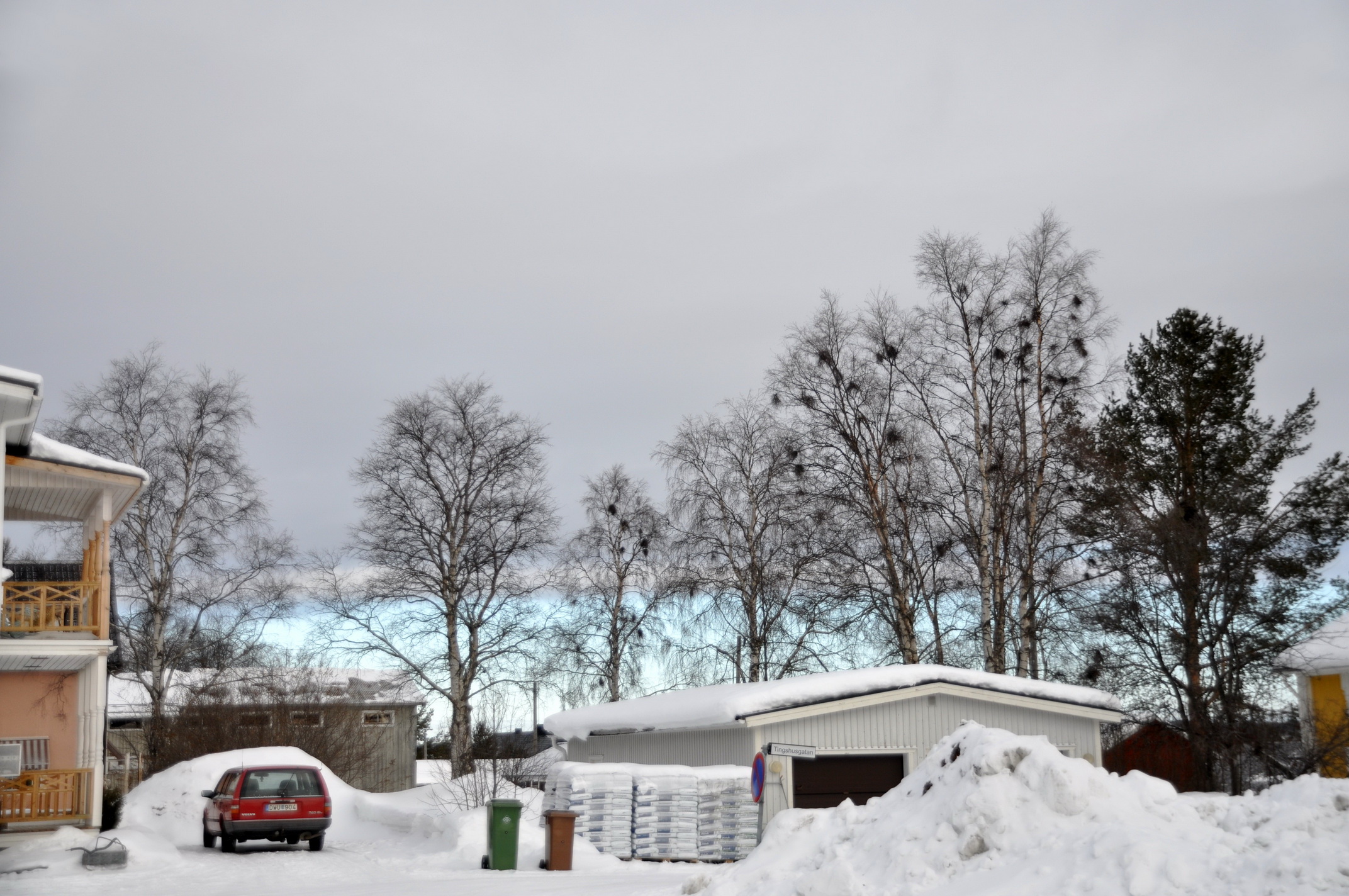
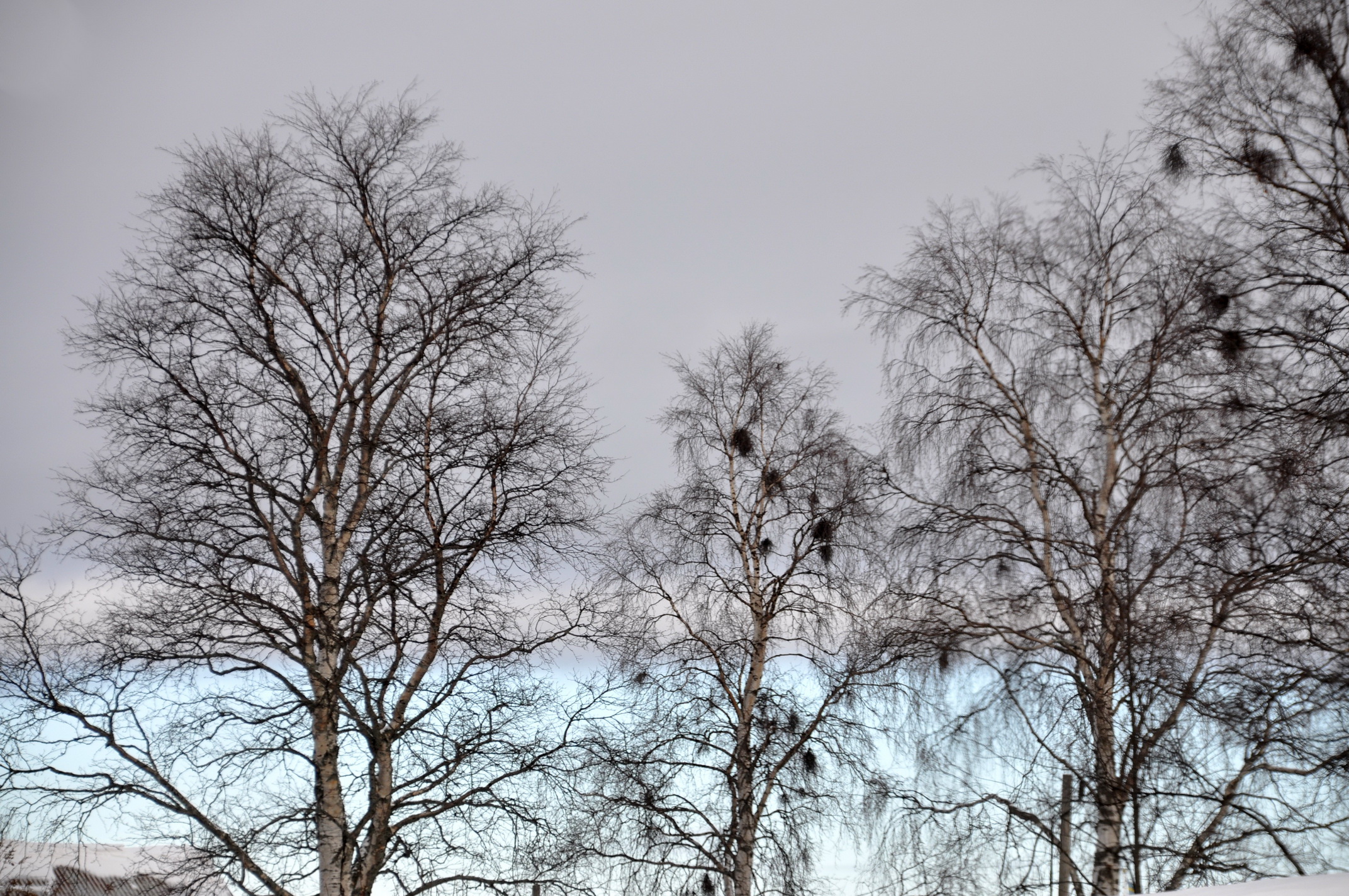
Silver reindeer in Kautokeino
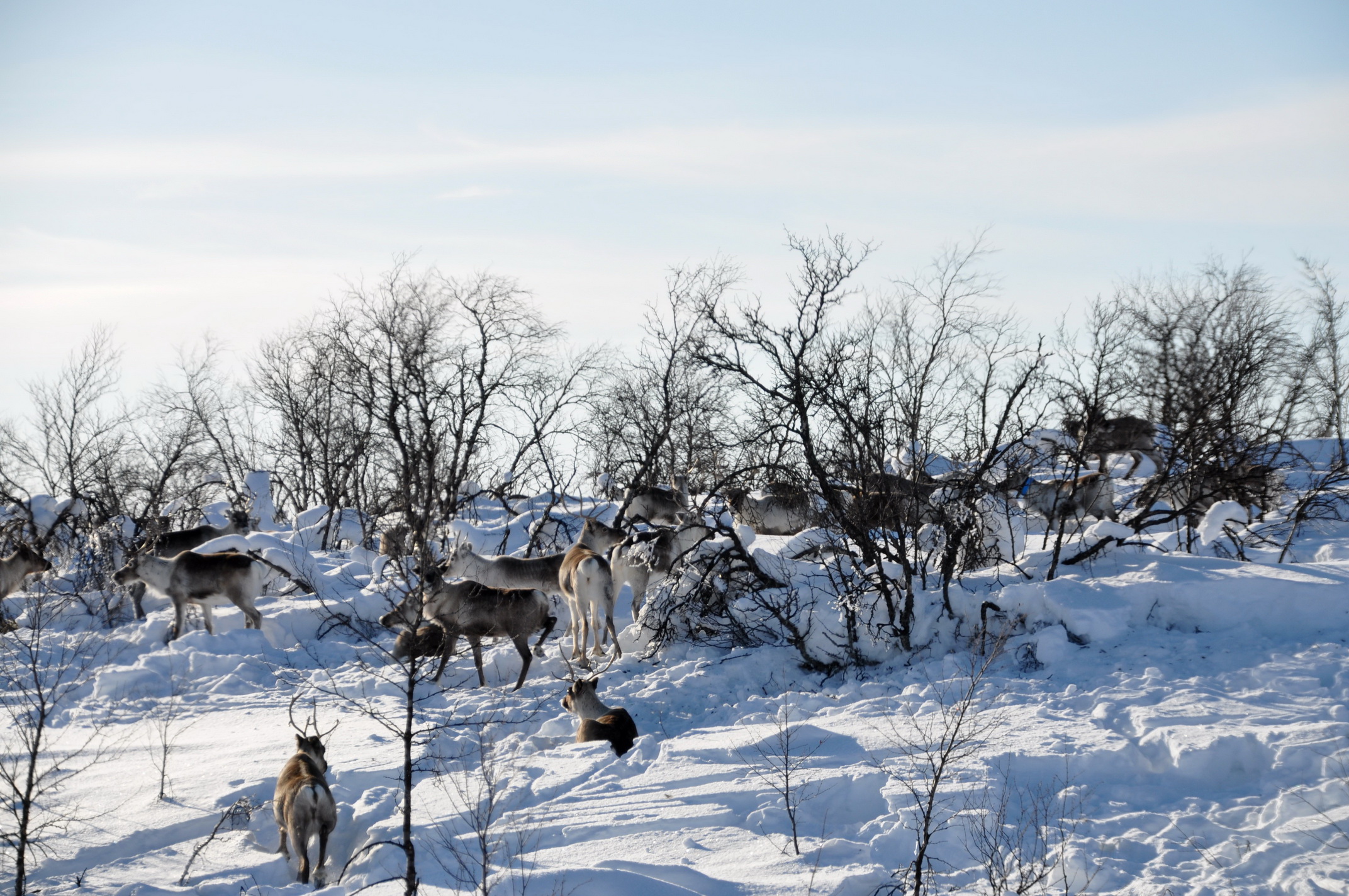
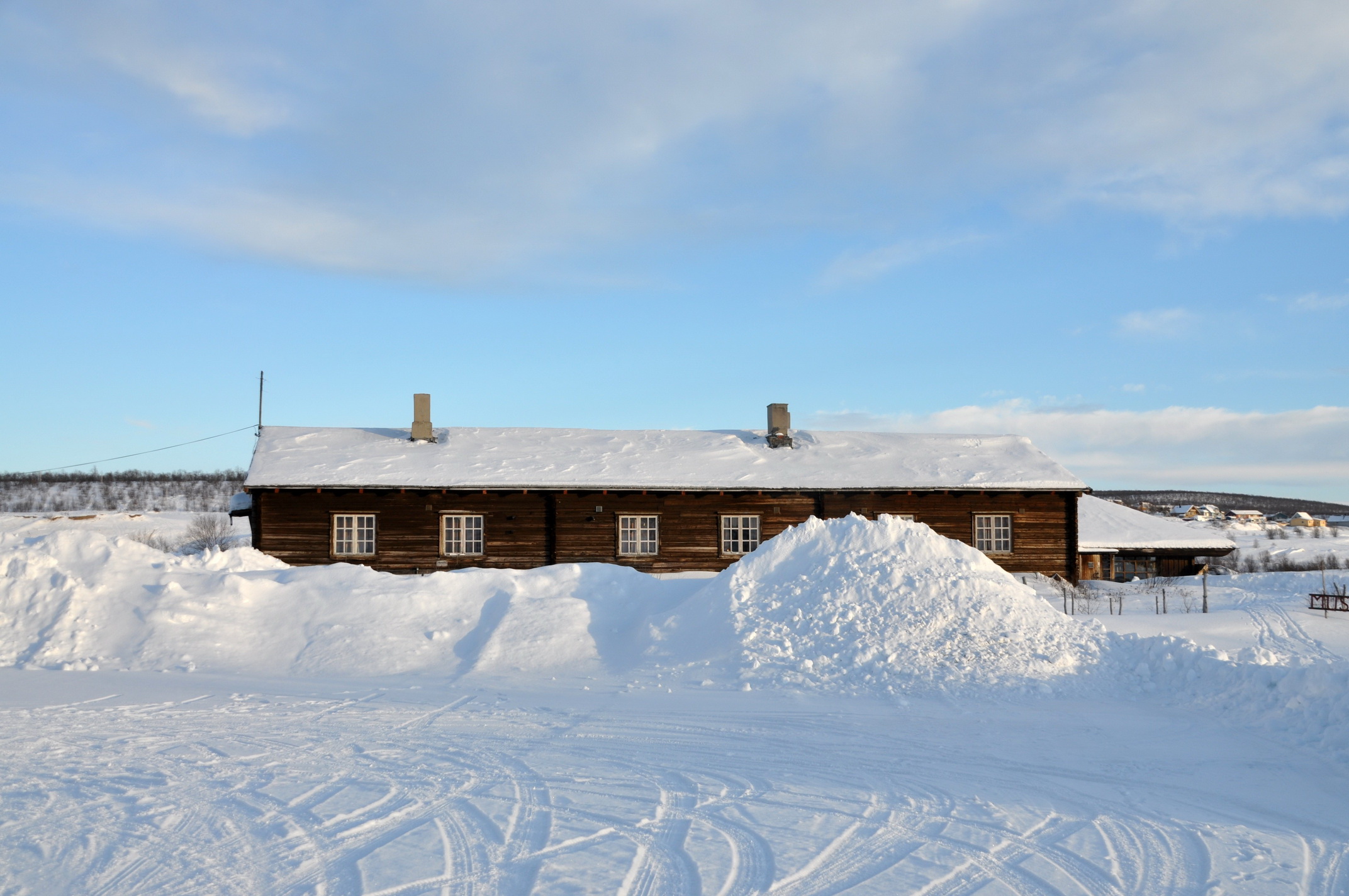
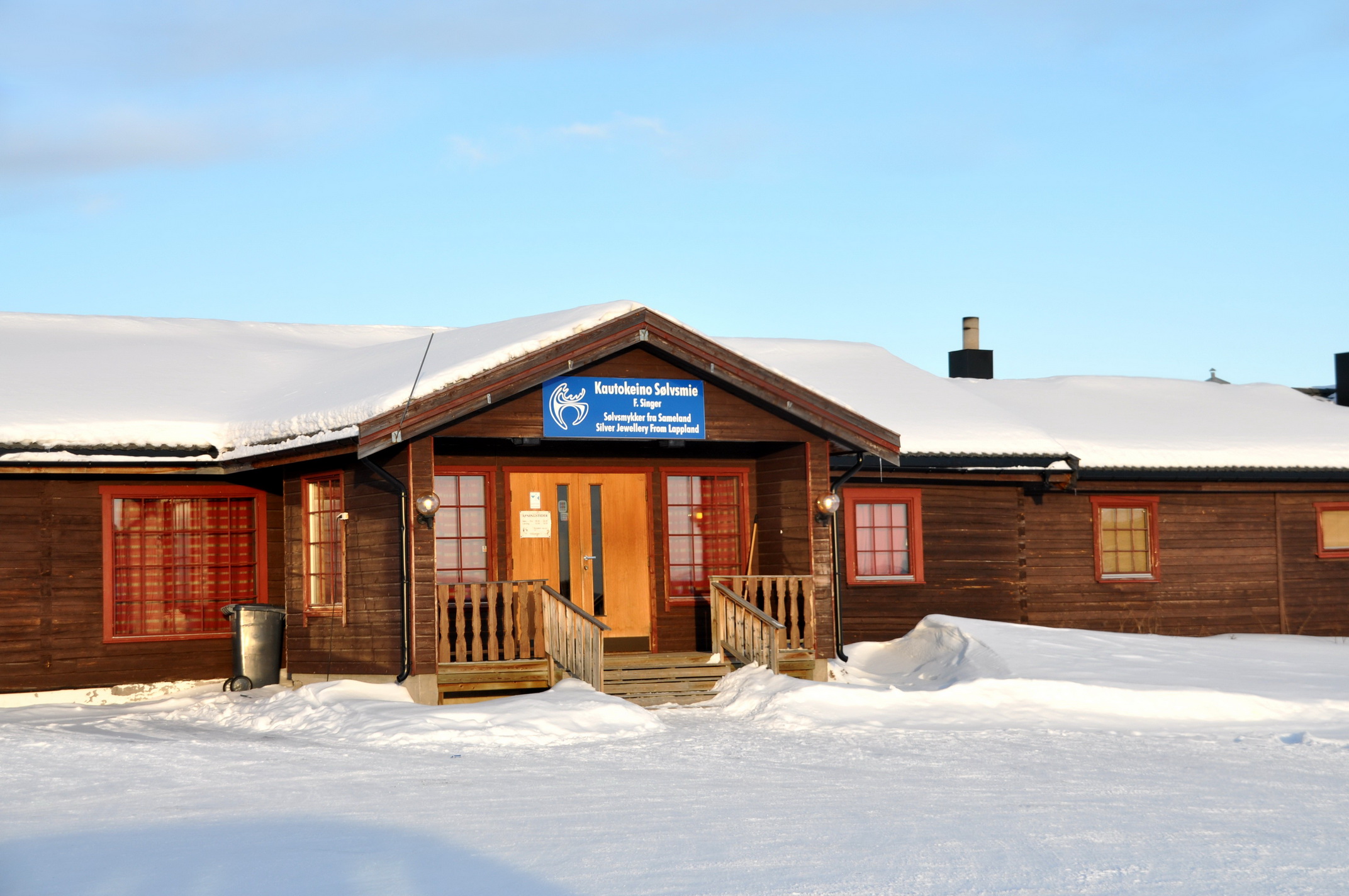
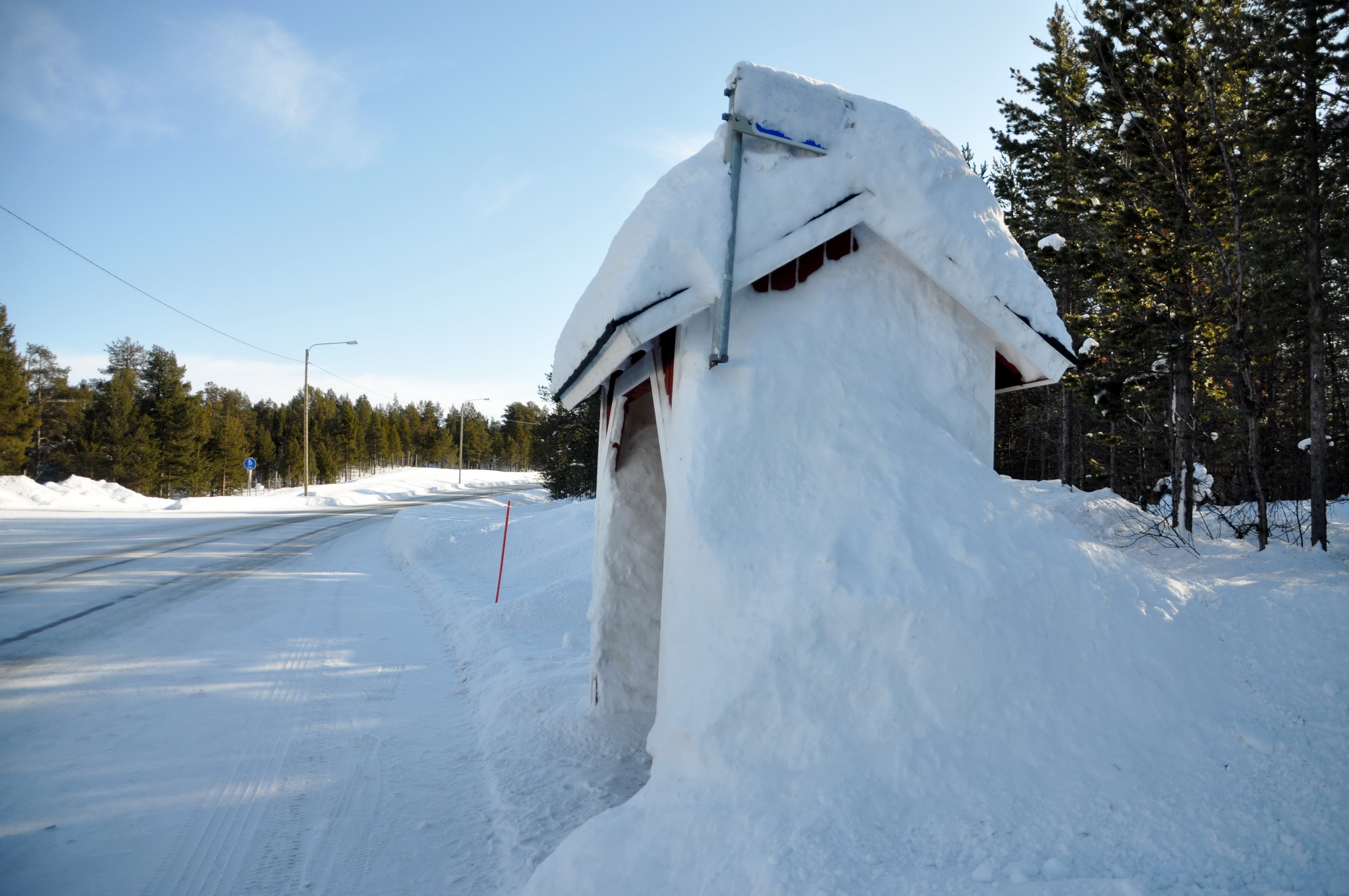
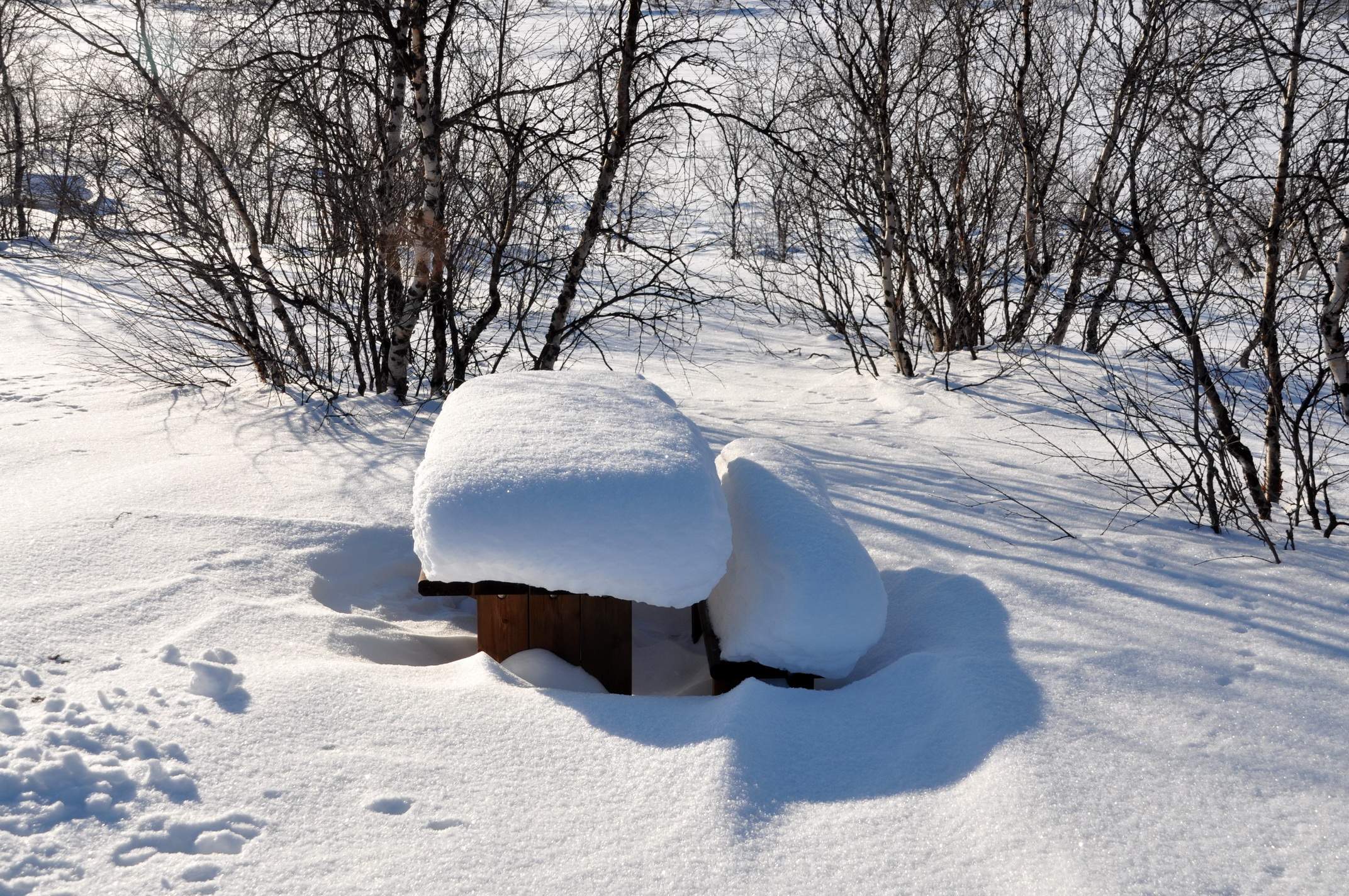
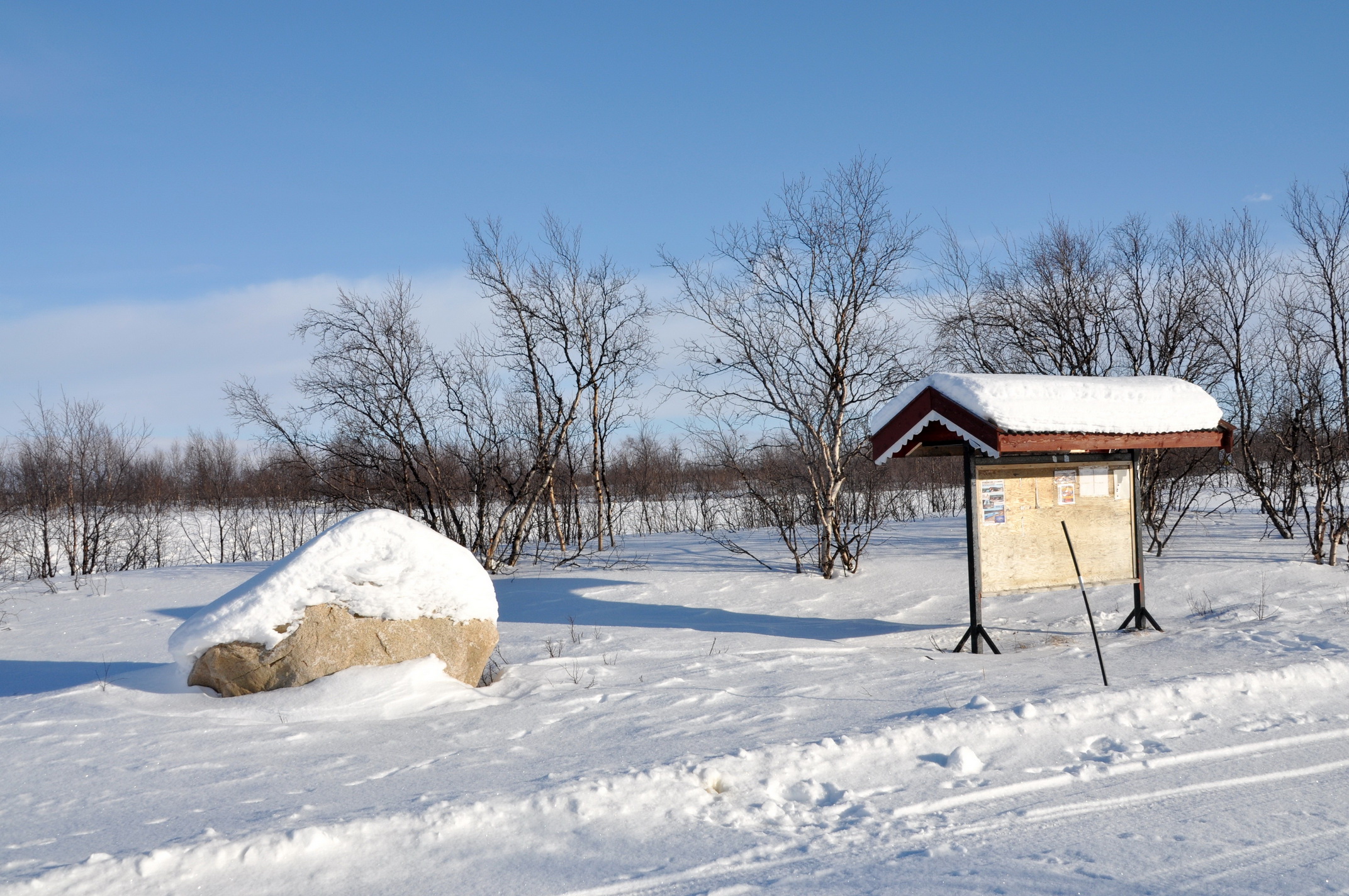
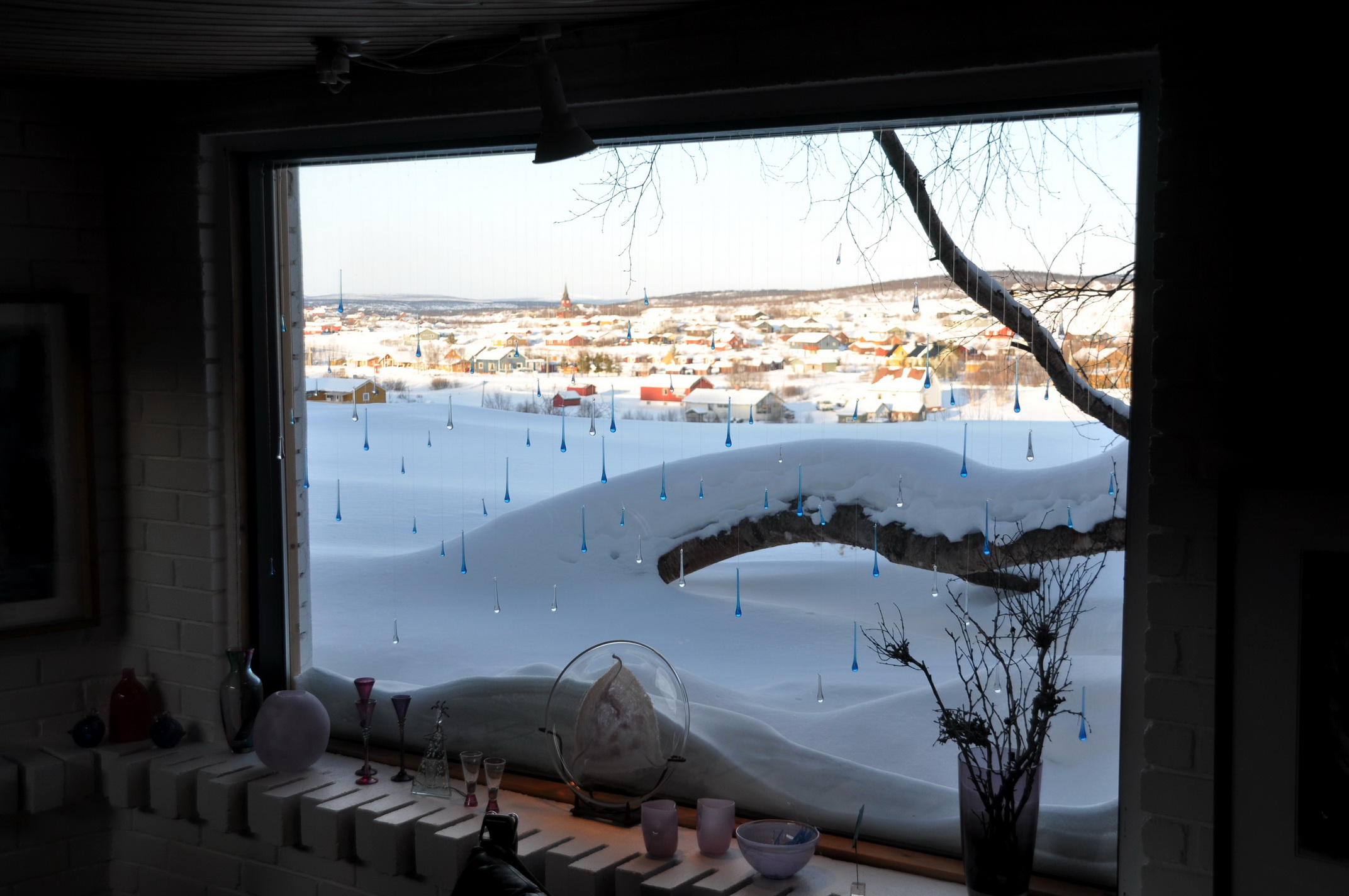
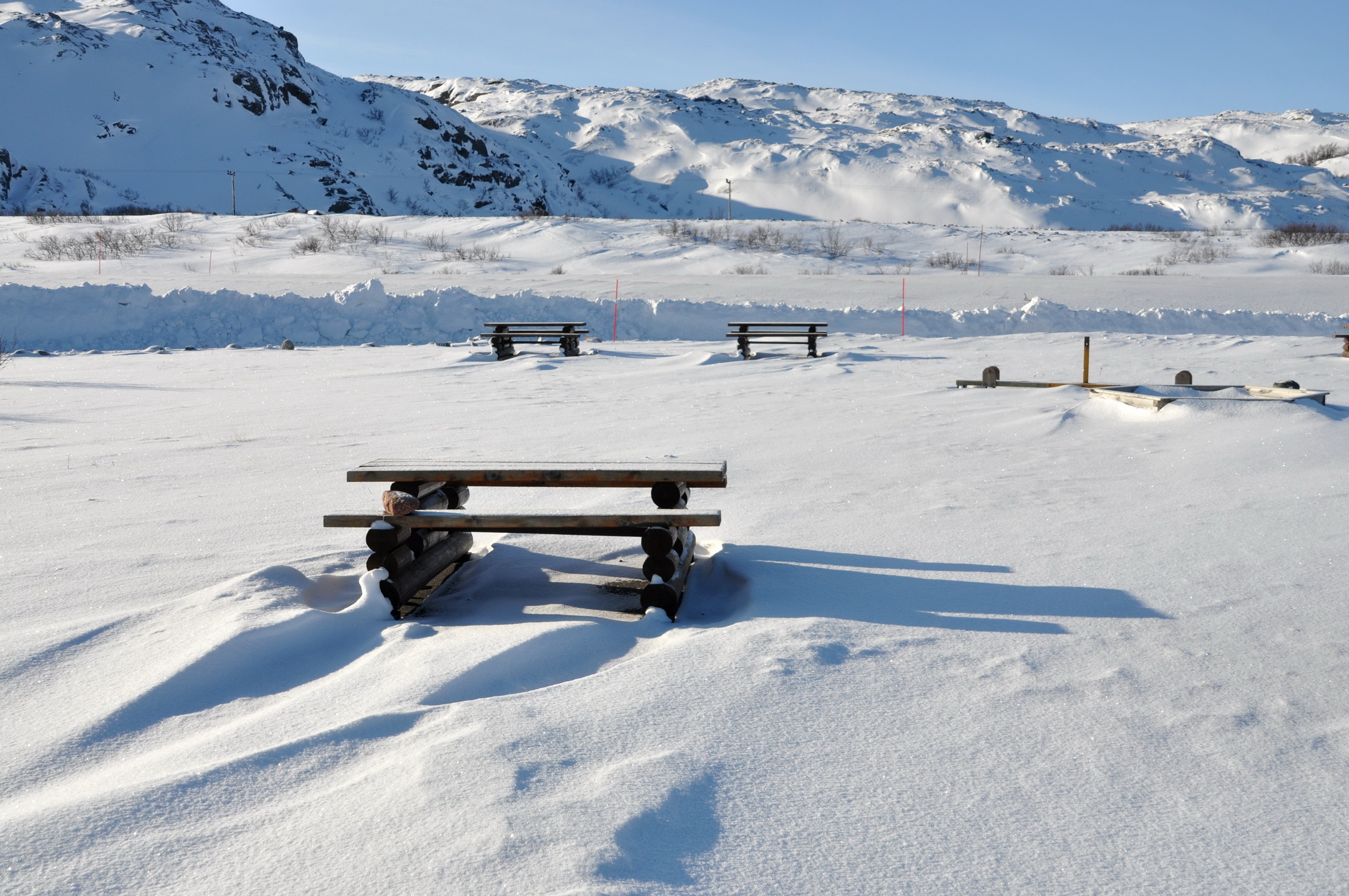
I’d been here before with Tanya and Denis. In the little Norwegian town of Kautokeino (Guovdageaidnu), Tanya had bought a little silver reindeer pendant. She lost it soon afterwards and was terribly upset. Here I was in northern Norway with a chance to buy another. The road was icy and slow going, with herds of reindeer everywhere, darting across the road. I still made it before closing time. The little house where the silversmith worked was buried in snow, as were the benches where we’d once eaten lunch.
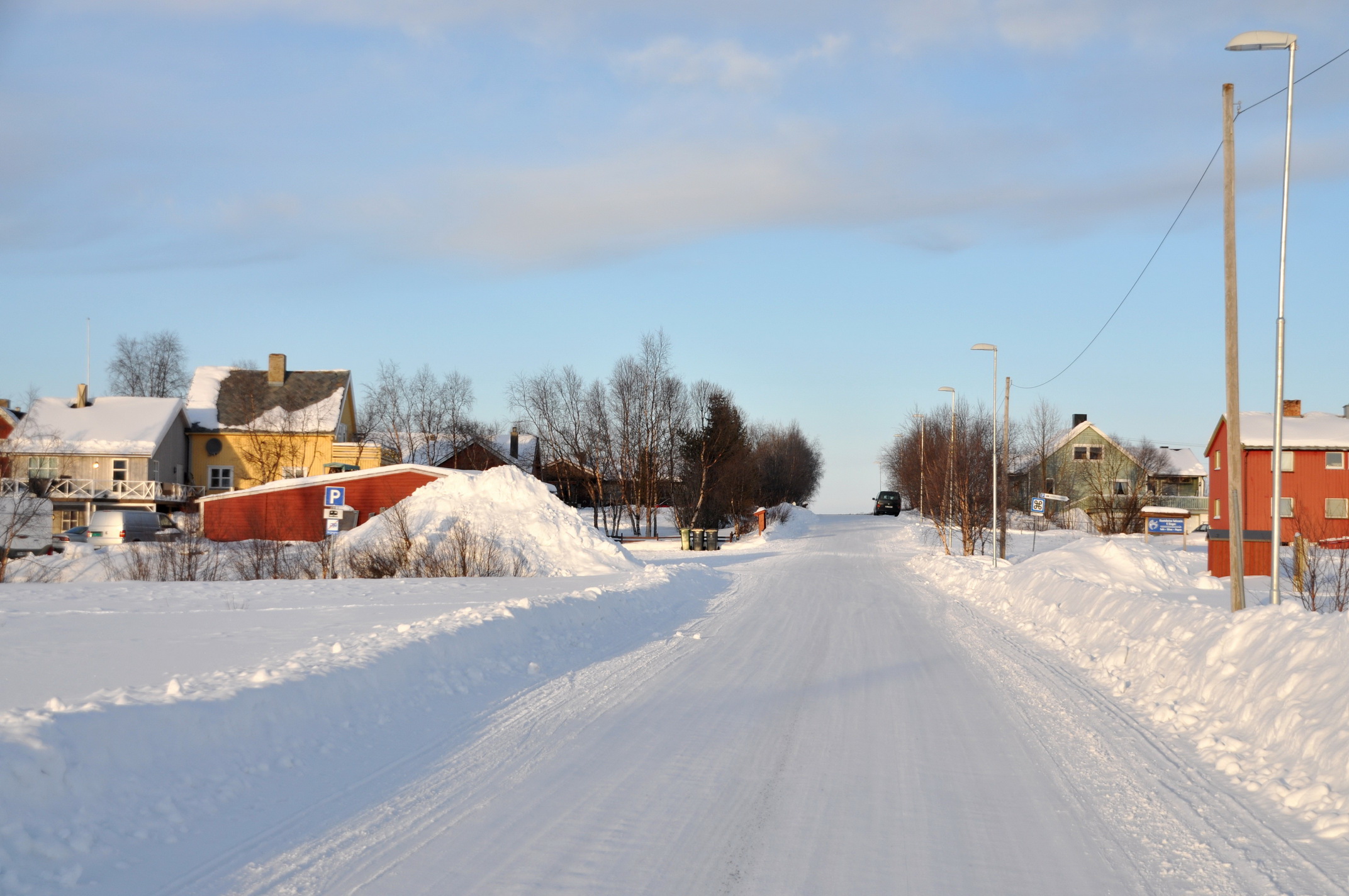
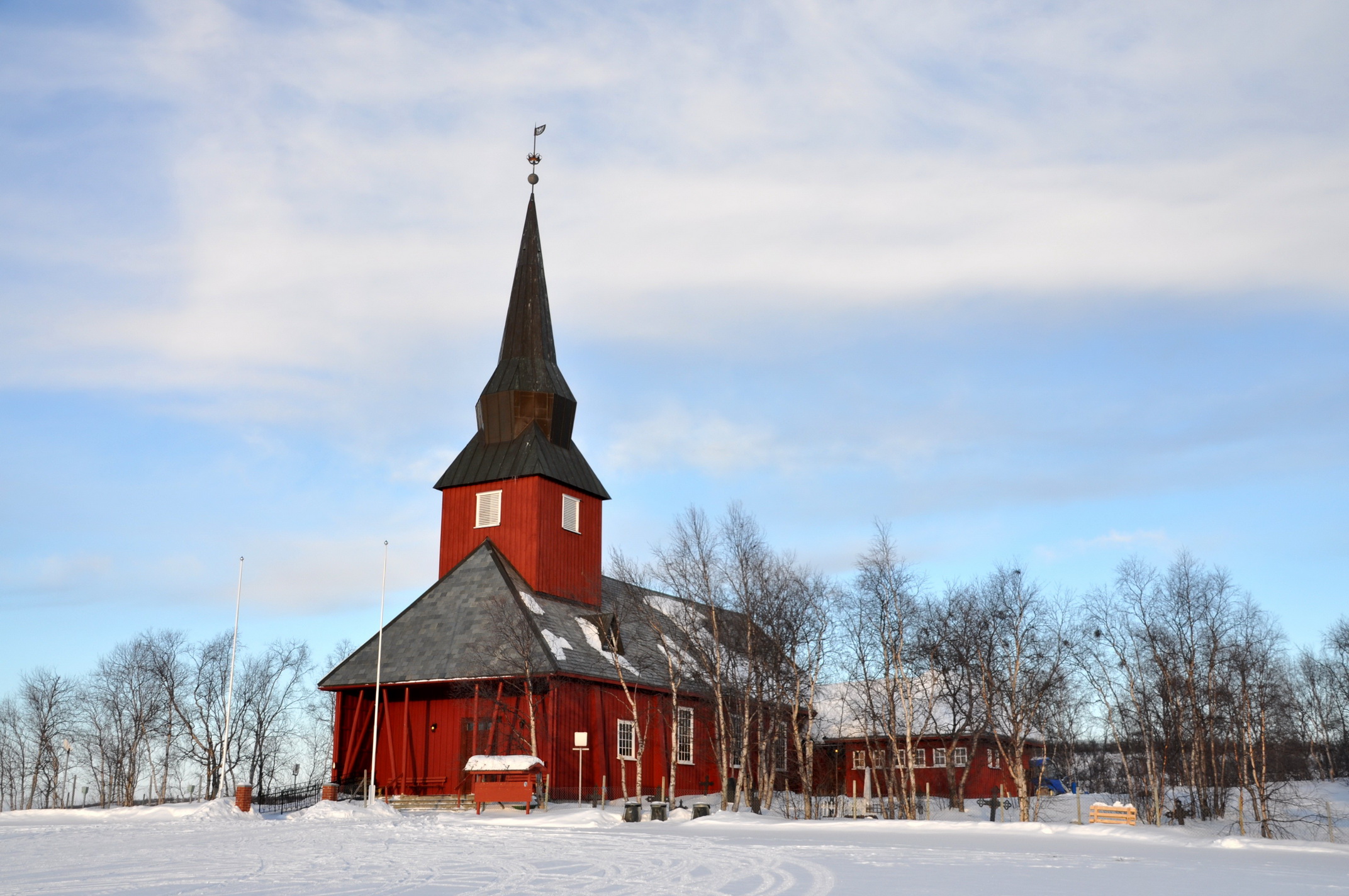
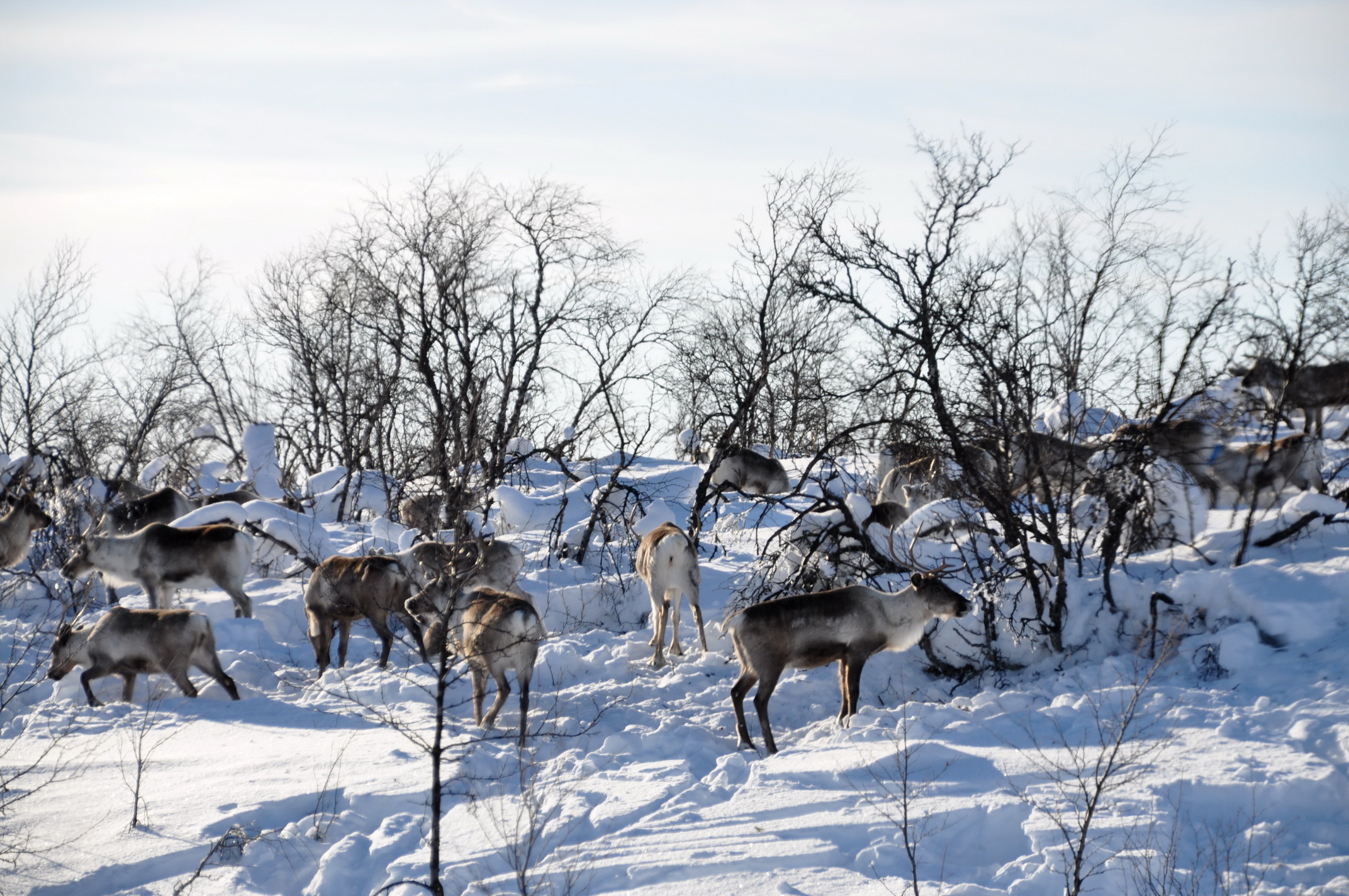
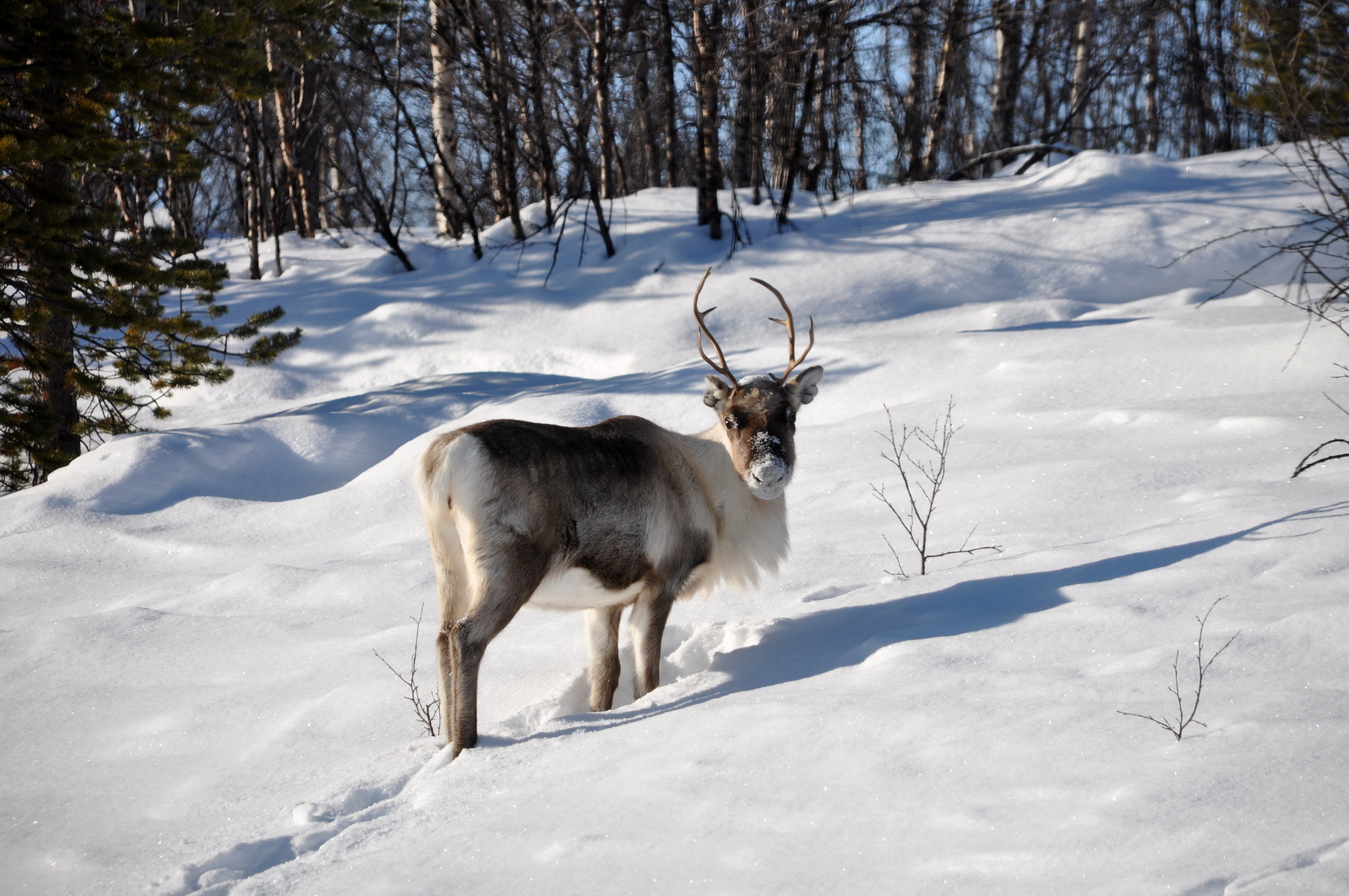
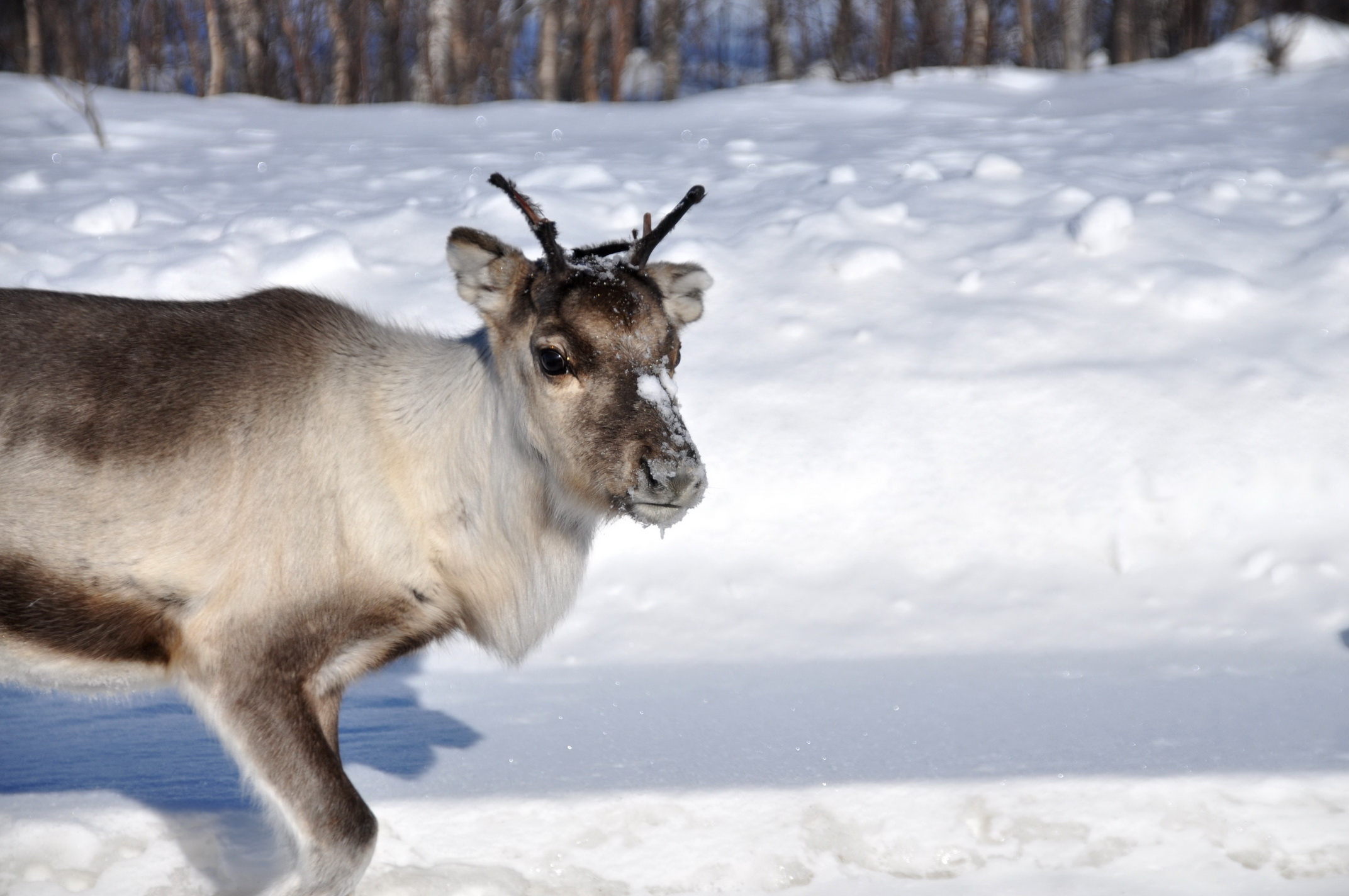
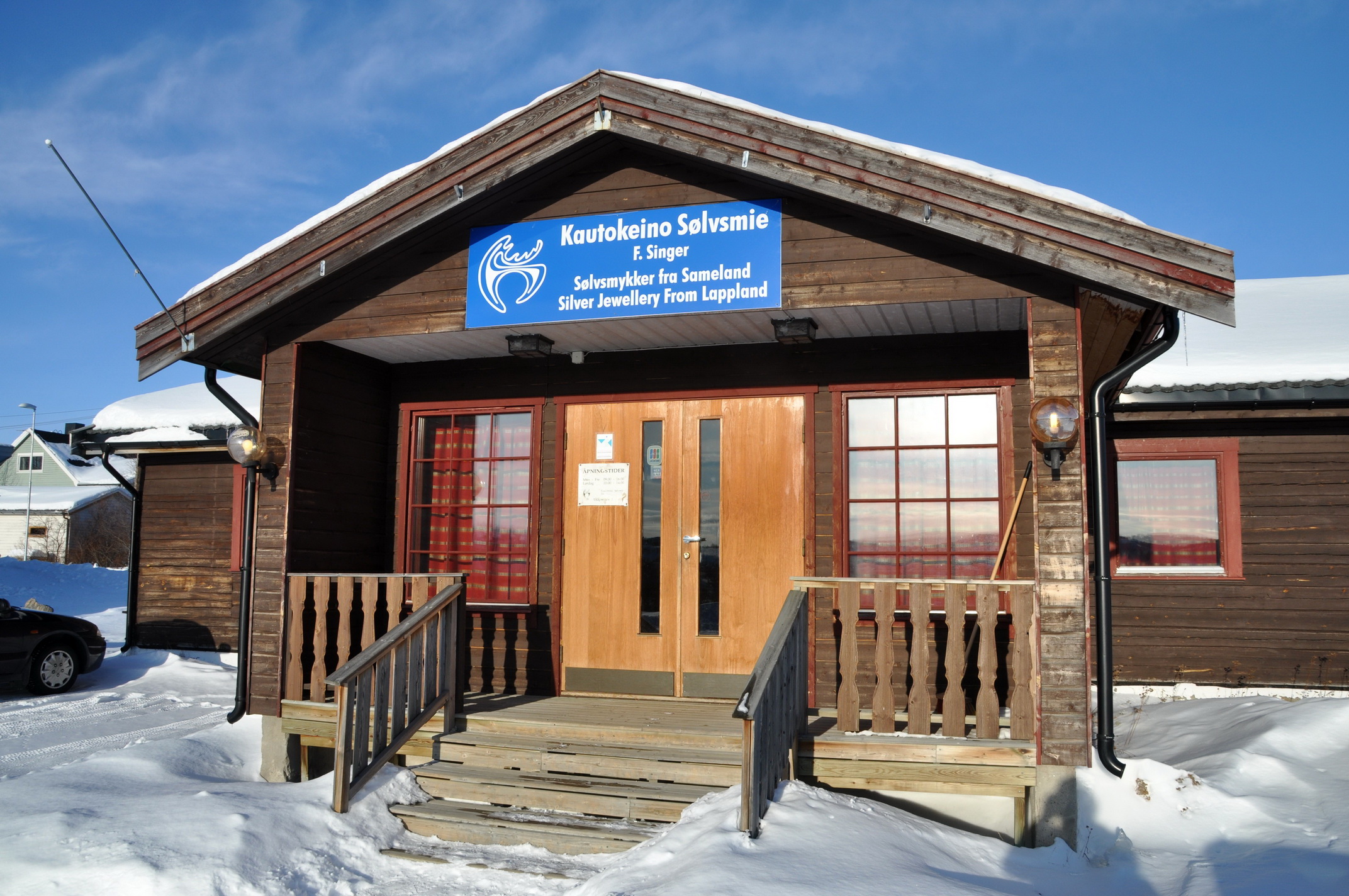
I bought two silver reindeer in case she lost one again. Now I had to get them to New Zealand. I couldn’t have asked for more precious cargo. I held one against a postcard, traced its outline and sent the card to Tanya. It only took a few days for a postcard from Norway to reach New Zealand. I got the reindeer there safely. Tanya was delighted, and soon managed to lose the lot.
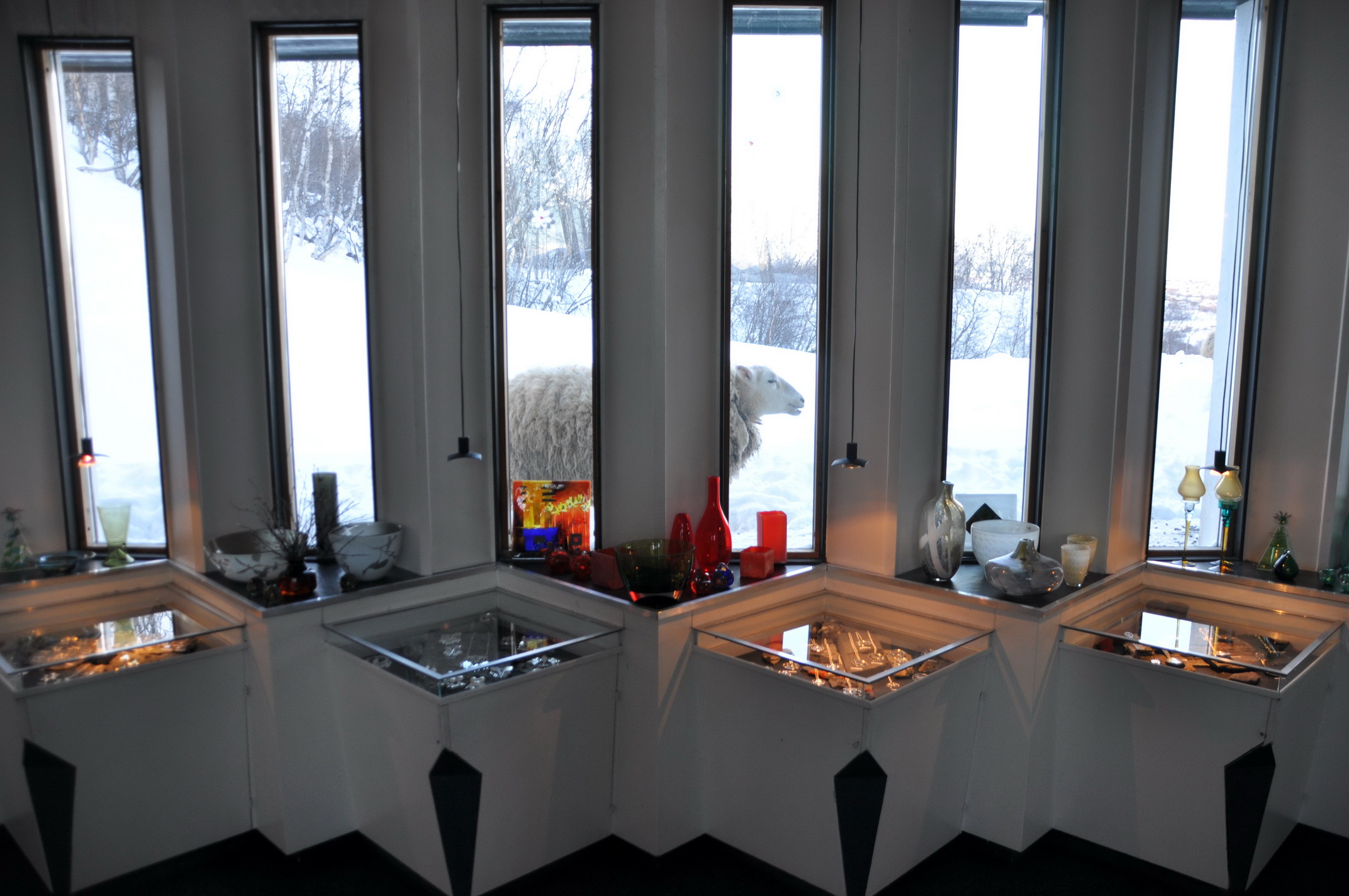
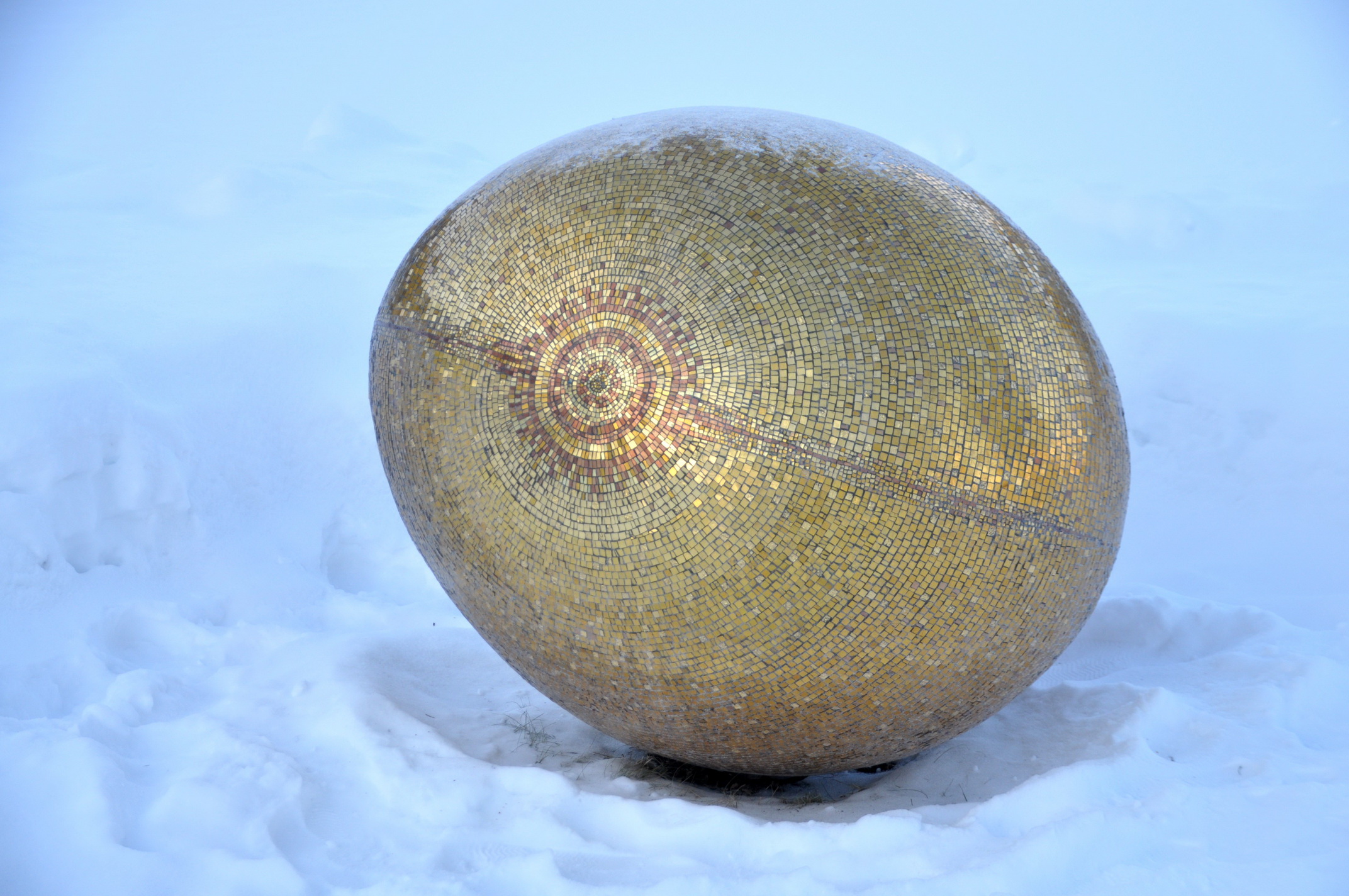
Besides the shop with the simpler pieces, Kautokeino had a selling exhibition at the local museum. The pieces were one-offs by individual makers. They cost more and I didn’t think they were anywhere near as pretty. I did buy Tanya another little silver trinket there, though.
Along the Arctic coast
Now there was no hurry. After dark I drove out towards the Arctic Ocean. My tent was still in New Zealand, so I found a ploughed spot at Tanafjorden and slept in the car. 70°27.879′N, 27°56.091′E. I watched the sky for ages, hoping for the northern lights people had promised me. There was a faint glow, but it wasn’t what I’d come to see. By morning it was −25 °C outside. I woke cold a couple of times and started the car to warm up.
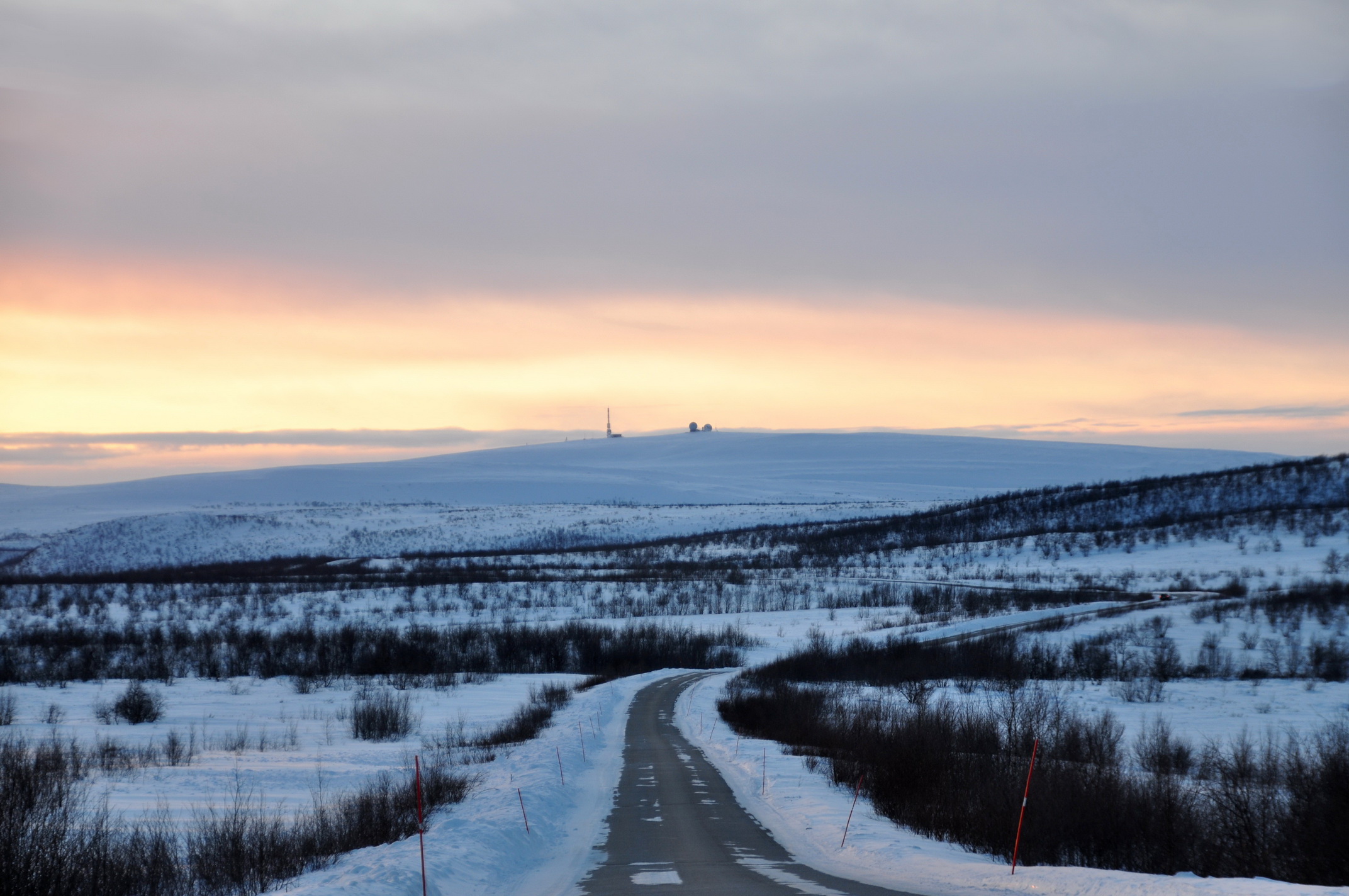
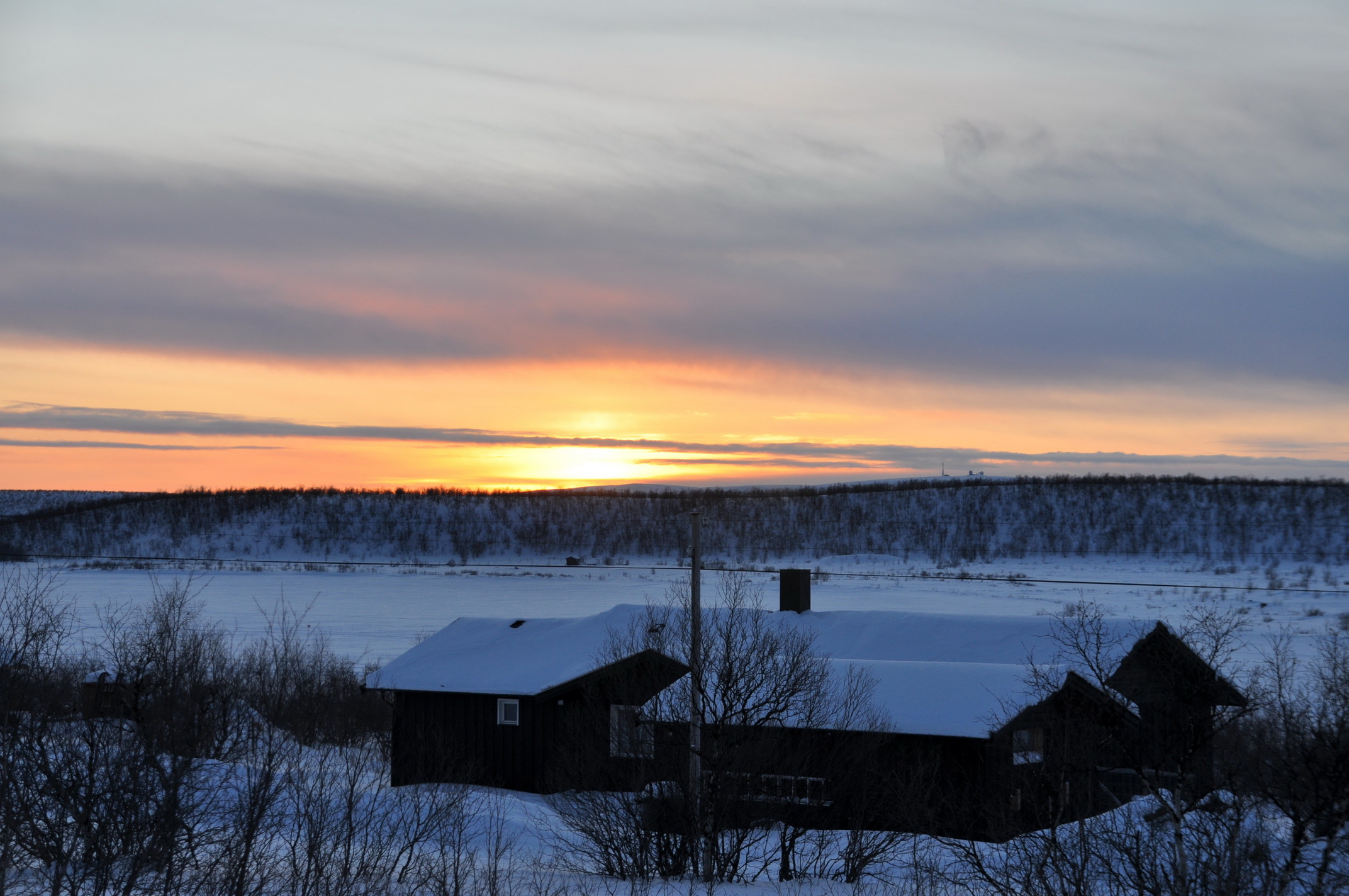
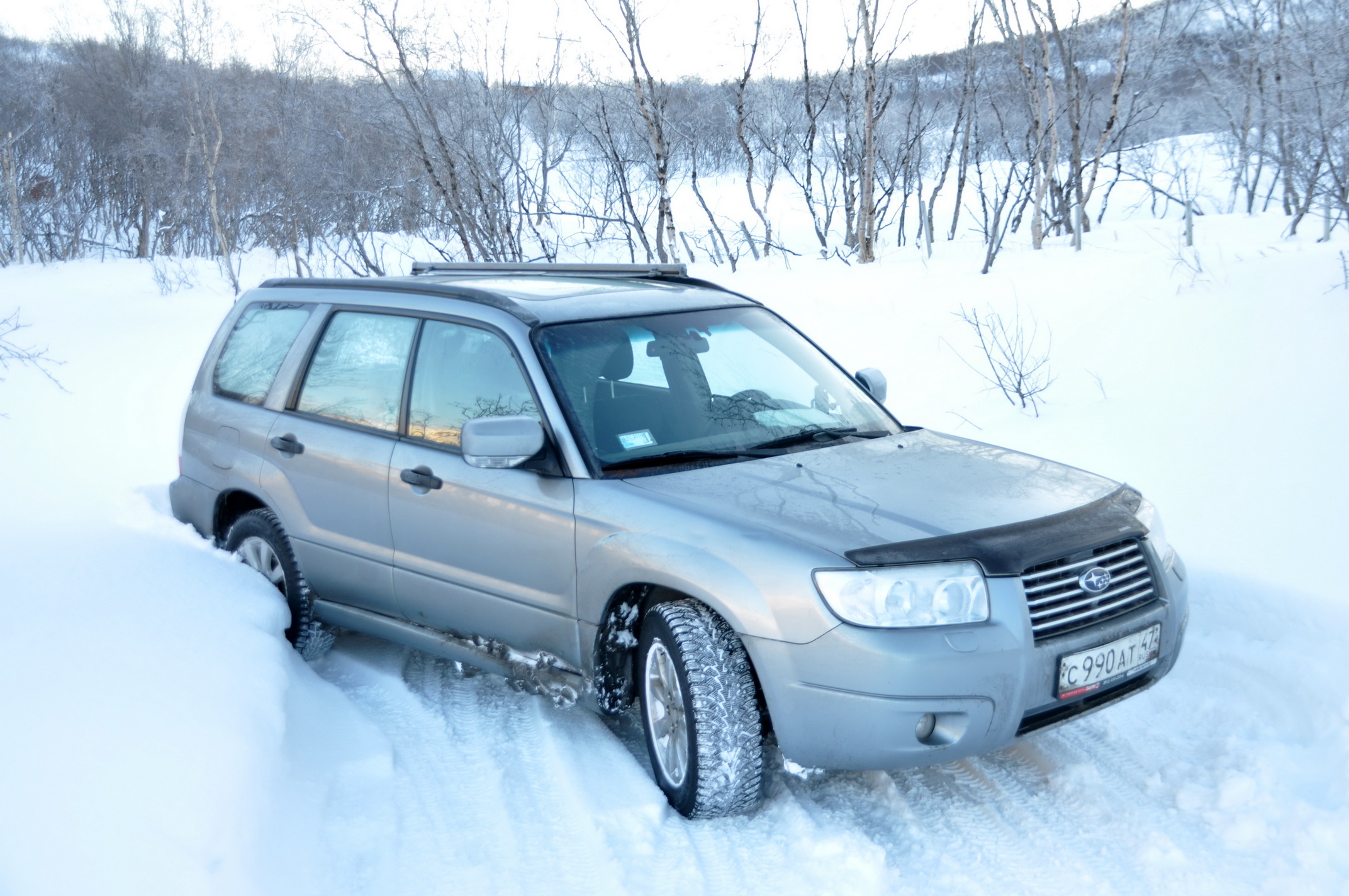
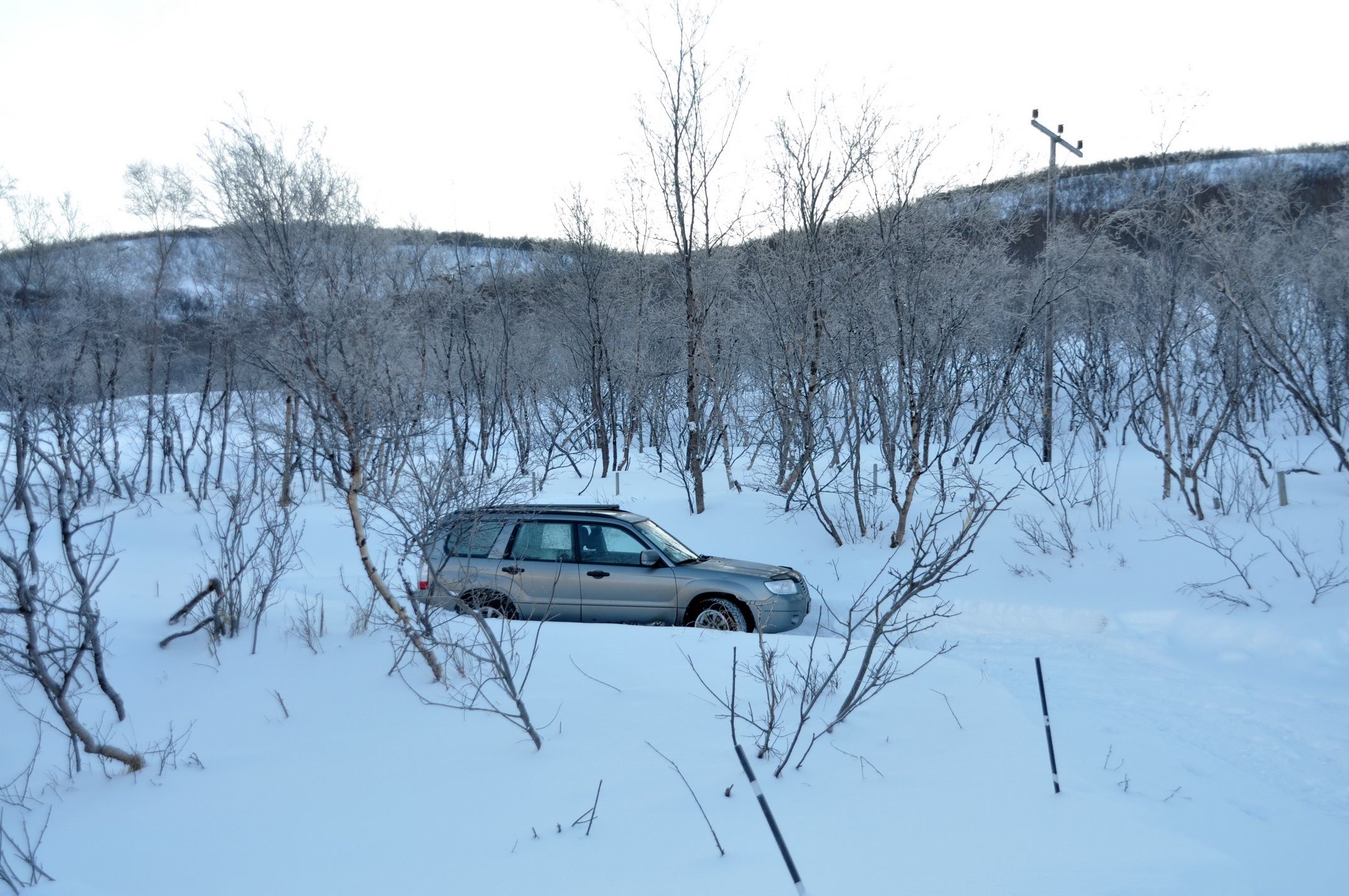
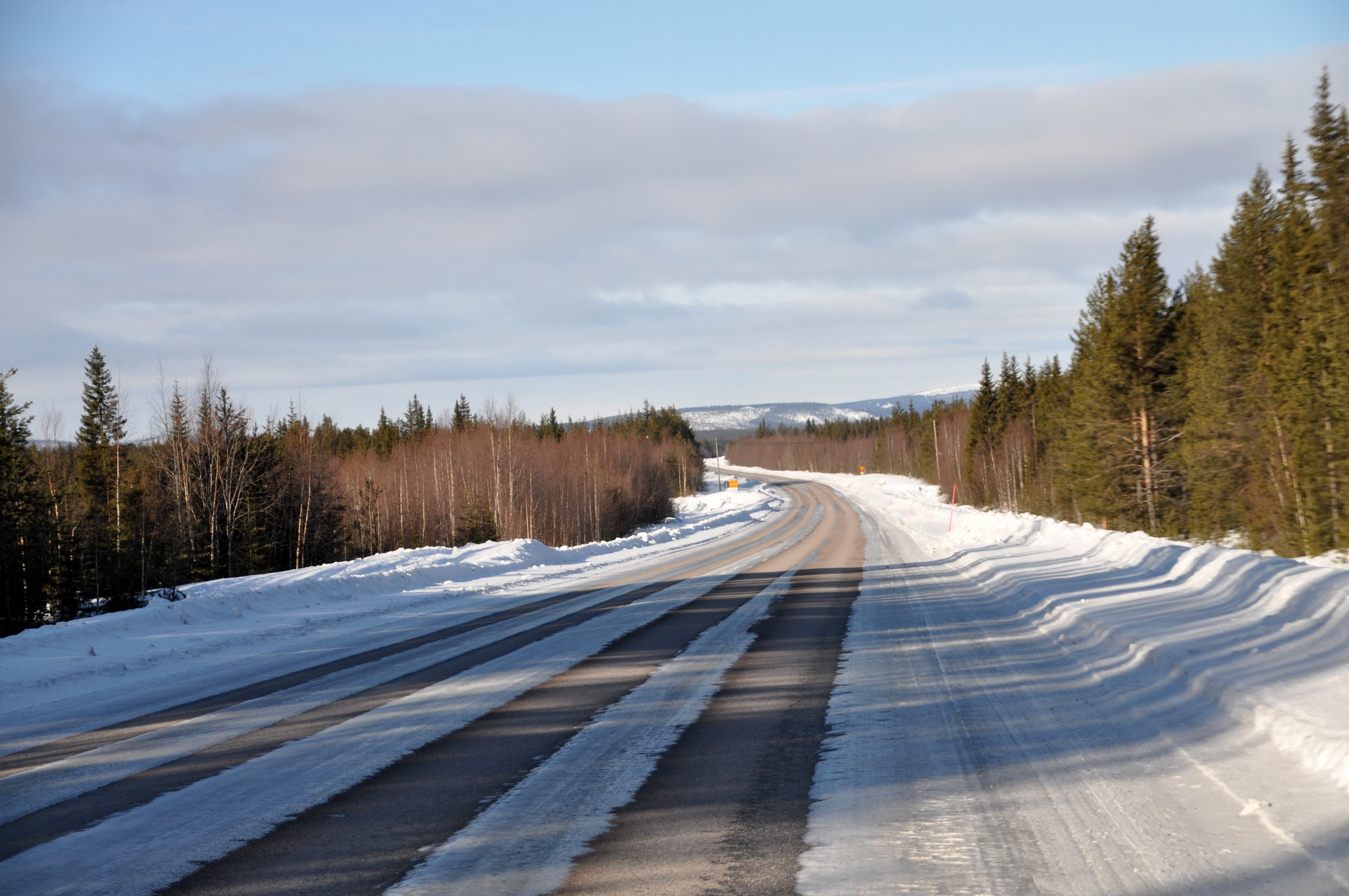
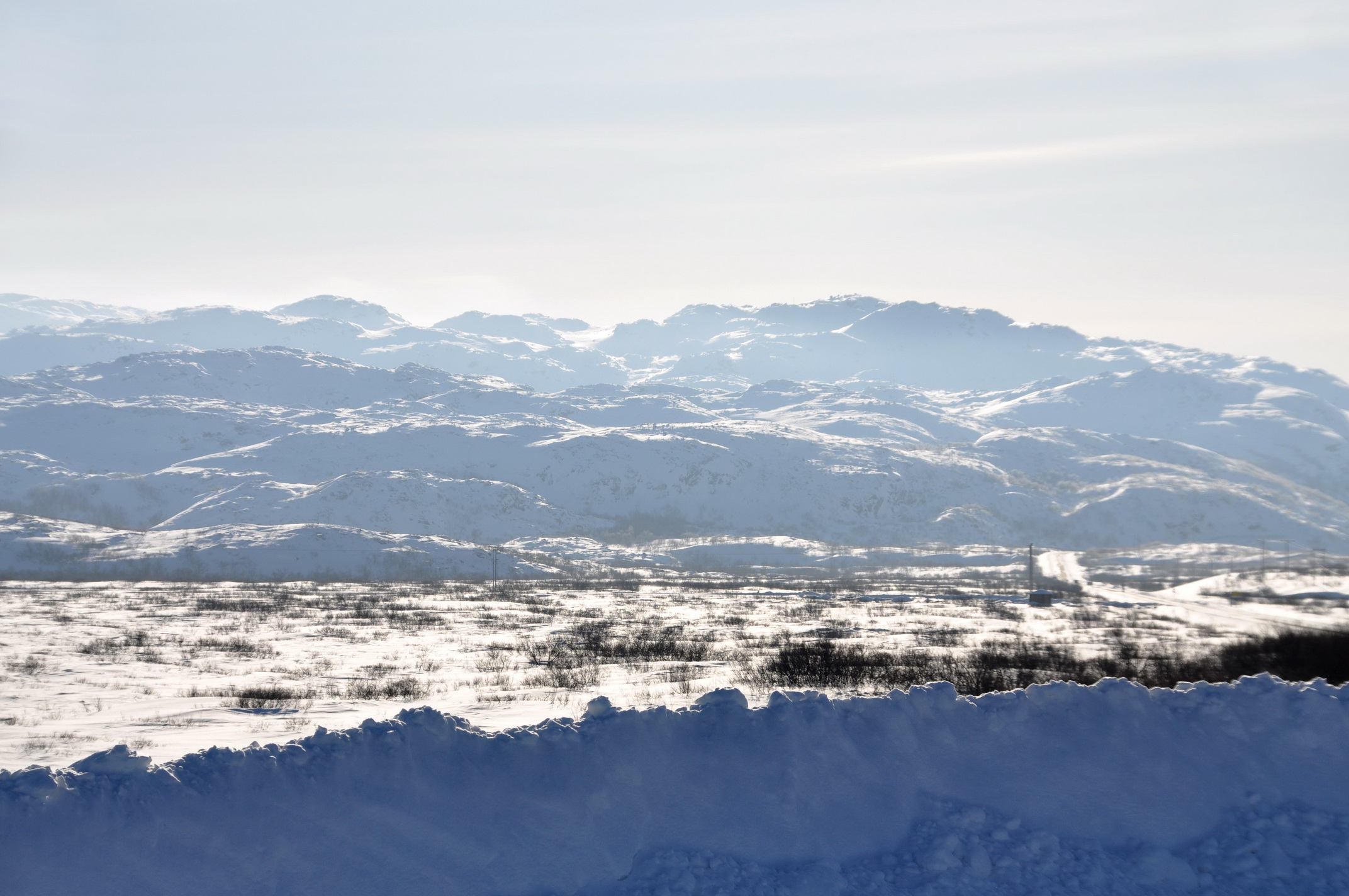
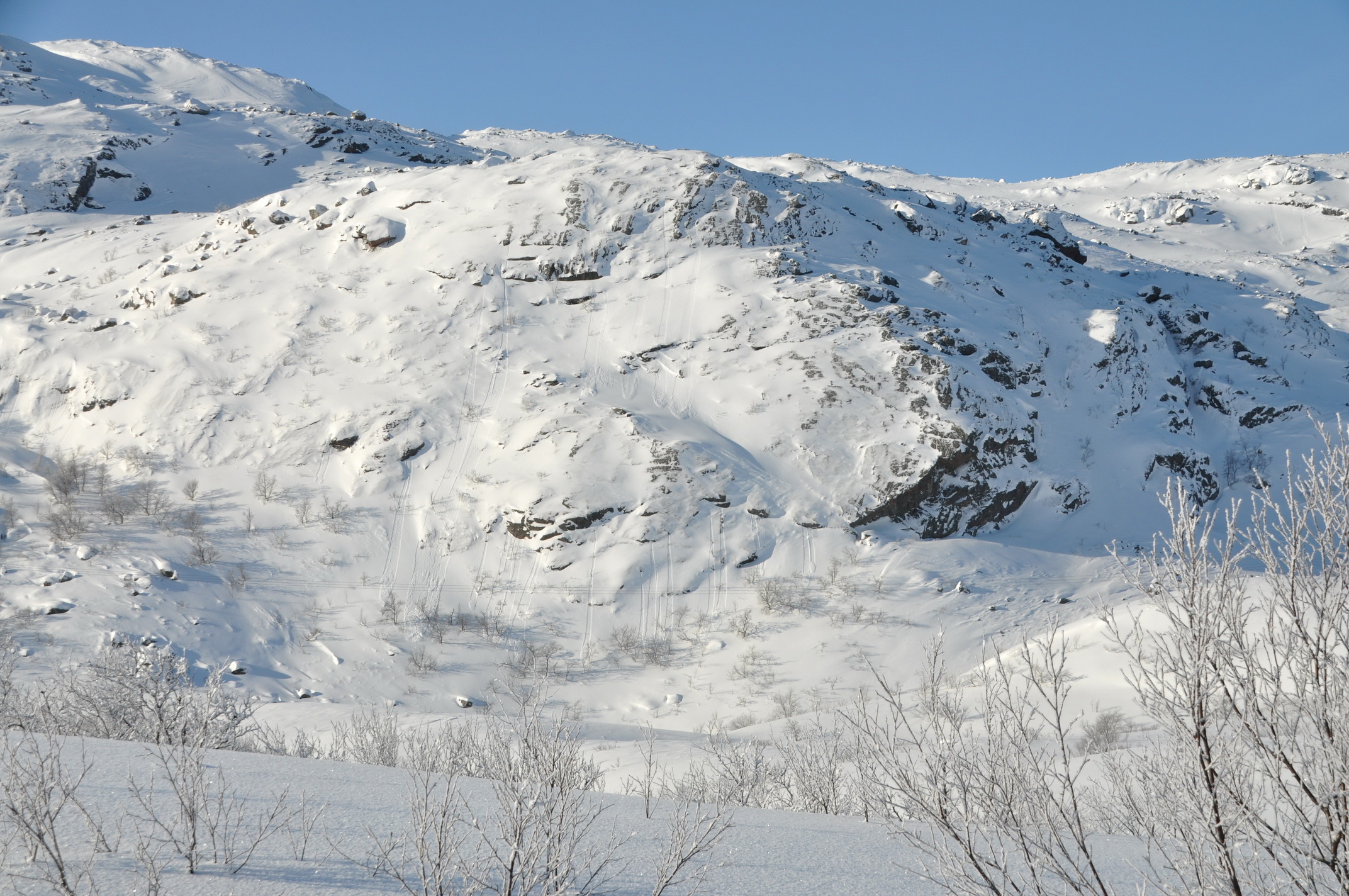
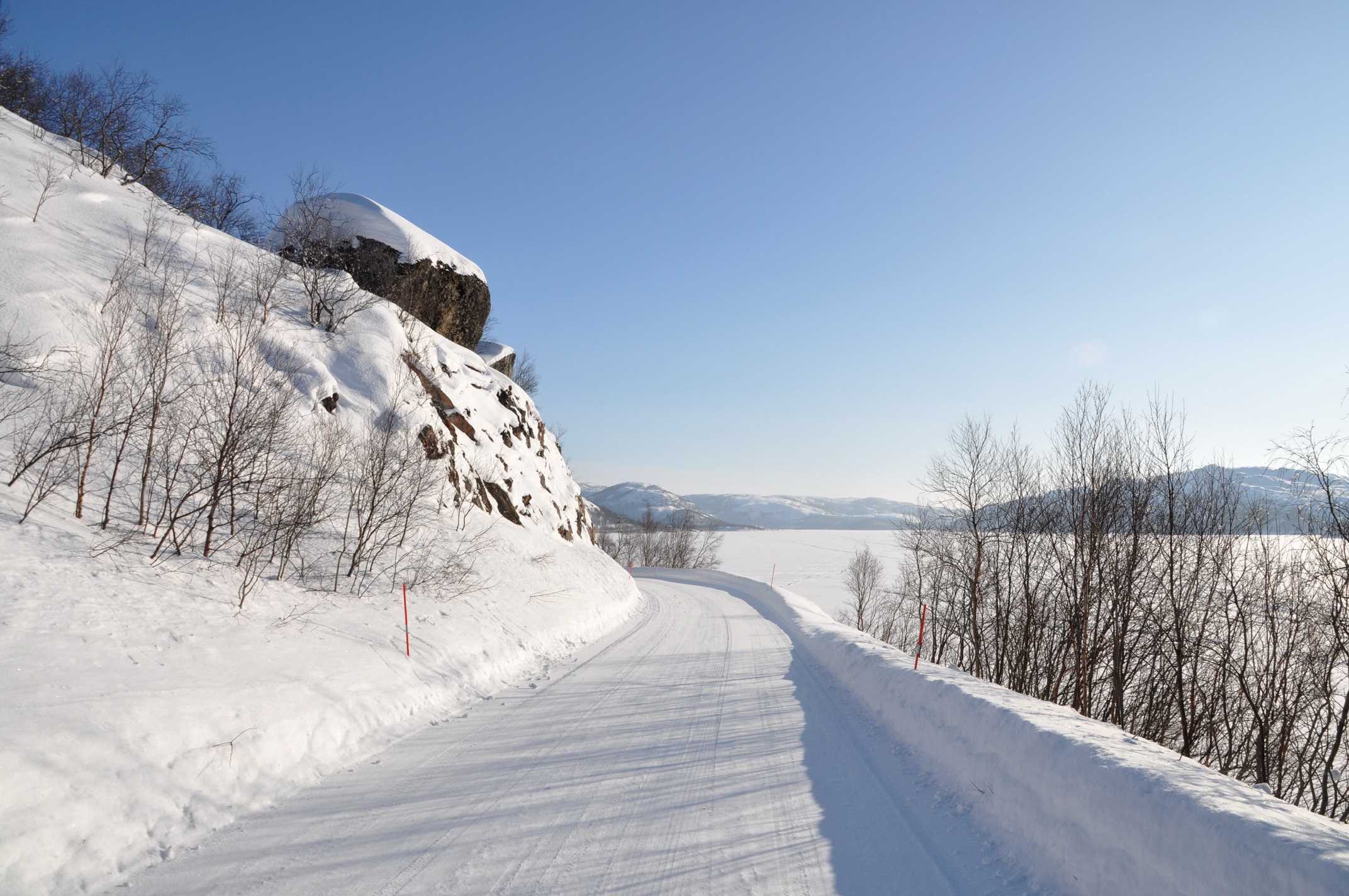
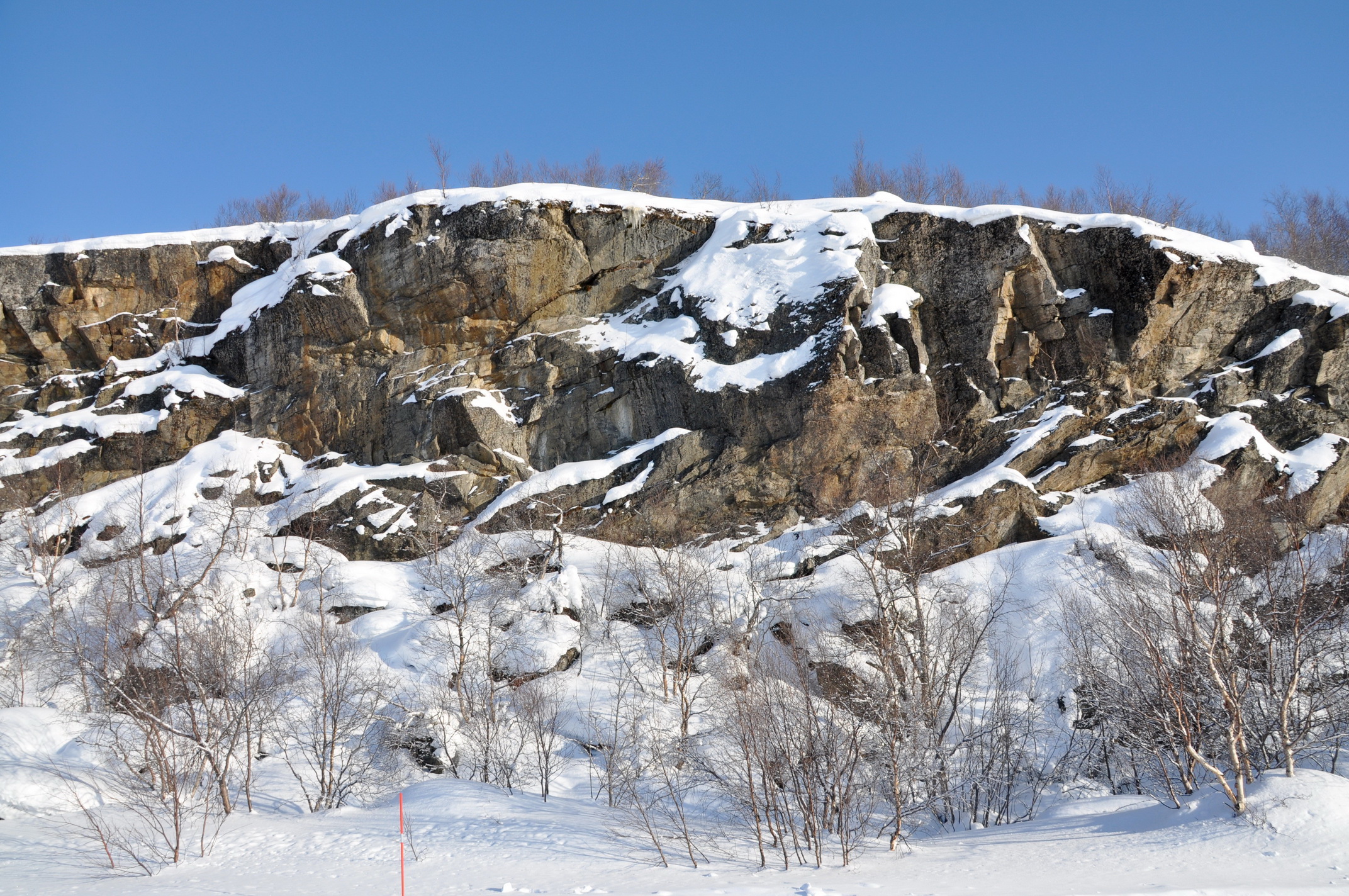
The morning turned out clear. Bright sun on the pure white snow dazzled my eyes. The road was icy and mountainous. Of course it was slippery, but still perfectly driveable. Slowly, of course. There was no chance of making much speed anyway. Every few minutes I wanted to stop and take pictures.
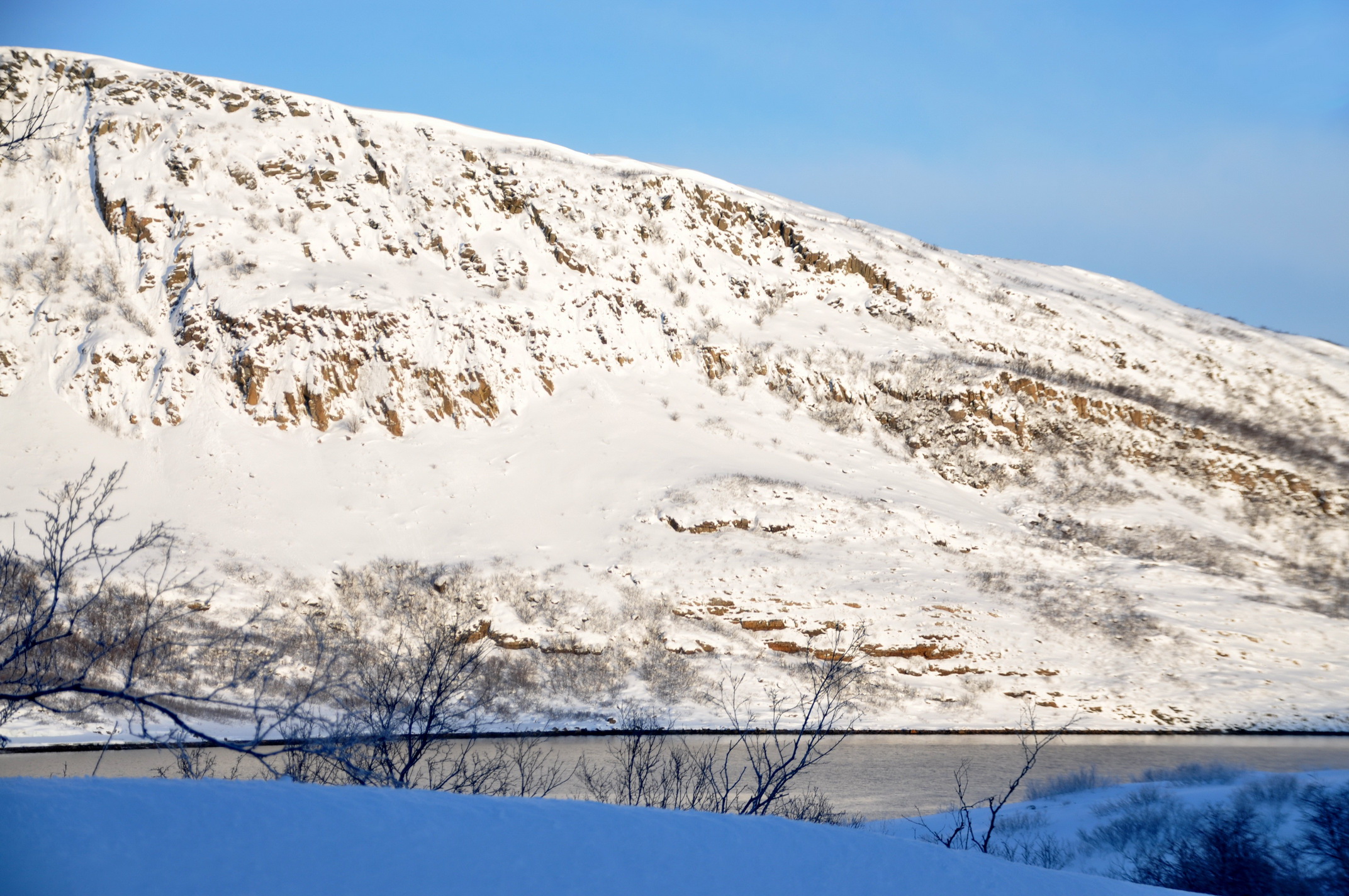
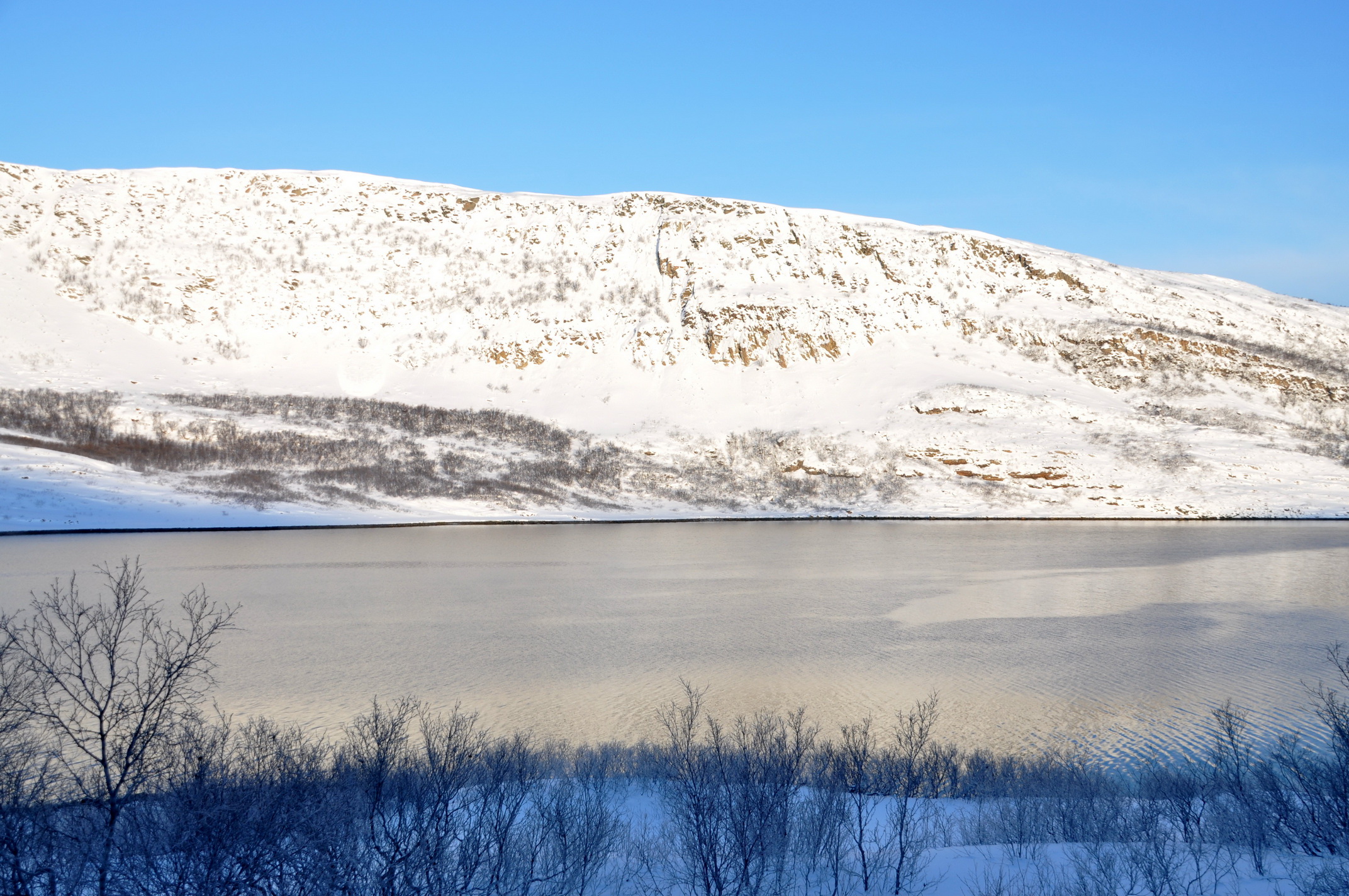
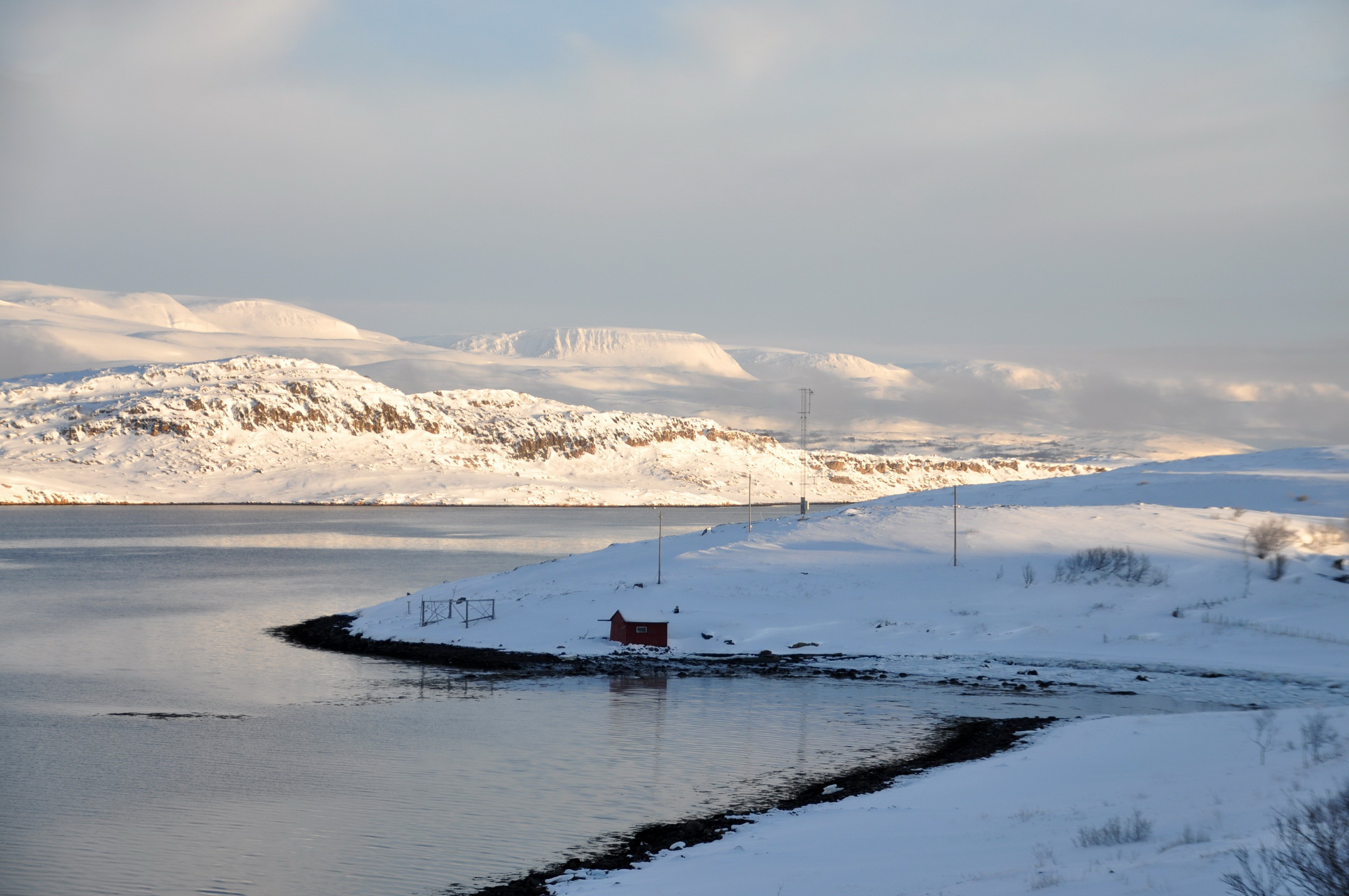
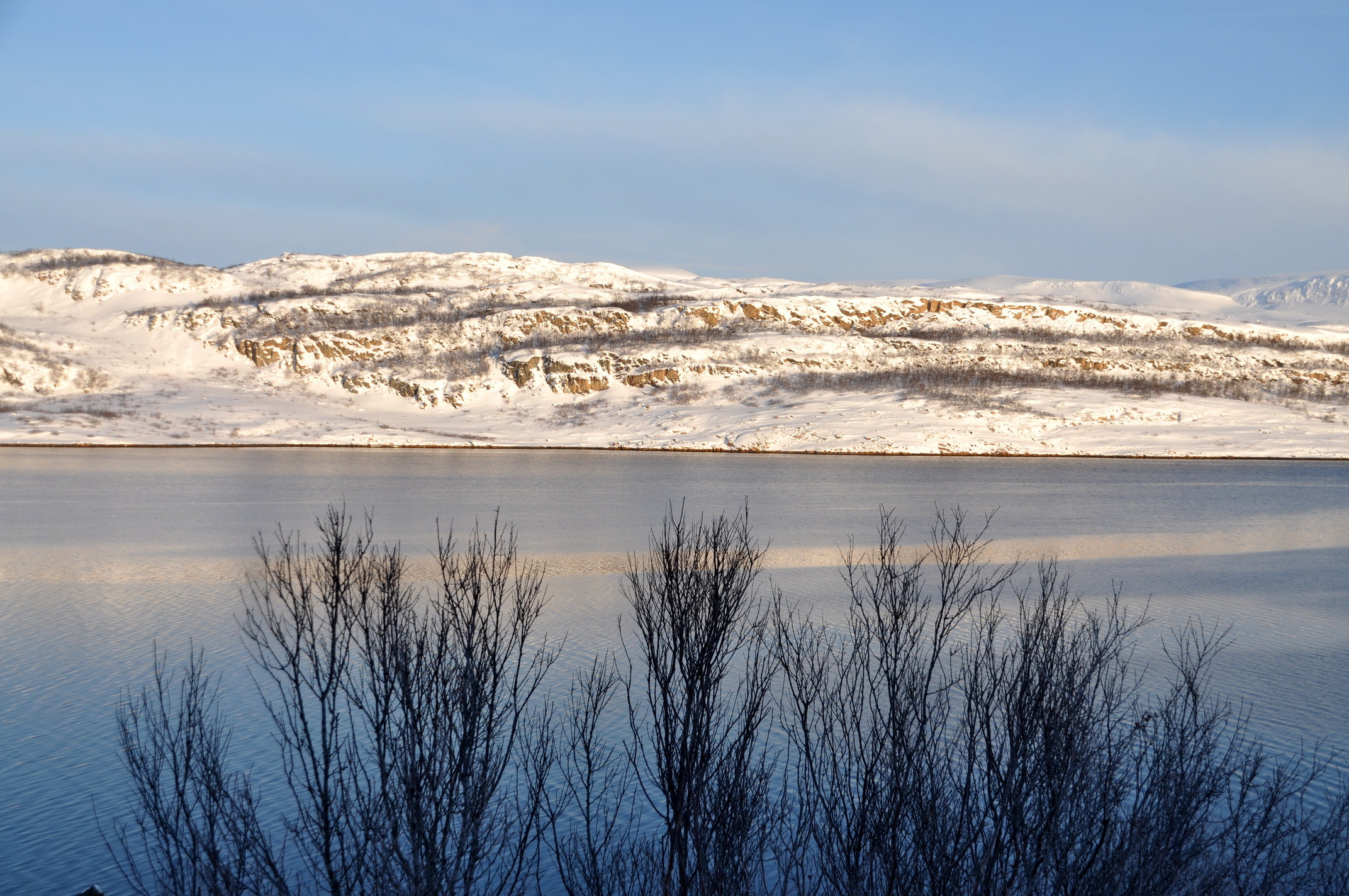
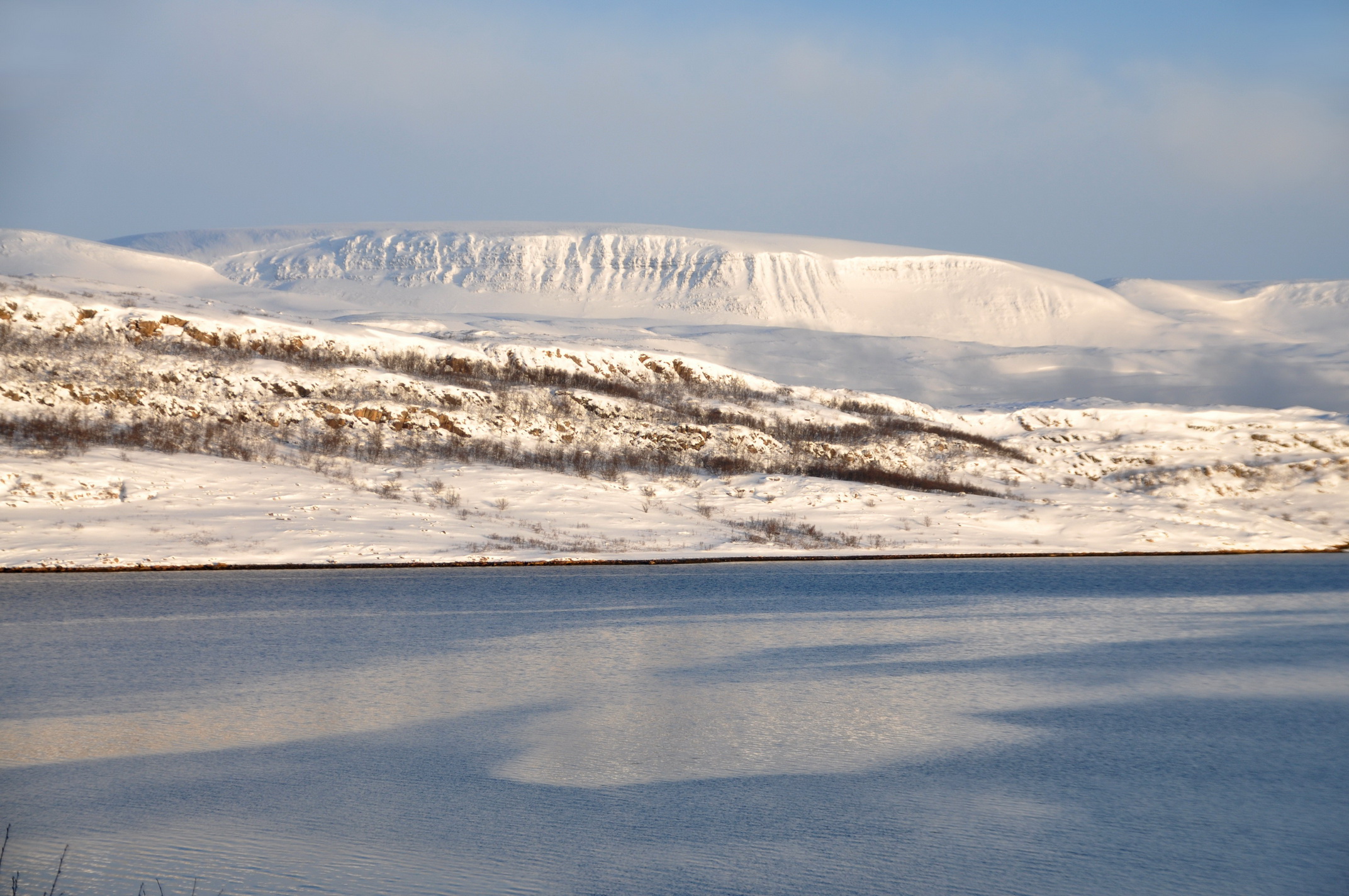
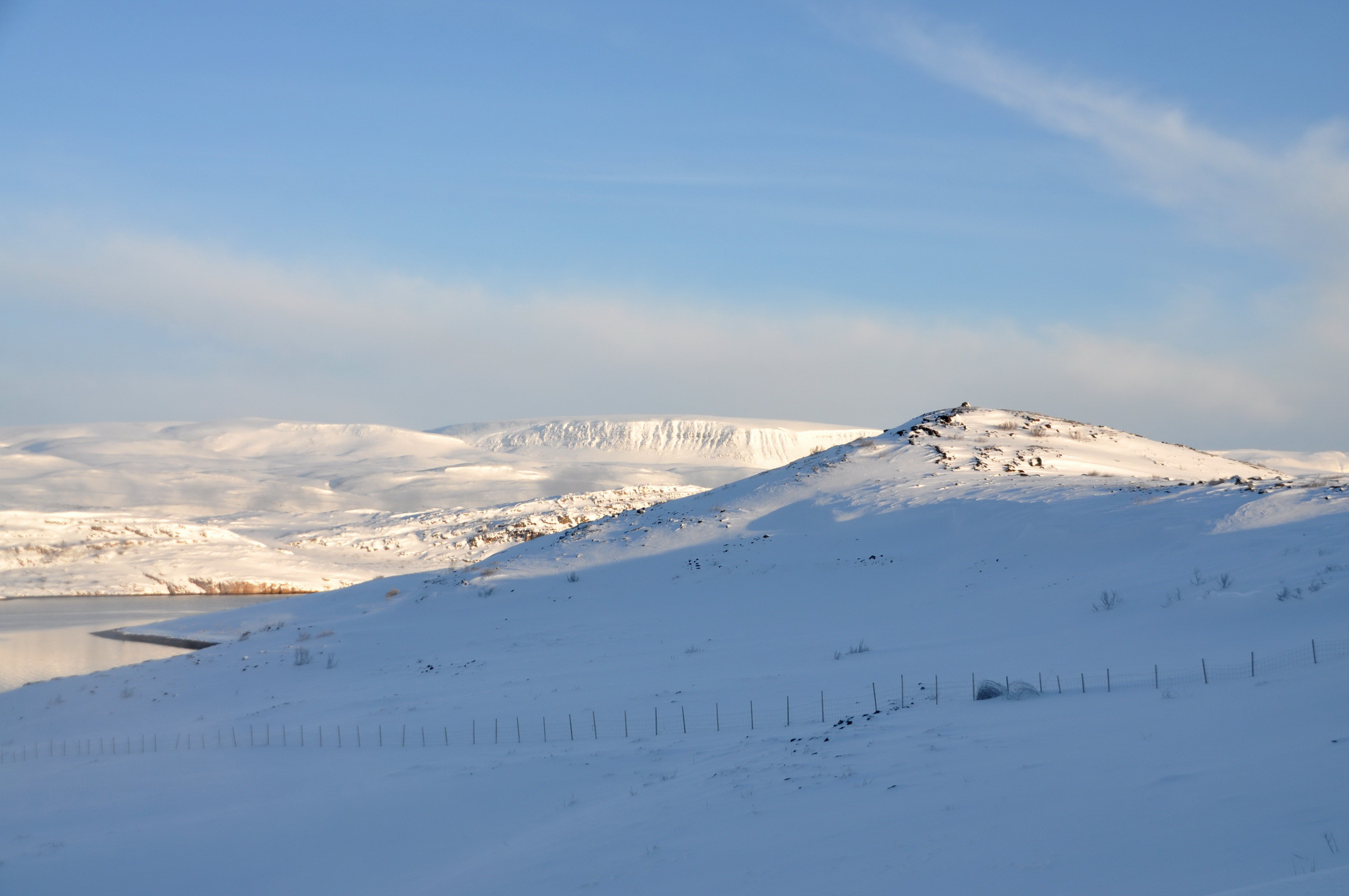
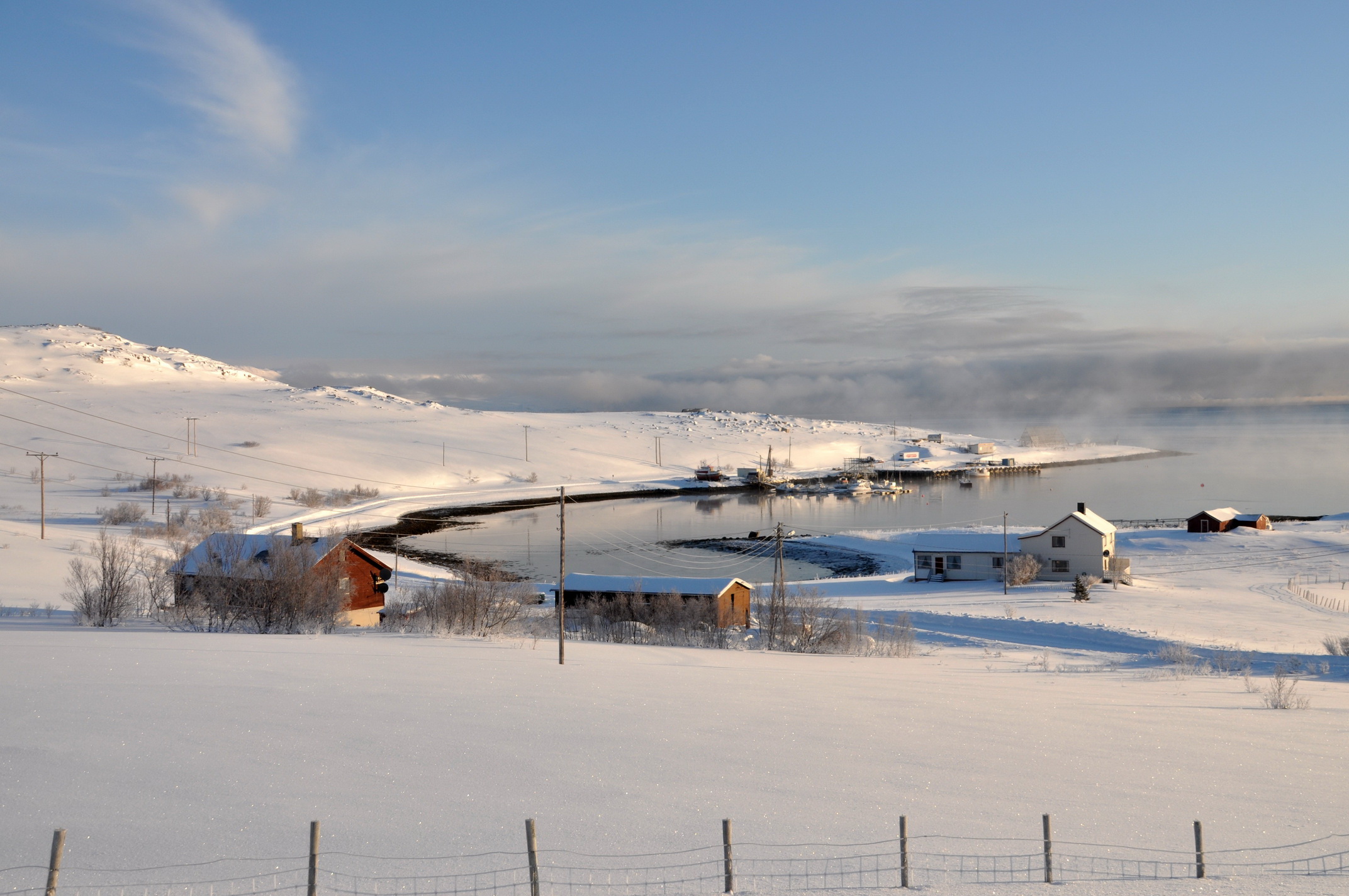
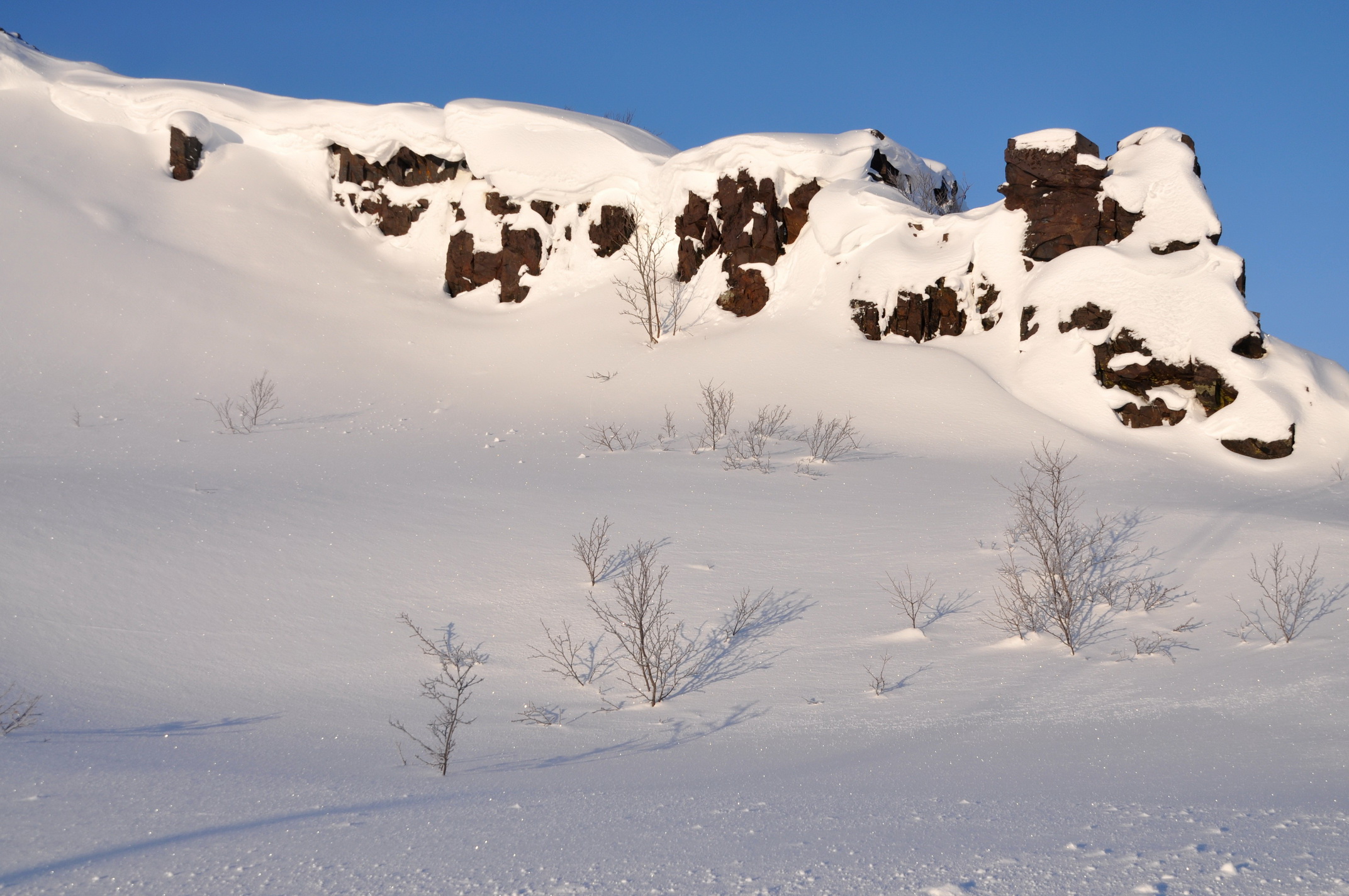
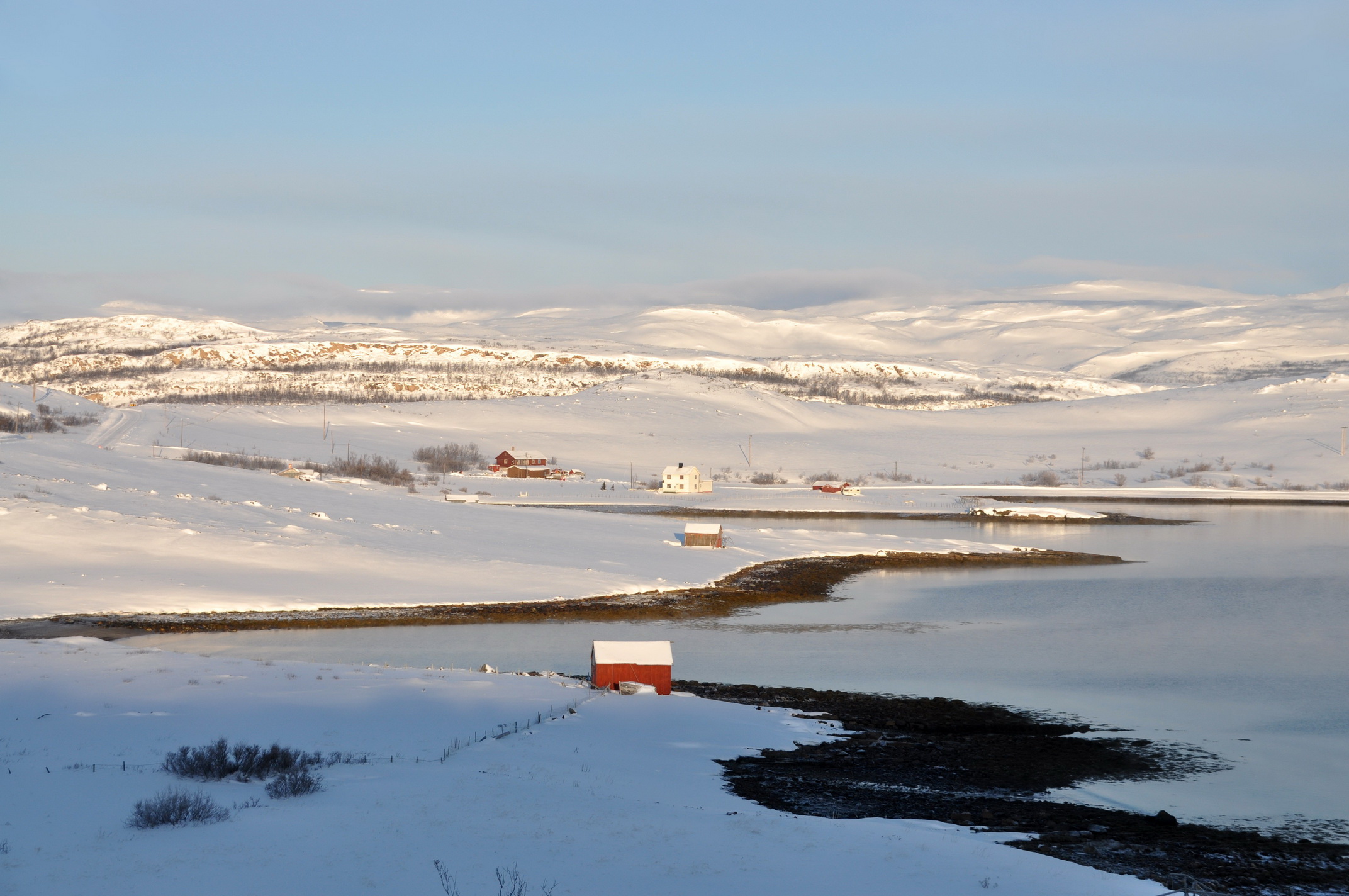
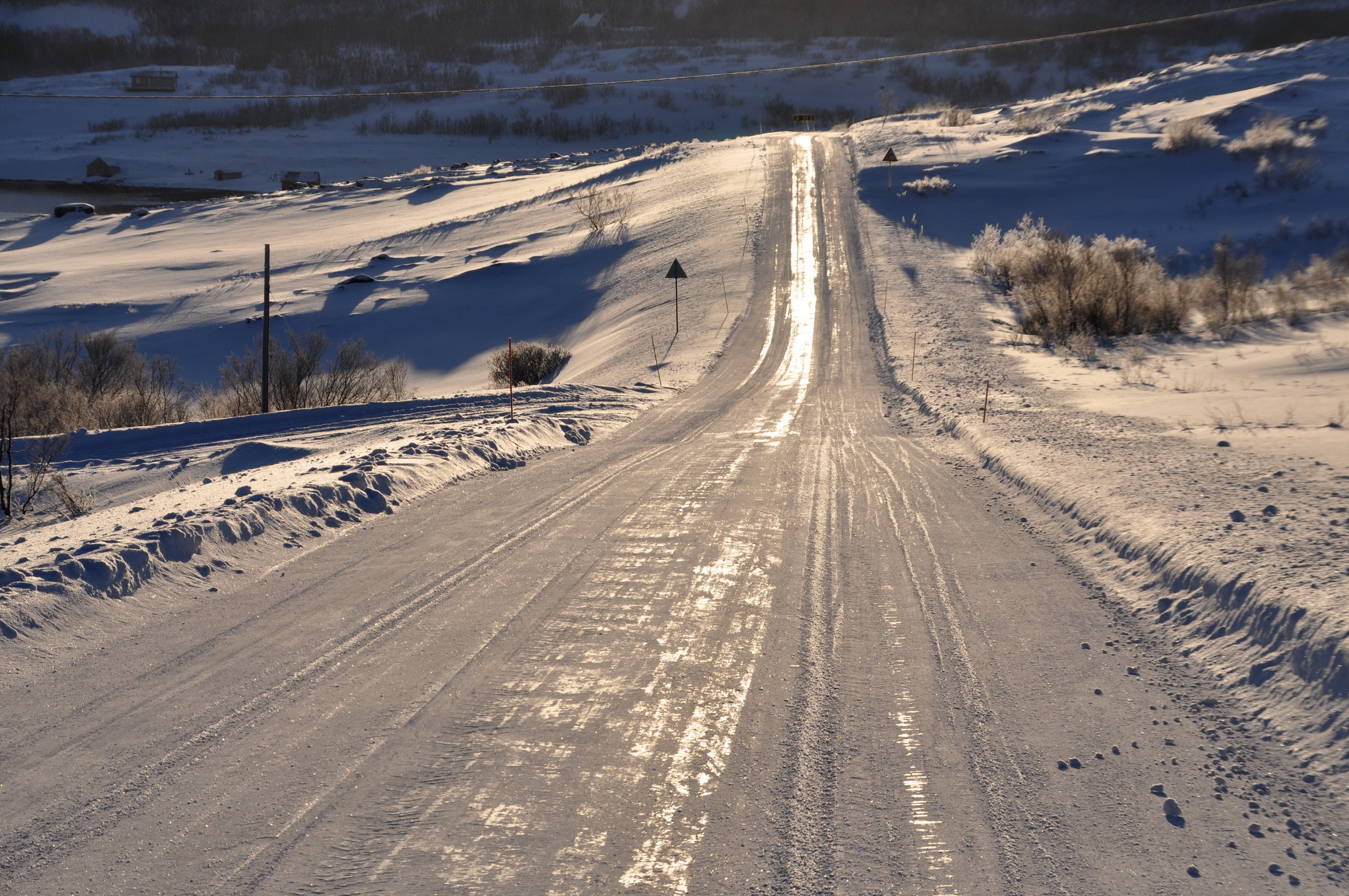
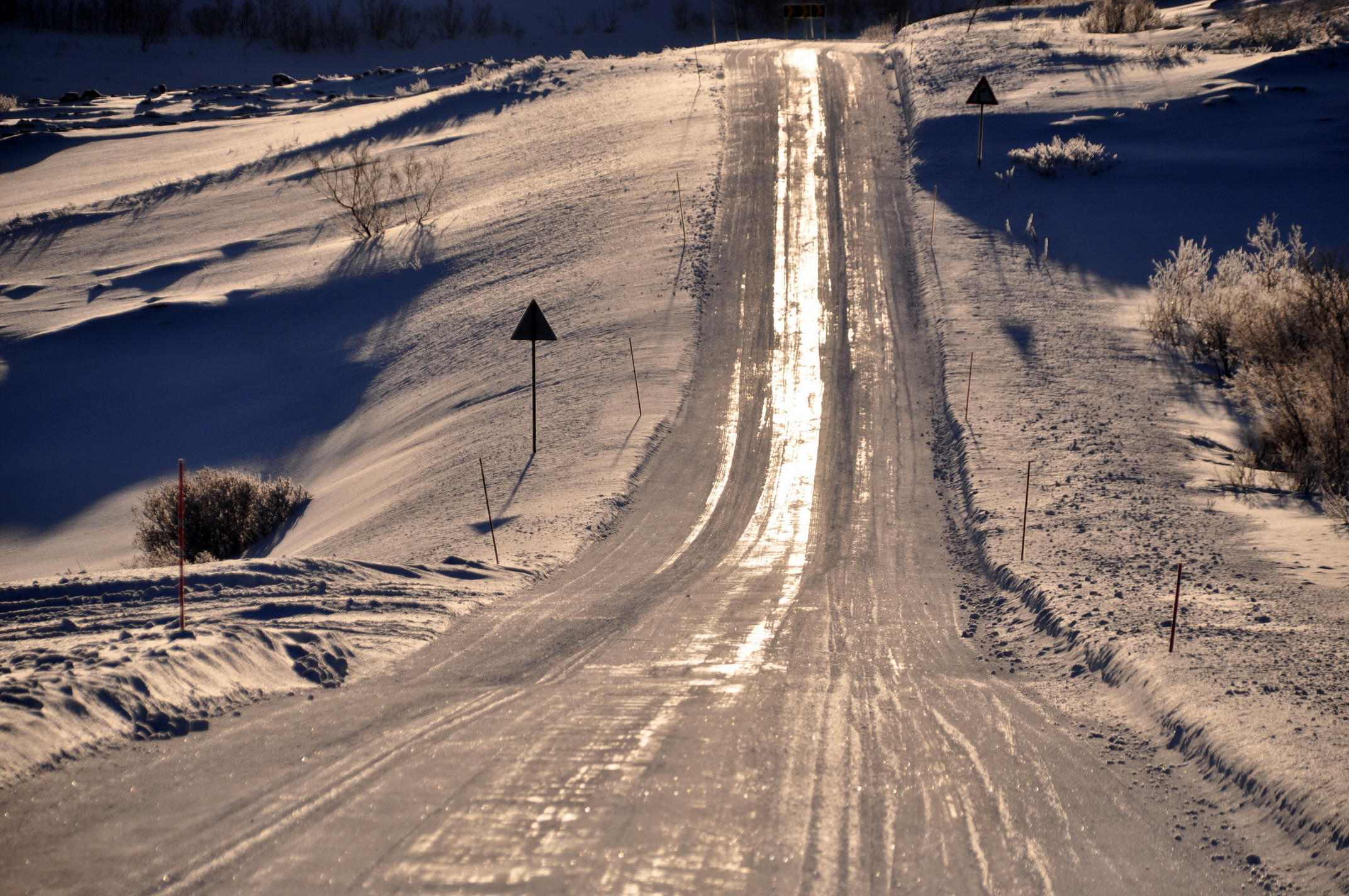
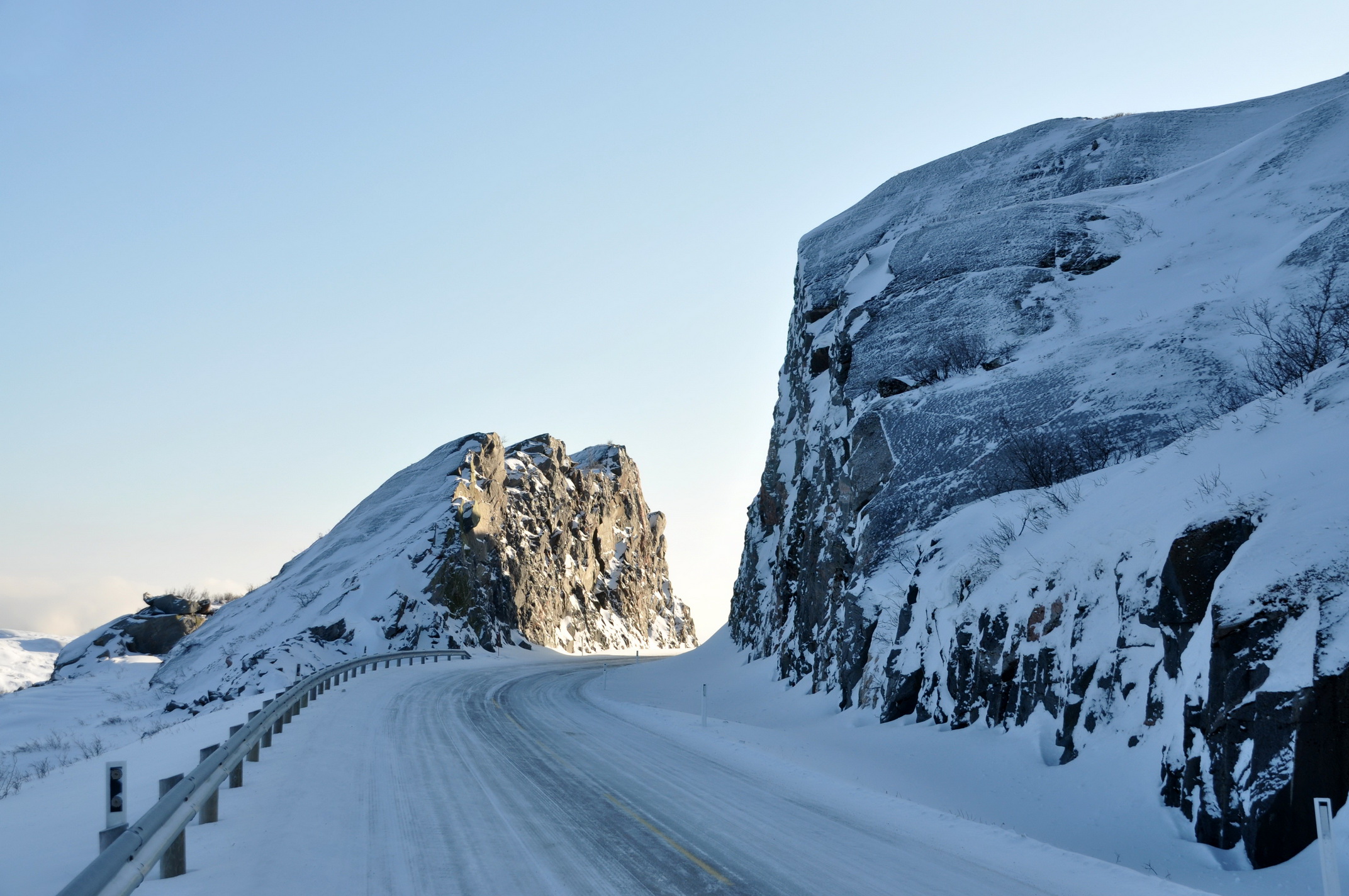
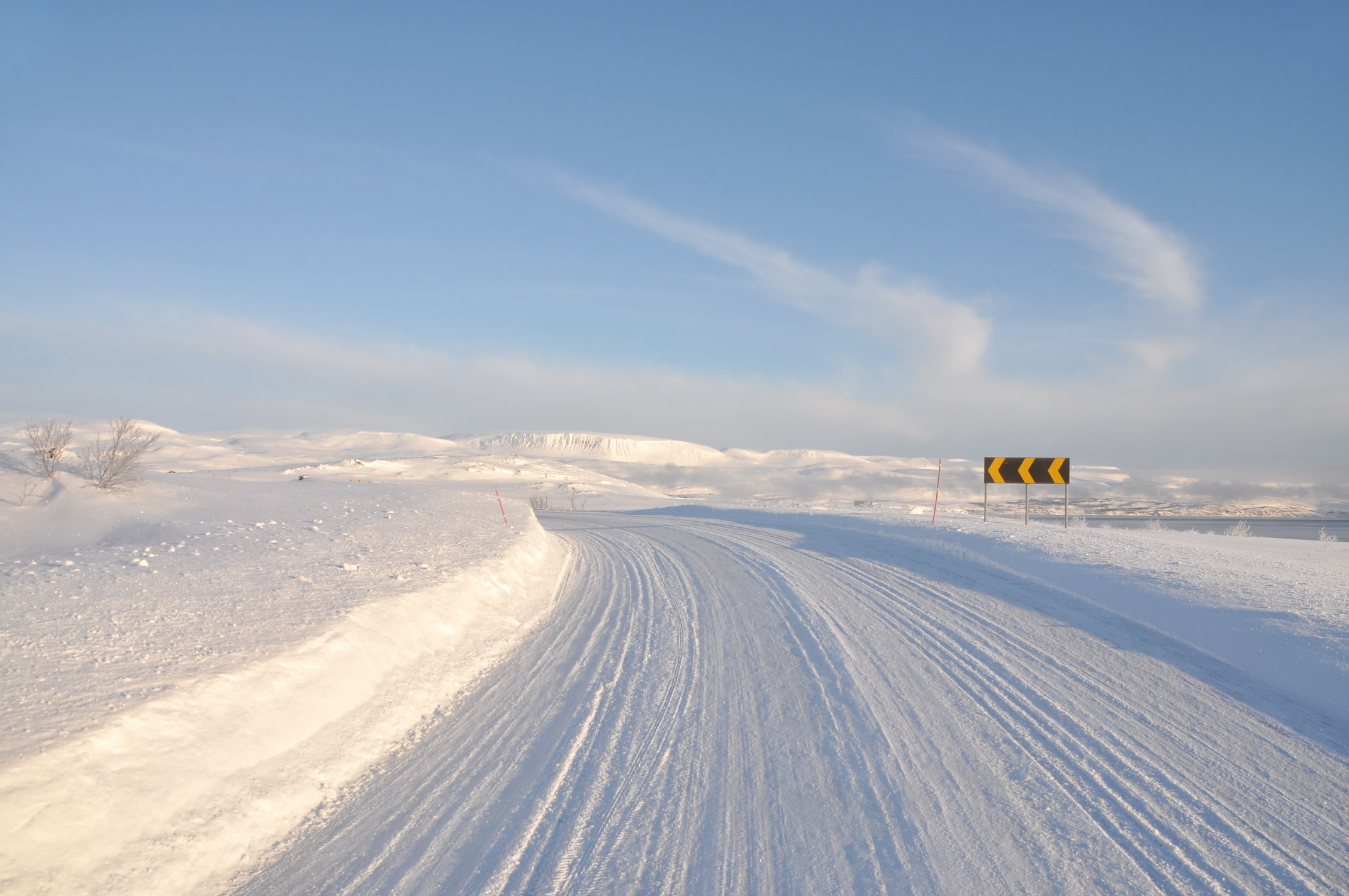
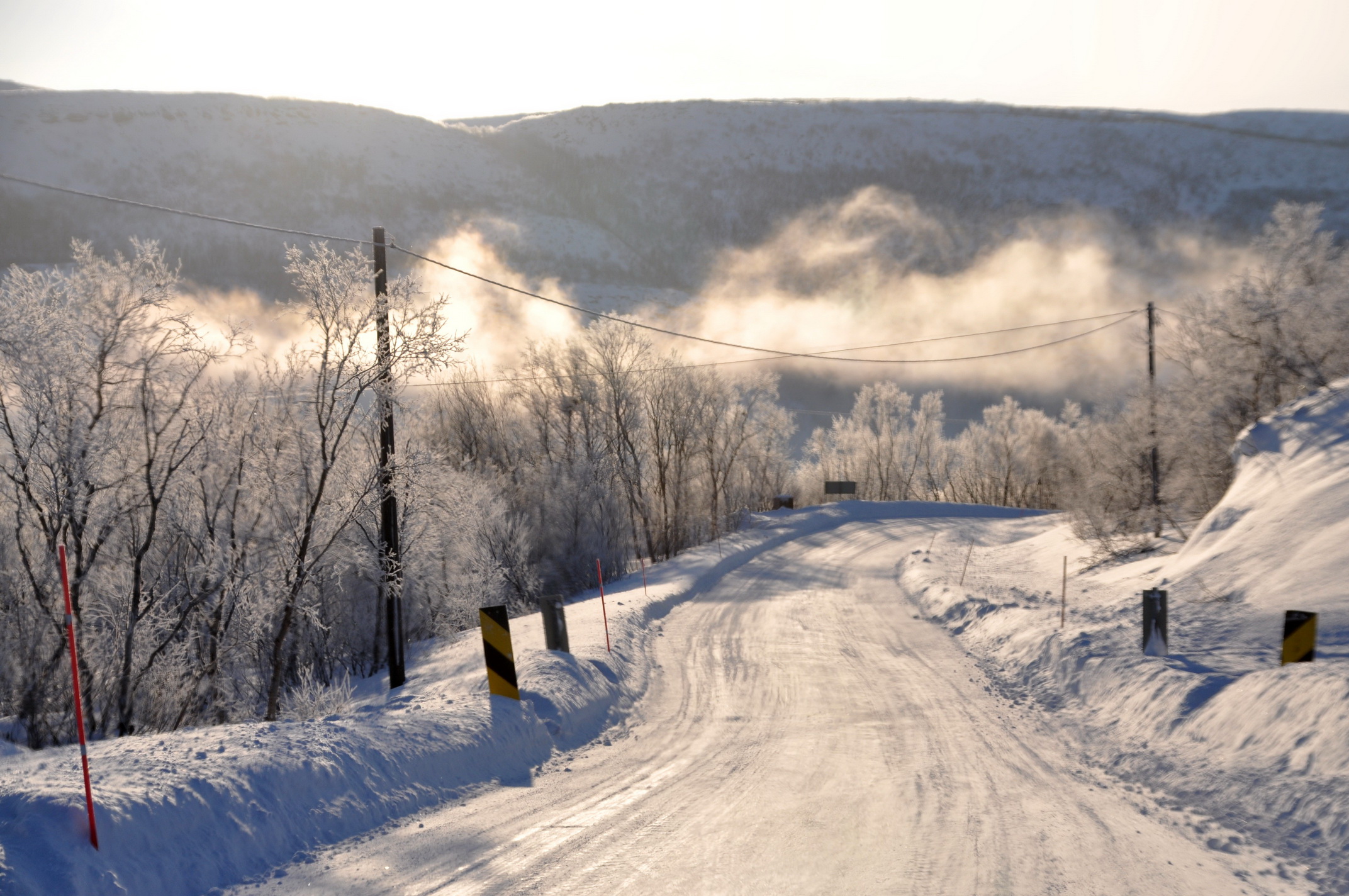
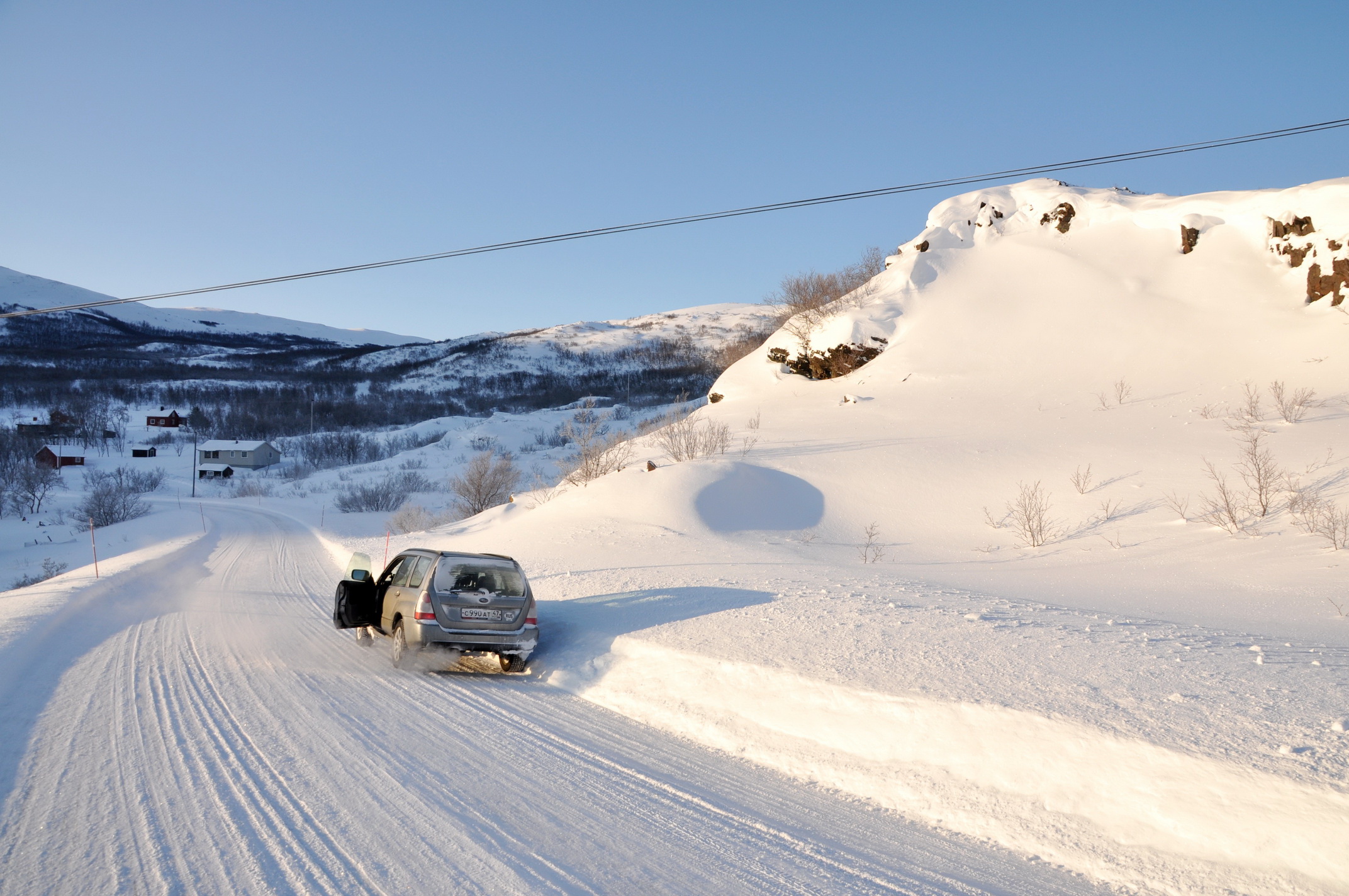
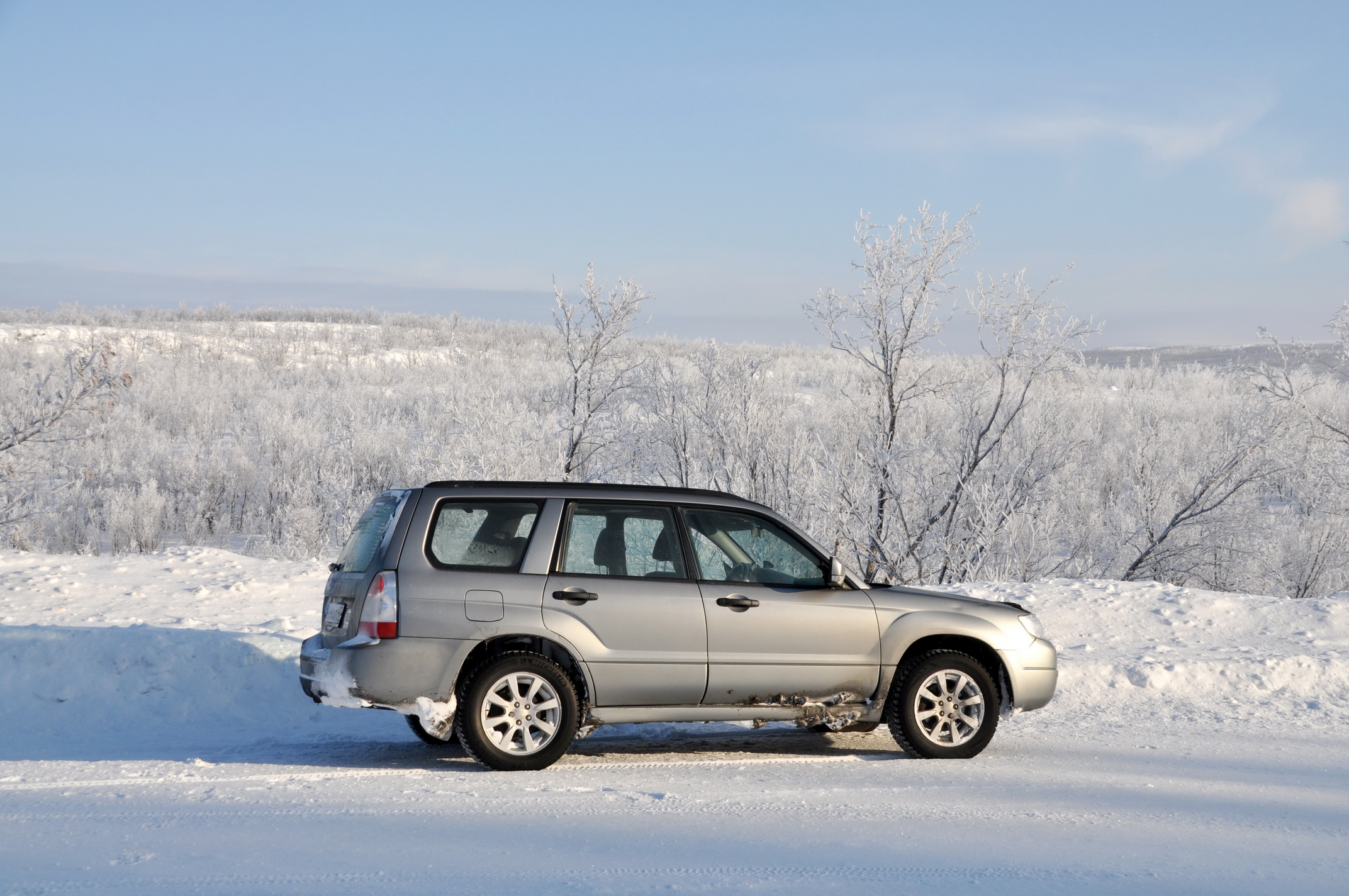
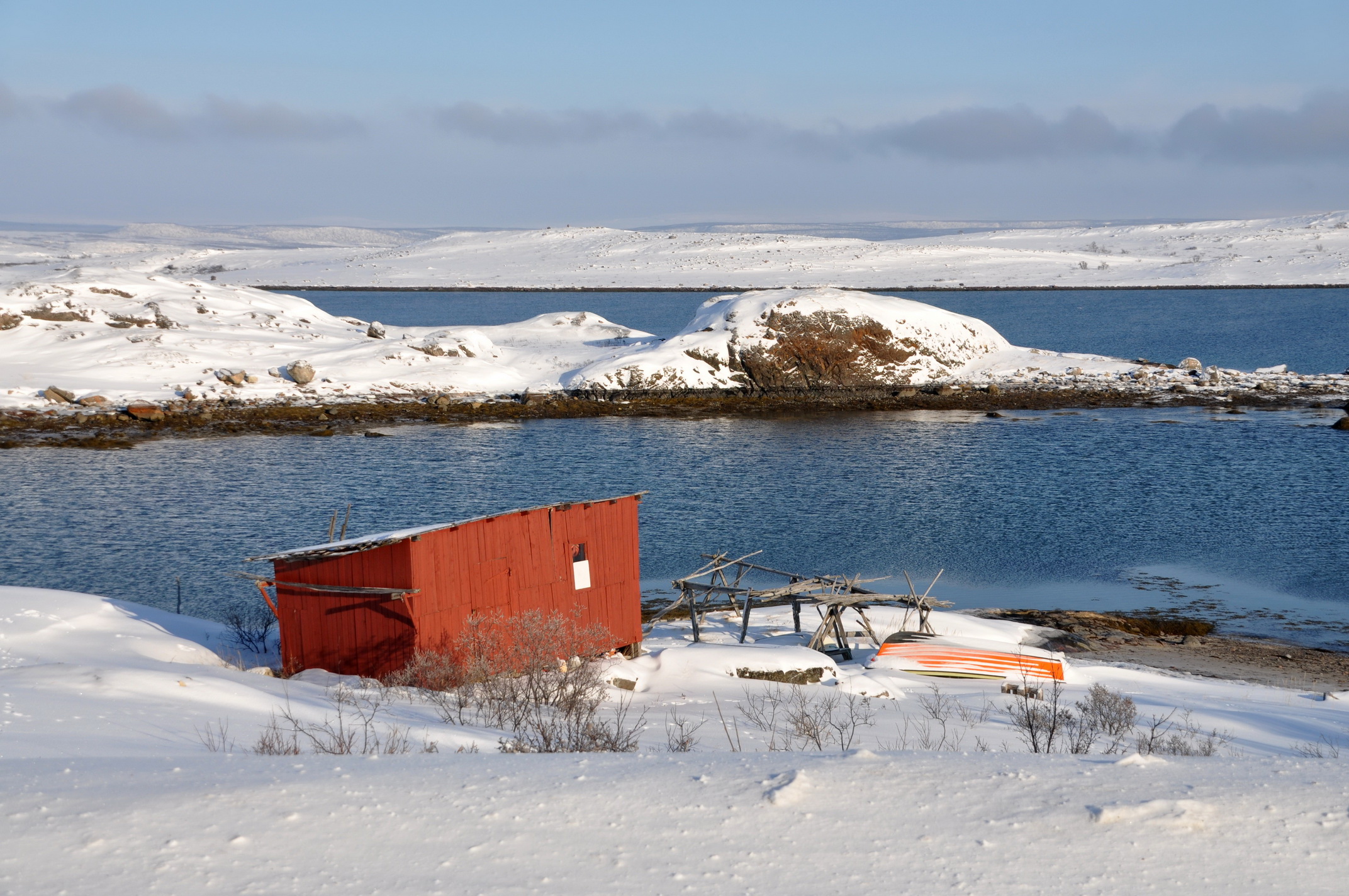
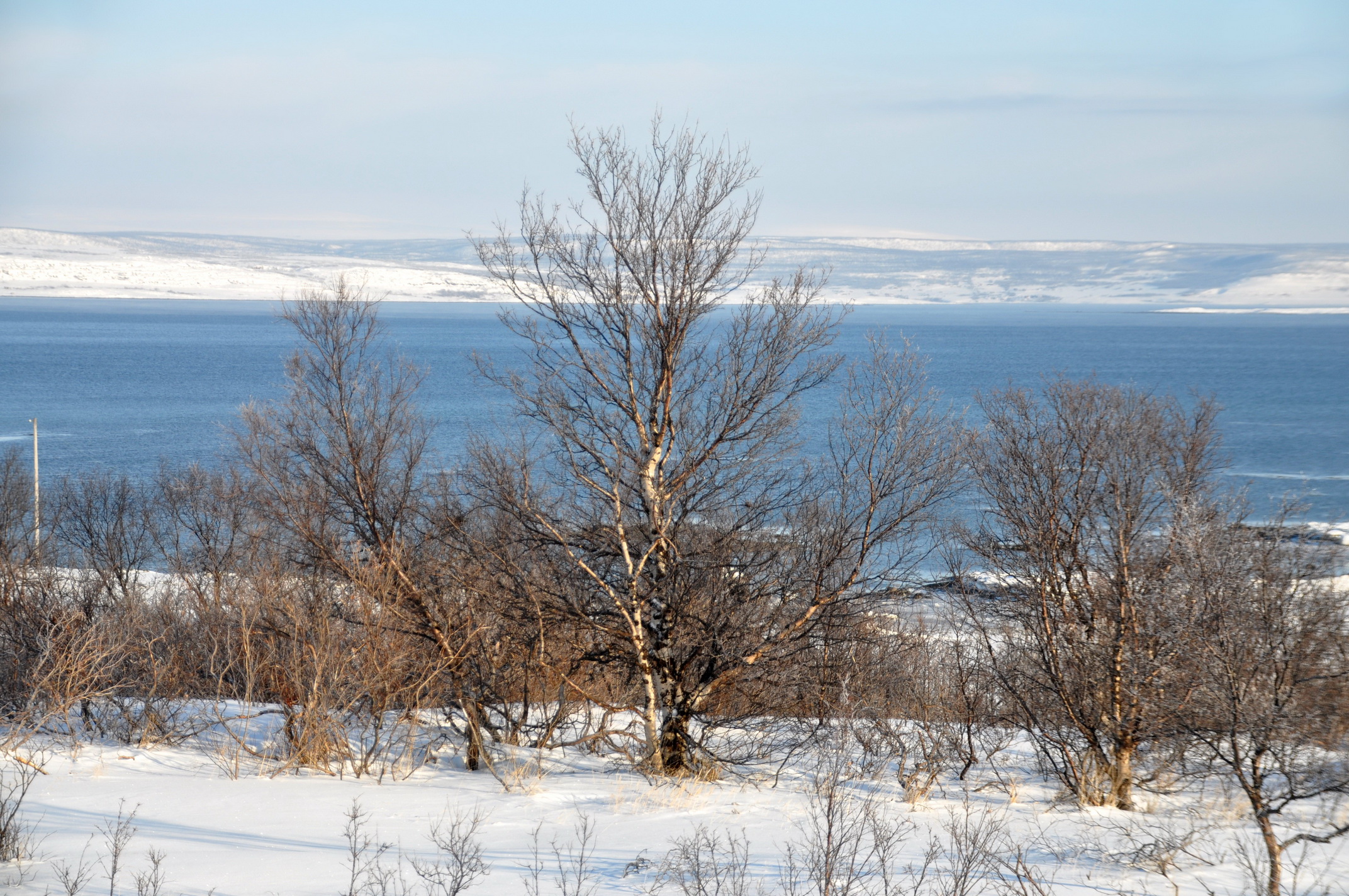
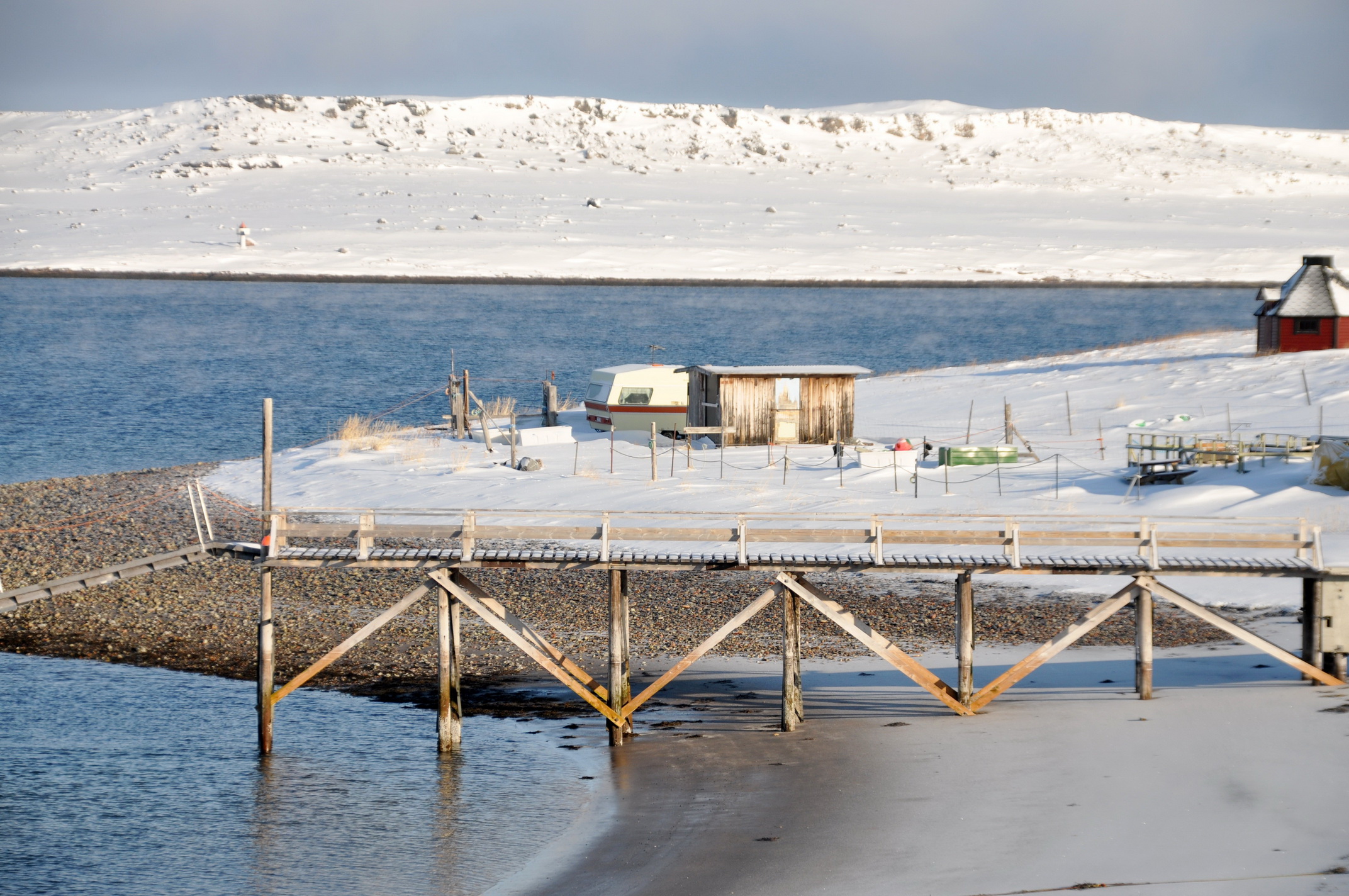
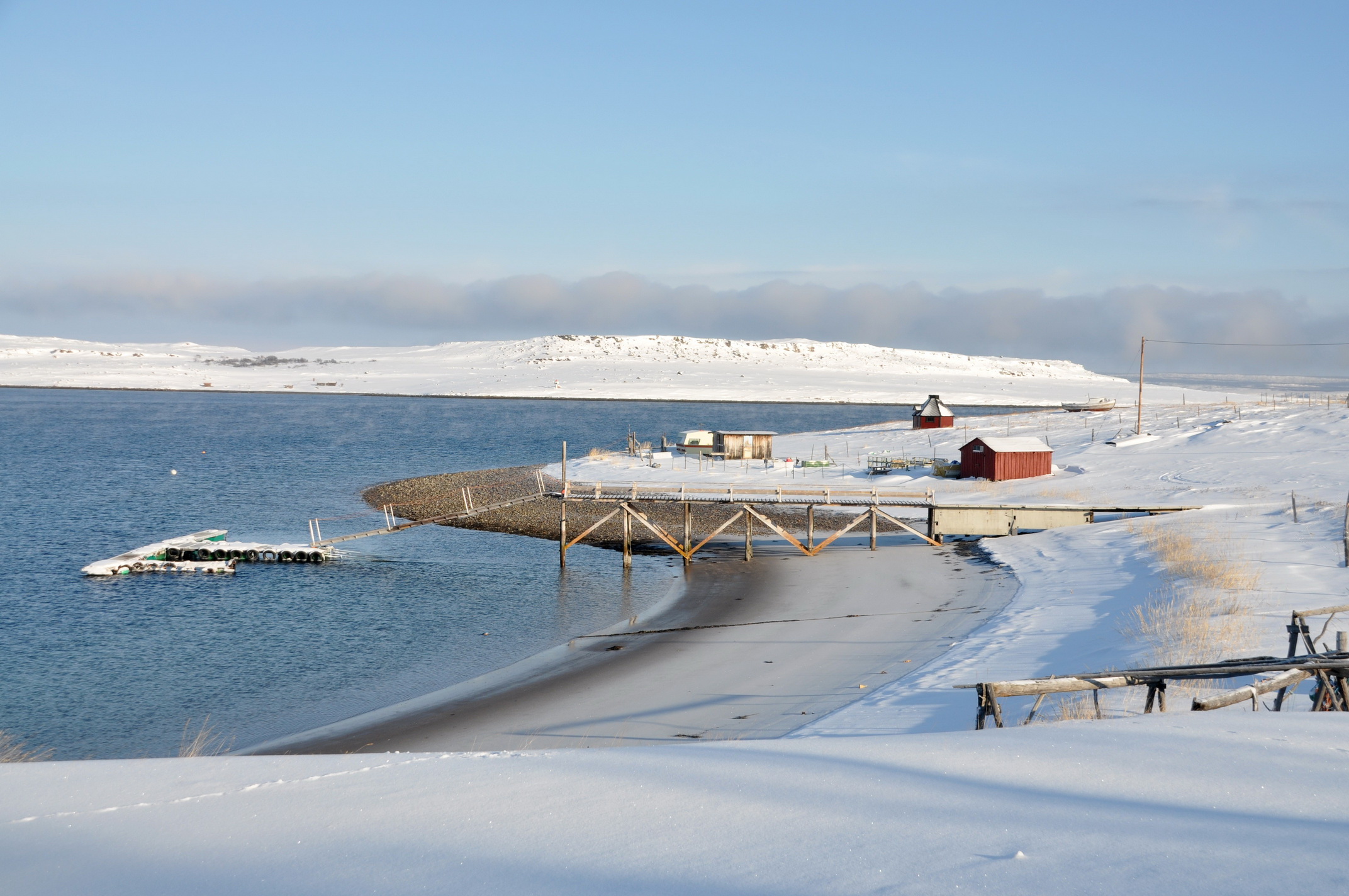
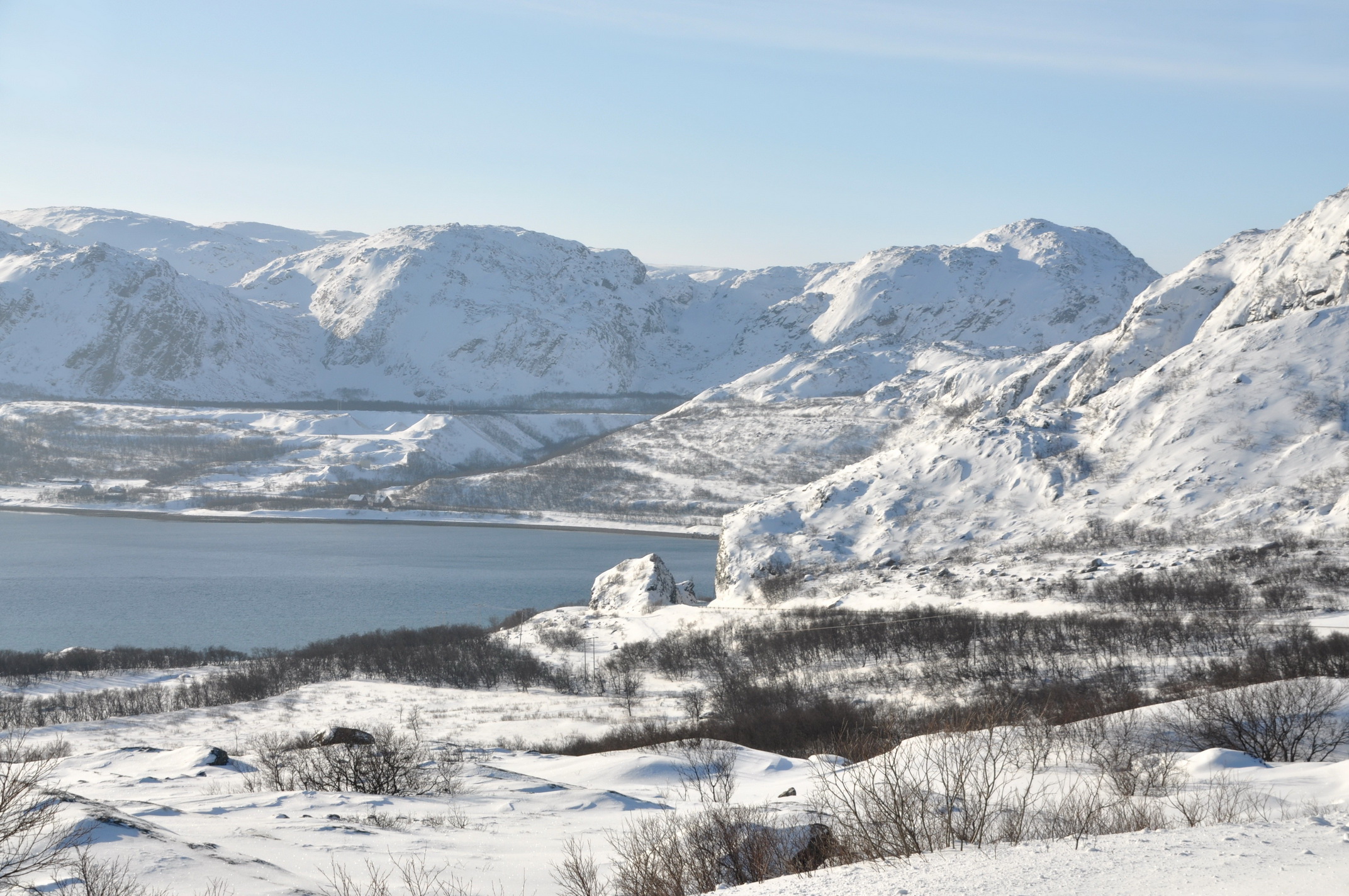
The sea here freezes only deep inside the fjords, far inland from the coast. Where you’re closer to the open sea, the snow banks drop straight into beds of sea kelp exposed at low tide, or straight into the waves. The Gulf Stream at work, I suppose.
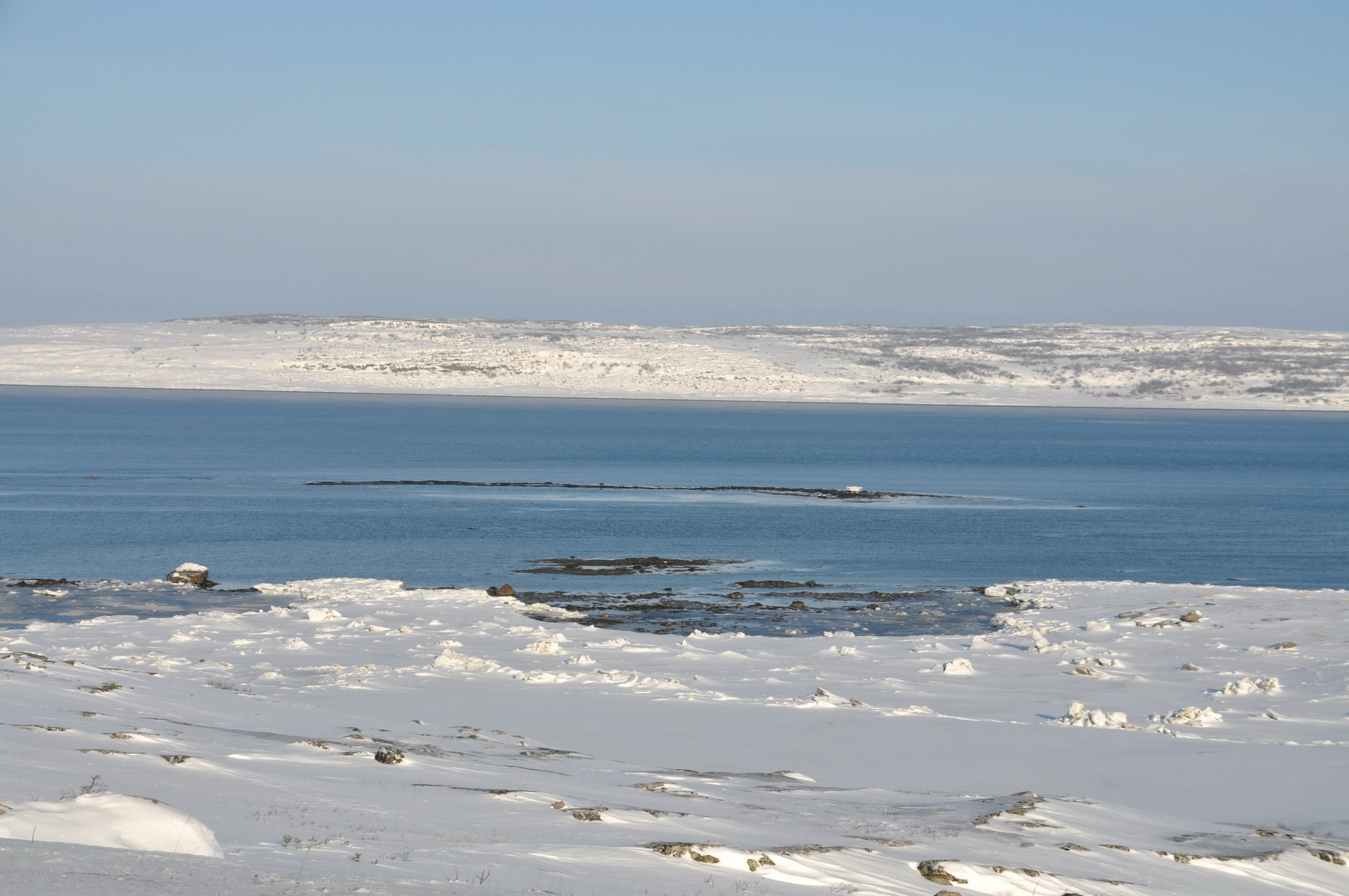
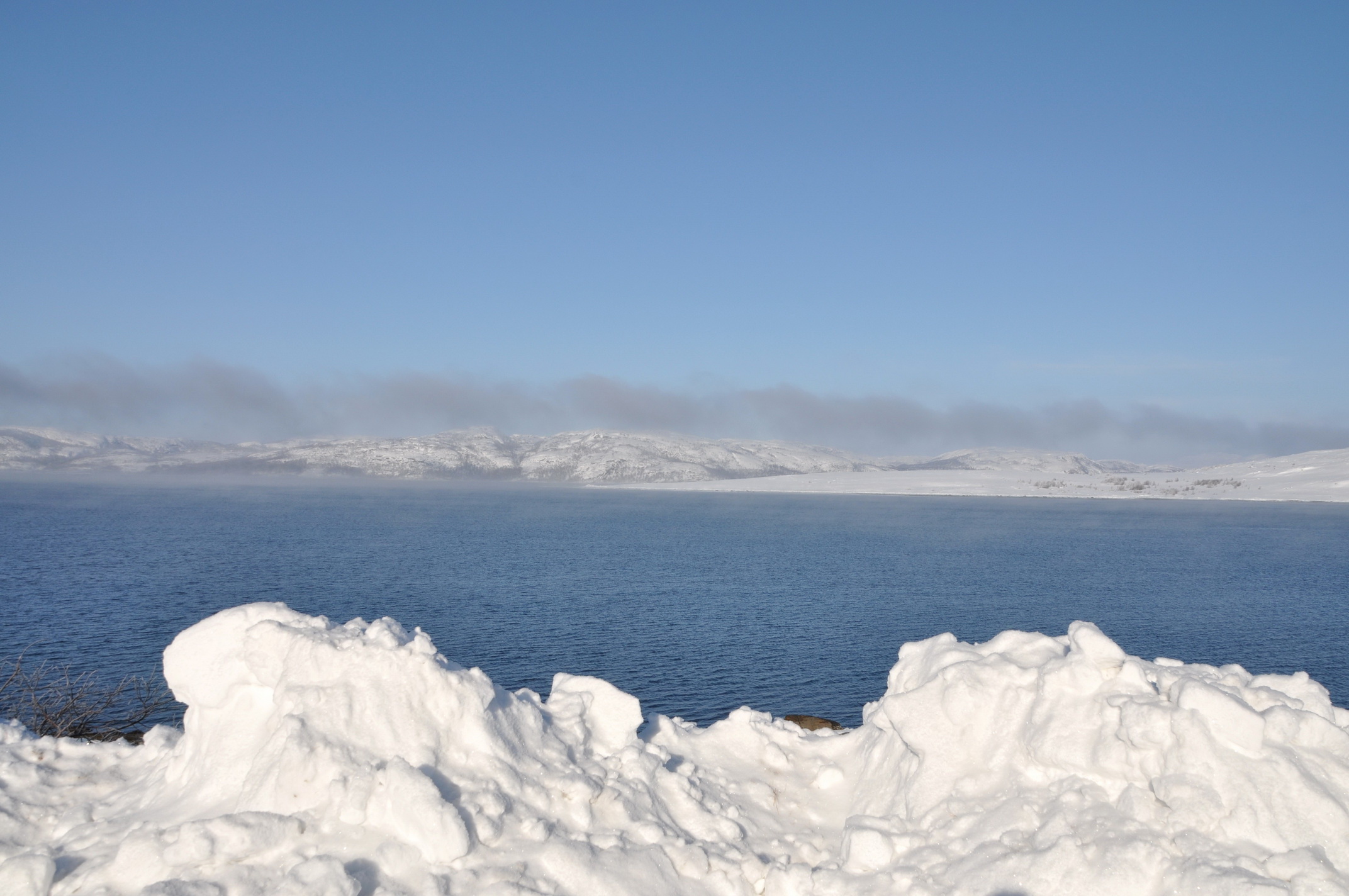
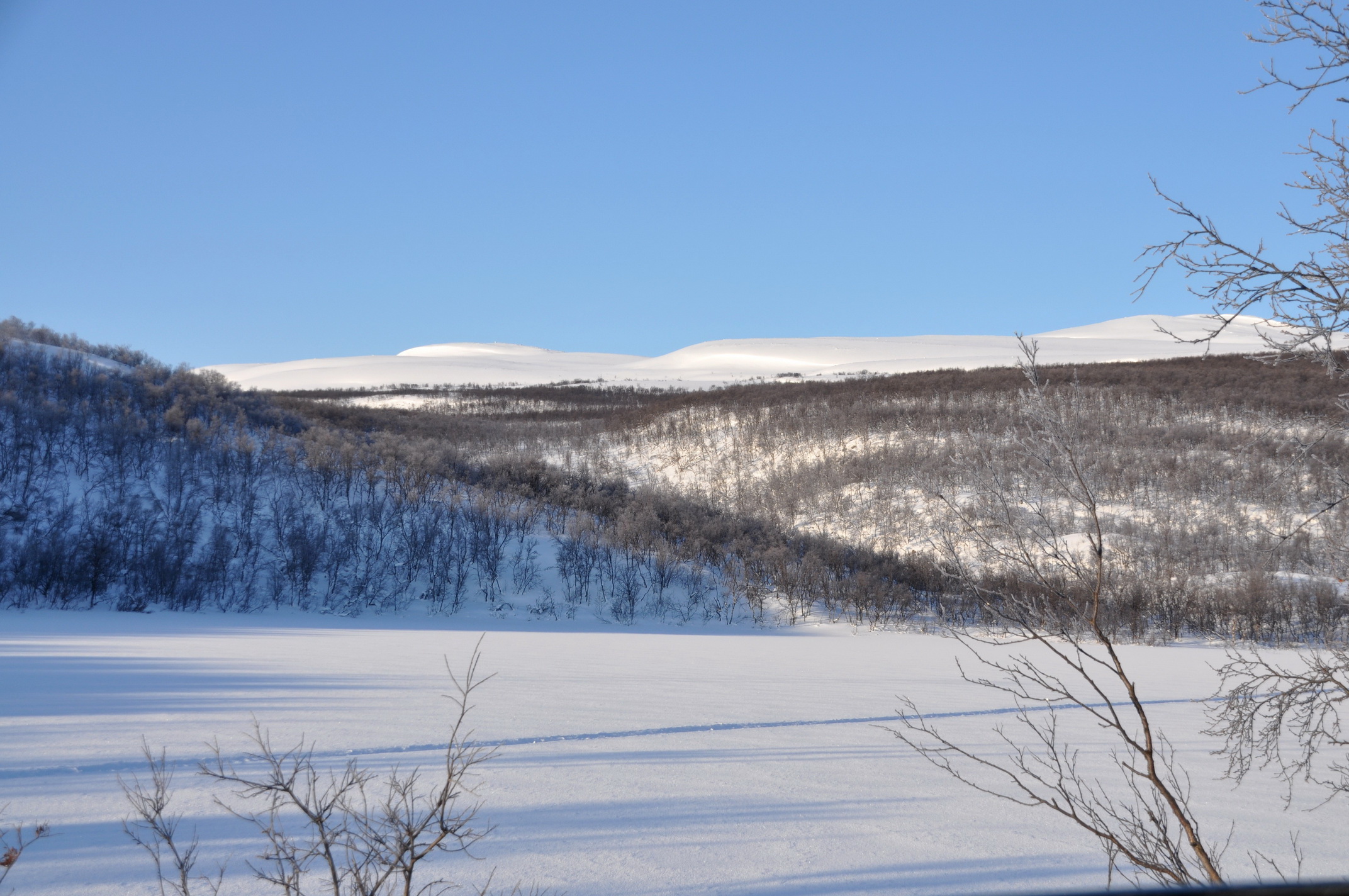
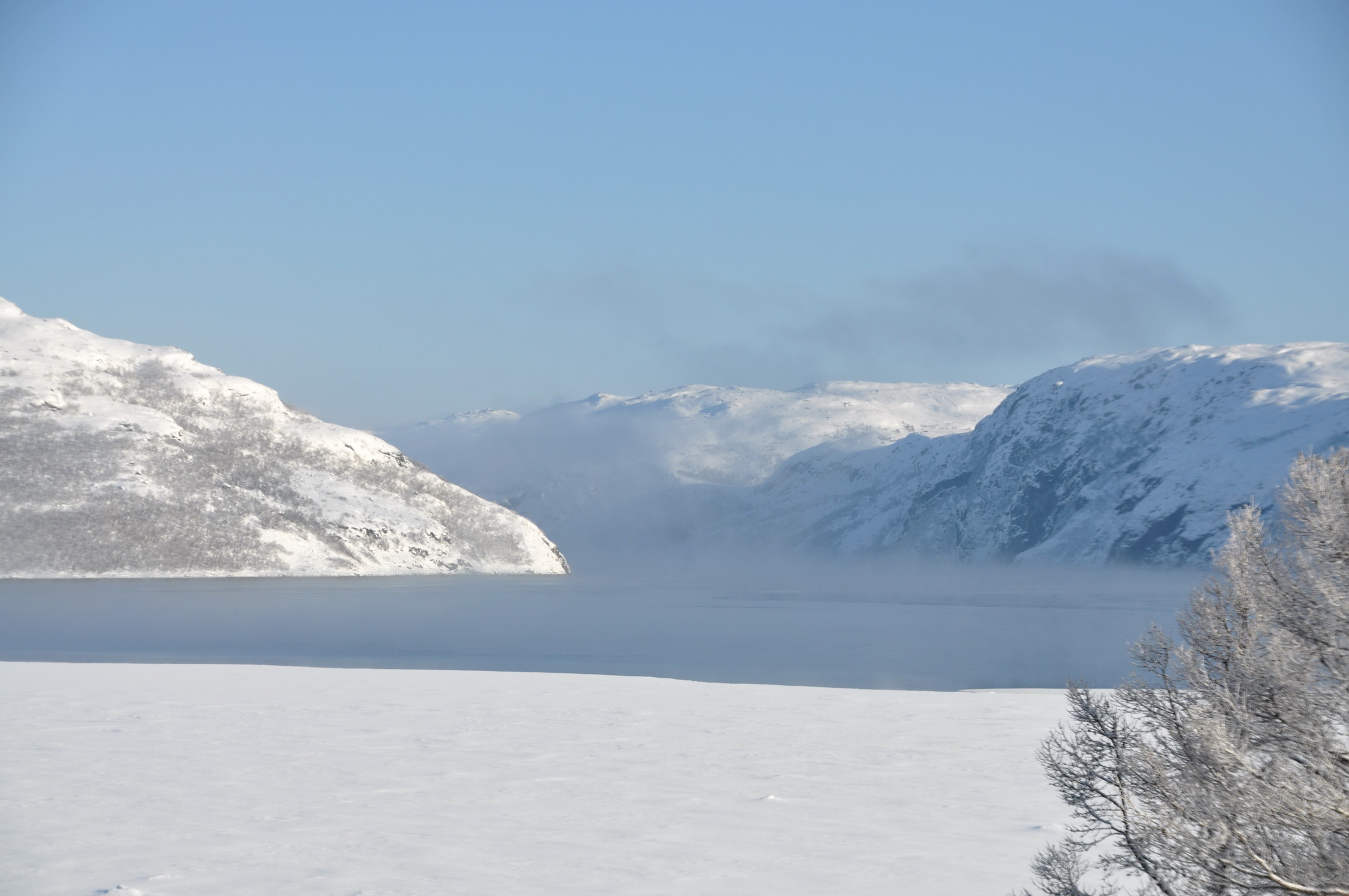
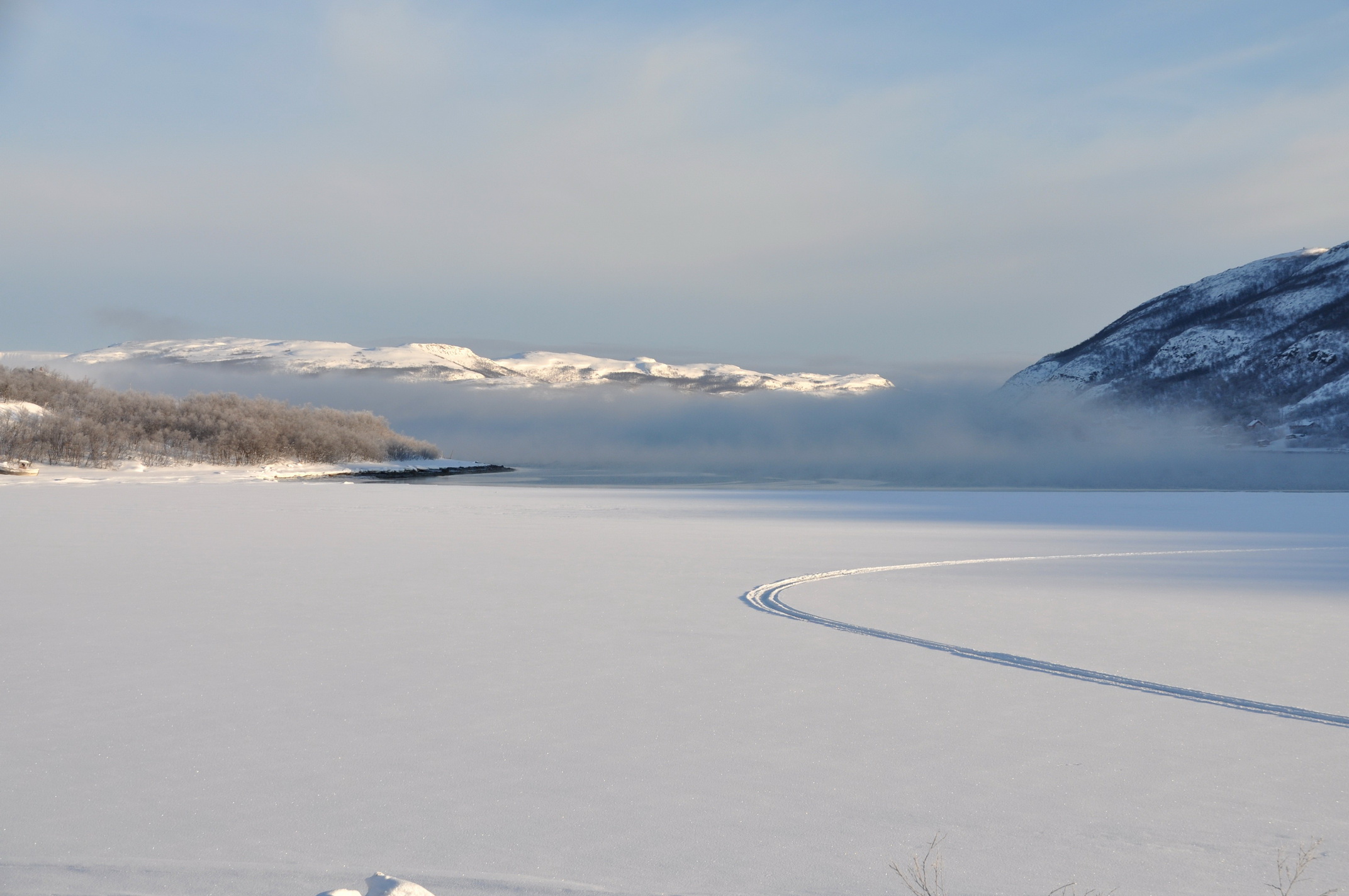
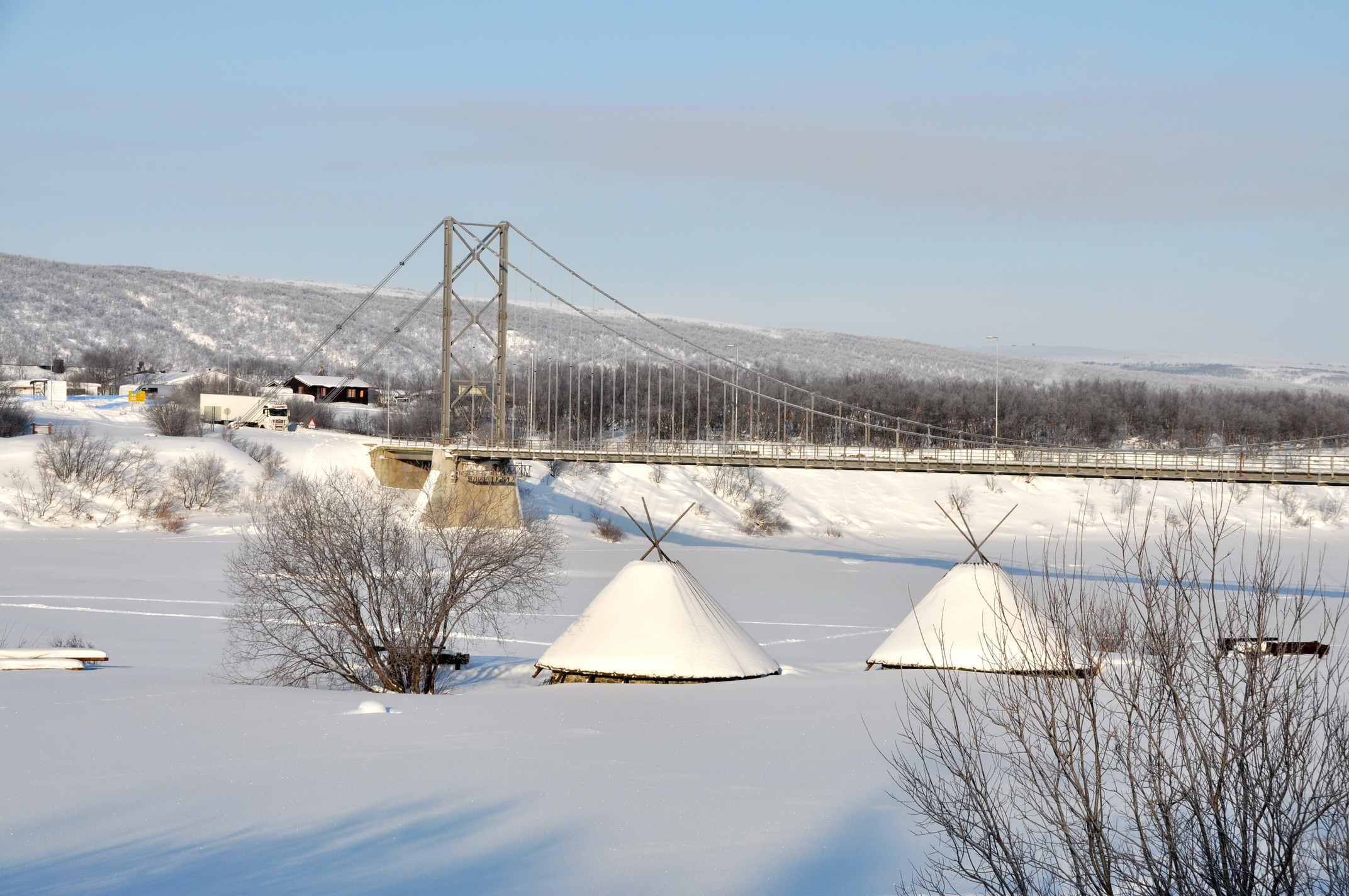
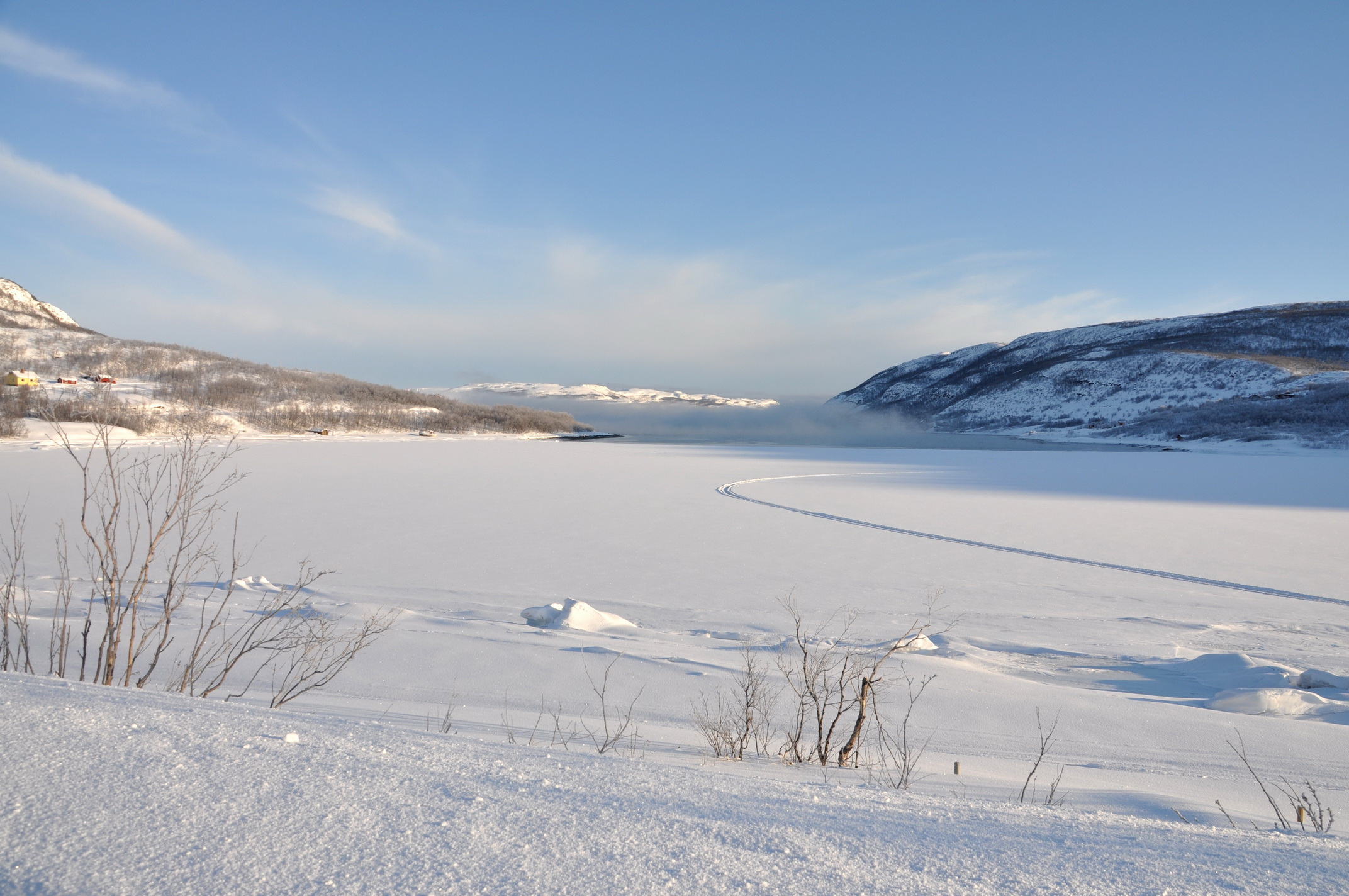
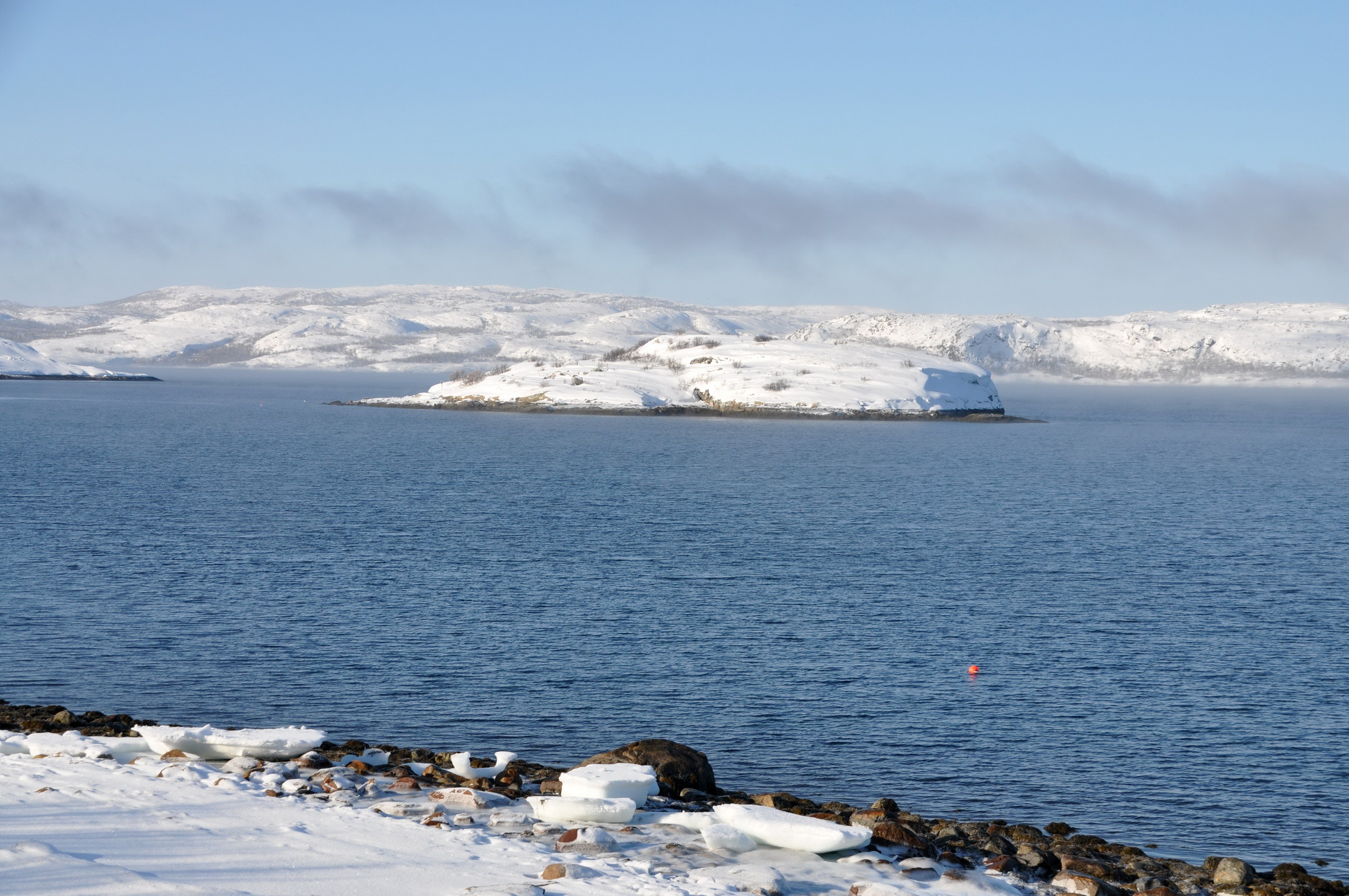
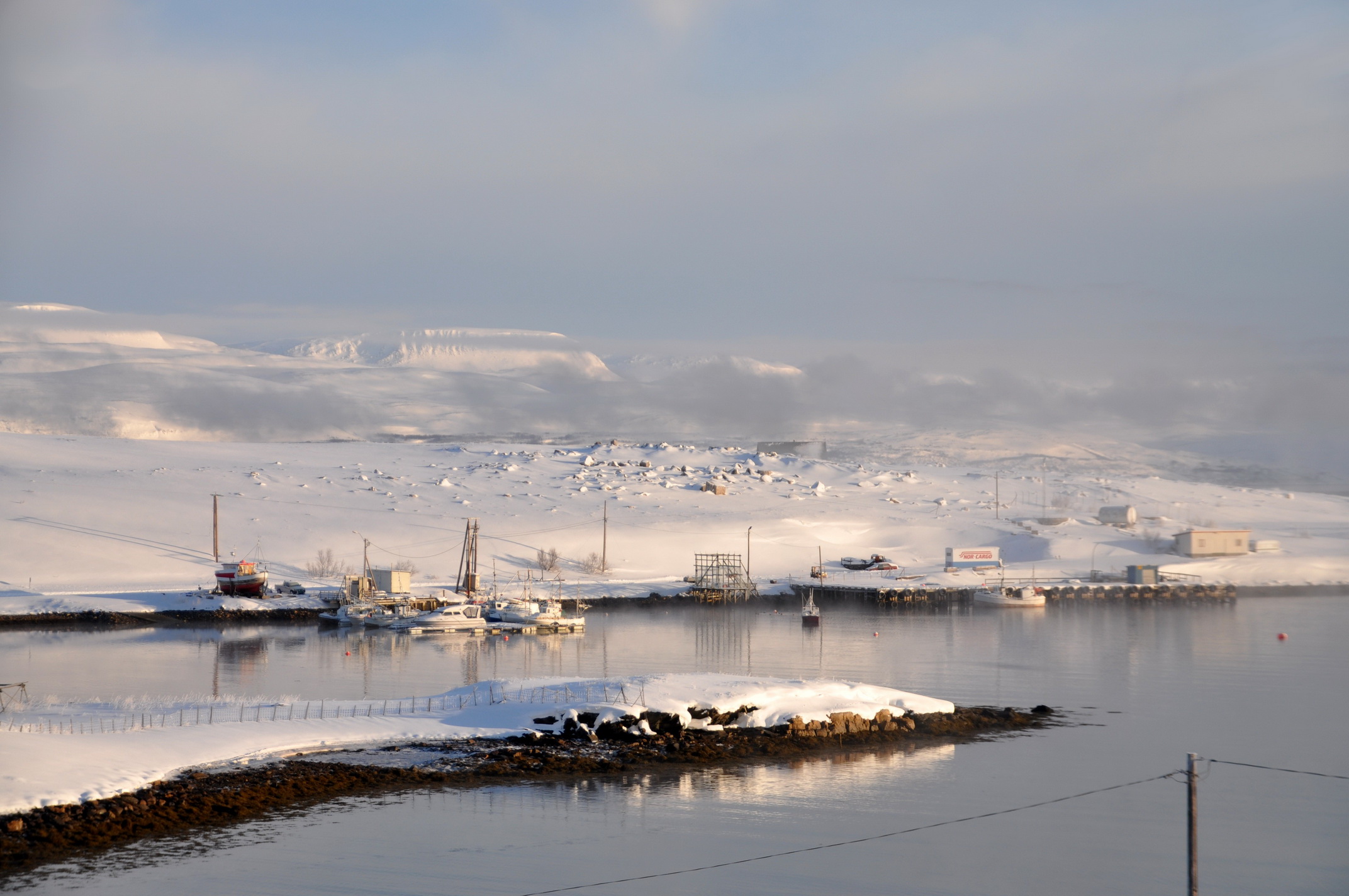
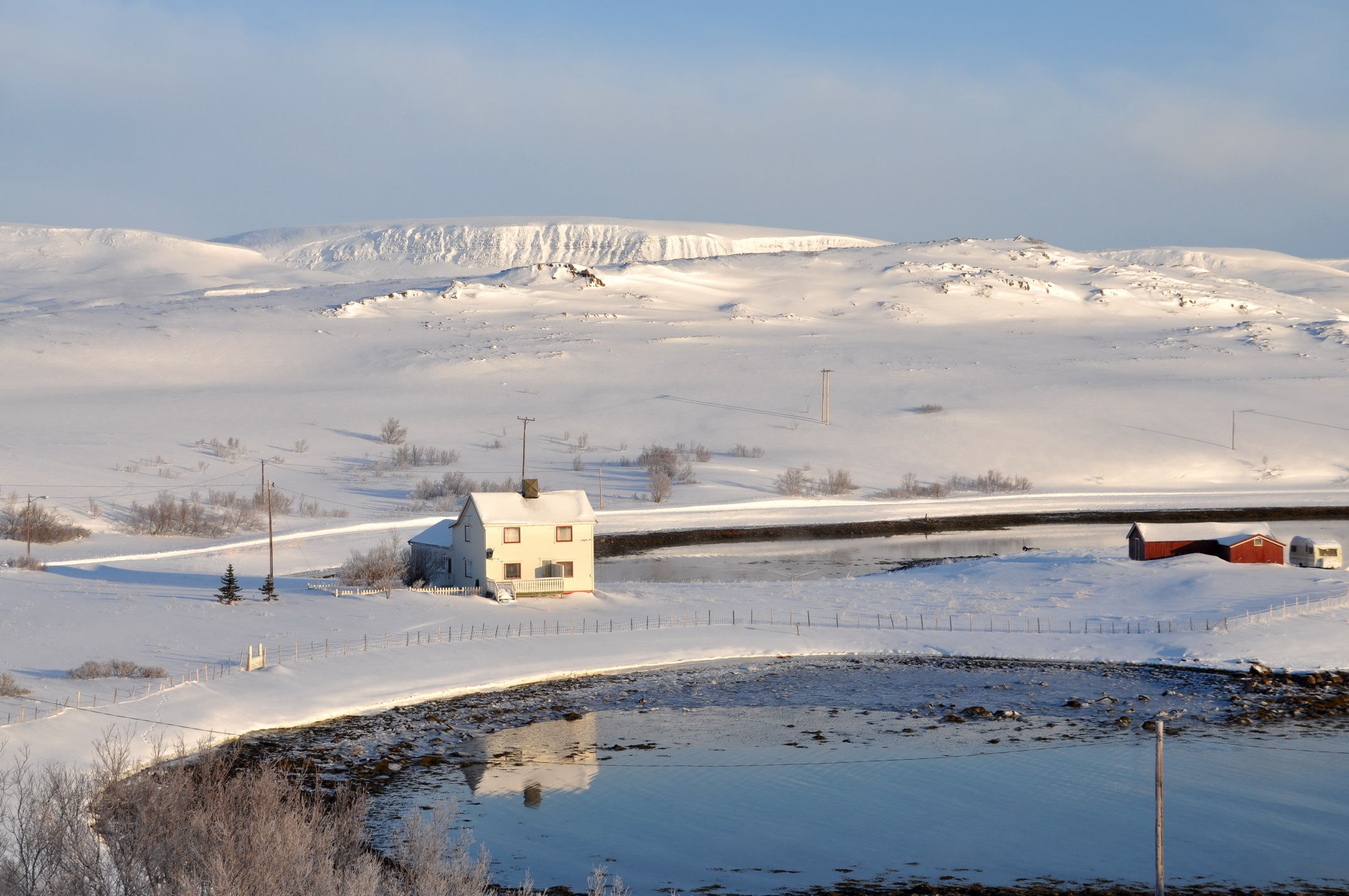
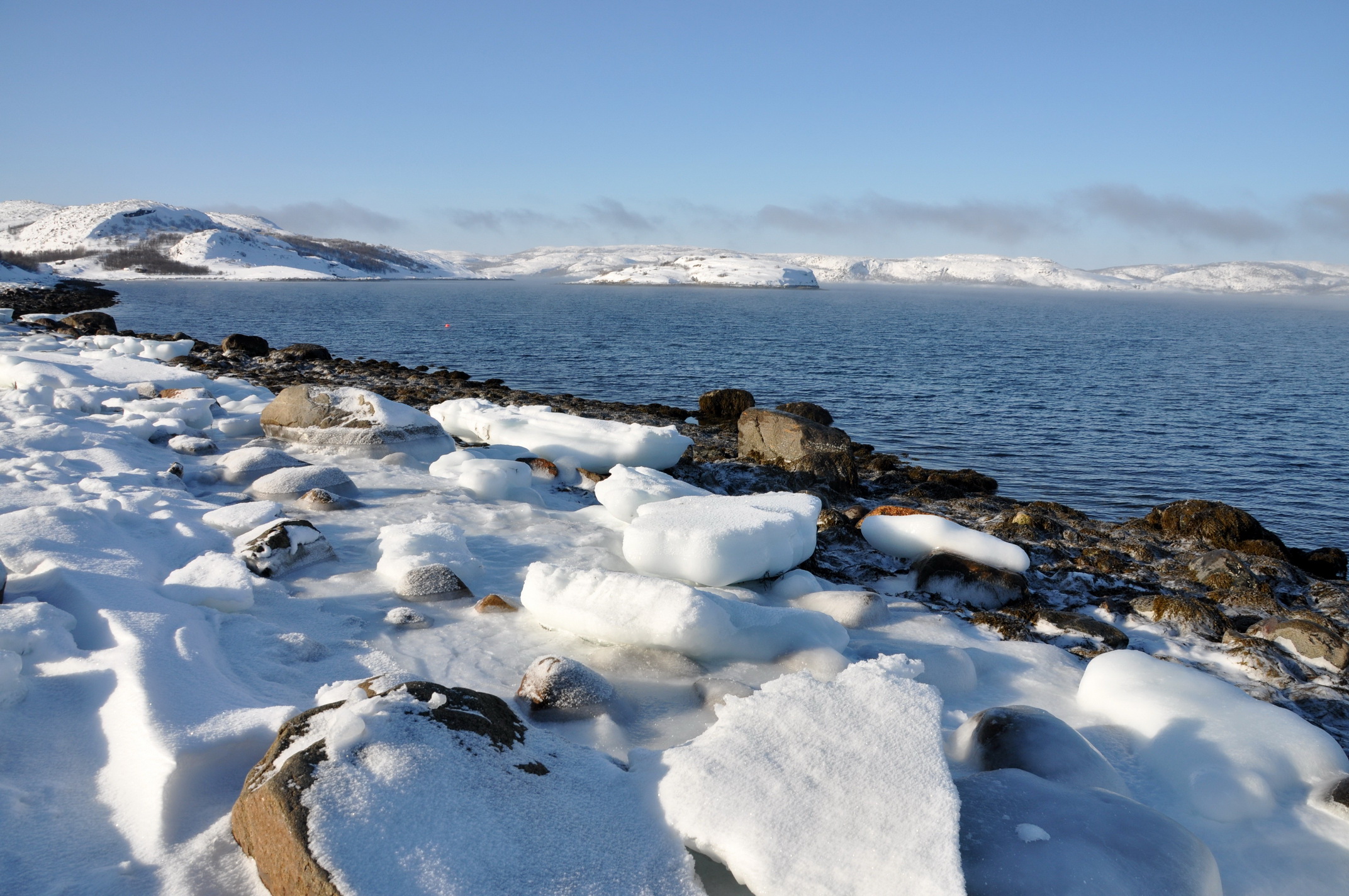
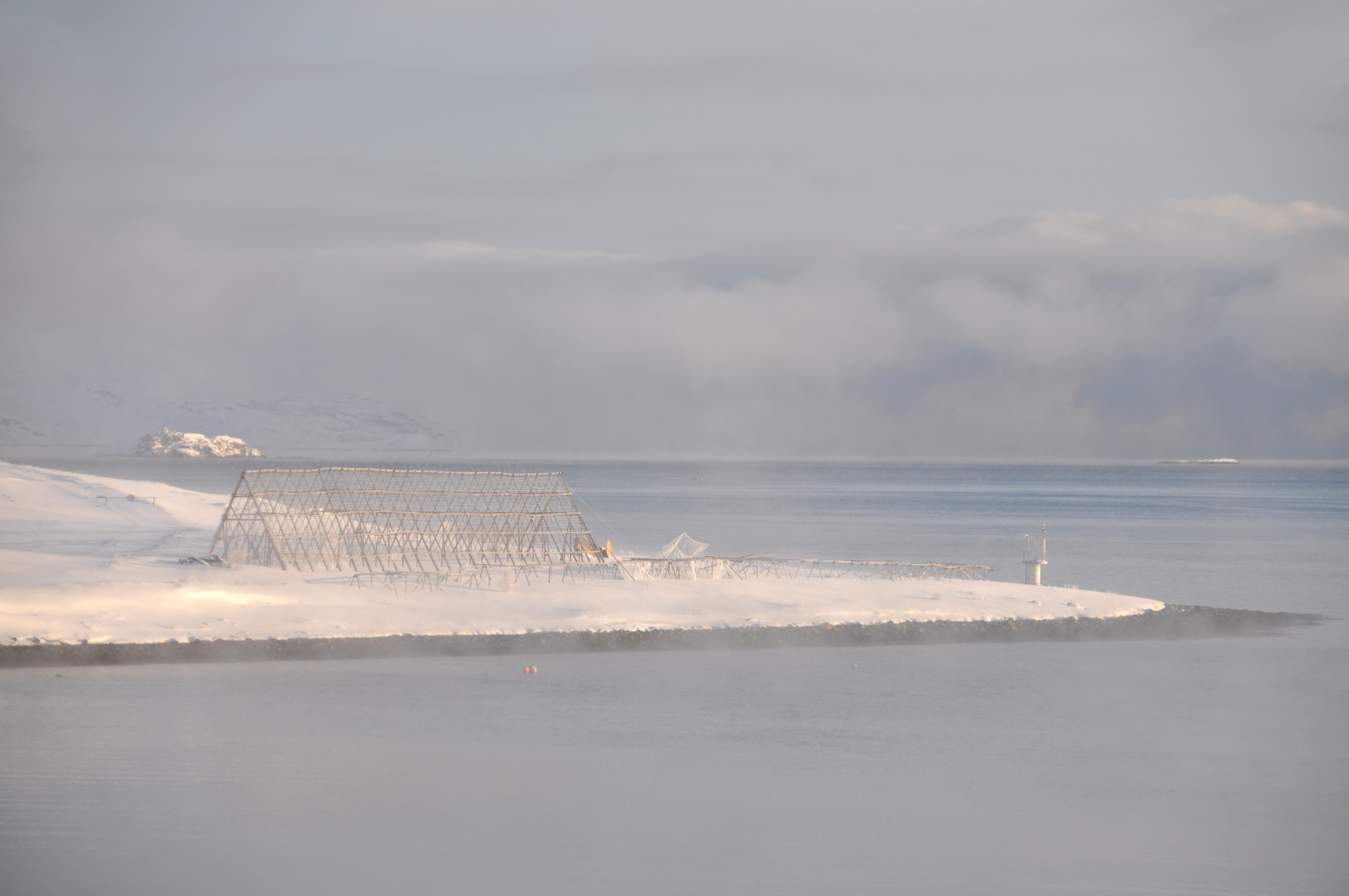
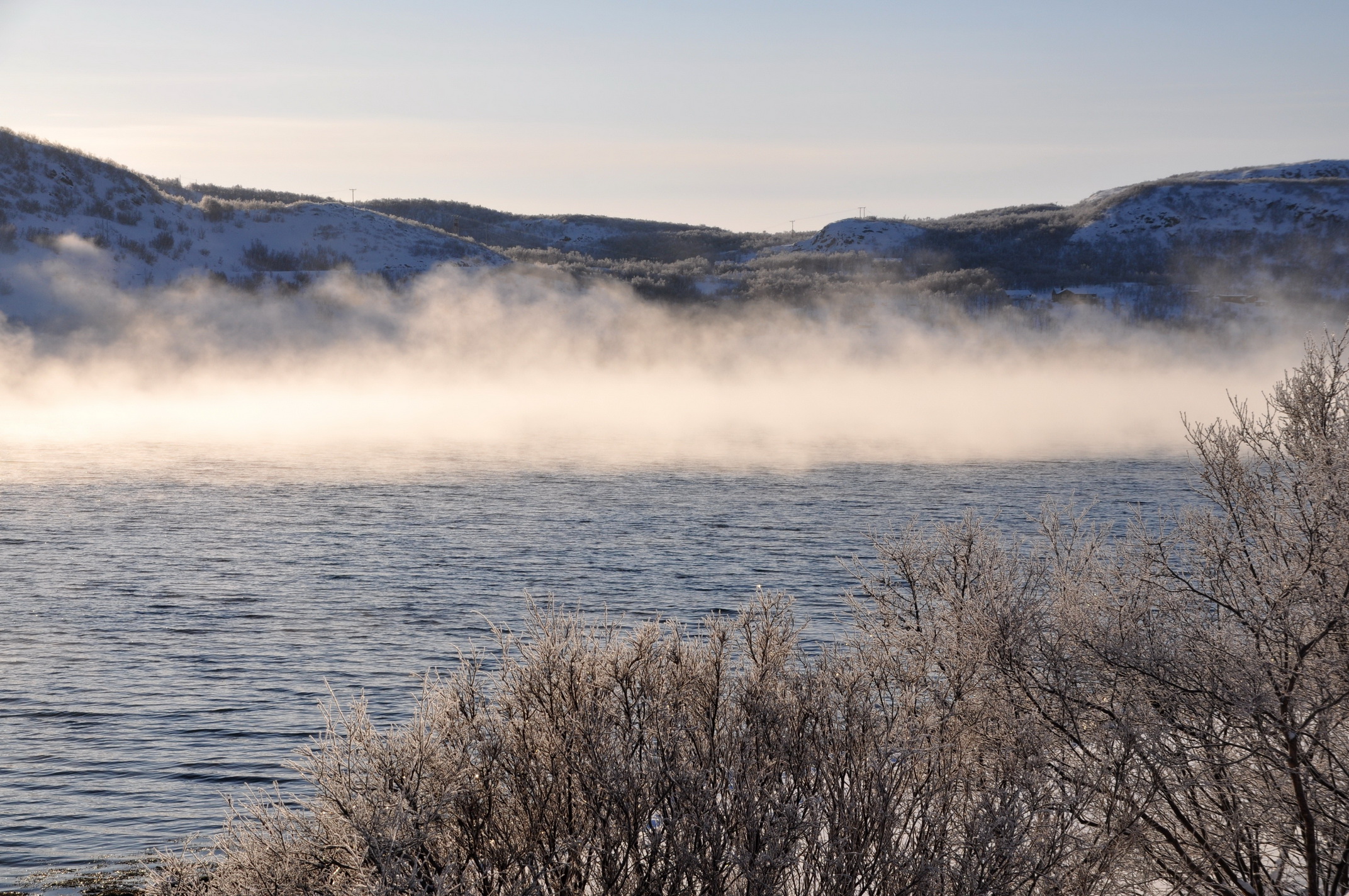
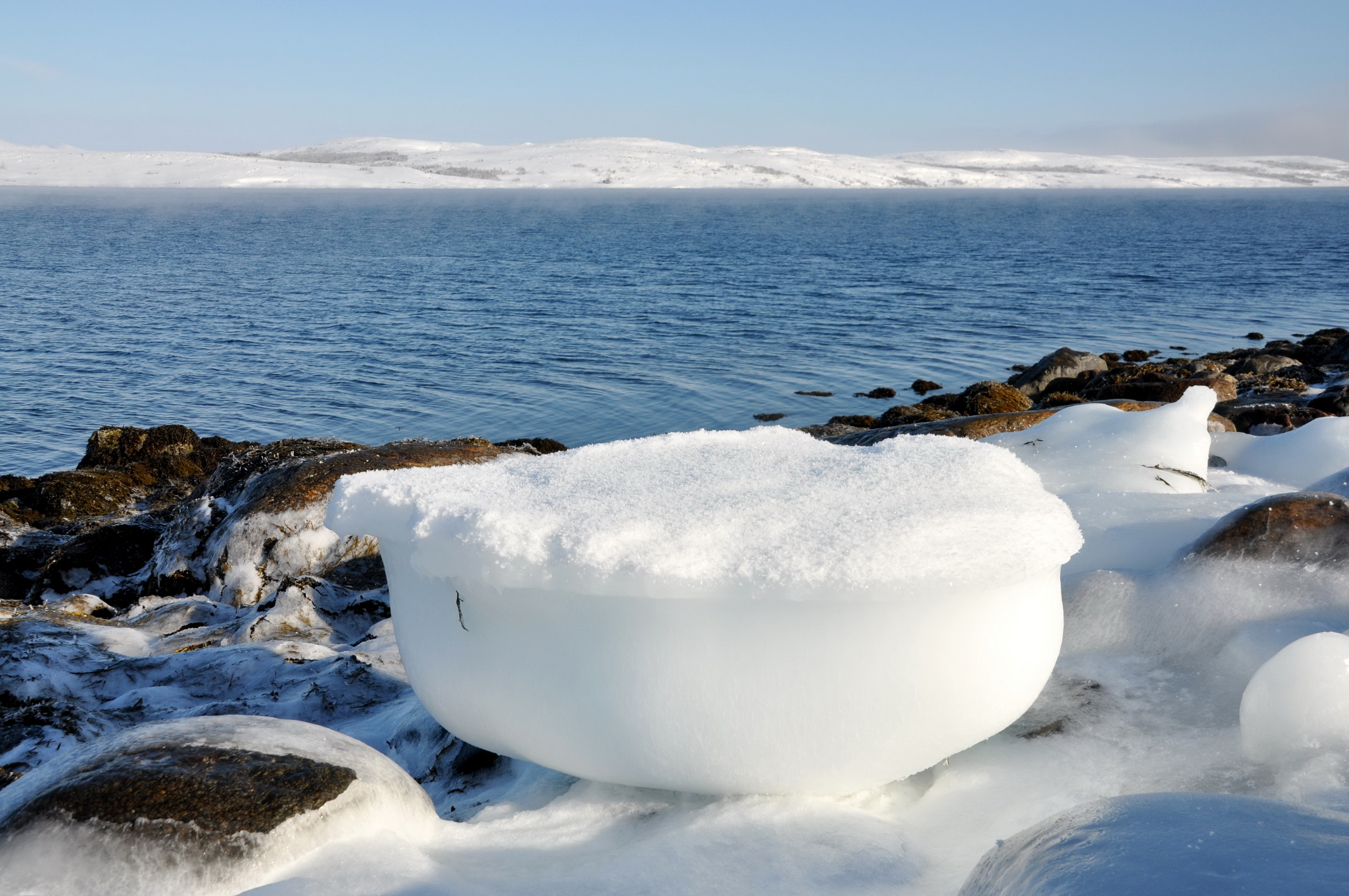
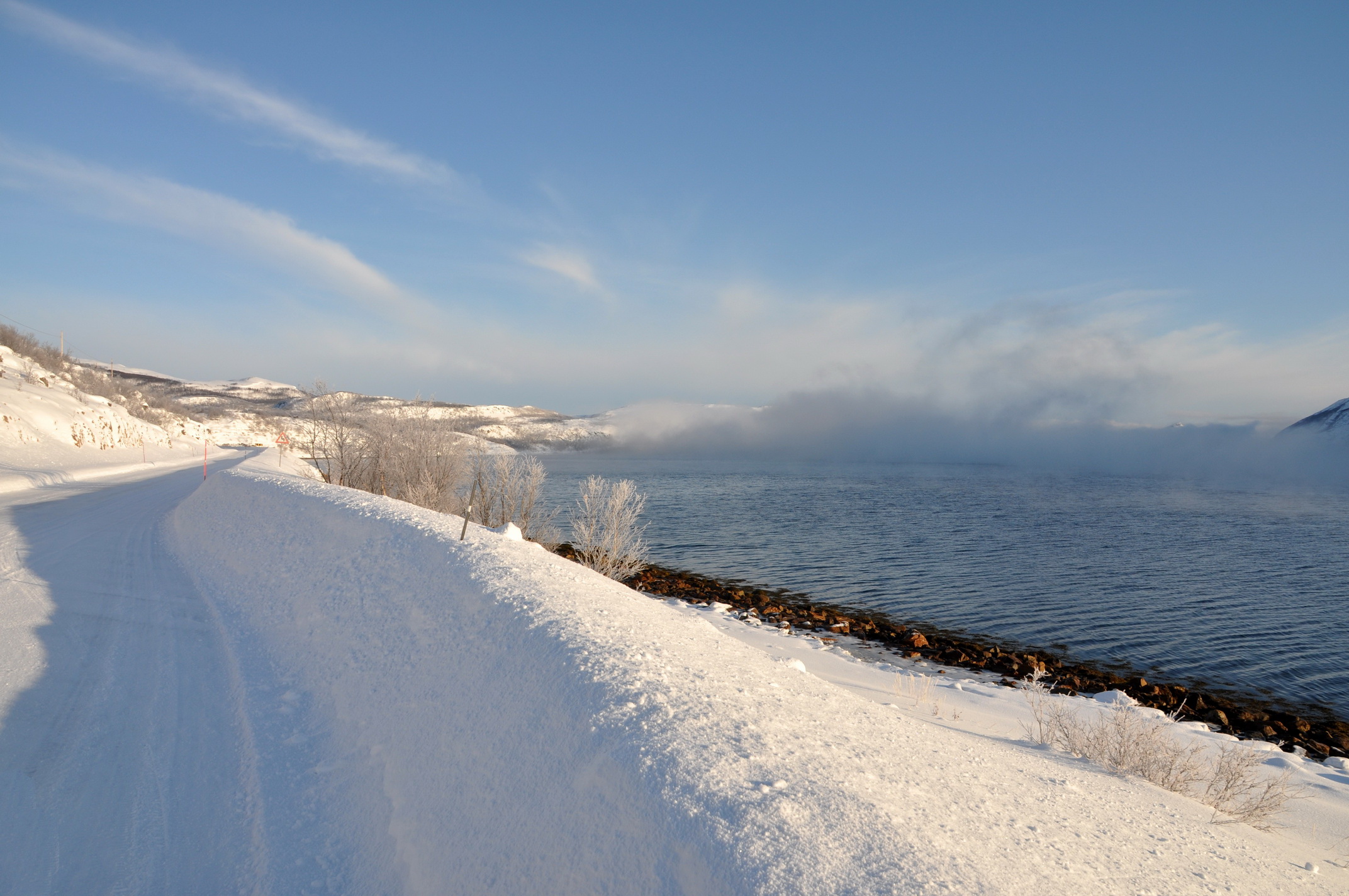
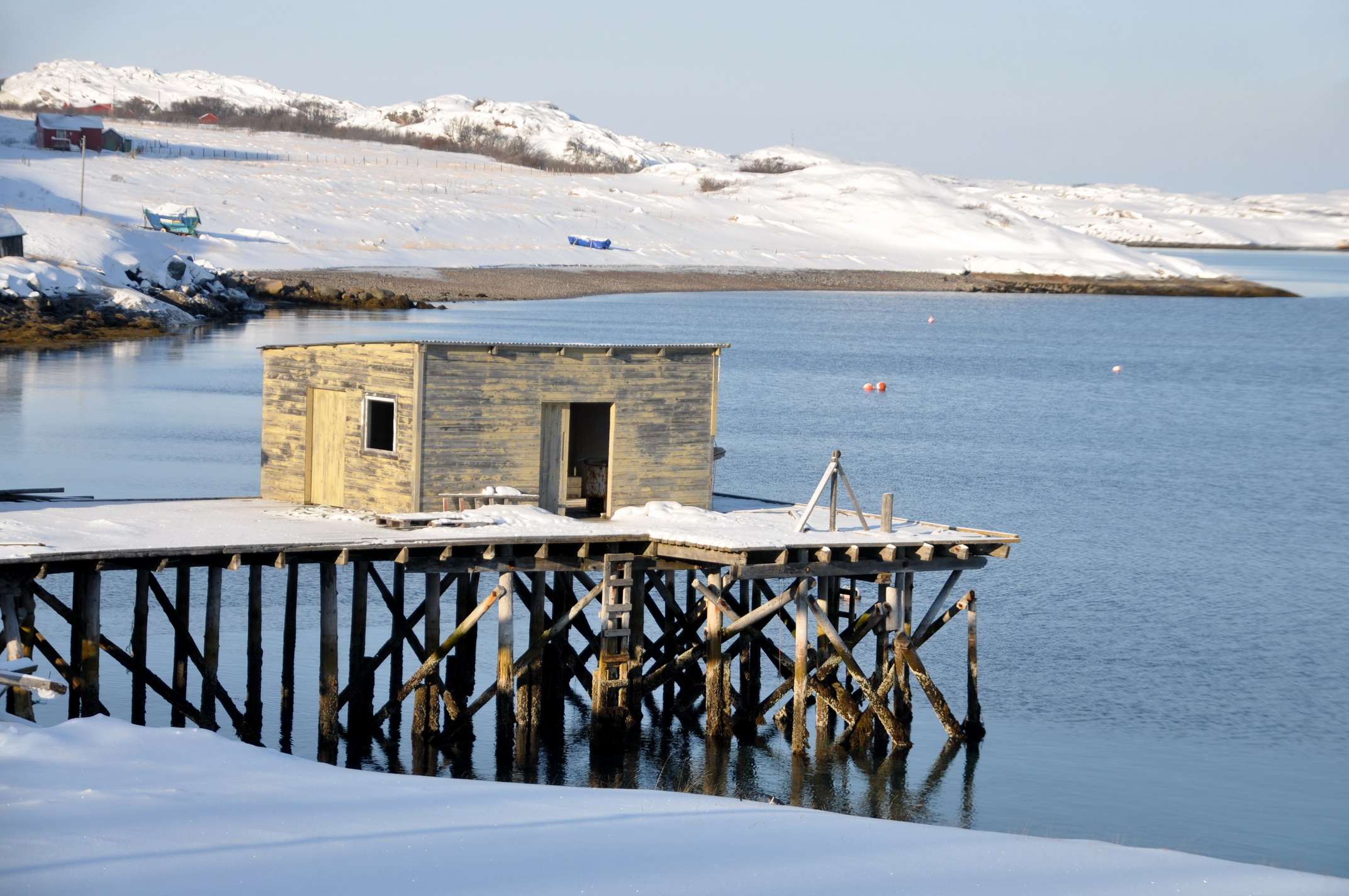
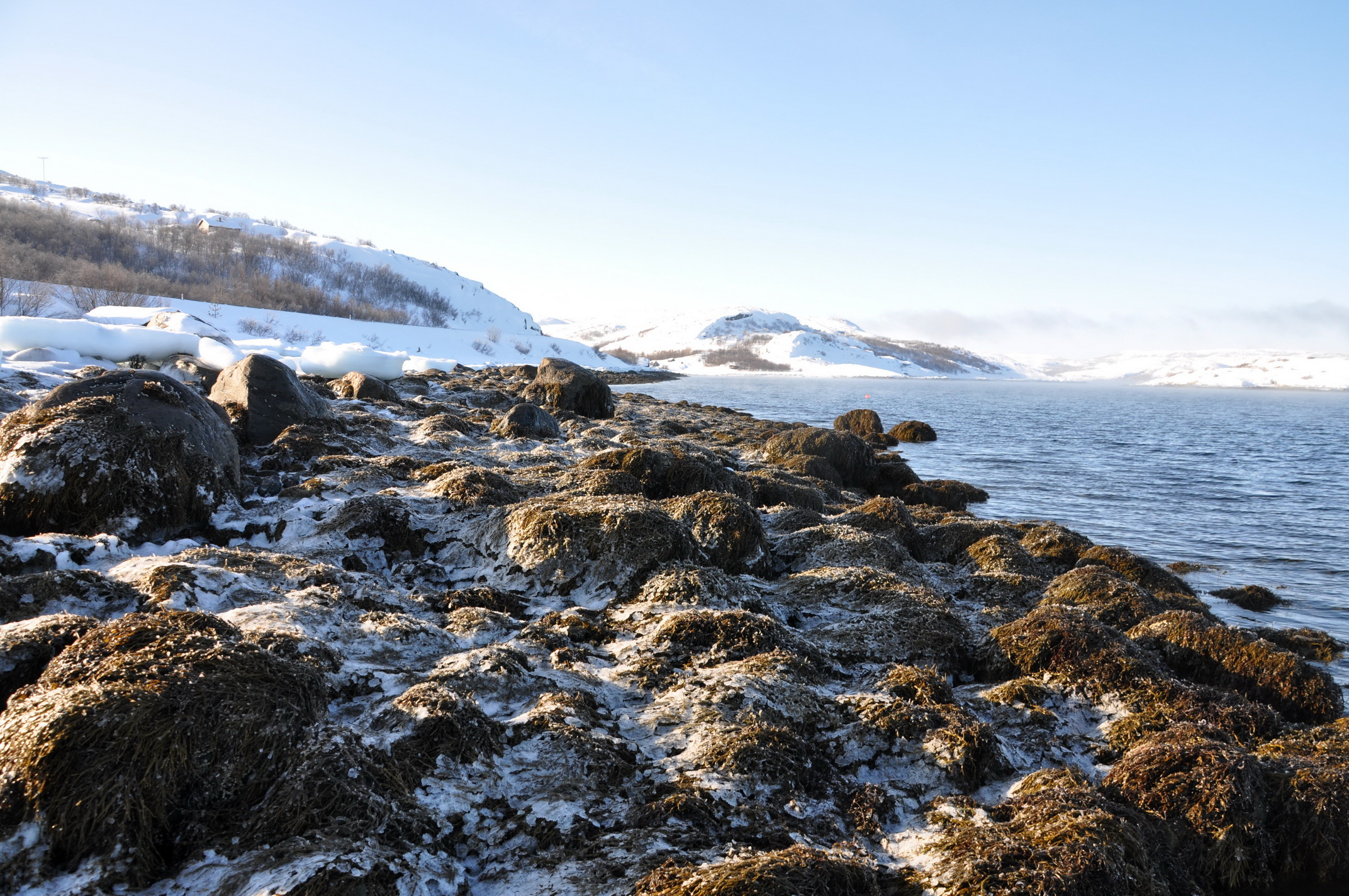
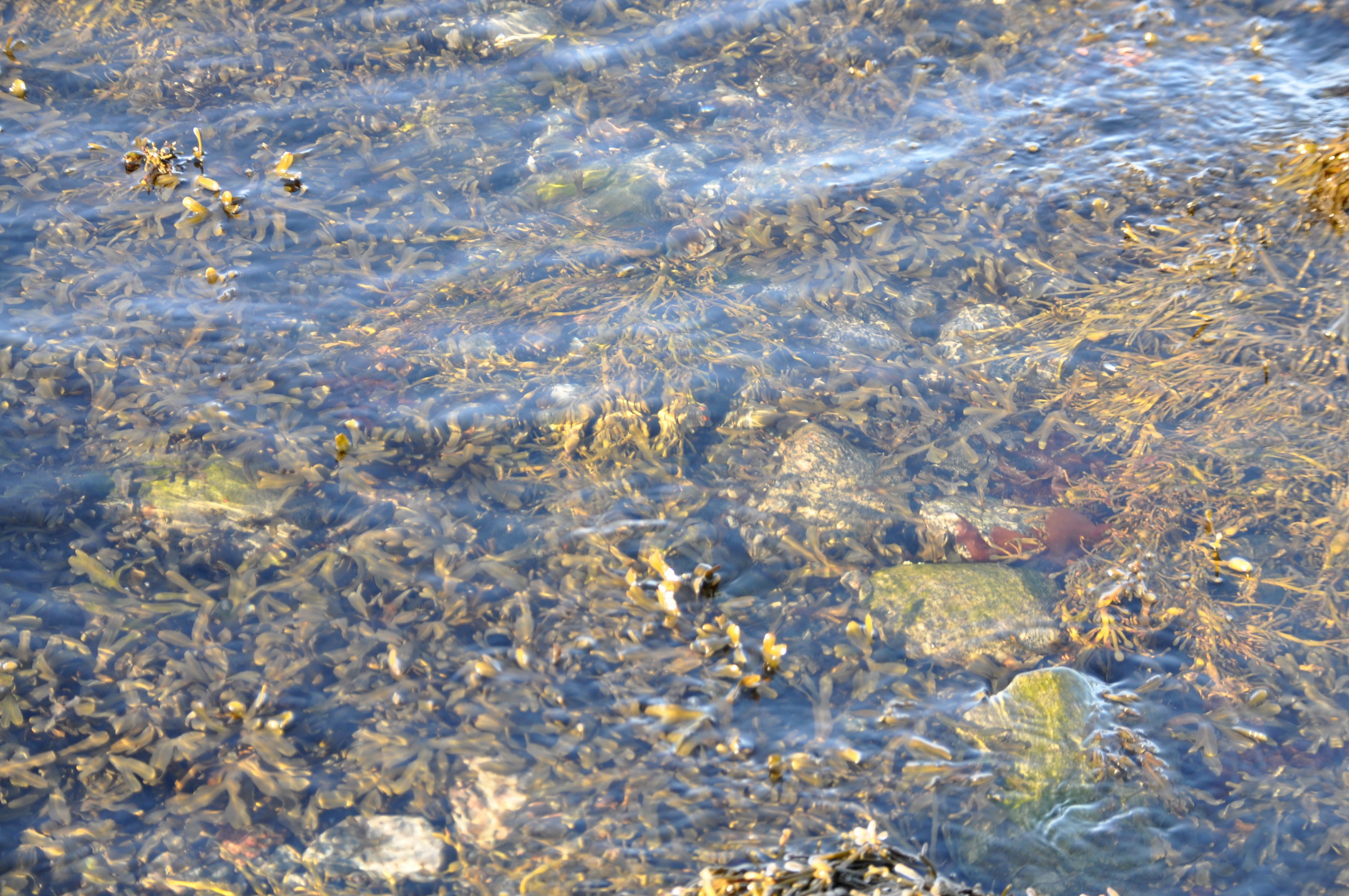
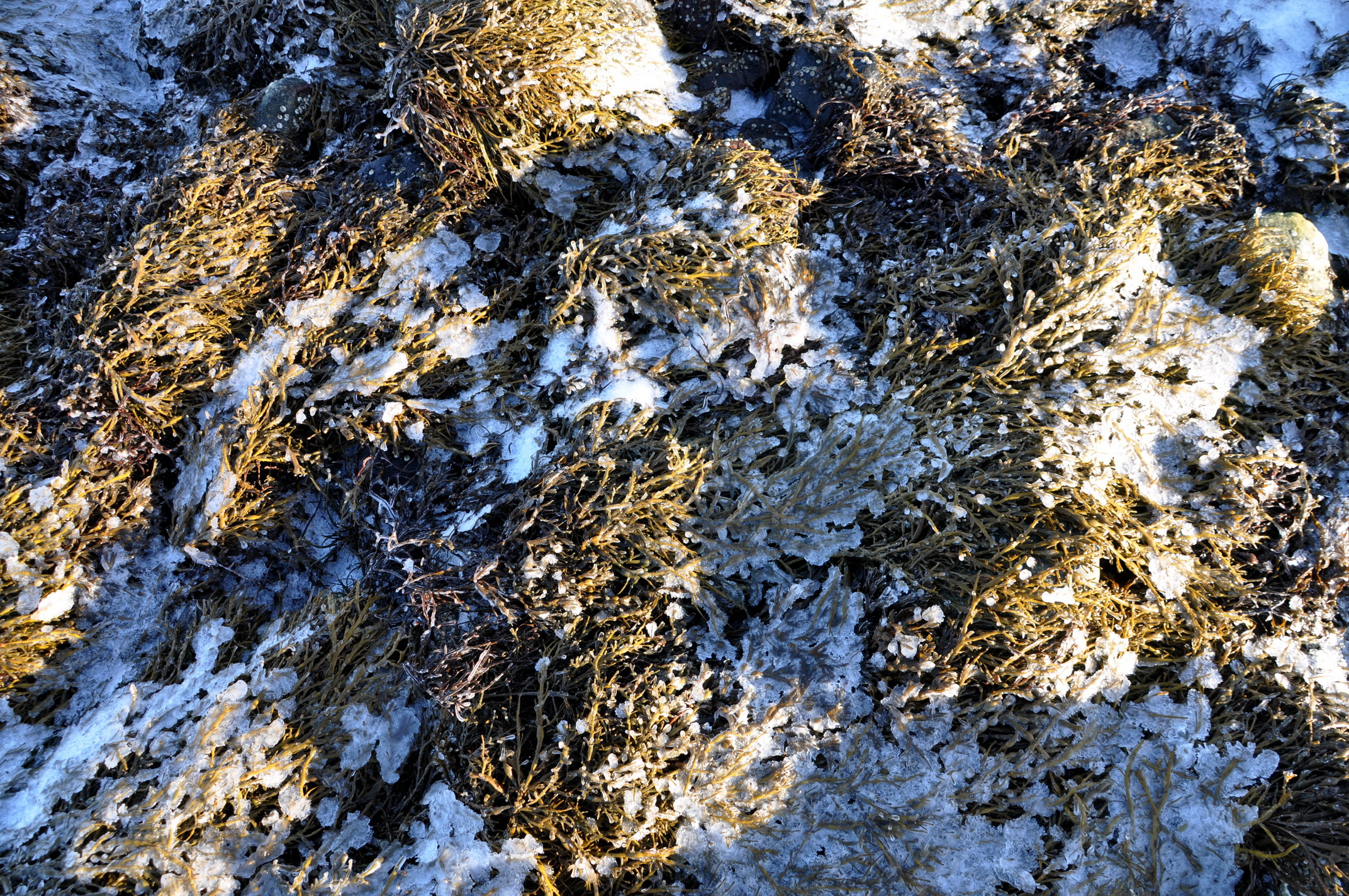
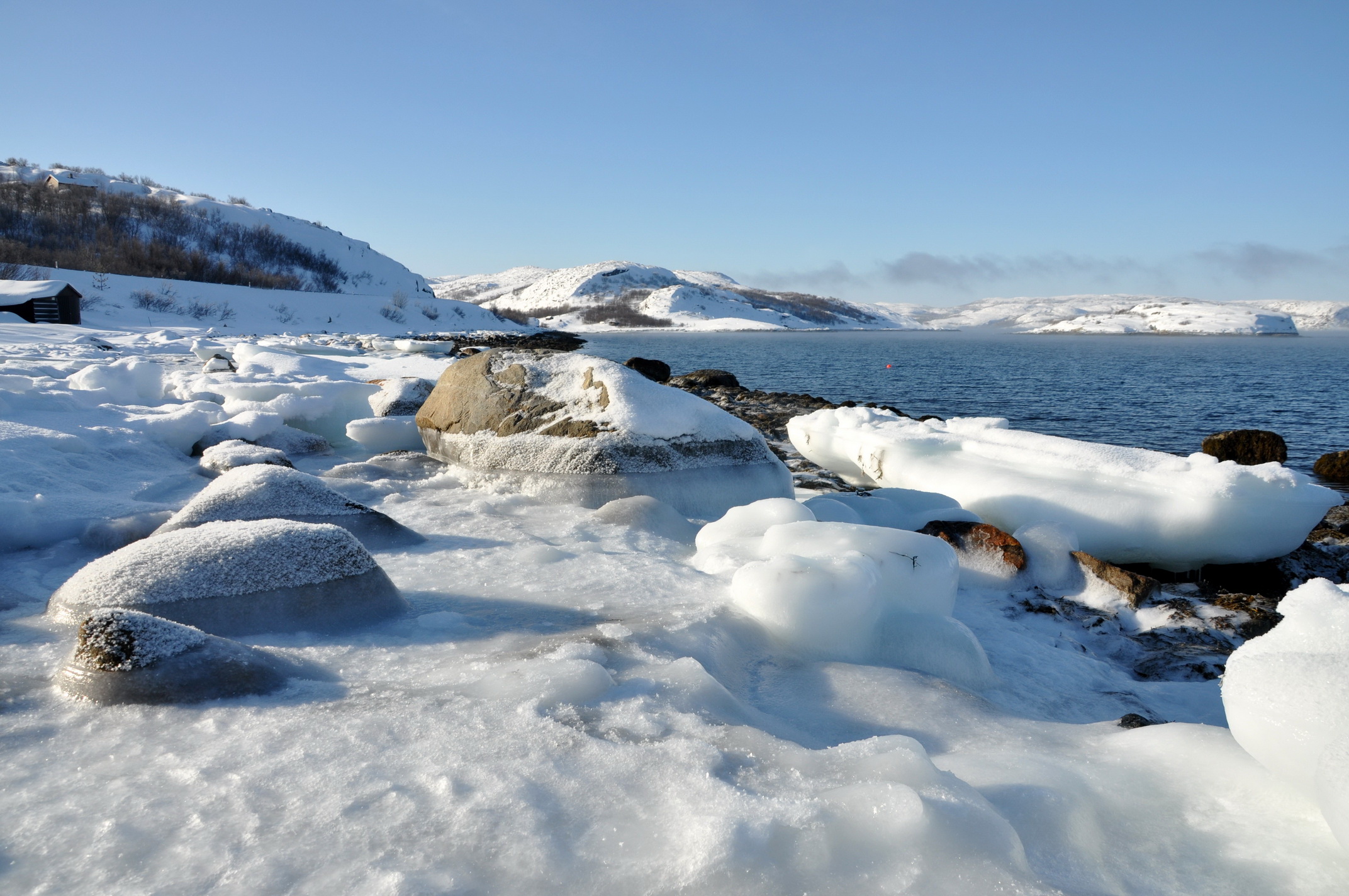
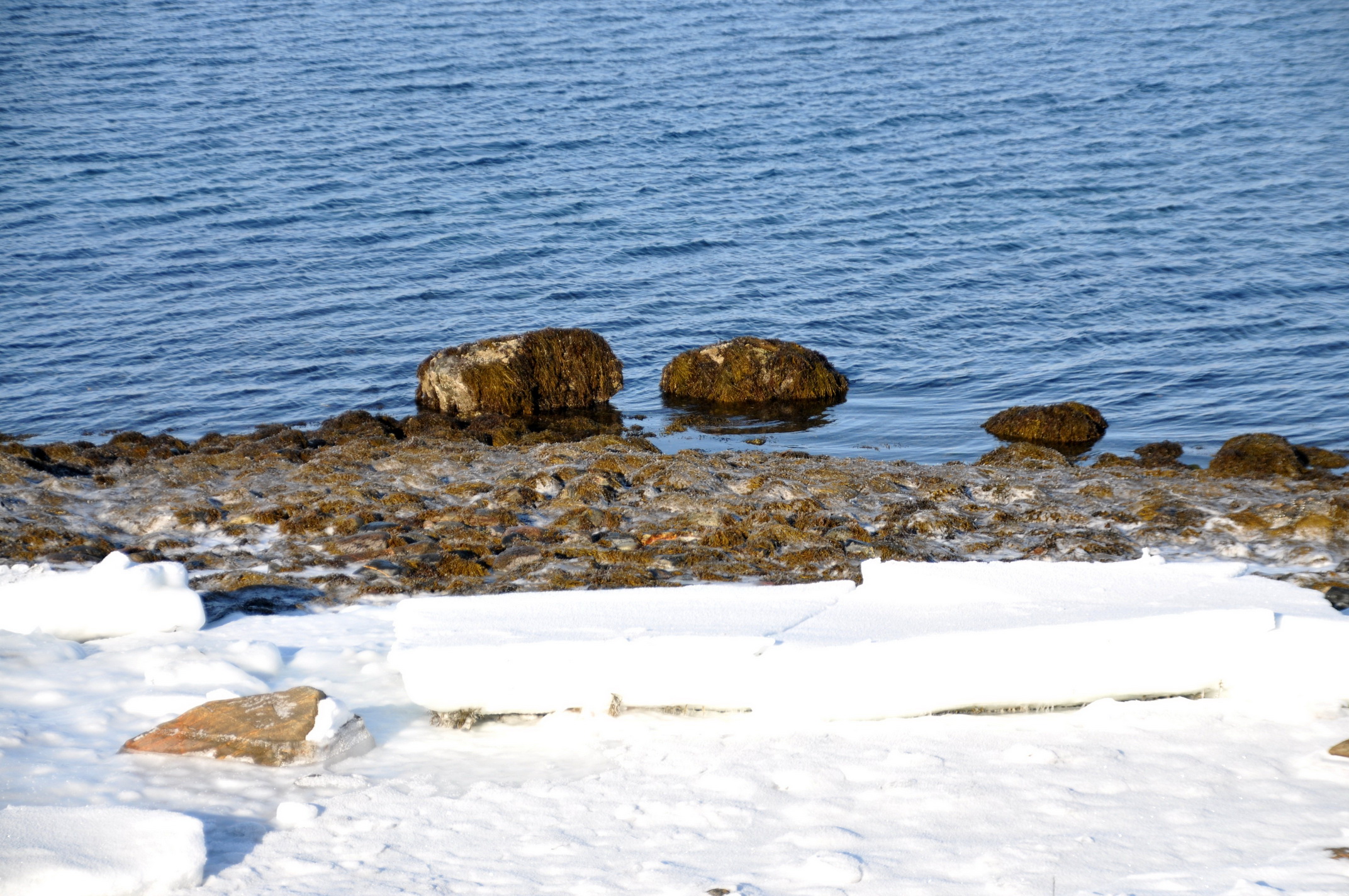
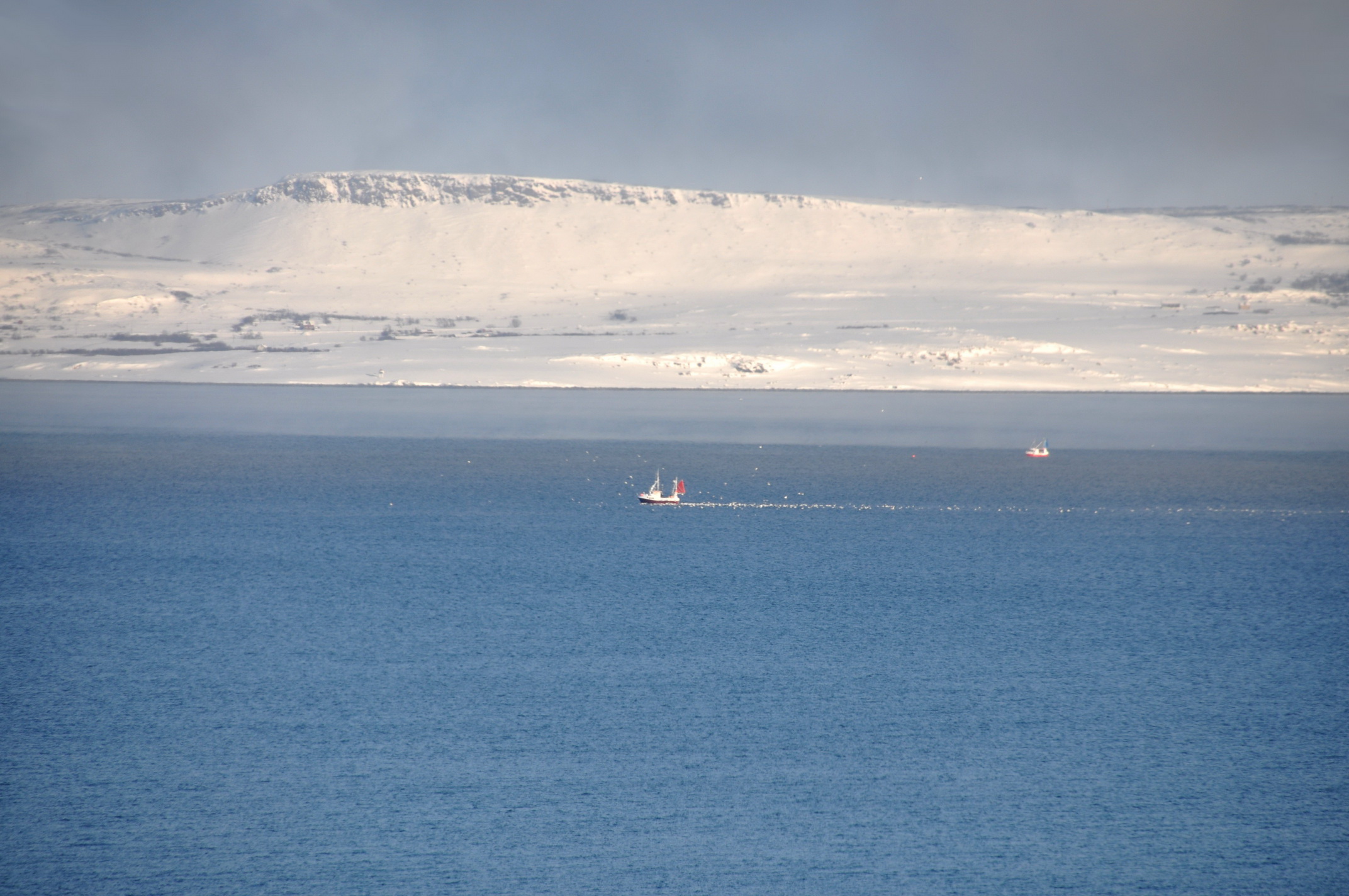
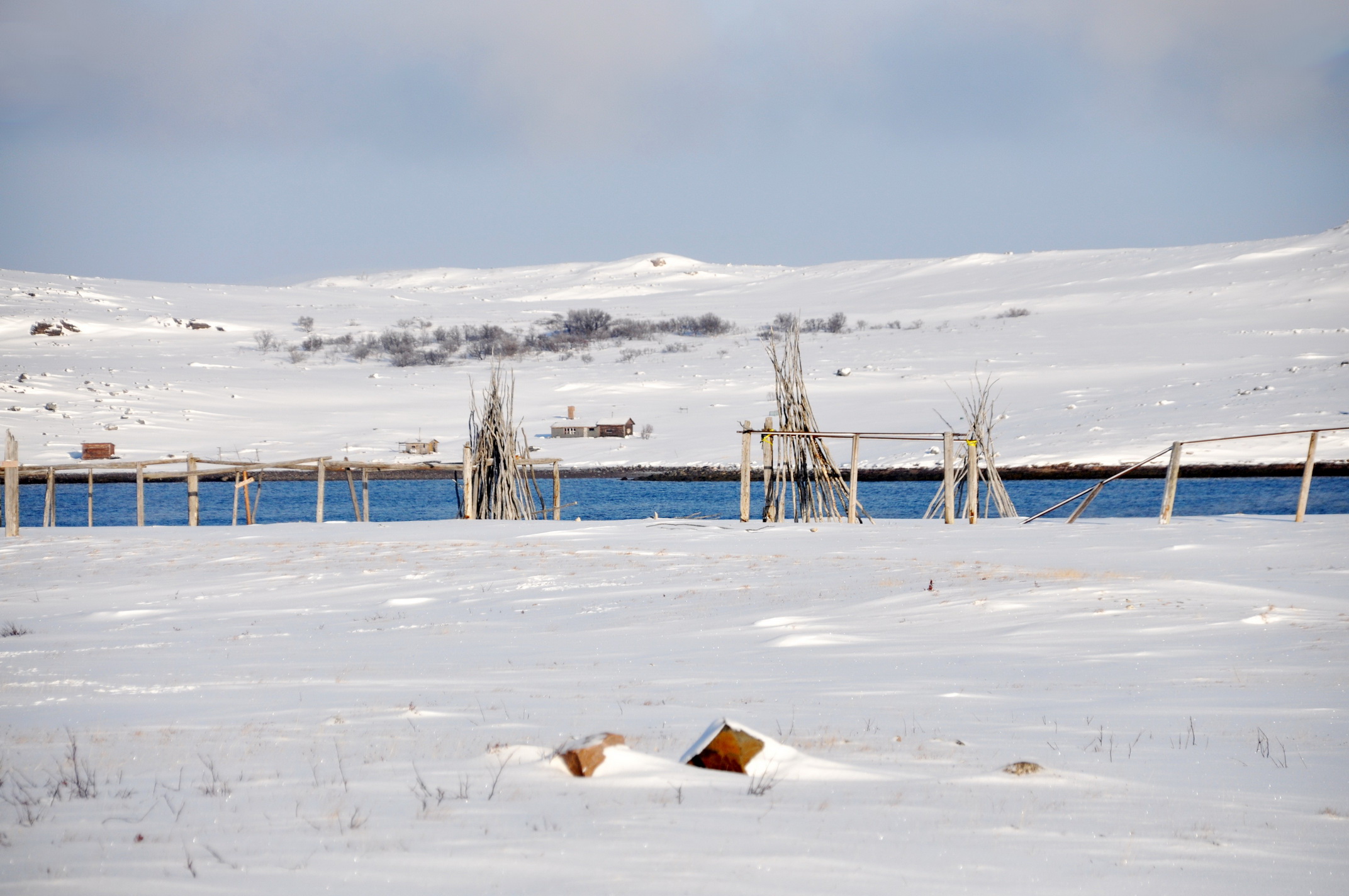
Norway is always beautiful, including in winter. Few people would go to the Arctic in winter without a reason. Once again I felt lucky that the job took me to these places at different times of year. Best of all, somebody was paying me to do it.
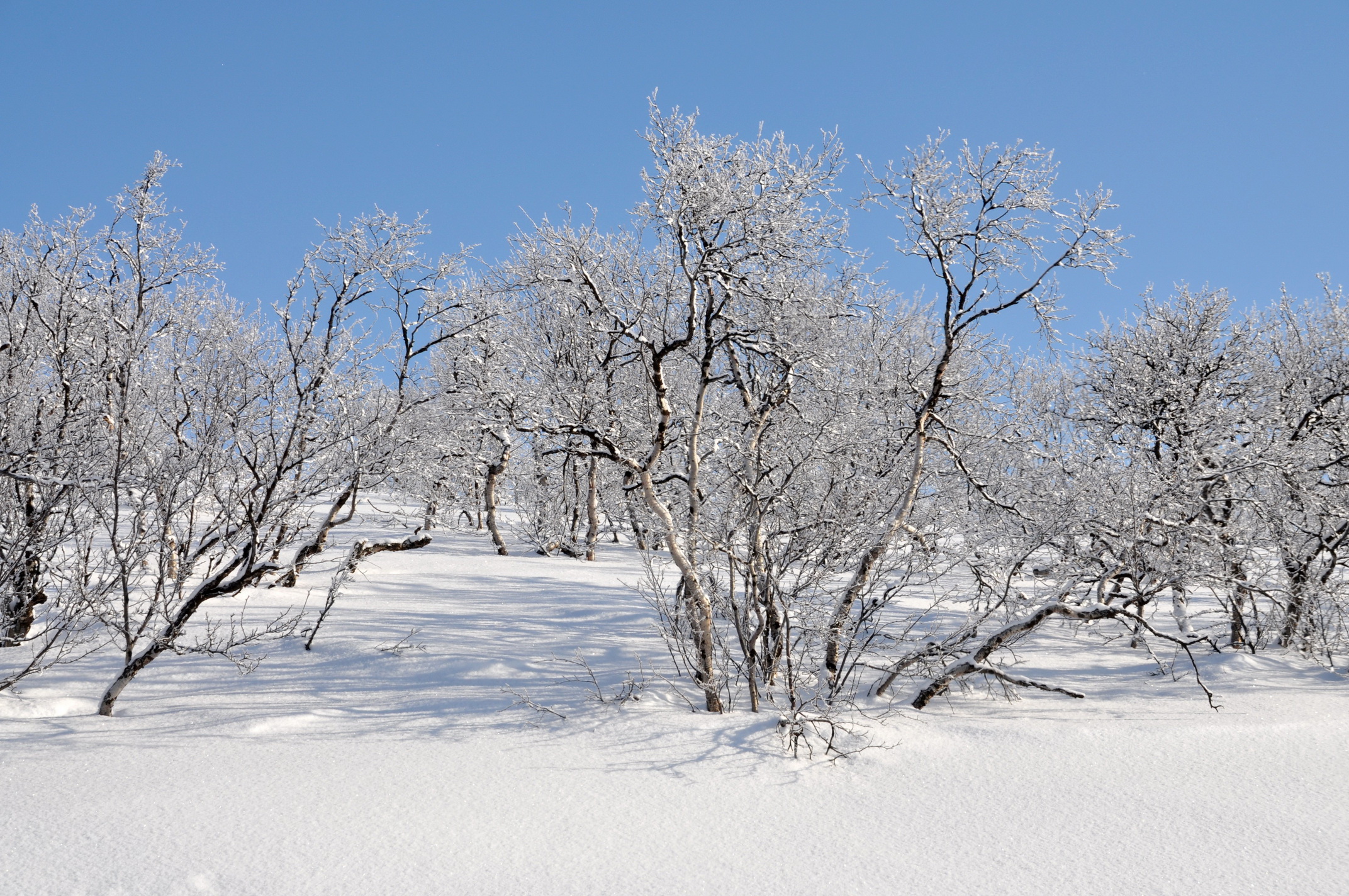
That afternoon I stopped in Kirkenes, close to the Russian border. You could feel it everywhere. Every fishing boat at the wharf was Russian. Even steep European taxes seemed a small price to pay for working without the hassles back home. It looked as if the whole fishing fleet had moved abroad. Murmansk was only a few hours away by car, so the crews could see their families at the weekend and still work in peace.
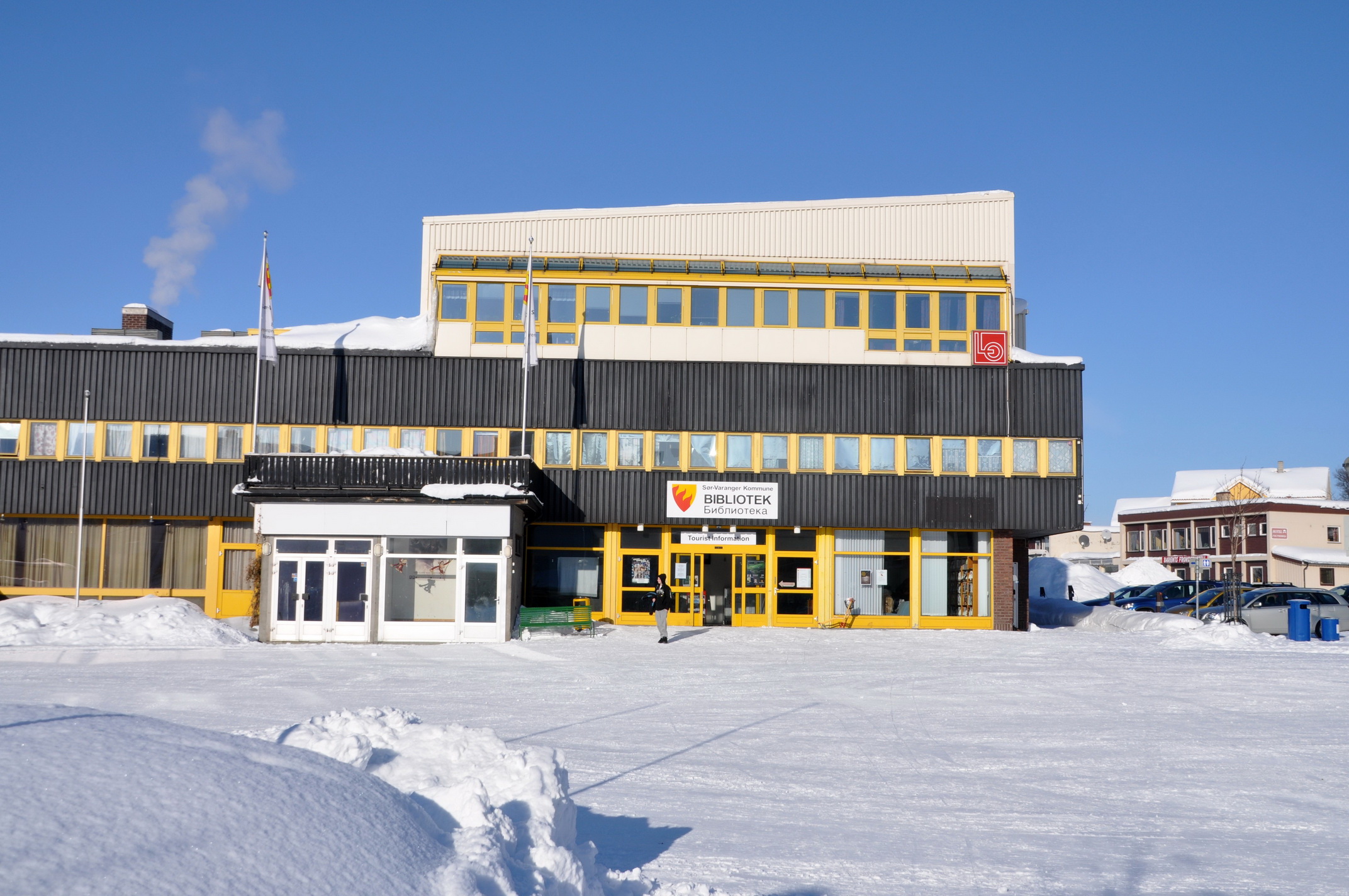
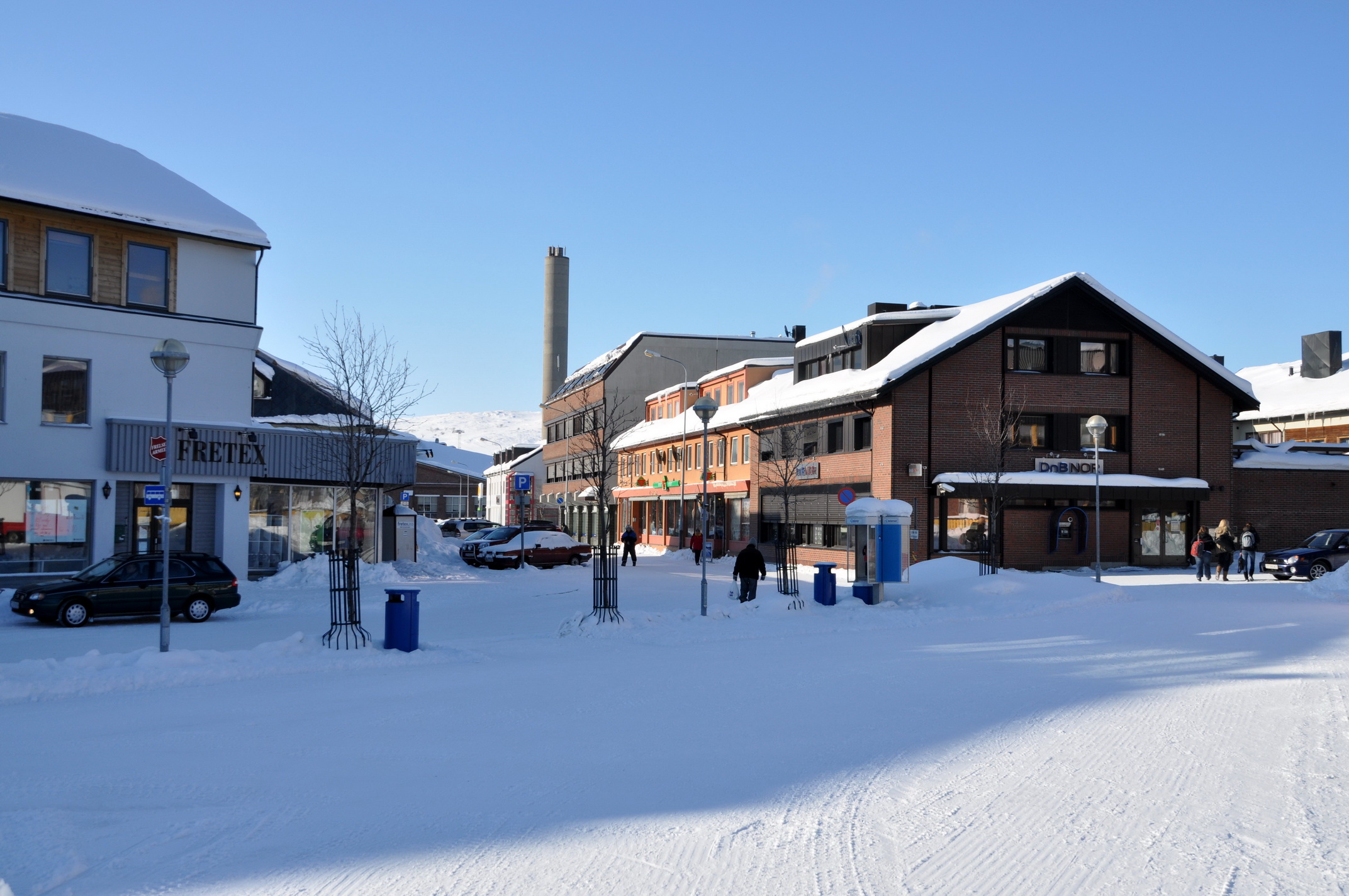
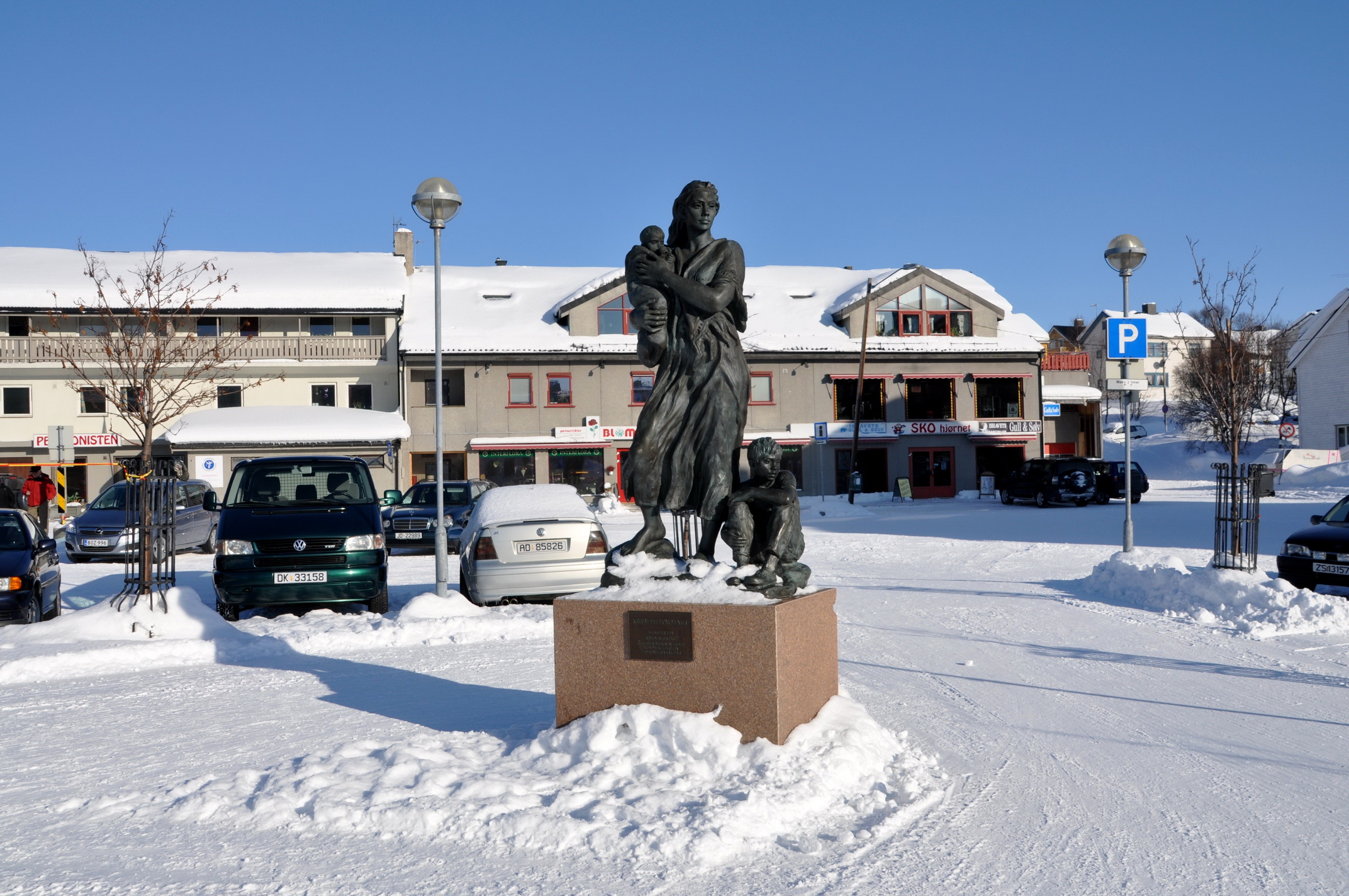
You heard Russian in every shop. In fact, it was about the only language you did hear. The Norwegians are a quiet lot. The signs were translated into Russian too, and there was even a Russian consulate. It was a welcoming little town on a bright spring day, though bitterly cold. One look at the bronze girl in her dress made me shiver. Ordinarily I’d say the less a girl wears, the better, but this one looked as though she needed a fur coat.
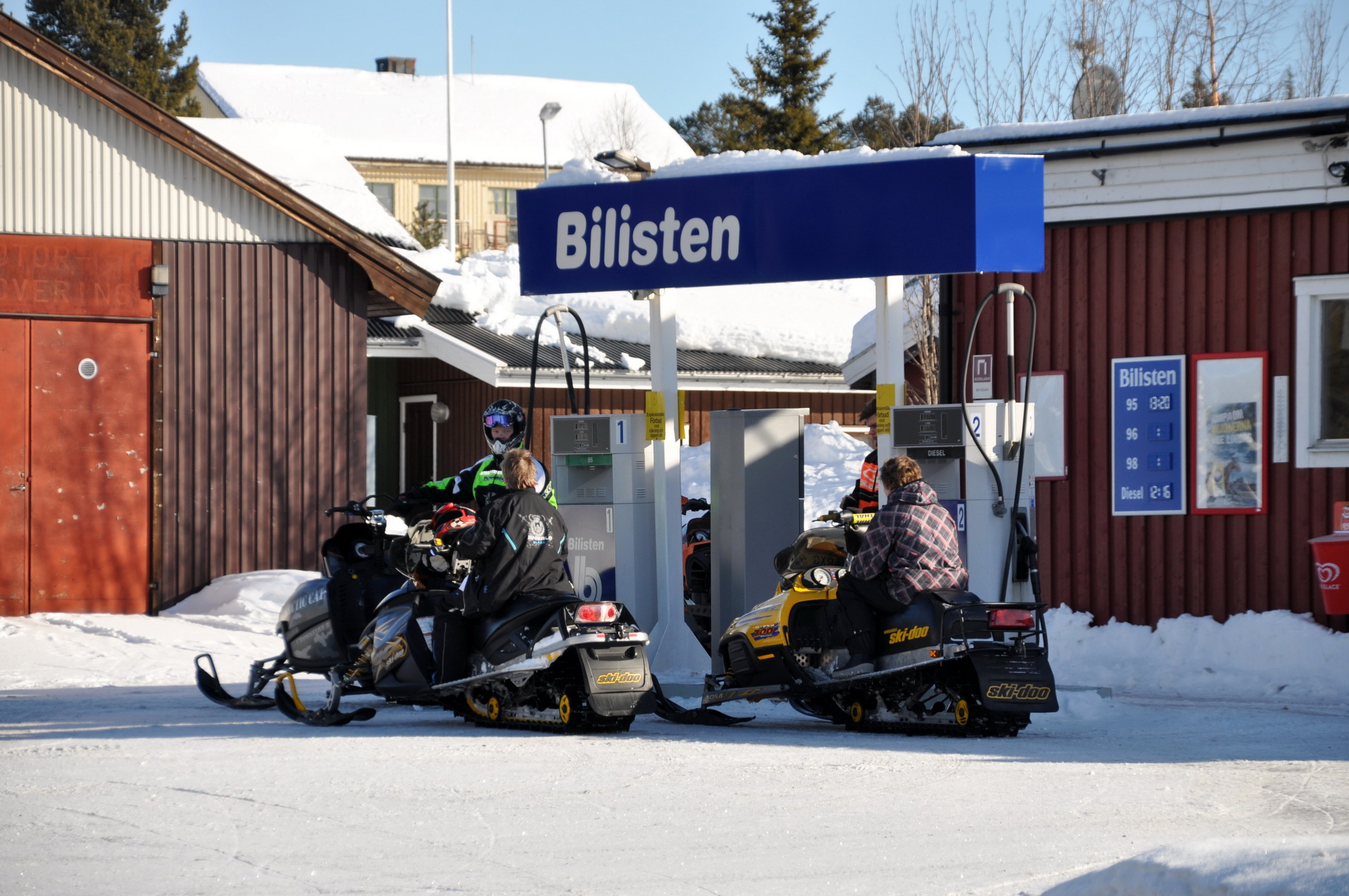
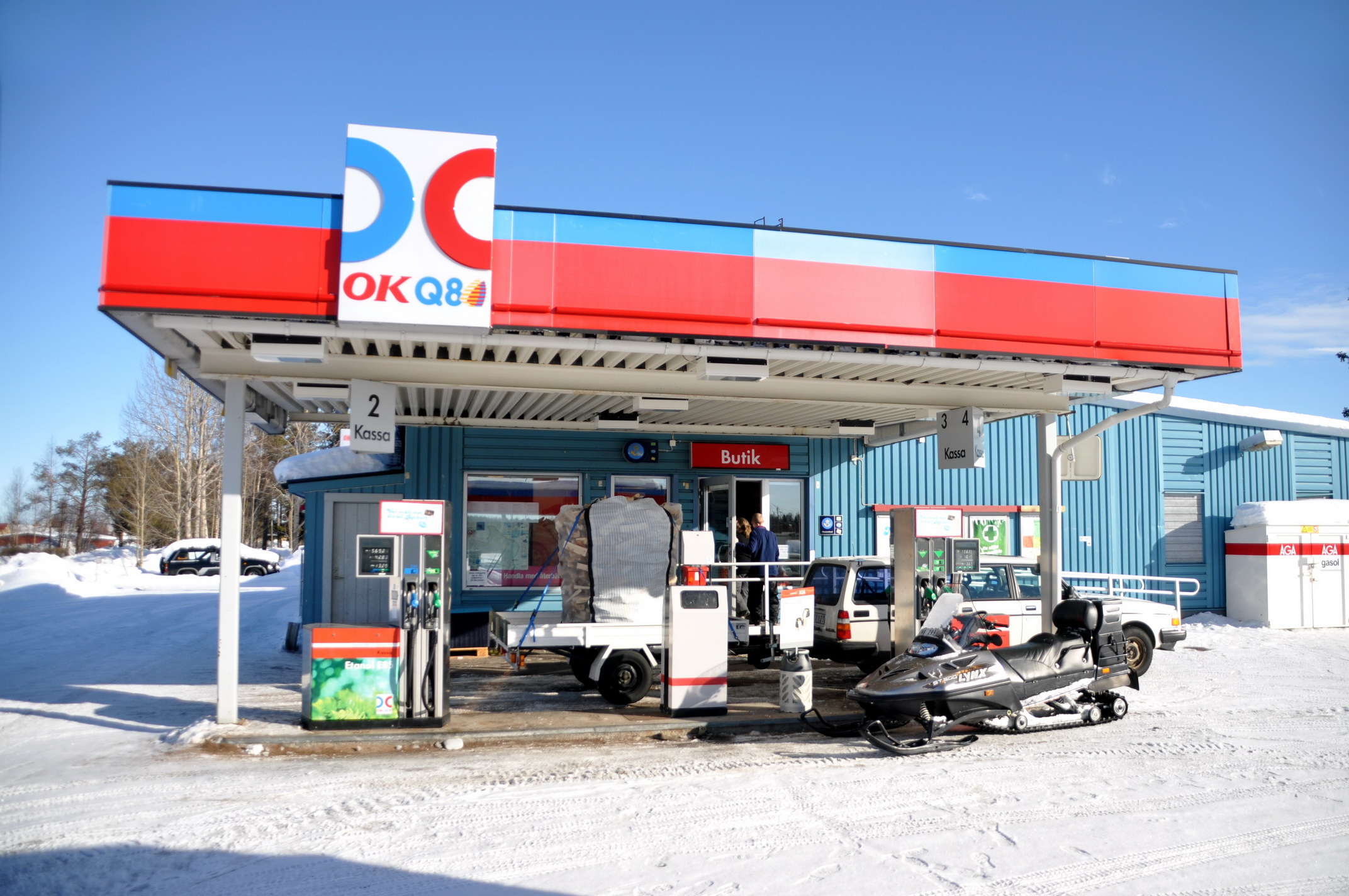
On the Norwegian side in those days, there was no fenced-off border zone. You could walk up, touch a border post, stick your tongue out at the Russian guard and get away with it. I wanted to drive to where the border reaches the ocean. I’d been on the Russian side while working on MegaFon’s base station at Liinakhamari and hoped to see it from the Norwegian side too. Unfortunately, the last stretch of road over the pass was closed for winter and only passable on a snowmobile. You see a lot of those up north. Often the vehicles parked at a petrol station are all snowmobiles.
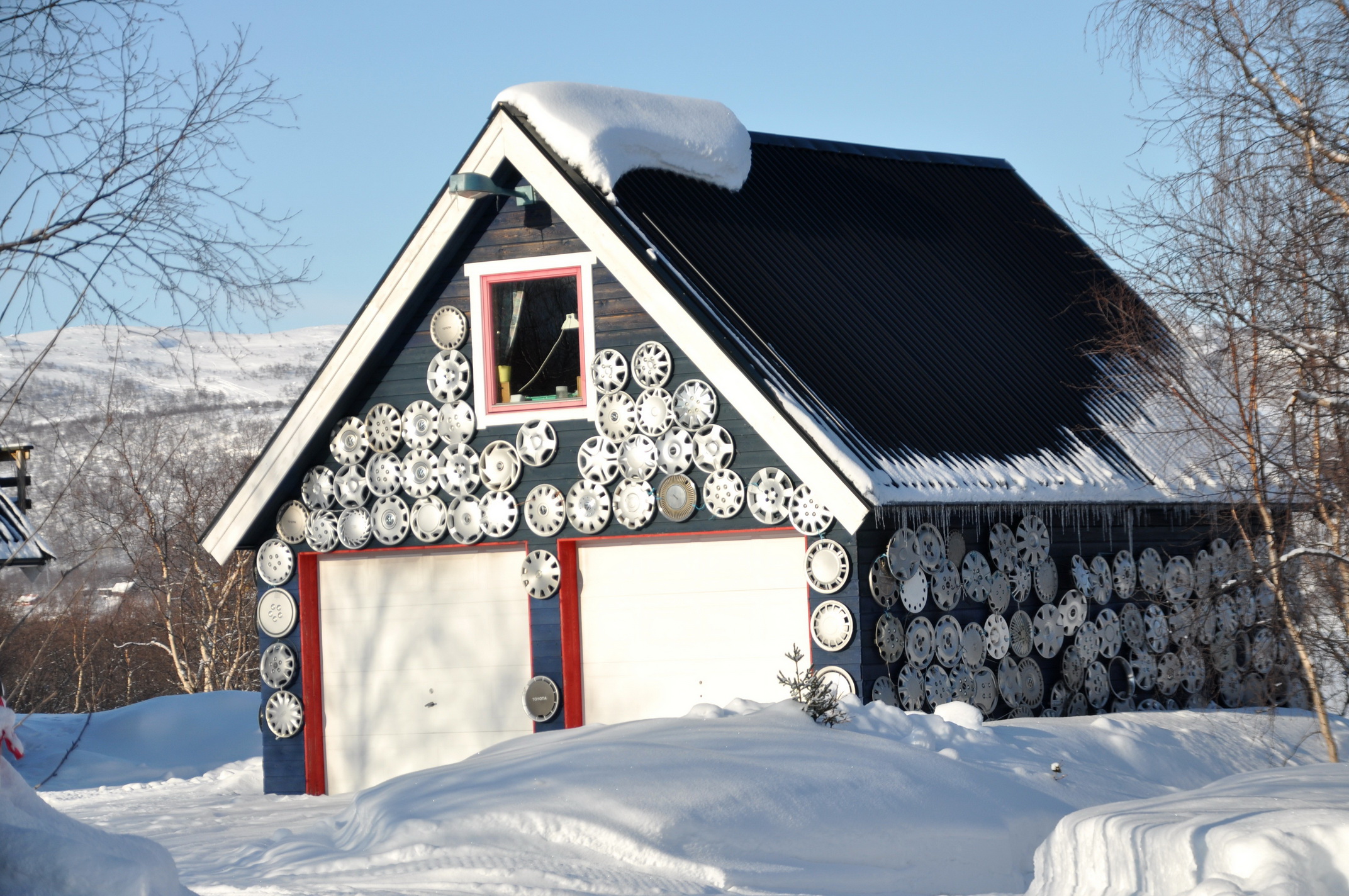
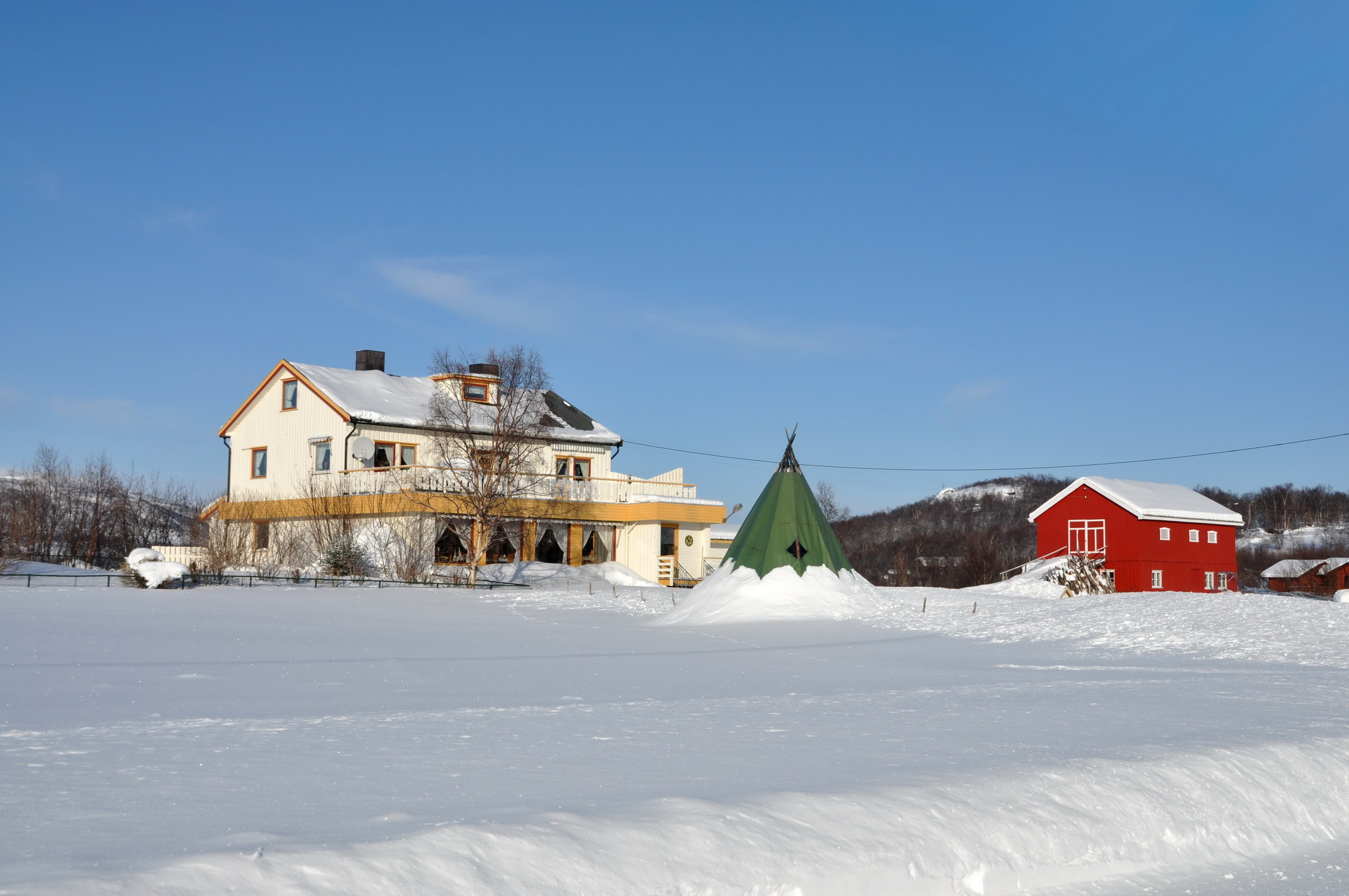
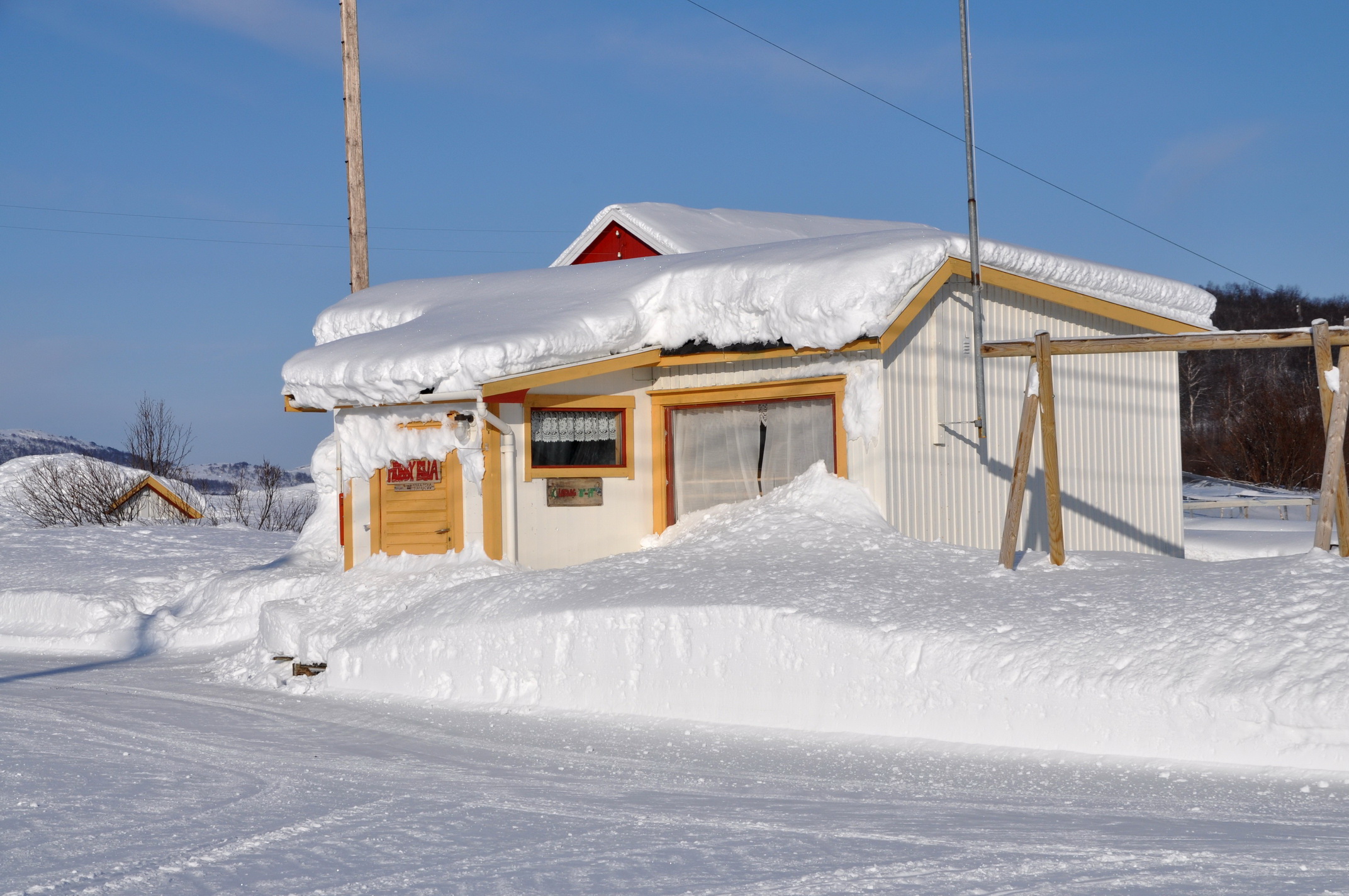
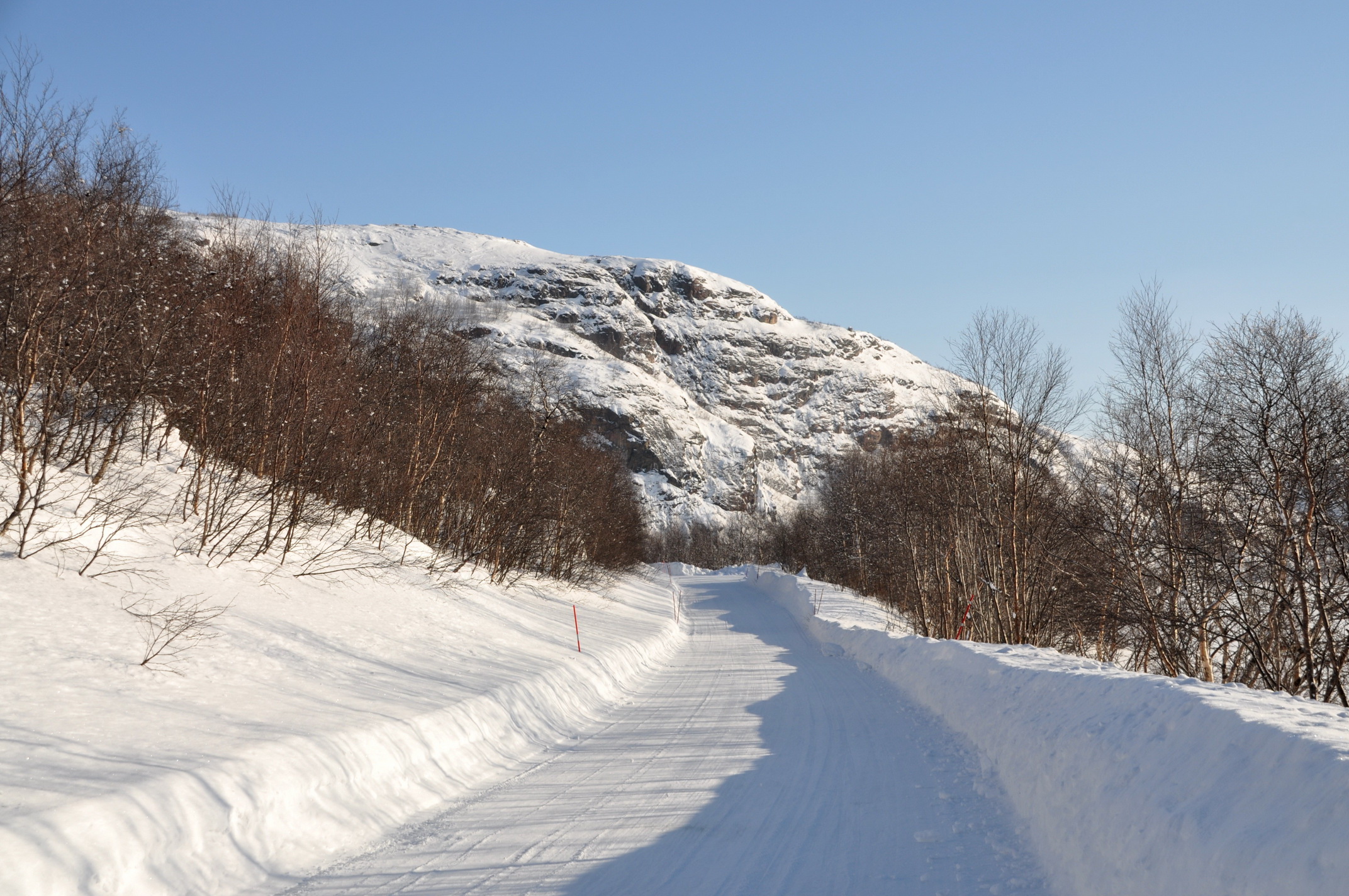
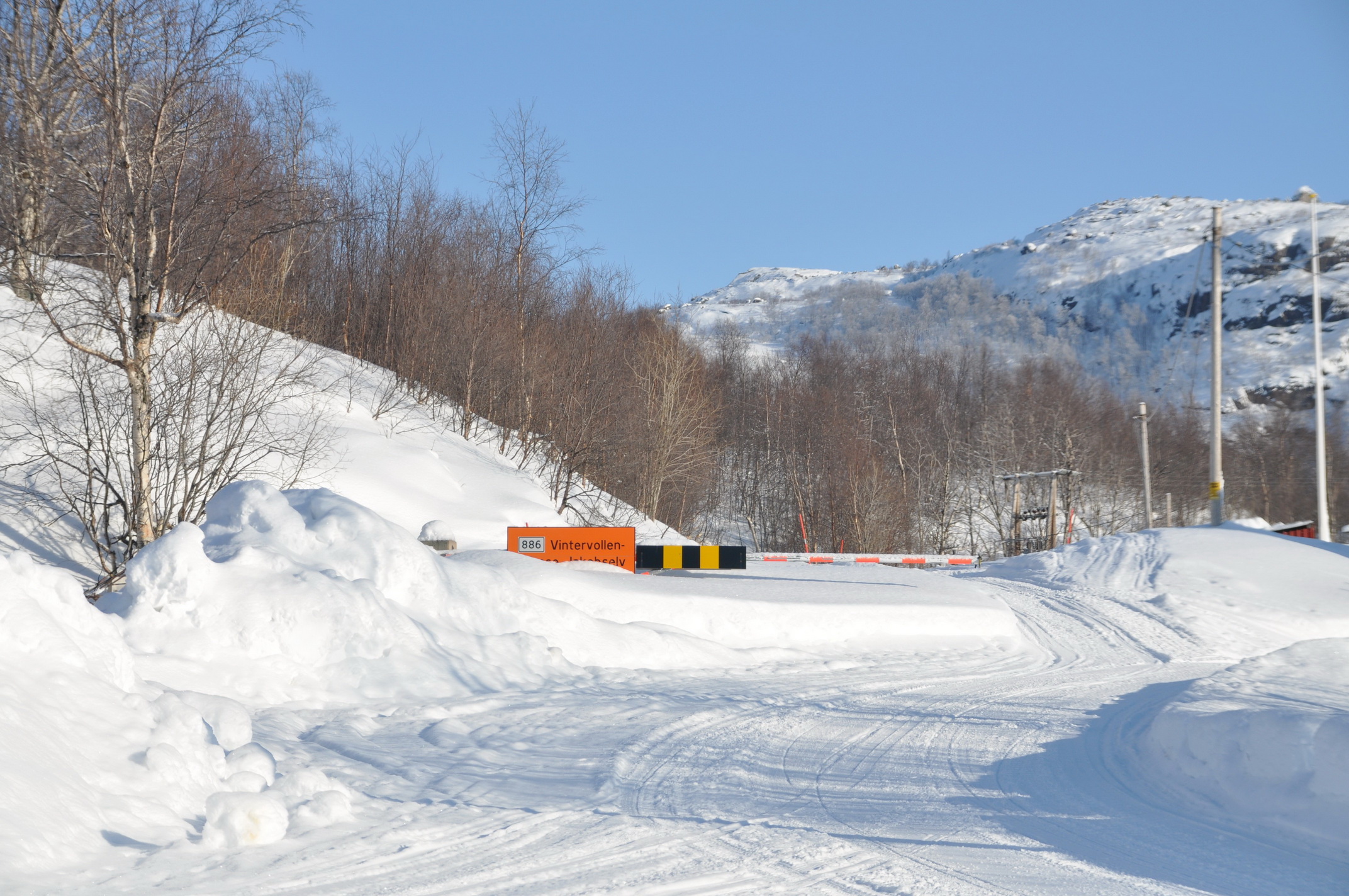
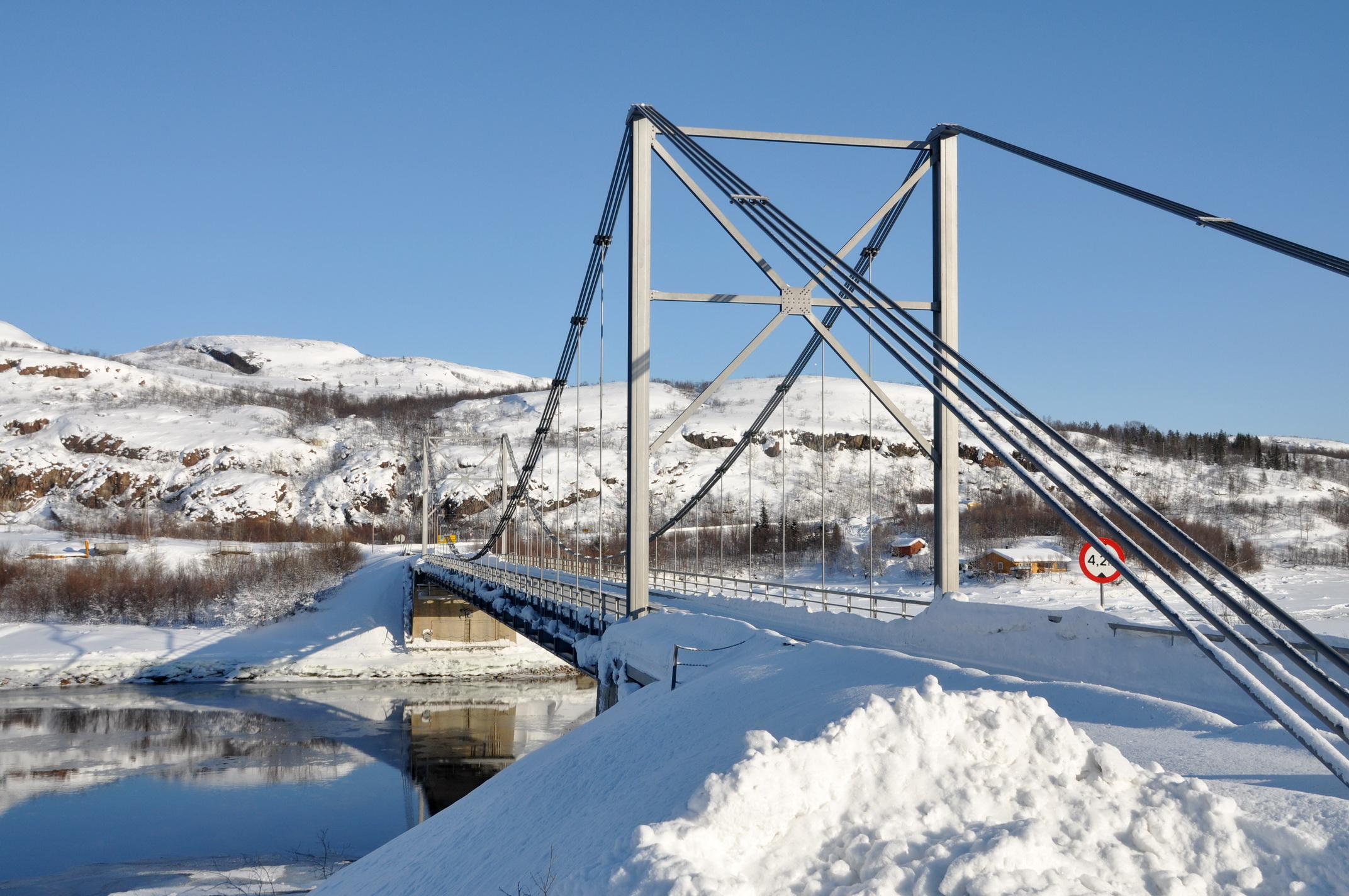
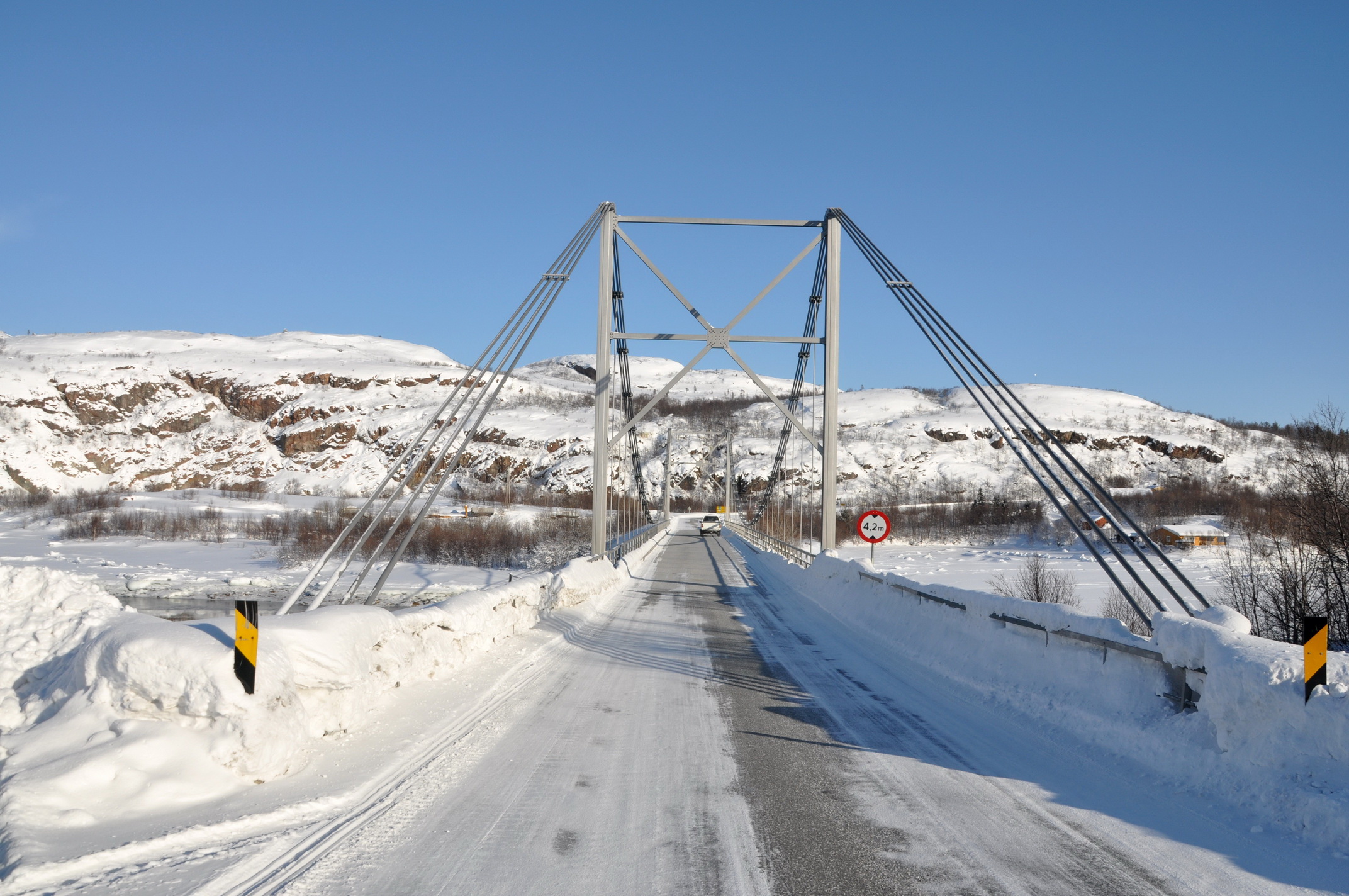
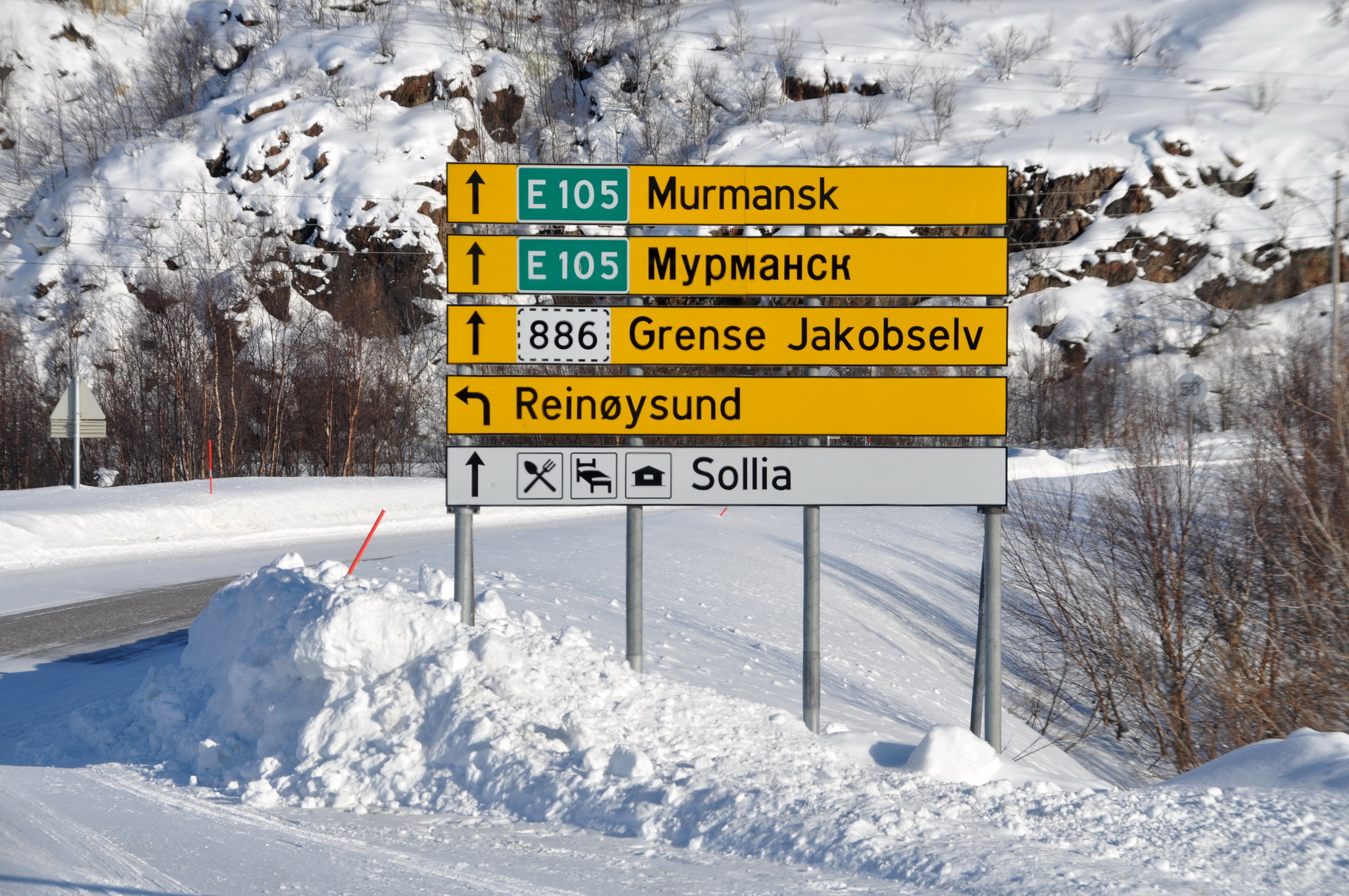
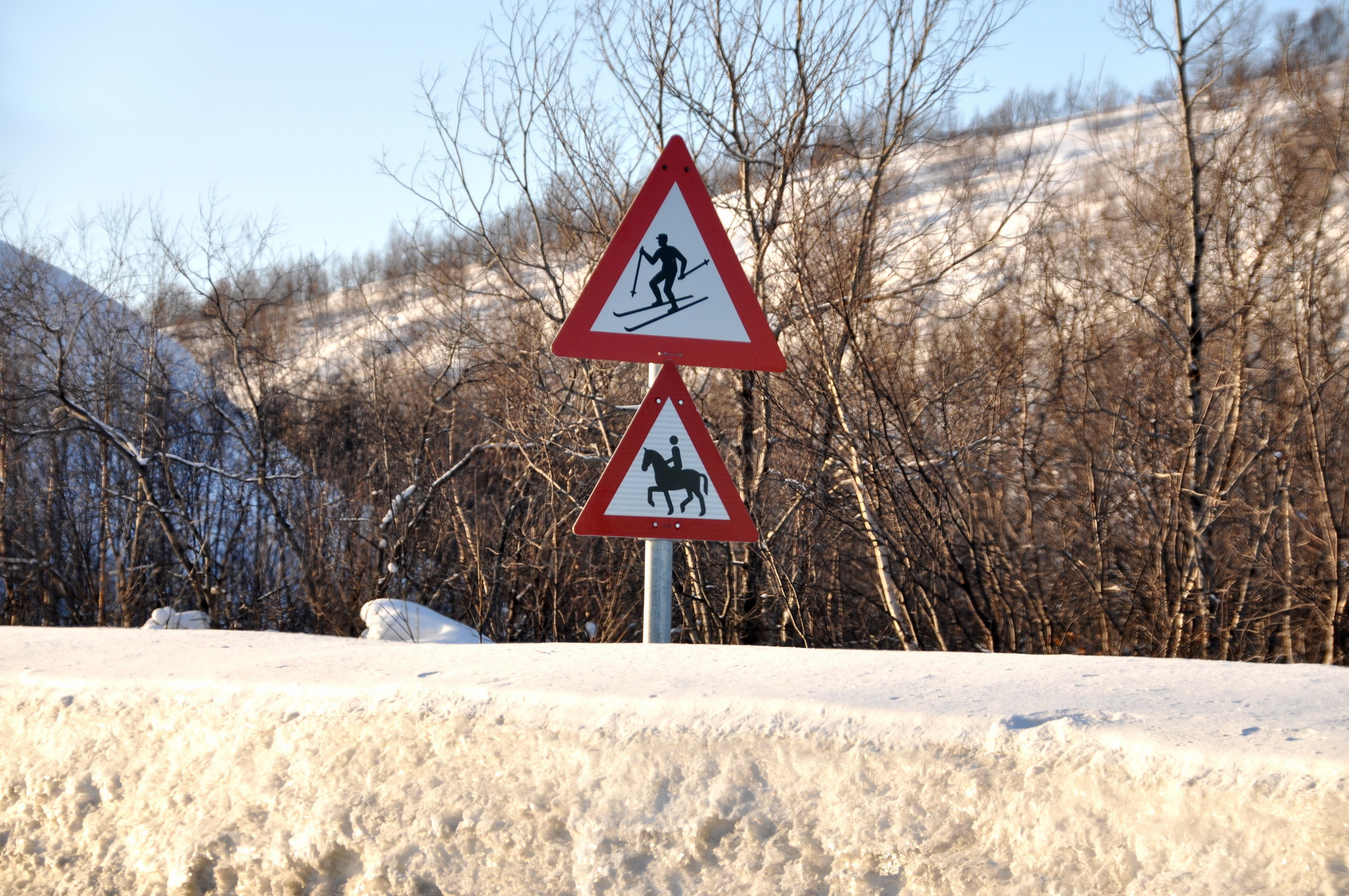
Just outside Kirkenes begins the highway Russians know as the E105. Under the international road agreement in force at the time, it went through Murmansk, Saint Petersburg and Moscow and ended in Yalta. Only a few kilometres of it were in Norway. The Borisoglebsk crossing was an imposing affair. The Norwegian and Russian posts were kilometres apart, and you couldn’t cross on foot. The checks were much more thorough than at Salla.
Murmansk and the railway south
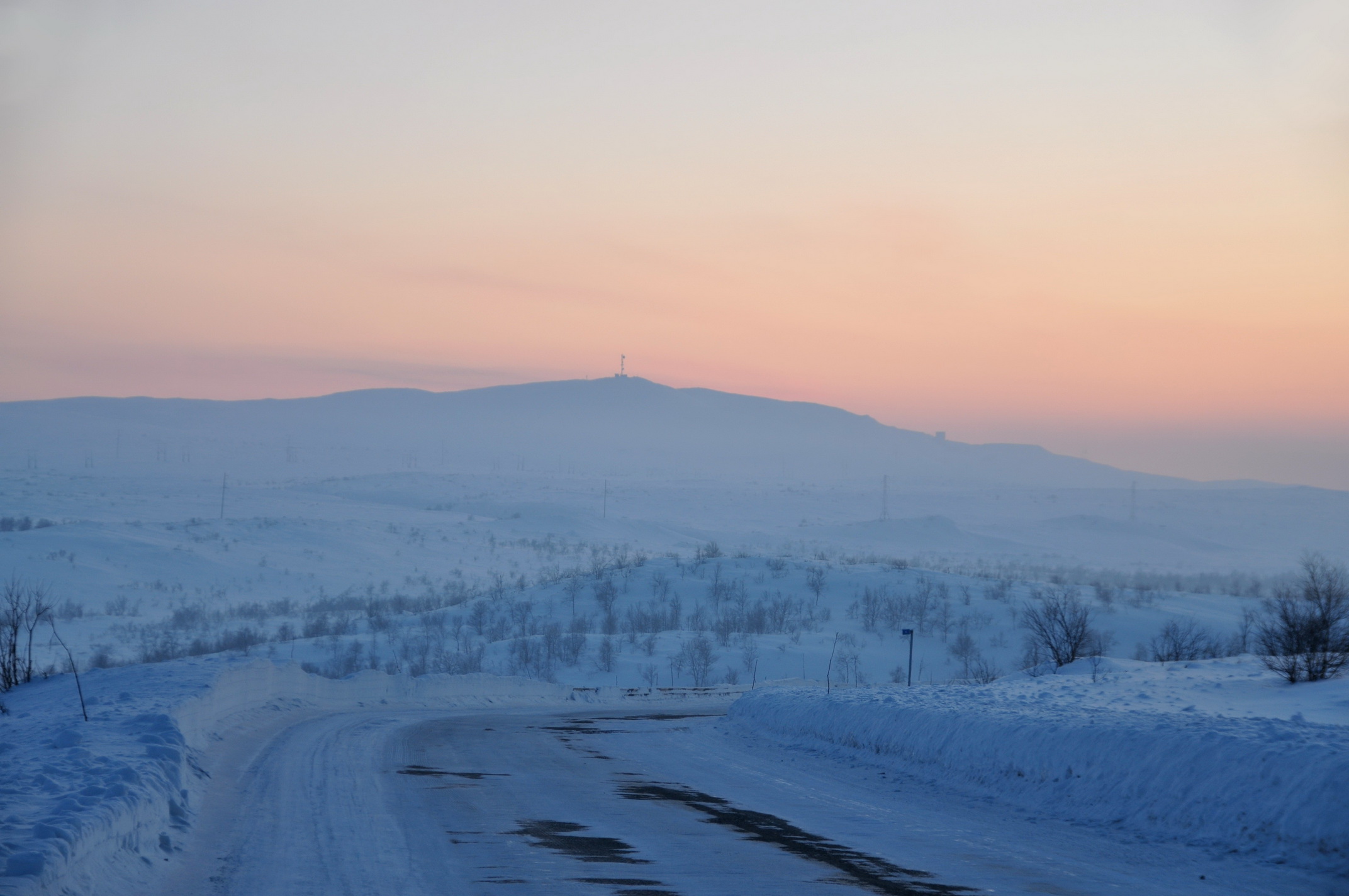
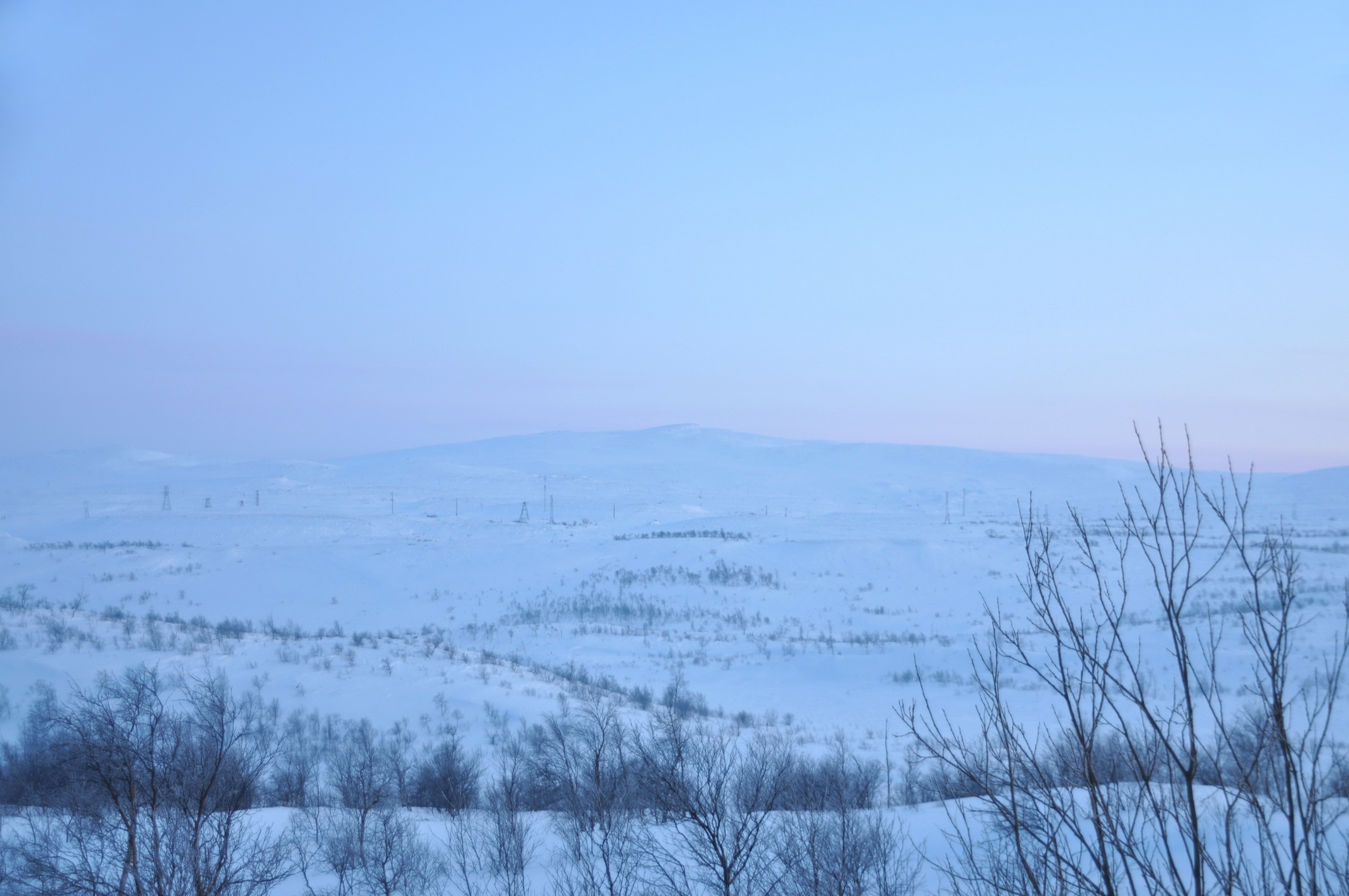
The first town across the border was Nikel, on land that Finland ceded to the Soviet Union after the war. There were towns, mines and roads there already. Farther on towards Murmansk comes the empty tundra, lovely in summer and an endless expanse of snow in winter.
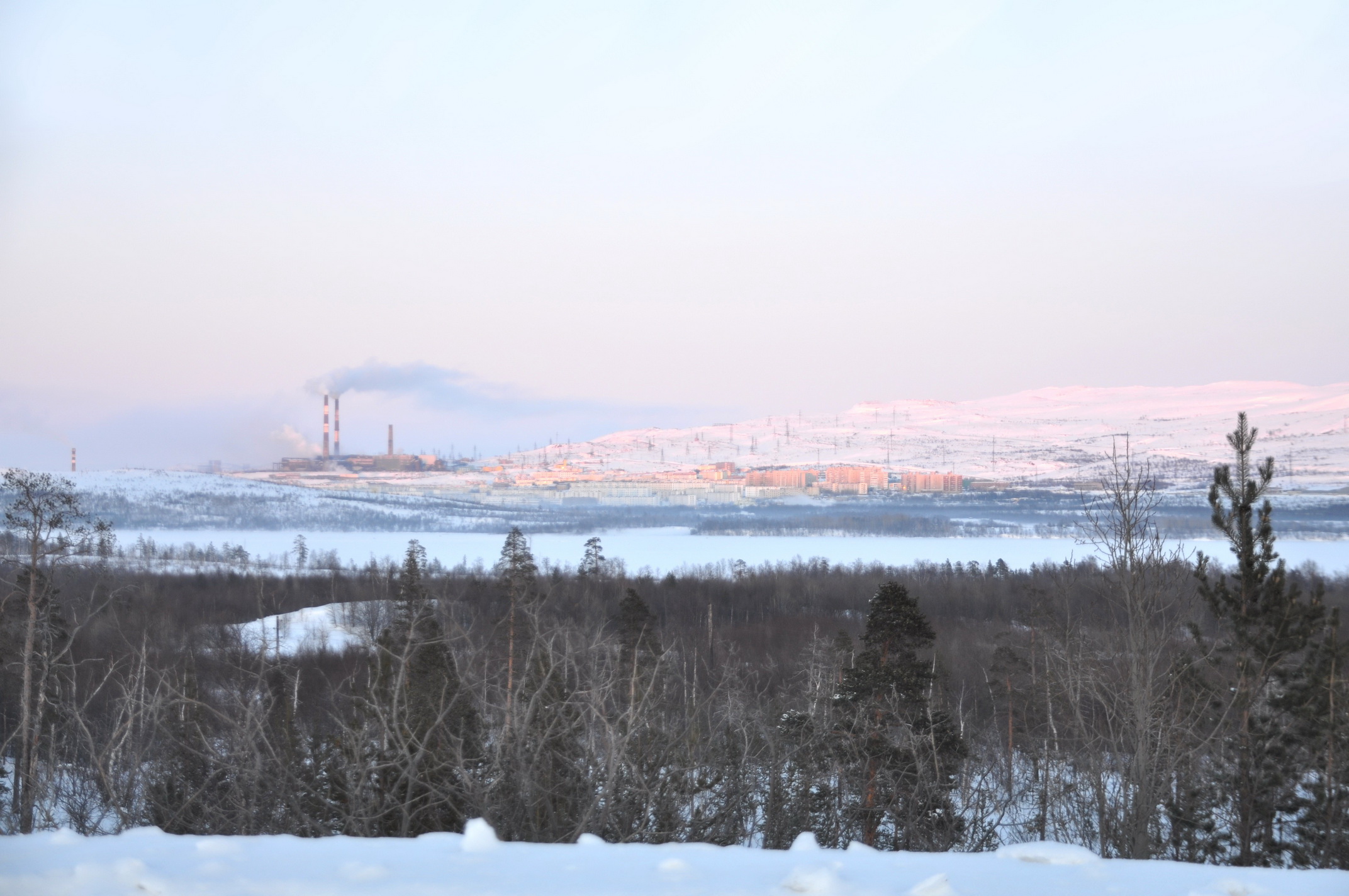
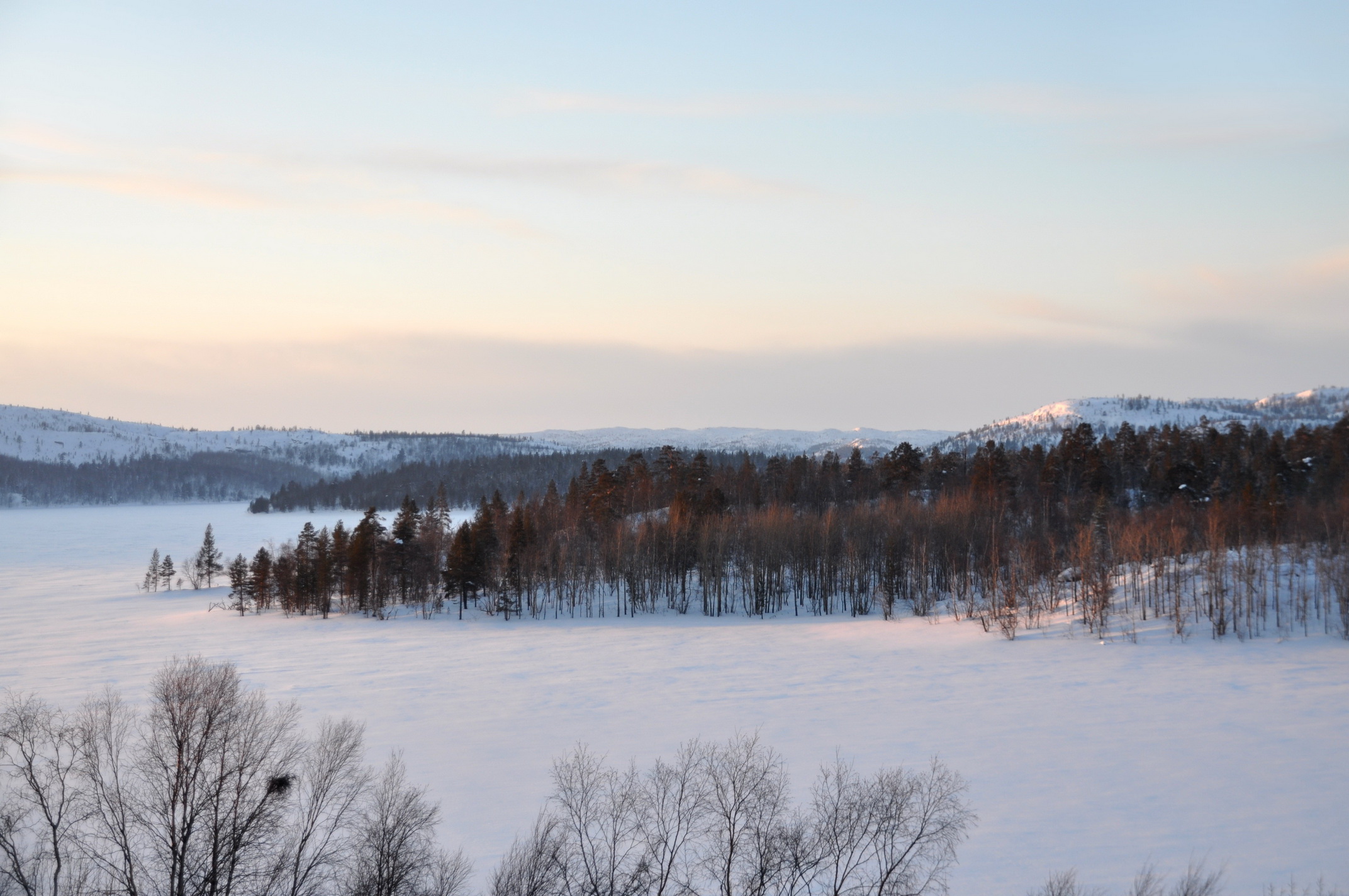
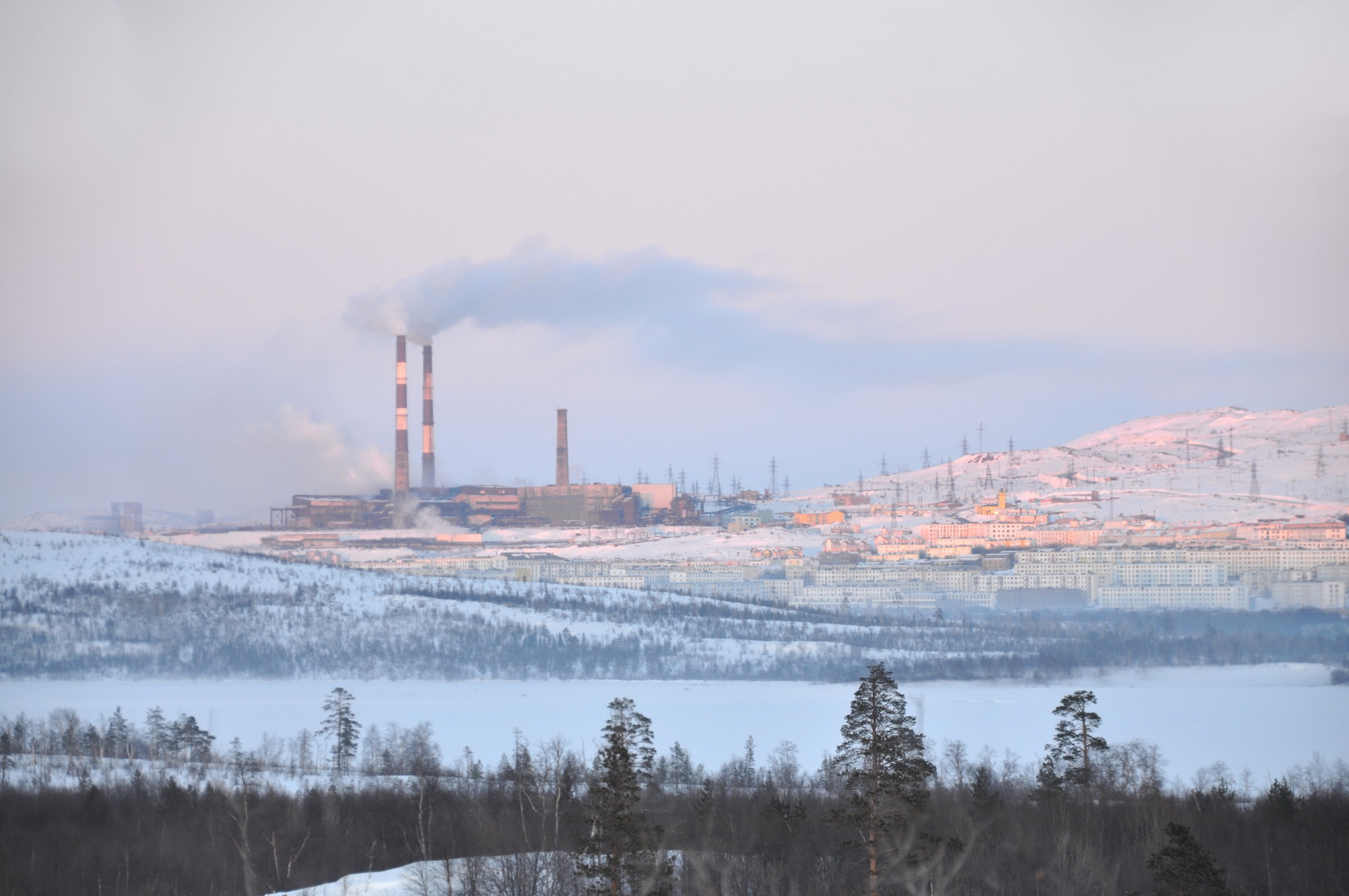
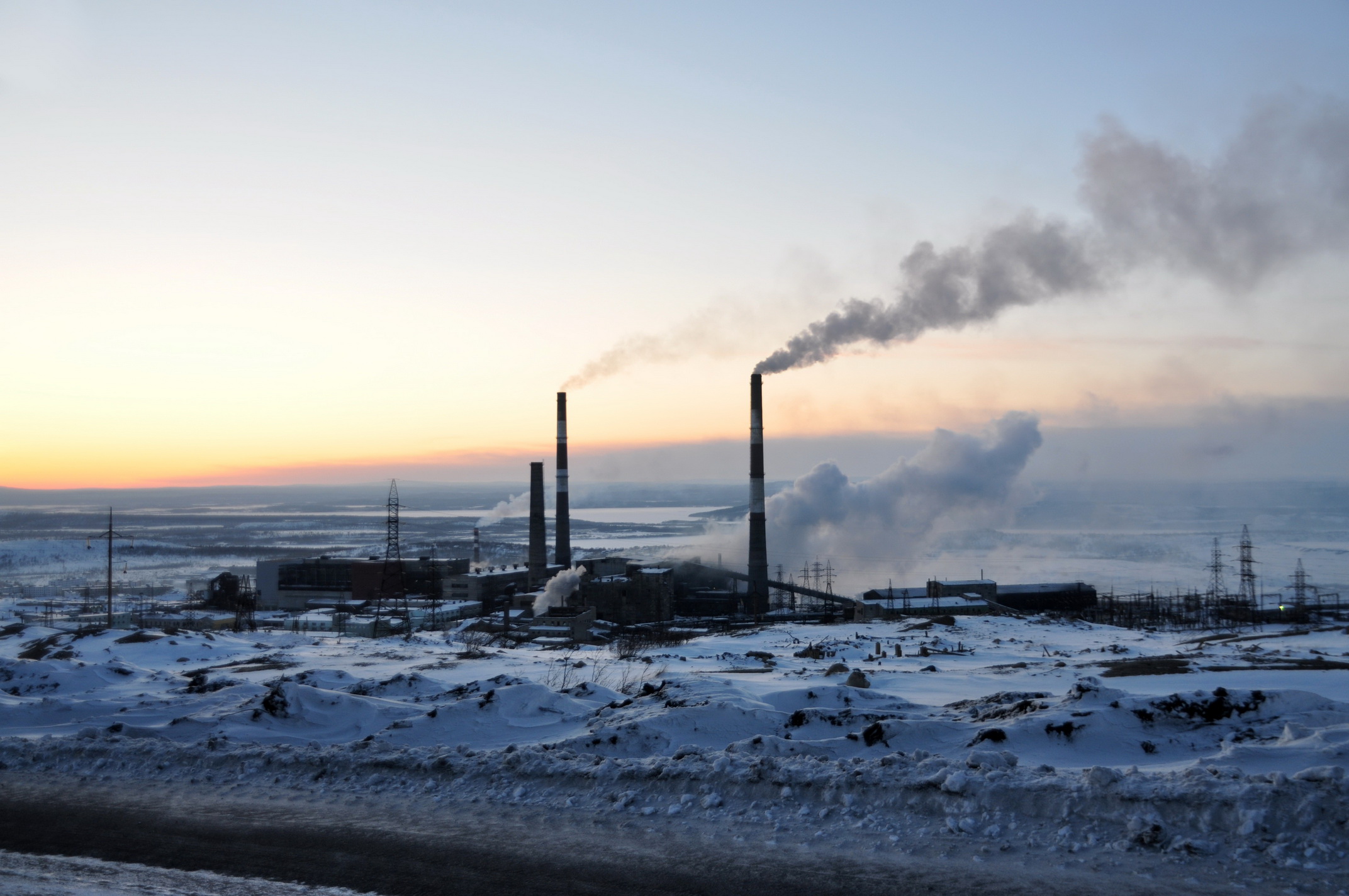
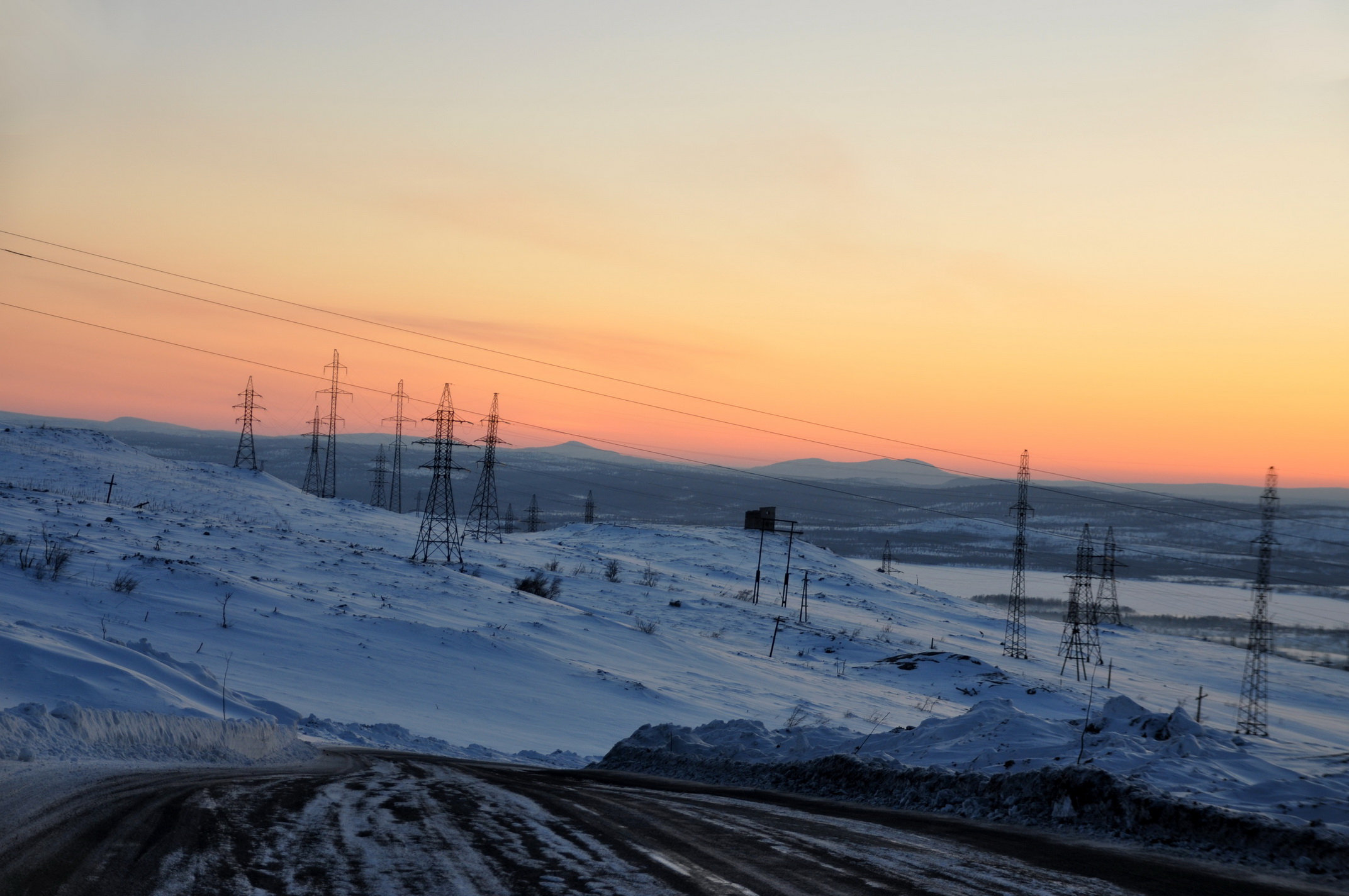
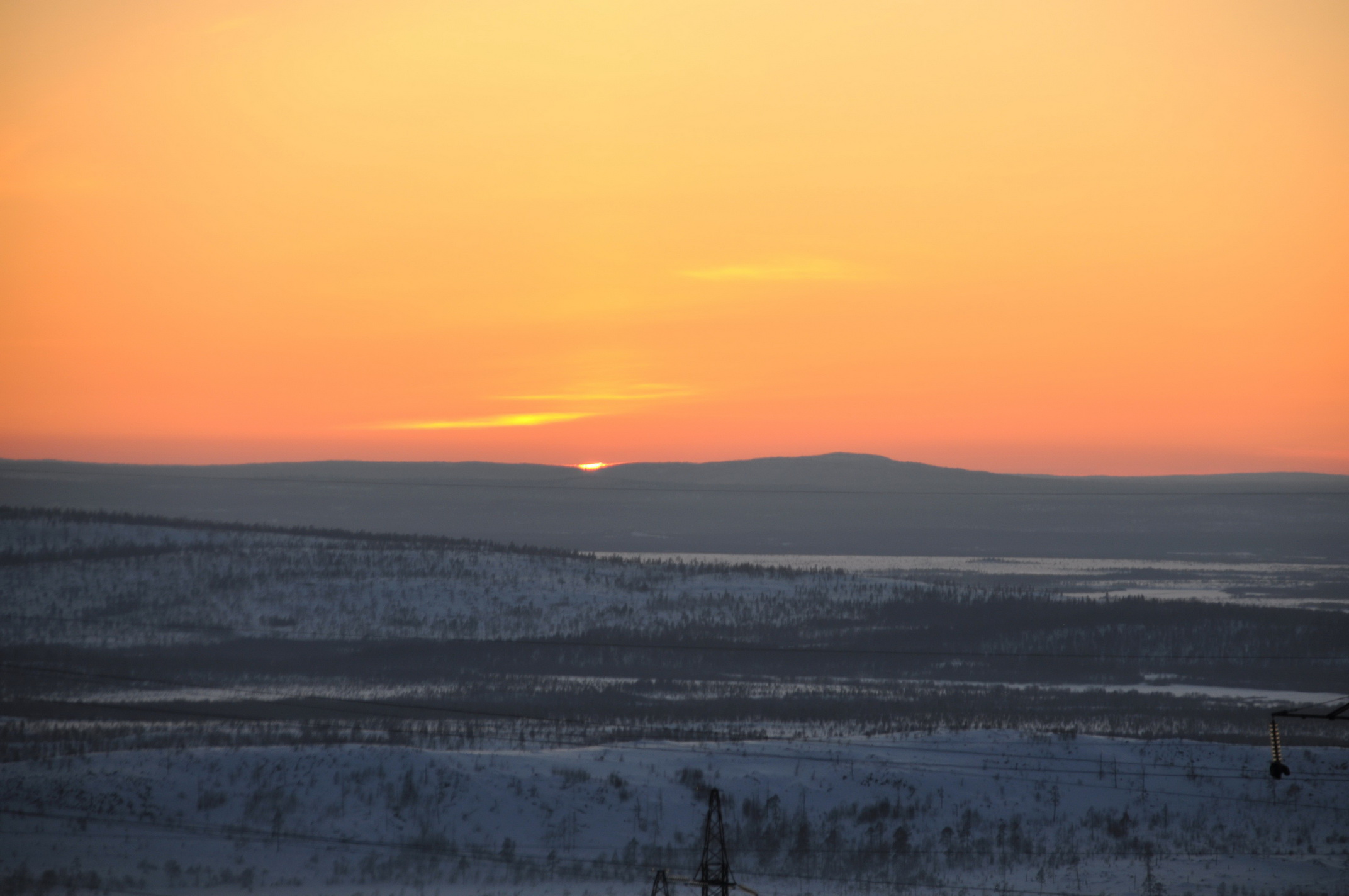
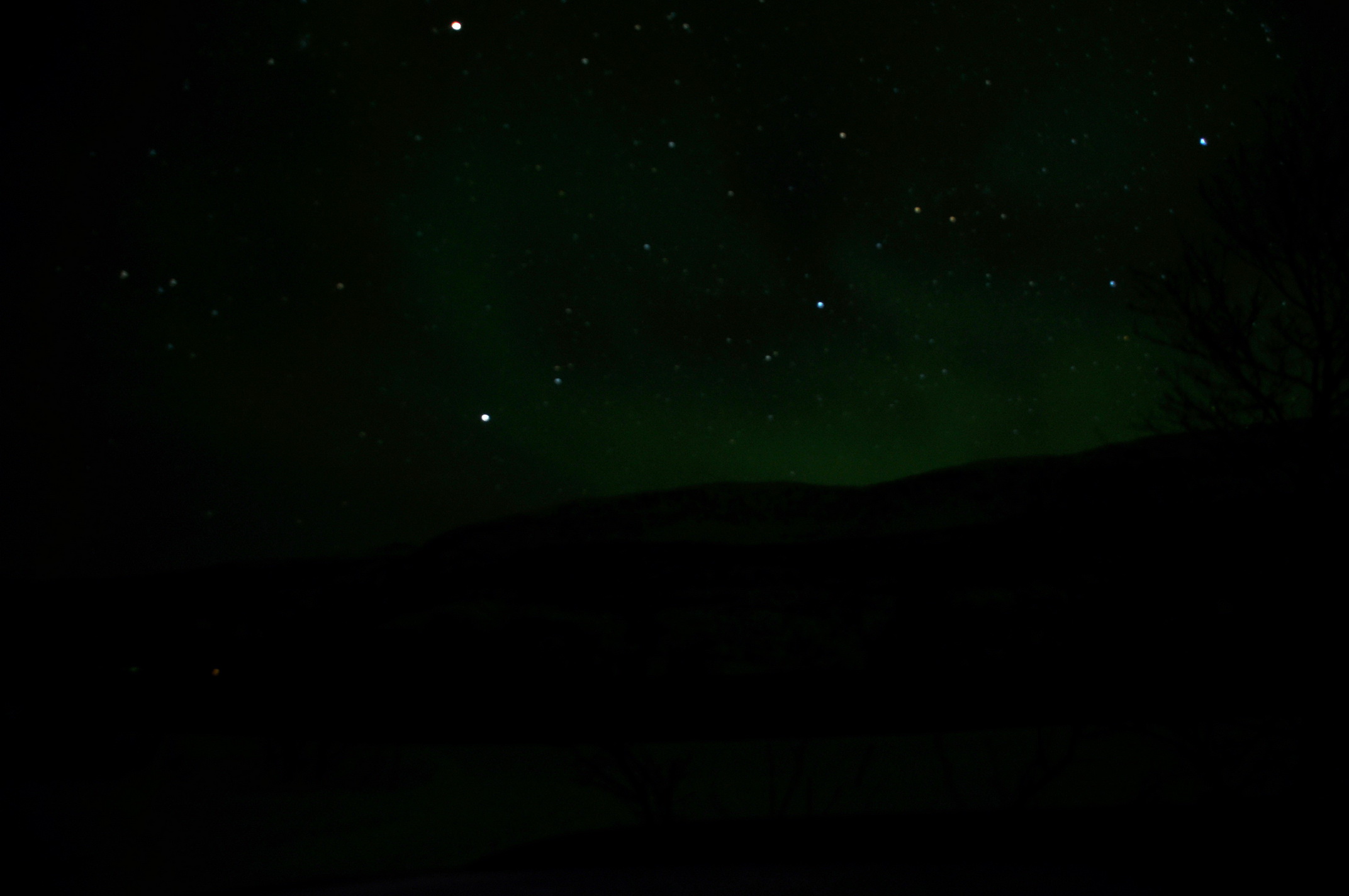
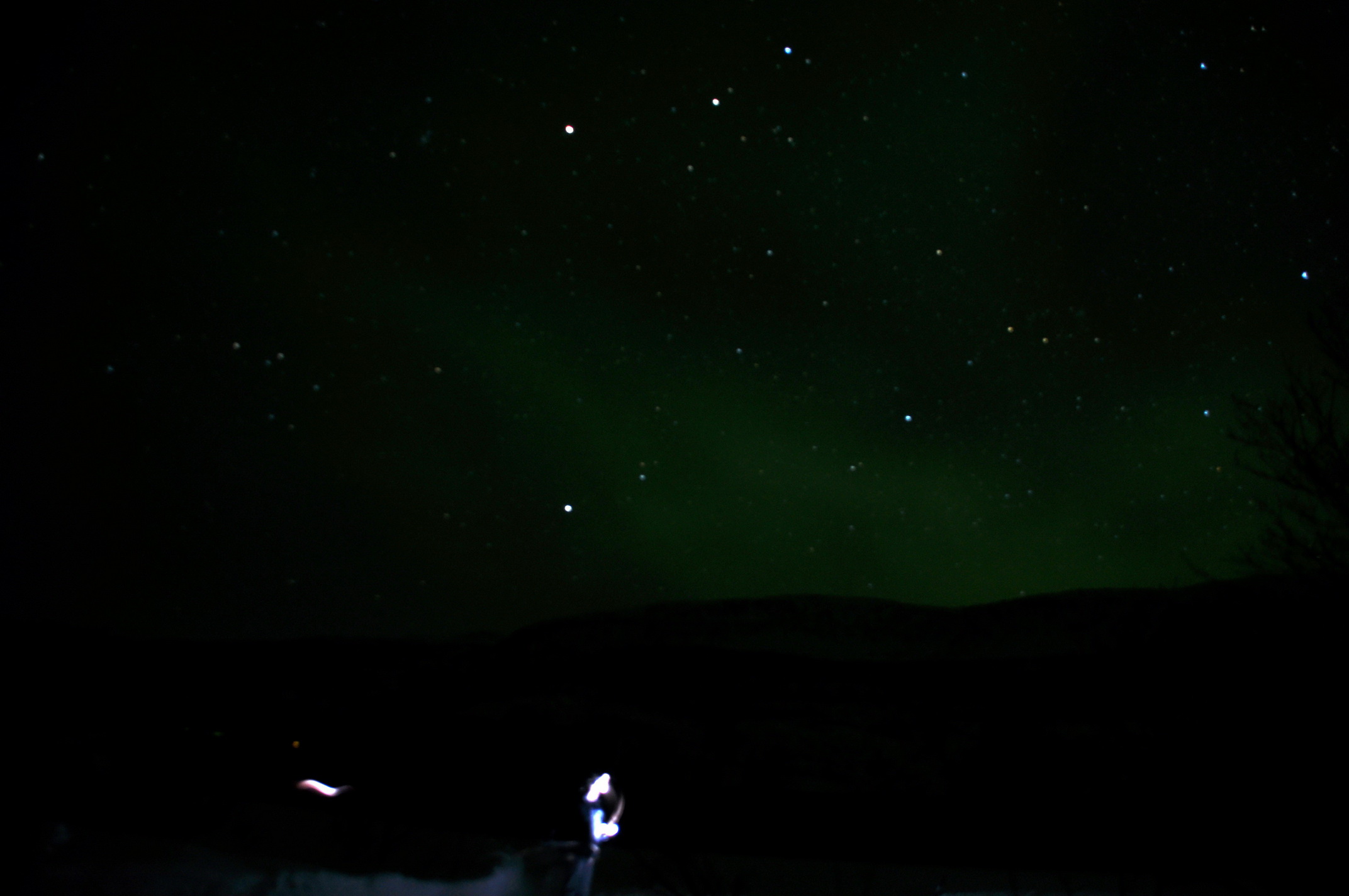
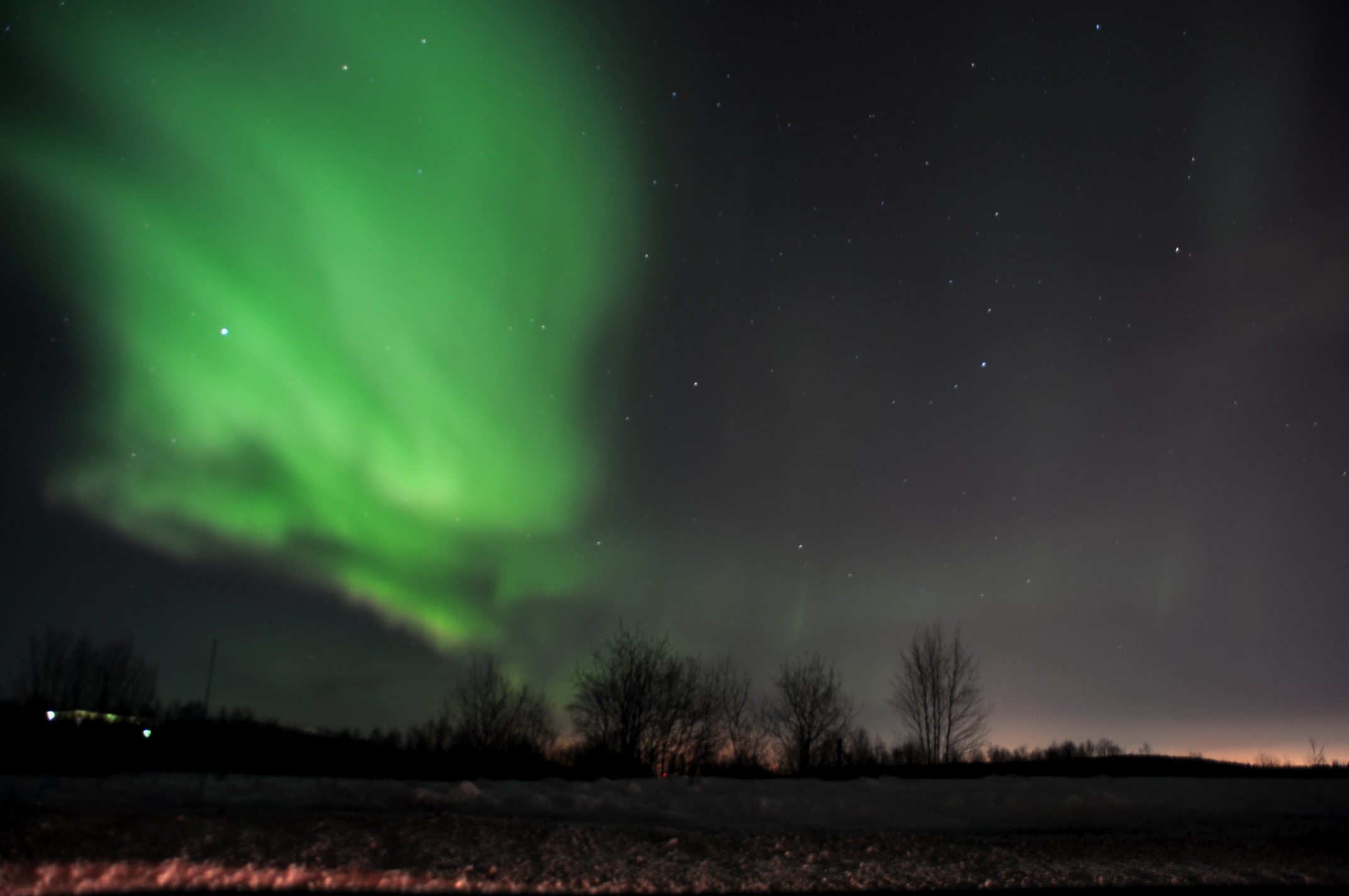
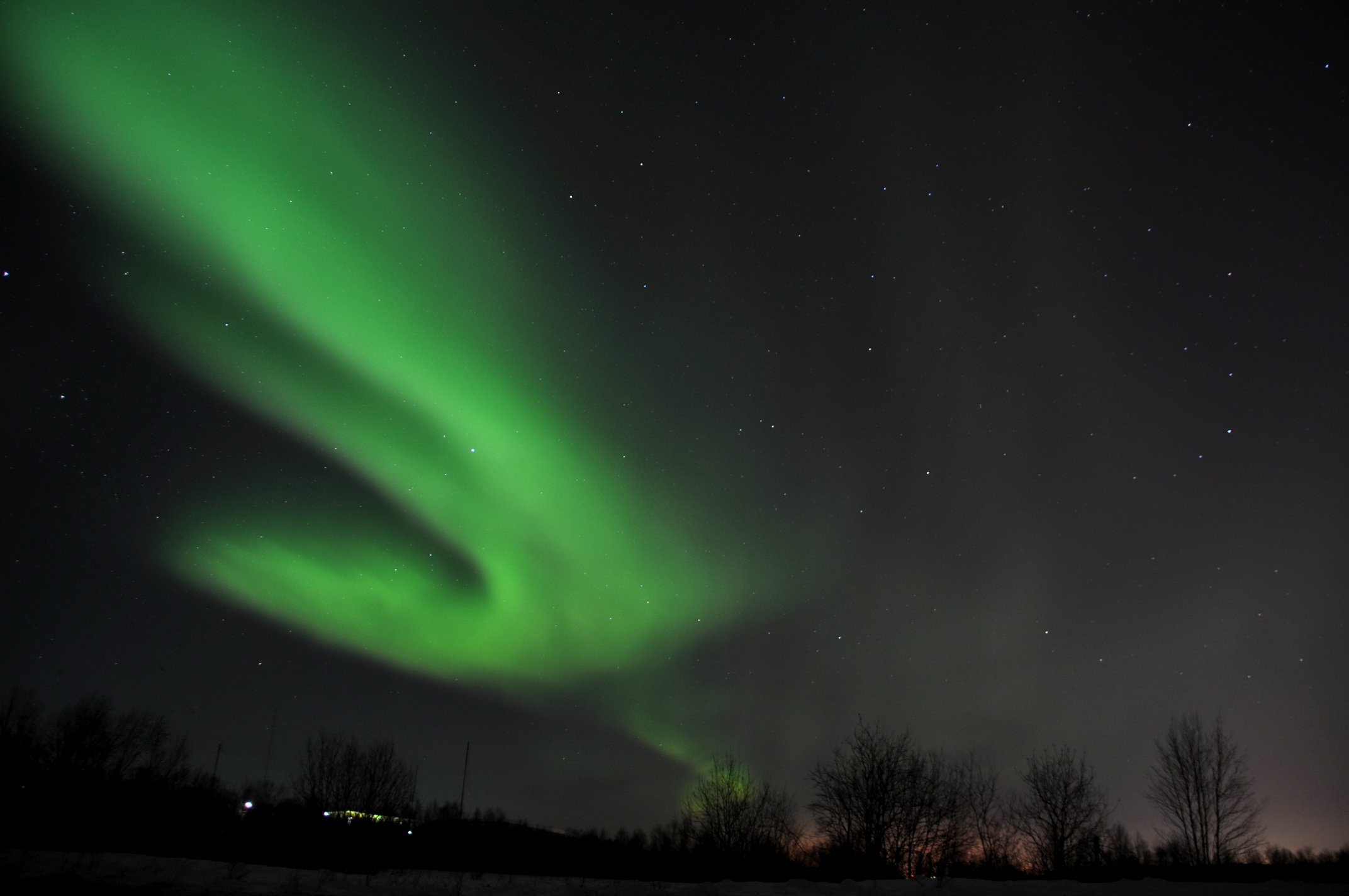
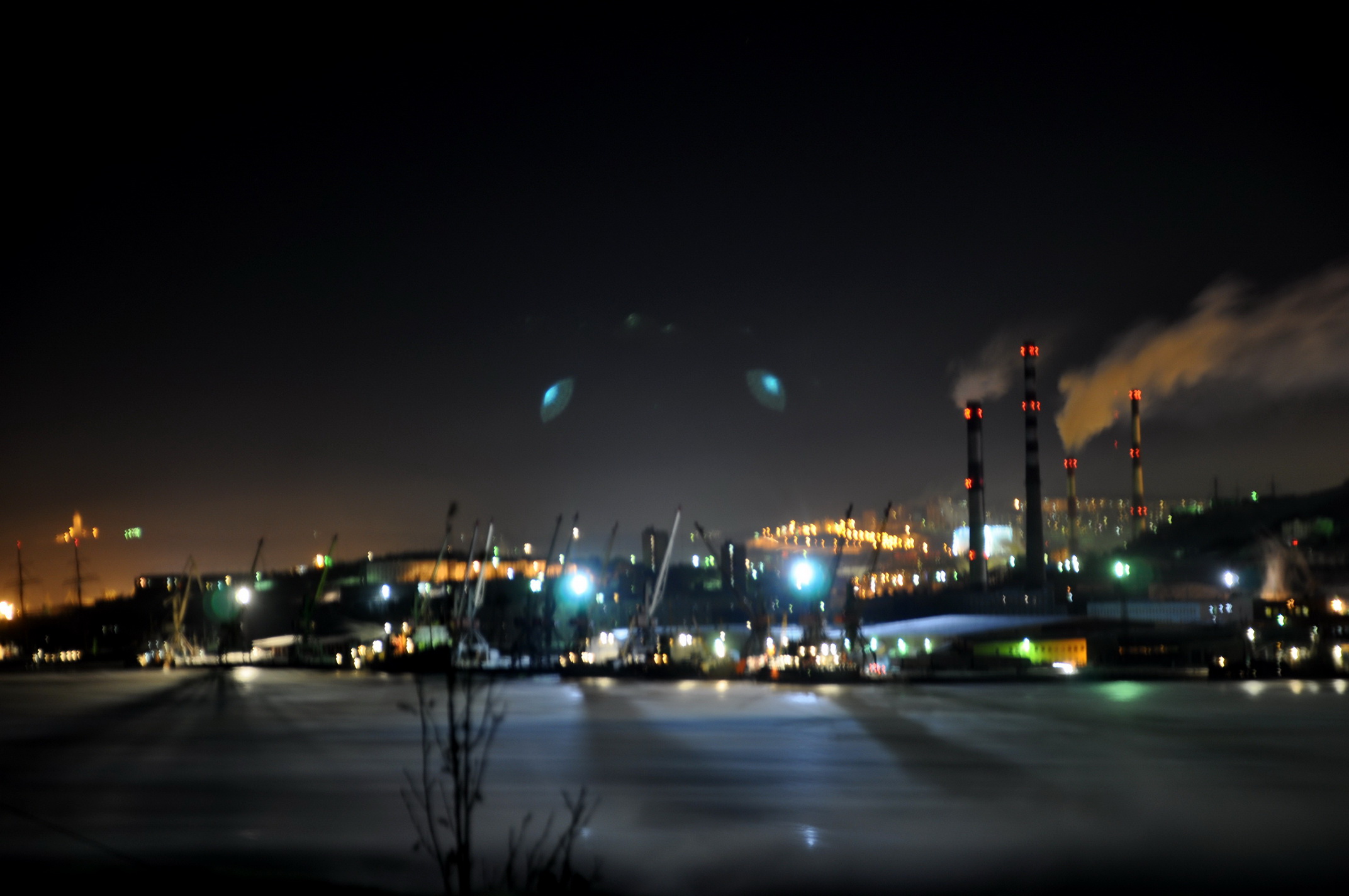
It was dark by the time I drew near Murmansk, and at last the sky filled with real northern lights. I’d never seen anything like it. People think the lights come out every night in the north. Some people manage to live in Murmansk for years without seeing them once. It’s a question of luck. Travel often enough and one day your luck will come in.
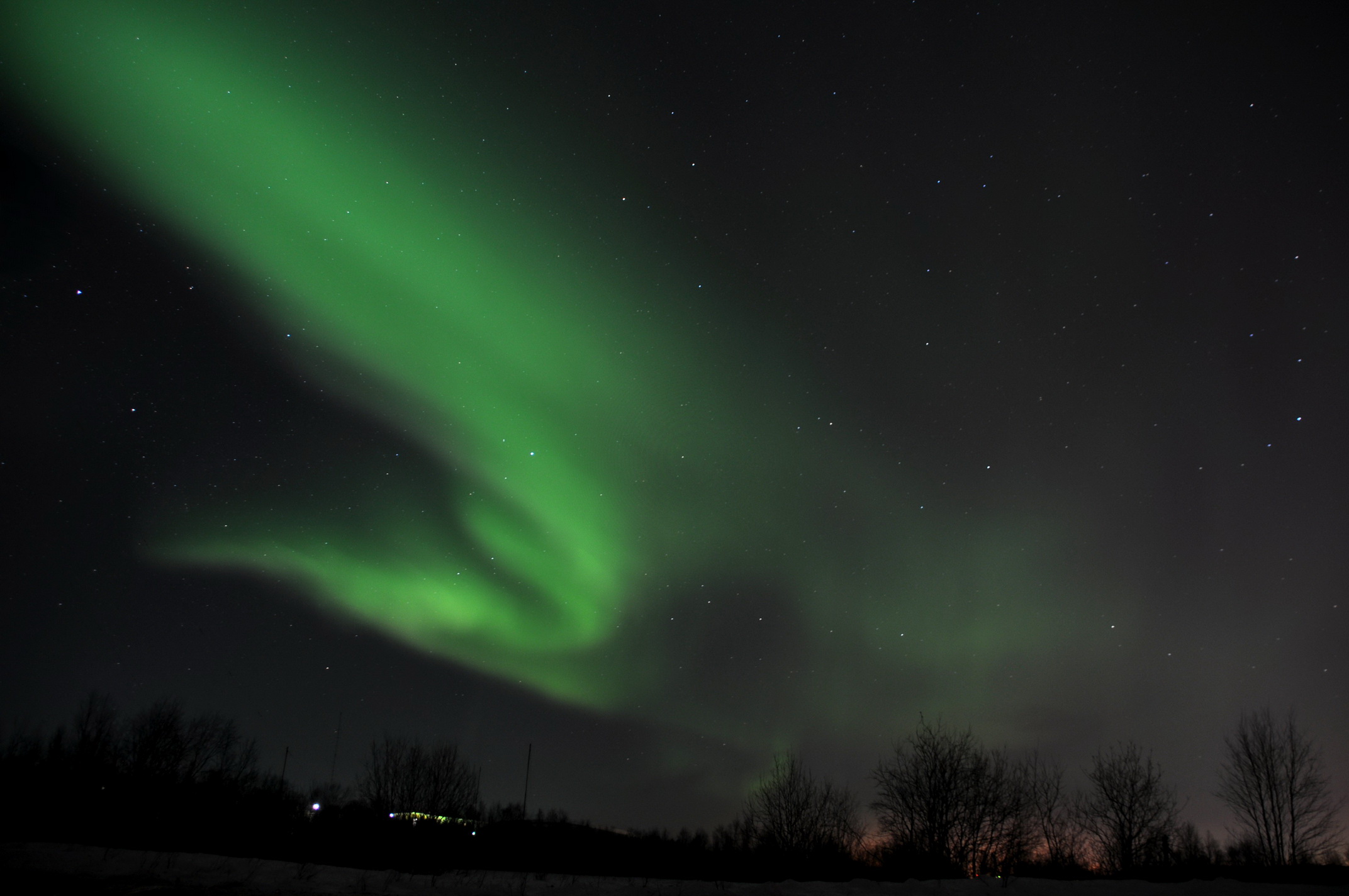
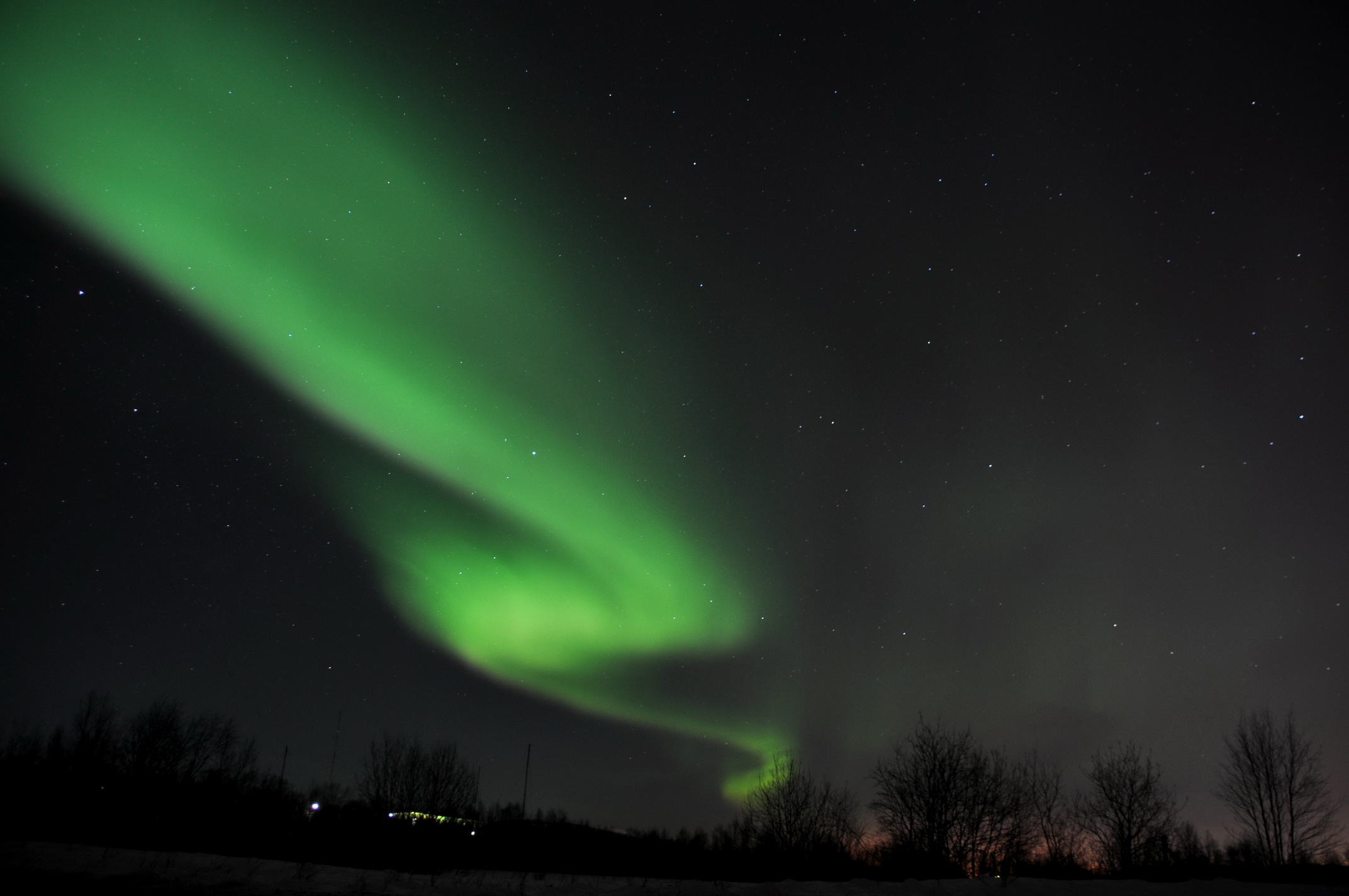
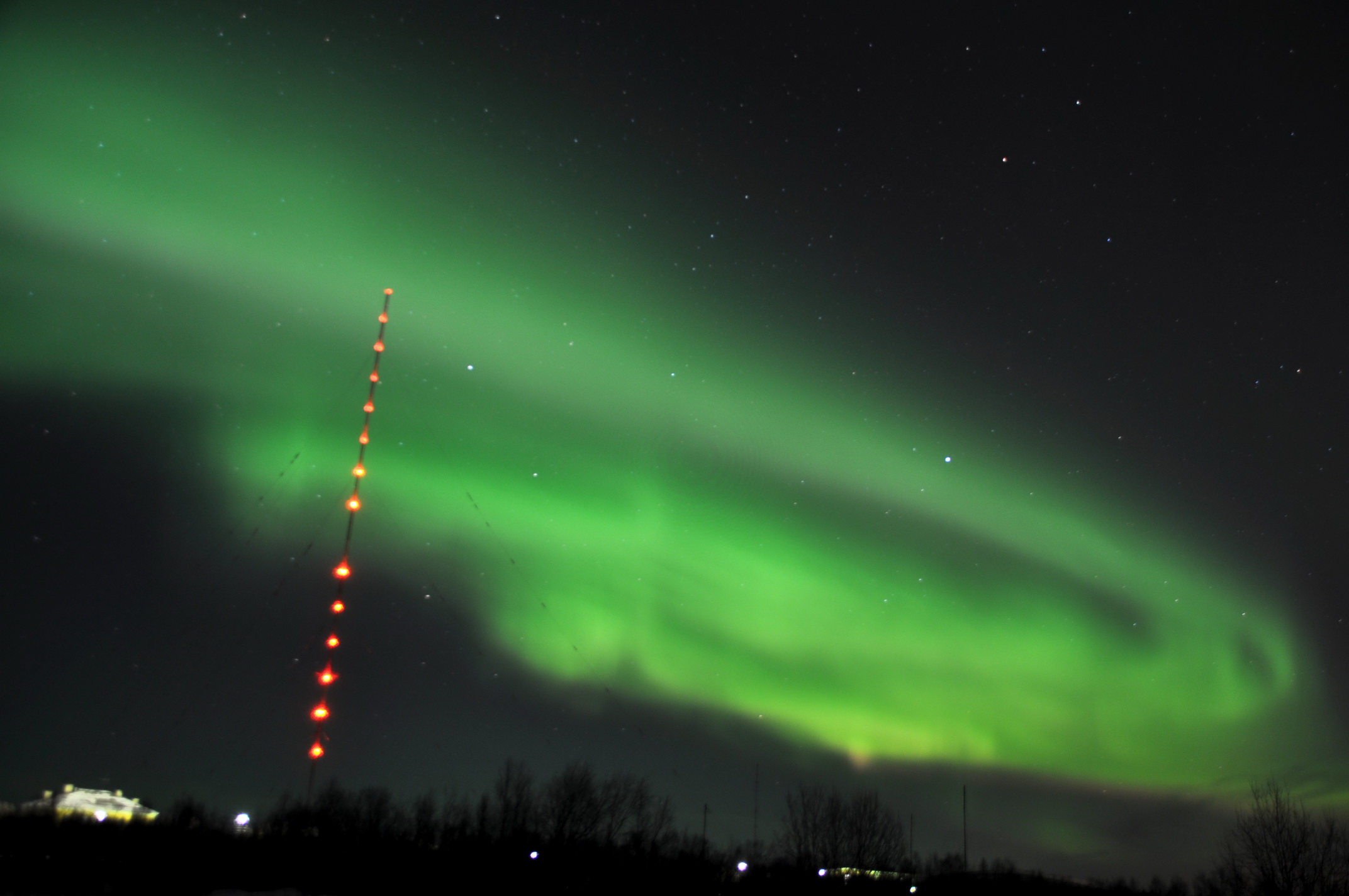
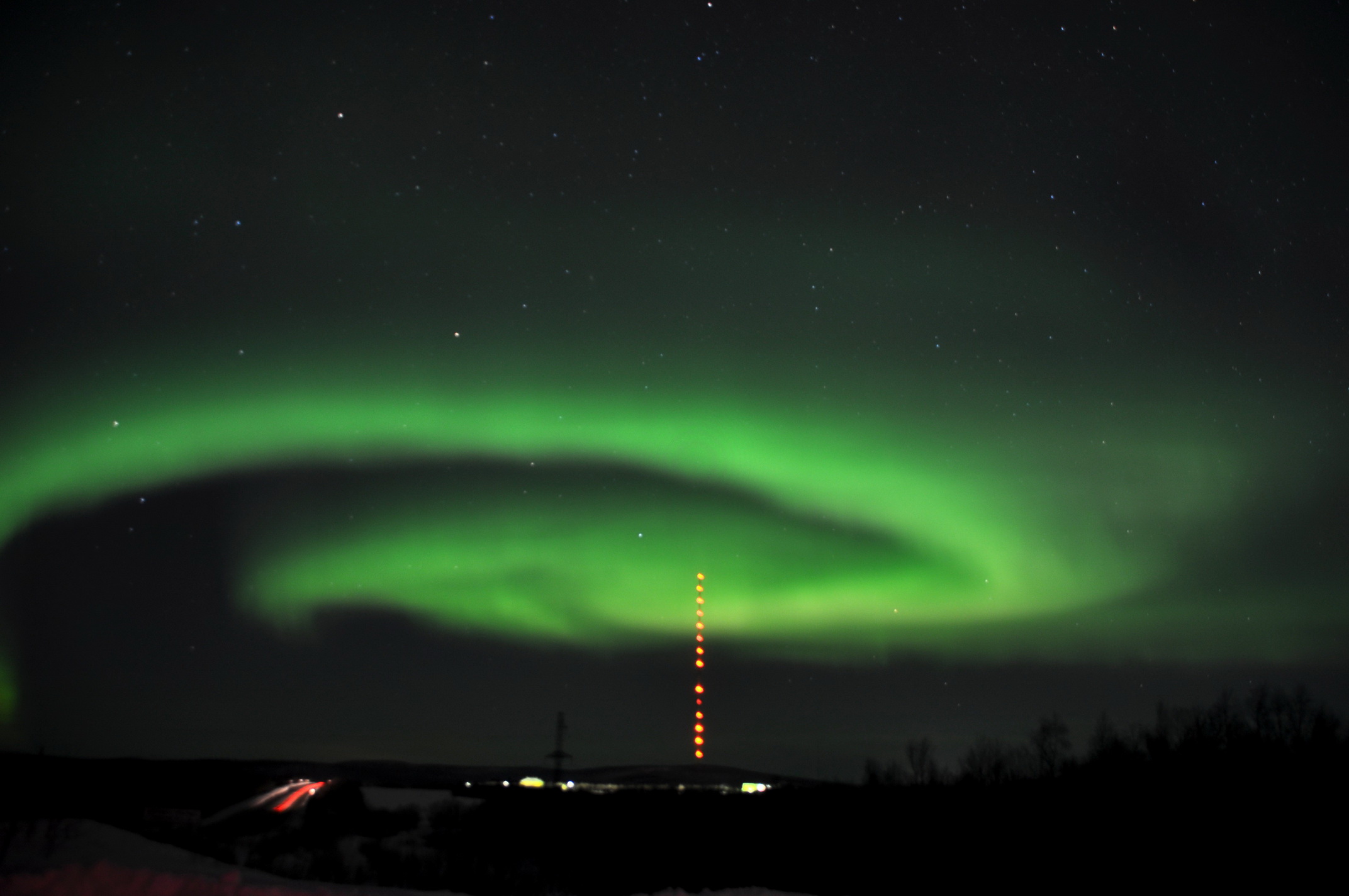
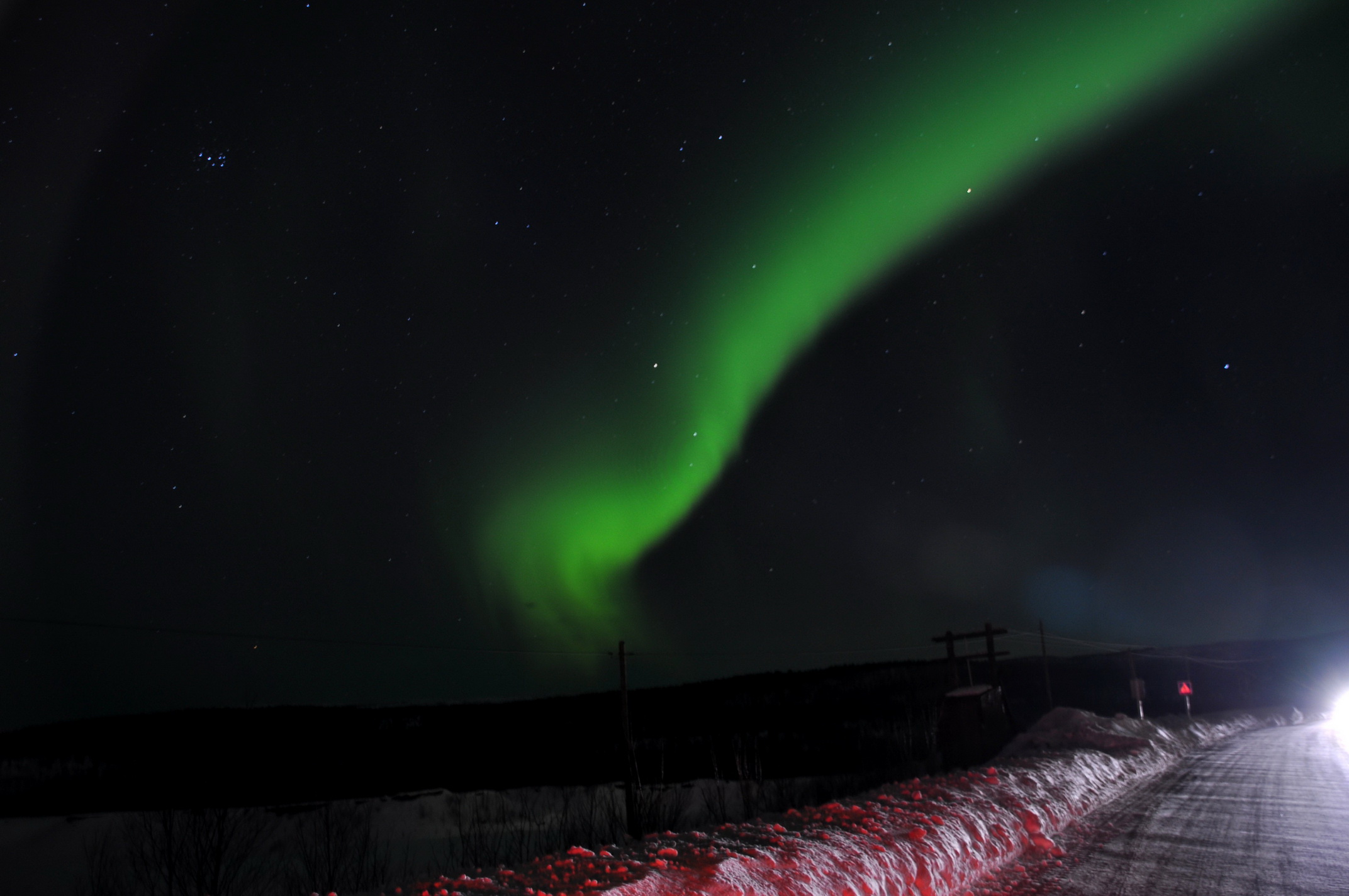
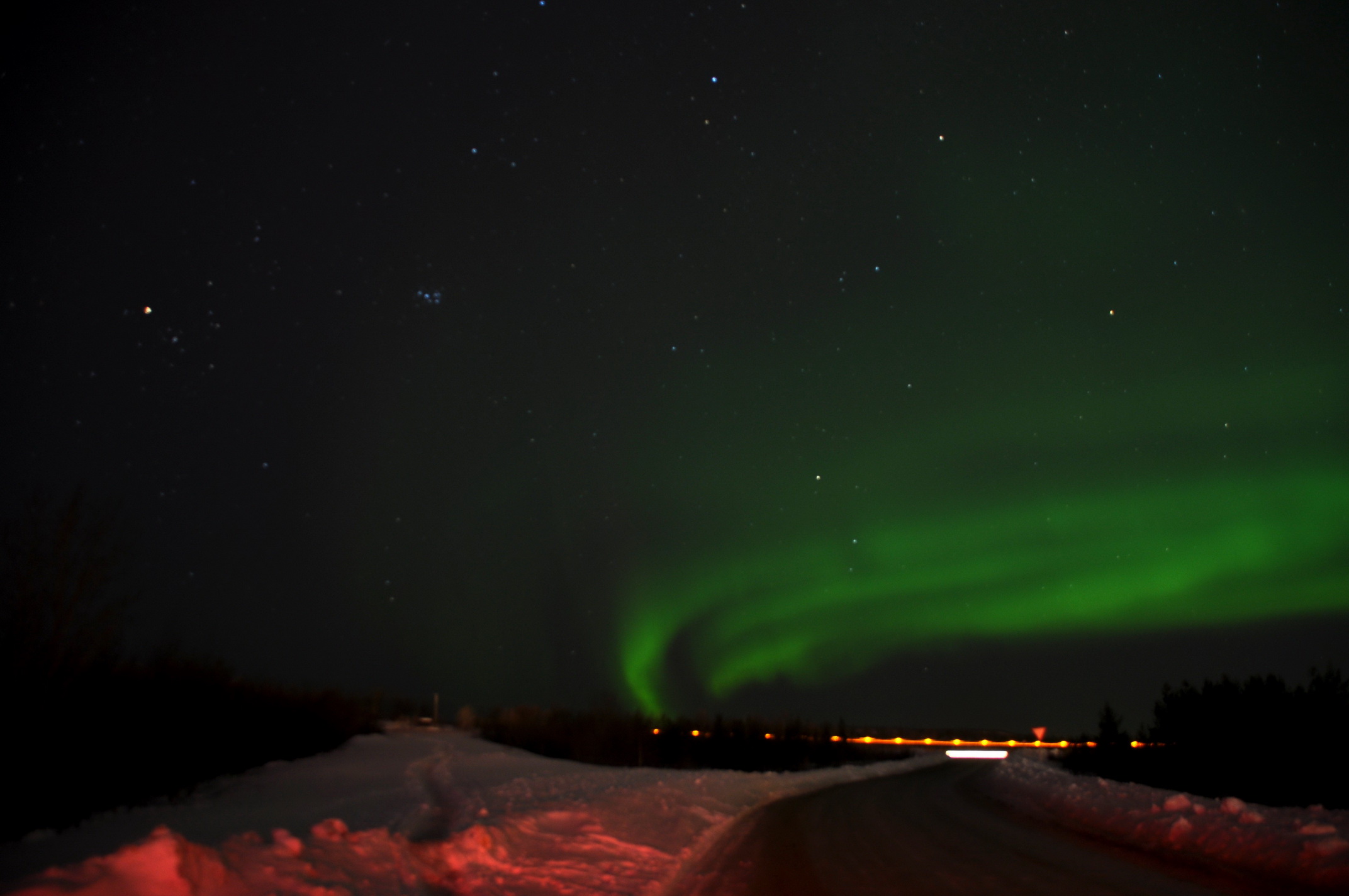
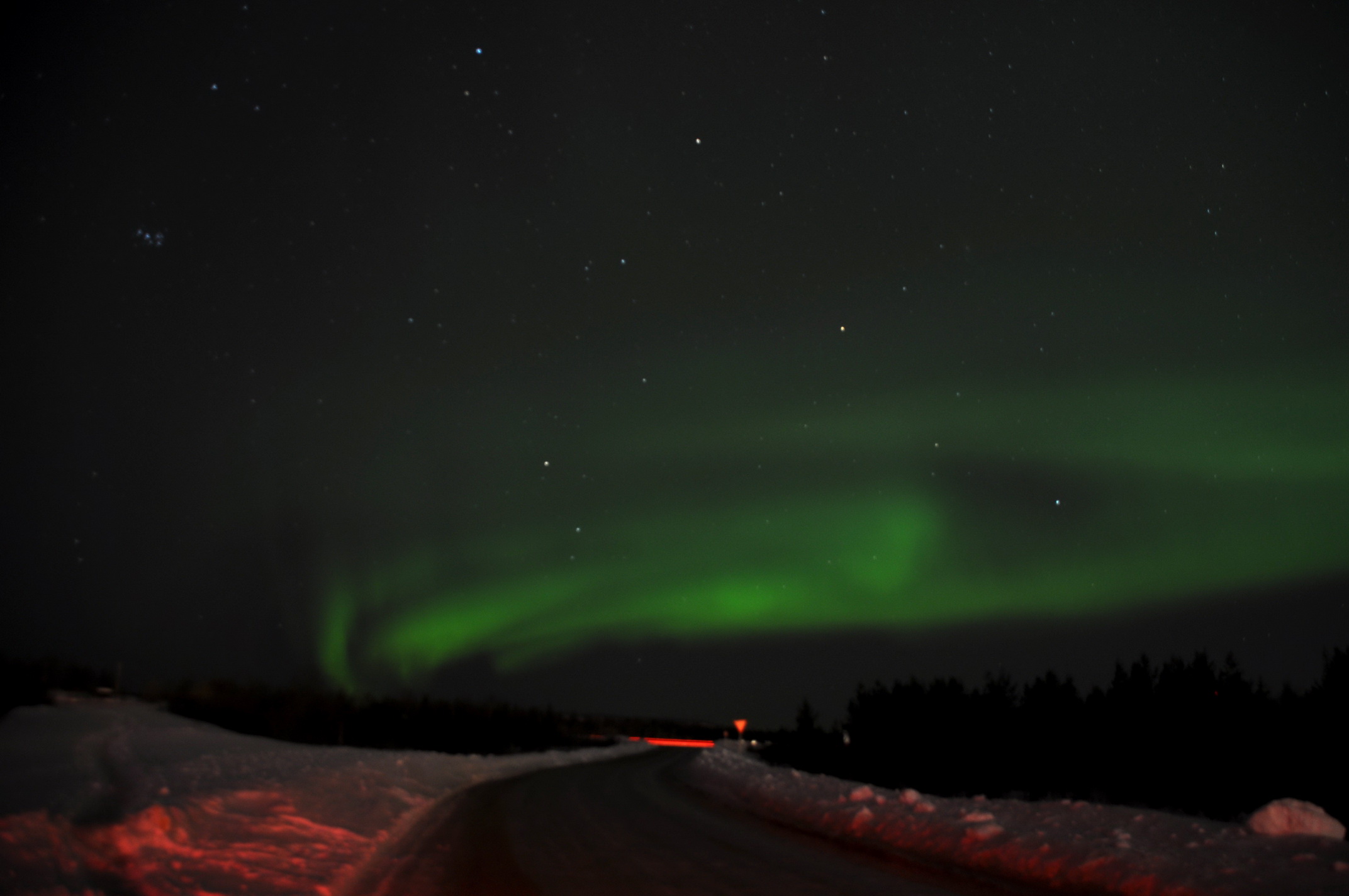
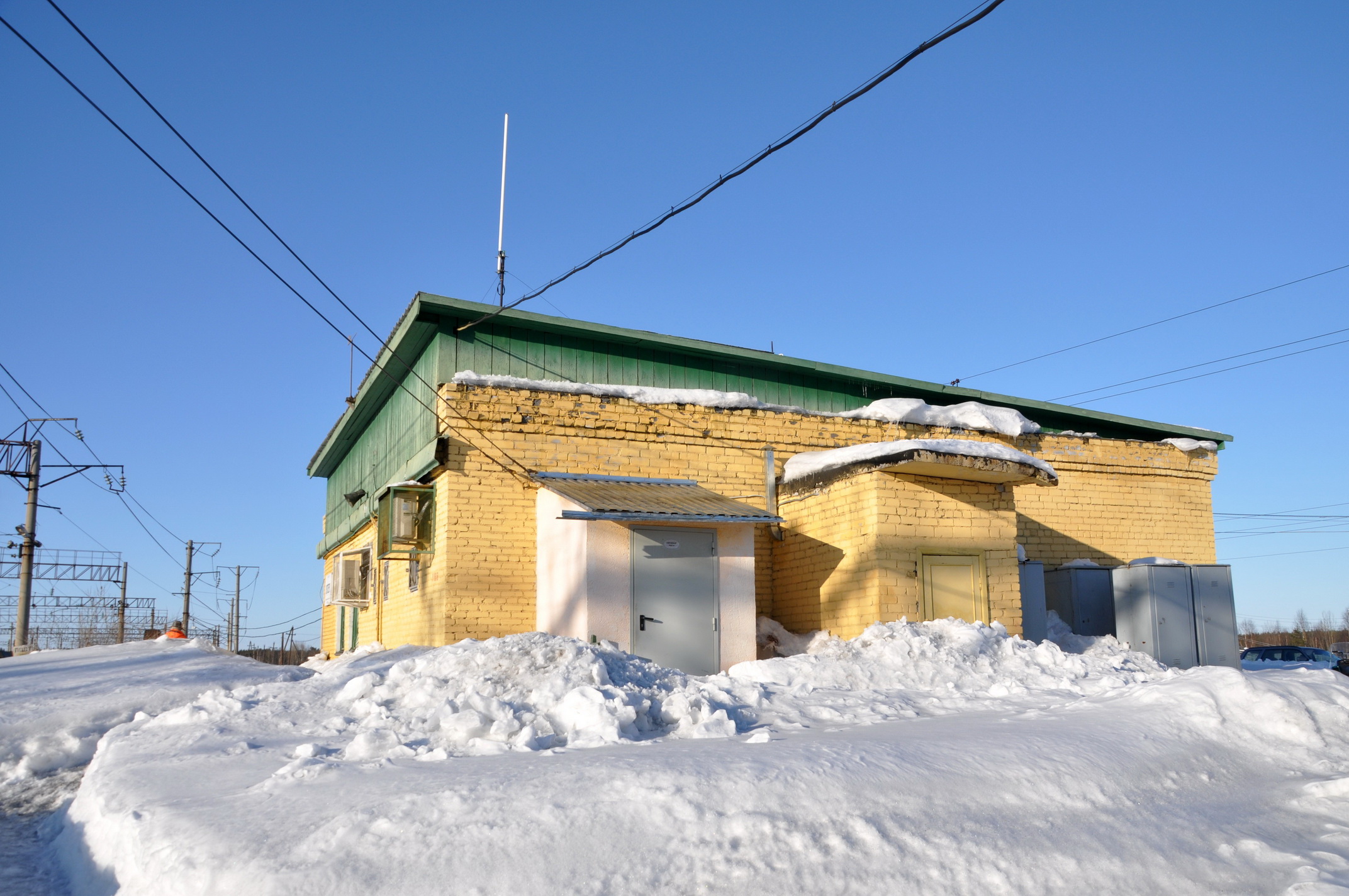
In Murmansk I stayed at the Polyarnye Zori Hotel. I had to be at the railway office early, and a wash wouldn’t hurt. The next day I worked my way around the stations: Murmansk, Kola, Kitsa, Olenegorsk, Knyazhaya and Monchegorsk.
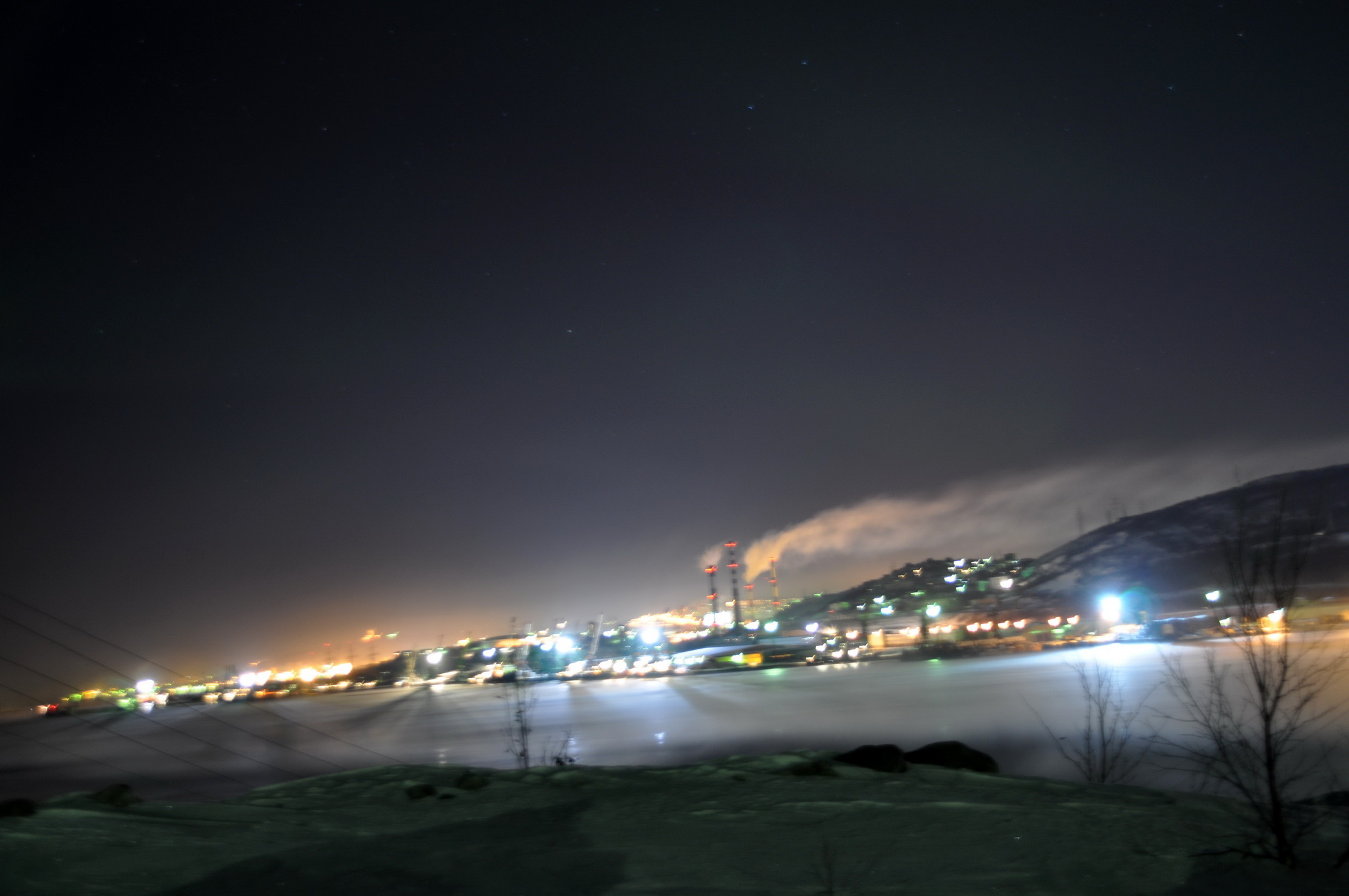
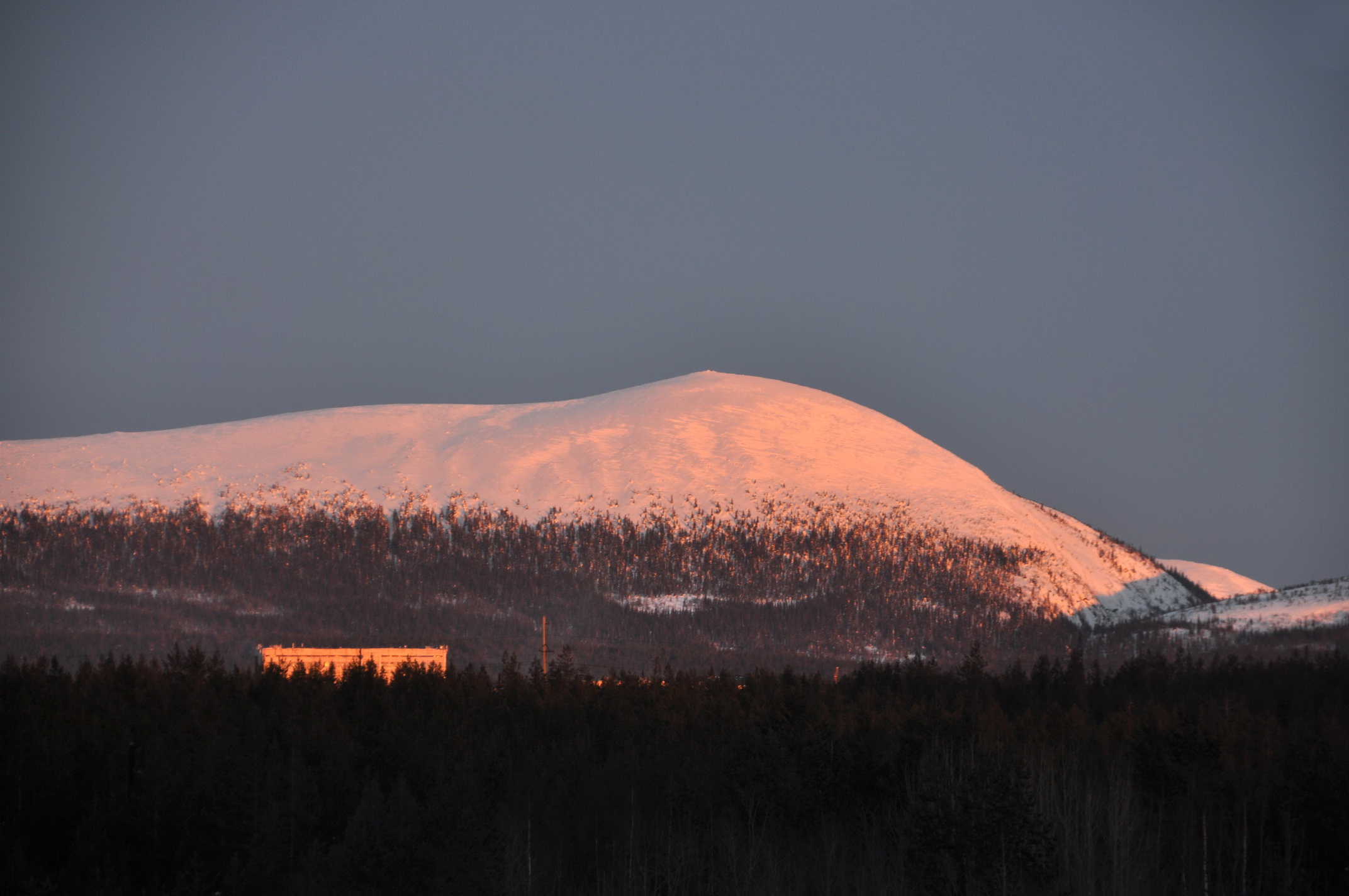
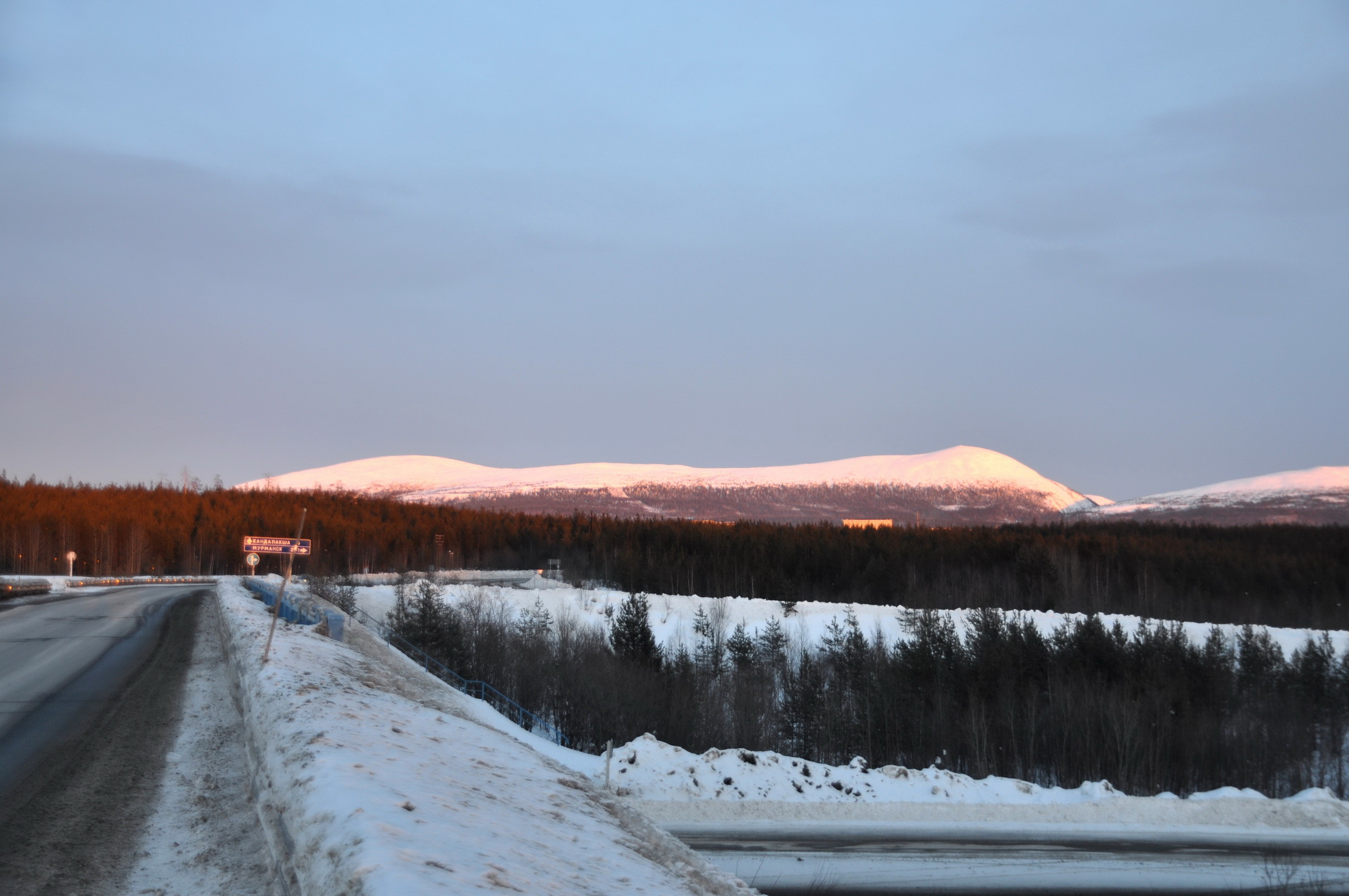
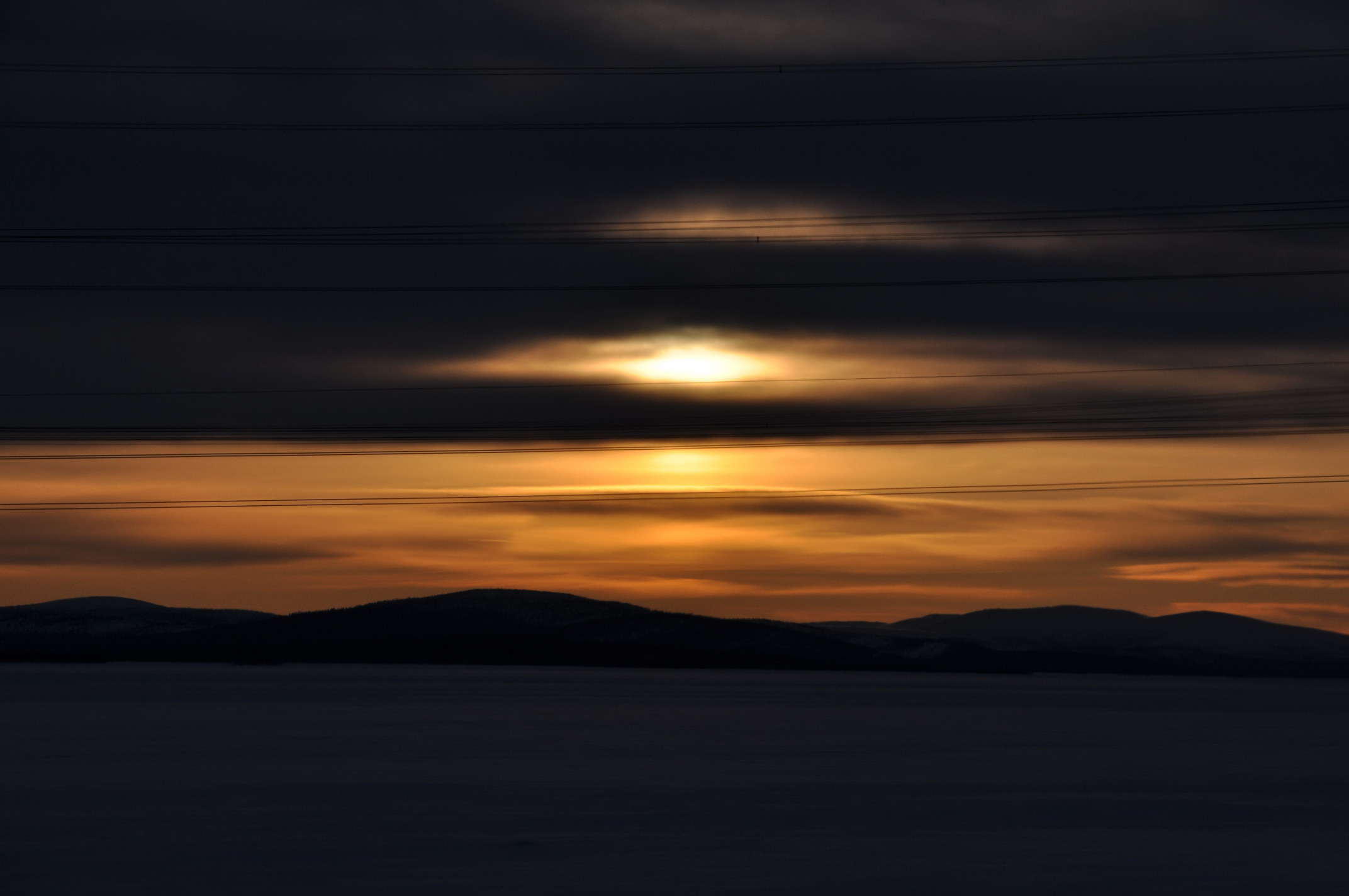
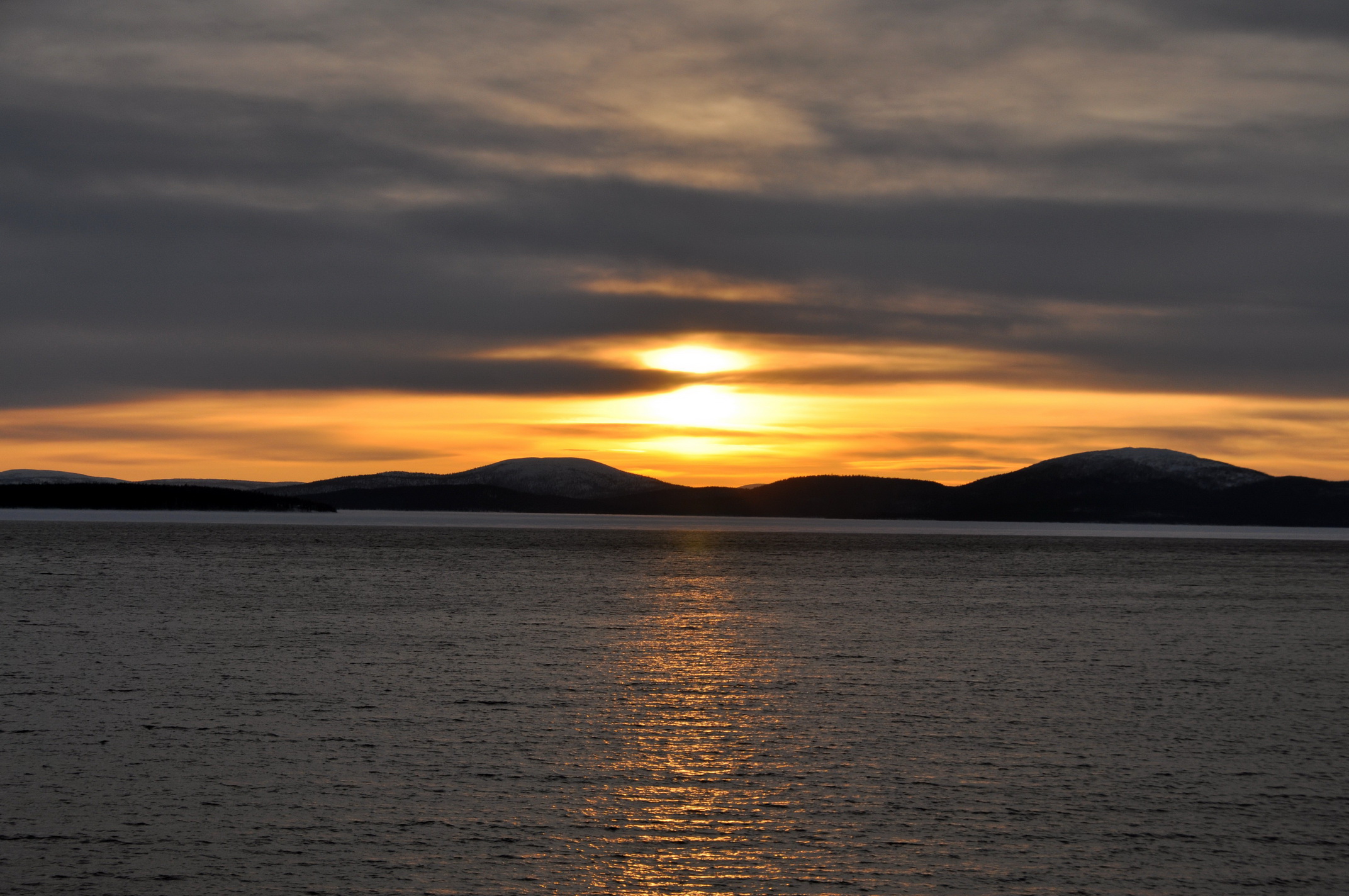
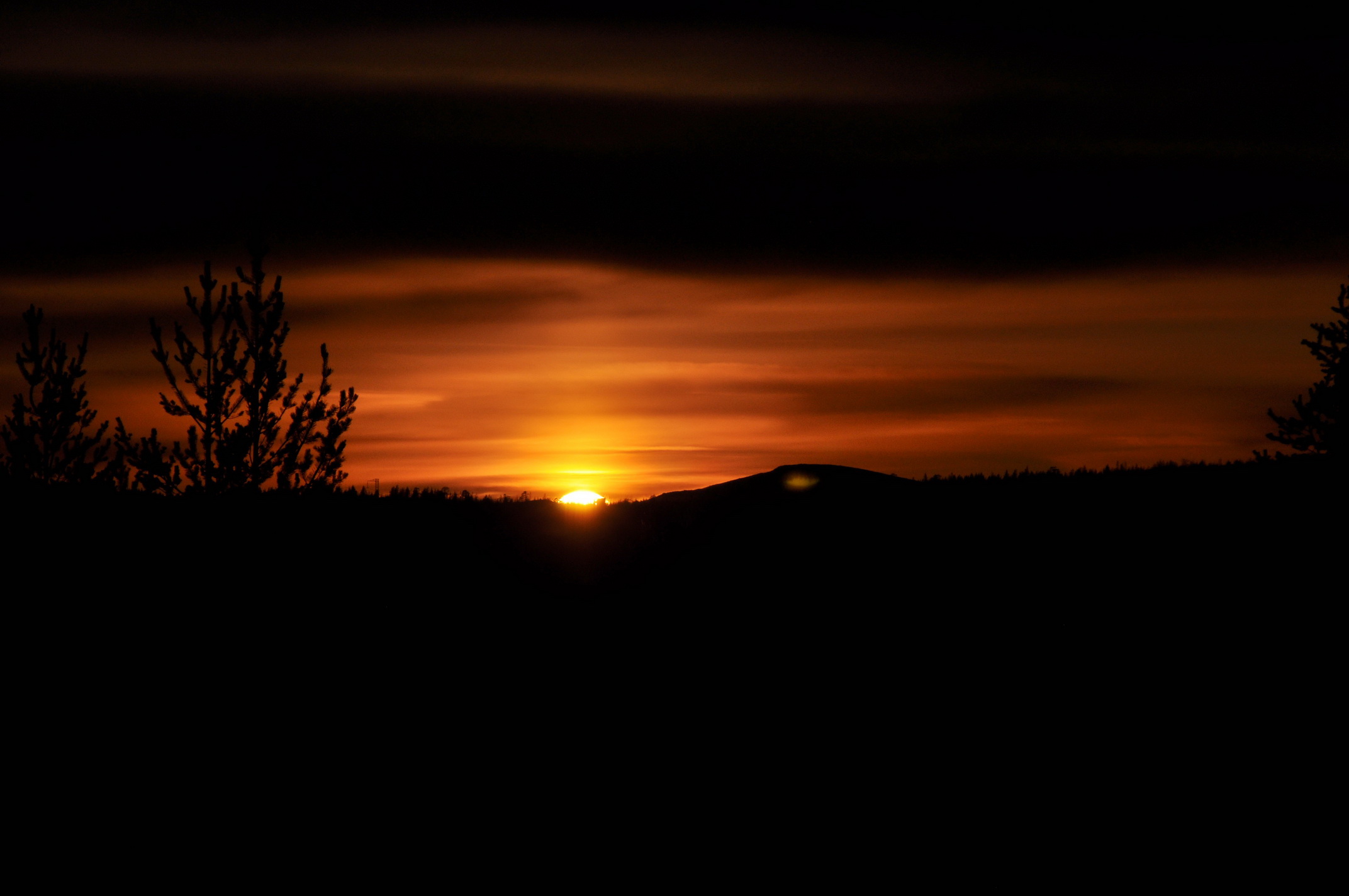
After Apatity the light began to fade. The Khibiny are always beautiful, especially at sunset. It was the best time of year for touring on skis. That was beyond me by then, but the view from the car was excellent. By sunset I’d made it to Kandalaksha, where I spent the night at the Spolokh, the best hotel in town.
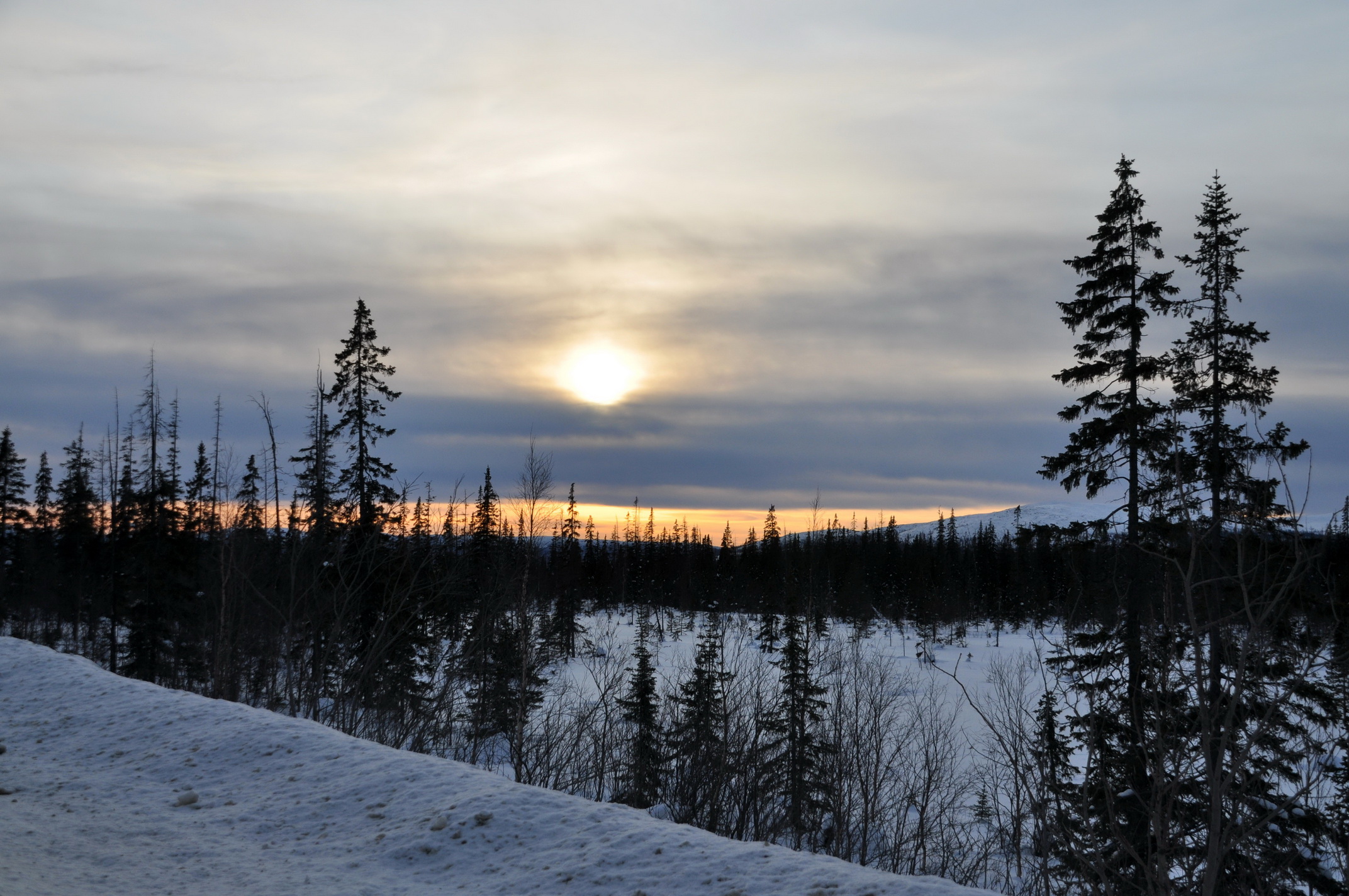
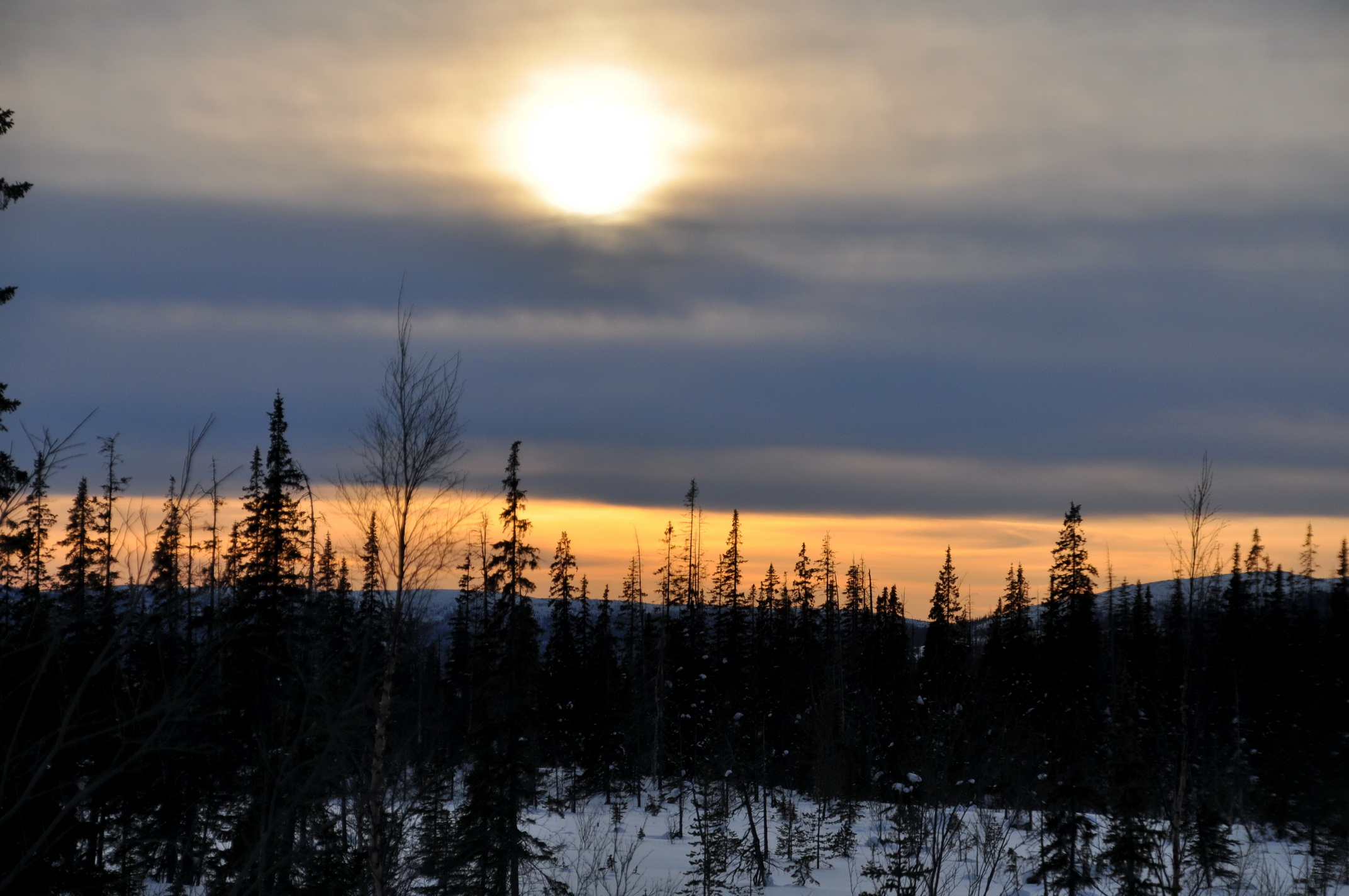
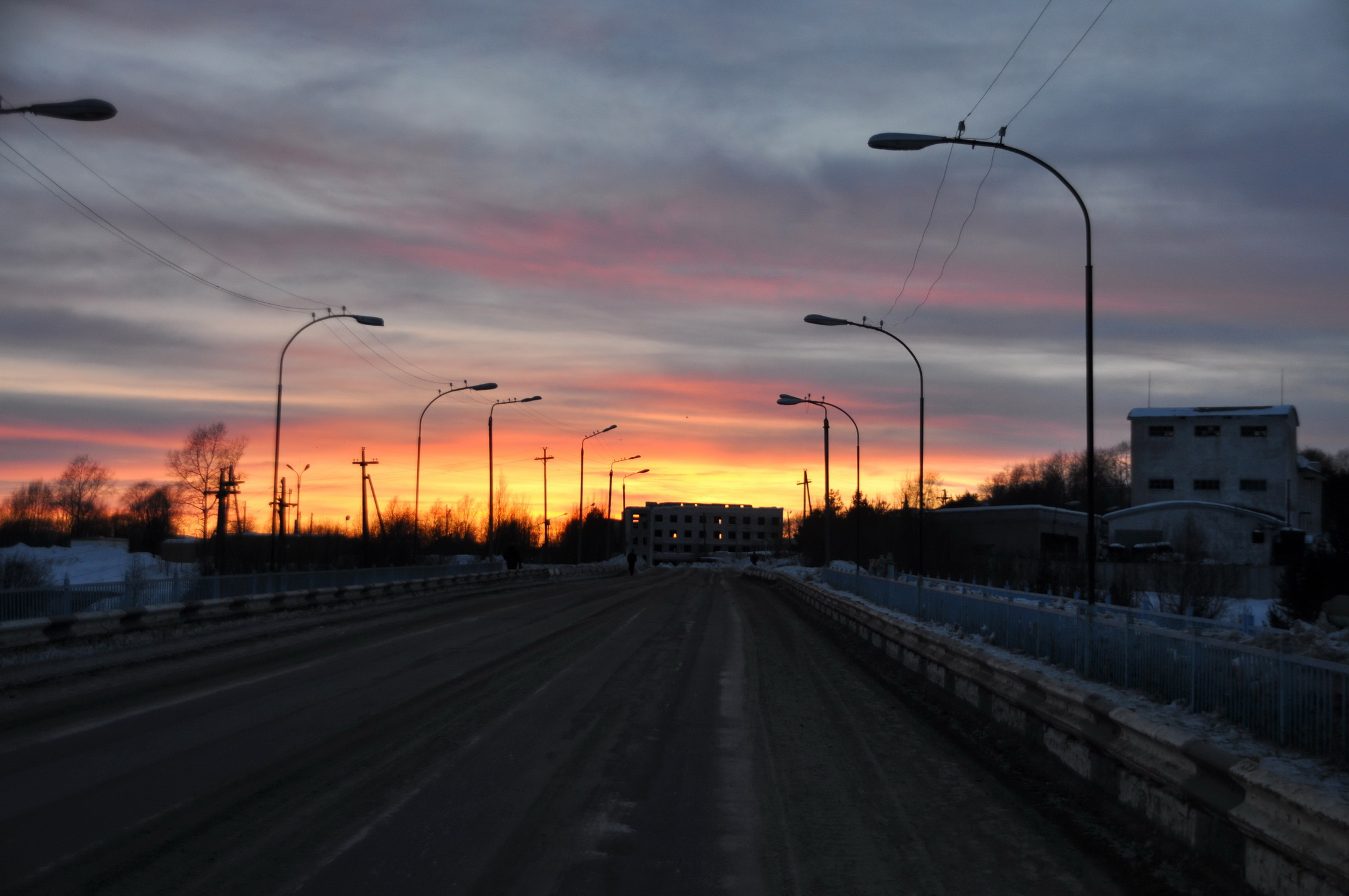
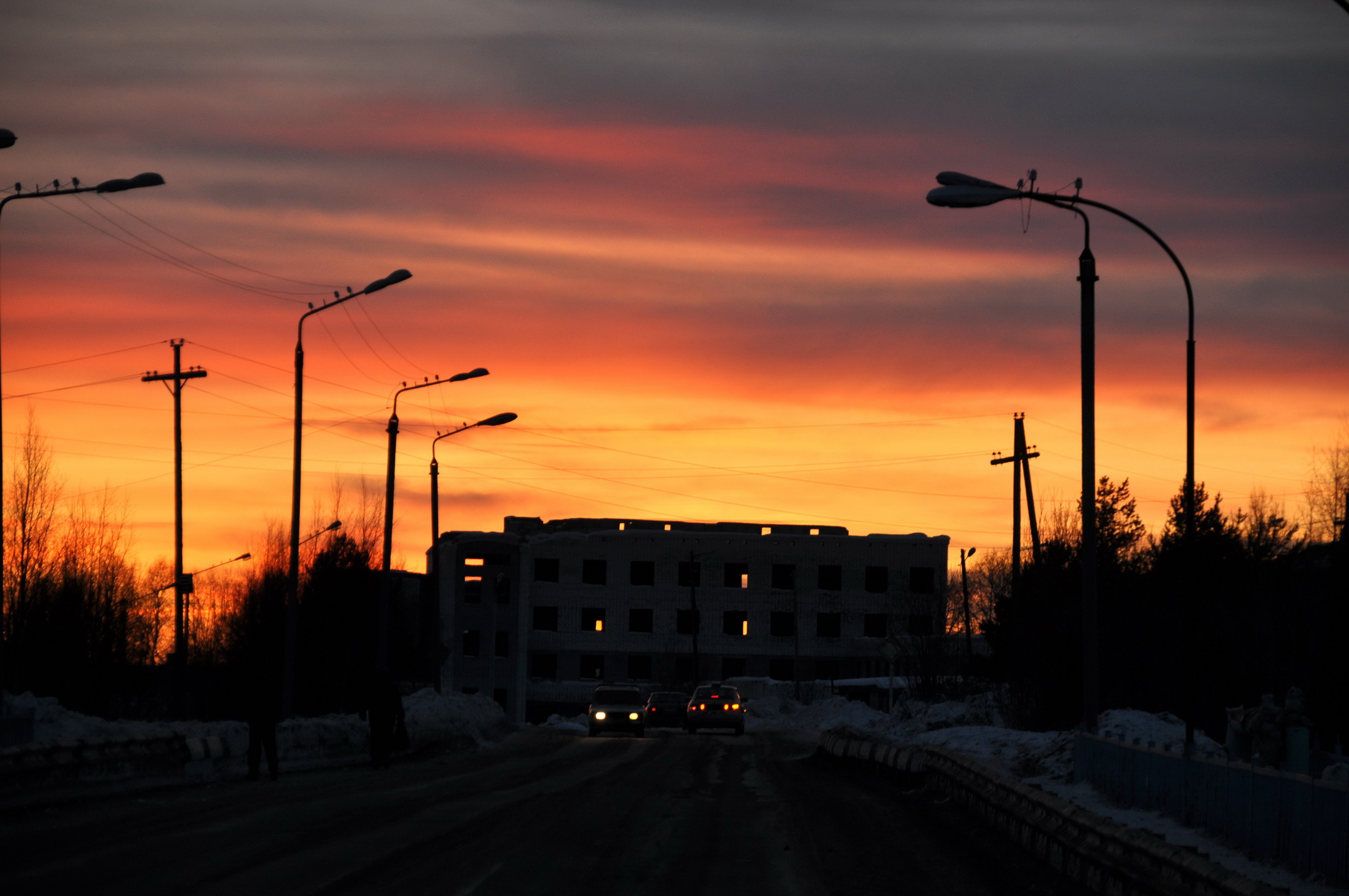
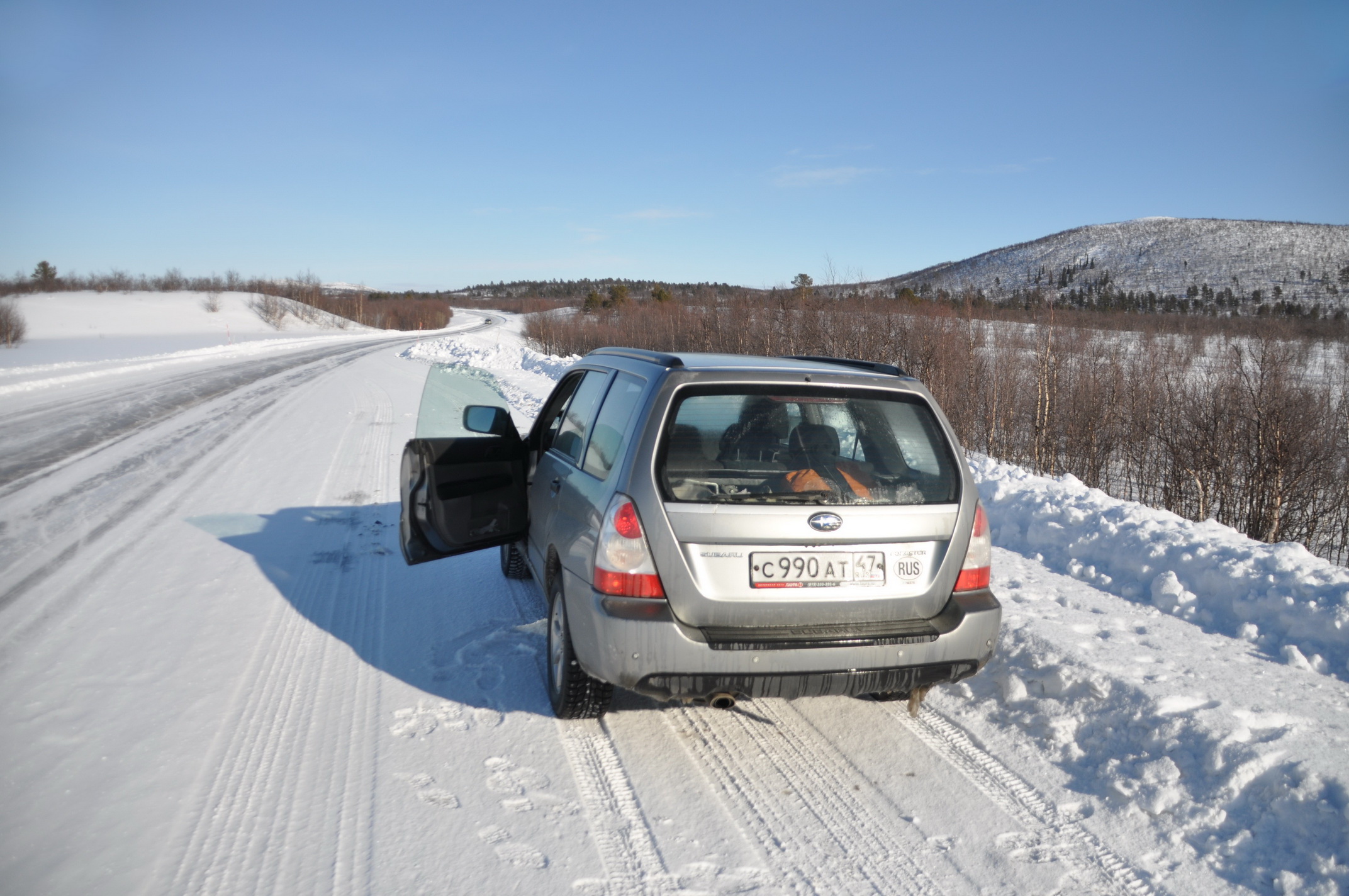
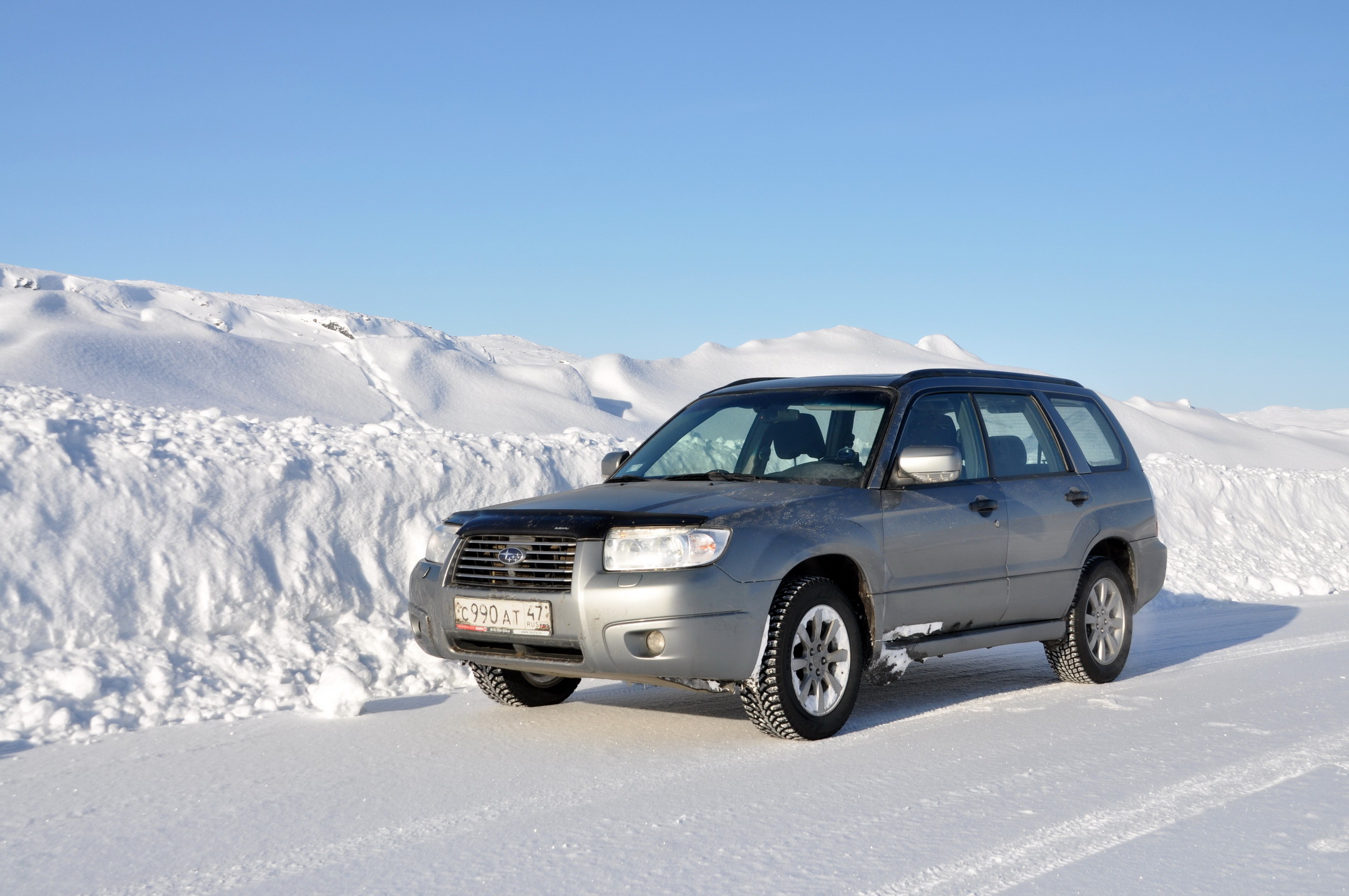
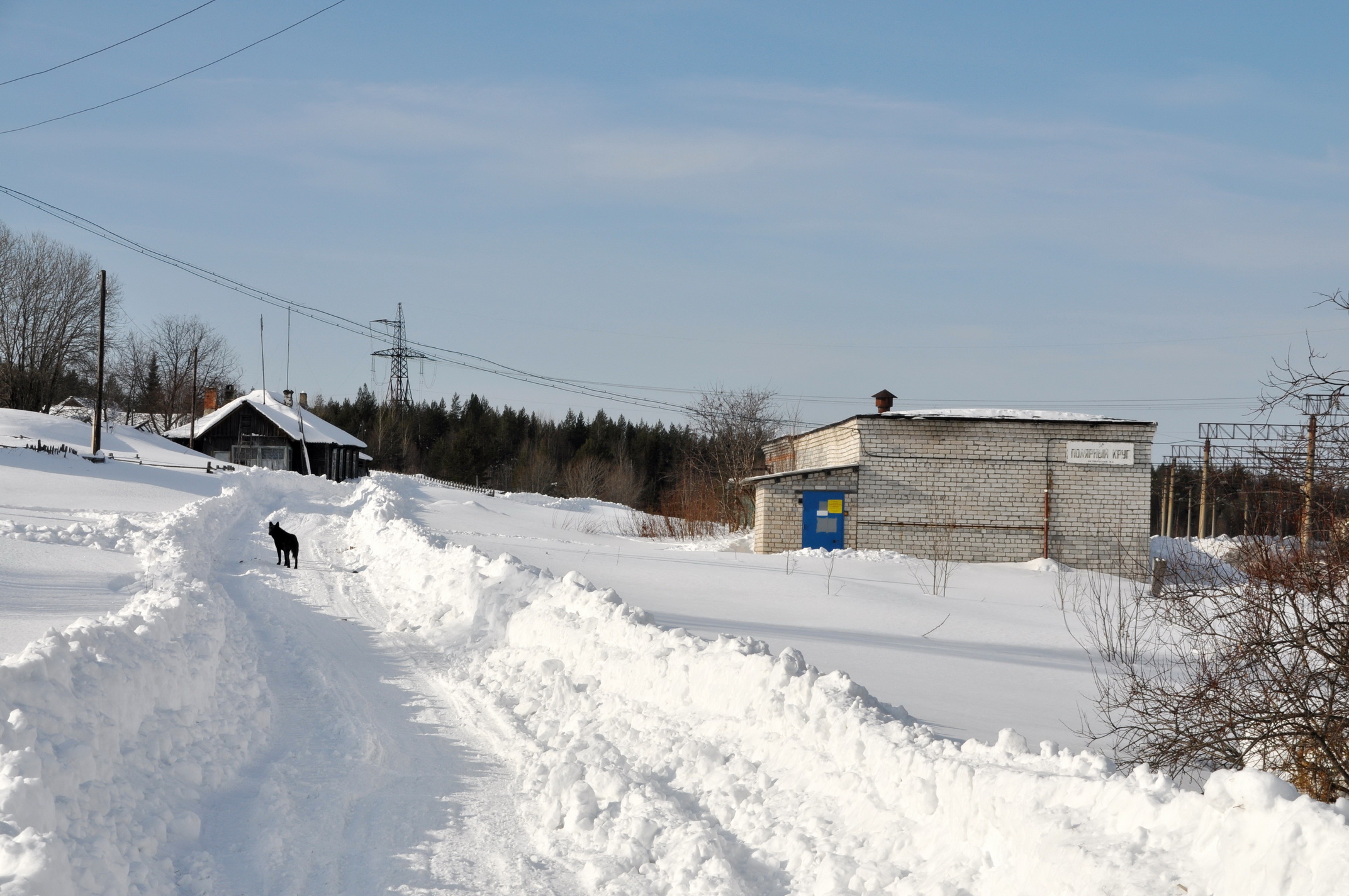
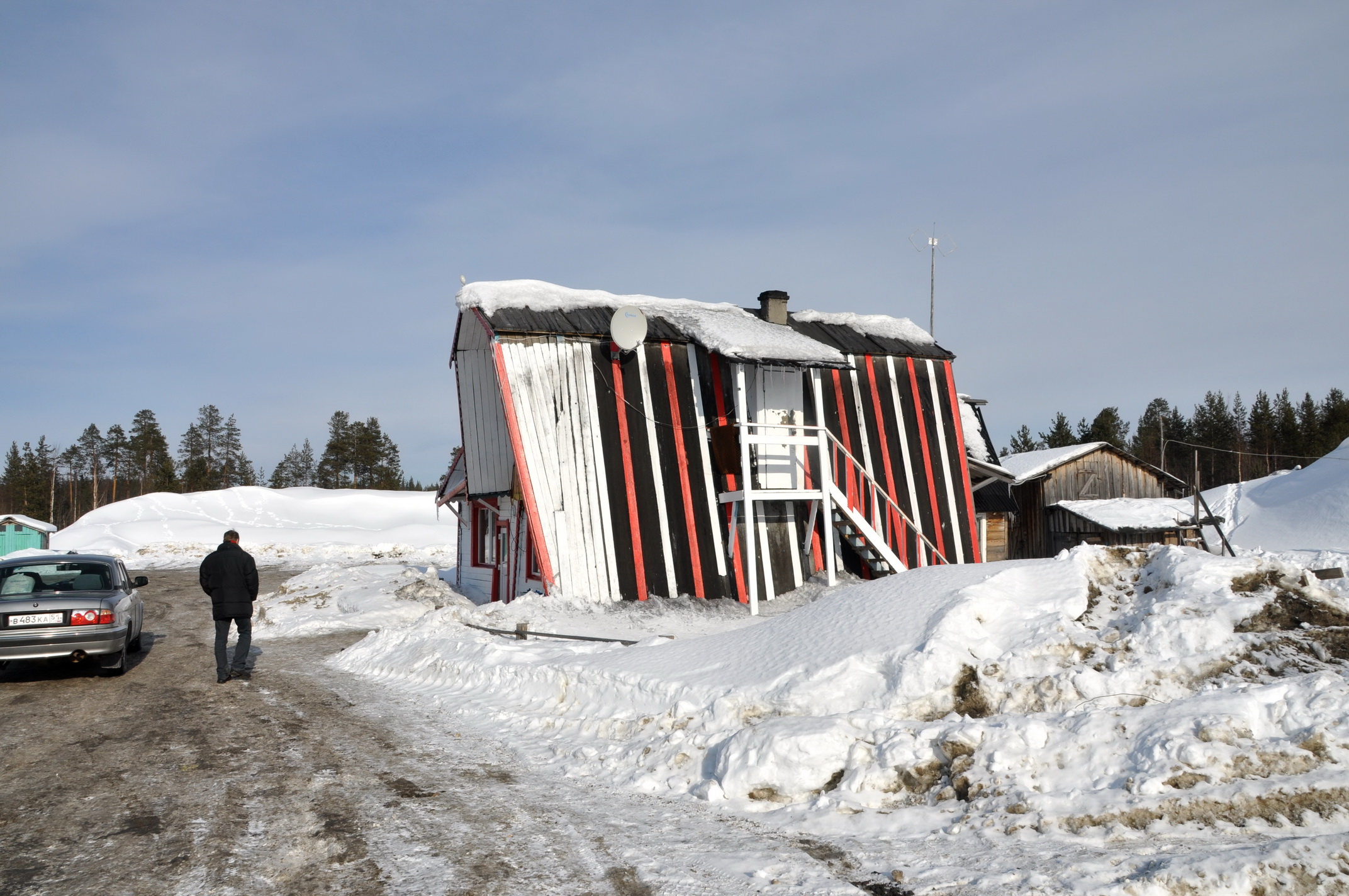
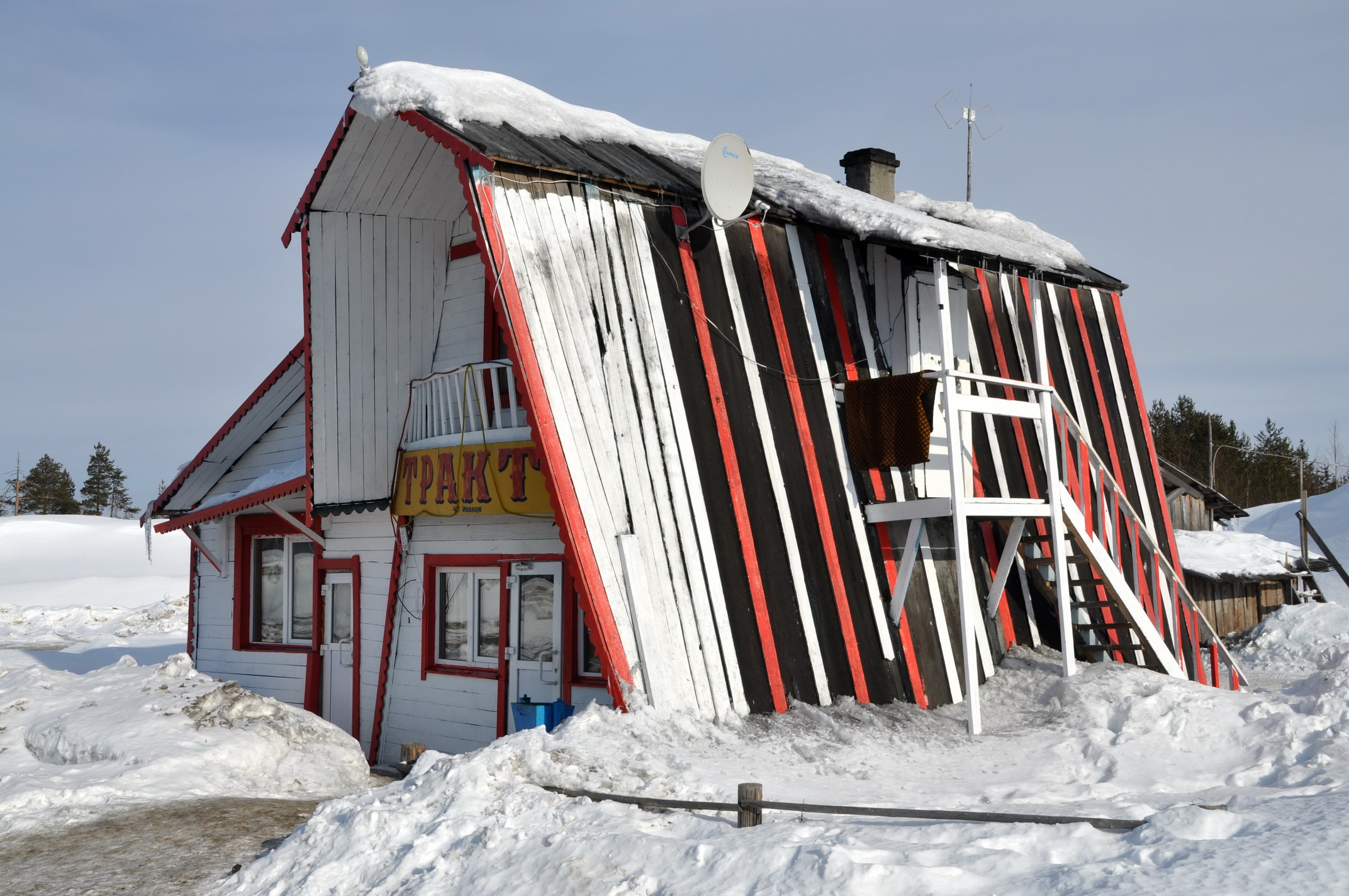
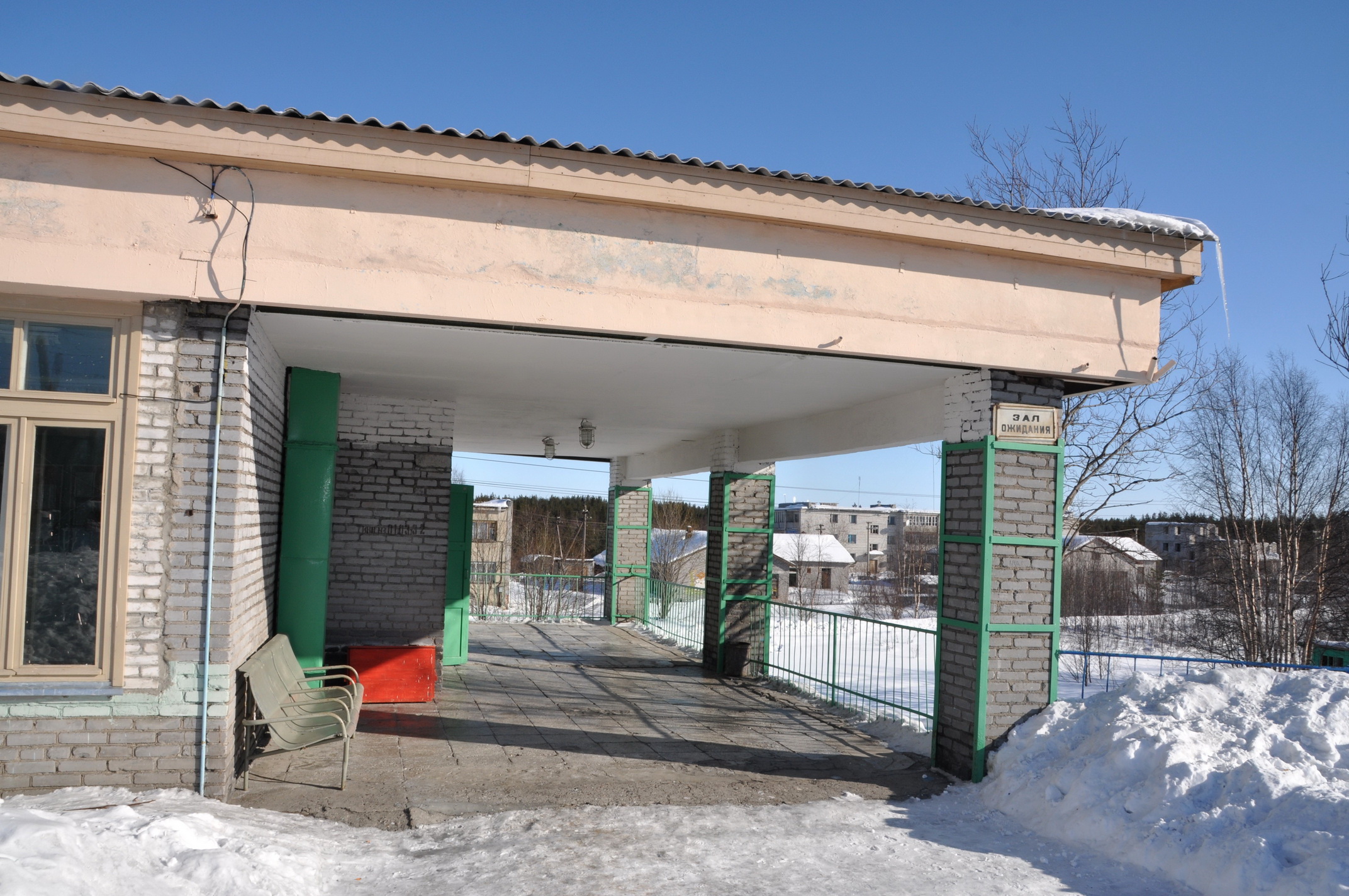
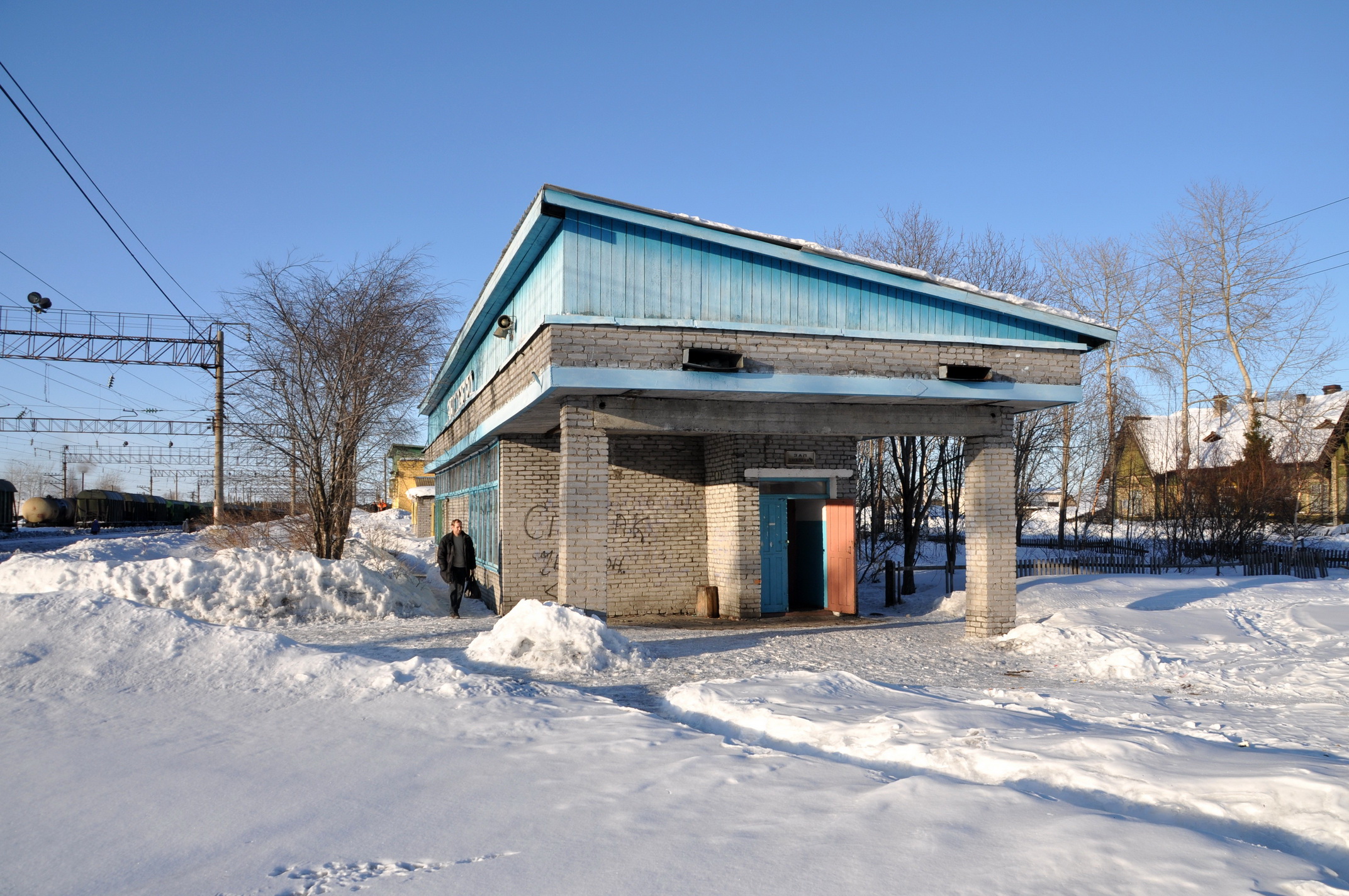
Another working day. First was the station at Polyarny Krug, named for the Arctic Circle. A little-used dirt road leads there. In winter there’s always trouble. It’s little more than wheel tracks in the snow and sometimes impassable for months. The Subaru didn’t let me down, though it was touch and go and I passed a couple of stranded cars. At the start of the road we had lunch in a café.
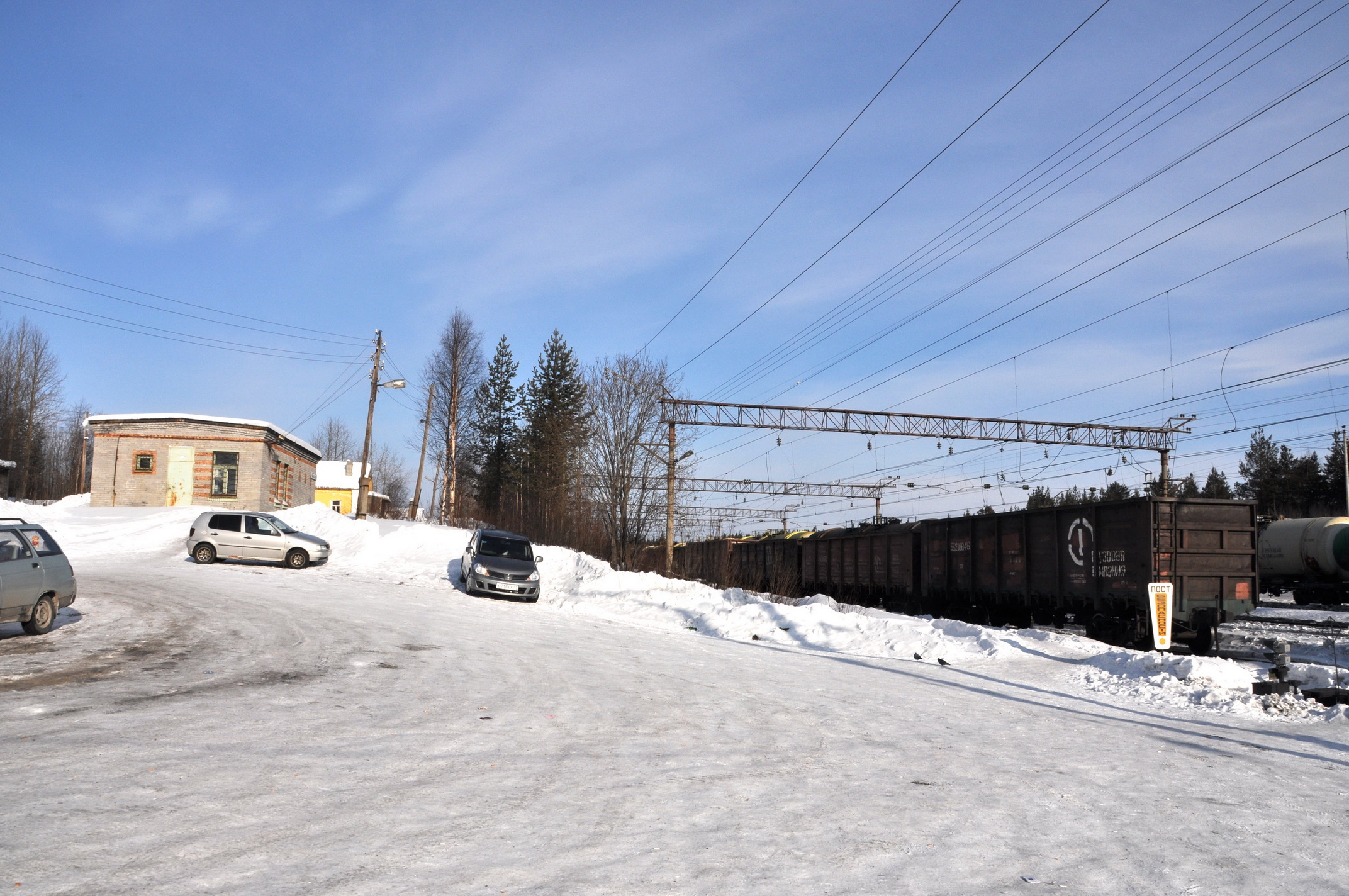
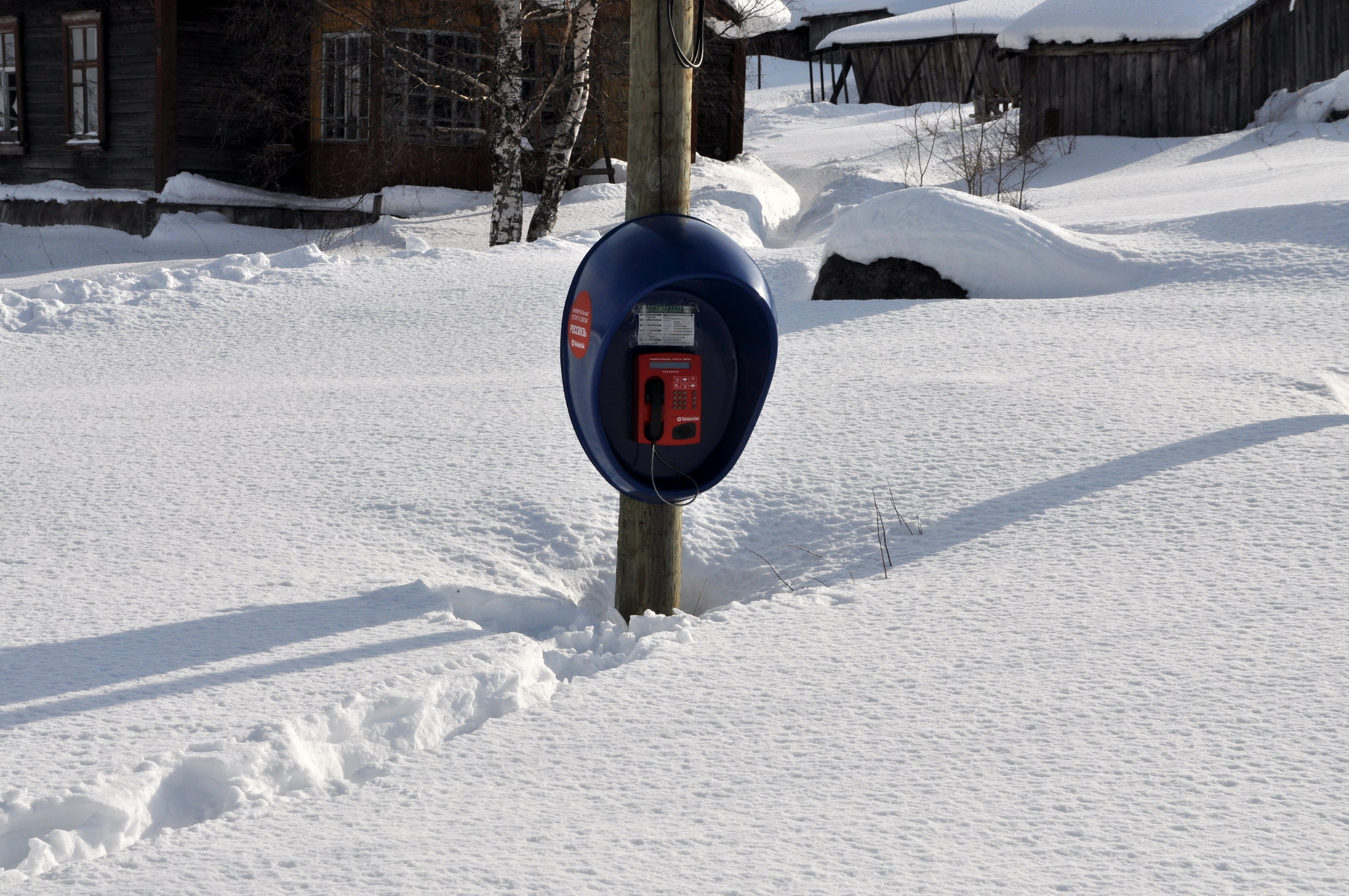
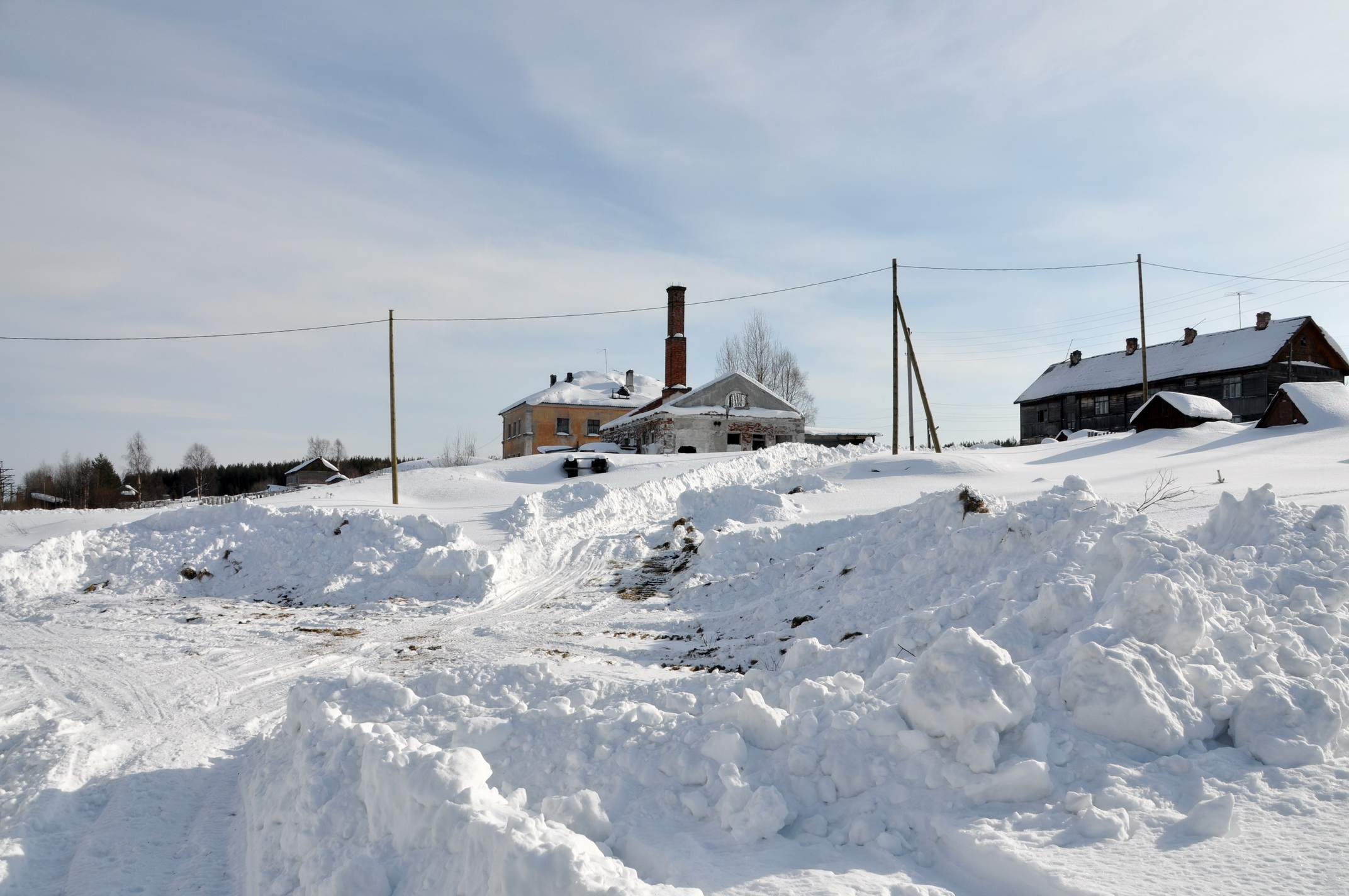
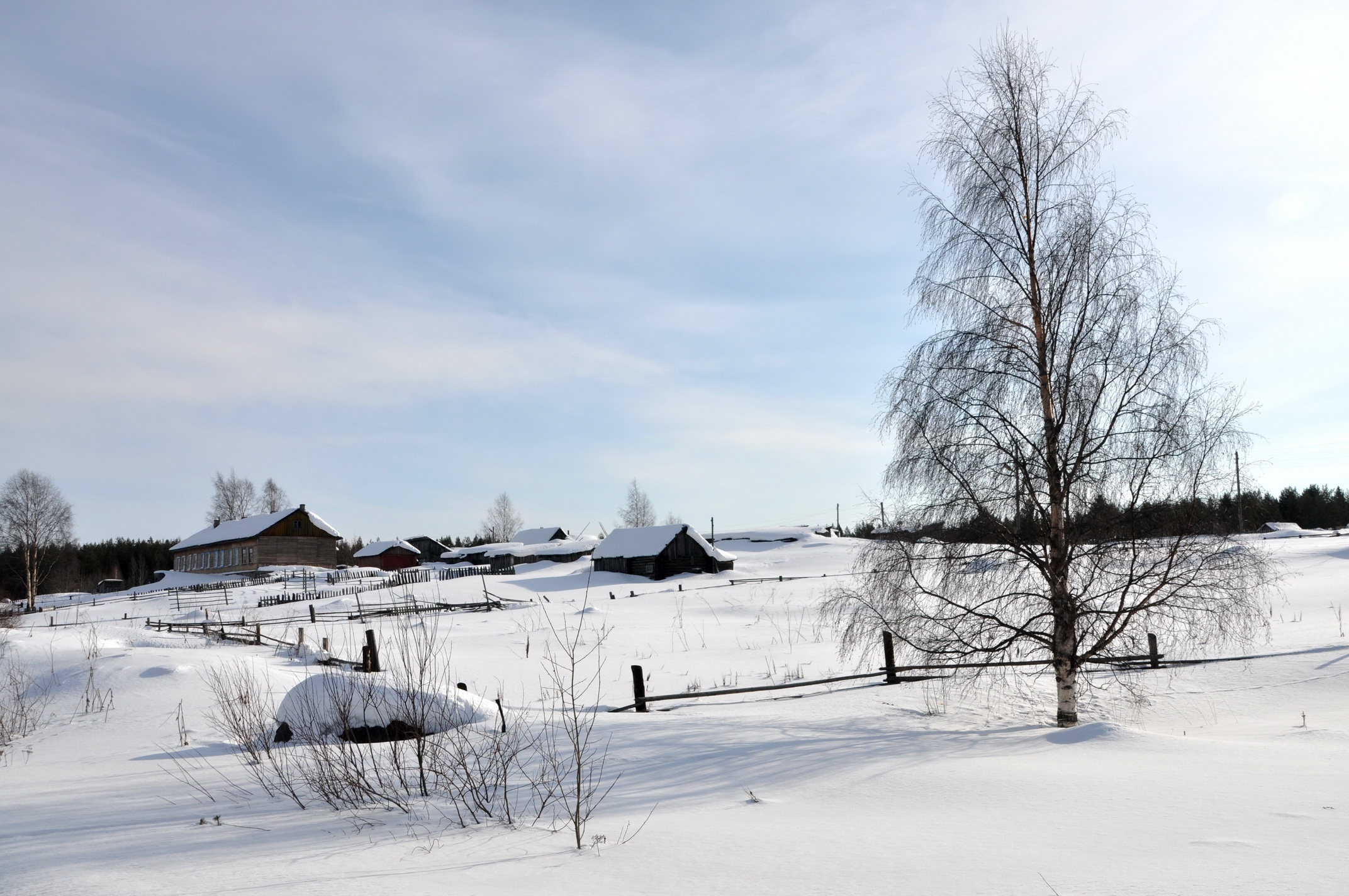
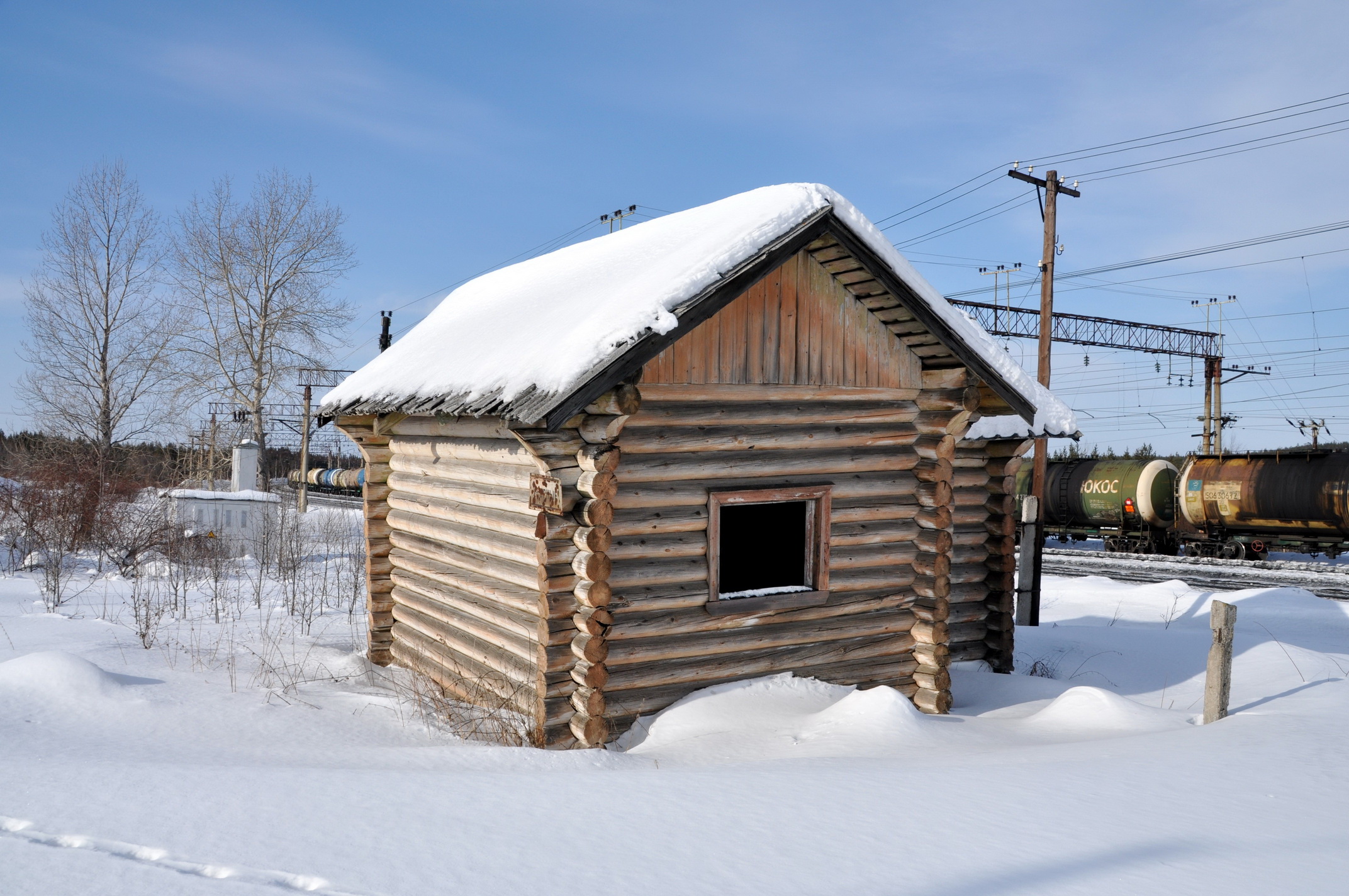
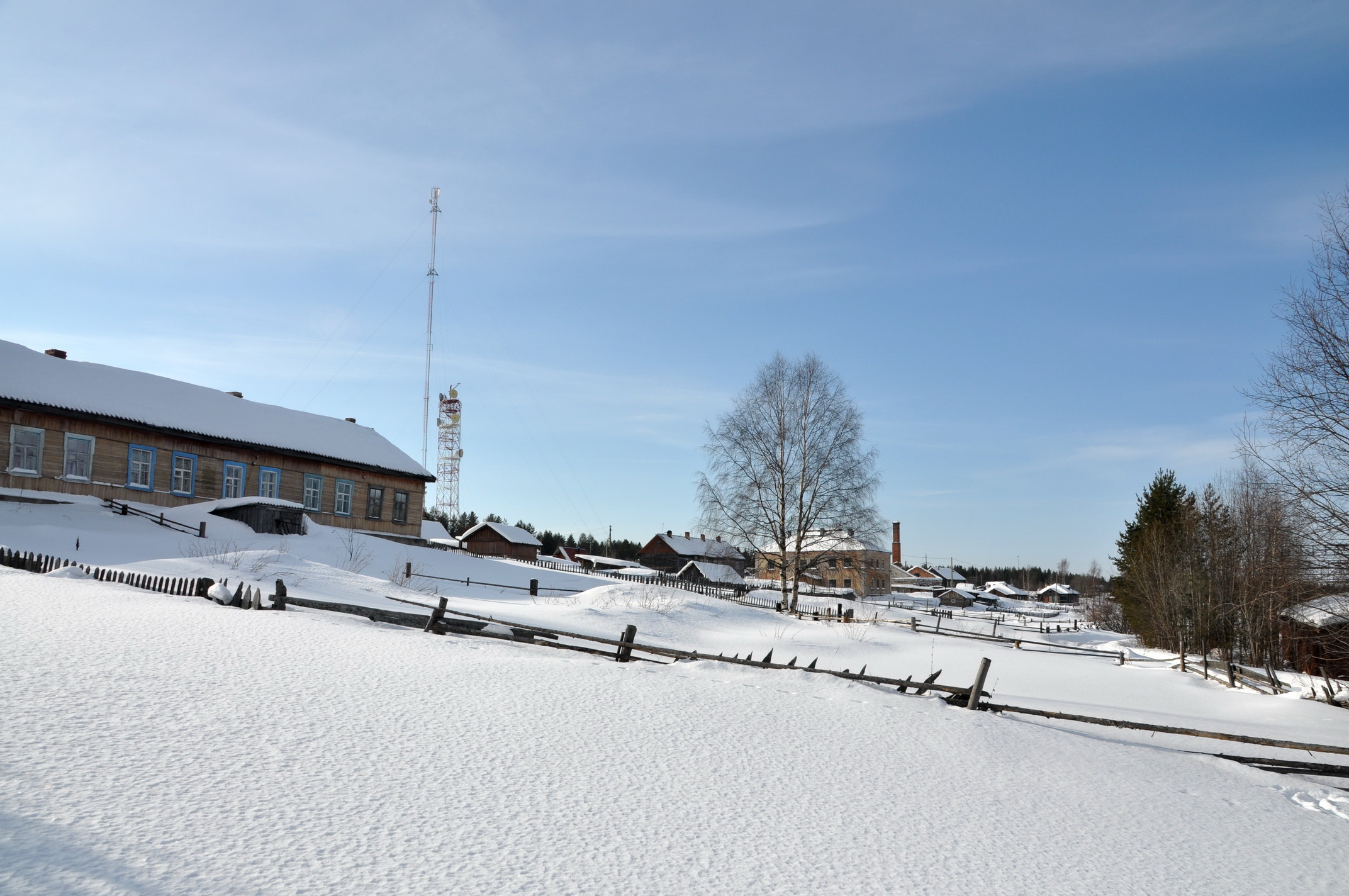
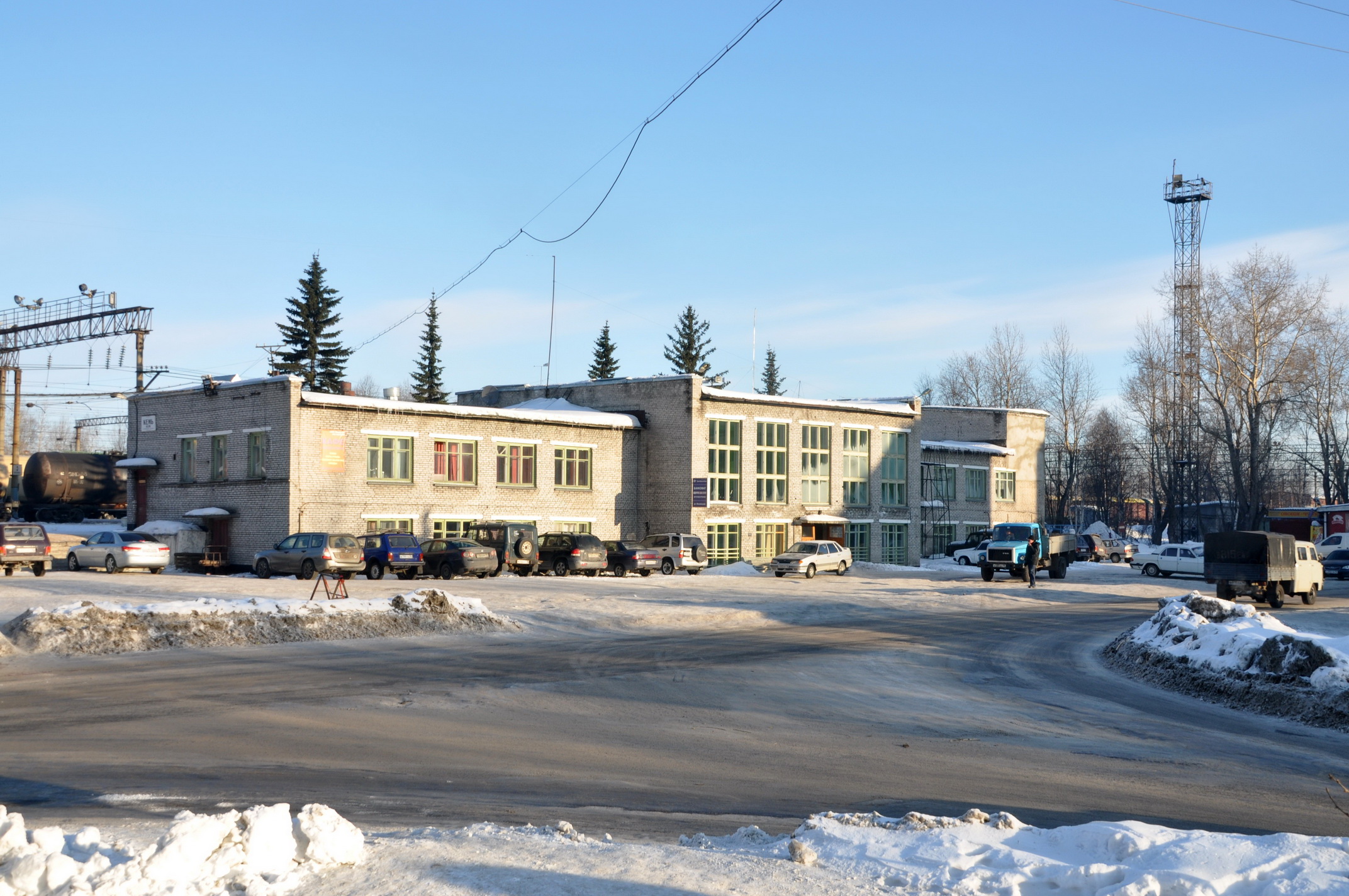
Then I had to get to Kem, my favourite northern town. This was where Tanya and I spent the second day after we met. Hard to believe, but it was the first café we ever went to together. We had no idea how many more cups of coffee we had ahead of us, or how many barrels of it we’d drink around the world, enjoying life. I always go back to that café now. It’s hardly changed, although the coffee has improved. In 1990 it was Soviet coffee from an urn, served in a faceted glass.
One sight worth mentioning in Kem is the railway telephone exchange, dating from the construction of the line in the First World War. A proper manual one. You pick up and say, ‘Miss, put me through to Smolny, please’, and she plugs a fabric-covered cord with a copper tip into the right socket.
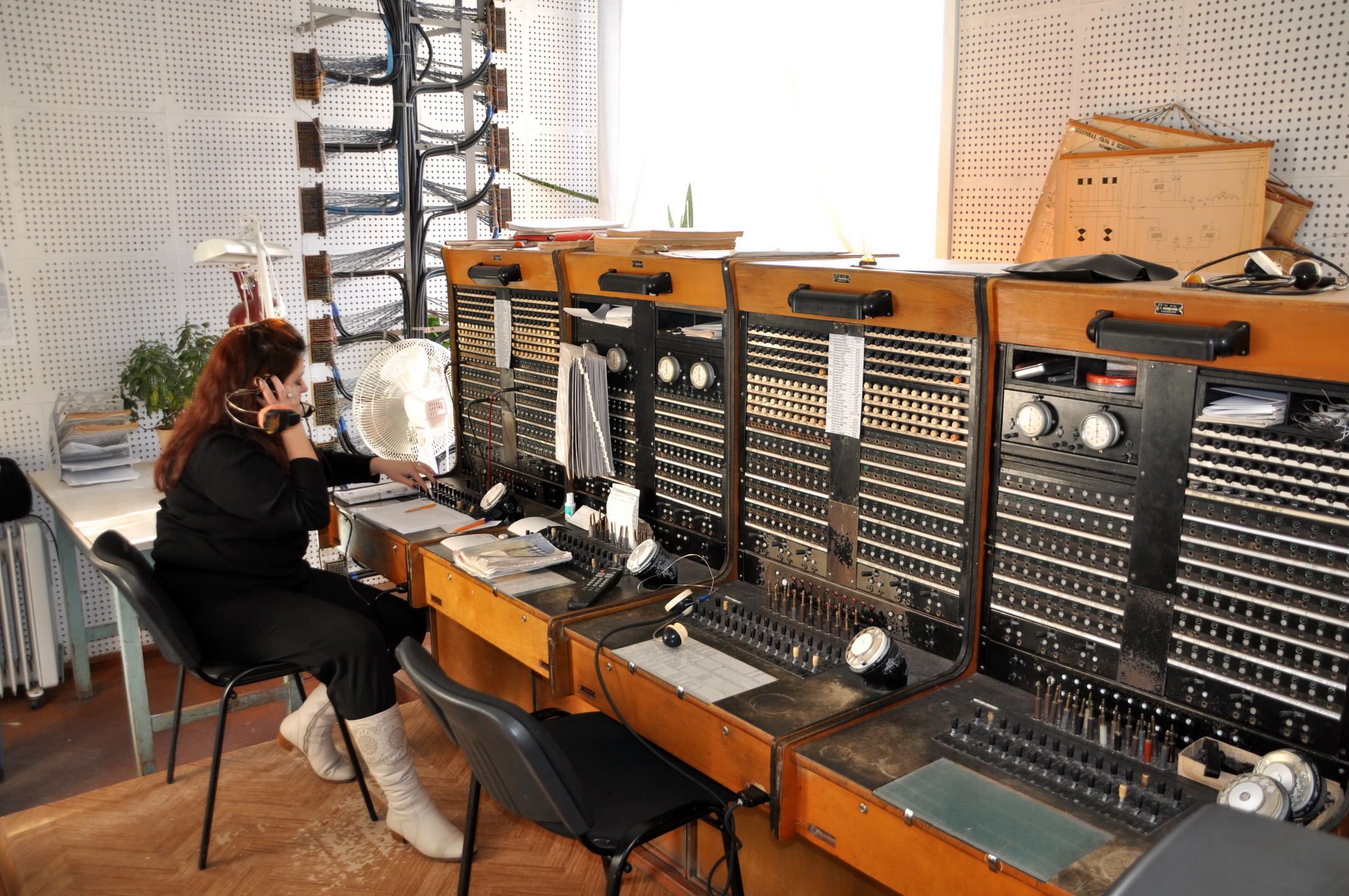
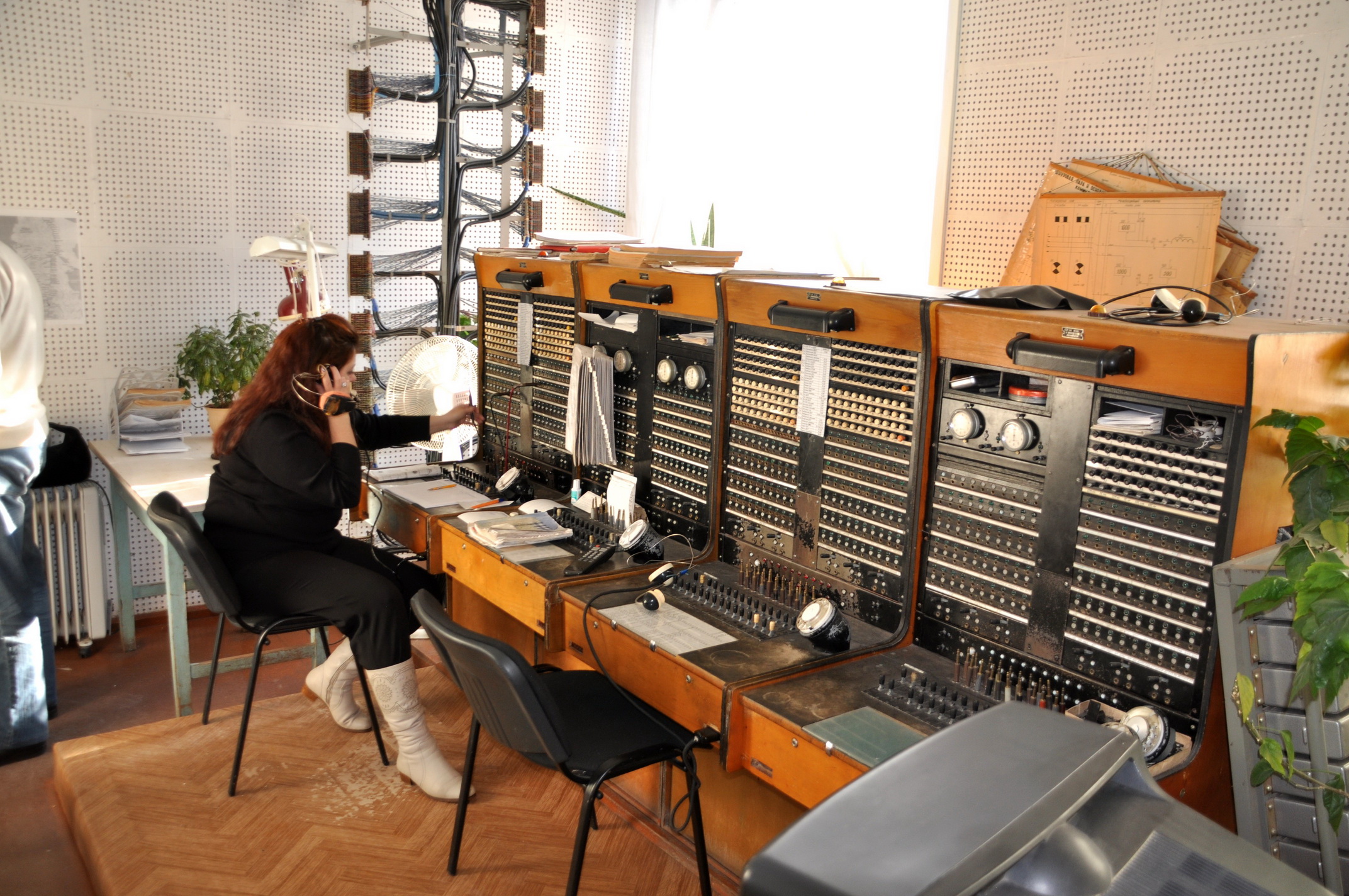
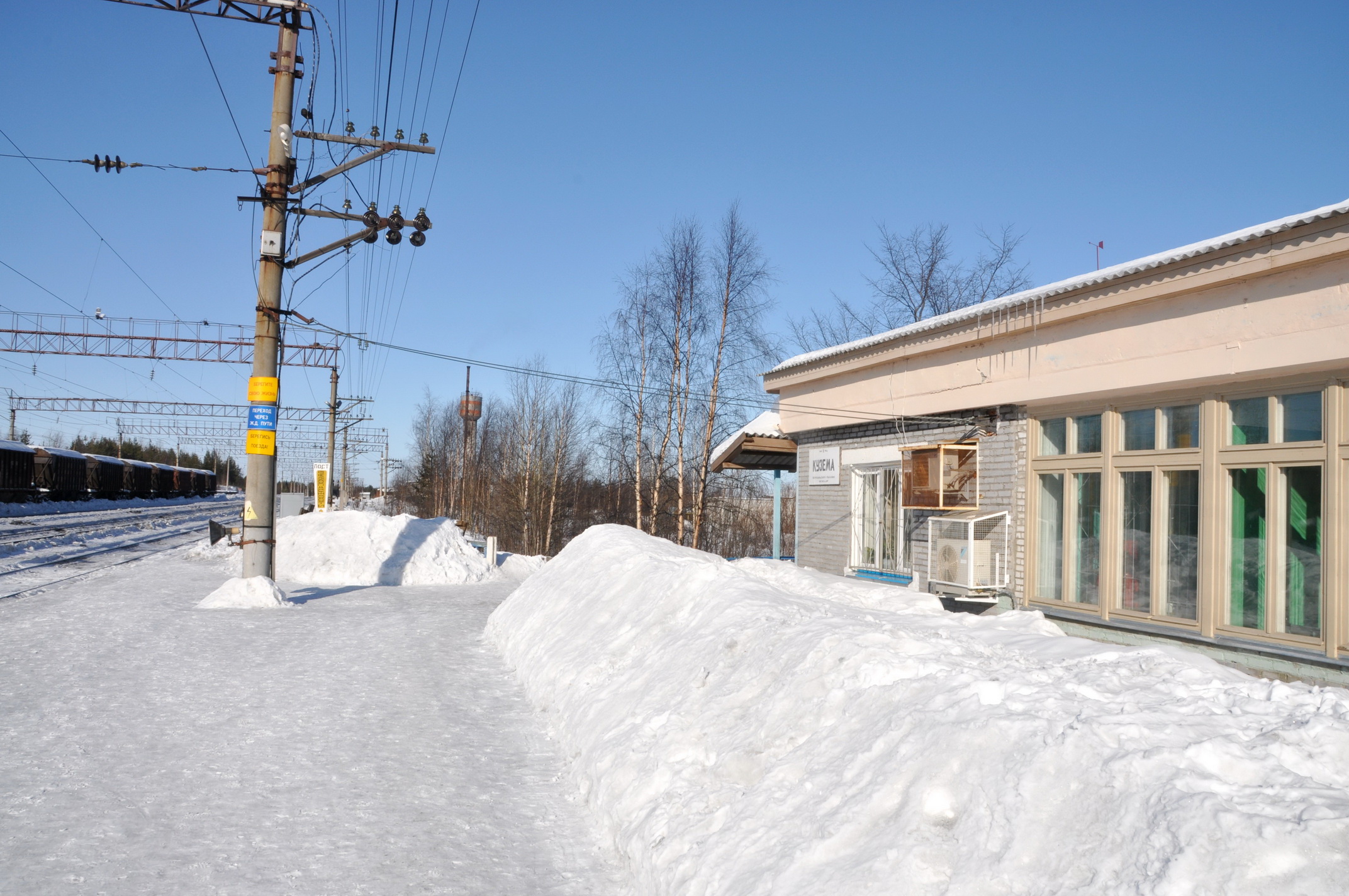
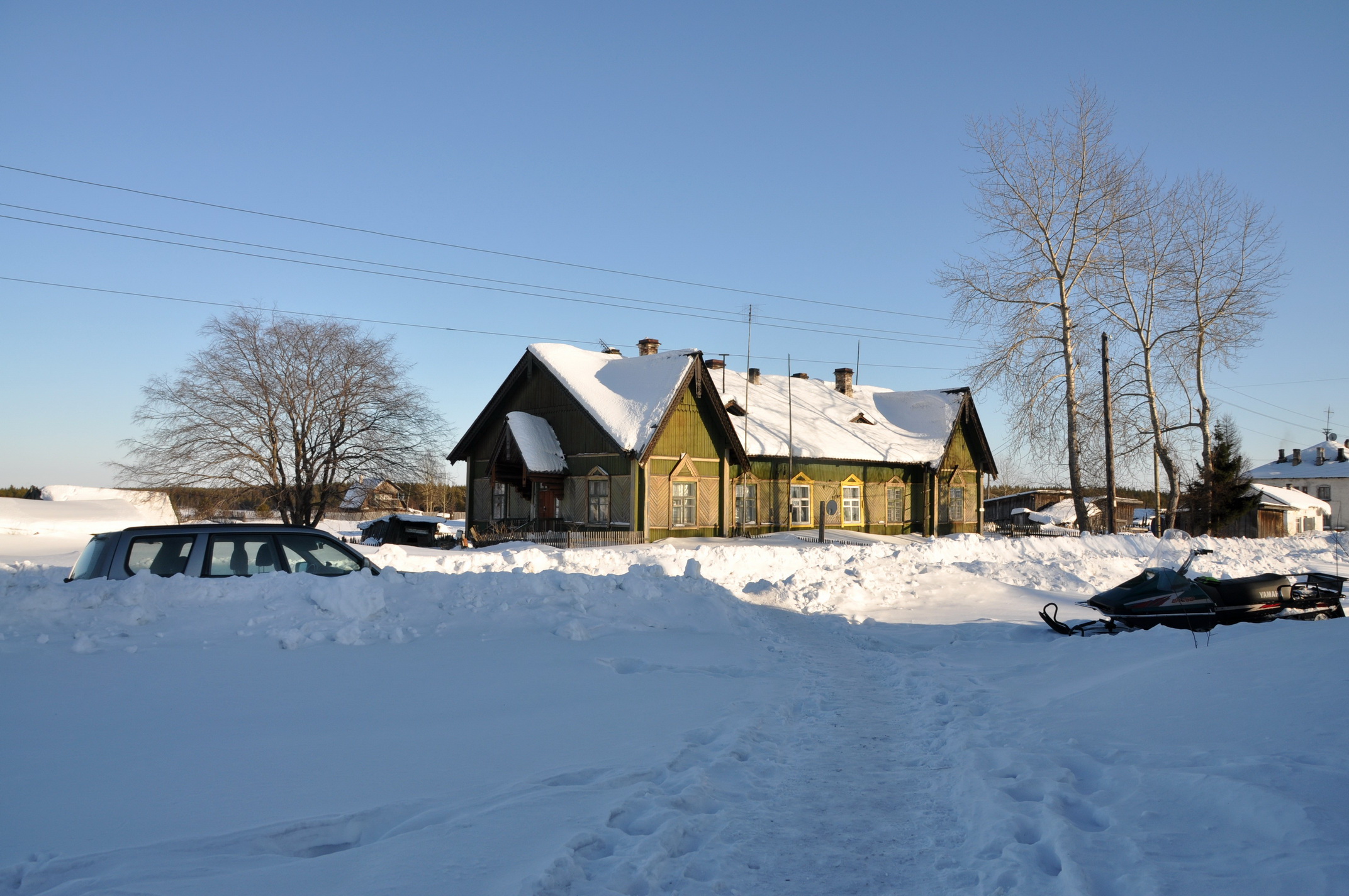
In Kem I picked up my escorts and drove another 200 kilometres north towards the Arctic Circle, to Kuzema, Loukhi and Engozero. It’s the toughest stretch to cover in a day. What leads to Kuzema is more a causeway across a bog than a road. Thirty kilometres each way take more than an hour. Getting to Engozero takes you even farther, nearly 70 kilometres. Then the escorts have to be taken back to Kem. That’s 800 kilometres in a day, quite a distance on snow-covered winter roads.
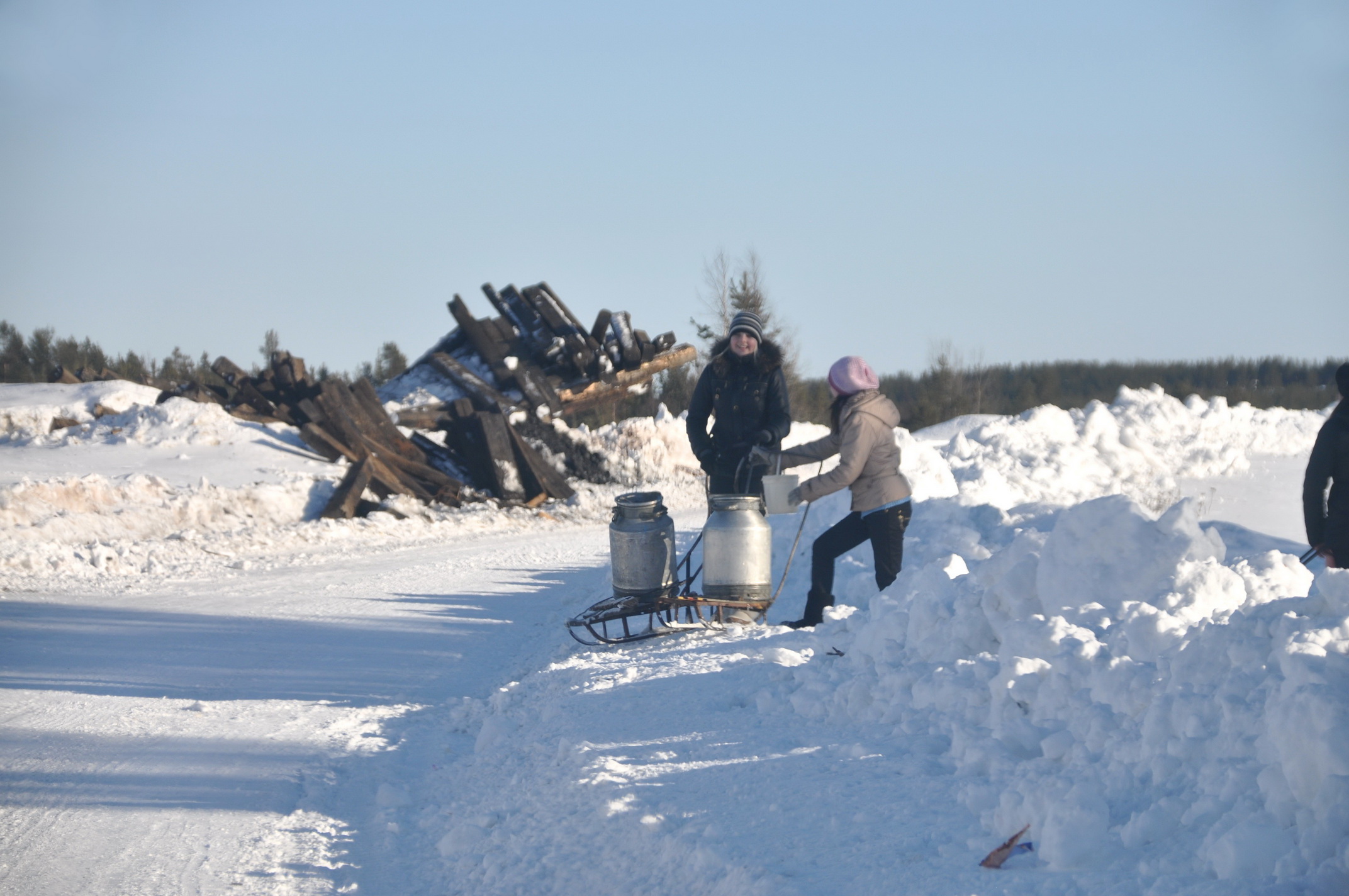
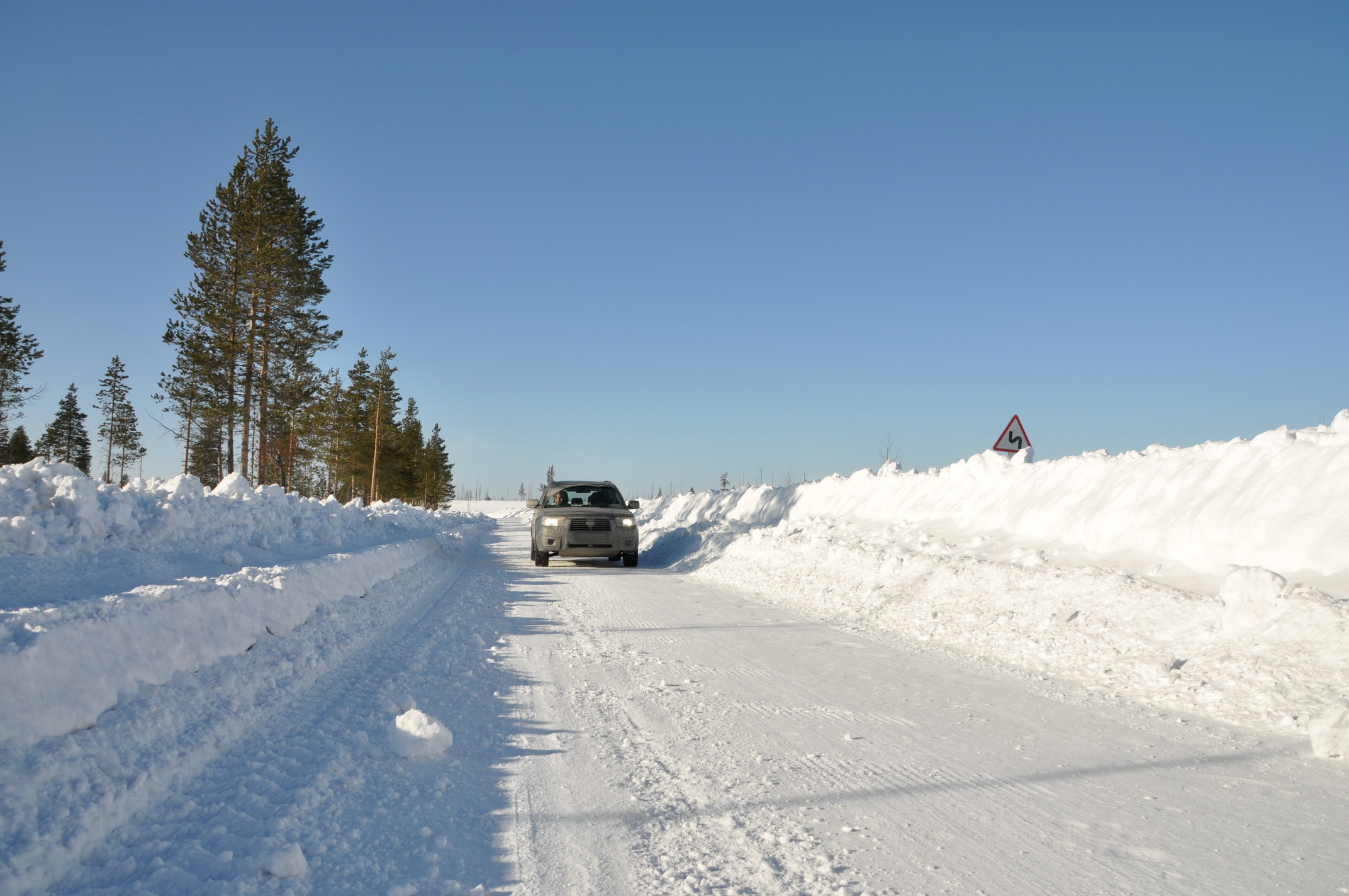
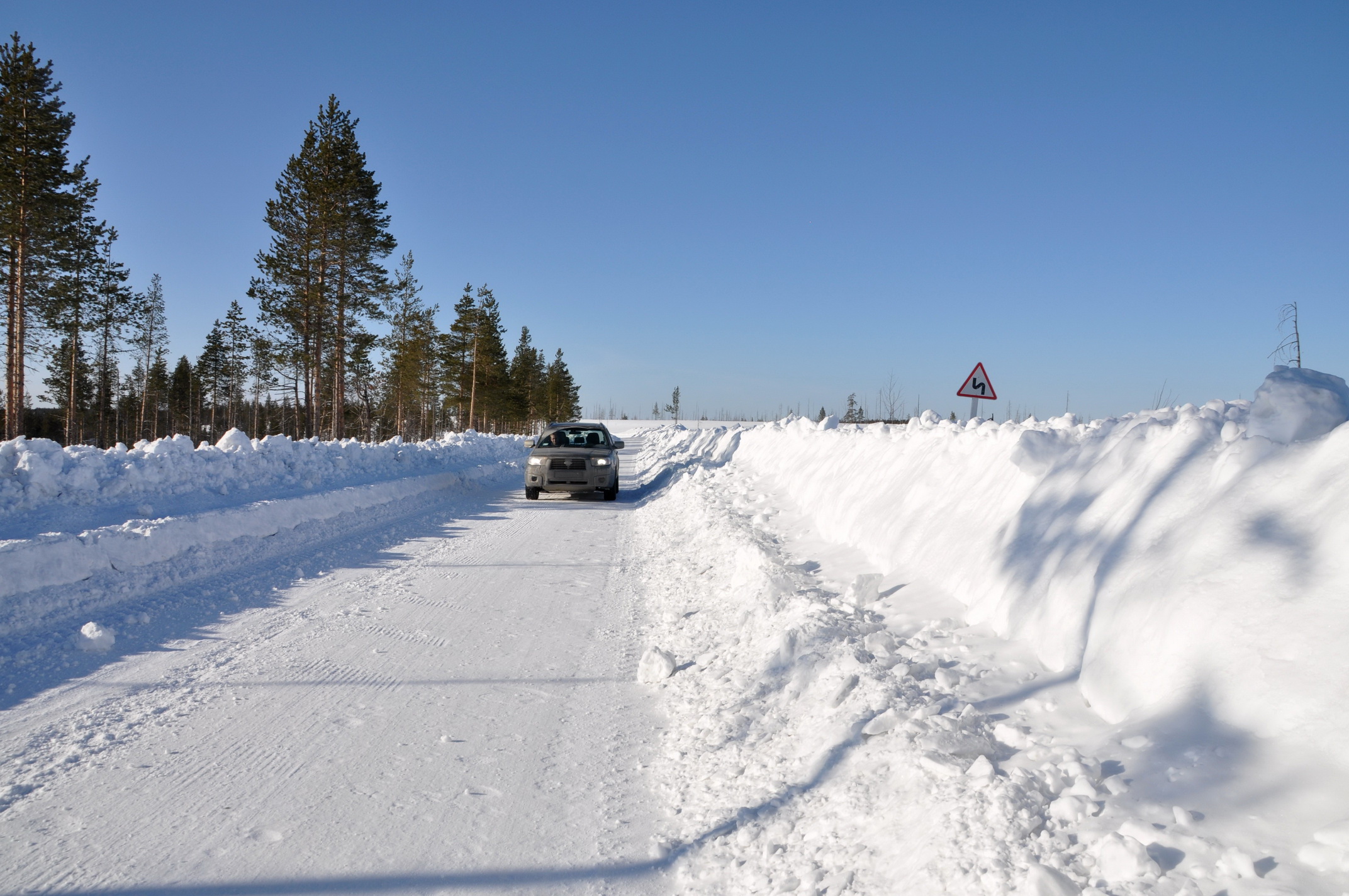
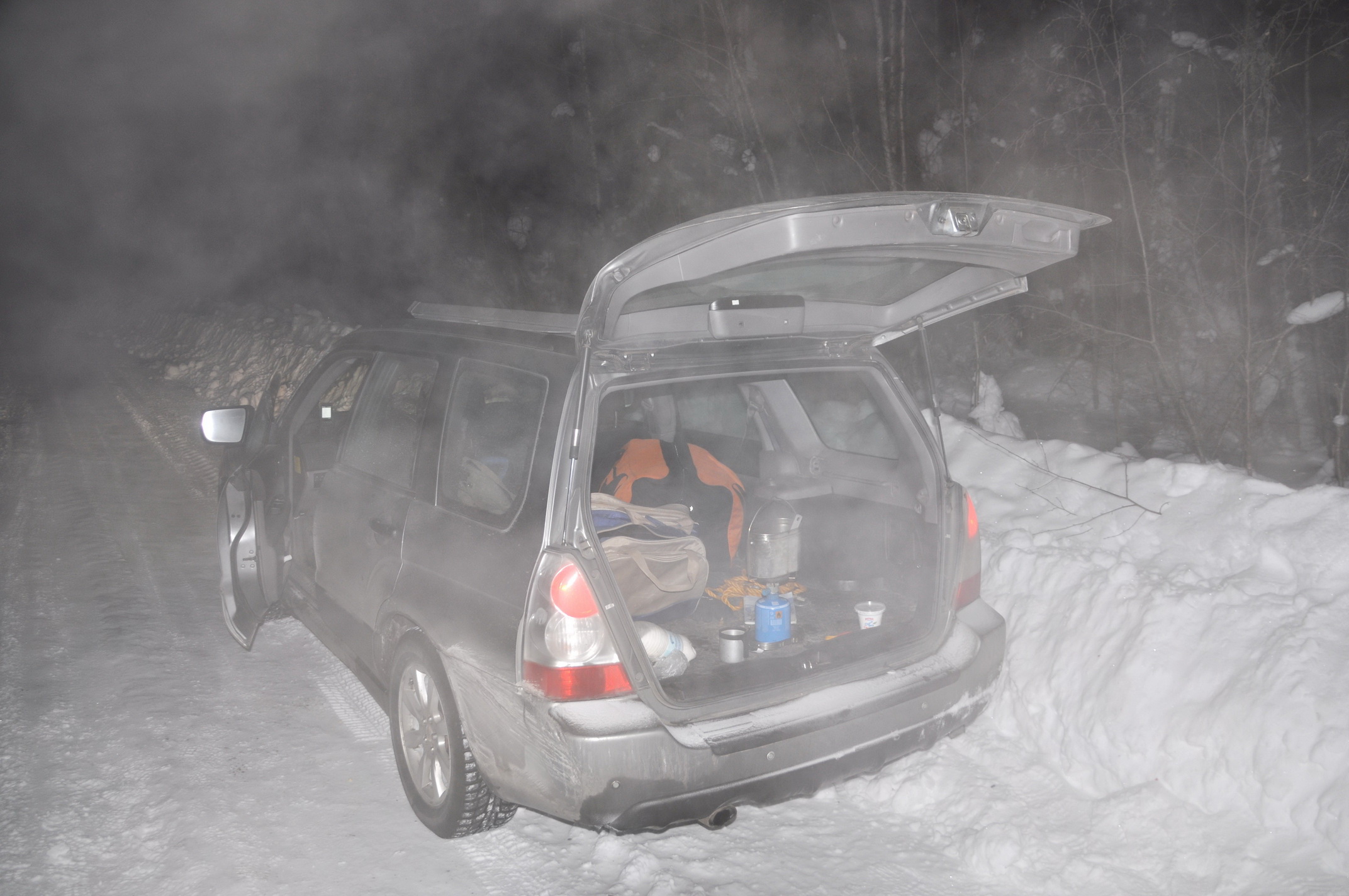
I dropped the technicians off and bought food in Kem, then set out for Saint Petersburg. It was late and I got only as far as Pushnoye, not far from the Kem turn-off on the Murmansk Highway. I followed a barely cleared forest road for ten kilometres looking for a secluded spot, found none and finally slept in the car right on the road by Lake Shagozero. 64°21.613′N, 33°54.141′E. It was midnight, I had an early start and I doubted anyone would disturb me.
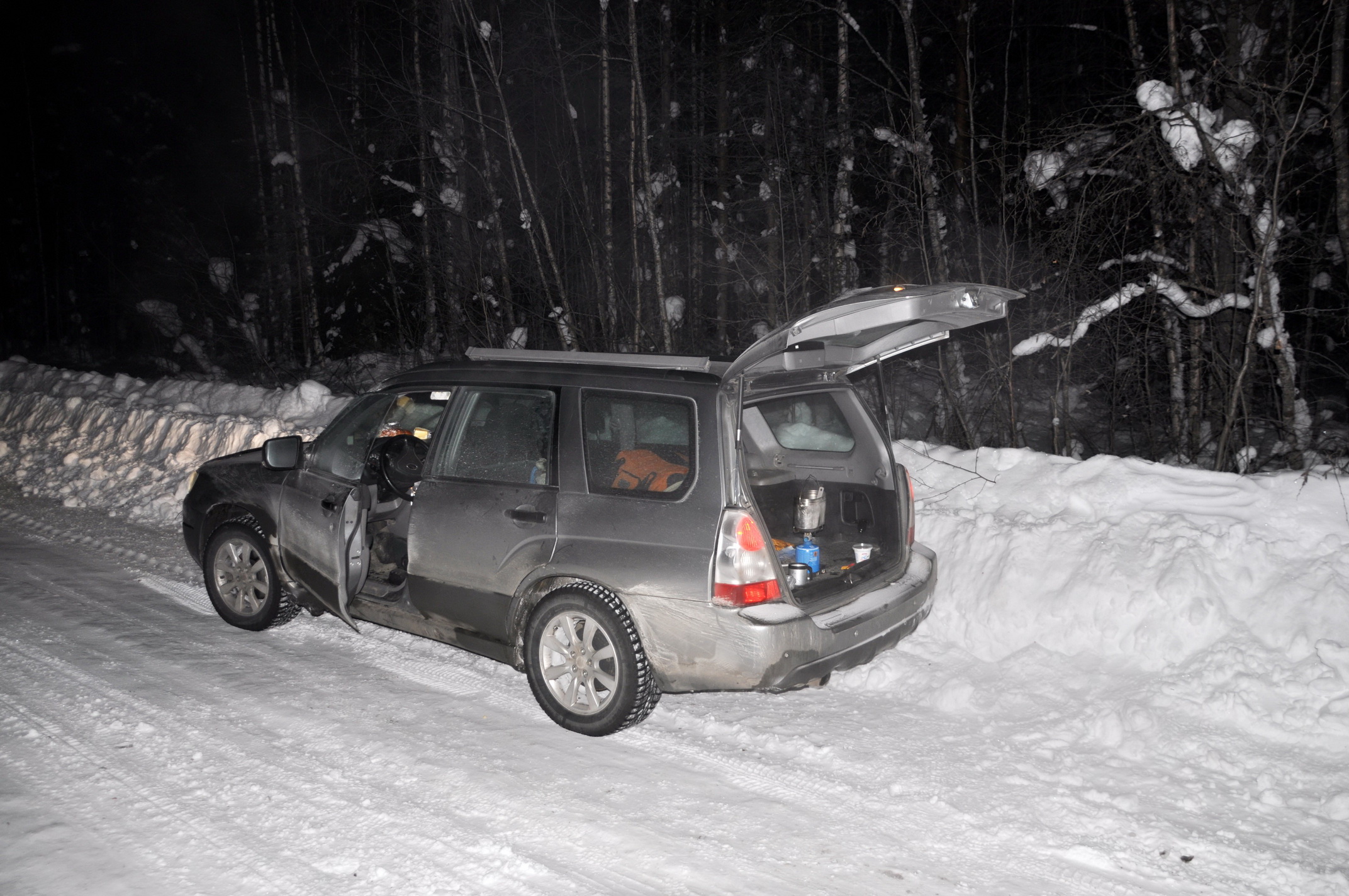
A storm came in the next morning, with gale-force wind and snow. It would be a hard drive, 800 kilometres to Saint Petersburg. That evening I’d been invited to the opening of the Sochavas’ banya. They’d been building it for years and it was finally finished. It was a snowy year, with a metre of it in Toksovo. You could jump straight off a roof into a snowdrift. I had to get there in time. Once I was in New Zealand there would be no snow, no banyas and no women jumping into drifts. At first it looked impossible, but I arrived on the dot.
A December weekend in Finland
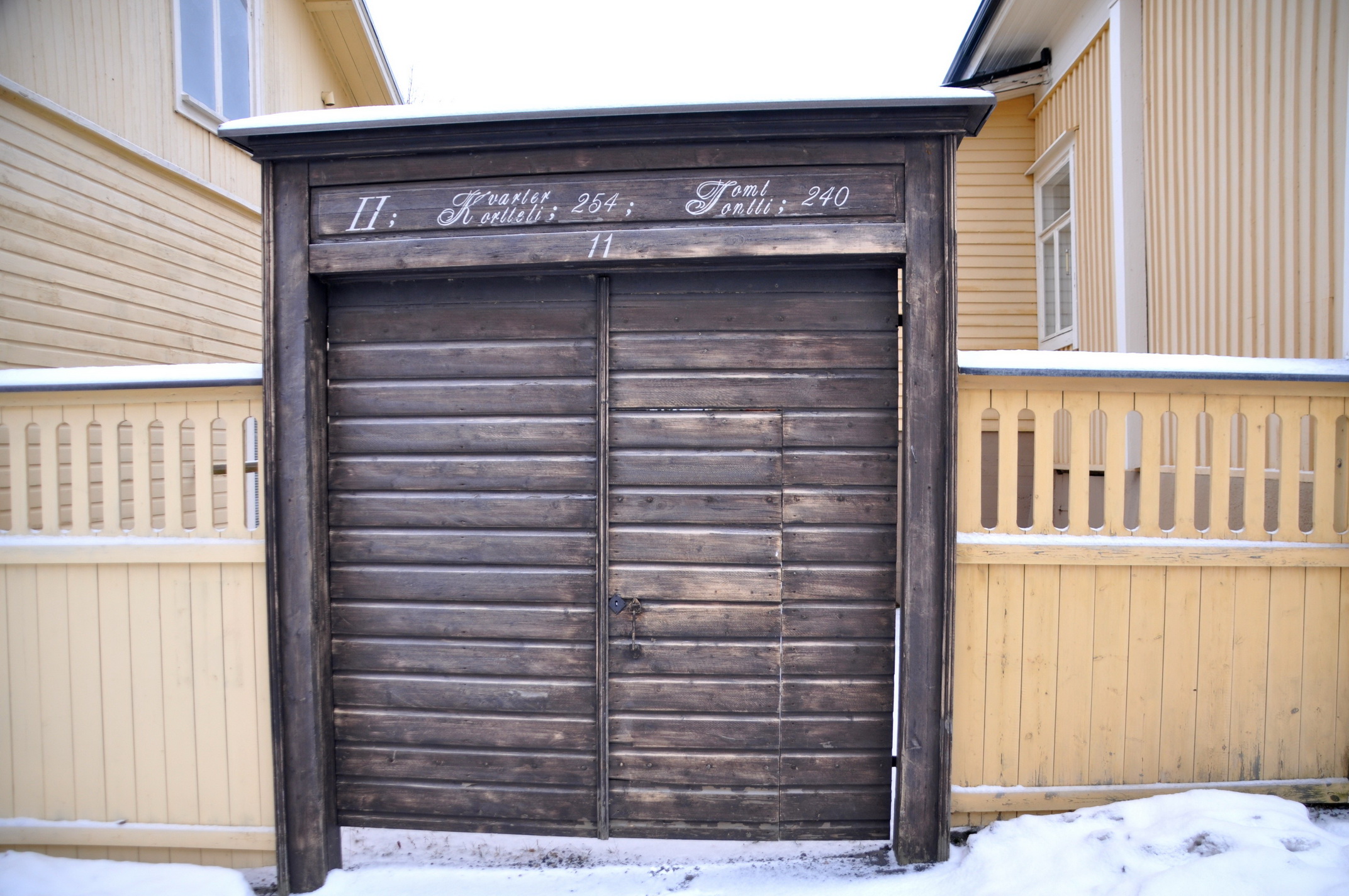
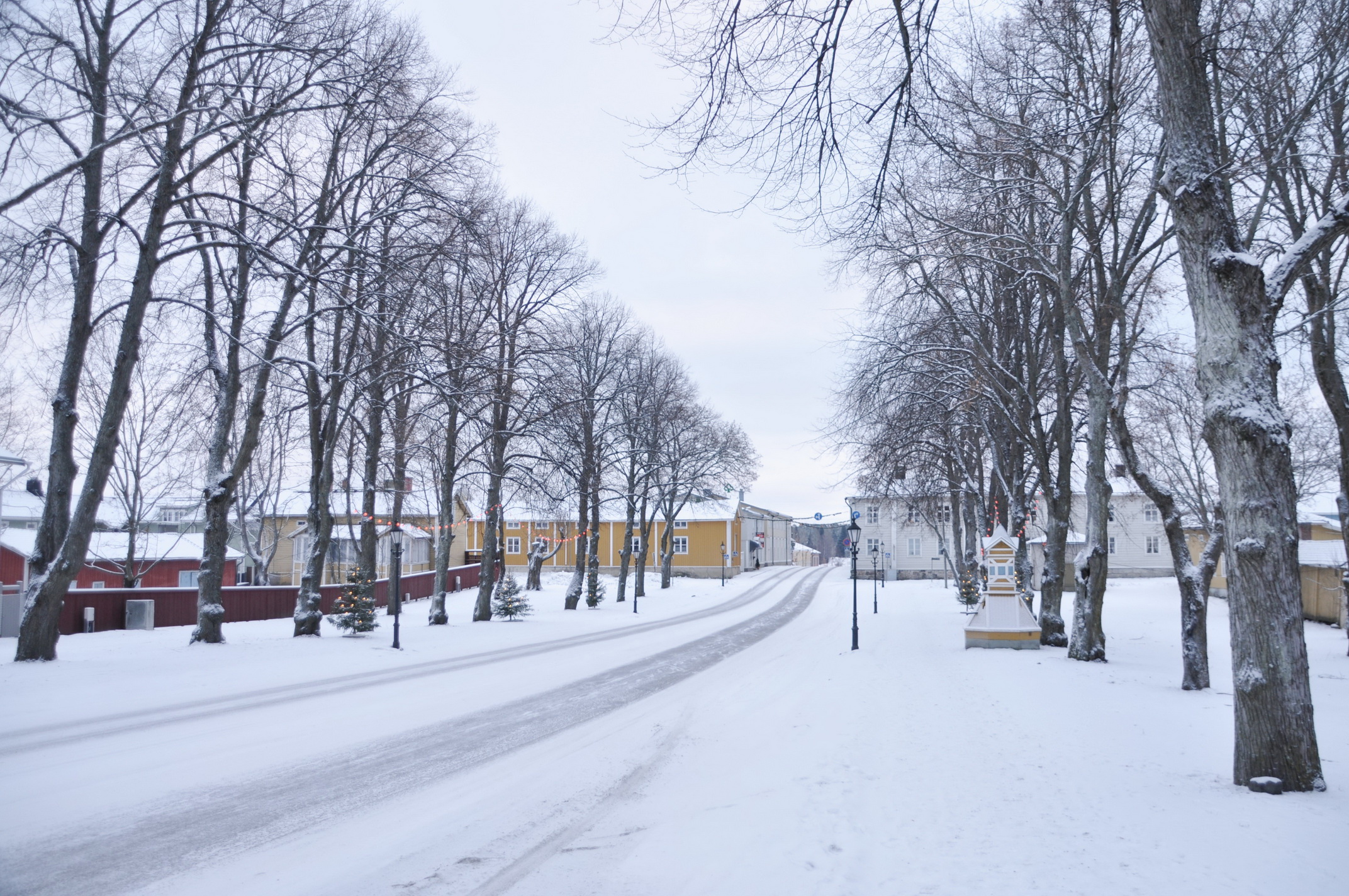
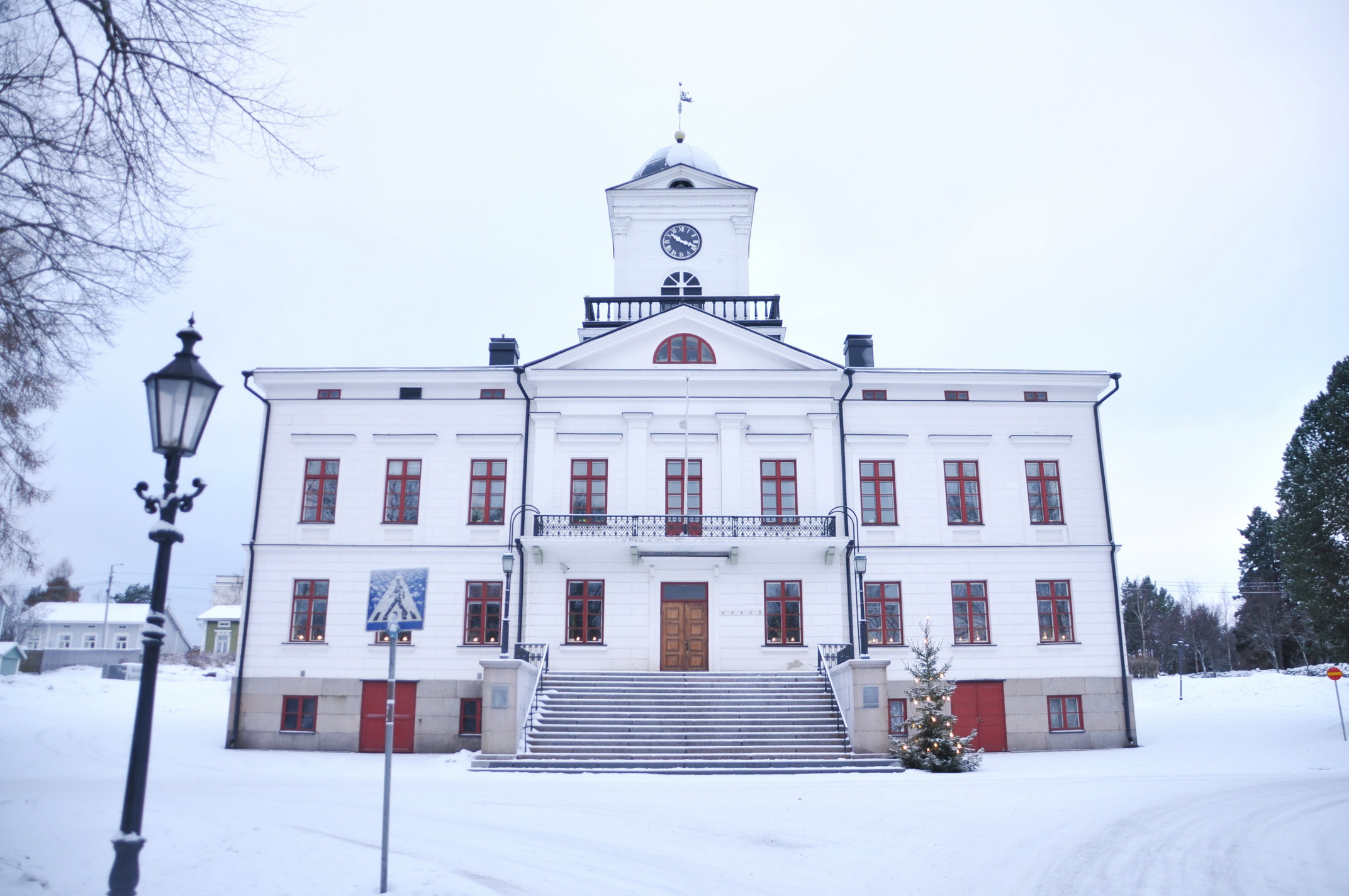
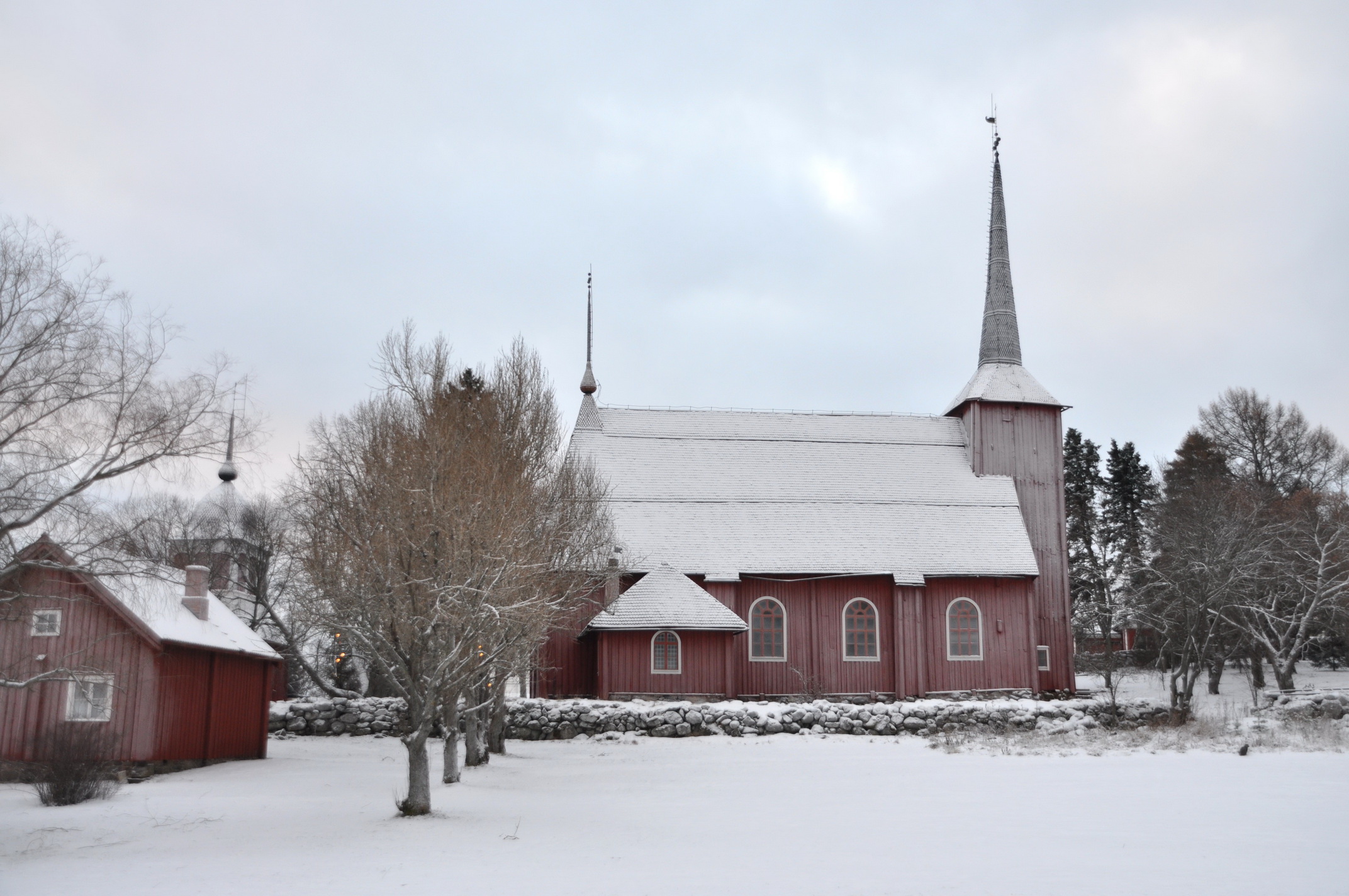
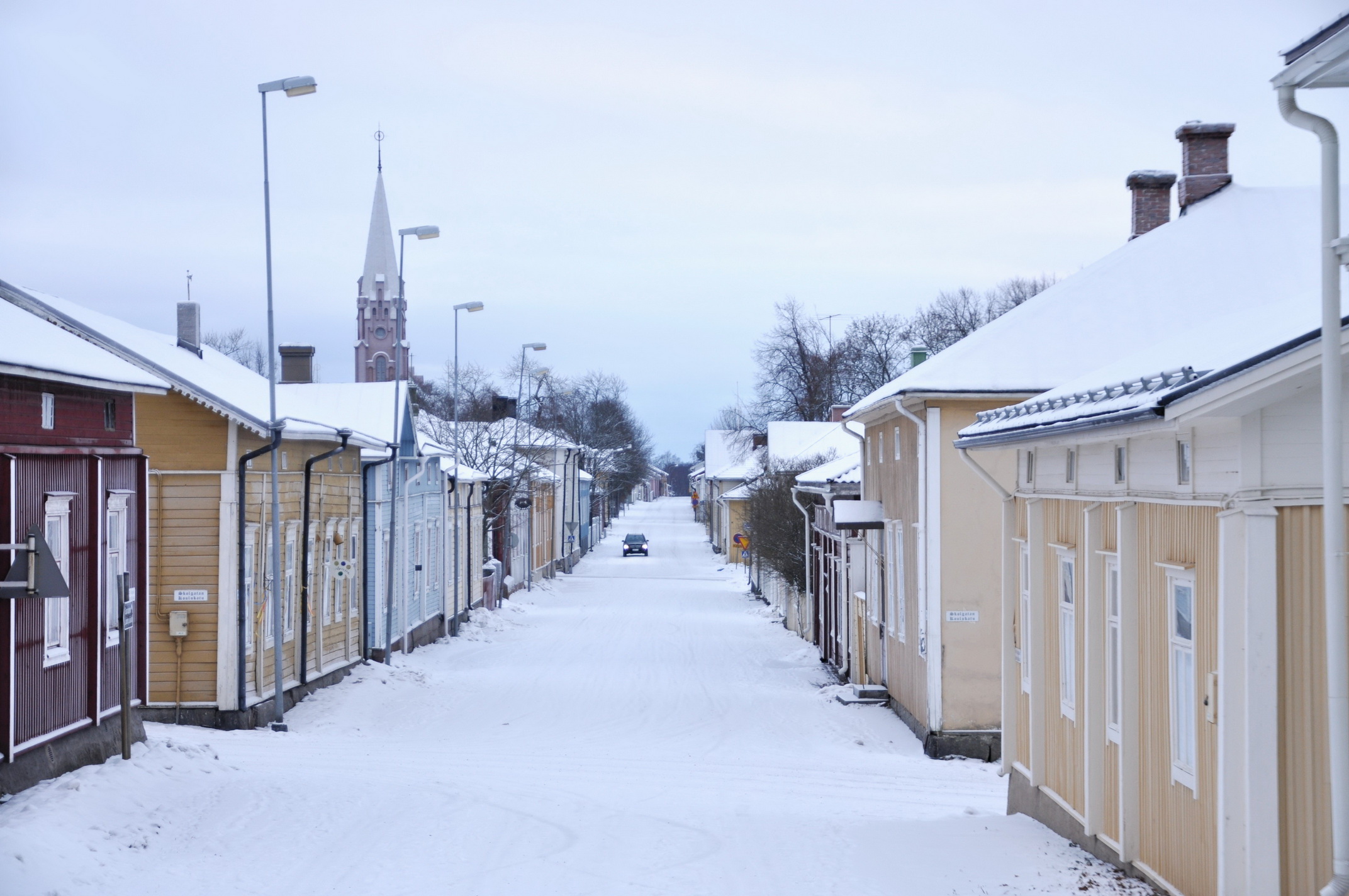
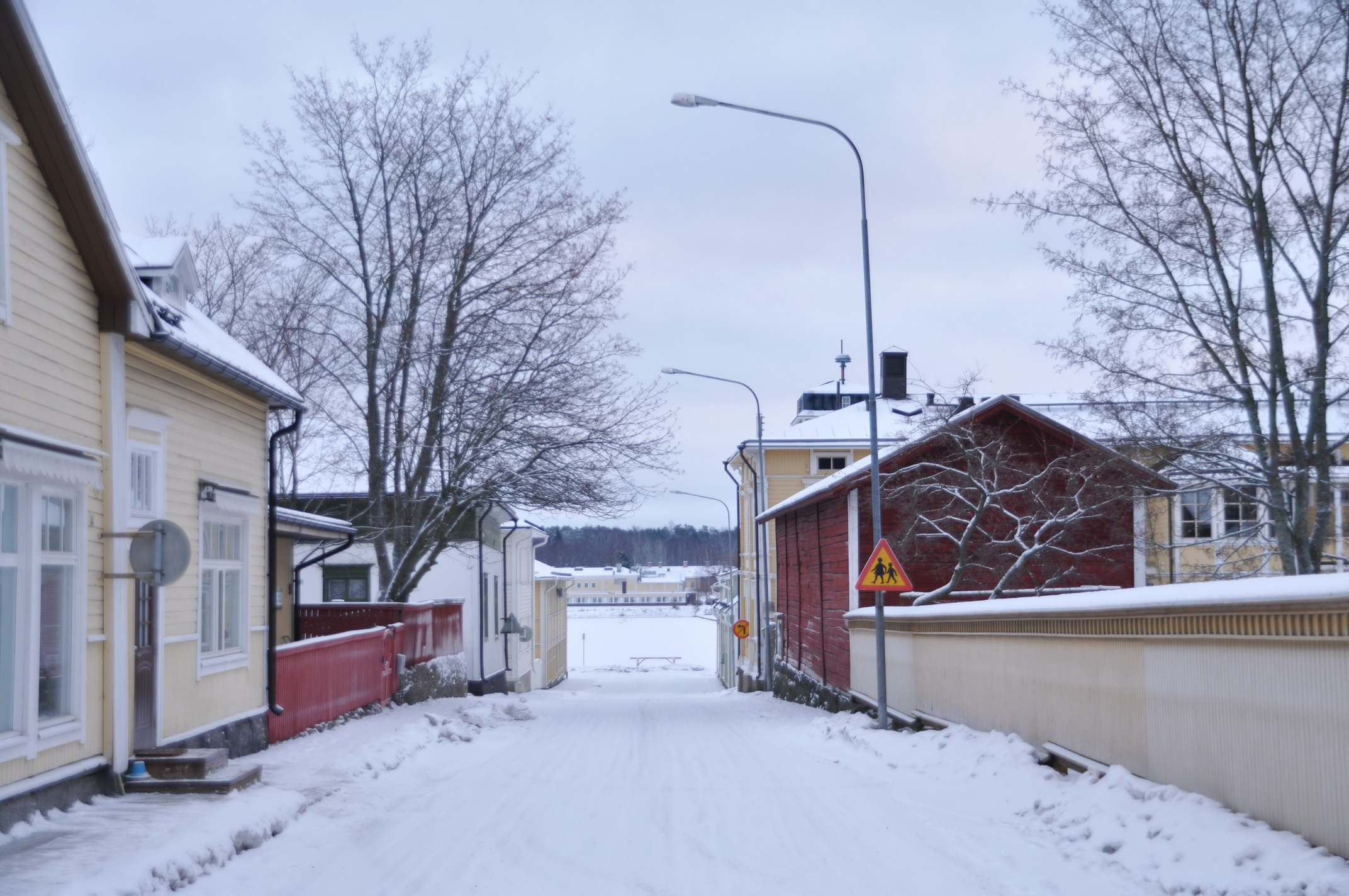
In those days, crossing into Norway could complicate the next Finnish visa application, so it helped to make a separate trip to Finland and keep the border stamps in balance. At the start of December I went for a weekend to the town of Kristinestad. I stayed at the Hotel Leilal. 62°16.311′N, 21°22.493′E. I walked around the little town, stocked up at the shops and went home with two Finnish border stamps.