Trip report
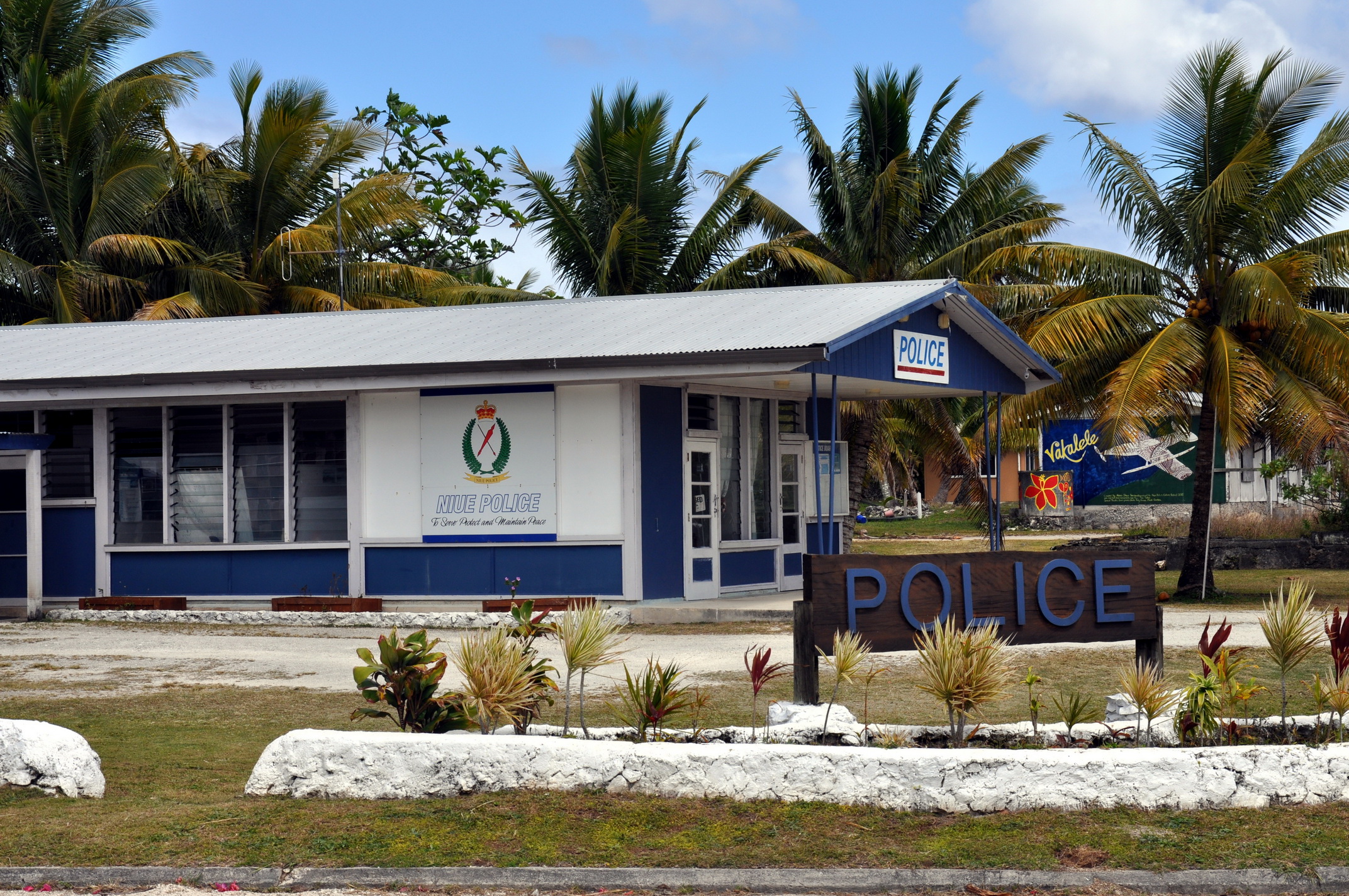
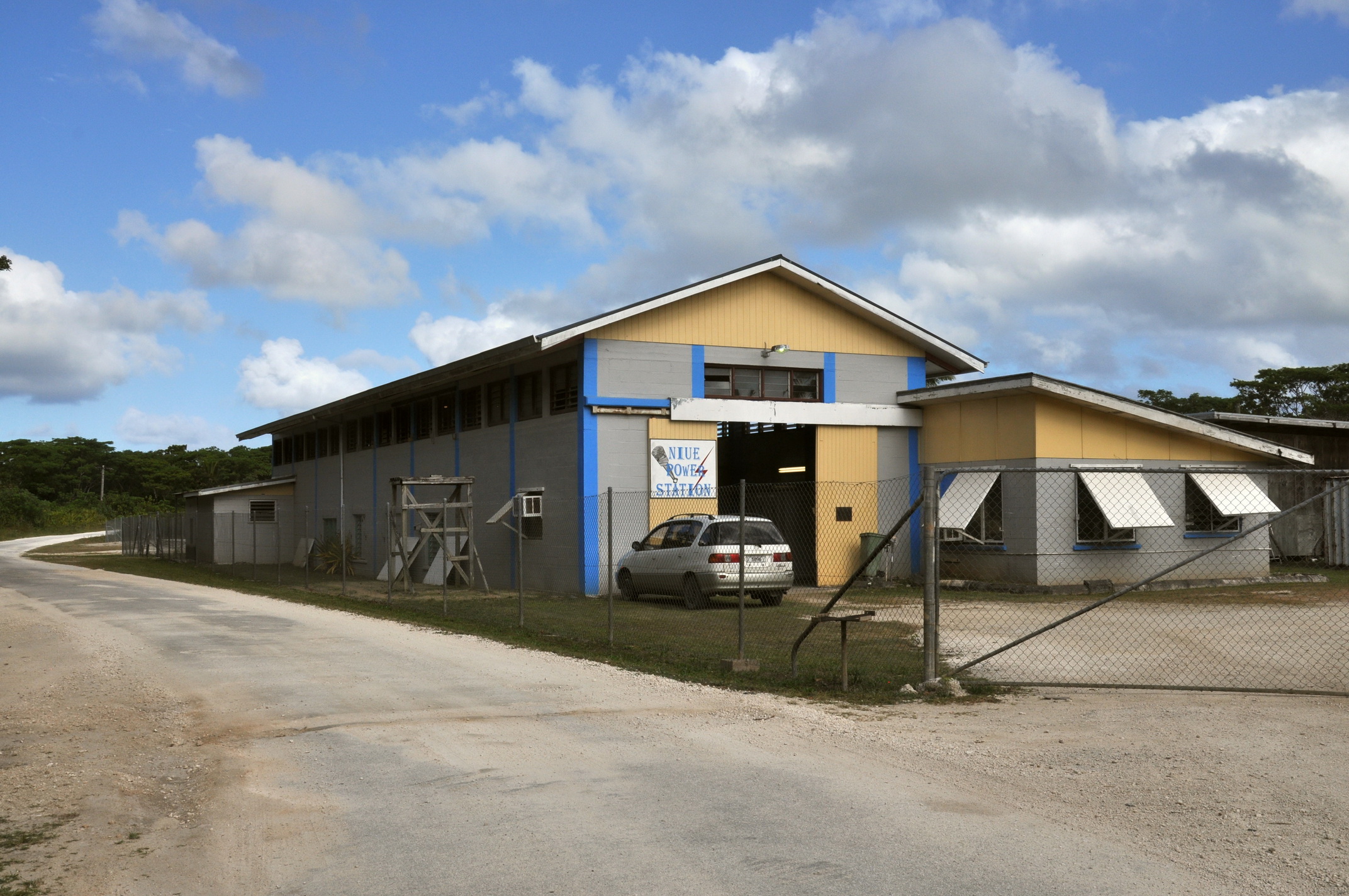
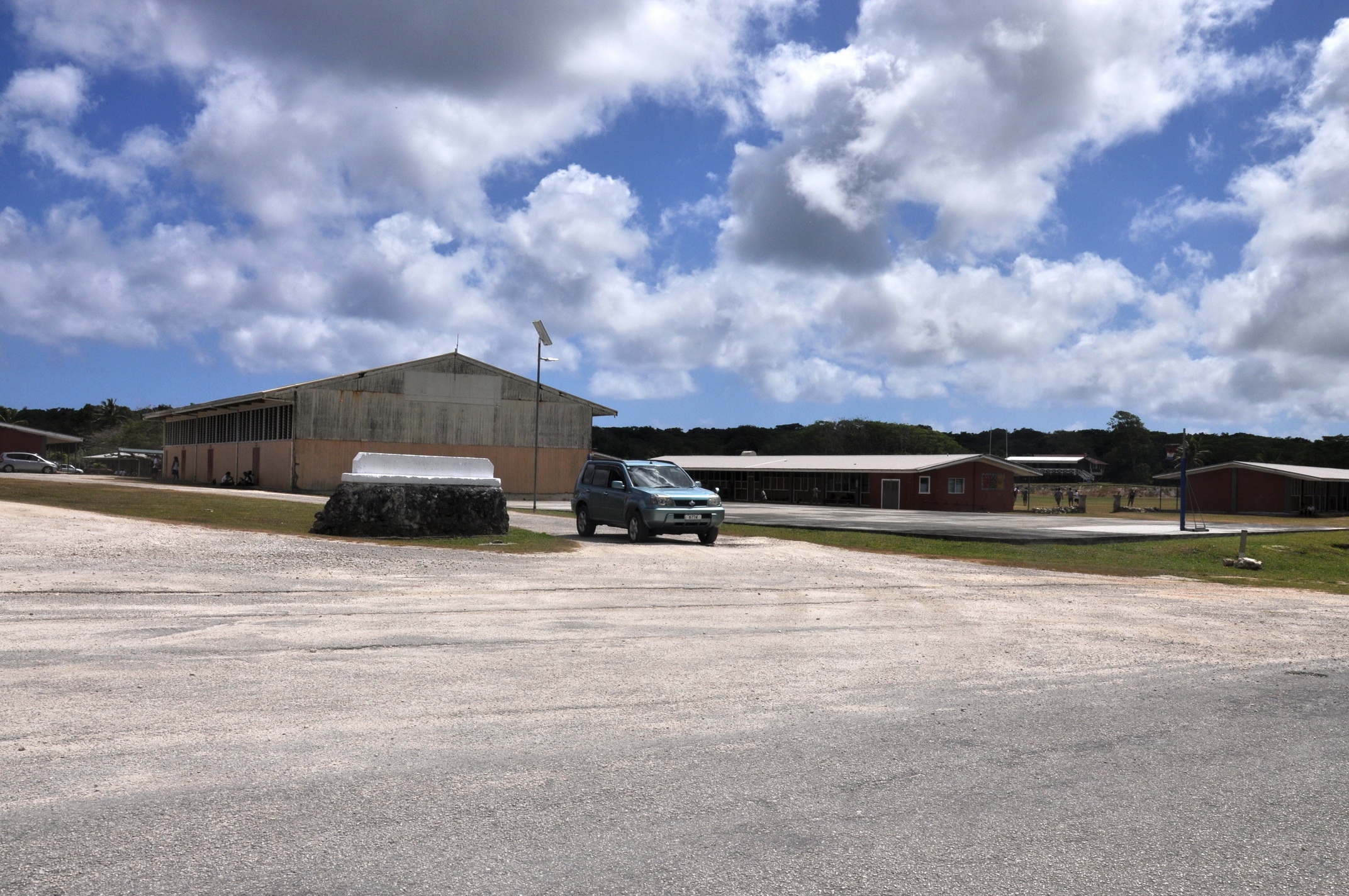
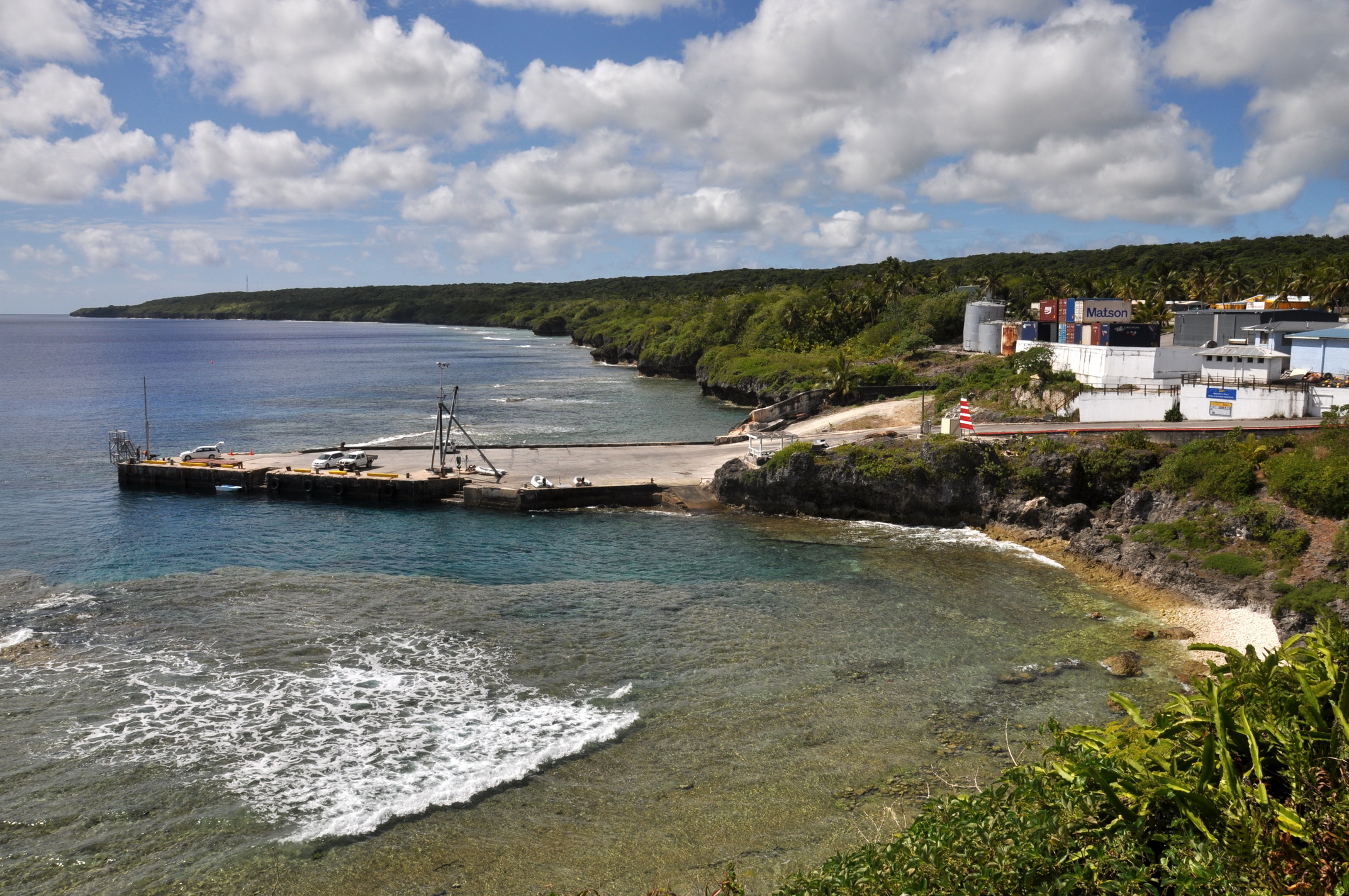
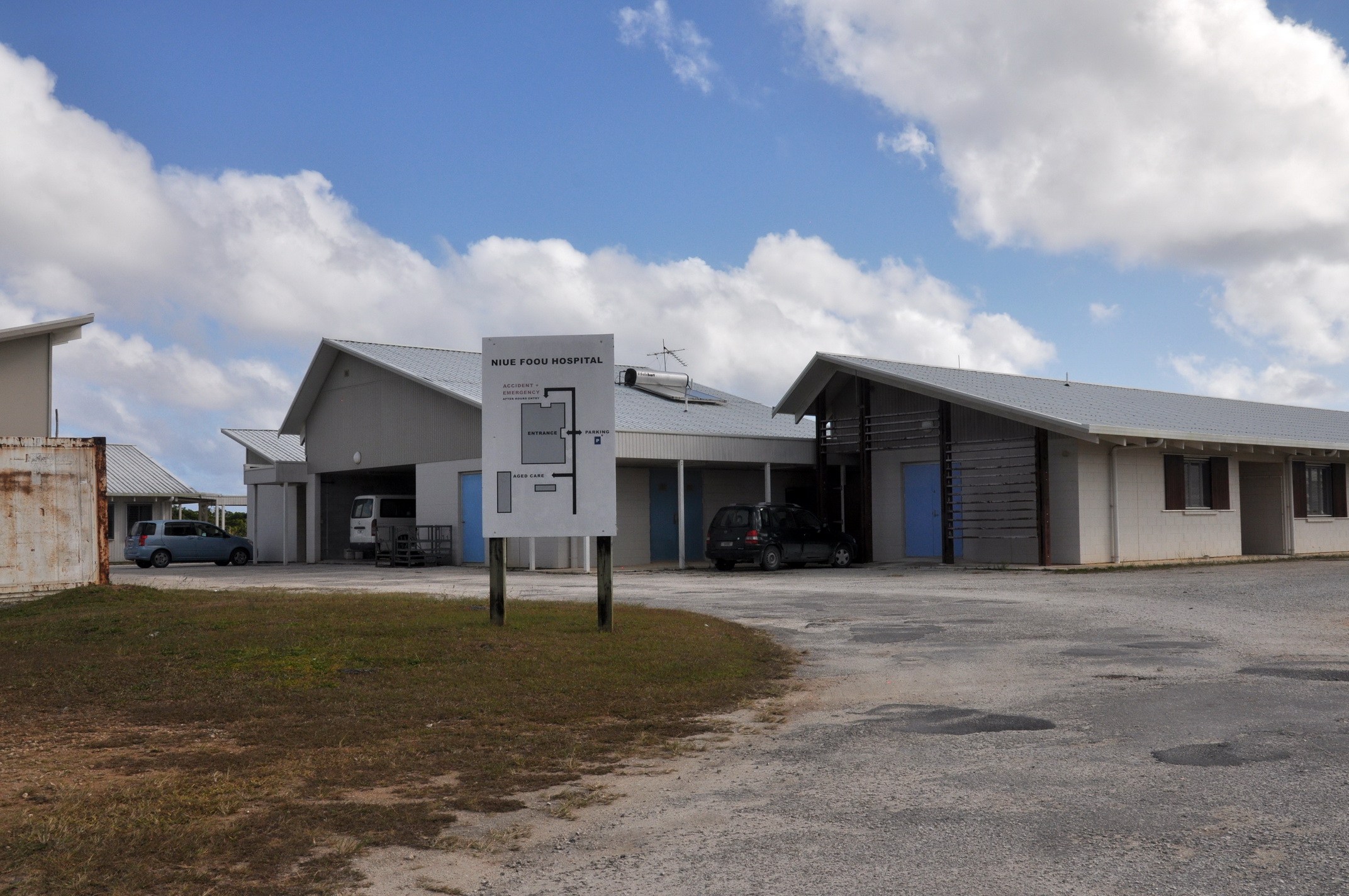
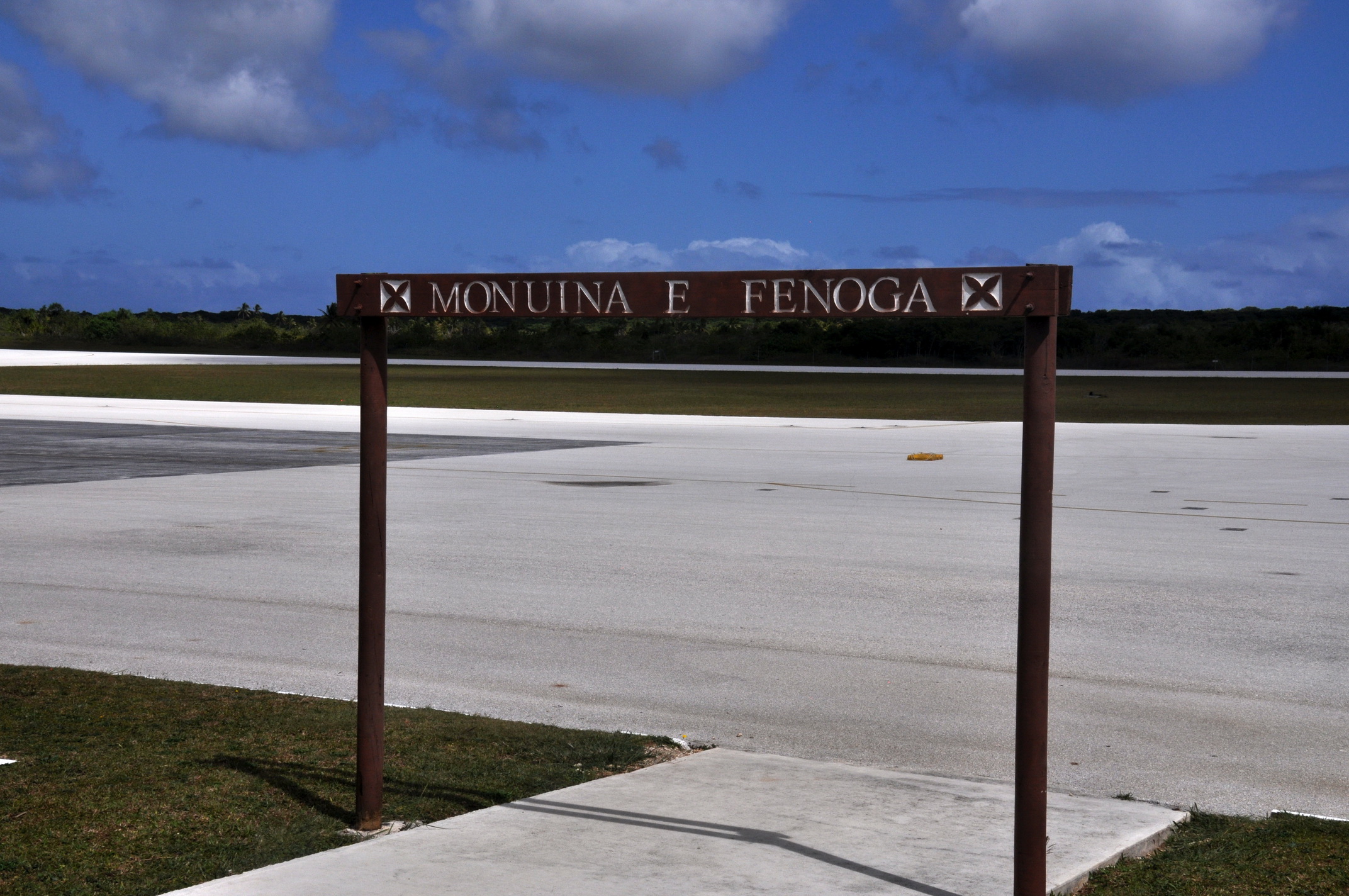
The world has big and frightening countries and smaller ones. Then there's tiny Niue. In 2014 only about 1,400 people lived here. It was no mere geographical curiosity like San Marino. Niue had its own government, police, customs and border officers, a power station, a university campus, a port, a hospital and, most importantly, an international airport.
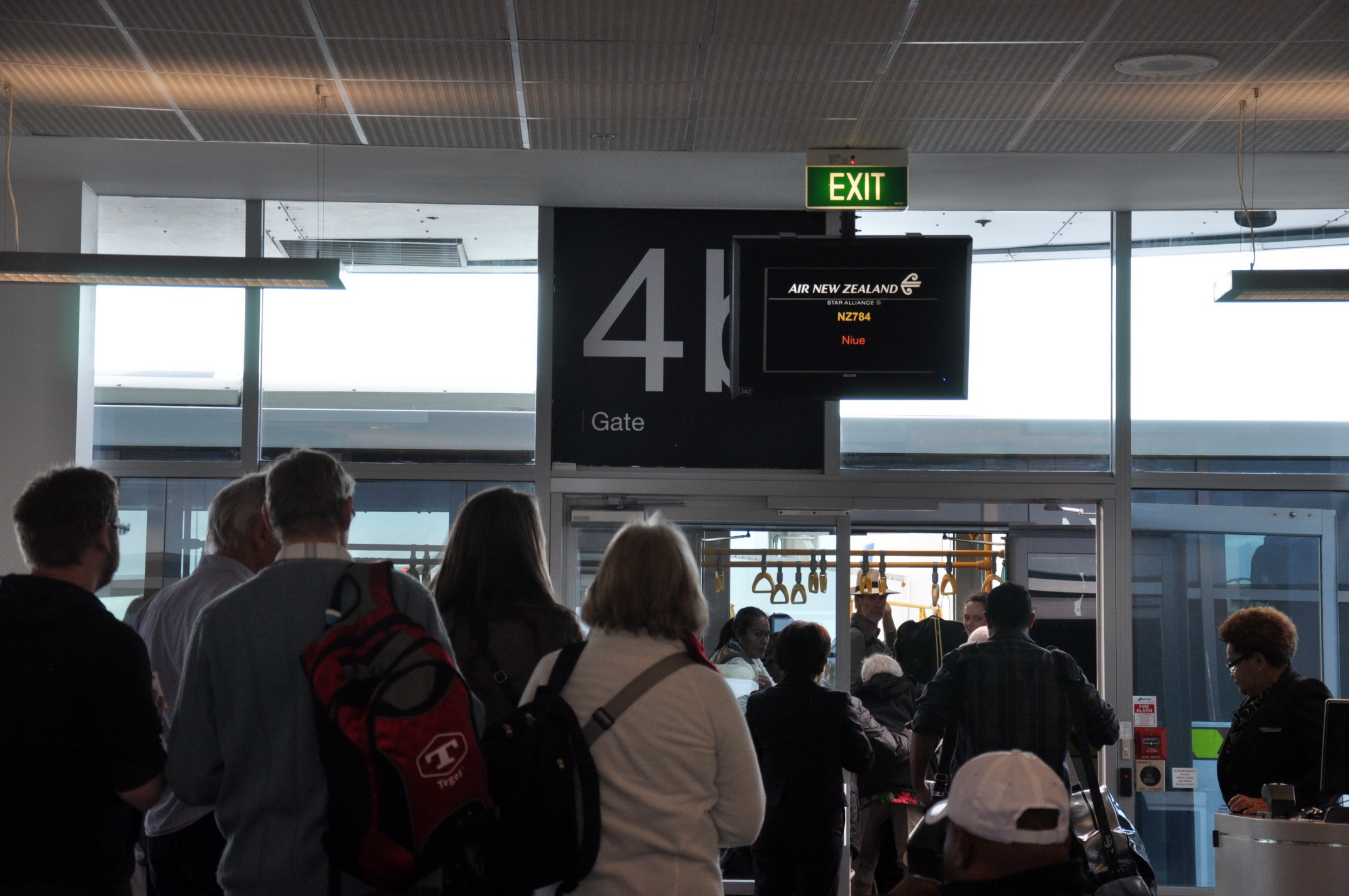
That last one was what mattered most. You could reach this little paradise in the South Pacific without a long voyage by ship. A proper plane flew out of Auckland once a week. Three hours in the air and you could leave the New Zealand winter for perpetual summer.
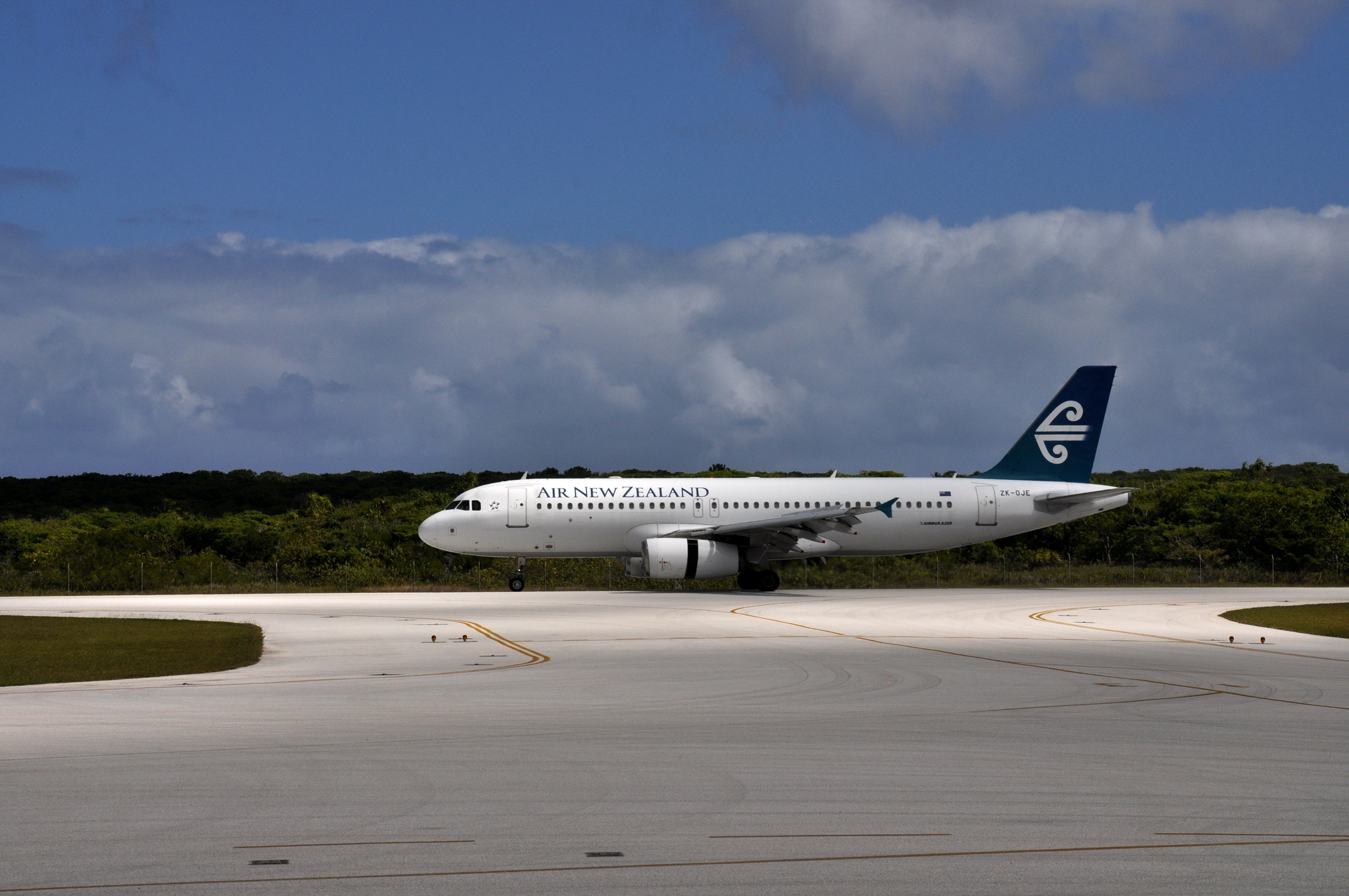
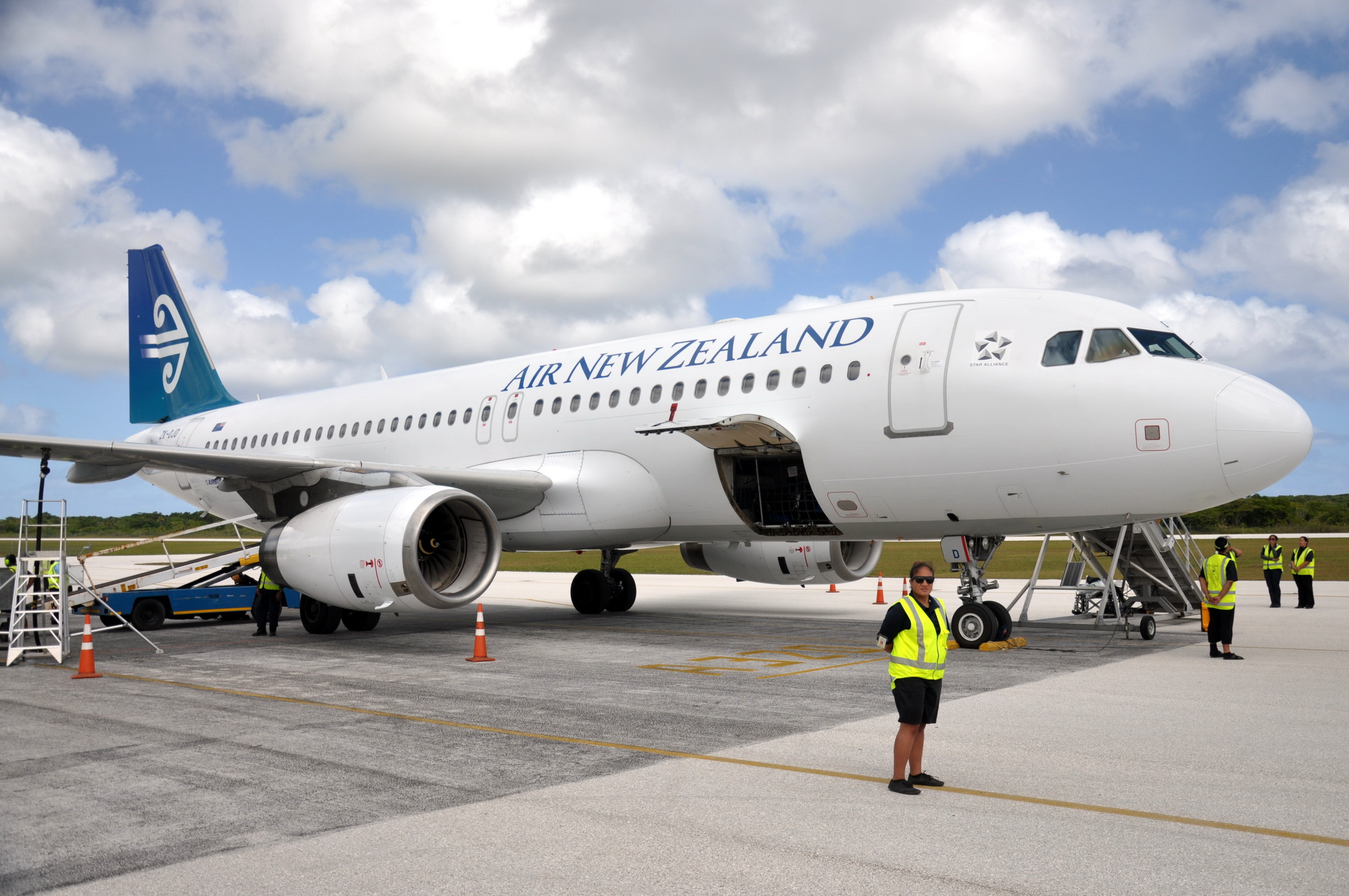
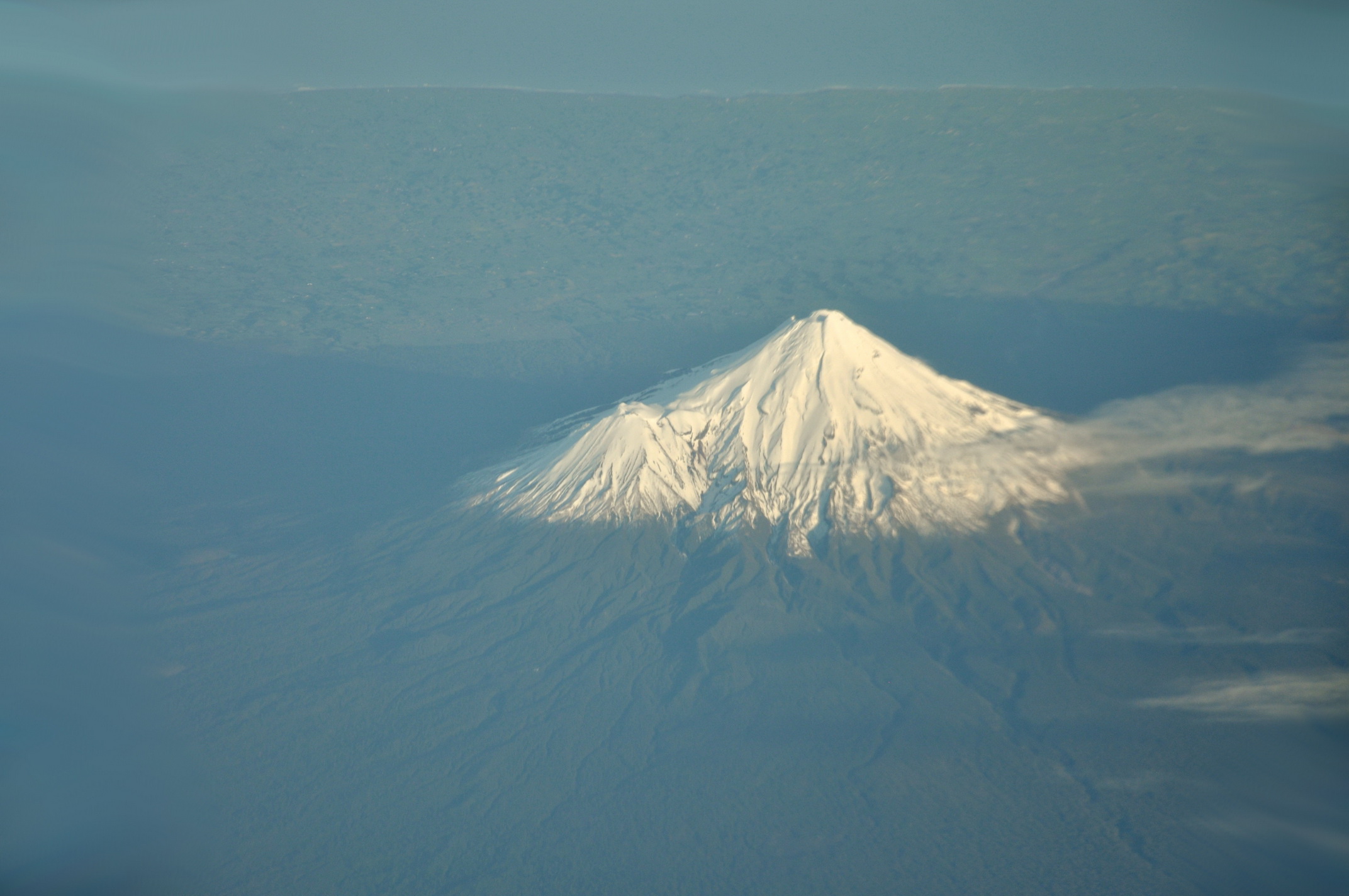
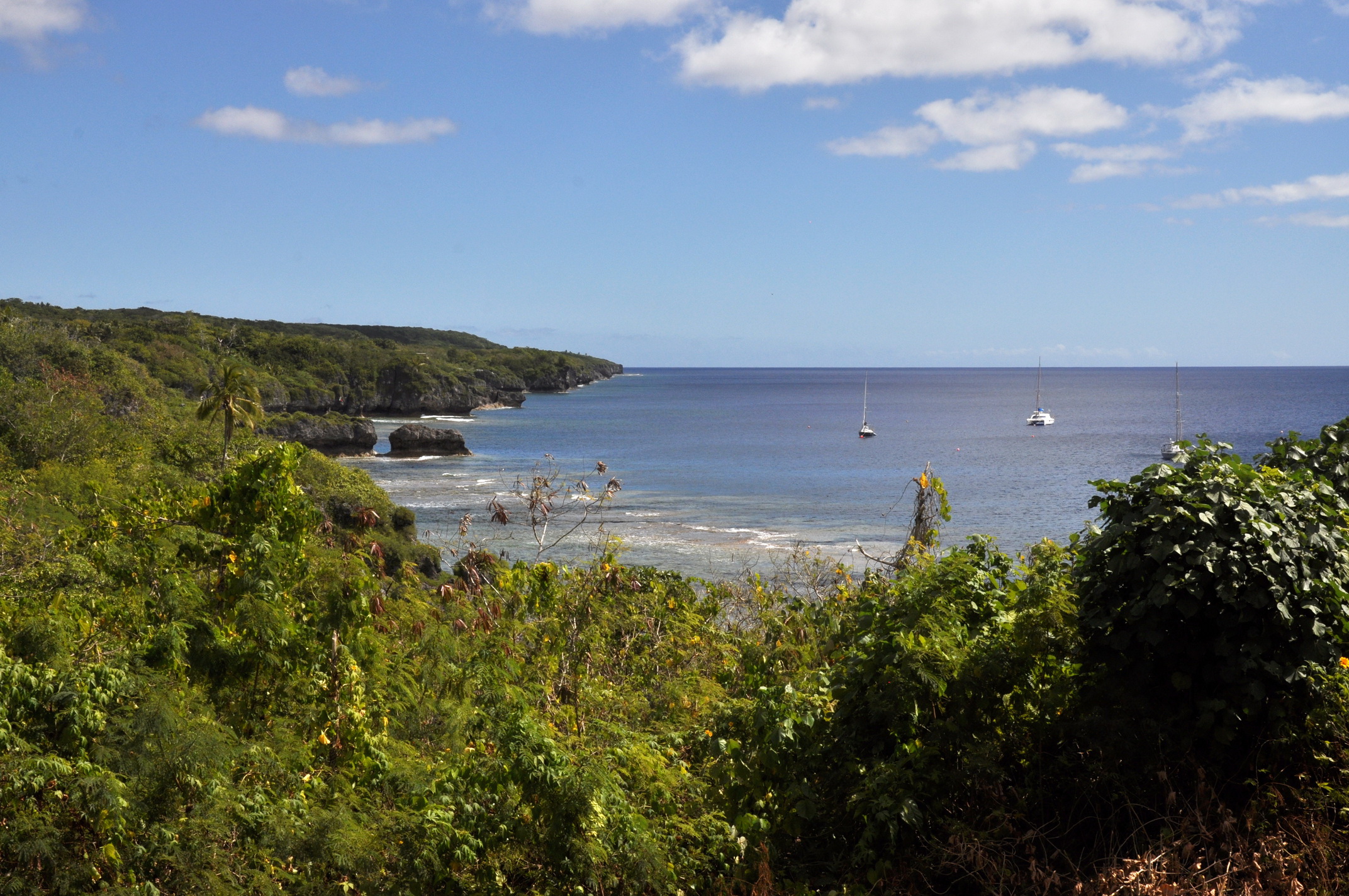
The entire country is contained on one inhabited island twenty kilometres by fifteen, covering 261 square kilometres. It was once administered by New Zealand and in 1974 became self-governing in free association with it. To the islanders' credit, that didn't mean a sudden return to supposedly authentic national traditions or some grand special path. Nobody started eating the neighbours. In practical terms Niue remained closely tied to New Zealand. It kept the New Zealand dollar and English in schools, and didn't drive out white people as Zimbabwe had done. This wasn't an obvious outcome. Historically the island had a reputation for fierceness and hostility to outsiders, with accounts of cannibalism. The terrain made it easy to repel attempts to land, and the hundreds of kilometres to the nearest land were a natural defence.
Cook came across the island in 1774. He did not receive a warm welcome. The islanders resisted him, and he named it Savage Island. For many years it went unvisited. It was only around 1830 that the first attempts to bring missionaries there began.
Whatever influence the New Zealanders had on old customs, they hadn't been able to teach Niue to make an independent living. From the figures I had then, the island exported $180,000 a year and imported $3.6 million. It wasn't difficult to work out where the difference came from. New Zealand aid kept the country going.
Niue shared its head of state with New Zealand, then Queen Elizabeth II. Members of the royal family visited from time to time. Niue had a parliamentary democracy, but little of the party politics of larger countries. With just 1,400 people, who's going to start a second party? In practice, kinship ties still mattered. A village had a head and, as we saw it, that meant being part of the people in charge. Nobody was likely to replace him before he died. New Zealand was responsible for defence if Niue asked. The occasion hadn't arisen and didn't look likely to. Niuean was also an official language, though English was what we heard people speaking to one another.
I'd been looking at Niue for years, but going for a week, the minimum with one flight a week, had seemed too dull. We used to travel at a much faster pace. The years went by, and eventually a quiet week without any summits to conquer was exactly what we wanted.
Tickets to Niue were quite expensive. Fiji was half the price. Hardly surprising when the cost of maintaining an international airport had to be shared by a hundred passengers. Half the people on the flight were New Zealand tourists and the other half Niueans. To my eye, people here dressed very much like New Zealanders and looked and behaved differently from people on the neighbouring islands.
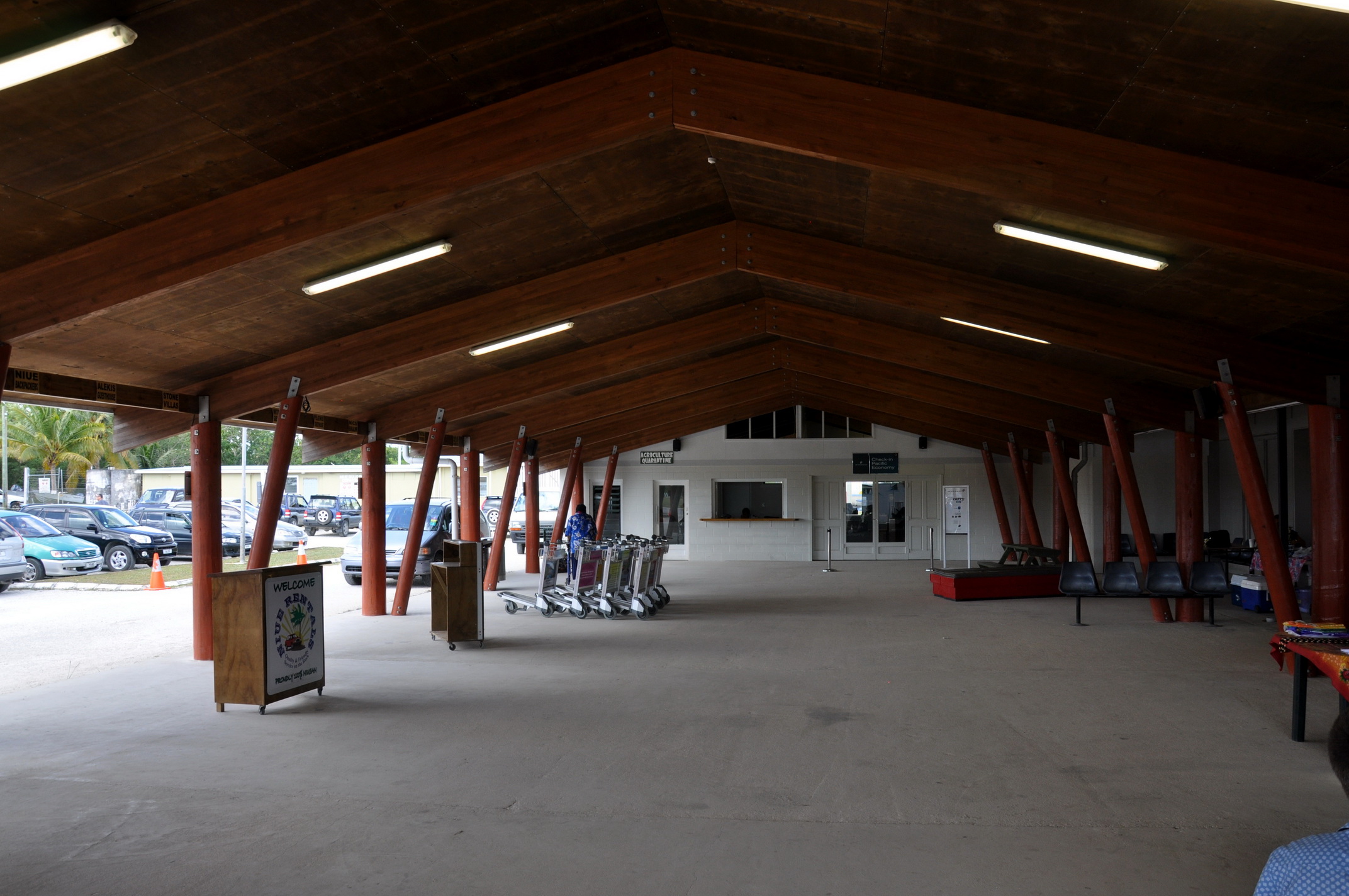
The usual island banjos greeted us, but they didn't play for long or as loudly as in Tahiti. There was passport control and customs. As in New Zealand, bringing in food was subject to strict rules. There was an X-ray machine for luggage, though they didn't use it while we were there. Russians were admitted for thirty days without a visa.
Settling here was another matter. I had read of a scheme offering residence to investors for $400,000, and of language, health and character checks and checks on where the money came from. The island had a decent standard of living, good infrastructure and a climate made for a quiet retirement, and there was no shortage of people who fancied it. I had heard talk of residency periods of five years and then twenty-five, quite another matter from the position of Niueans themselves. Niueans are New Zealand citizens and could move to New Zealand or Australia with the passports they already held. Plenty went abroad to work and later settled there.
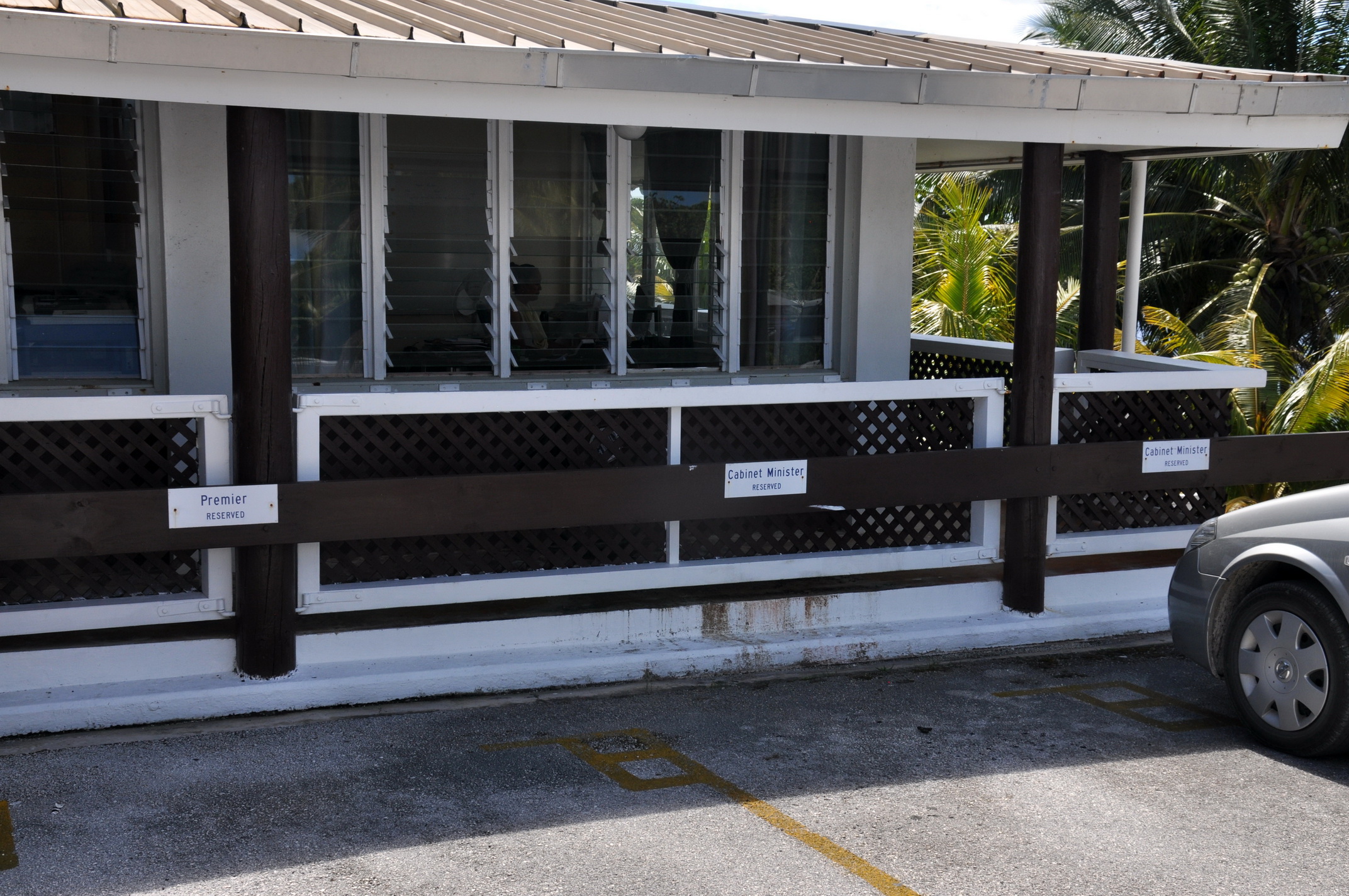
Two companies rented cars on Niue, at about $50 a day. One odd rule at the time was that you could drive only with a local licence. On Mondays the police issued one valid for a year for $22.50, on presentation of your own licence. A Russian licence served the purpose. The local one was a substantial plastic card with a photo, an excellent souvenir. I wondered how Russian police would react to it. Traffic drove on the left, with a limit of 40 kilometres an hour in the villages and 60 outside. You weren't allowed to use any of the four parking spaces at the government offices, either. That was about it for local driving rules.
Niue had four police officers and two police cars. They doubled up on every job. On Saturdays they handled airport security and border control, on Mondays they issued licences, then they transported cash, did security and policed the roads. If something unfortunate happened, they became investigators and prison warders as well. There was a prison in theory, though nobody was in it during our visit. Crime was virtually nonexistent, and the last murder had been years earlier. The police were friendly, smiling fellows. They weren't meant to carry weapons in peacetime, and Niue had no experience of any other sort of time.
Niue was twenty-three hours behind New Zealand on our dates. We flew out on Saturday and landed on Friday.
Alofi
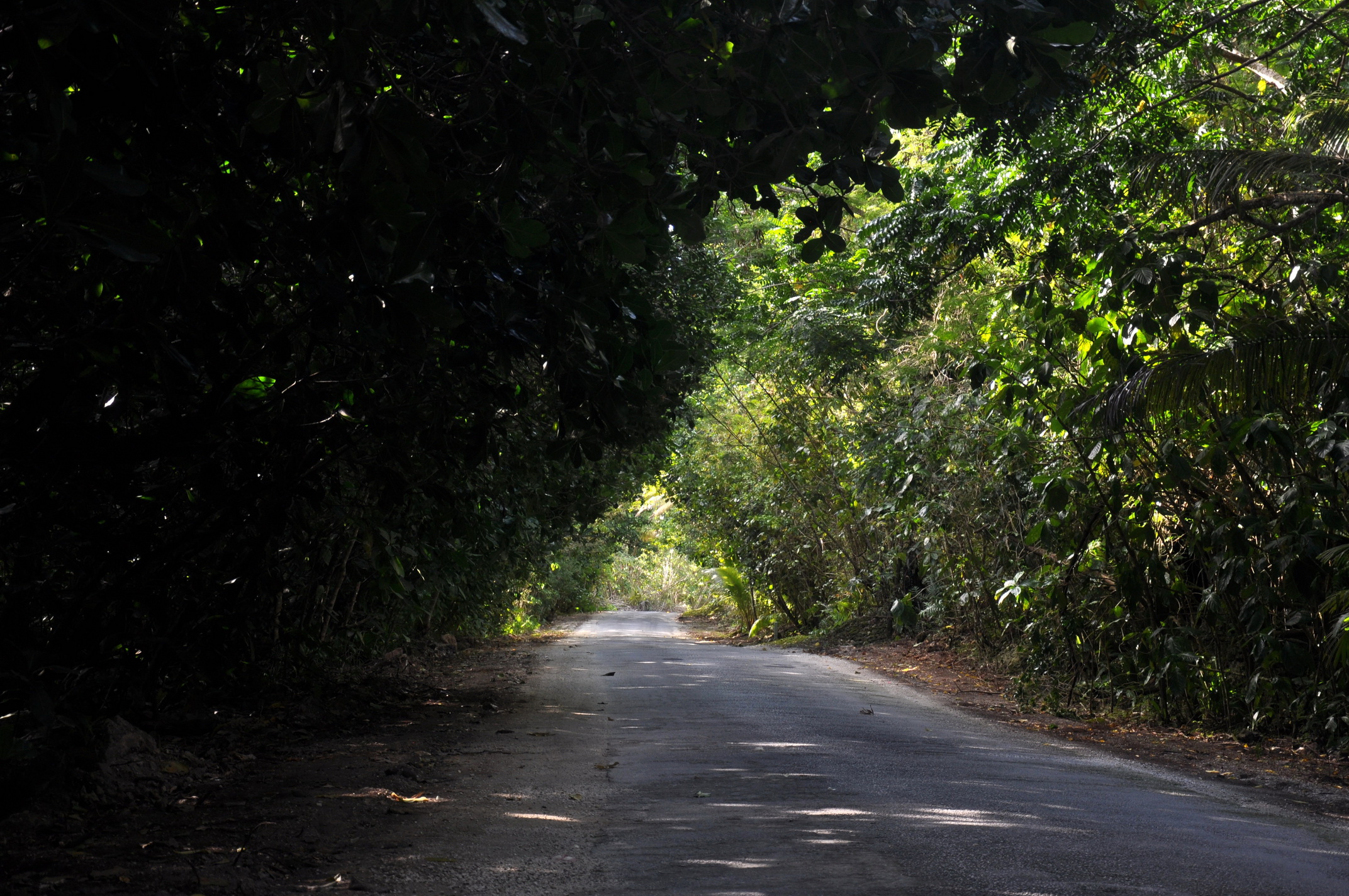
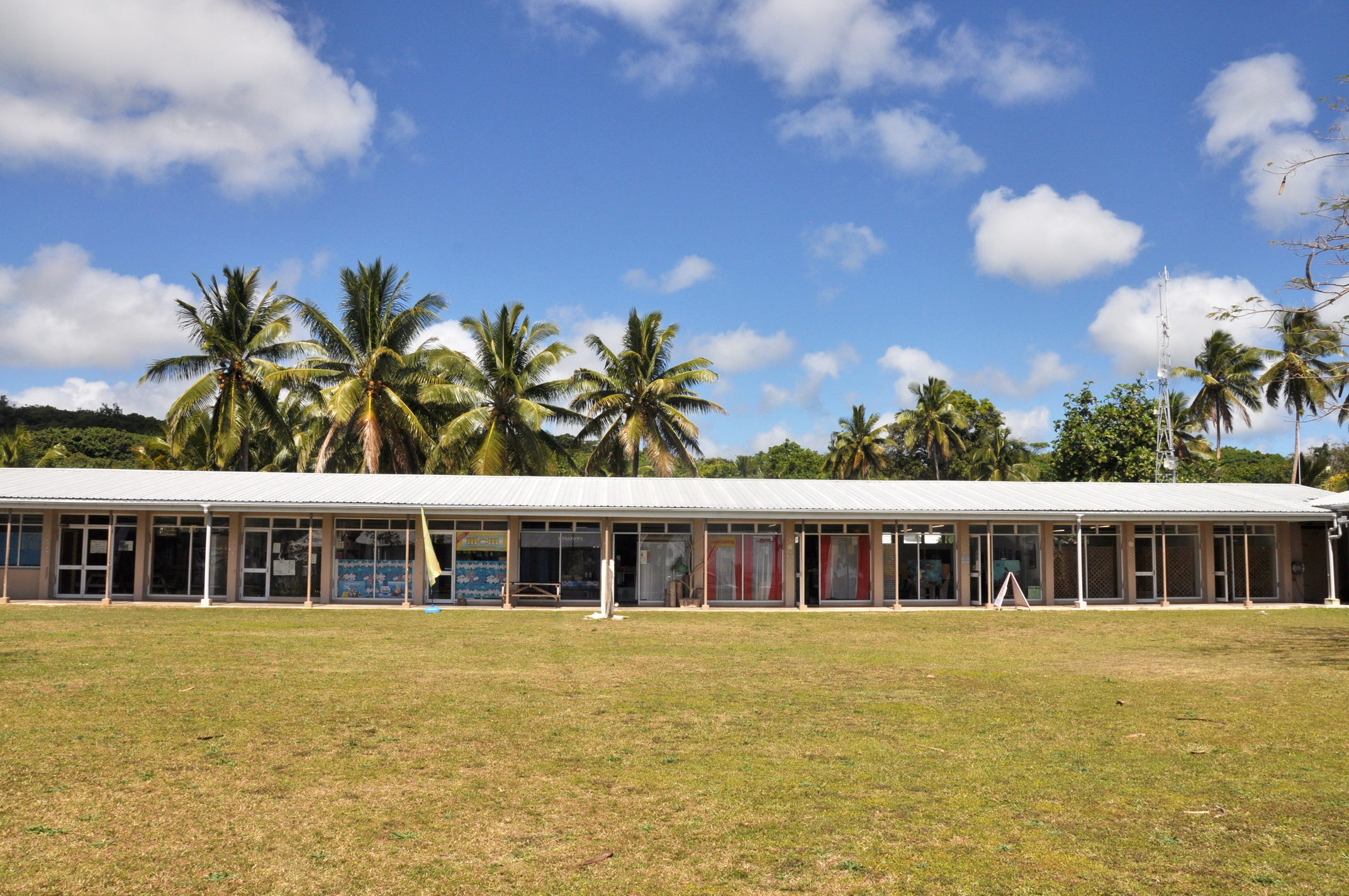
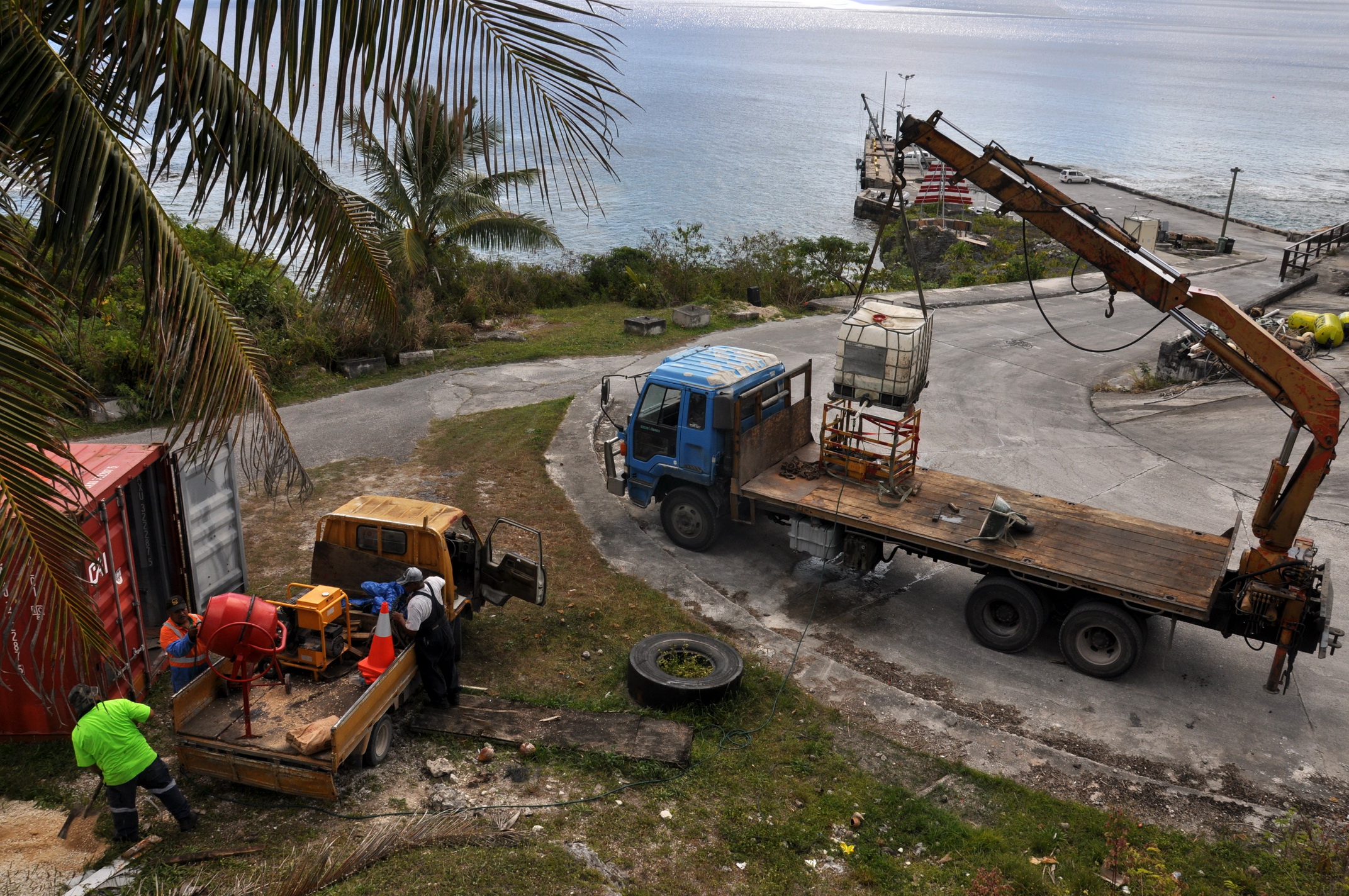
Niue's capital is Alofi, a small settlement along the coast. At first you don't believe you're in the capital and feel like driving farther, but all you find is forest again. Those little houses, it turns out, are the capital. What's more, Alofi has a CBD, or central business district, and an industrial zone. The industry is missing, never mind. There's a port where everything the island needs comes in from New Zealand.
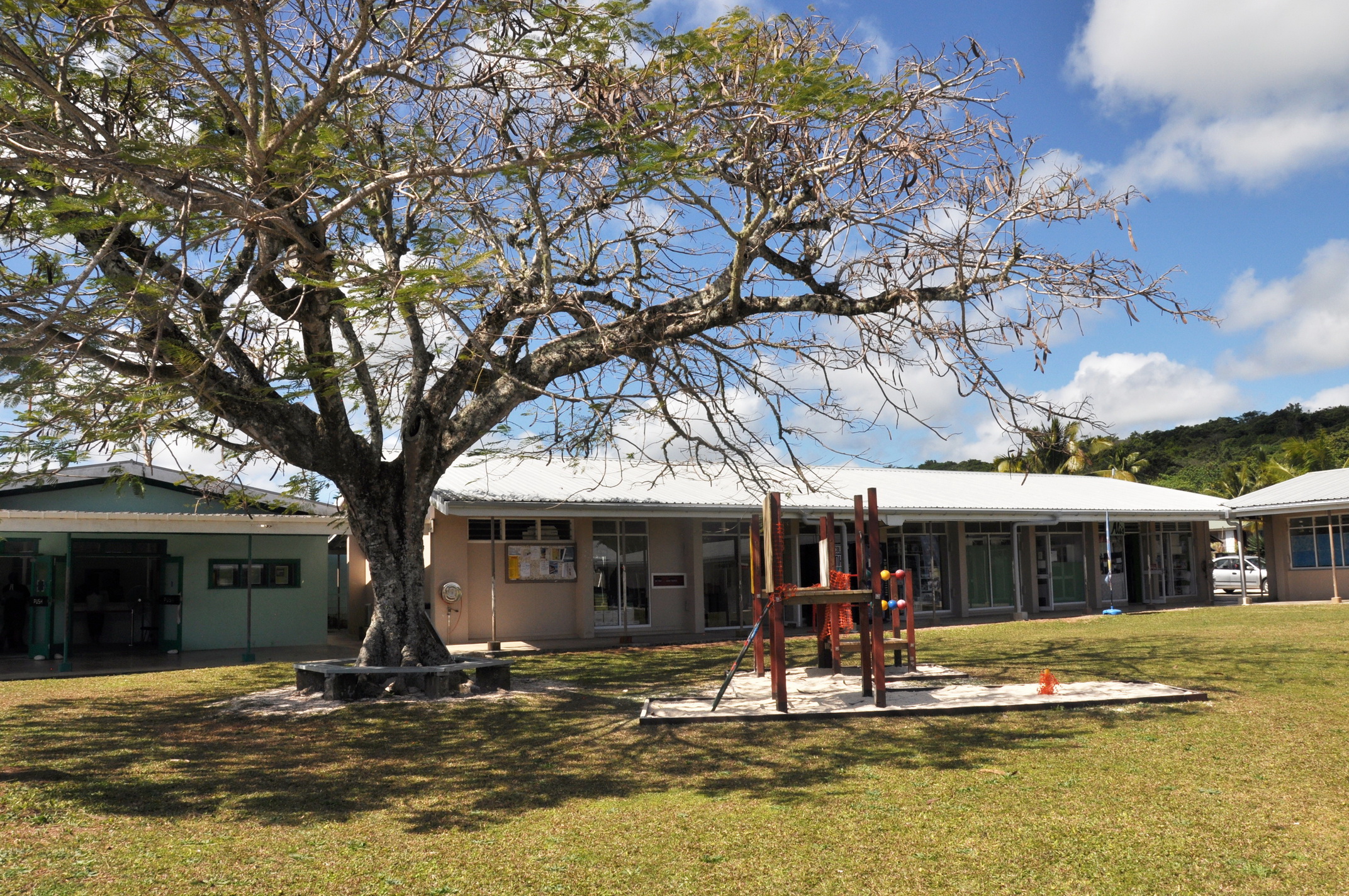
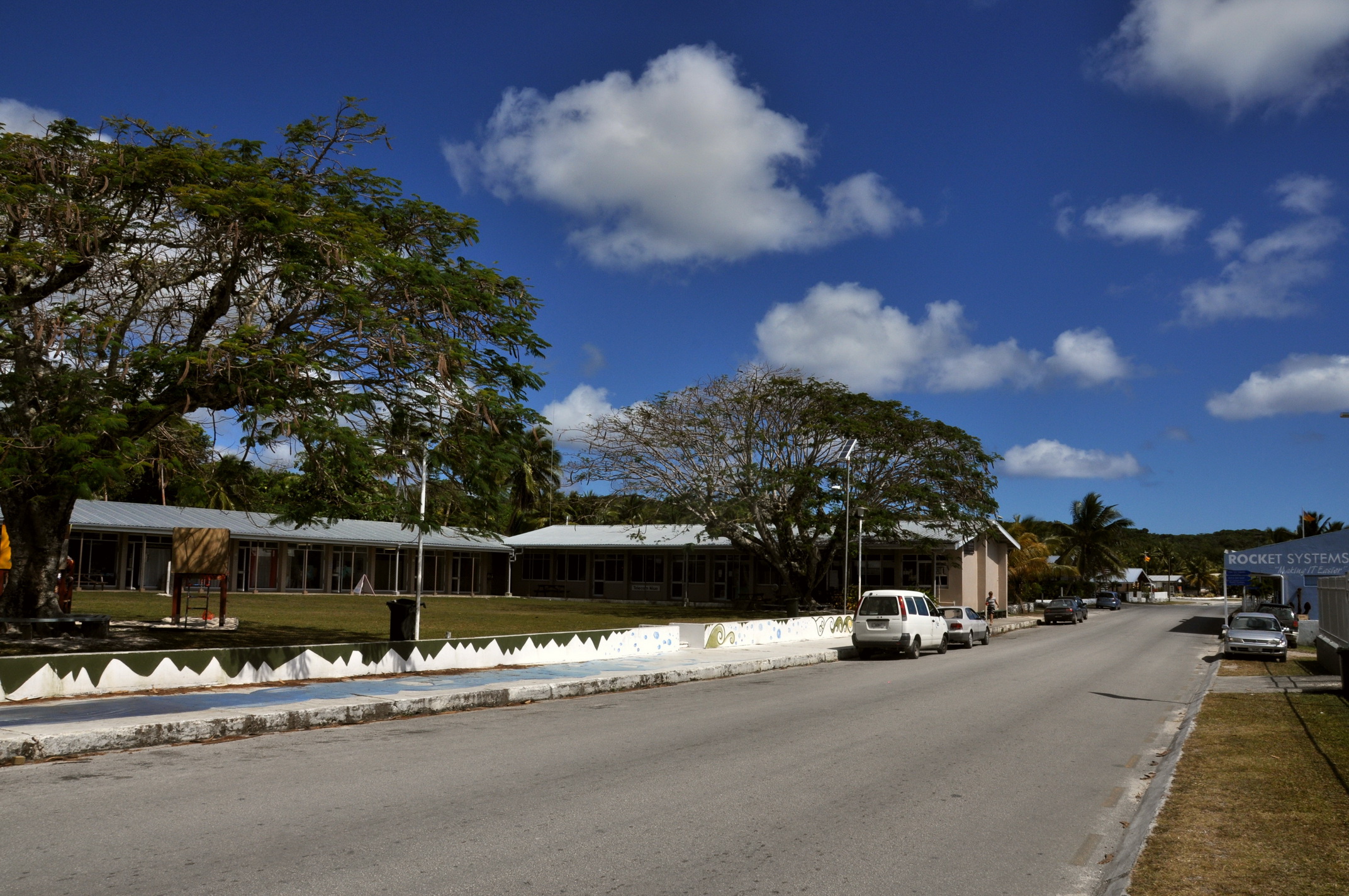
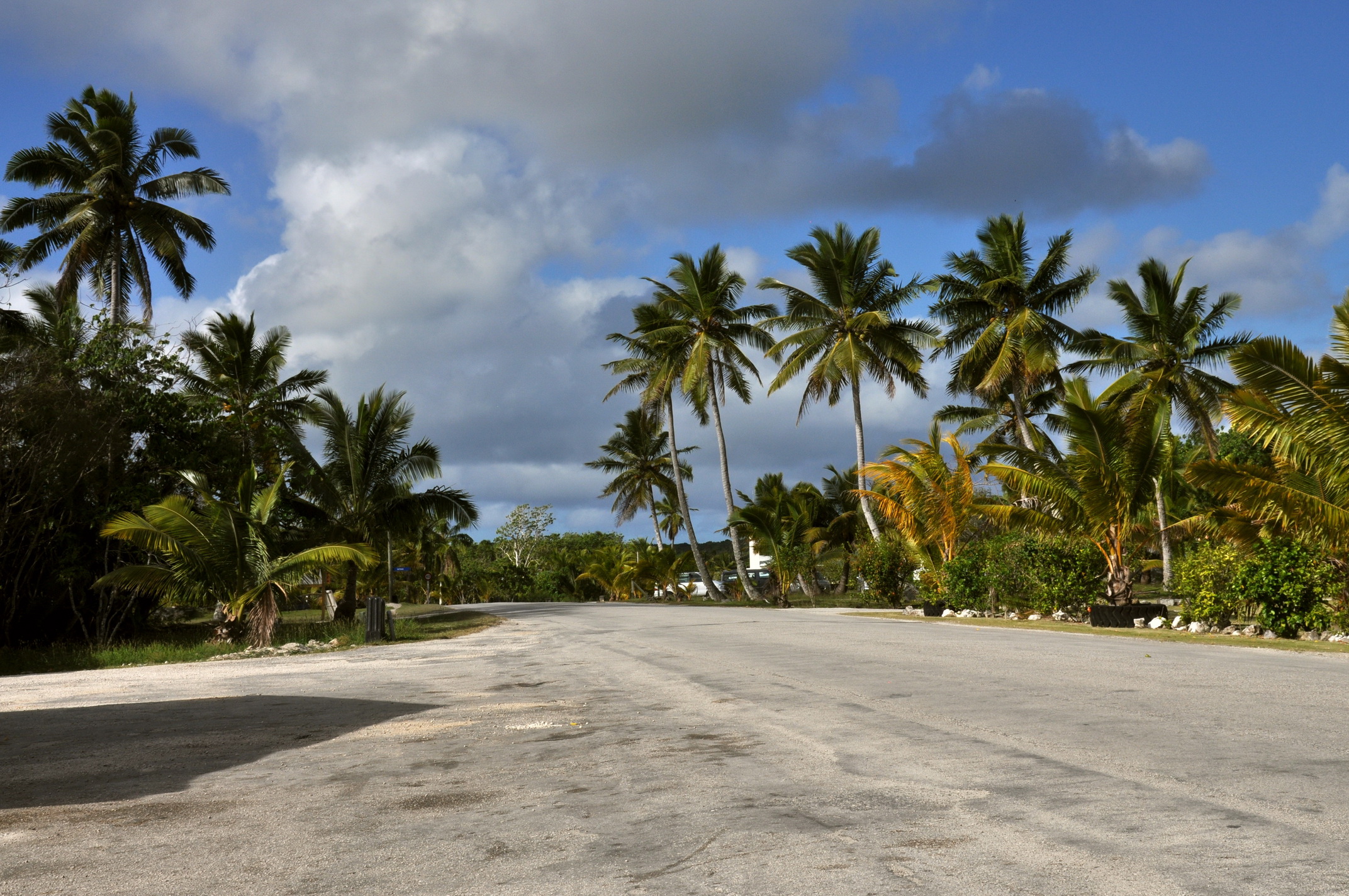
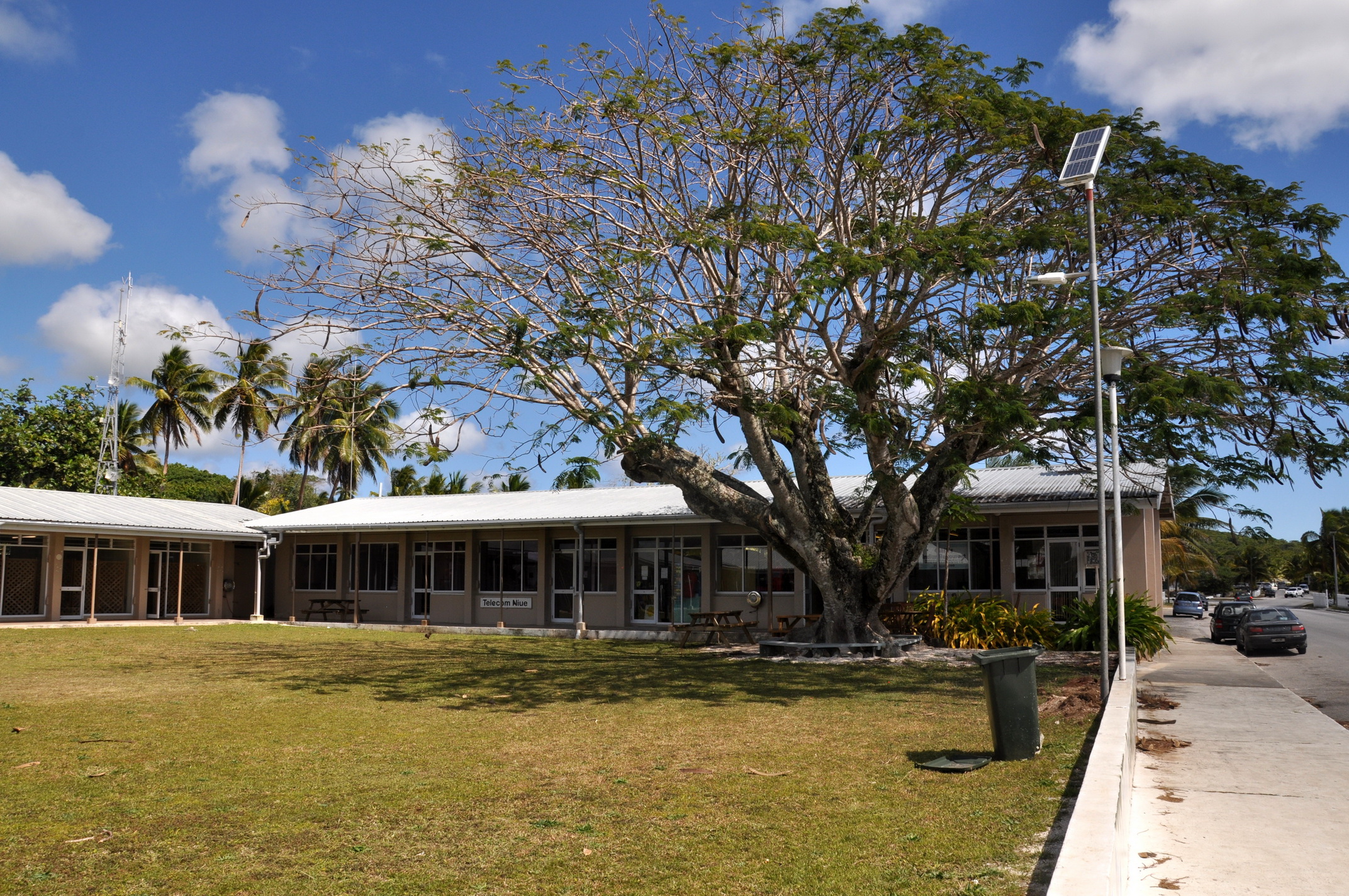
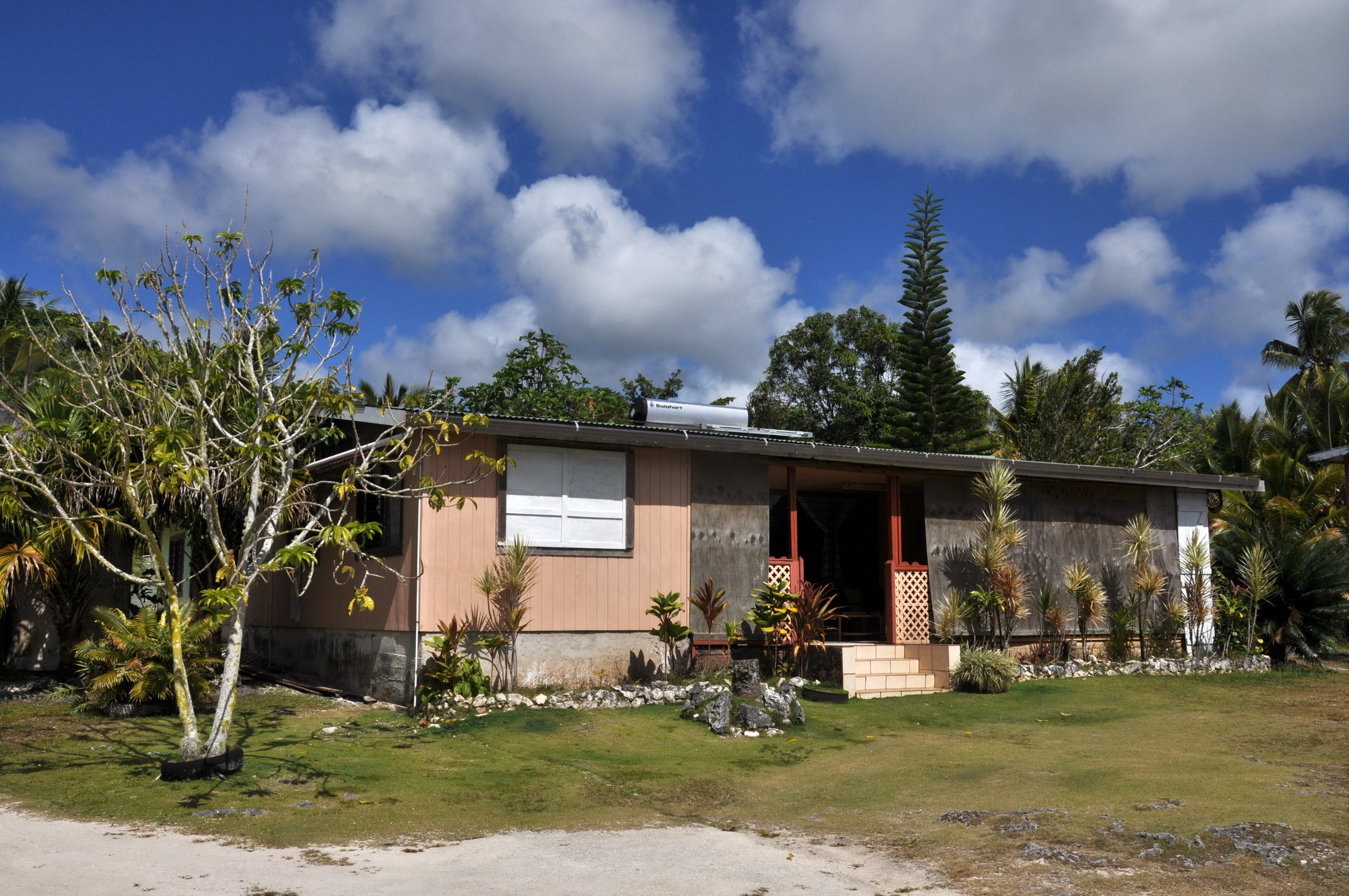
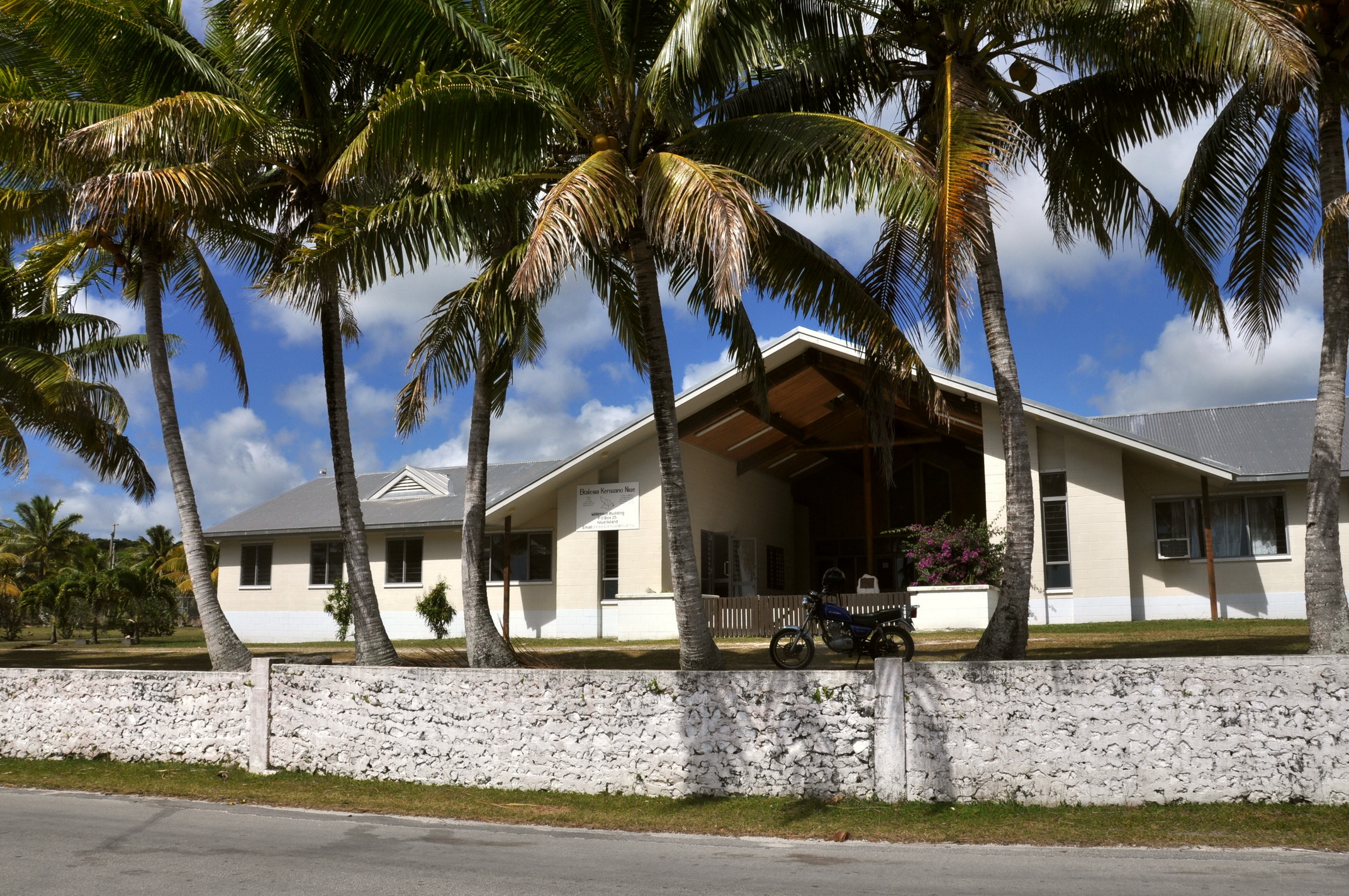
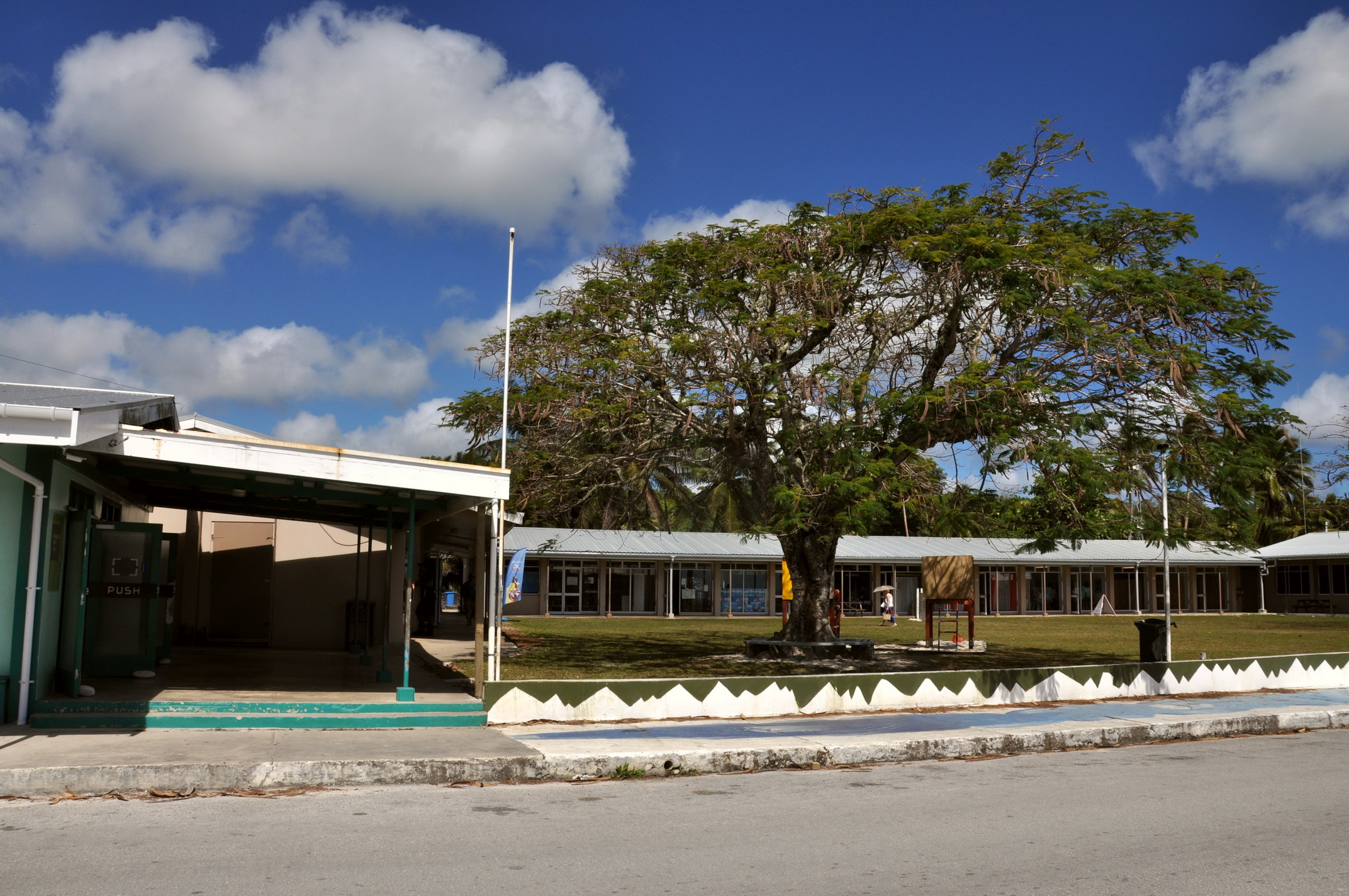
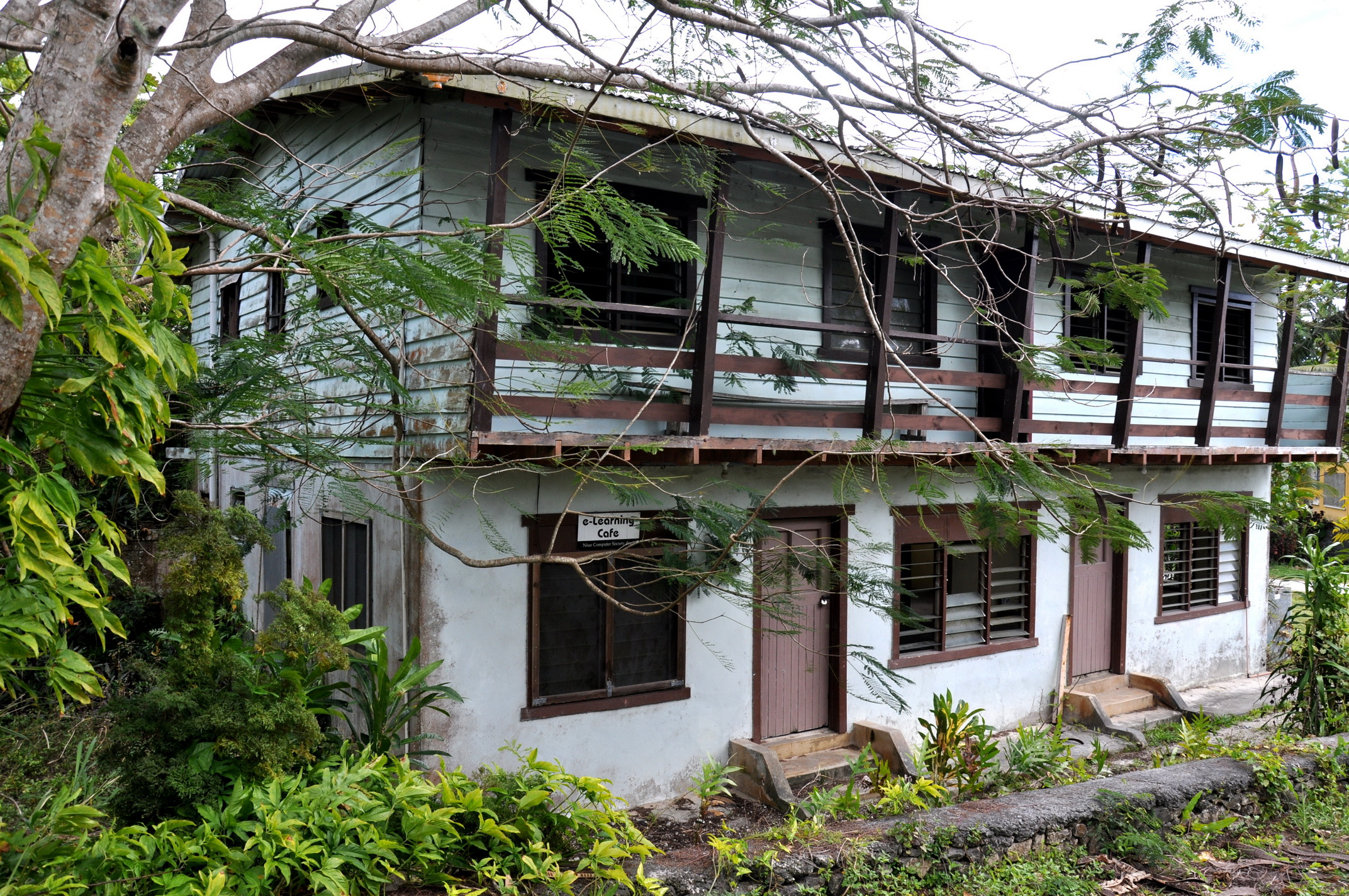
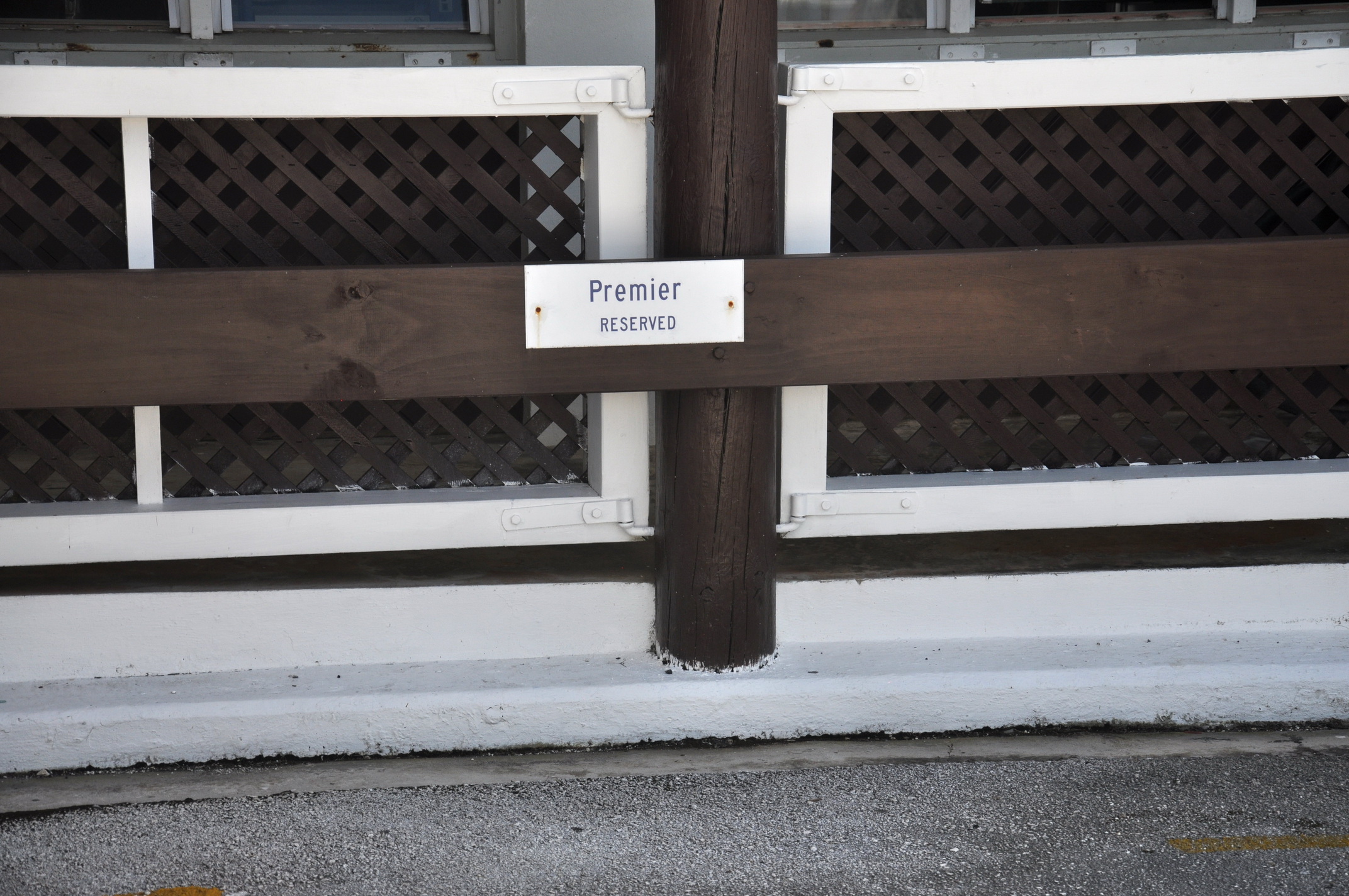
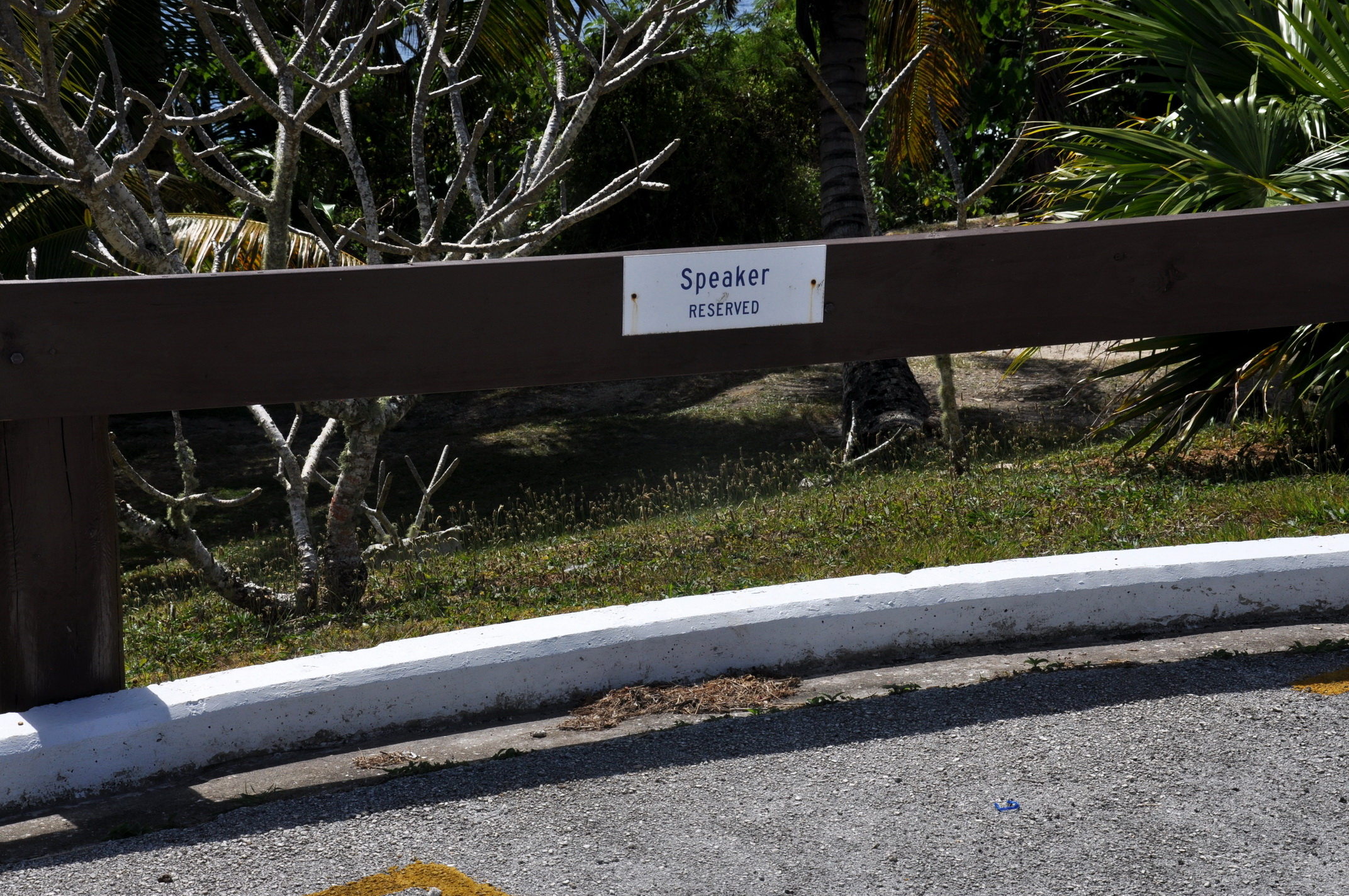
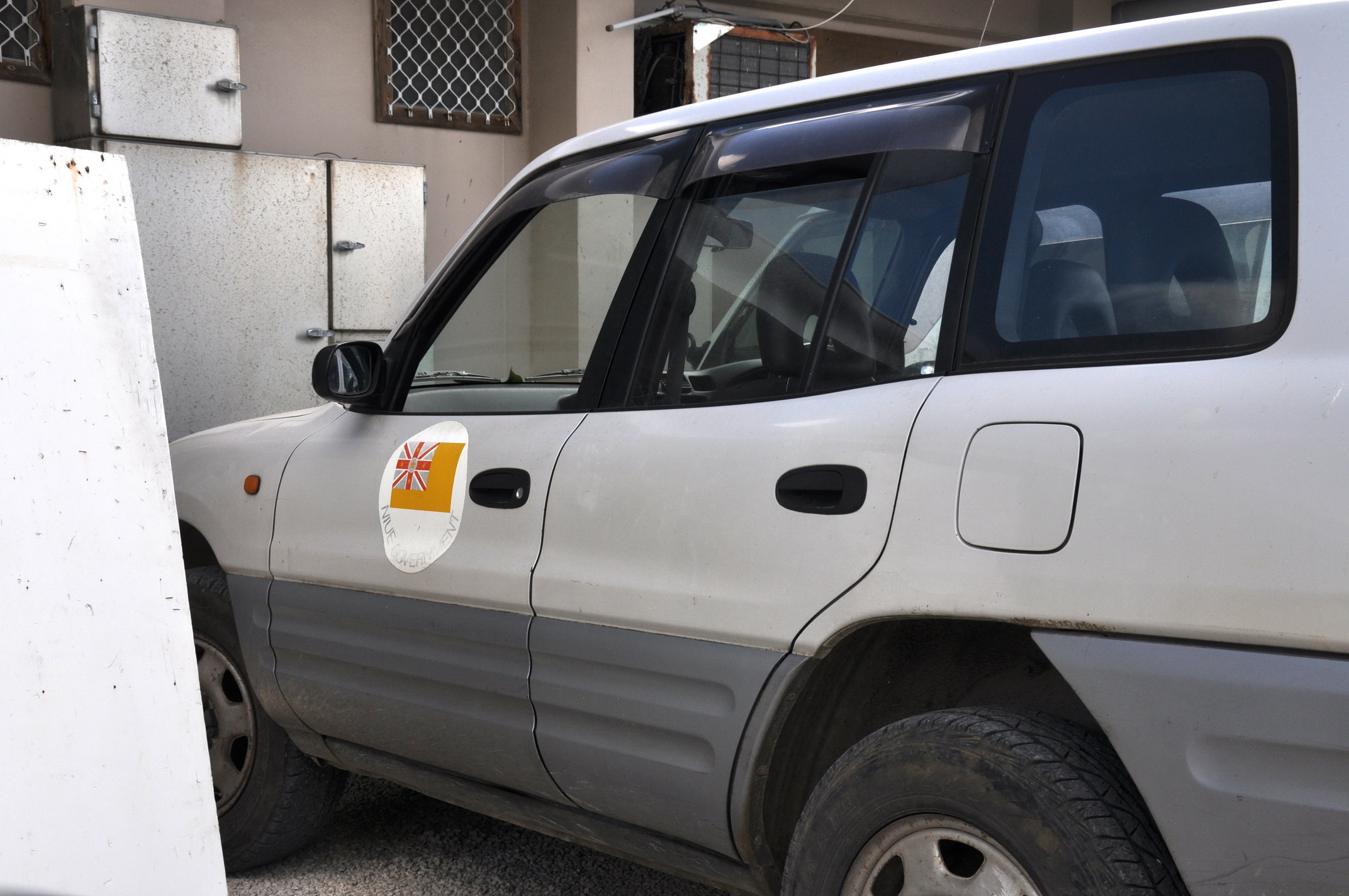
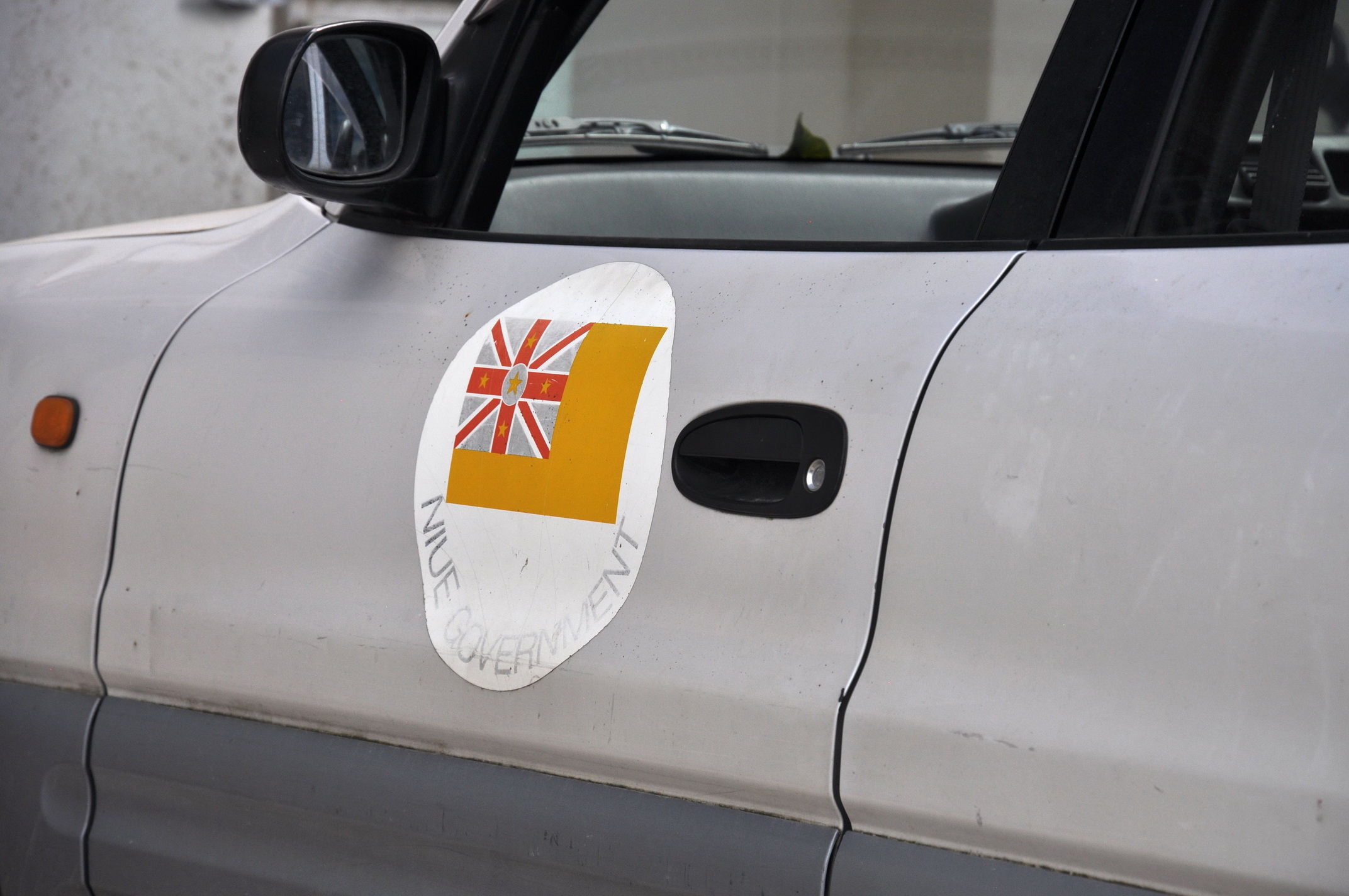
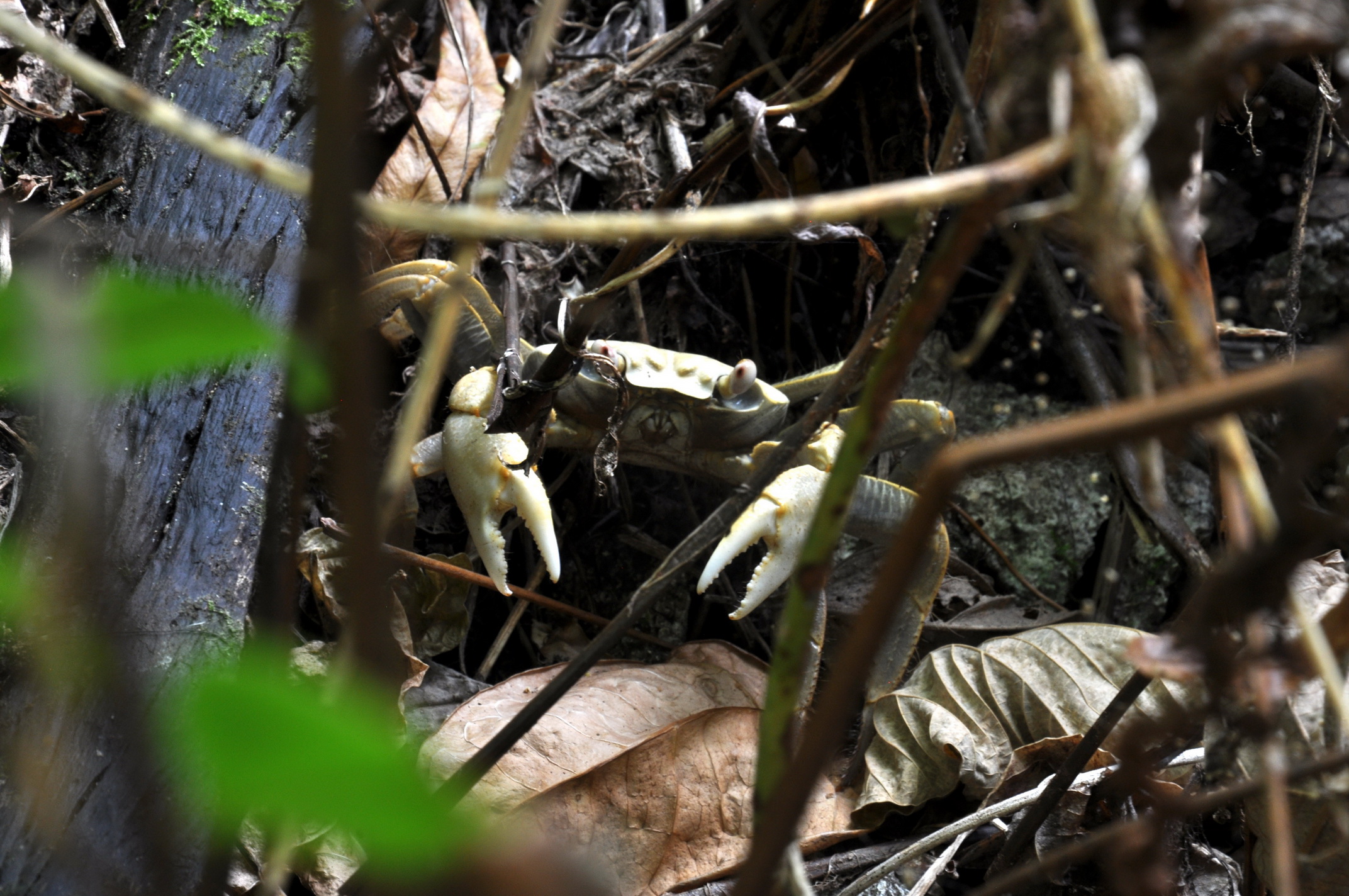
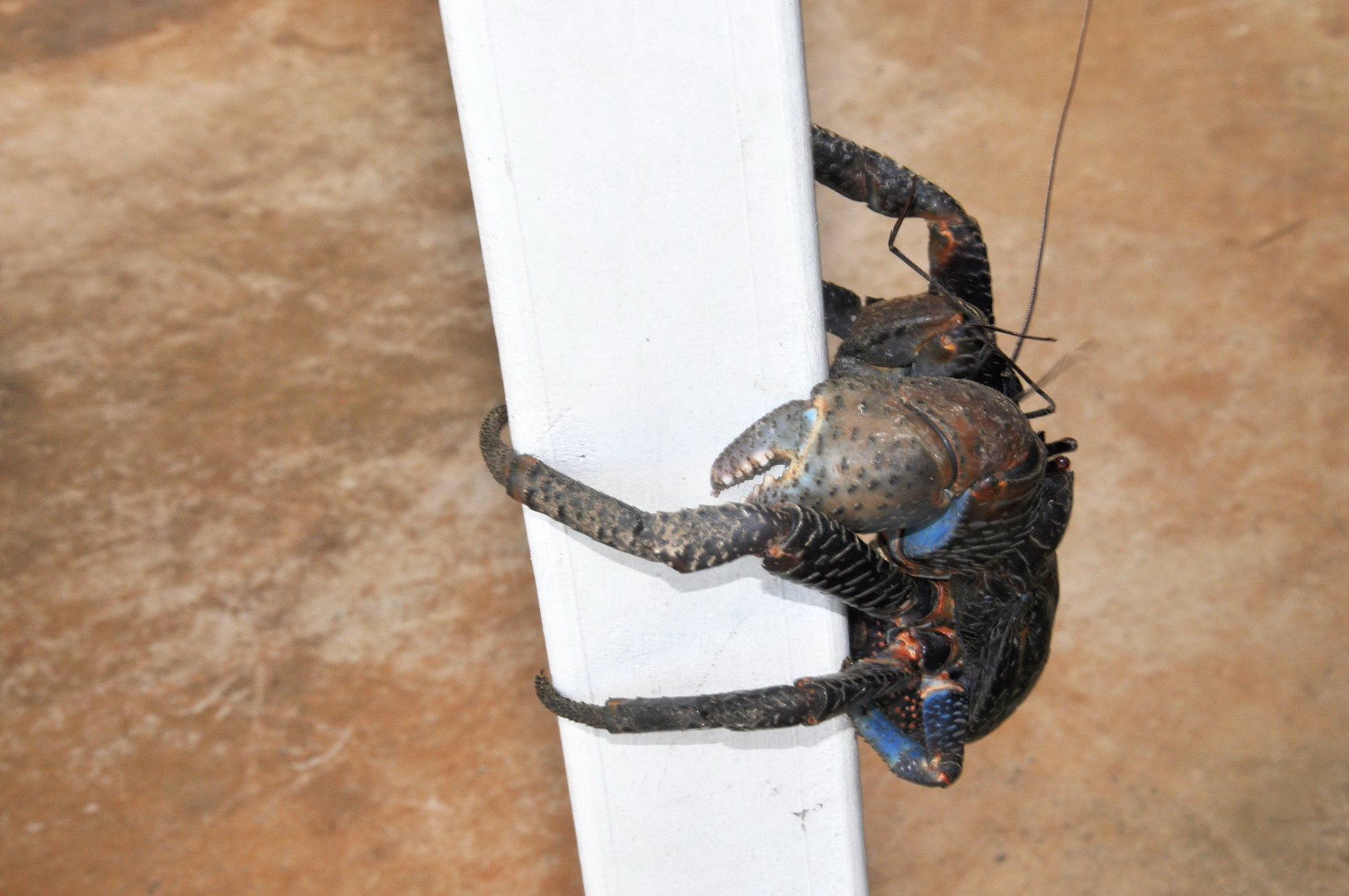
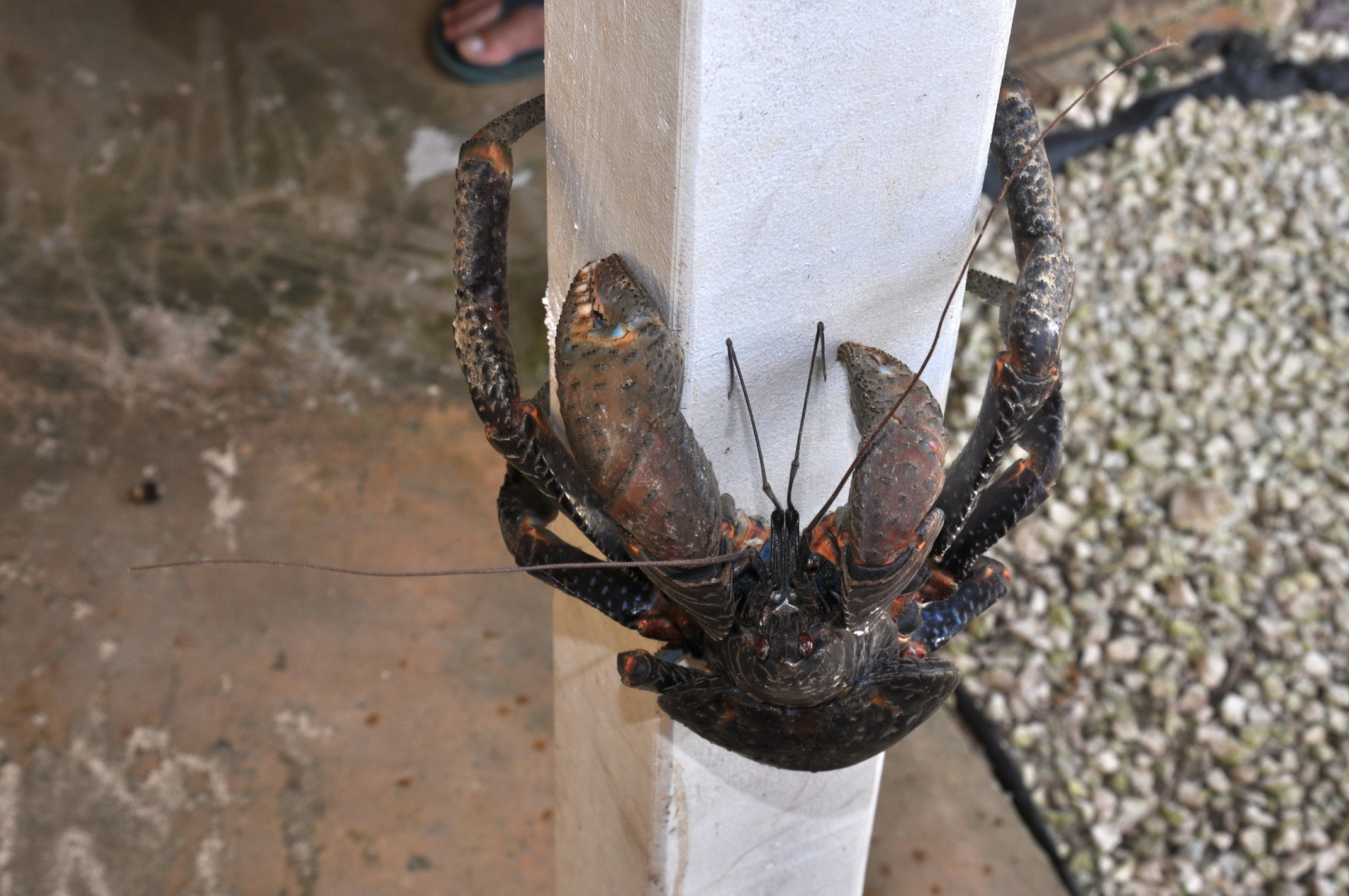
Naturally there's a government, in a small shed. In front are four parking spaces, one for the premier, one for the speaker, and two to spare for the three remaining ministers. Plenty. They were empty all the time anyway. We never did learn whether the government was forever off on state visits and attending meetings at UNESCO or simply lying under a palm tree enjoying life. Its rank and file seemed more likely to catch crabs and grow pawpaw than to ride about with flashing lights. The official limousines were four-wheel drives.
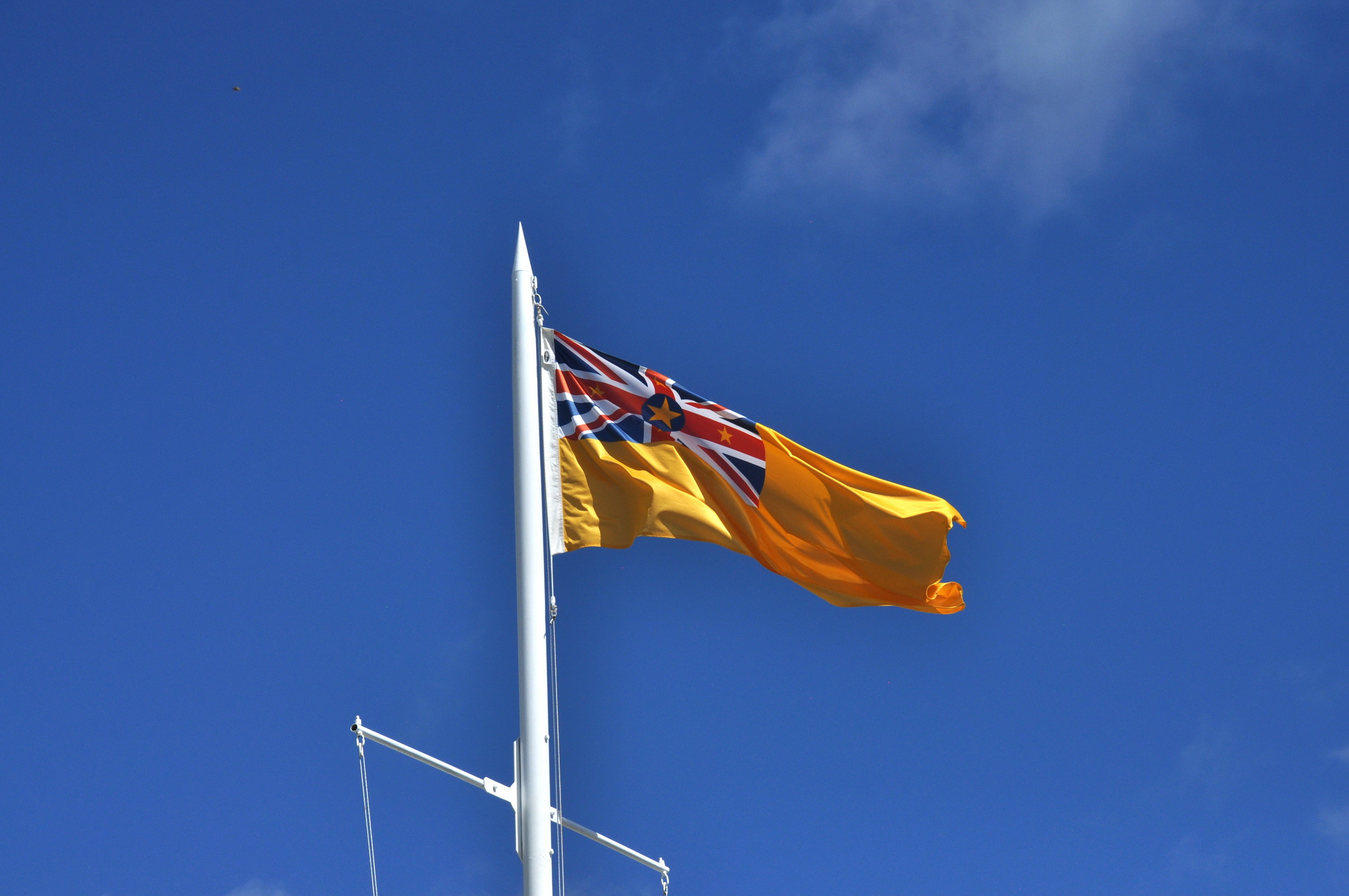
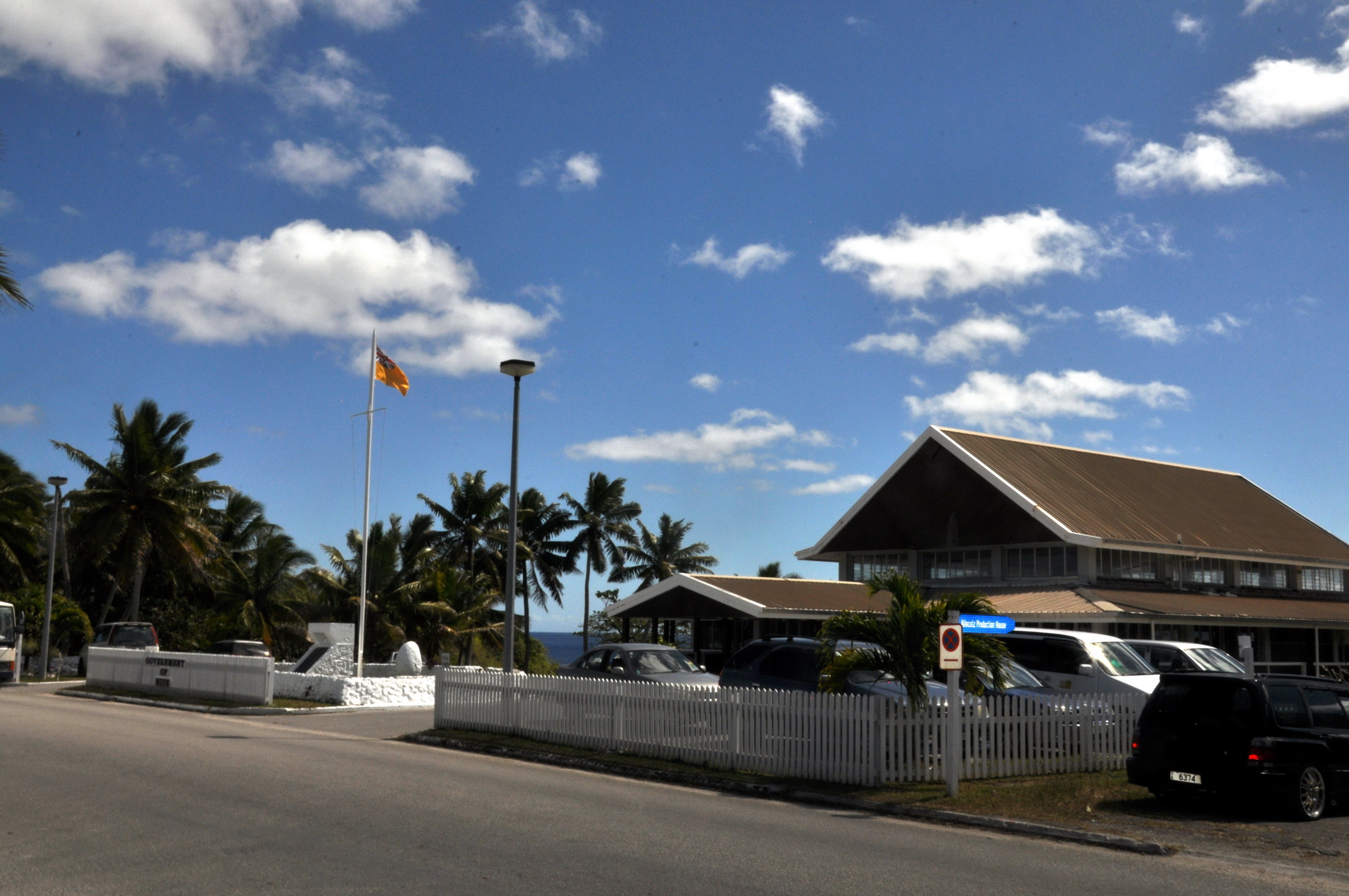
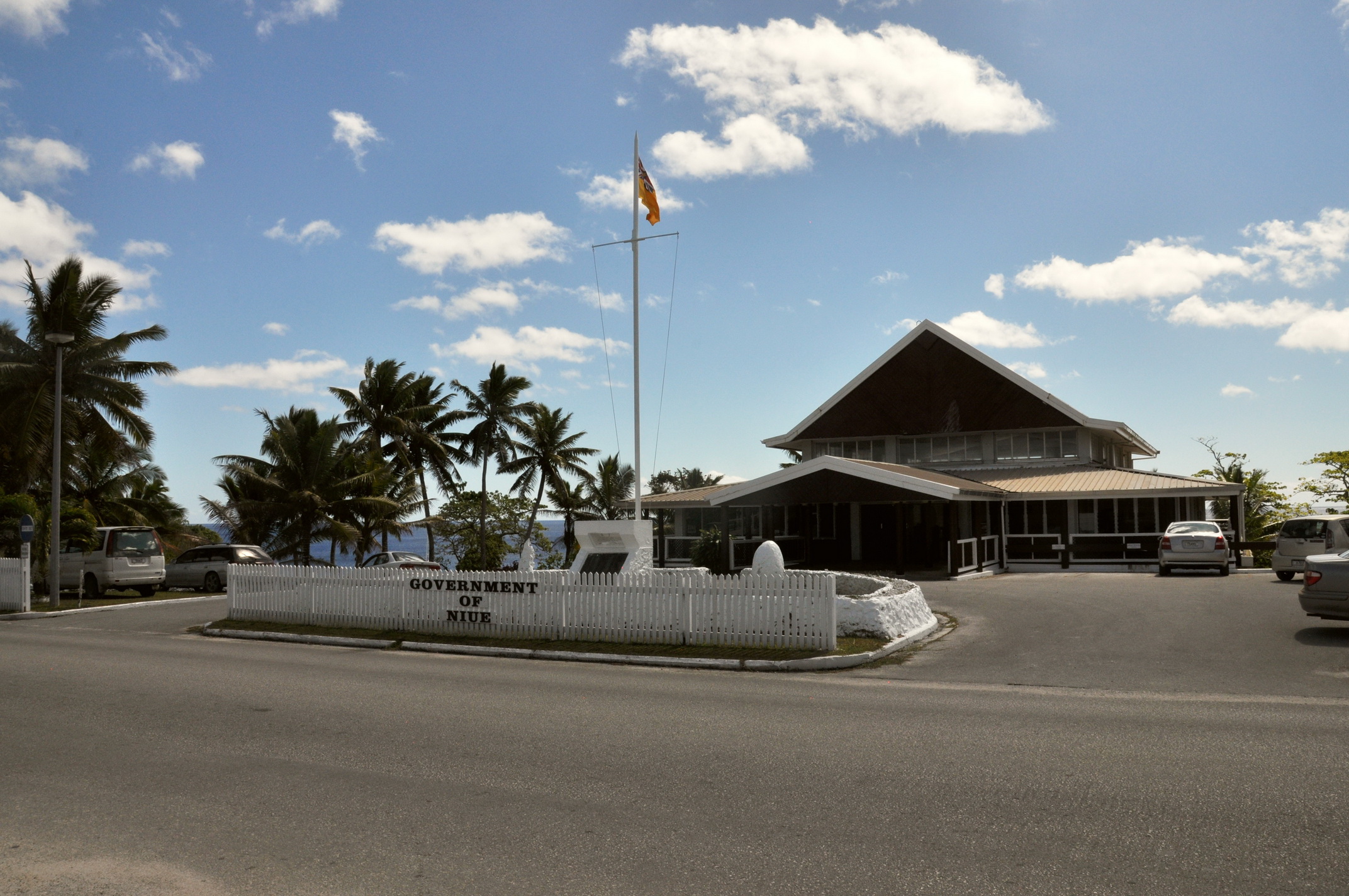
Next to the government was the country's only bank, the New Zealand Kiwibank, with a New Zealander managing the branch. I had read that Niue had been the only country not to comply with American anti-money-laundering requirements. The explanation was simple, I assumed. The place had no banking system of its own to monitor.
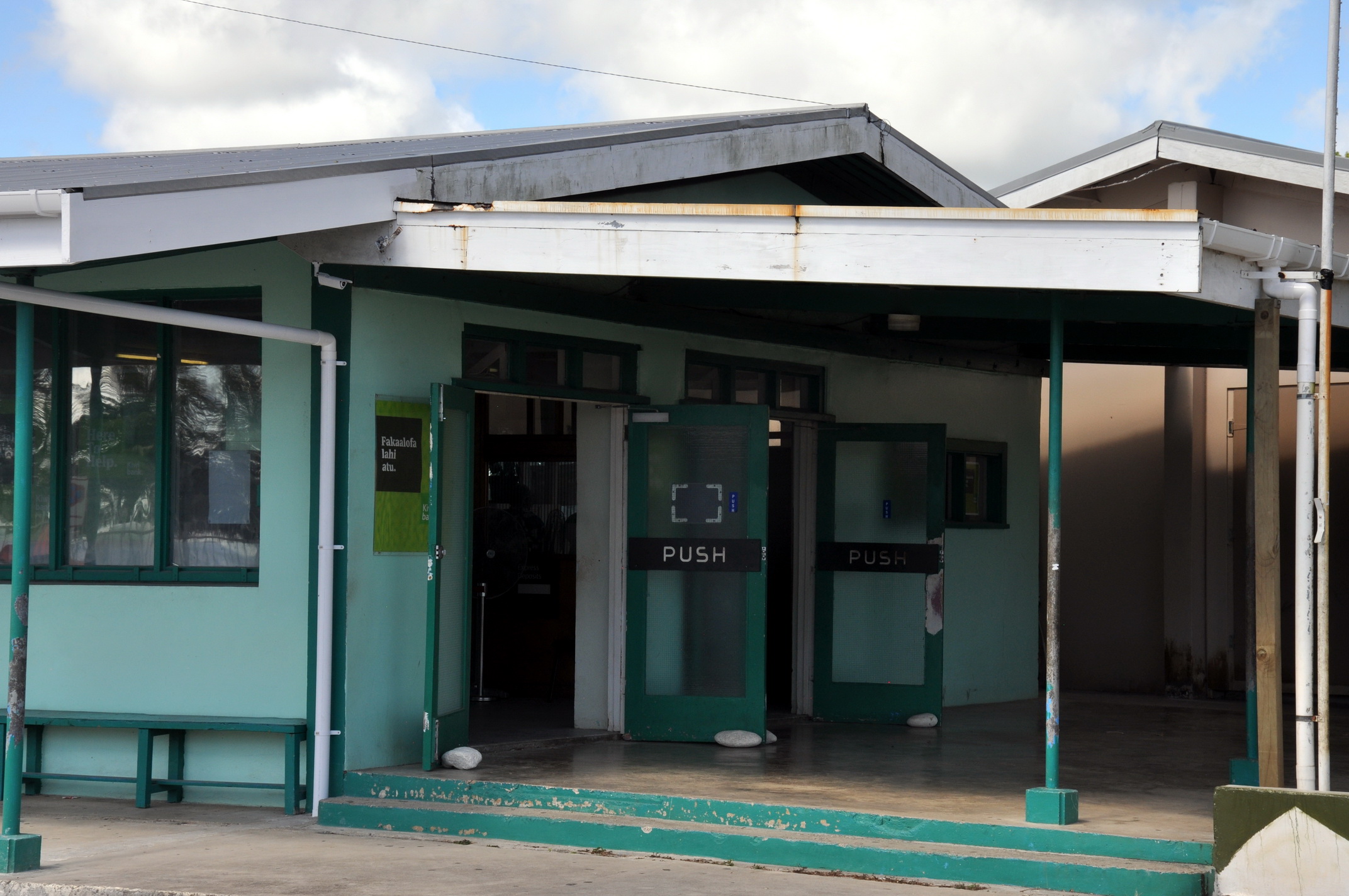
Kiwibank had the country's only cash machine. It didn't always work, so having cash on hand was useful. It didn't charge for New Zealand cards. Most businesses took cards, though some shops imposed a credit-card fee that could be enormous. The supermarket and expensive hotels didn't charge one.
Beside the bank was the post office, with the country's only letter box. You could buy stamps there and nowhere else, and only on a working day. Niue Telecom had its own building. The exchange and customer service fitted into sixty square metres. Niue had its own mobile company, Rokcell Mobile, with all the equipment in the same room. You could buy its SIM there, and only there. A young woman was on duty after the flight landed, so you had to move before she left. A tourist SIM was thirty dollars for thirty days. It came in handy because there was no roaming and sometimes you wanted to make a call. In practice ours would connect to Australia and New Zealand. Russian numbers were treated as wrongly dialled. Local numbers had four digits.

When we'd bought the SIM, the young woman suggested calling the help desk to test it. We rang and the phone on her desk rang. It was her again in another capacity. All of Telecom, it turned out, had one phone for every occasion. The mobile network consisted of three base stations. It had no 3G or even mobile data just then, though both were promised.
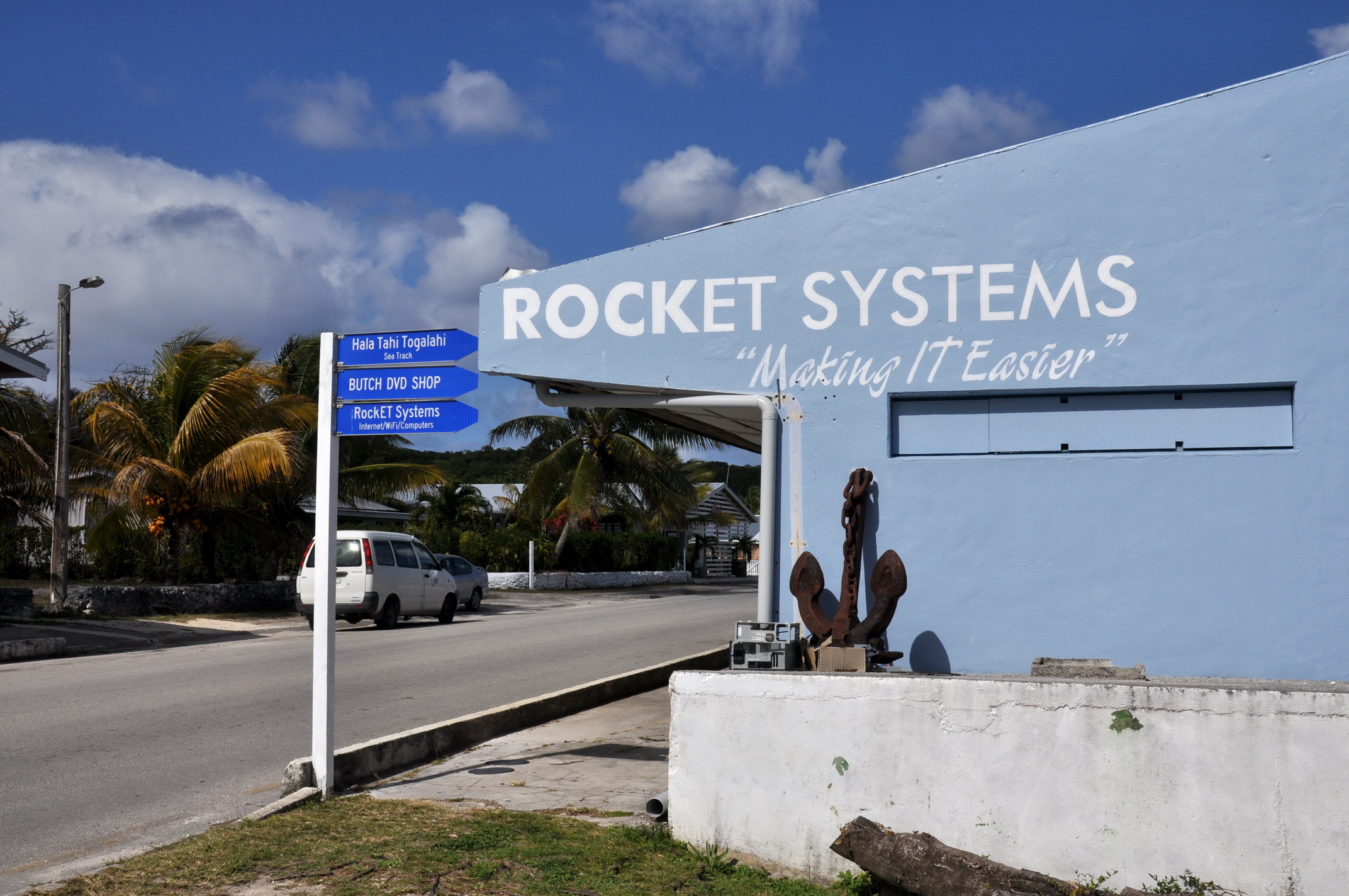
The internet wasn't quite so bad. The expensive hotels had it, and some places had paid Wi-Fi. To sort out anything technical you could try Rocket Systems, over the road from Telecom, a shop, repair centre and internet café rolled into one.
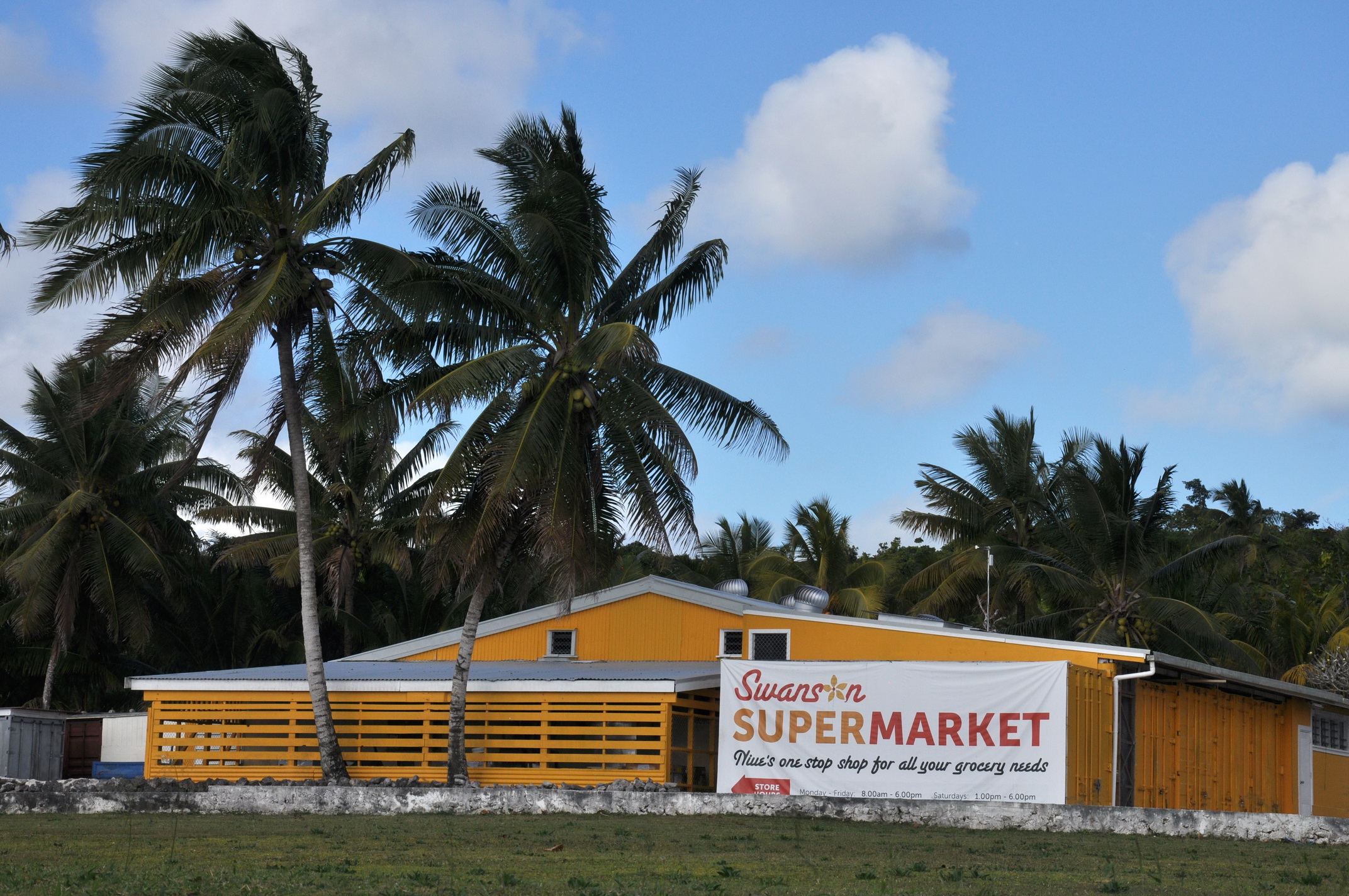
The capital had a supermarket, a couple of grocery shops and a dozen other little stores. Nearly all the food, even the tomatoes, came from New Zealand. The meat was all frozen and none too good. Only the greens and some eggs were local. There wasn't a lot of choice, but basic food and clothing were available. Villages theoretically had grocery shops. Finding one generally meant locating the village head so that he could open a shed and sell you some food, mainly New Zealand tinned goods.
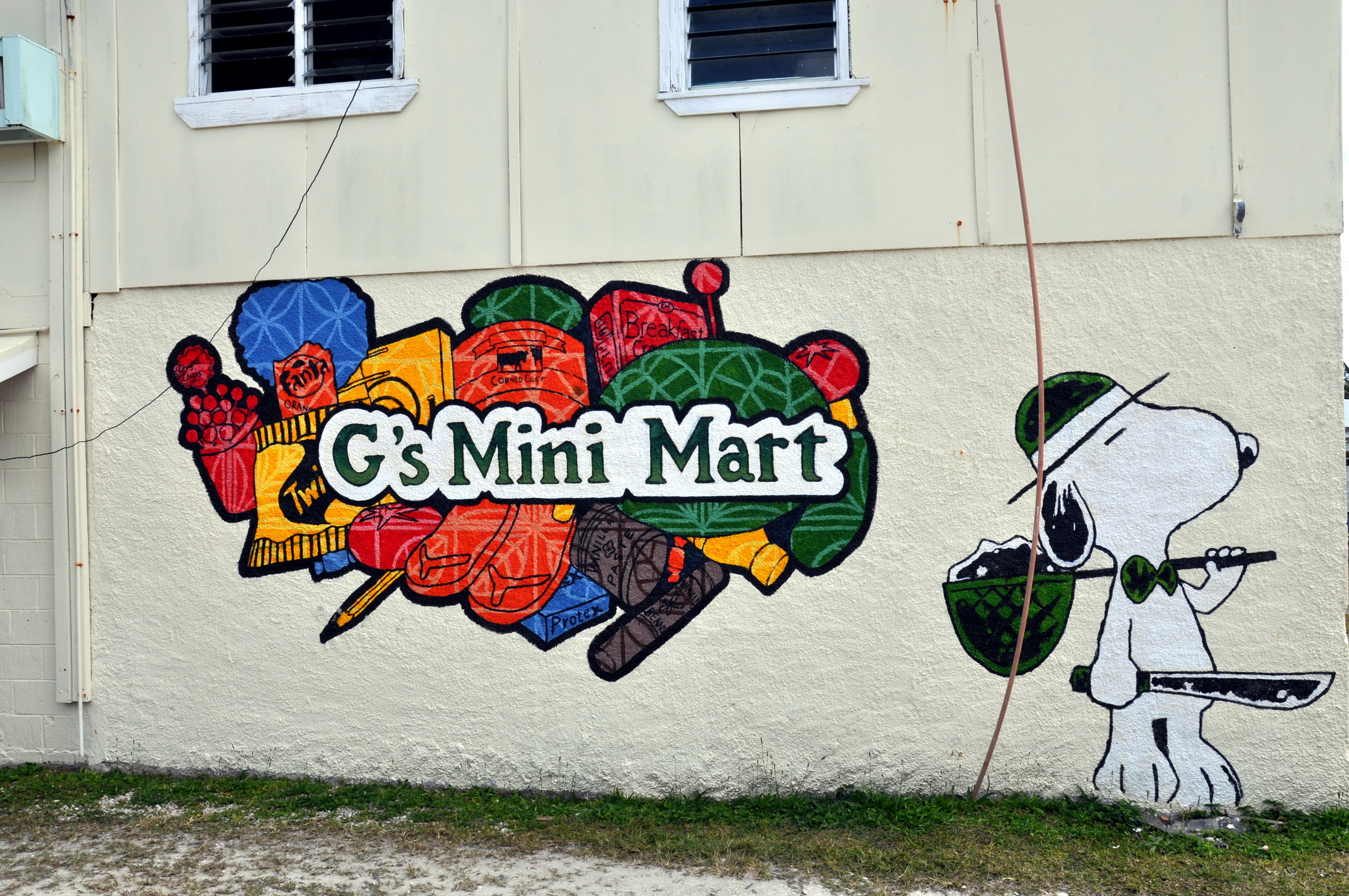
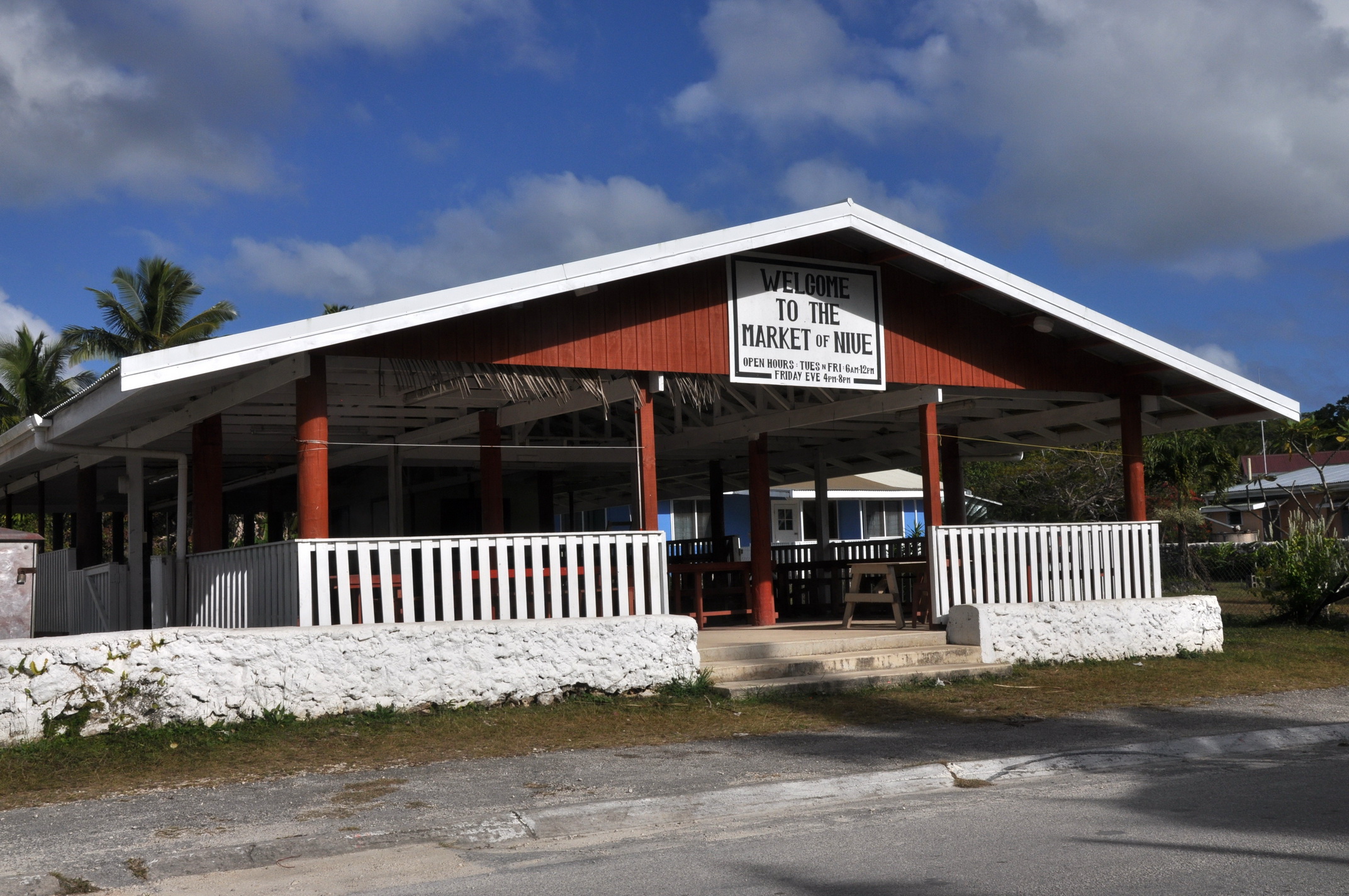
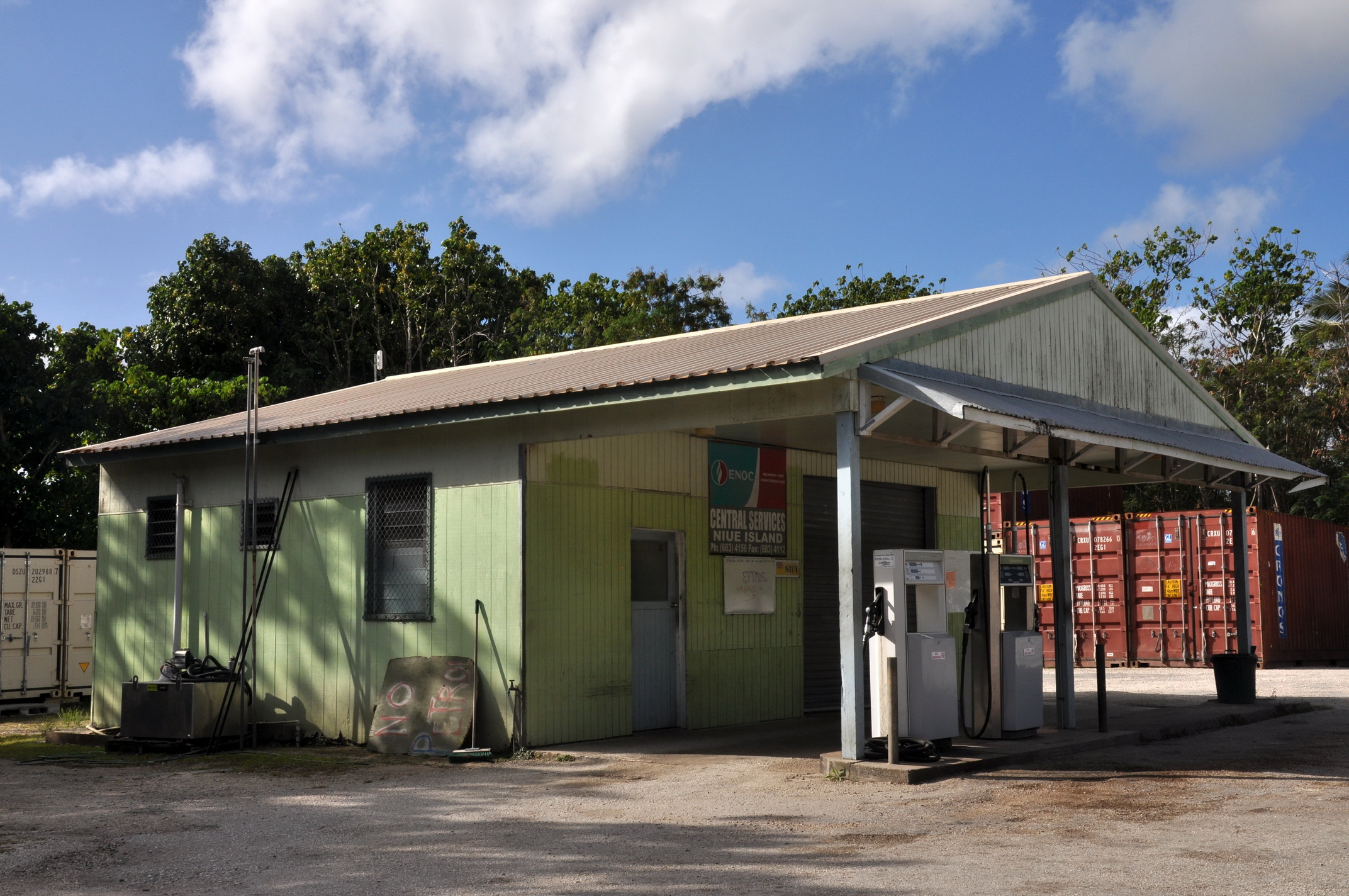
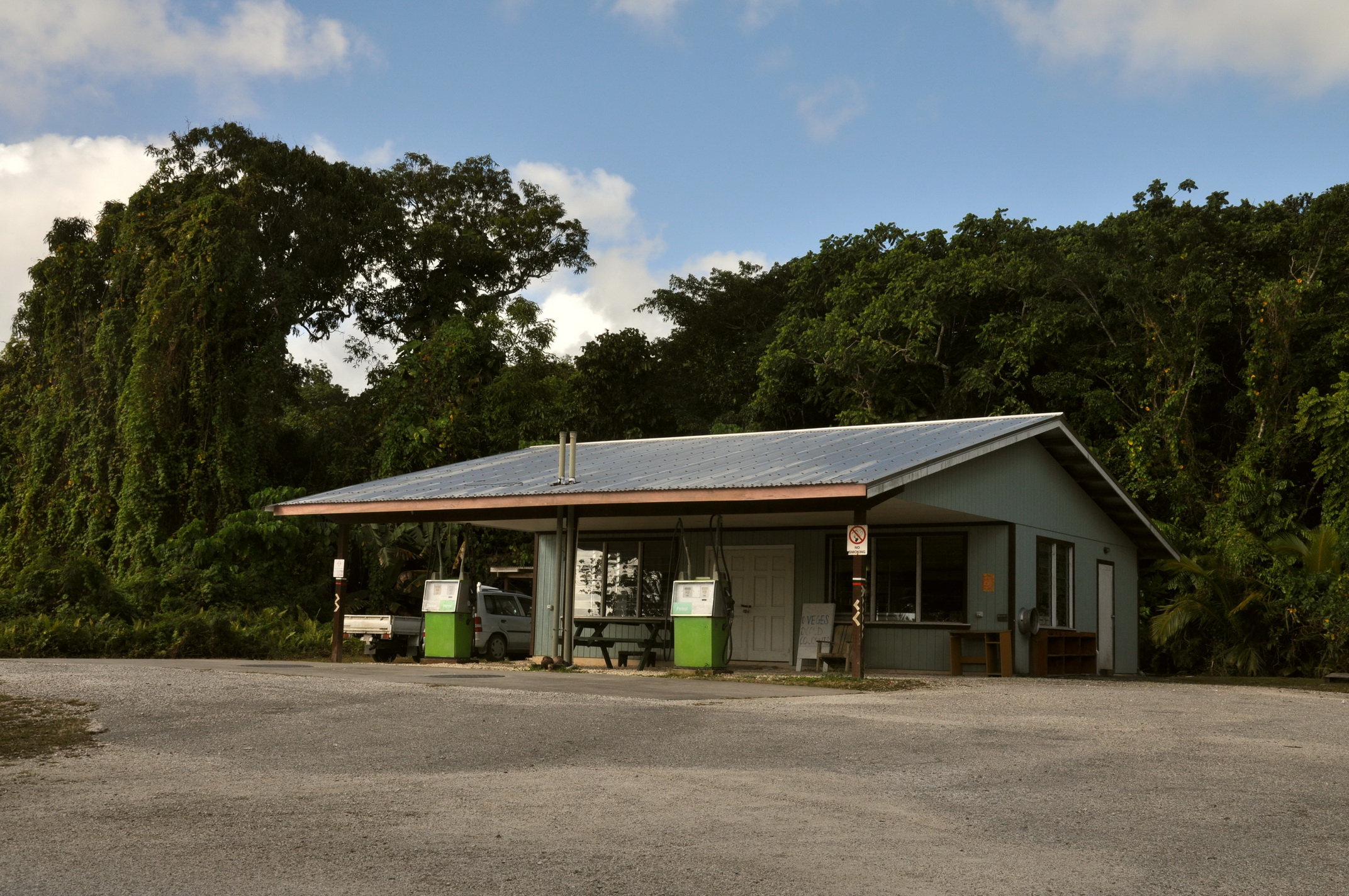
Alofi had a market on Thursdays and Fridays, not noted for its abundance. A few older women sold taro. There wasn't much for tourists. The country had two petrol stations which closed at night and on Sundays. Petrol was expensive. They had little food shops, where you could buy fruit and fresh bread, including coconut bread. At the stalls that specialised in bread you had to be there first thing in the morning.
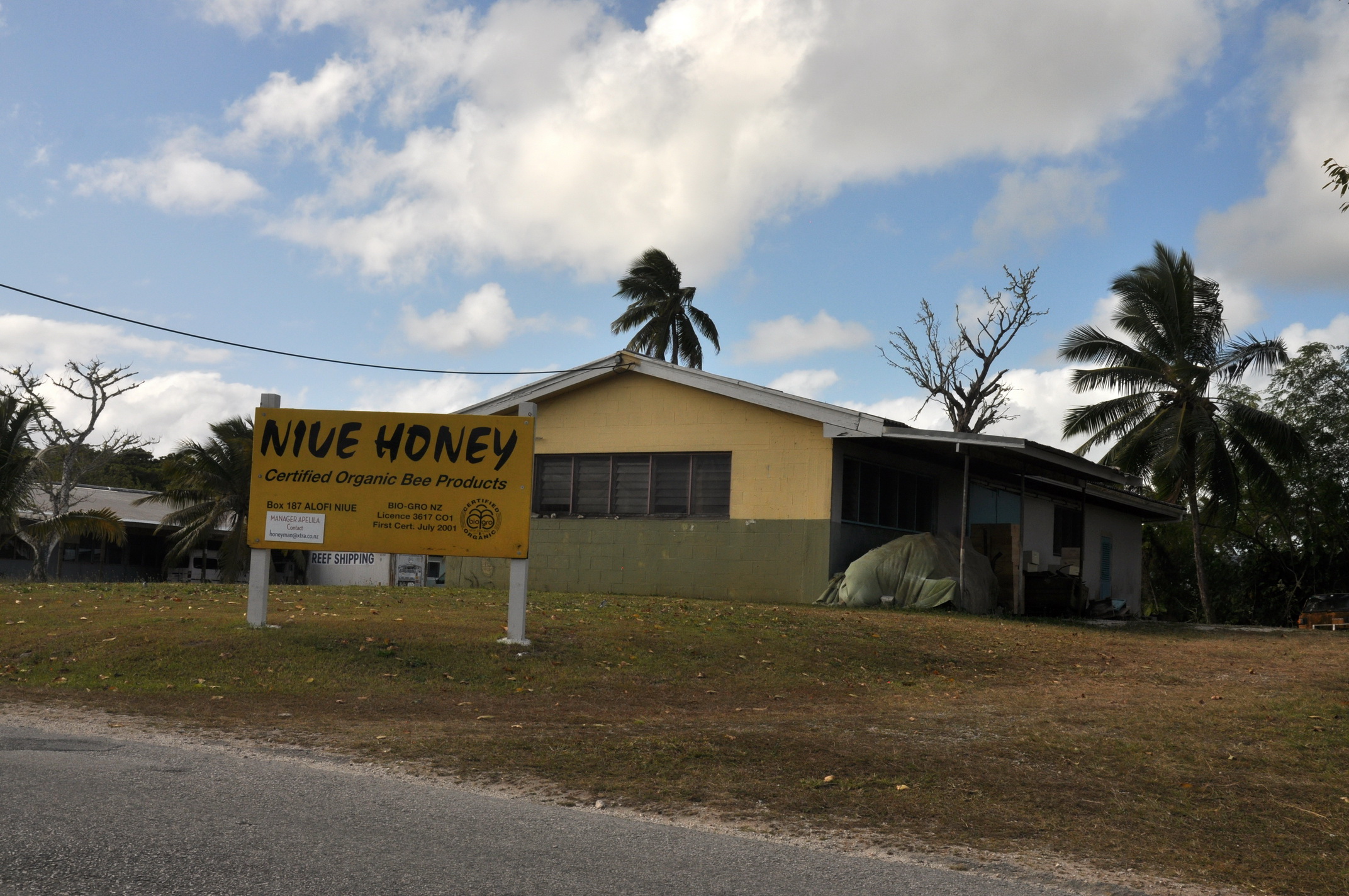
Honey and vanilla were a point of local pride and good souvenirs. Customs was another question, with restrictions on bringing both into New Zealand and Australia. At the time we could visit the airport's biosecurity office, pay $12.50 and get a certificate. You could buy the honey wherever you liked and the price of the certificate didn't change according to quantity. They checked that the jar had not been opened. On arrival in New Zealand the honey still had to be declared and the certificate surrendered, so it couldn't be reused in Australia.
Alcohol was a government monopoly, sold at one shop near the main square. Everything was imported, mainly from New Zealand. Even the local pride, Niuean gin, was made in New Zealand if you read the label closely, though by a thoroughly Niuean emigrant following a thoroughly Niuean recipe.
Every bottle bore two prices, one about what it would cost in New Zealand and the other twice as high. The first was a sort of duty-free price, though you didn't actually have to take the drink out of the country. If you were a foreigner and could give a flight number and date, you got the lower price. I suppose they assumed that if all else failed the alcohol would leave inside you. You could drink it there and then under the shopkeeper's nose. The second price was for locals, though I suspected they knew ways around the horrendous mark-up.
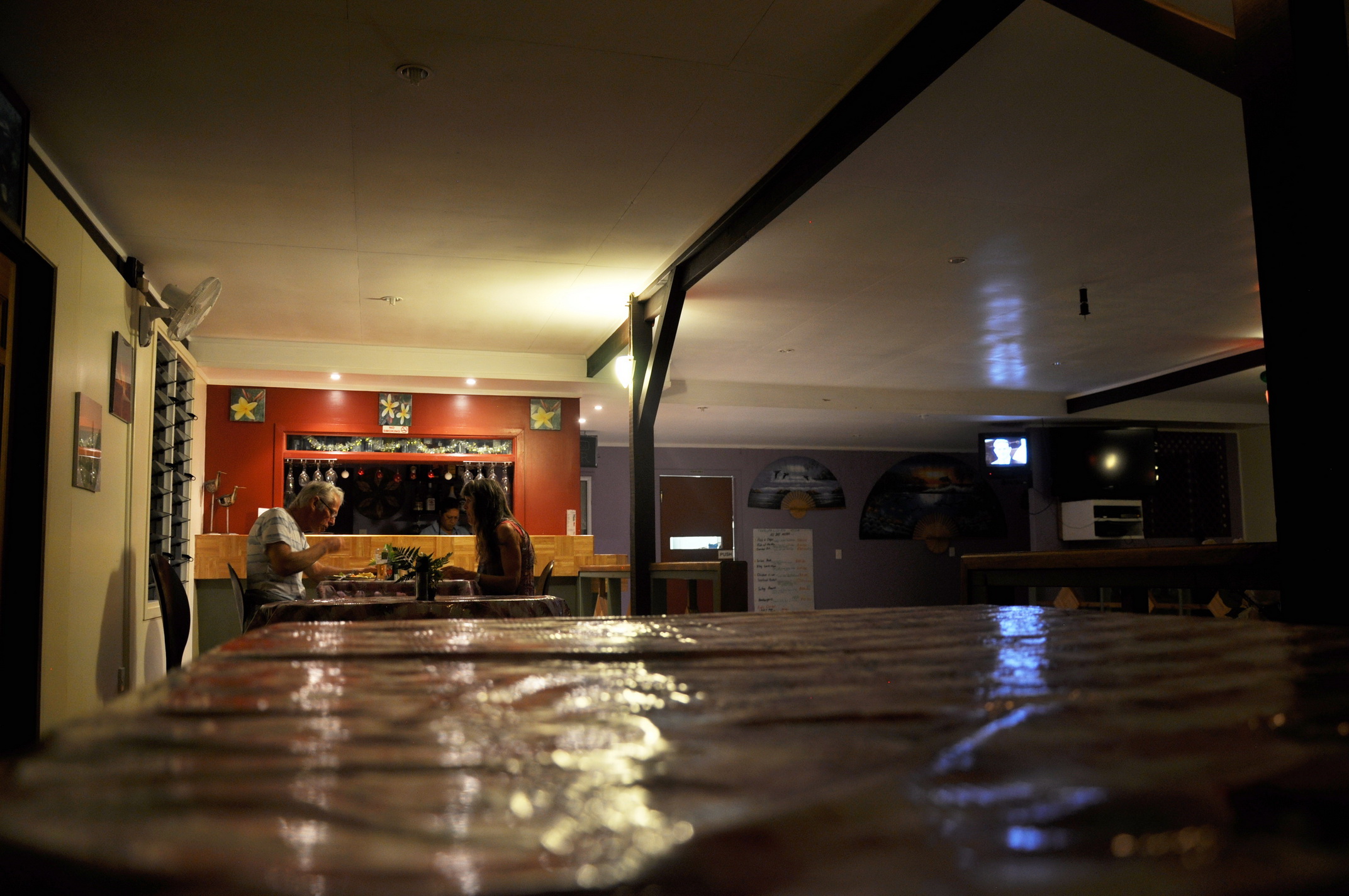
Almost all the eating places were concentrated in the capital. There were more than twenty restaurants, but you could easily reach one and find it closed. It was useful to call and book. Some cafés opened just once a week. Sundays were the trickiest. Niueans weren't conspicuously religious, but they took the day of rest seriously. Foreigners treated this more lightly. The Indian restaurant on the main square opened every day and kept the longest hours. Plenty of people in the service trade came from elsewhere. A shopkeeper might be the wife of a manager brought in from New Zealand, or a Fijian. The hotels were similar. I thought the New Zealanders were best at judging what their compatriots wanted.
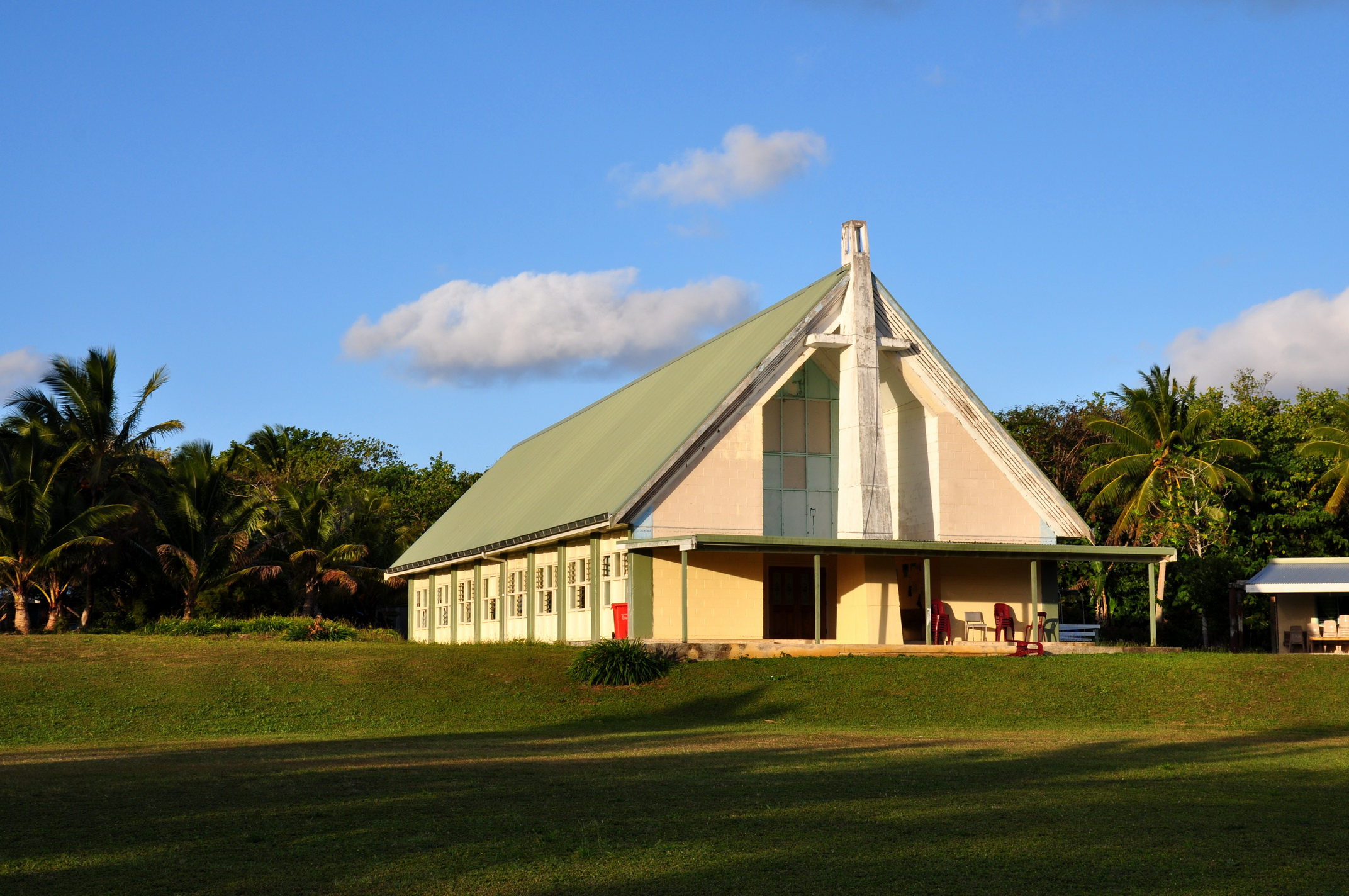
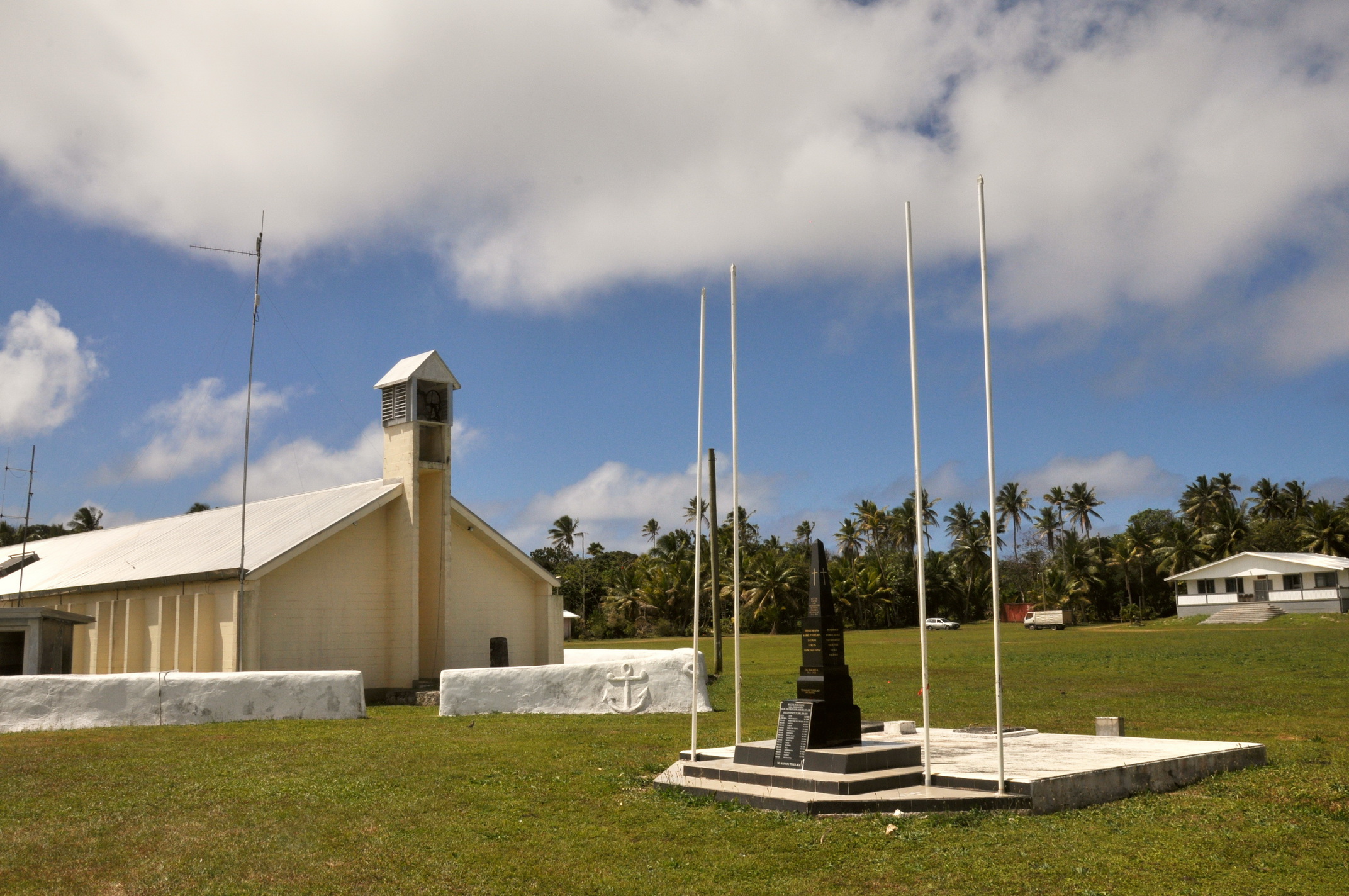
Little Niue had its own Congregational Christian church, even with a branch in Auckland. The figures I had gave 138 Catholics, 127 Latter-day Saints and 28 Jehovah's Witnesses. There were Methodists, Seventh-day Adventists, Baháʼís, Sikhs and Hindus as well. Three per cent of the islanders listed themselves as atheists in the census.
Avatele and Avaiki Cave
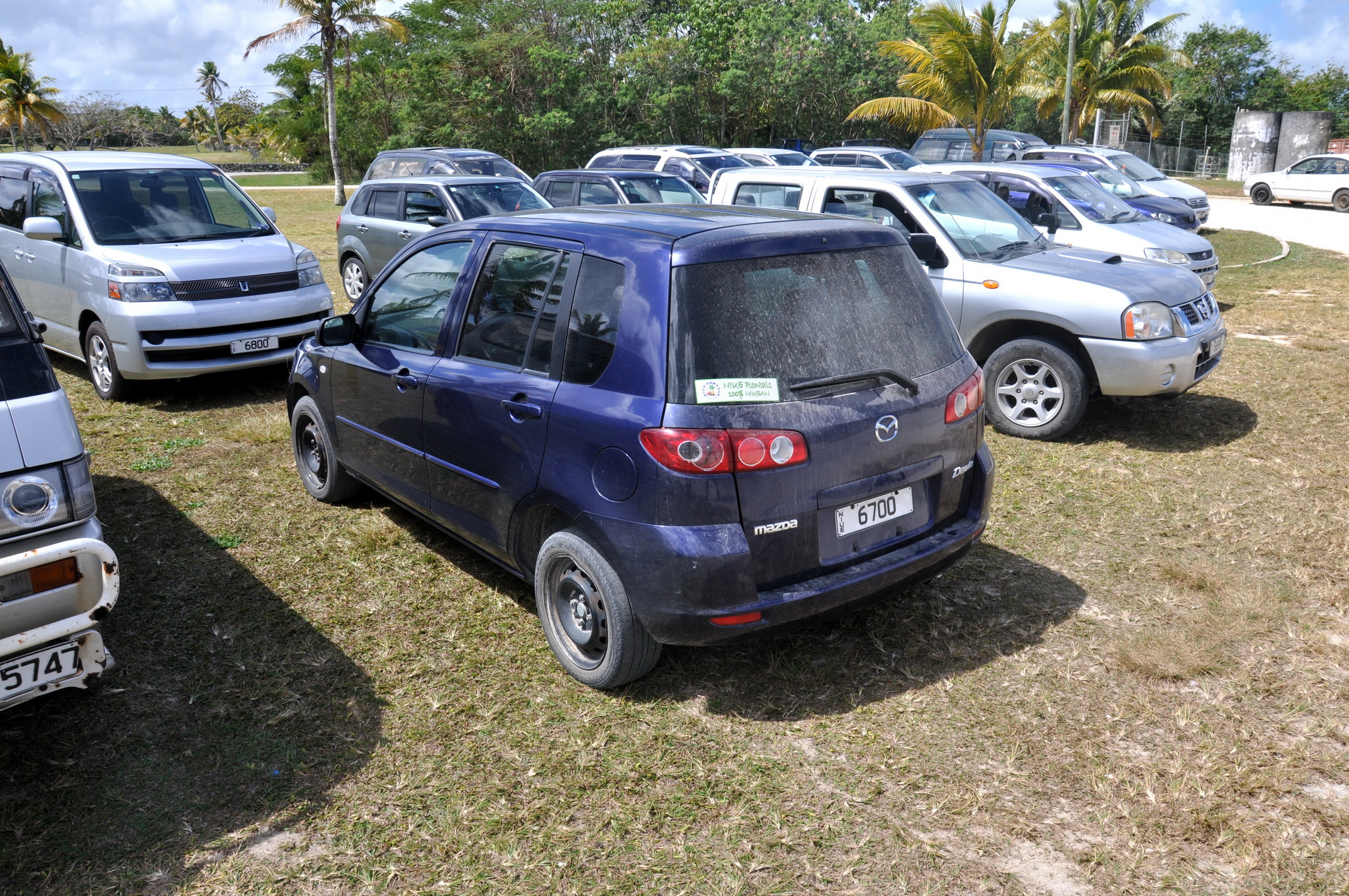
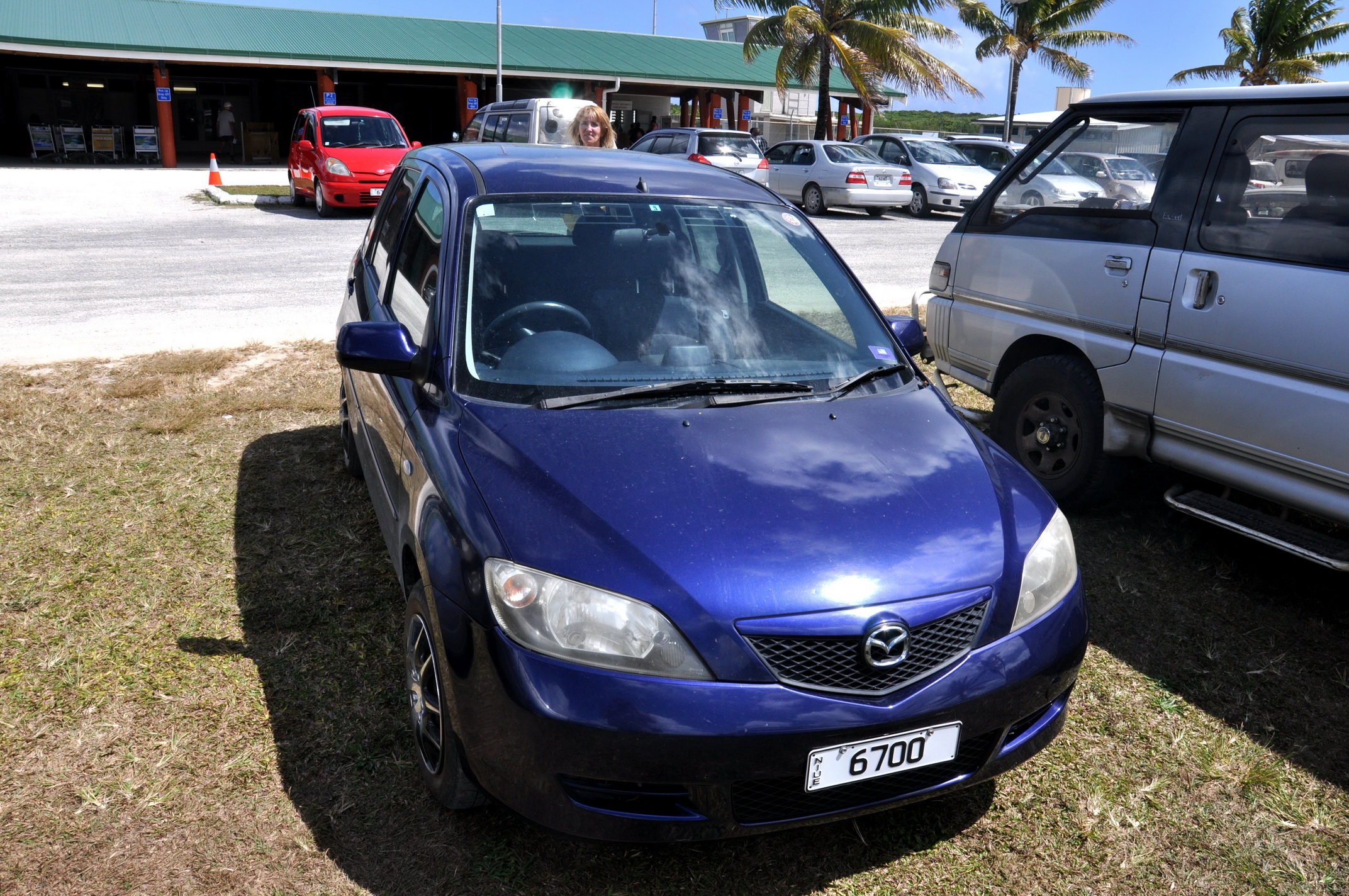
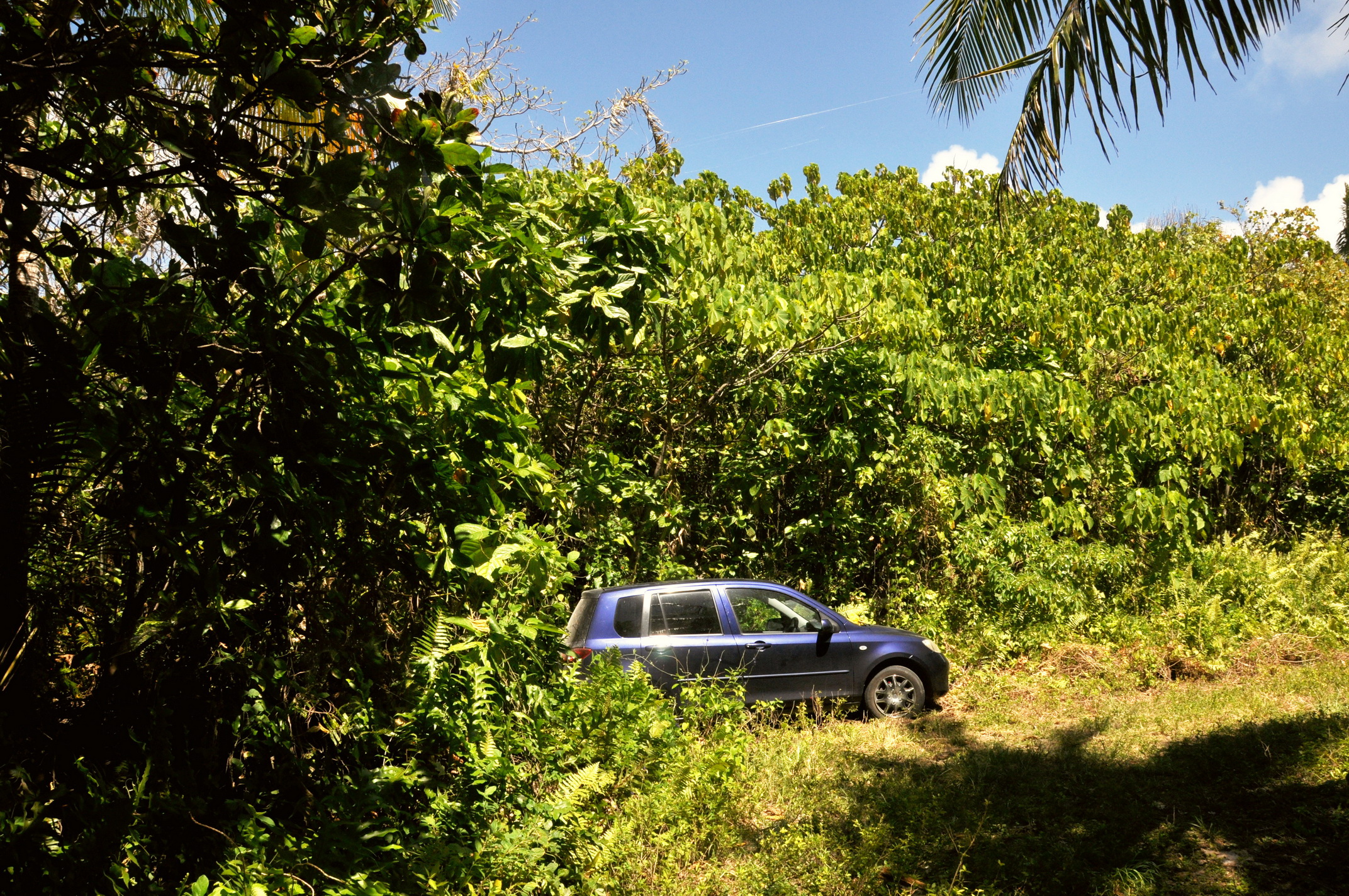
We started our island trip by picking up the car, a Mazda Demio. The Niue Rentals representative met us with a sign and handed it over at once. No payments or contracts. On Monday we were to pick up our local licence, then call in at the town office for the paperwork. Nobody seemed to mind that we'd drive for three days before any of it was signed.
Reaching the middle of Alofi, we drove straight past in search of something that looked more like a town. We had to make do with what was there. Since it was Friday, life had come to a standstill. The Indian restaurant was the exception, and it fed us a good plate of chicken curry.
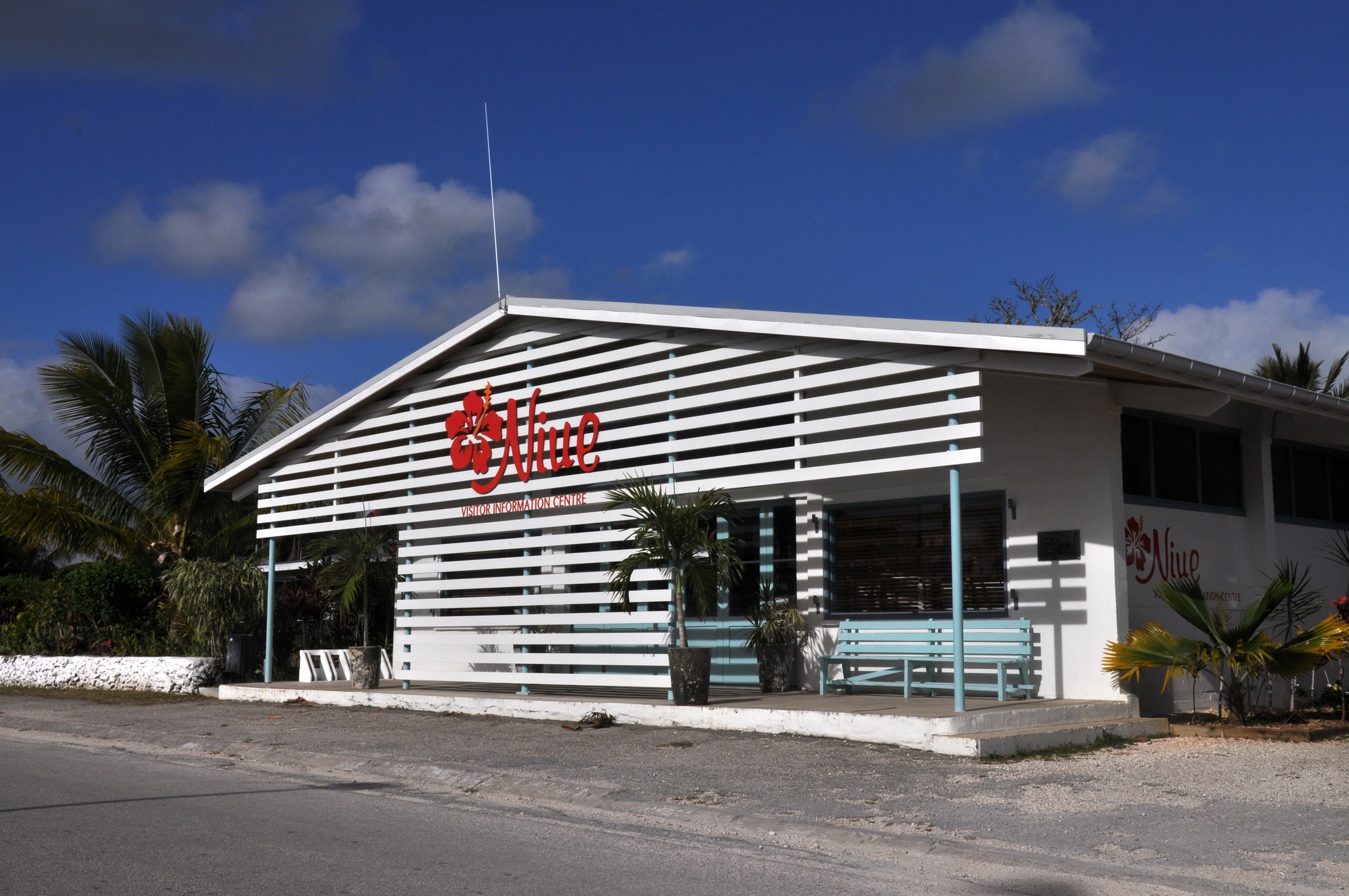
Then we went to the visitor centre of Tourism Niue. The woman there was rather strict, to put it kindly. She did not like the fact that we'd booked only one night. She spent a long time telling us we had to reserve the whole week at once, only she could do it, there were rules here and not the freedoms of New Zealand, and she might report us to the government and have us deported. We were terrified, naturally. Especially with all those flights a week, exactly one.
We dislike staying in one place. It's pleasant to have a change, and you only find the unusual and lovely lodgings by looking around once you're there. The internet tends to show you the expensive, dull ones nobody would book if they knew what else was available. We'd booked Aleki's Guest House in the village of Avatele. It was inexpensive and beside the beach, well out of the capital, and after flying out of winter, we wanted to get straight into the sea.
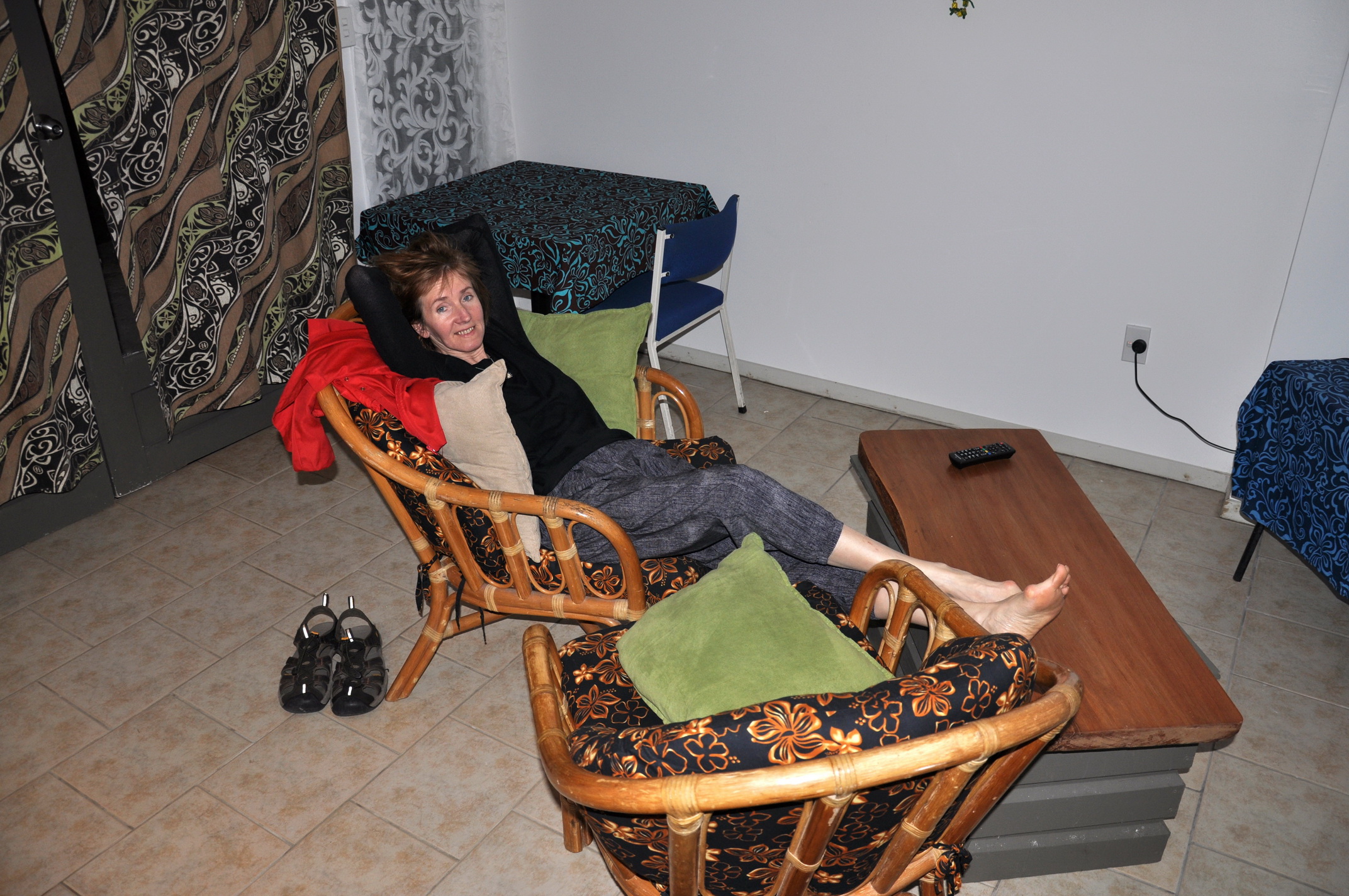
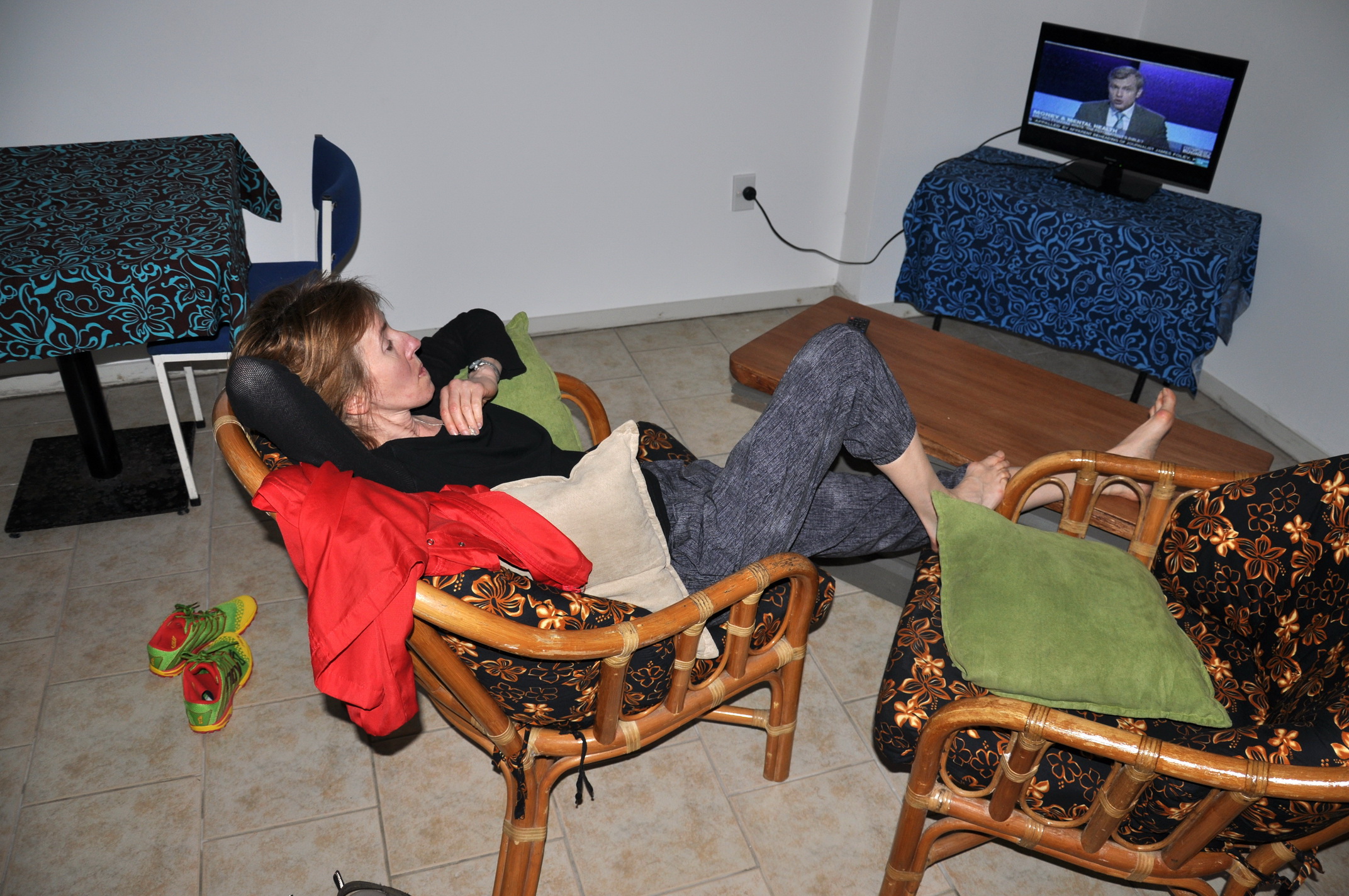
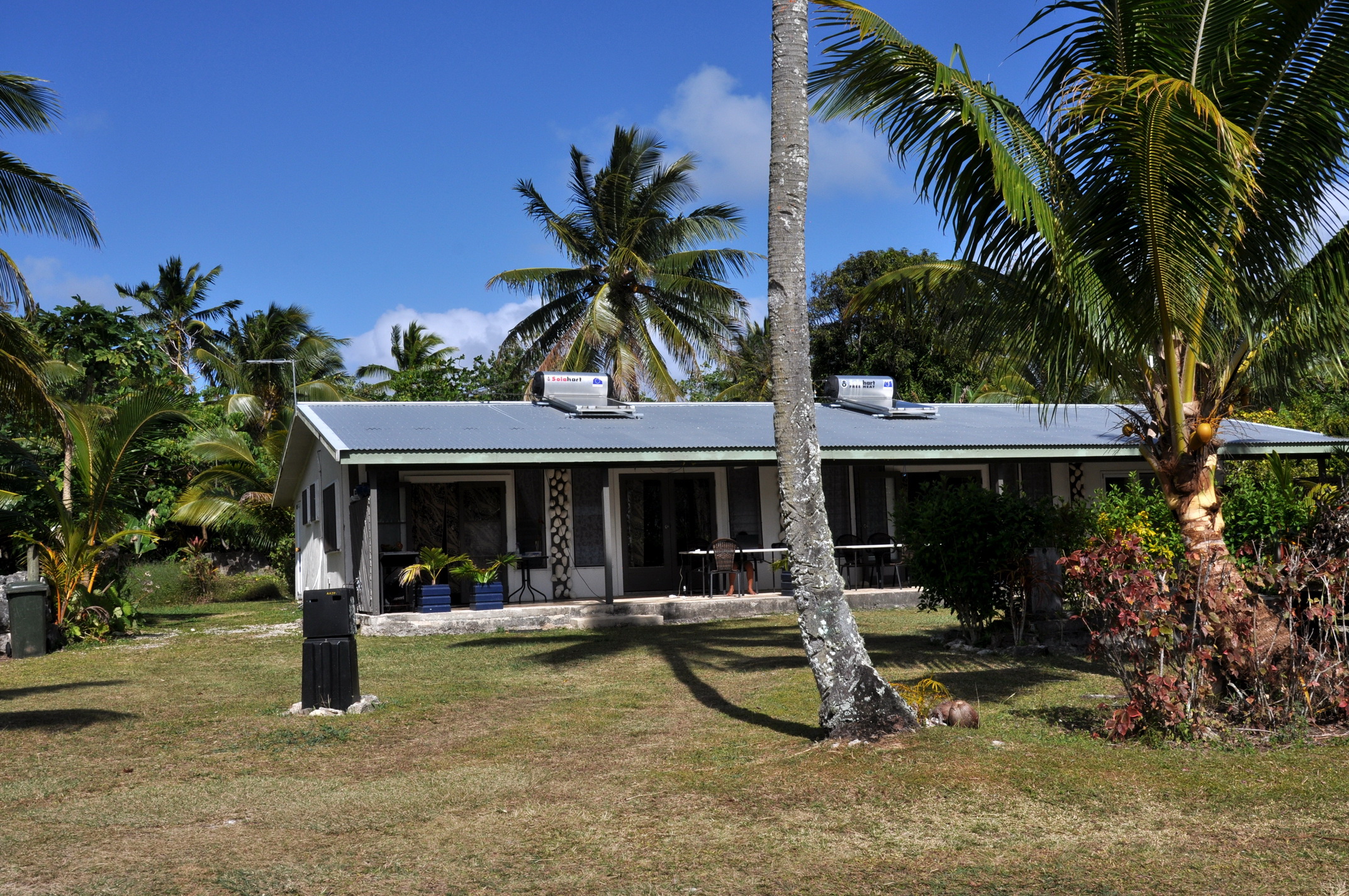
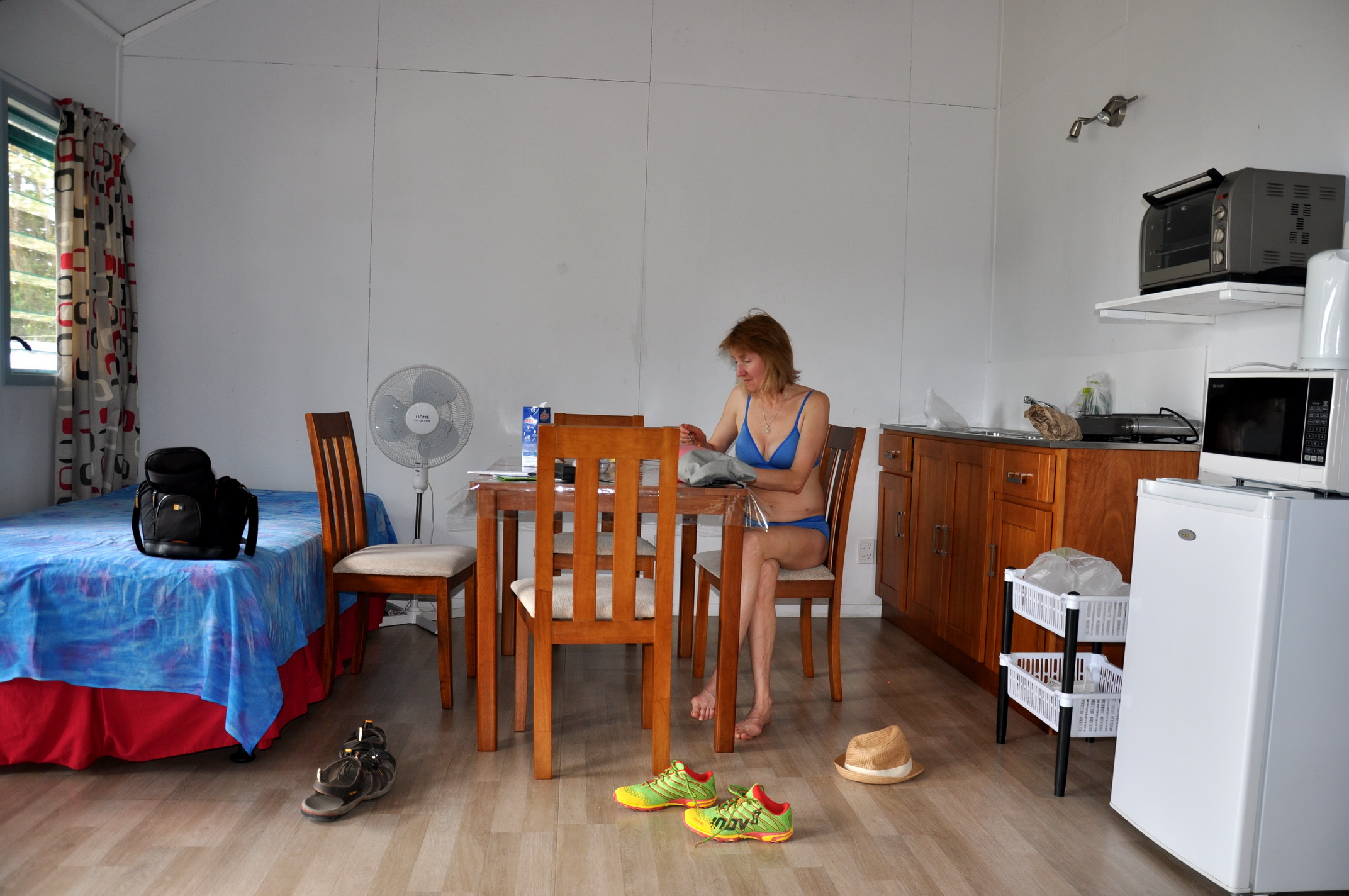
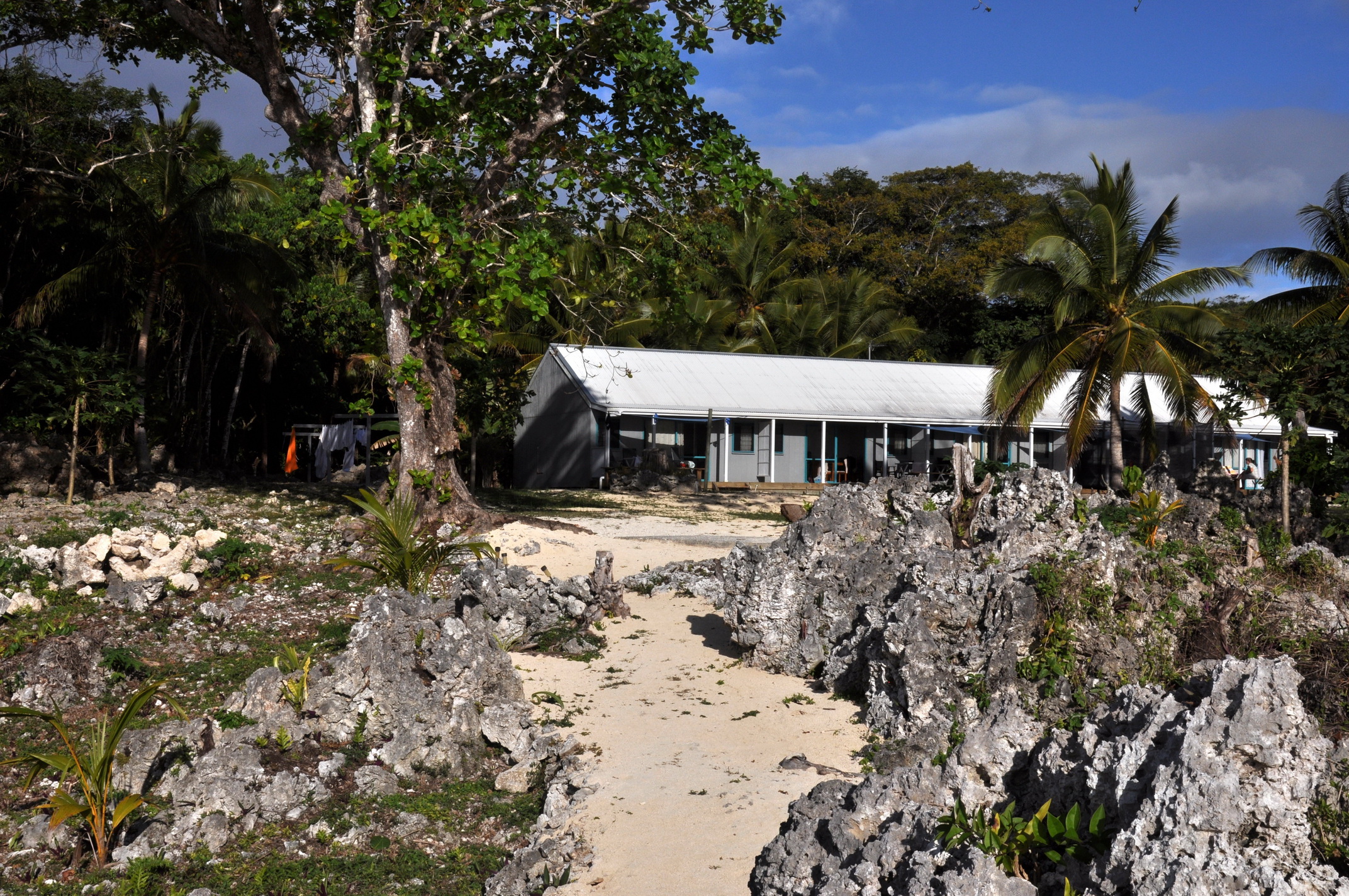
We drove to Avatele. There was no sign of a guest house or, for that matter, a beach. Eventually we noticed a man outside one of the houses smiling each time we drove past. This was where we were staying (19°07.500′S, 169°54.685′W, elevation 25 m). We had one unit of a long building, with shower, toilet, kitchenette and bedroom. It wasn't especially pretty but was fine for the night.
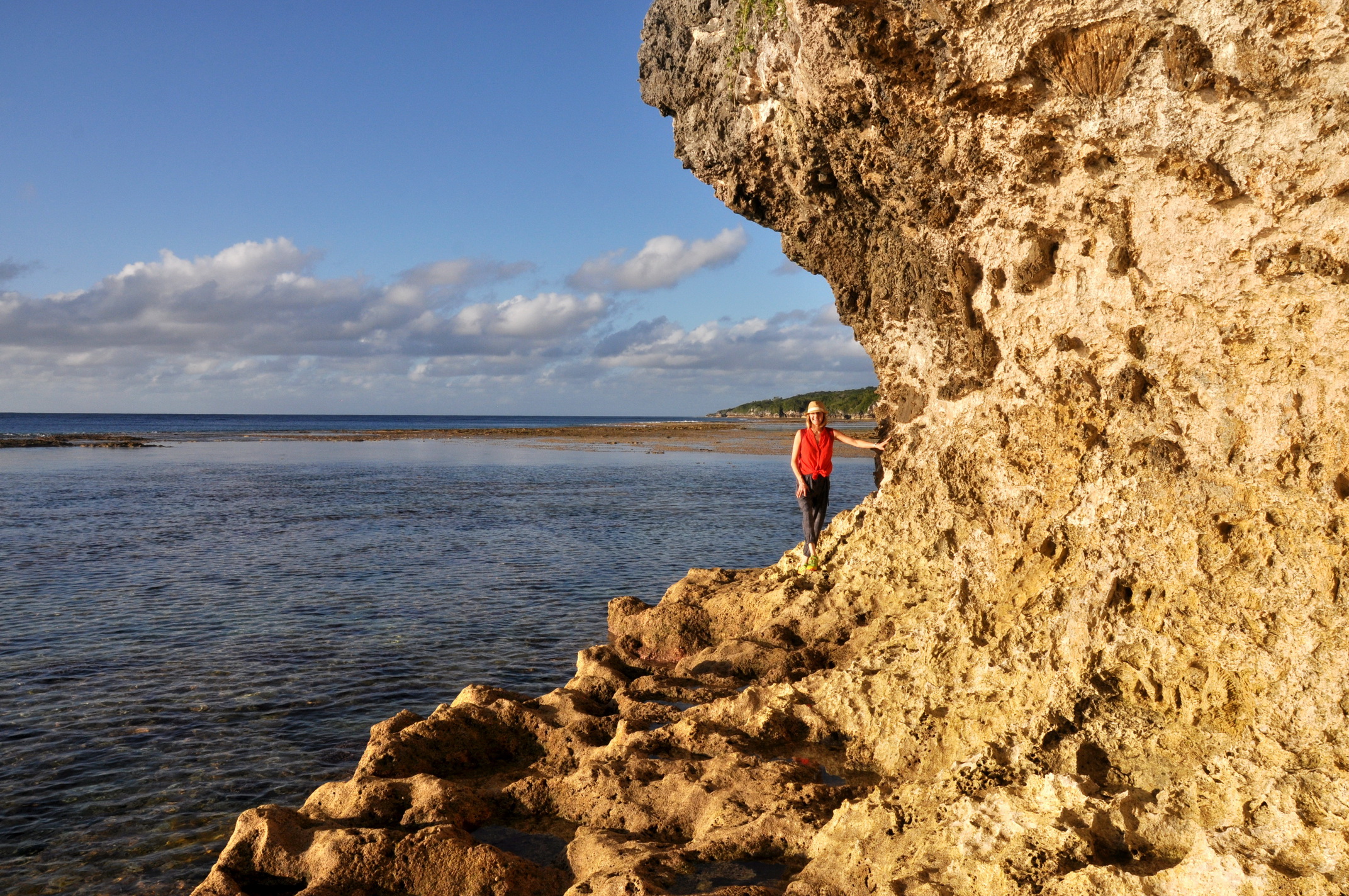
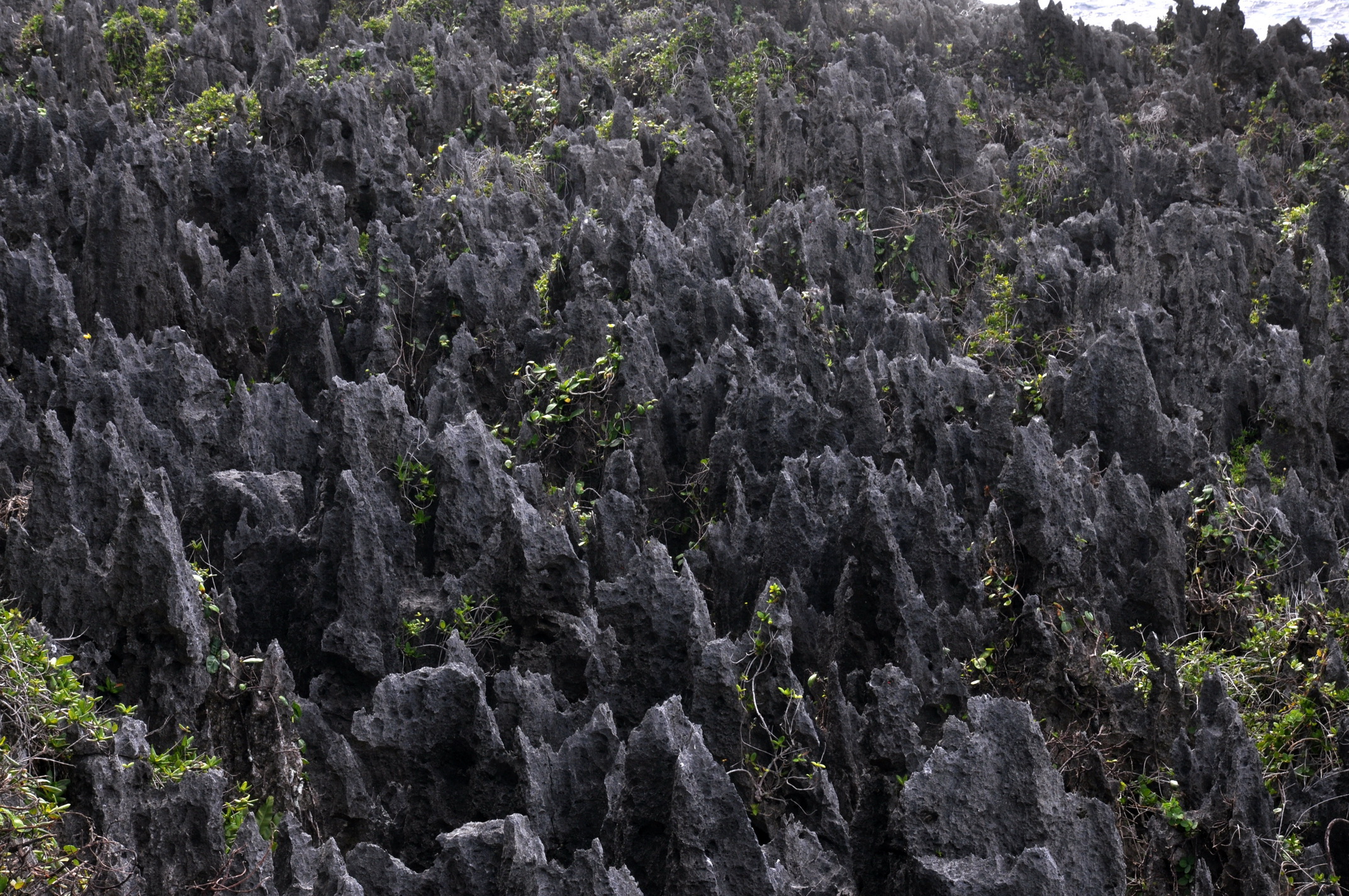
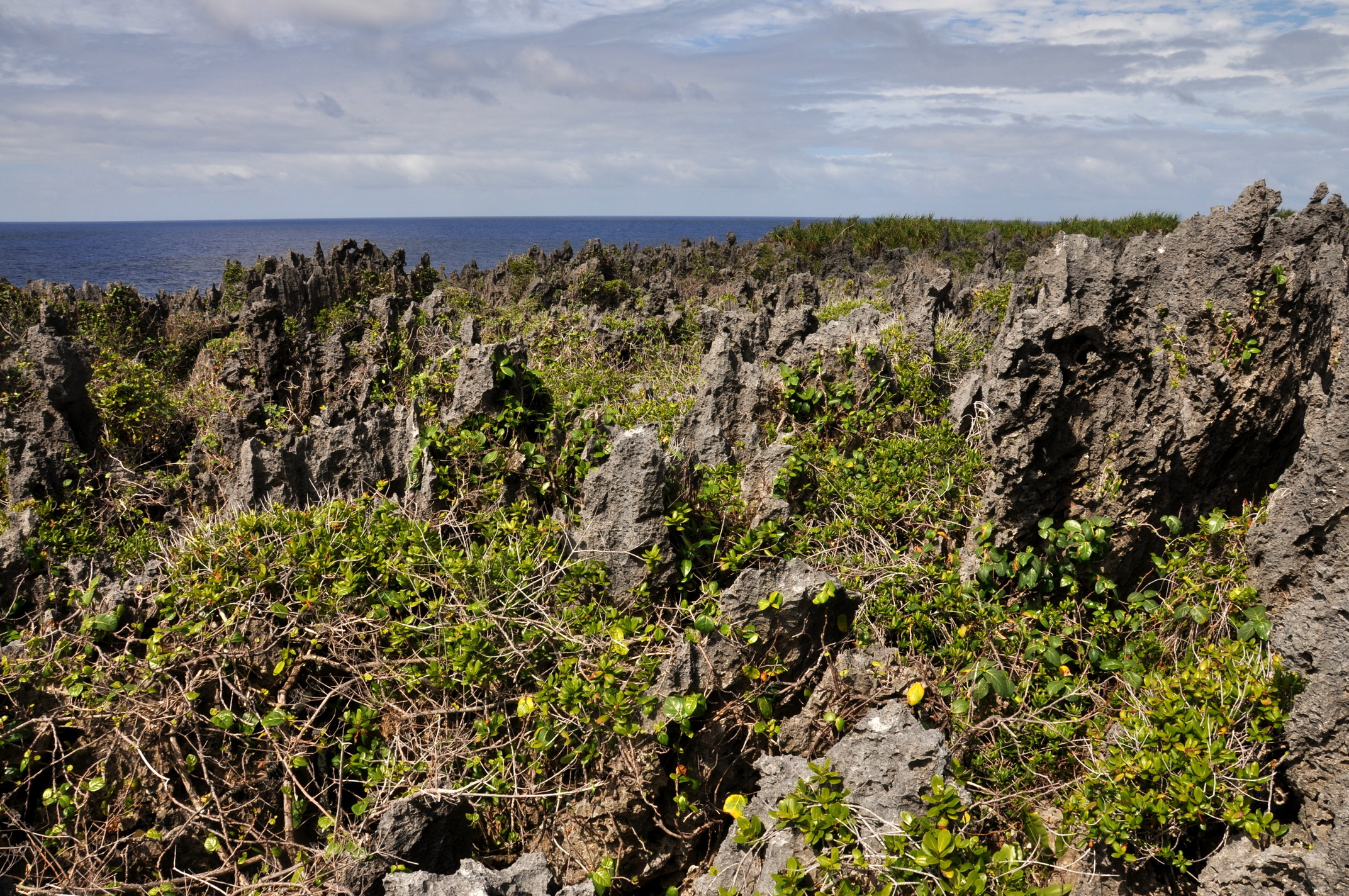
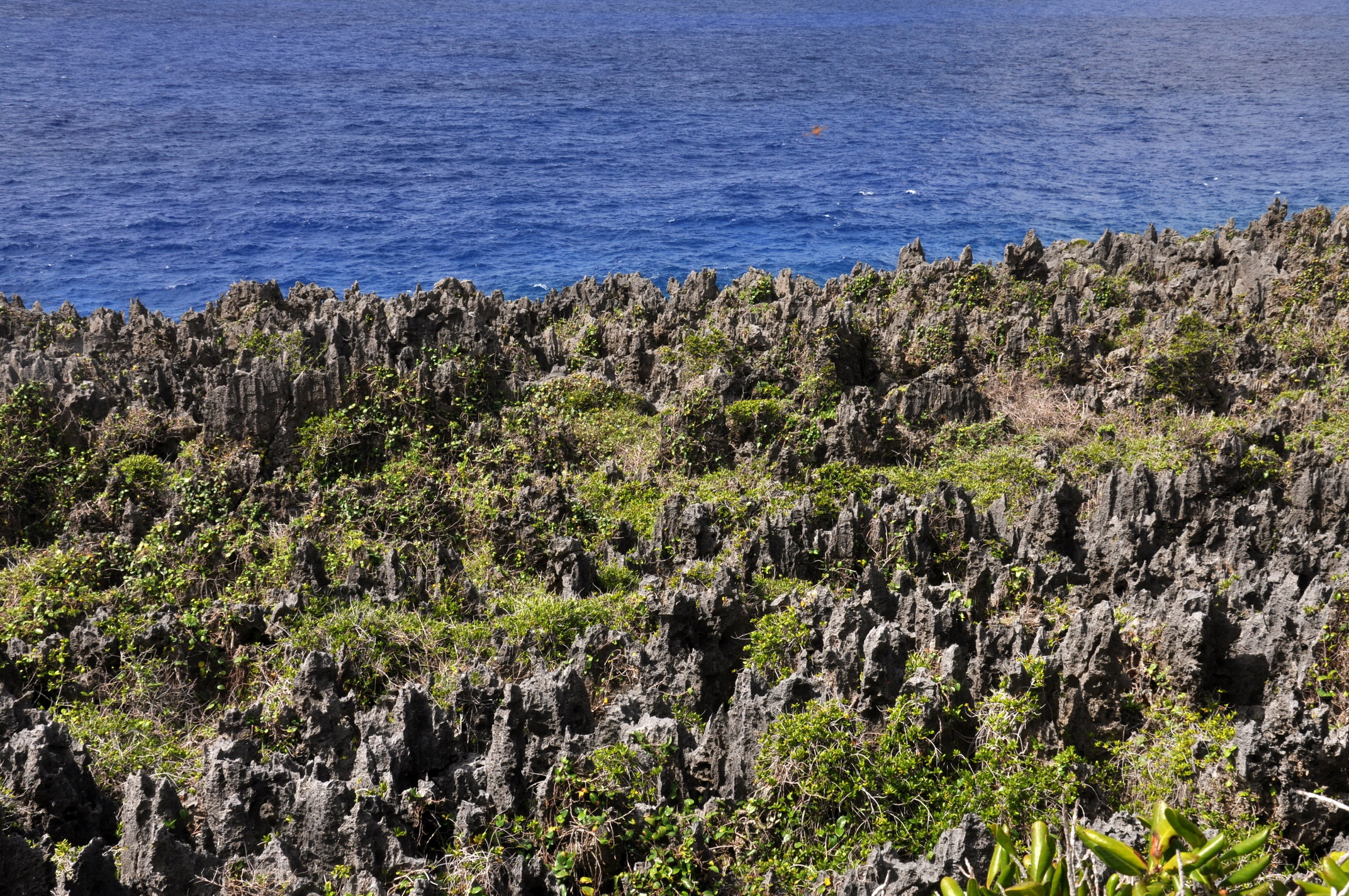
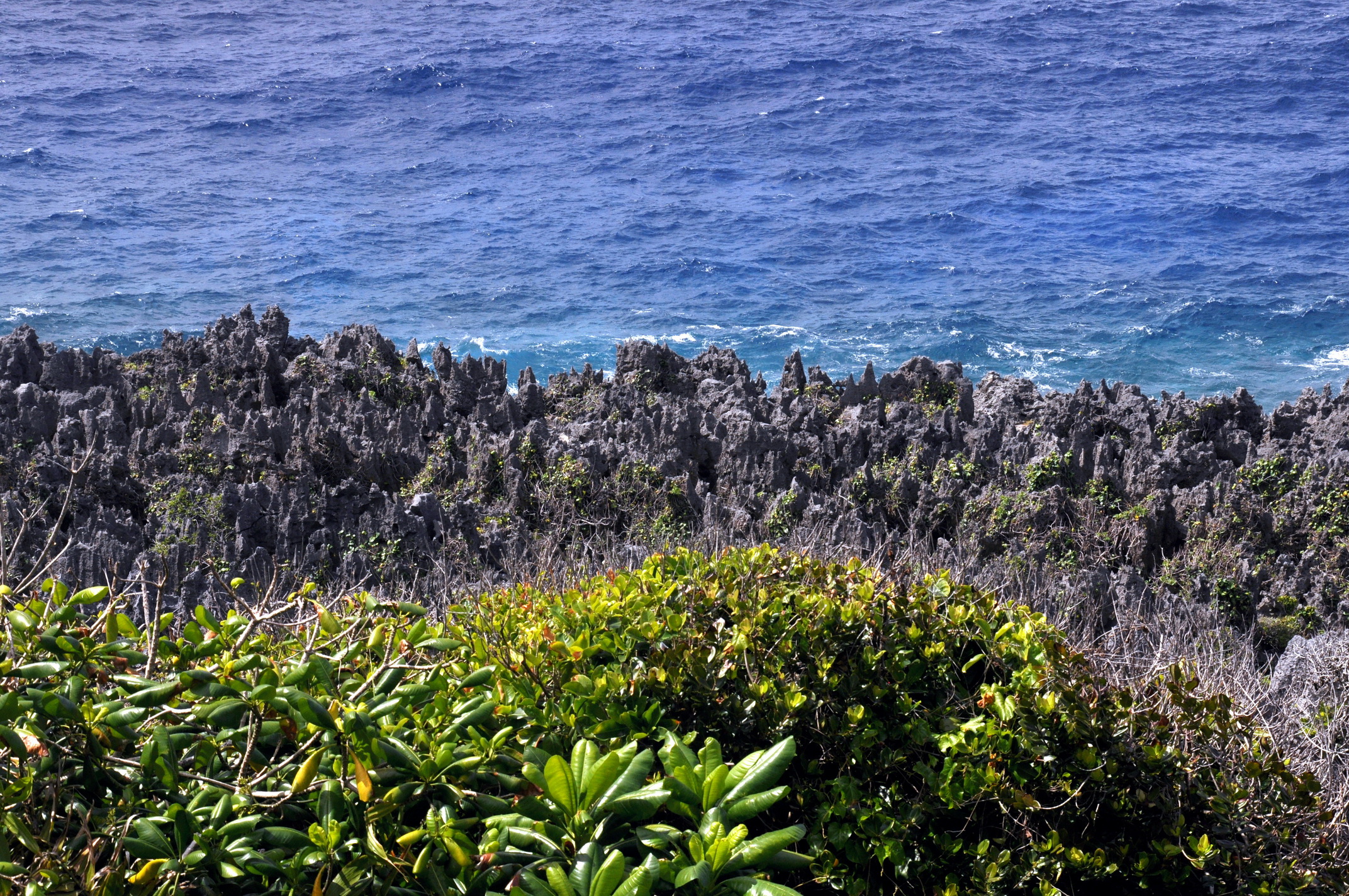
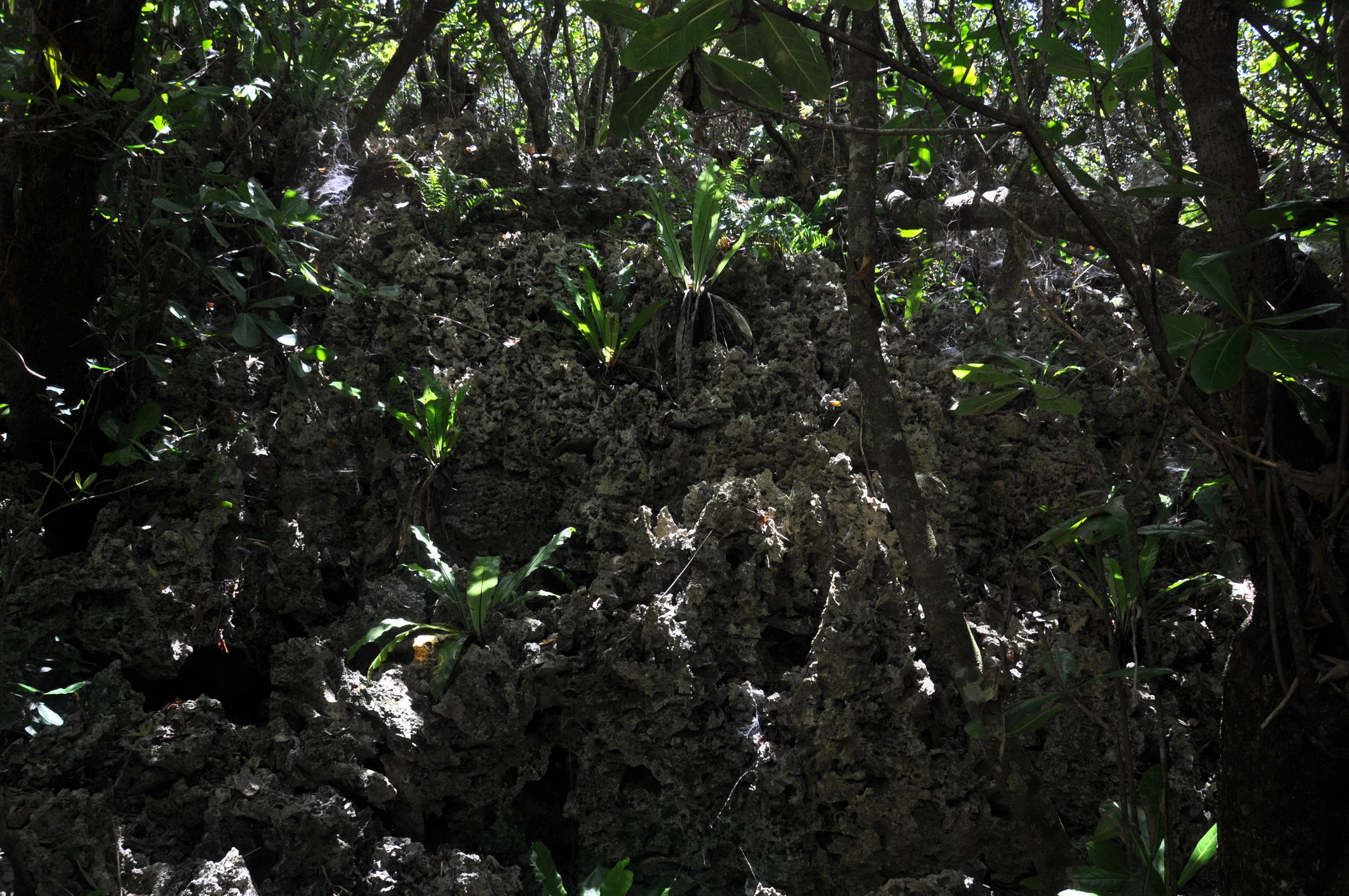
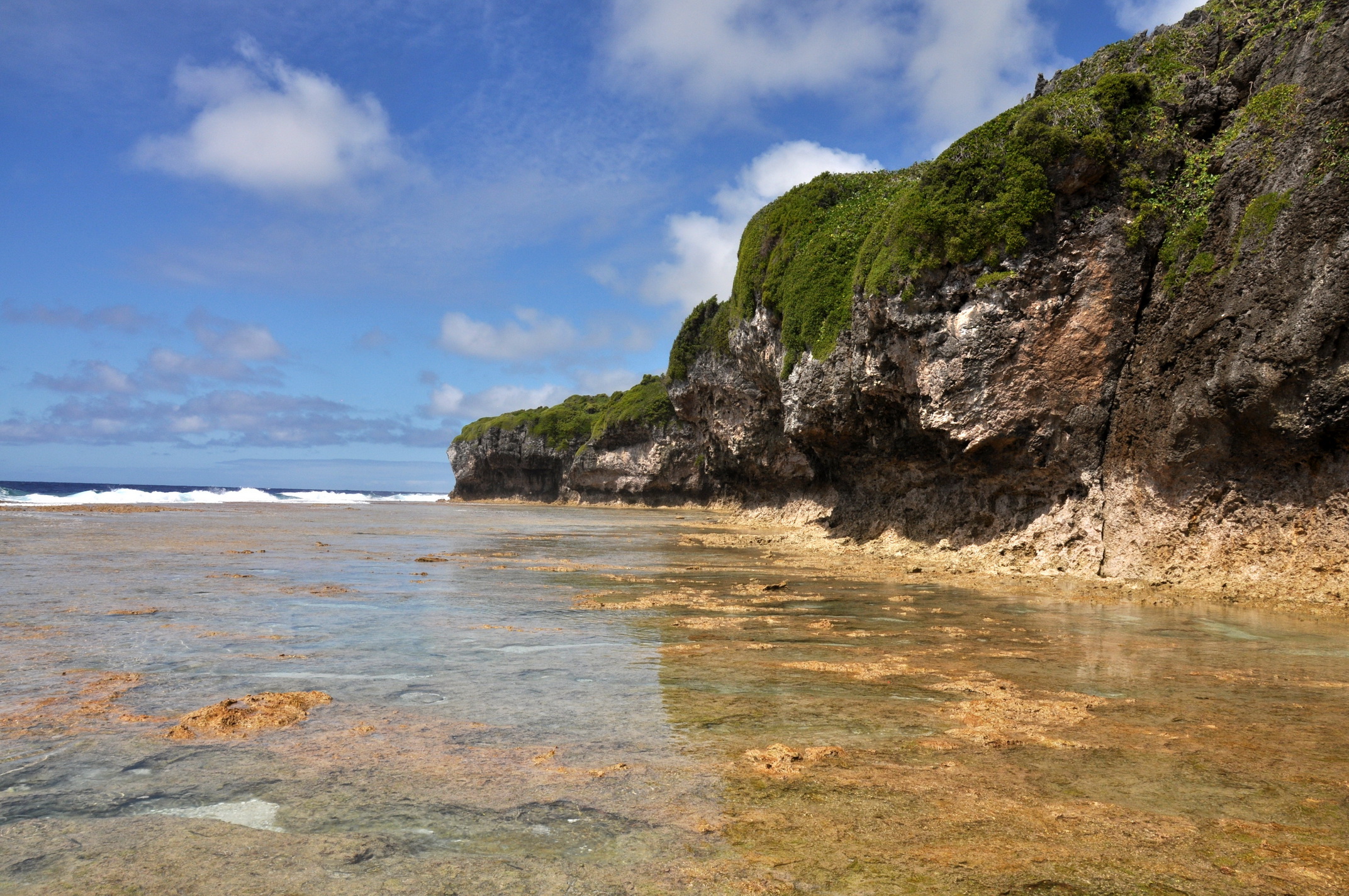
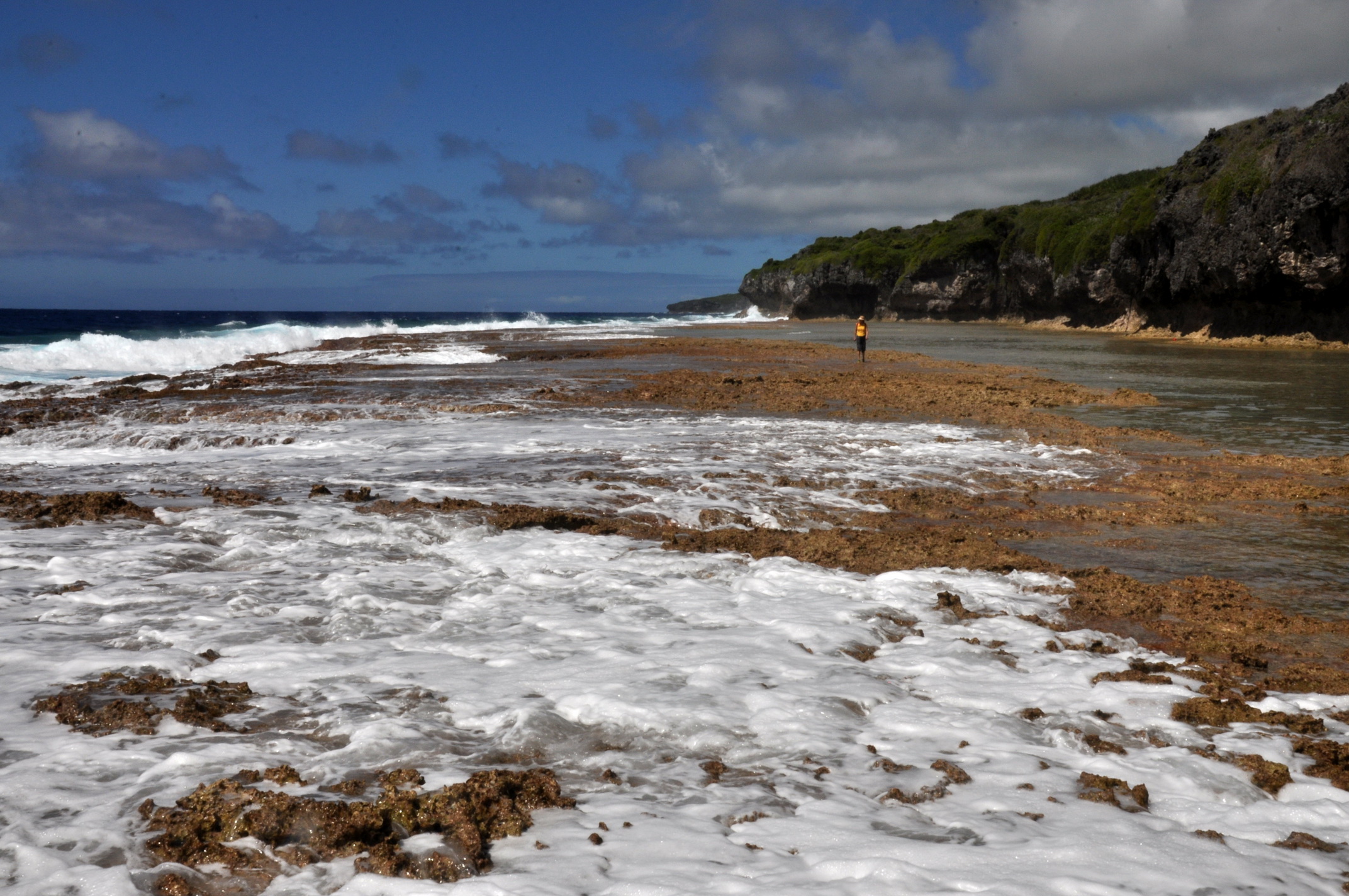
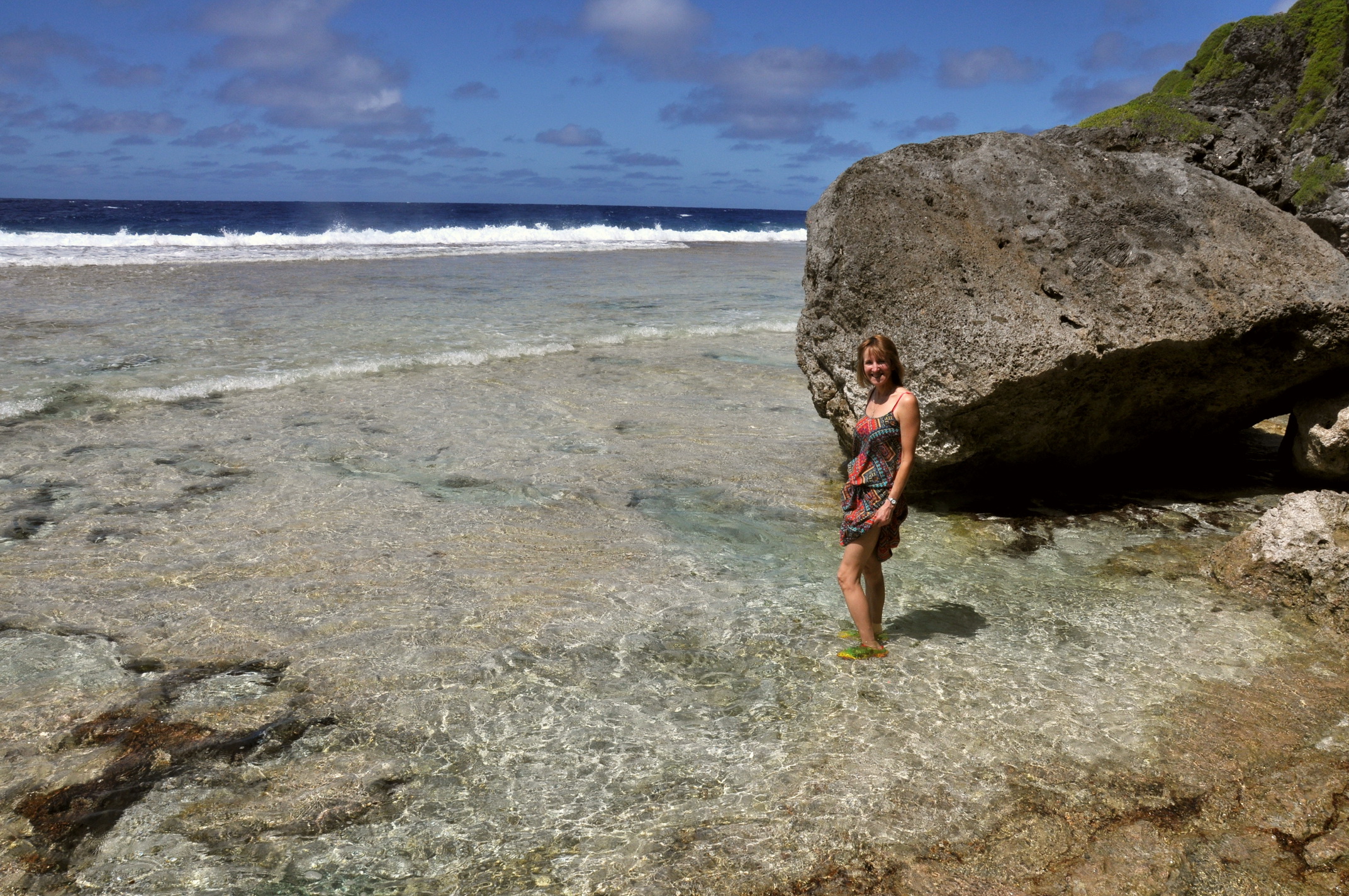
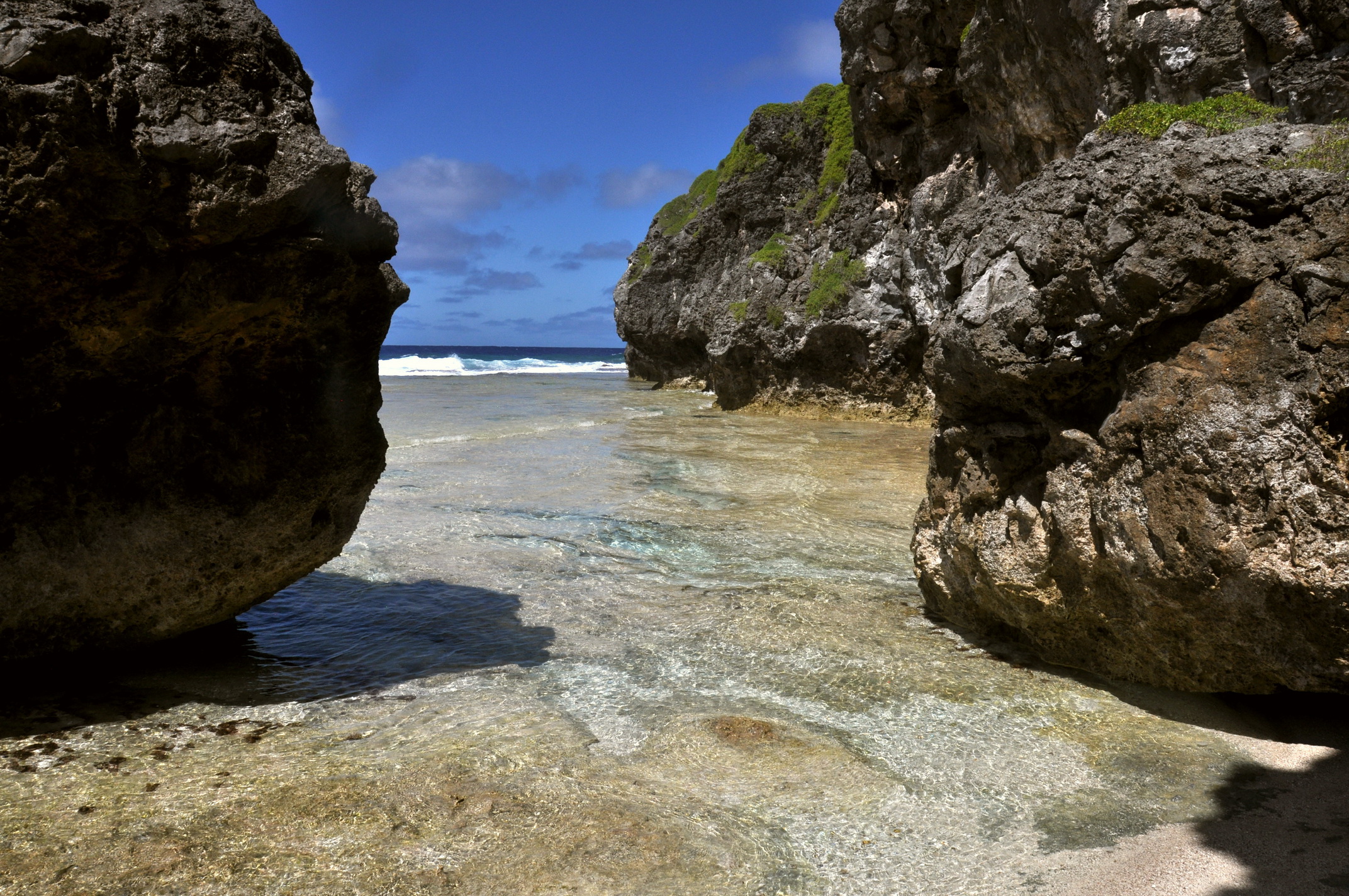
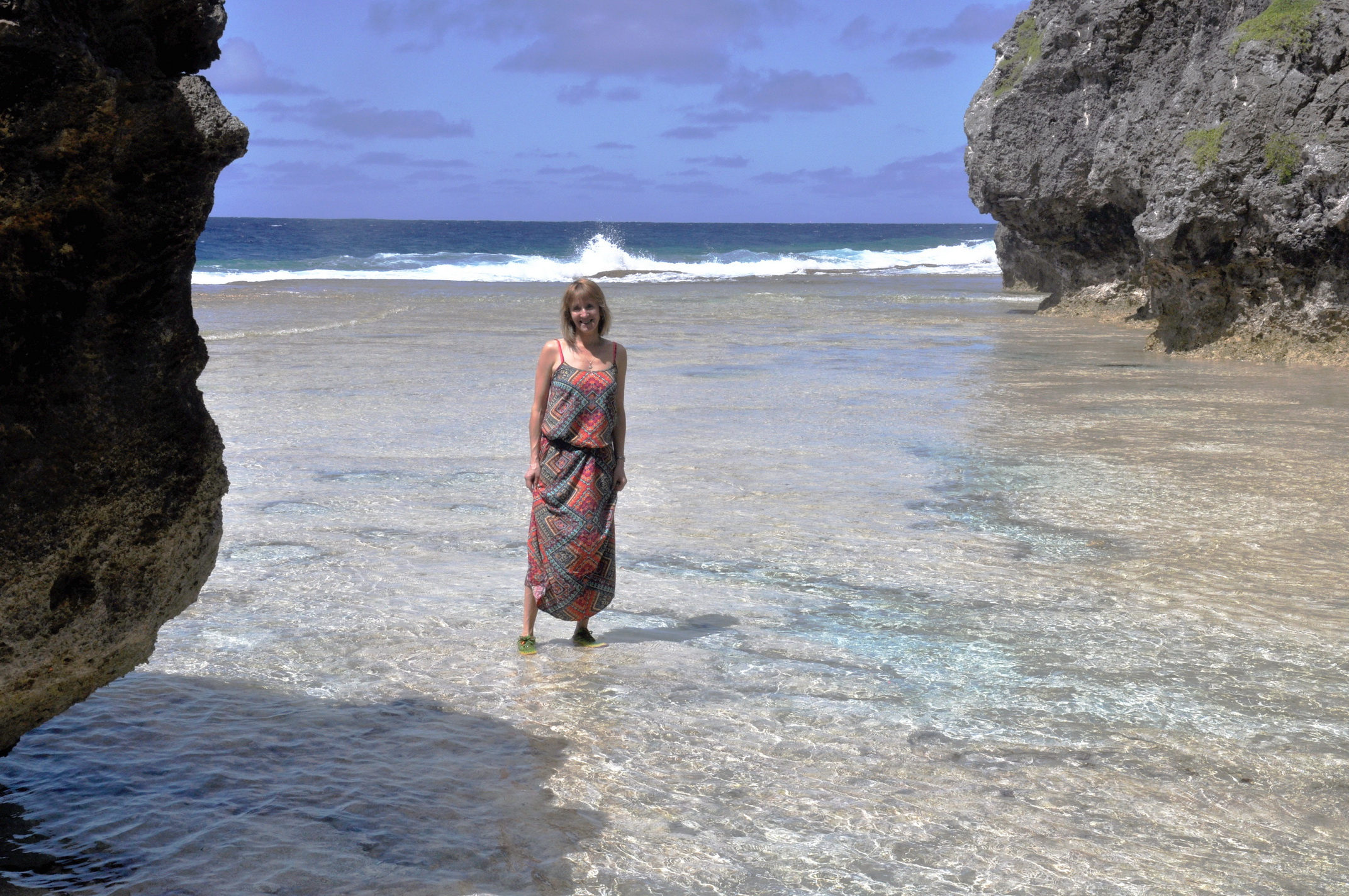
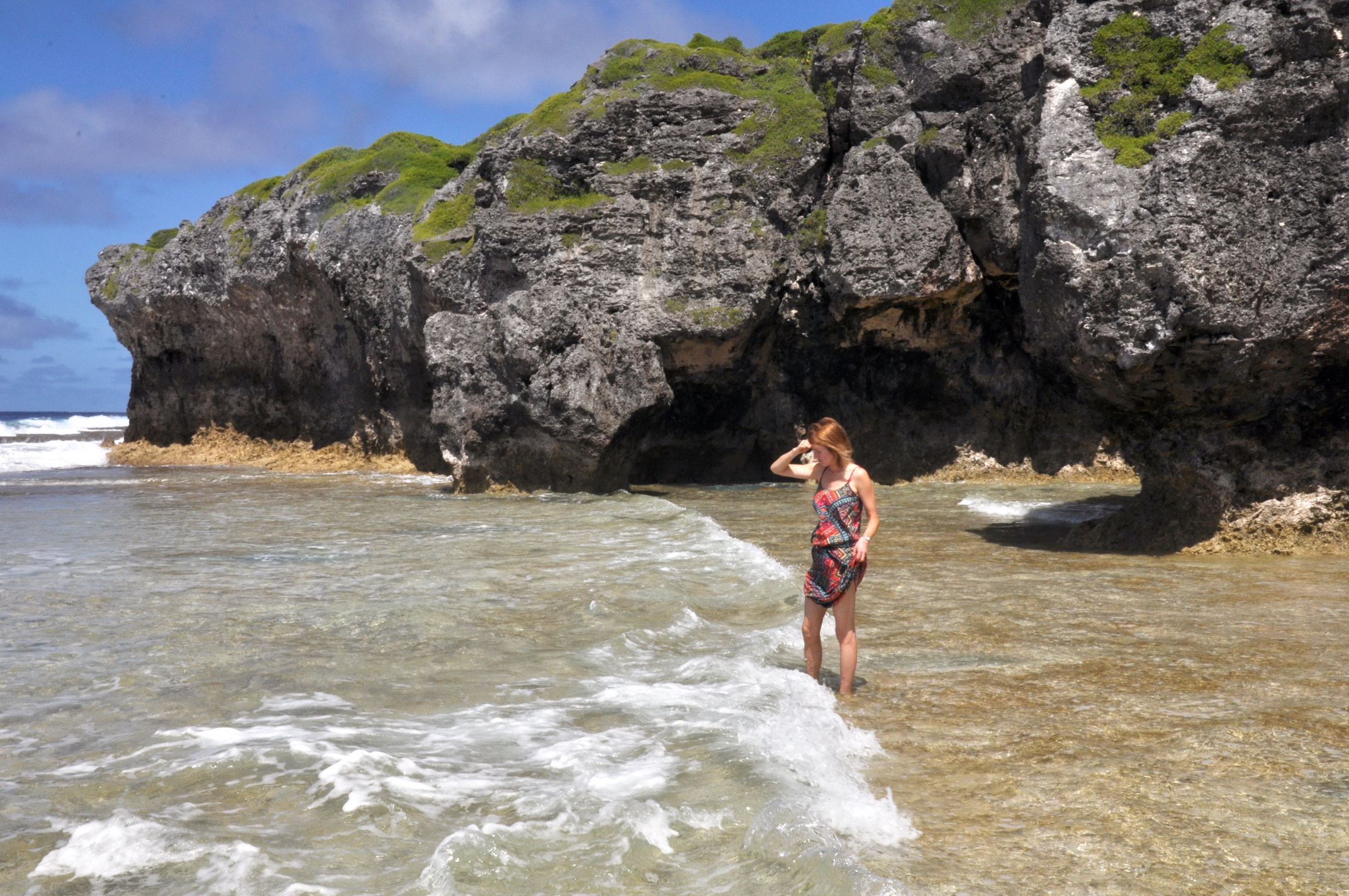
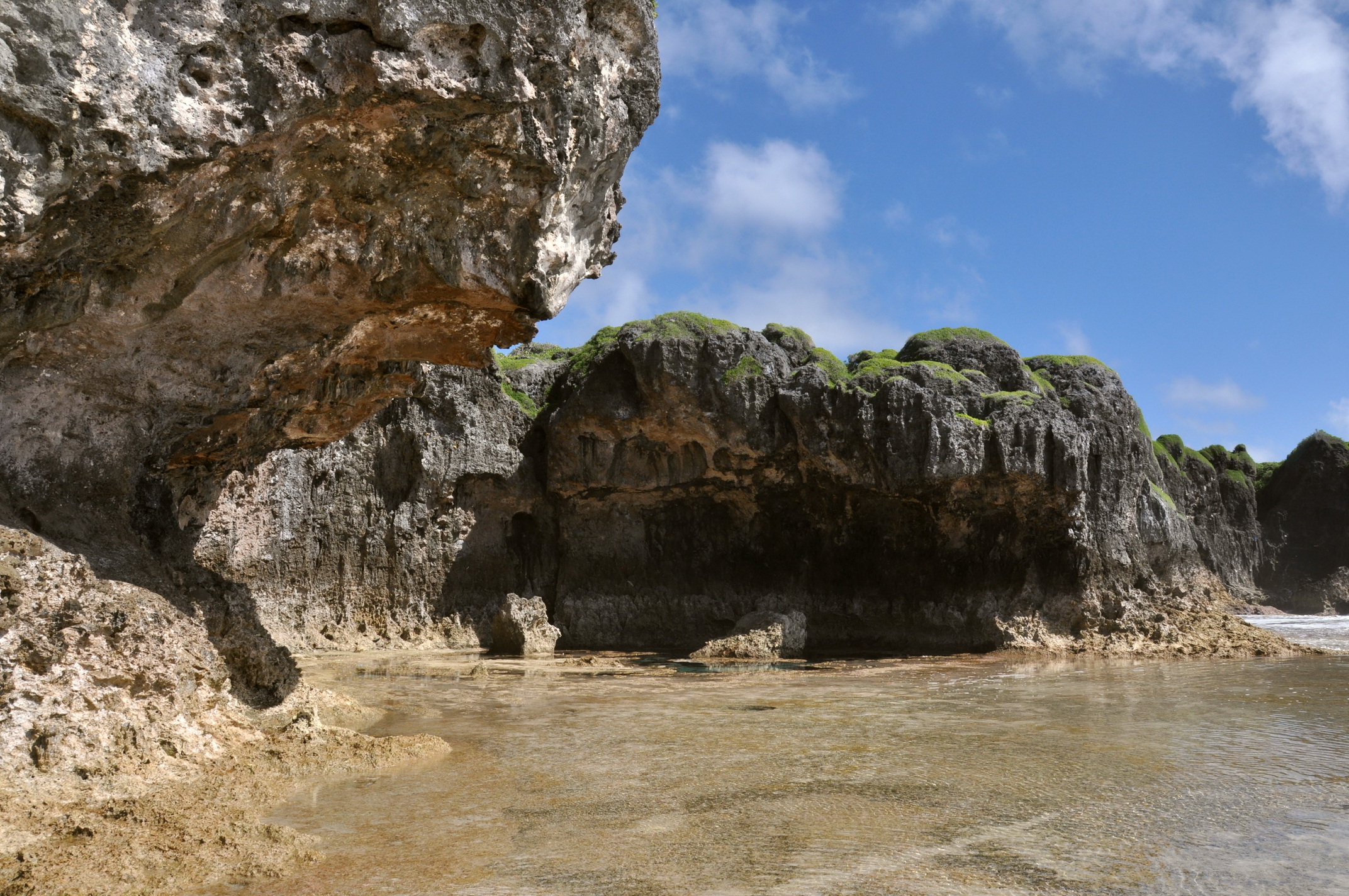
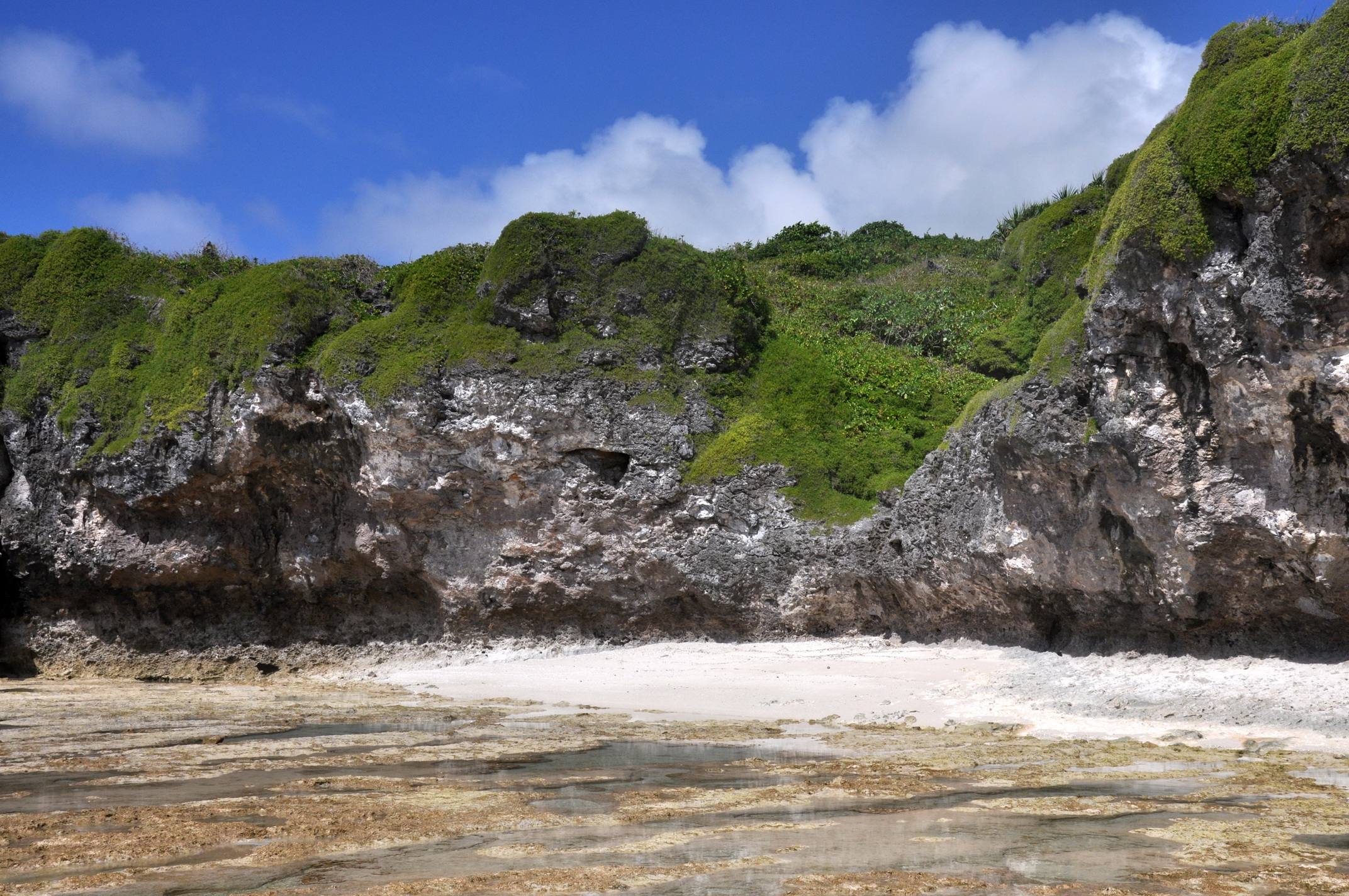
The beach turned out to be tiny. Niue is a raised coral reef. The underlying volcano went extinct millions of years ago, and the coral formed a fairly level plateau, thirty to seventy metres above sea level, with cliffs around the rim. There are only a few sandy little bays. You can swim elsewhere, and the best swimming is probably in caves and reef pools, but first we wanted a beach.
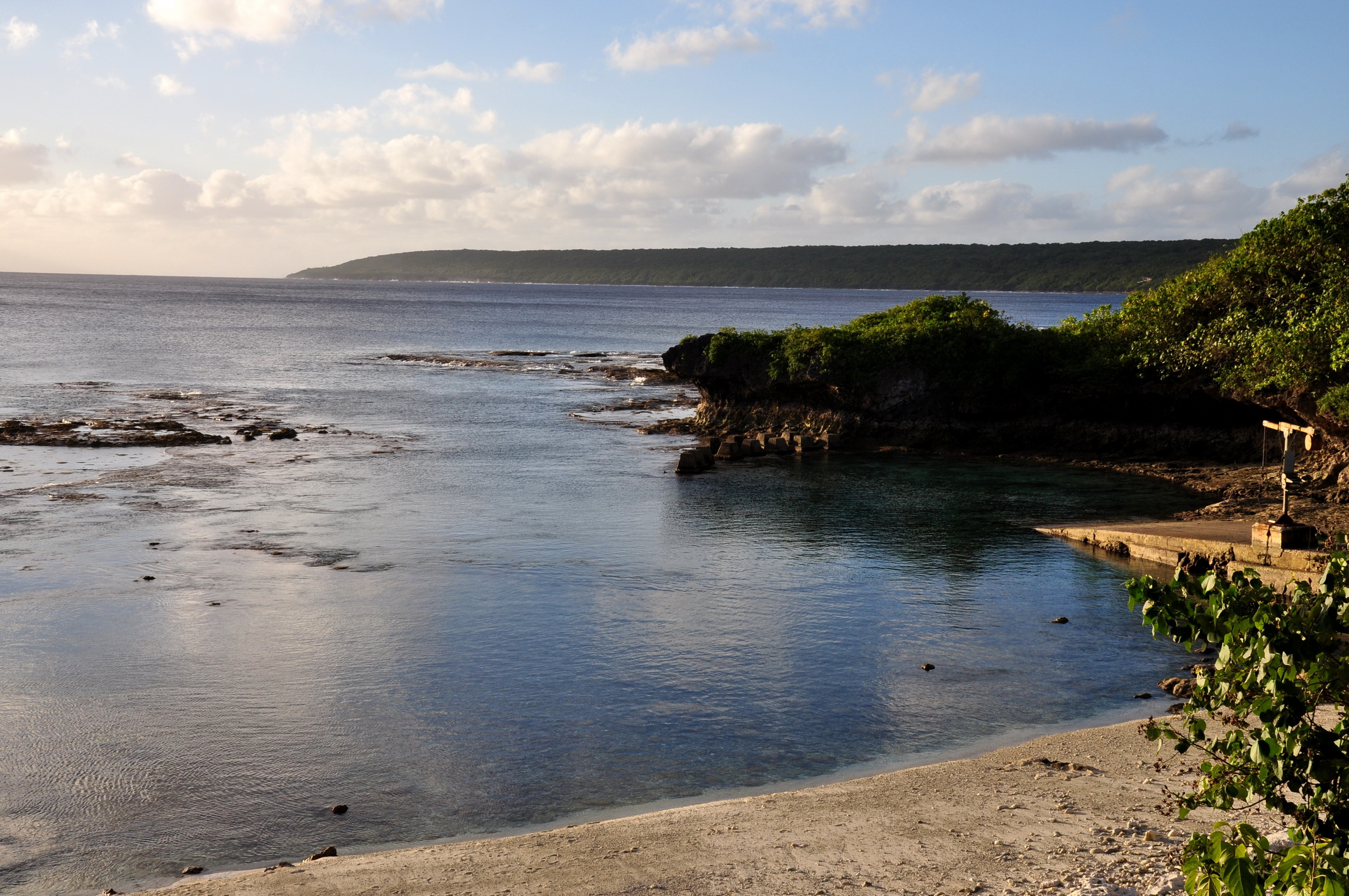
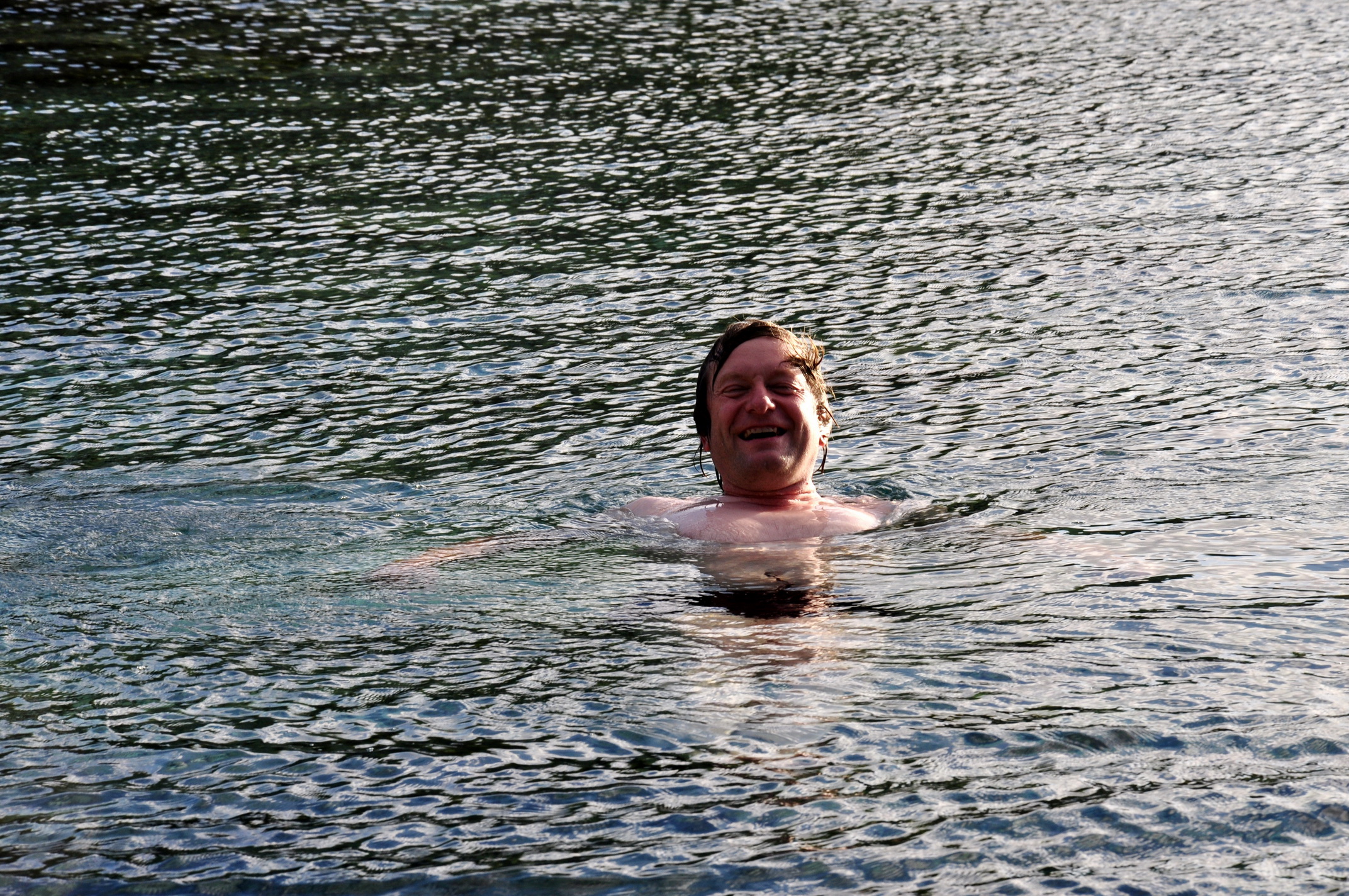
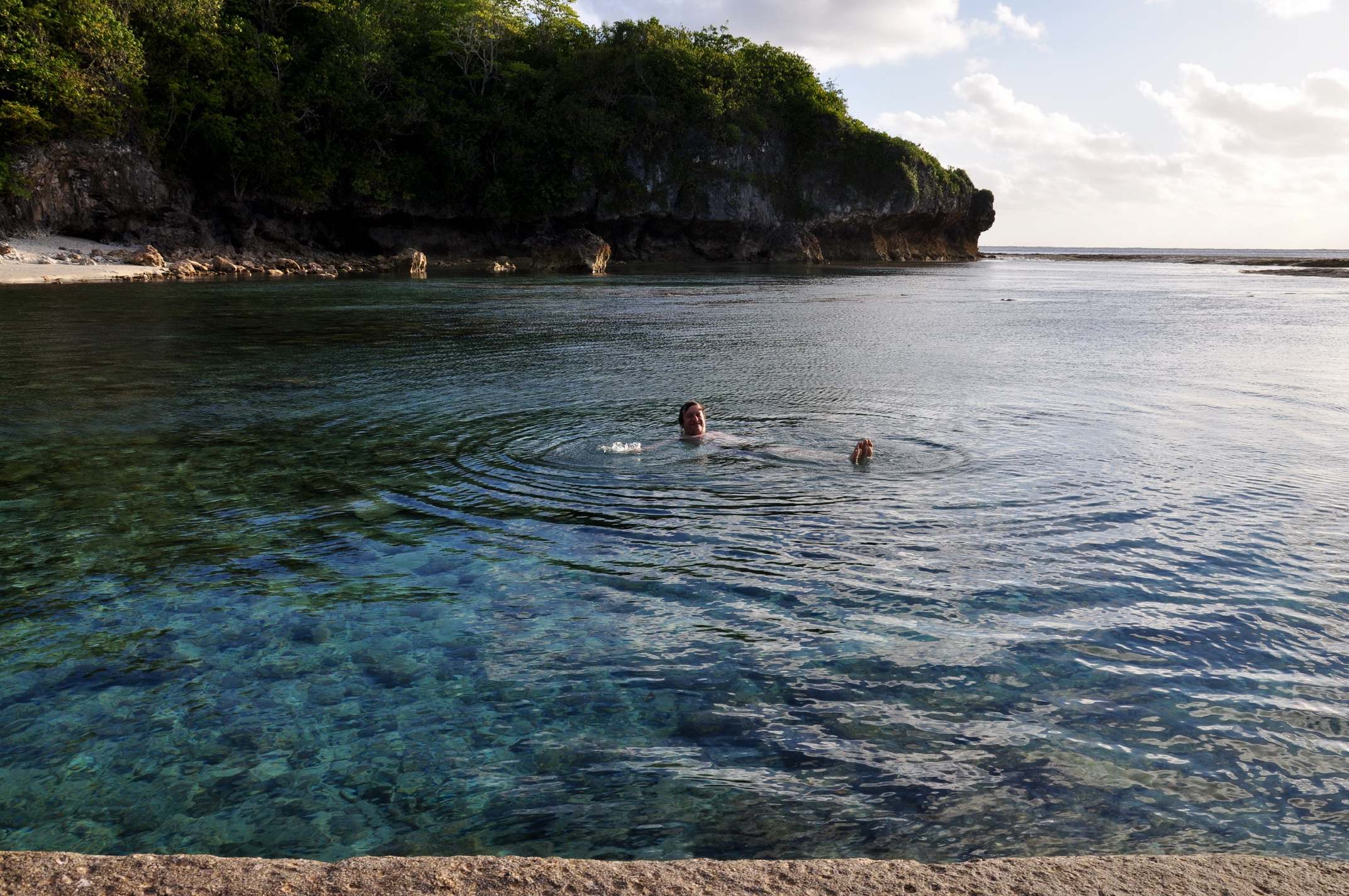
On the sand was one mother playing with her little daughter, and nobody else. We tried going into the water. It wasn't easy. At low tide the sand ended a metre from shore and gave way to sharp coral and spiny sea urchins. The woman showed us where to swim. At low tide, it turned out, you got in from the jetty.
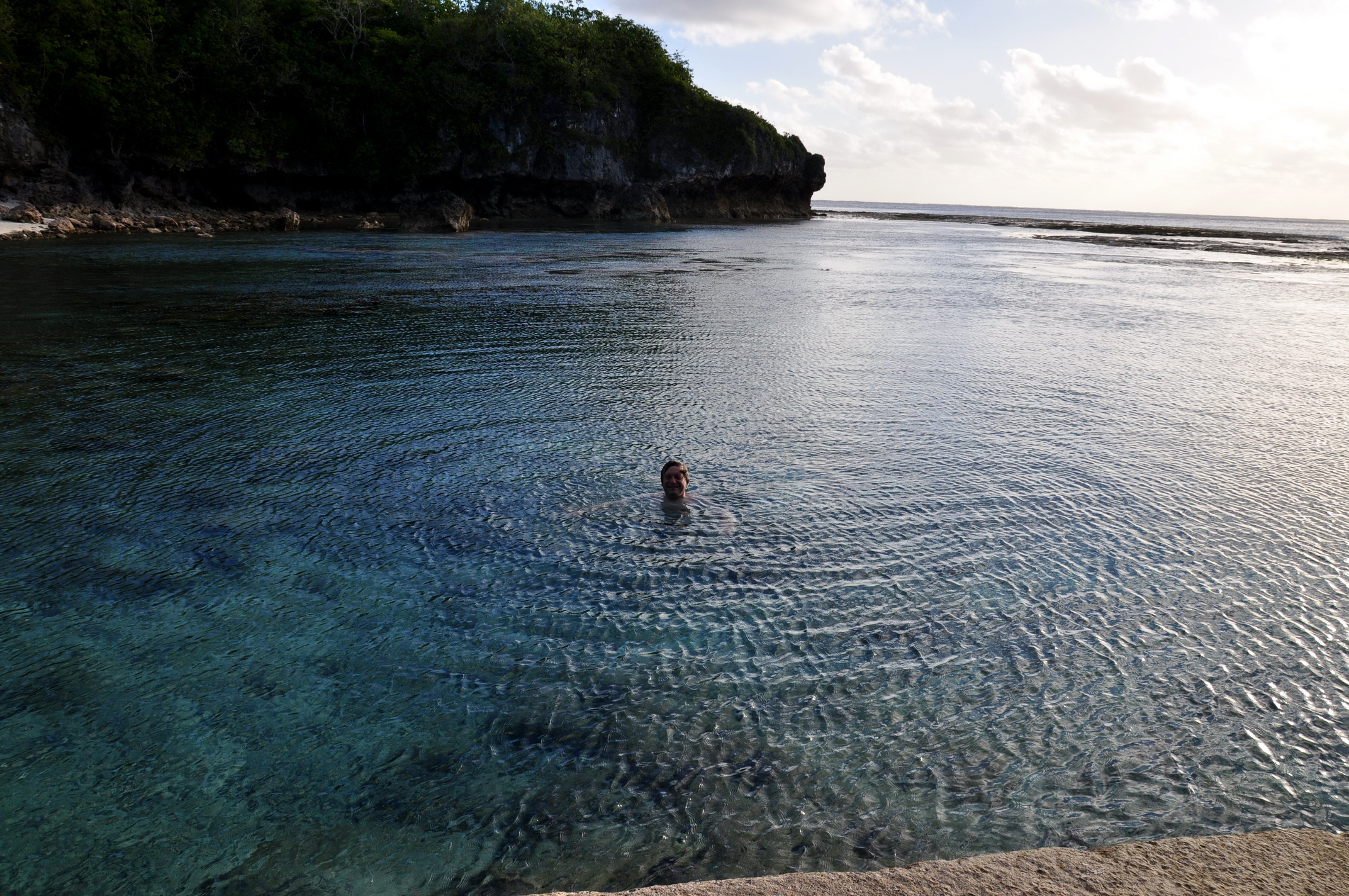
We were surprised to see no other swimmers. Over the course of the week we ran into the same mother and daughter several times and talked. At the airport on the way out we noticed the woman's Russian passport. They'd moved from Saint Petersburg to Christchurch, like us, and lived in the same neighbourhood.
The New Zealanders I knew didn't seem inclined to swim in the sea even on a tropical holiday. They thought it dangerous to stay on the beach because sunshine and a suntan can cause skin cancer. In New Zealand there was a campaign against sunbeds as there was against smoking.
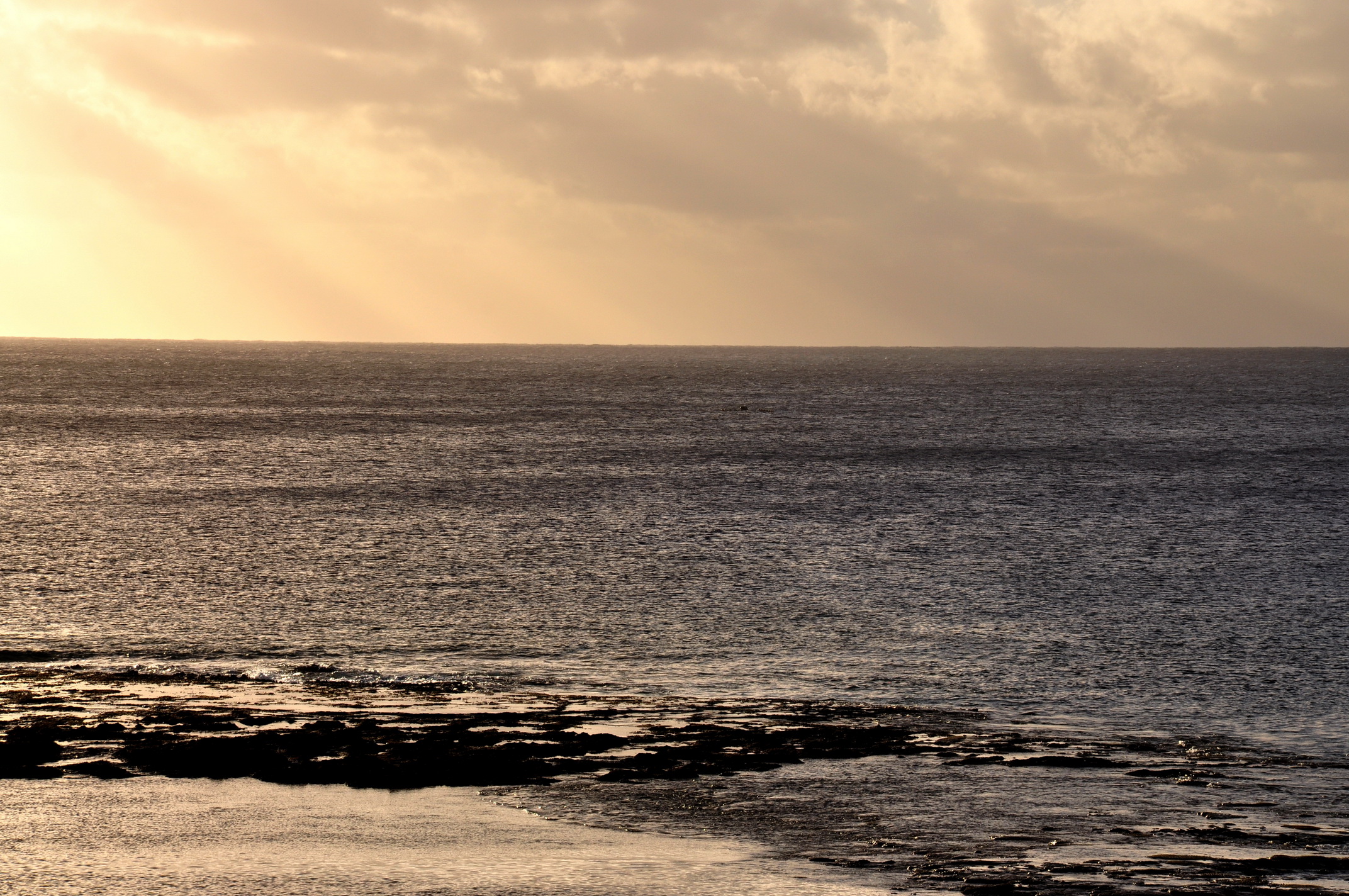
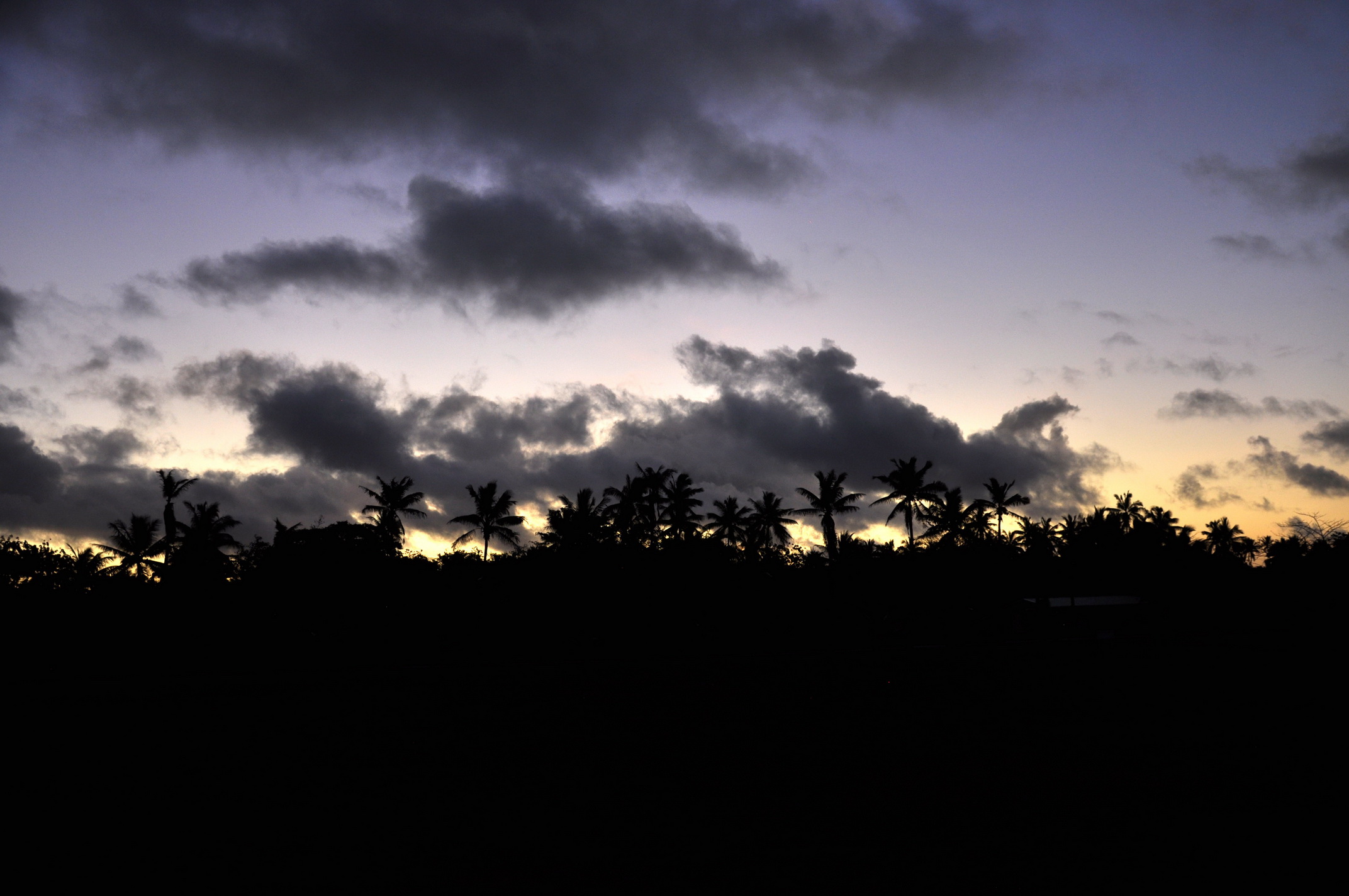
Day was ending and we were ready for sleep after the journey. We went out once more to see the sunset, but the sun went down behind clouds. It had been quite cold, eighteen to twenty degrees. We even felt chilly. Who would have thought we'd need warm clothes in the tropics? Luckily the day turned out to be an unusually cold one, and we didn't shiver again.
Roosters woke us in the morning. Chickens are everywhere and live their own lives, virtually wild, though they still feed near people's houses and occasionally end up in soup. The customary rule is that if a chicken is on your land, it's yours. There isn't much meat on it, though it can fly. It lays eggs where nobody can get at them. Coral and vegetation are so thick that you may as well forget about egg hunting. Chickens are more nuisance than food here. They can peck up everything and wake the tourists at six. Expensive hotels even have to employ someone to chase the roosters away in the mornings.
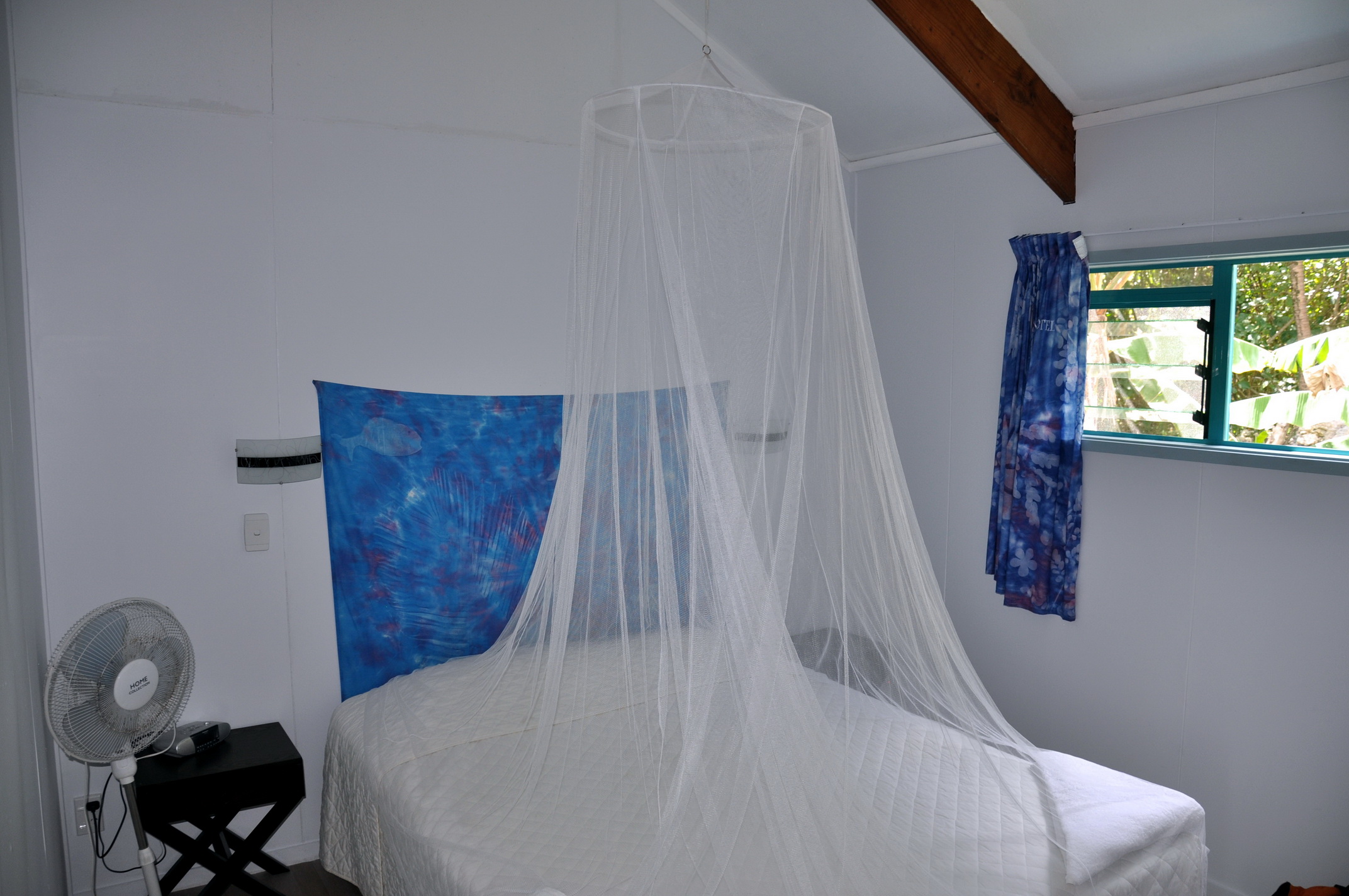
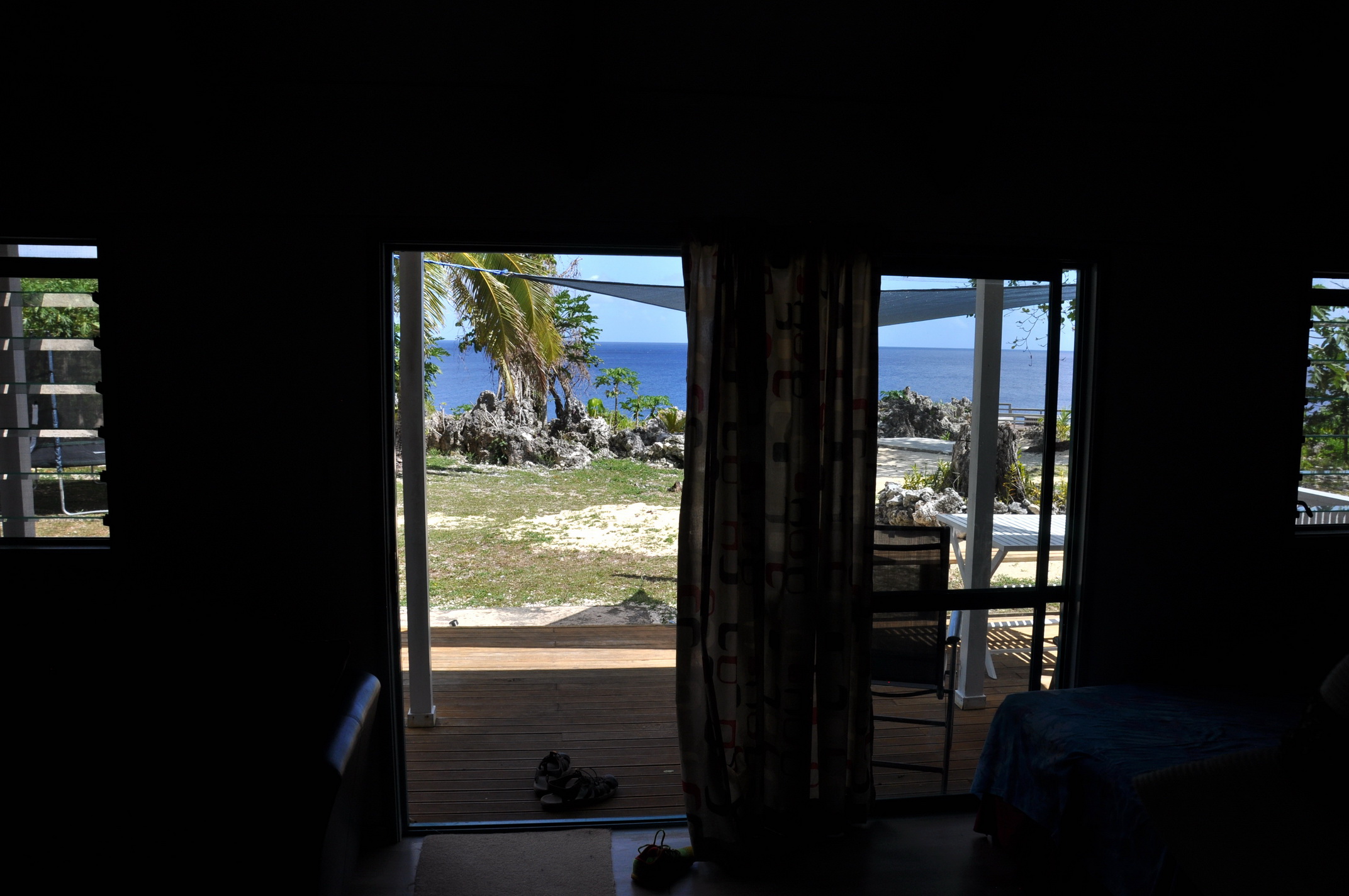
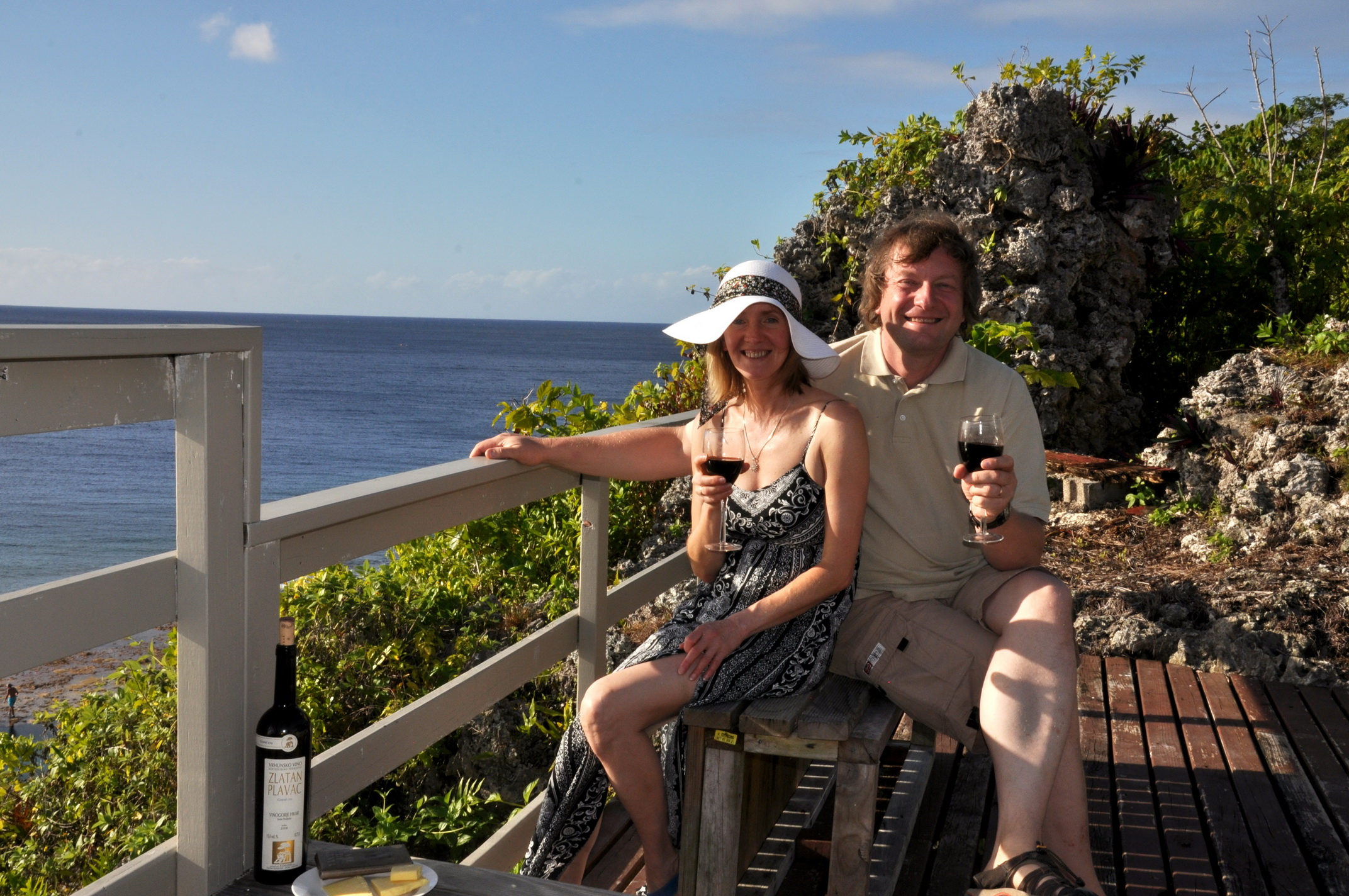
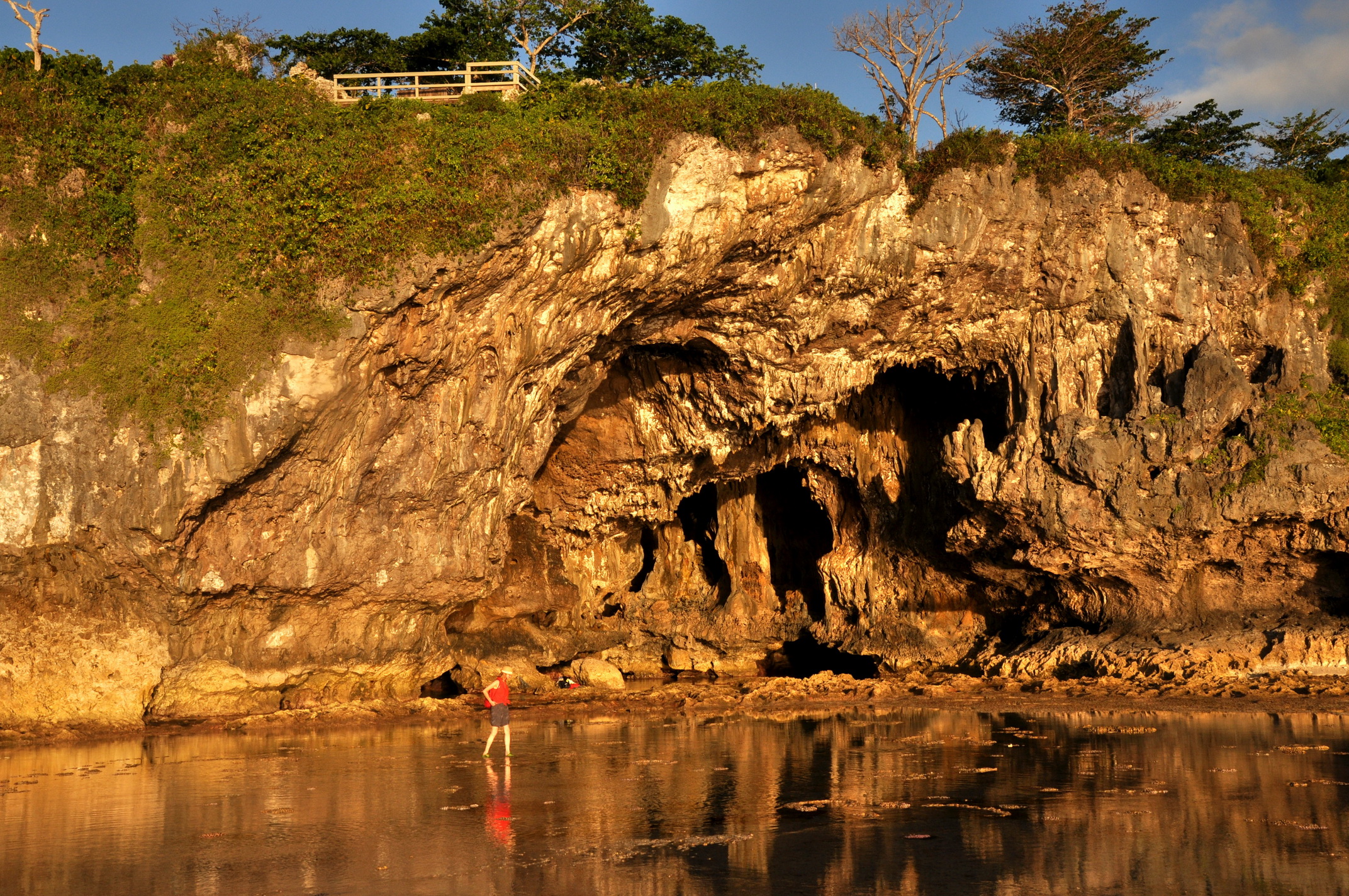
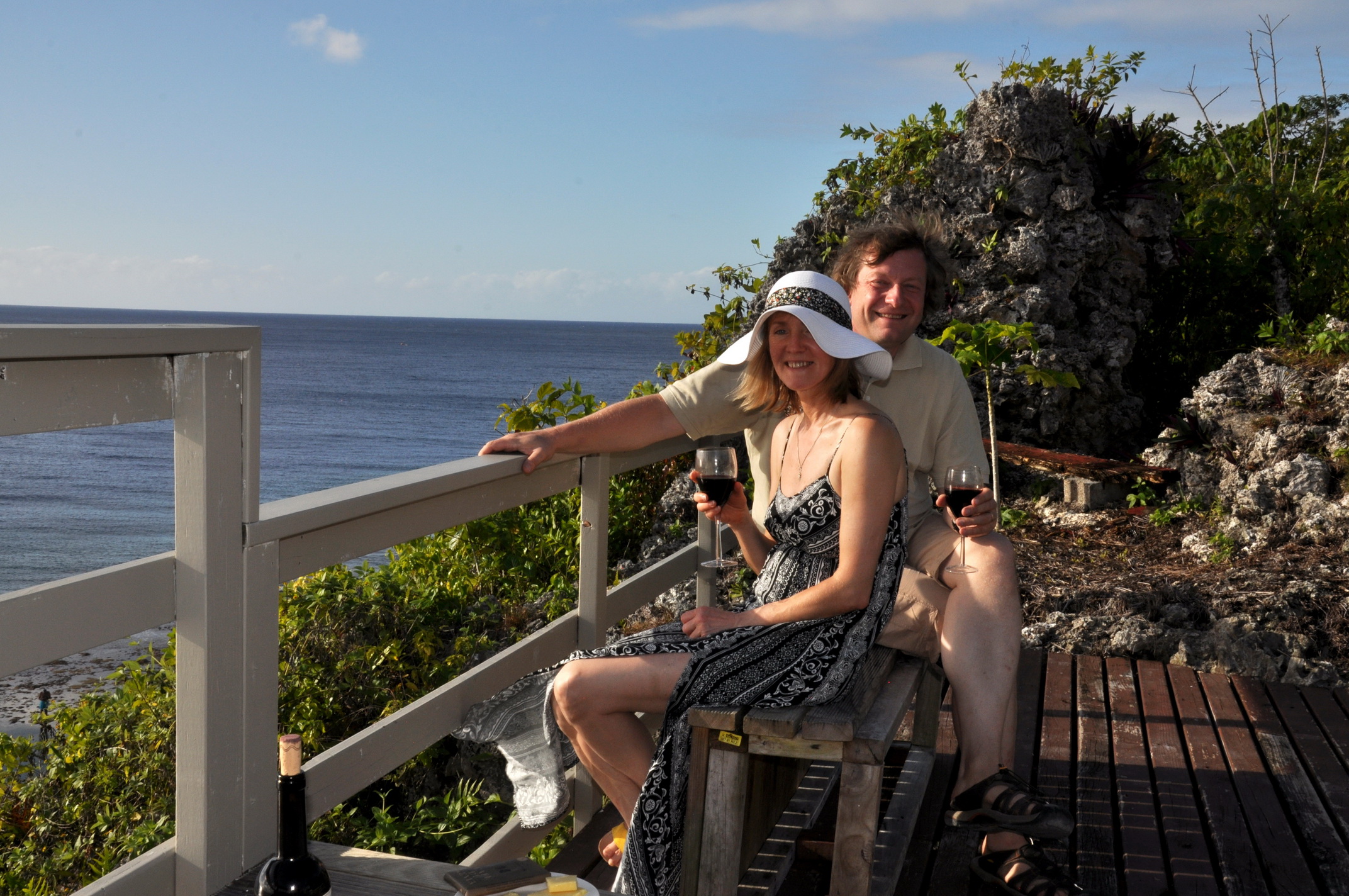
We got up at first crow, had breakfast and moved to our next hotel, the Anaiki Motel (18°59.838′S, 169°54.639′W, elevation 24 m), for two nights. It was a very beautiful place. We had a spacious room with a view of the sea and a large kitchen. Beside it there was a viewing platform above the cliffs. No internet, admittedly, since we were too far from the village, and the mobile network didn't reach us either.
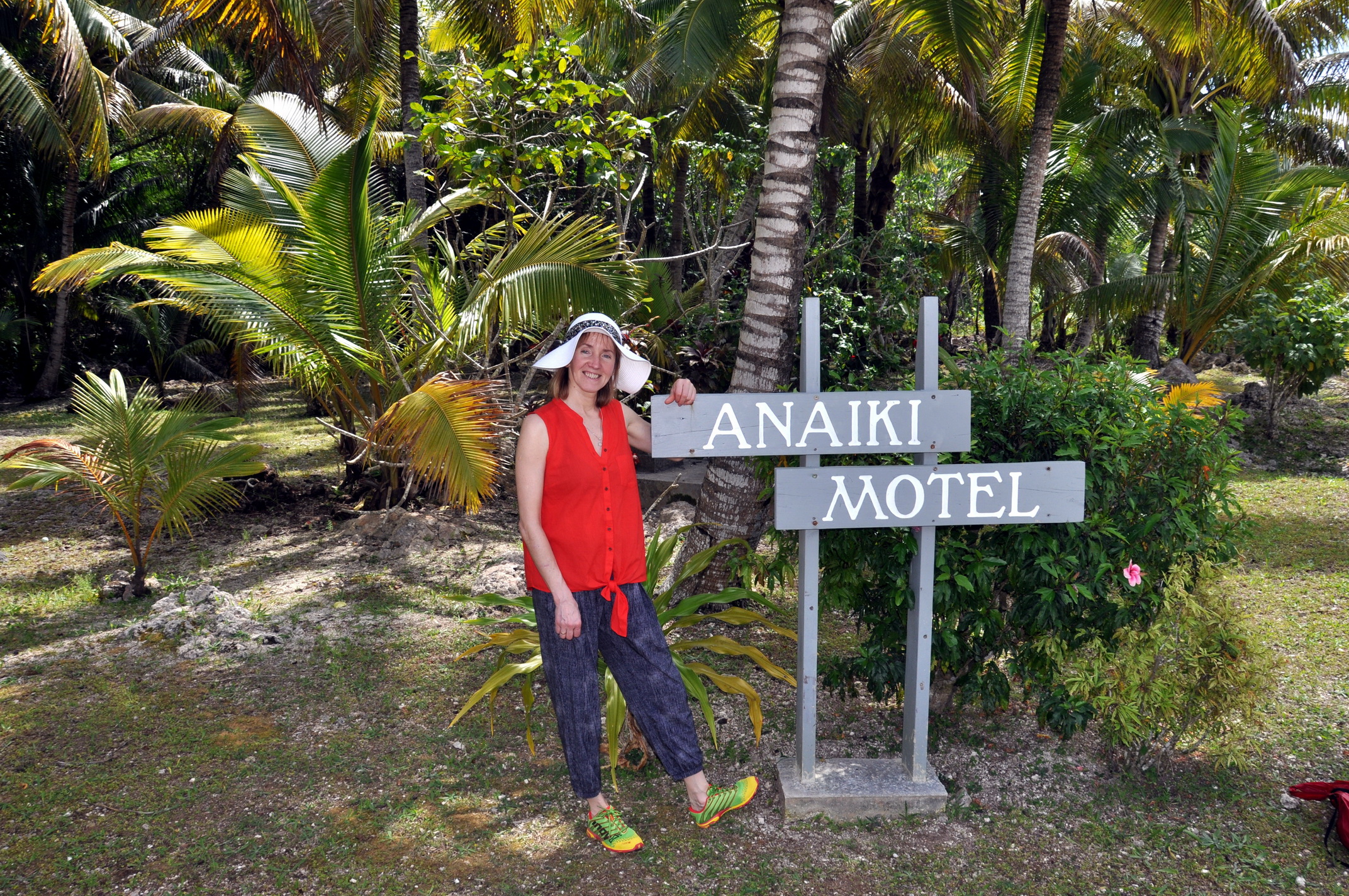
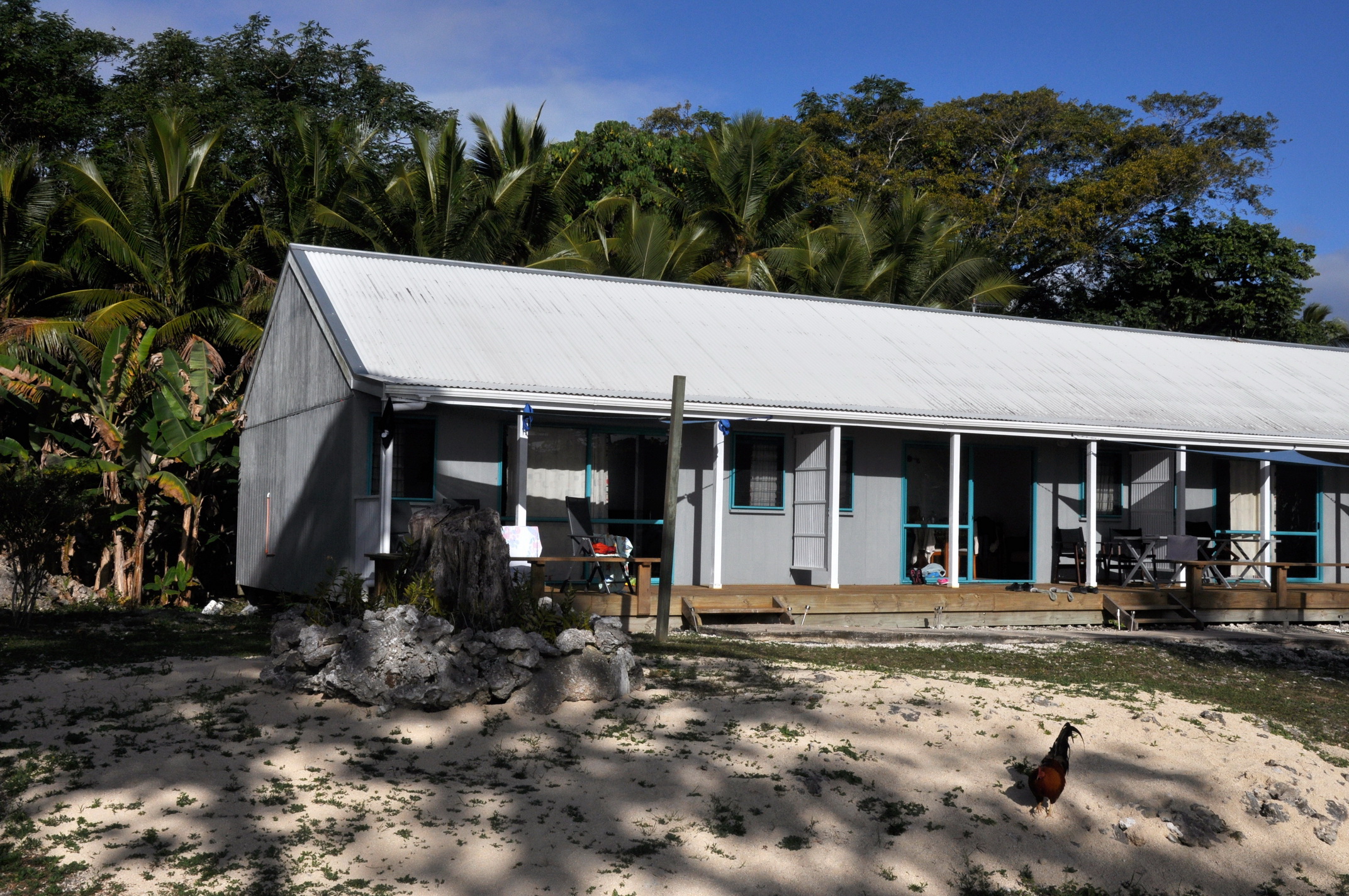
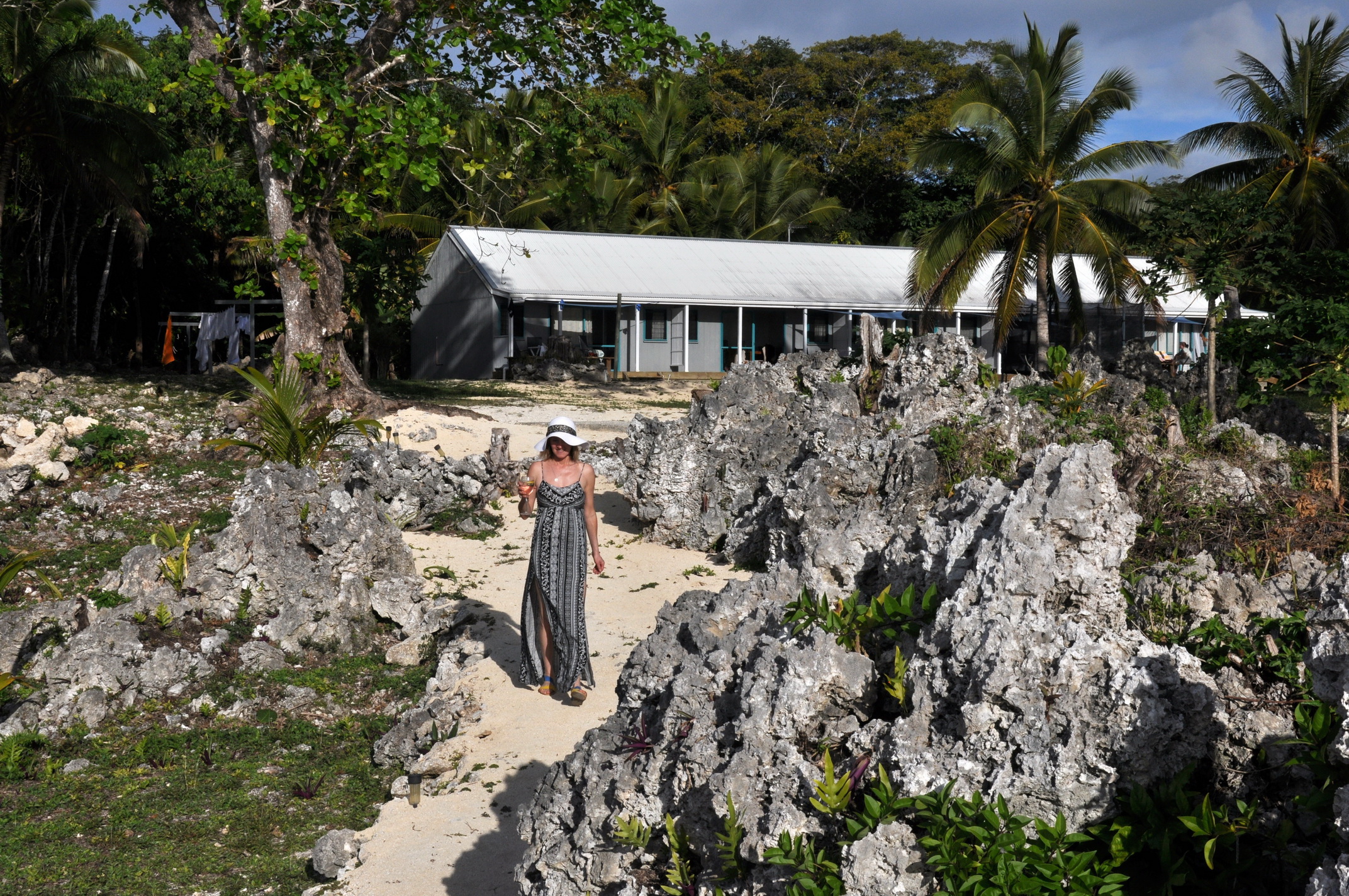
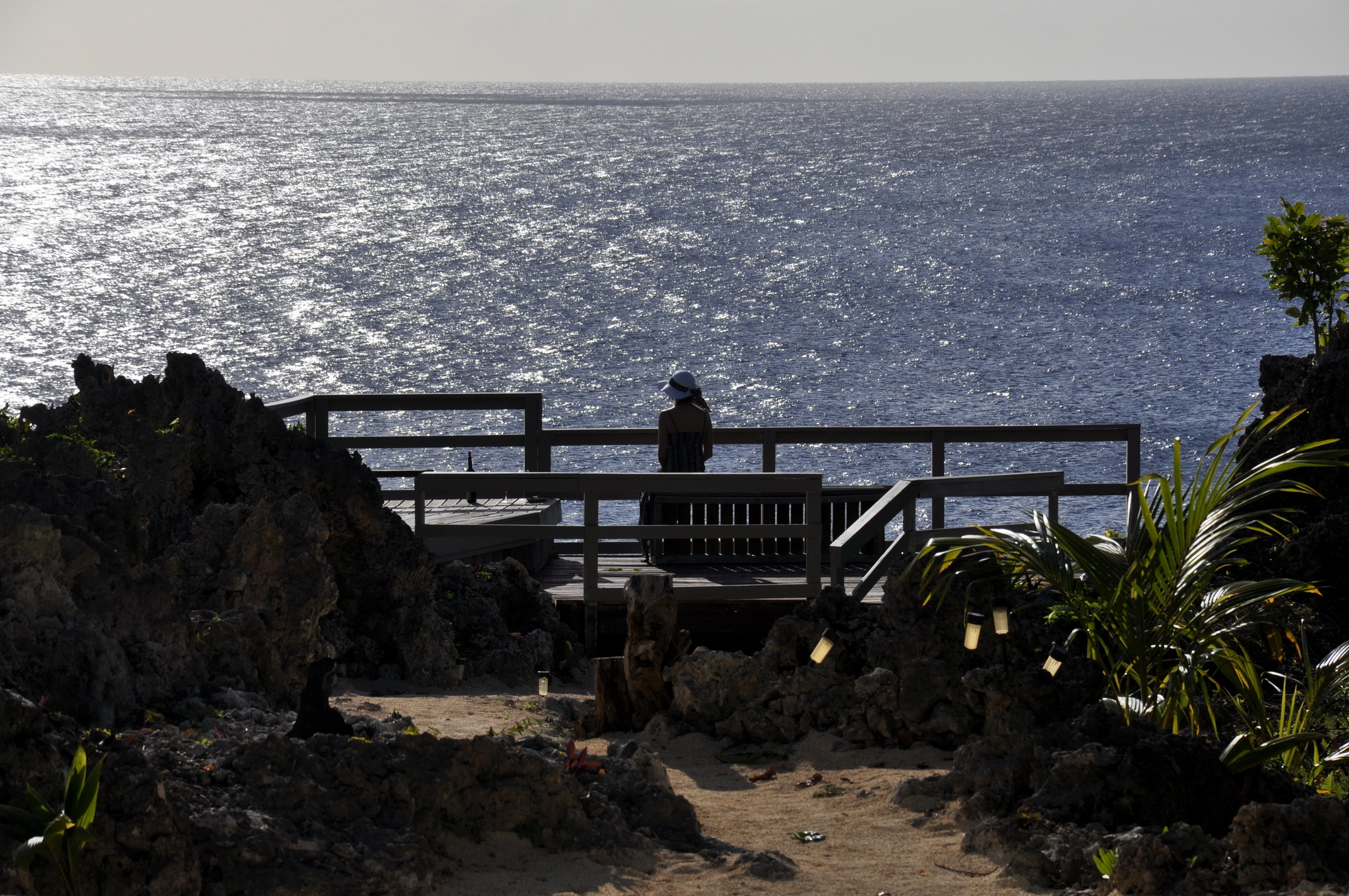
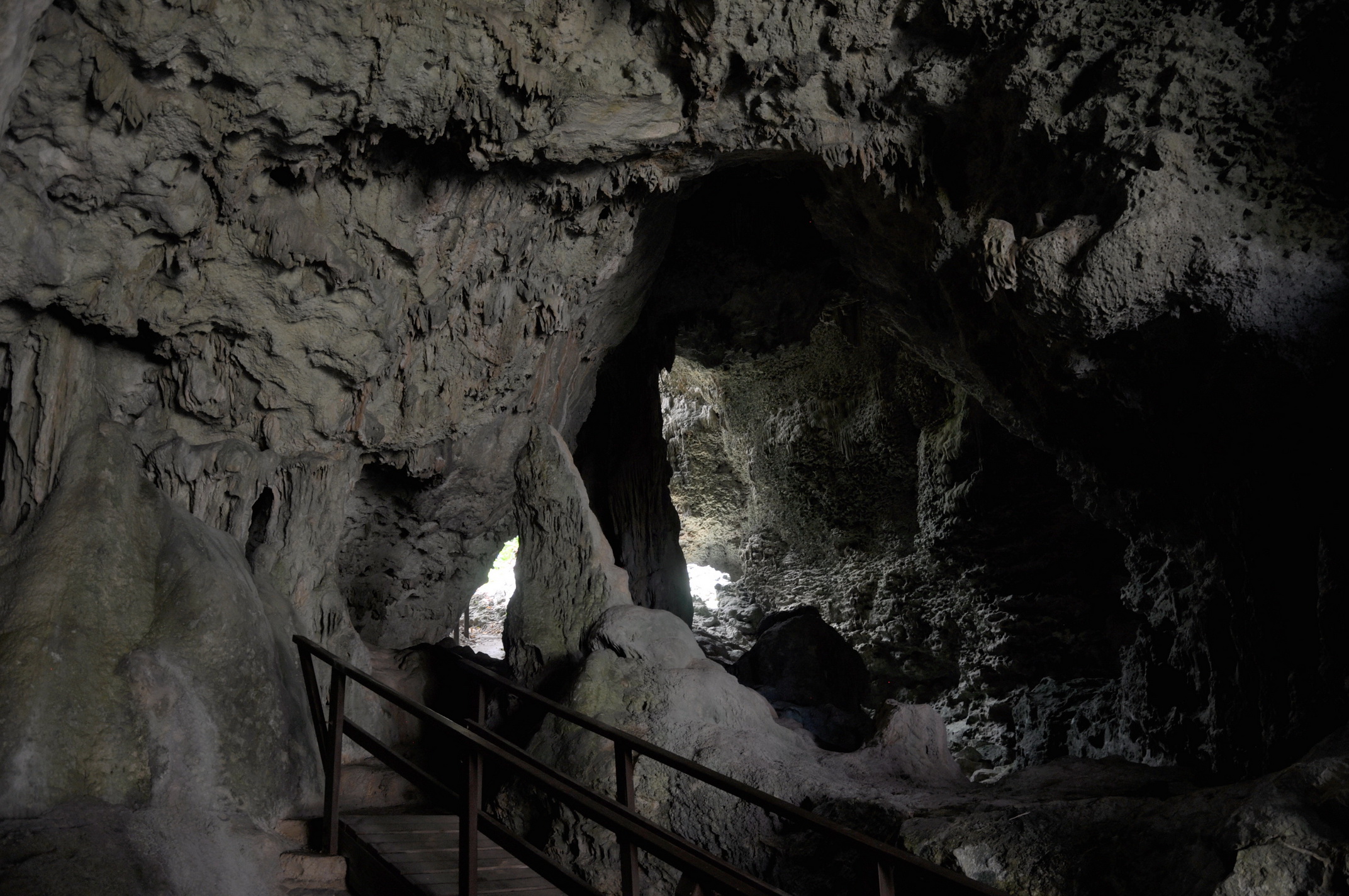
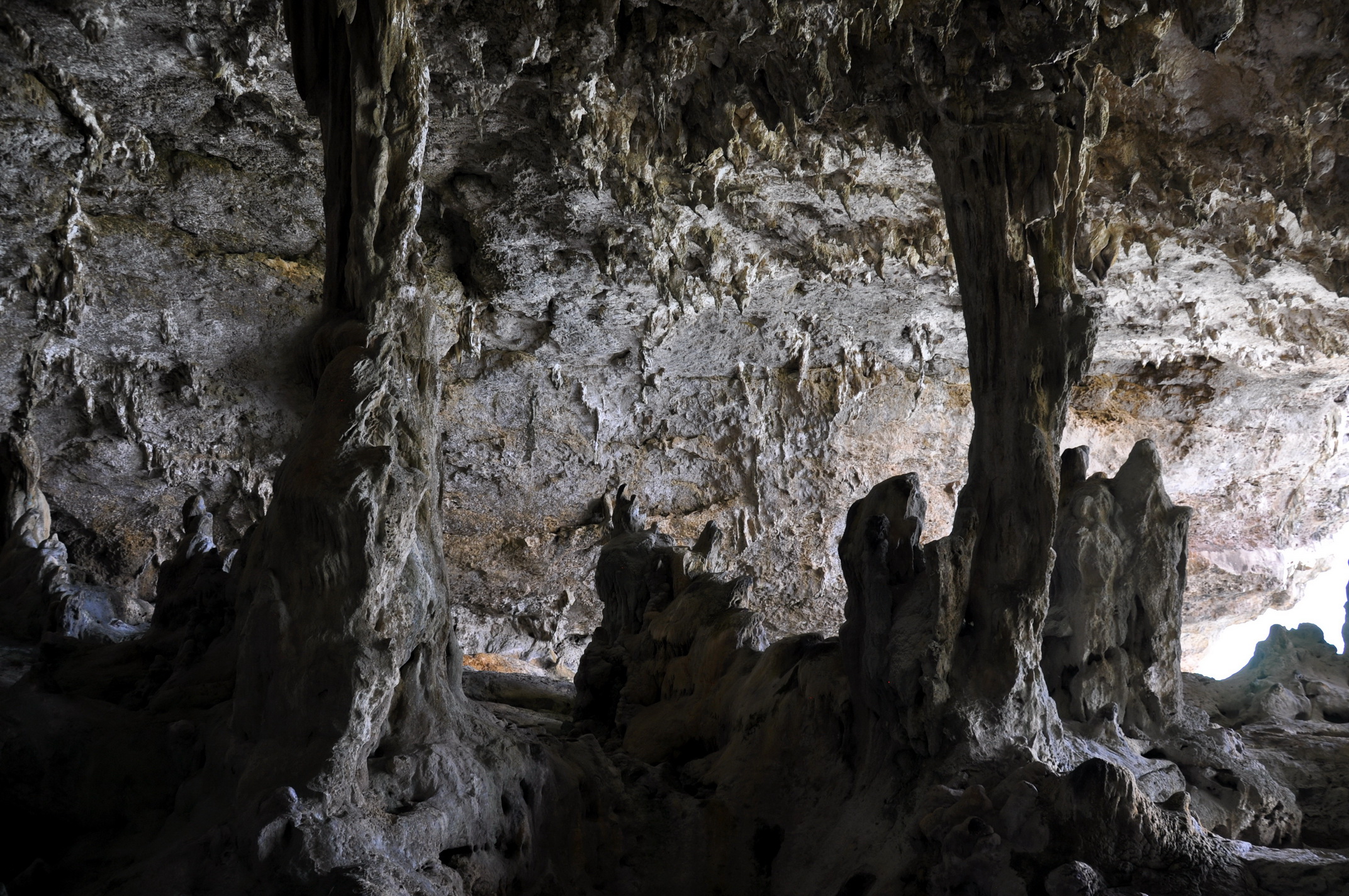
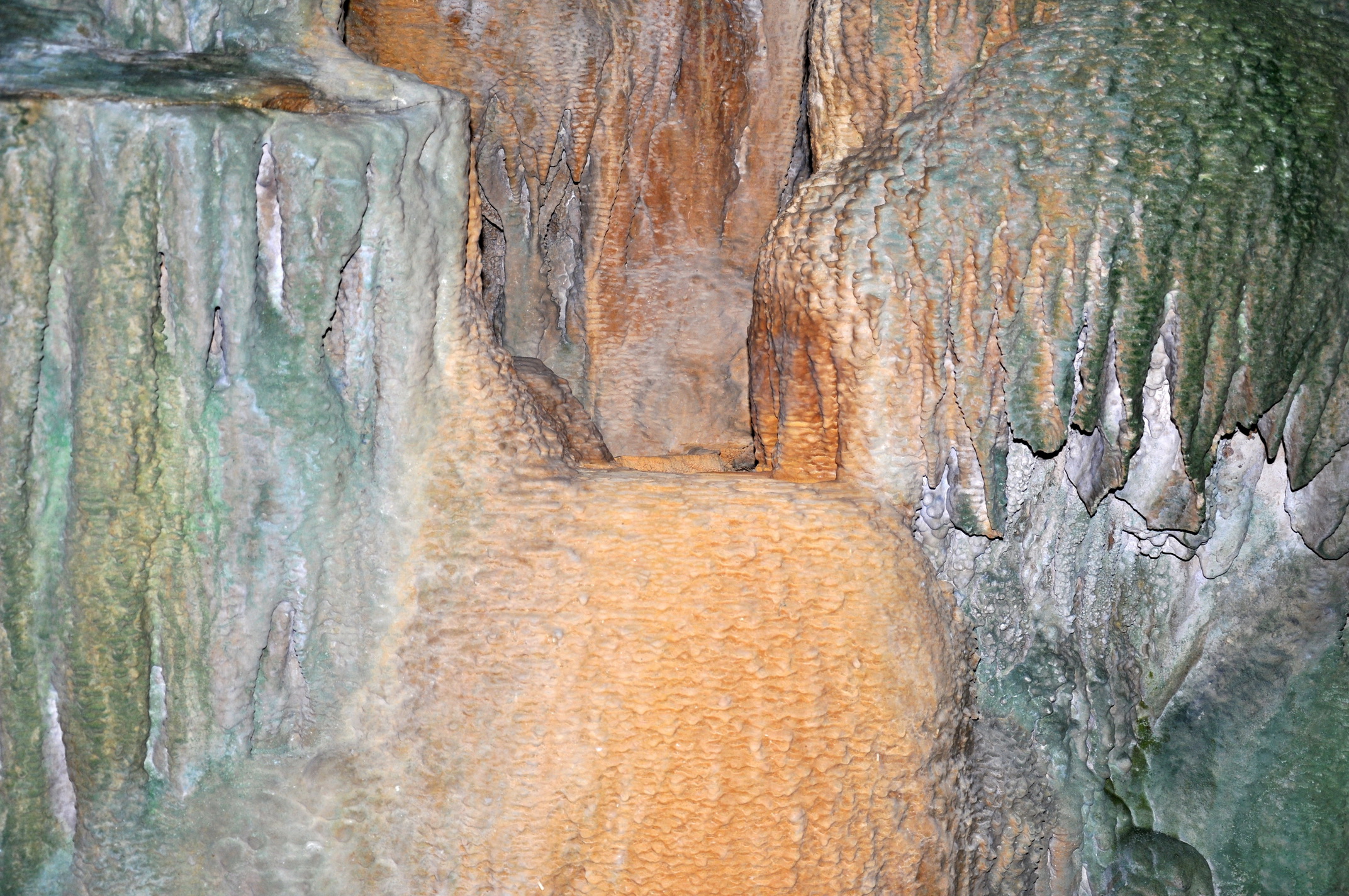
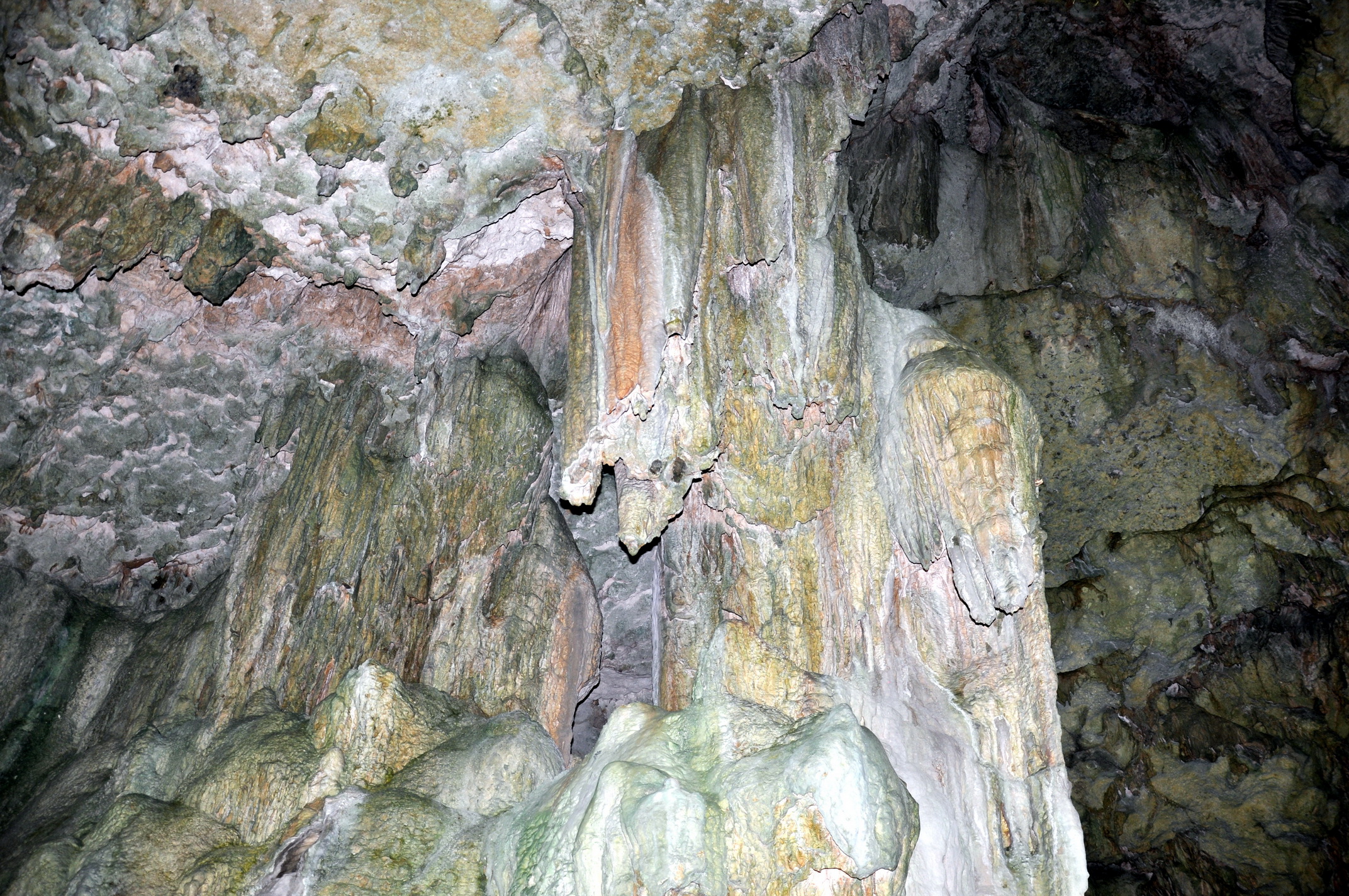
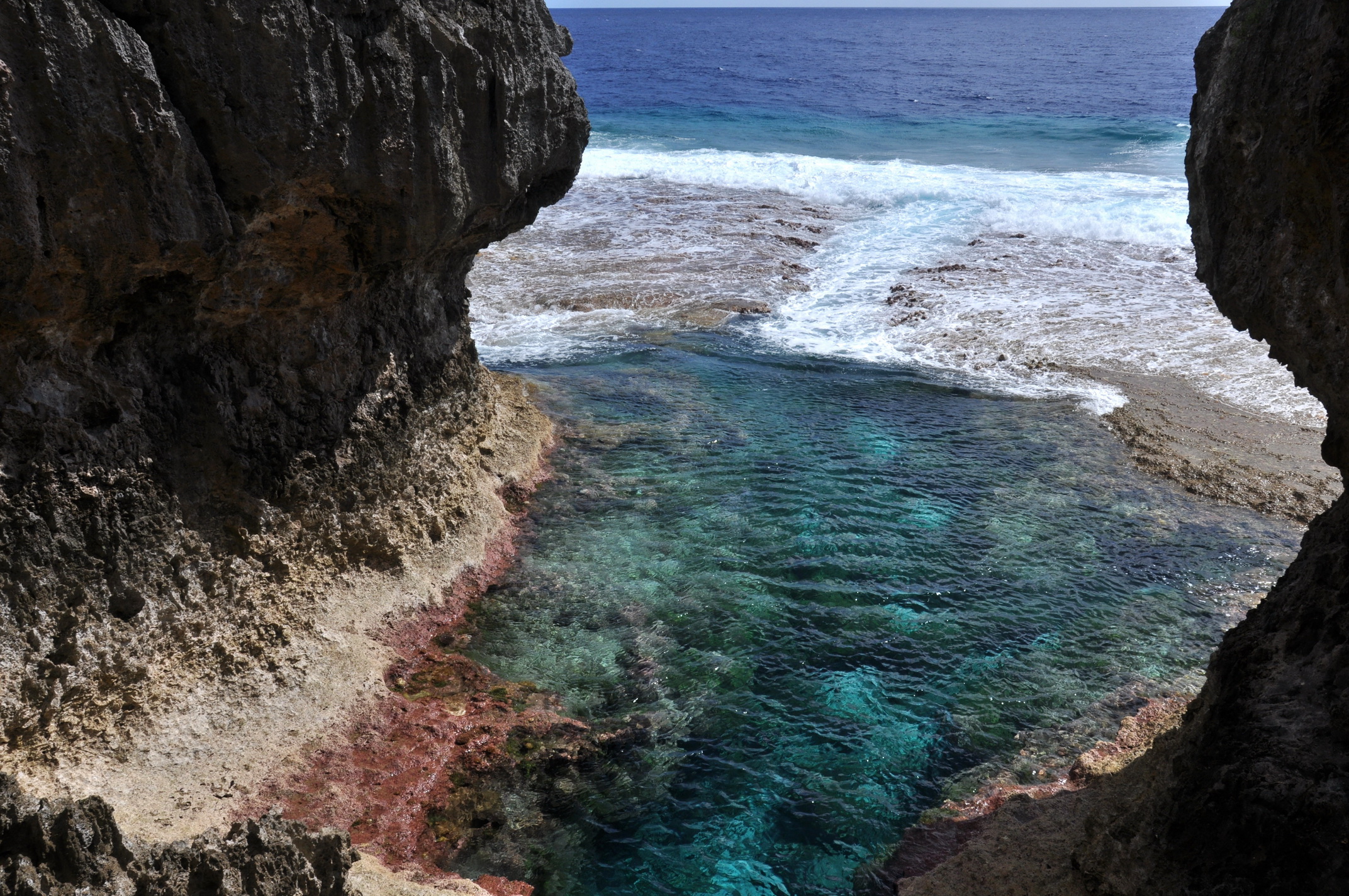
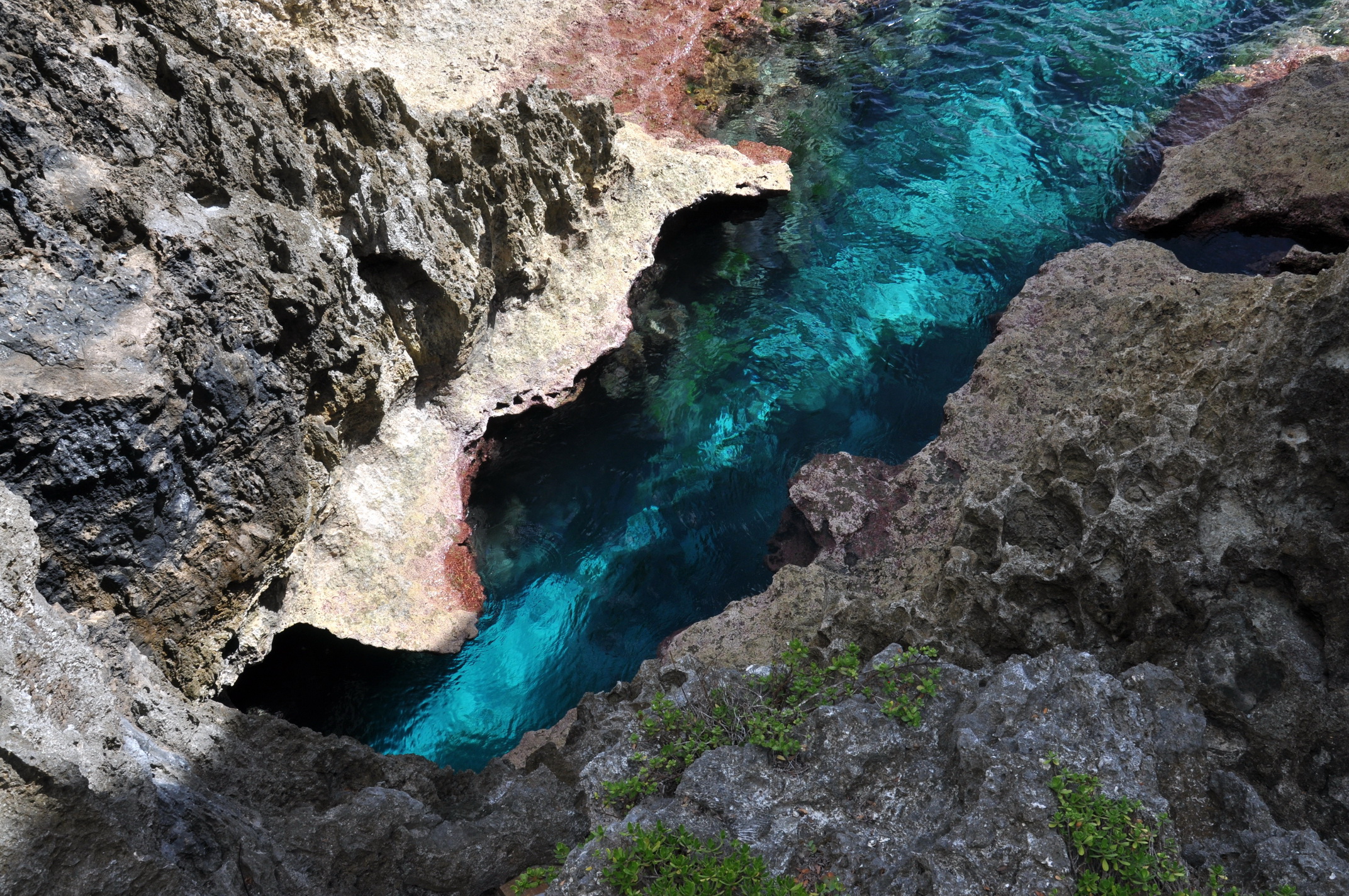
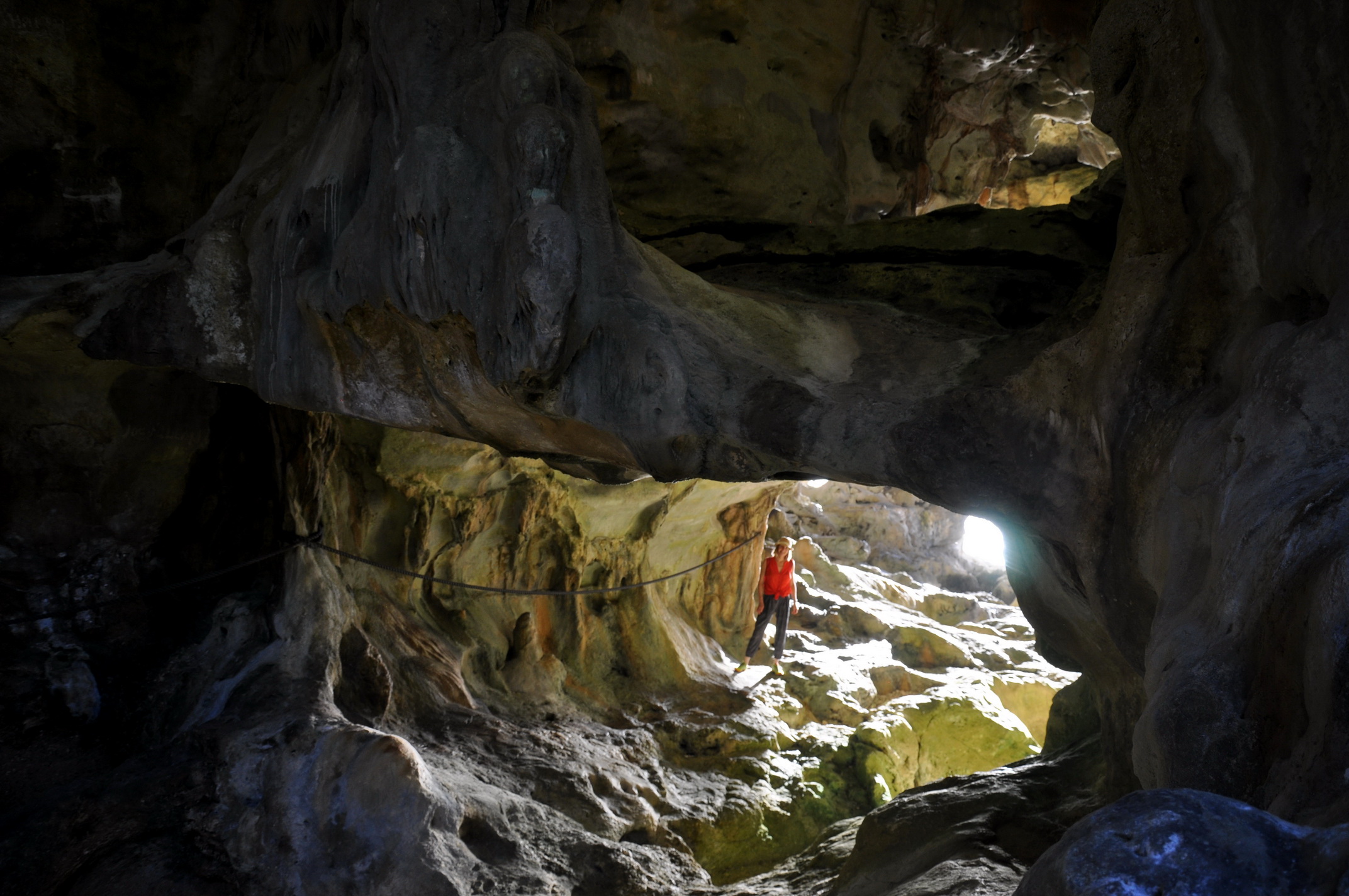
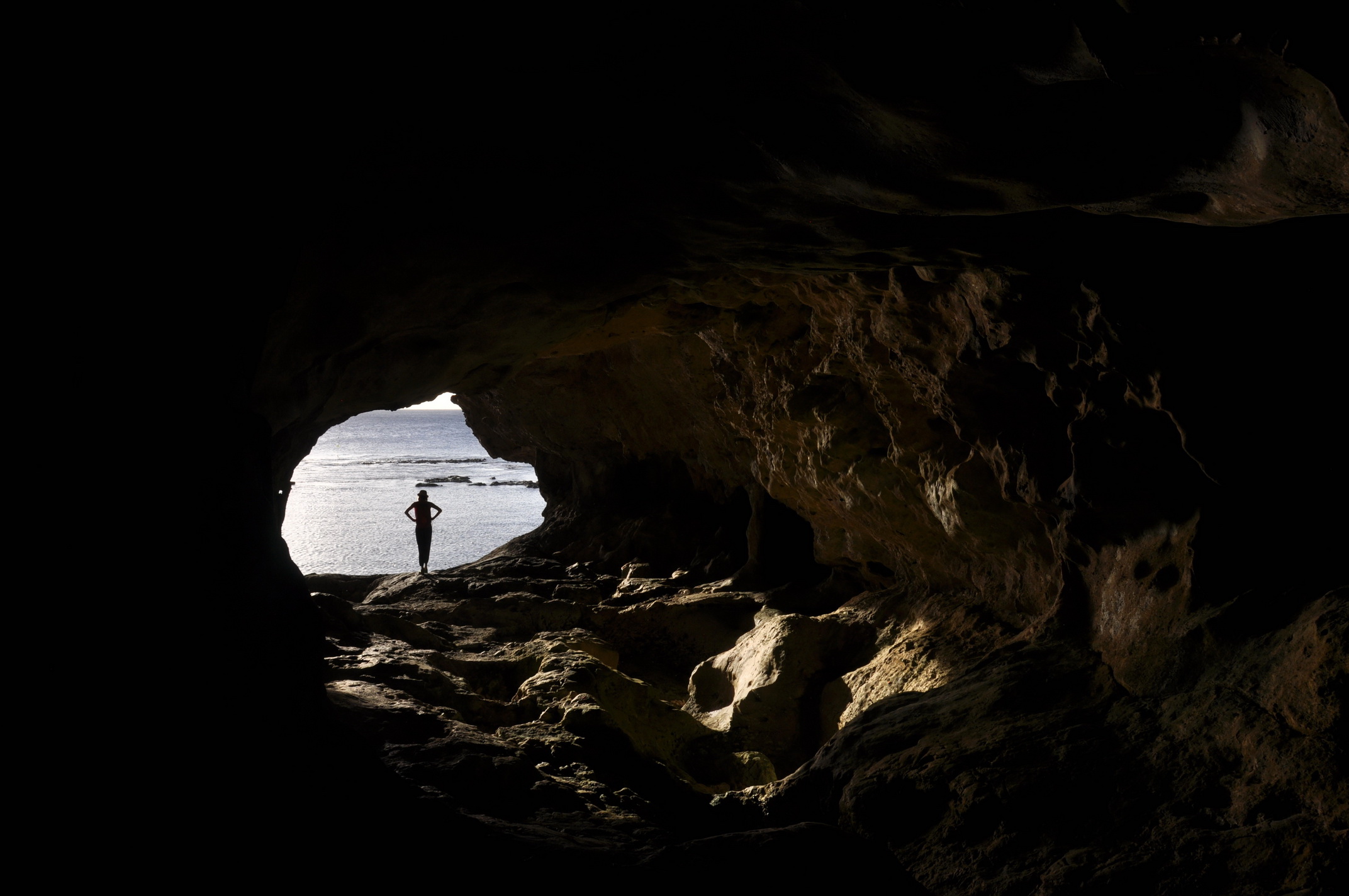
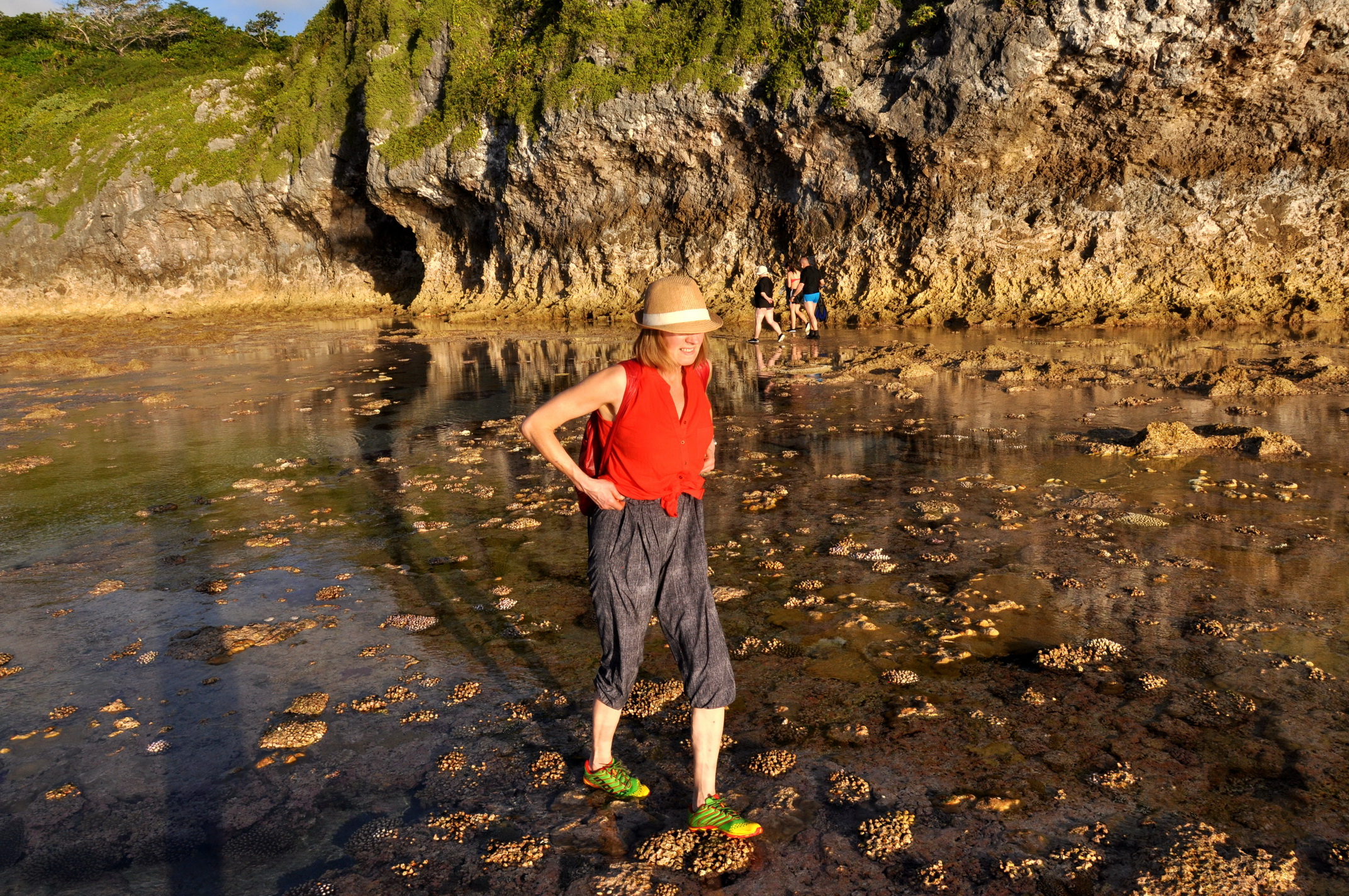
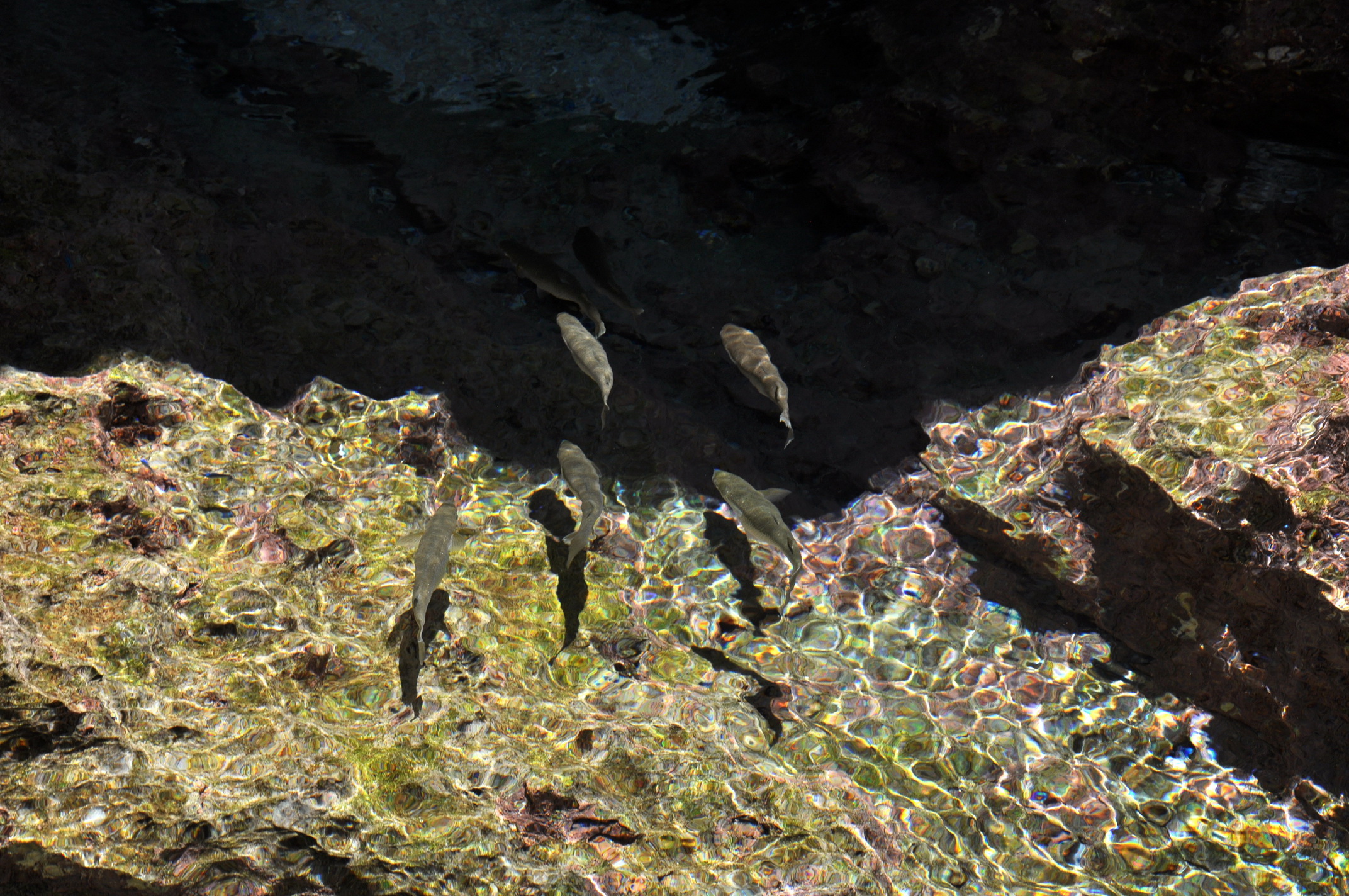
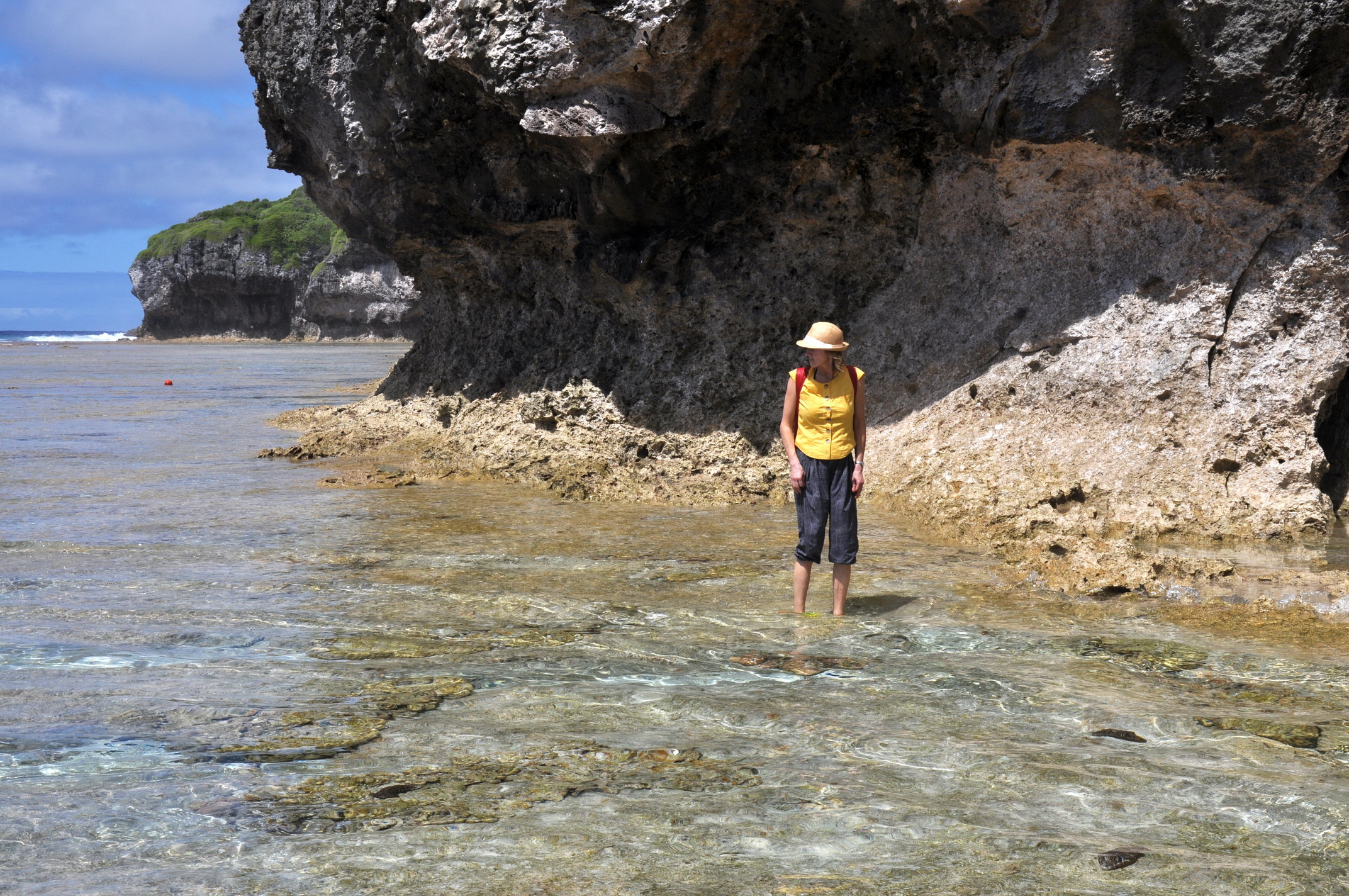
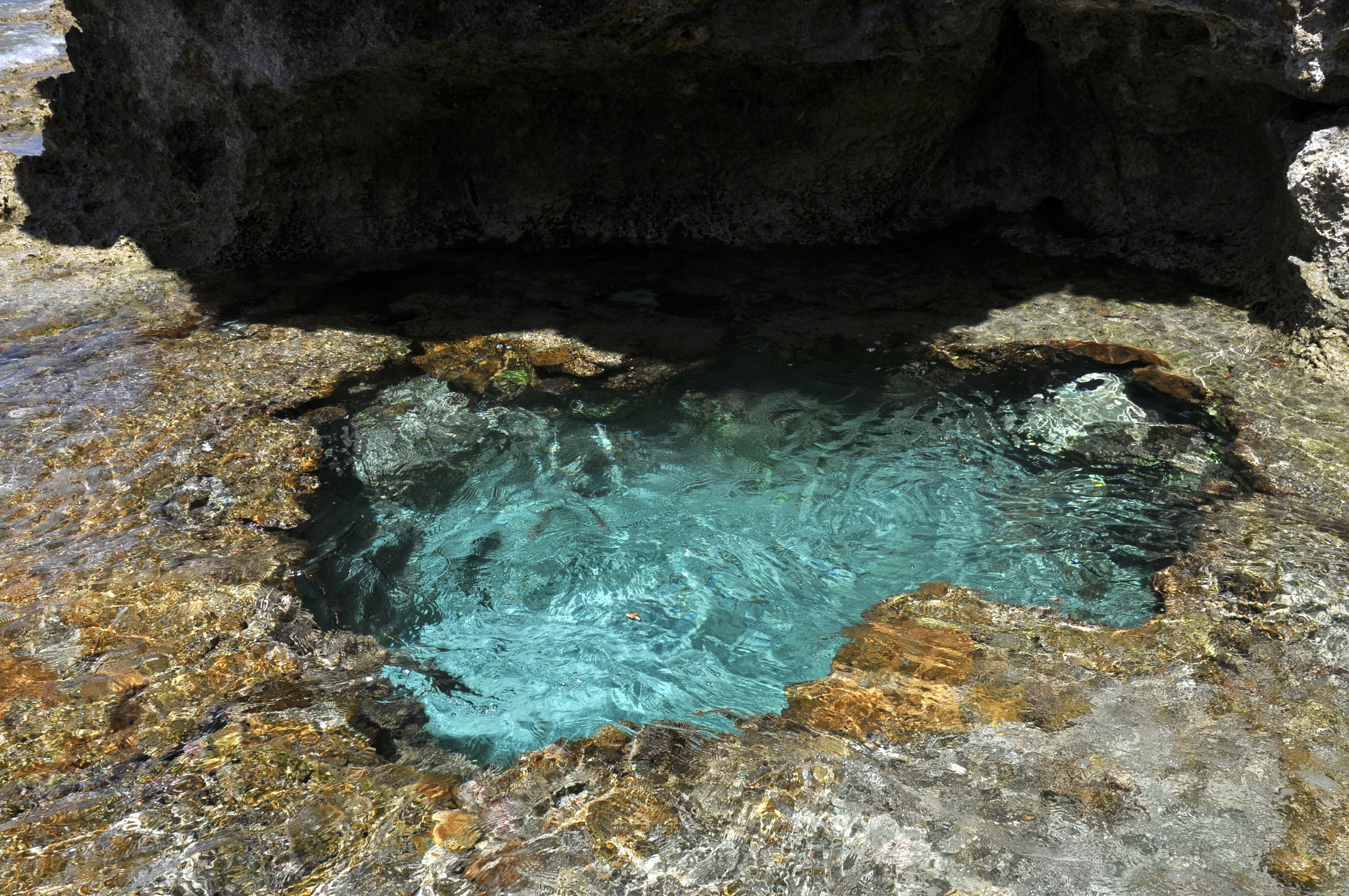
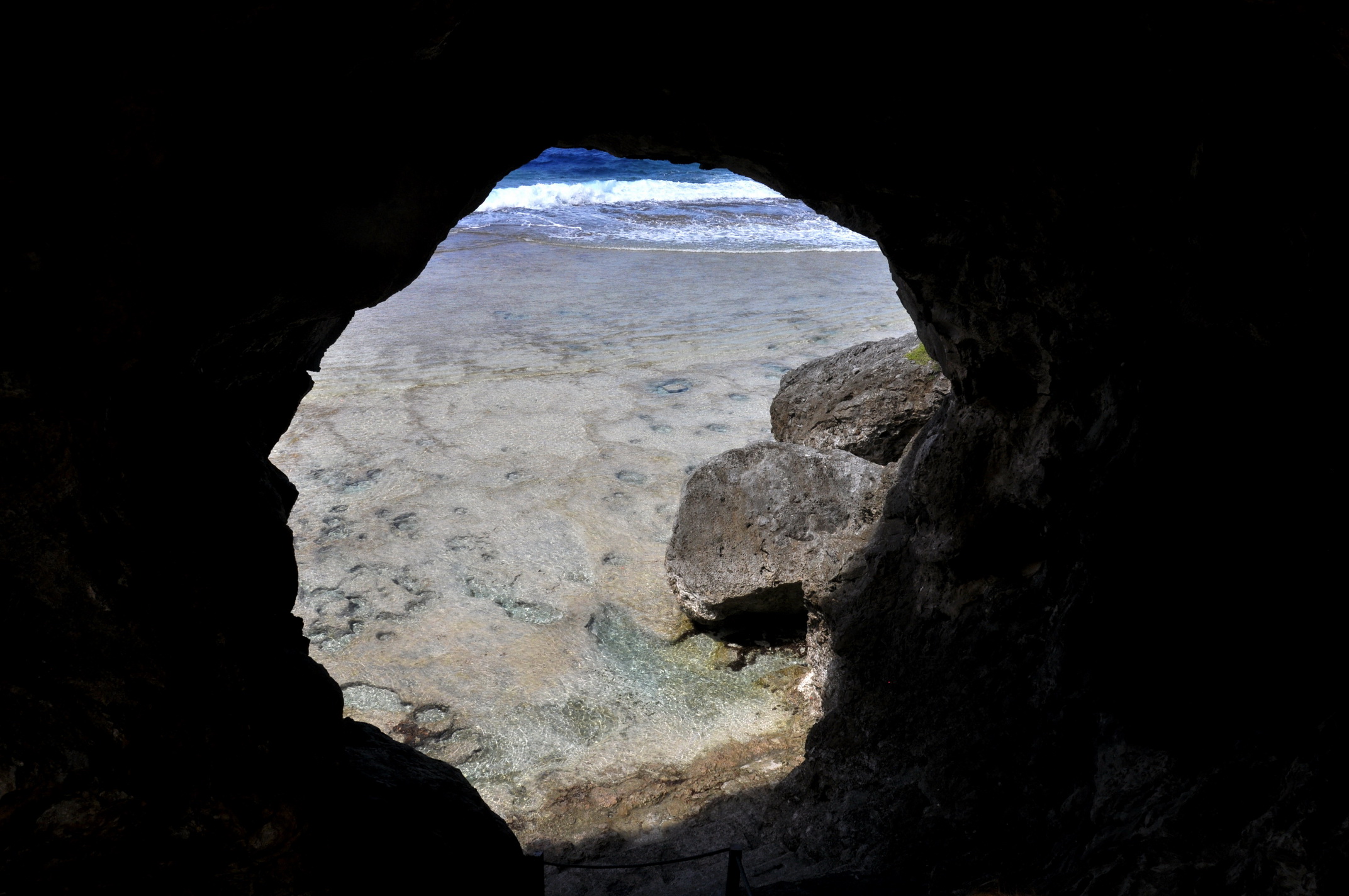
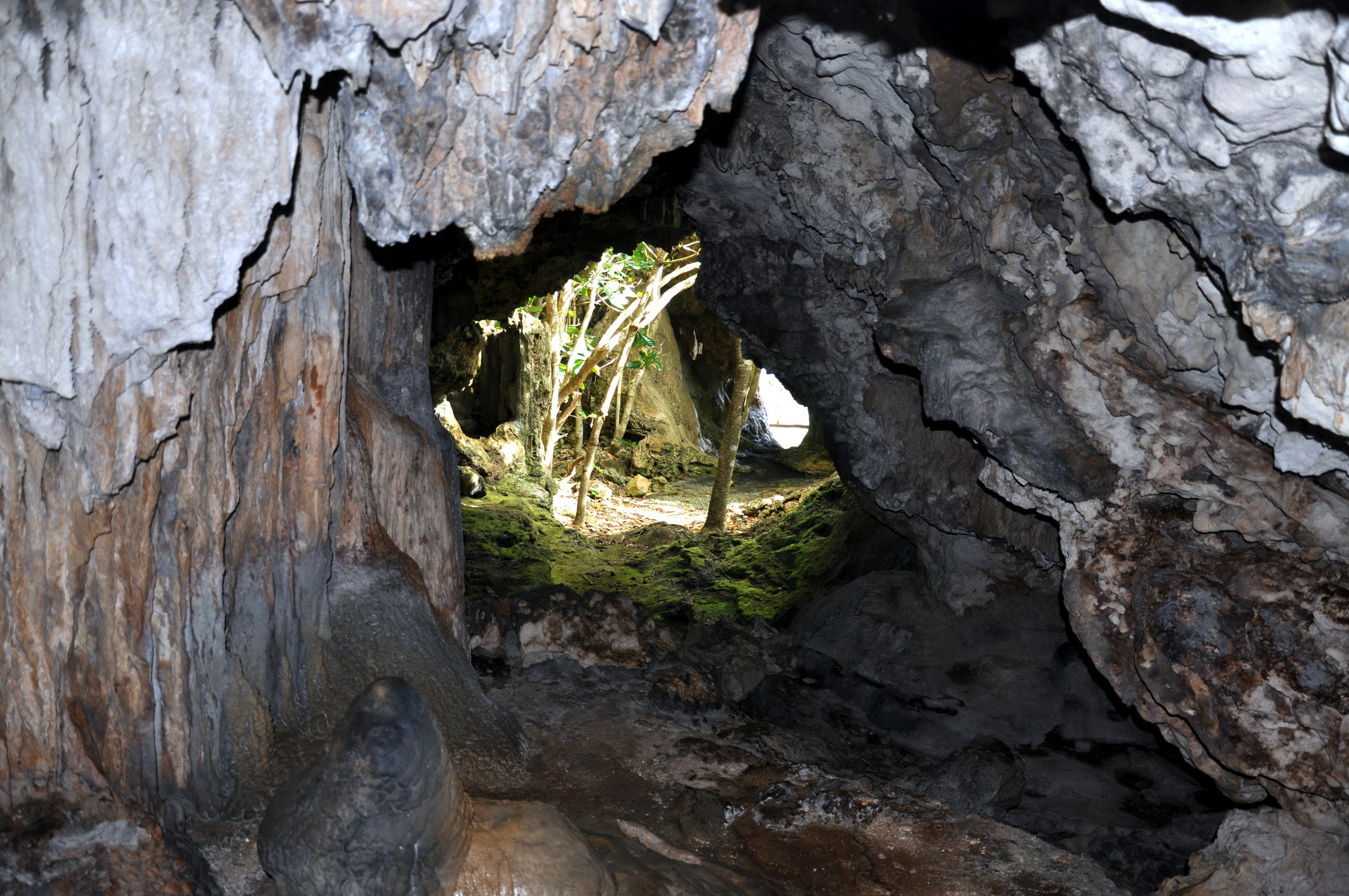
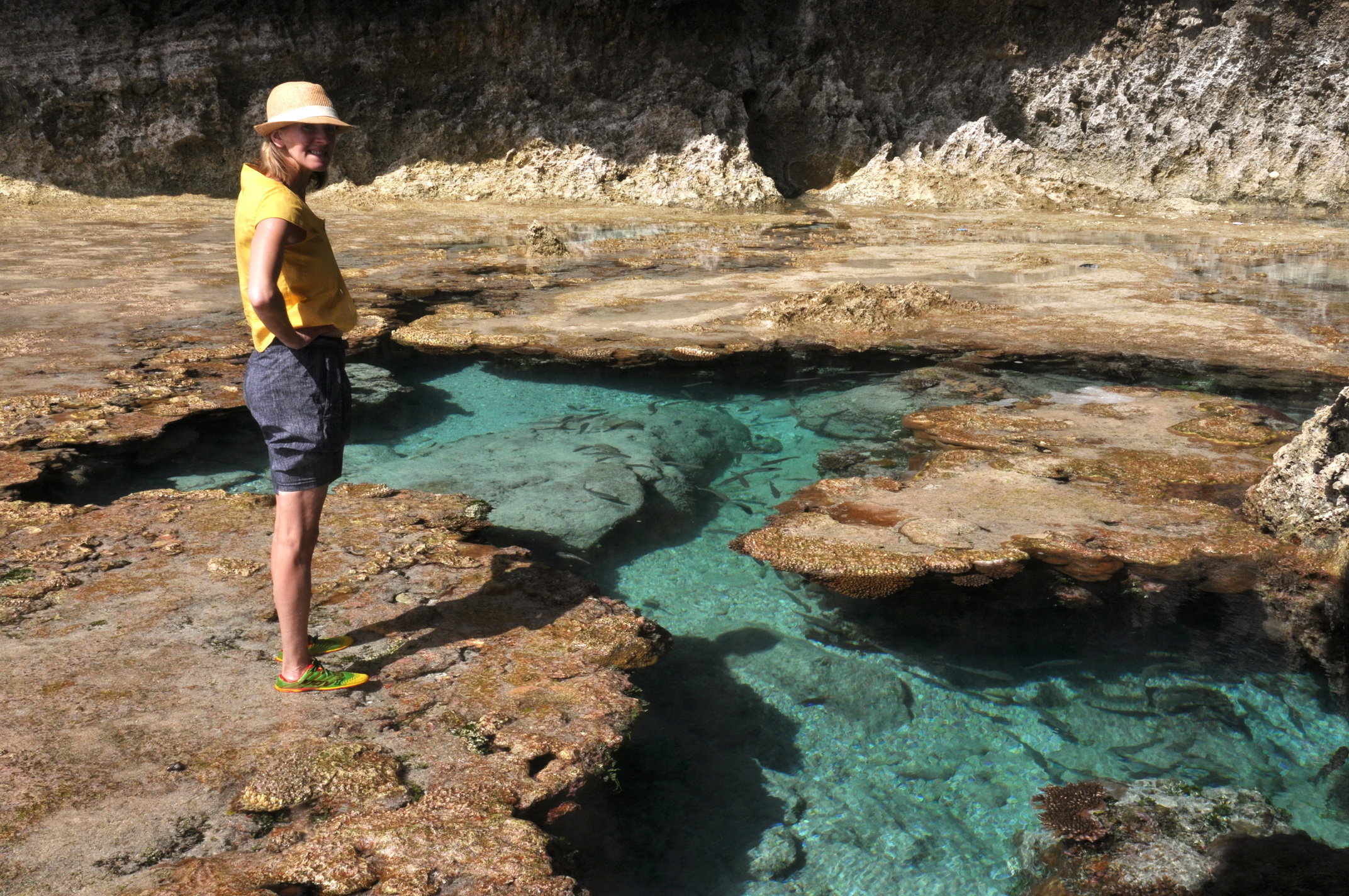
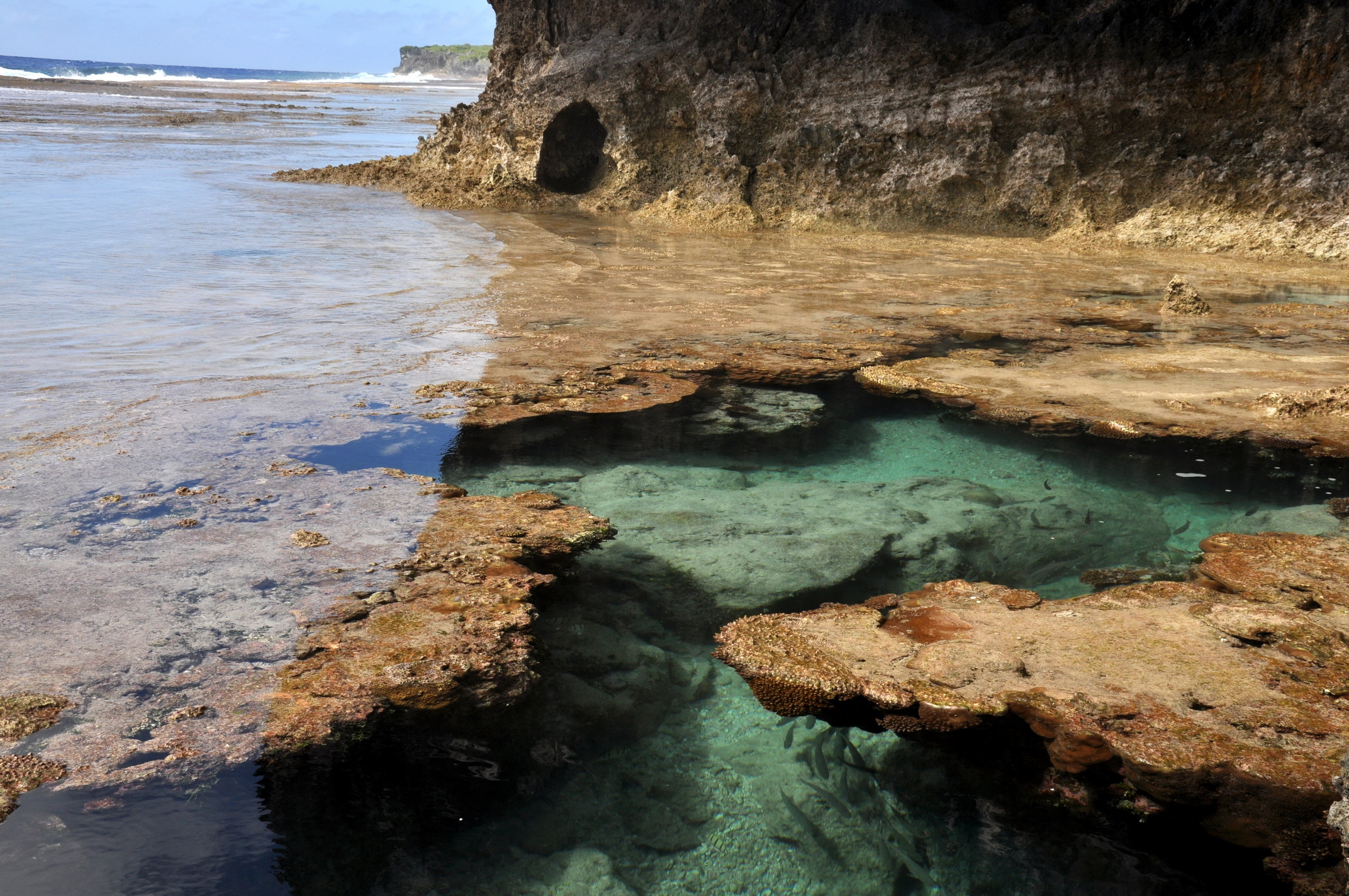
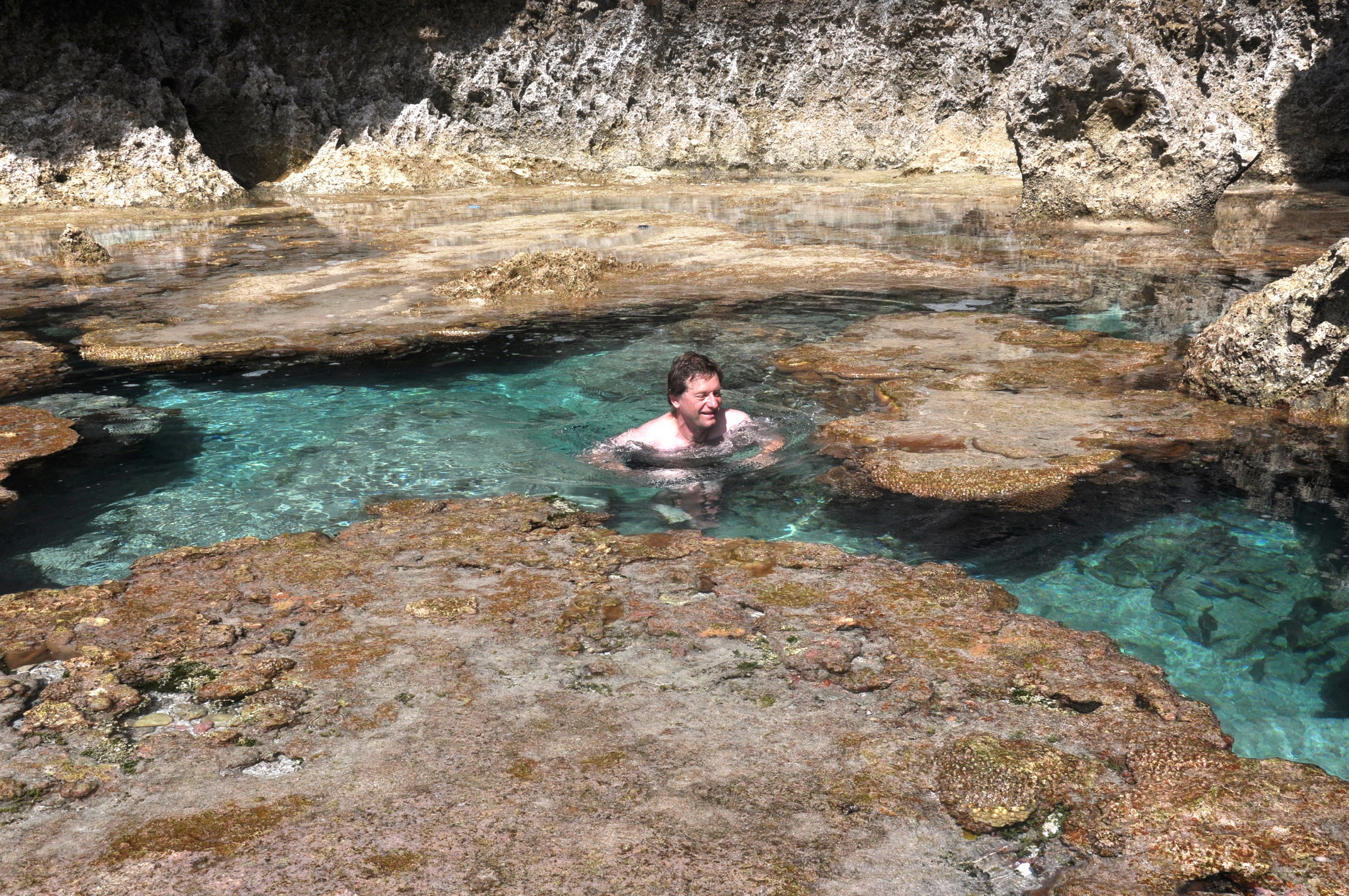
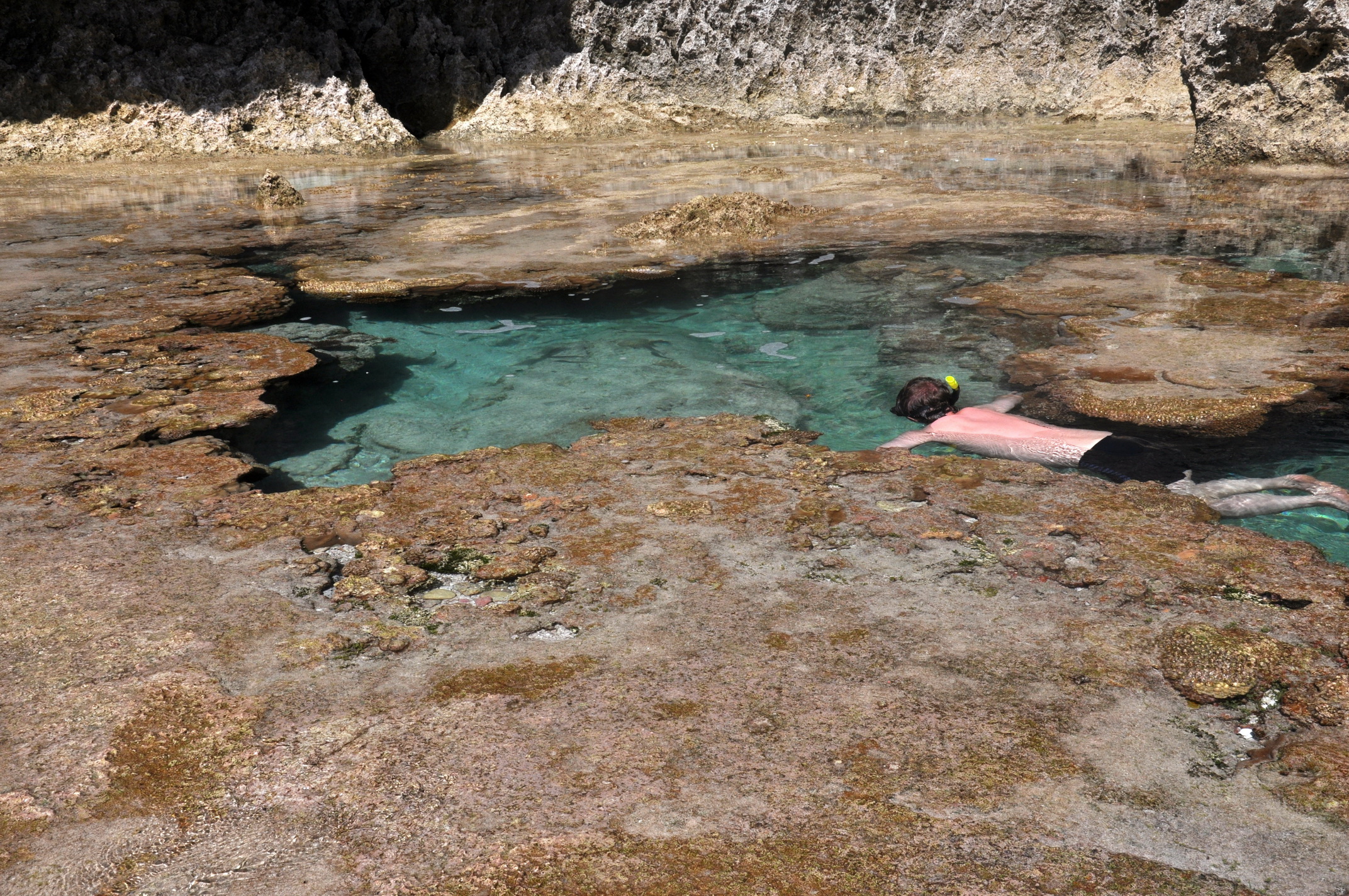
The spot is famous for its two caves, one of which lies directly under the motel. A steep track takes you down to the sea through an underground passage. This is typical of Niue. The surf carves out grottoes and arches and many of the caves can be visited. Avaiki is the most famous. The cave is lovely in its own right. Its stalactites and stalagmites grow as they ought to, but the wonder is elsewhere. There are holes in the reef. At high tide they disappear into the sea. At low tide the sea retires and you can walk on foot across the coral reef, while the pools remain full of clear blue sea water and fish.
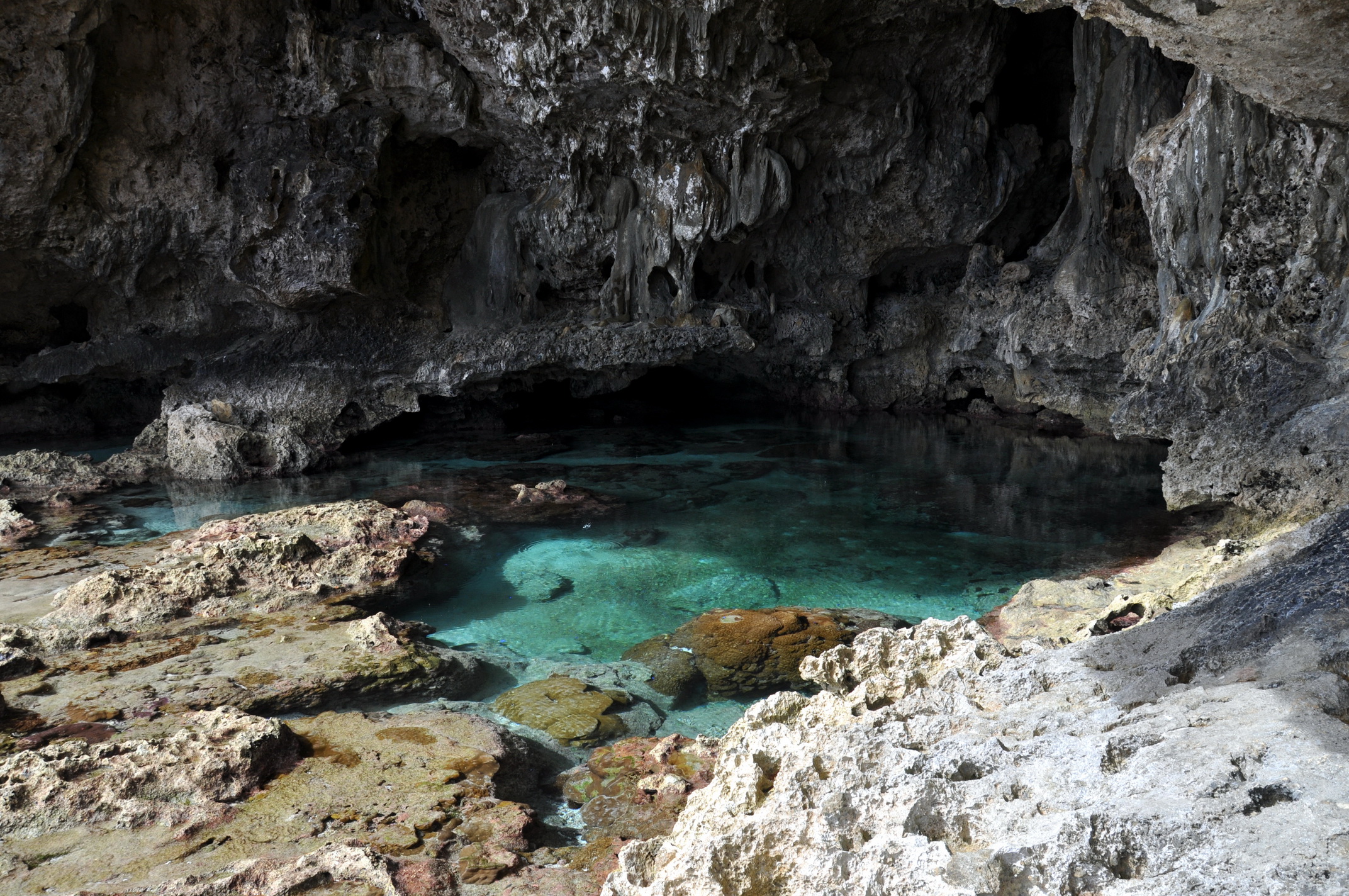
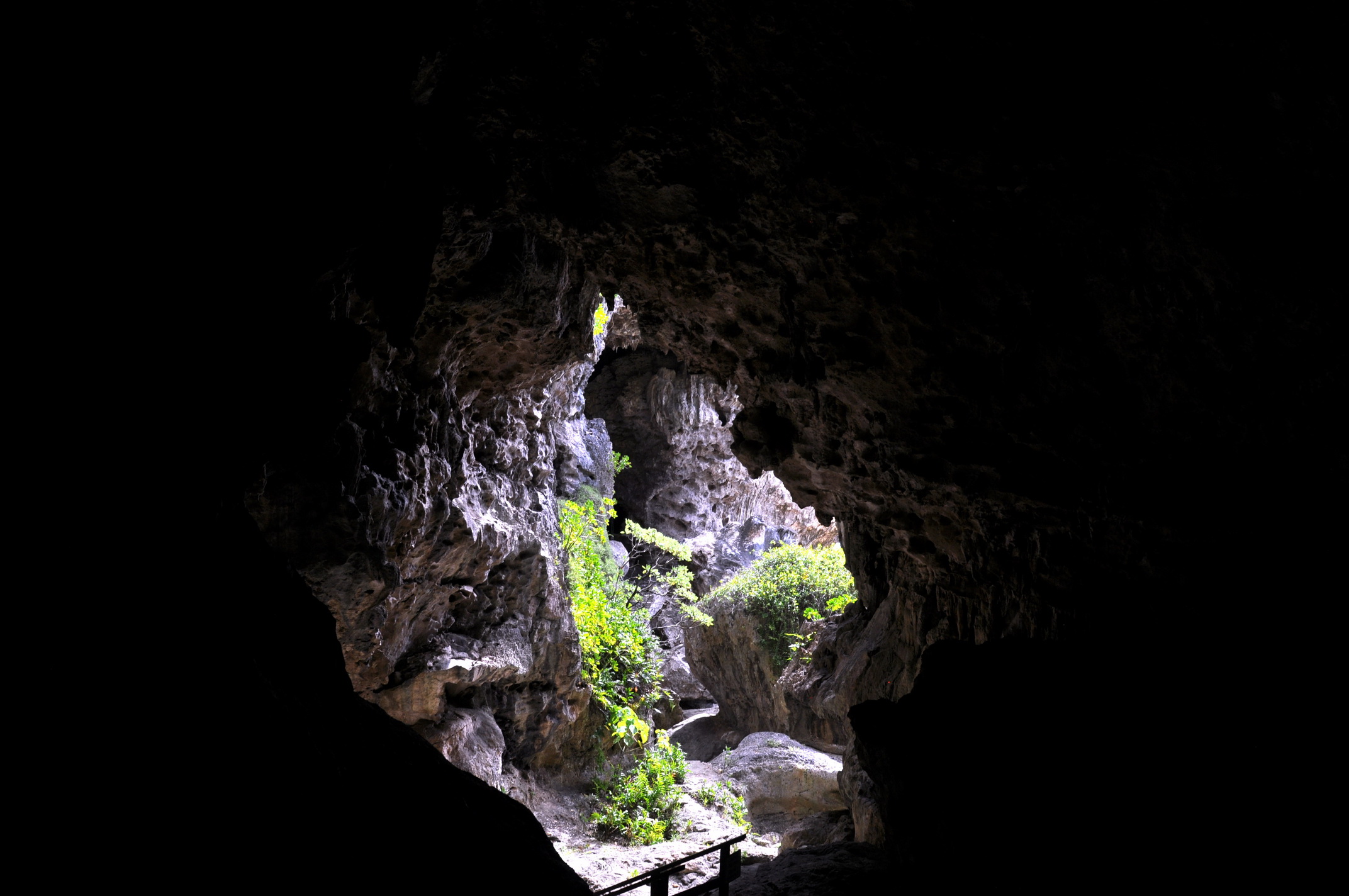
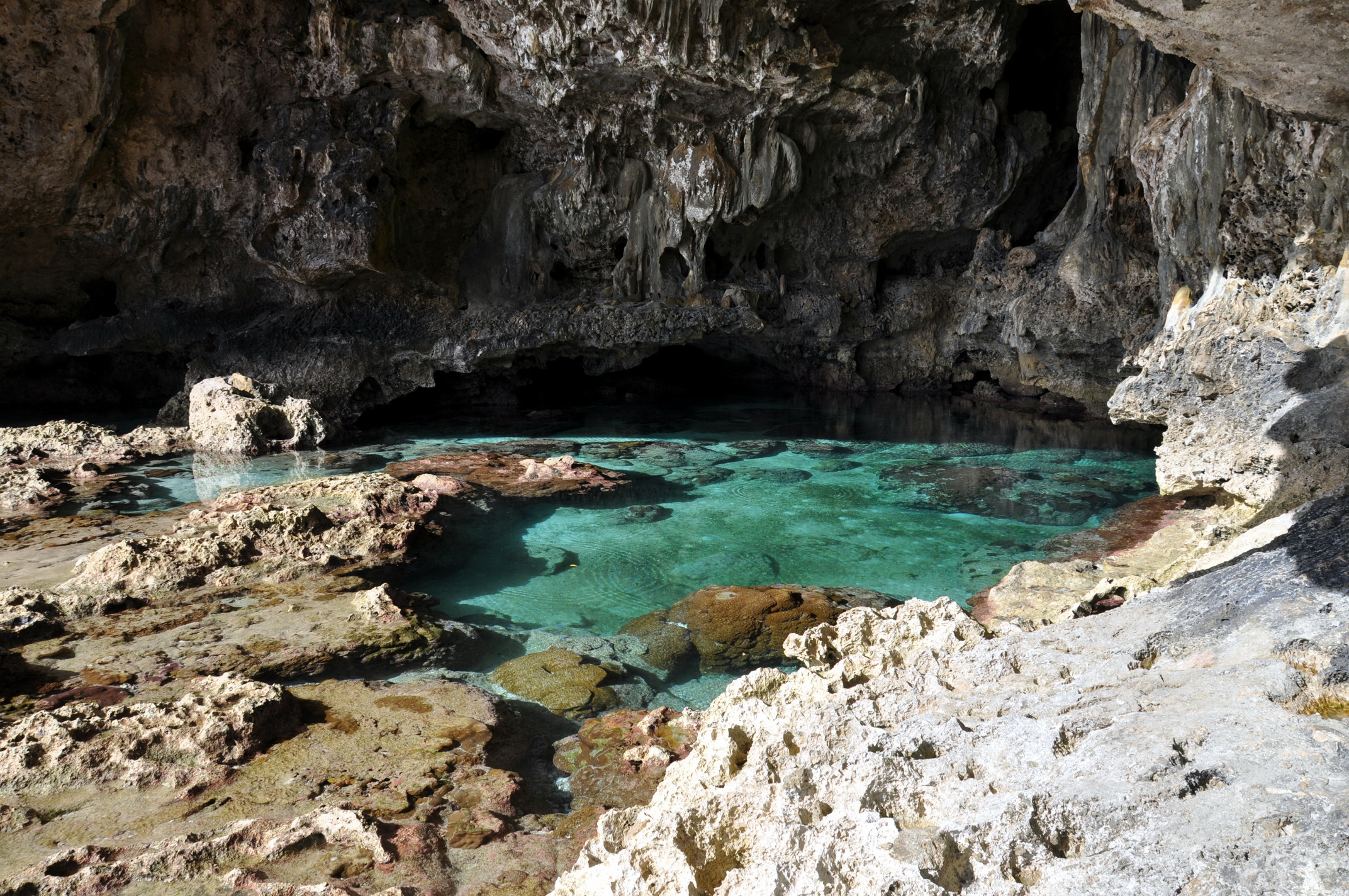
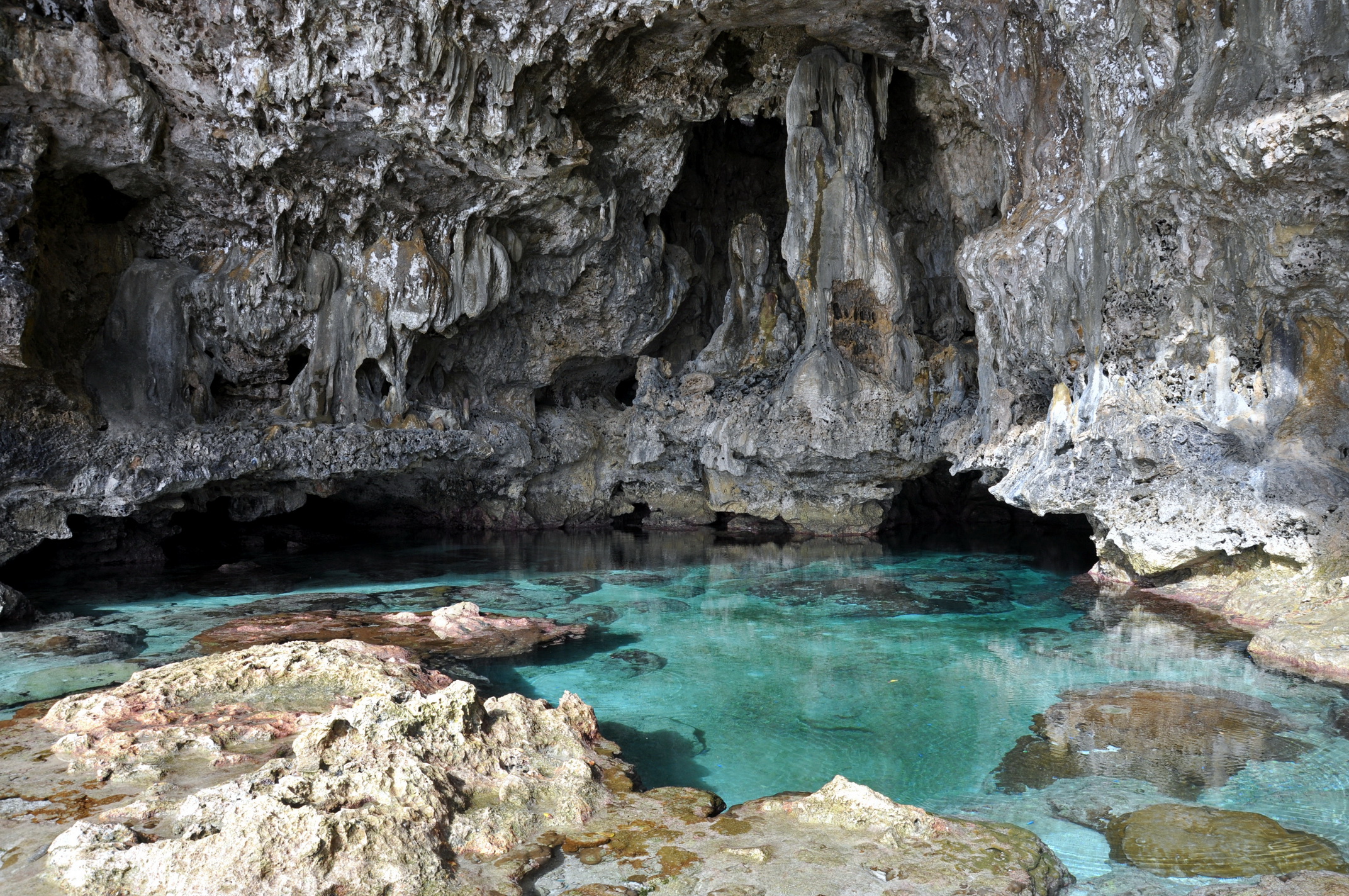
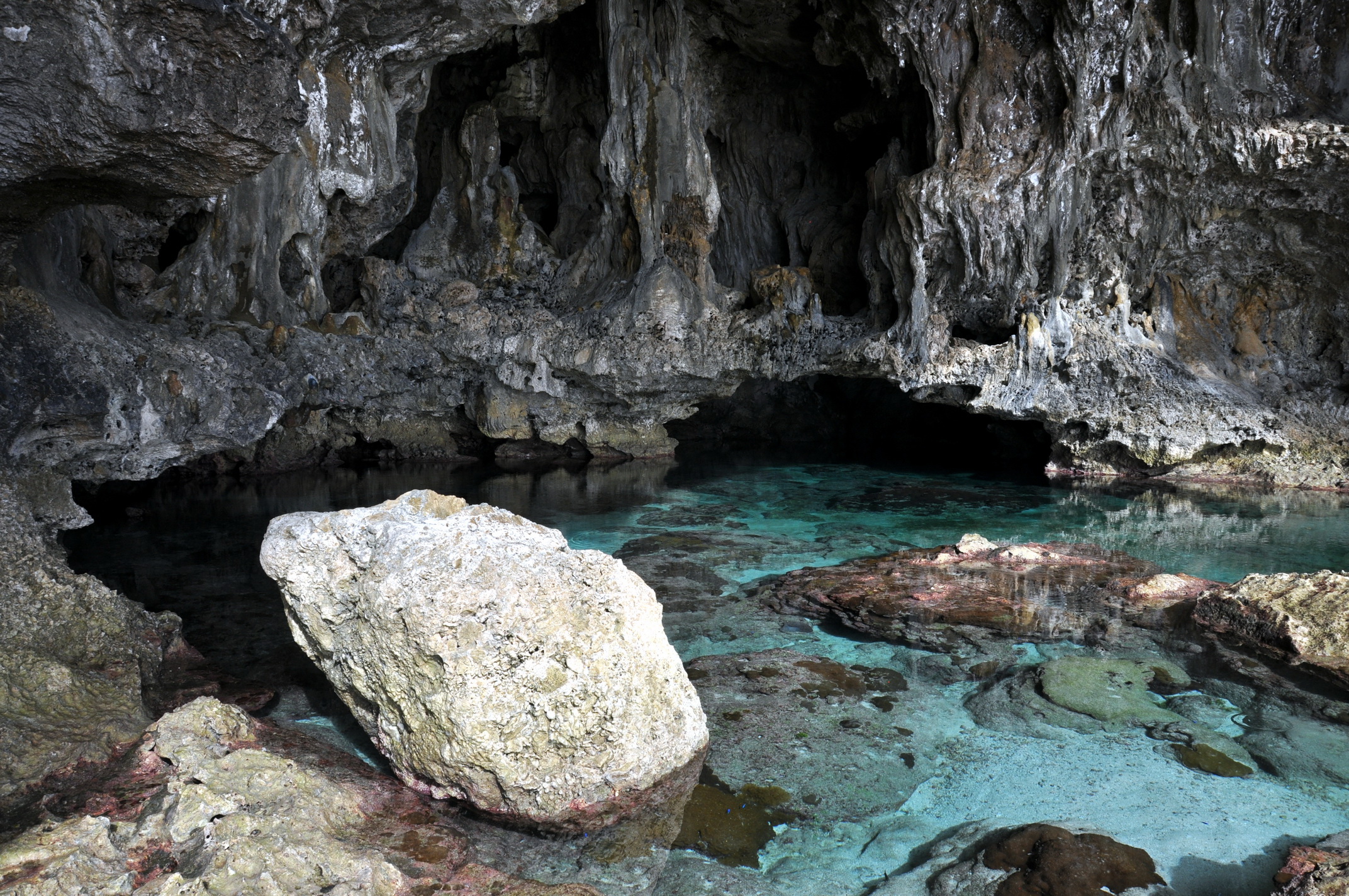
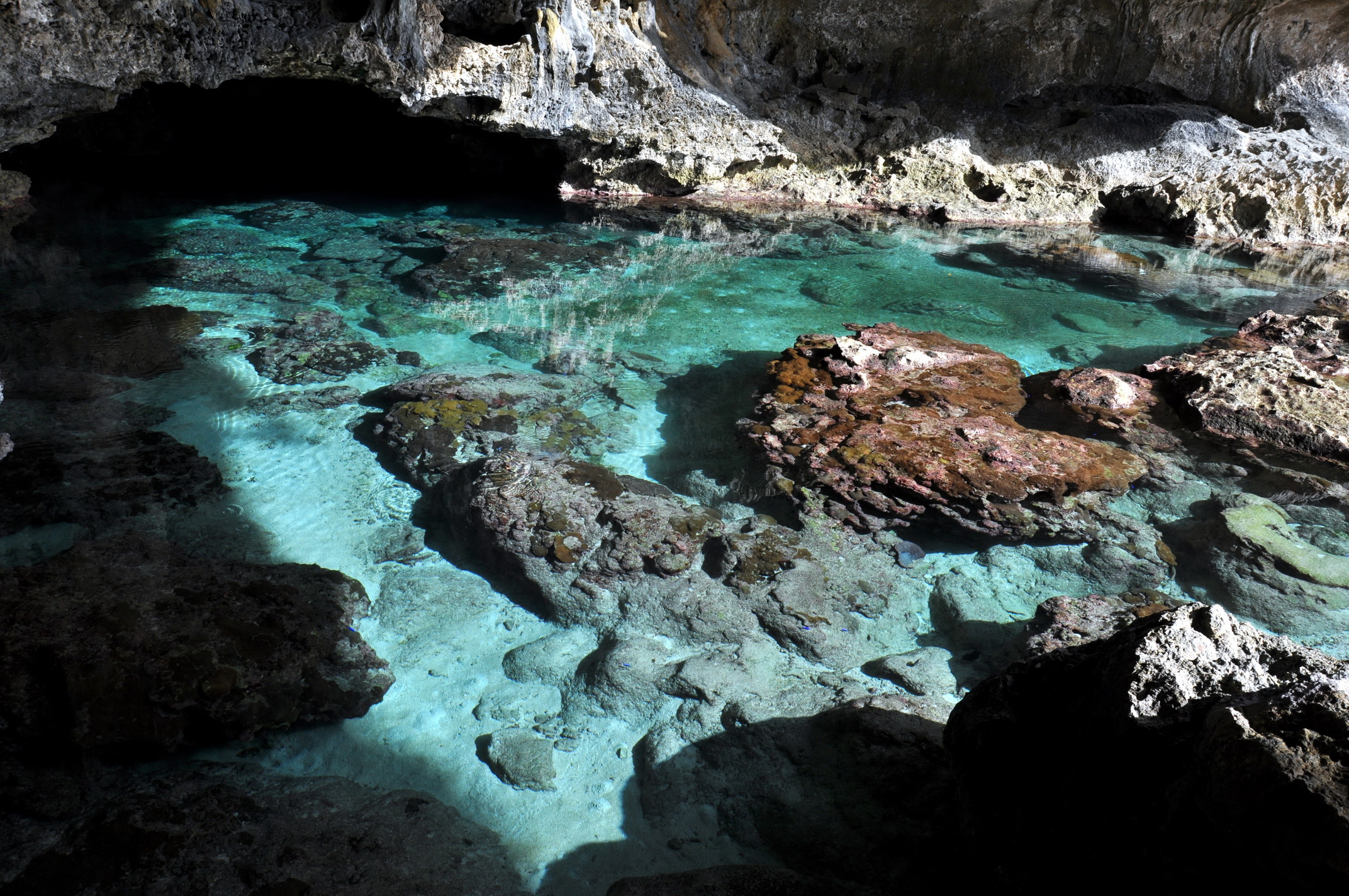
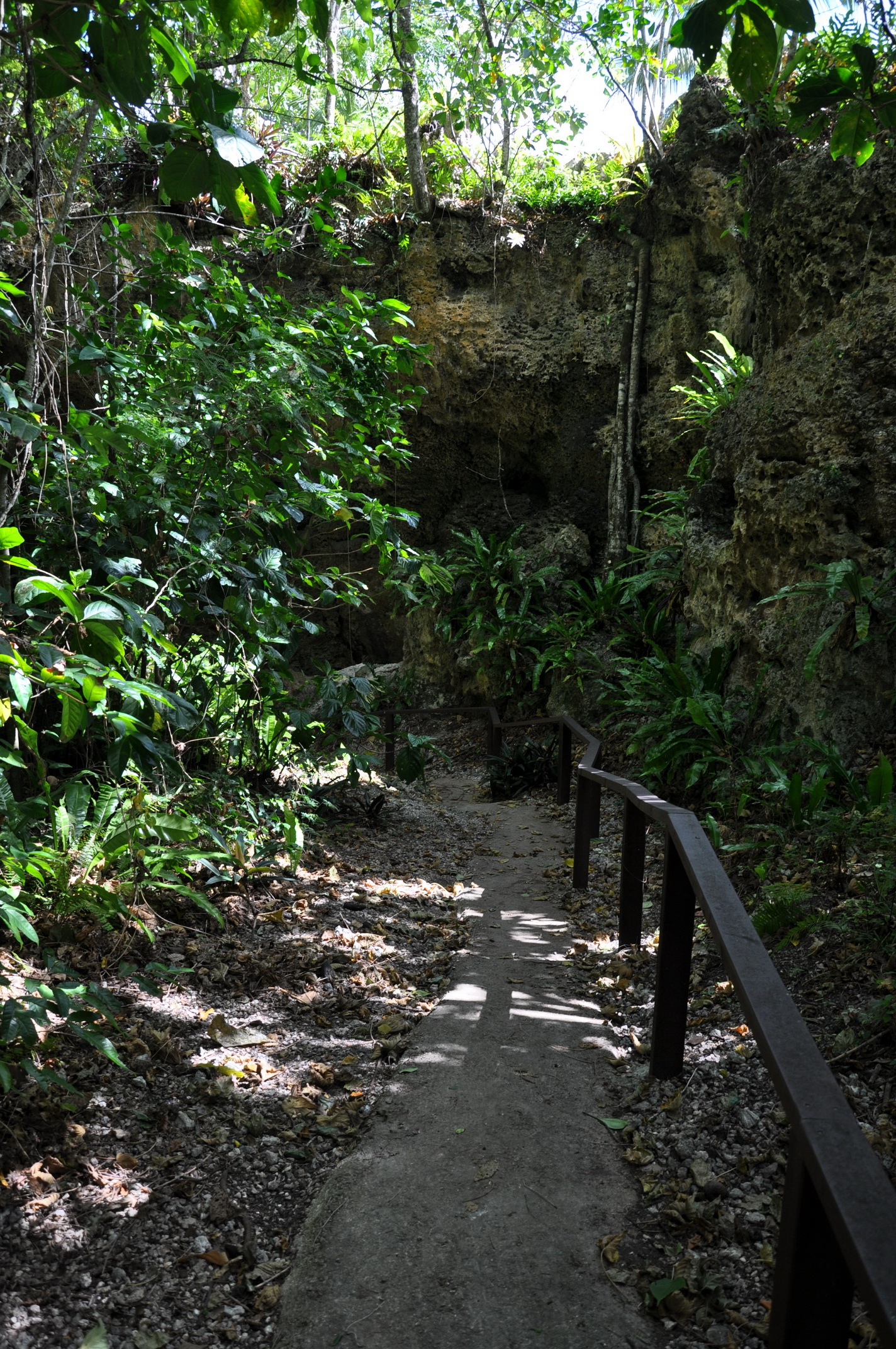
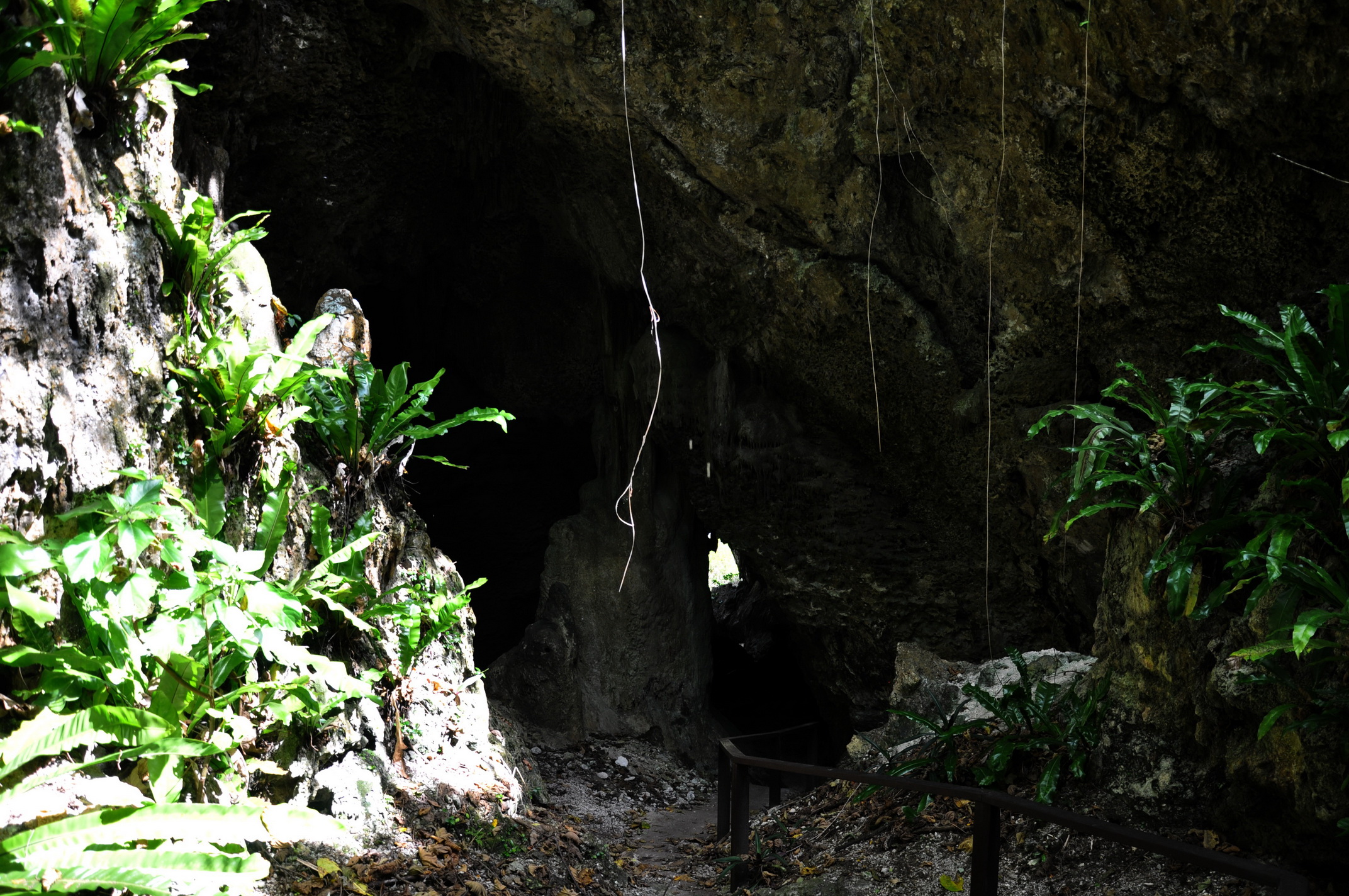
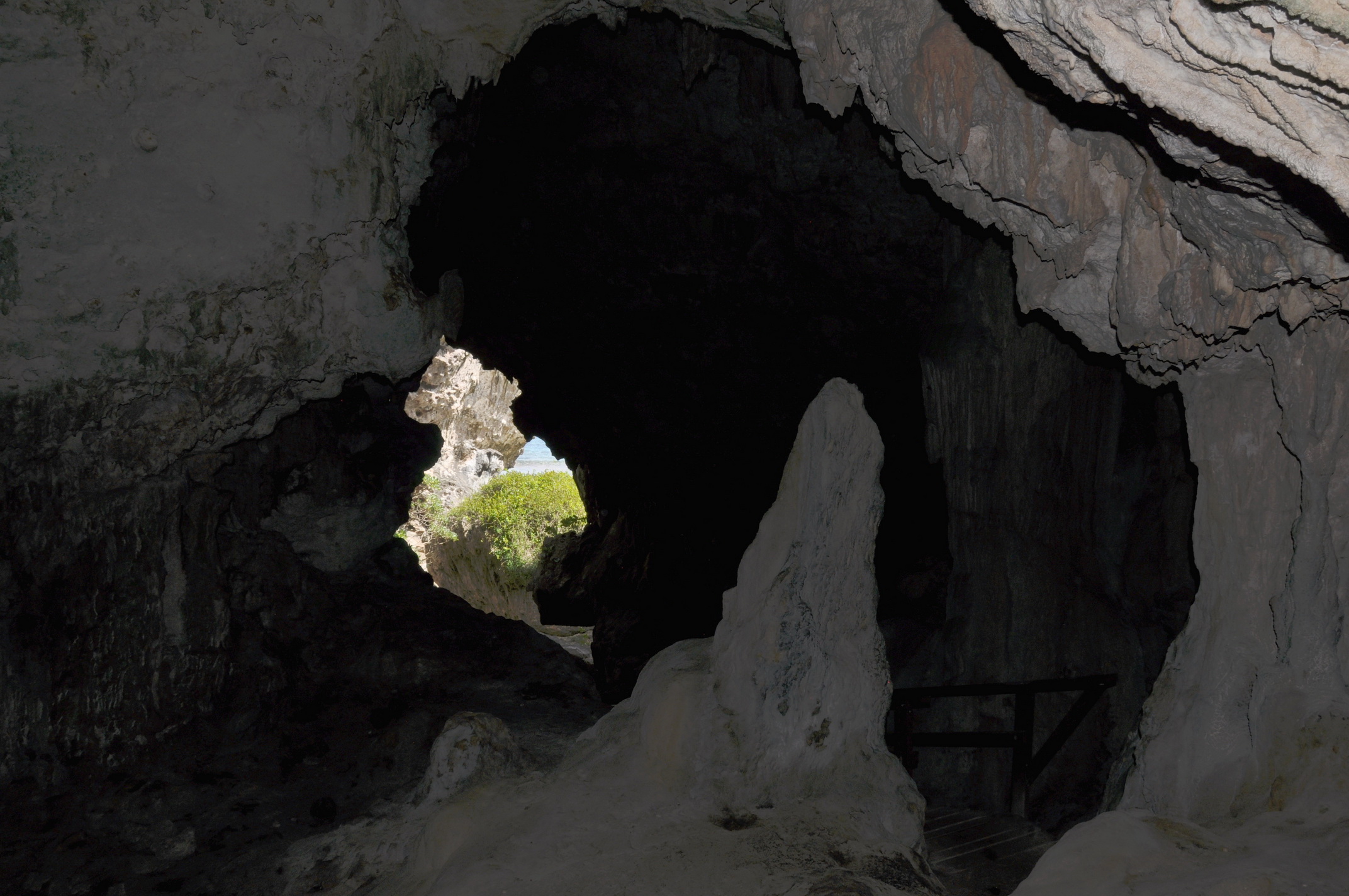
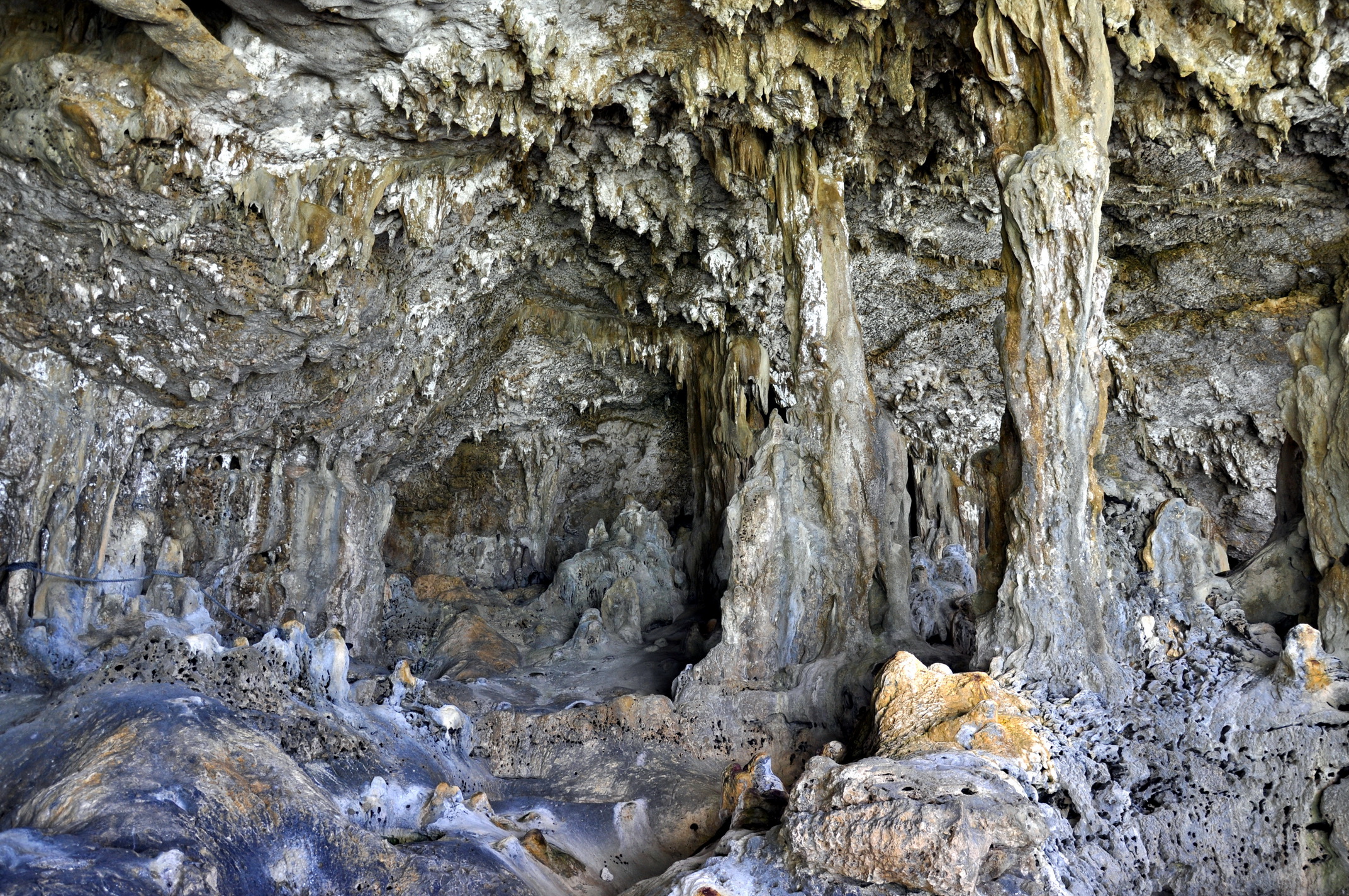
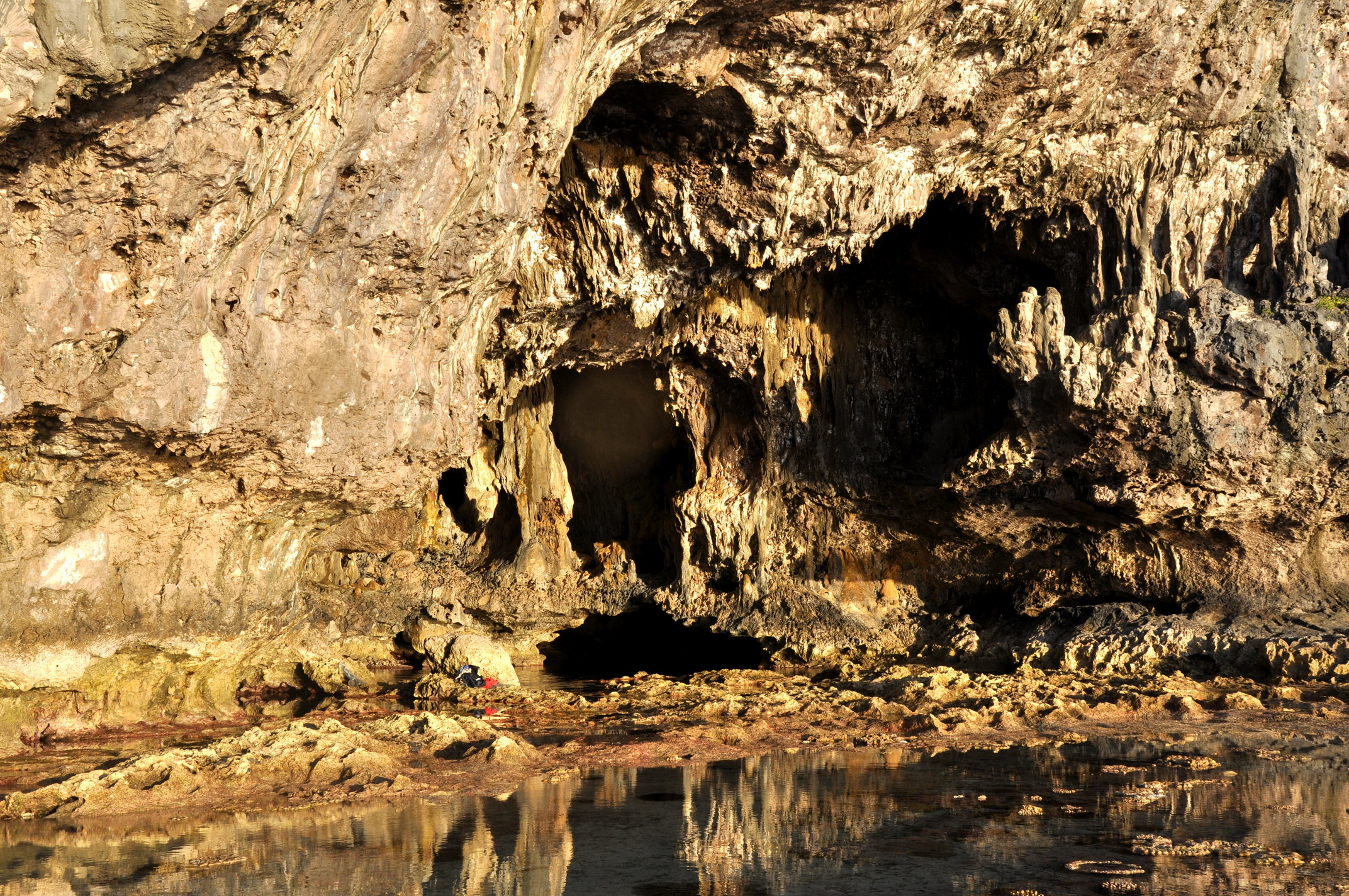
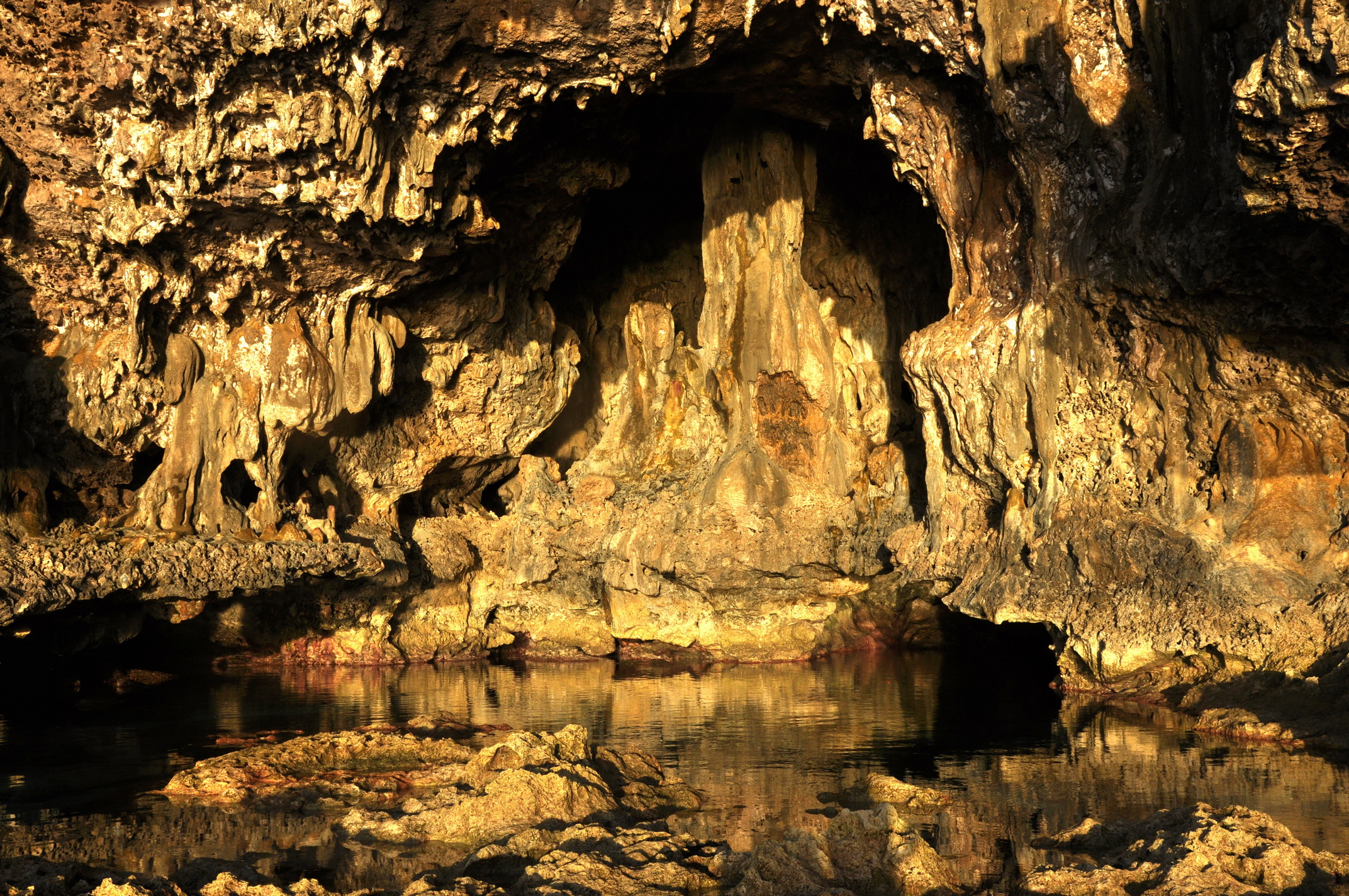
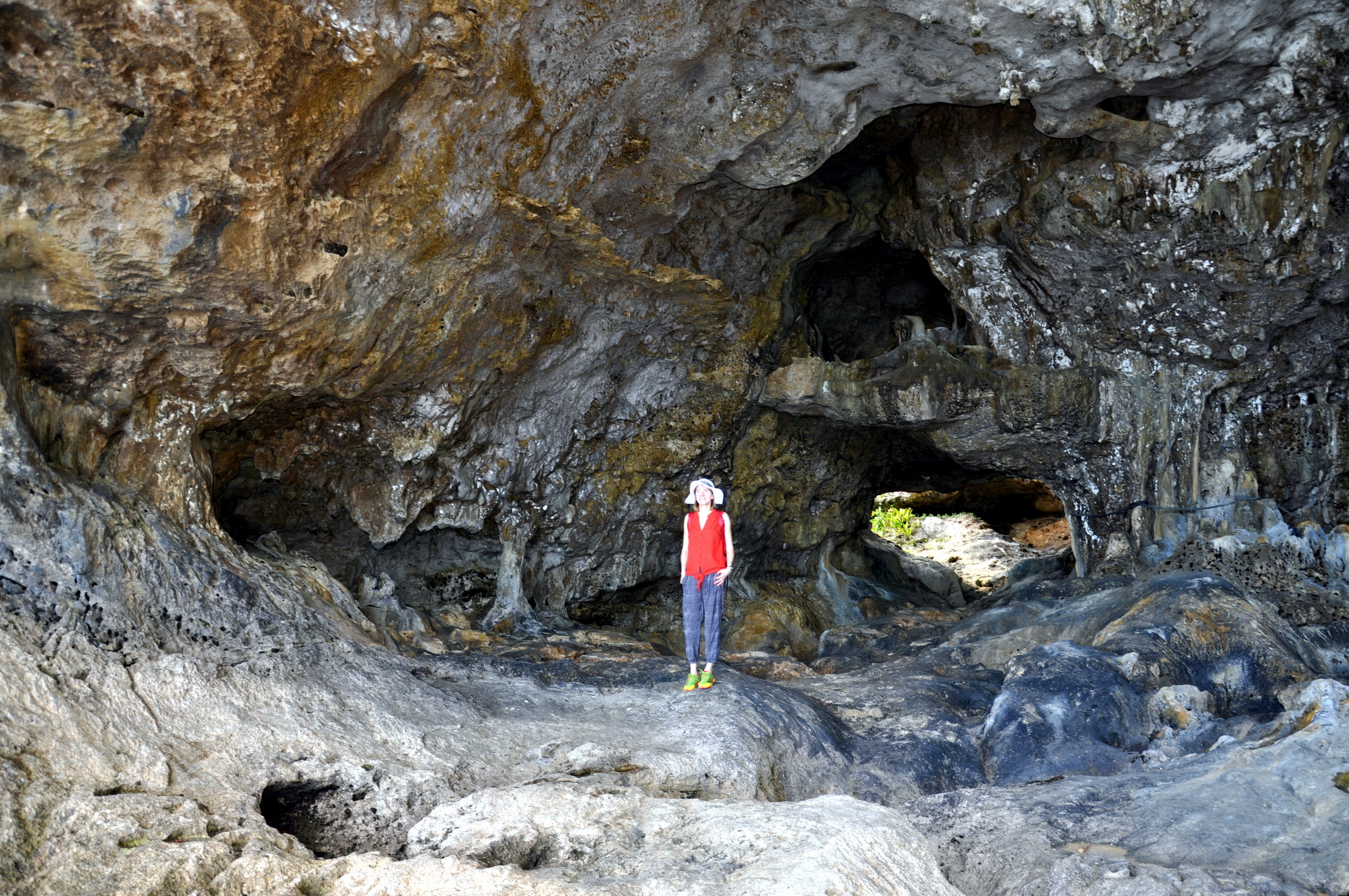
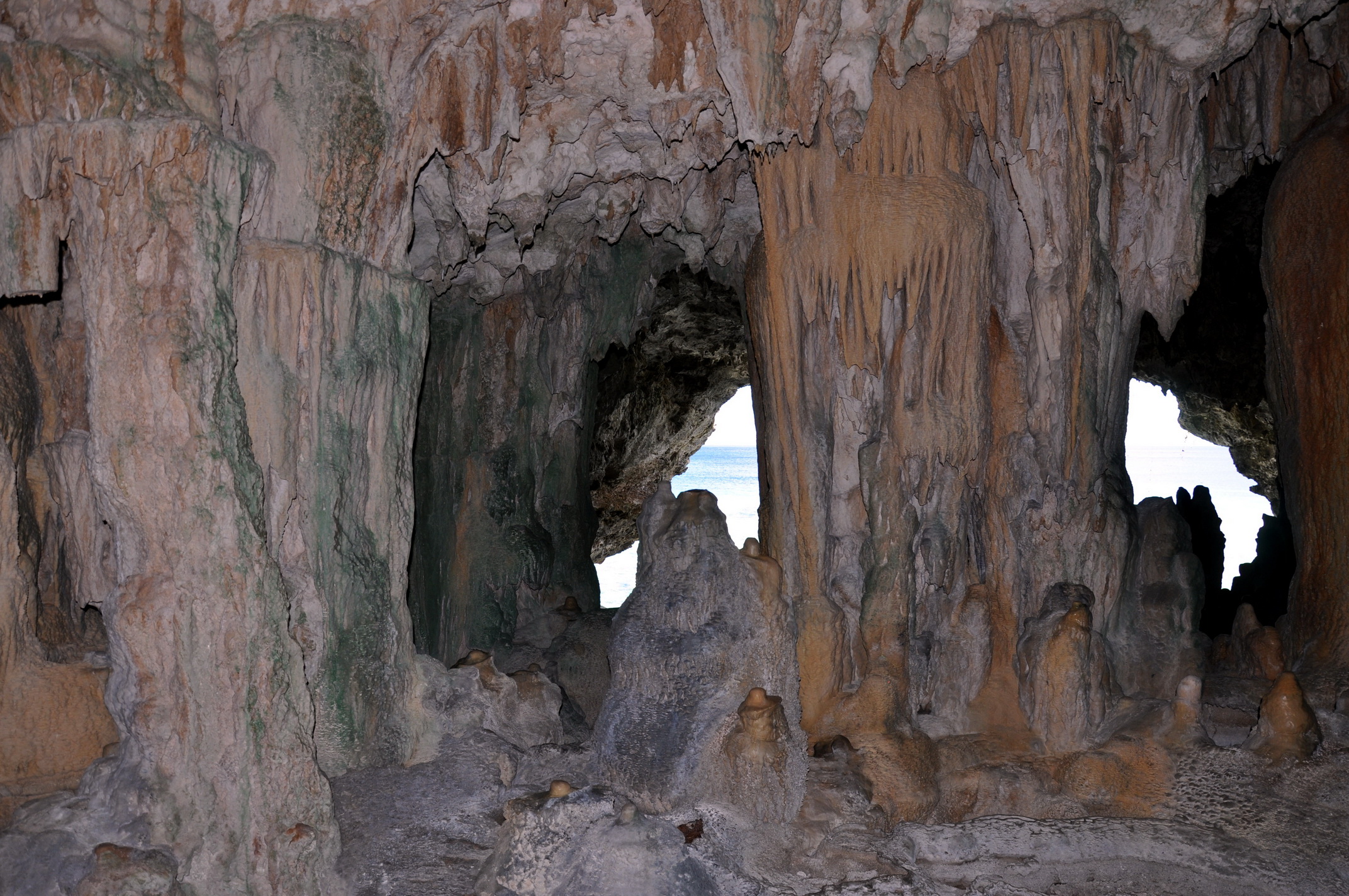
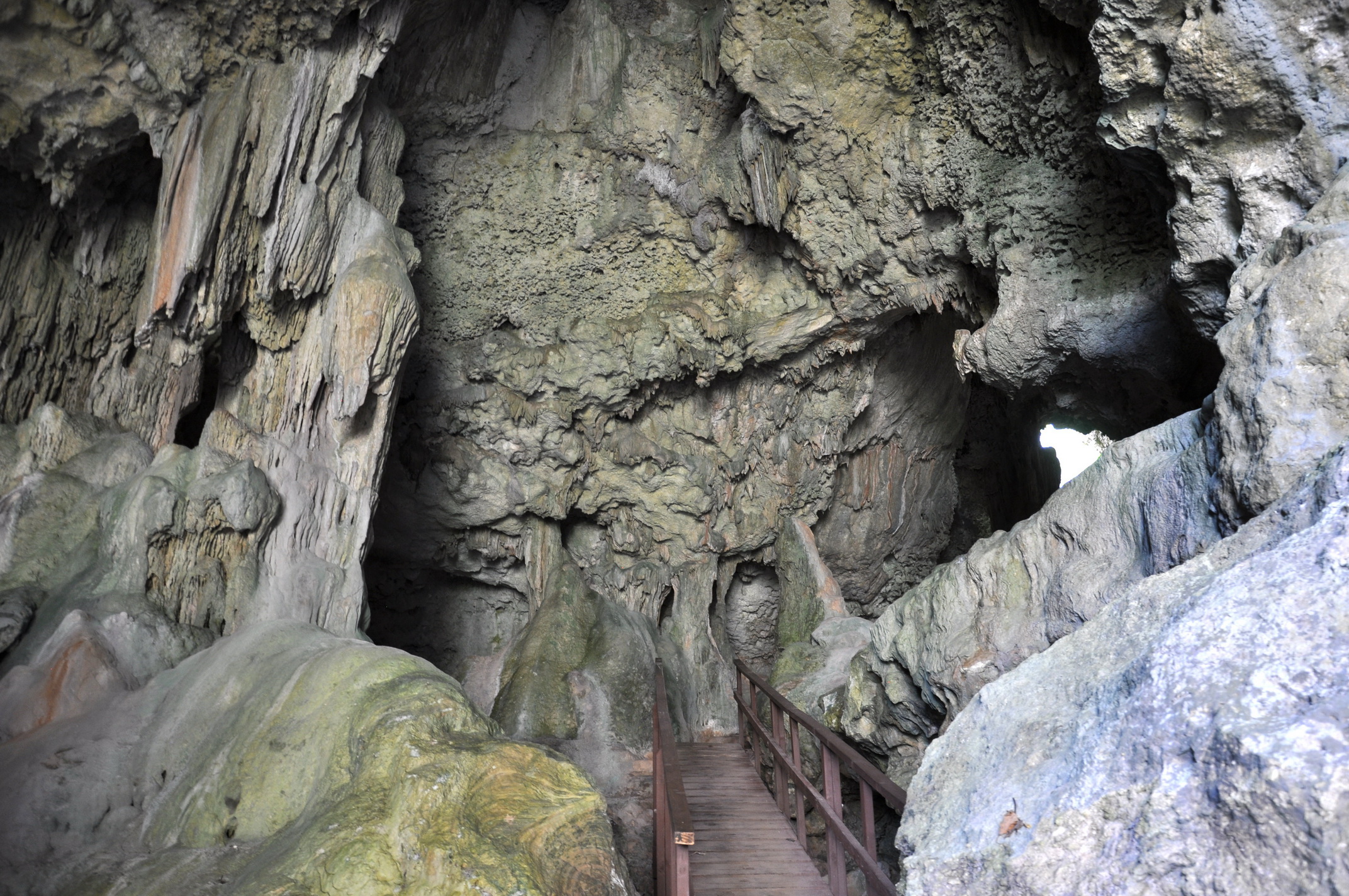
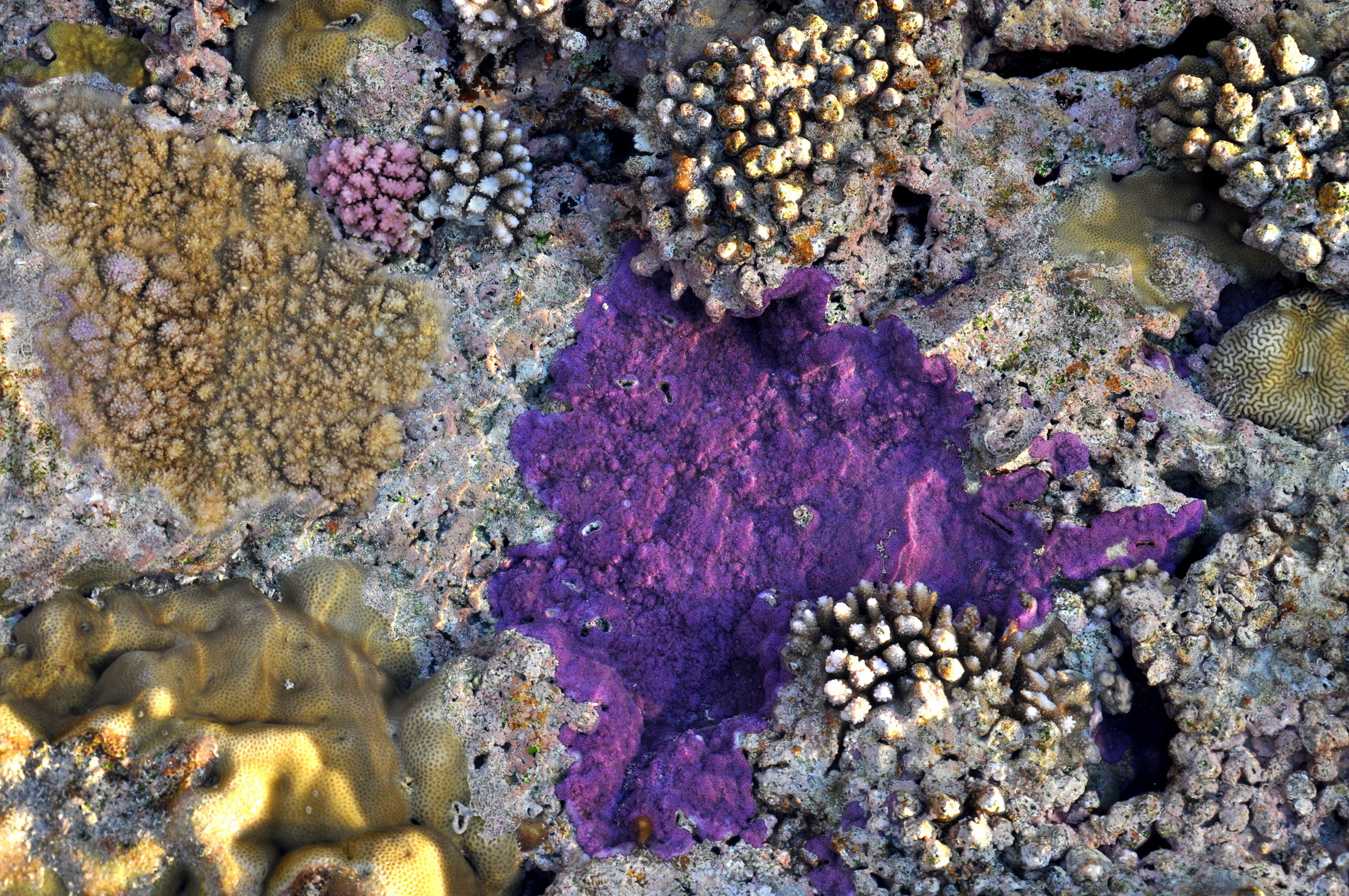
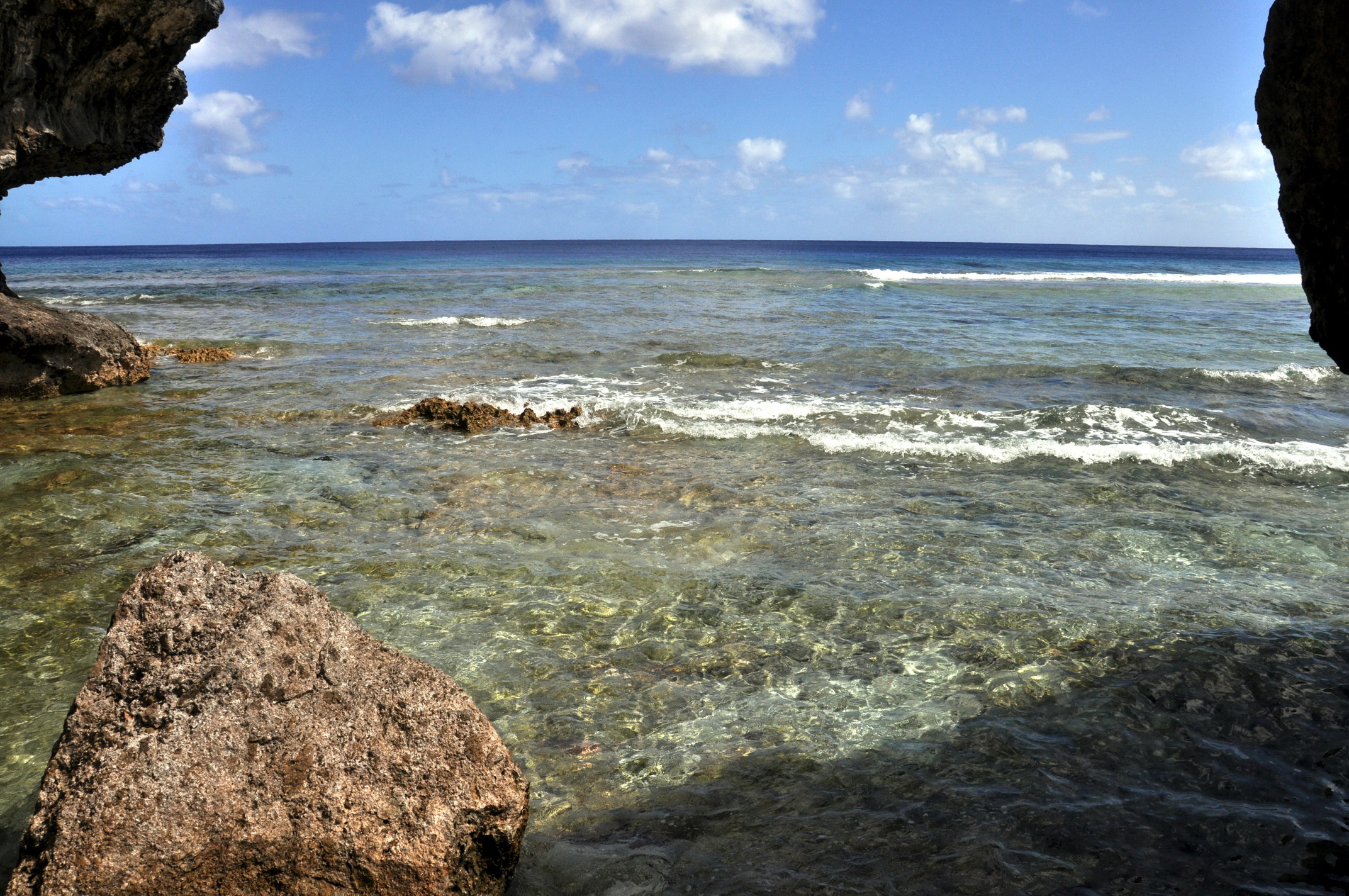
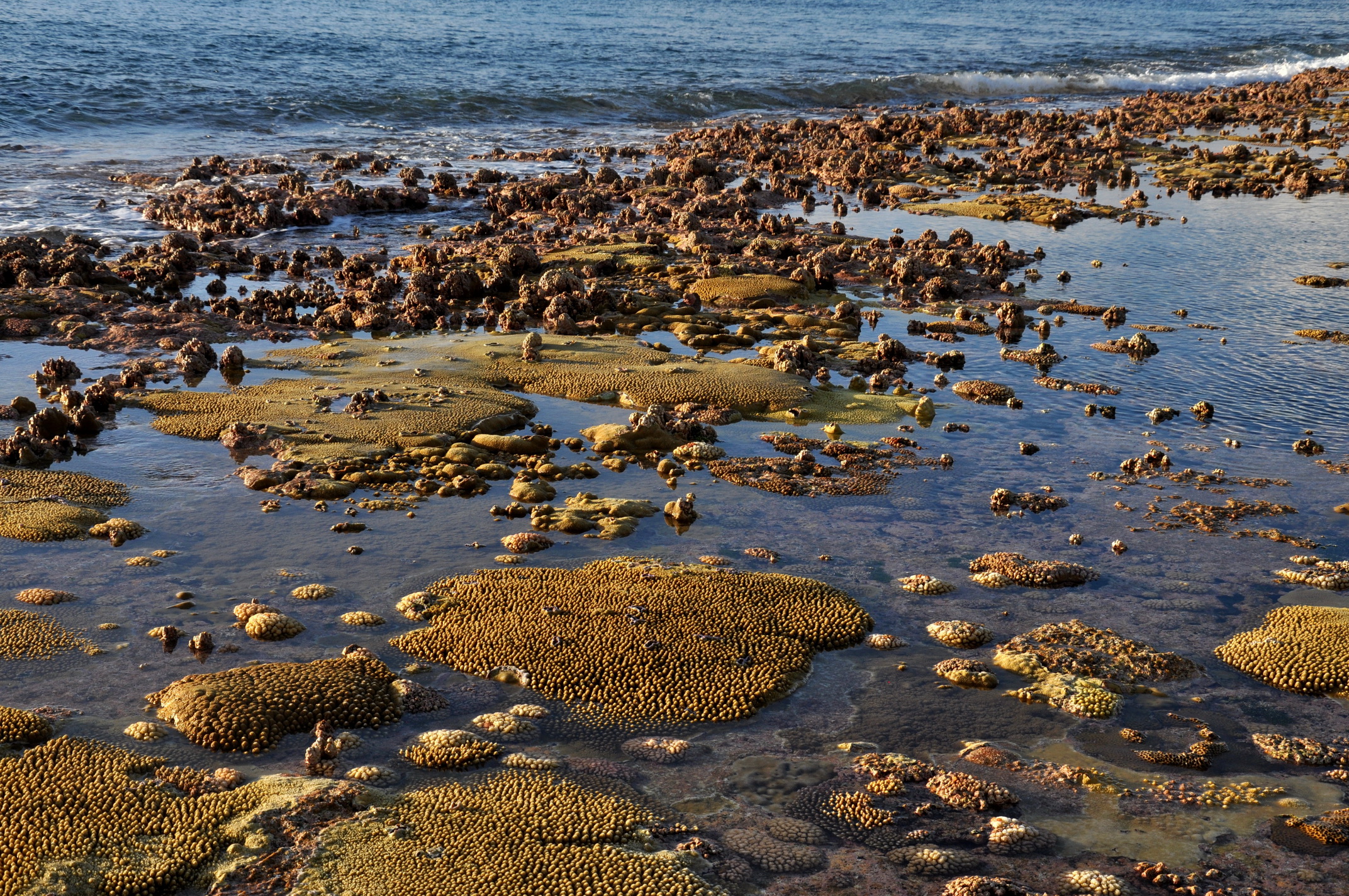
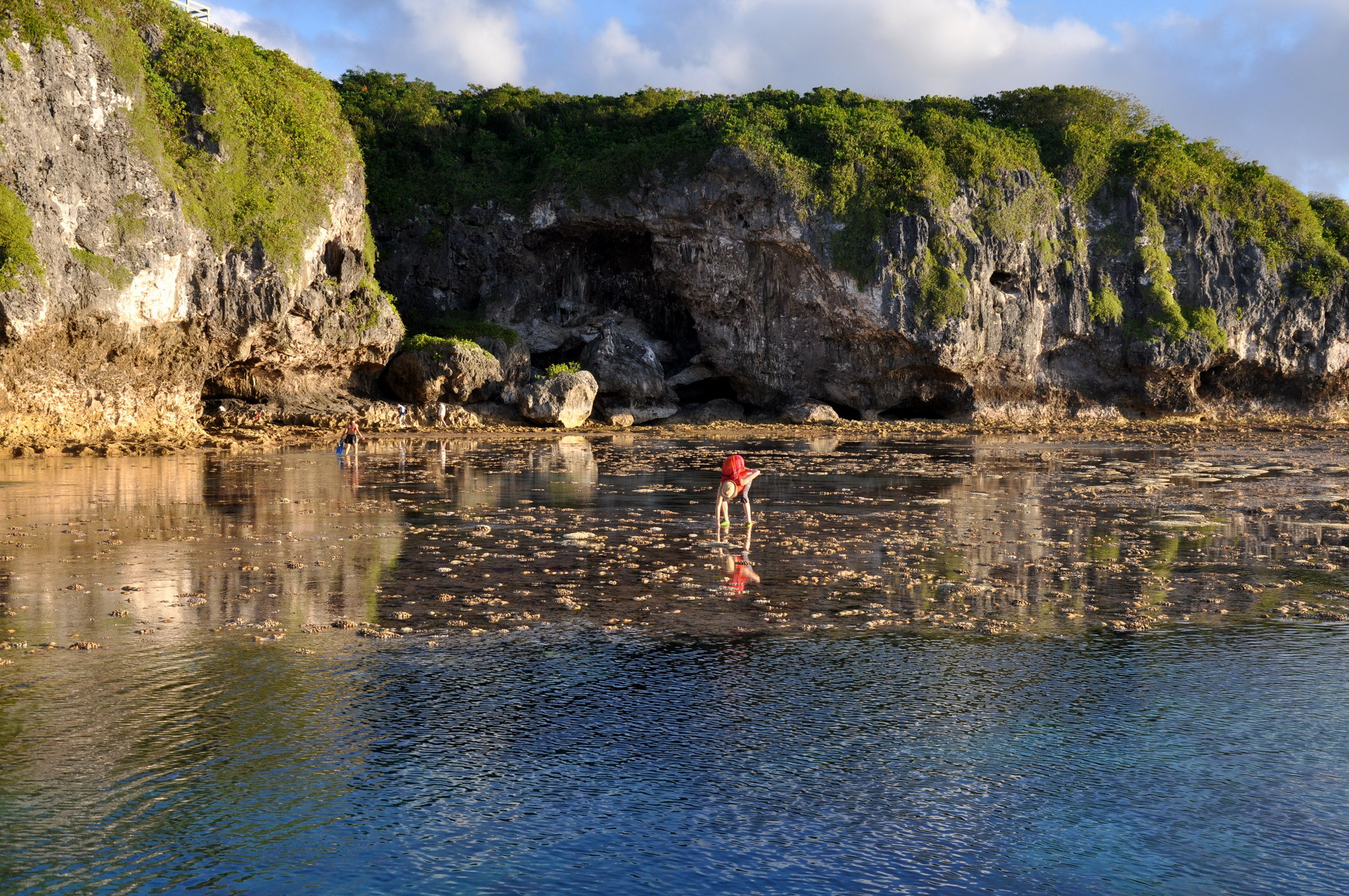
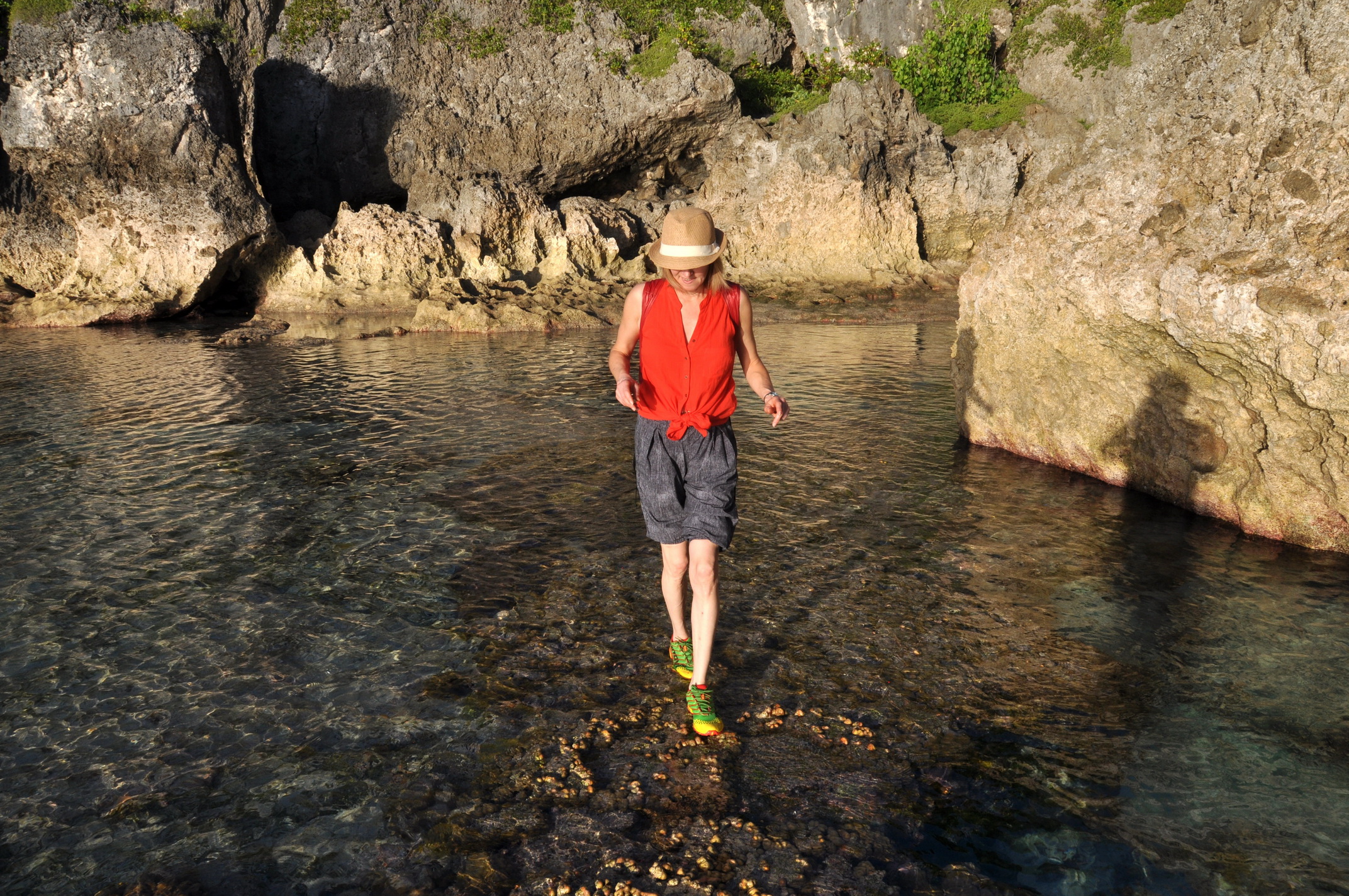
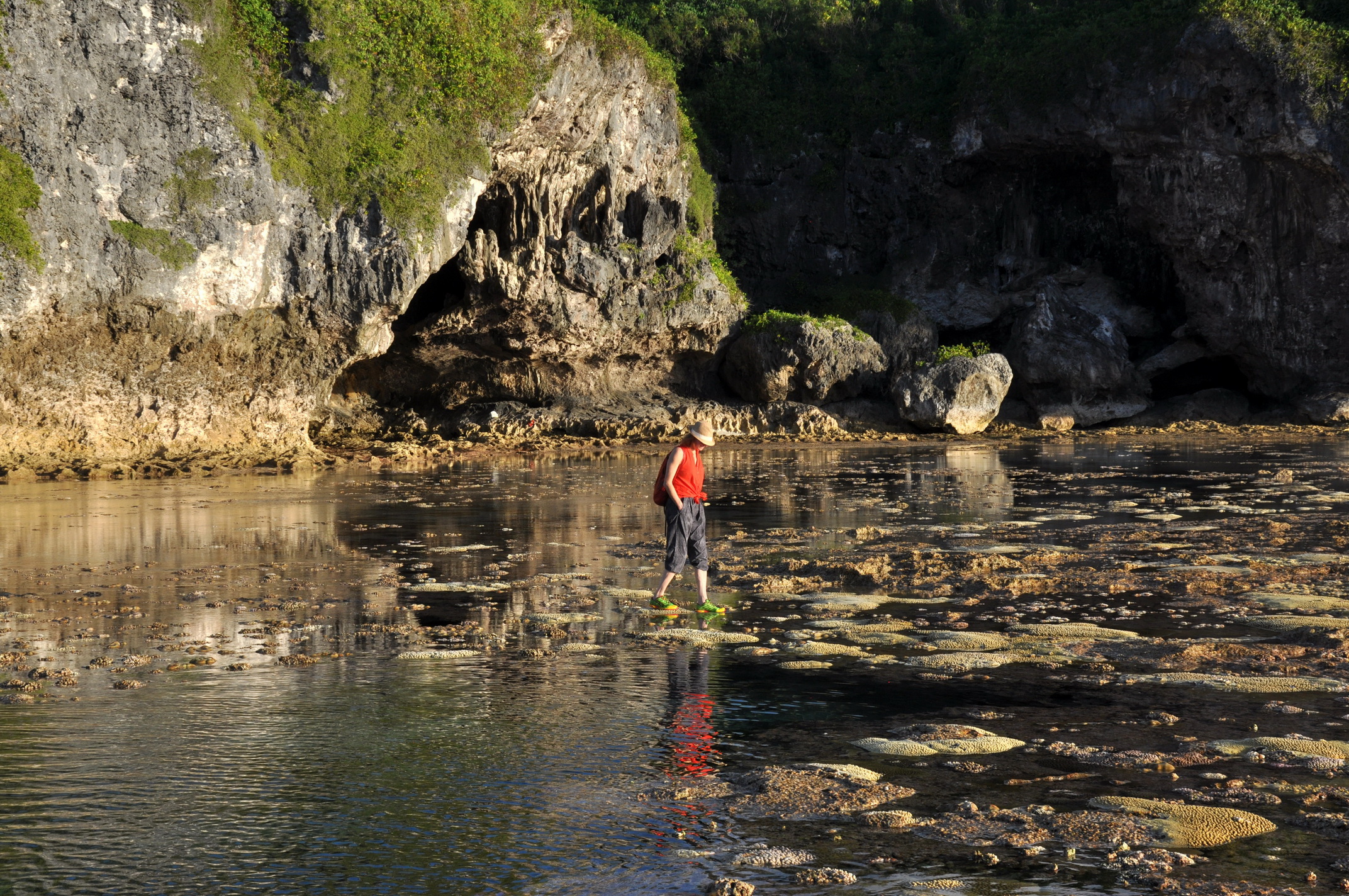
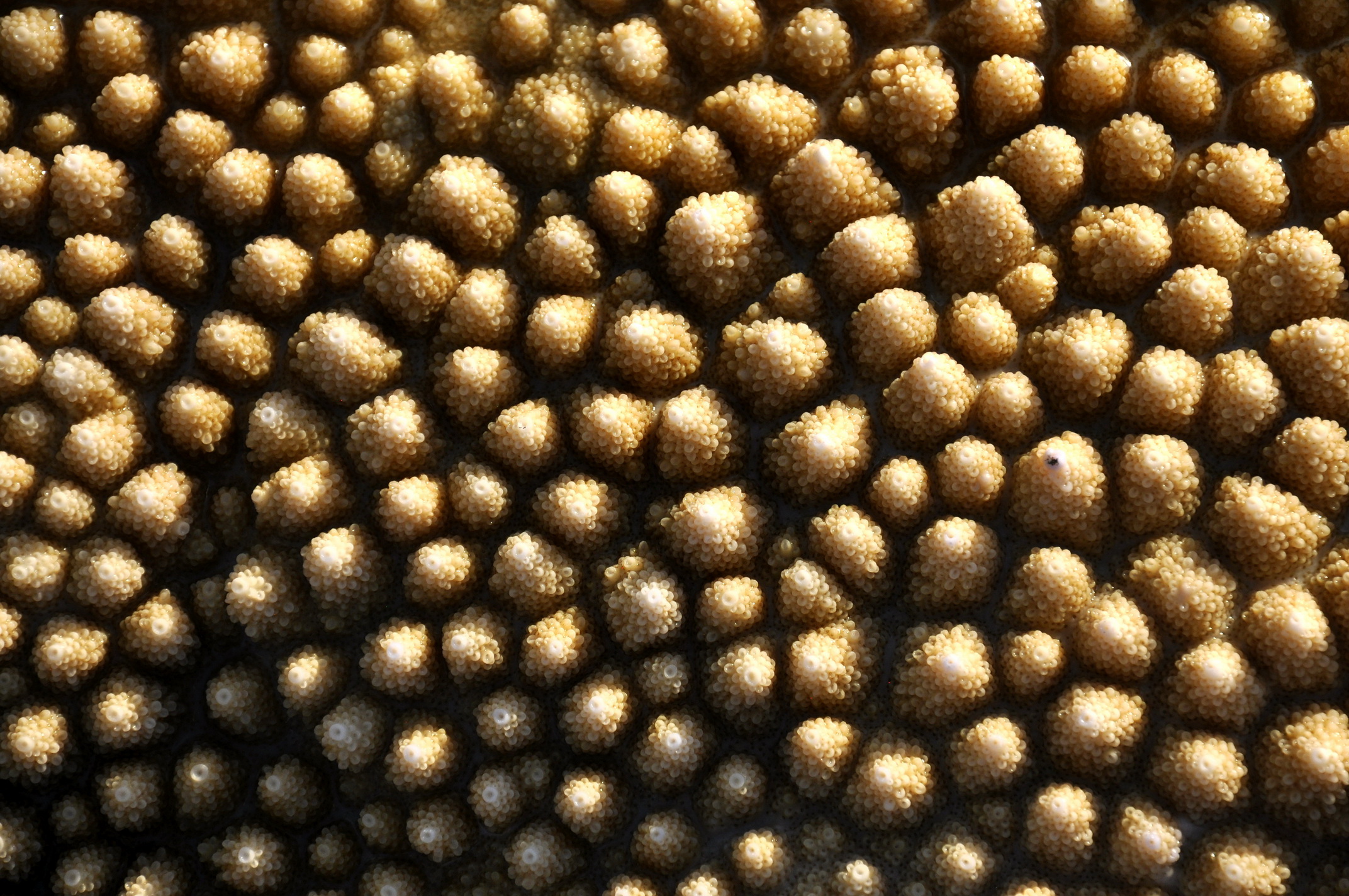
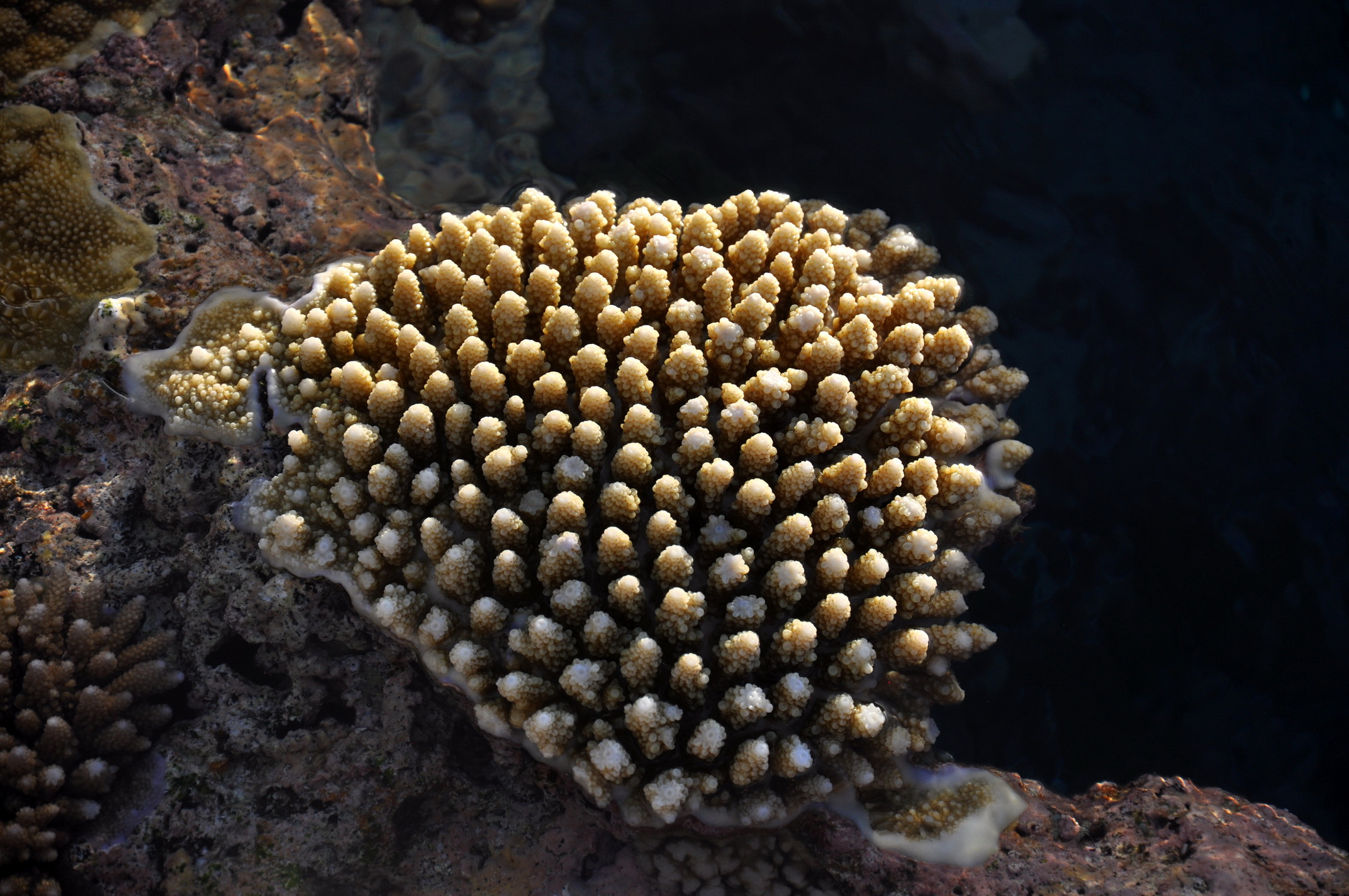
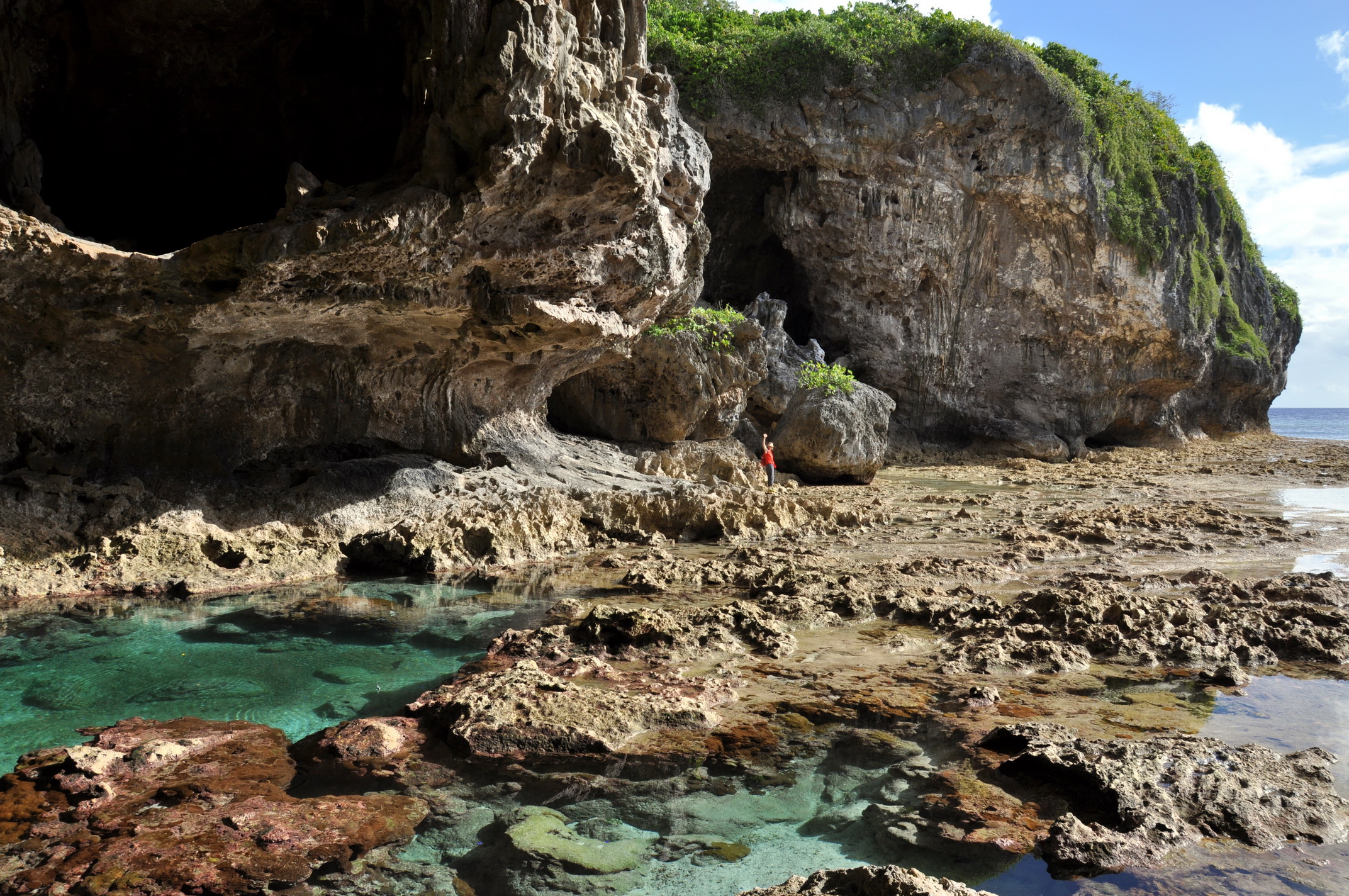
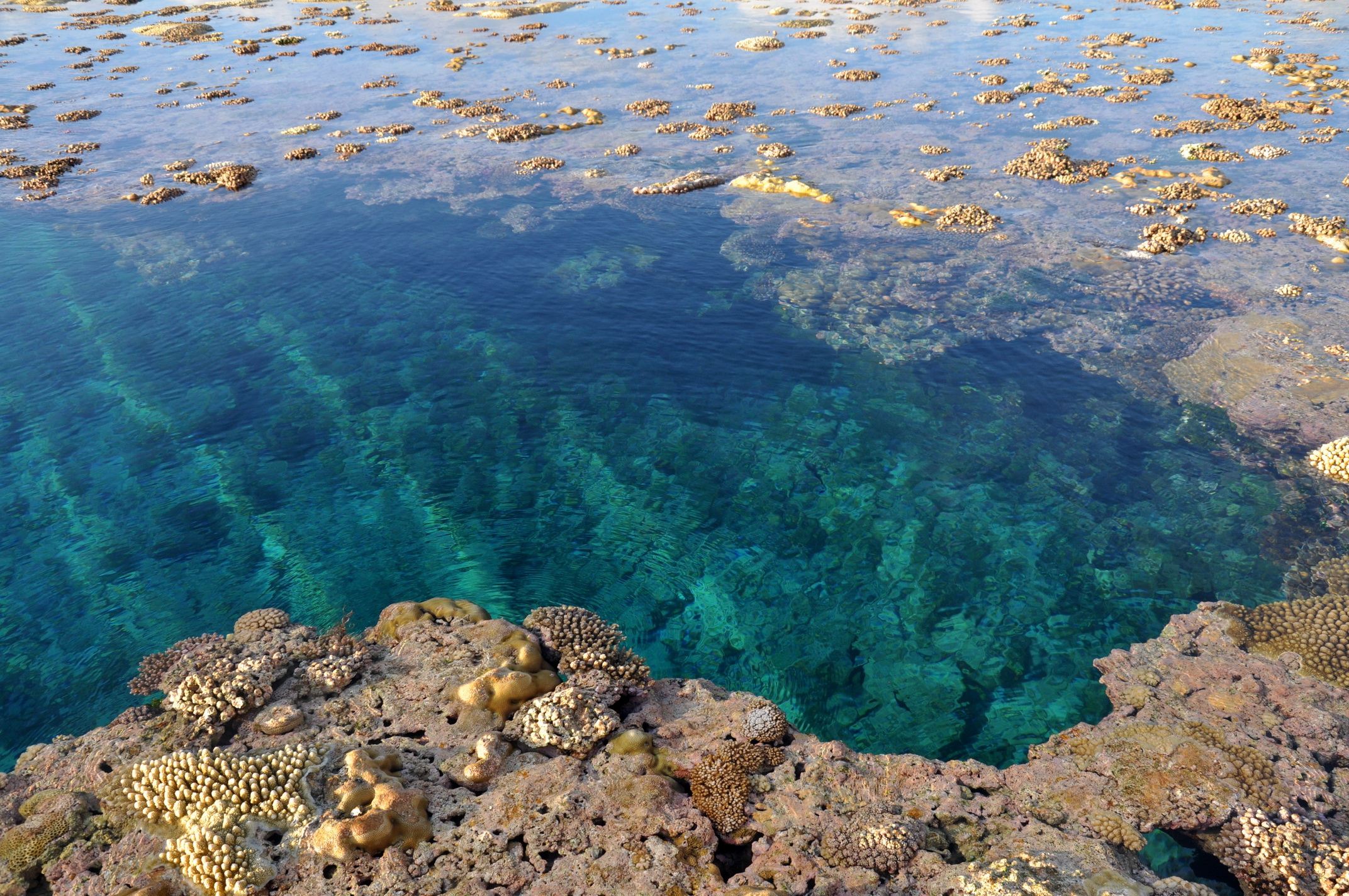
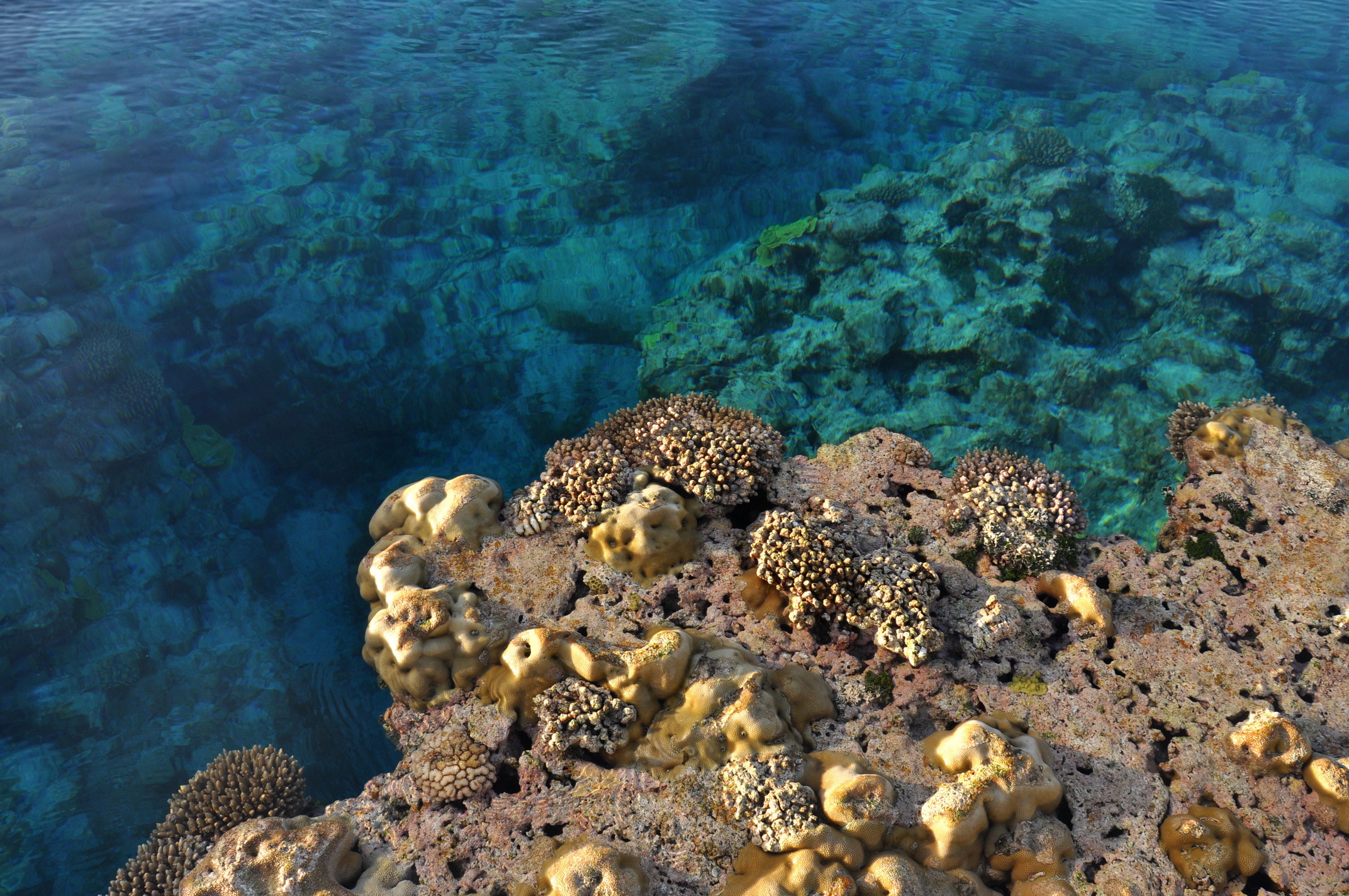
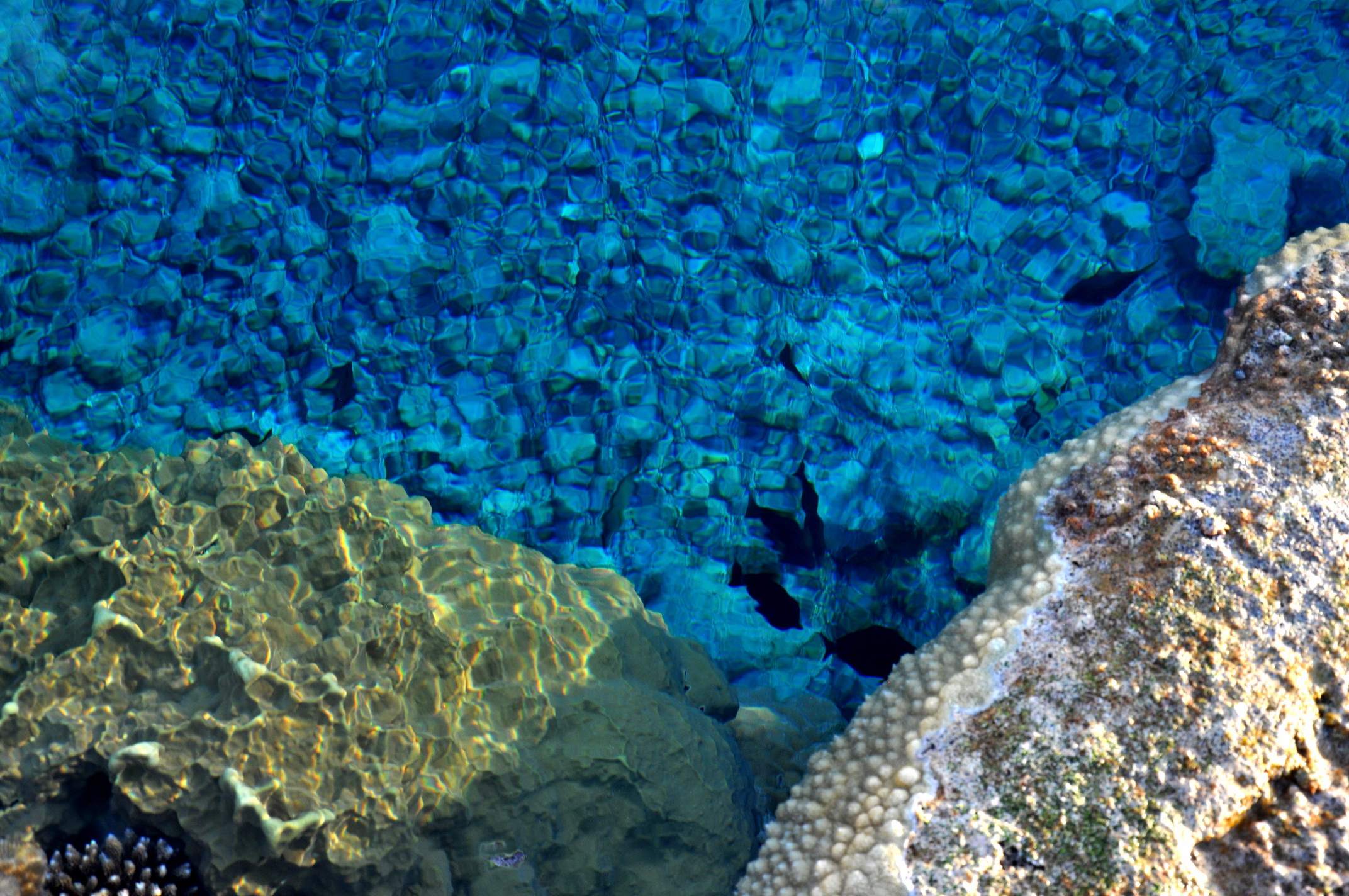
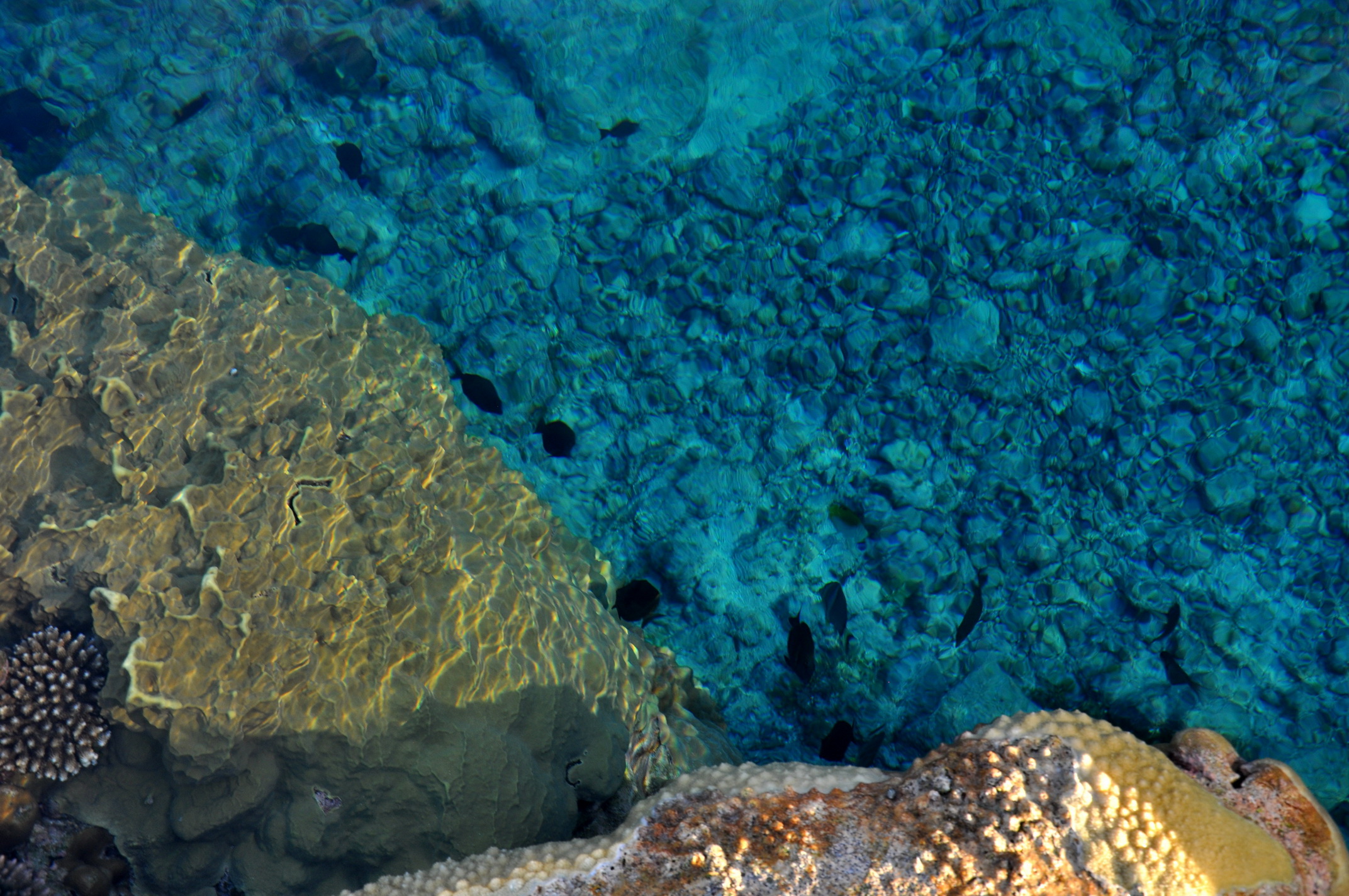
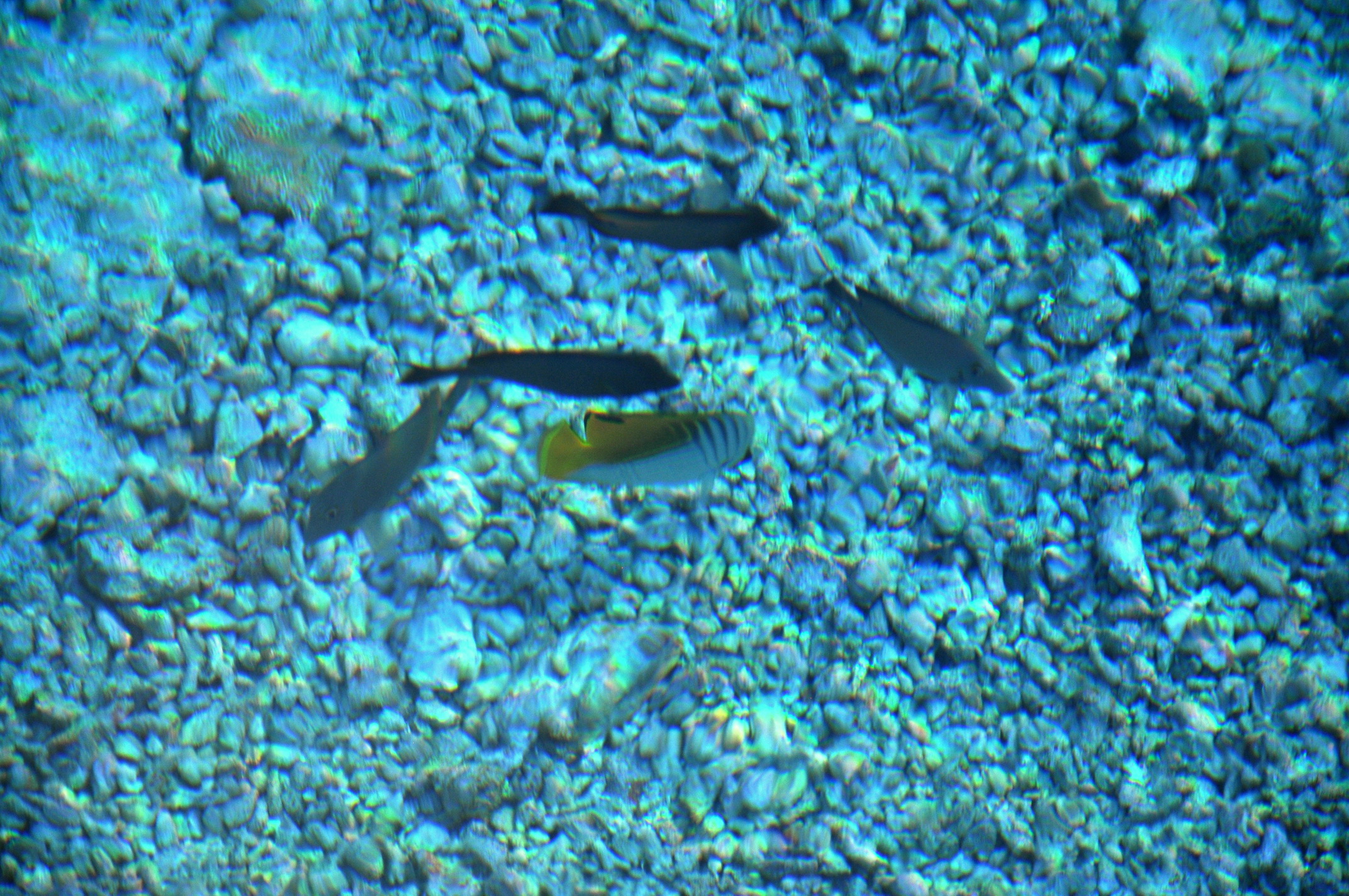
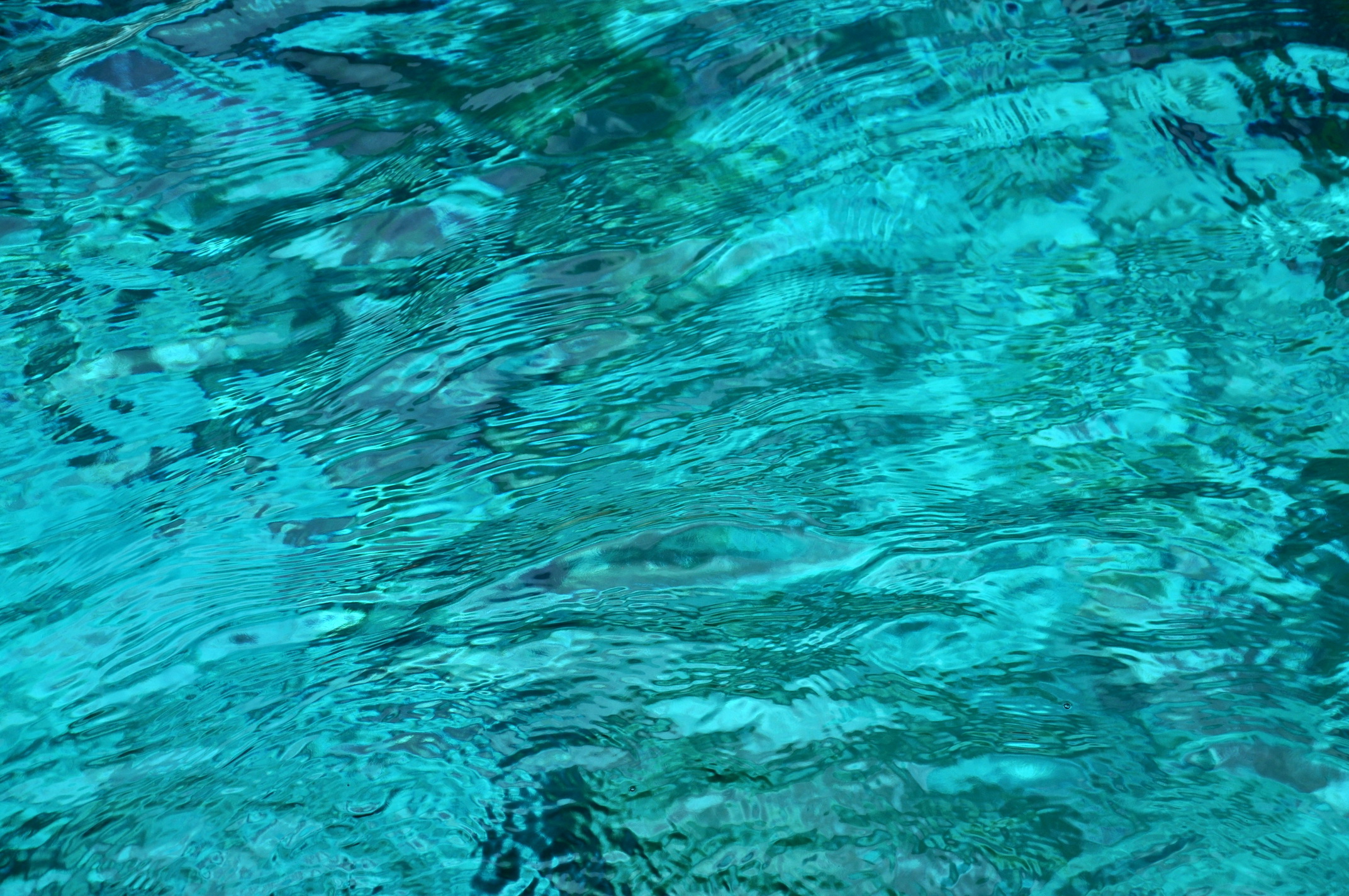
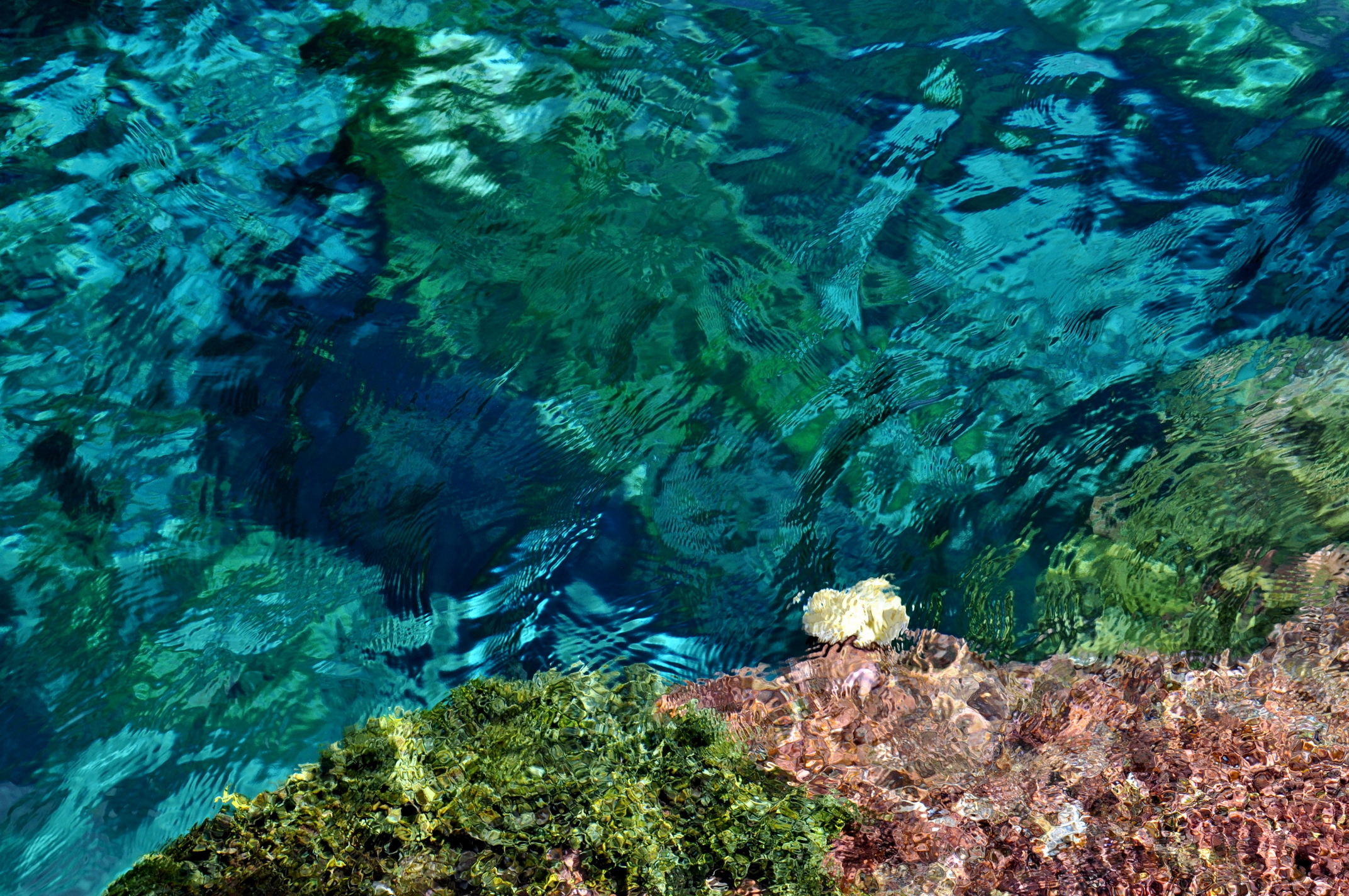
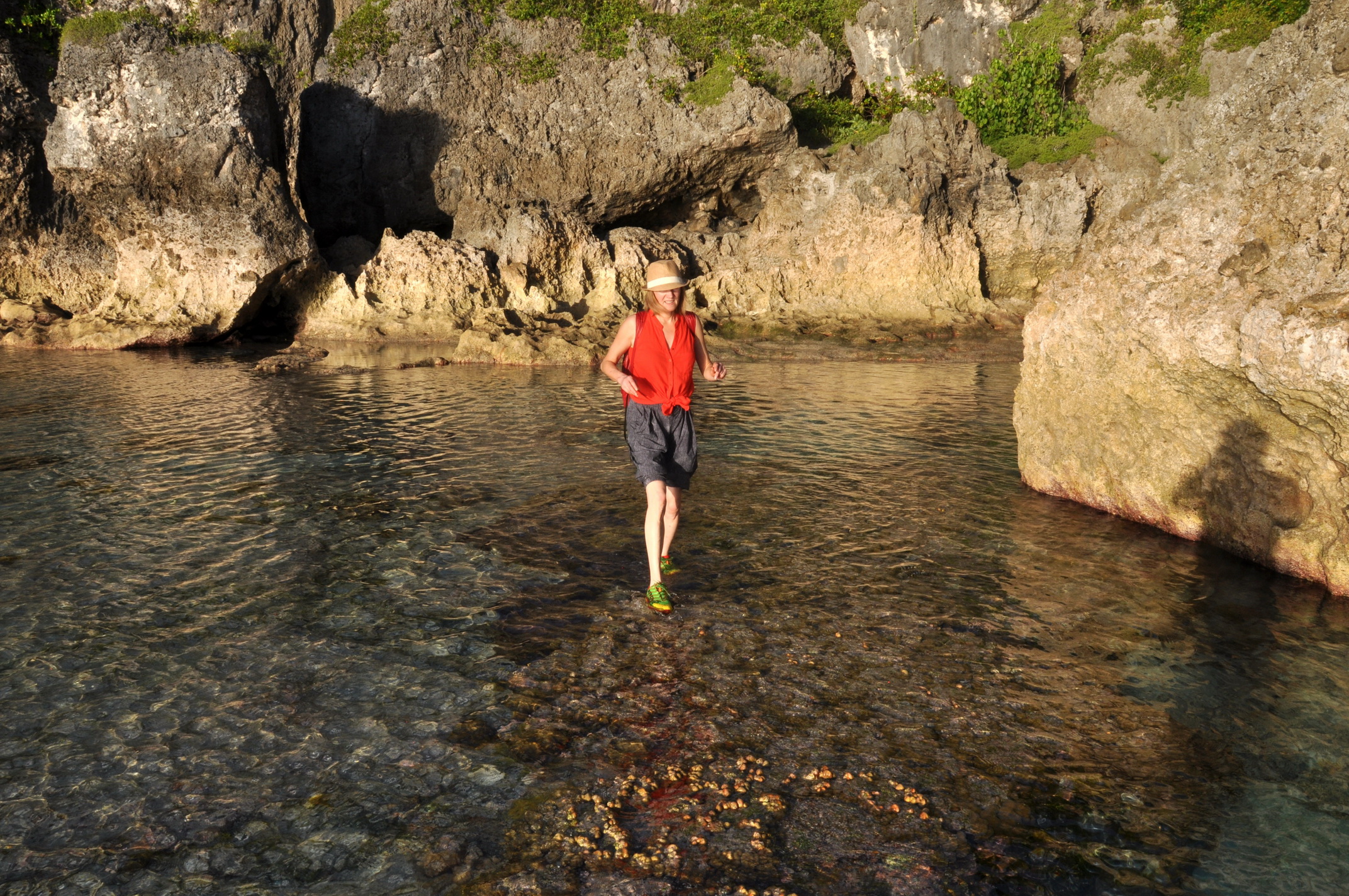
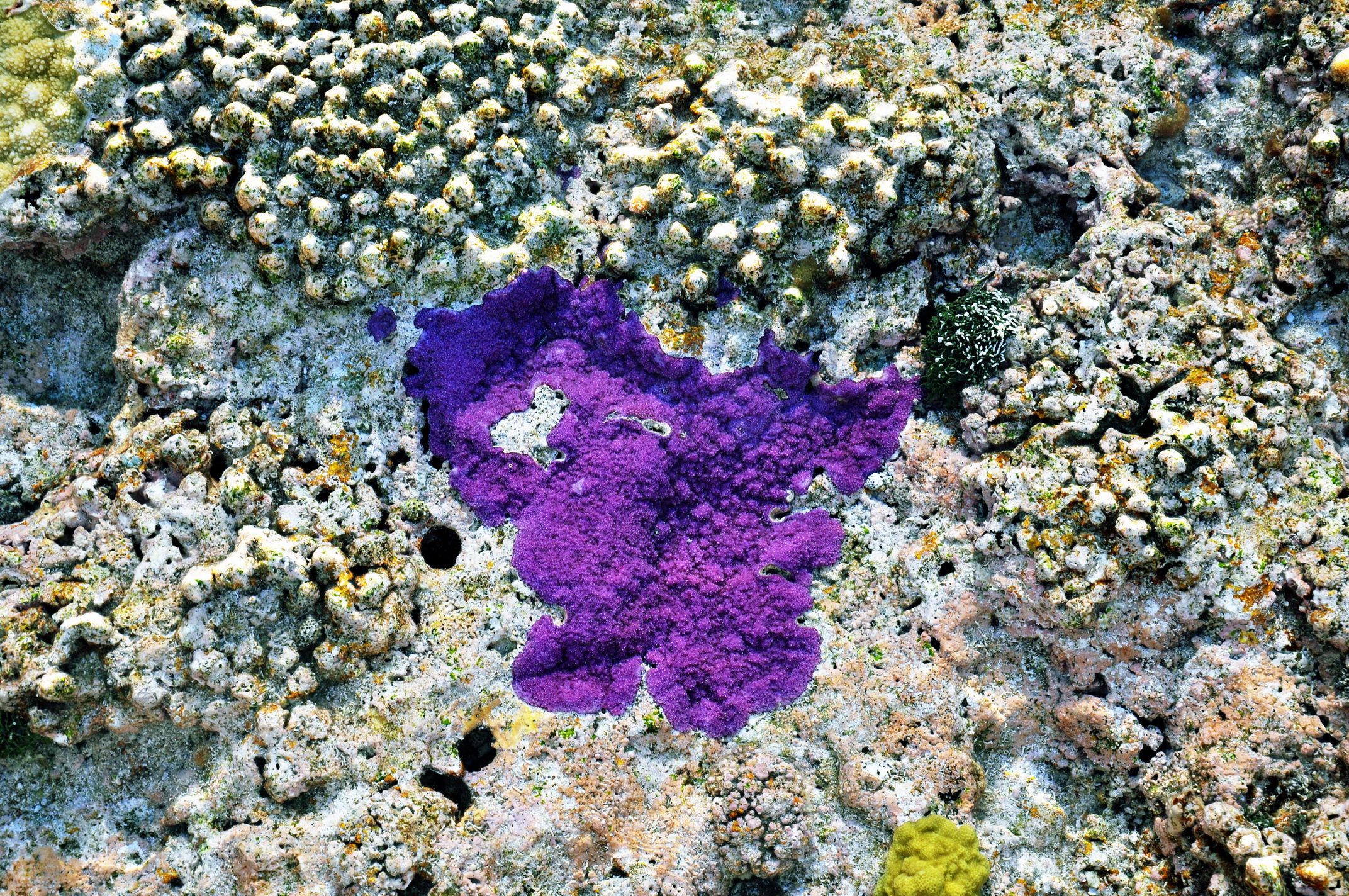
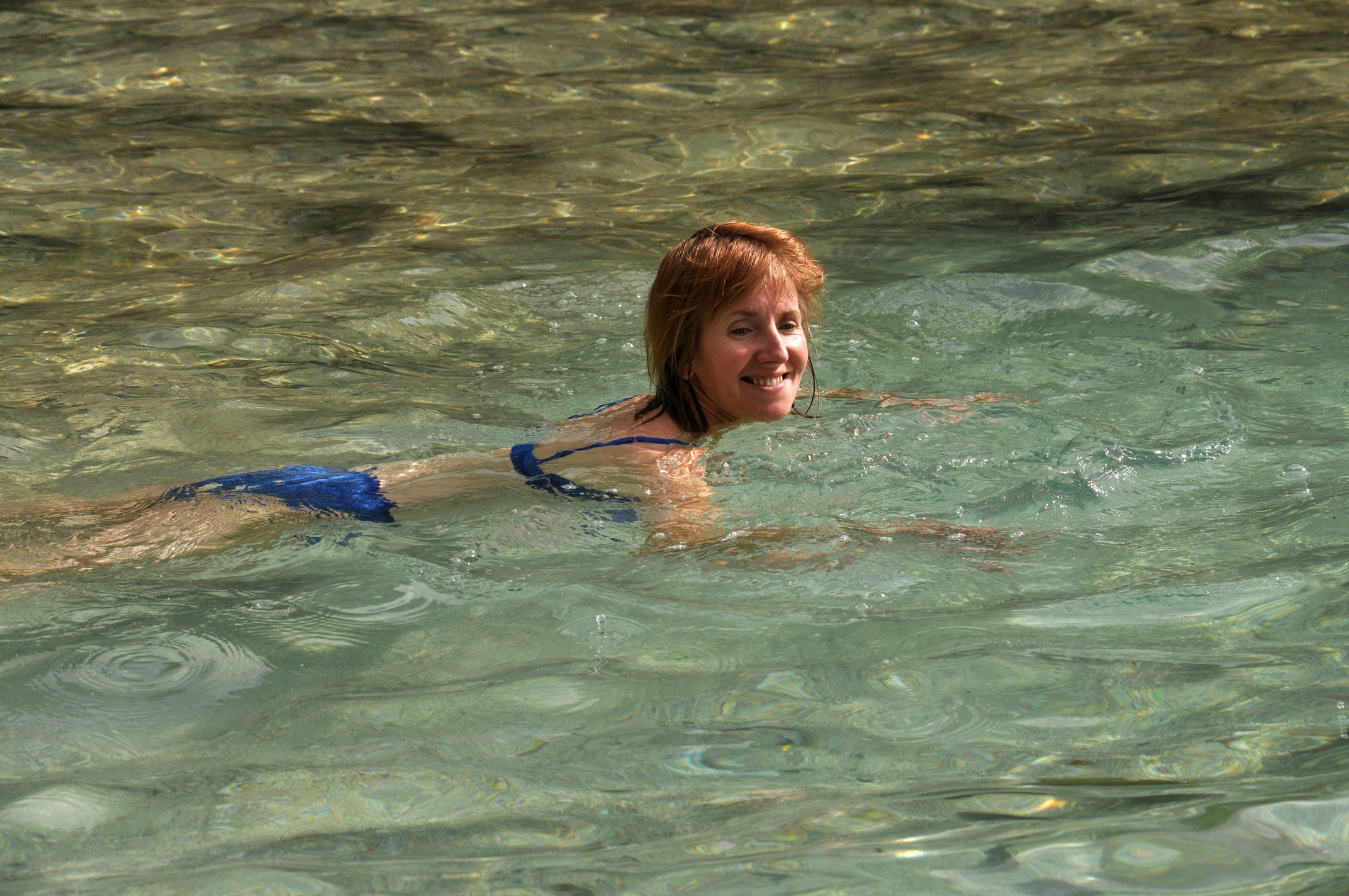
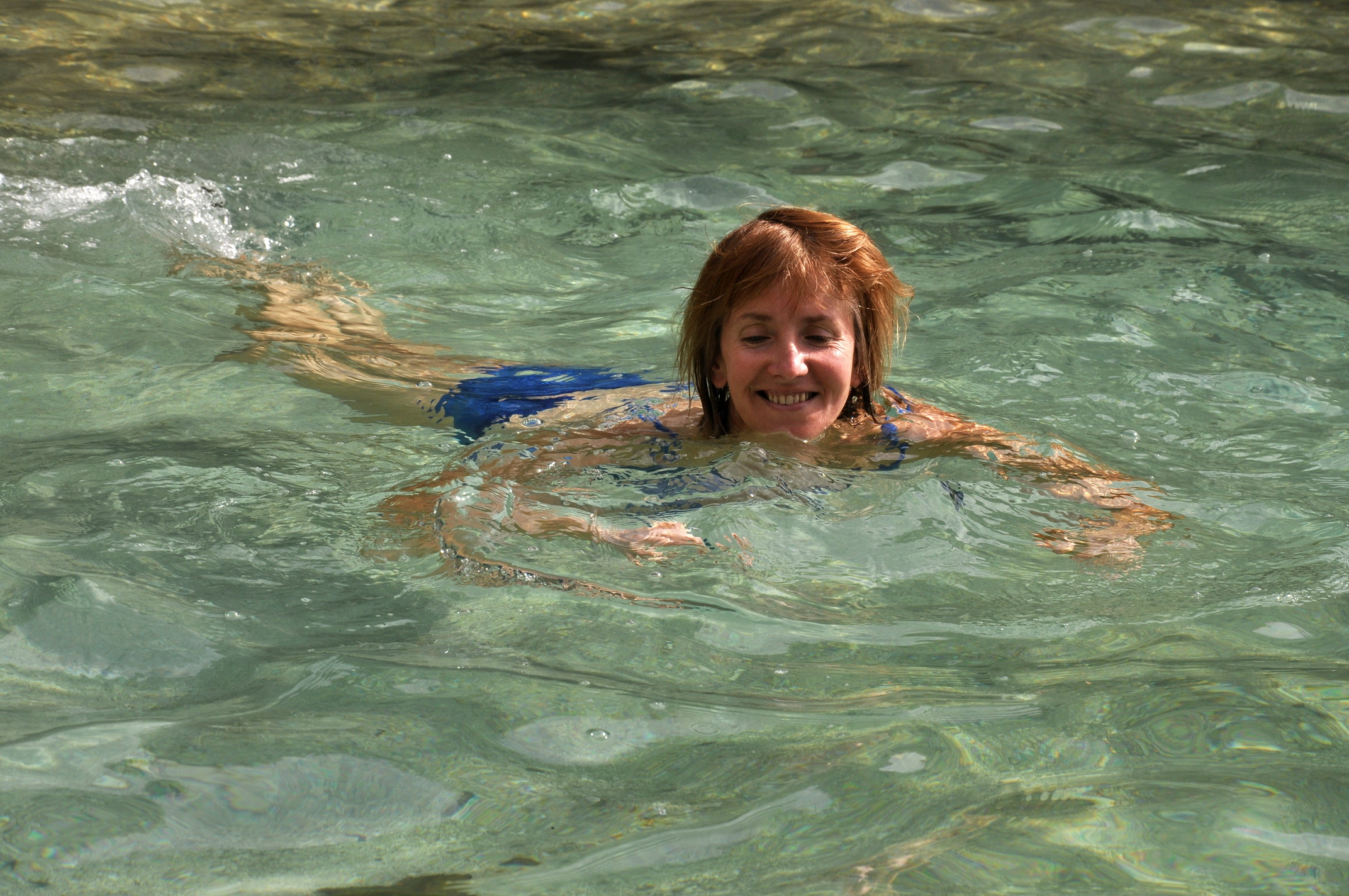
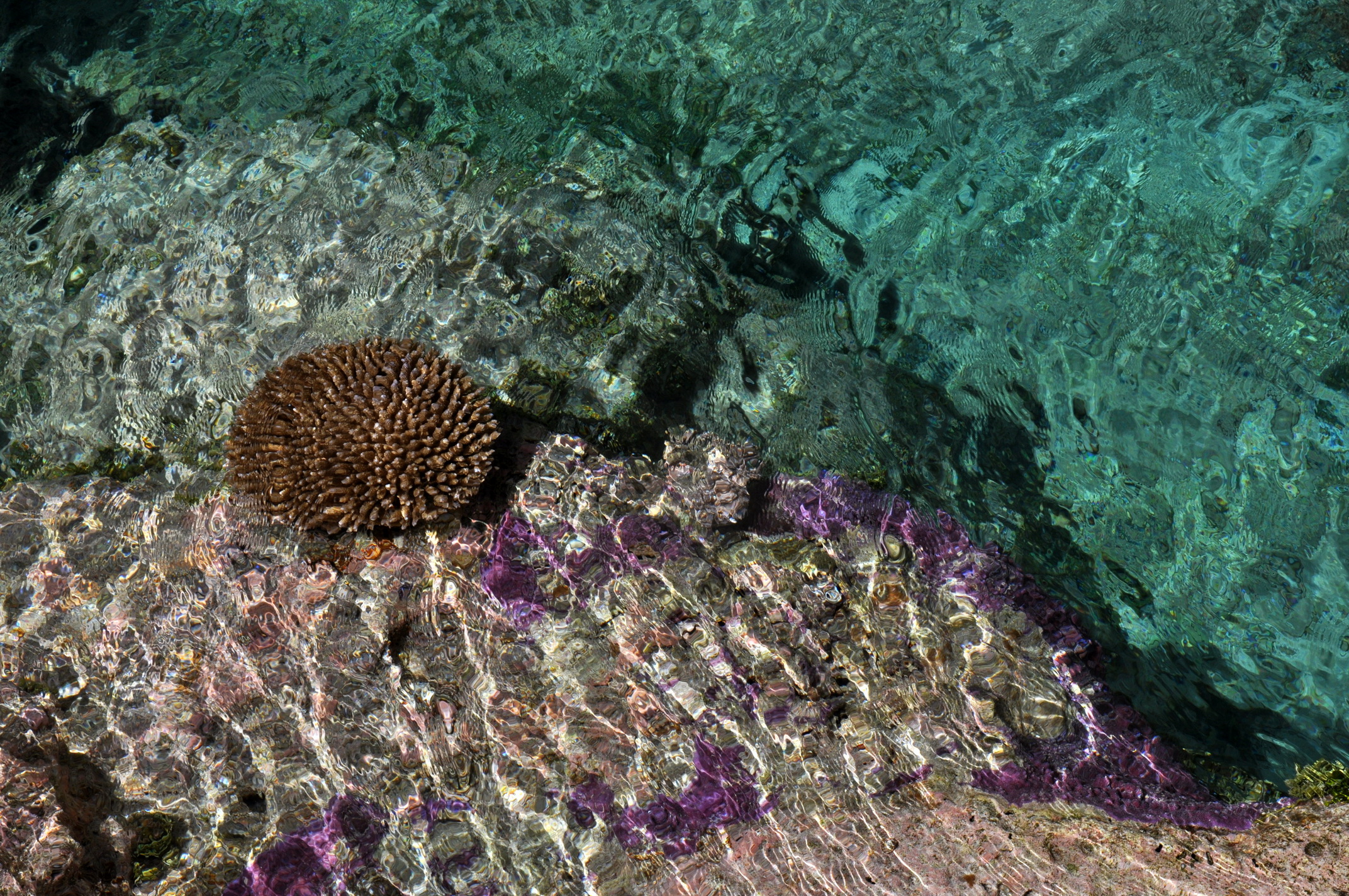
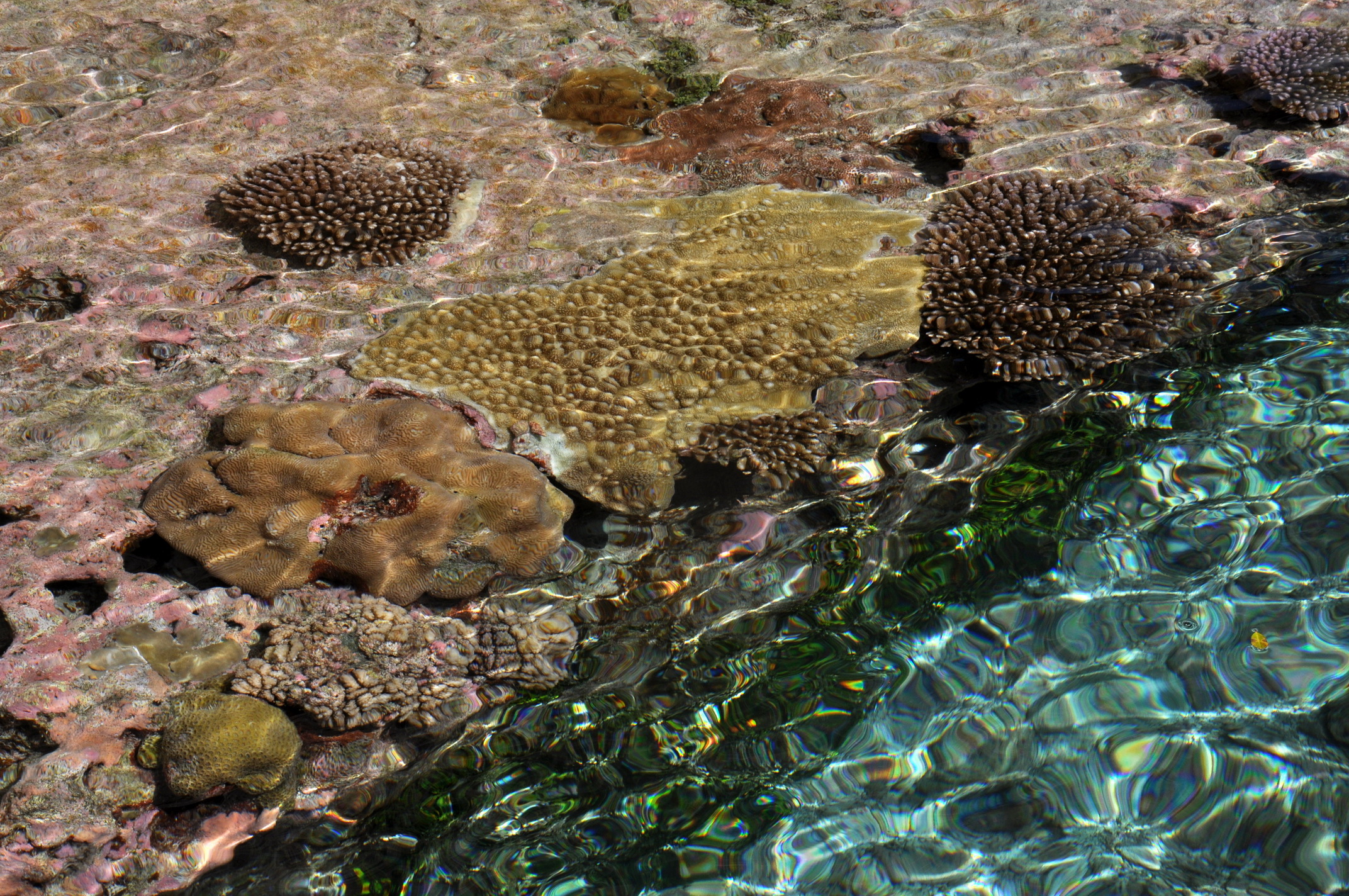
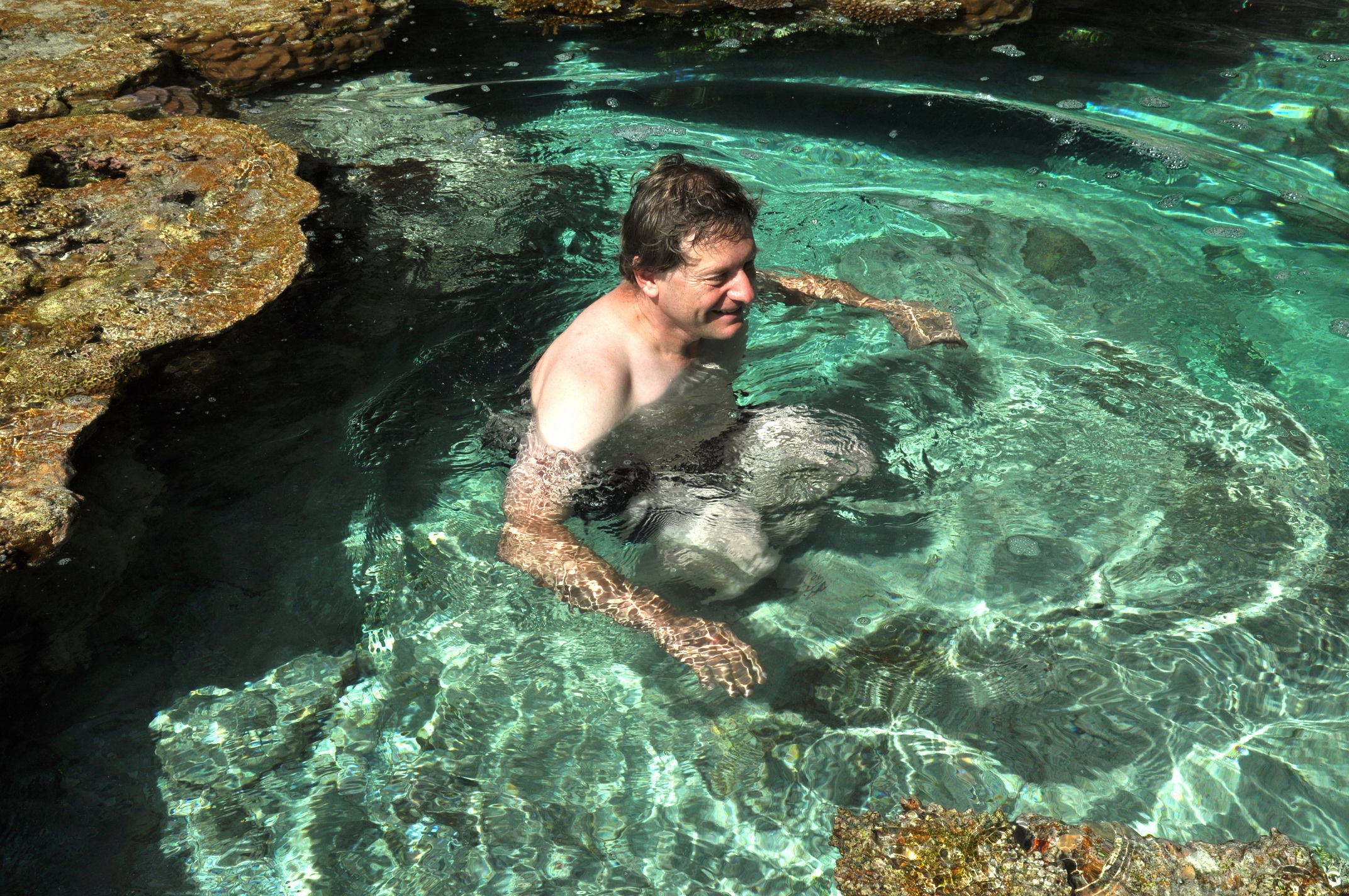
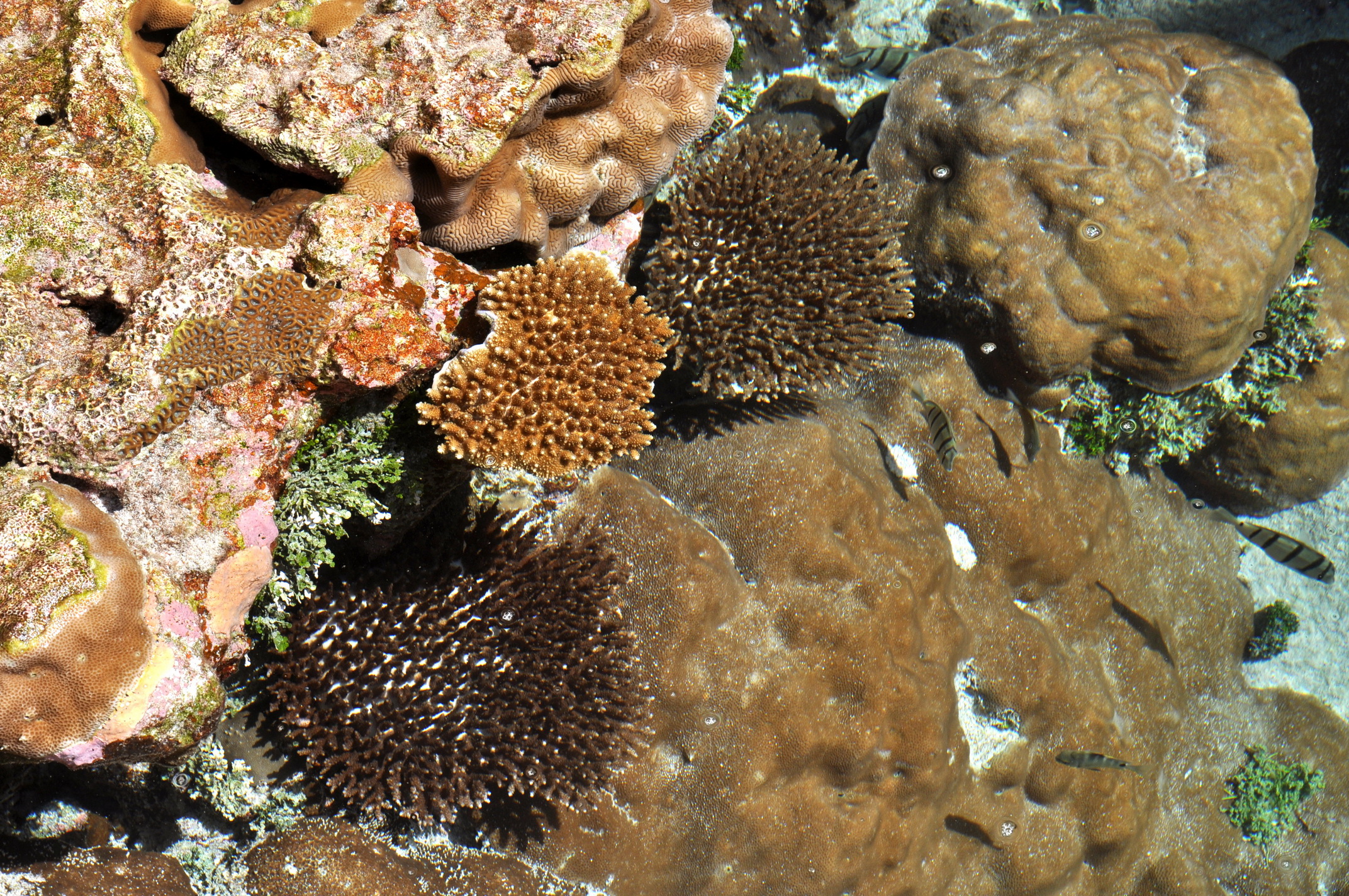
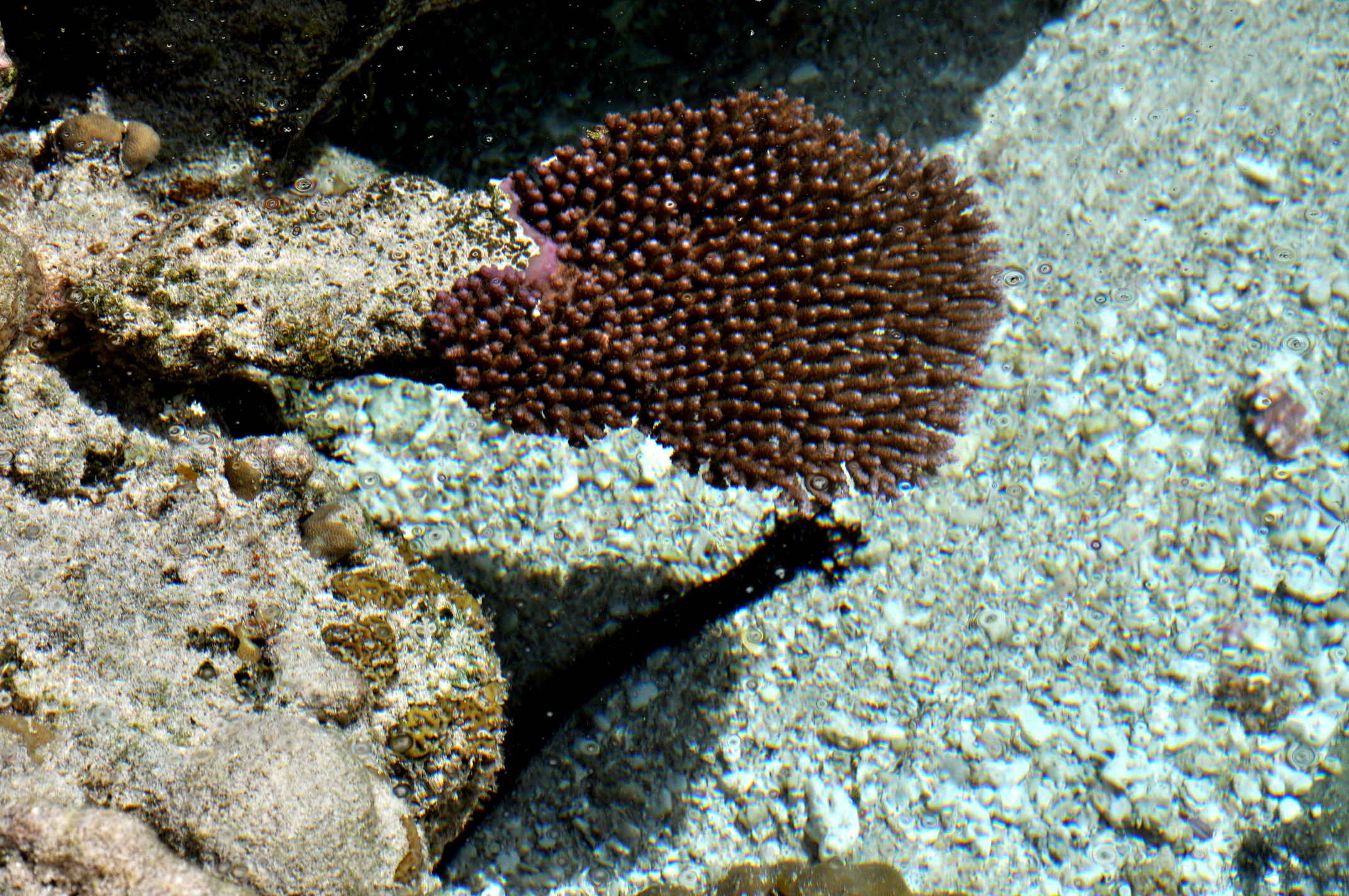
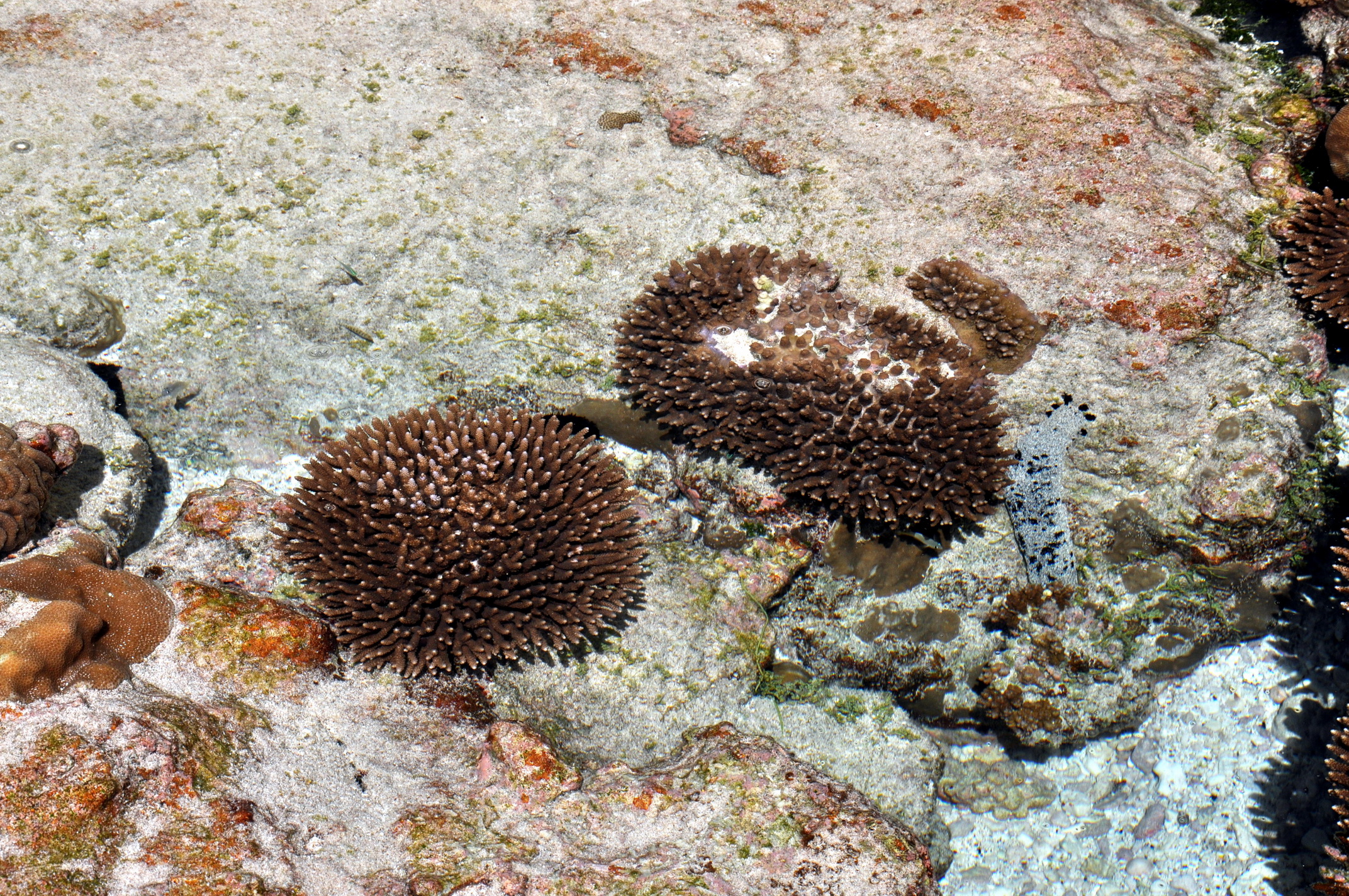
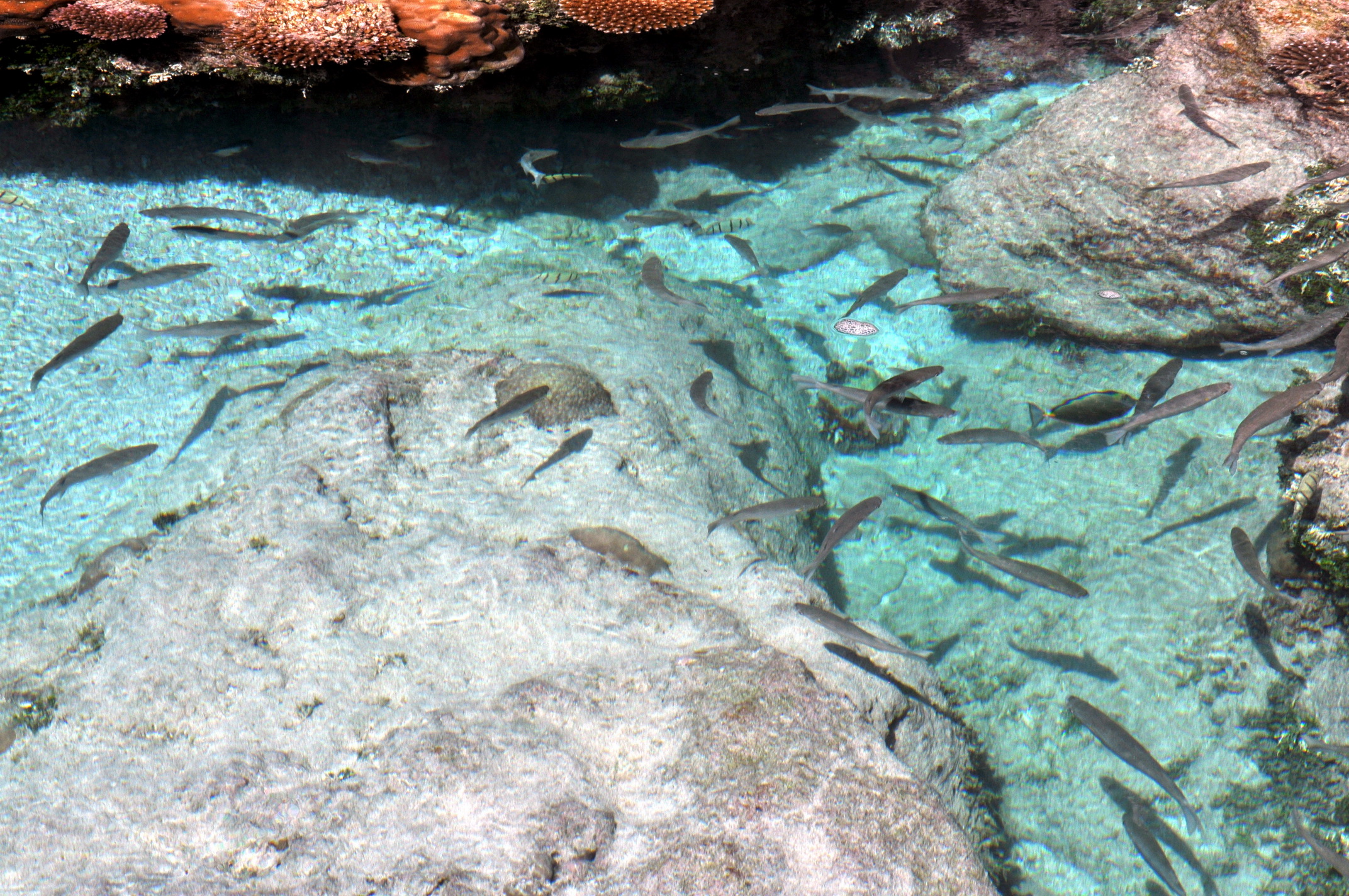
The sides of the pools are covered with coral. Because there is no swell above the pools, you can see the whole underwater world from above without a mask or snorkel. Better still, you can swim in the pools, among the fish. They probably find swimmers frightening, but they have nowhere to go until the next tide. A mask and snorkel make the swimming better, of course. You could buy them not far from Matavai Resort. The coral is even more beautiful underwater. You can swim into little underwater caves. The farther and deeper you go, the larger and plumper the fish get.
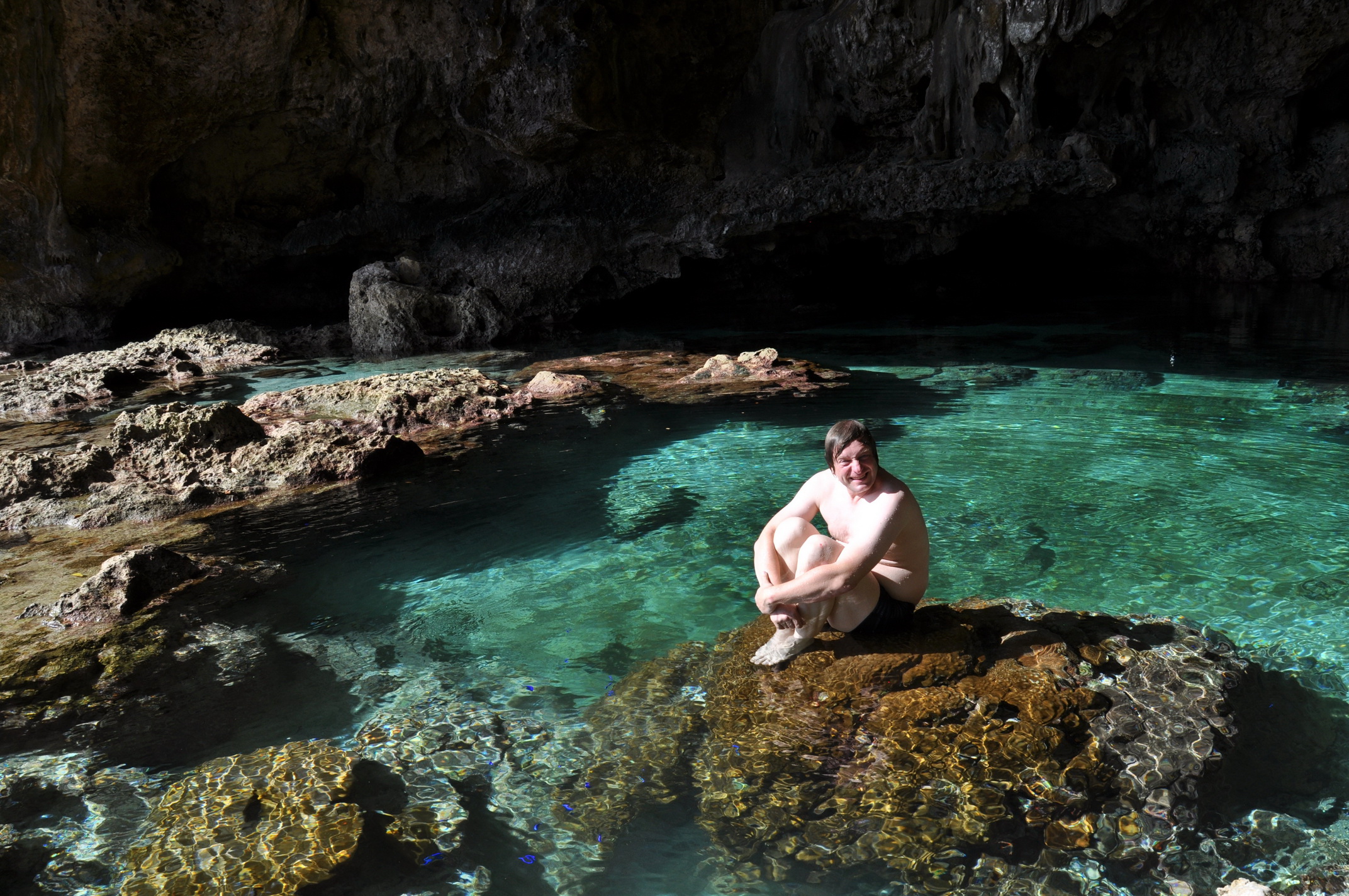
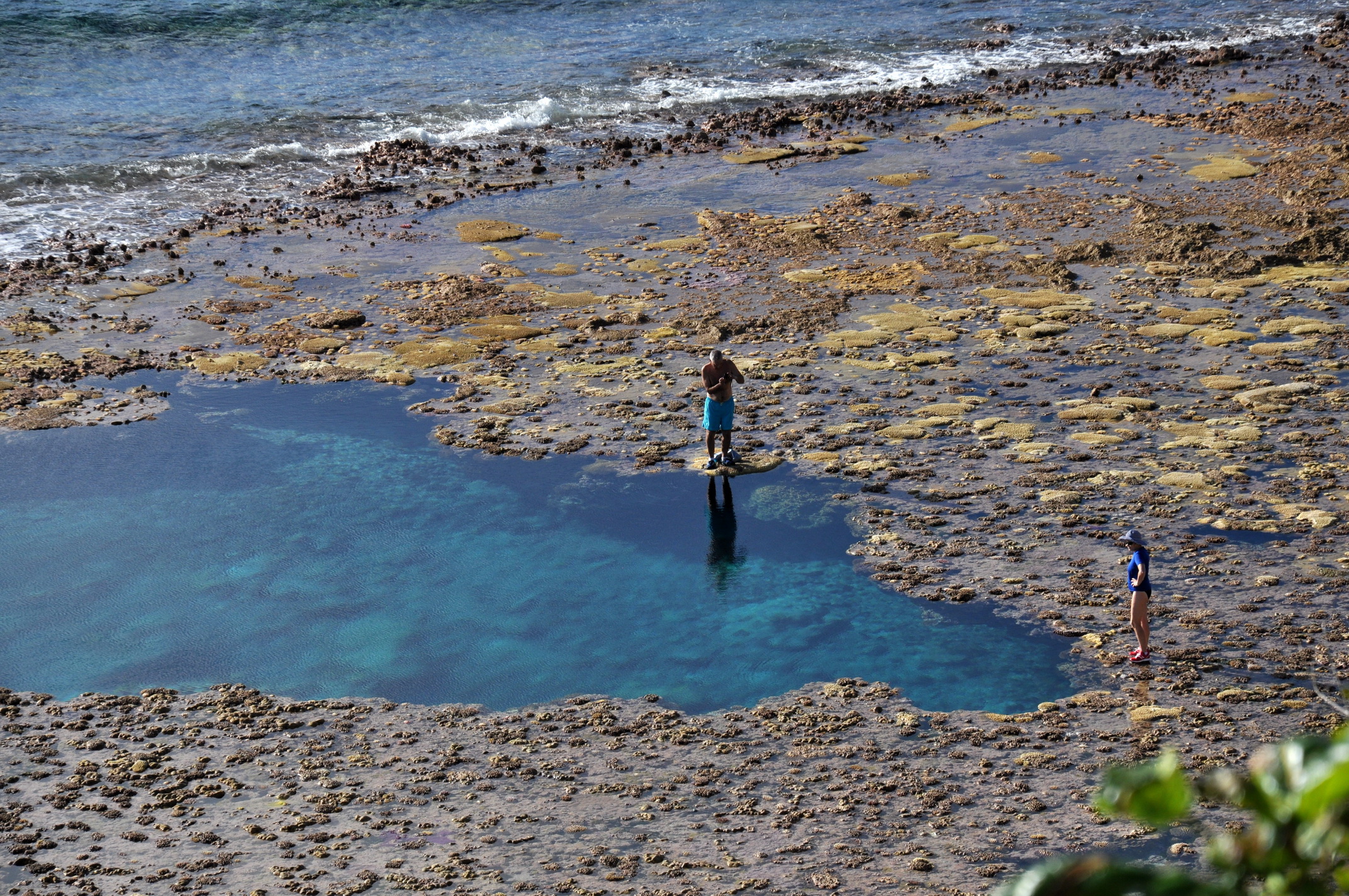
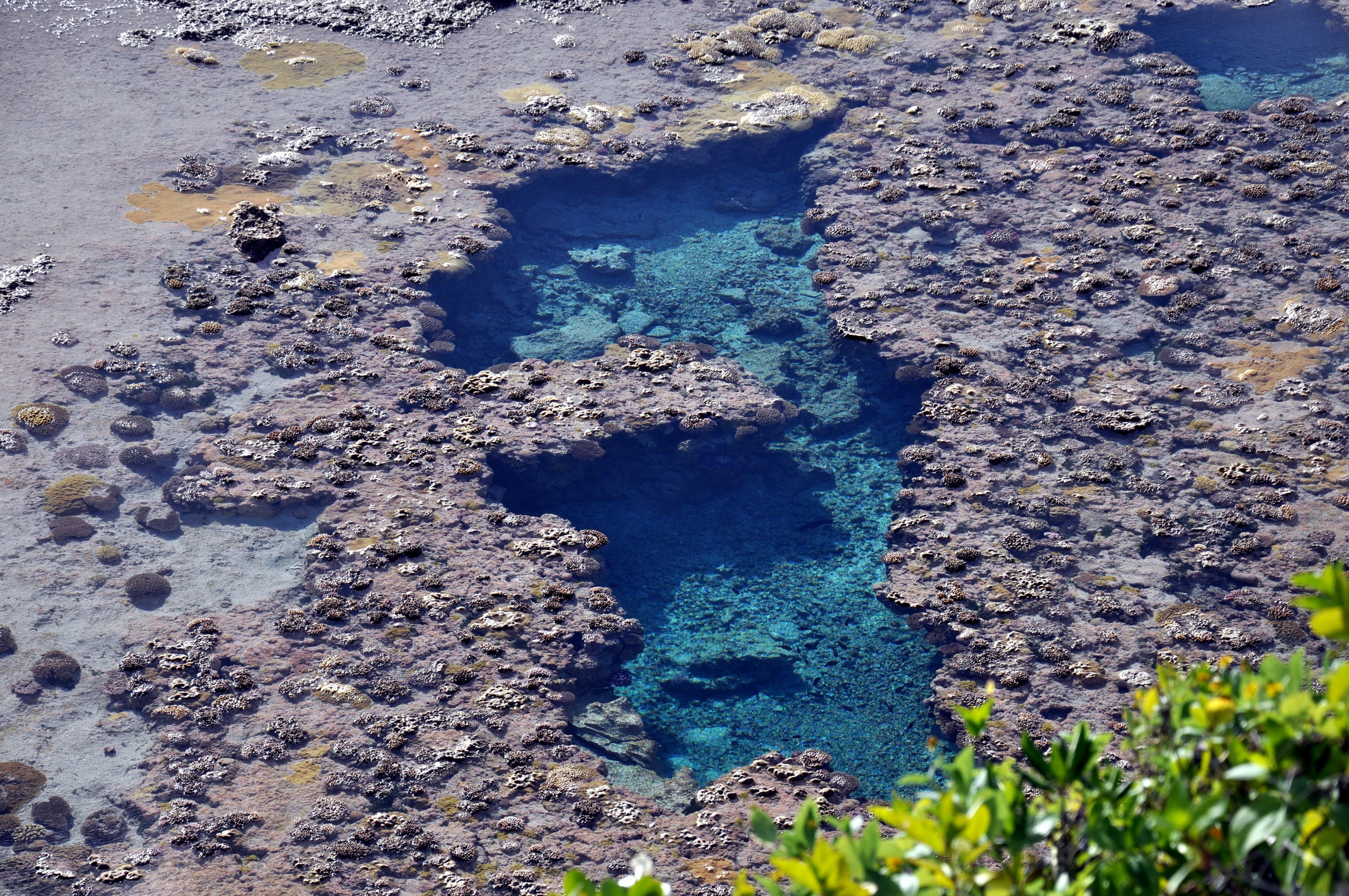
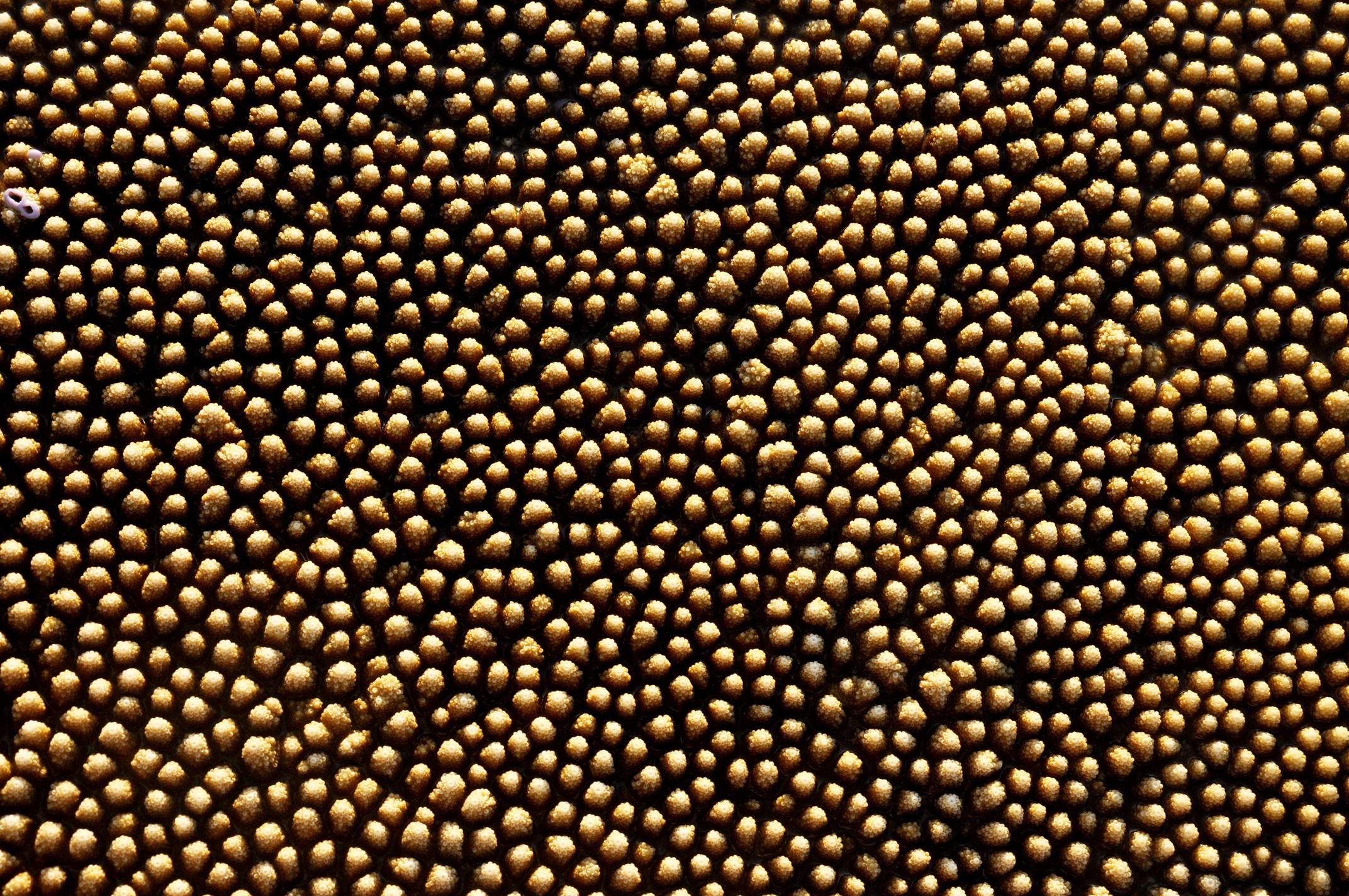
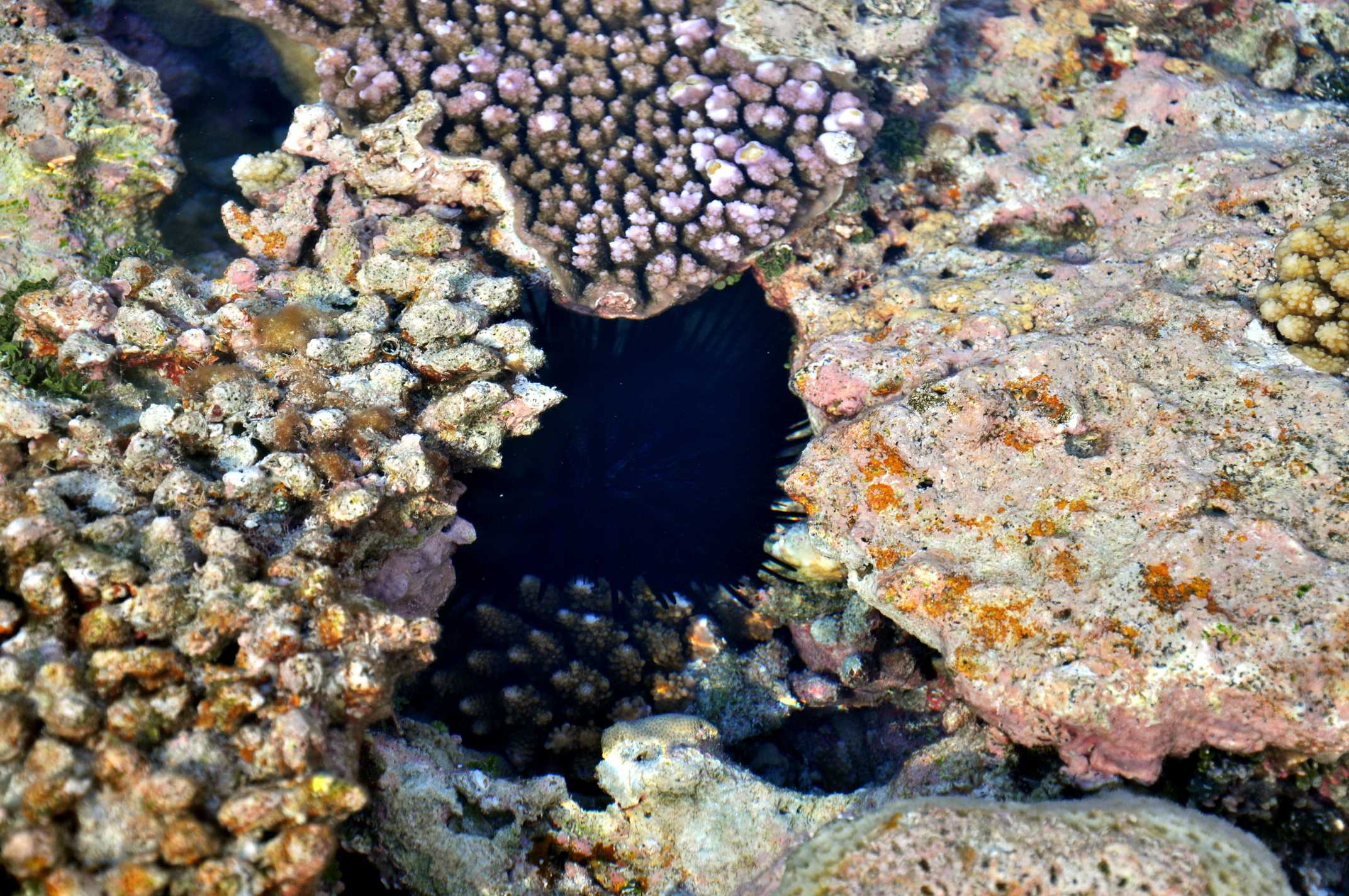
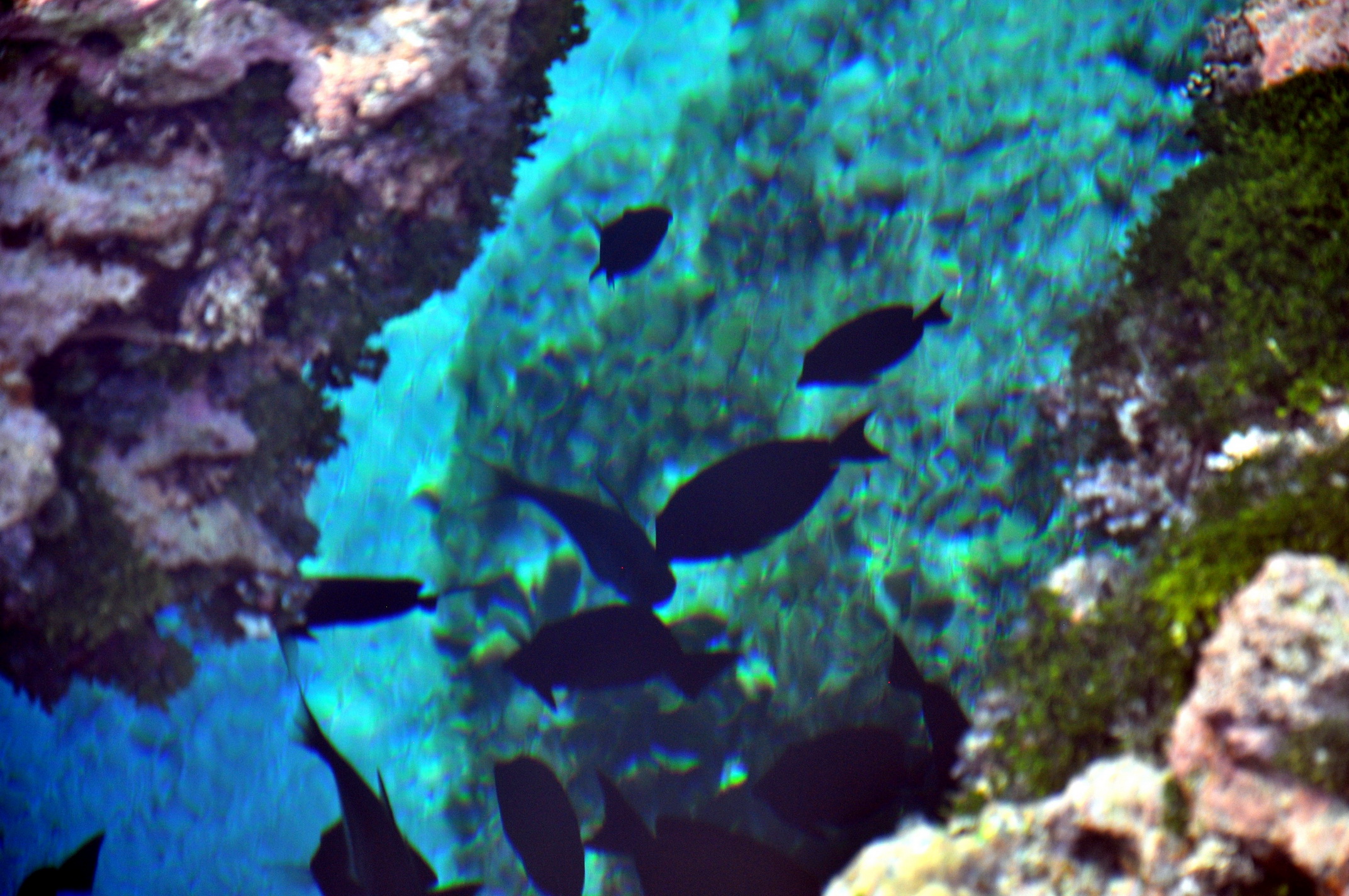
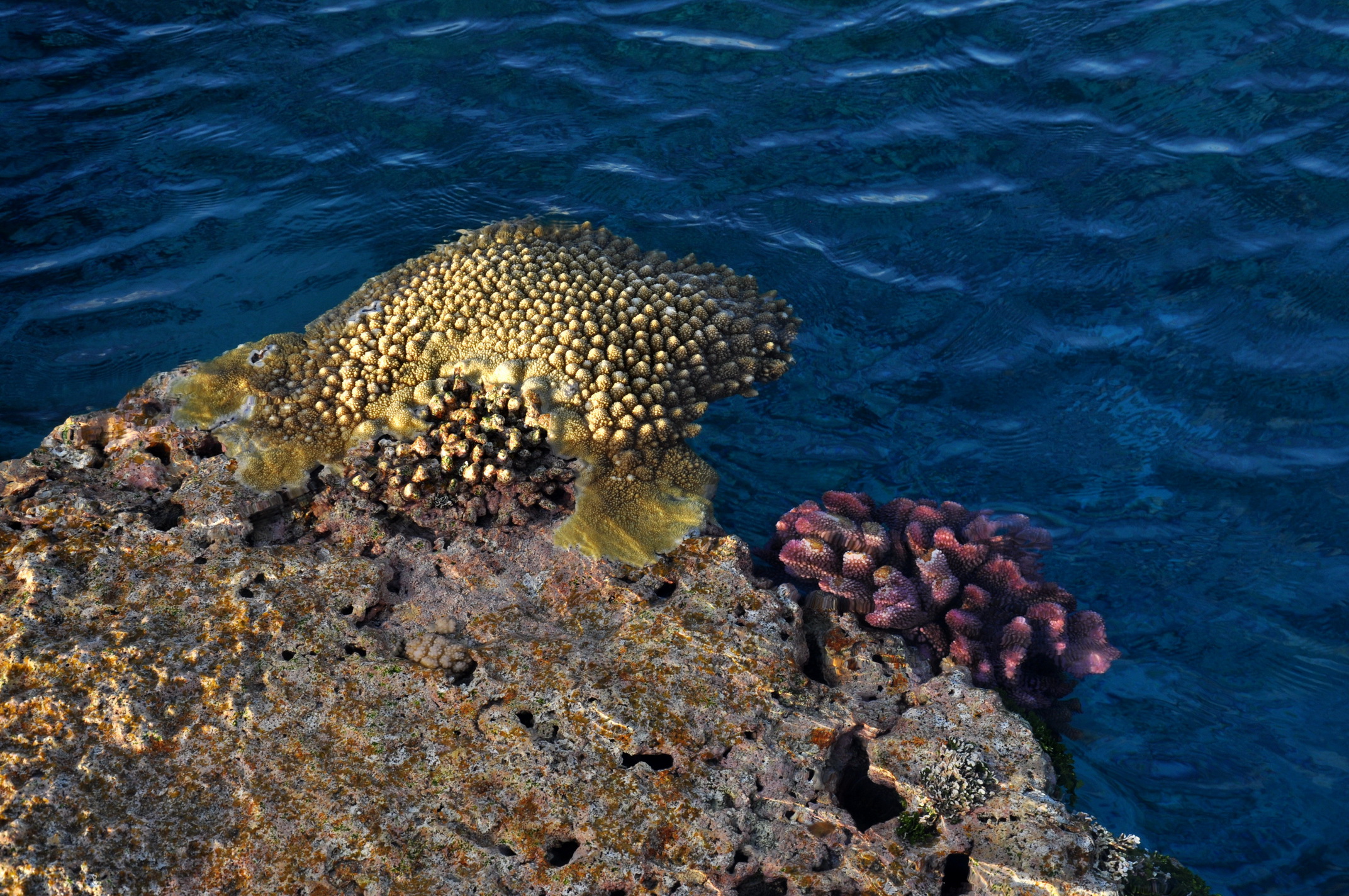
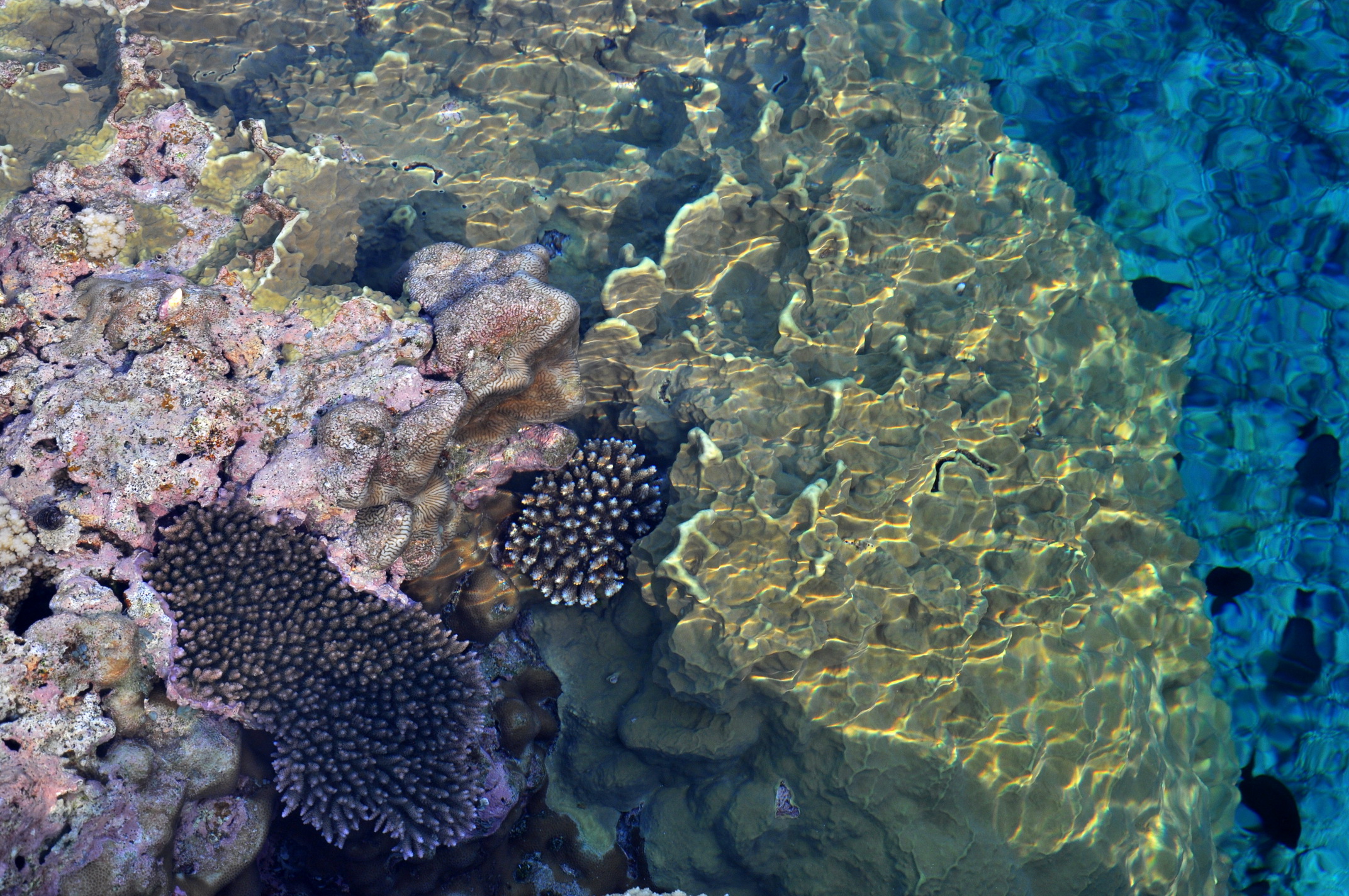
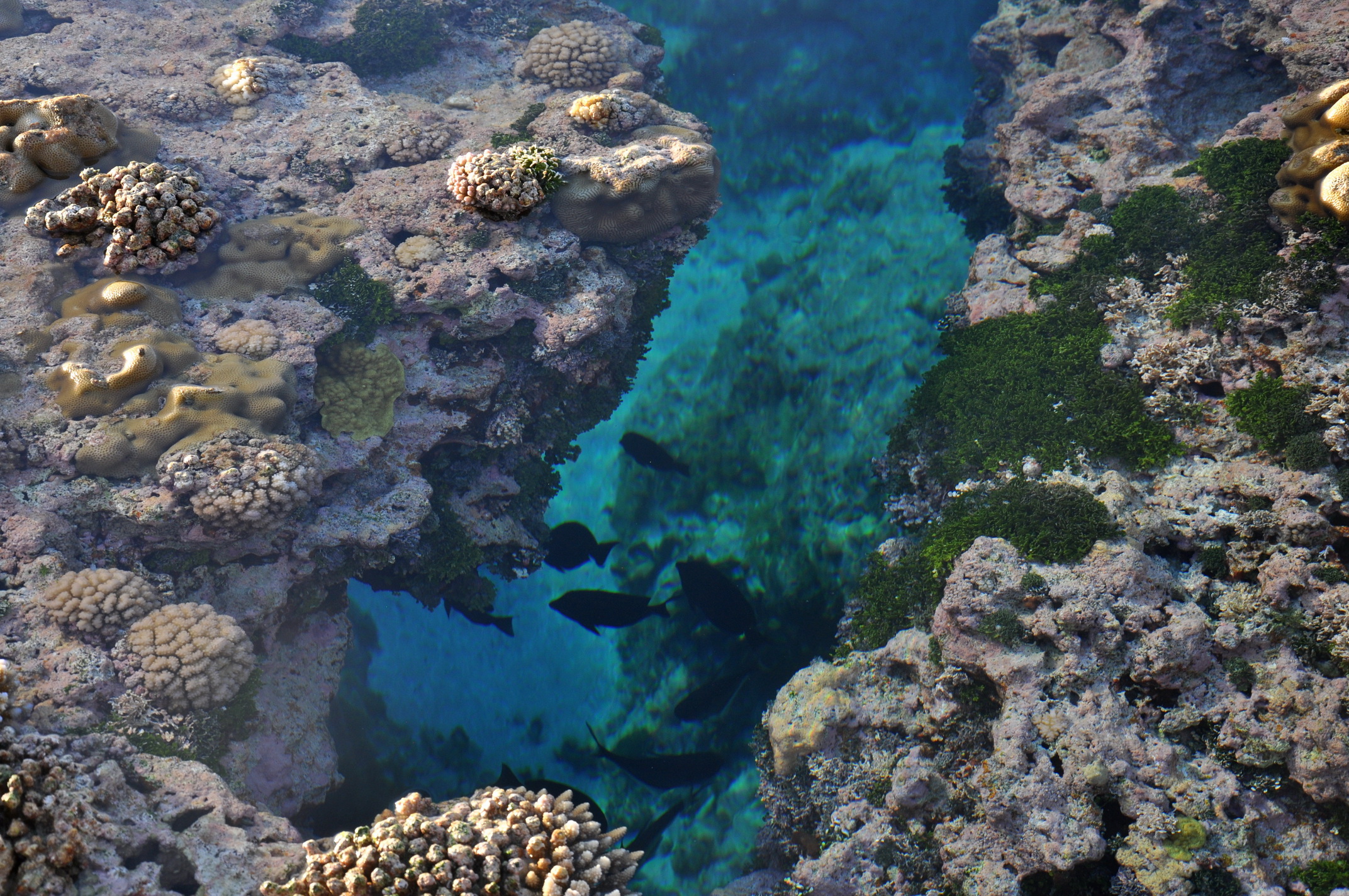
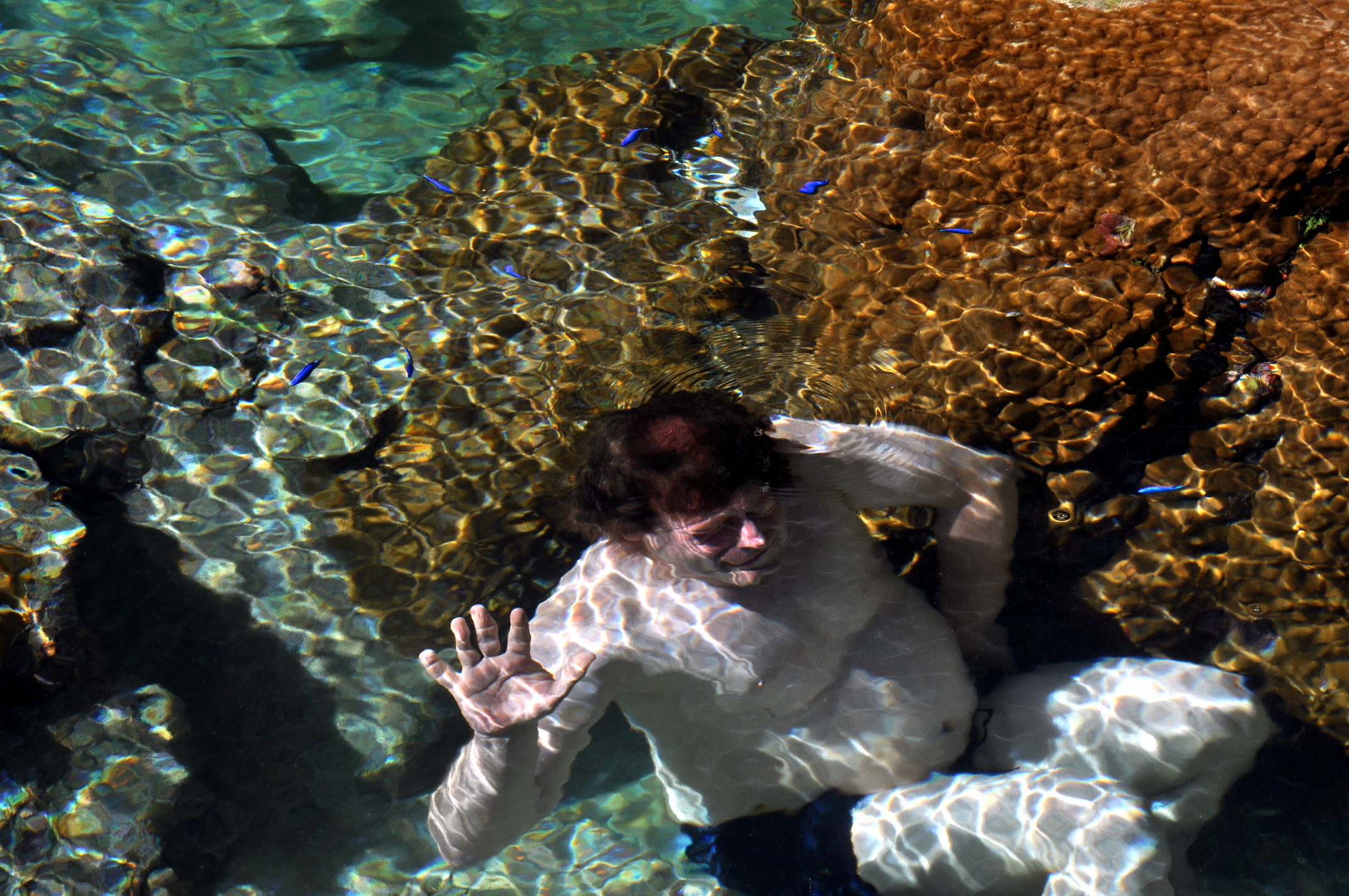
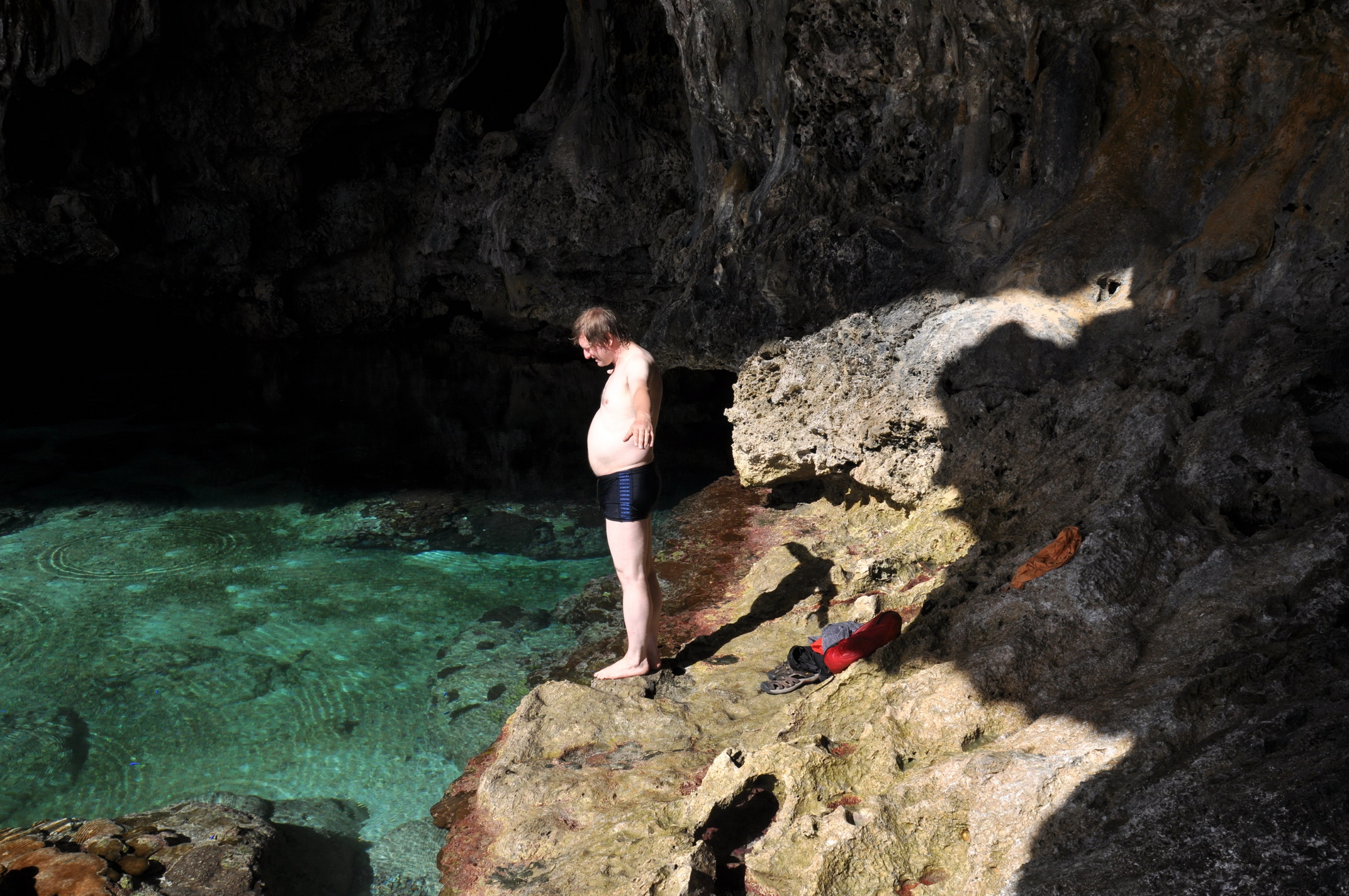
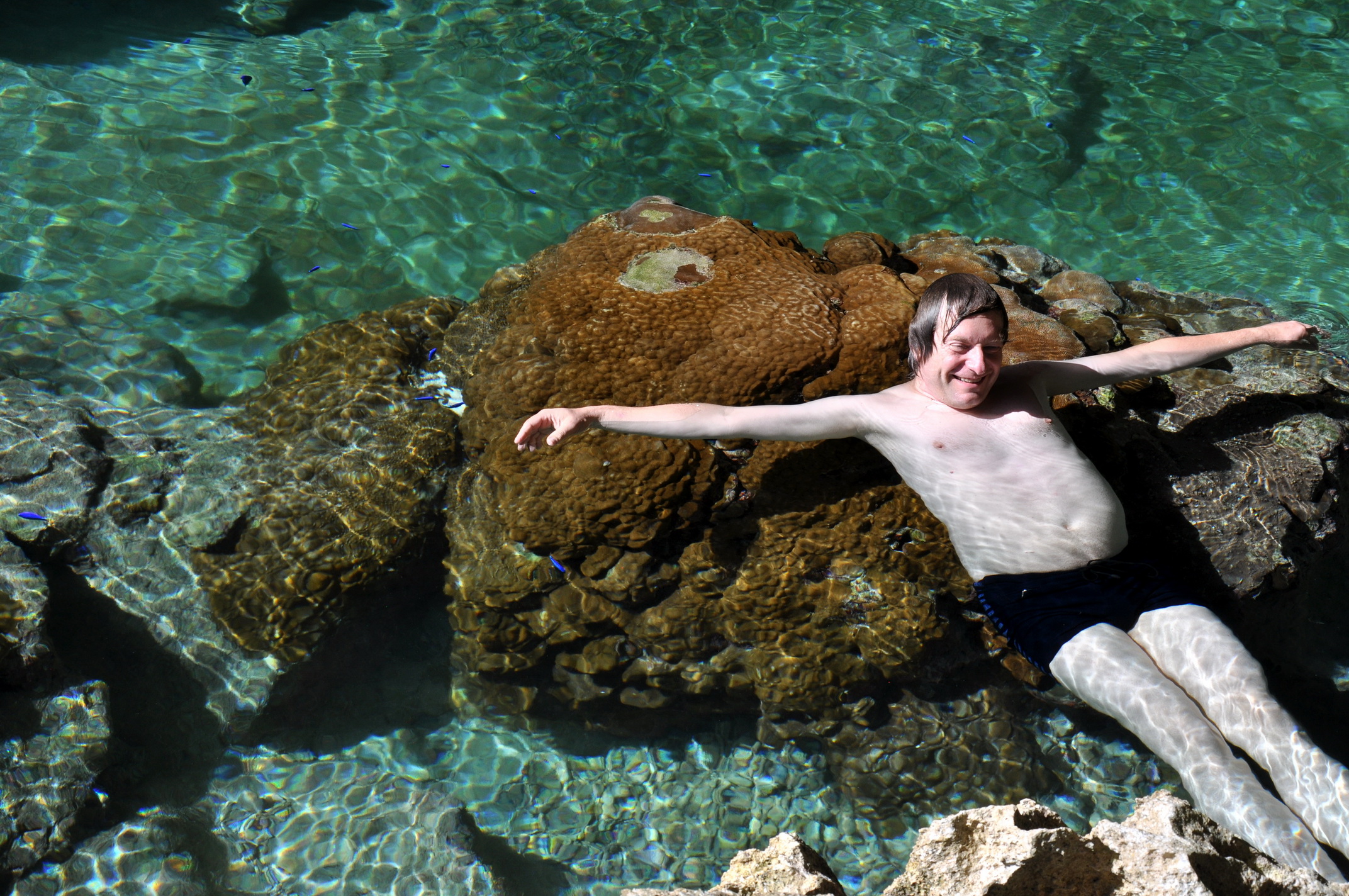
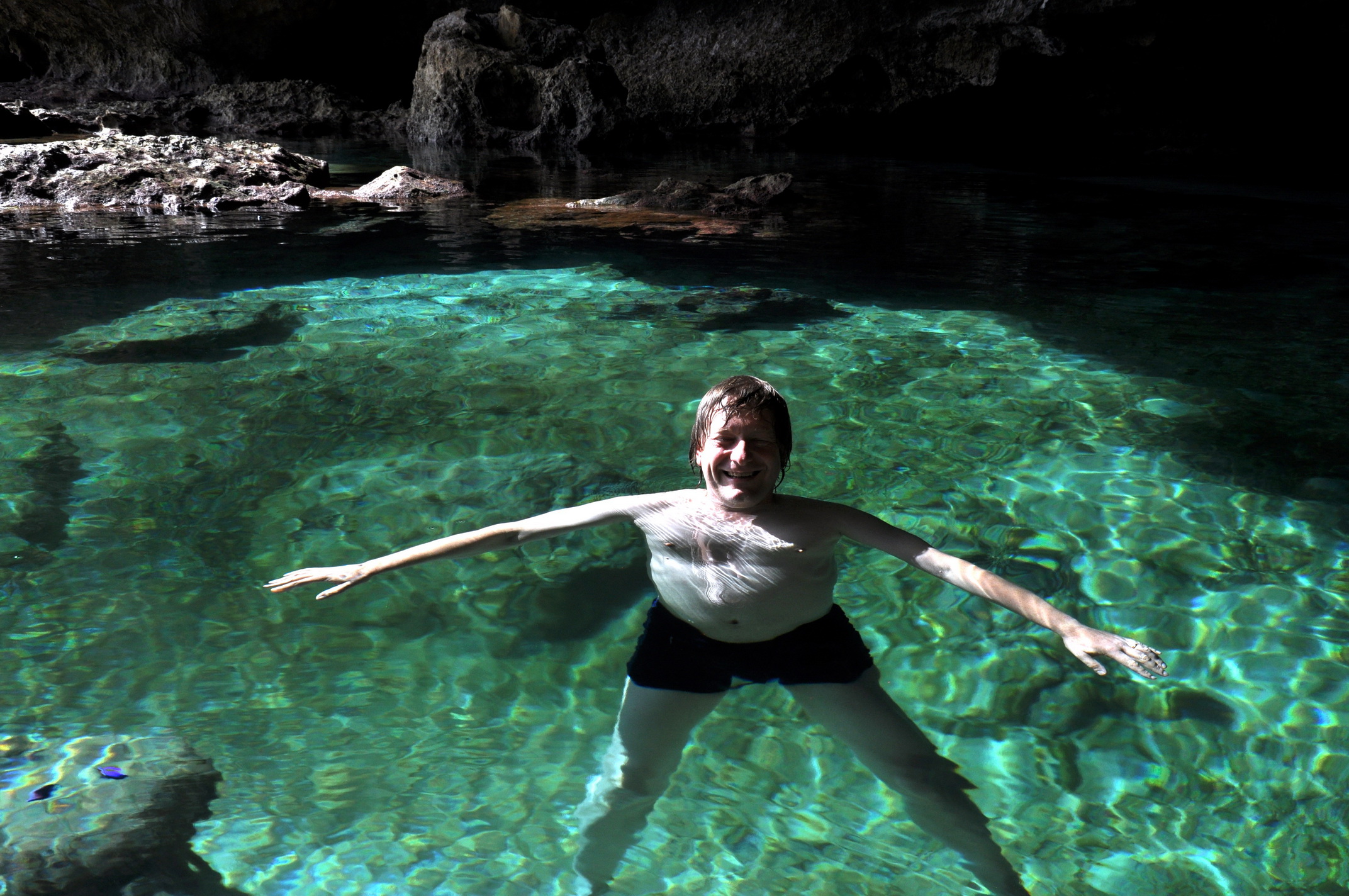
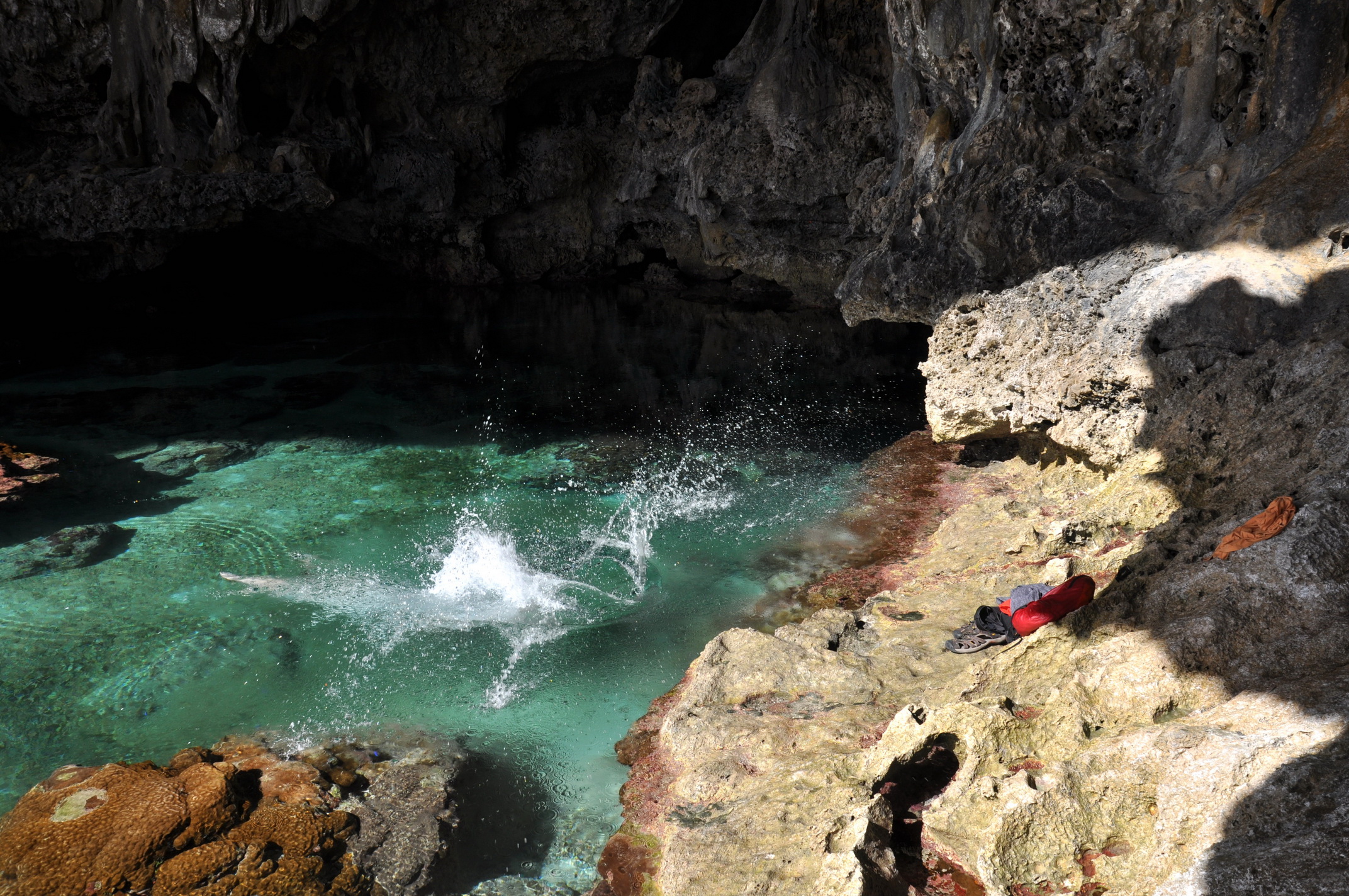
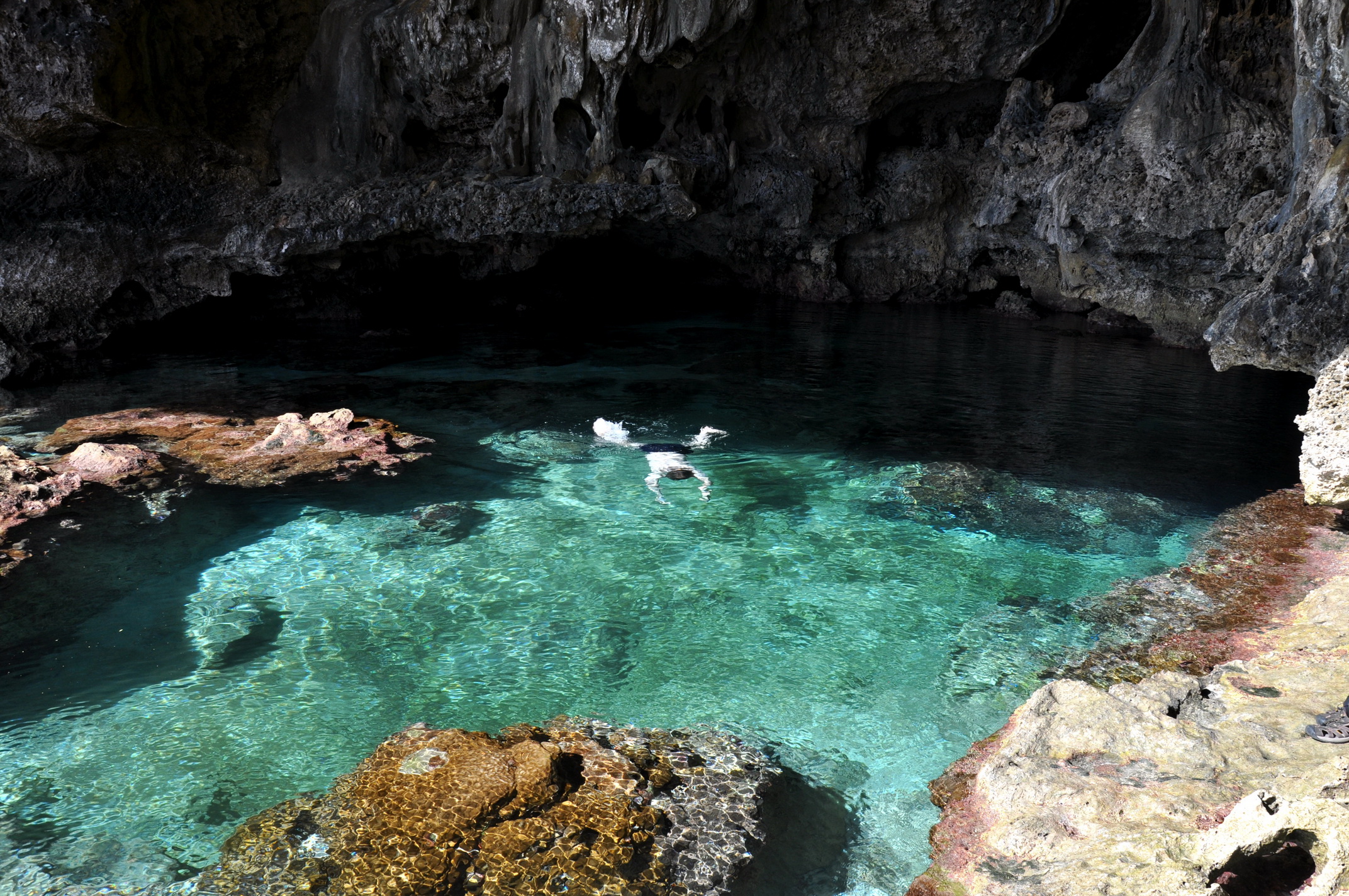
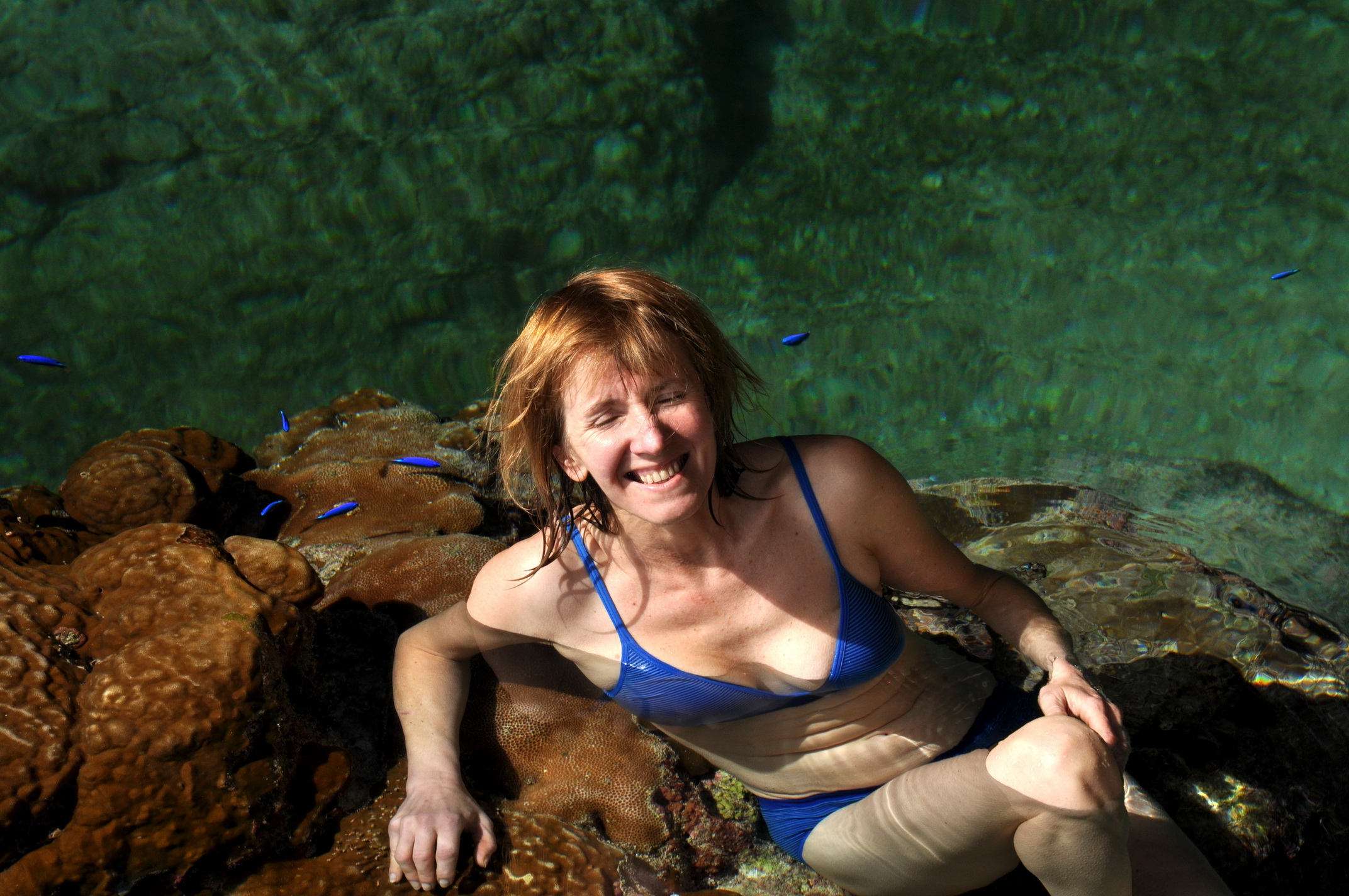
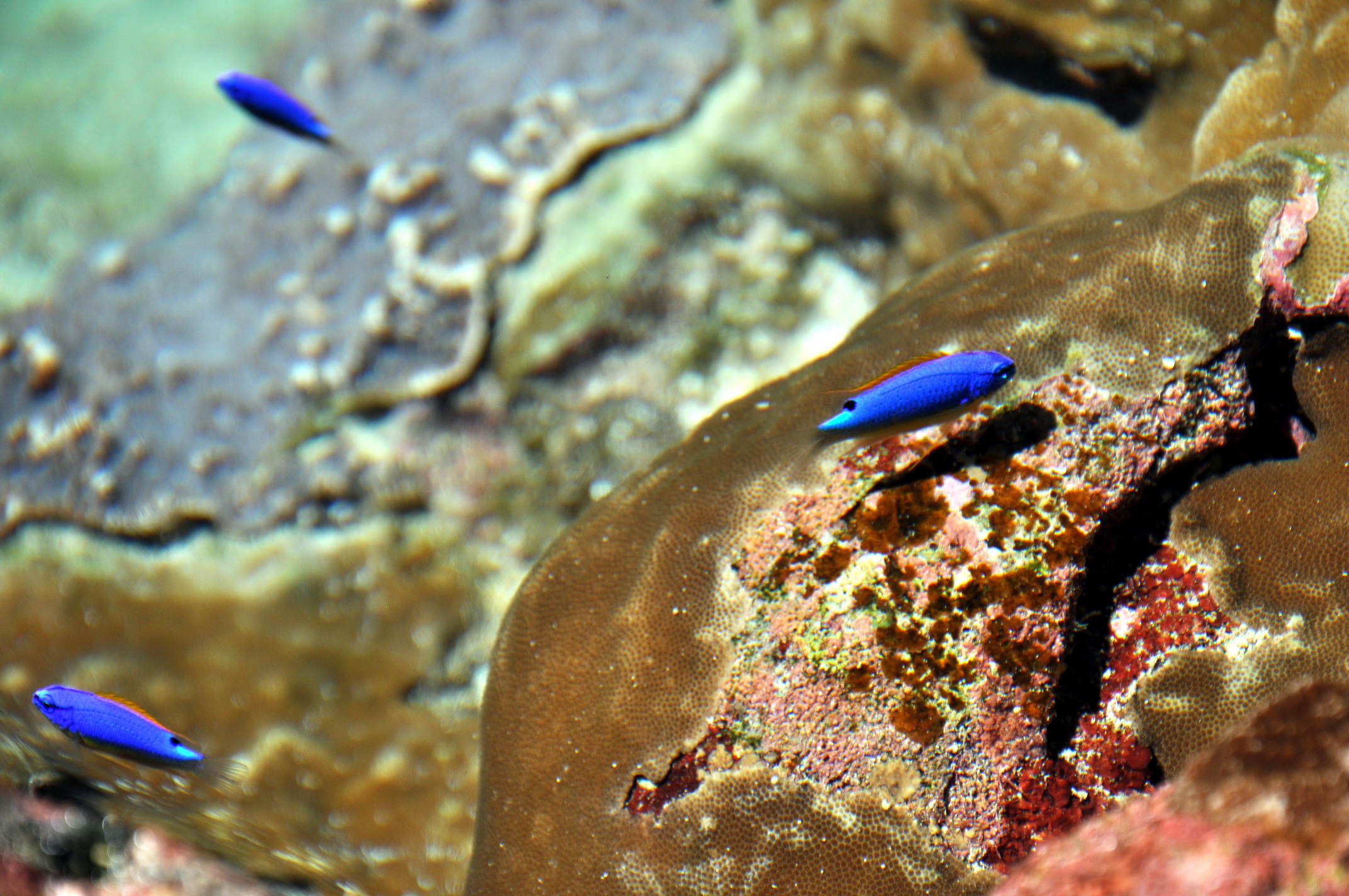
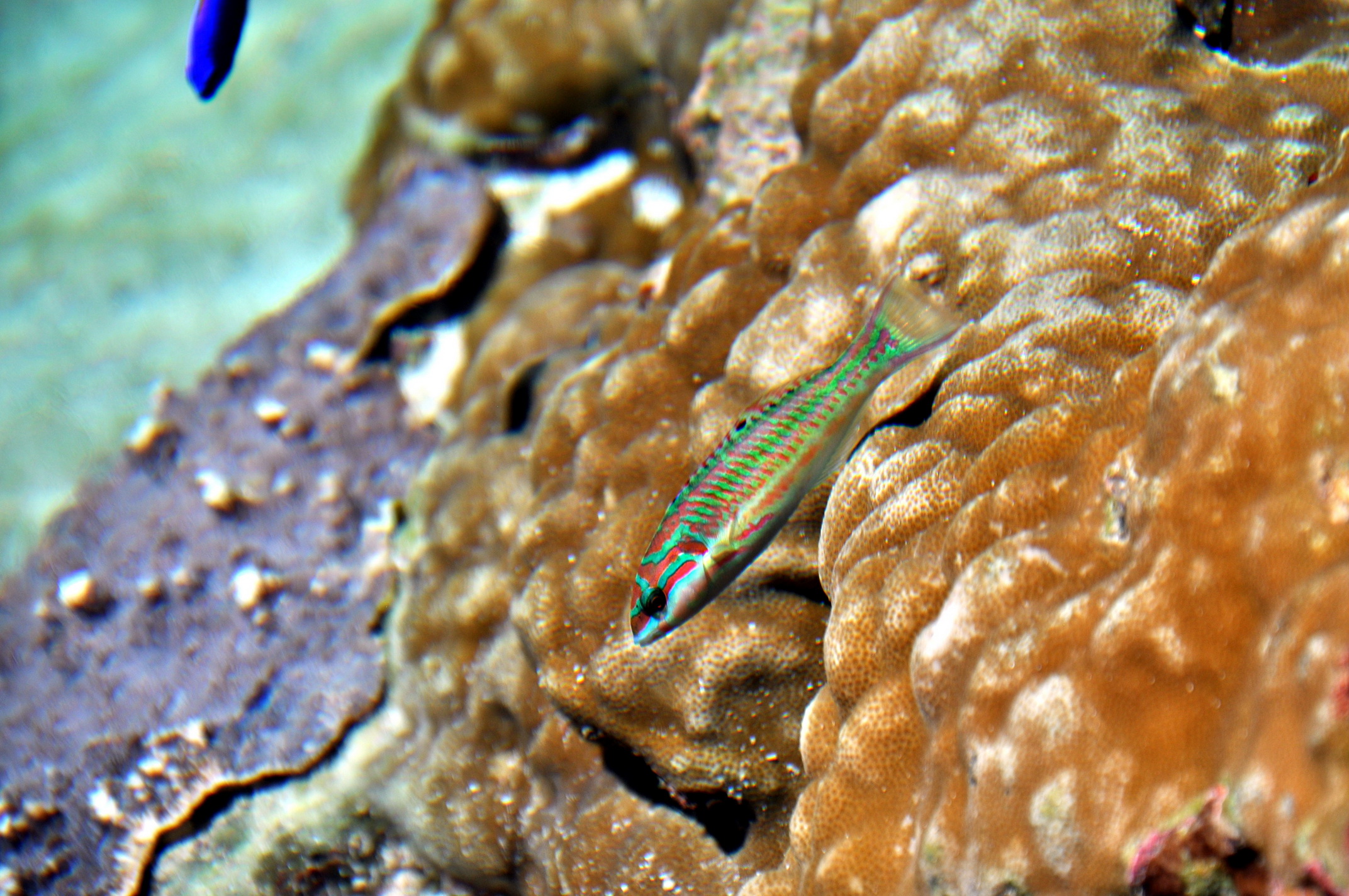
The reef at Niue was gorgeous, perhaps the most beautiful I'd ever seen. I'm not a scuba diver and have no idea what you can see where they take divers, but Niue is the finest place I know that you can reach without boats, instructors or diving equipment.
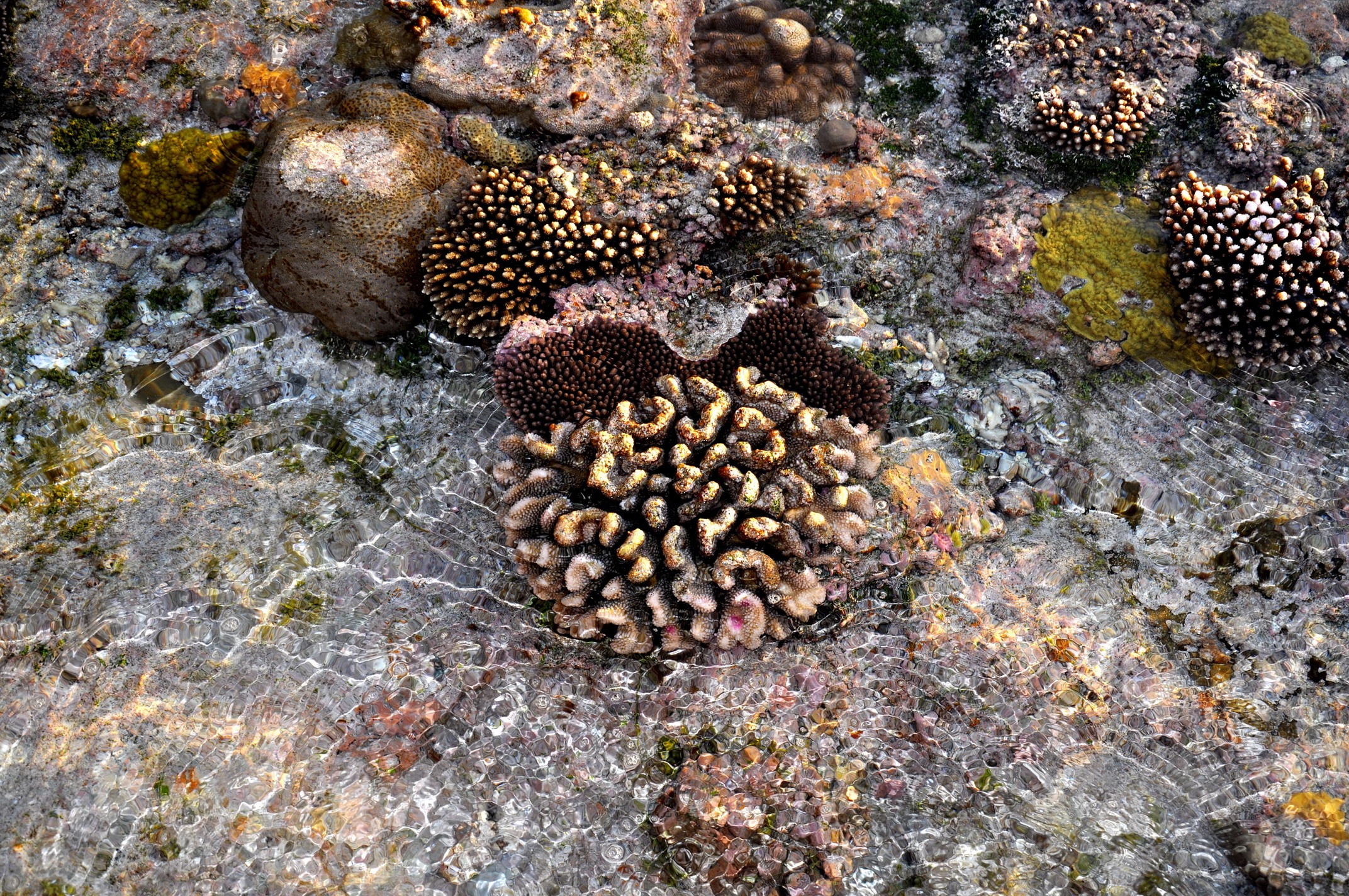
Since the best cave was right under our hotel, we could go down and splash about the whole evening. There weren't many tourists on Niue and most stayed in their resorts. We generally had the pools to ourselves.
During the day we drove into the capital for lunch, found the Crazy Uga café open and ate some sort of local fish. We would have something from the sea every day from then on. Fish was the most interesting local food and we were going to have plenty of it while we could.
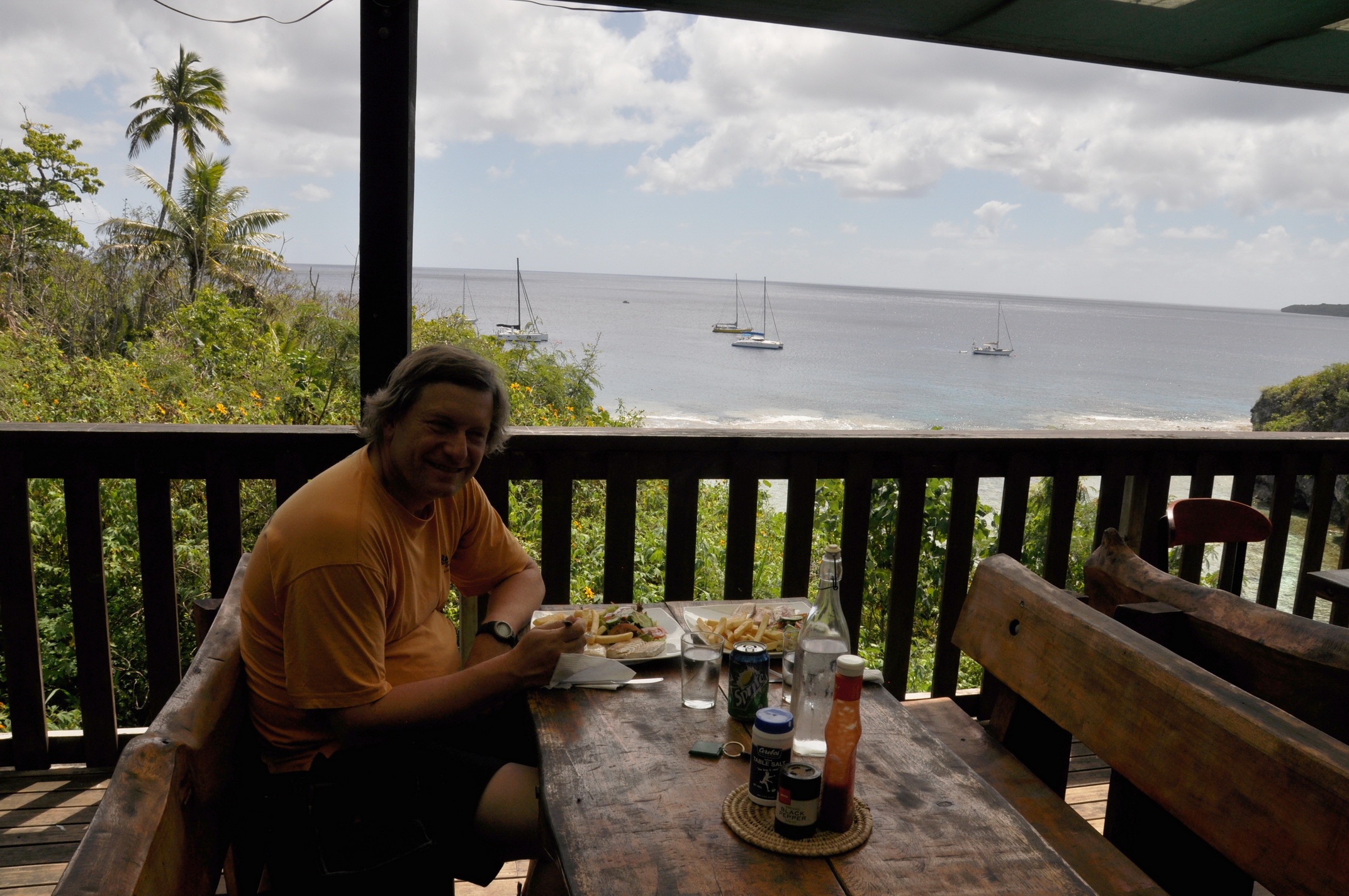
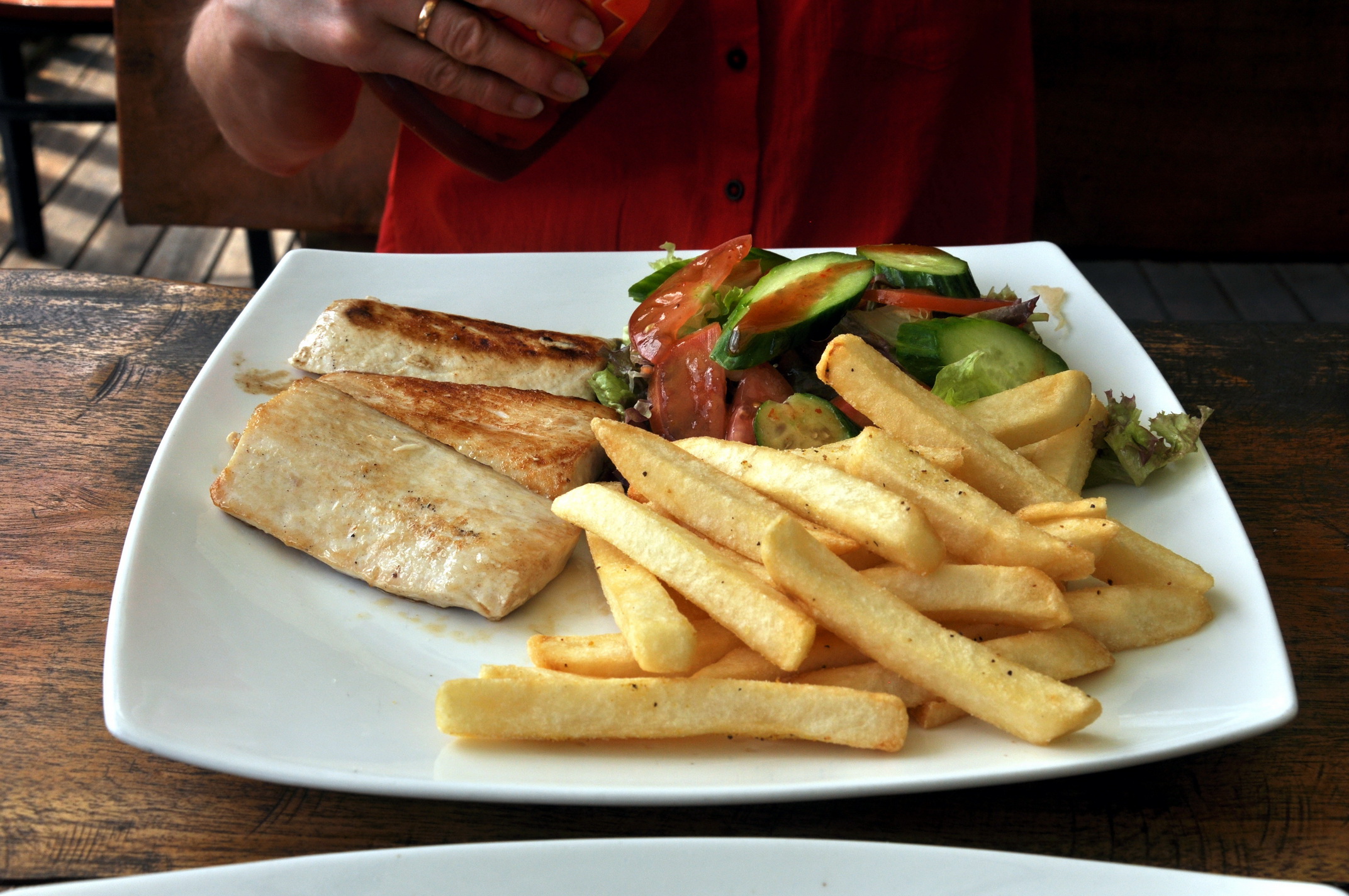
Humpback whales live off Niue. There weren't many and all were known by name, distinguished by the shape and colour of their tails and fins. They were very peaceful. Boats would take people out to swim with them, close enough to see them with a mask and snorkel.
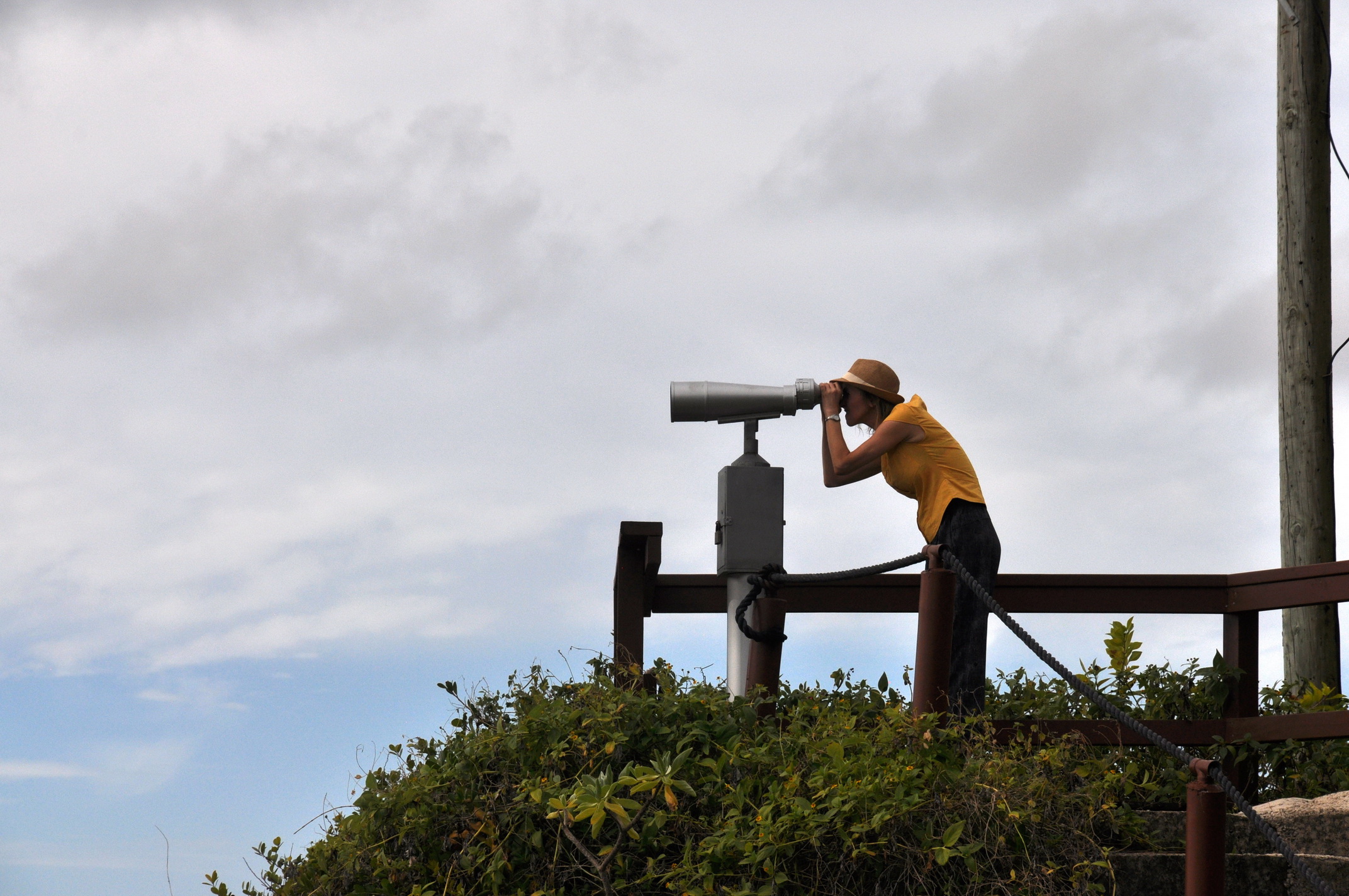
Whale watching is an industry of its own. I can't entirely understand why, but people pay hundreds of dollars, take long boat trips and sometimes fly in helicopters to see a whale's tail. Niue was simpler. You could eat lunch at Crazy Uga and enjoy the whales at the same time. You didn't even need the café. Along the south coast there are dedicated lookout platforms. The coin mechanisms of the pay telescopes had long since broken, so you could watch for hours for nothing.
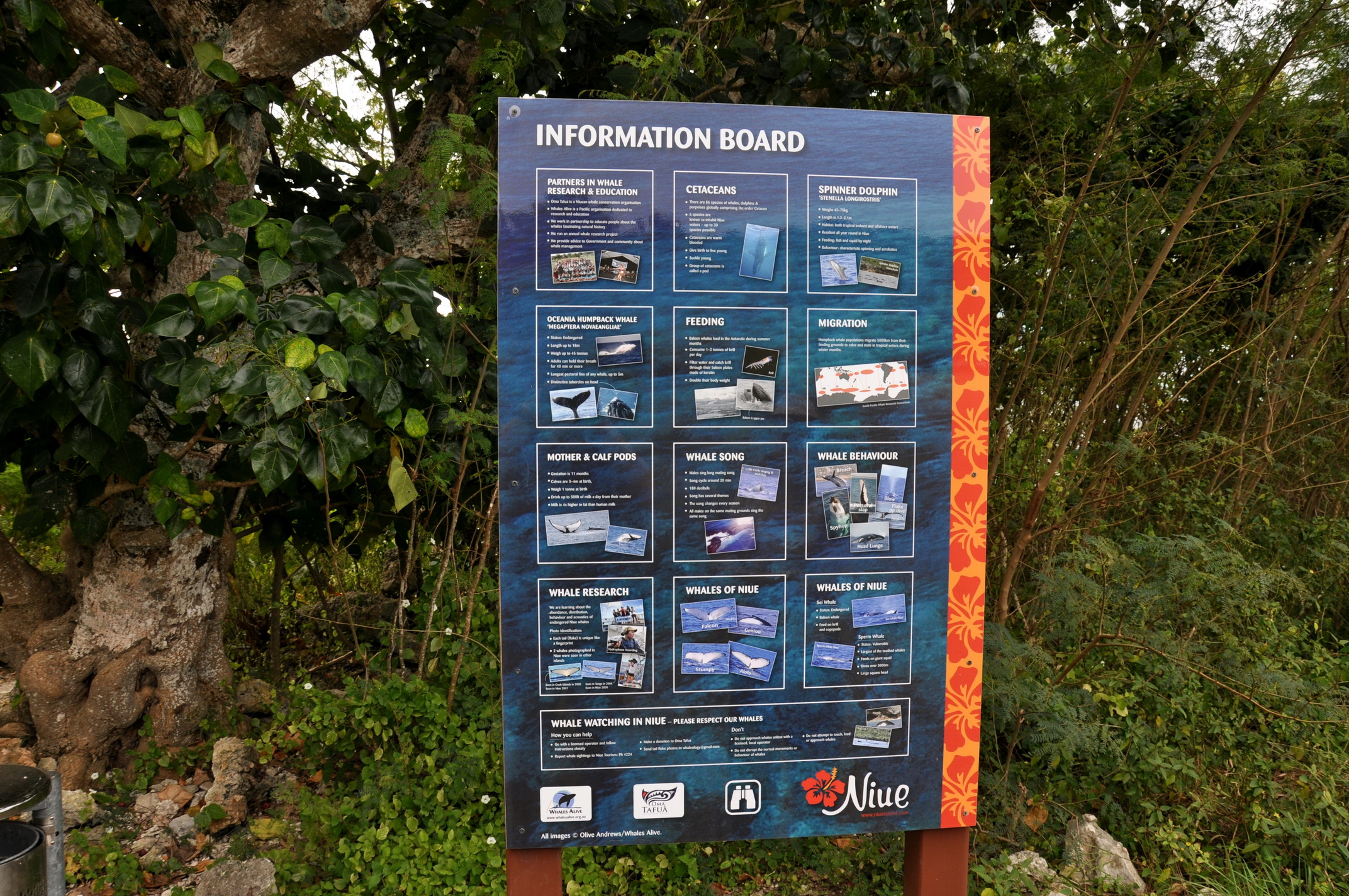
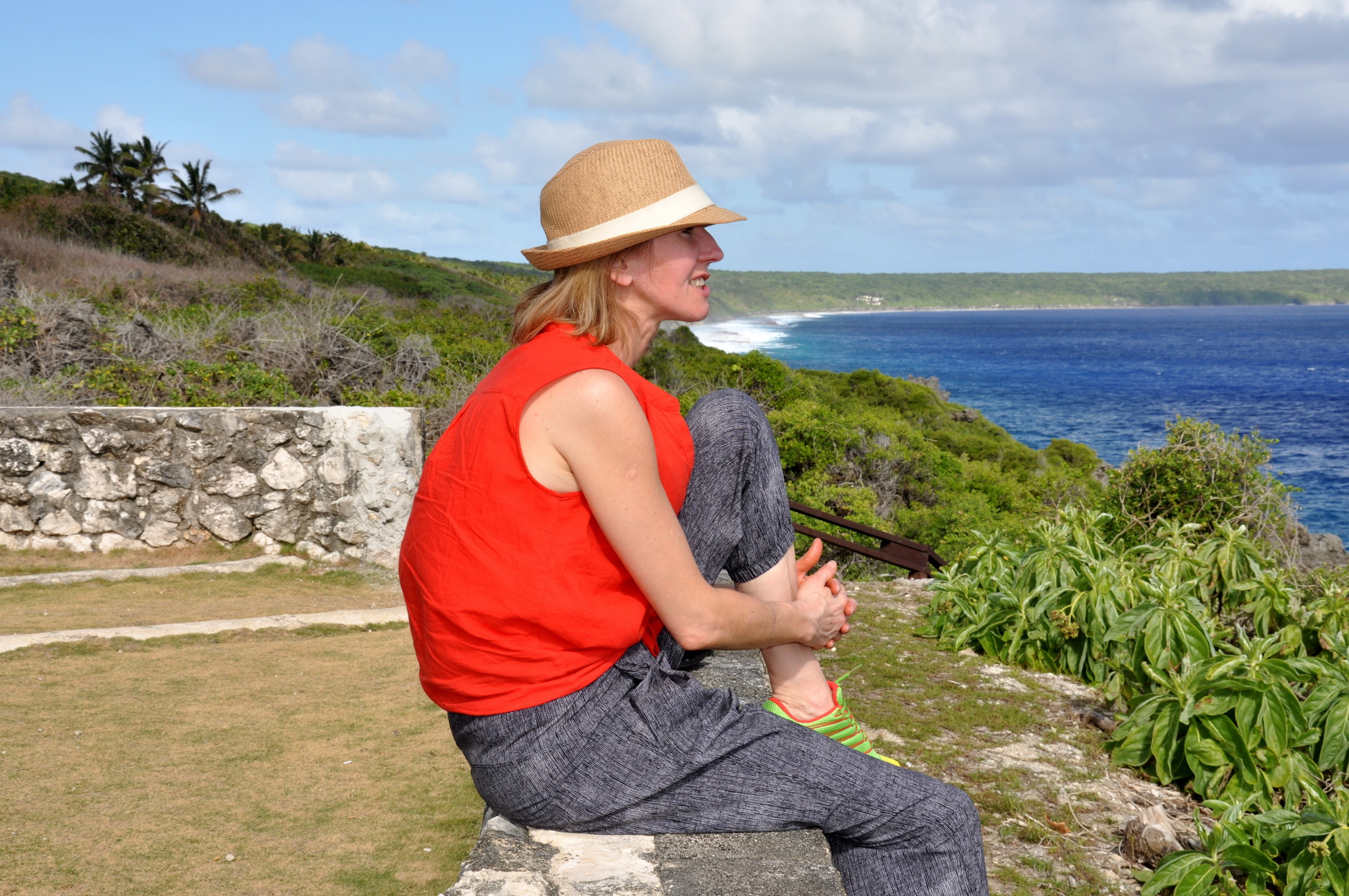
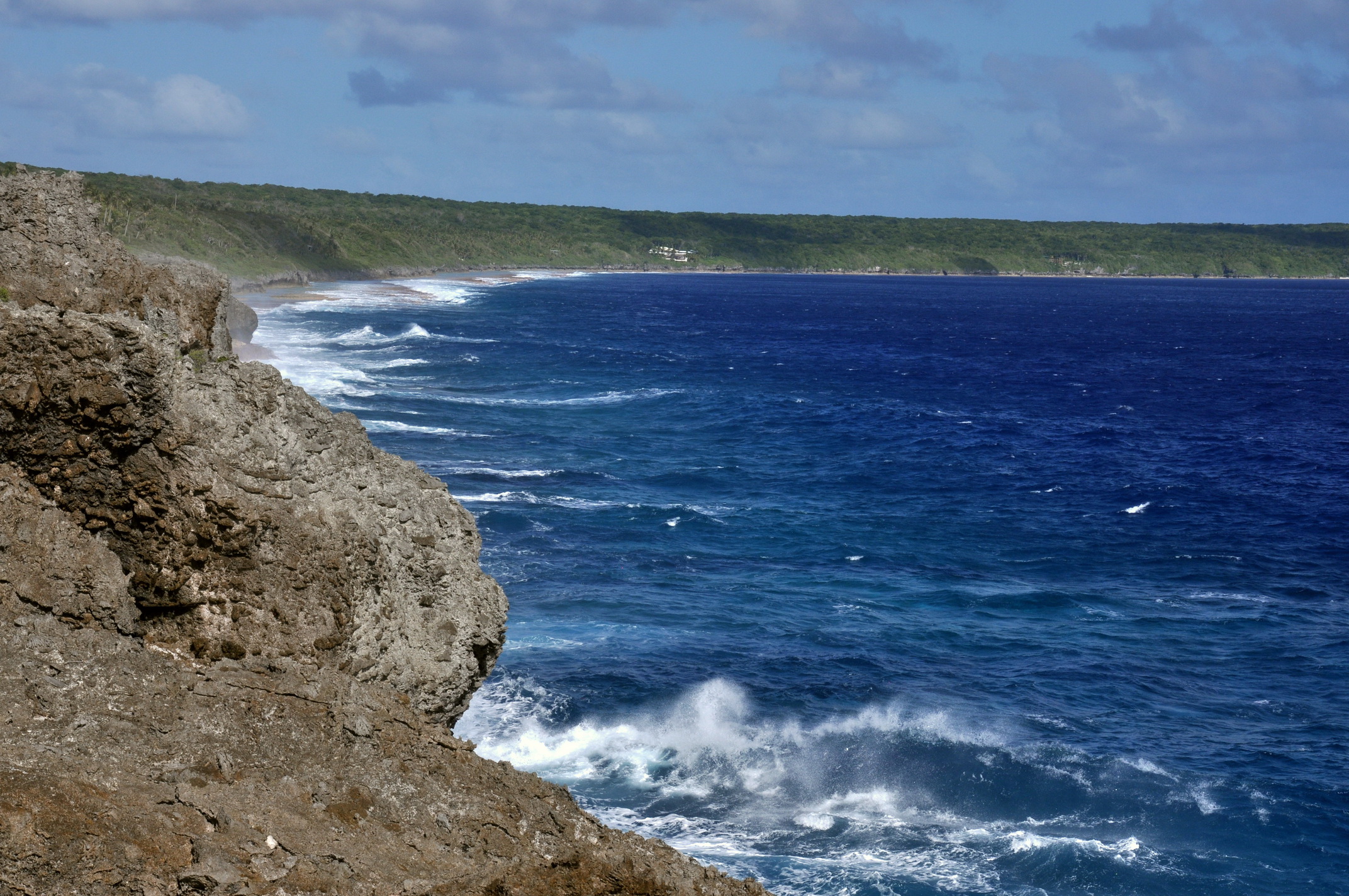
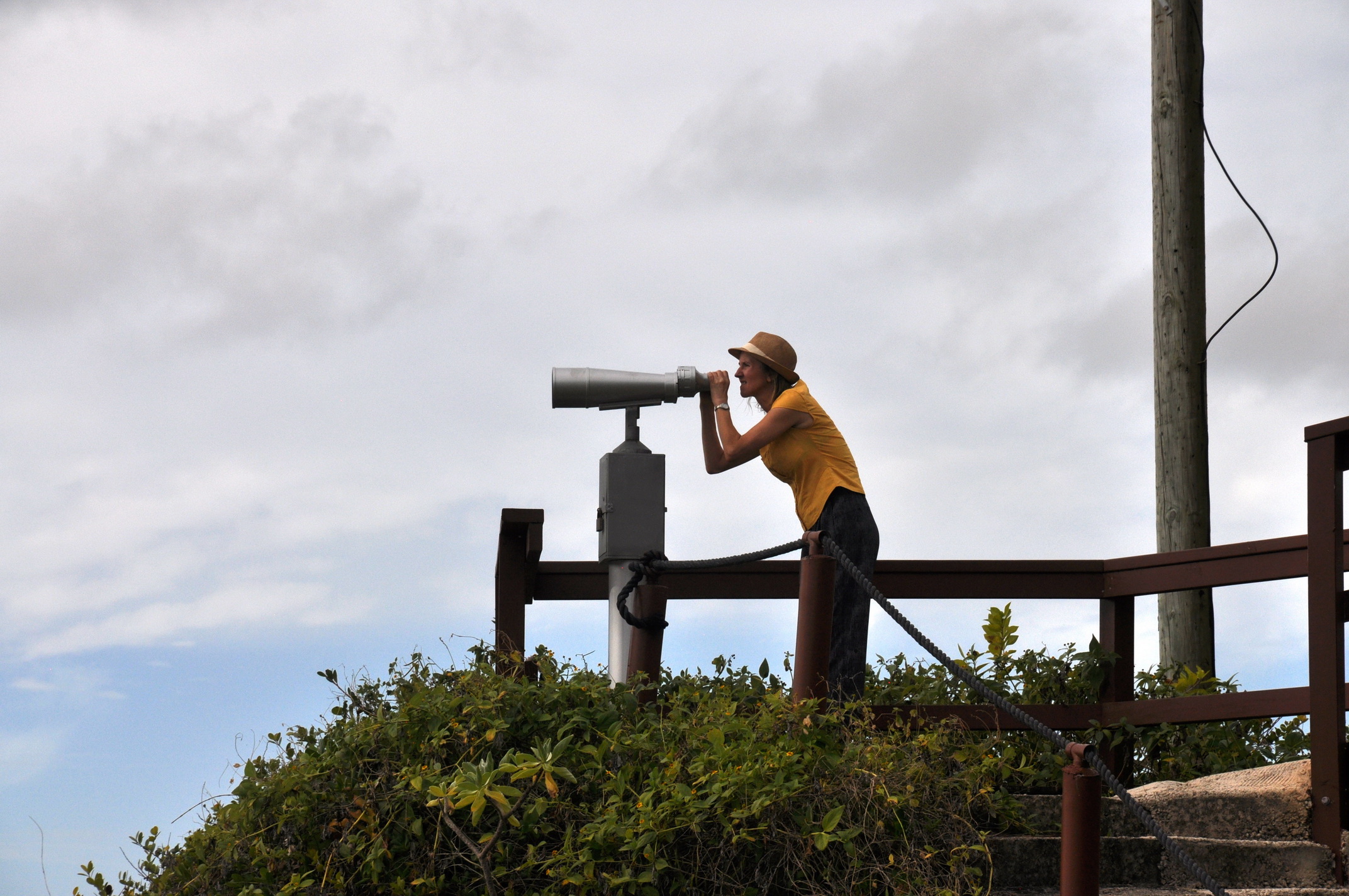
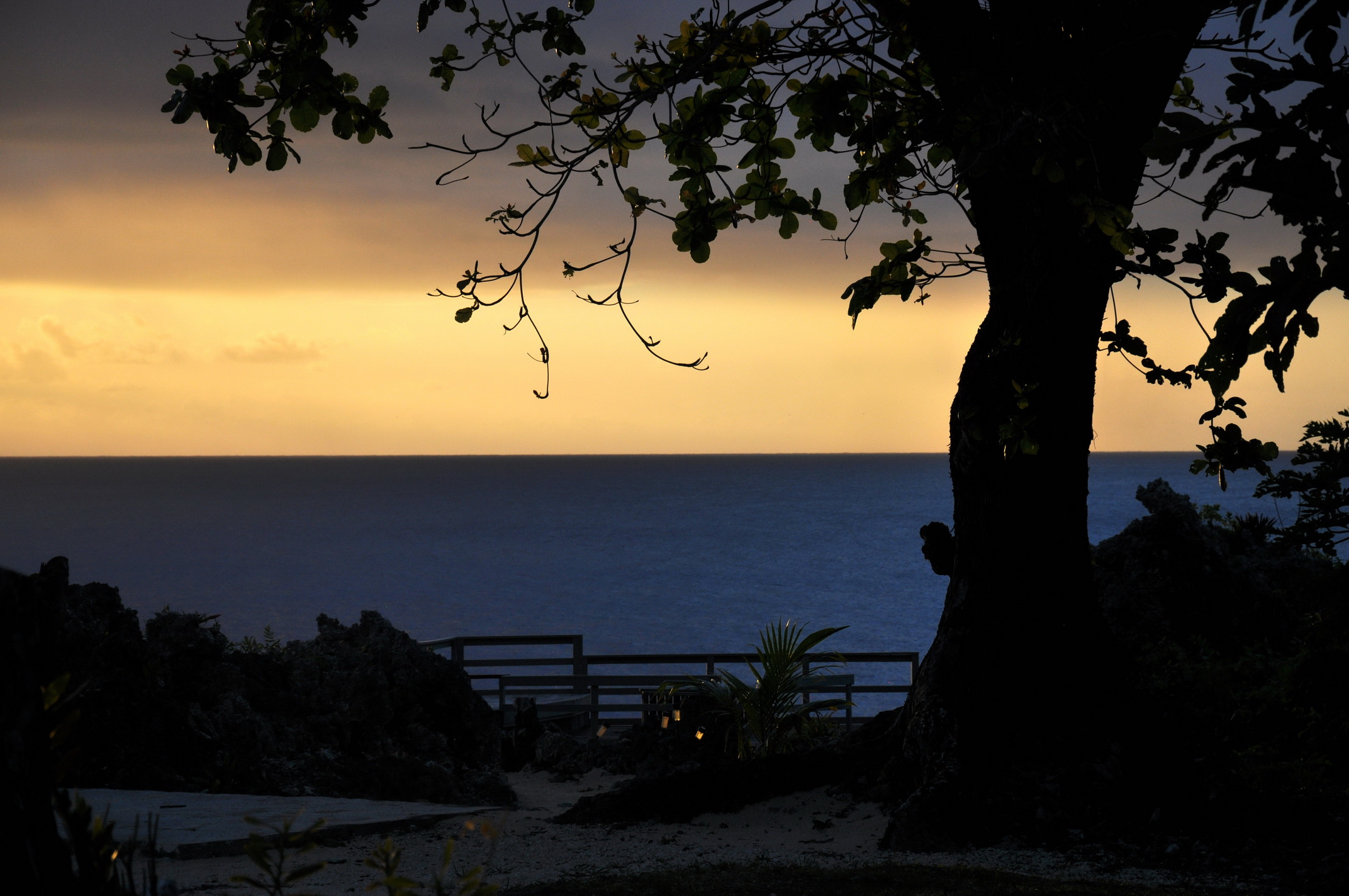
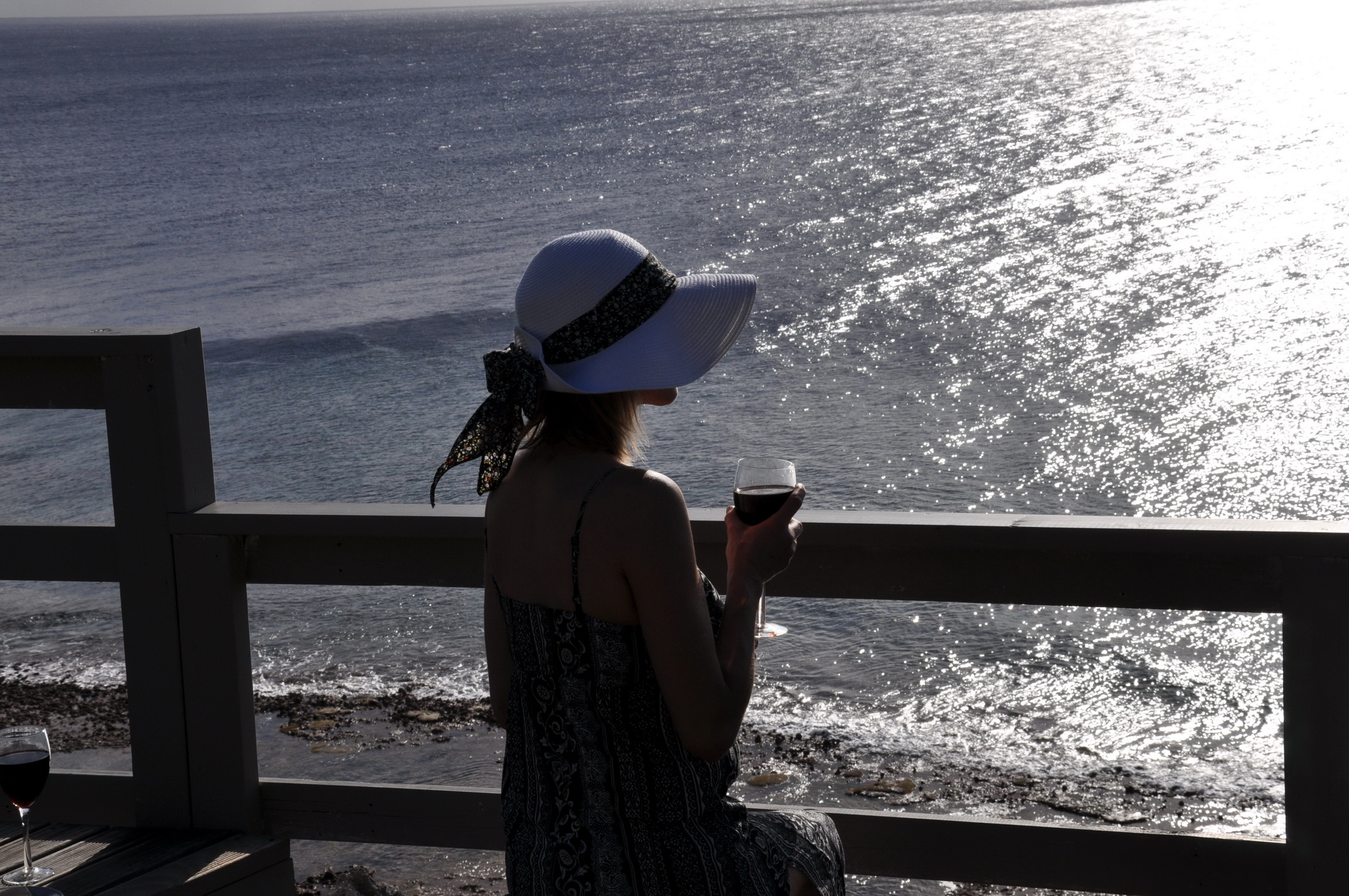
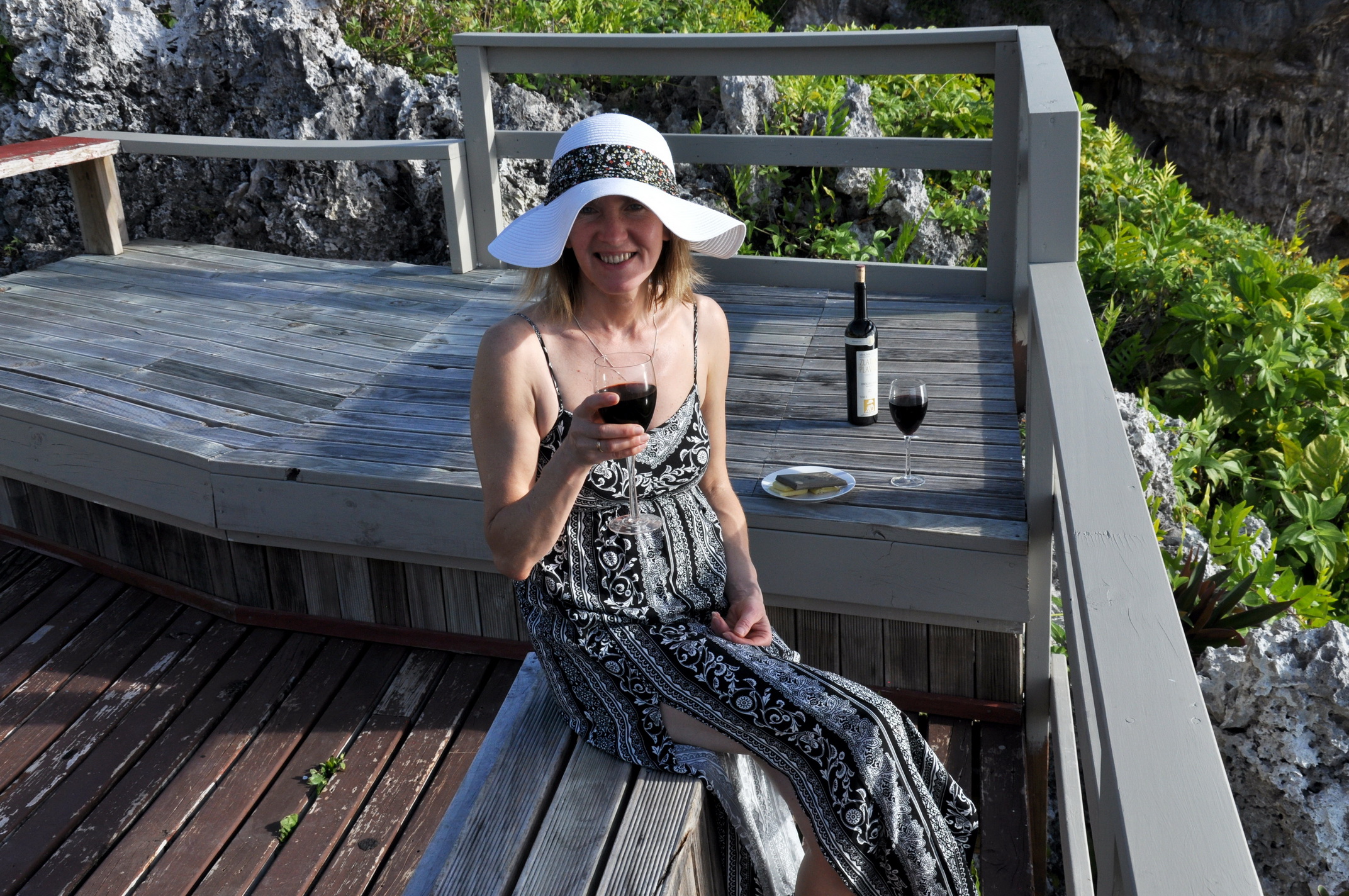
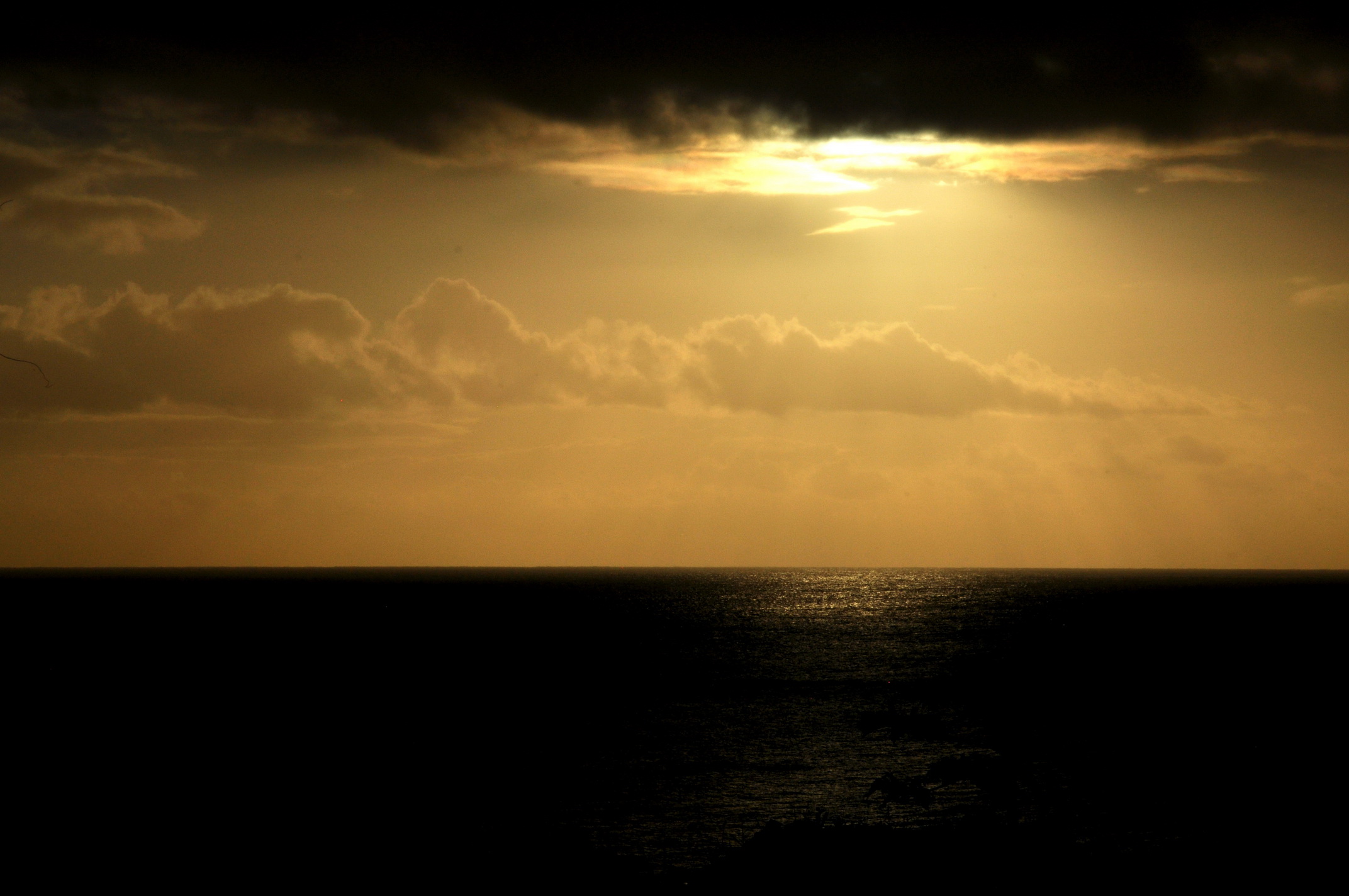
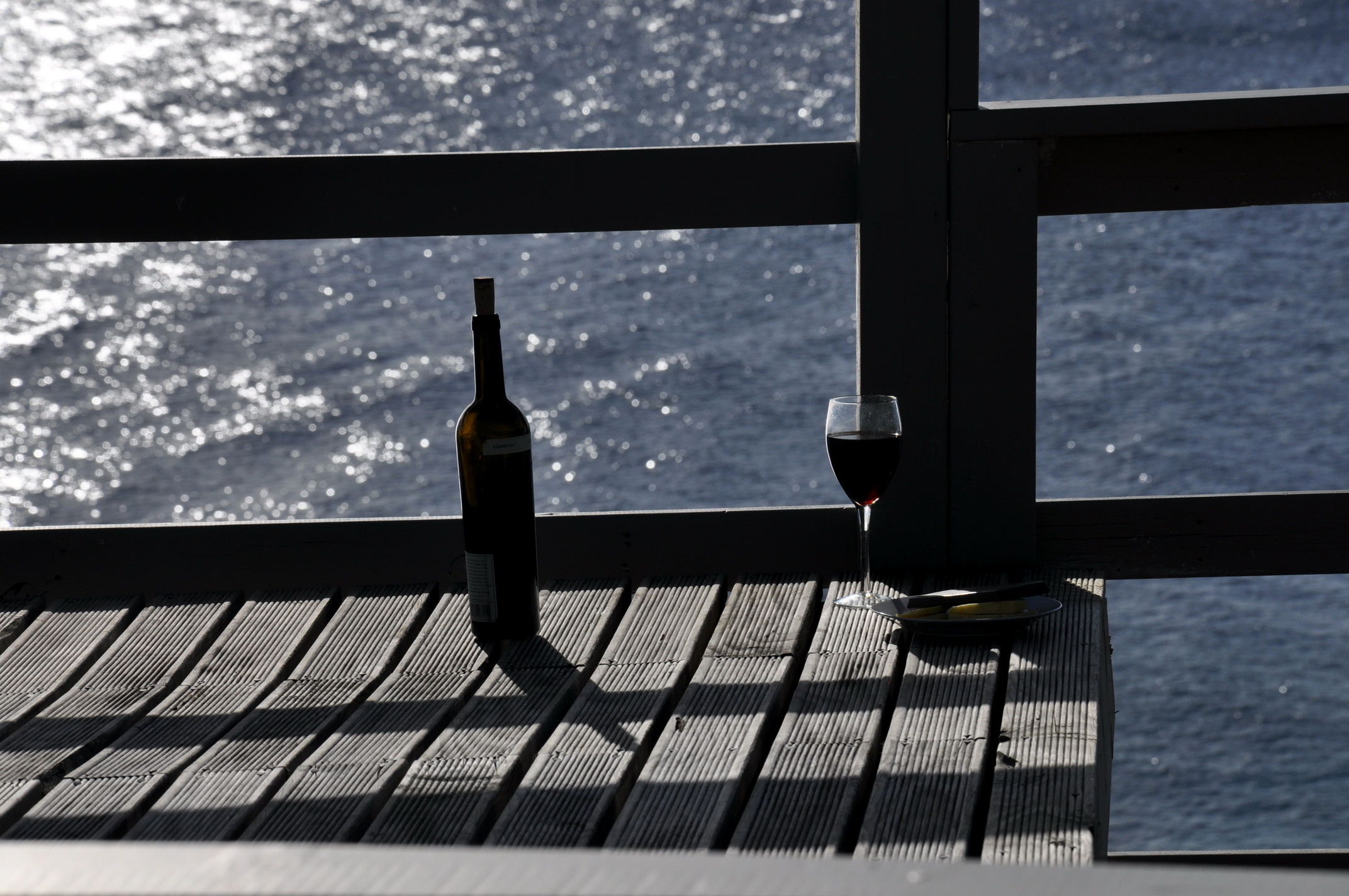
At sunset we returned to the hotel. There was an excellent viewing platform there for watching it. We sat there till the first stars came out. It was just as well we'd brought some drinks. With the country's one shop closed for the weekend, we'd have died of alcohol deficiency otherwise.
Hio Beach and the northern coast
On the third morning we drove to Hio Beach (18°59.131′S, 169°54.070′W). This is Niue's largest sandy beach, with a strip of yellow sand stretching a full eighty metres. There is a steep wooden stairway down. To our surprise, we were alone again. Where did everyone go? There had been eighty people on the plane. Some had even come for two weeks, but as we drove around the island we kept seeing the same few couples.
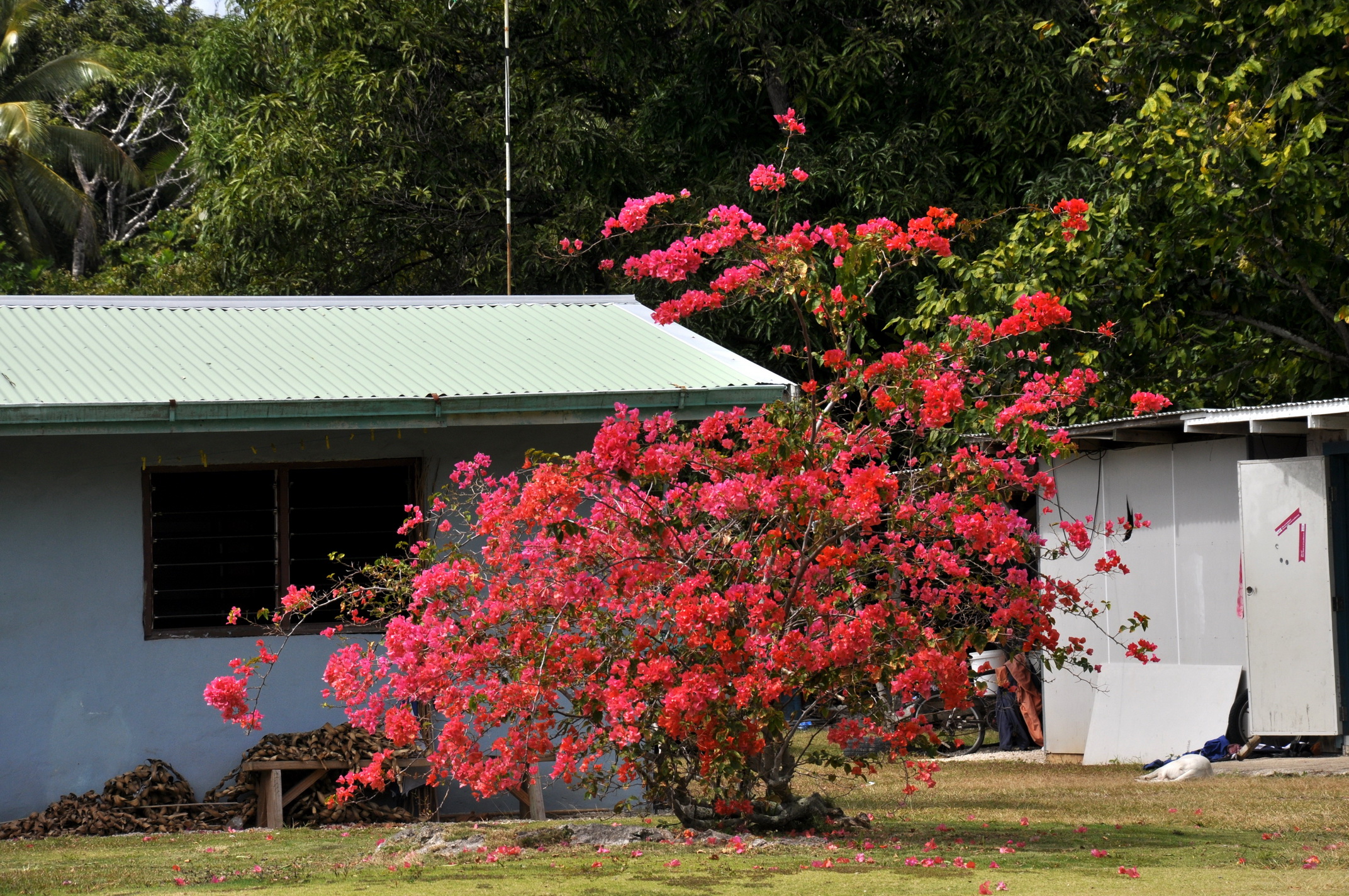
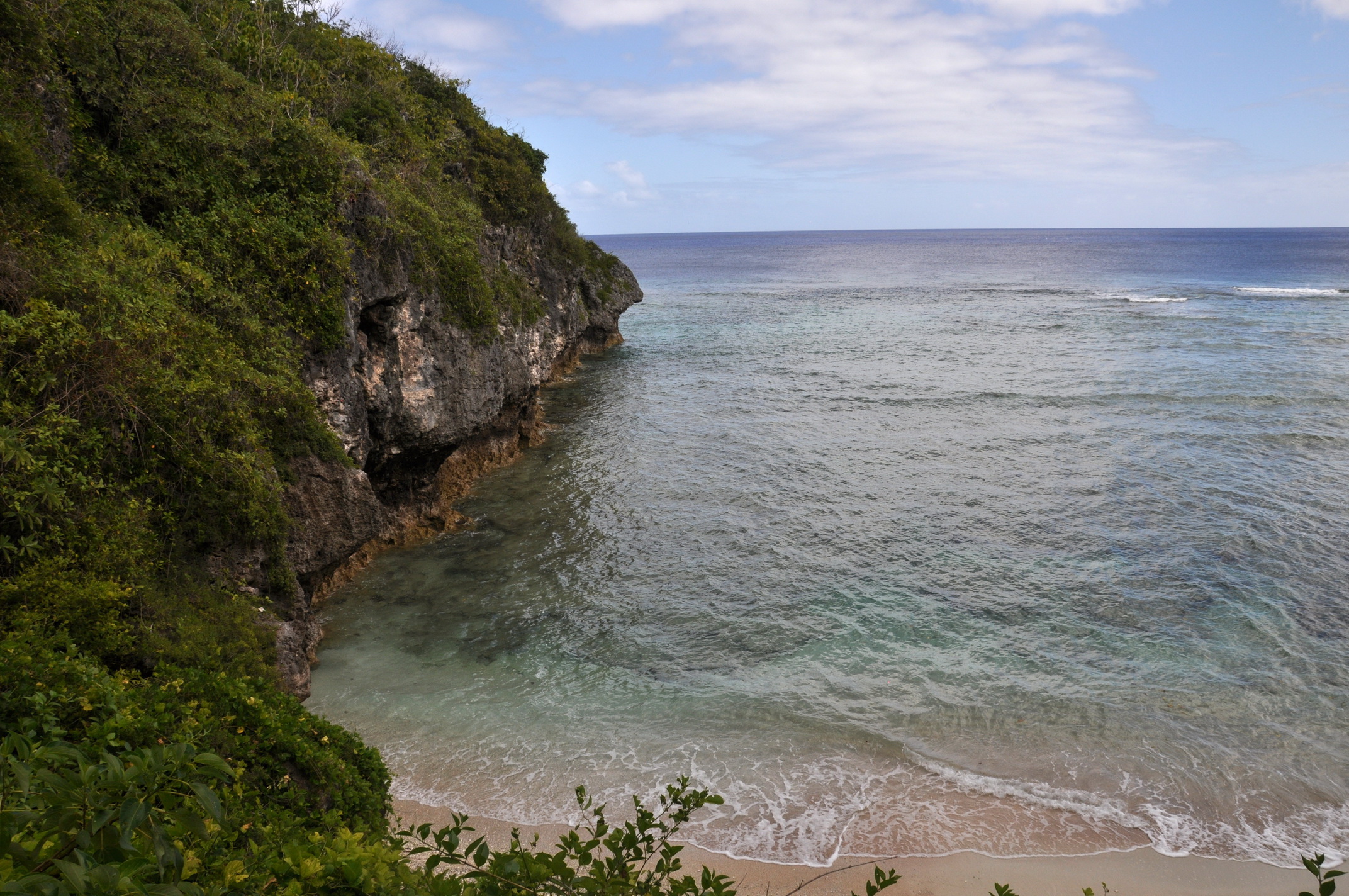
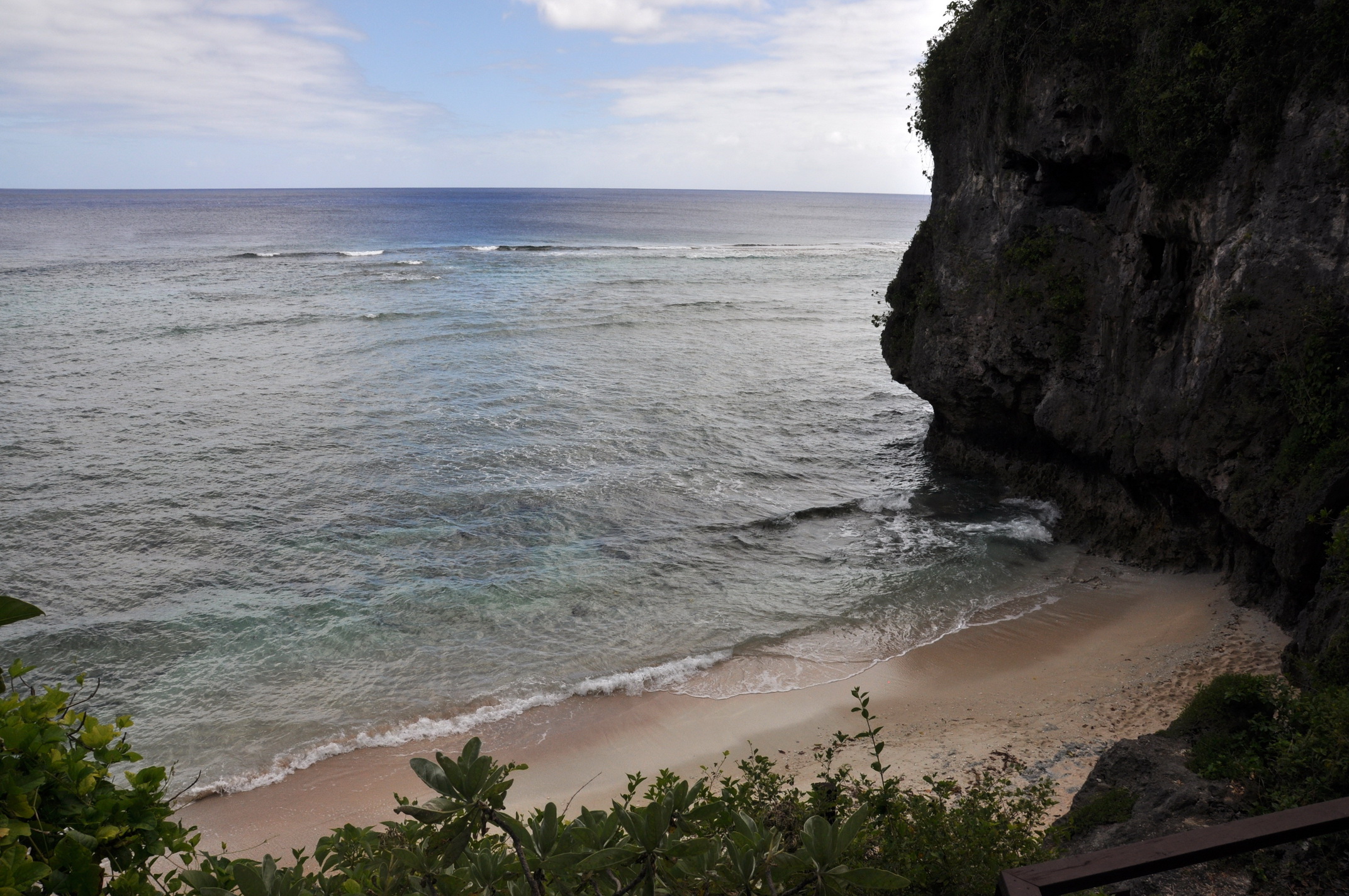
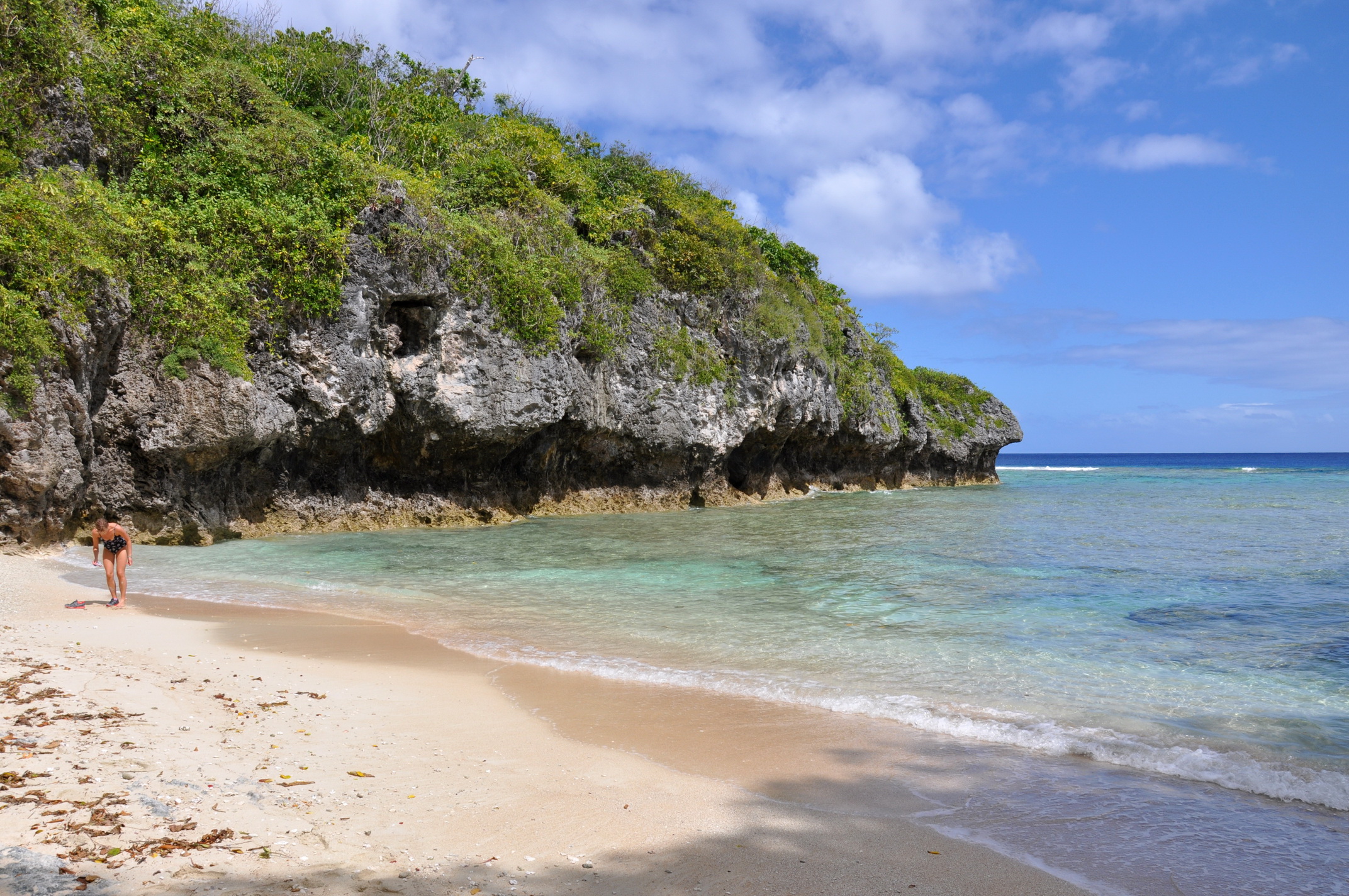
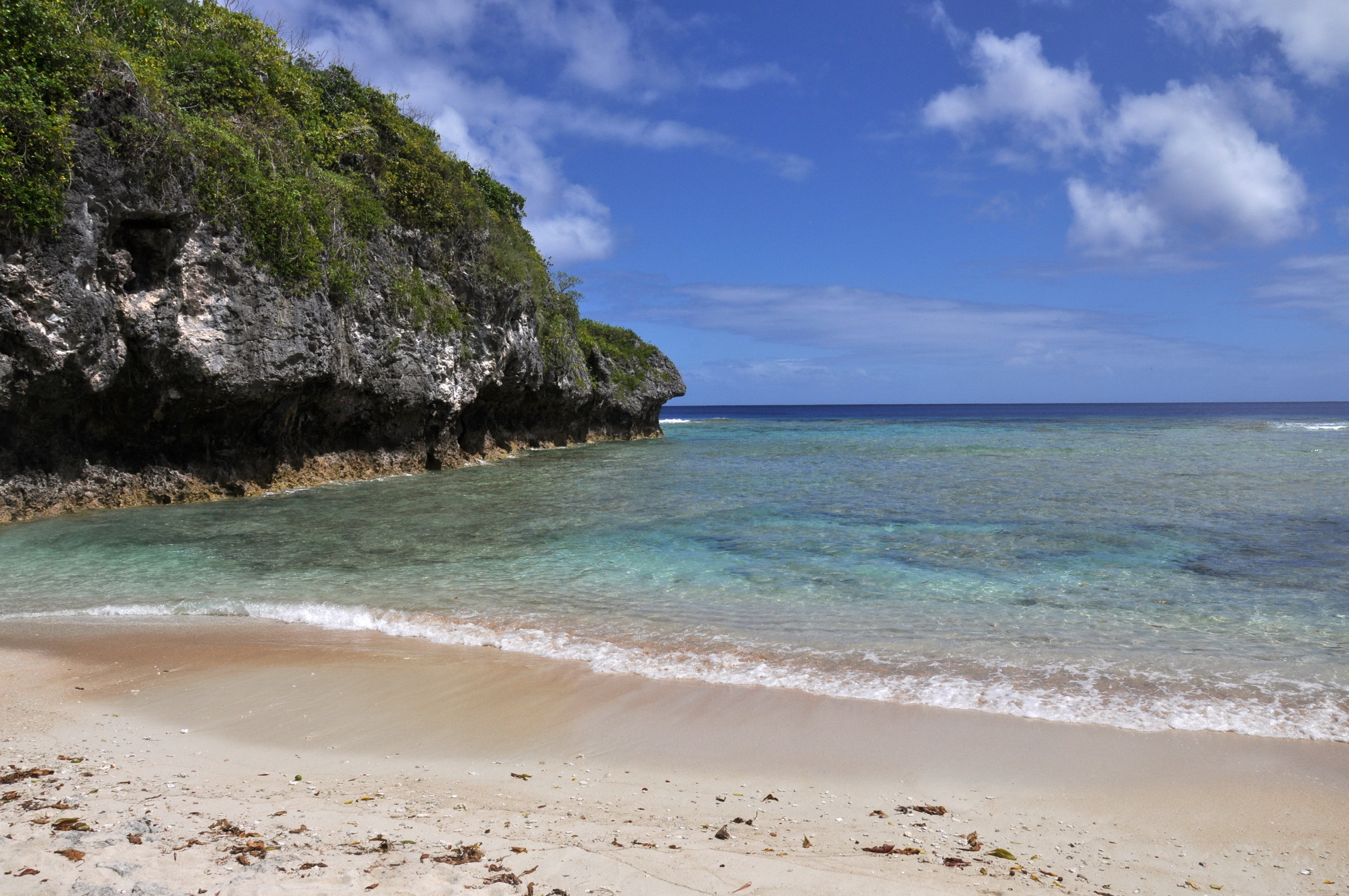
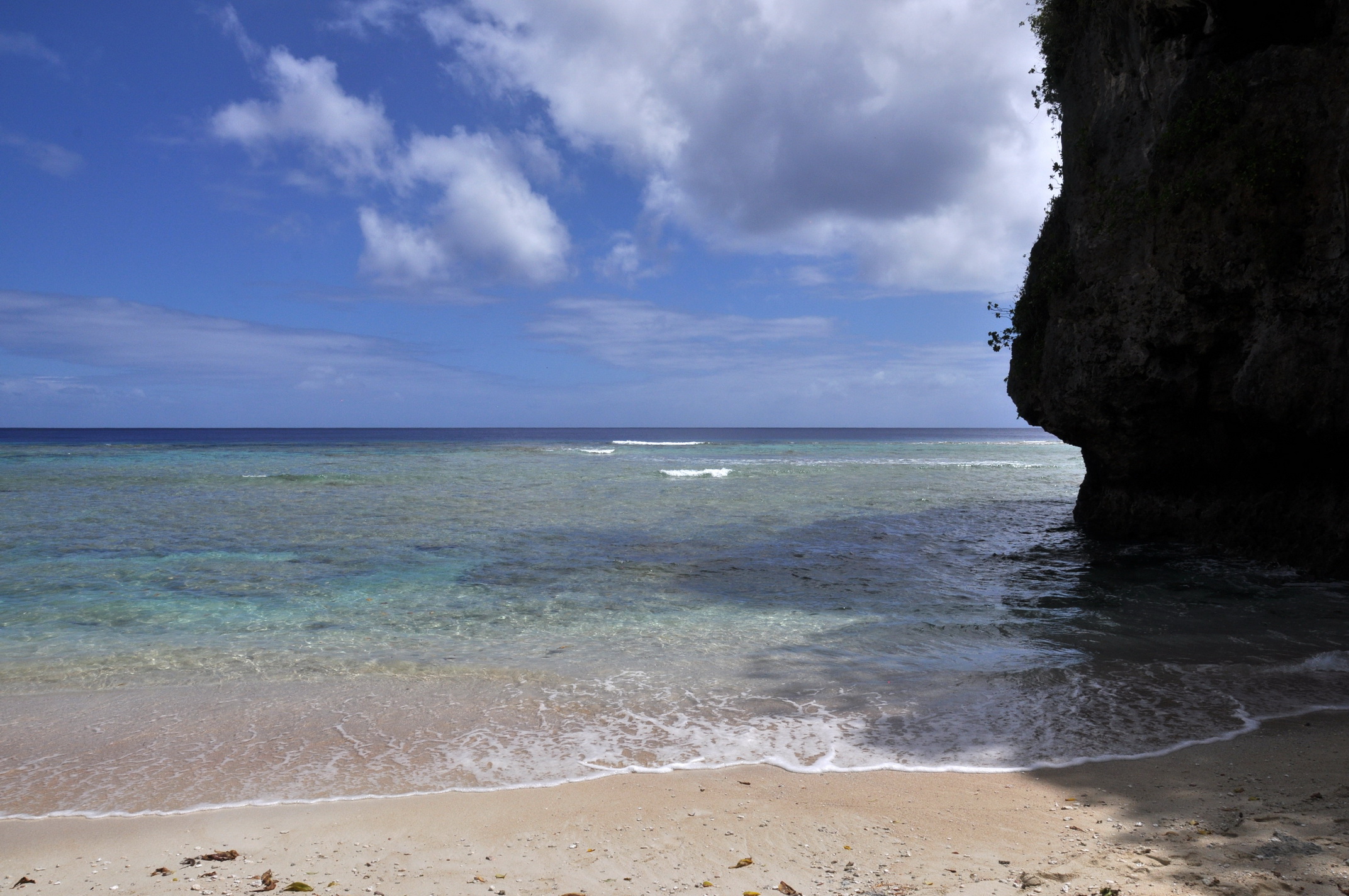
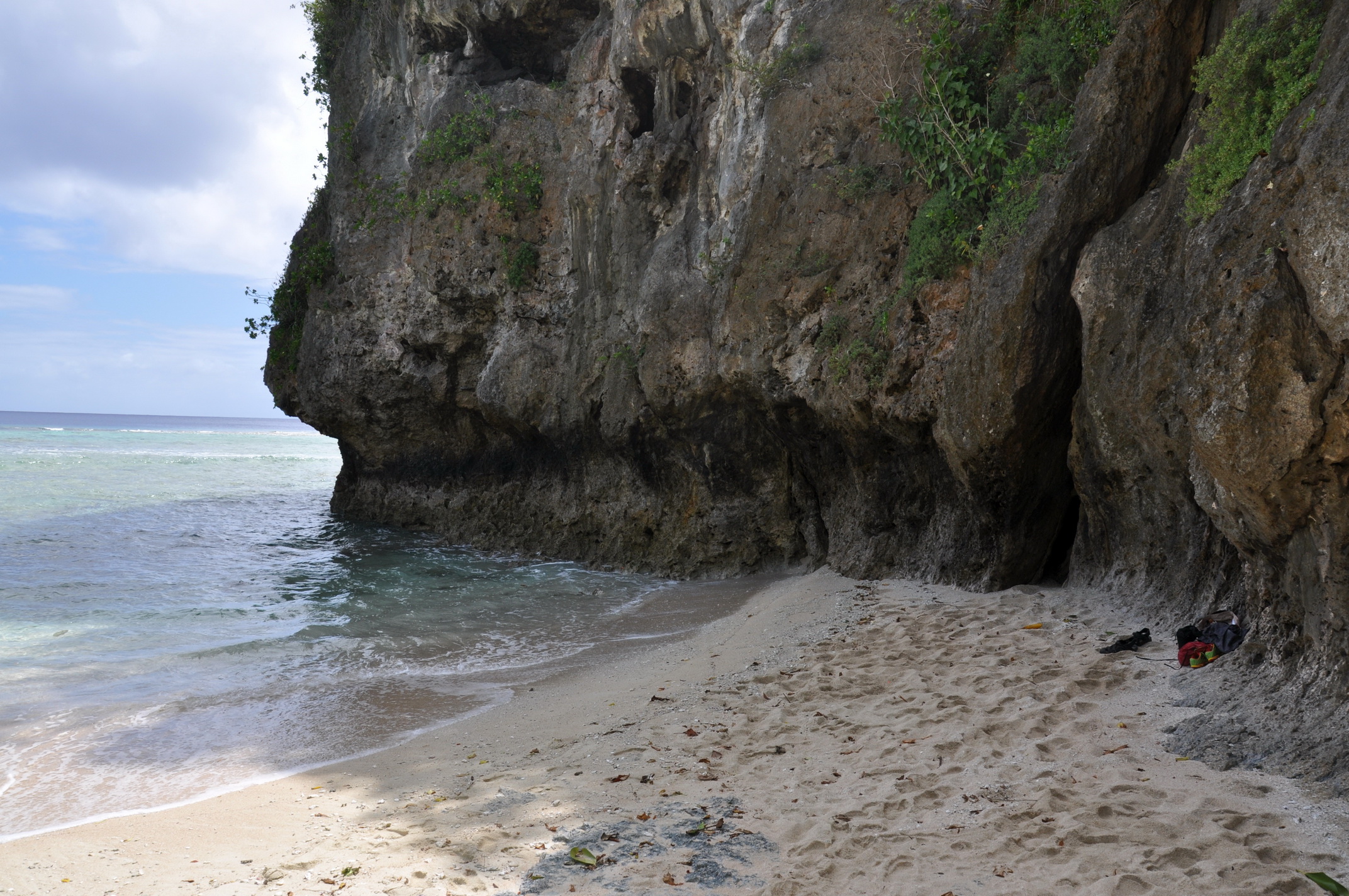
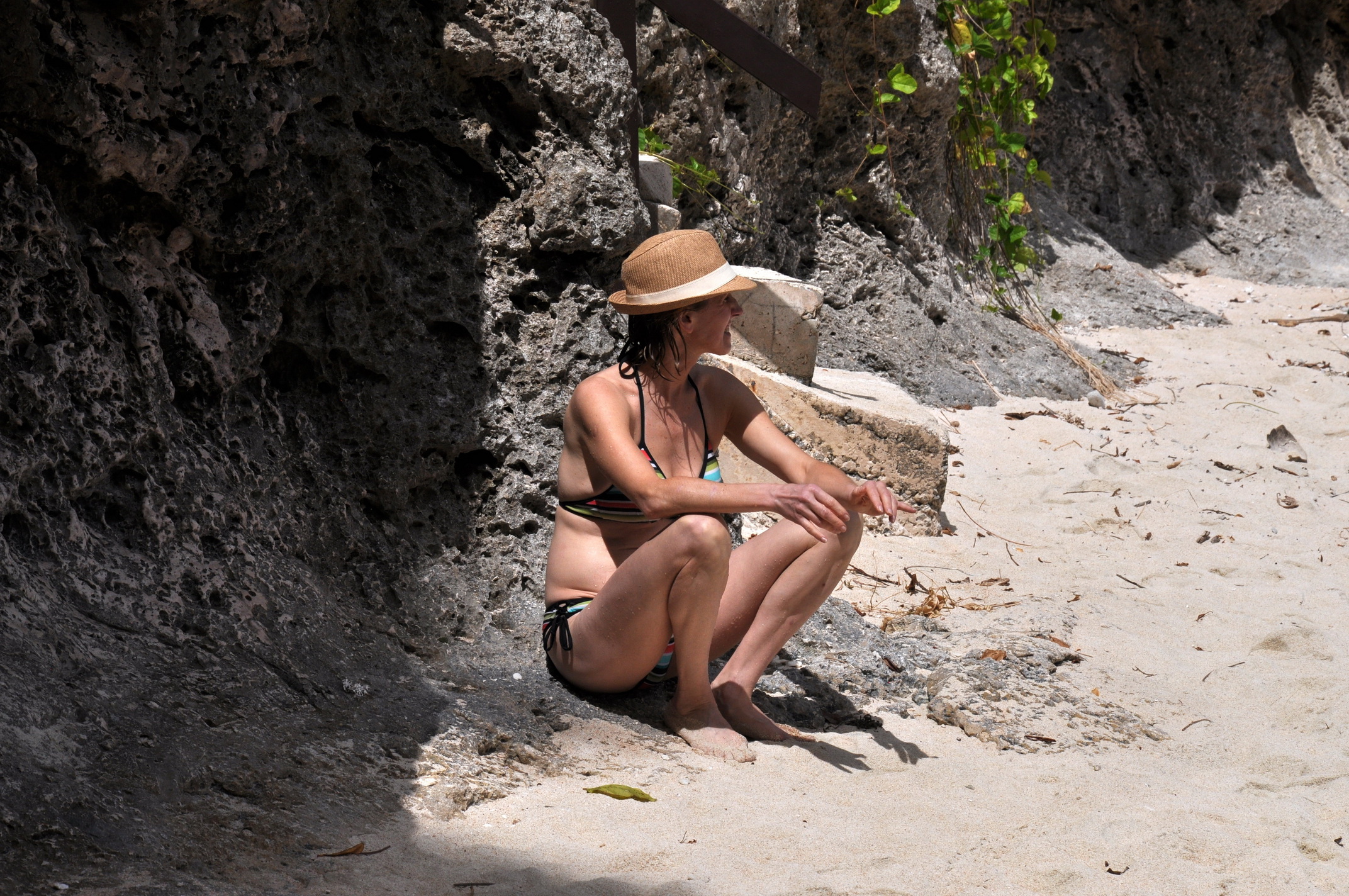
It was Sunday and people were going to church. It is customary in Polynesia. In Tonga, working on Sunday is even punishable by law. Niue was less strict. People went to church and many shops were closed, but you could still get something to eat. The Sunday rule was that swimming was permitted at Avatele and Hio but not in undesignated places. In practice people minded little what you did if it was out of sight. You weren't meant to go round the villages in a swimsuit, and nudism was frowned on any day. That was about it.
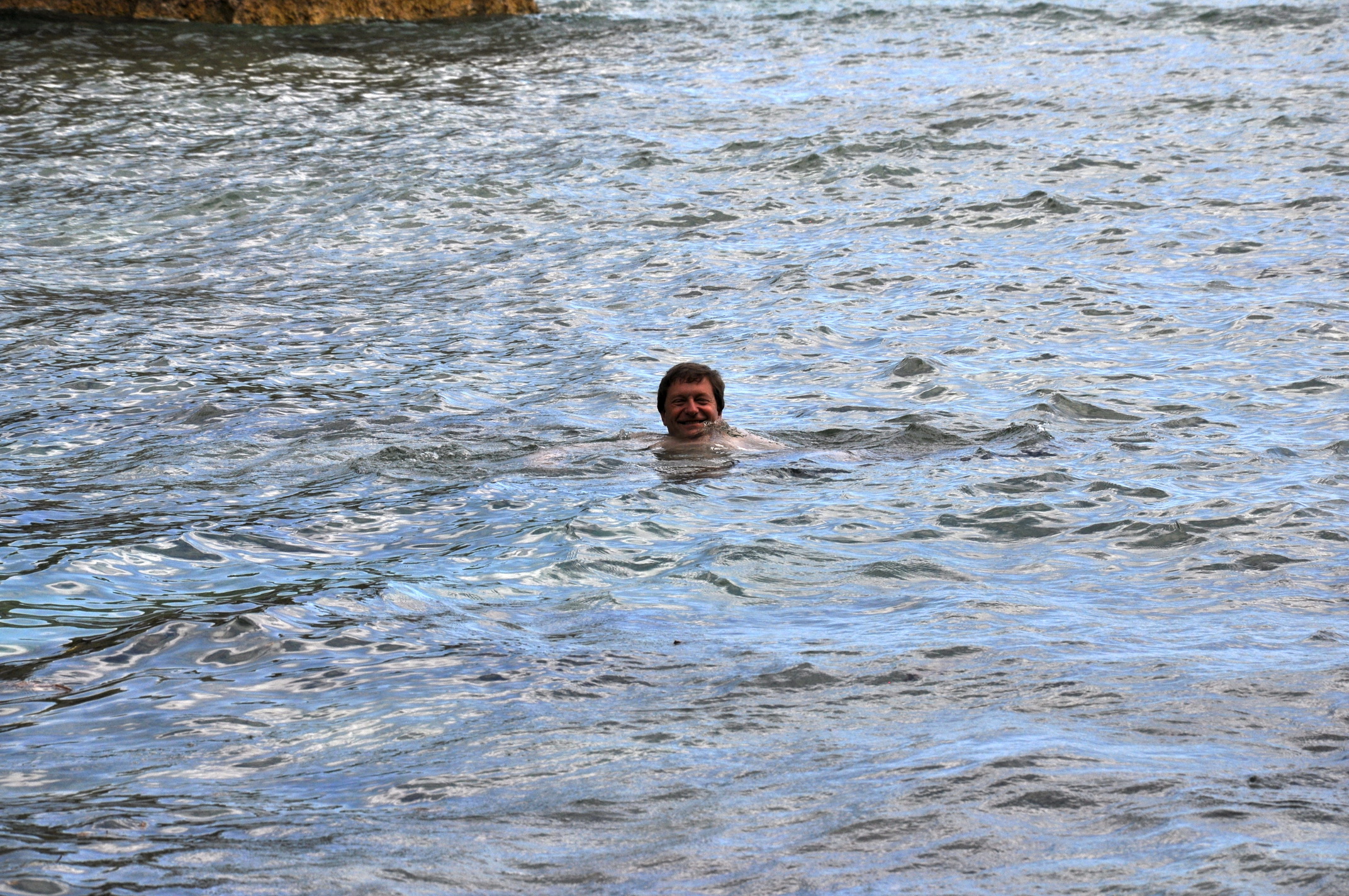
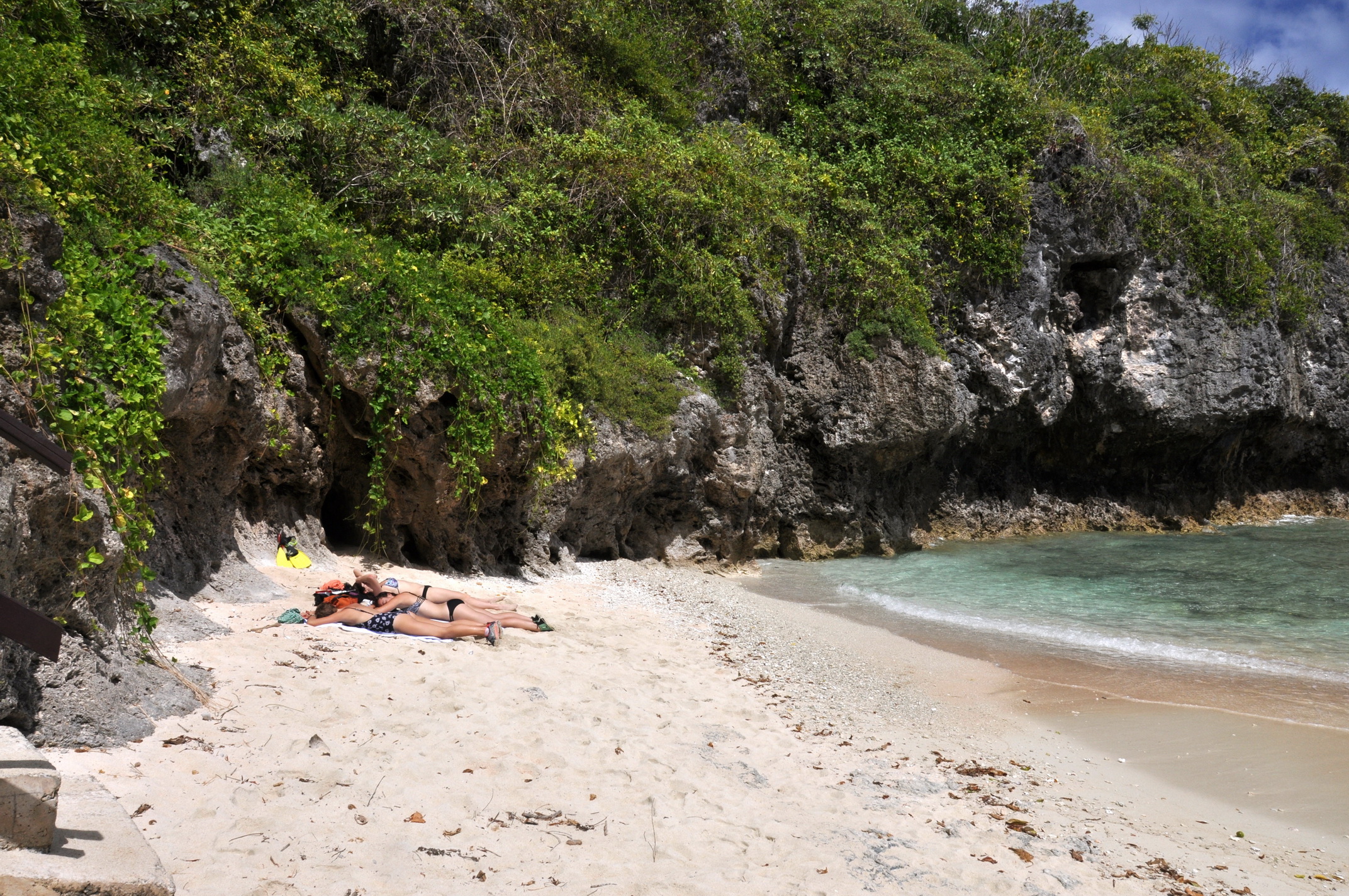
We stayed at the beach until high tide passed. High water was excellent for swimming. The coral didn't scrape your belly and you could walk in waist deep without hurting your feet. The caves, in contrast, were accessible at low tide. The water in them was calm then, and you could walk over exposed coral. So the tides set our schedule. High tide meant the beach. Low tide meant exploring the reef. In between, food.
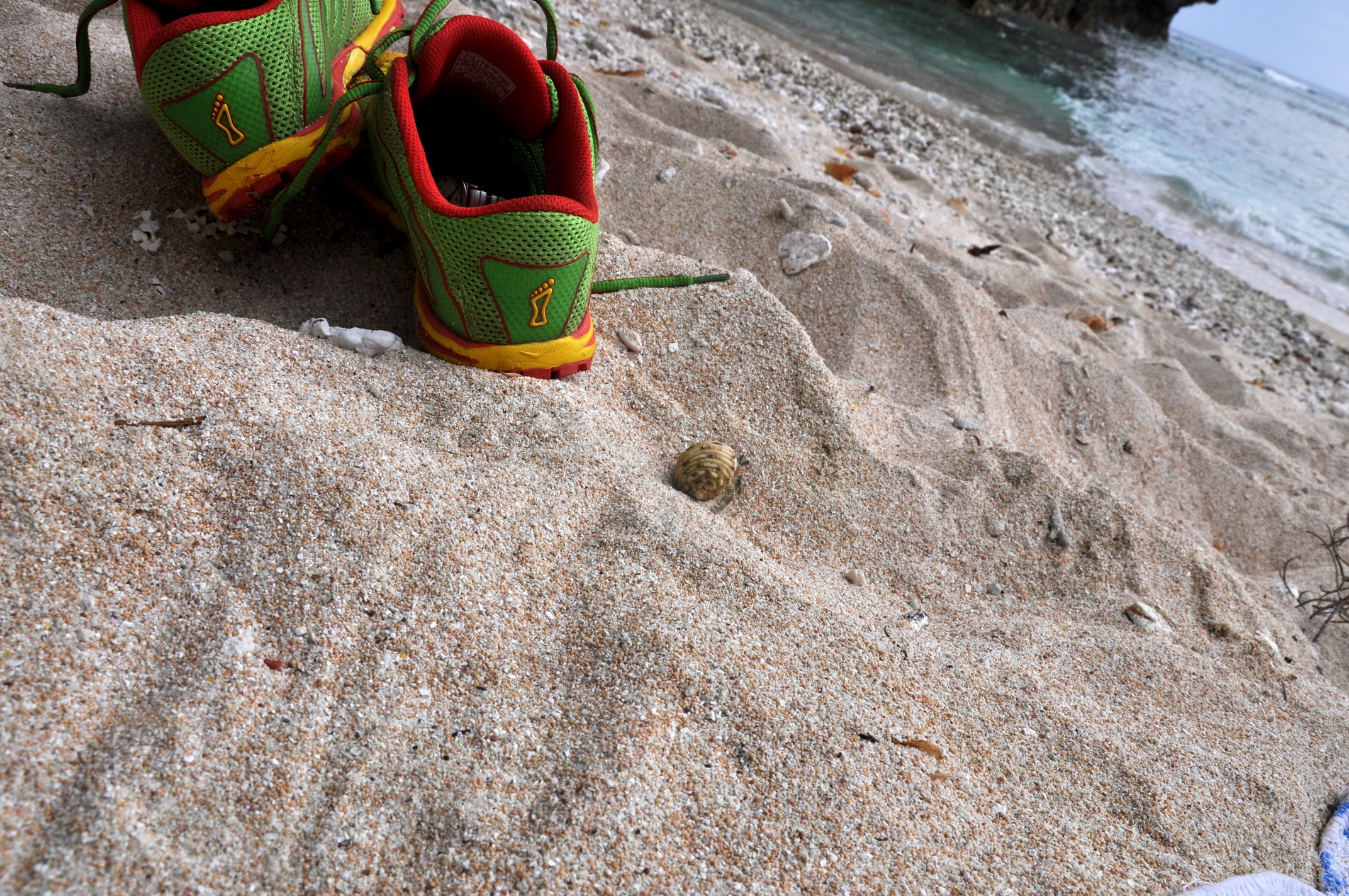
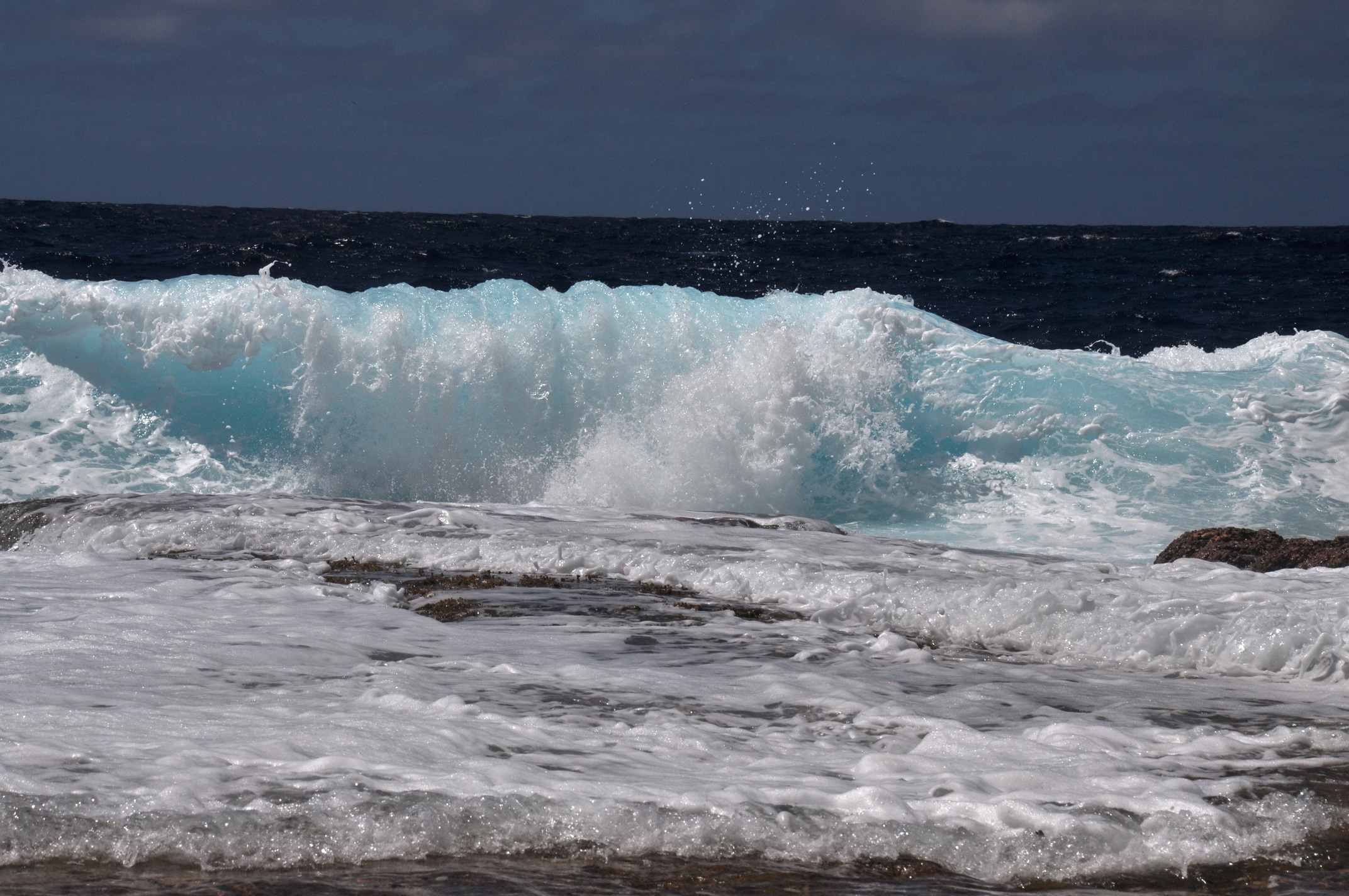
For walking and swimming in Niue, we found we needed sturdy shoes. Even my trainers were cut through by the end. The coral was sharp enough to cause a serious injury. The surf was a particular danger. A wave could drag you over the coral and leave you needing stitches, if you were lucky. I also saw a stronger current here than I'd encountered on other islands. Waves break across the reef, raising the water level in the pools, and the water drains back in a single channel. In some places the flow was so fast you couldn't swim against it. It could take you into the open sea, and trying to ride a wave back onto sharp coral would be desperate. Underwater, it's easy to mistake a fast current for your own effortless progress. By the time you notice how fast you're going, it's a hard swim back. We kept away from the surf line and stuck to sheltered pools.
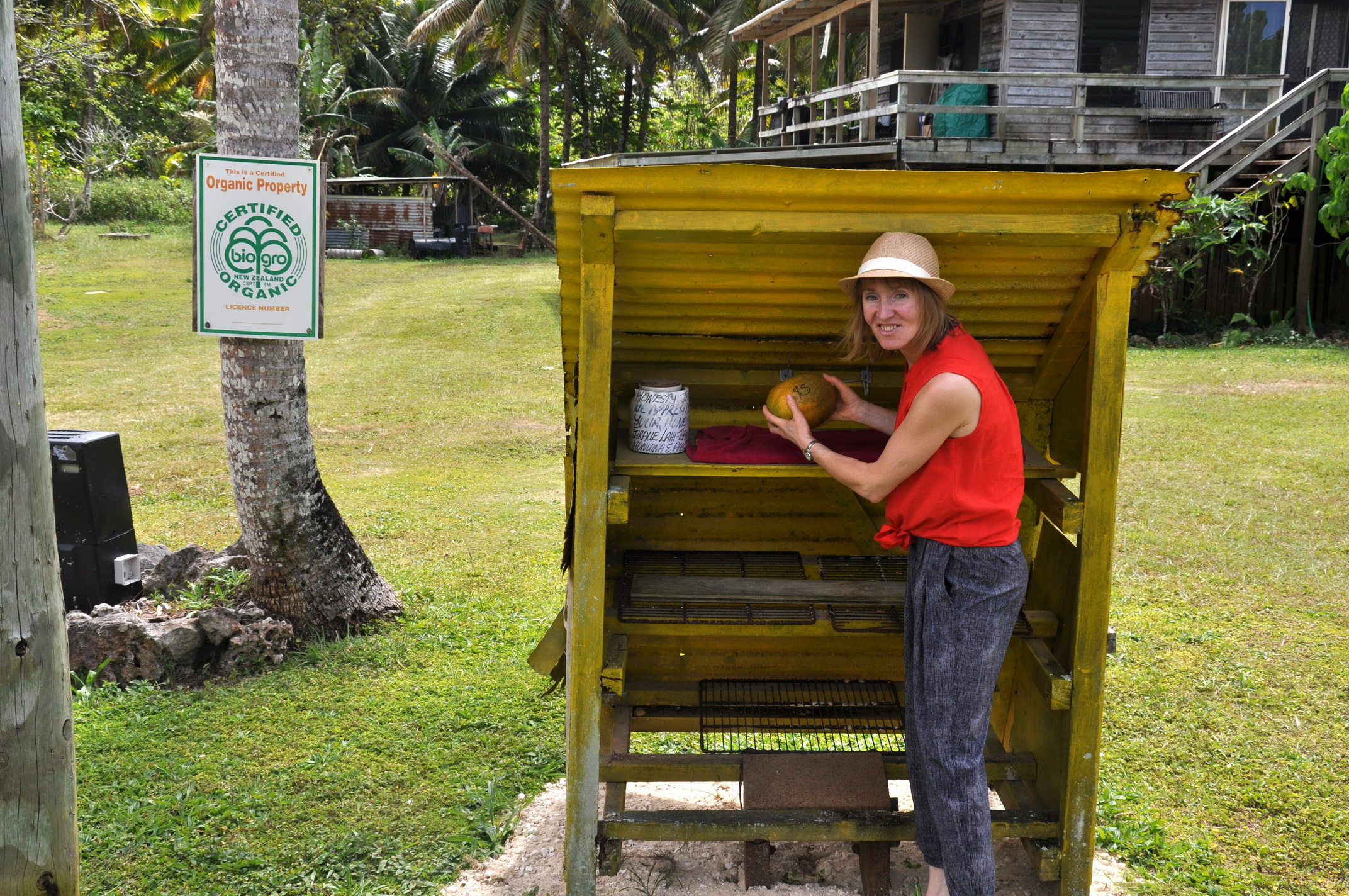
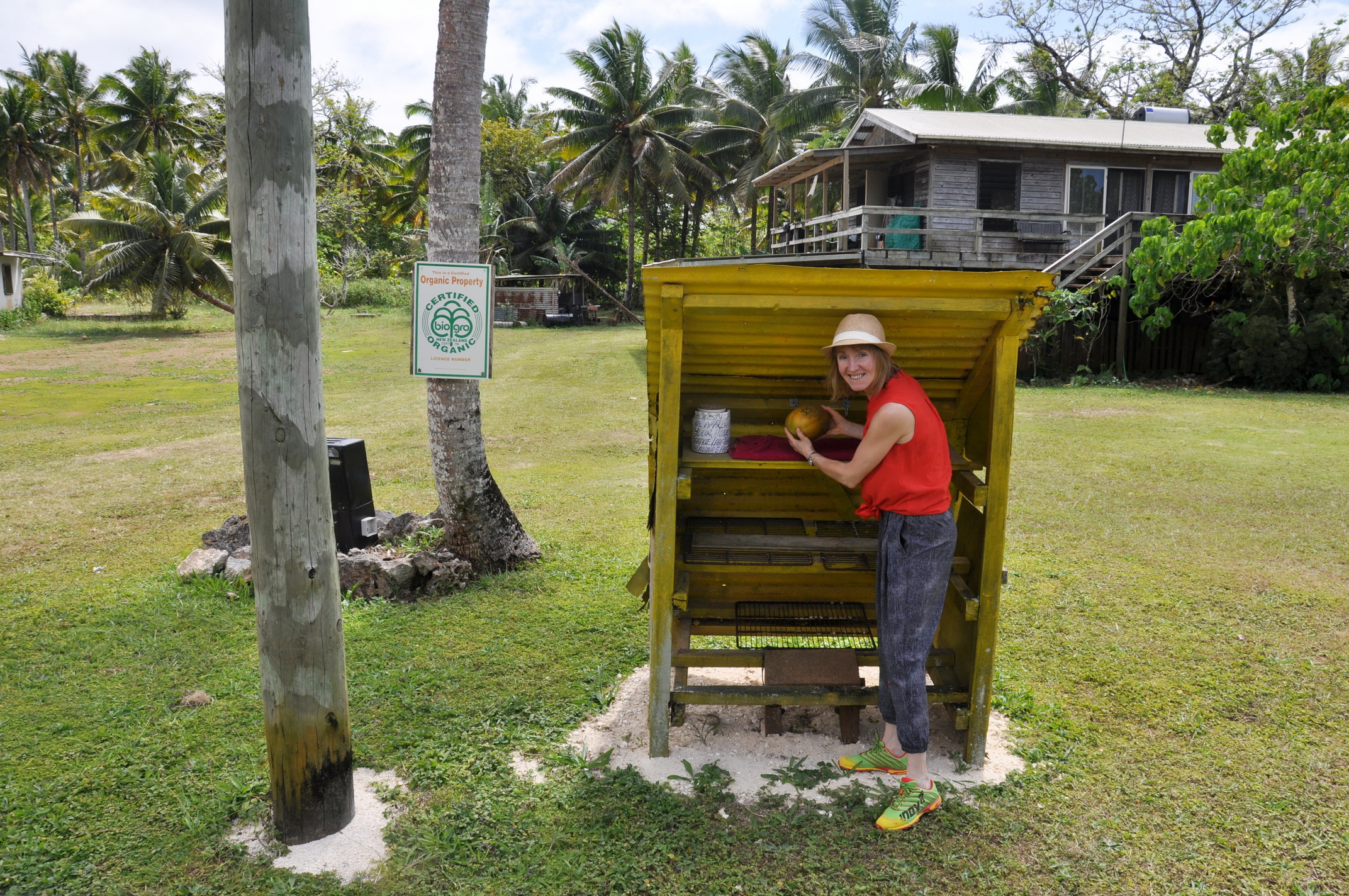
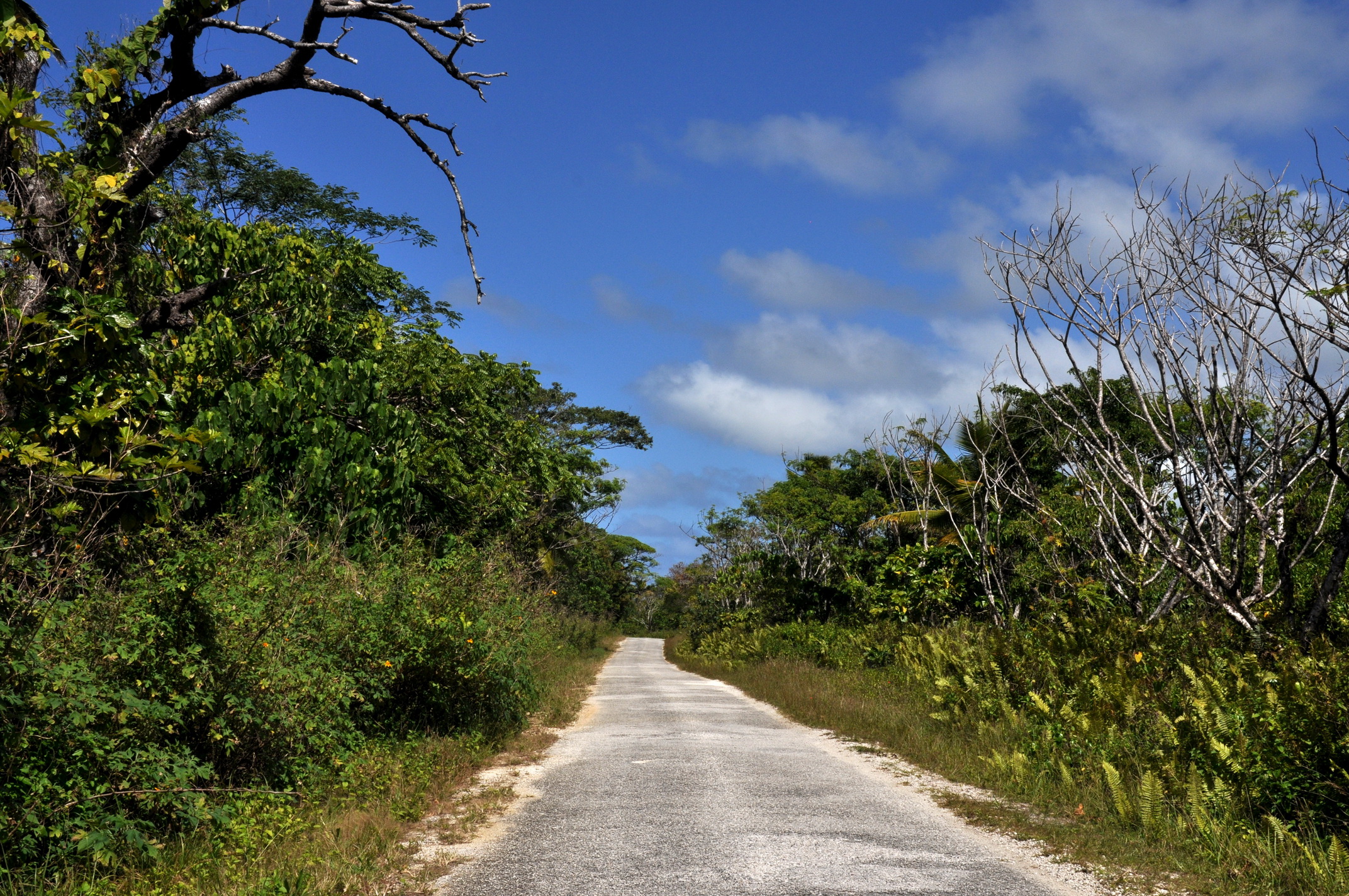
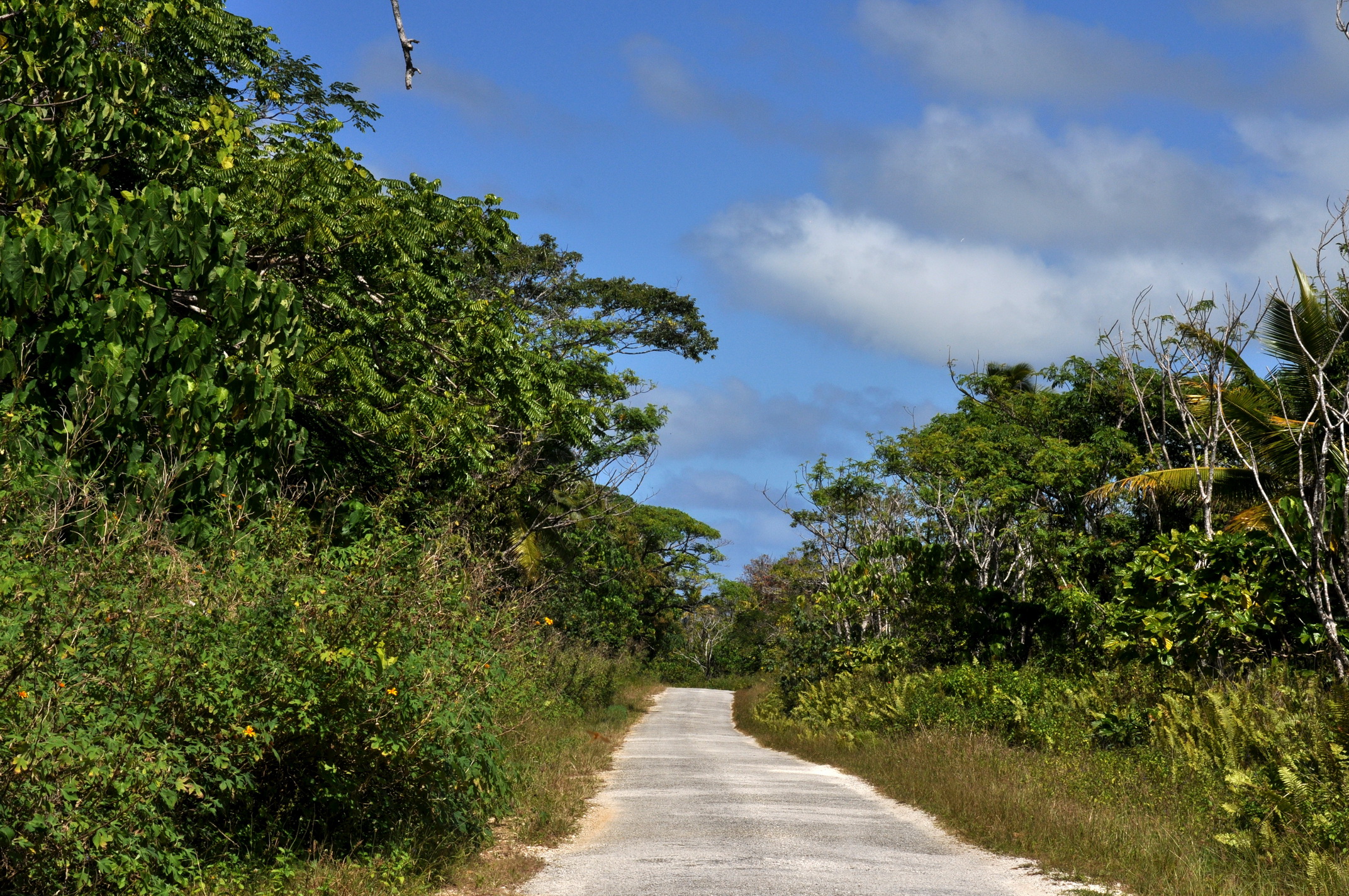
After a good swim we drove clockwise around the island along the coast road. In two little northern villages you could buy coconuts, bananas and pawpaw at open stalls with no attendant. You put money in a box and took what you wanted. They called them Coconut Stops.
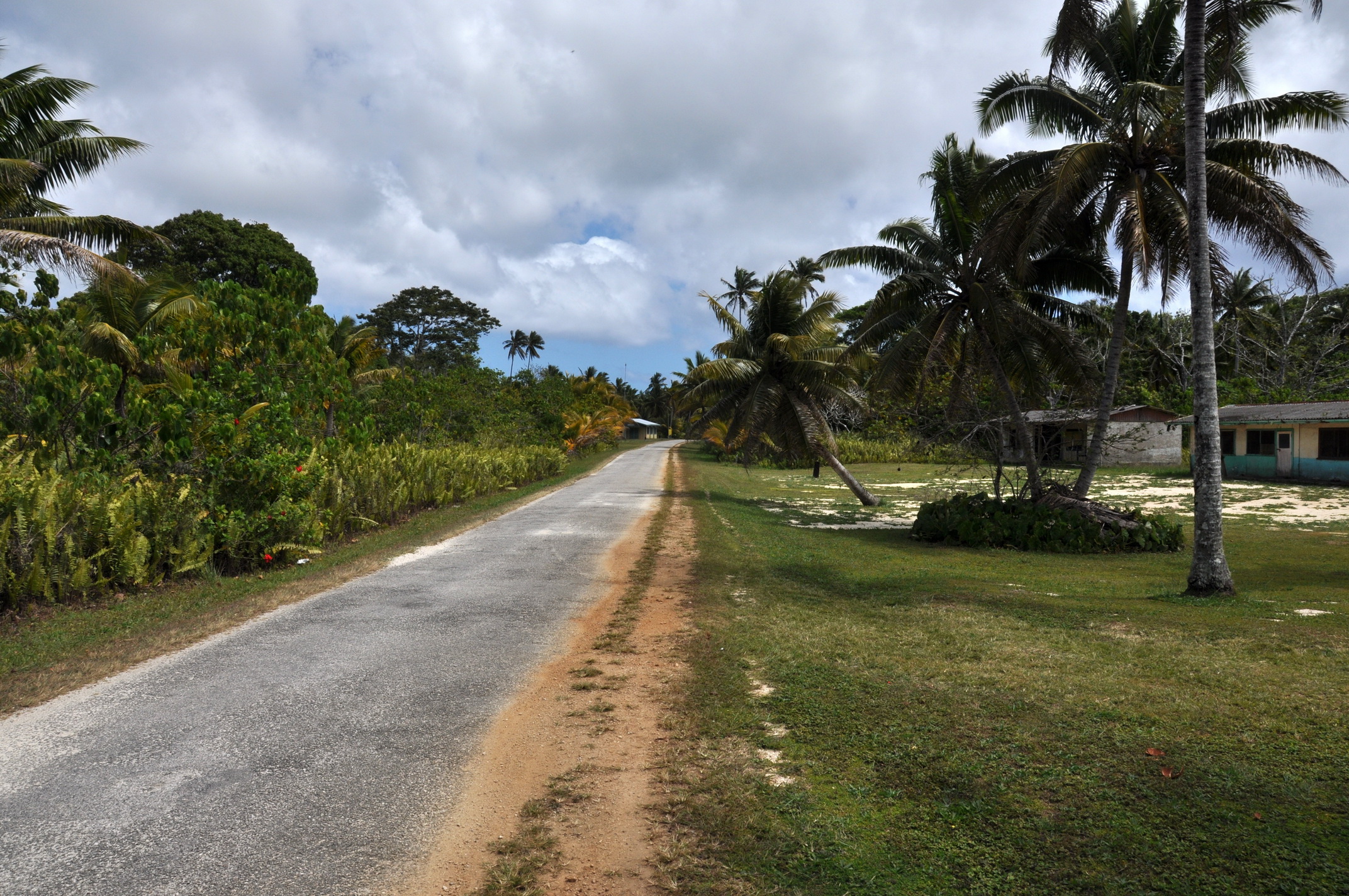
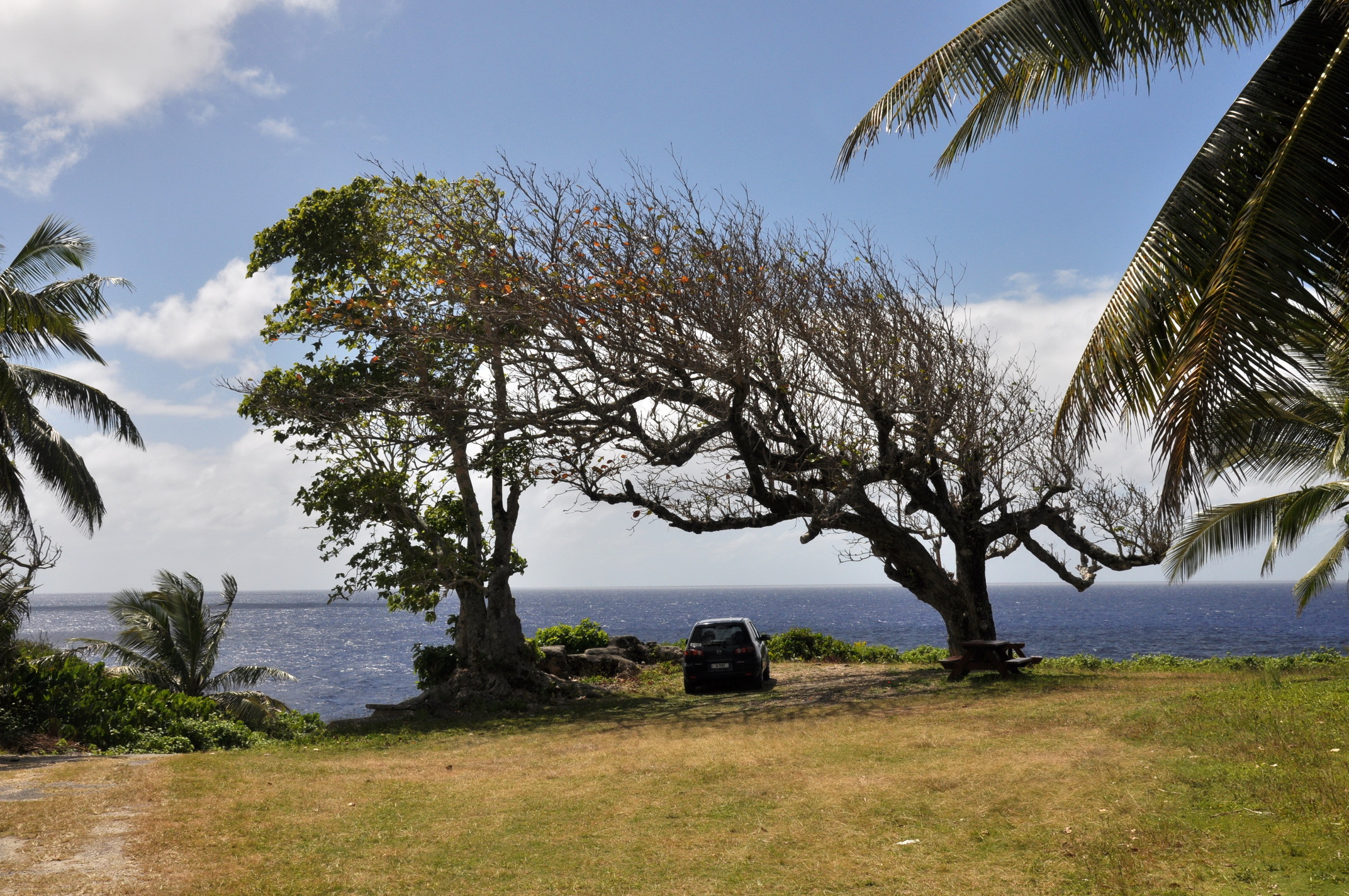
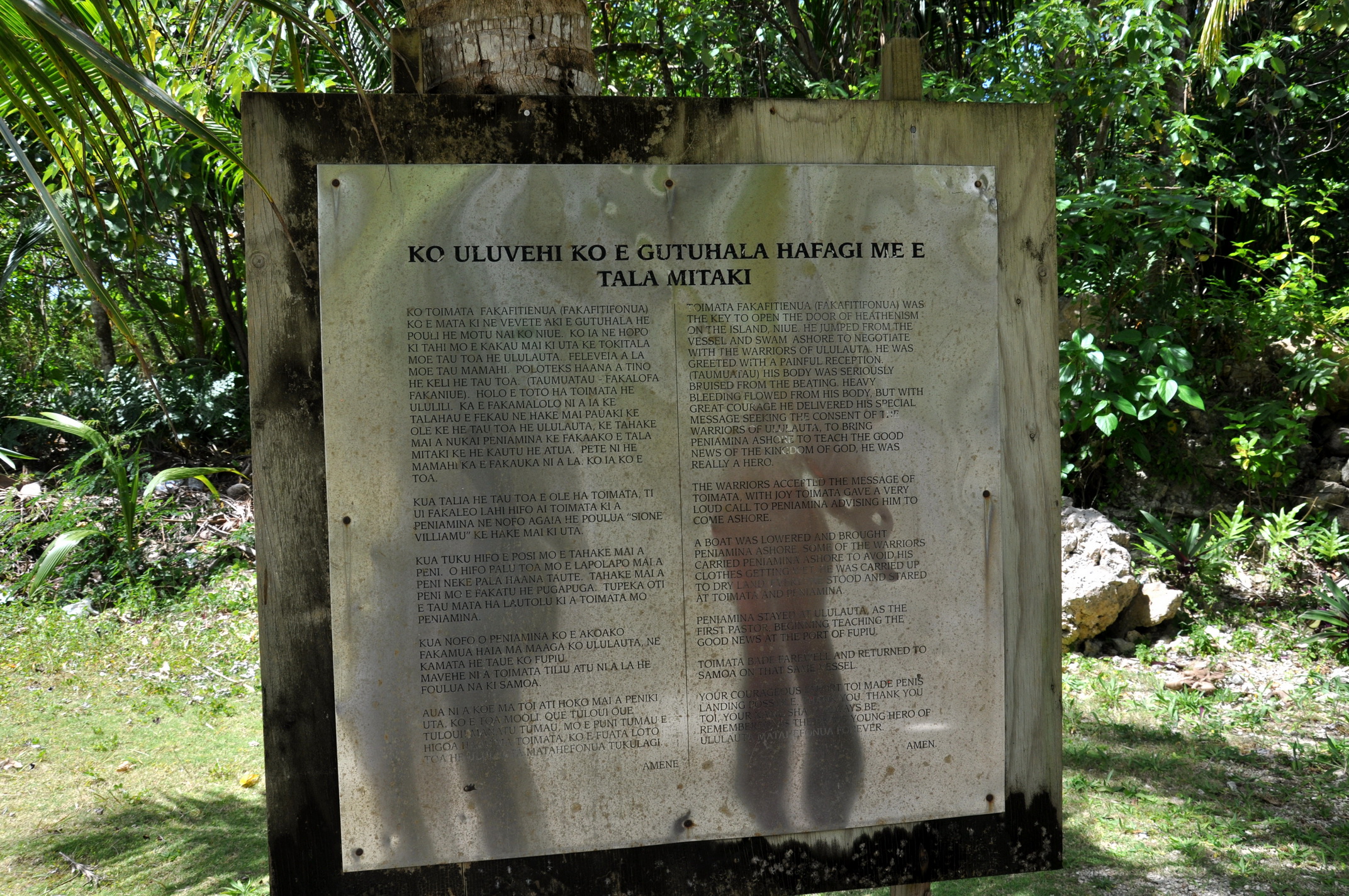
Outside Mutalau an unsealed road goes down to the ocean. Here there's a ramp for launching boats into the water. The place is called Tauei Fupiu Fort, or Uluvehi (18°57.397′S, 169°49.784′W). Only a few such landing places exist on Niue. This one had been used for centuries. James Cook had wanted to come ashore here, but people stopped him. It took many years for an outsider and missionary to get in through this same landing. In the story we heard he was badly beaten but not eaten, and managed to introduce Christianity.
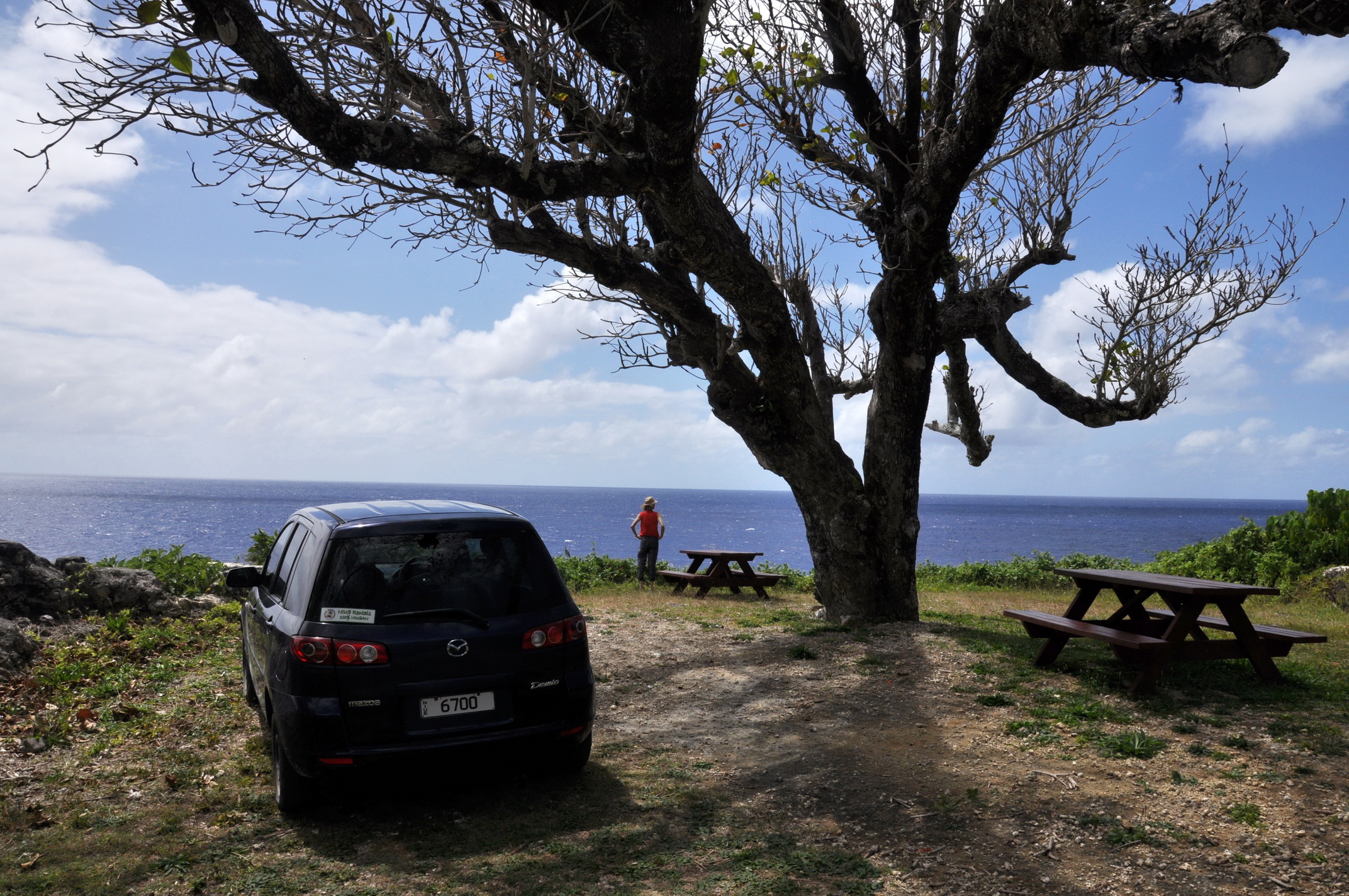
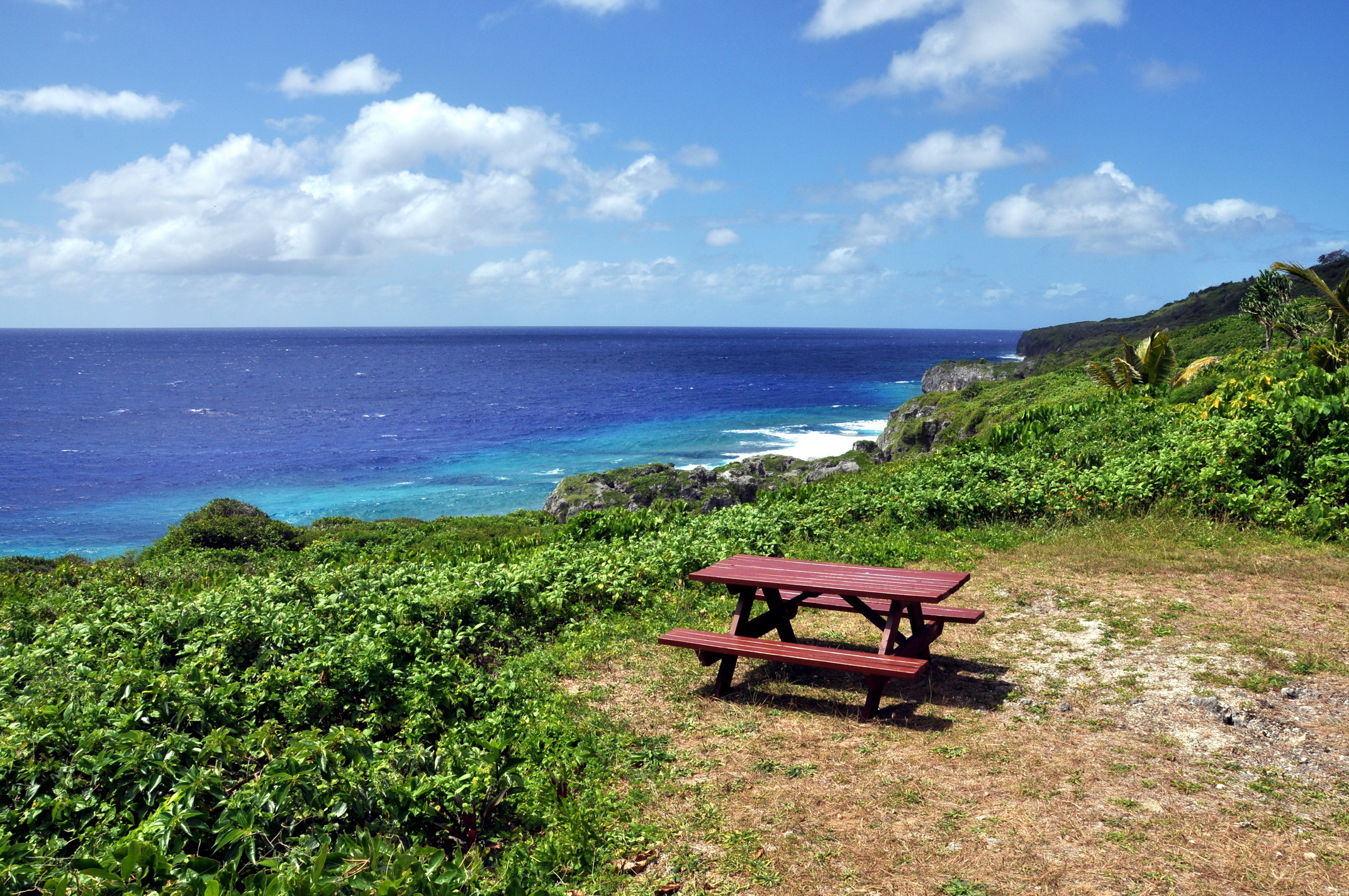
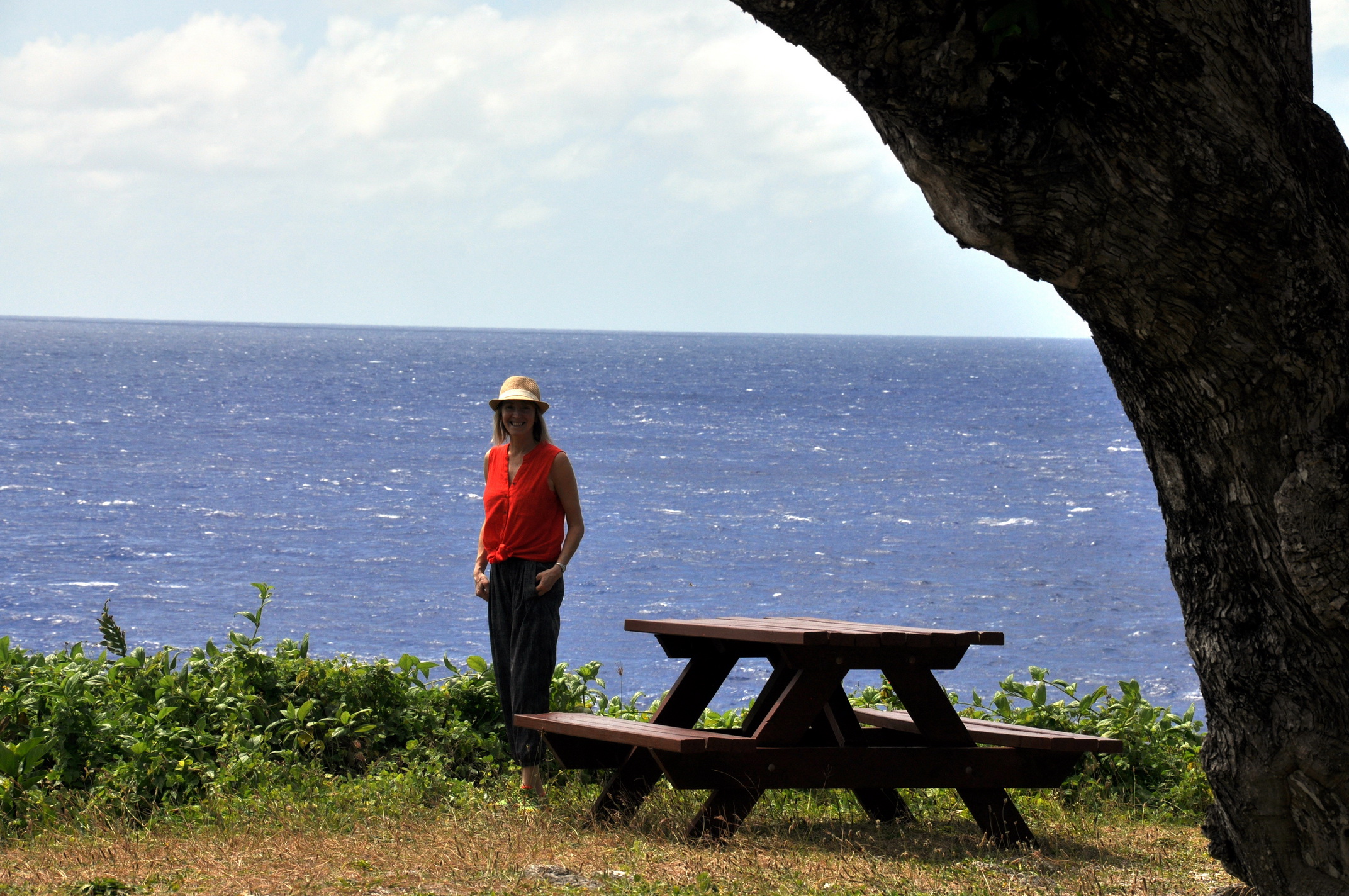
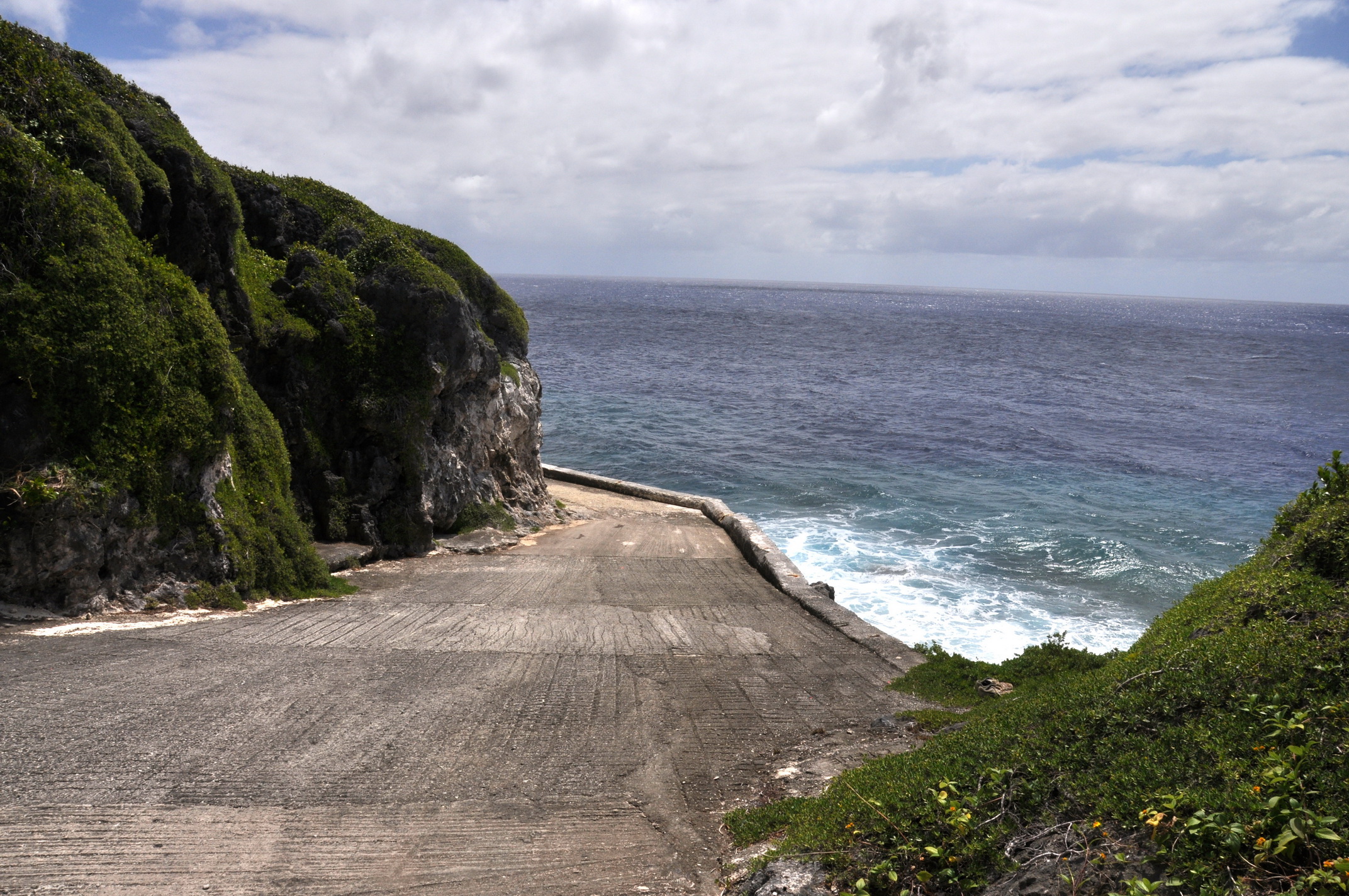
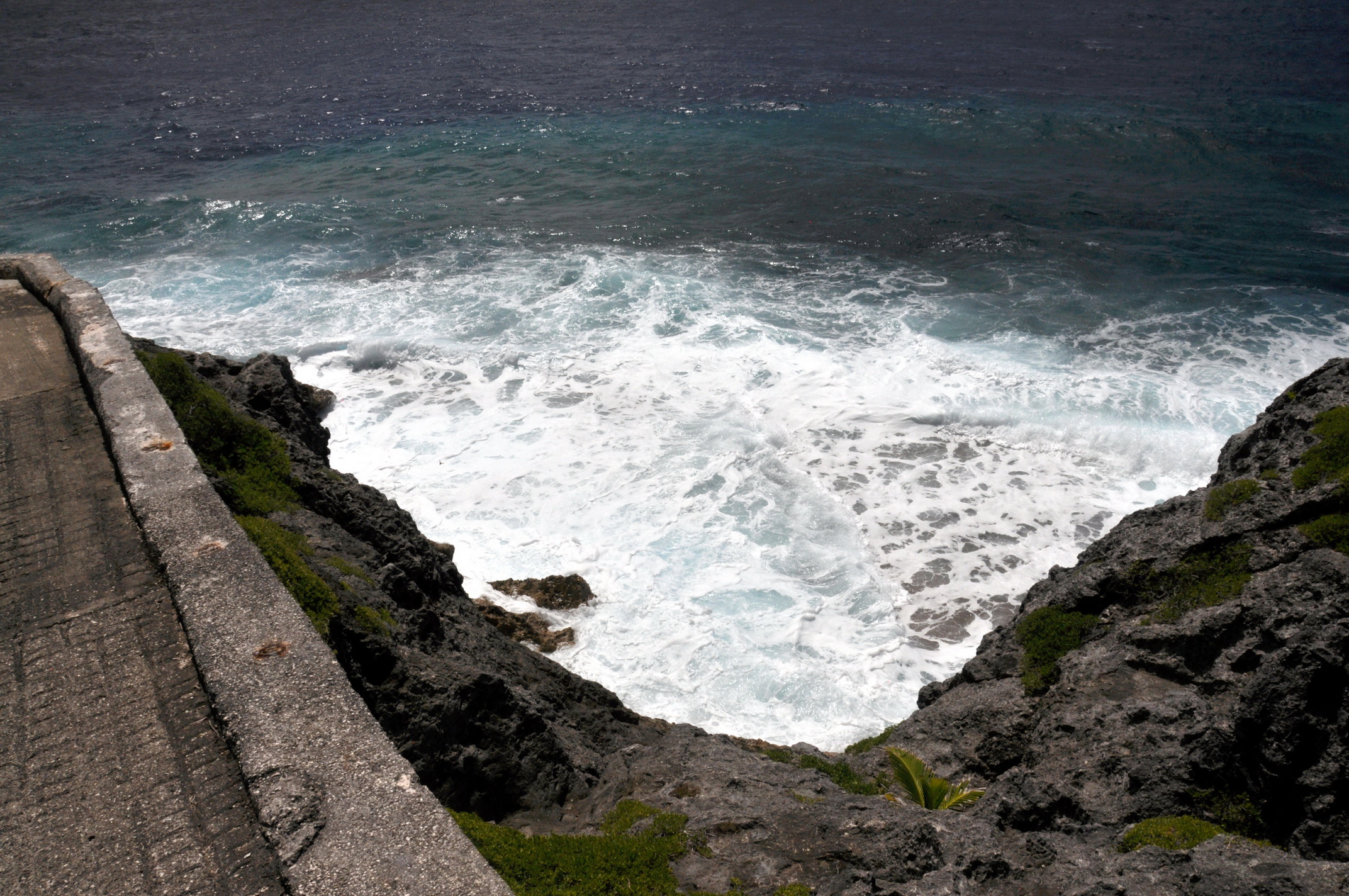
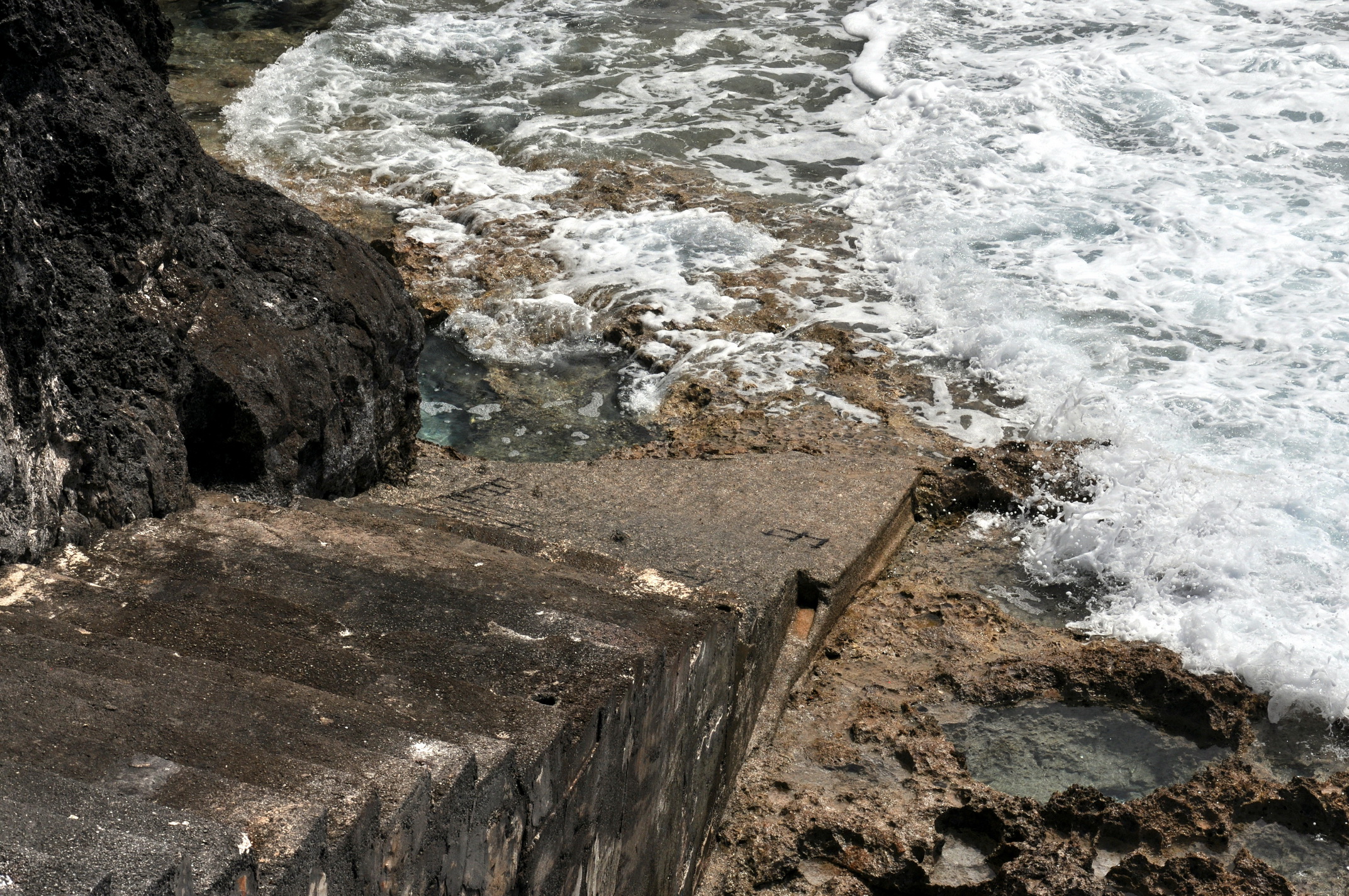
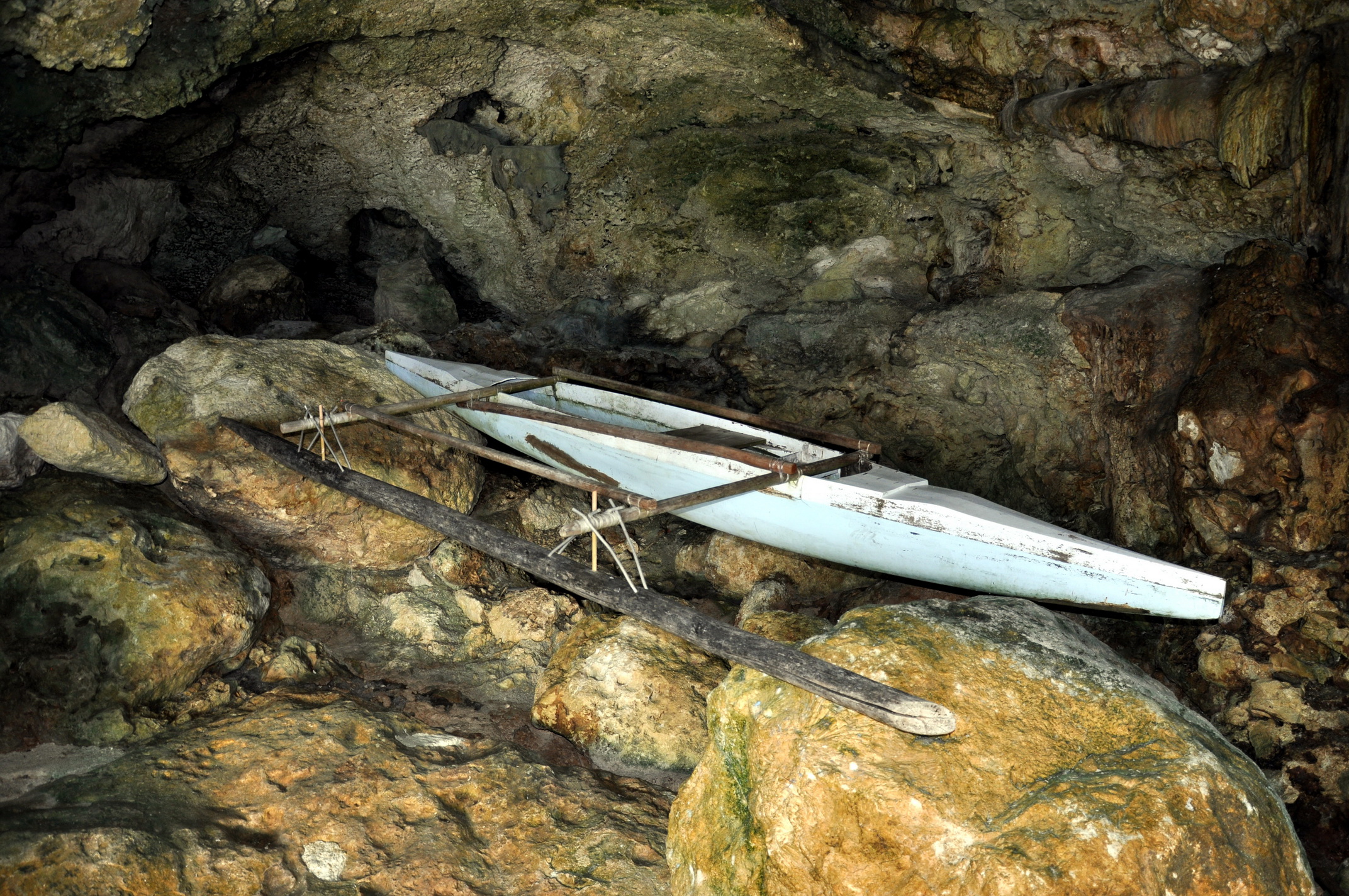
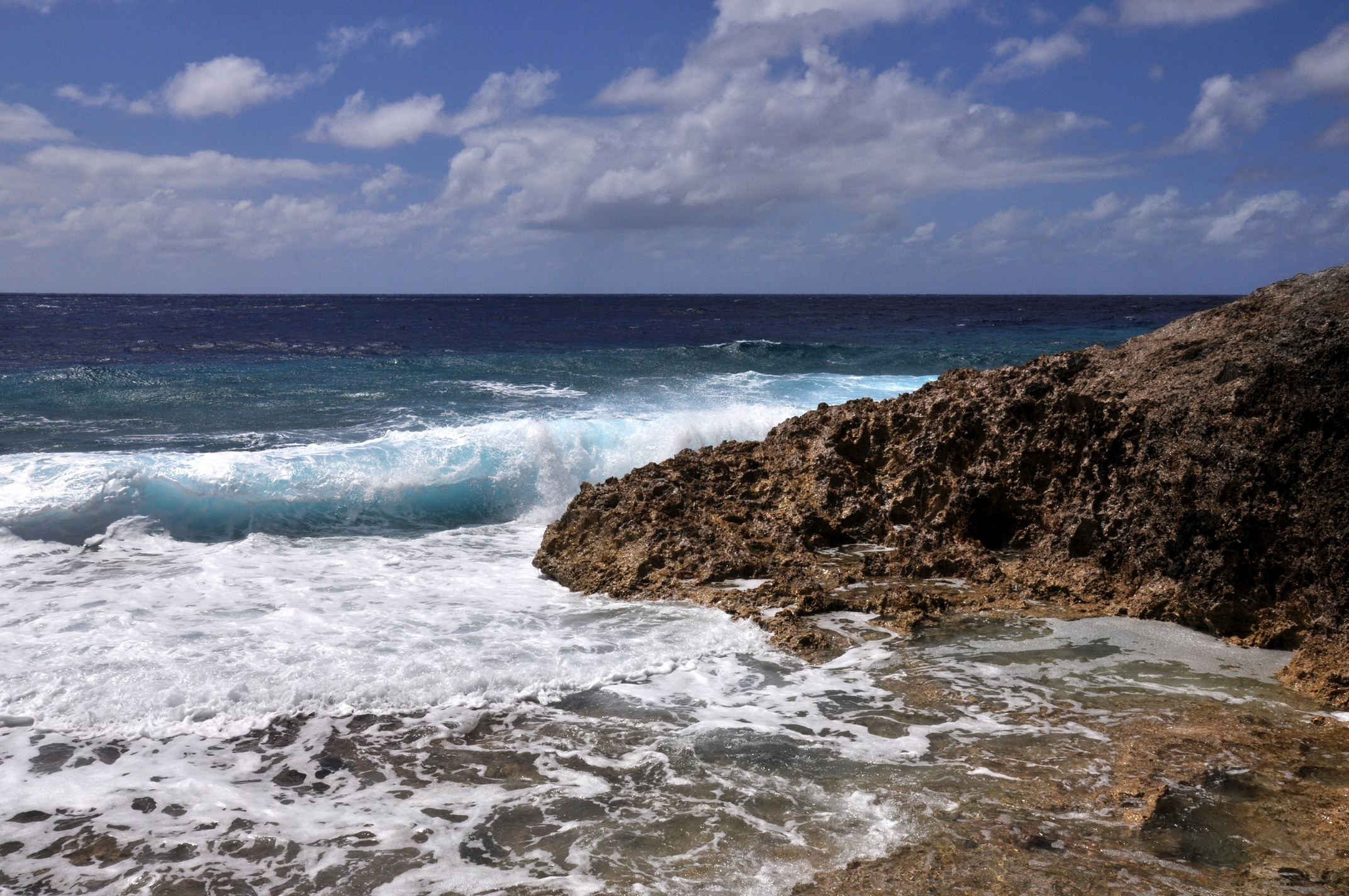
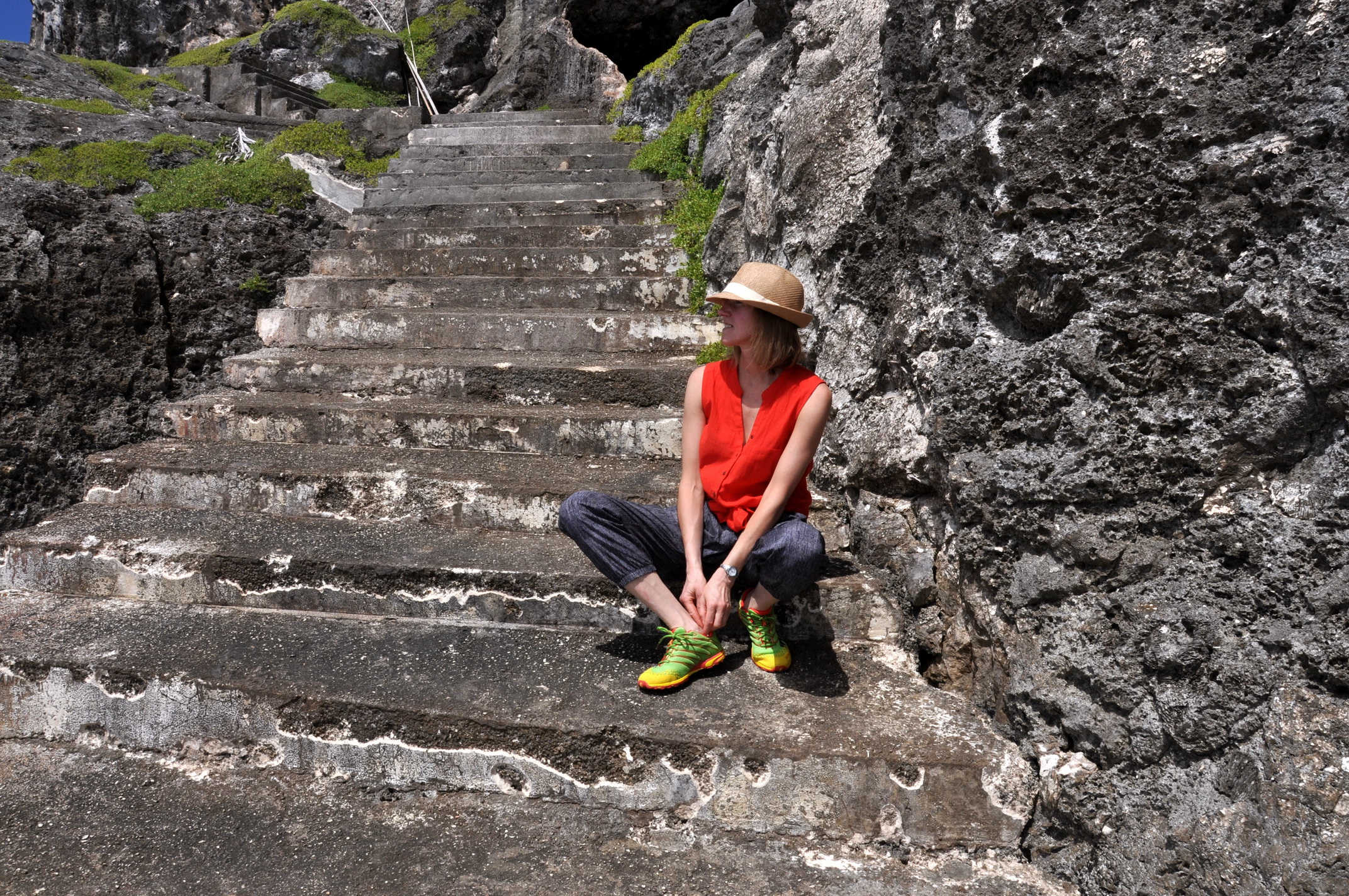
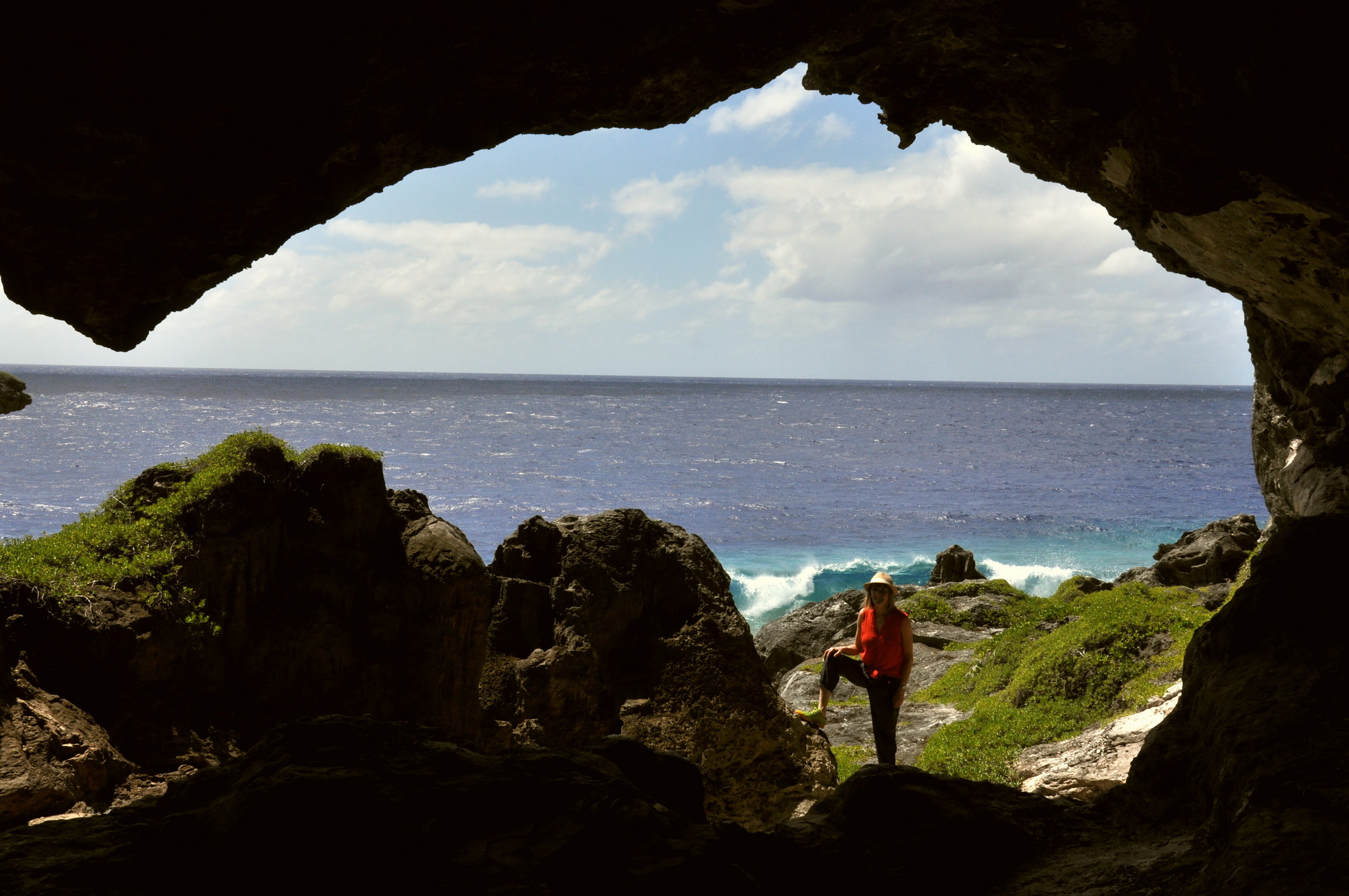
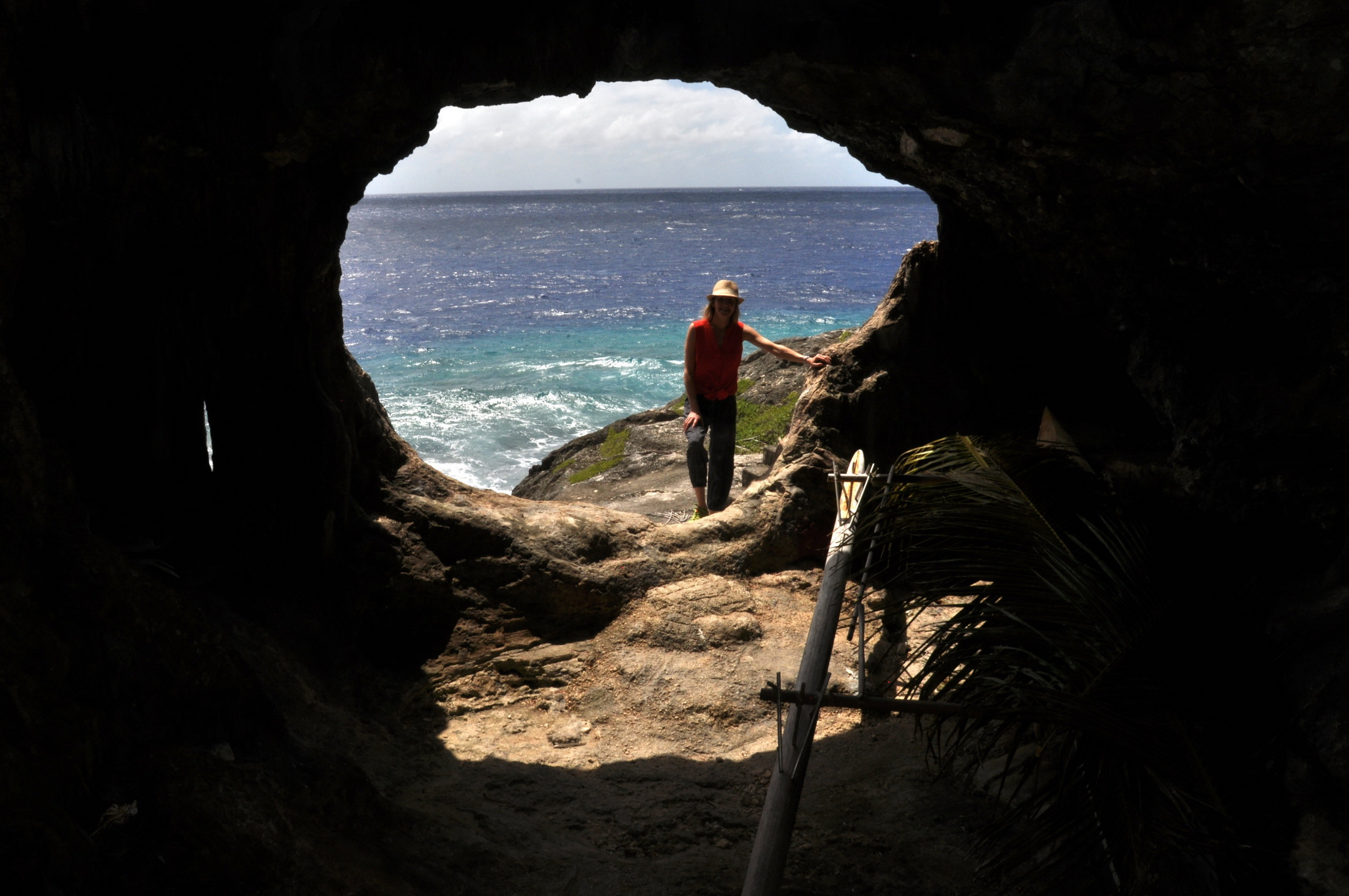
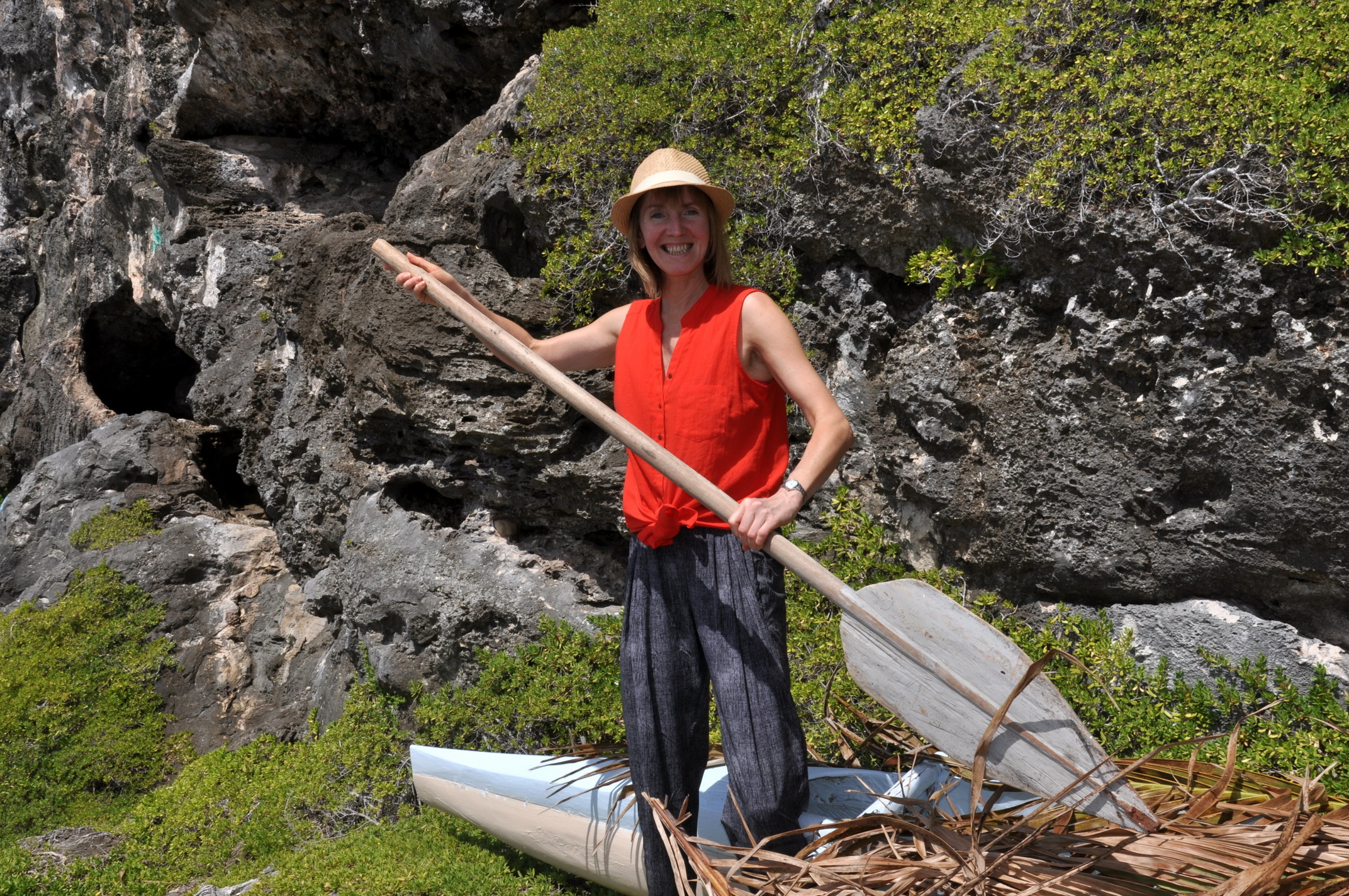
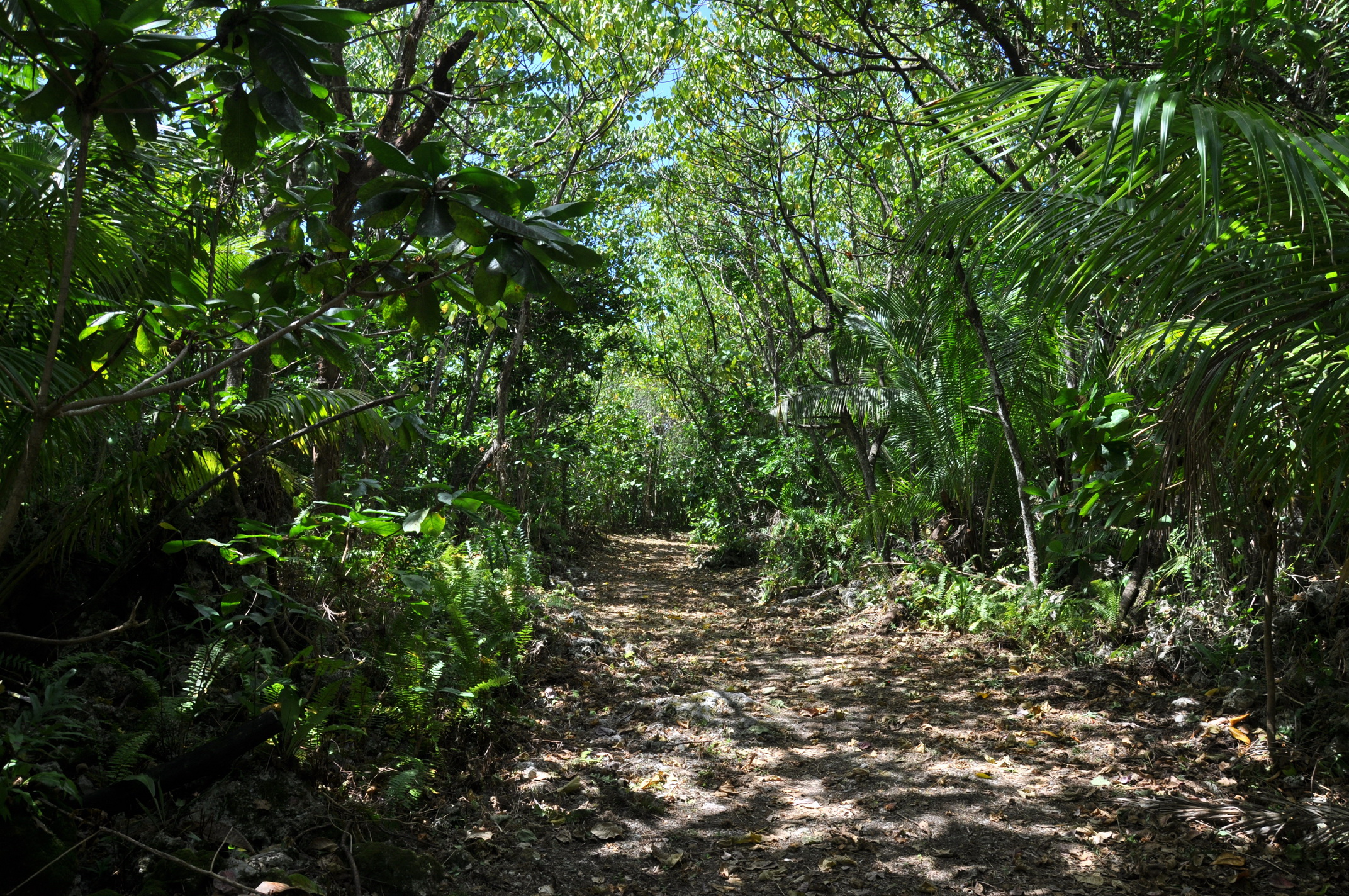
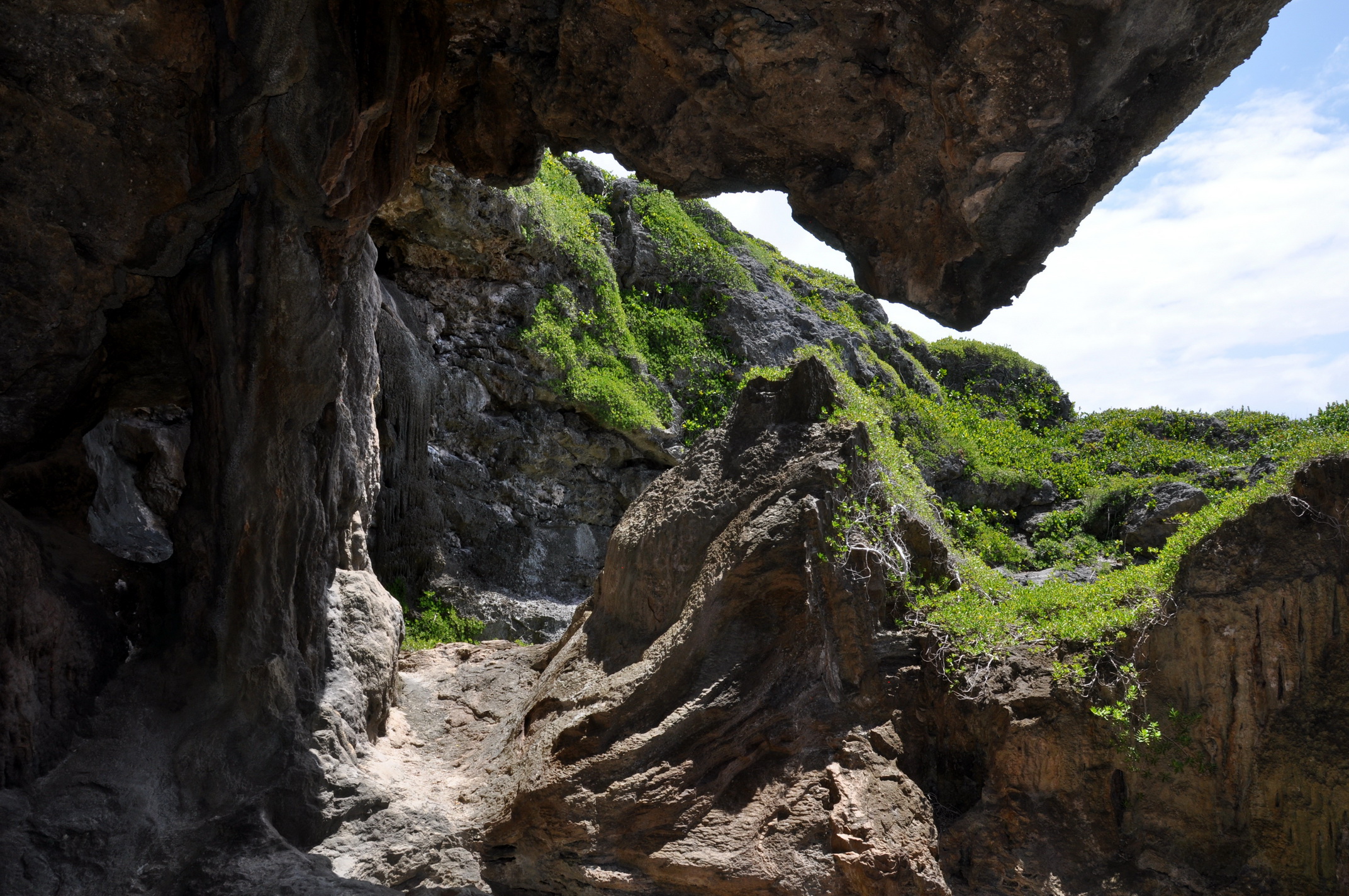
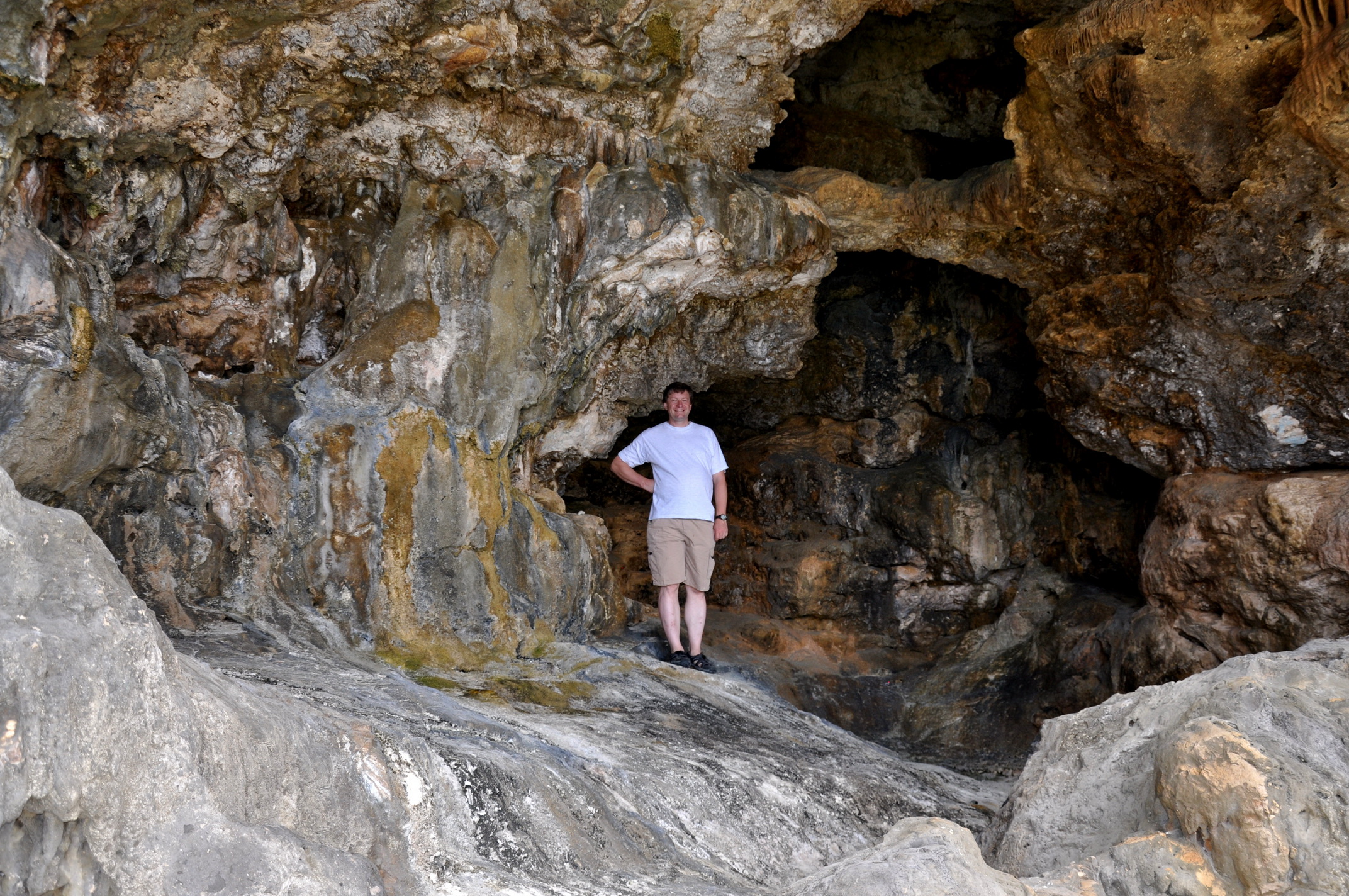
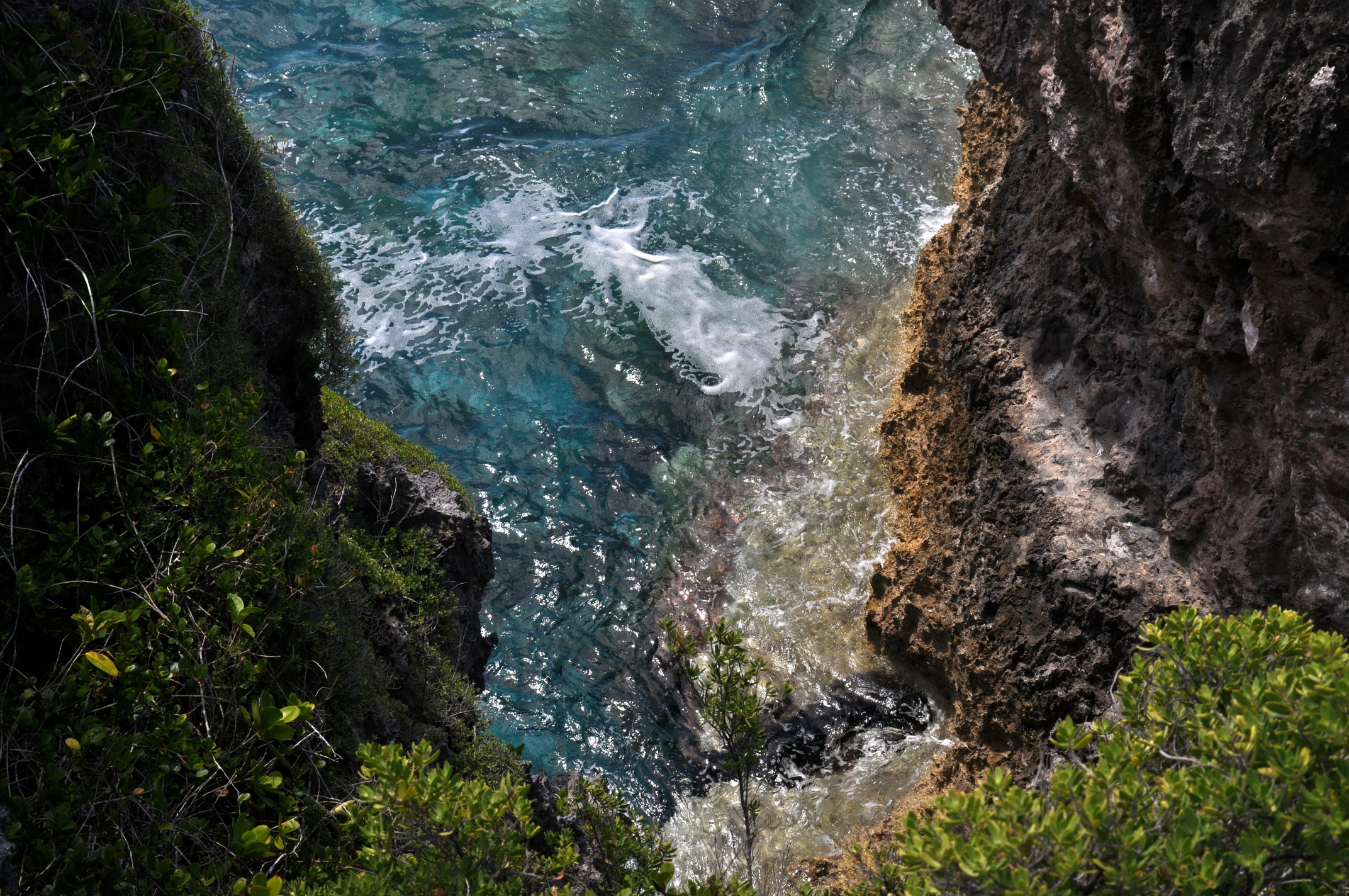
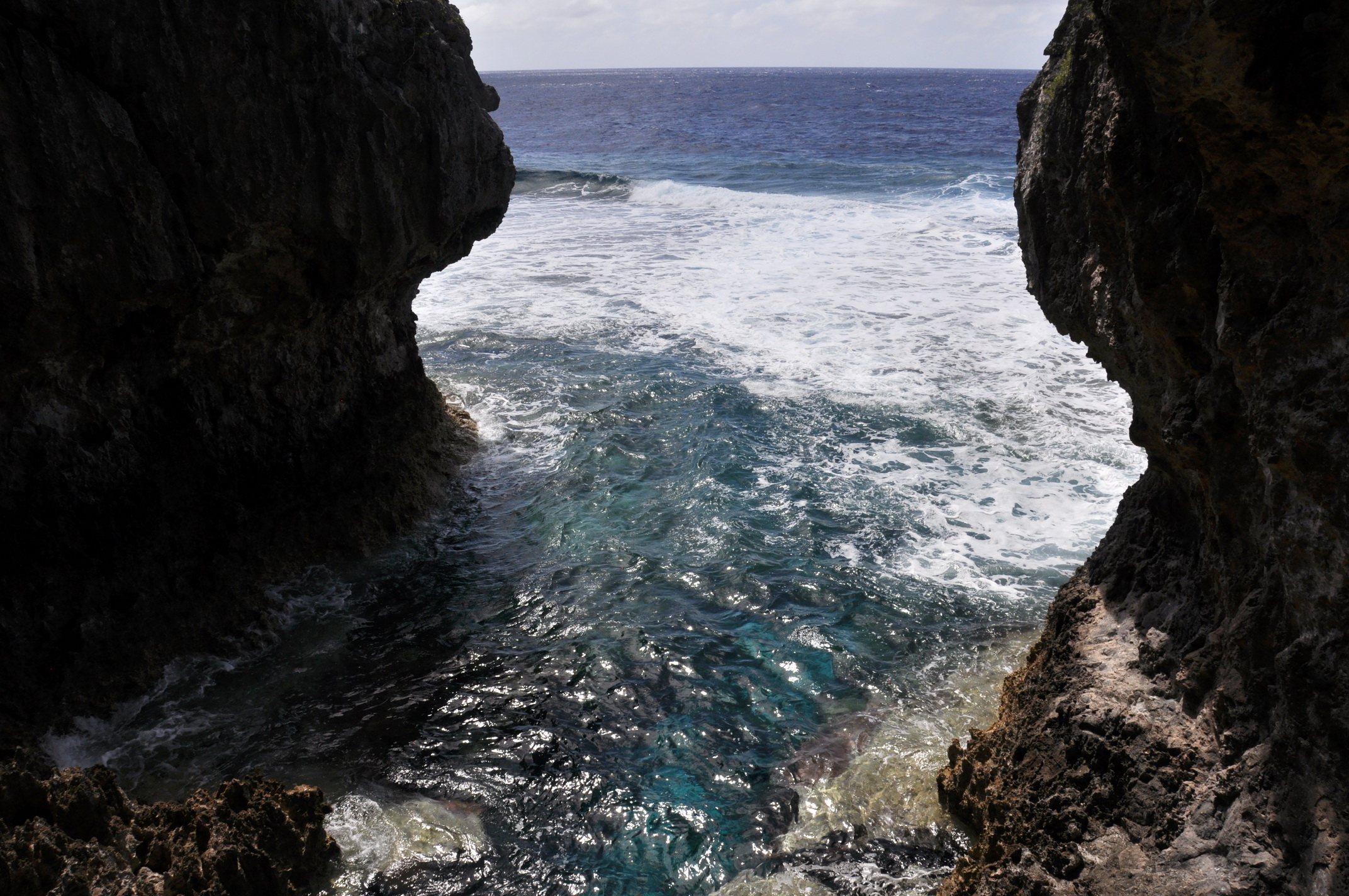
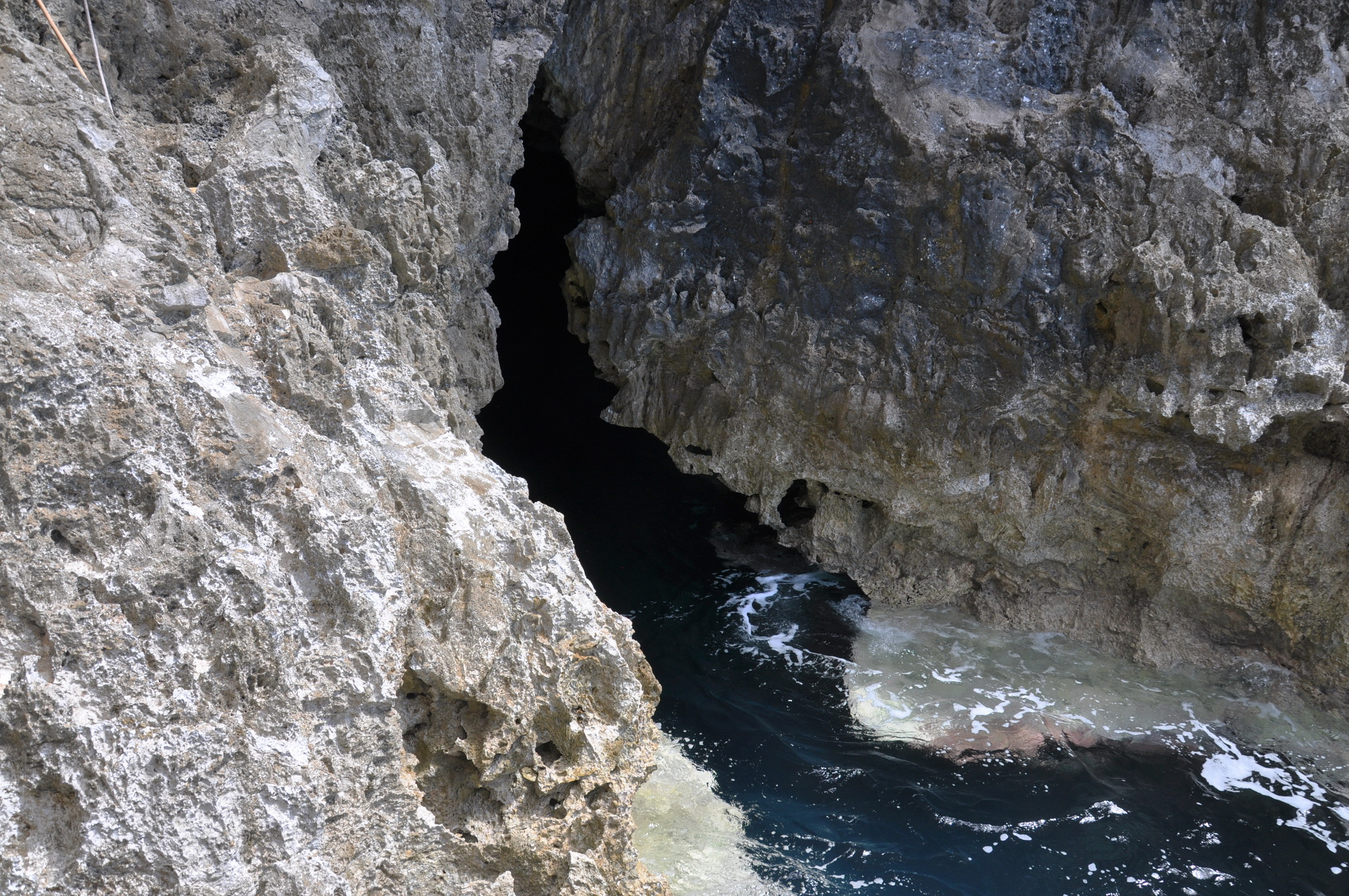
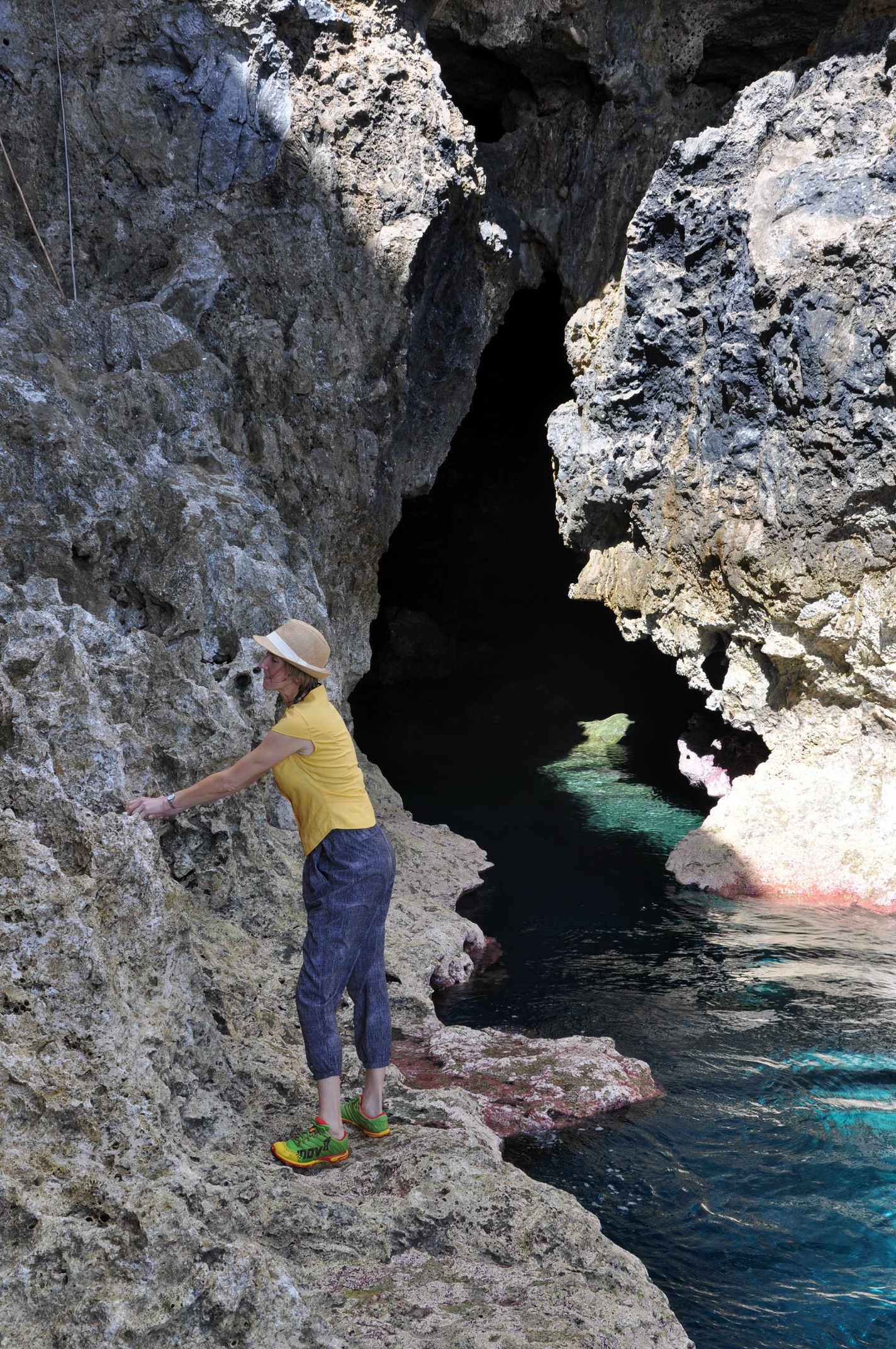
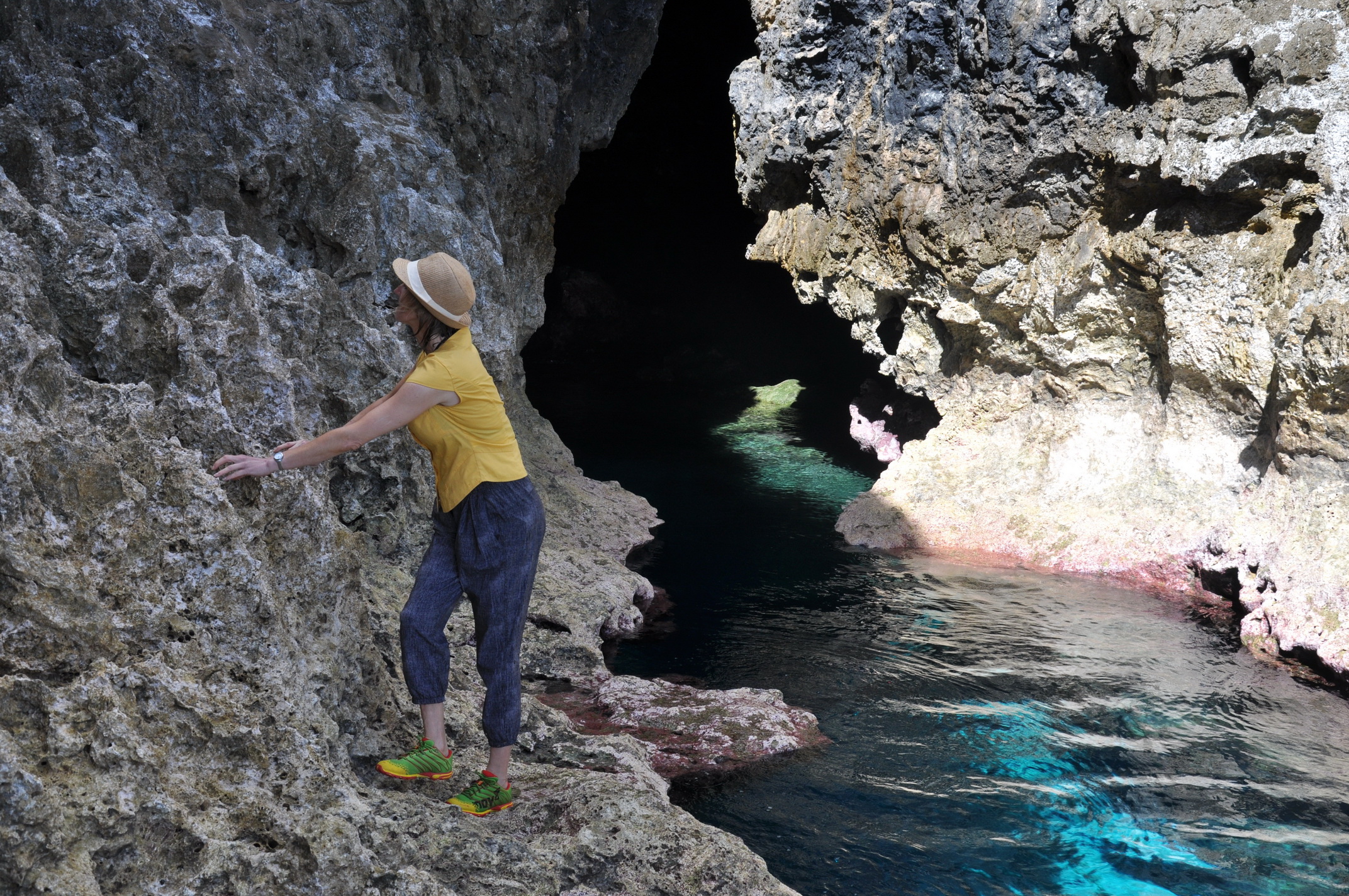
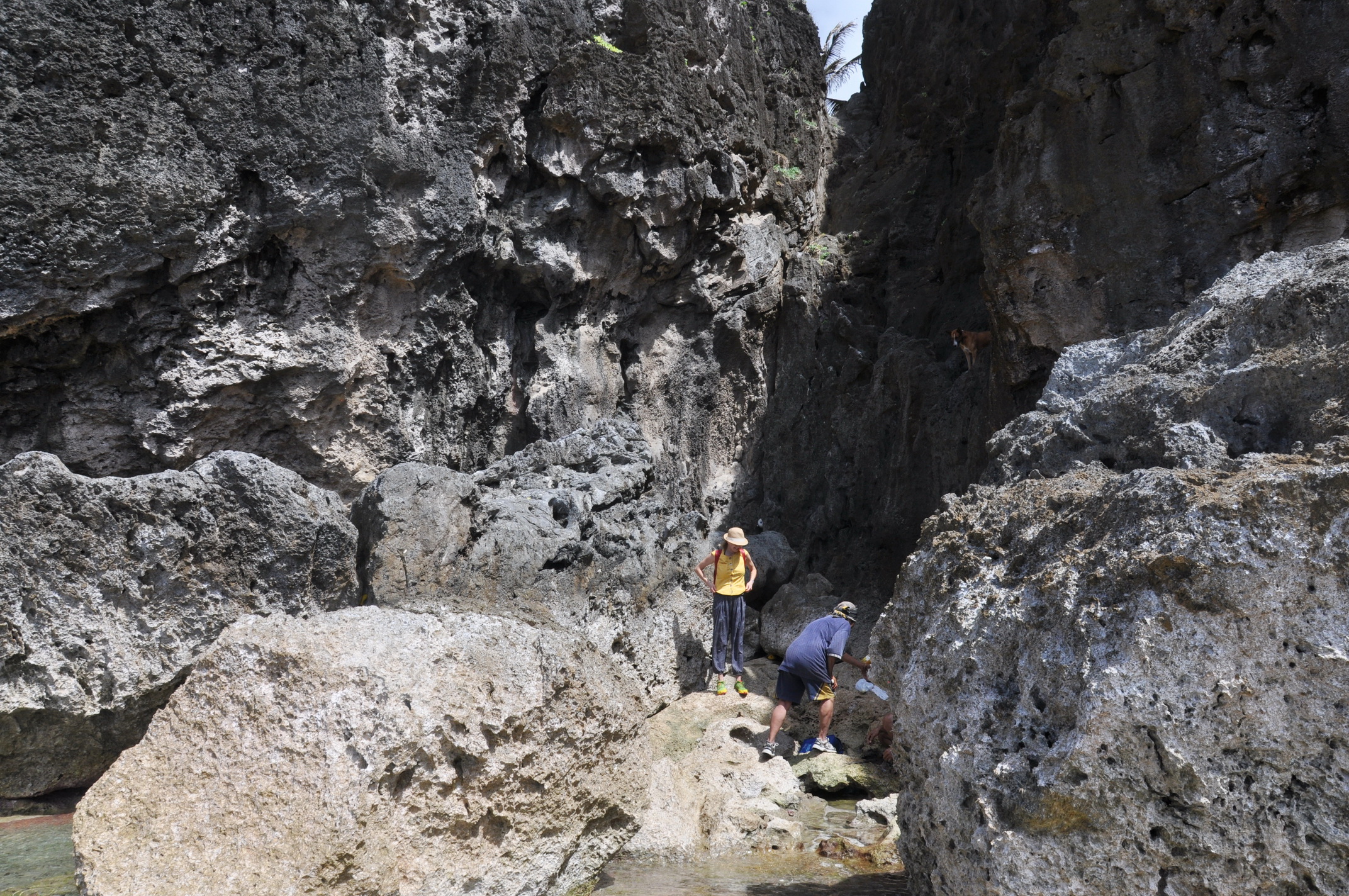
Nearby there's a cave for swimming (18°57.431′S, 169°49.655′W). You climb down to it by an almost vertical rock face, which isn't as hard as it looks. The coral gives you plenty of handholds and footholds. Unfortunately it was still too early in the tide for a swim.
Continuing round on the ring road, we drove around the island to Avatele Beach, where we'd been the first day. This is home to the Washaway Café. It opened once a week, on Sunday from eleven in the morning to eleven at night. The café was a local attraction and absolutely packed. We only just got a table. The idea is that you sign in, pour your own drinks and add them to your bill. It's a place to get drunk, evidently, although you can have something to eat as well.
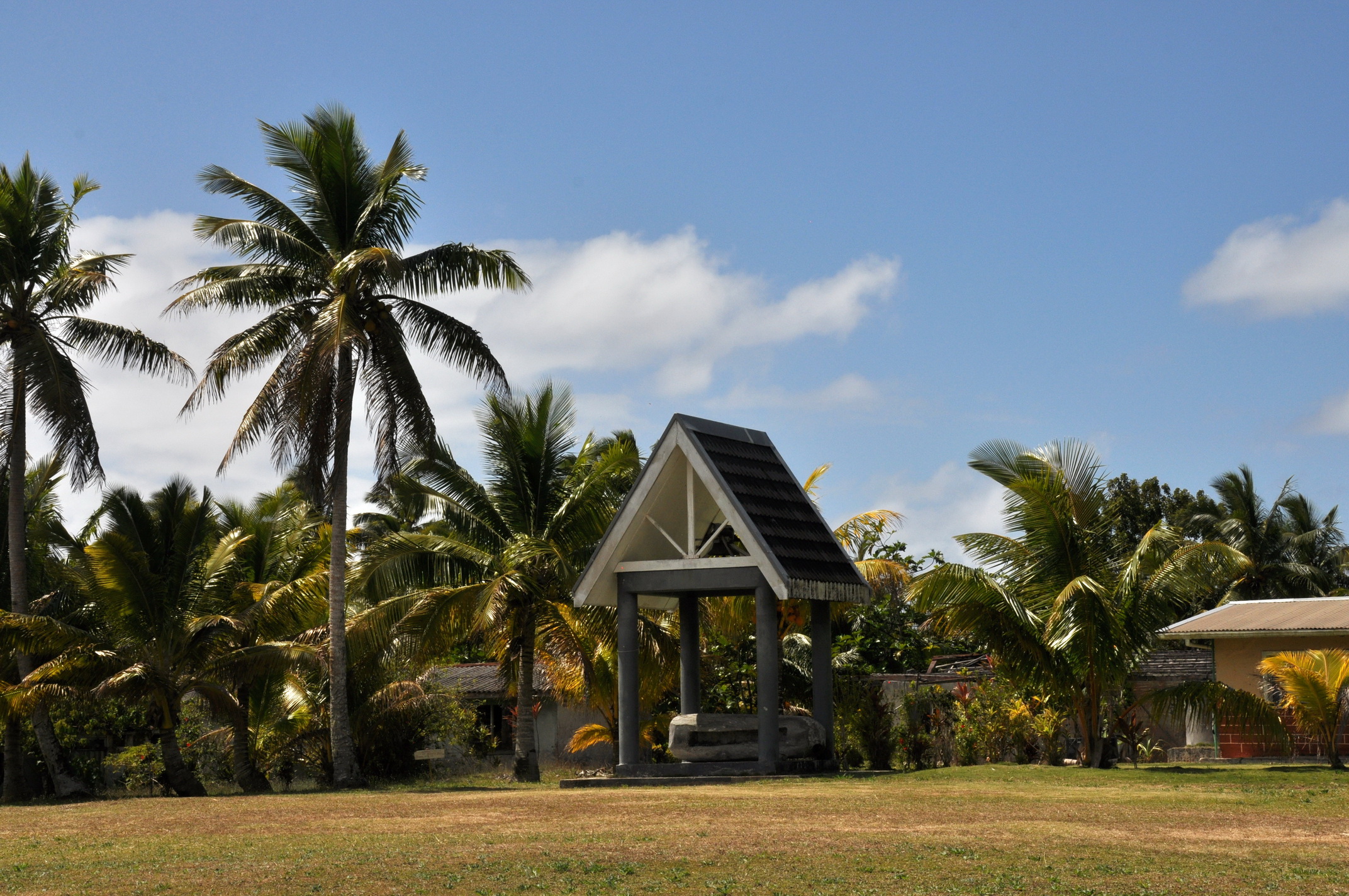
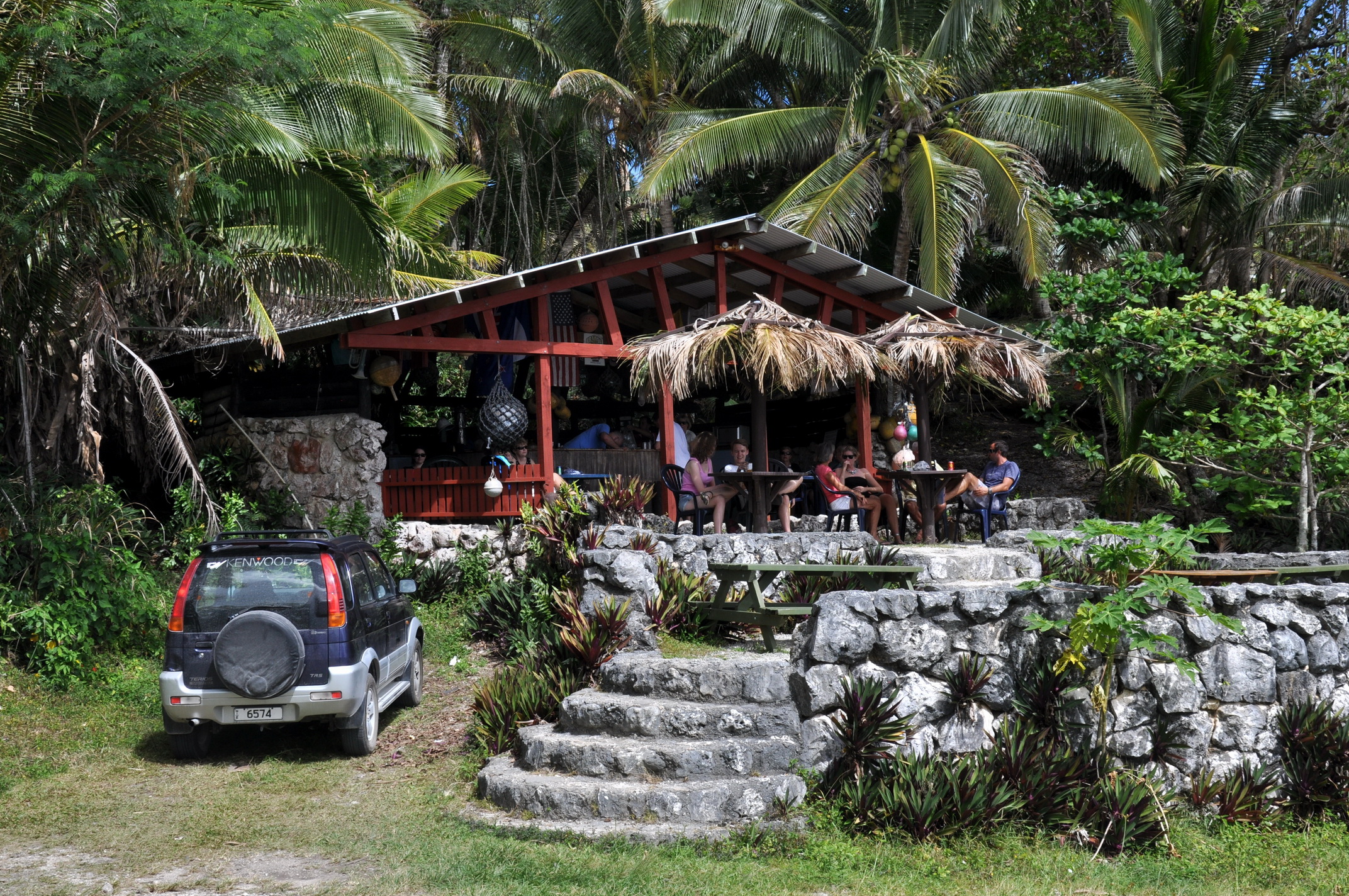
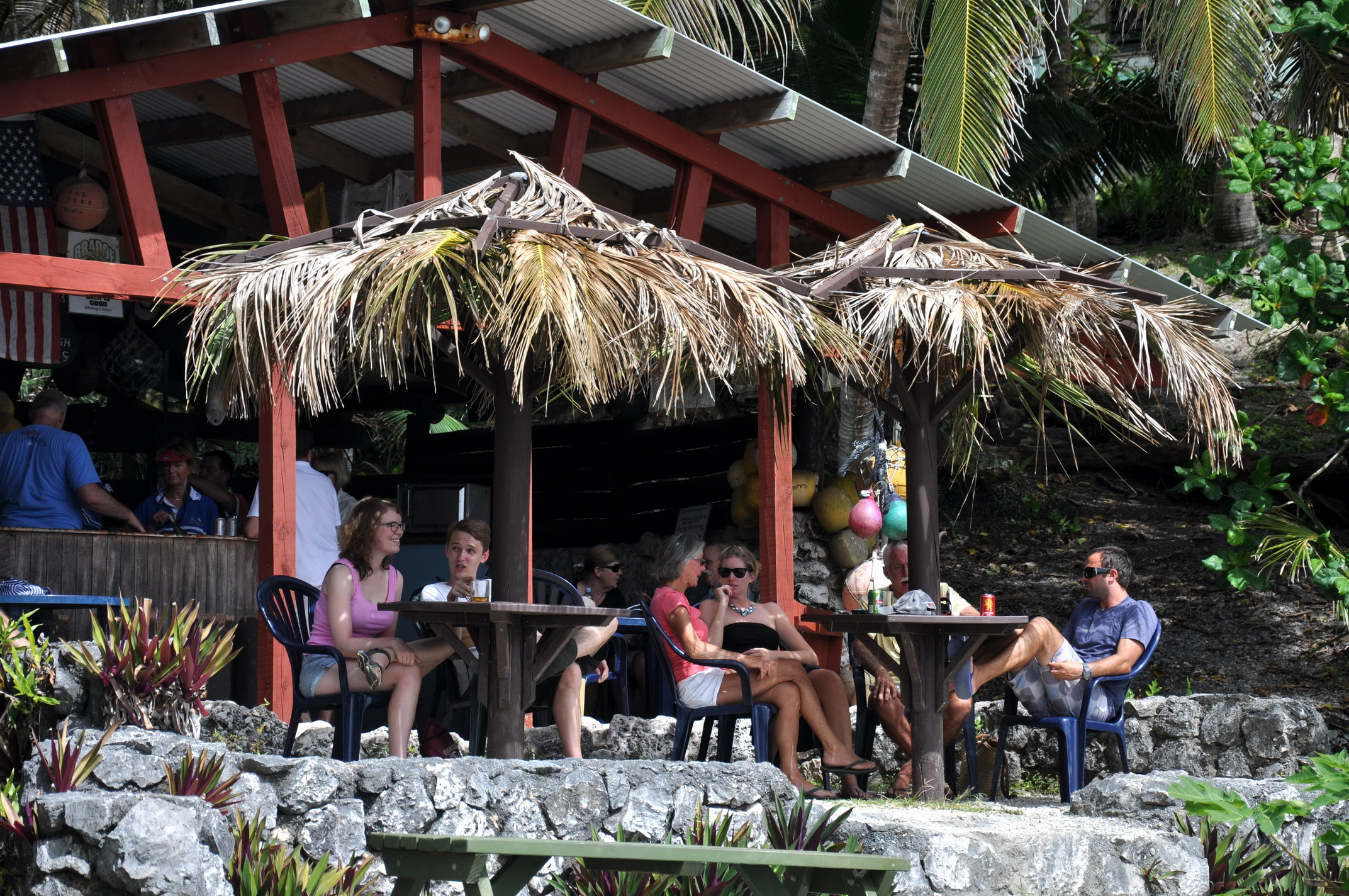
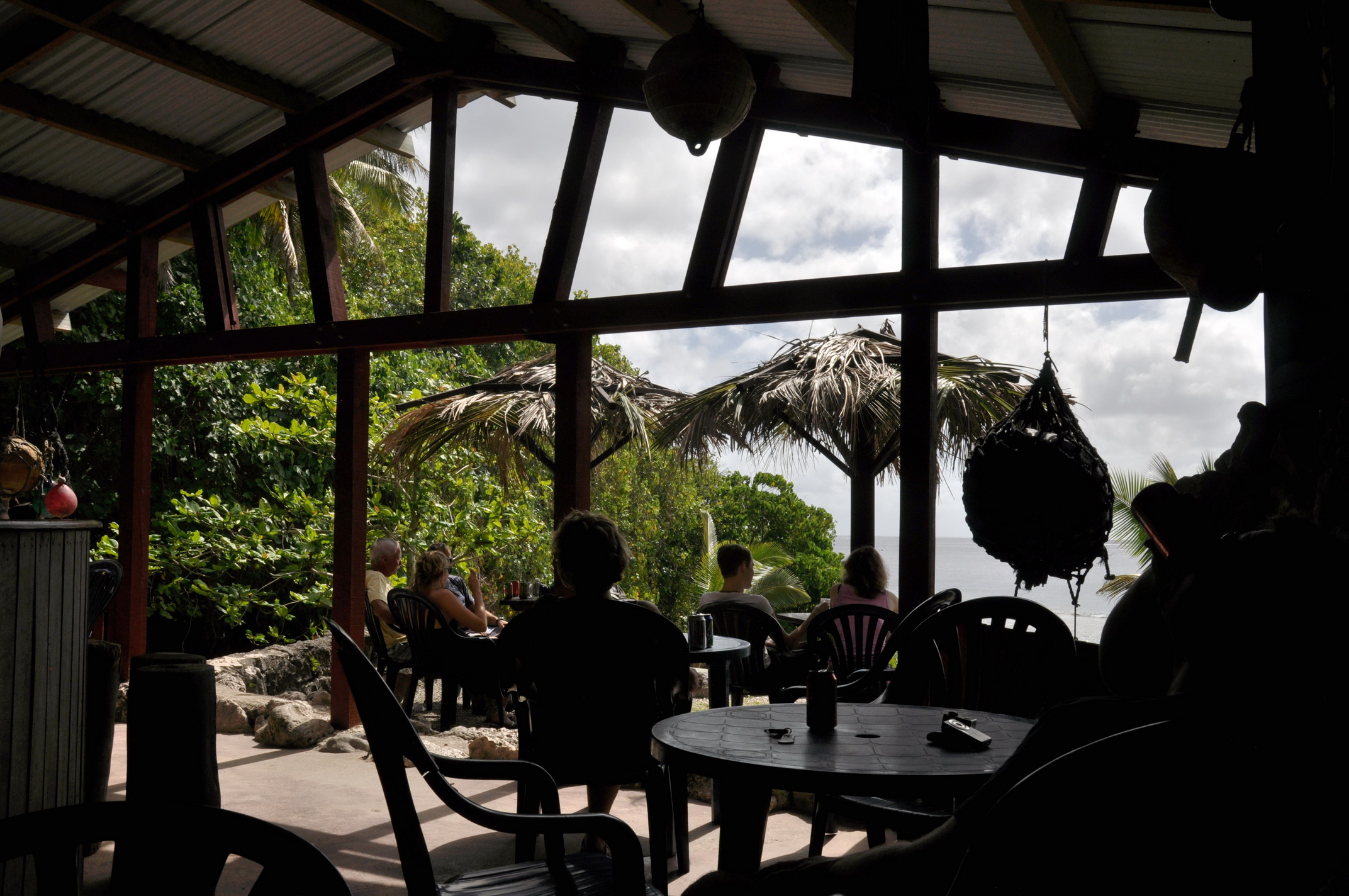
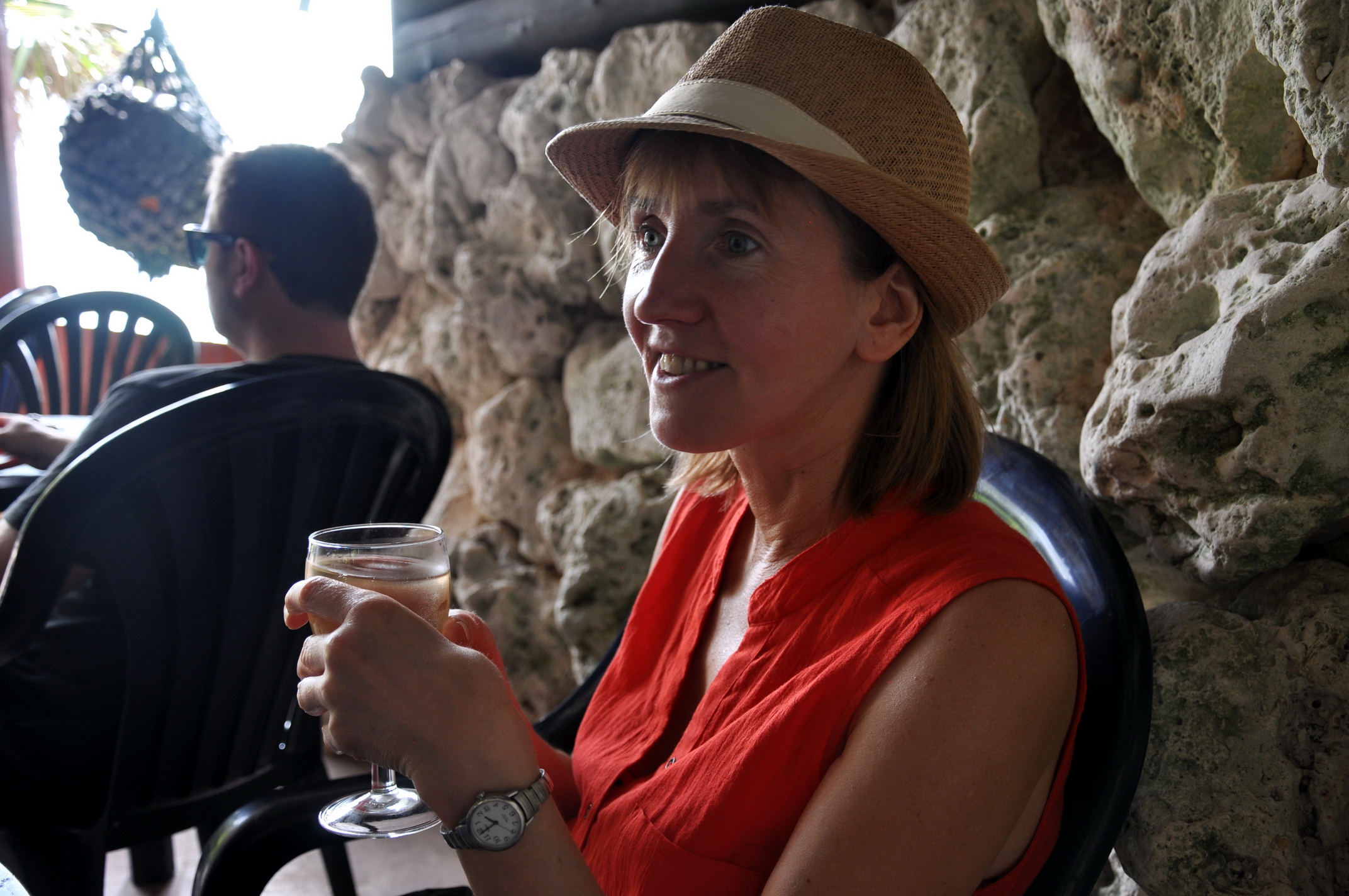
The name Washaway means several things. You can wash your brains out with drink, and the café also gets washed away whenever a tsunami comes along. Niue sees some, but the settlements are well above the sea. Only the café will get swept away at the first opportunity.
It was low tide after lunch and we went back to the hotel to walk over the coral and swim among the fish in whatever pools looked inviting. It was a splendid evening. The viewing platform was taken, but we were happy on the bench by our own unit.
The Huvalu Forest and Tanya’s birthday
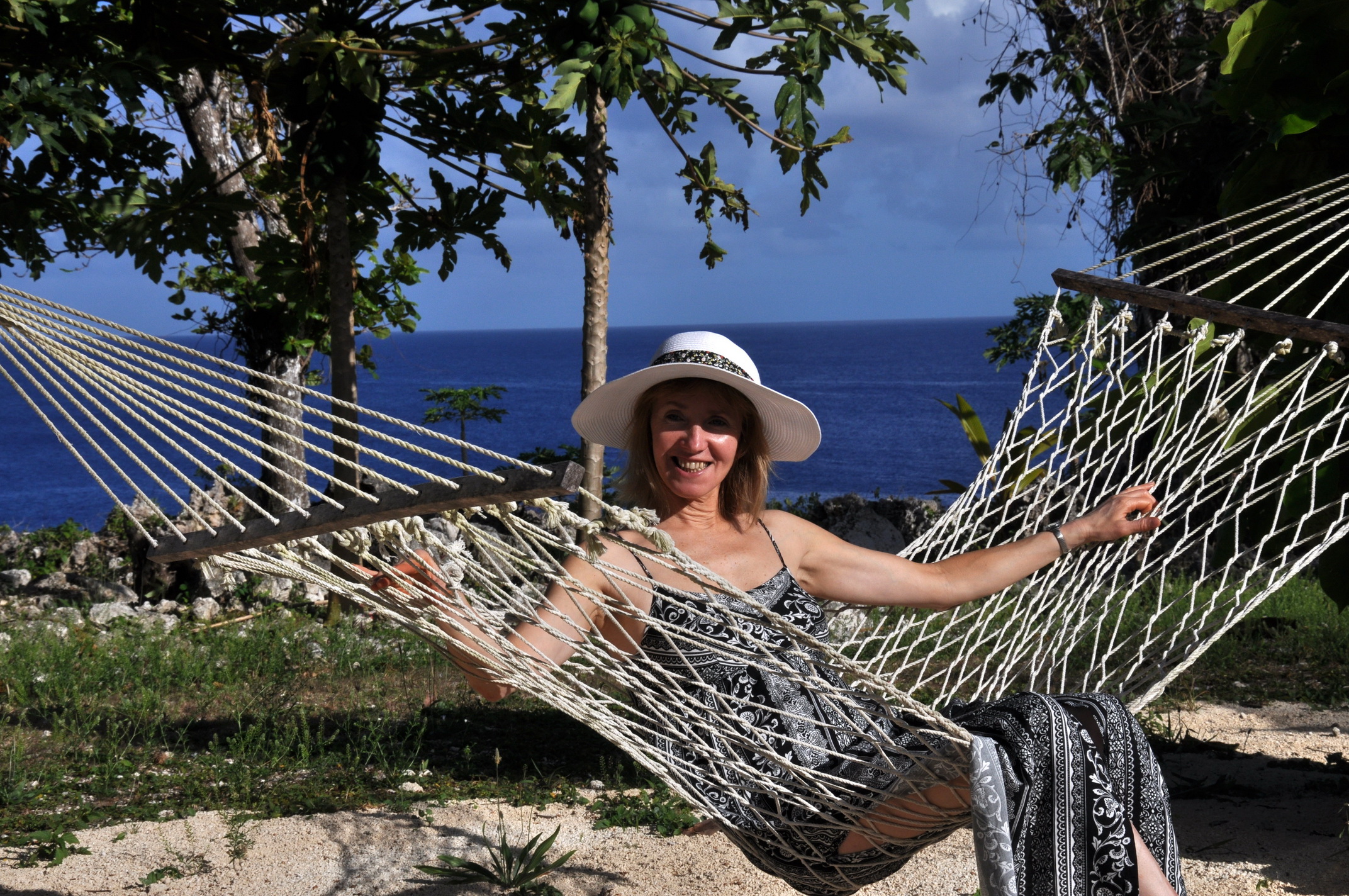
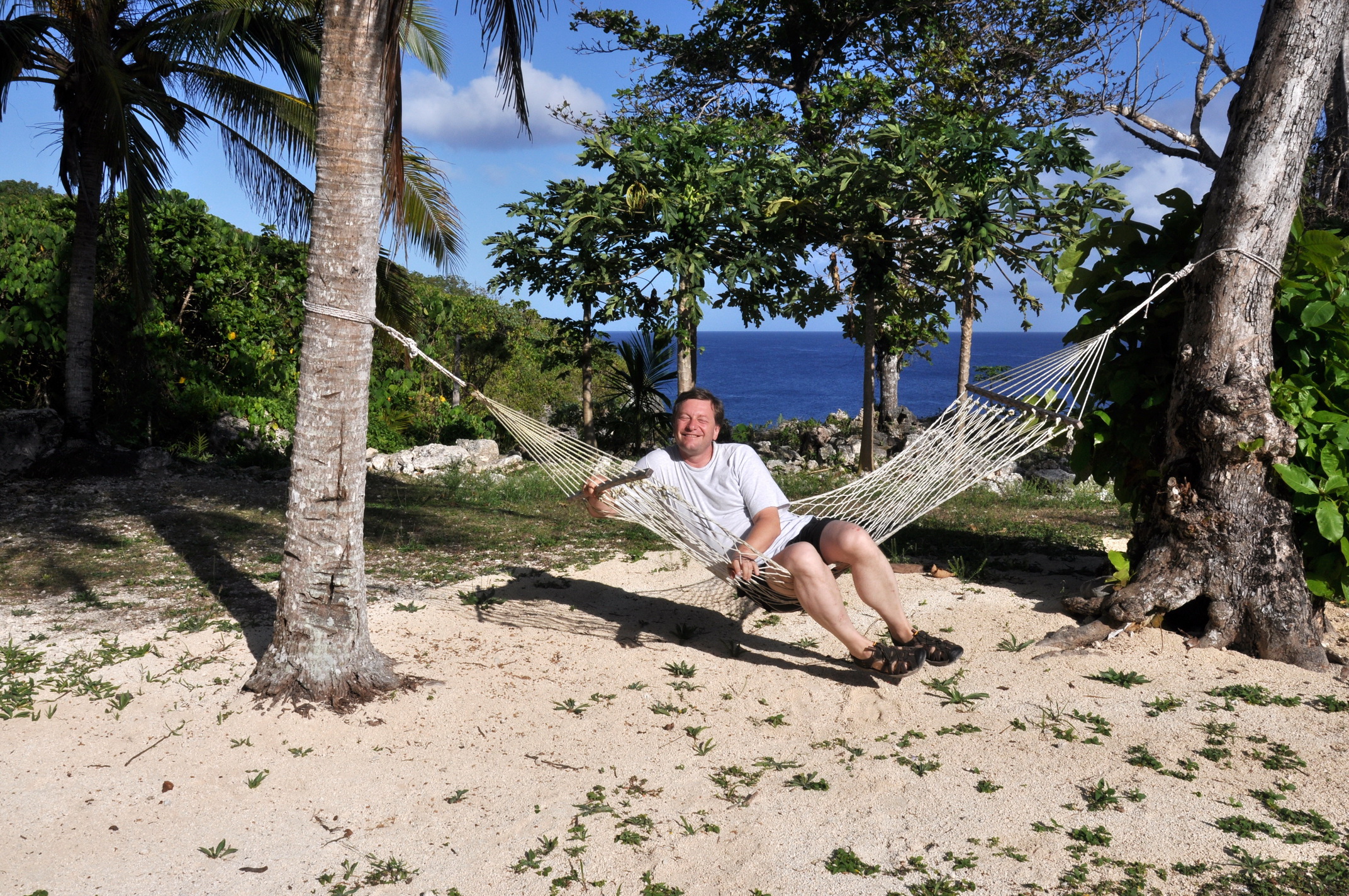
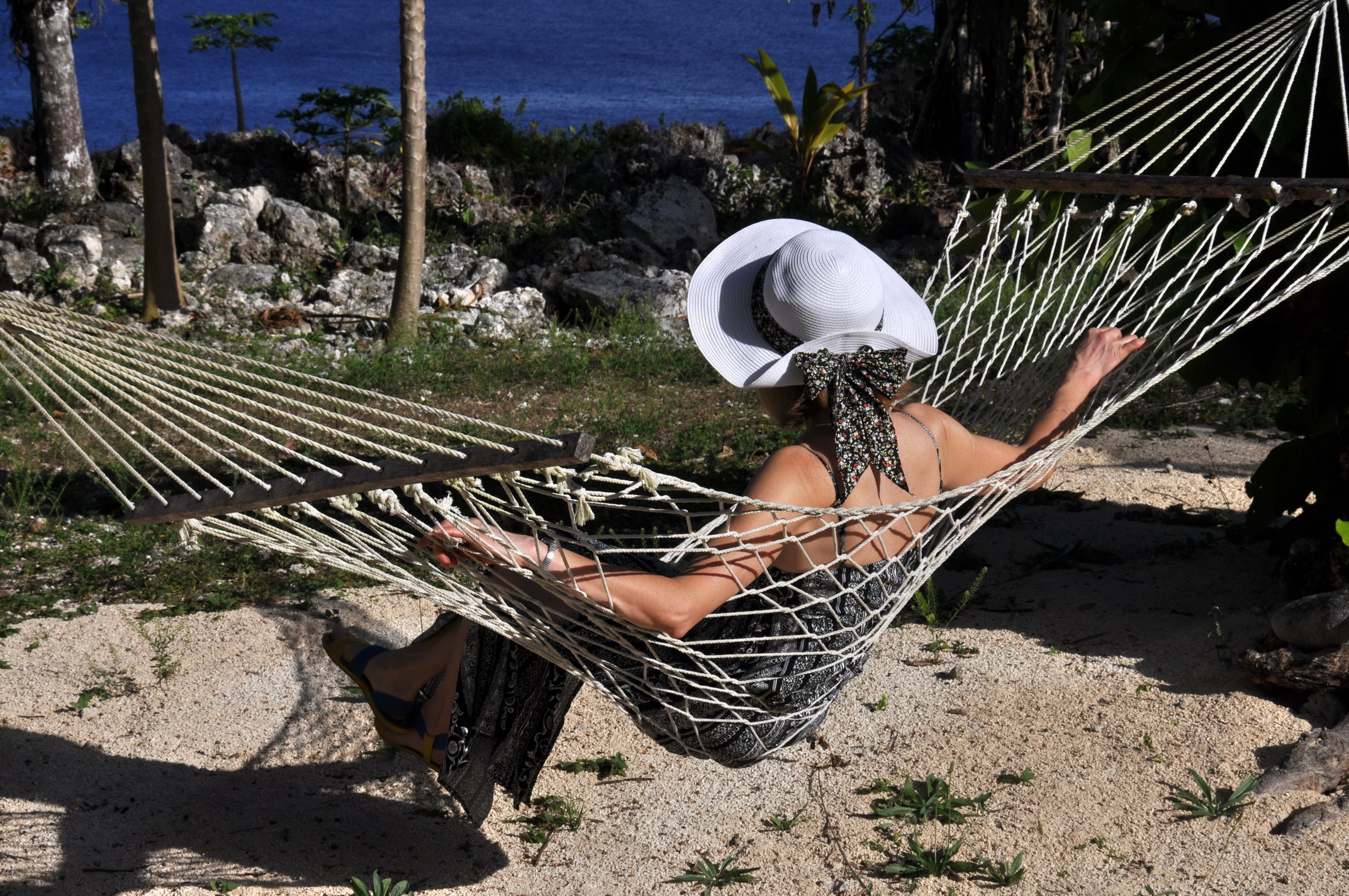
That morning we packed up at leisure, swung in the hammock, and went looking for somewhere new to stay. Tomorrow is Tanya’s birthday, a milestone. We should find somewhere worthy of the occasion.
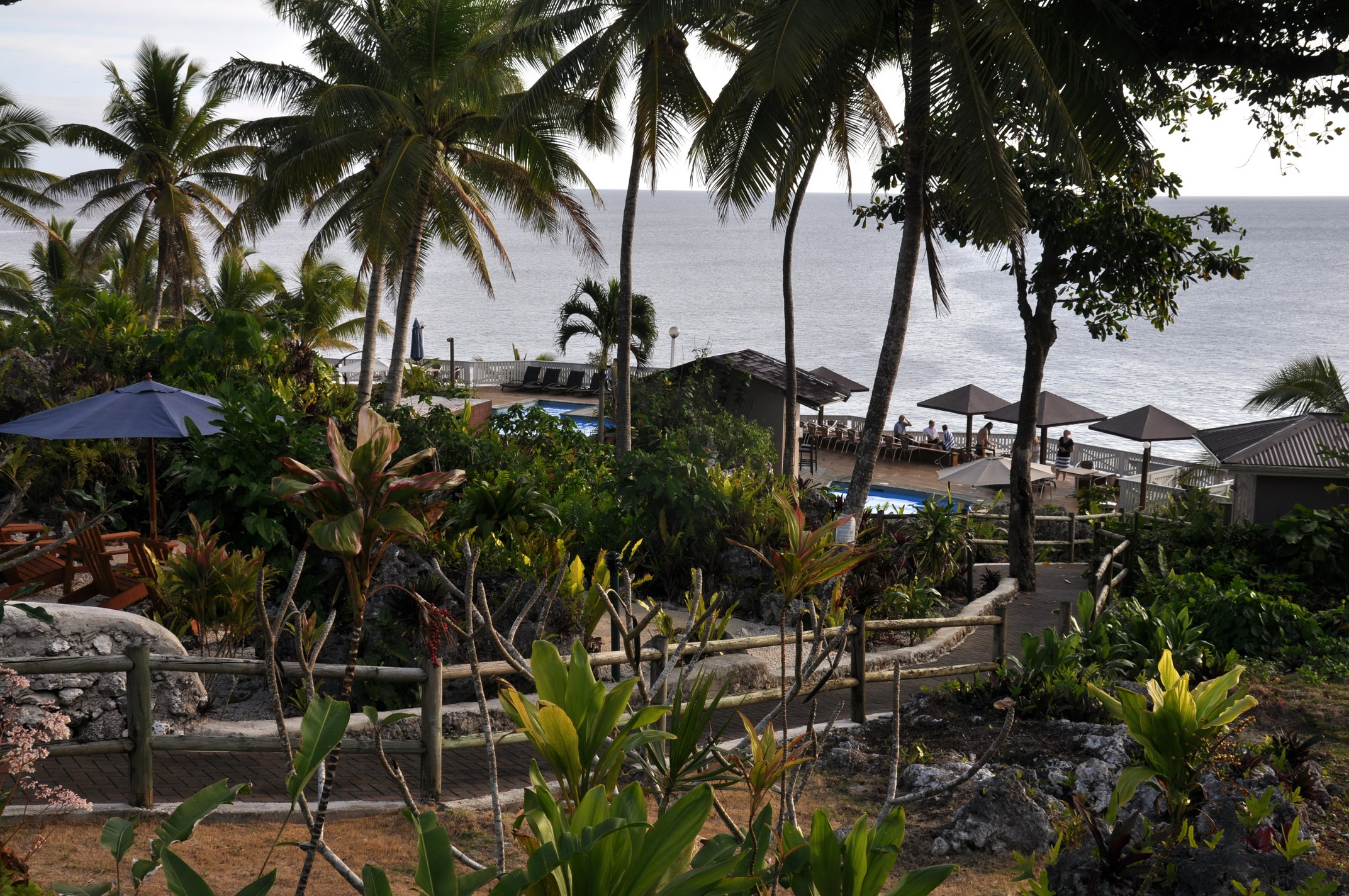
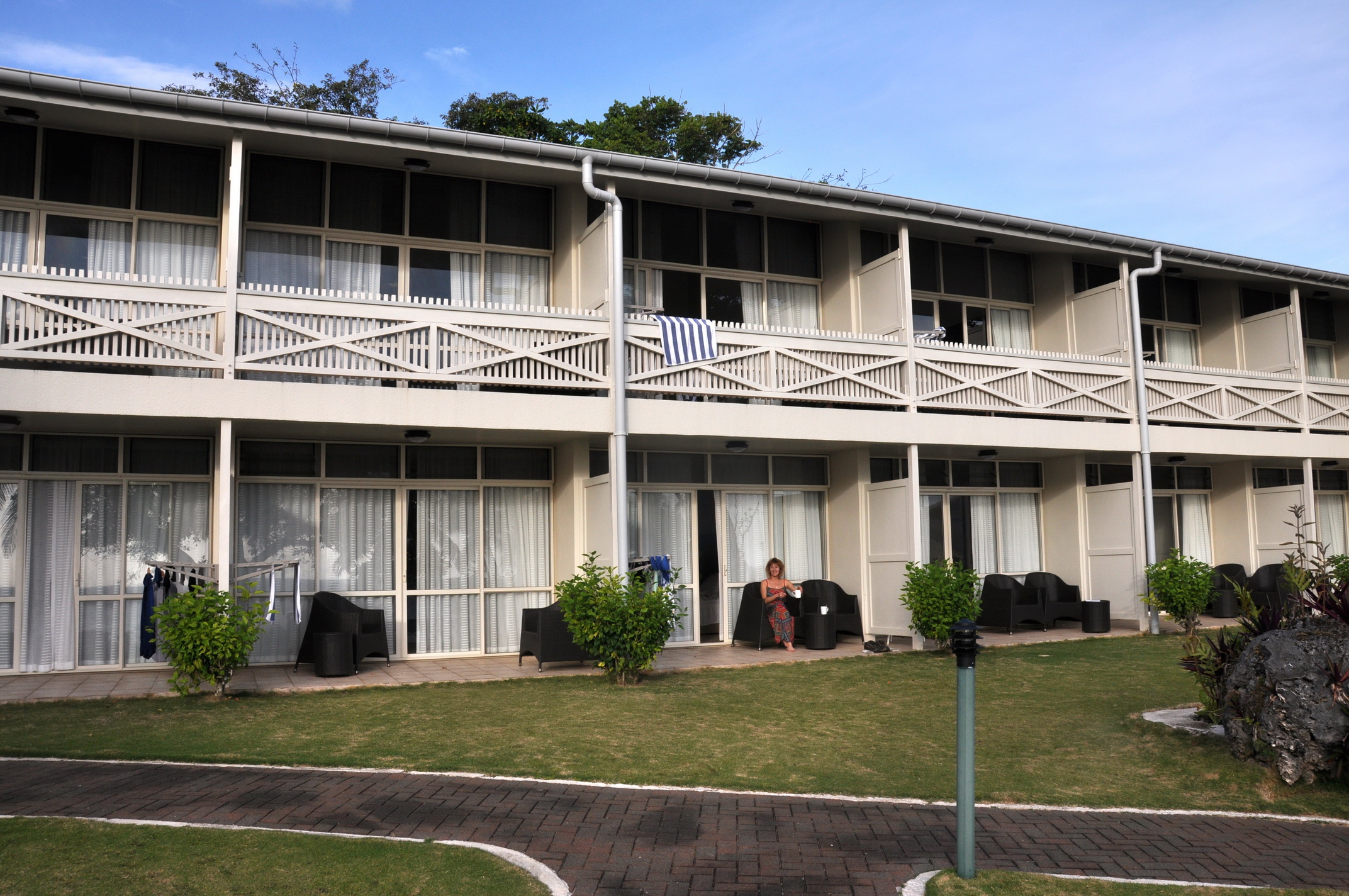
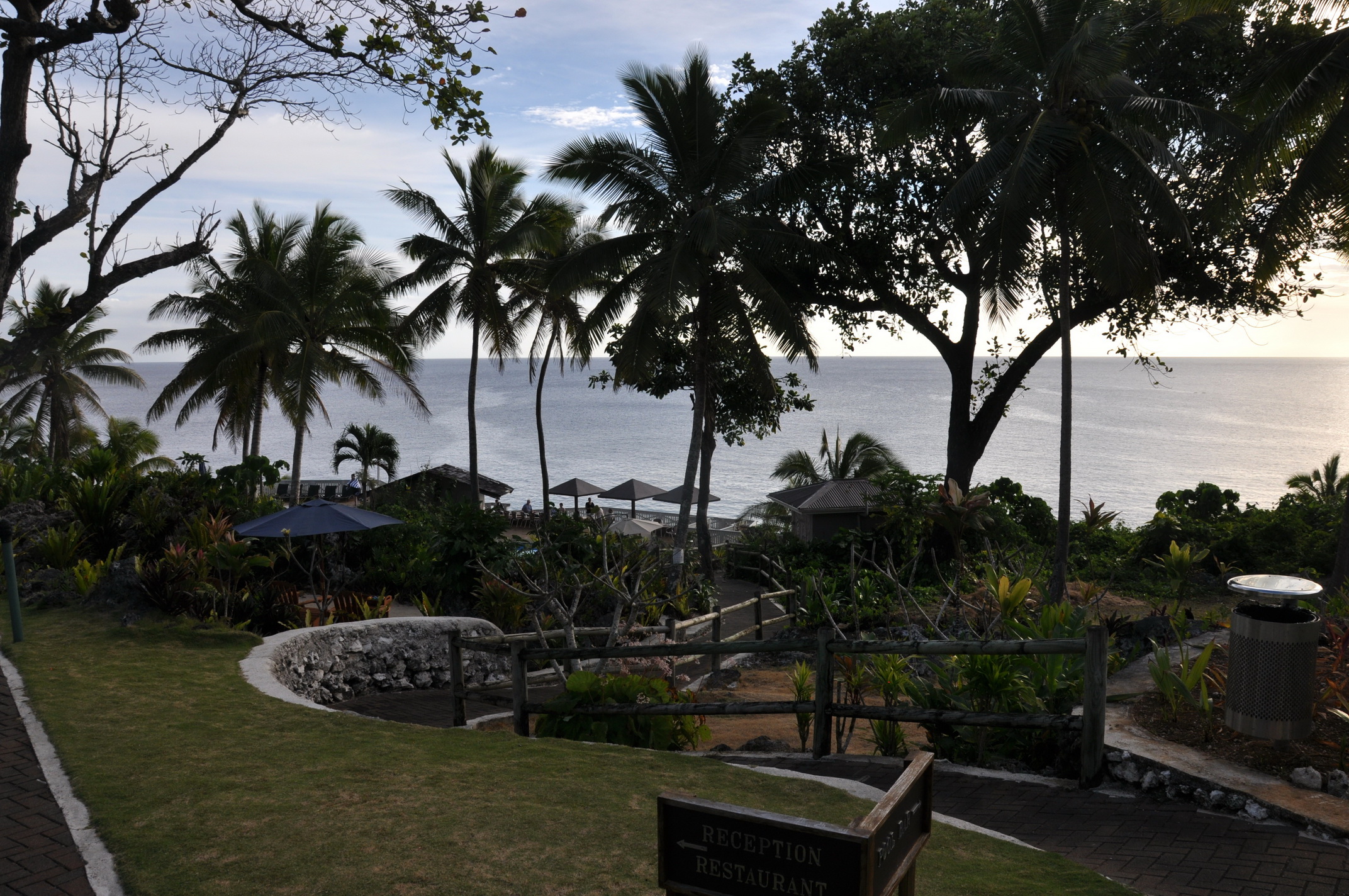
There’s one very expensive resort on the island, Matavai, that does everything by the book. It didn’t take us long to end up there; nowhere else had a room. (19°06.627′S, 169°54.809′W; elevation 20 m.) It was exactly like an expensive European hotel: air conditioning, a complimentary breakfast, and a wildly expensive restaurant serving the usual uninspiring food.
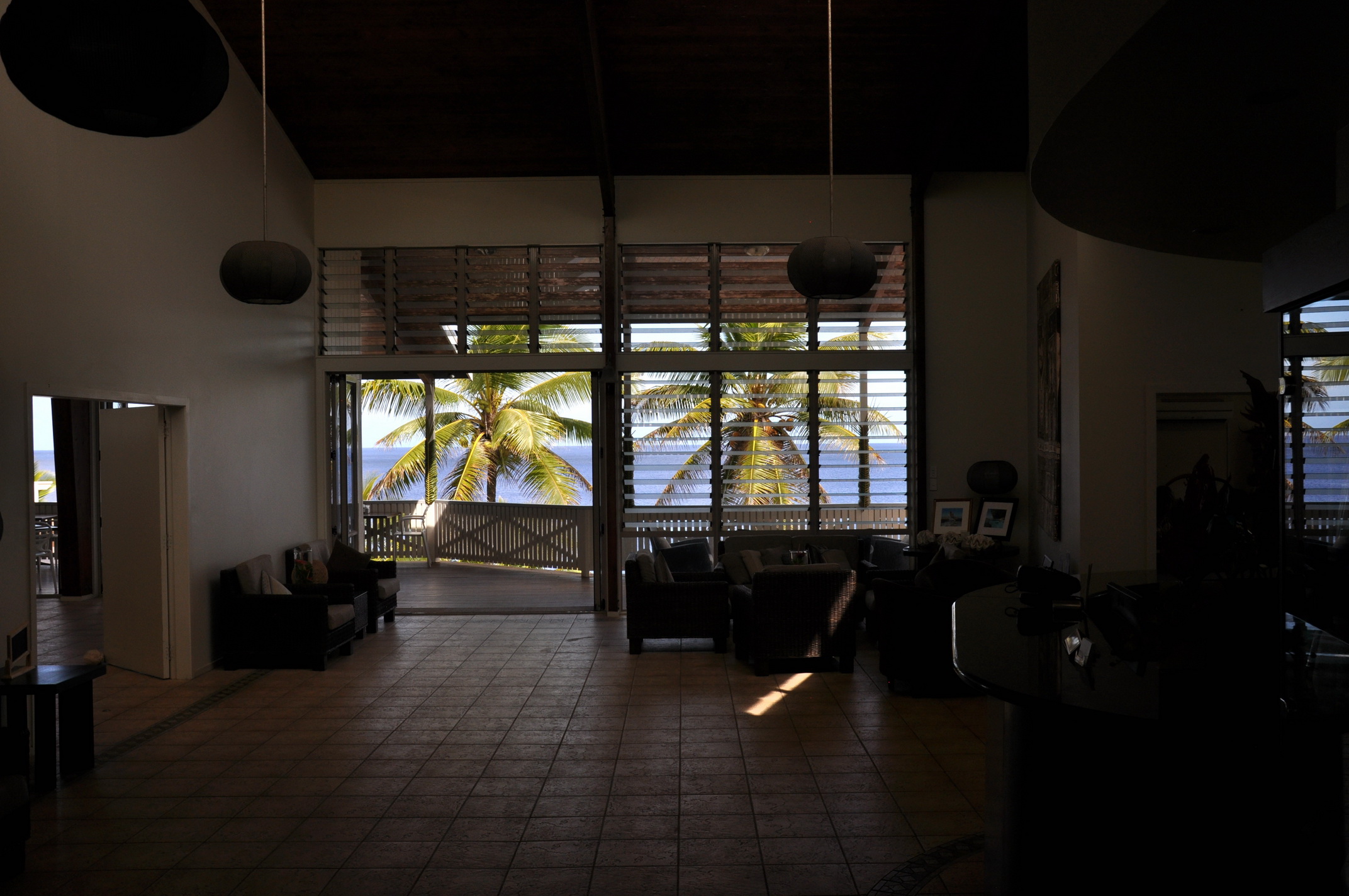
What could we do? We wanted to try staying in different places. Besides, we’d be there at night and would head off somewhere else in the daytime.
It was Monday, so I could finally get my licence. A cheerful, handsome policeman issued it. They took my photo and printed the licence on plastic. A very professional operation. The shame of it is that someone stole that licence on my very first day back in Russia.
One thing I found interesting: when a local sits the driving test, you can hardly find another car on the road to see whether the learner can do anything besides press the accelerator and keep to their lane. So they make things a little harder: one officer gives the test and two others, driving separate police cars, make themselves obstacles to the left and right, ahead and behind.
With the licence in hand, I could finally sign the rental agreement.
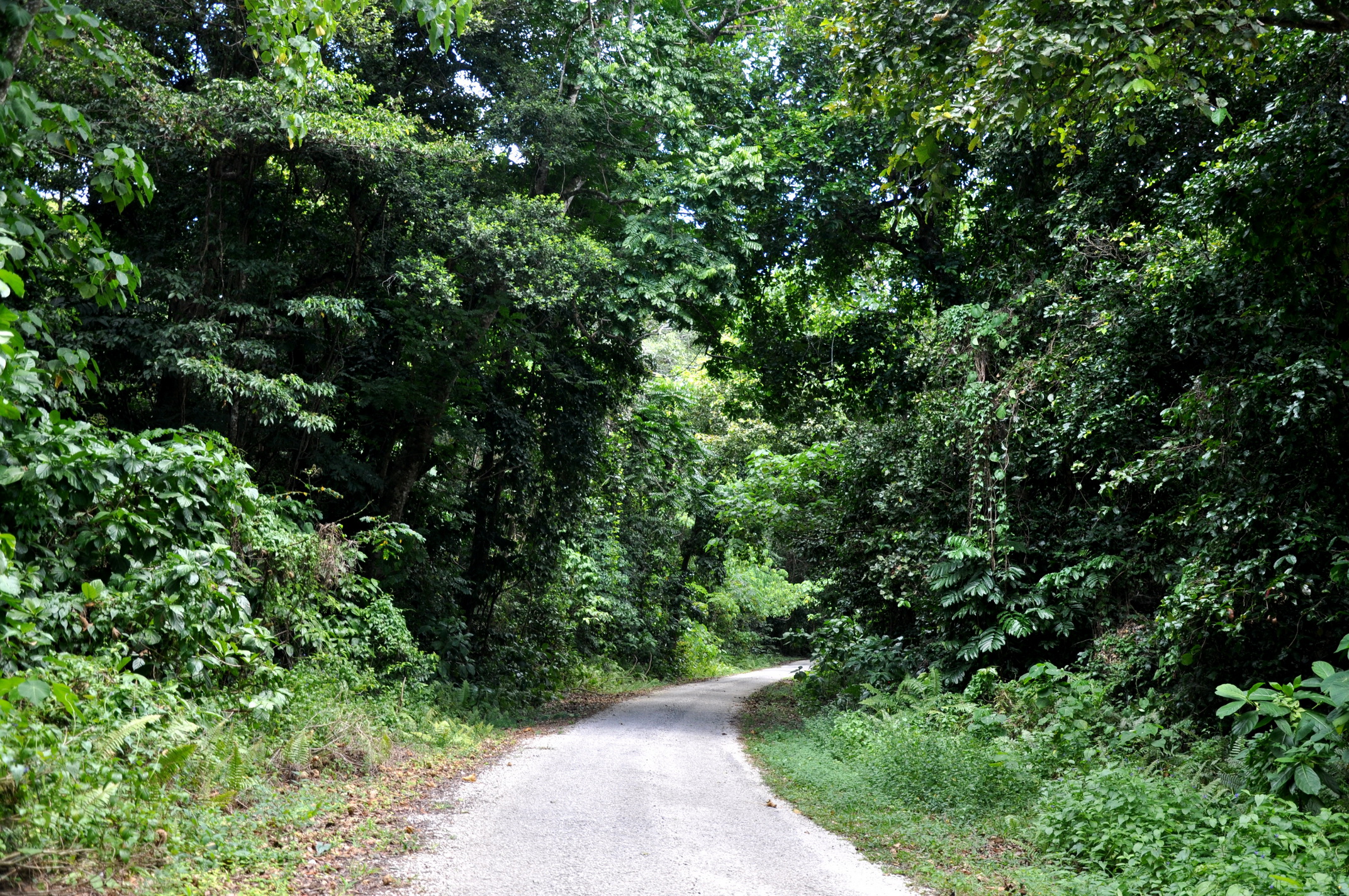
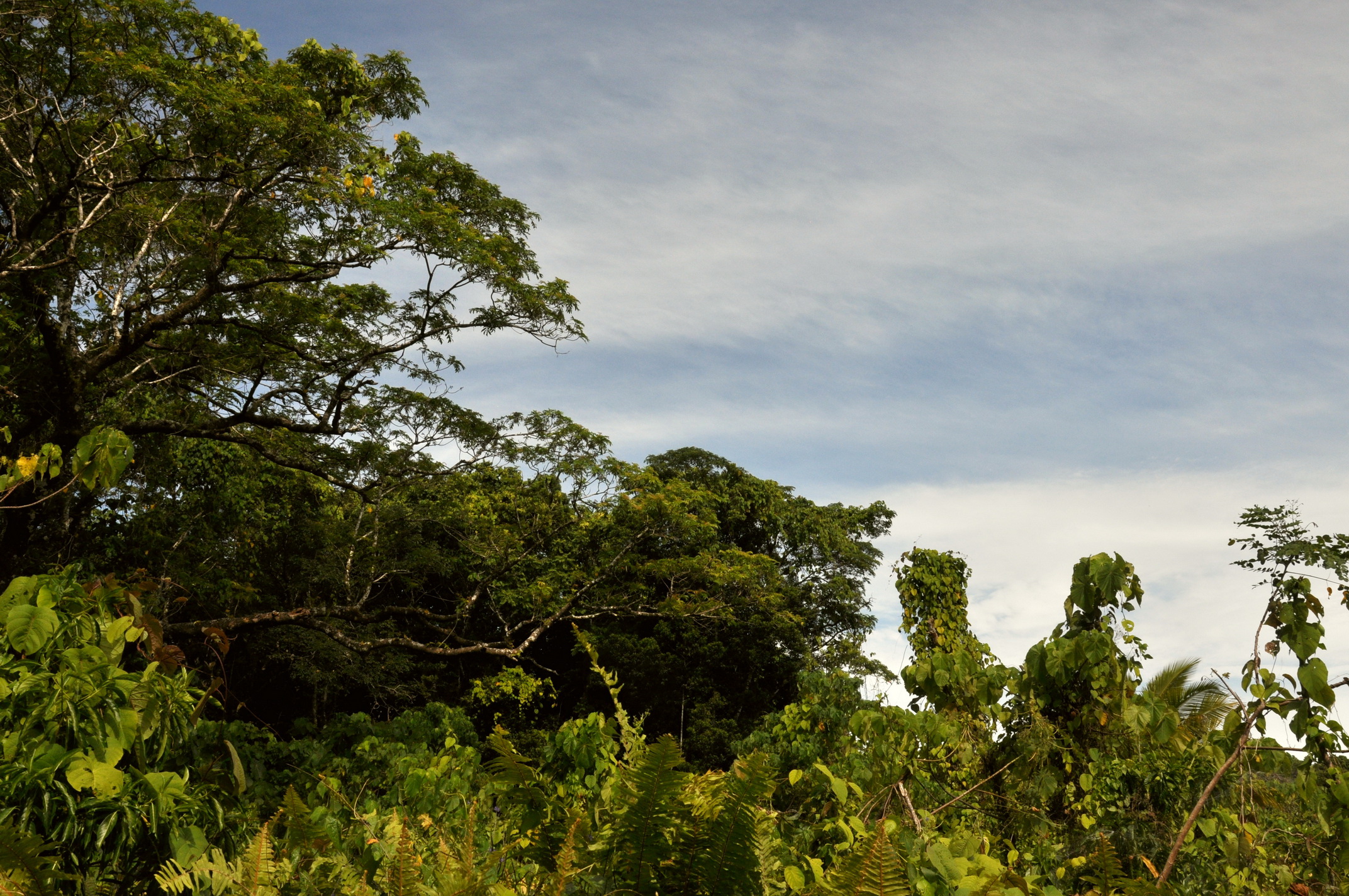
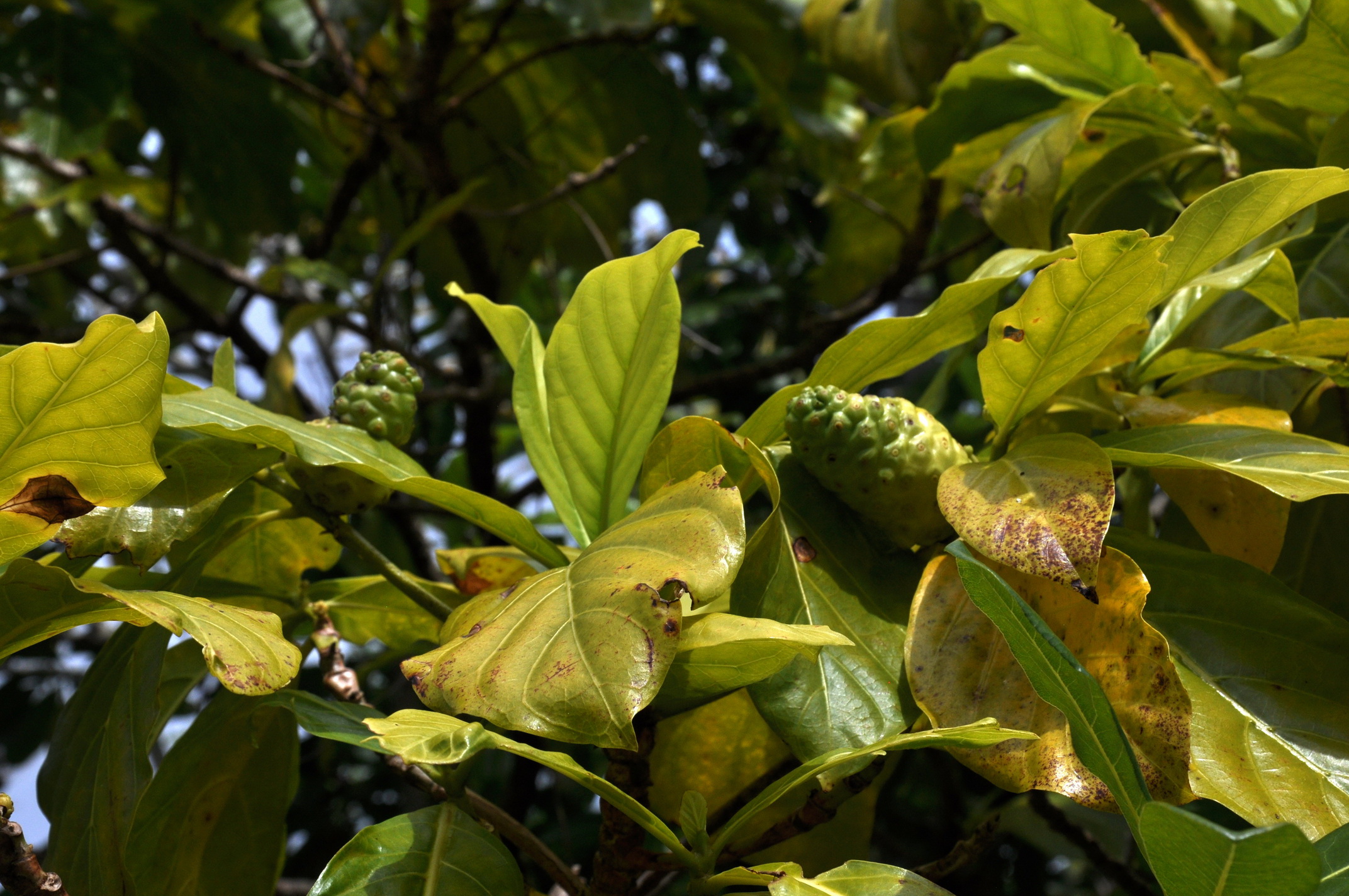
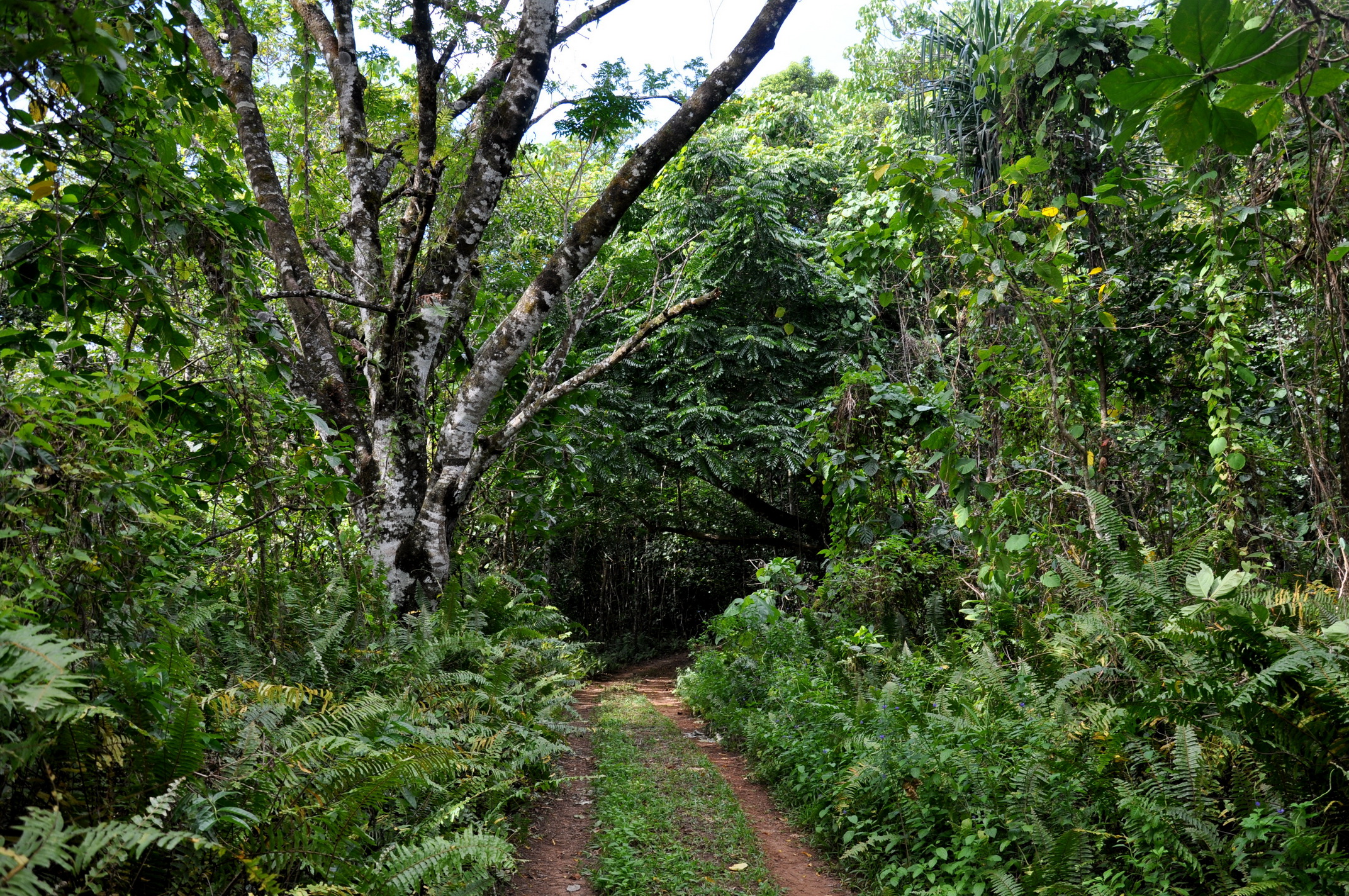
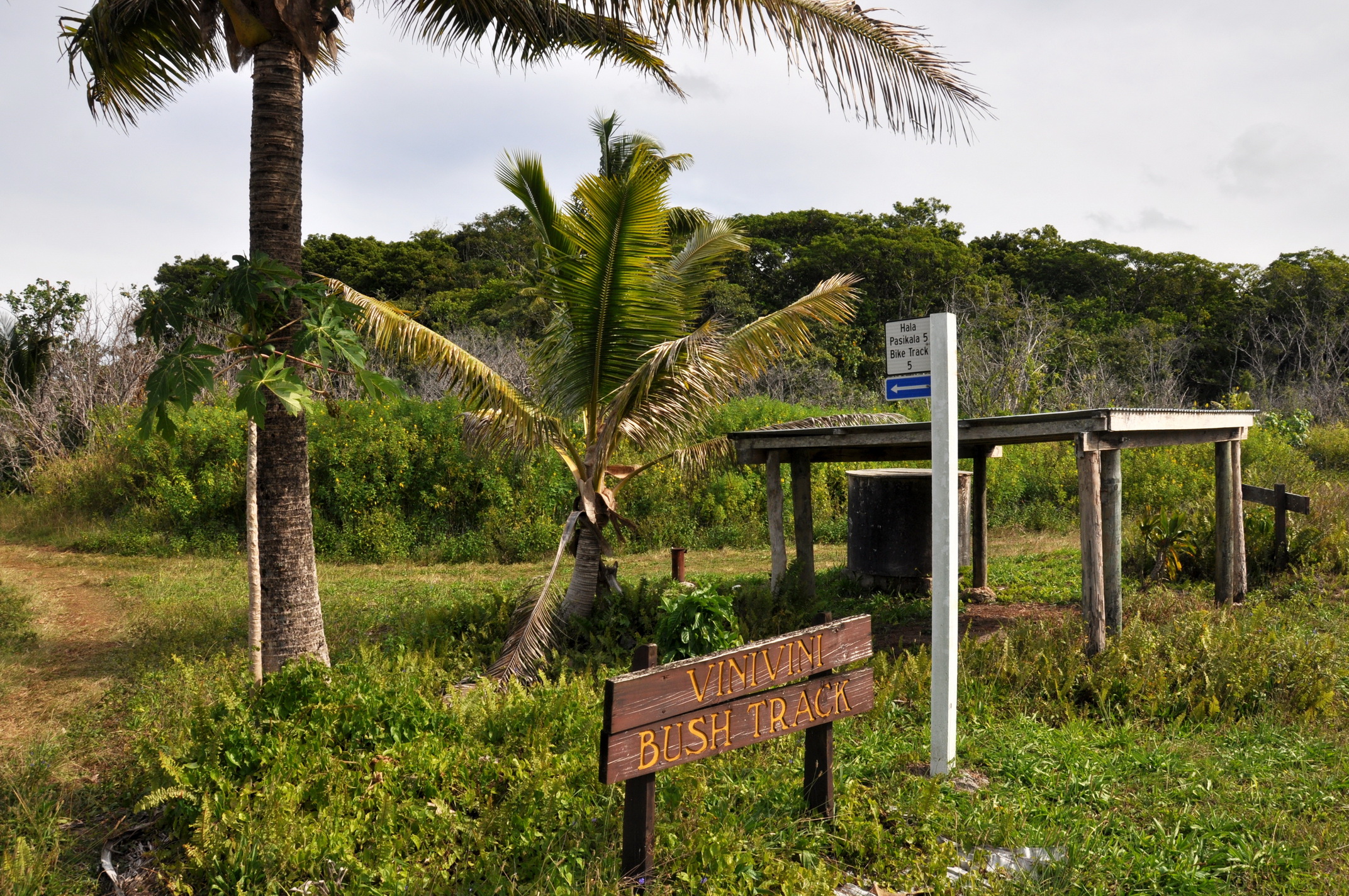
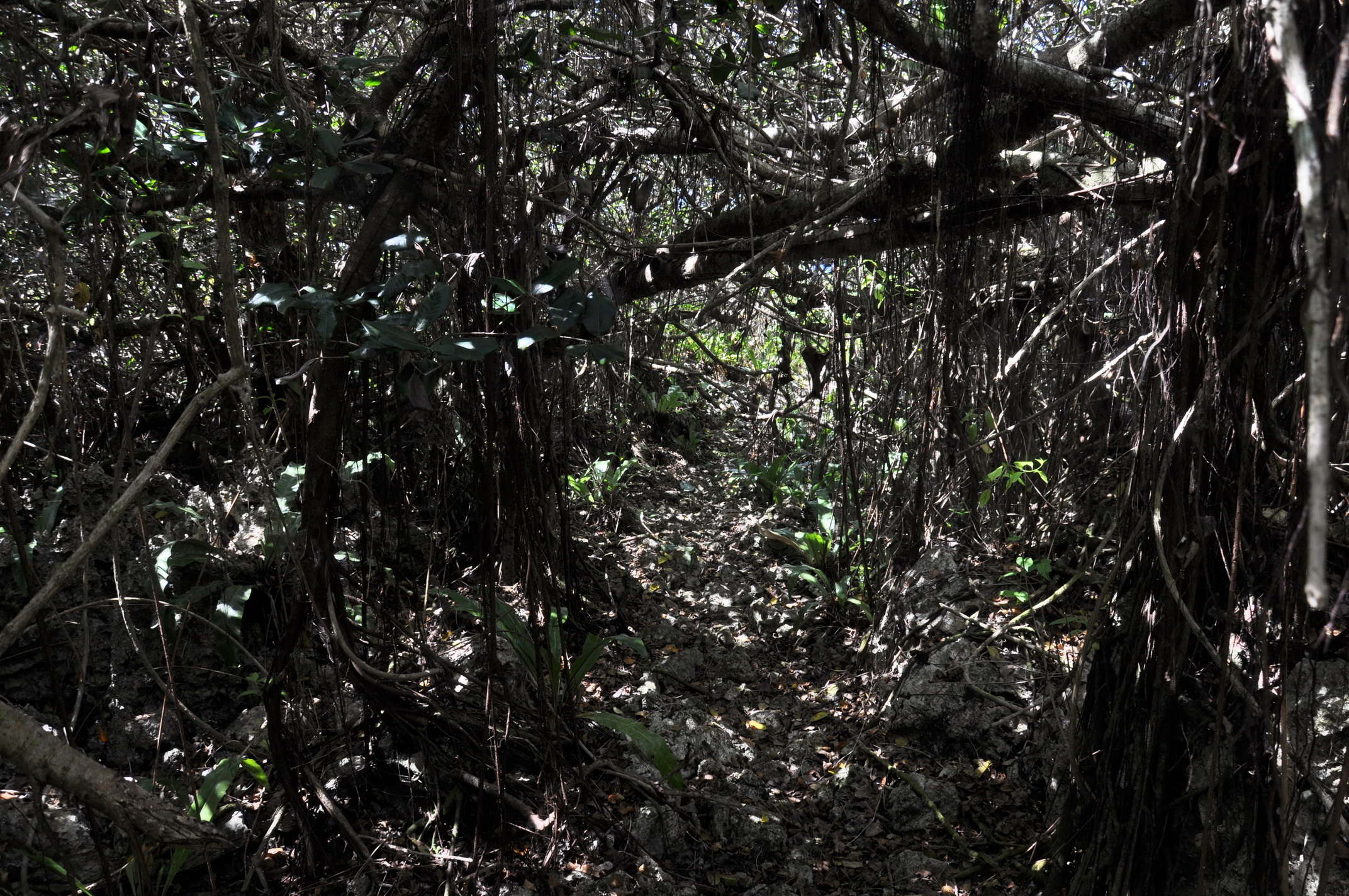
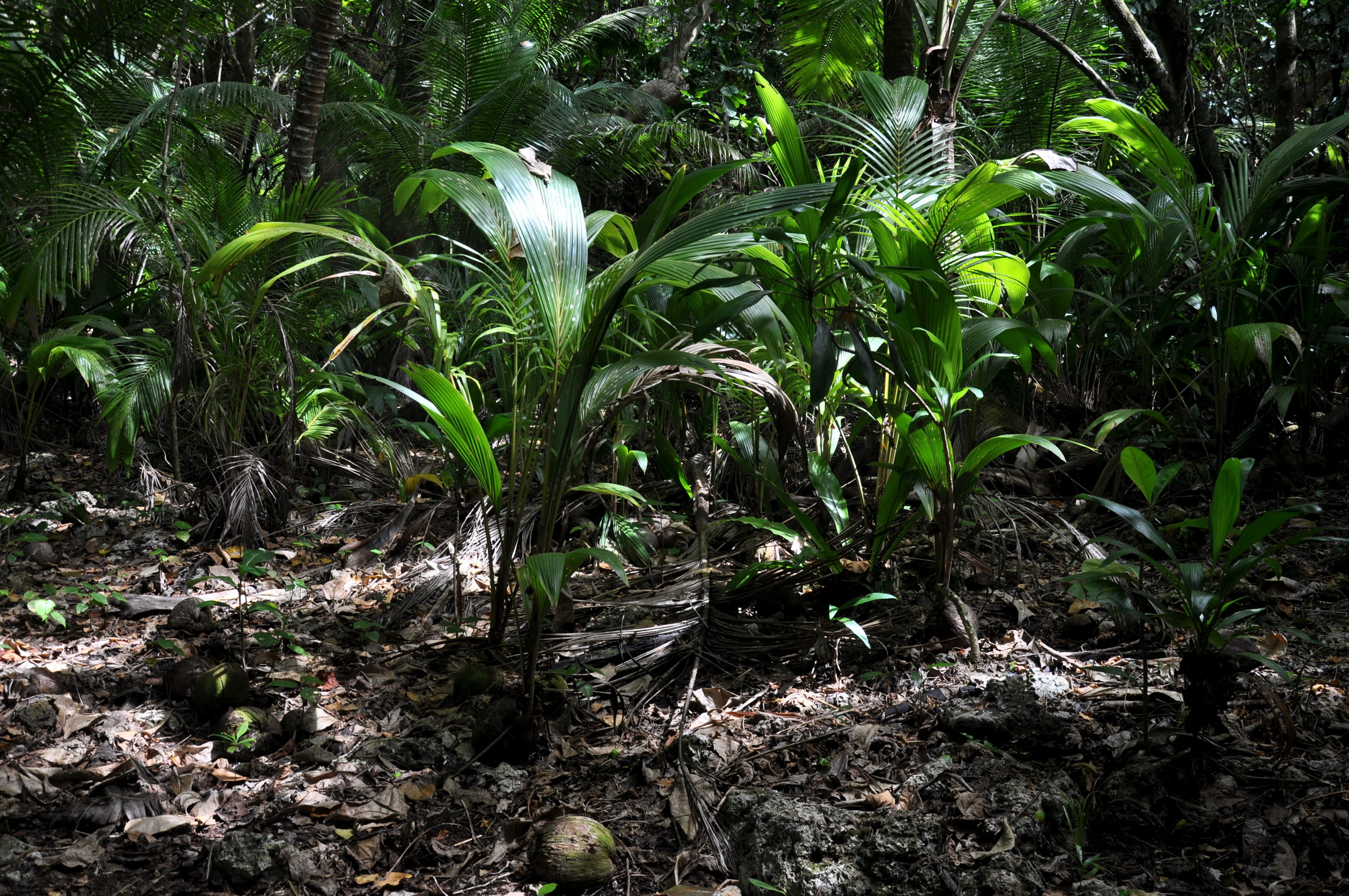
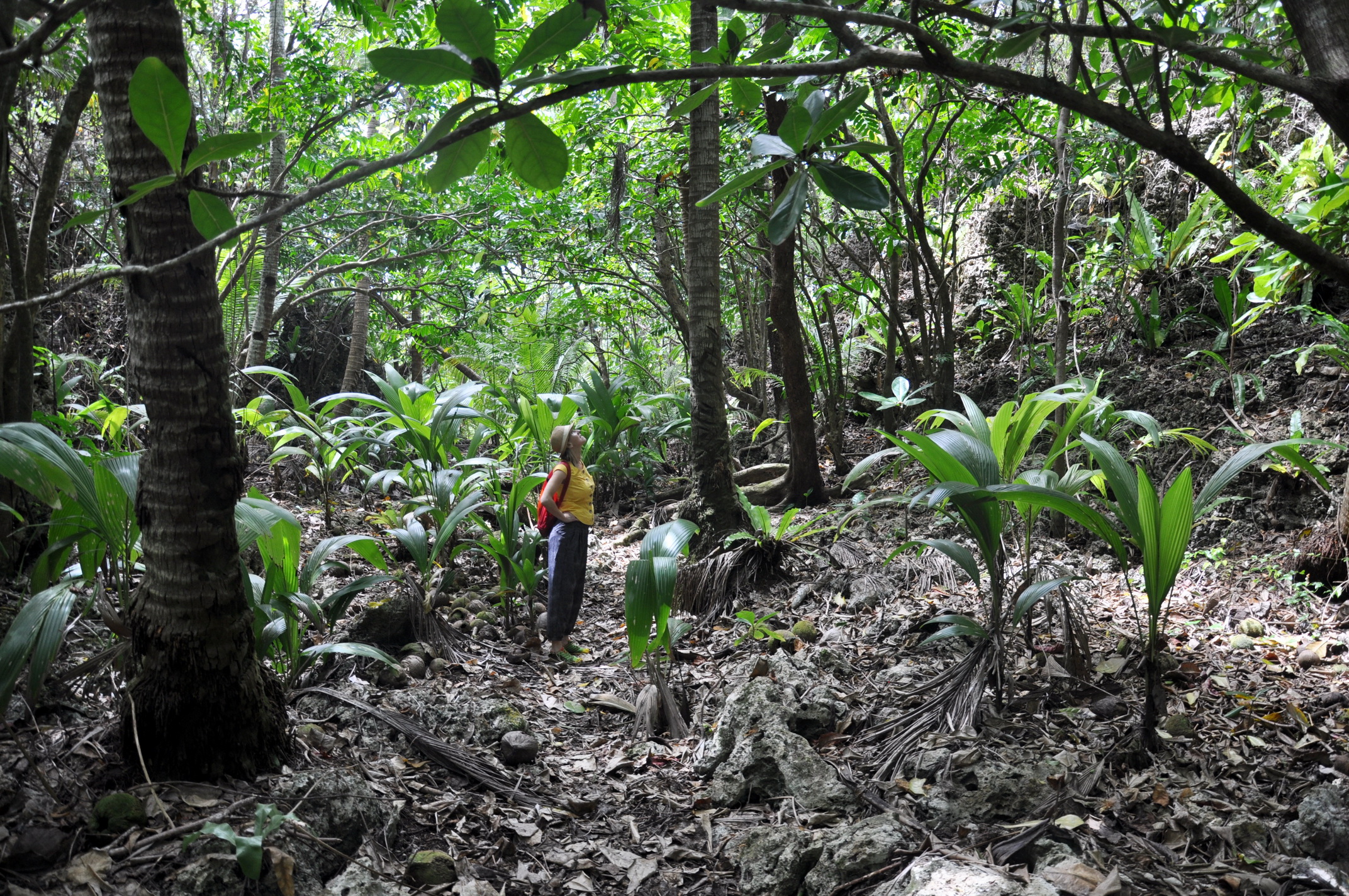
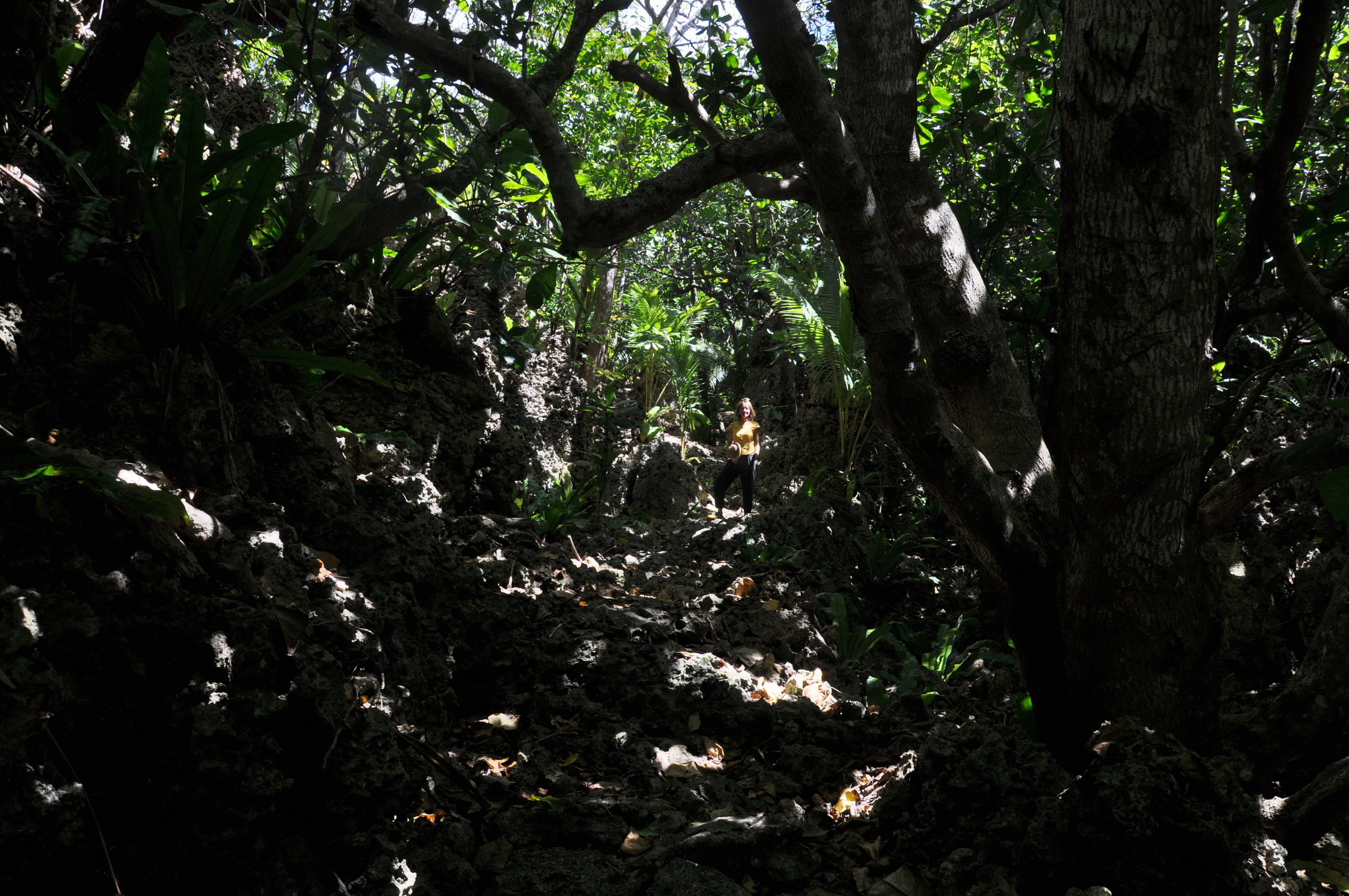
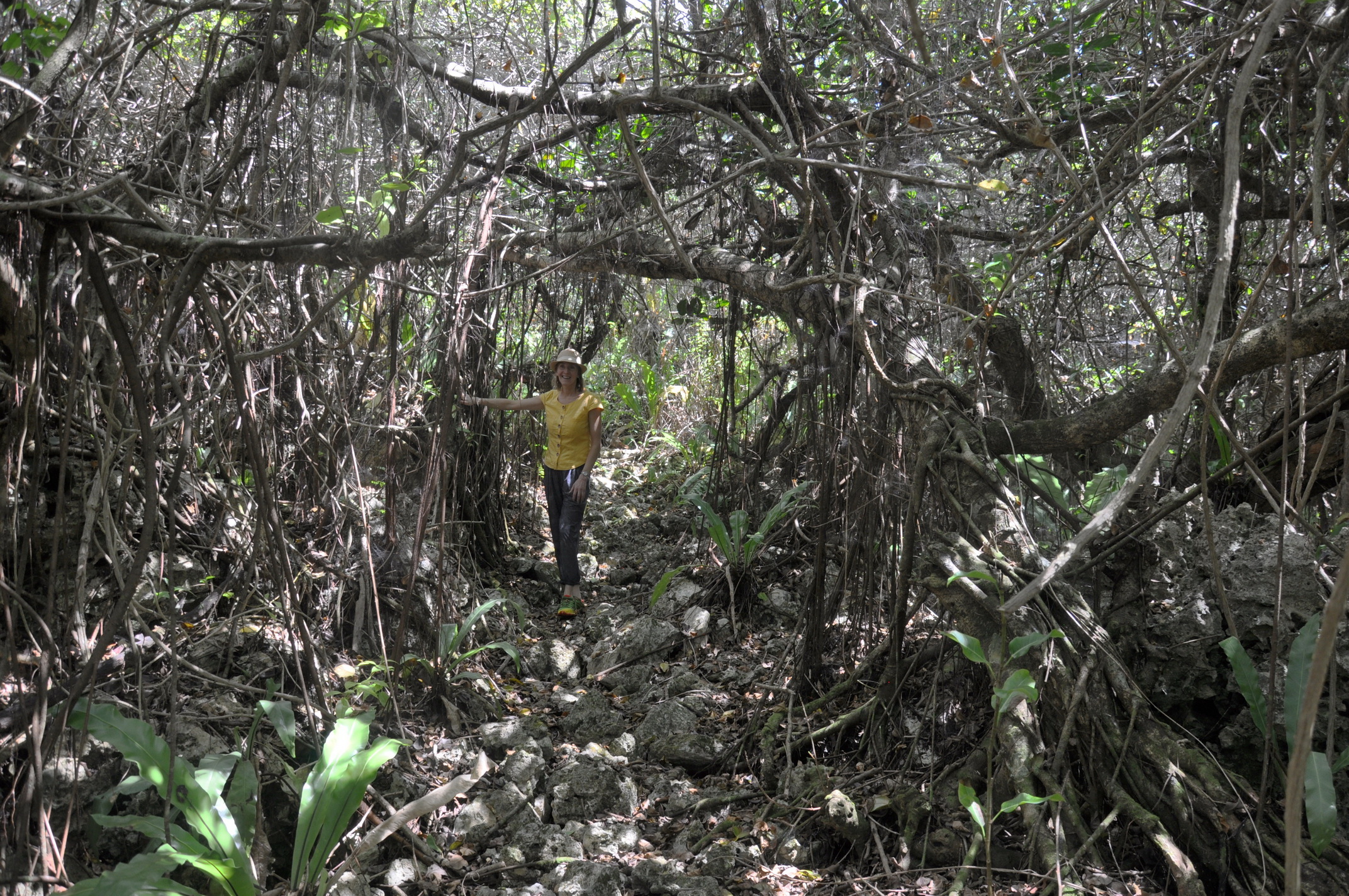
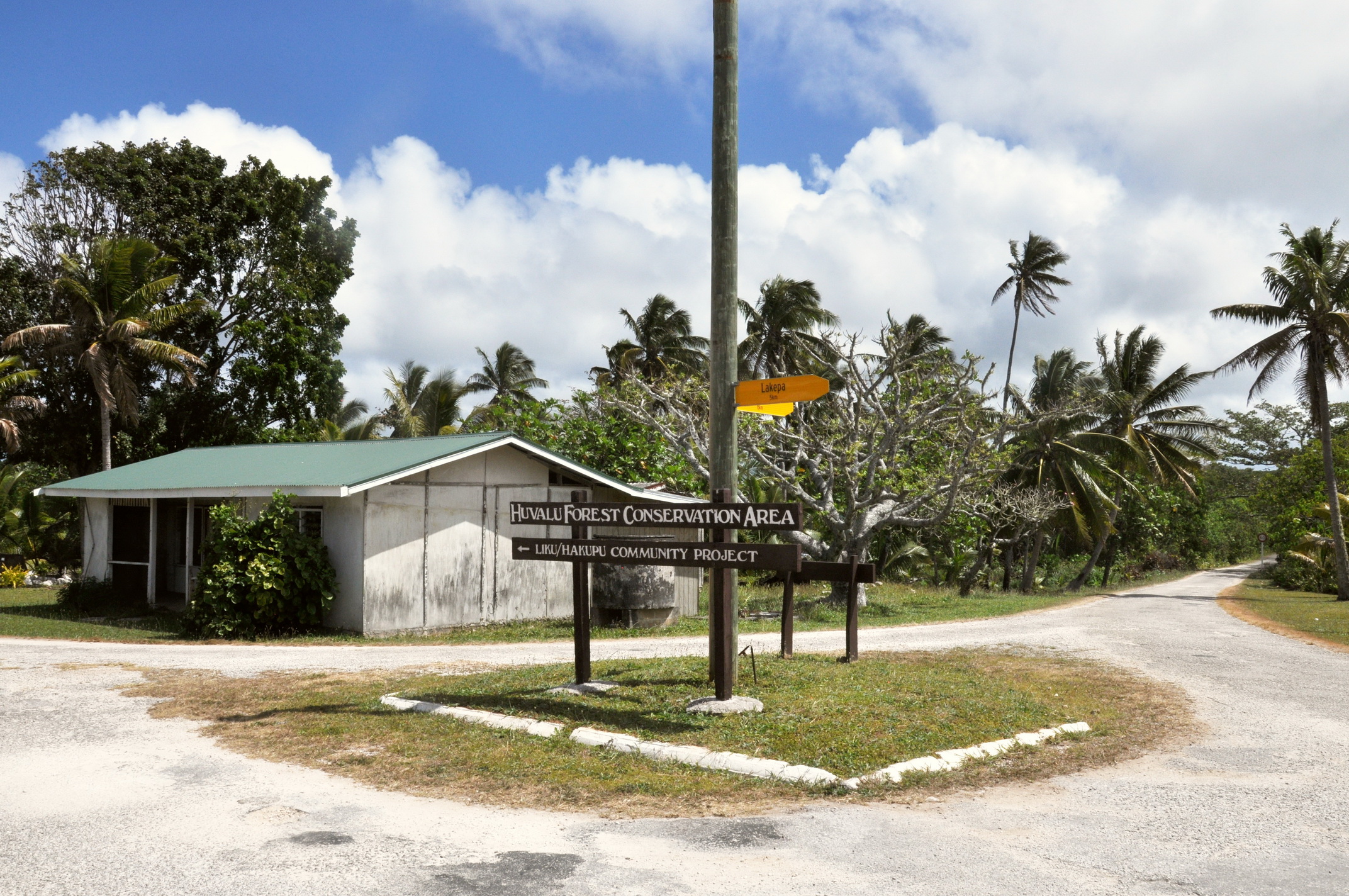
Niue doesn’t have a great variety of wildlife. The island is young, and not many species have had time to establish themselves here. Most of the original forest was cleared; it survives mainly in the southeast of the island protected as the Huvalu Forest Conservation Area. Through the reserve runs a long trail—or rather a four-wheel-drive track called the Vinivini Bush Road. It’s recommended for mountain biking, but you can walk it too.
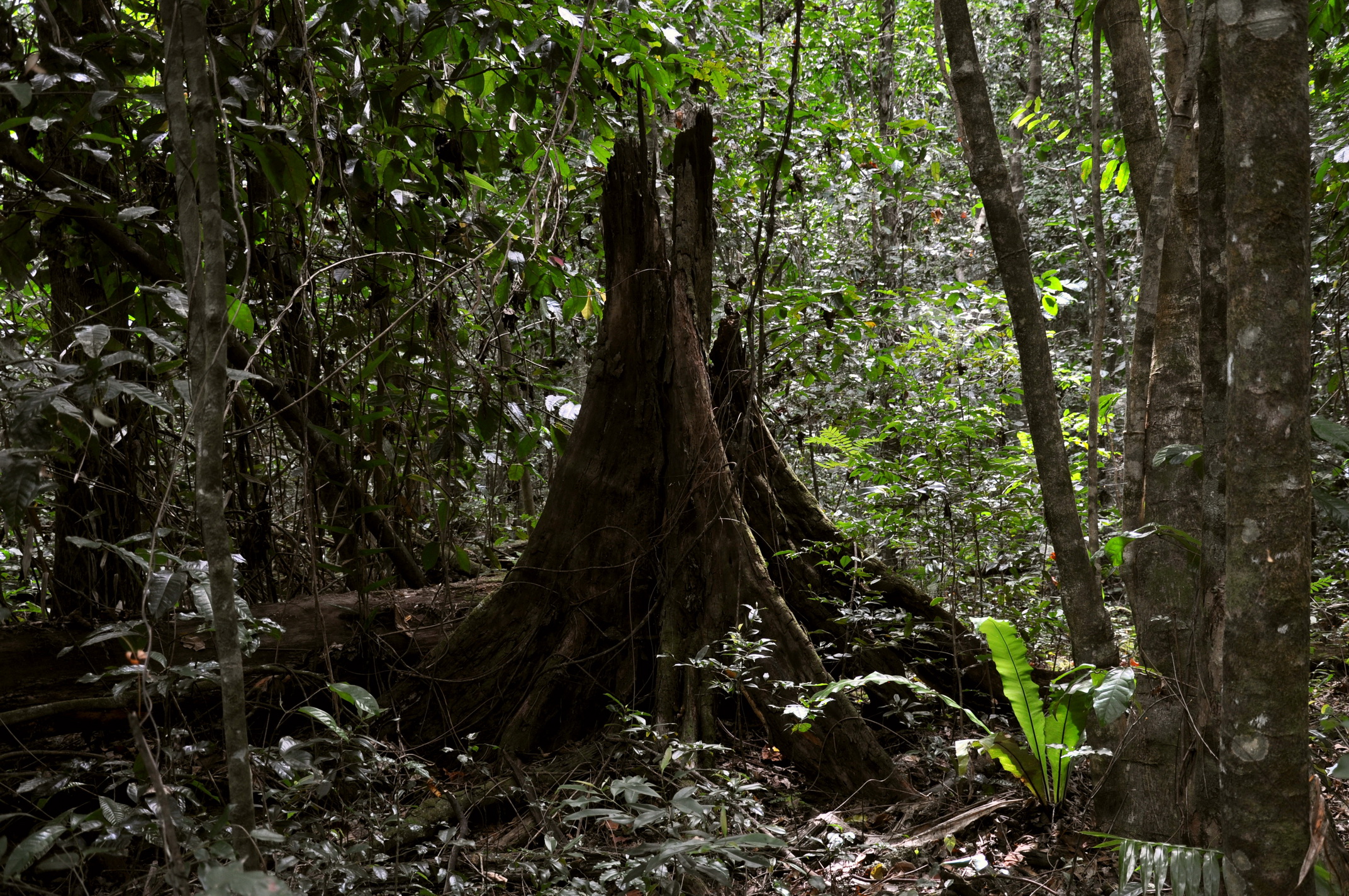
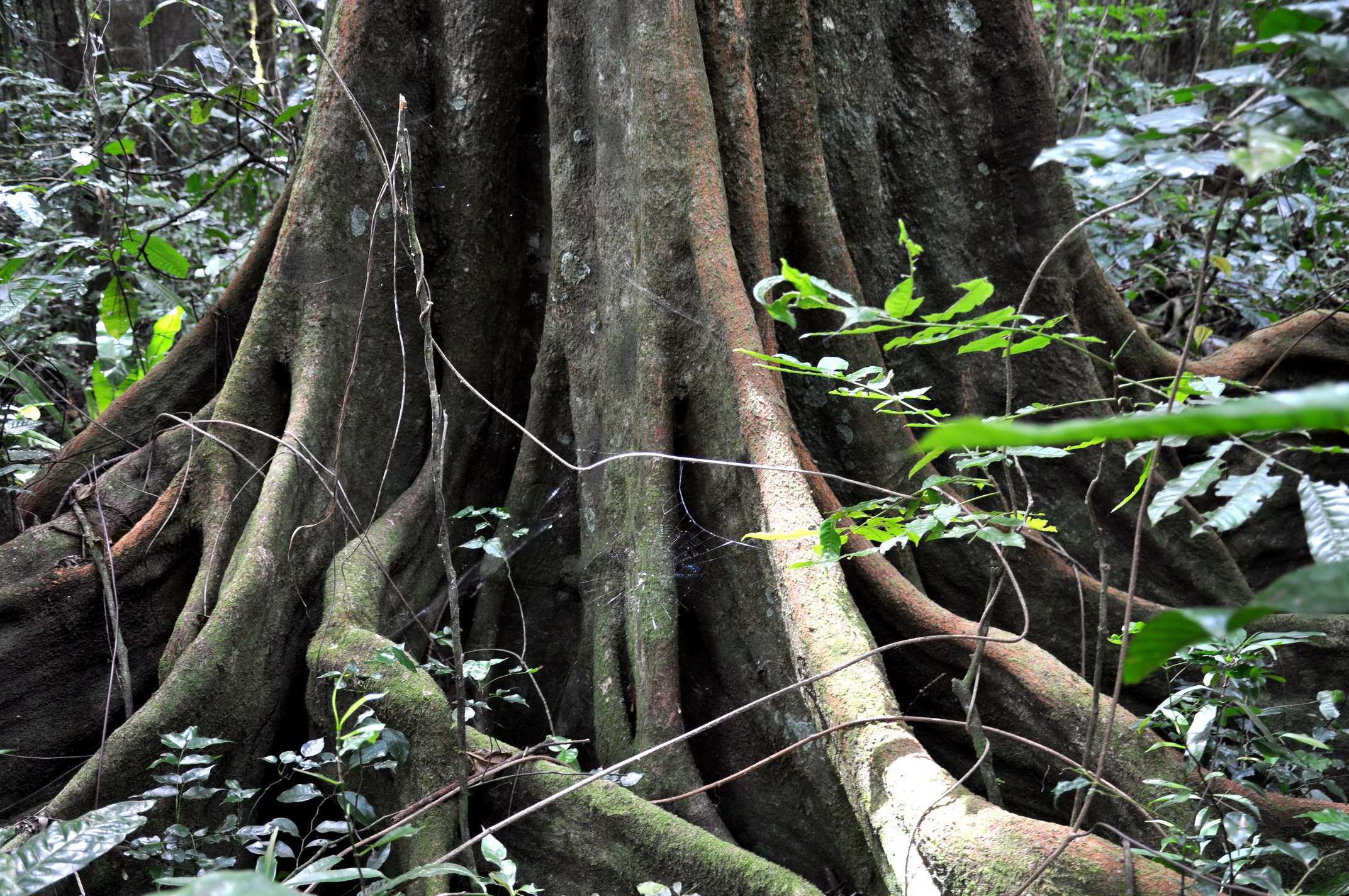
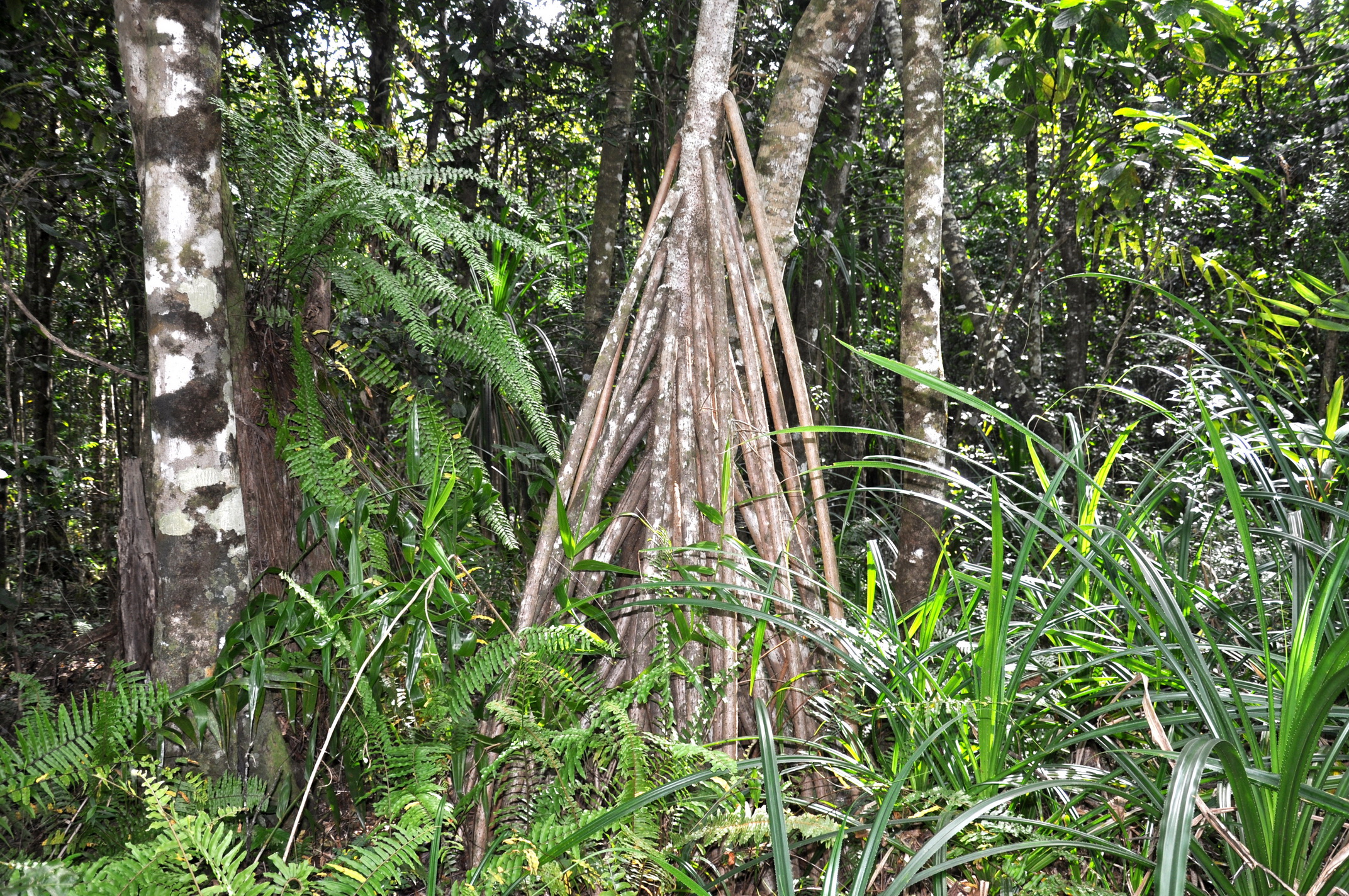
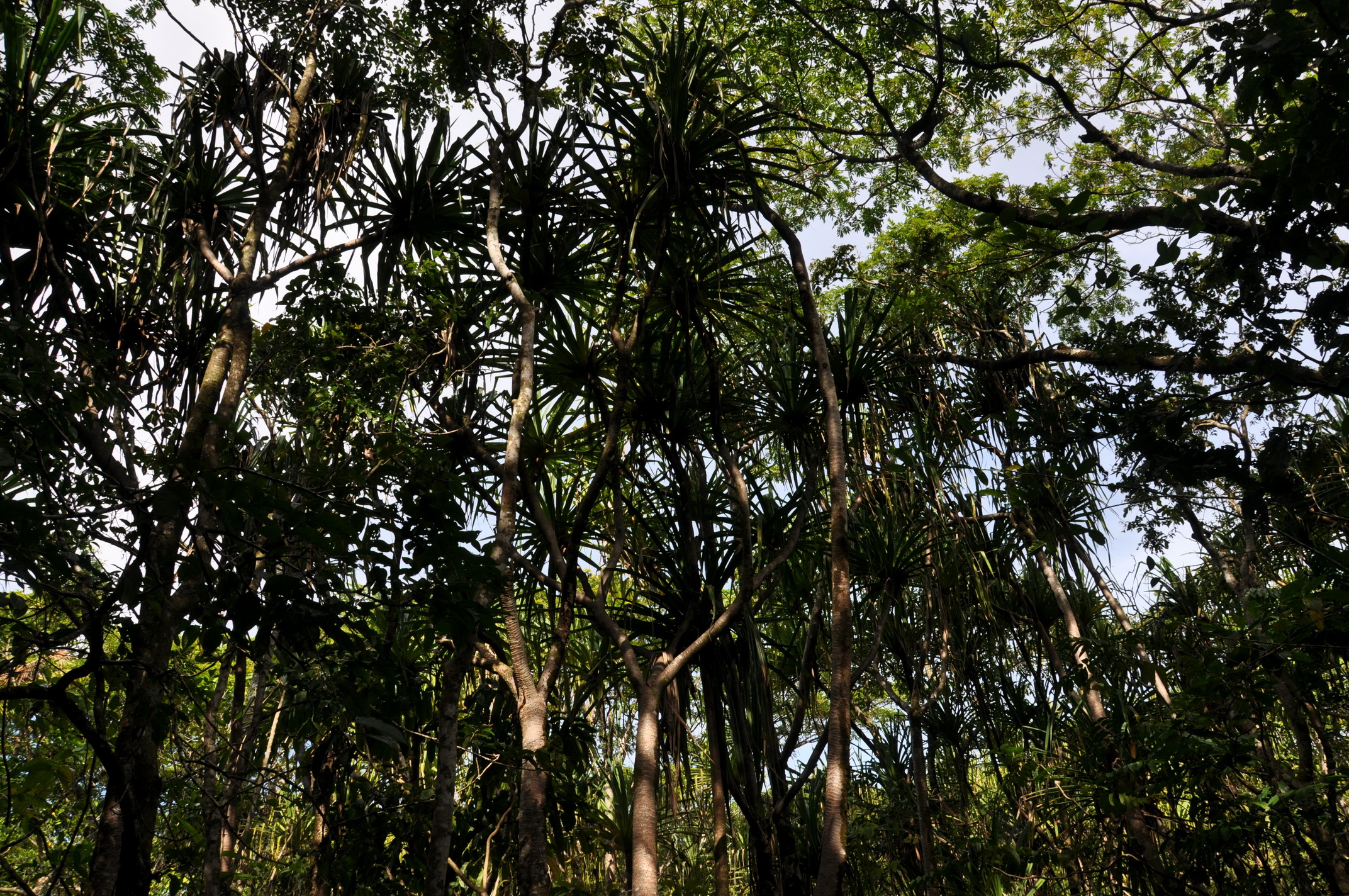
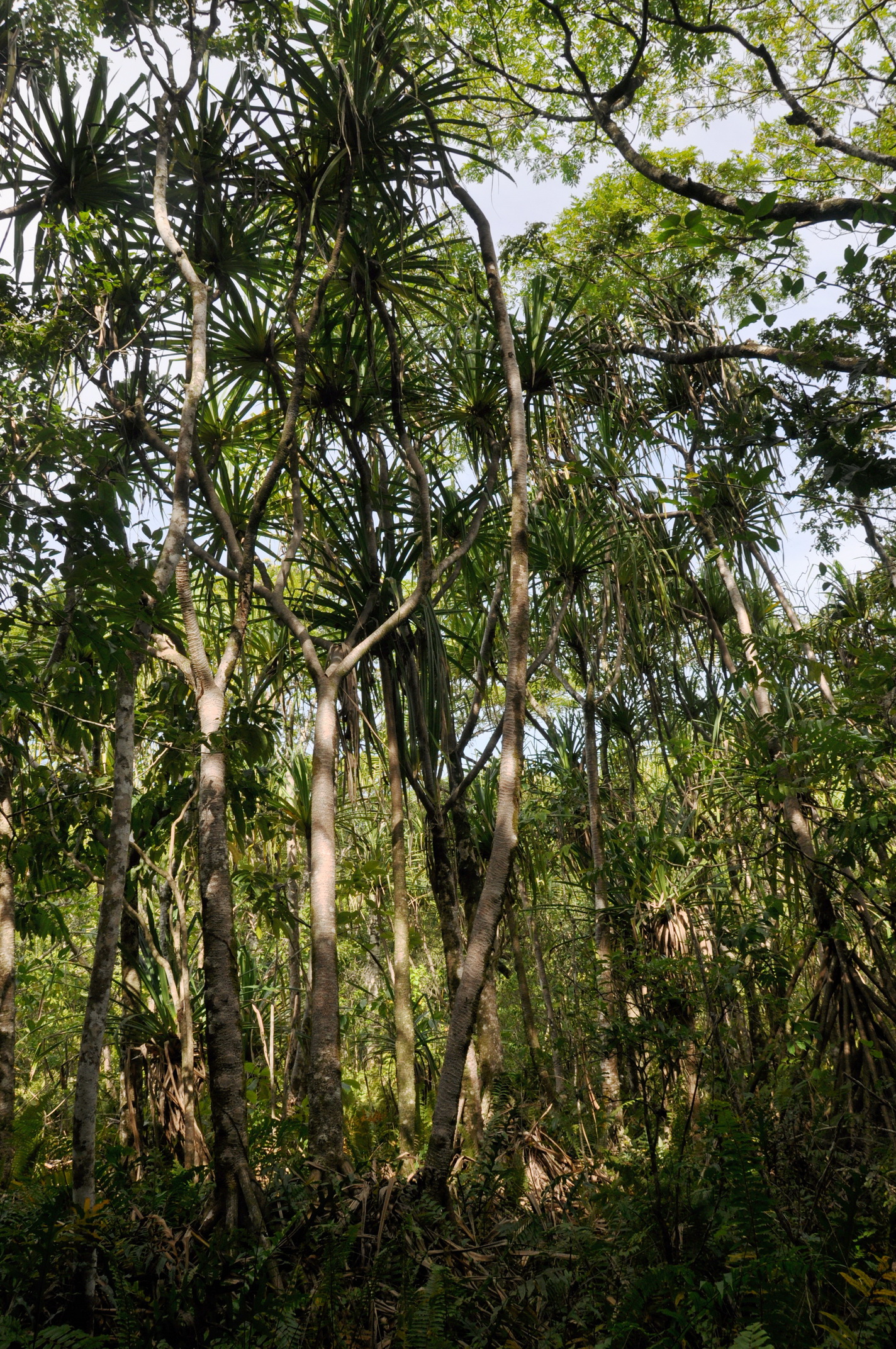
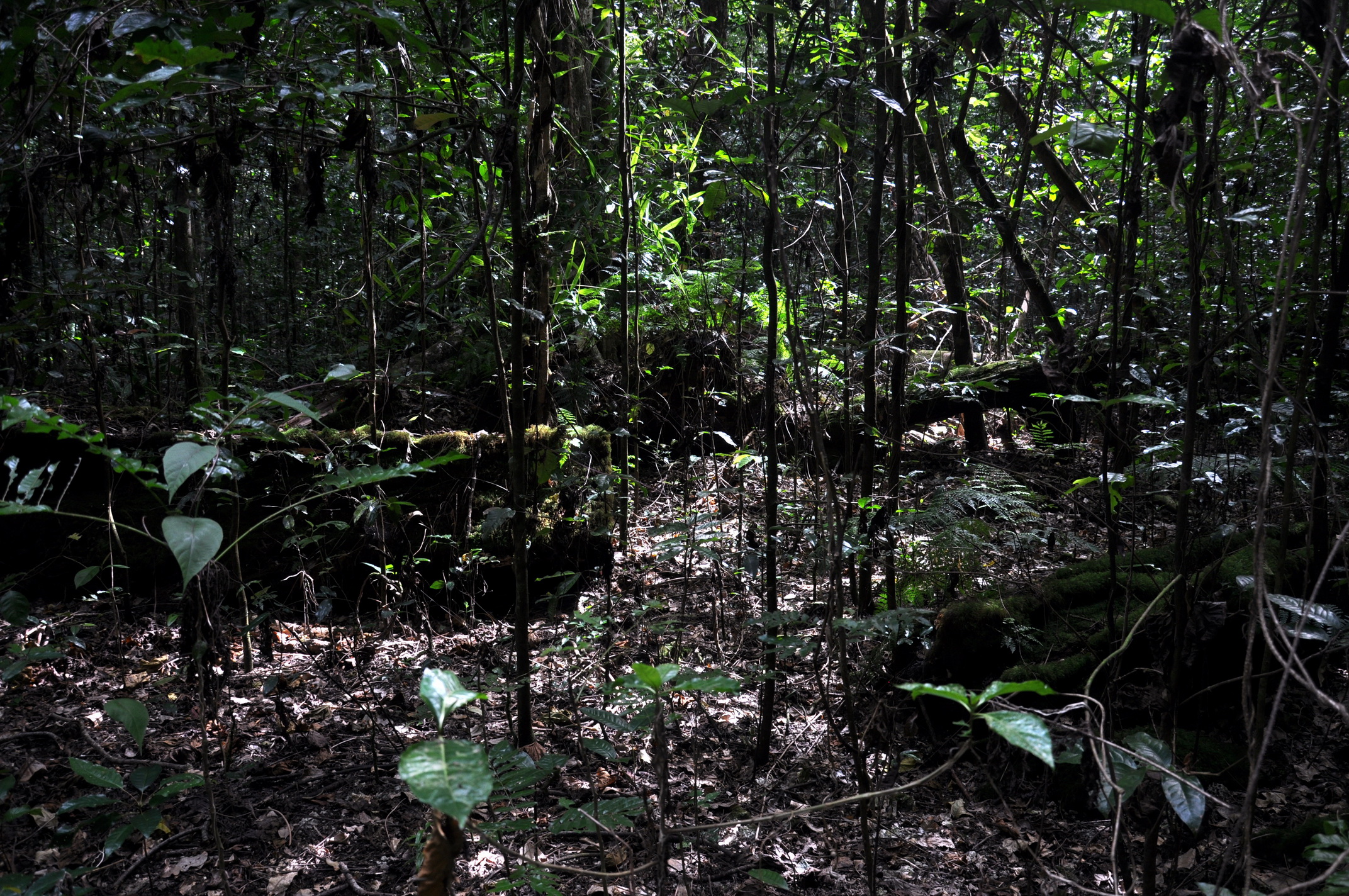
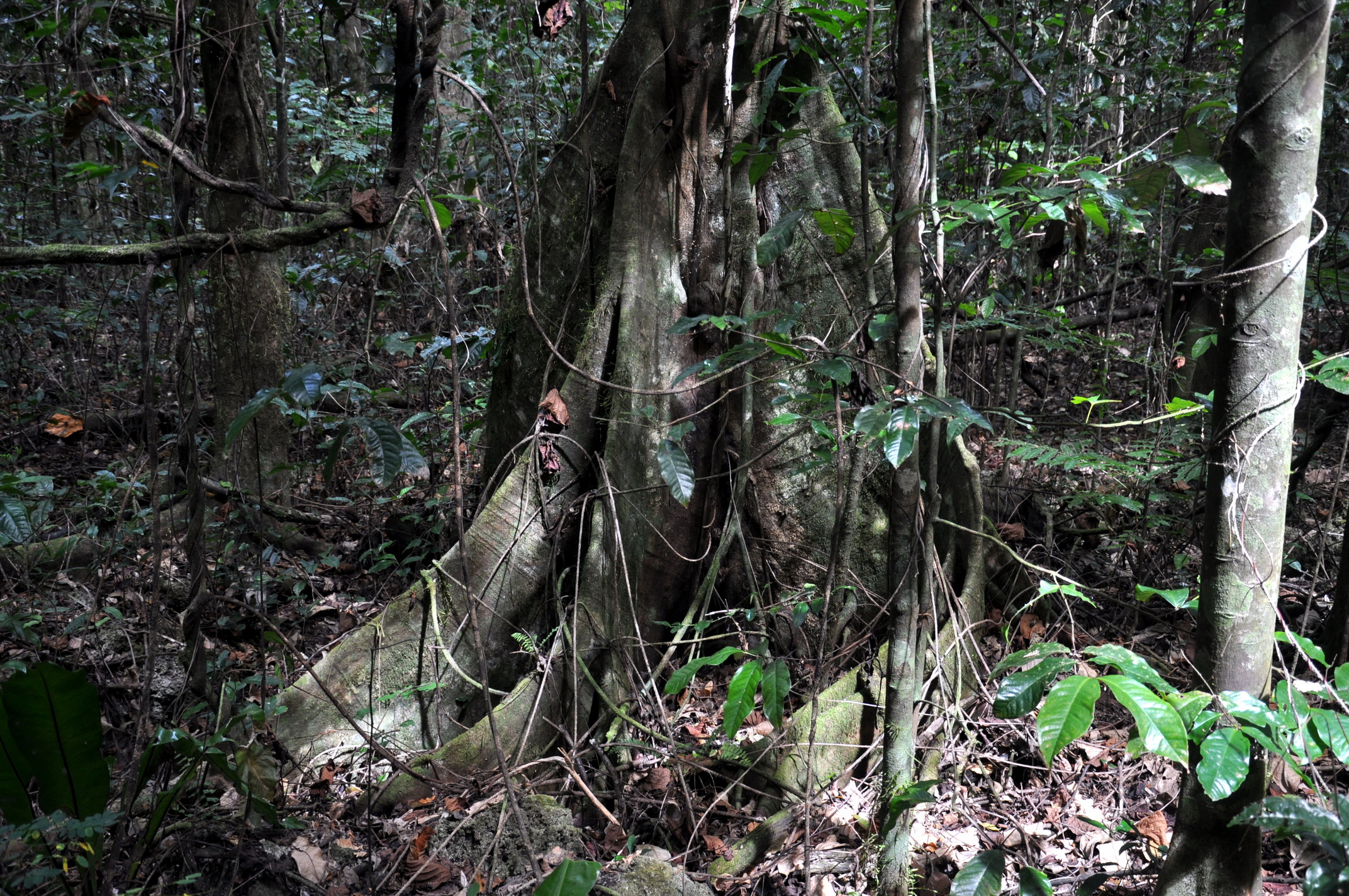
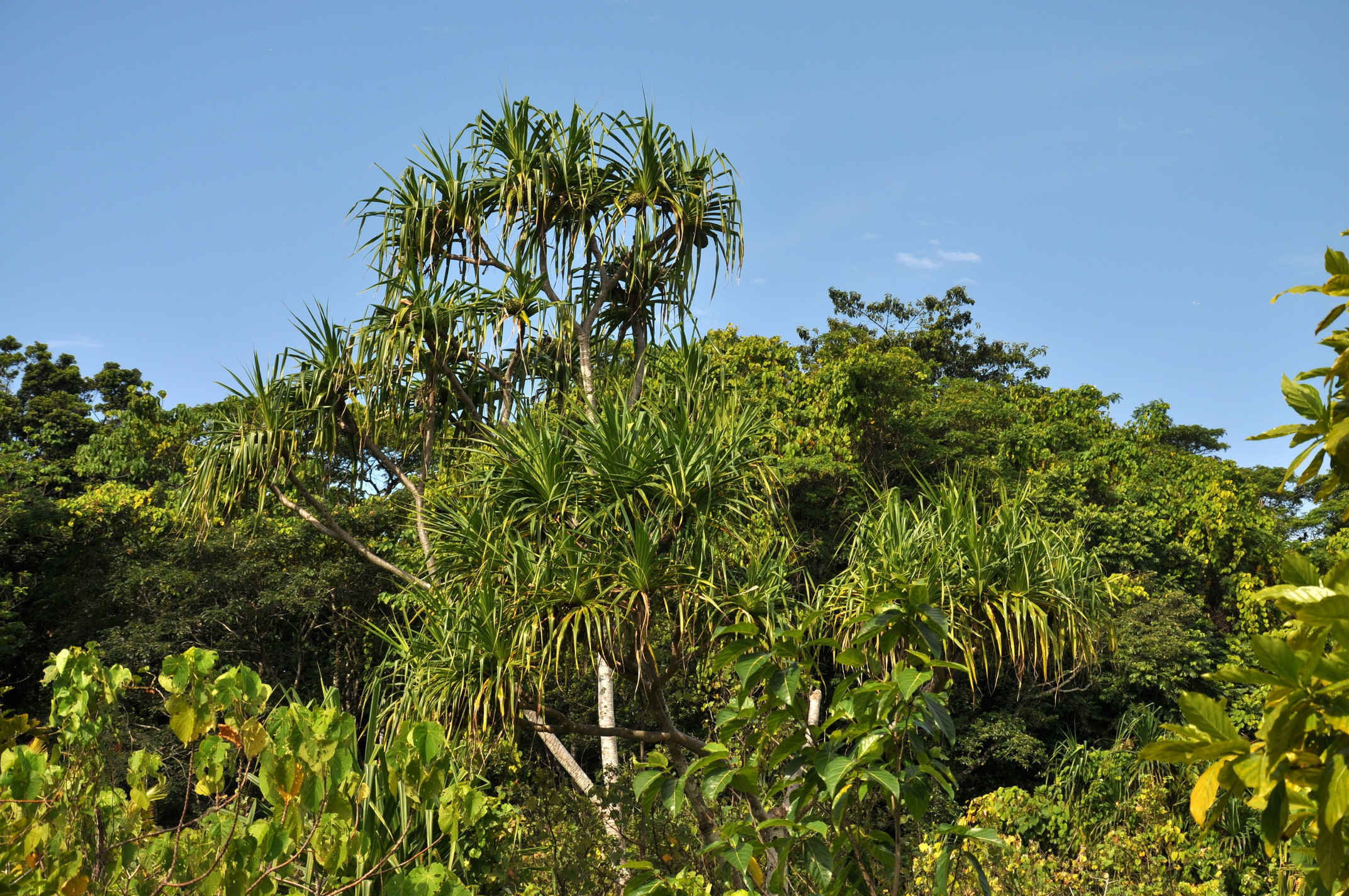
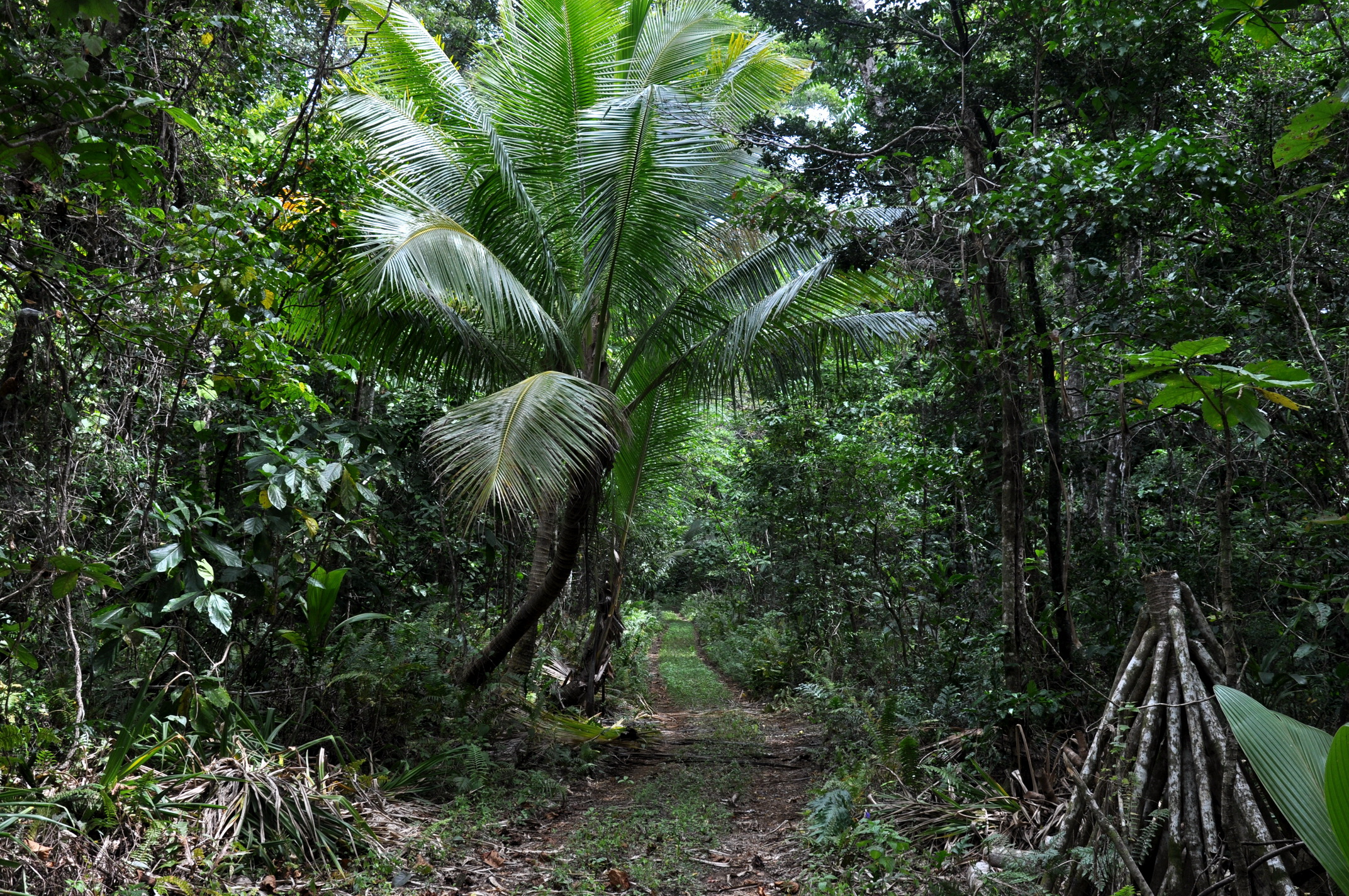
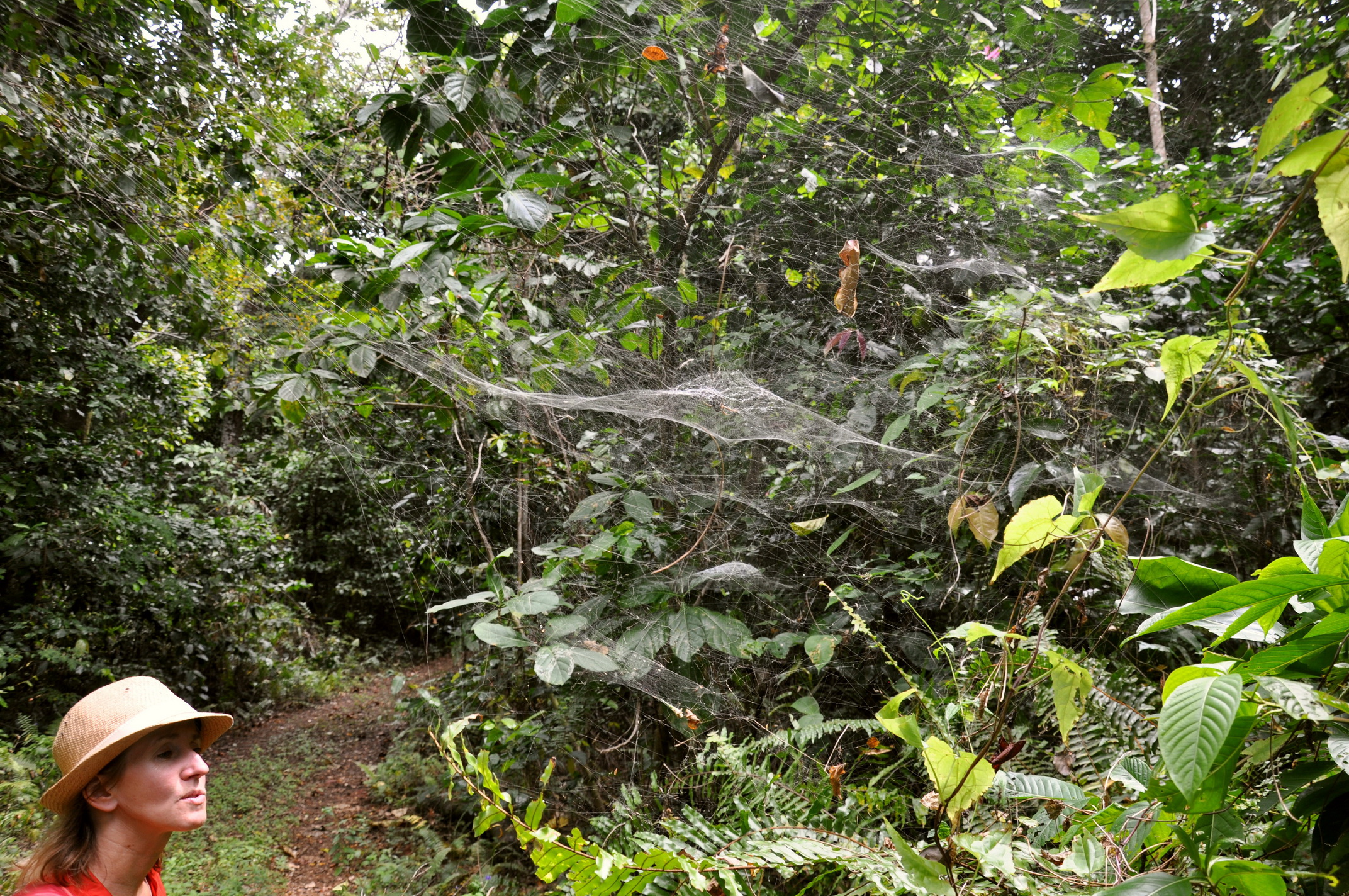
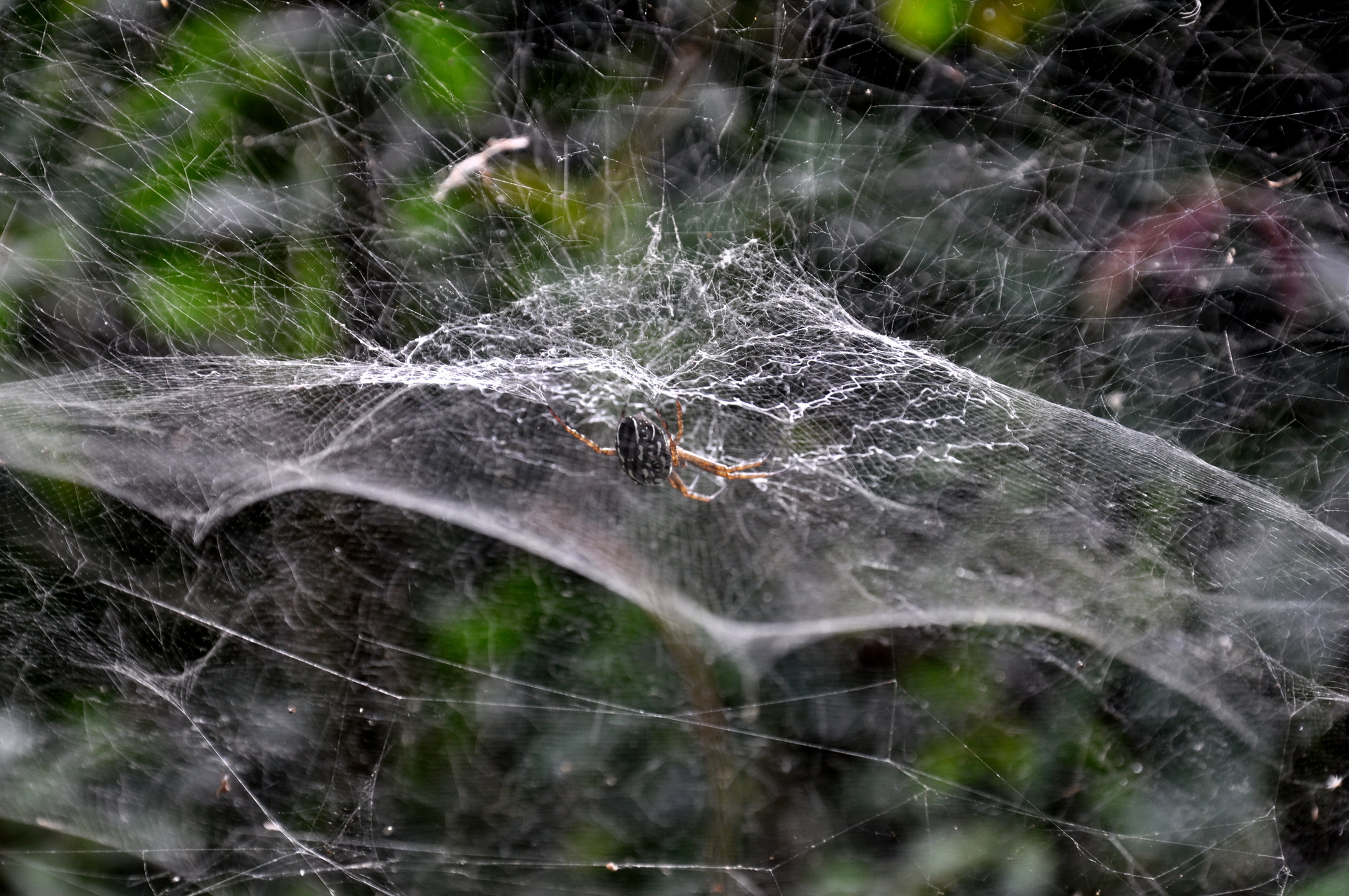
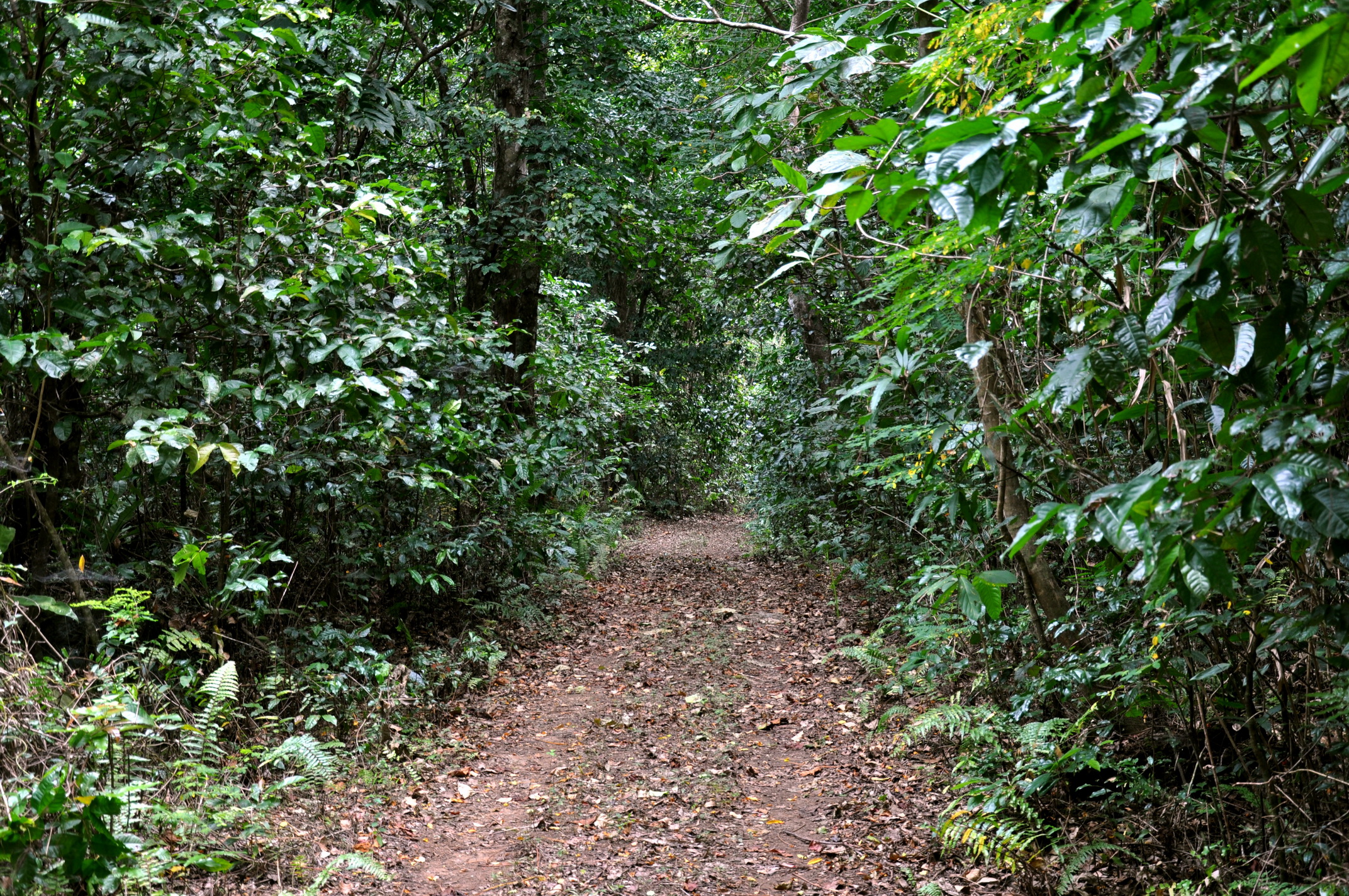
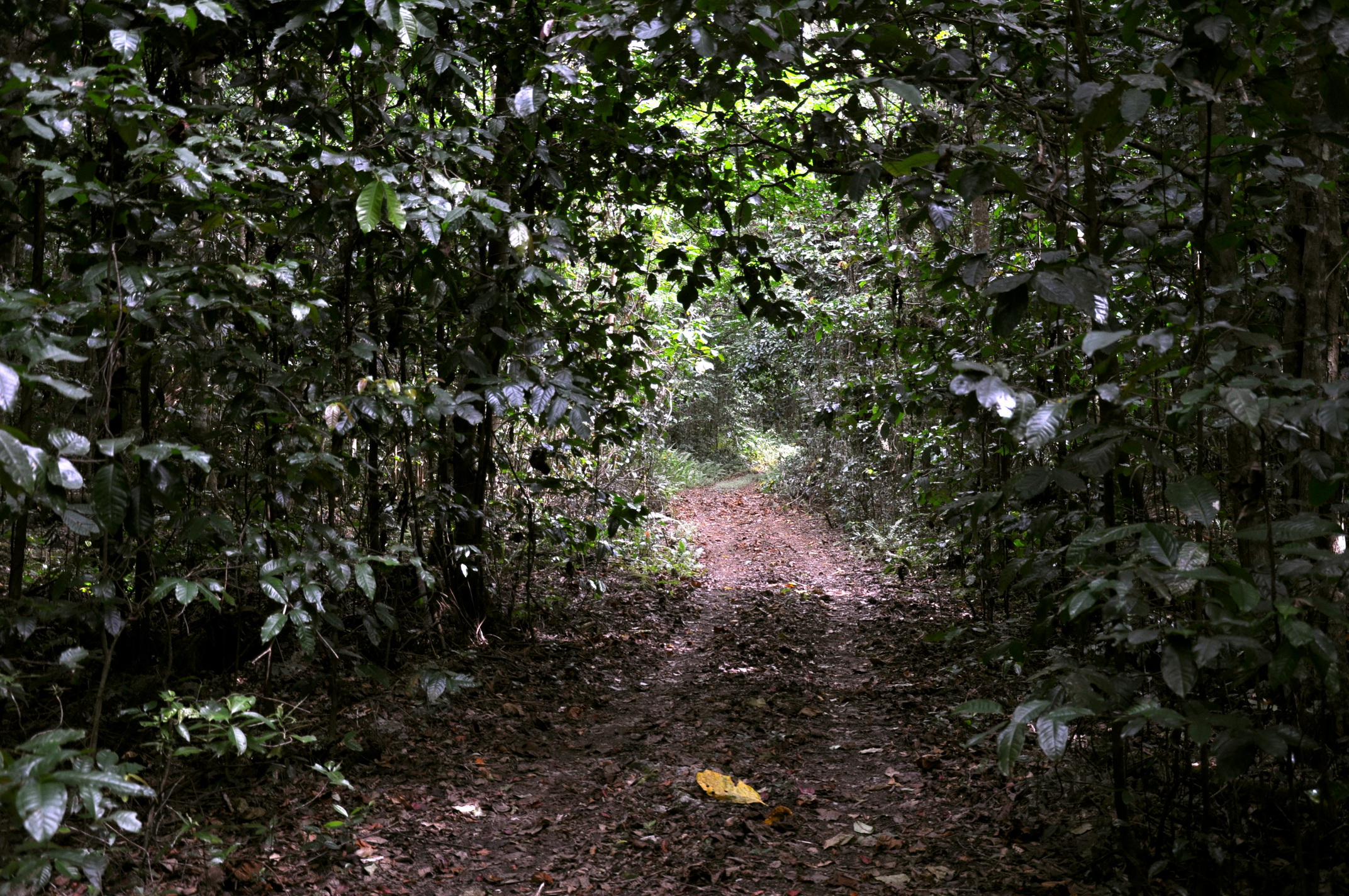
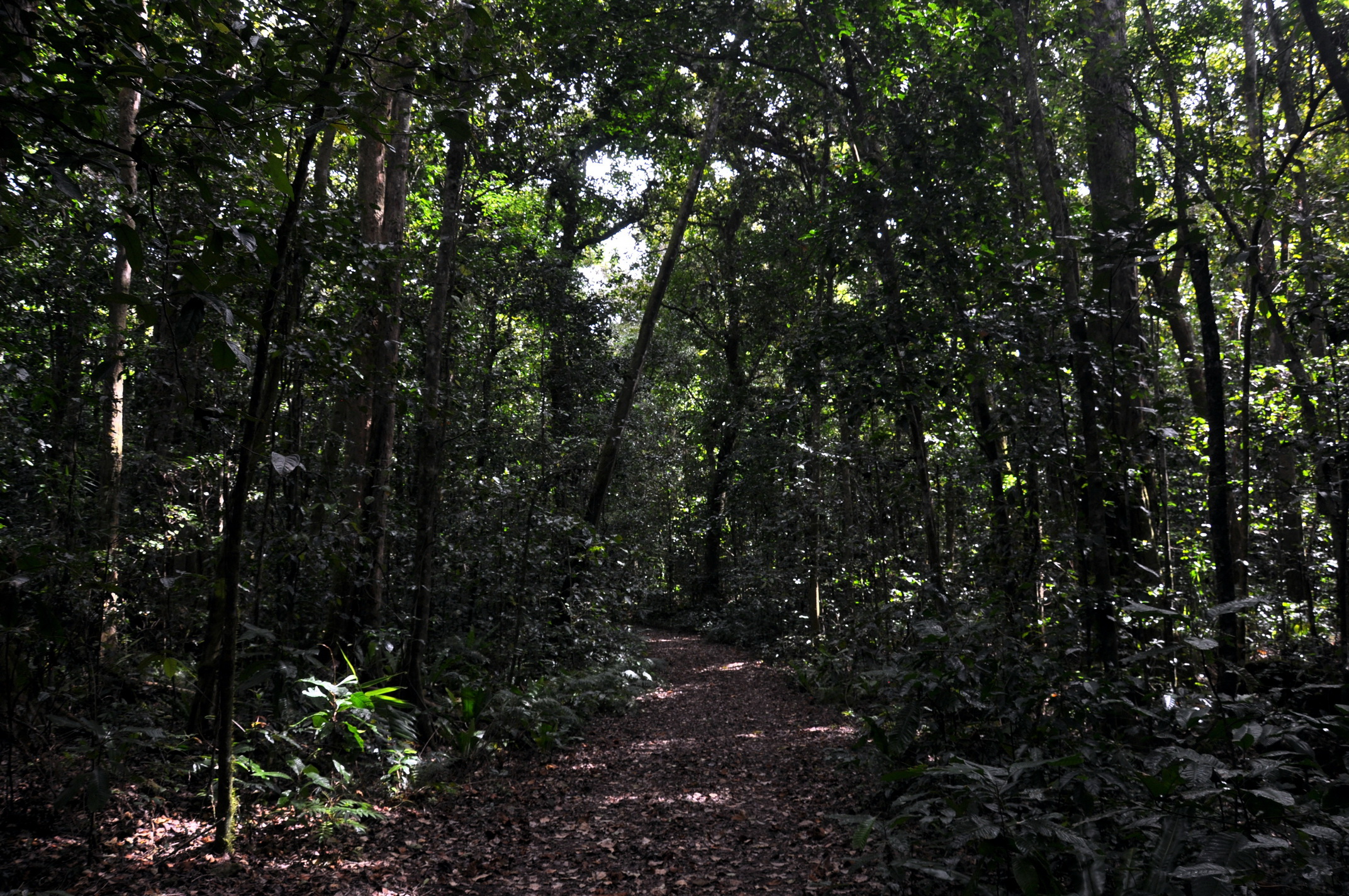
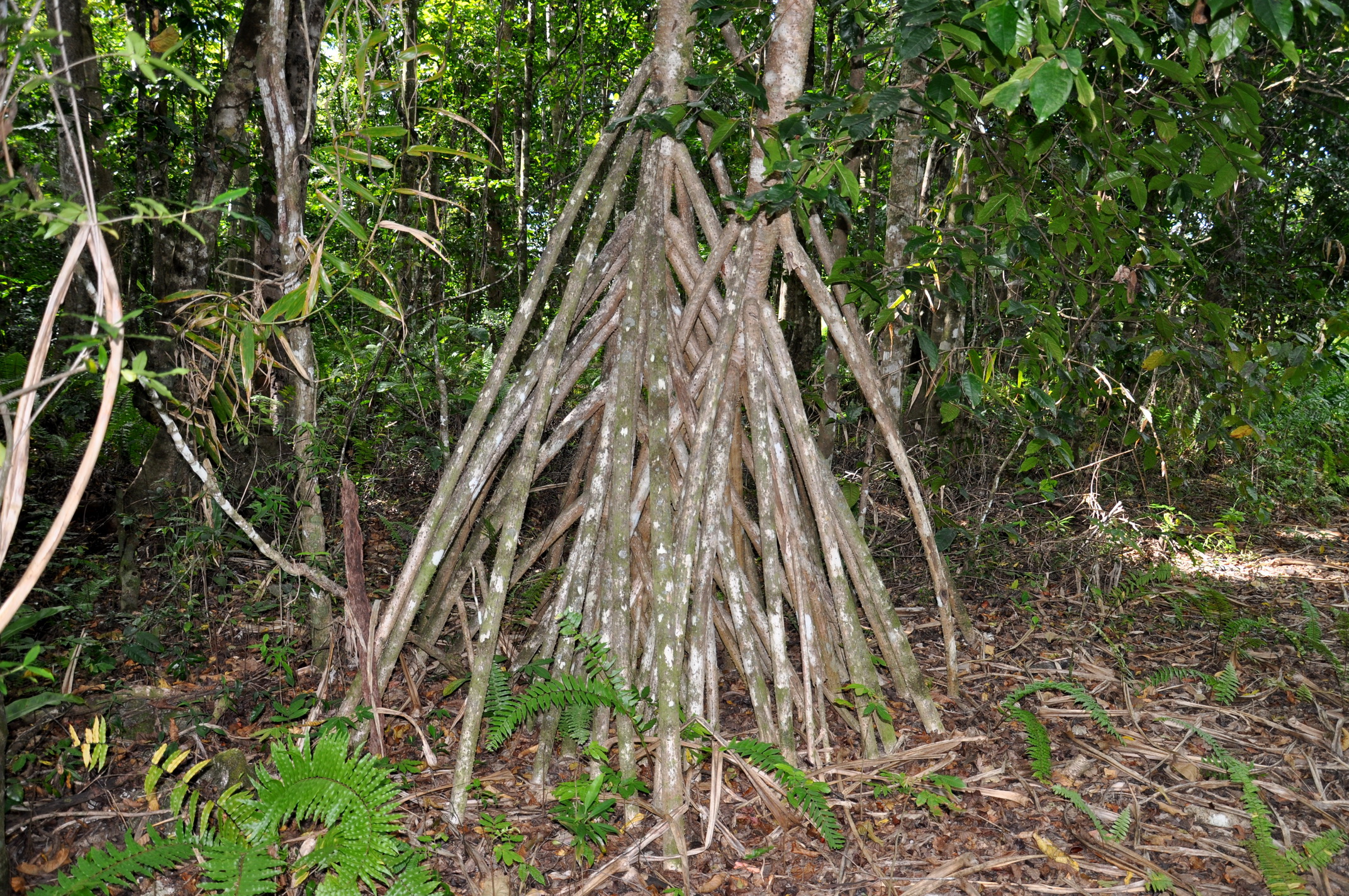
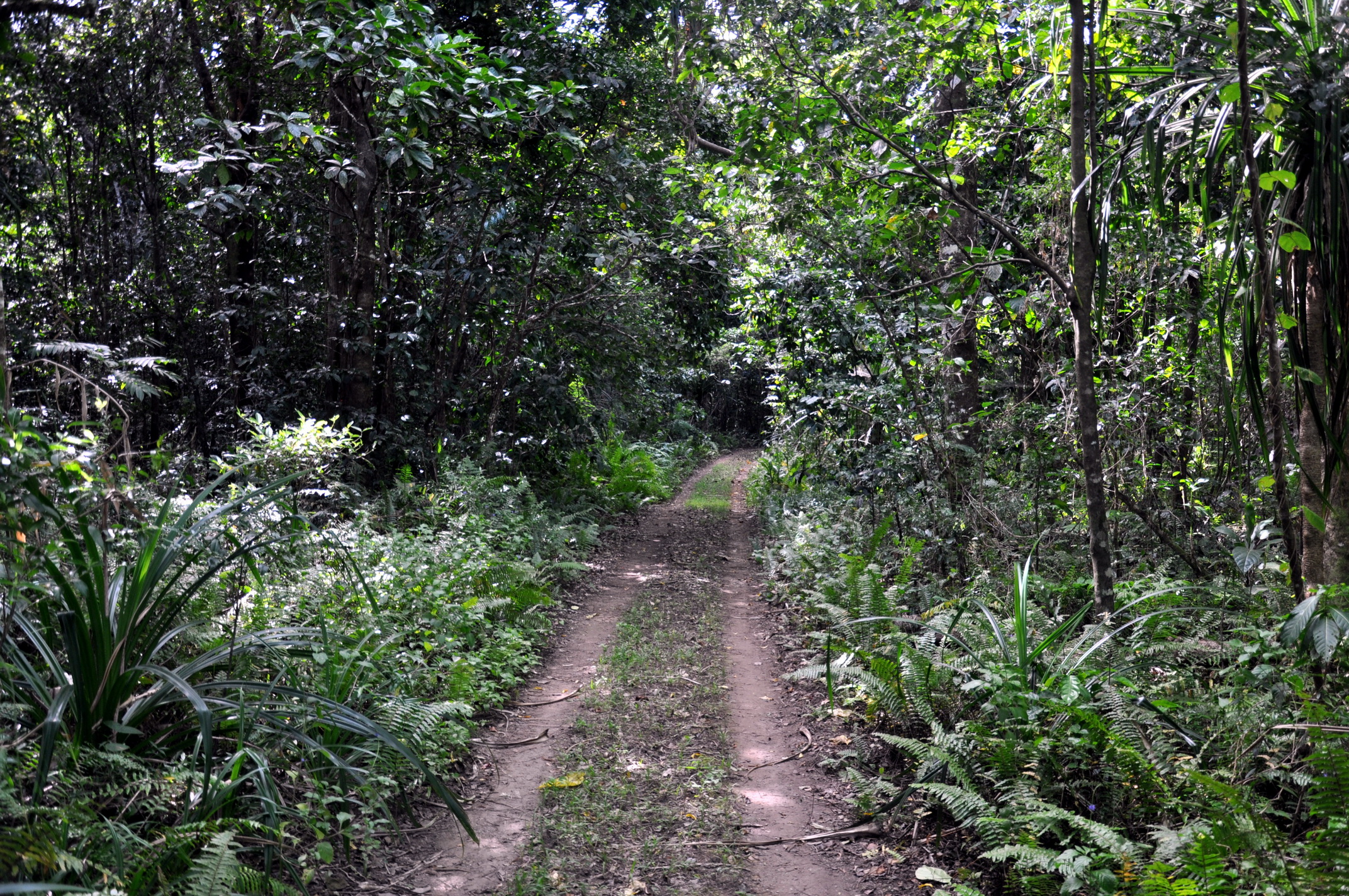
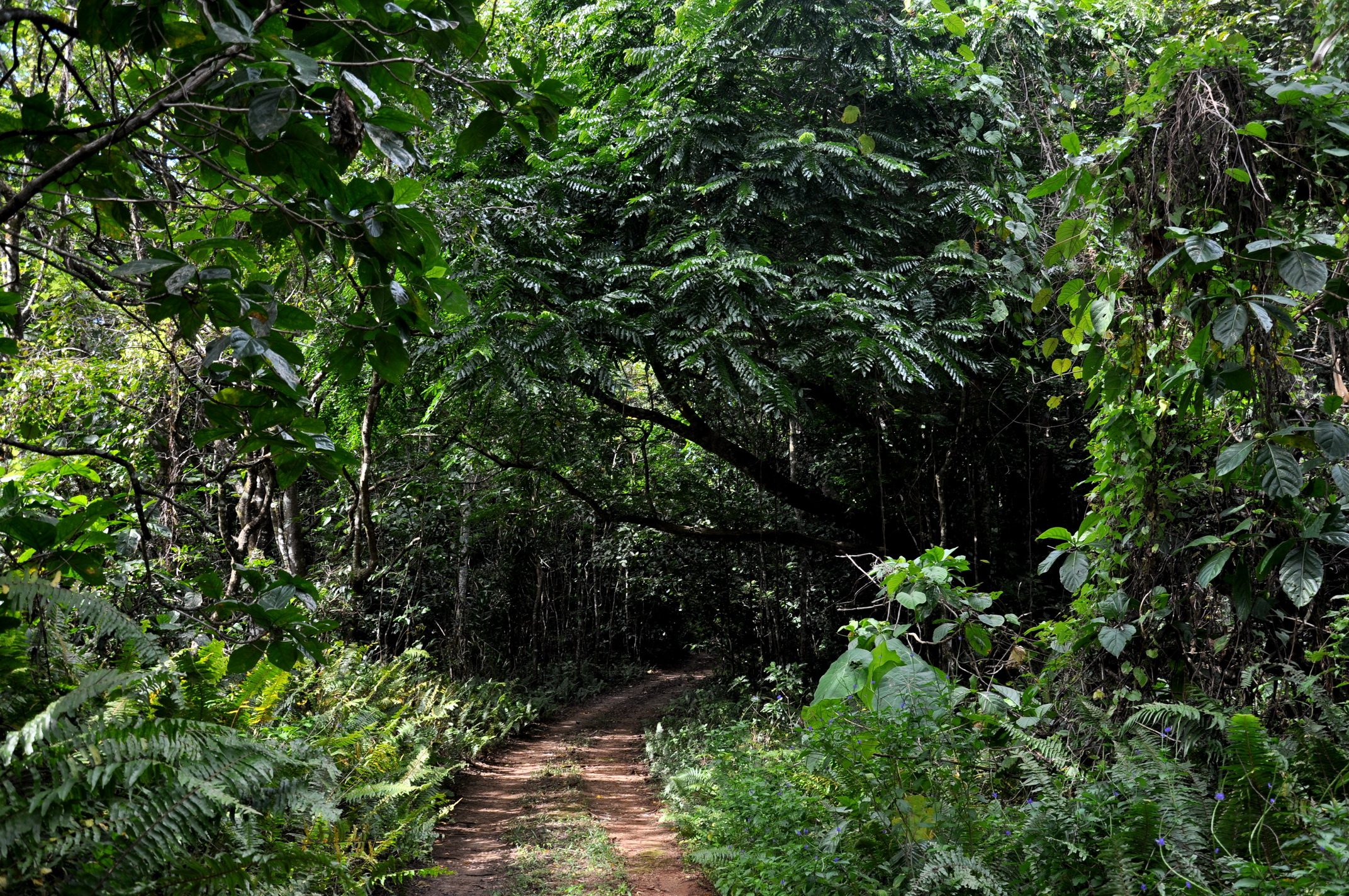
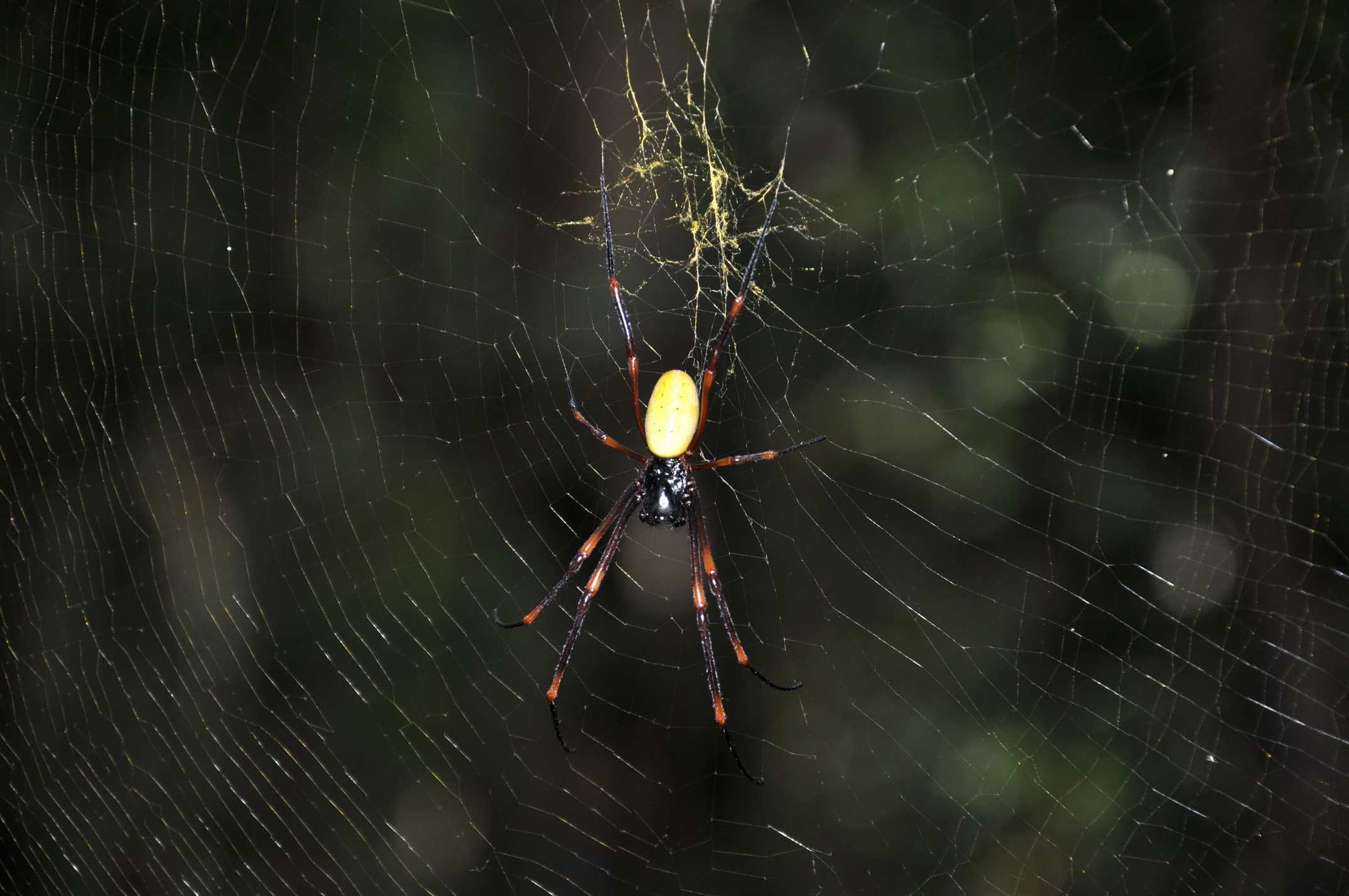
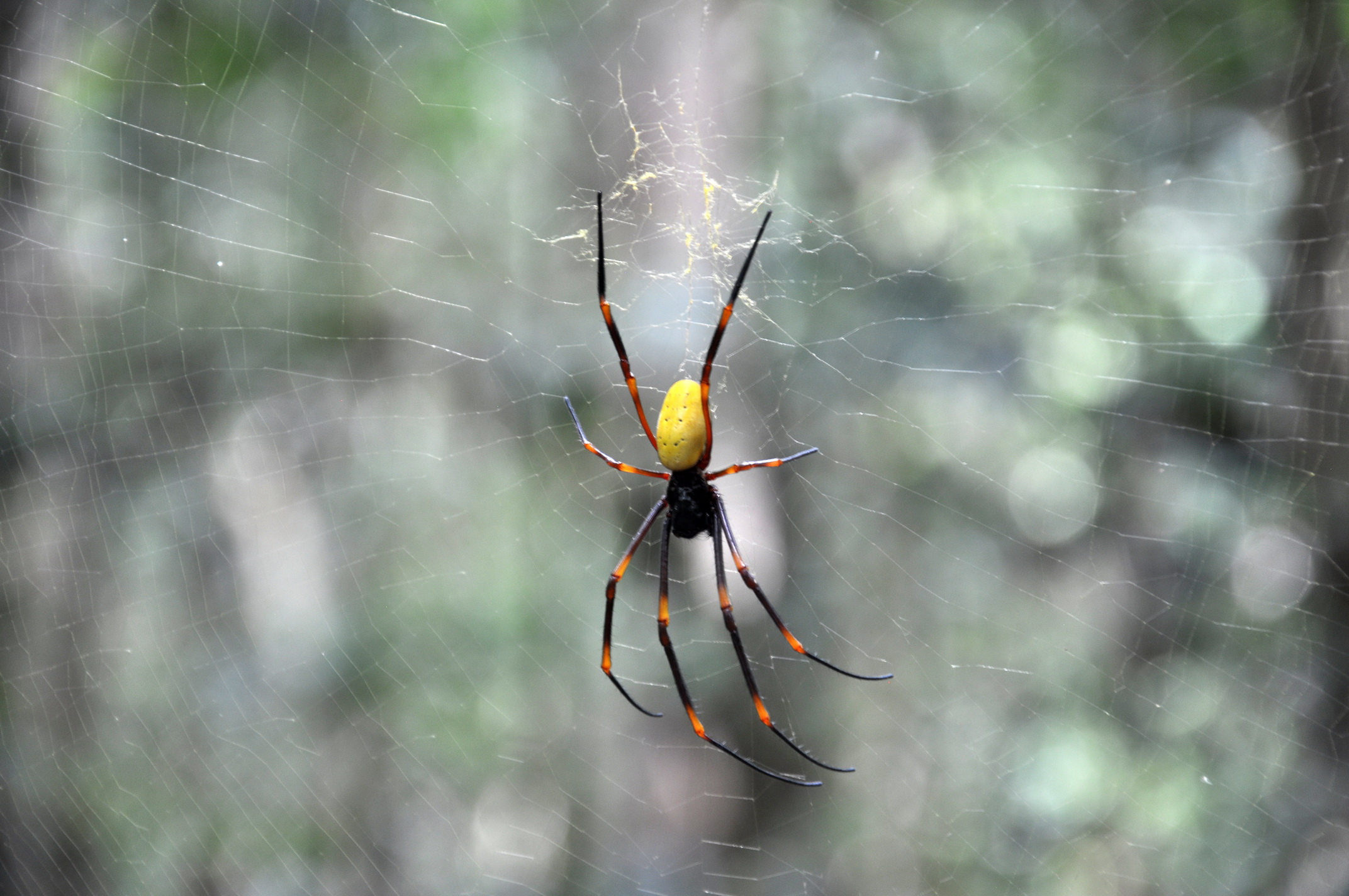
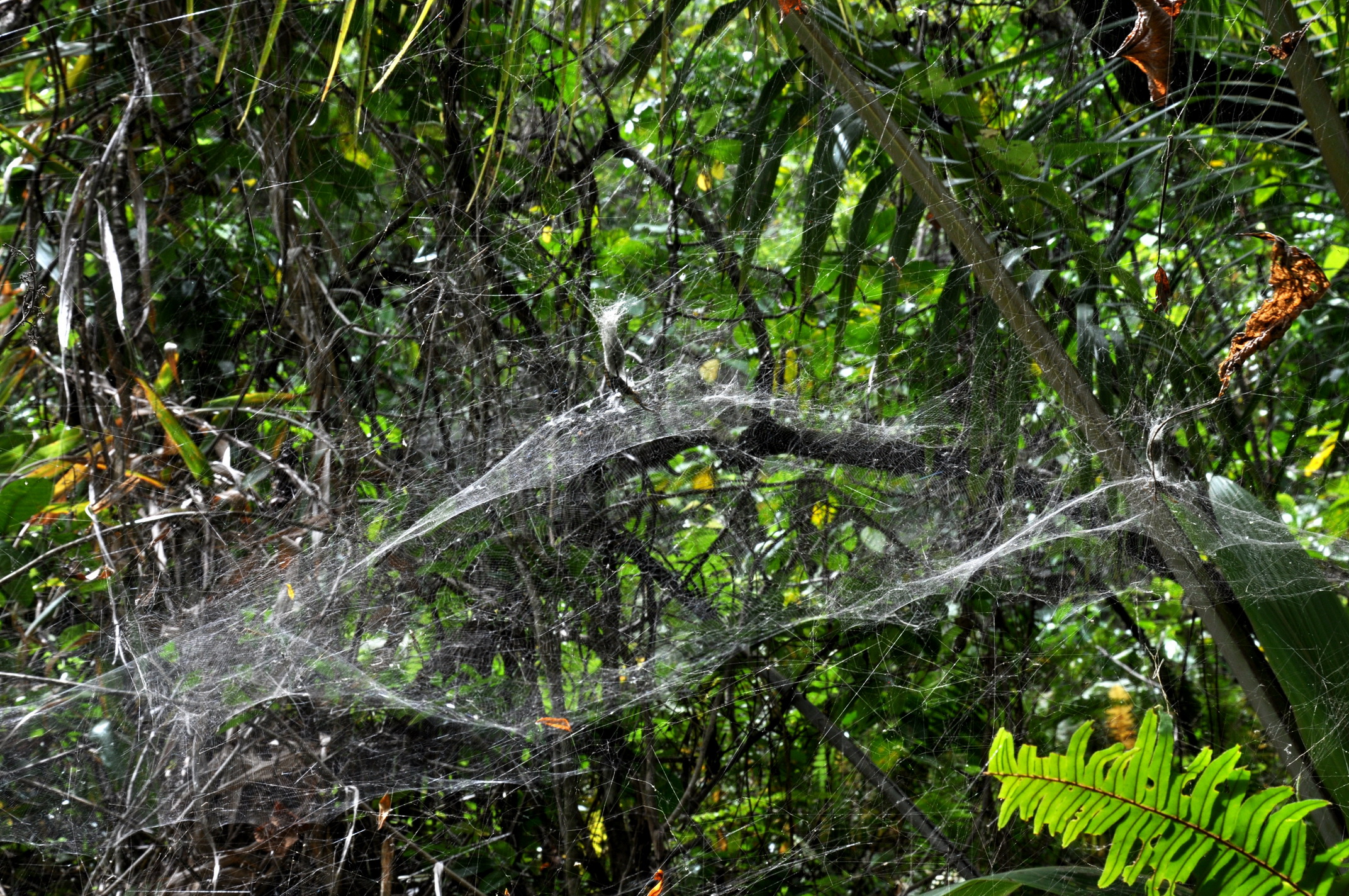
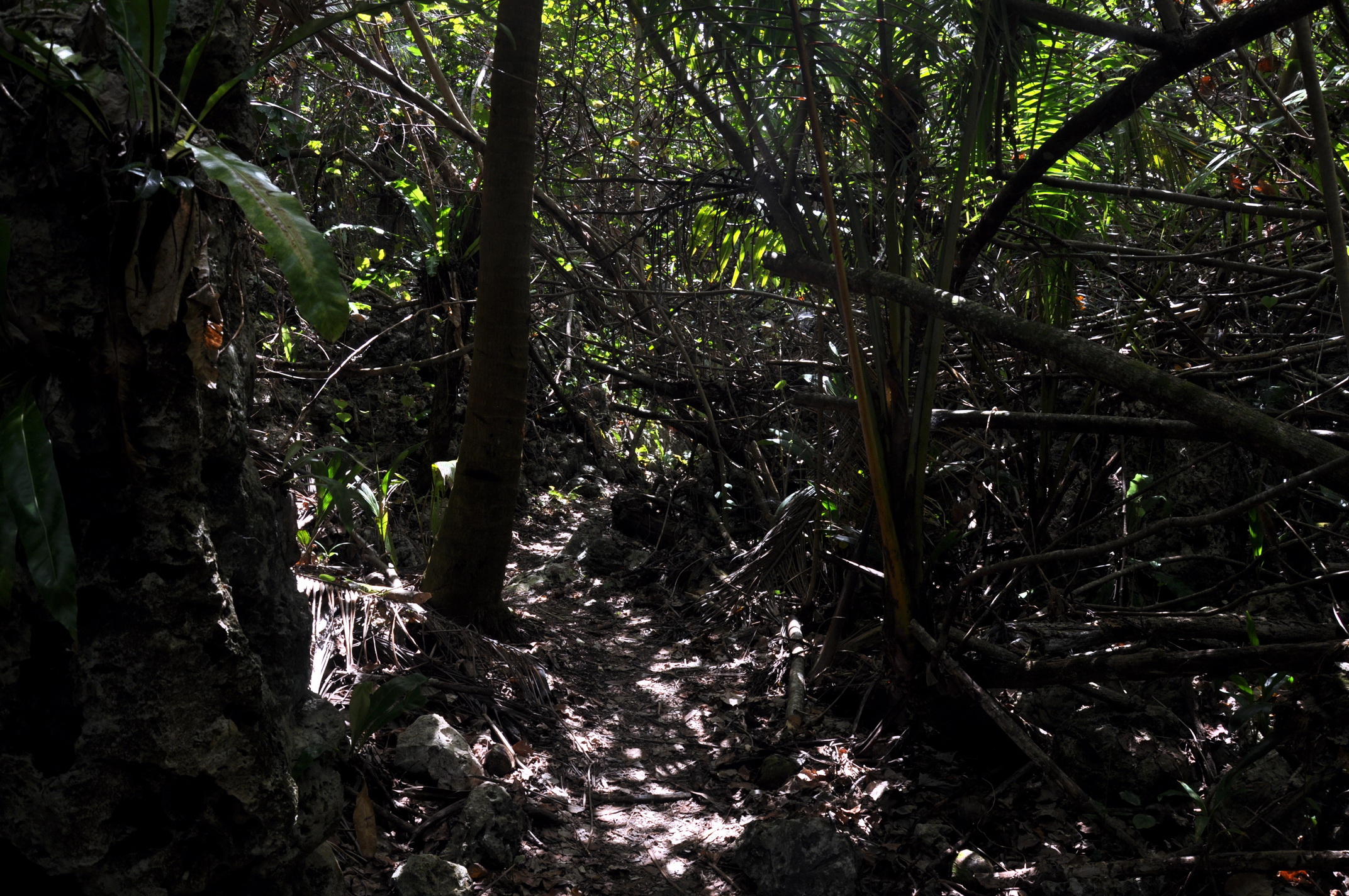
Tanya doesn’t like bikes, so the two of us set off on foot. A long, lovely track. No one seemed to have walked it for a while. Grass had grown over it and spiders had strung their webs across it. We walked from the sea towards the Alofi–Liku road. The first part of the walk took us through untouched forest; the second ran alongside fields.
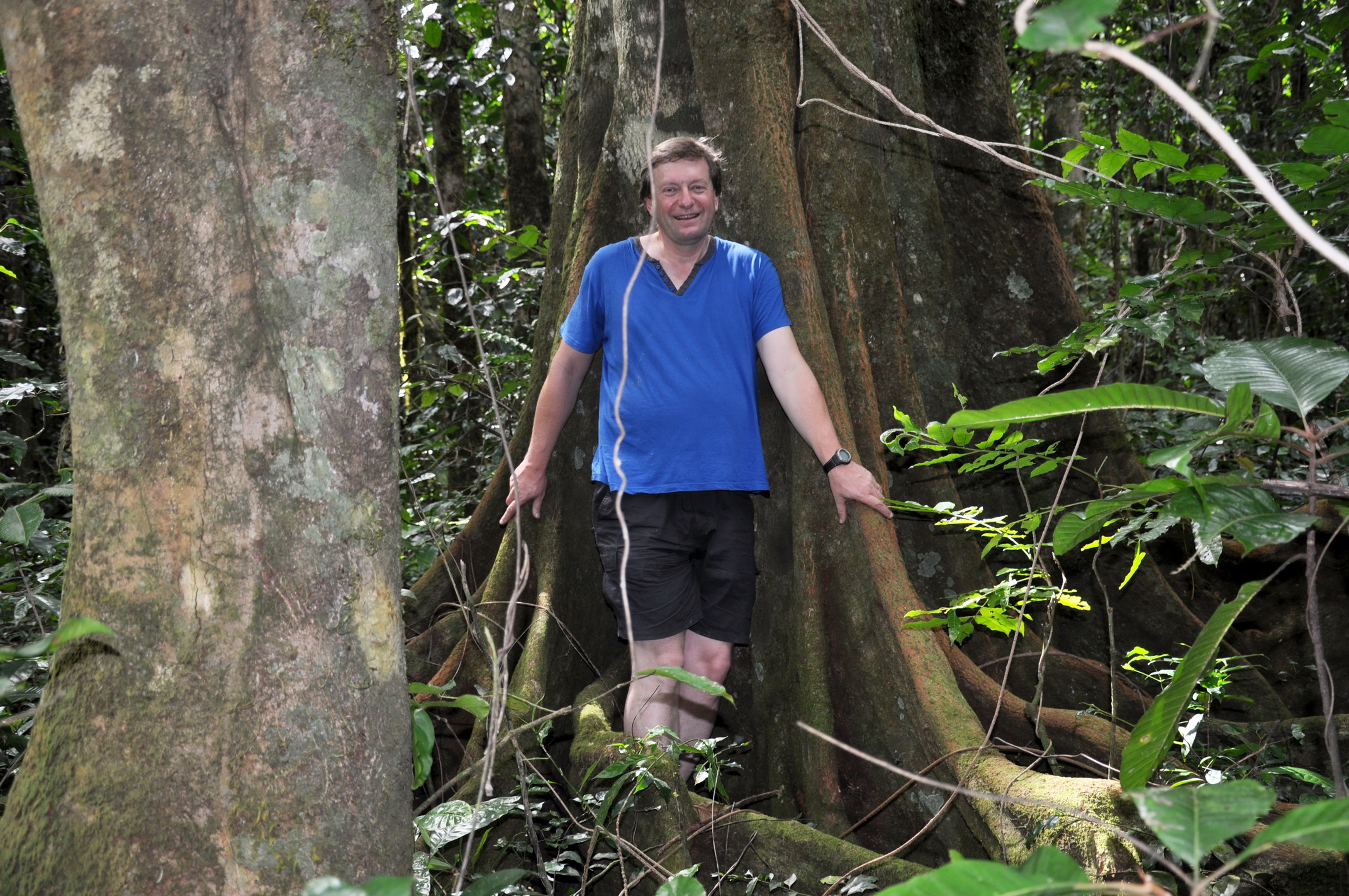
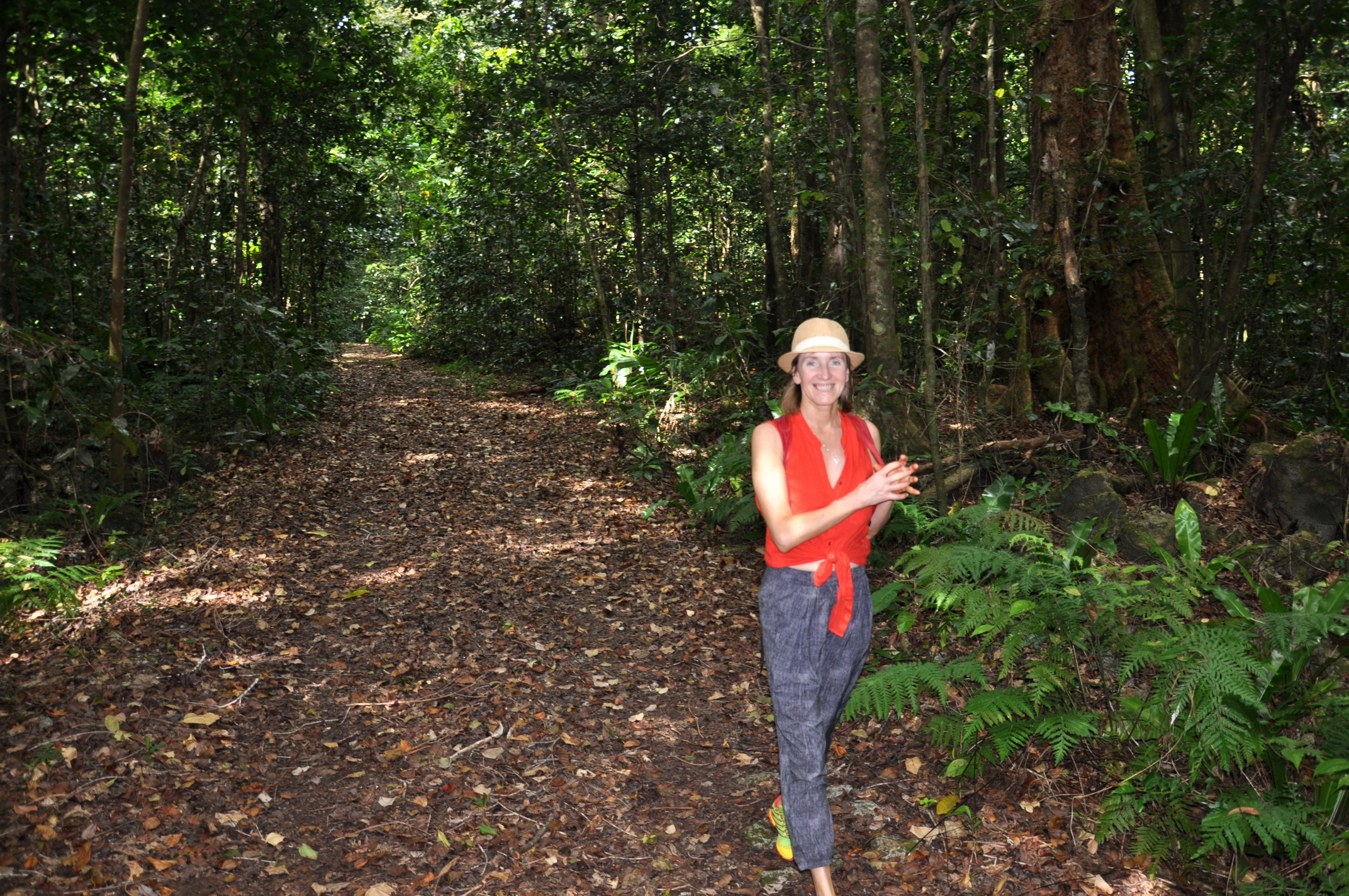
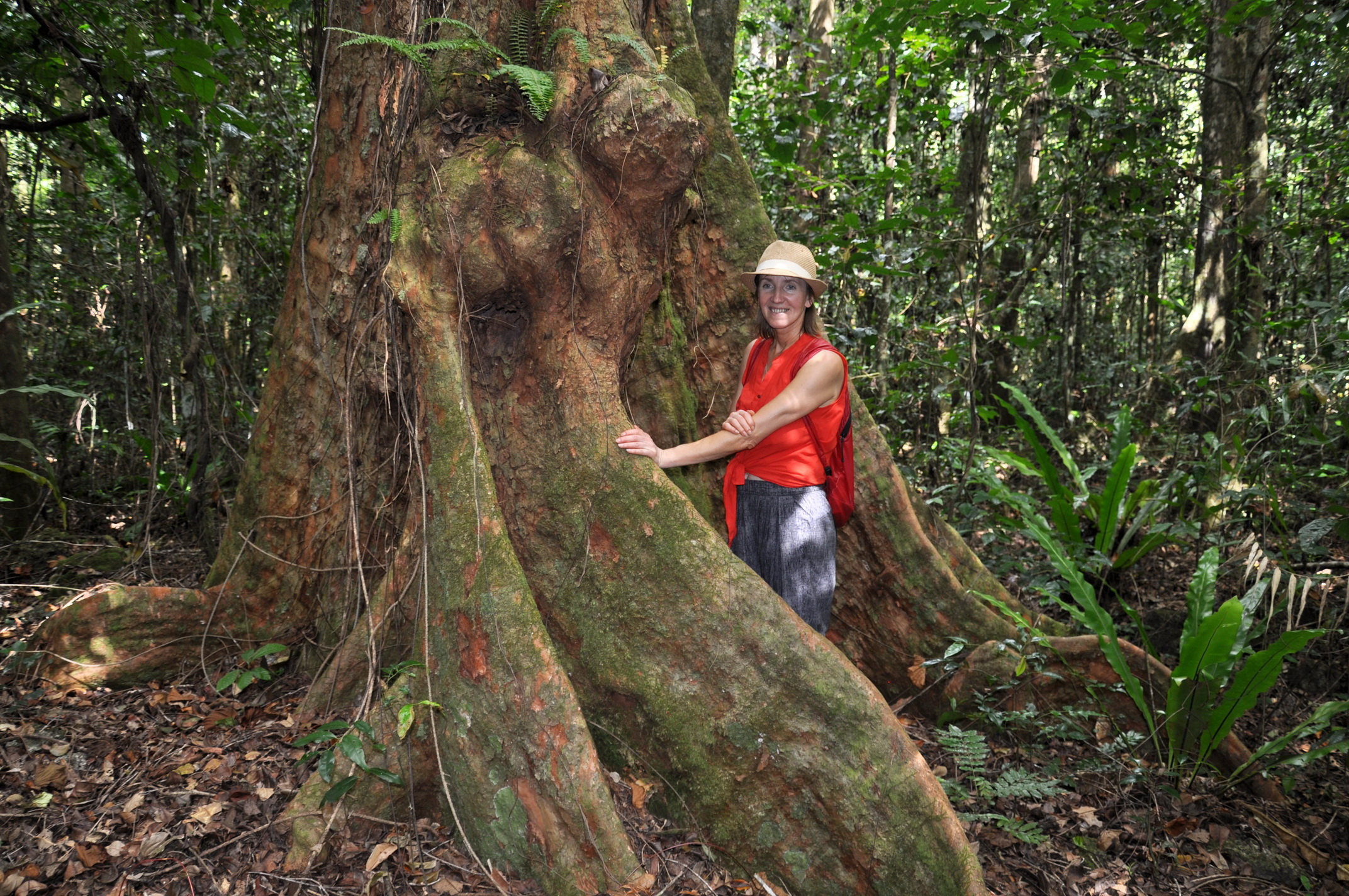
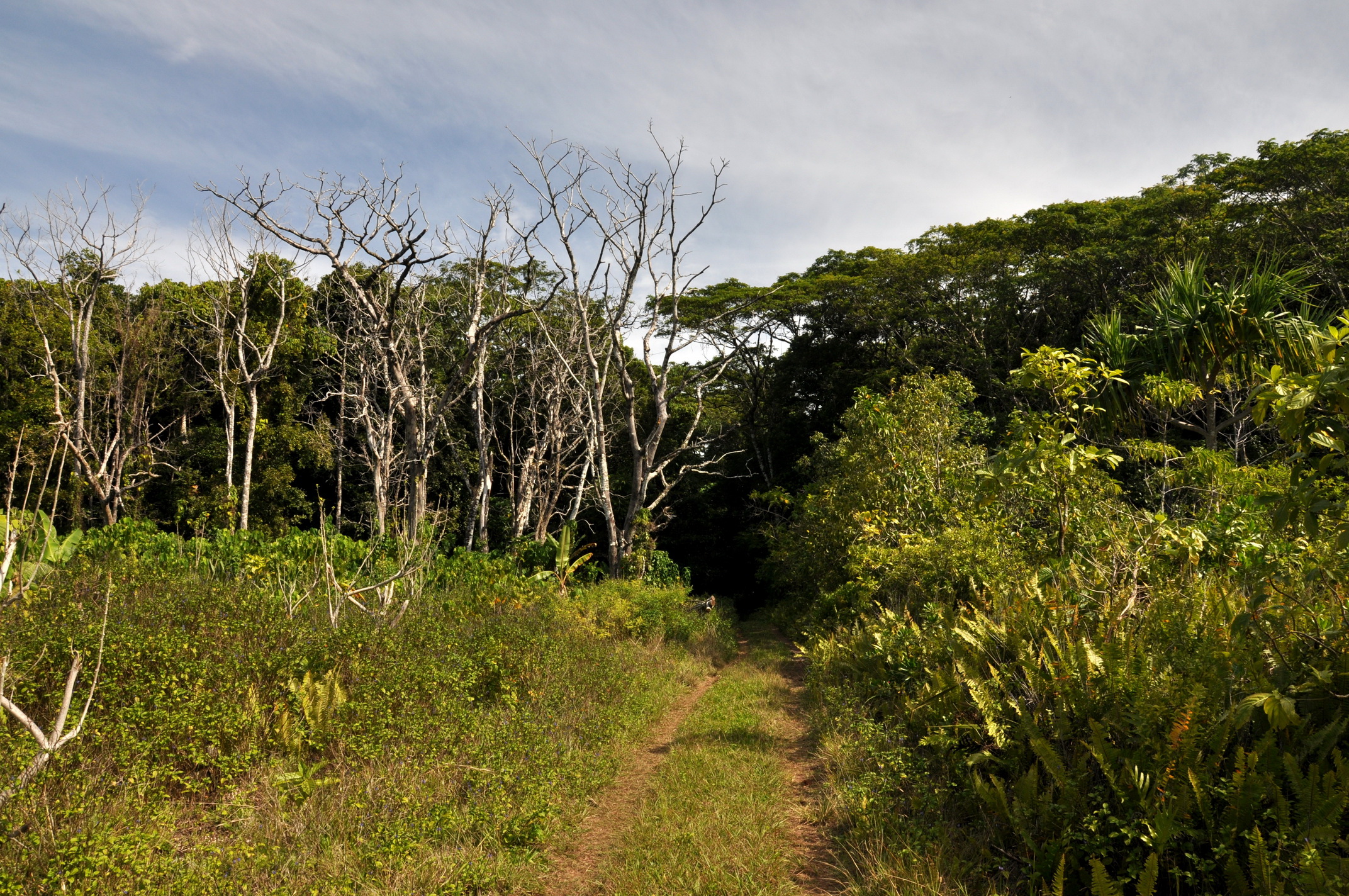
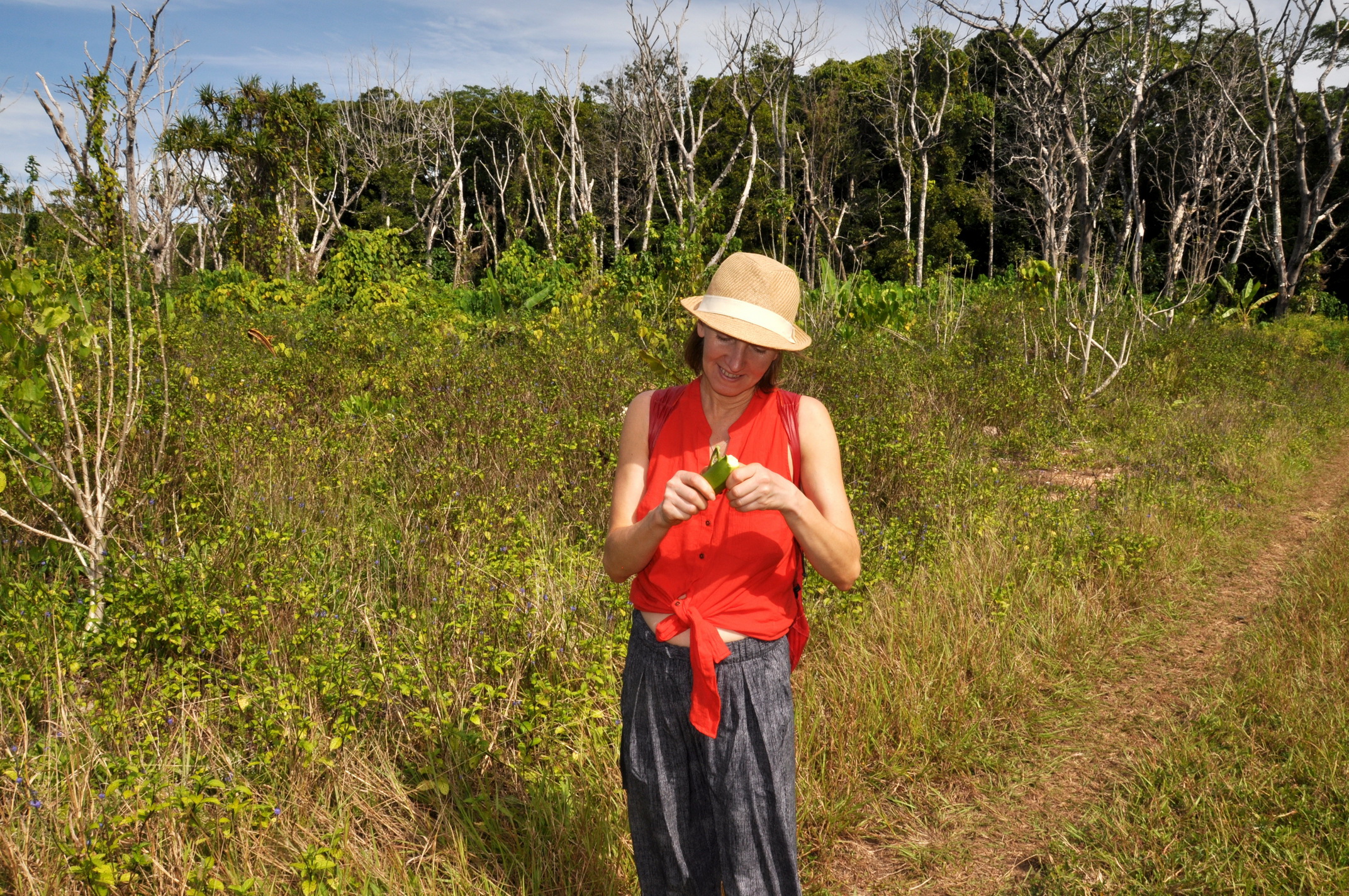
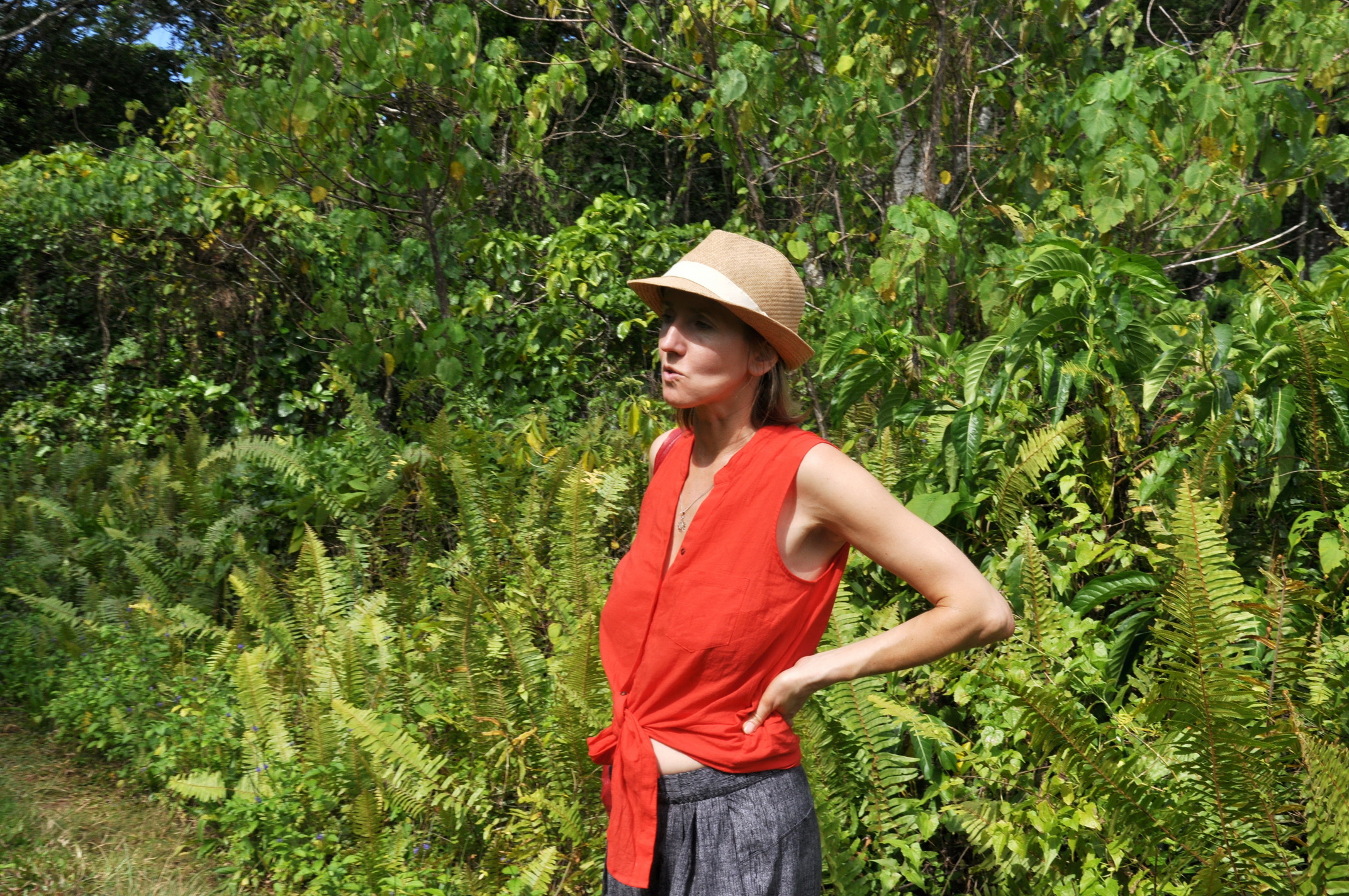
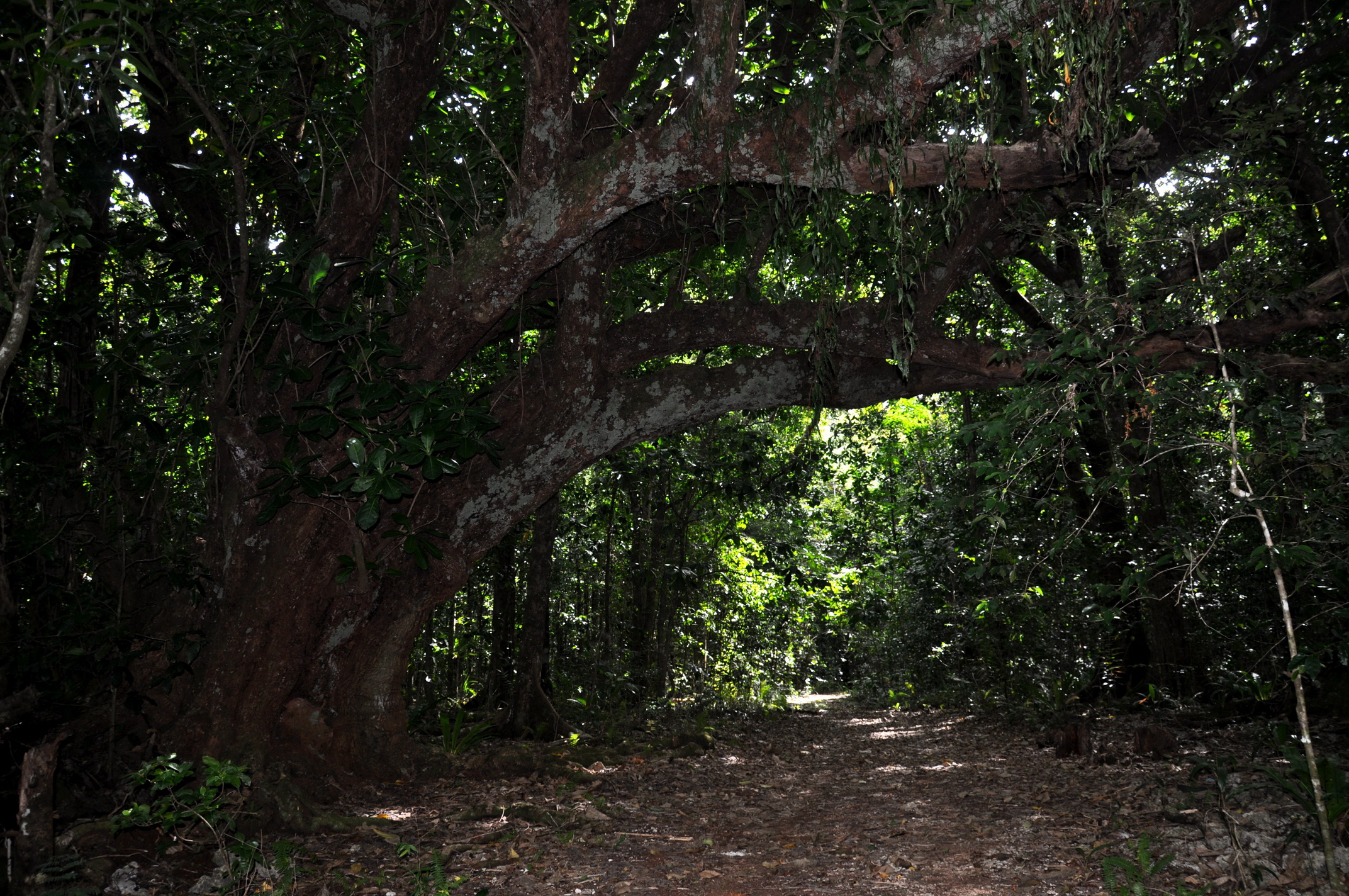
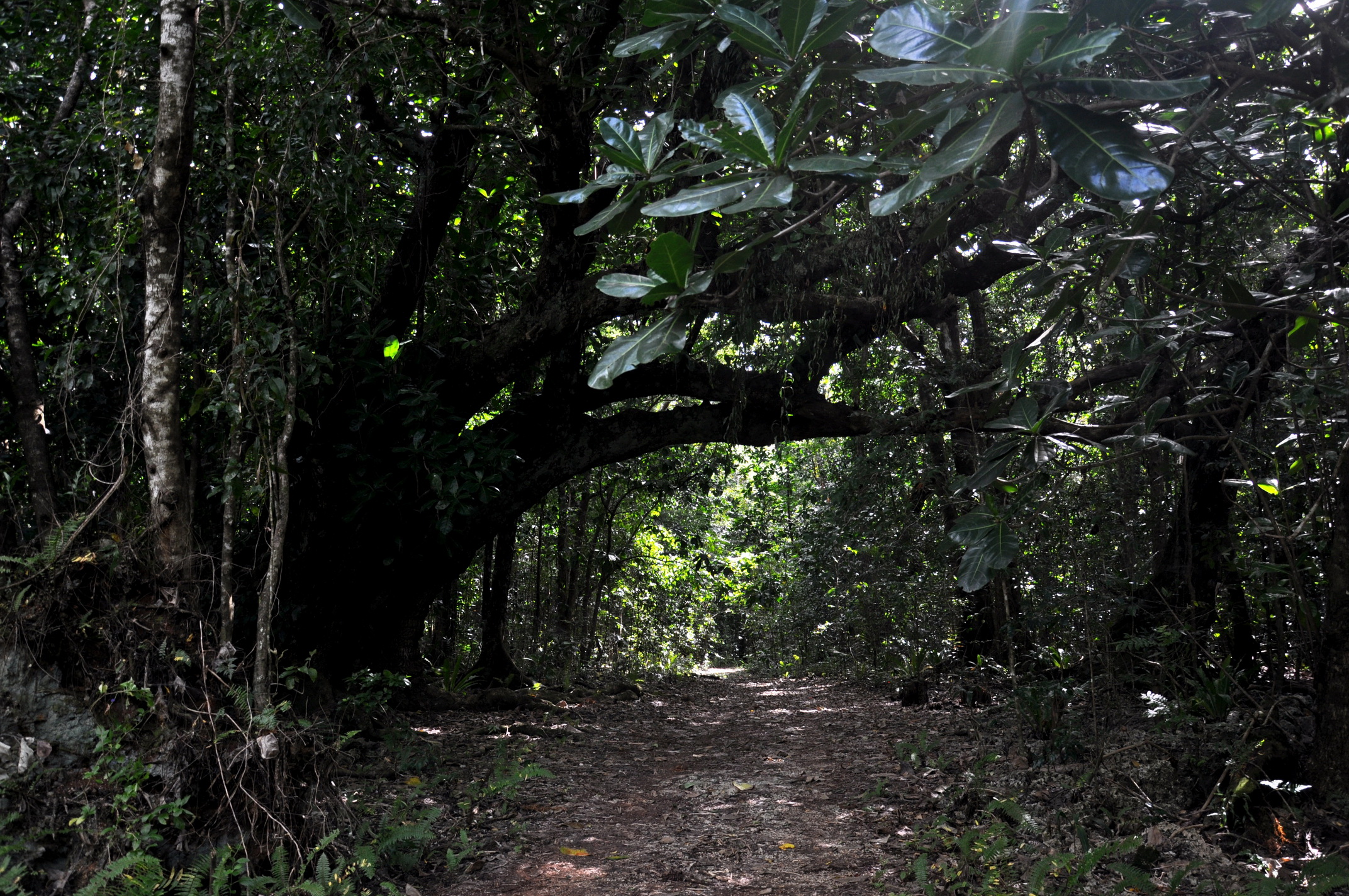
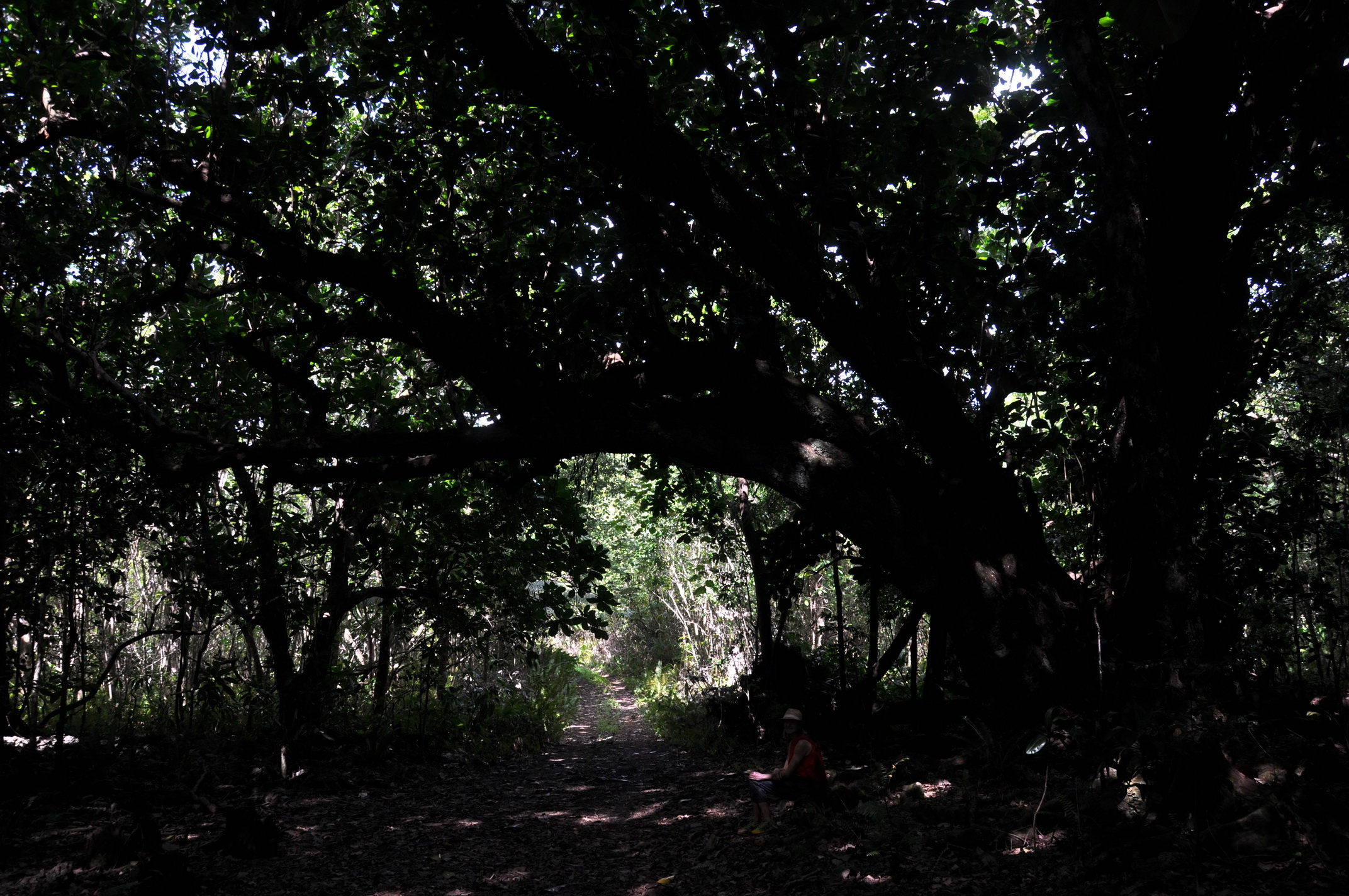
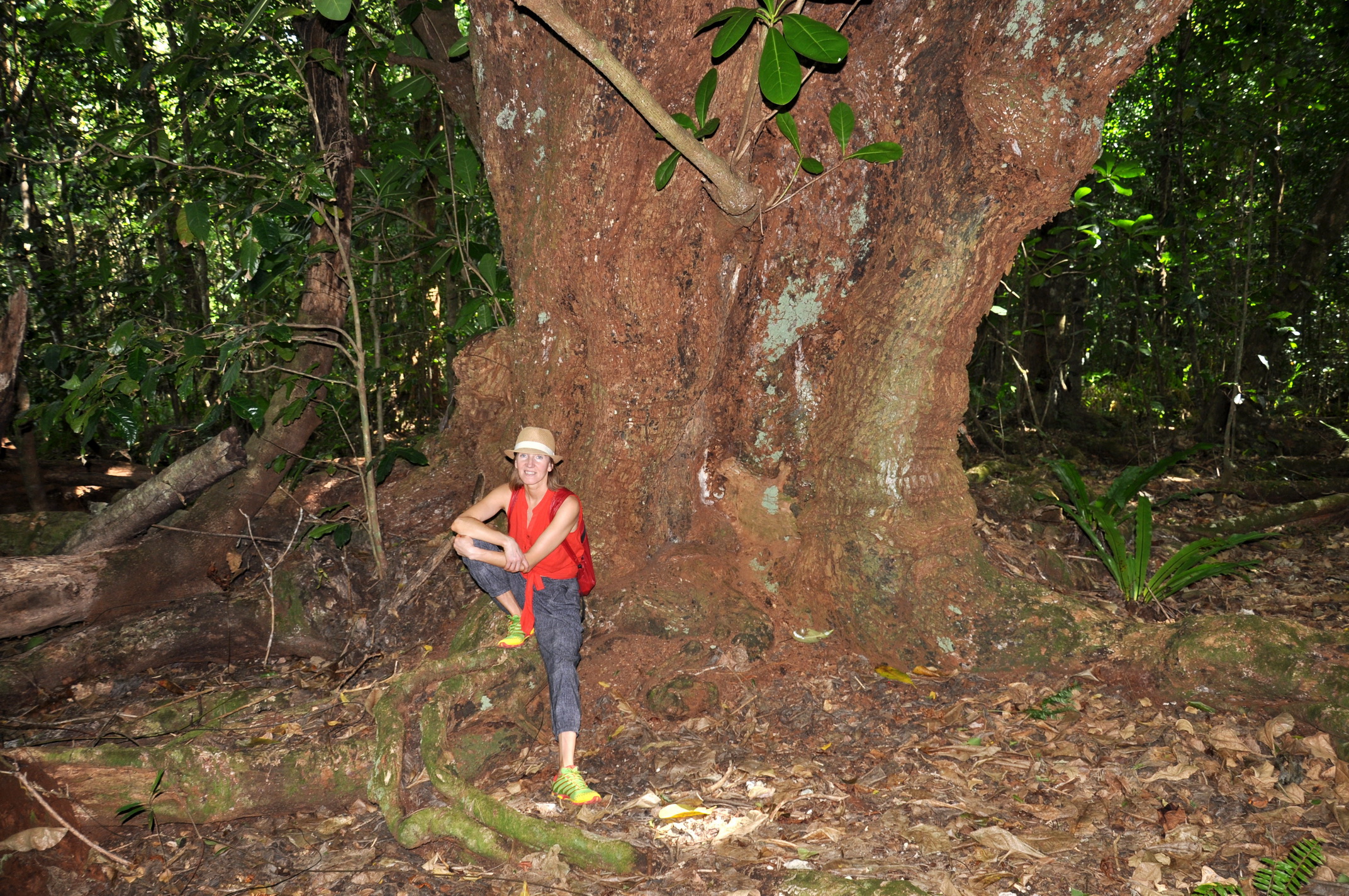
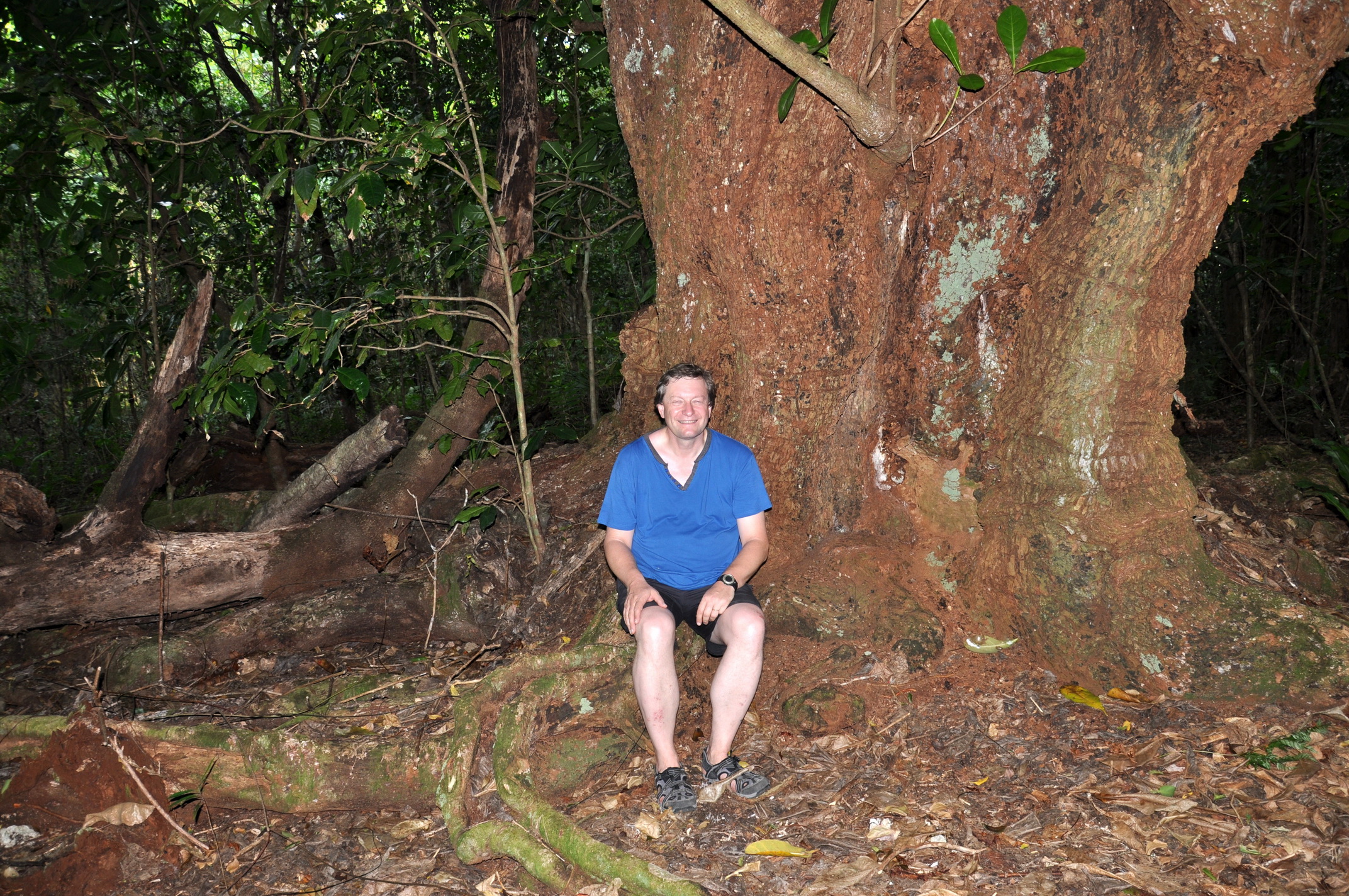
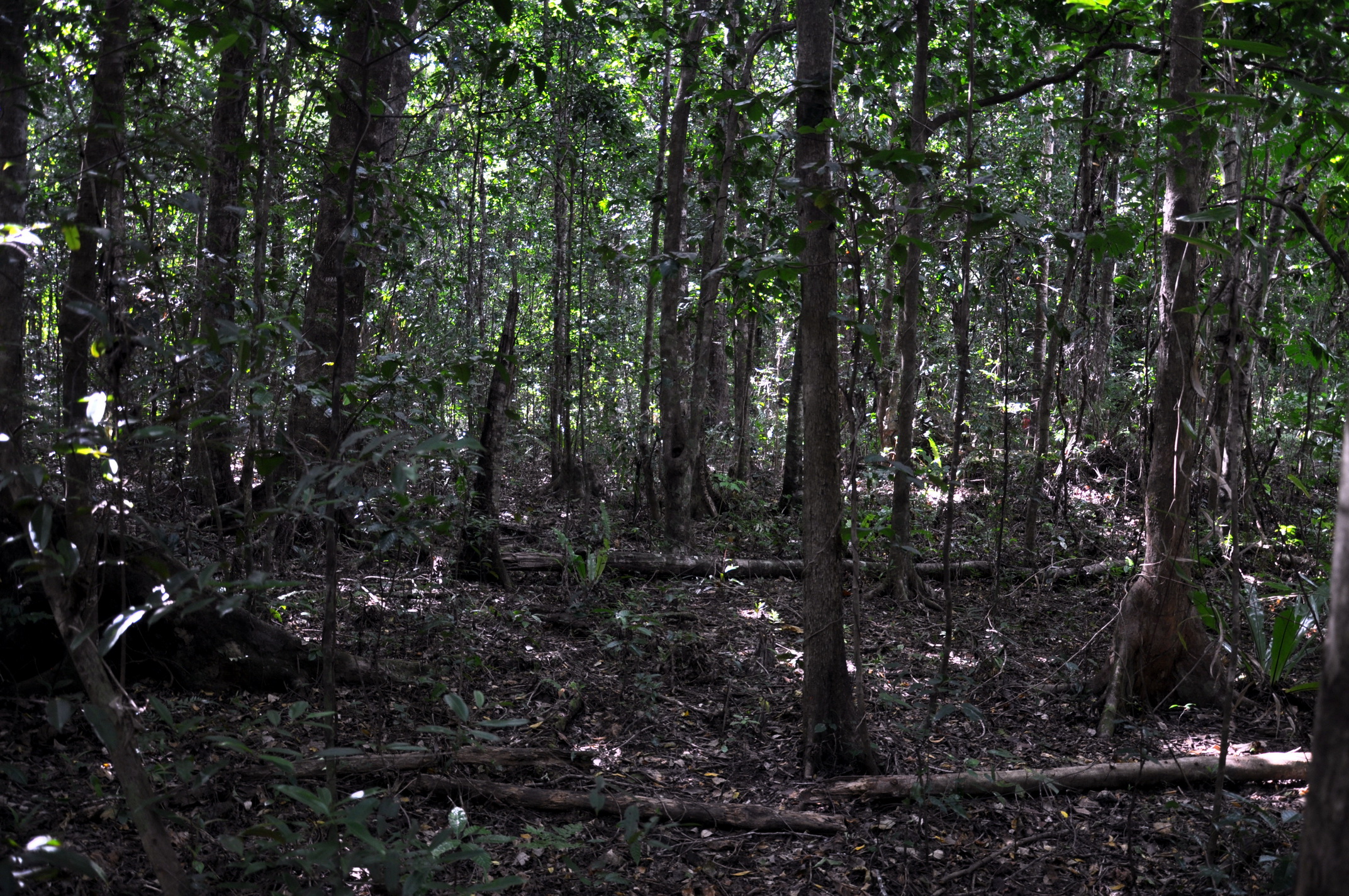
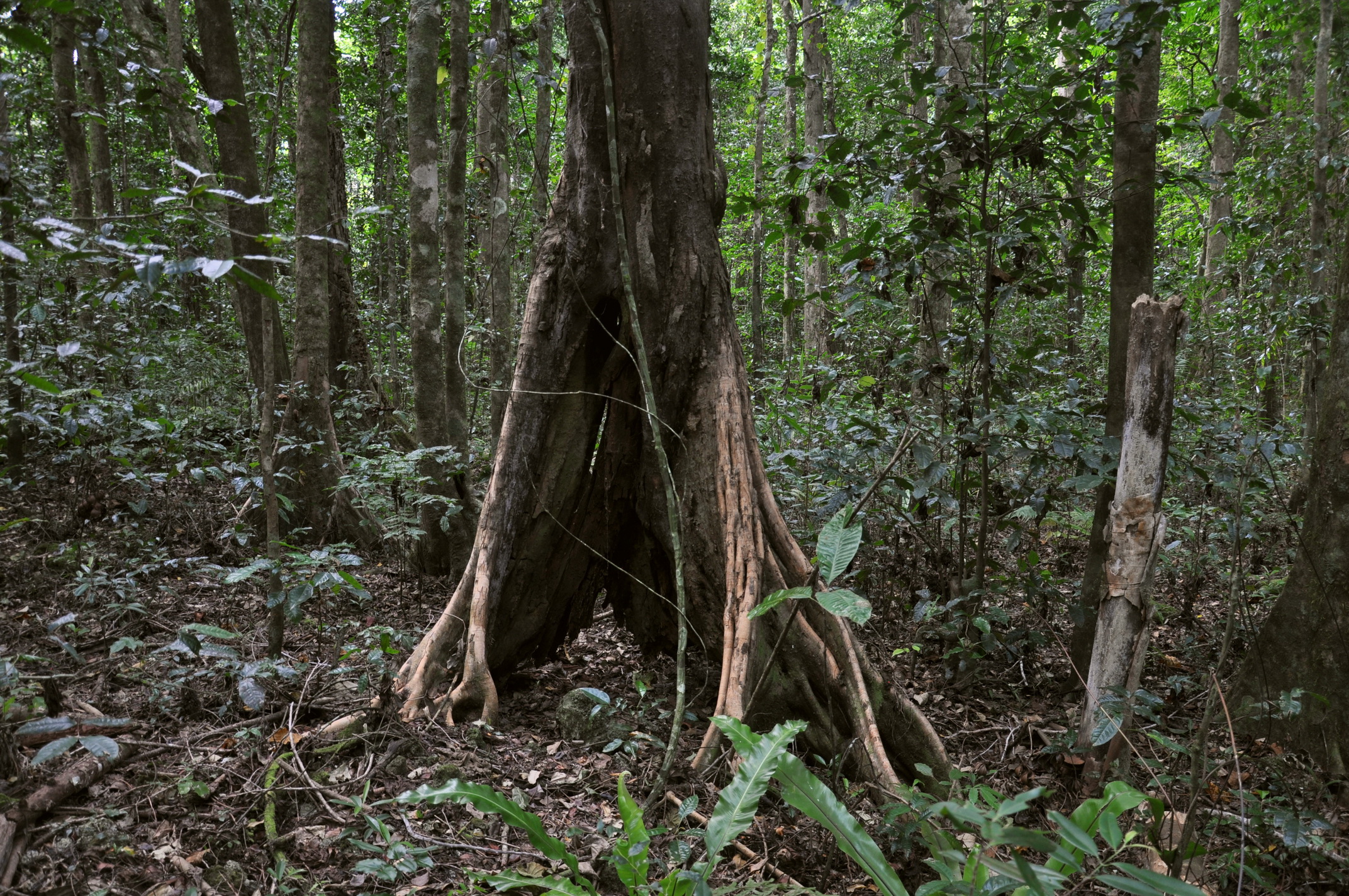
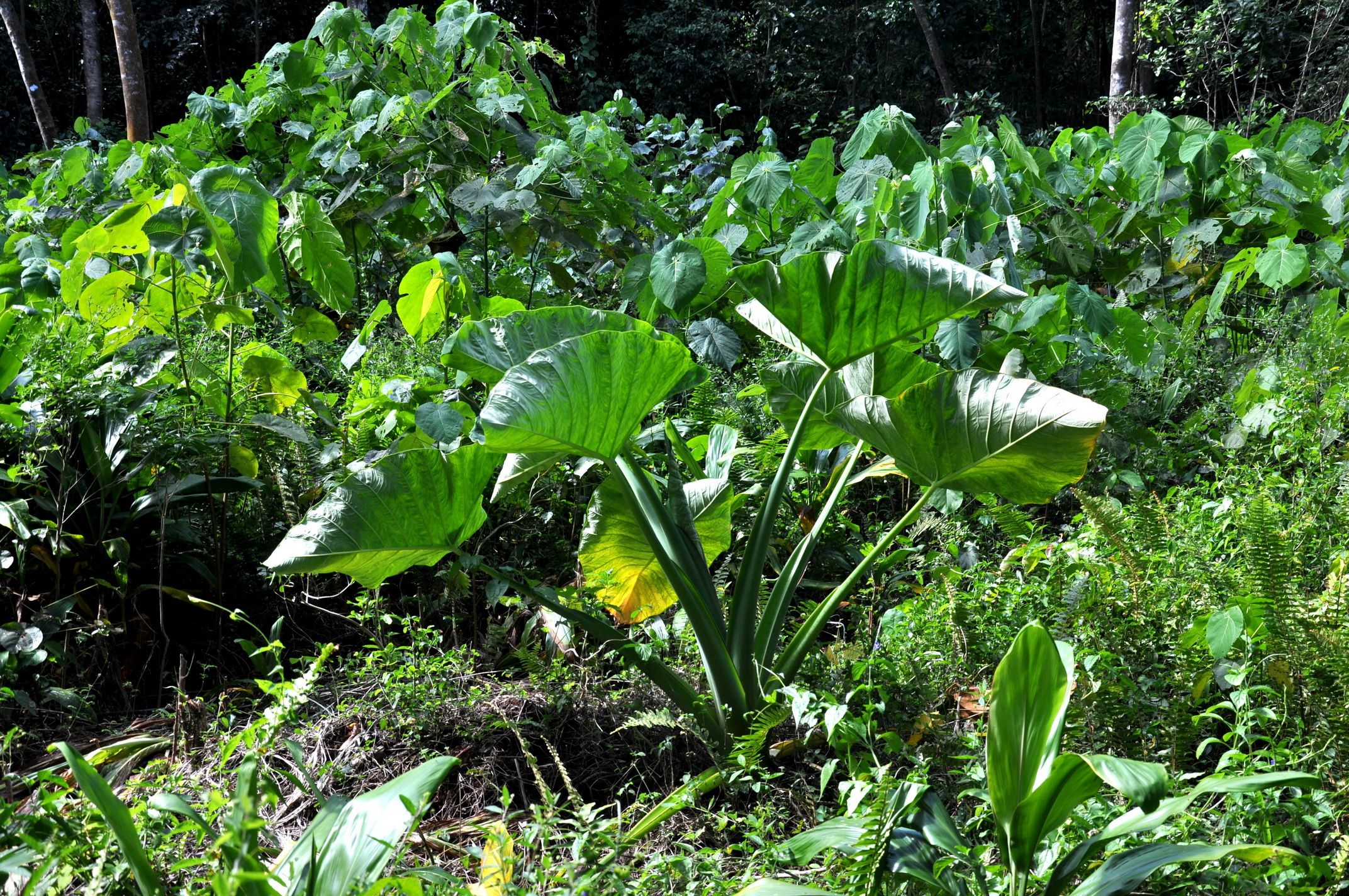
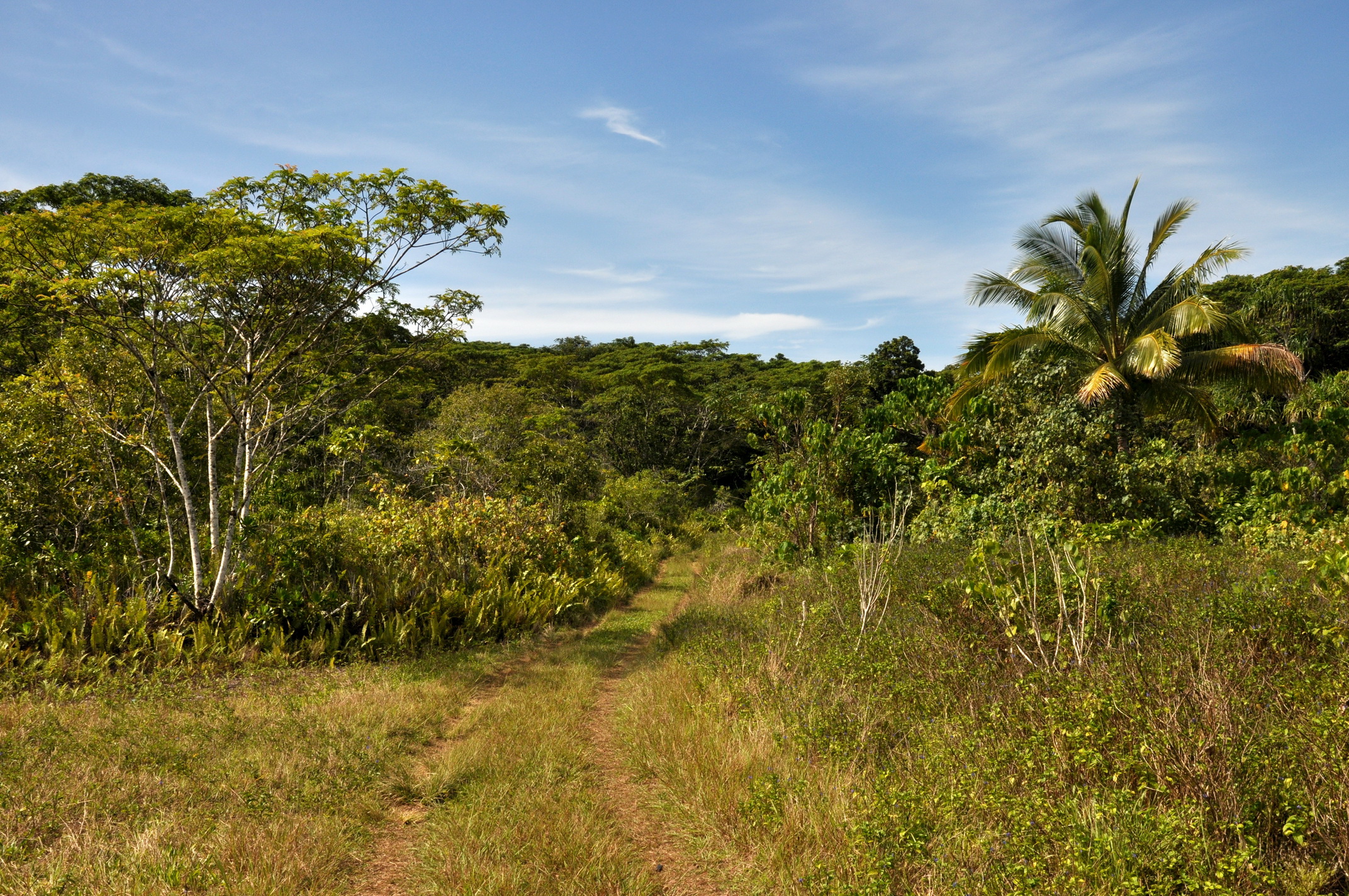
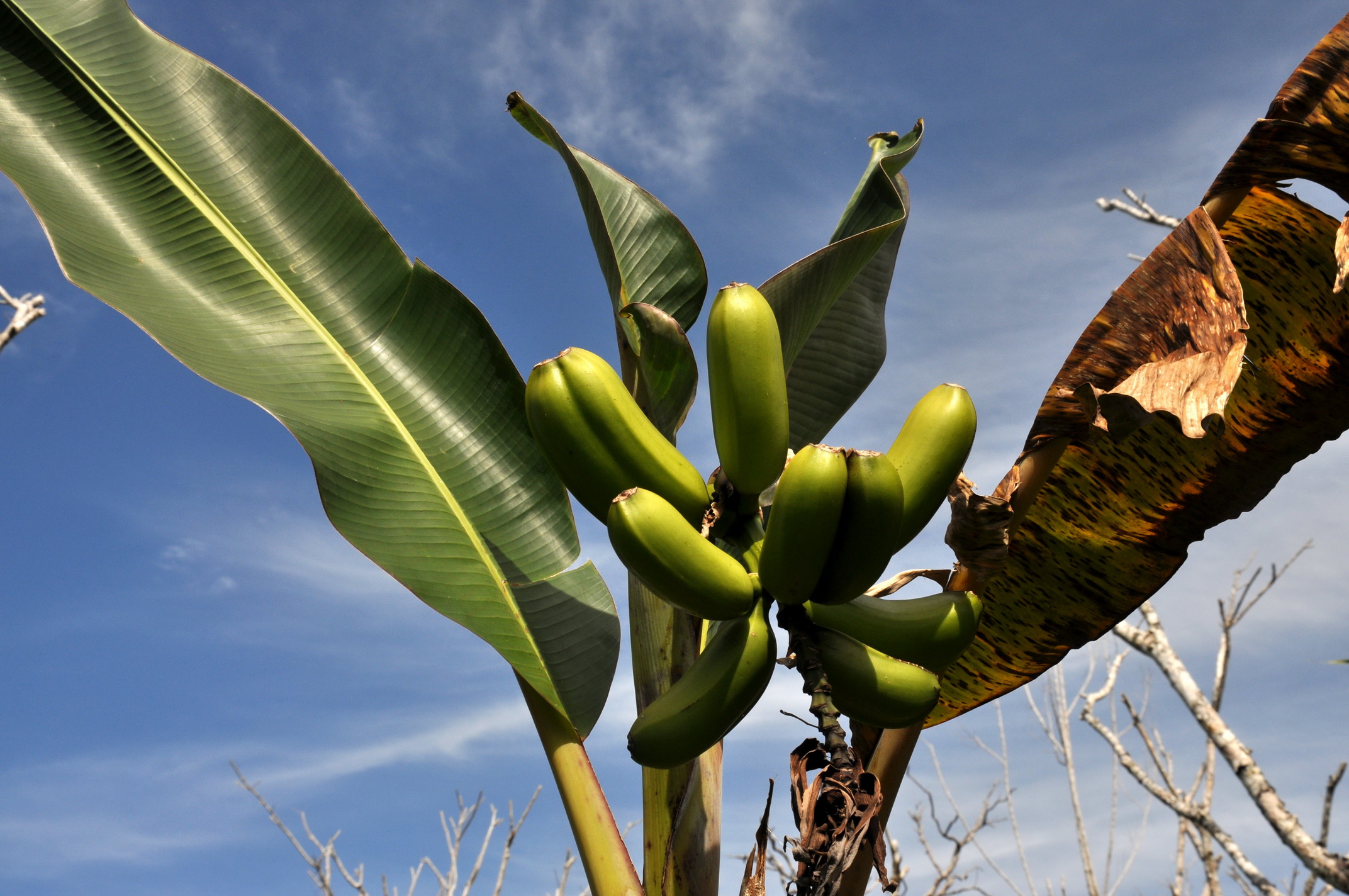
As soon as we emerged onto the road between Alofi and Liku, every car going either way stopped to offer a lift. We kept having to explain how grateful we were, that nothing was wrong with us, and that we were walking for the fun of it. Niue must be the easiest country in the world to hitchhike in.
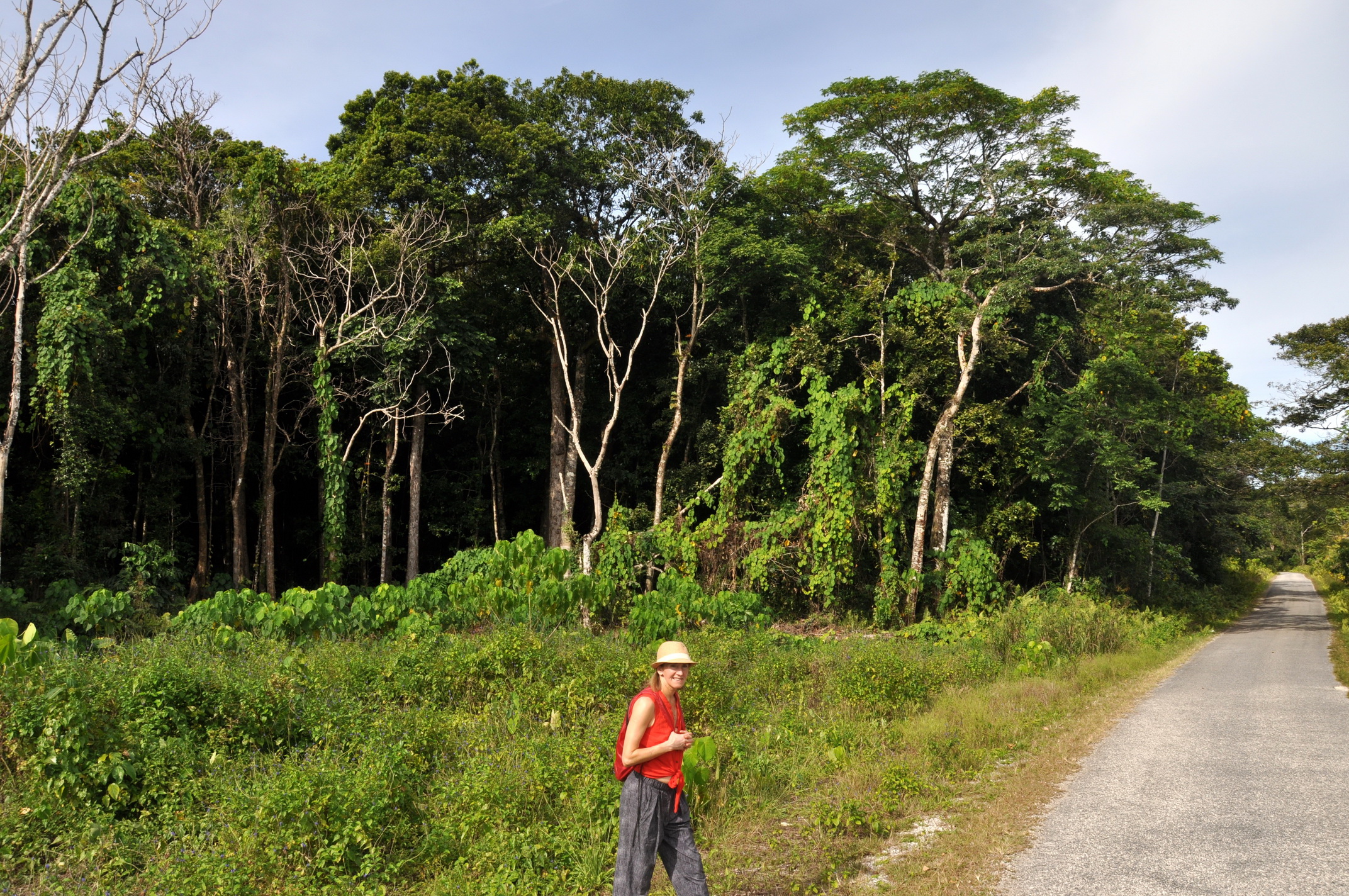
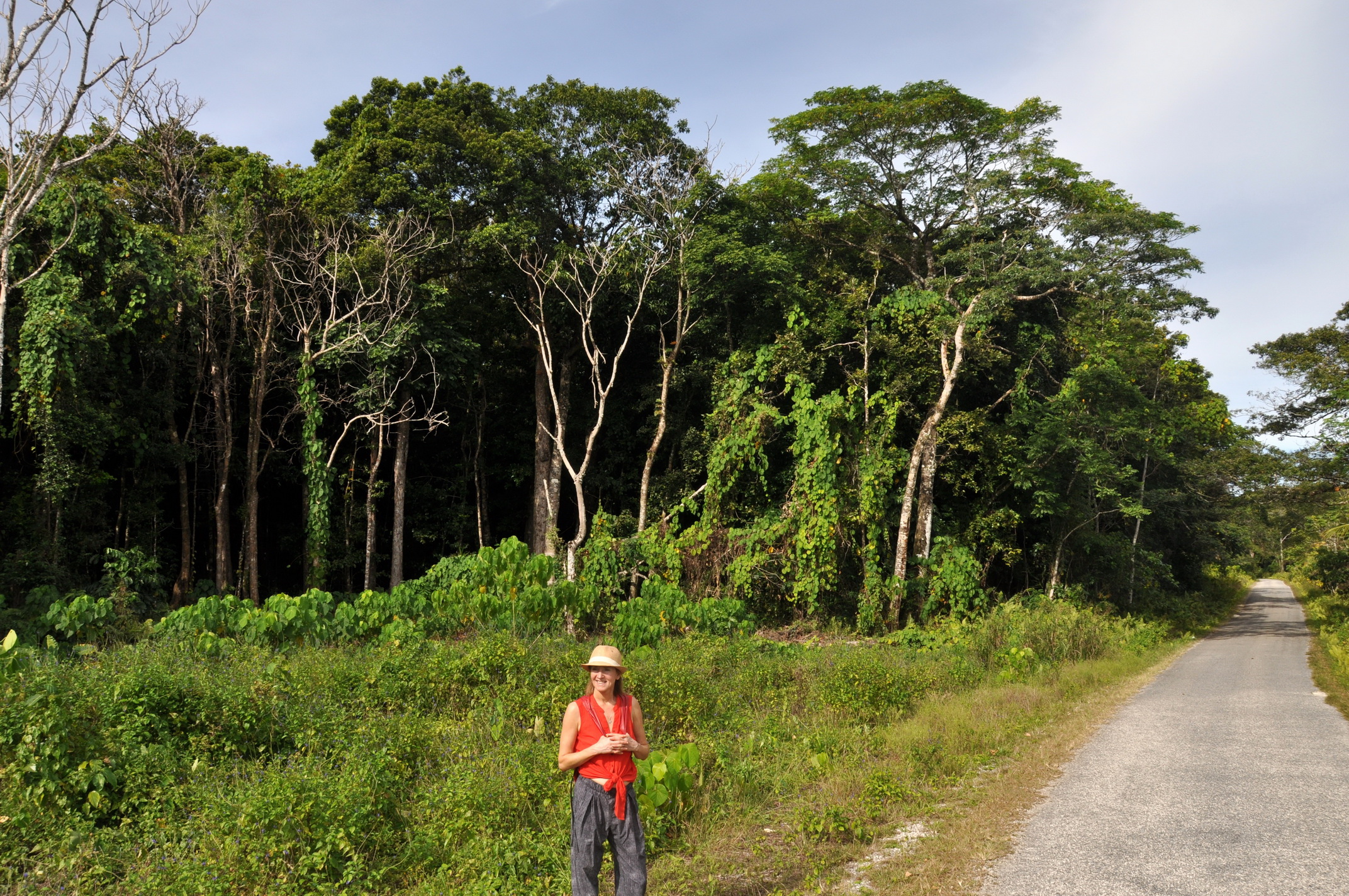
On the walk back a swarm of flies gathered around us and seemed determined to land only on the very top of Tanya’s hat.
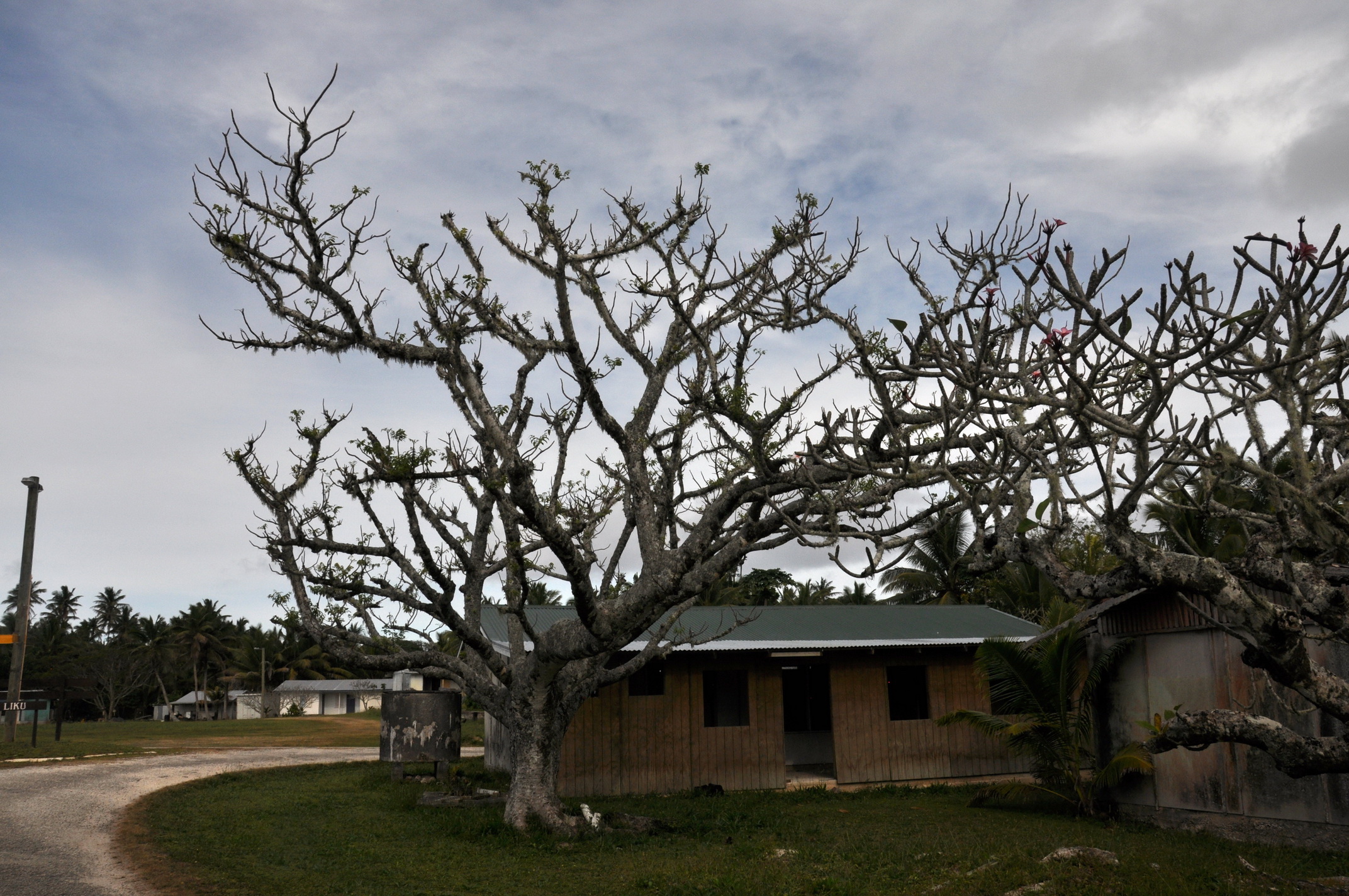
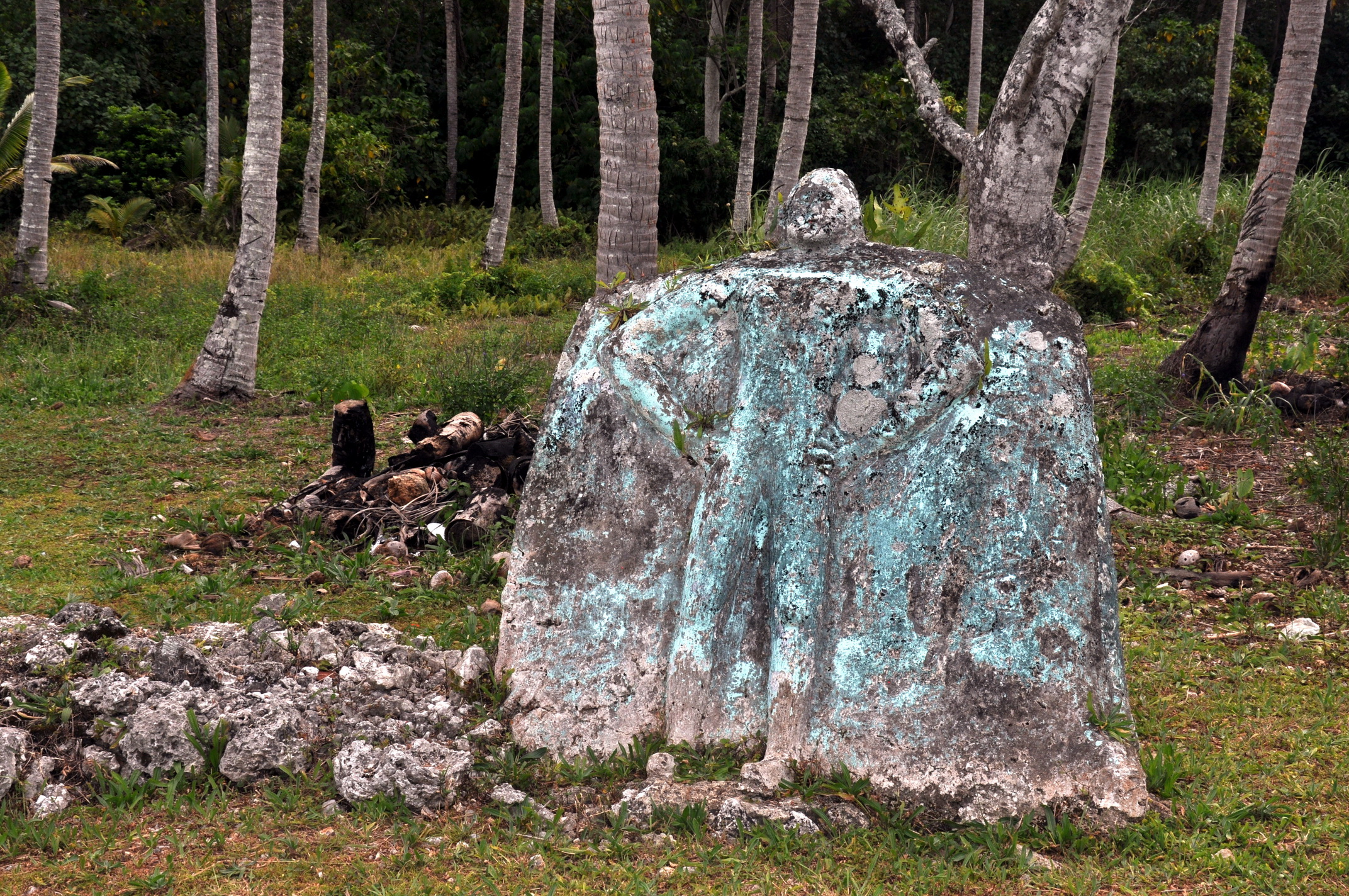
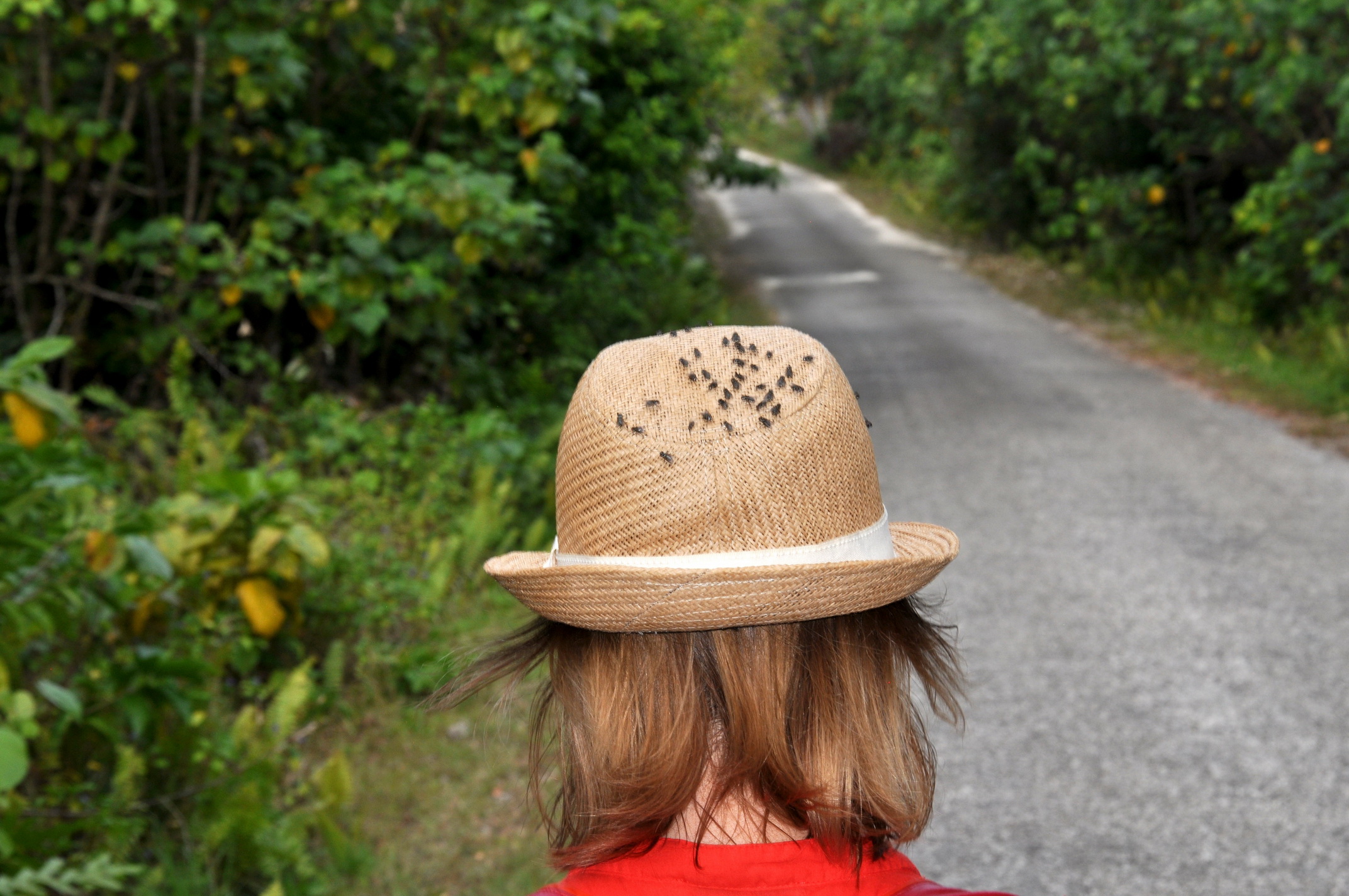
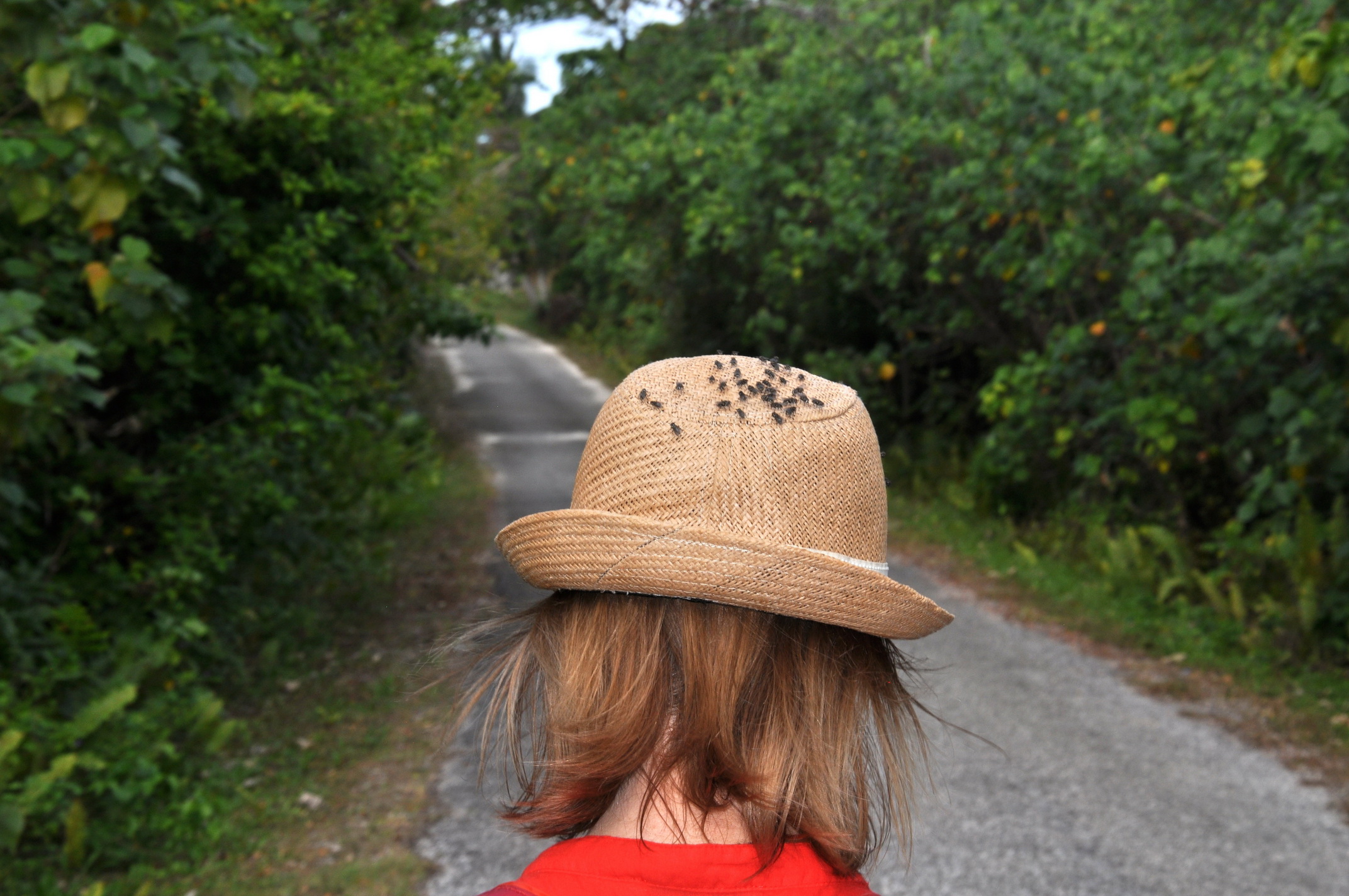
The 12 km walk in the heat had worn us out, so we drove for a swim up to the north western coast at the Limu Pools (18°58.532′S, 169°53.781′W). It isn’t a beach at all but a coral reef with large, deep pools. It’s one of the best places to watch the fish and then see the sun go down. It was still 1 September on Niue, but in Russia it was already the second—Tanya’s birthday. We could start celebrating.
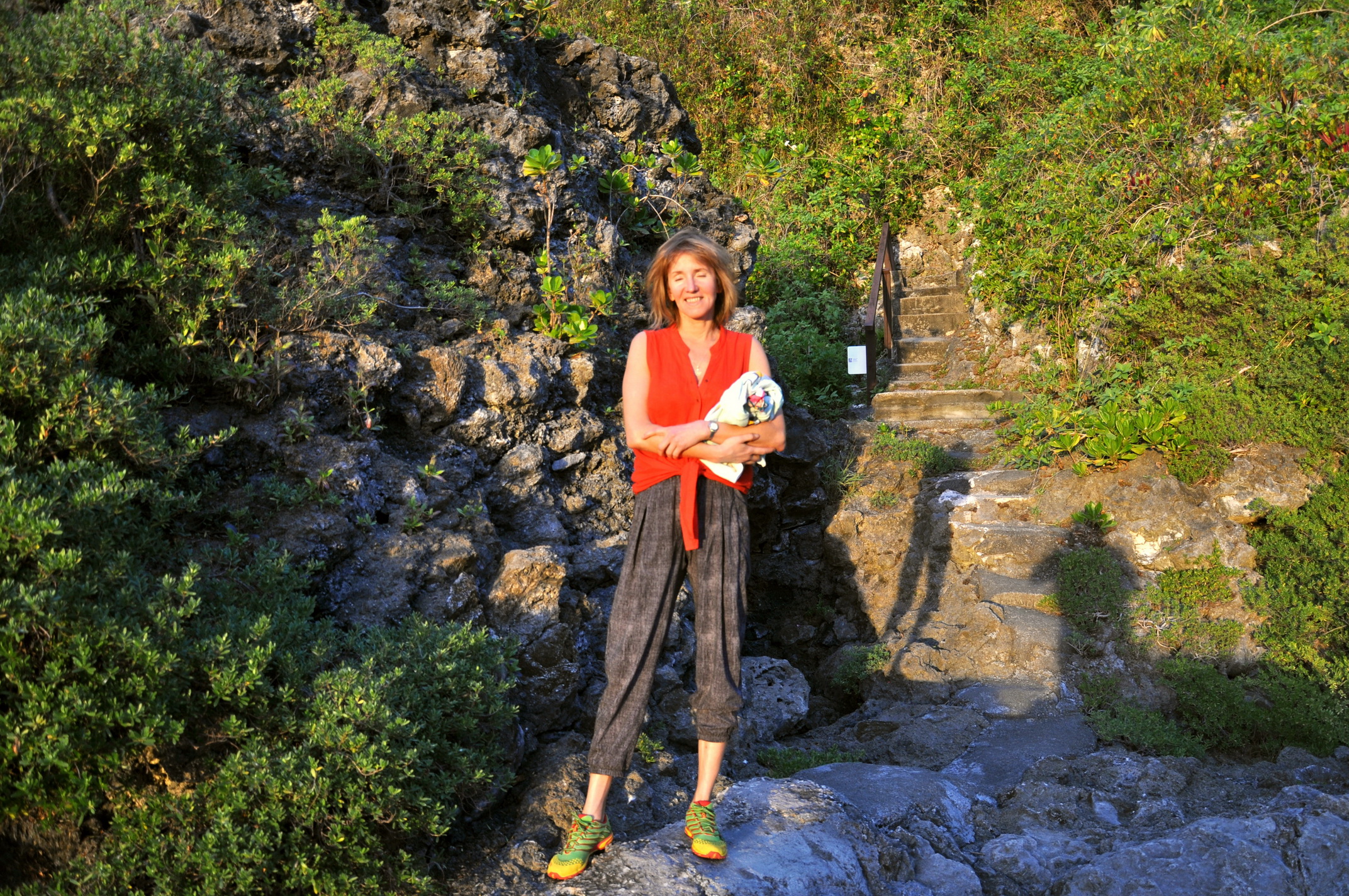
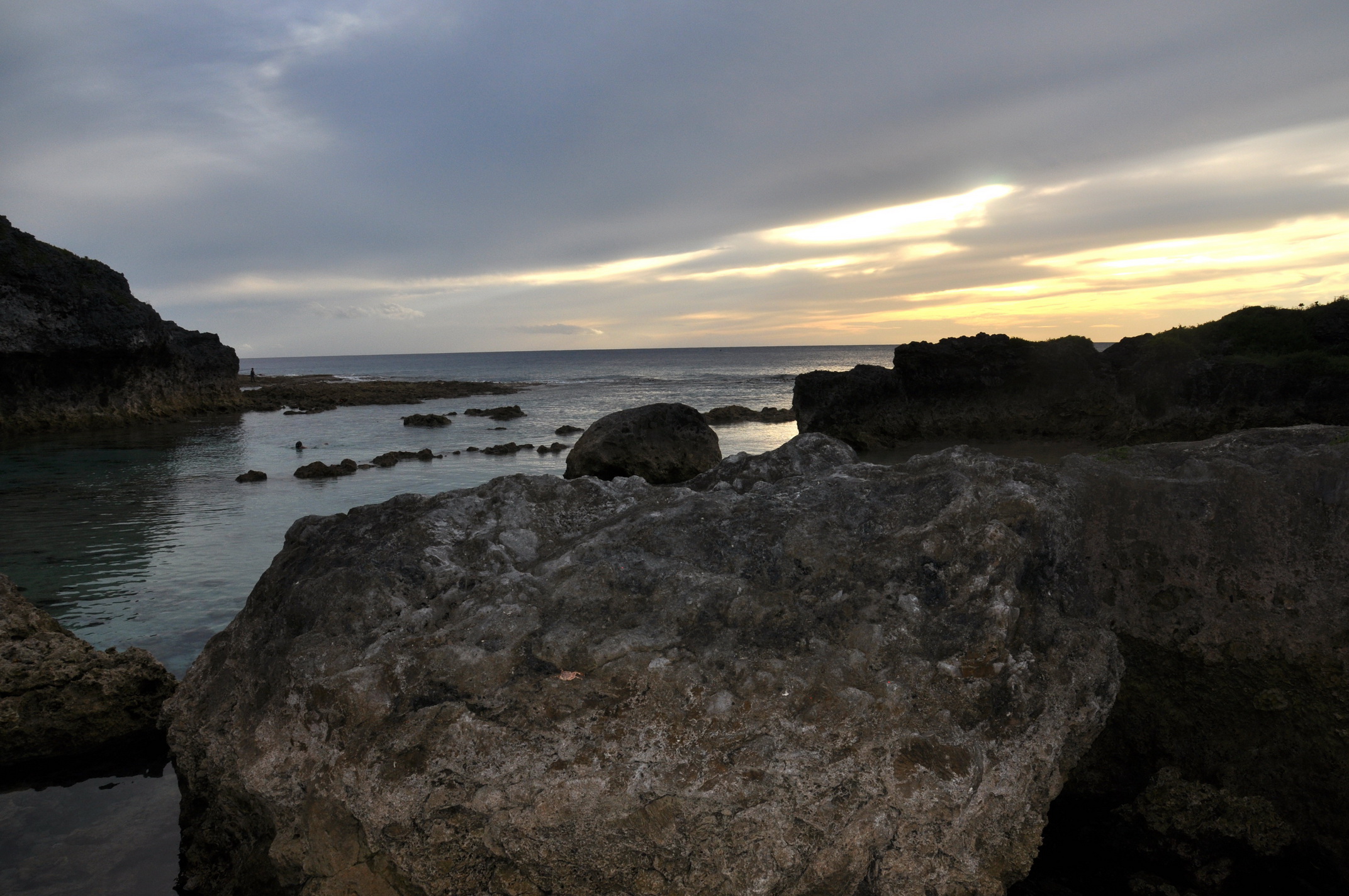
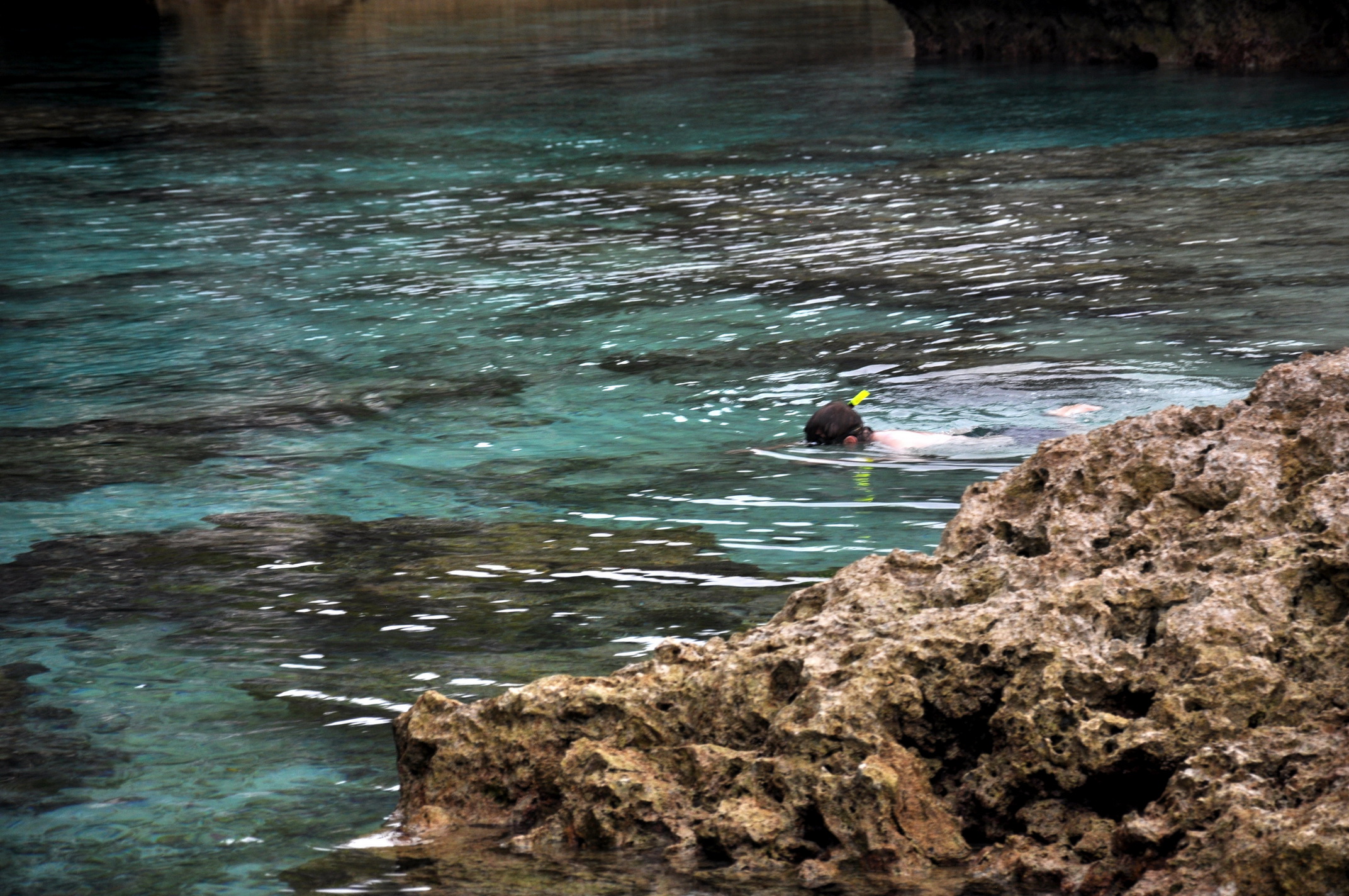
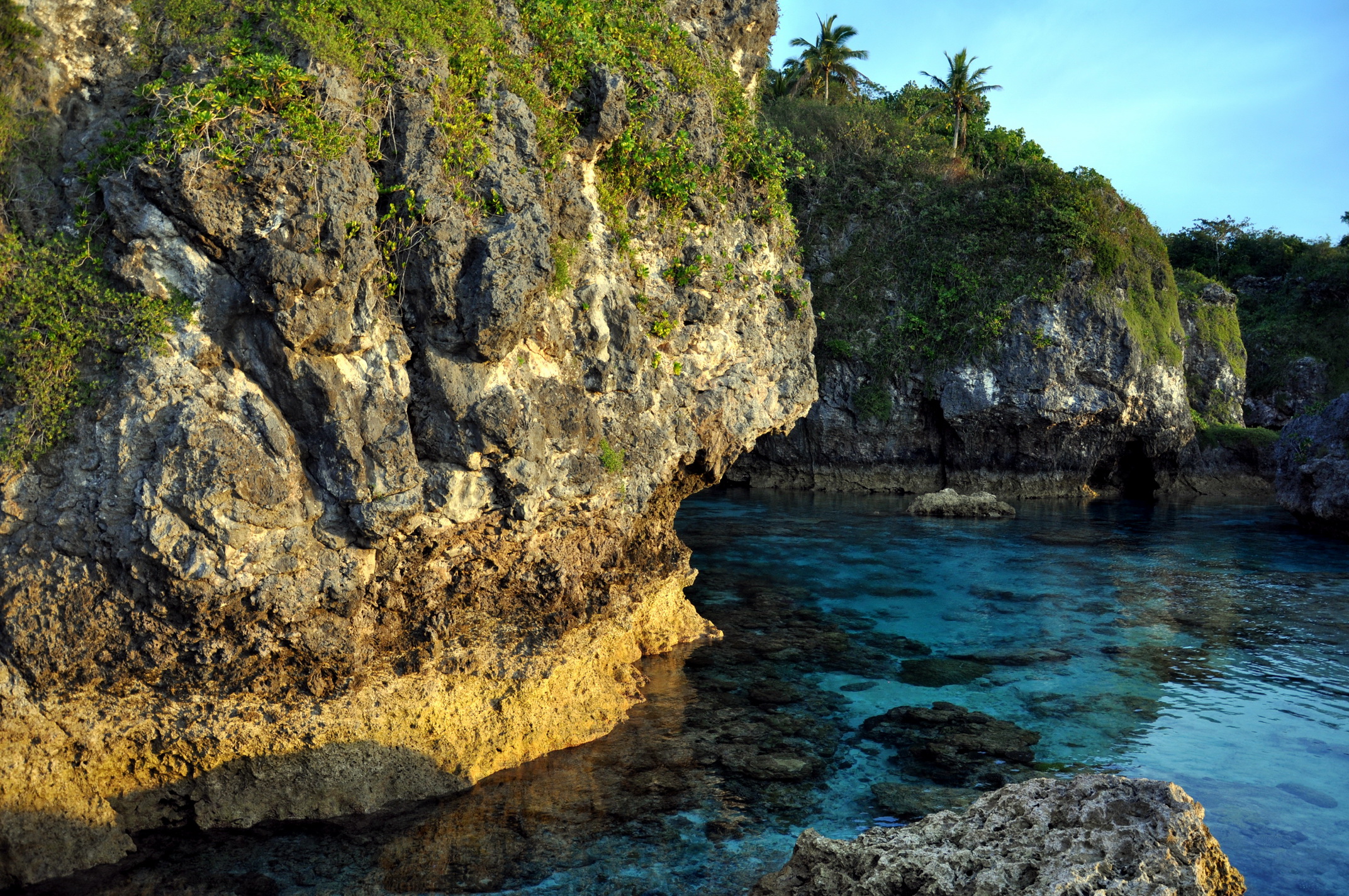
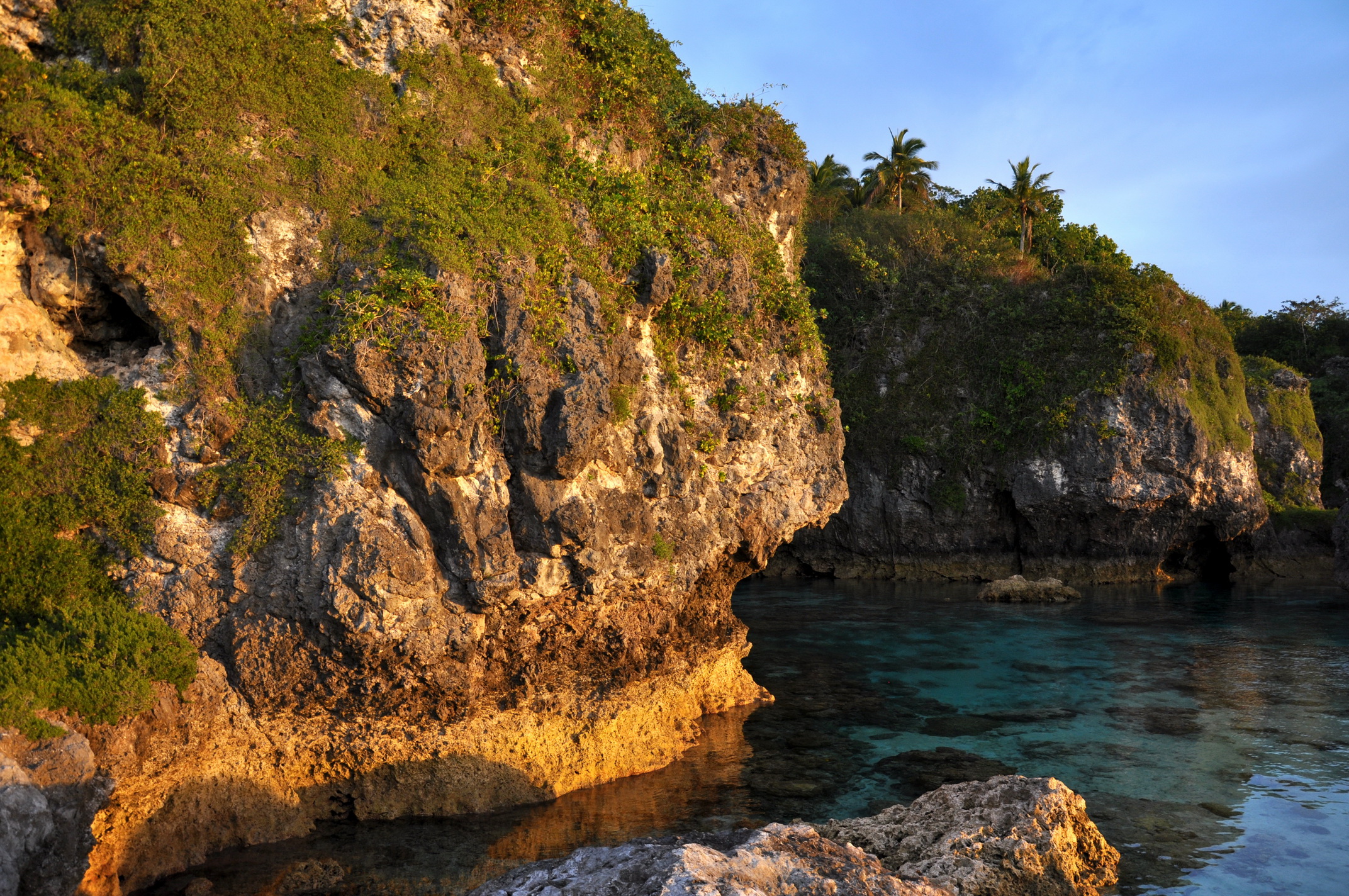
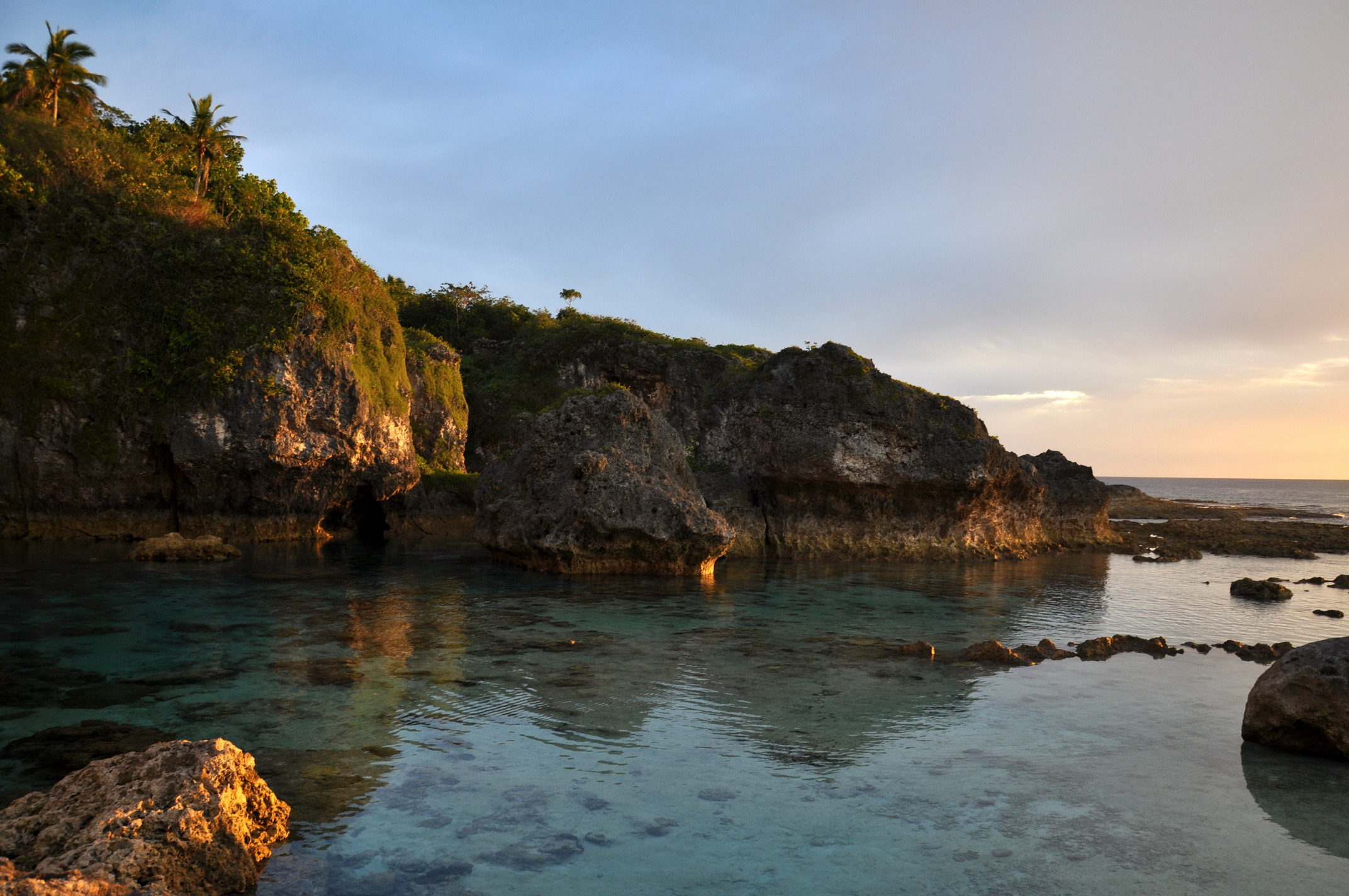
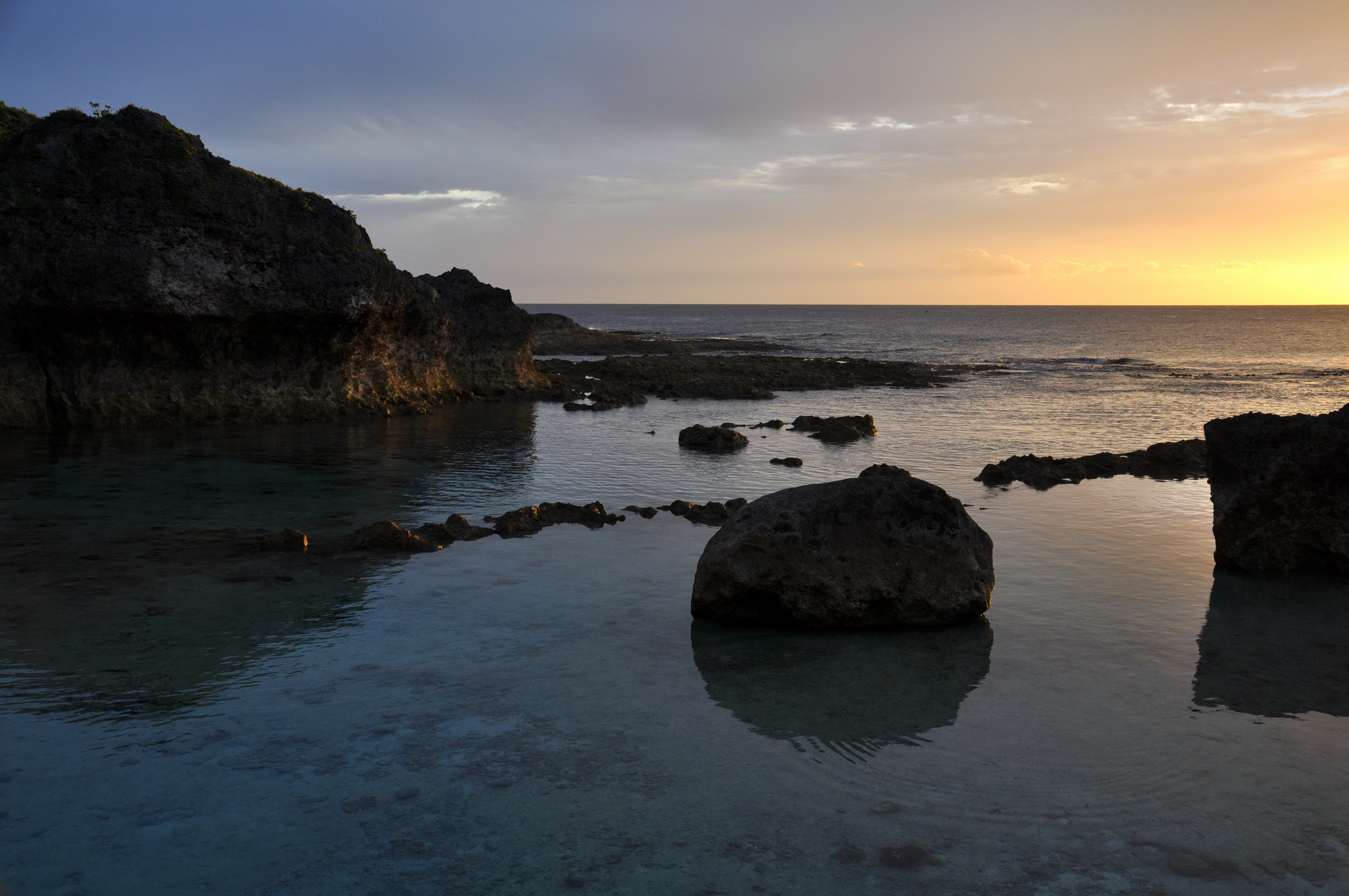
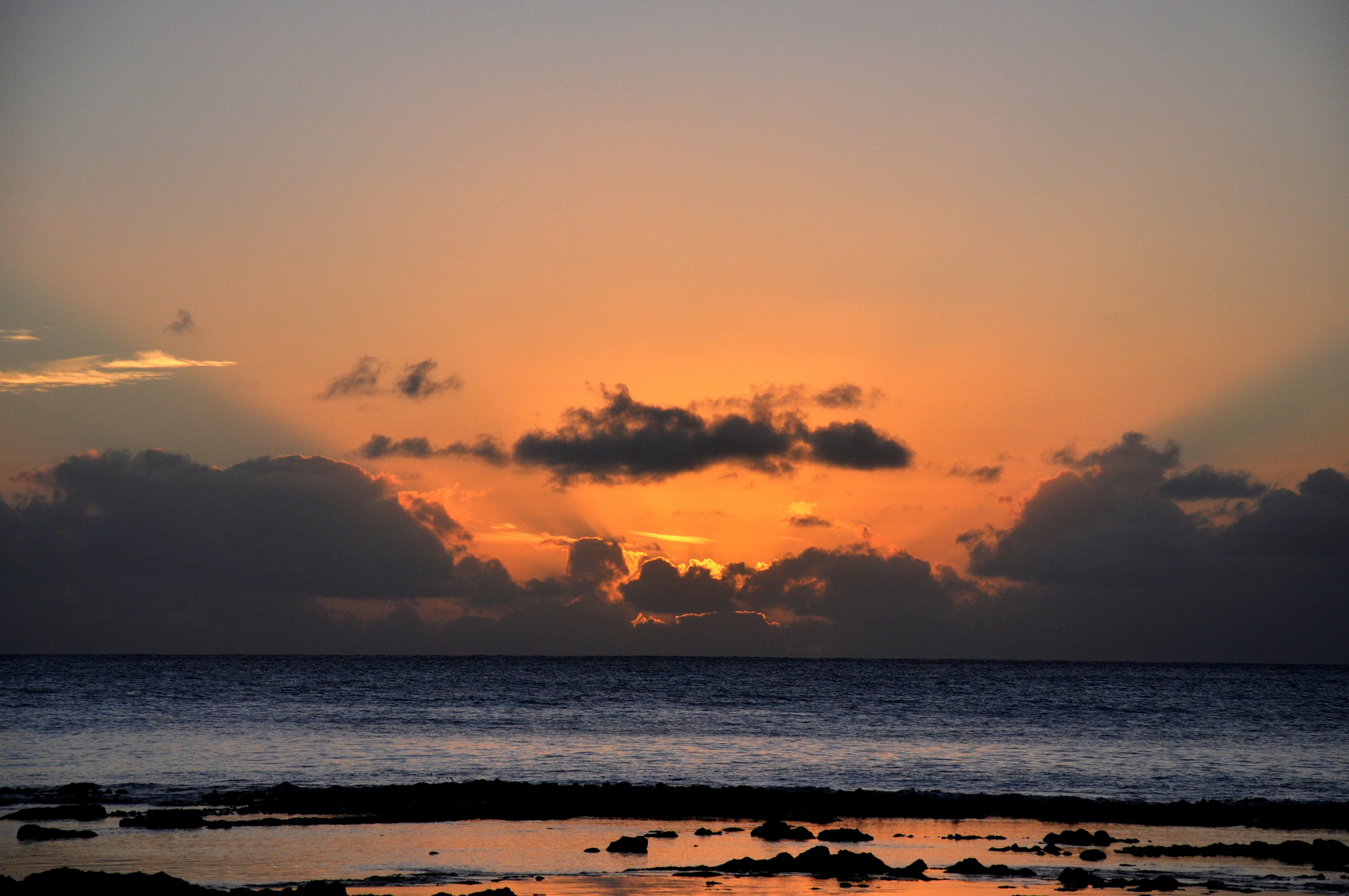
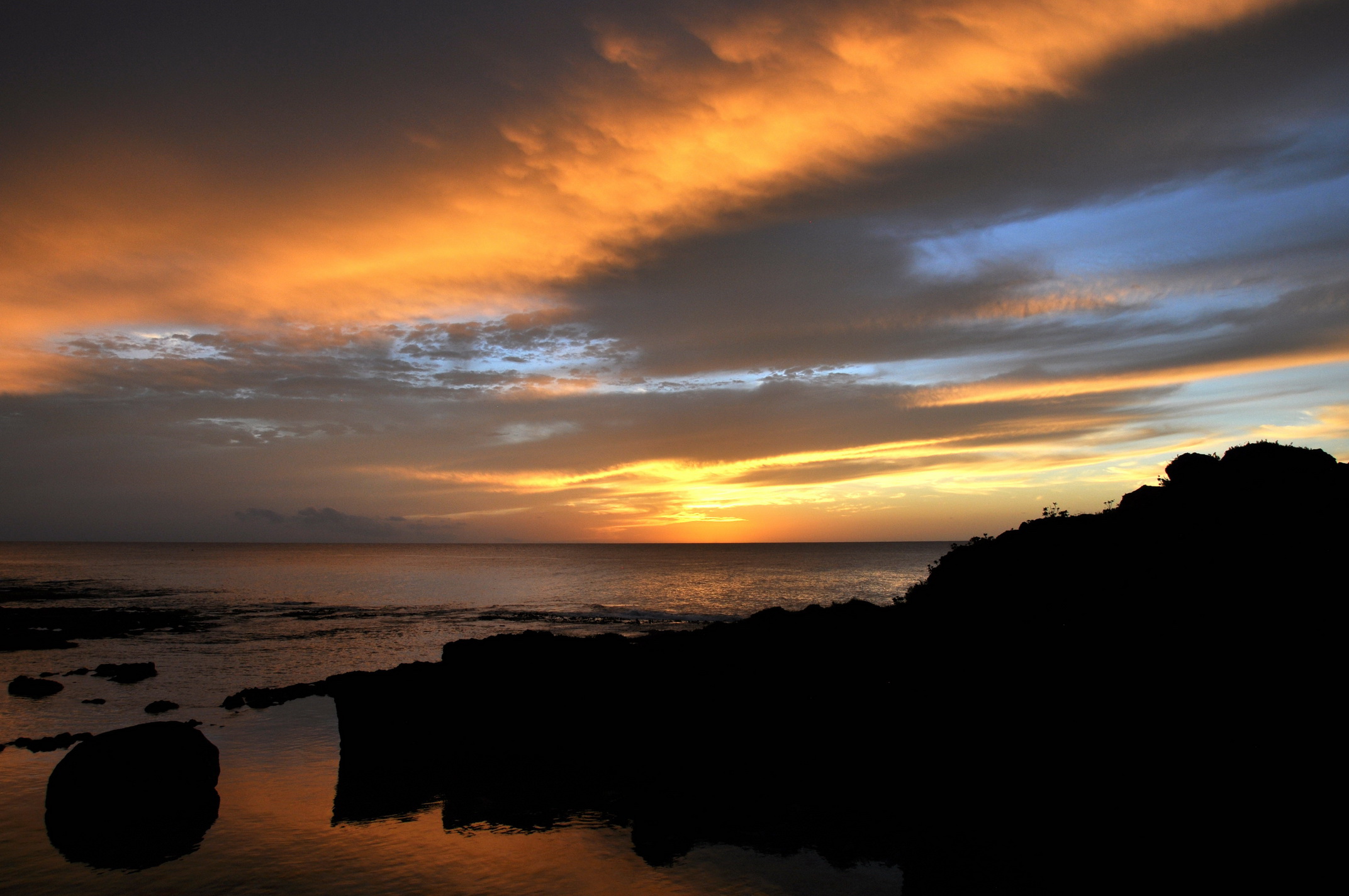
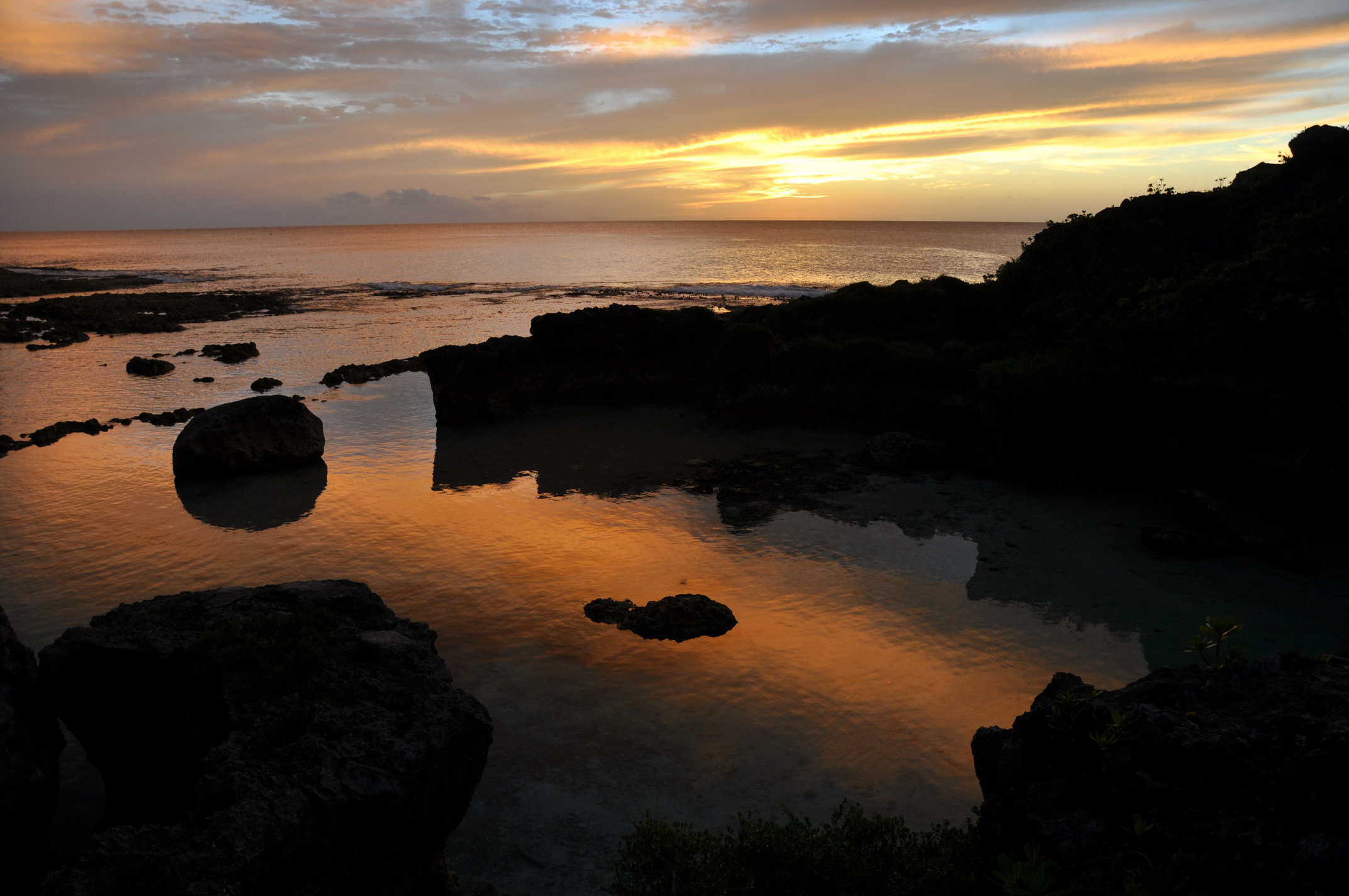
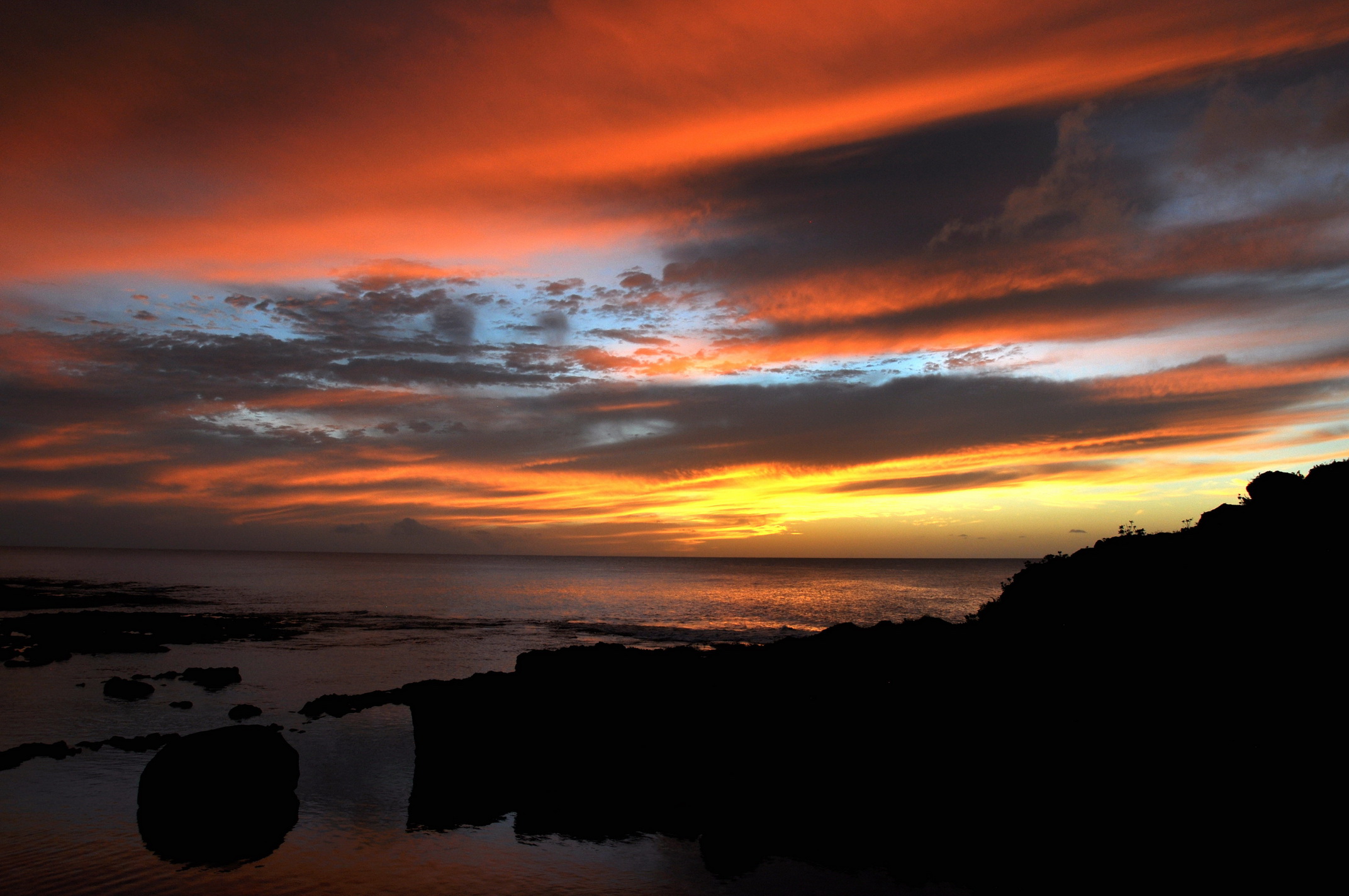
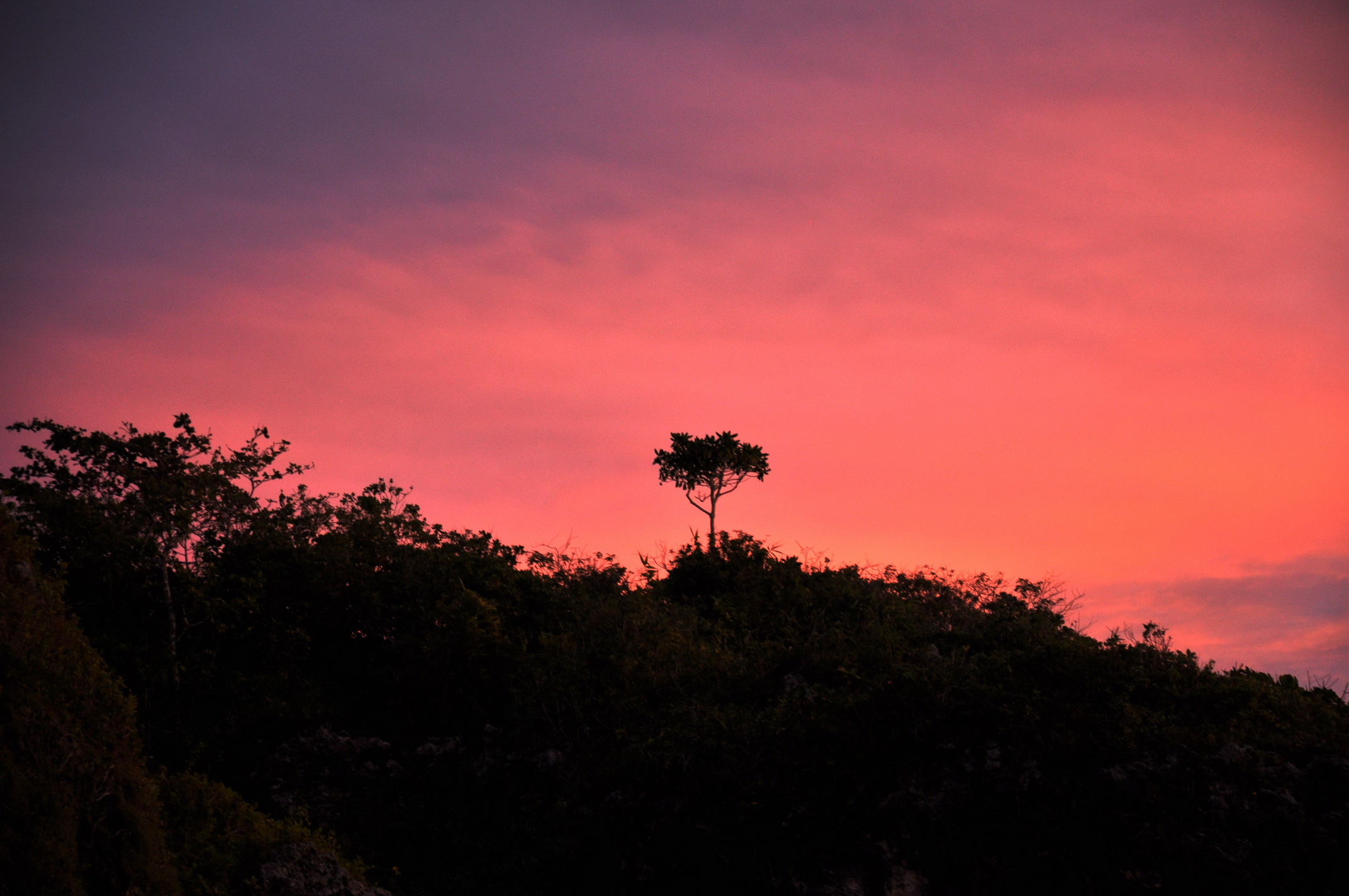
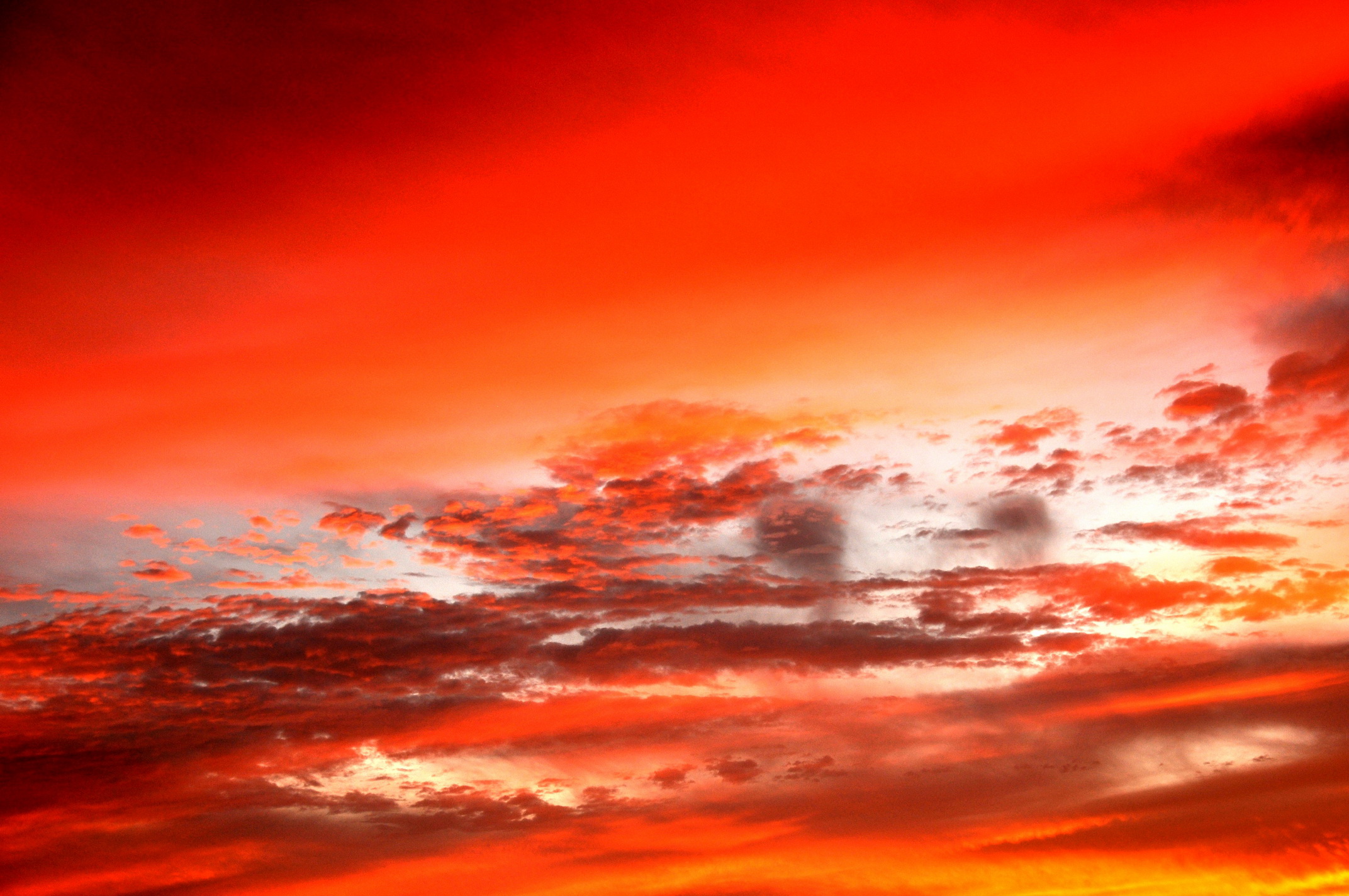
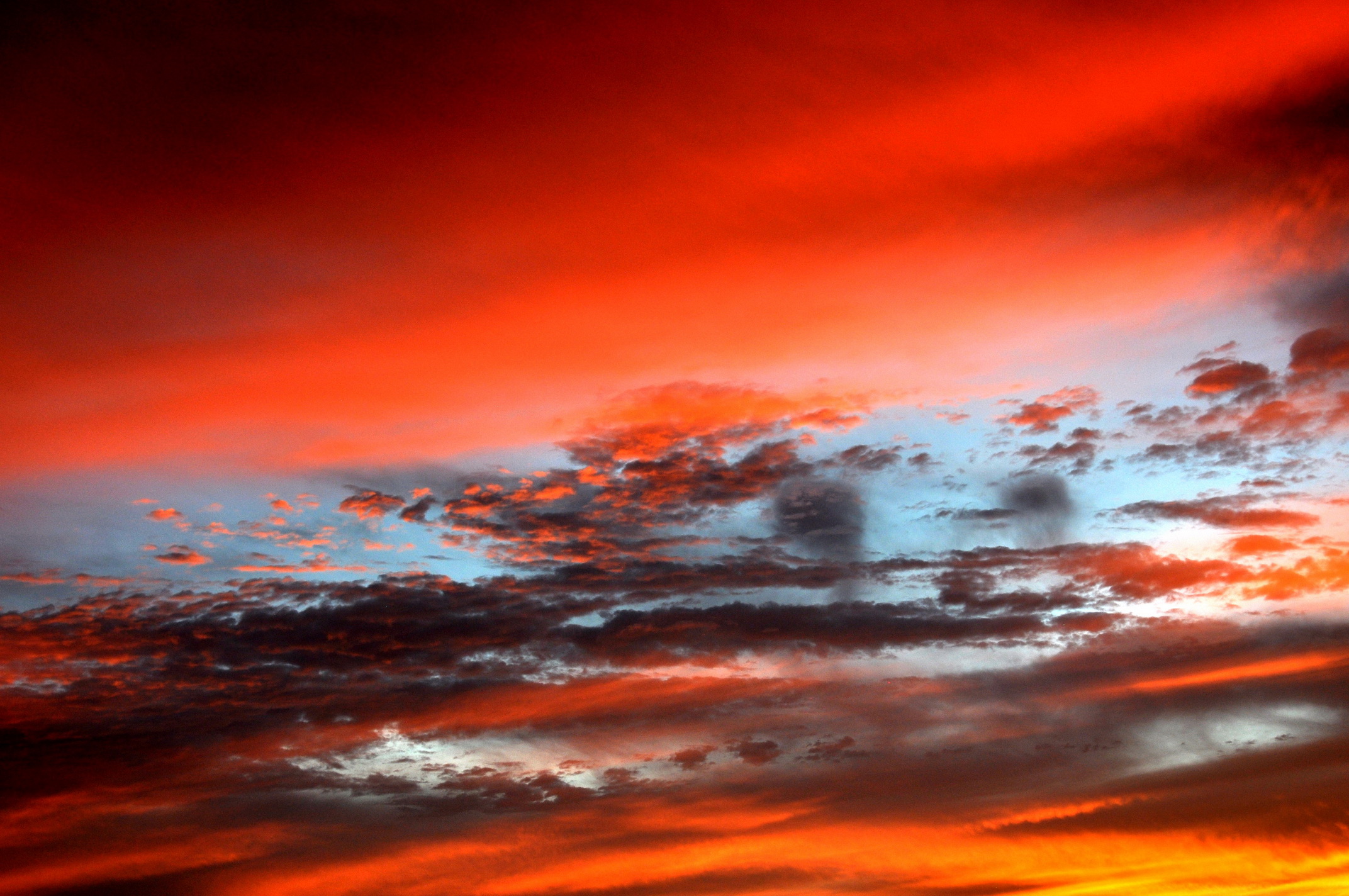
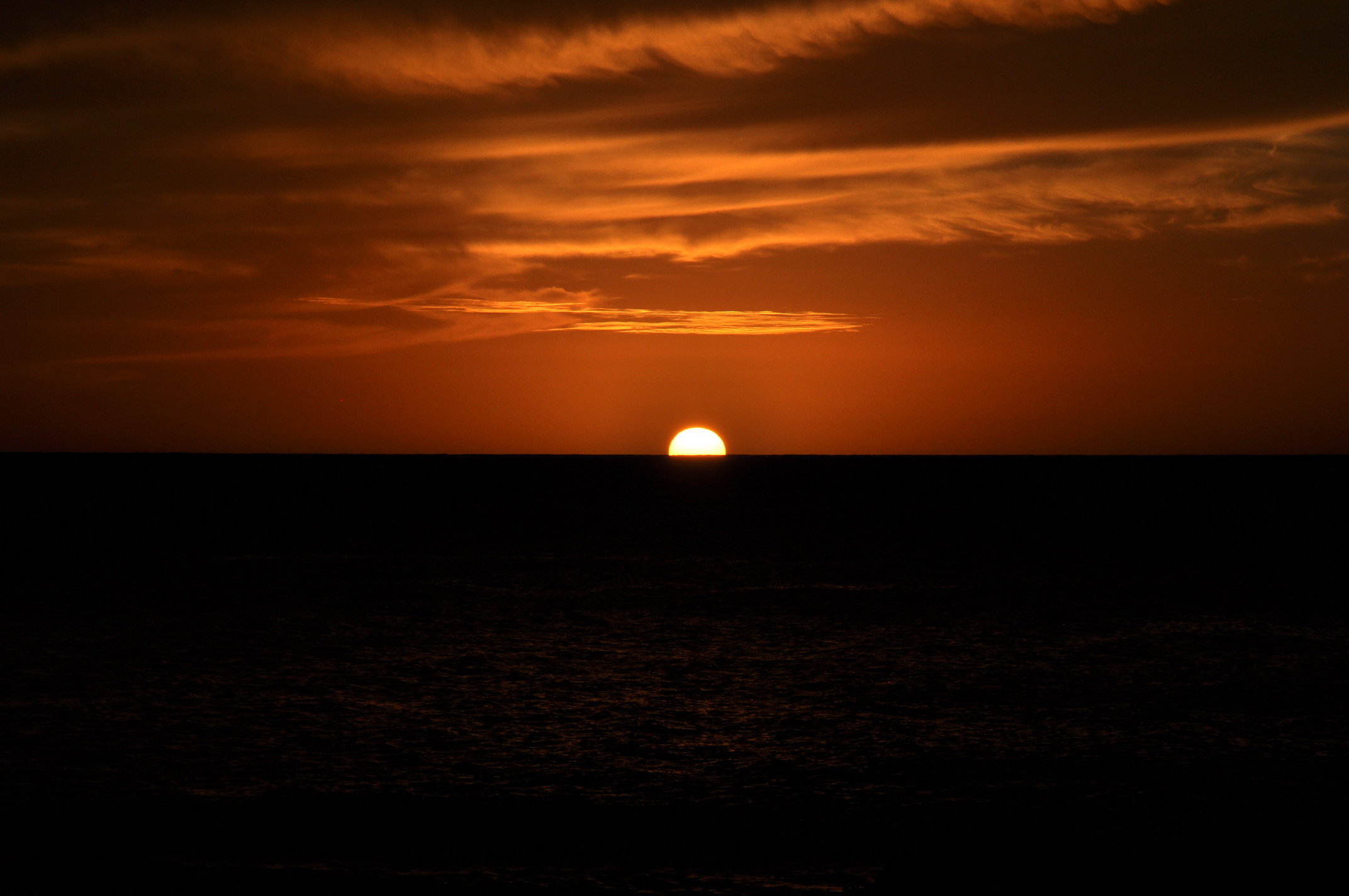
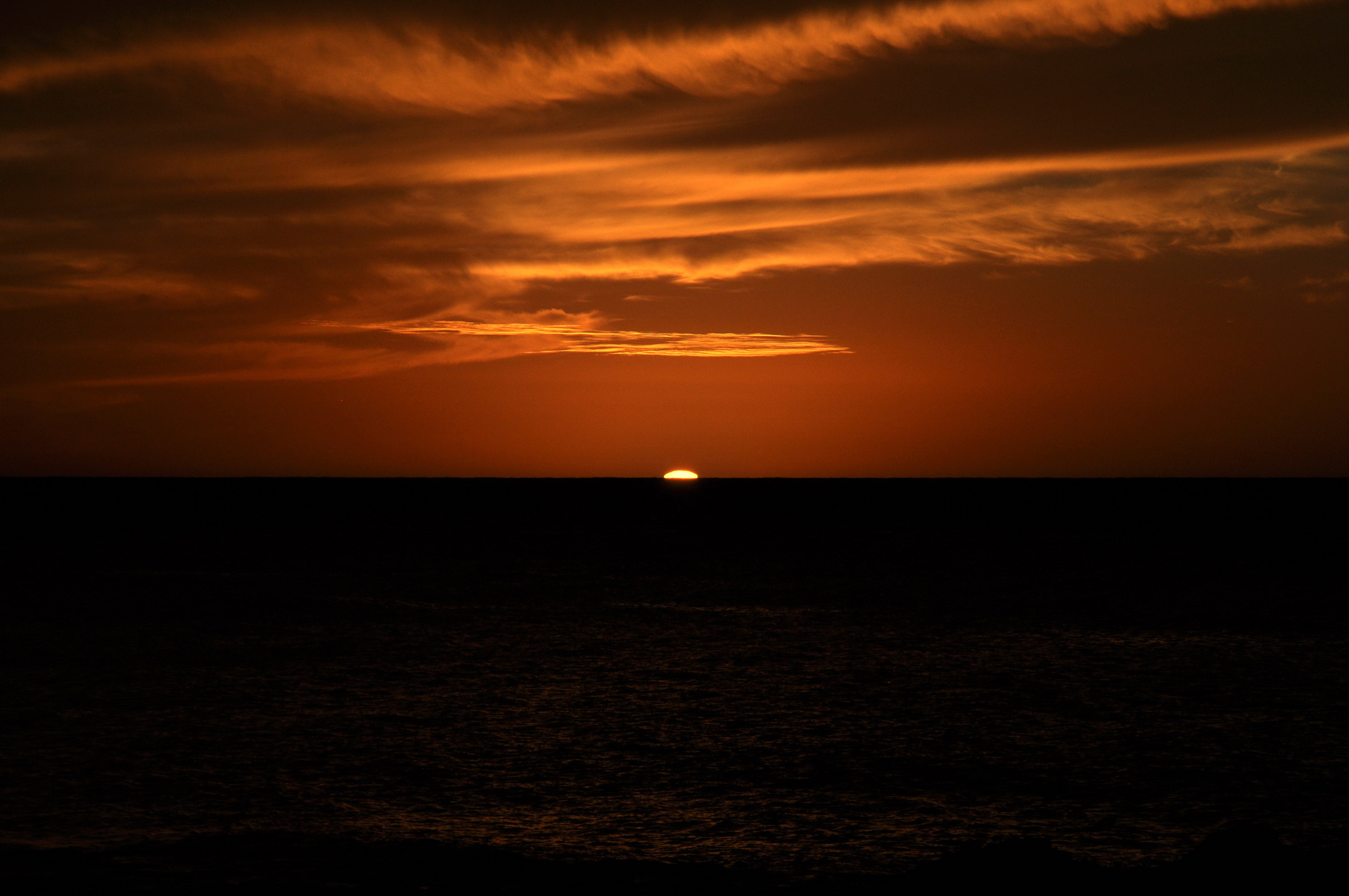
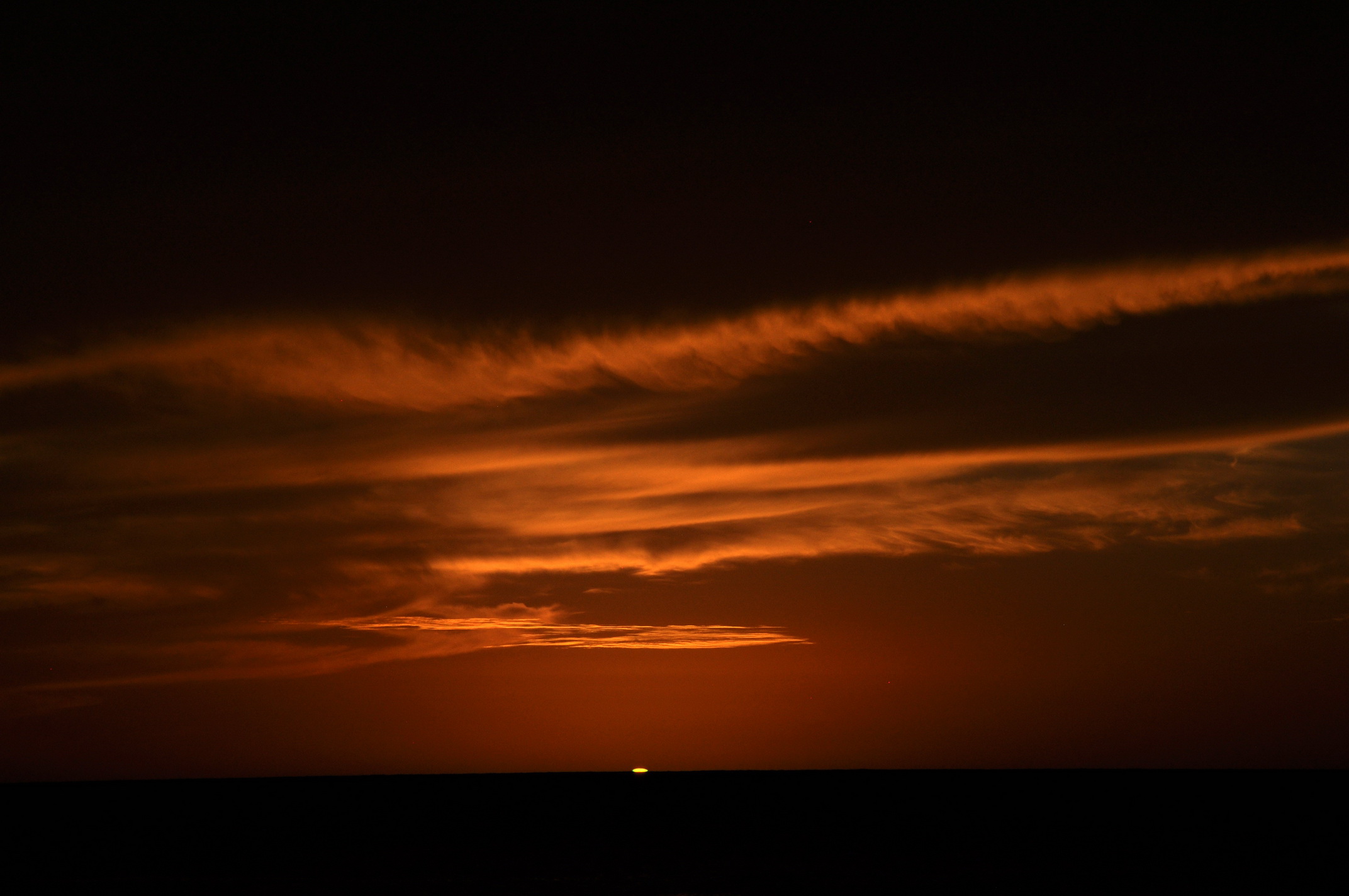
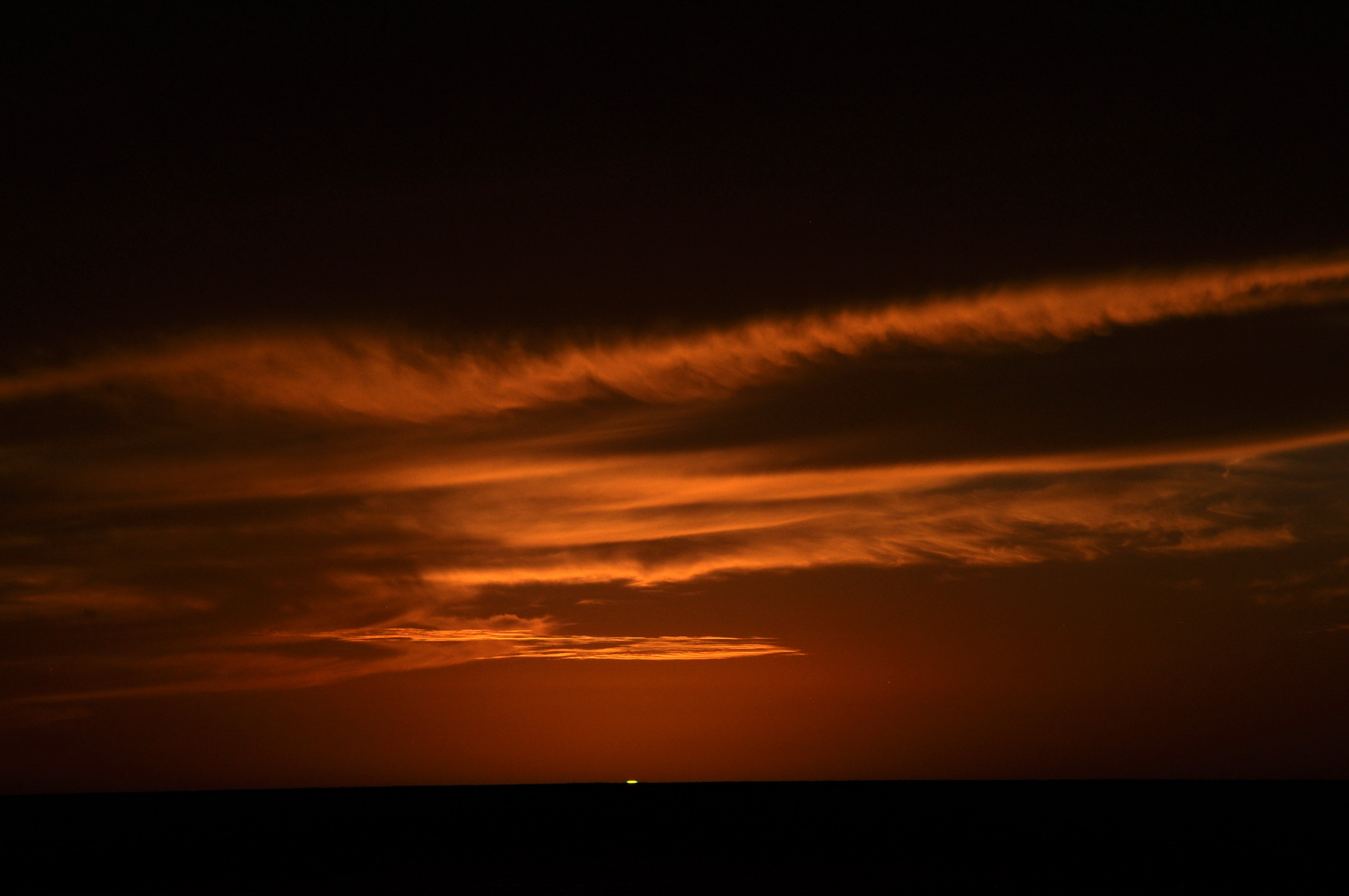
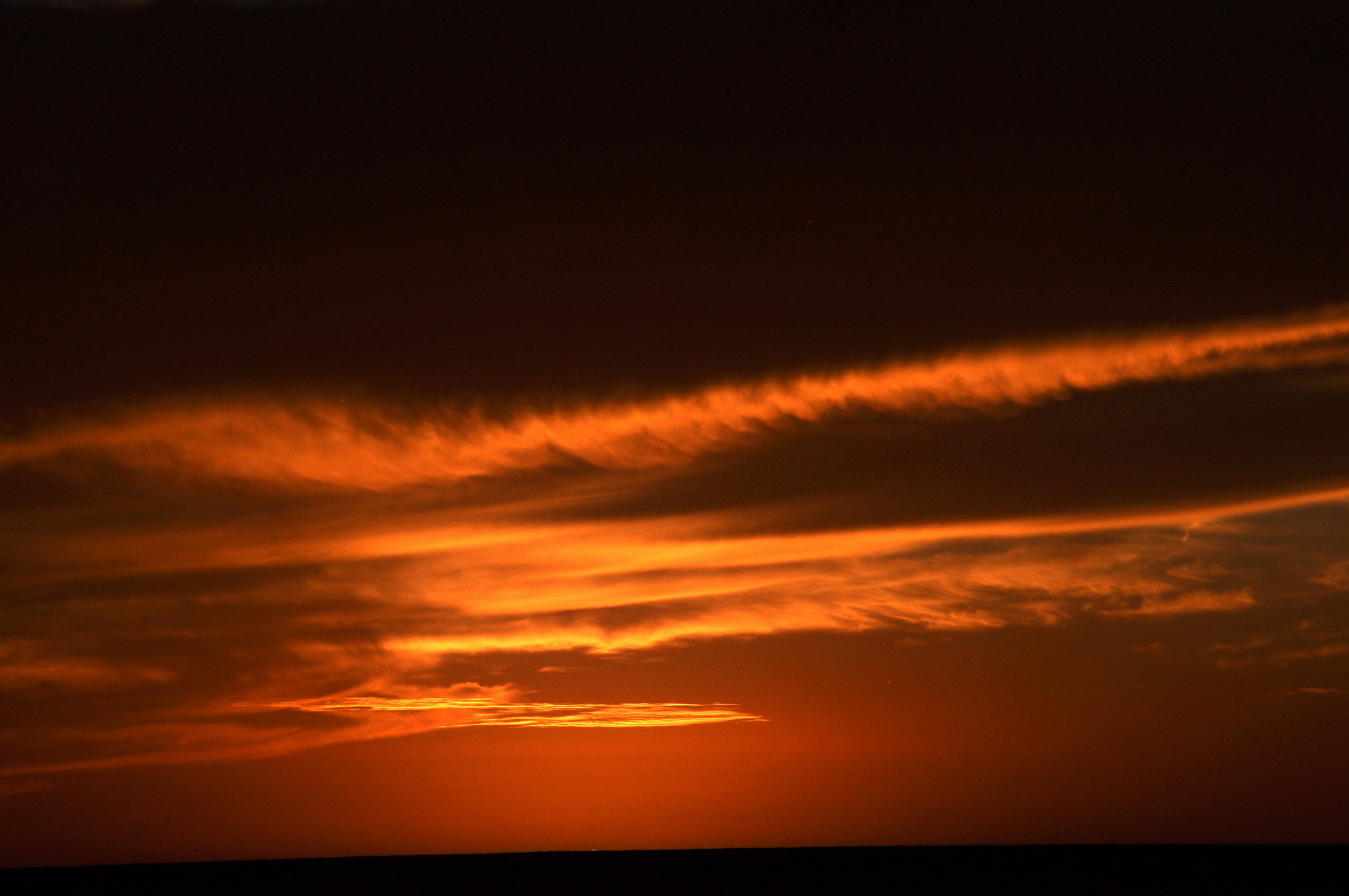
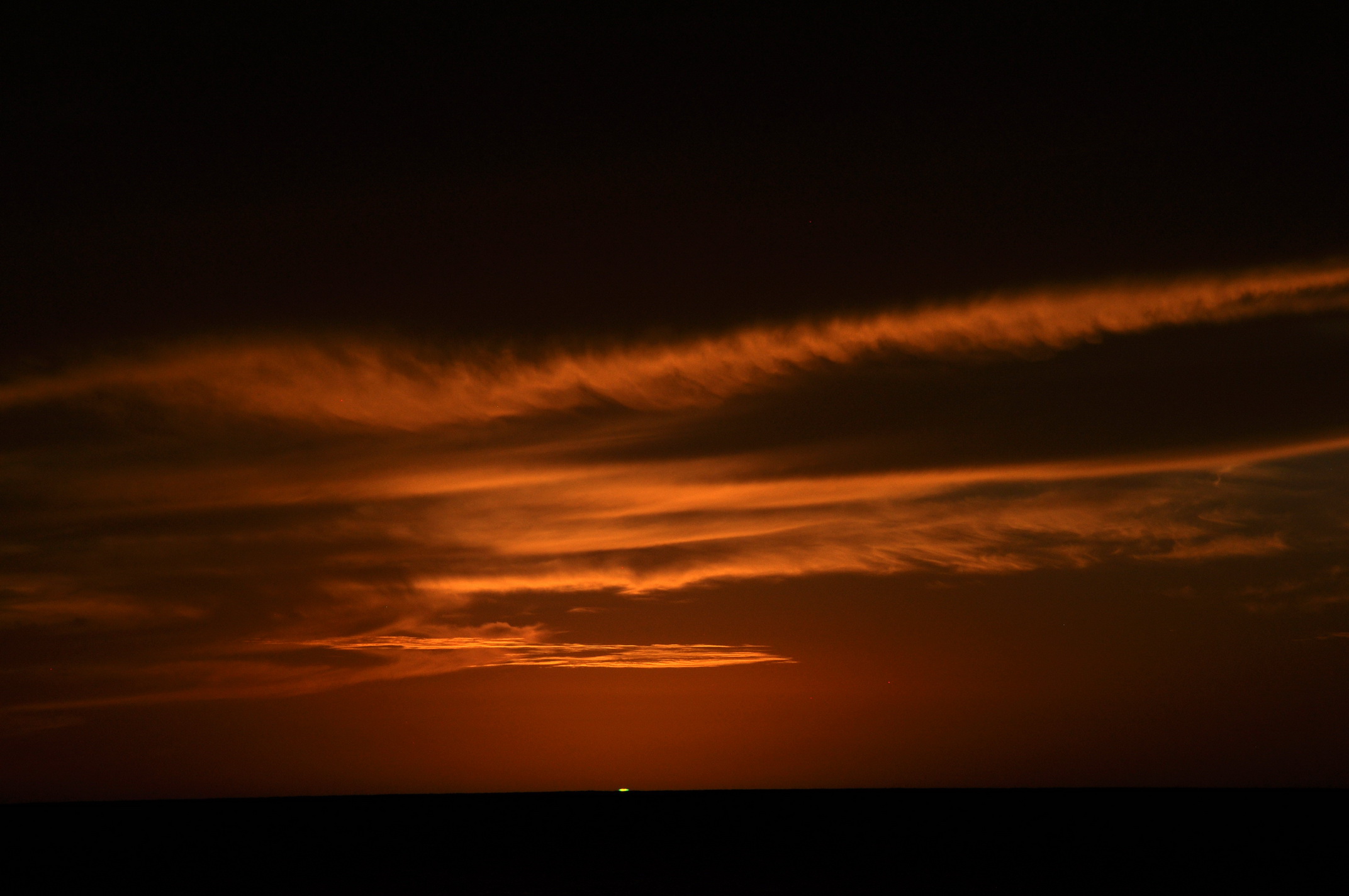
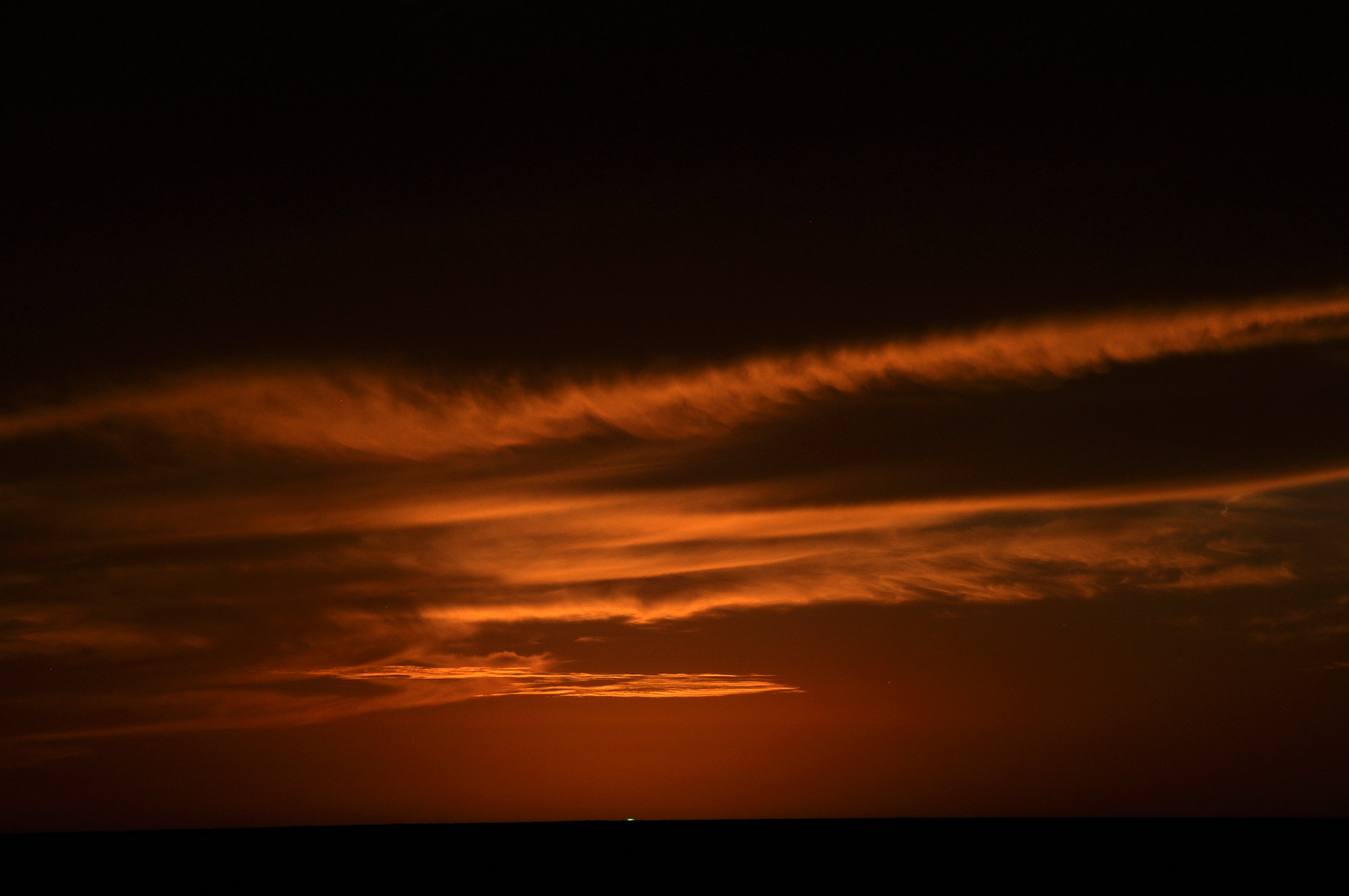
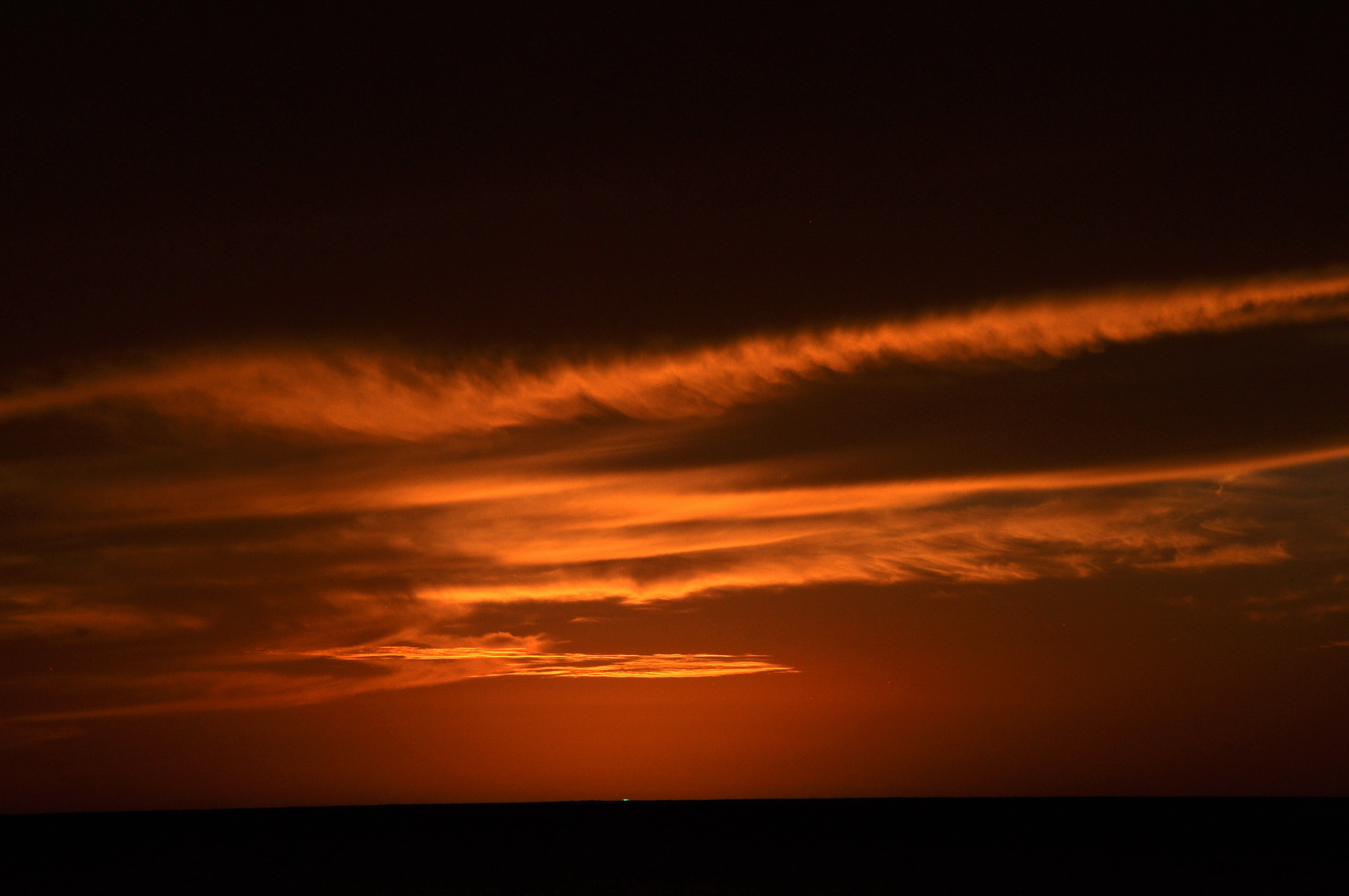
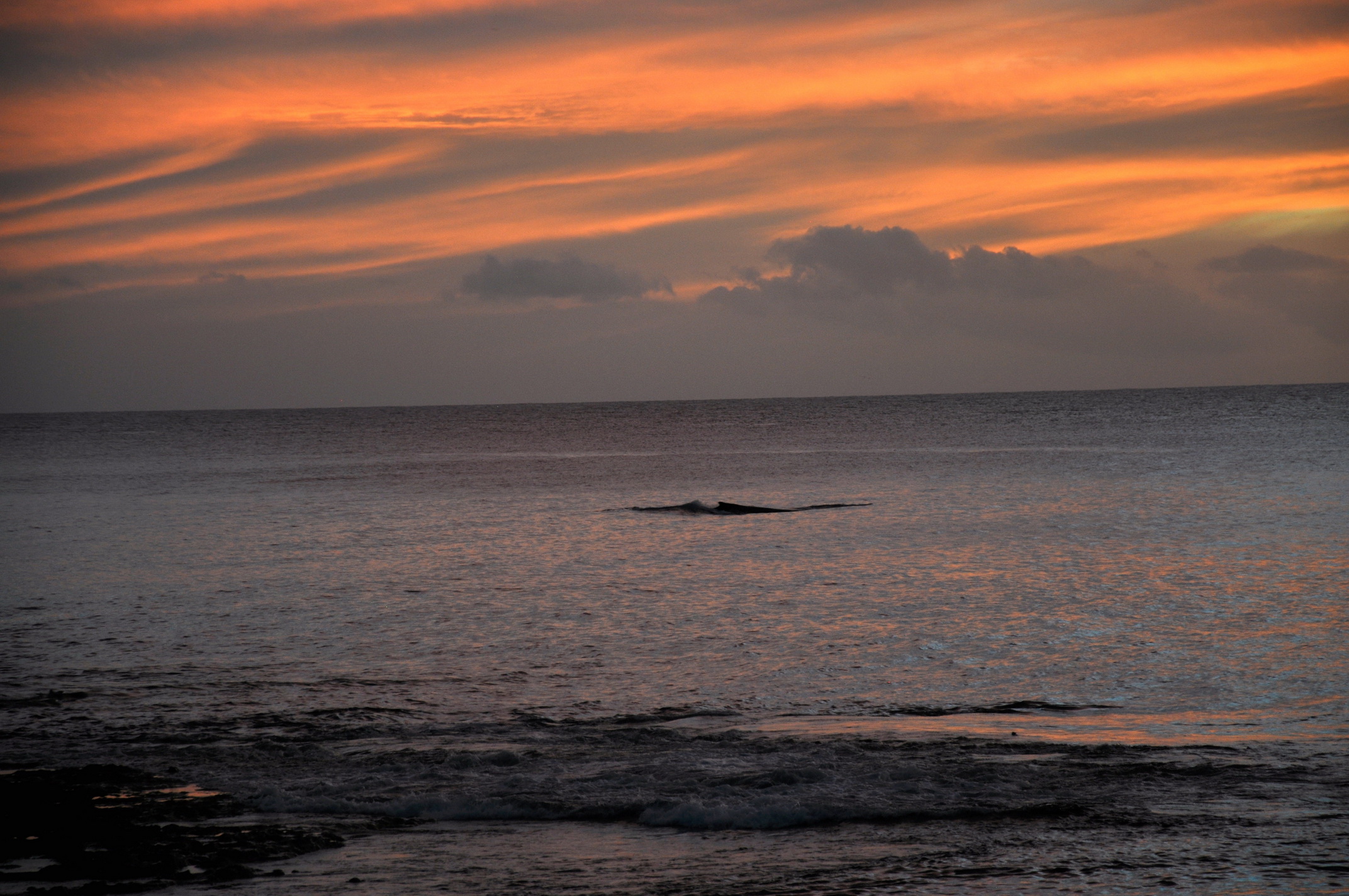
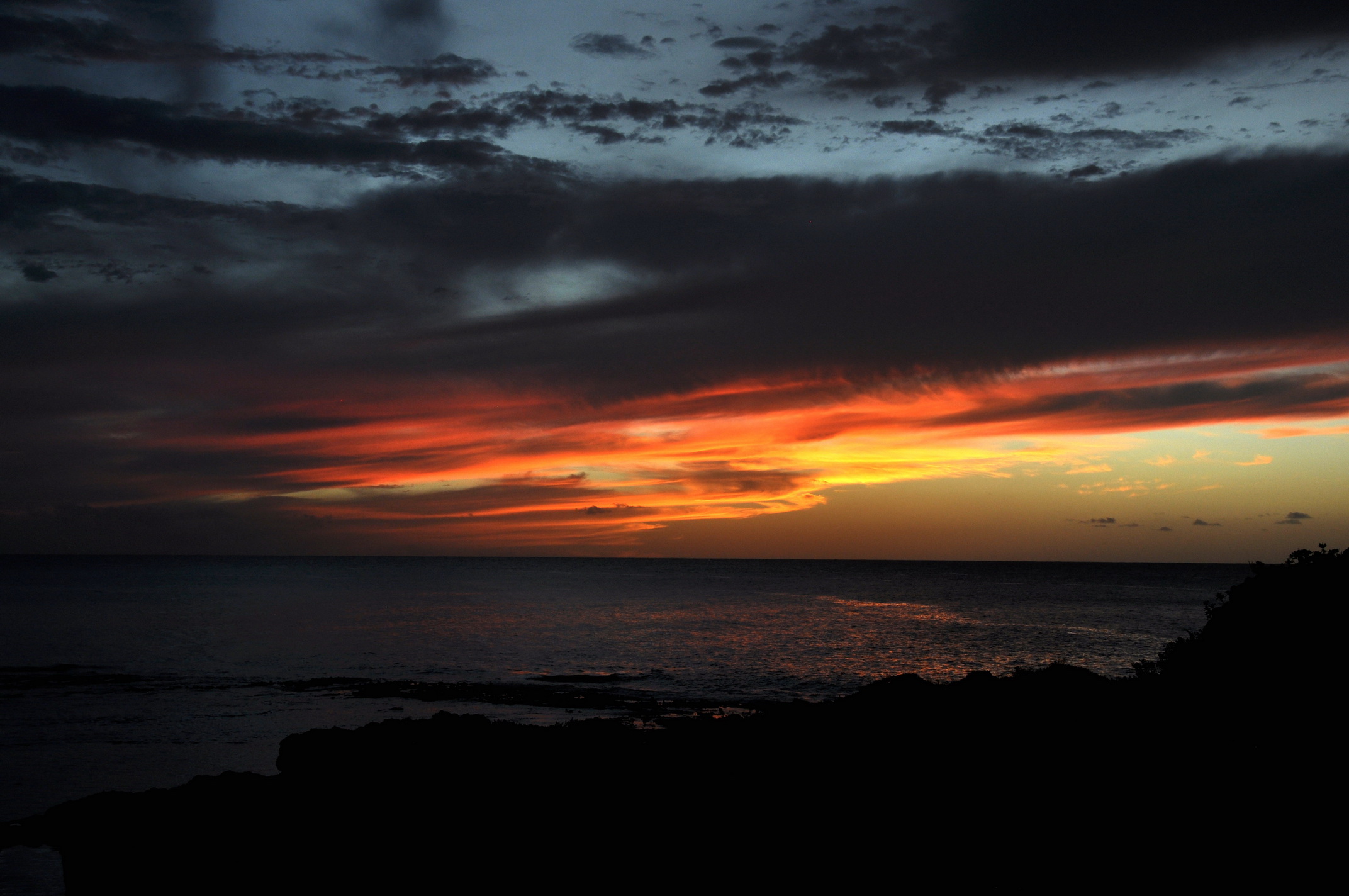
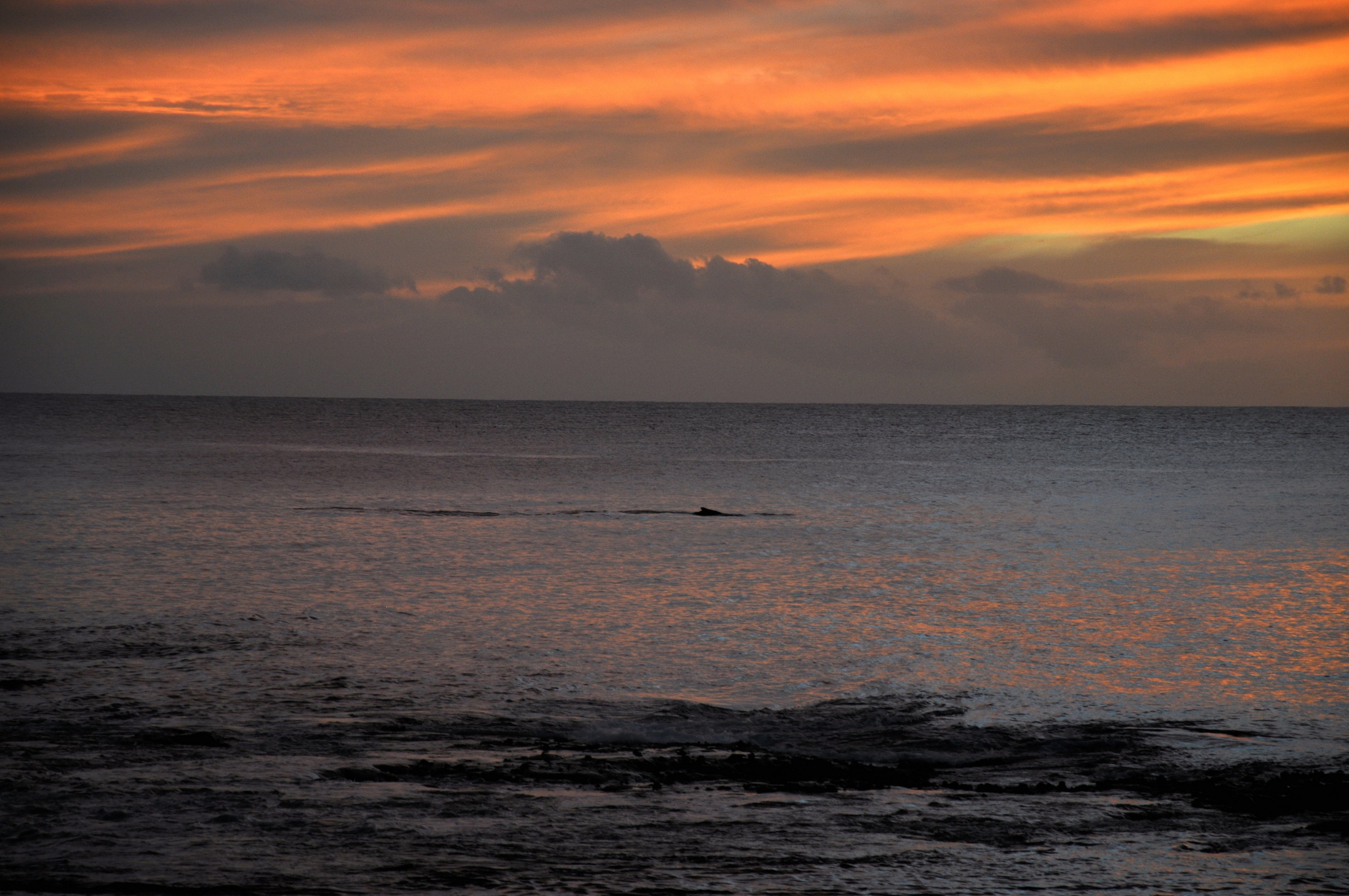
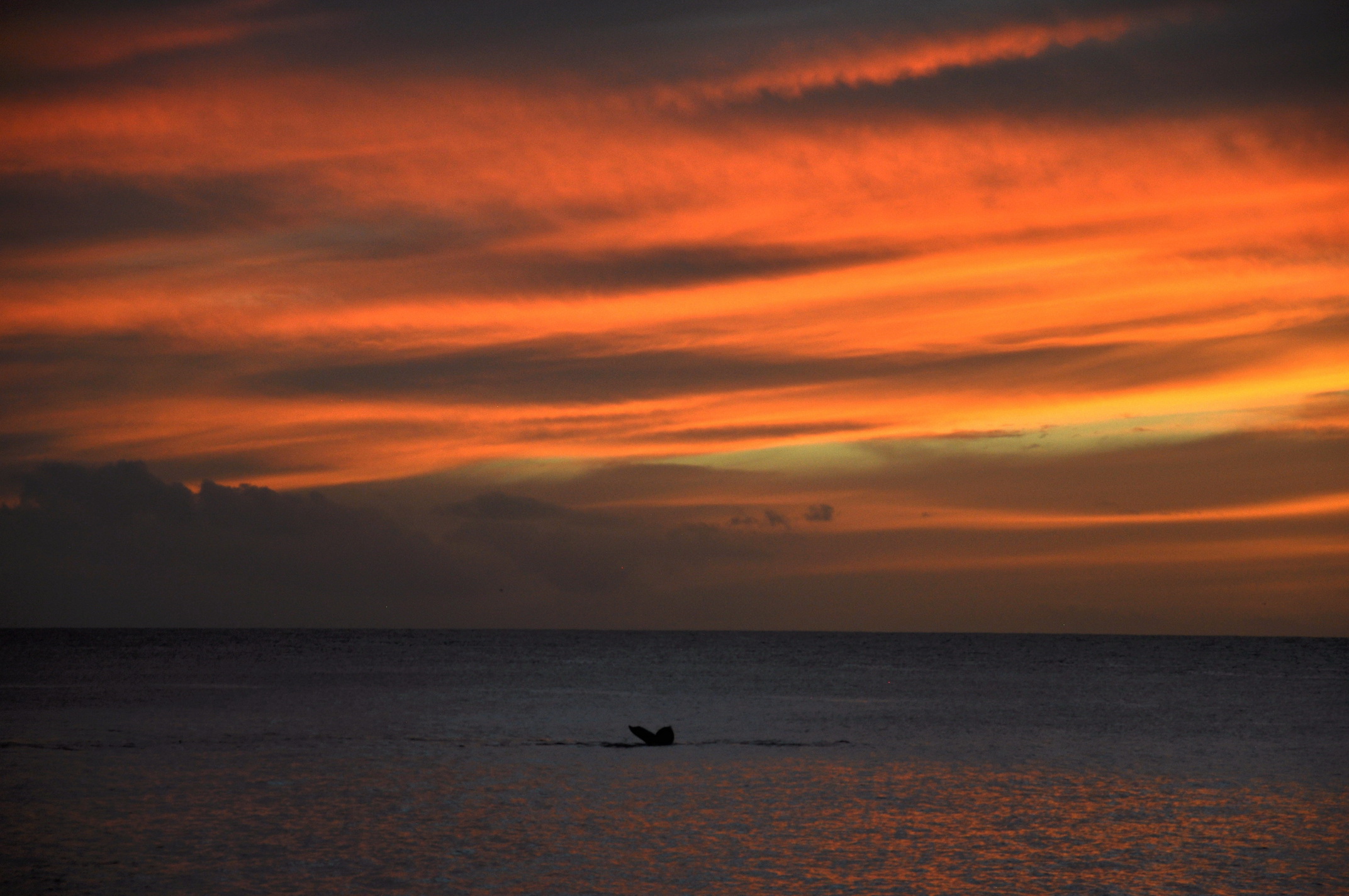
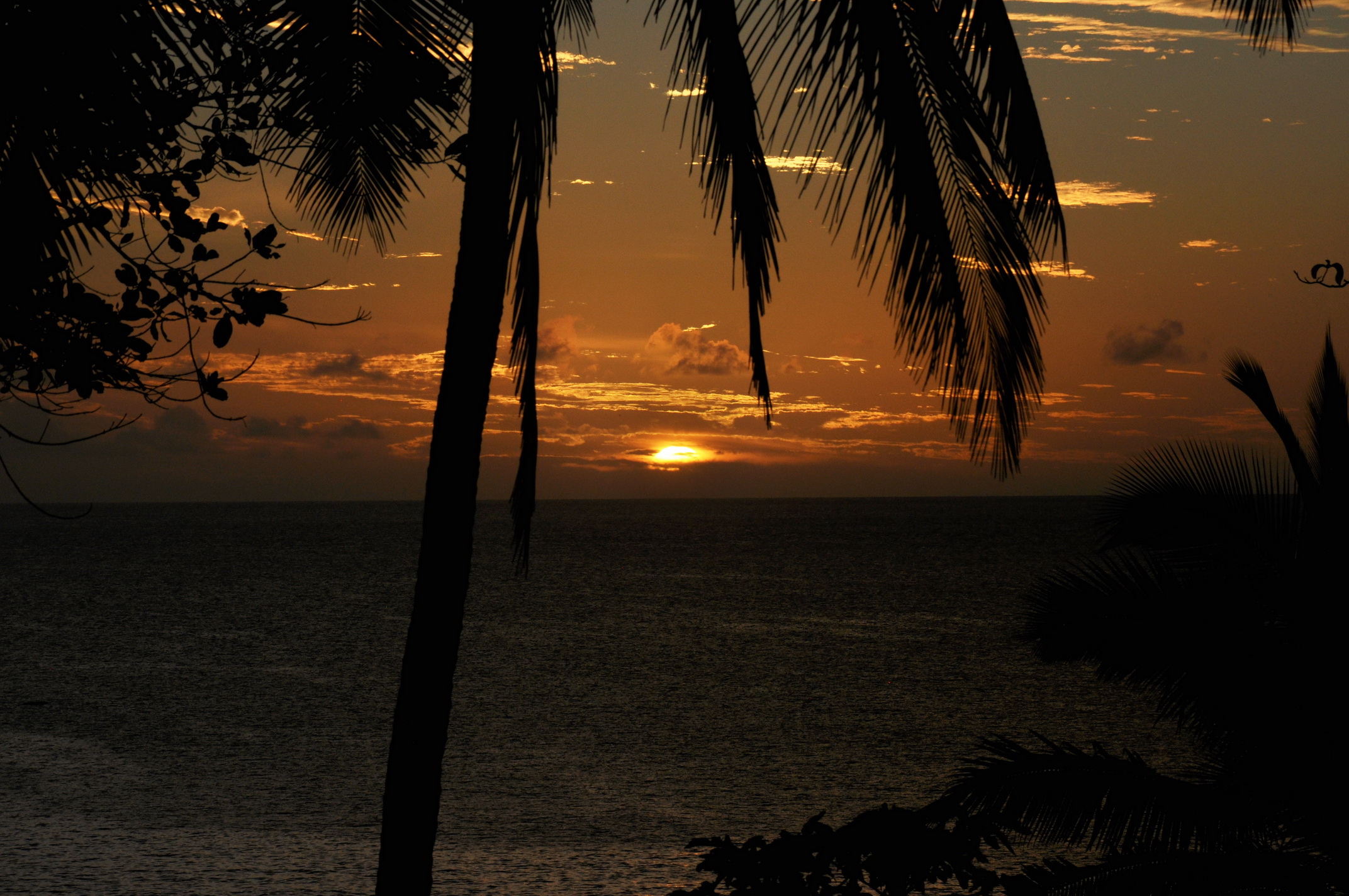
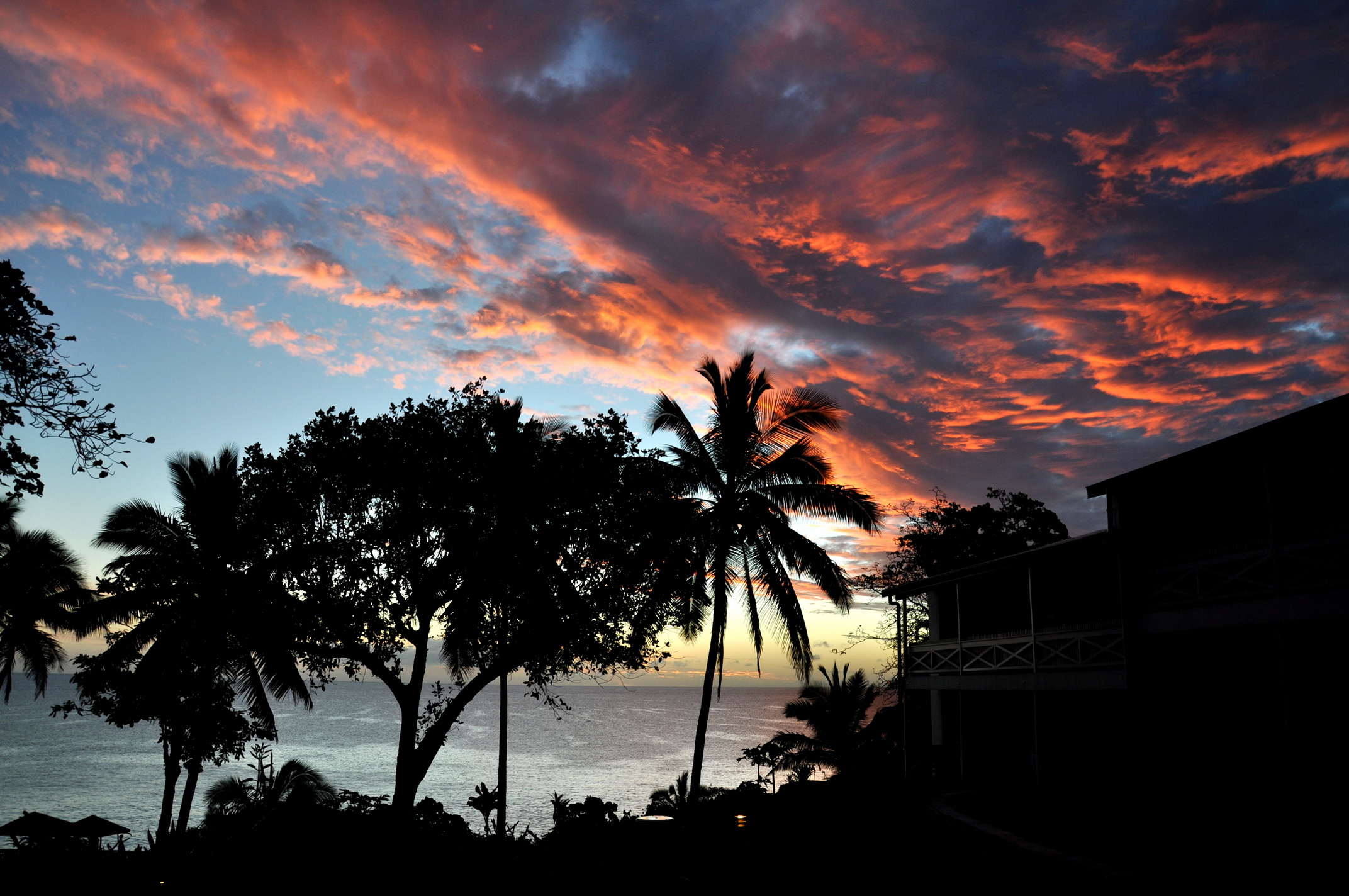
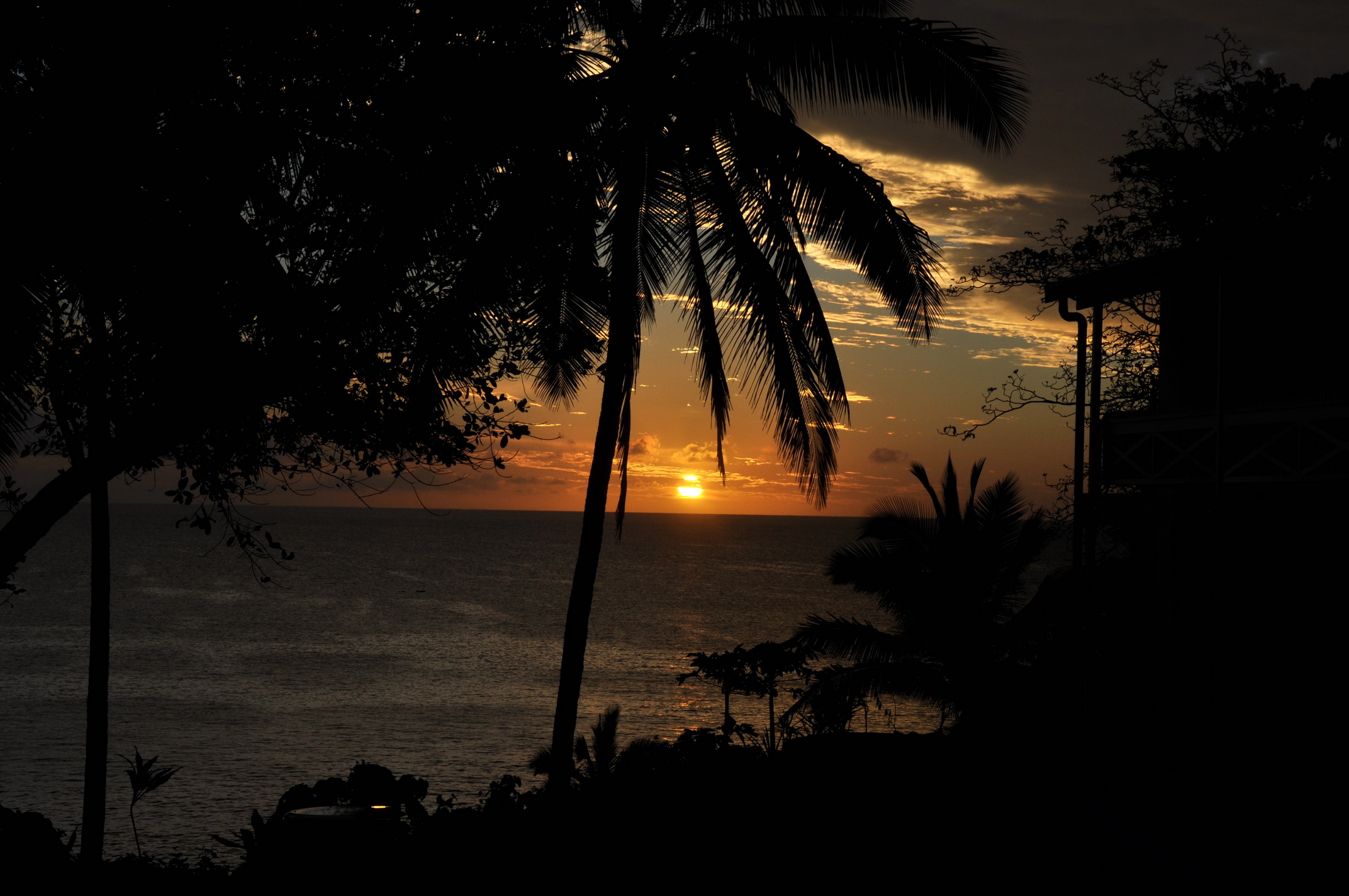
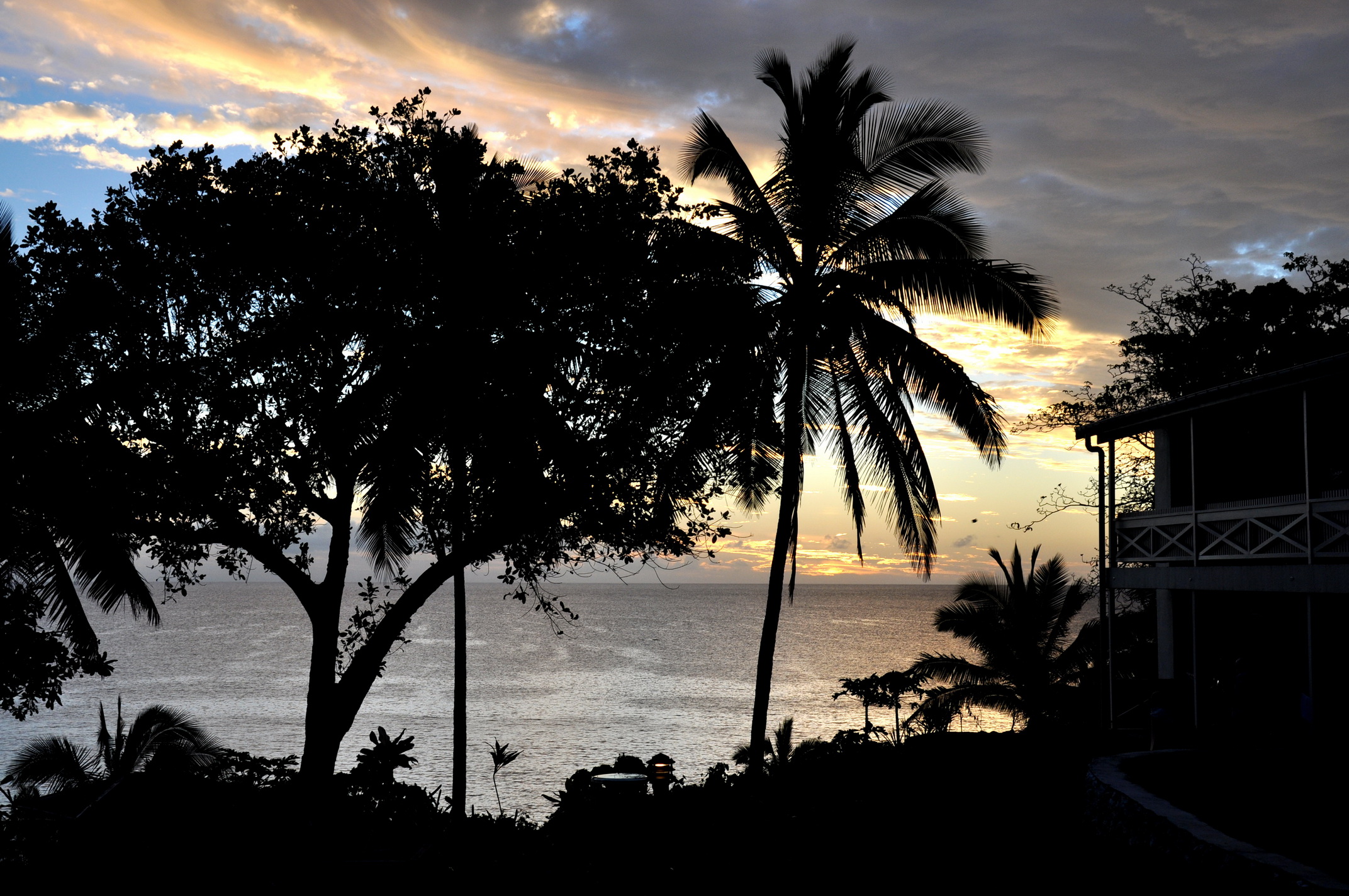
Nature decided to give her a present. First came a wonderful sunset. The sun sank into the ocean, showing a green flash—perhaps even a blue one. It hardly ever happens. The clouds were extraordinary, lit by the very last rays of the dying day. And then, against that backdrop, quite close to us, two whales were playing. It made me want to say thank you, just for the world being so beautiful.
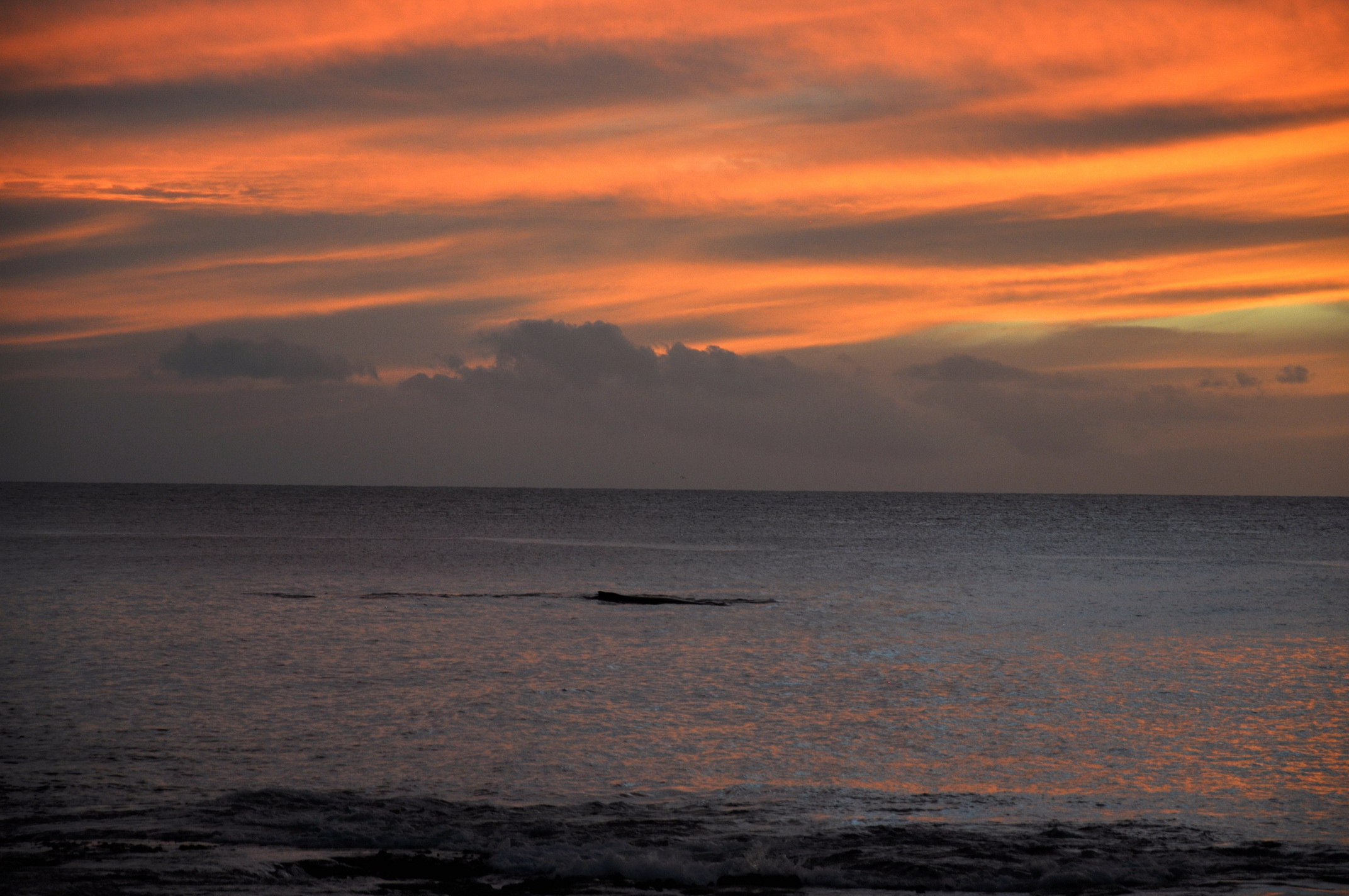
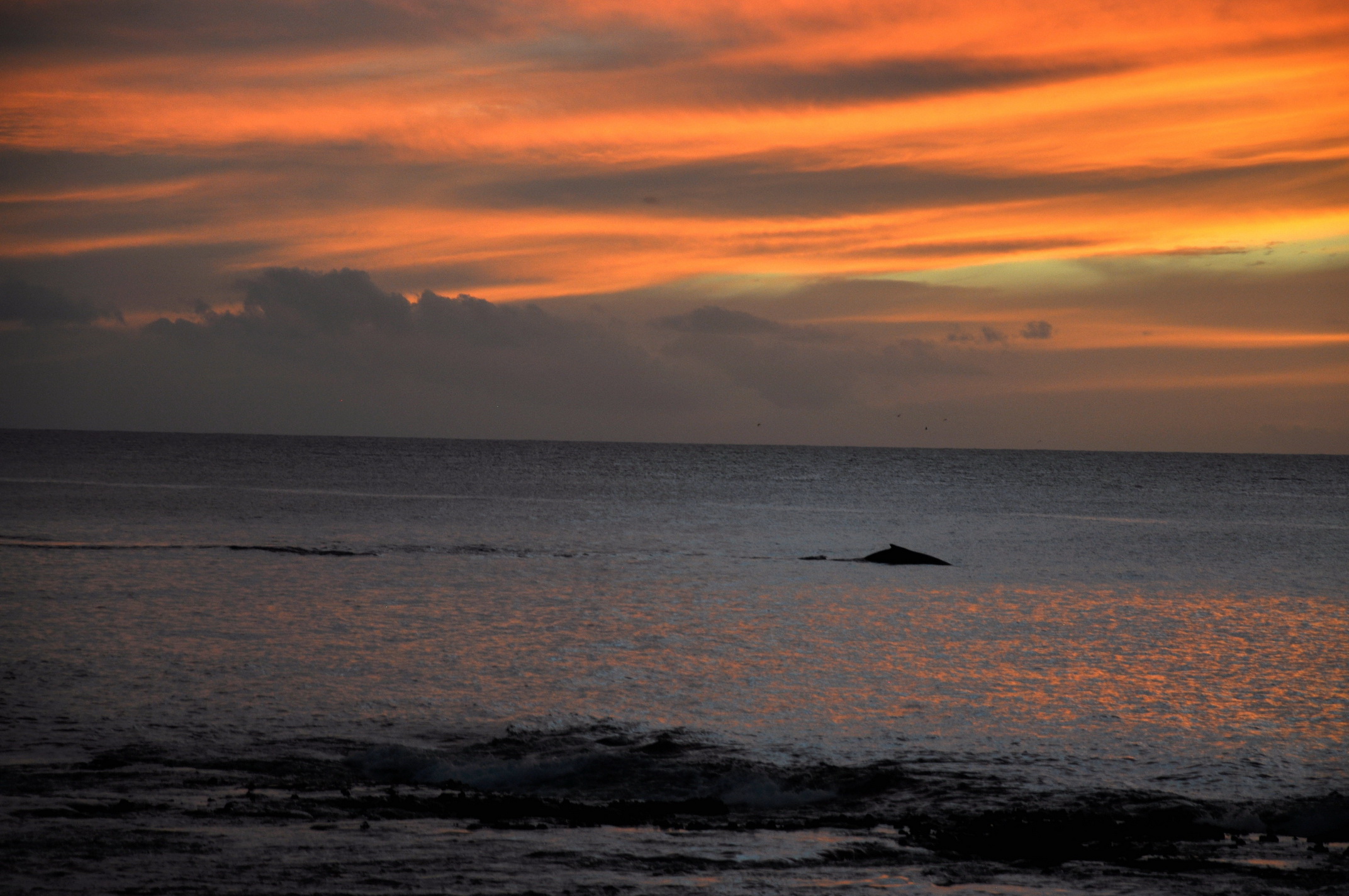
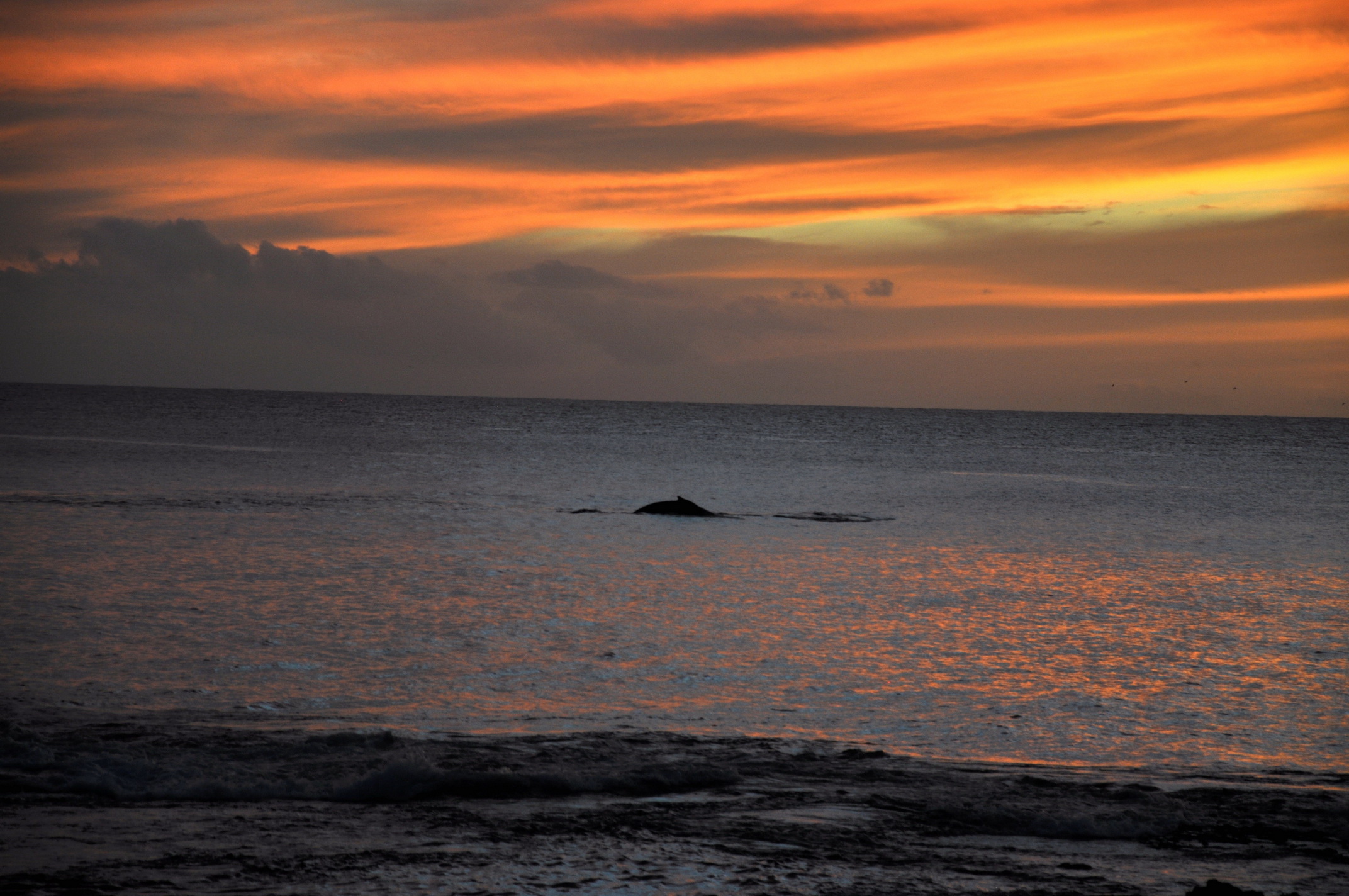
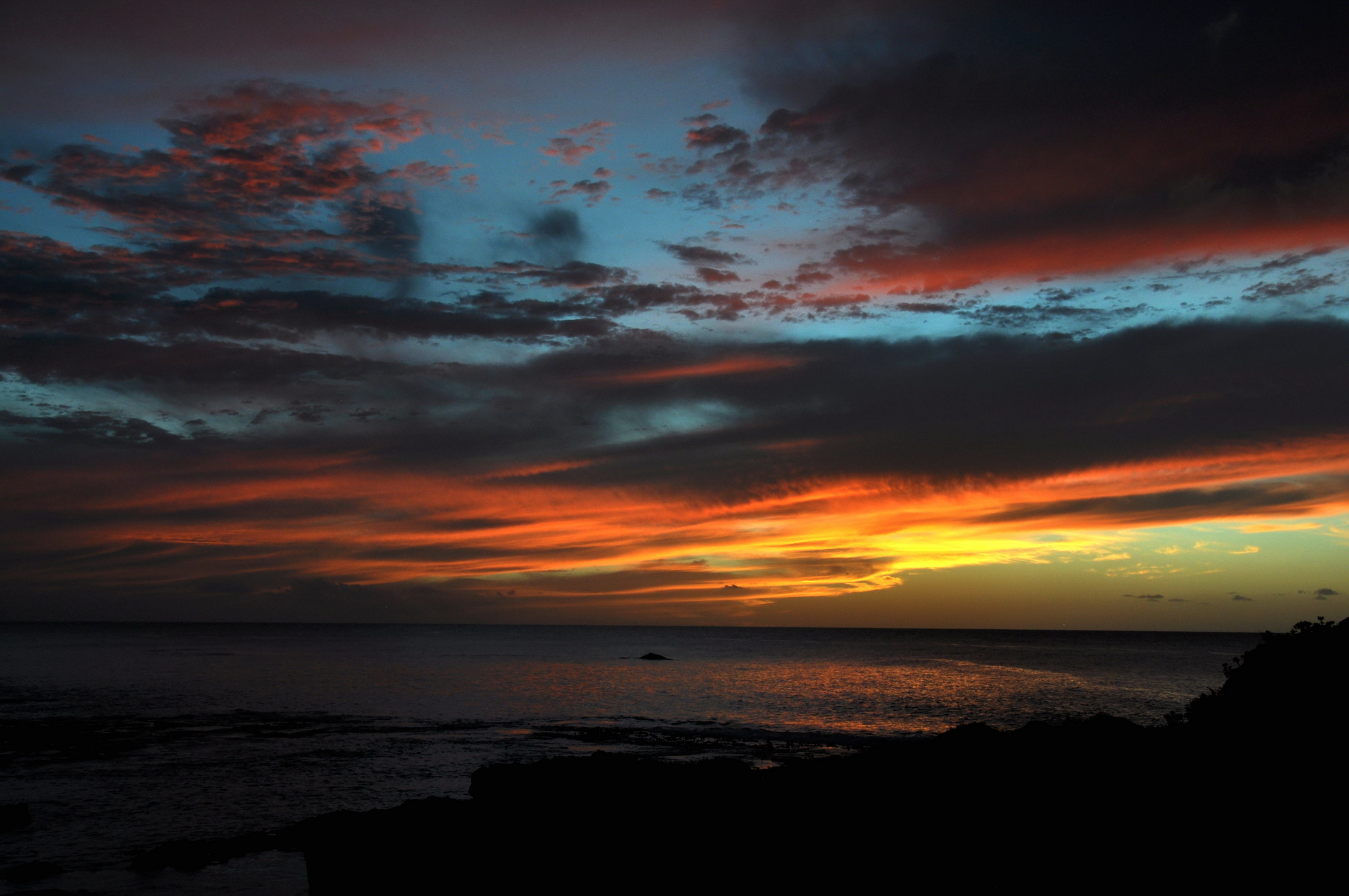
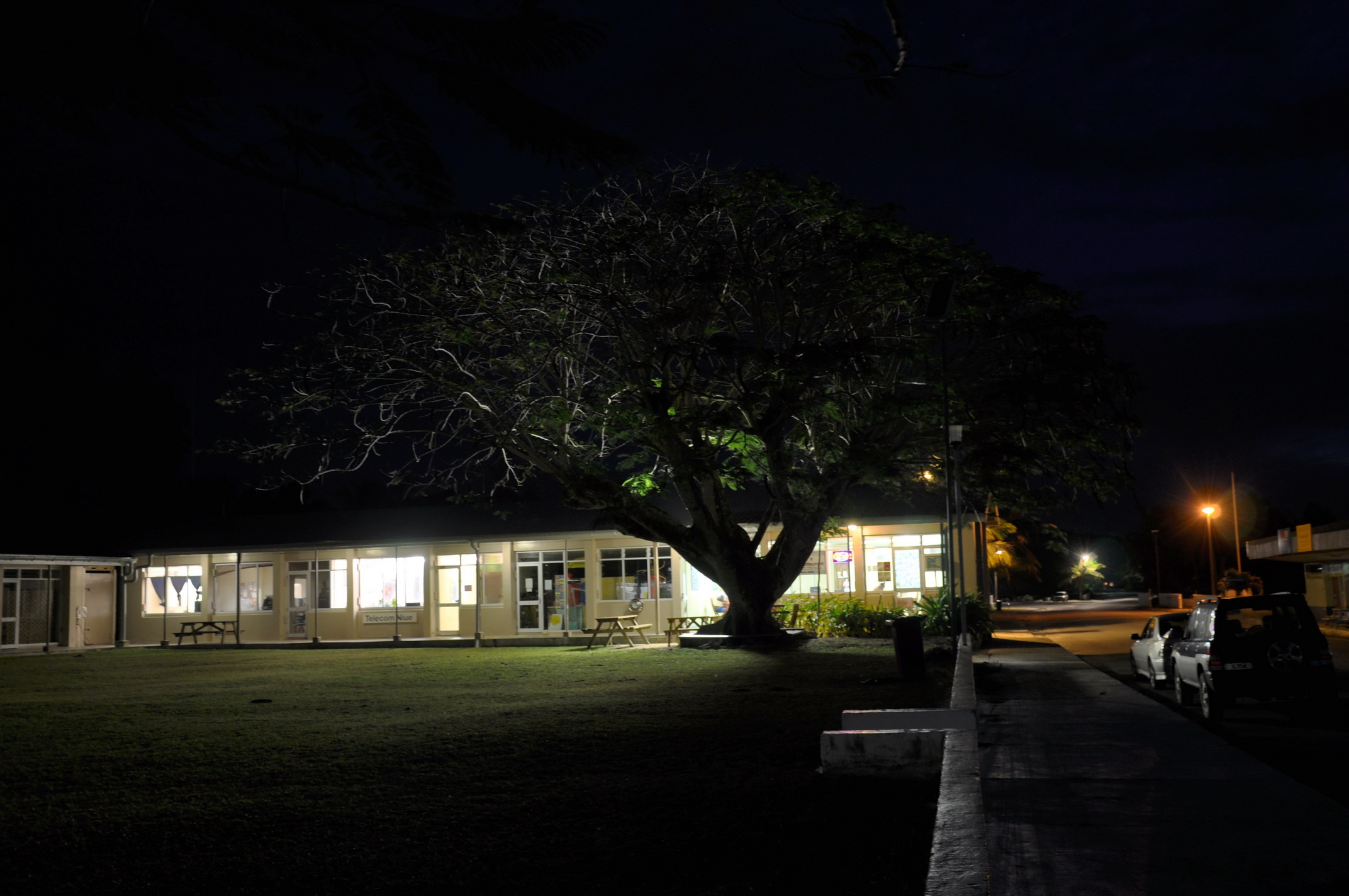
We reached the hotel after dark. Sleep turned out to be out of the question. Back in Russia, of all times, work had suddenly erupted. Everyone had decided they had to speak to me on the phone right now. There was only a satellite connection. I spent half the night on the viewing platform calling distant Russia, wallowing once more in that world of crisis and endless arbitrariness.
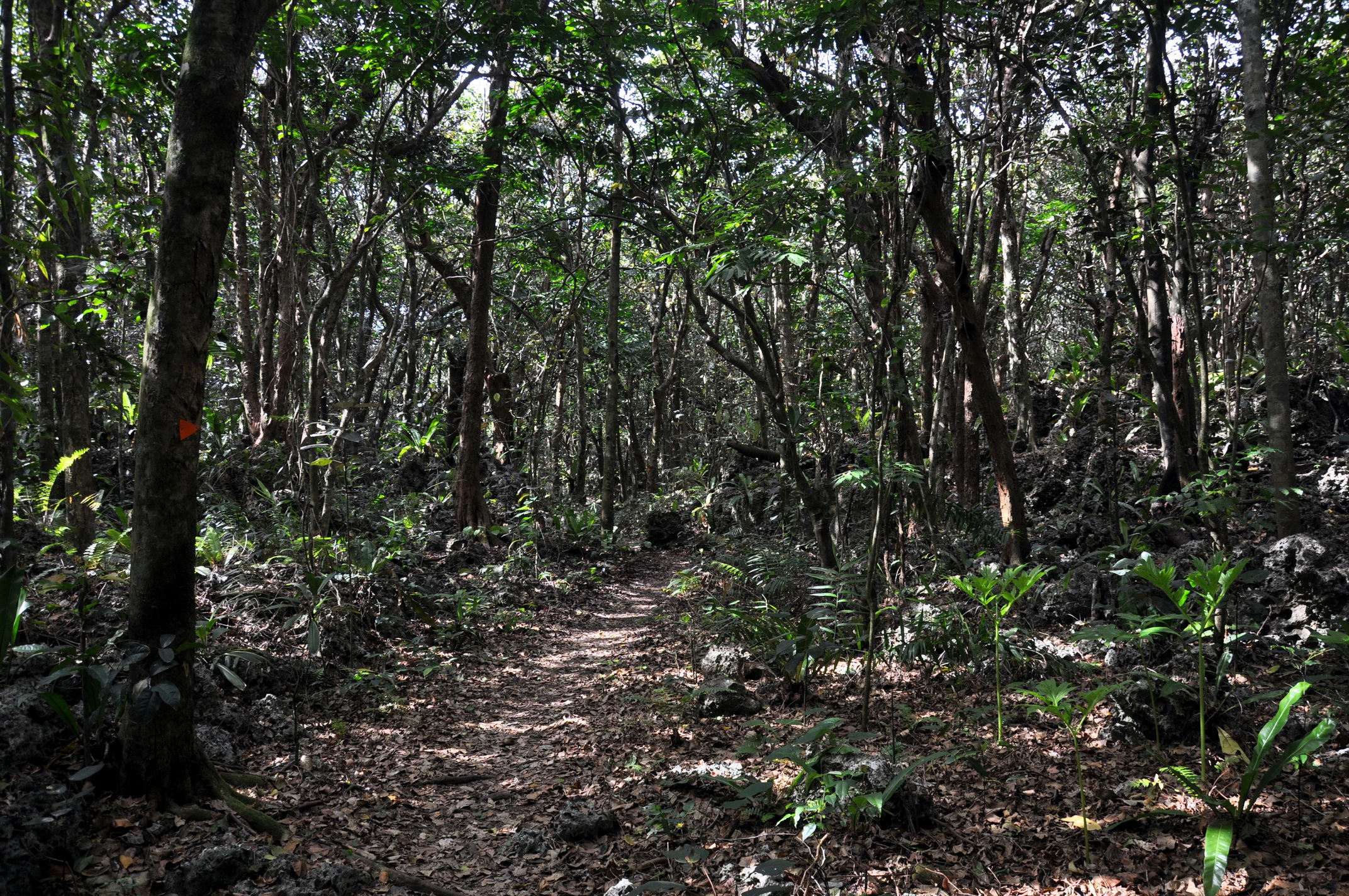
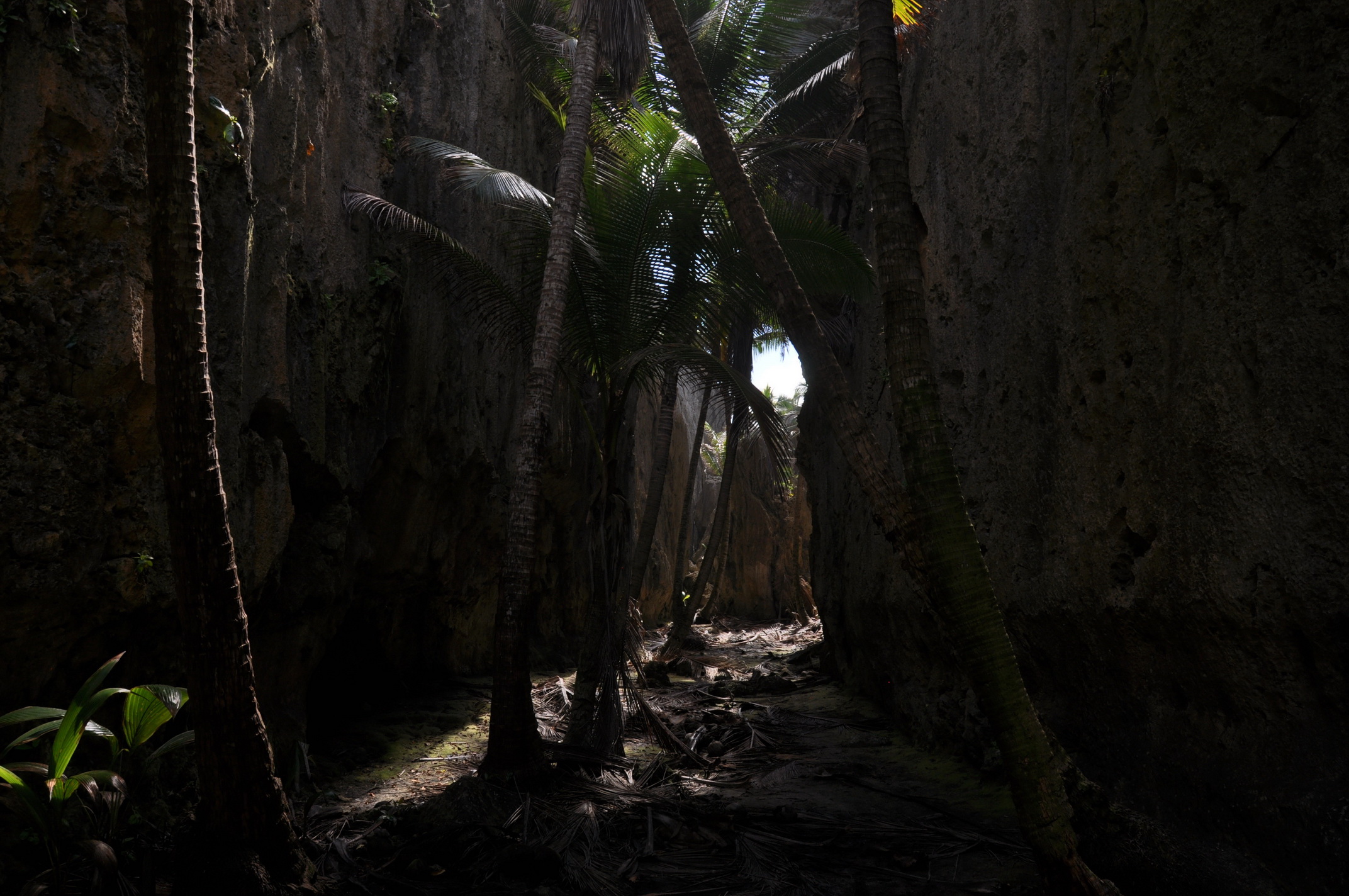
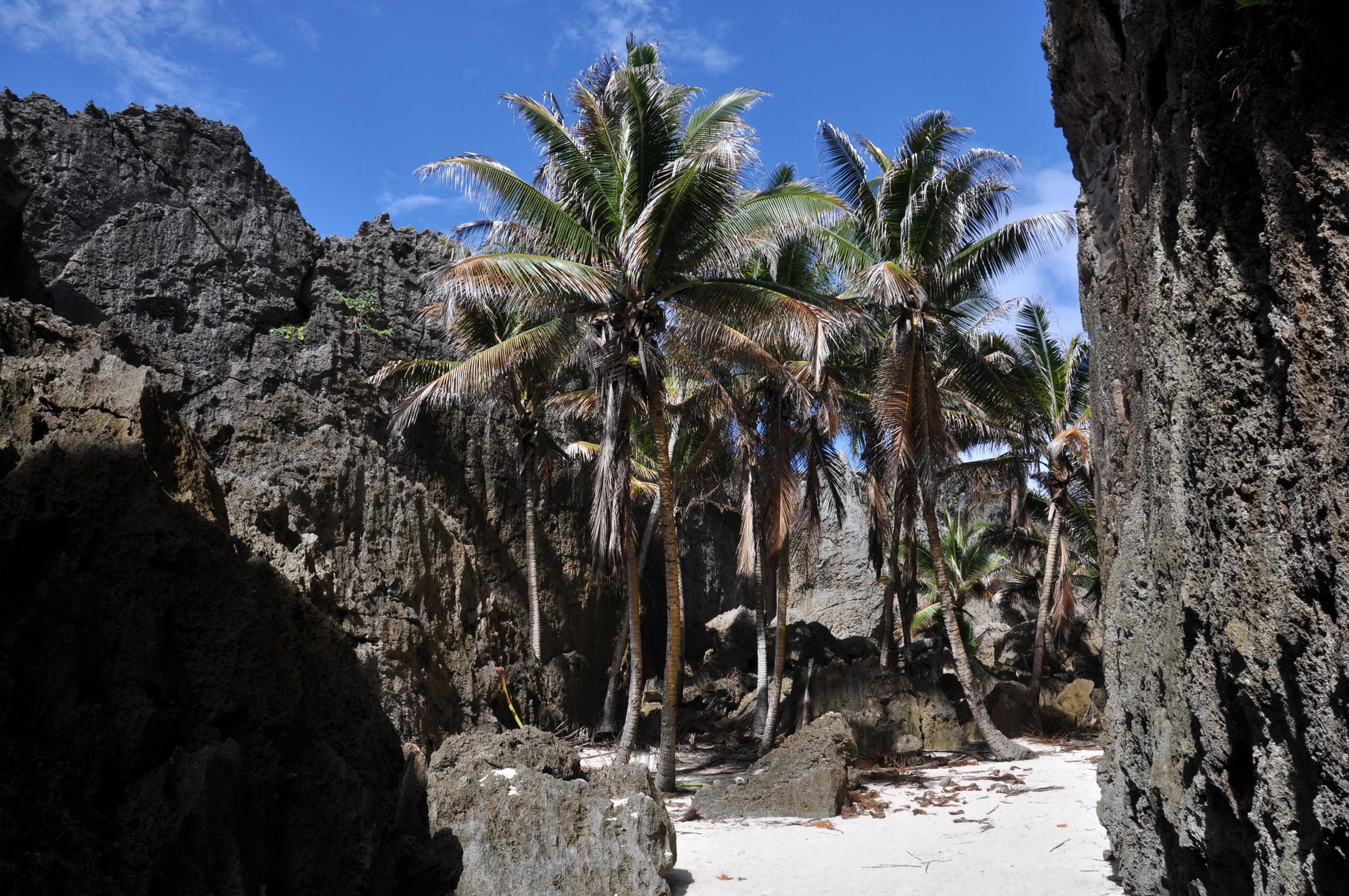
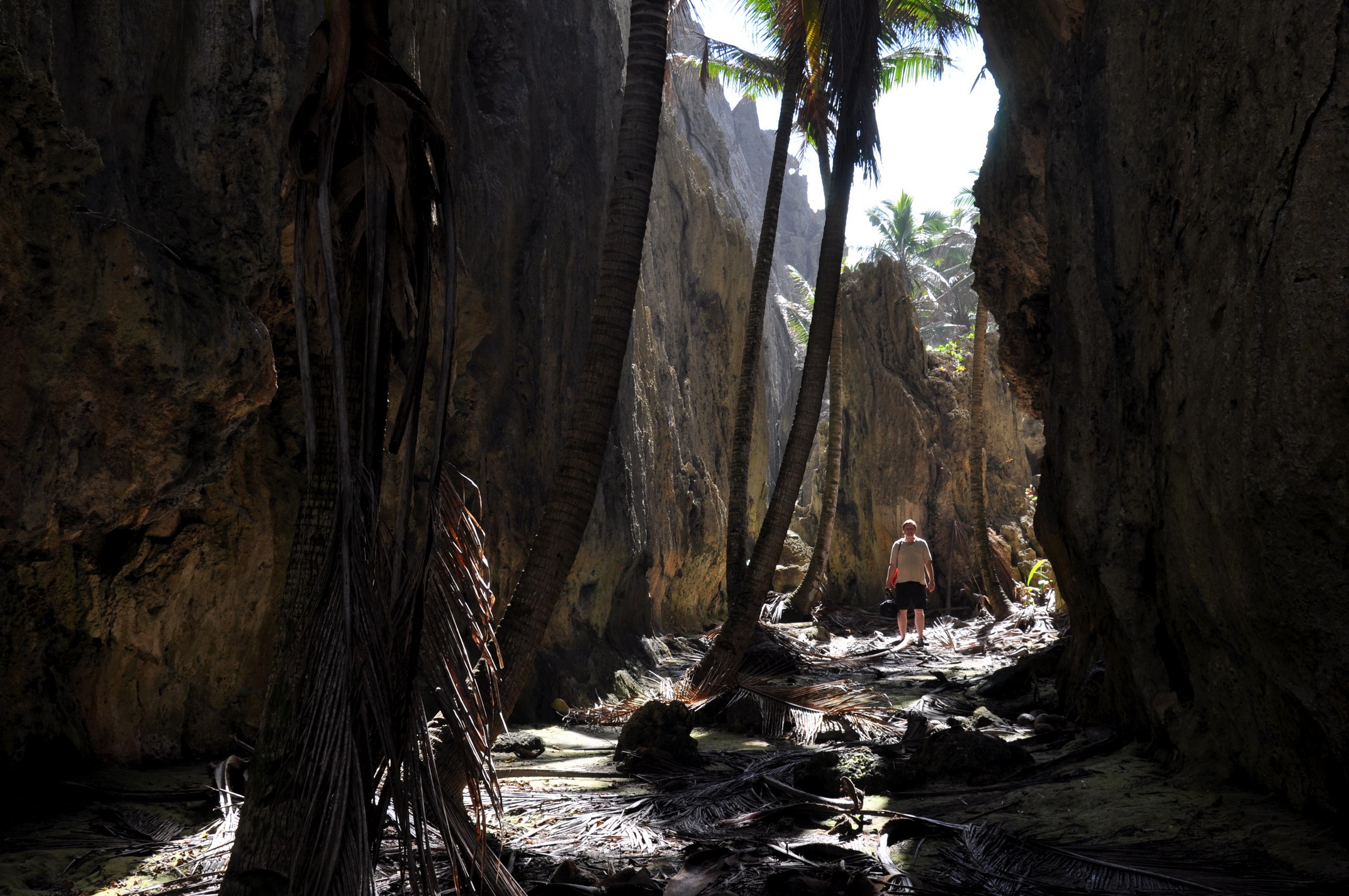
We had big plans the next morning. Thank goodness it was night back in Russia and all the bosses had turned to the wall and gone to sleep. On Niue’s east coast, amid impassable coral rocks, there’s a sandy valley with palms and fresh water. There are no rivers on the island. The ground doesn’t hold rainwater, so it all drains underground. There’s plenty there, but without drilling you can only reach it in the occasional natural cave.
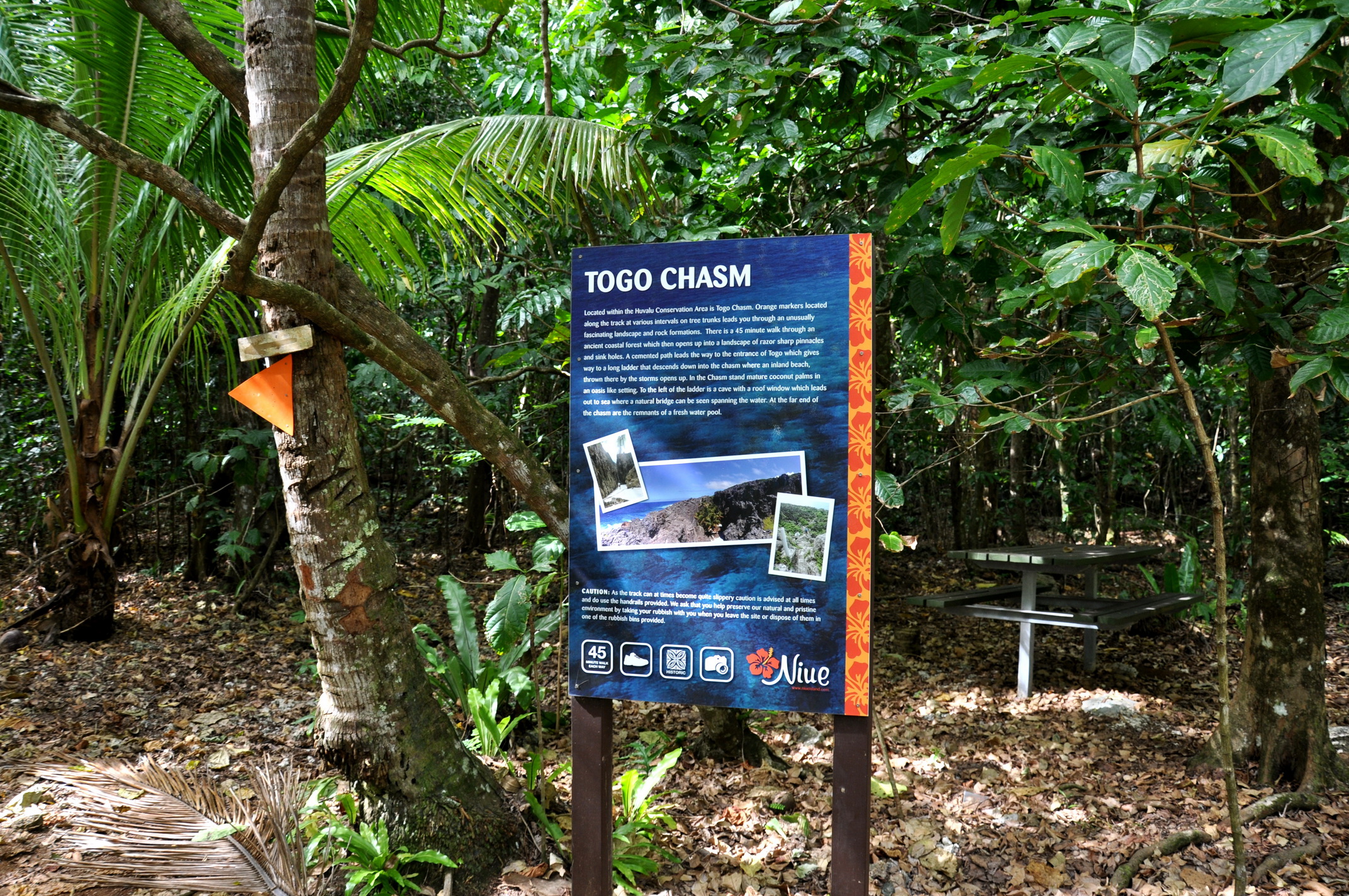
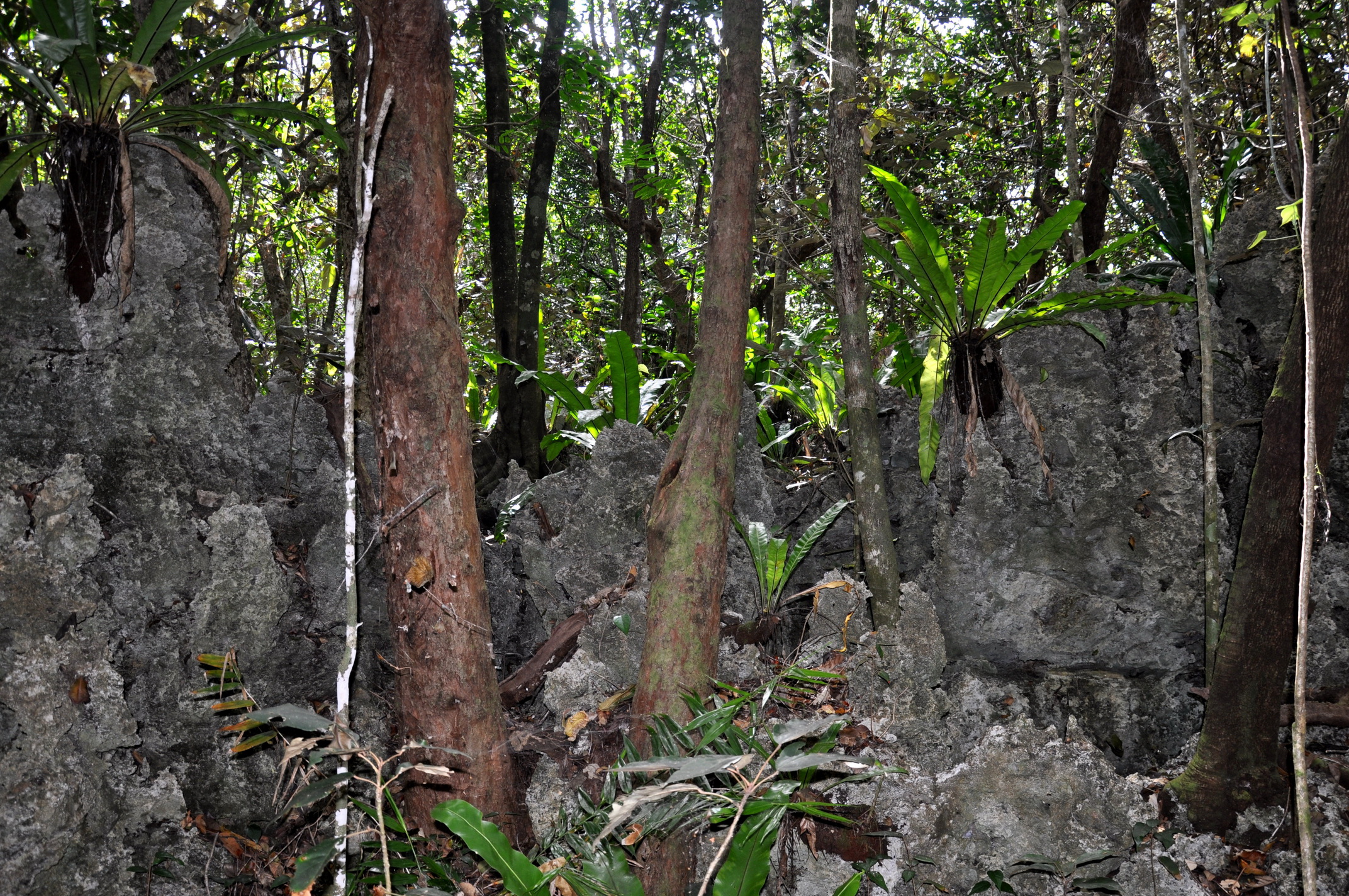
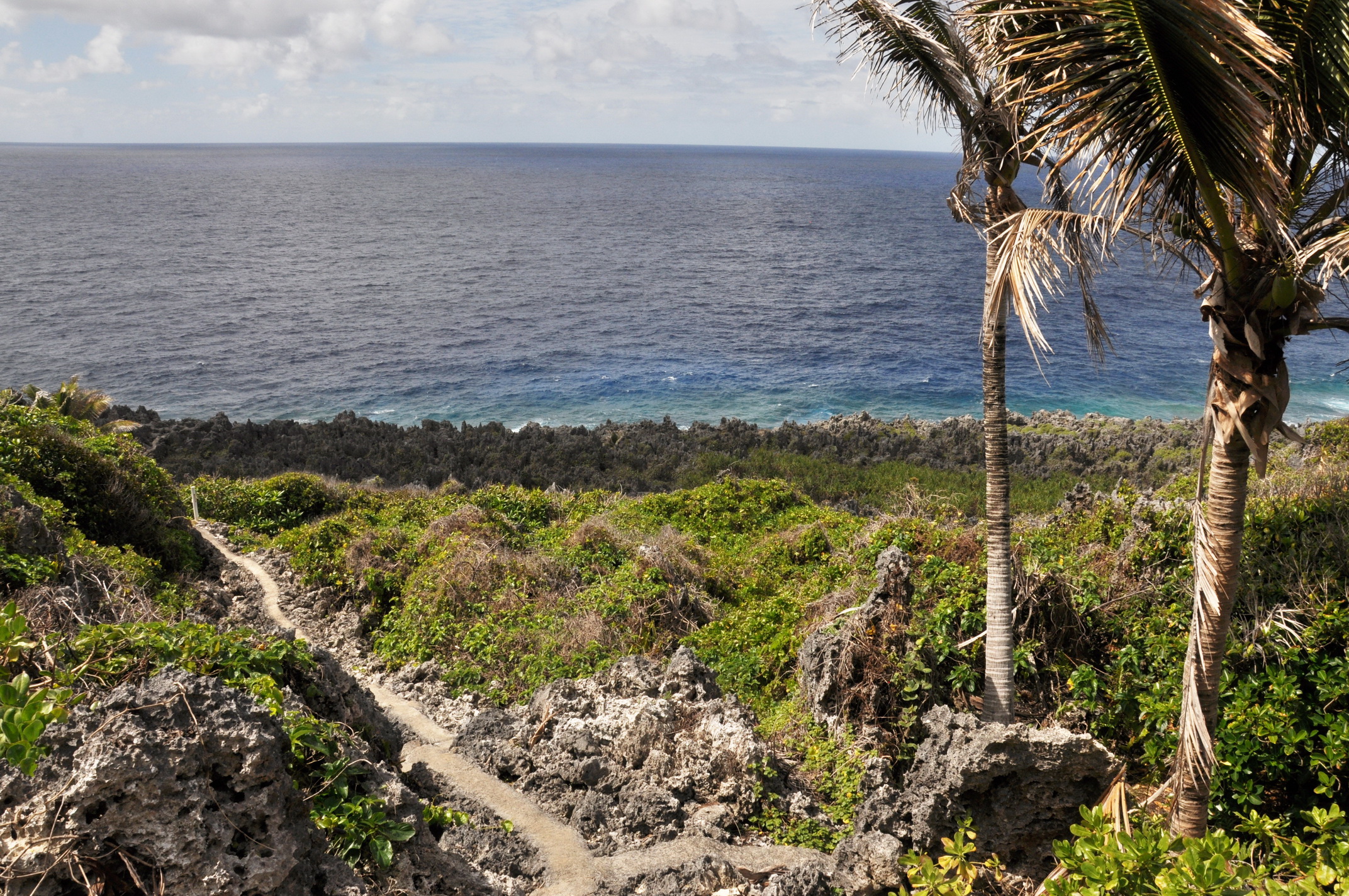
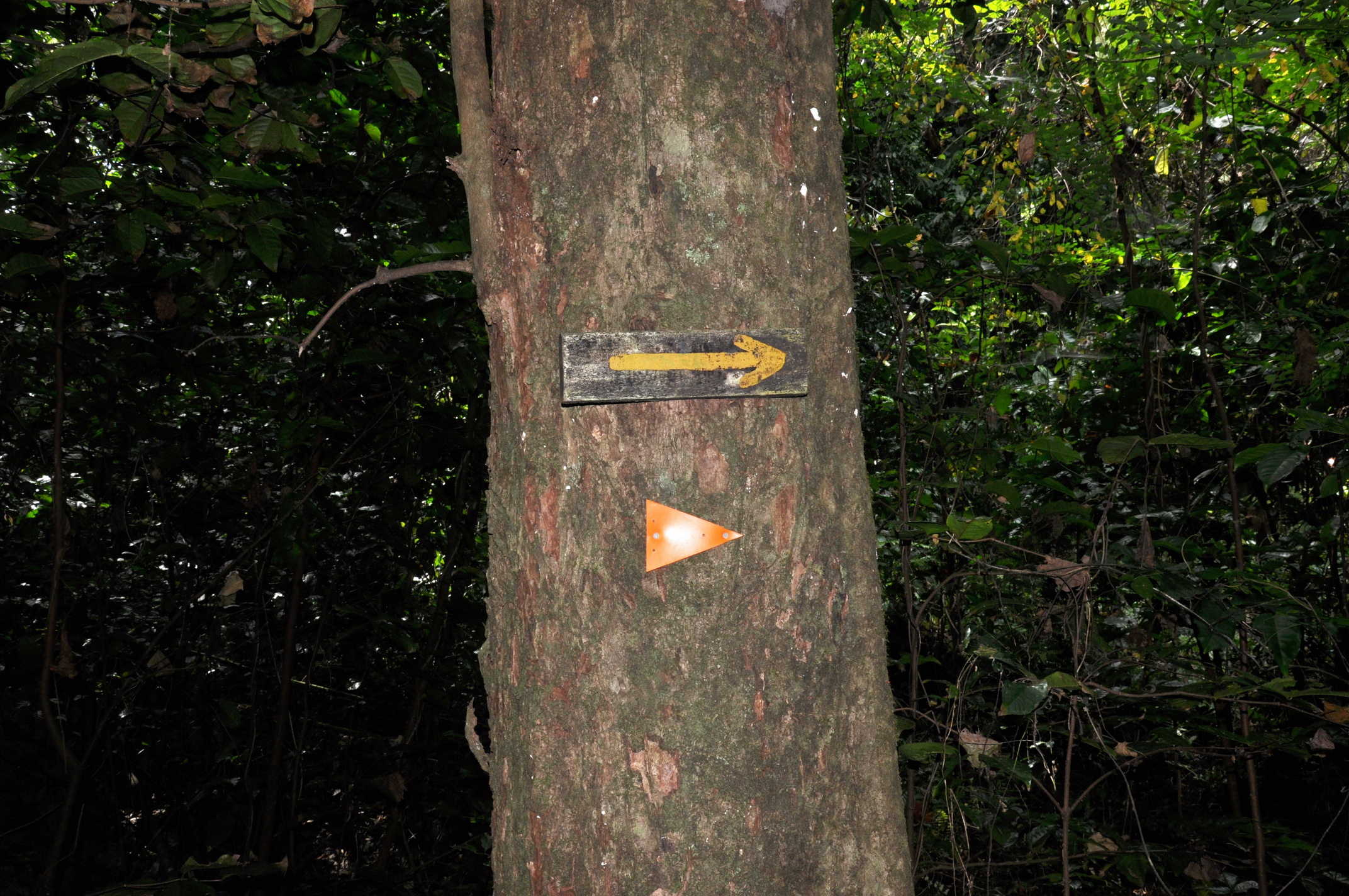
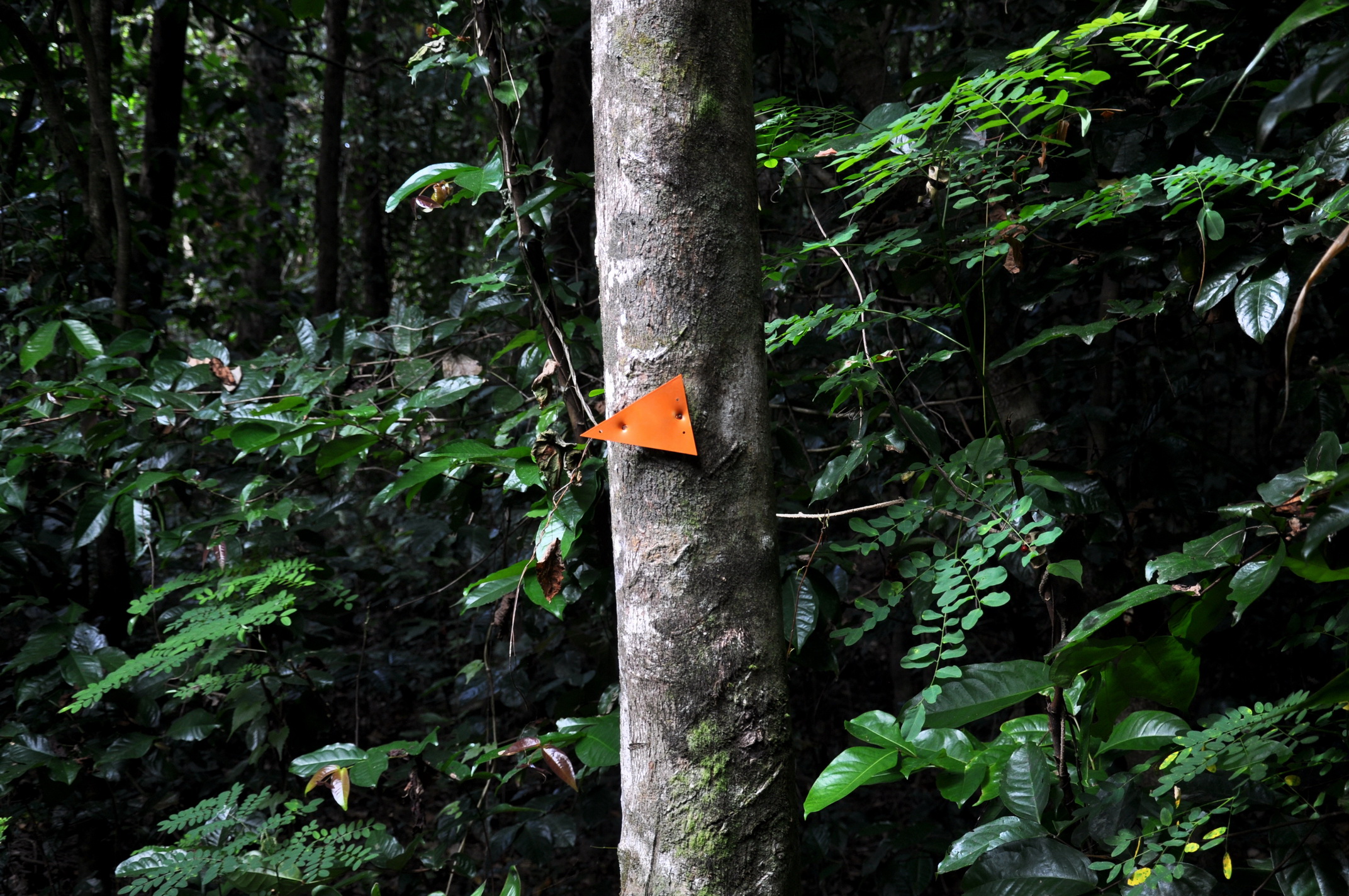
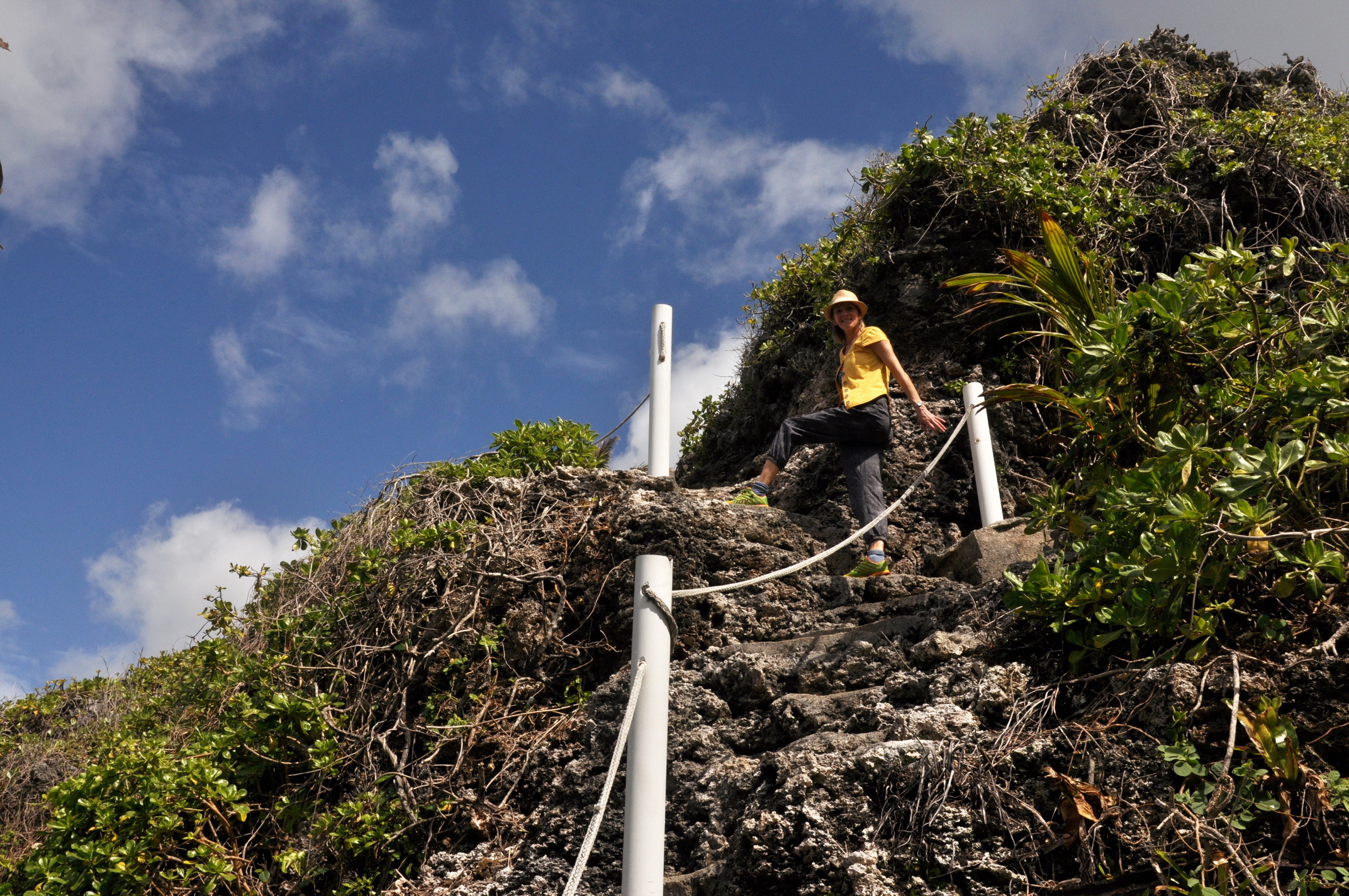
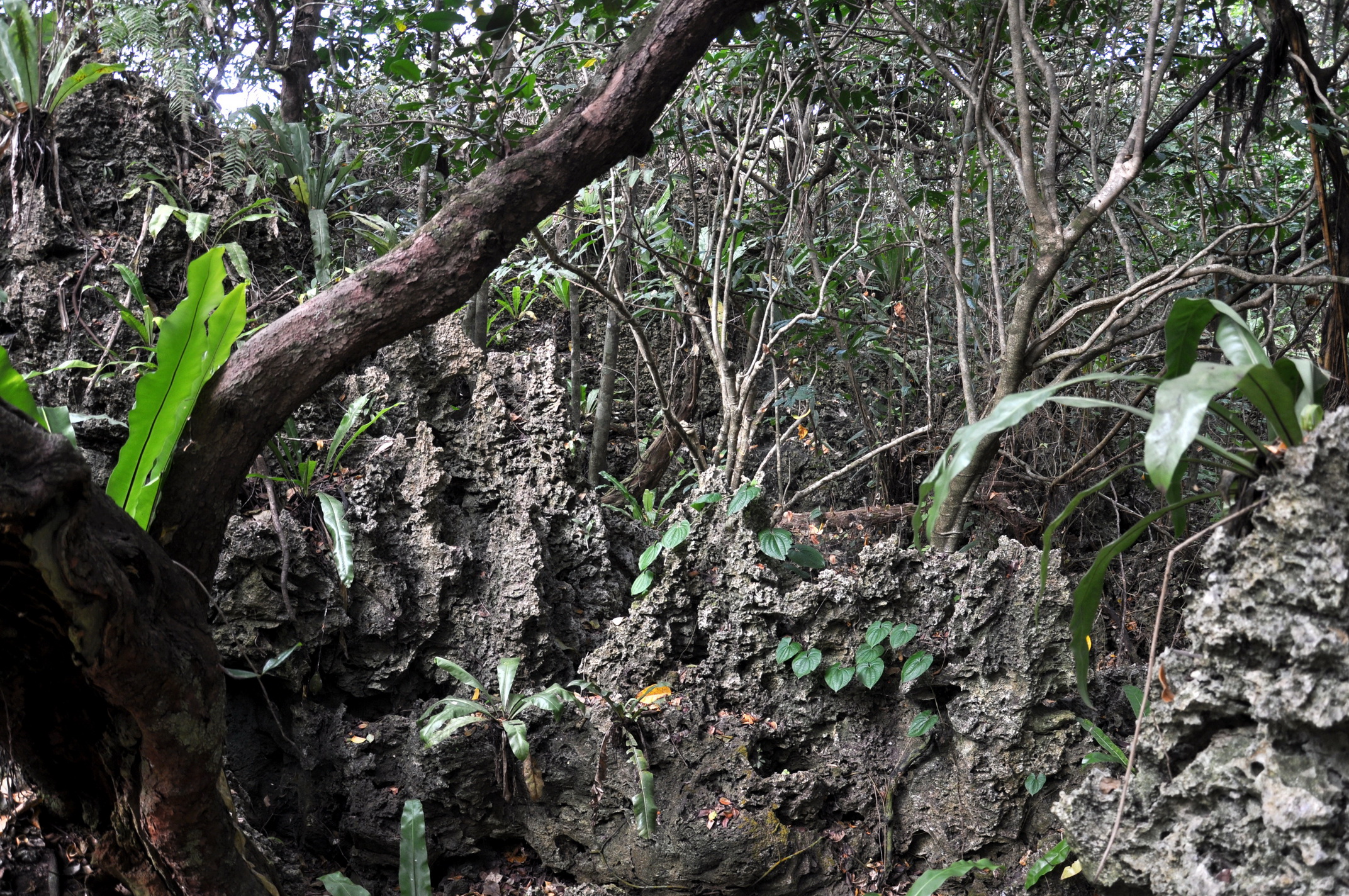
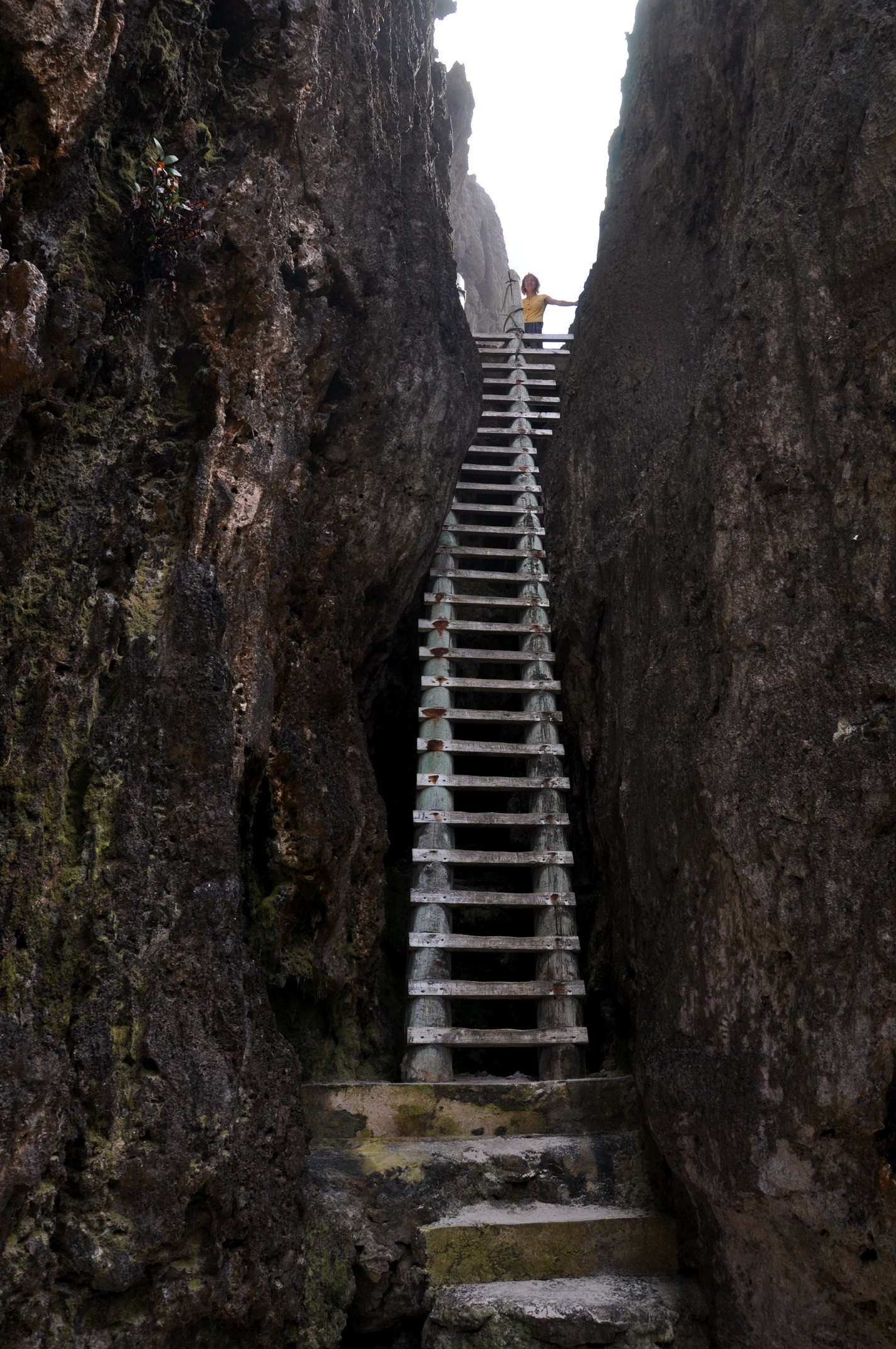
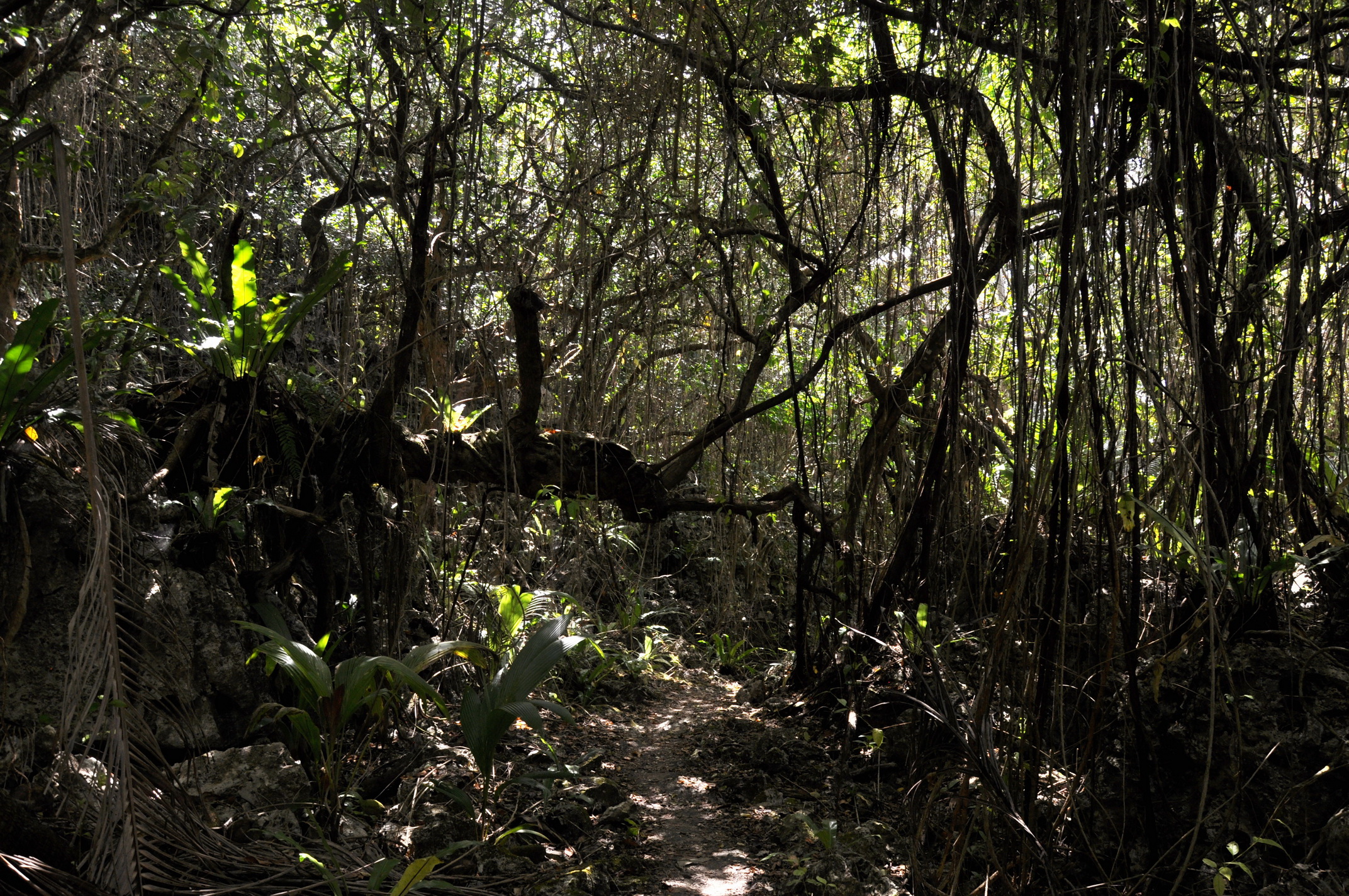
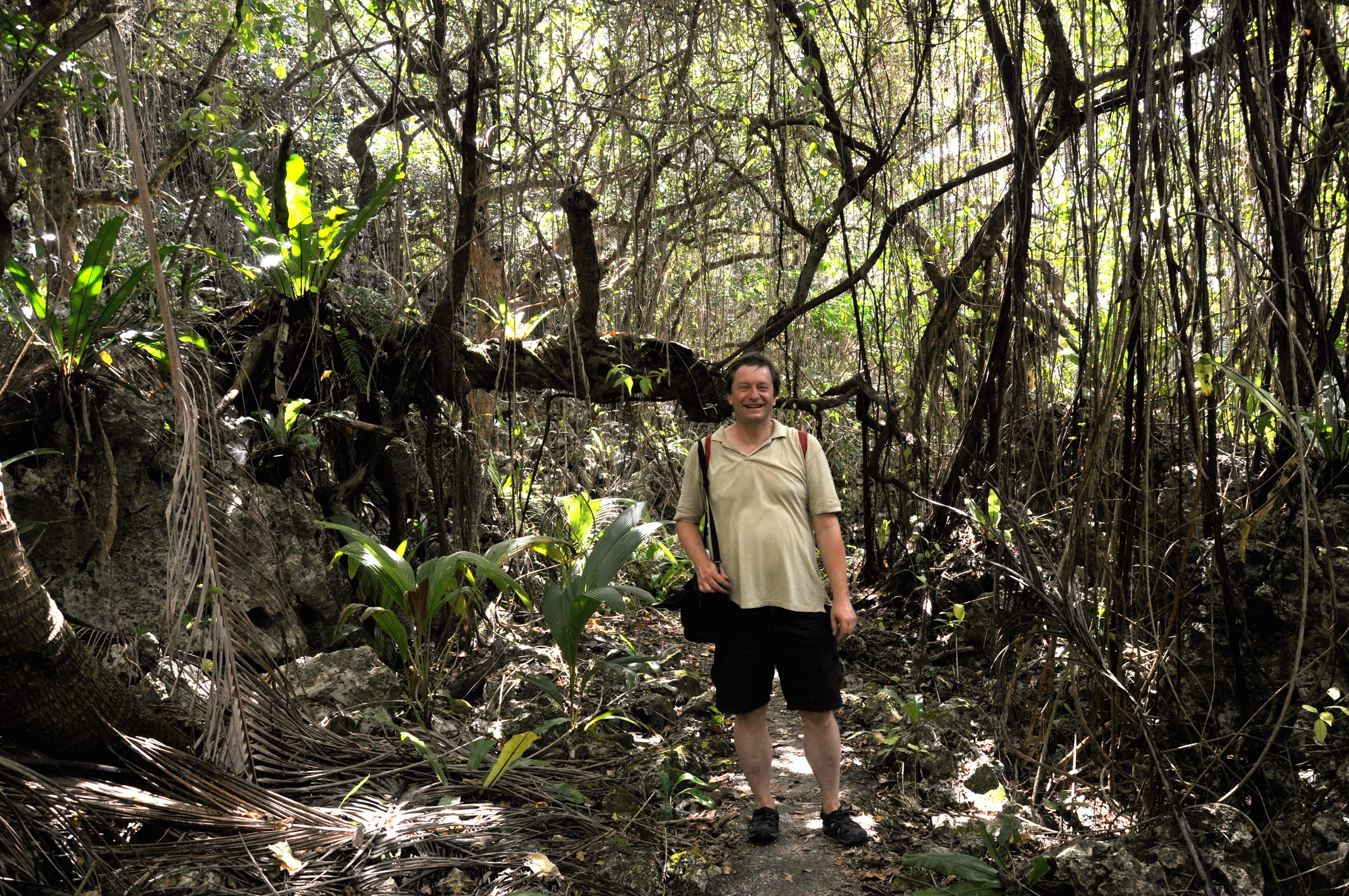
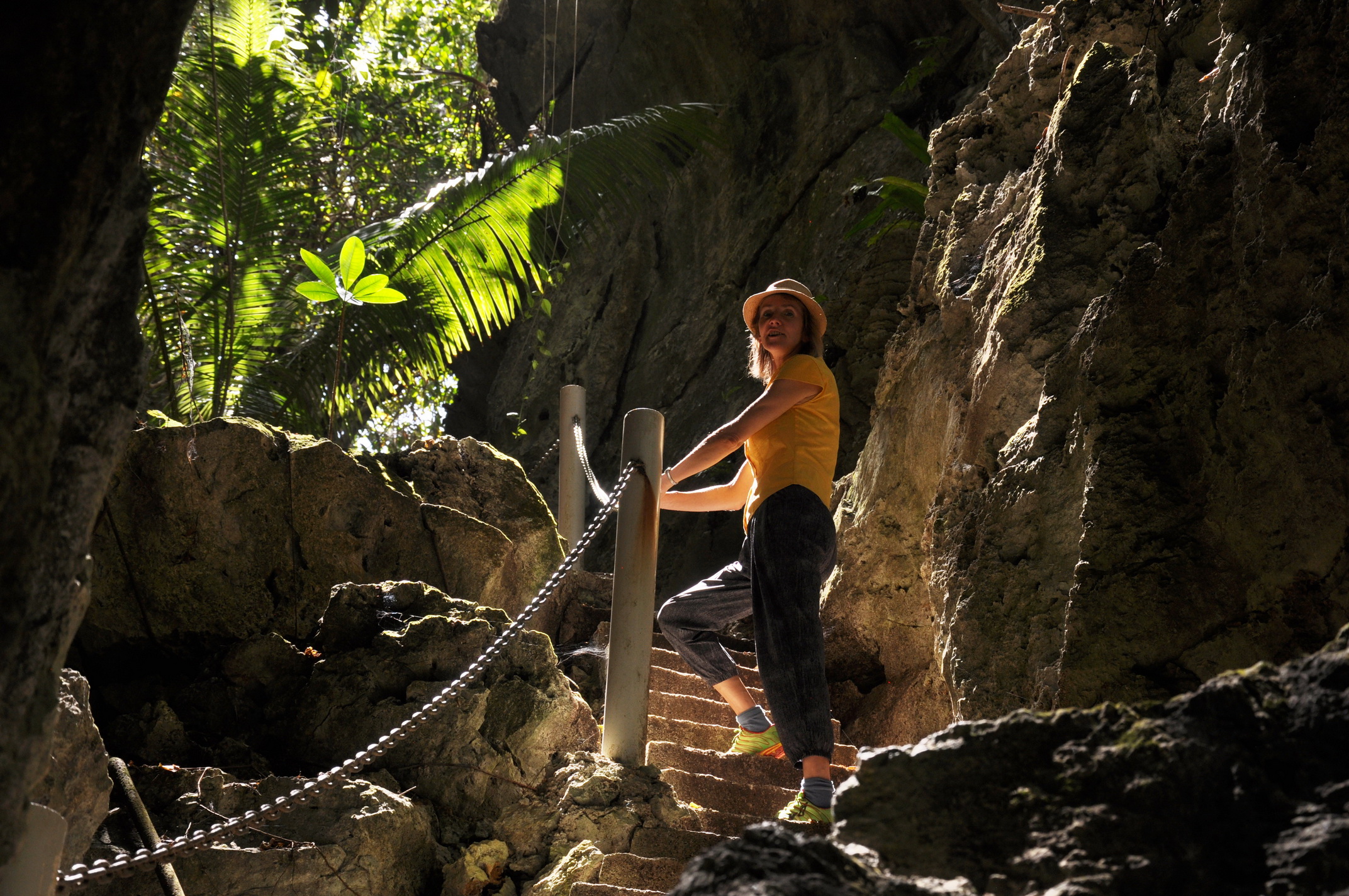
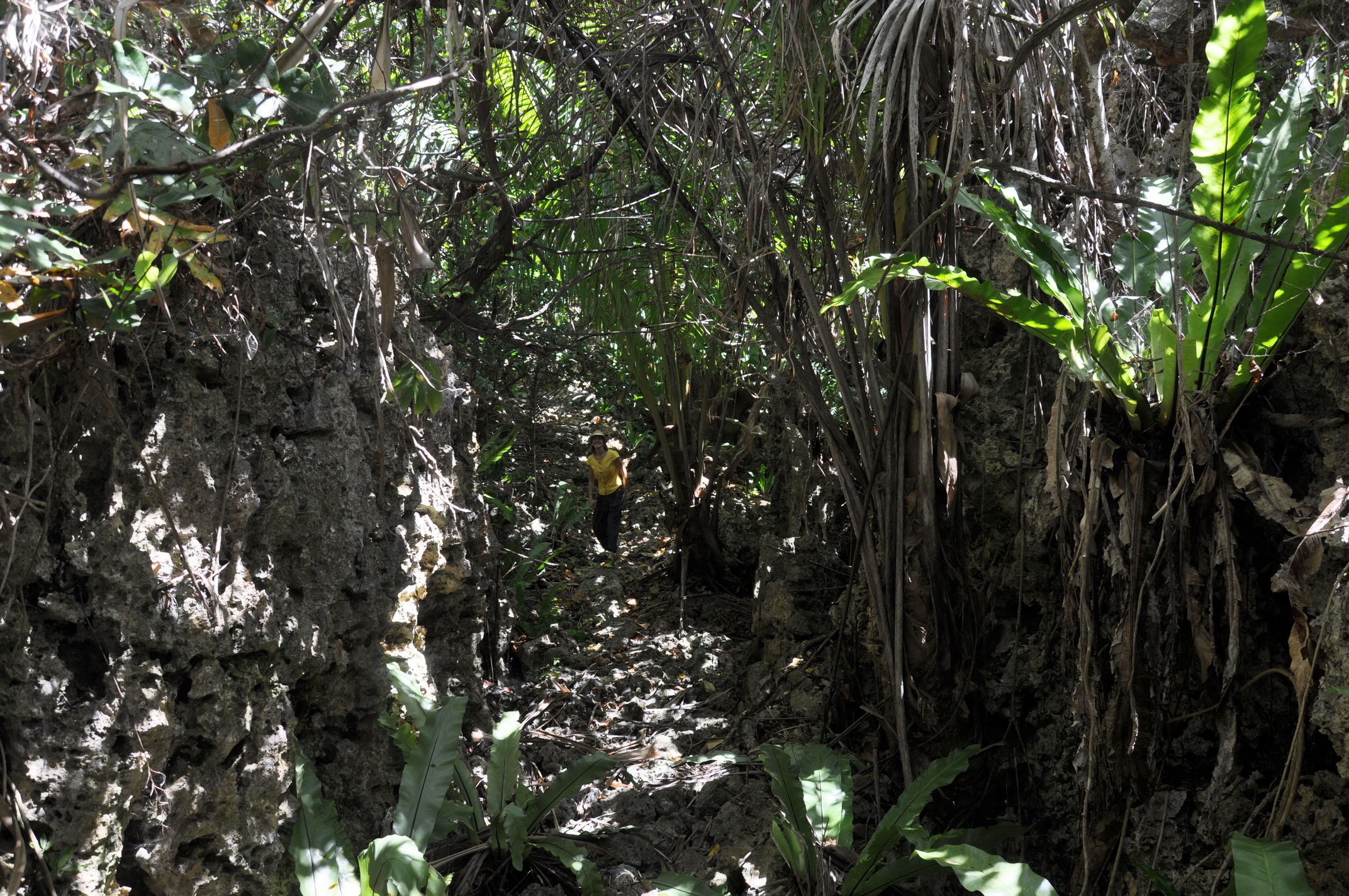
The track to Togo Chasm is two kilometres long, well marked, and runs through coral rock. Without a track we would have been walking here for many hours. At the end a tall ladder takes you down into the valley (19°06.447′S, 169°50.544′W). It took some persuading to get Tanya to climb down; she is terribly afraid of heights. Below there really is an oasis. The fresh water was green with an algal bloom, no good for drinking.
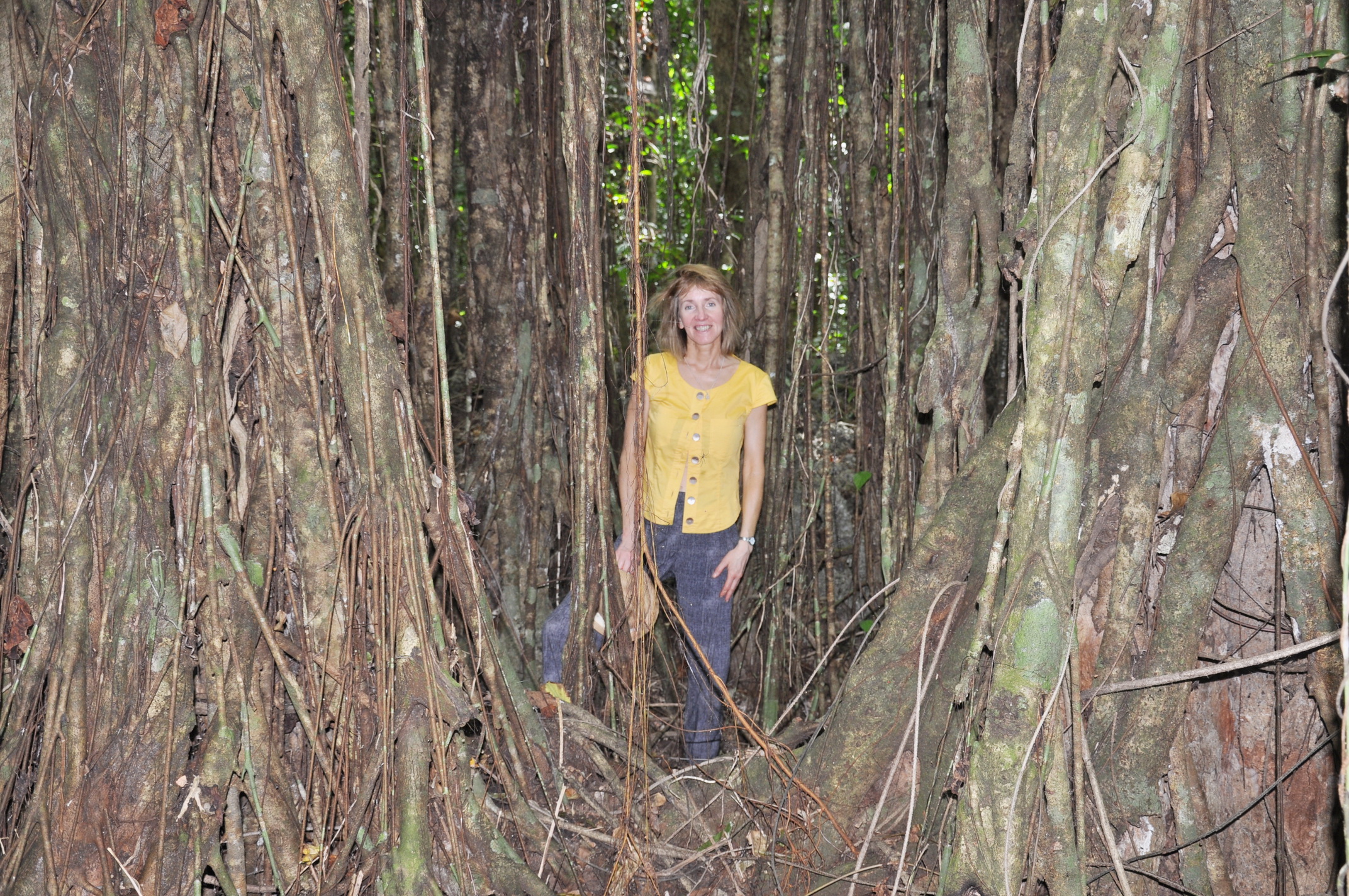
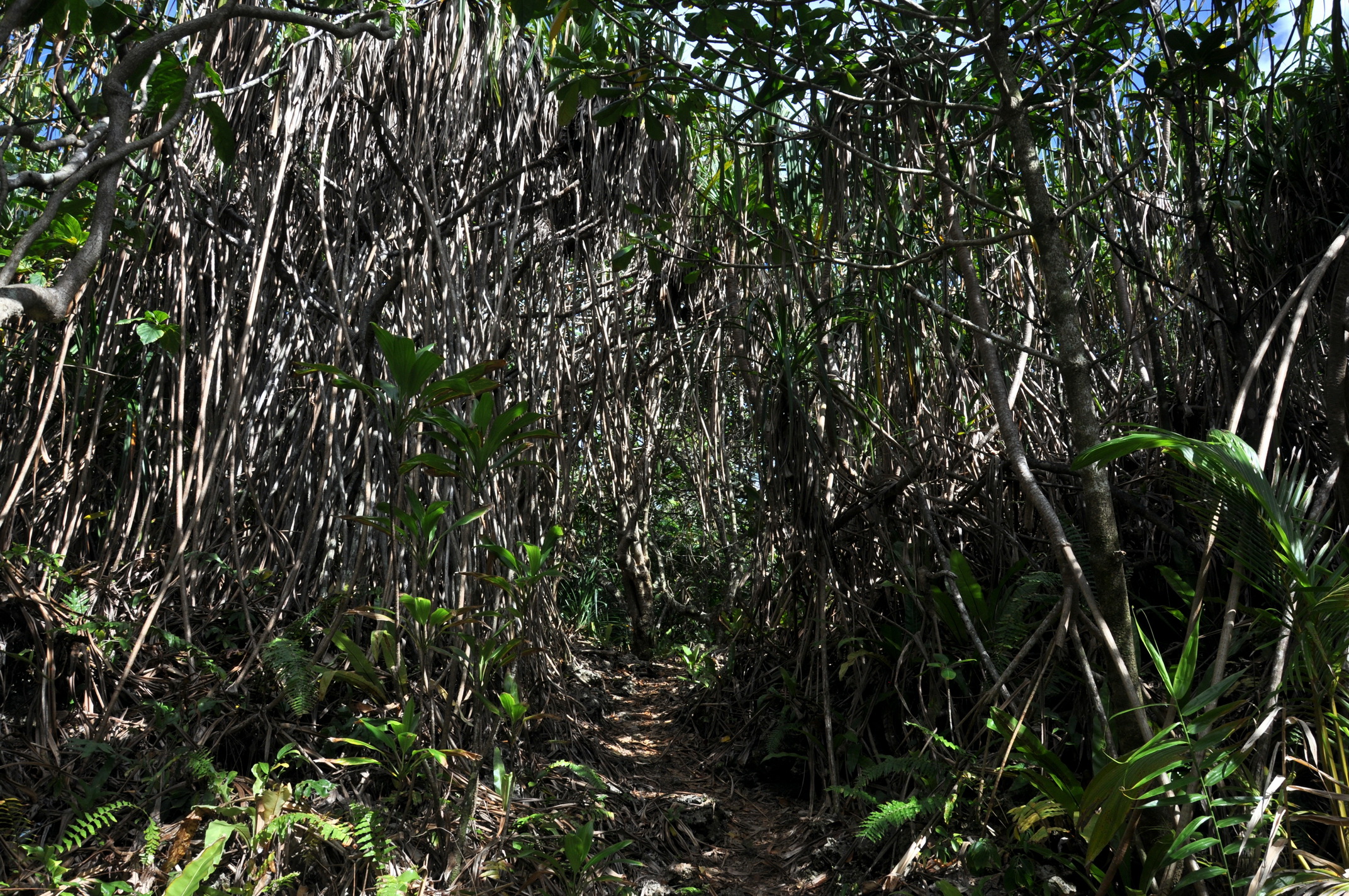
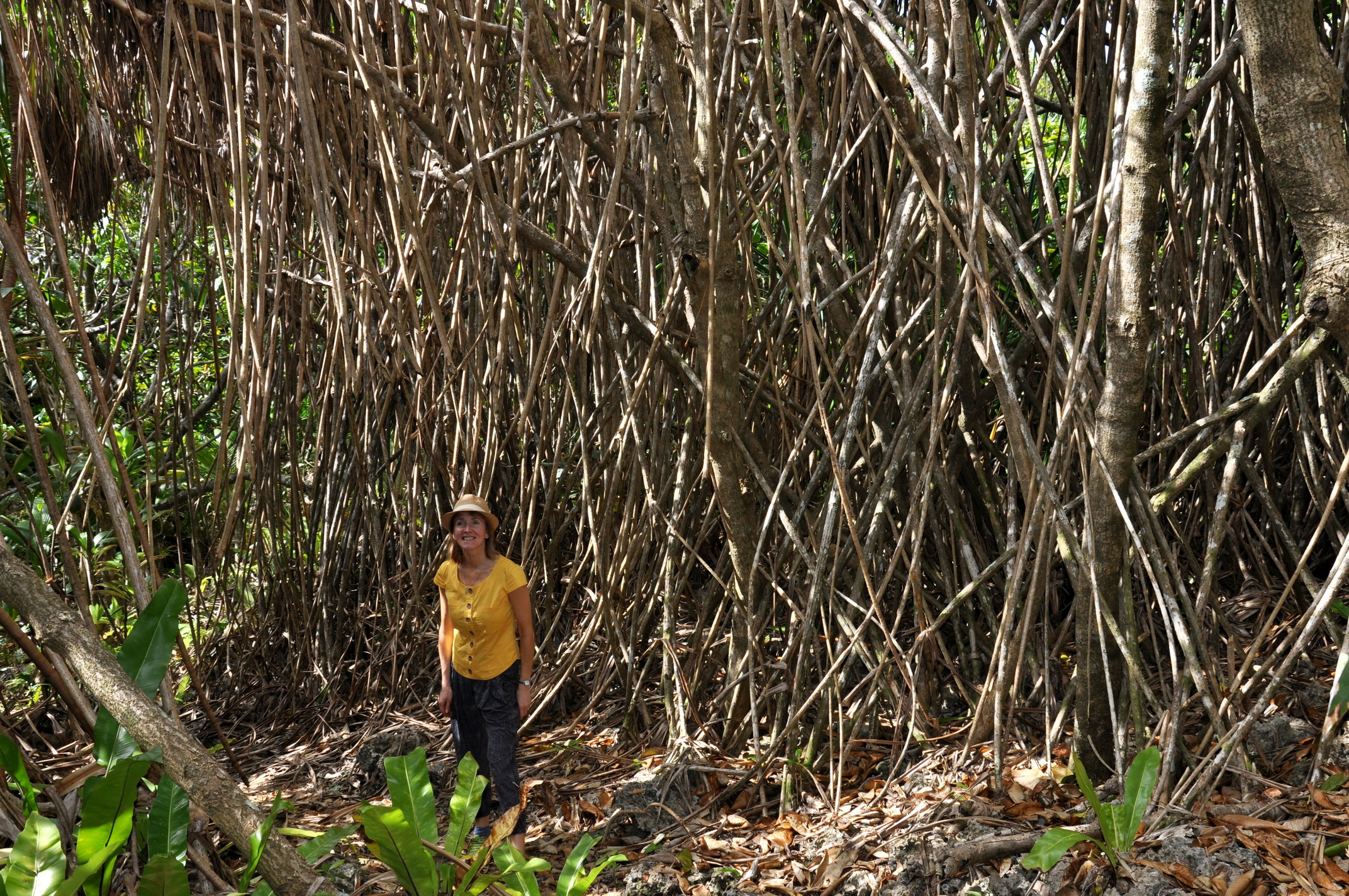
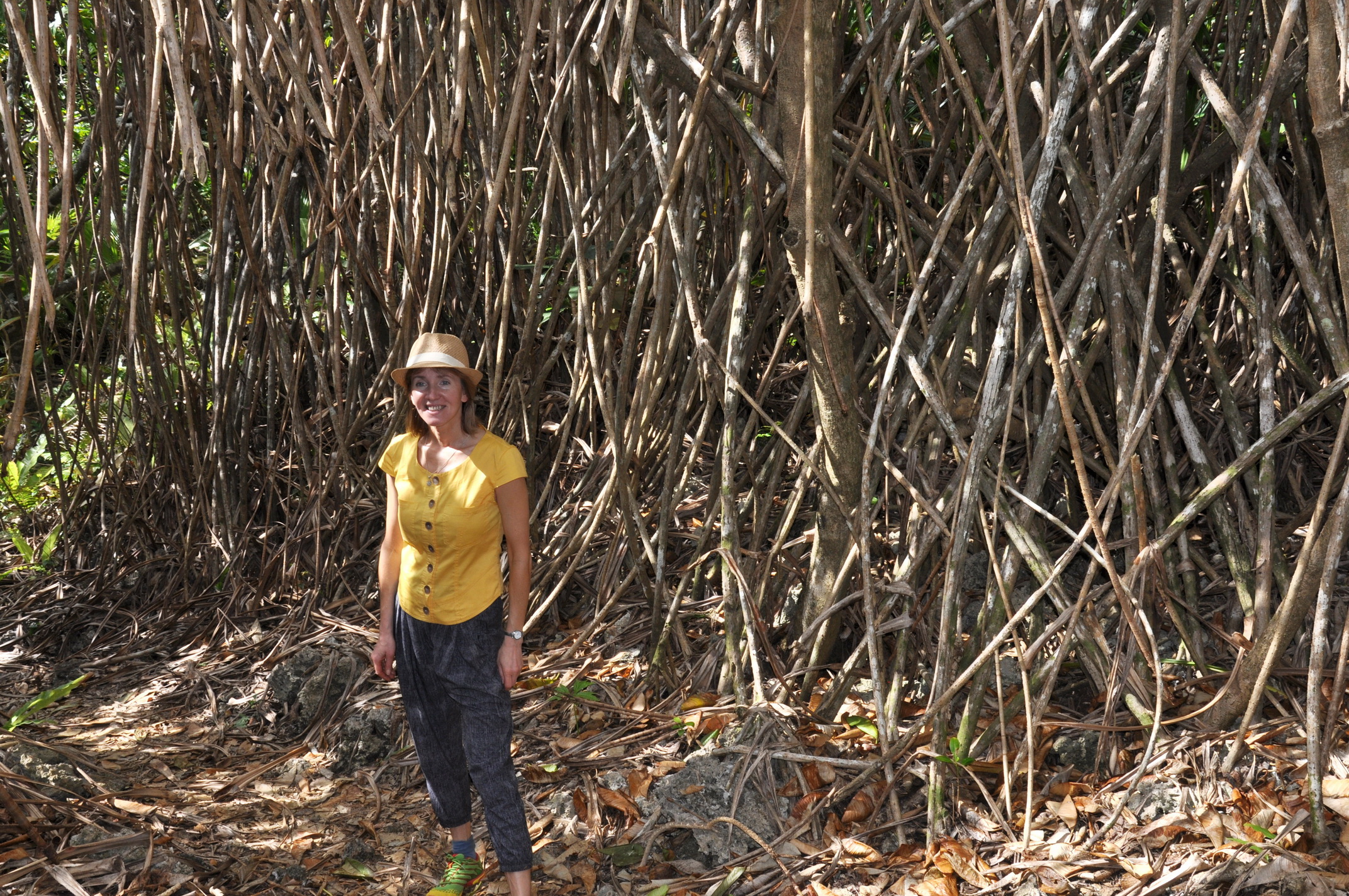
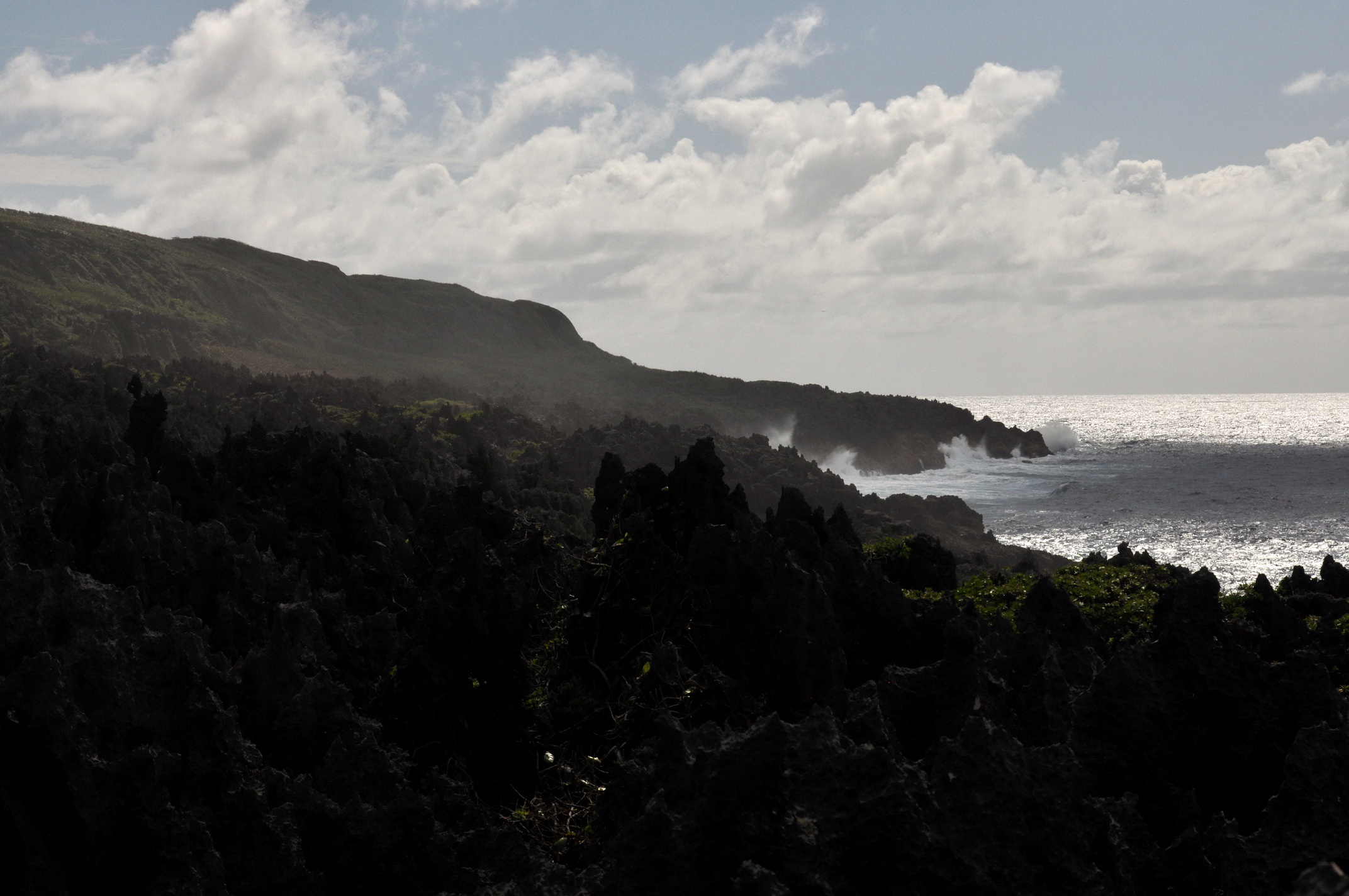
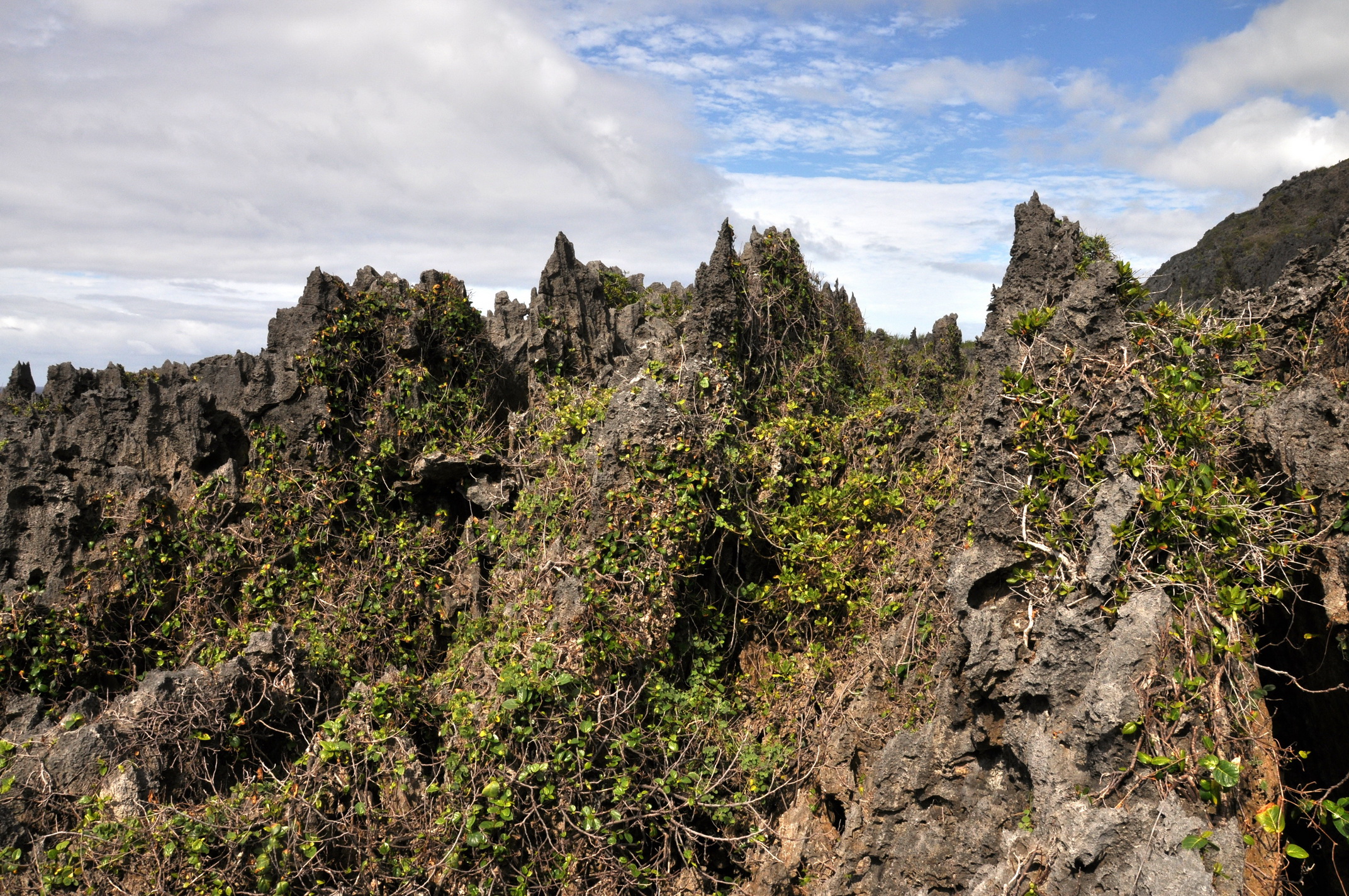
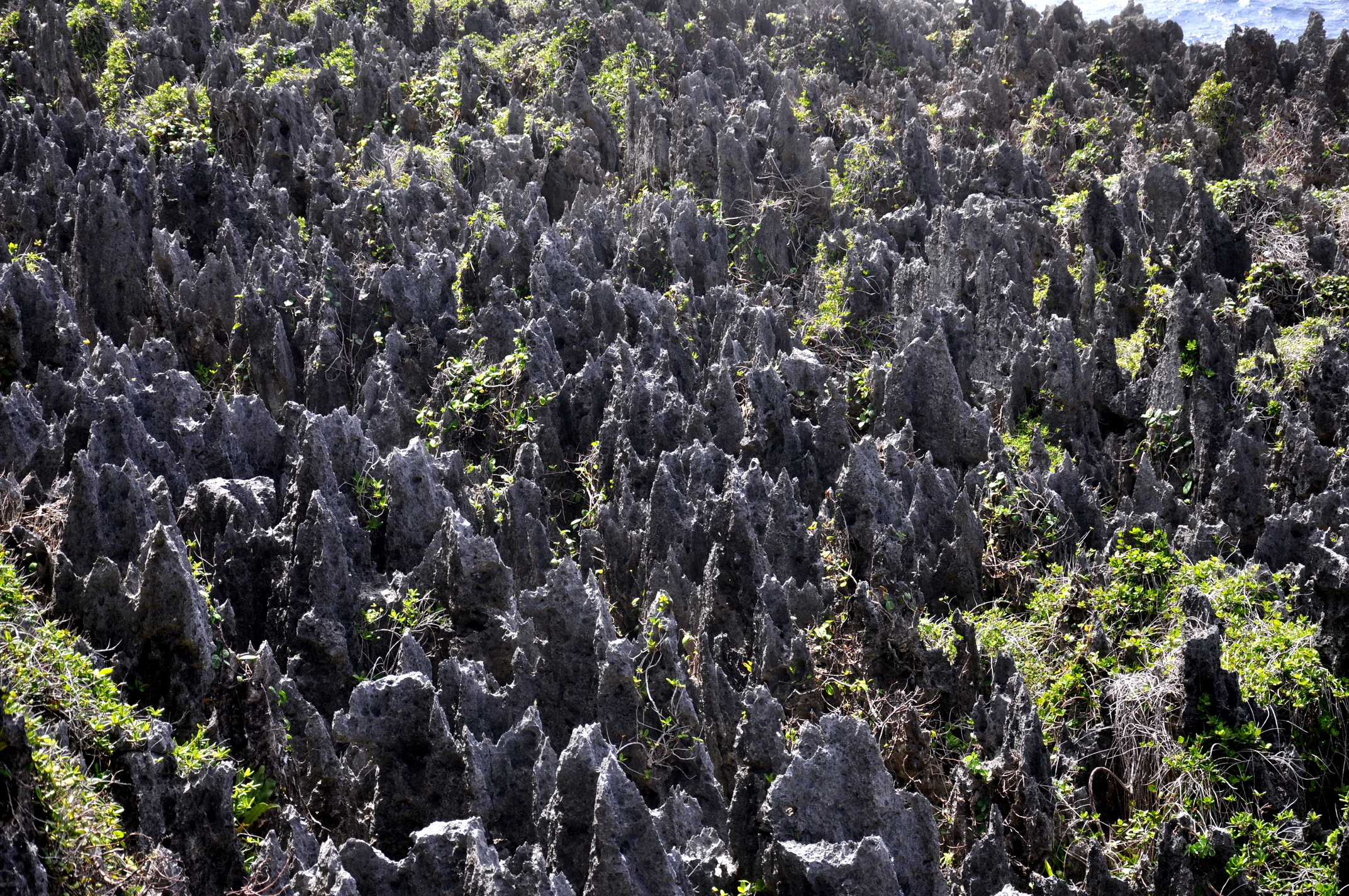
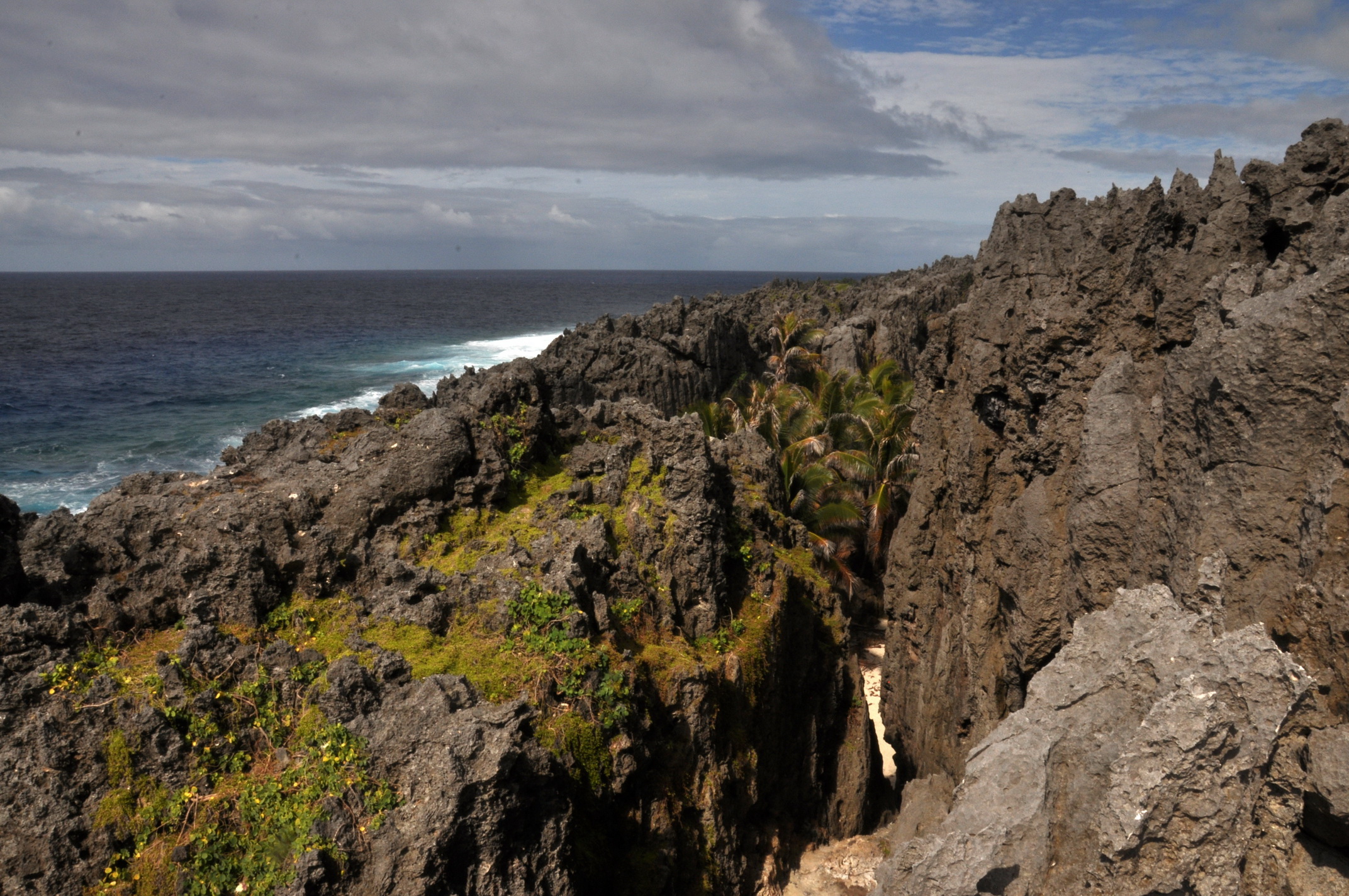
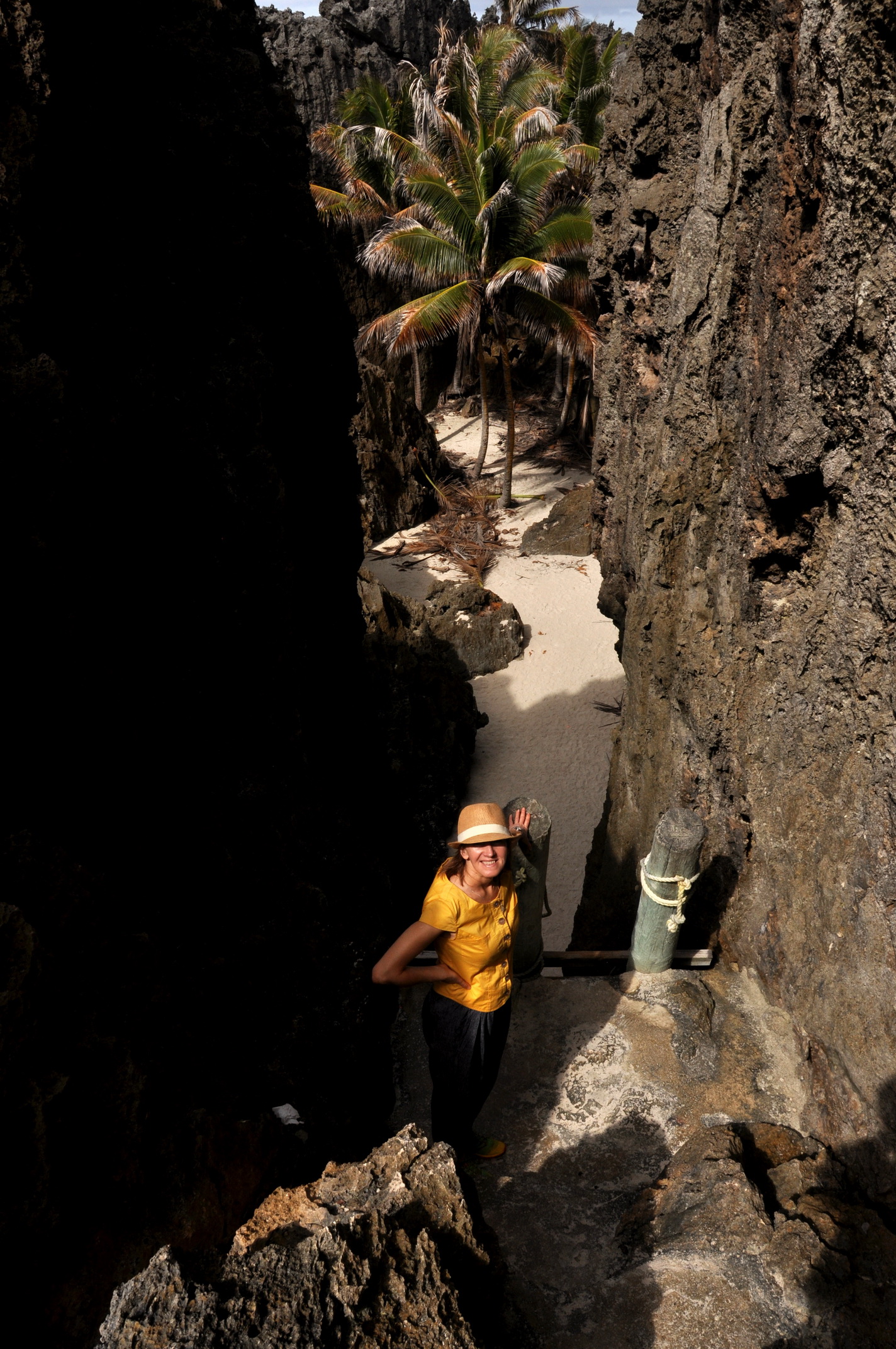
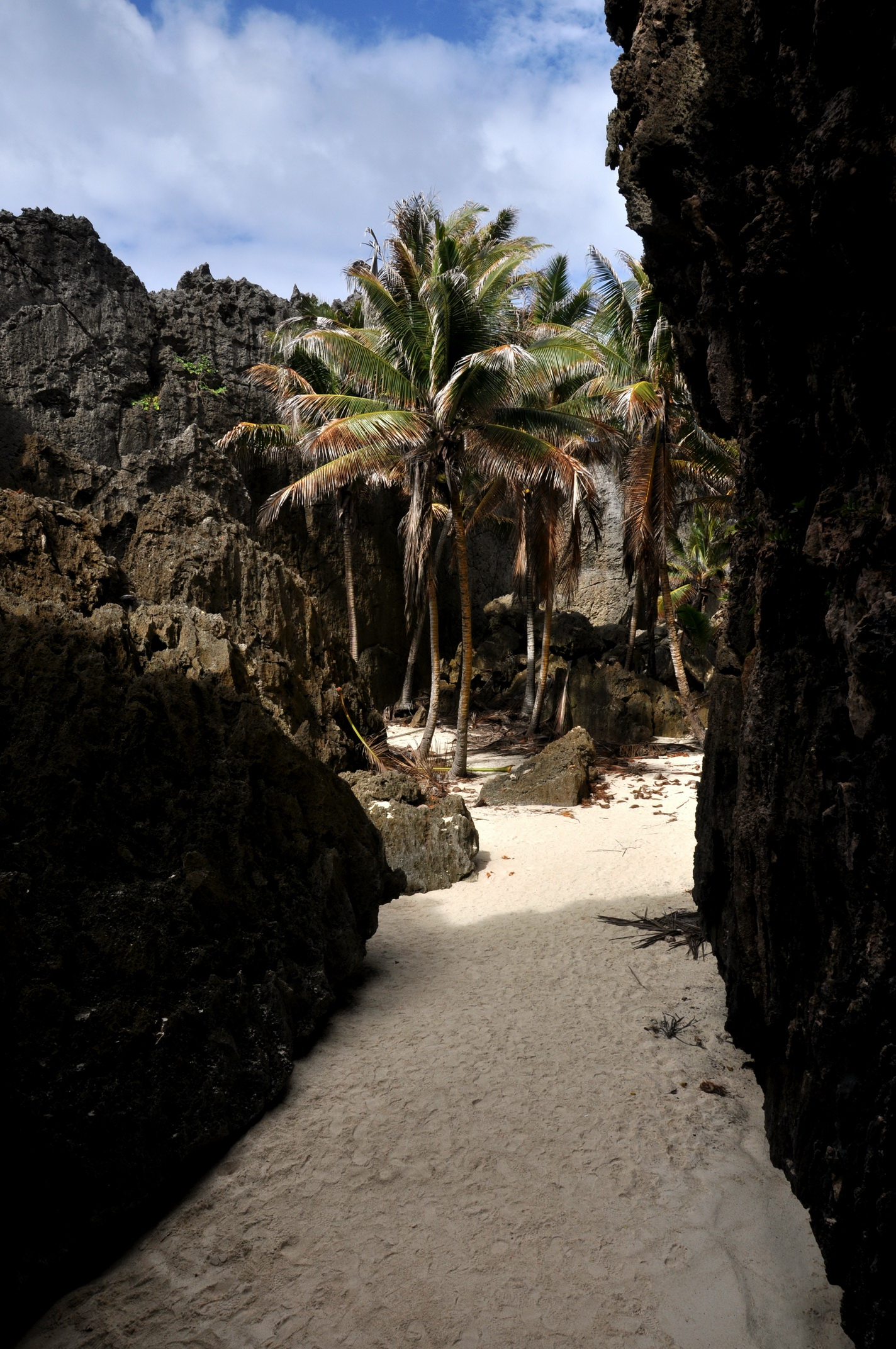
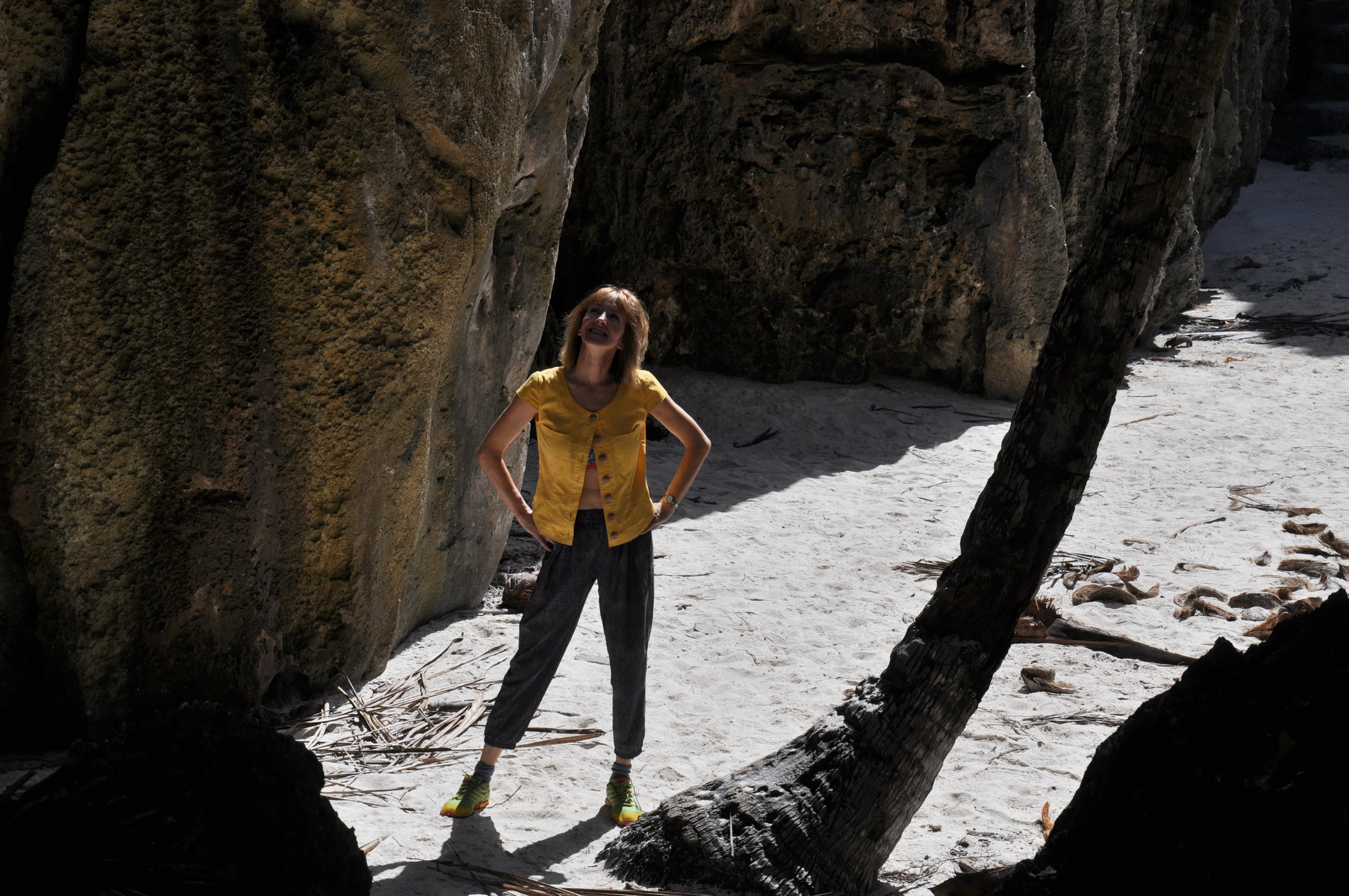
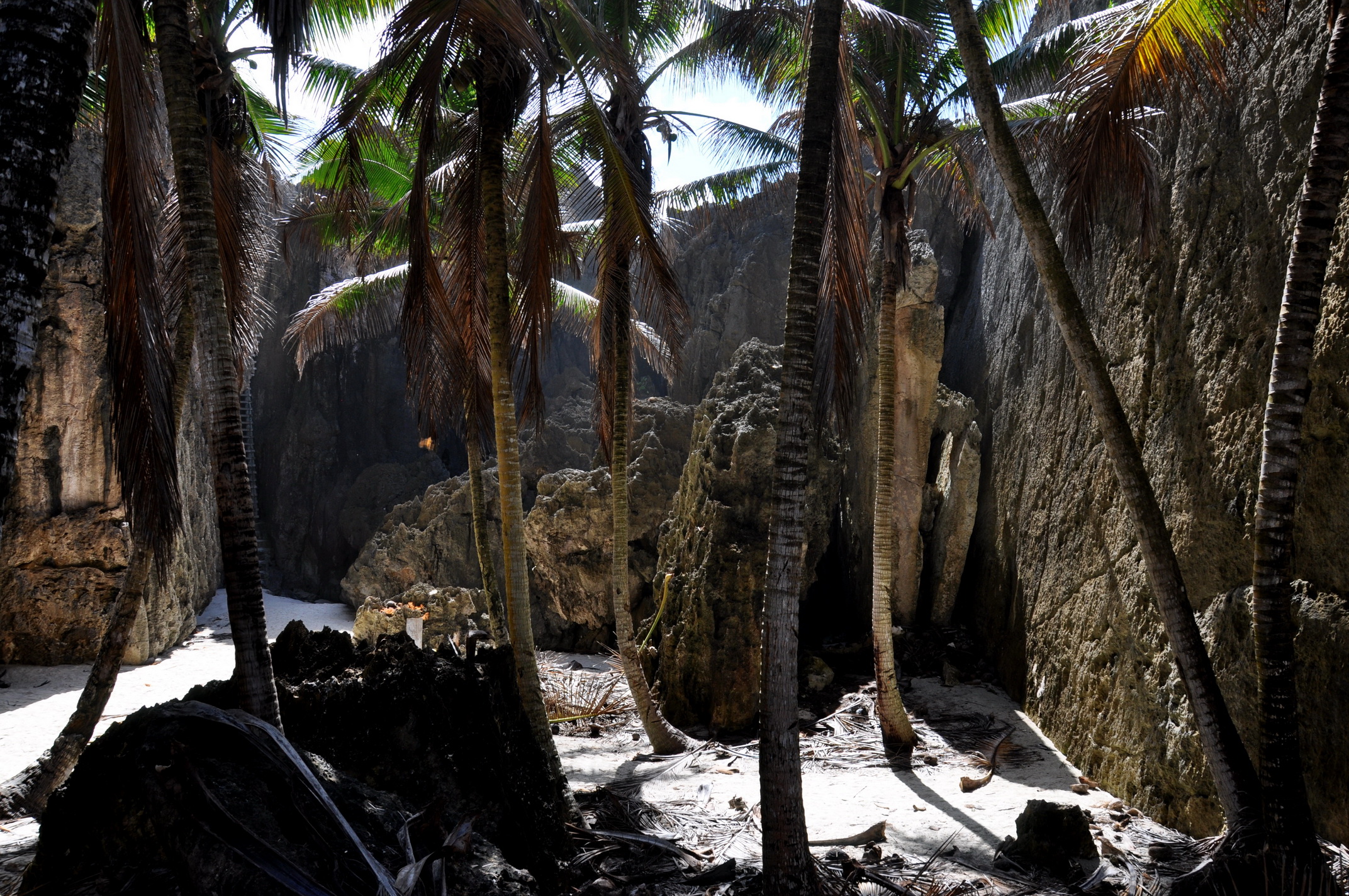
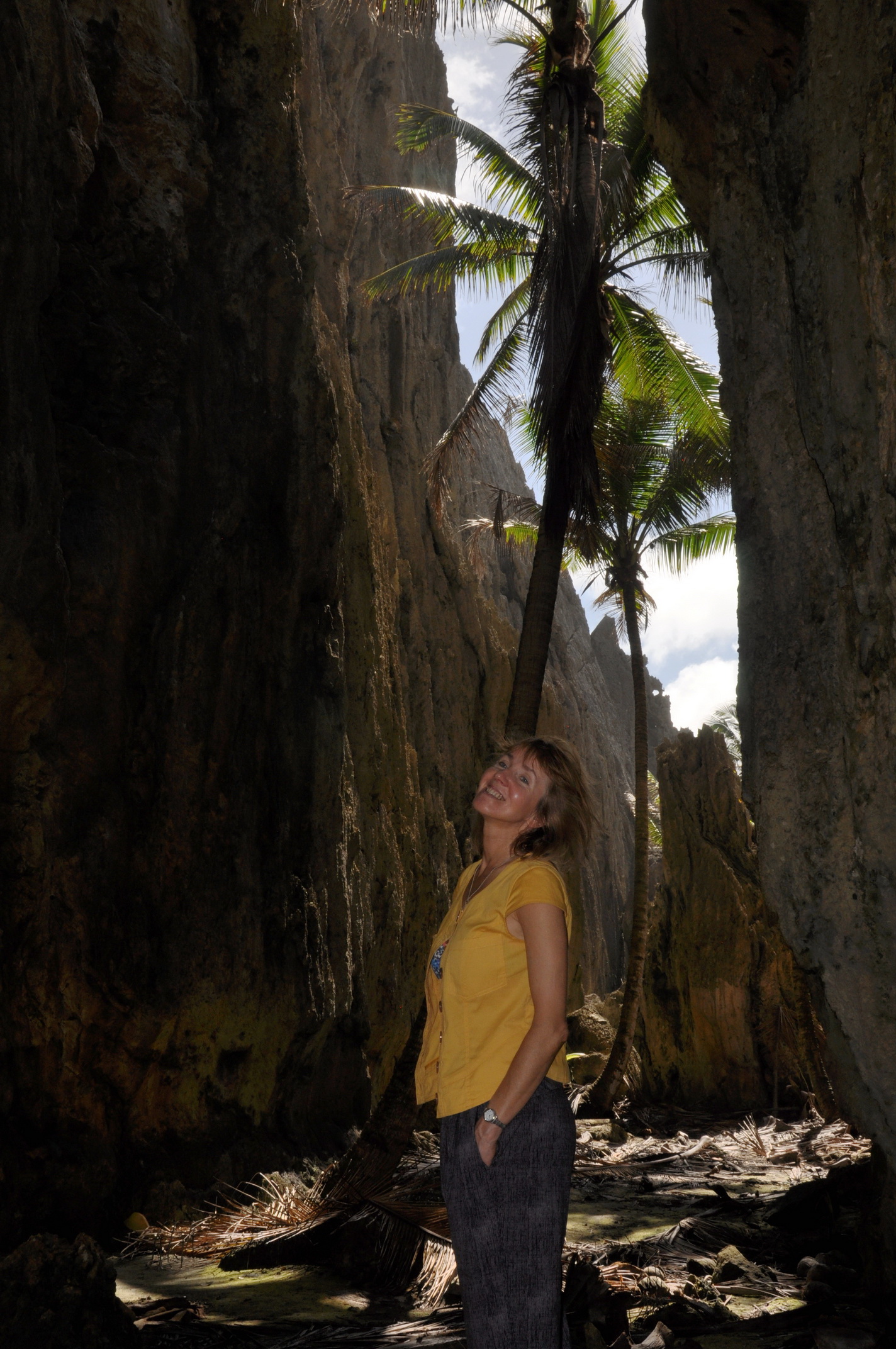
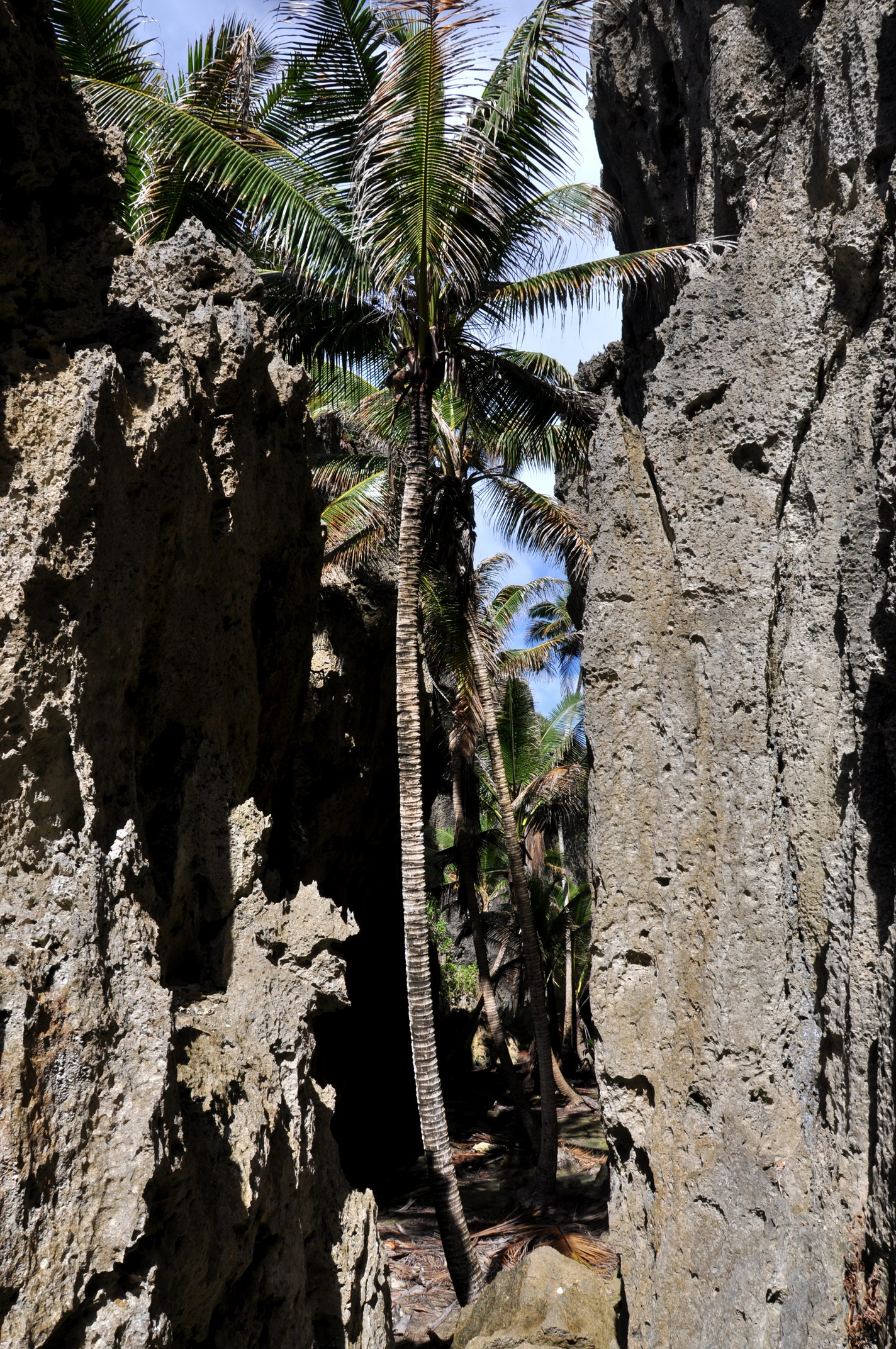
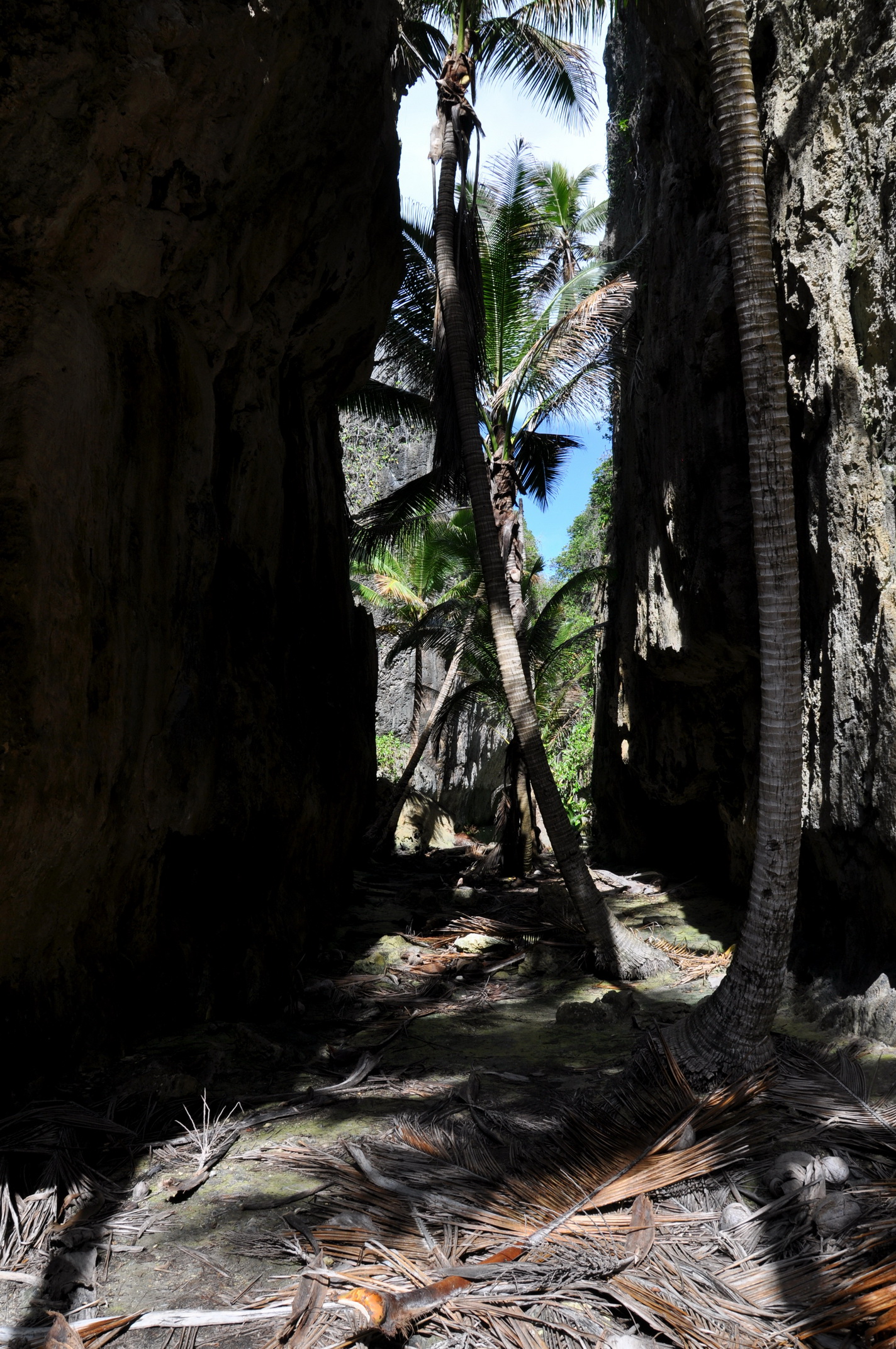
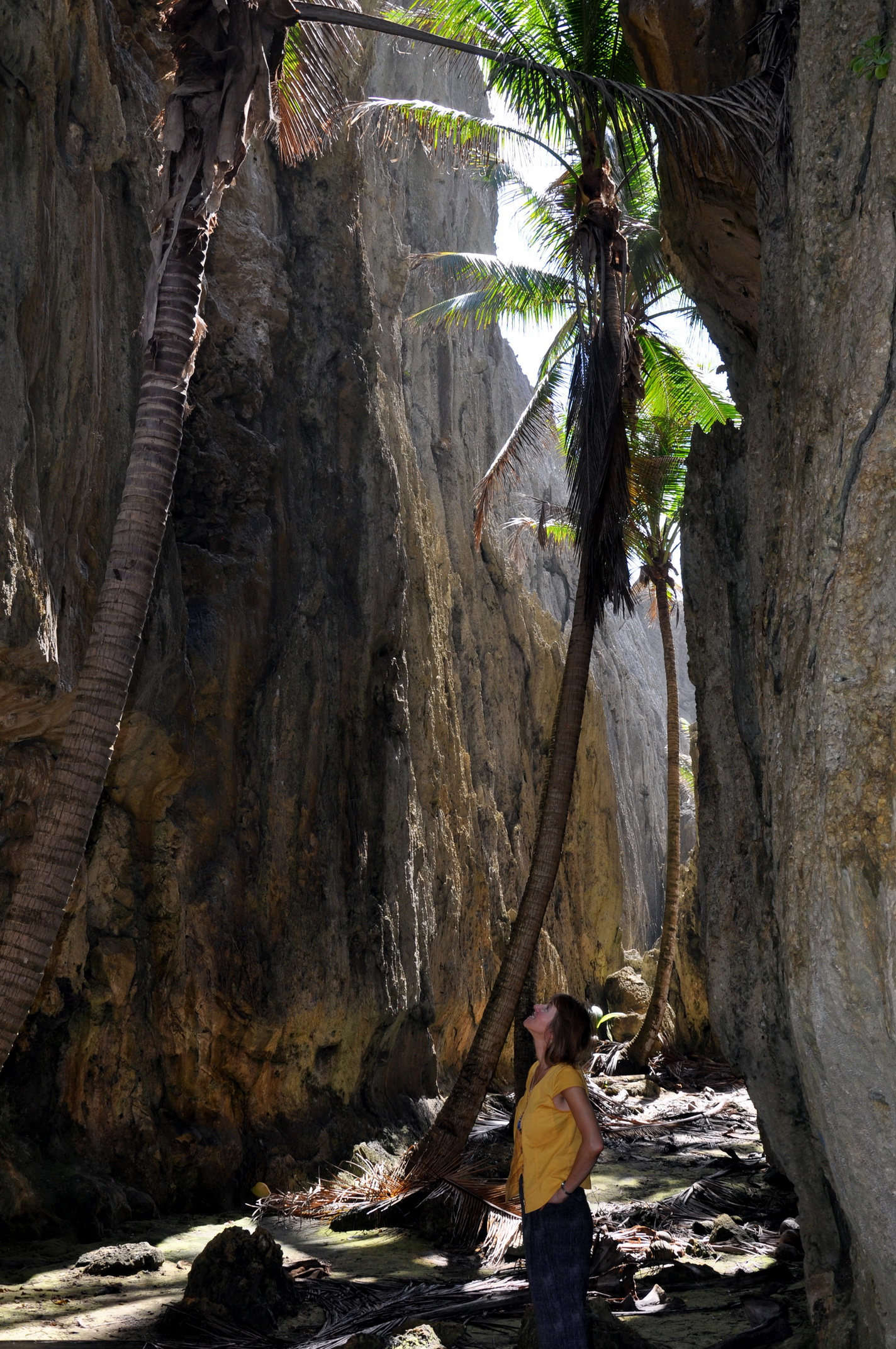
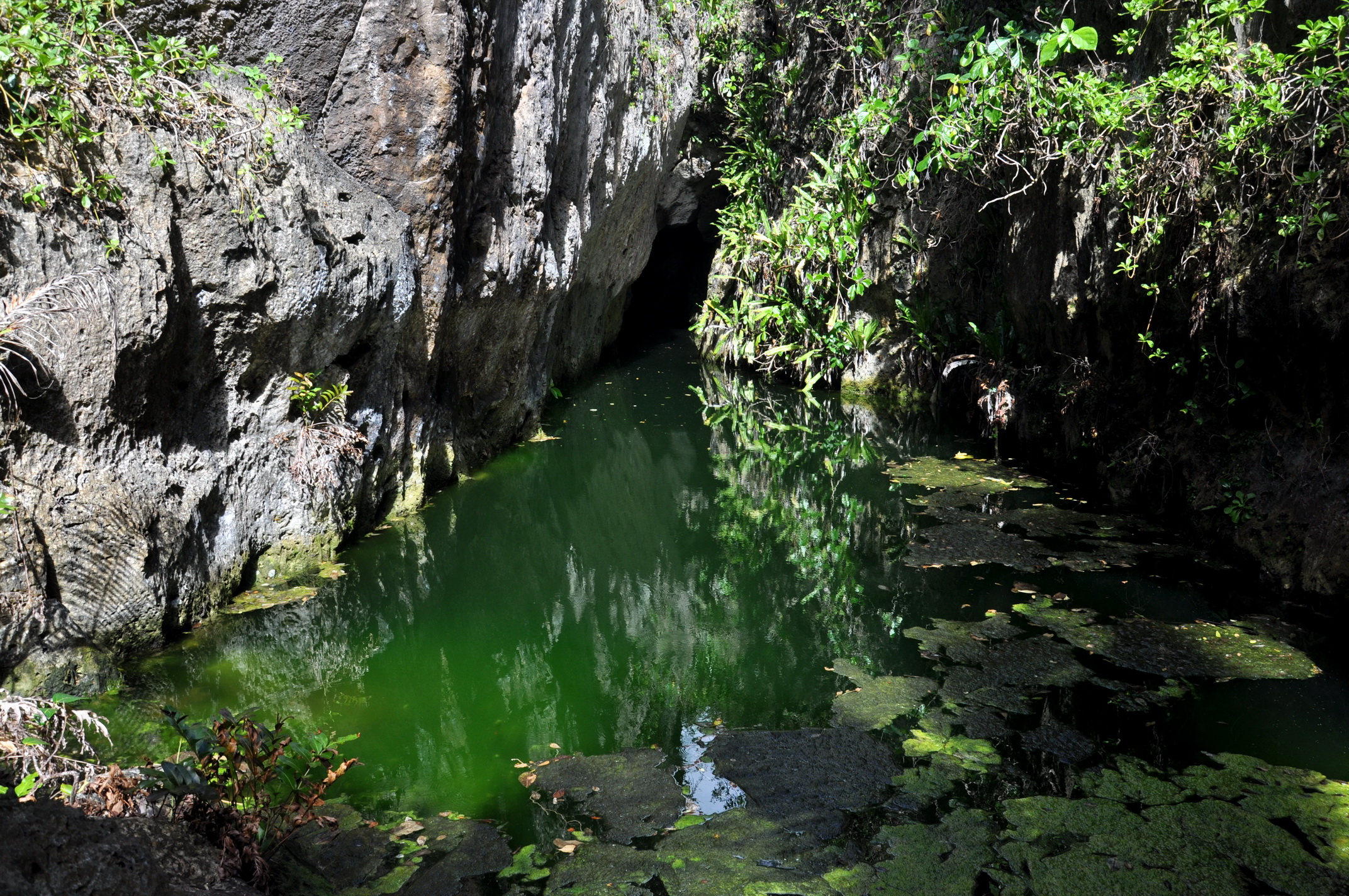
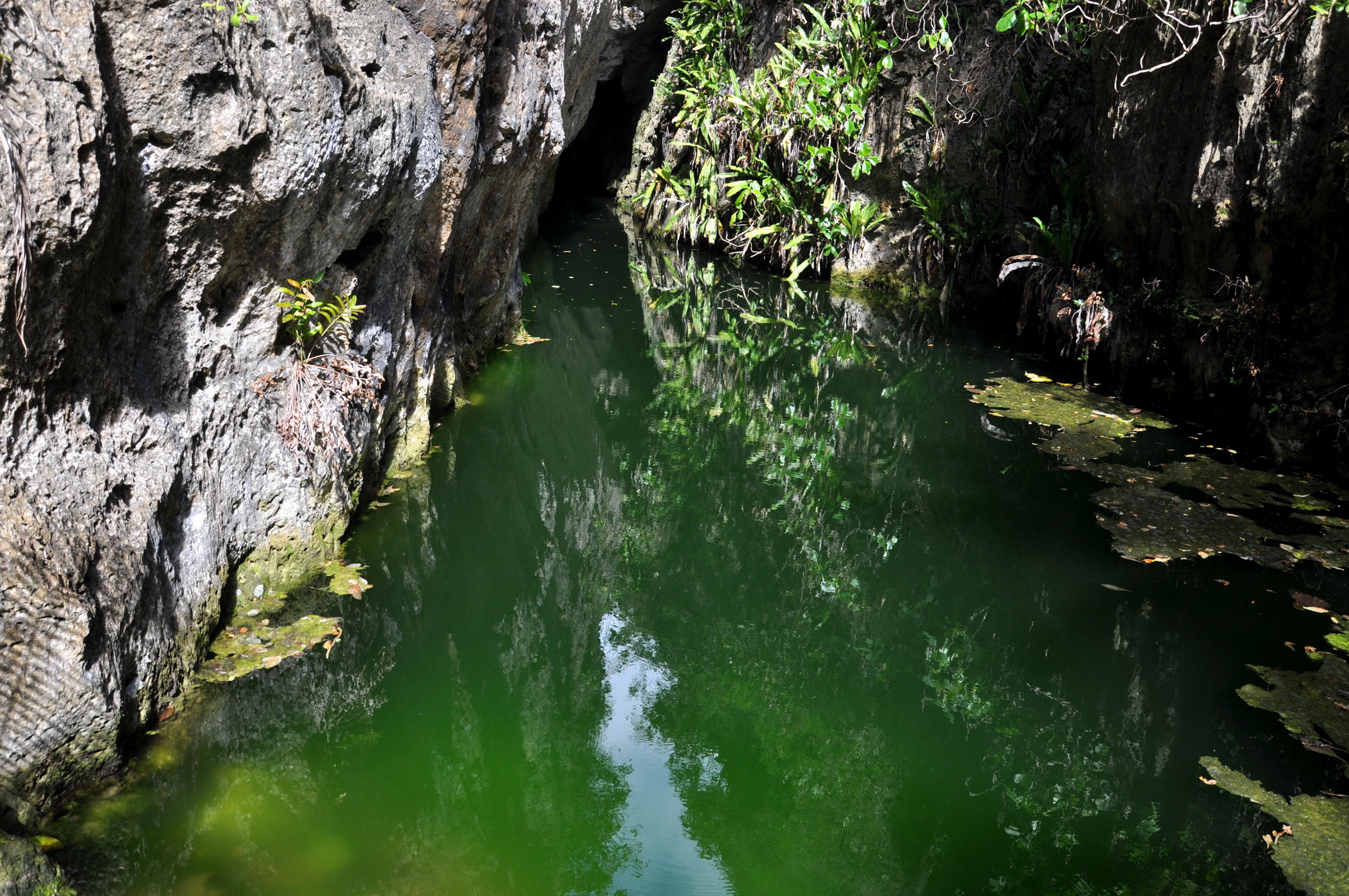
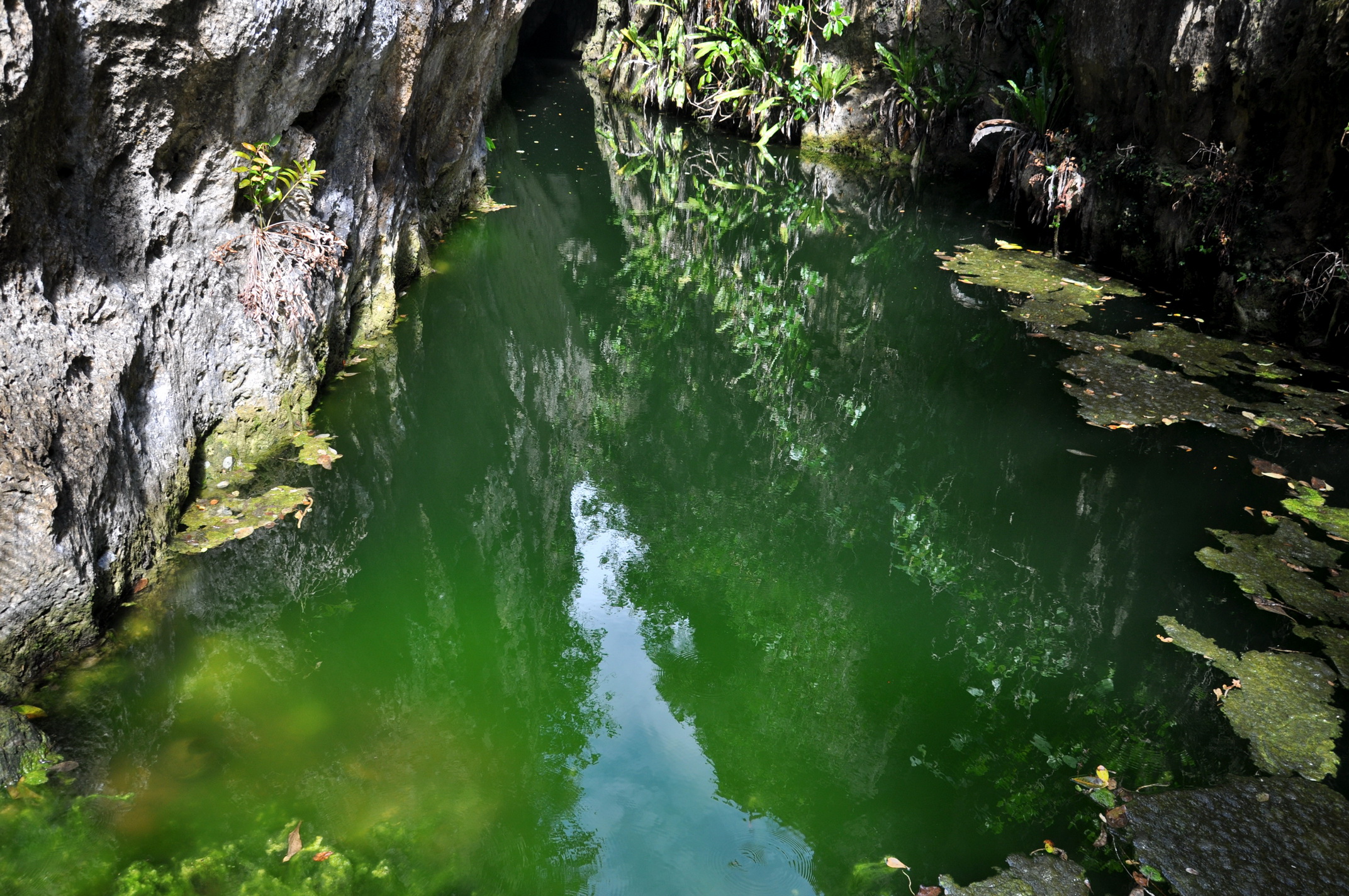
But besides the palms there is a grotto, and you can follow it through a cave out to the sea.
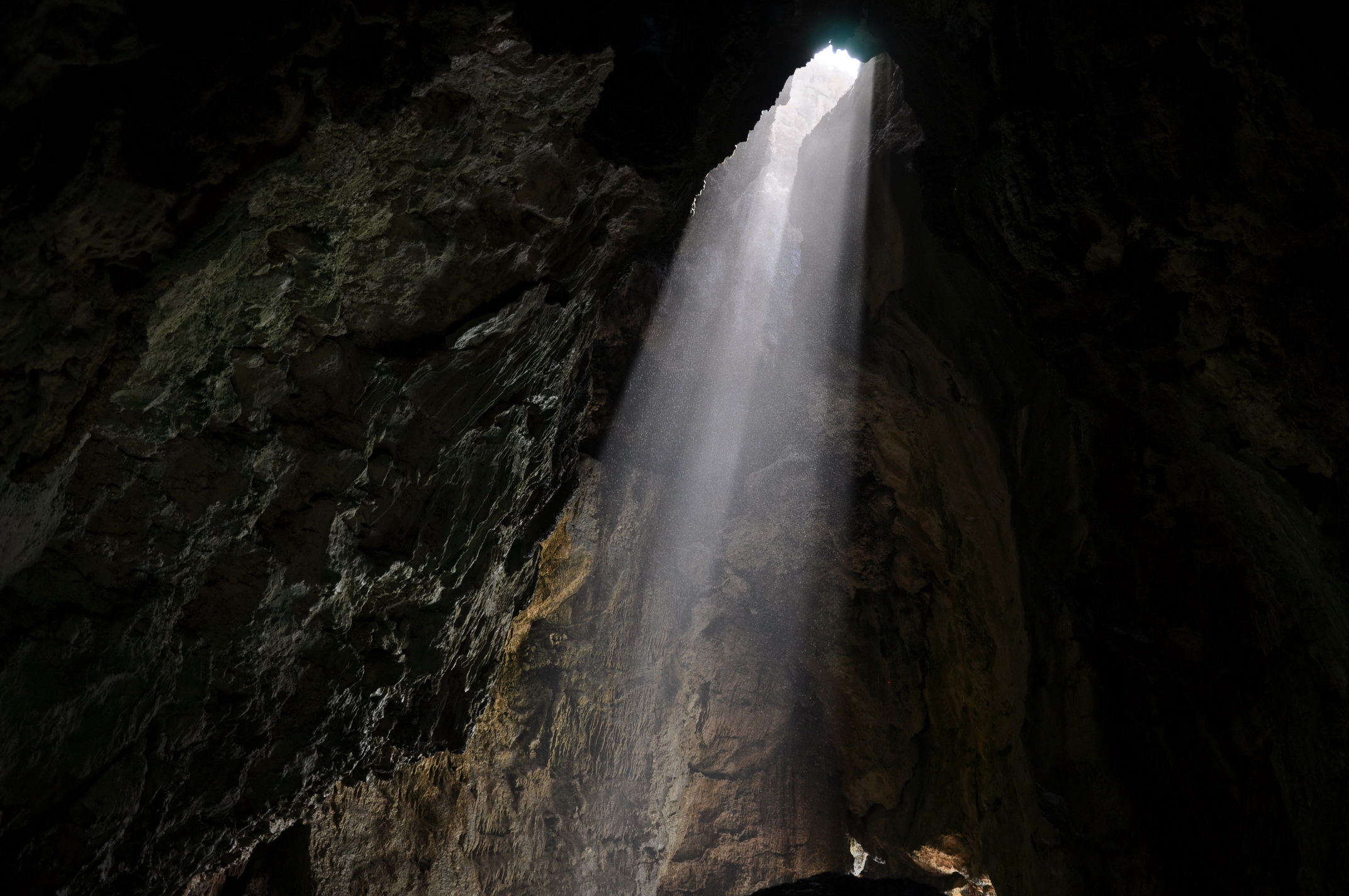
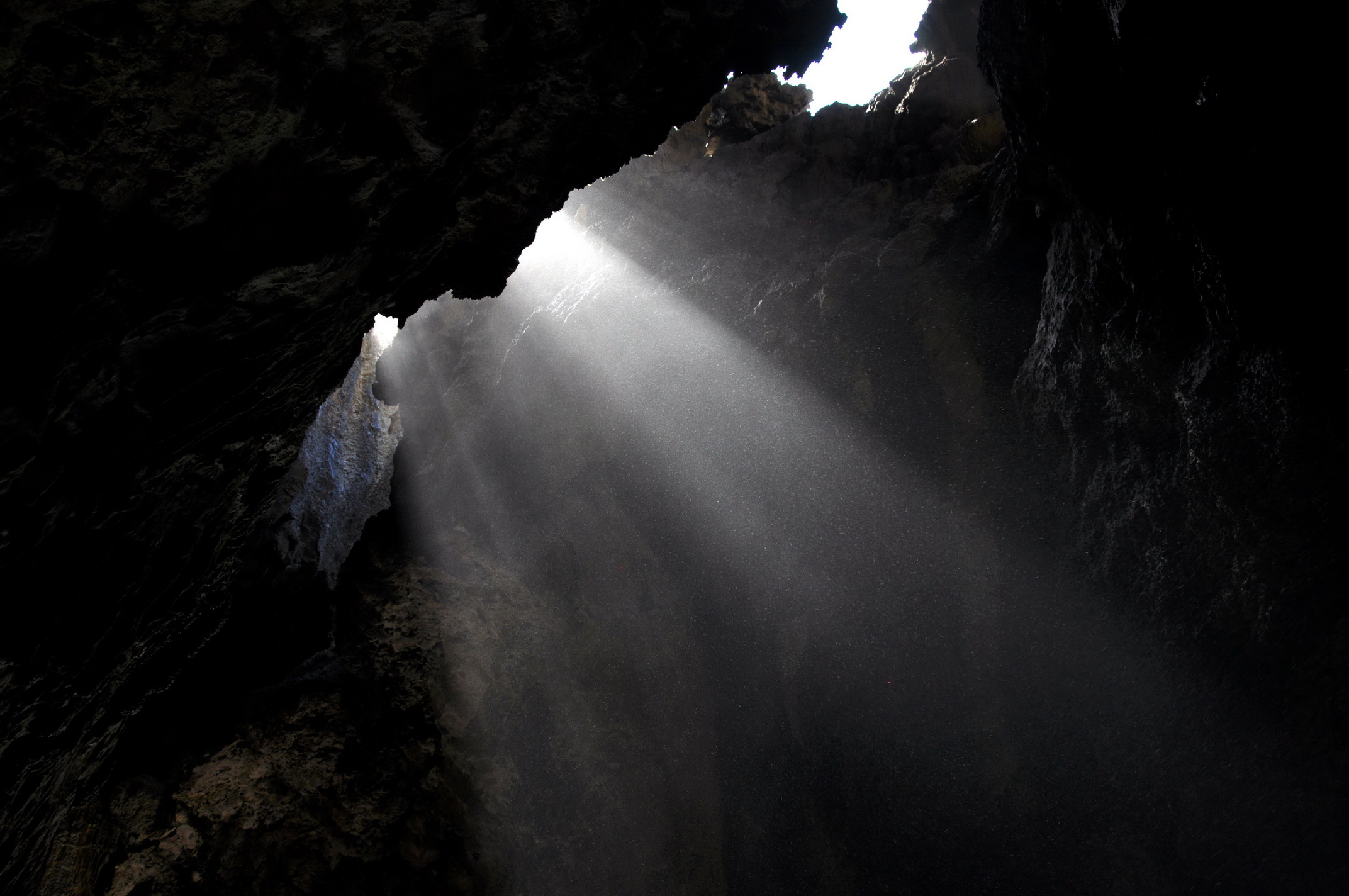
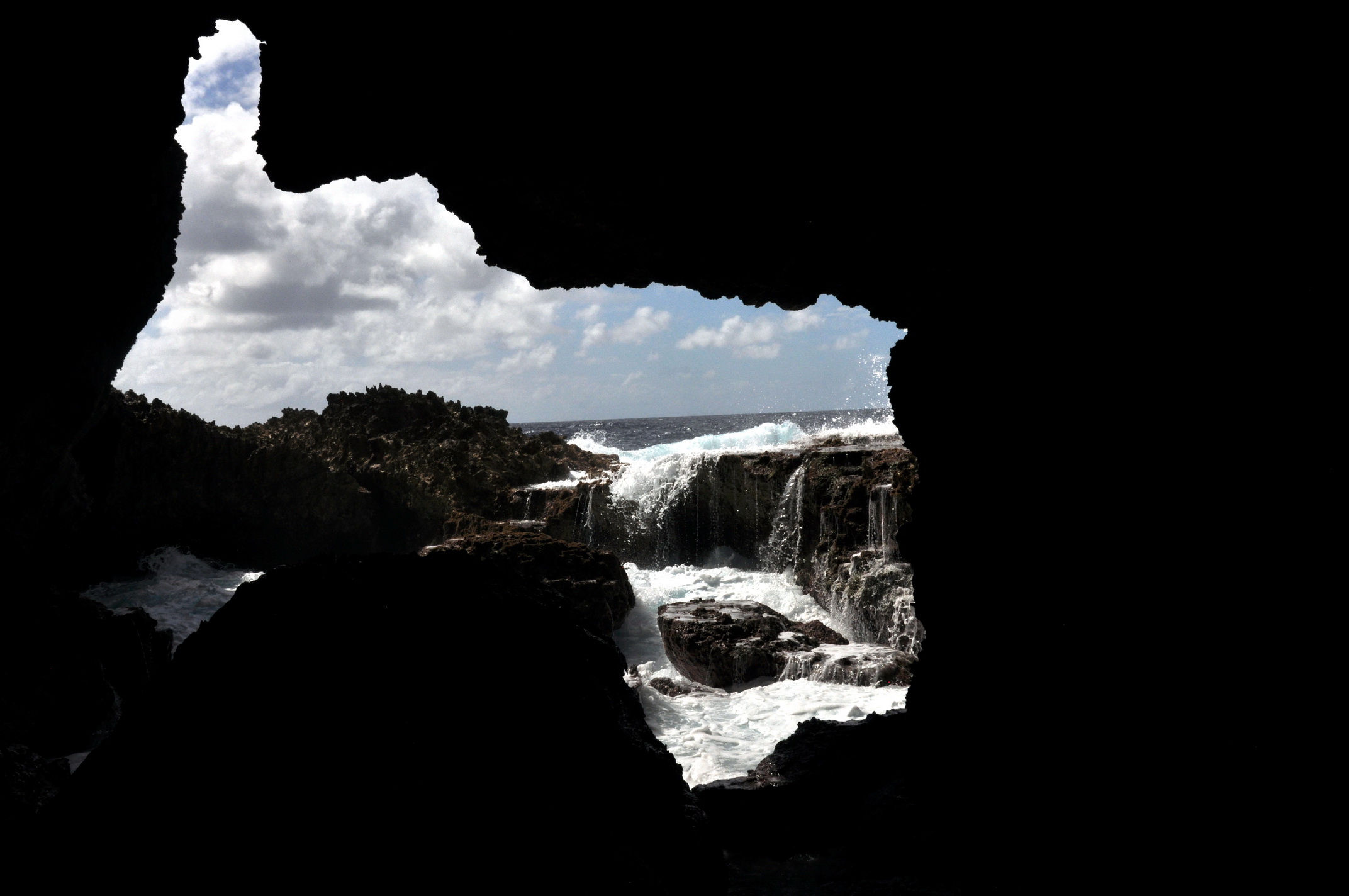
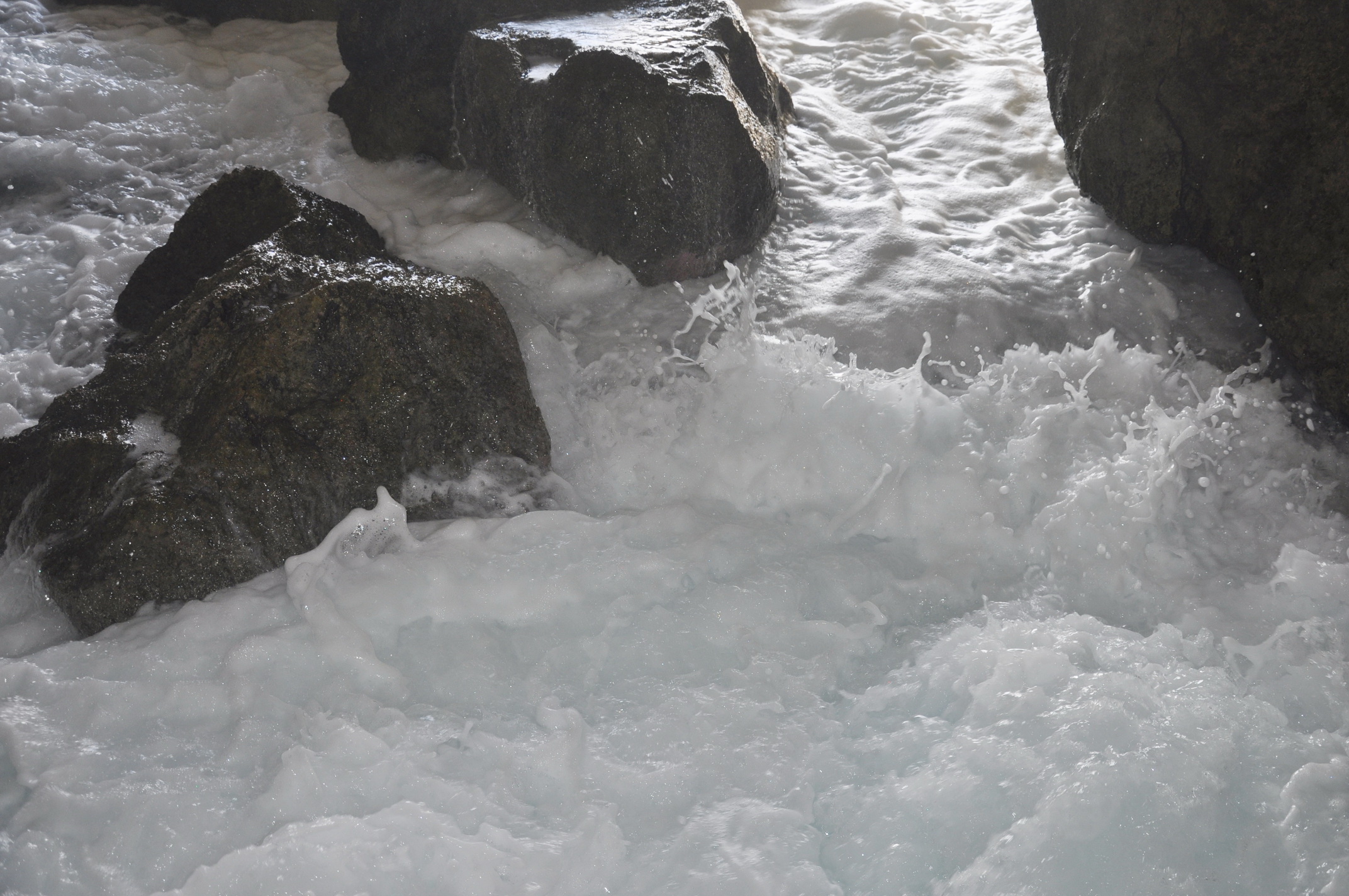
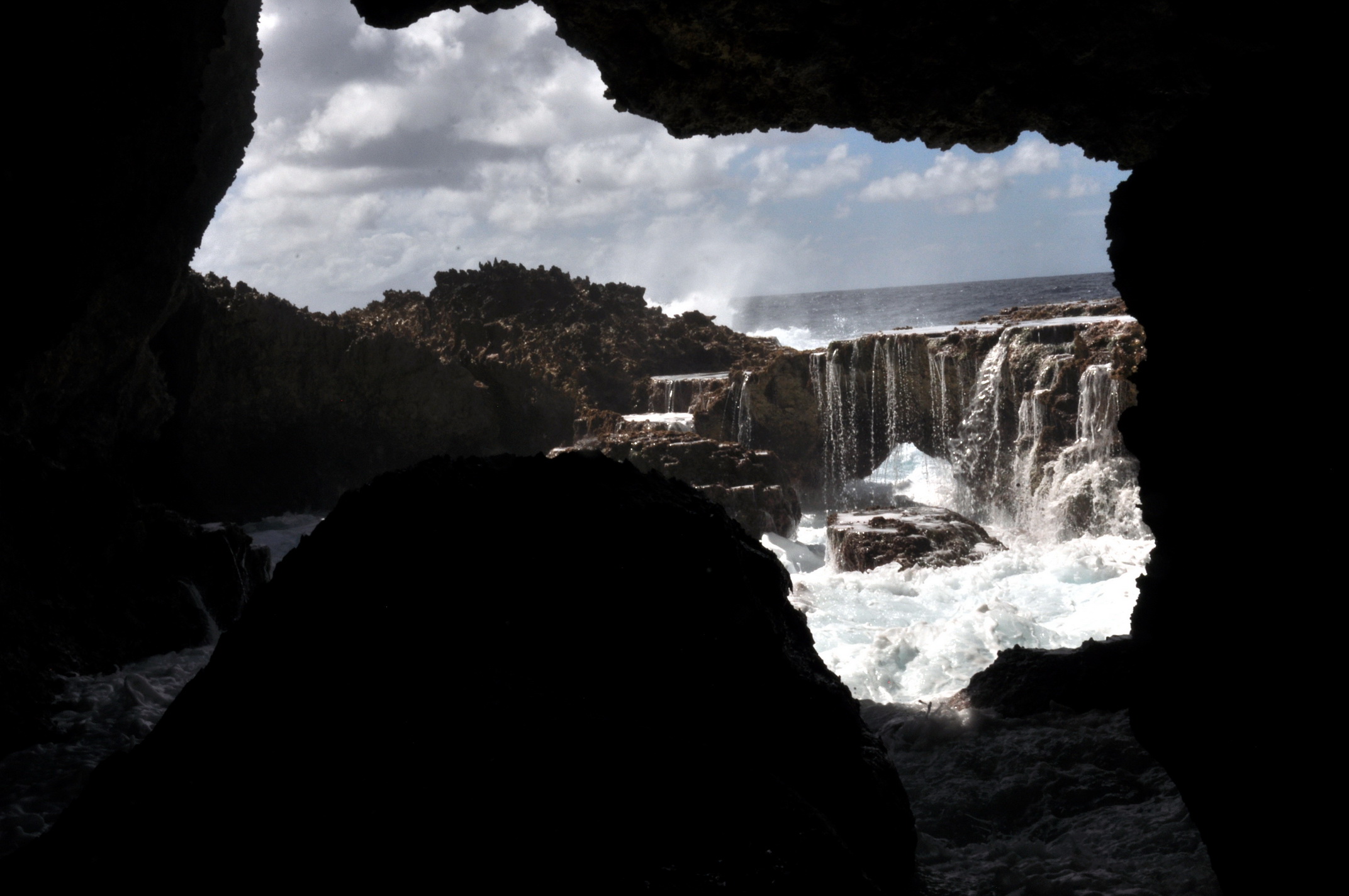
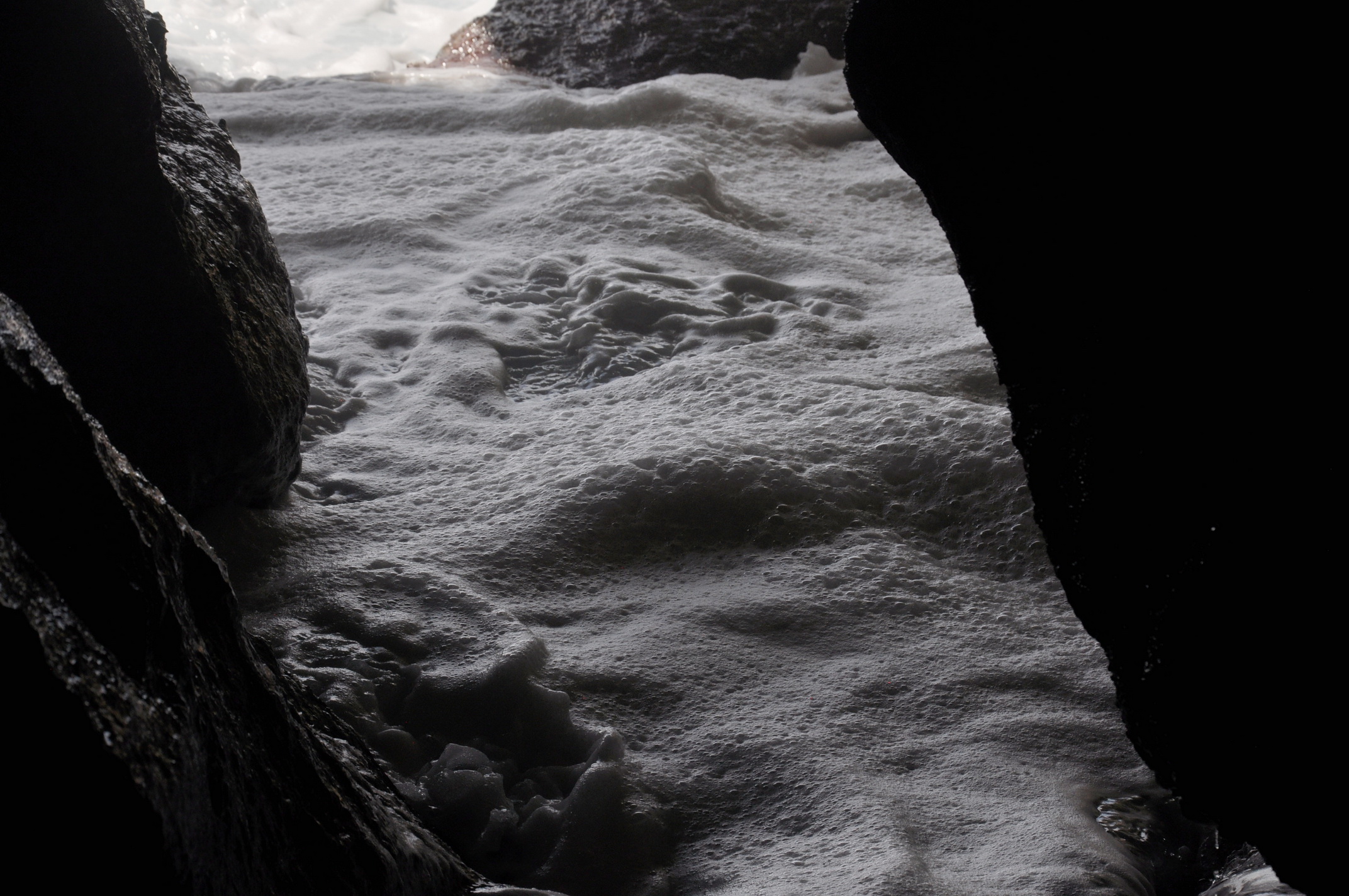
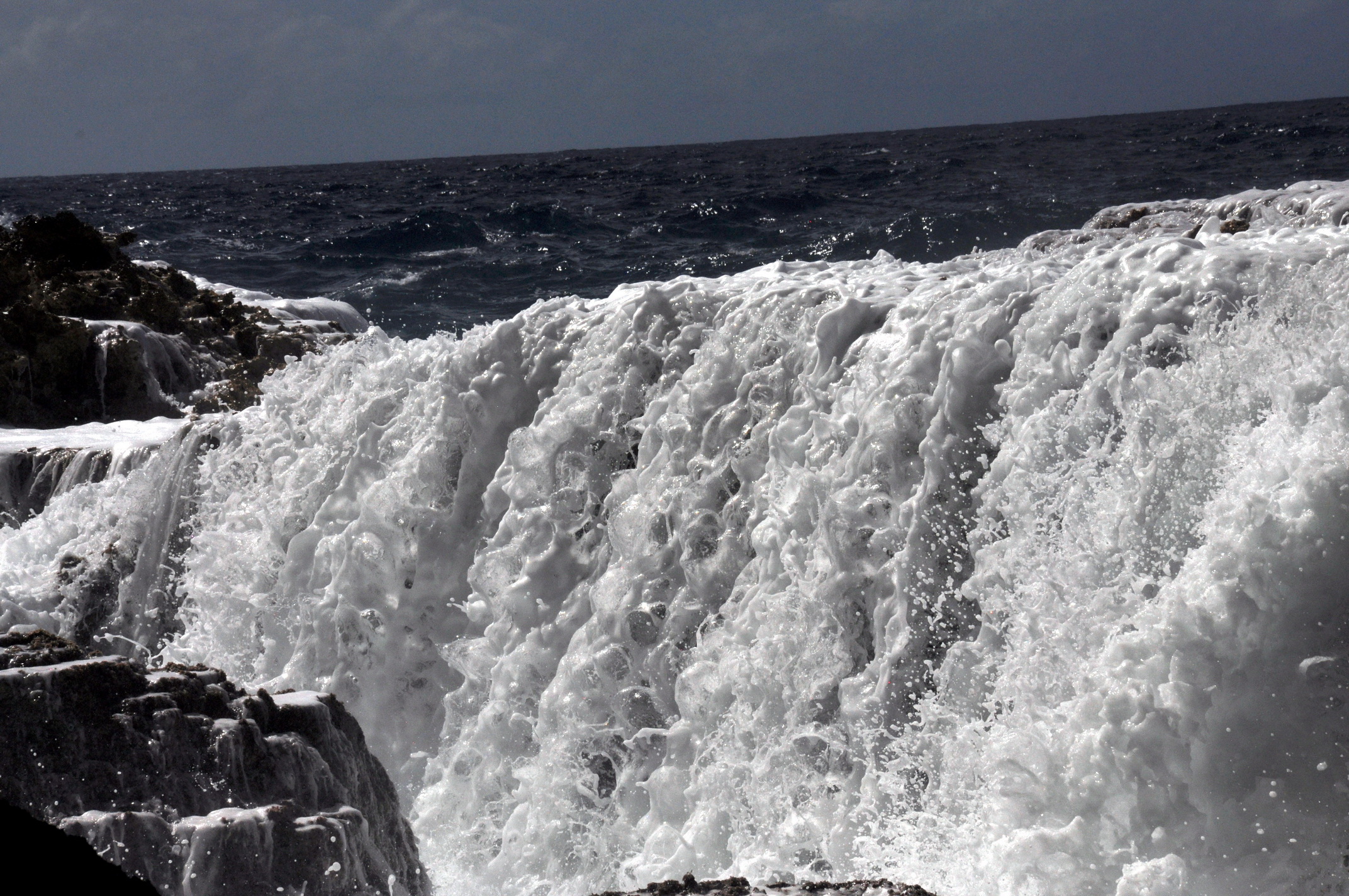
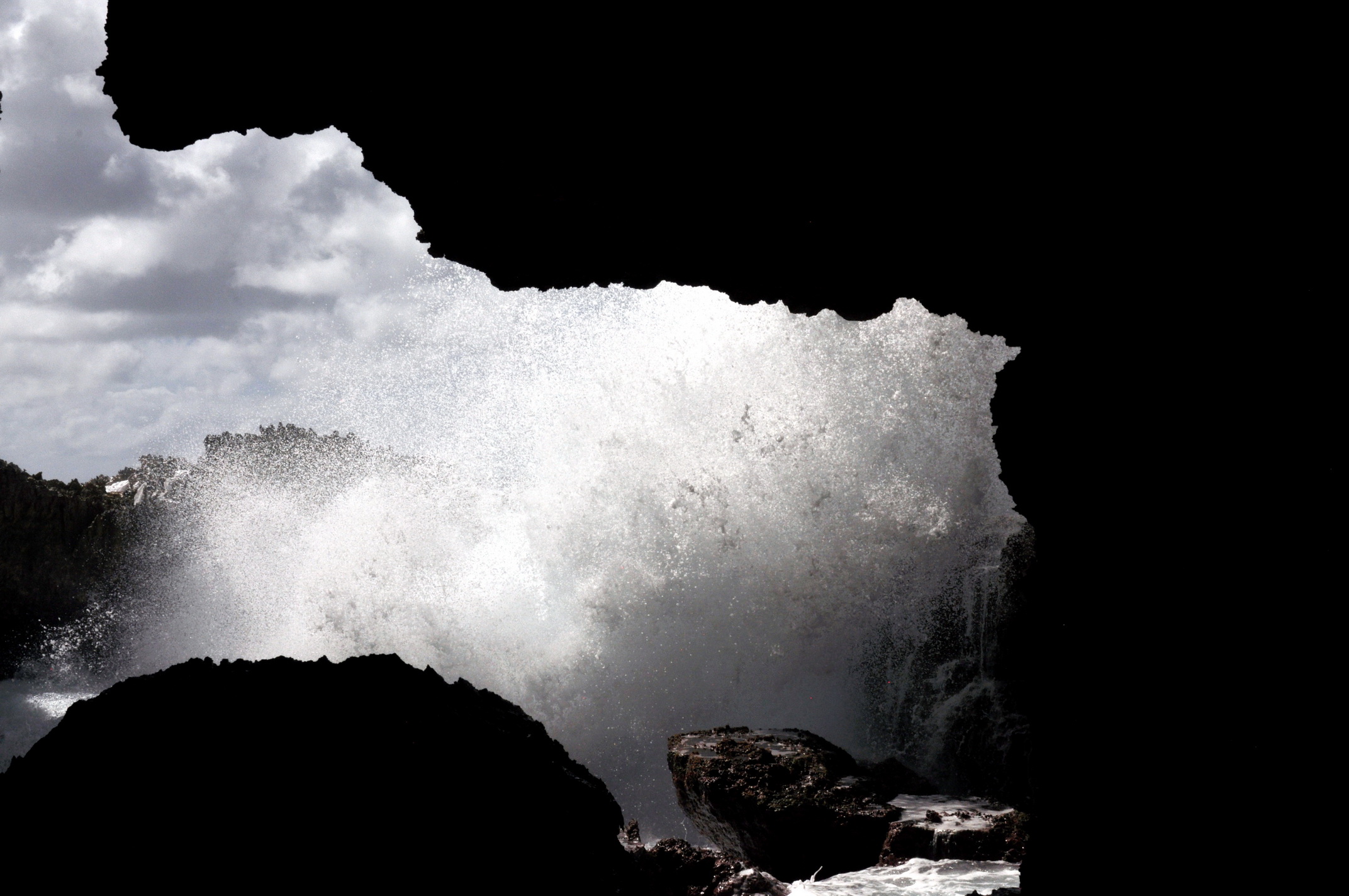
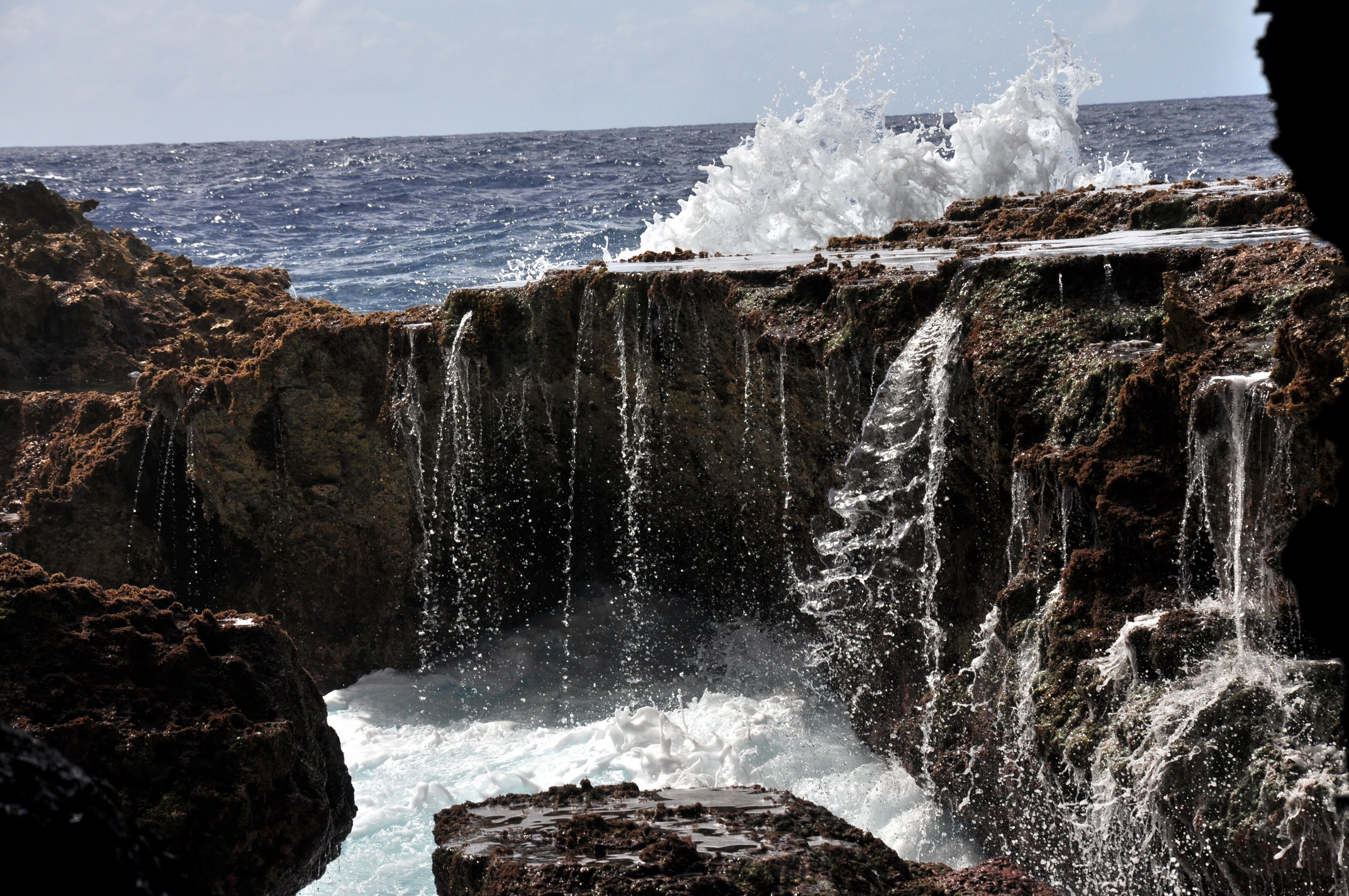
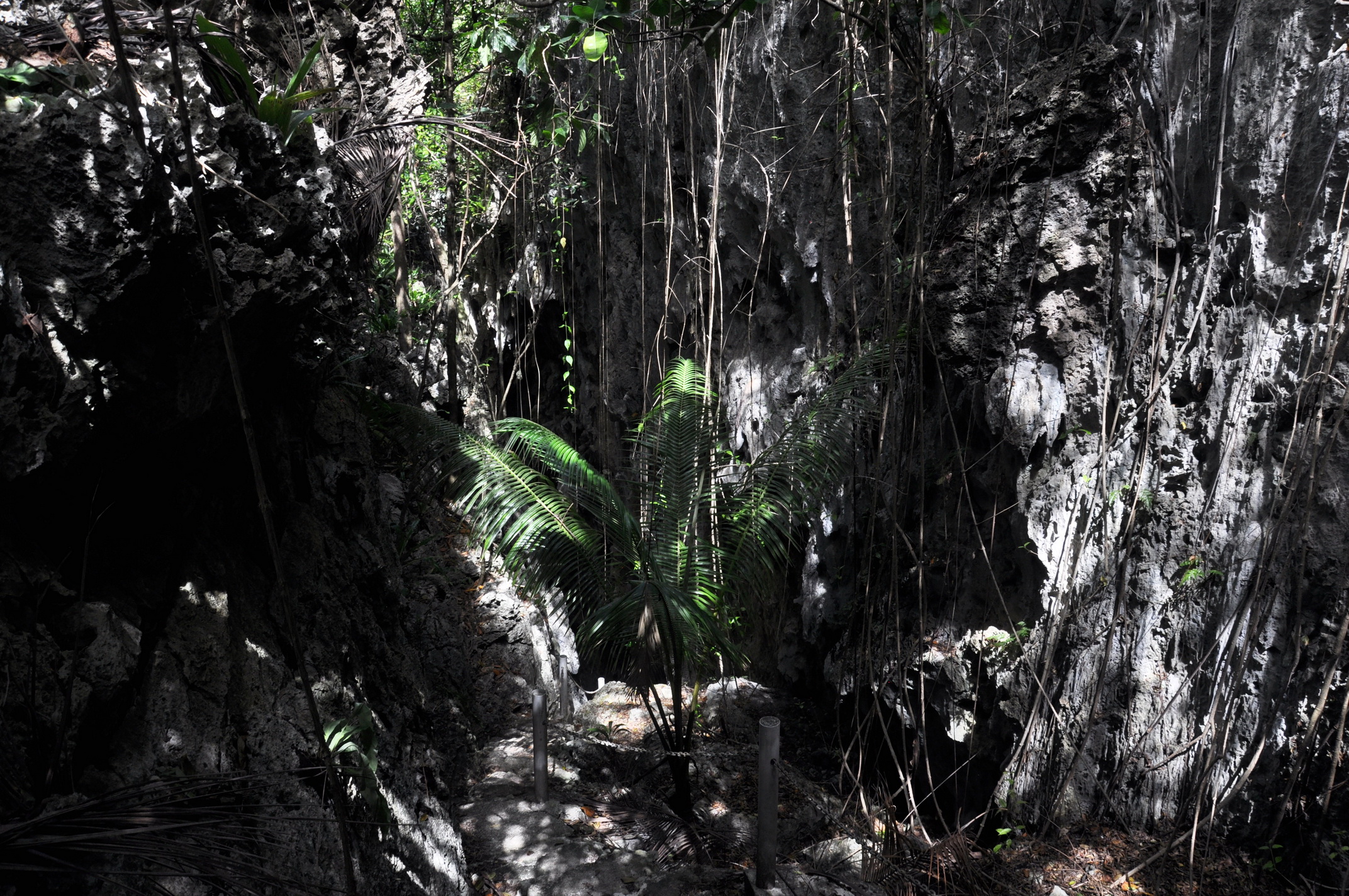
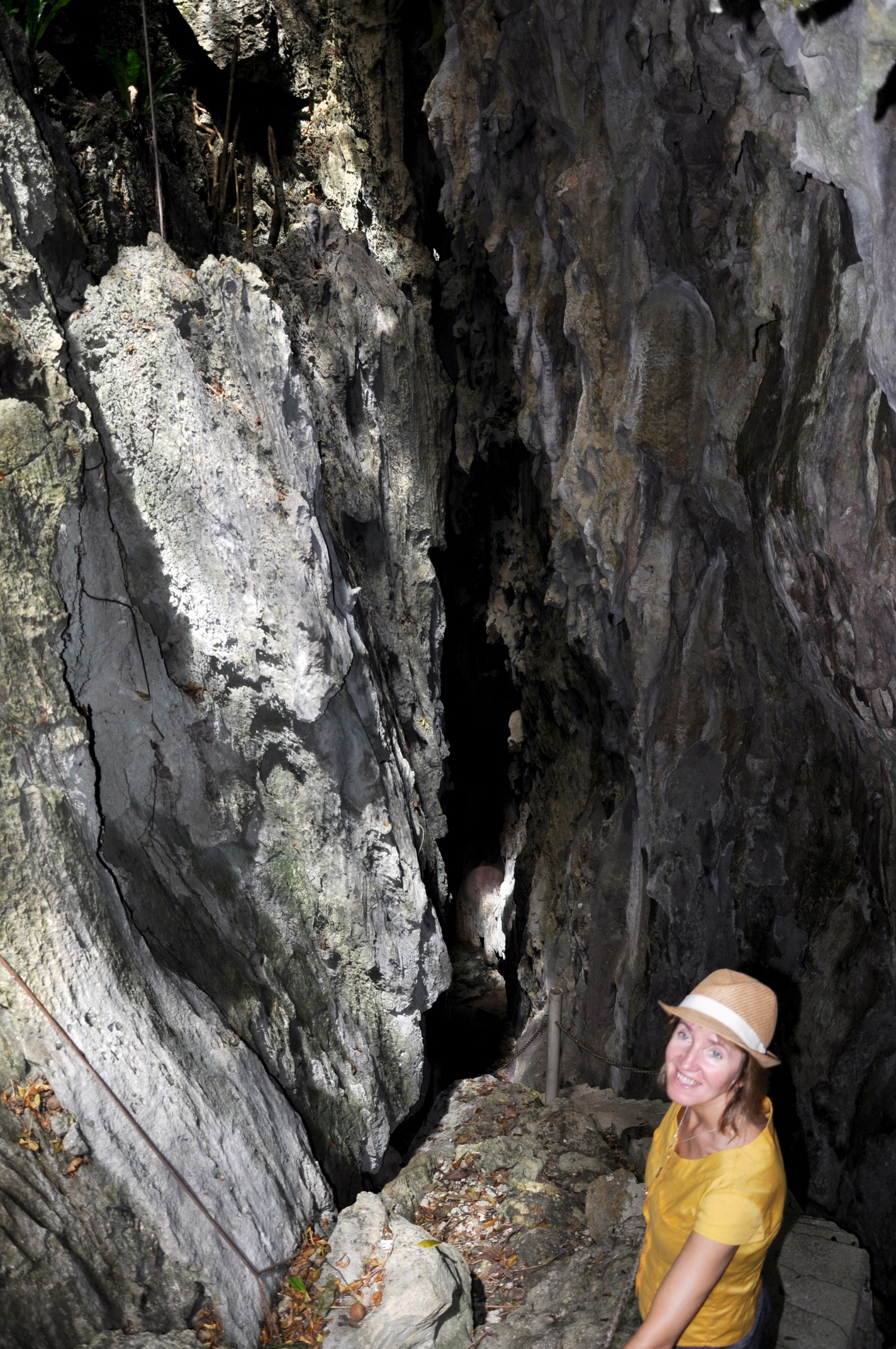
A few kilometres away, by the village of Hakupu, there’s another small gorge with fresh water: Anapala Chasm (19°08.071′S, 169°50.310′W). It’s so narrow and dark there that no palms grow, but the water is clear.
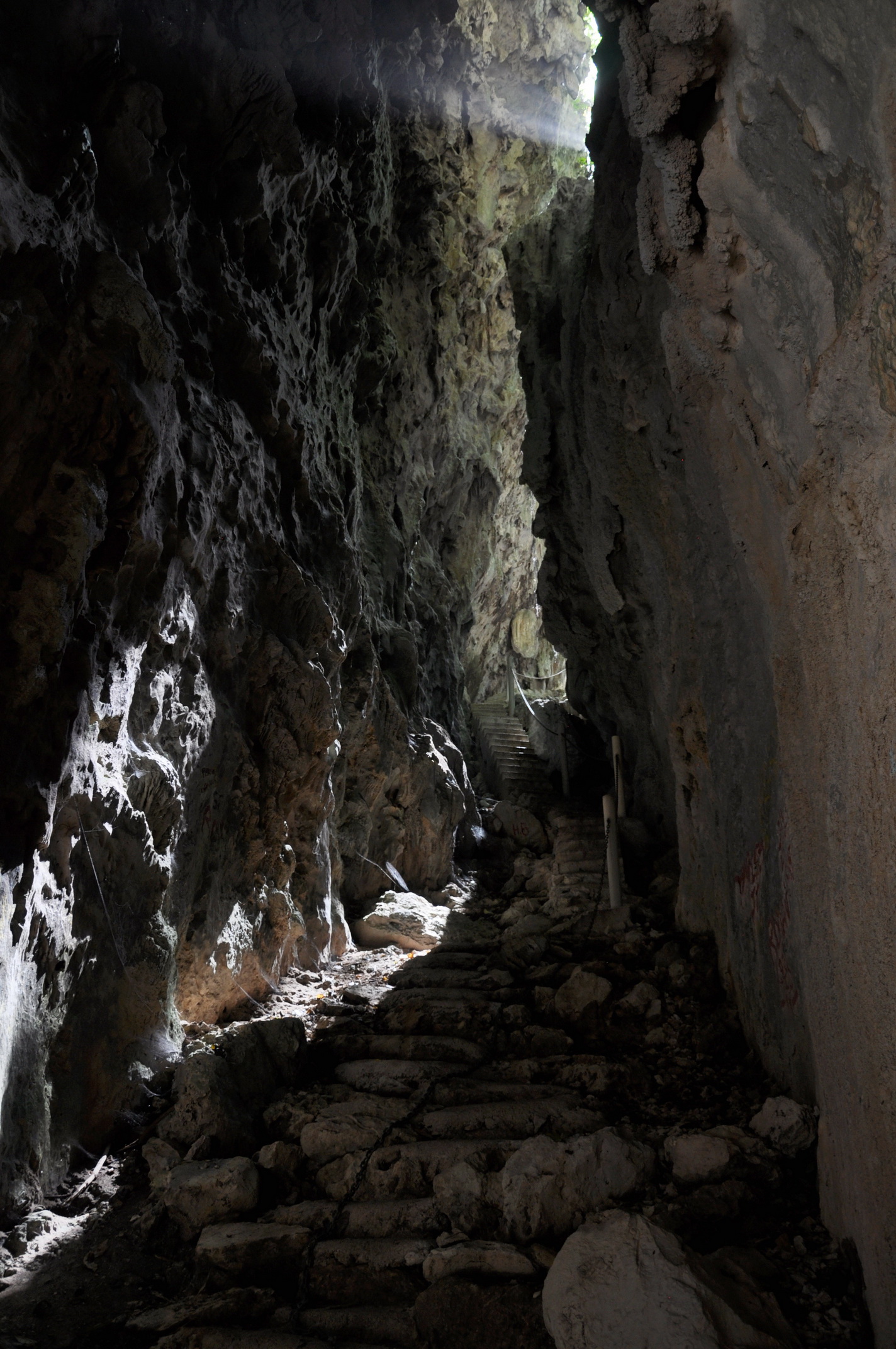
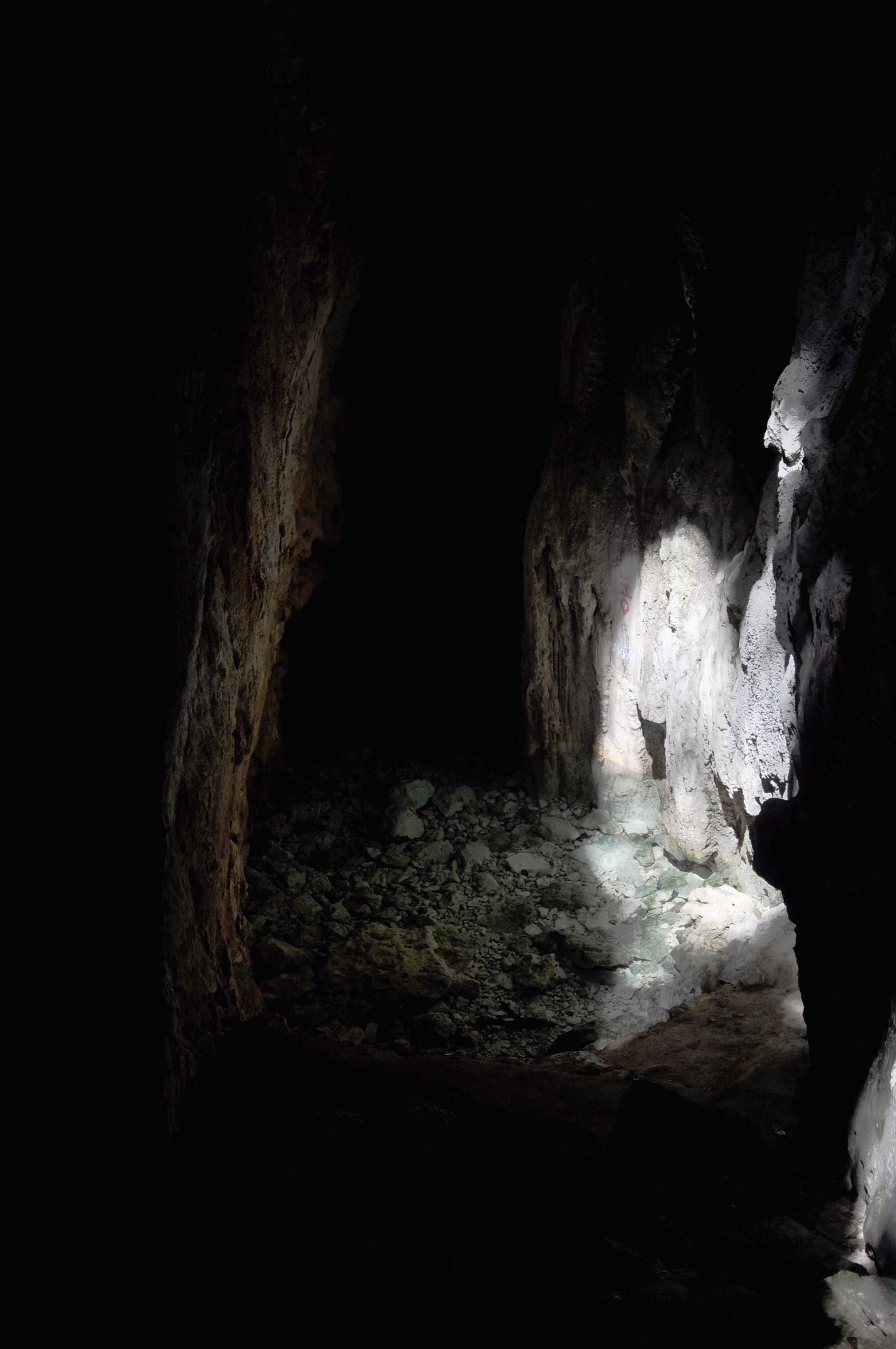
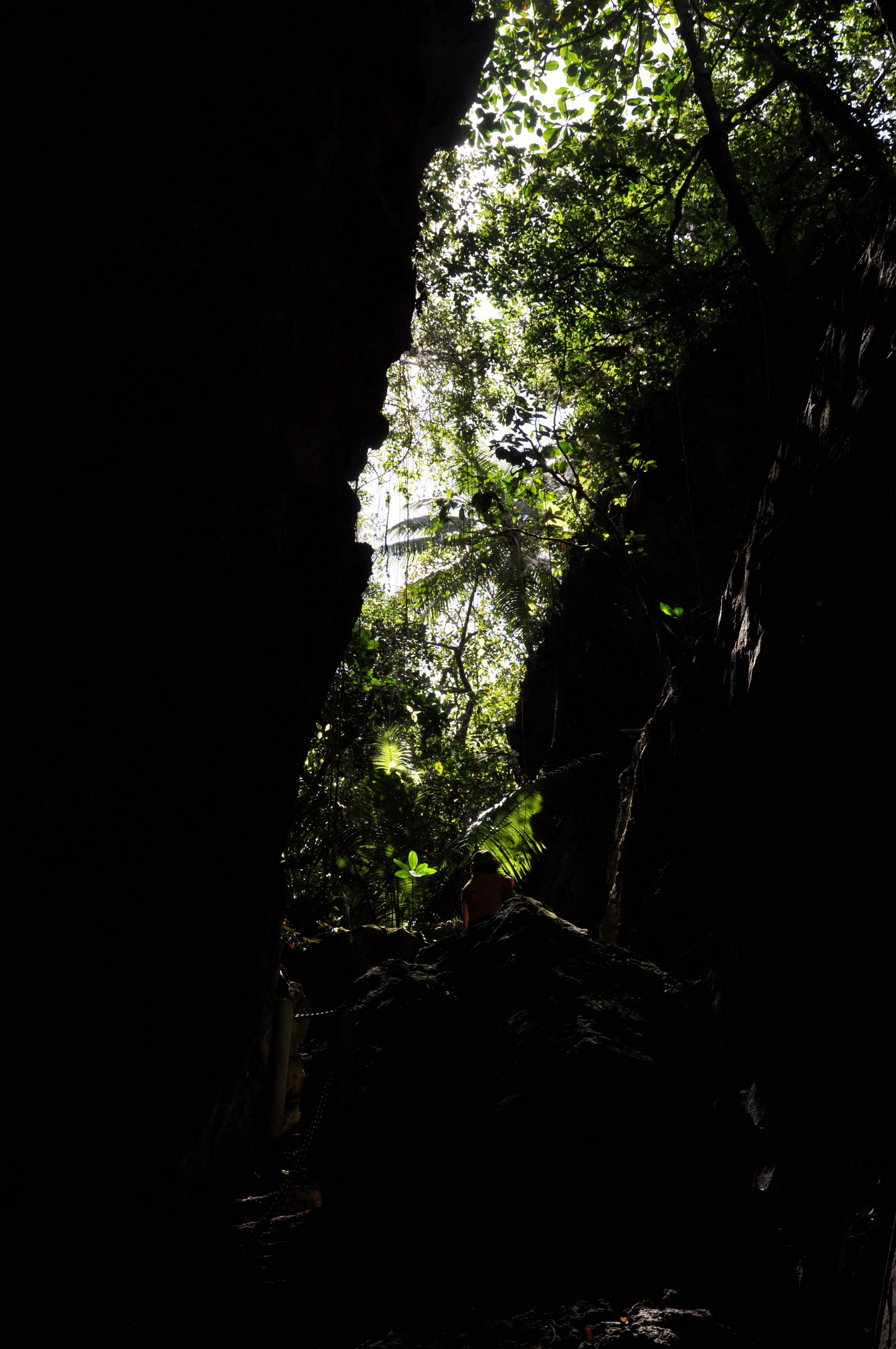
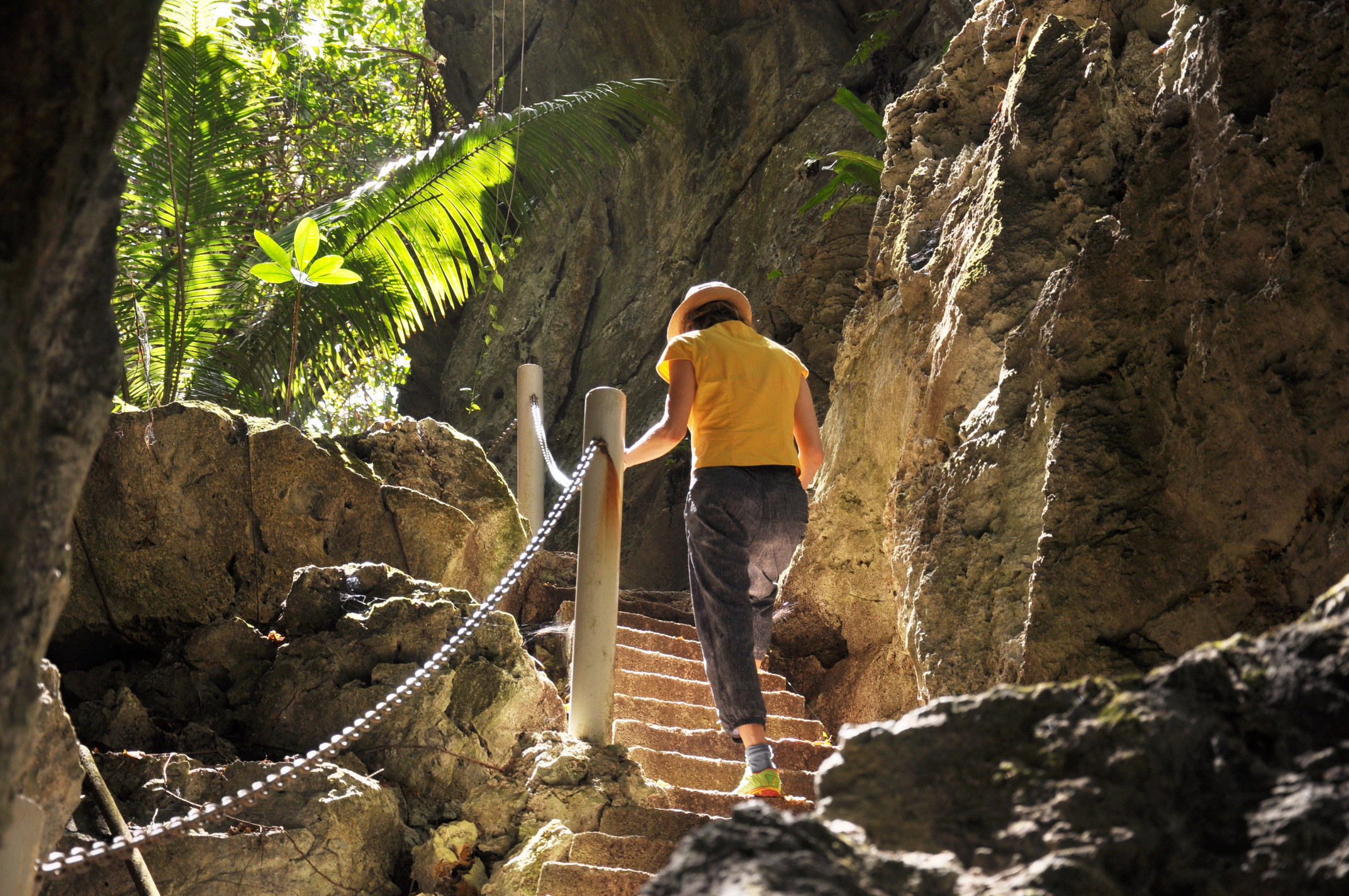
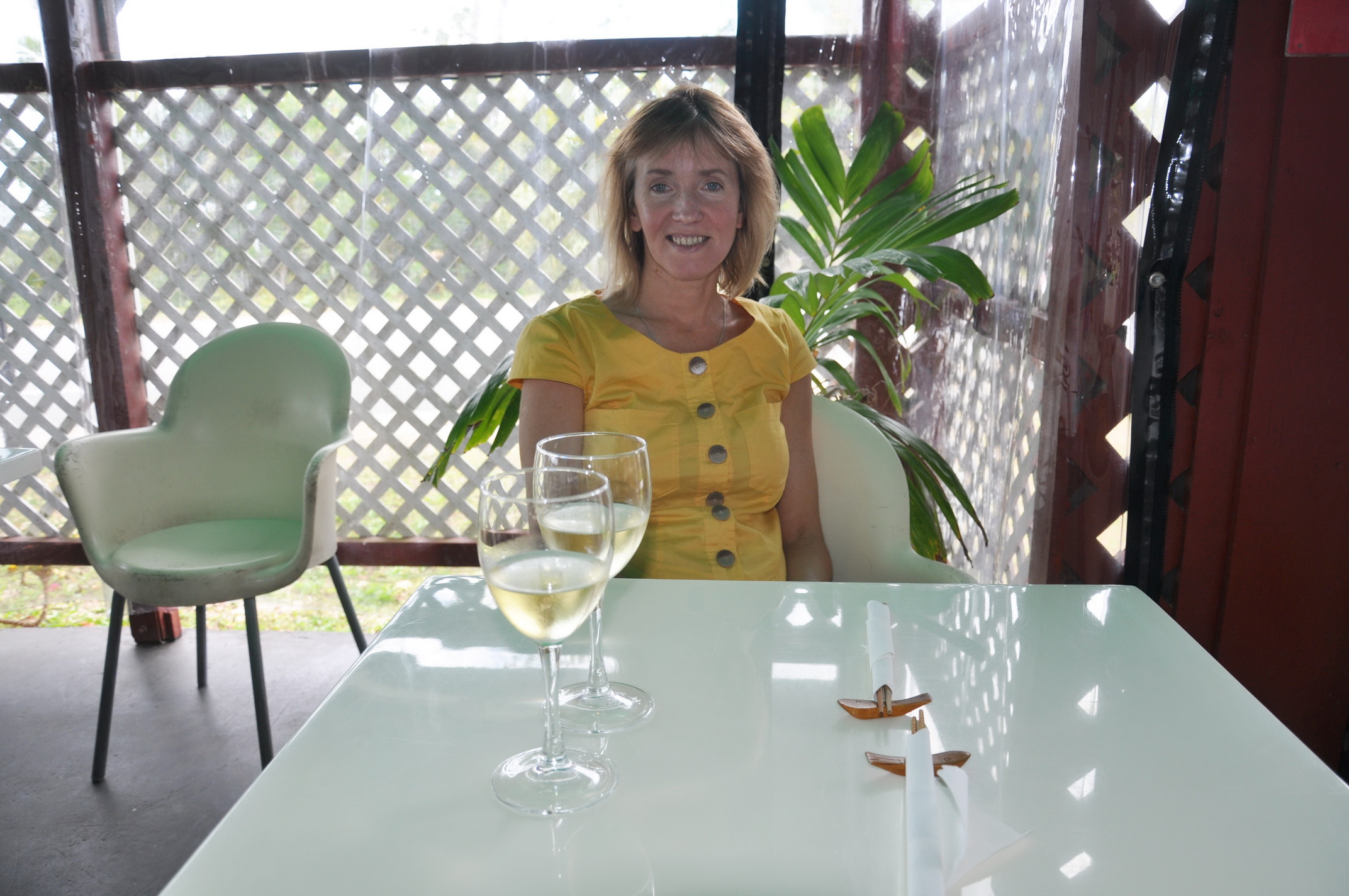
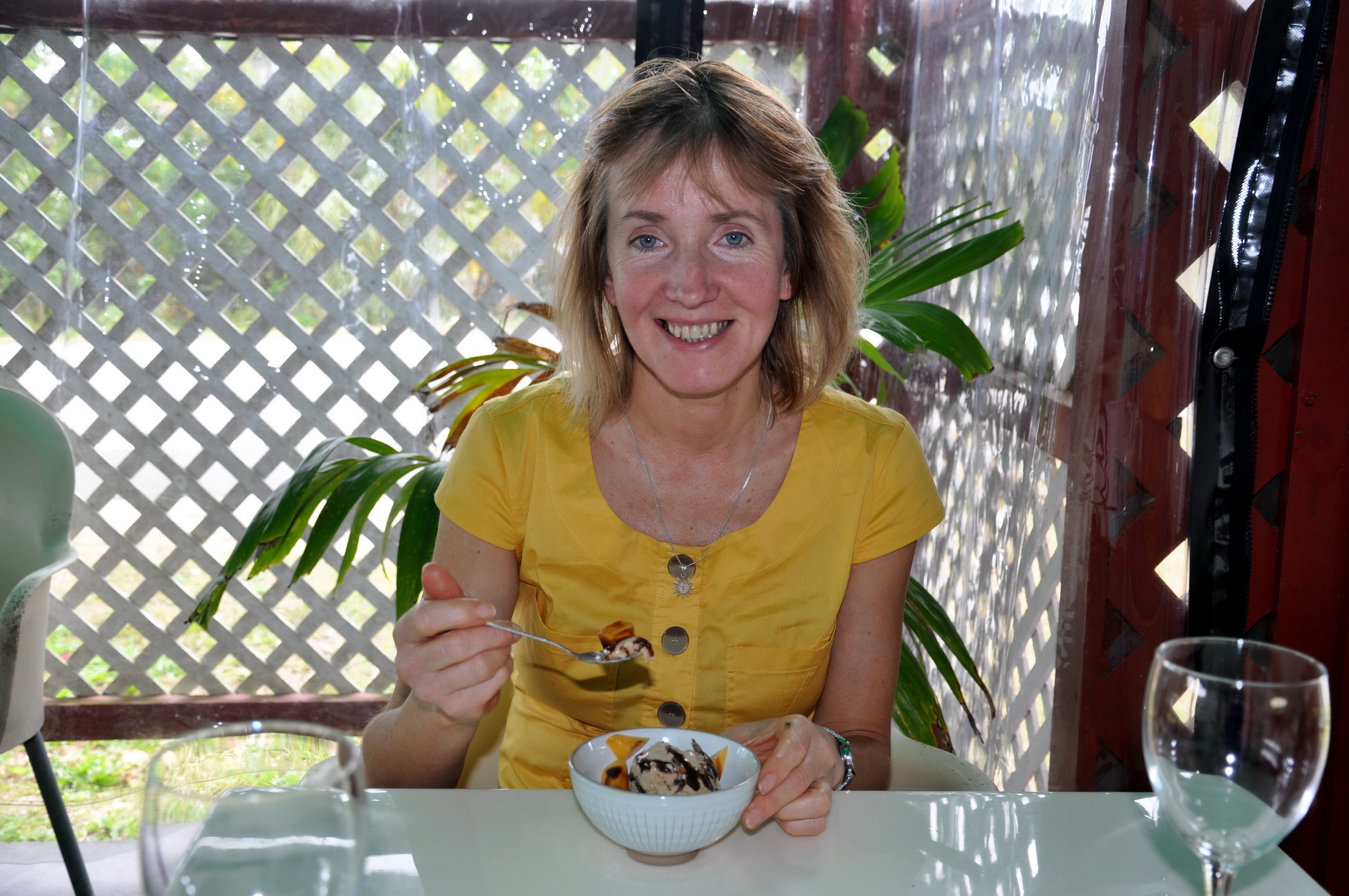
For lunch we drove to the Japanese restaurant Kai Ika. The owner was Fijian, but the chef had come from Japan. The guidebooks called it the best Japanese restaurant outside Japan. That was advertising, of course, but the food really was good. I’d recommend it.
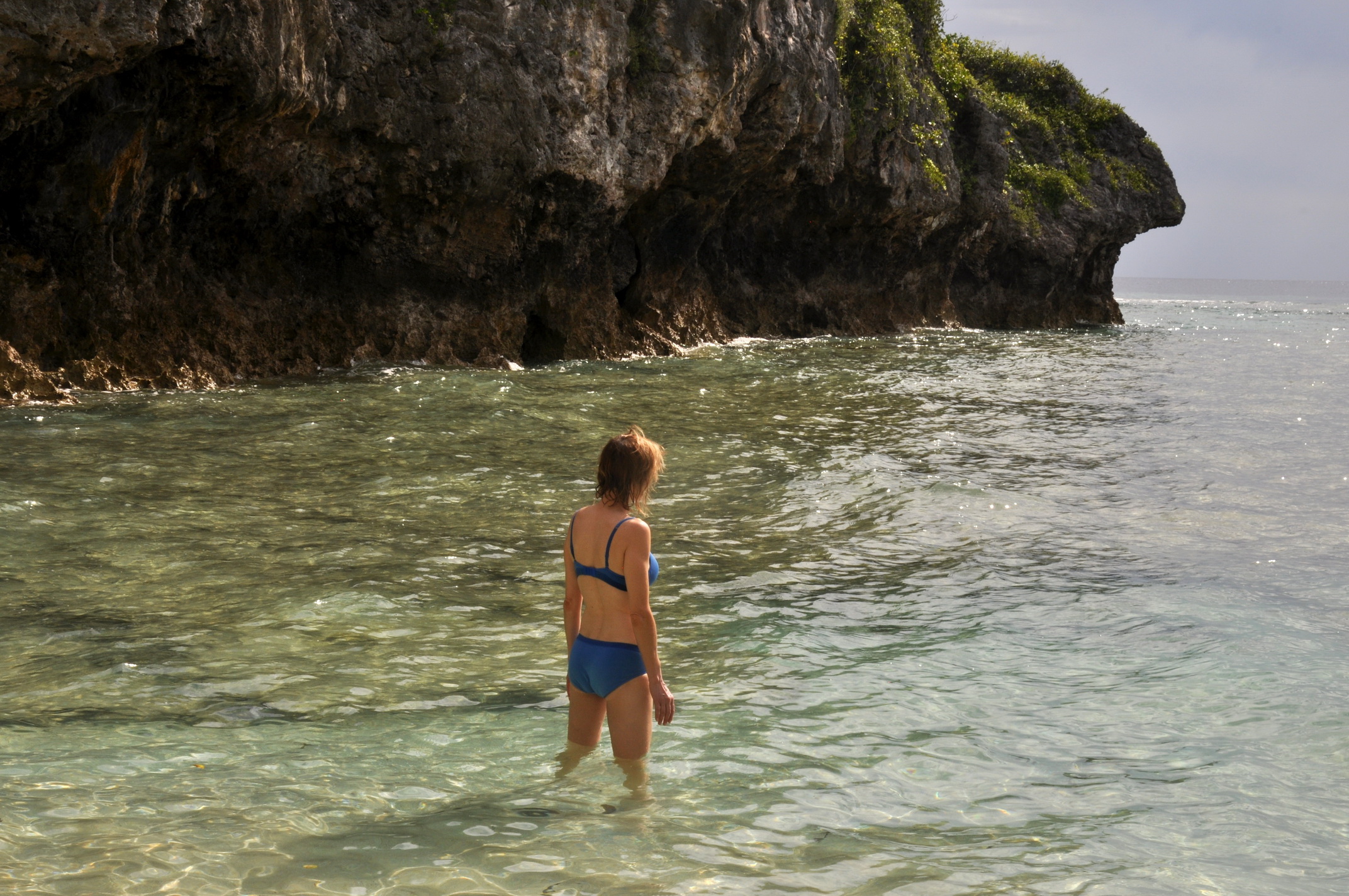
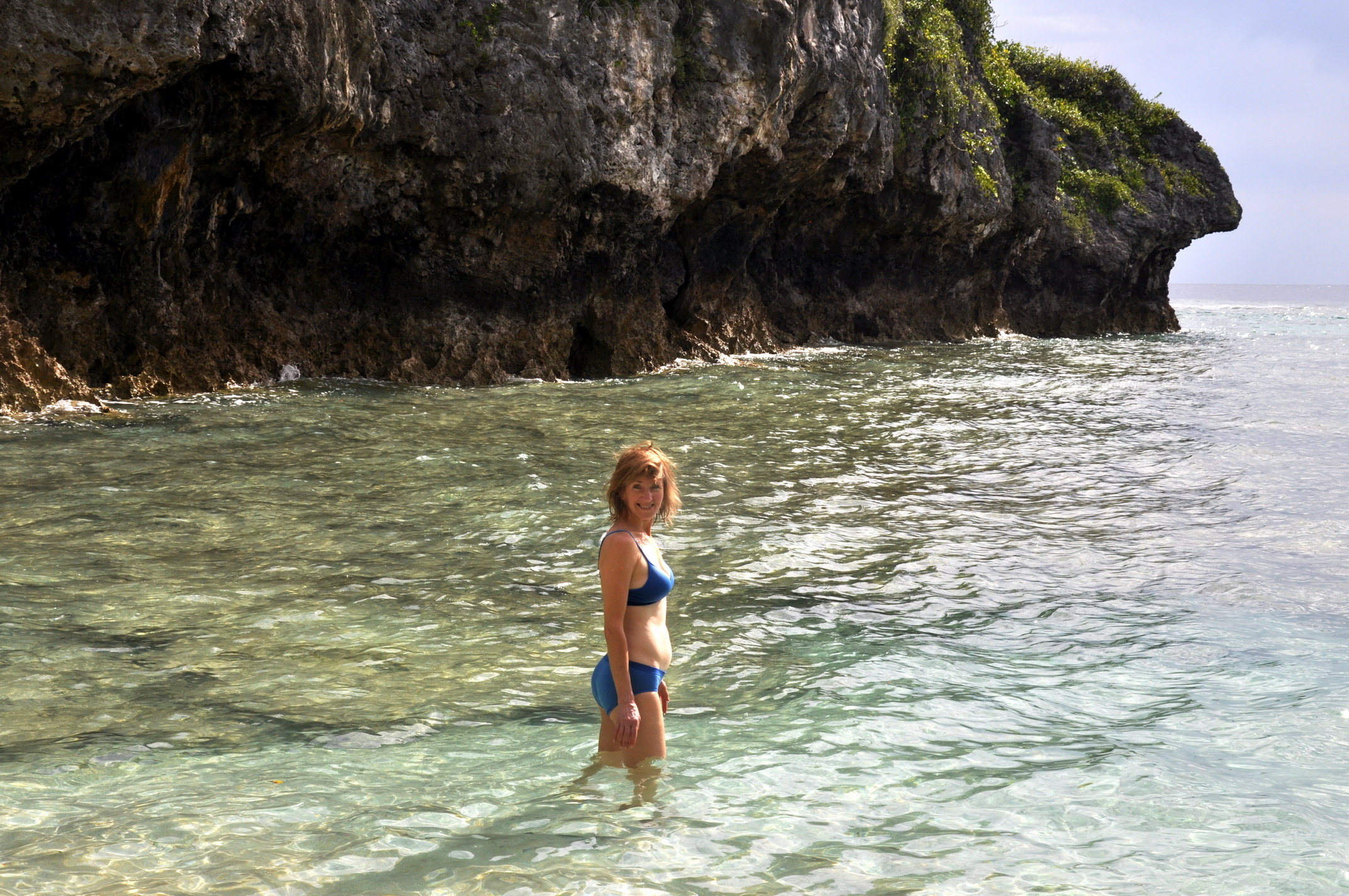
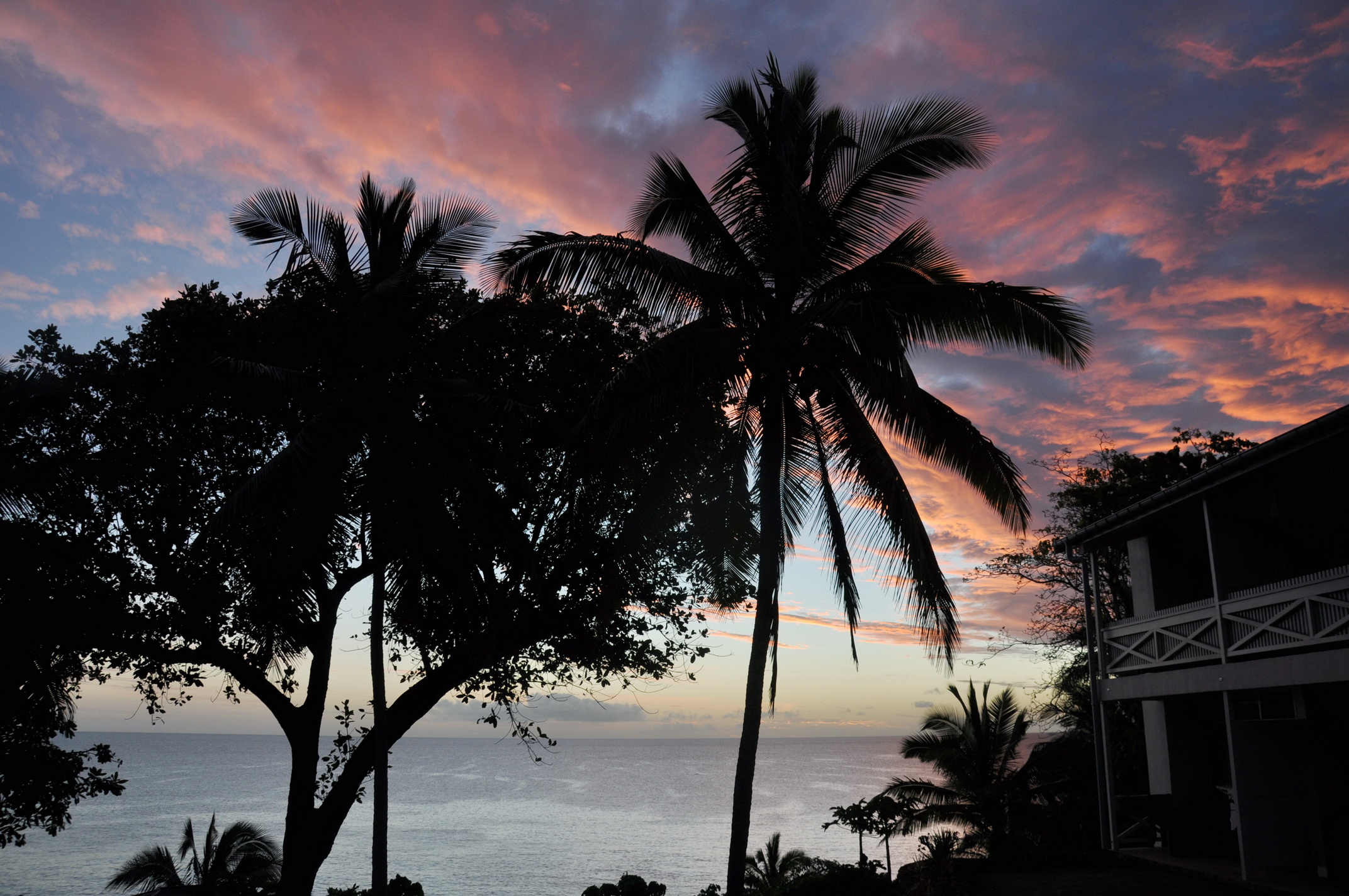
After lunch we drove up to Hio Beach (18°59.131′S, 169°54.070′W). We had something to celebrate: Tanya’s birthday had finally reached us. A woman on a tropical island should be relaxing under a palm tree on the beach, or so the picture goes. We lasted a few hours. Then we watched whales (19°00.098′S, 169°54.934′W) and caught the sunset later back at our posh hotel.
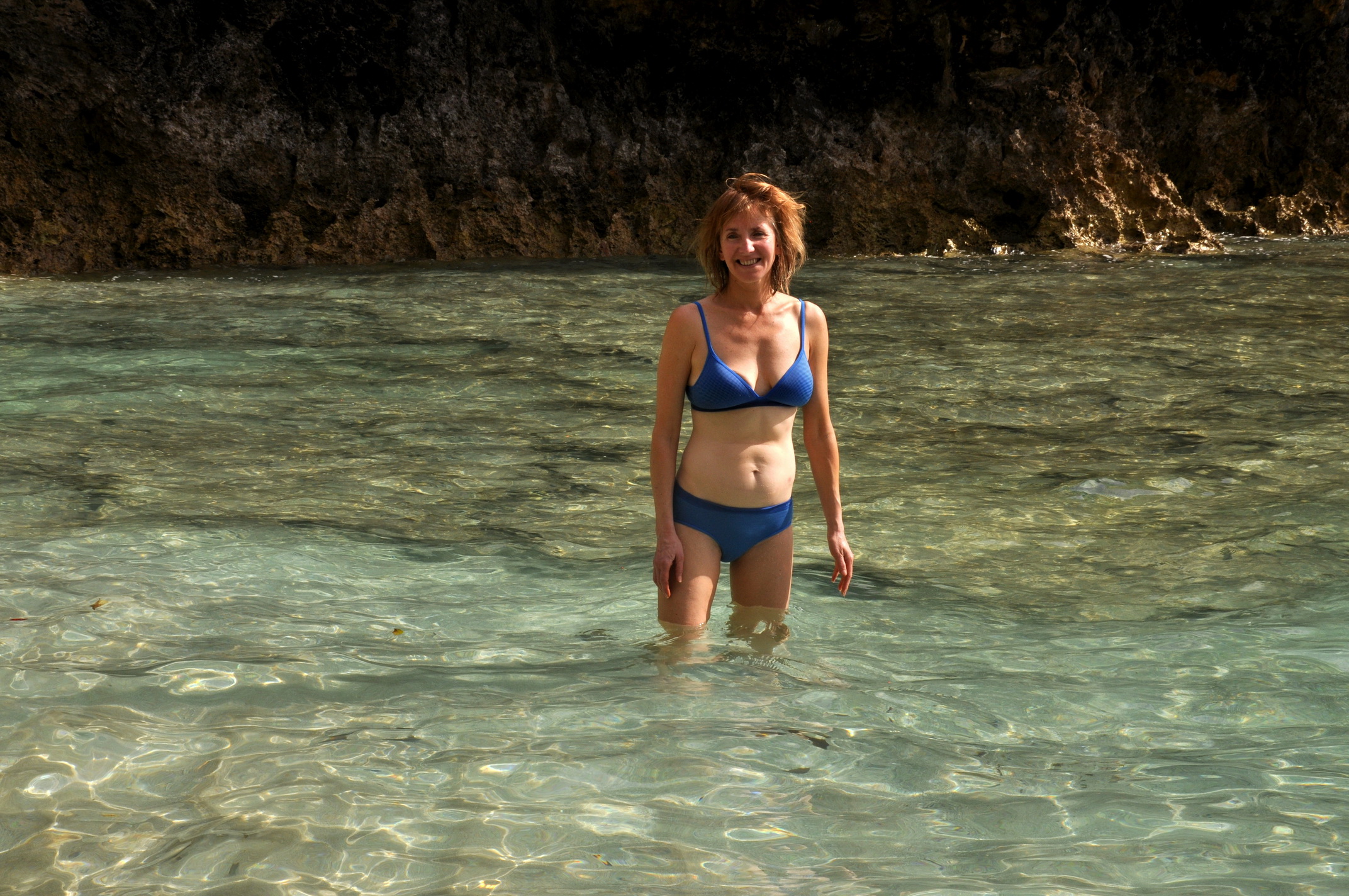
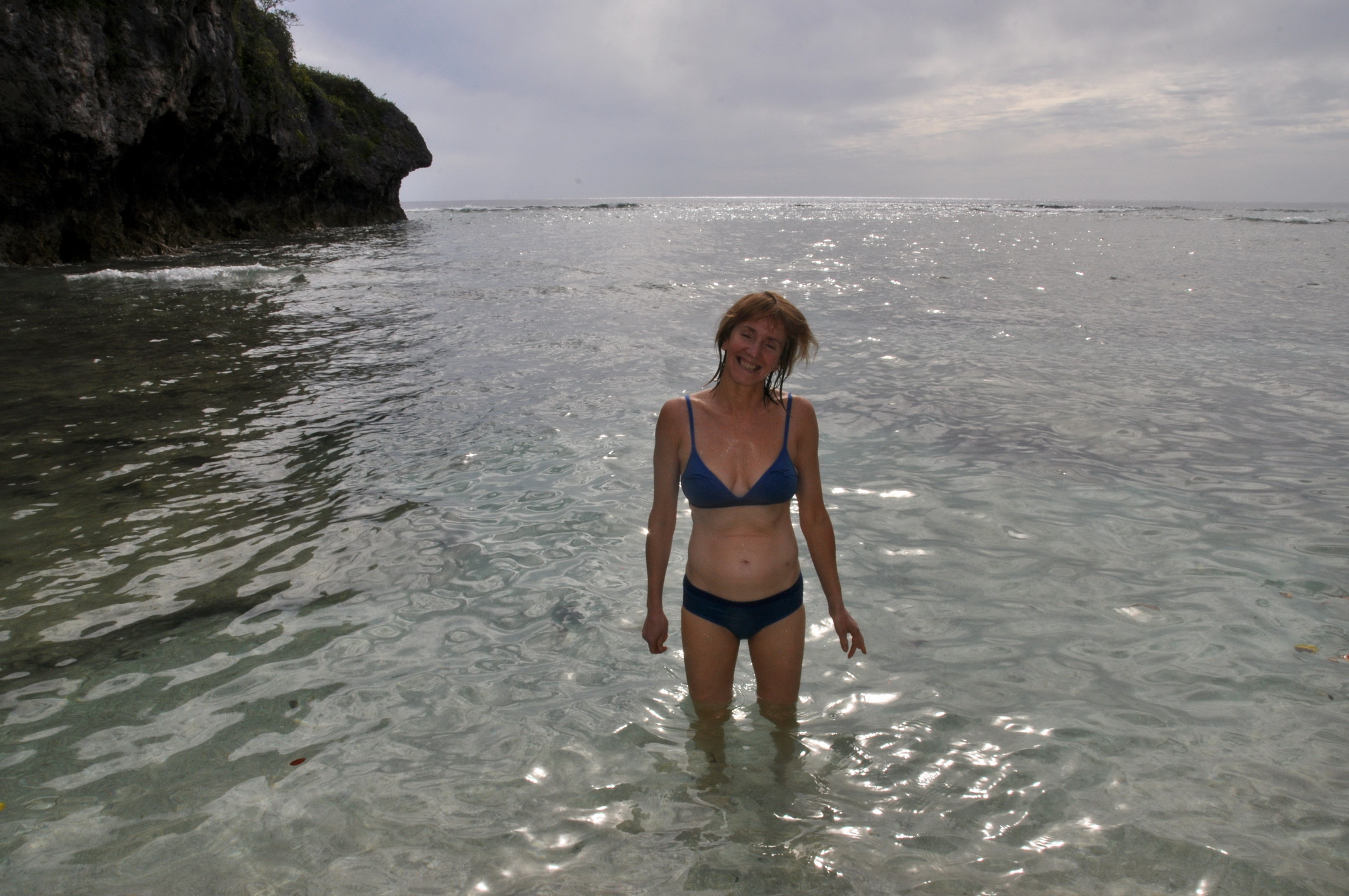
We spent ages trying to get online. The network was visible, but it wouldn’t accept the password. I went to reception; everything worked there. Back to the room, and it didn’t. This time I connected at reception and went back without closing the laptop. Hurrah—it worked! It wasn’t even particularly slow.
The birthday dinner was still ahead of us. We’d booked a table at R’Linas, supposedly the best place for traditional food. The menu turned out to be fish and chips again, nothing like the variety we’d seen in Samoa. They told us they did have local food nights, but no more than once a week. There was only one other couple besides us. We lingered over dinner and even longer over the drinks. I remember joking about how little evening traffic there was on Niue, never mind police, and how little I would miss my new licence if they took it away.
Talava Arches and Lakepa
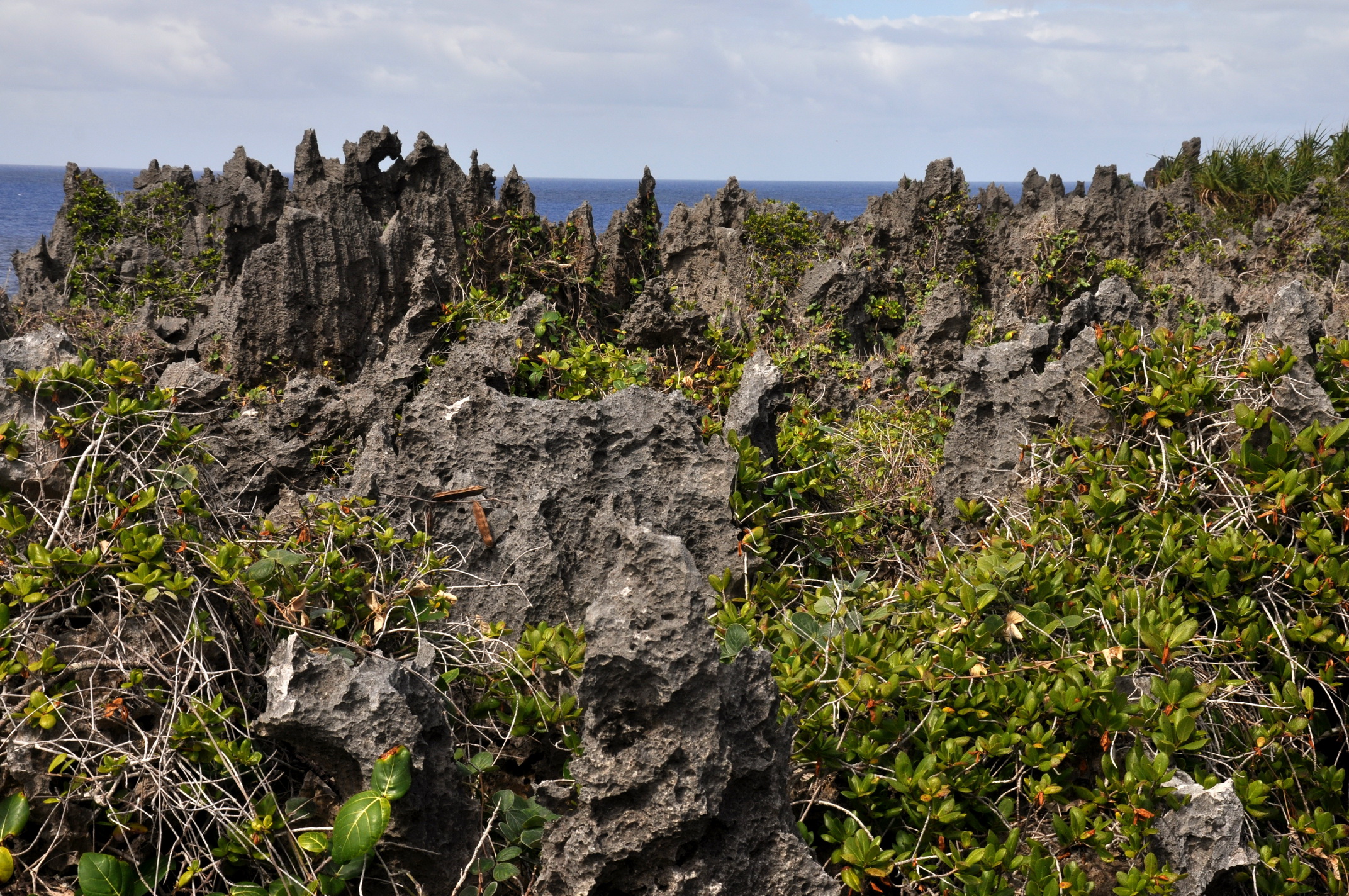
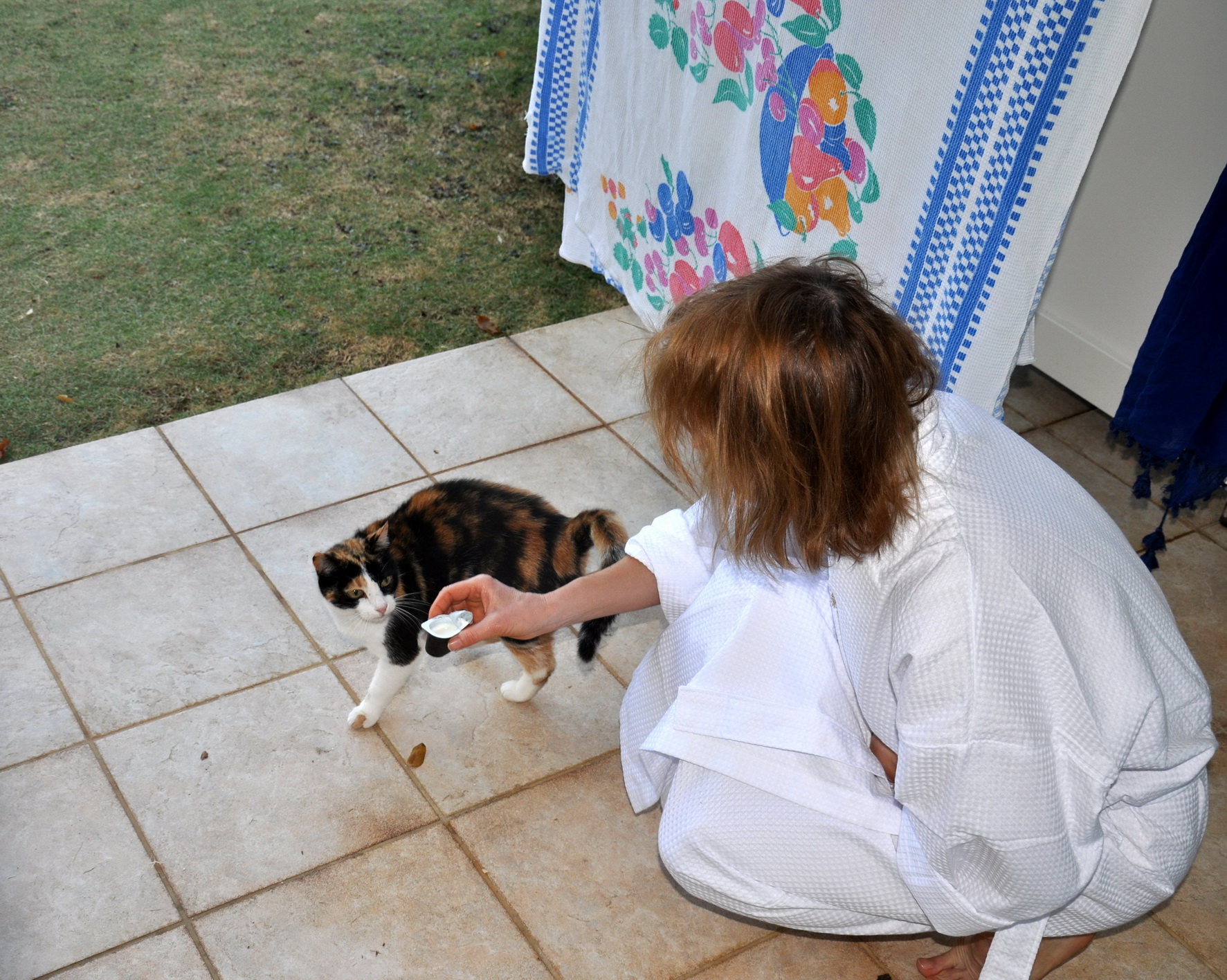
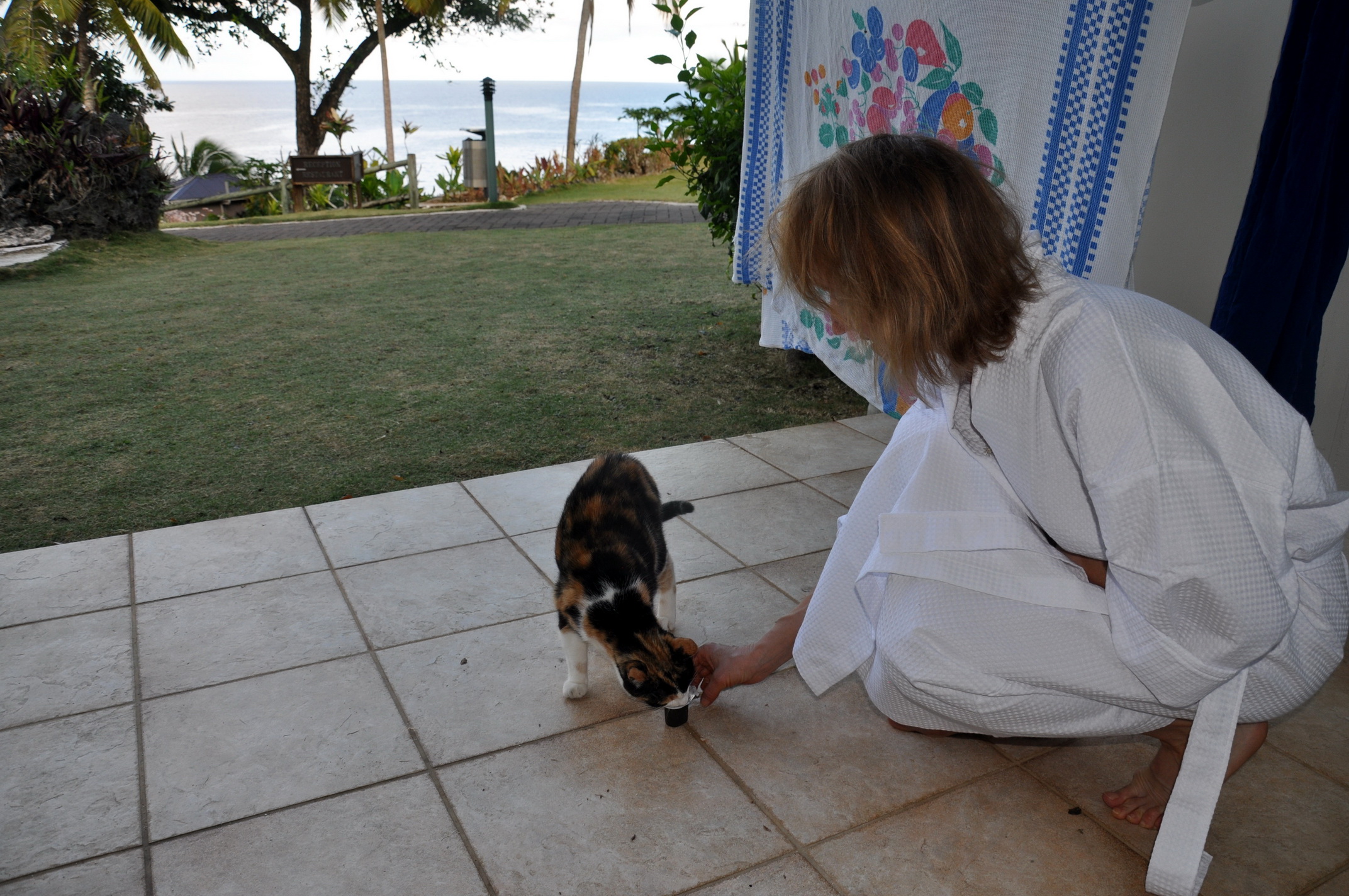
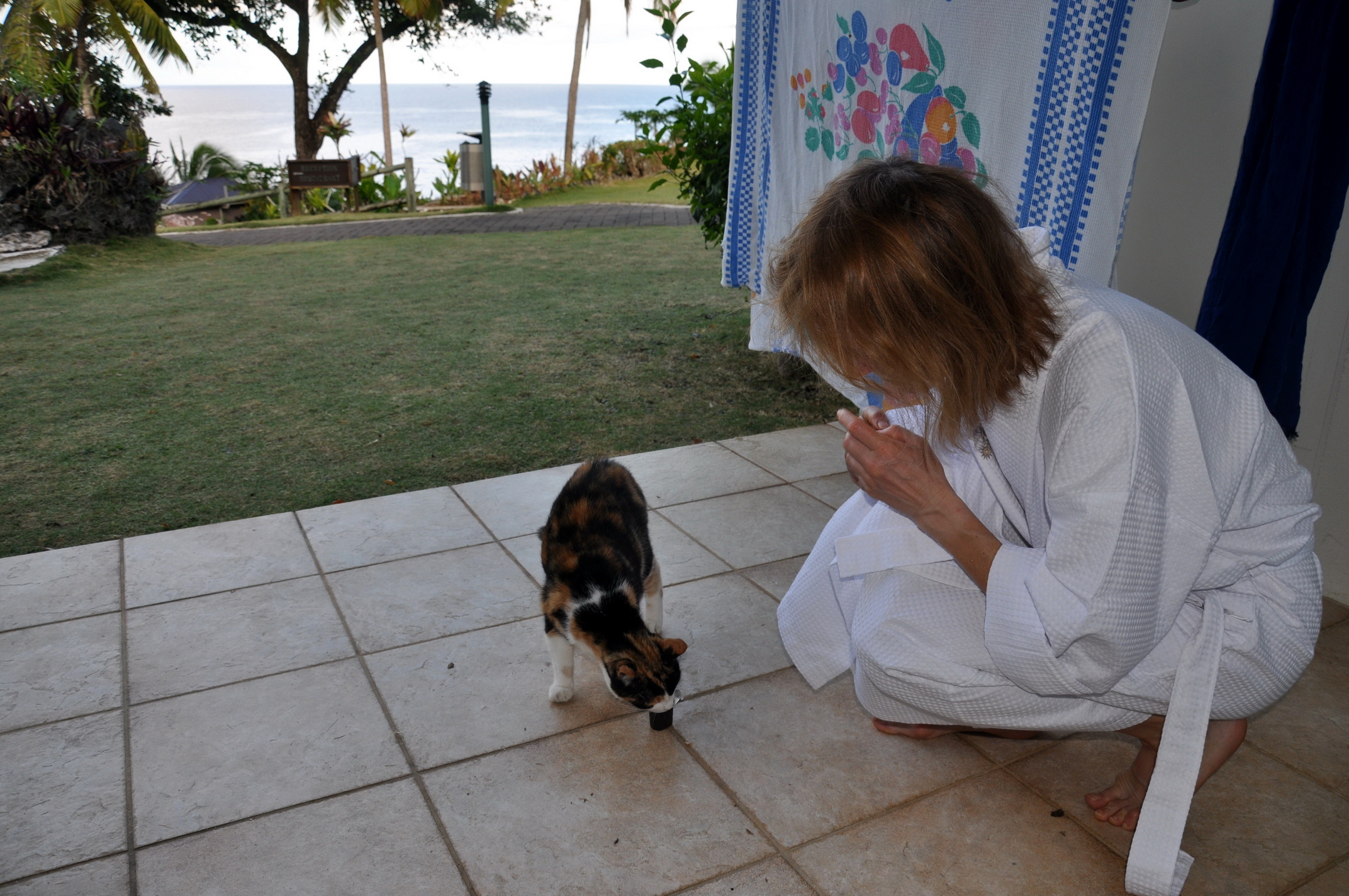
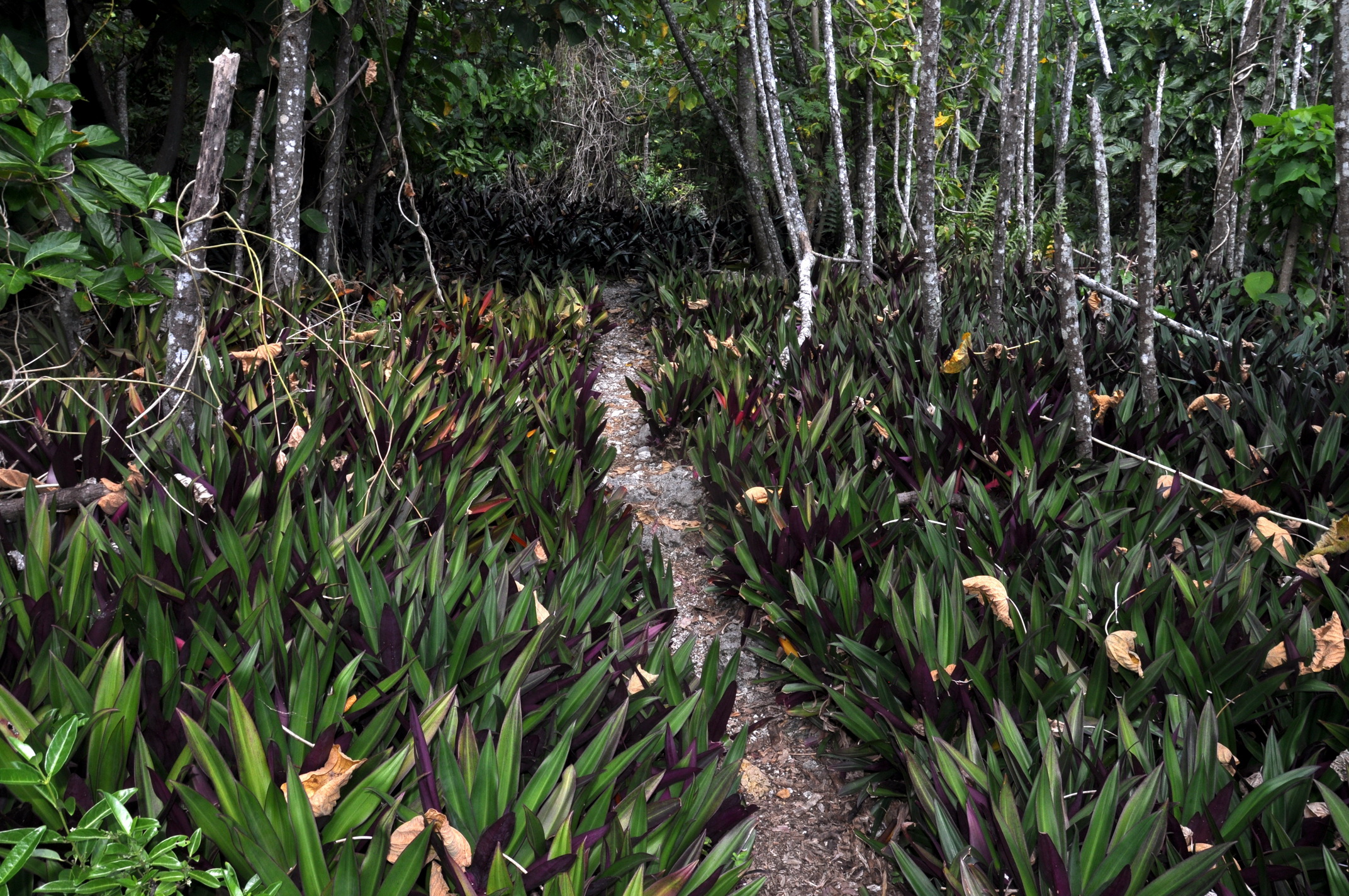
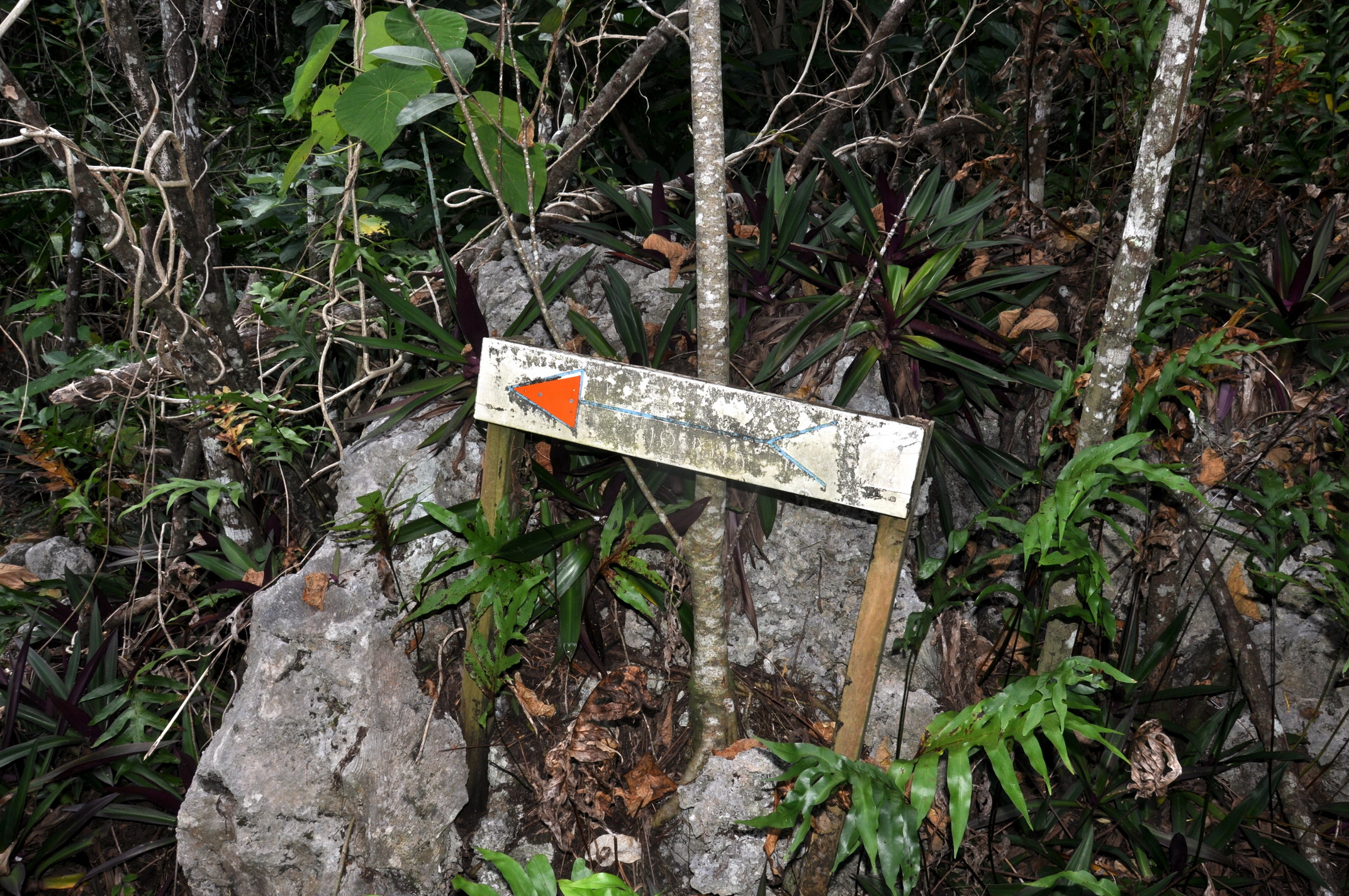
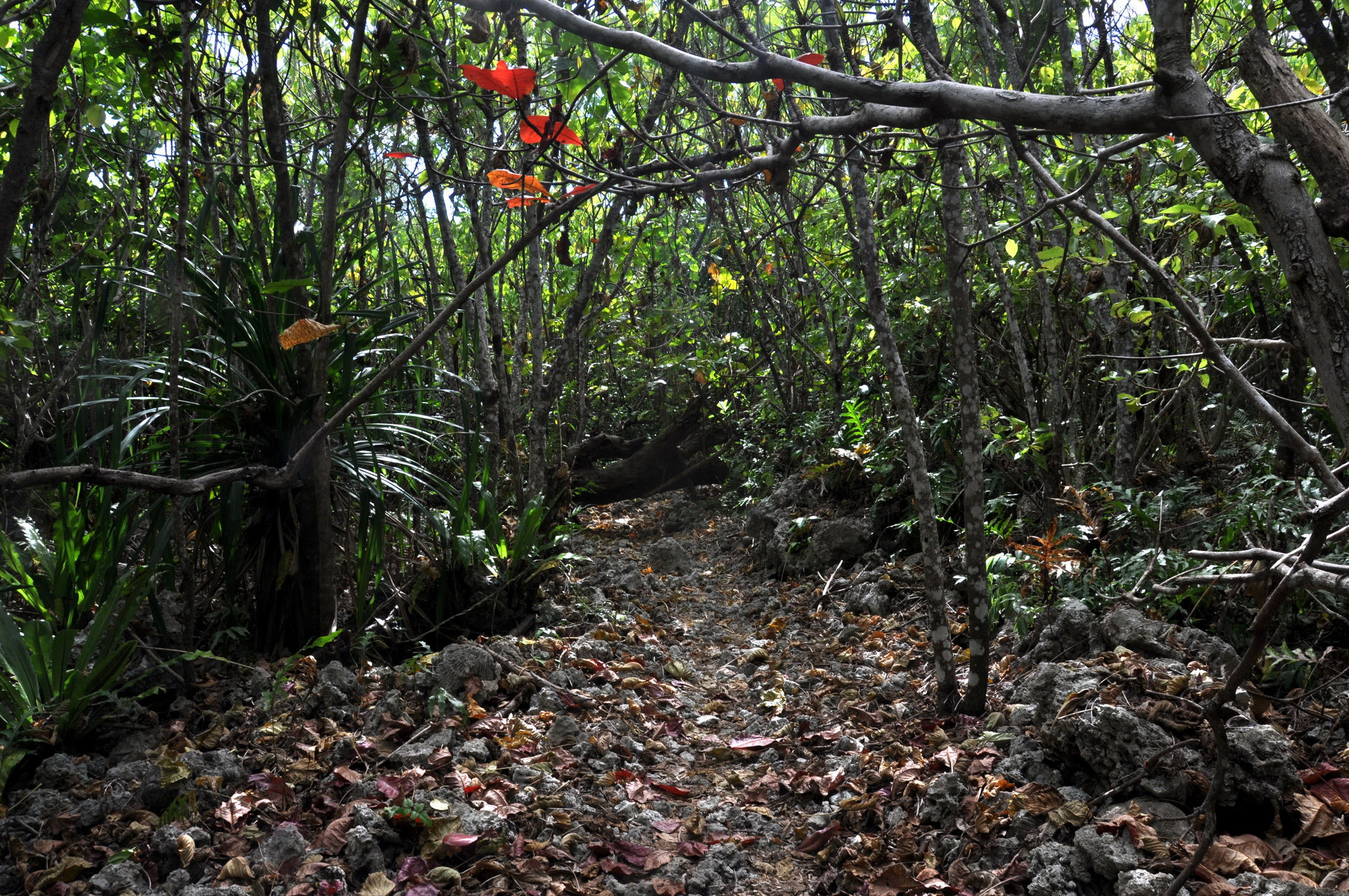
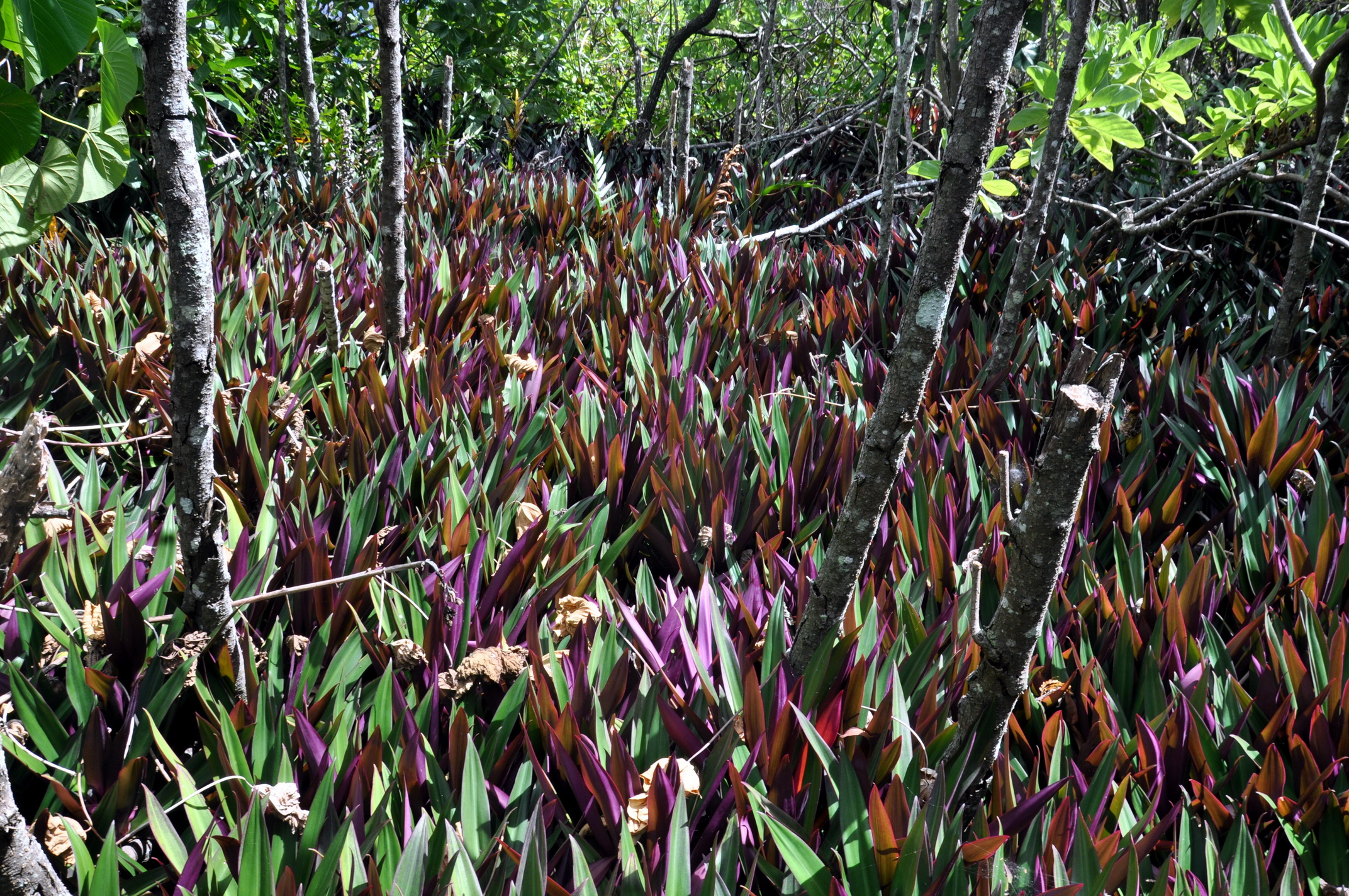
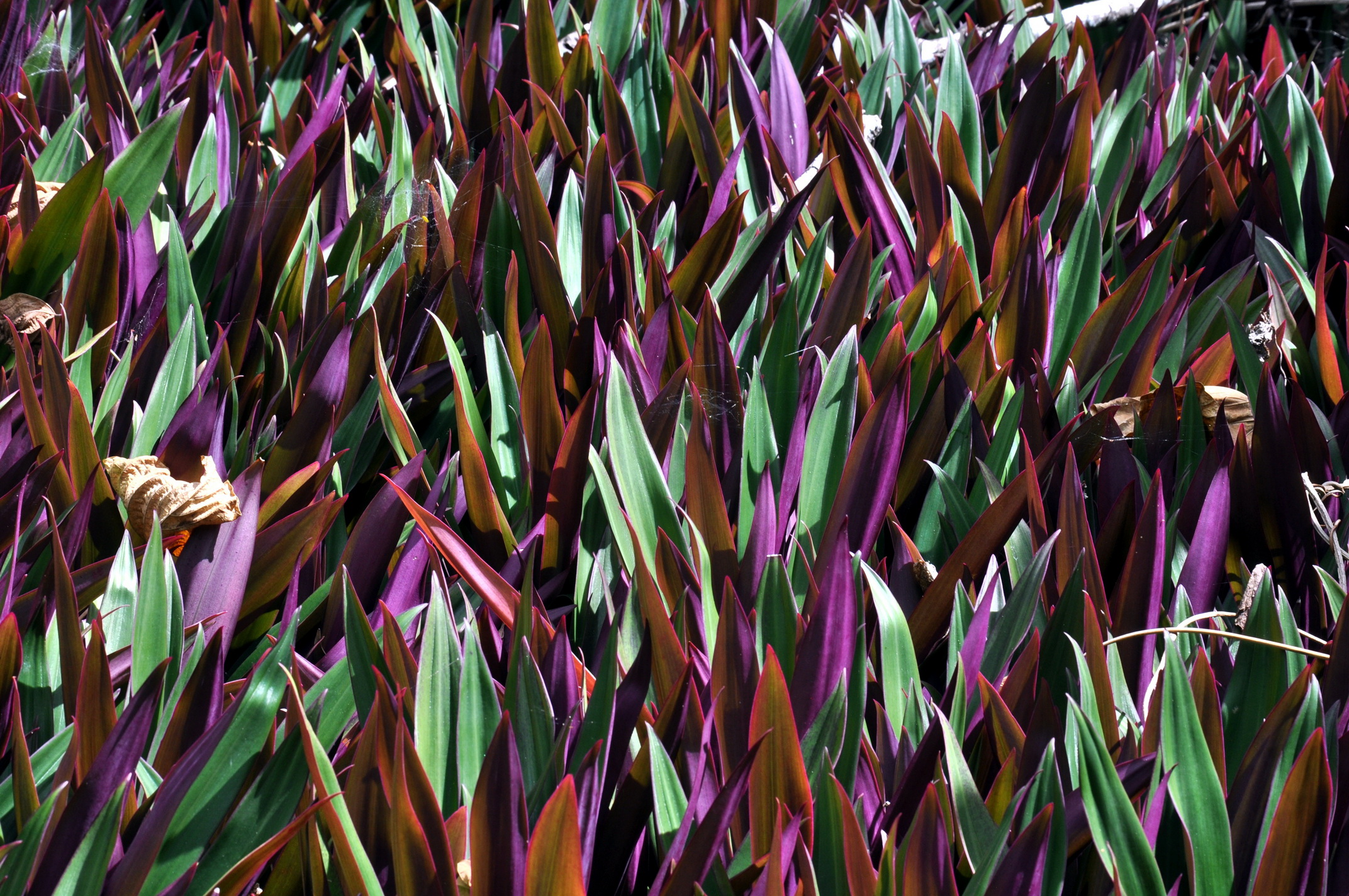
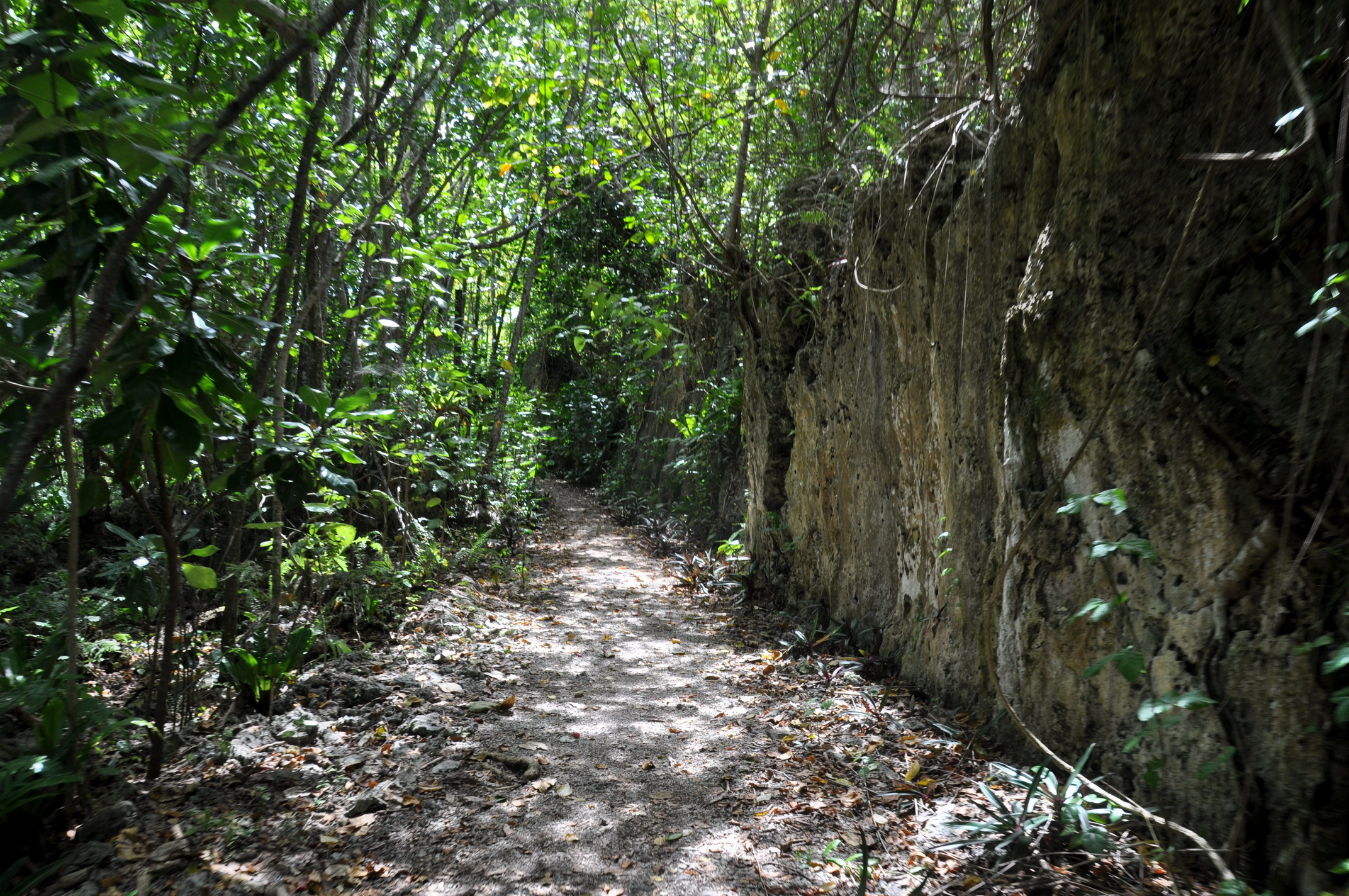
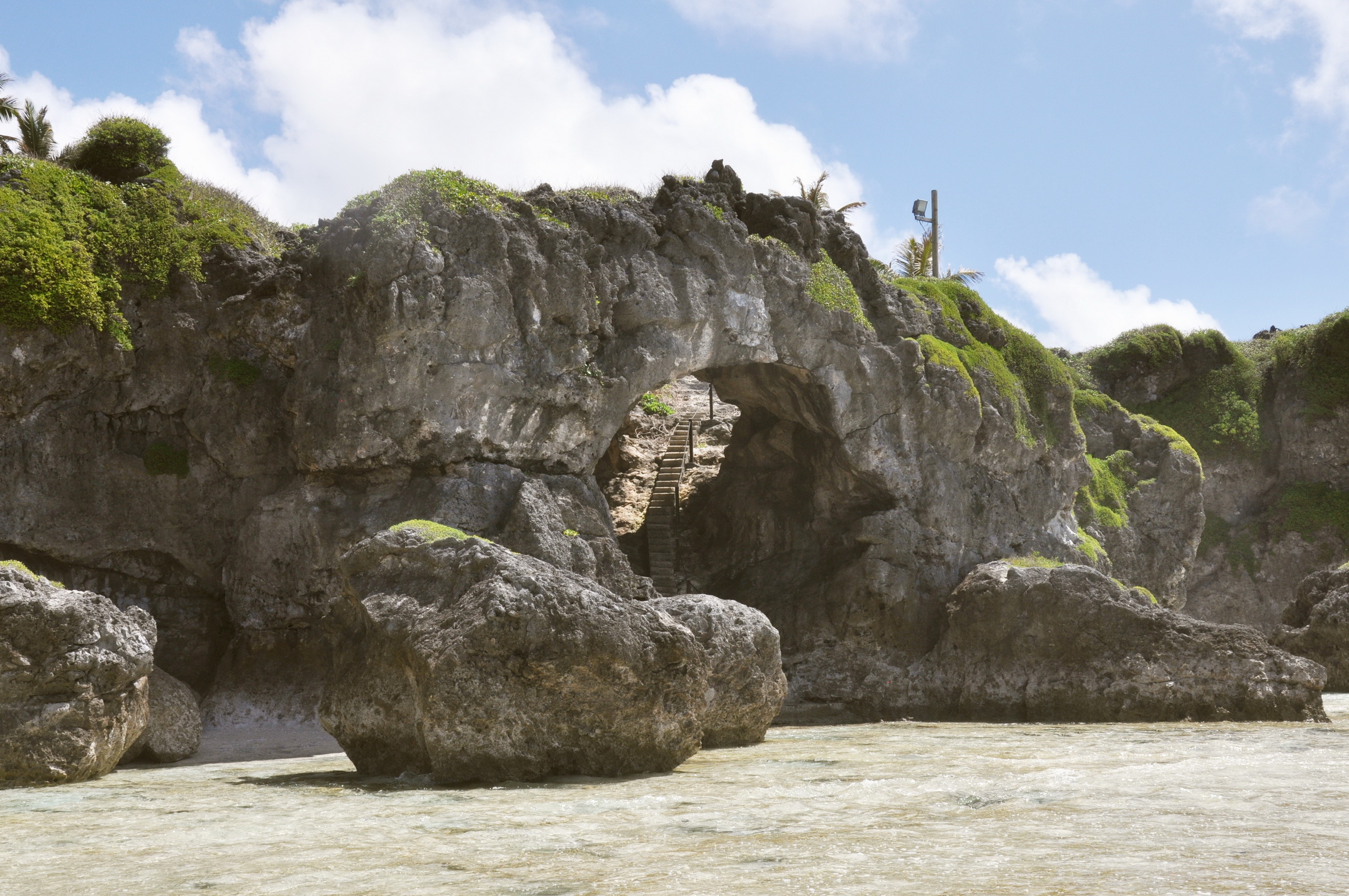
We took the next morning slowly. We fed a stray cat and ate our complimentary breakfast, which wouldn’t keep anyone full: a slice of papaya, muesli and coffee. They could at least have put on an omelette and some sausages. Never mind; the last two nights were booked in the far-off village of Lakepa. Check-in was at noon, so that morning there was still time for us to visit the famous Talava Arches at low tide, which have become a symbol of Niue. You’ll find them on the north-west coast (18°57.591′S, 169°52.667′W). The track is about a kilometre long and winds through thickets of tradescantia. A very unusual place. Right there, too, there are plenty of pools in the coral reef, with fish.
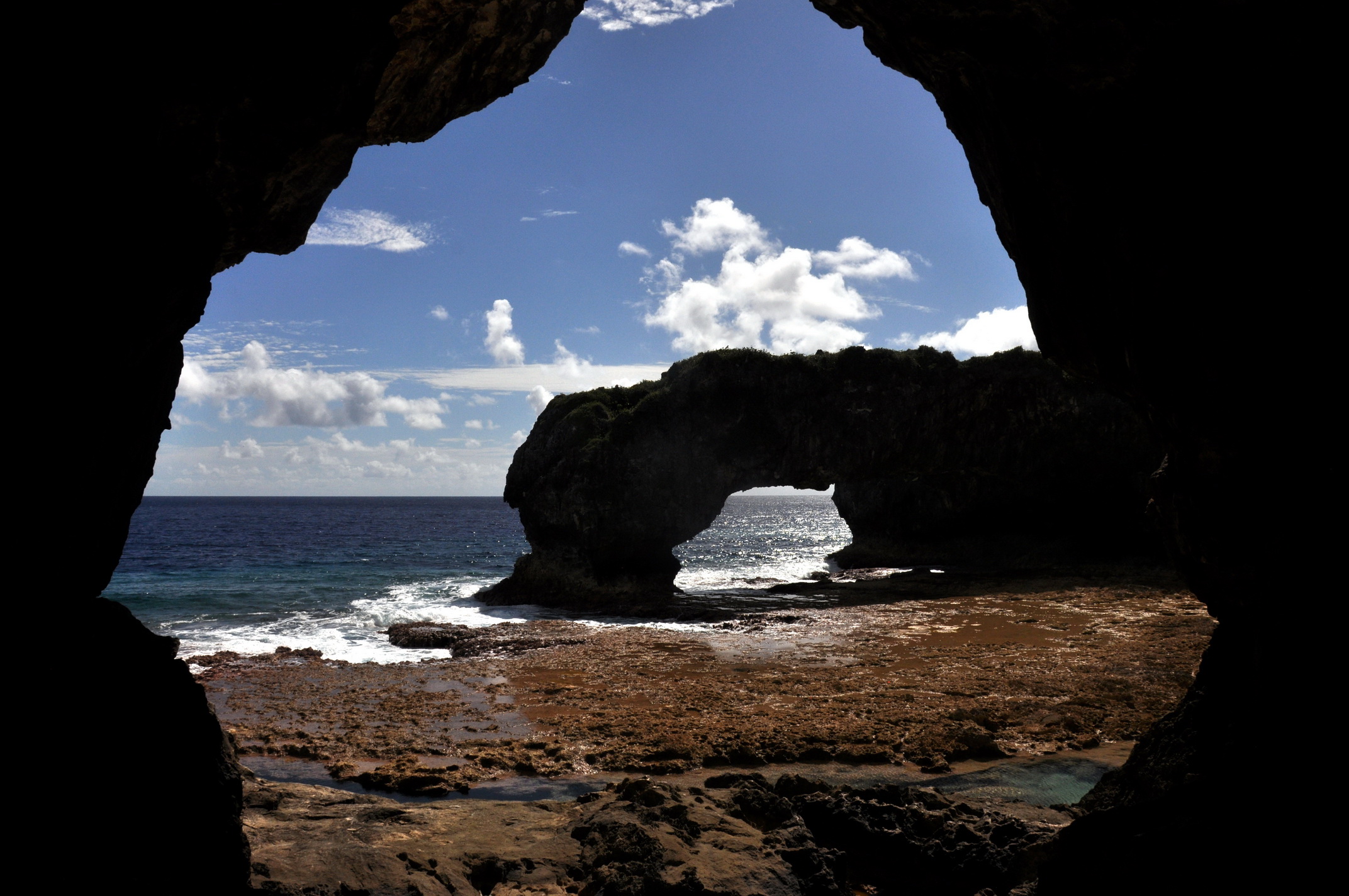
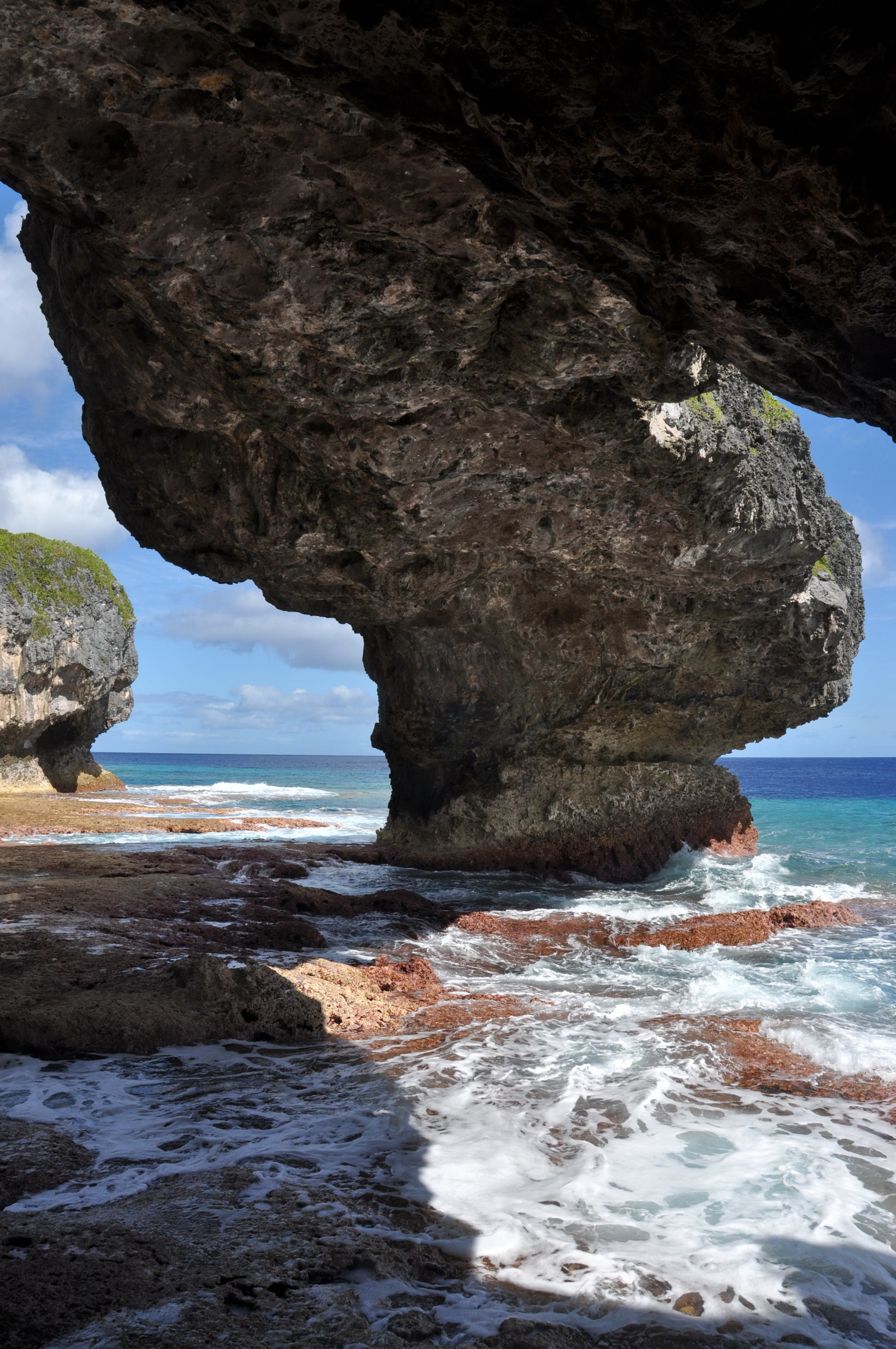
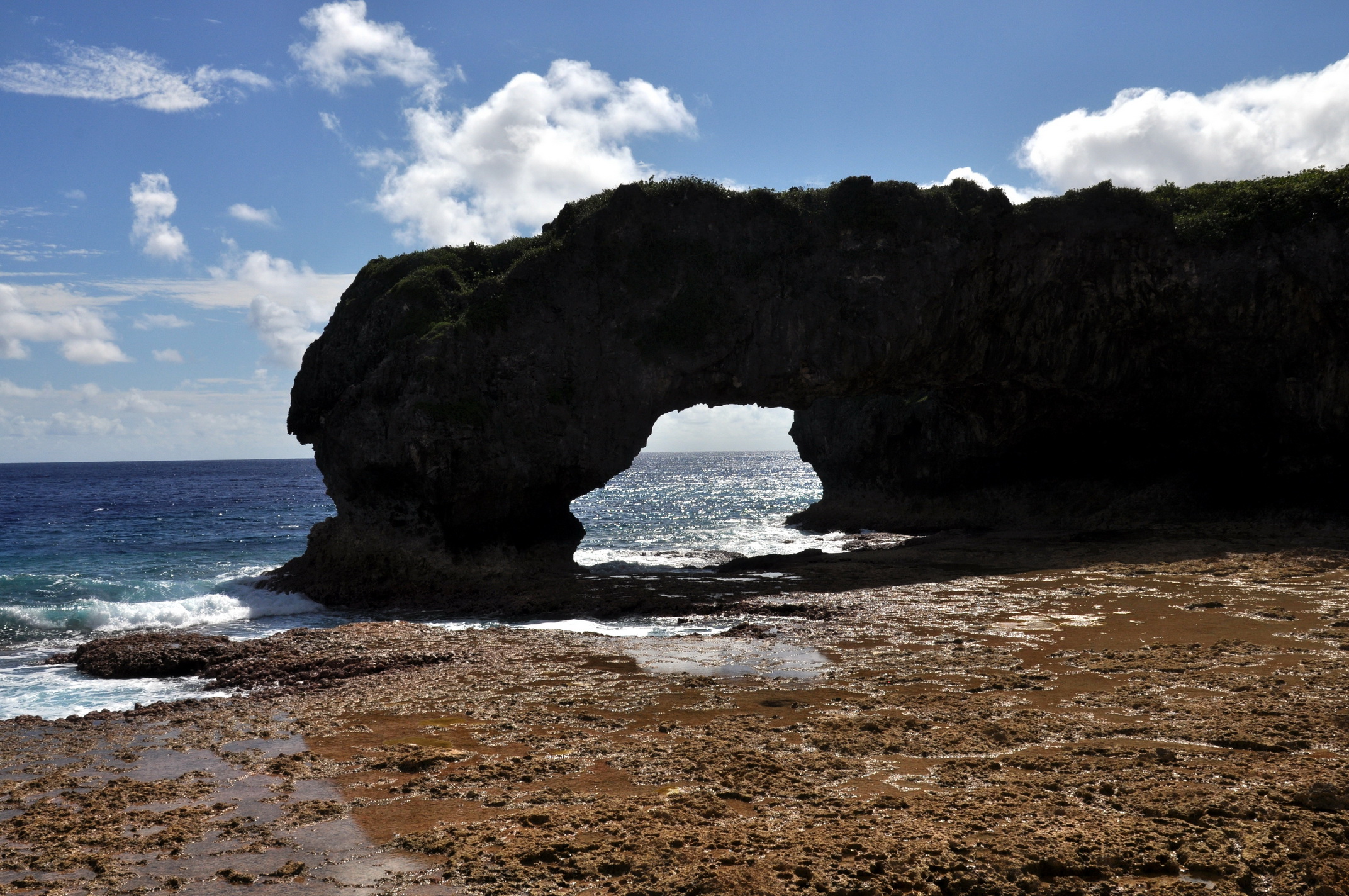
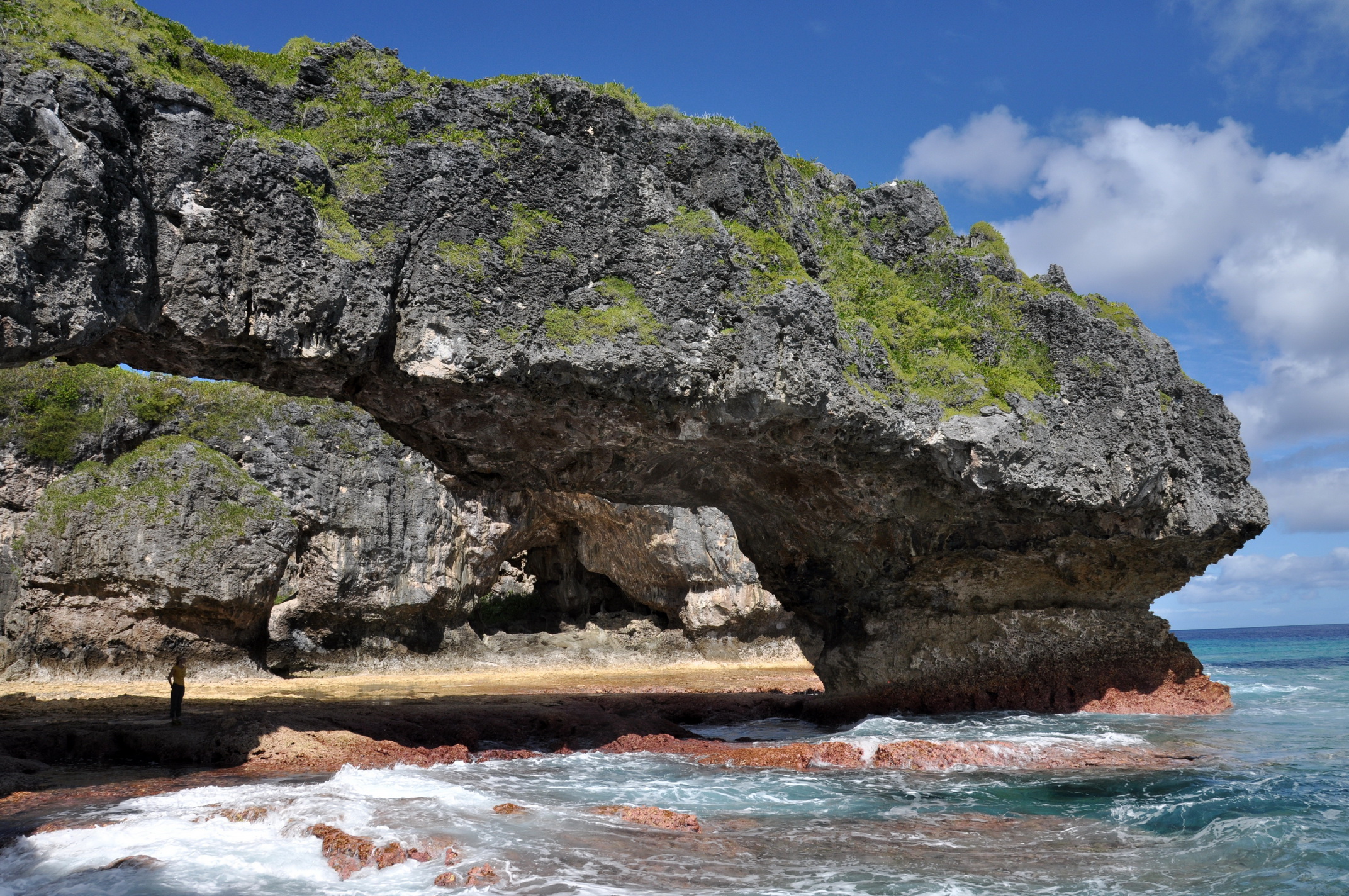
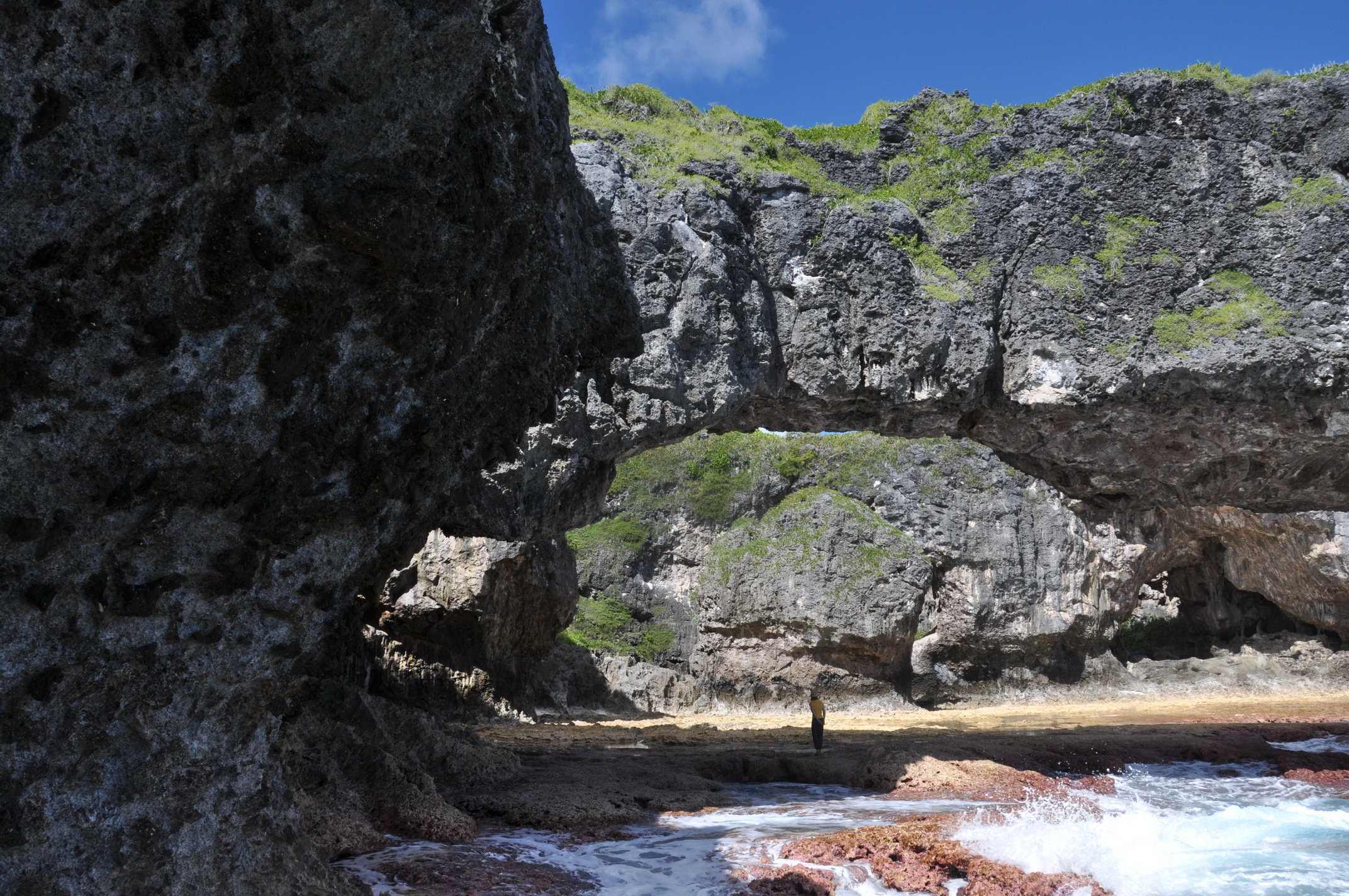
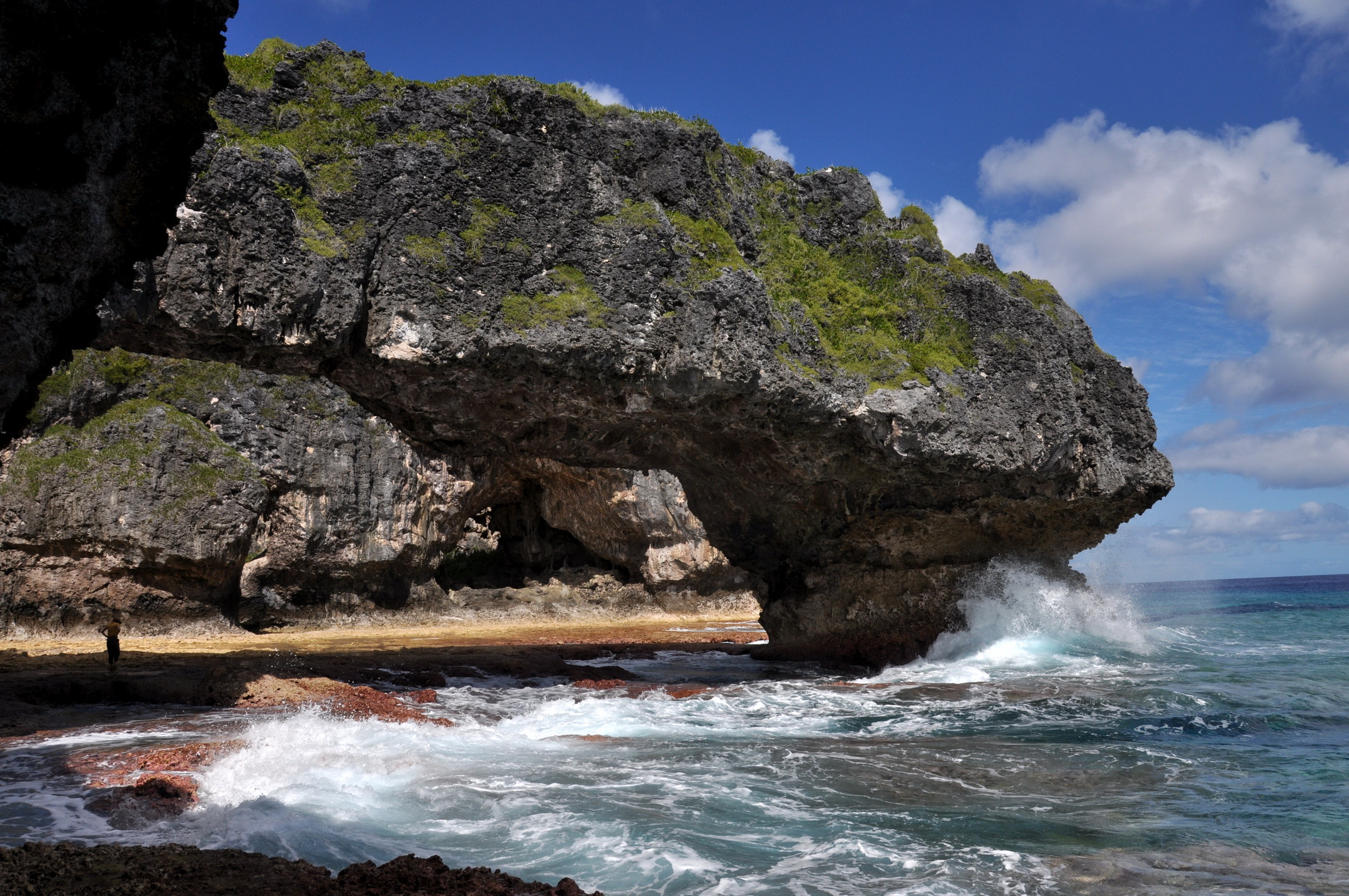
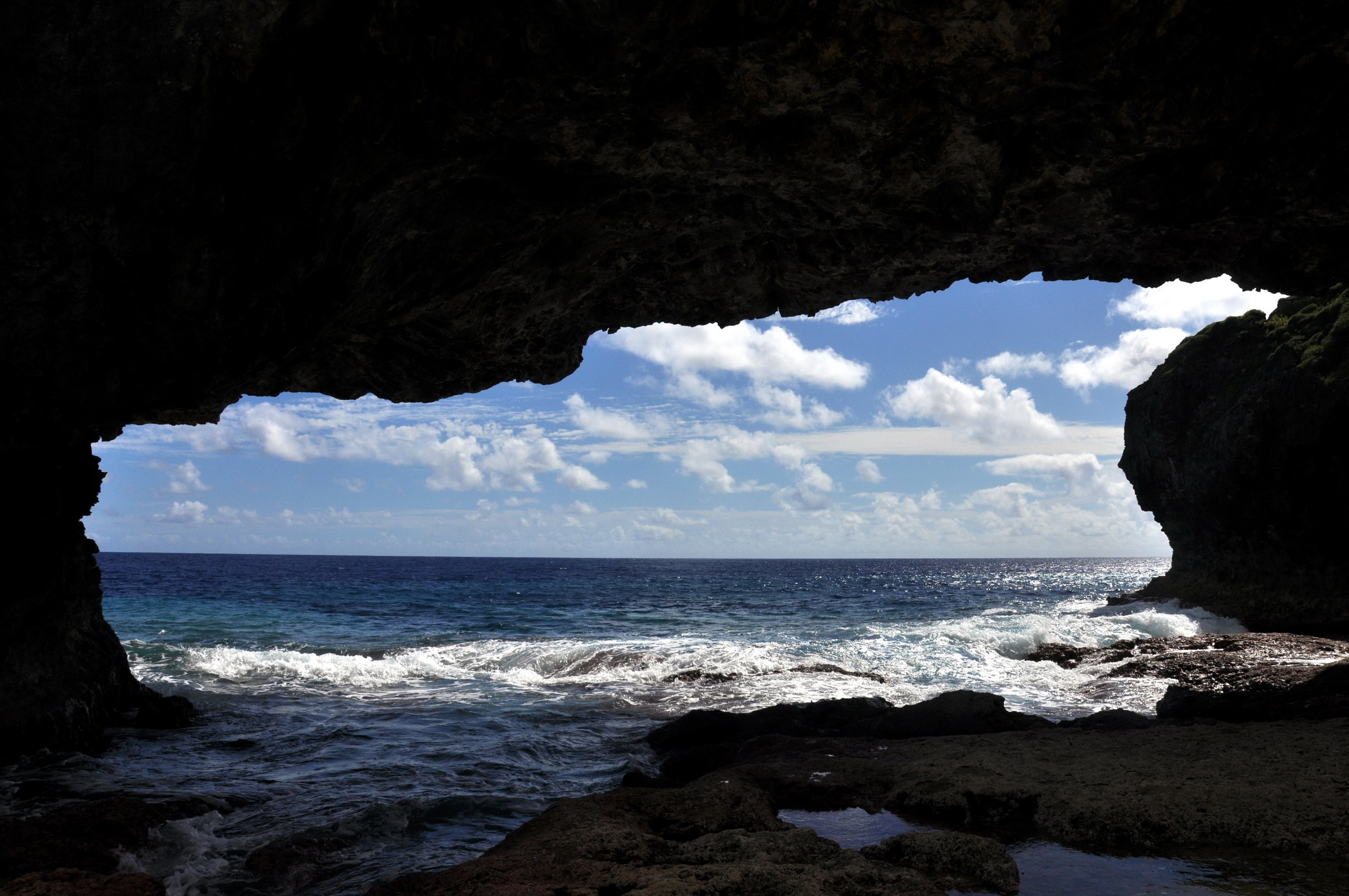
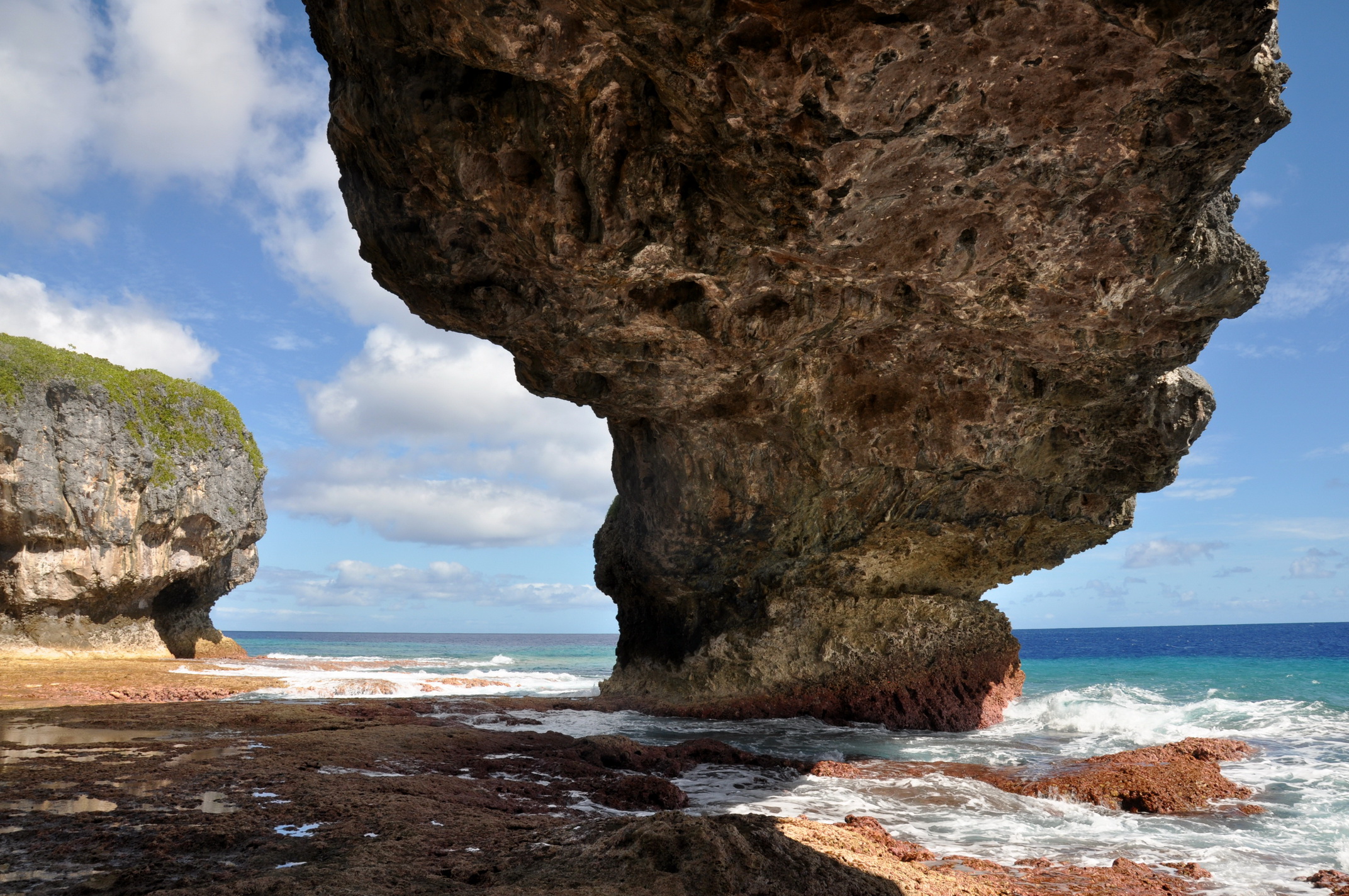
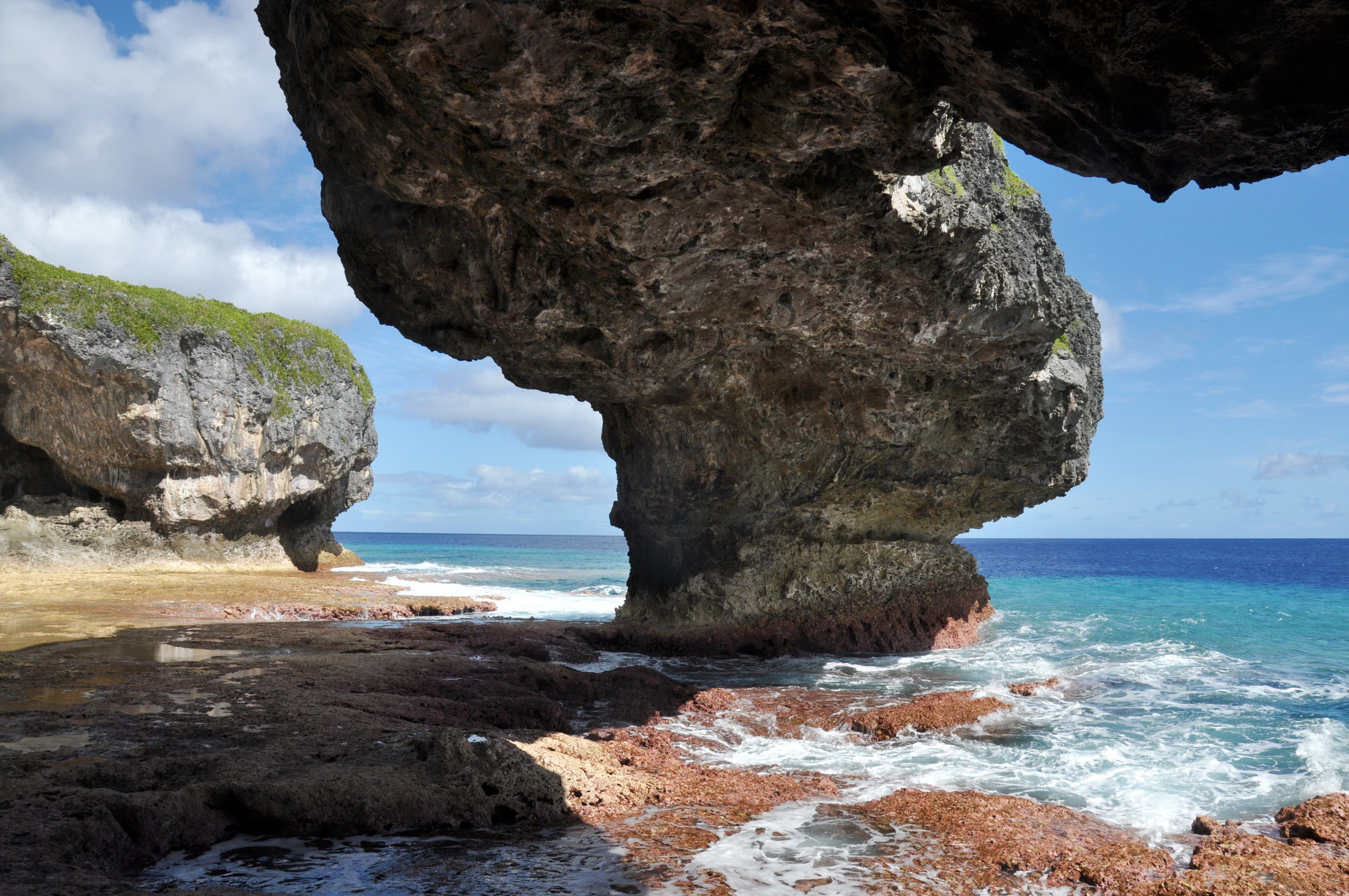
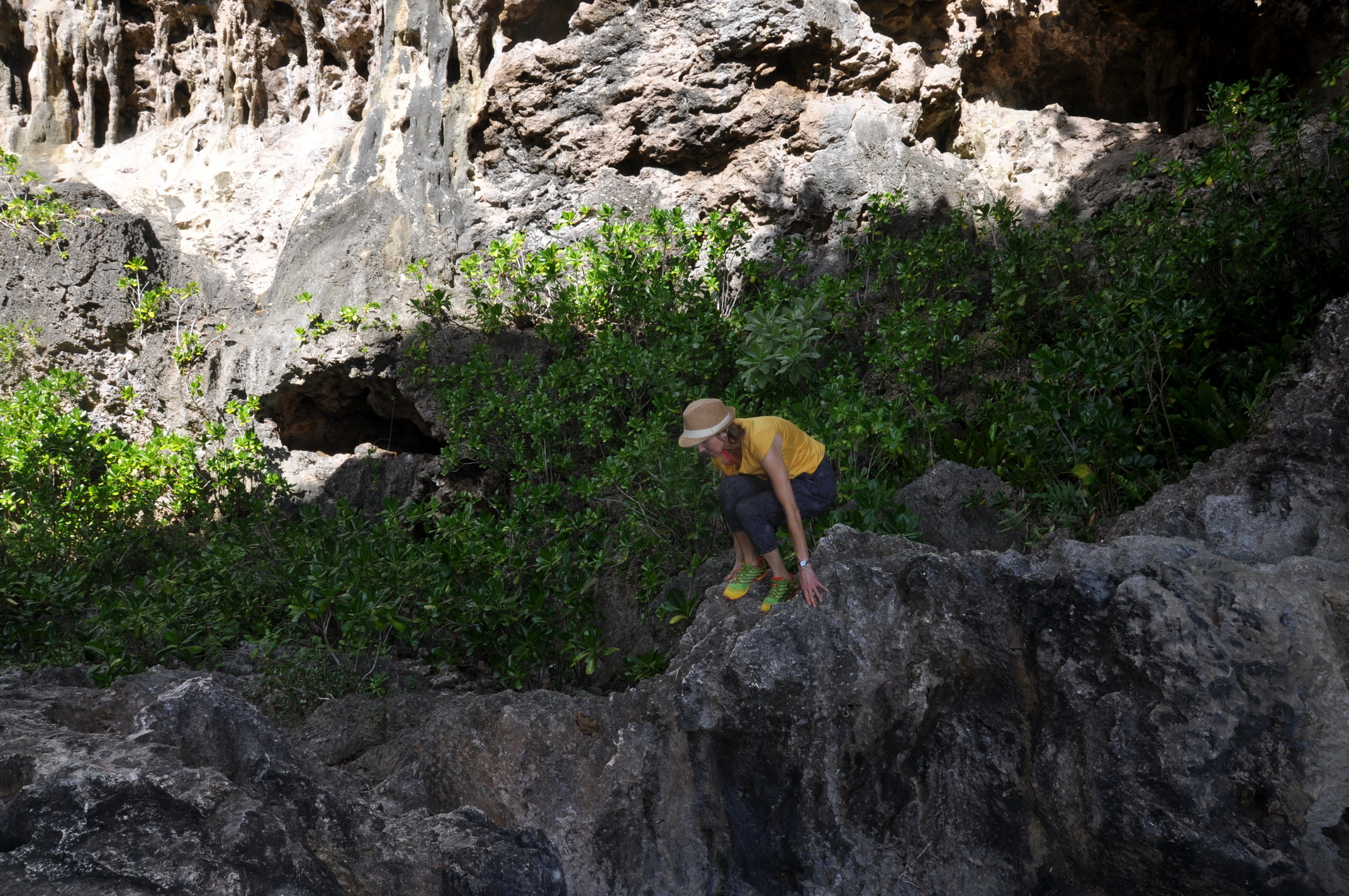
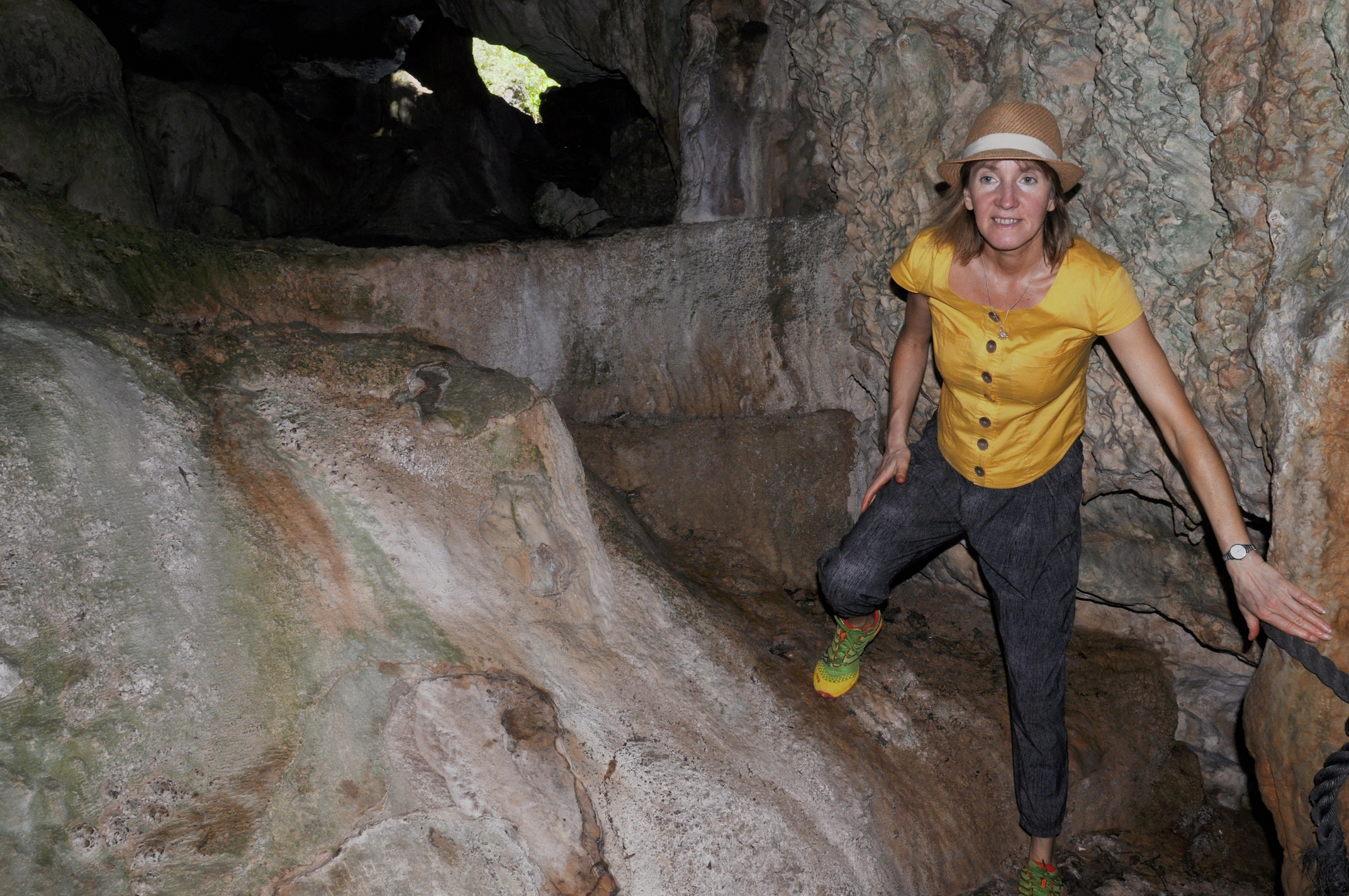
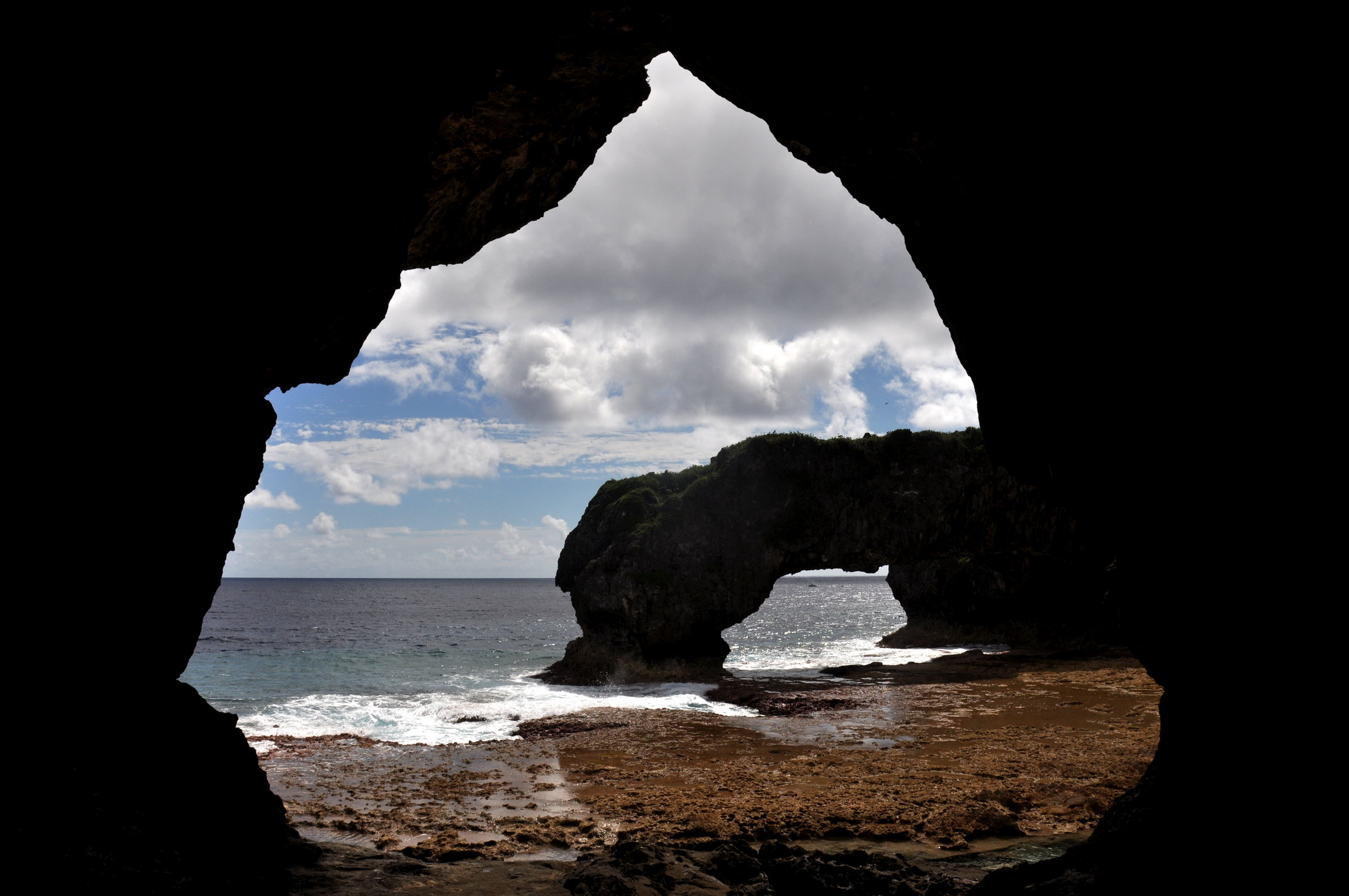
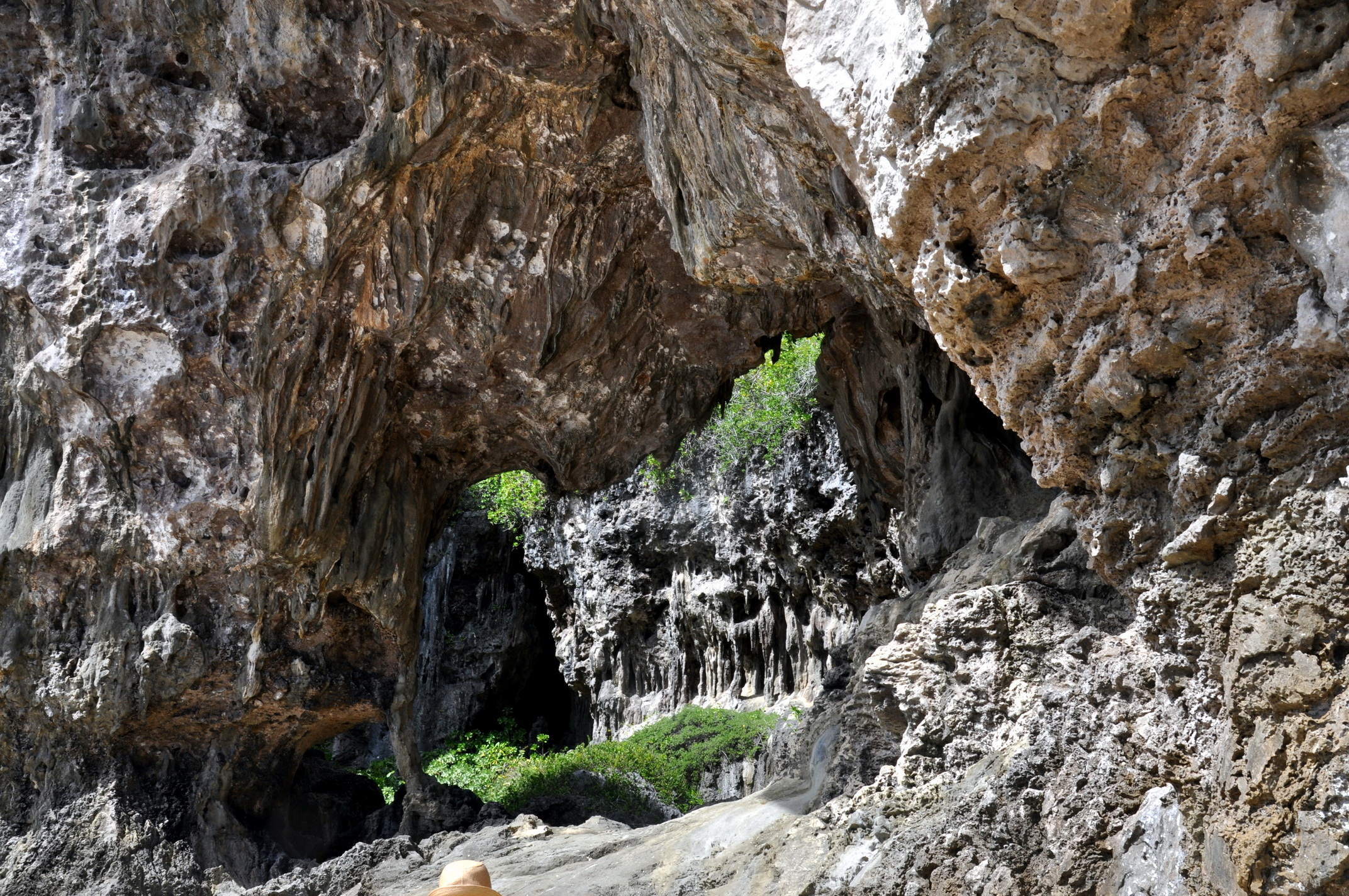
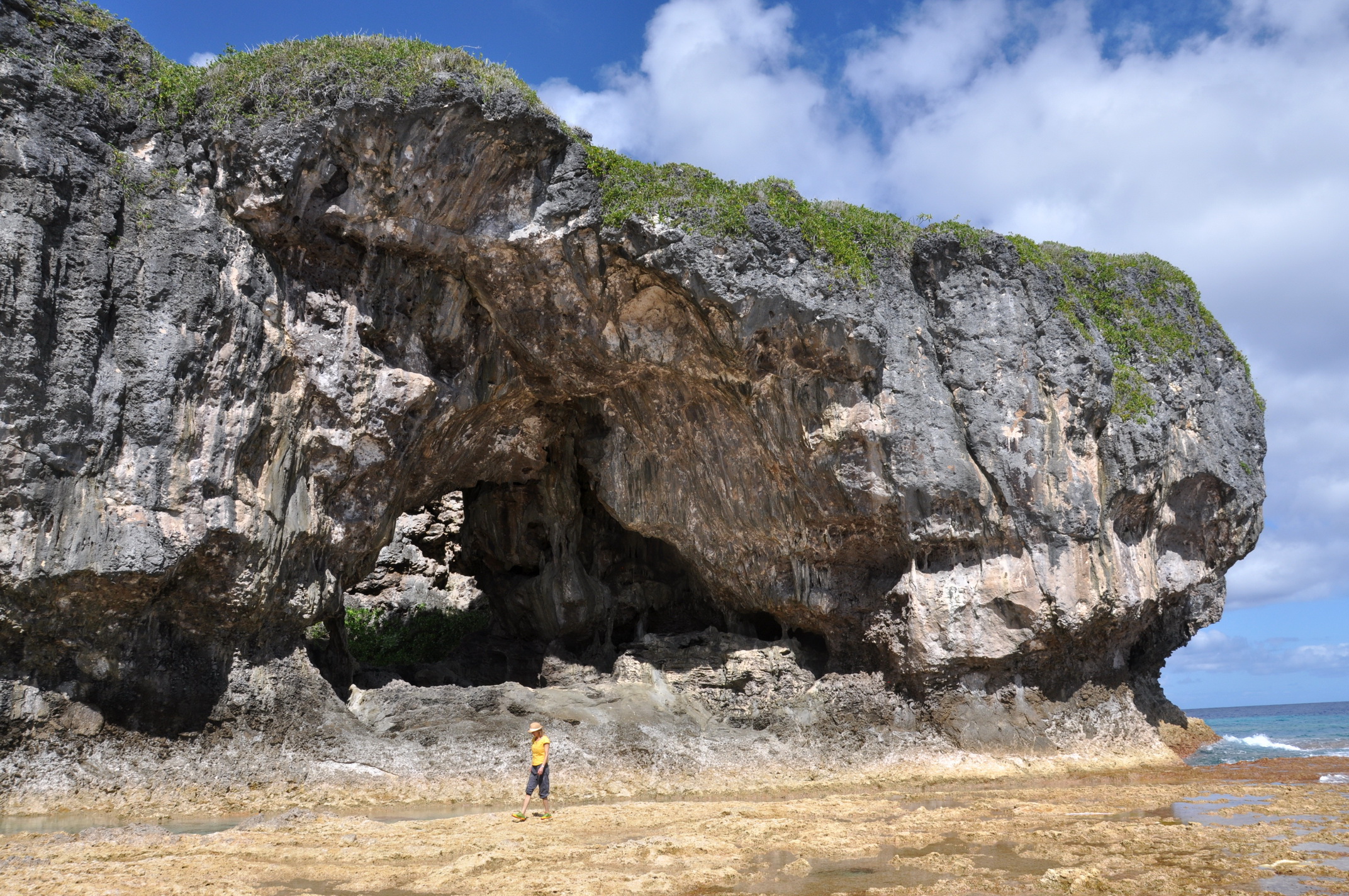
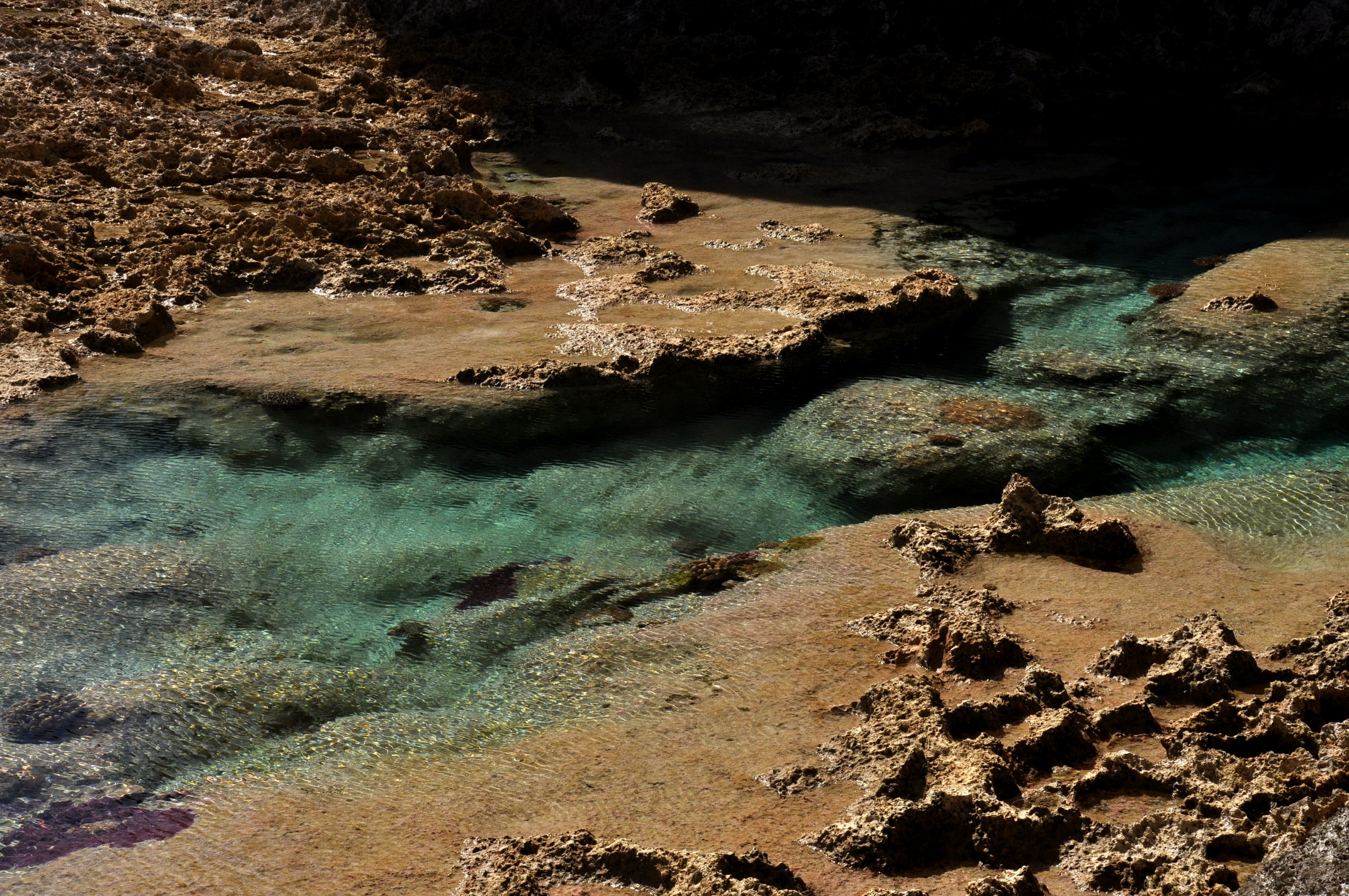
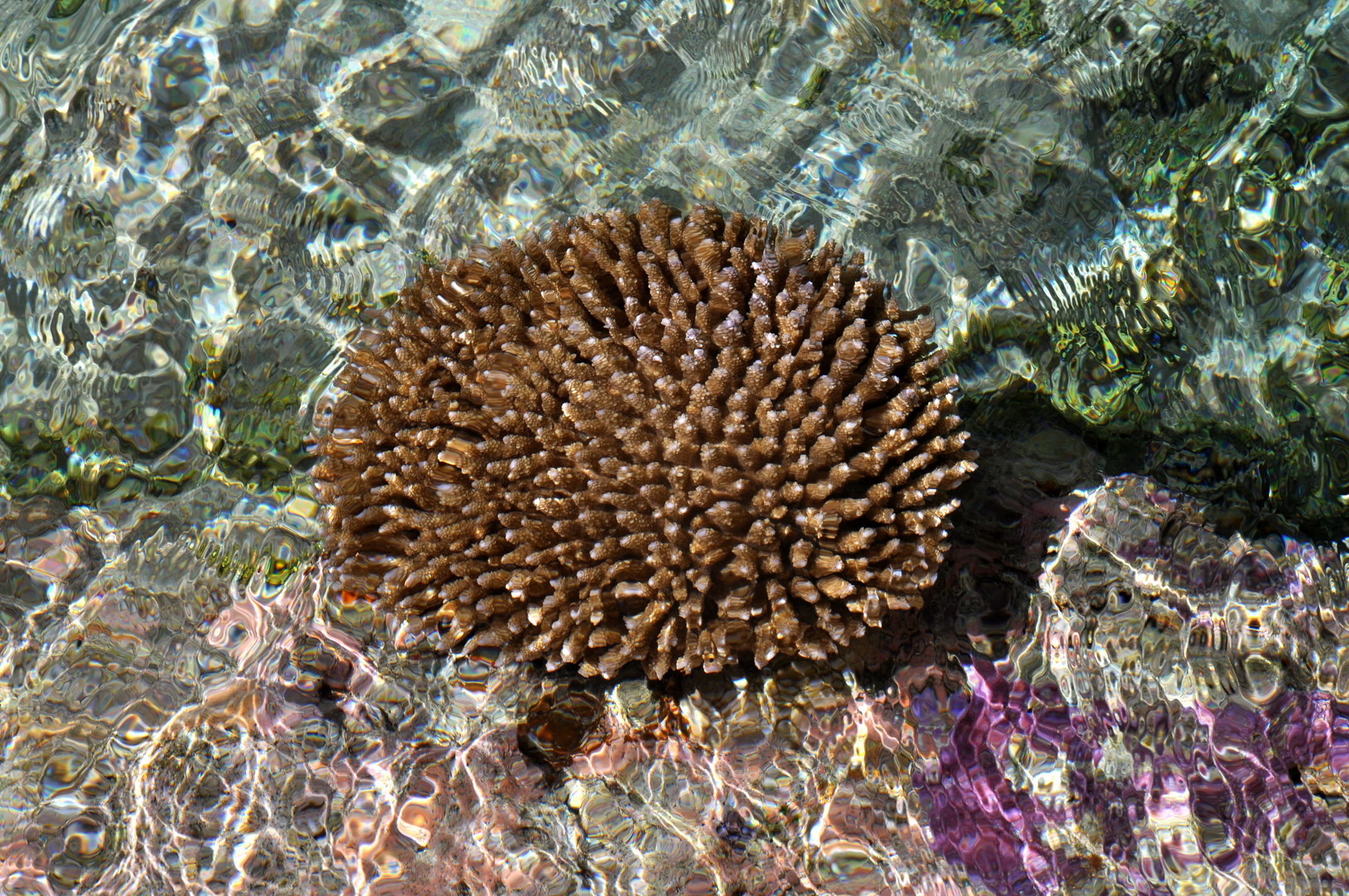
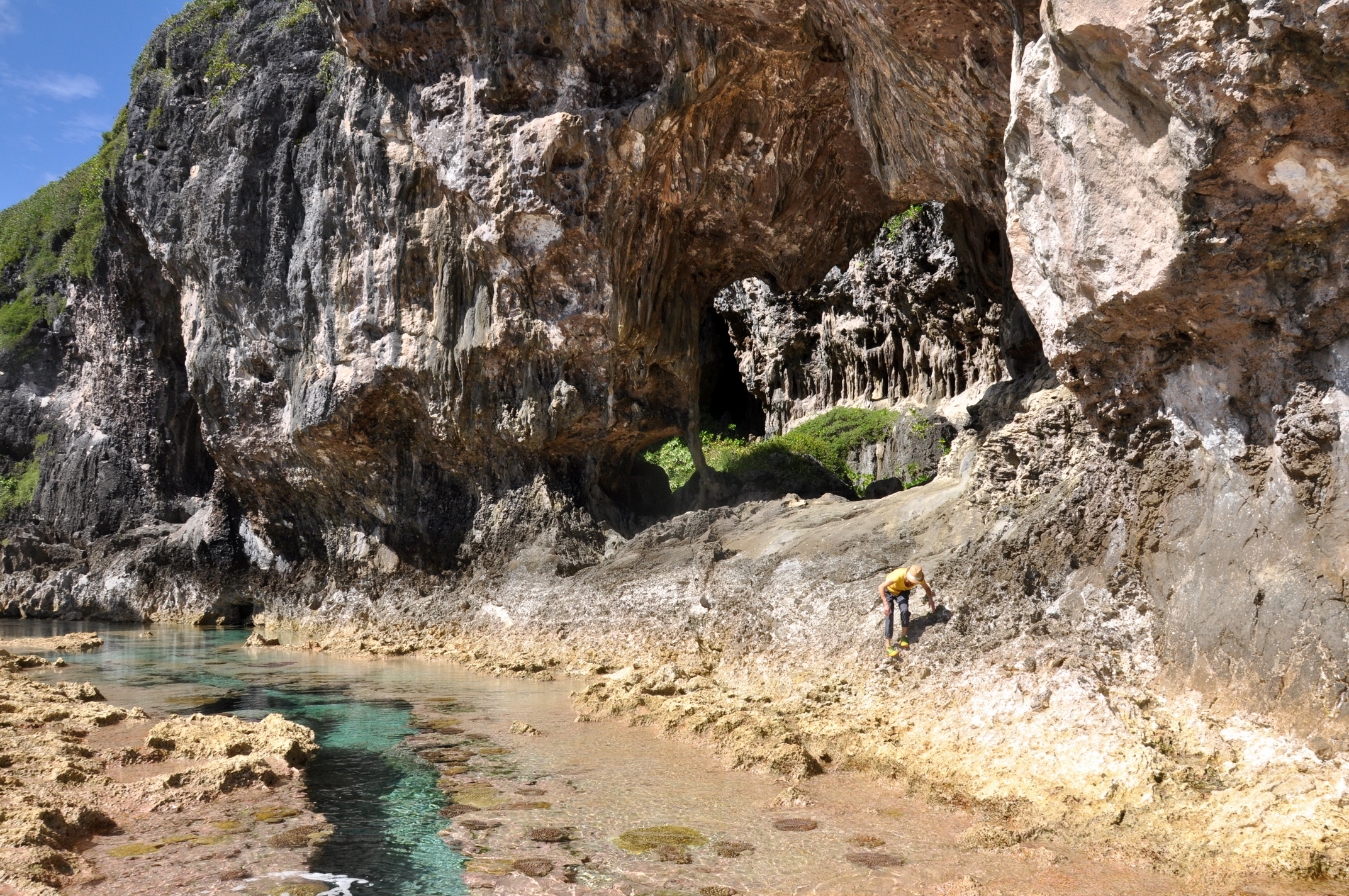
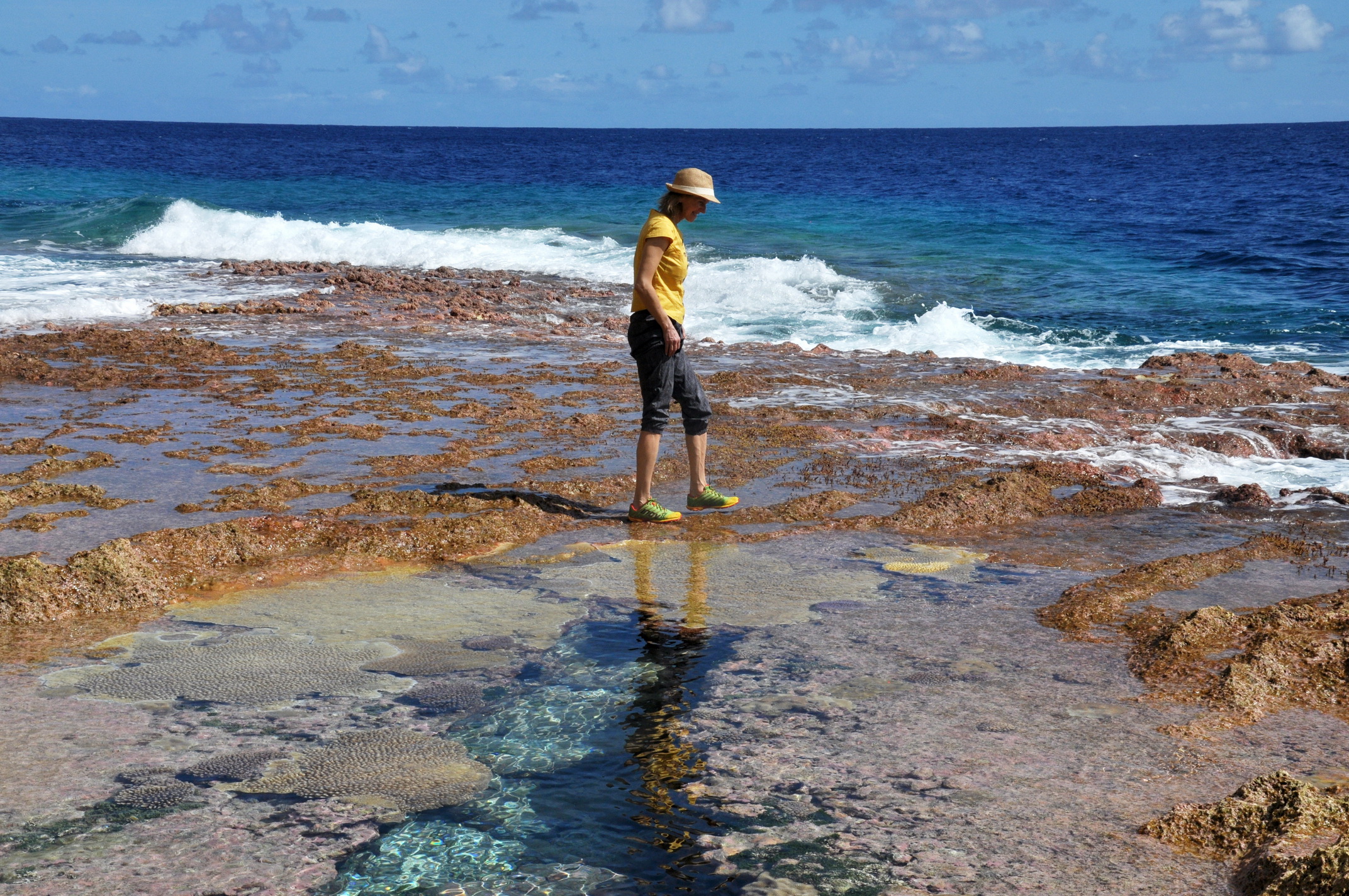
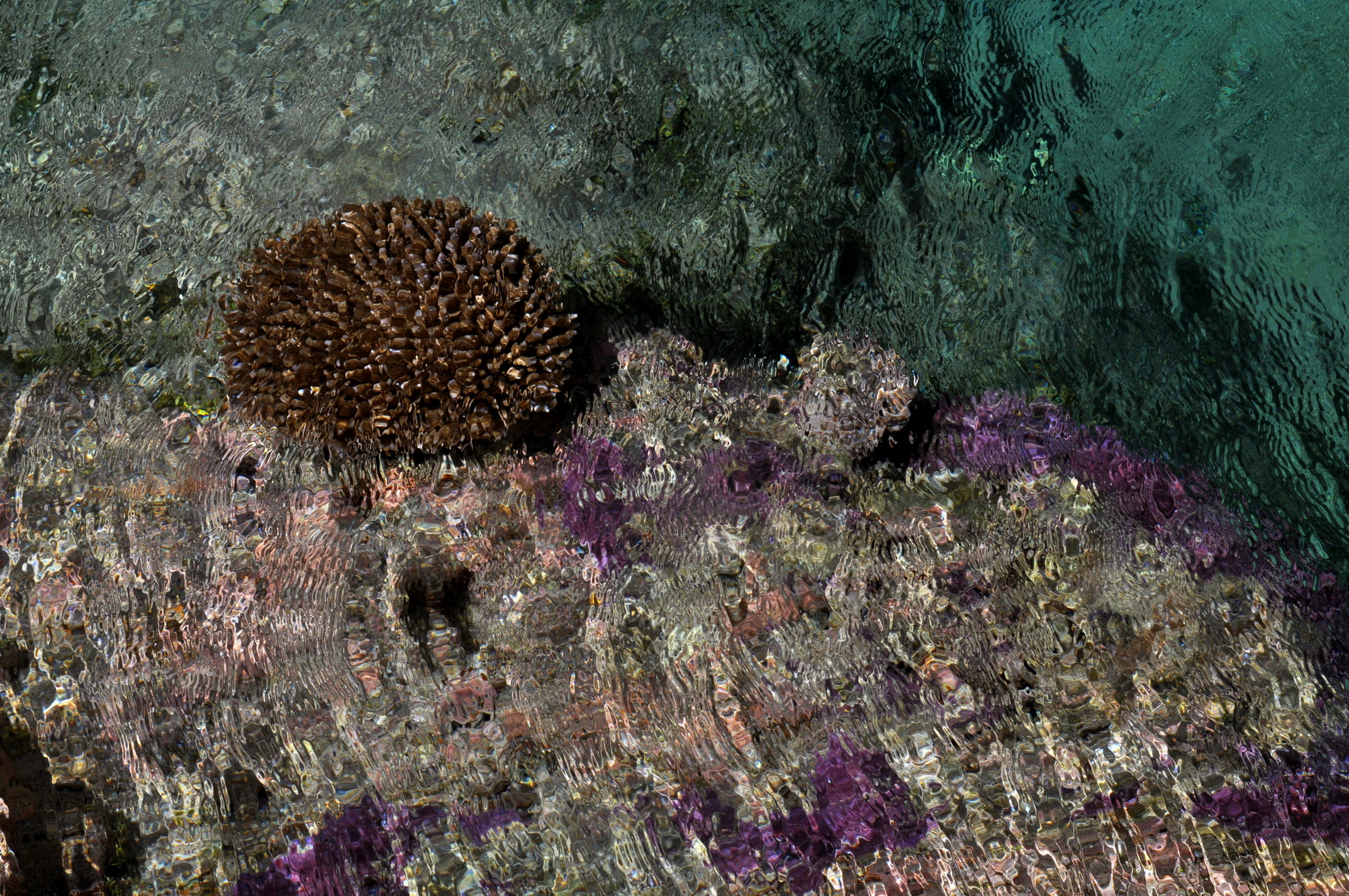
Beside the arches is Matapa Chasm, the royal bathing place. A separate track leads there from the same car park (18°57.771′S, 169°52.934′W). The island’s chiefs used to bathe there. It’s a large, deep crack filled with water.
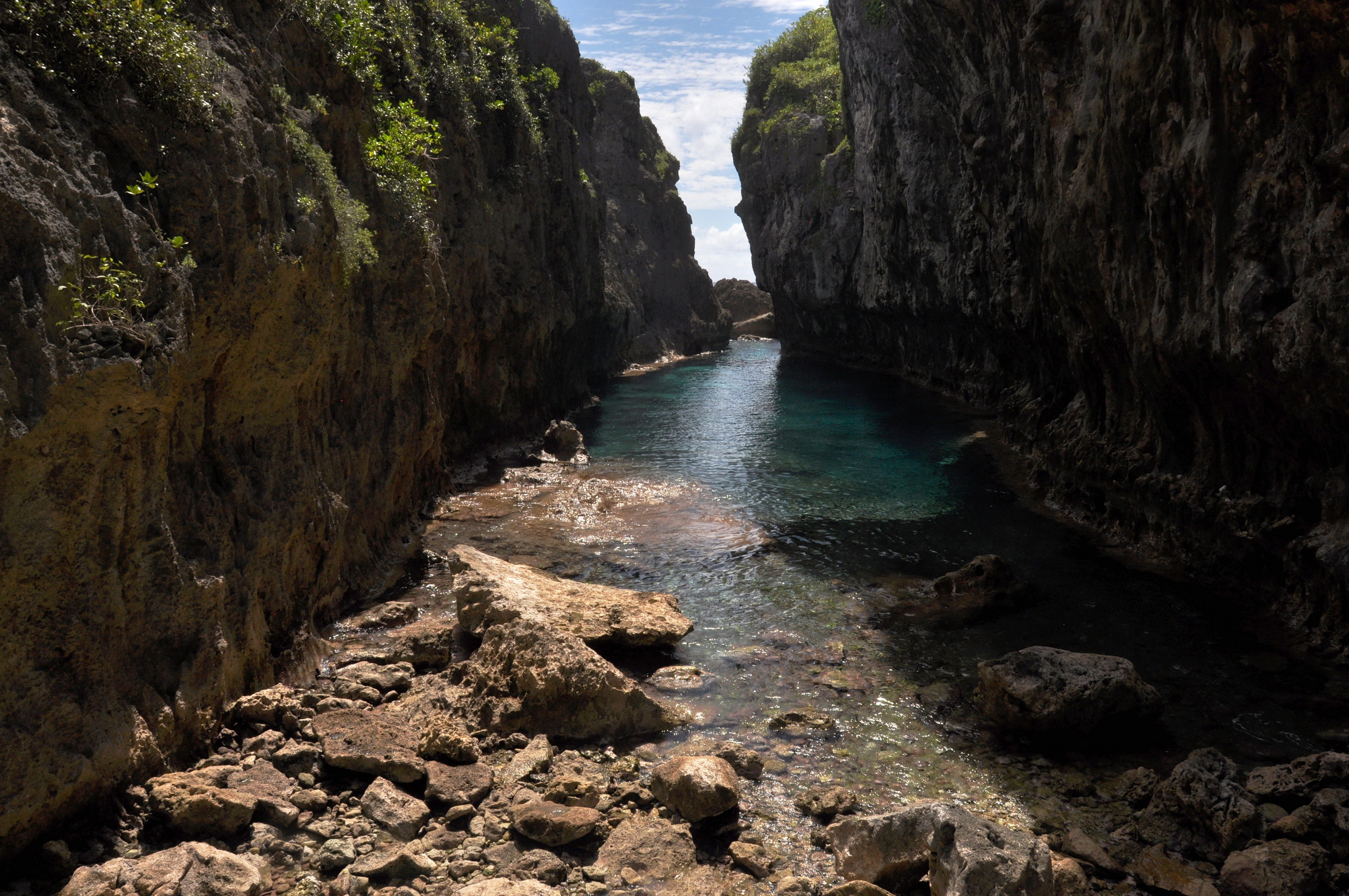
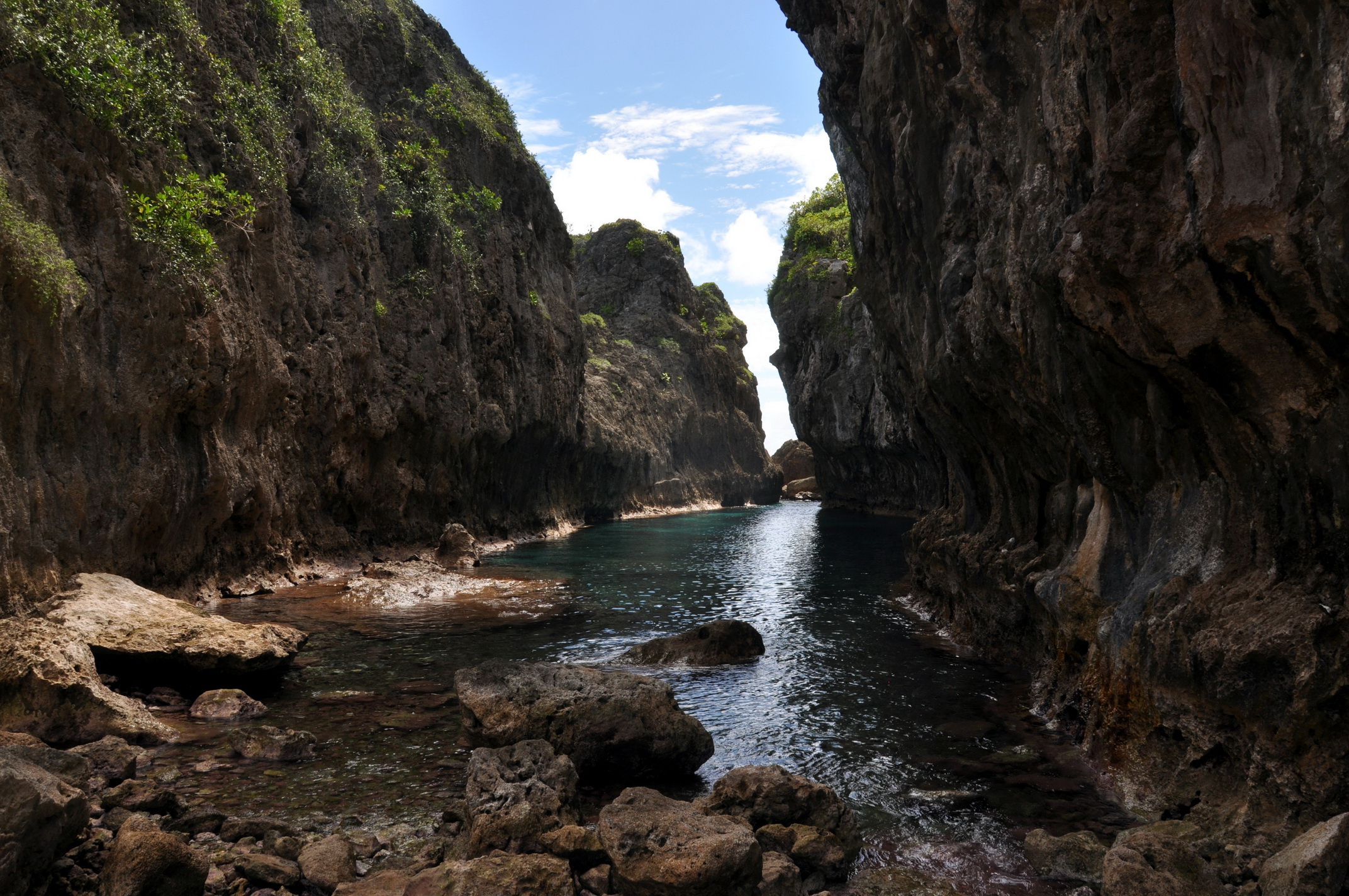
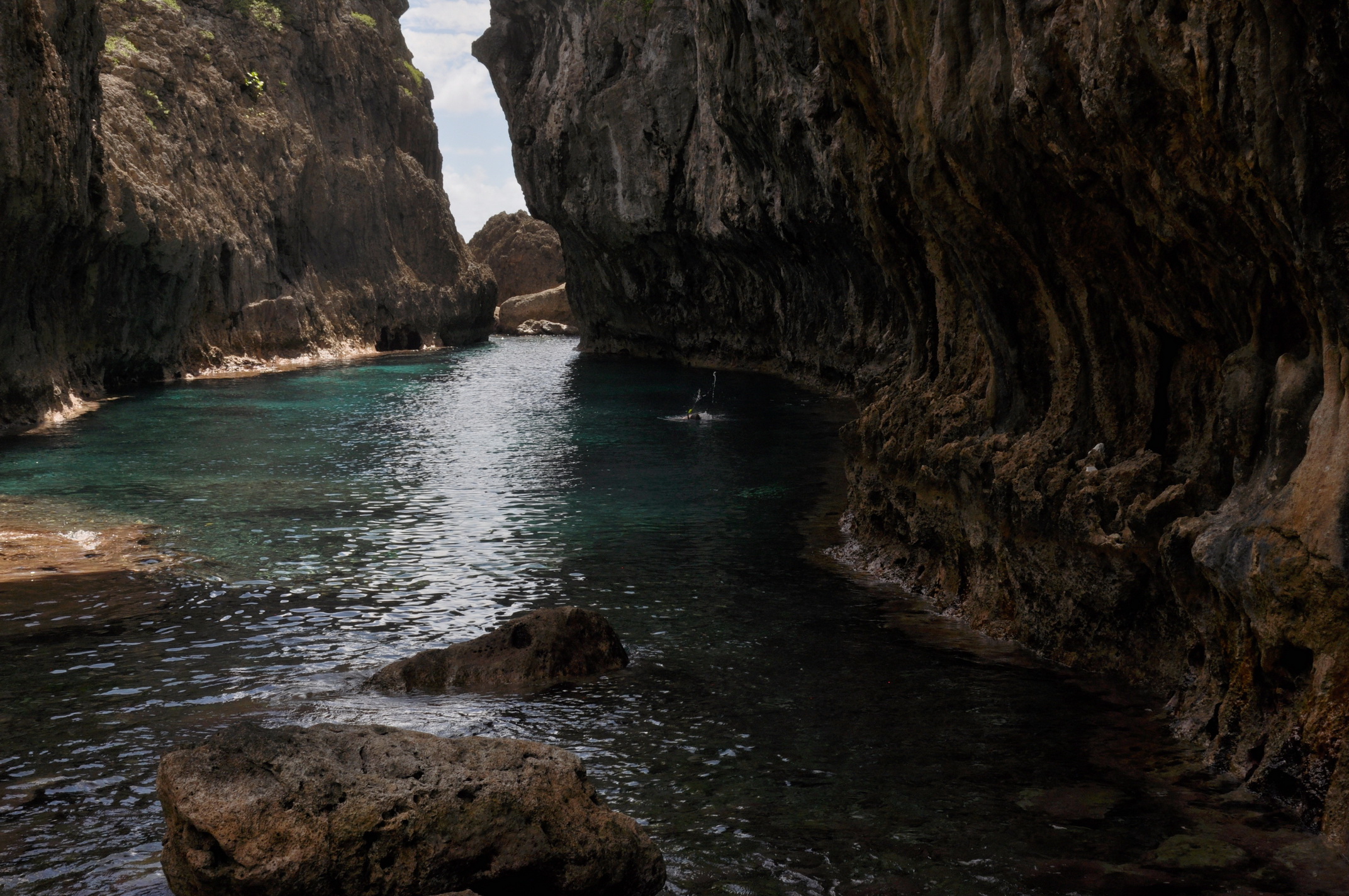
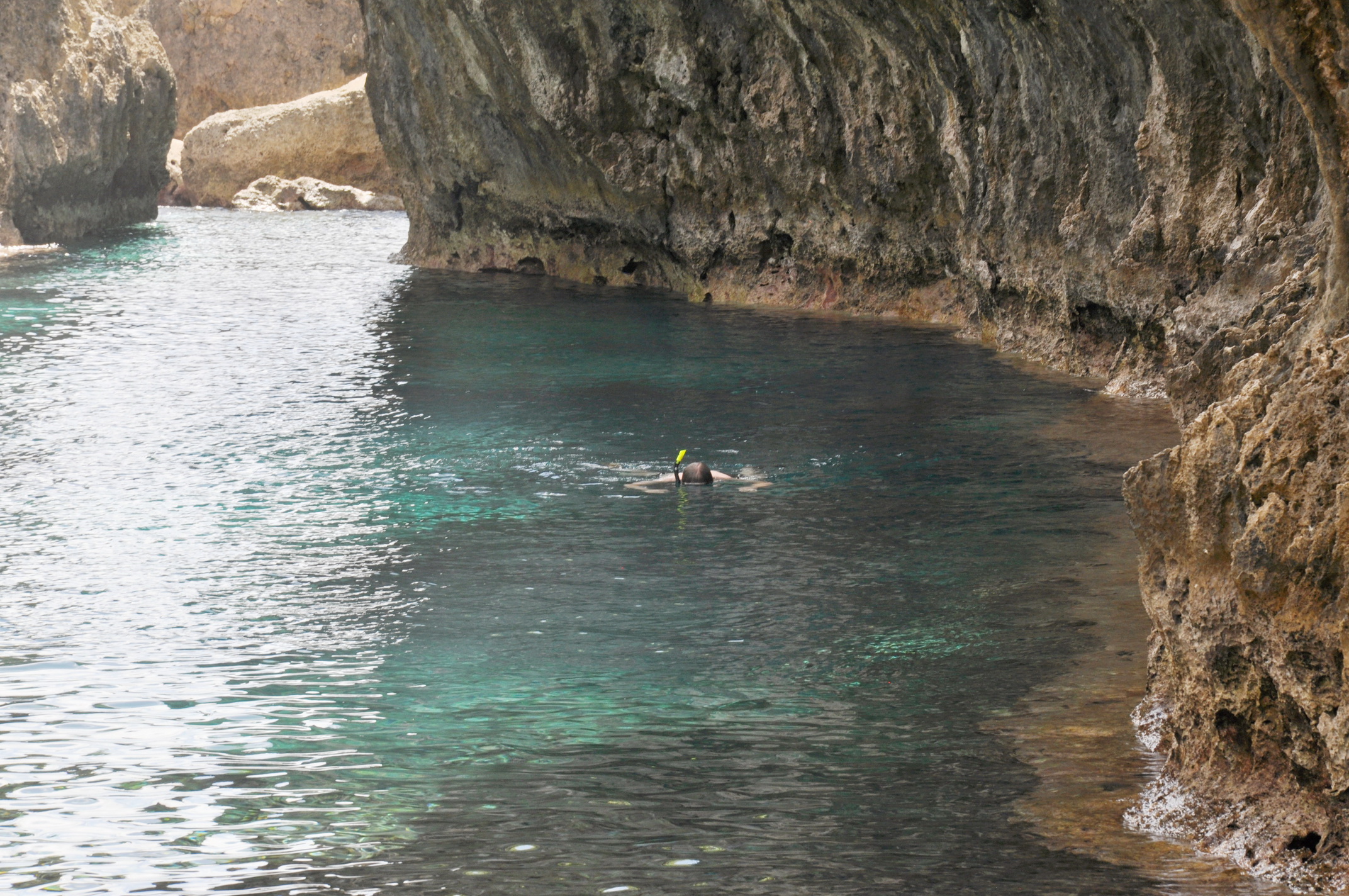
There are plenty of big fish here. Some are so big it’s a little frightening to swim up to them, let alone dive far. It’s 12 metres to the bottom. Without scuba gear, I only just manage to get that deep.
At the appointed hour we met the head of Lakepa. The capital does things the New Zealand way, but life in the villages is much more traditional. The senior member of the family owns the shop and the accommodation for visitors. He runs things generally and is also a member of the government. His wife is a New Zealand teacher who was posted here years ago.
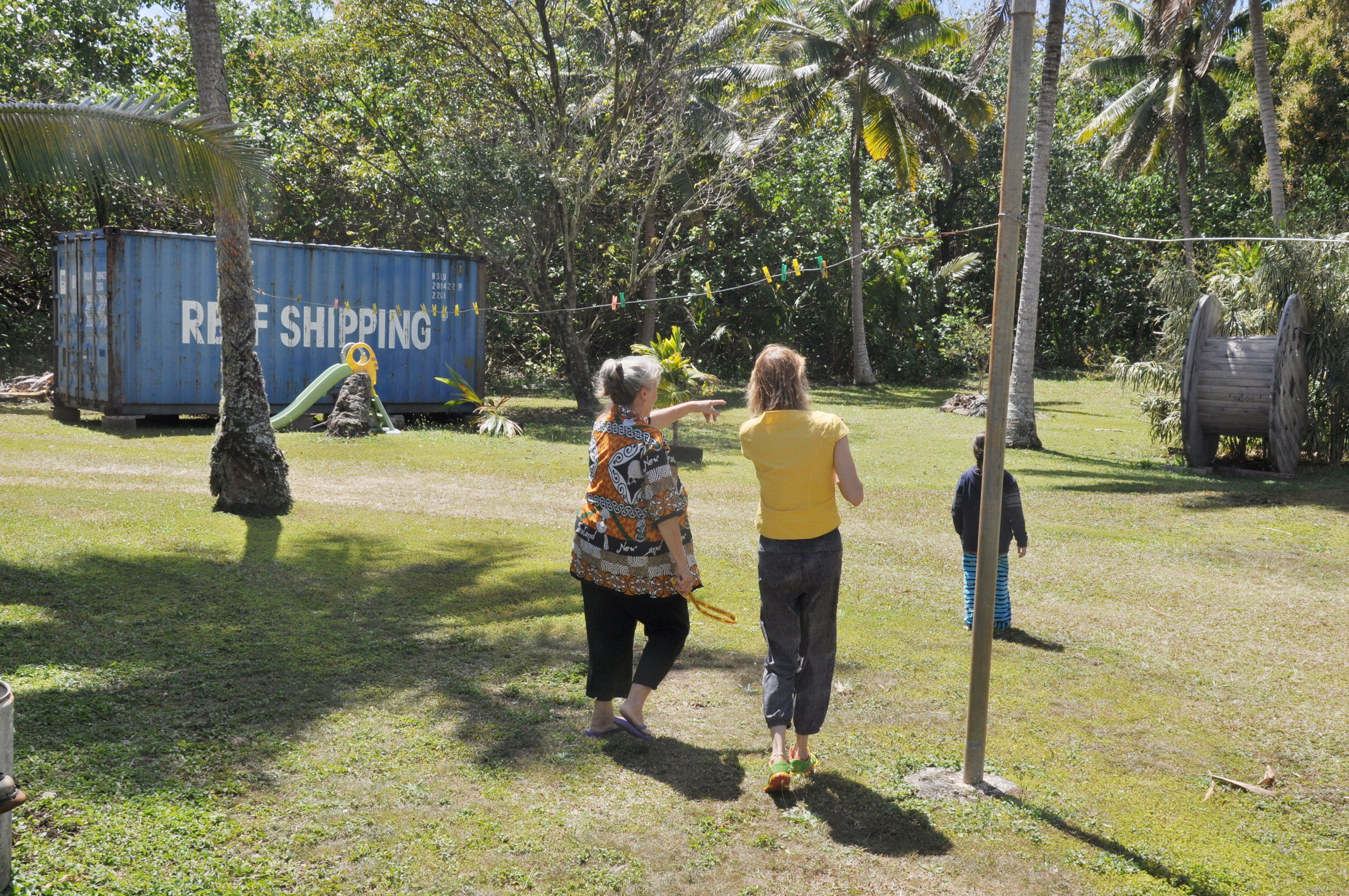
Only a few people were left in the village; many of the houses stood empty. Young people move to the capital at least, if not to New Zealand. It’s a problem for the whole country. The numbers we heard then were 20,000 Niueans in the world and just 1,400 living on their own island.
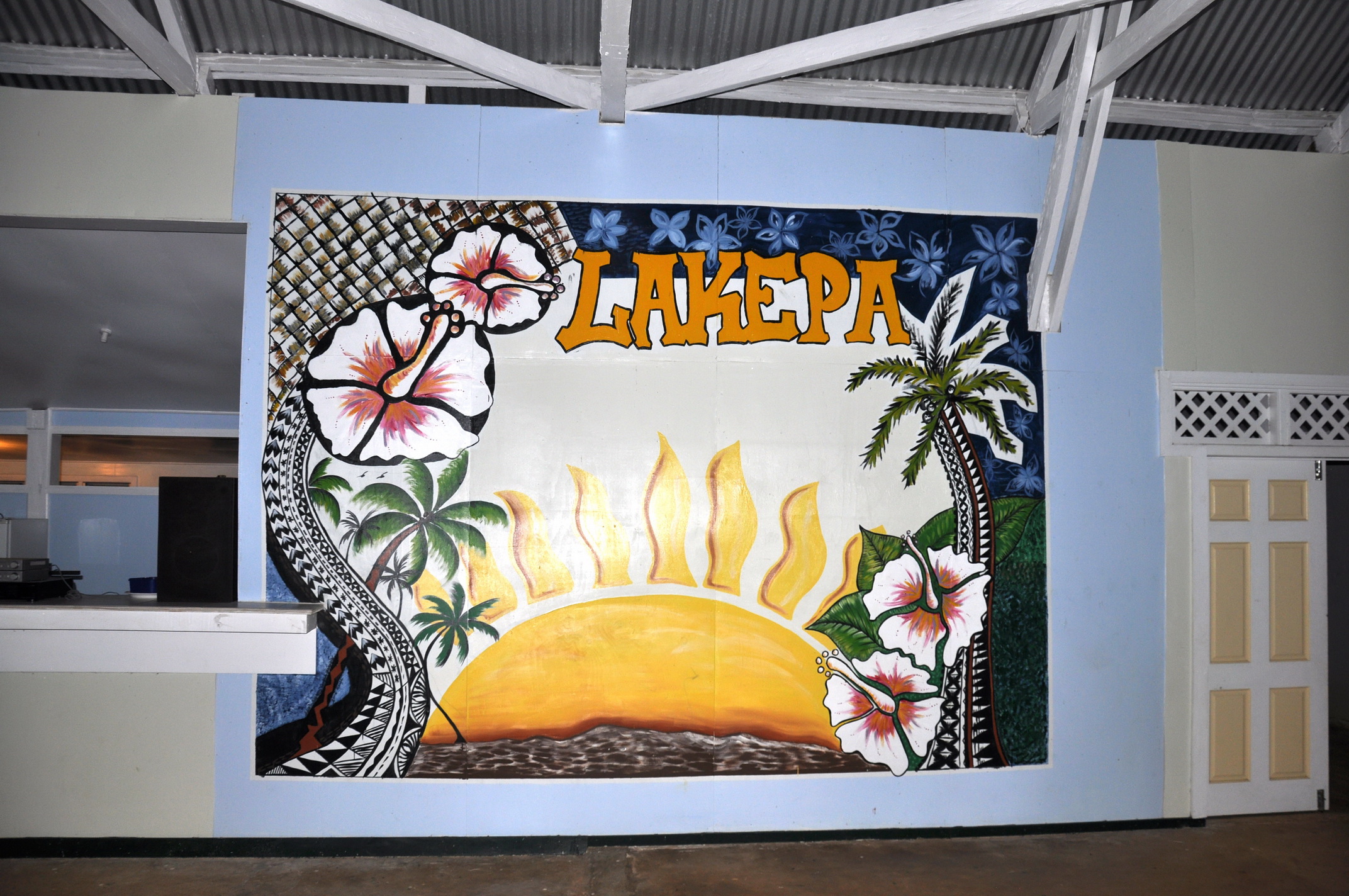
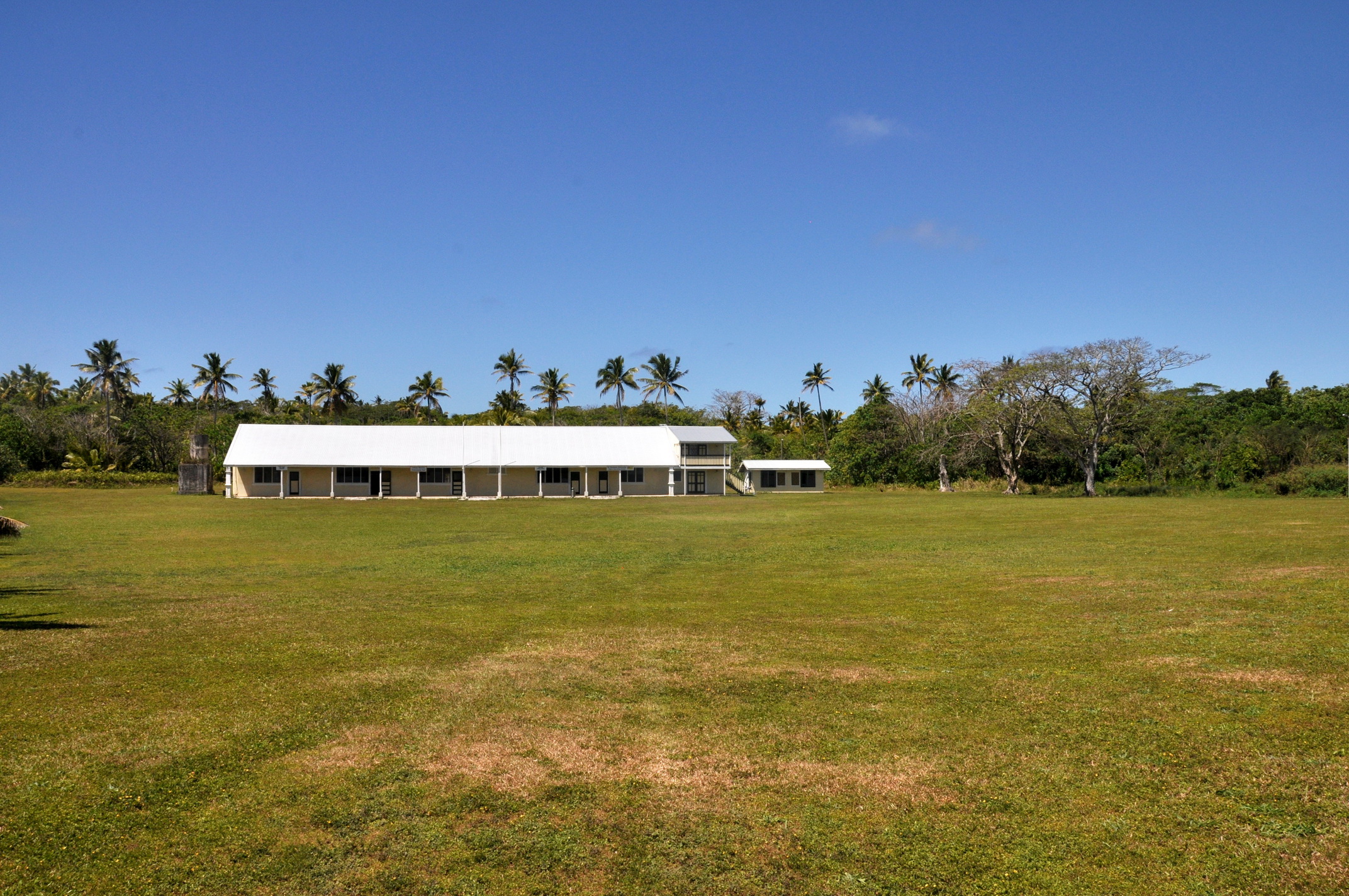
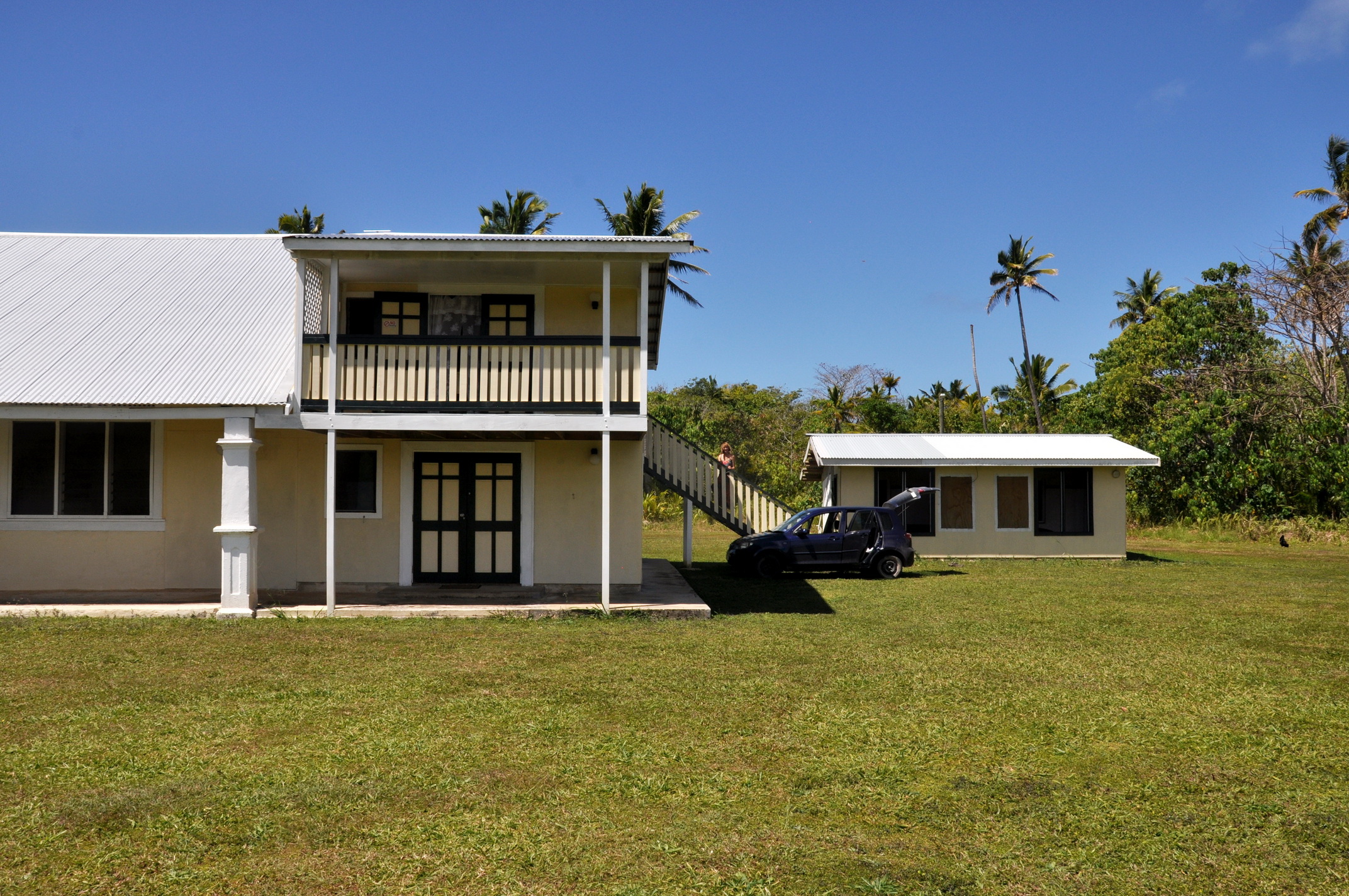
The village head keeps a vegetable garden, fishes and catches crabs. There used to be a school in the village, where his wife taught, but a cyclone wrecked it and there were no more pupils left in any case. The tropical forest grew up around the school until someone remembered it. They cleared the site, repaired the building and made it into a community centre. It now has a hall for meetings and dancing, a laundry, a kitchen and a gym. Two rooms are set aside for visitors.
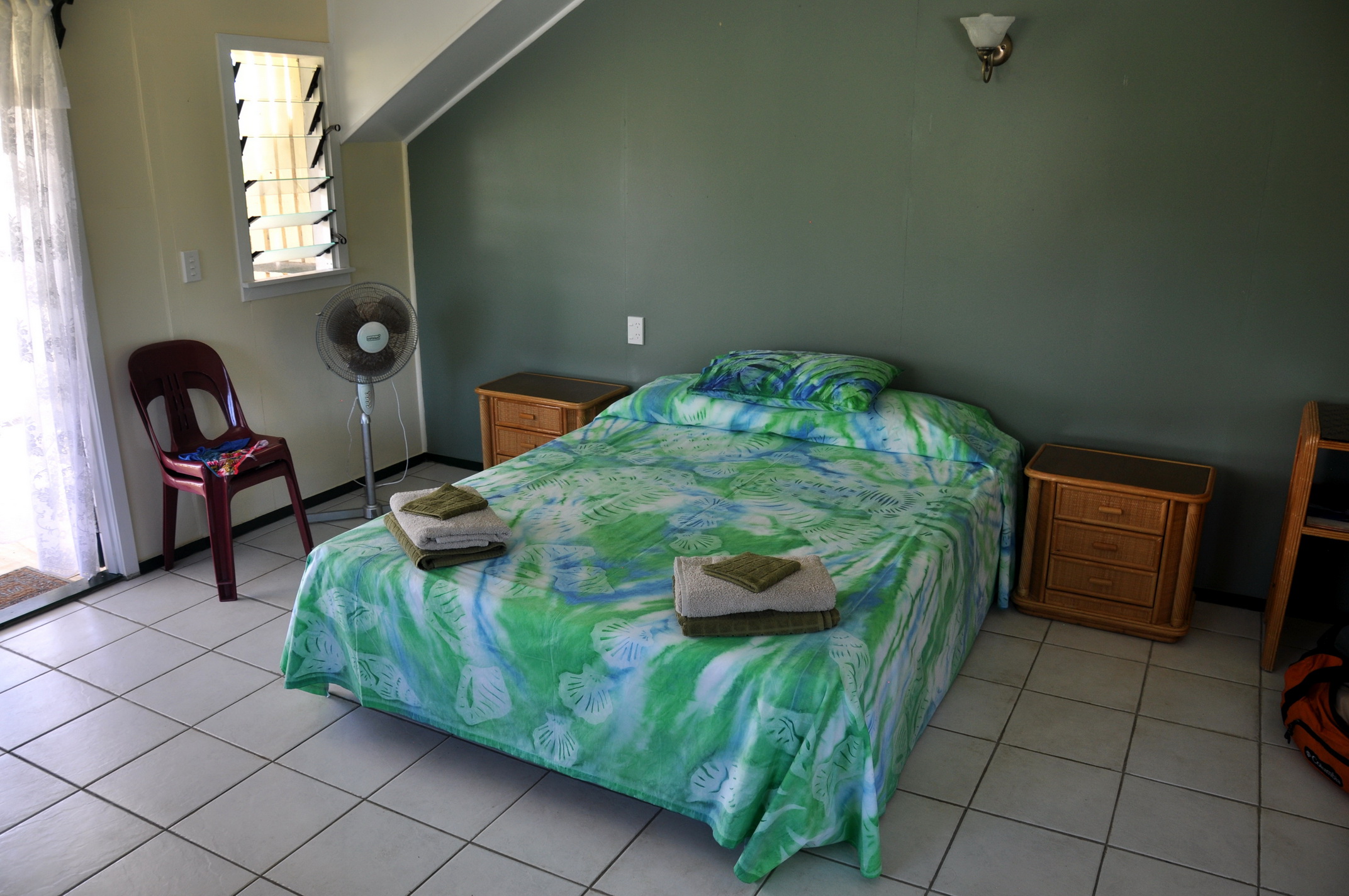
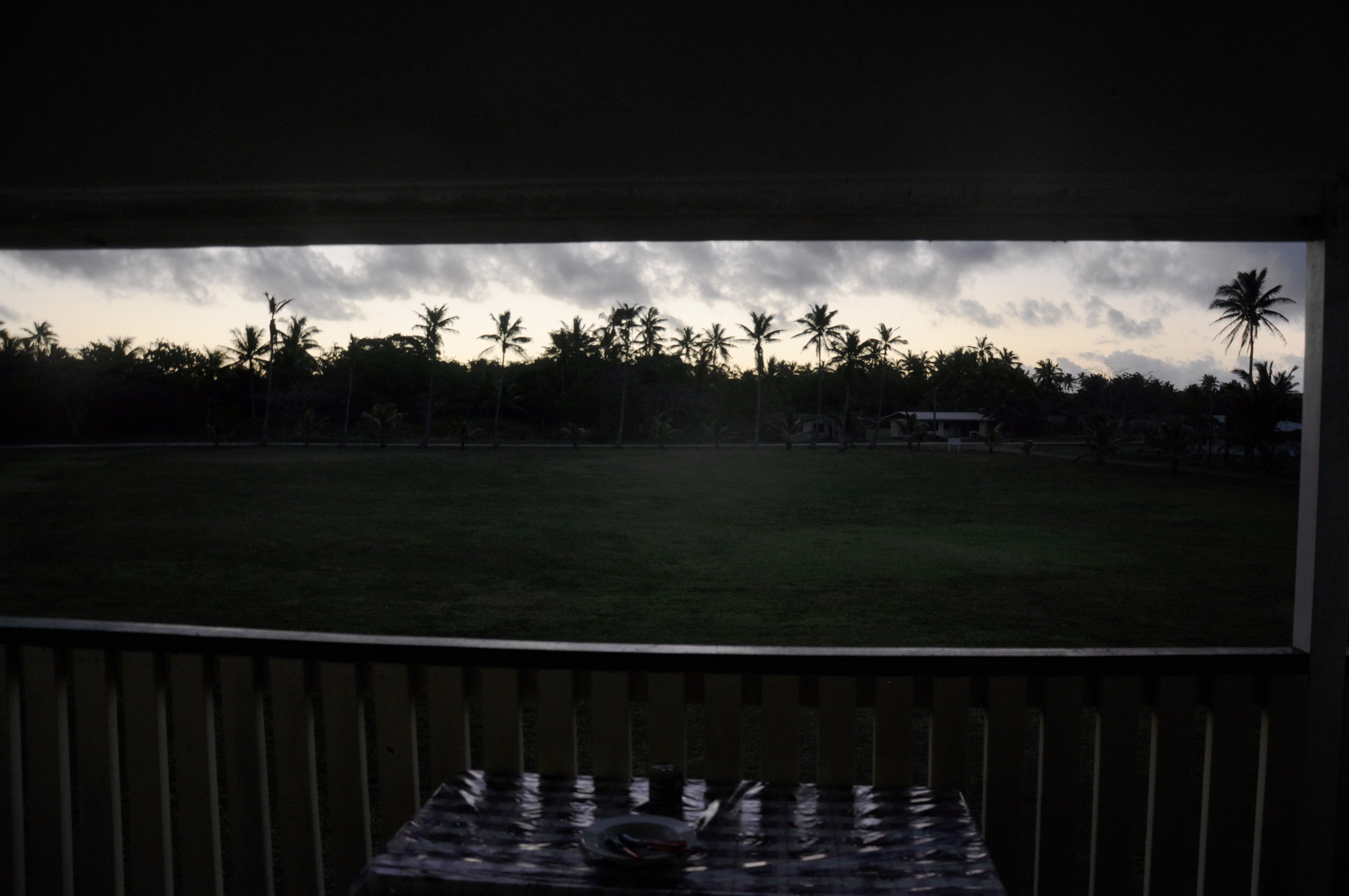
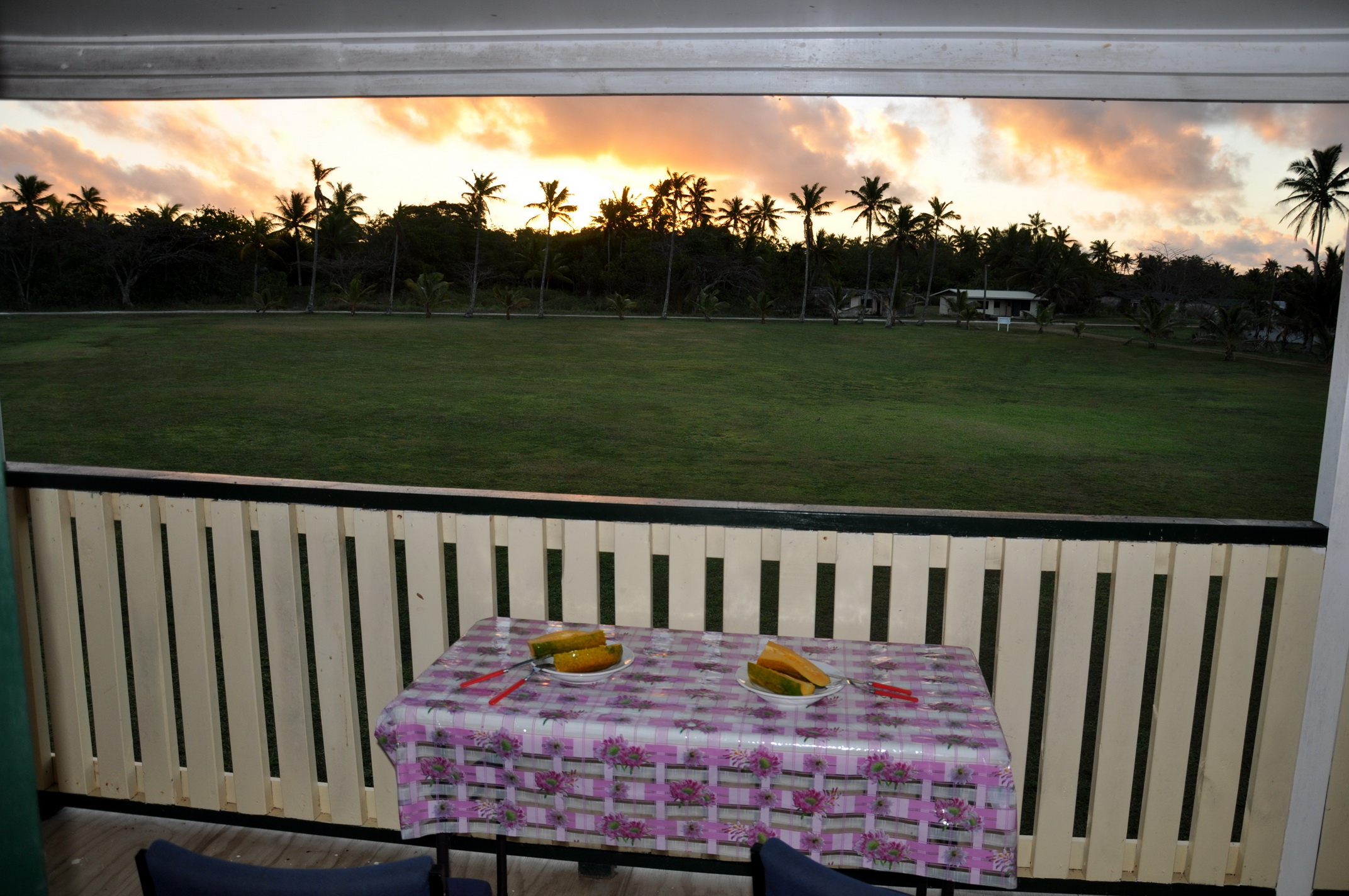
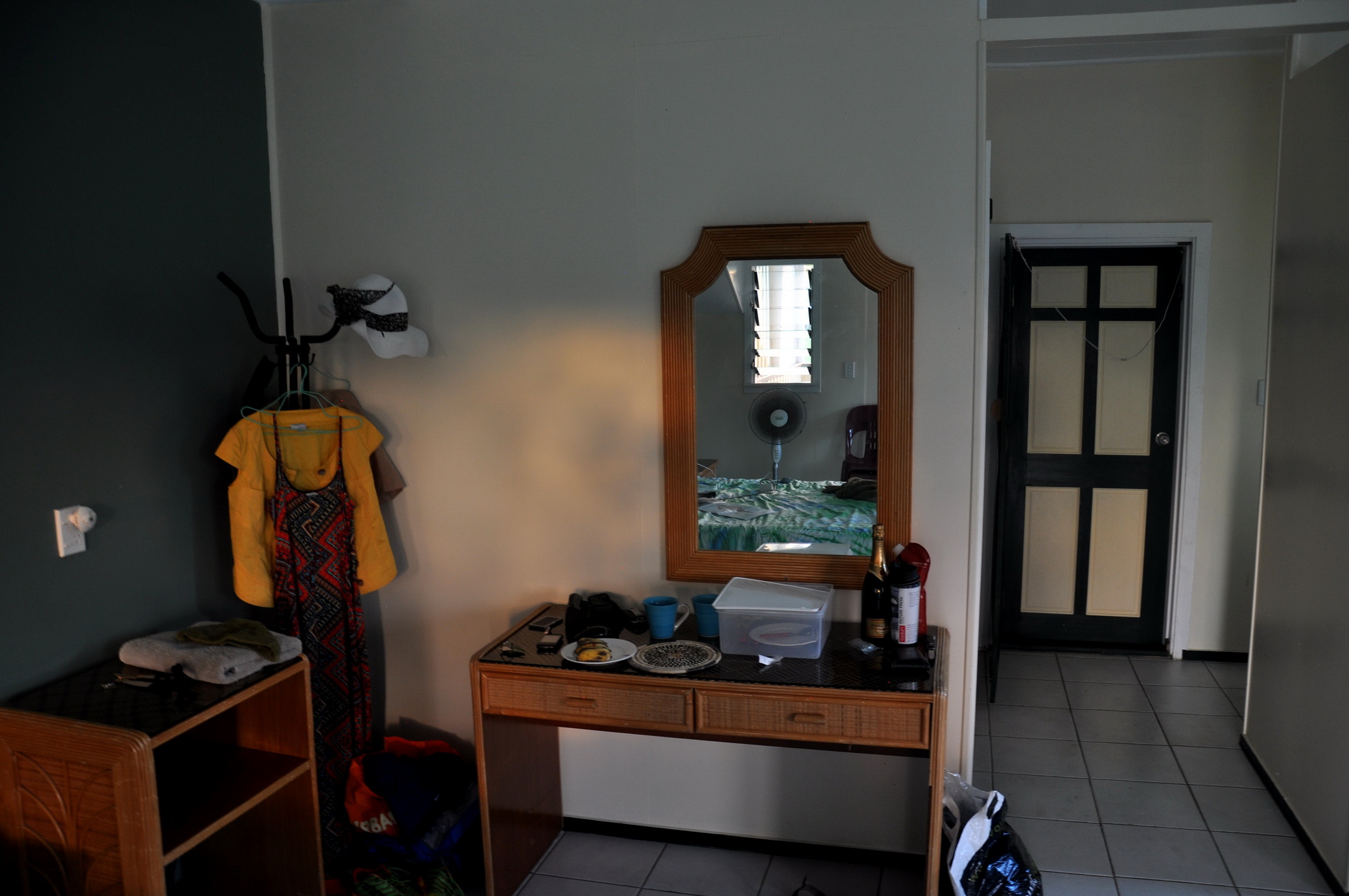
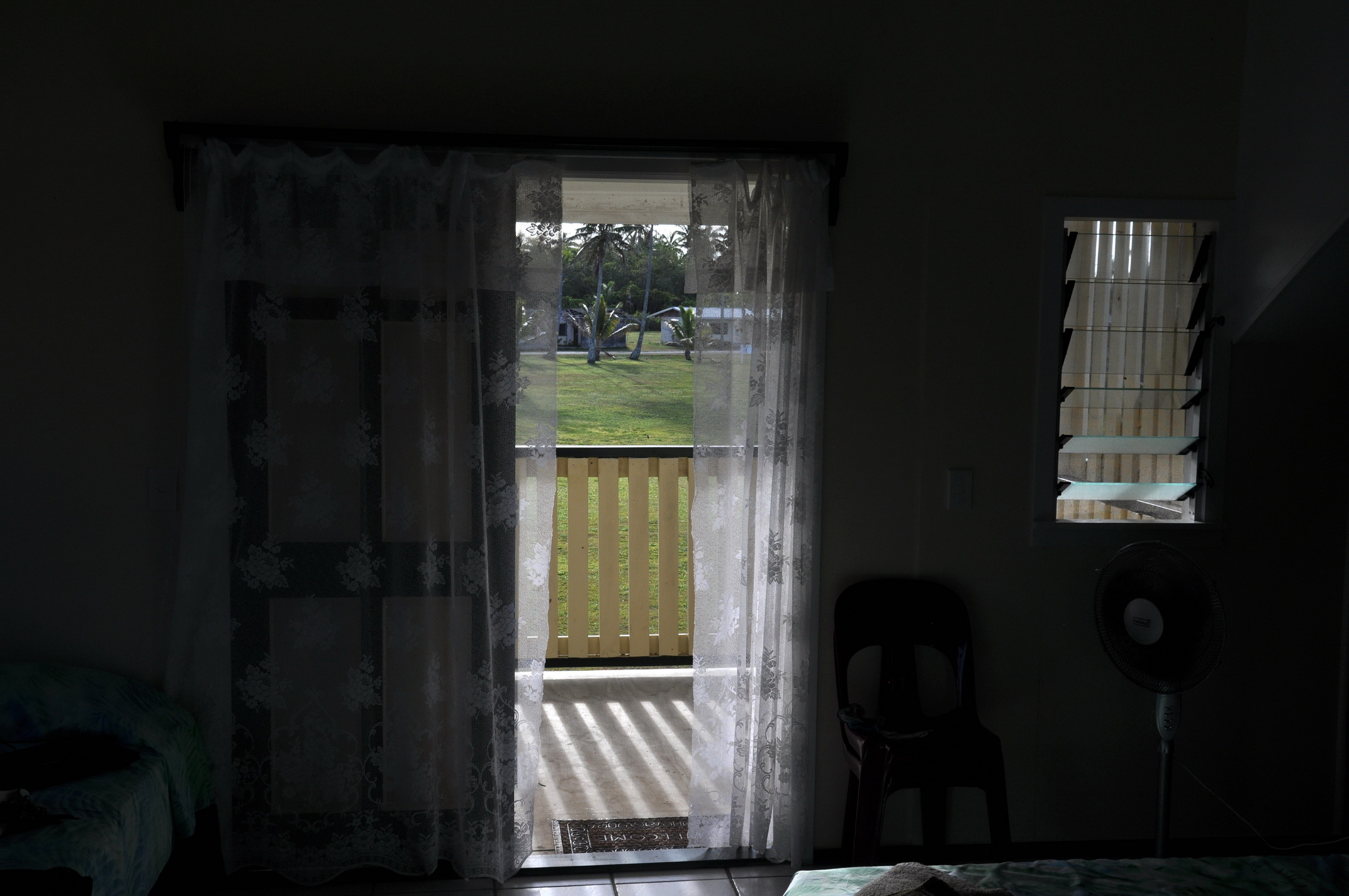
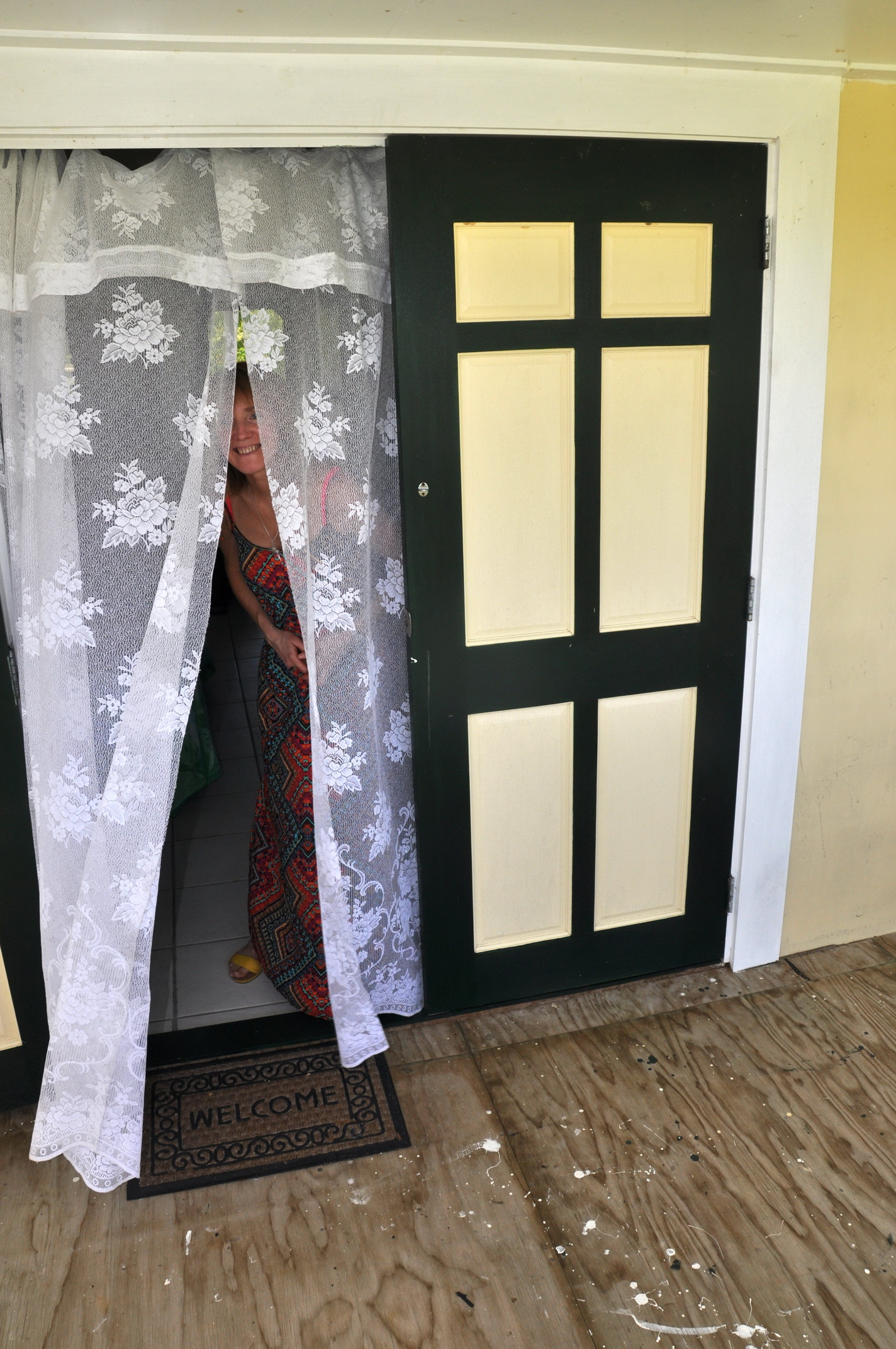
We were the only guests, so we had the whole enormous building to ourselves. Our room was upstairs with a balcony (19°00.721′S, 169°48.273′W; elevation 55 m). A lovely, bright room, with a big bed and wide windows. The wind stirred the curtains. Neither hot nor cold. They gave us a few papayas. We decided we could happily stay here and take things slowly.
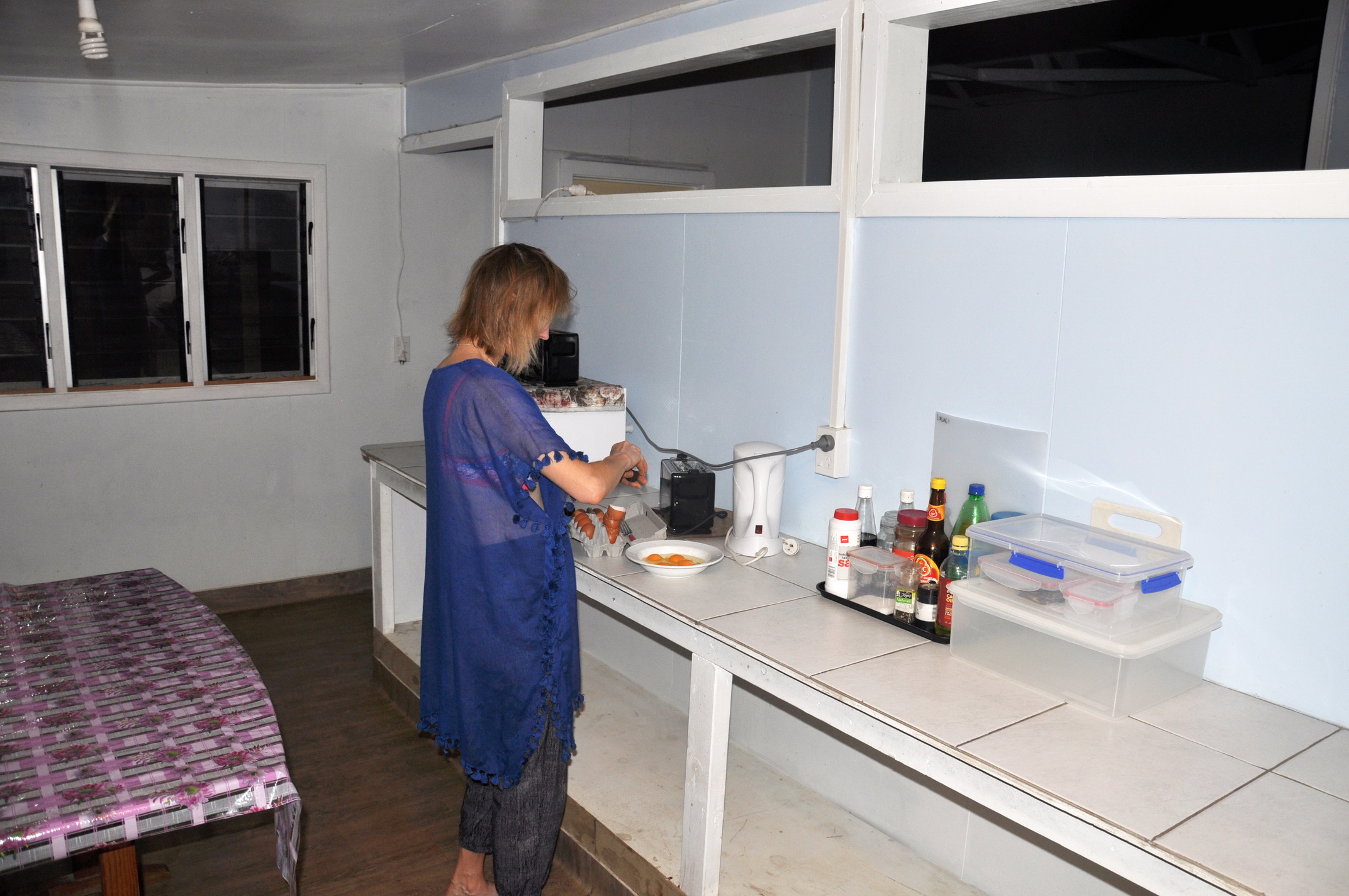
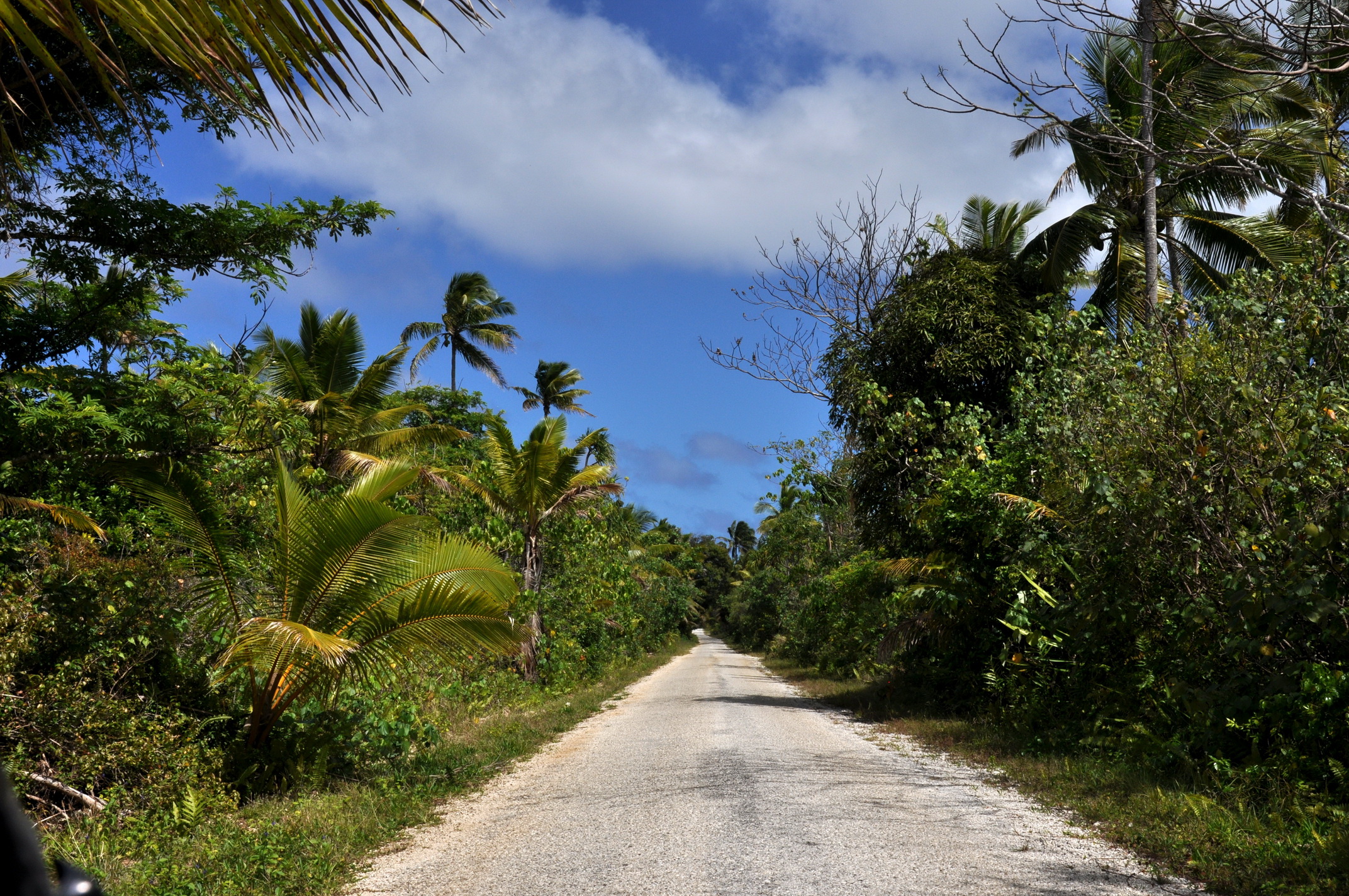
We could cook our own dinner in the kitchen, so we drove to the capital for supplies. By local standards it’s a long way, at the other end of the island. All of 30 minutes along a beautiful forest road. To us that was no distance at all.
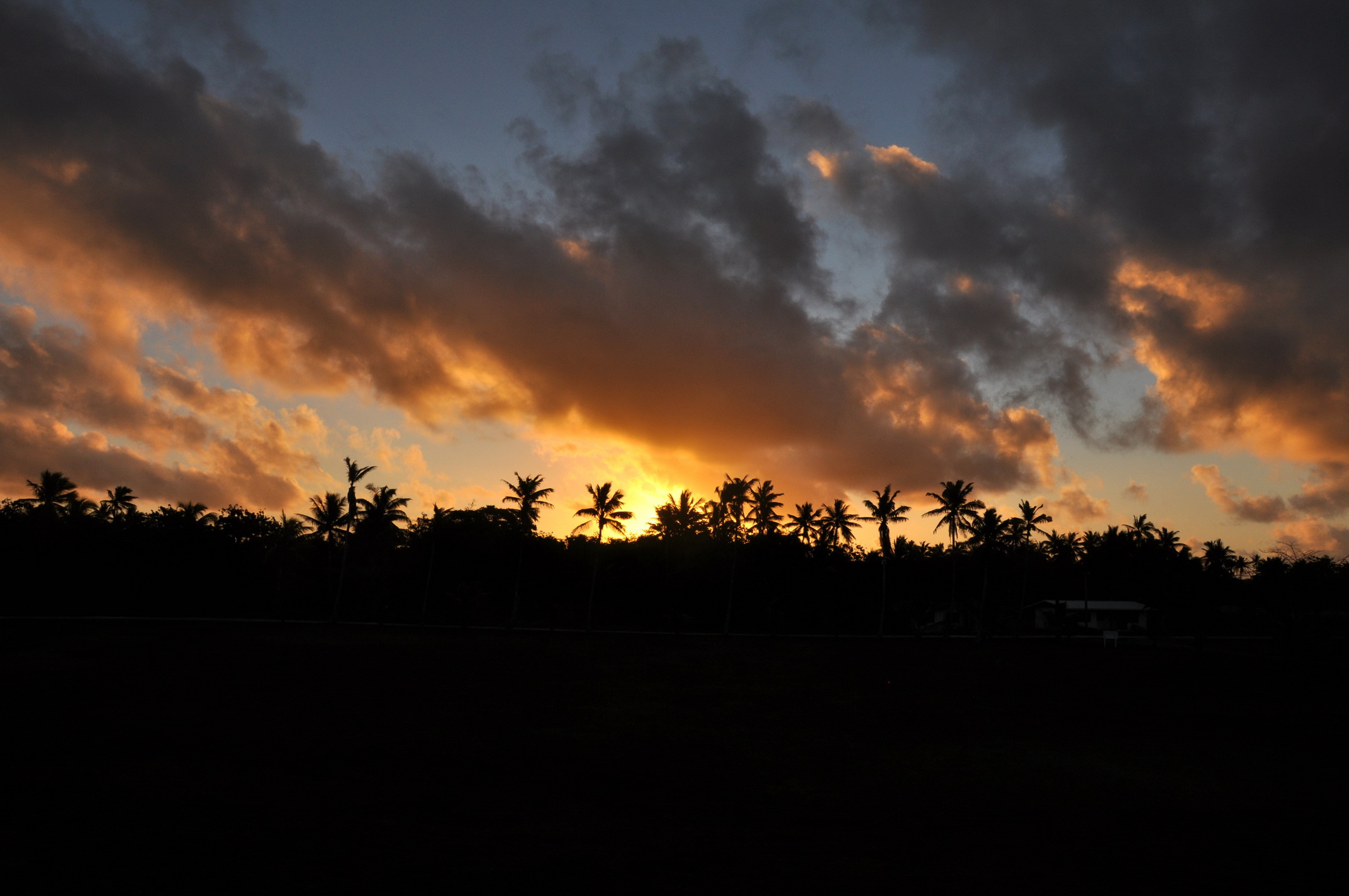
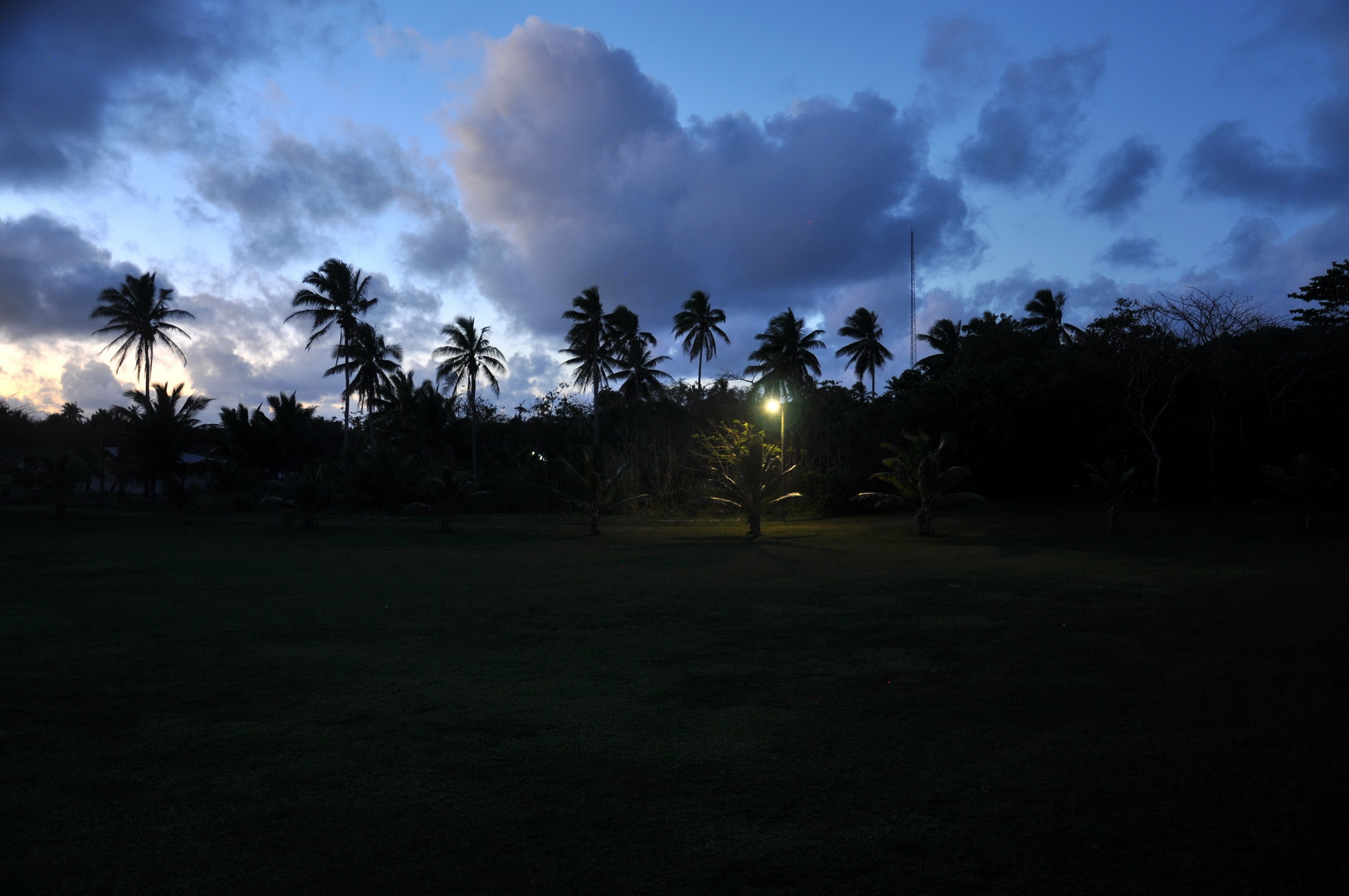
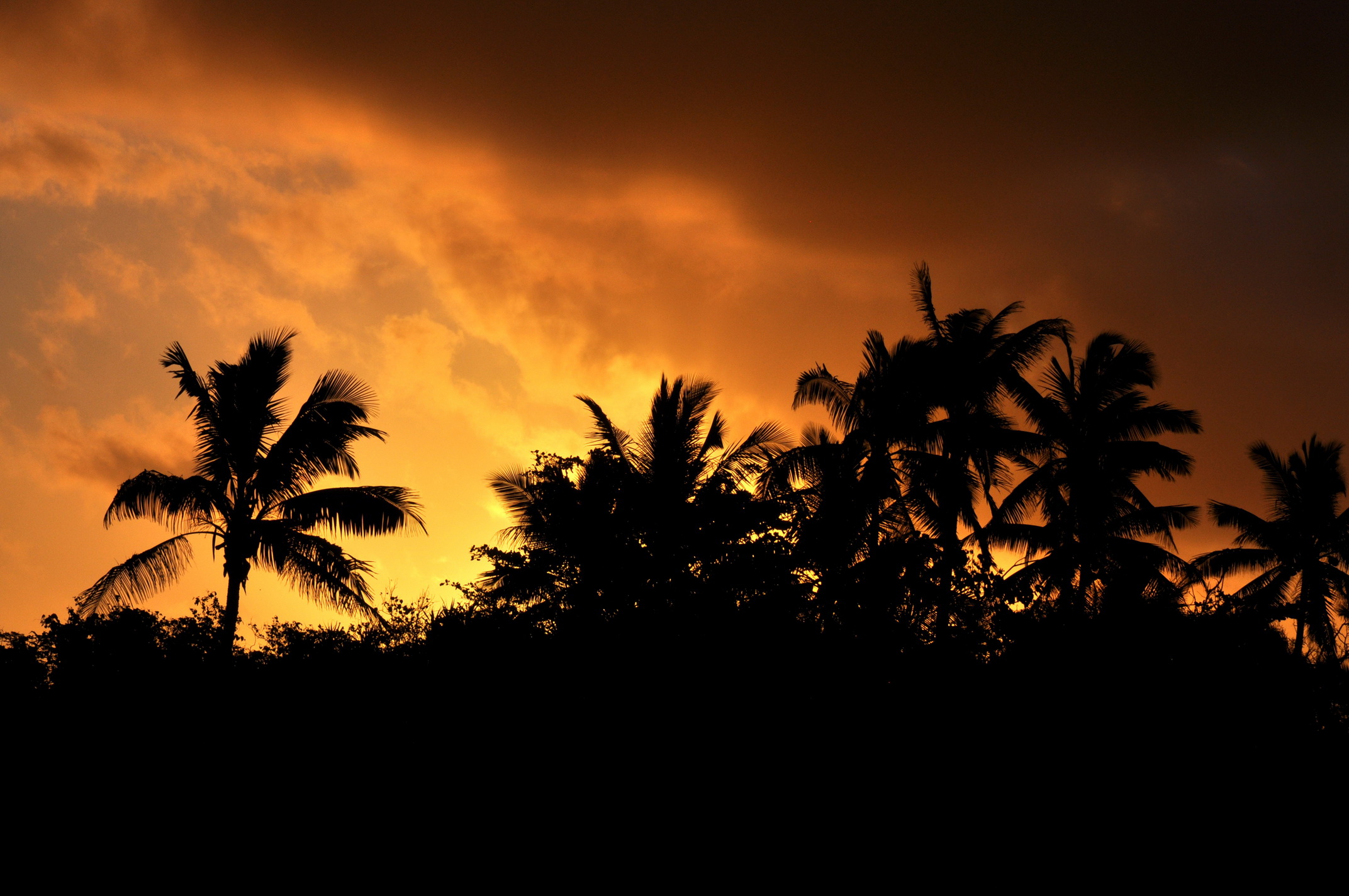
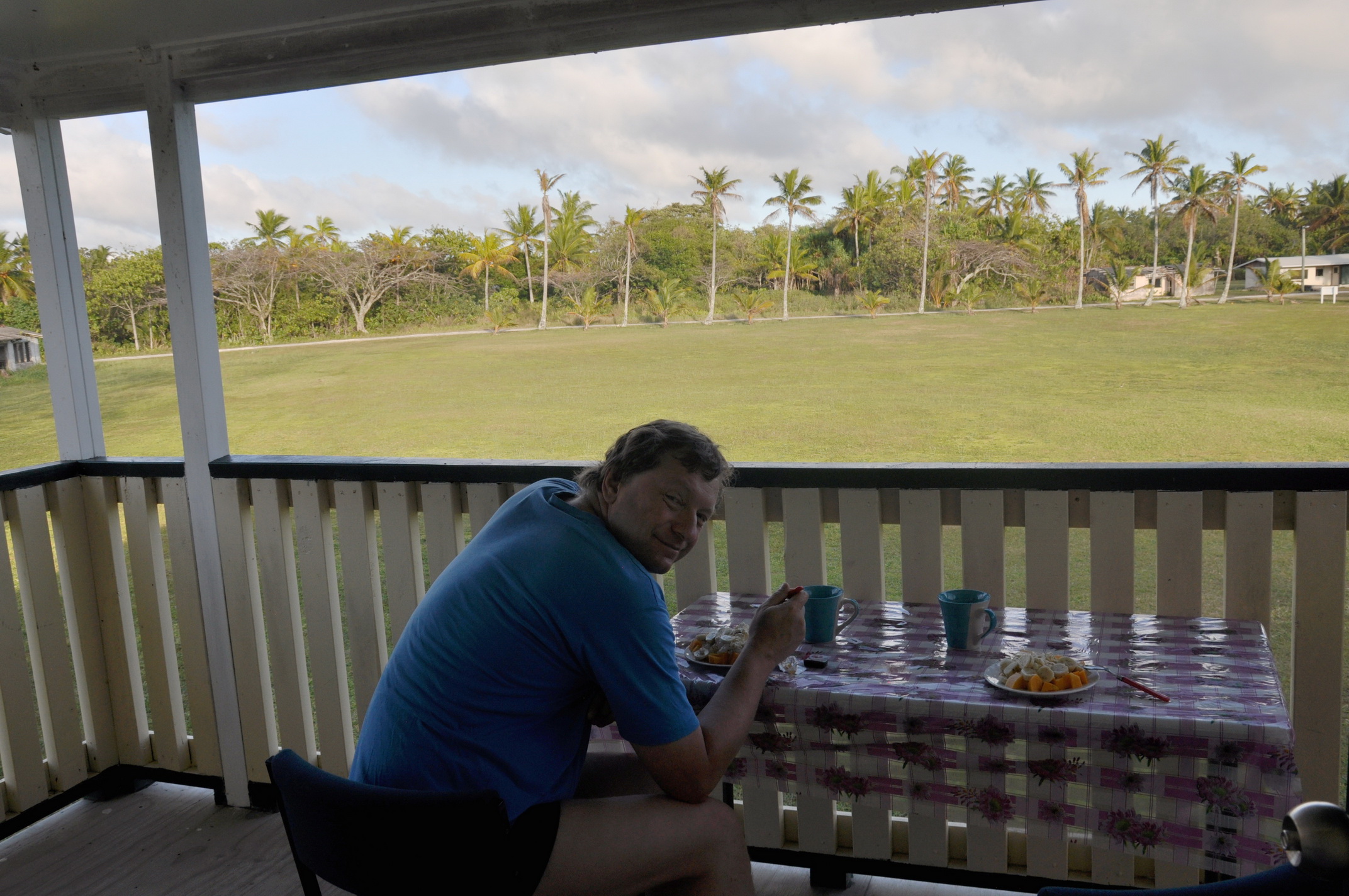
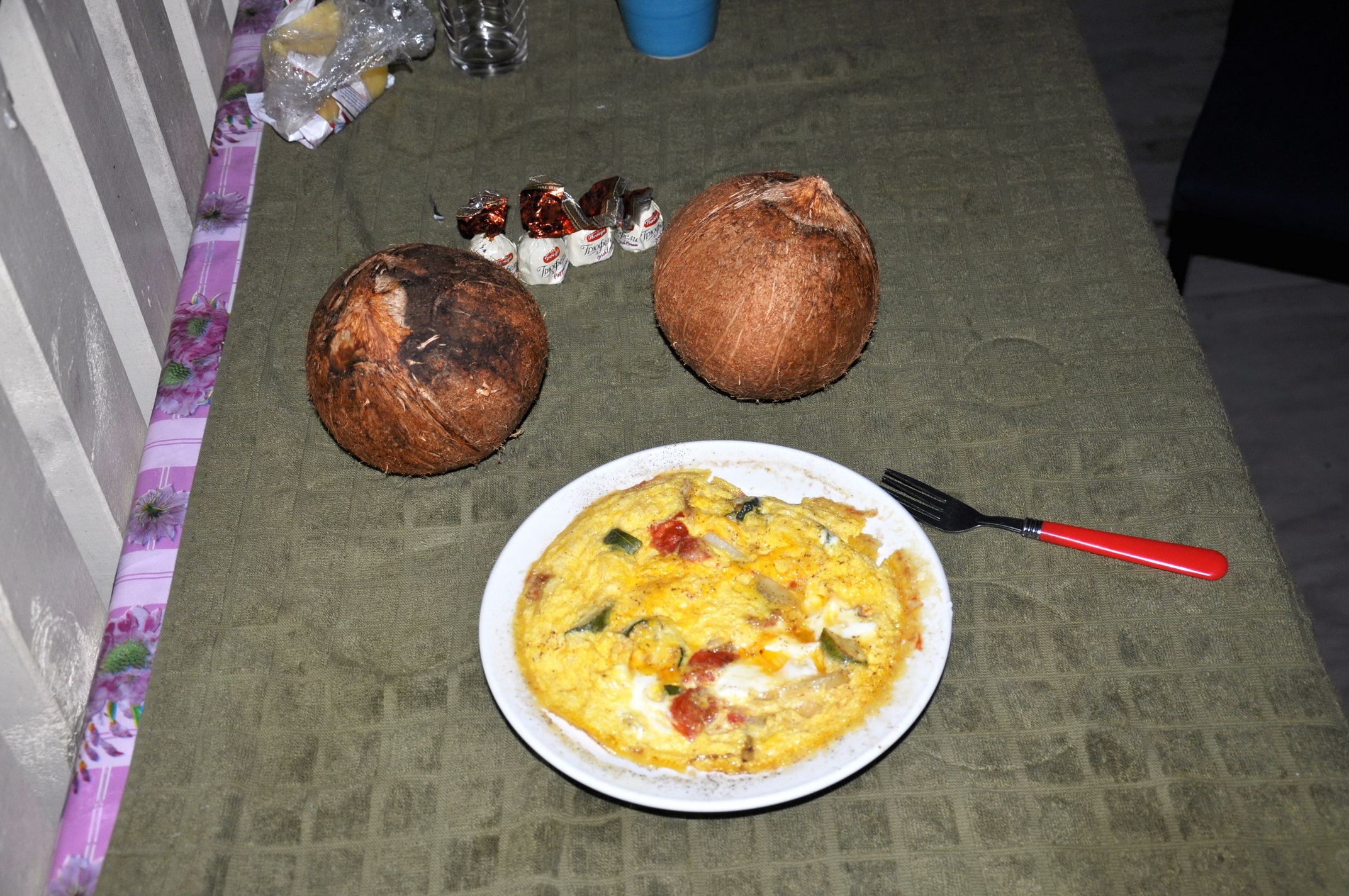
We spent the evening quietly watching the sunset, eating papaya and enjoying a delicious dinner Tanya had made.
Last days on Niue
The next morning we started out at the cave near Mutalau (18°57.431′S, 169°49.655′W). We’d been here before, but the tide had been in, and we’d really wanted a swim.
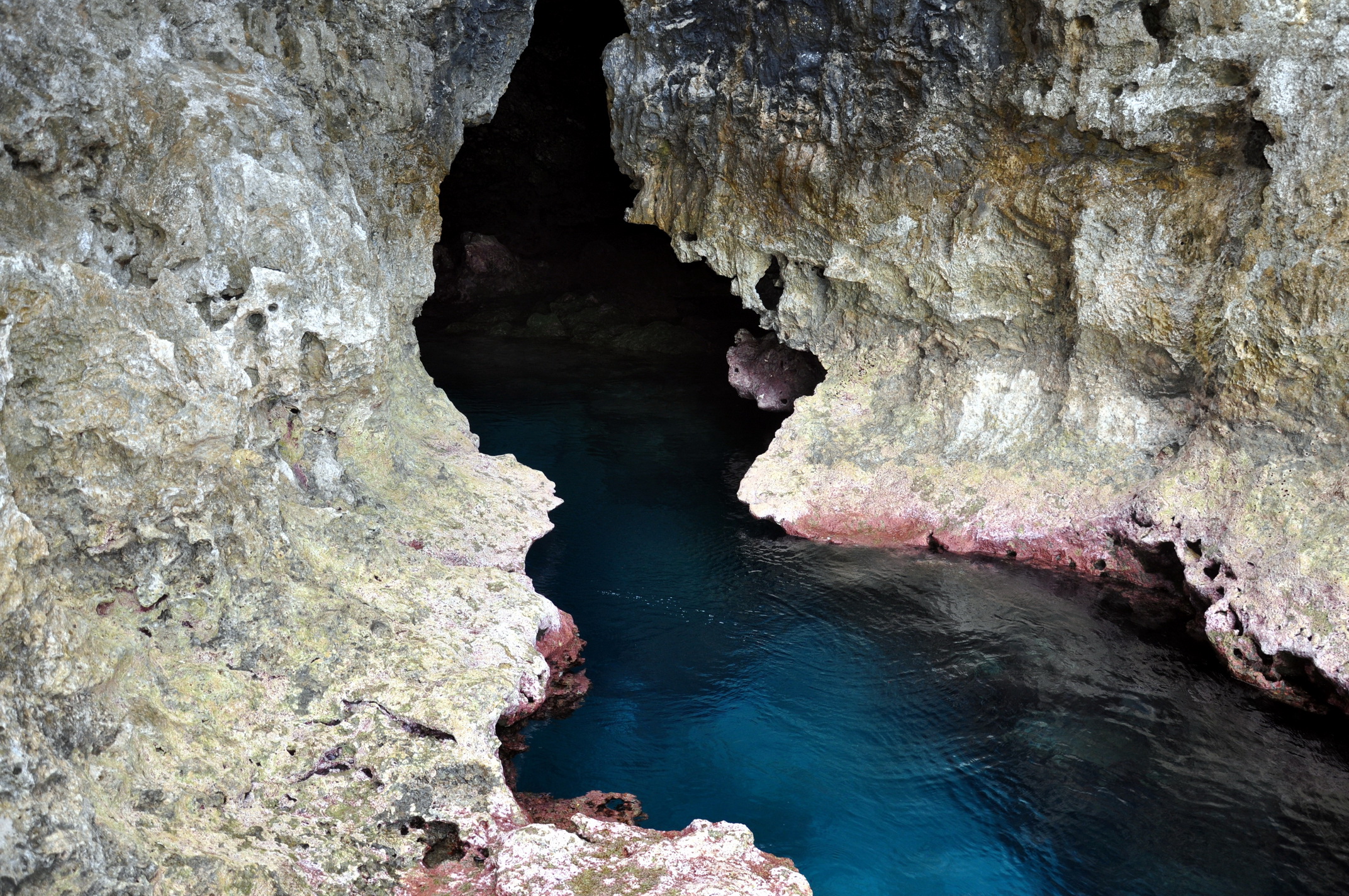
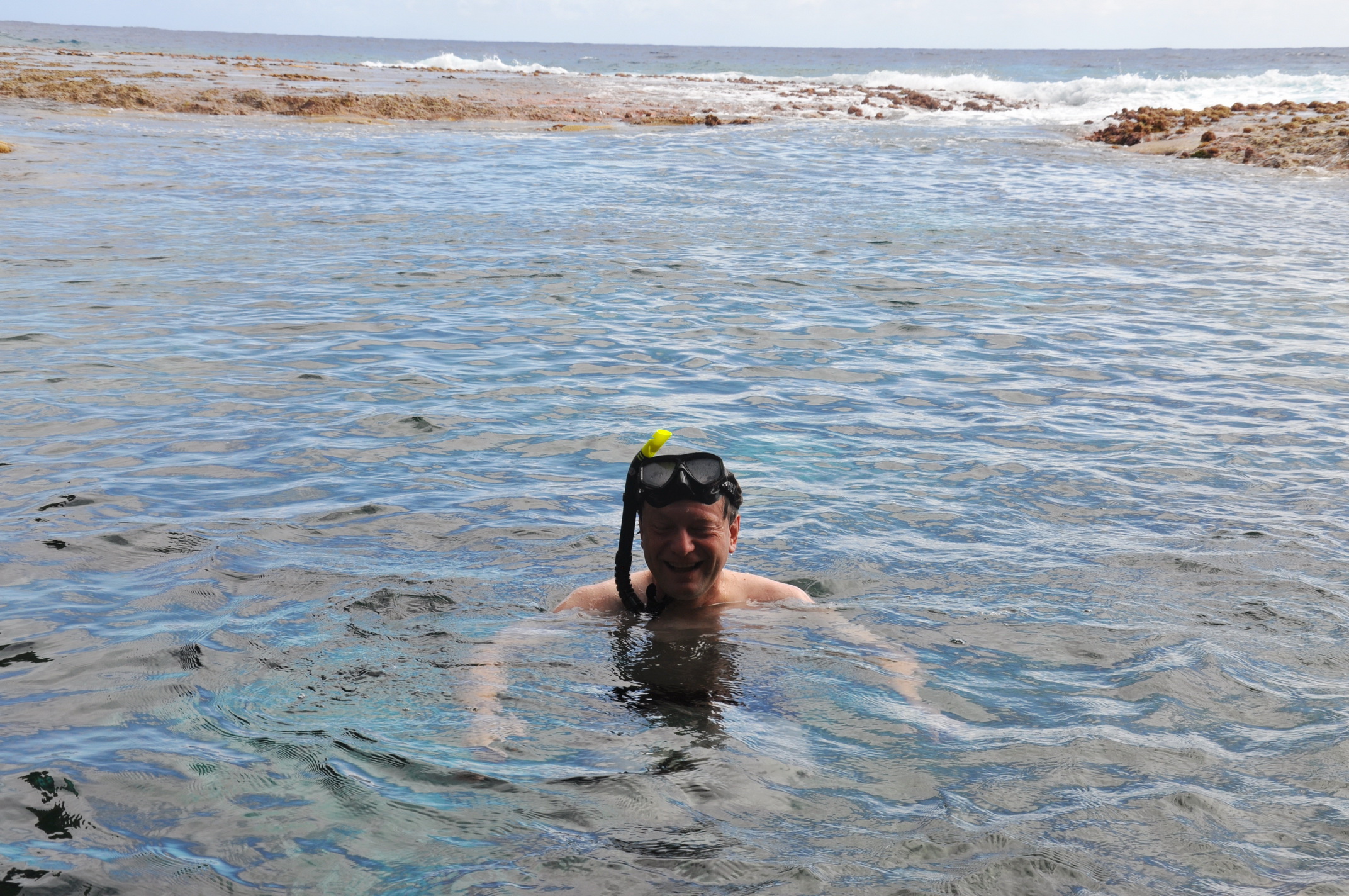
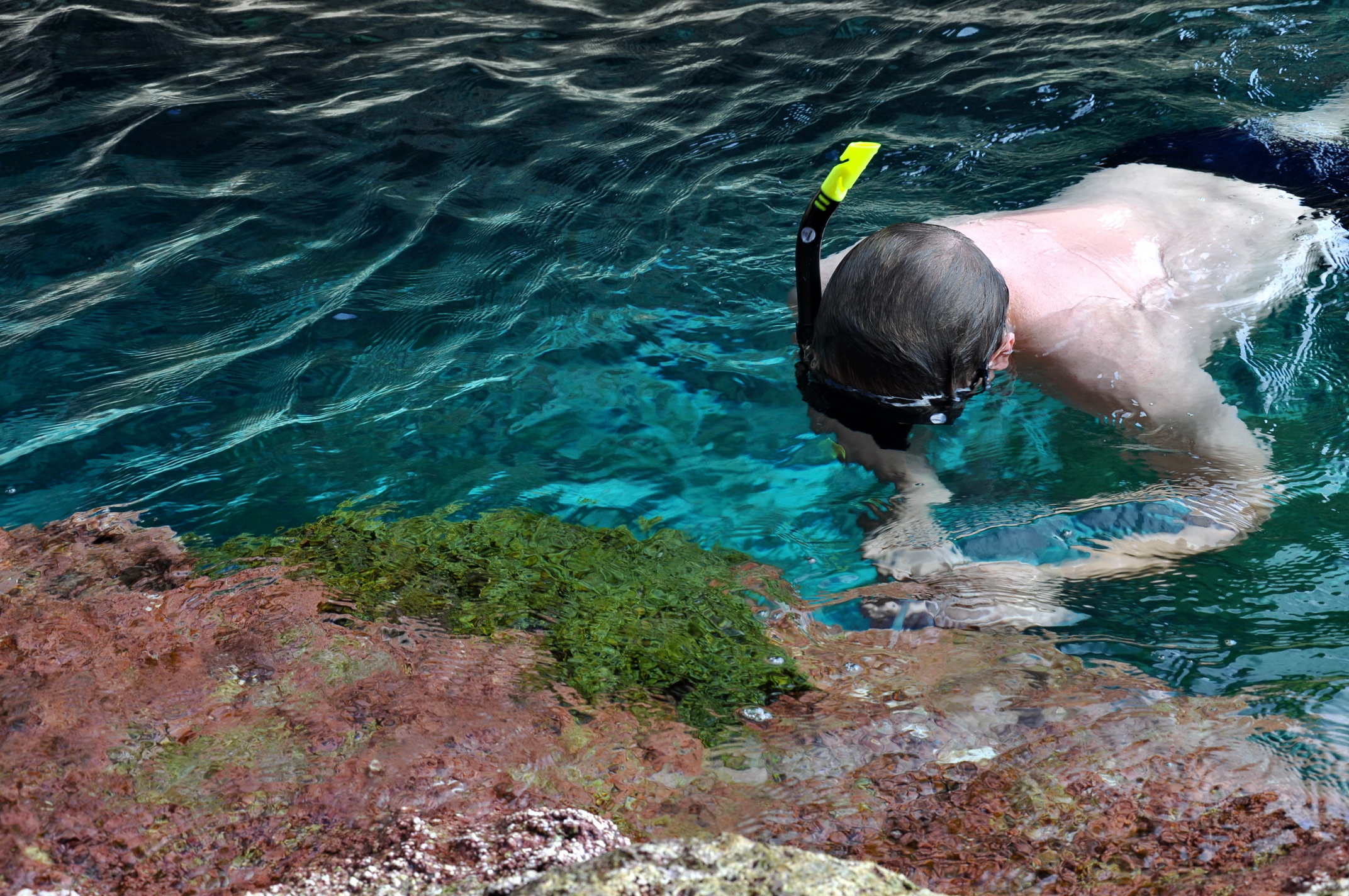
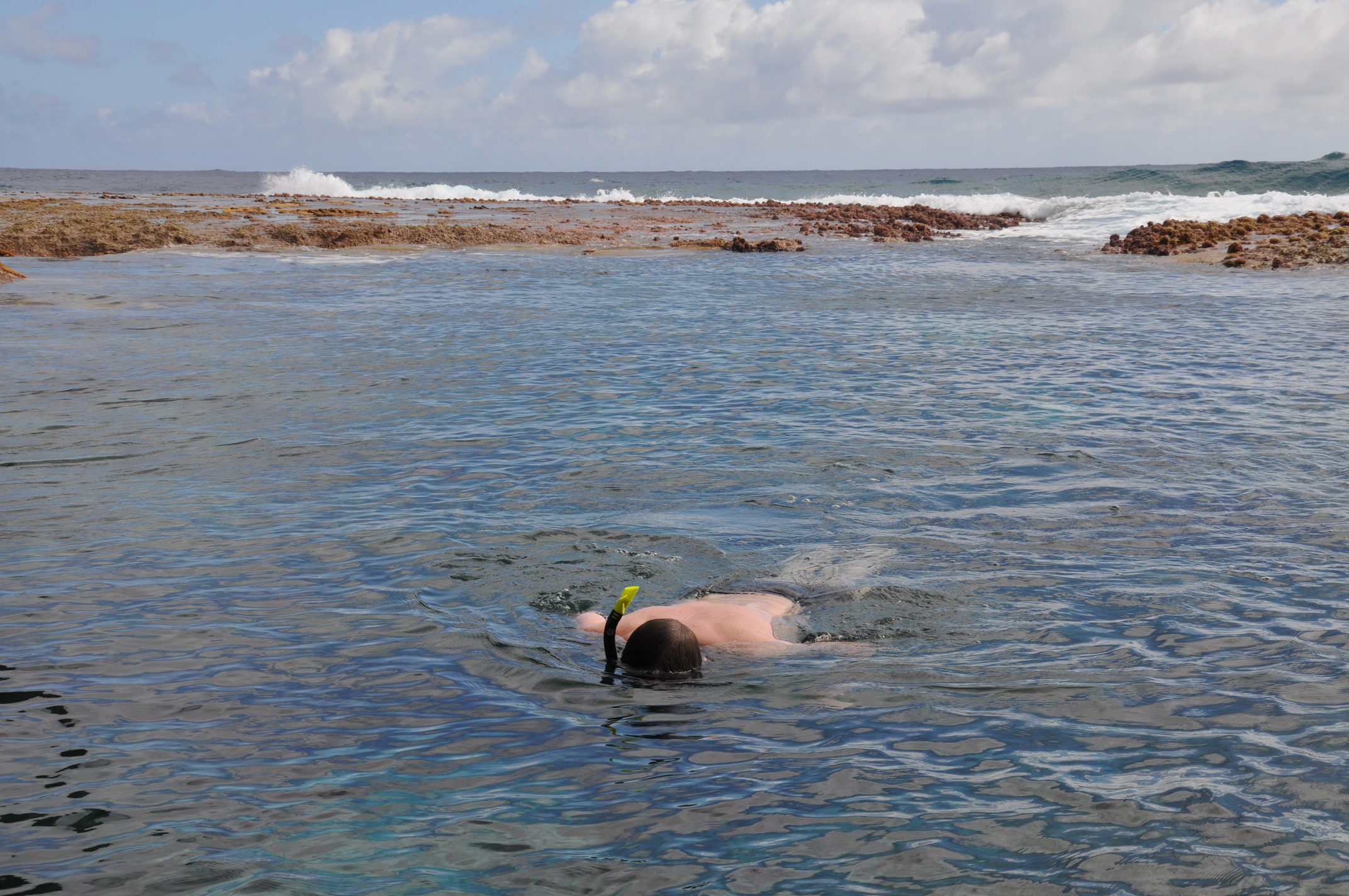
The cave to the north wasn’t in our guidebooks, but it was well worth seeing. The only way to get into the cave itself is to swim. A stream of fresh water flows from underground into the sea.
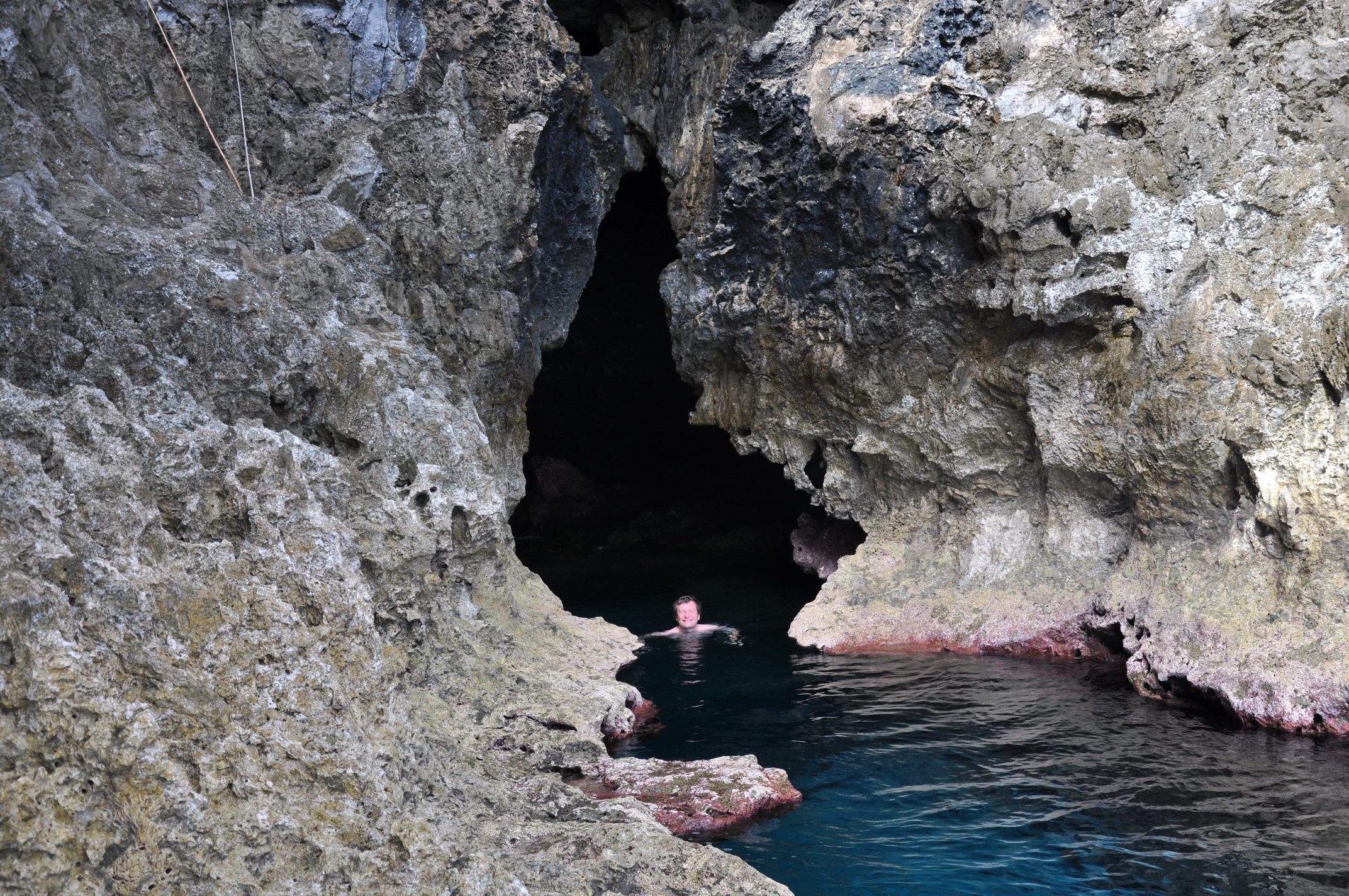
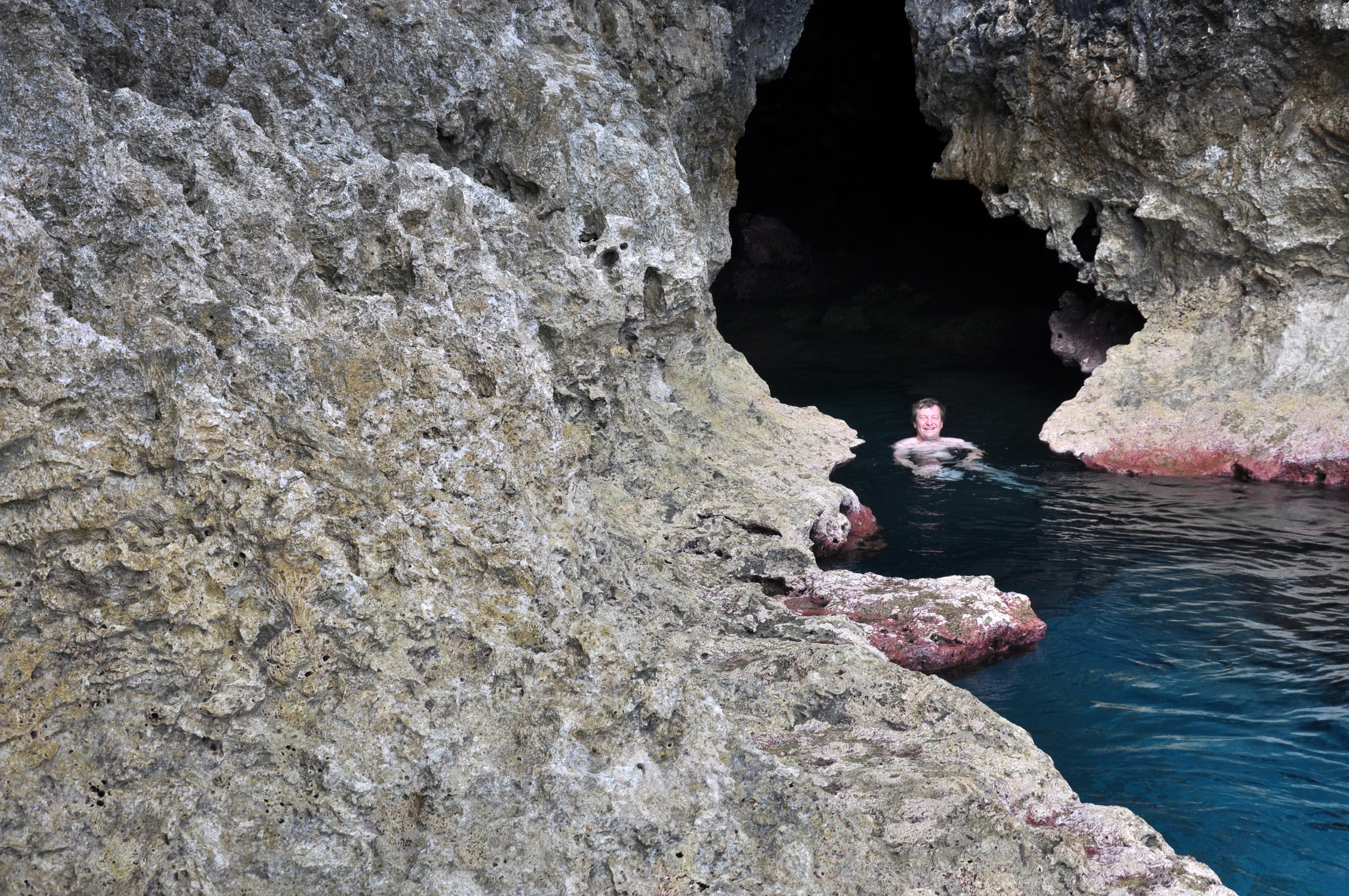
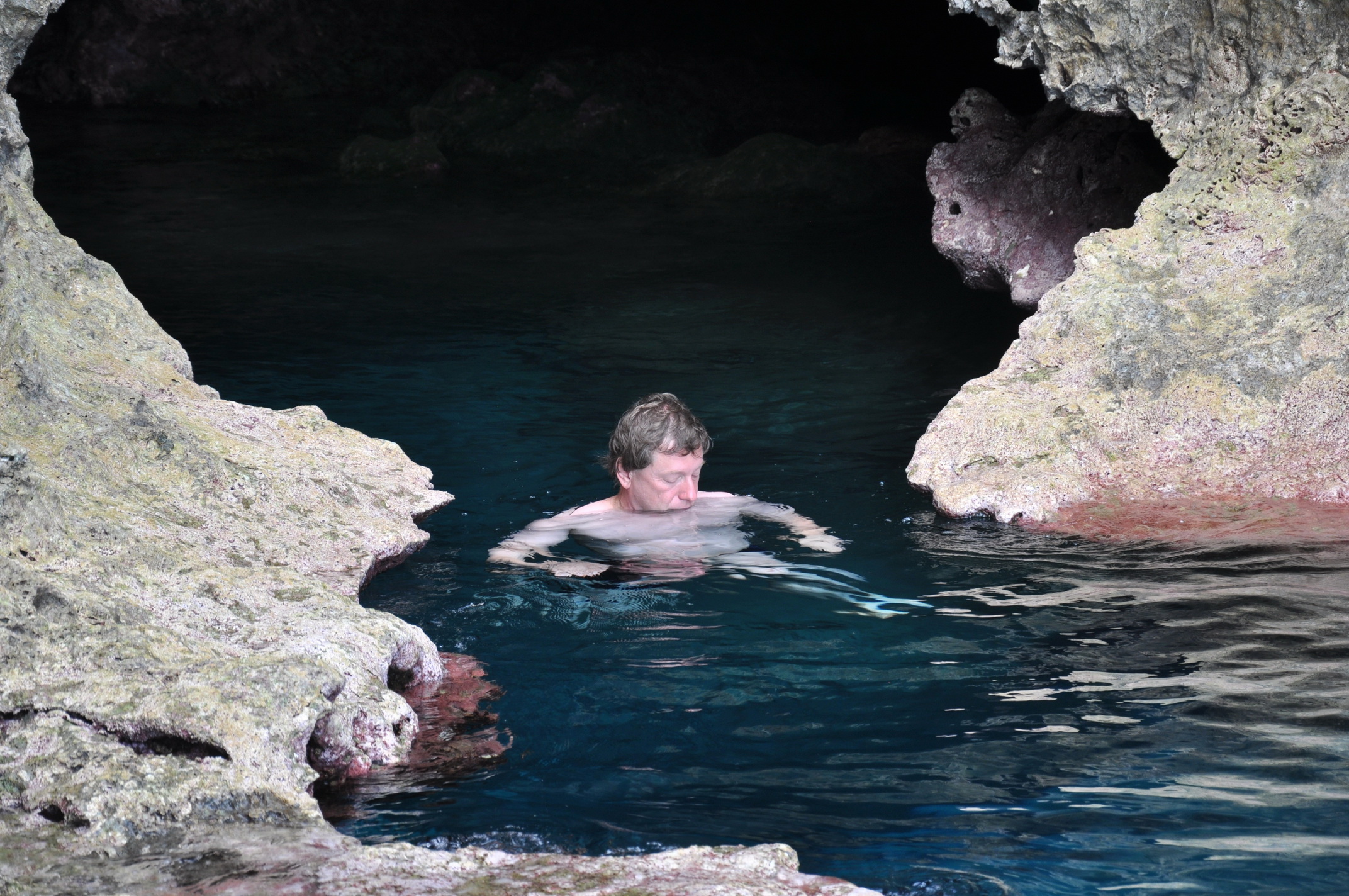
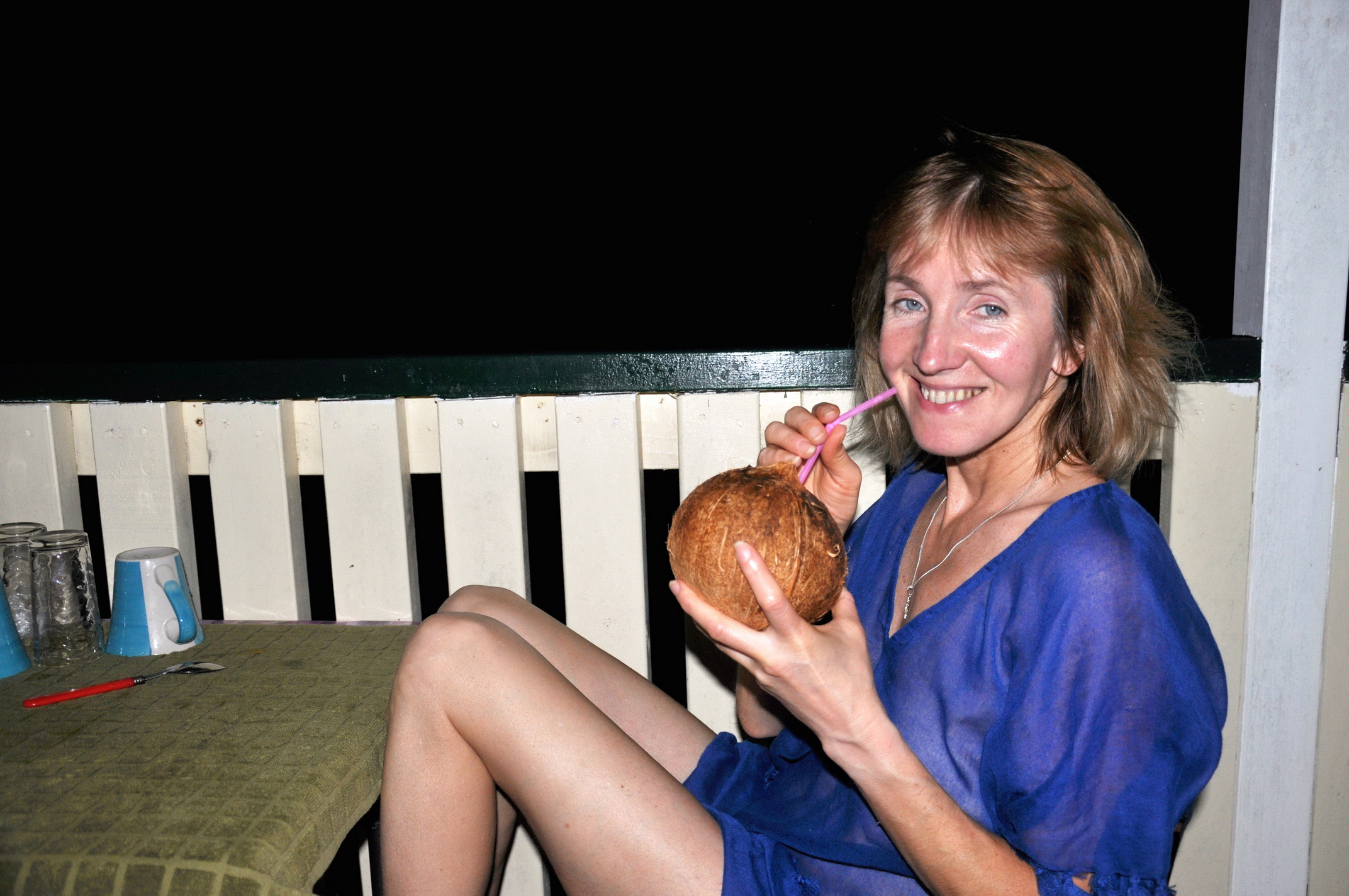
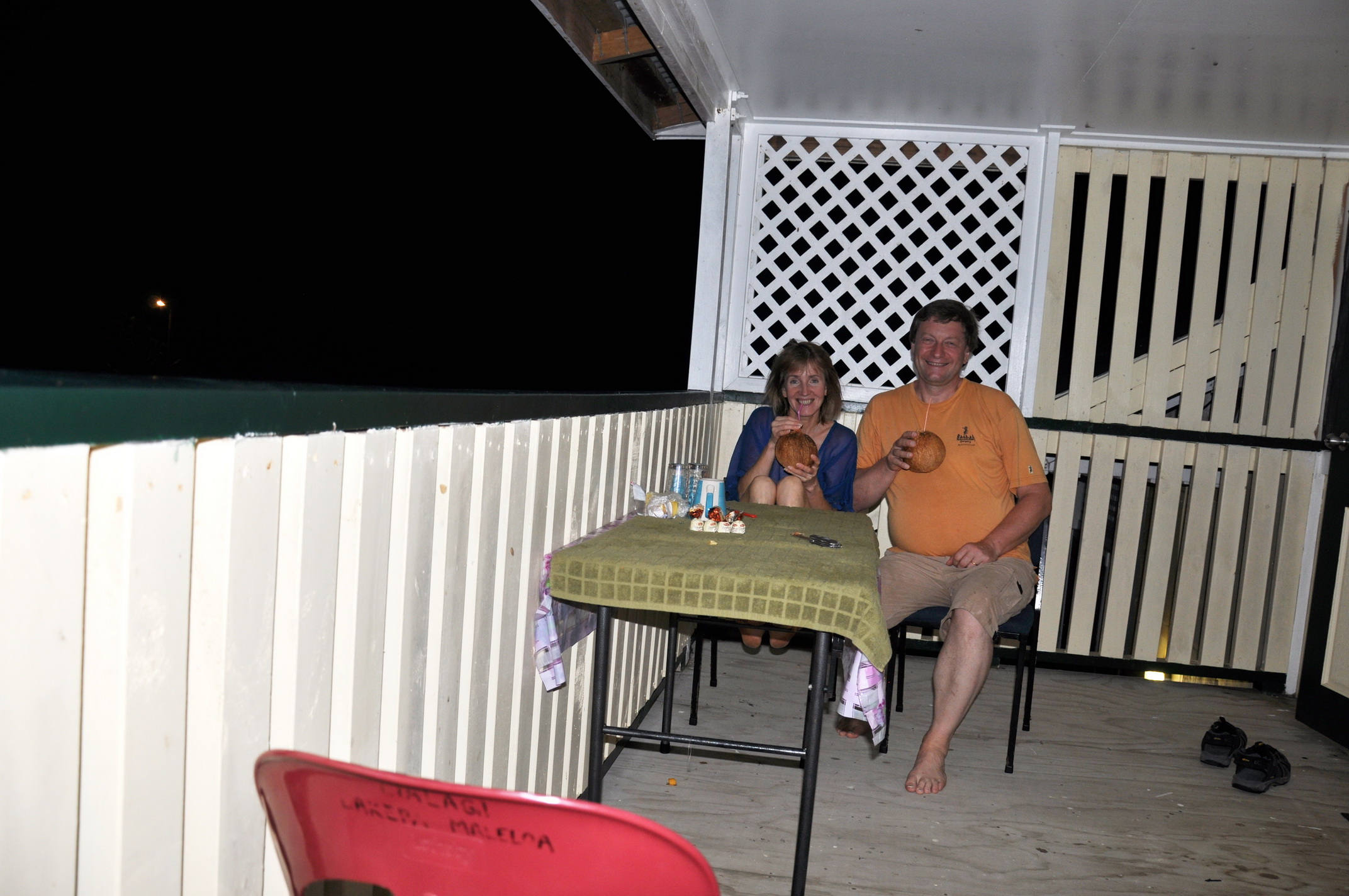
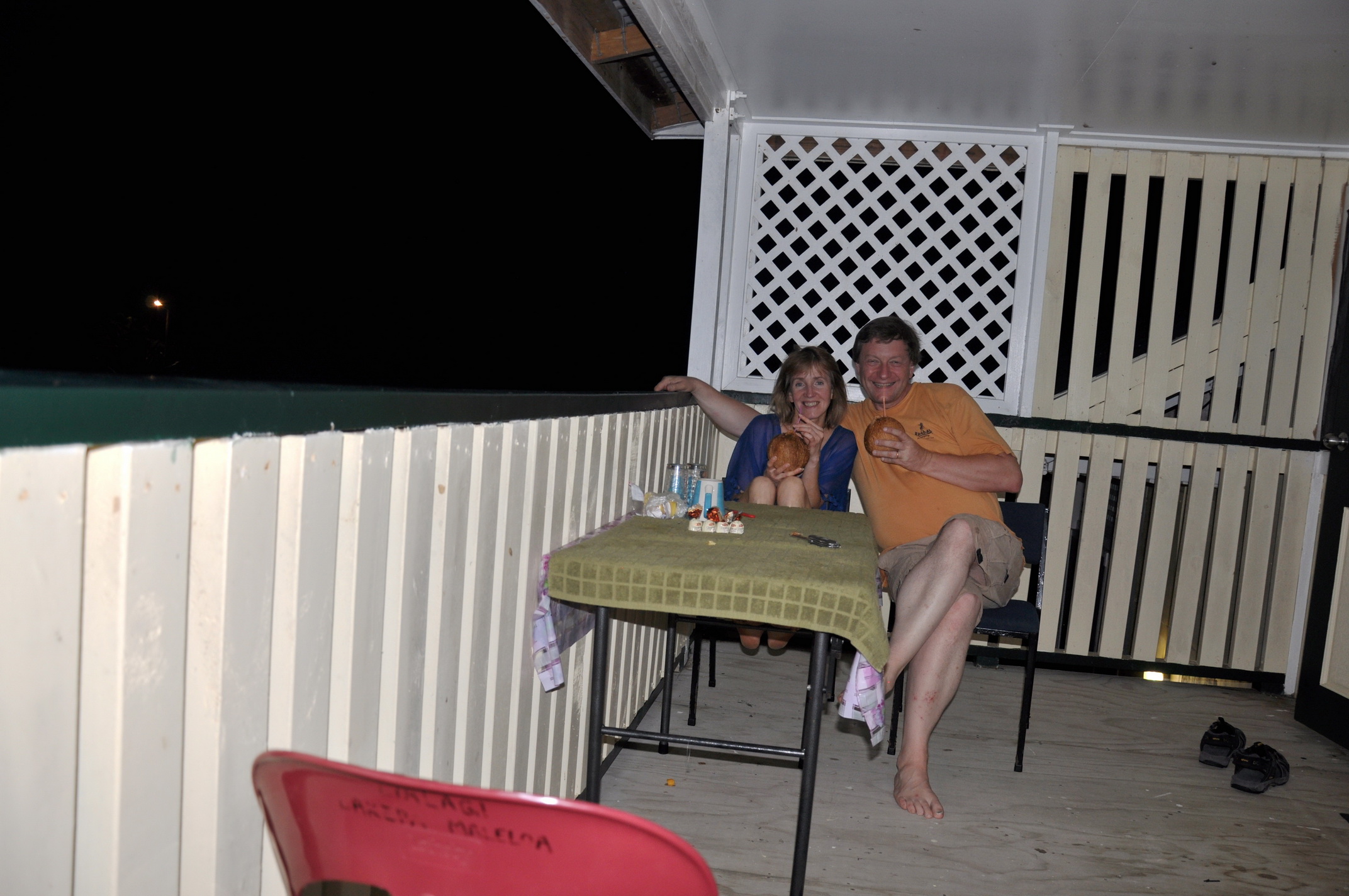
We bought coconuts in the village; they sell them for drinking. Make a hole, put in the straw you brought along, and sip the coconut water like a cocktail. Speaking of cocktails, I already mentioned the local pride and joy, Niuean gin. You’re supposed to make a hole in the coconut and top it up with gin. There you have the national Niuean cocktail.
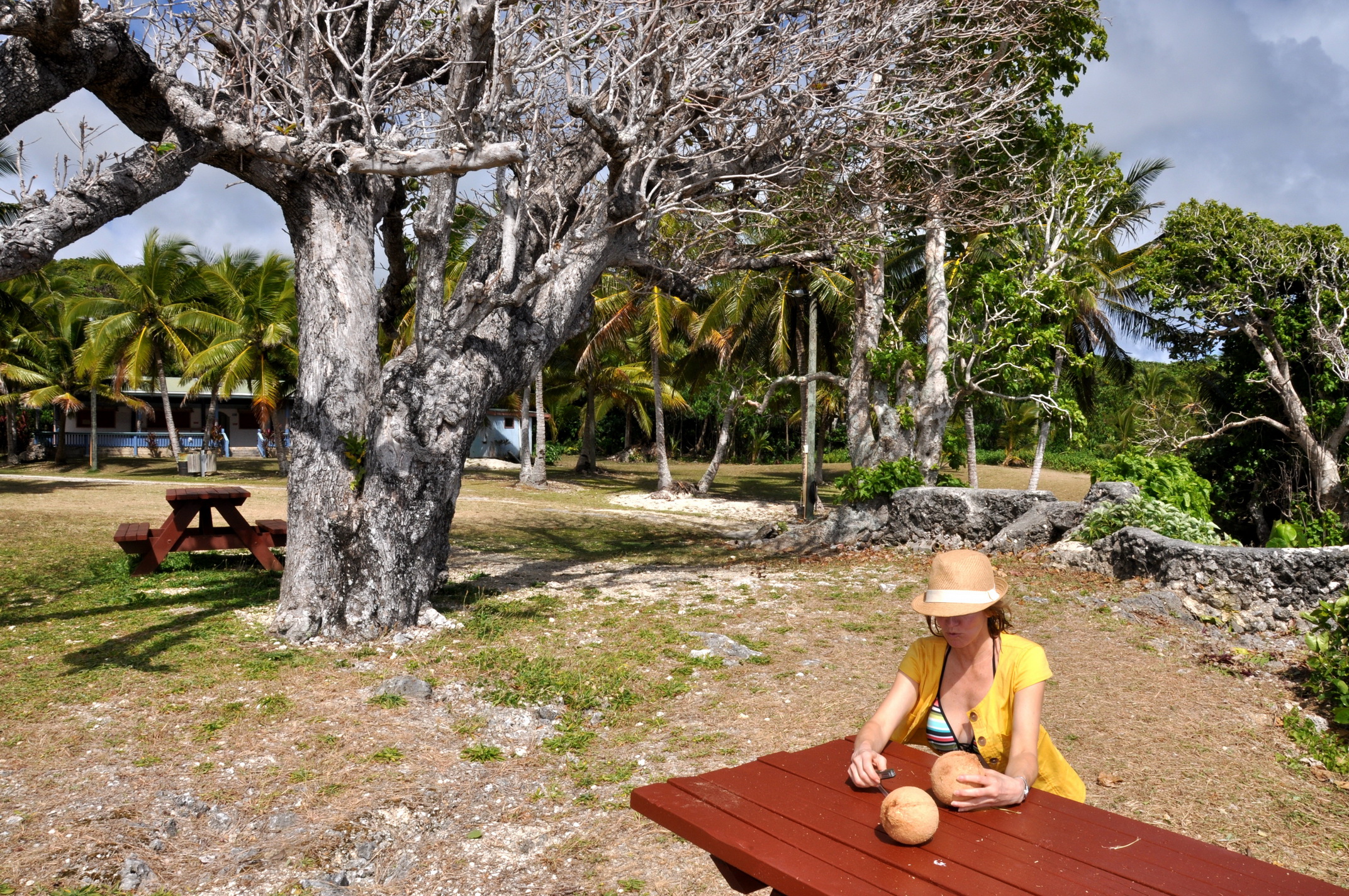
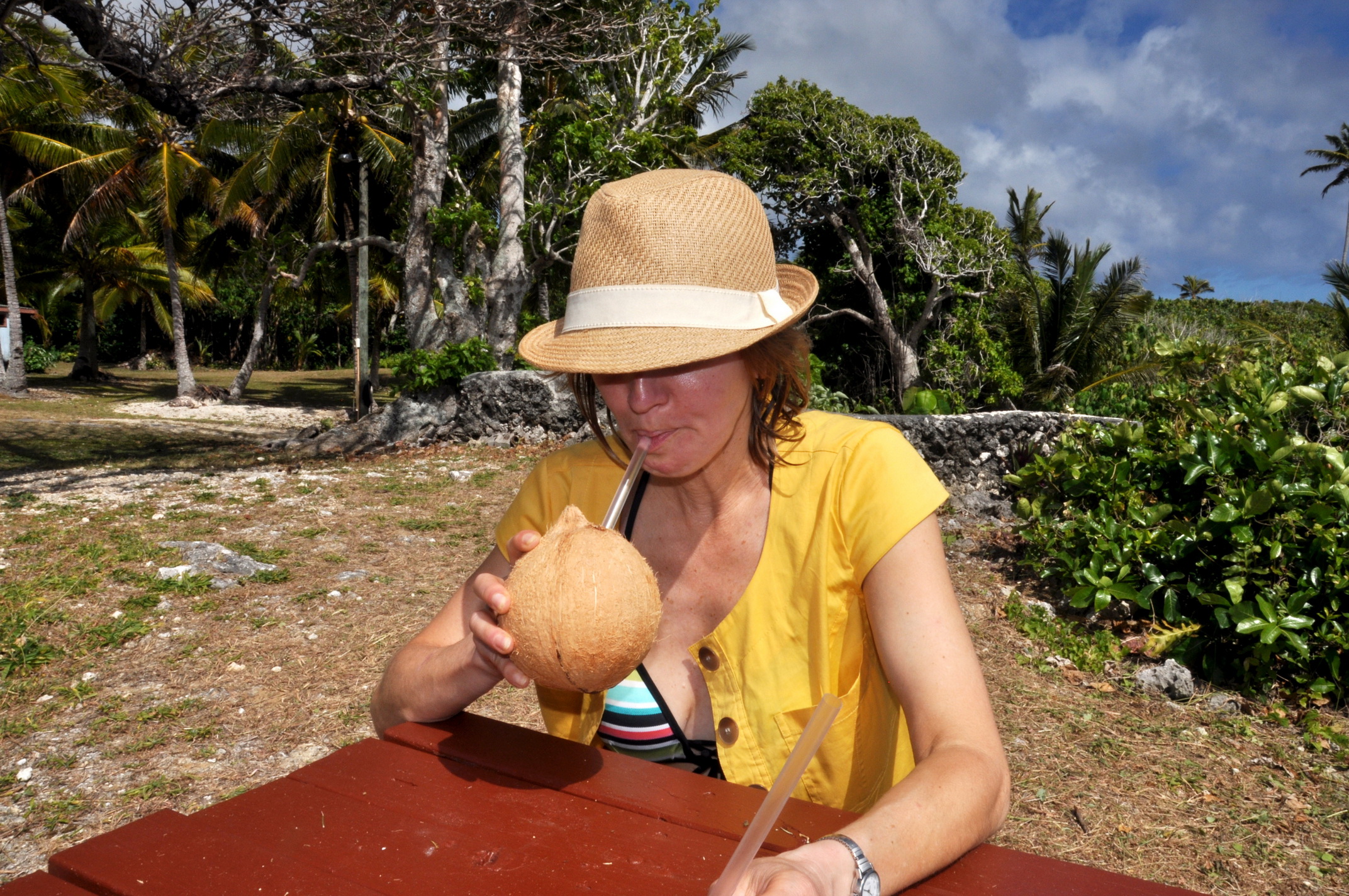
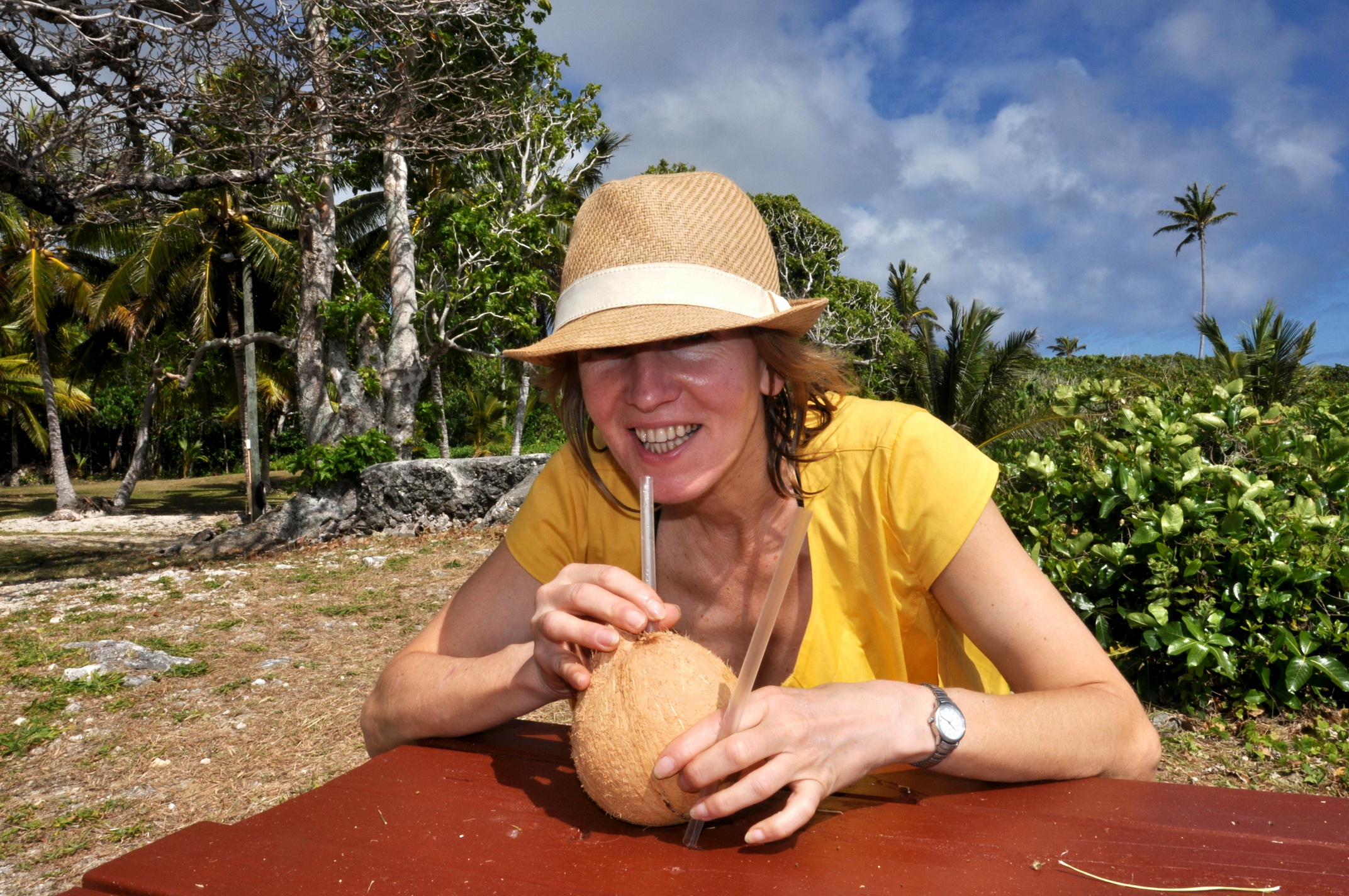
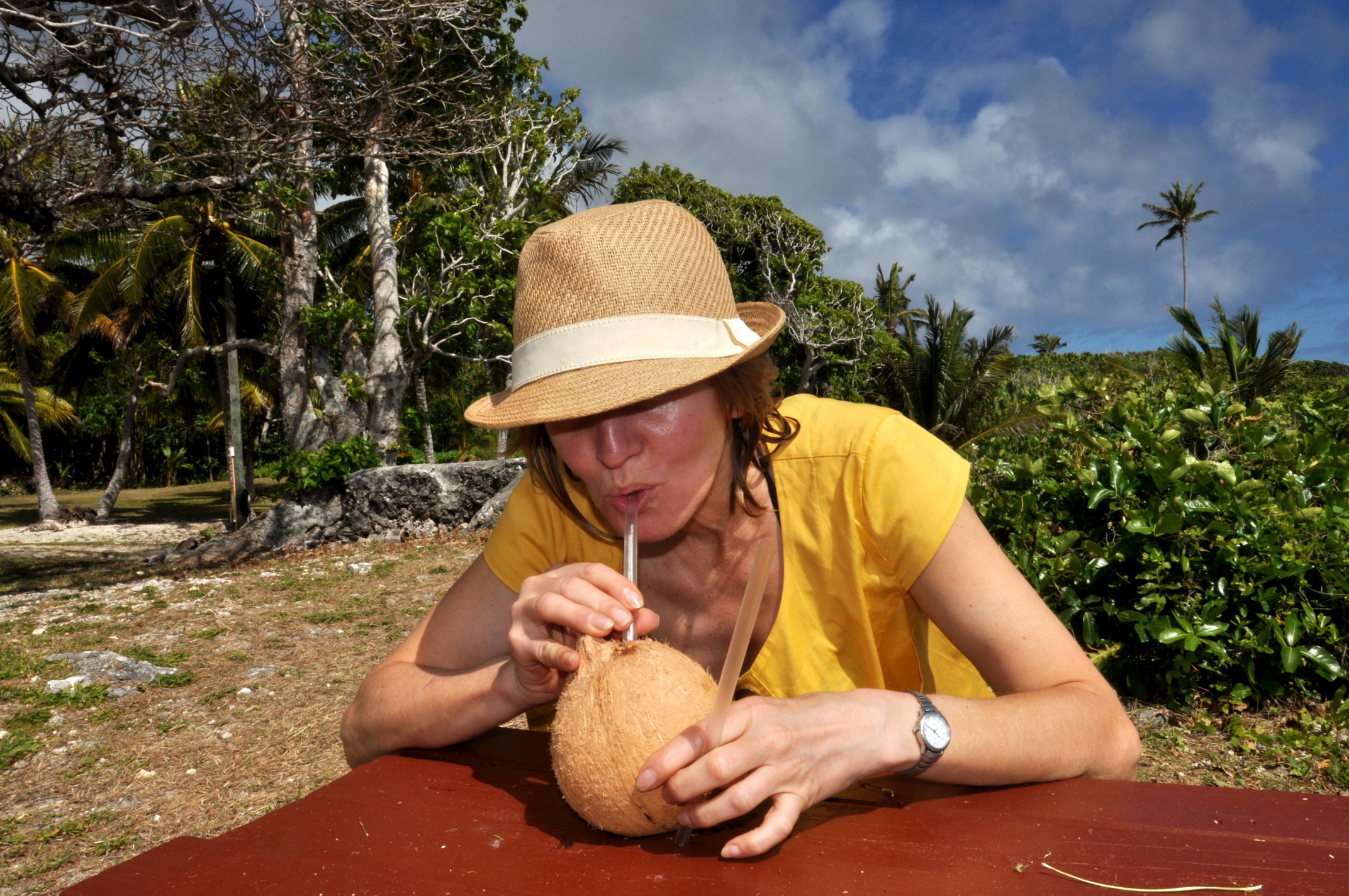
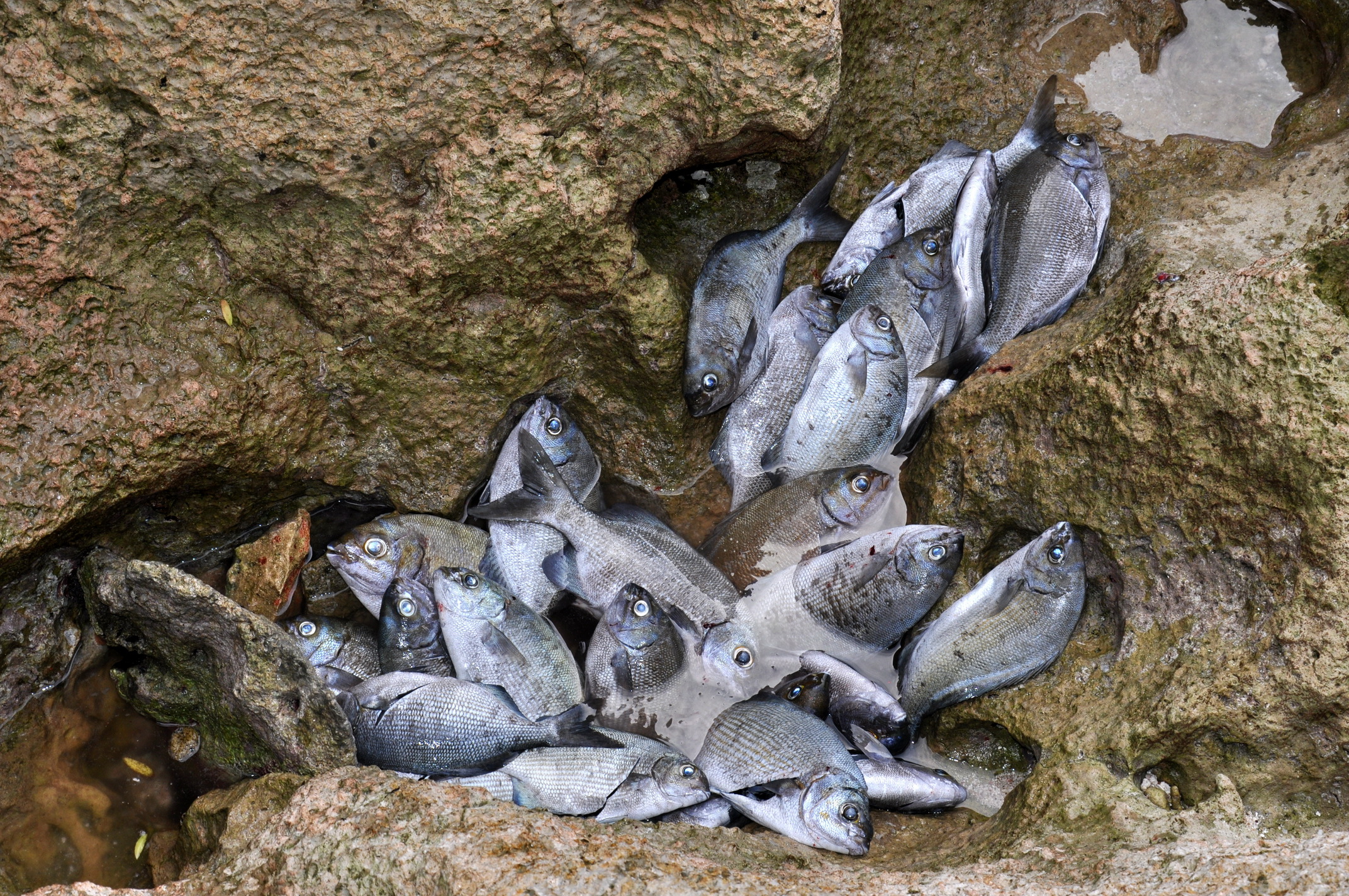
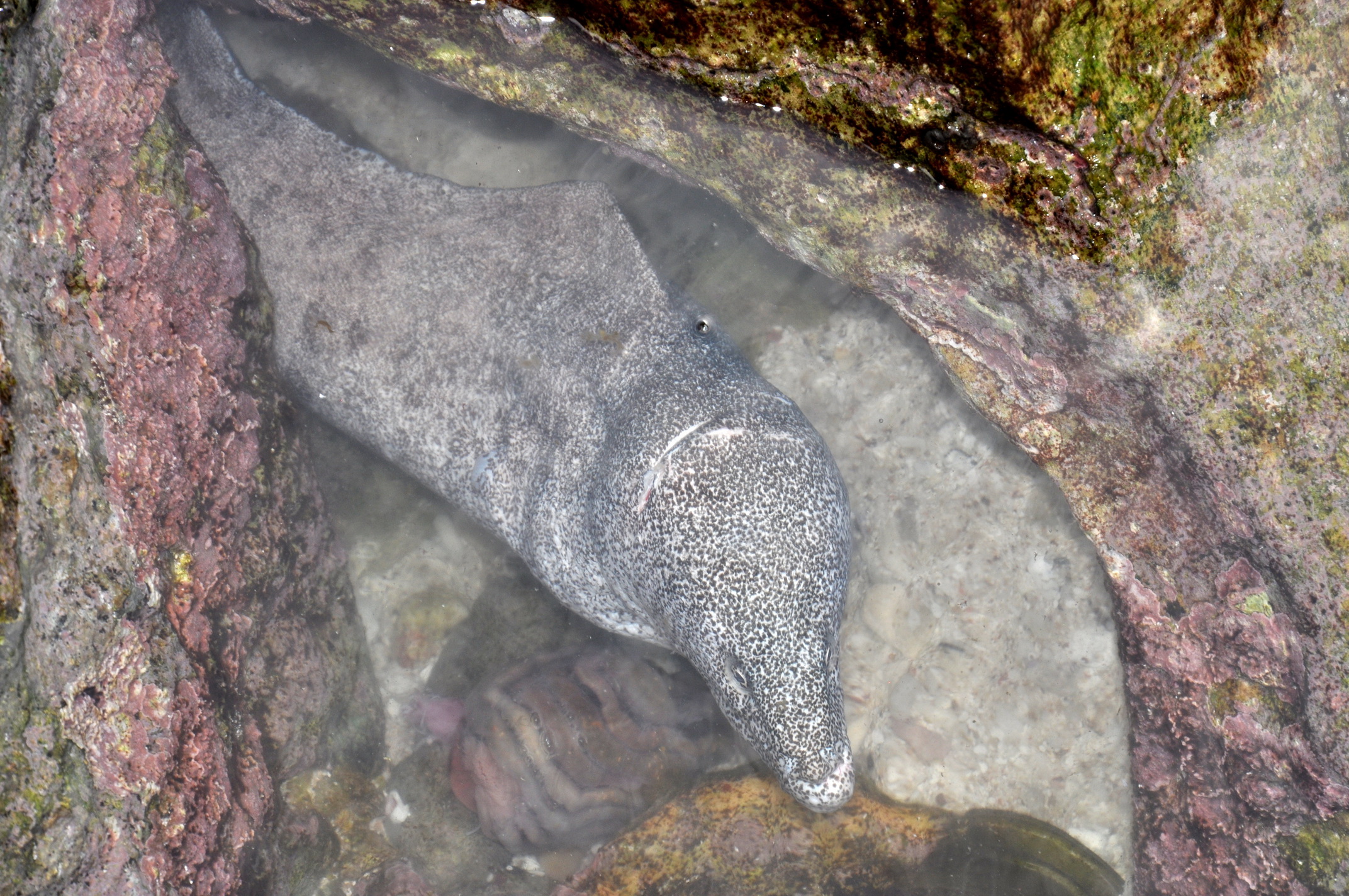
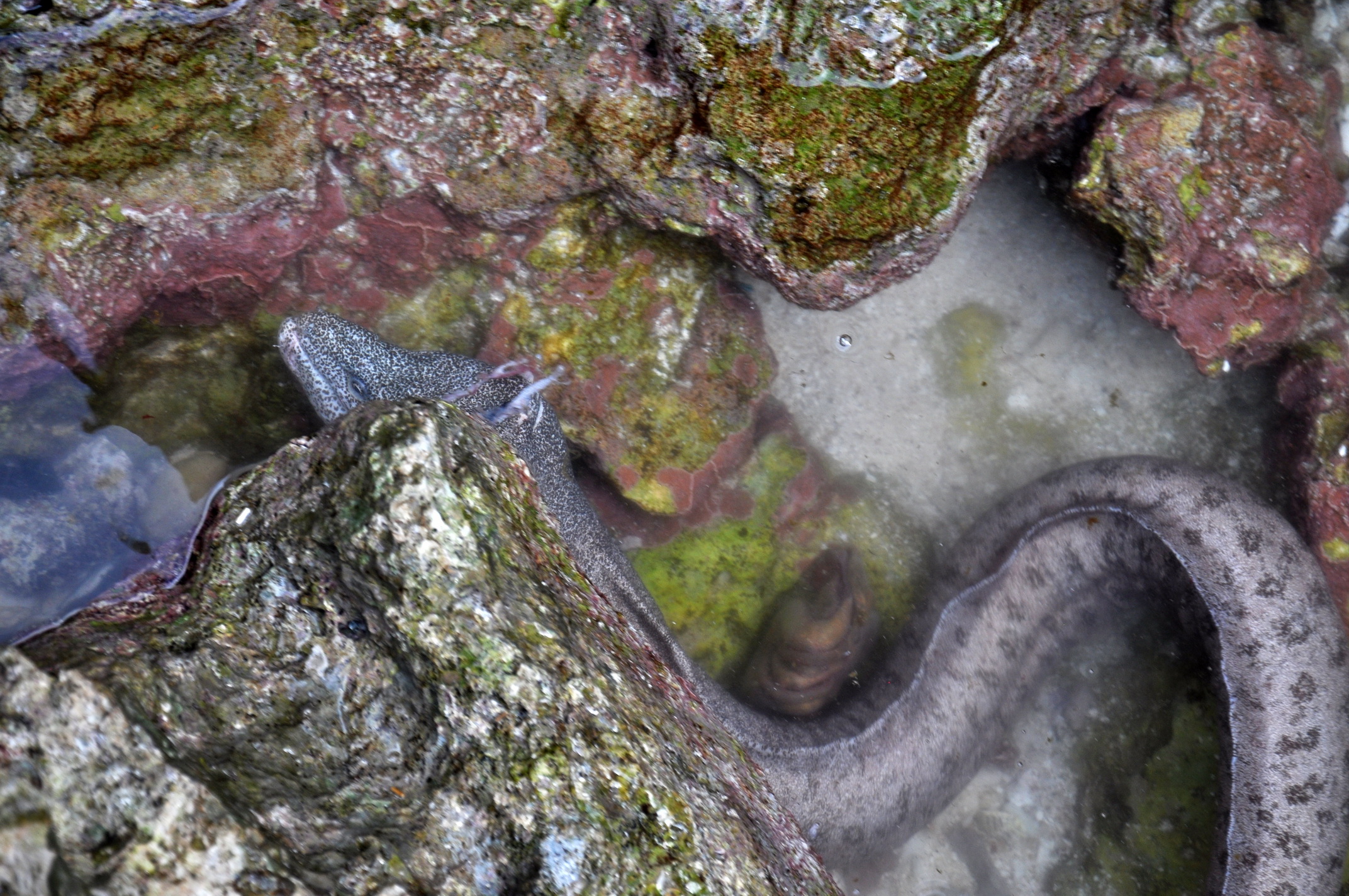
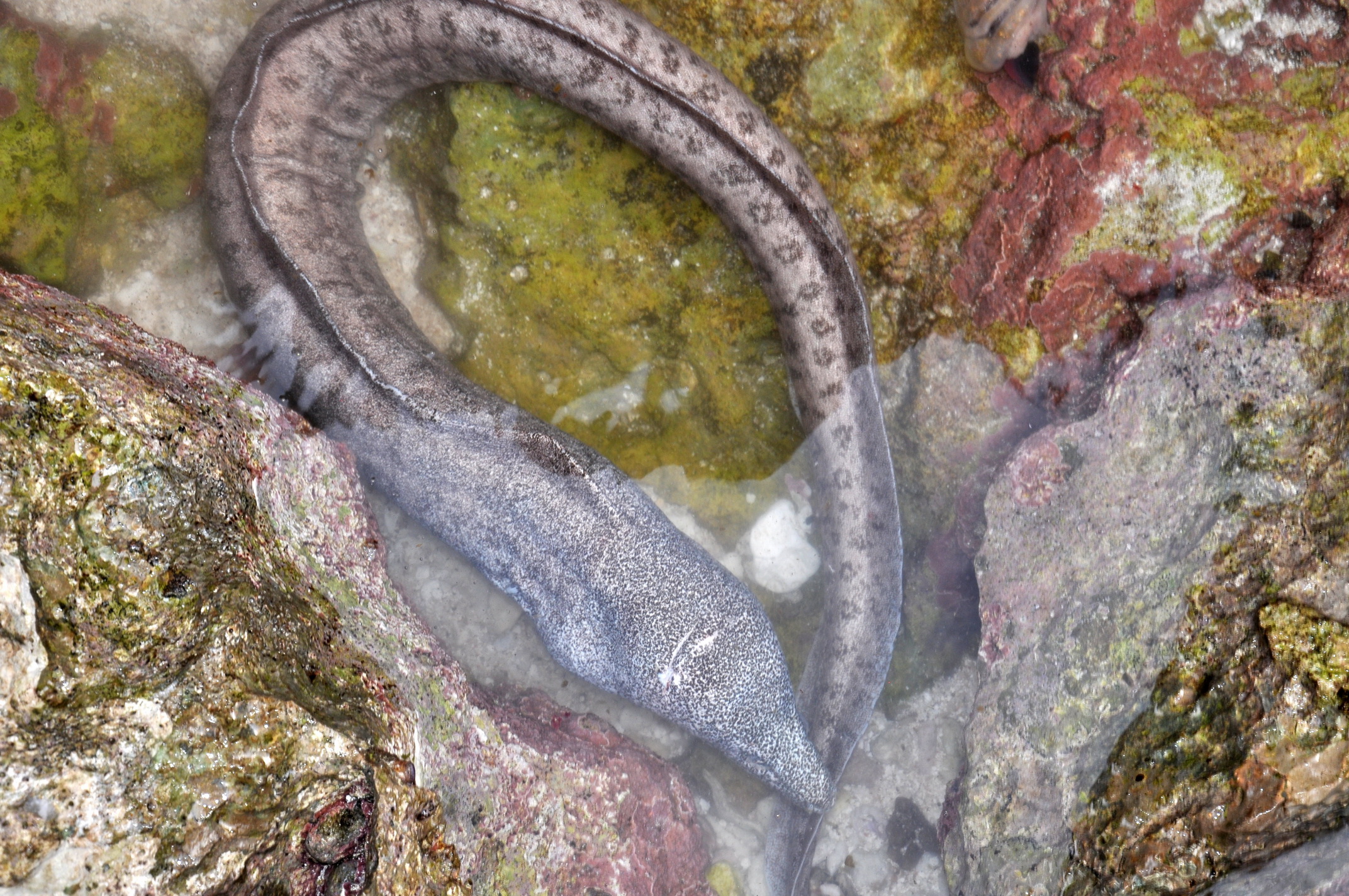
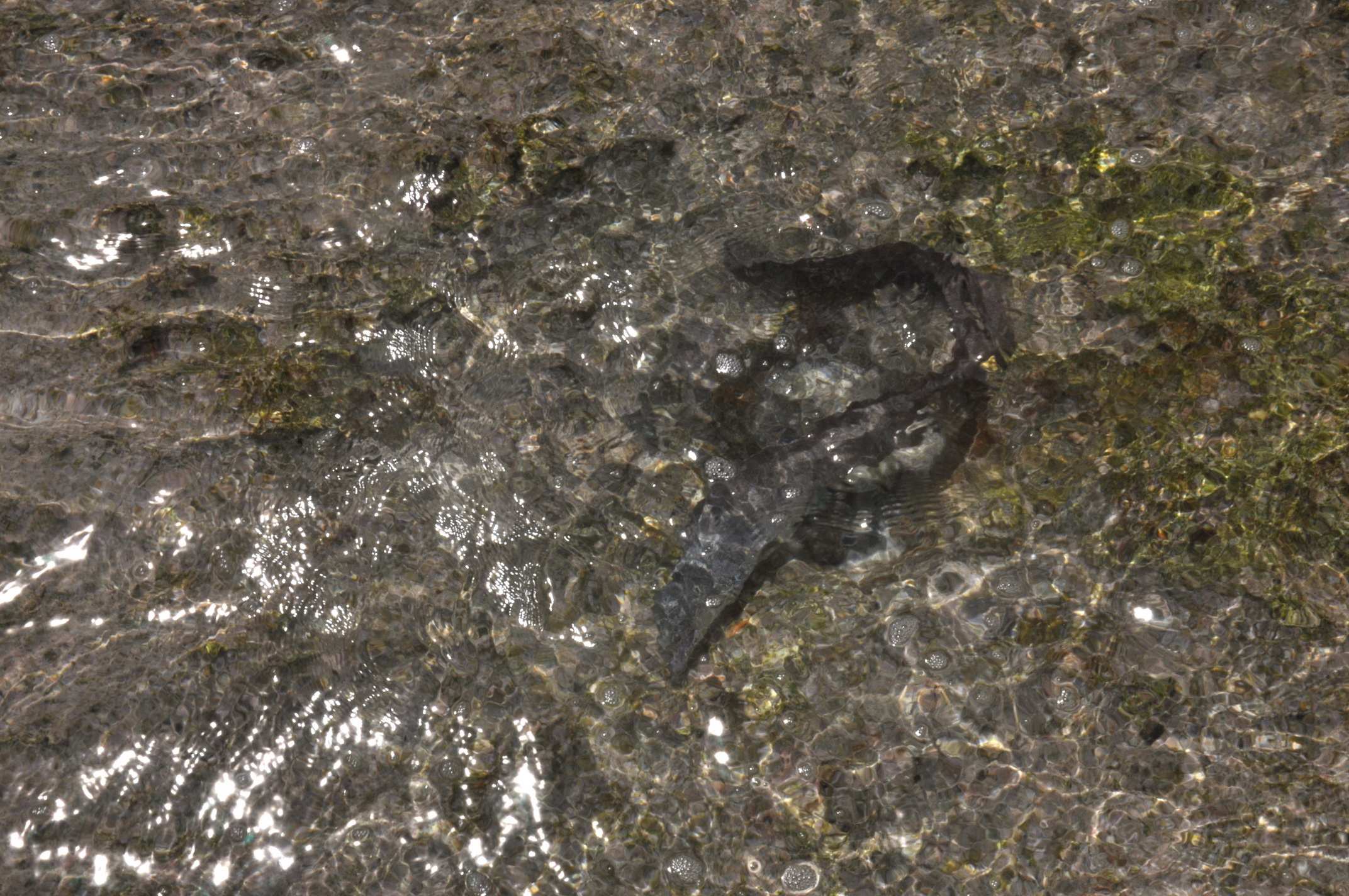
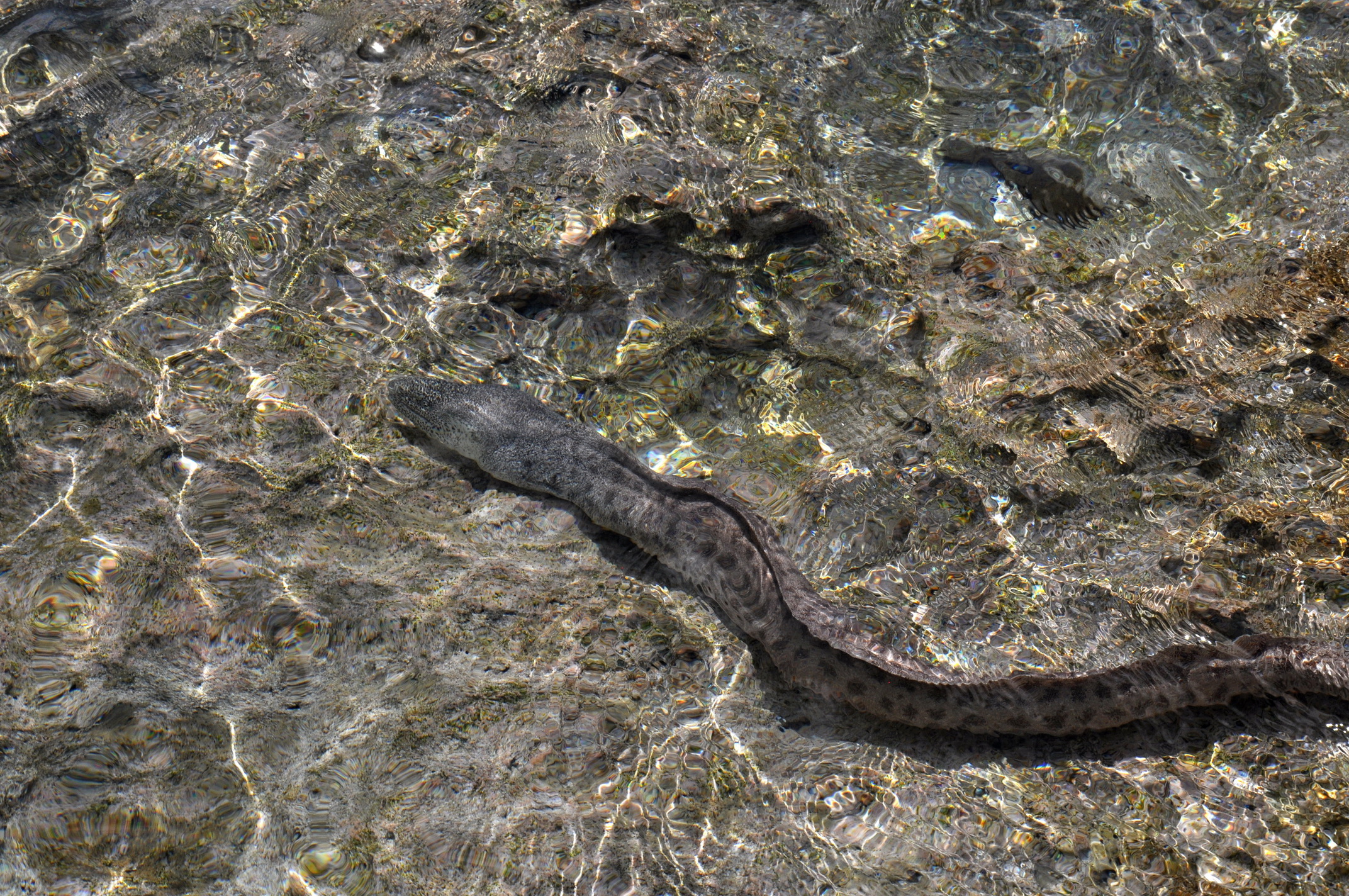
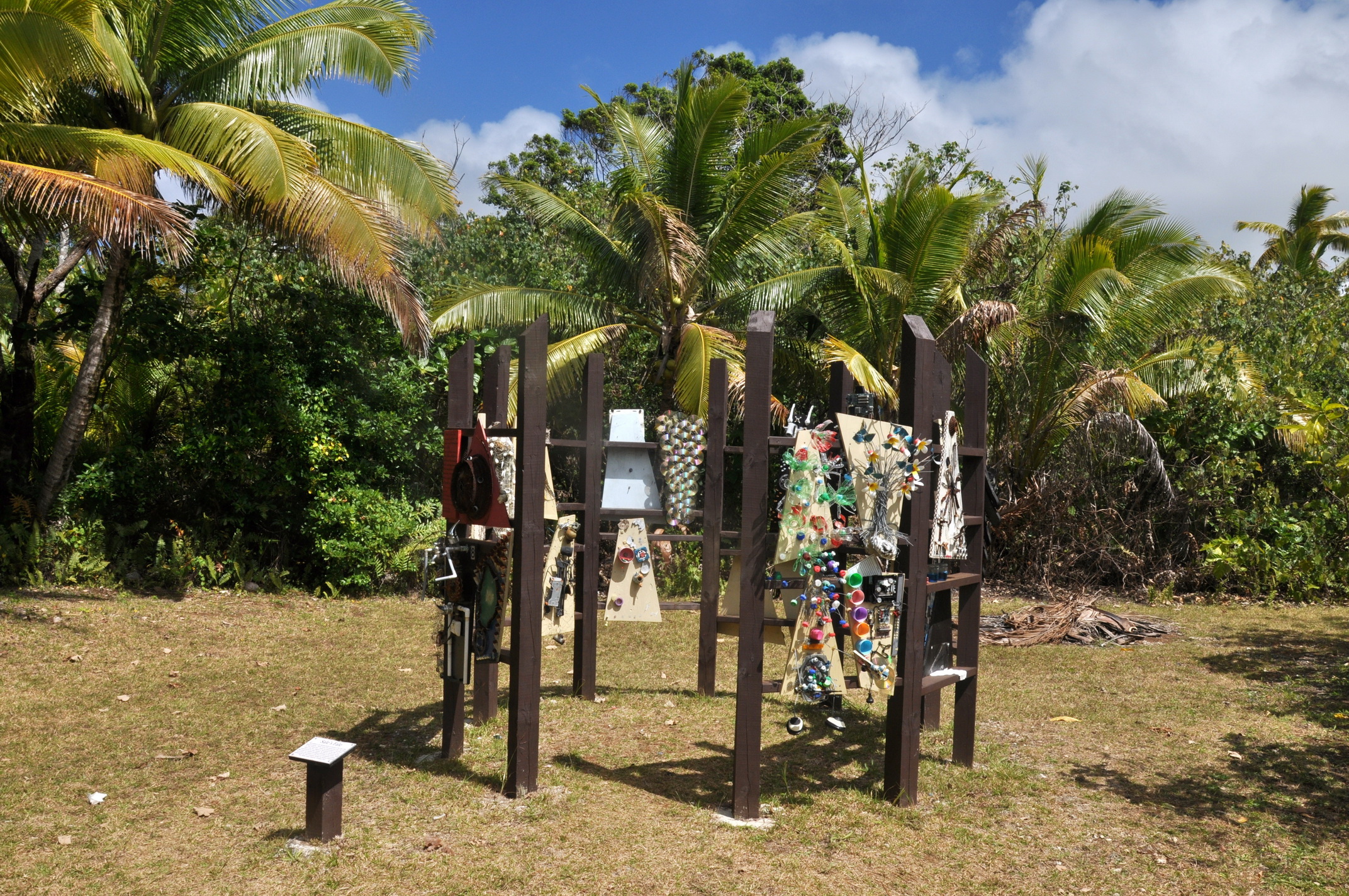
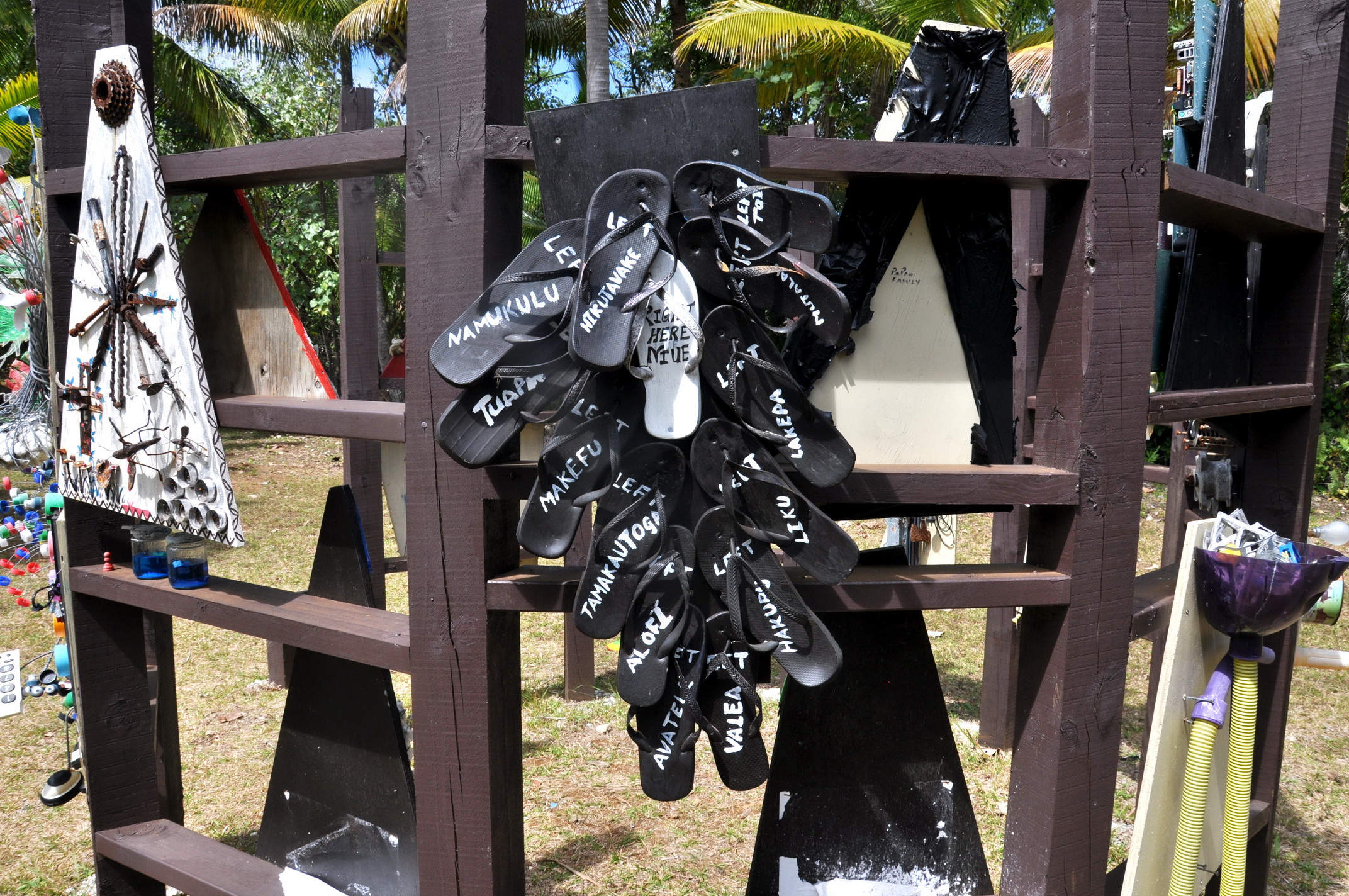
We walked the next track from the island’s ring road down to the sea on foot and met some local fishermen (18°59.308′S, 169°48.125′W). We watched them catching sea bream, or something that looked like them, in the exposed shallows to fill a restaurant order. There were eels right there too. You could catch them with your hands. We swam and went on to the next beach, Tautu, near the village of Liku (19°02.844′S, 169°46.945′W). Here there is a small sandy stretch, and you can drive almost to the water. There were even fresh-water showers. The only trouble was the high tide and the waves, so we decided to swim the next morning and go home for now. It was just too nice where we were staying. On the way we stopped at Hikulagi Sculpture Park (19°04.335′S, 169°47.576′W). Here all sorts of installations and sculptures have been made out of rubbish, or whatever you want to call them.
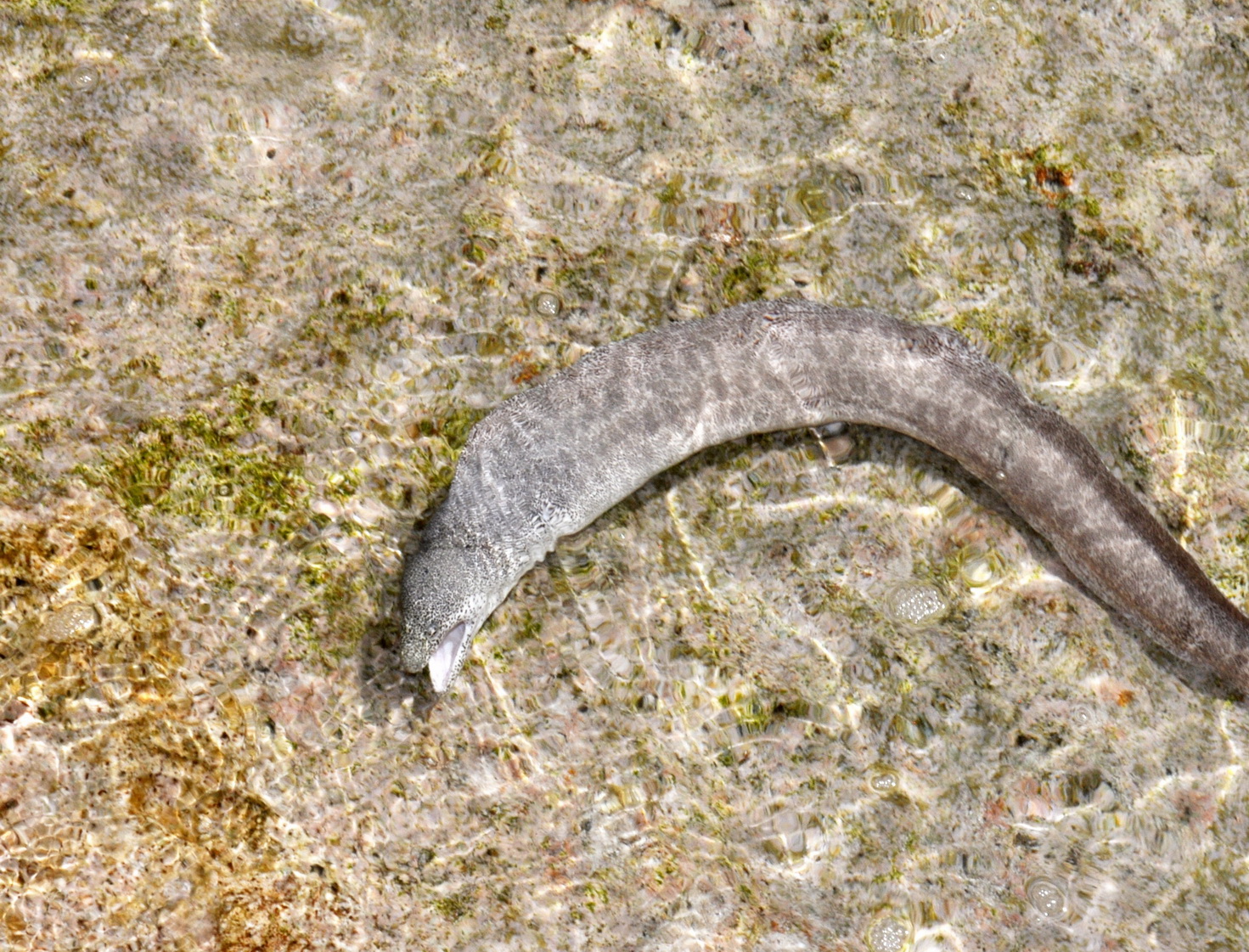
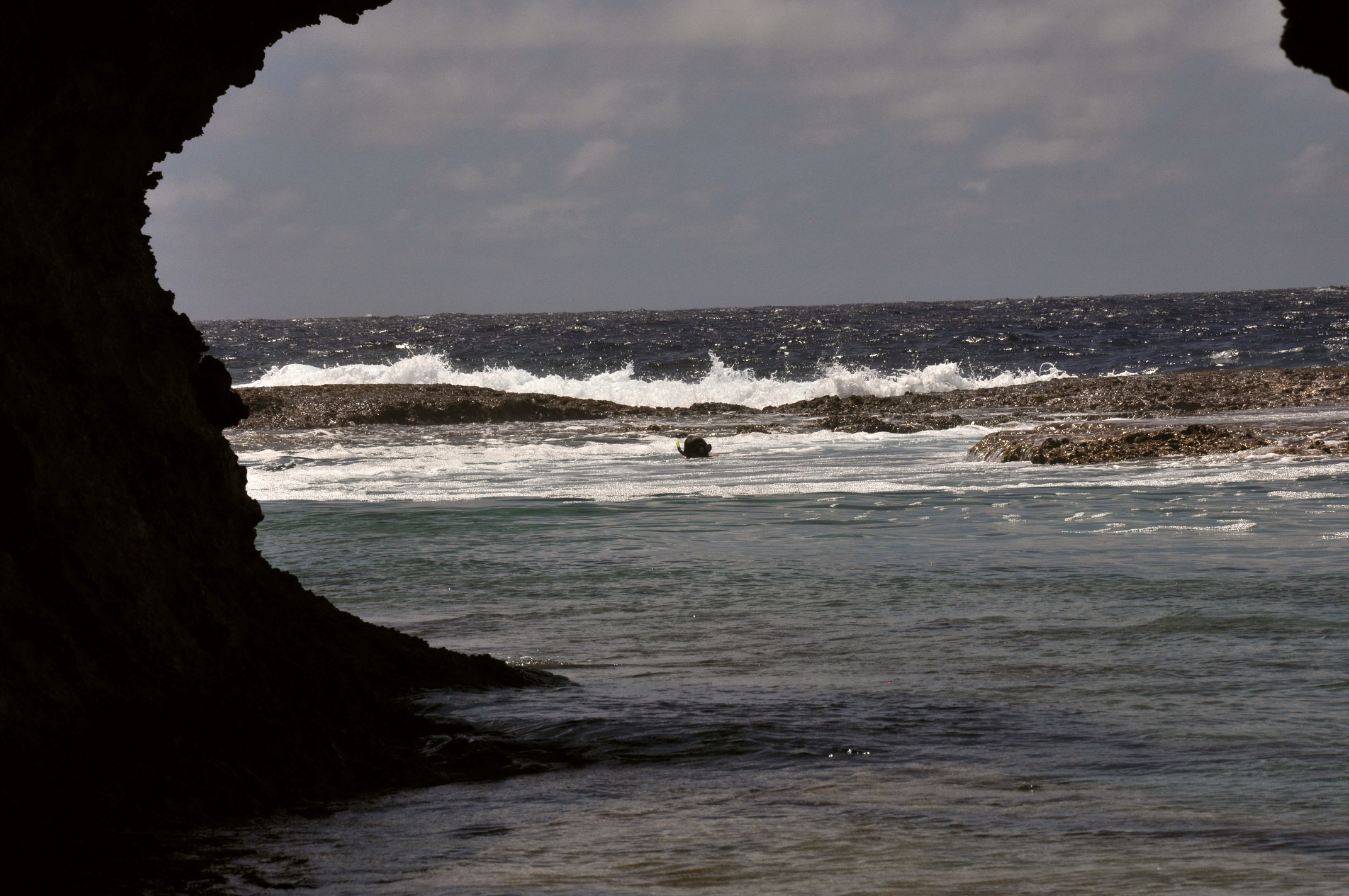
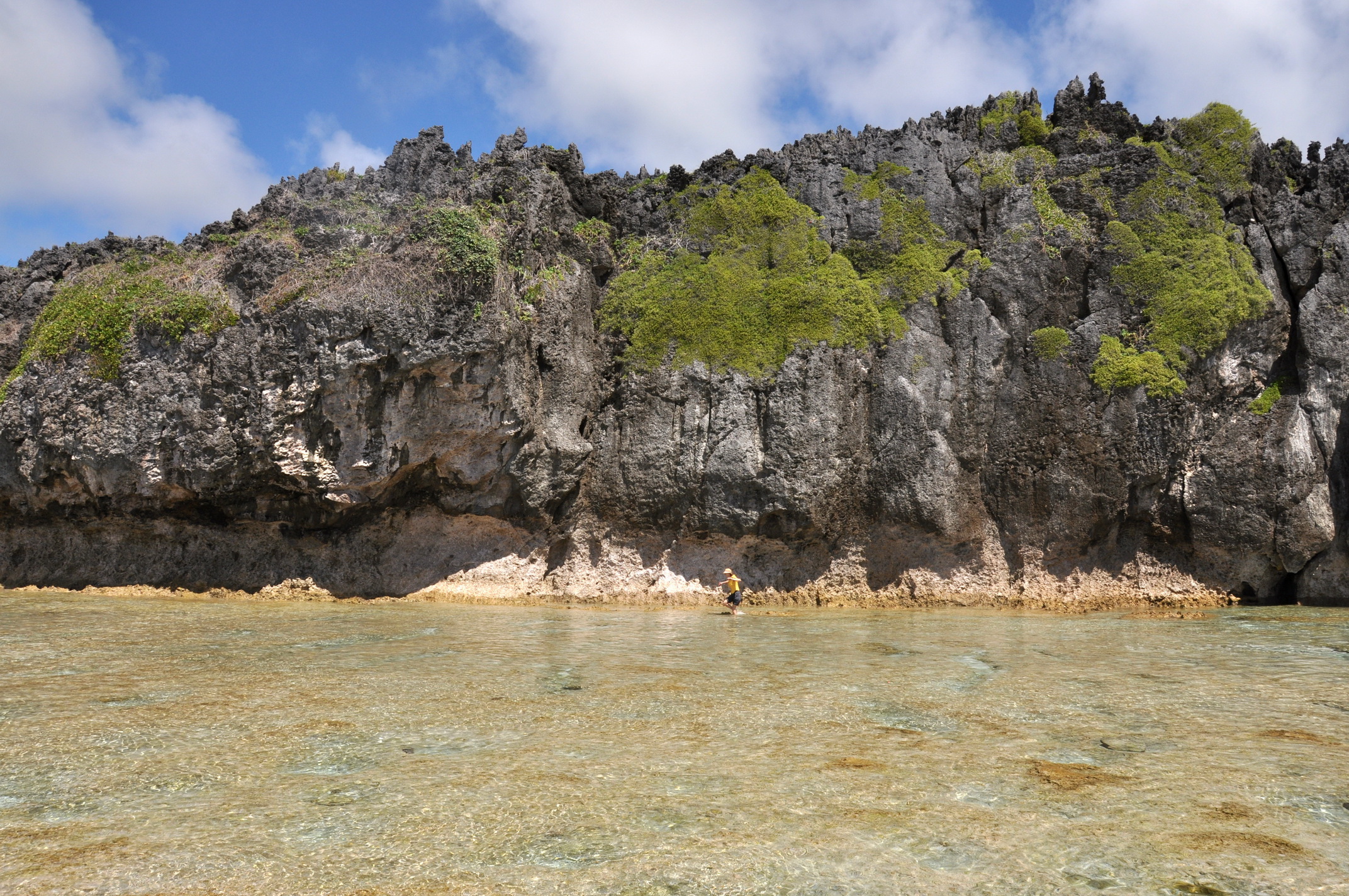
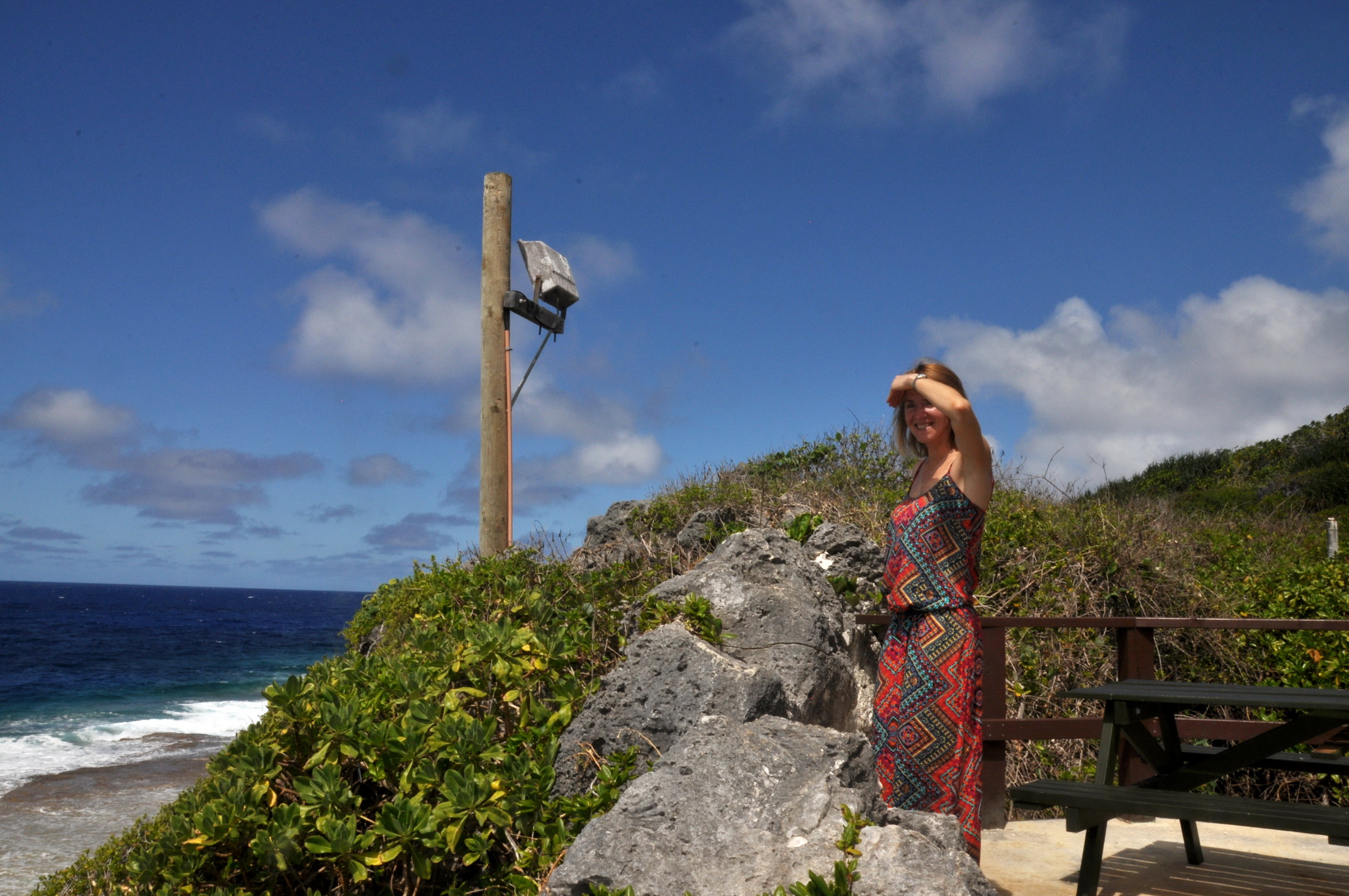
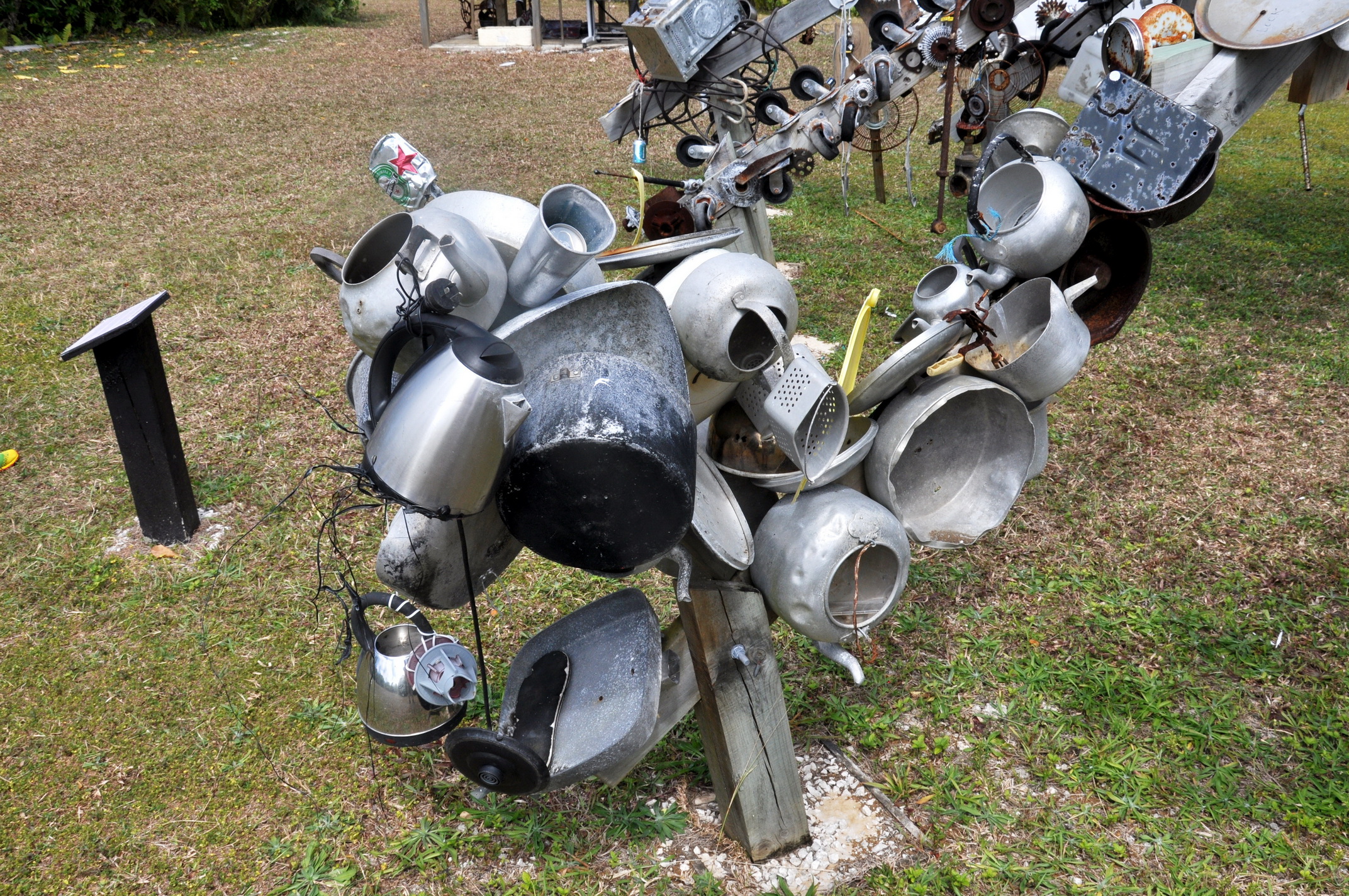
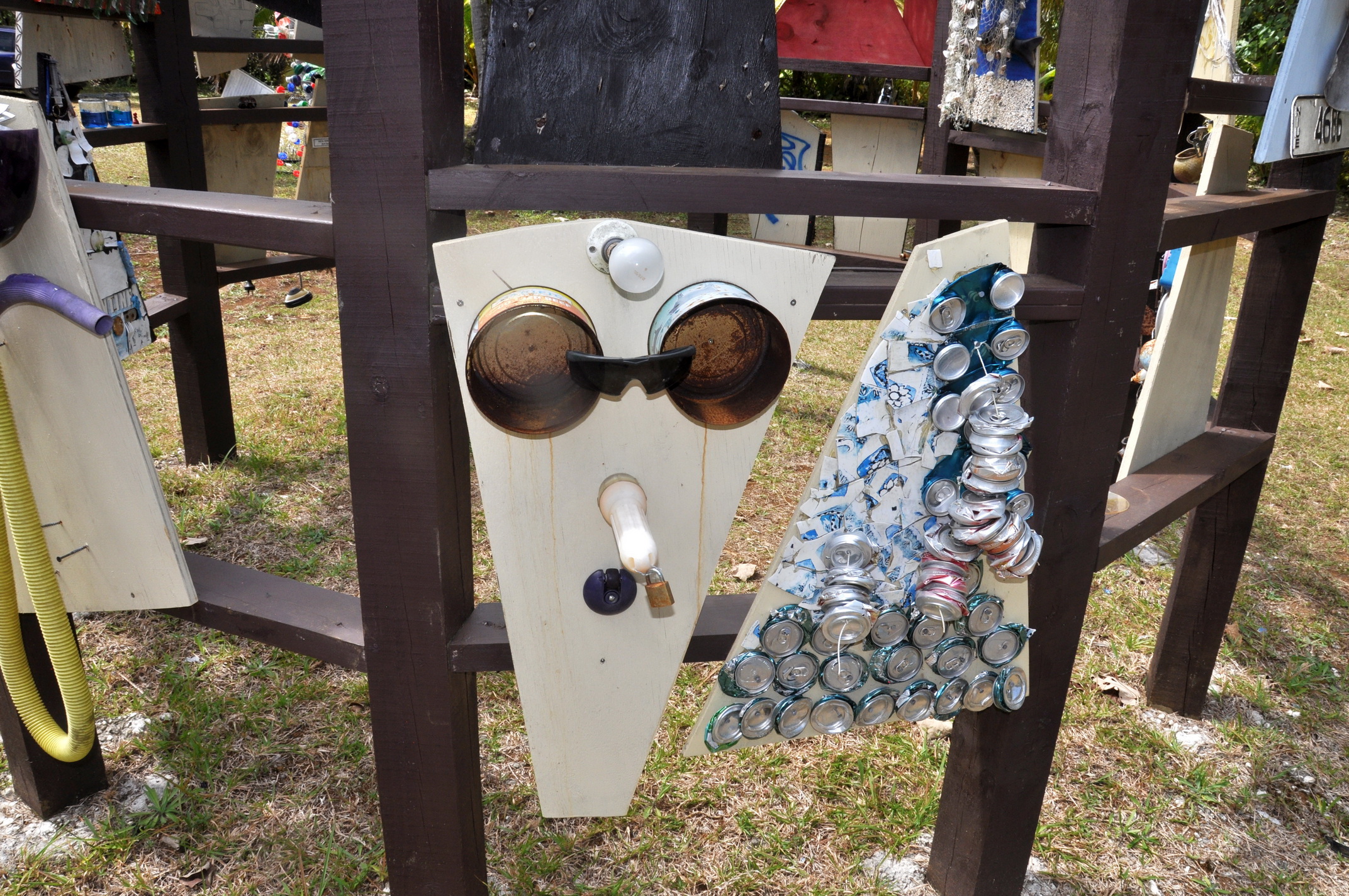
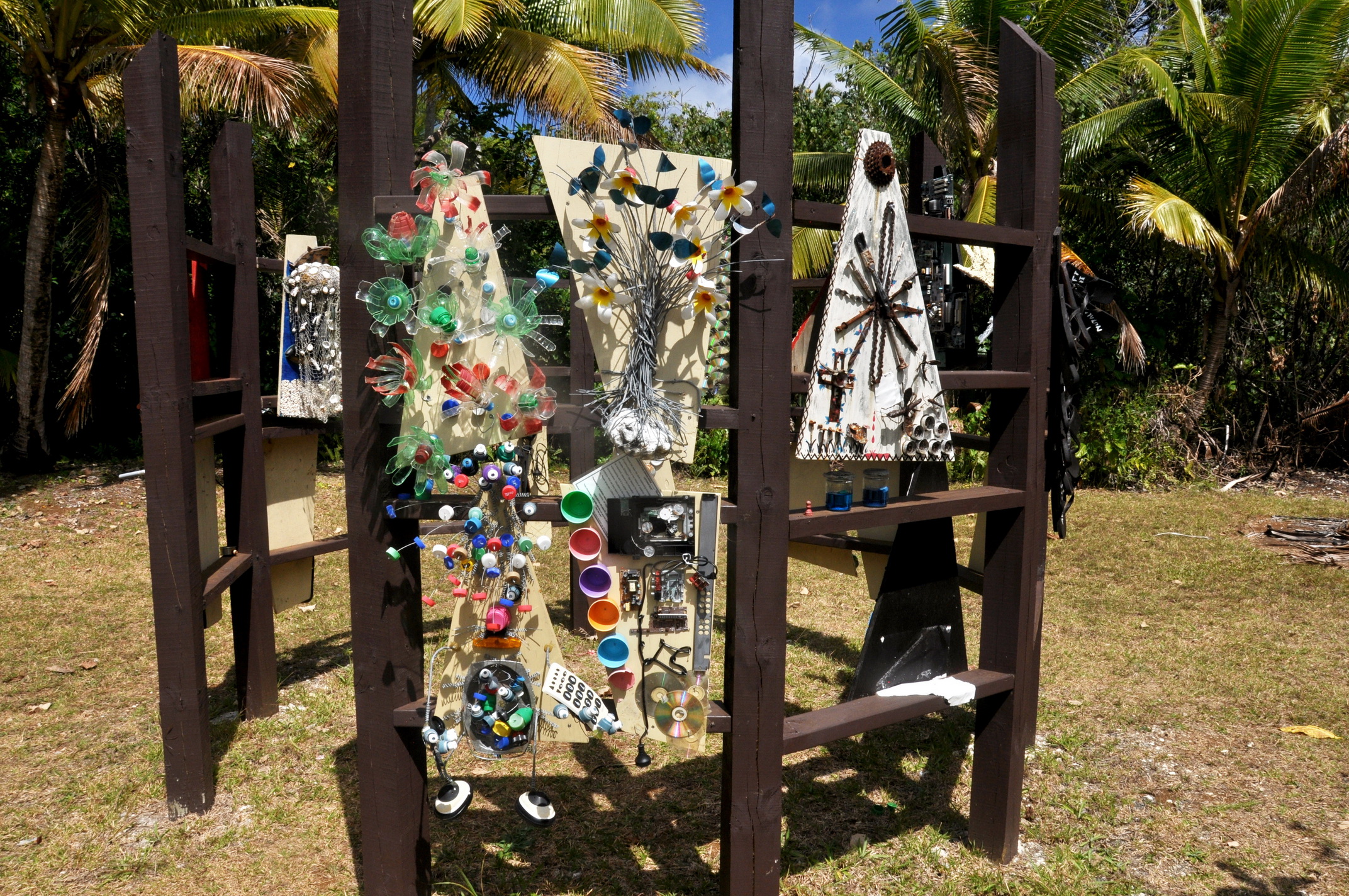
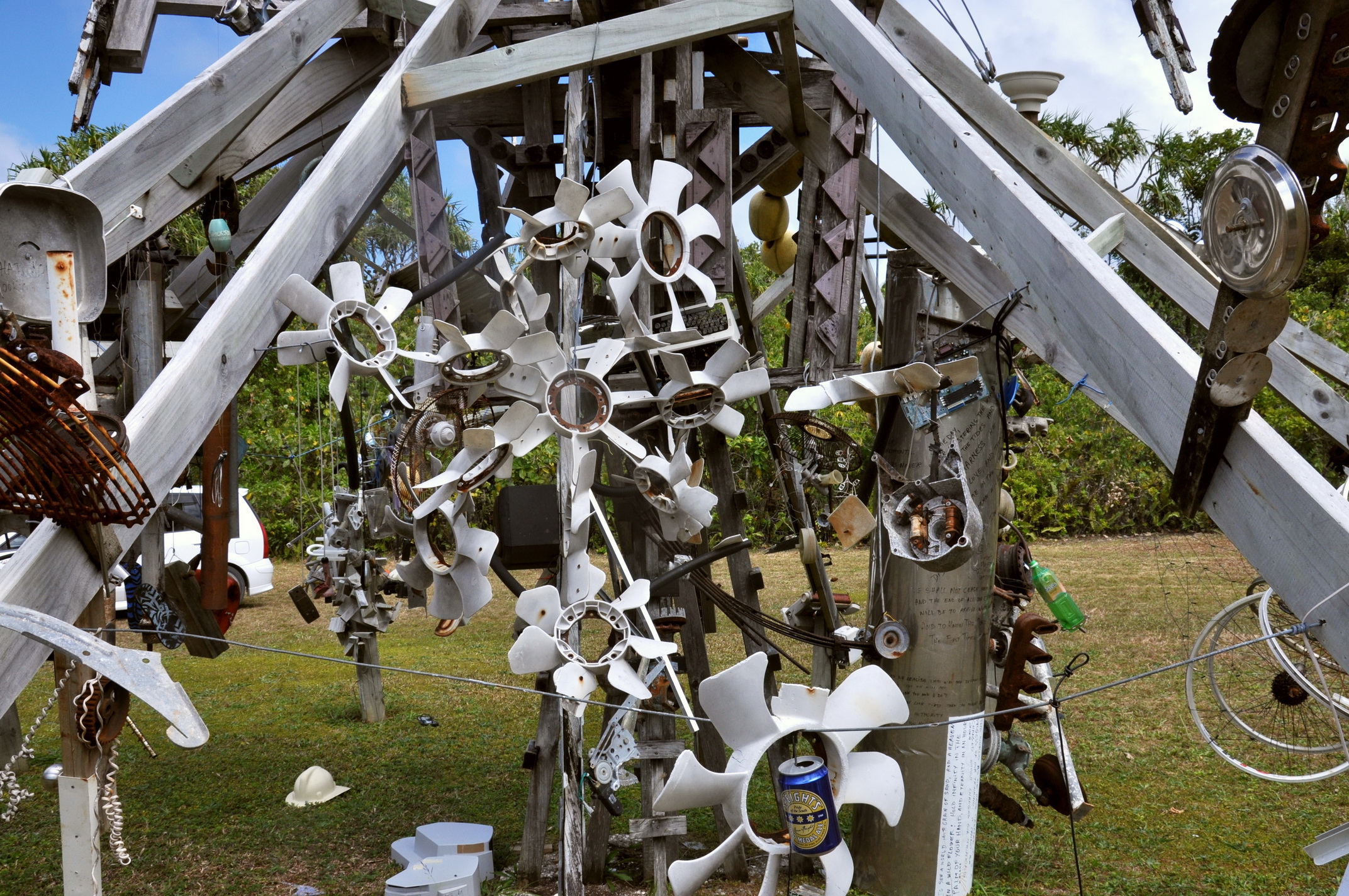
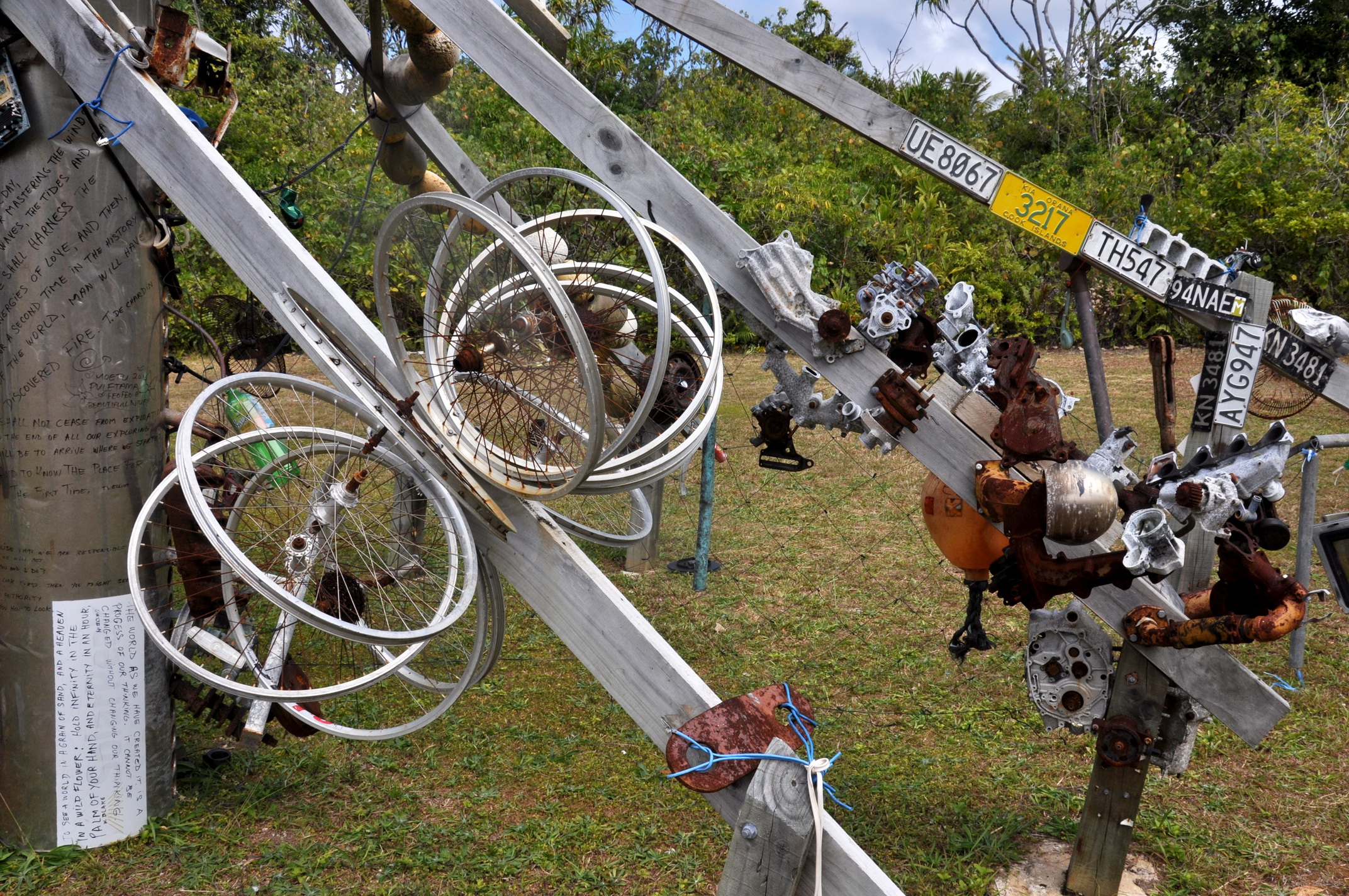
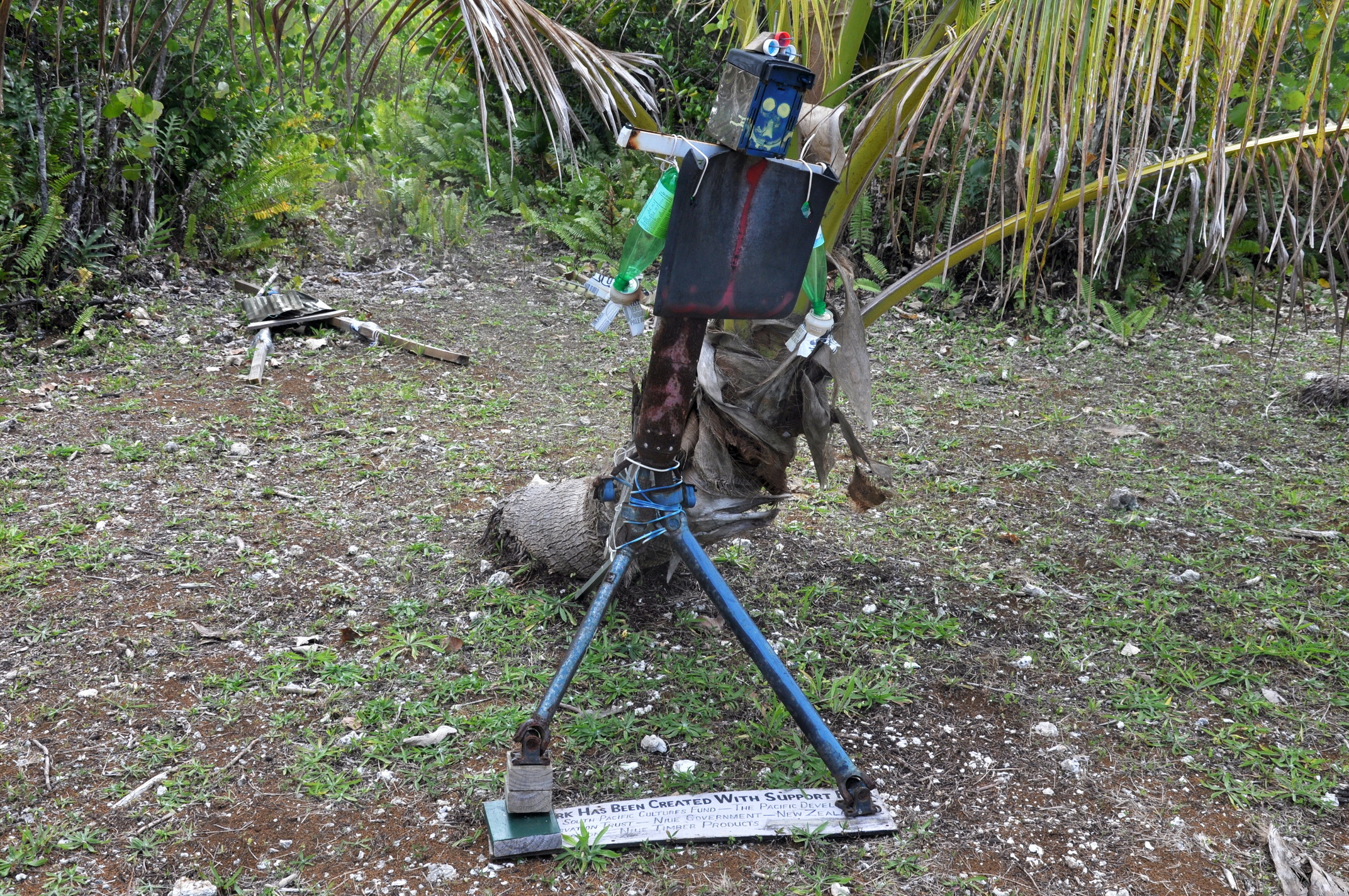
Our last evening lay ahead. Our holiday was almost over. It was so good and free here, but when we got back there’d be a pile of problems waiting. How long would it take us to sort them out, if we ever did? We had to get New Zealand residency, not an easy thing at our age. If we didn’t, the fairytale Pacific islands would forever be just a dream. Things were complicated in Russia, too.
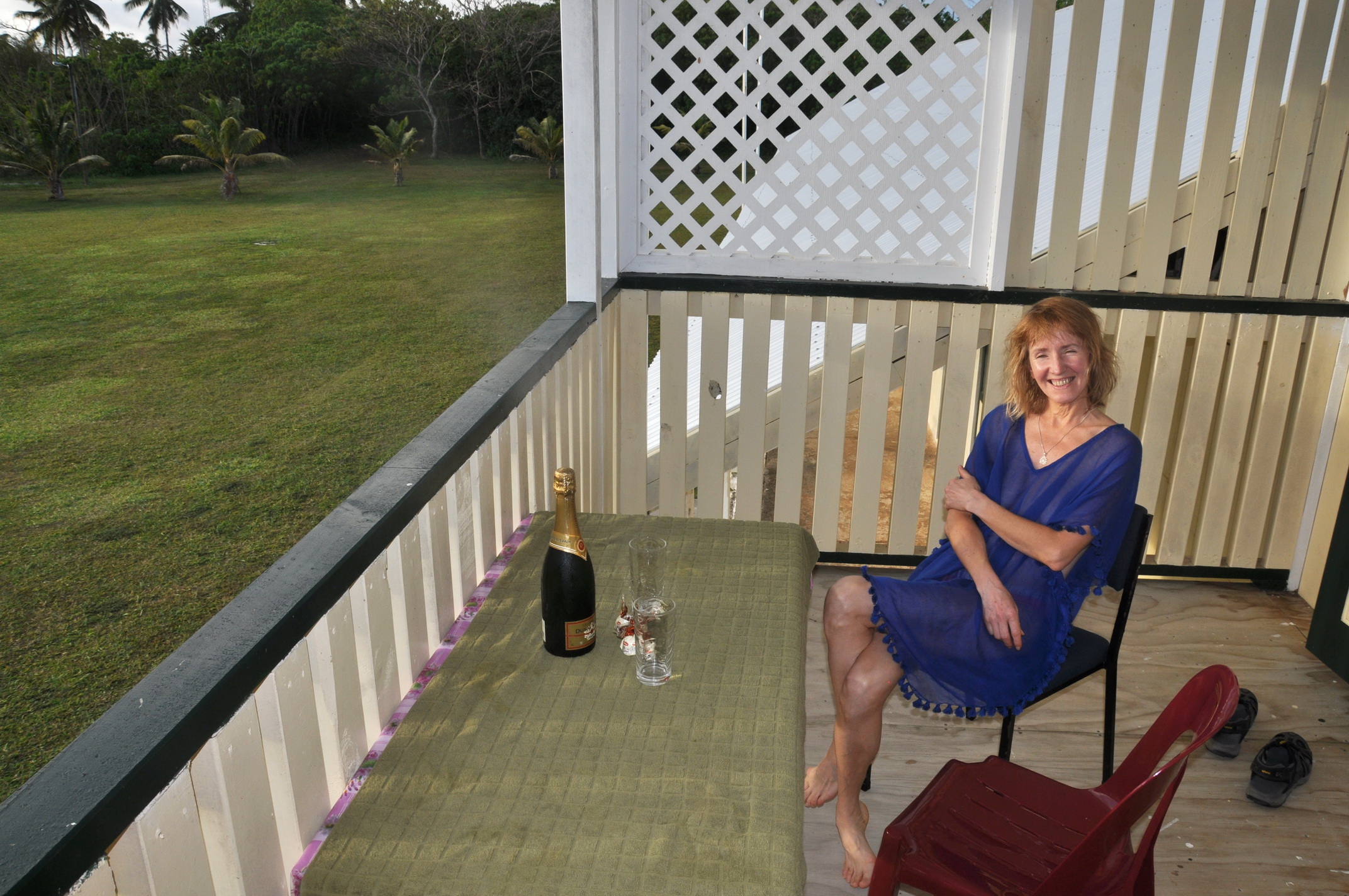
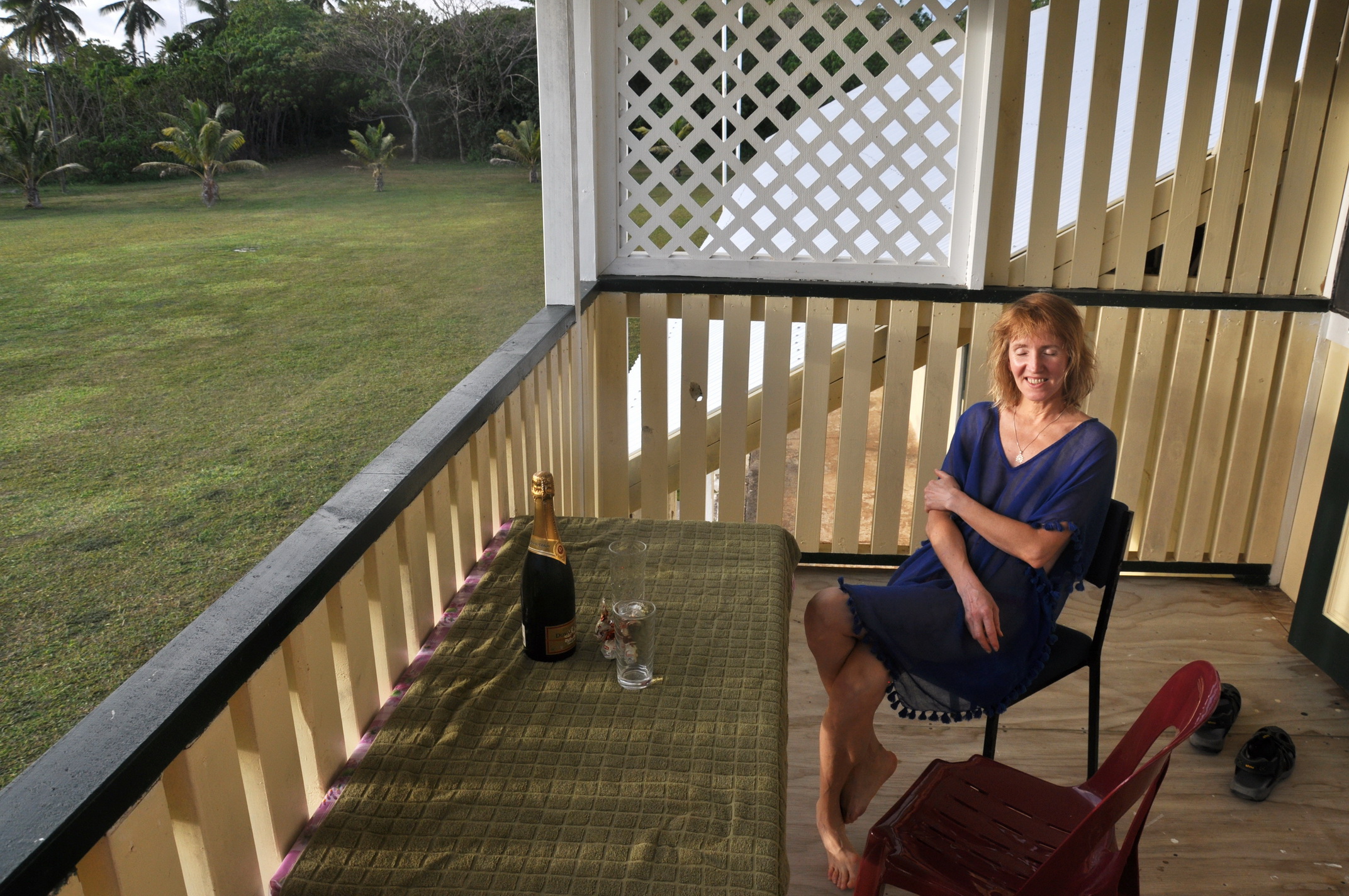
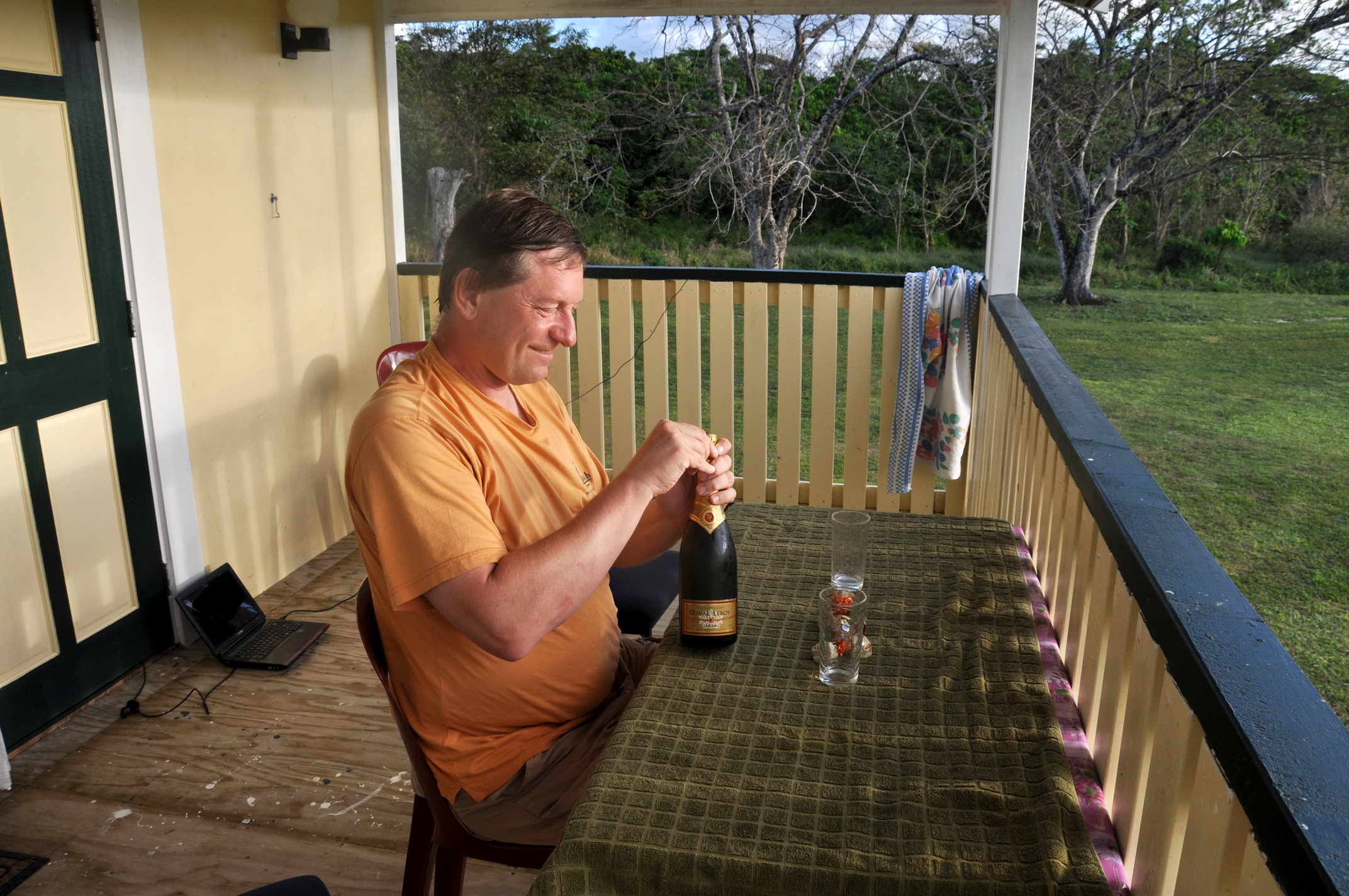
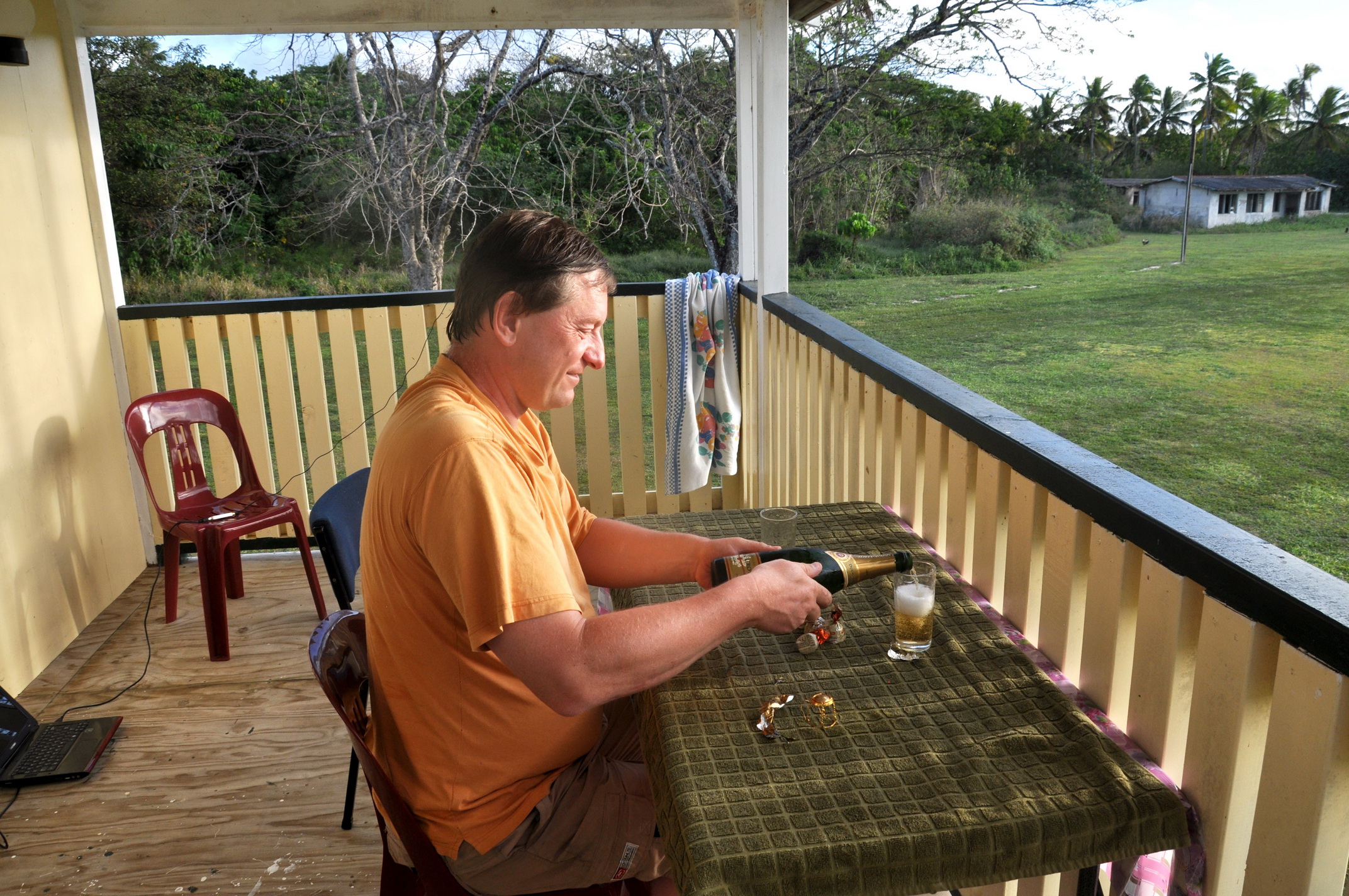
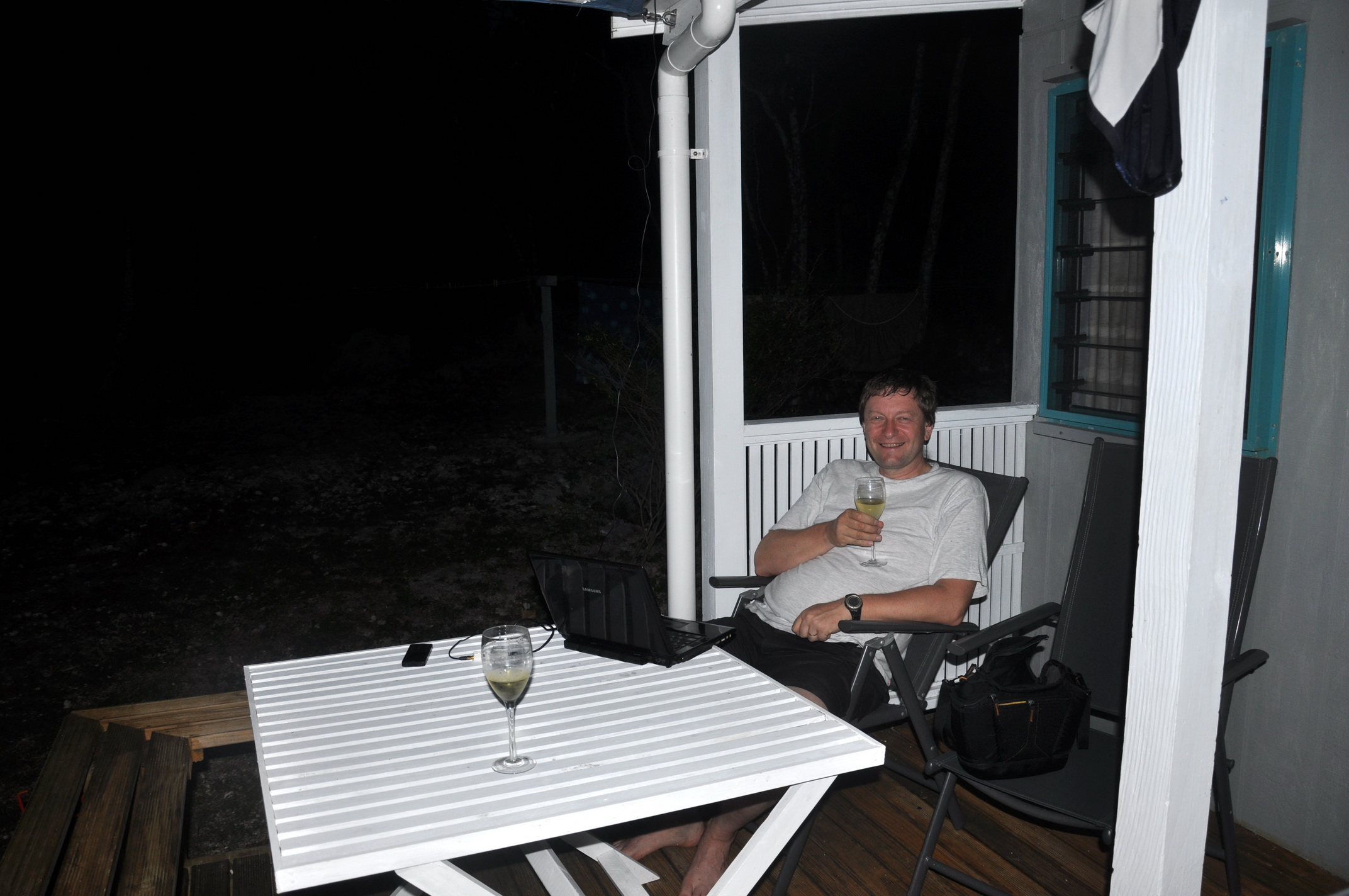
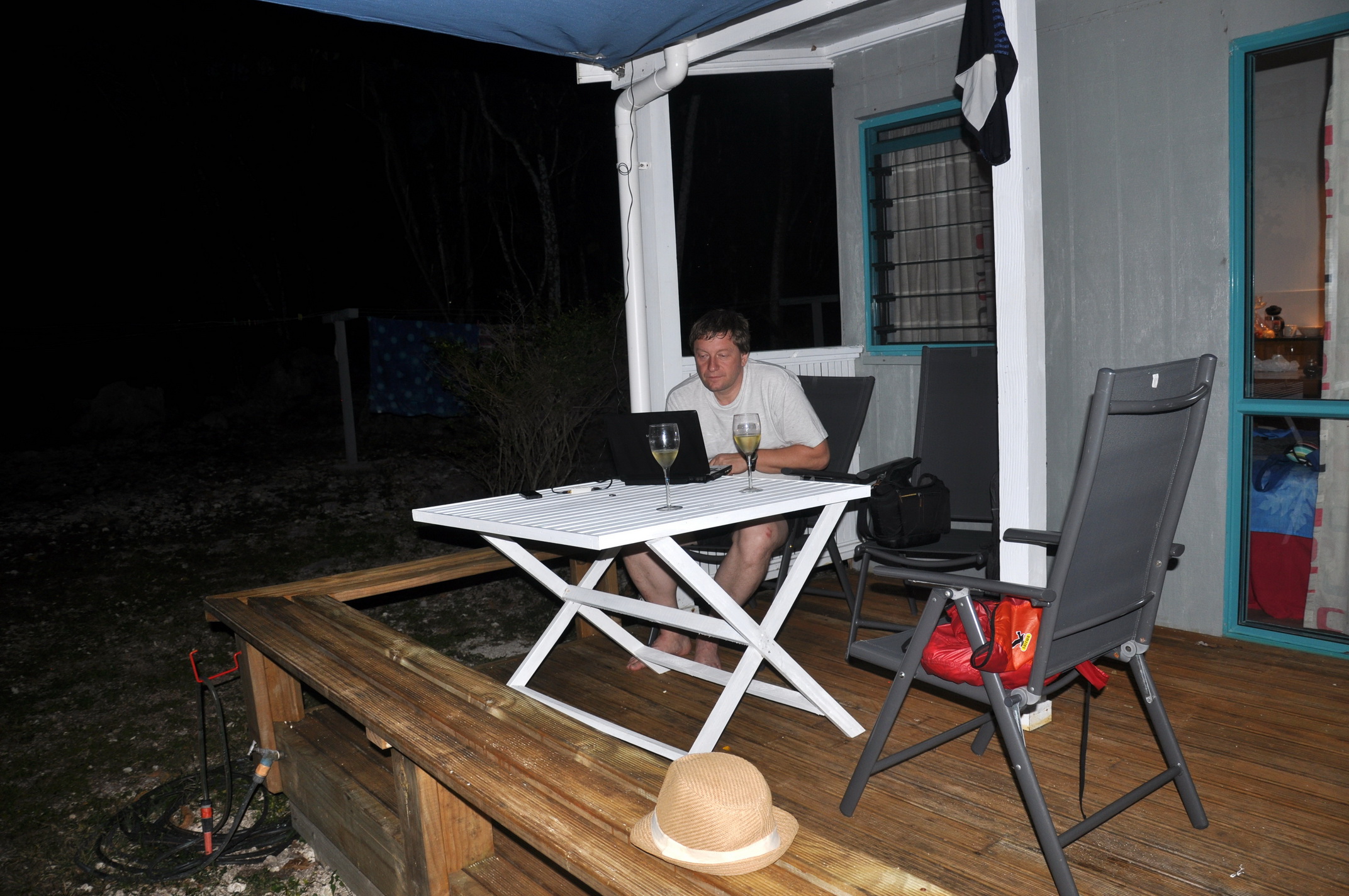
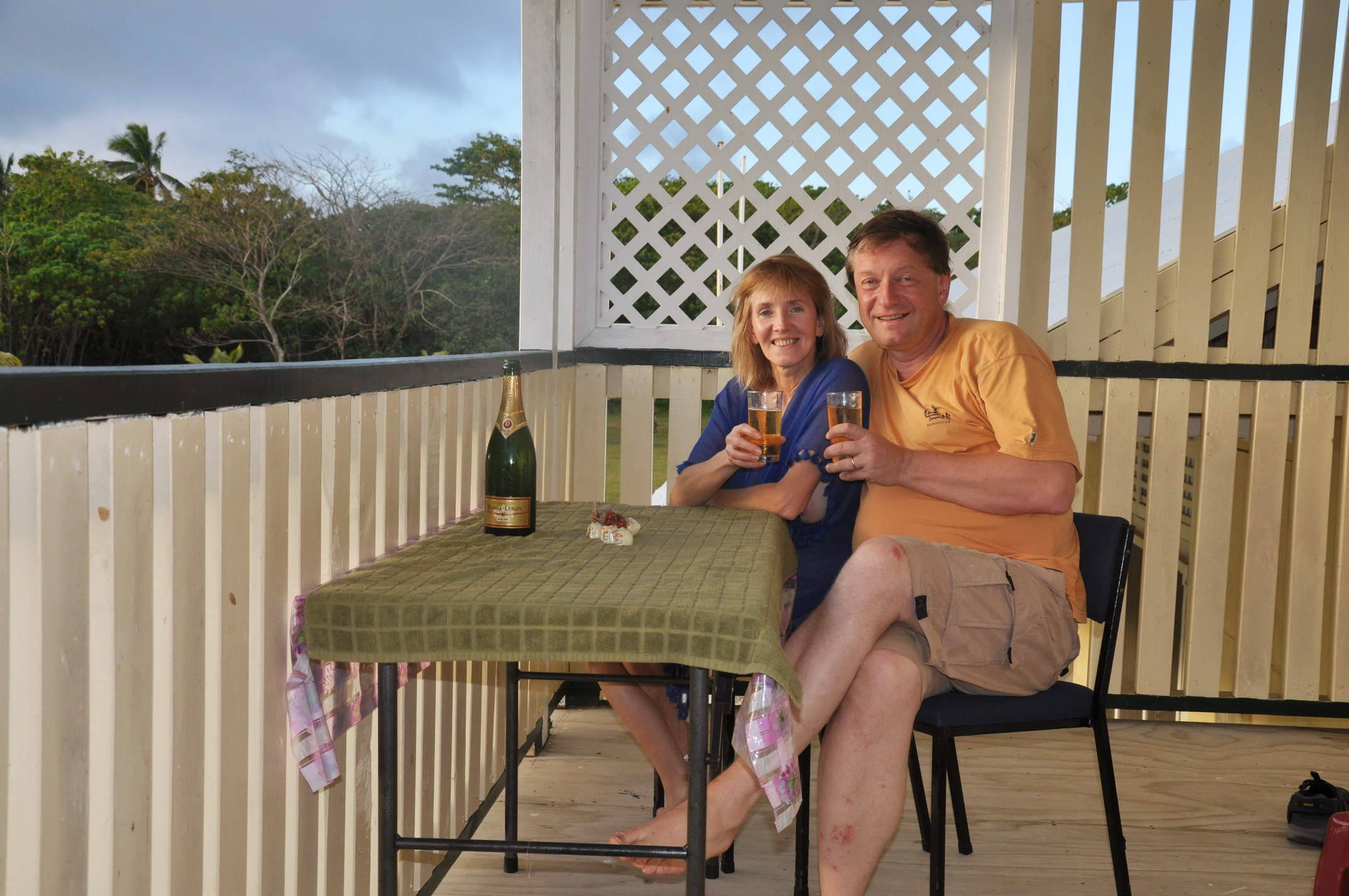
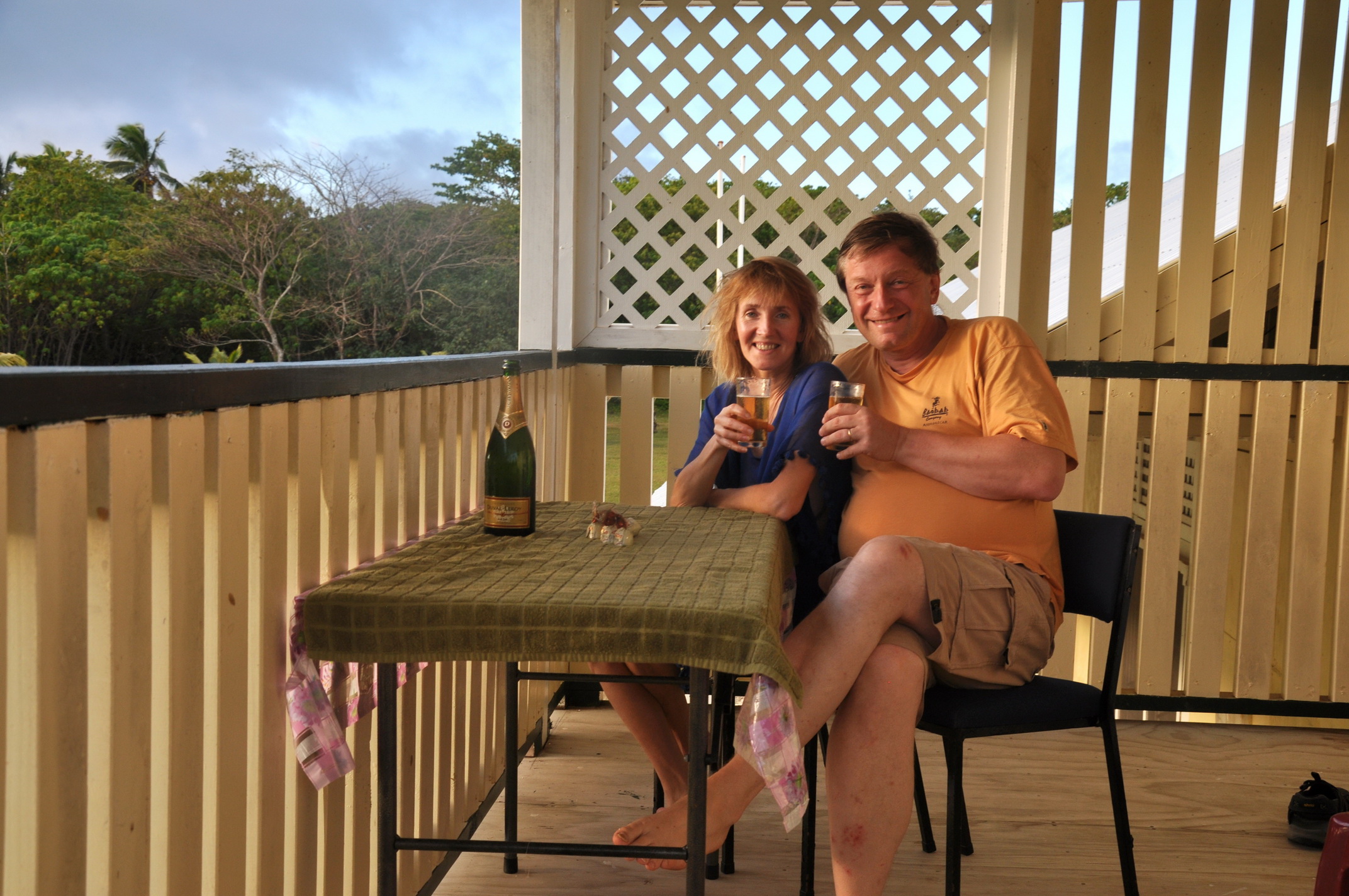
For now, though, we had a bottle of vintage French champagne left over from our son’s wedding. One last, warm tropical evening. There should soon be a beautiful sunset. The laptop was playing something pleasant. I’d set up an aerial on the roof to pick up the transponders of passing planes, and I watched who was flying around us and where they were going.
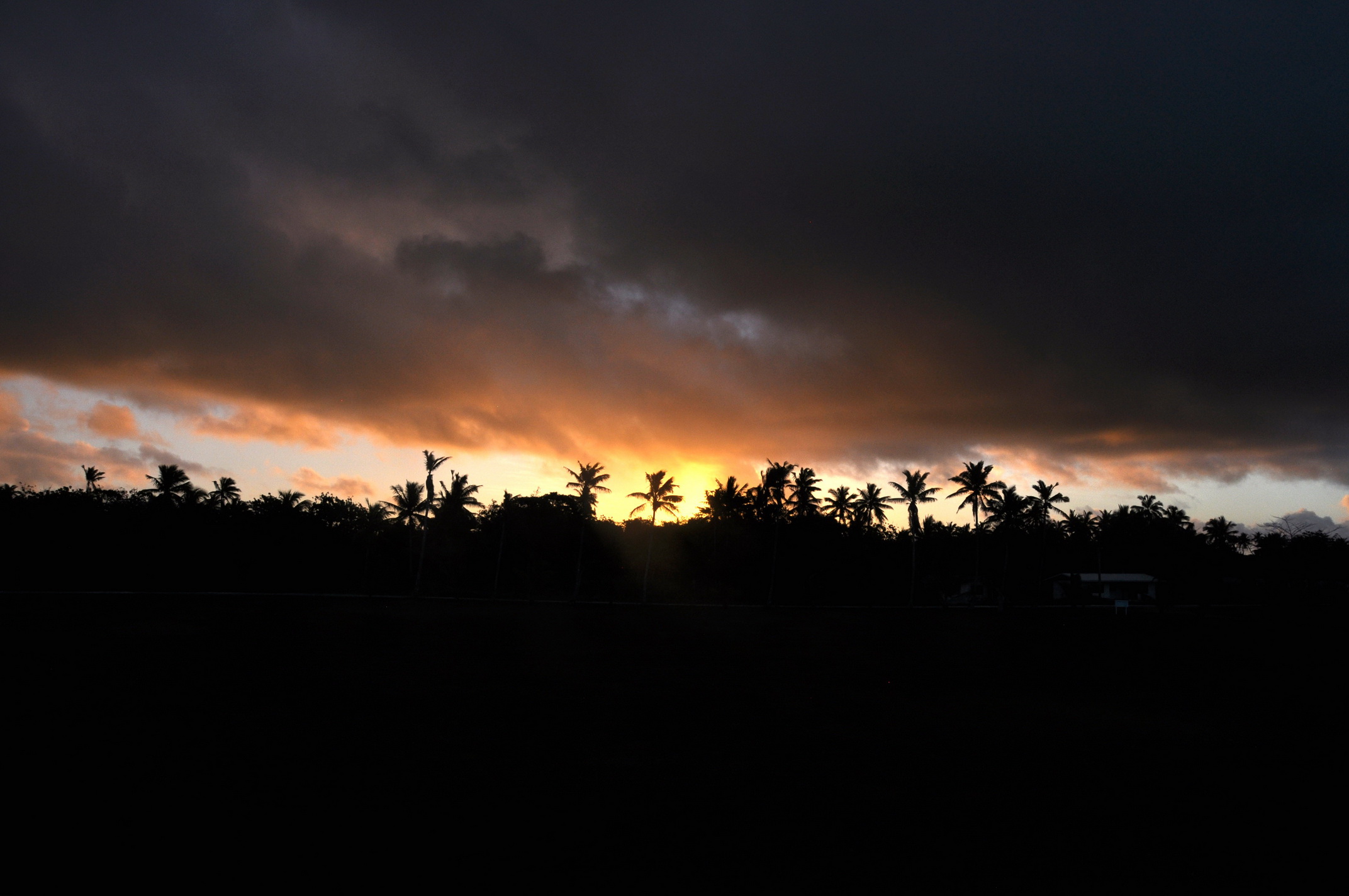
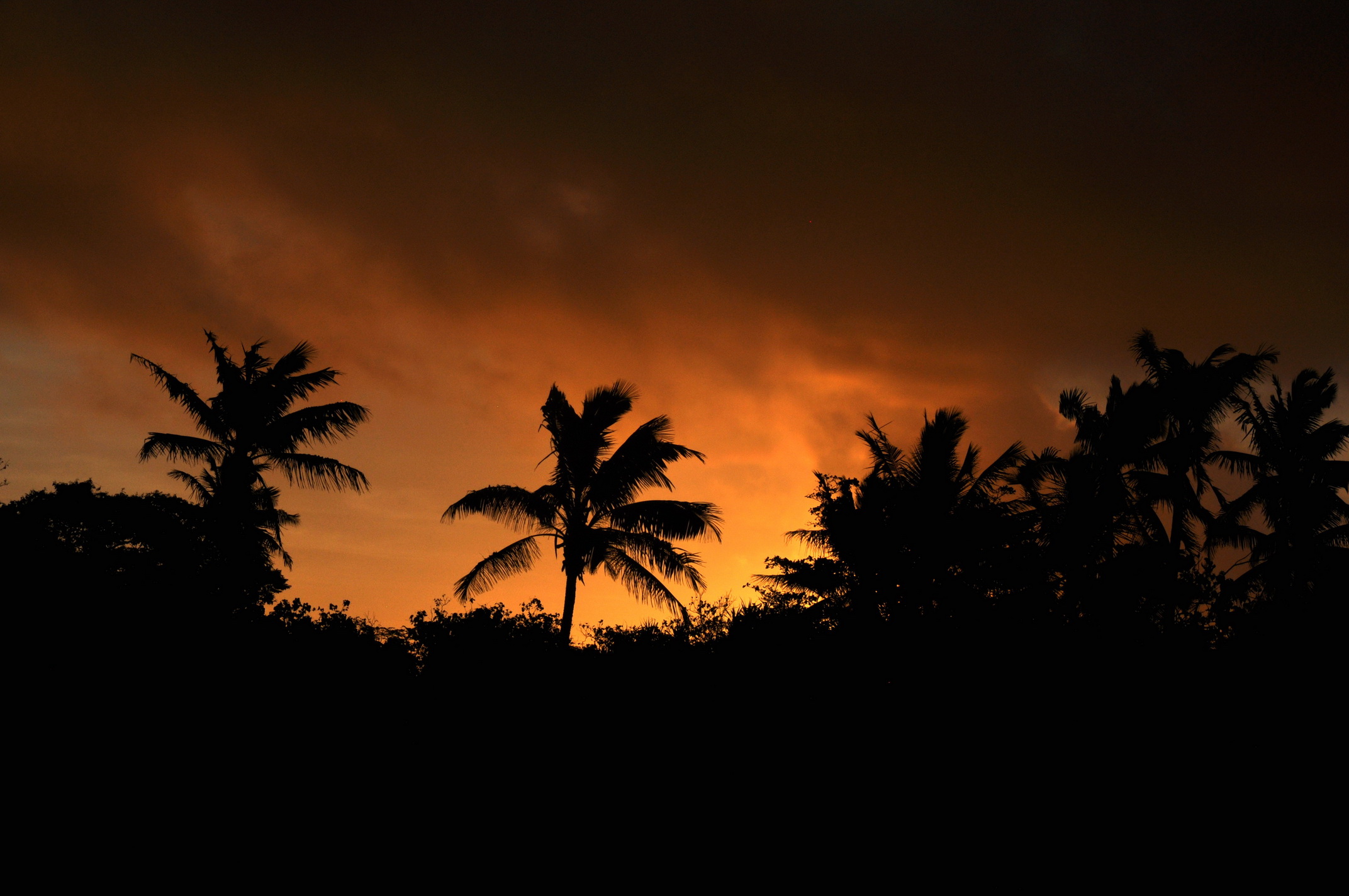
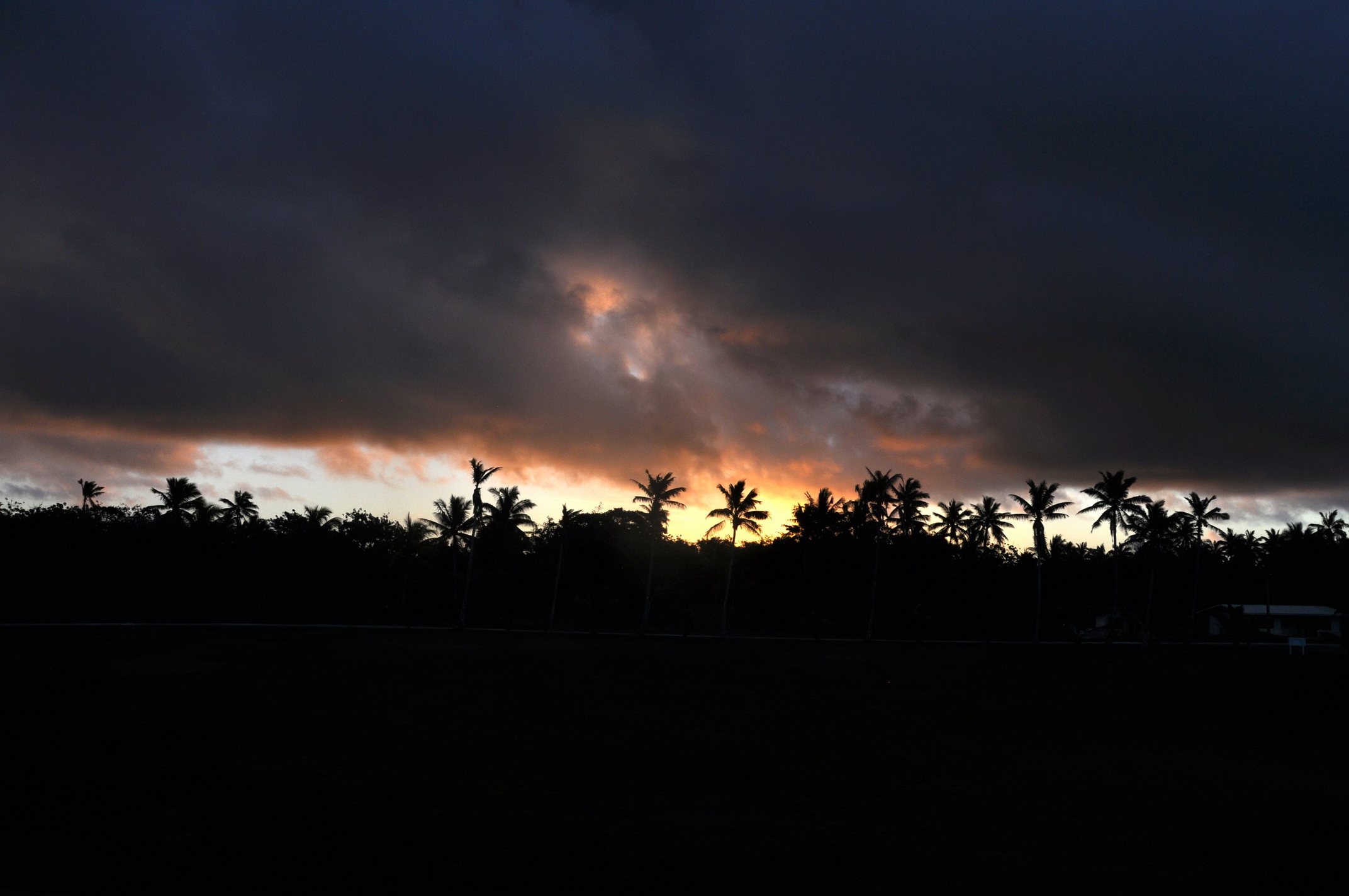
There, blinking against the Magellanic Clouds, was a flight from Australia to Los Angeles. Up there it was a sterile airline night, and no one even knew there was an island paradise below.
I didn’t want to go to sleep. I wanted to sit there forever, but of course we had to go to bed, wake up, have breakfast and leave.
On the way we took one more trail down to the sea at Motu Landing. Getting down to the water meant a steep flight of steps (19°01.357′S, 169°47.674′W). There are plenty of fish here as well, and you can swim, but we were out of time. Beside the steps is a cave.
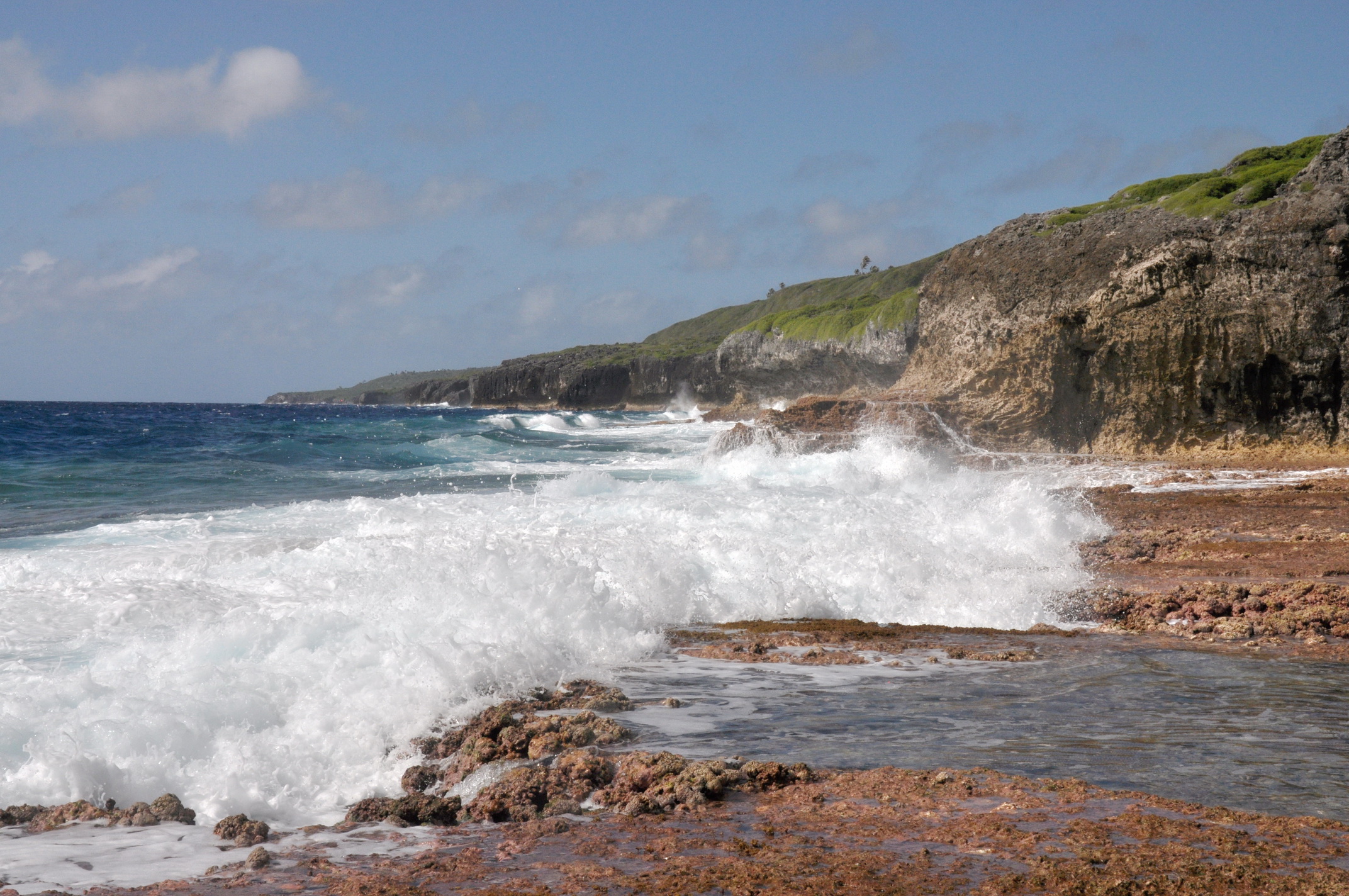
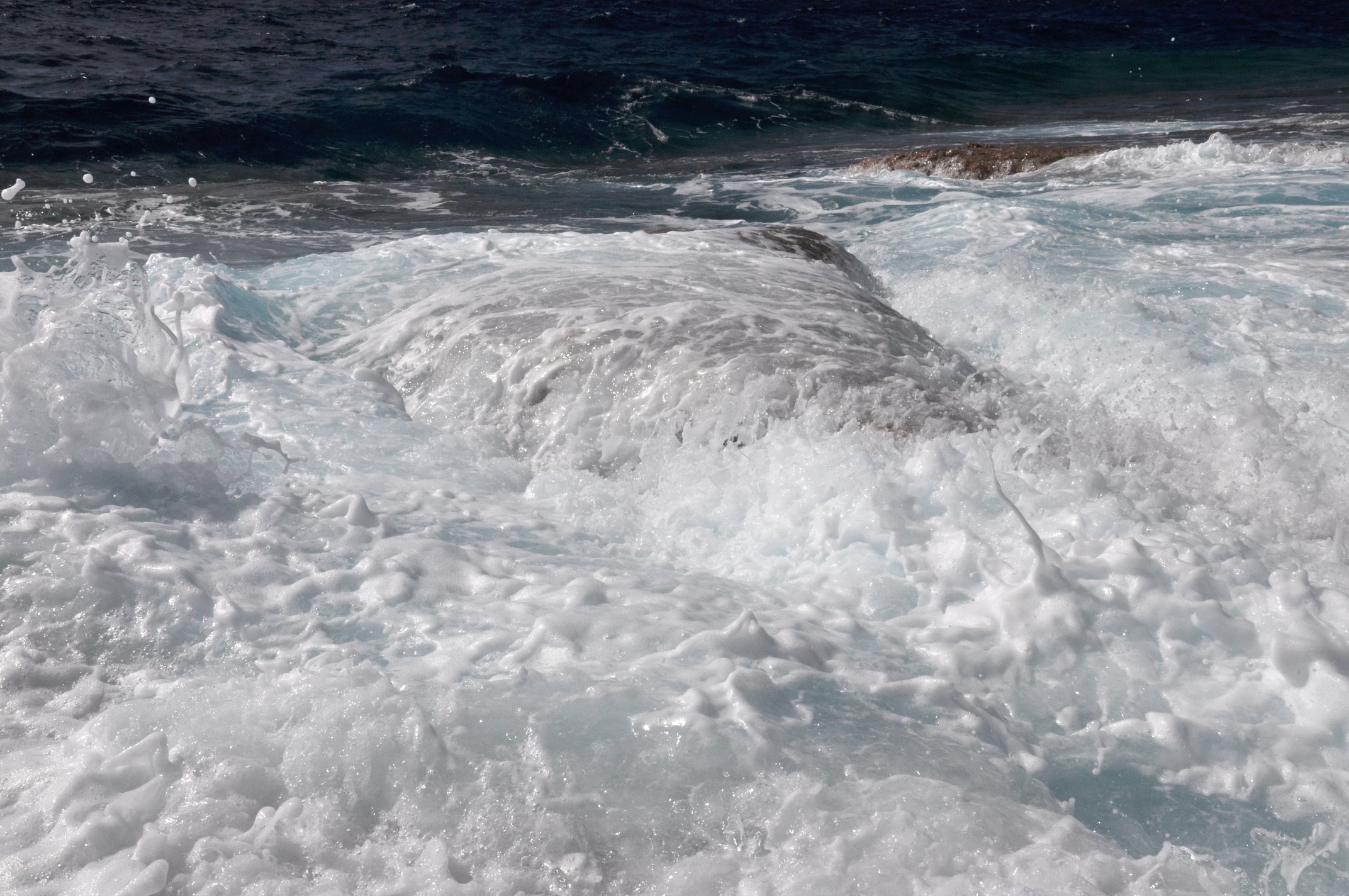
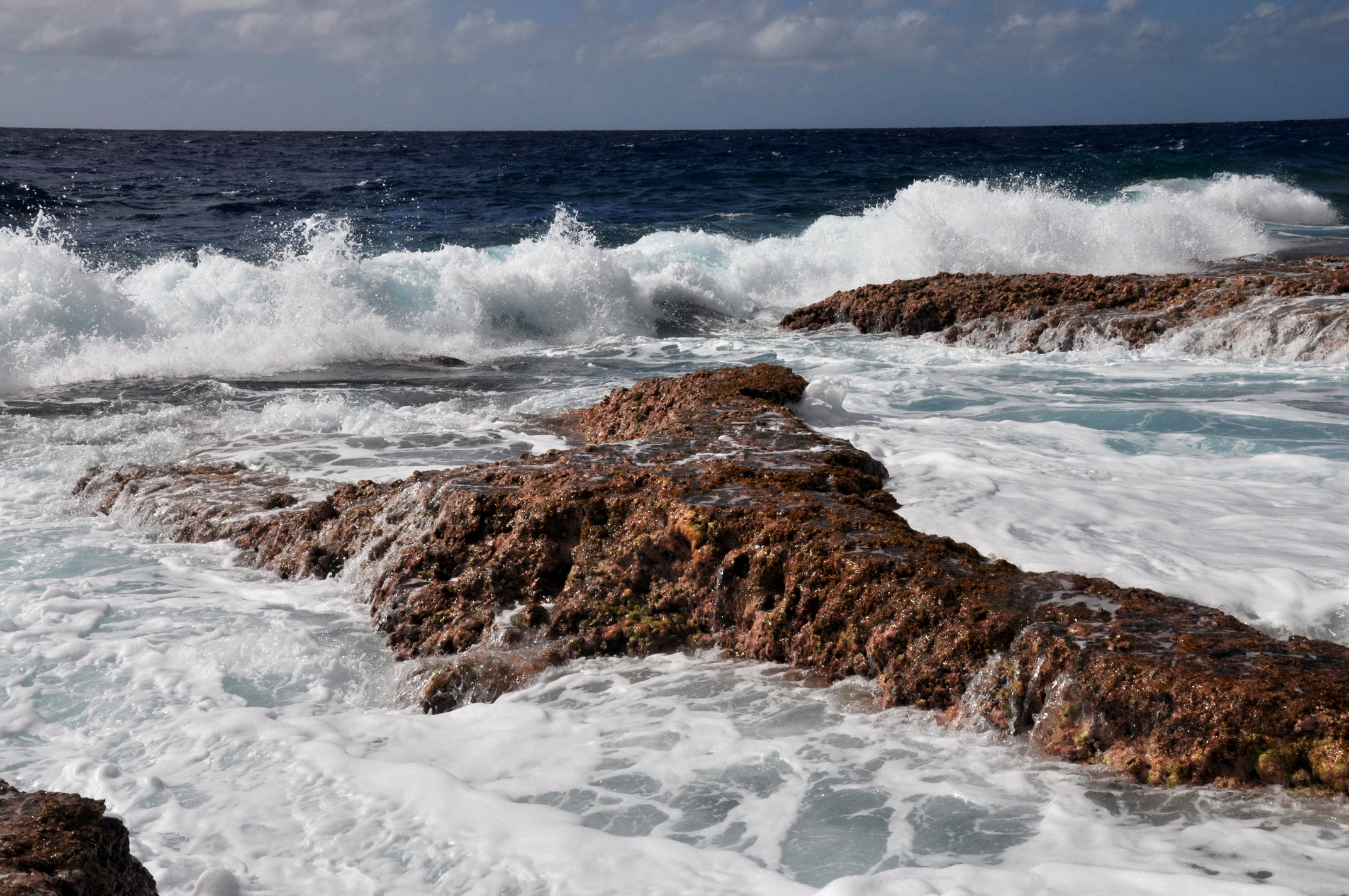
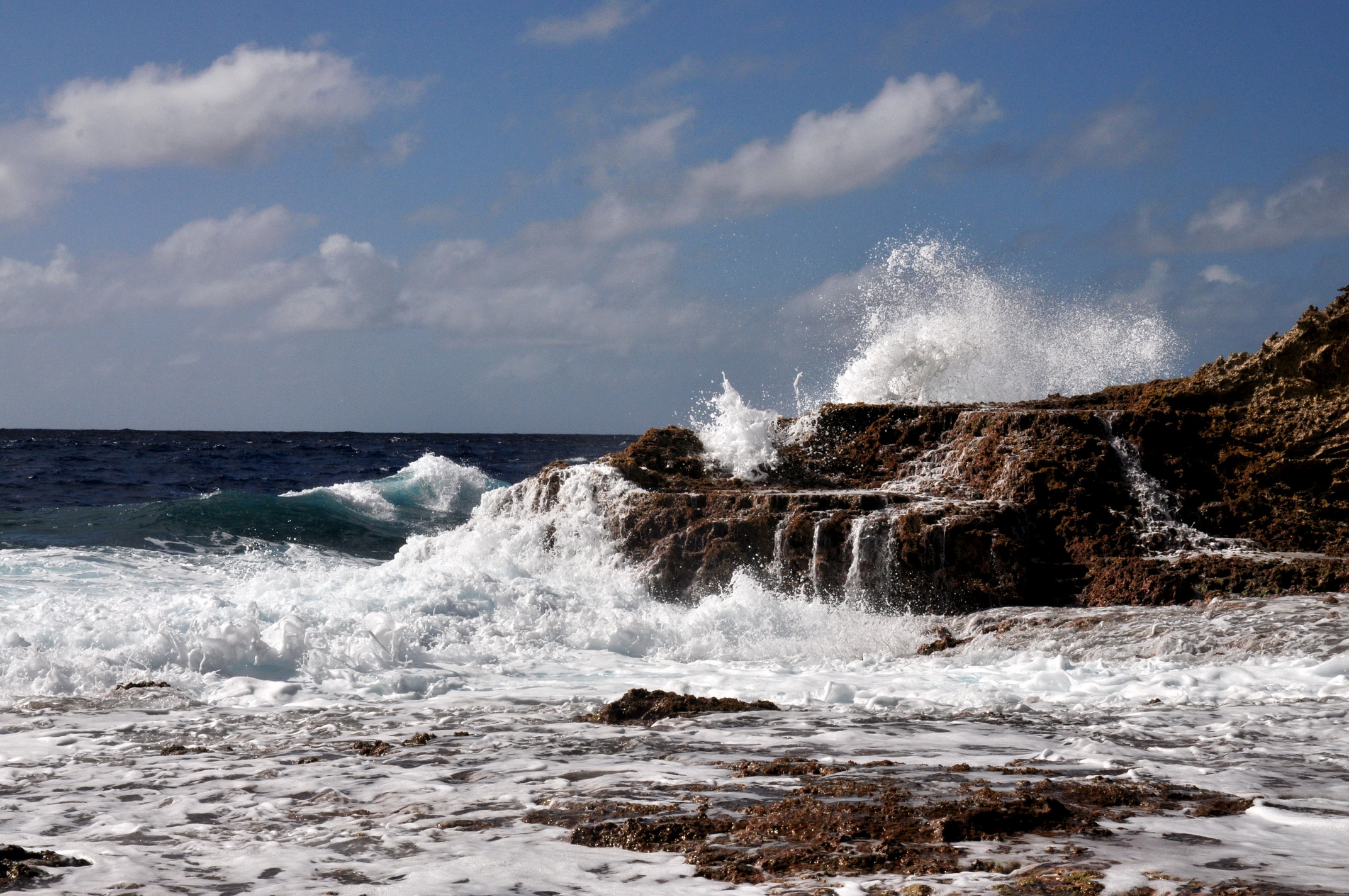
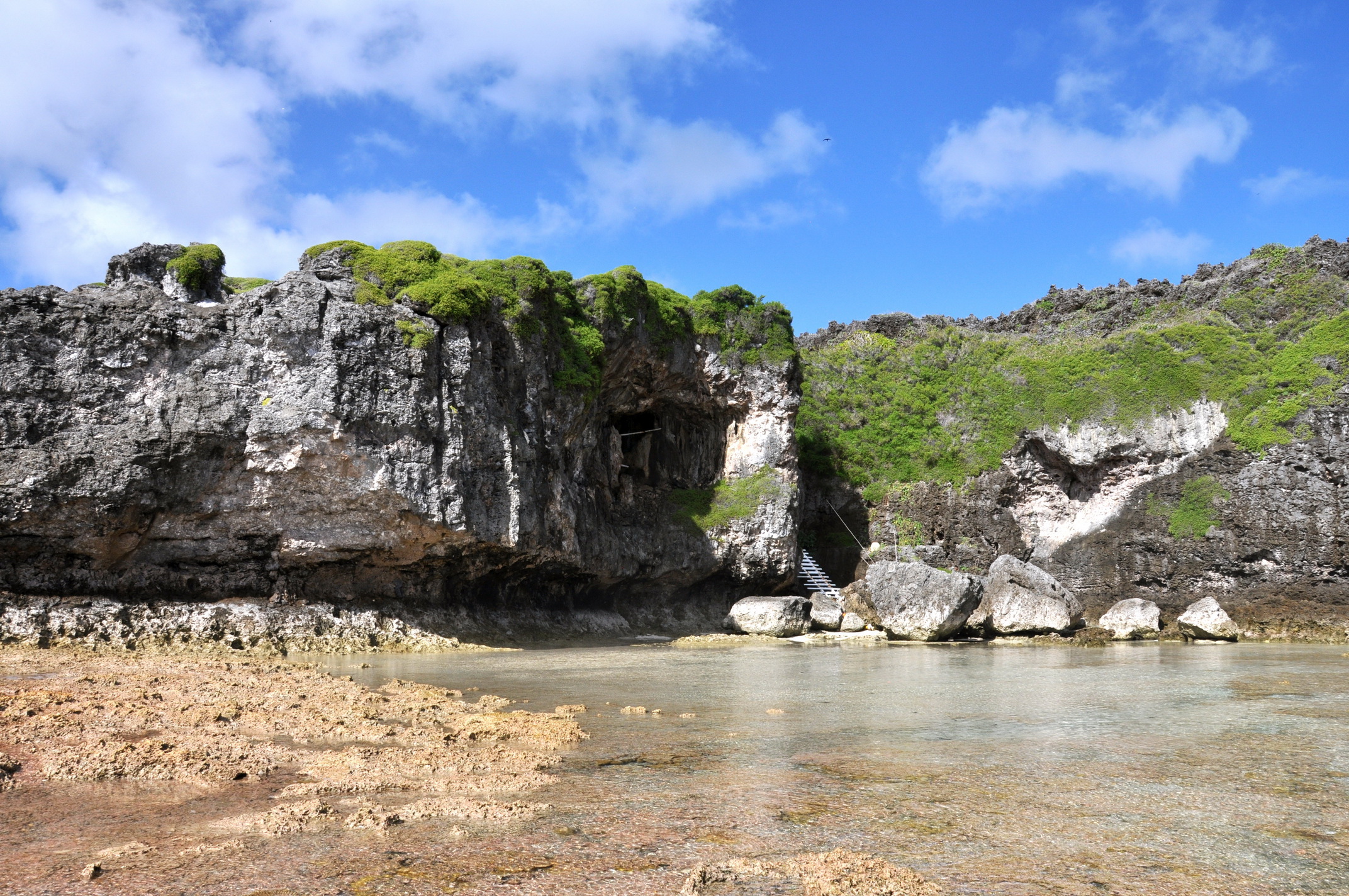
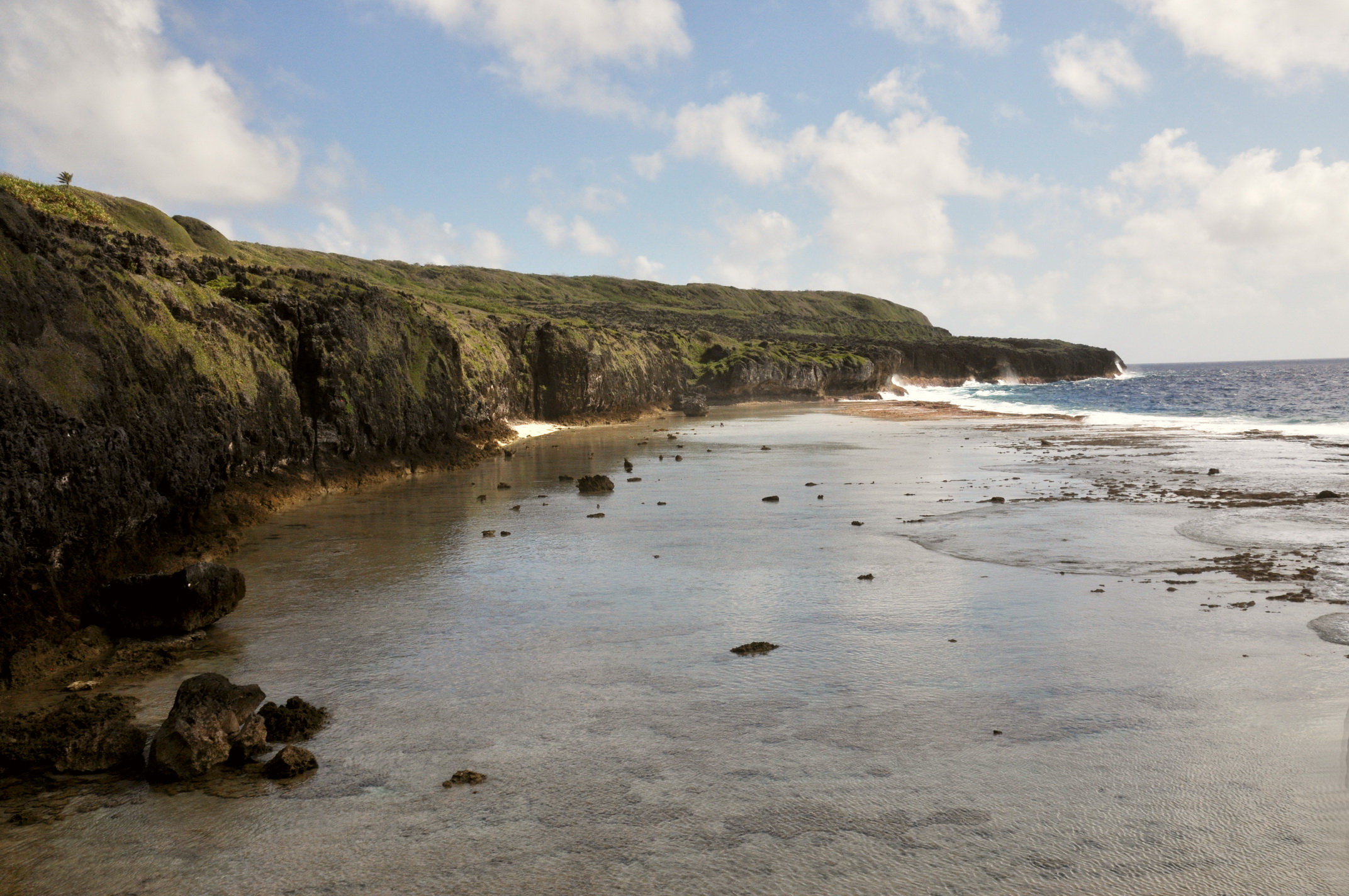
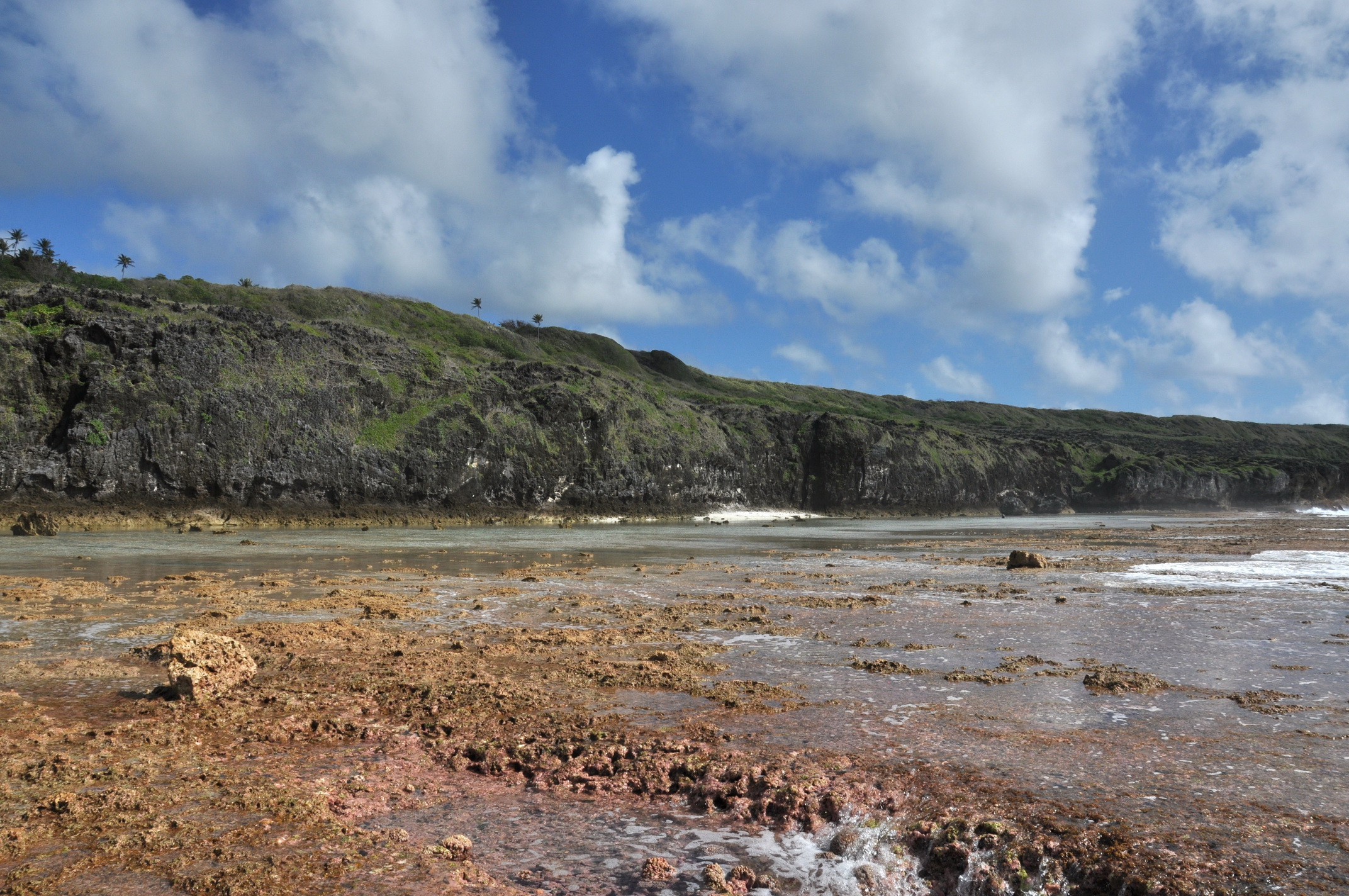
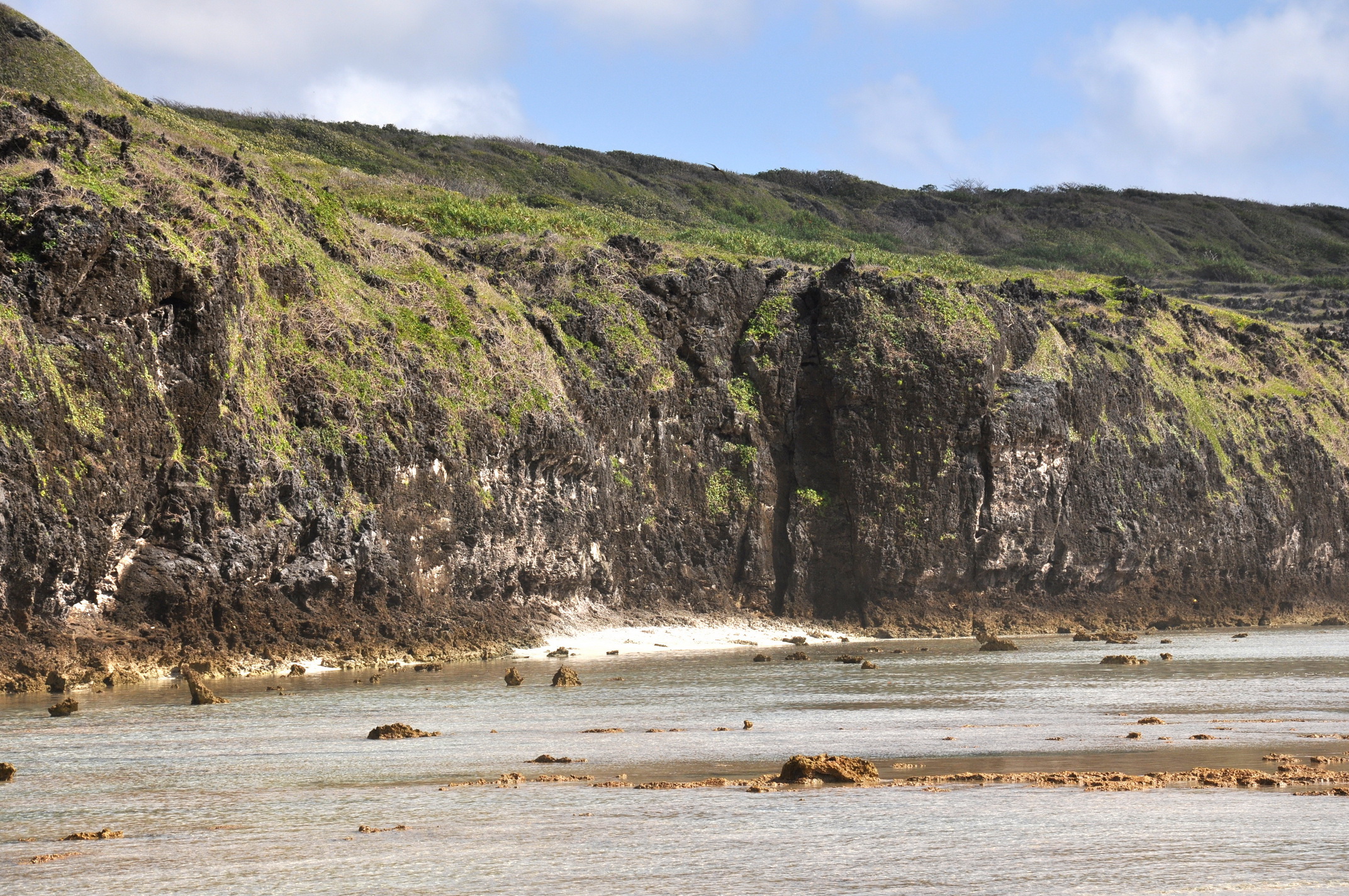
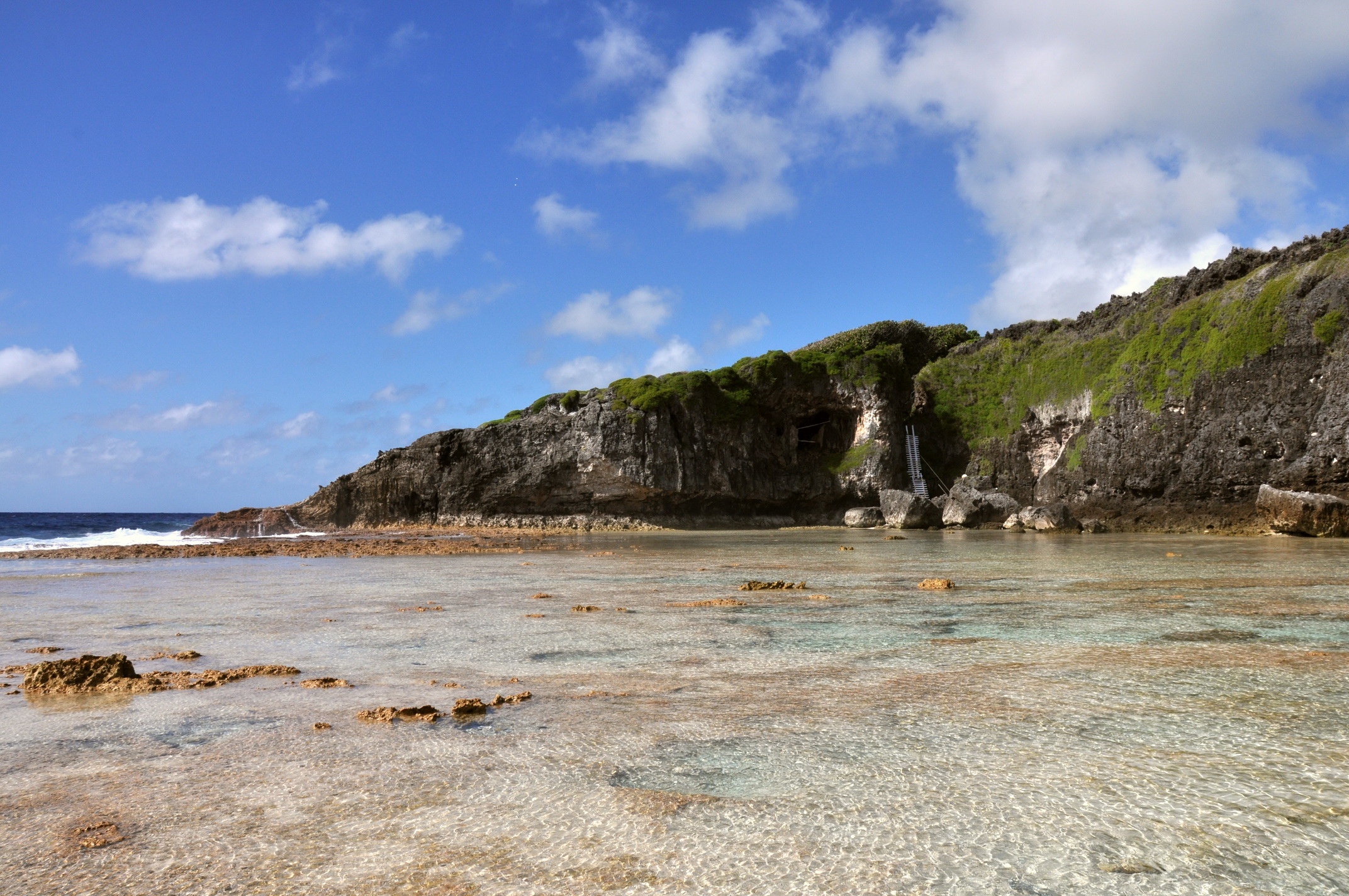
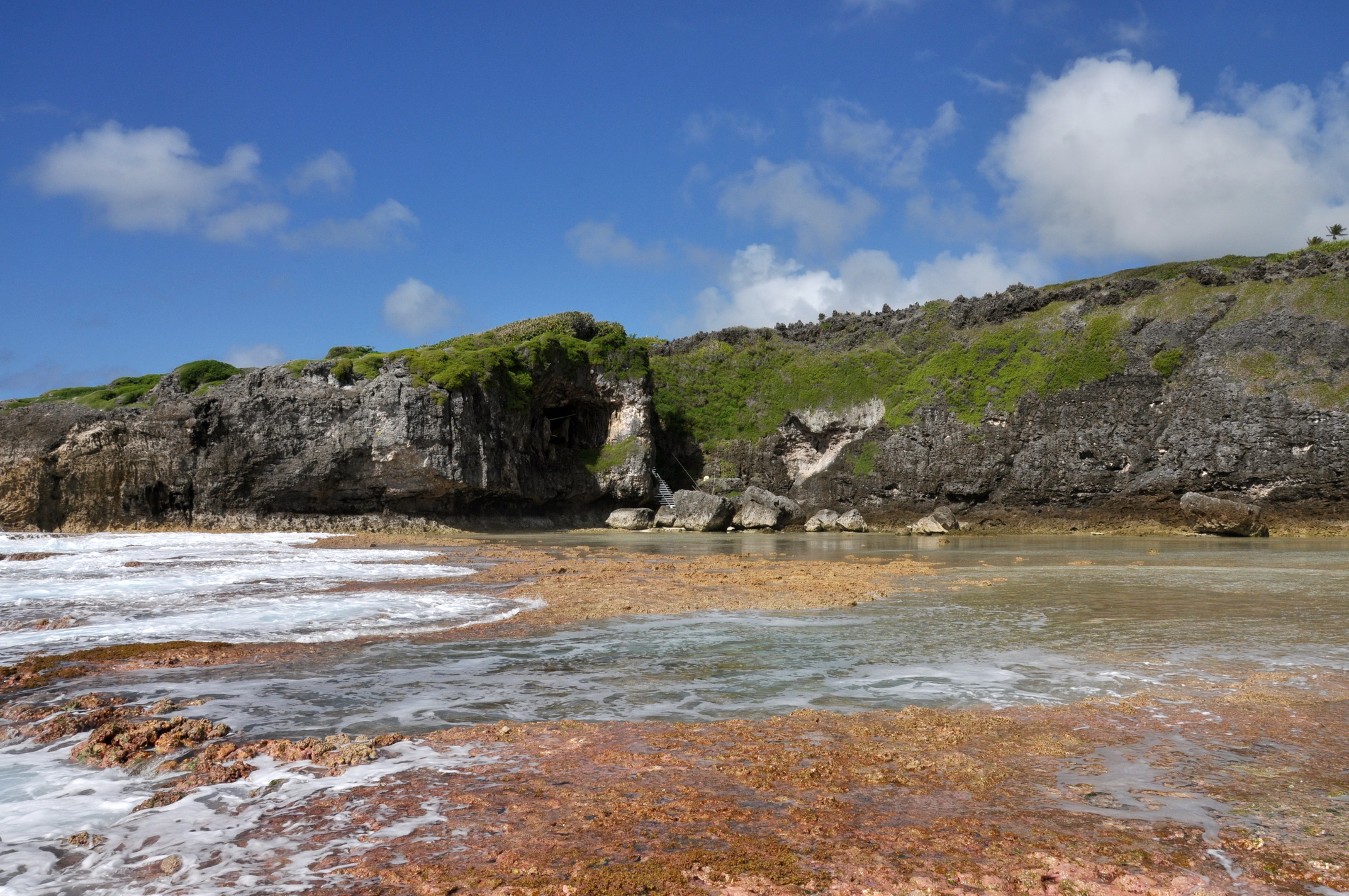
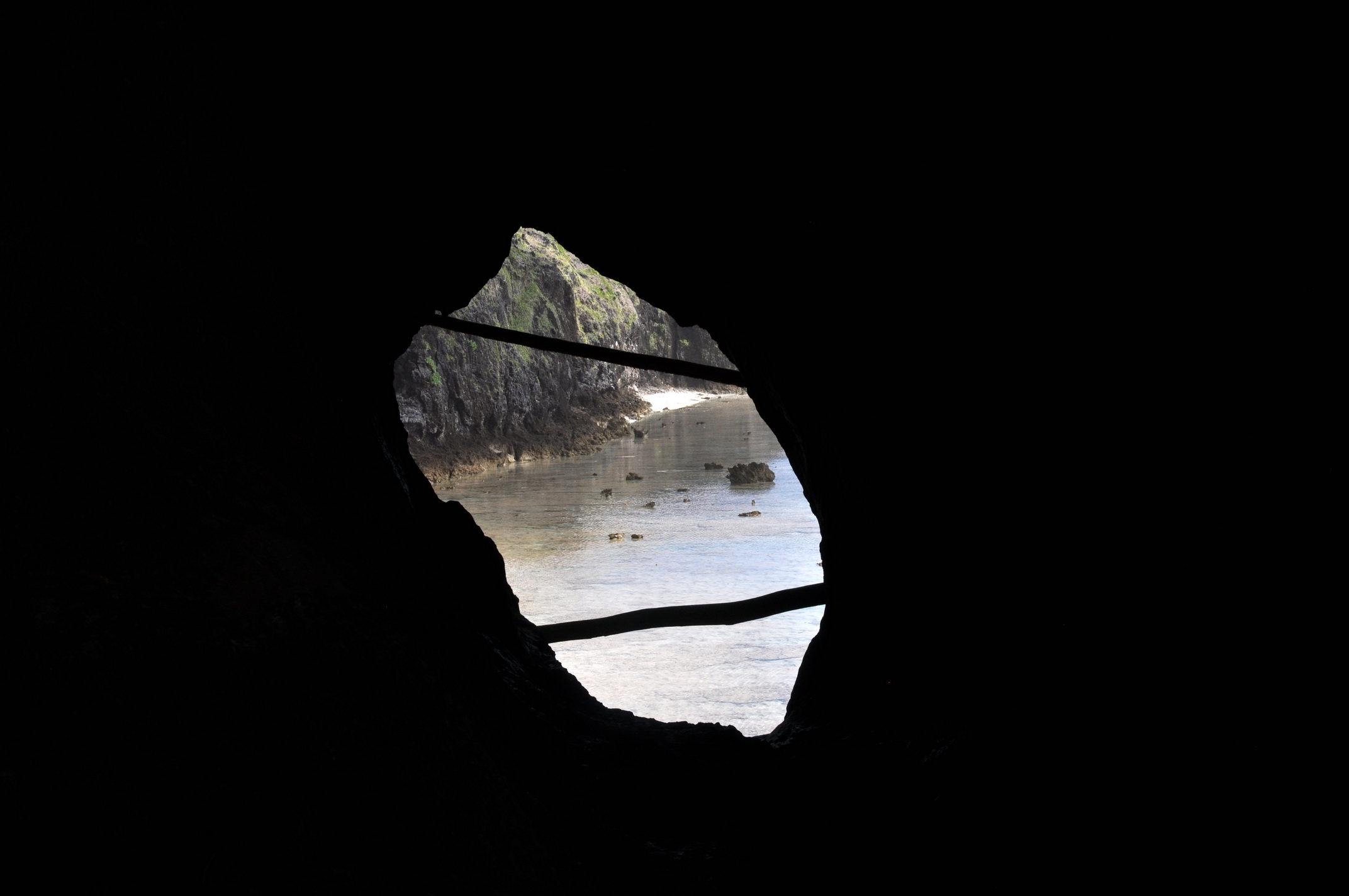
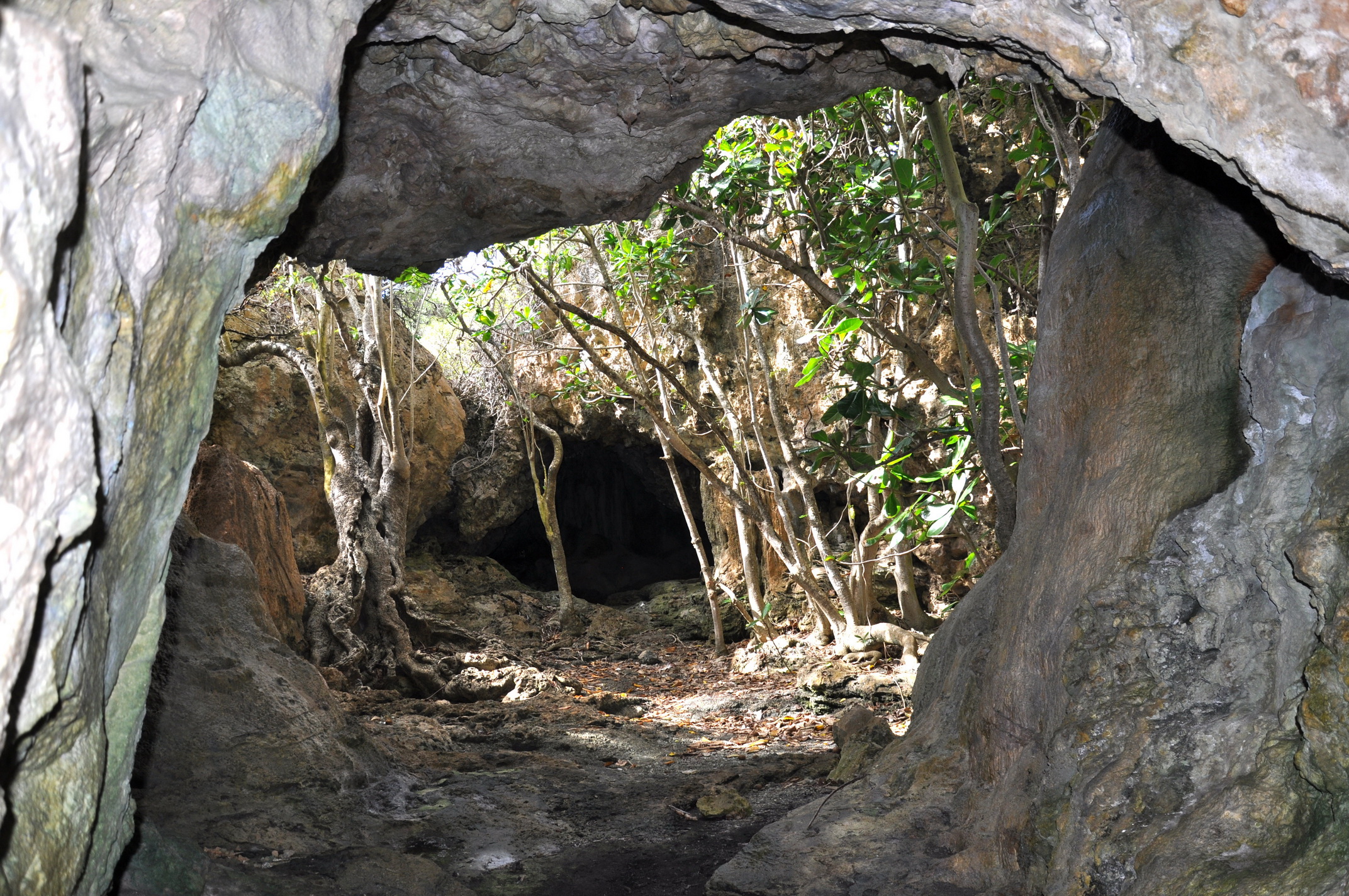
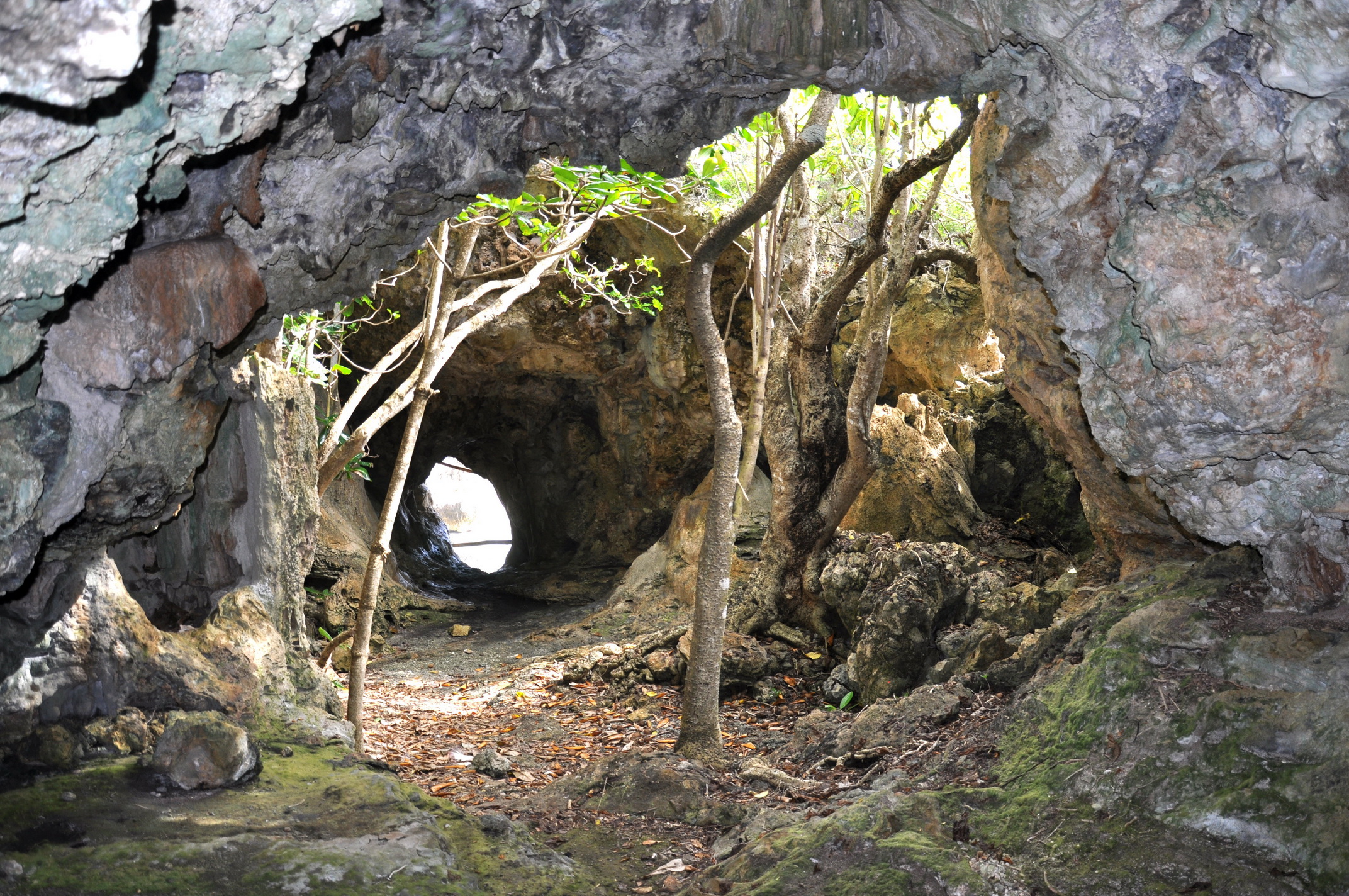
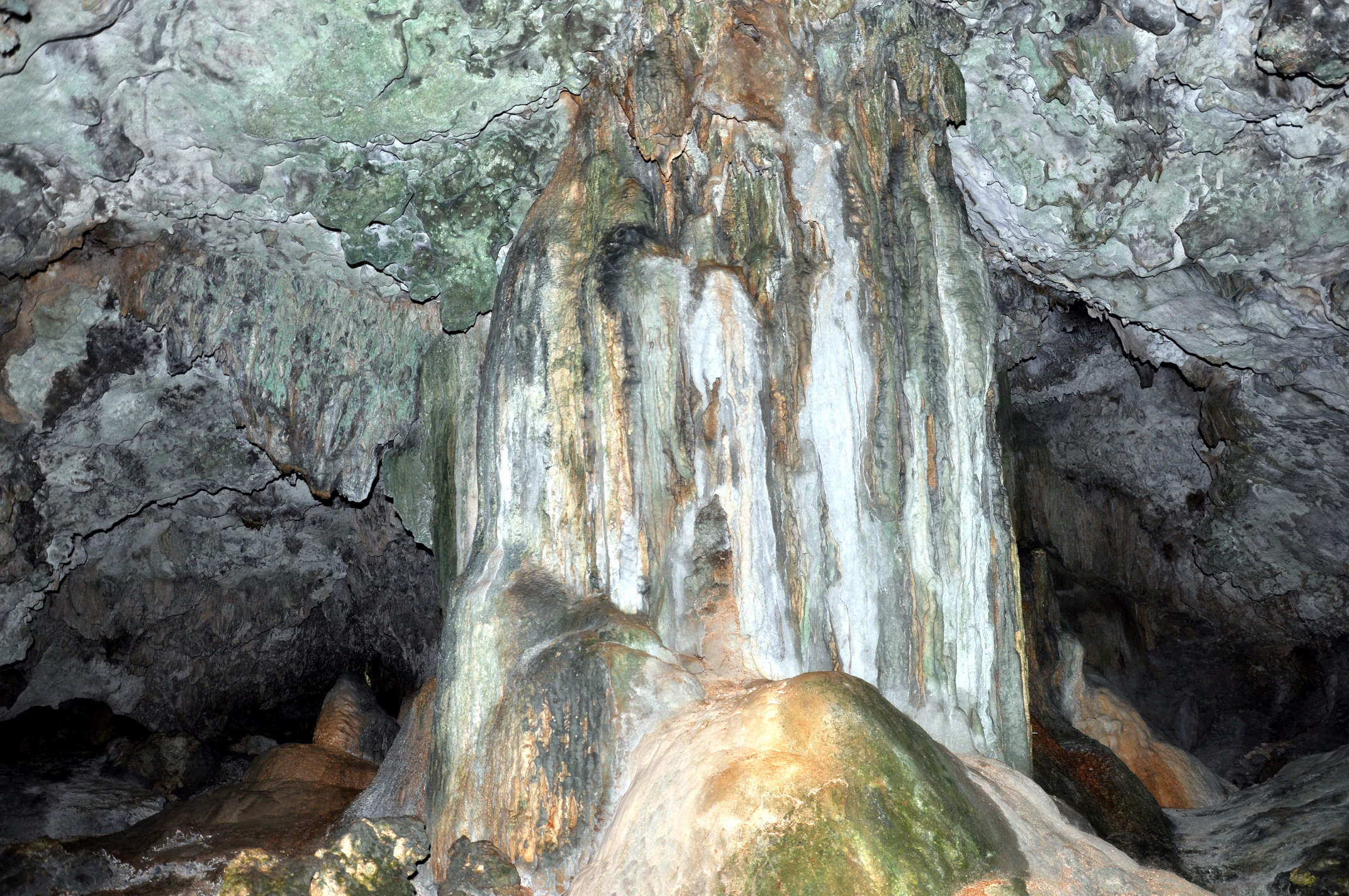
Next came a swim at yesterday’s swimming spot, Tautu Beach (19°02.844′S, 169°46.945′W); more precisely, in a coral bathtub, amid a fish soup.
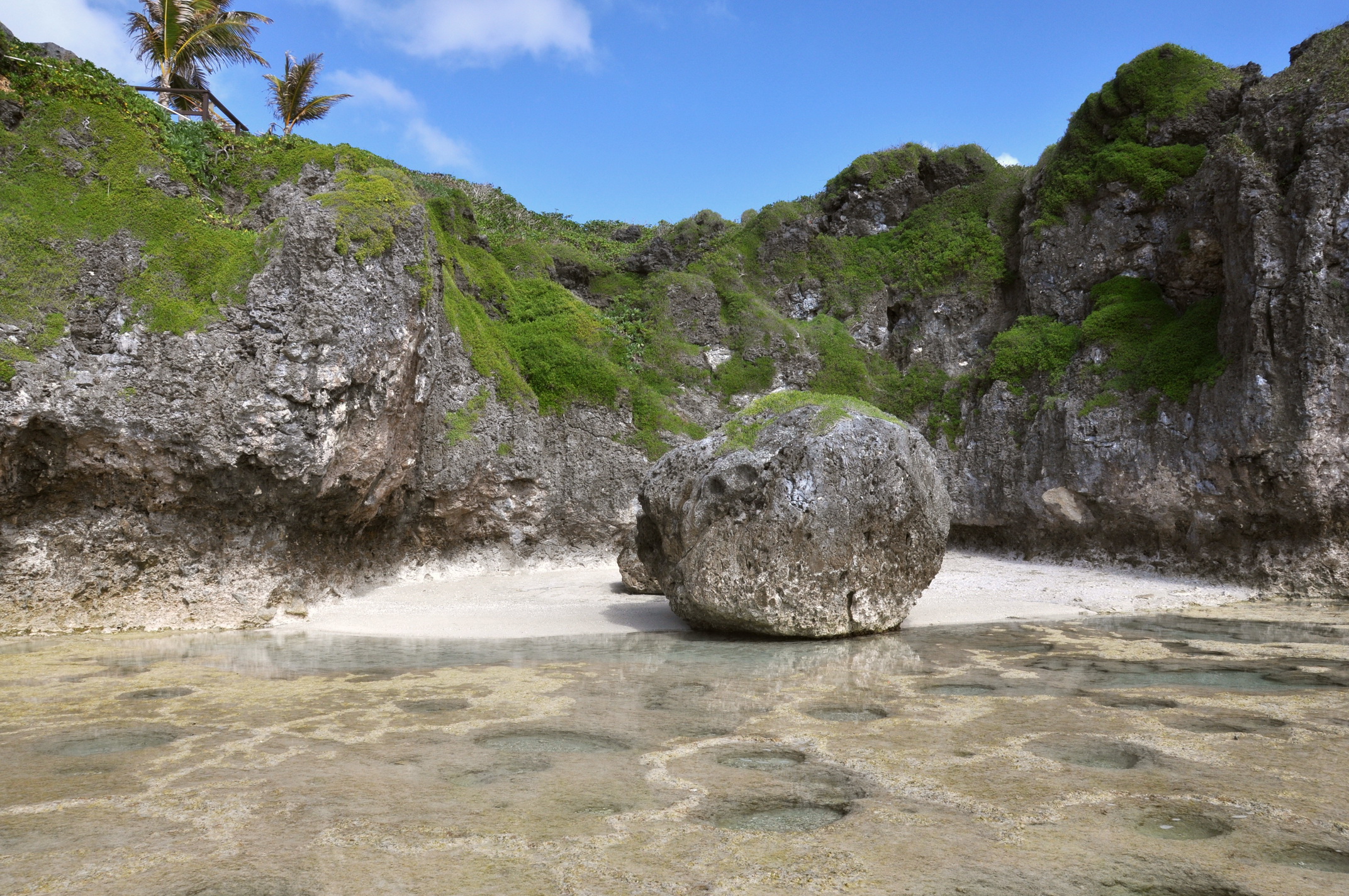
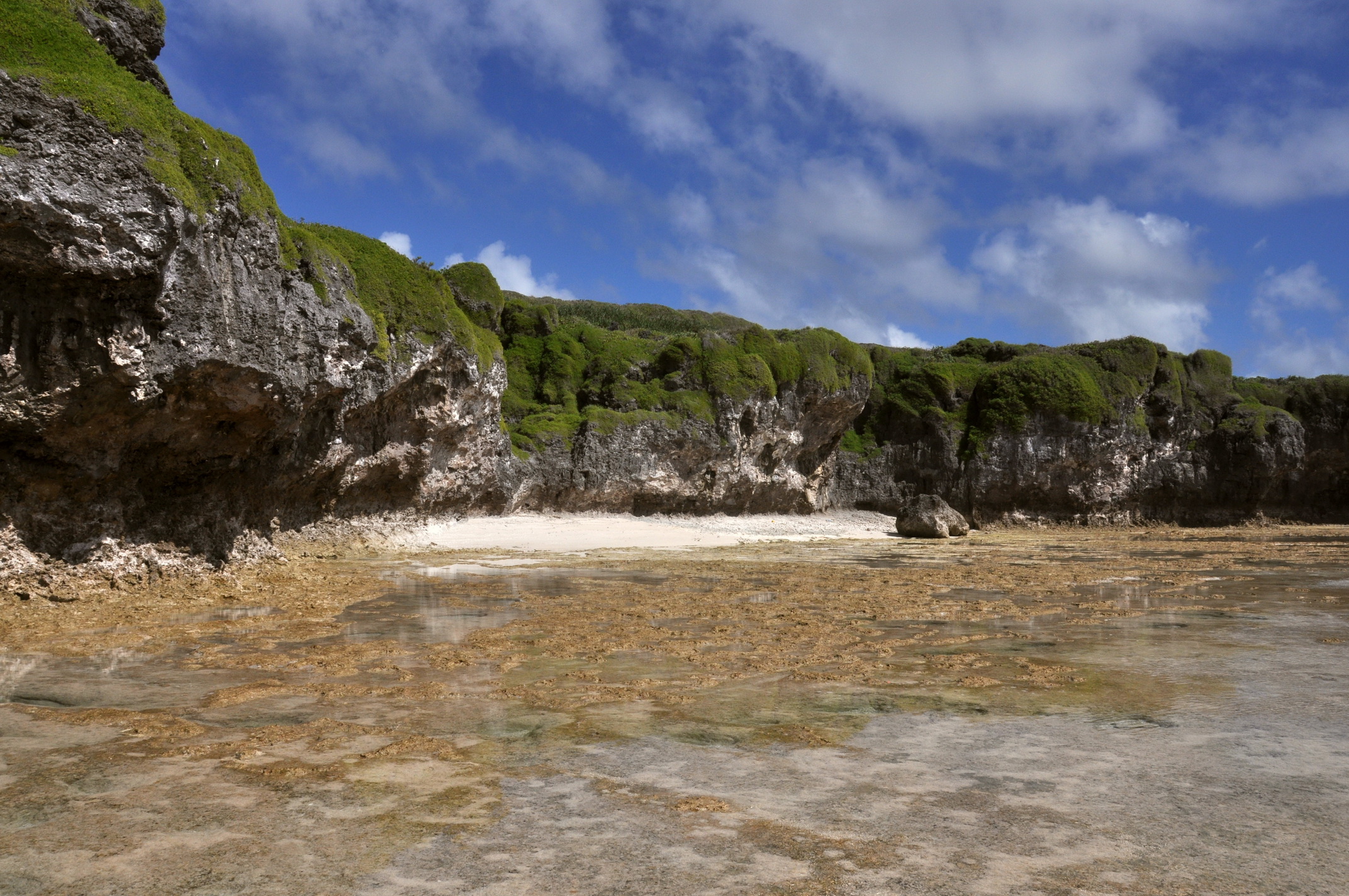
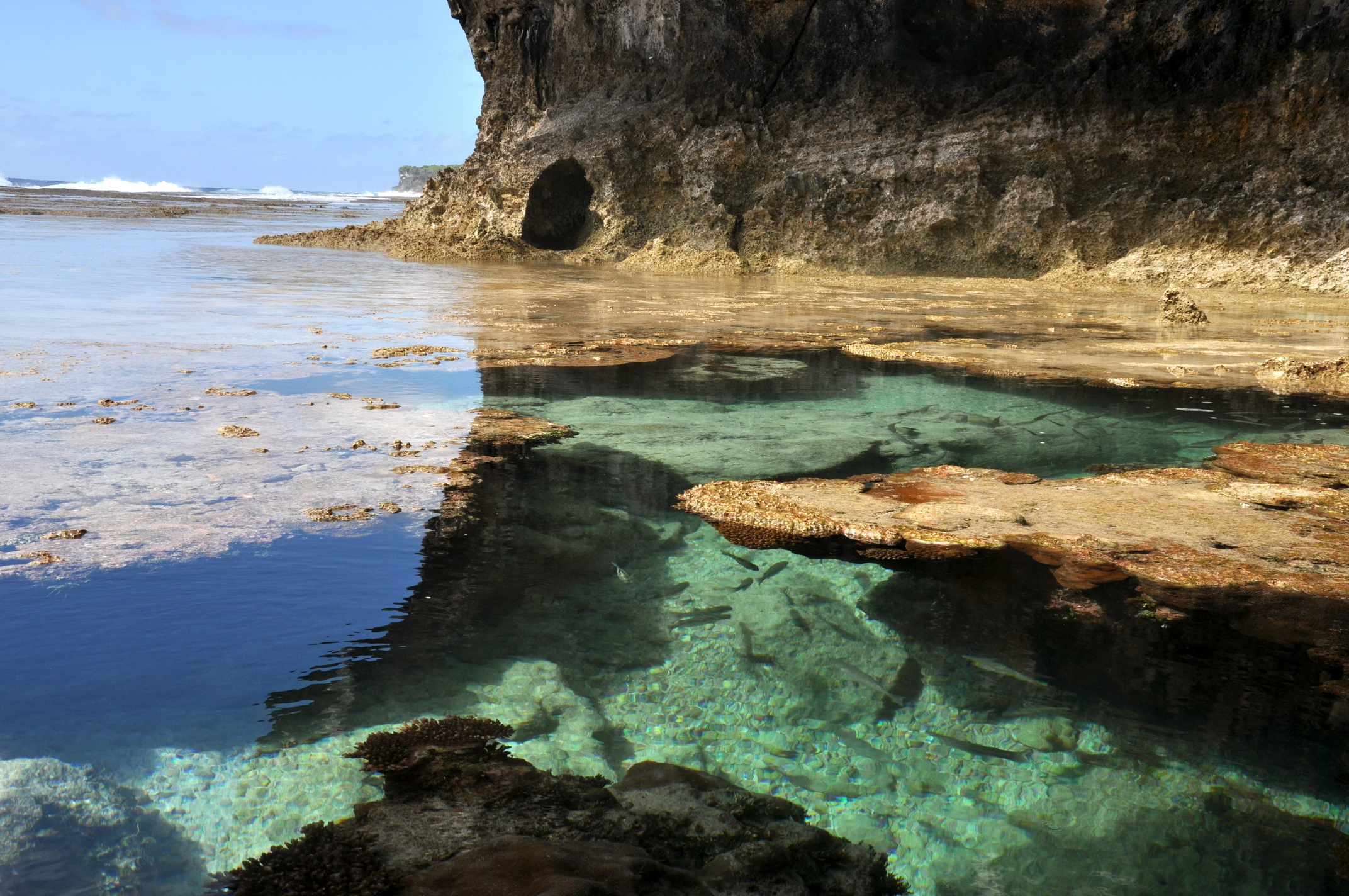
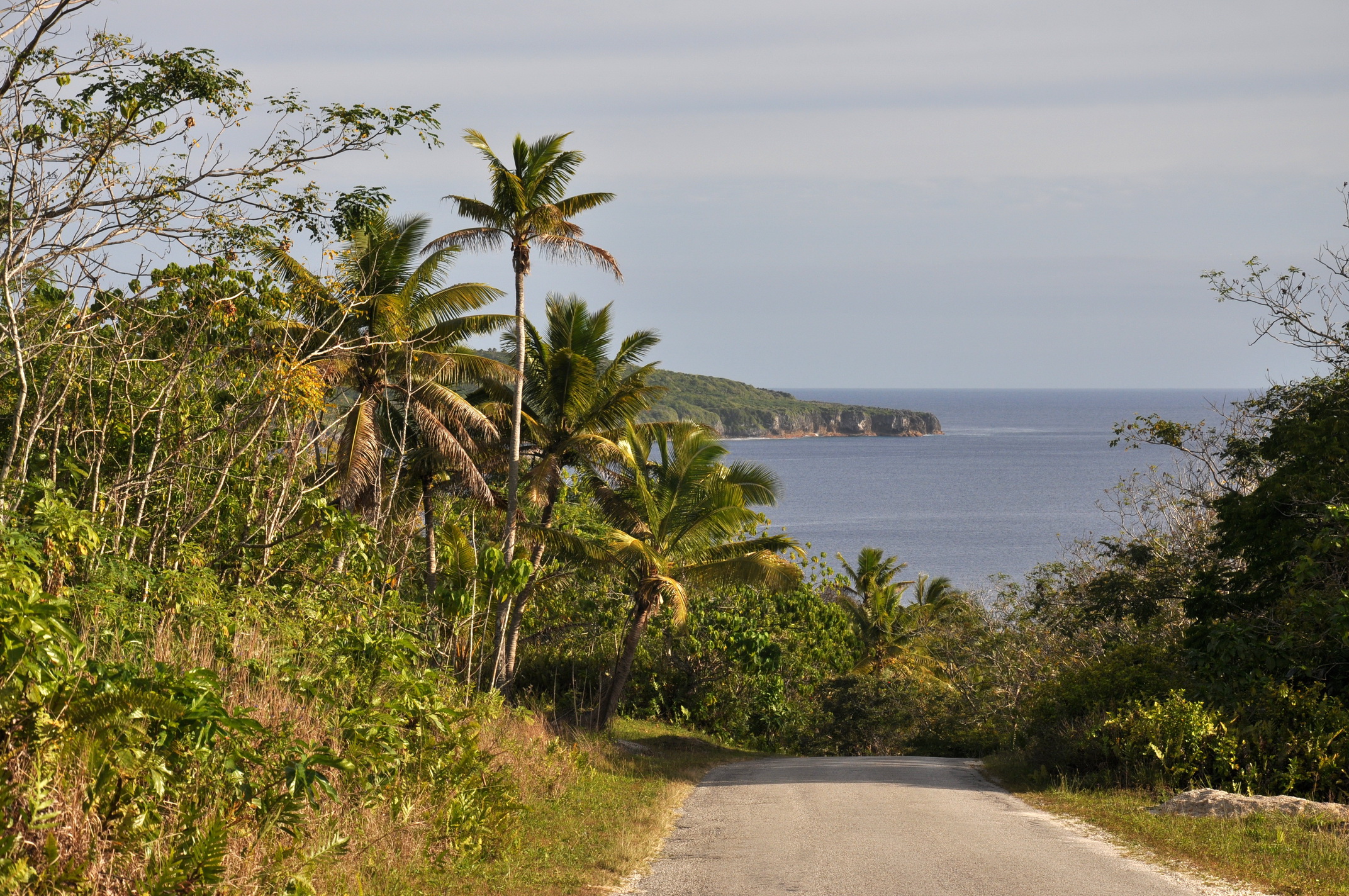
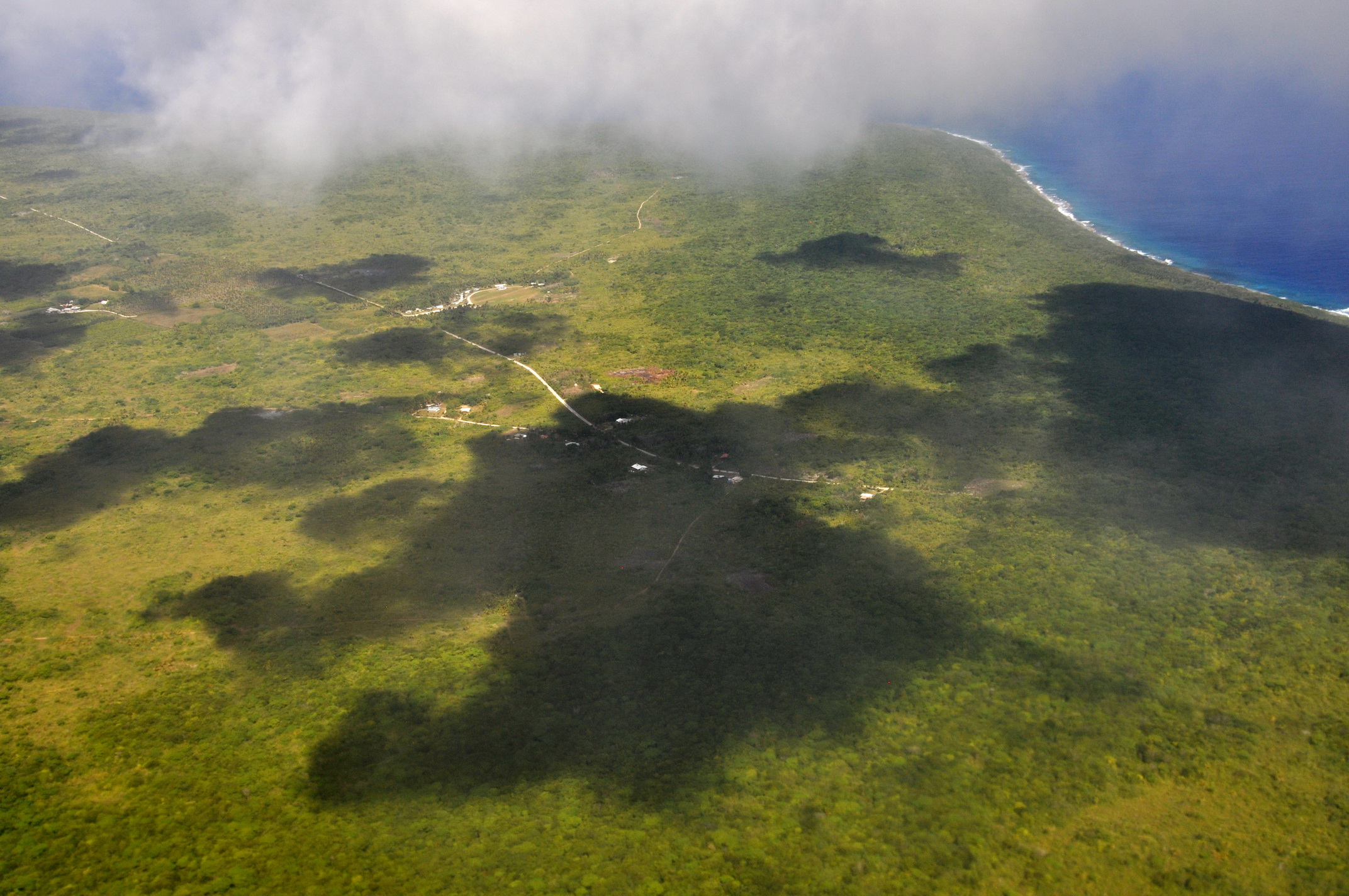
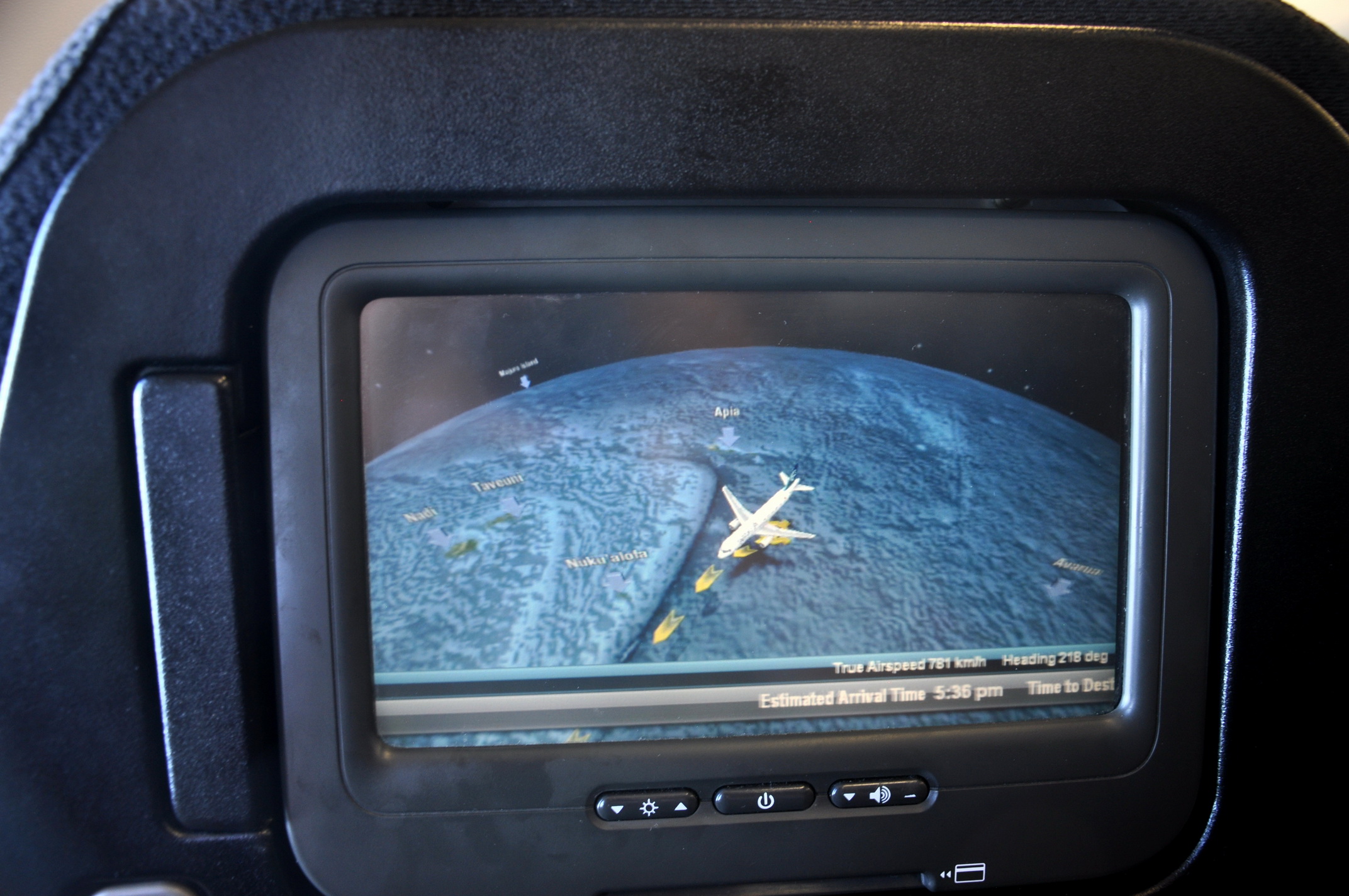
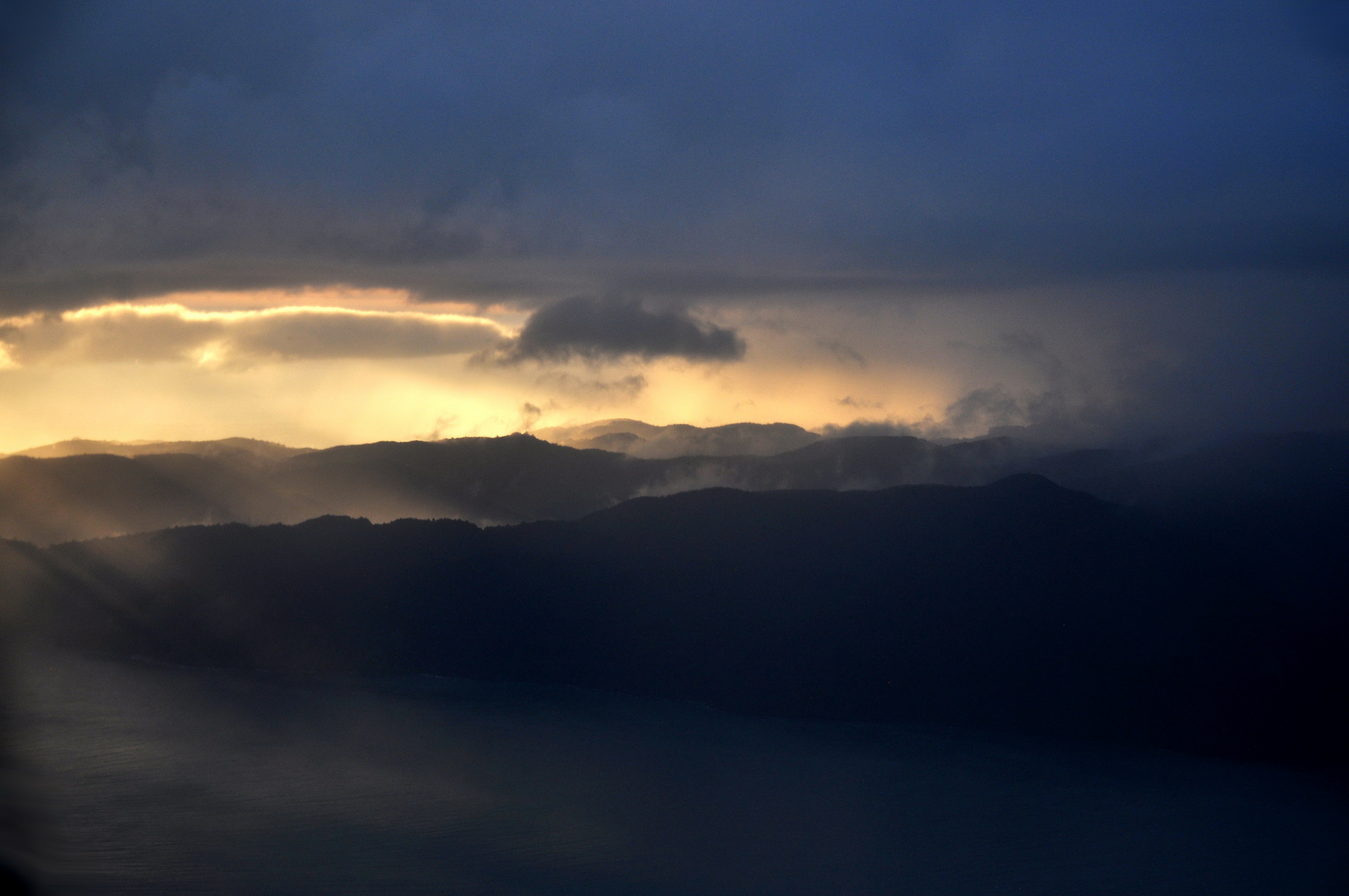
Then it was time for the airport. In 2014 there was a departure fee of $24 per person, cash only. We checked in three hours before the flight, which left us time: Avatele Beach was just 15 minutes away by car. One last swim, and for a long time the warm, salty tropical sea would only be a dream. Then the airport, customs, boarding, take-off, and we could see Avatele Beach again, now far below. The little island was dissolving into the blue haze, too small even to appear on the in-flight route map. Towards evening, New Zealand’s winter mountains appeared outside the window. Then a flight to Christchurch and we were home. We’d eaten the sweet. There was so much to do before the next trip, if there was one.
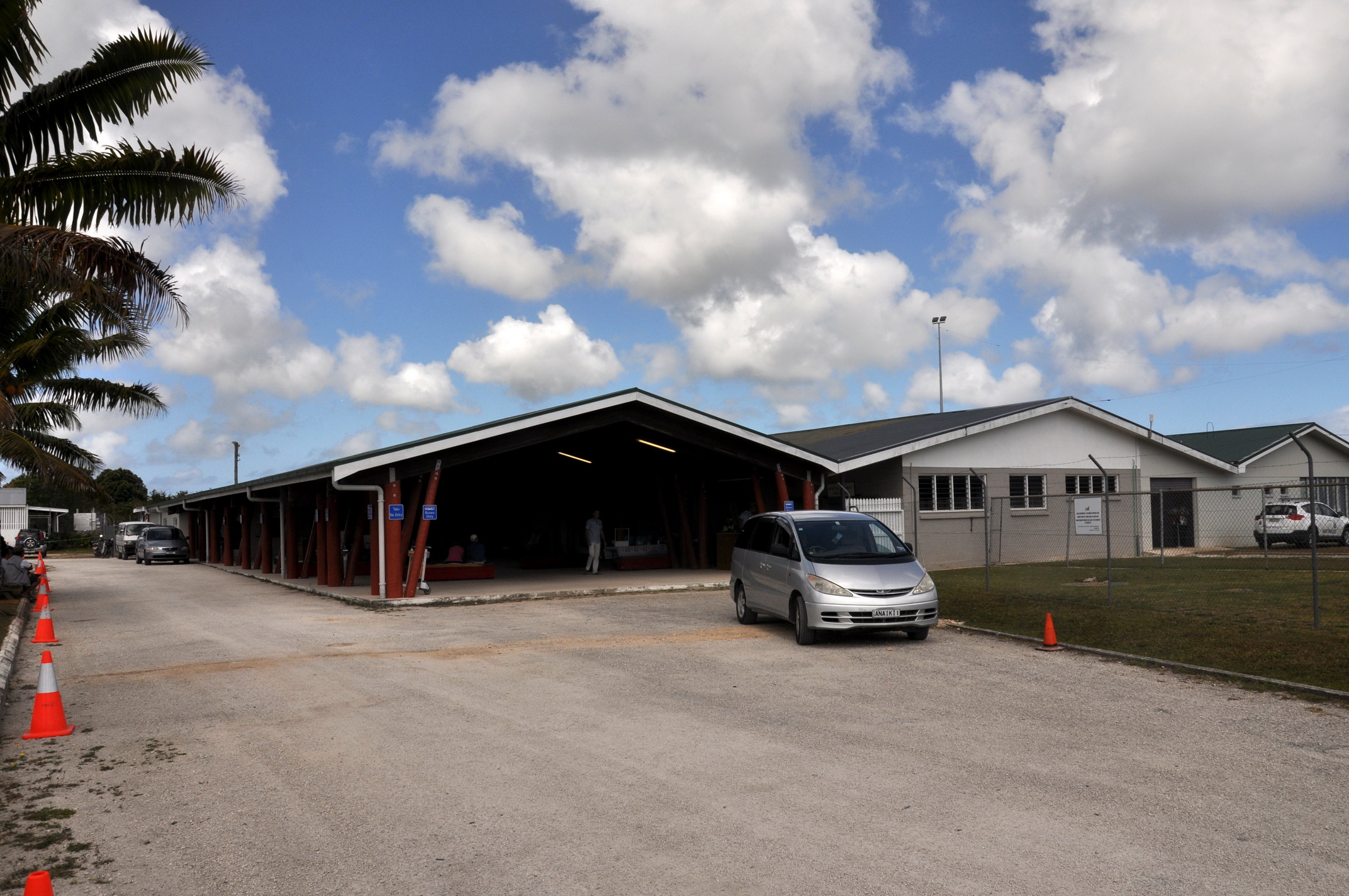
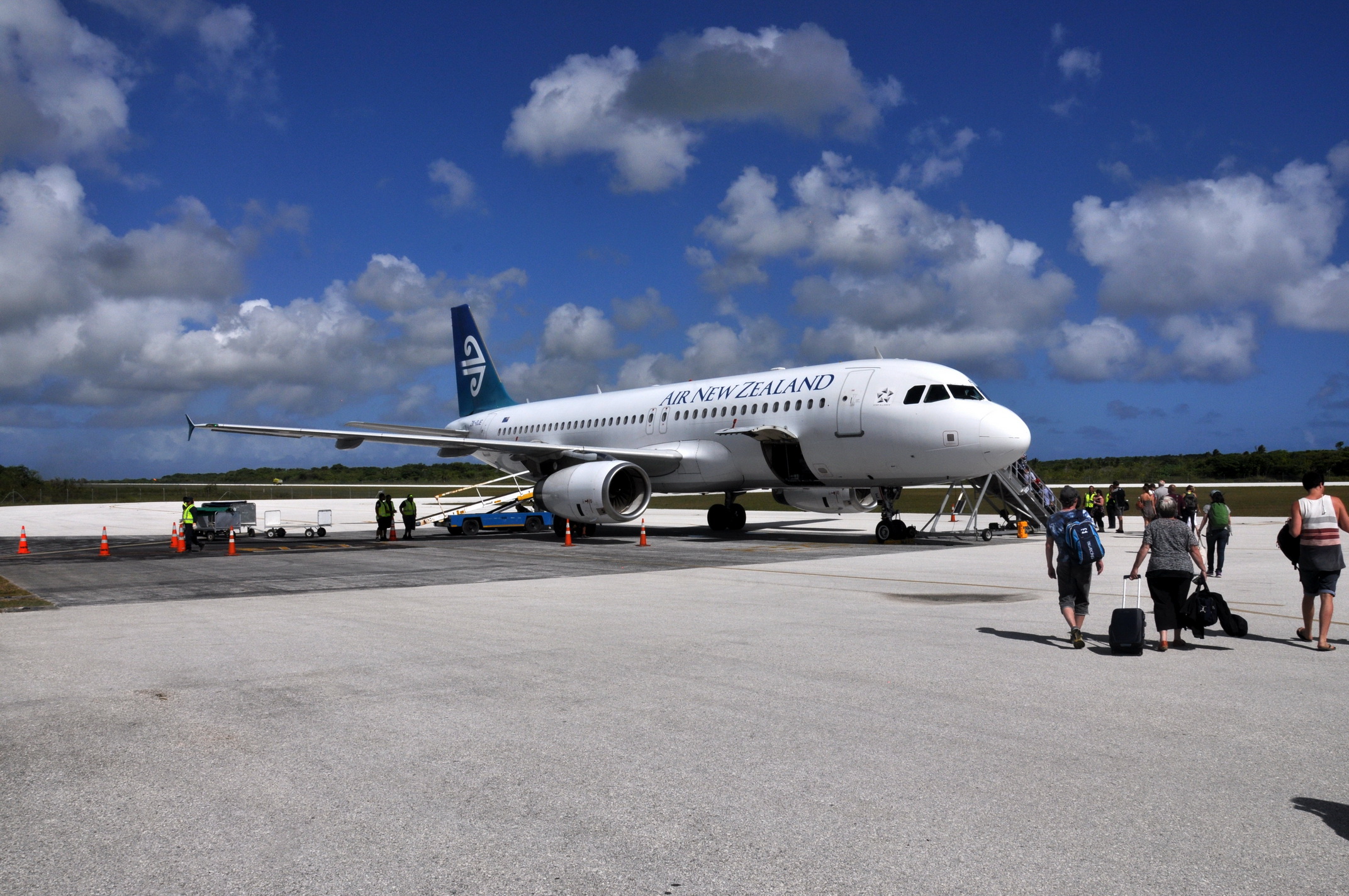
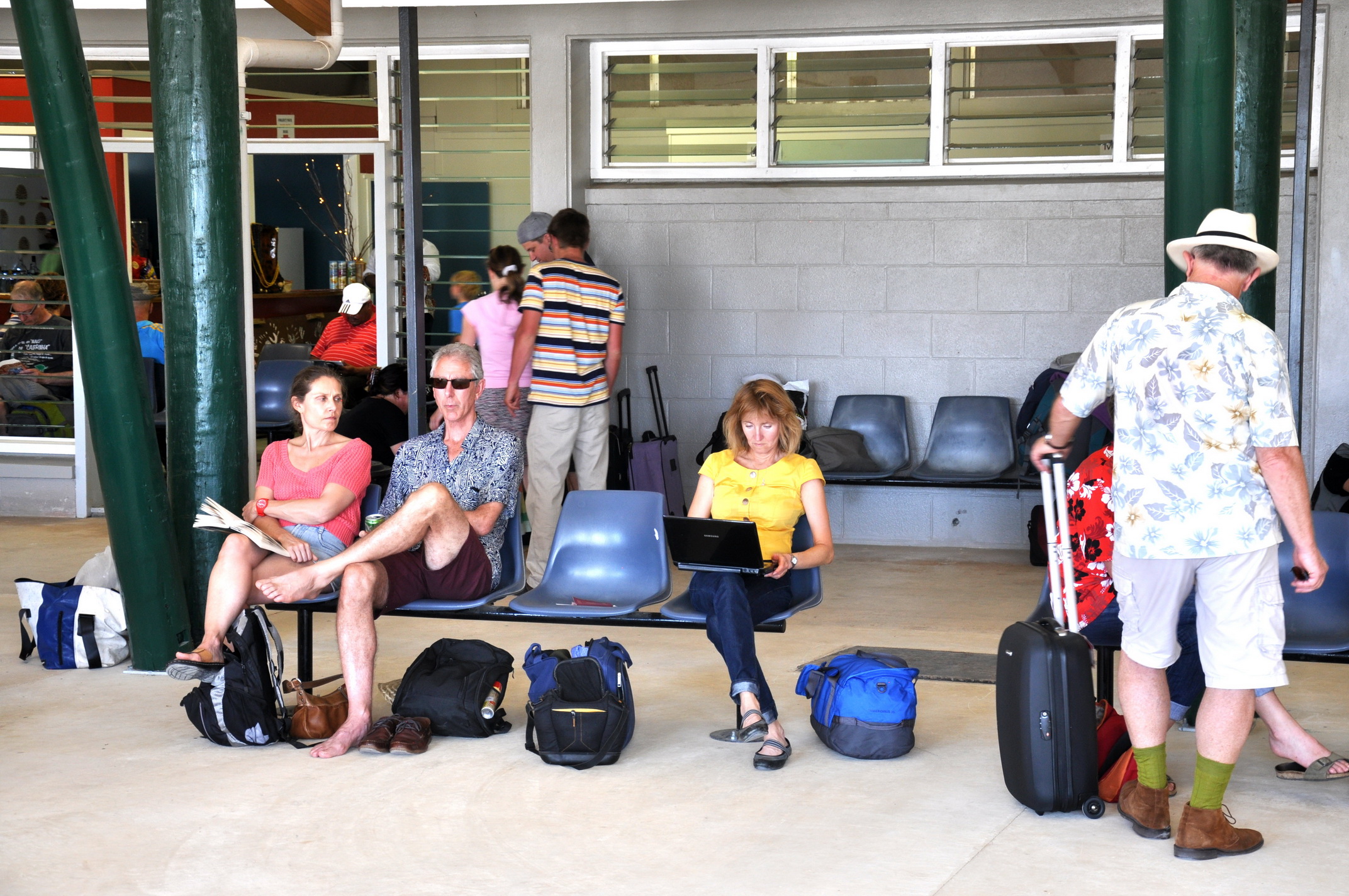
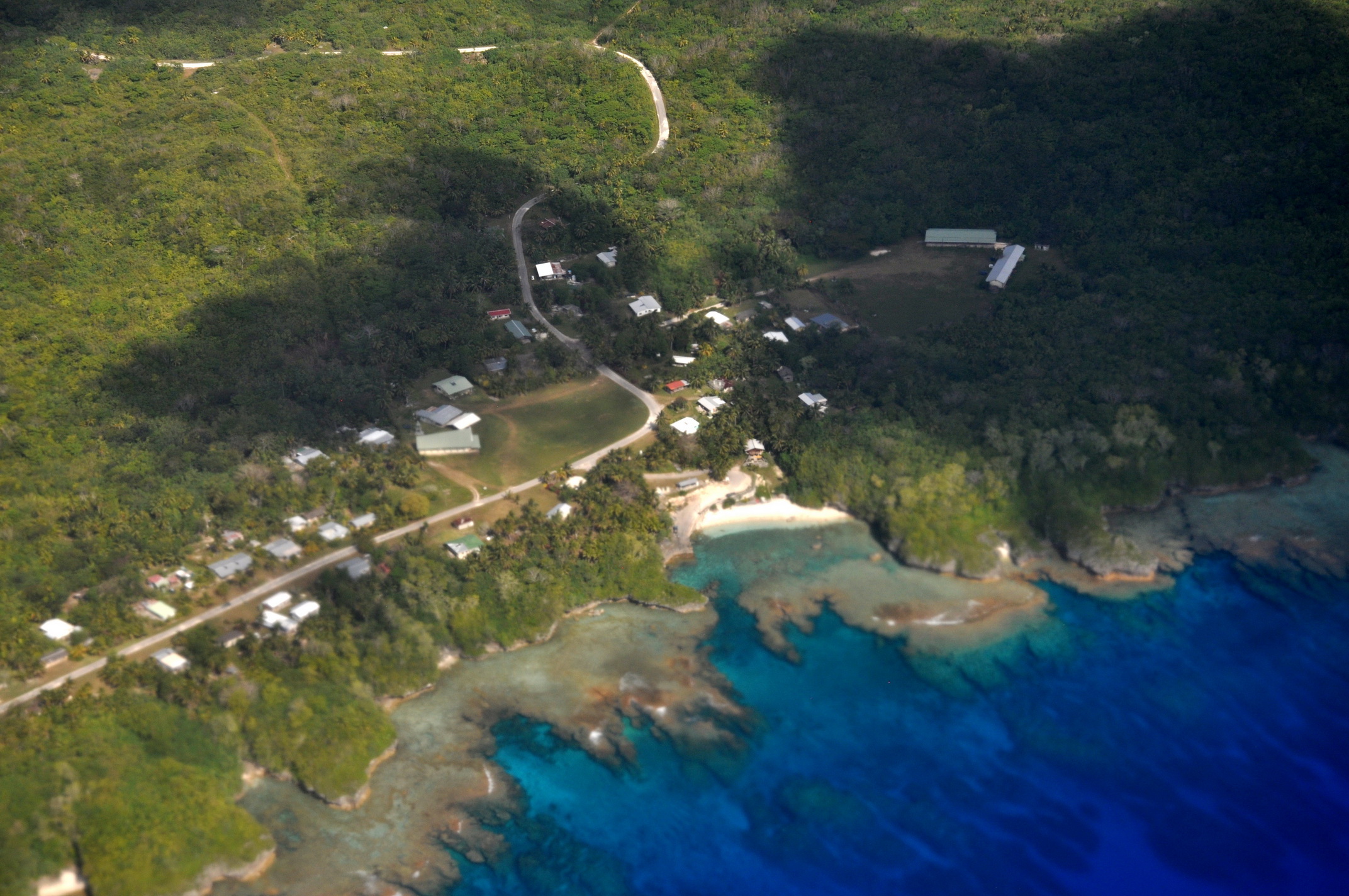
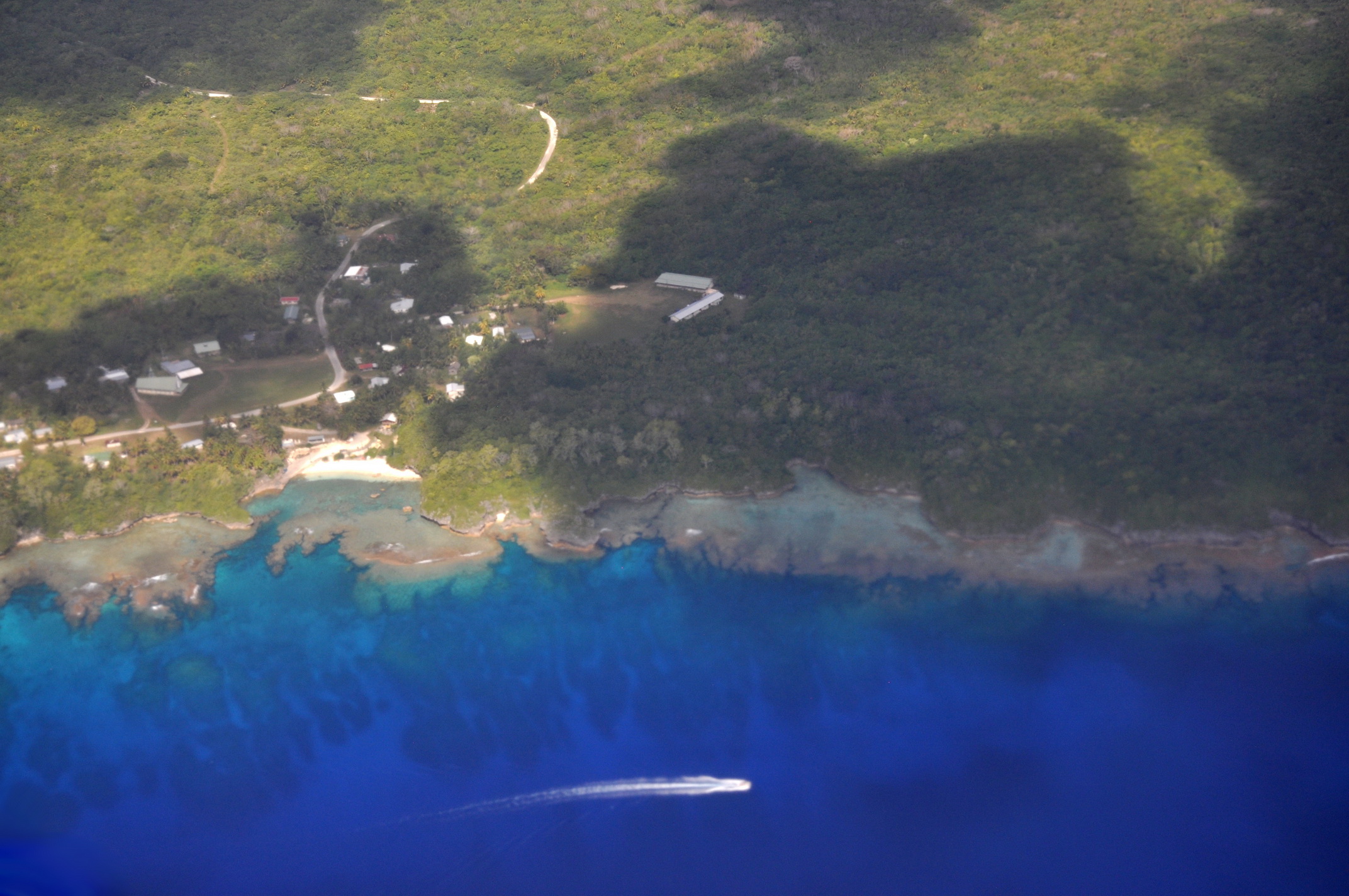
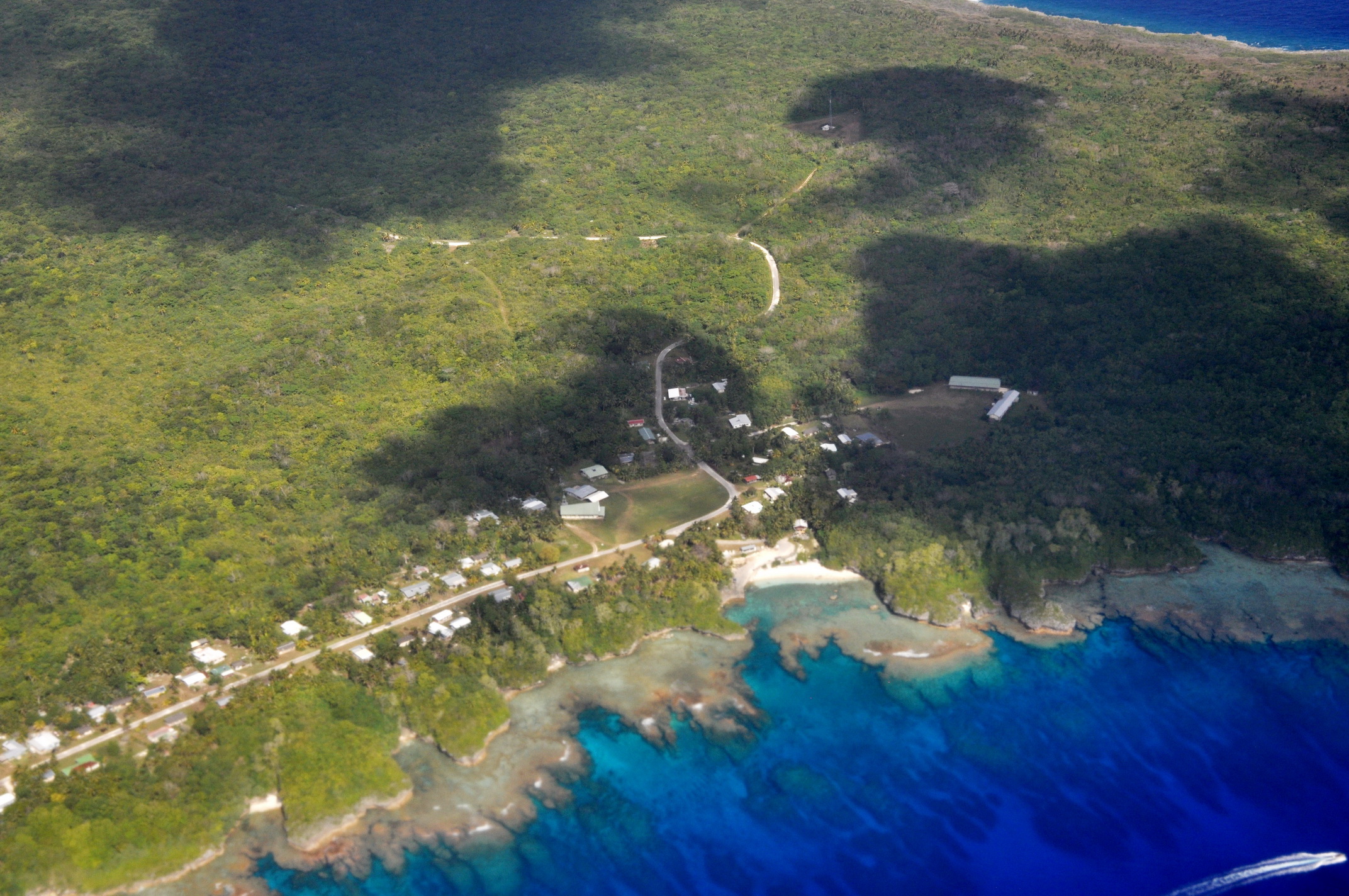
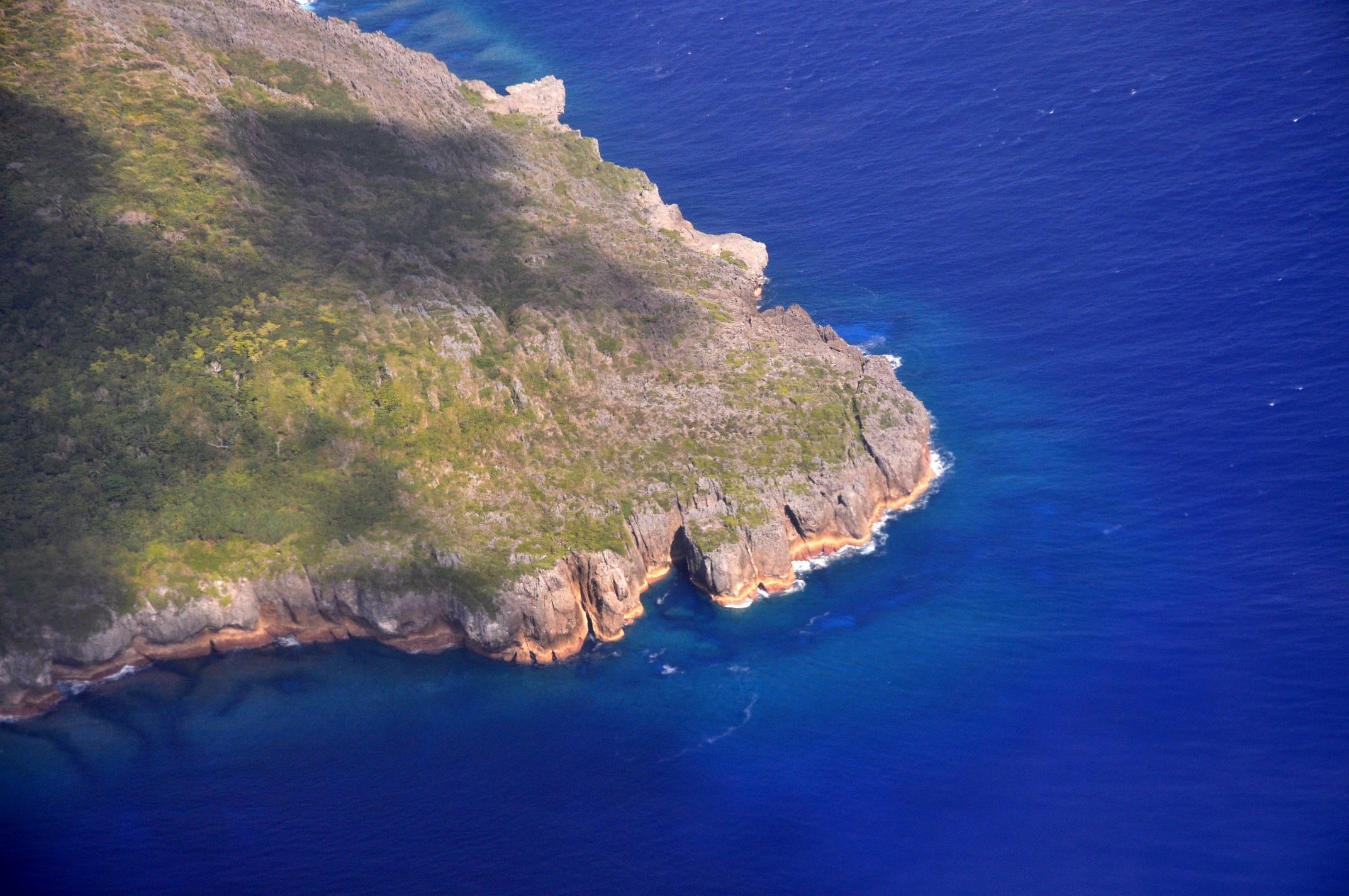
Niue is a wonderful place for a holiday. A week is just about right for seeing the island, walking and swimming. The main thing is to skip the expensive hotels and go straight to the villages to stay.