Trip report
Next door to Hong Kong, once a British corner of China, is a Portuguese corner called Macau. In Chinese it is Aomen (澳門).
I’d heard about Hong Kong all my life. Going there was one of my childhood dreams. For some reason I always picture Bond flying first class on British Airways from Hong Kong to London, and planes coming into the old Hong Kong airport right in the middle of the city. Hong Kong was a city out of a fairy tale. Macau always looked rather unremarkable.
Times changed. Hong Kong was handed over to China in 1997 and Macau in 1999. With what struck me as true Chinese cunning, the existing arrangements were given another fifty years. As I saw it at the time, there was still room for these cities to live out the old way of life for another thirty years or so. It already felt like borrowed time. The figures I had for Macau showed about 0.9 children per woman, the lowest fertility rate in the world, with Hong Kong close behind.
To me that feeling of a future on hold was more visible in Hong Kong, where there was more past grandeur to lose. Macau had only recently come into bloom. For the Chinese mainland it was the one place to gamble legally. Of course people could go to Las Vegas, but that meant a long trip, a visa, a different language and unfamiliar ways of doing things. Macau was just a couple of hours by car from Guangzhou.
By the time I visited, Russian citizens could enter both Hong Kong and Macau without a visa. I had heard that Macau immigration sometimes turned away Russian women travelling alone at the slightest suspicion that they might be coming to work in the sex trade. People offered all manner of unflattering explanations about how the local business viewed Russian competition and whether newcomers would pay protection money. As I’m neither young nor beautiful, at least I was able to visit Macau.
In 2010 you could reach Macau from Hong Kong by ferry or helicopter. The ferry ran regularly and took about an hour. The helicopters flew between city-centre heliports rather than the main airports. They cost several times more and were less reliable. A 55-kilometre bridge opened in 2018, which makes the road journey far quicker.
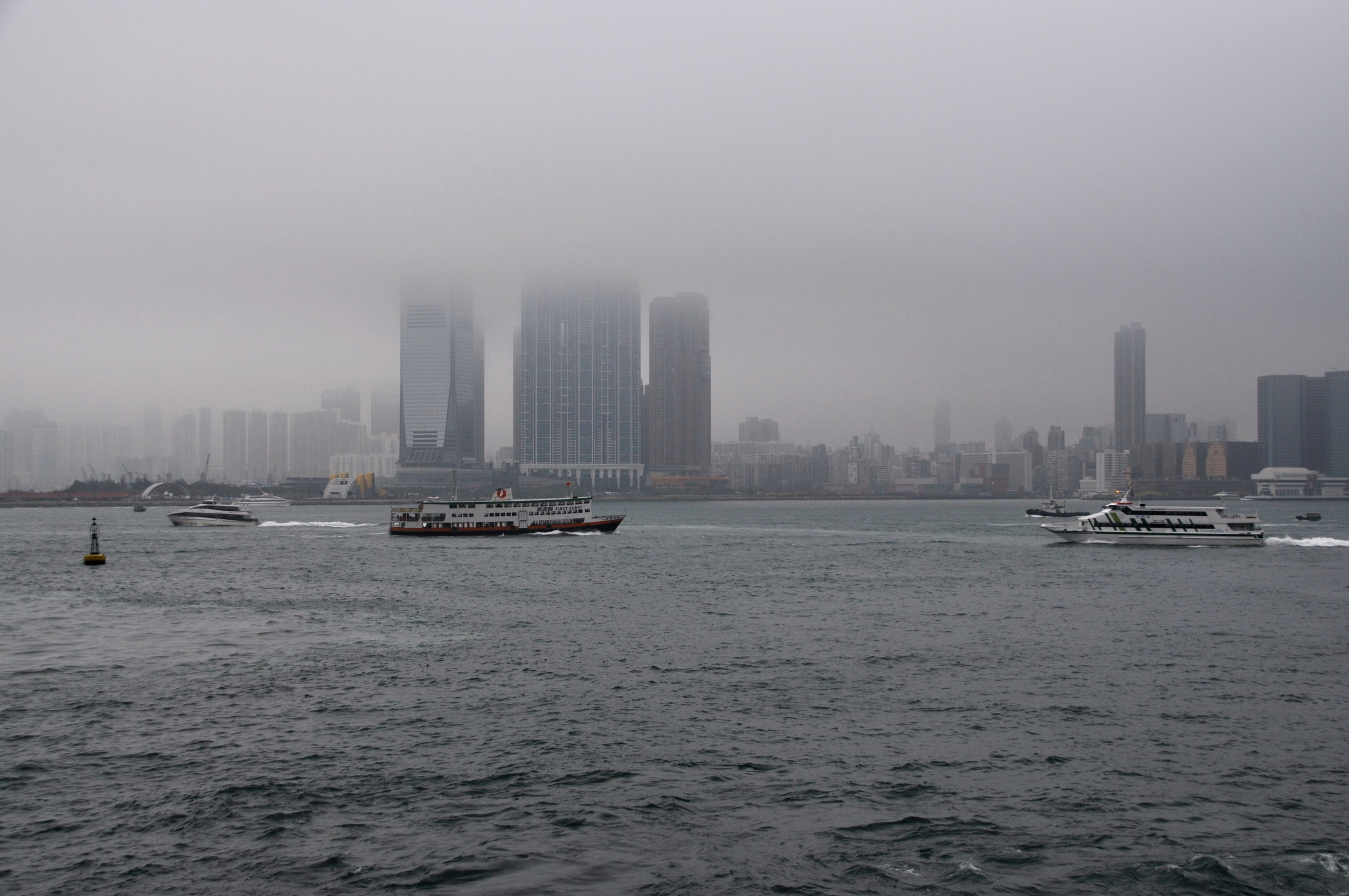
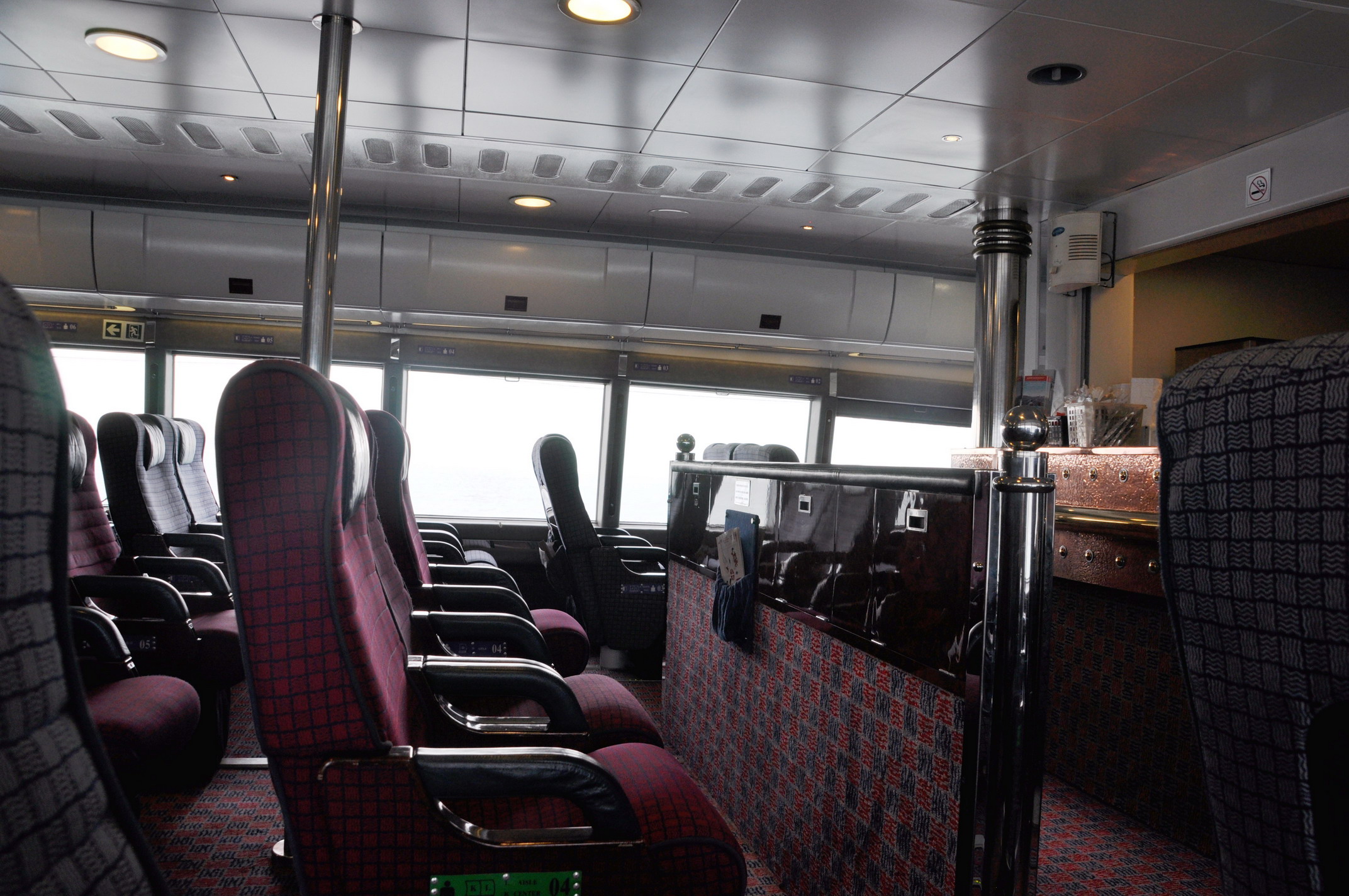
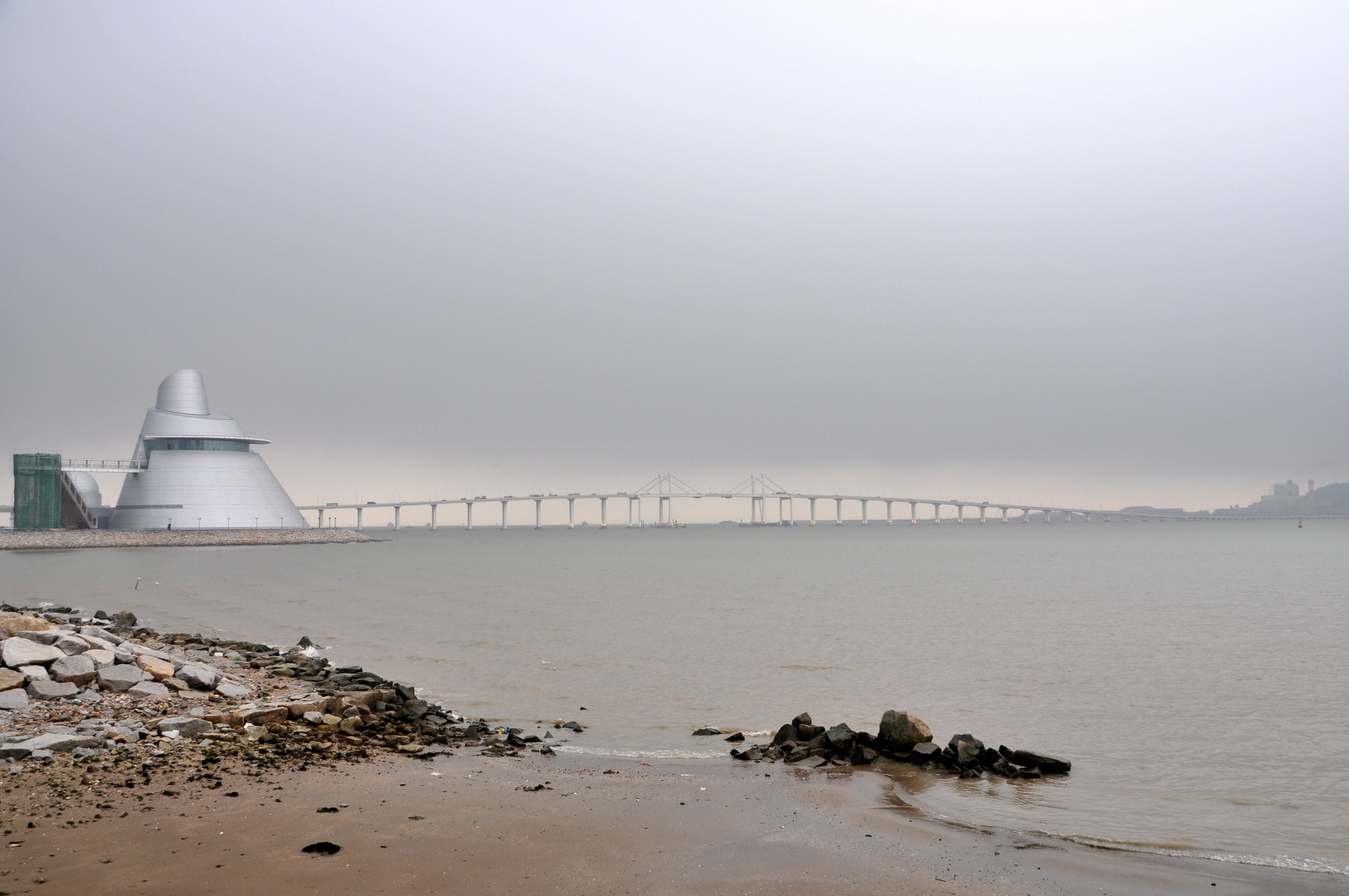
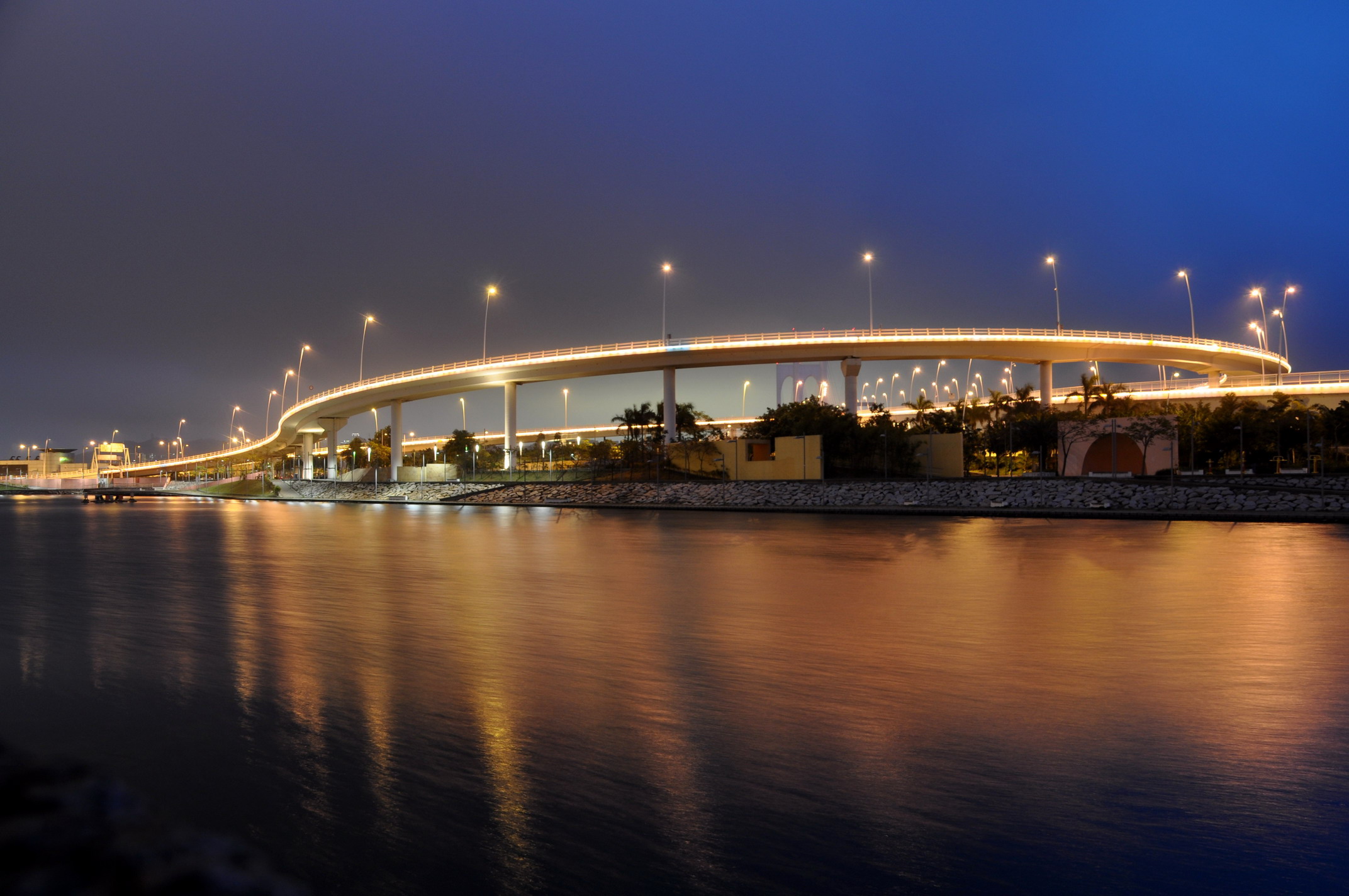
I took the ferry. The pier in Hong Kong is right in the city centre. In Macau, the ferry terminal stands a few kilometres from the centre beside another enormous bridge linking the islands.
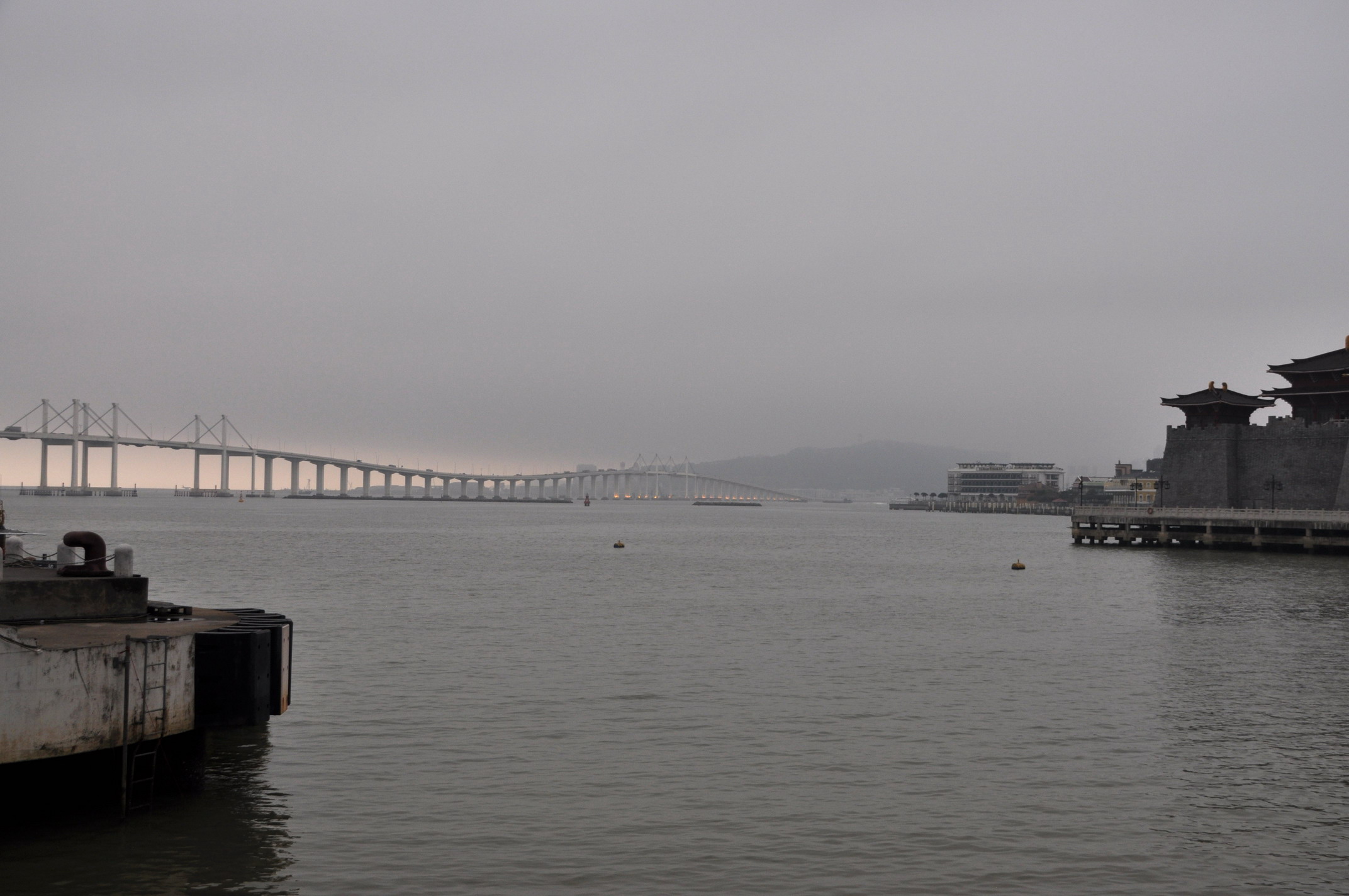
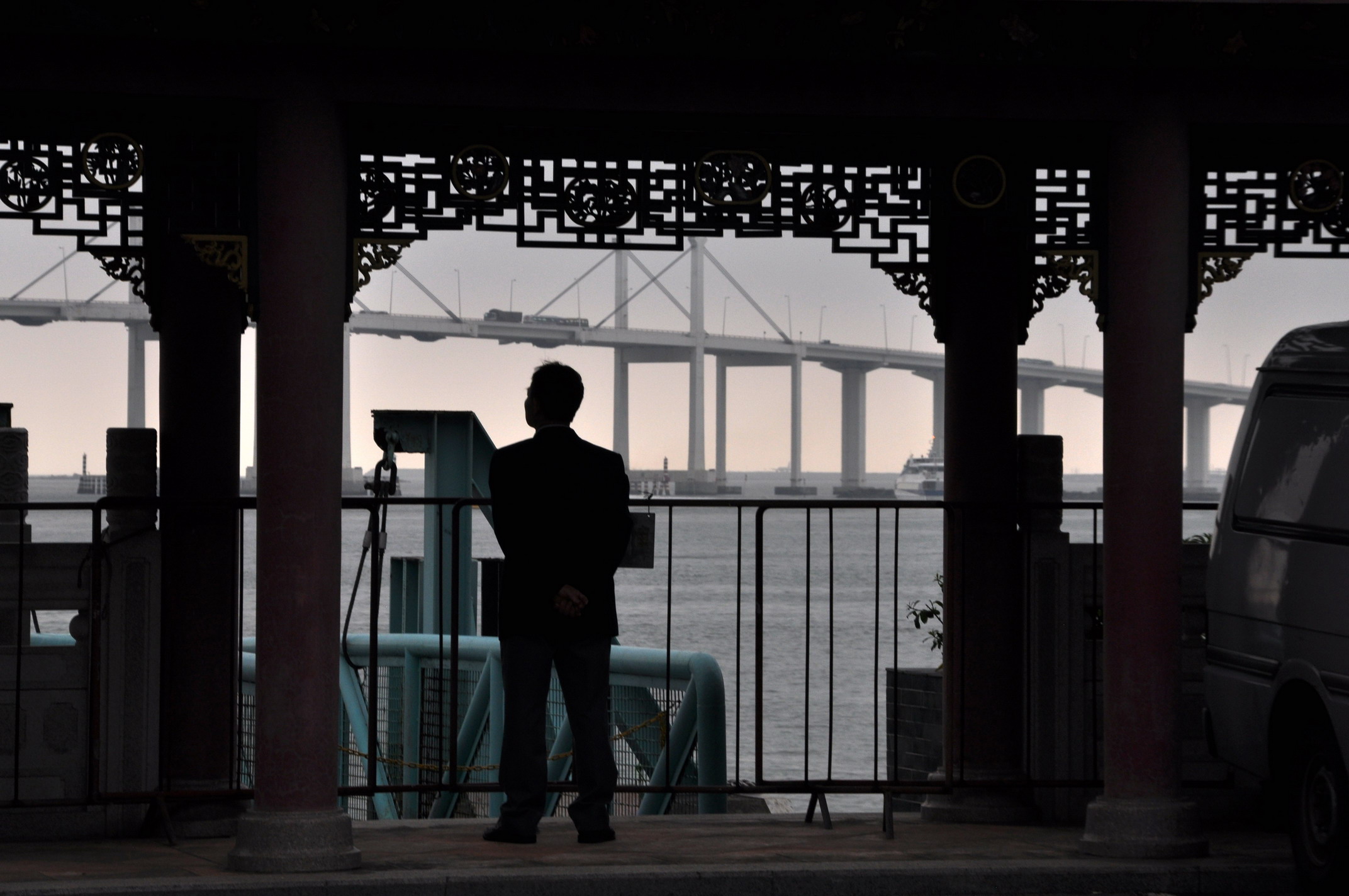
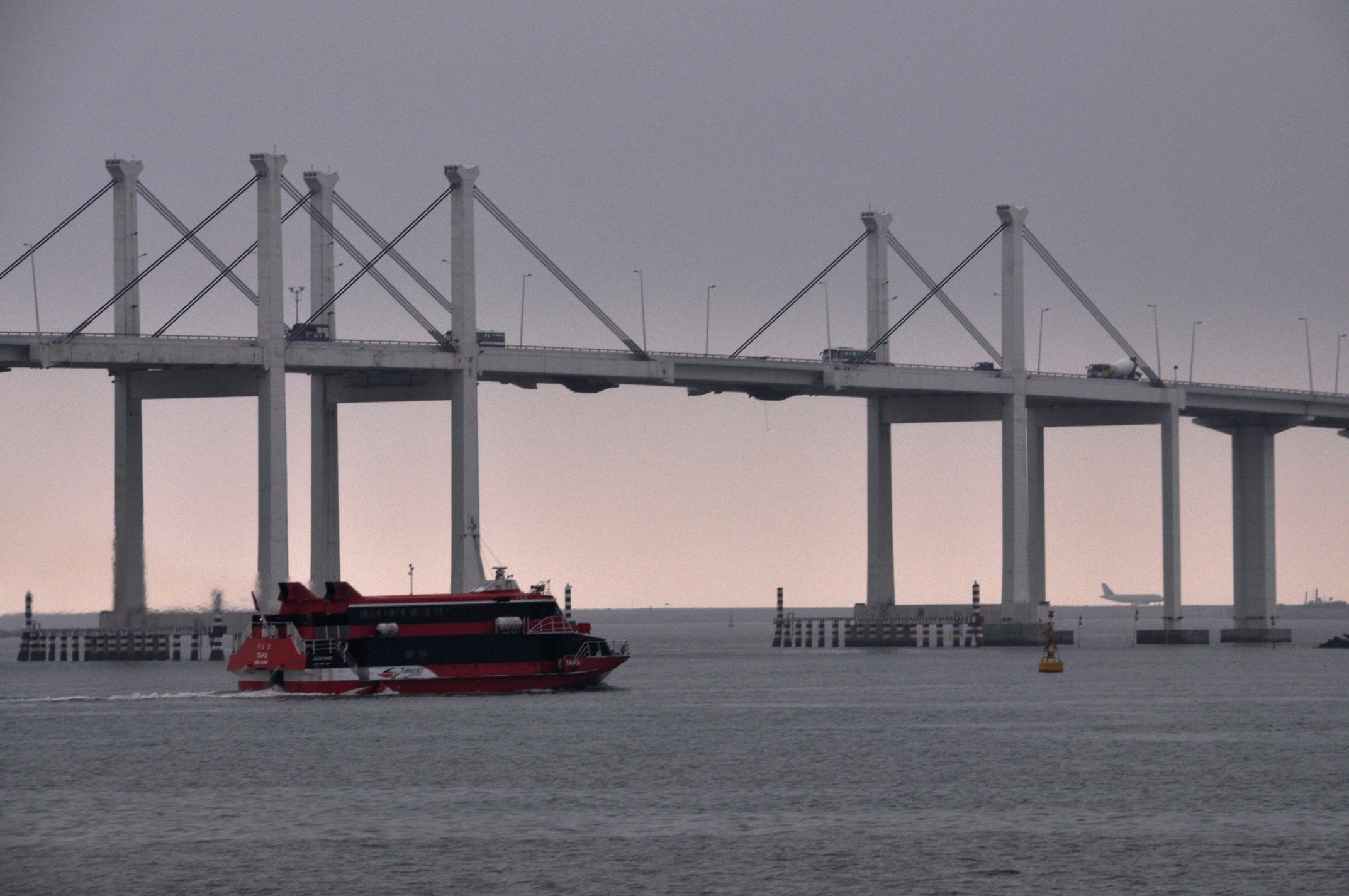
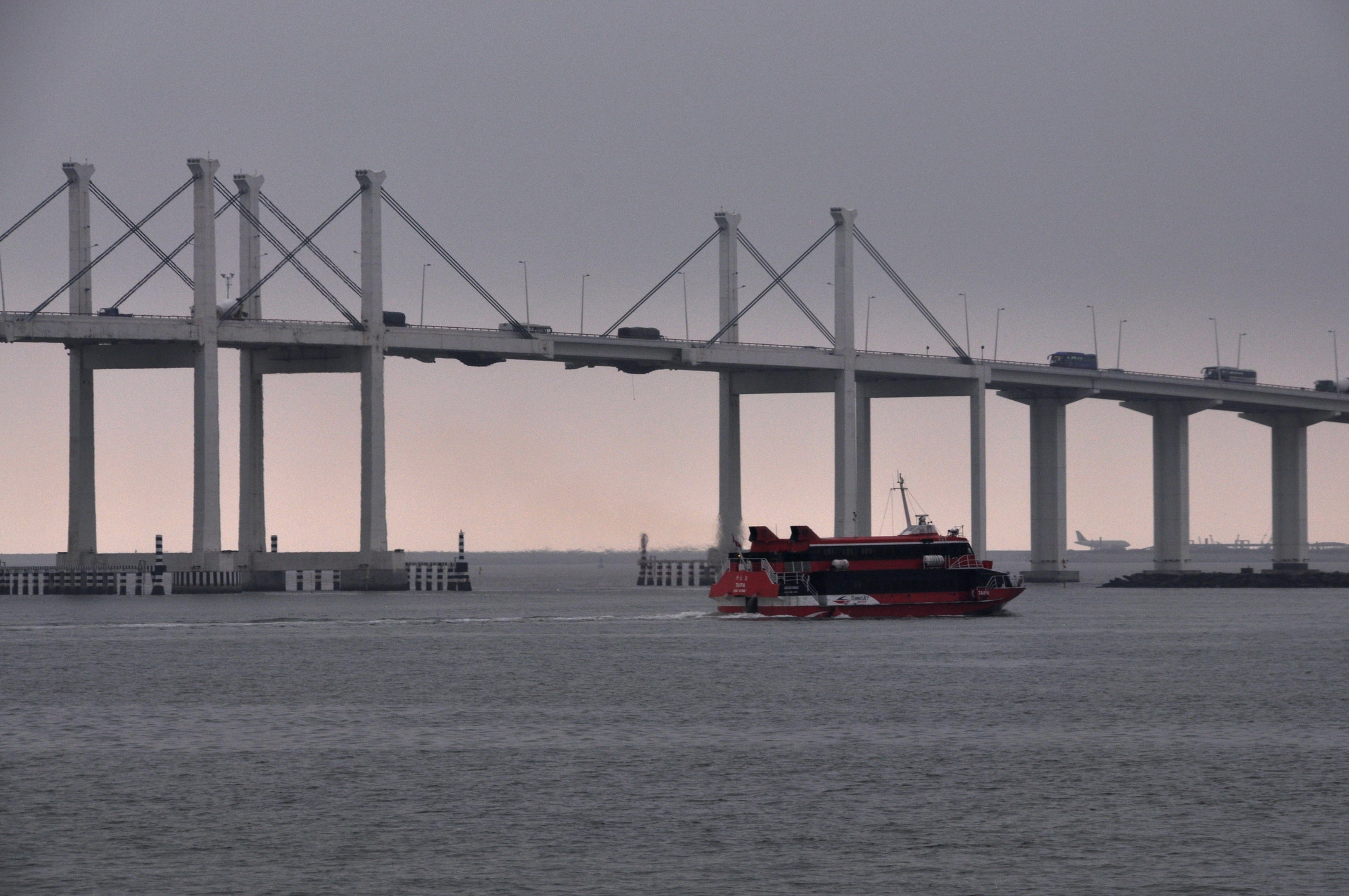
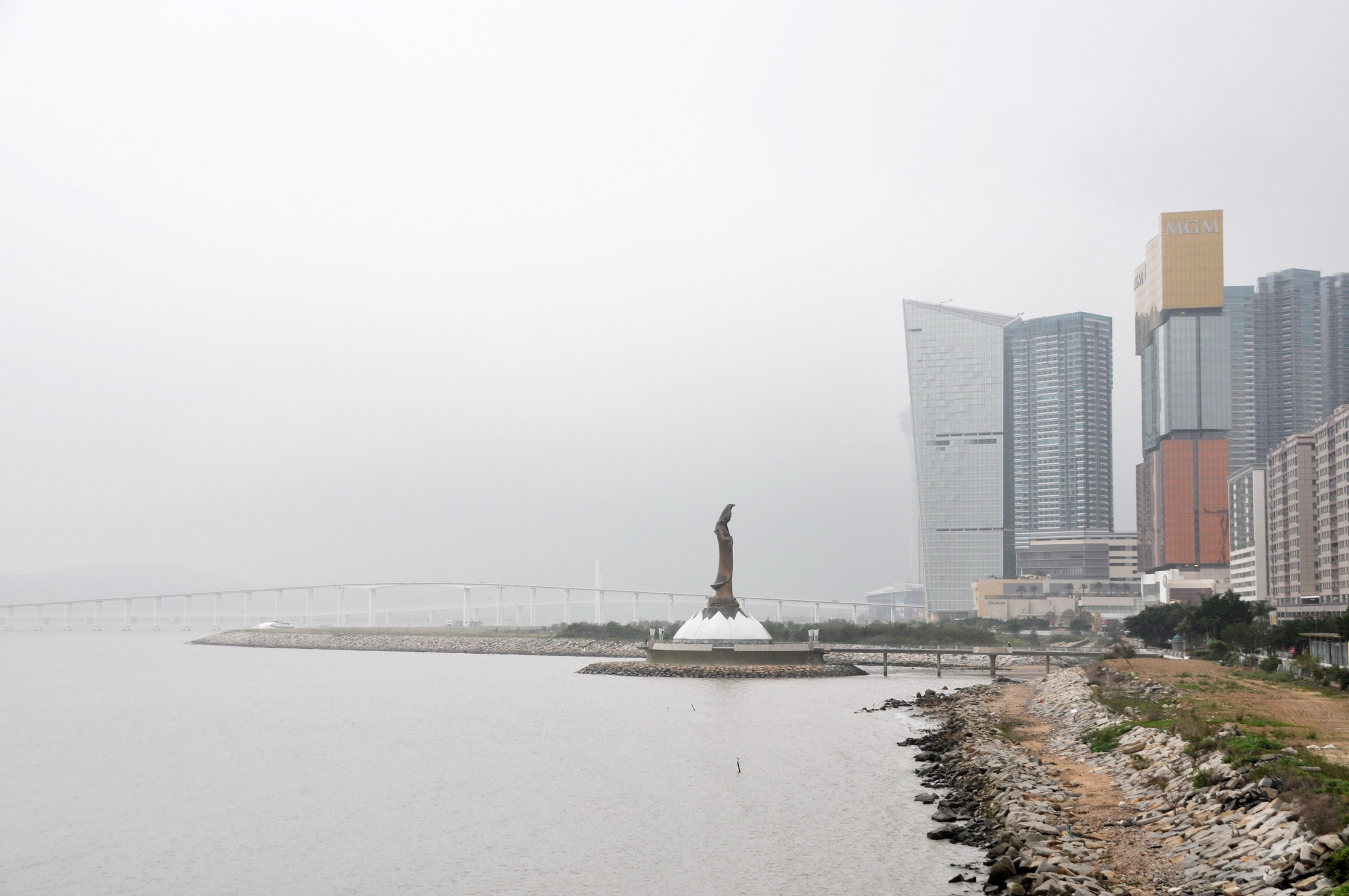
Macau is spread across several islands and reclaimed land, while the old centre sits at the end of a peninsula. There is a hill whose summit is just over a hundred metres up. The other islands are hilly too. They couldn’t find a flat piece of land big enough for an airport, so it was built out over the water on reclaimed land and piles. These islands sit in the Pearl River Delta, at the mouth of the river that runs through Guangzhou.
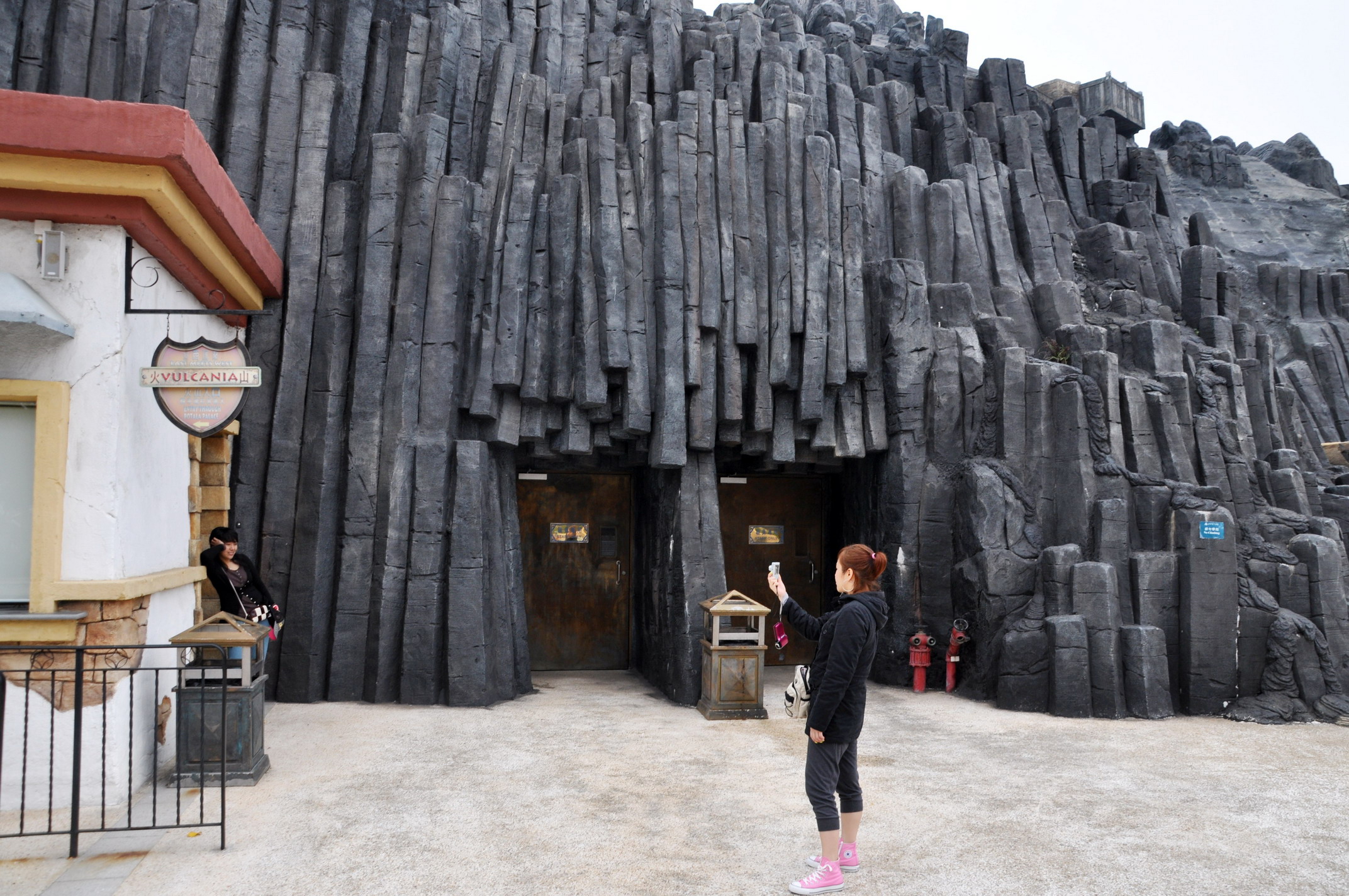
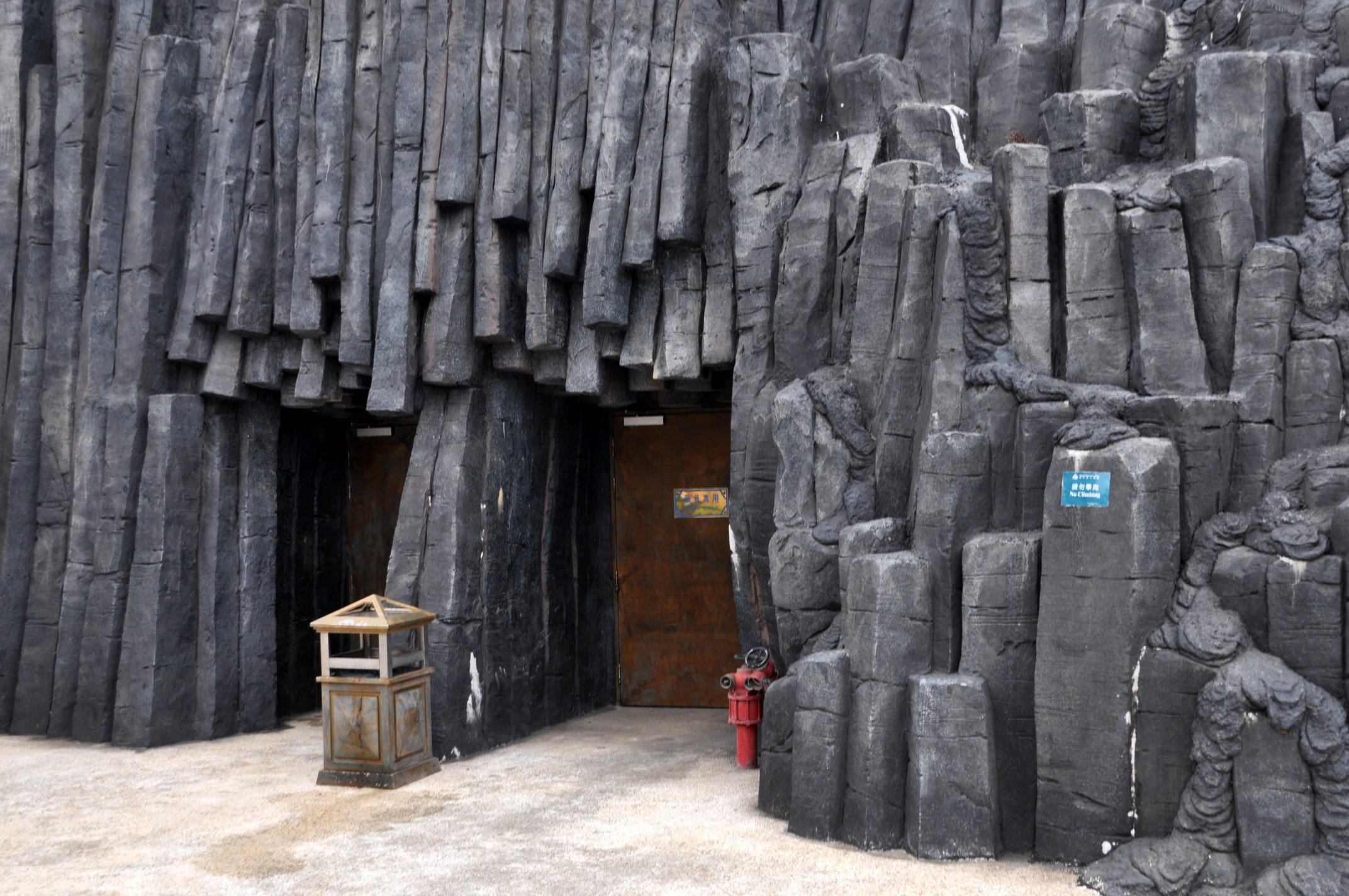
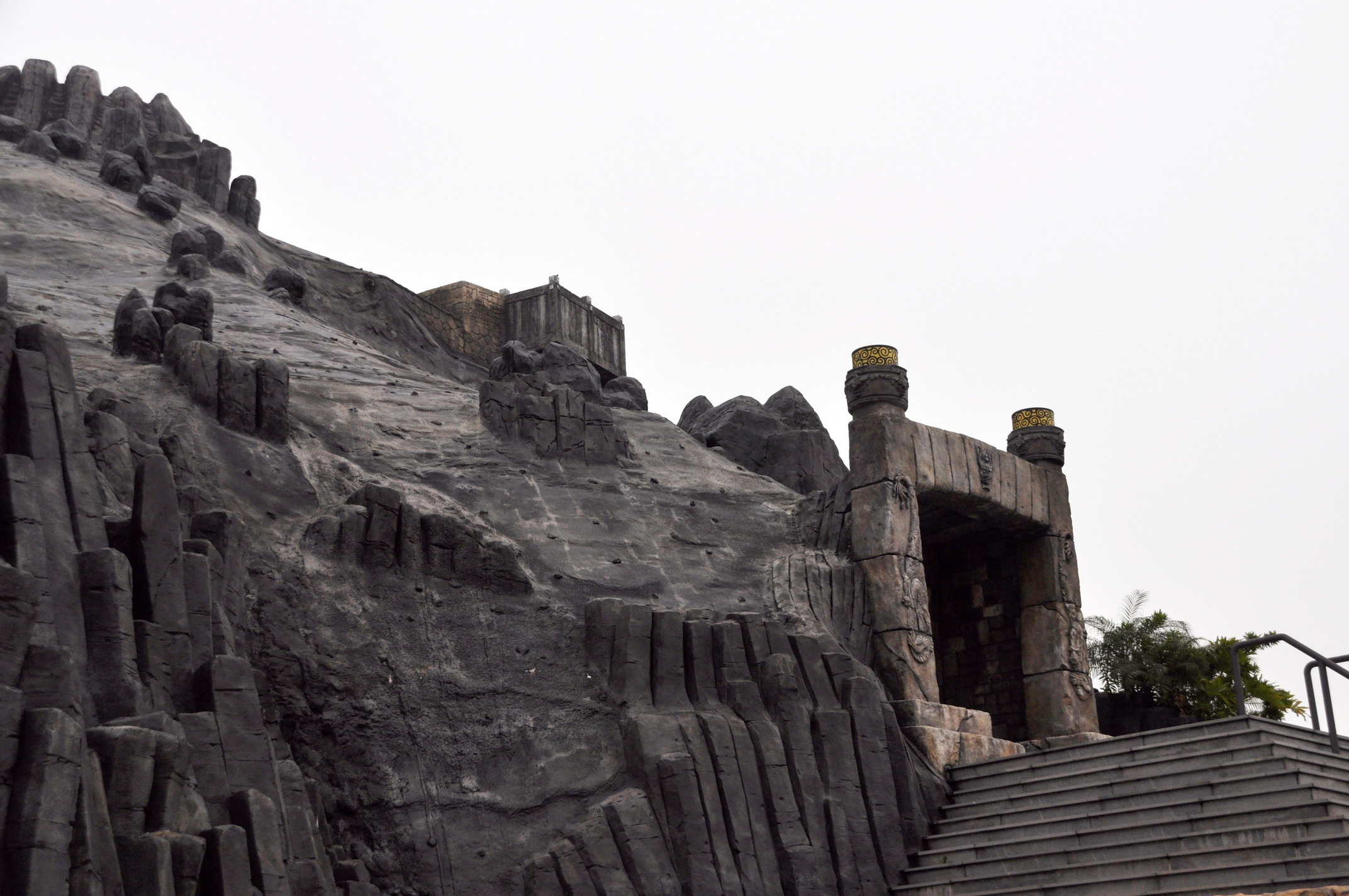
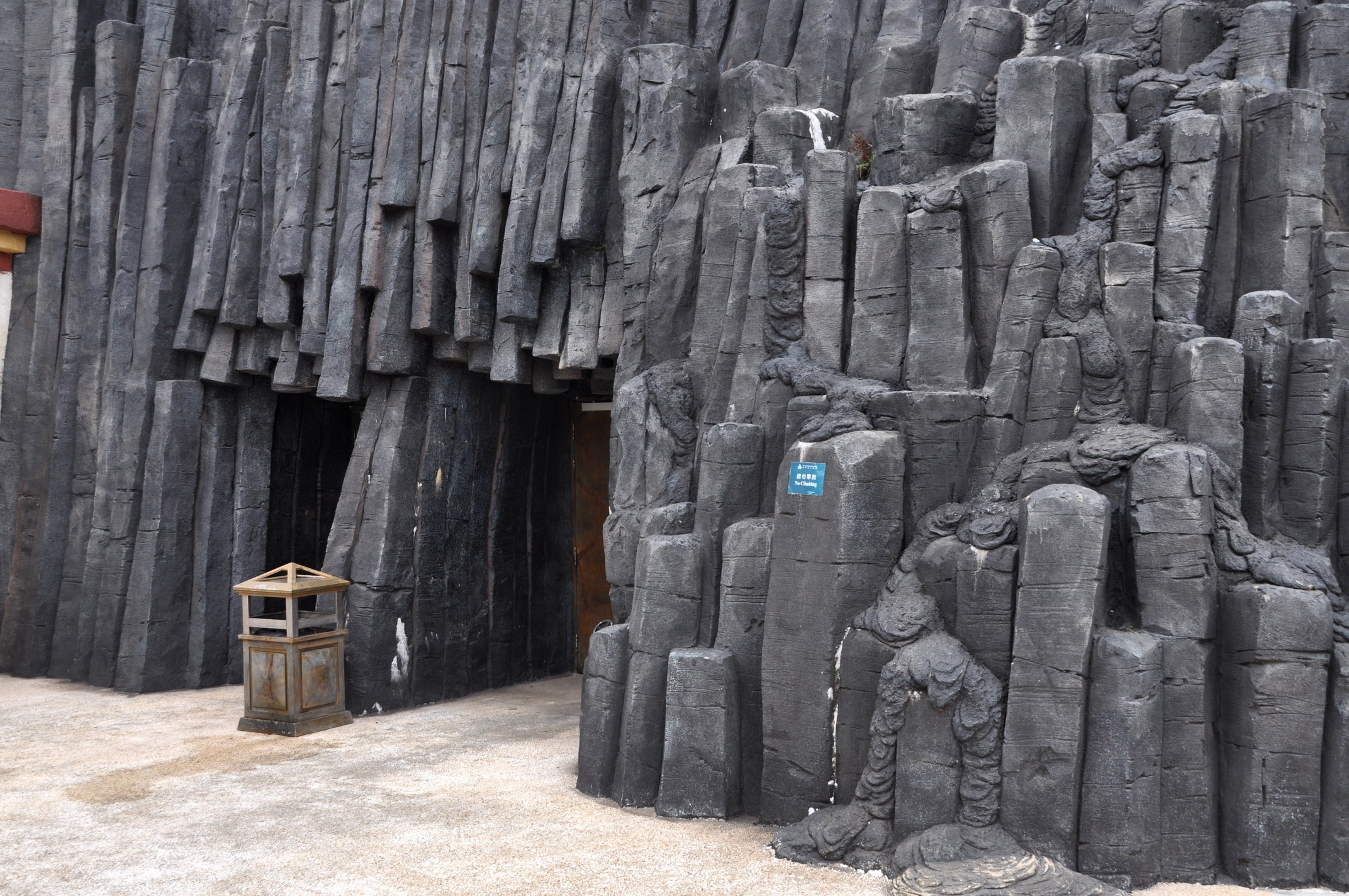
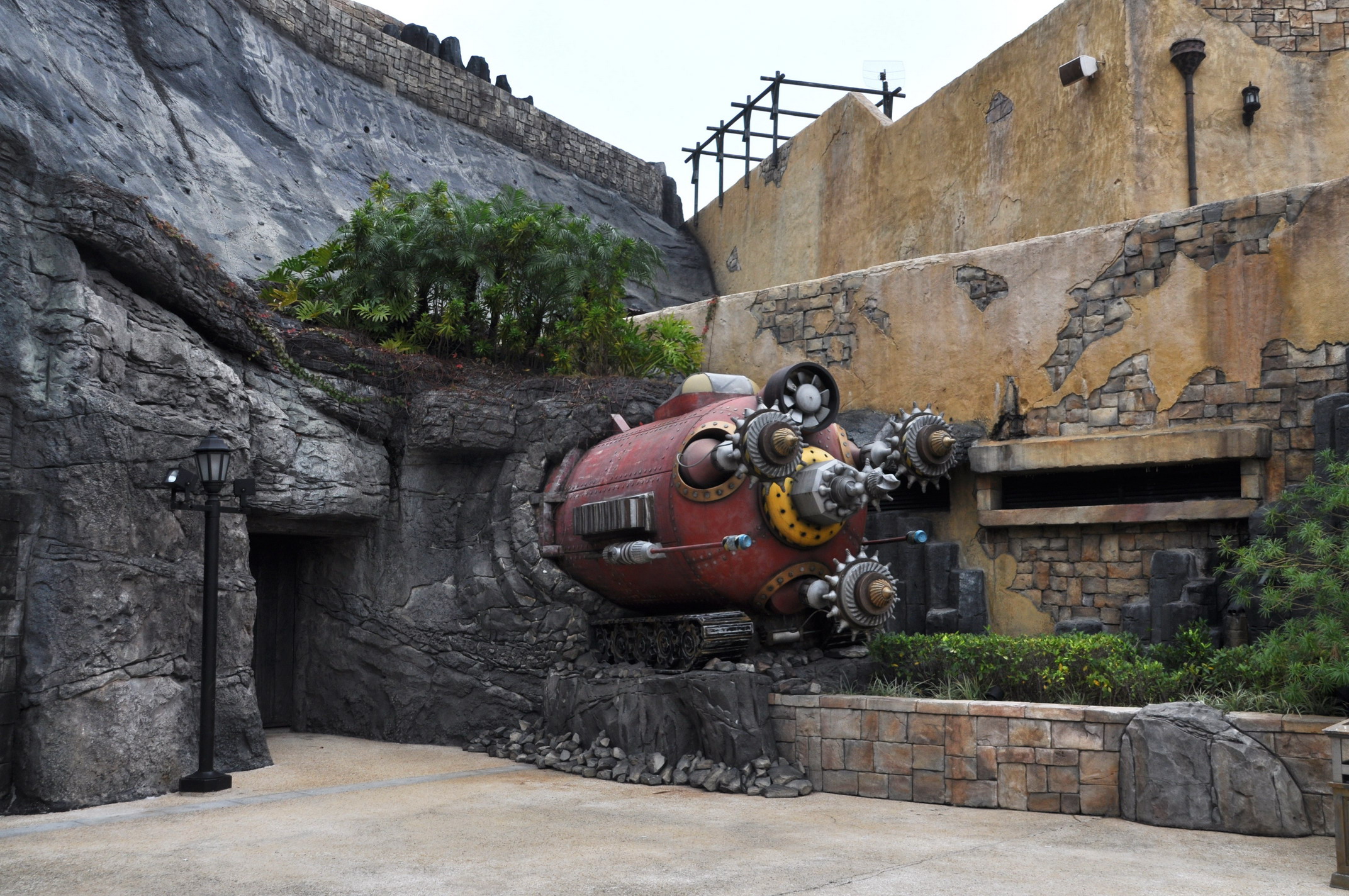
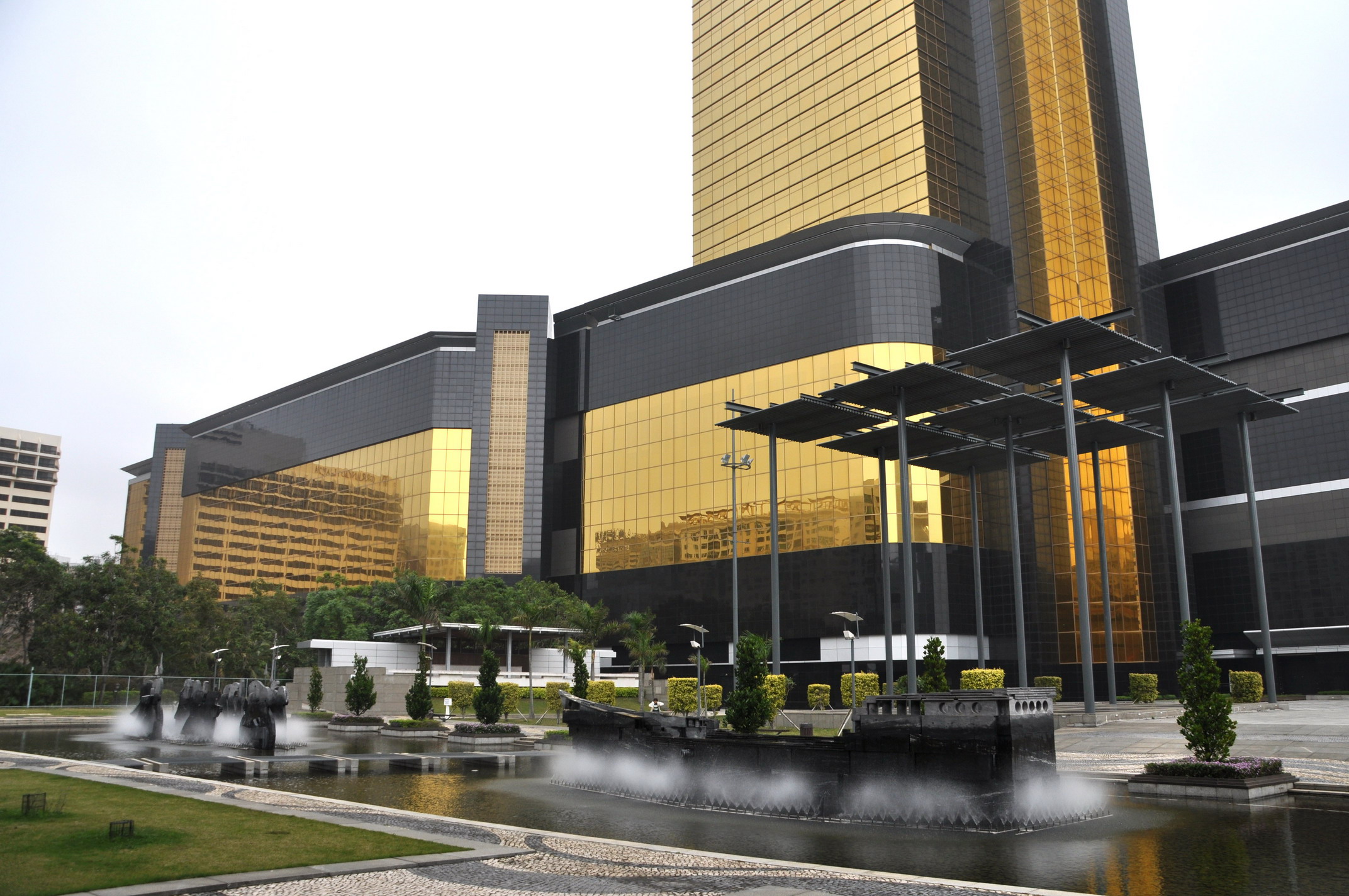
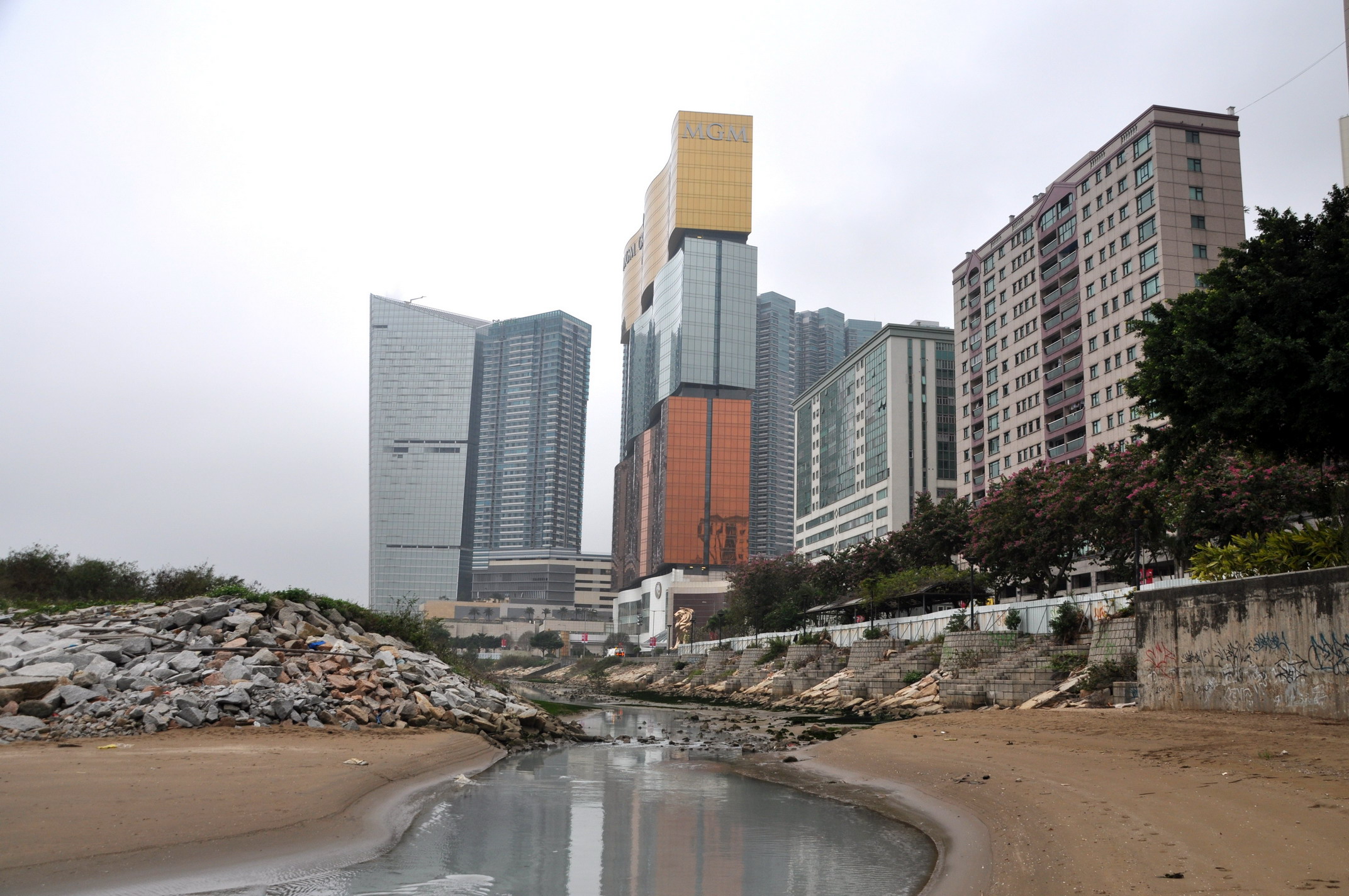
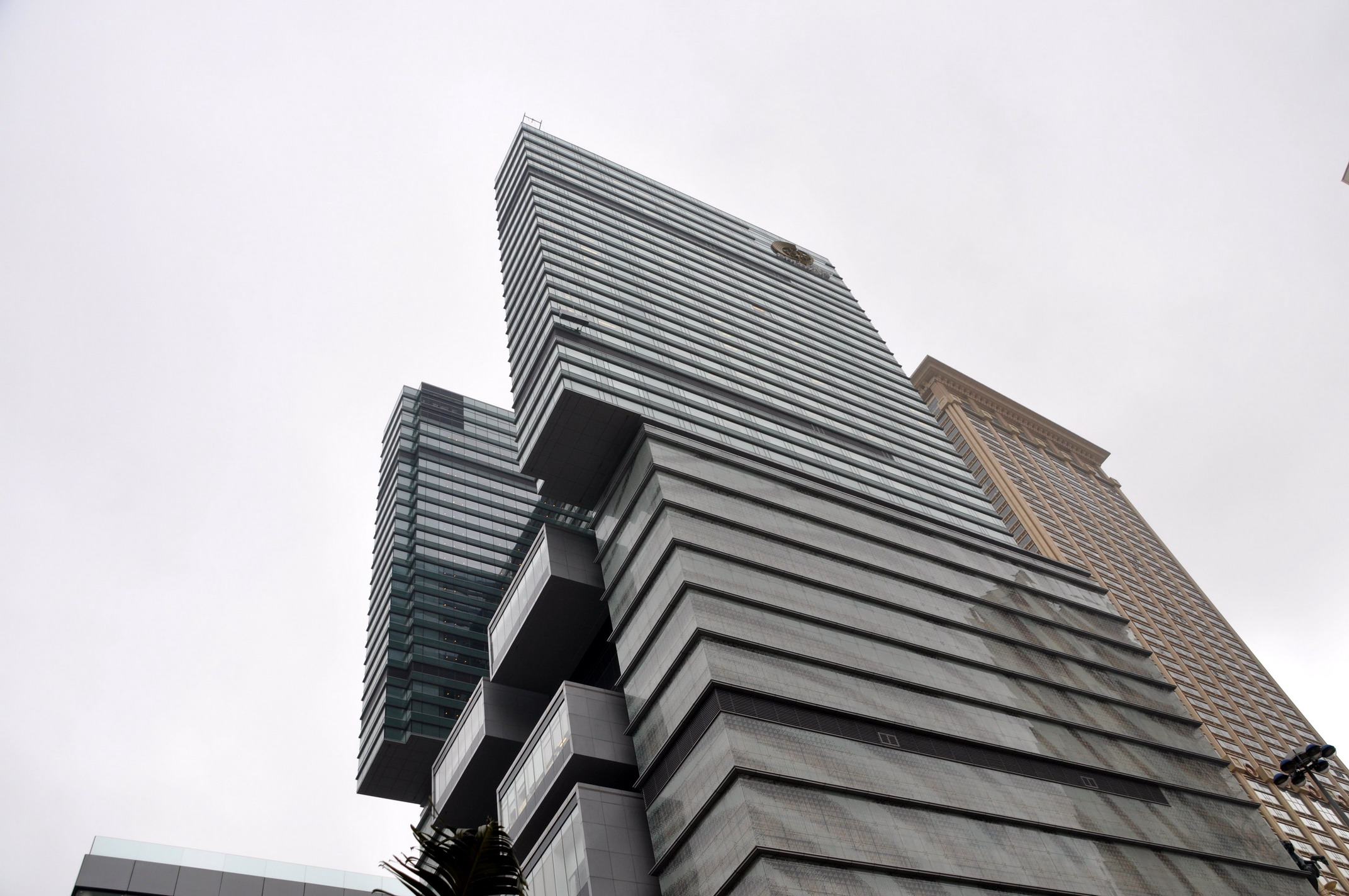
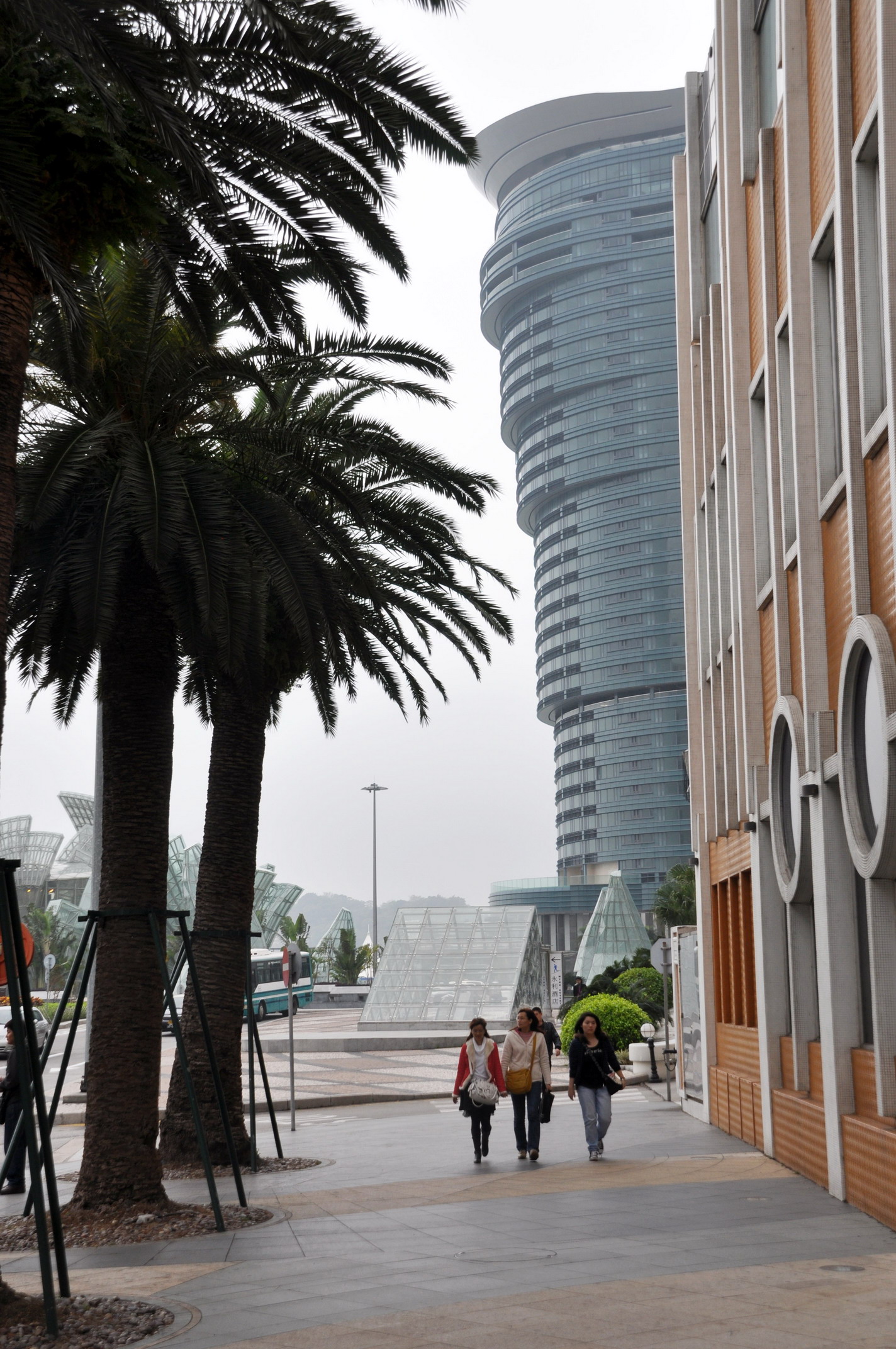
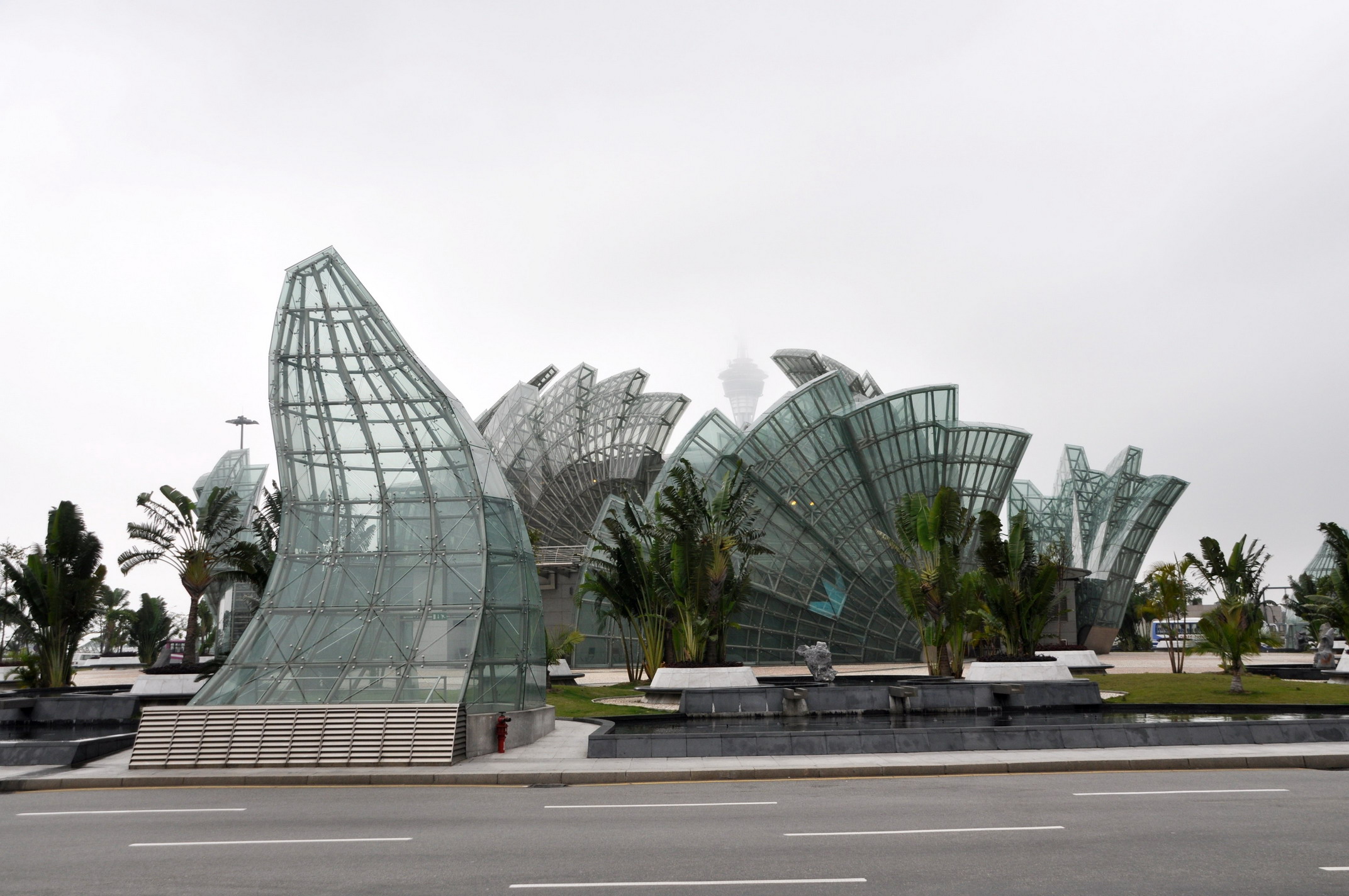
On the way into town, the first thing you notice is how many of the buildings look as though they belong at Disneyland. Some of the buildings look like famous architectural landmarks. There is even a building designed in the shape of a volcano. Inside there are shops and other amusements, perhaps a casino too. I know nothing about gambling establishments. I’ve never understood what makes people want to throw their time and money away, so a room of slot machines and a casino are much the same to me.
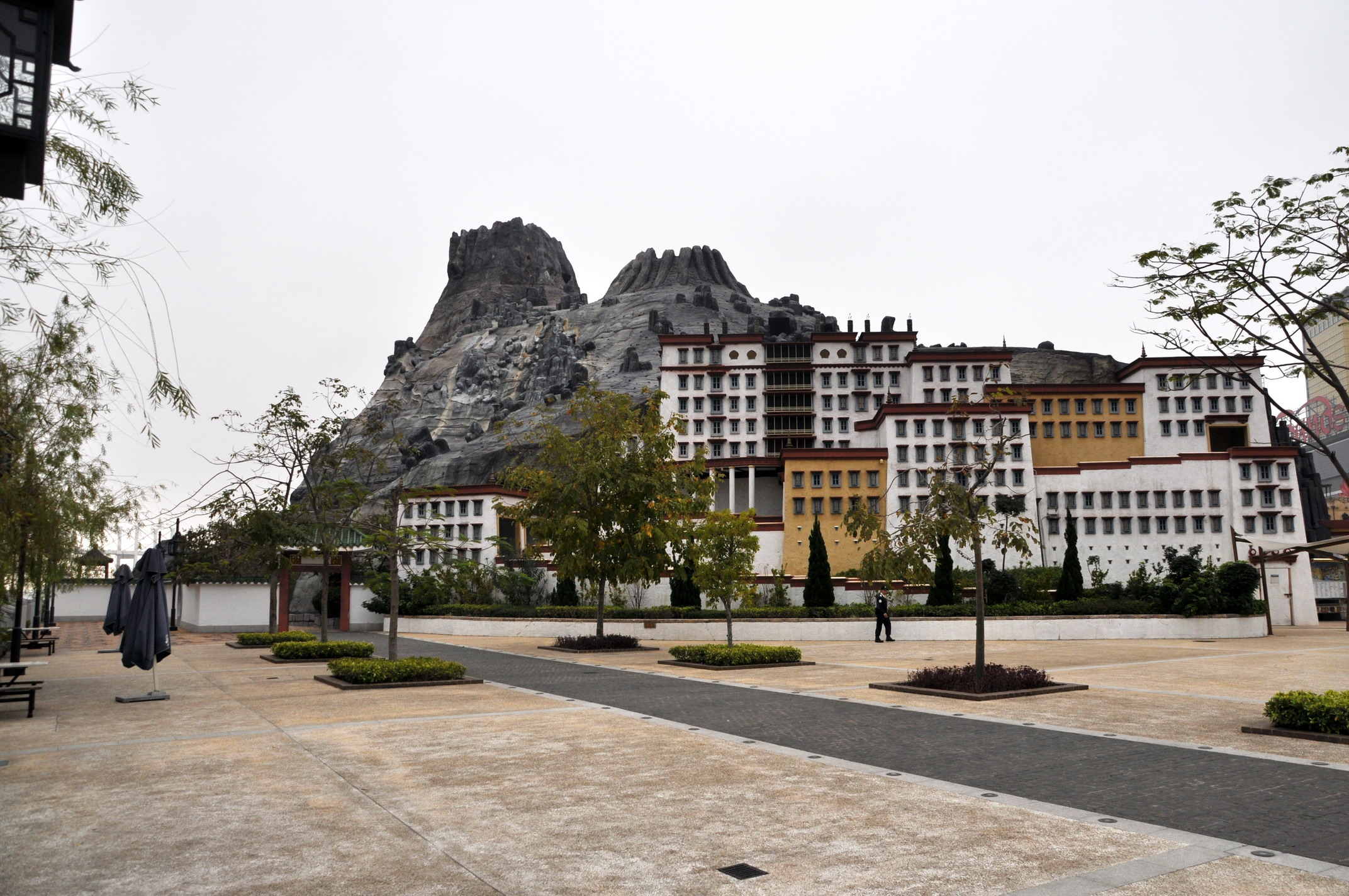
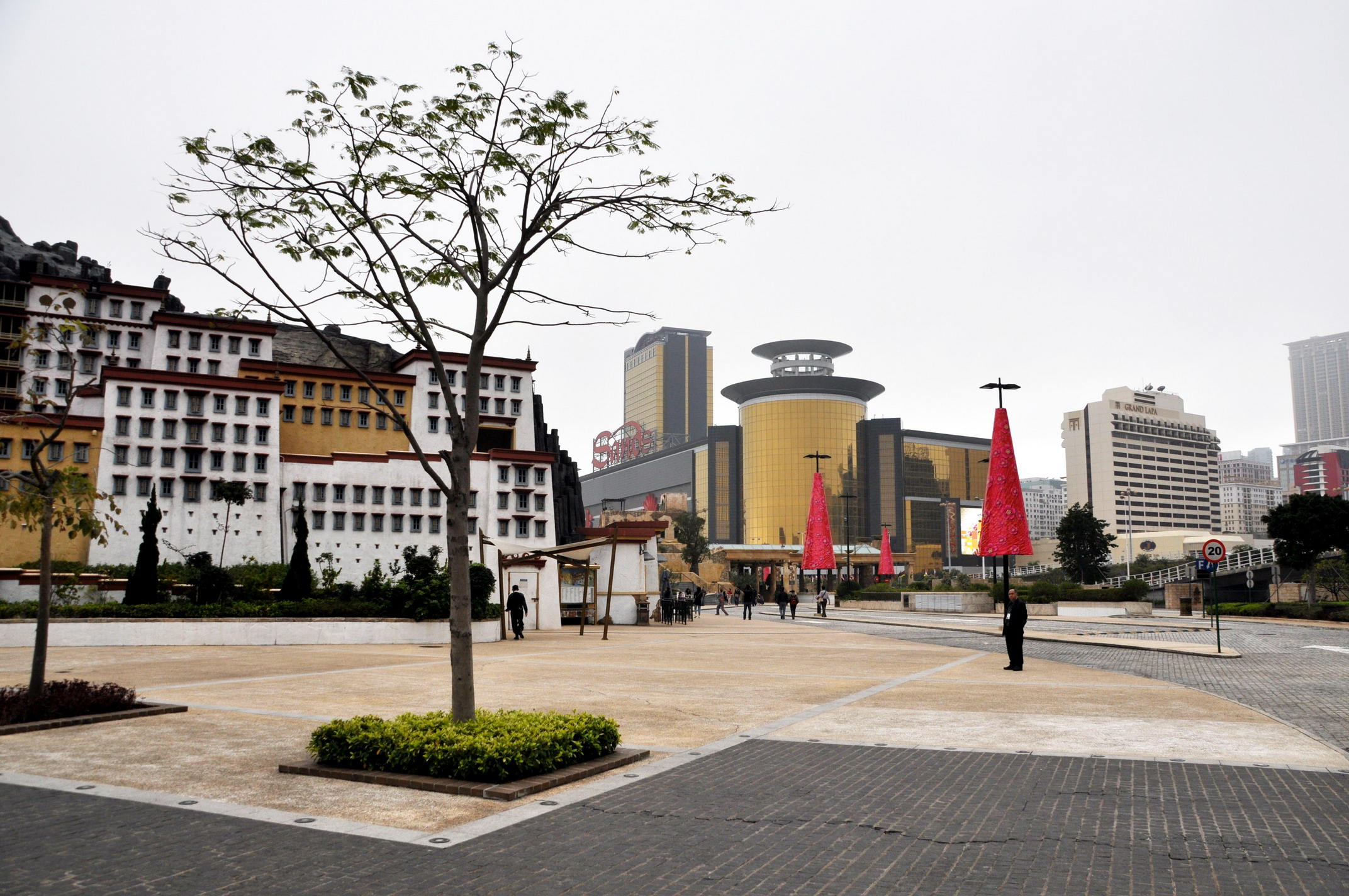
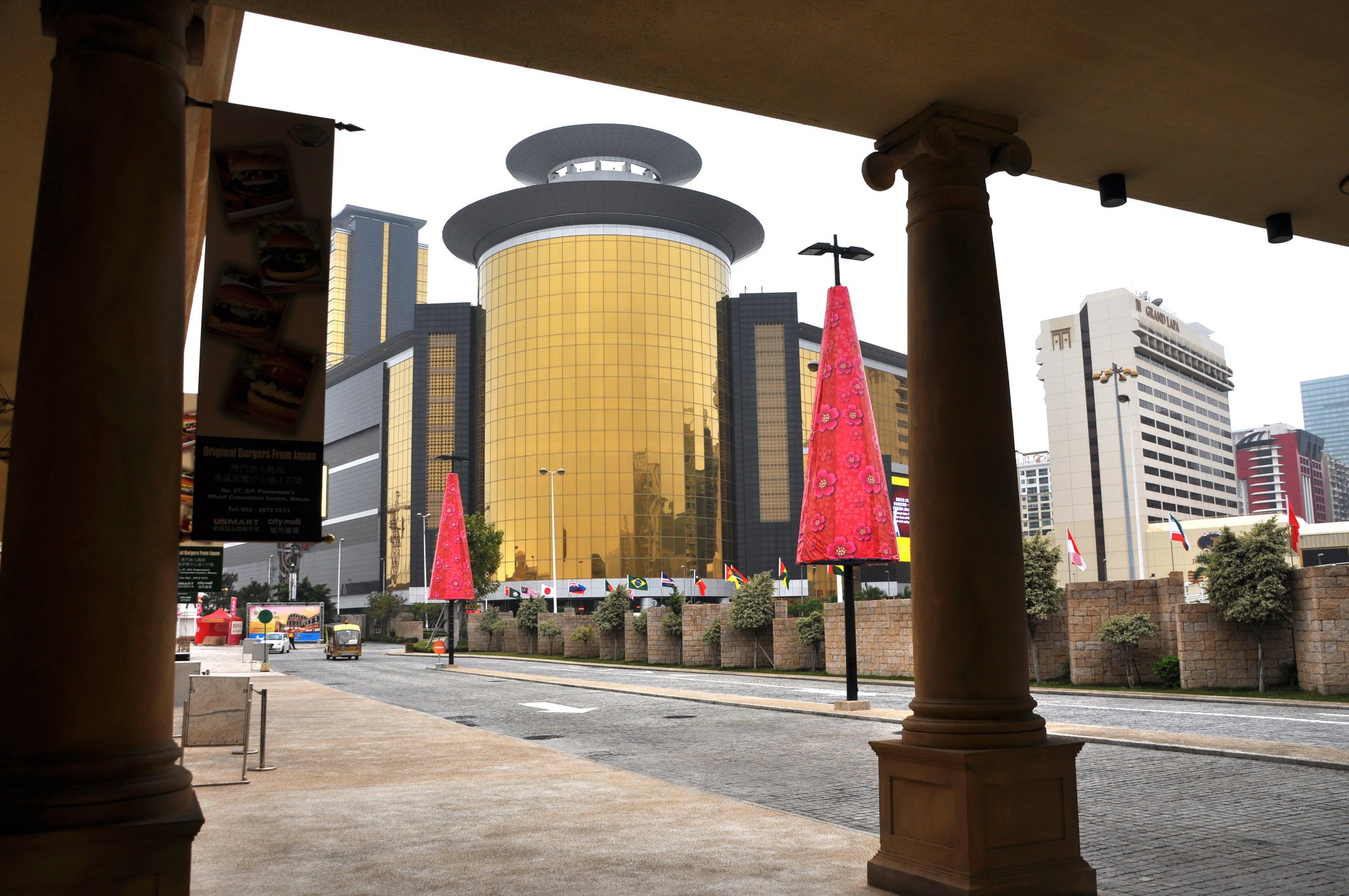
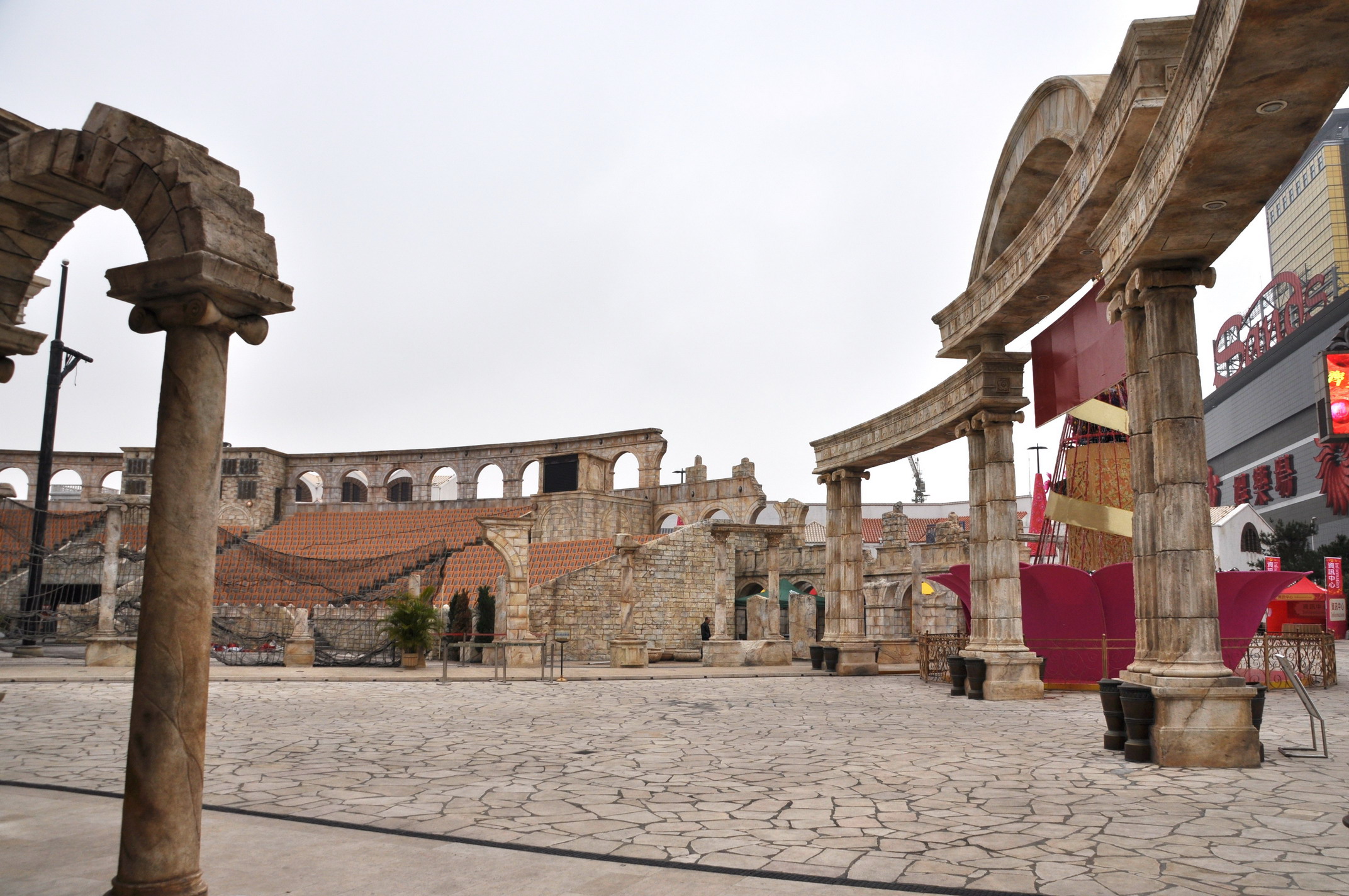
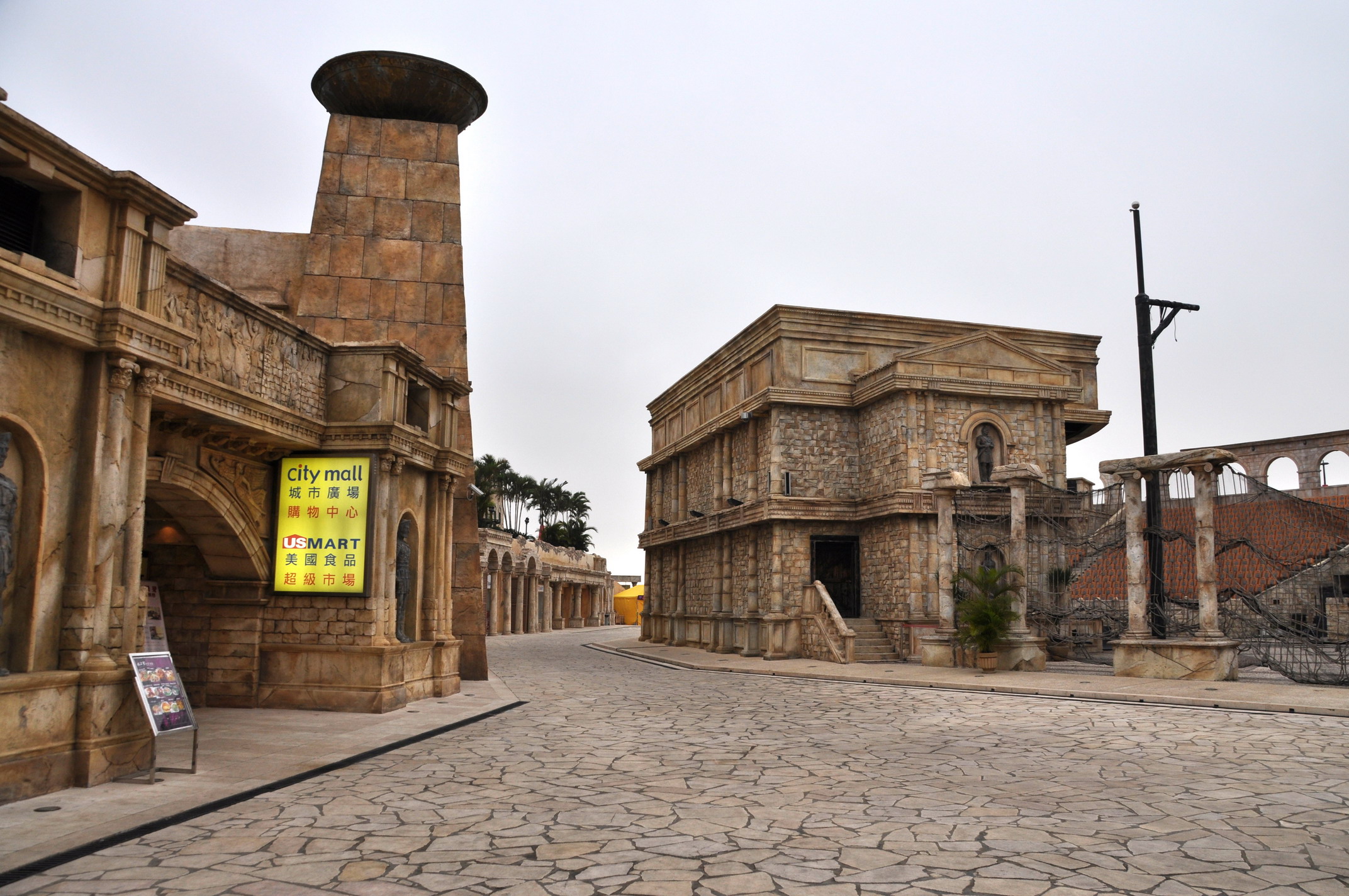
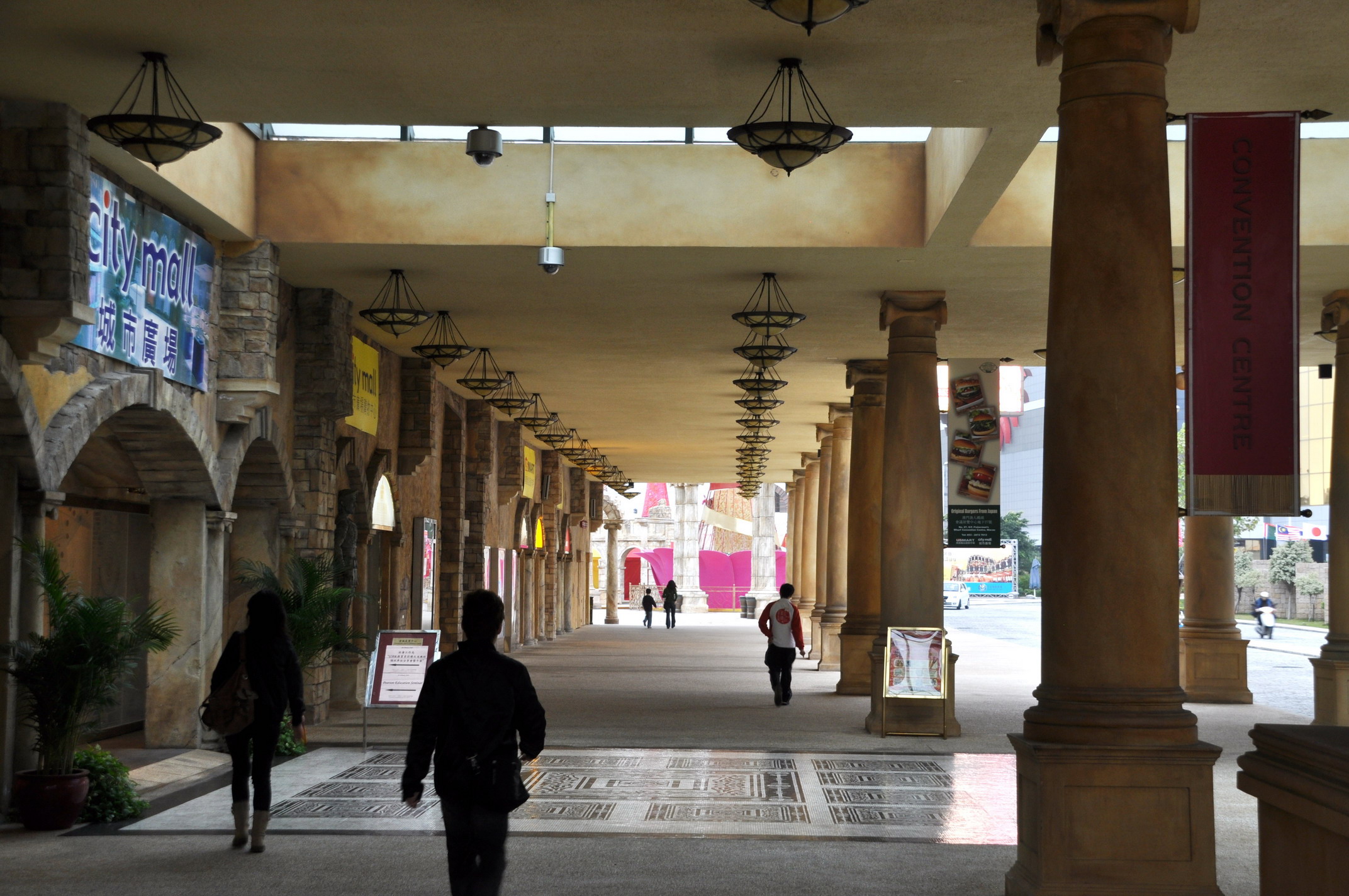
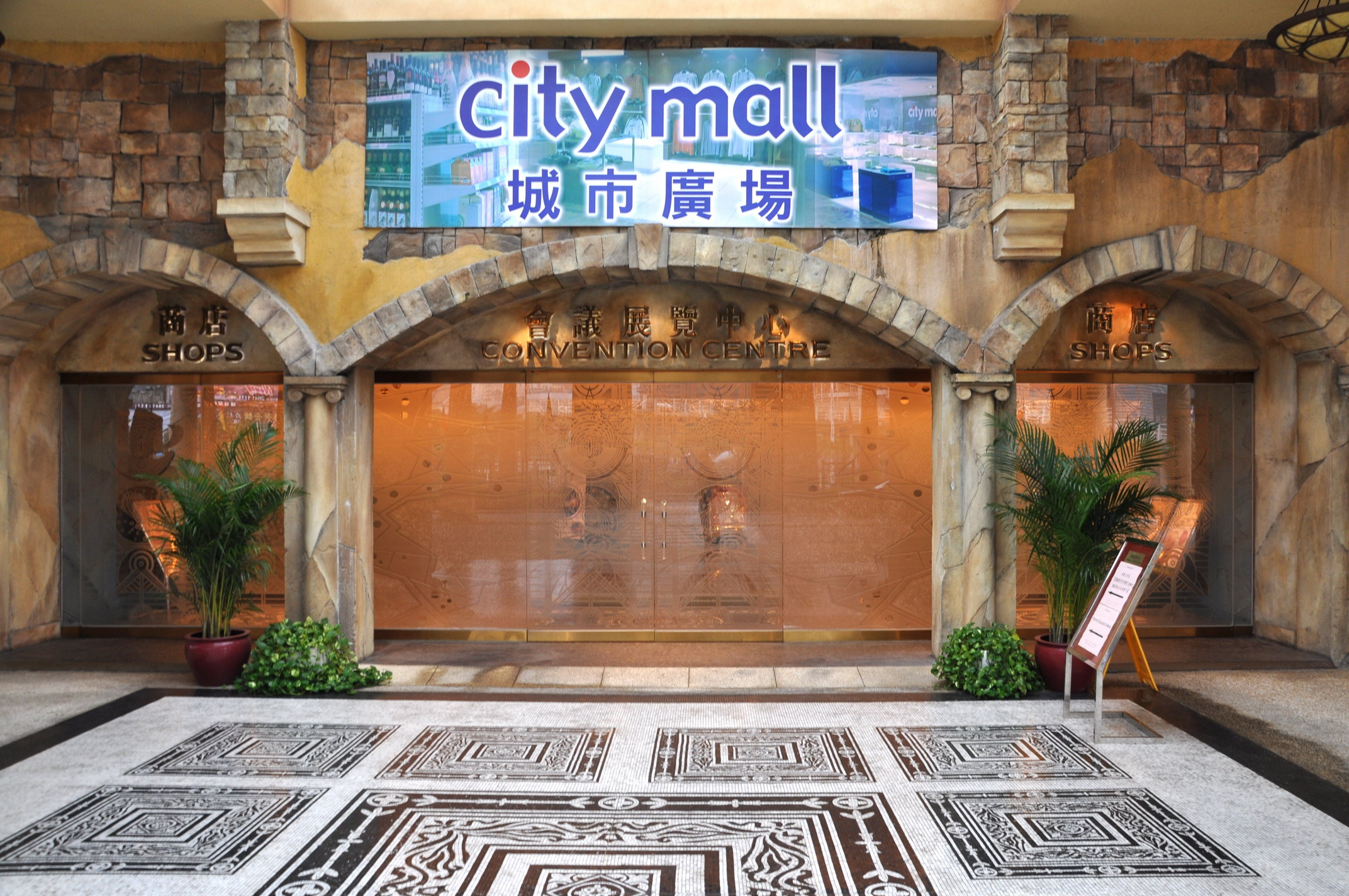
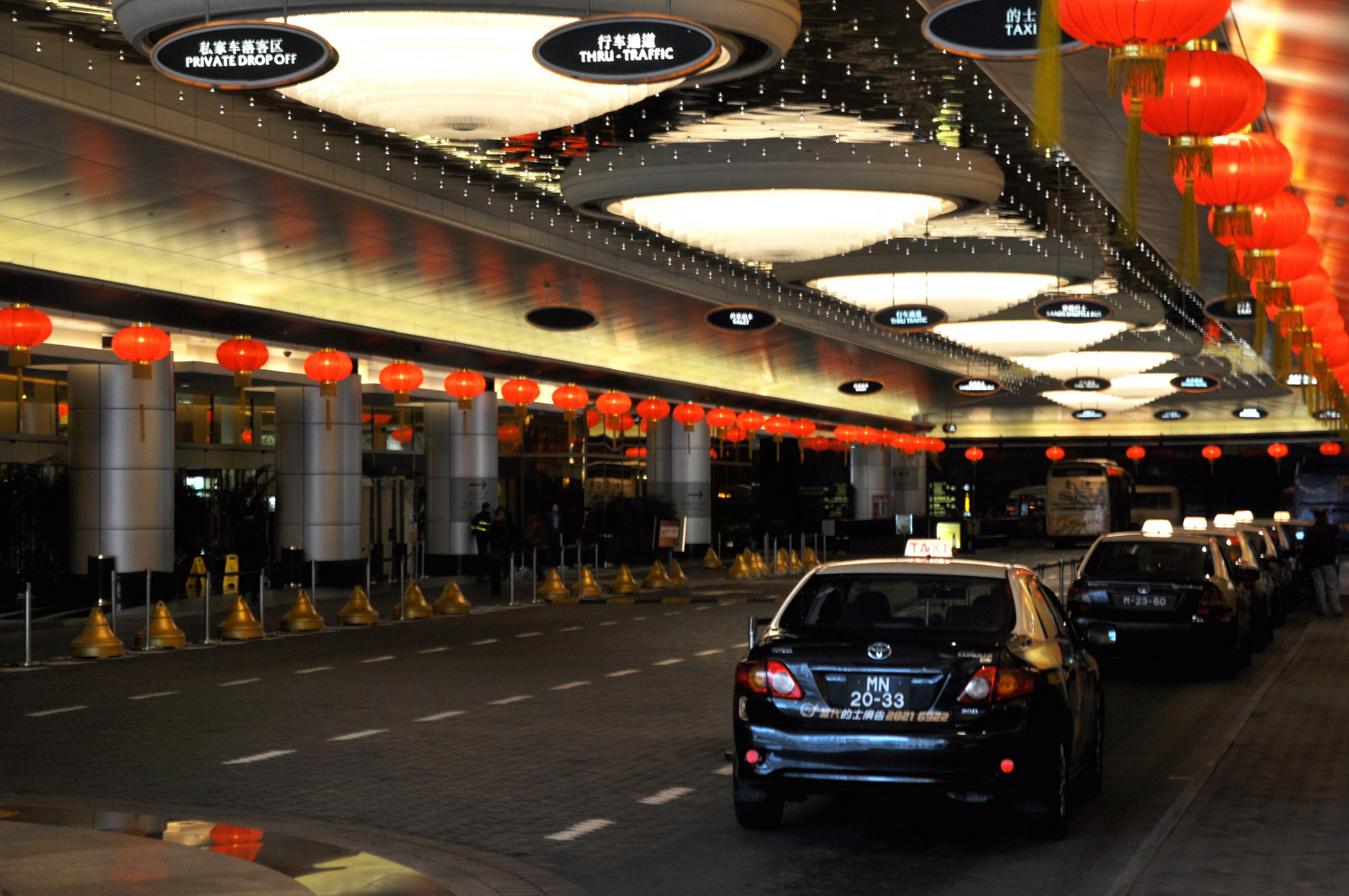
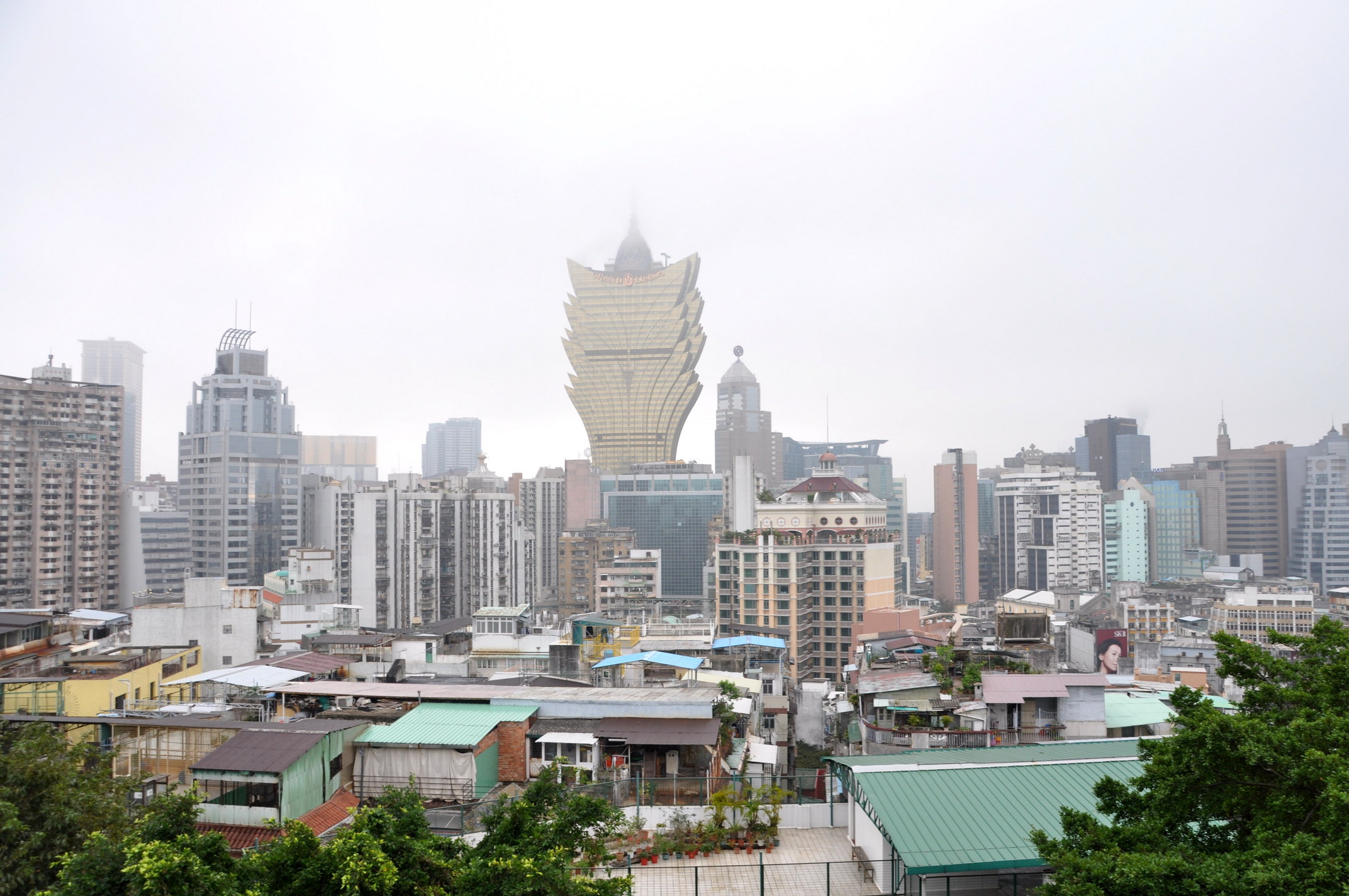
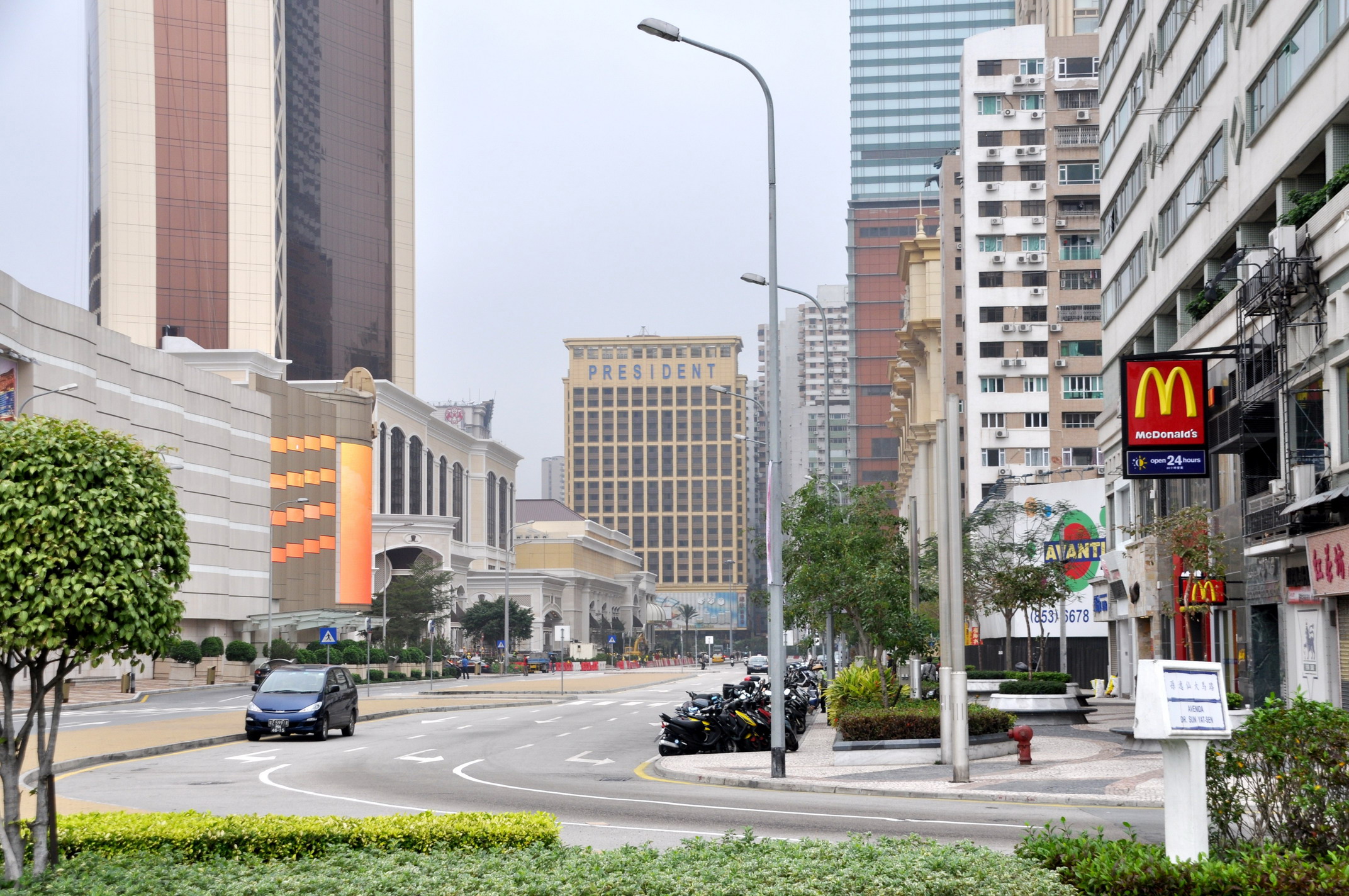
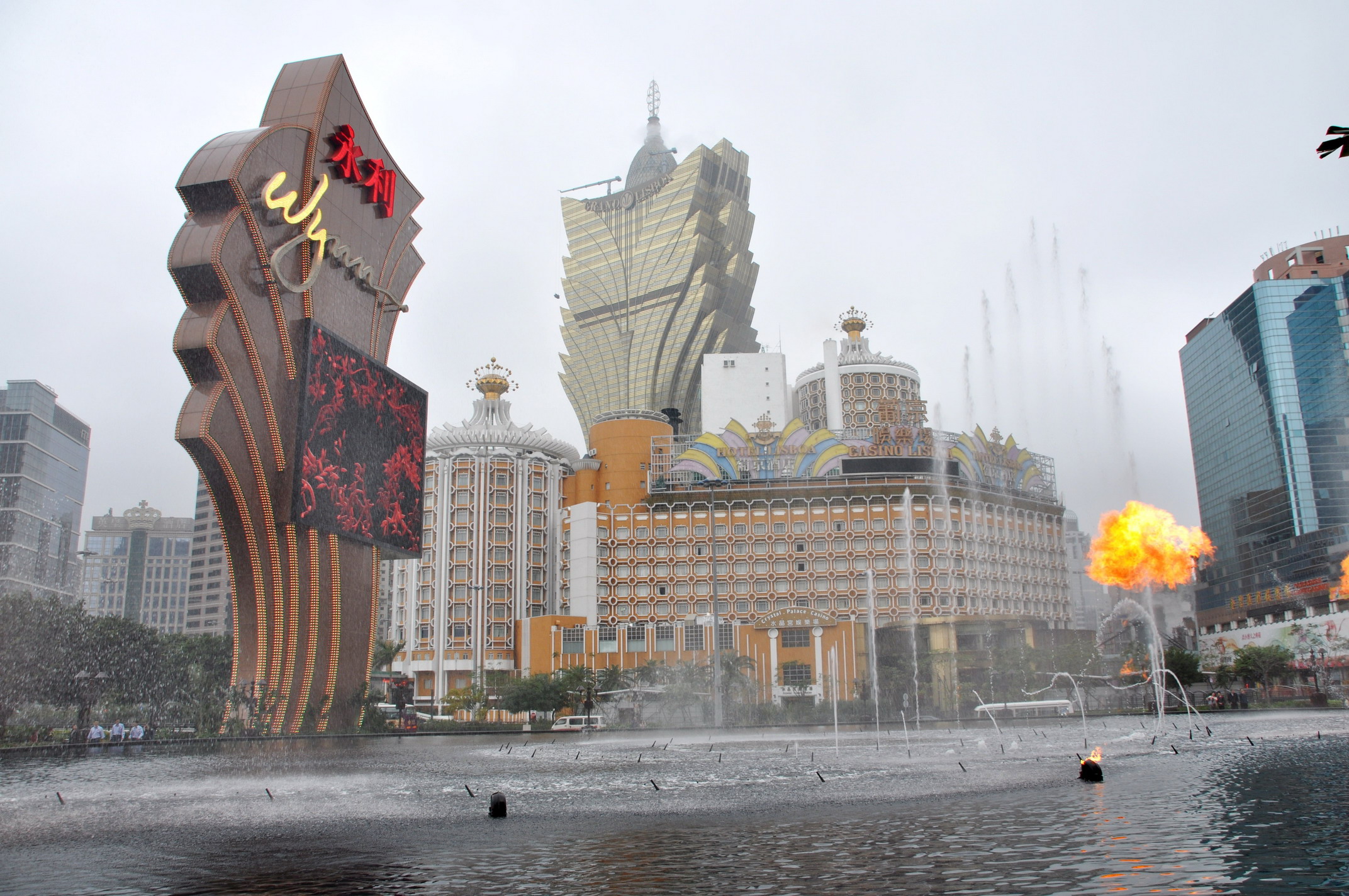
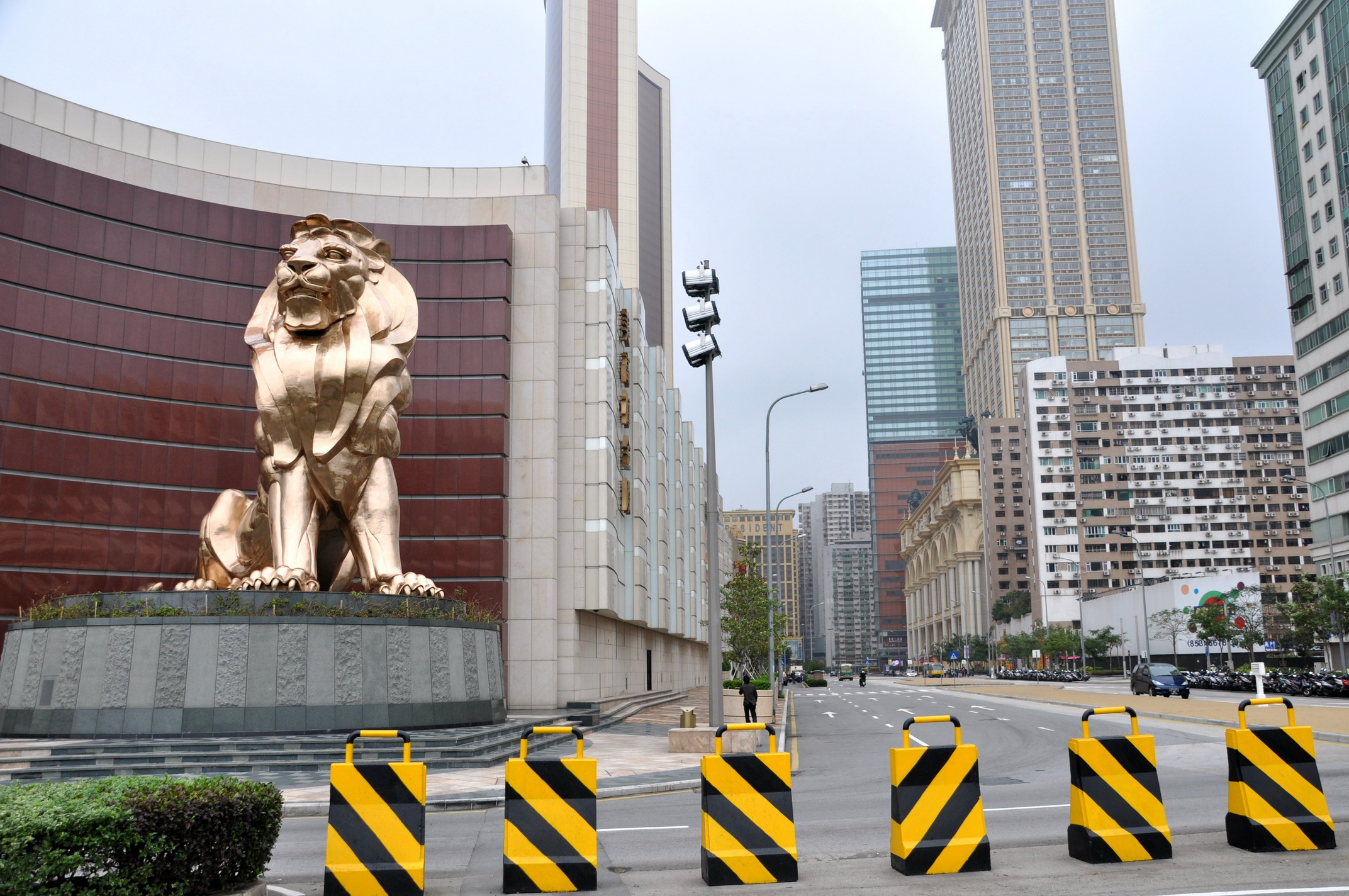
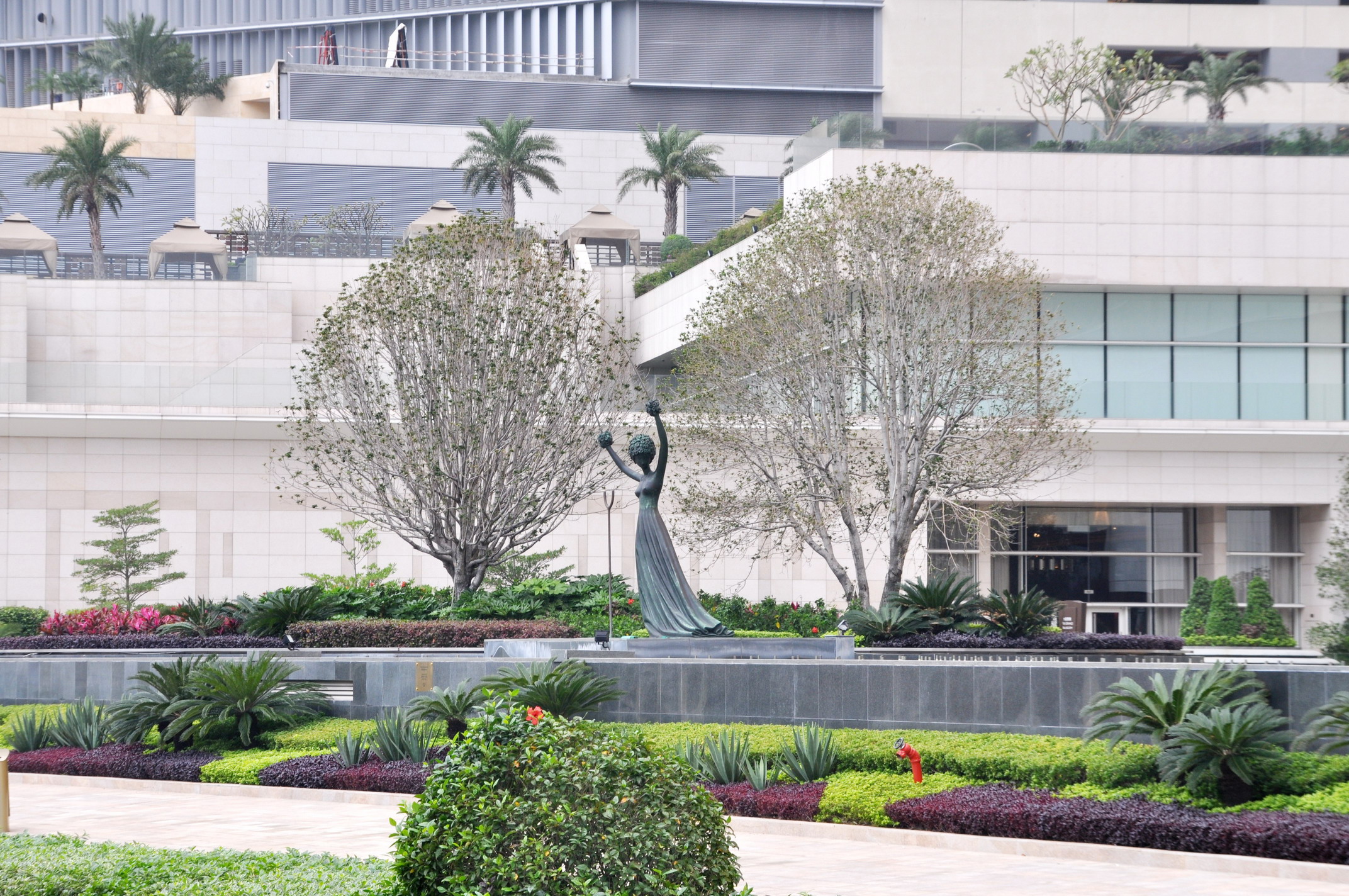
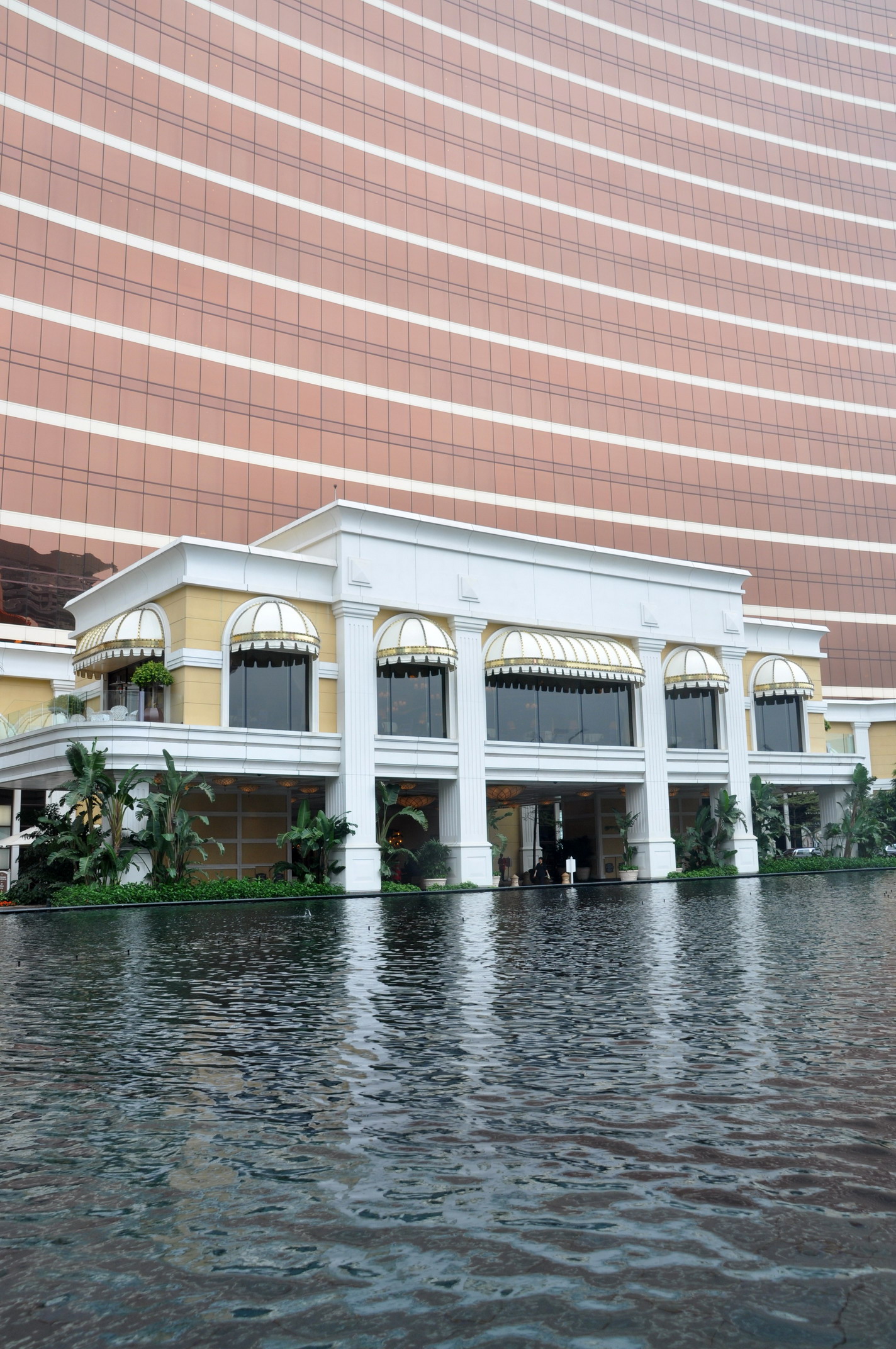
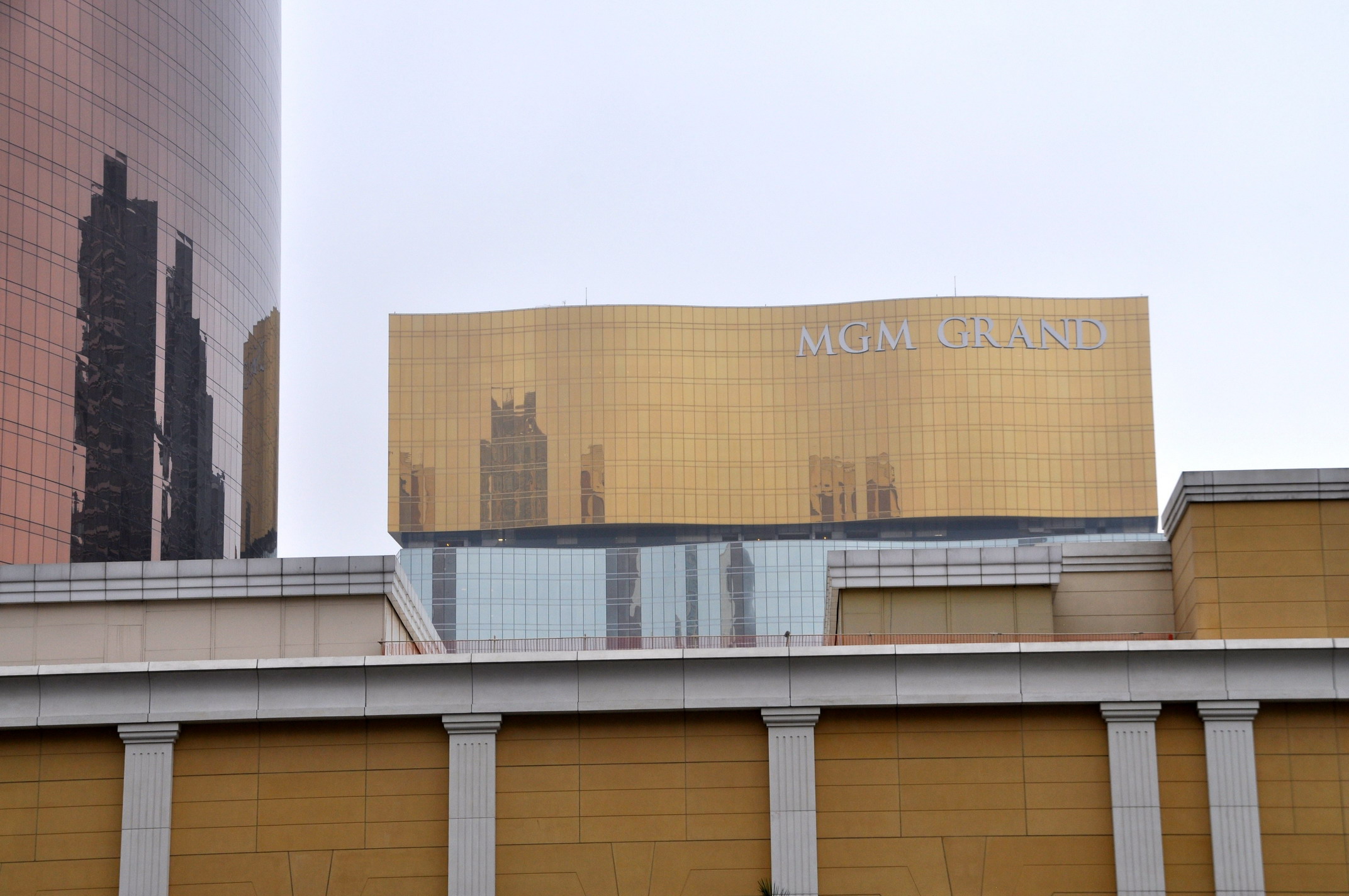
Gradually, as you get closer on the approach to the centre, everything starts to look much grander. The architecture of the buildings commands respect. The usual Chinese scruffiness ends and what is probably the most expensive district on earth begins. You can feel how far Russia’s nouveau riche still had to go to catch up with their Chinese counterparts. Never mind the Russians: beside this outpouring of luxury, Monaco looks by comparison like a poor little town. There are hotels so grand that without a million in your pocket you’d be afraid to go near them.
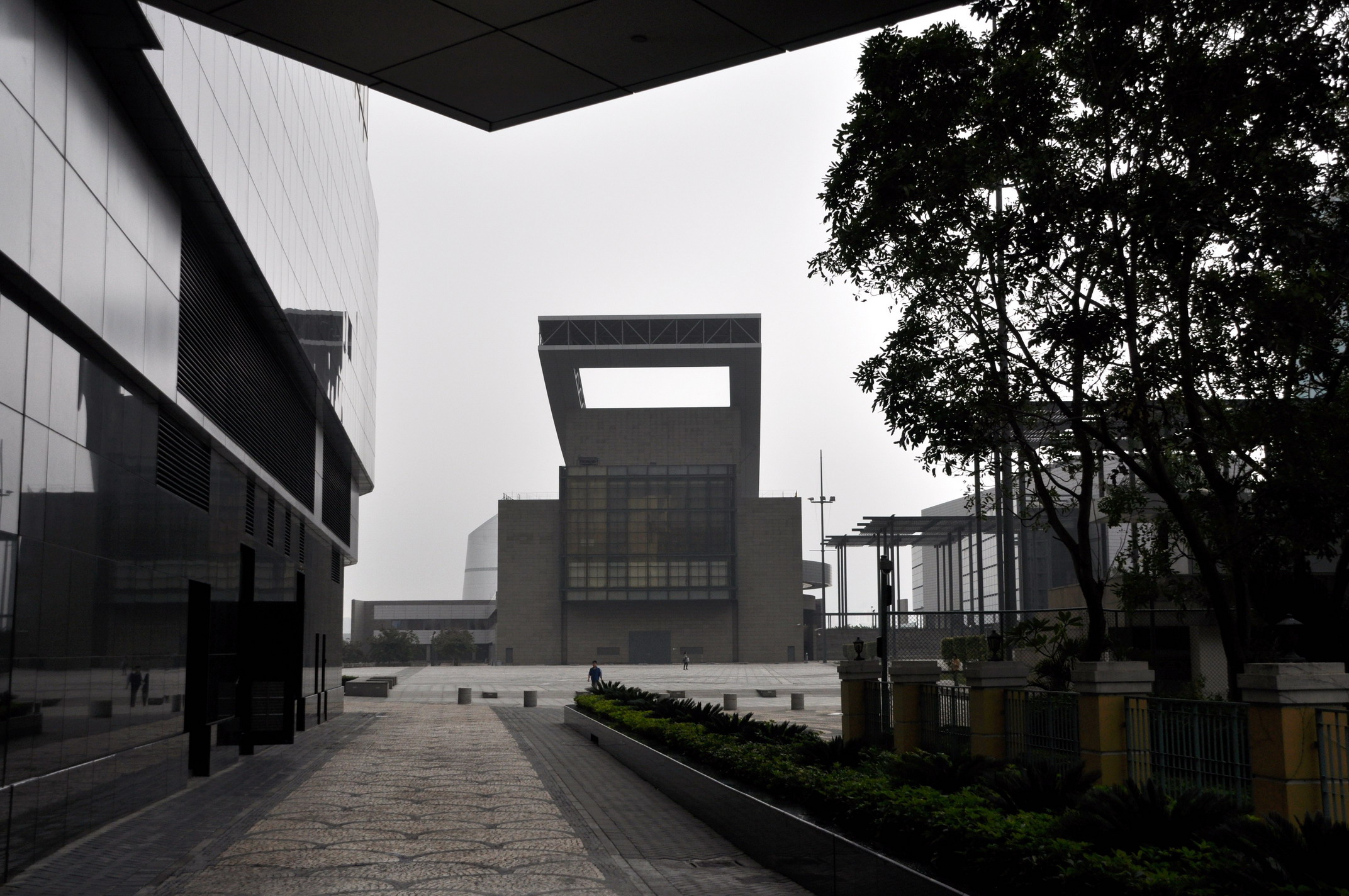
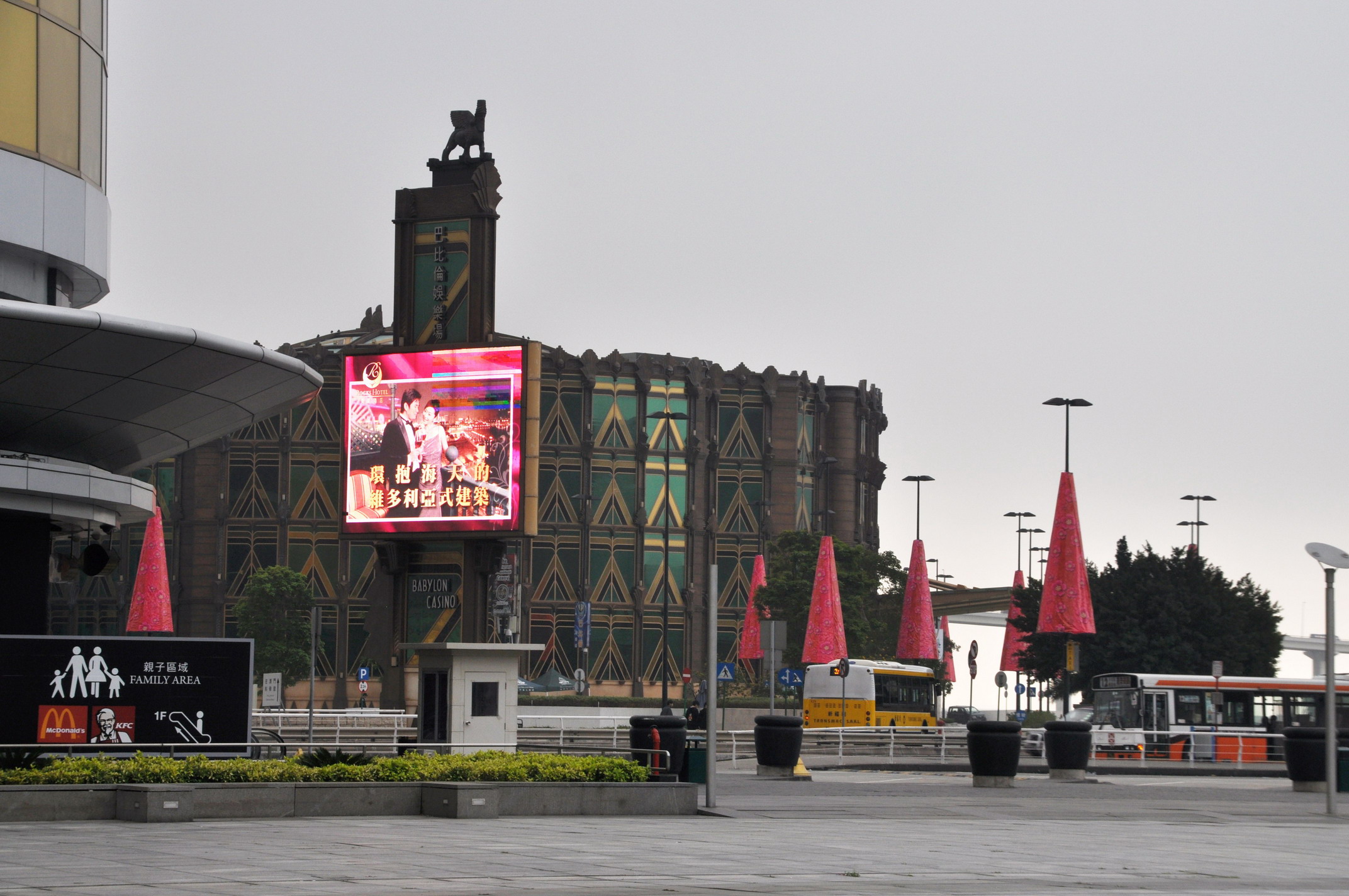
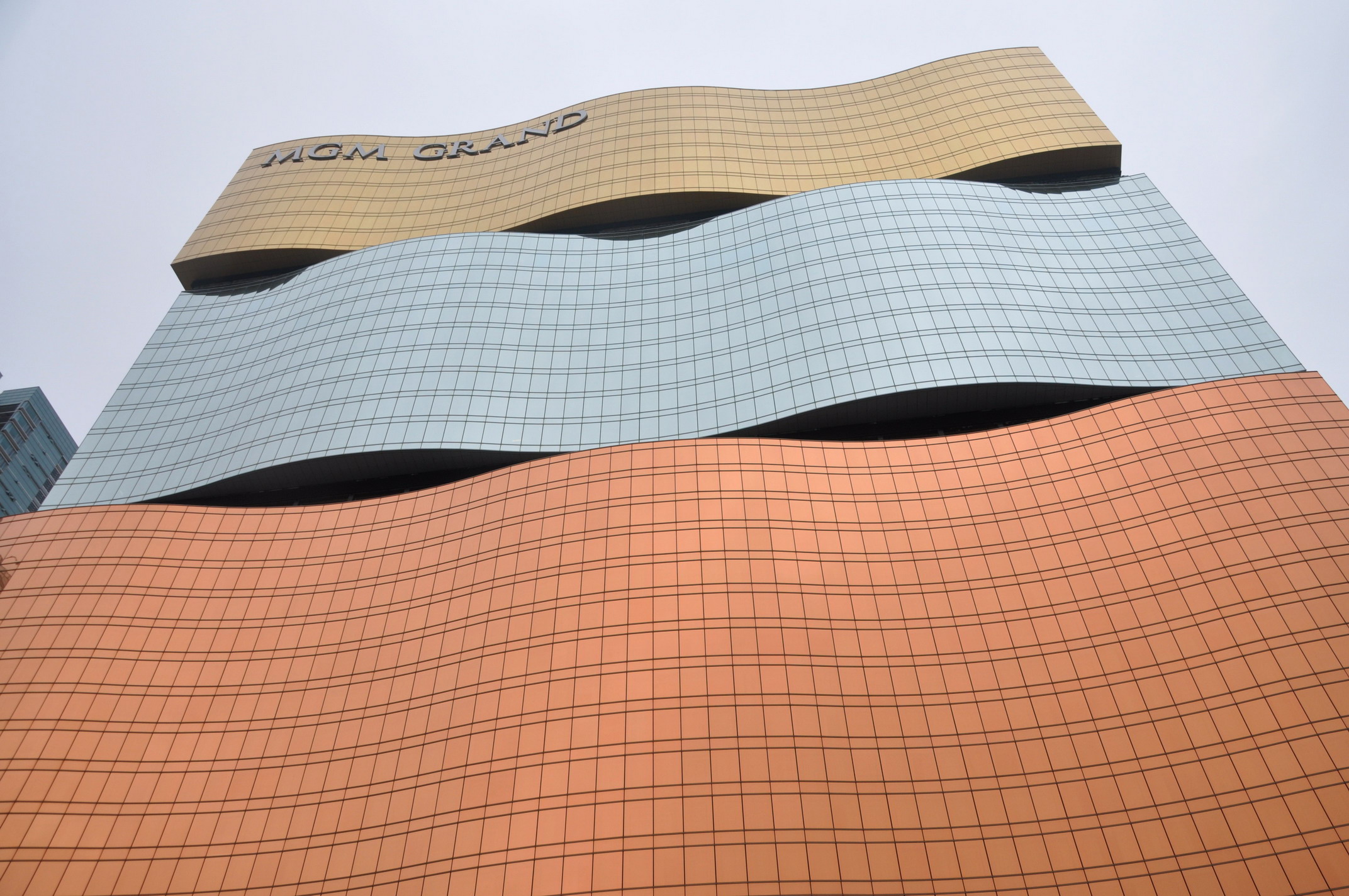
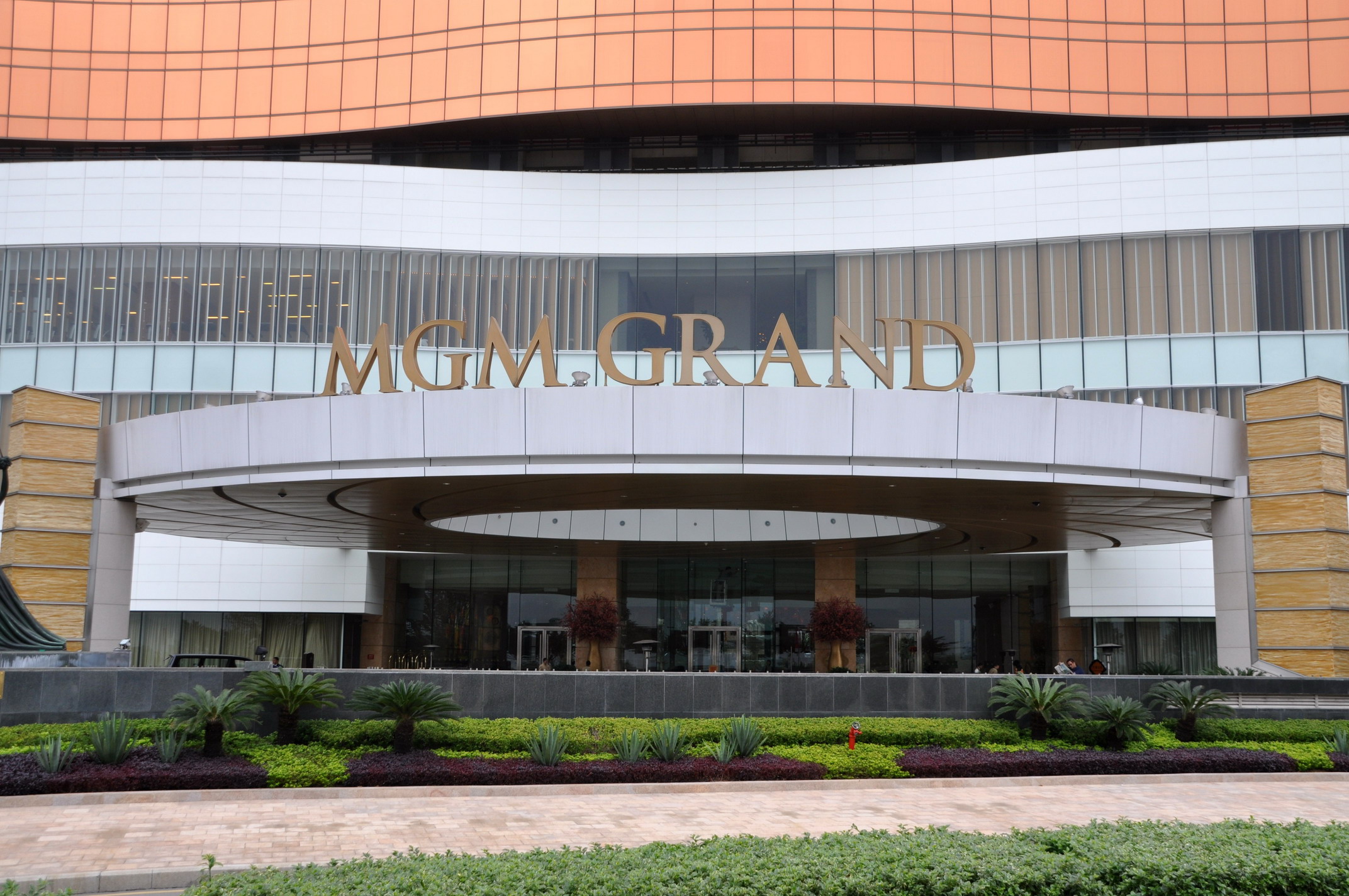
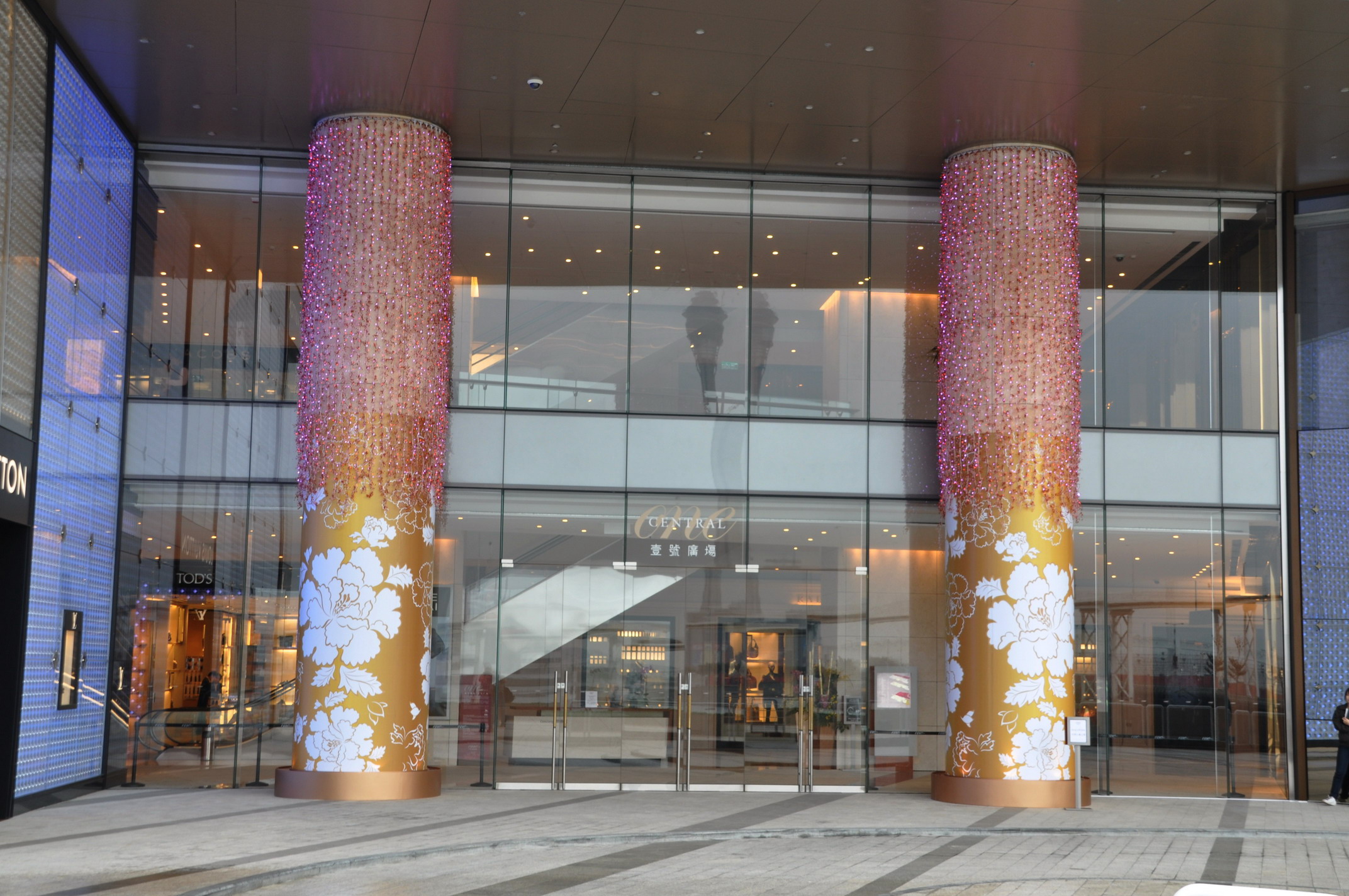
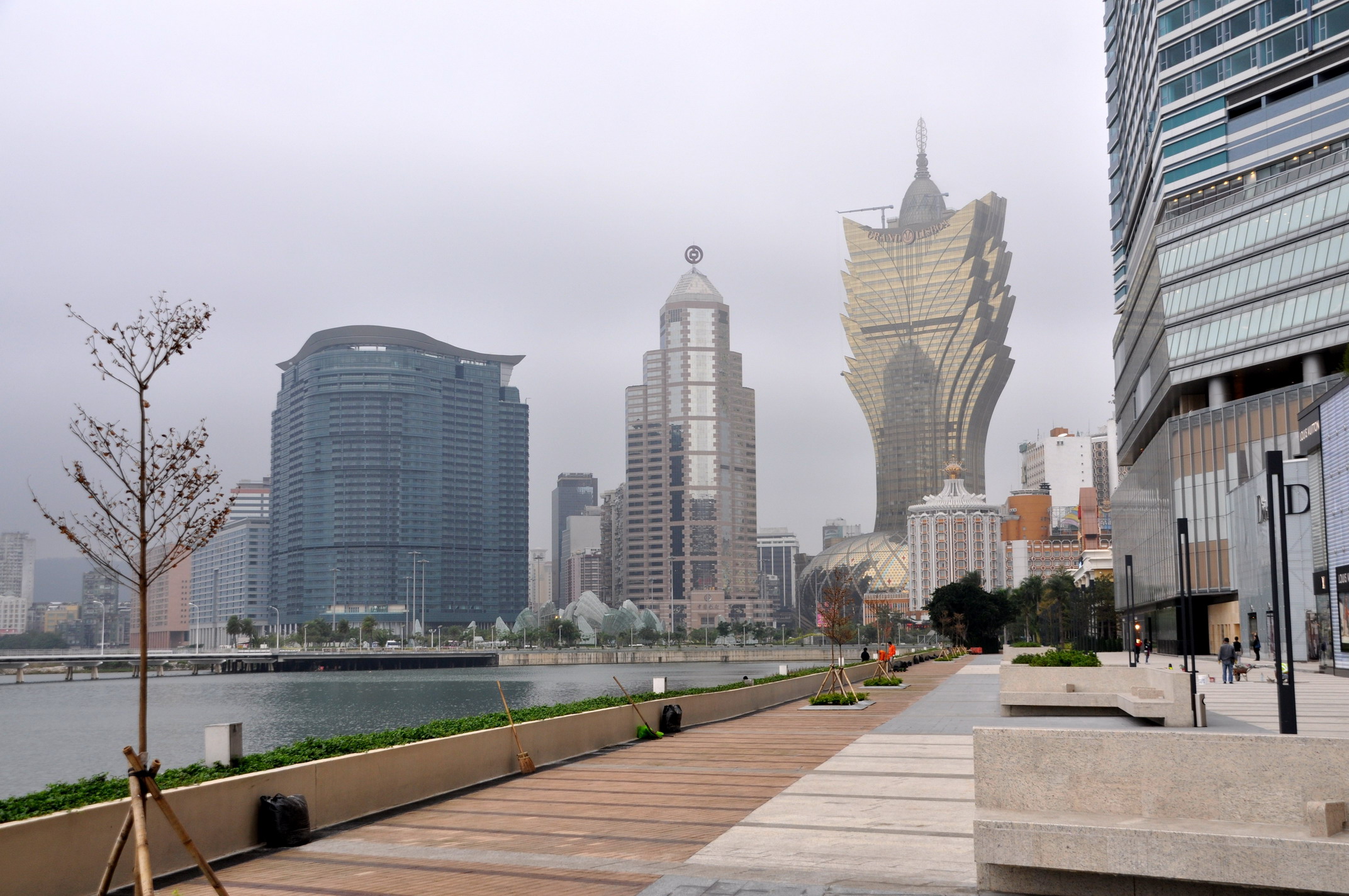
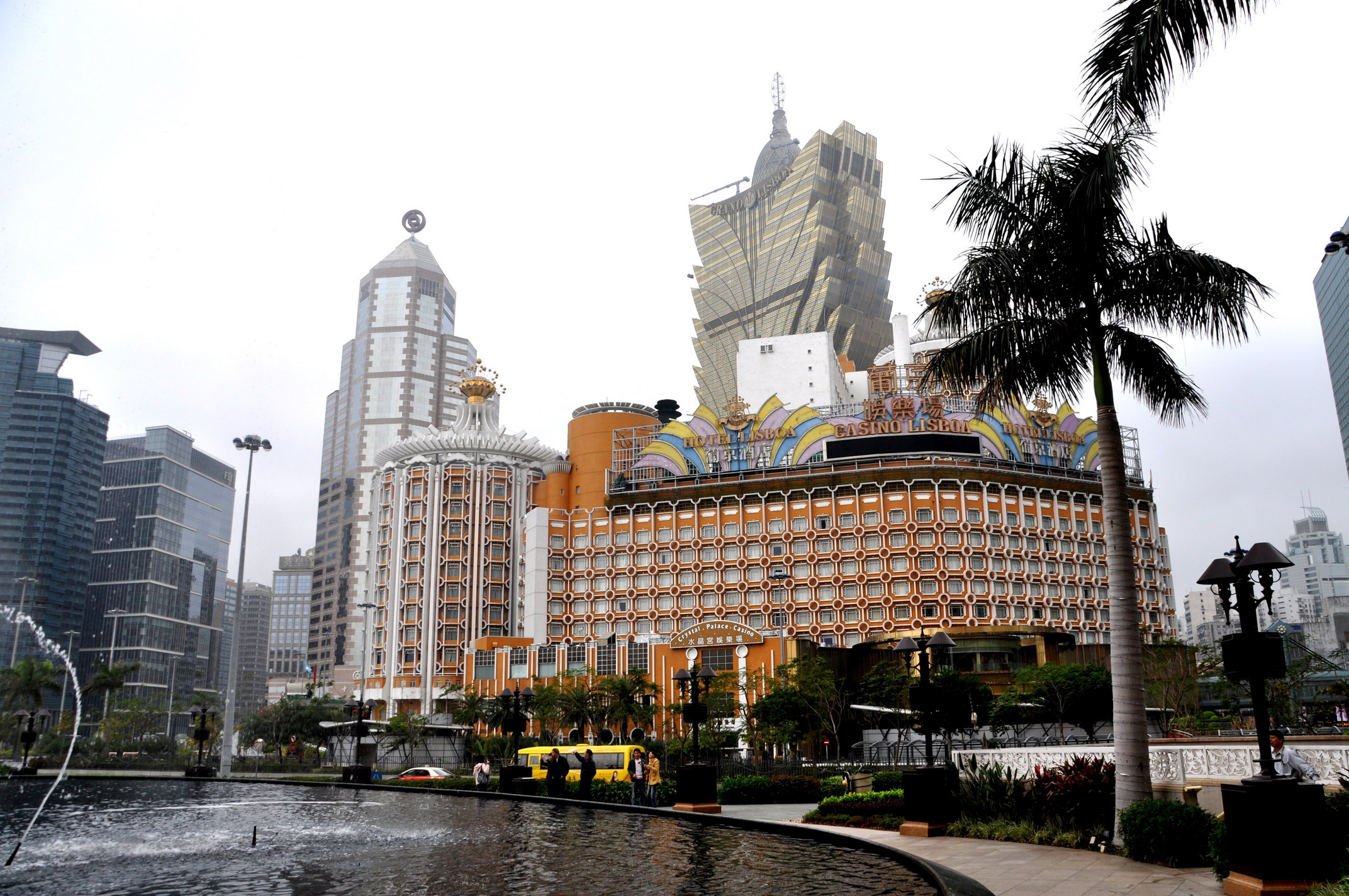
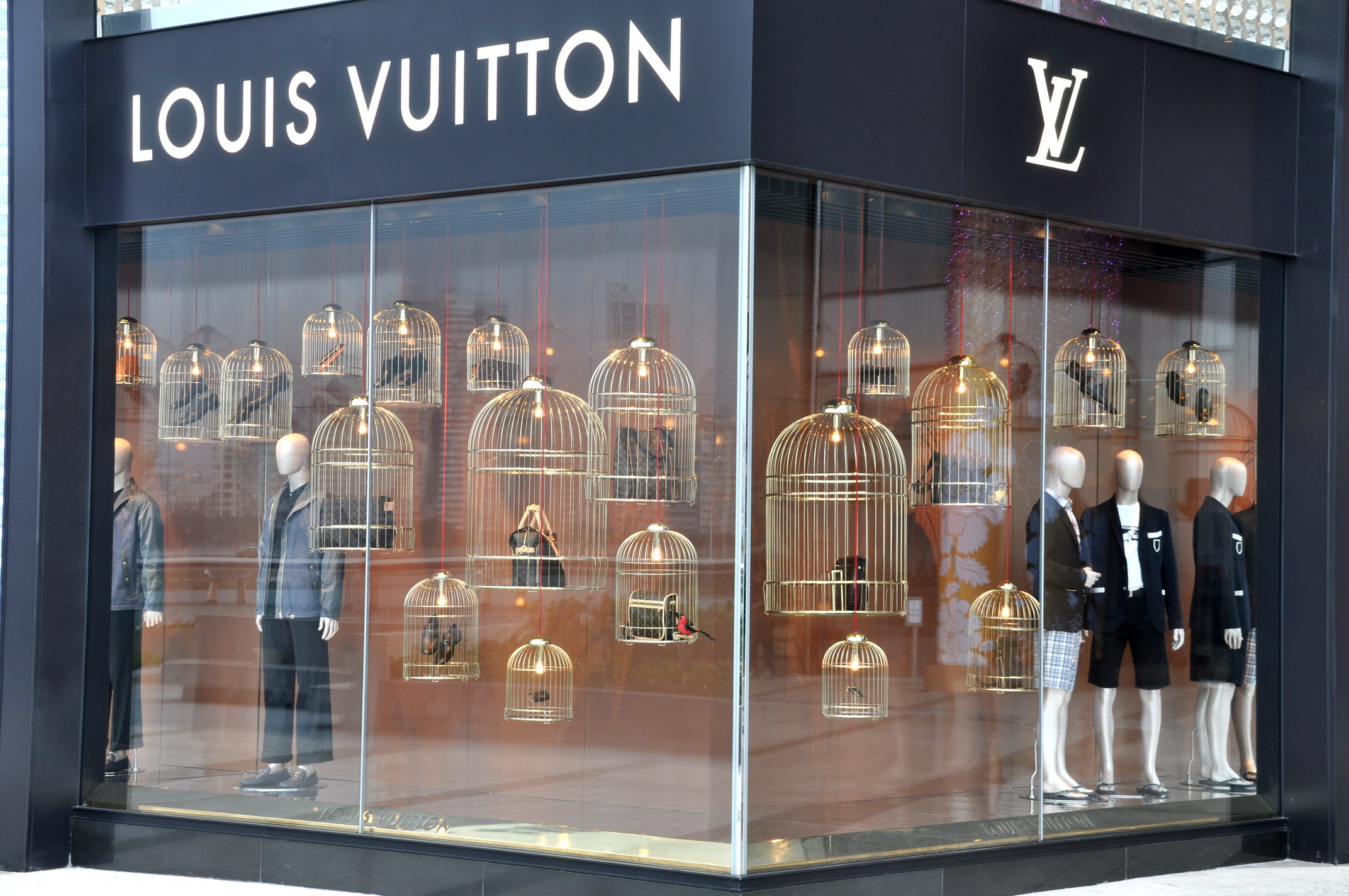
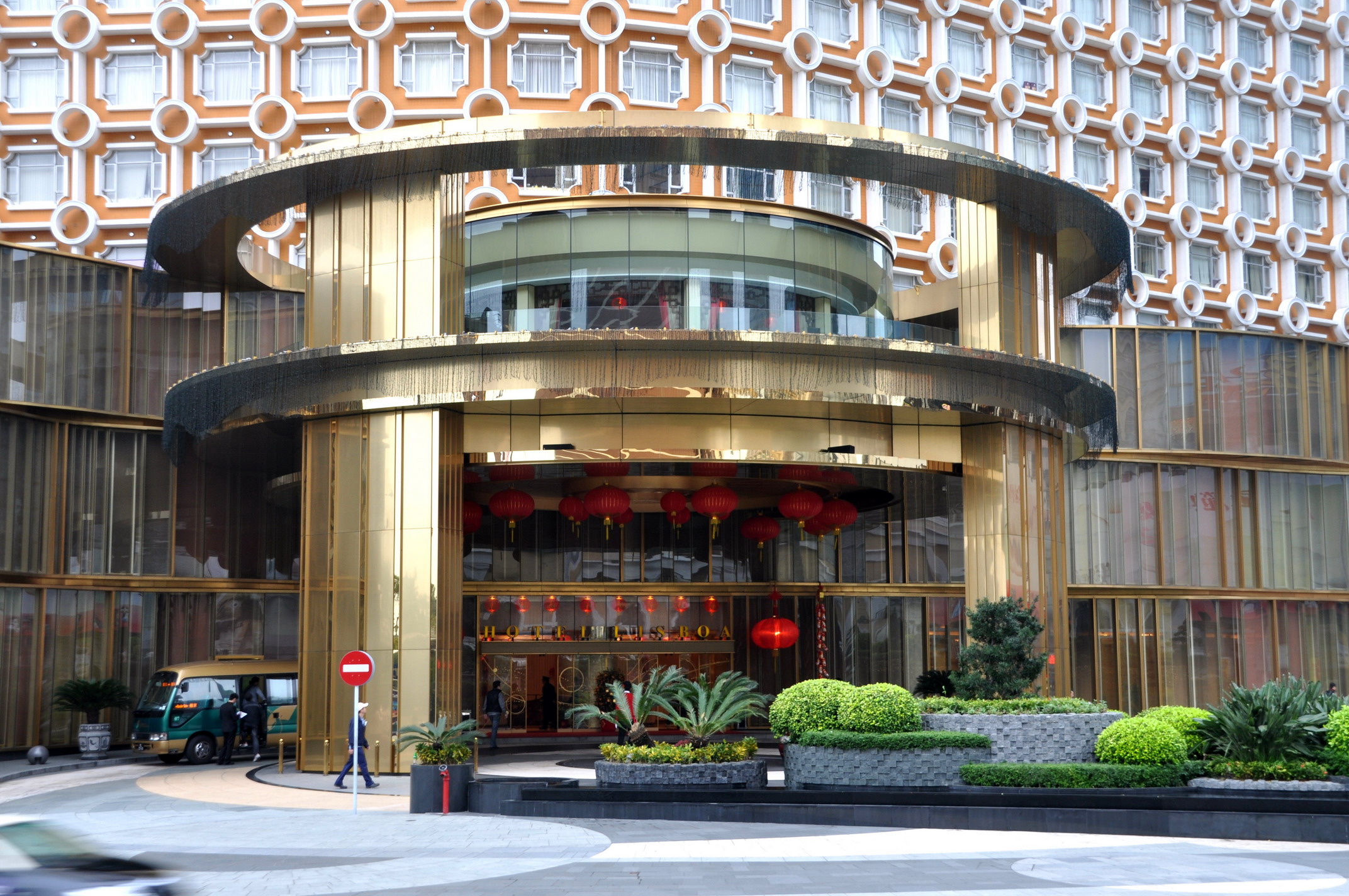
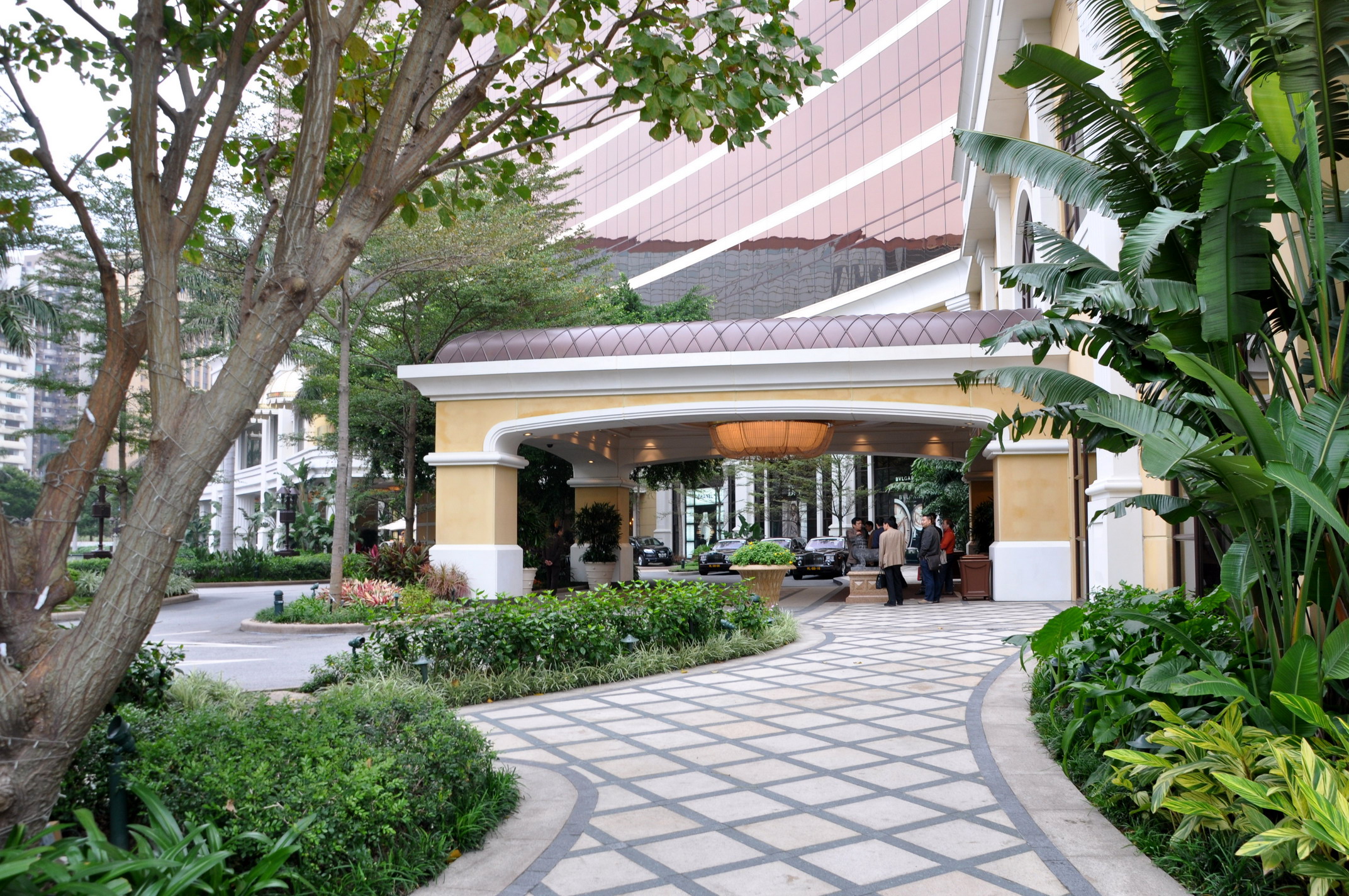
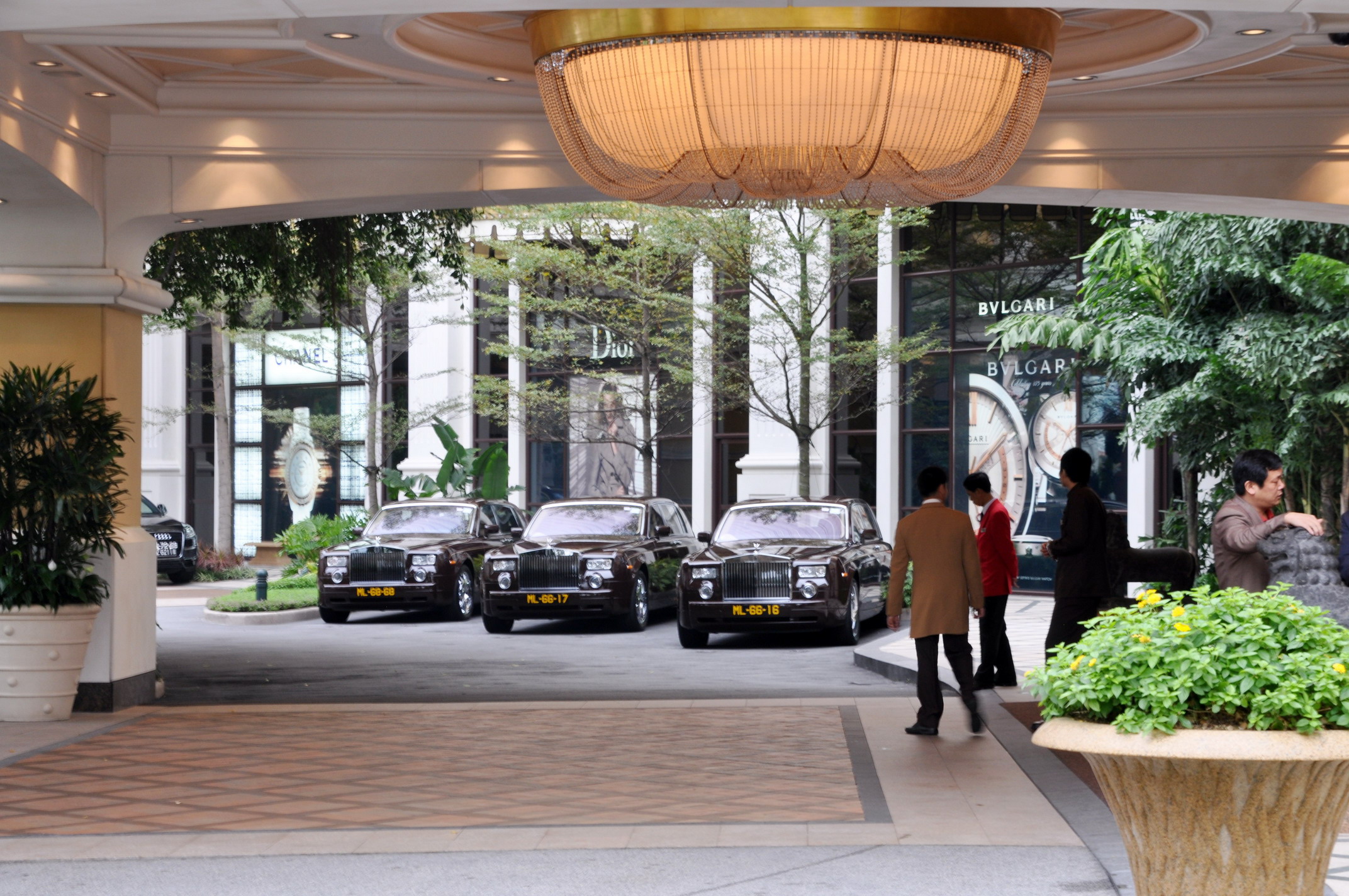
The doormen looked... I can’t think of the word. Important, but in the superlative.
People use Rolls-Royces as taxis. There are others, of course, but a Mercedes here is for people on a budget. There are also rickshaws. Expensive ones, a way for the newly rich to enjoy the sensation of being in charge and put on a show.
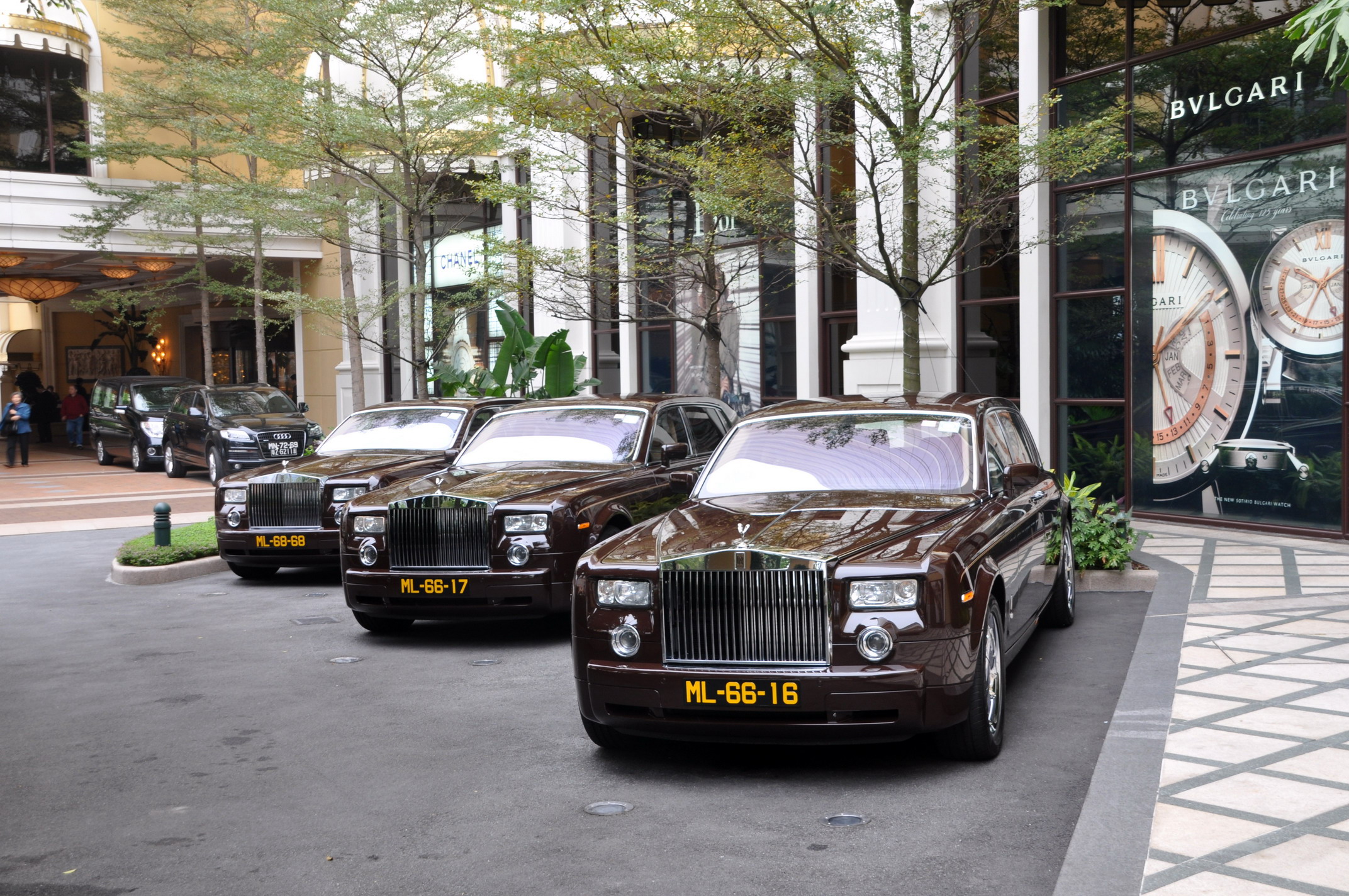
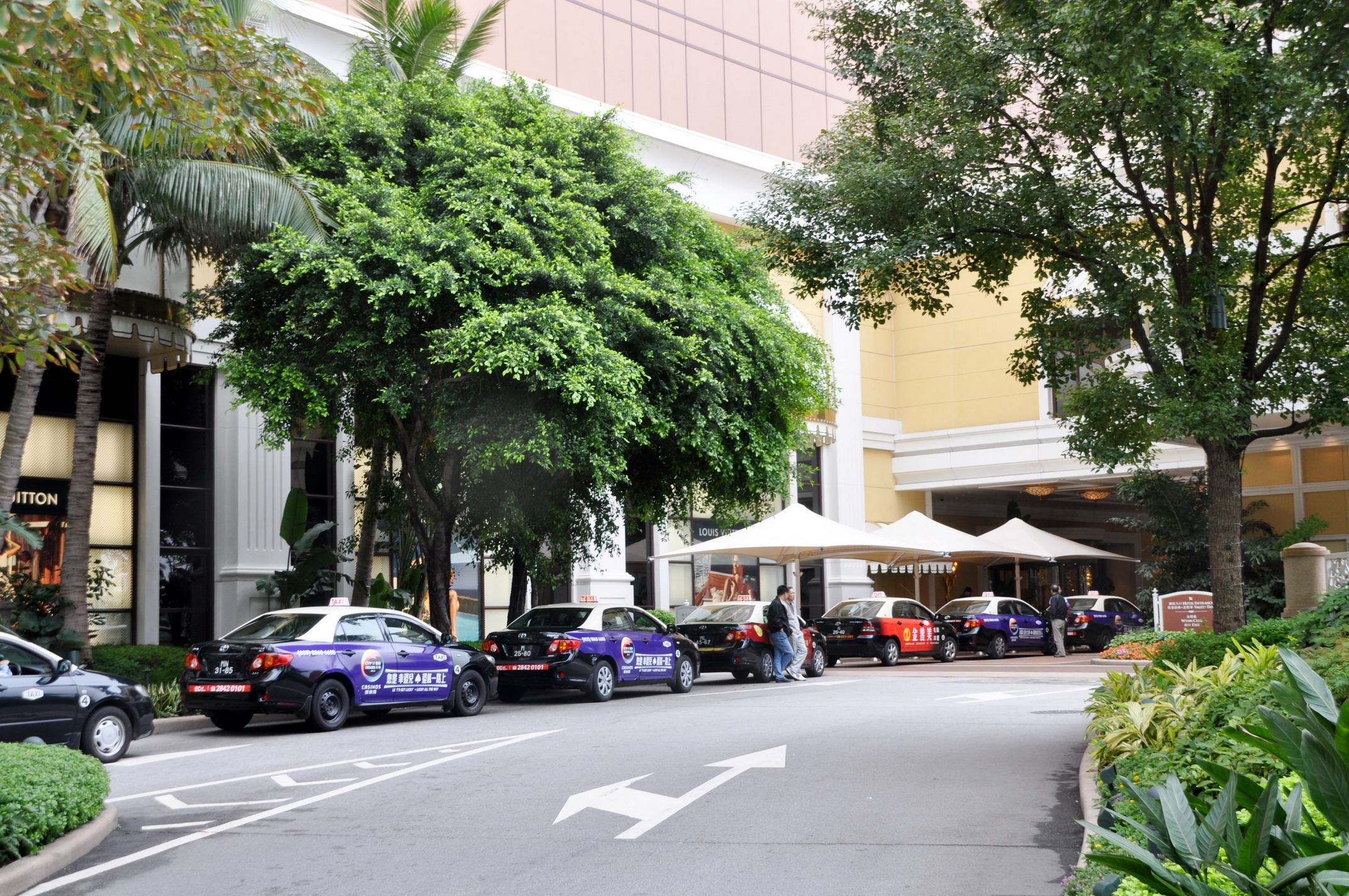
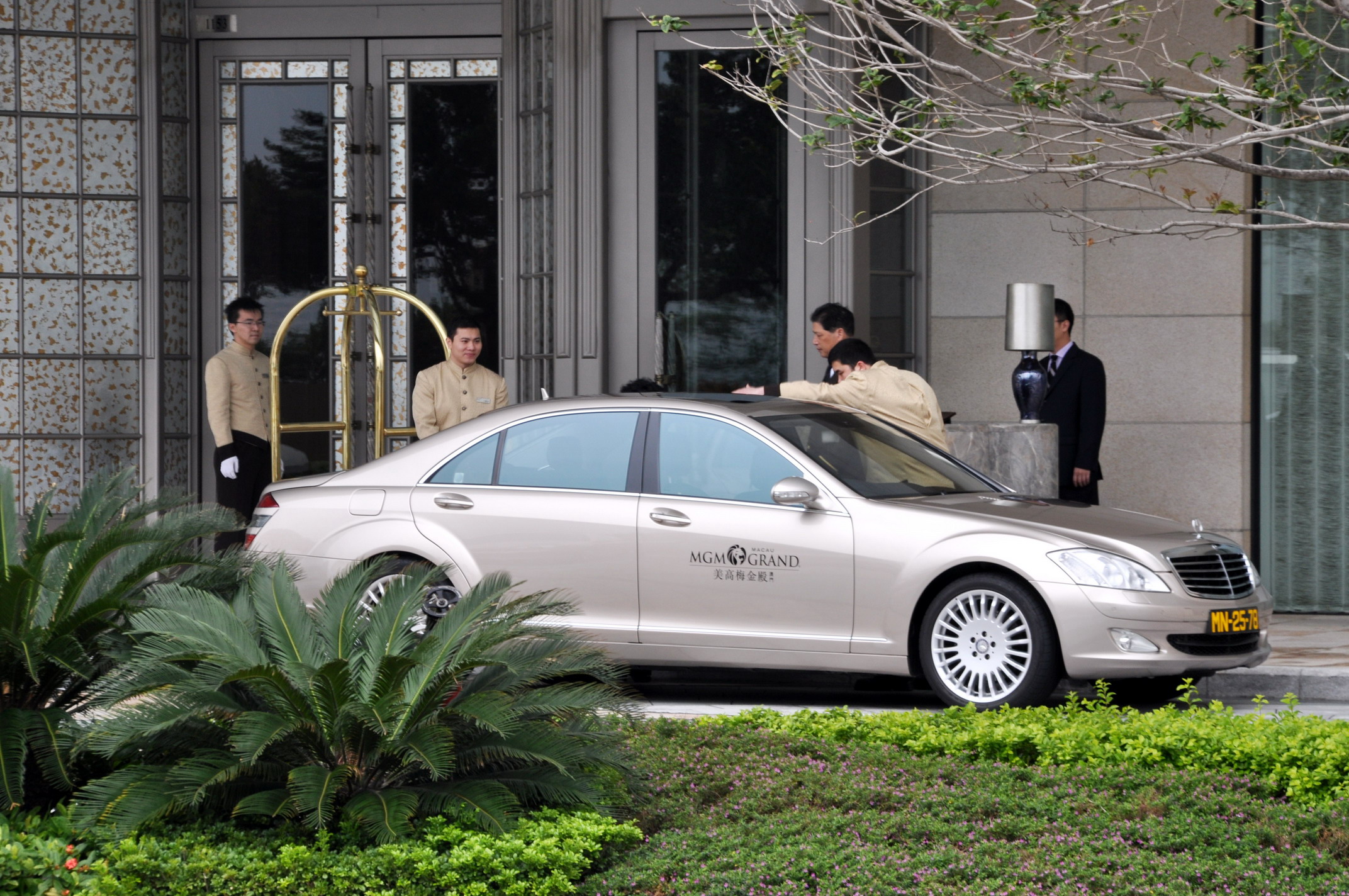
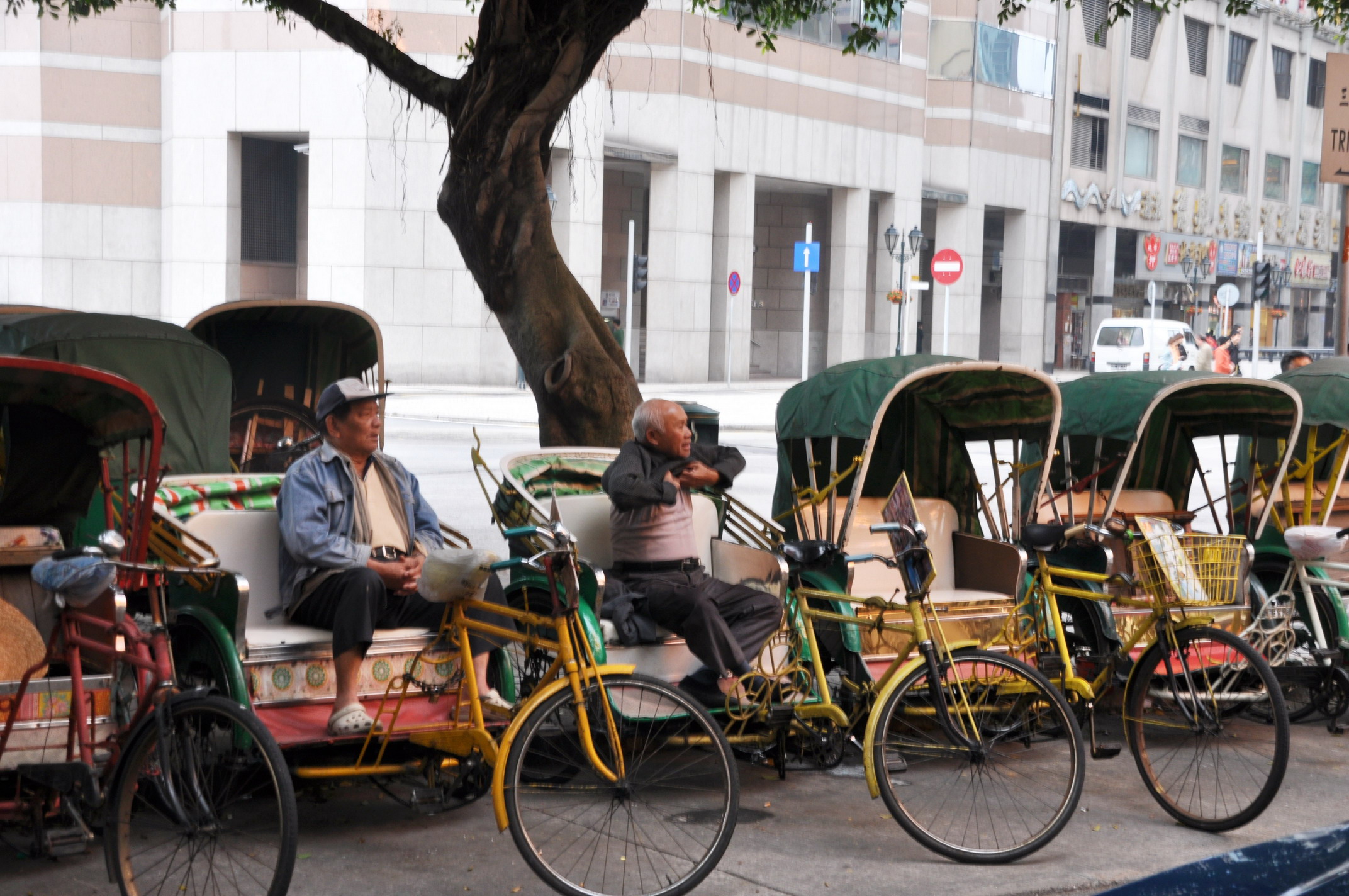
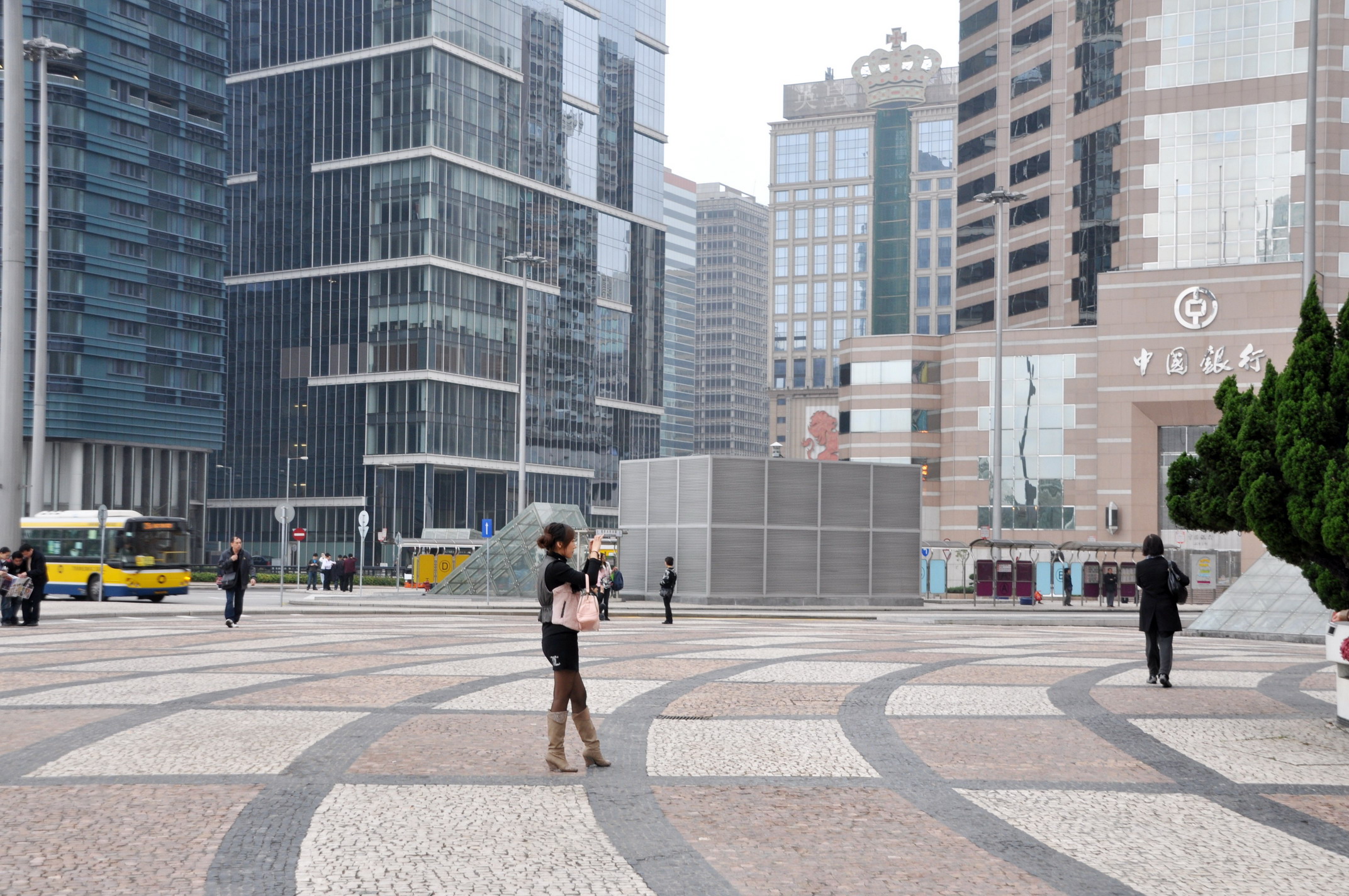
Coloured glass and concrete, all brand new. In some places construction hadn’t quite finished.
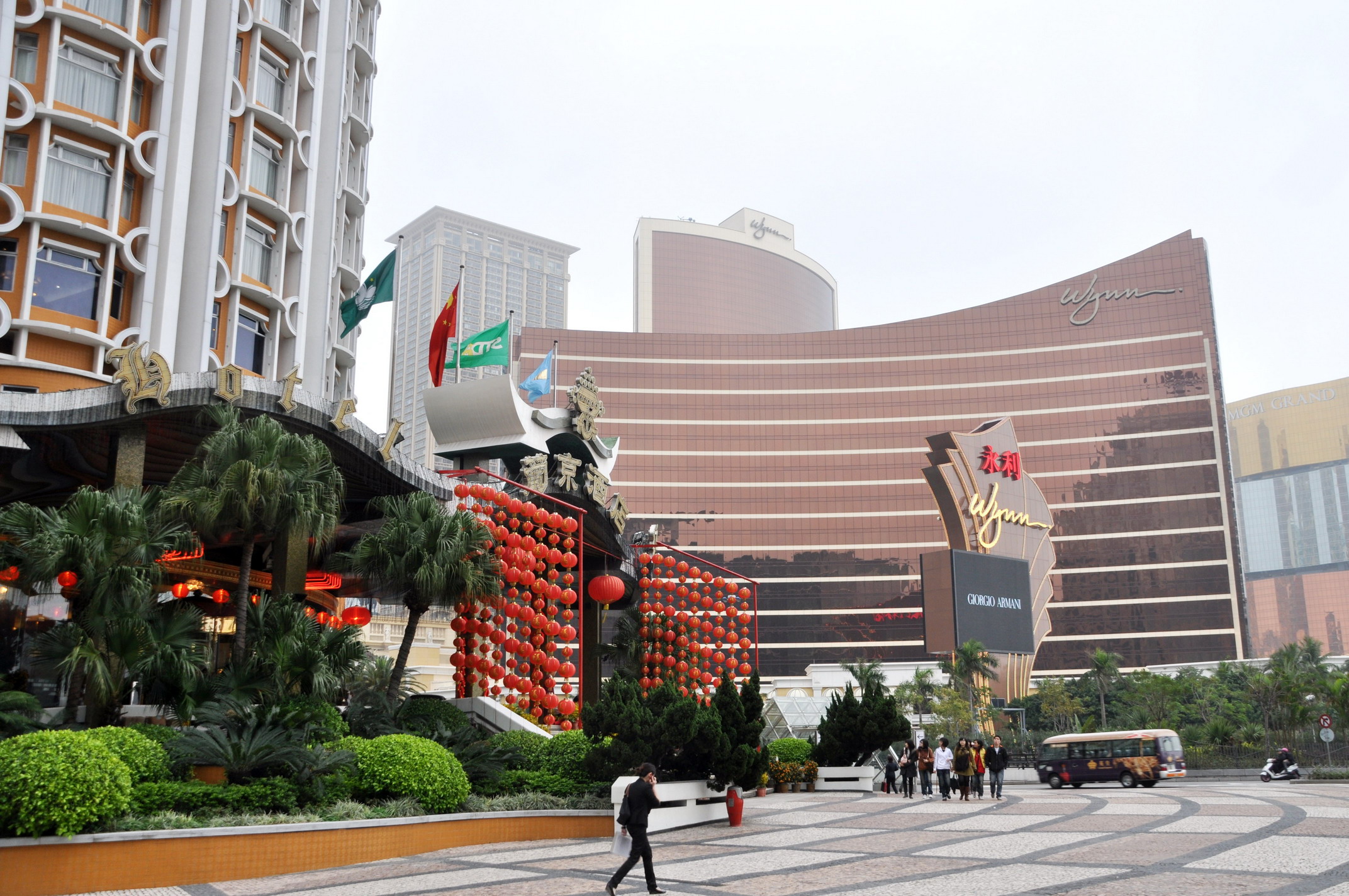
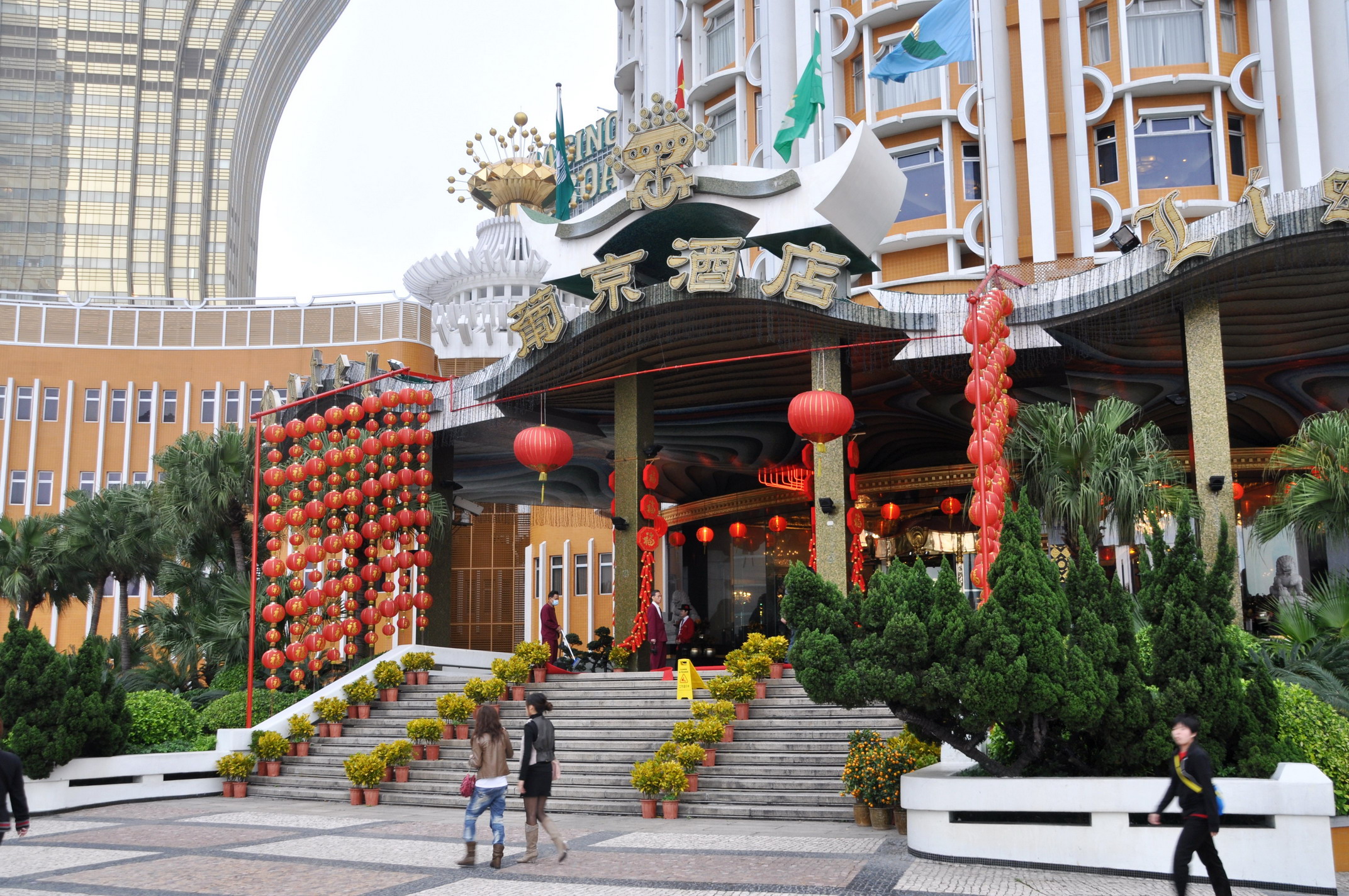
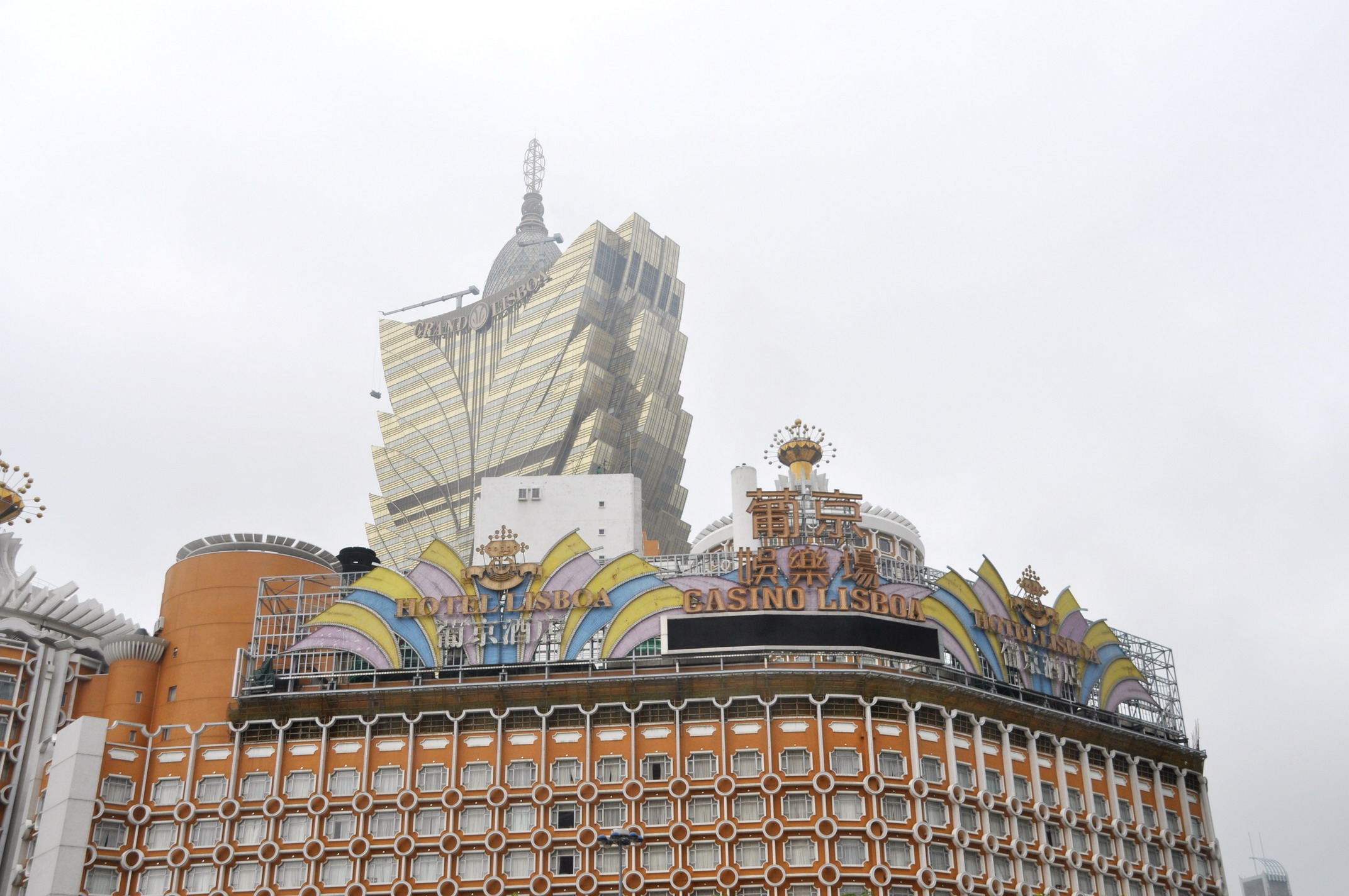
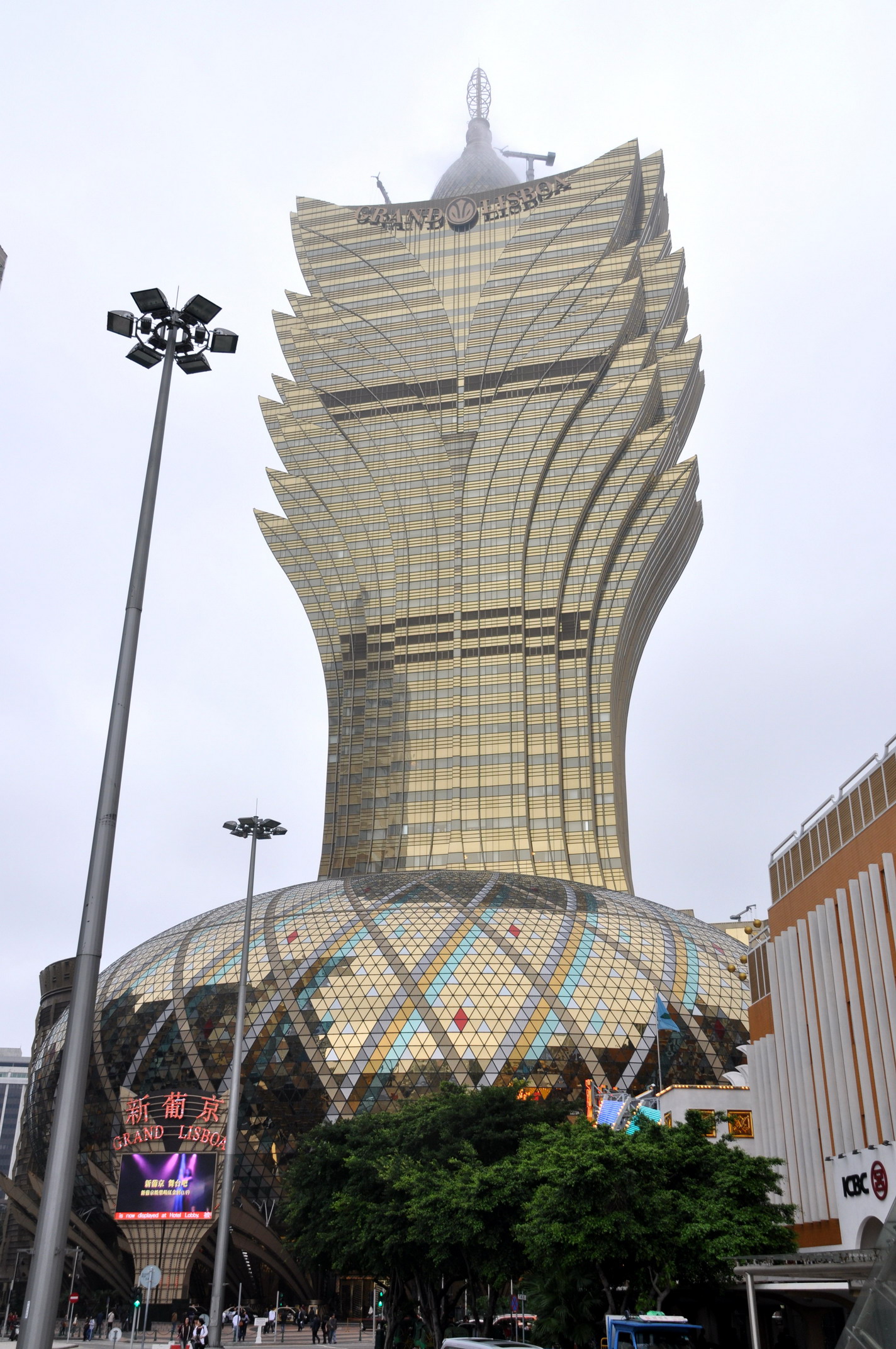
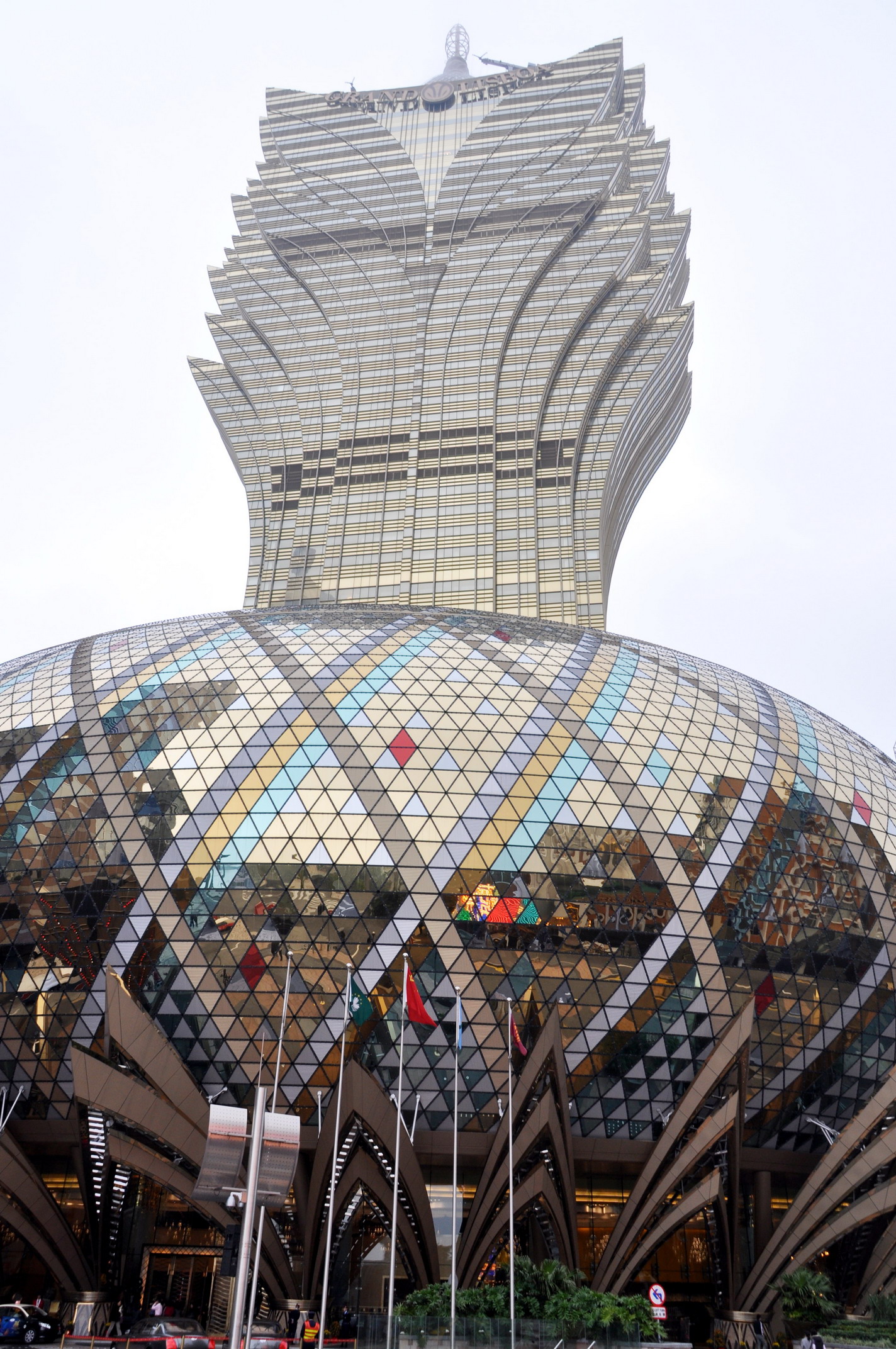
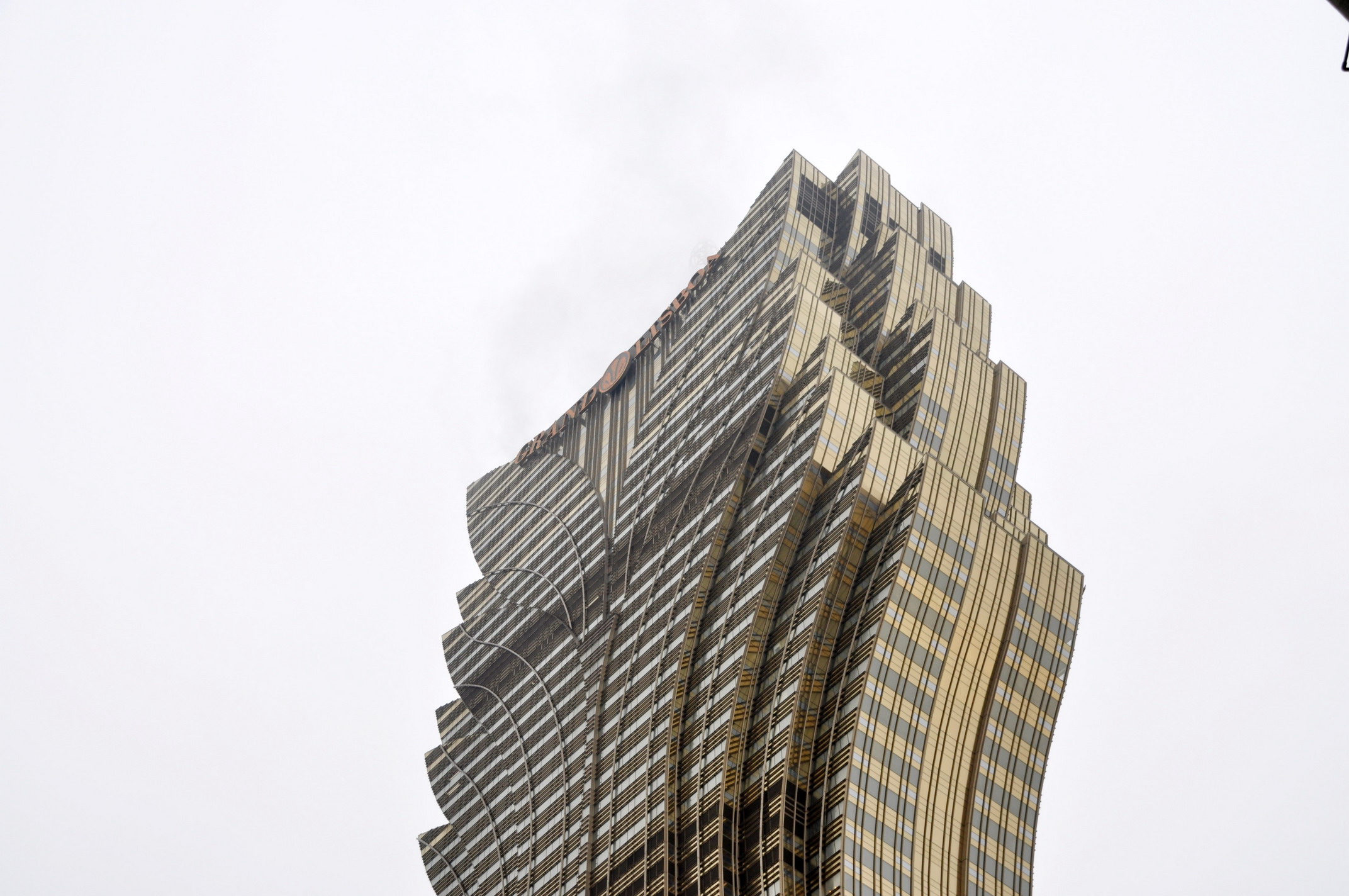
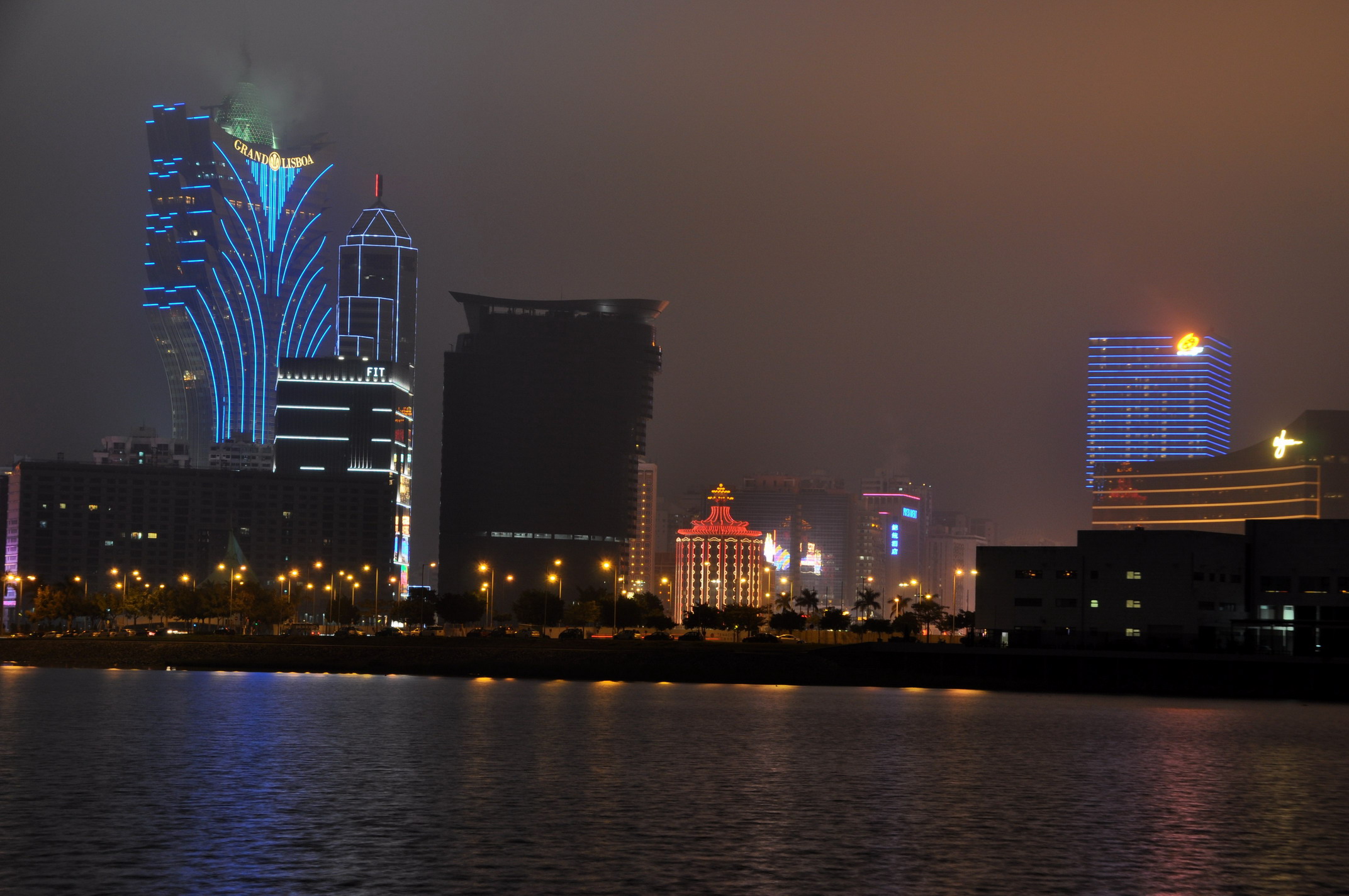
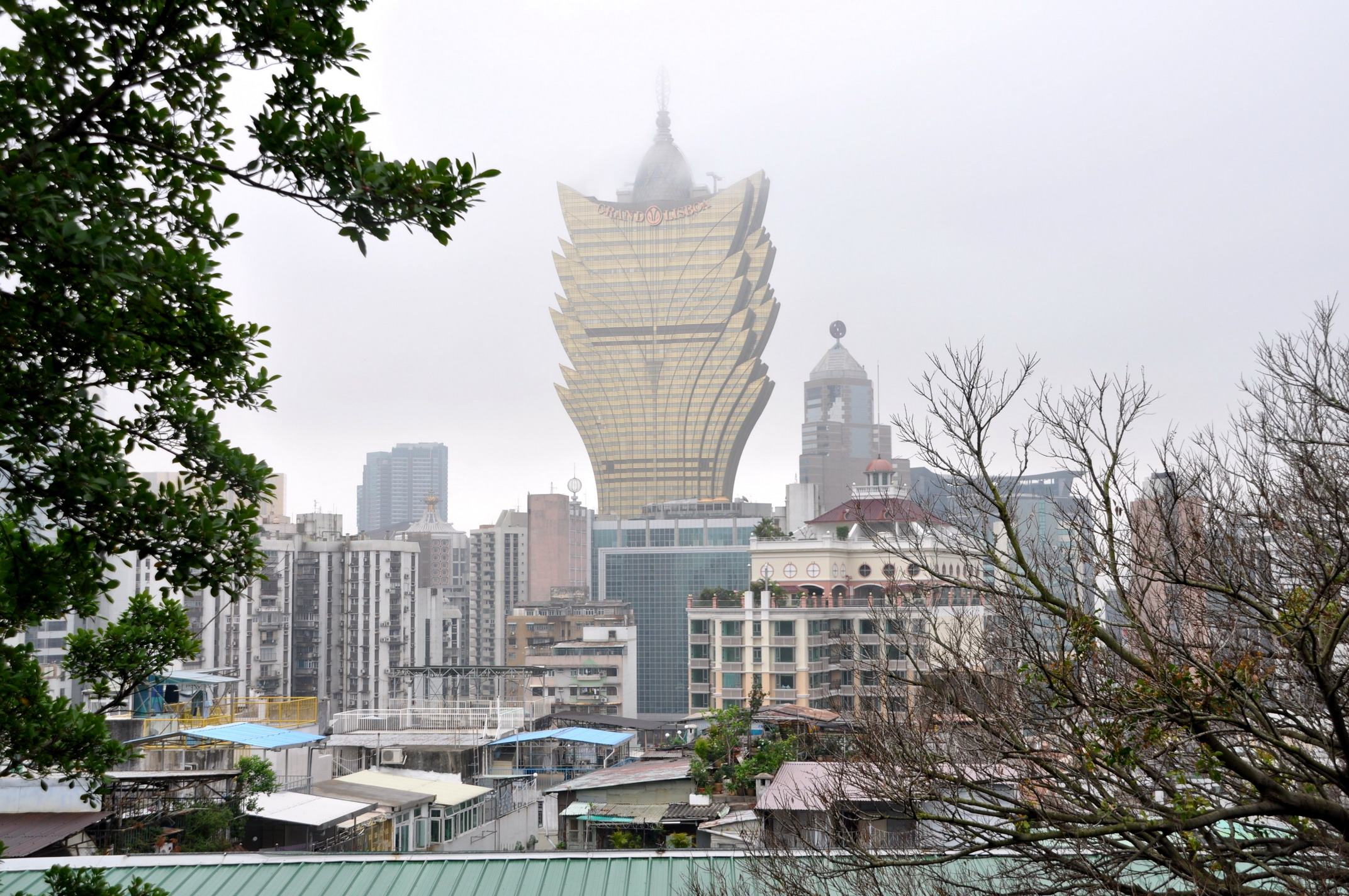
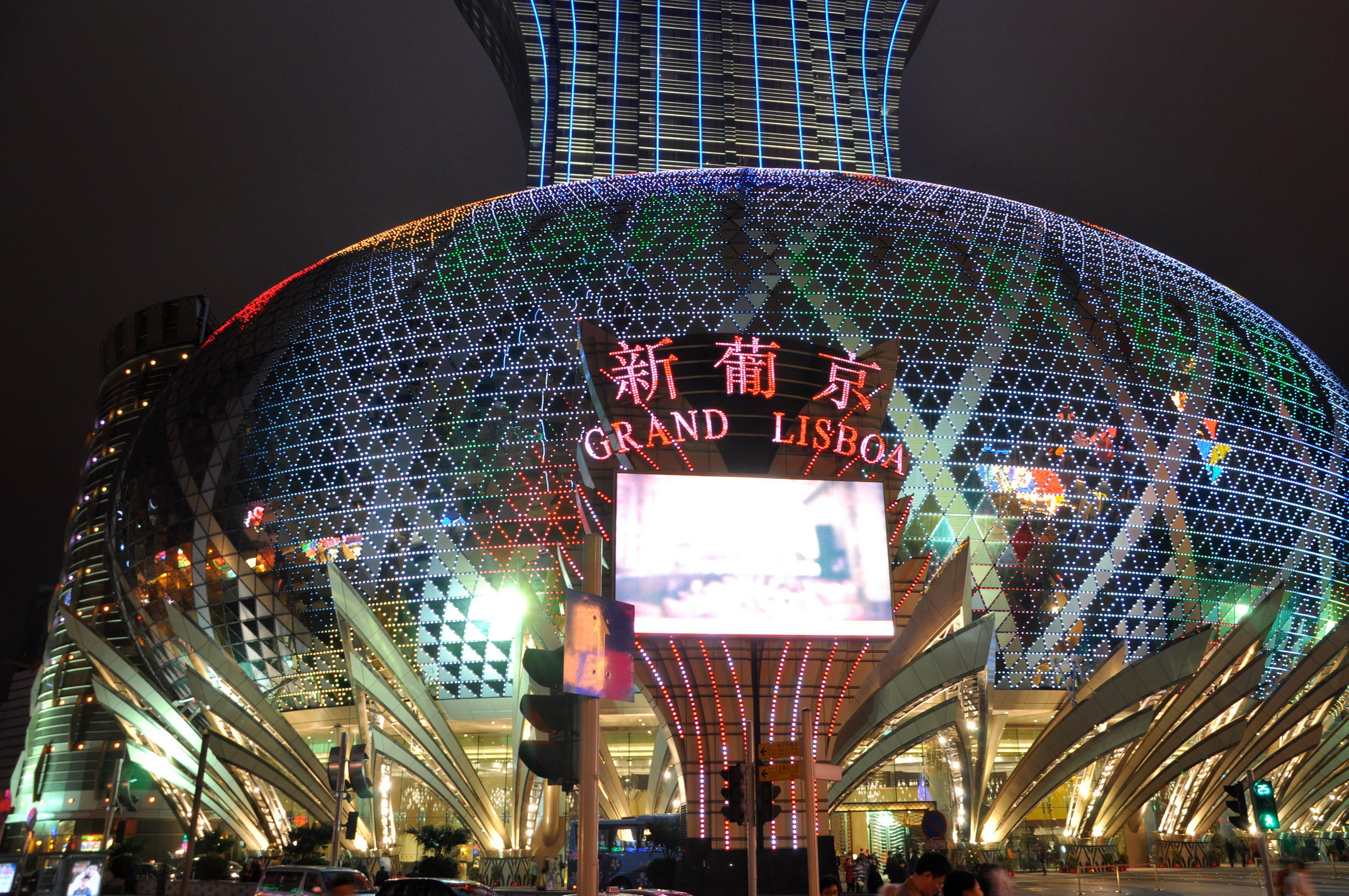
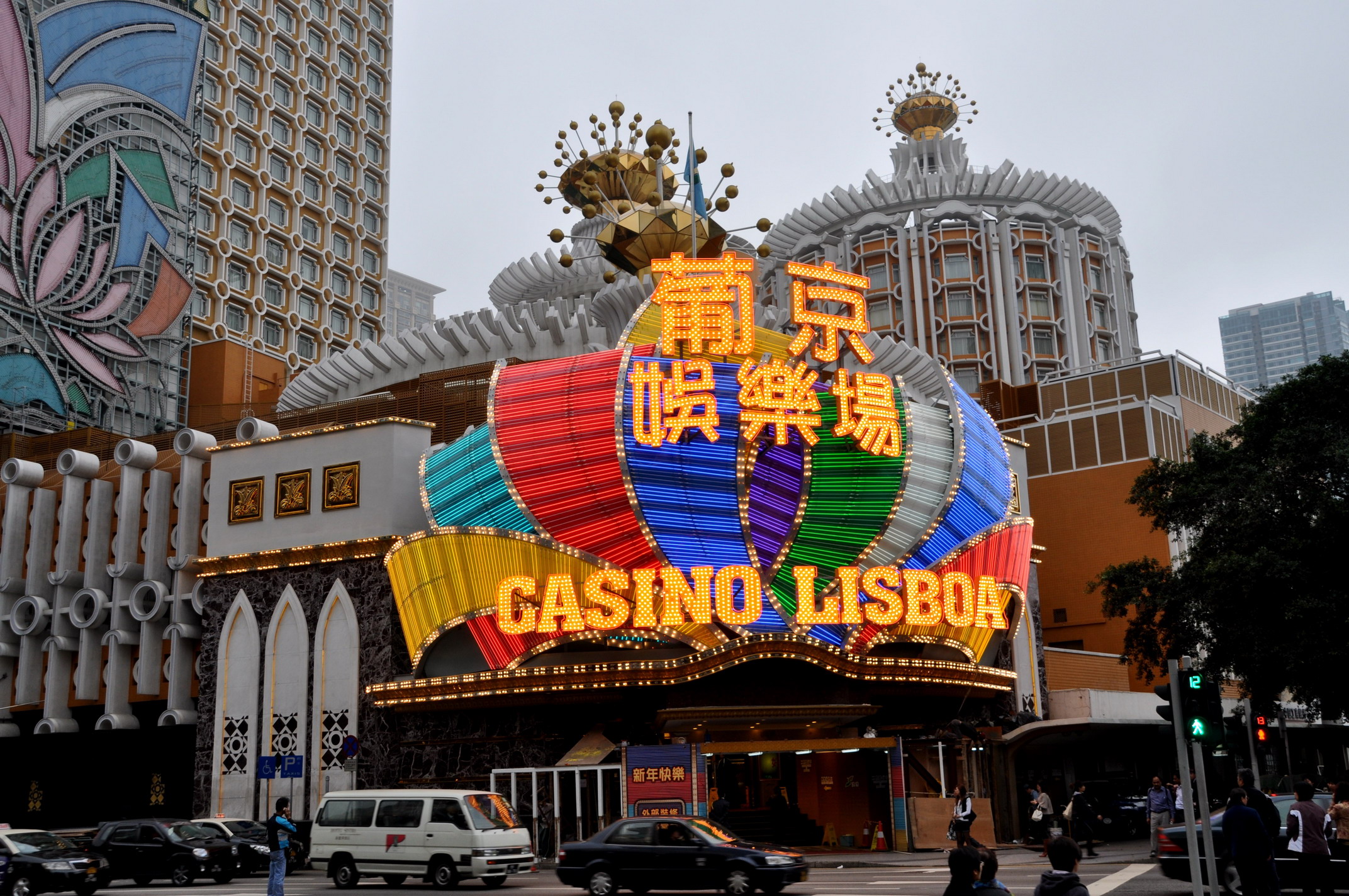
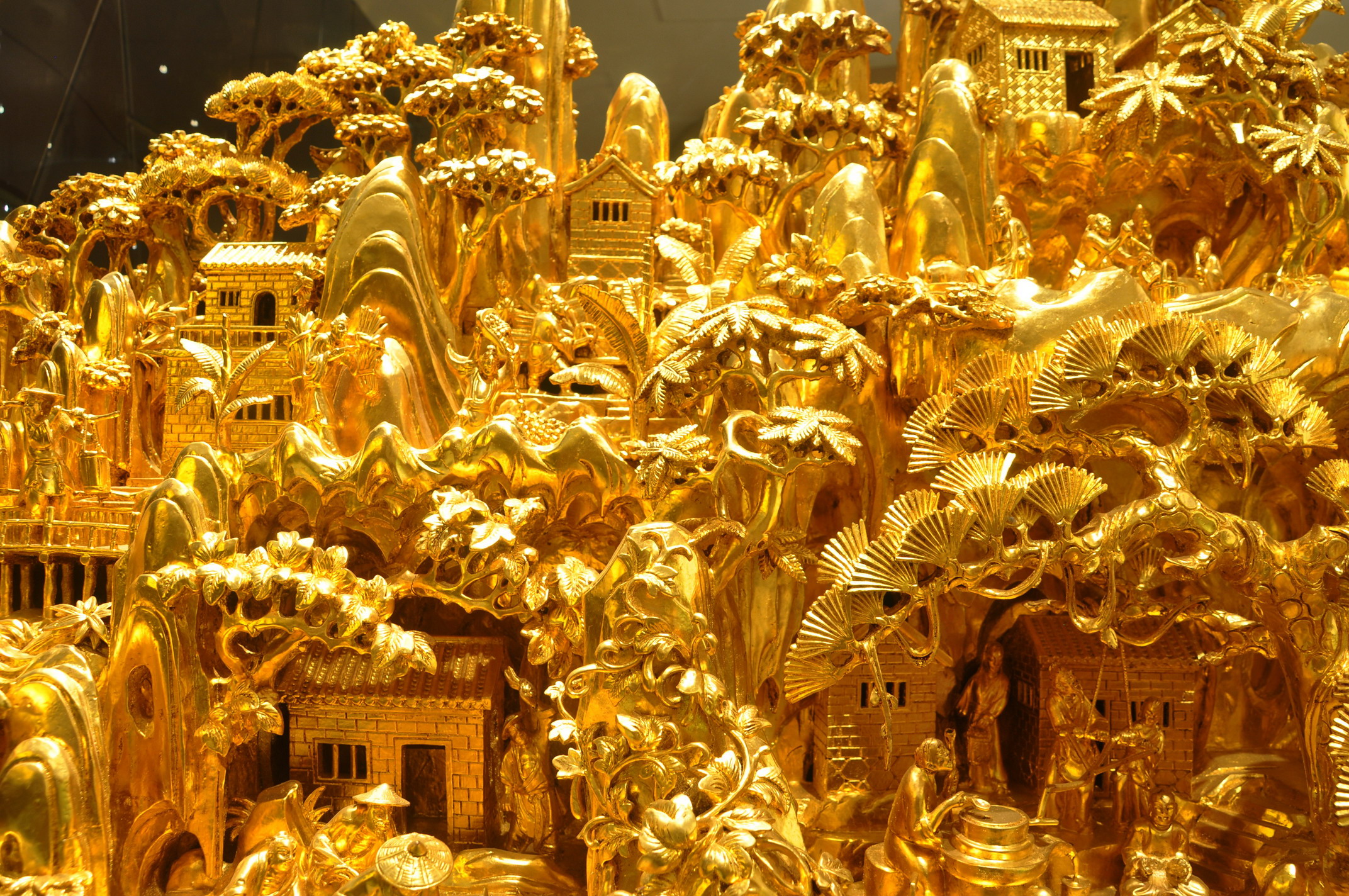
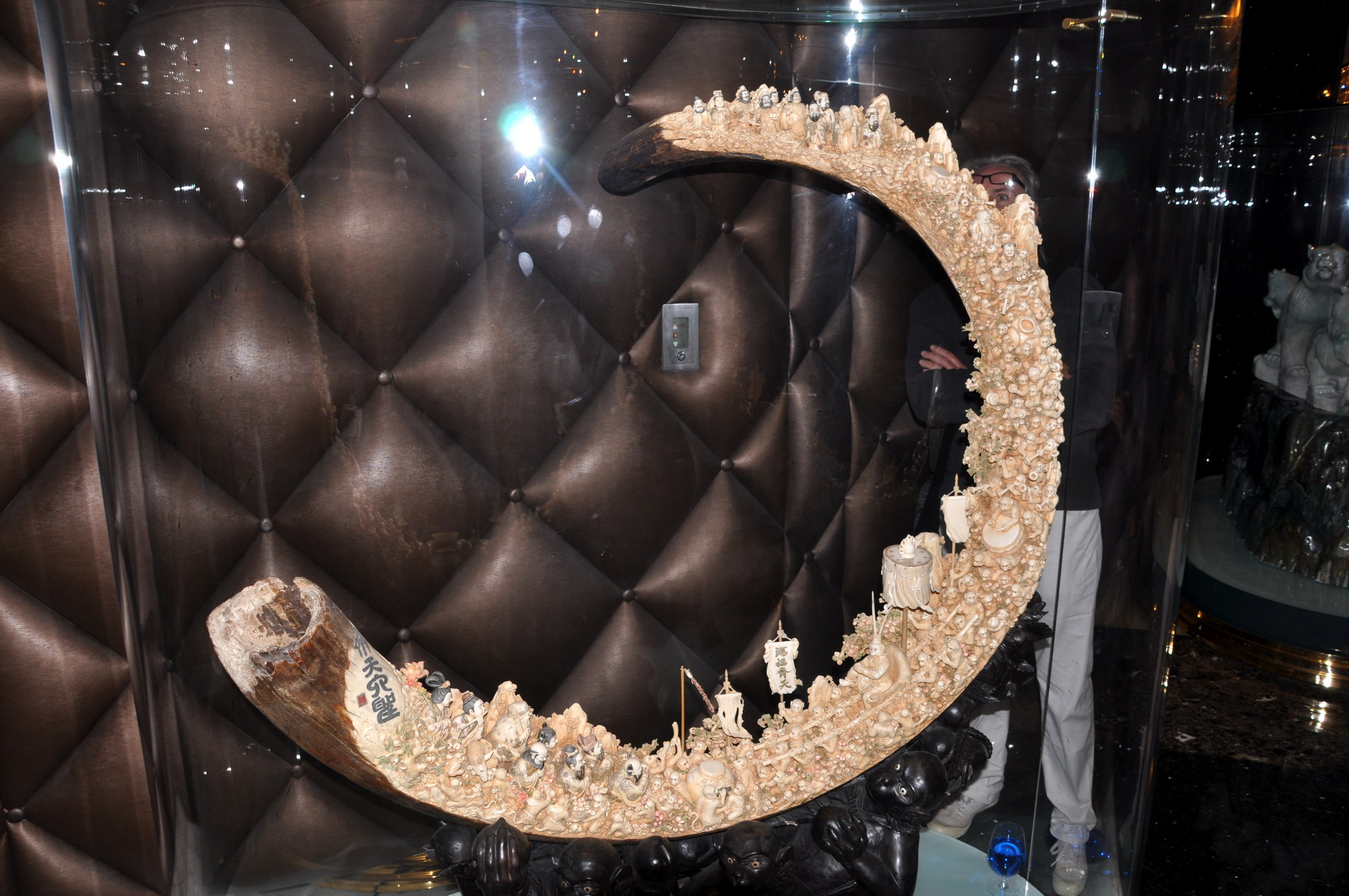
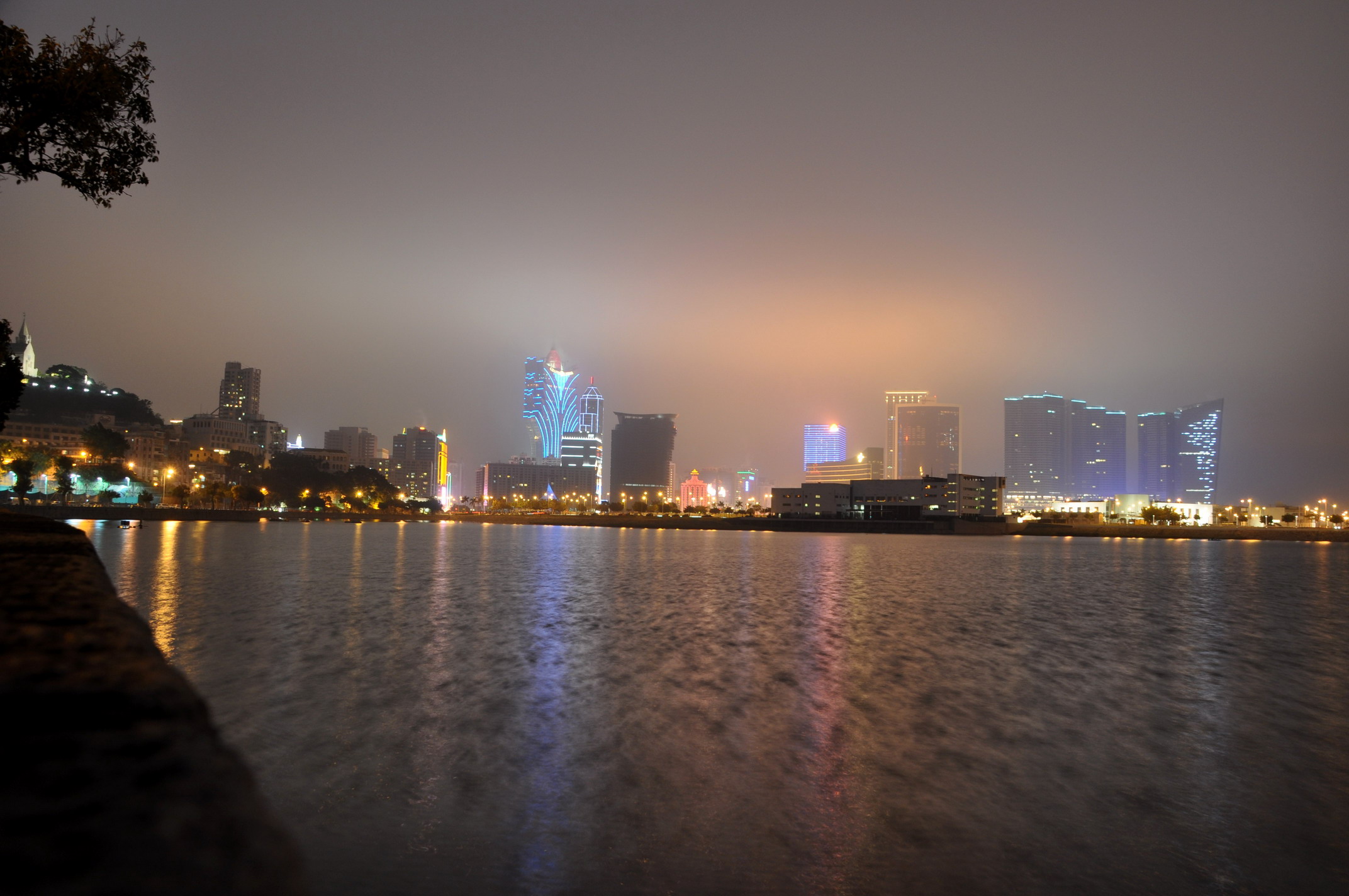
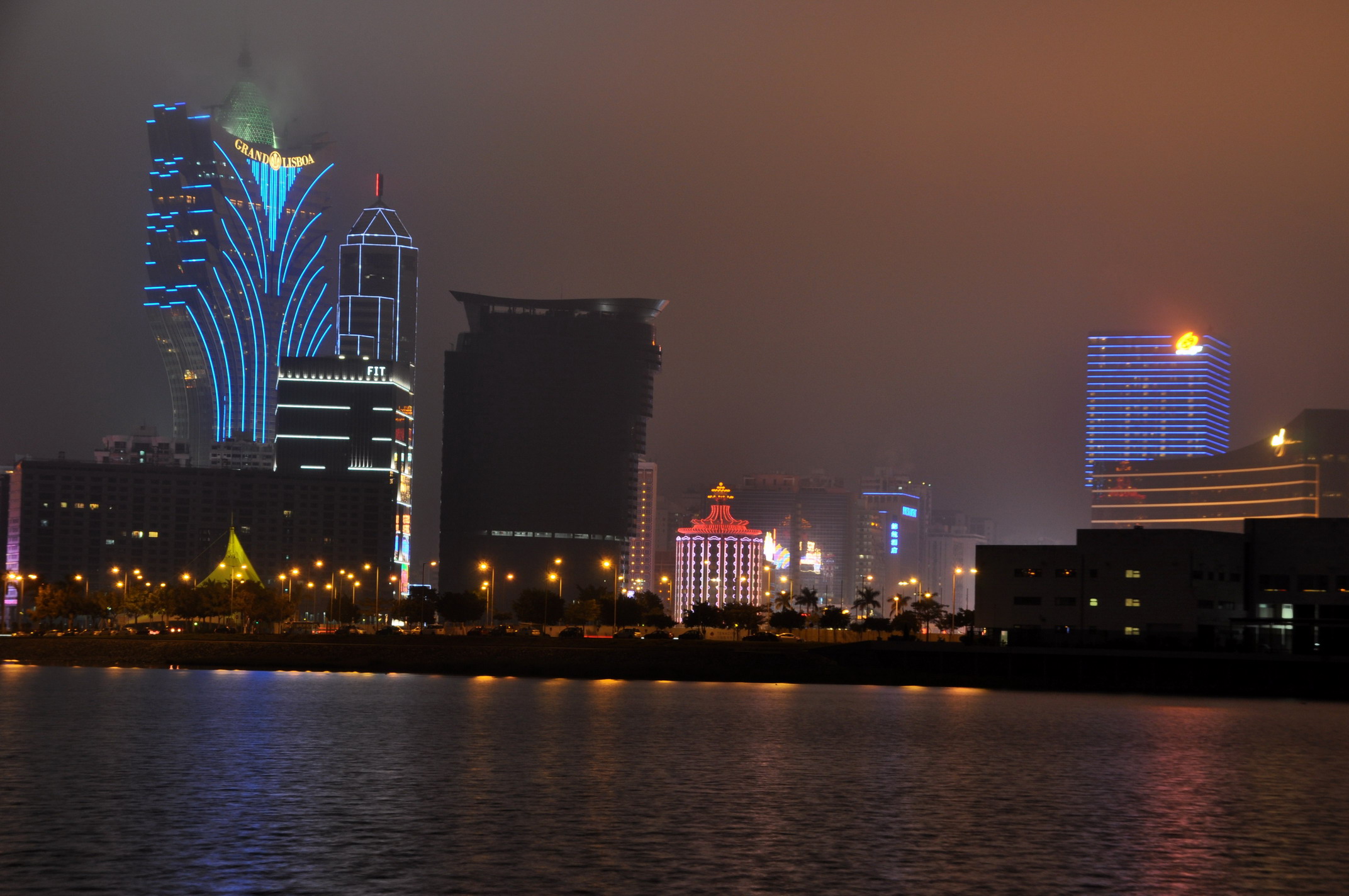
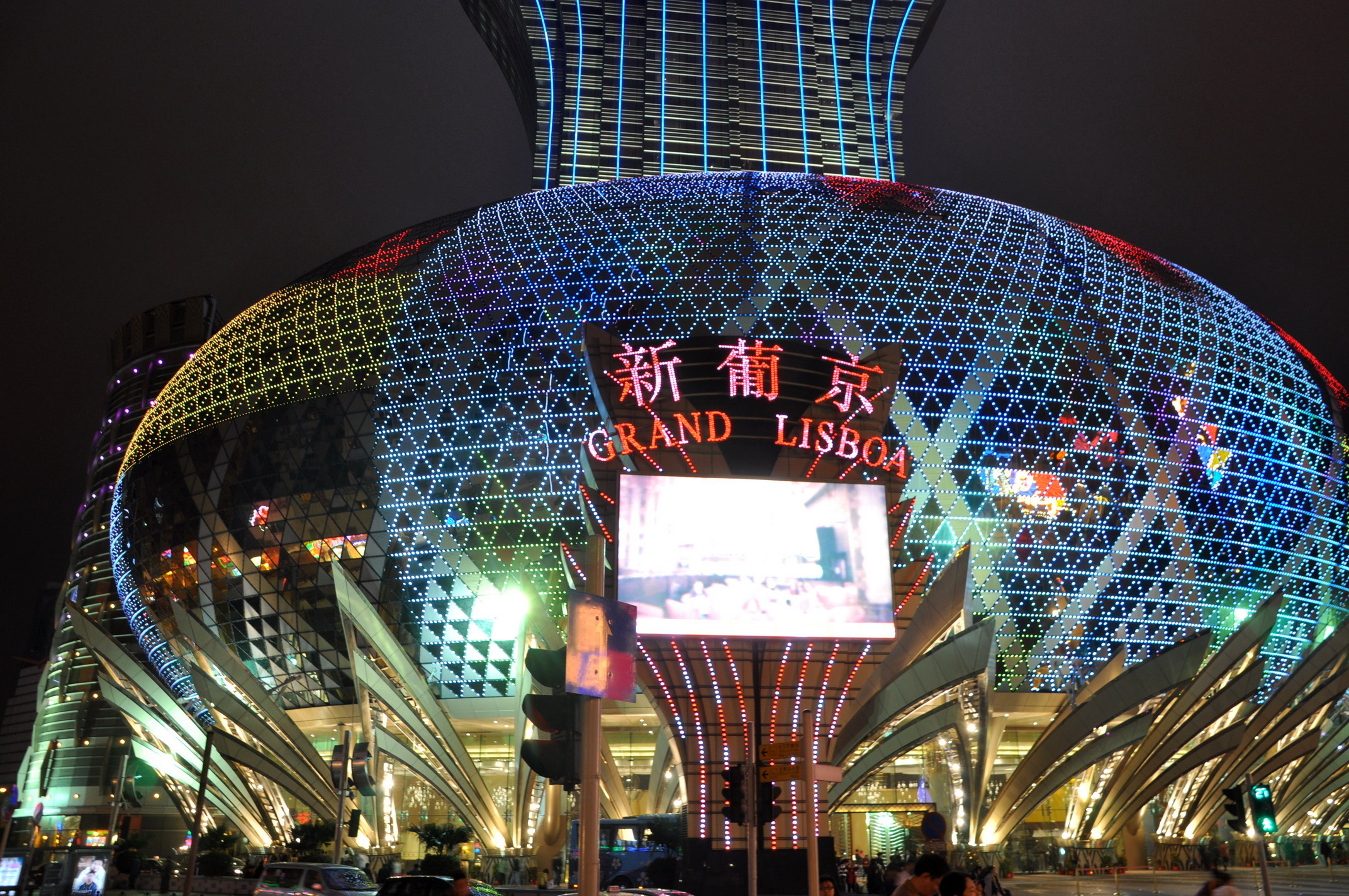
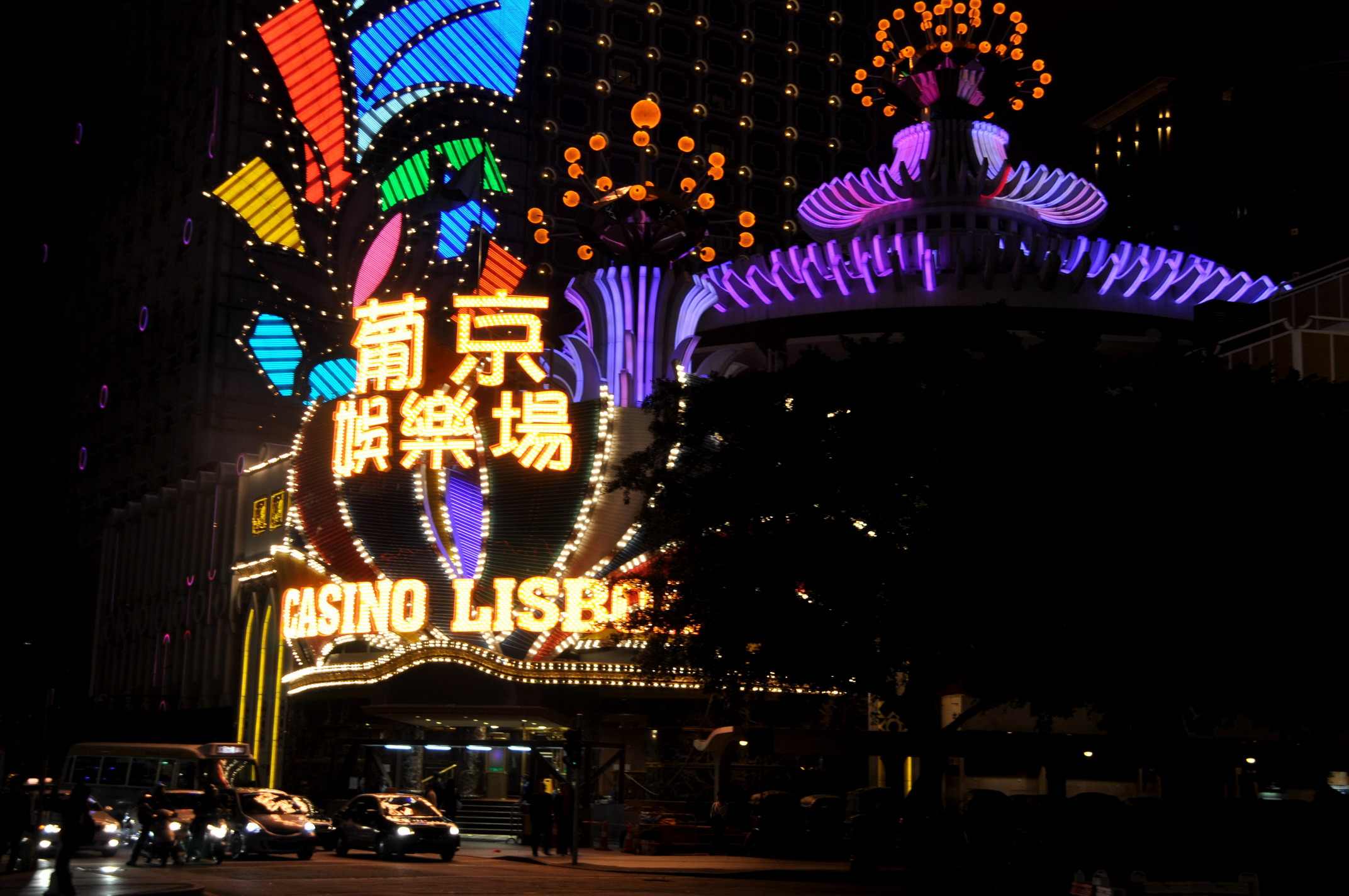
By far the most conspicuous is the casino Lisboa, spread across several buildings. One, in the shape of a flower, is Macau’s tallest building. Another is a flattened sphere, with an exhibition at street level. Admission is free. Everything is made of gold and elephant ivory, on a grand scale. I would guess there is more gold in one golden boulder here than in the whole Tower of London. The casino’s many gaming rooms mingle with bars, restaurants and hotel rooms.
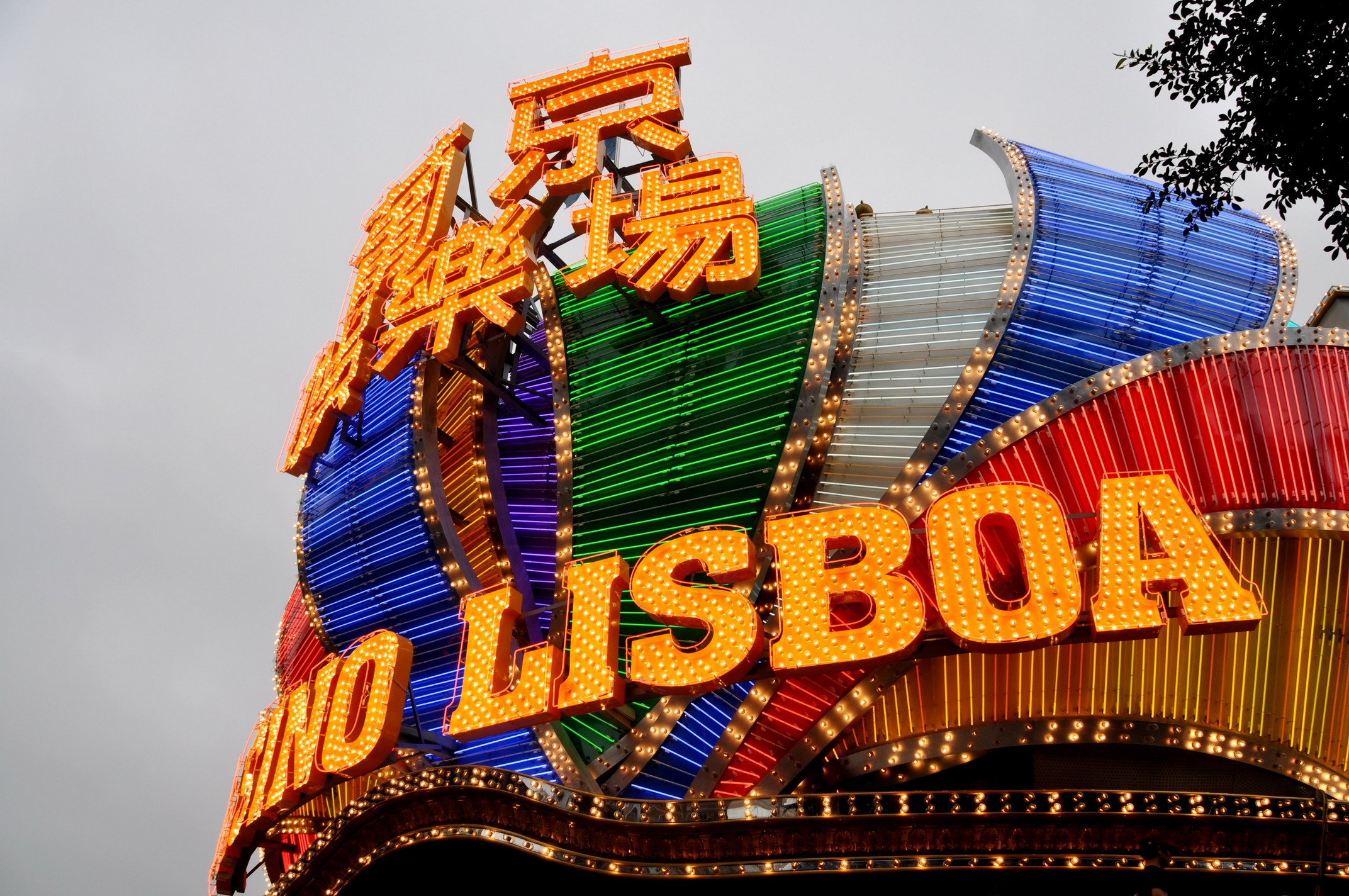
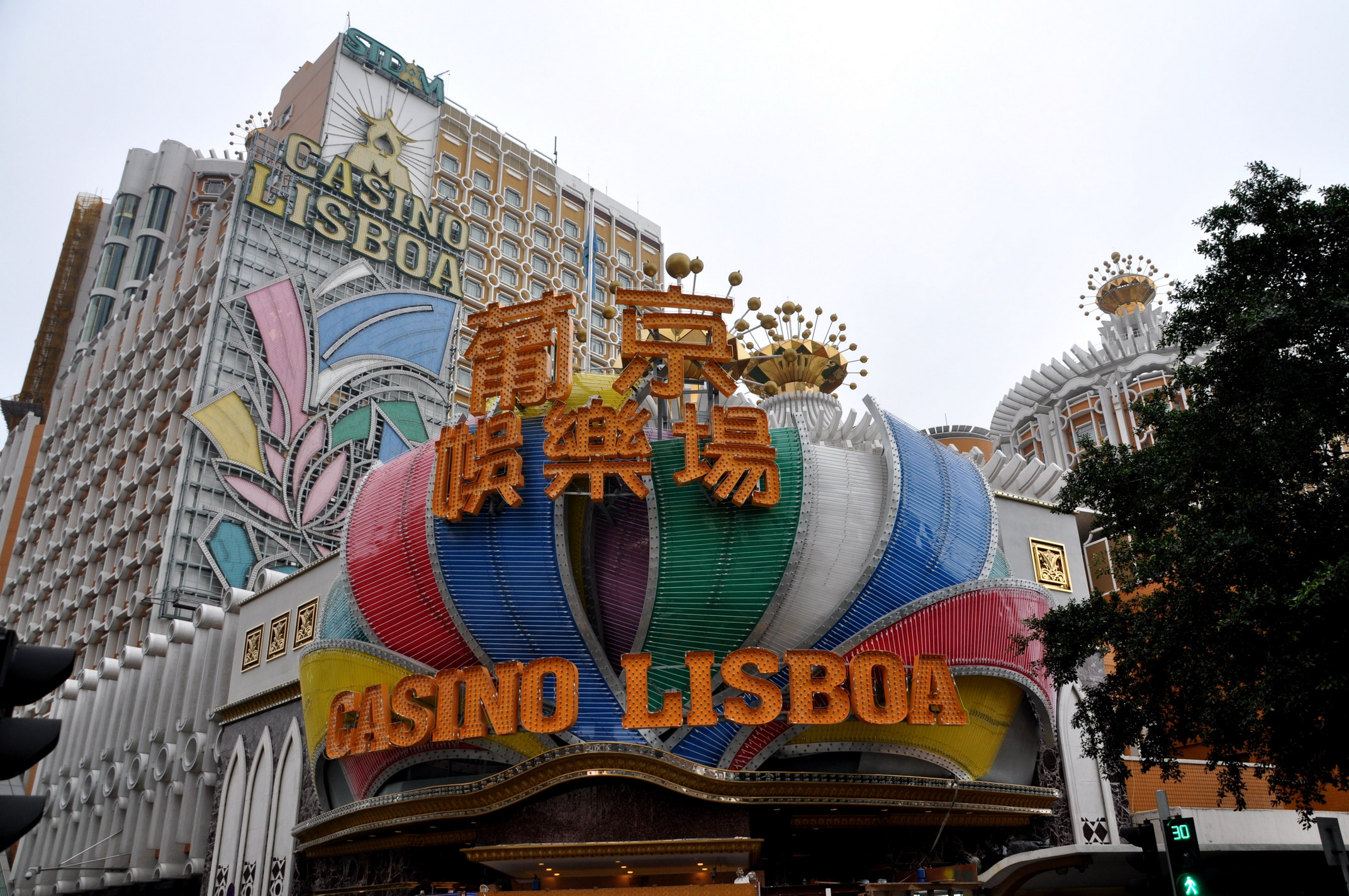
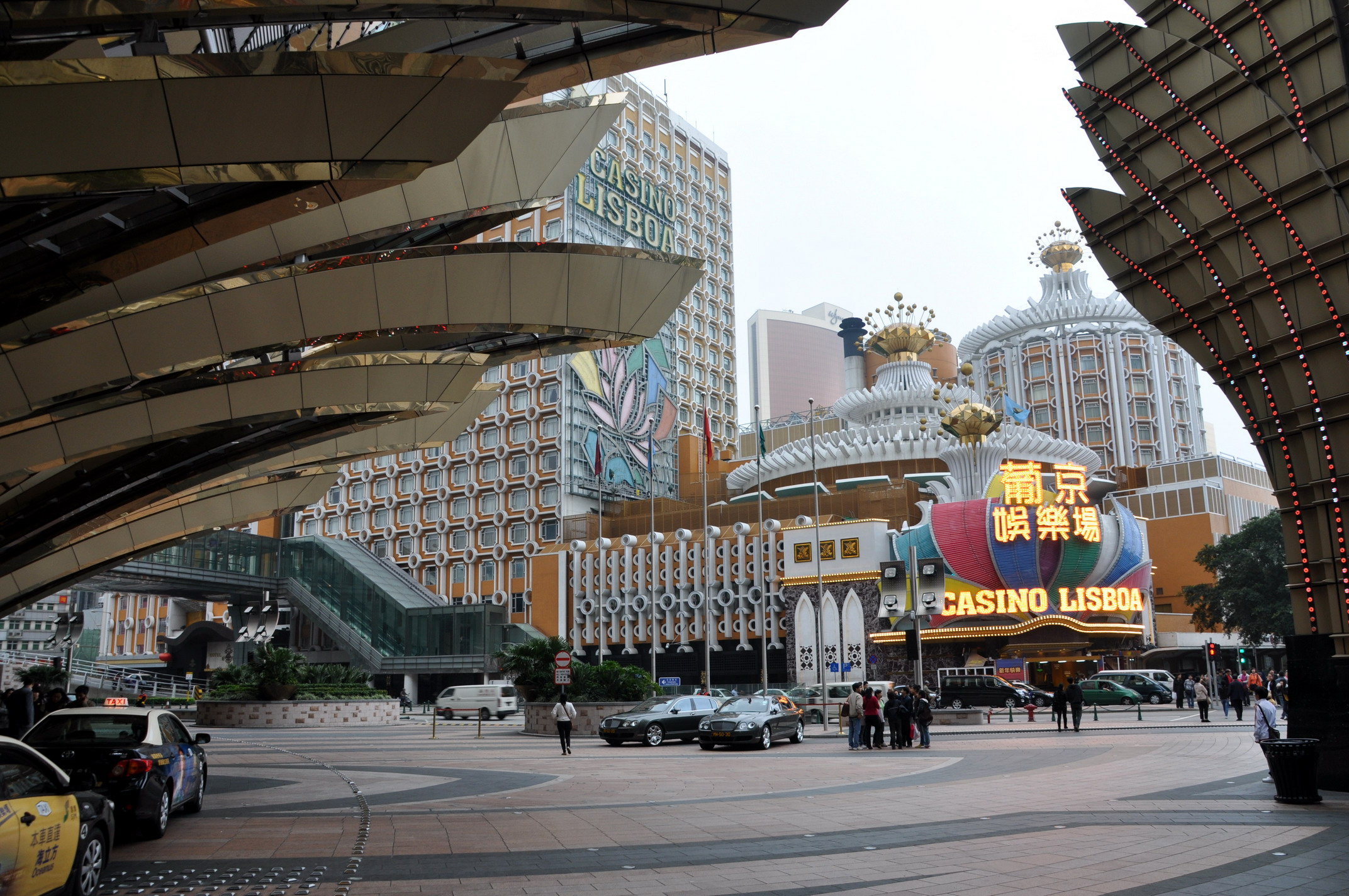
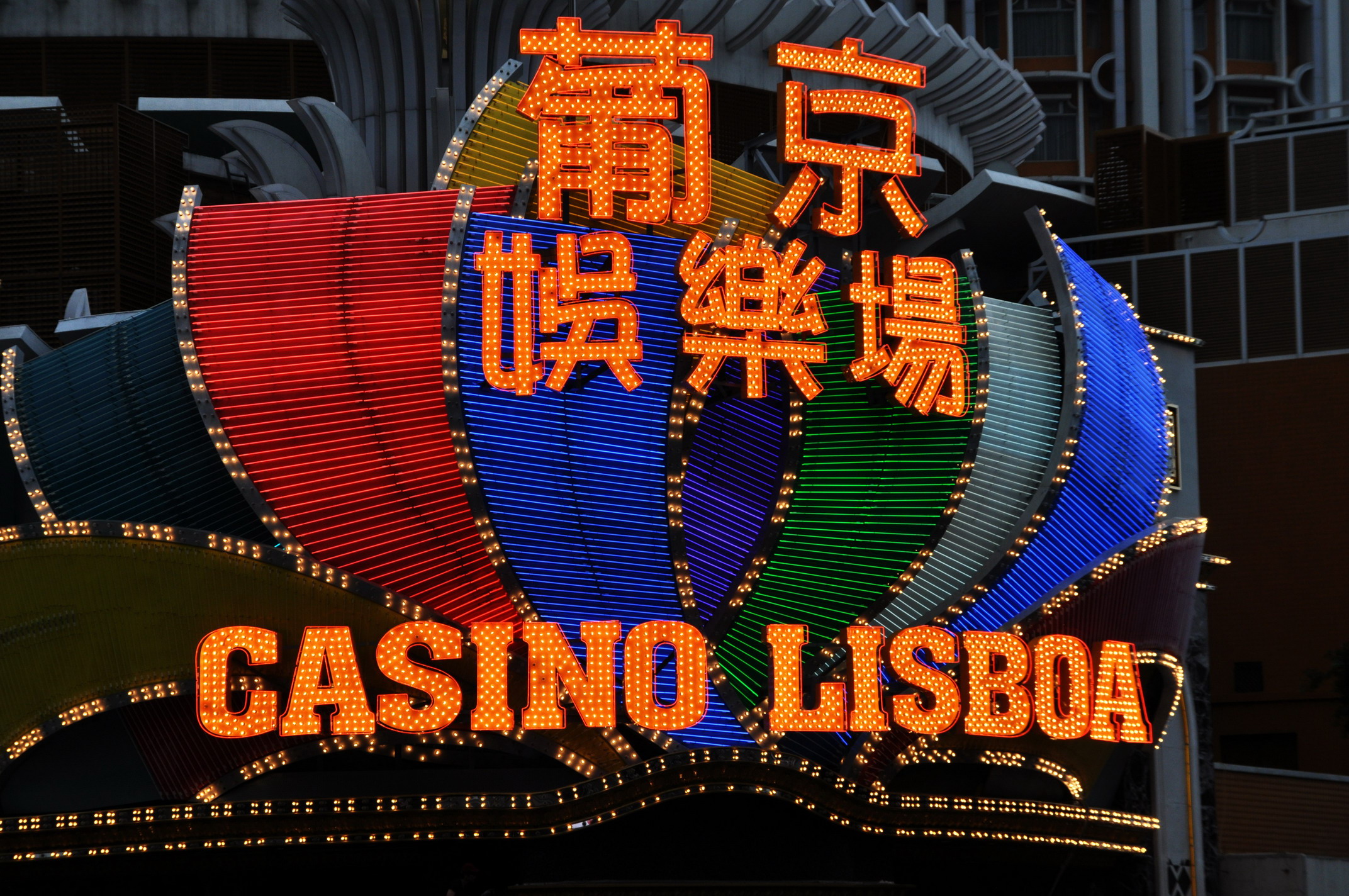
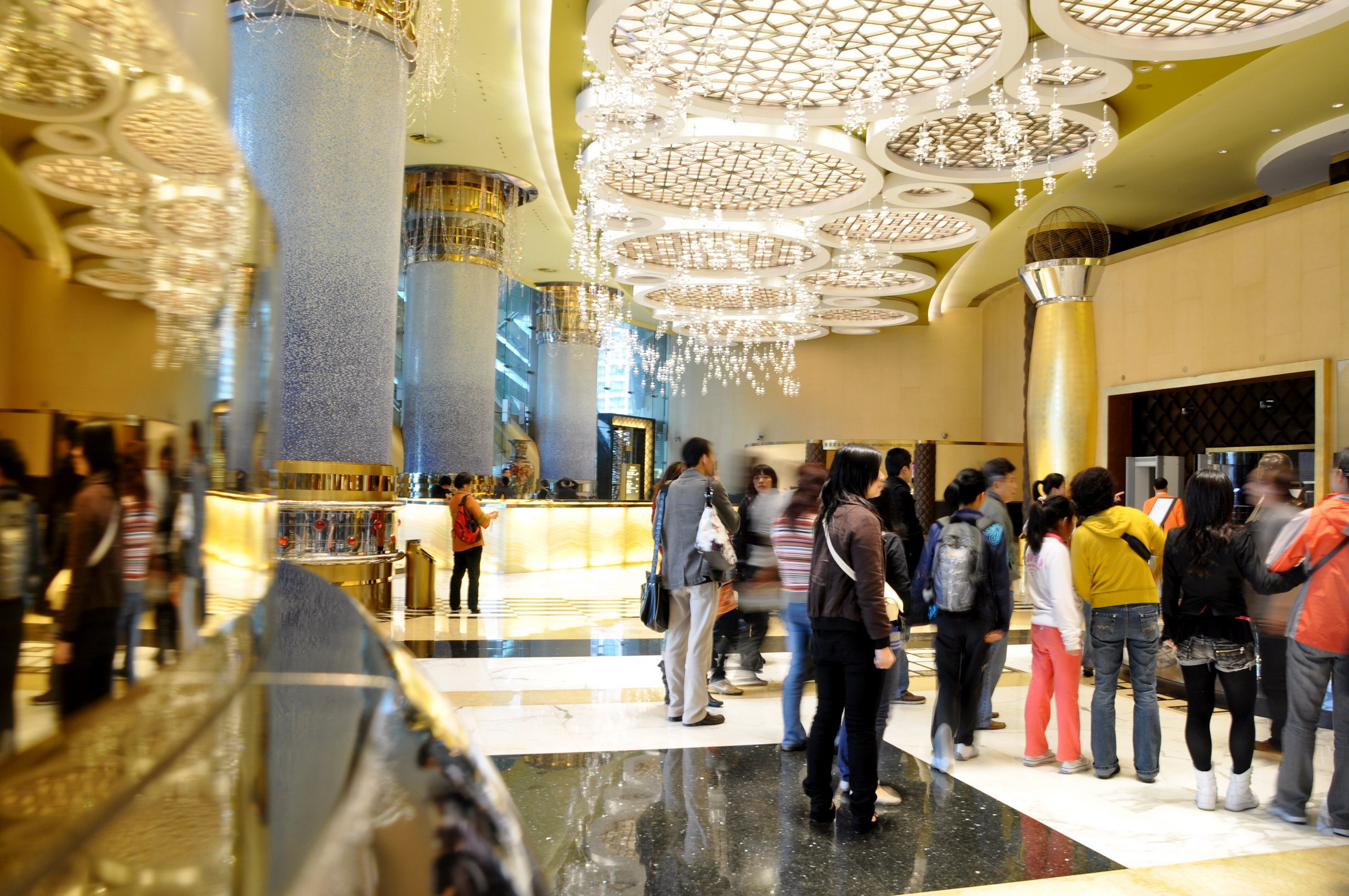
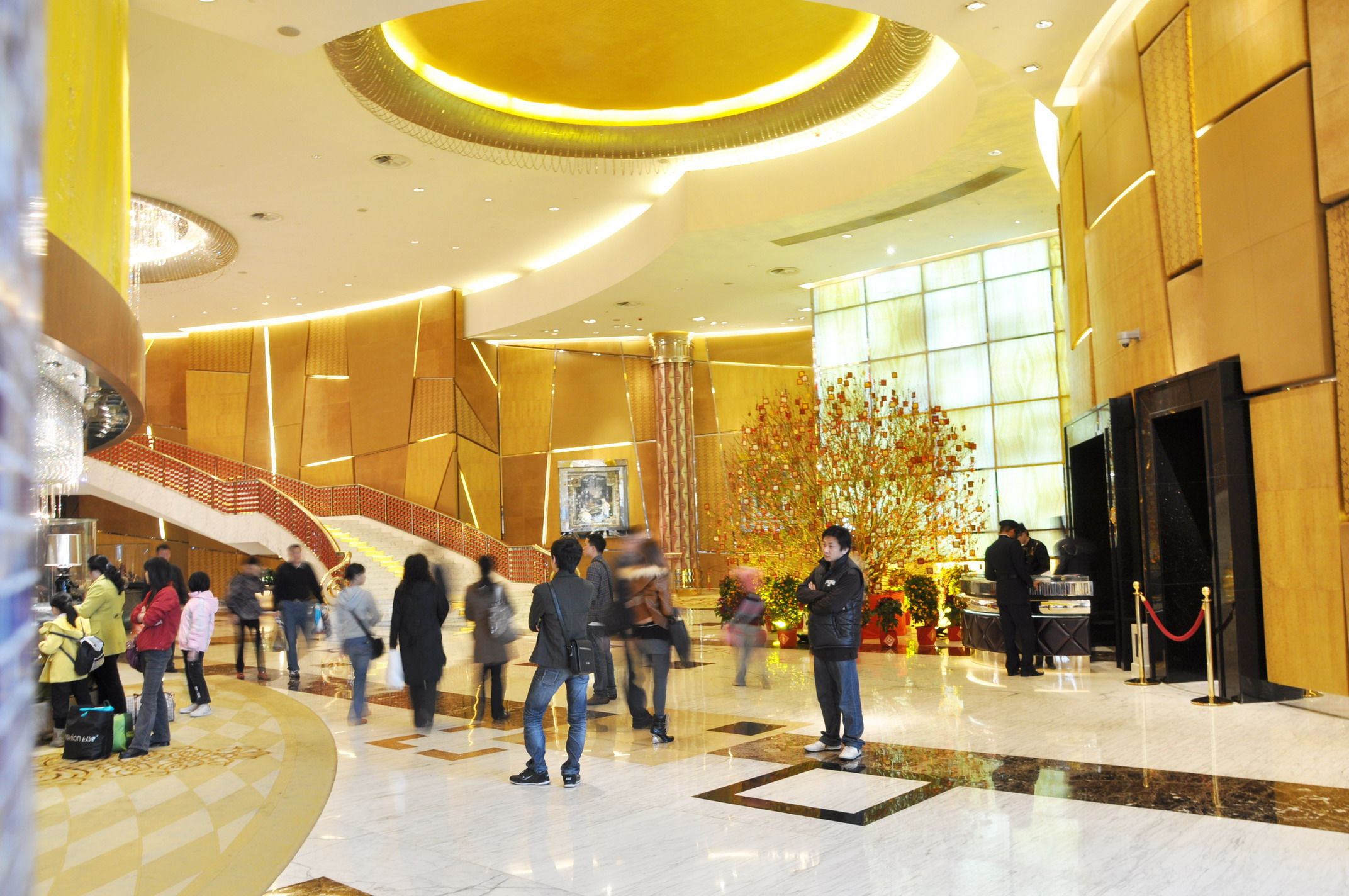
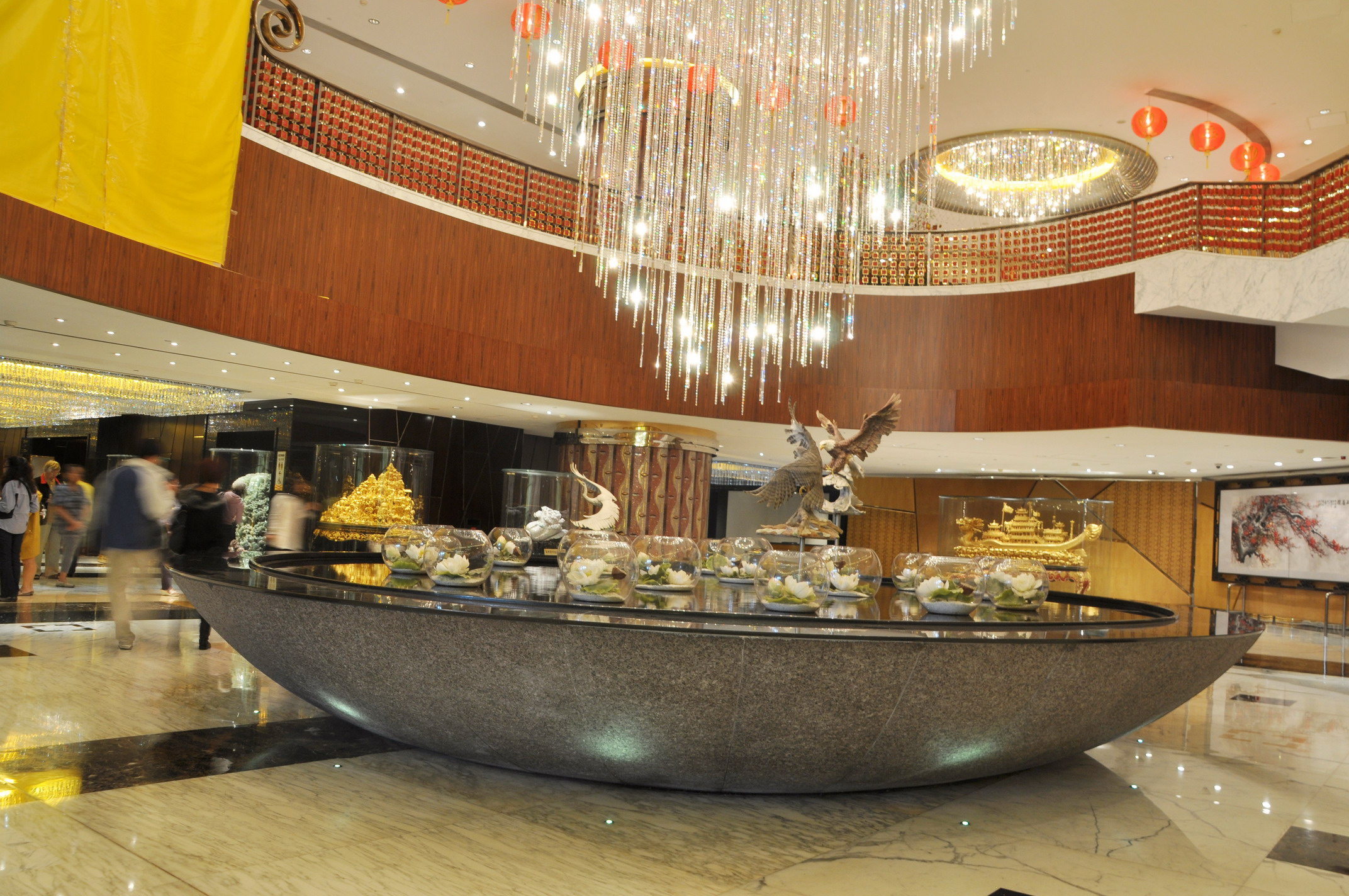
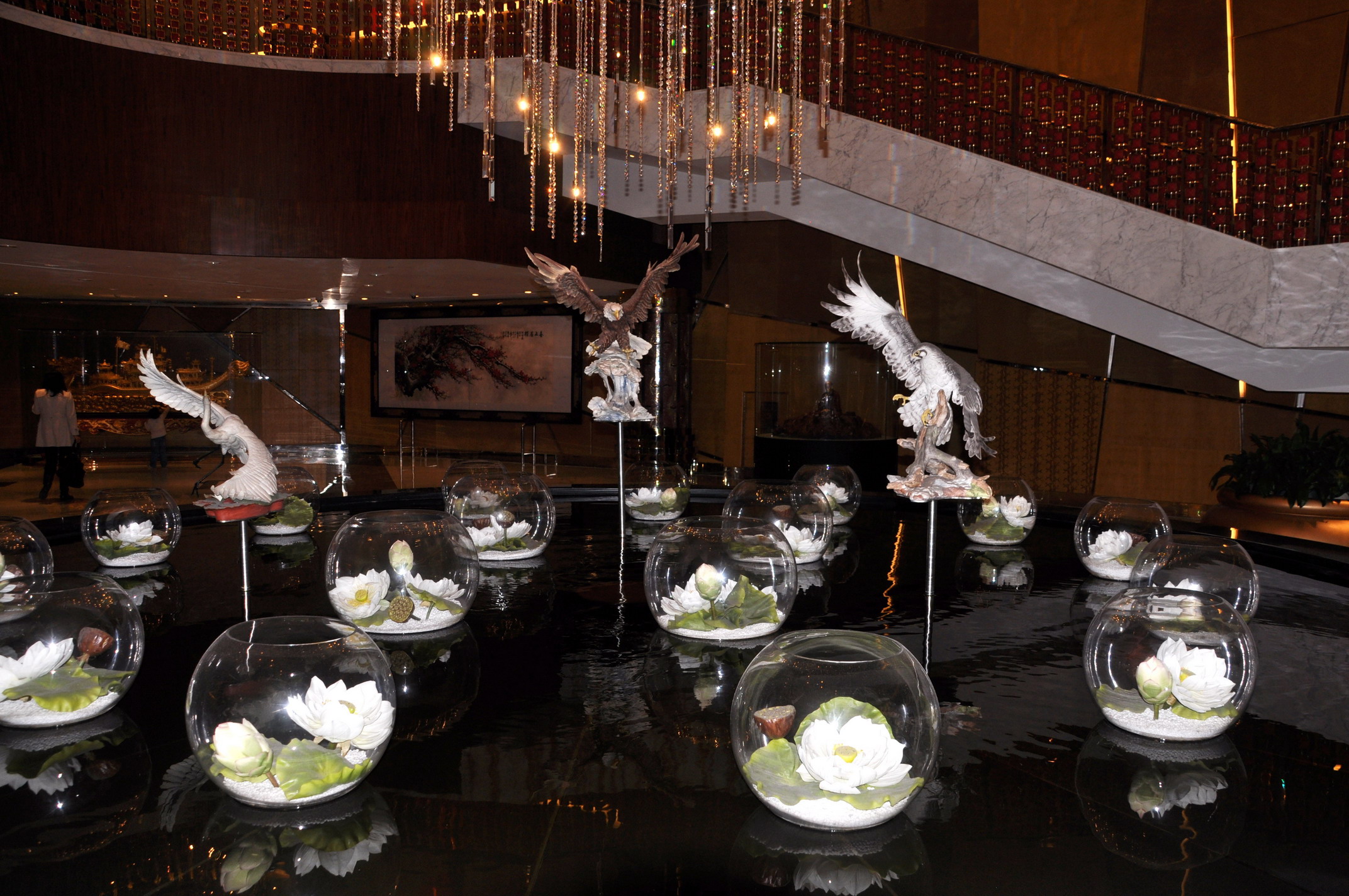
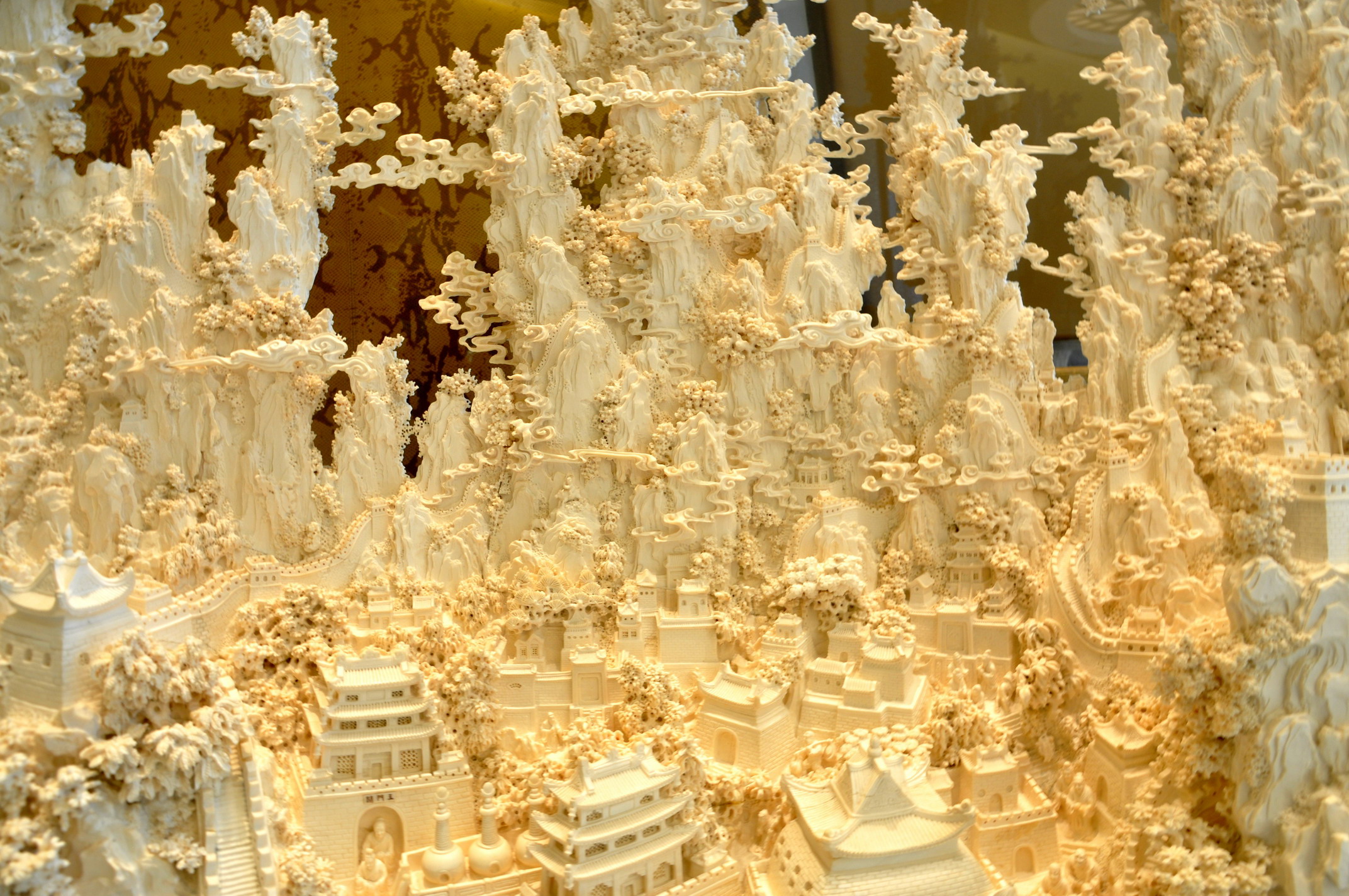
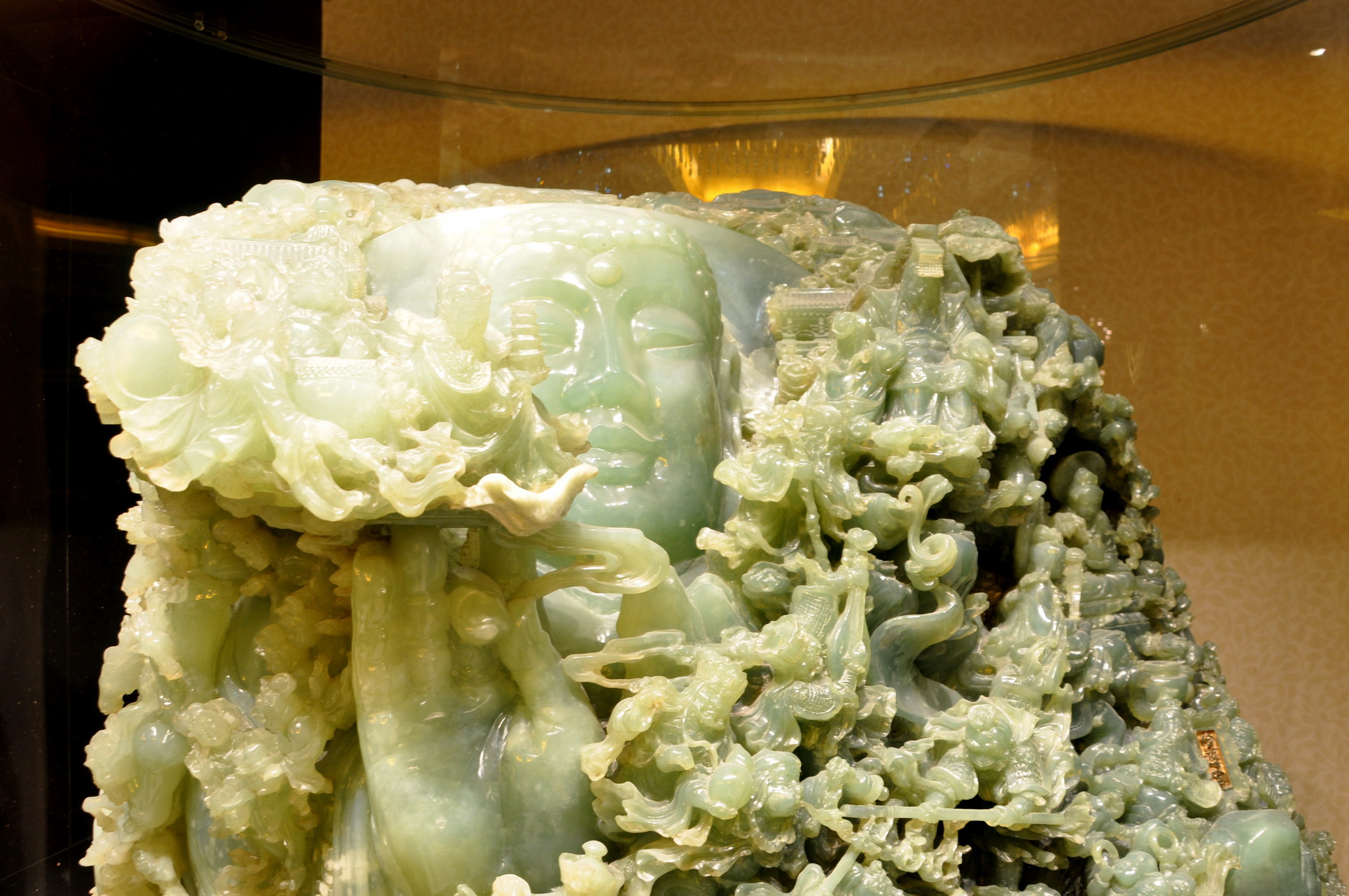
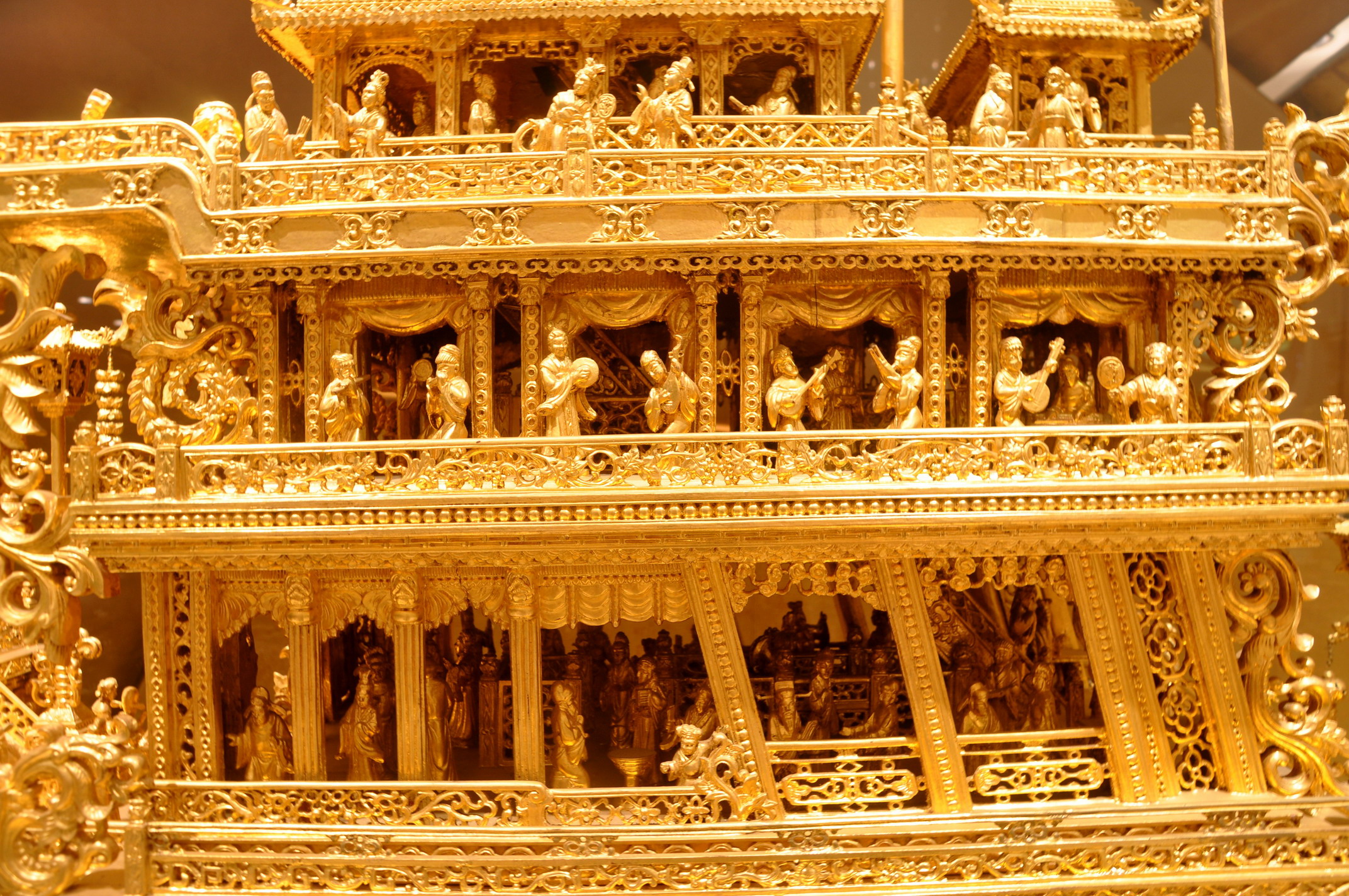
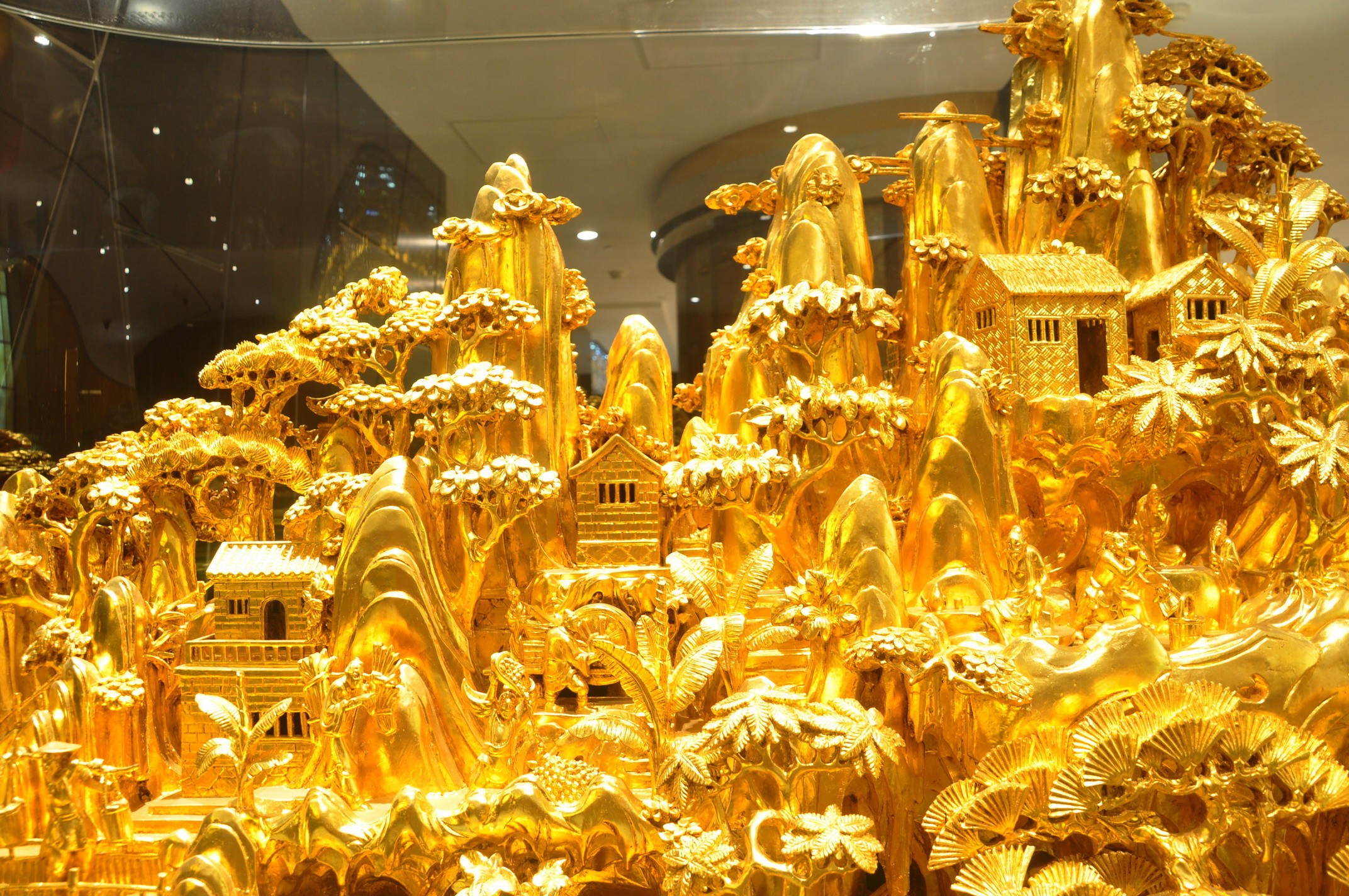
If anything, Galaxy Macau is more luxurious still. There’s a diamond fountain, a crystal grand piano and a pool with artificial waves for surfing. The city is full of fountains. Here and there they throw up clouds of flame, generated by special equipment.
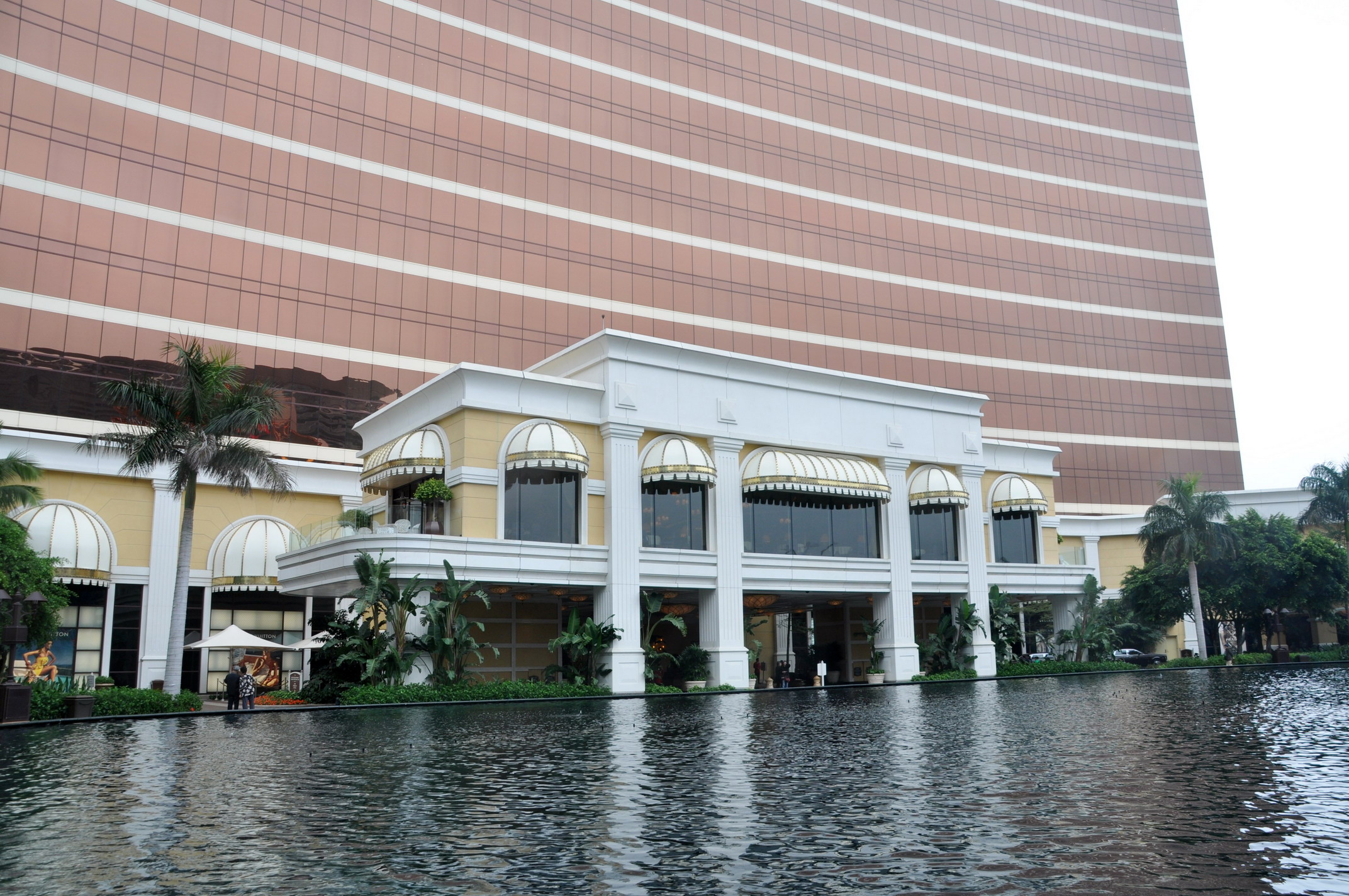
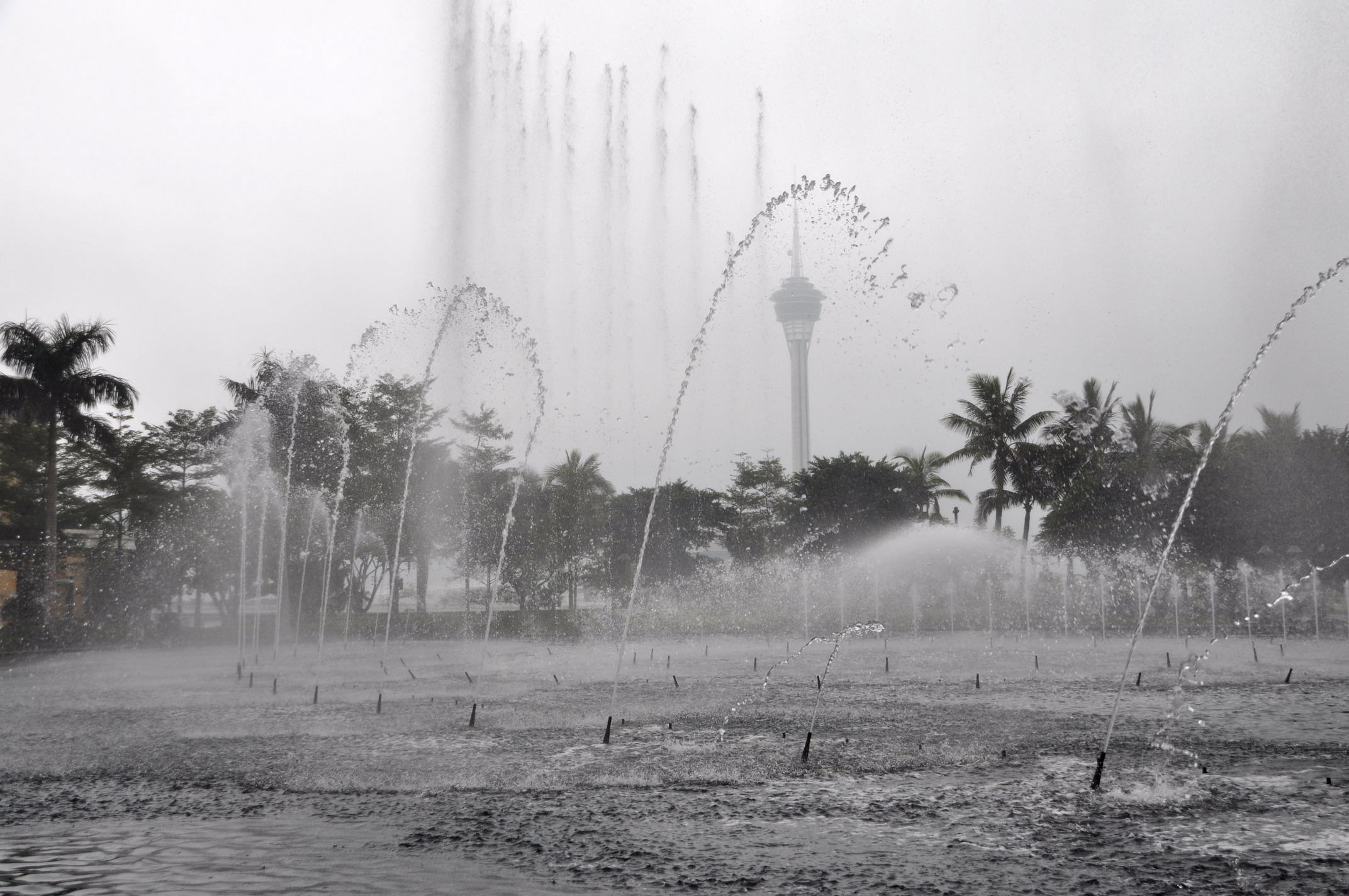
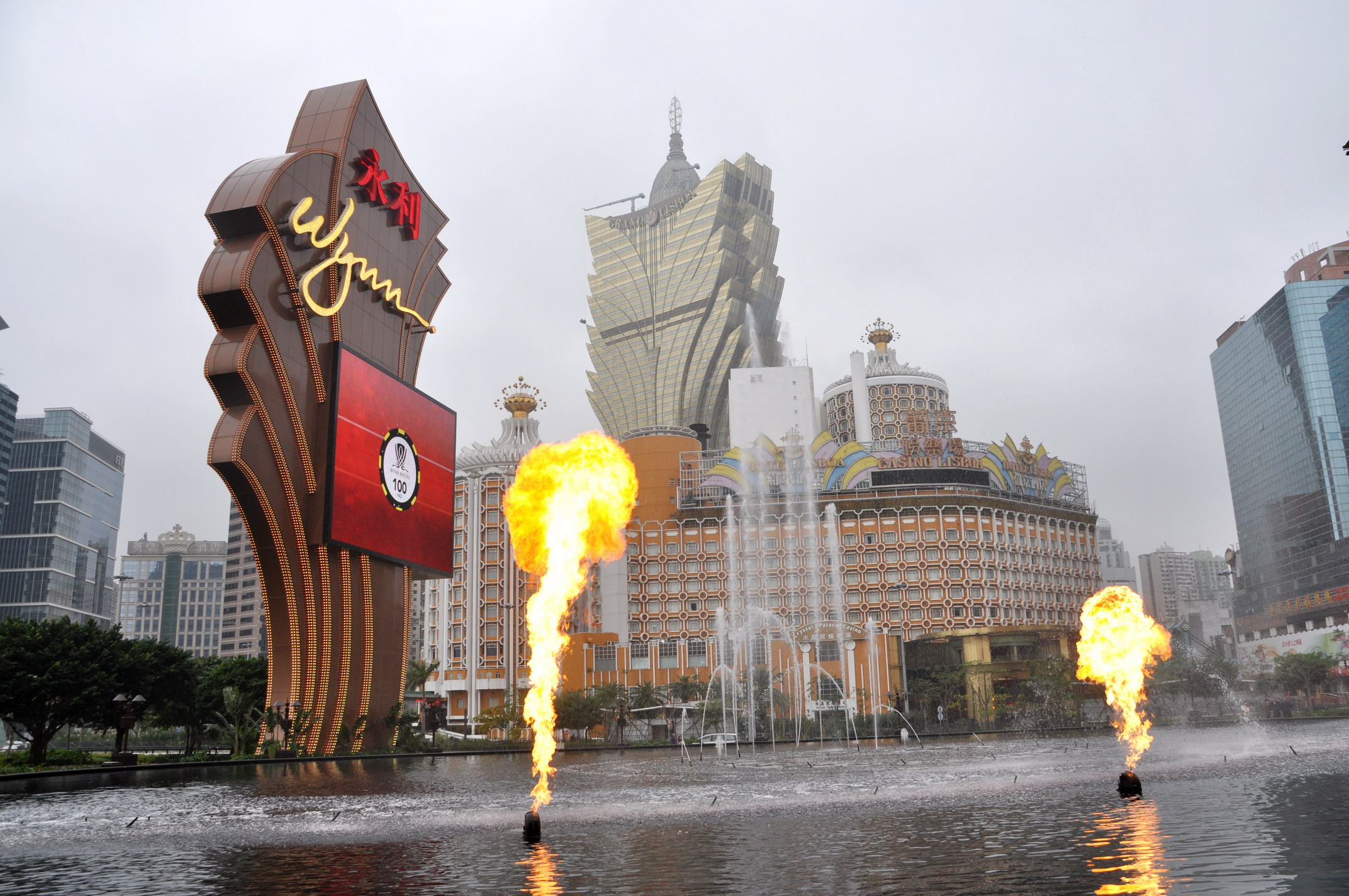
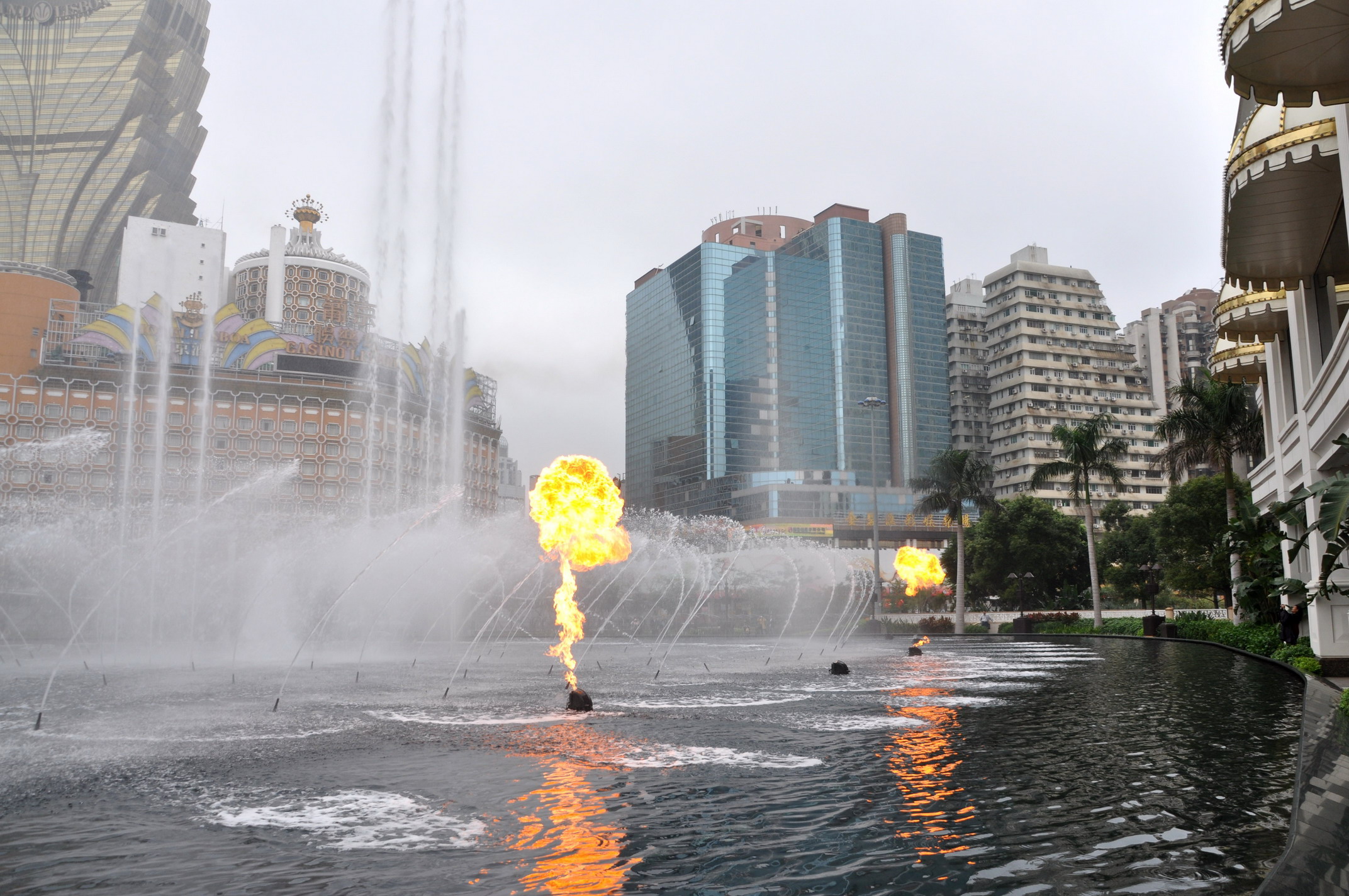
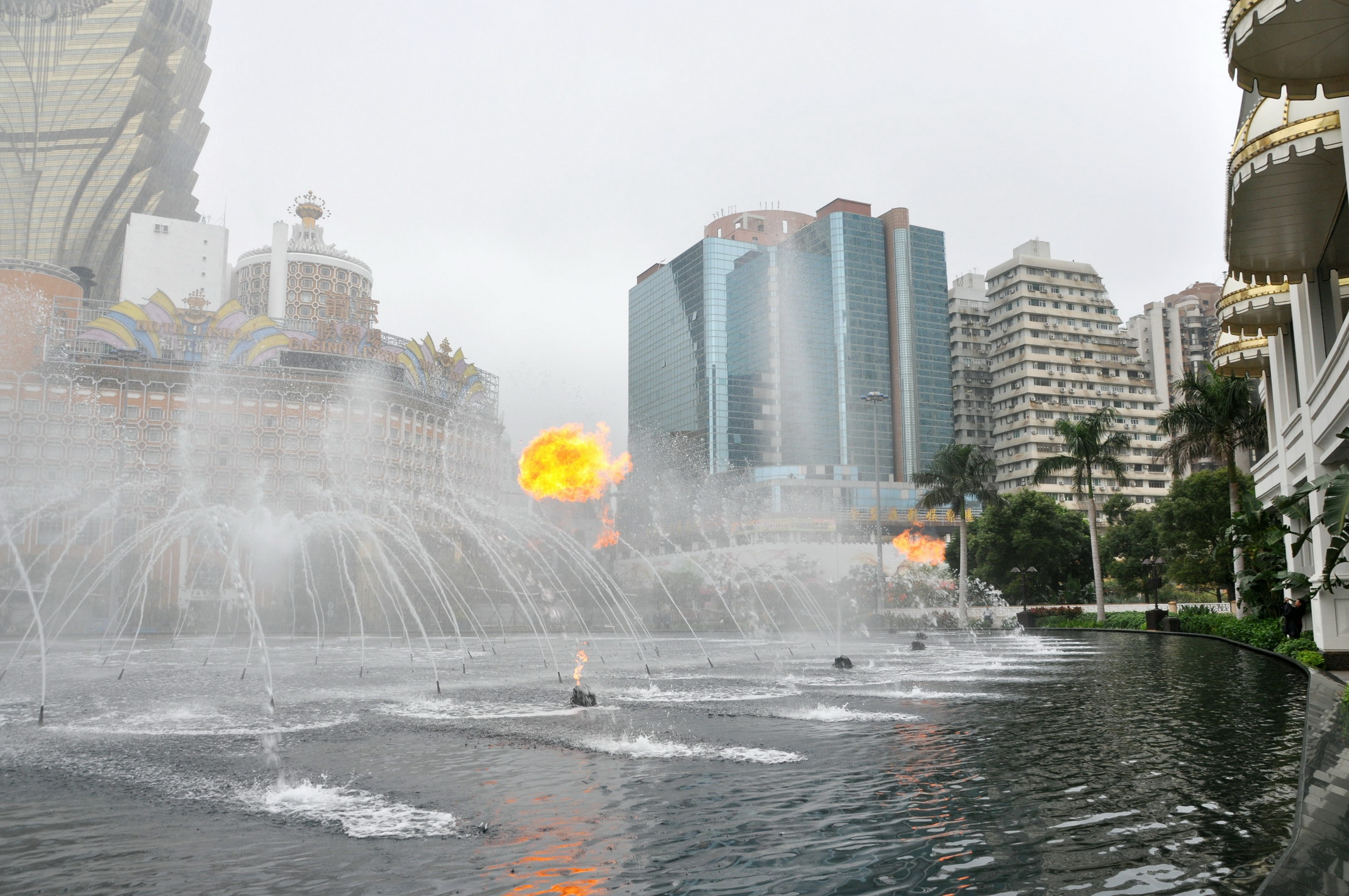
Watching this celebration of life, you realise that plenty of humanity can live without the fashionable beliefs of the left and the greens. The new Chinese businessman owns the world. Leave something on your plate and save yourself a puff of carbon dioxide, and he’ll helpfully finish it and breathe out double.
By the figures I had then, tourism accounted for about forty per cent of the economy and gambling taxes provided almost the entire budget. Macau had neither minerals nor agricultural land to speak of, but it had fish and a banking business.
Macau has its own currency, the pataca, with interesting scalloped coins. You can buy sets as souvenirs. You barely see them in circulation. The pataca is pegged to the Hong Kong dollar at HK$1 to MOP$1.03. Shops were taking both at one to one. You could save three per cent by getting local currency from a cash machine or changing money into patacas. Shops in Hong Kong didn’t take them.
The figures I had put Macau at just 27 square kilometres and 580,000 people, or about 20,000 people per square kilometre, nearly a hundred times the density on the mainland. The streets still didn’t strike me as unbearably crowded. Spread everybody out at that density across the whole earth and we’d have three trillion people.
The city has lots of excellent little cafés. Cantonese is my favourite cuisine. The language is Cantonese too, though it makes little difference to me, as I can’t understand either variety. The Cantonese people here looked markedly different to me from the people I’d seen in northern China. There are Portuguese cafés as well. One Macau speciality is the Portuguese egg tart, a little puff pastry case with an egg custard centre.
Portuguese remains an official language. Having both languages on signs and directions makes getting around much easier. Outside the signs I barely encountered the language. The figures I had suggested only about 0.6 per cent used Portuguese in daily life and about 0.3 per cent identified as ethnically Portuguese.
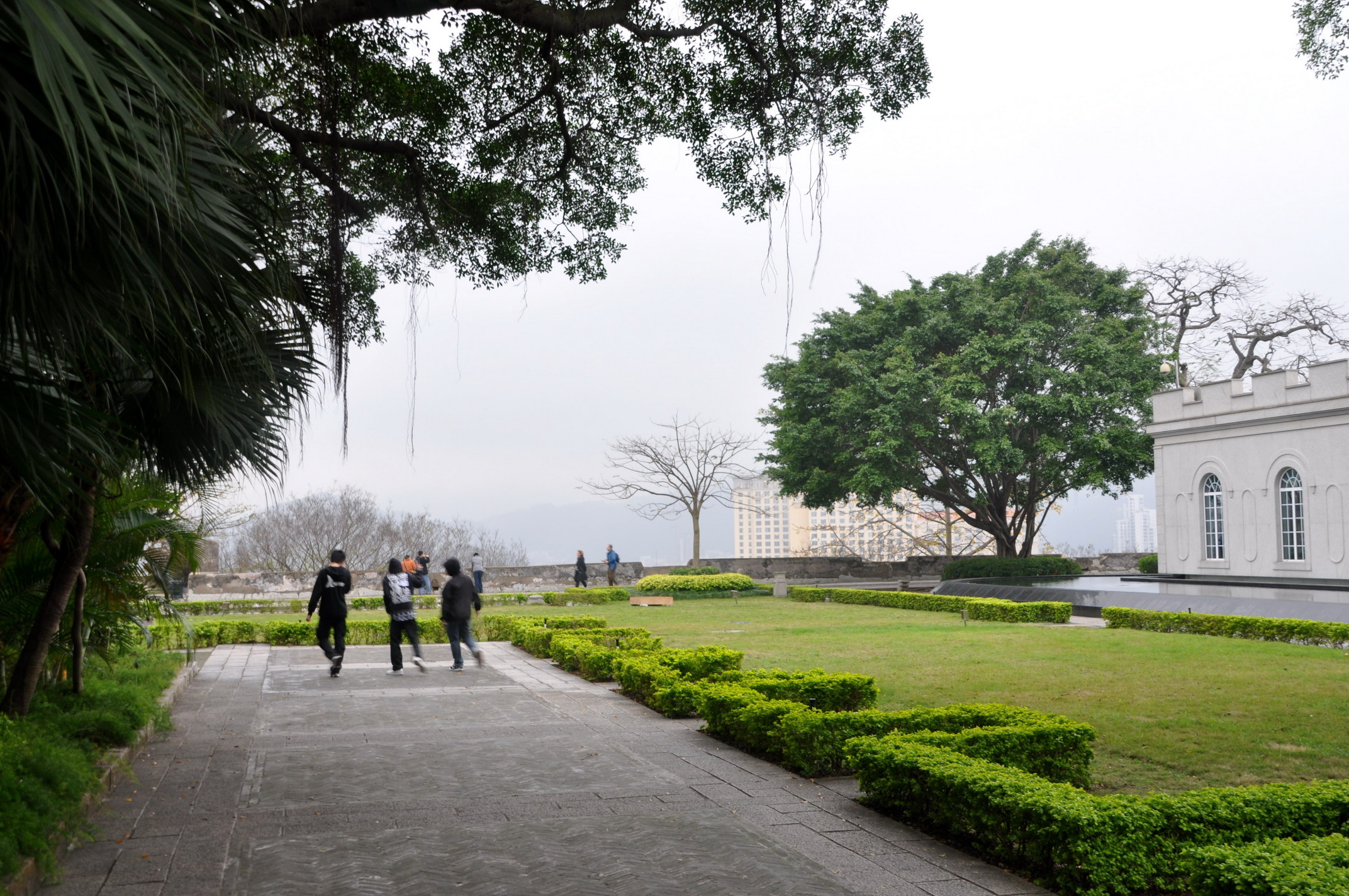
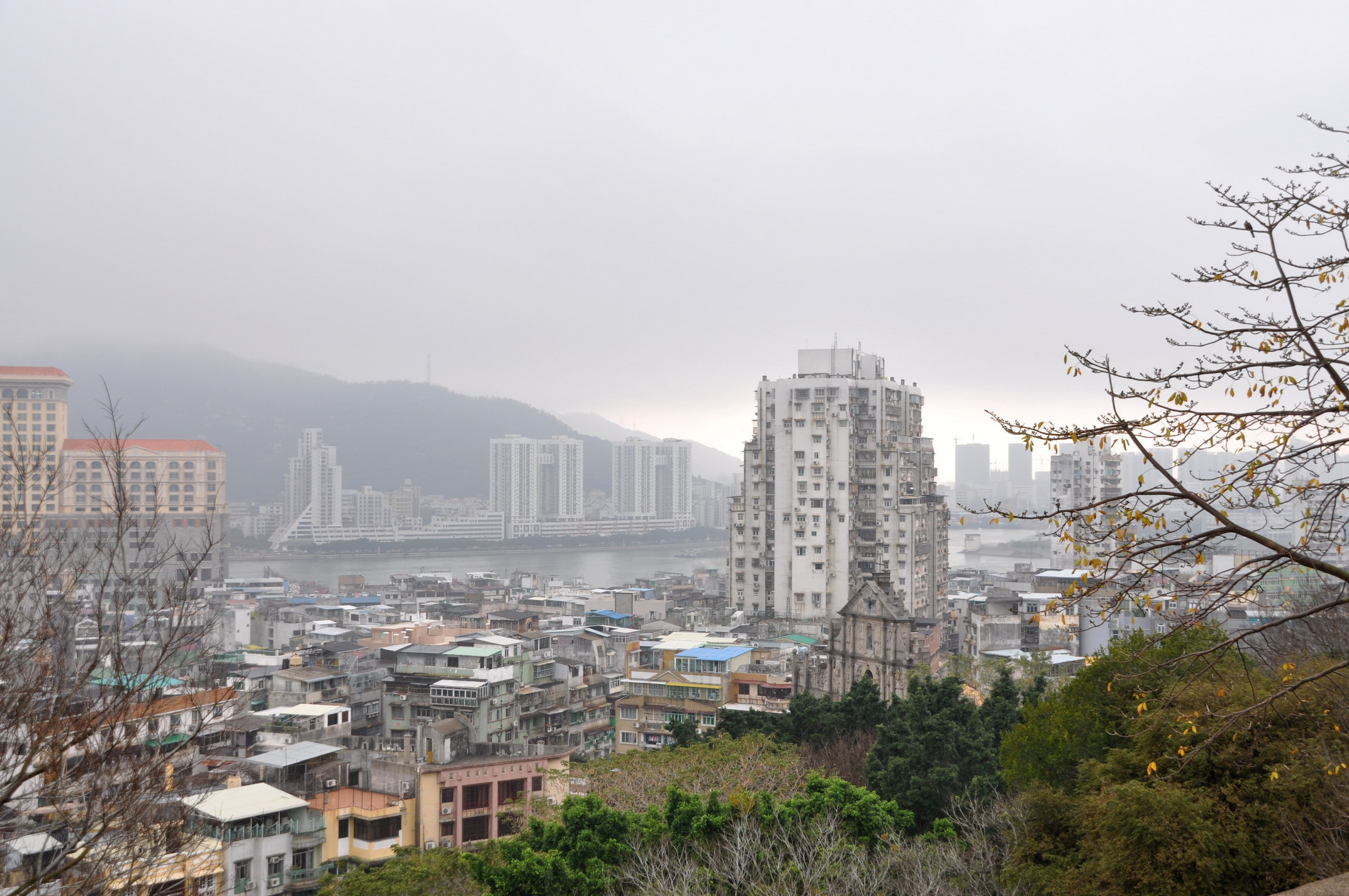
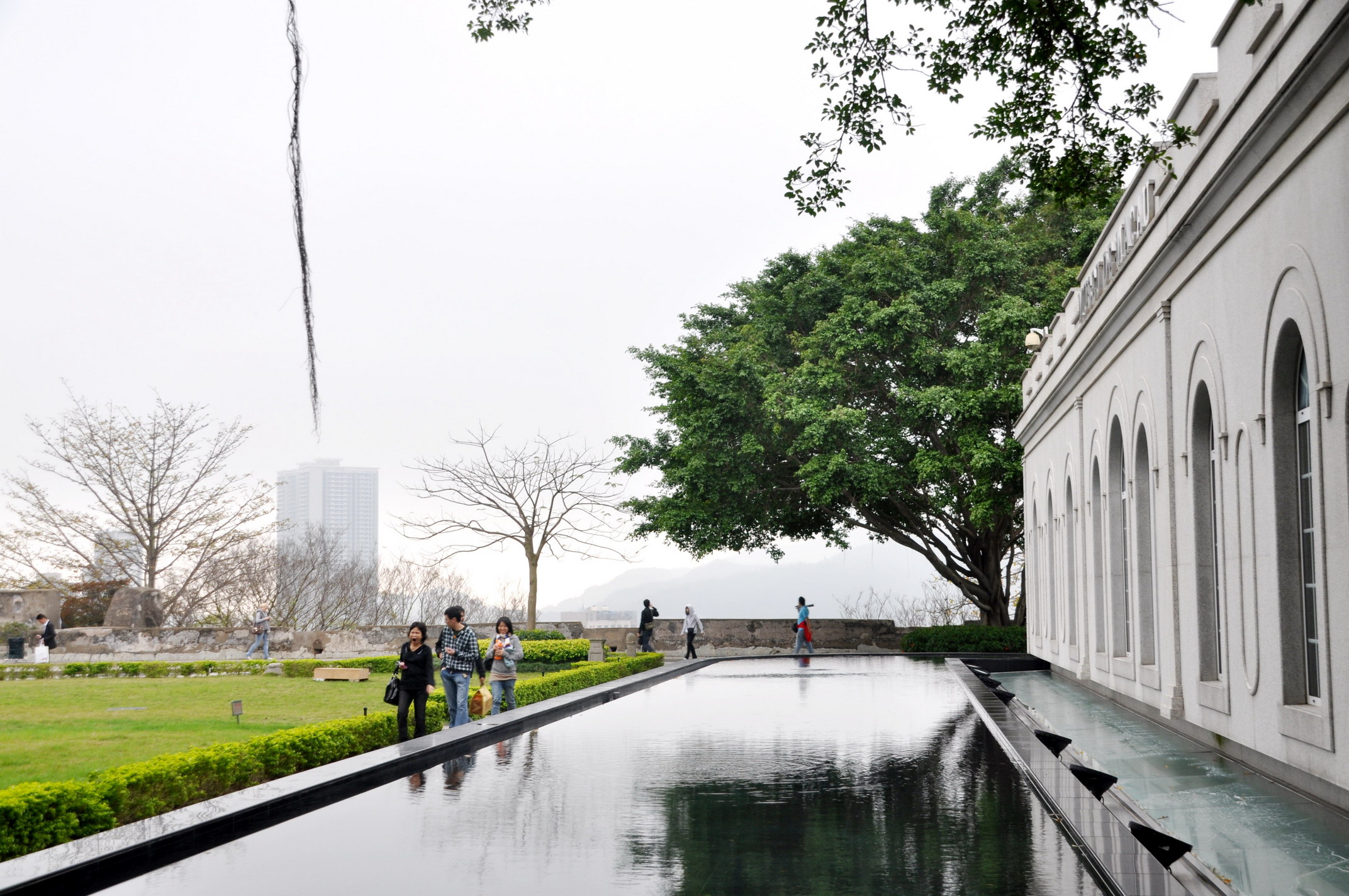
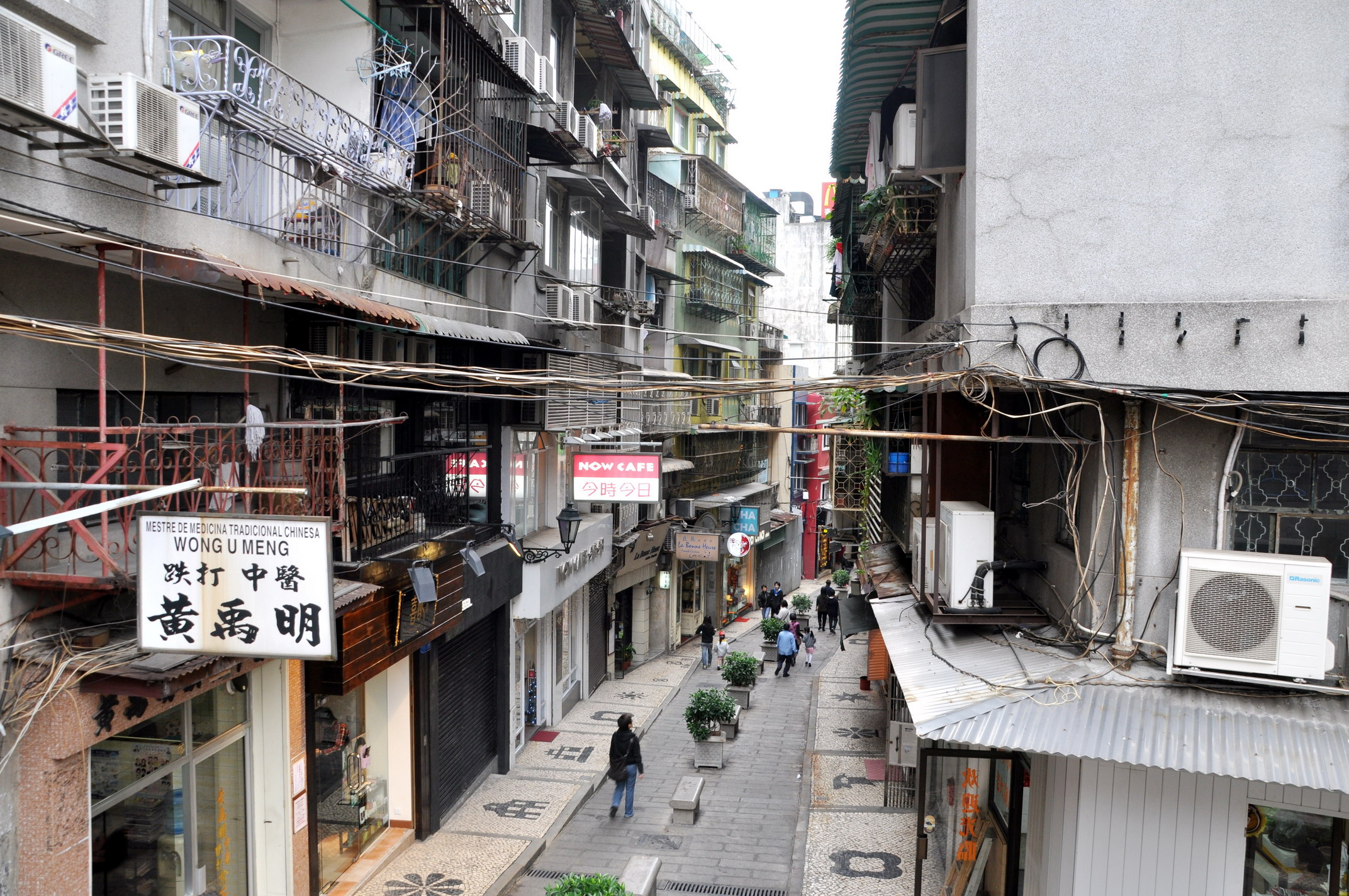
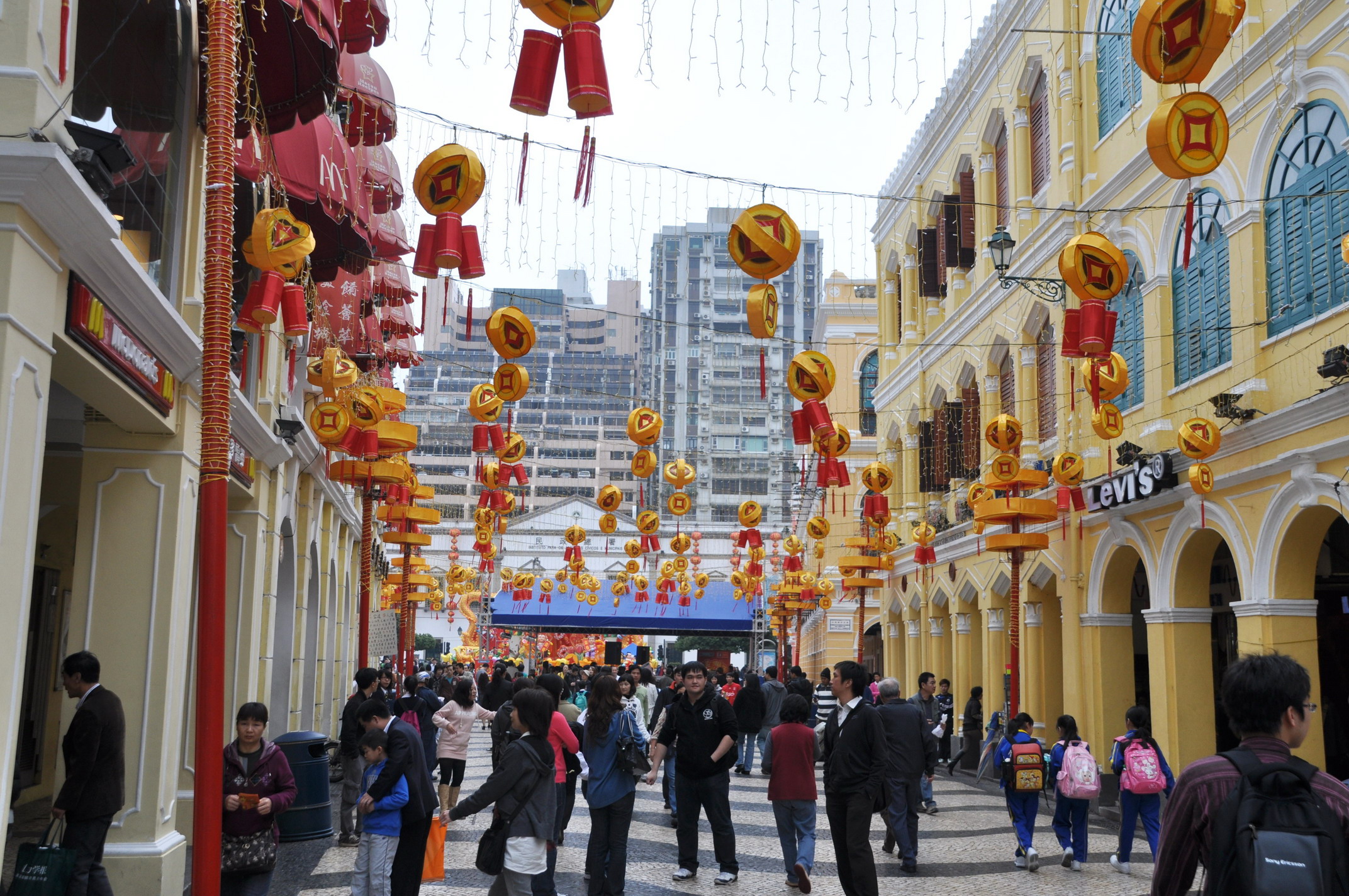
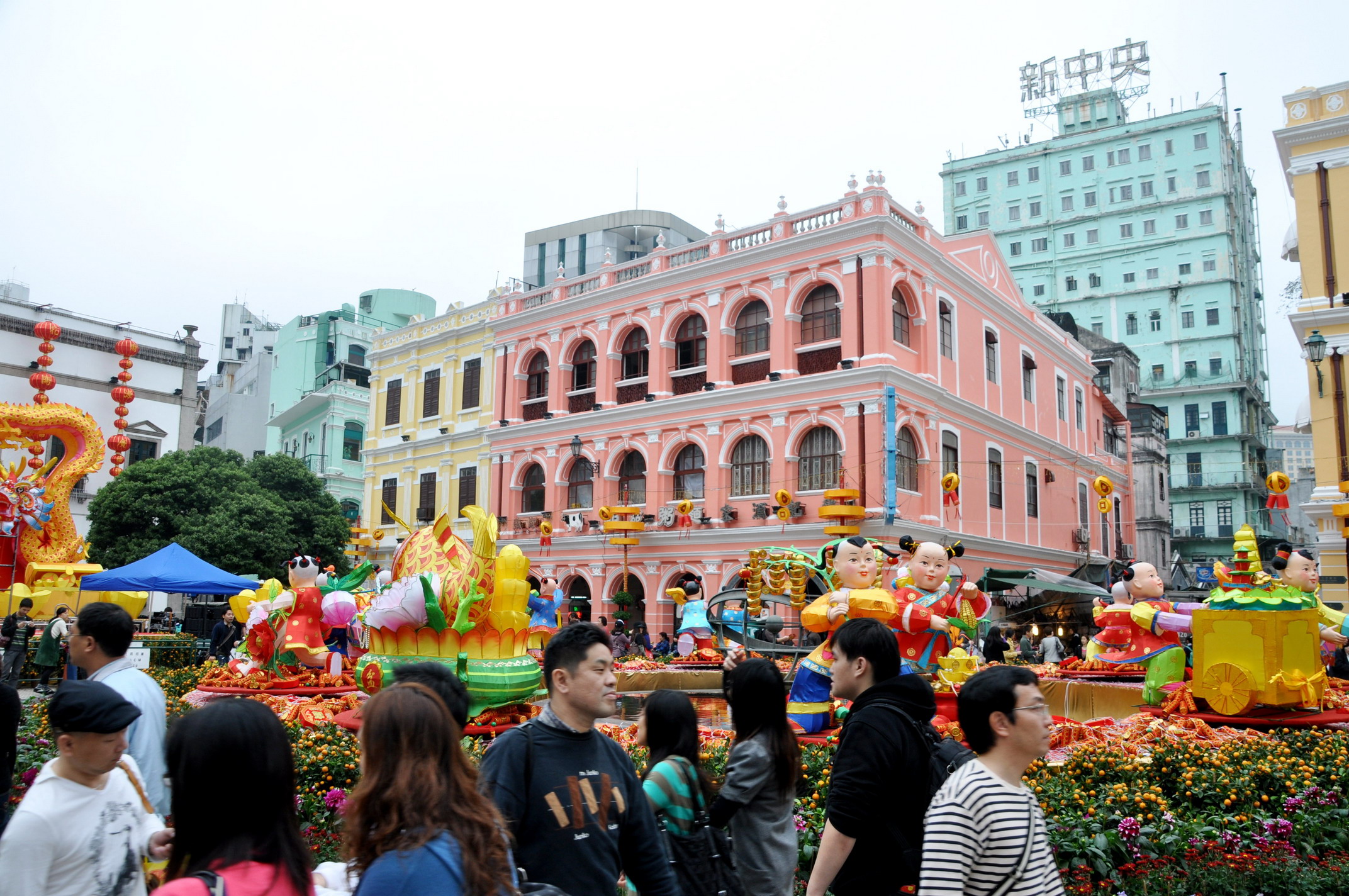
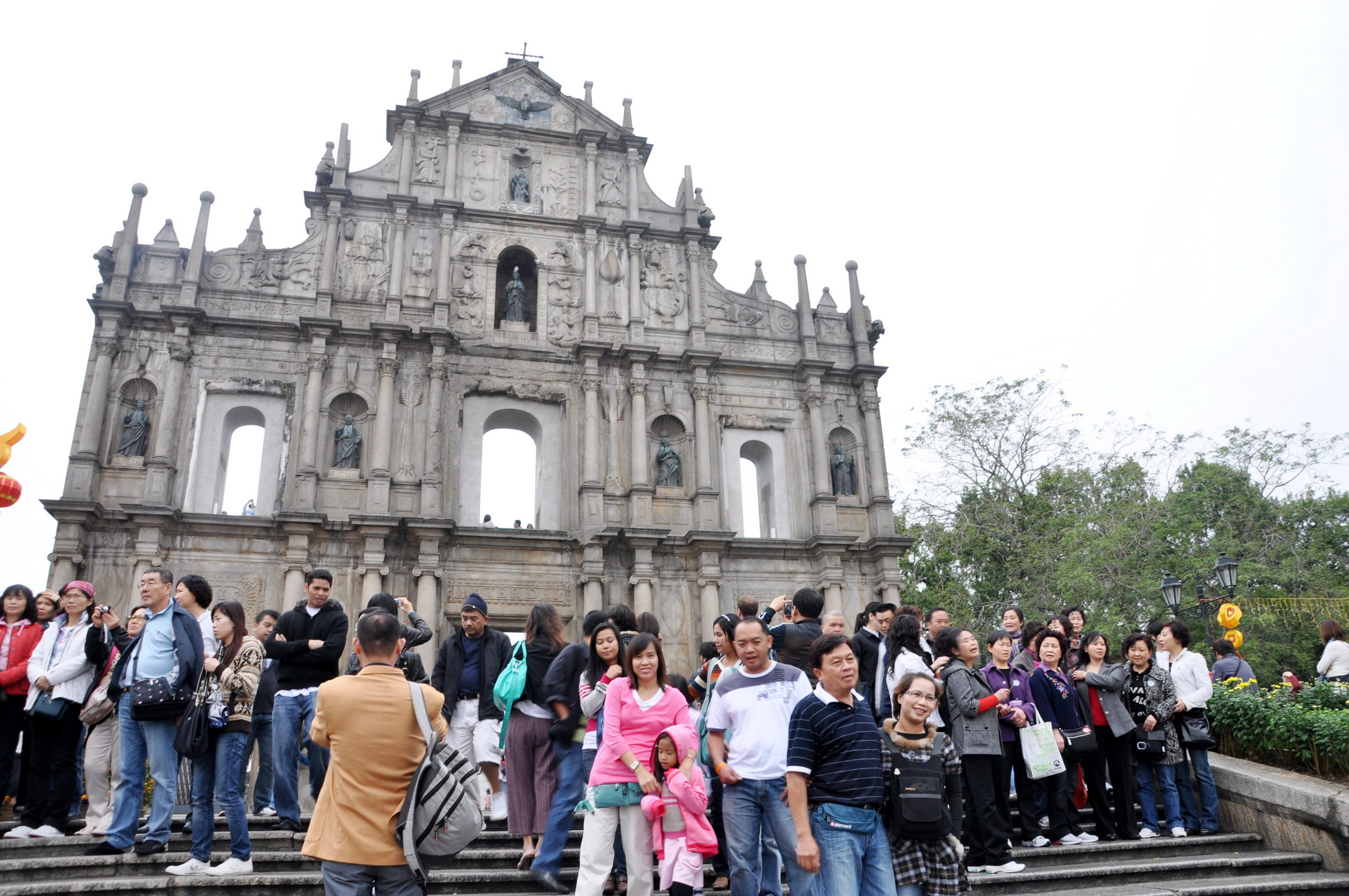
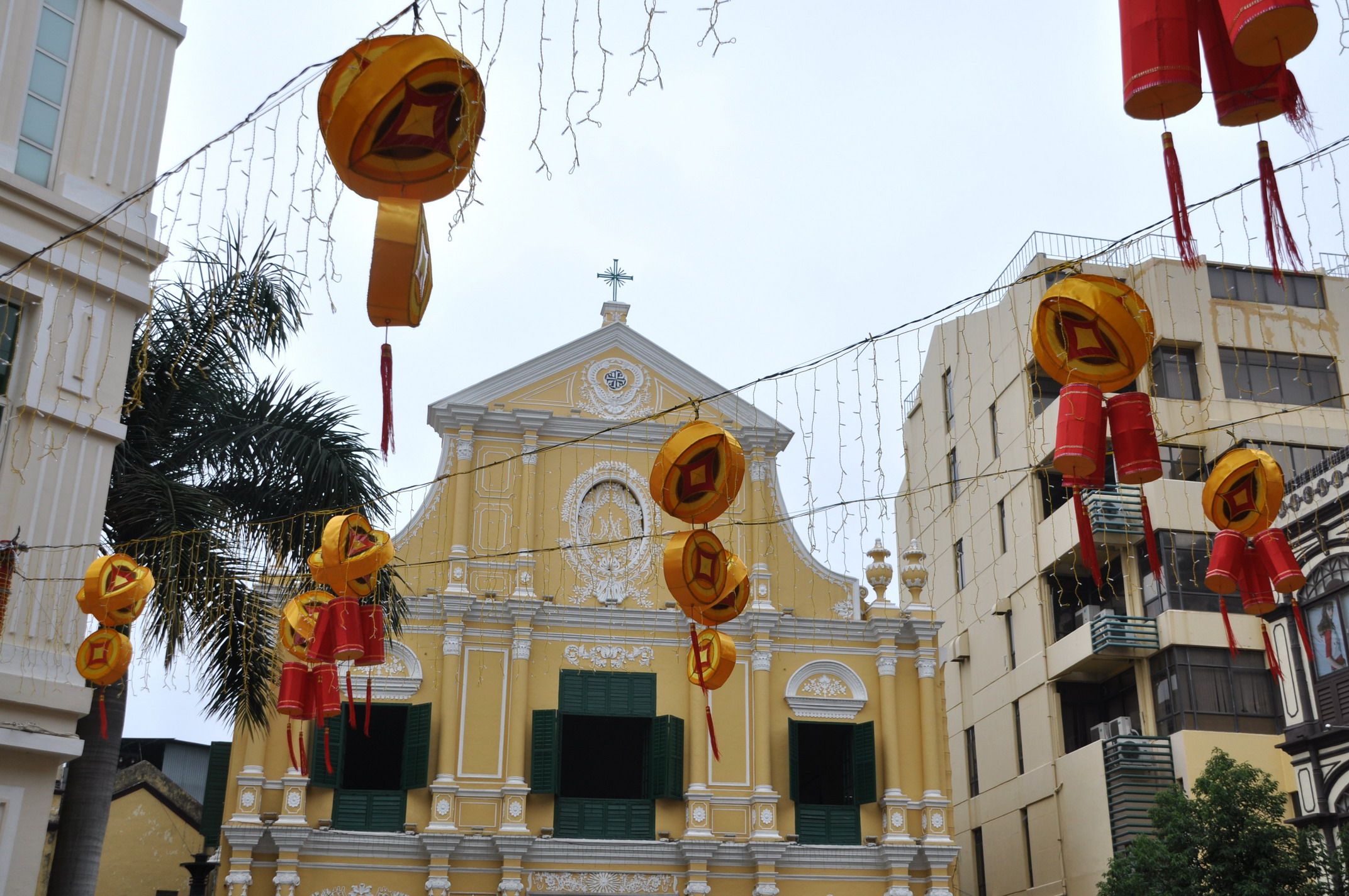
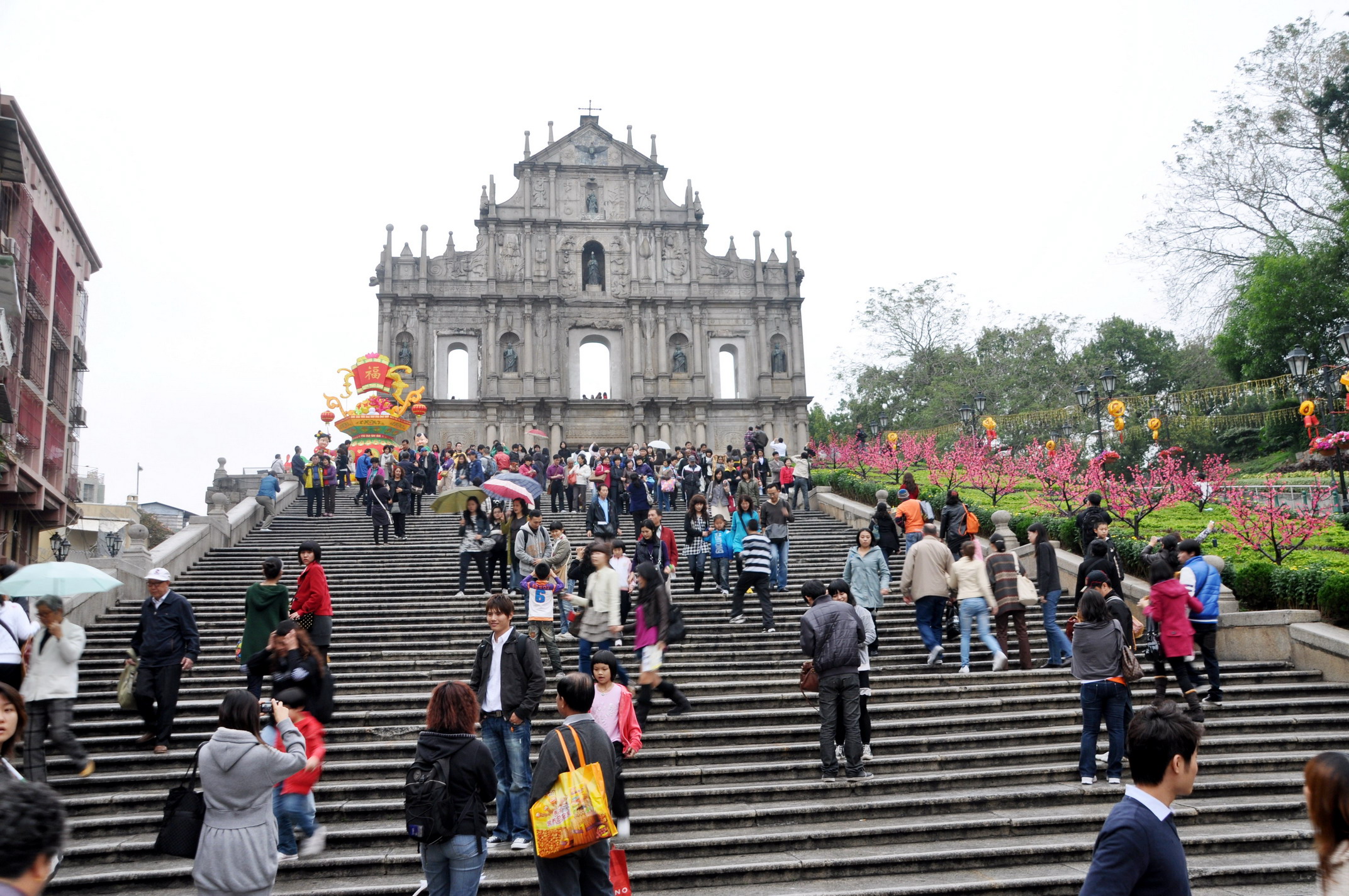
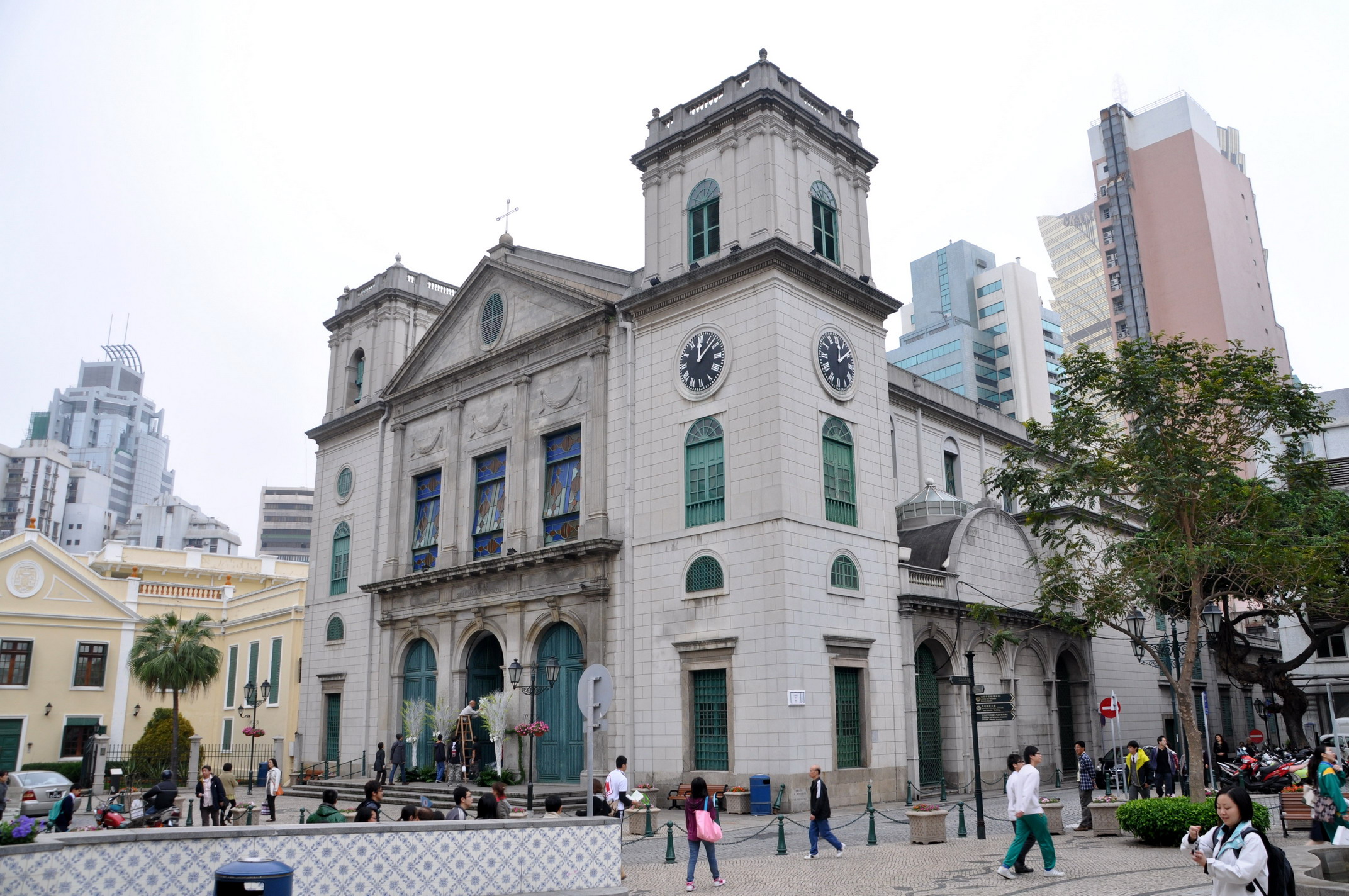
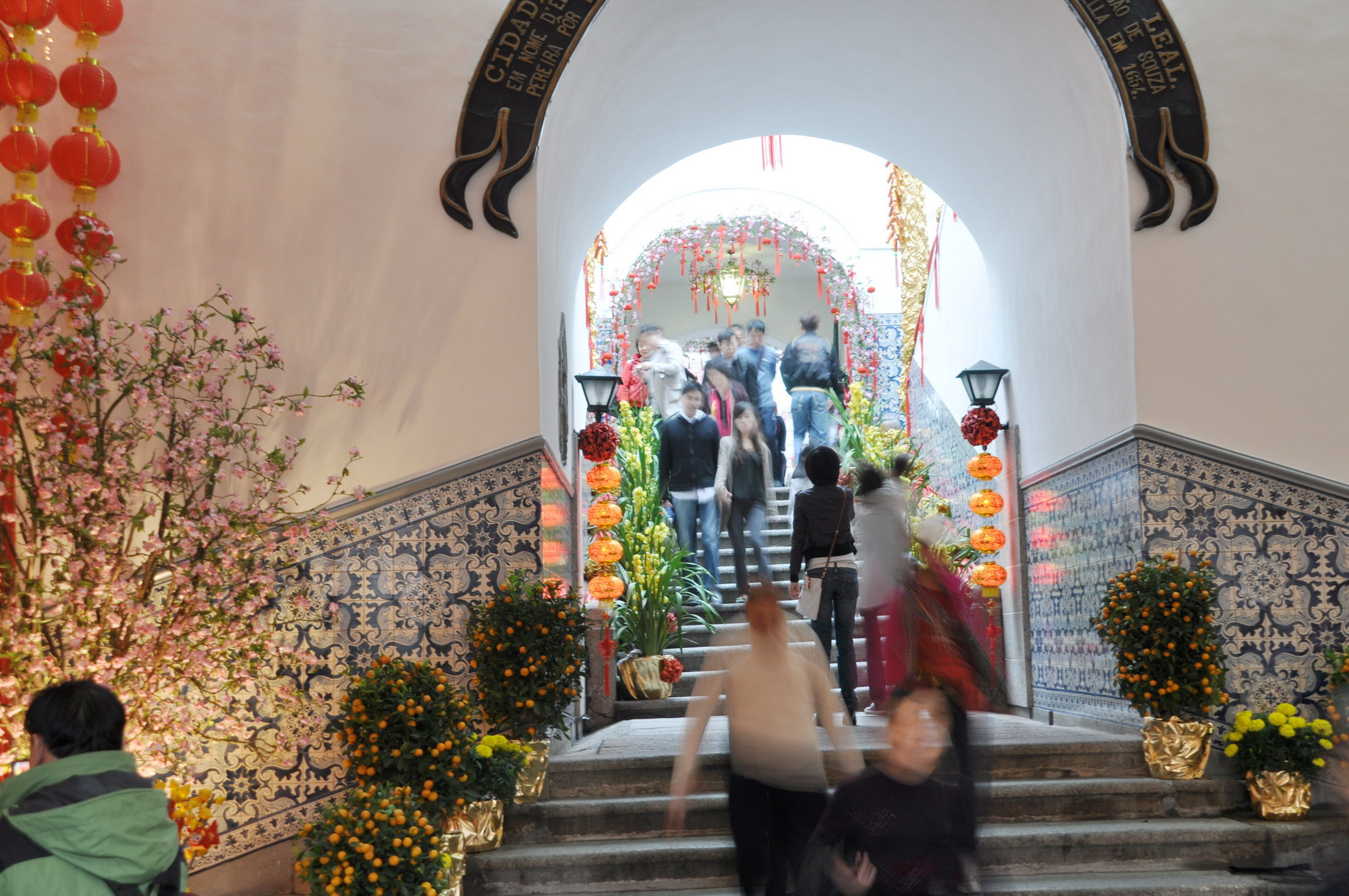
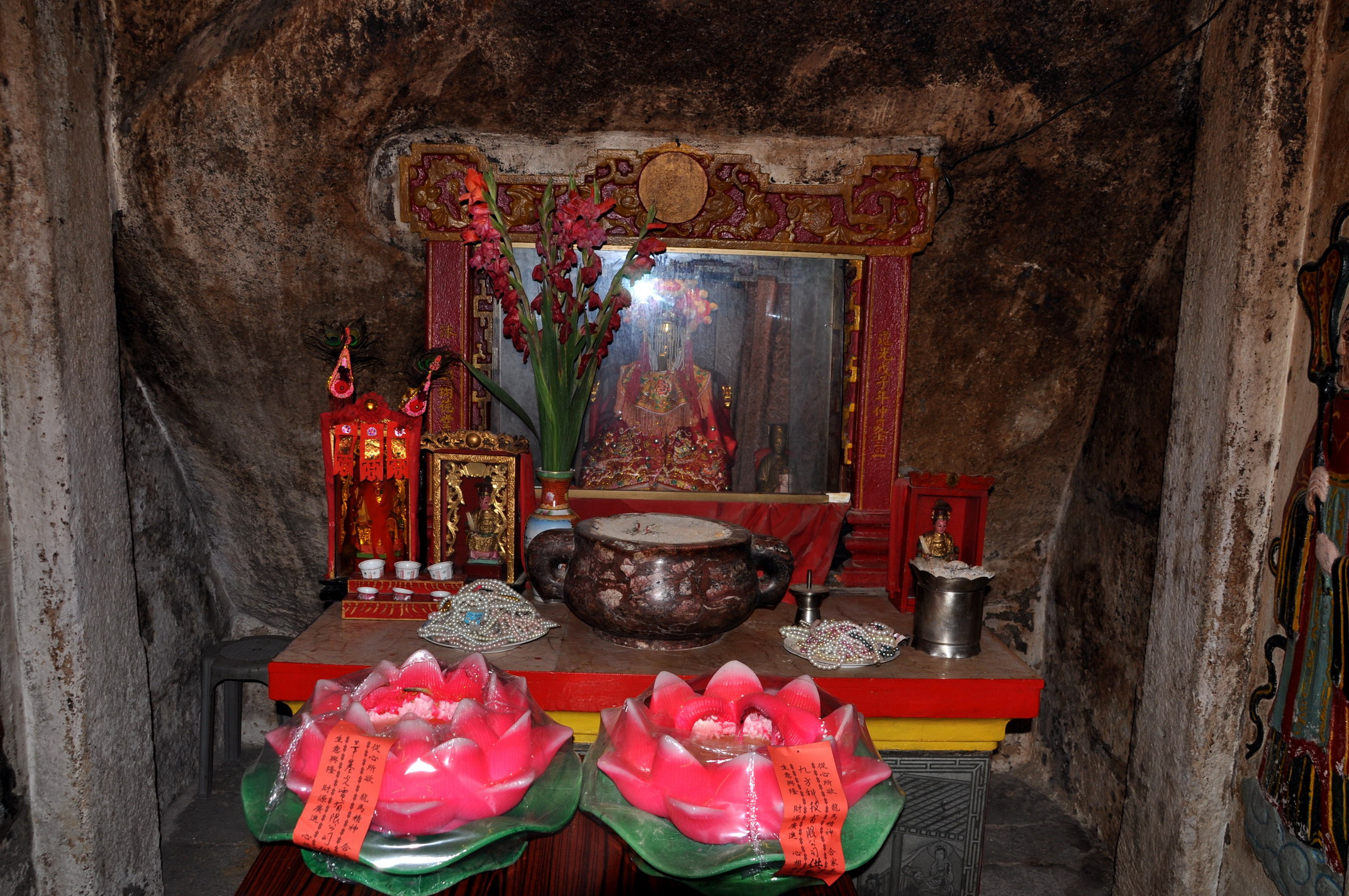
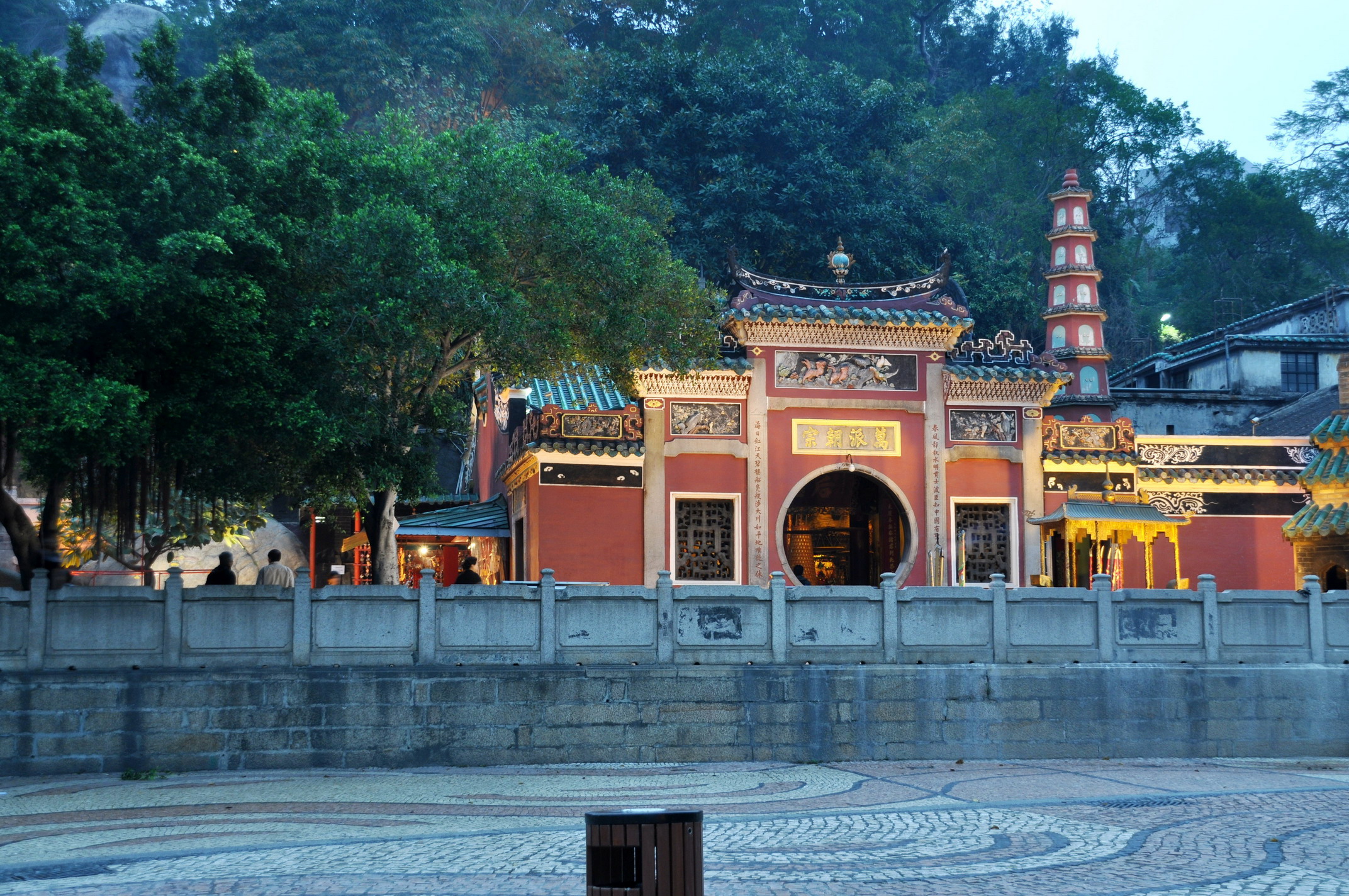
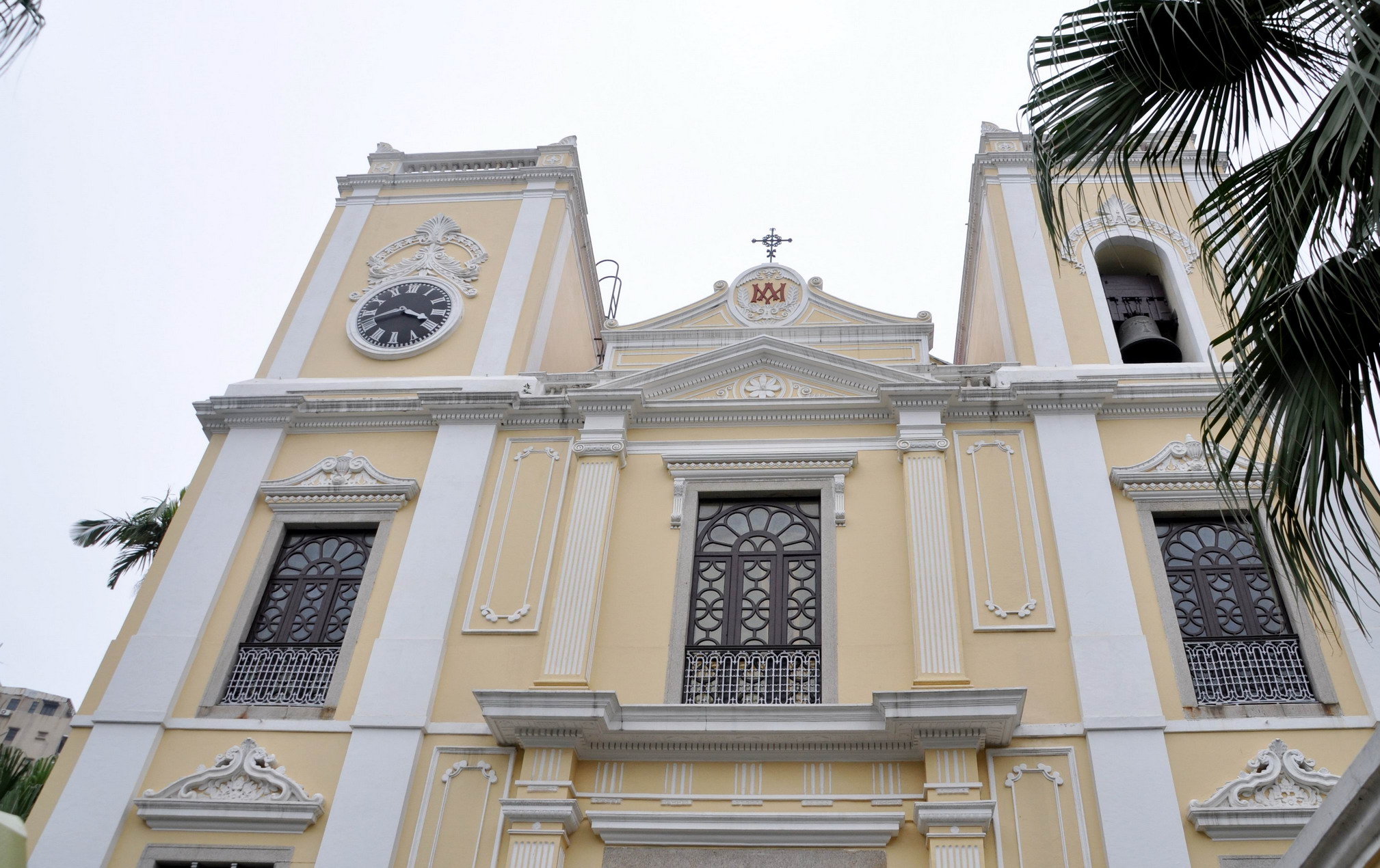
Beyond the skyscrapers there is an old town. Macau was under Portuguese rule for centuries and became a point of entry for Catholicism in China. The city has many Catholic churches, though inside some are decorated in a distinctly Chinese style, enough that you could take one for a Confucian temple. For all their efforts, the missionaries seem to have left few converts. By the figures I was using about five per cent identified with a Christian denomination and 55 per cent claimed no religion. Jesuits and other Catholic orders still have a presence.
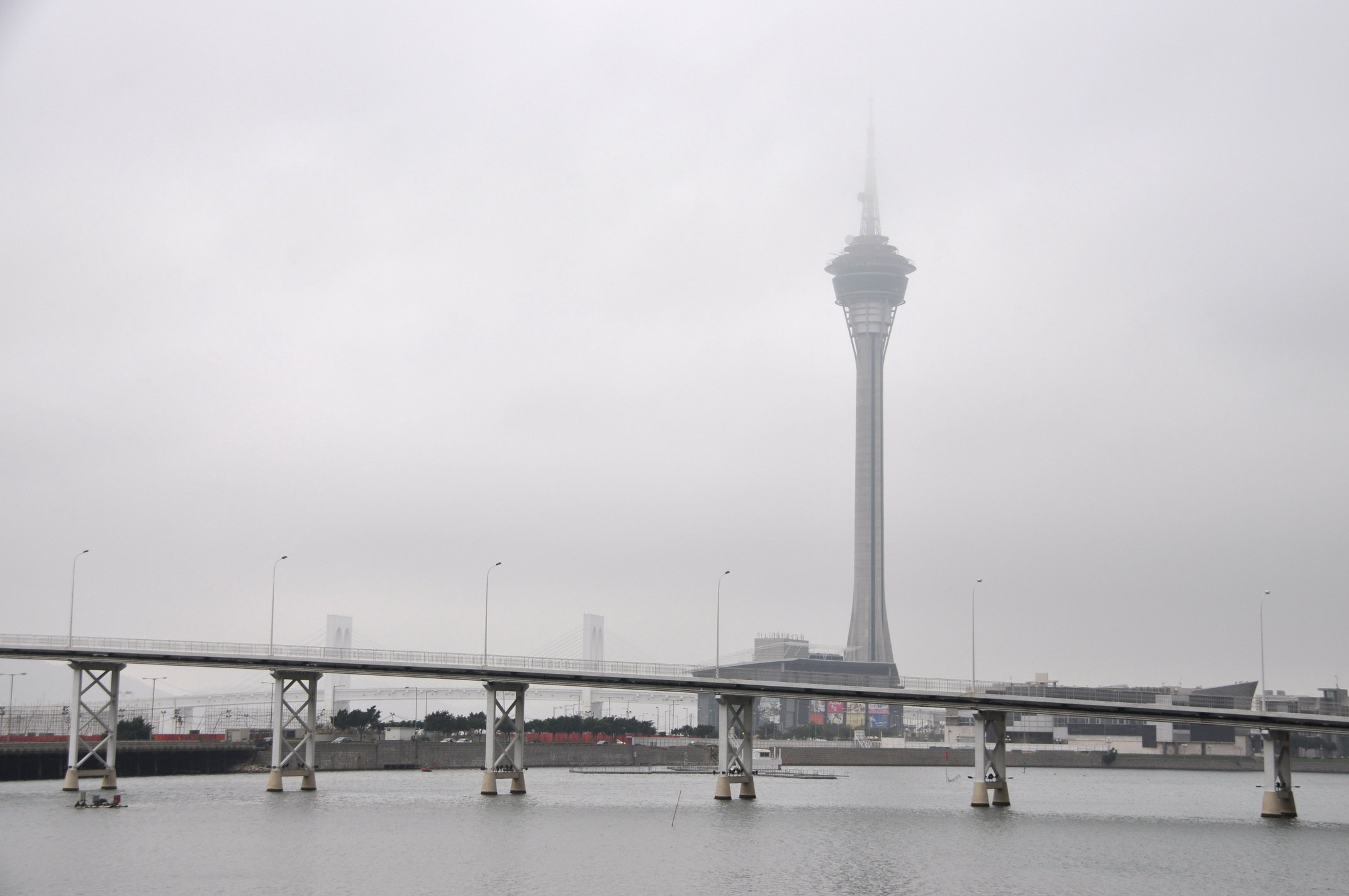
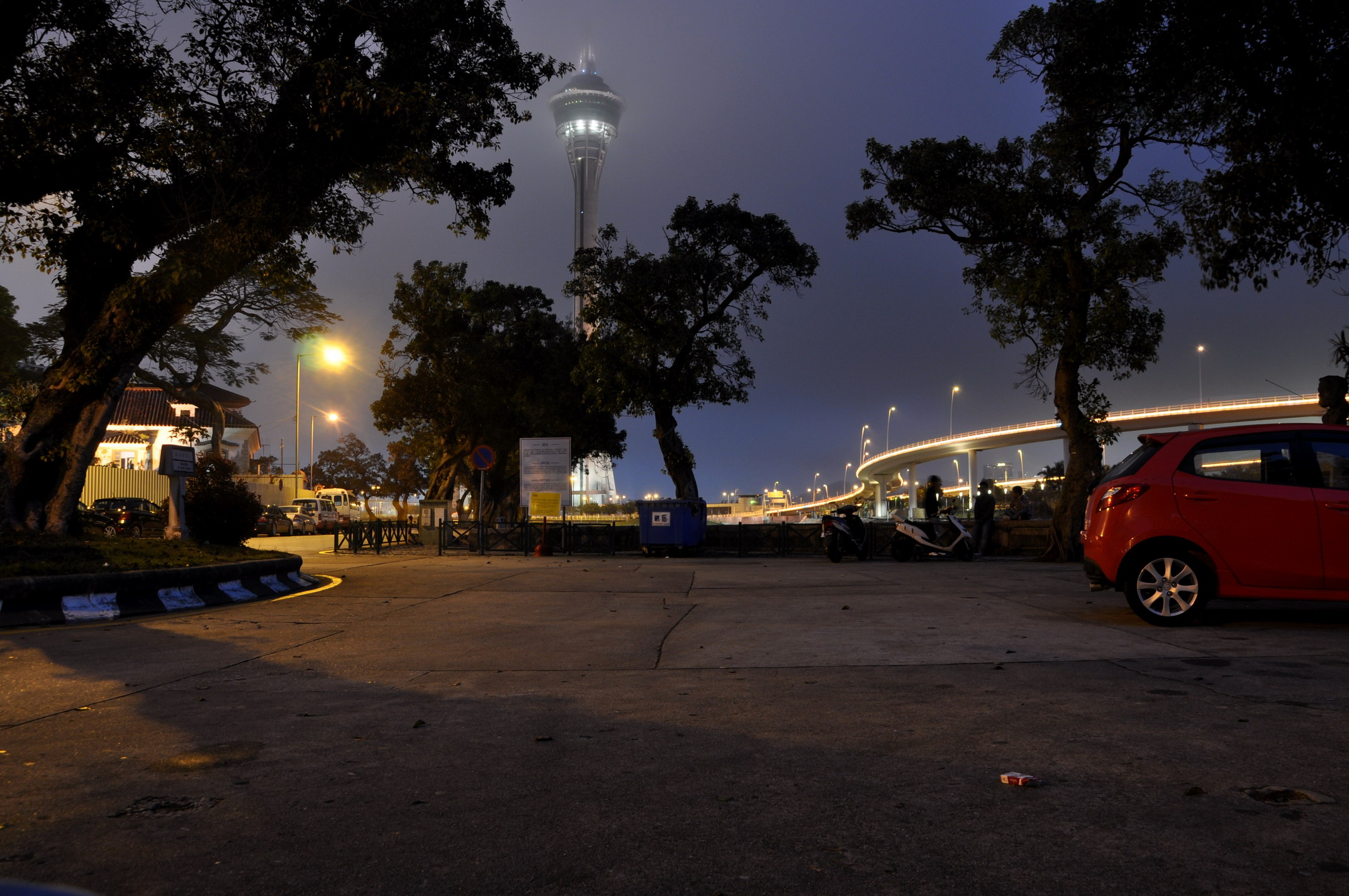
There’s also a towering television mast. Such towers are normally built tall to get the signal out to remote villages. Here the whole territory ends within six kilometres of the tower in any direction. Perhaps they built it just to have one. Why should they be left out?
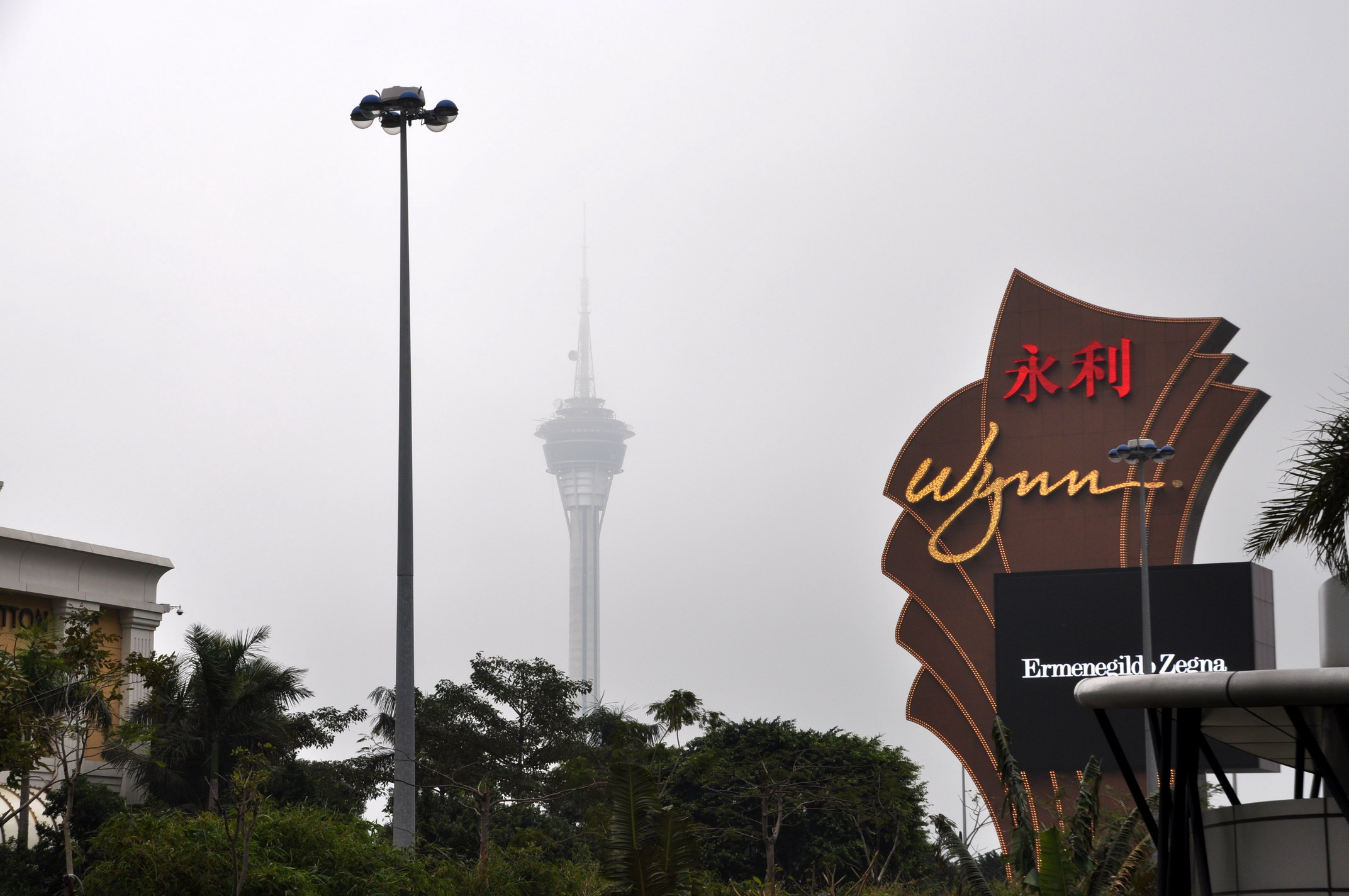
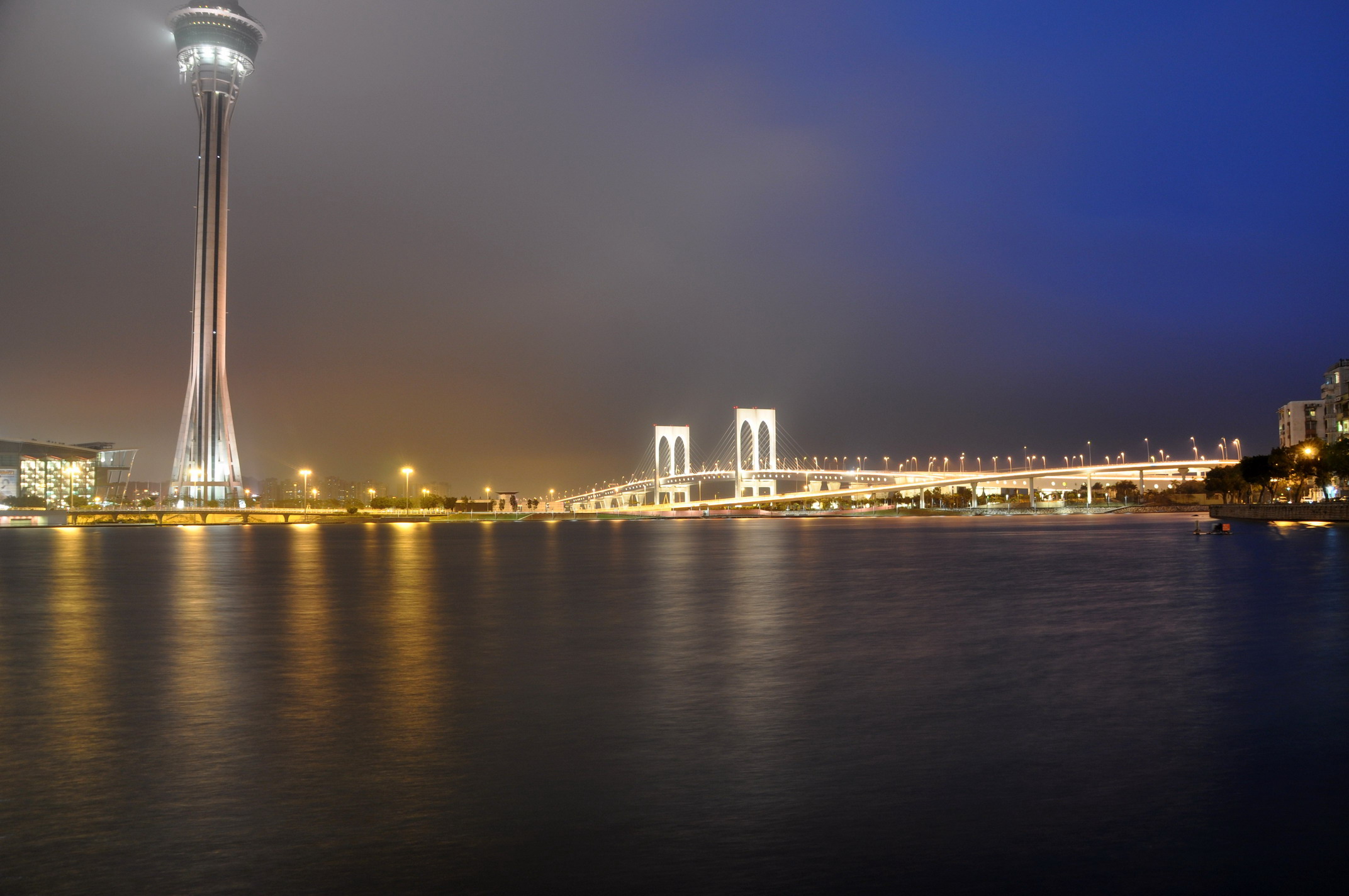
In practice it serves as a viewing platform and a base for another world’s highest bungee jump. They all claim to be the highest. This one is 230 metres. I jumped from 260 metres in South Africa, and that one was supposed to be the highest too.
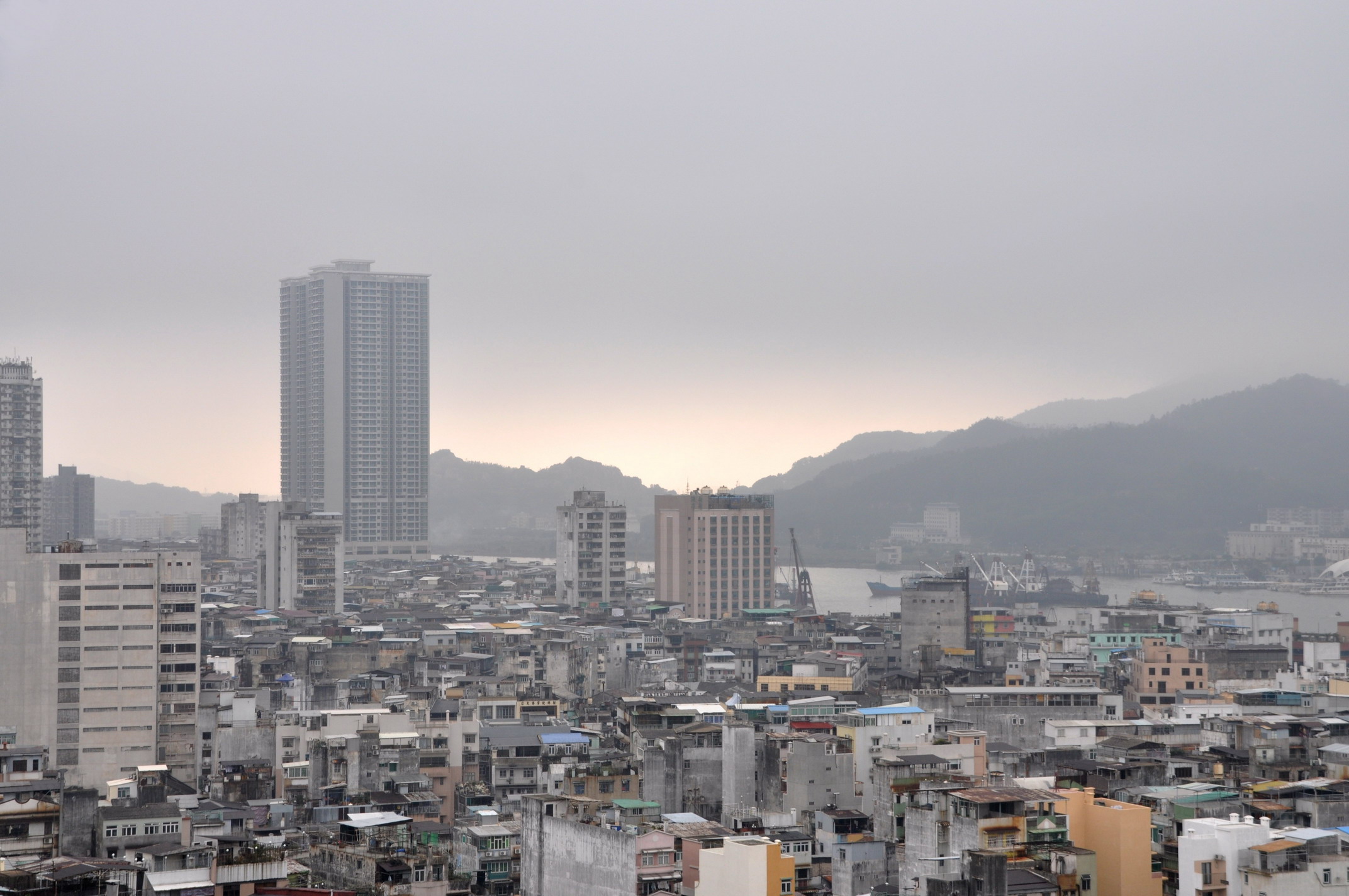
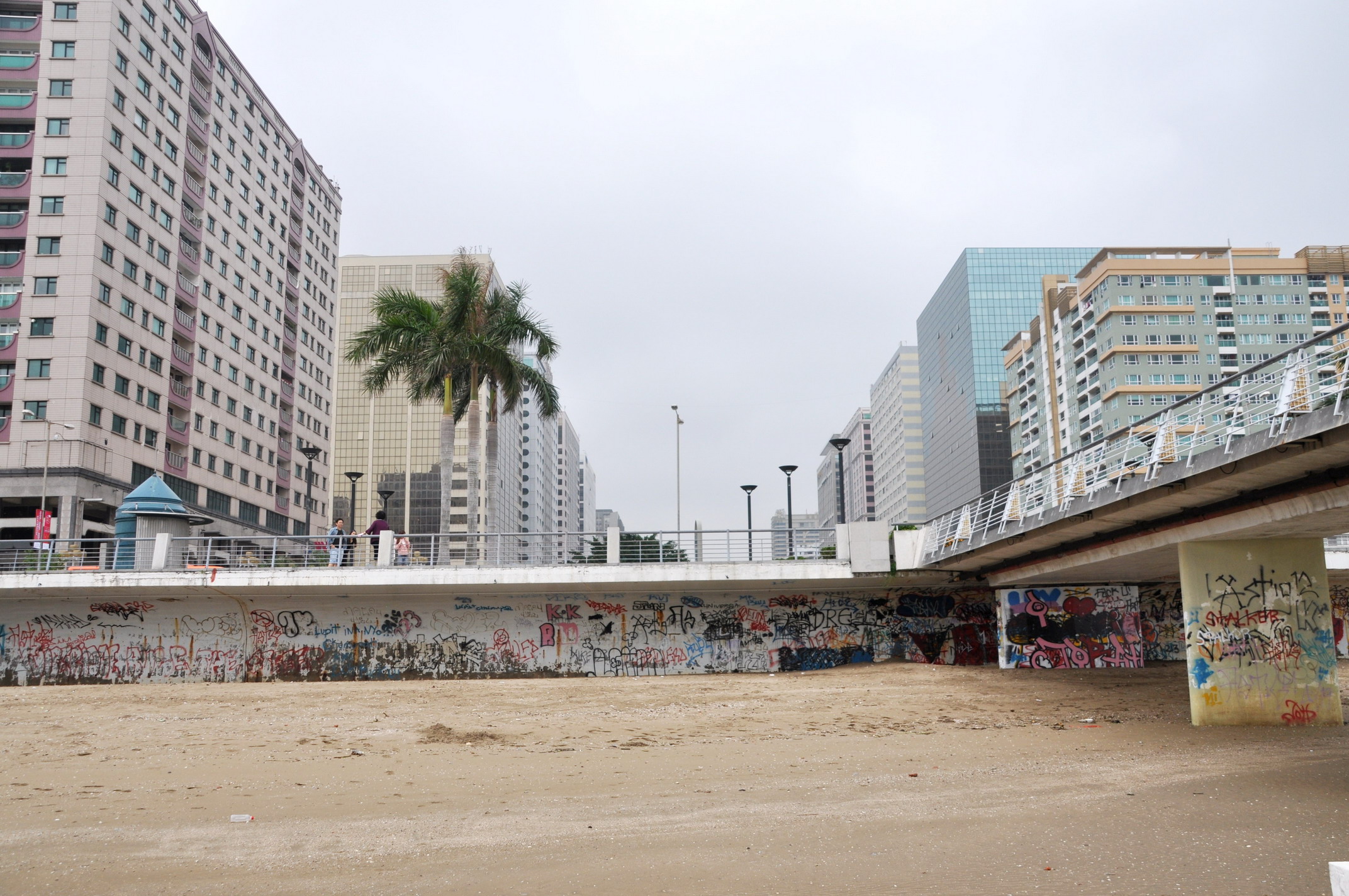
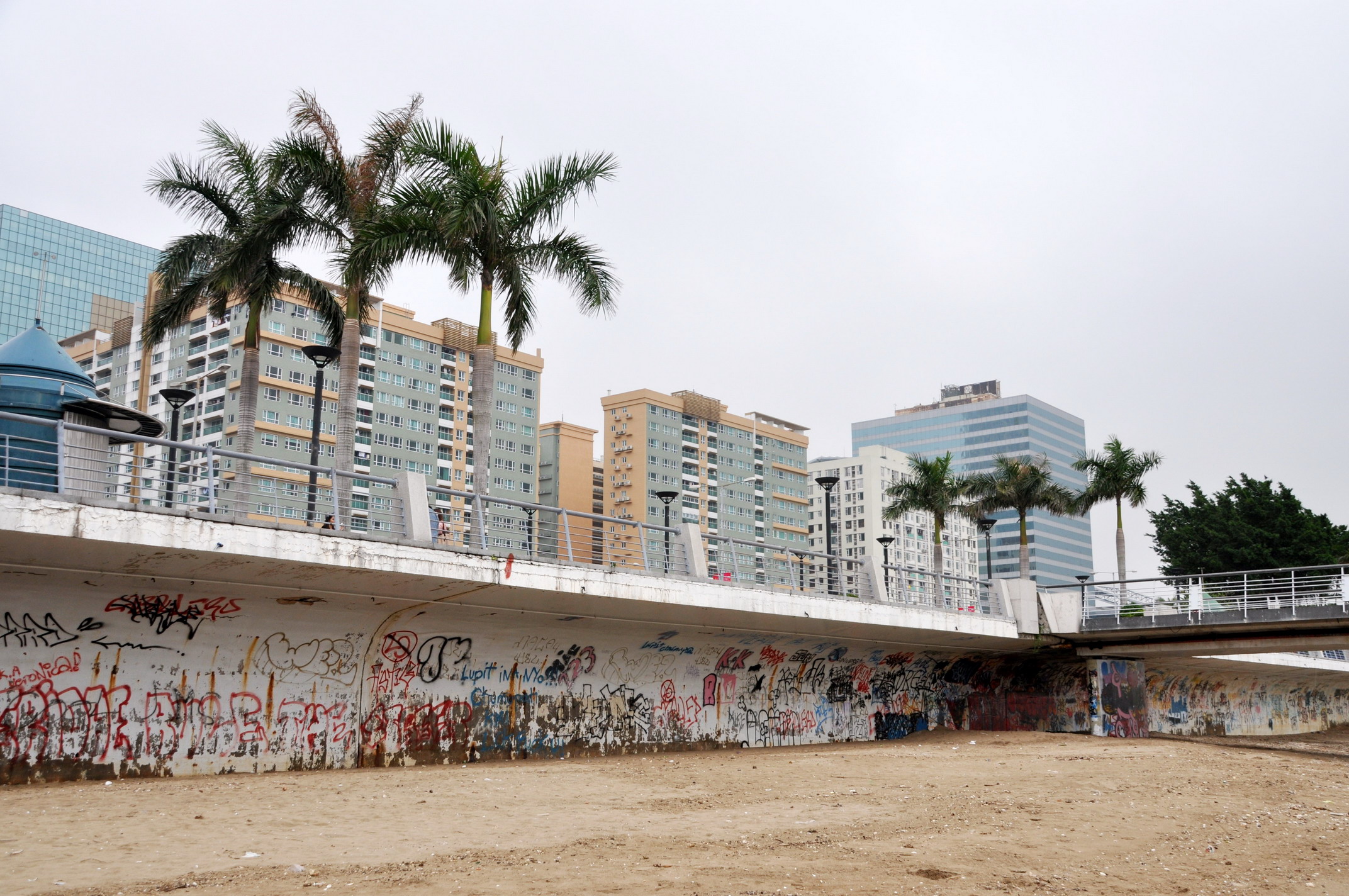
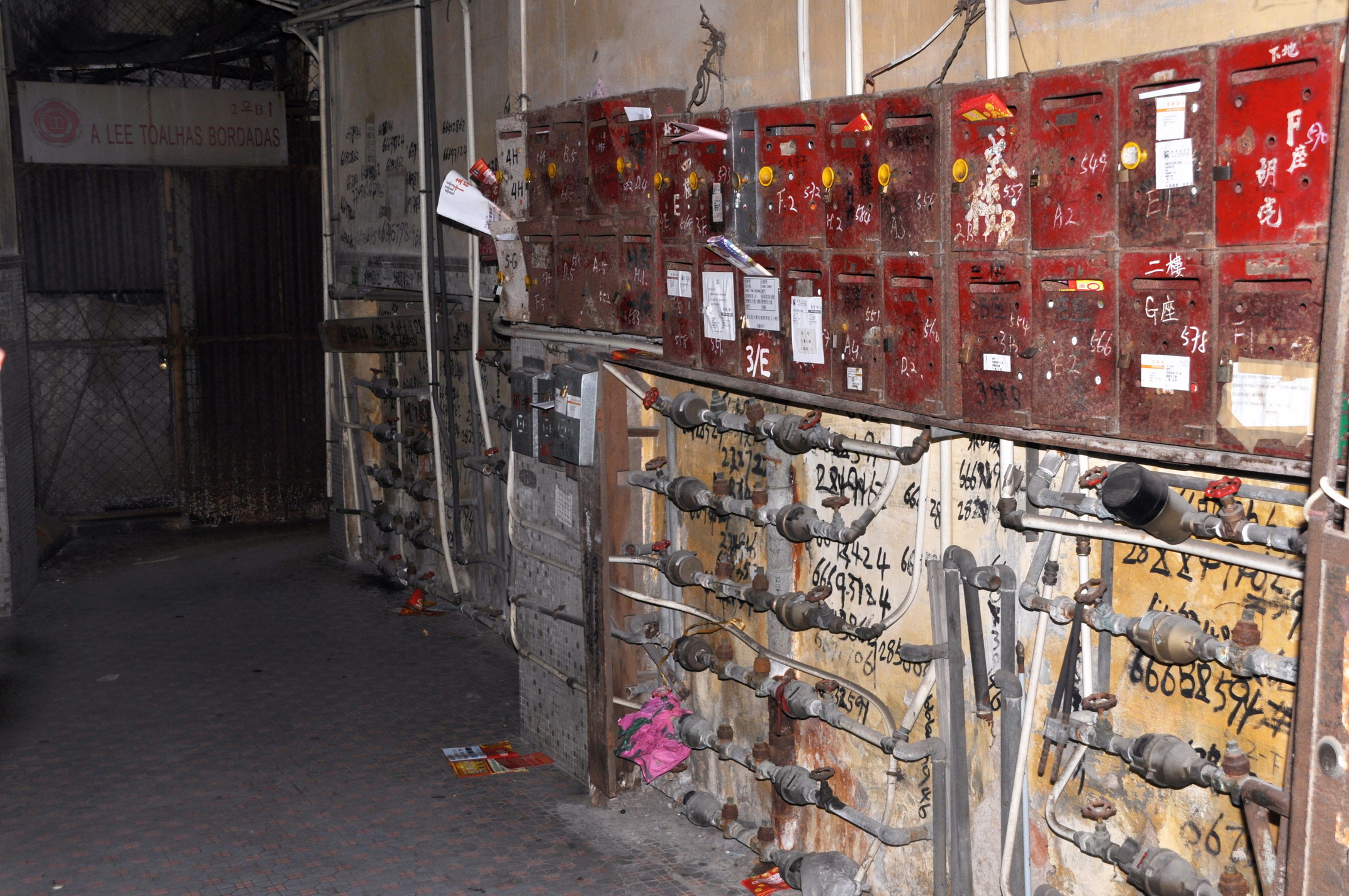
People have ordinary lives away from the skyscrapers and casinos. The old town has narrow lanes, ordinary people and the familiar scruffiness in places. It didn’t look like poverty. Macau was among the wealthiest places by GDP per person, yet a job that could be done crookedly would stay that way until somebody in authority ordered it put right. It didn’t seem to bother anybody’s sense of beauty.
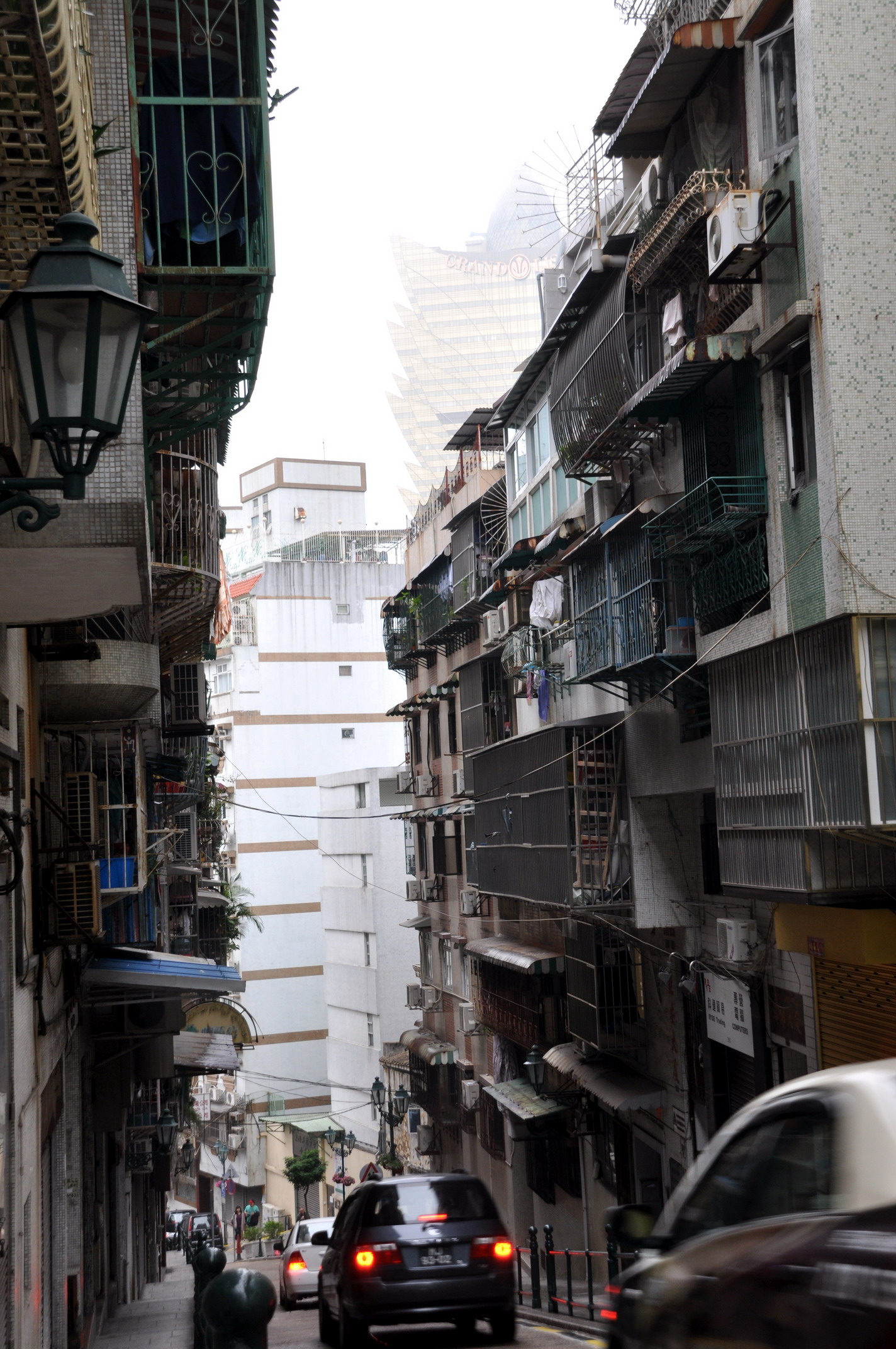
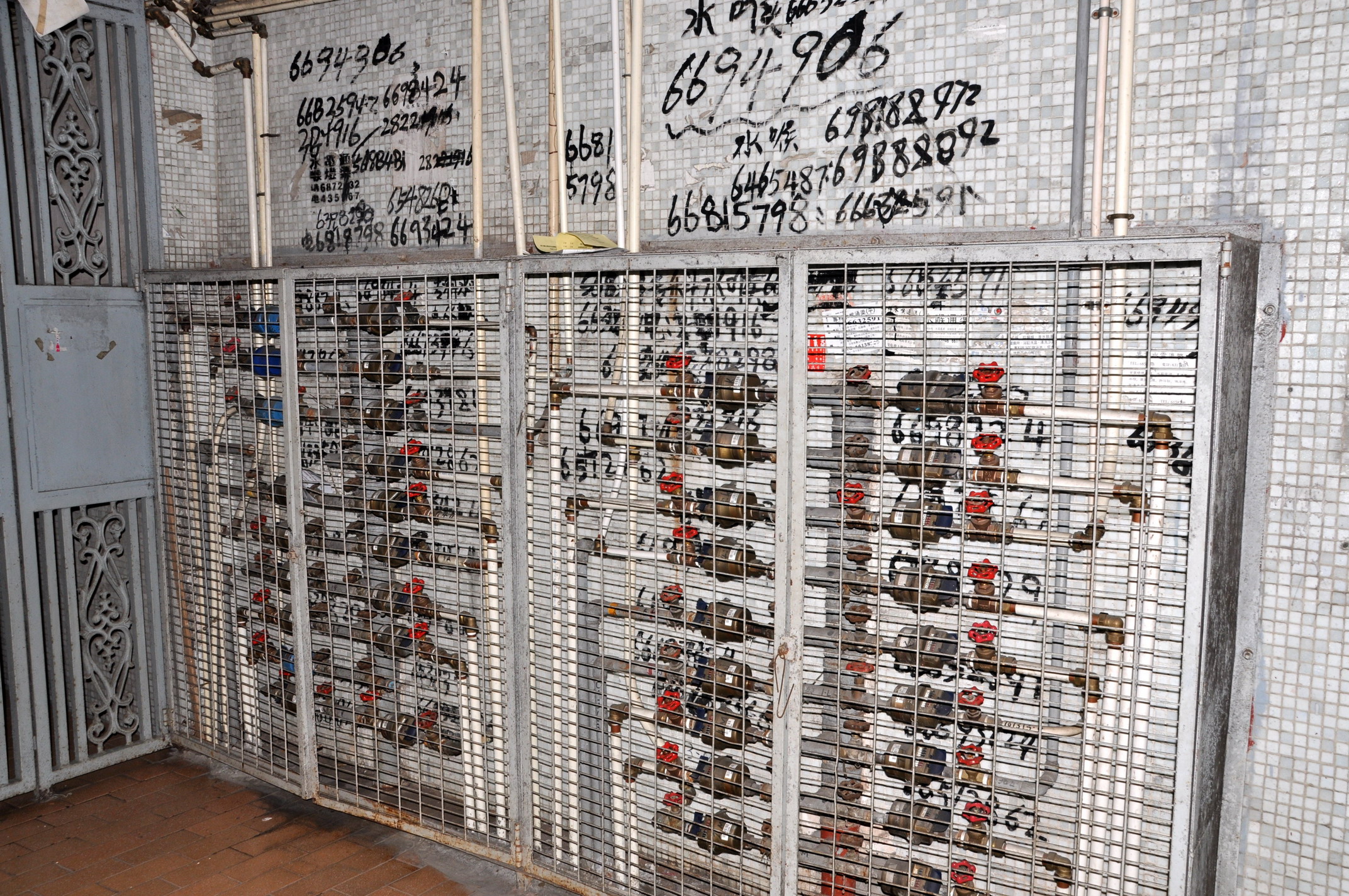
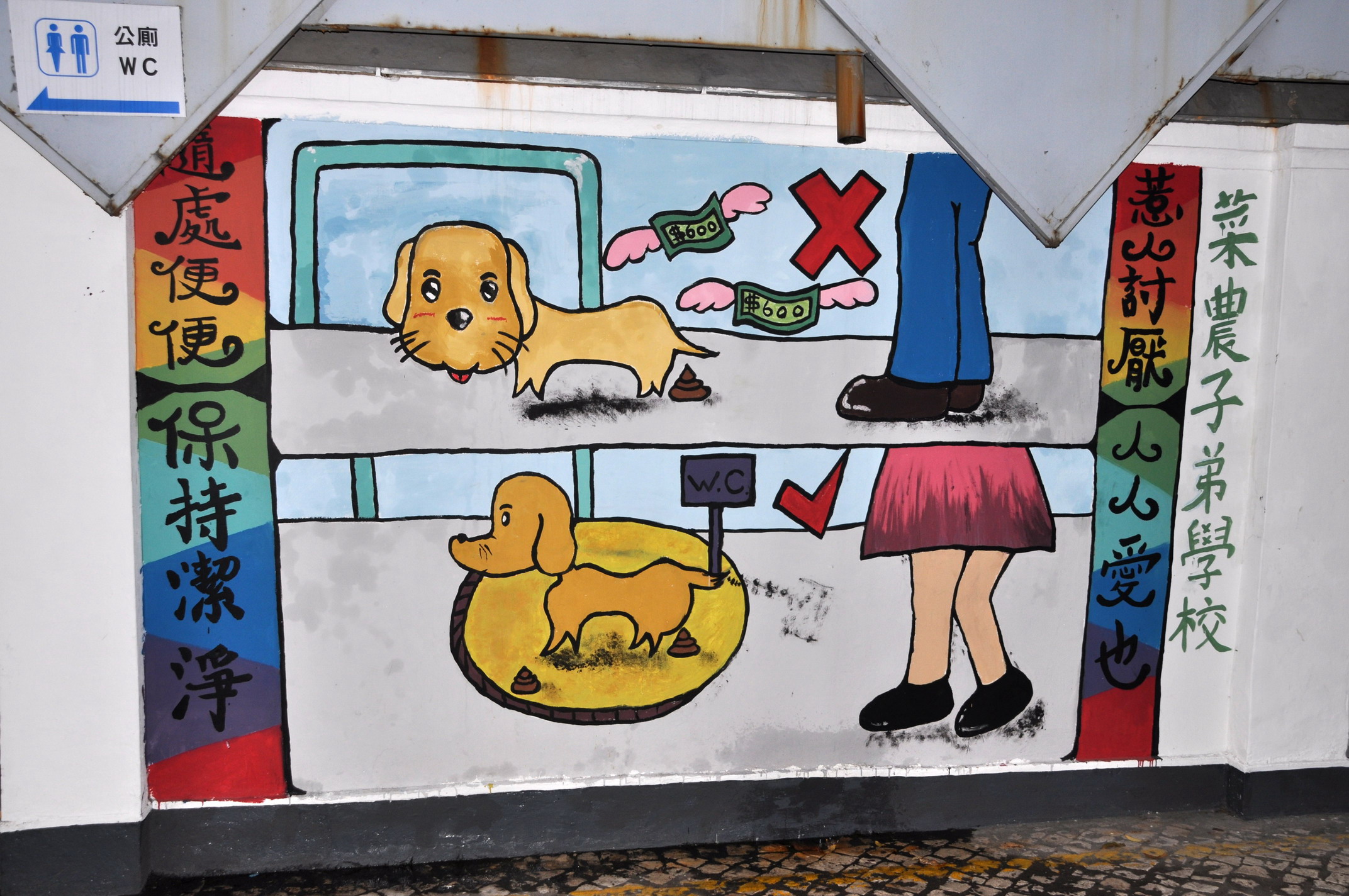
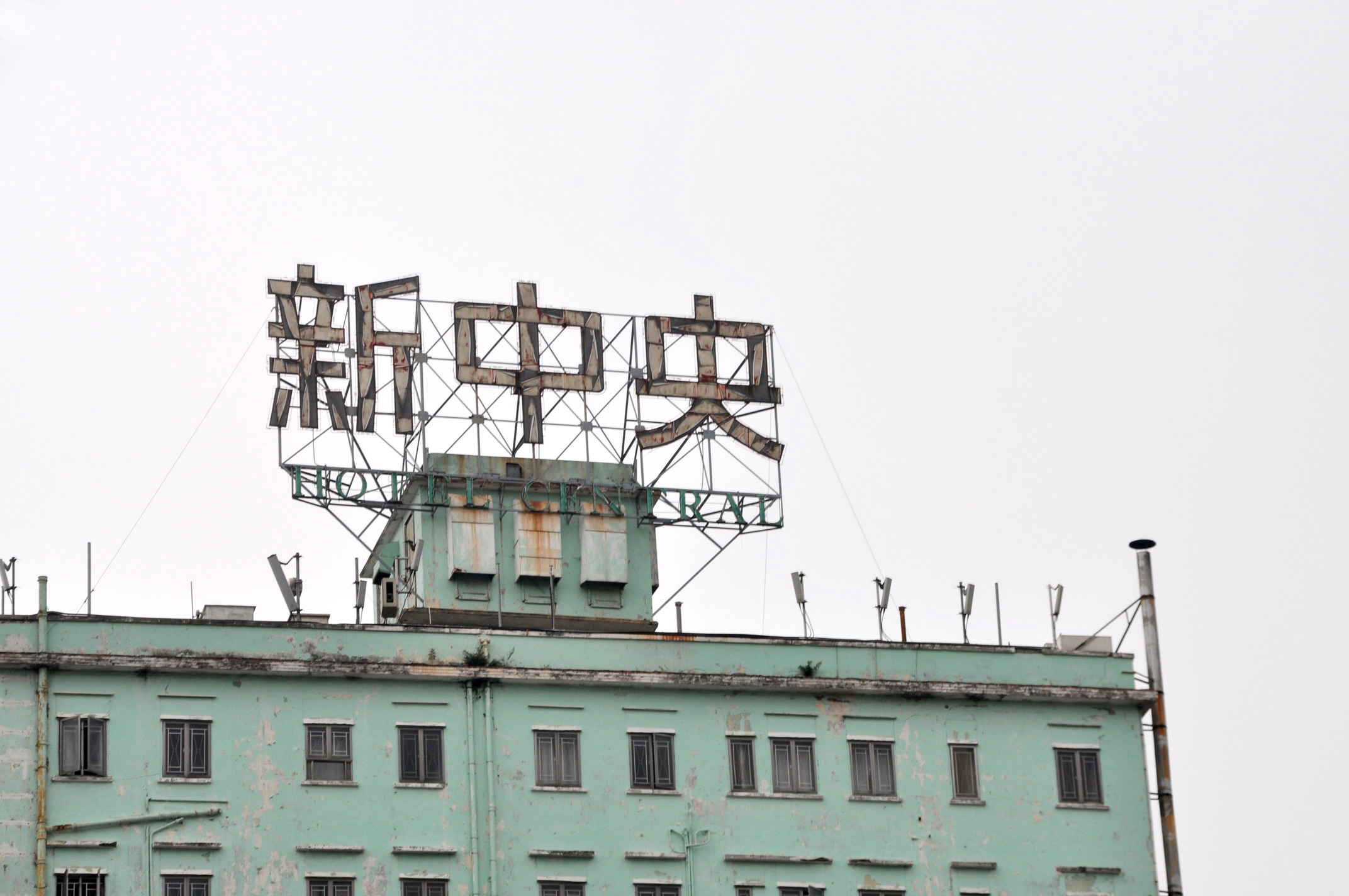
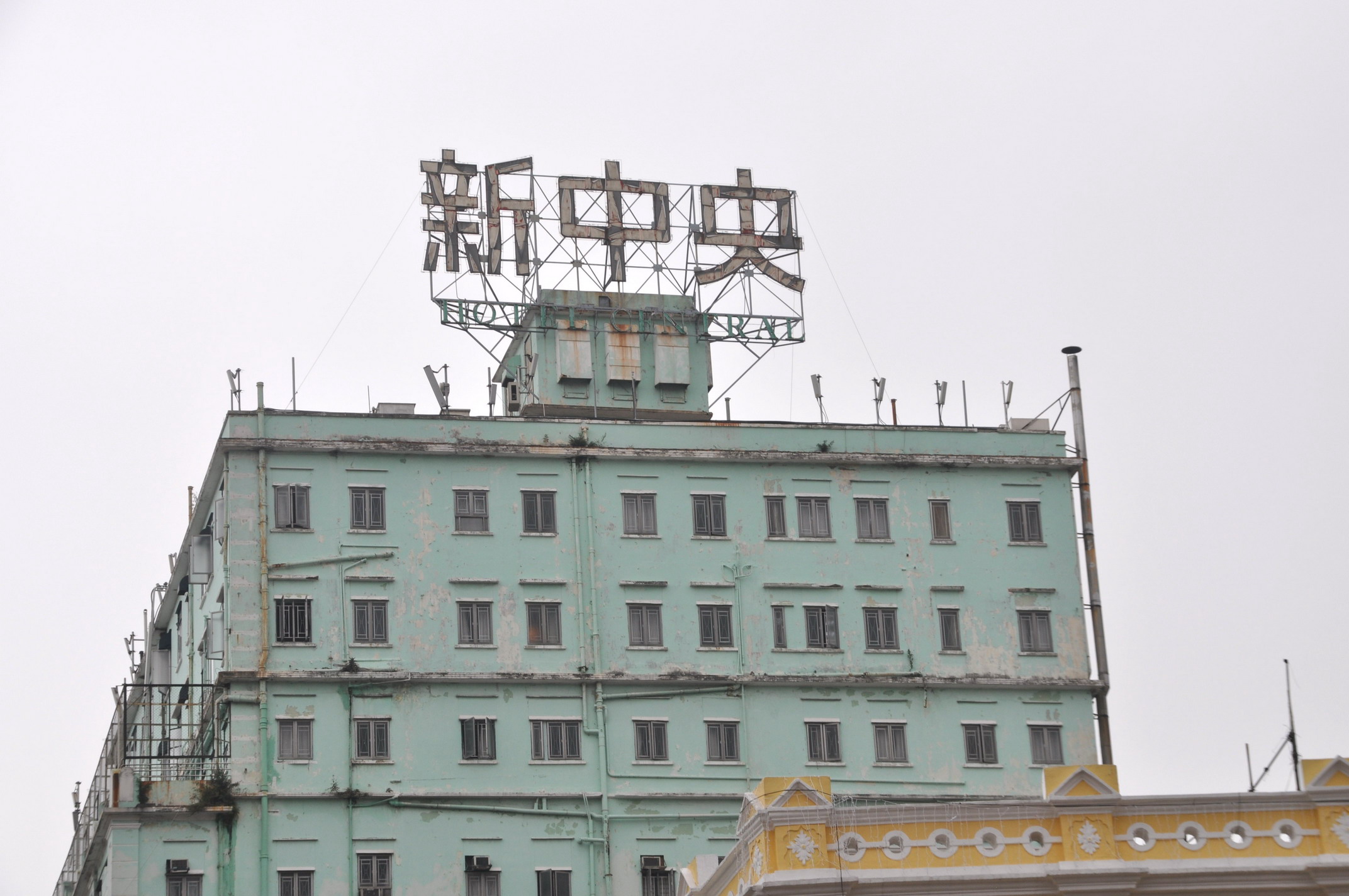
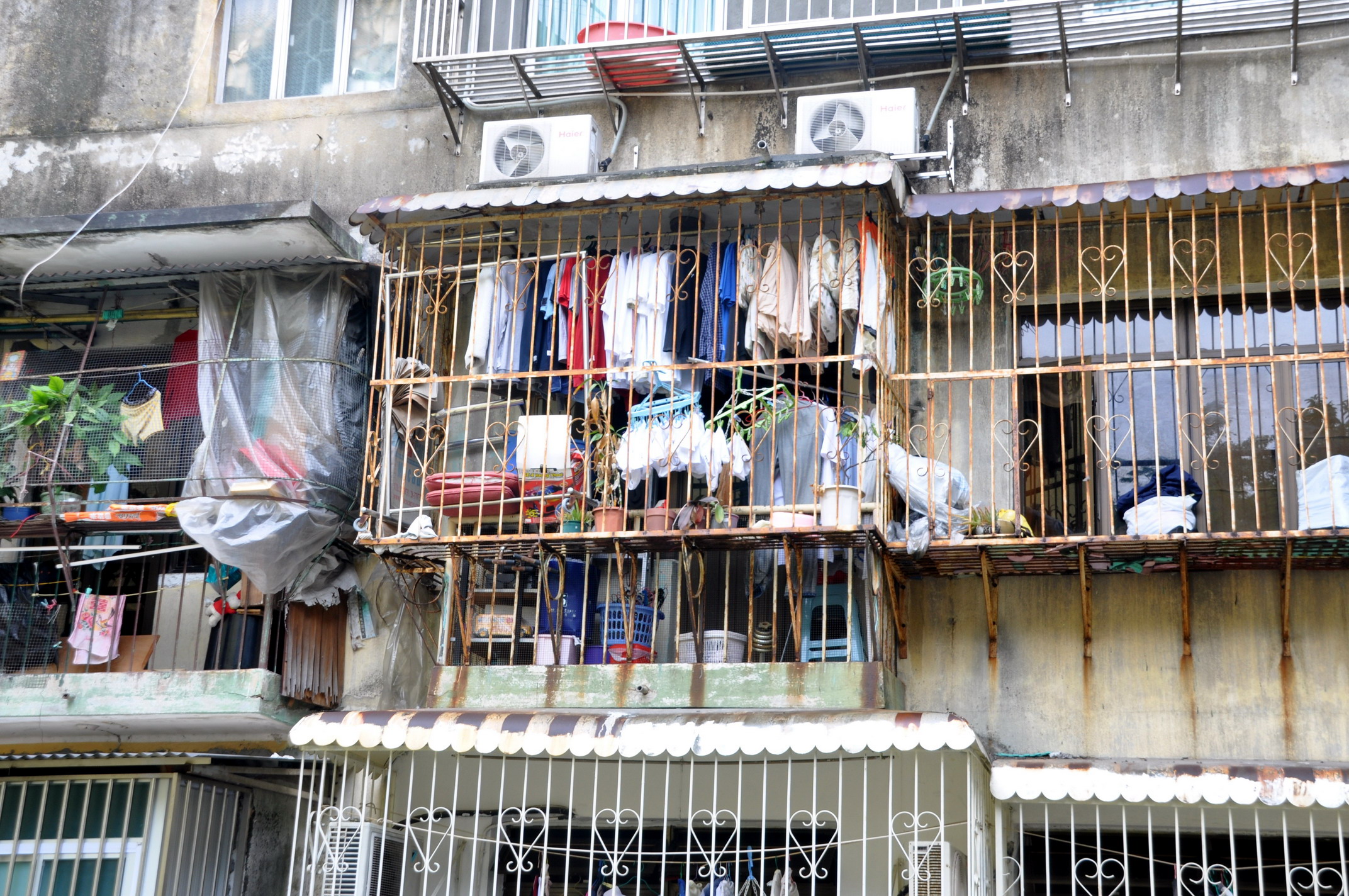
Leave people alone and they’ll let their dogs foul the pavement. Put up a fine of six hundred patacas and they’ll take the dog to the grass, at least while there’s a policeman around. The Hotel Central can go without being painted, someone can enclose their balcony and hang out their washing, and it makes no difference that this is the main street. The new centre, from the skyscrapers to the casinos, was run by Western companies with Western managers.
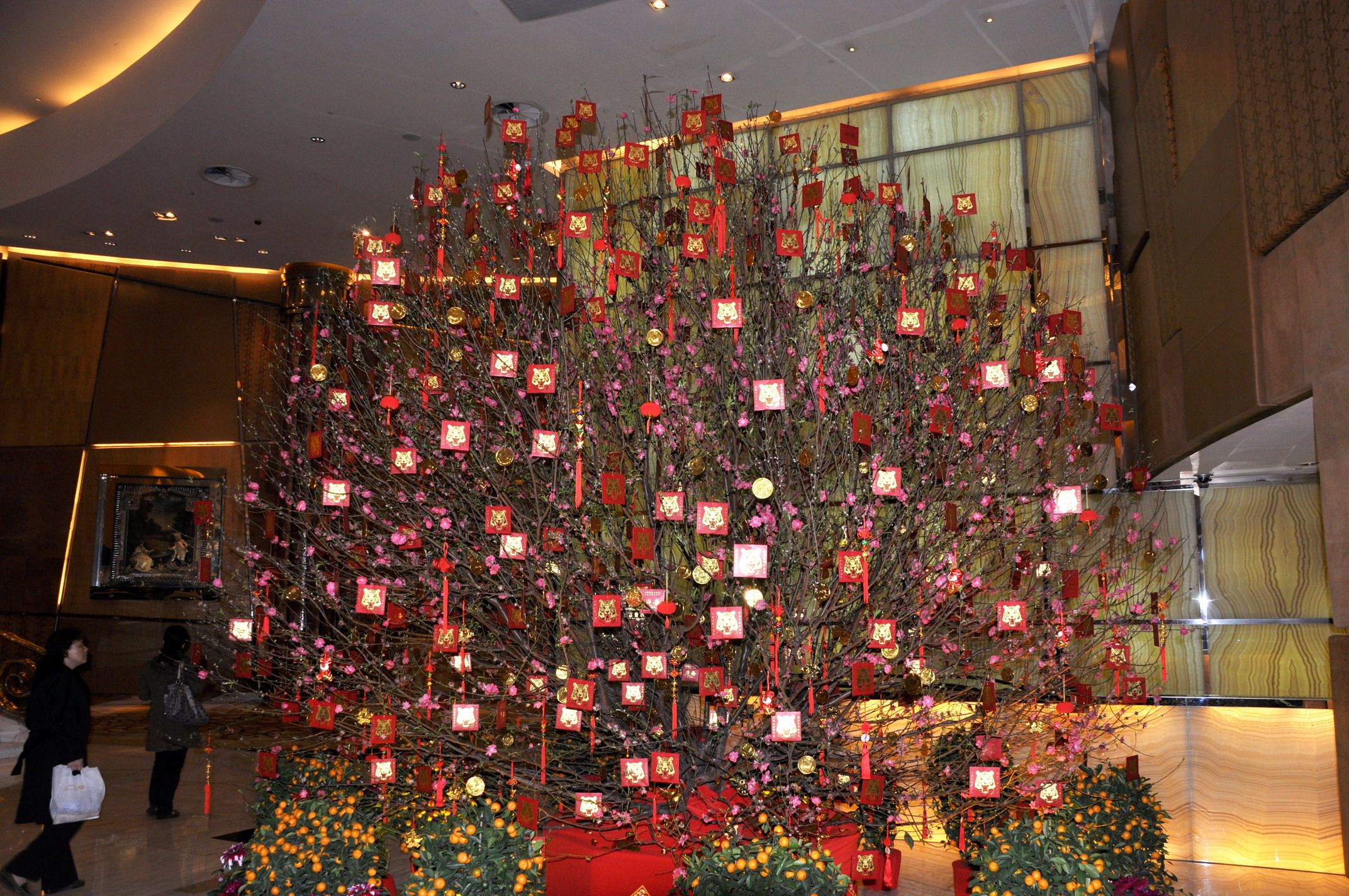
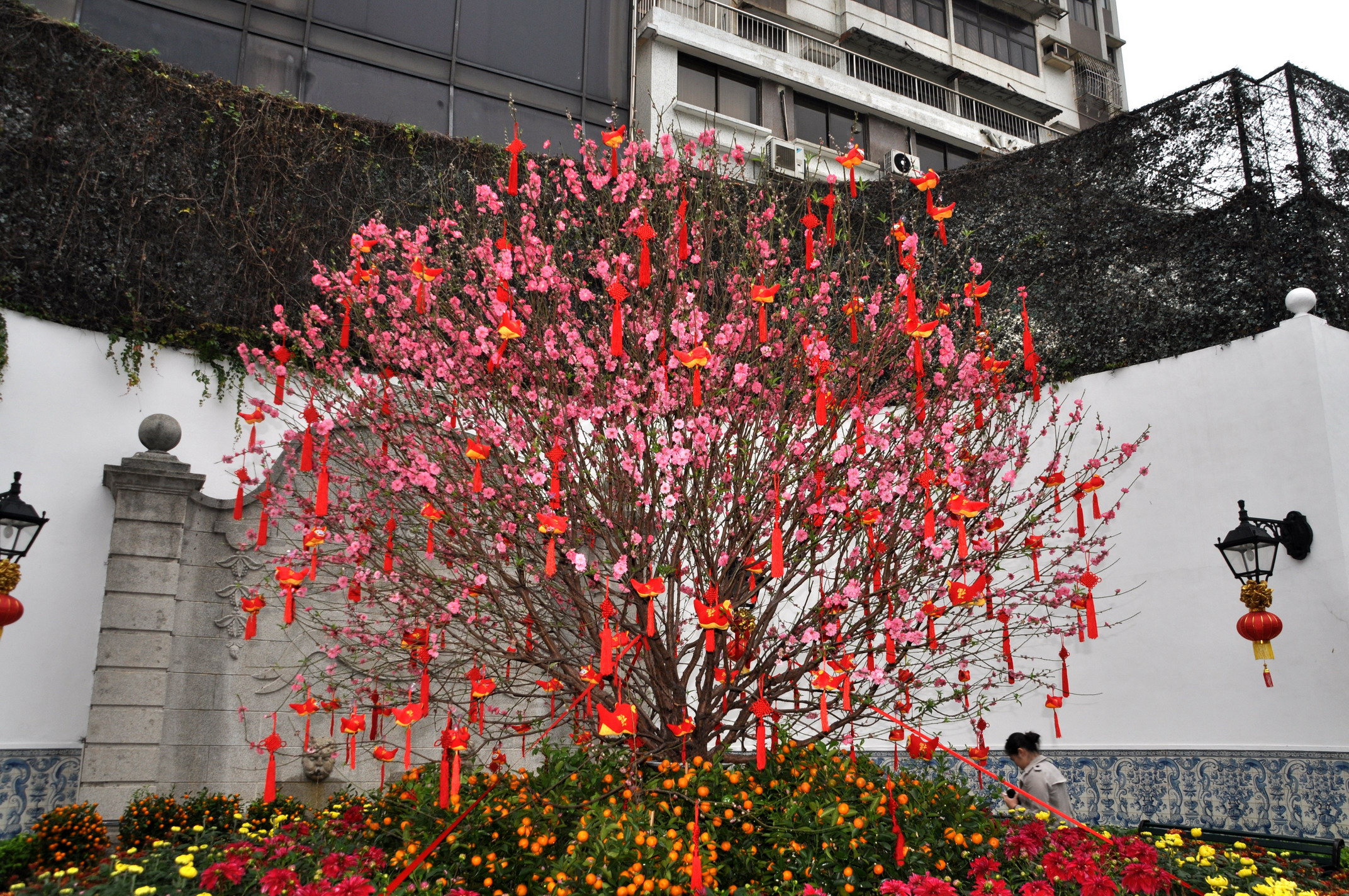
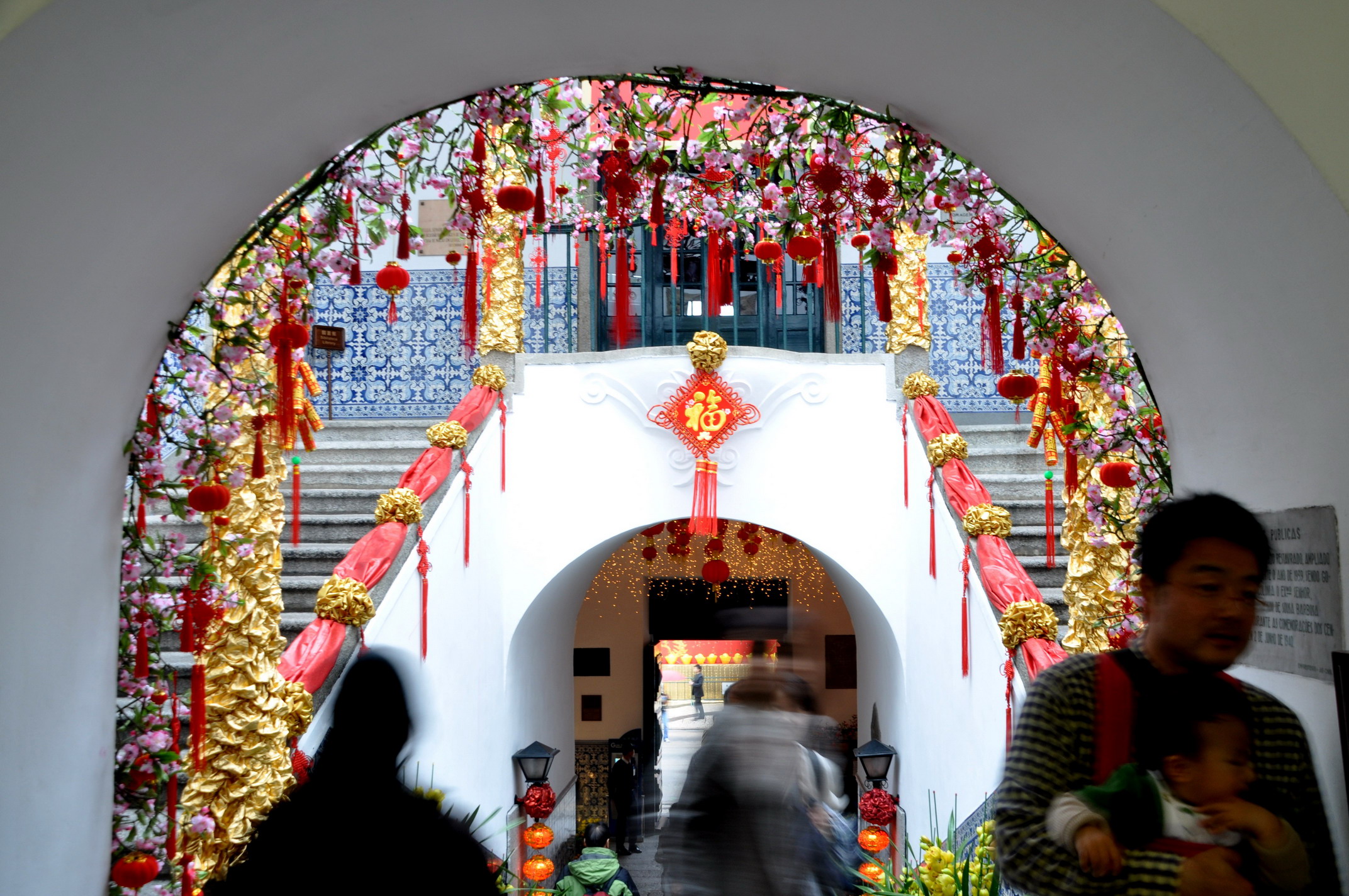
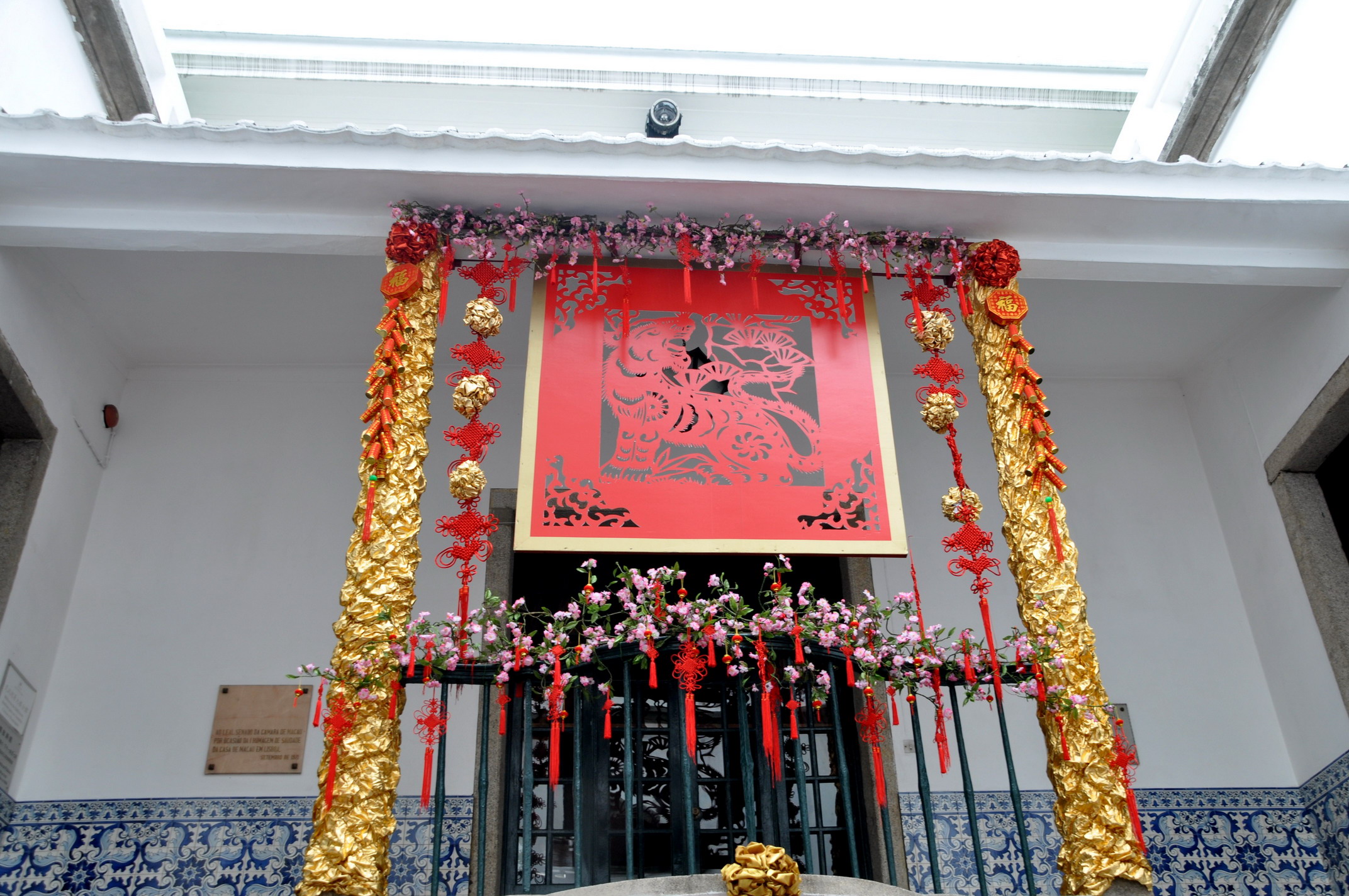
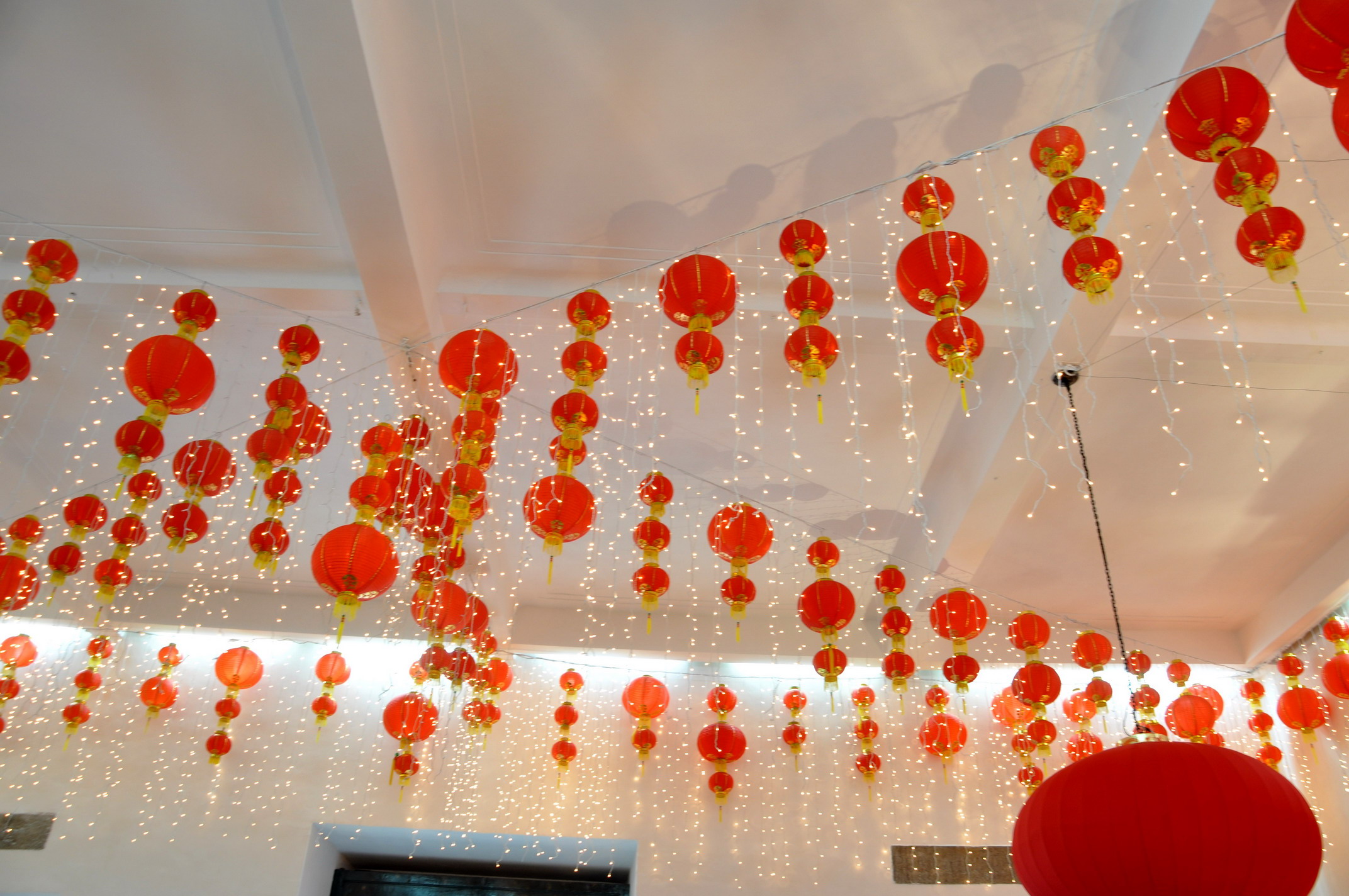
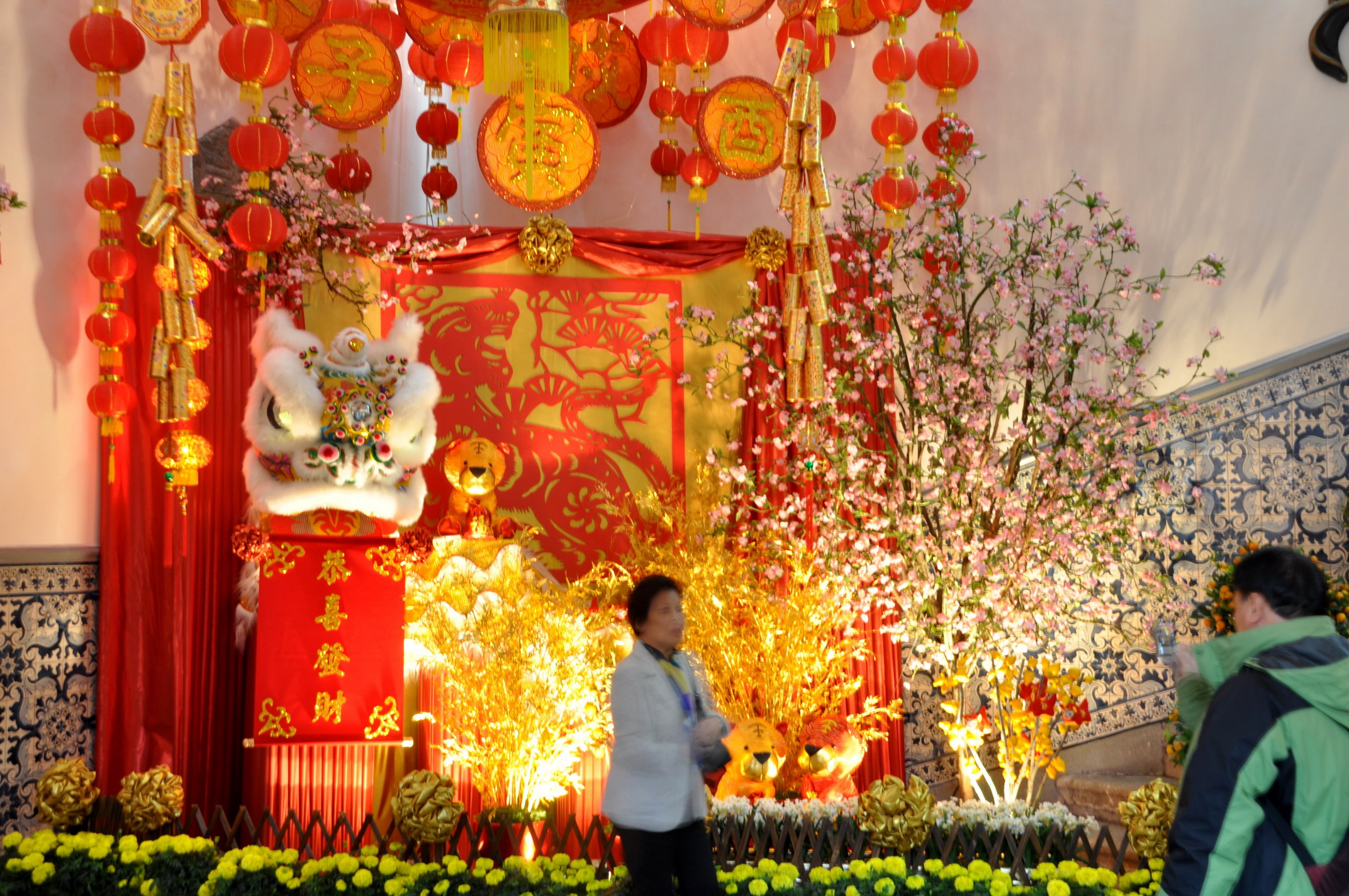
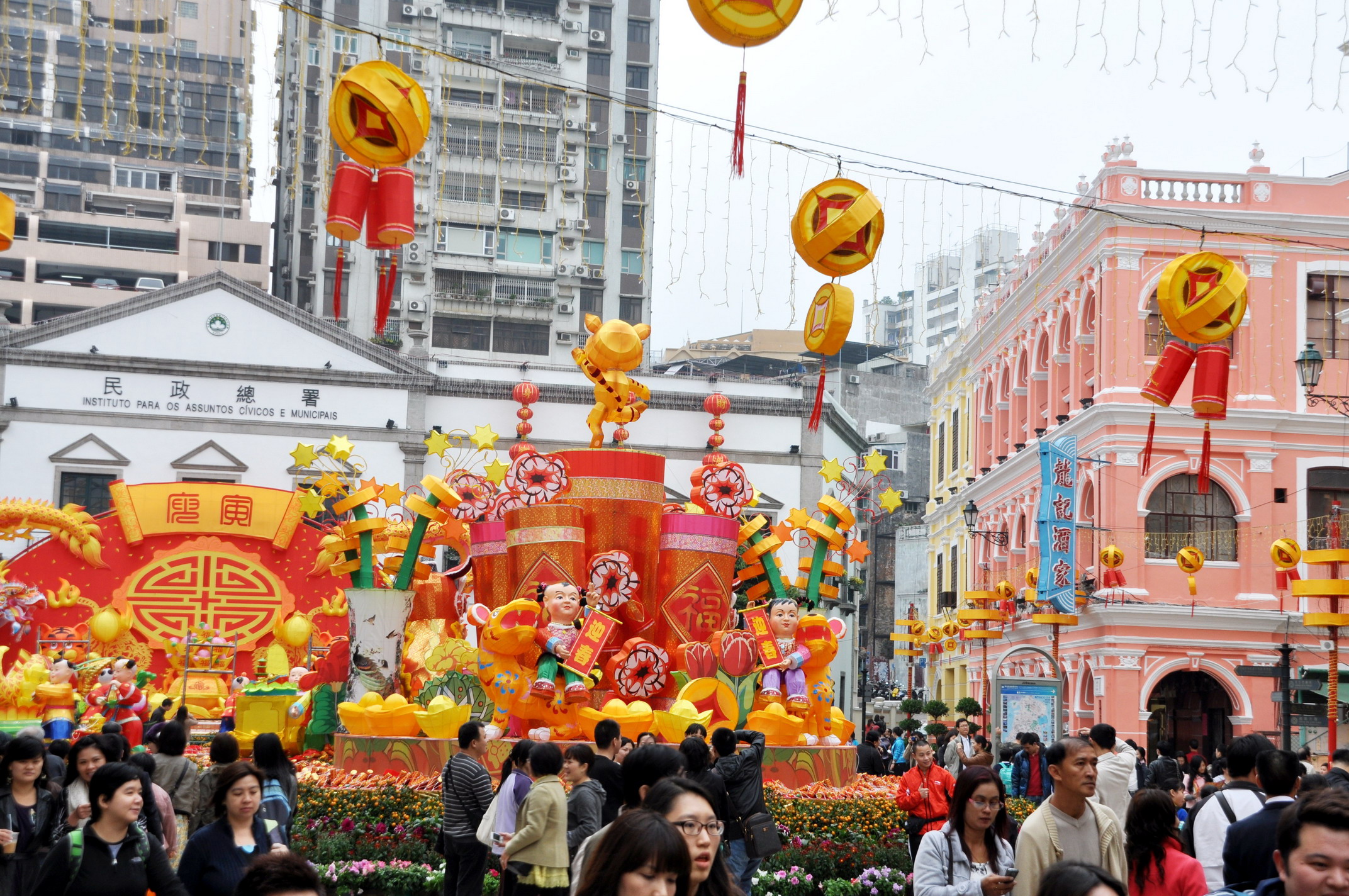
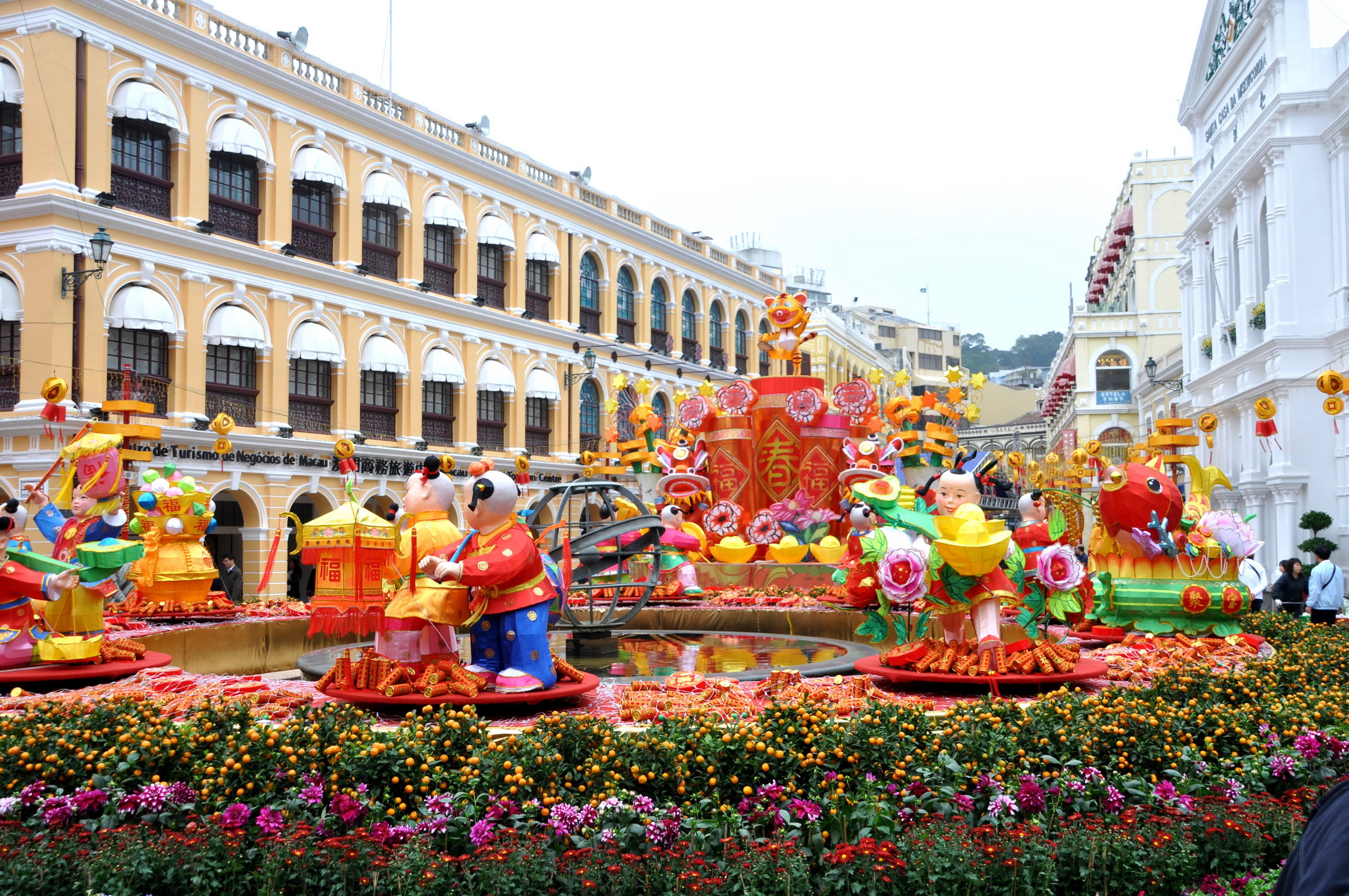
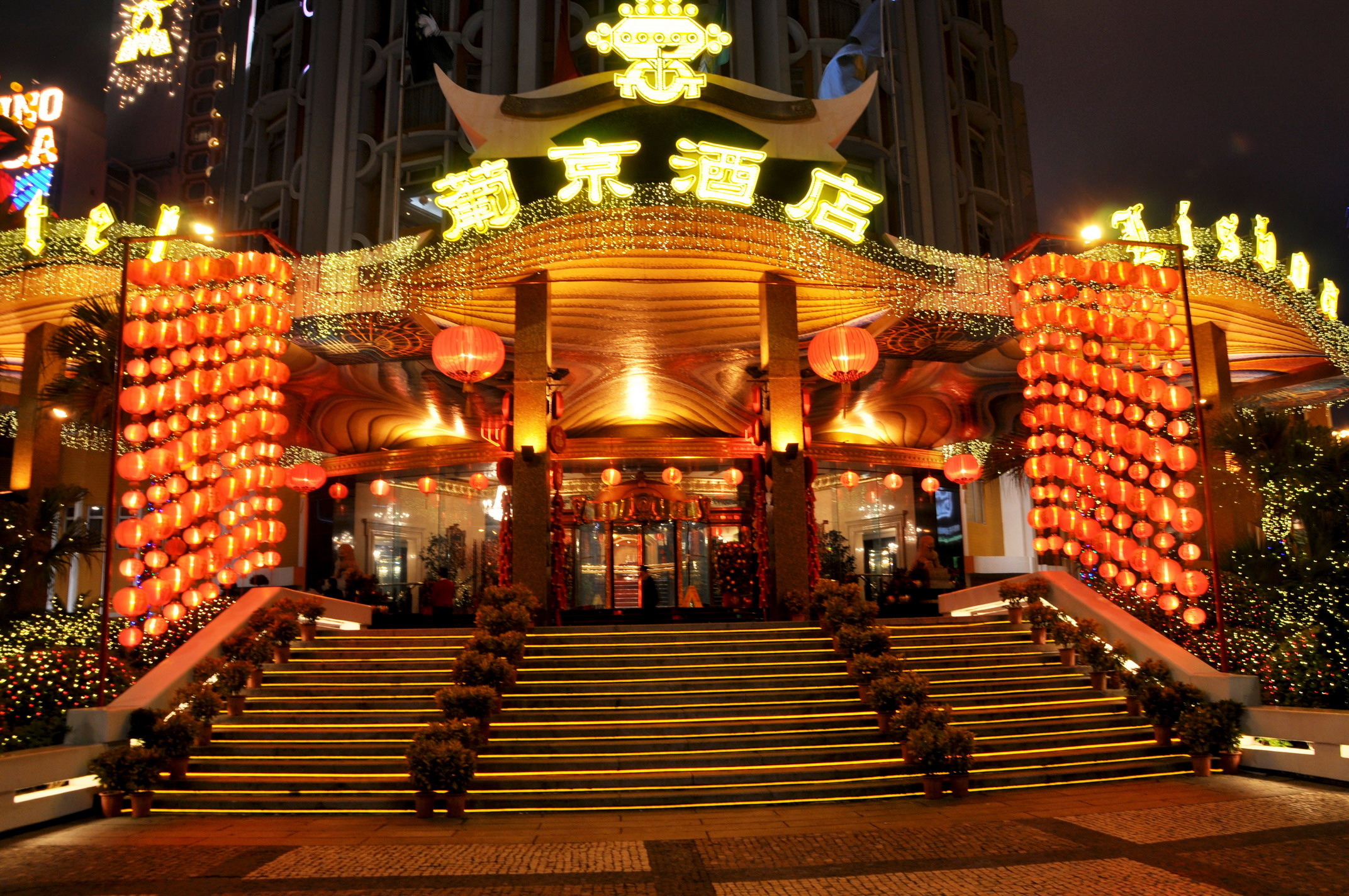
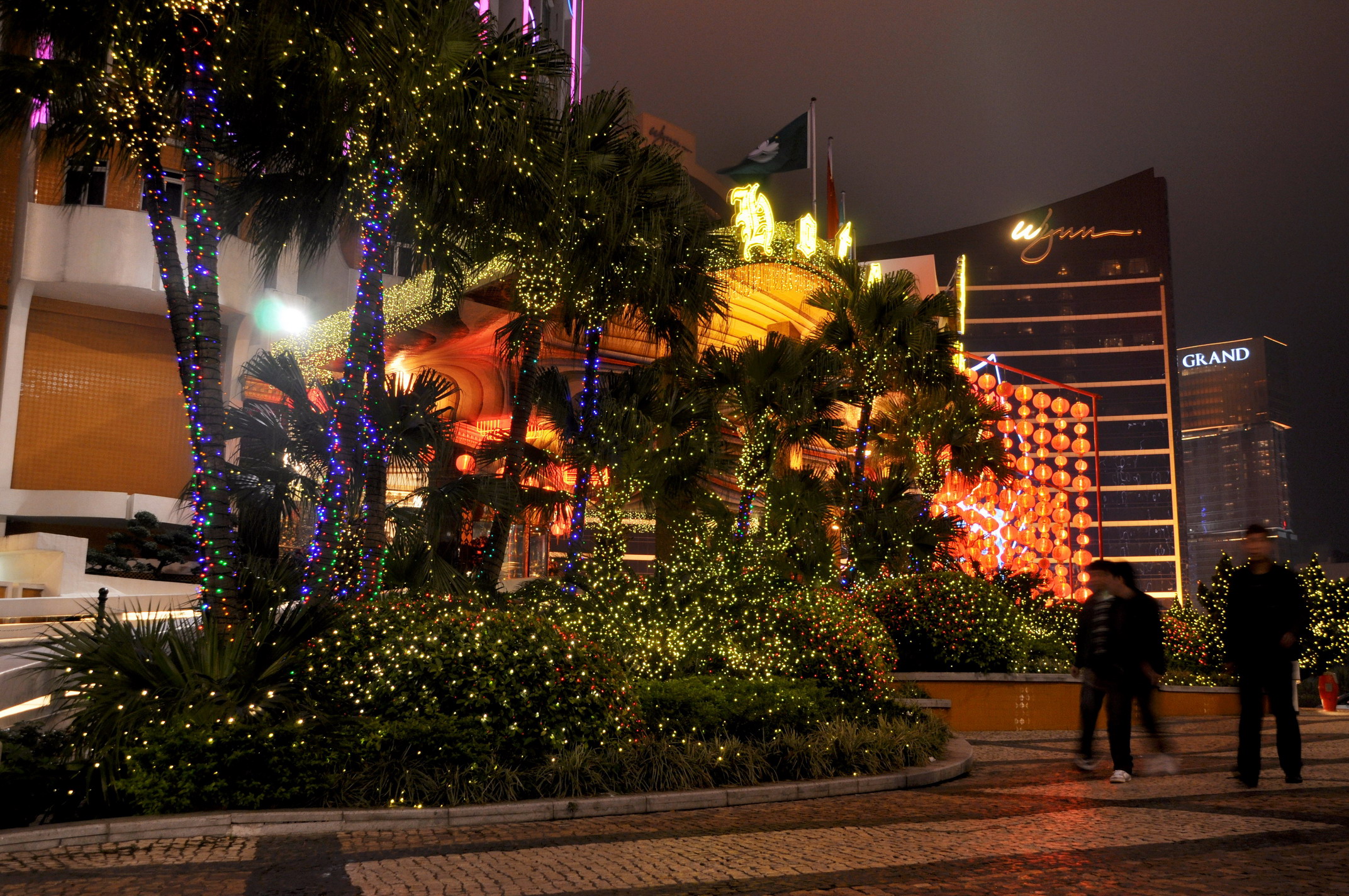
Then again, when it comes to making lanterns for Chinese New Year, nobody does it better. Everything is neat and precise, the shapes and tastes impeccable. I love Chinese New Year. Our European world could do with more bright colours.
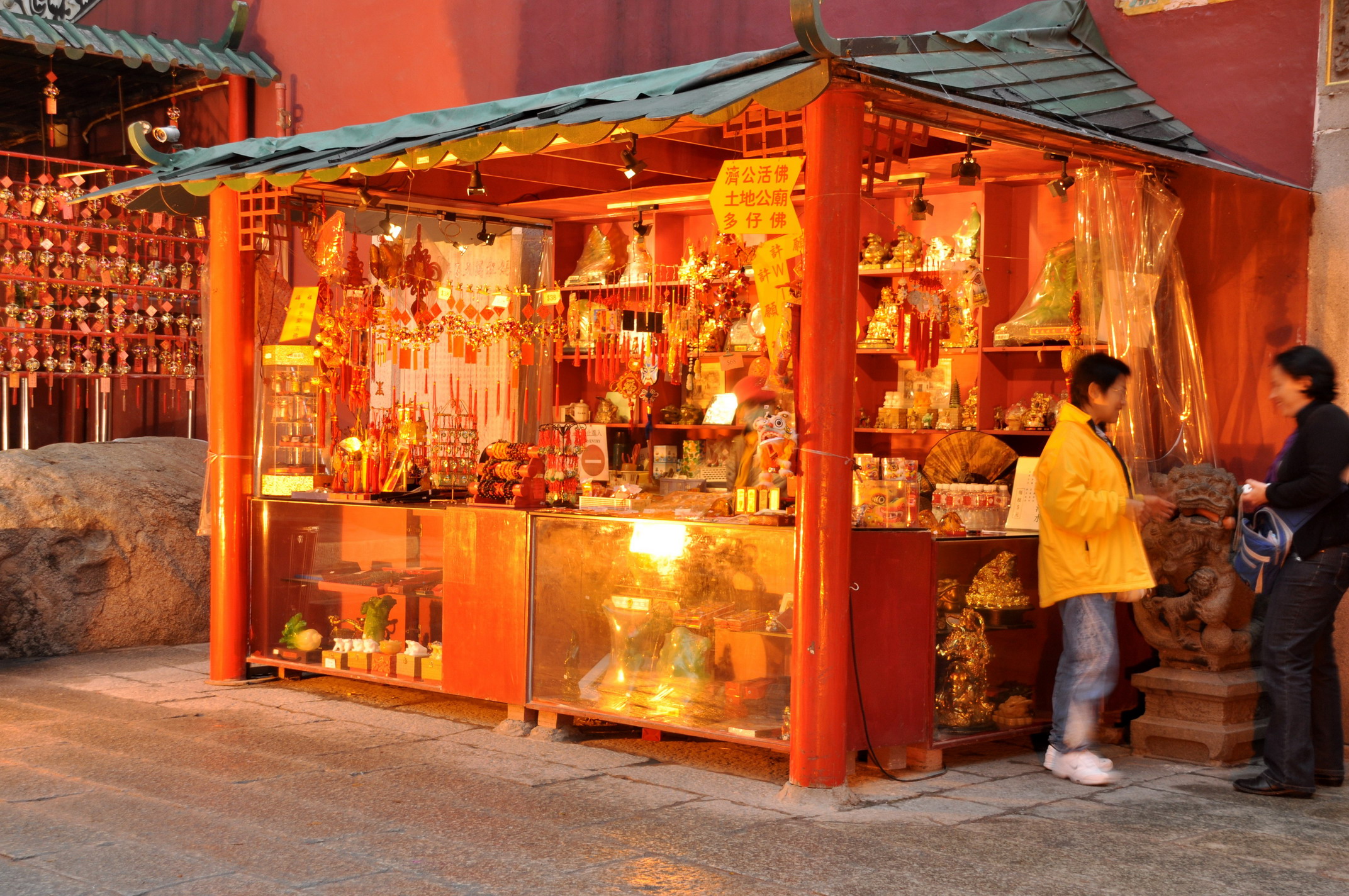
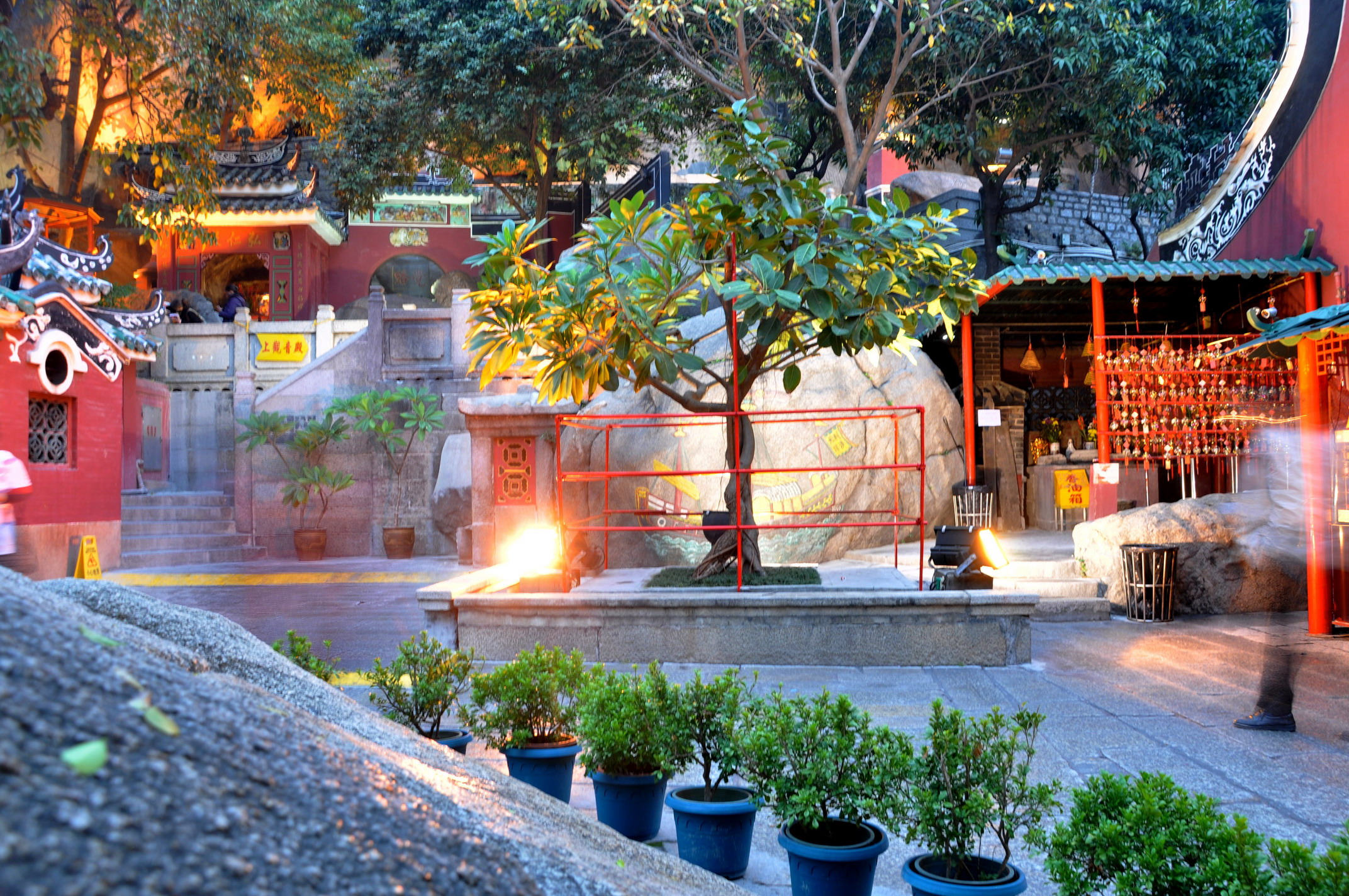
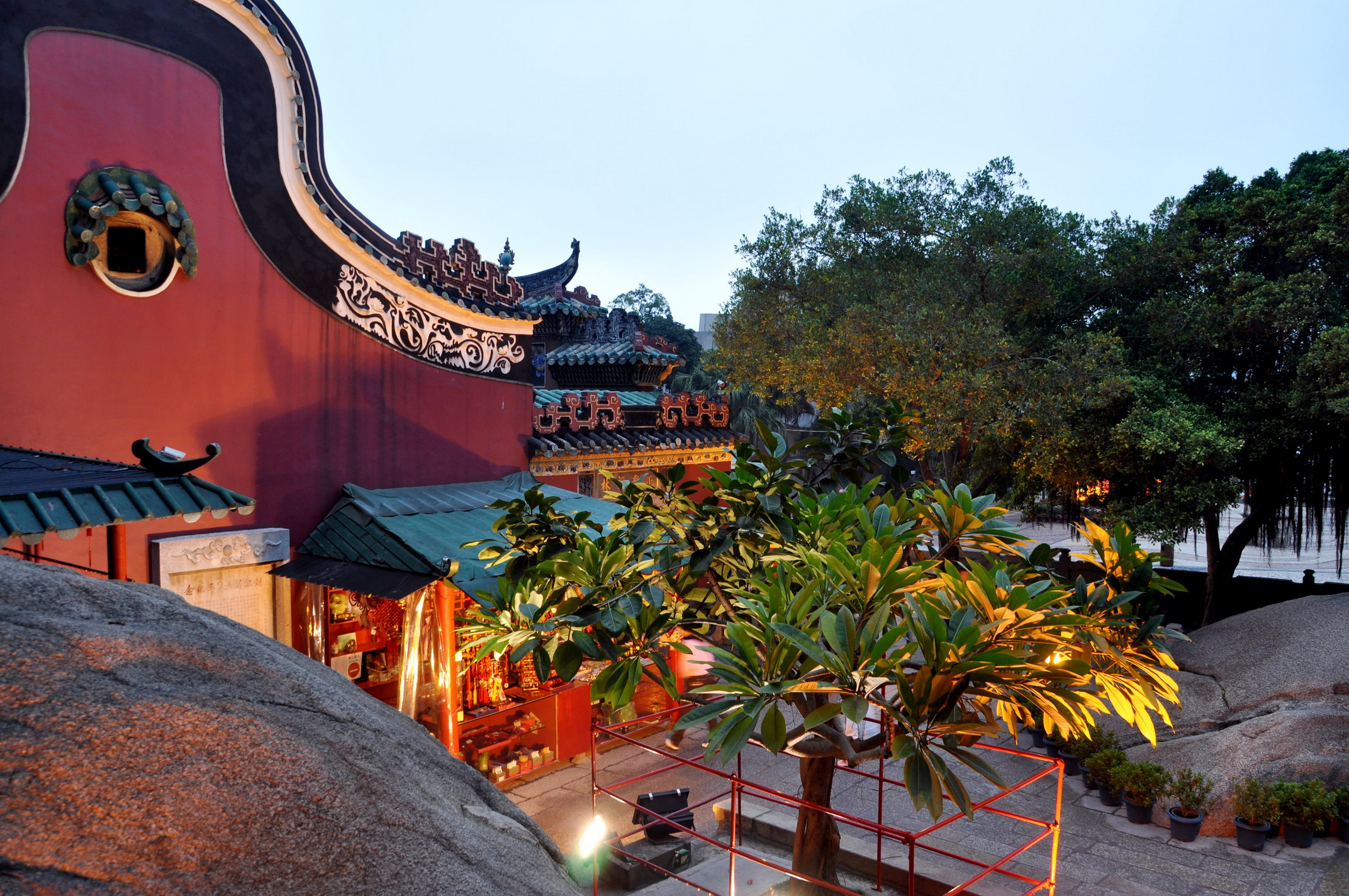
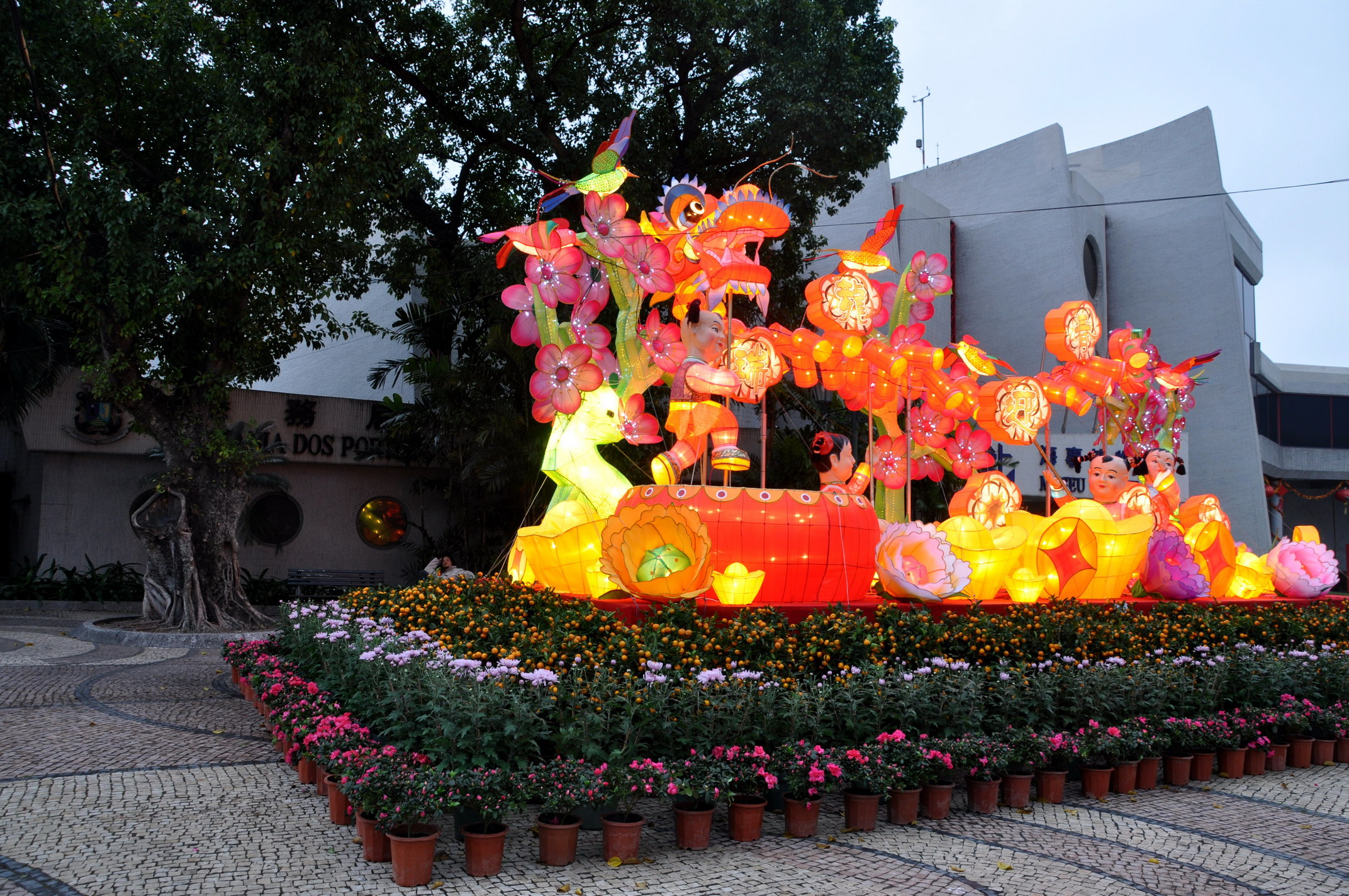
When darkness fell, the city lit up with billions of coloured lights, LEDs really. Every tree and every building in the centre was studded on every side.
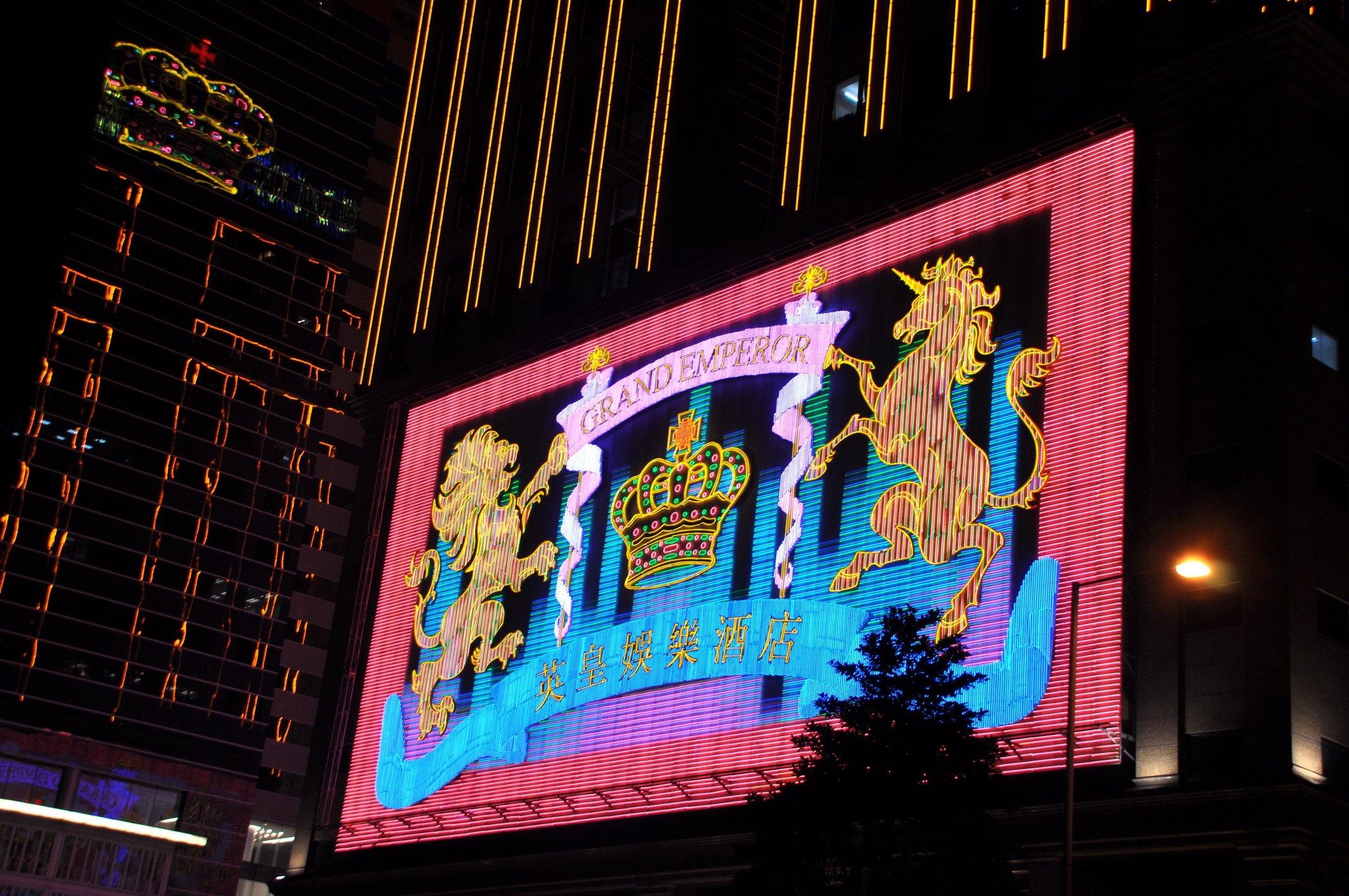
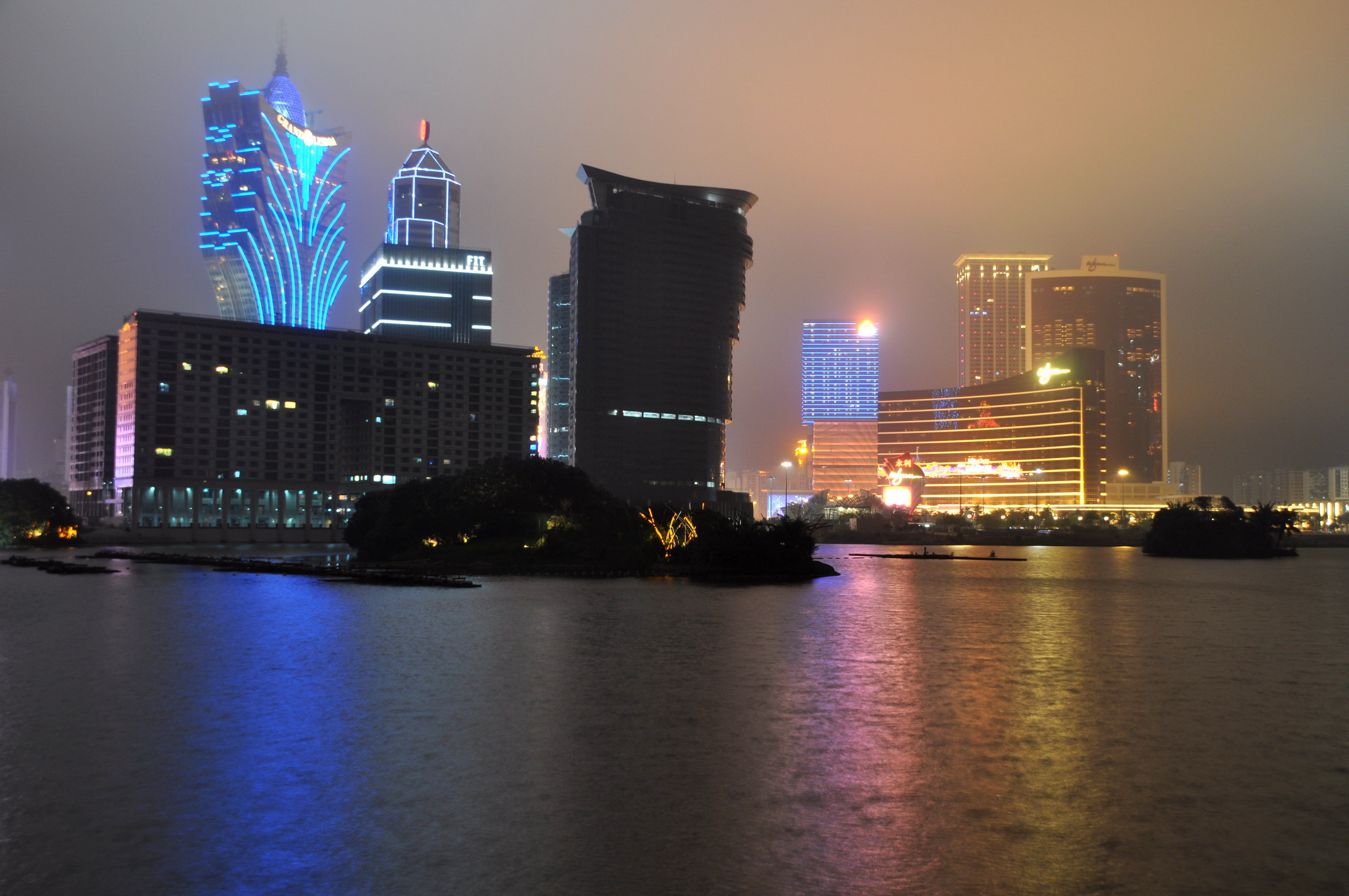
I didn’t manage to get the helicopter back to Hong Kong. The flight was cancelled. I imagine the helicopter is like the casino limousine. Somebody wins a million and they put him, drunk and with a couple of girls for company, into a pink helicopter and send him home. Lose your money and you get a seat in the corner on the ferry.
I was late and had to run for that ferry. Luckily they run after dark. I still had to get out of Macau, back into Hong Kong, catch a train to the faraway airport and fly onward that same day.
Macau is a beautiful city. If you don’t gamble, a single day will do, and that day is worth it to see one of the extremes in the varied panorama of our world. When I flew from Hong Kong into Zurich and looked out of the window, my heart sank. Everything was so grey.