Trip report
First impressions
China is hard to write about. You’d have to travel through it for years and bring out great thick books, having first read thicker books still and learnt the language. There is so much history, such a variety of landscapes, so much noise in politics and such a bewildering number of characters. And there are a billion Chinese people into the bargain.
All this meant I couldn’t get myself to China for years. I still hoped it would become a more humane country. I didn’t feel like putting my heart into a place that had crushed Tibet and killed students at Tiananmen. Life is short, though, and the mole of history digs slowly. I could die of waiting. Above all I was hoping foreigners would be allowed to hire cars. I’d hoped the Olympics would cut through the Chinese bureaucracy, at least to a point. No such luck. At the time you still needed a local licence to drive. My understanding was that you needed a residence visa, a language exam, a local medical and then the normal driving tests. I feel helpless without a car.
I might have waited years longer if there hadn’t been a solar eclipse in China, the longest for decades. Totality could reach six minutes and thirty-nine seconds along the path. Nothing this long would come again in my lifetime. There was no getting around it. I had to go.
I had a week and a few separate days in transit. You can’t cover the country in that time. So this is an account of my first impressions.
Getting a Chinese visa through a travel agent was straightforward. It cost three or four thousand roubles. Single- and double-entry visas were easy to arrange; a multiple-entry visa was harder.
I bought tickets to Beijing on the Saint Petersburg airline Pulkovo, by then called Rossiya, and combined the trip with New Zealand. I’d booked Air New Zealand from Hong Kong, so for Beijing to Hong Kong I chose the budget carrier Hong Kong Express, chiefly because it would accept a credit card issued outside China.
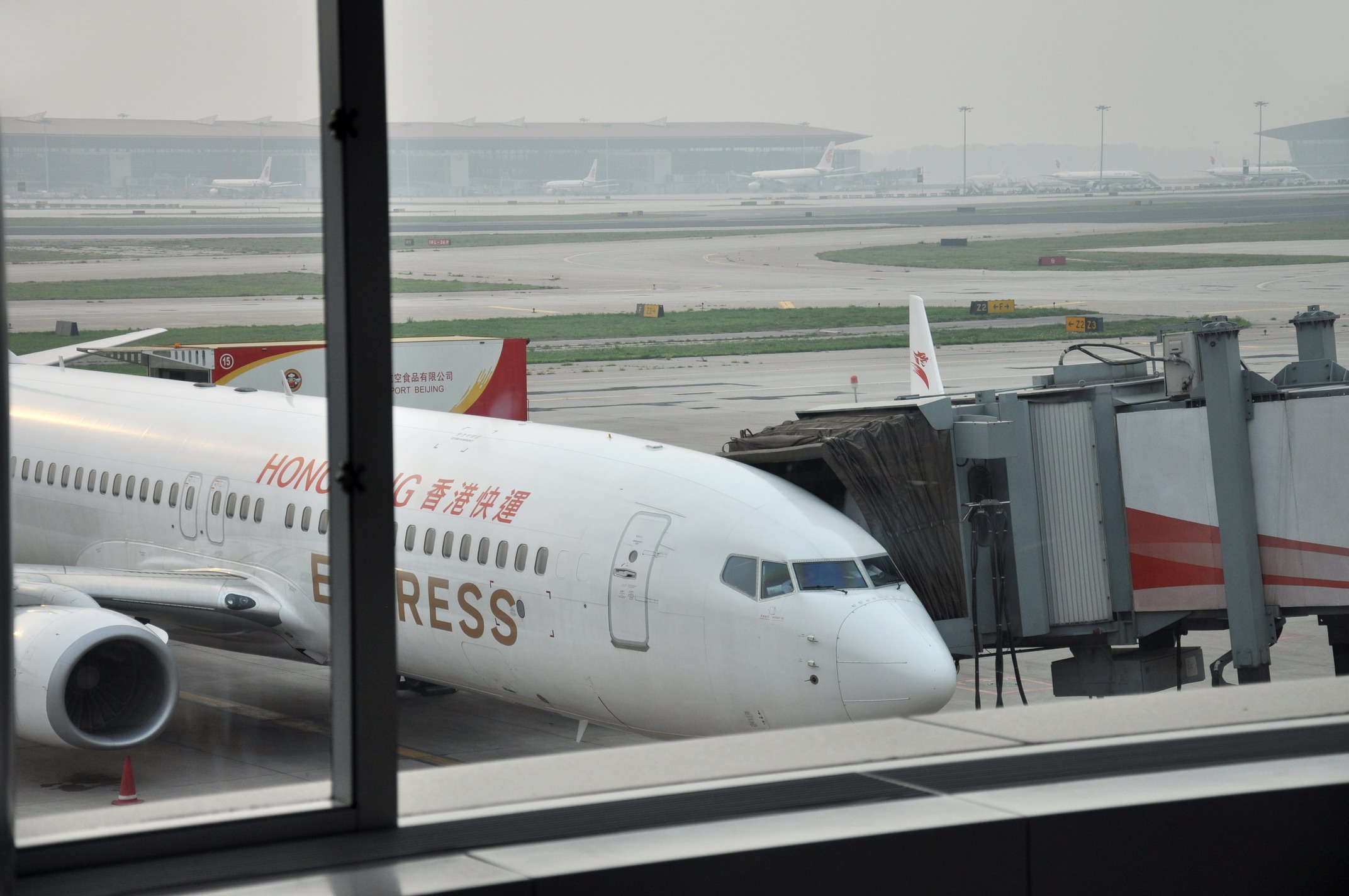
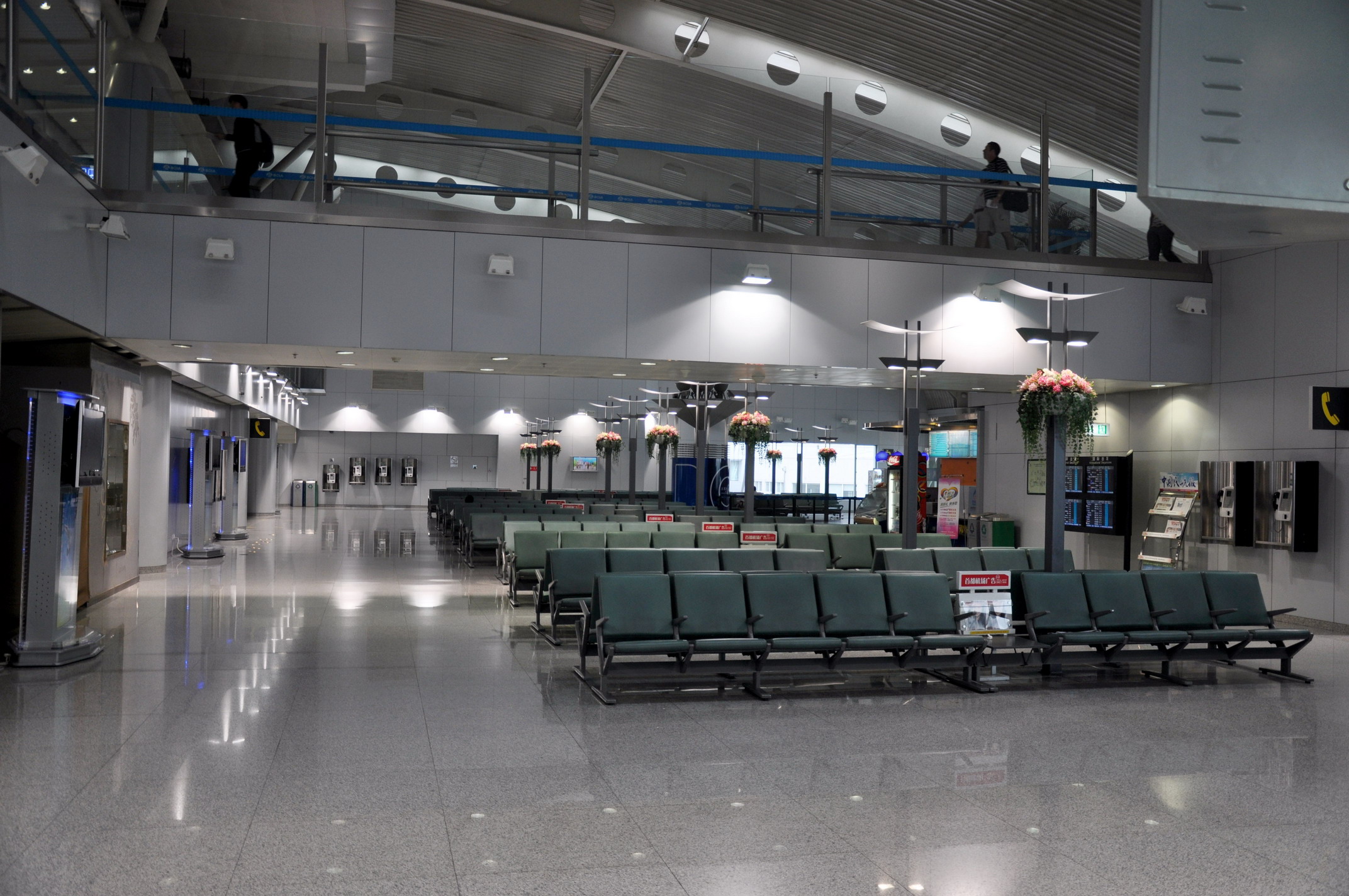
On the way to New Zealand I had only one short night in Beijing. My flight from Saint Petersburg arrived late in the evening and I had to be away early in the morning. It immediately felt to me as though I’d landed in the Soviet Union. A huge airport and almost nobody spoke English. The only person I found was a young woman at the desk for arriving foreigners who offered me a cheap hotel beside the airport.
Everything basically did its job, yet I saw that familiar Soviet quality in the smallest things. I hadn’t seen a bus gear lever wrapped in electrical tape since I was a child. The hotel looked as though it had stepped out of a time machine. They kept my passport and gave me a key in exchange. From the windows you saw an industrial landscape of abandoned trenches overgrown with grass. A clock glowed green on each floor, just as it would in a Soviet factory. They had everything they needed. Why did it all feel so institutional? Had they learnt that quickly from Soviet specialists in the early 1950s? Or was it a shared legacy of Genghis Khan? Well, China is big. Maybe I was looking in the wrong place.
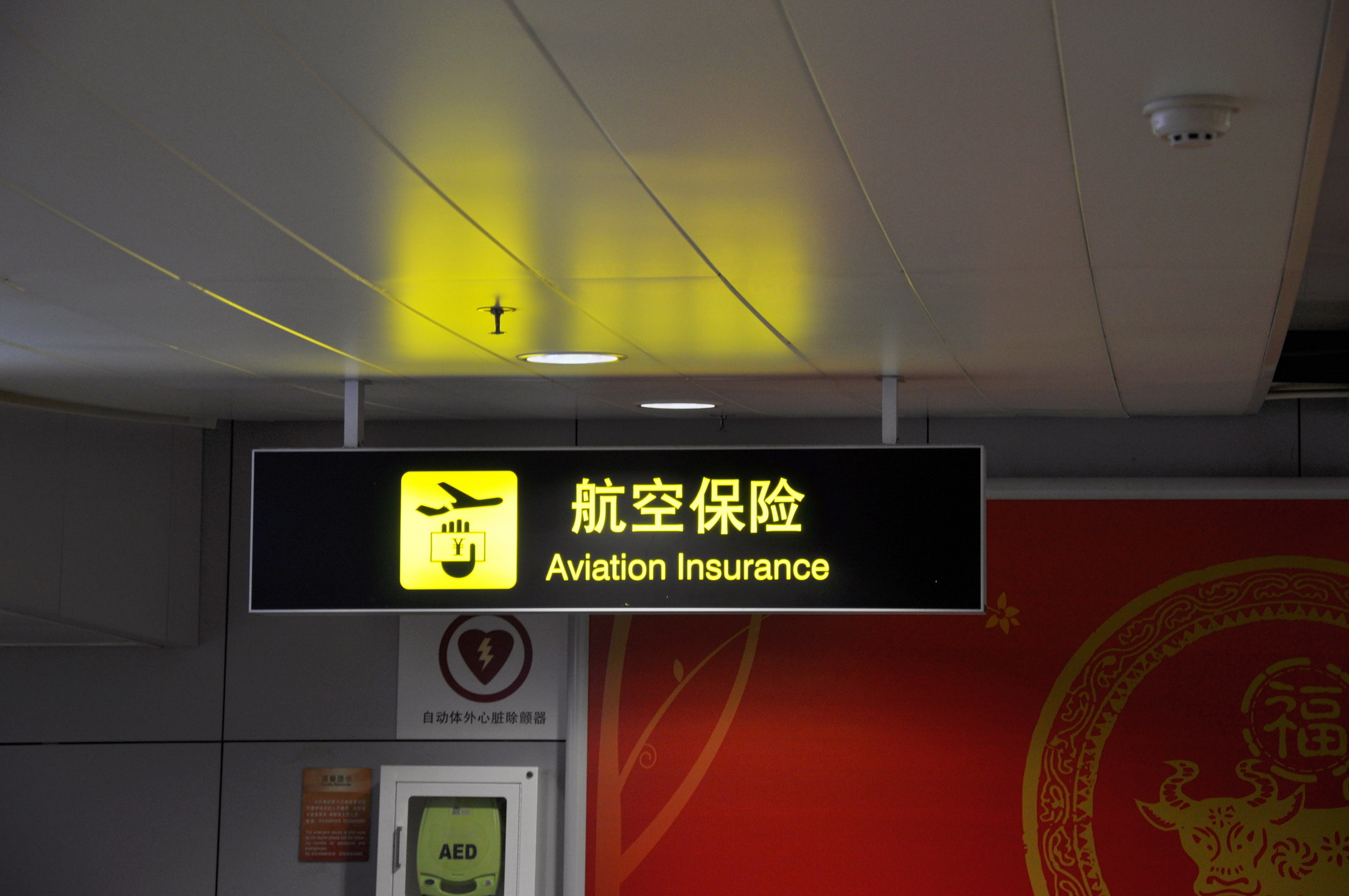
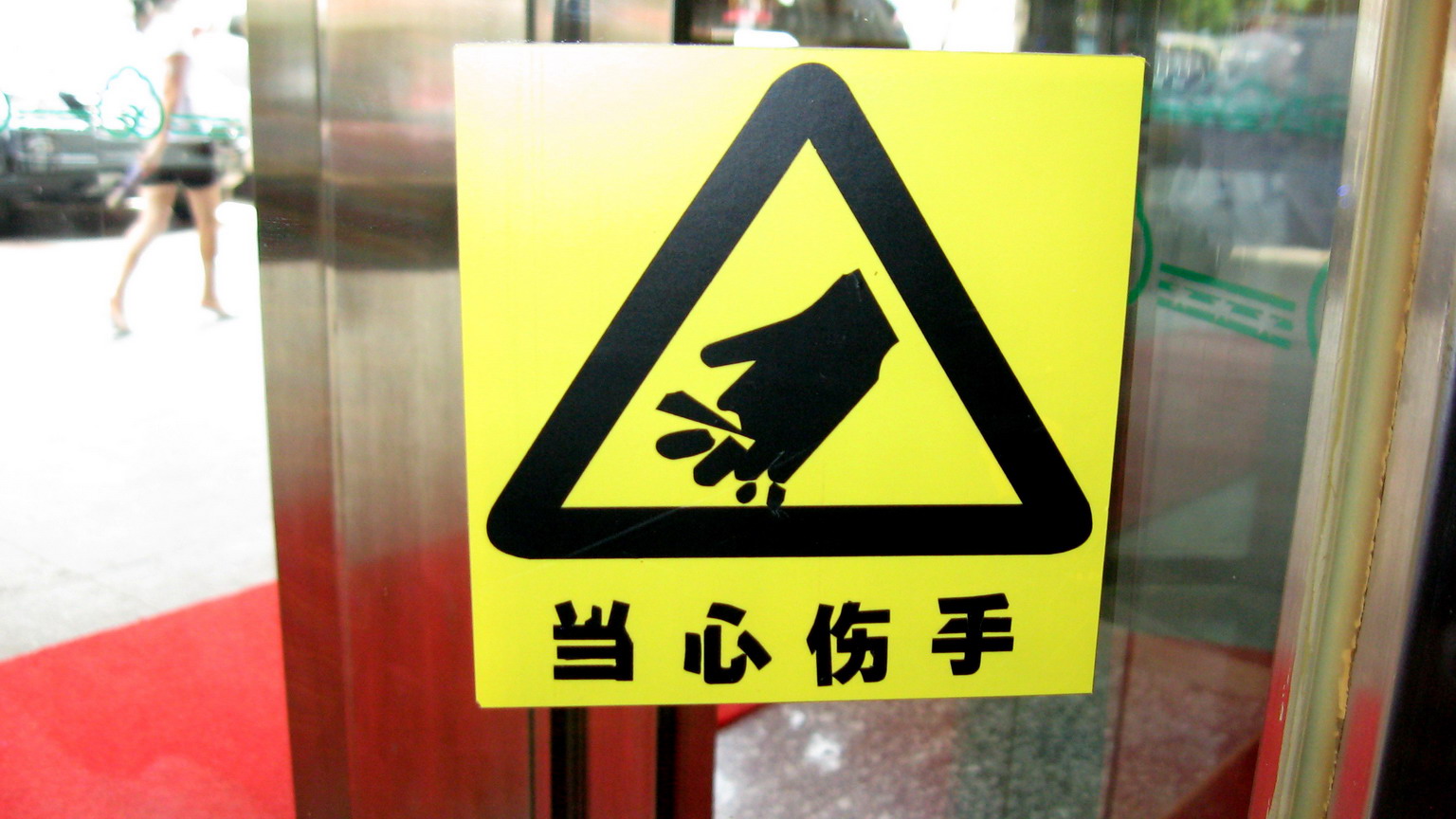
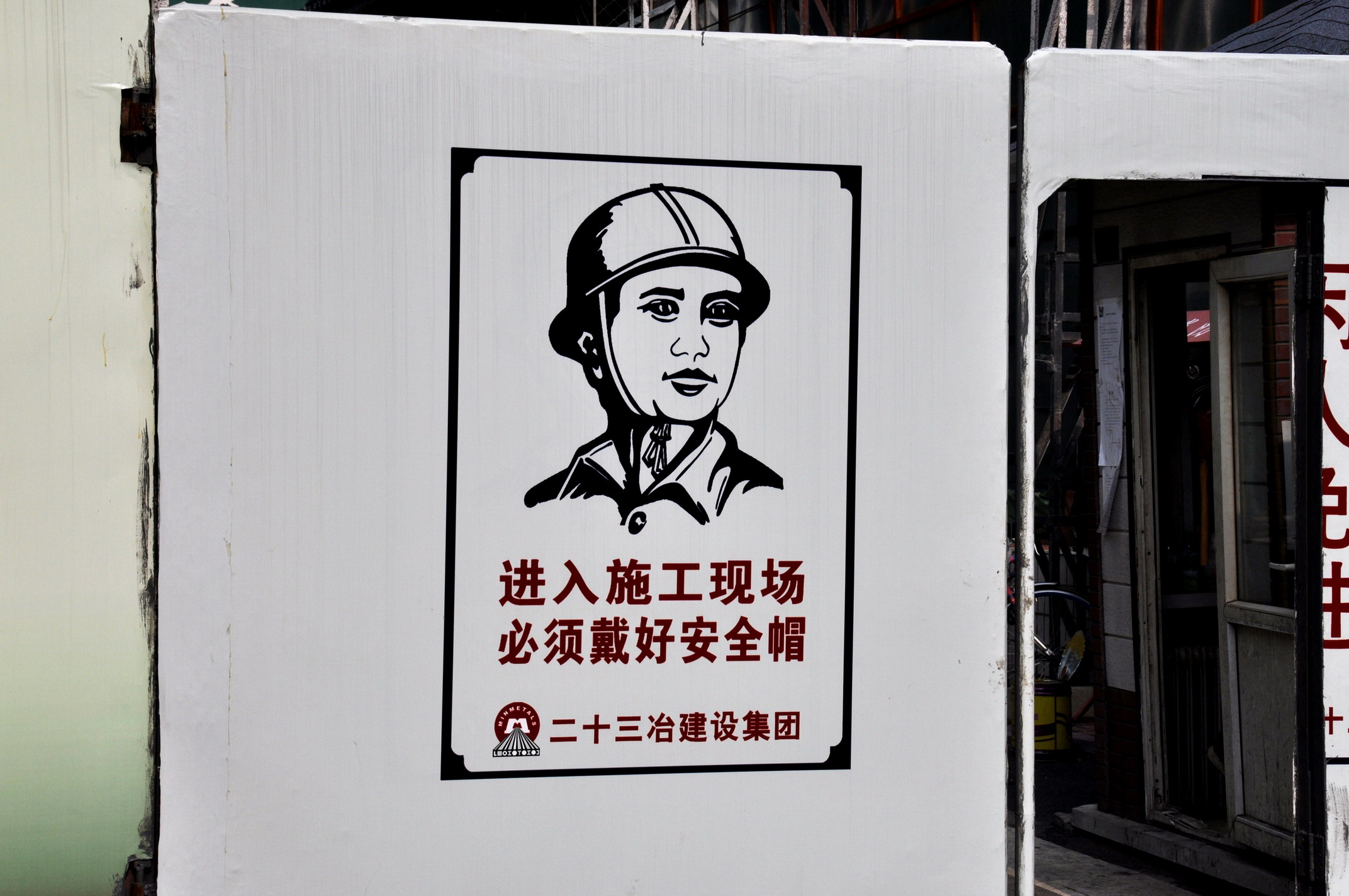
I got to the airport the next morning without coming properly awake. One thing did cheer me up, the symbol for the travel insurance agency. A plane broken clean in two. Frightening, but honest. So much for Western delicacy. More gruesomely explicit still was a sign telling people to keep their fingers out of closing doors. European children would be scarred for life and the metro company would face a billion-dollar lawsuit.
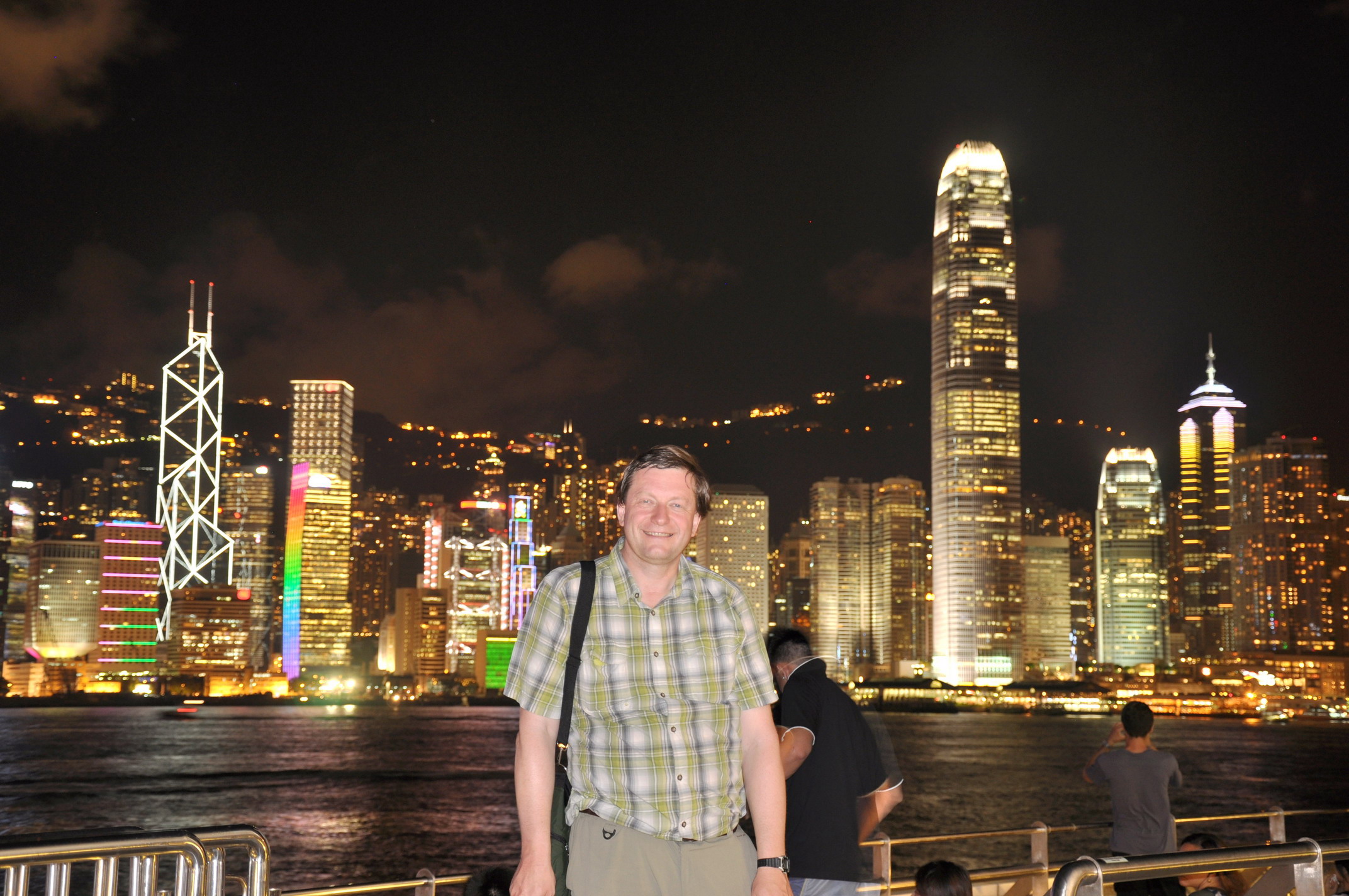
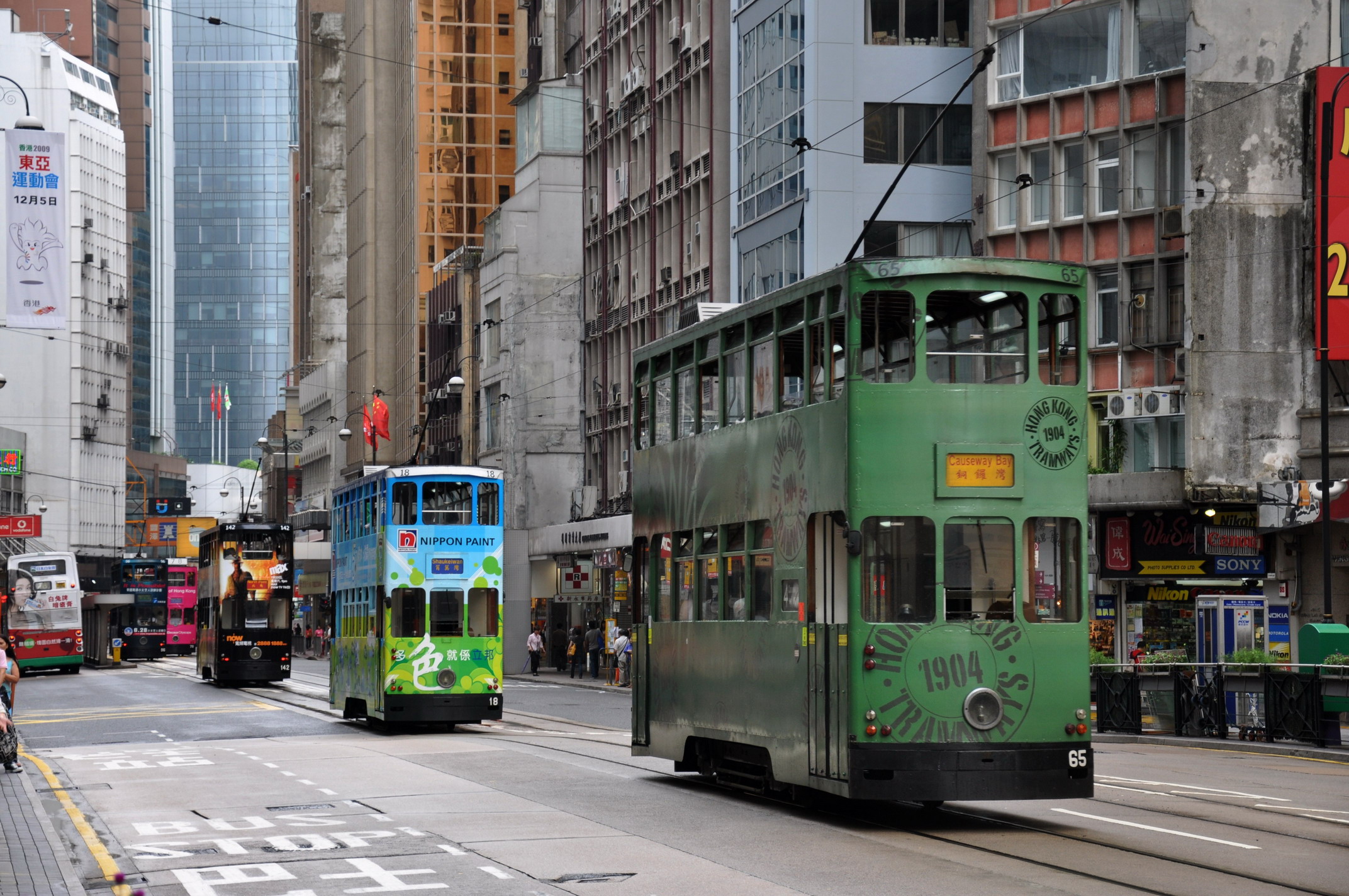
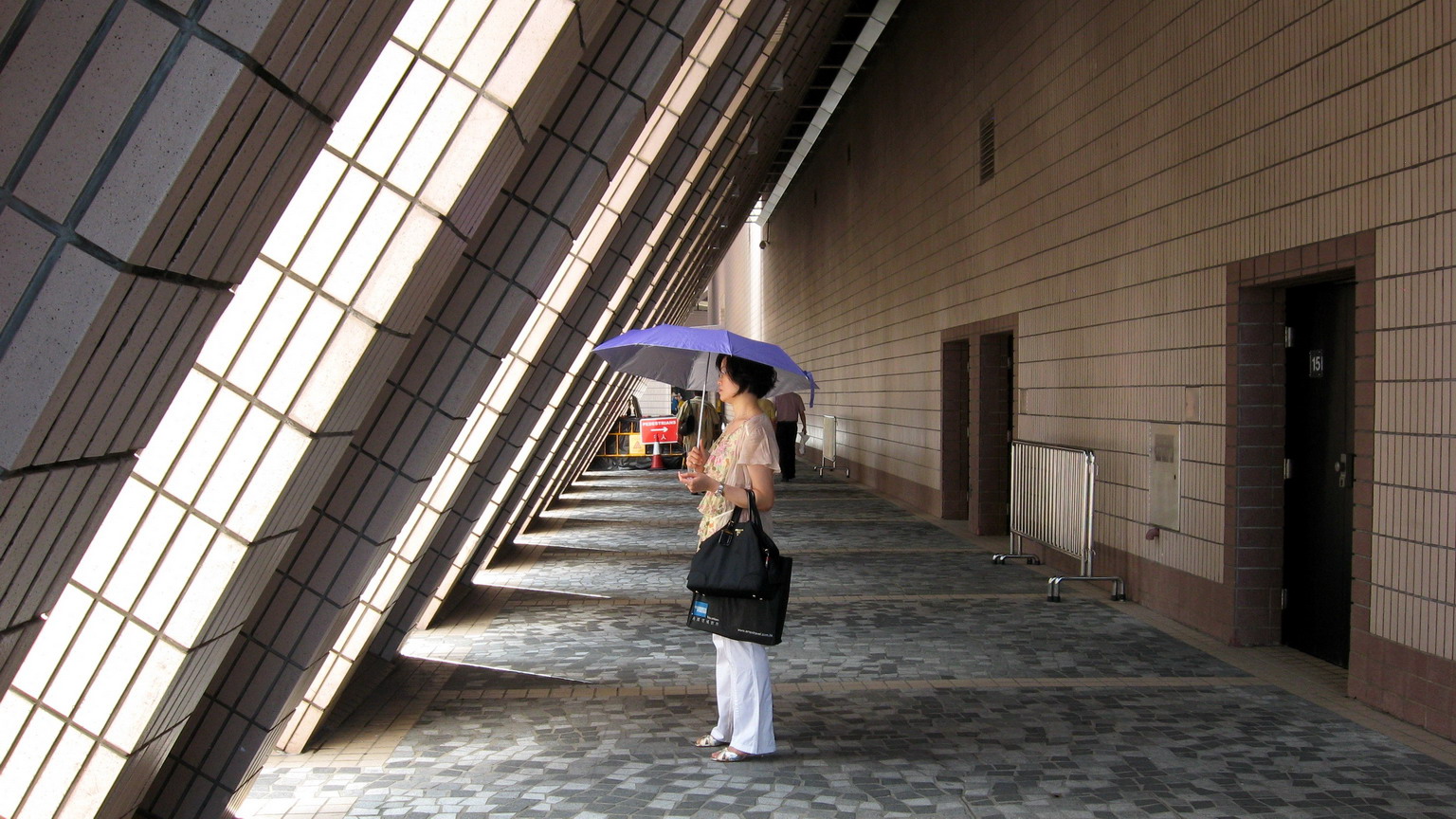
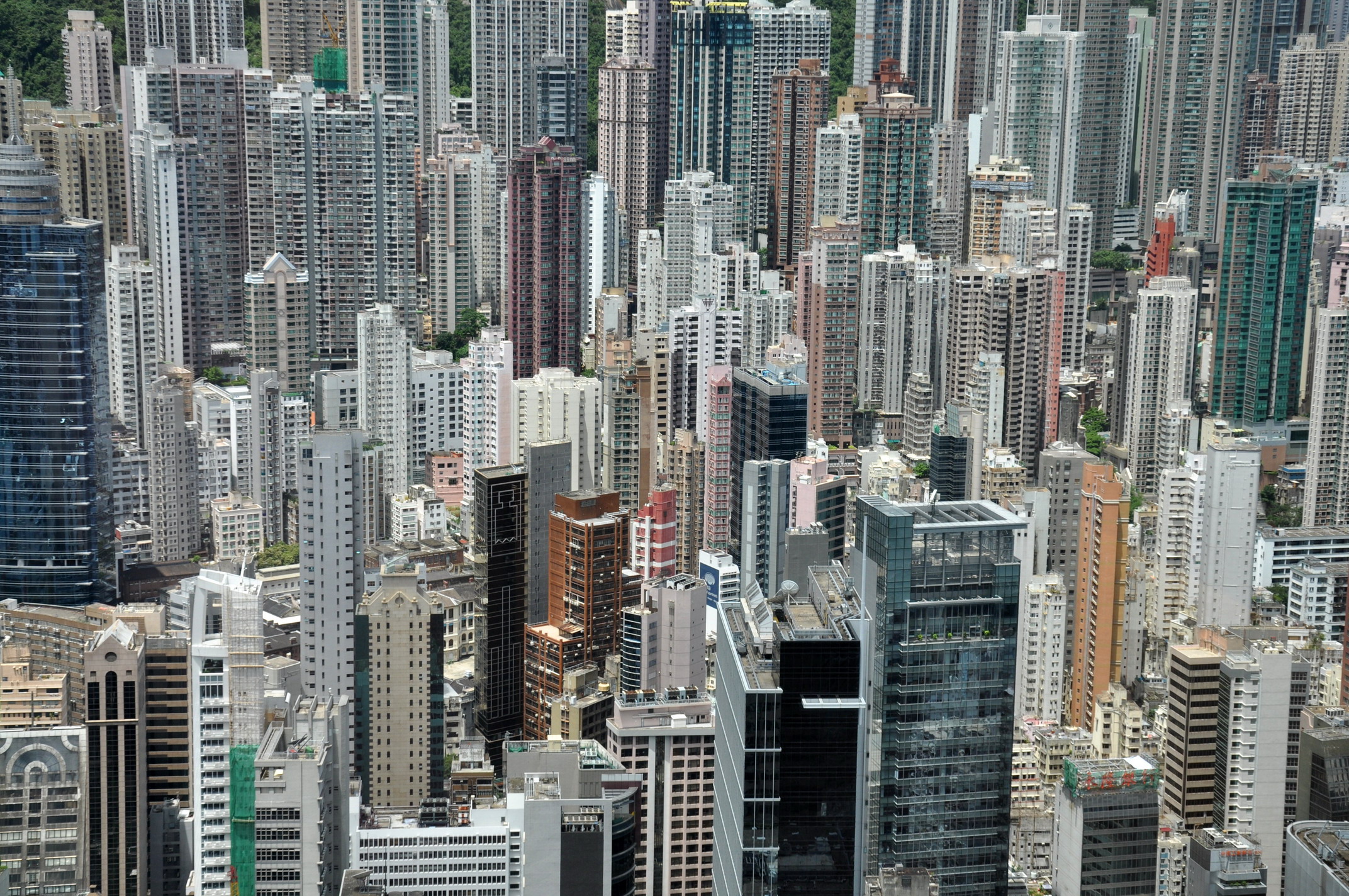
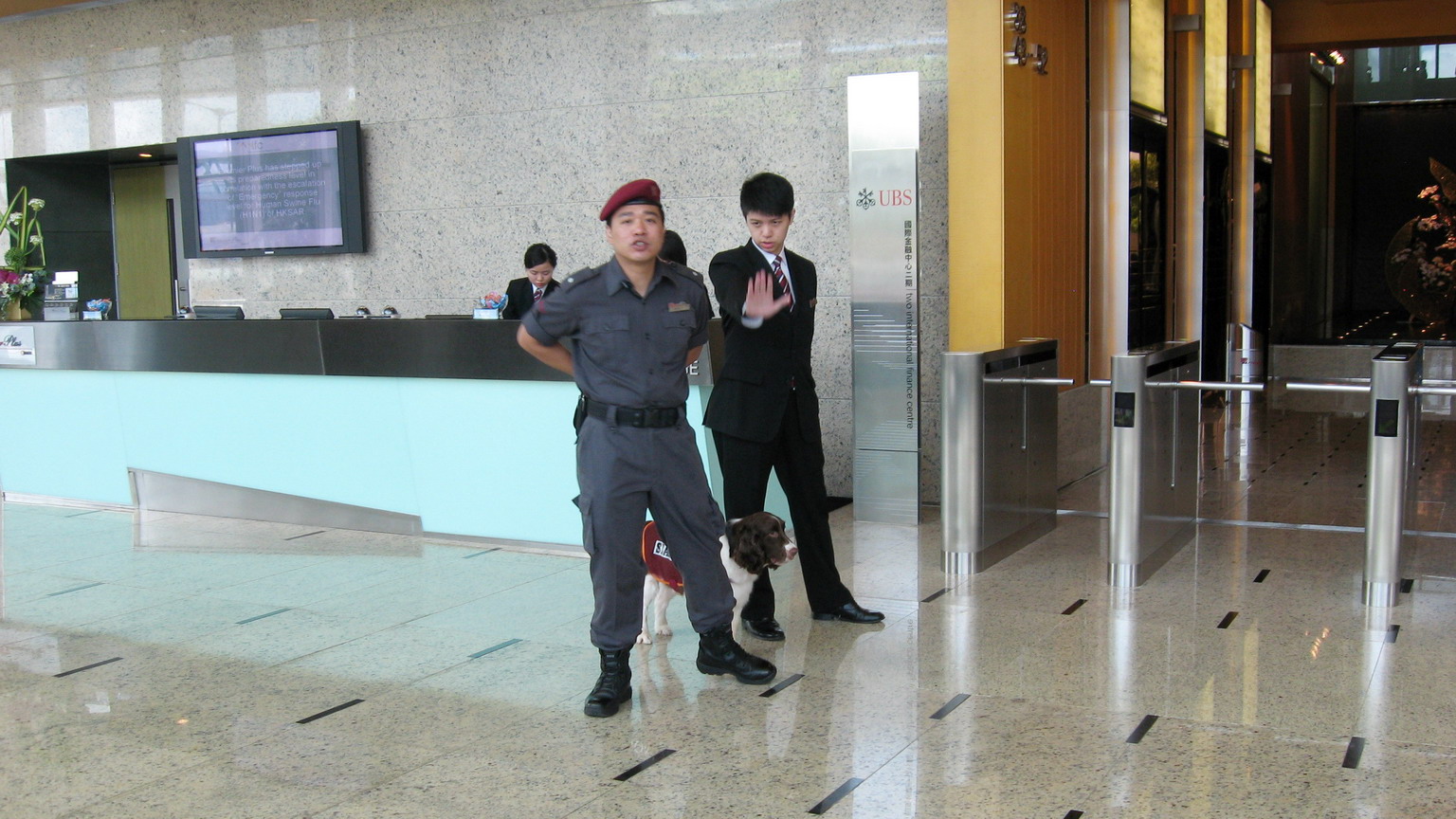
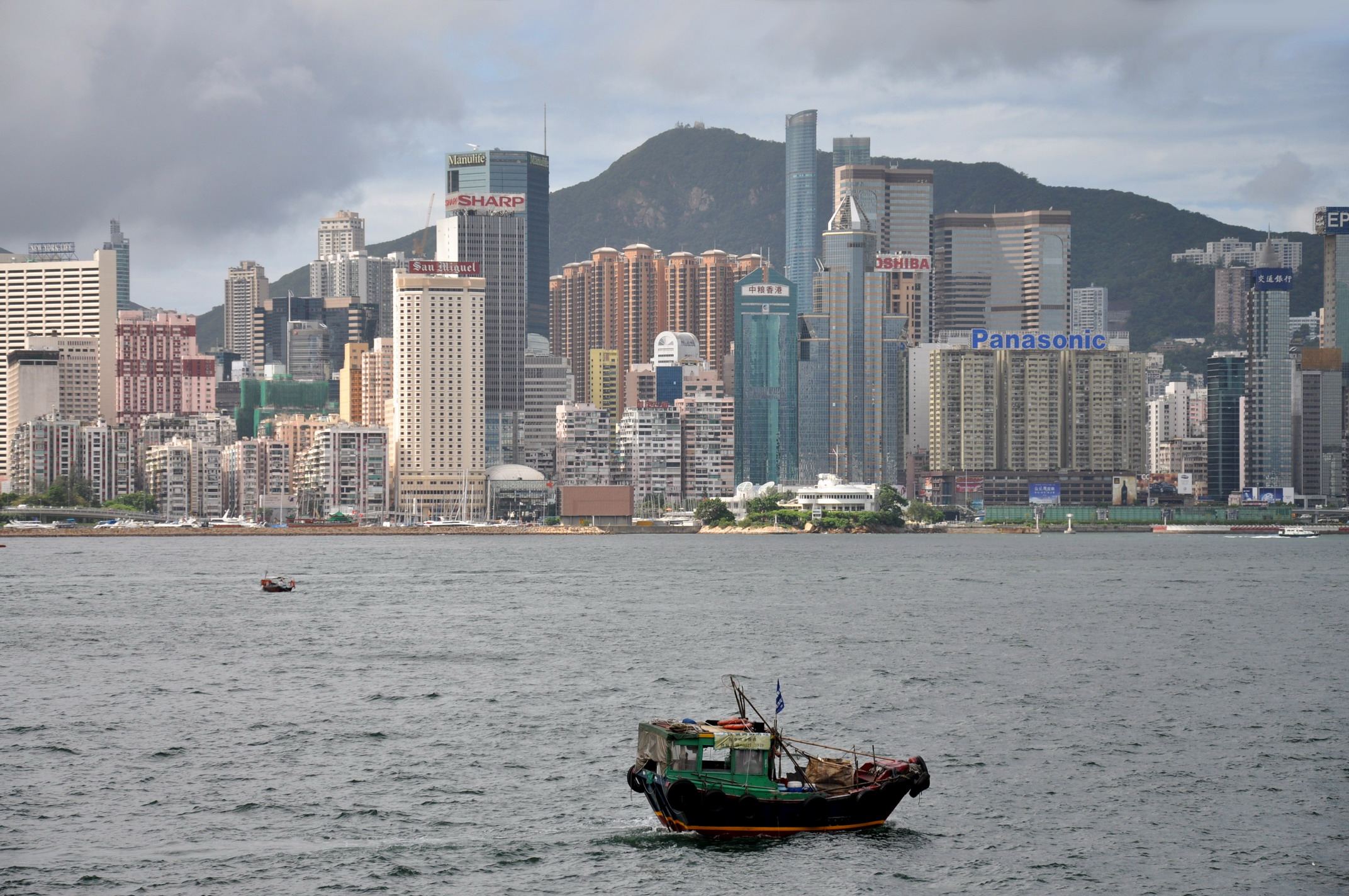
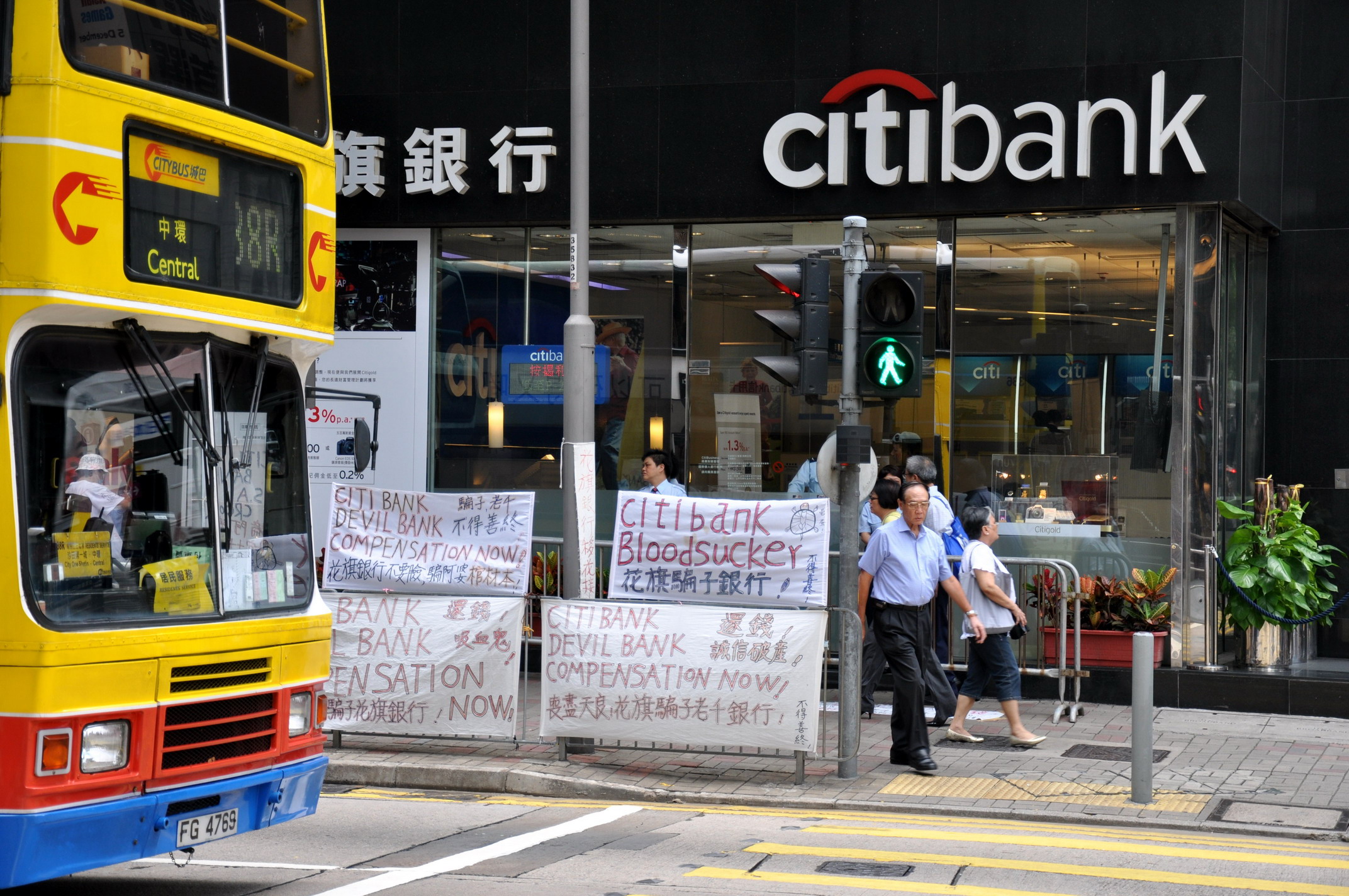
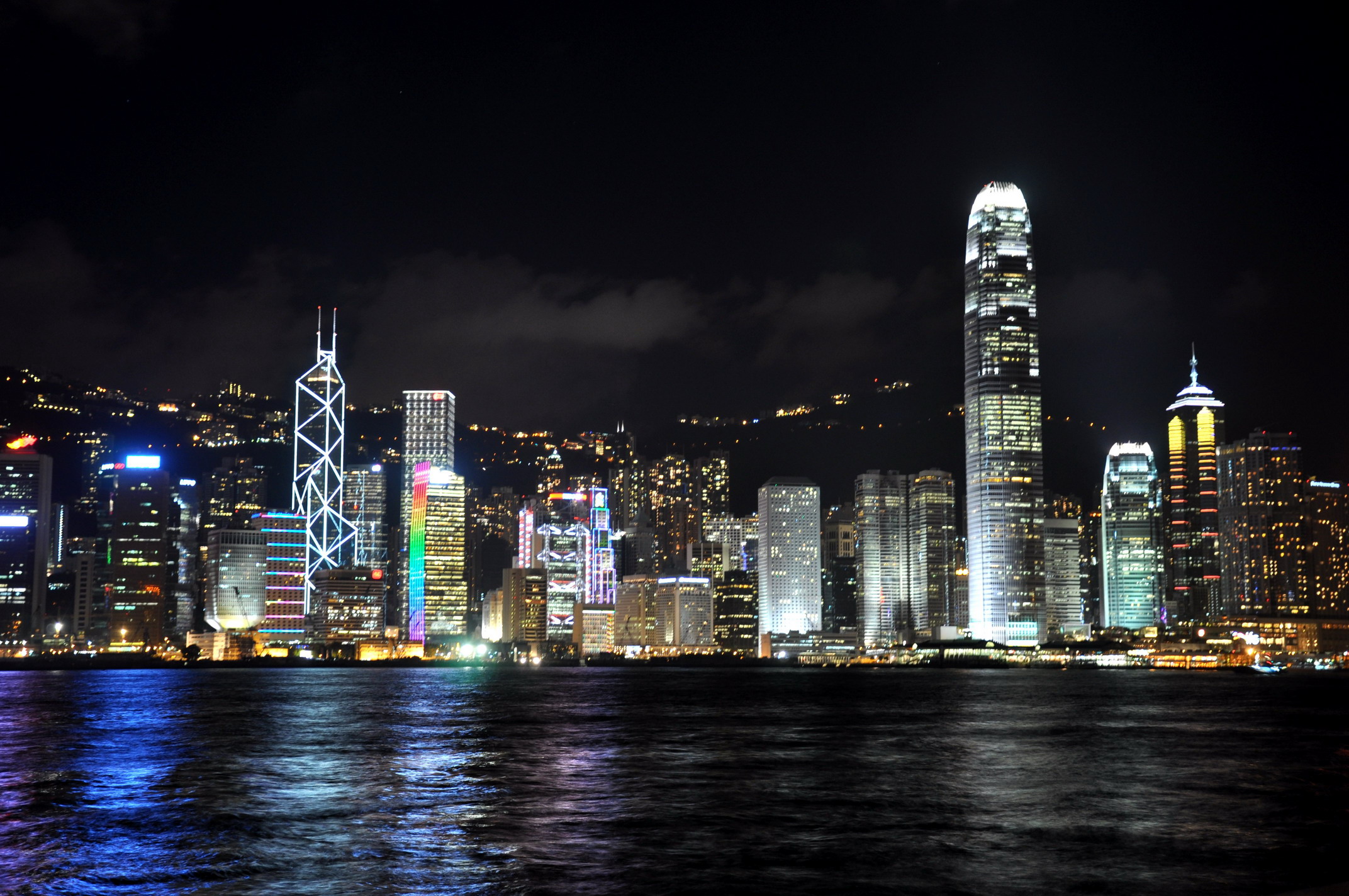
The plane took me to Hong Kong. Although it was now part of China, its administration there was local. It felt like a different world, enough to merit a story of its own. I flew onward to New Zealand, then came back to Hong Kong, where I met up with Lena Kazachenko. We went to see the eclipse together.
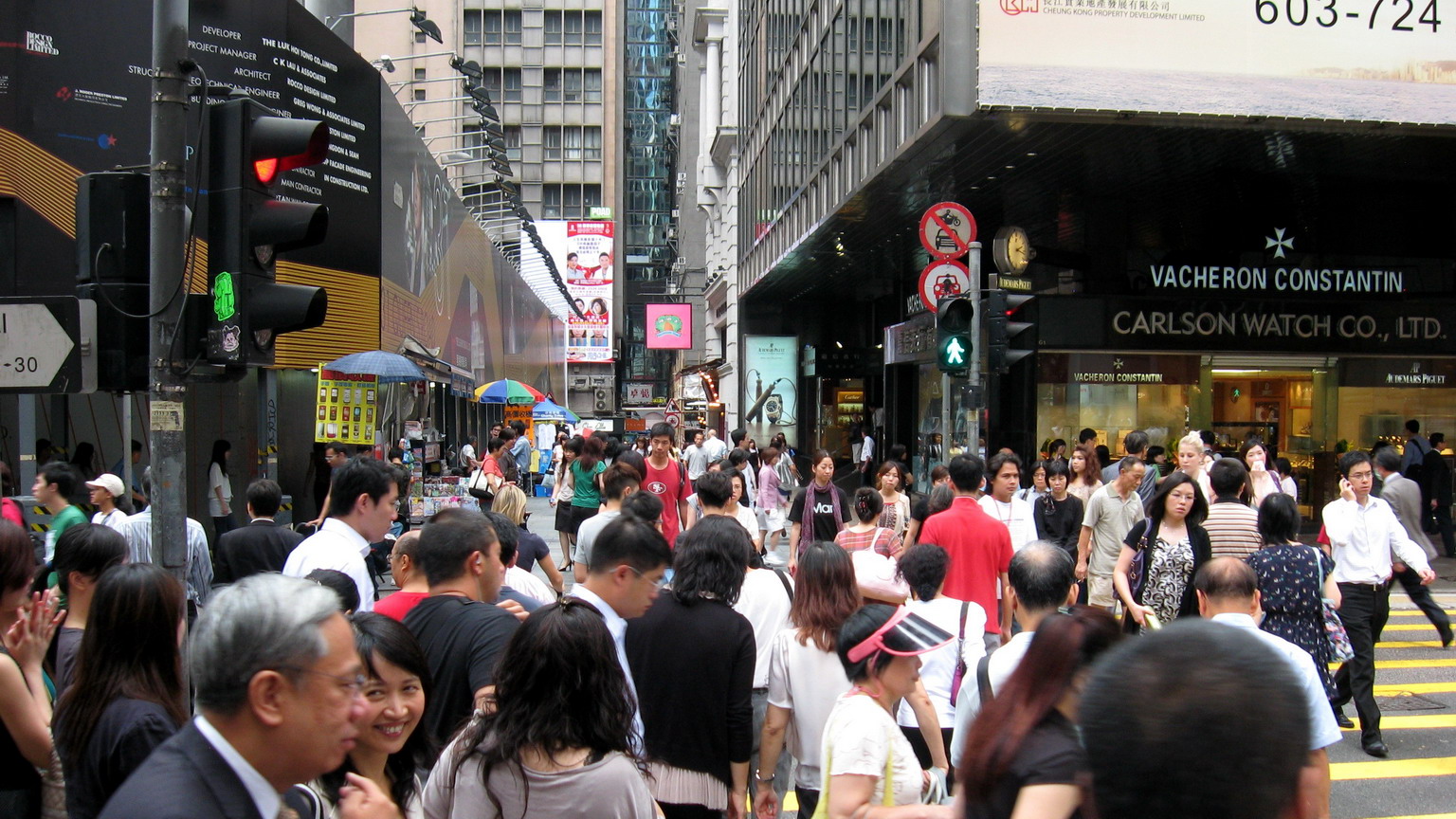
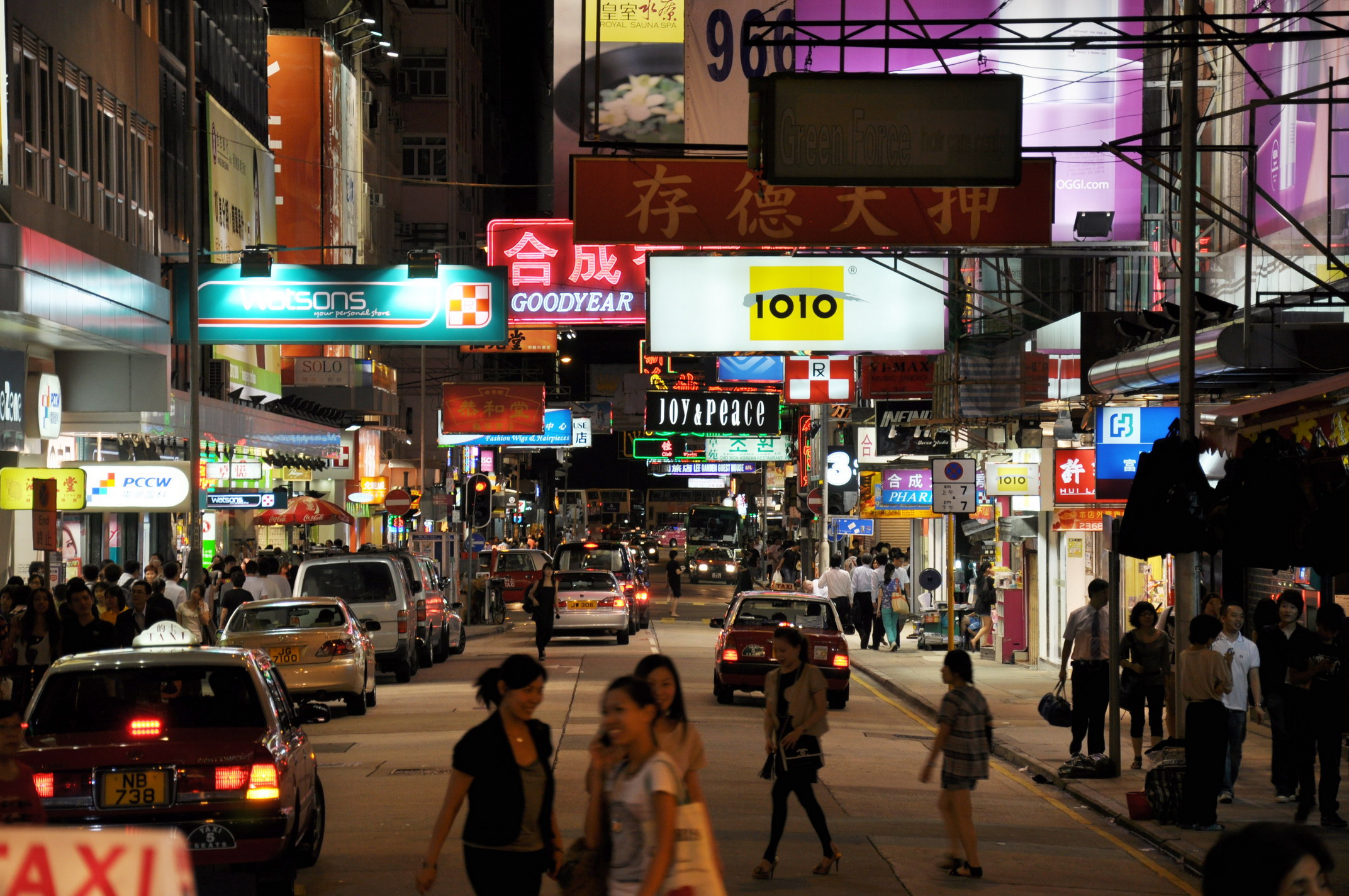
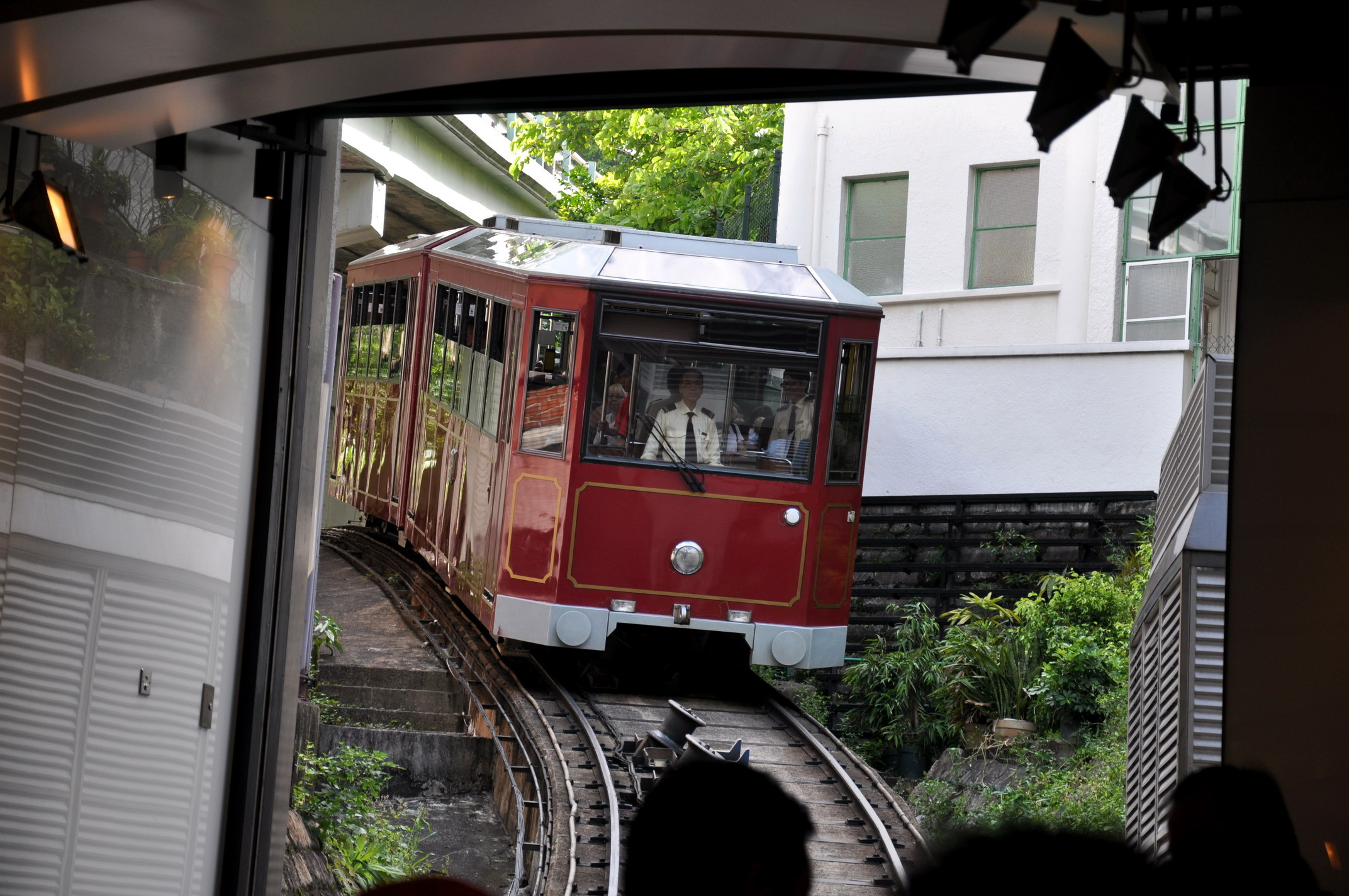
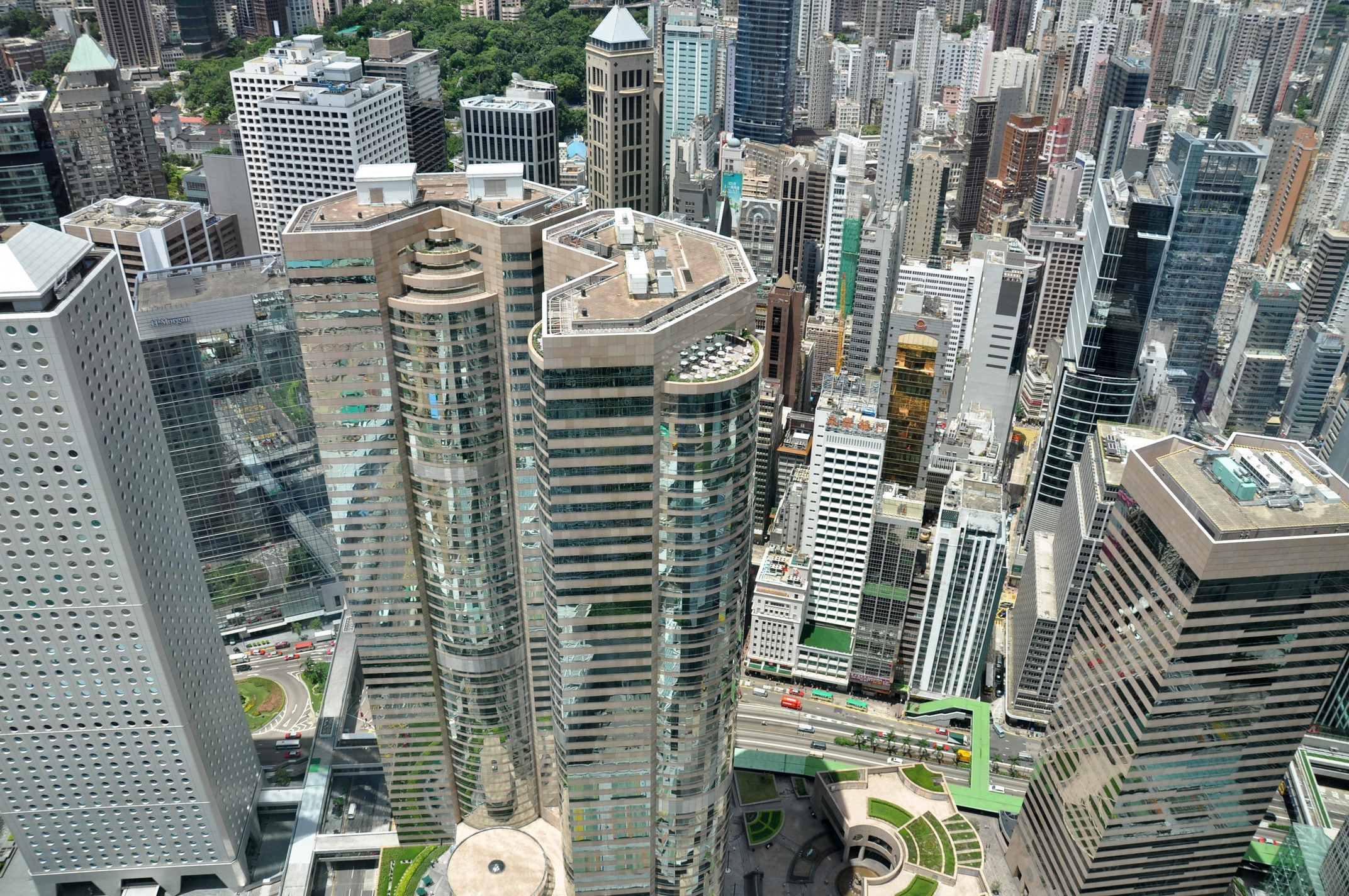
Guangzhou
I came back into mainland China on the Hong Kong–Guangzhou train, which crossed the border without stopping. Hong Kong was now part of the same country and visas used to be handled by Chinese embassies, but there were rows and rows of barbed wire. Russians had recently ceased to need a Hong Kong visa. To my eyes, staying out of the mainland bureaucracy was a good reason for Hong Kong to let much of the world in without a visa.
The train made several stops on the mainland. These stations functioned as a neutral zone surrounded by barbed wire, with border guards to meet anyone leaving the platform. Guangzhou was no different.
After Hong Kong, my first impression was the same as at the Beijing airport. I was back in the Soviet Union. Hong Kong is a city of contrasts and has poor neighbourhoods, but here there were endless districts like the new housing estates of Brezhnev’s day. Closer to the railway were empty lots with rubbish and unfilled trenches.
There was uninterrupted city along the railway. The map said Shenzhen, but in practice it felt like one continuous city of thirty million people. The Chinese economic miracle began here. In 1978 it could still be described as a much smaller place built around fishing and commerce. Deng Xiaoping had a special economic zone created here. By drawing on the experience and proximity of Hong Kong, they began building a capitalist economy out of a communist barracks. I associated this part of China with the manufacture of cars, sophisticated electronics and other advanced technology.
The train arrived at Guangzhou East. From there it was nearly an hour by metro to the city centre. The station was an island of civilisation. You could exchange money or use a cash machine. Cash machines and card payments were less widely available while I was there, so it was worth getting money before heading into parts of China less adapted to foreign tourists. You could also buy plane tickets at the station. There were lots of booths doubling as travel agencies, and in some you could find somebody who spoke English.
Languages were a struggle in China. It seemed that only one person in a hundred had even a little English. What did they teach at school? Other languages fared worse. We didn’t meet any Russian speakers, despite the idea at home that all the Chinese had studied in the USSR in the 1950s.
The metro was the main form of transport in big cities. Public transport generally reminded me of Moscow. You stated your destination when buying the ticket and kept it until the exit. Prices seemed almost identical wherever you went. If I got off at a different station from the one I’d specified, the machine still let me out.
We went for a long walk round Guangzhou’s centre. Guangzhou is the city formerly known to Europeans as Canton, a centre of southern China. Here it has its own culture and language. The writing uses the same characters but speech sounds different. The difference from standard Mandarin struck me as something like the difference between Russian and Ukrainian.
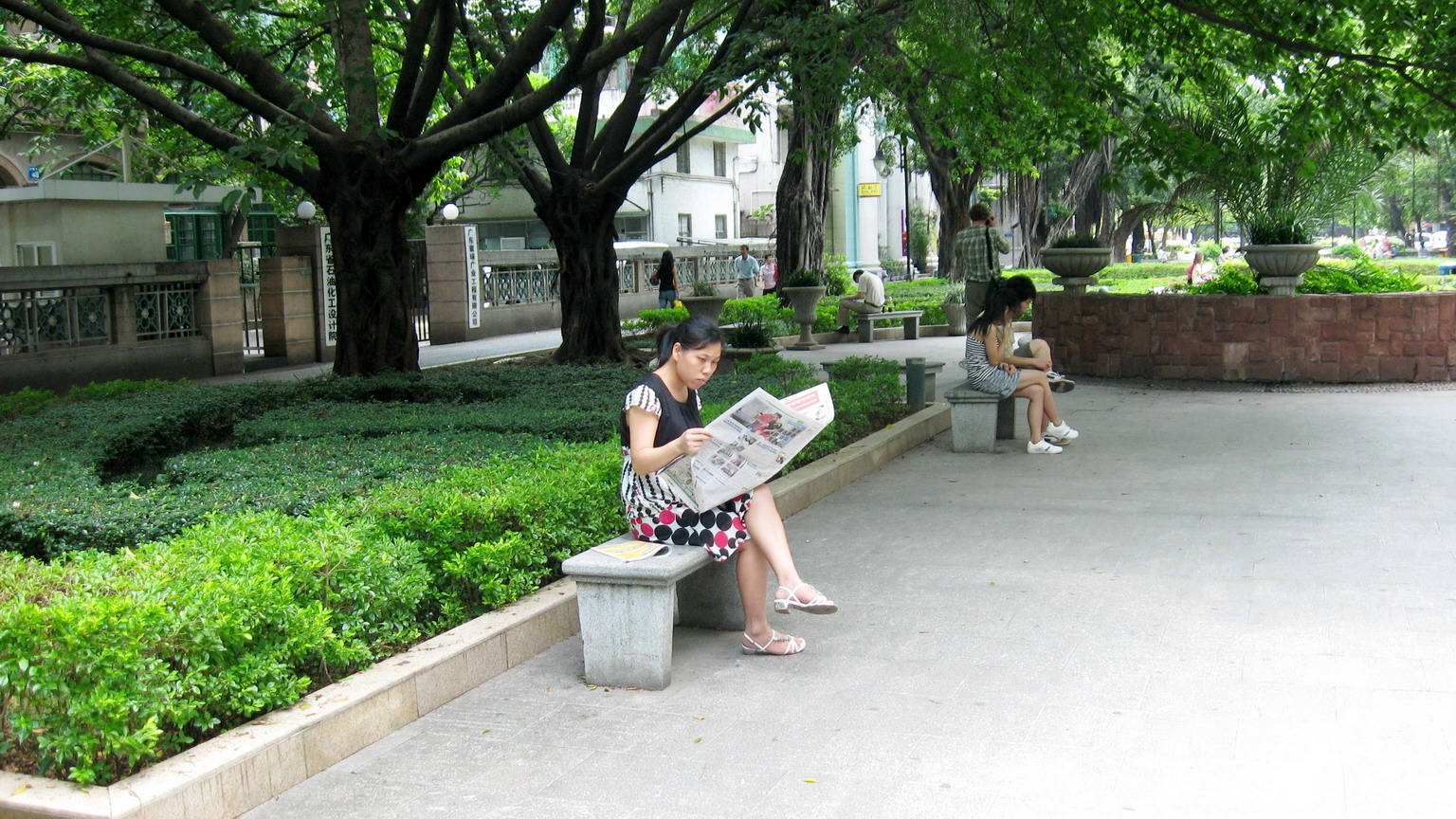
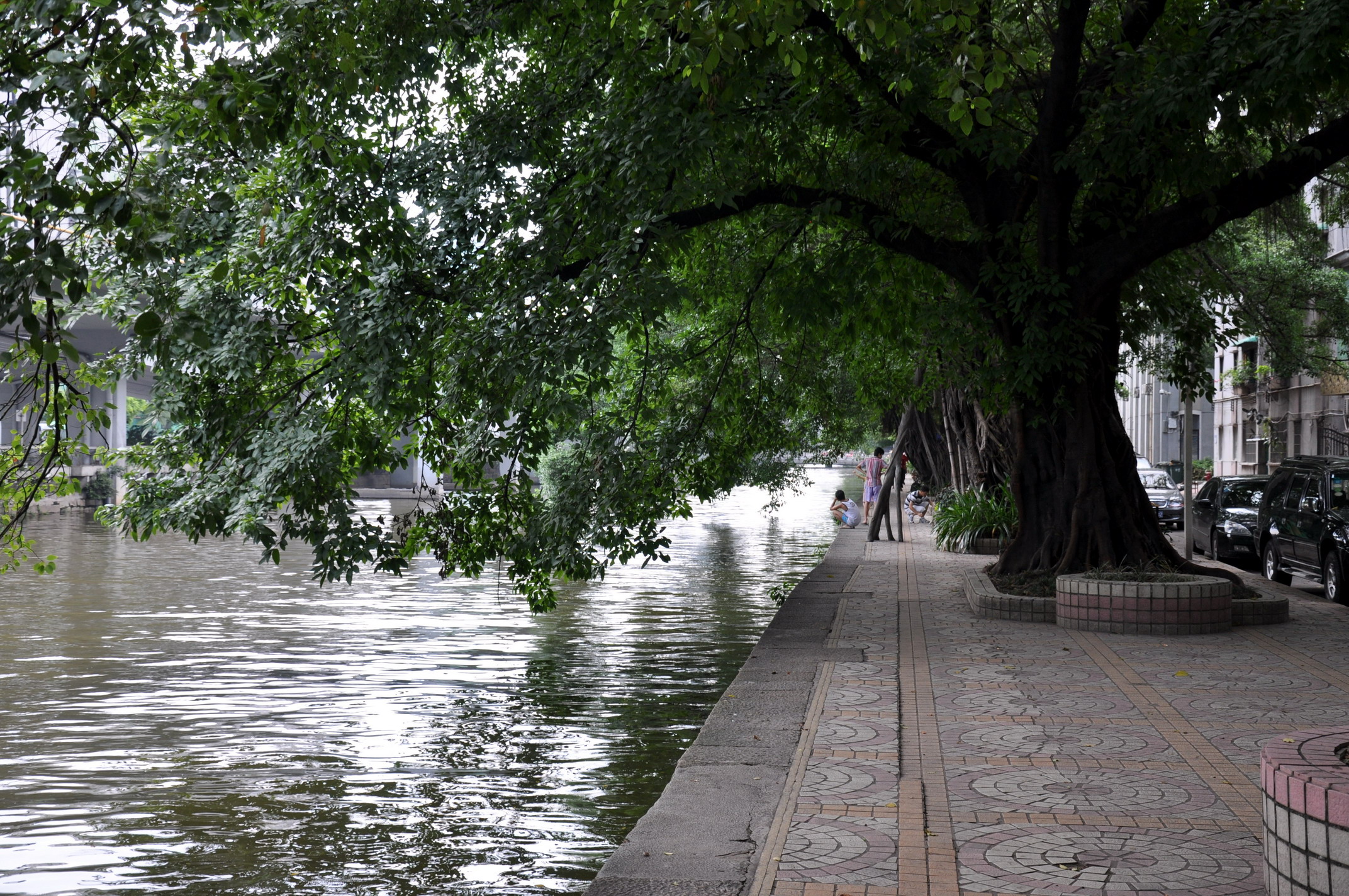
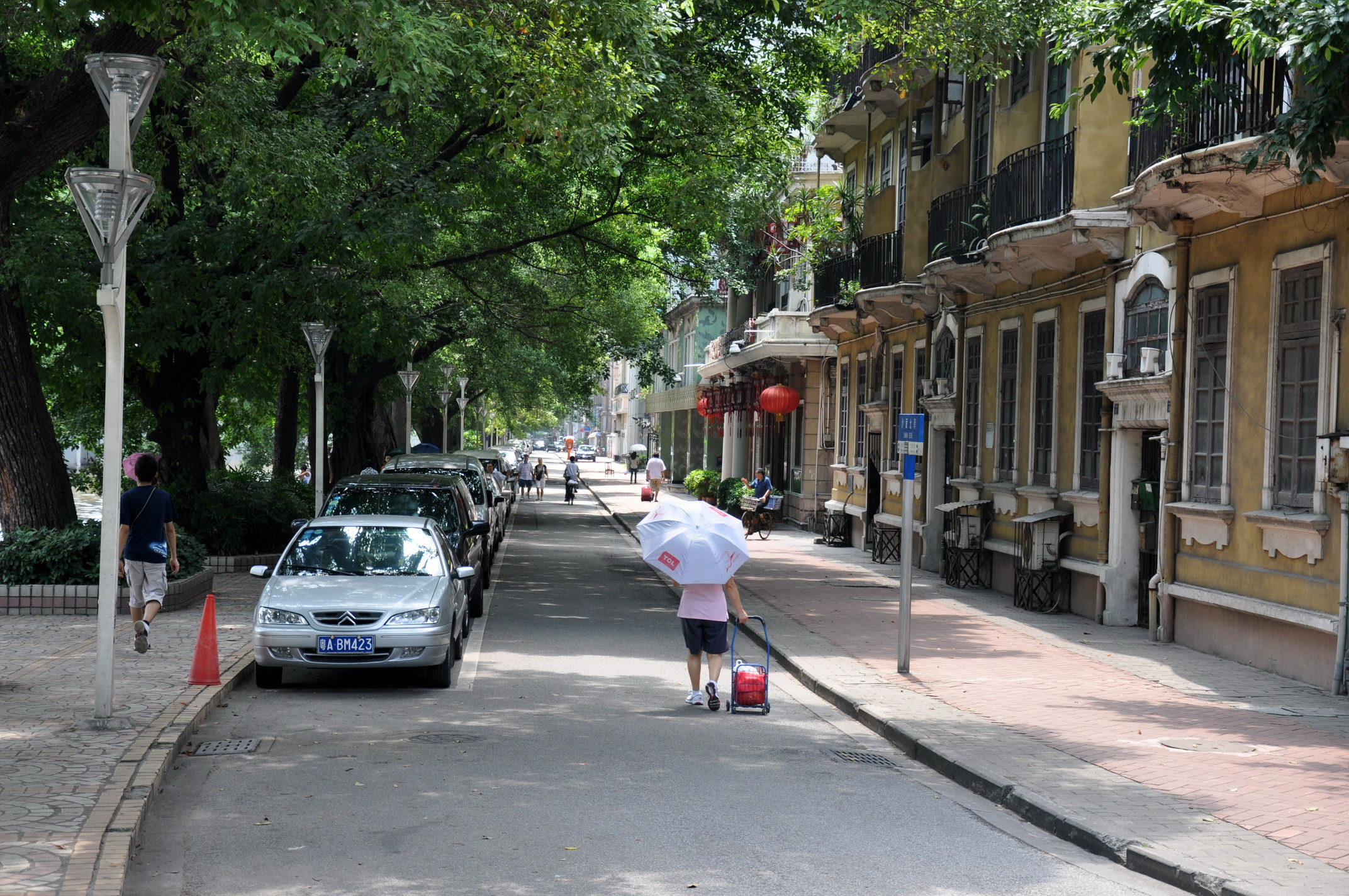
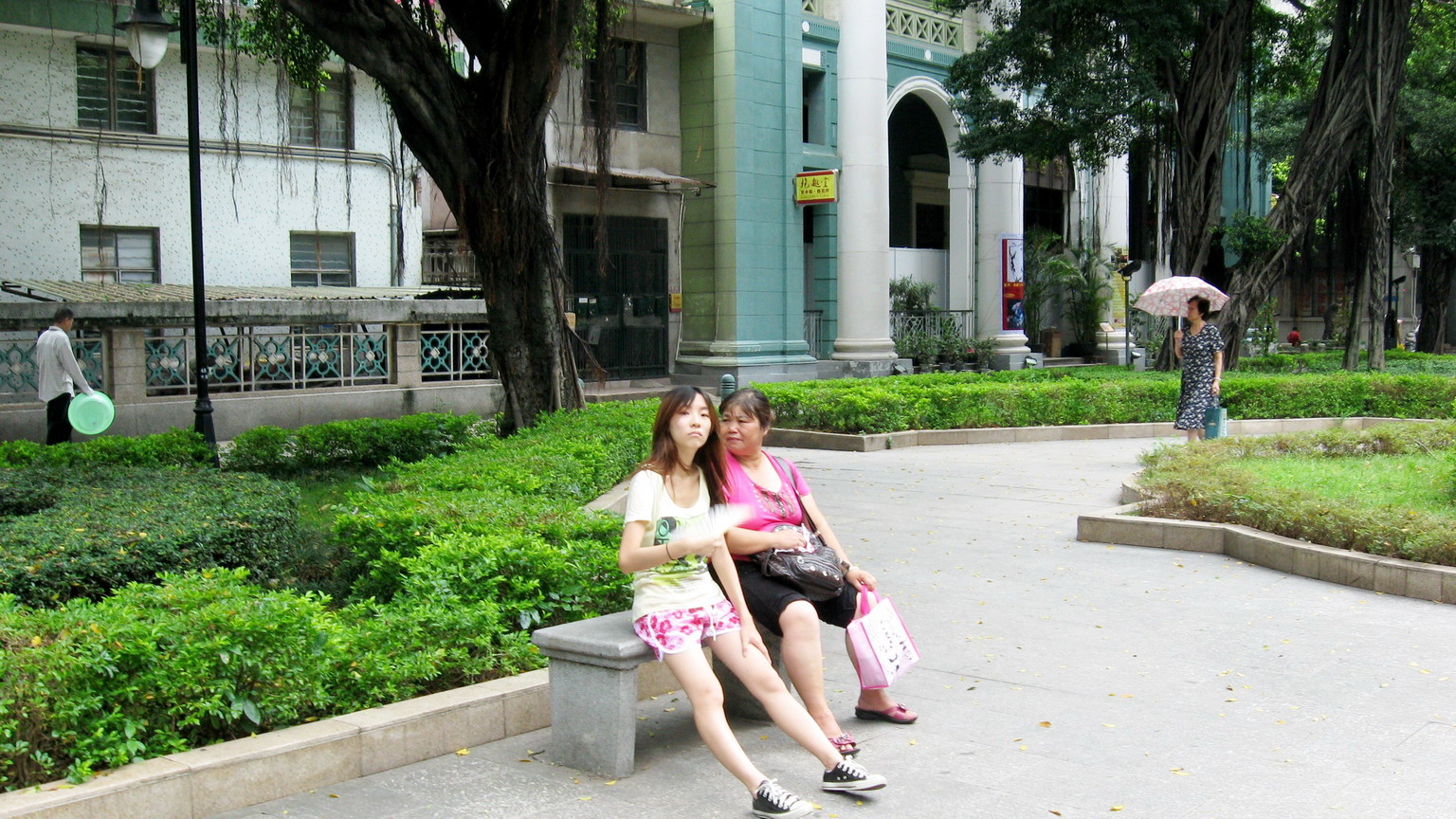
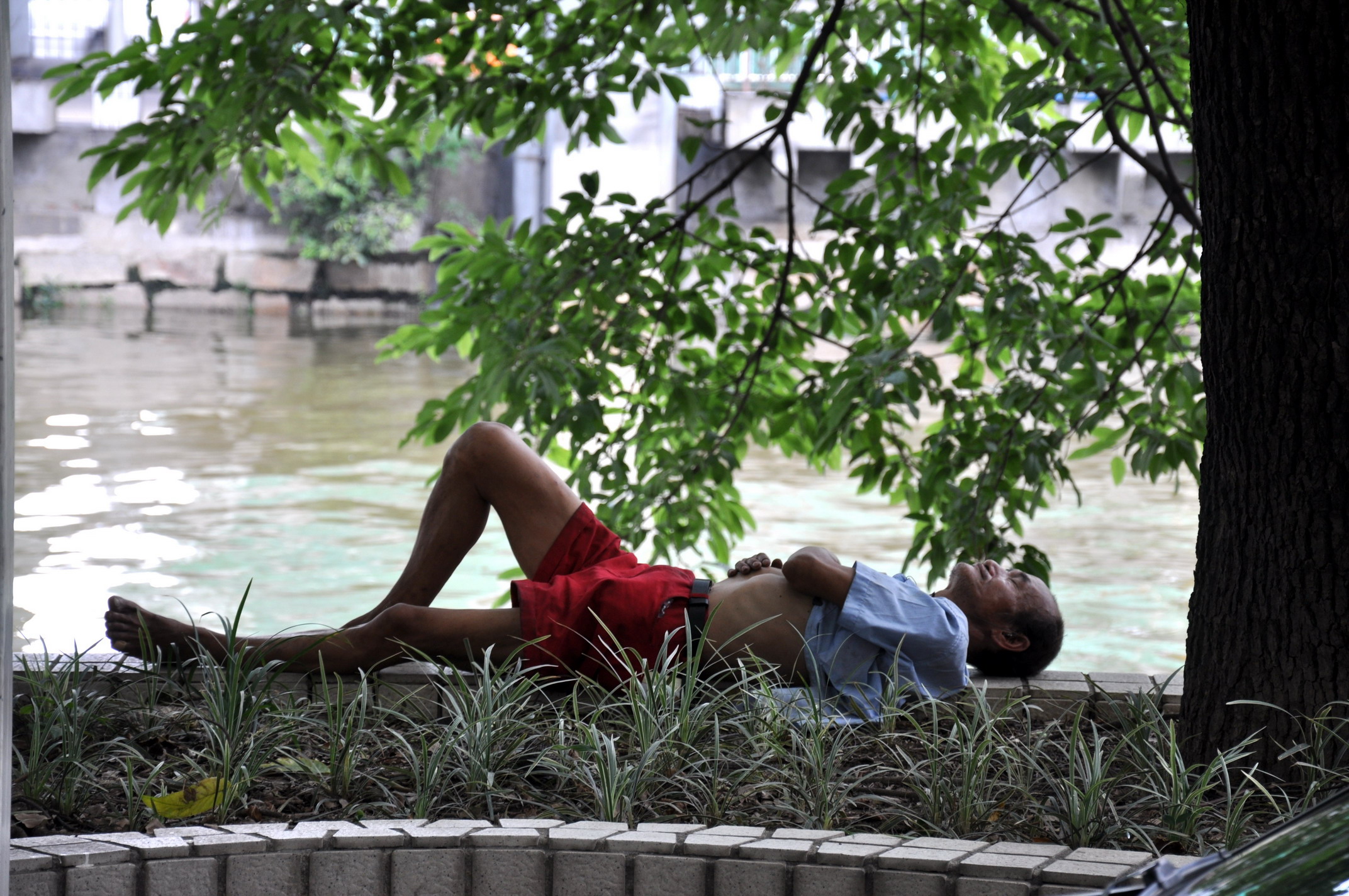
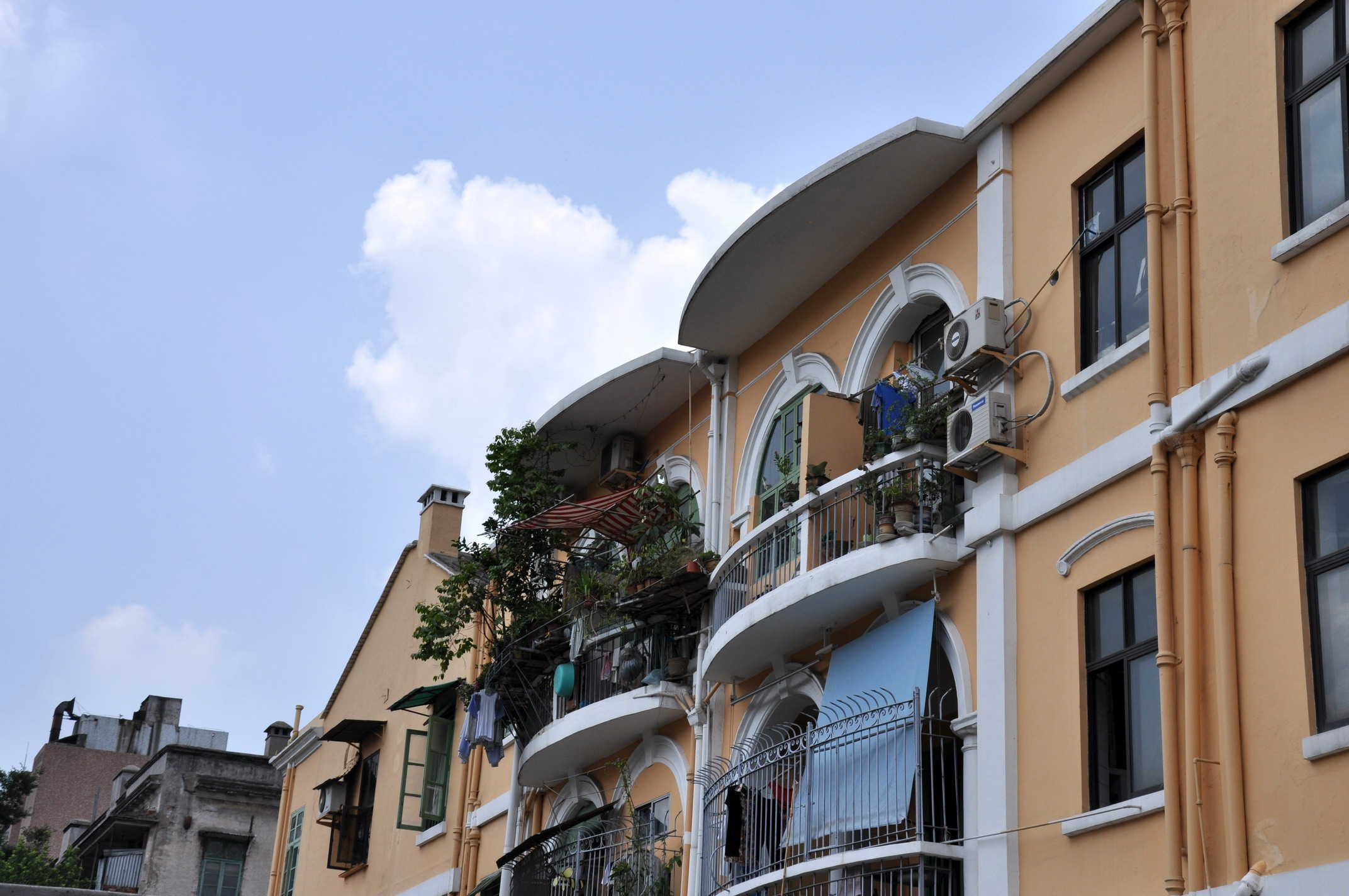
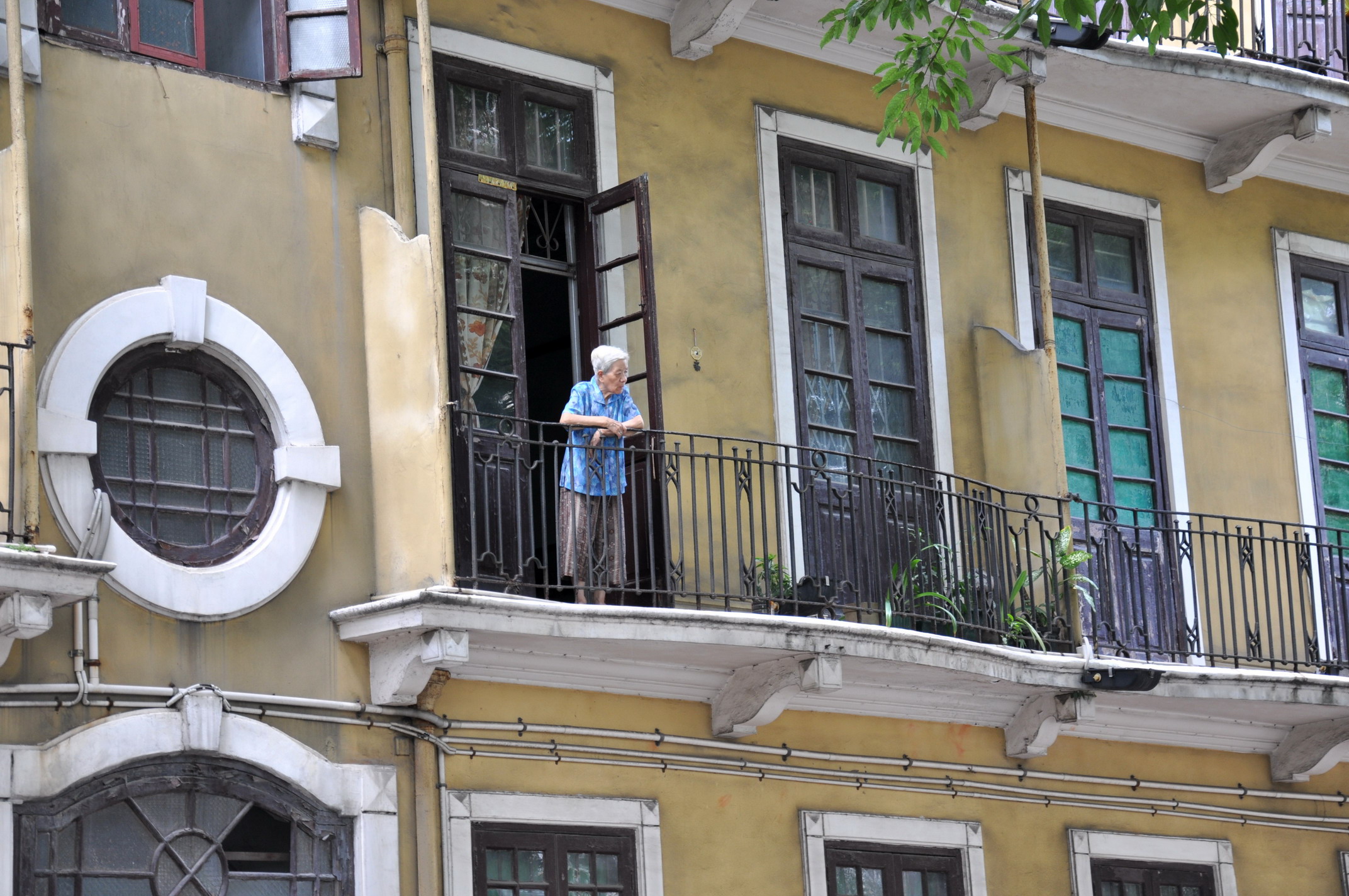
Here there were no snowy winters. To my eye, the people looked markedly different from those in northern China, with more pointed chins and lighter complexions. The young women were beautiful.
The city is two thousand years old and was once an entrepôt on the Silk Road. It was a centre of trade with the Portuguese and British between the seventeenth and nineteenth centuries. Old Guangzhou includes Shamian Island, where the buildings look like those of a typical European city. In fact Europeans built them. There are a number of foreign consulates there.
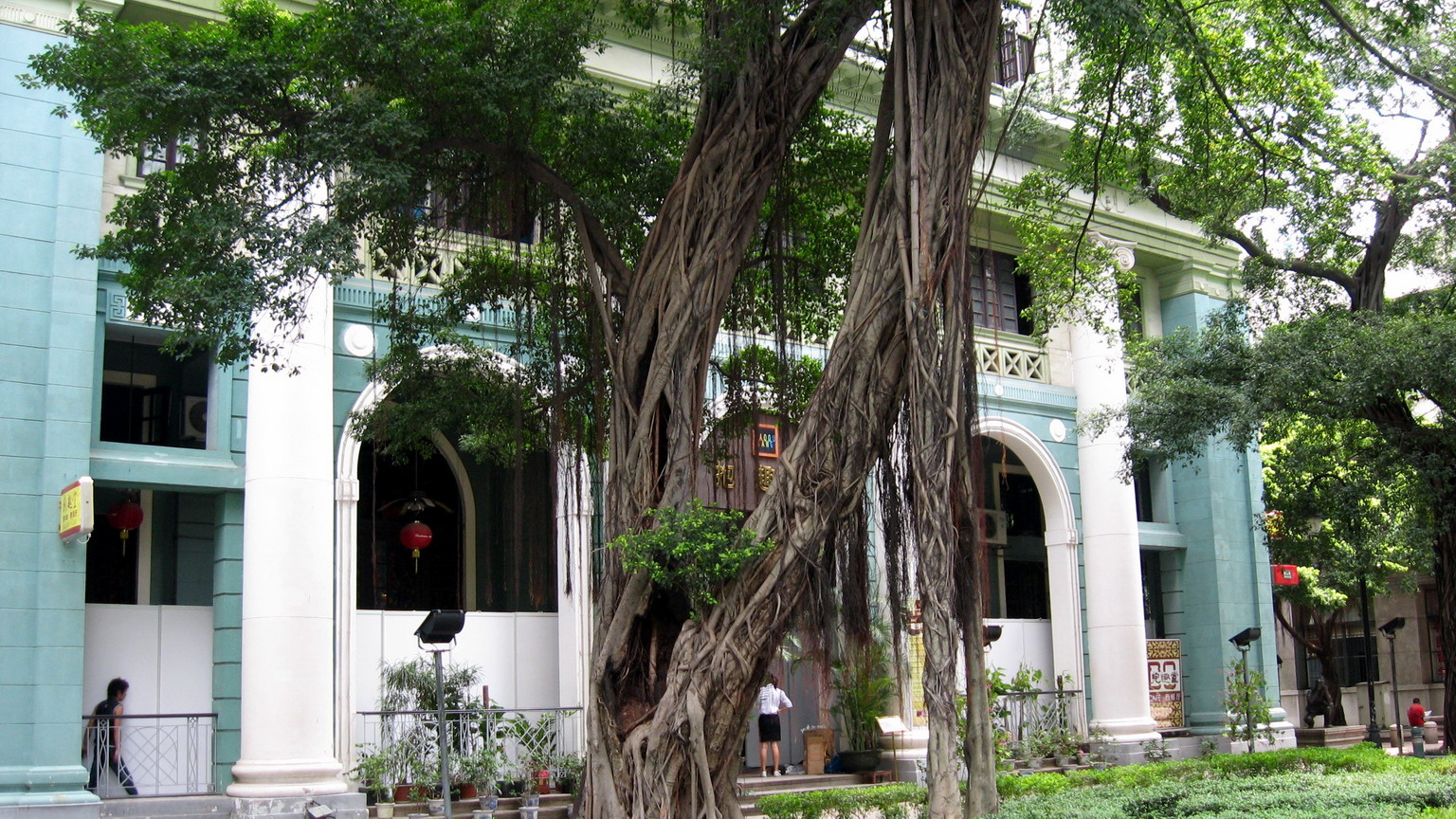
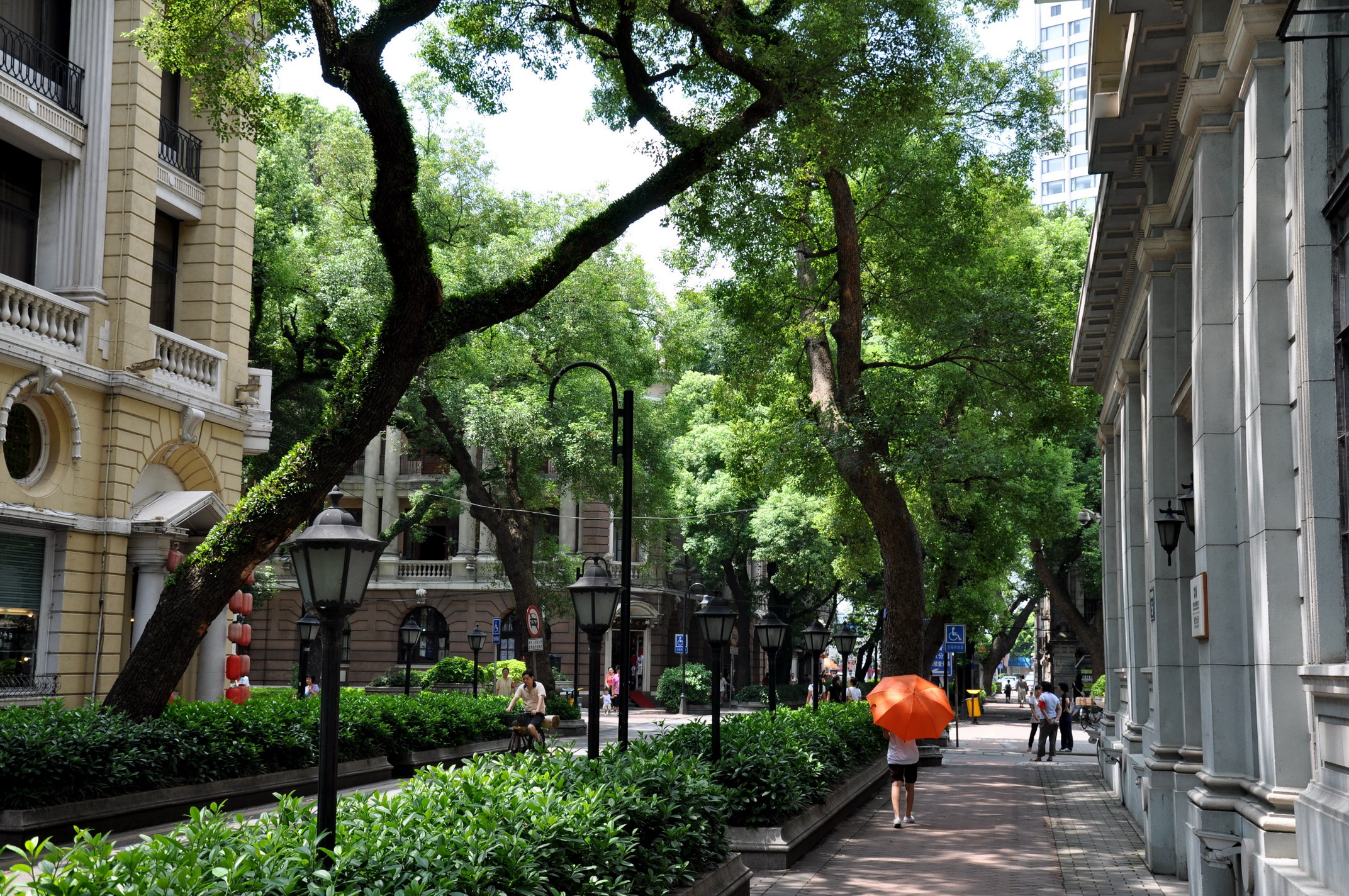
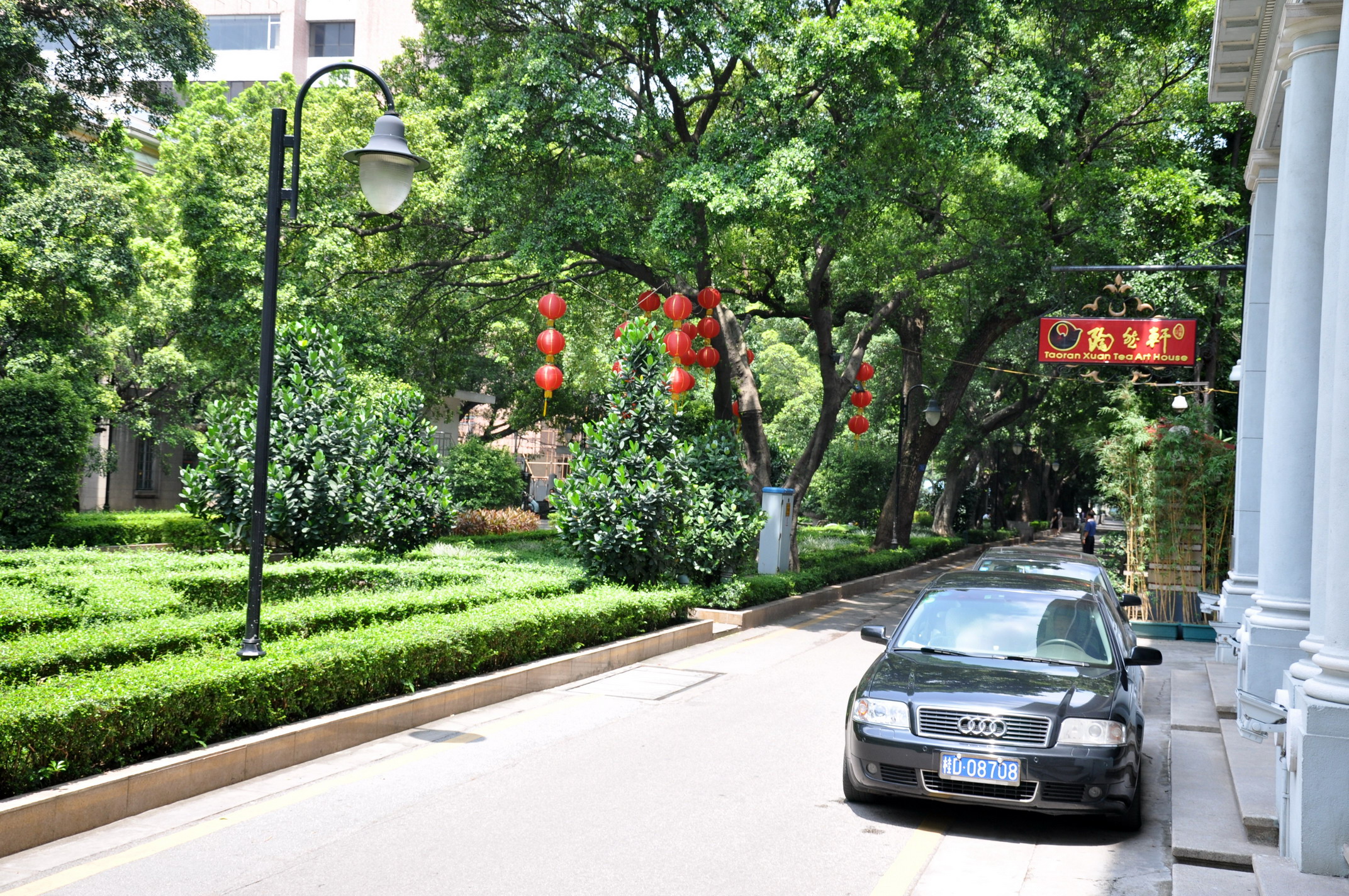
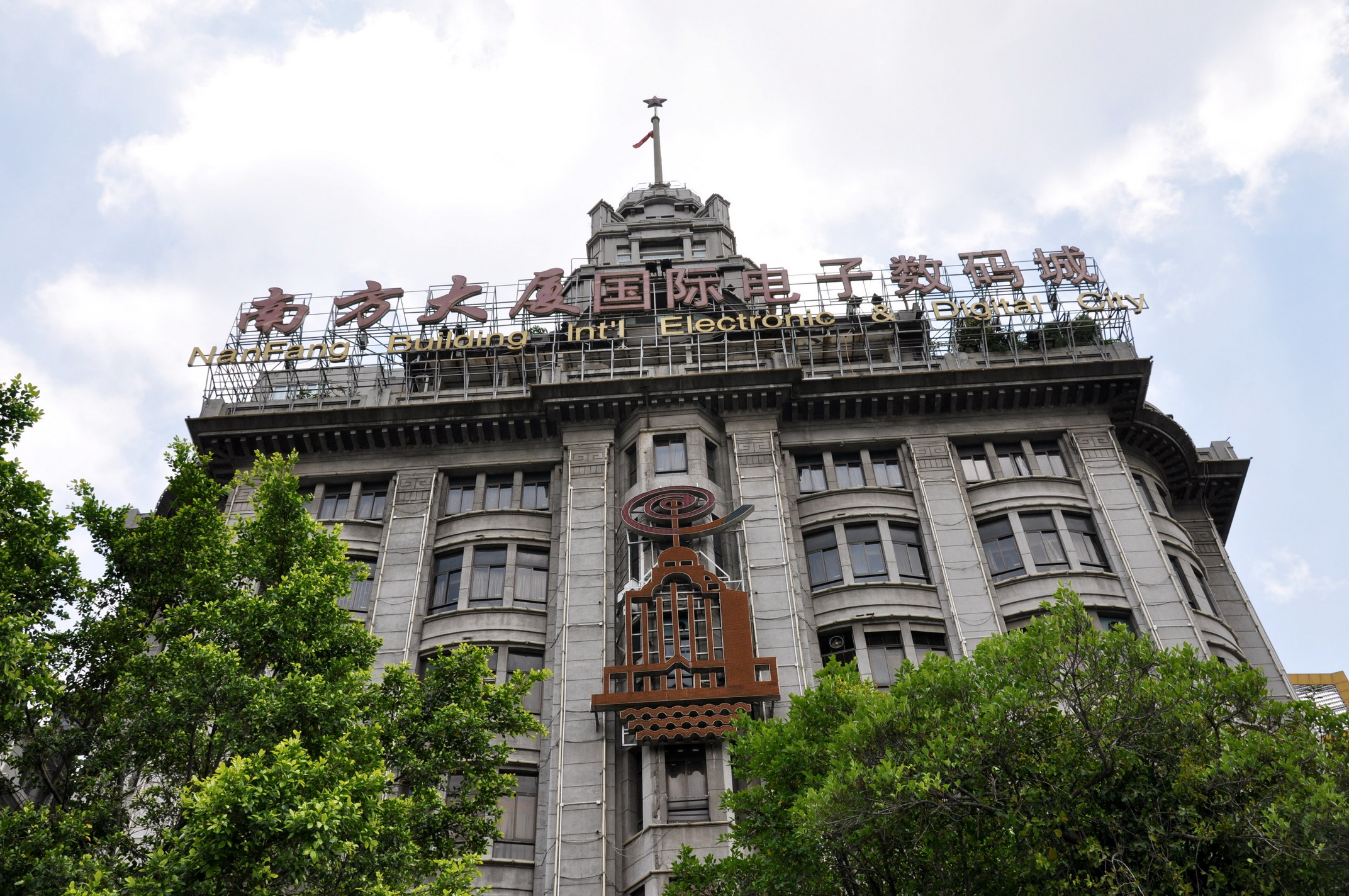
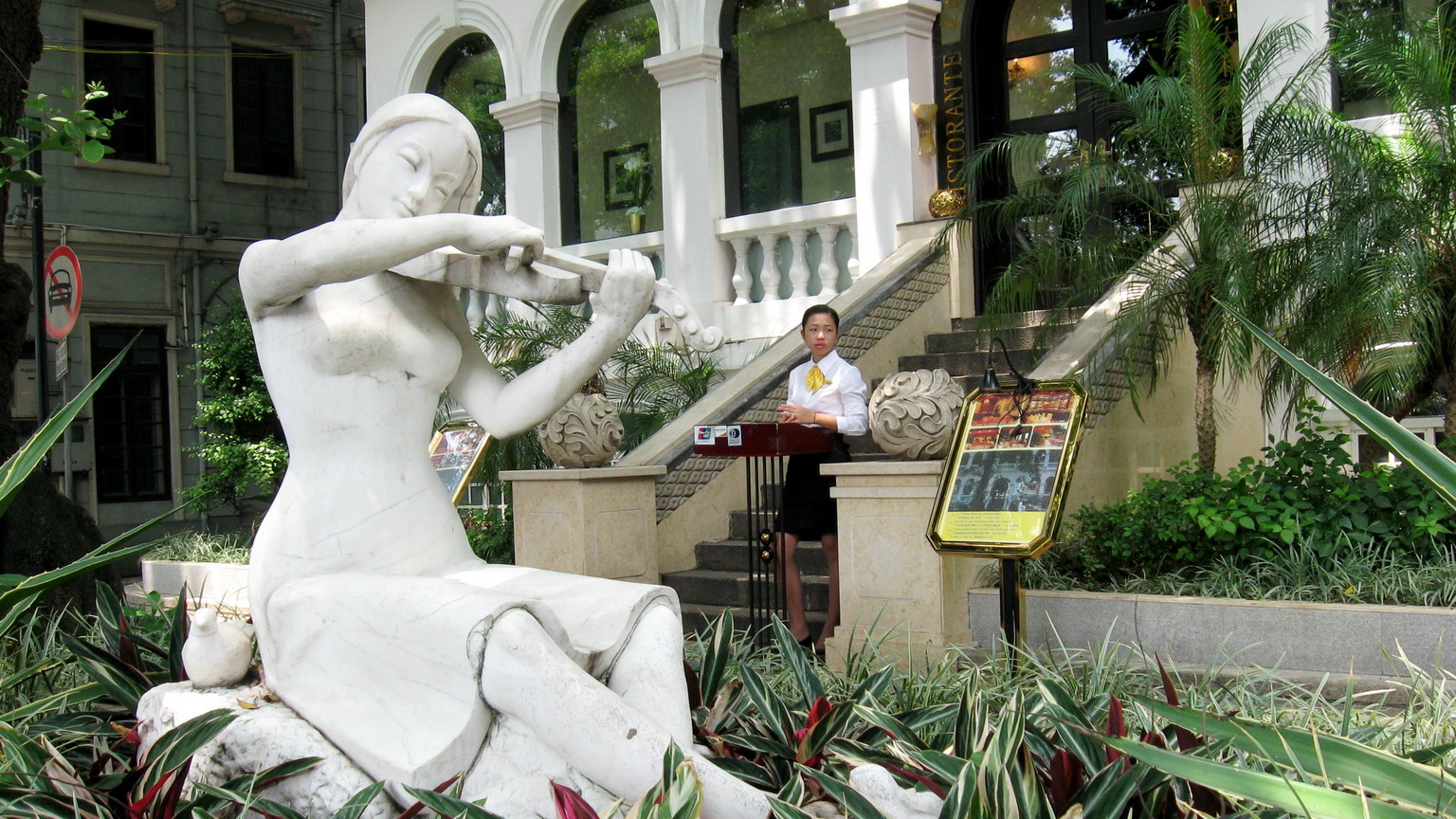
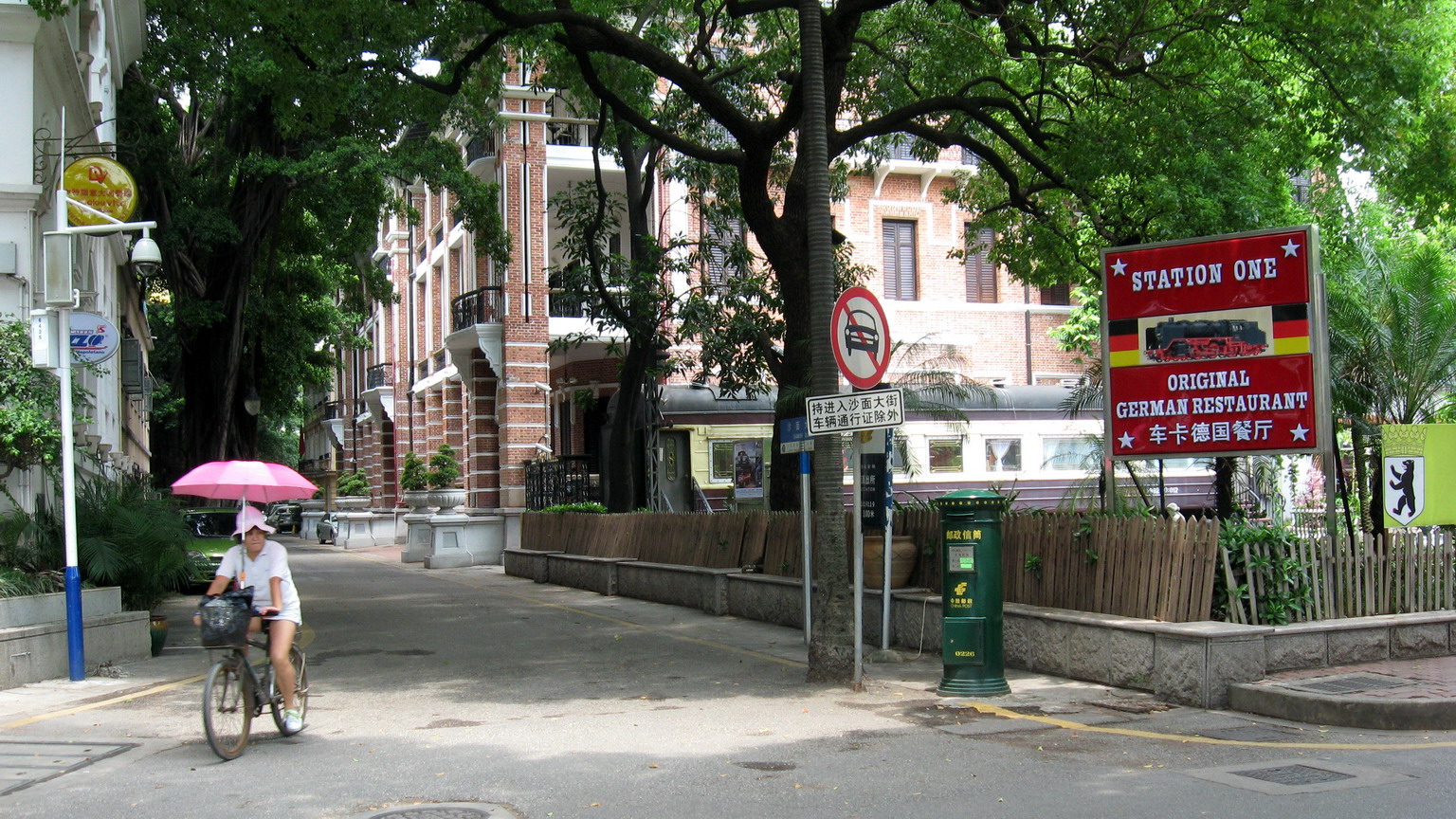
Everywhere you see plenty of modern sculpture. The streets are lined with trees. Photographers were taking pictures of brides in white dresses. The poor women were made to hold perfectly correct poses for hours in the appalling heat while somebody arranged the picture just so.
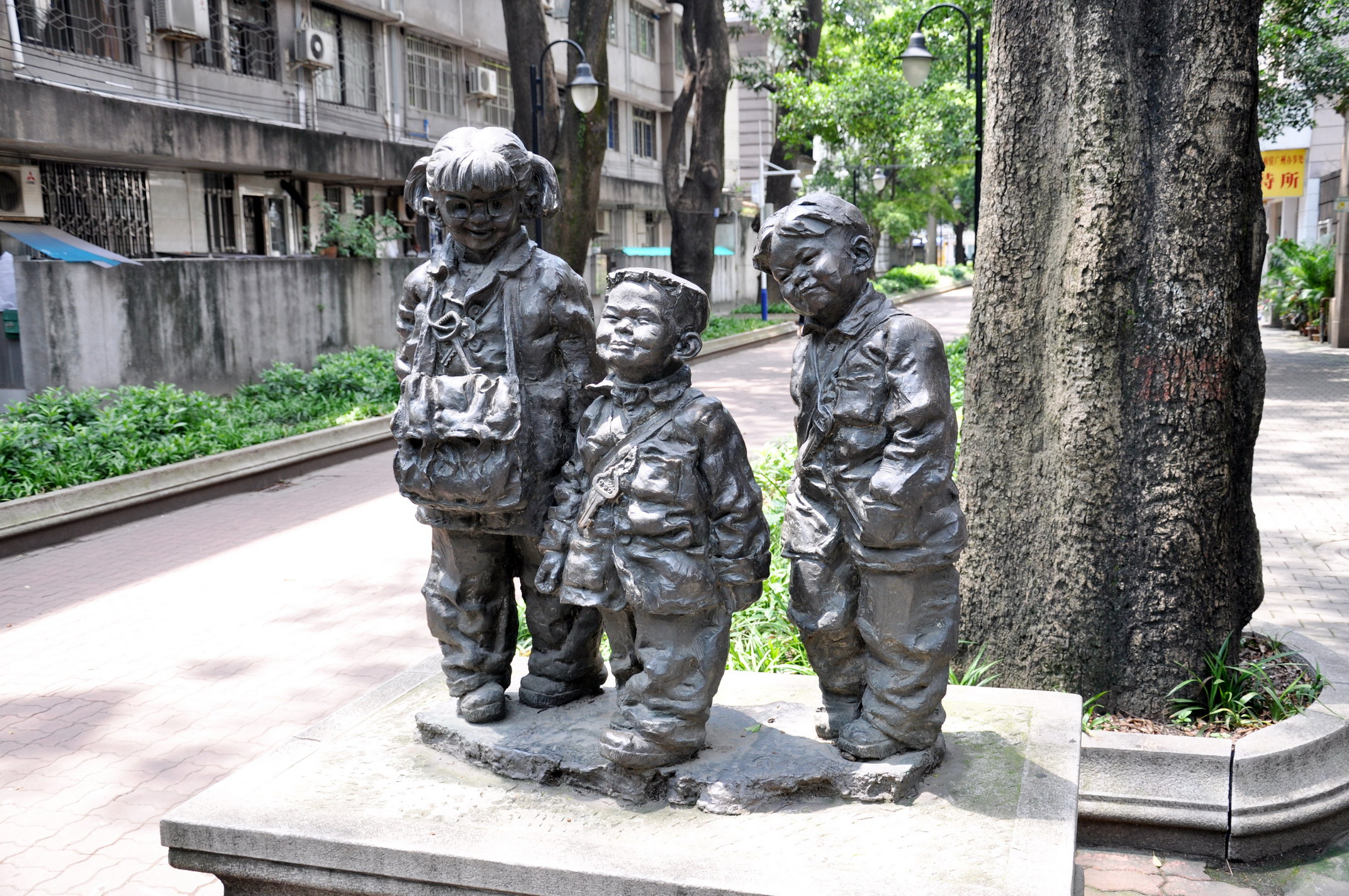
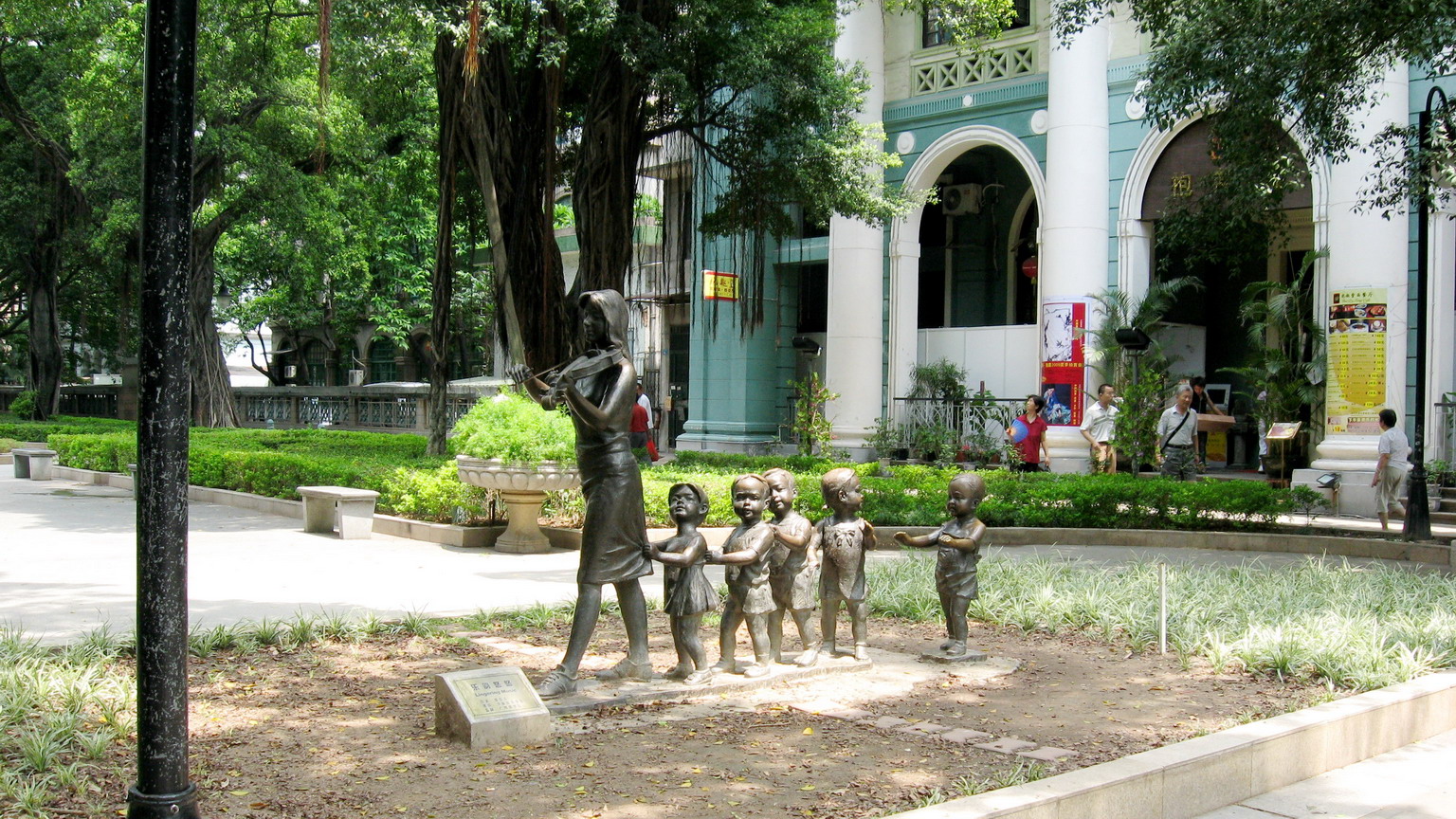
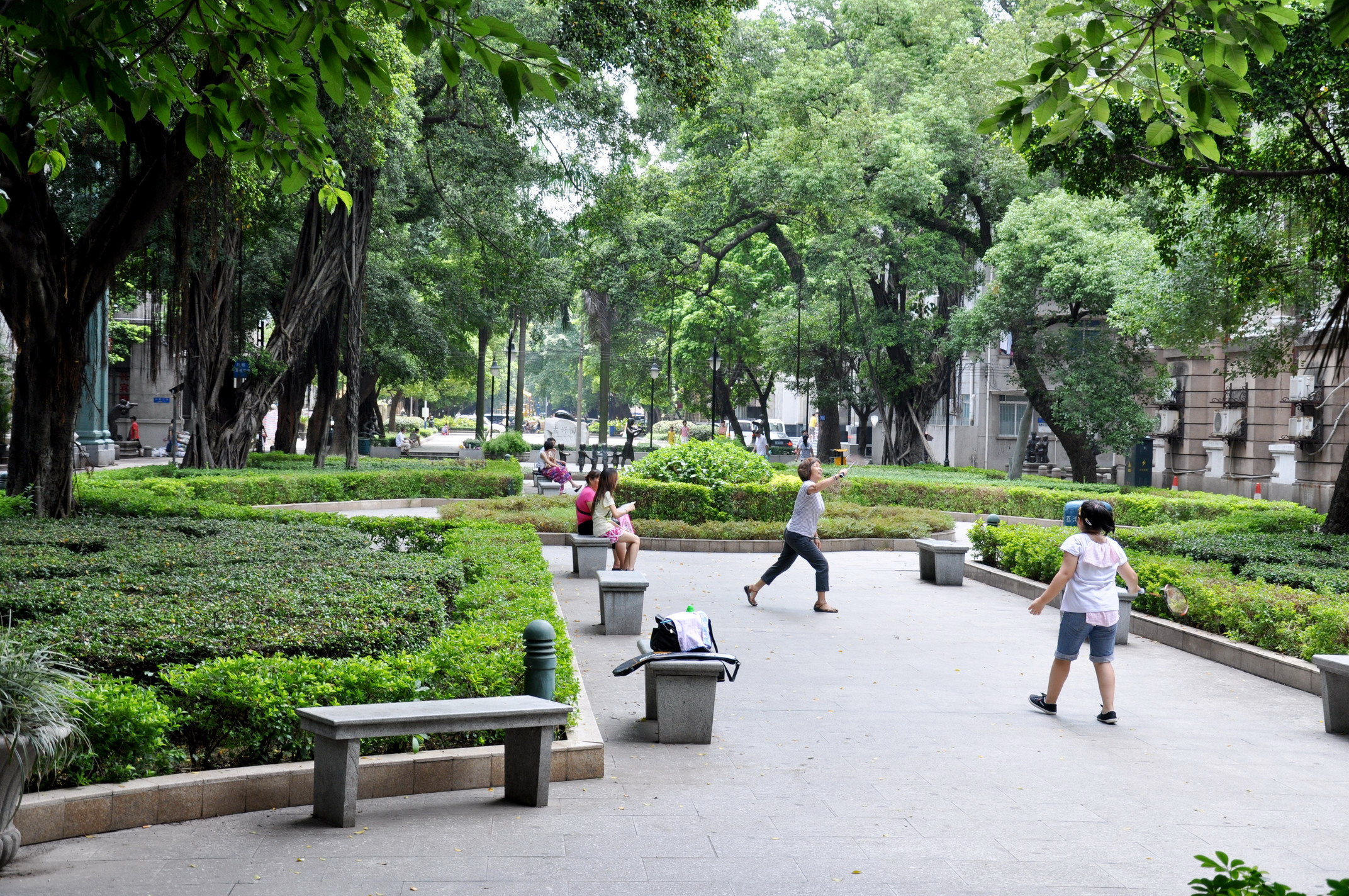
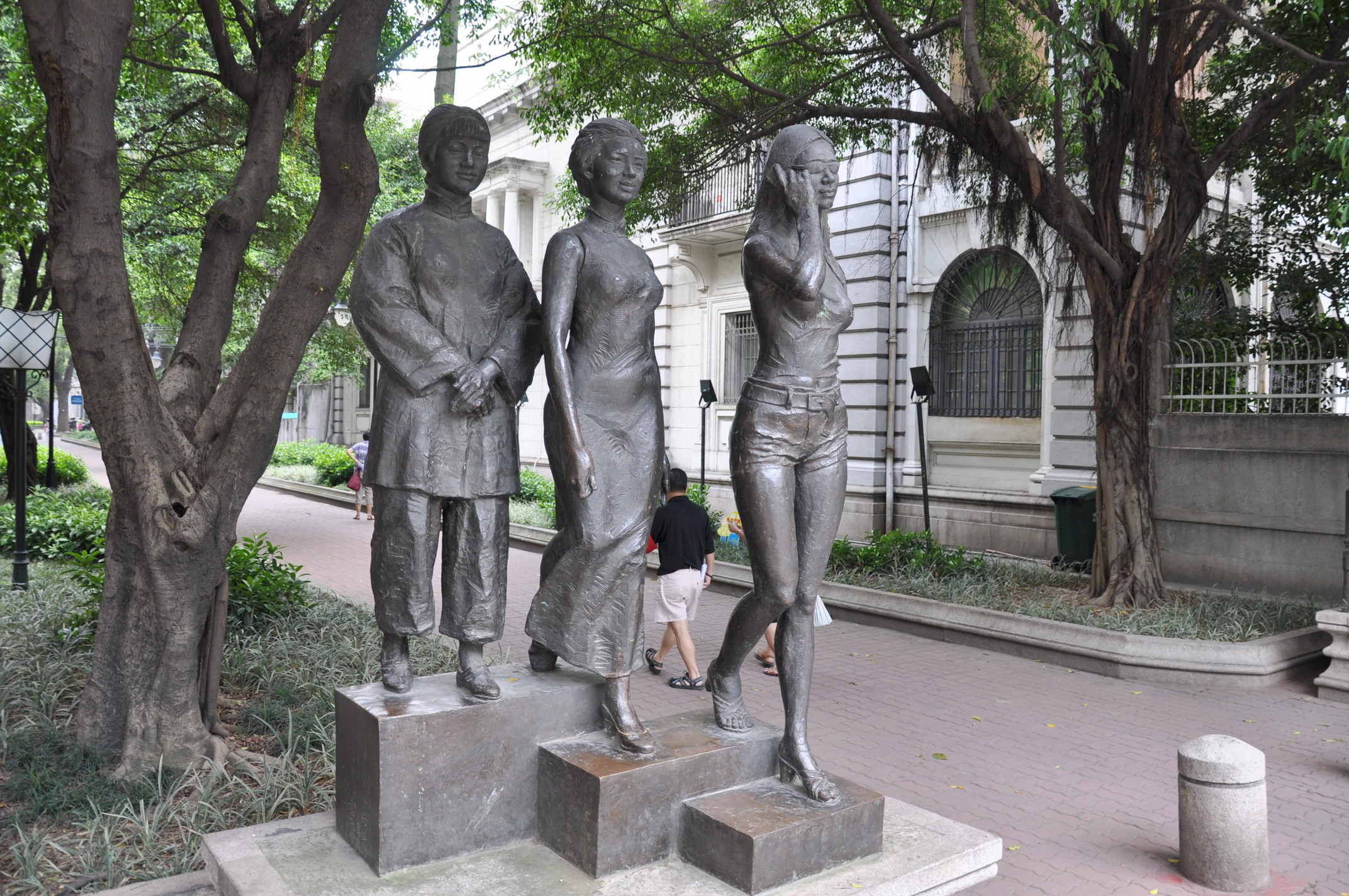
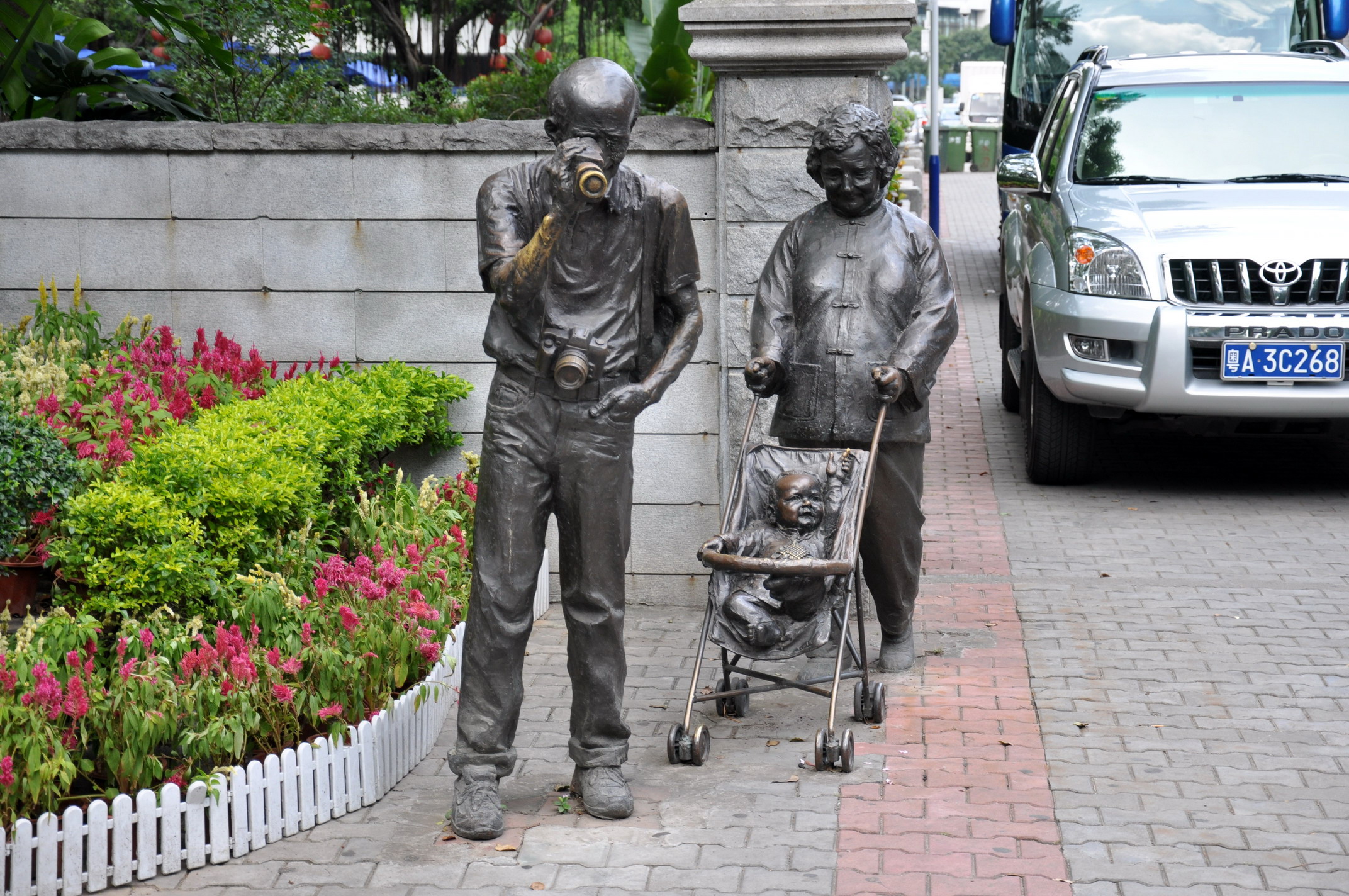
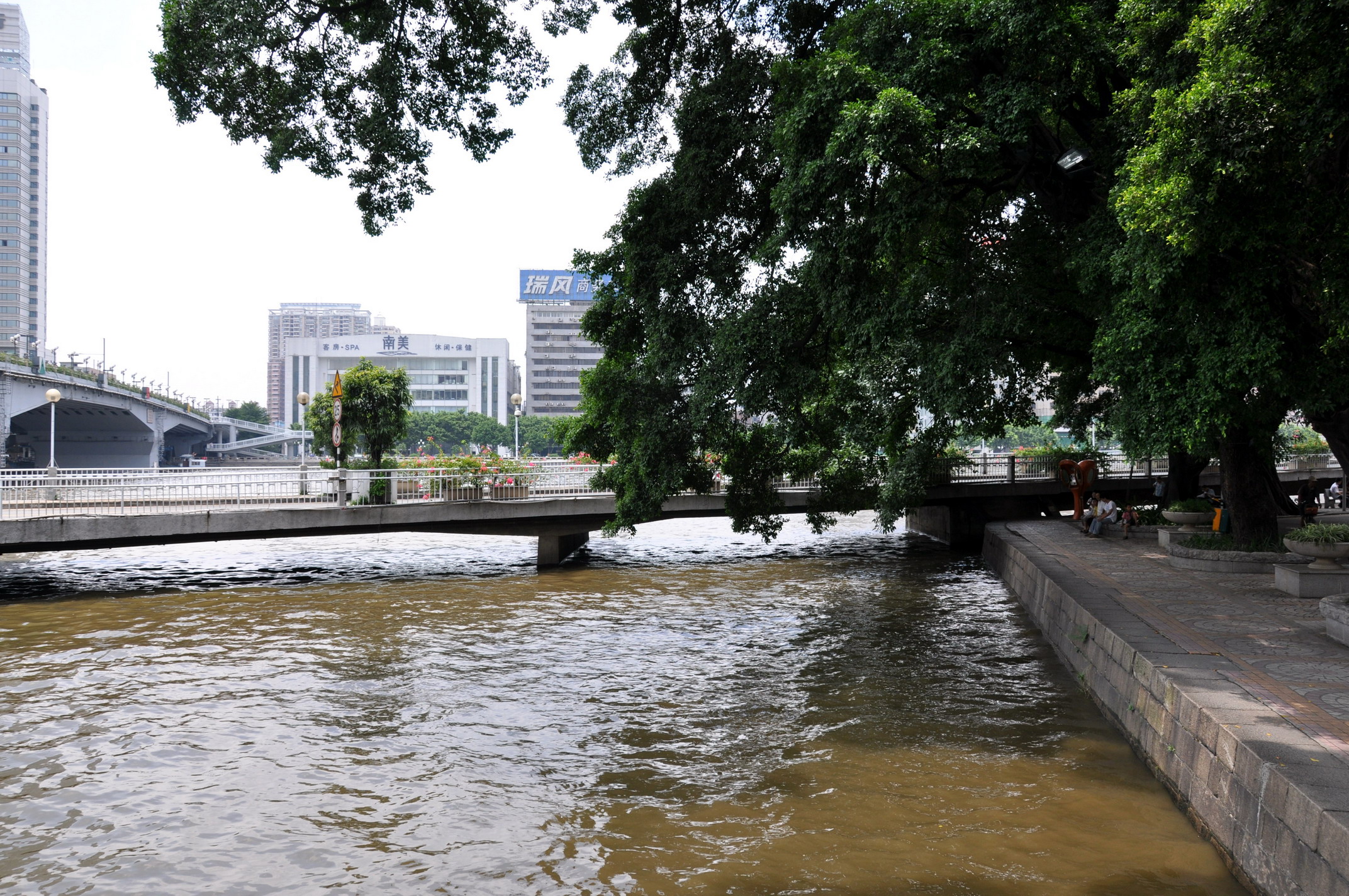
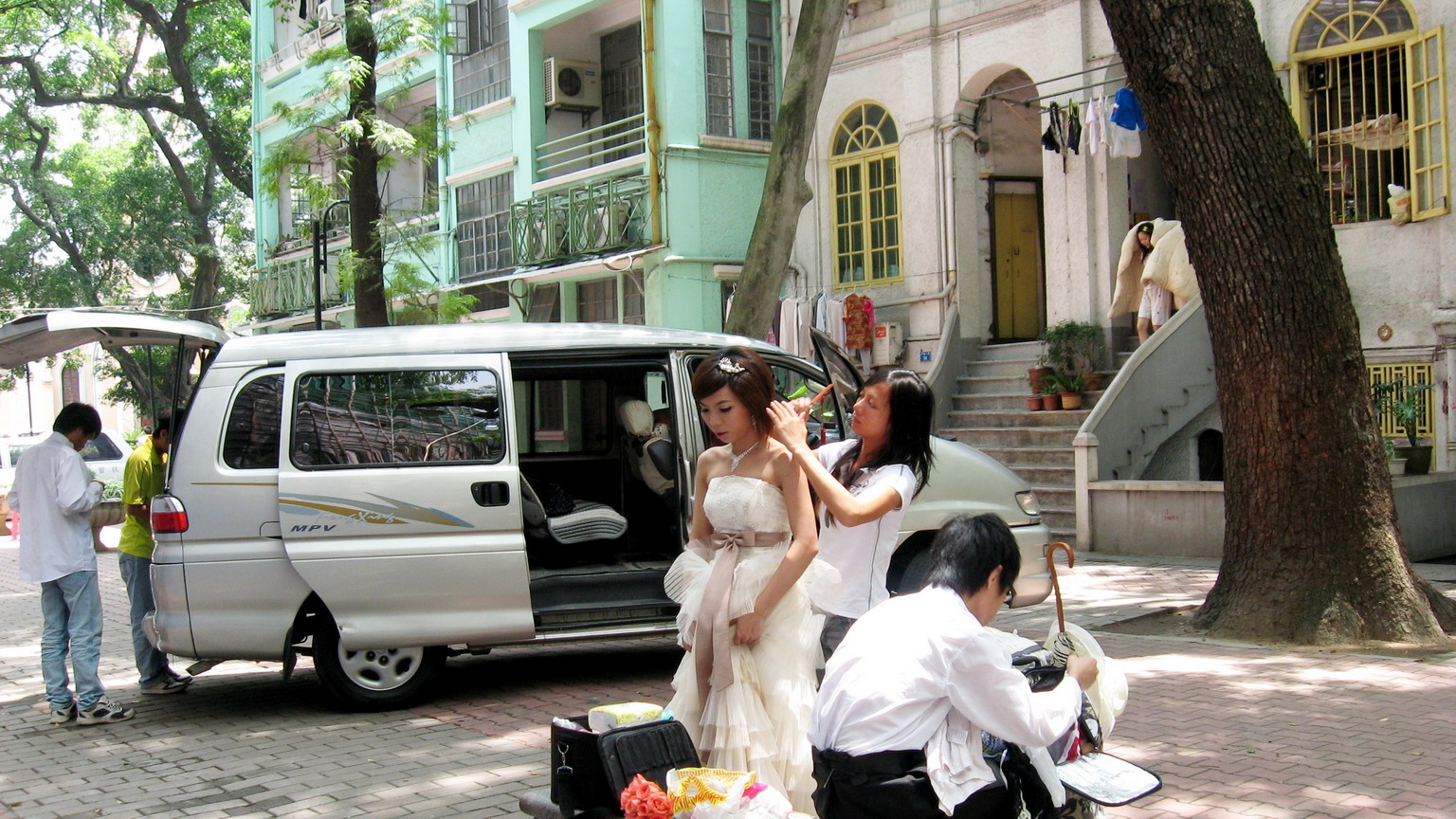
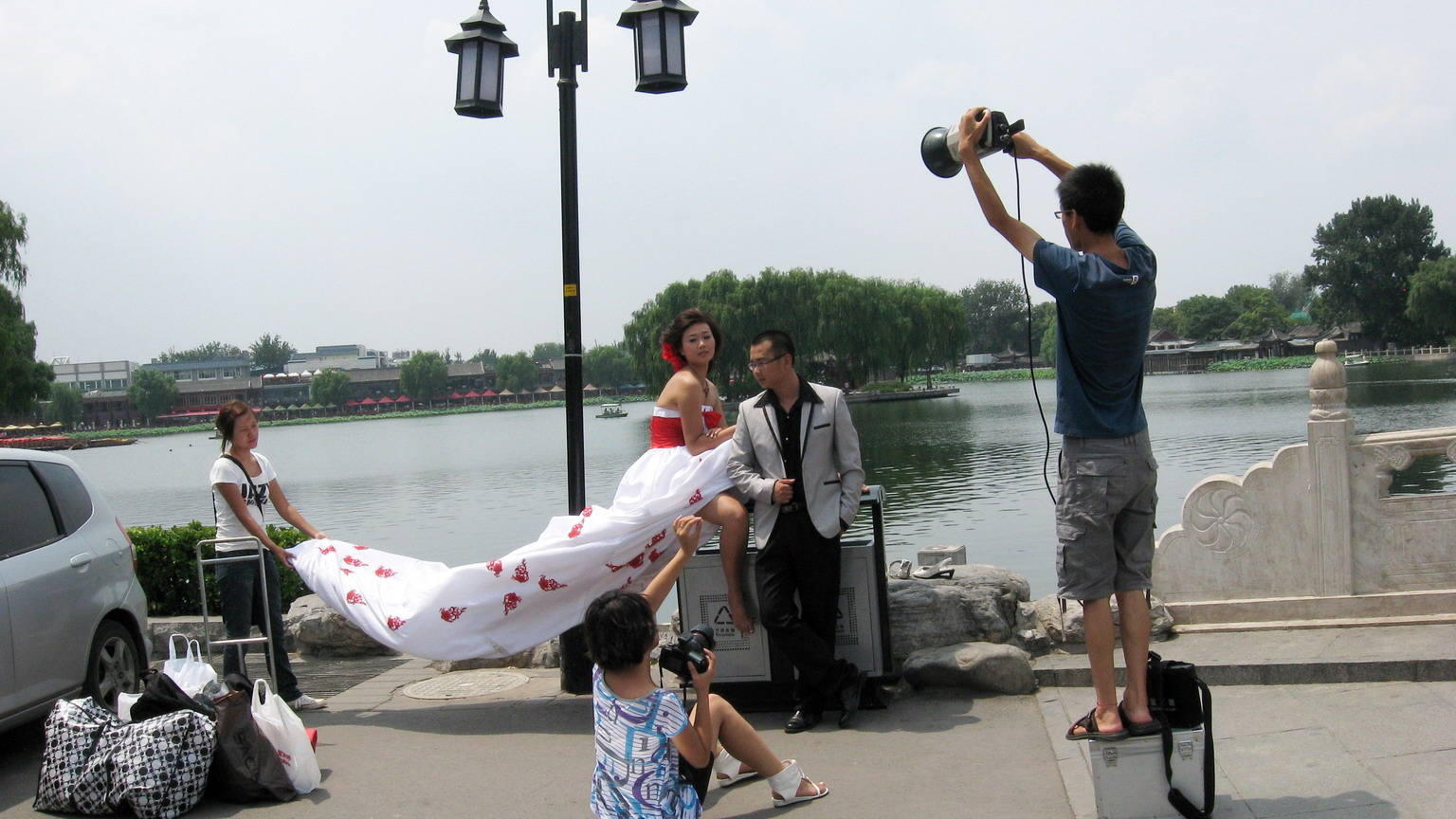
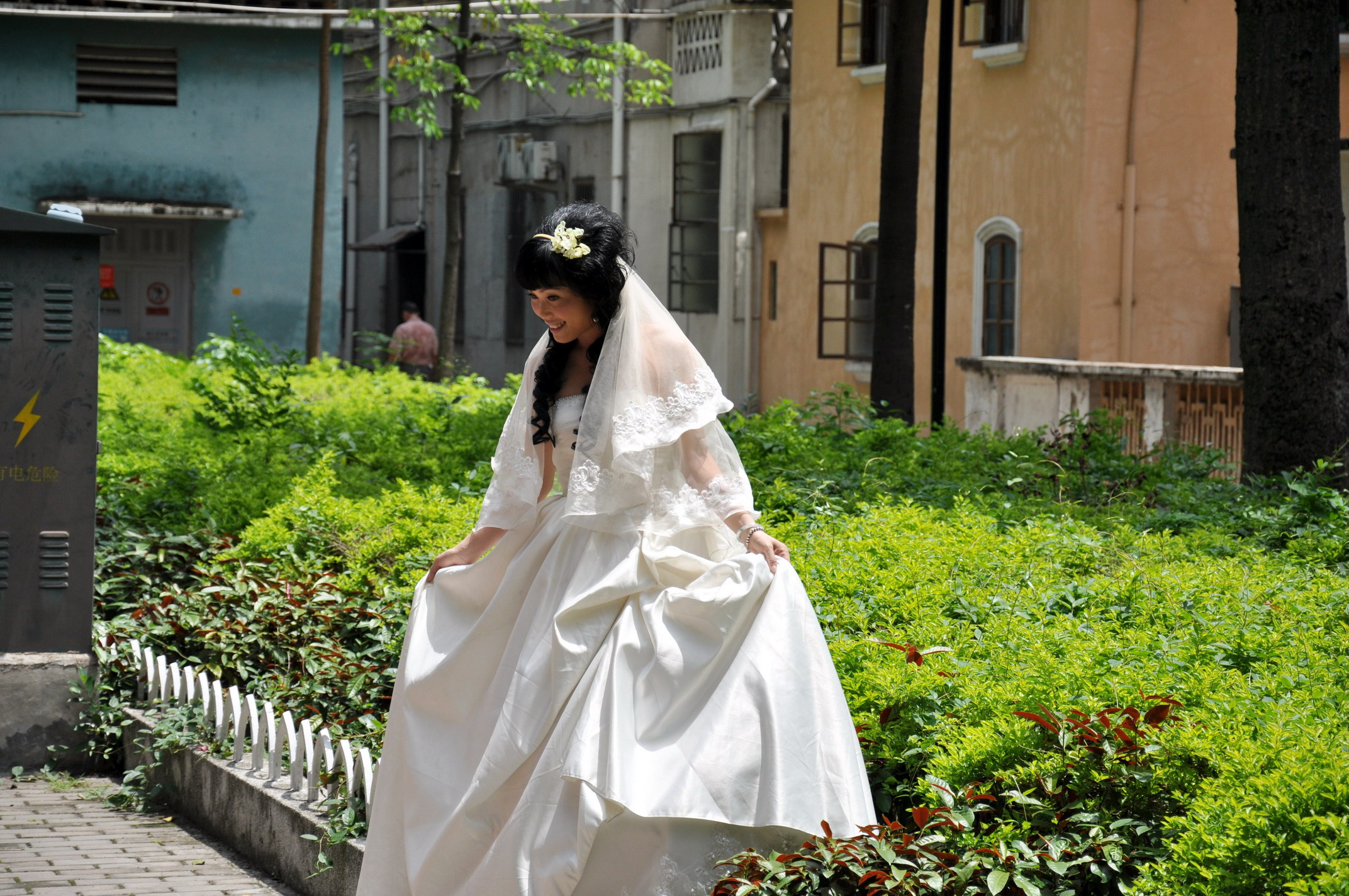
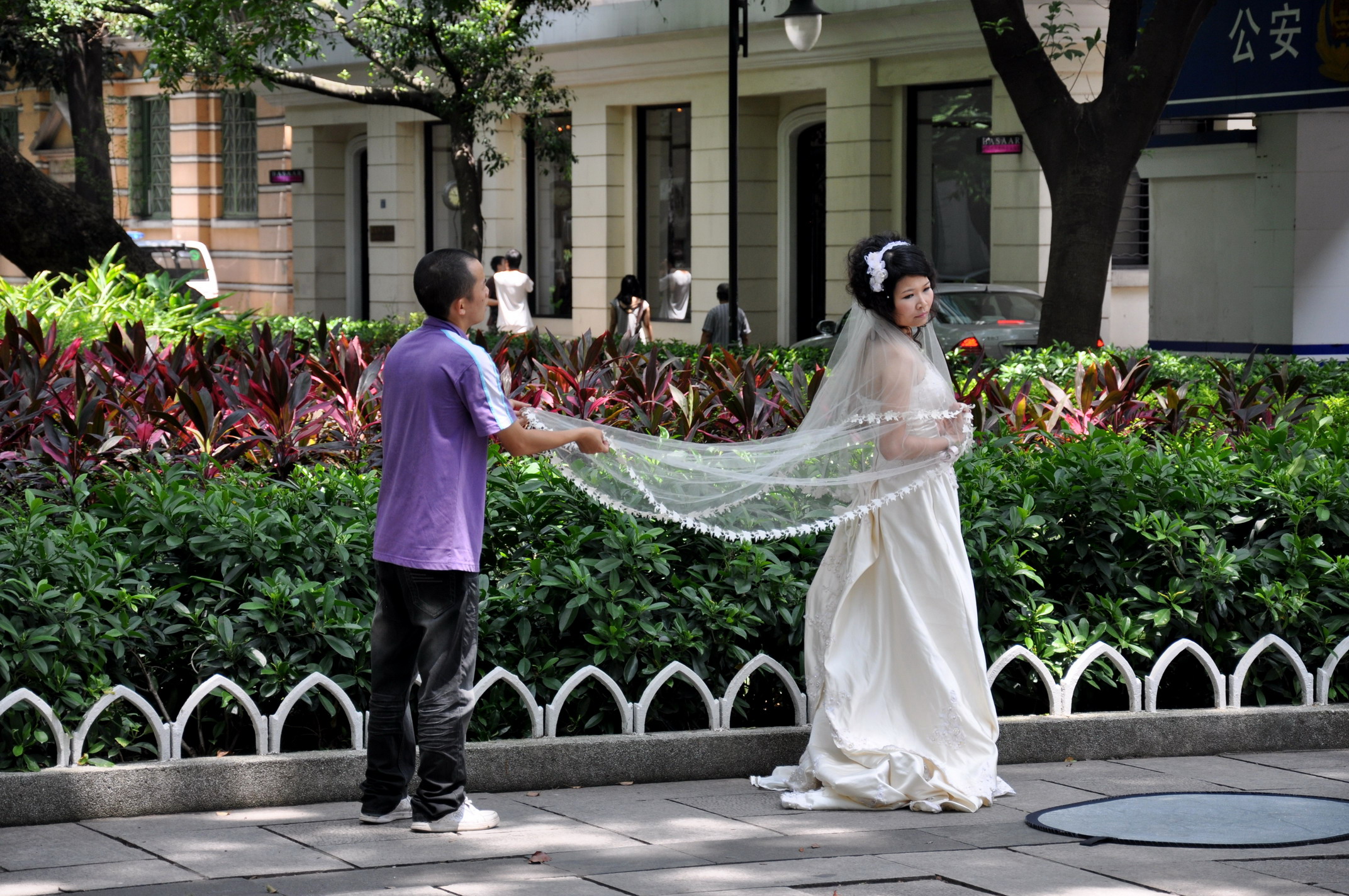
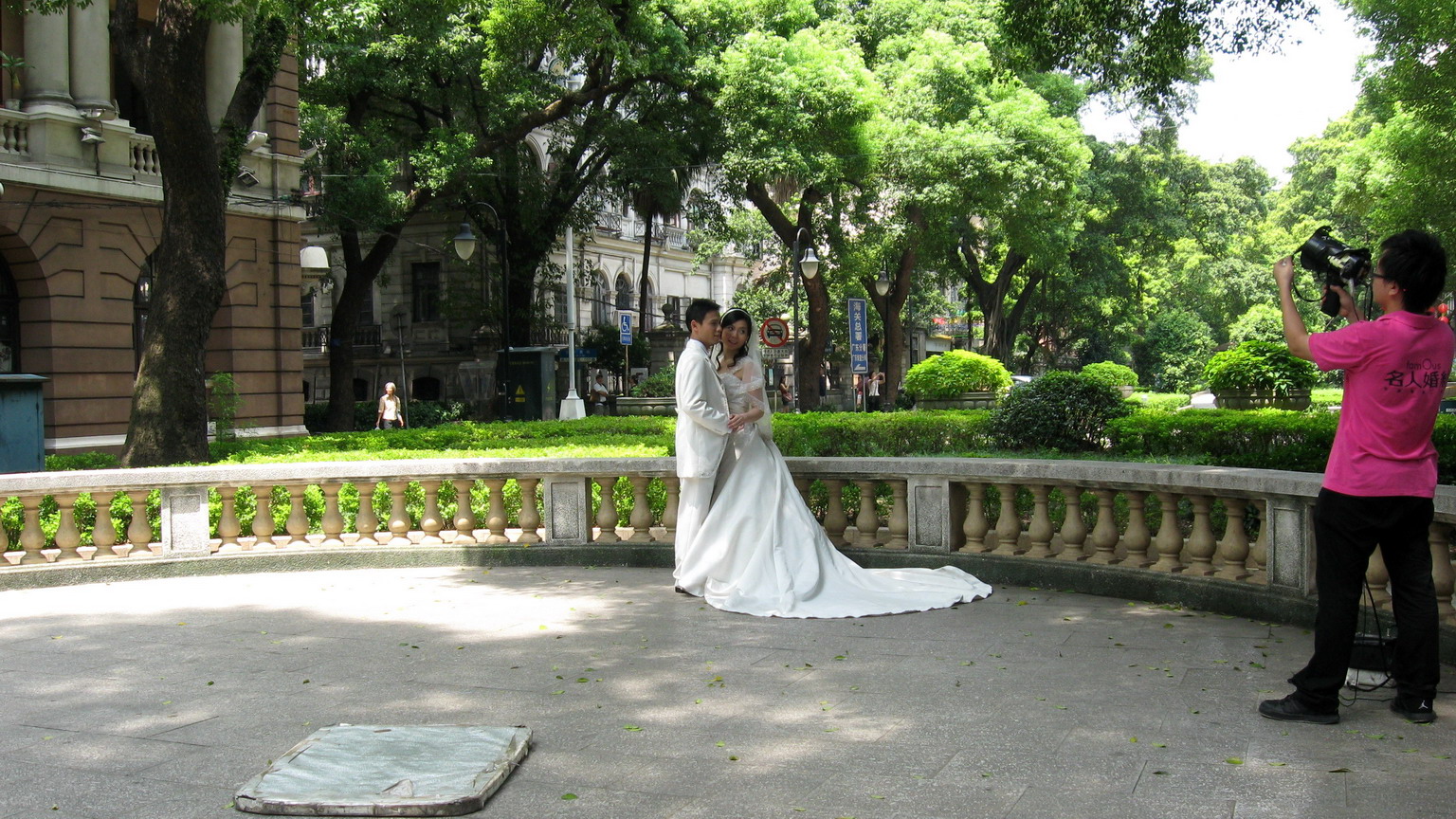
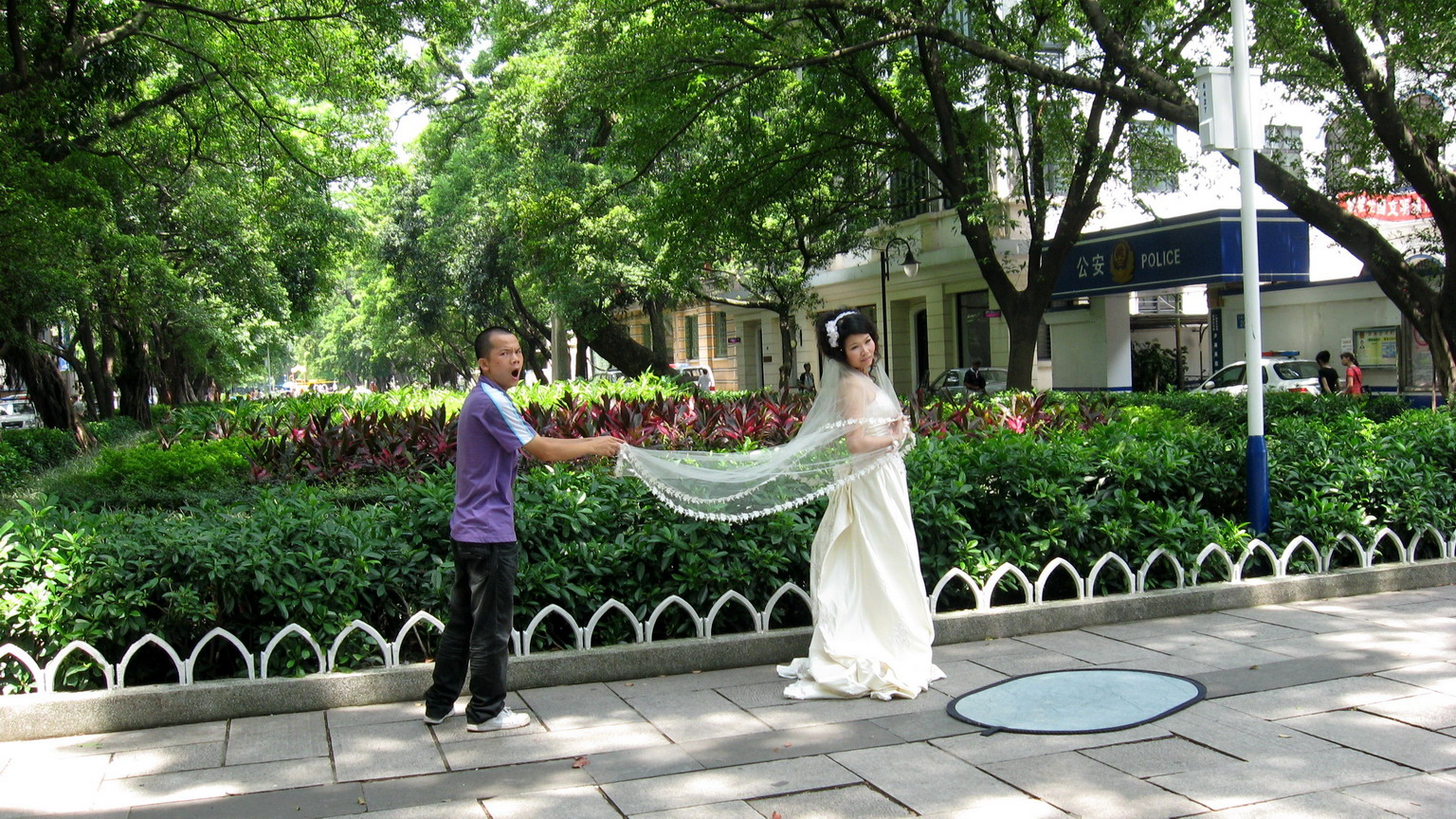
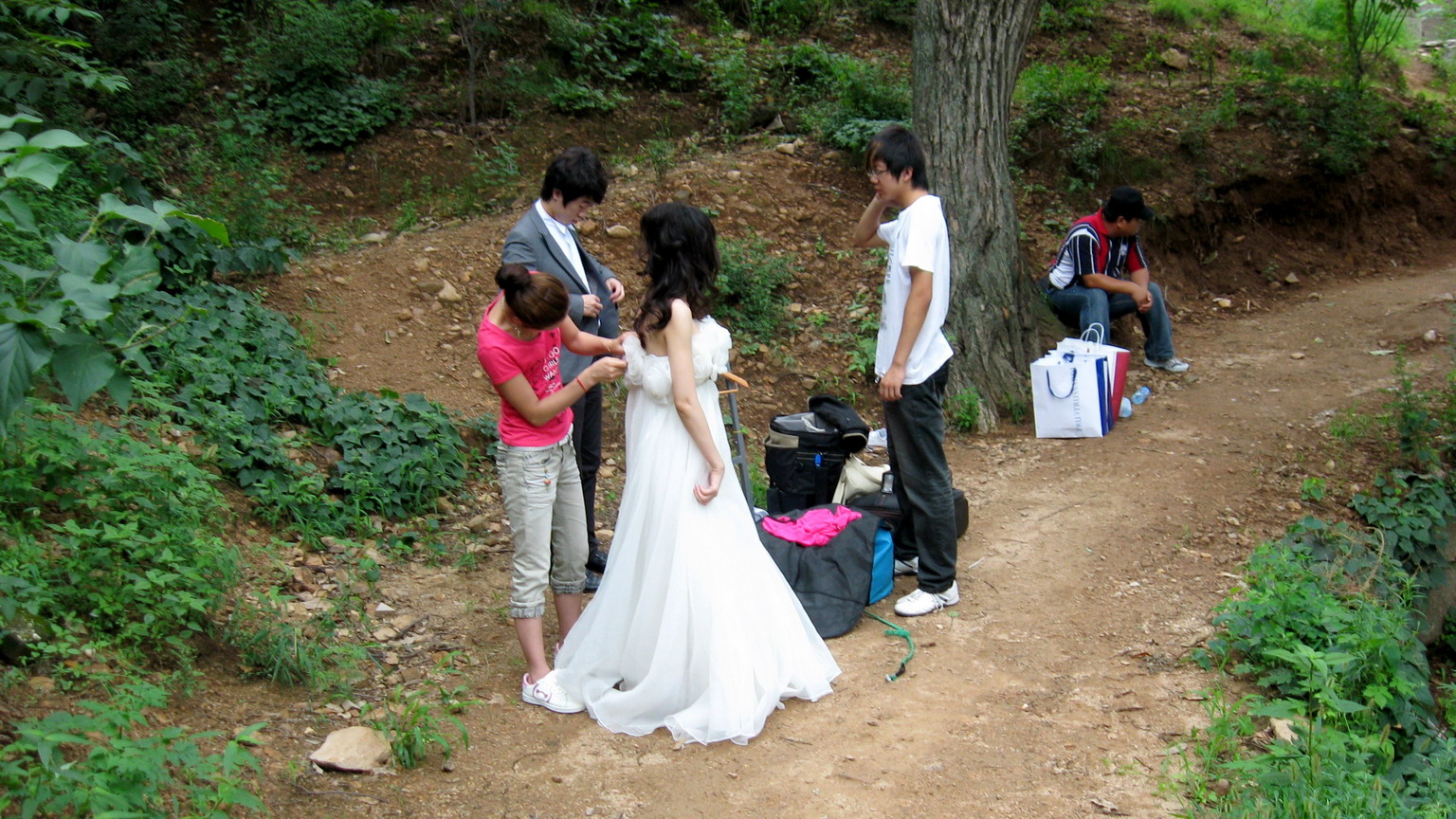
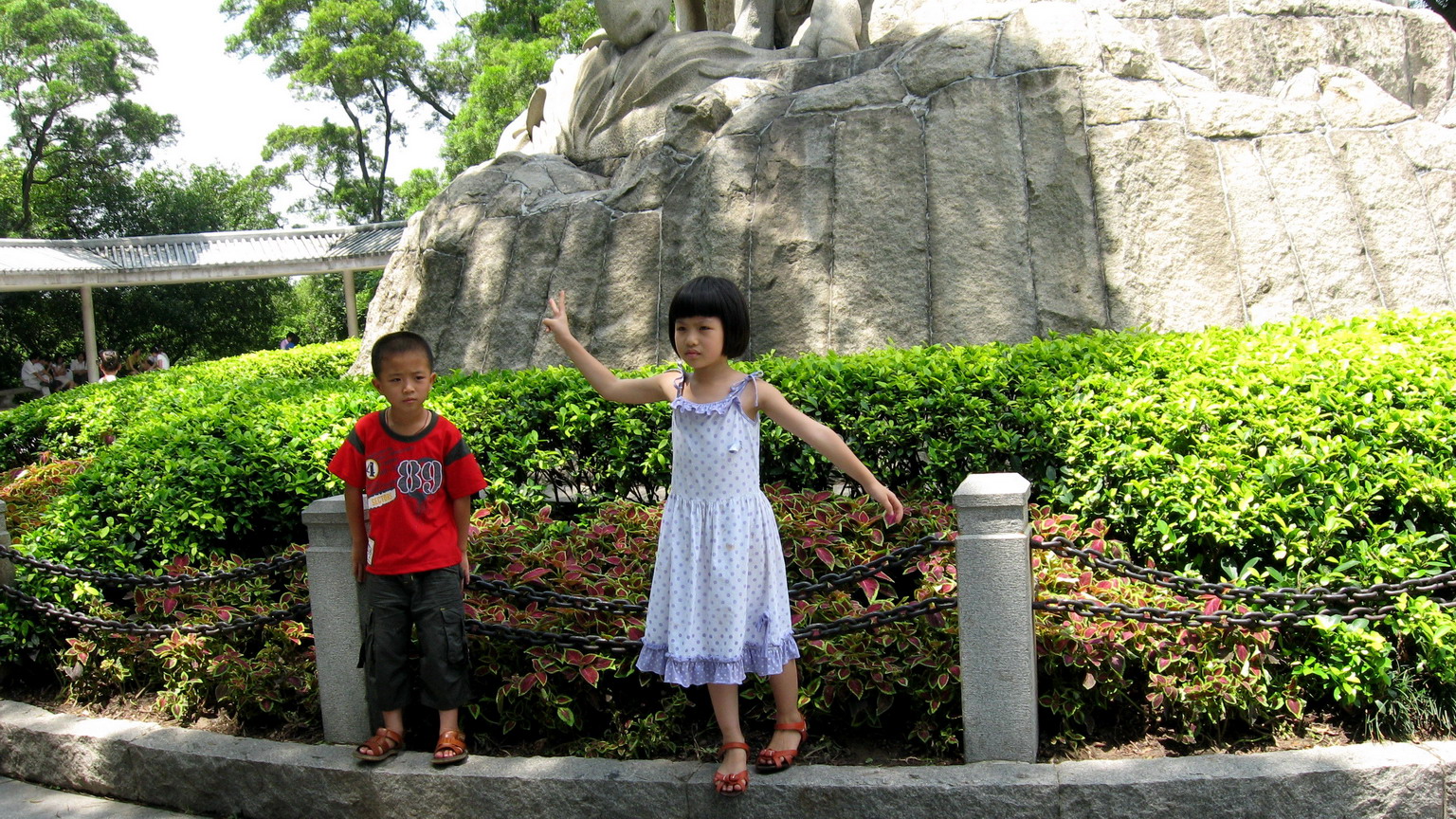
People in China like having their picture taken, and go in for decidedly elaborate poses. Everybody who came into a major city seemed to want a picture in the appointed place: traditionally standing bolt upright, arms held tight against the sides, alongside the family or even the whole collective farm, with a statue of some official in the background. Modernity arrived with a new generation. They pose at the same spots now and try to look less formal, maybe flashing horns at the world, or at least lifting their arms away from their sides.
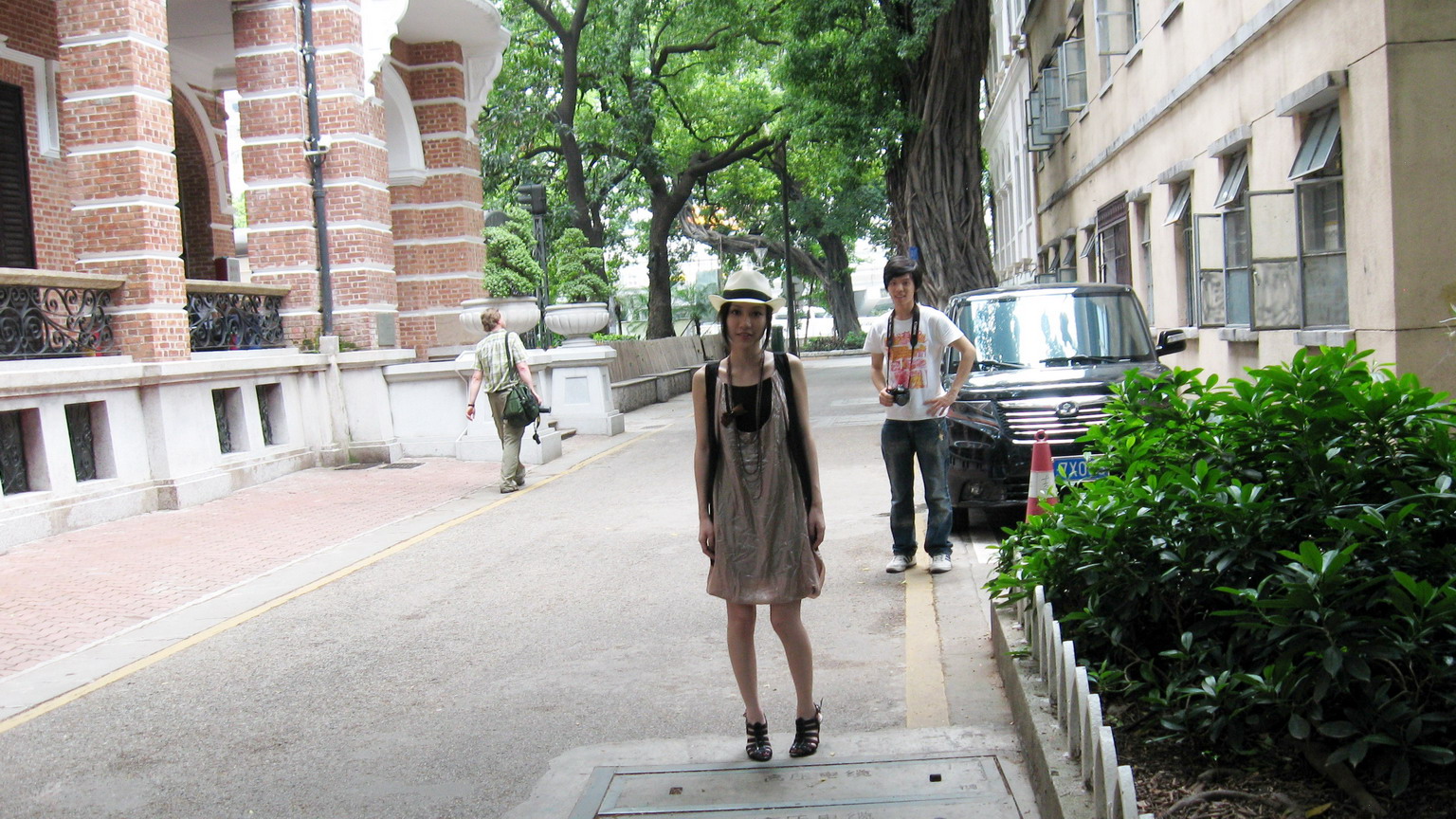
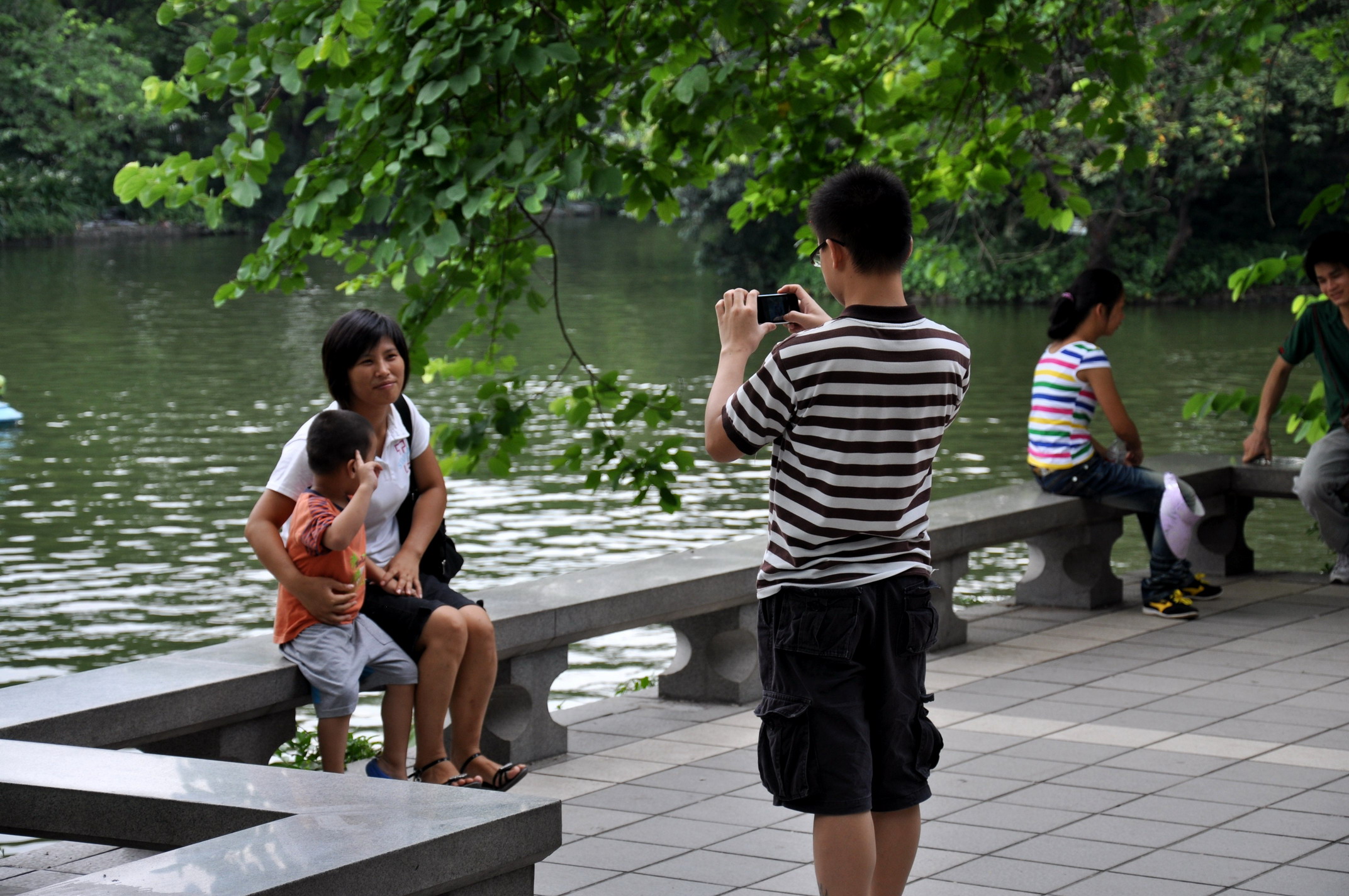
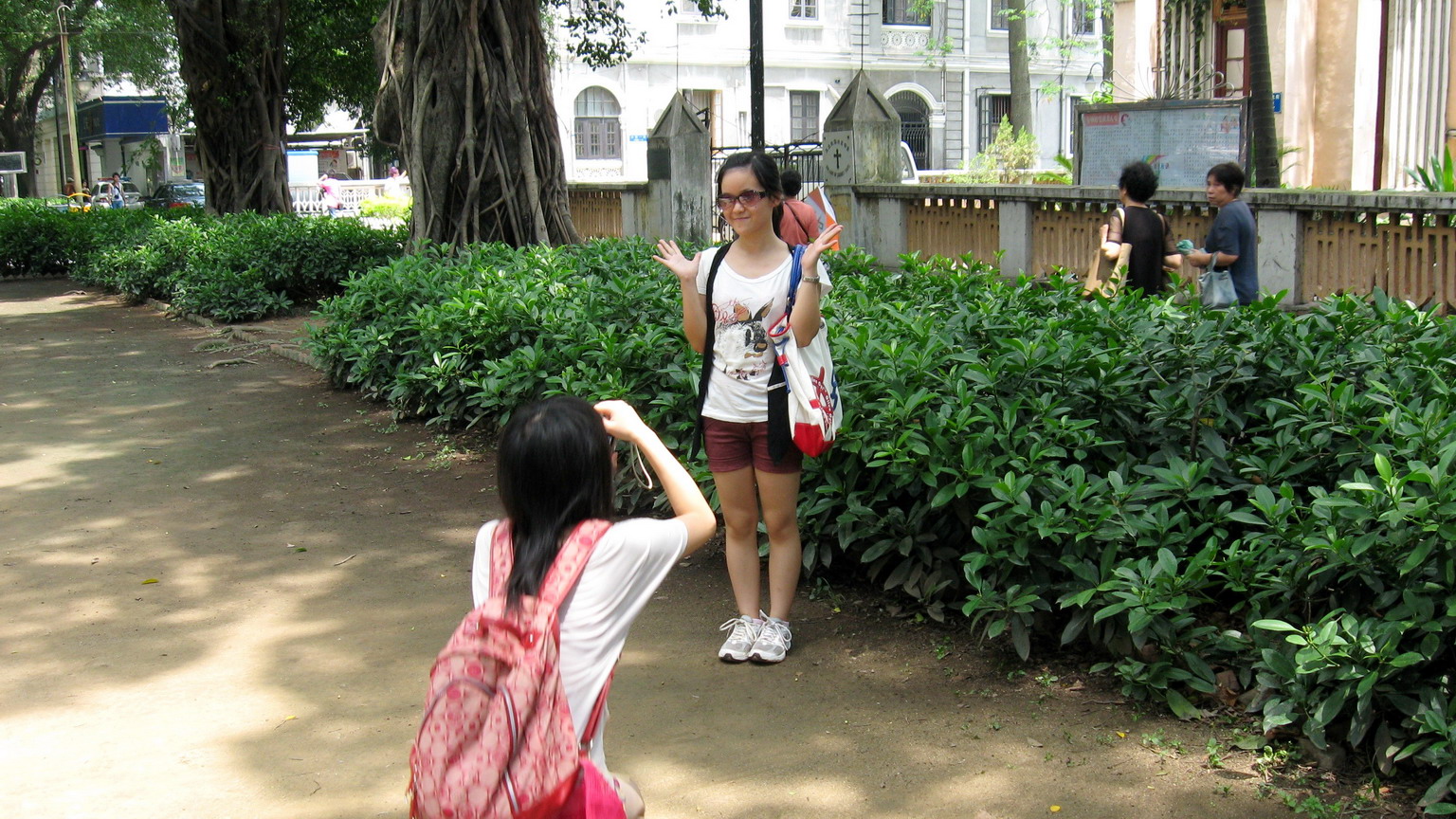
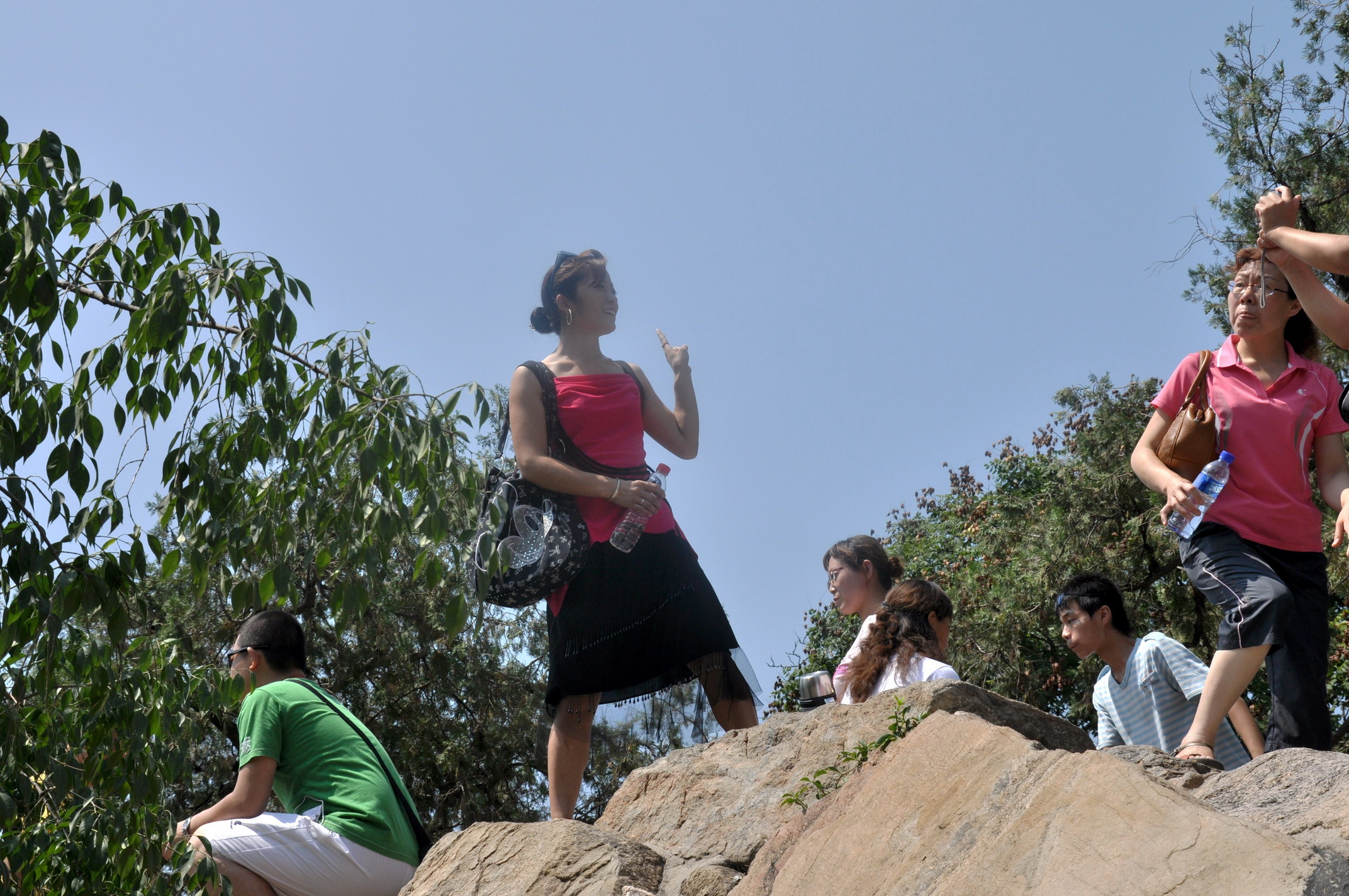
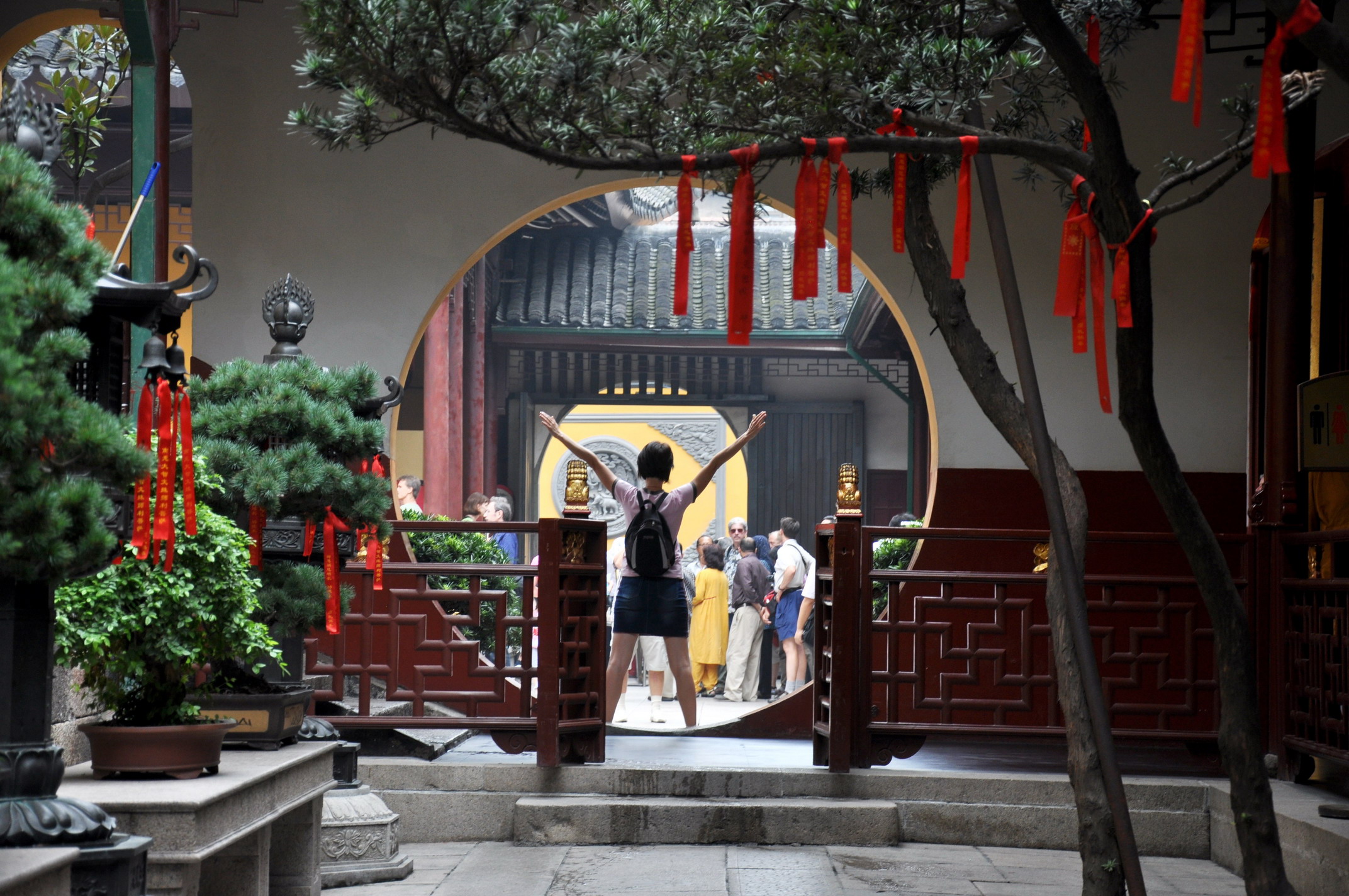
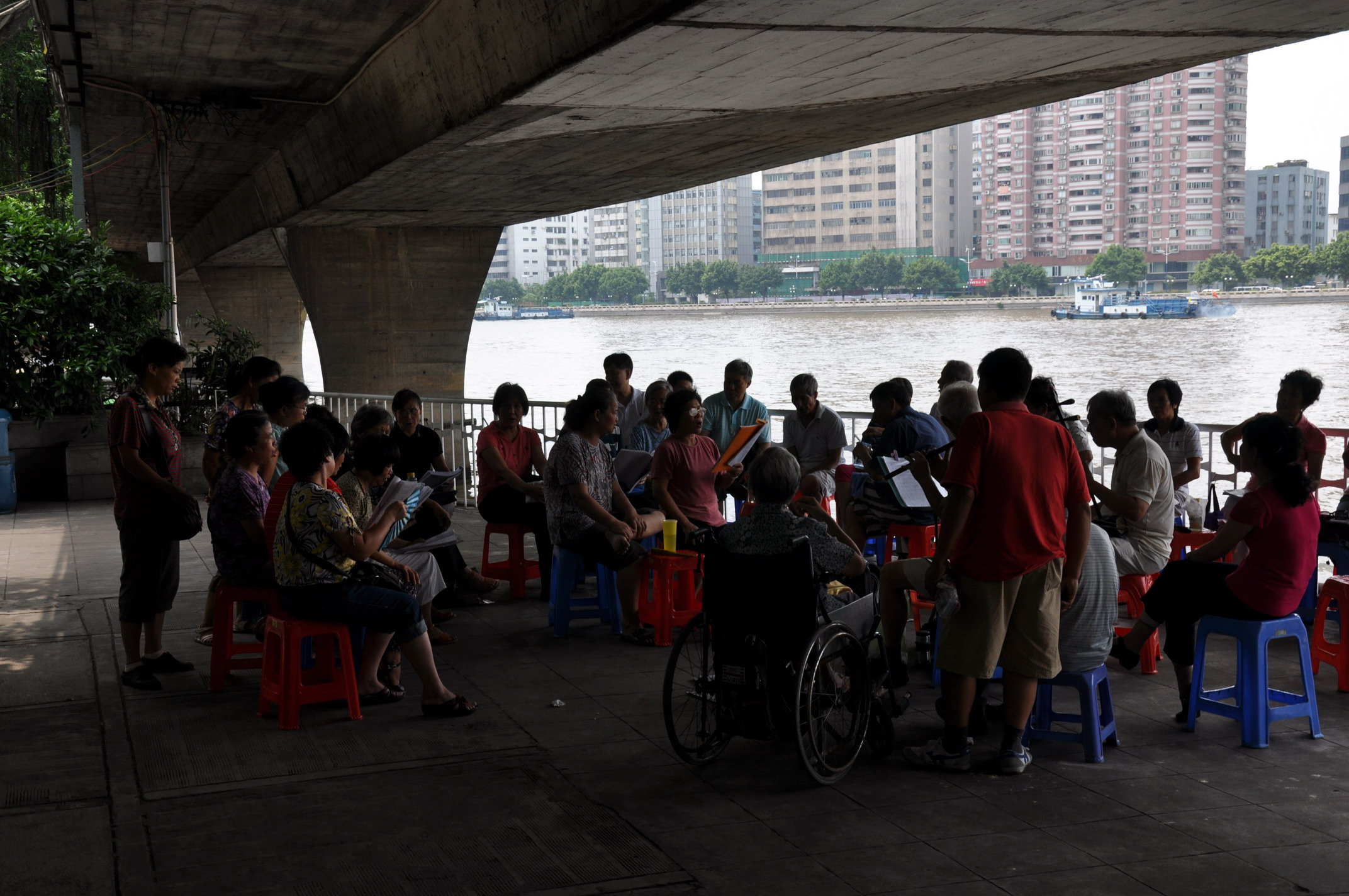
People were enjoying life. It had visibly got better. Worrying about problems was frowned on. On a weekend the riverfront was full of people. Young people danced or played something fashionably sporty. The older generation might gather in a circle with an accordion to sing songs from their turbulent youth and the Cultural Revolution. The generation that had been Red Guards in the 1960s was still vigorous. At sixty or seventy, old men and women kept watch in the streets in red armbands, something between a citizens’ patrol and Party supervision. I never saw them haul anyone off to jail. They generally glared around their territory or chatted amicably to one another. Their chief weapon was the whistle.
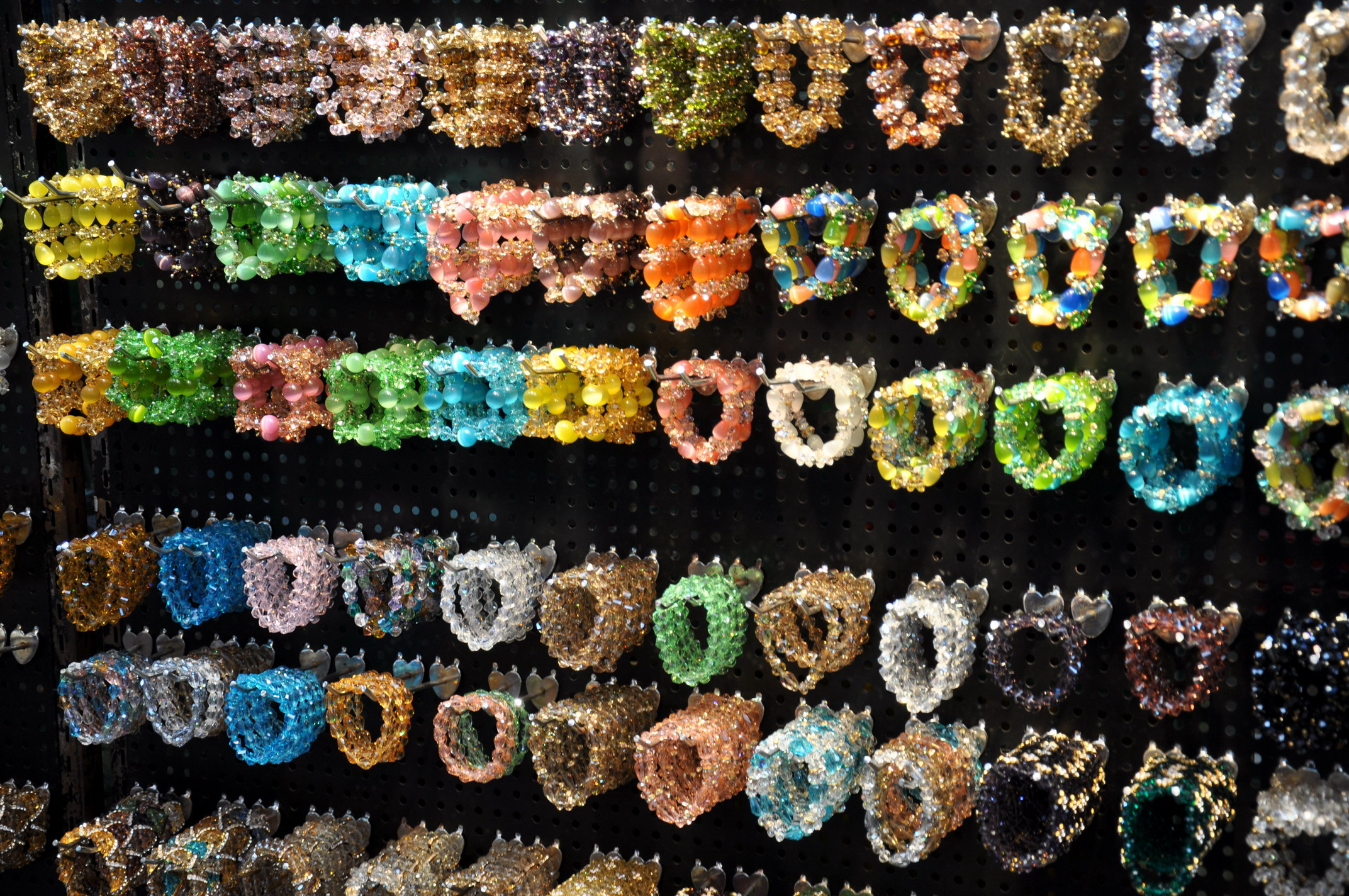
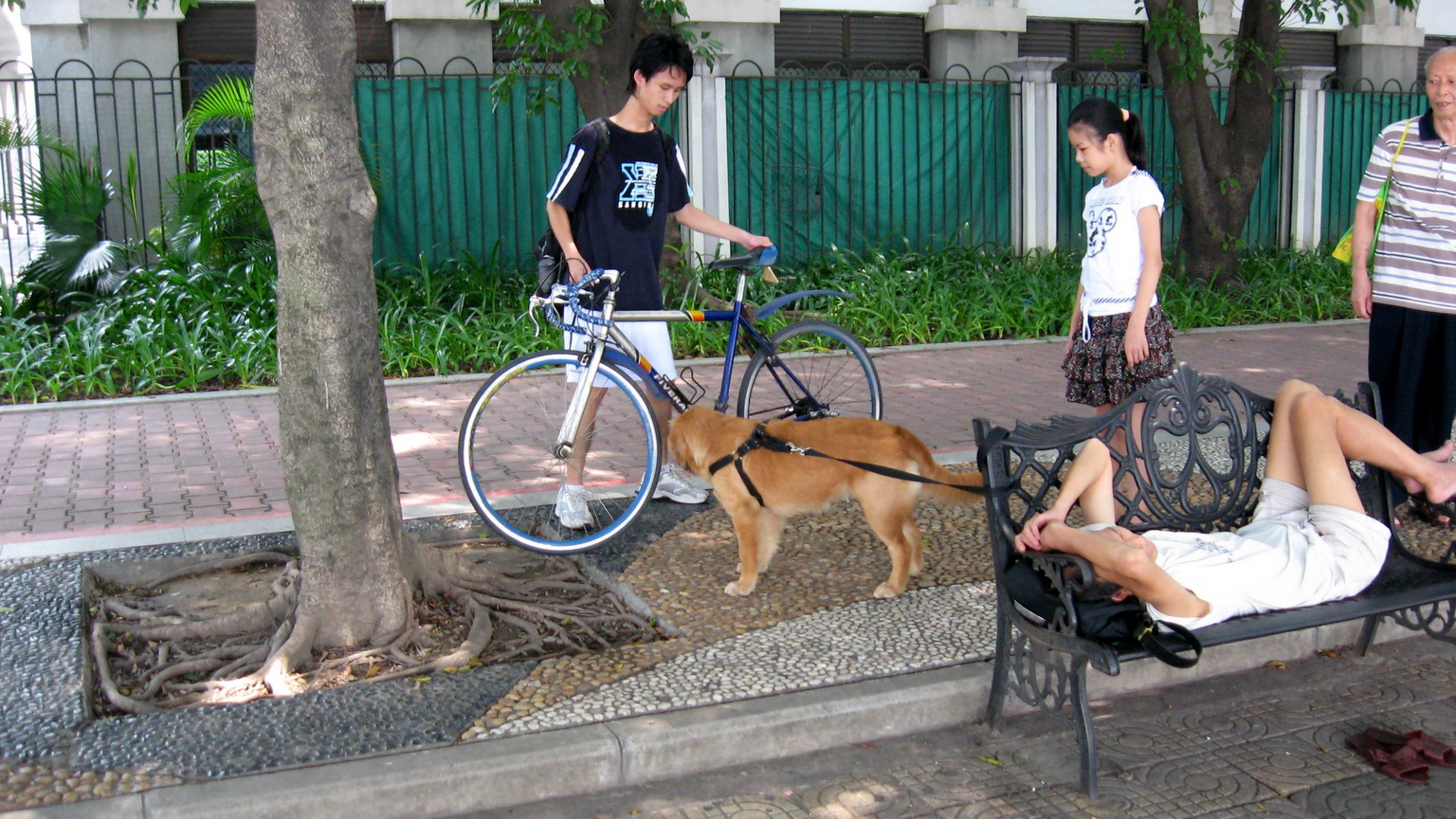
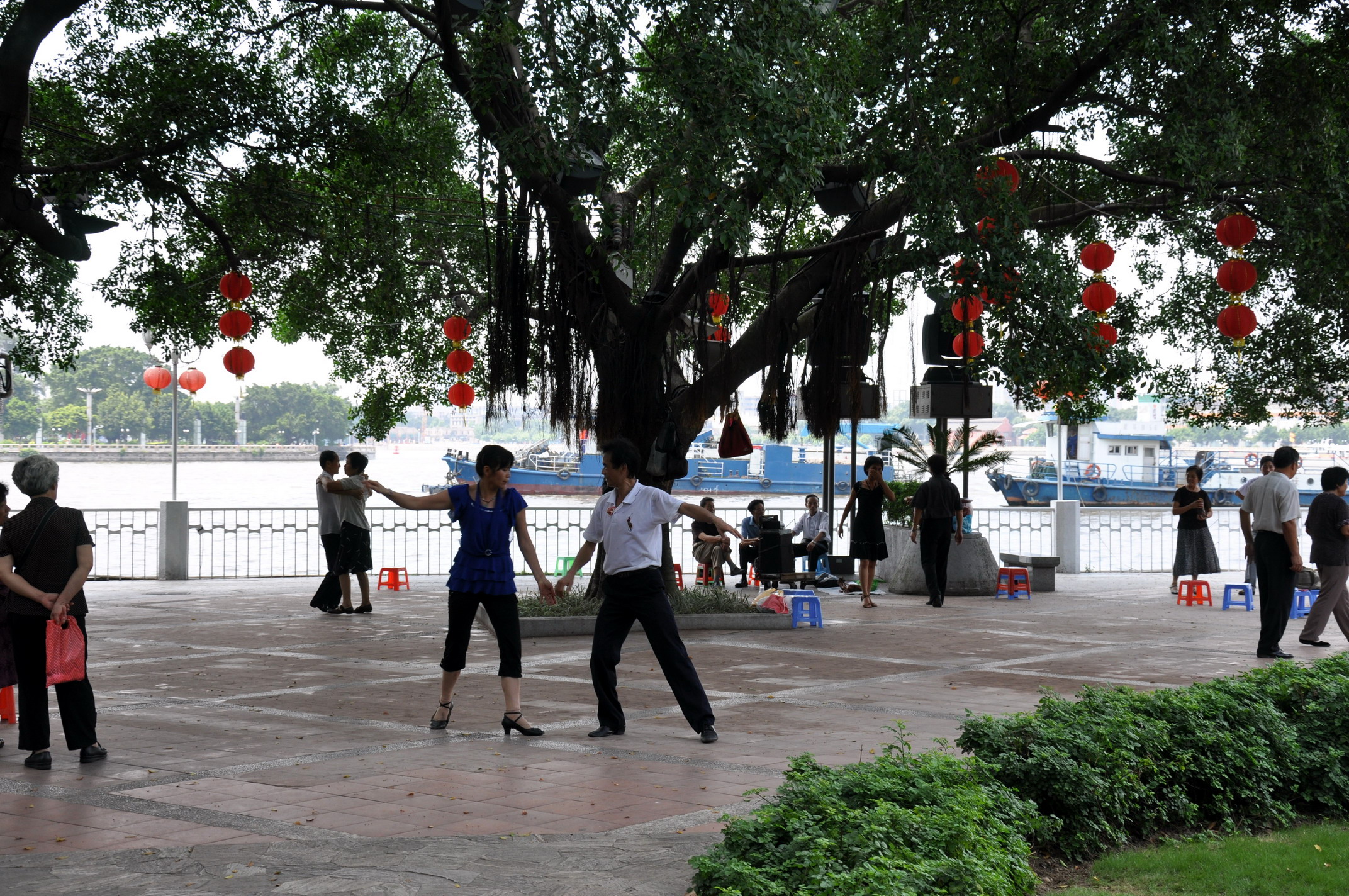
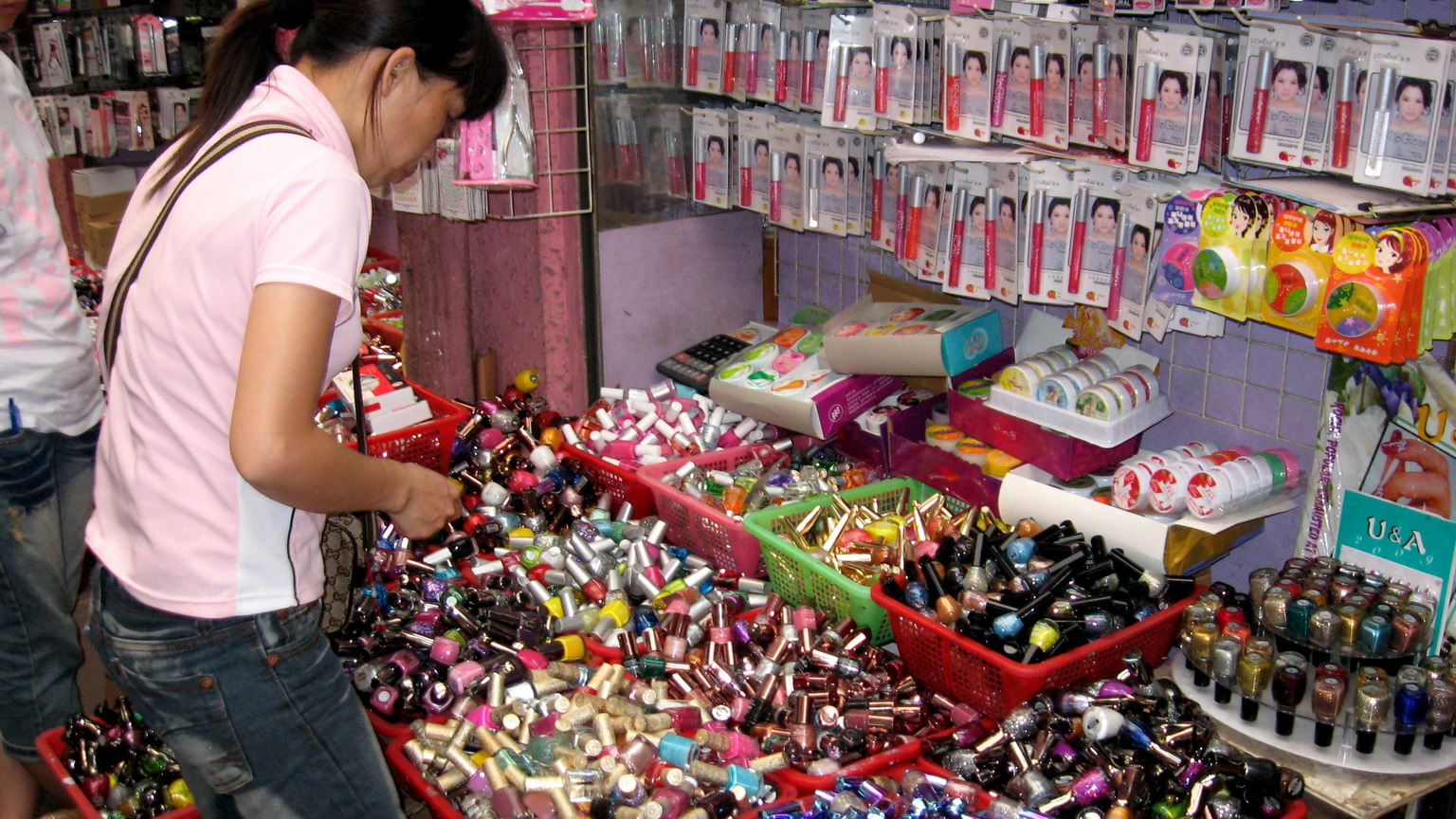
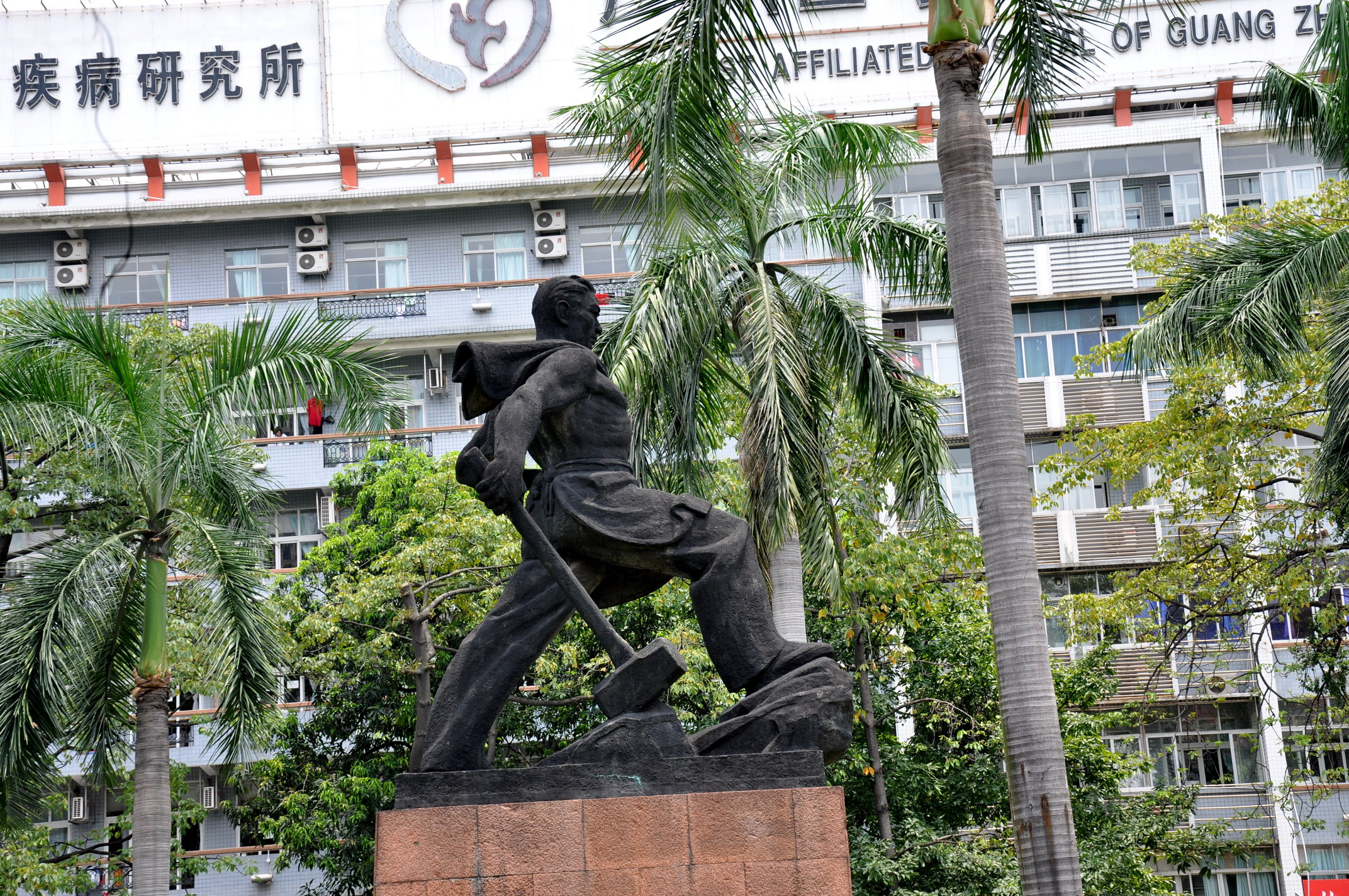
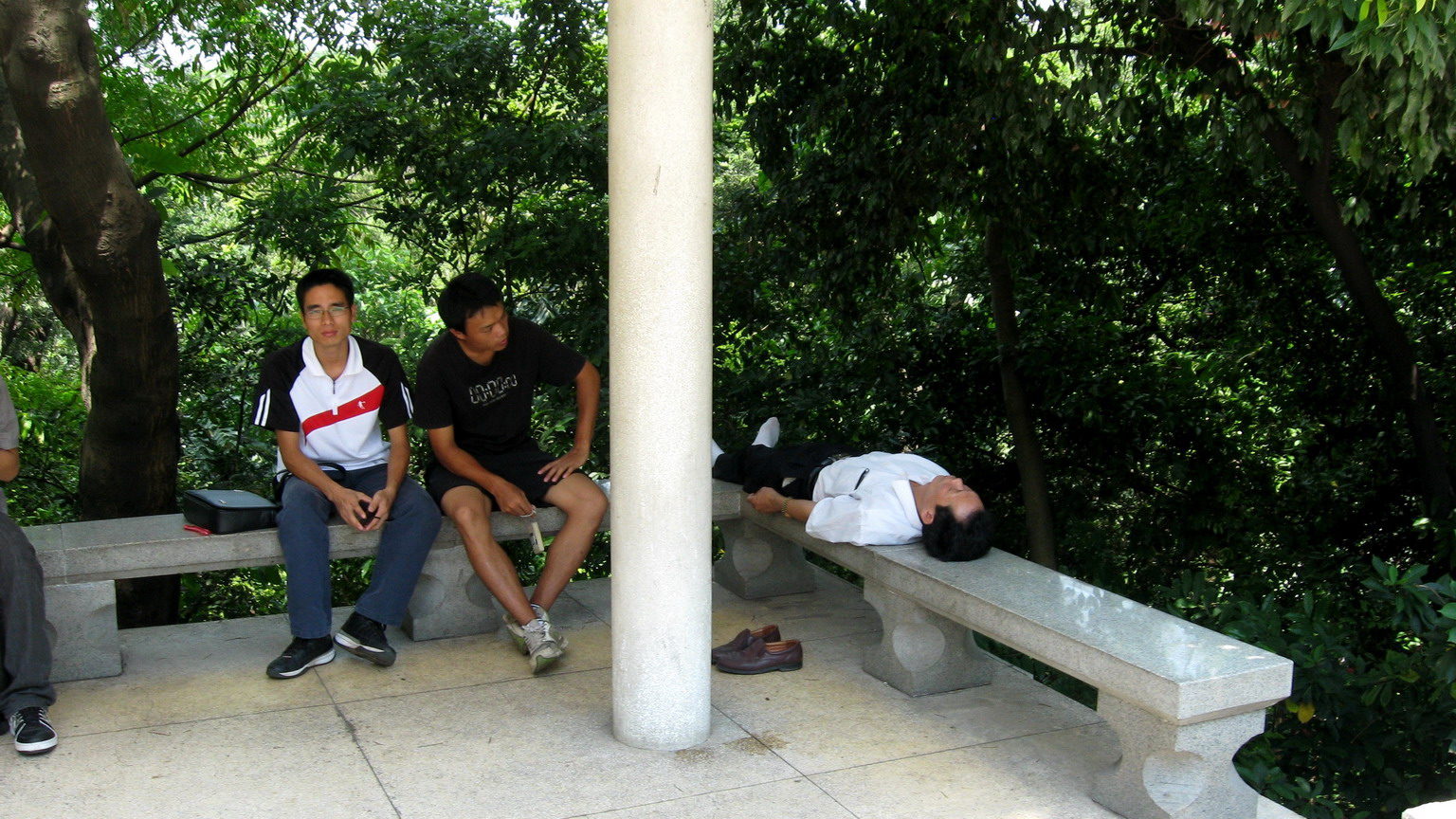
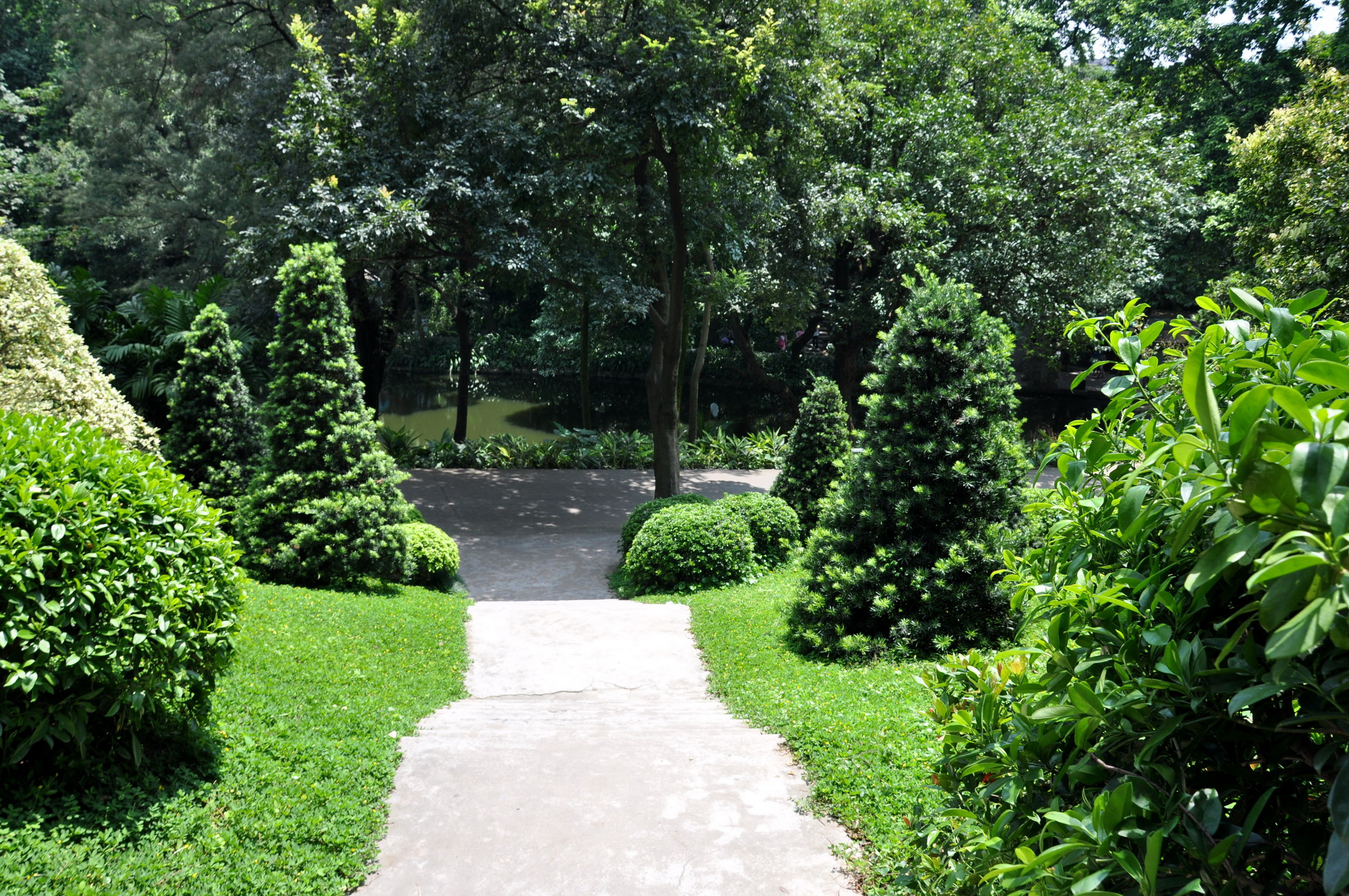
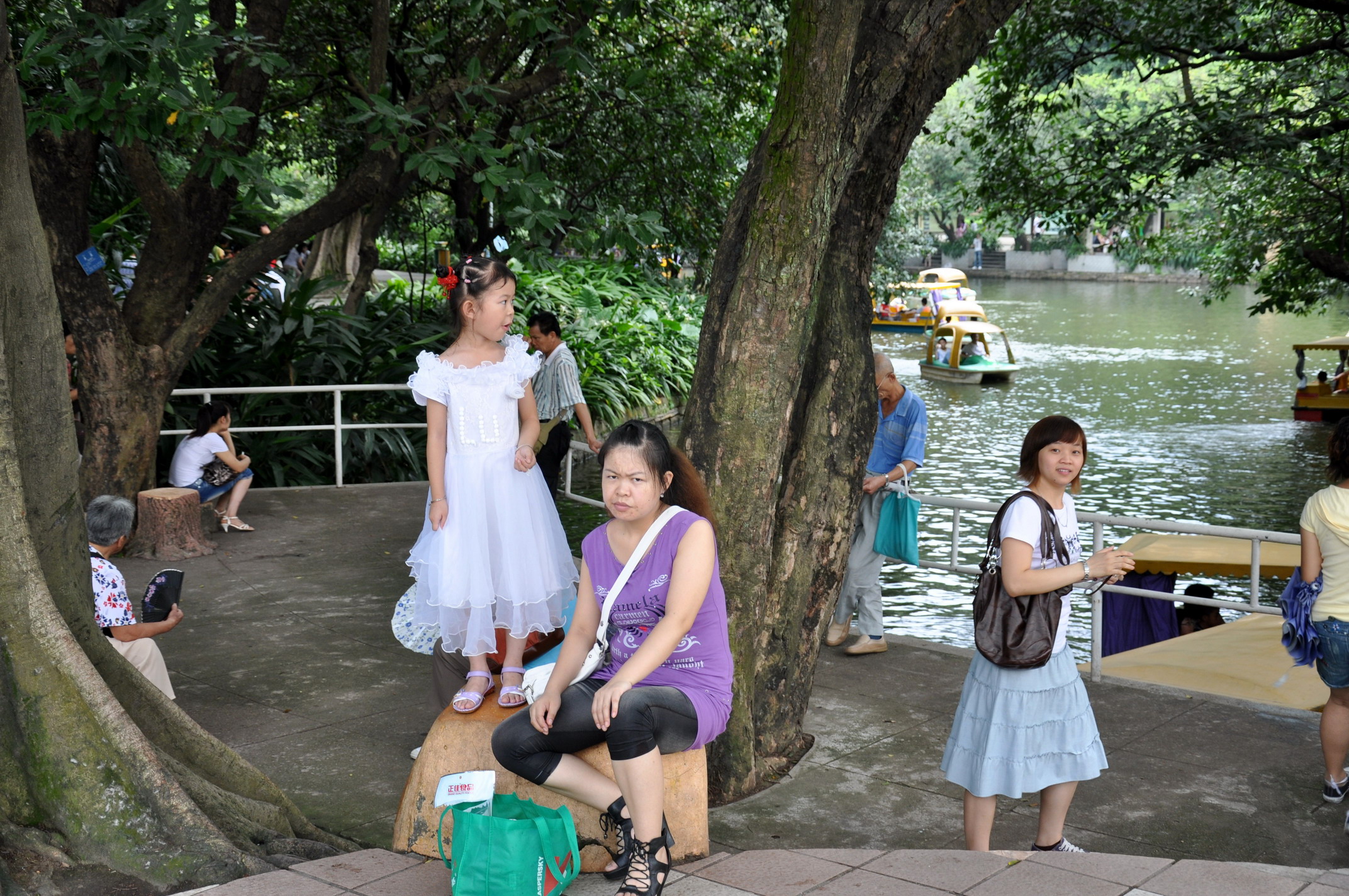
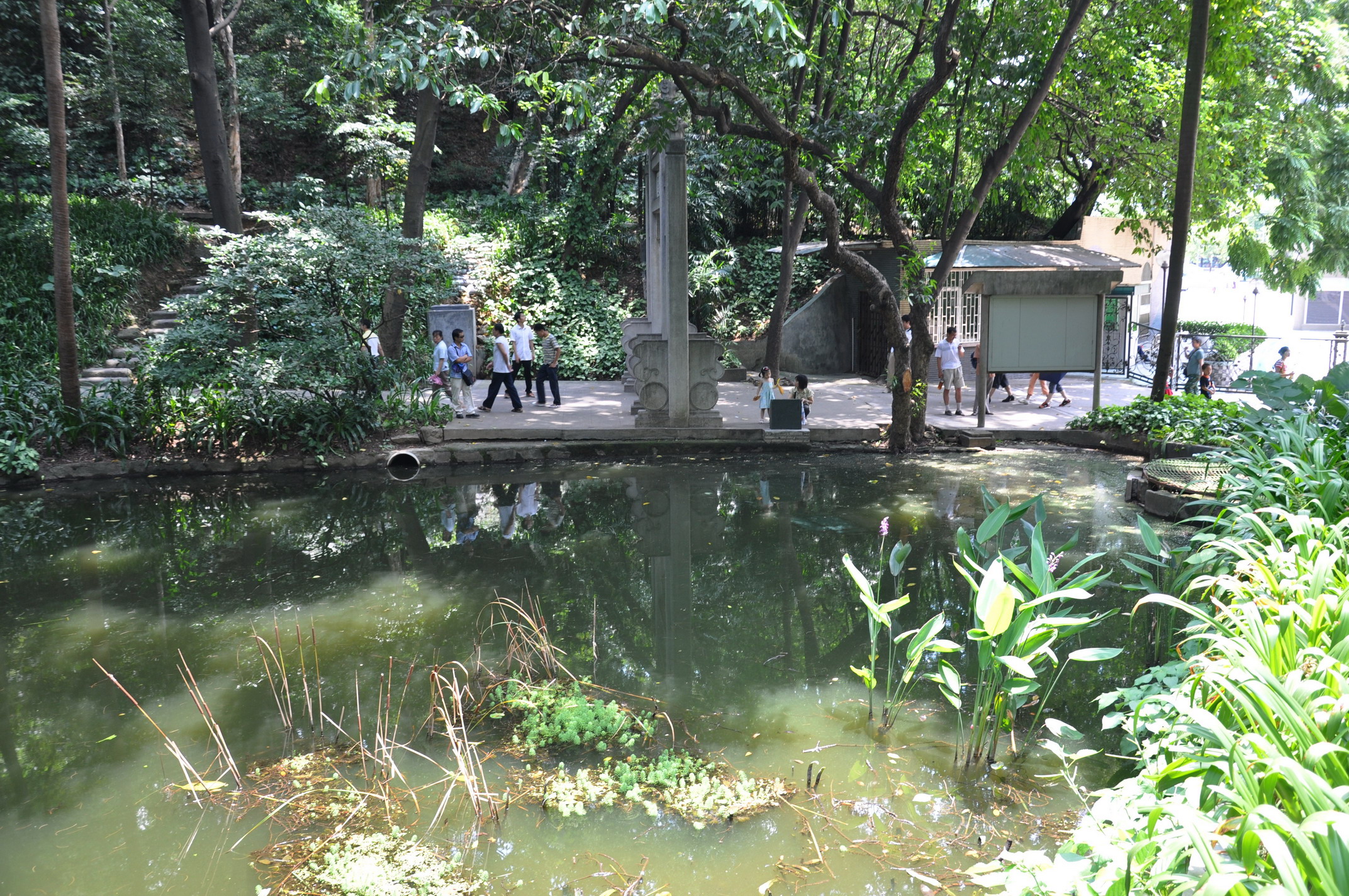
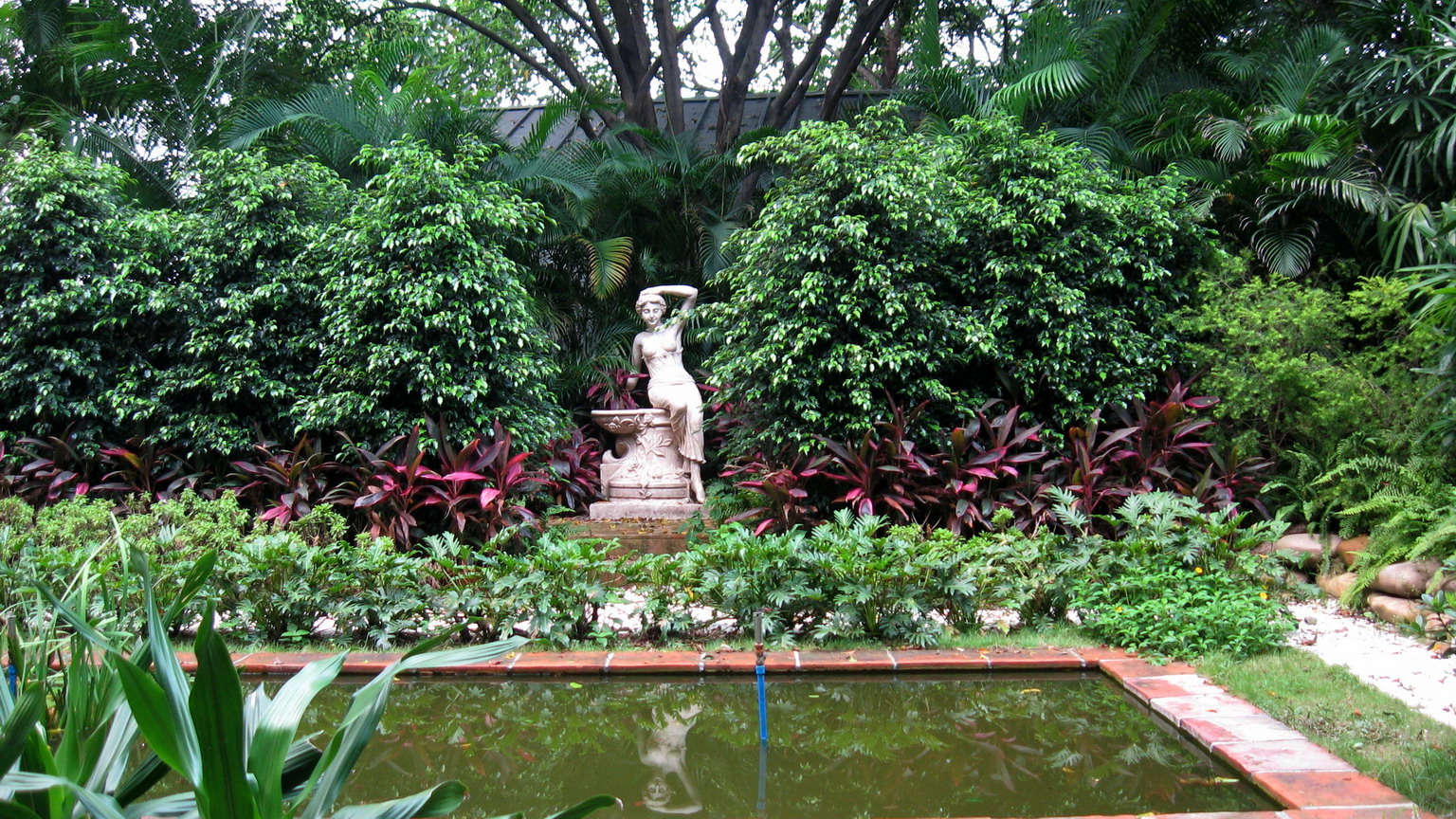
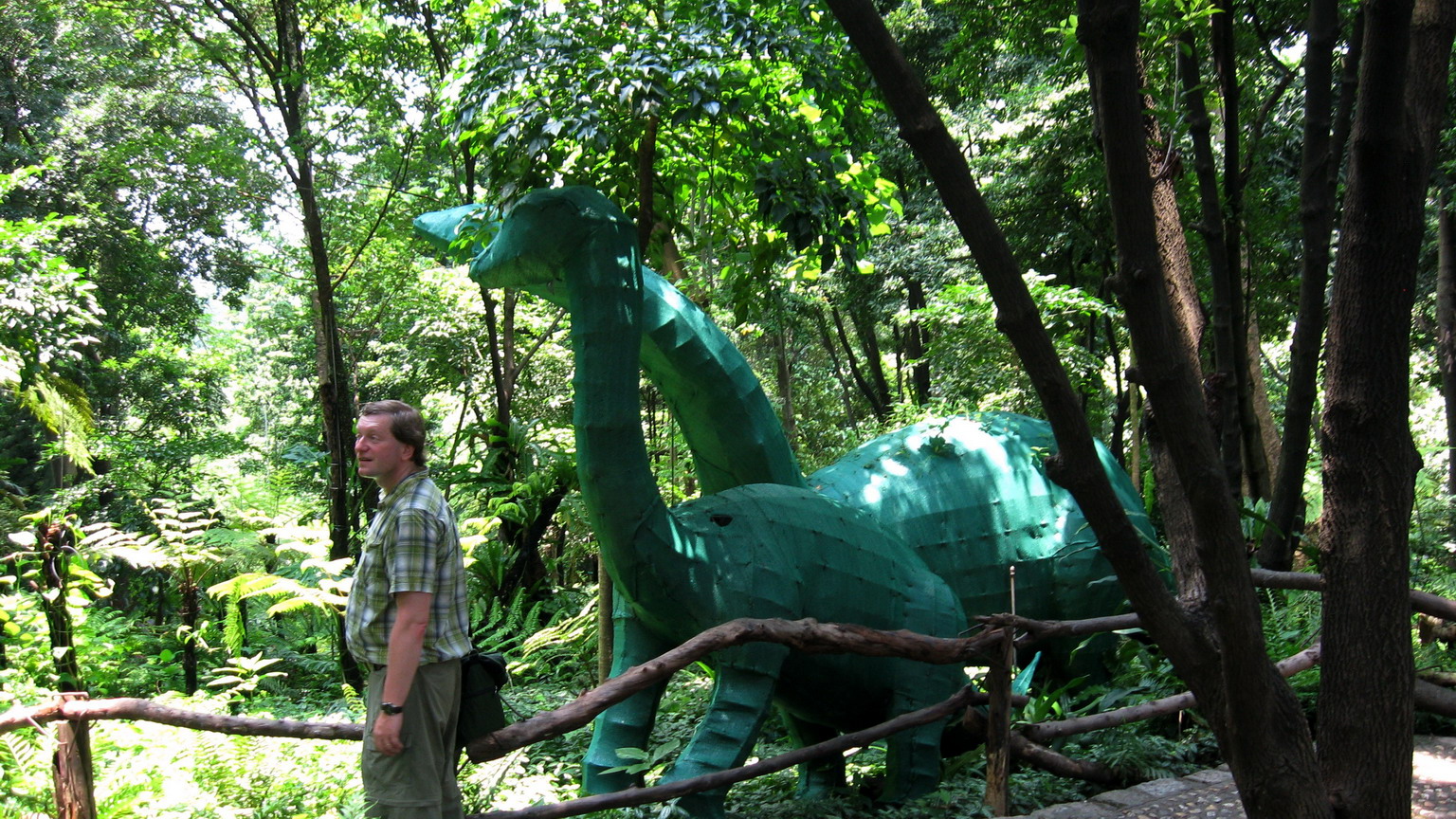
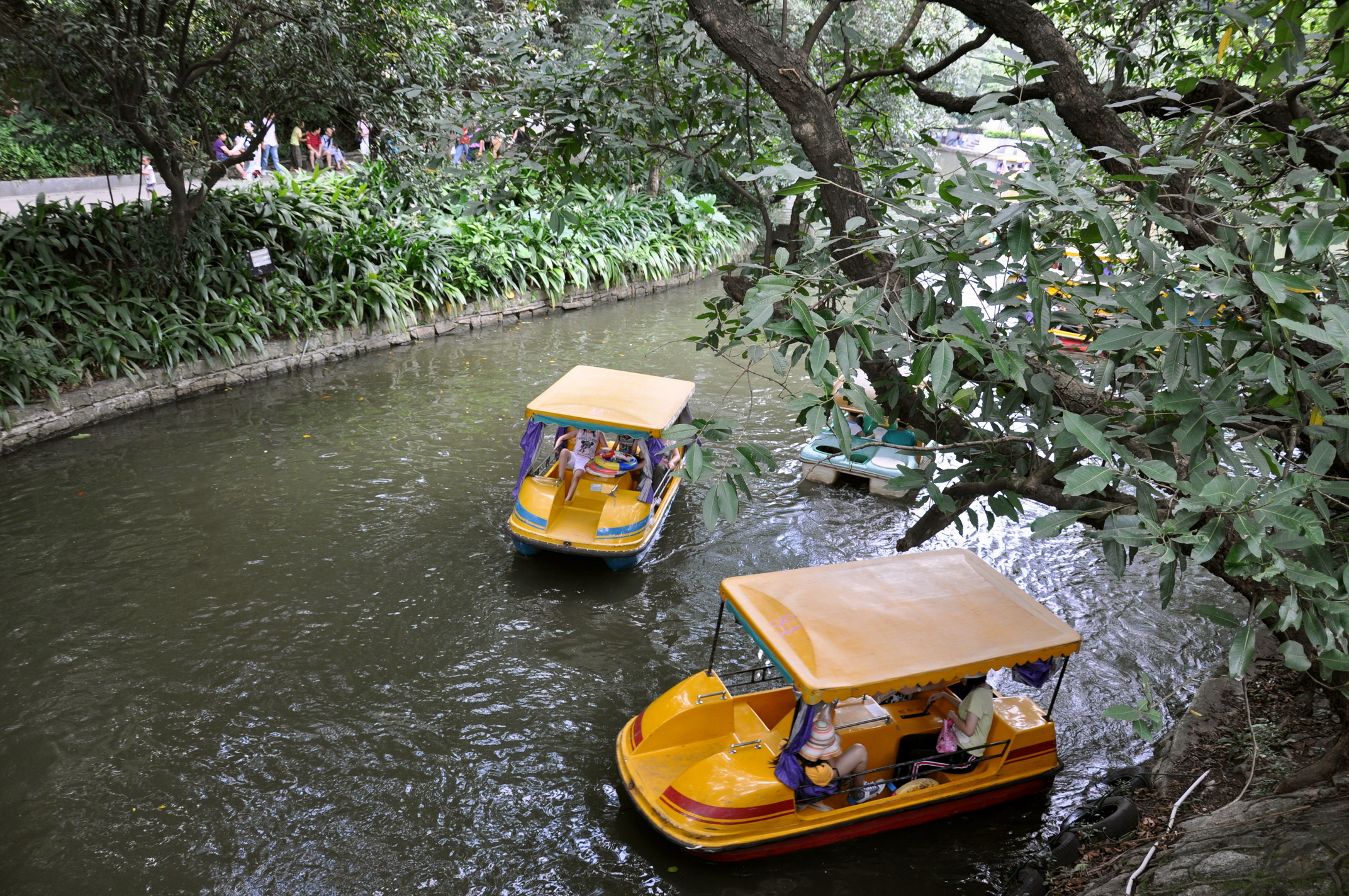
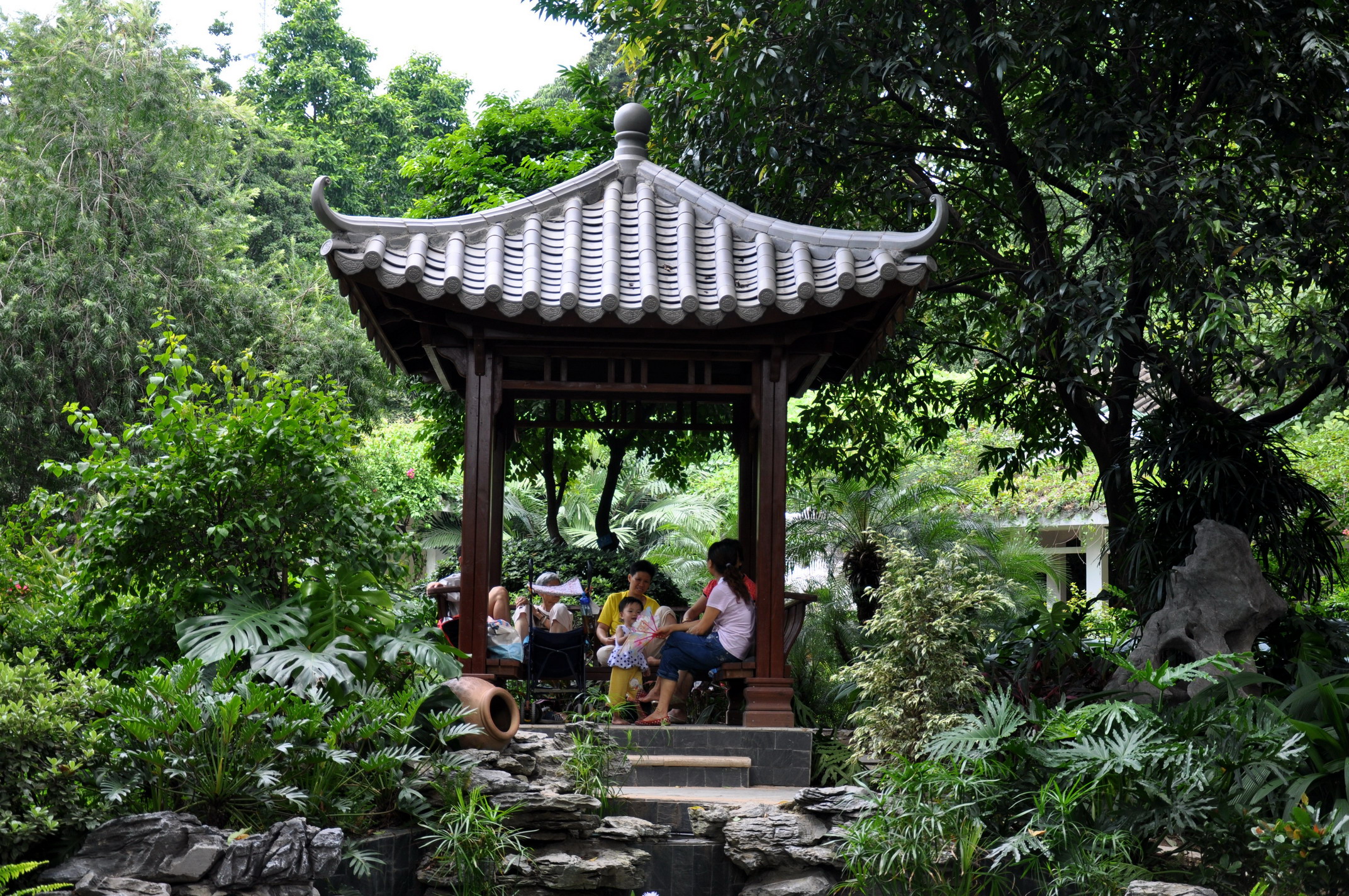
Chinese families also go to their parks of culture and recreation. They walk round with the whole family, row on the ponds and eat ice cream. It all reminded me of films about the Soviet 1930s and 1950s. The parks looked similar as well. They were copied from Soviet models, with the same statues of girls with oars or without them and standard plaster copies of classical sculpture among trimmed shrubs and paths. In keeping with the times, they’d added dinosaurs. It all looked very homespun.
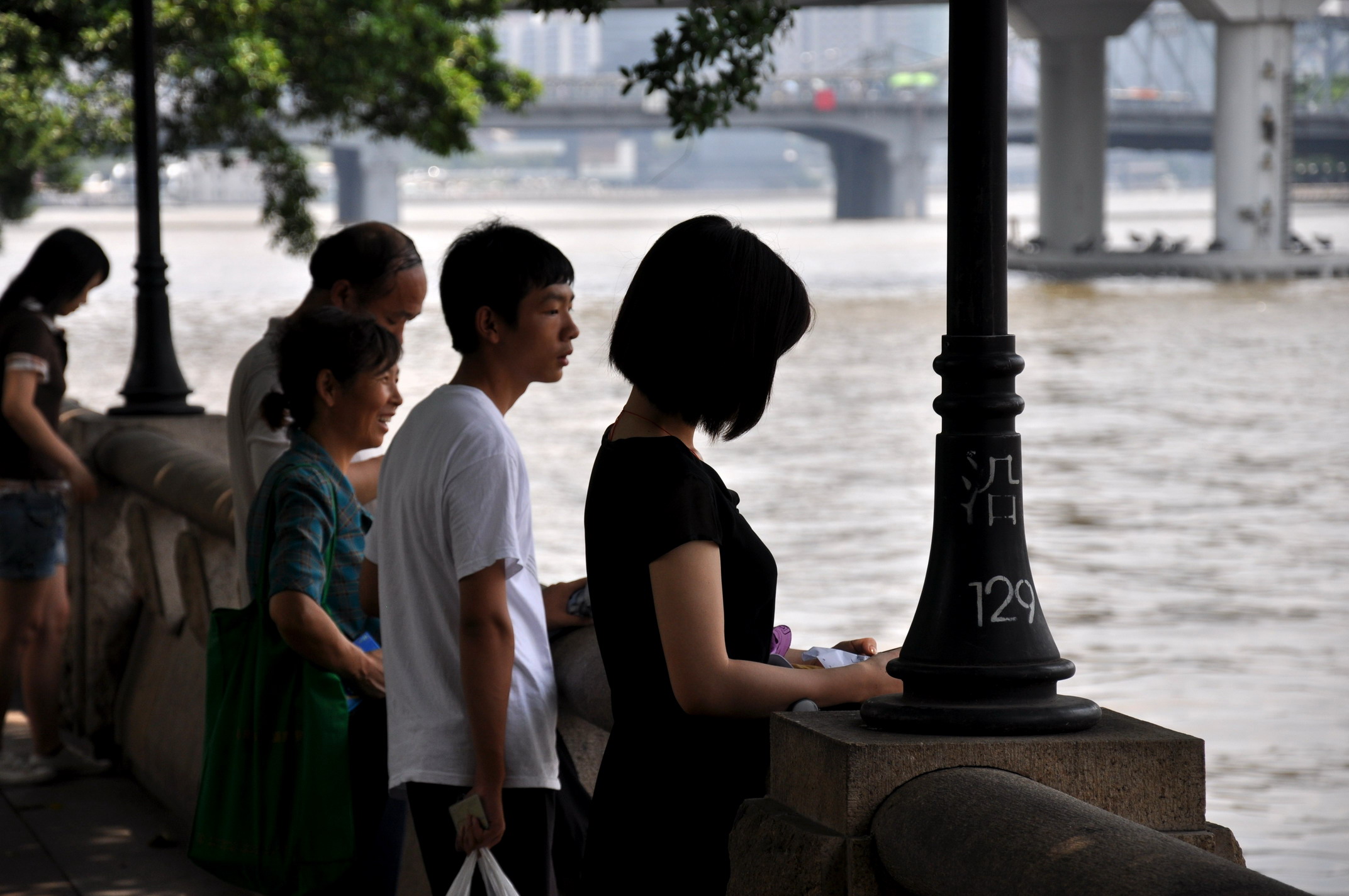
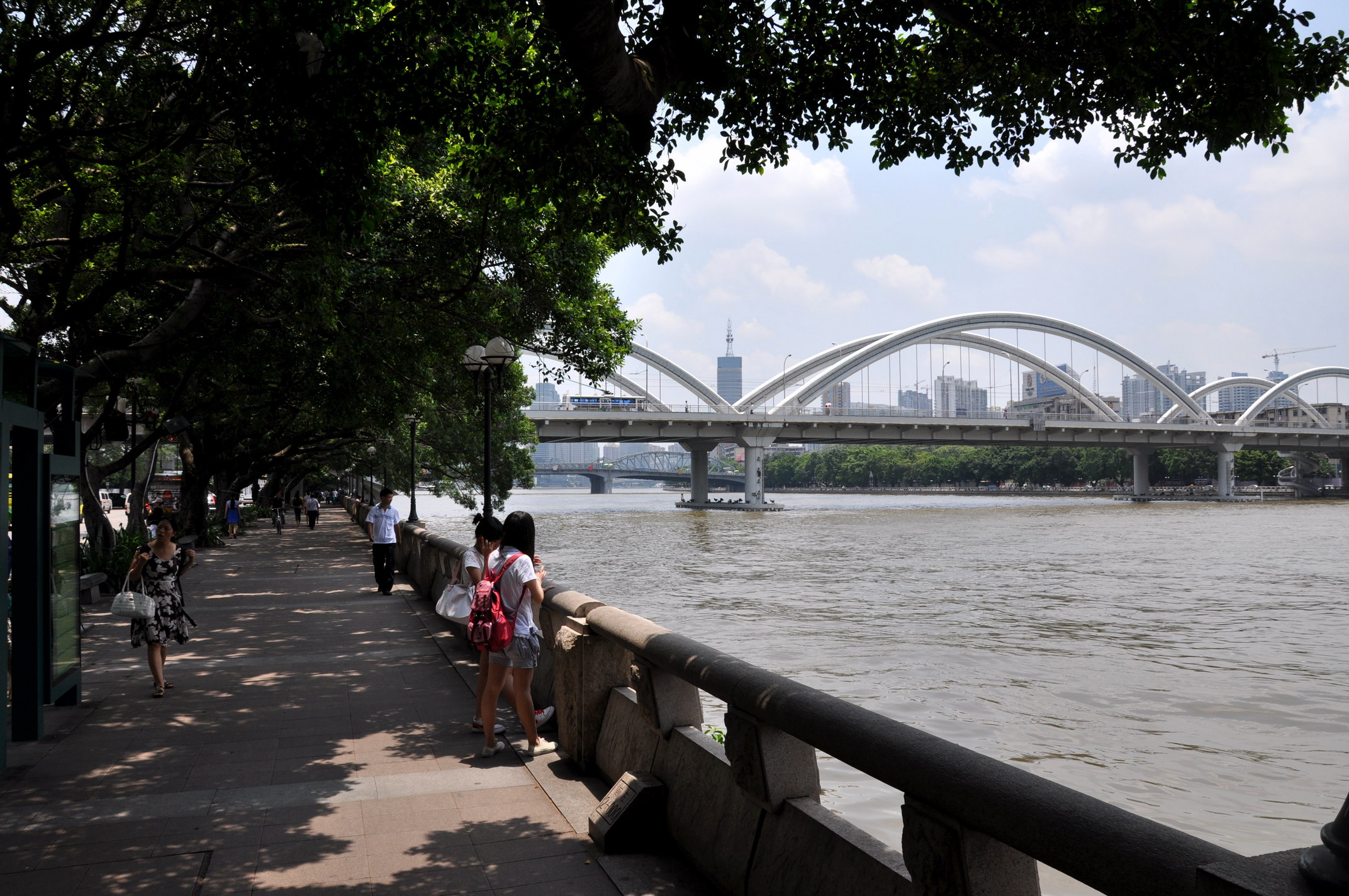
We watched all this celebration of life here in Guangzhou ourselves, walking along the banks of the Pearl River. Broad embankments stretch for dozens of kilometres. Old buildings gradually give way to skyscrapers. Nobody here seemed to think a skyscraper could spoil the view. It would be as heretical to say so in China as to say in Russia that pensions spoil pensioners.
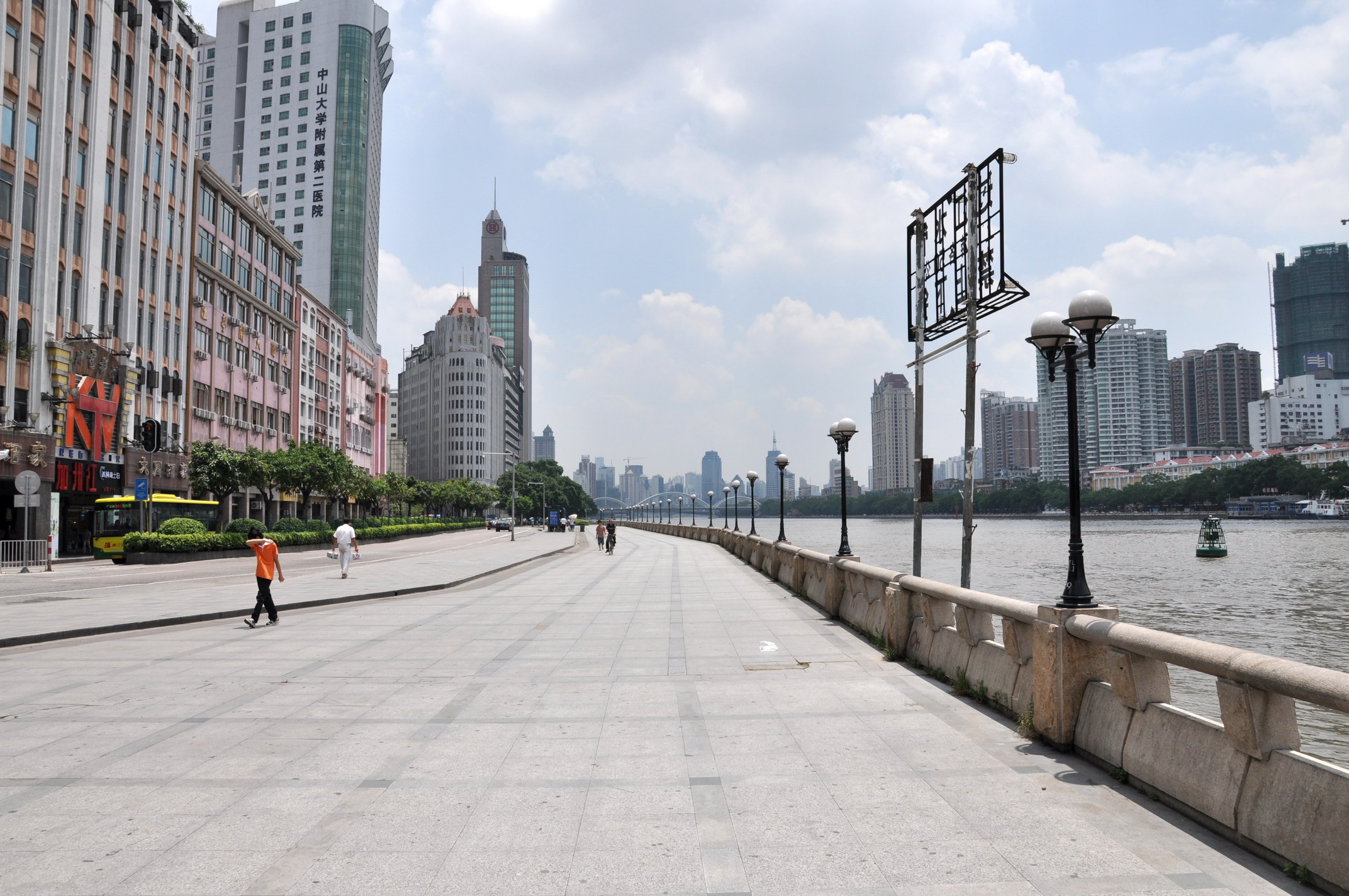
They had recently put up what was to be one of the tallest television towers in the world, about six hundred metres to the top. The idea, a hyperbolic lattice of supporting beams, reminded me of Shukhov’s tower in Moscow. It was scarcely their only skyscraper. They seemed to be everywhere. Why build them, when they’re plainly an expensive way of housing offices? I think for the beauty of it, to give people the heart to go on and do more. Looking at it, I felt how badly Russian society had gone downhill.
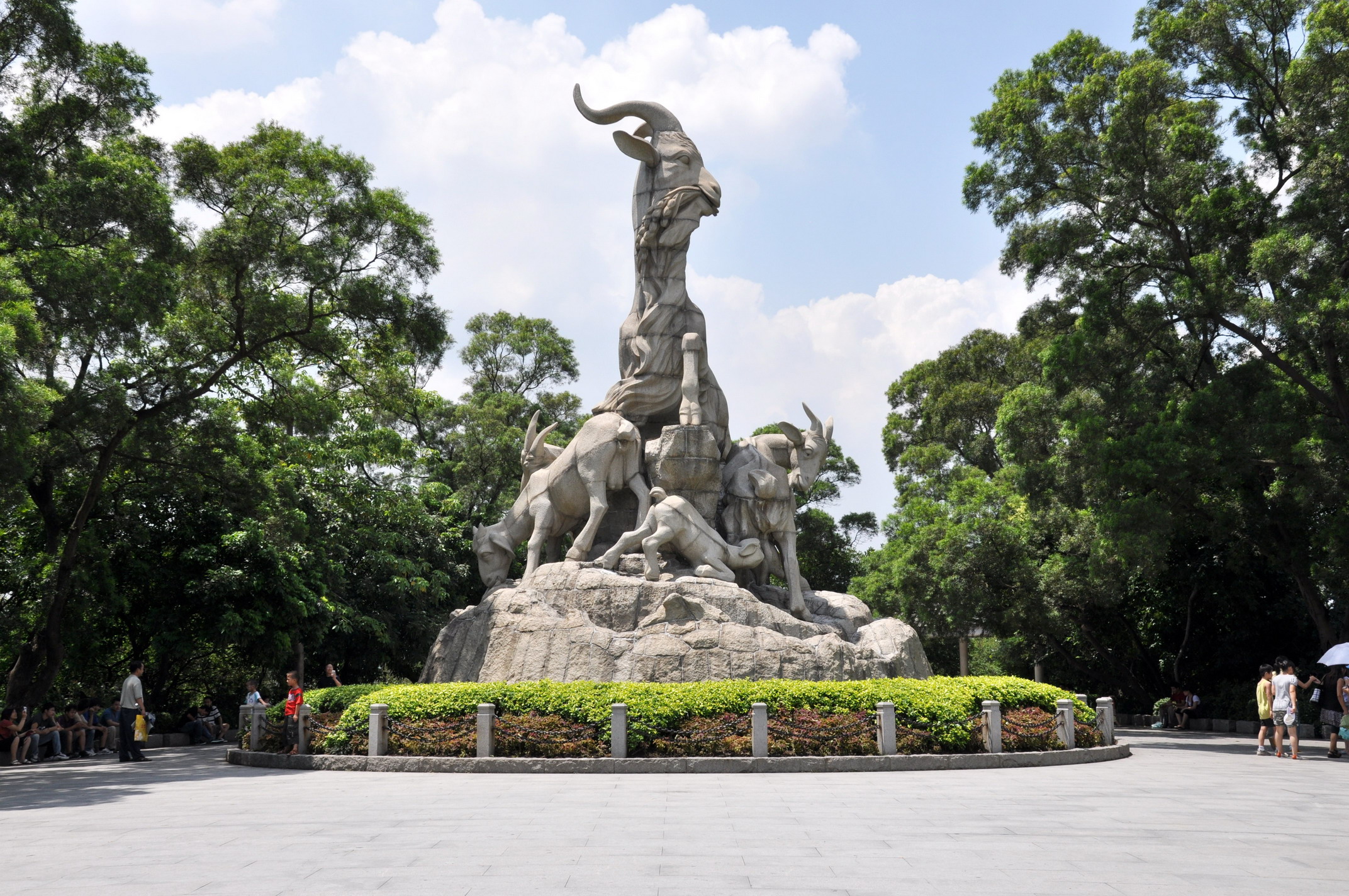
We continued our walk in Yuexiu Park, a place for culture and recreation. Here is the city’s symbol, what I call the Five Goats. A sculpture of five of them, who in a local legend once came to the city’s rescue. Some Russian accounts soften the translation to rams. One look at them convinces me they’re goats.
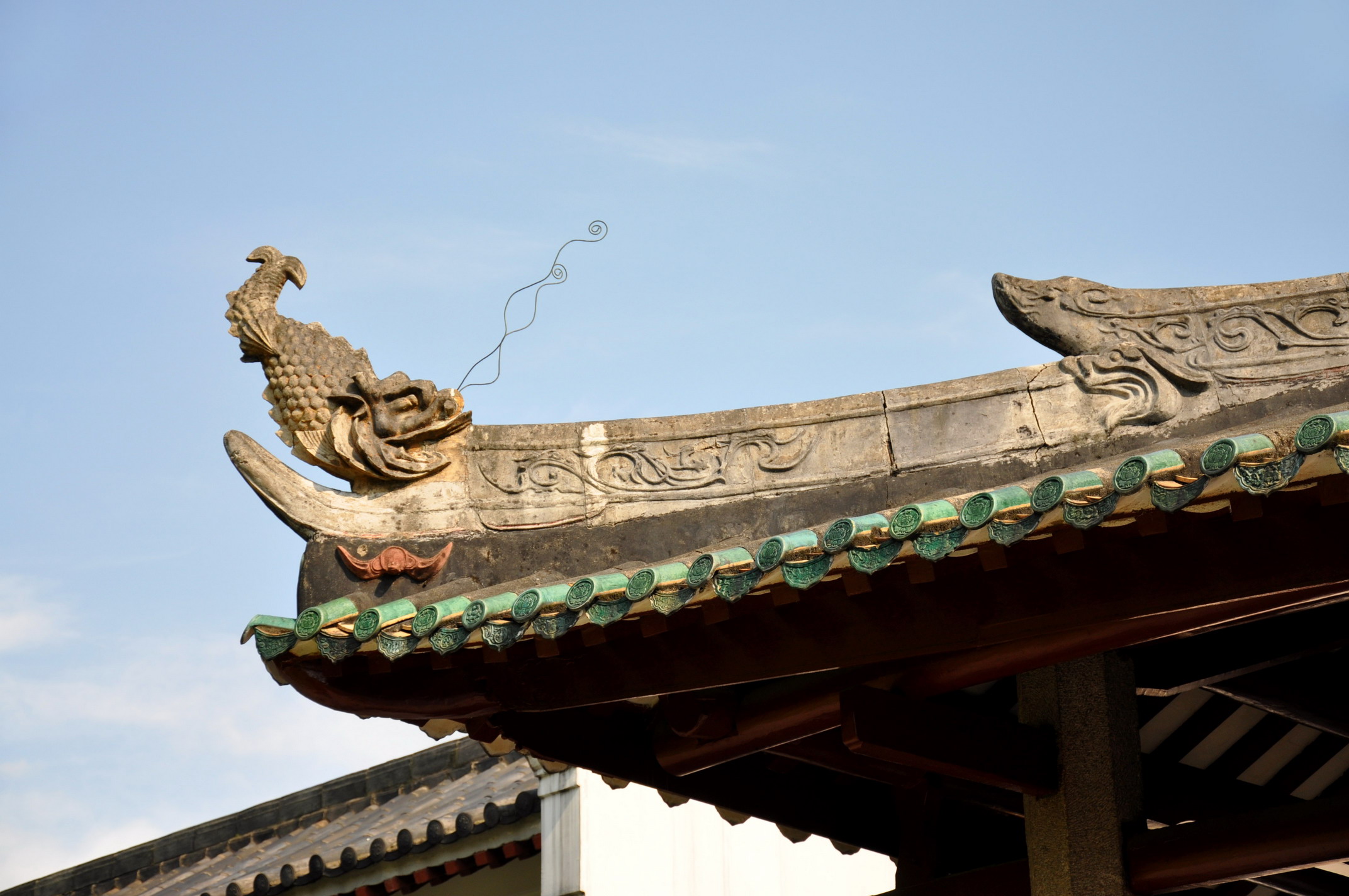
Near the park there are two Buddhist temples, Guangxiao Temple and the Temple of the Six Banyan Trees. Guangxiao is among the oldest in Guangzhou. Its history goes back to the early centuries of our era, though most of the buildings you see today date from the nineteenth century. The Six Banyan Temple is famous for its tall pagoda, about fifty-seven metres.
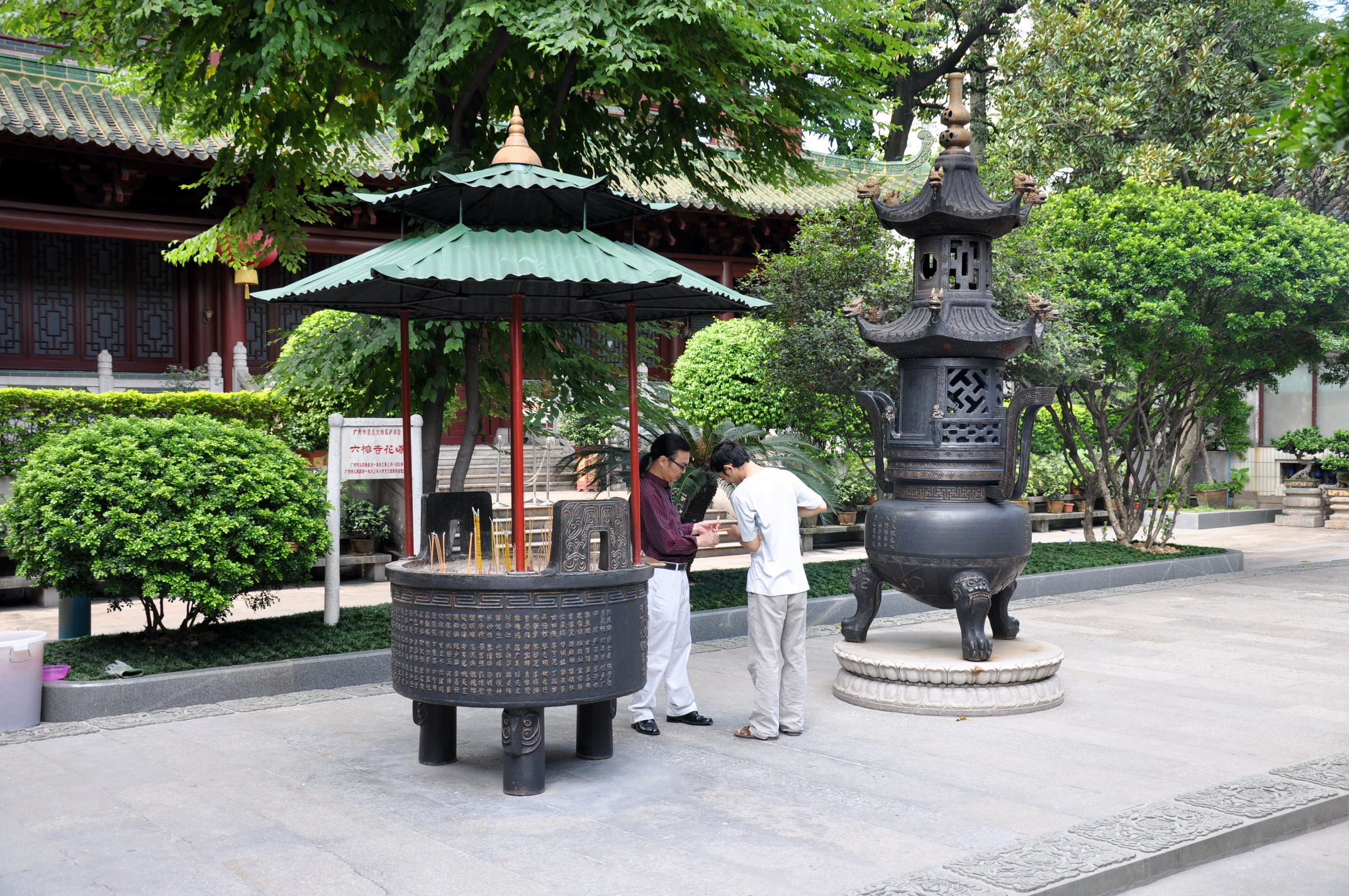
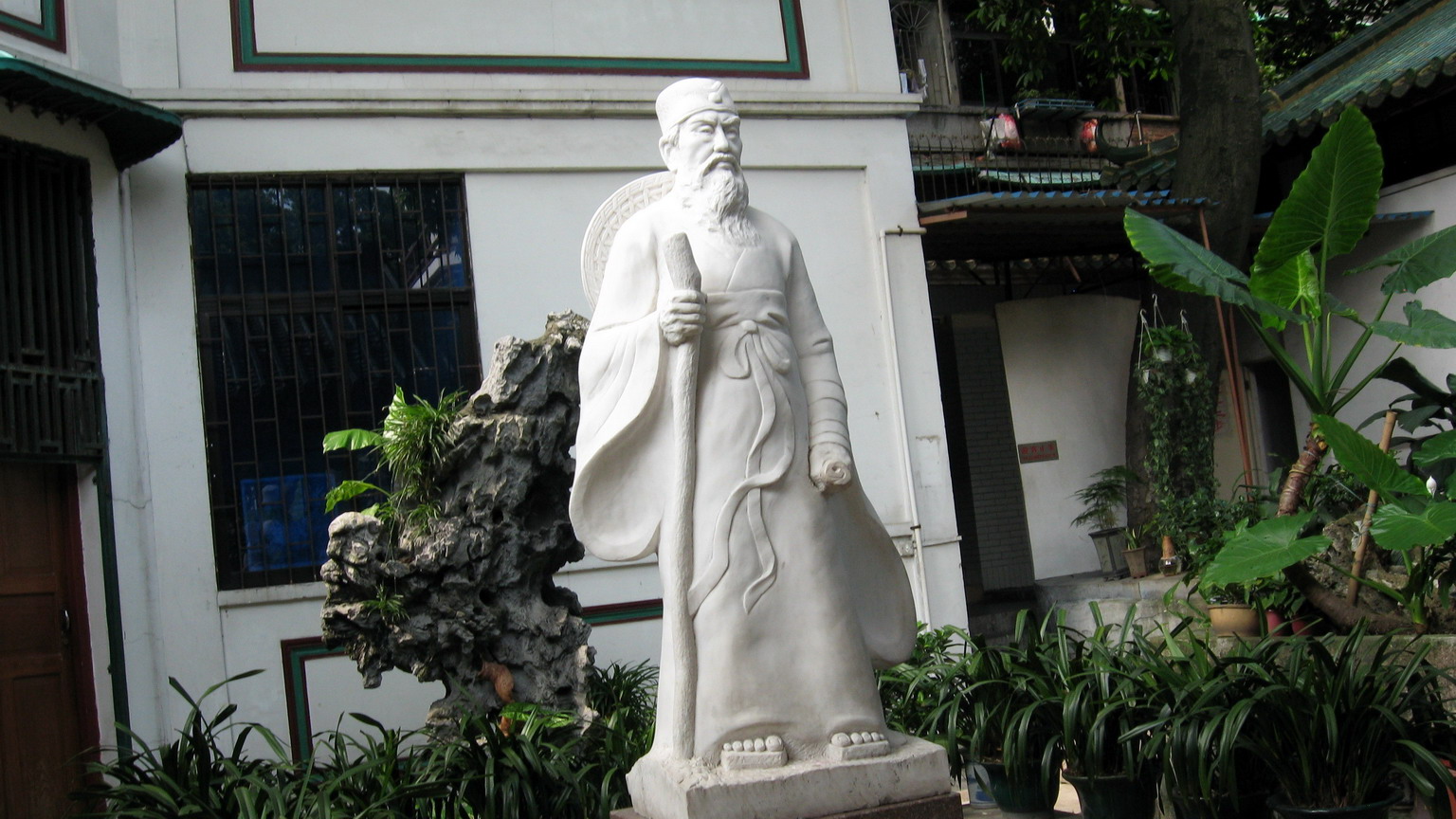
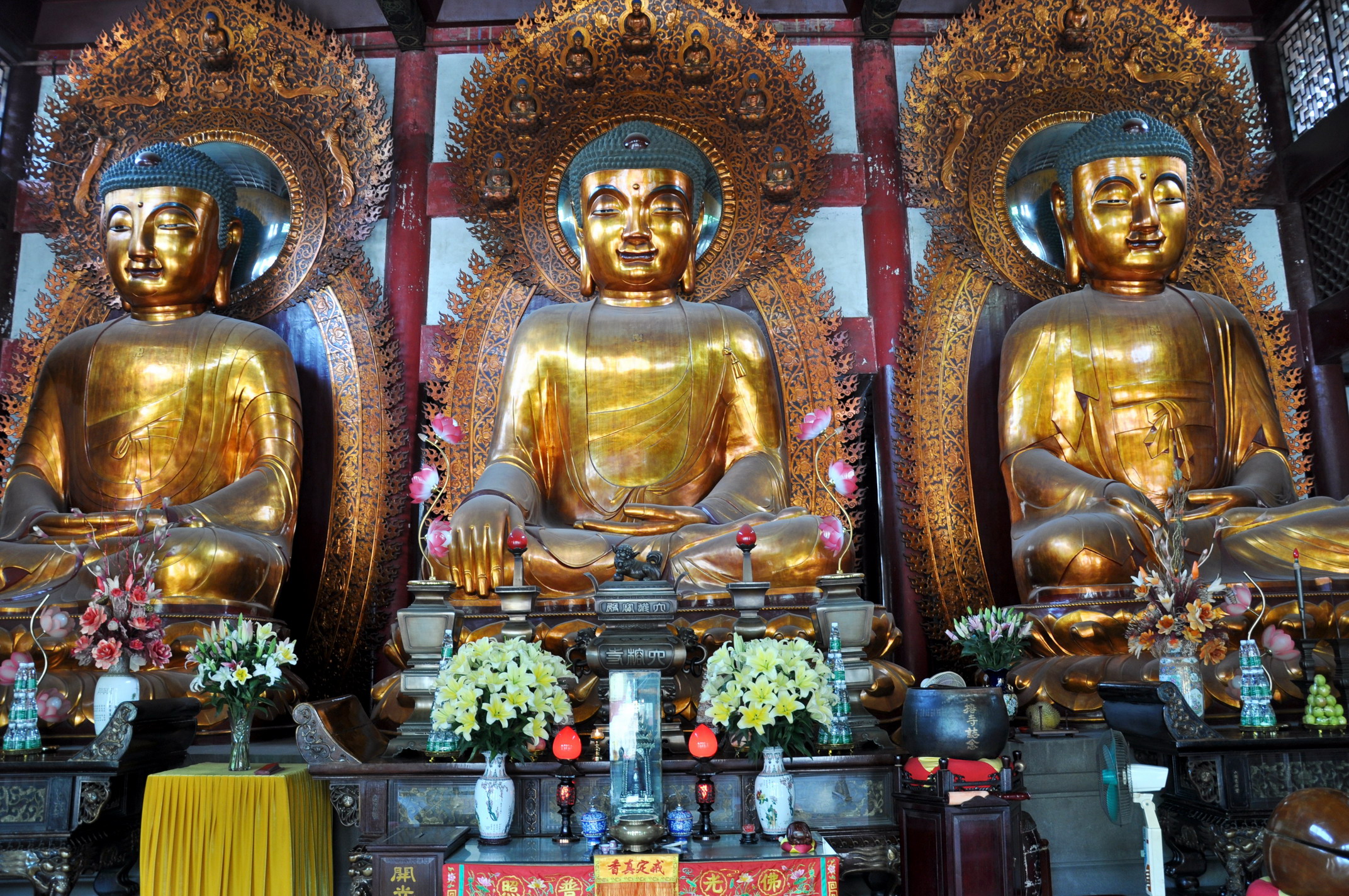
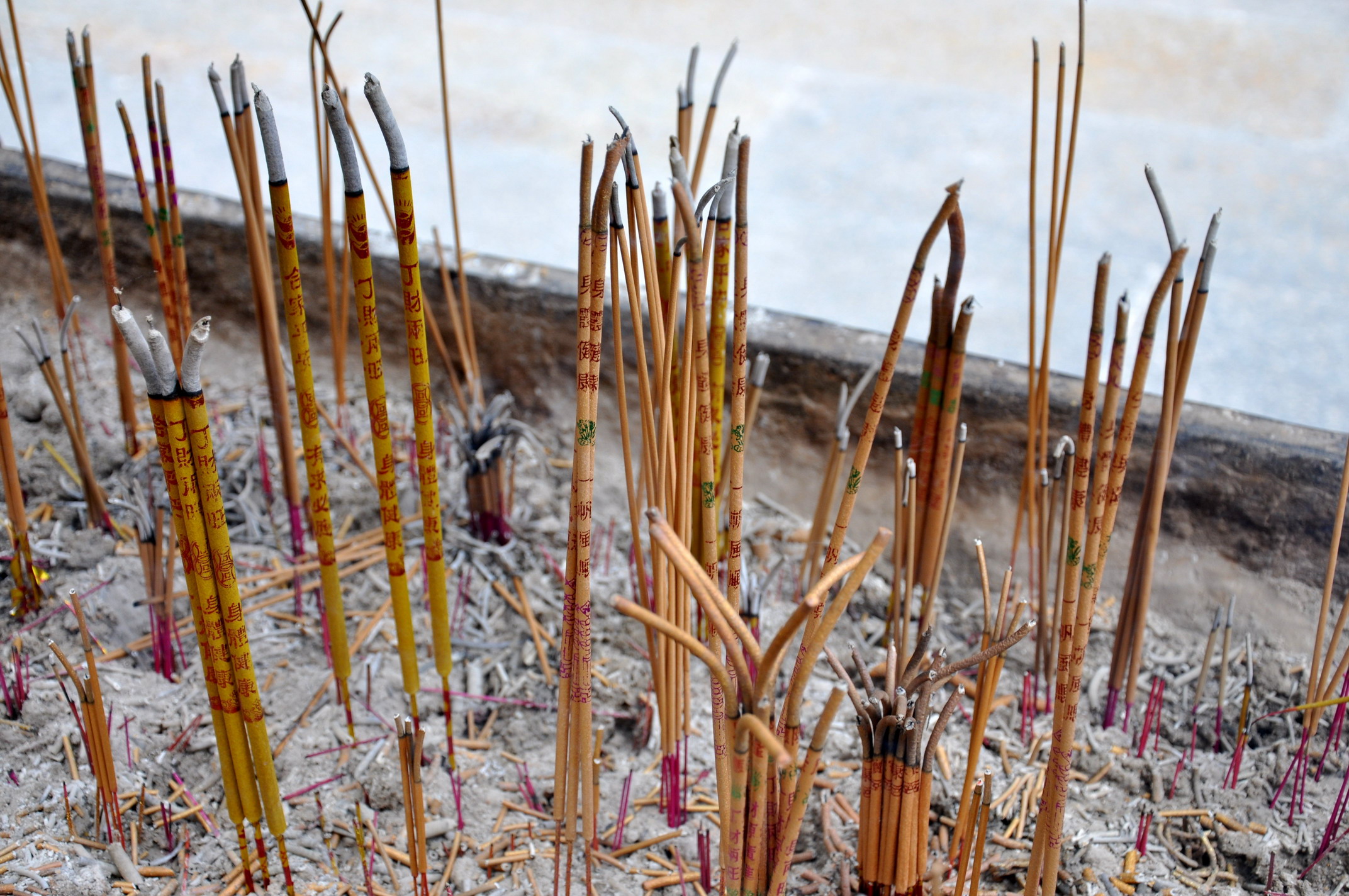
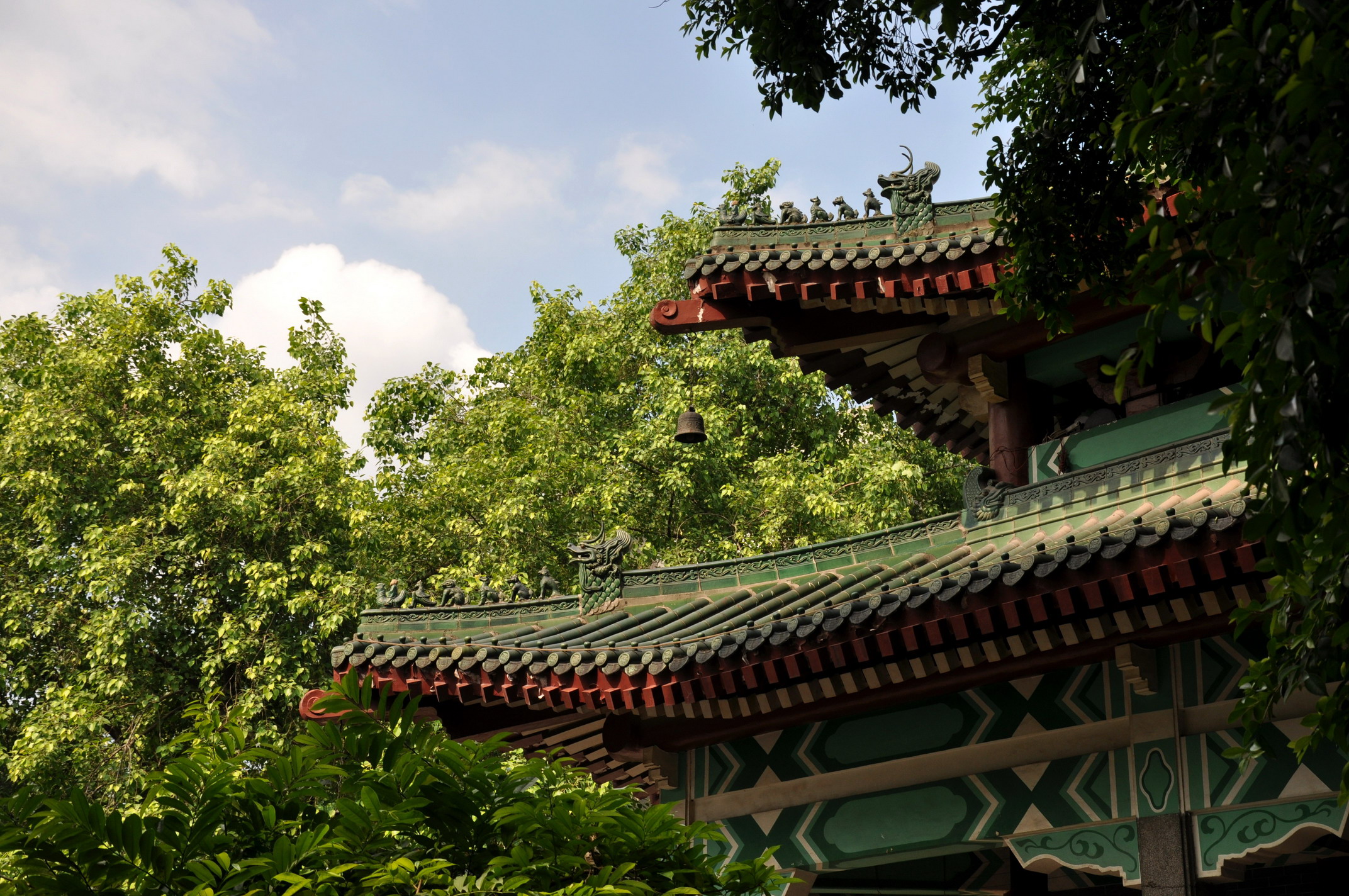
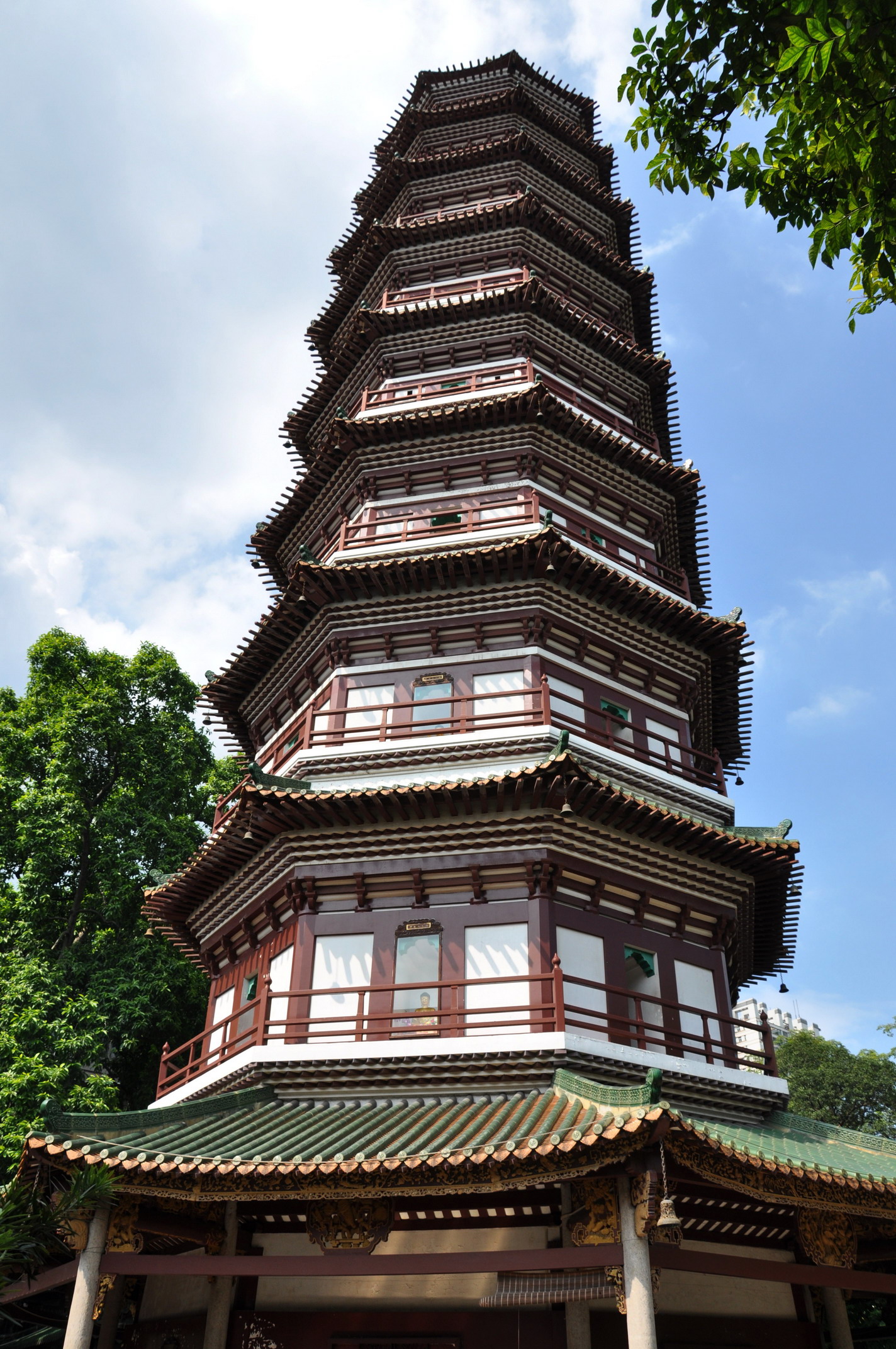
I’m no authority on temples and I’m even less able to make sense of the distinctions of southern Chinese style. On seeing the multitude of deities I had to admit that I knew nothing about them. Every one of them carries something of the vast histories of India and China. I wanted to find a good book to read about it.
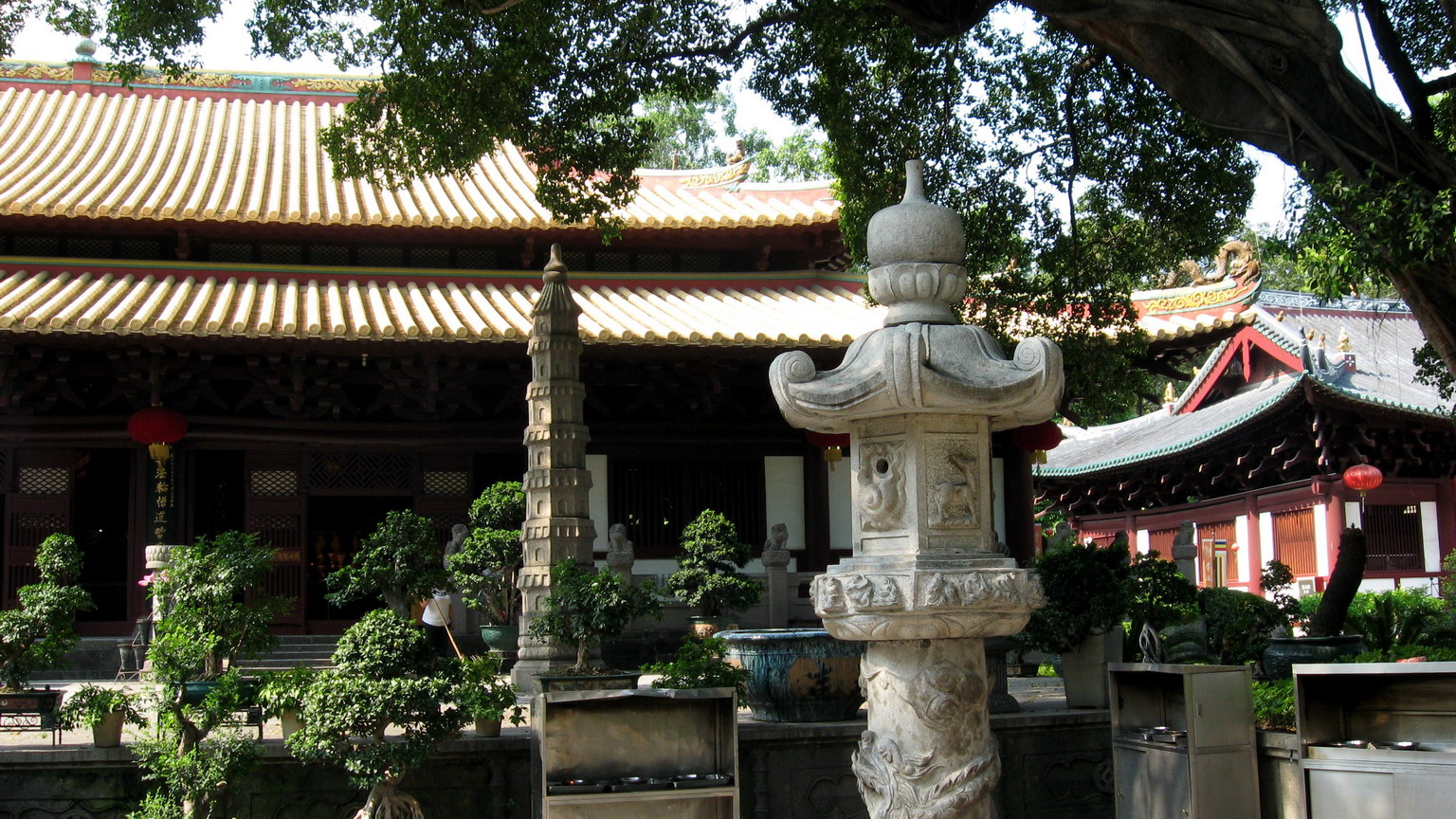
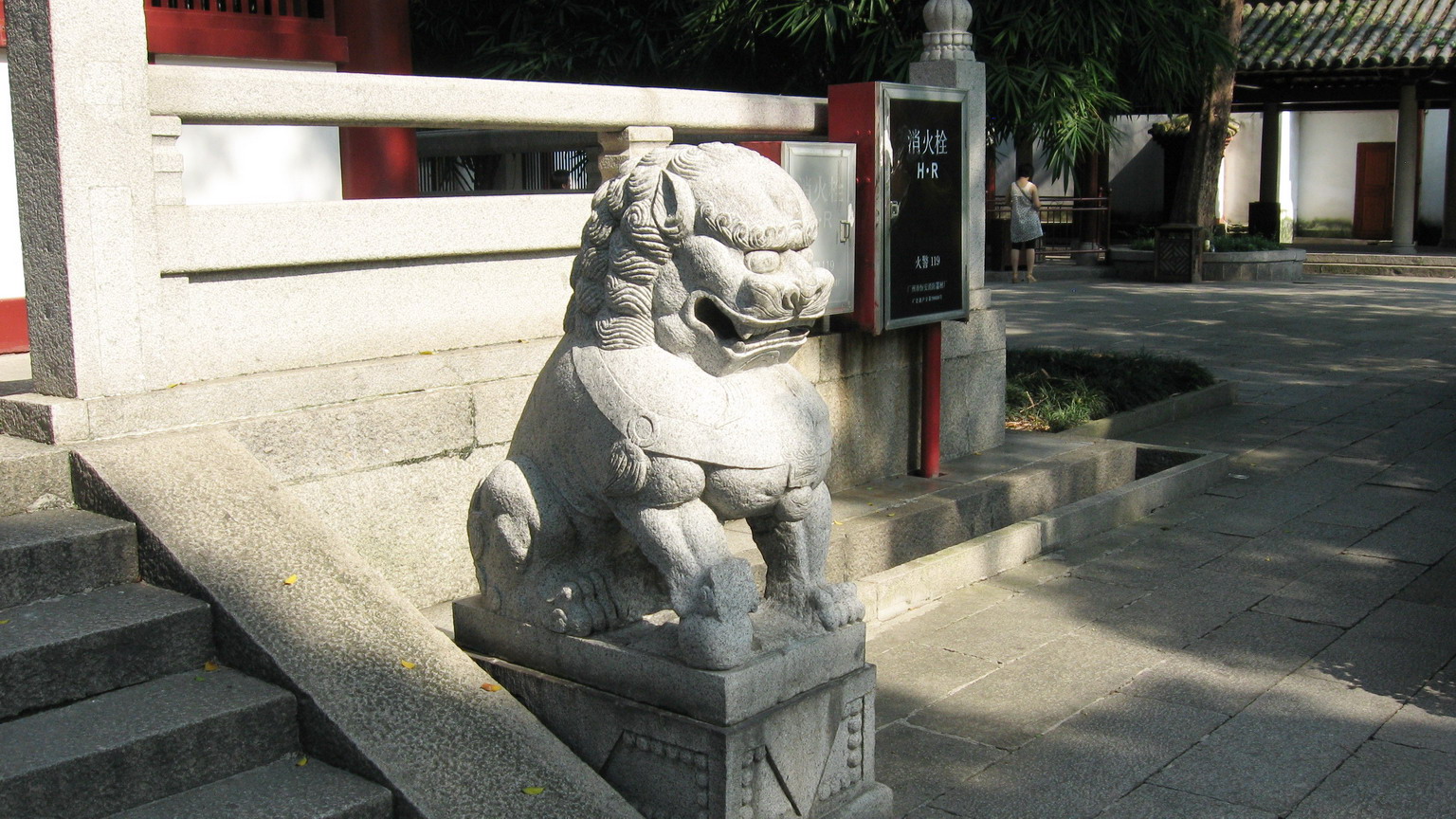
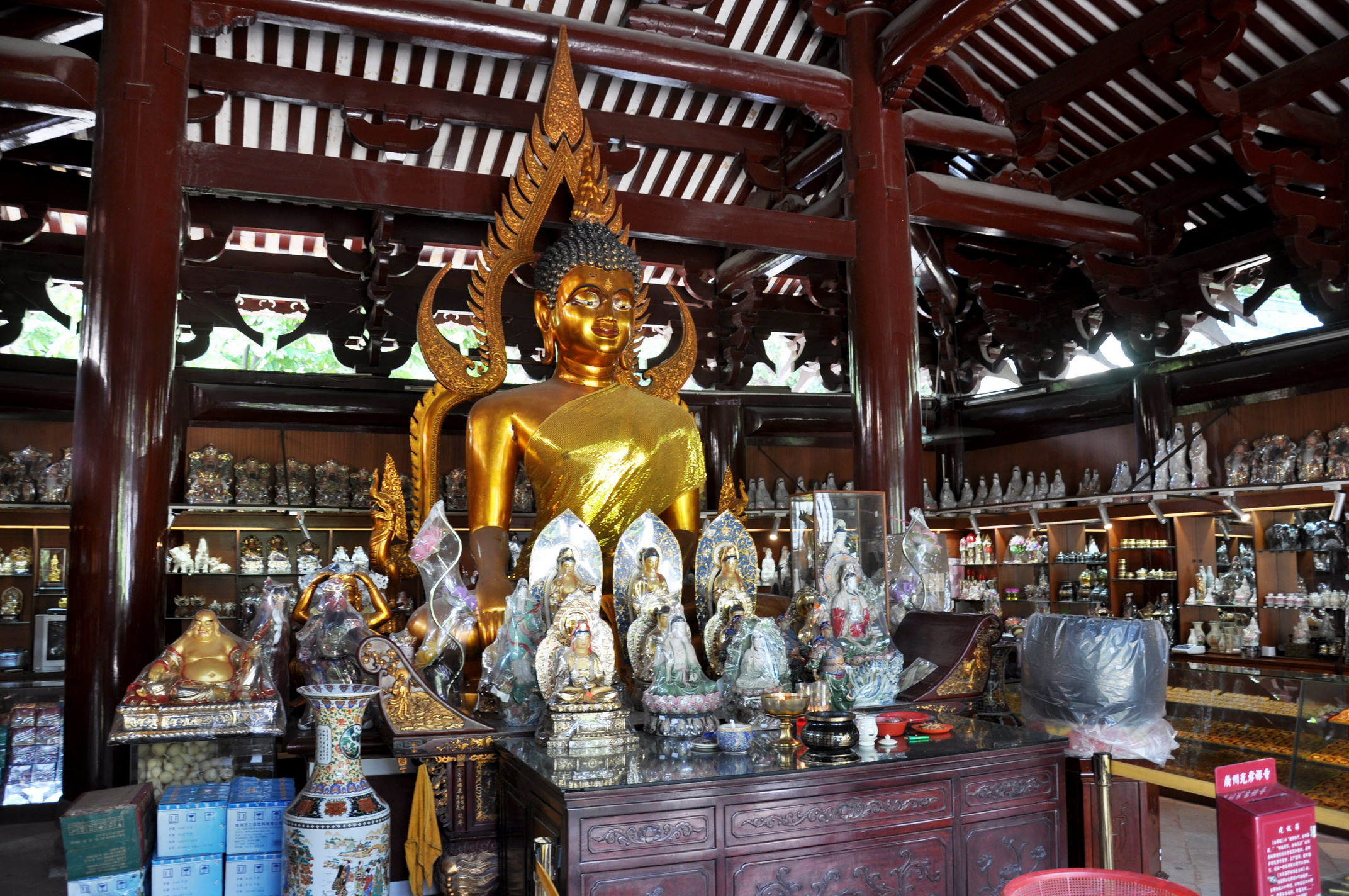
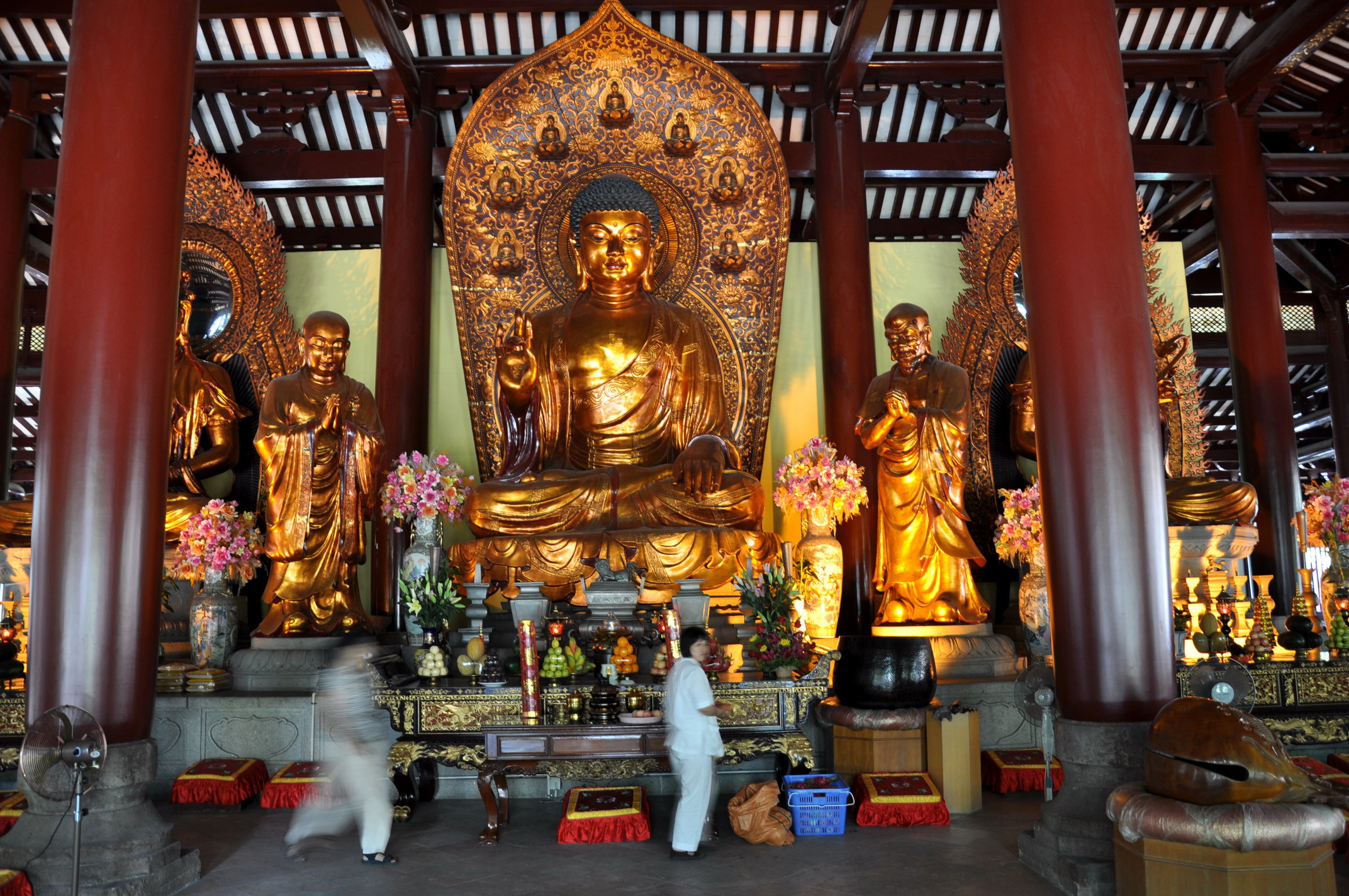
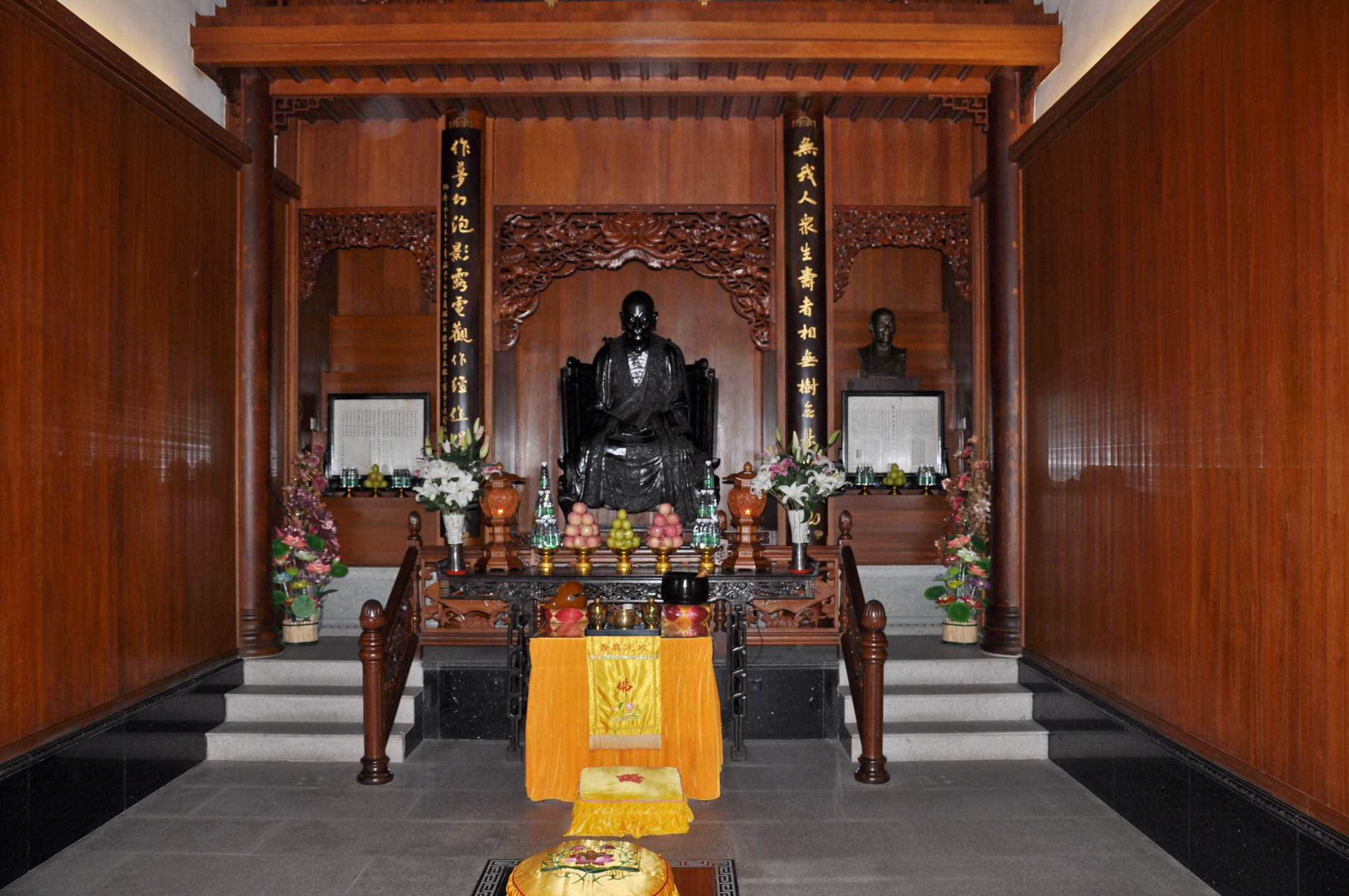
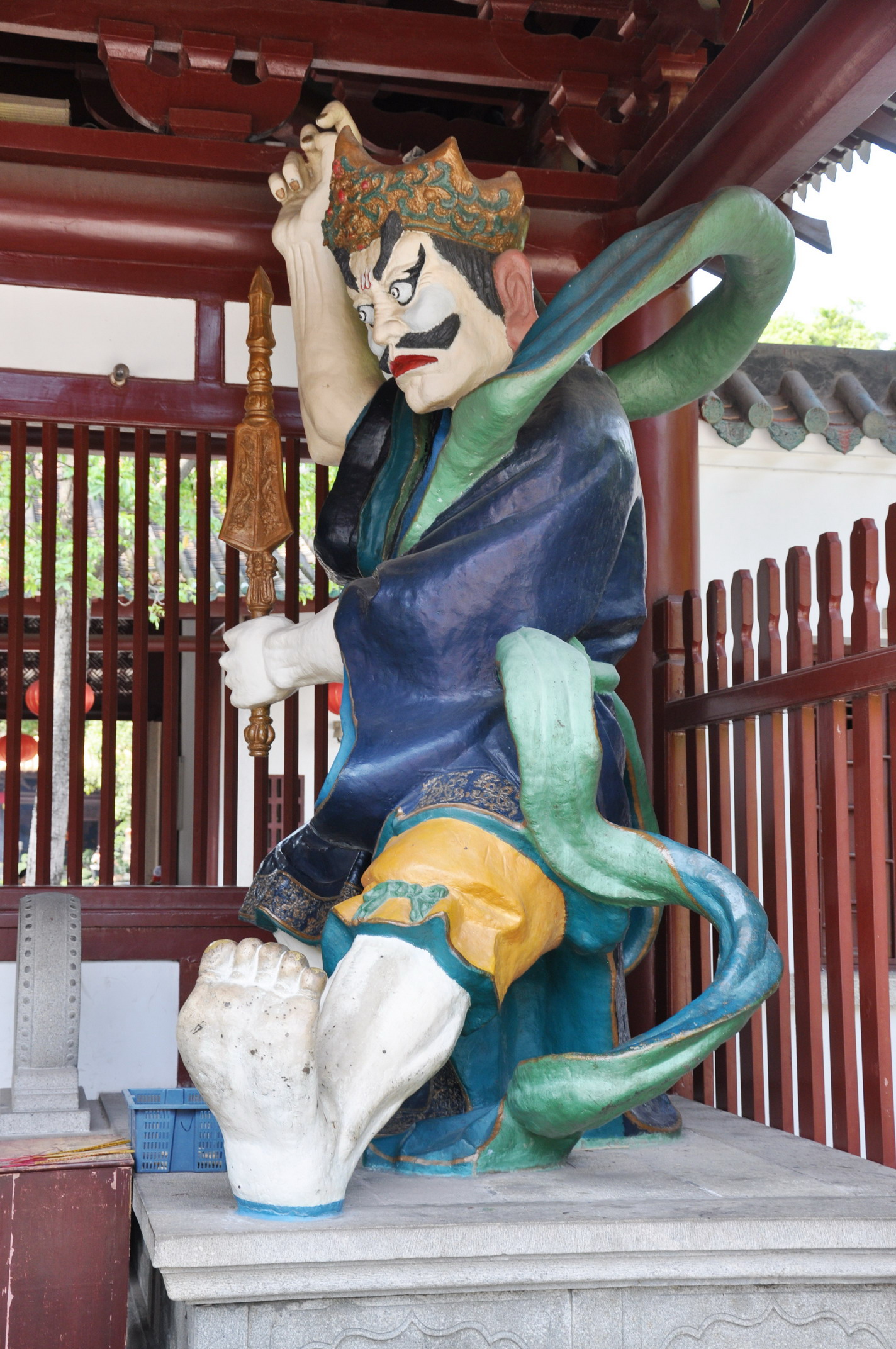
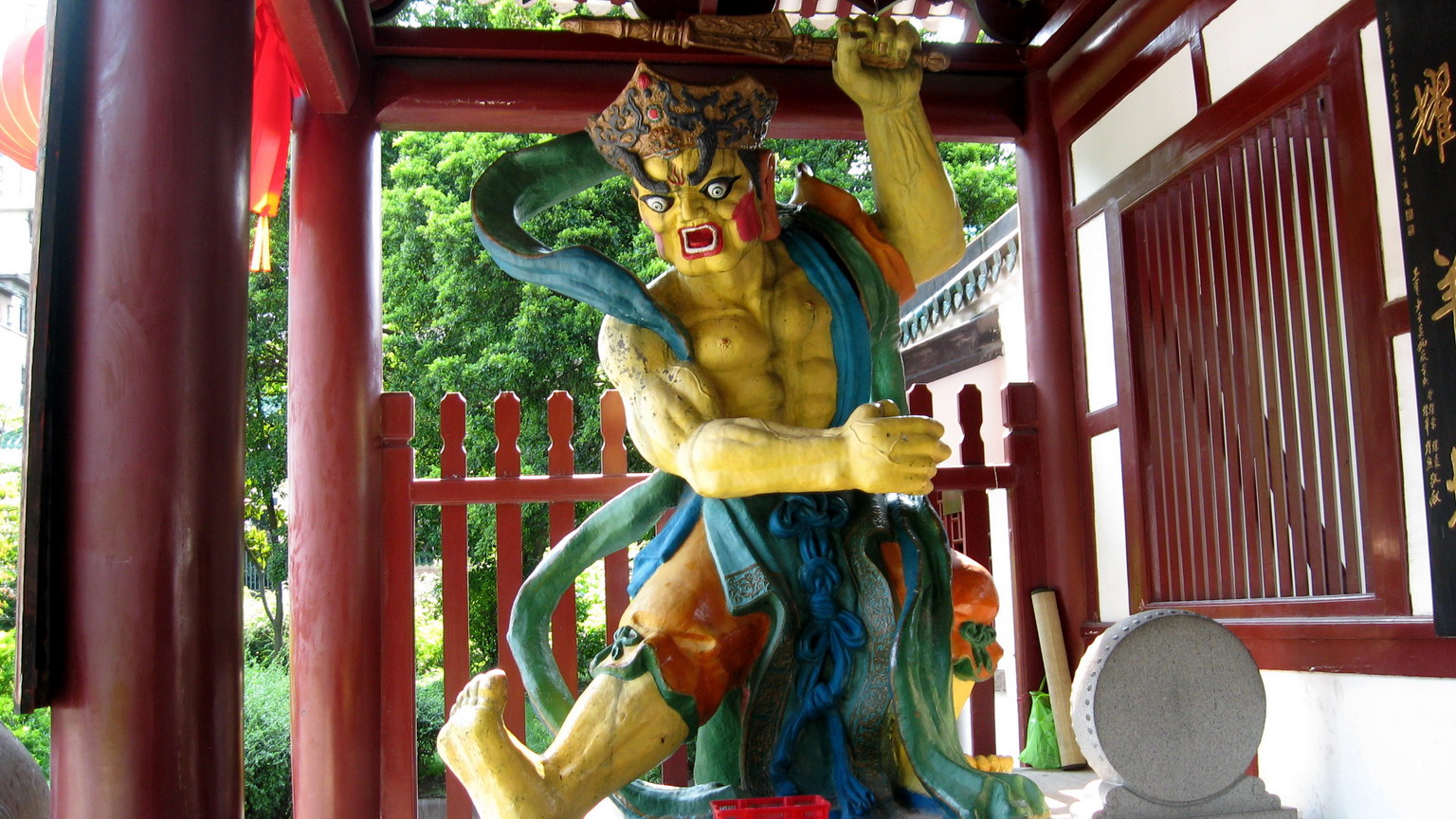
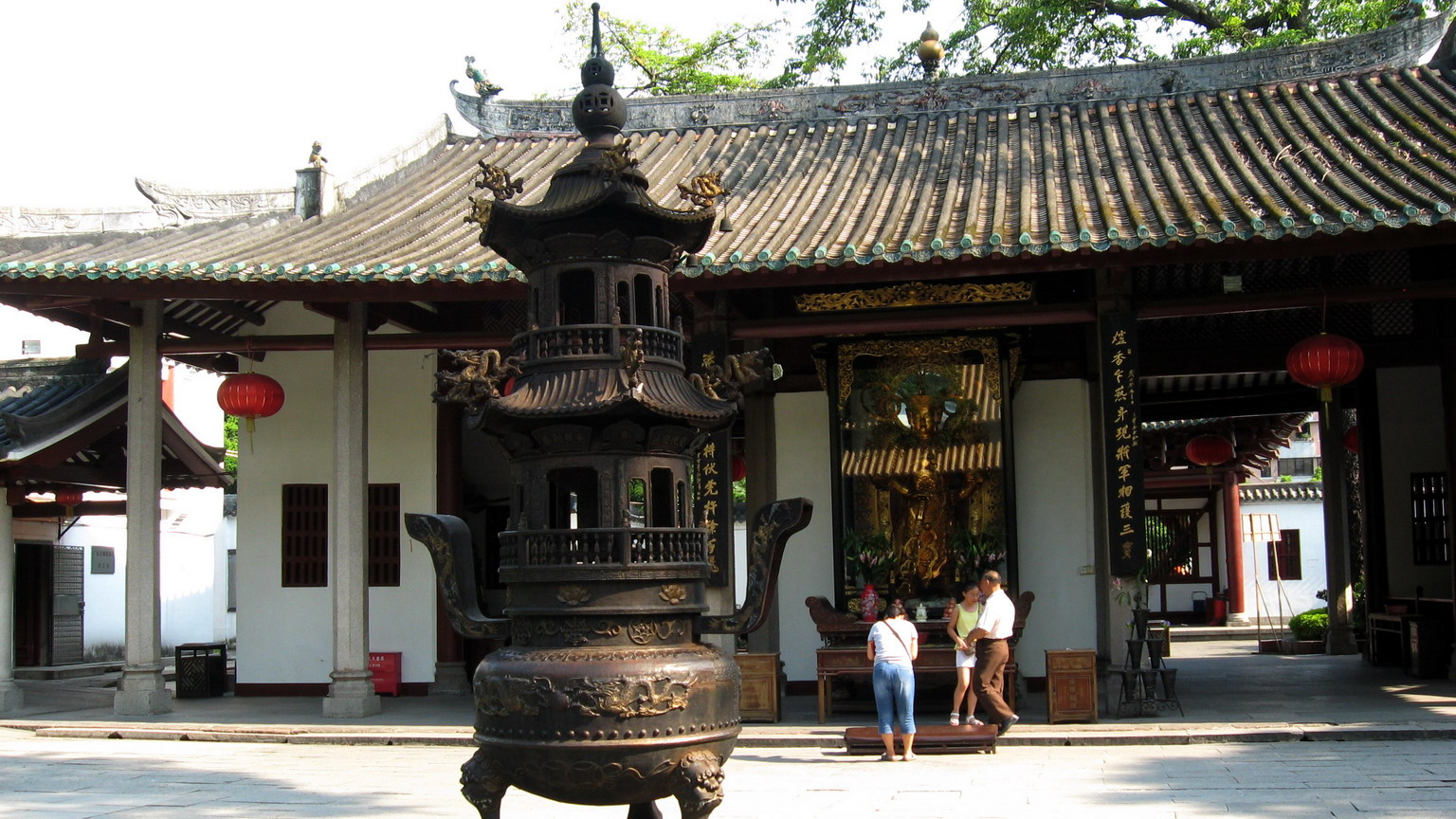
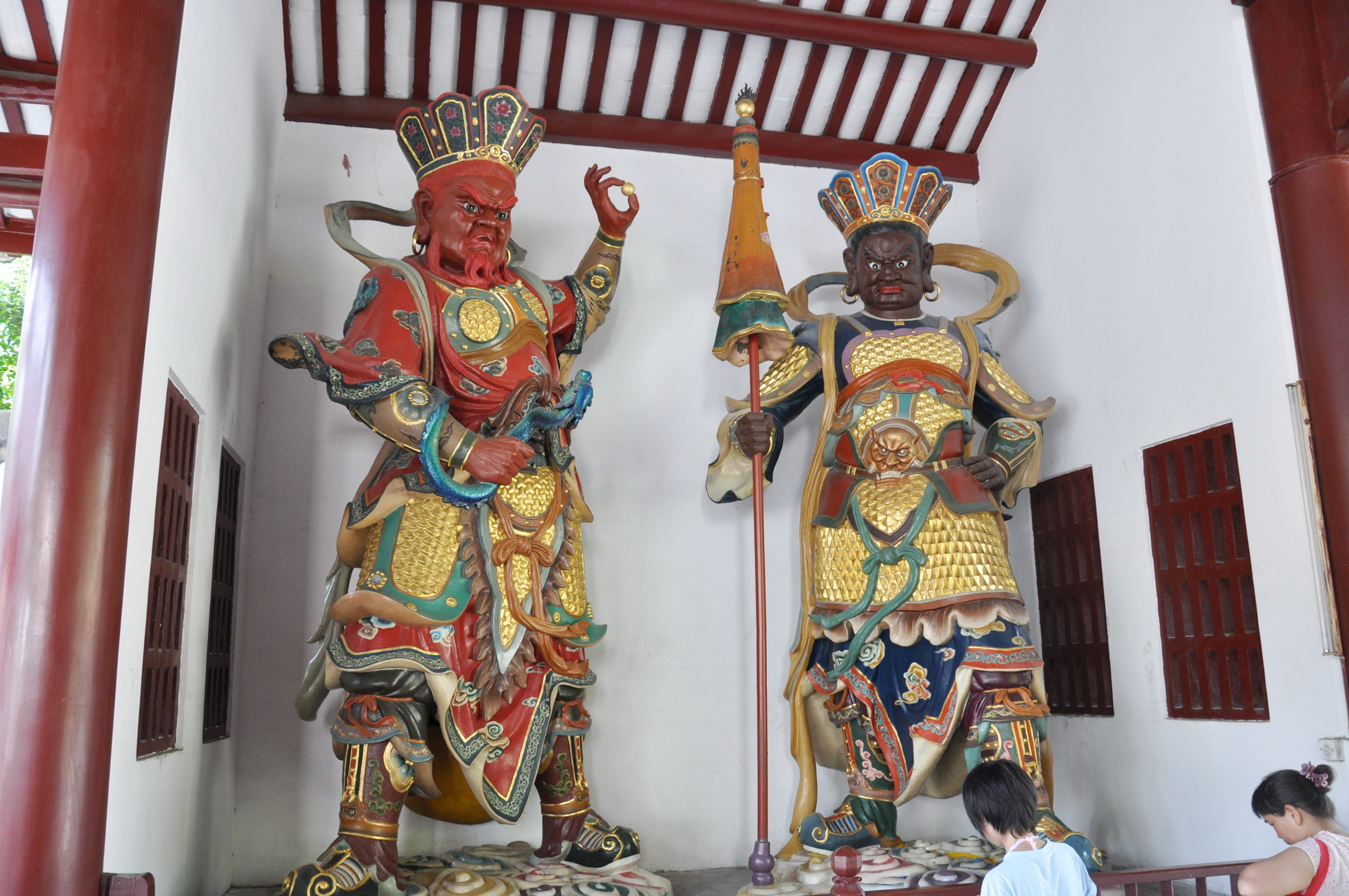
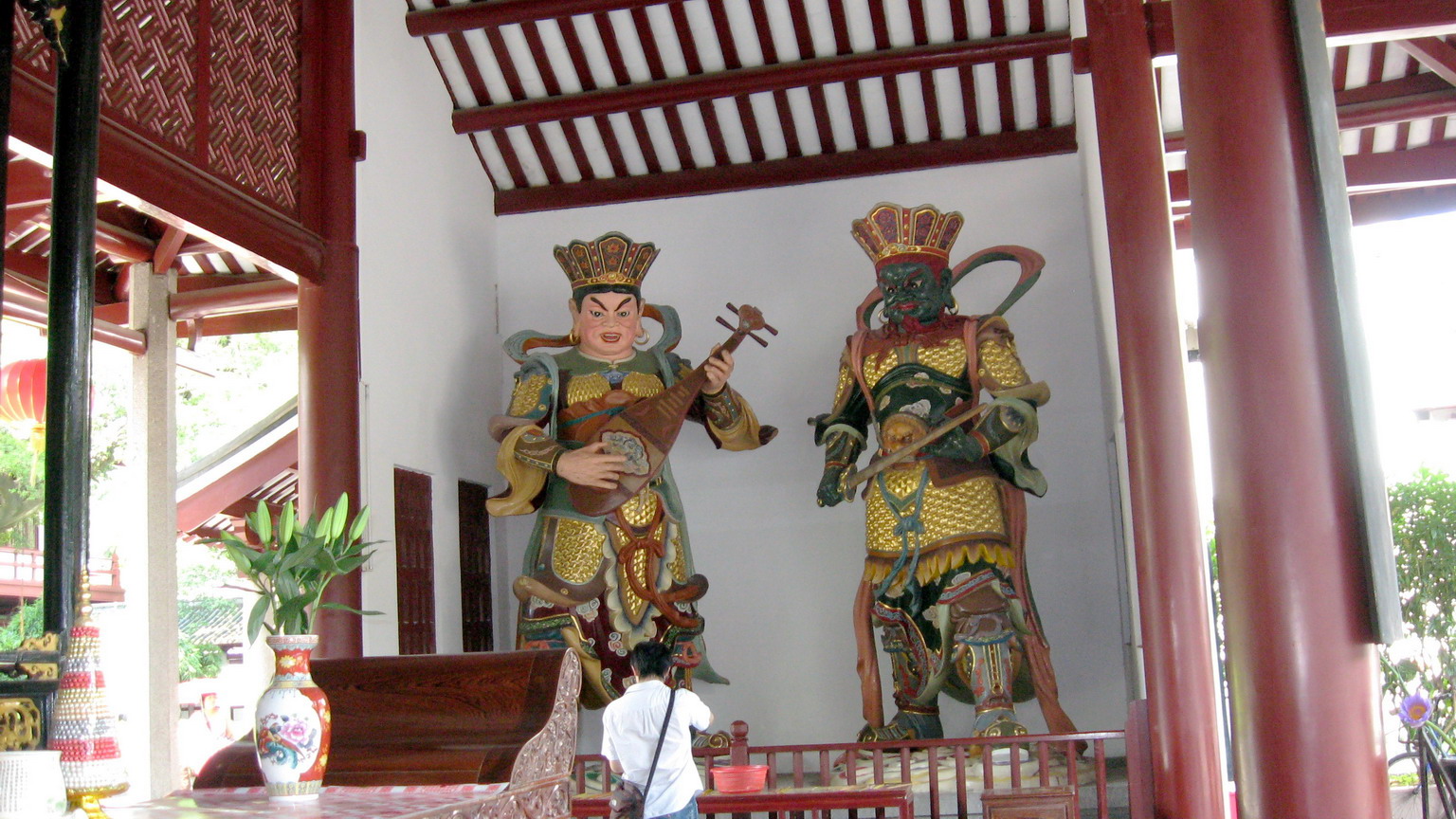
What struck me was that most of the worshippers were young. You could go in dressed as you pleased, in shorts or a miniskirt. That’s excellent. I like the idea that a god sees the soul, irrespective of what it wears. Most striking of all was the idea of planting a lawn, blade by blade, on a regular grid rather than scattering seed any which way. For that you truly need Buddhist industry.
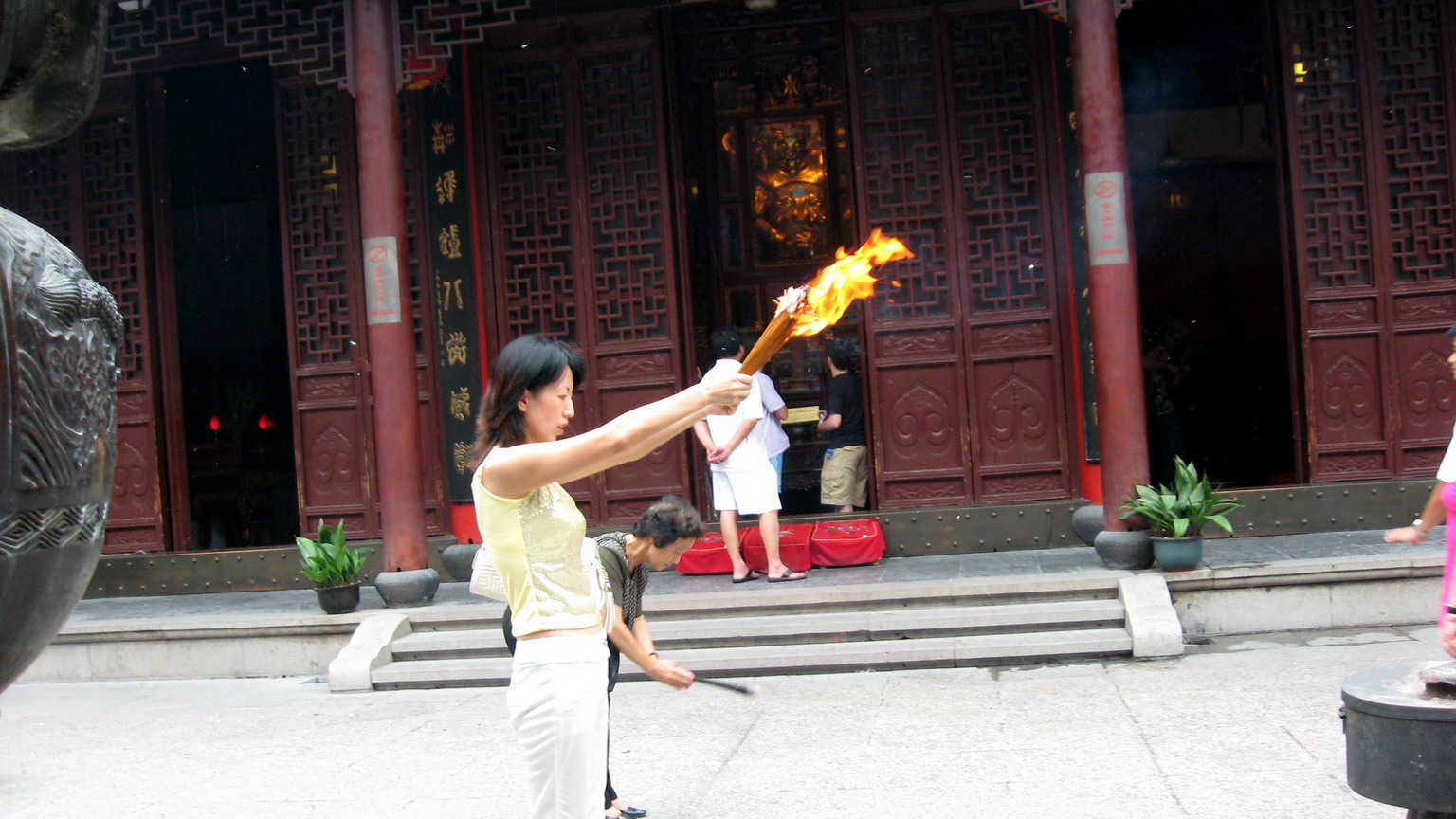
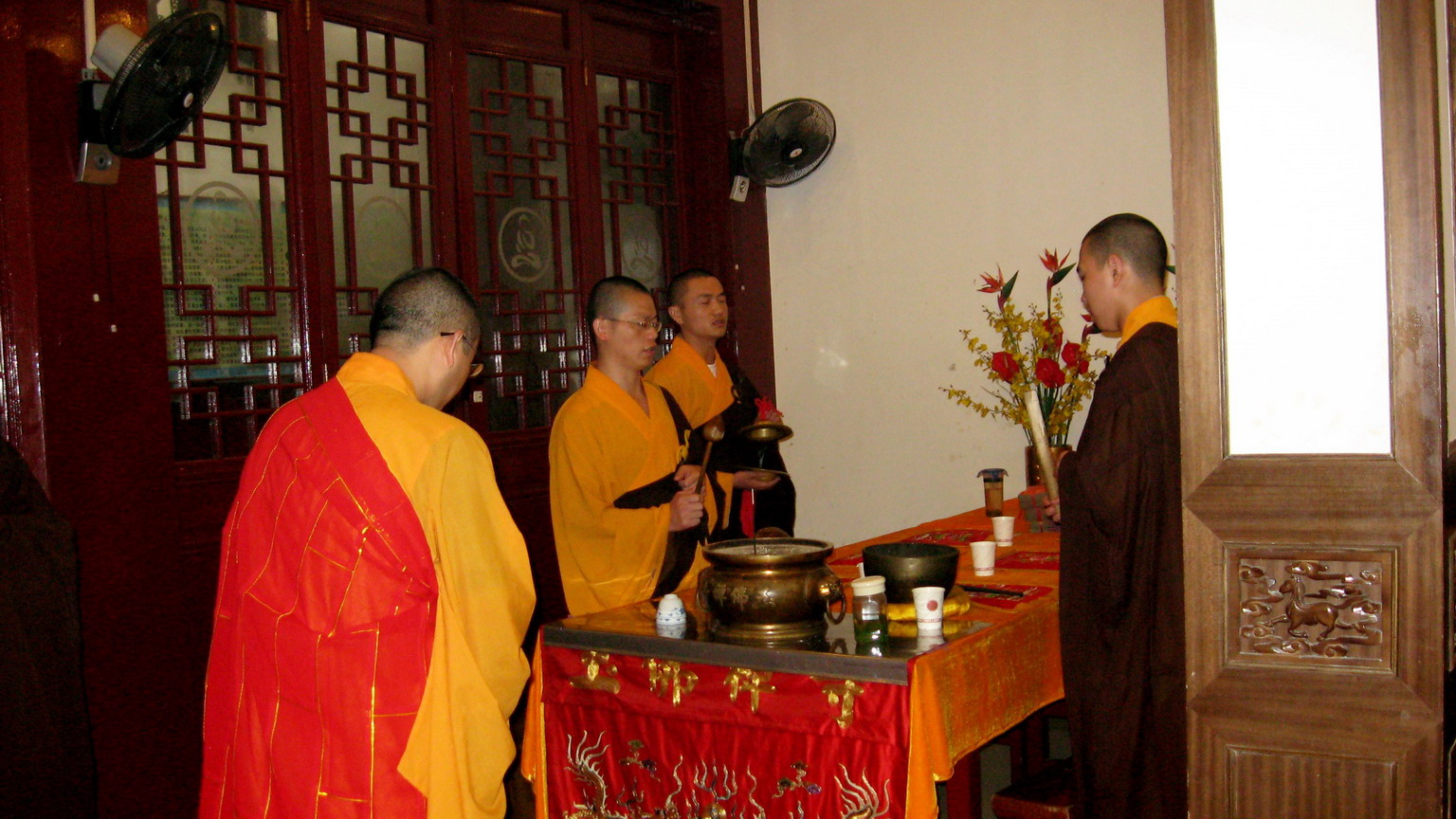
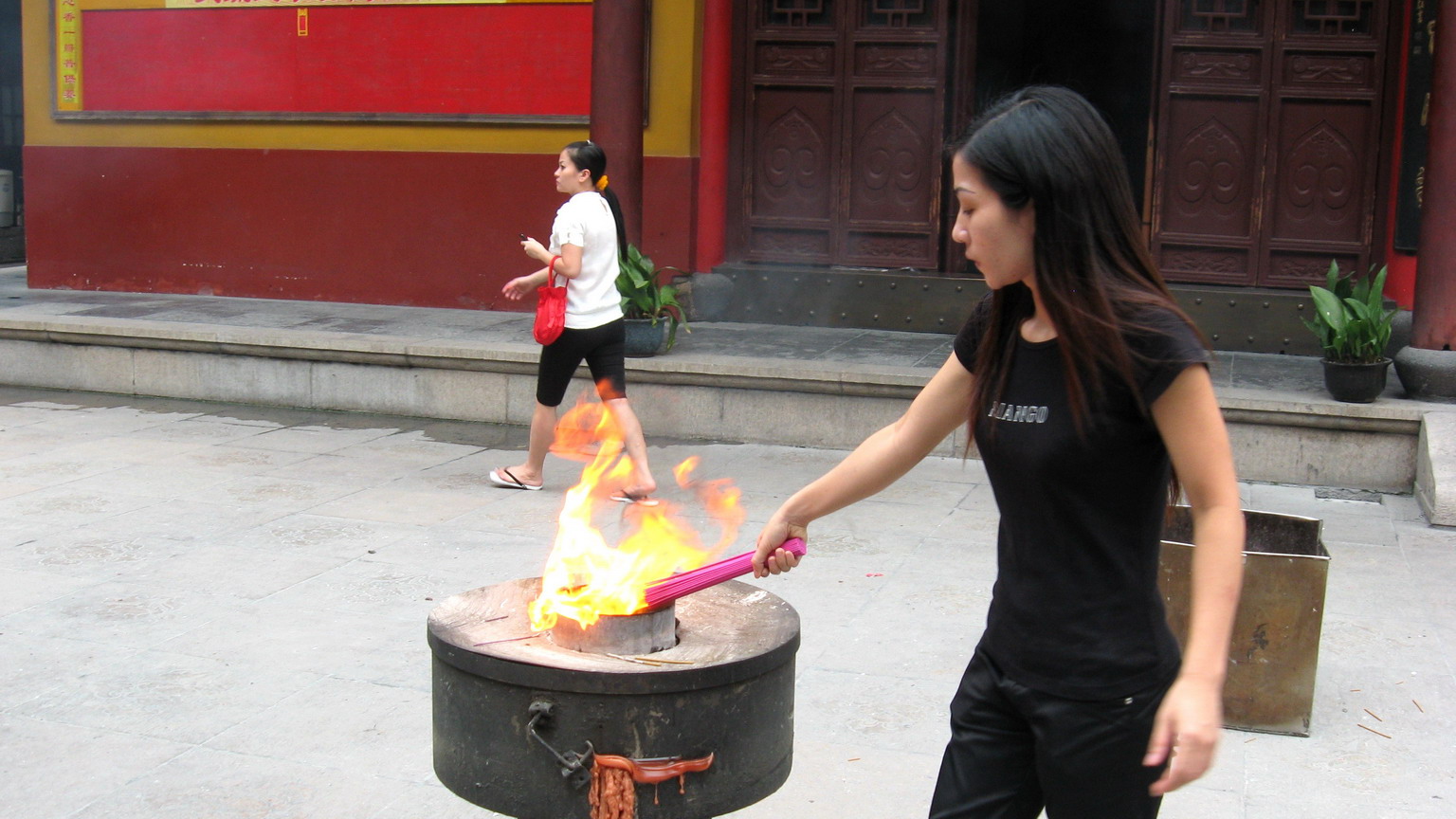
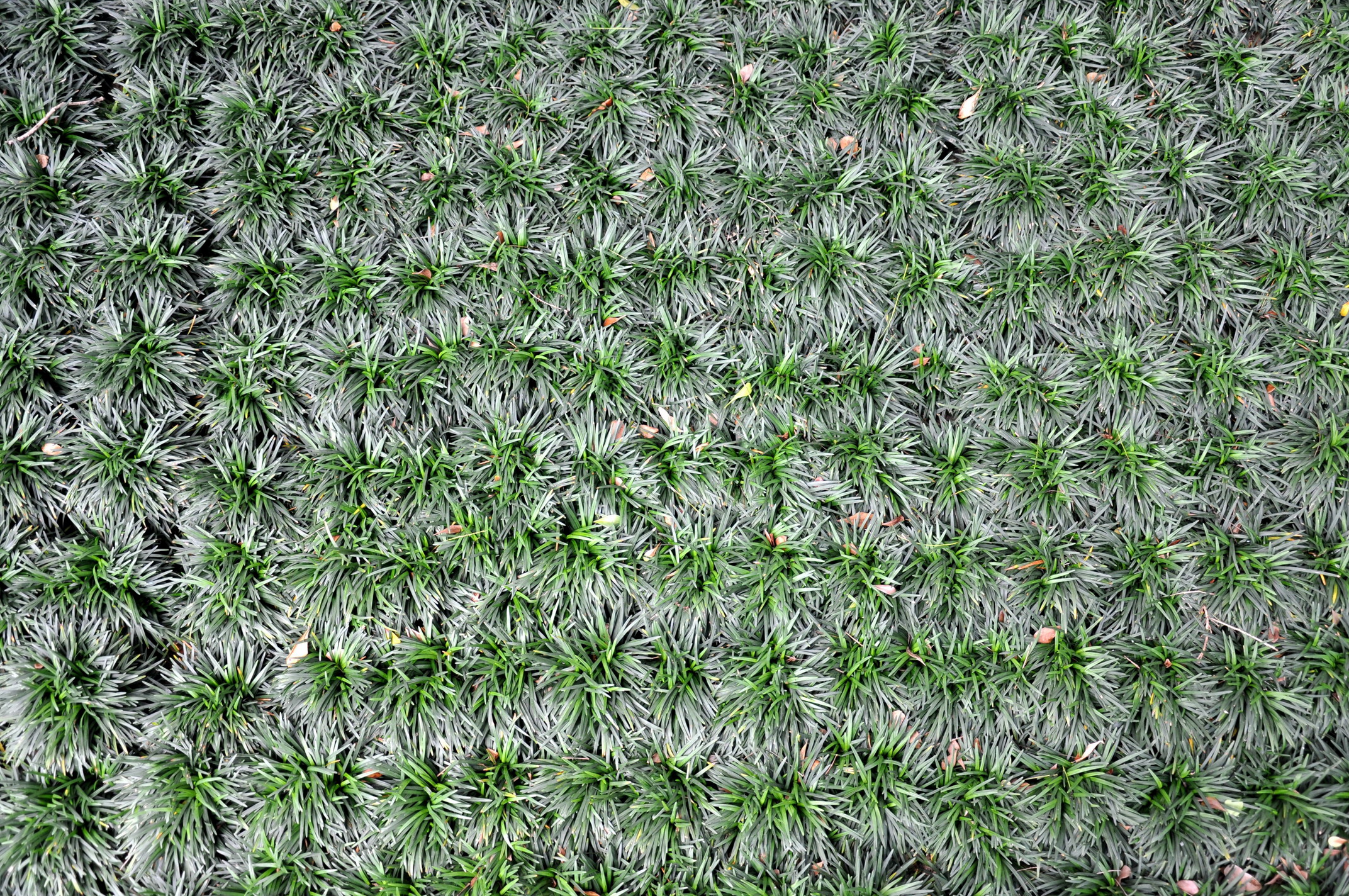
Fire burned everywhere and incense smoked. A sign at the sacred fire read: “Do not throw plastic bottles, rubbish or car tyres into the fire.” Another said: “Do not talk on your mobile during a thunderstorm.” An unusual set of religious restrictions.
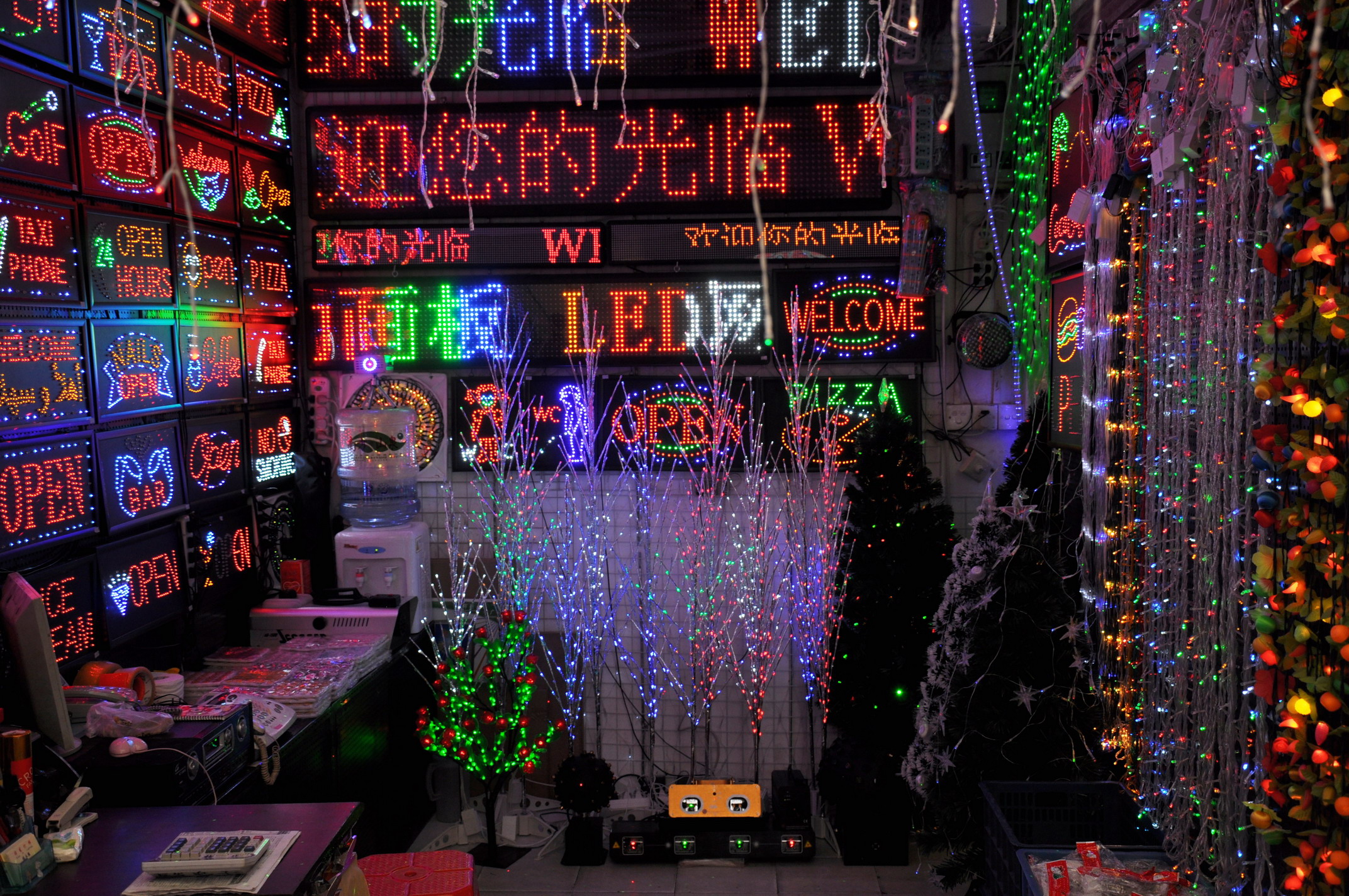
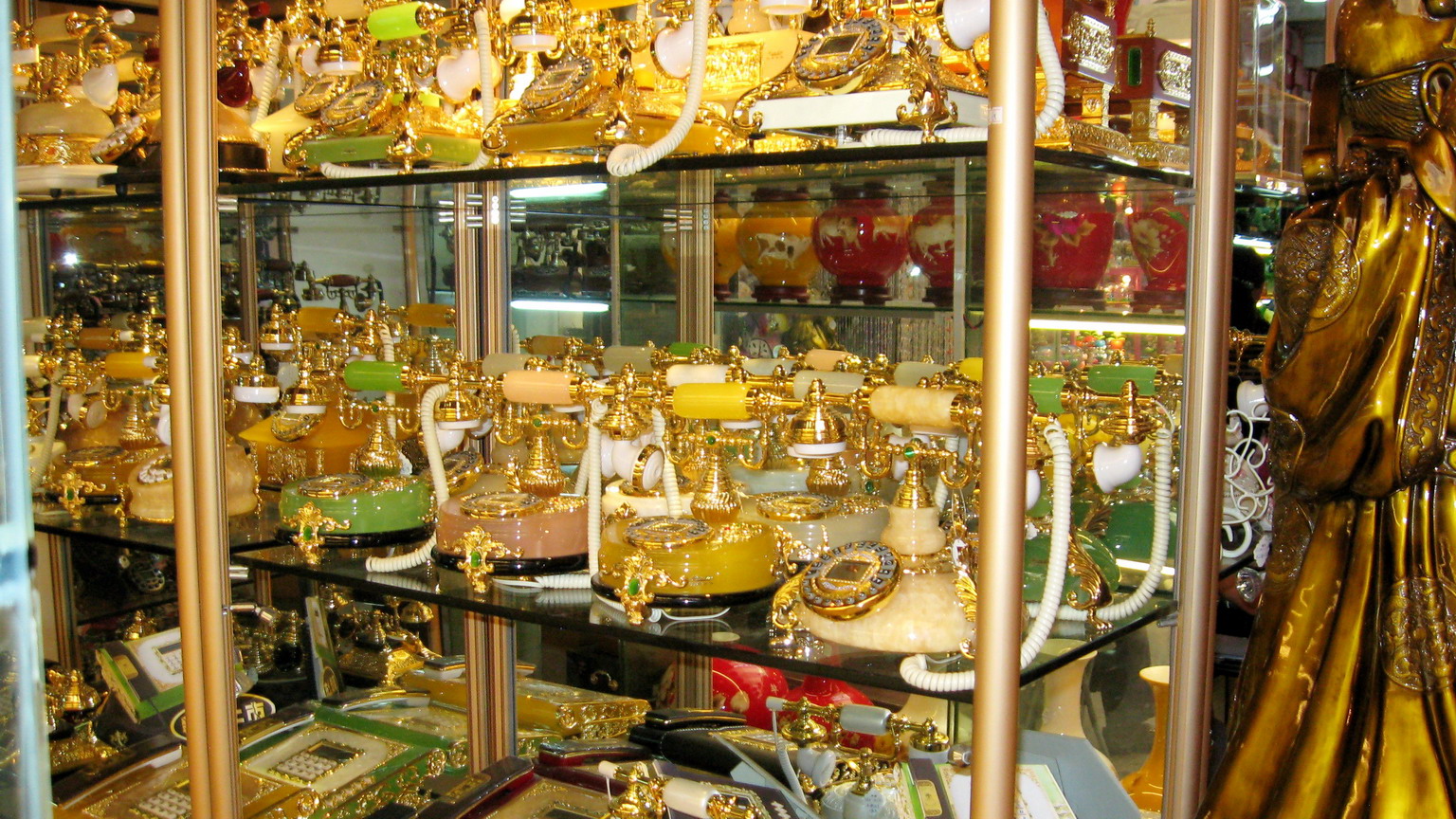
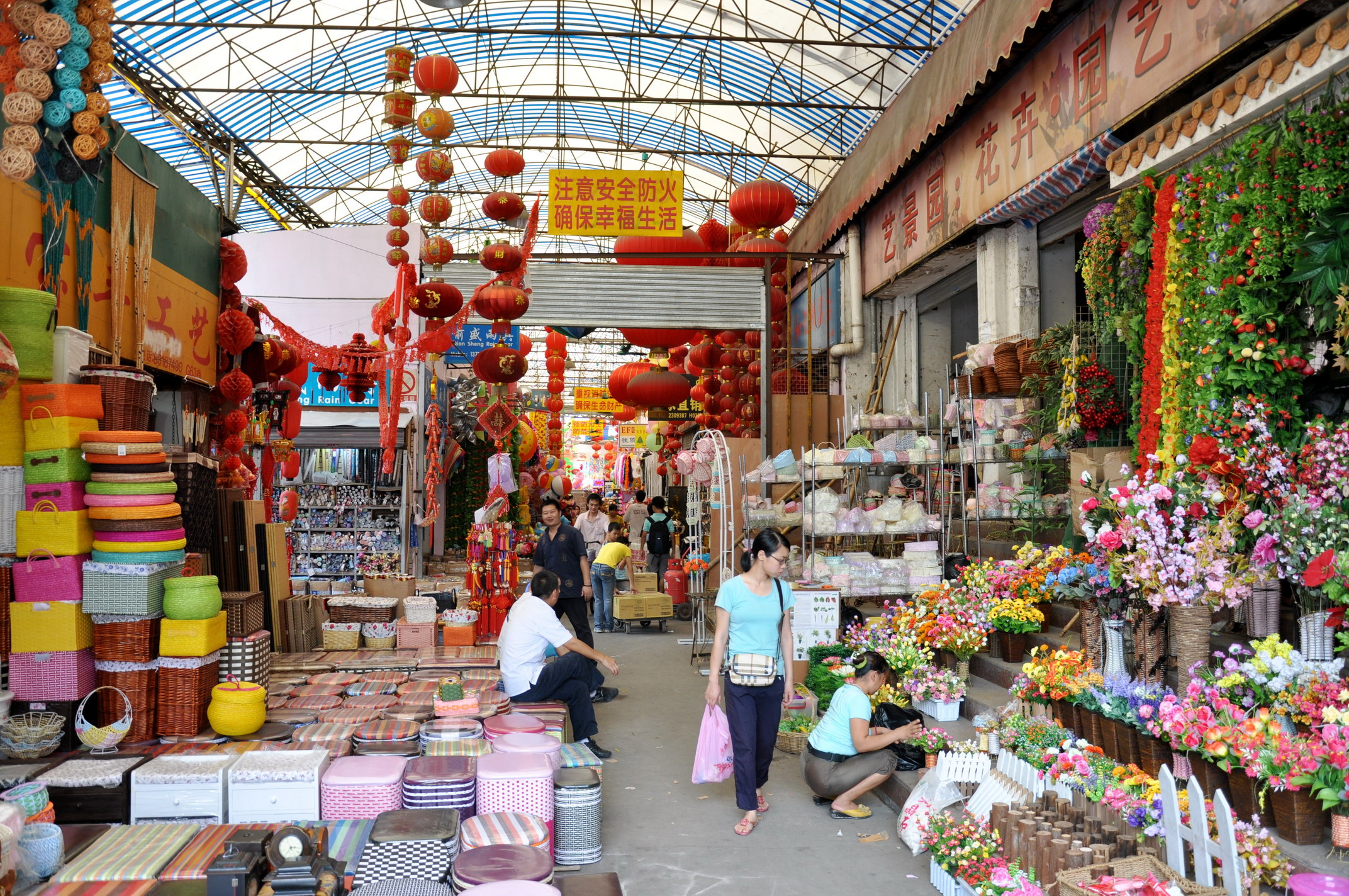
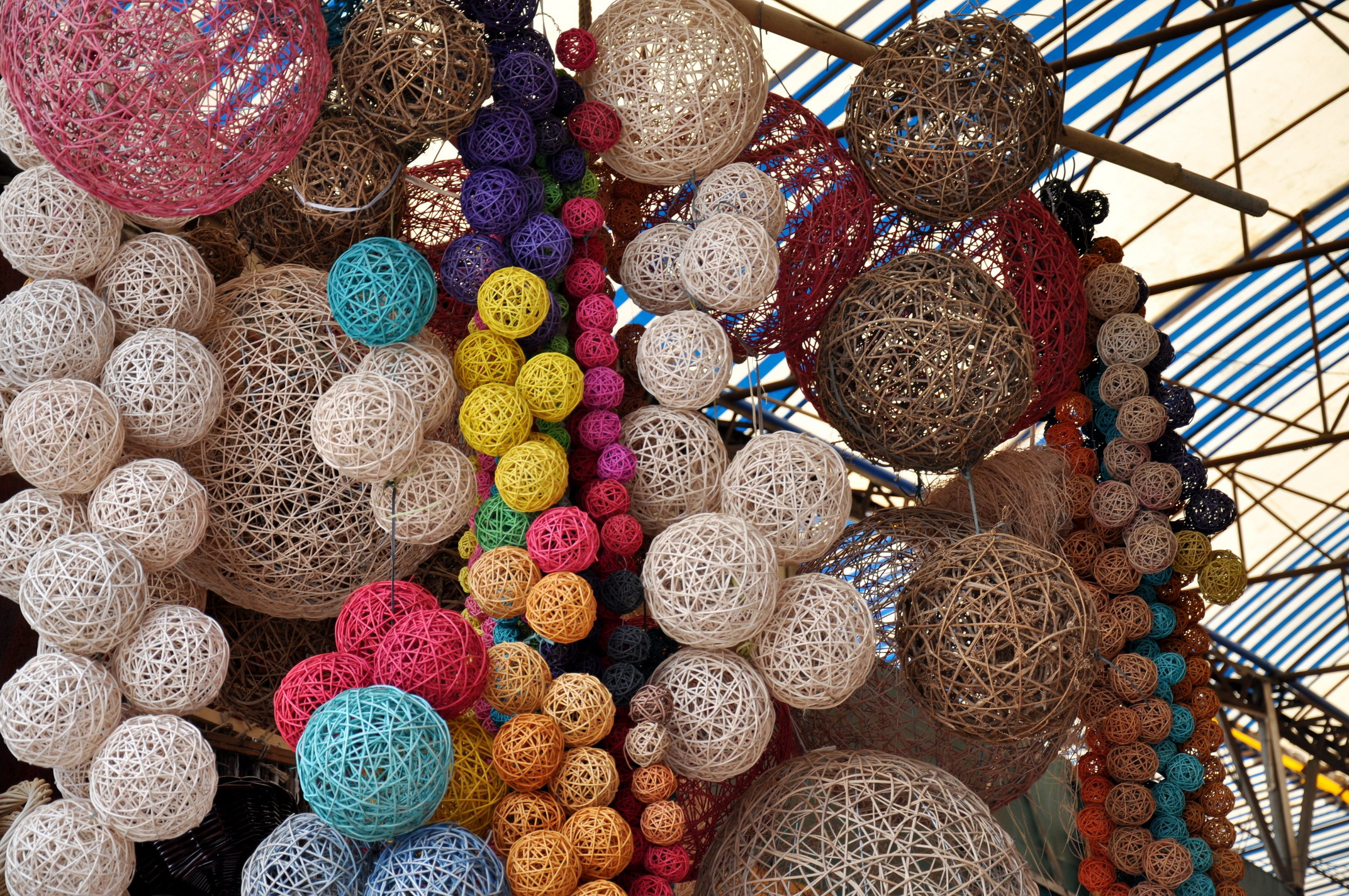
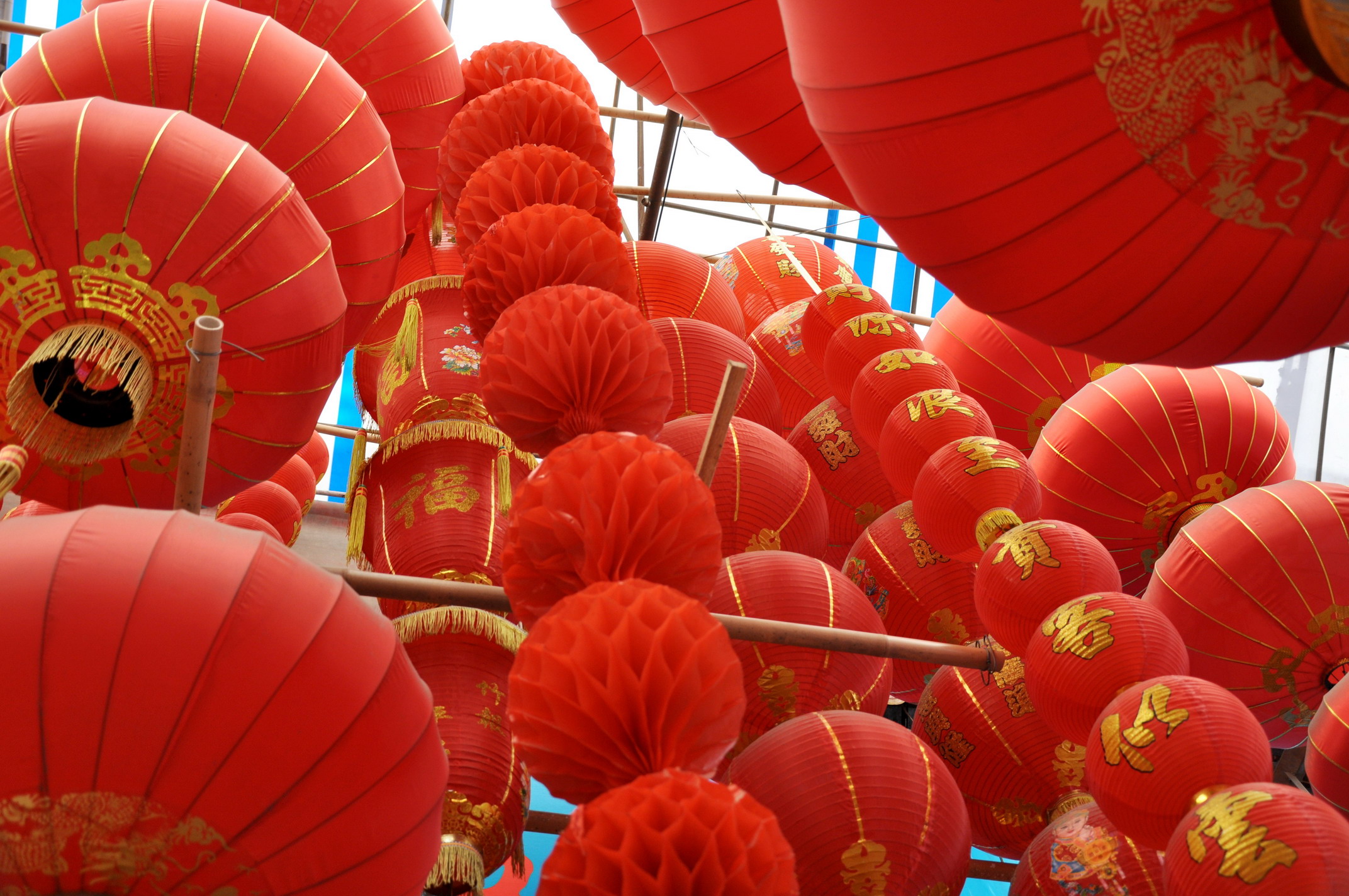
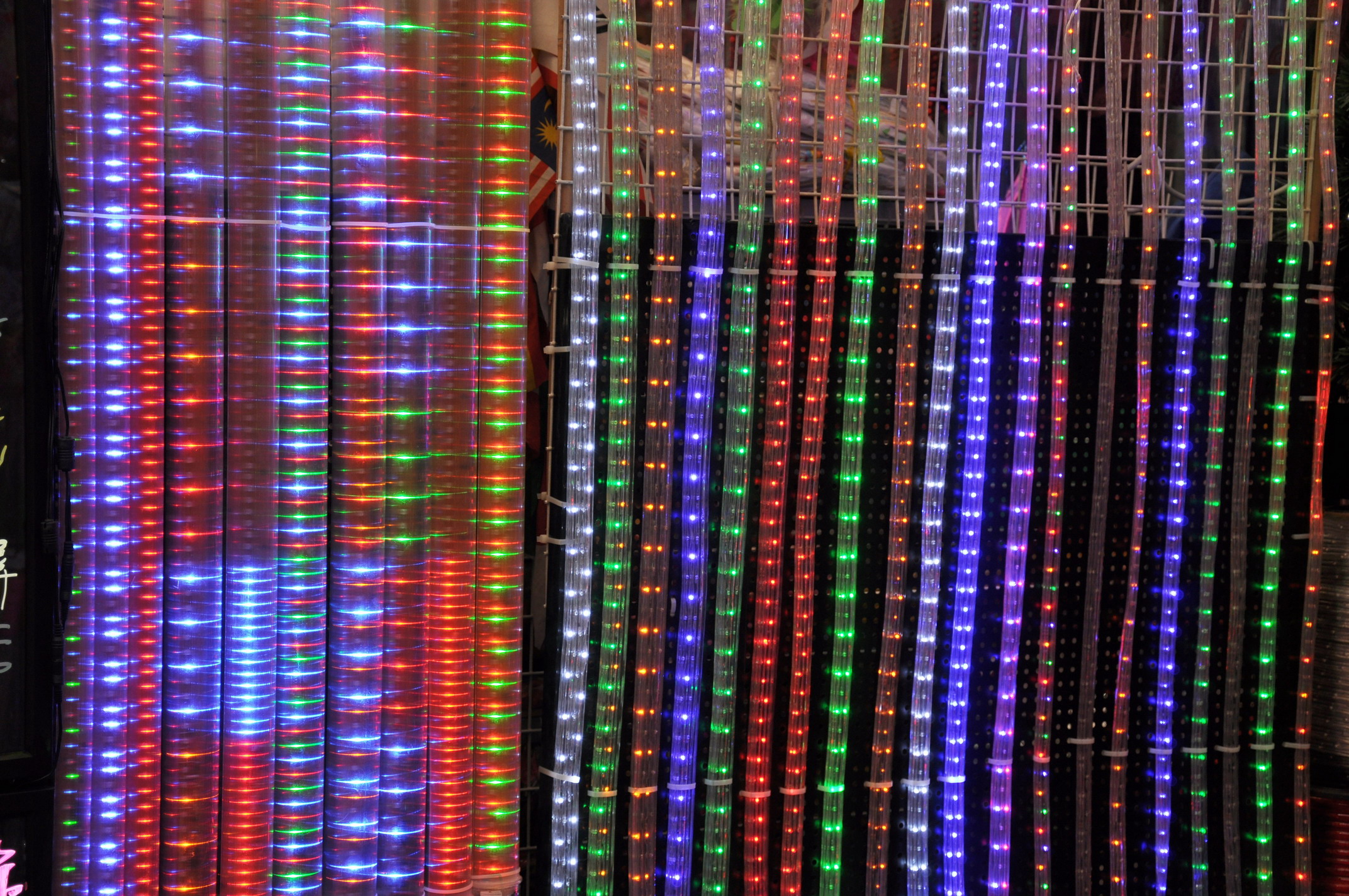
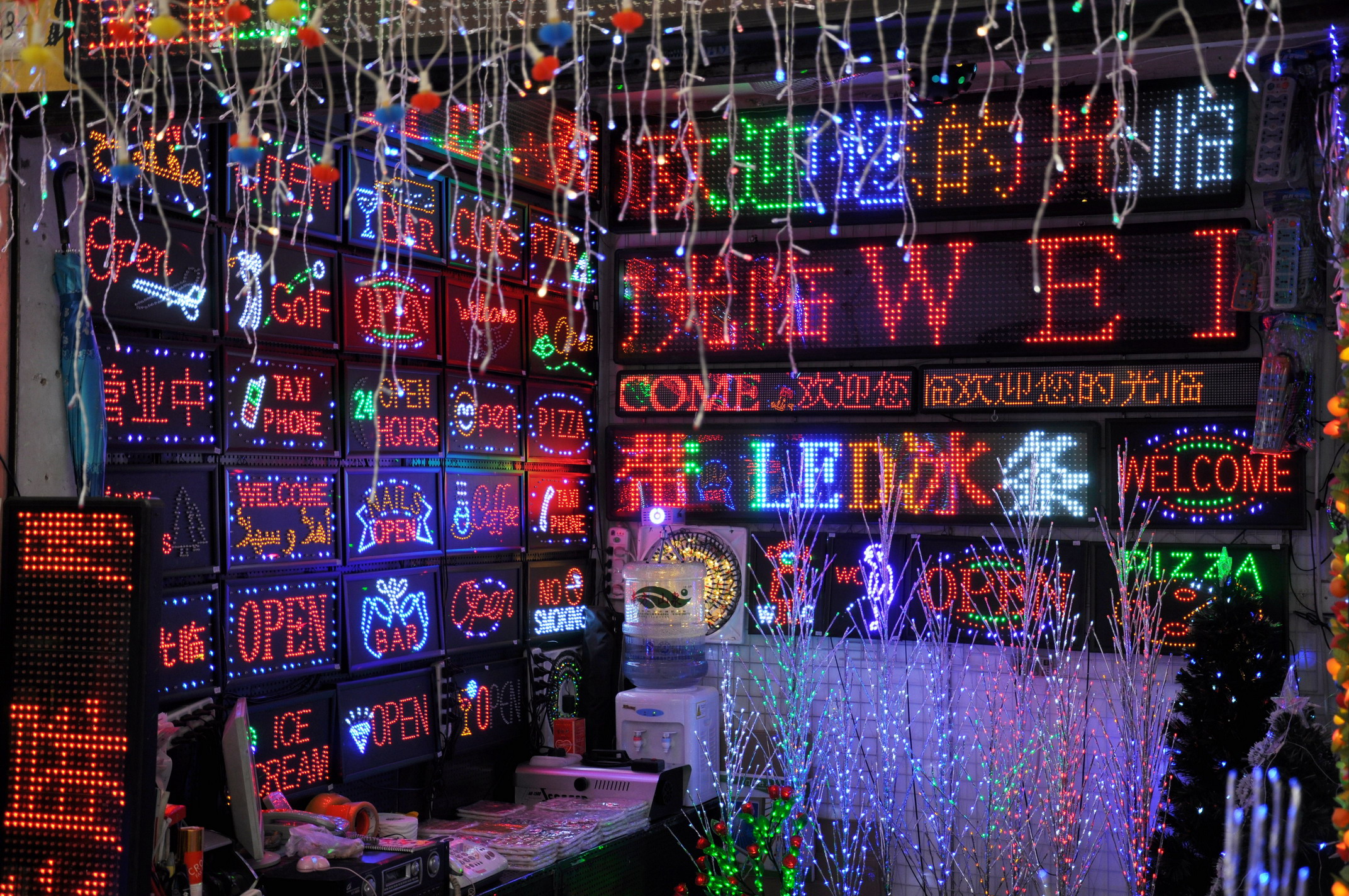
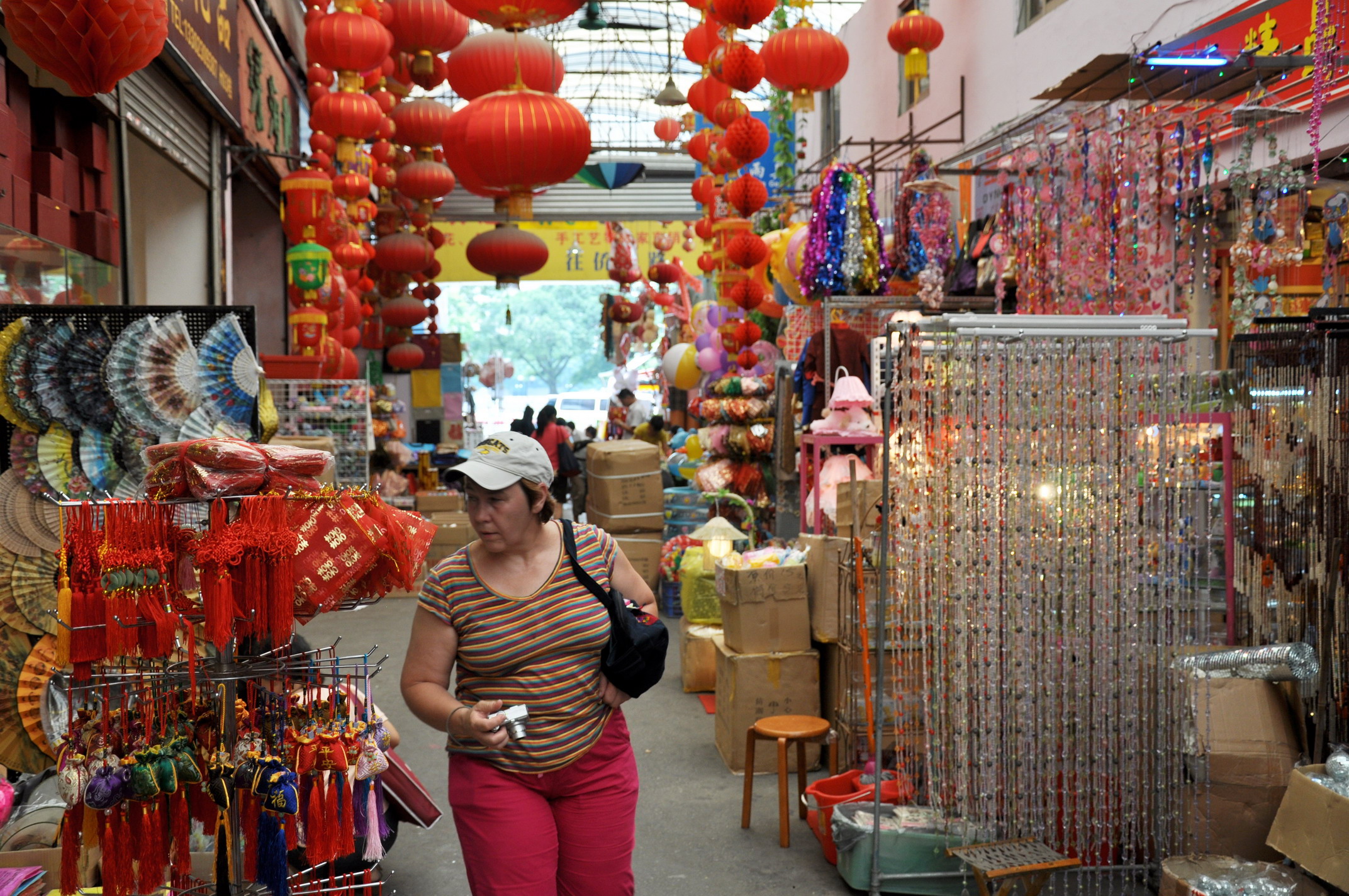
Passing through, we came into a little market. They had everything: traditional lanterns, Halloween masks, LED strings and signs, wicker furniture and lipstick loose in heaps. Their openness to the outside world was striking. They hadn’t learnt English yet, but they dressed just like Europeans, in jeans, T-shirts and trainers. McDonald’s was everywhere. The local fast food was done in much the same Western style. And they weren’t afraid to celebrate Halloween. I wondered whether the local patriots tried to stop globalisation. Were there orders forbidding Halloween and Valentine’s Day at schools?
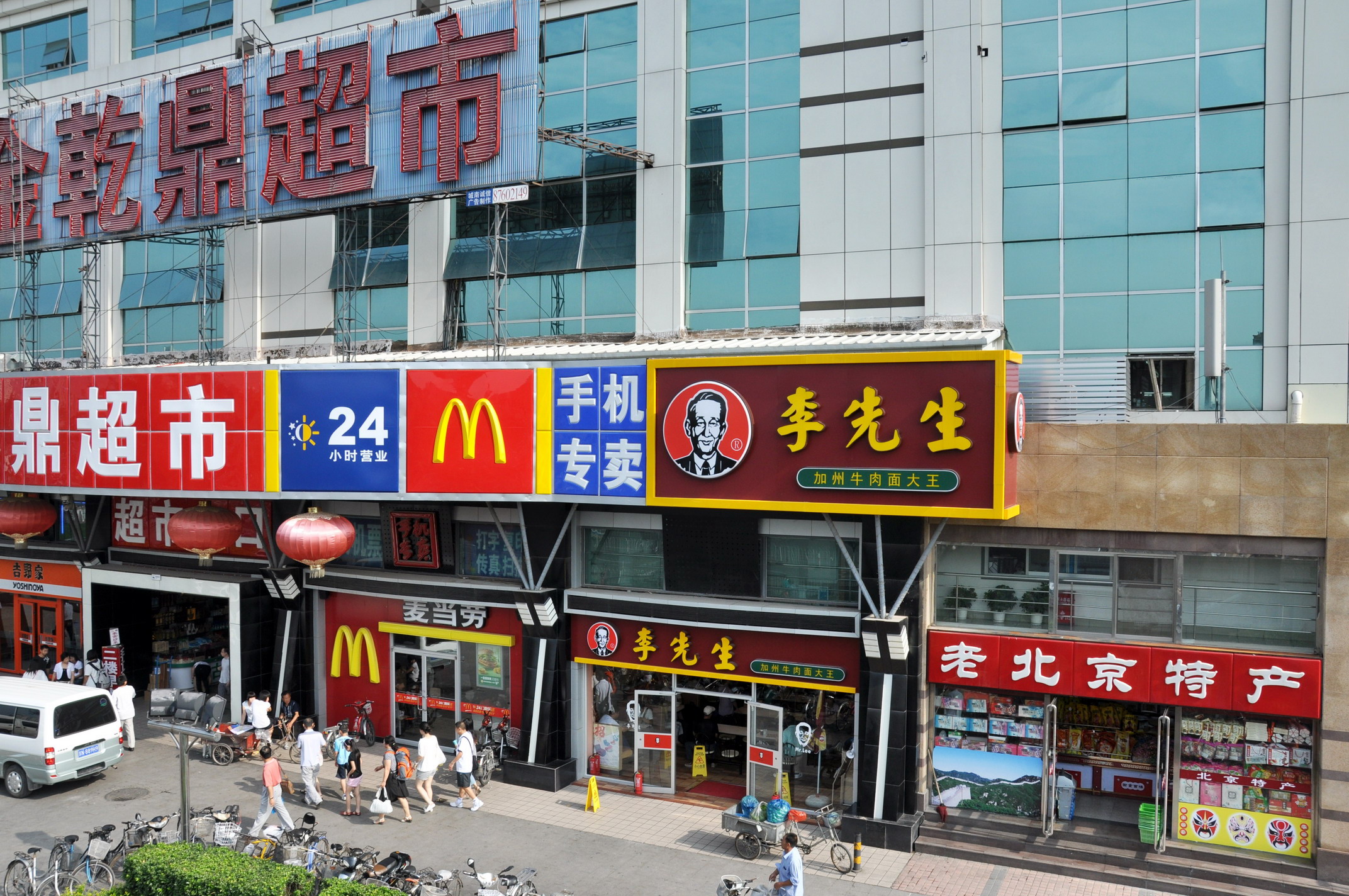
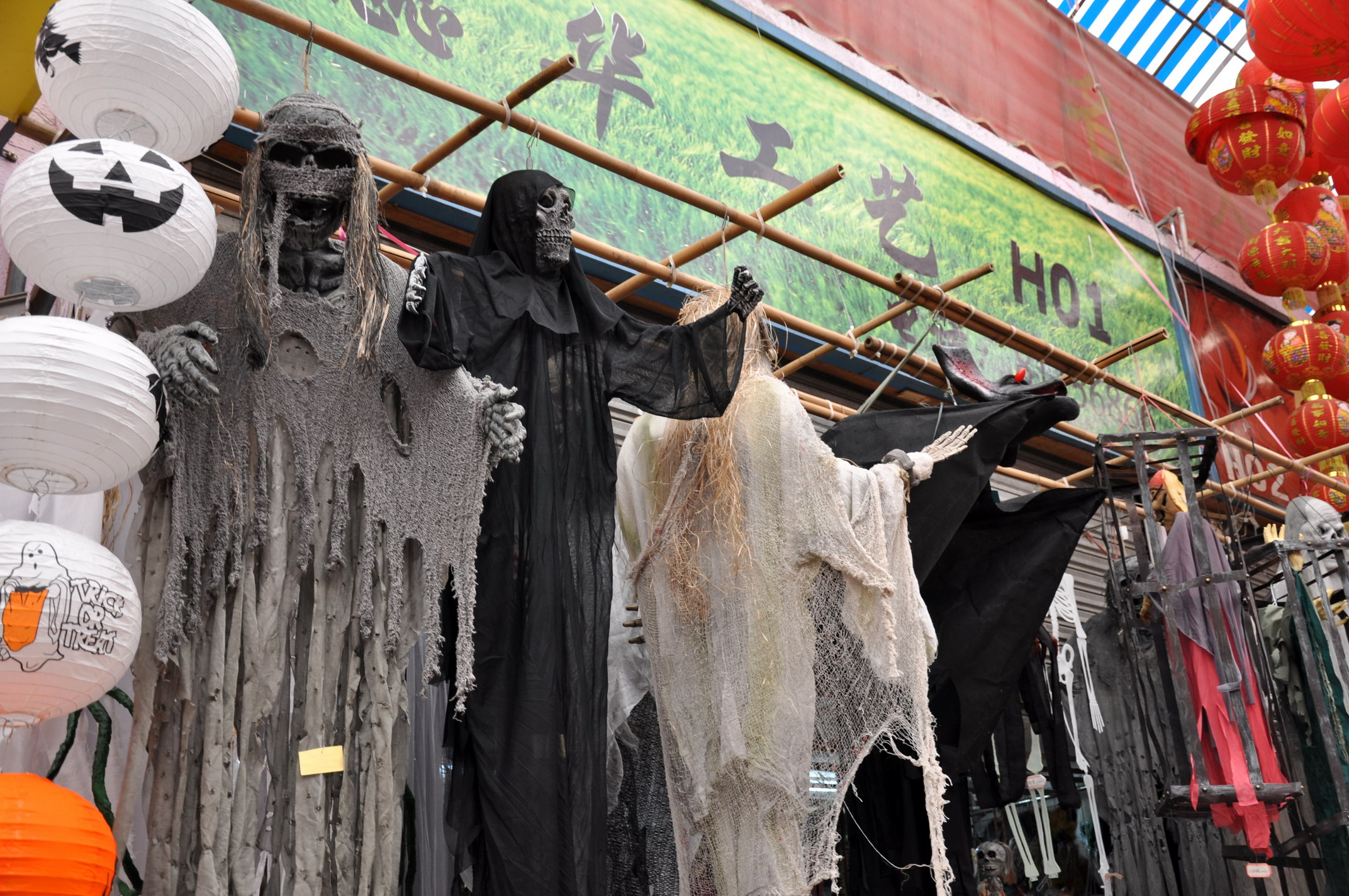
Economic success didn’t seem to have gone to their heads. I thought the Chinese understood that what they’d gained came from playing by Western rules. China could beat the West by becoming part of it and then winning by sheer weight of numbers.
An eclipse over the Yangtze
There was a single day before the eclipse and the forecast looked bad. Shanghai was definitely going to have heavy rain. We had to fly west. We sat trying to decide between Wuhan and Chongqing. Chongqing was usually the worse bet, very hot and wet in summer. Wuhan was closer and had a drier climate. In both cities the cool morning would give way to a heat haze as the storm system came in. It would arrive sooner in Wuhan. There were still seats to both cities.
On the map both places were little circles, which looked promising. Shanghai would be a crush. Here we’d be in a little town on the banks of the Yangtze. Perhaps I ought to see how many people lived there. How many inhabitants, by Chinese standards, justify a little dot on a map? Chongqing Municipality: thirty-one million. Almost a village.
Lena’s daughter Masha, a solar astronomer in Montana, sent a final steer. There was a better chance of seeing the Sun in Wuhan. We flew to Wuhan on Shenzhen Airlines.
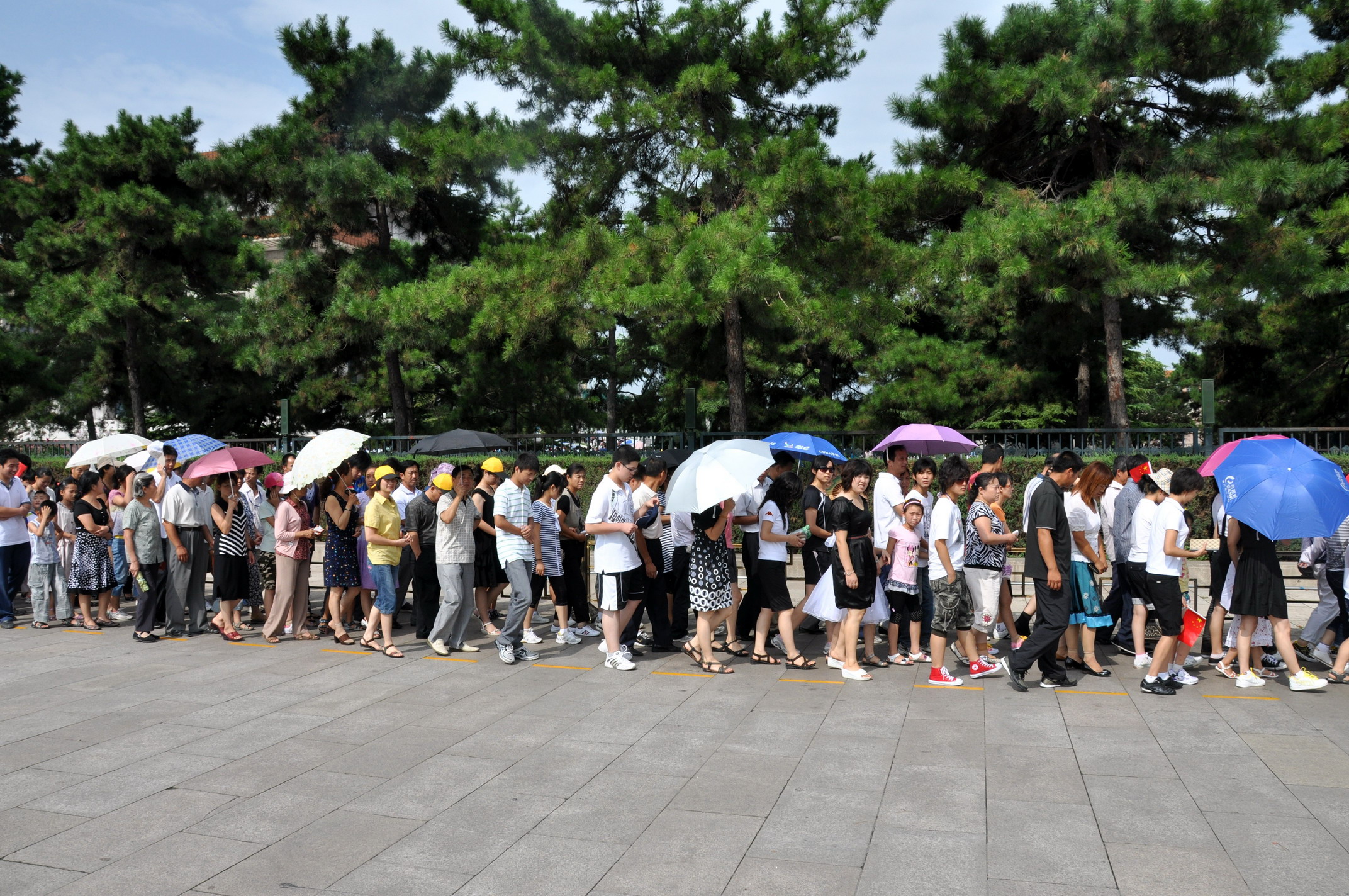
There are many airlines in China and giant airports, though flying then didn’t seem as common as in Europe or even Russia. The airports had been built for the future. The way to make them look busy meanwhile was to organise queues everywhere. You could wait an hour for security. Then the hall would be full and it would all look worthwhile. The Chinese were probably the world leaders in overzealous security, I thought. Your things had to be screened to enter the metro or Tiananmen Square. Queues everywhere didn’t bother the authorities. In their eyes people had even less standing than in Russia.
The aircraft we saw were American and European, and fairly new. Airbus aircraft assembled in China would soon become more common. The service on board was perfectly respectable and the food better than on European flights of similar length.
We got to Wuhan late in the evening. A taxi driver helped us find a room in a hotel, with difficulty. The eclipse had brought a lot of people in, and the hotels were full.
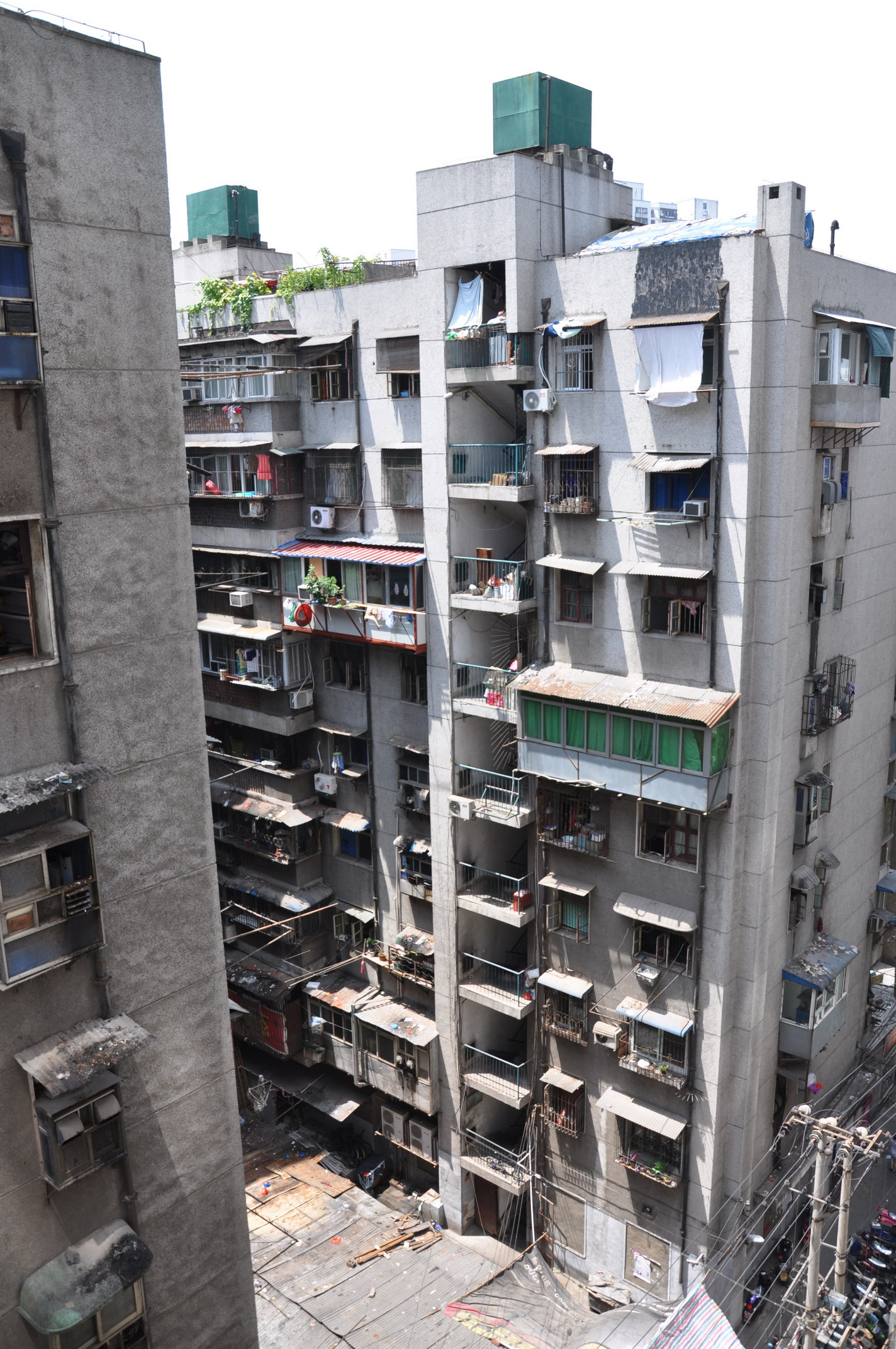
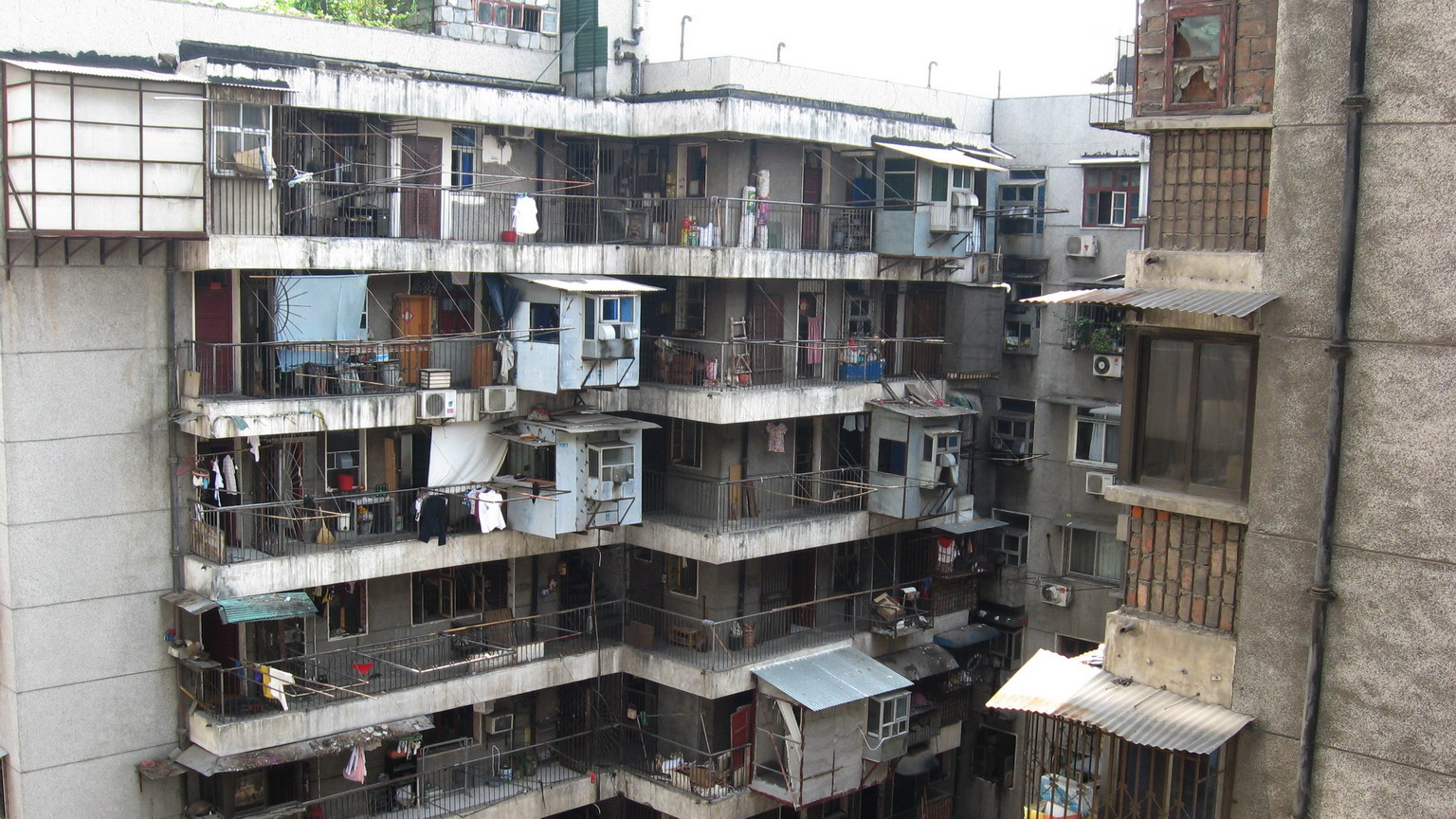
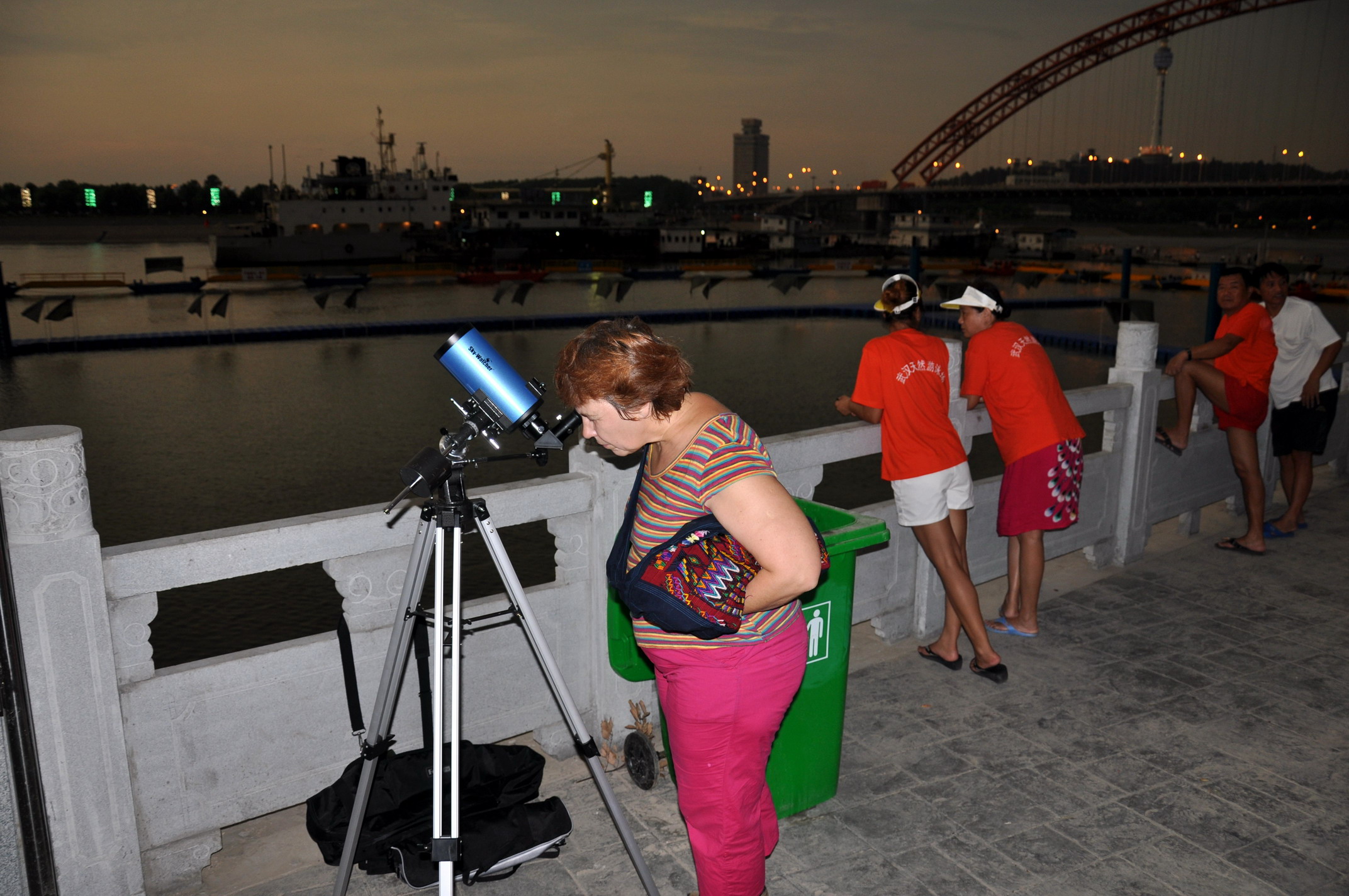
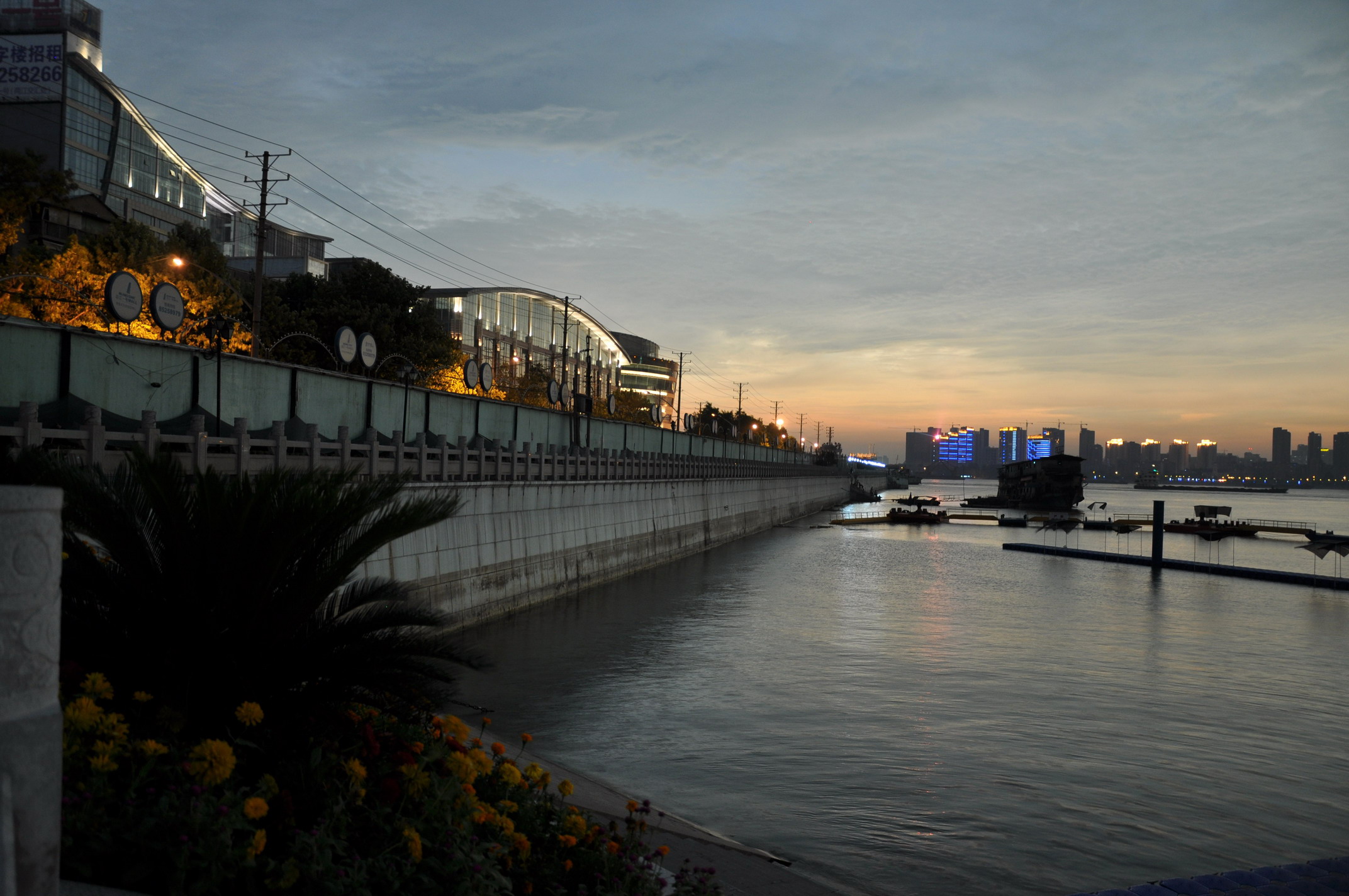
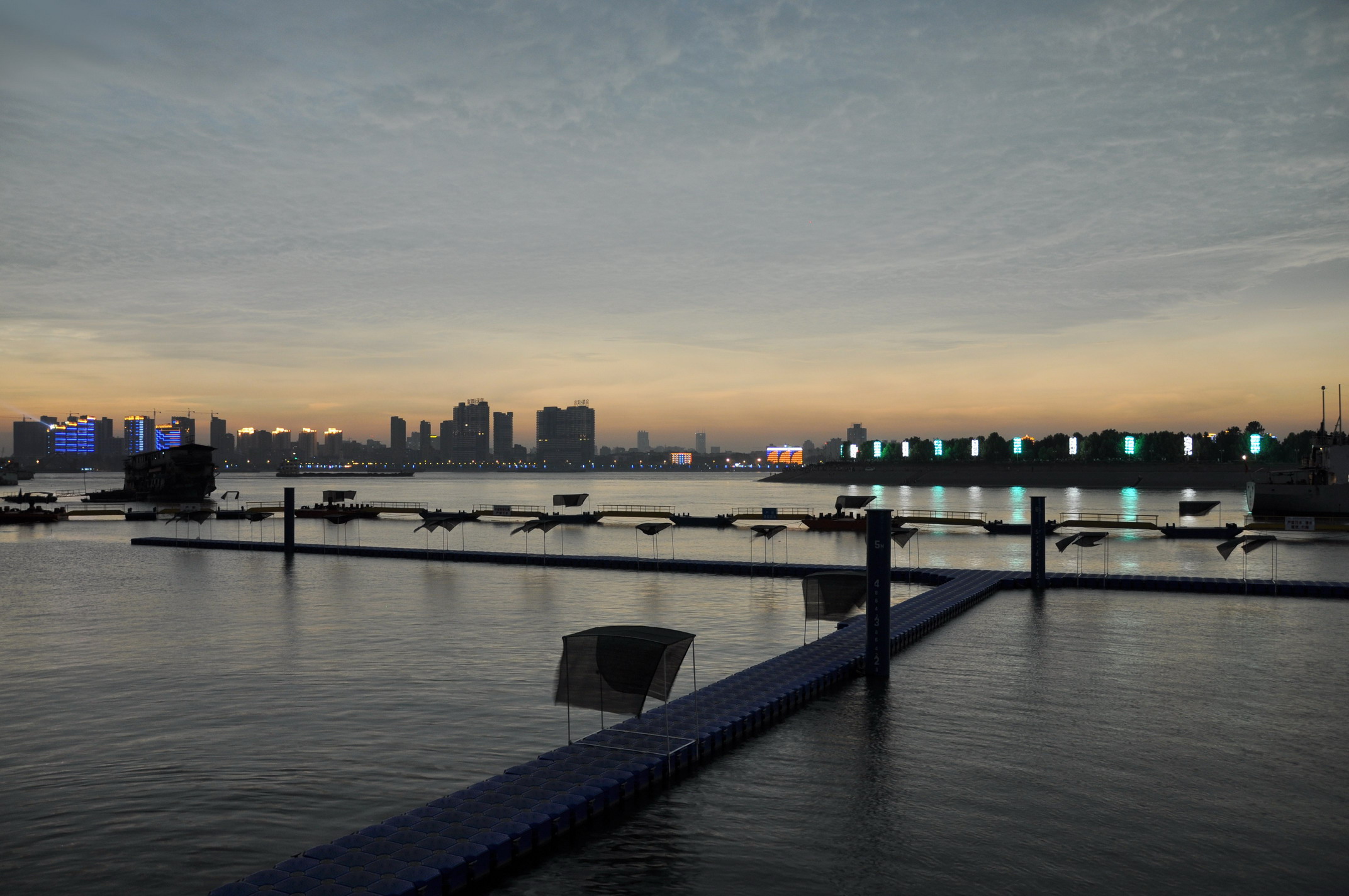
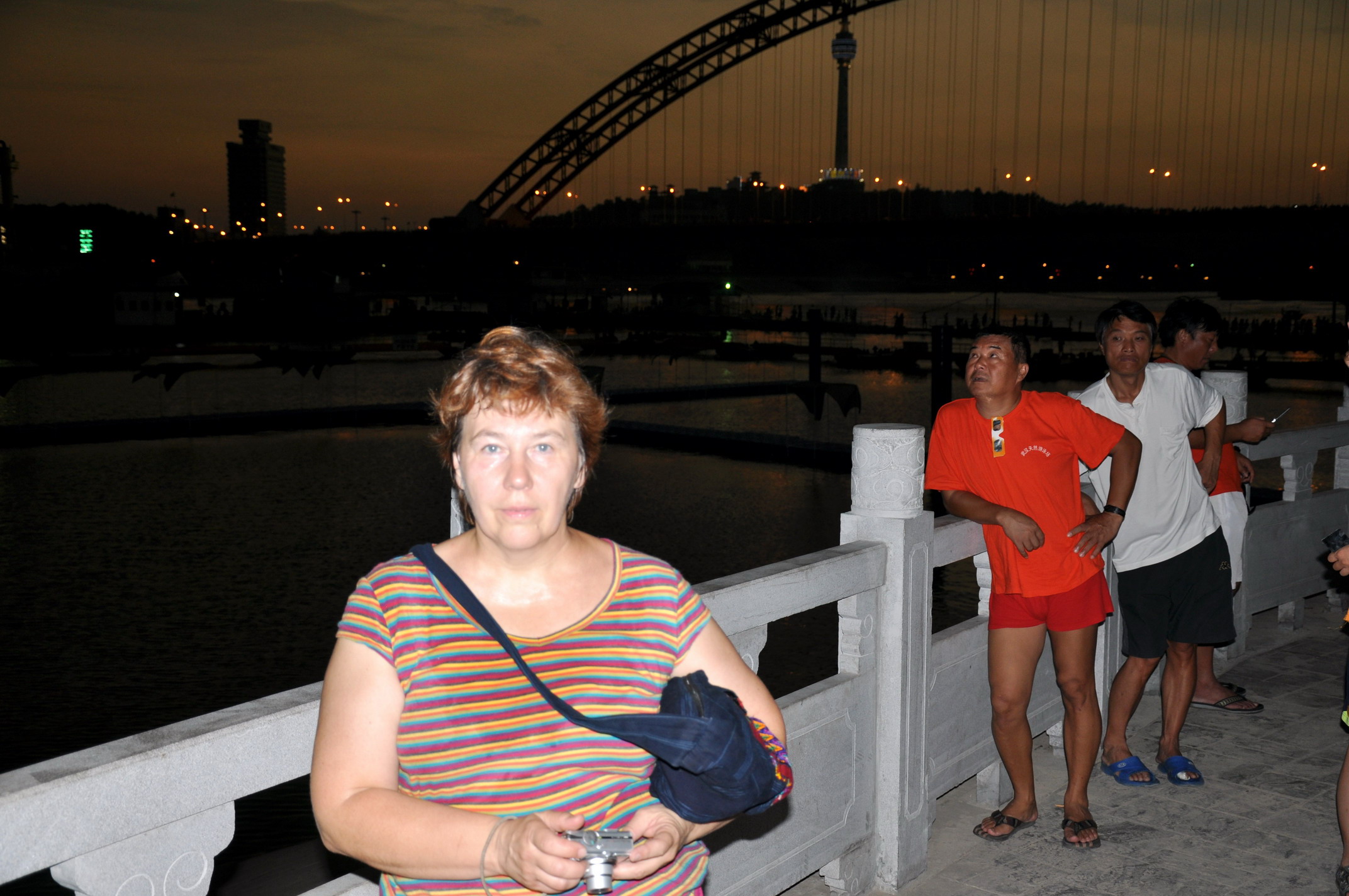
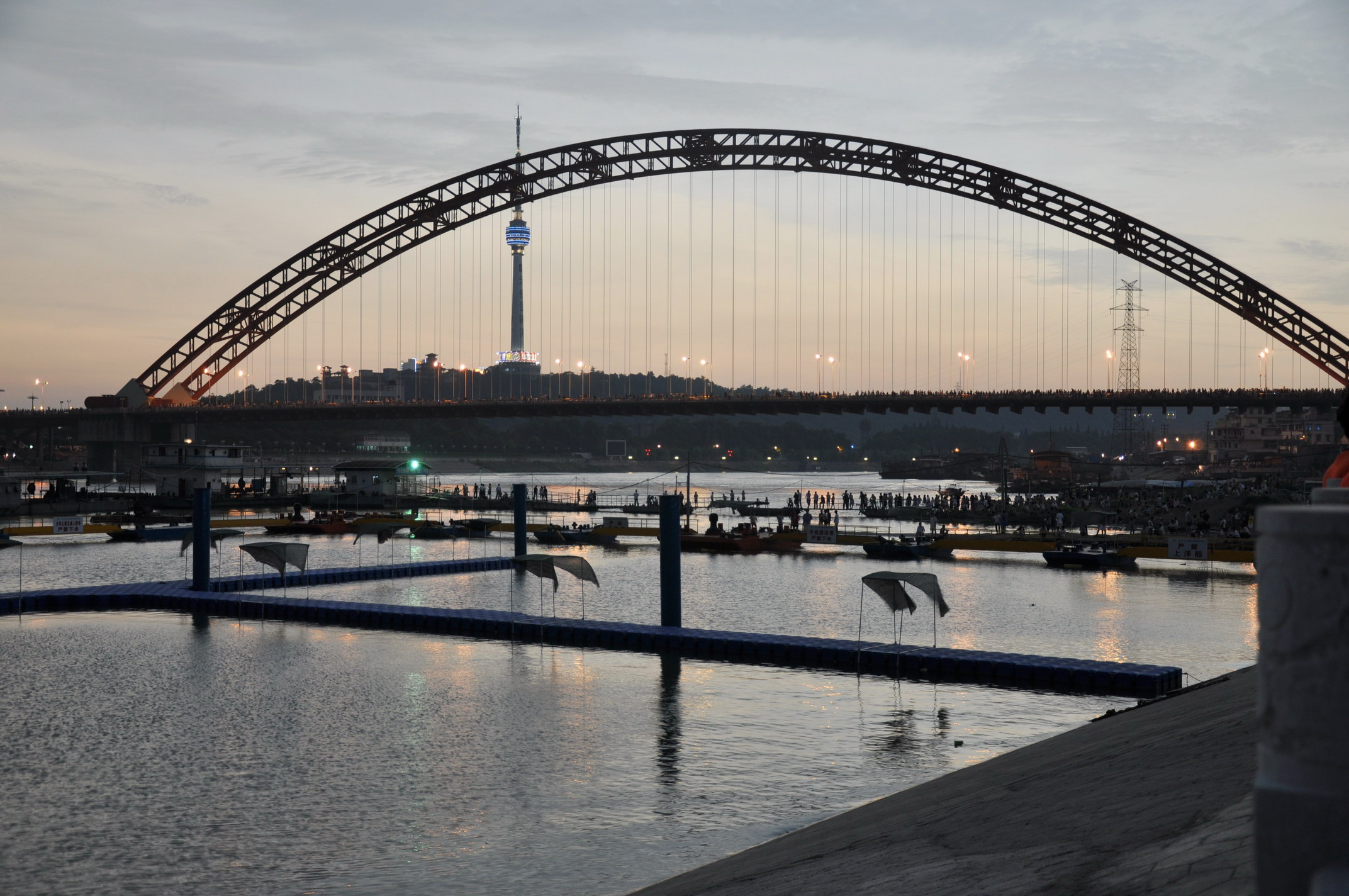
In the morning we followed our GPS to the bank of the Yangtze. The crowds were enormous. There wasn’t room to put up a telescope. Luckily, as foreigners we were let into a construction site where there was at least a little free space. Ordinary Chinese visitors weren’t allowed in there. Only a select few and foreign tourists.
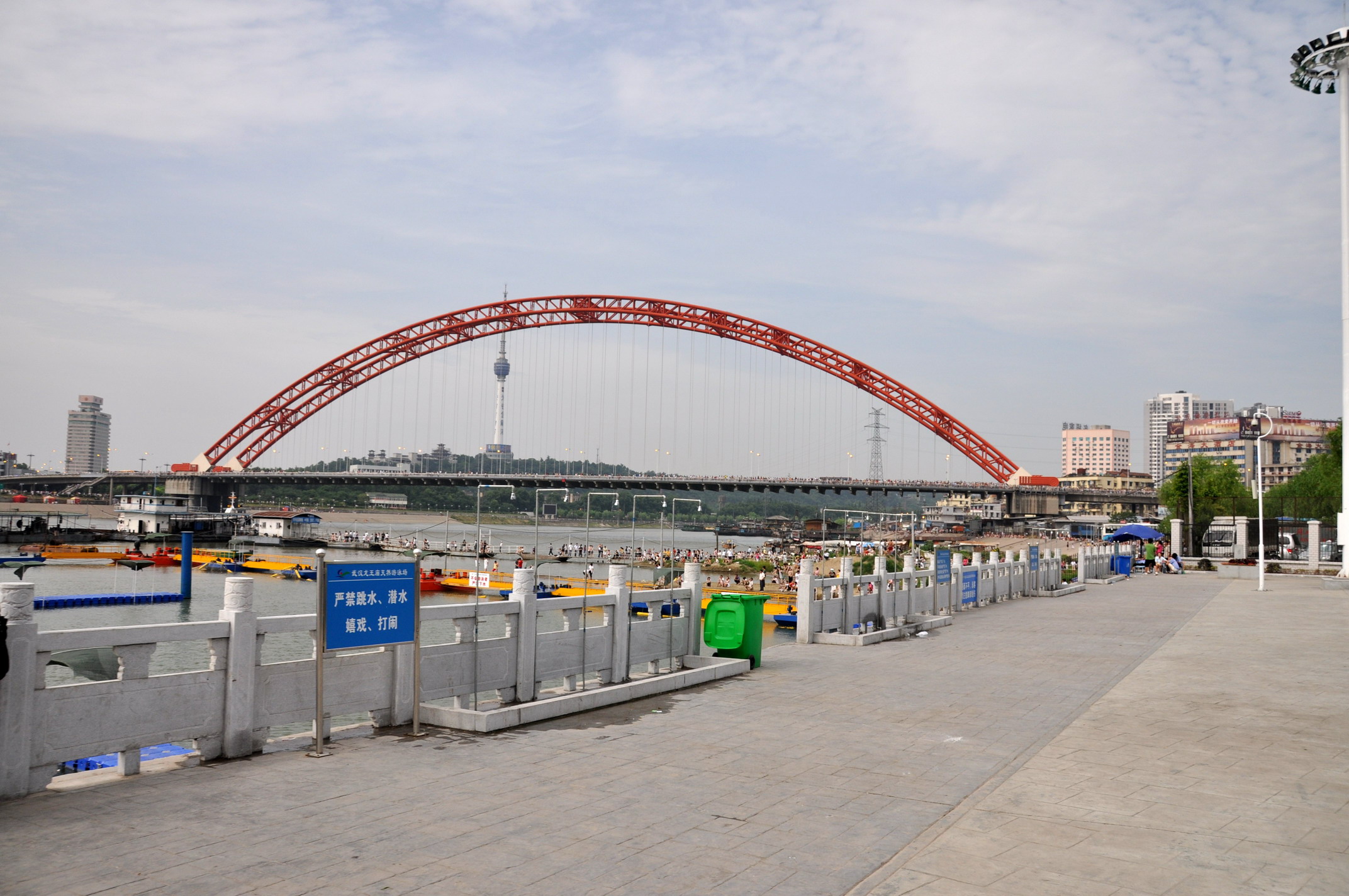
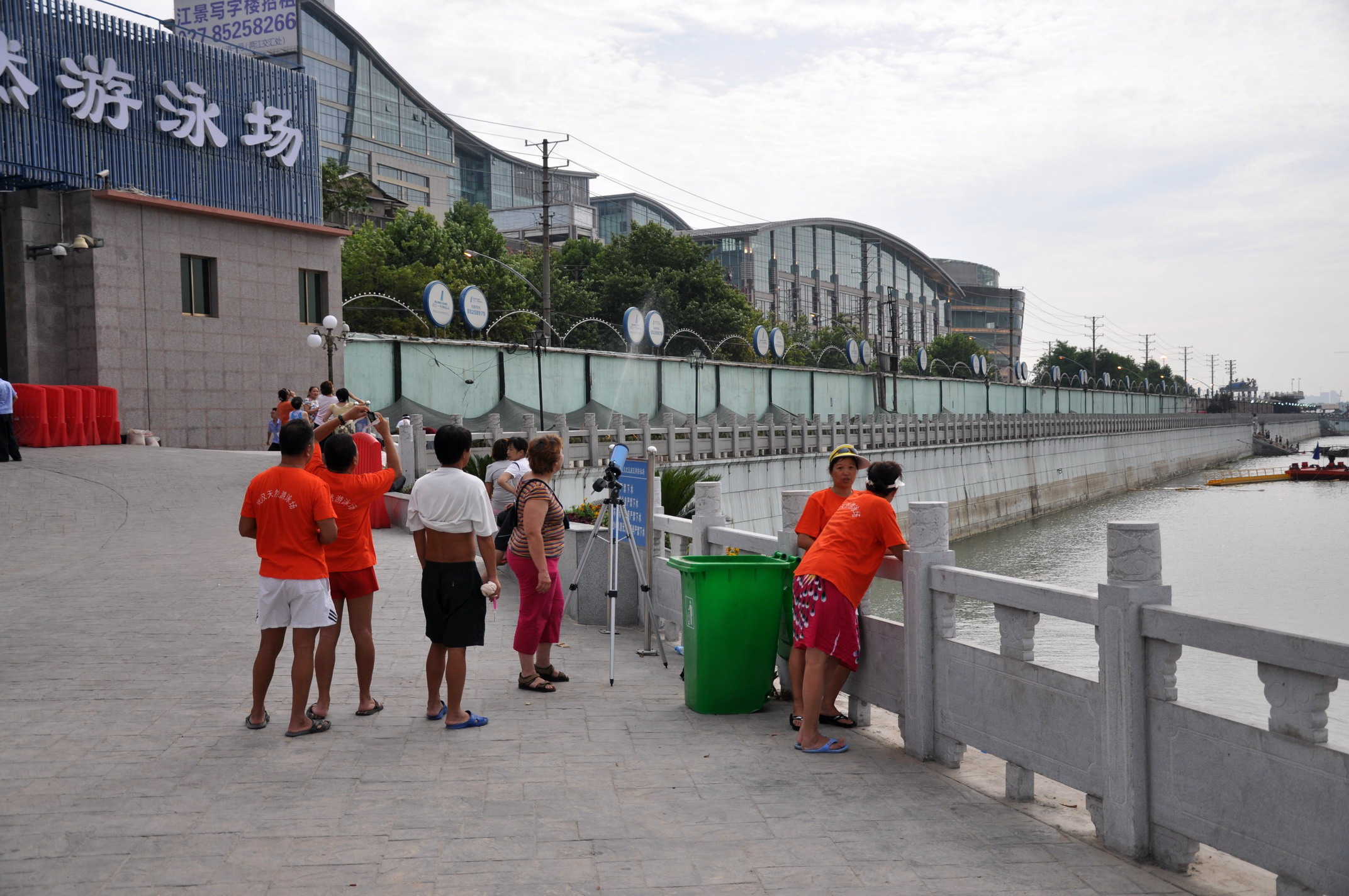
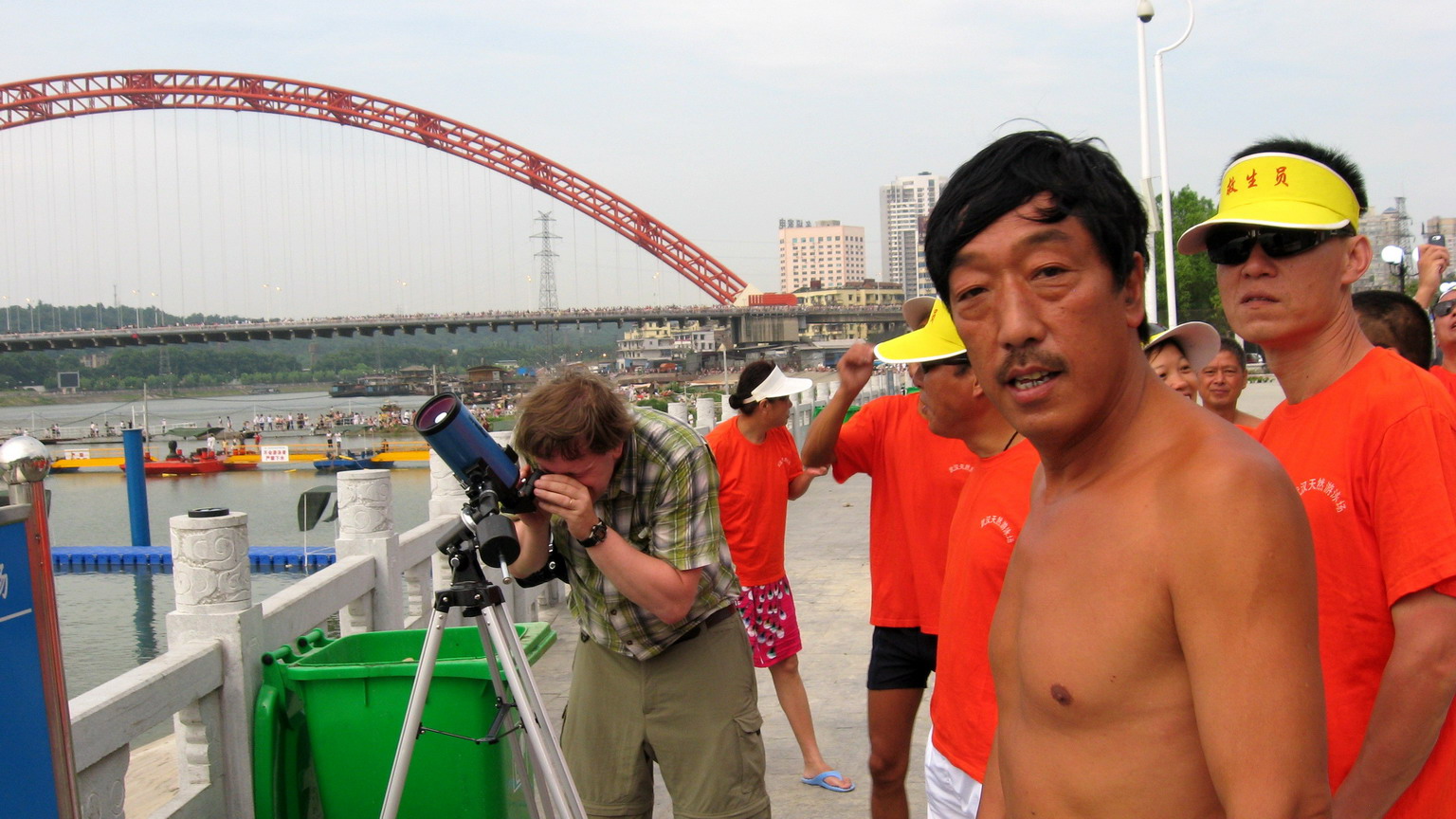
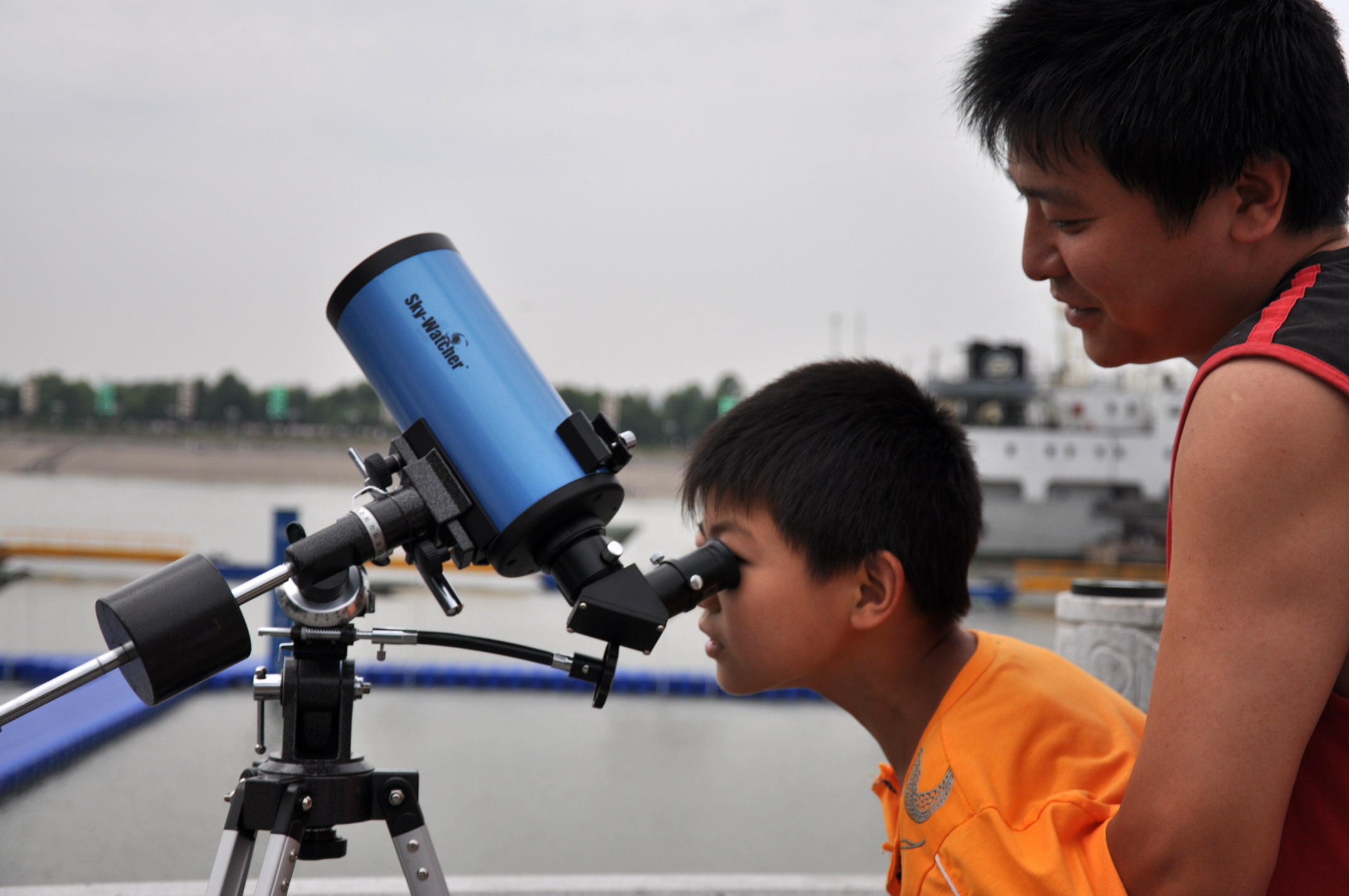
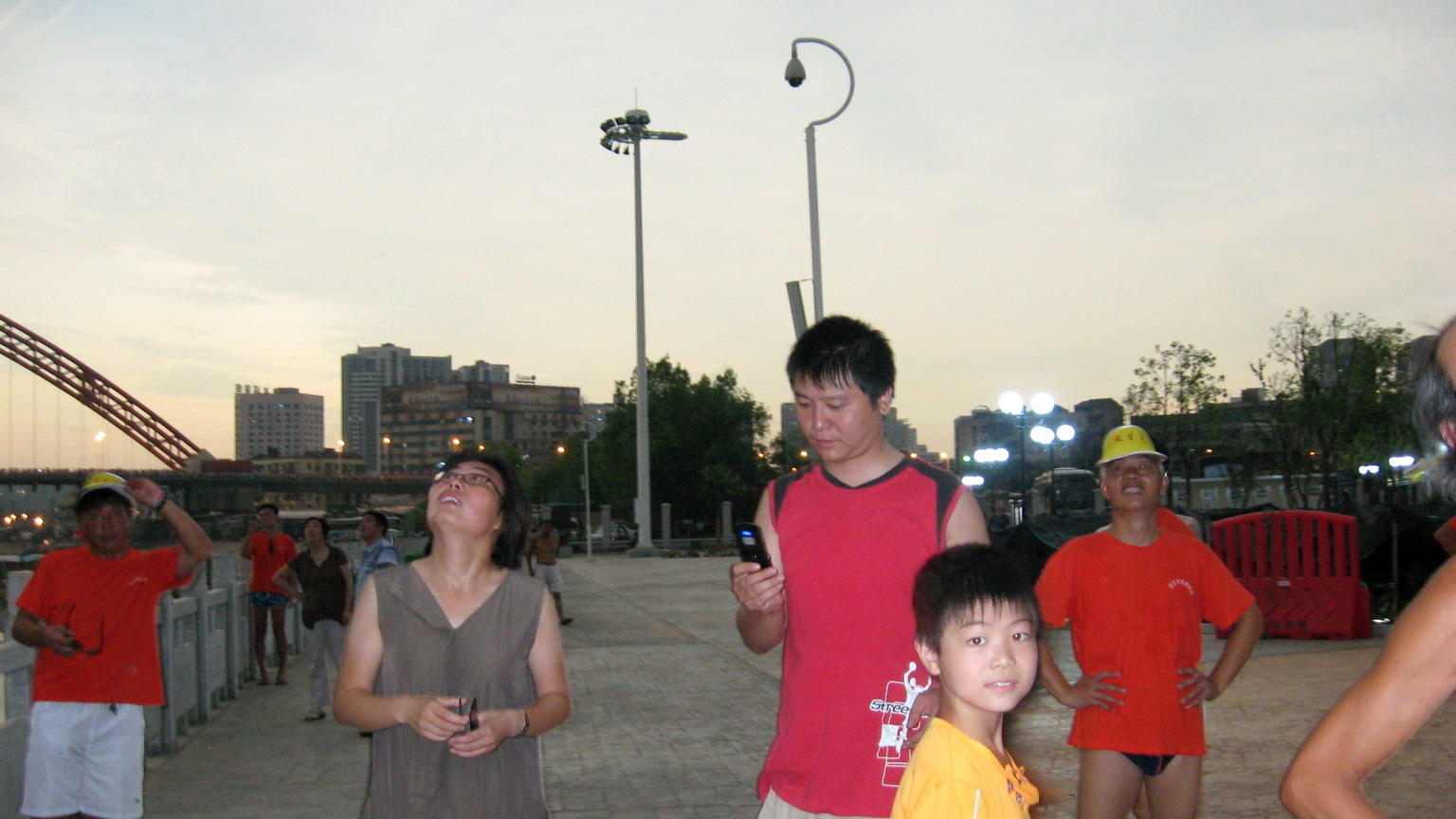
I set up the telescope, but high cirrus cloud lay across the sun. It moved very slowly. The sun was visible, then it wasn’t. It was a matter of luck.
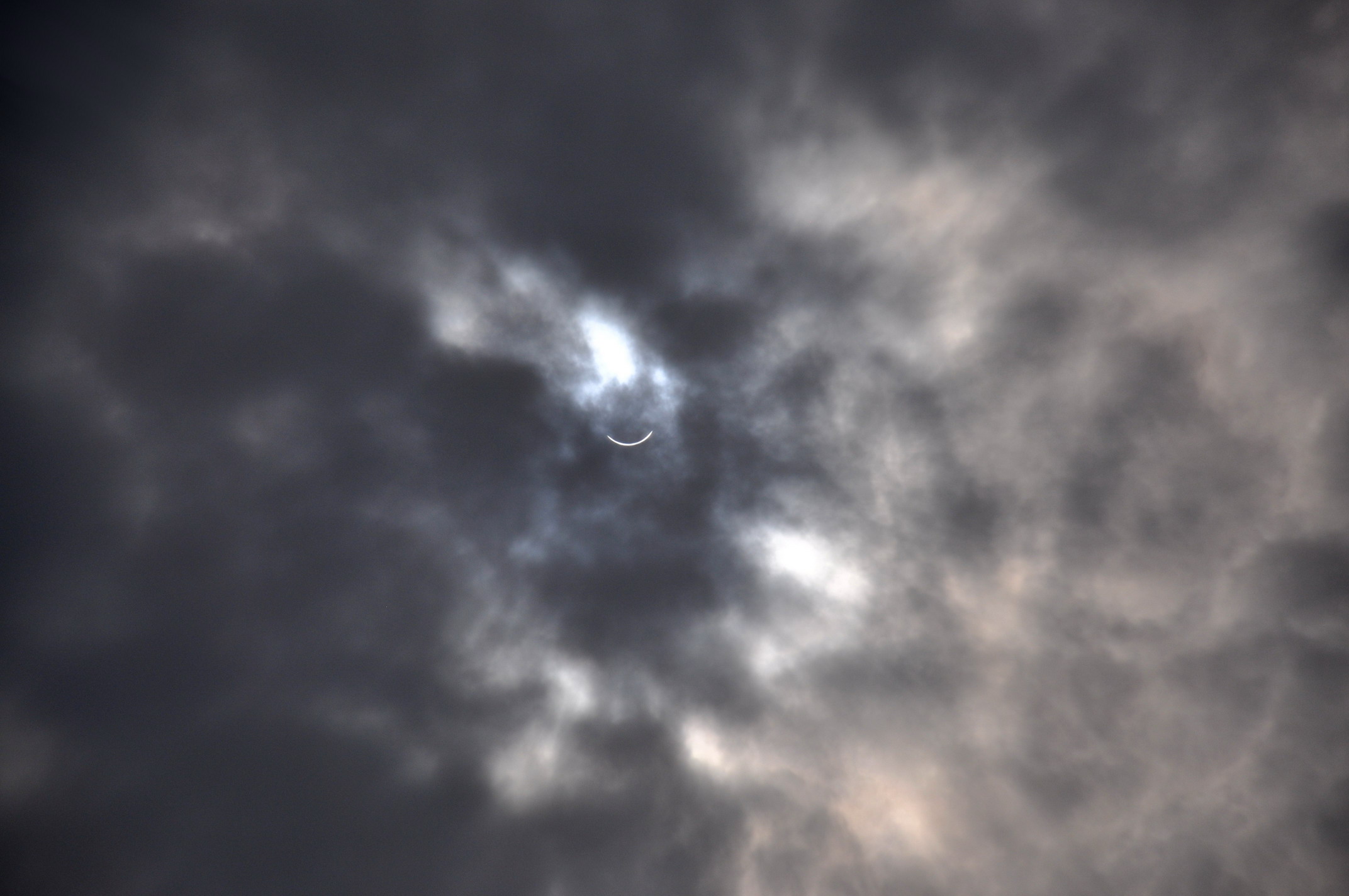
By the time totality arrived, we were lucky up to a point. The cloud was thin enough to see only the brightest parts of the corona. A few kilometres away the view was perfect. A few hundred metres from us they saw nothing.


The eclipse lasted nearly six minutes at our spot. The Moon’s shadow during the total phase was enormous, so the darkness at its centre was deeper than usual, though it never got completely dark. For some reason most people had chosen to get onto the road bridge across the Yangtze. I wondered how it stayed up under that load.
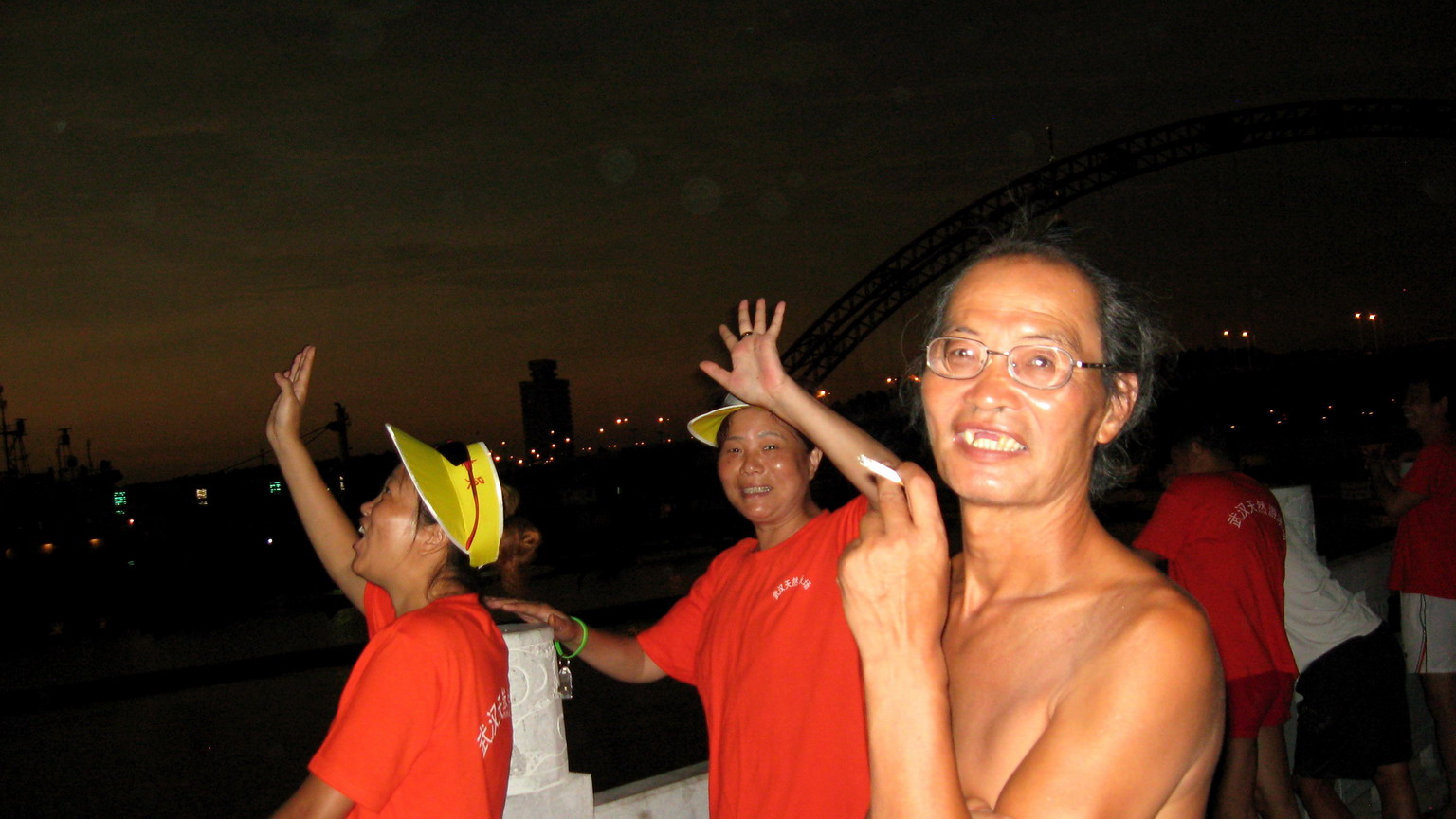
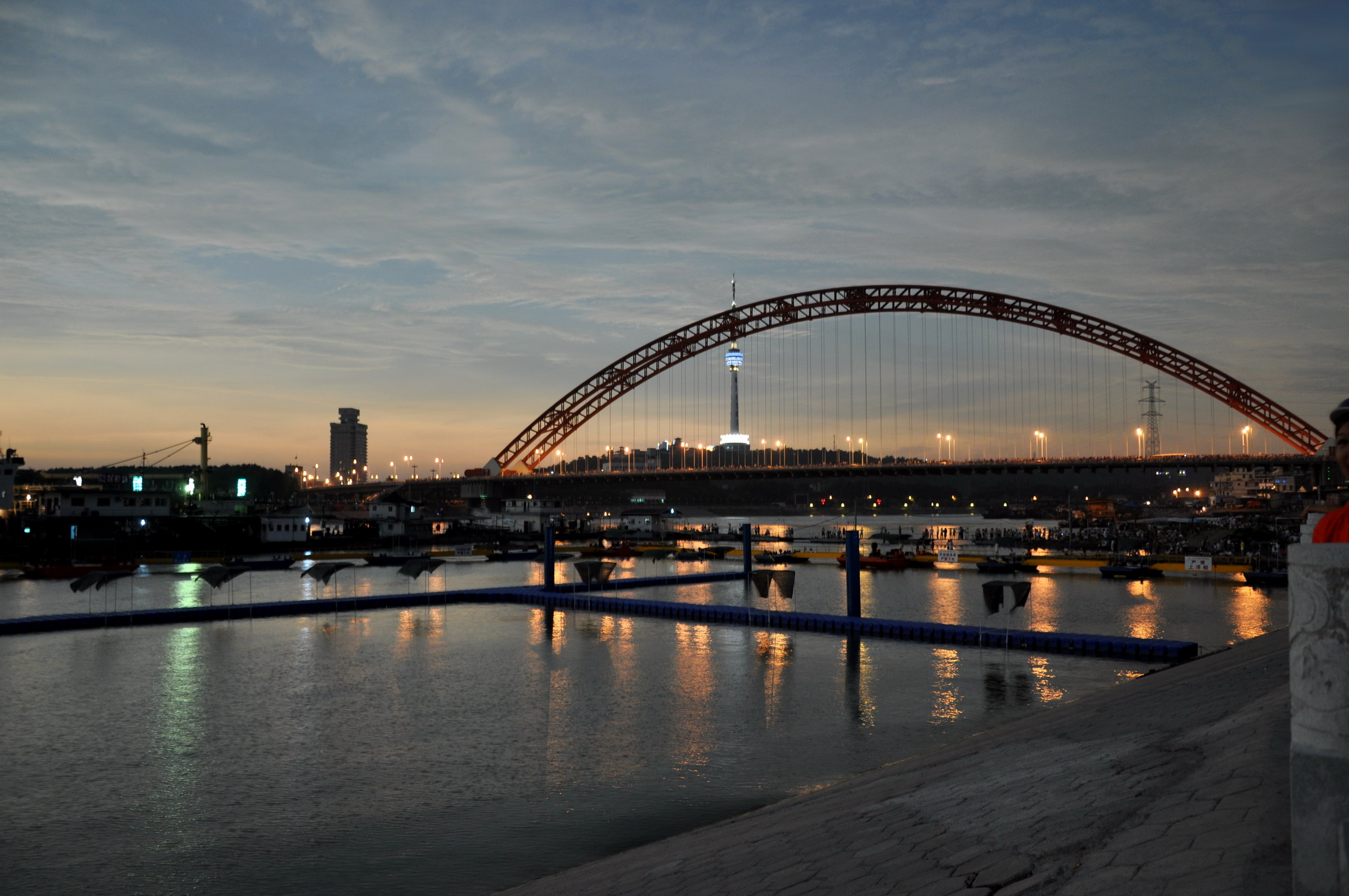
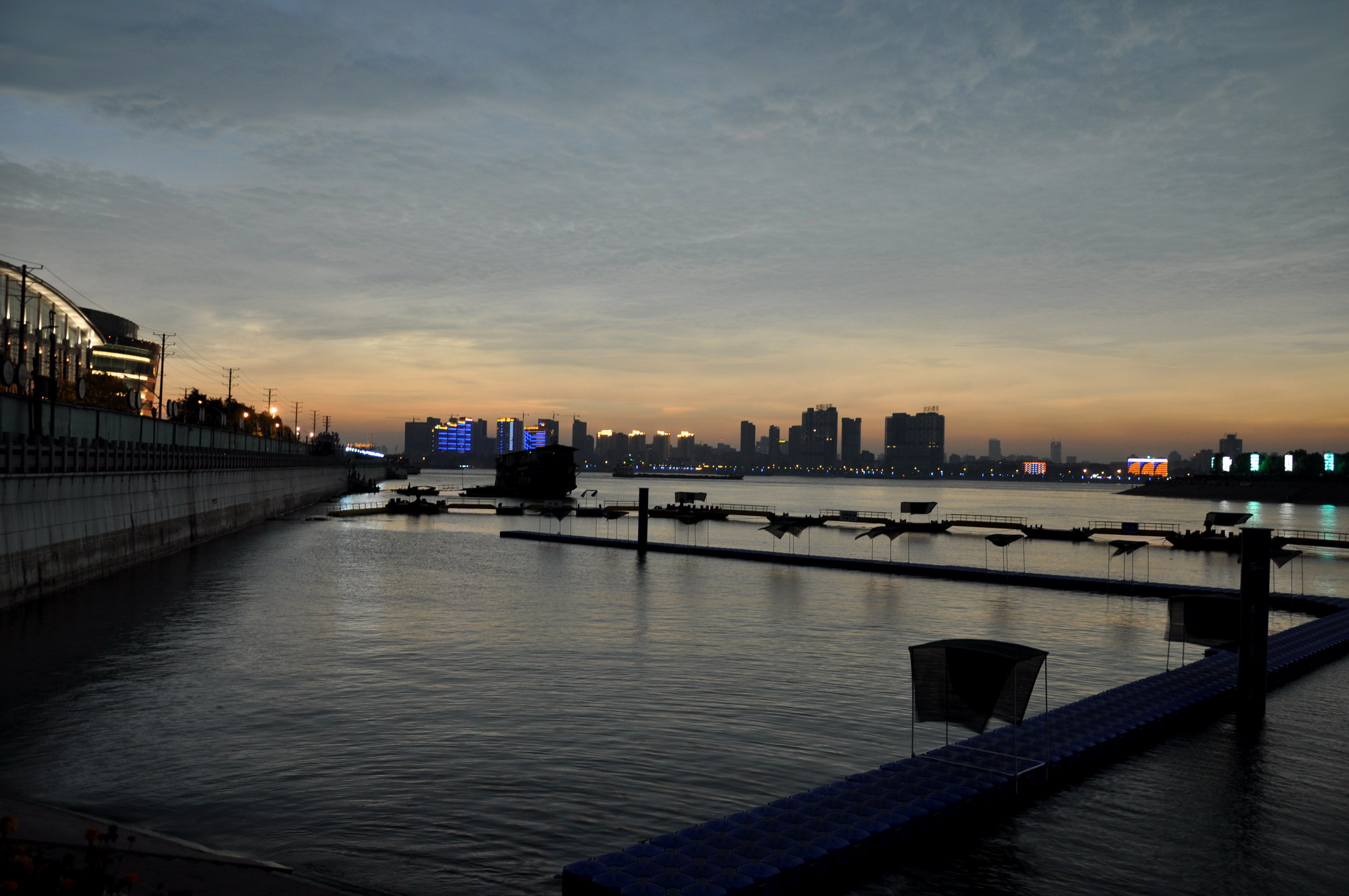
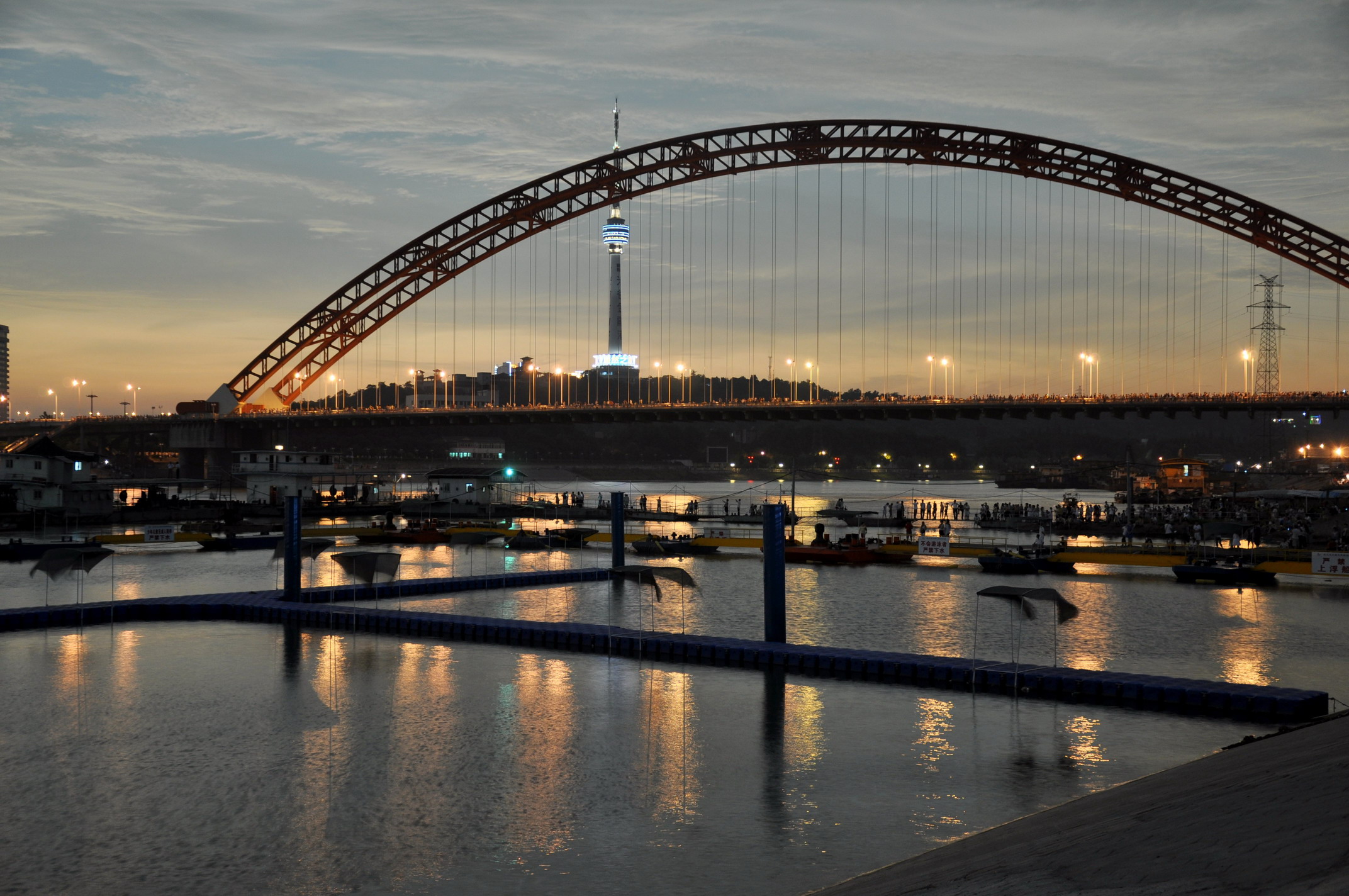
Six minutes of eclipse is something wonderful. Usually it’s over by the time you’ve taken a picture and had a look through the telescope. Here I’d seen everything I wanted and it was still going. Wonderful. In Shanghai, where most people had gathered, it rained. In Chongqing it was perfectly clear. At least we’d seen it, one way or another. Next year, the Cook Islands or Easter Island. There would be a long eclipse there too, about four minutes at the islands. We didn’t stop to see Wuhan and flew straight to Shanghai.
Shanghai
Friends from the Russian consulate were waiting for us. Shanghai’s airport is called Pudong; I wouldn’t be surprised if a traveller didn’t recognise the country’s second city on the schedule. As it’s so far out, the Chinese used Siemens technology to build a very fast maglev train, running at about 430 kilometres an hour in high-speed service. It’s a thrill. I’d expected mobile phones to give out at that speed and mine did. There was a signal, but the call wouldn’t go through. With no rails the train rides smoothly, but when another train passes halfway along there is such a thump of air that it feels as if you’re about to be knocked off the track.
Like a great deal in China, the train struck me as a demonstration of what engineering could do. It arrives at a metro station on the outskirts. Seven minutes and twenty-one seconds in the maglev, then about an hour on the metro to the centre. We took a taxi. I found that a problem in China. It was hard to make a taxi driver understand where you wanted to go. You’d get out a city map and point at the destination. They seemed to think you were pleased to show off a book of pictures. I got the impression the driver had never looked at a map.
He didn’t know the word “airport”. Showing him airline tickets printed in Chinese for a flight three hours away didn’t tell him we needed to get to the airport. I waved my arms and made buzzing noises, and he didn’t understand. When I drew a plane, he finally understood, whistled and pointed into the sky. So that was how to say airport in Chinese. It was hard going. Fortunately I had a reliable remedy: friends who spoke Chinese. I could ring them, give them the destination and hand the phone to the driver. After five minutes of talking he’d work out where to go.
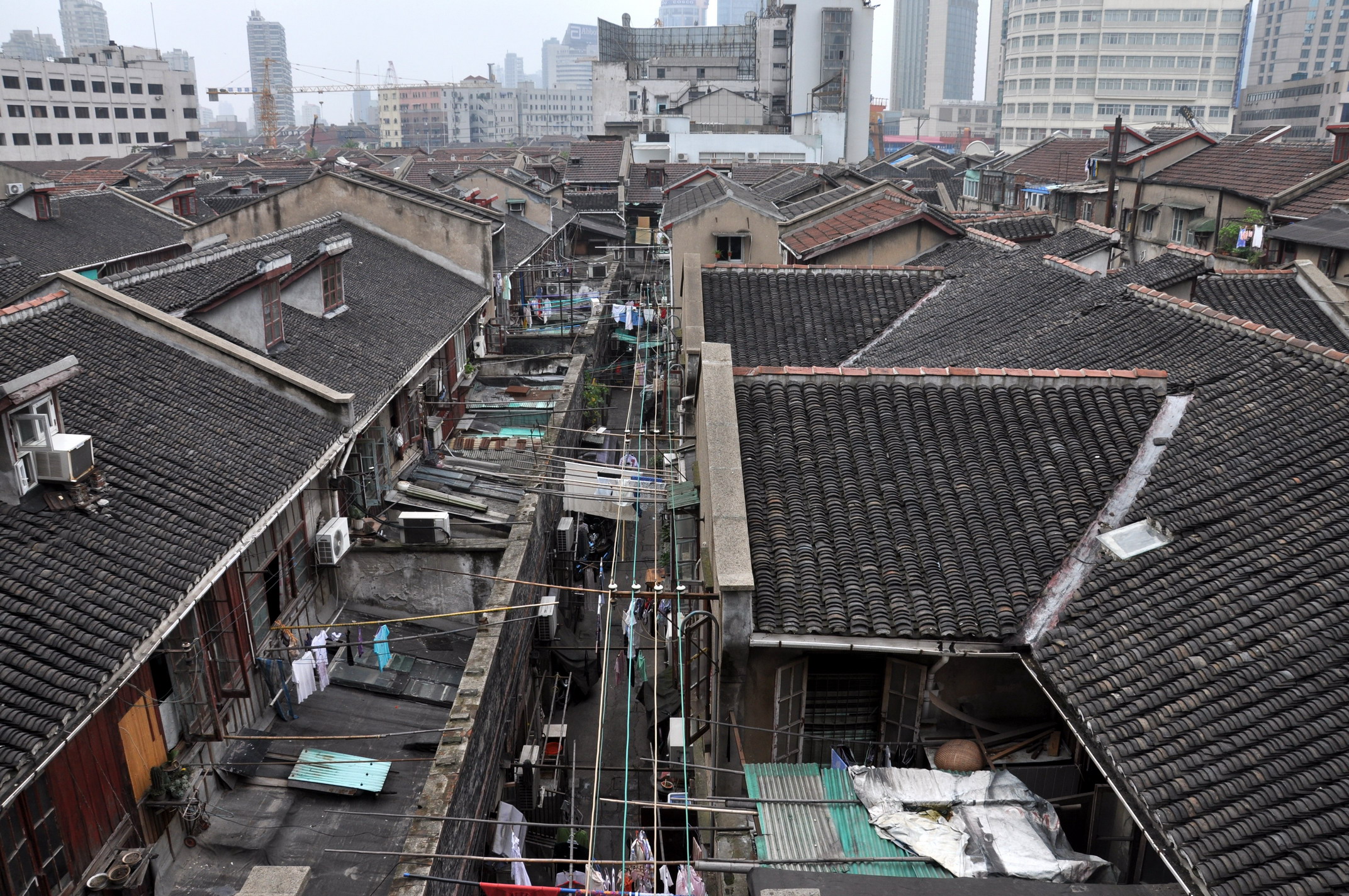
Shanghai was getting ready for Expo 2010 and everything was dug up. You couldn’t get through on the famous Bund. Crossing the river meant sitting in traffic for more than an hour. We hadn’t come at the best time. The rain was pouring too. Still, we managed in the old part of town, making dashes from shop to shop. The historic Chinese centre of Shanghai was by then one big shop for tourists. Everything had been restored, or more often built all over again.
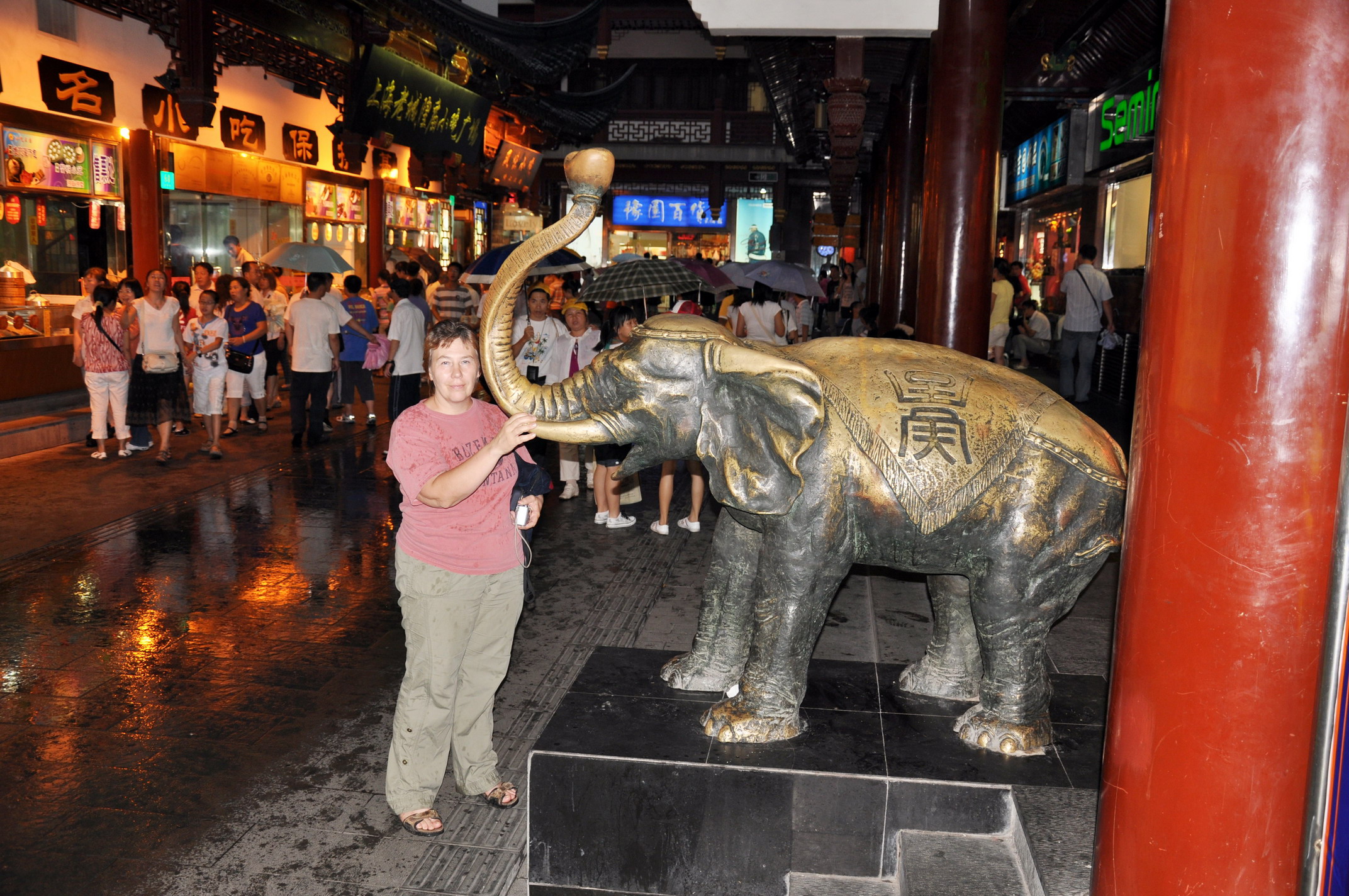
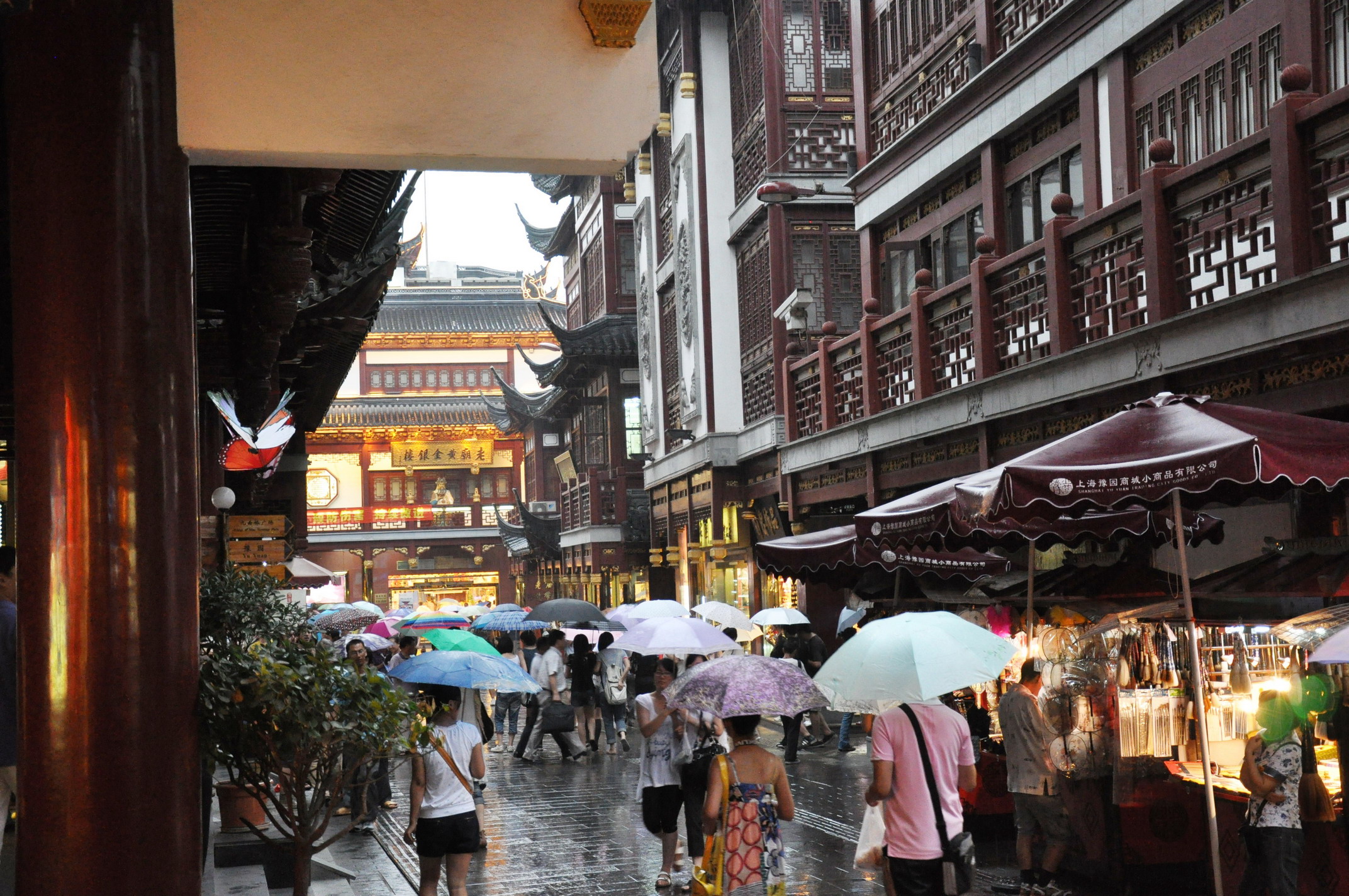
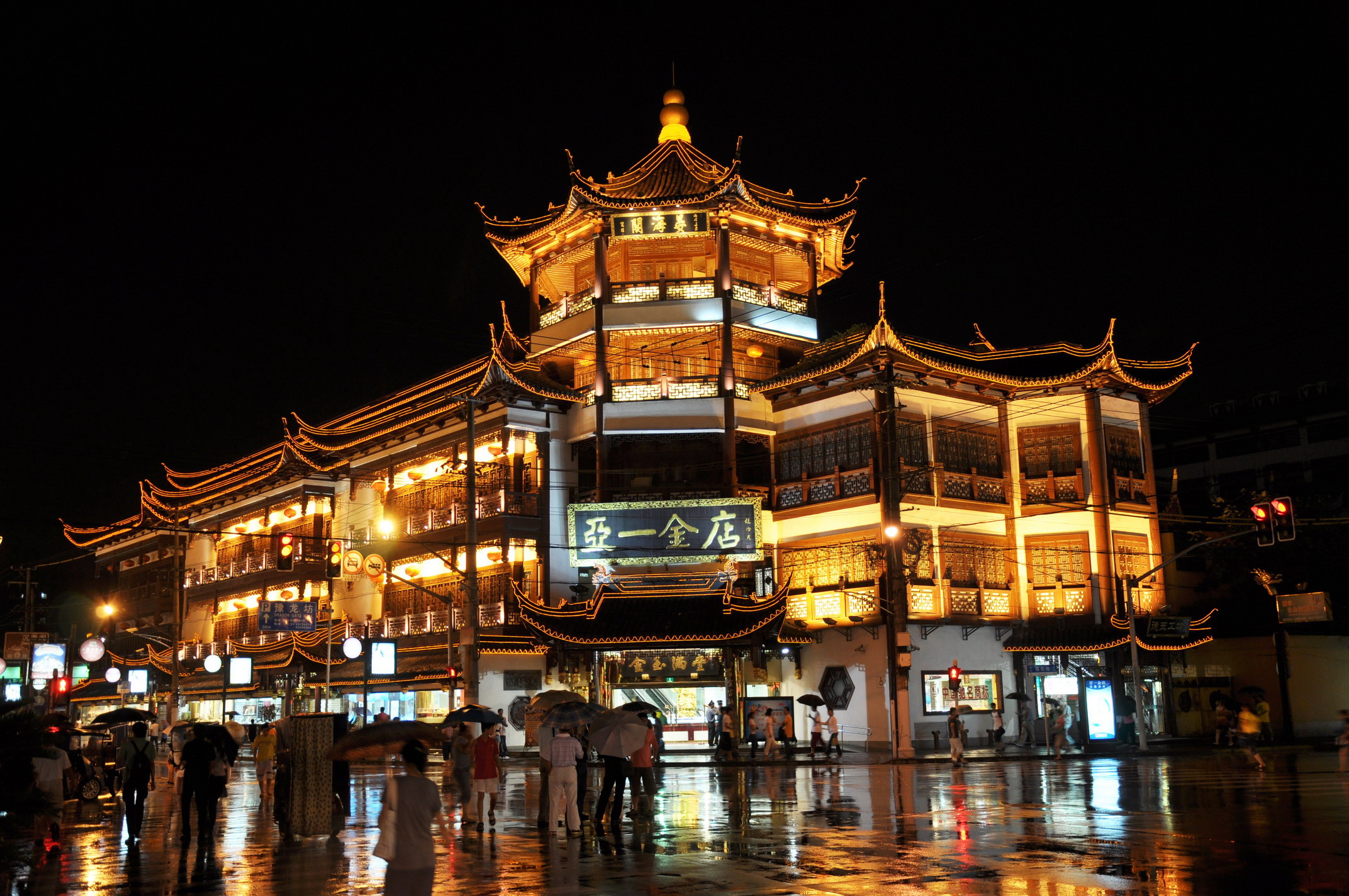
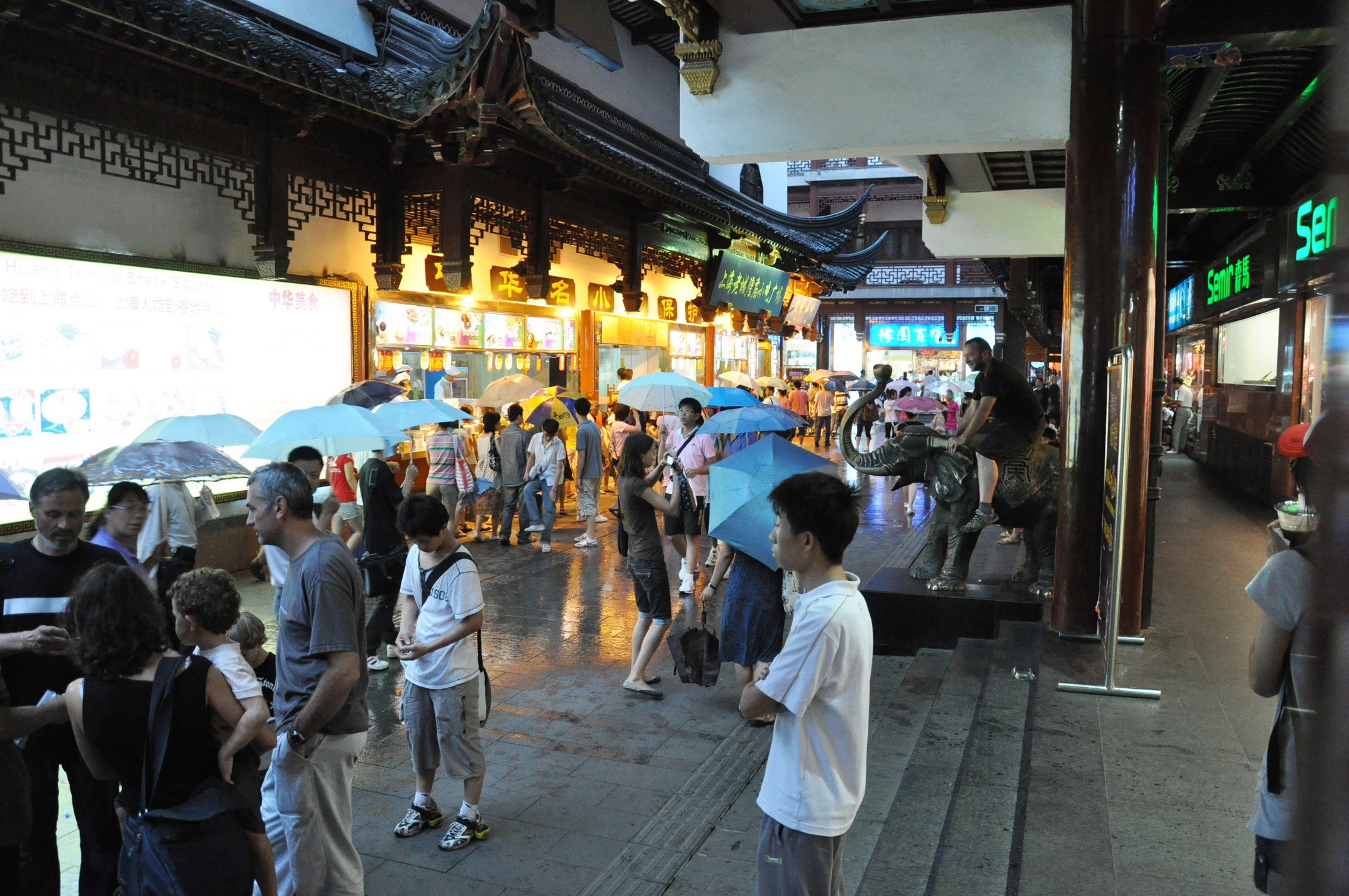
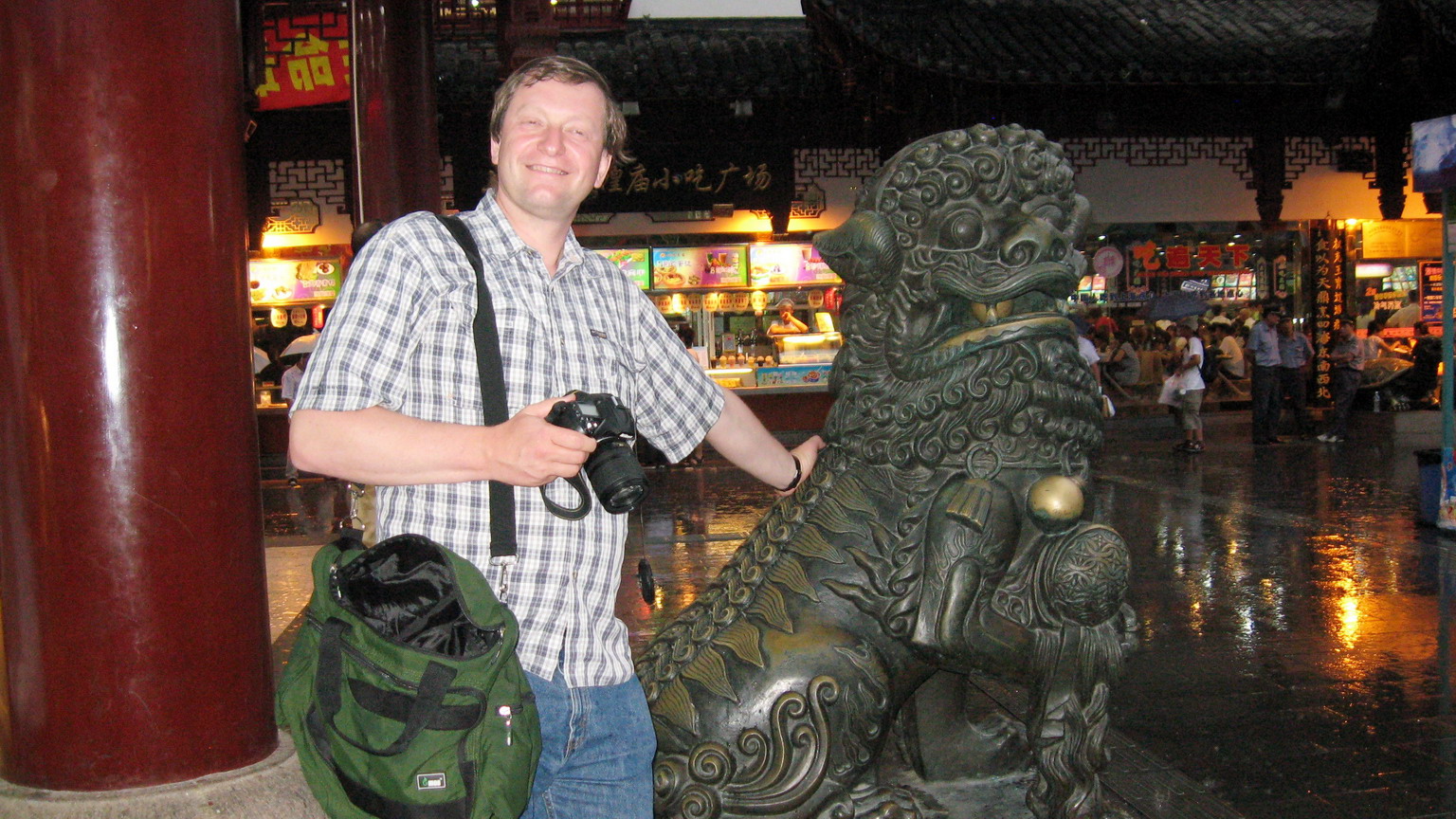
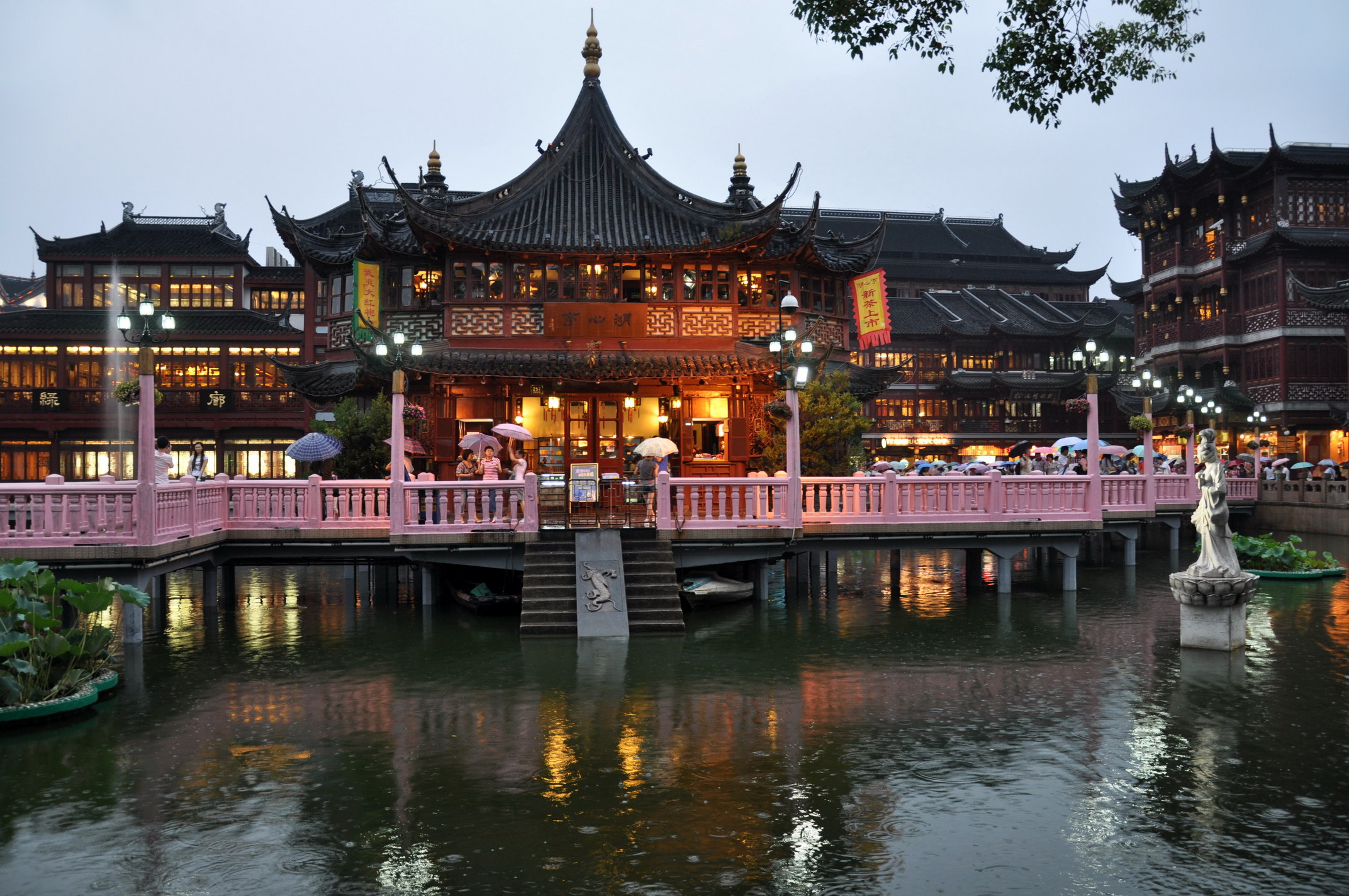
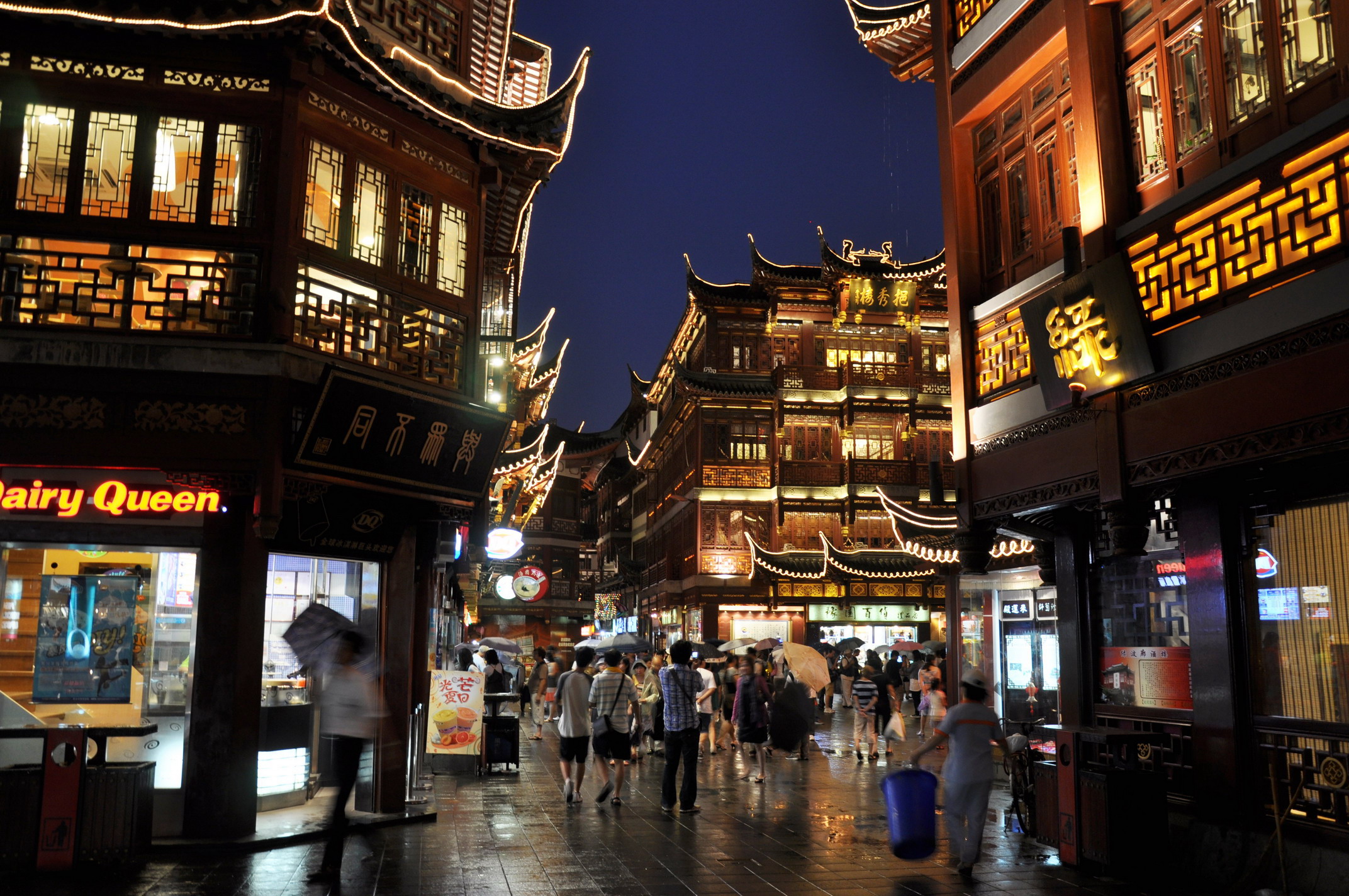
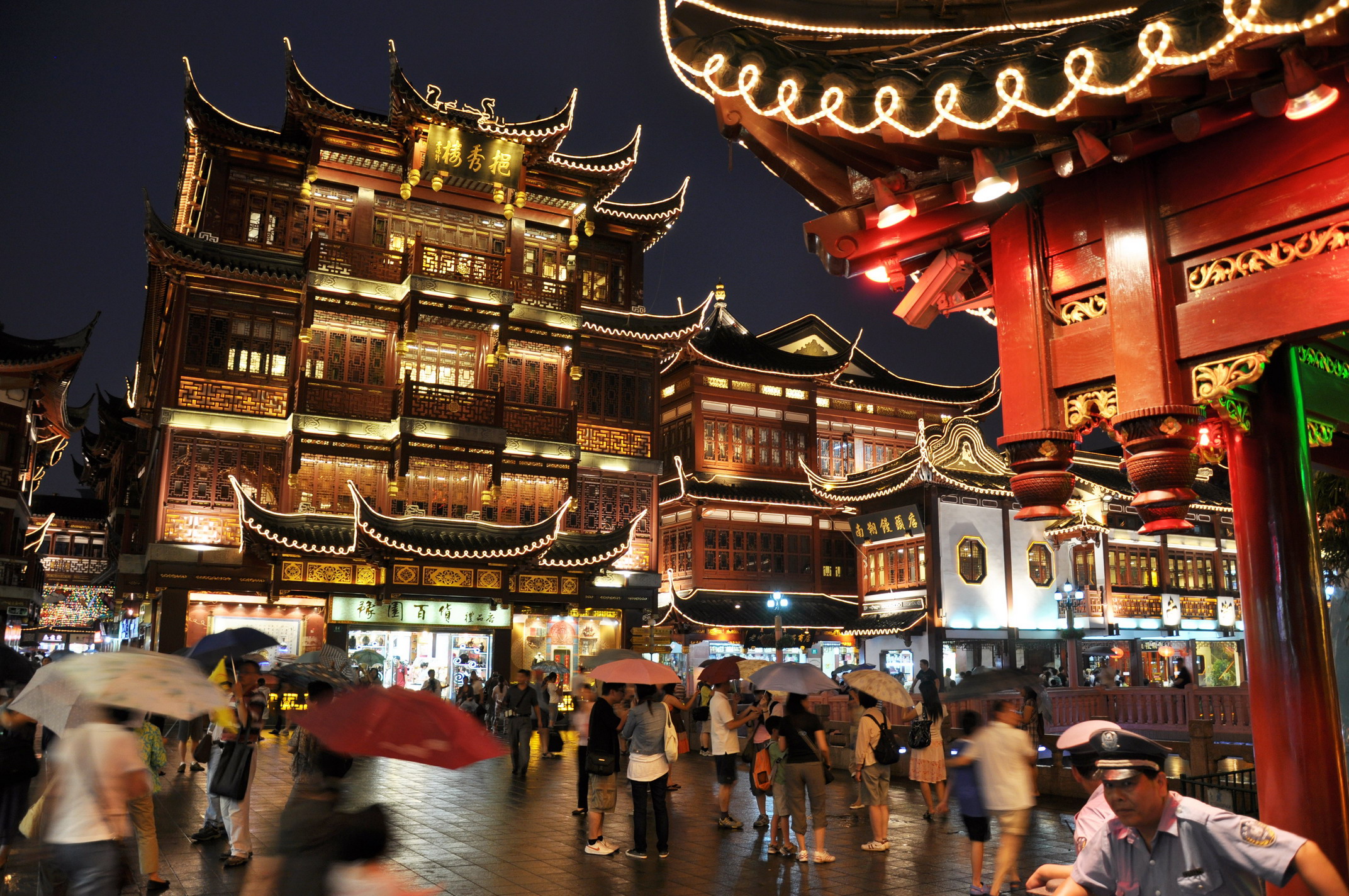
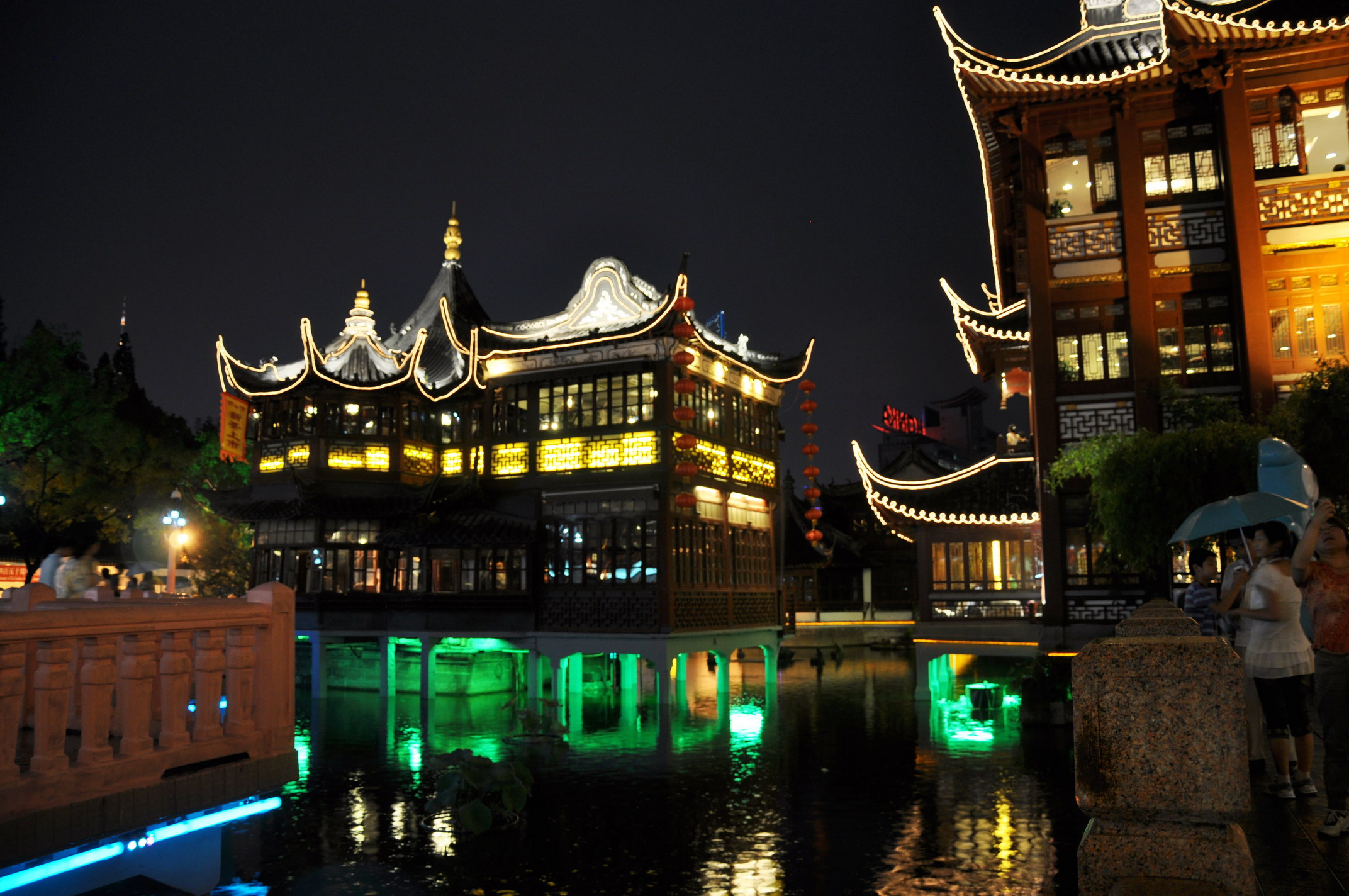
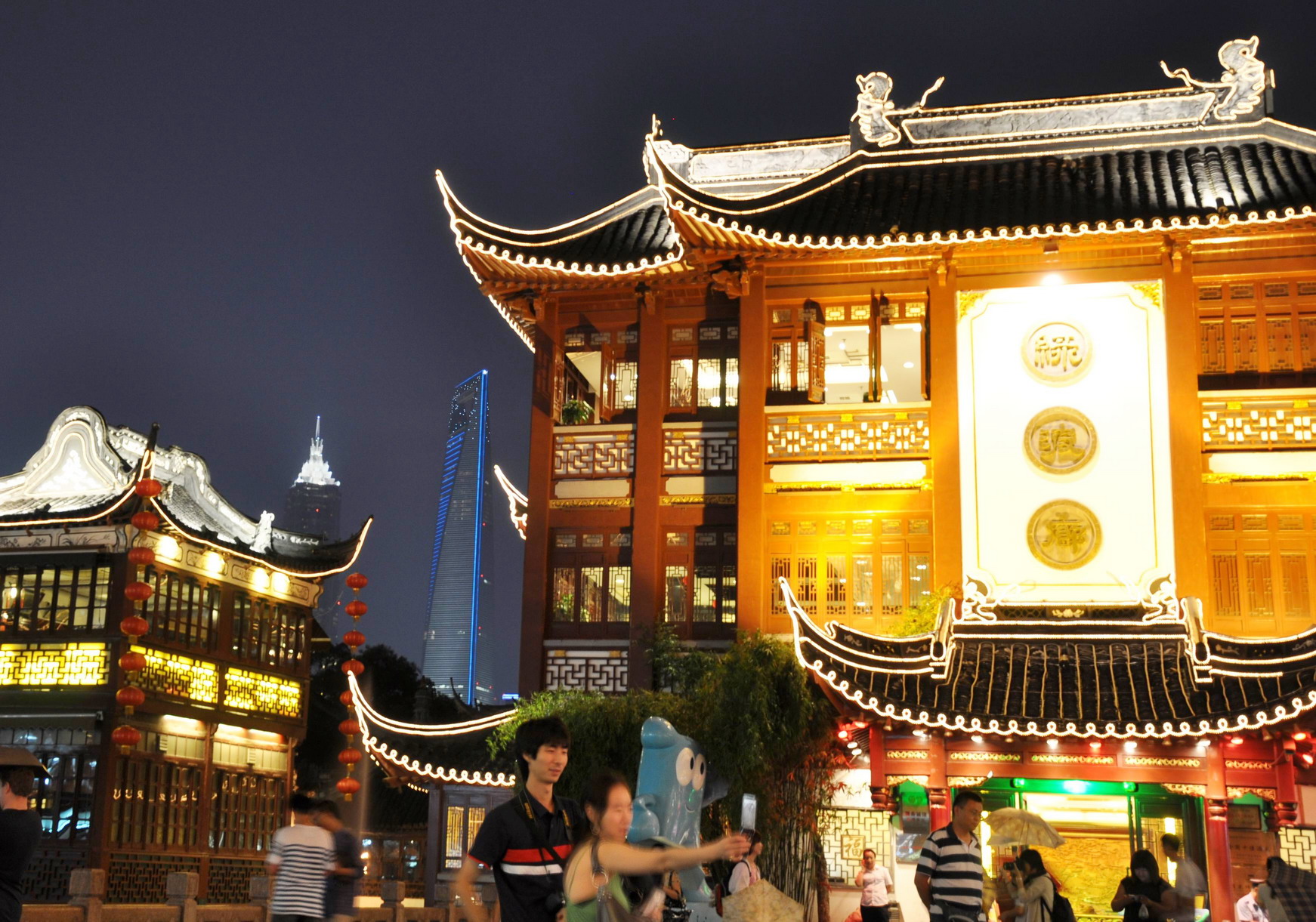
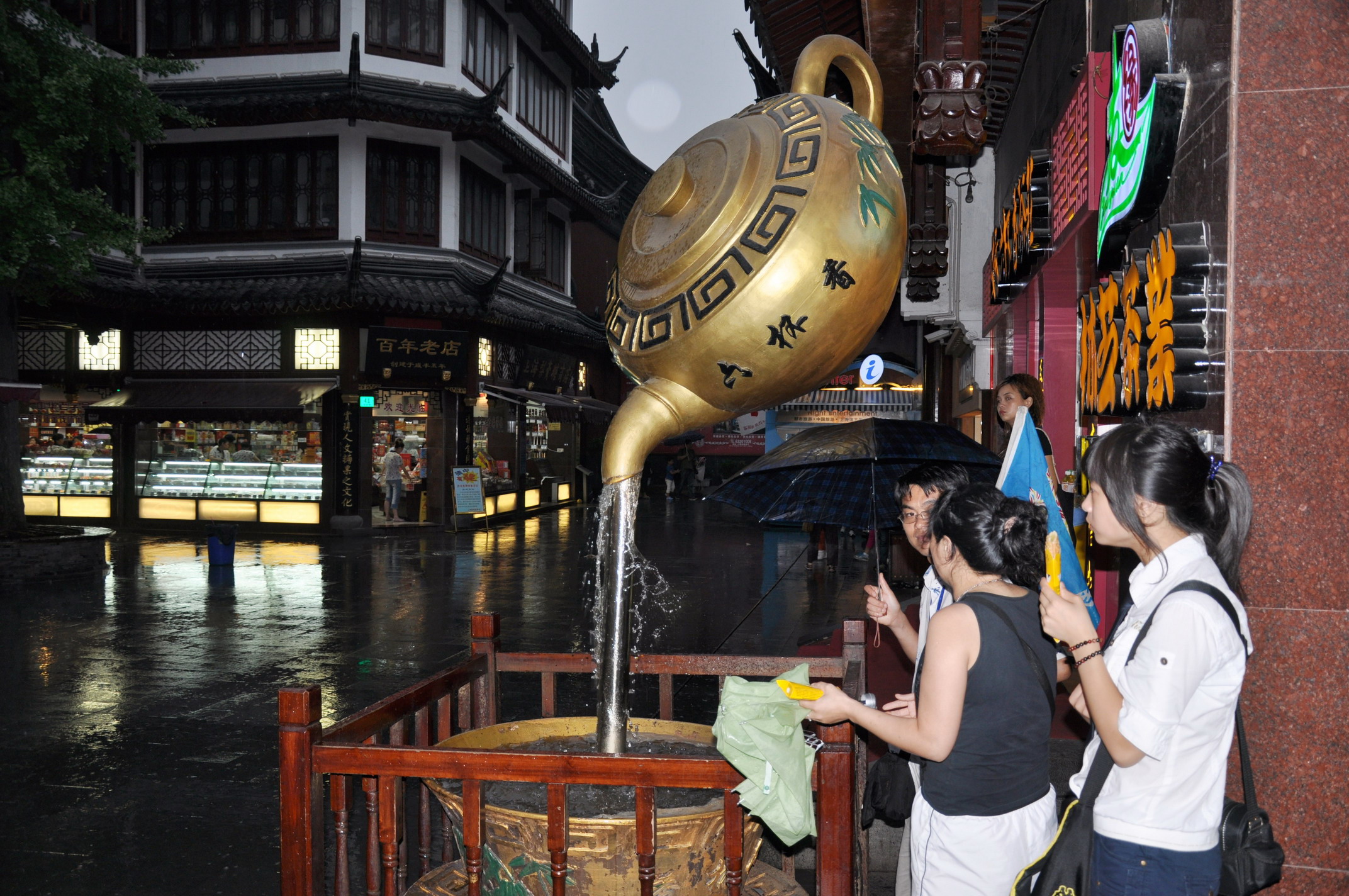
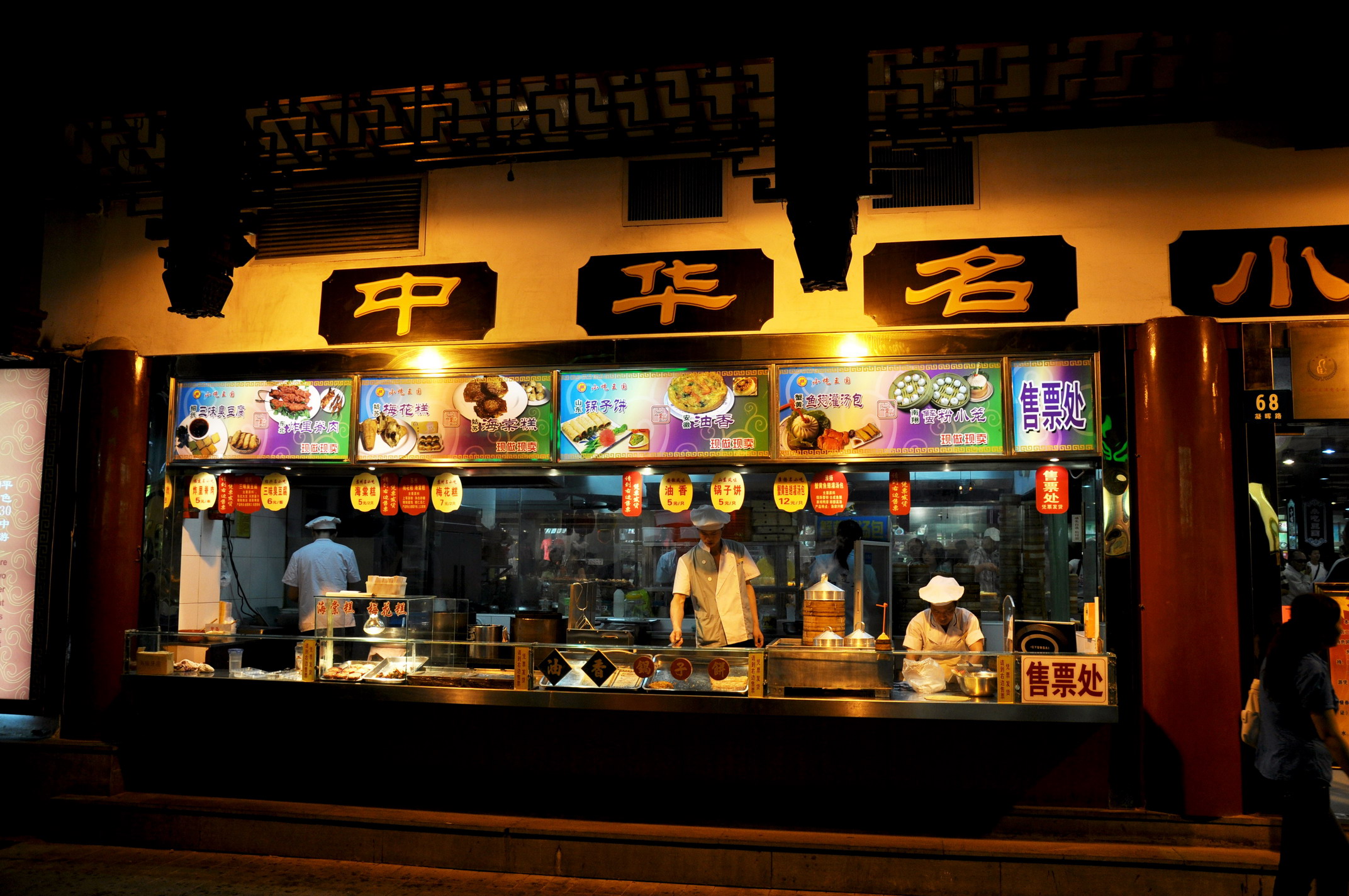
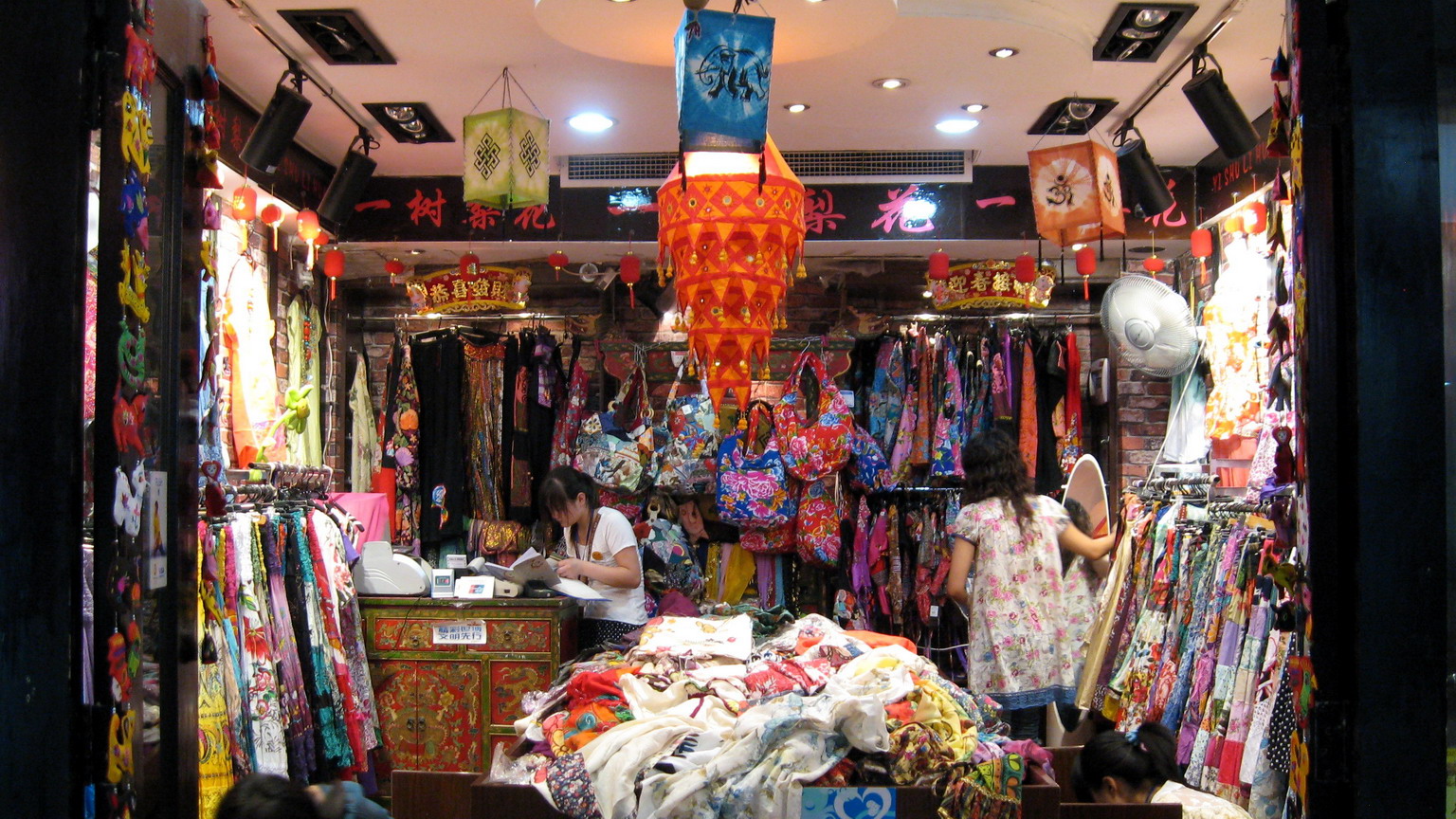
Life boiled over everywhere. The streets were packed with people. Touts tried to drag you into restaurants. Even more people were busy selling watches and laser pointers. I couldn’t work out why those were the things to hawk in such quantities. Sellers of fake global brands were especially tiresome. You couldn’t go a minute without being offered a Rolex for a hundred dollars.
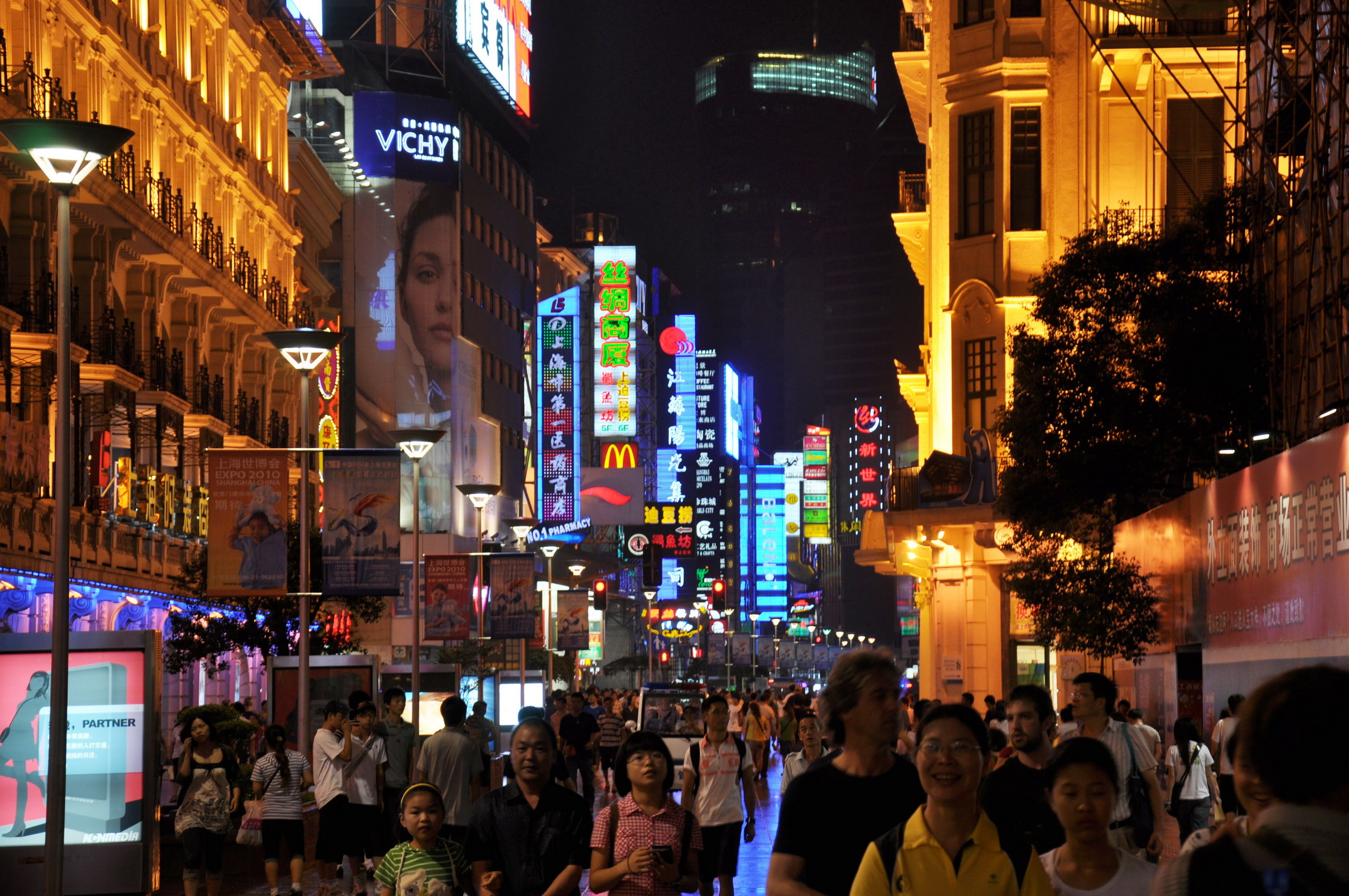
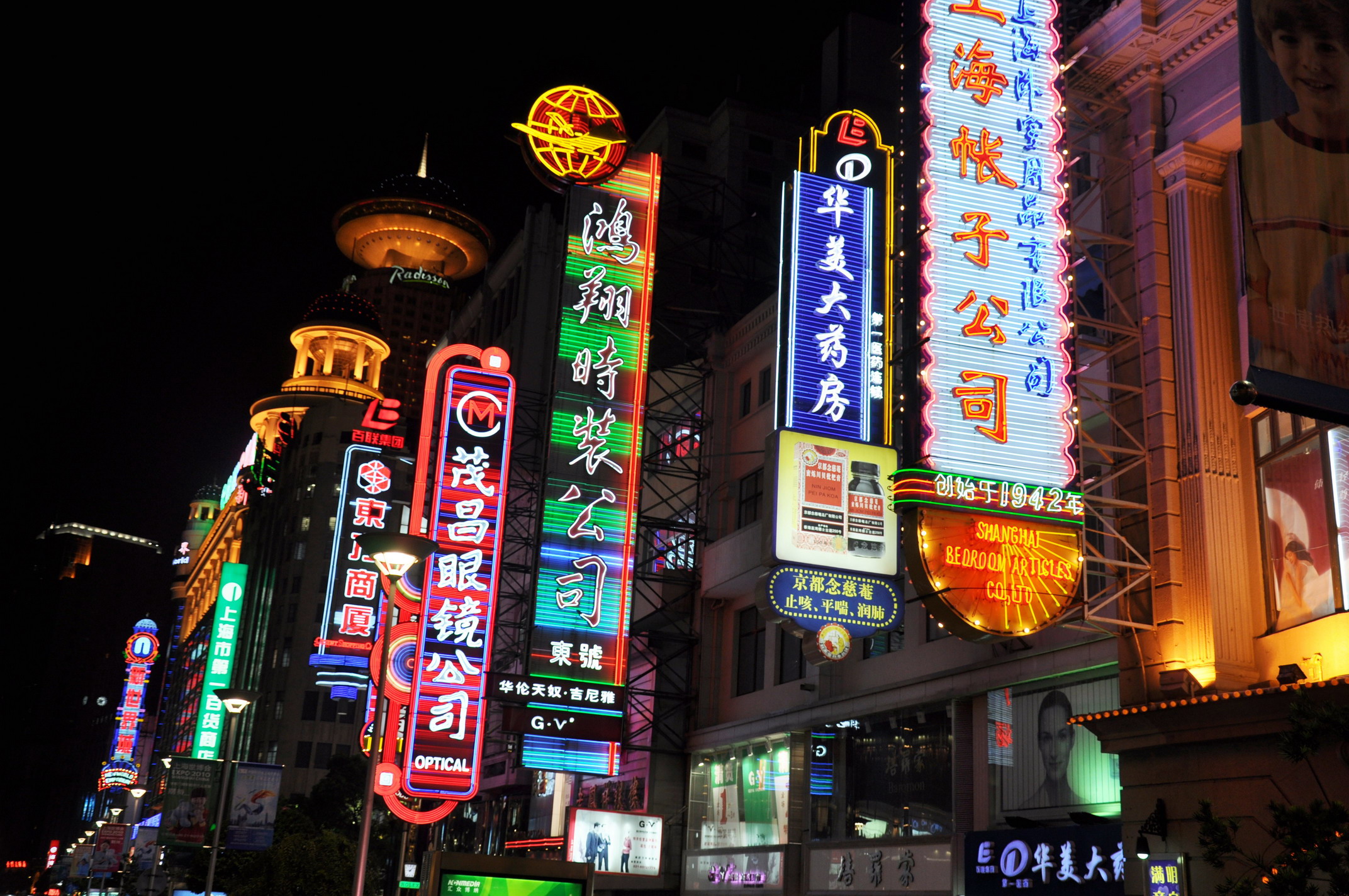
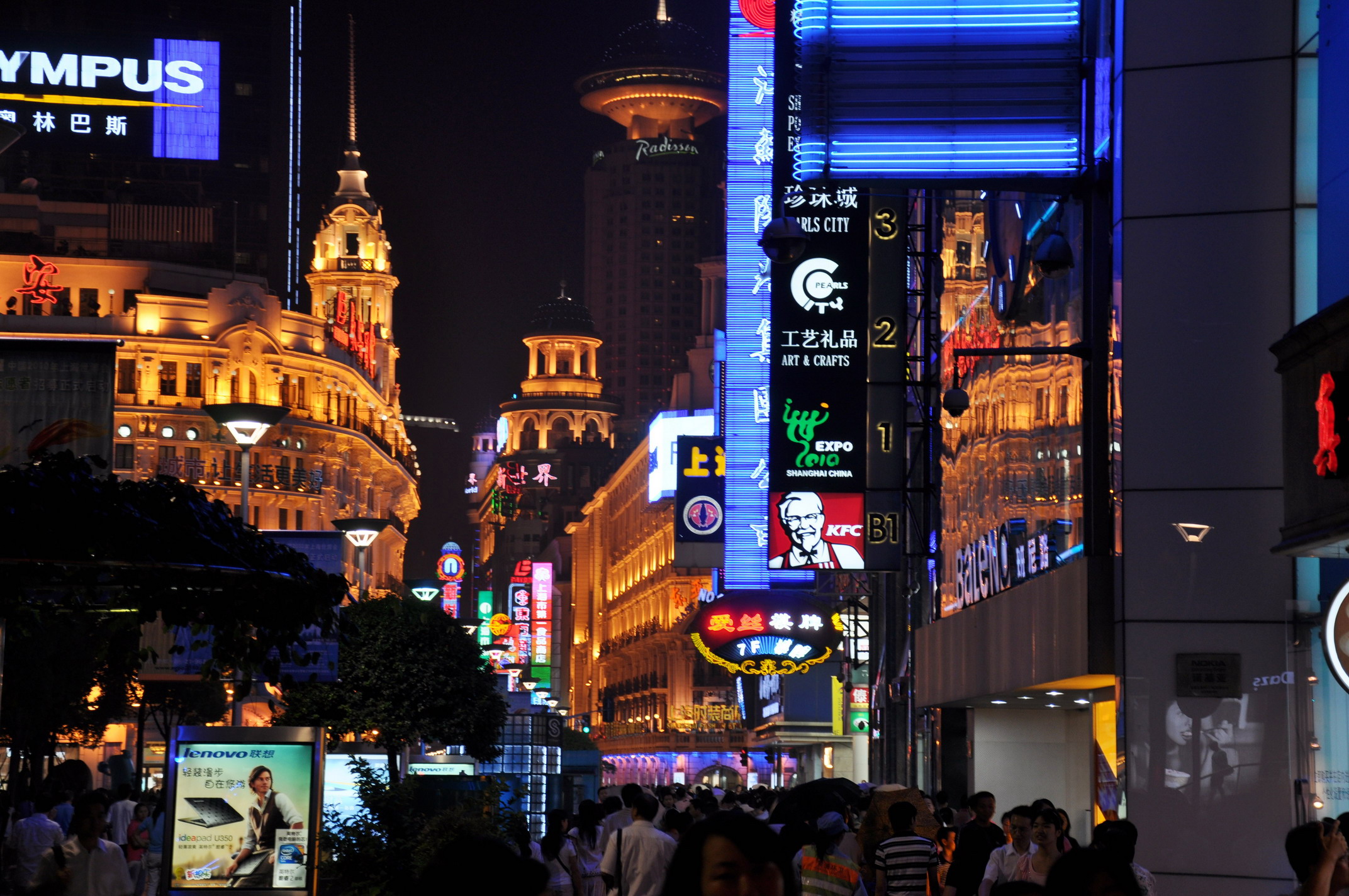
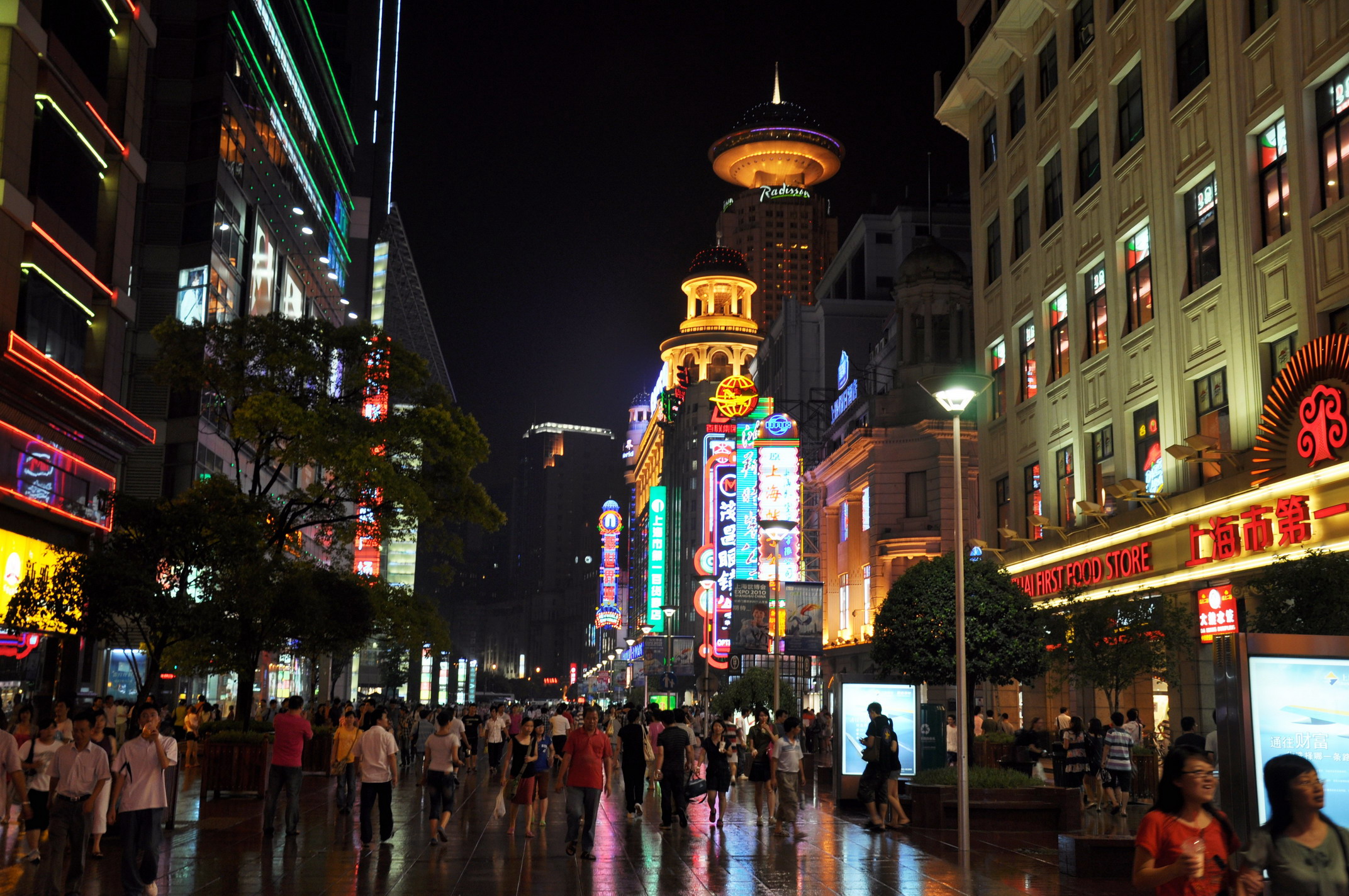
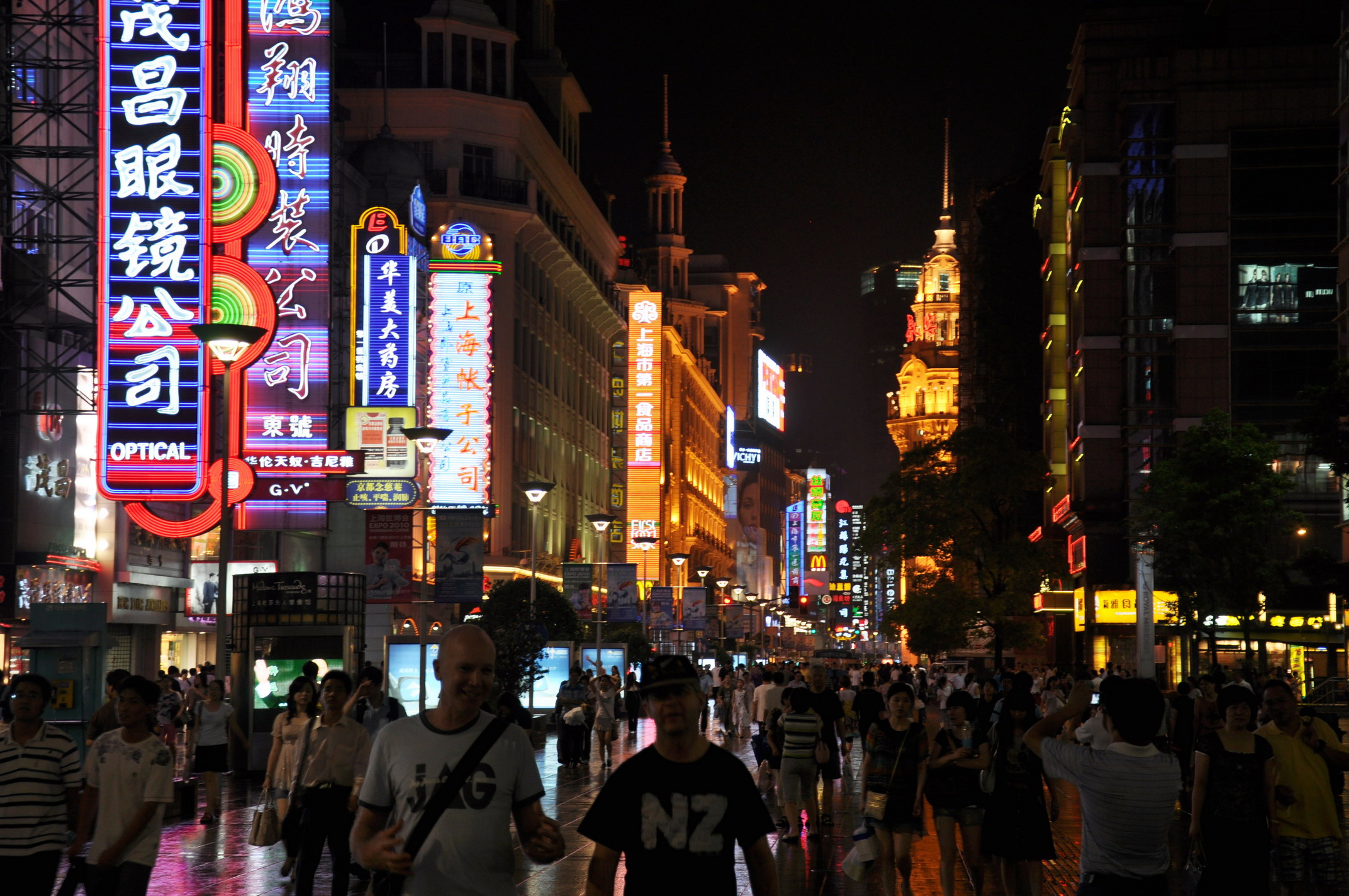
From the old town we walked to Nanjing Road. We had supper there and went on foot as far as the hotel near the Russian consulate, where a room had been reserved for us.
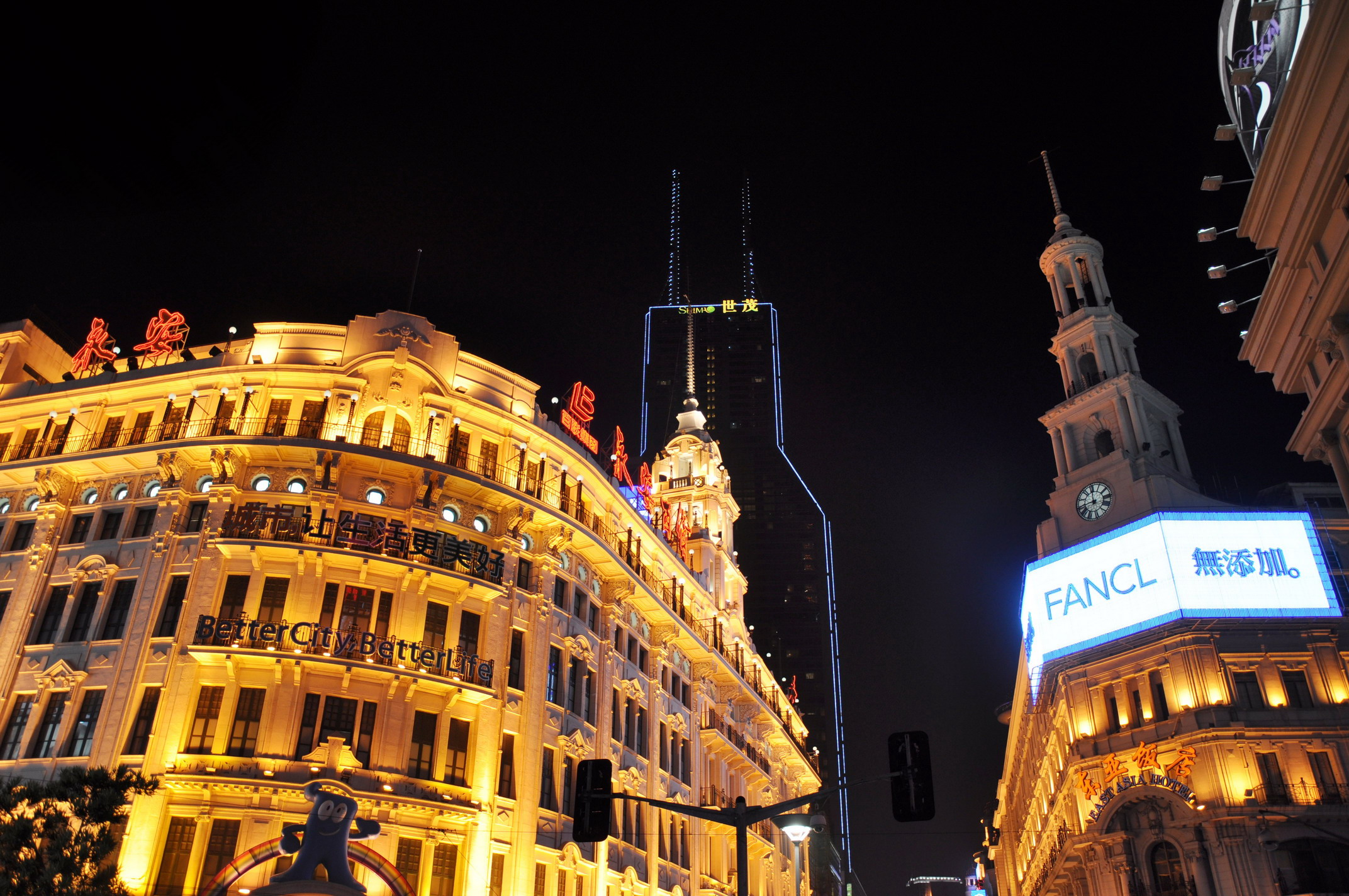
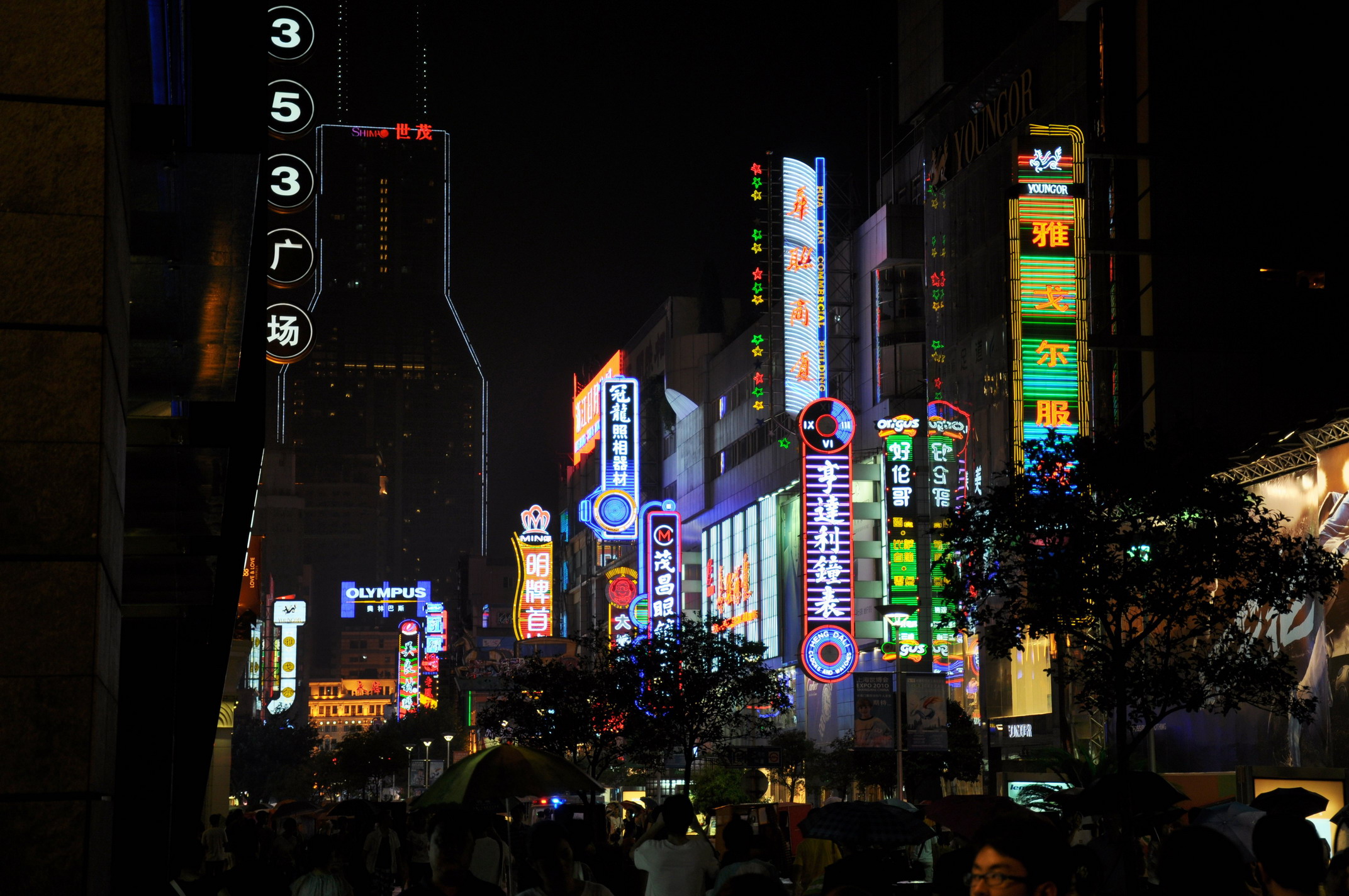
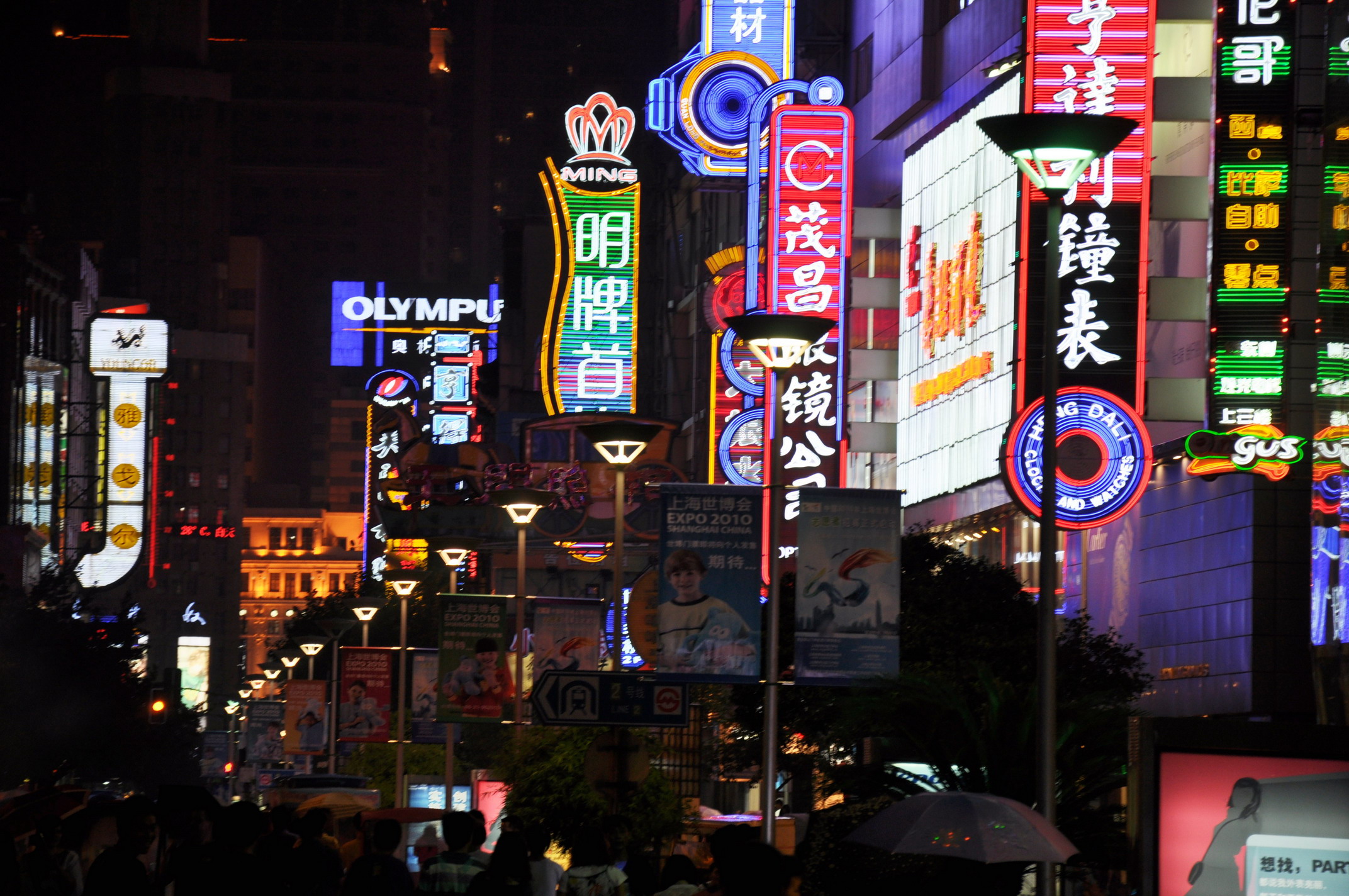
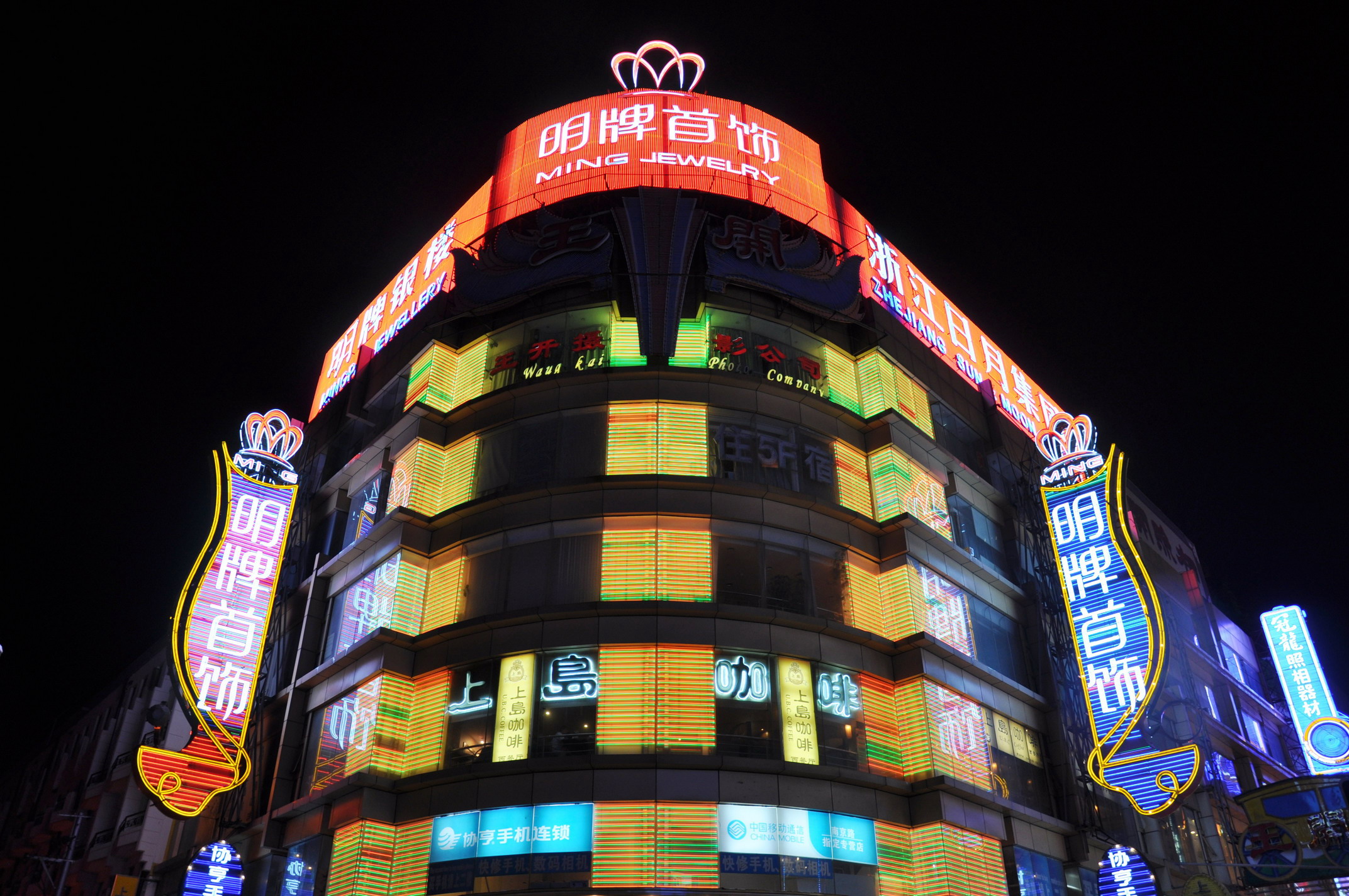
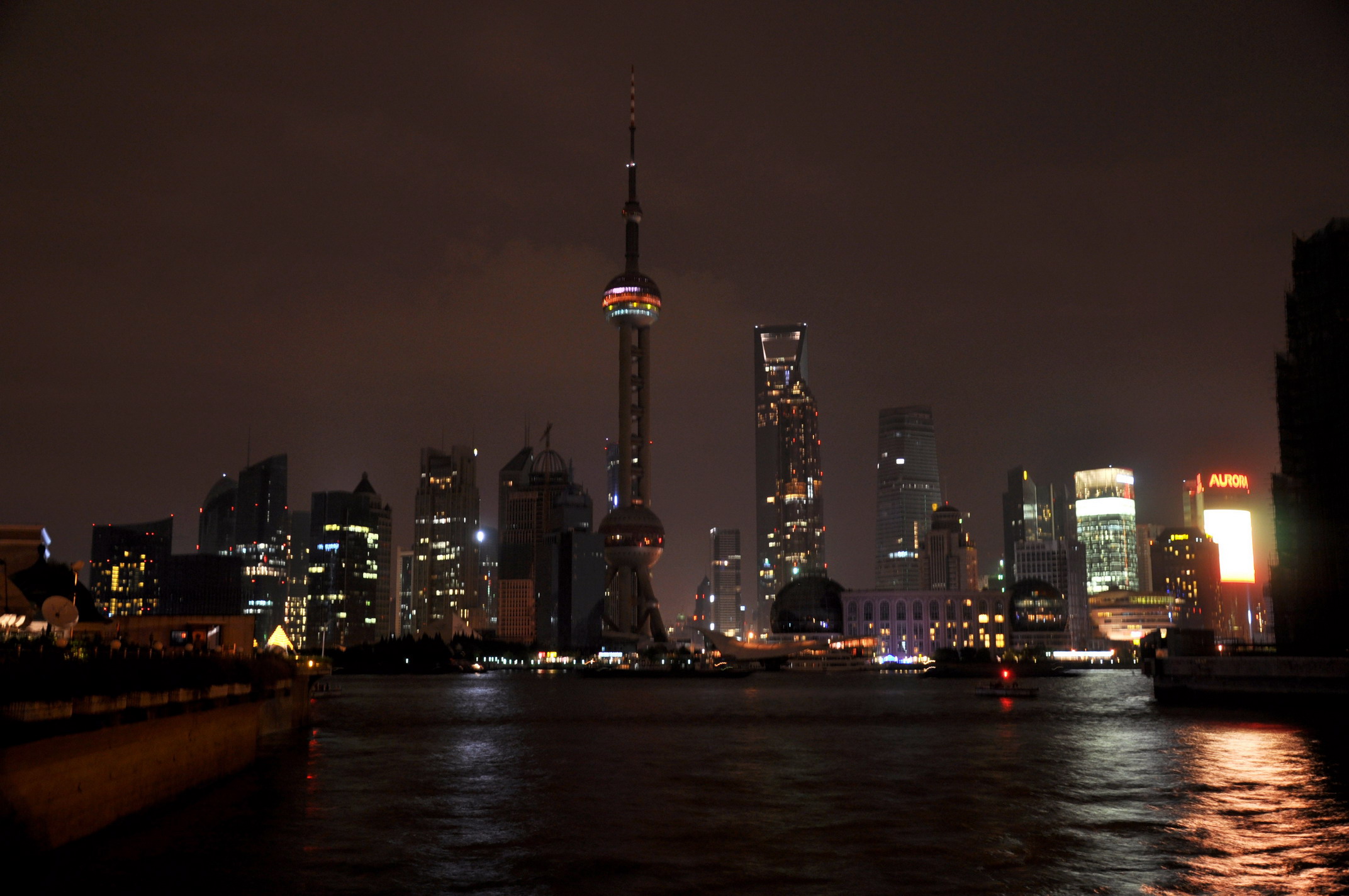
In the nineteenth century Shanghai had been an international city, with British and French concessions. Whole blocks of dense European-style buildings remain and remind me of European capitals. Now they sparkle with illuminated advertising. There are shops everywhere and the great outlines of skyscrapers beyond them.
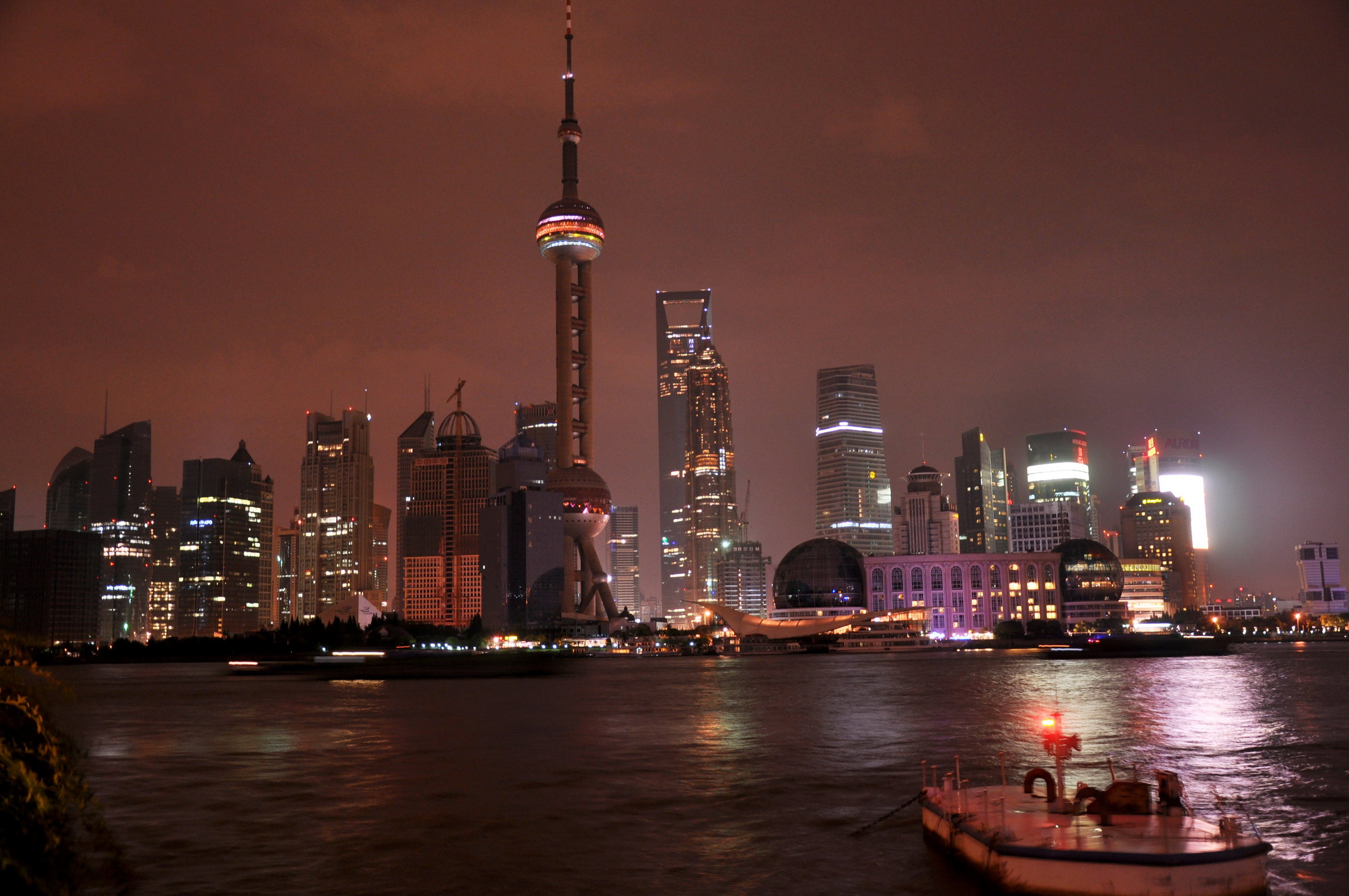
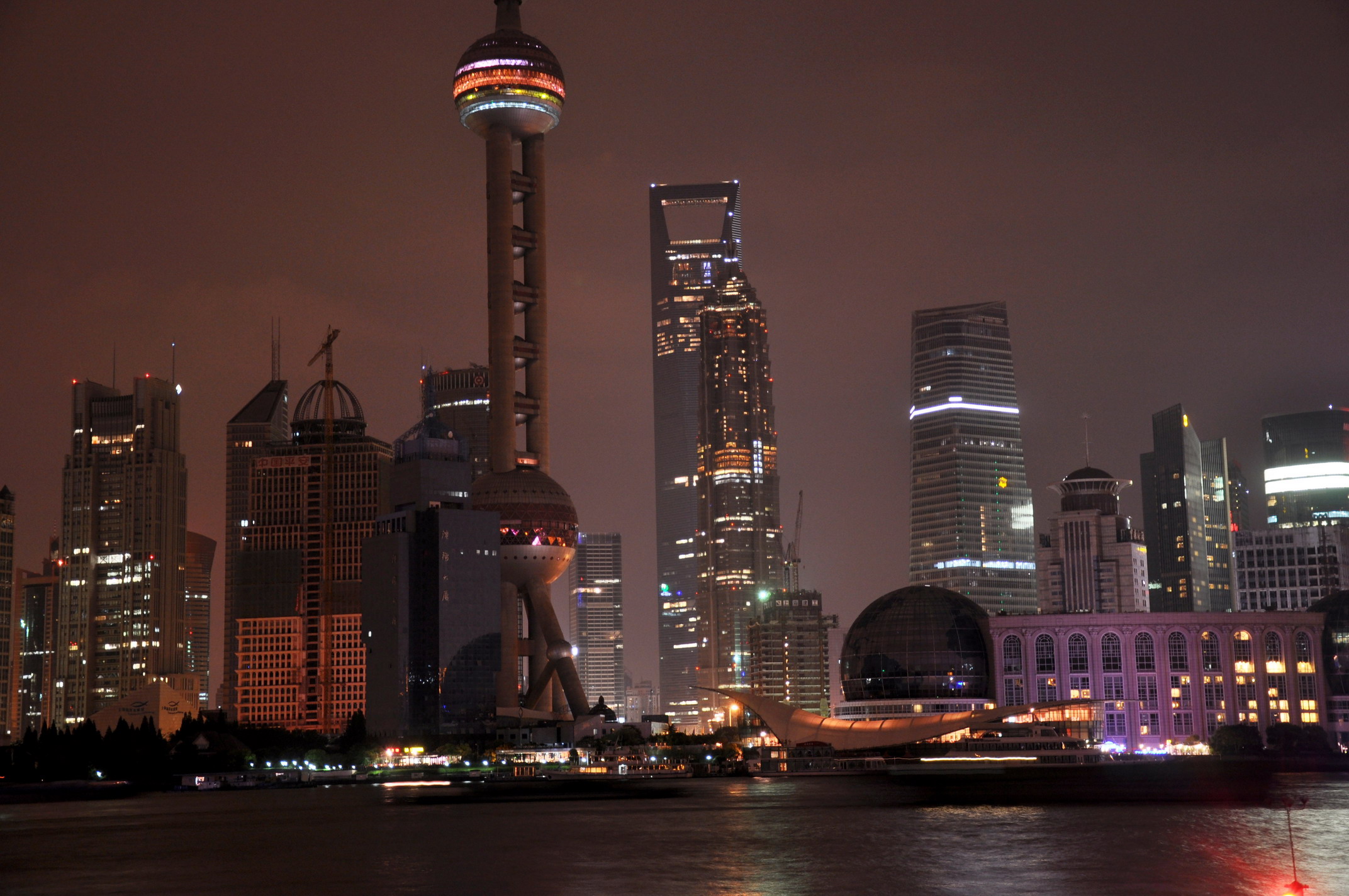
Modern Pudong, with the famous television tower you saw on posters about China’s achievements, rose where there had still been fields late in the twentieth century. There had been only a few skyscrapers at first, and now construction was under way everywhere again. The city had to get ready for Expo. As in Russia, China loved a bit of show and a grand programme. They were working to a deadline, and an English-language newspaper at the hotel said there were two million migrant workers in Shanghai. I imagined them all coming in from the far western reaches of China and its neighbours.
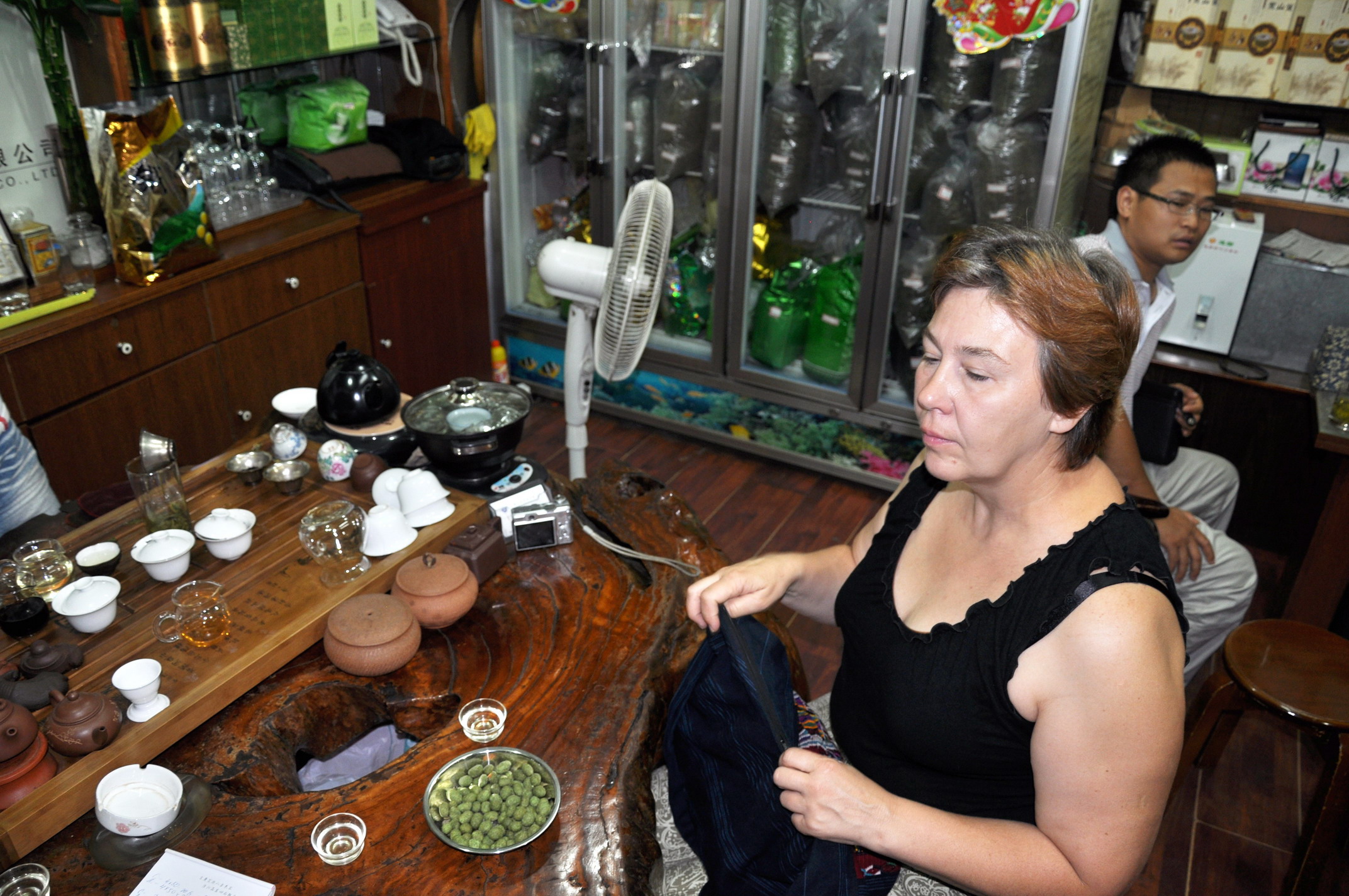
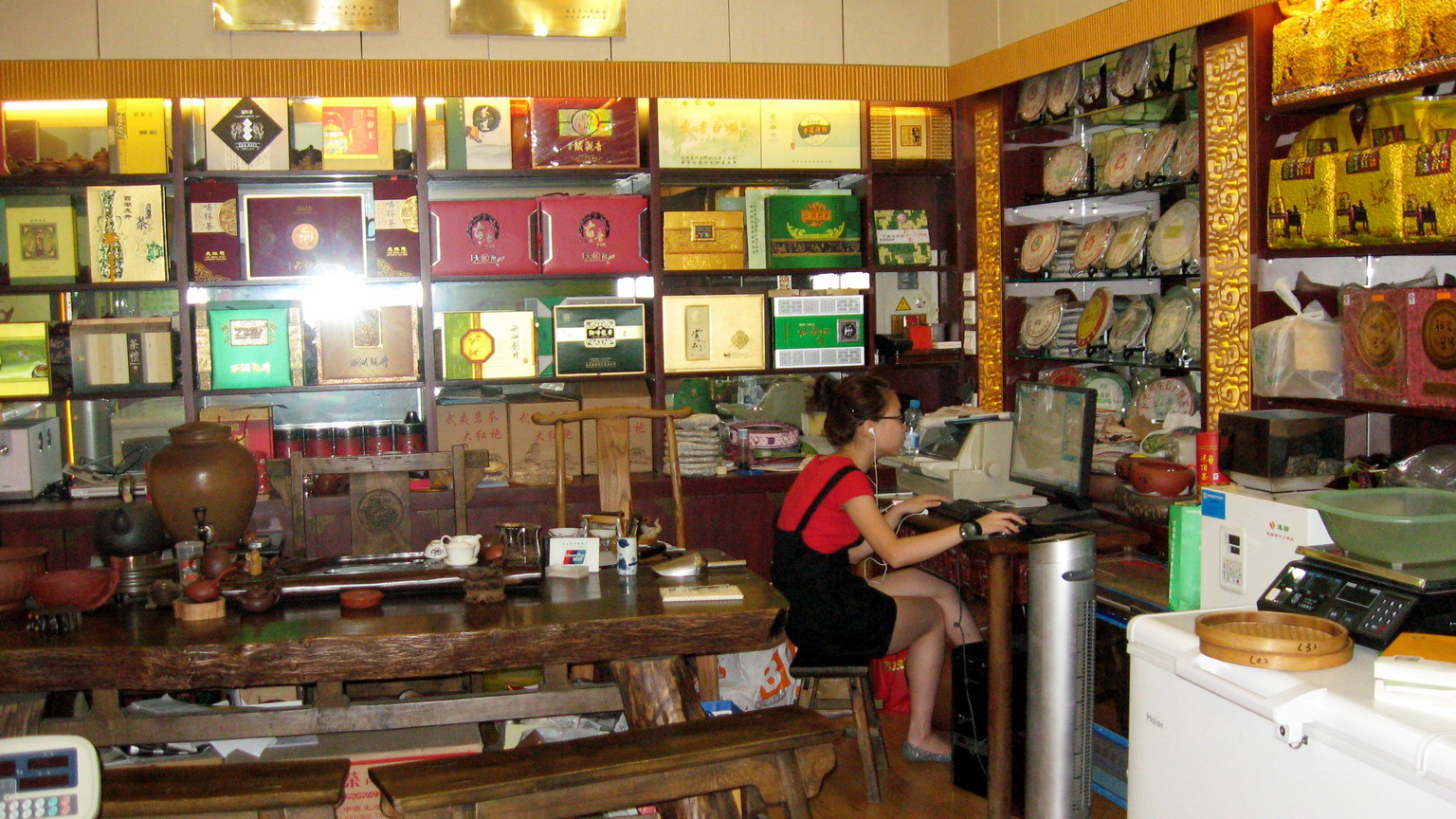
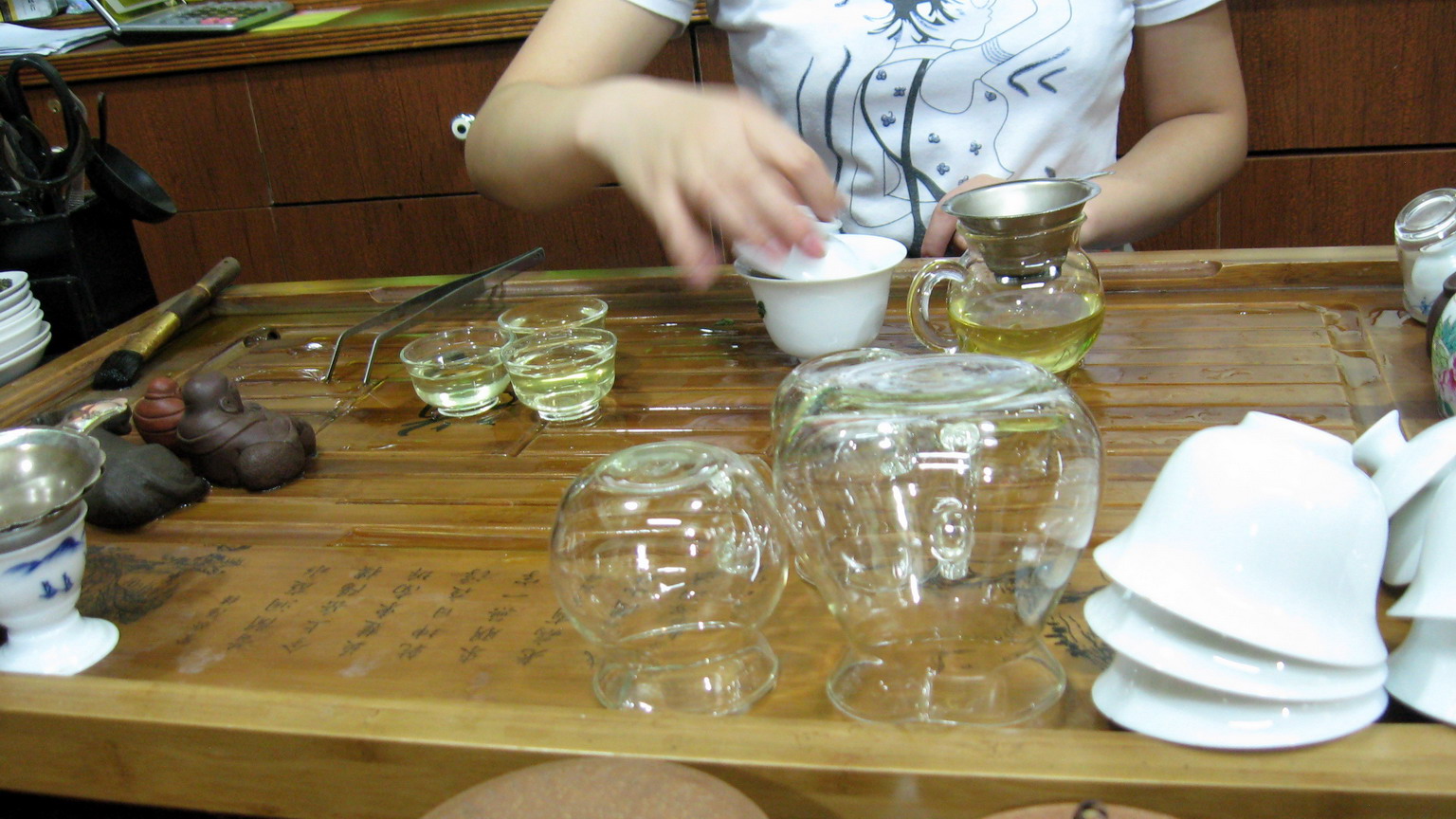
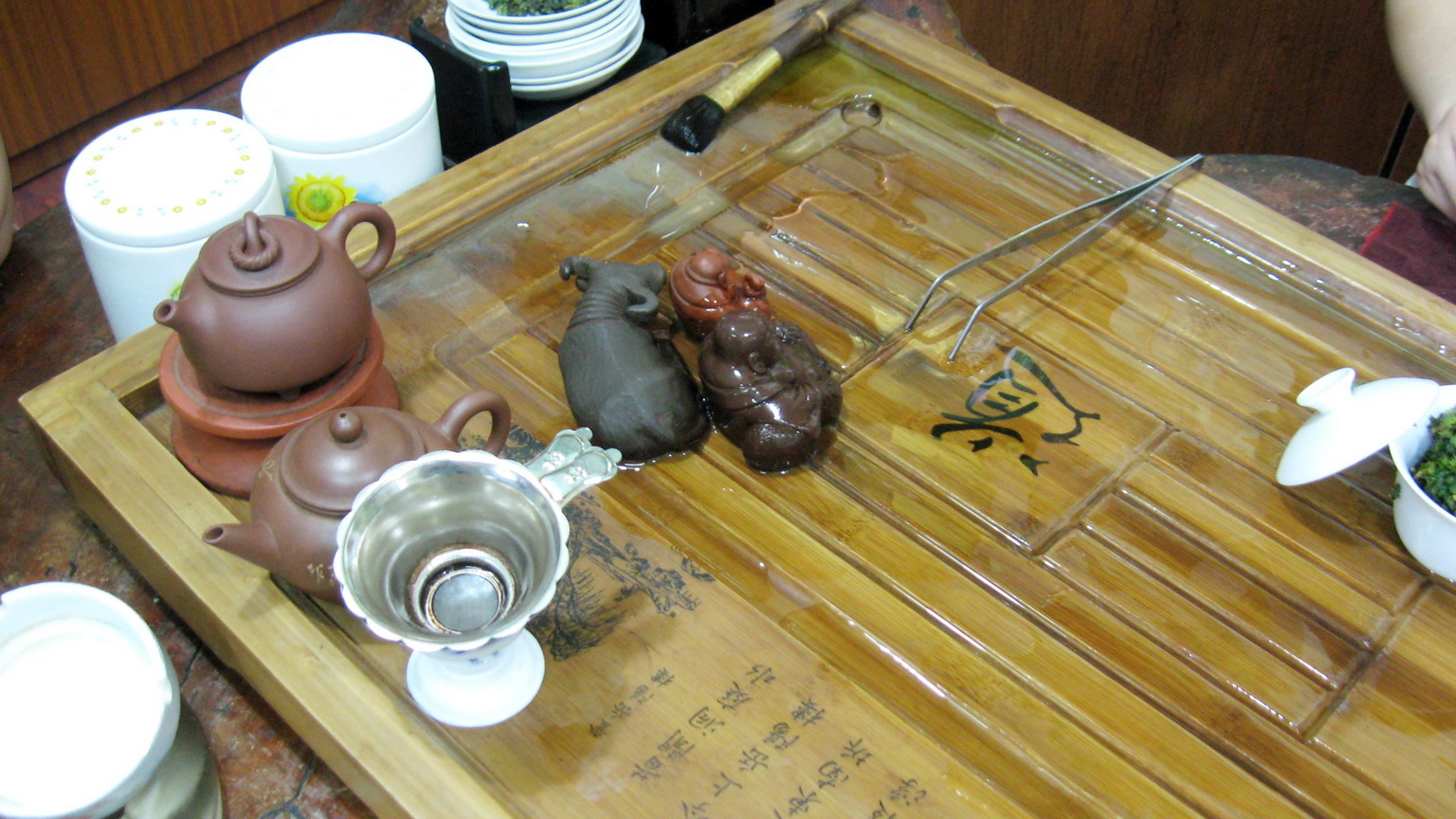
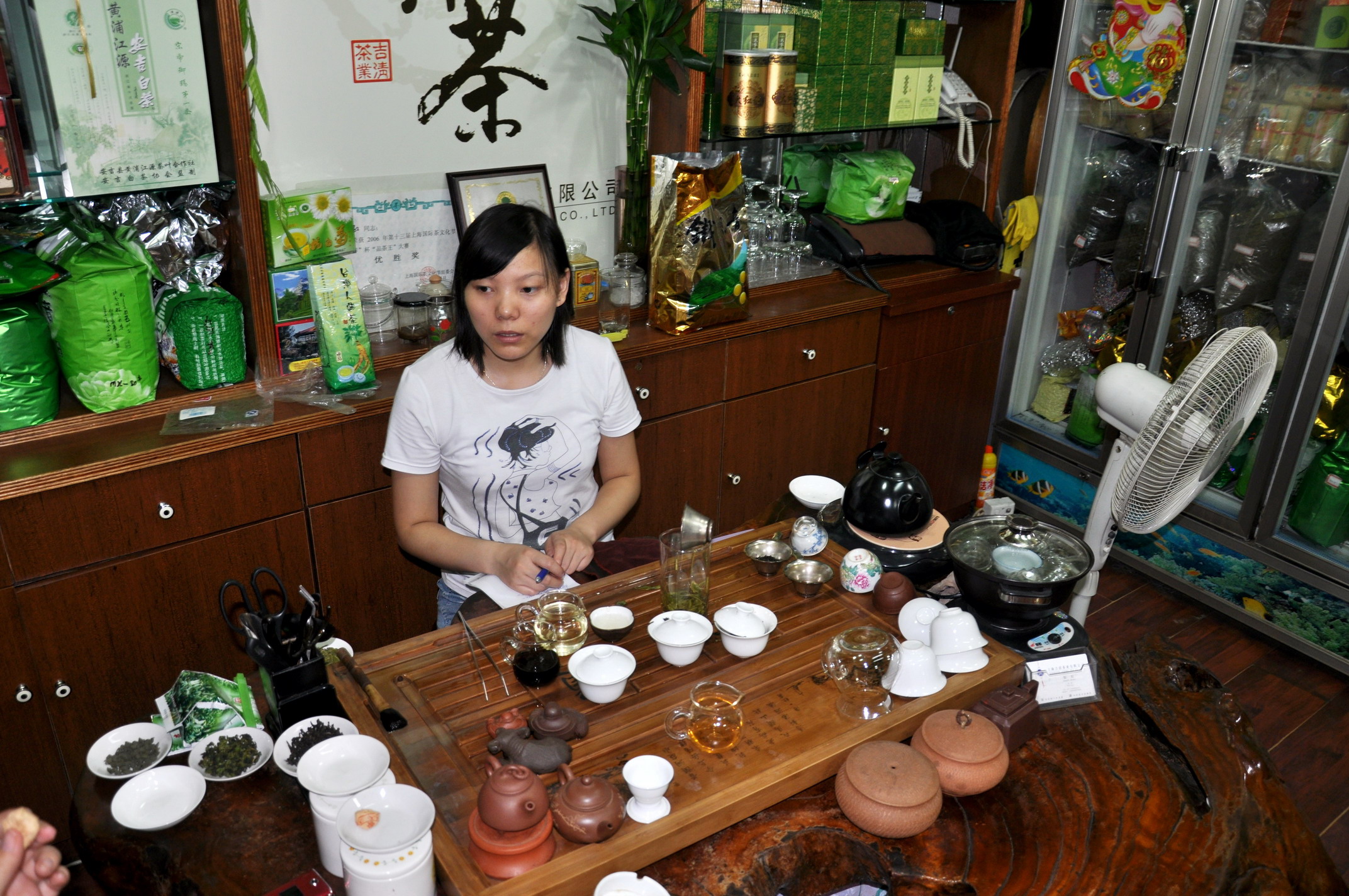
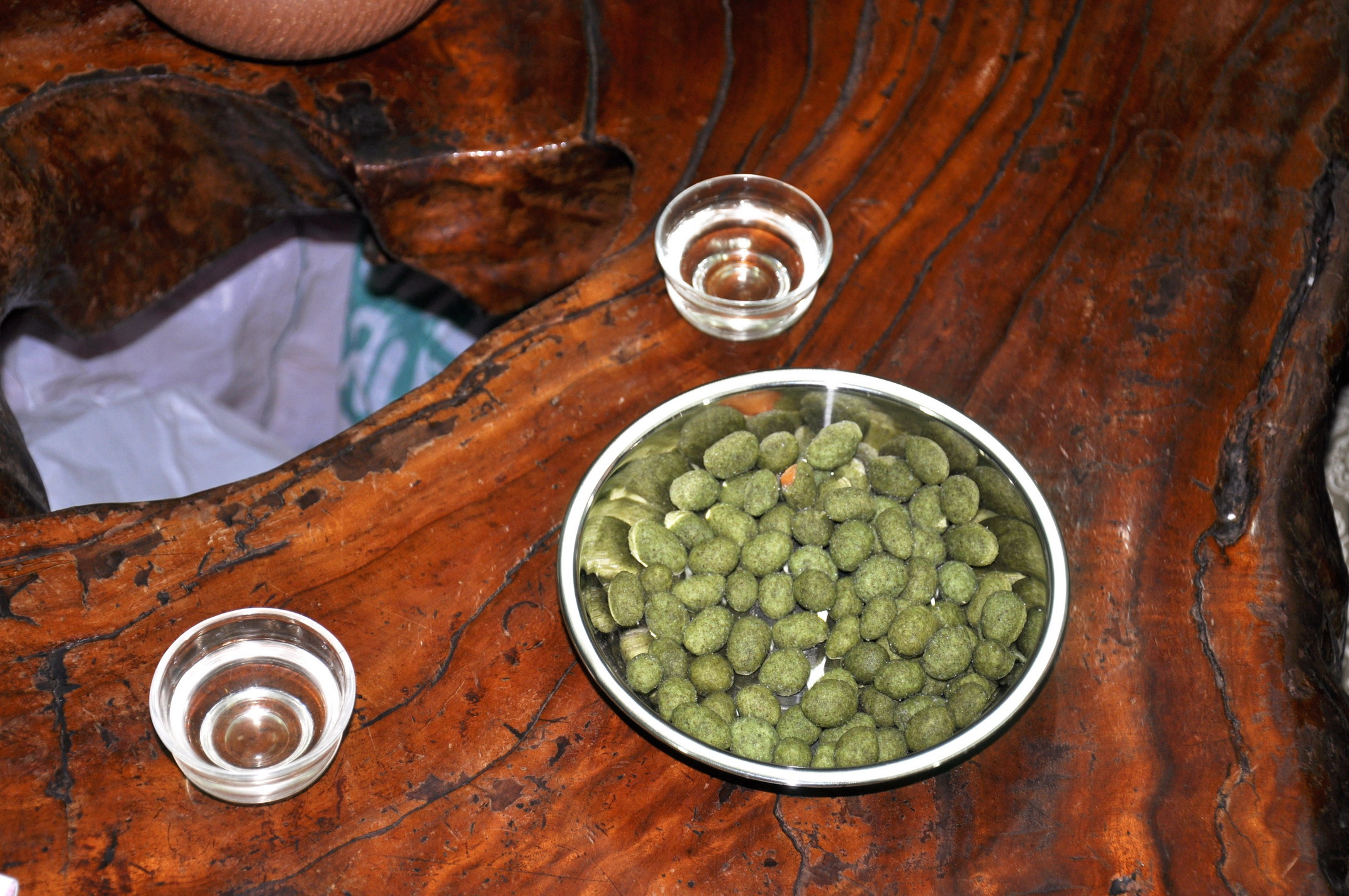
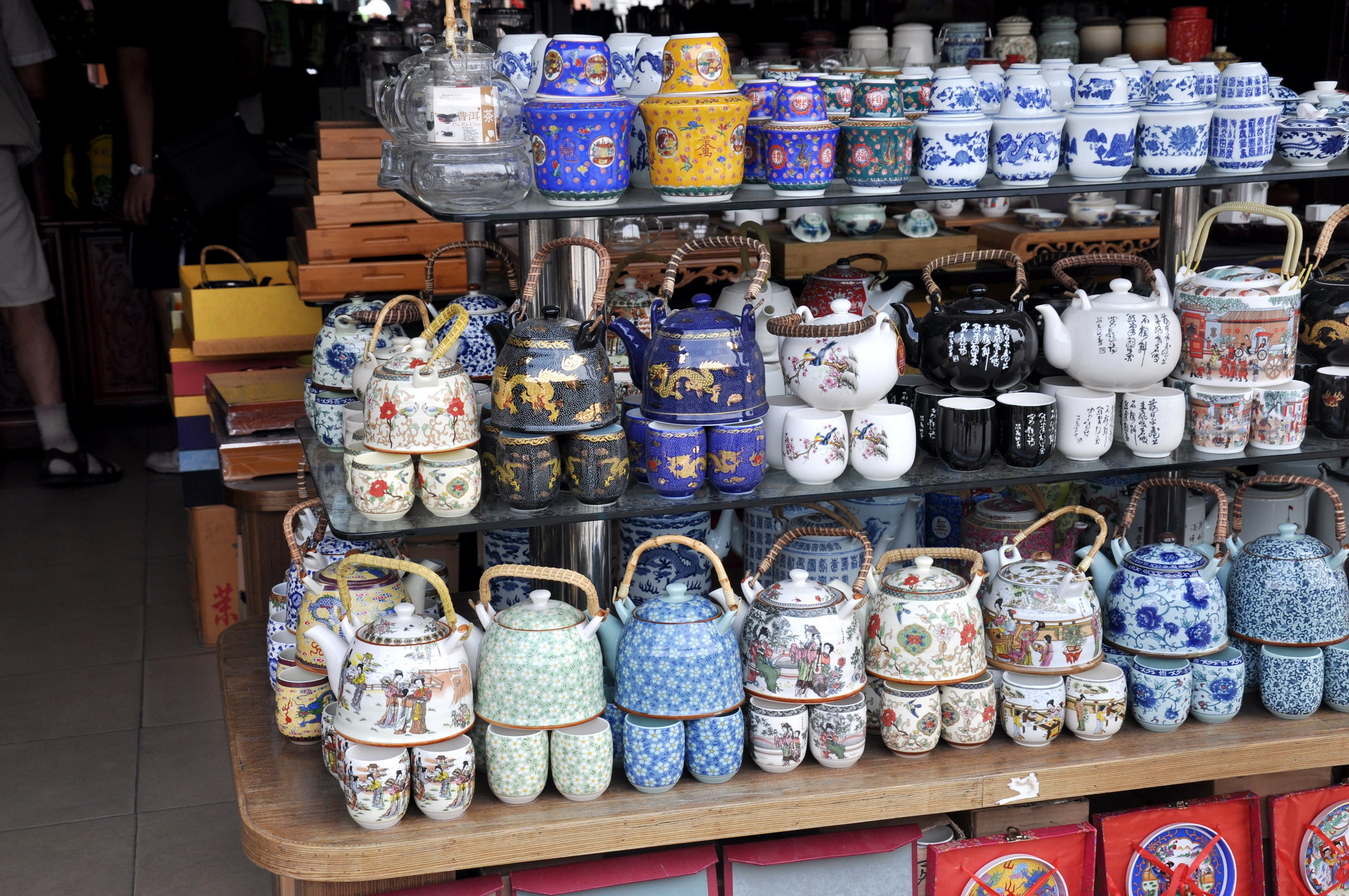
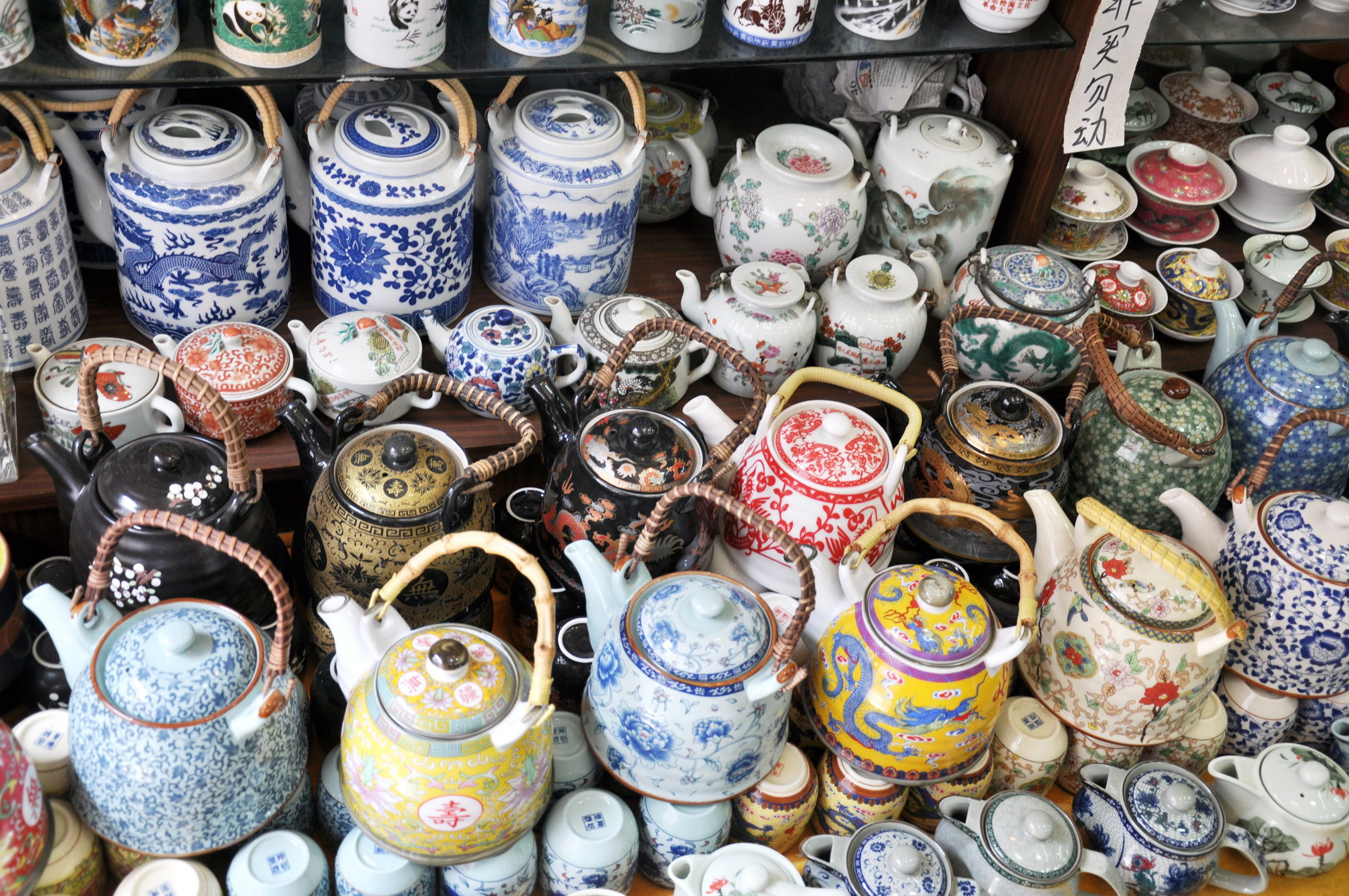
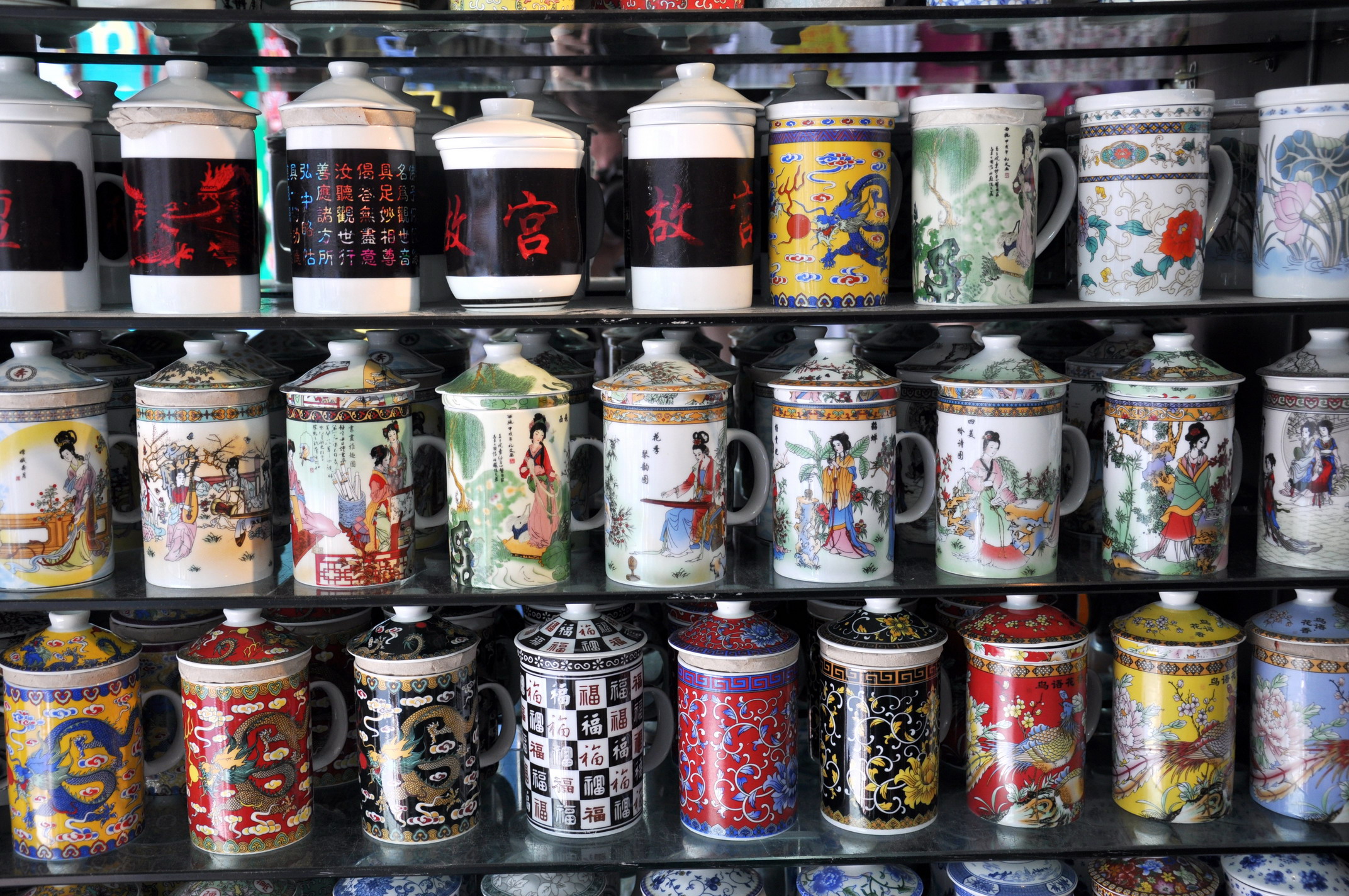
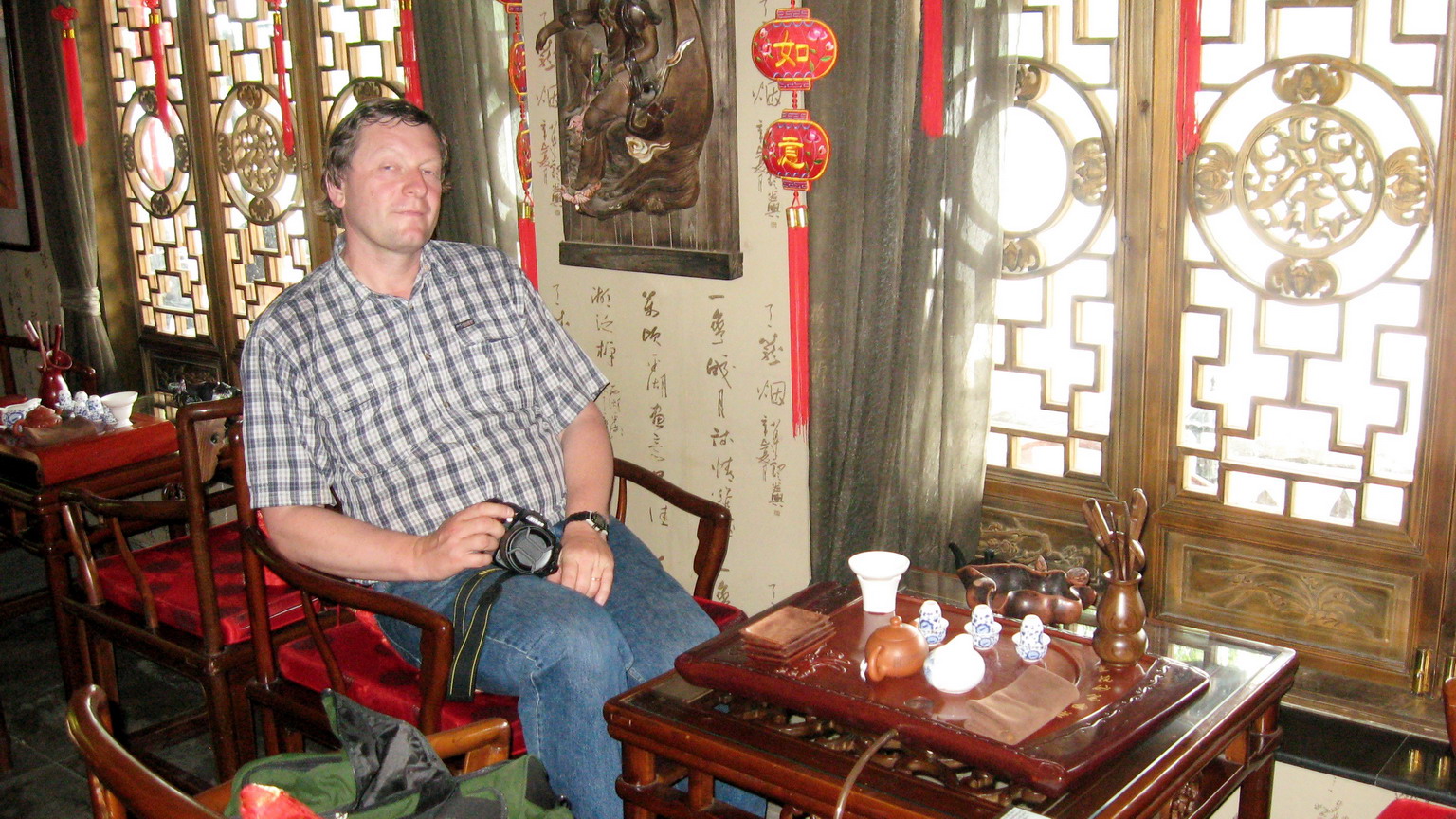
In the morning they took us to a tea shop, where you could try every kind of tea, pick one you liked and buy it. I like green tea and took a couple of kilograms.
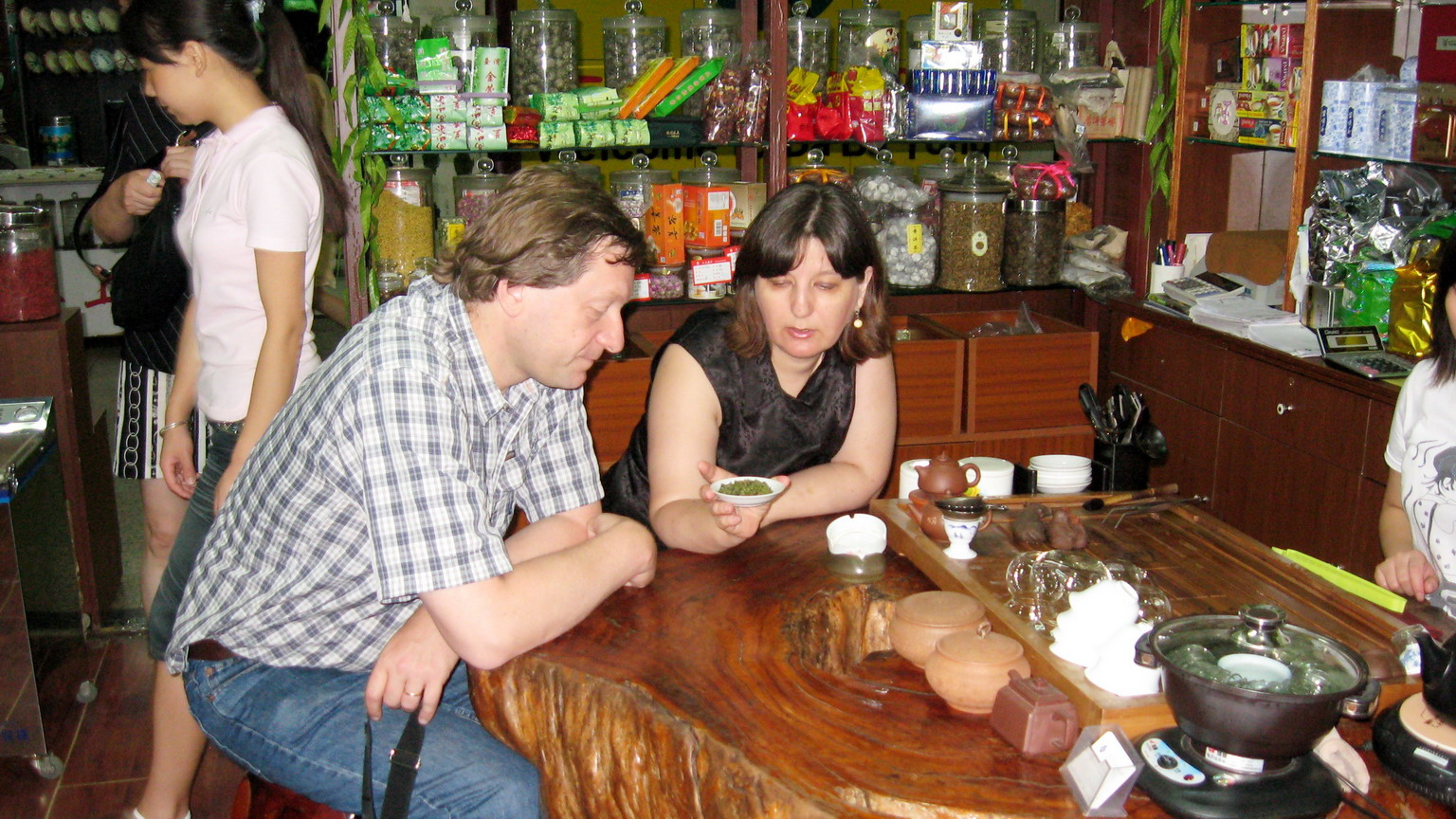
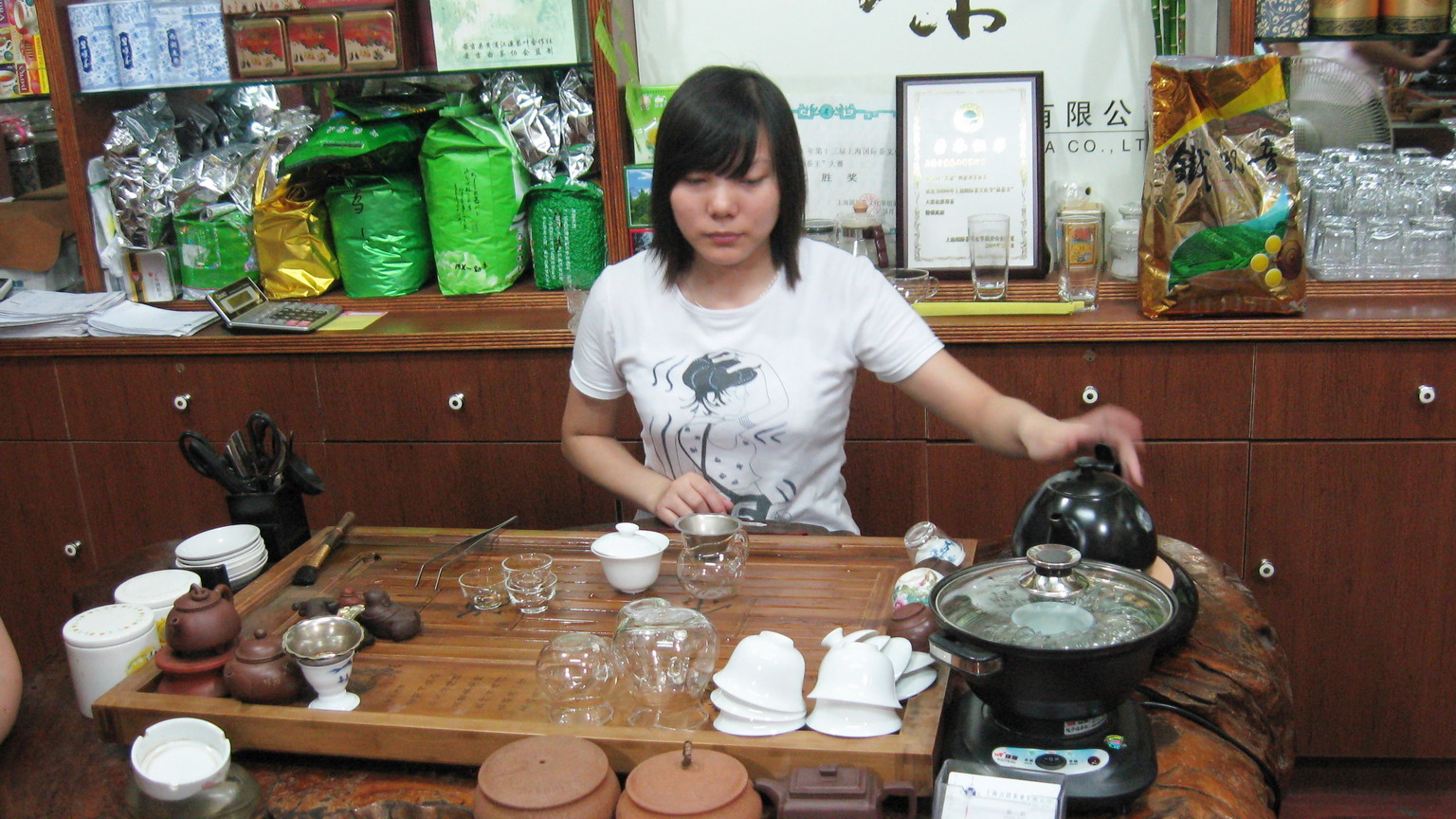
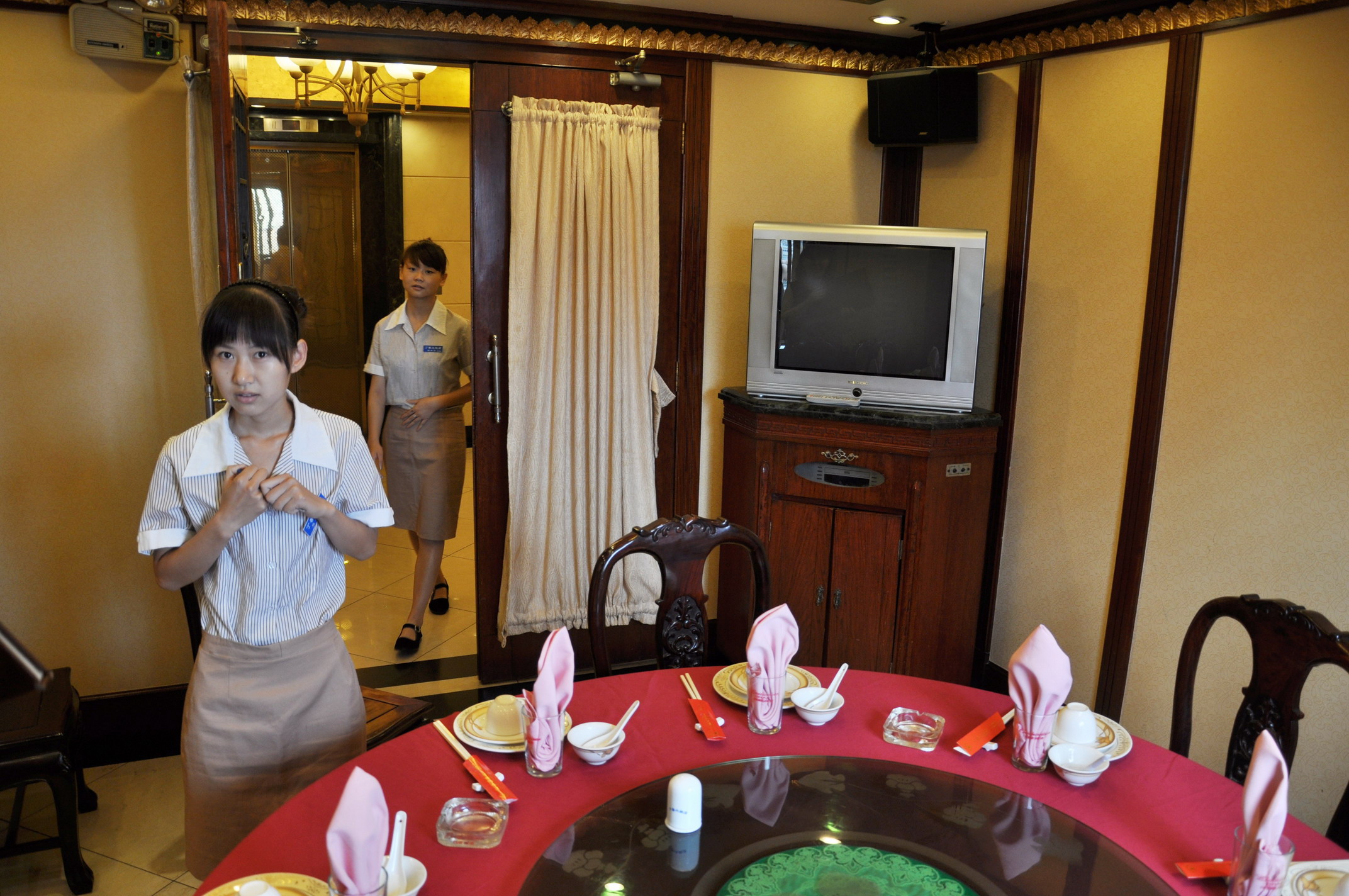
Next on the programme was lunch at a Chinese restaurant, a real one where you could choose from all sorts of worms, sea creatures or snakes. I’d long wanted to eat a snake and decided my time had come. They even let me pick a snake and then hold it in my hands. They told me it was venomous. I held onto it so tightly that the poor creature was sick.
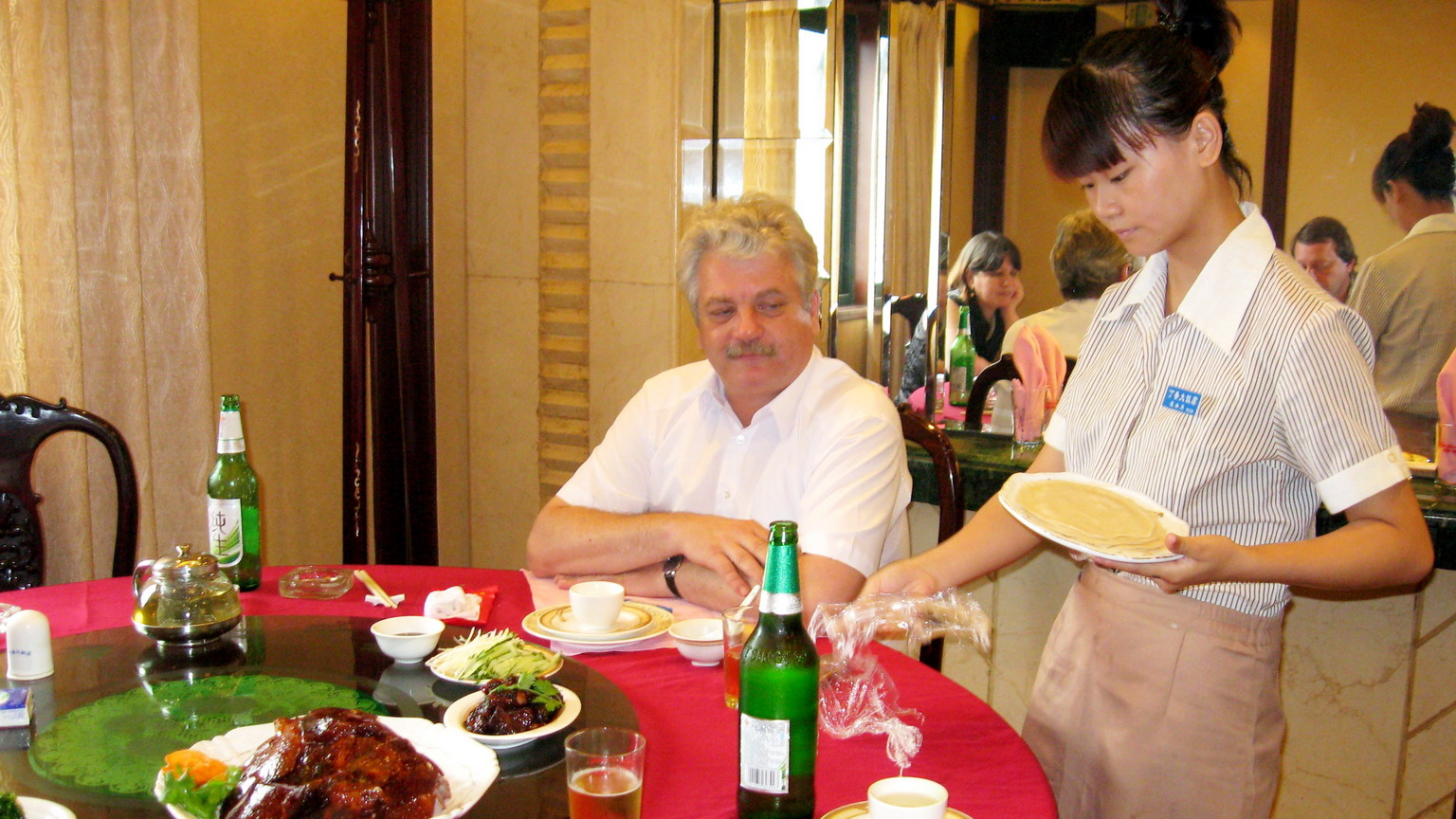
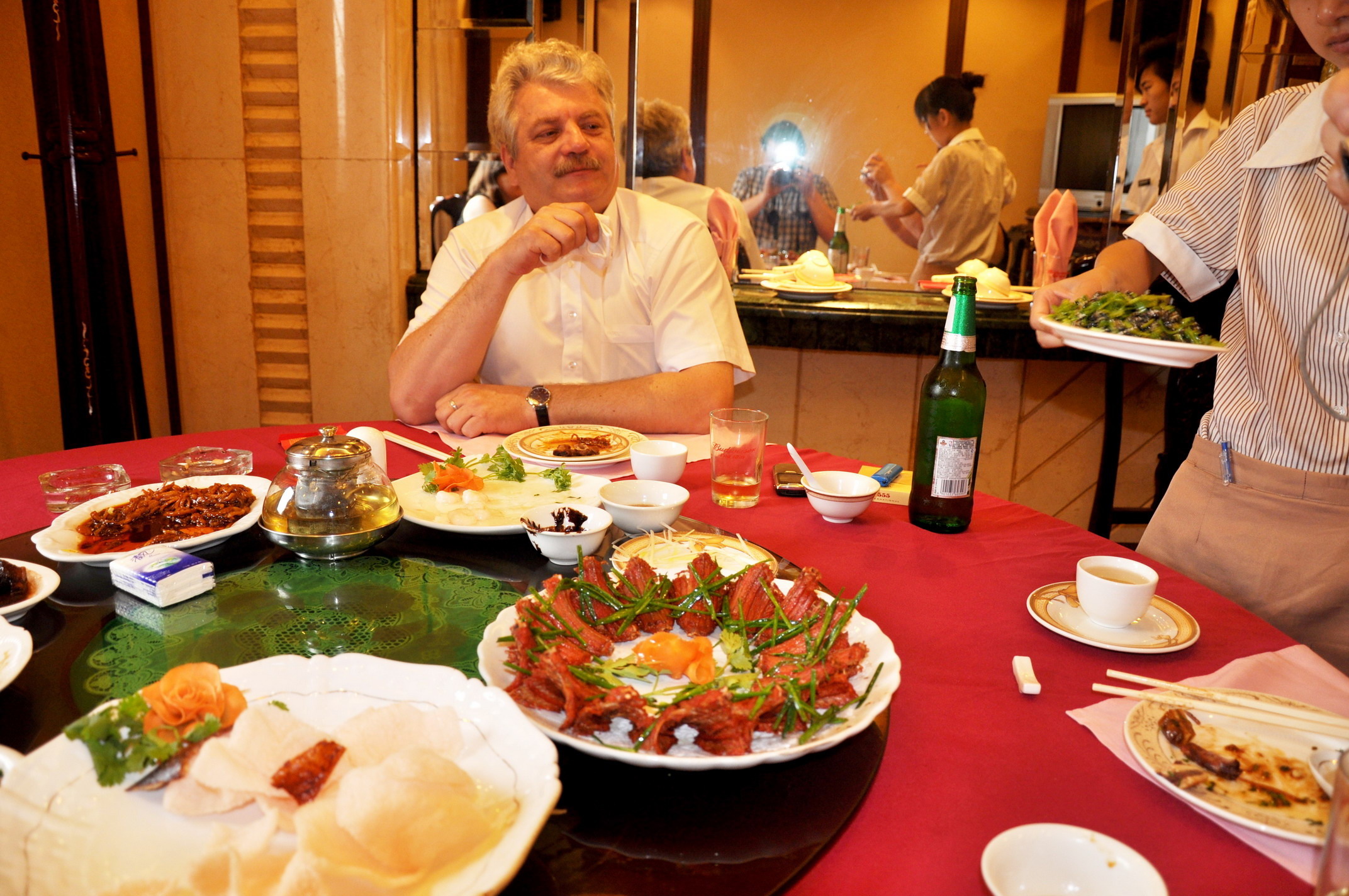
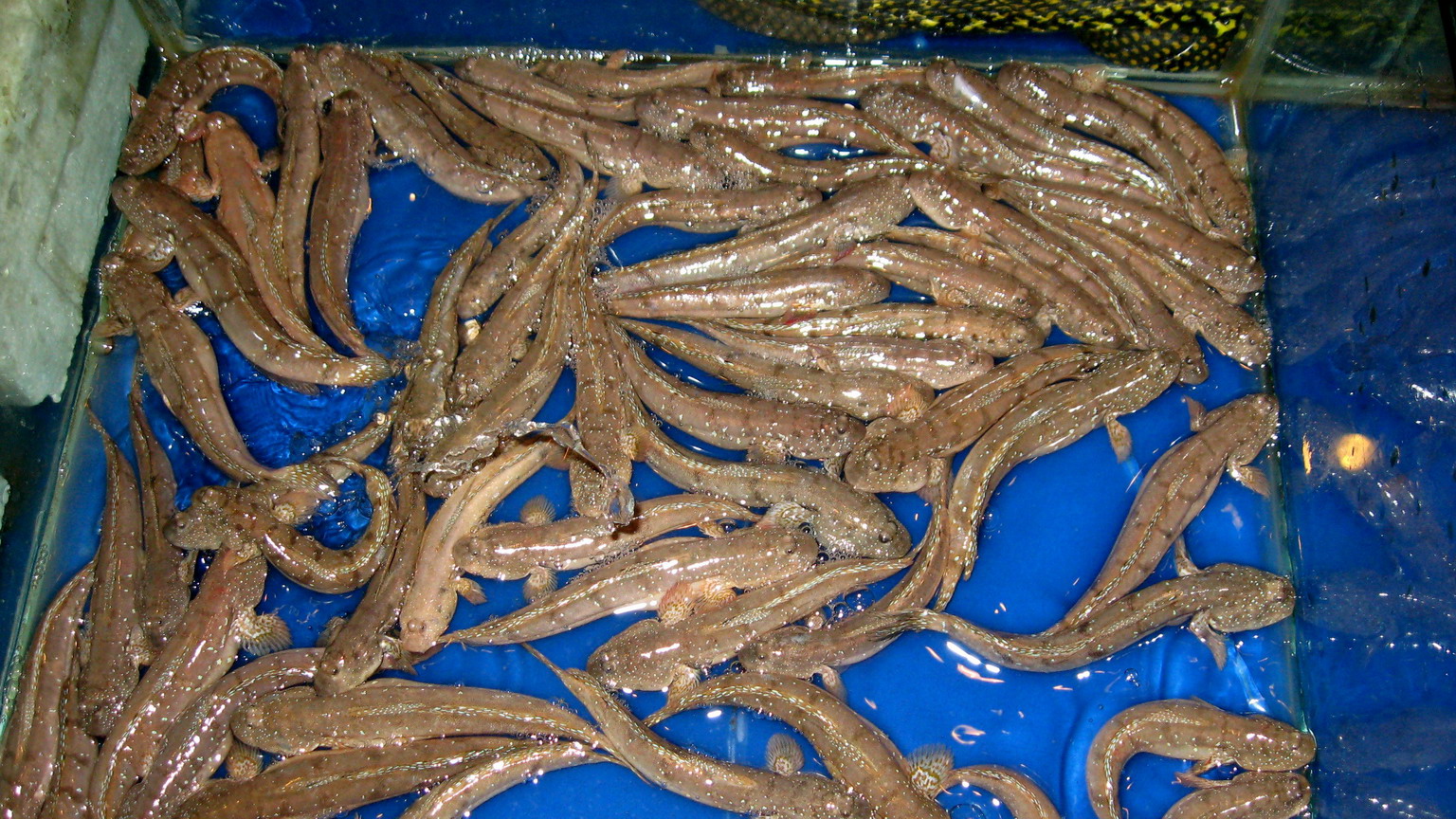
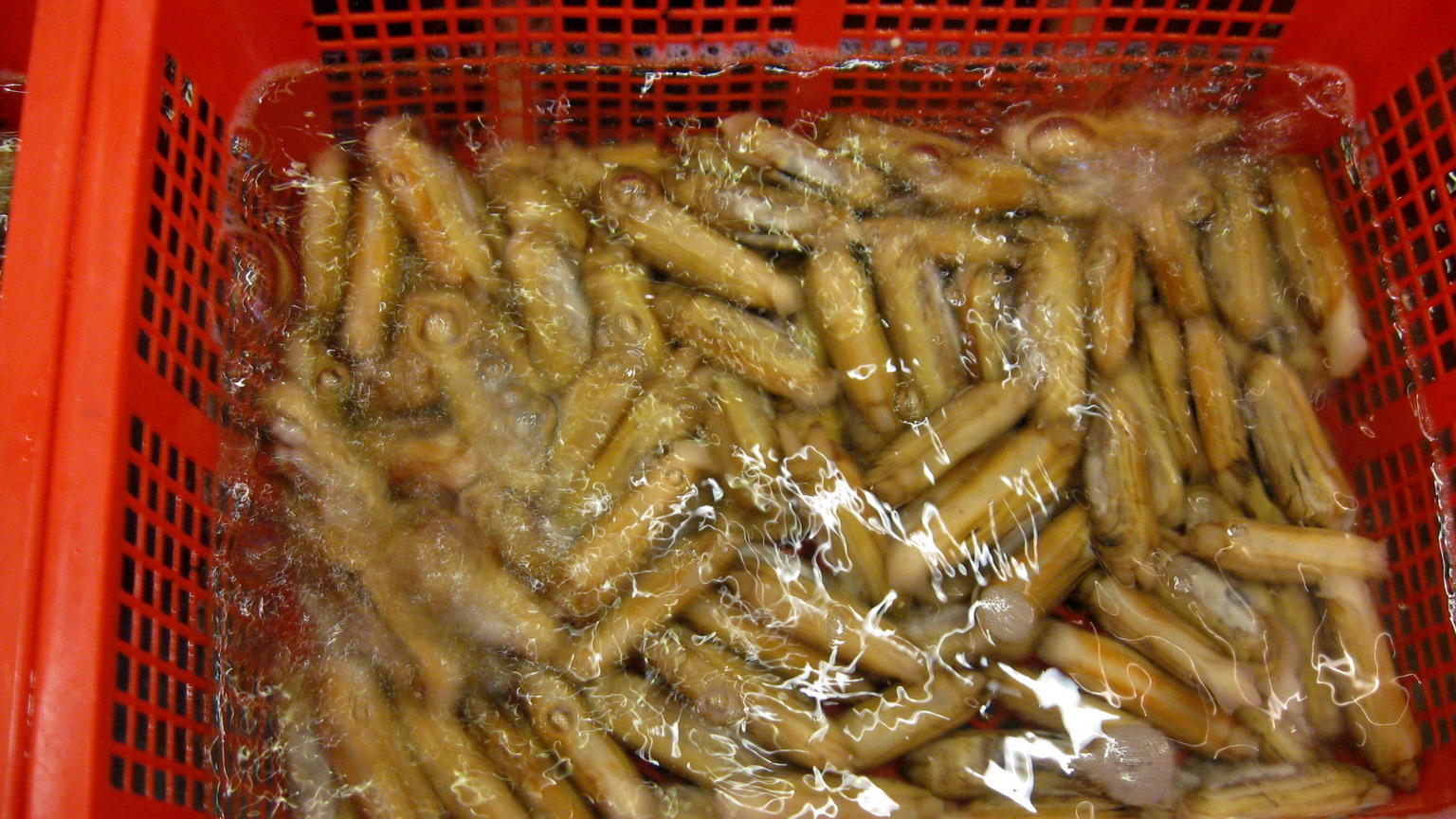
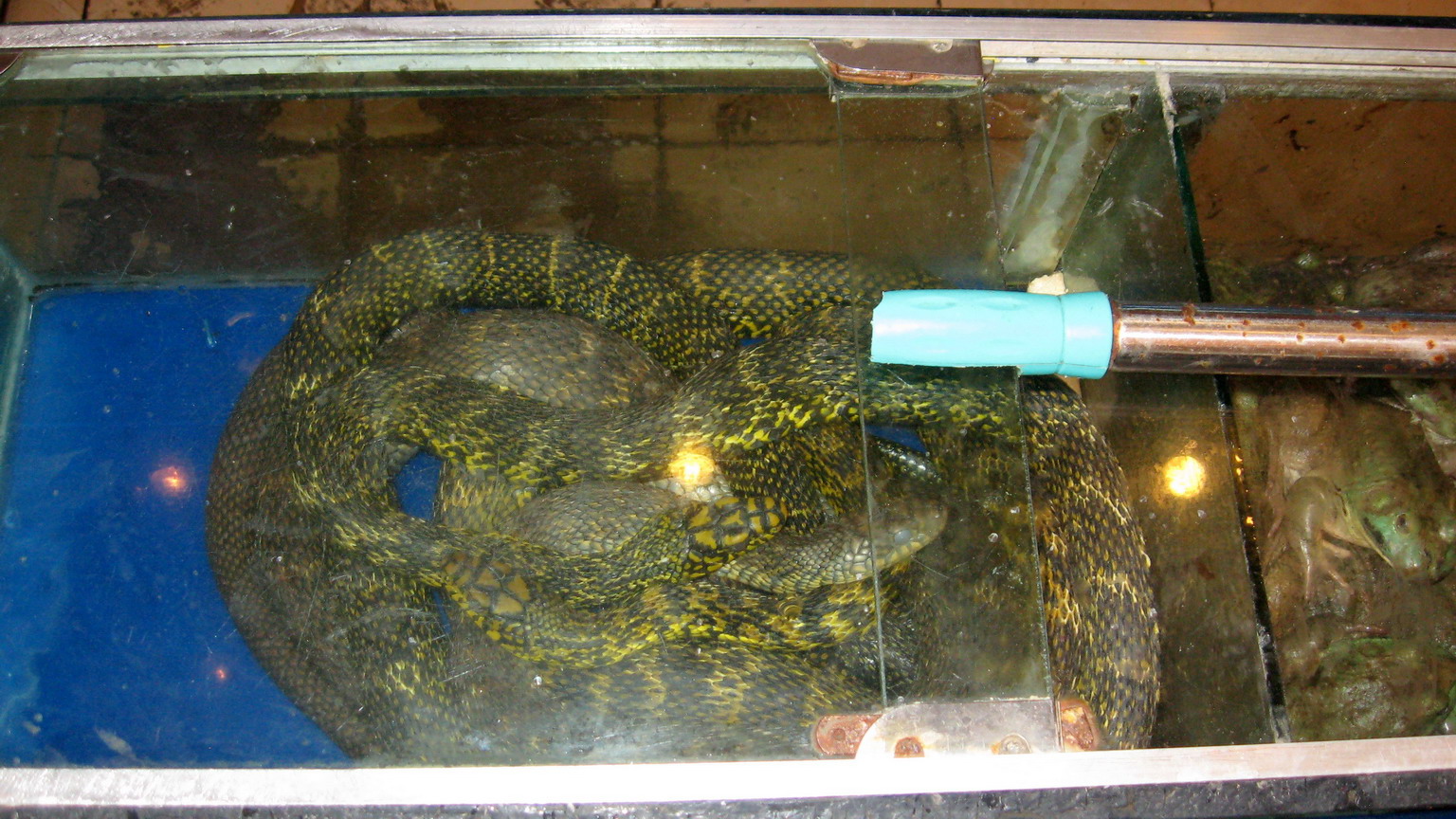
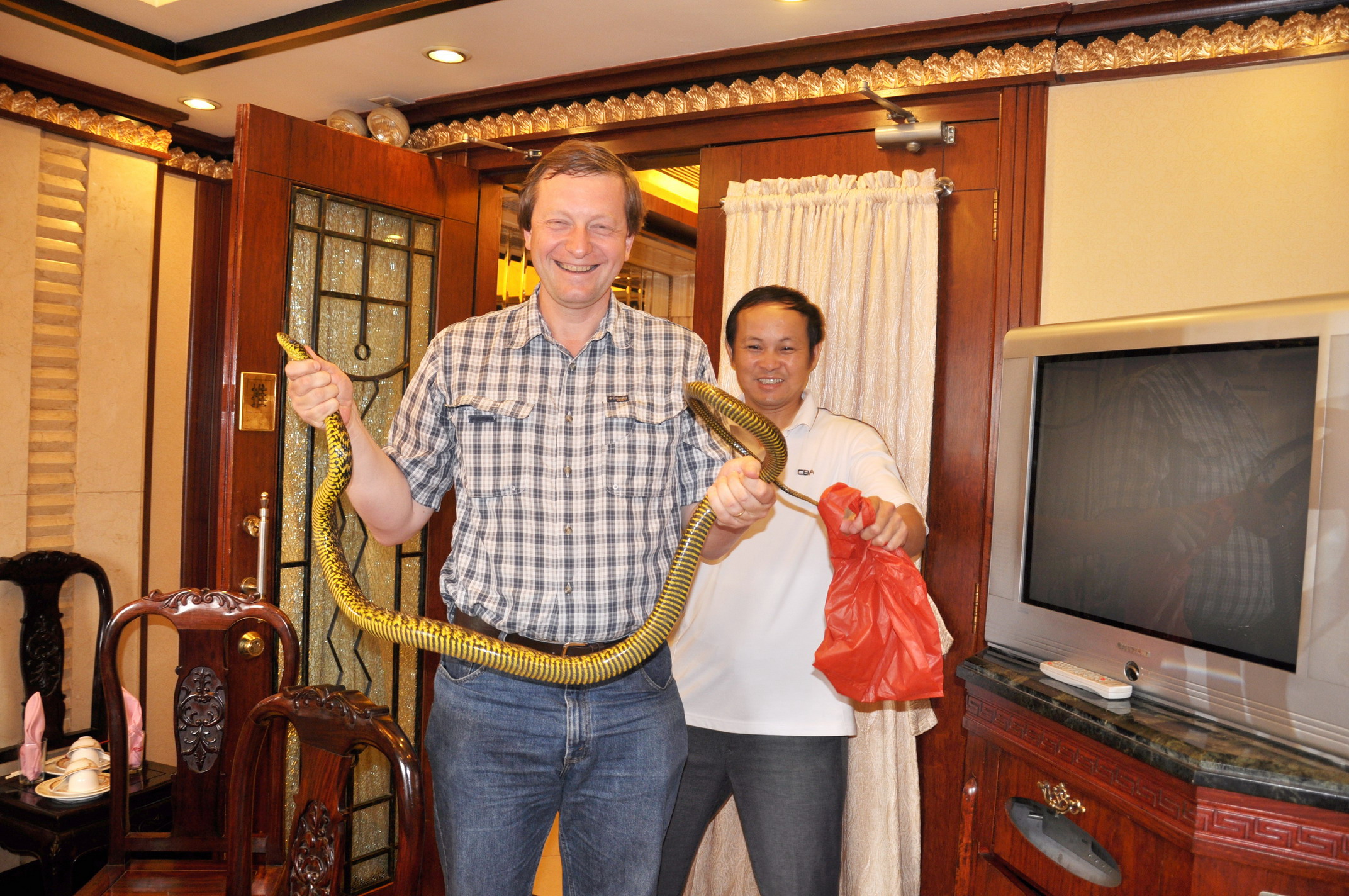
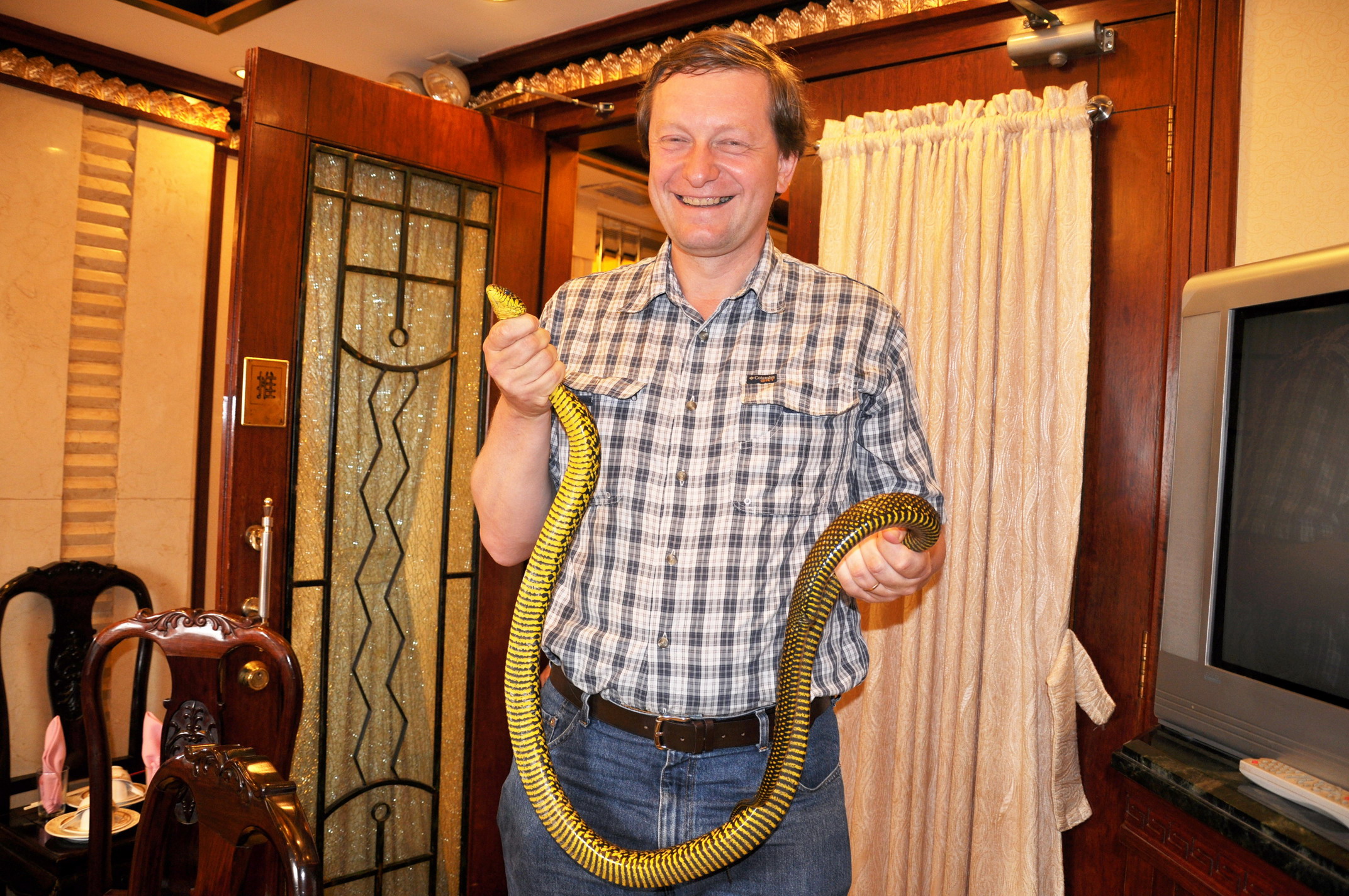

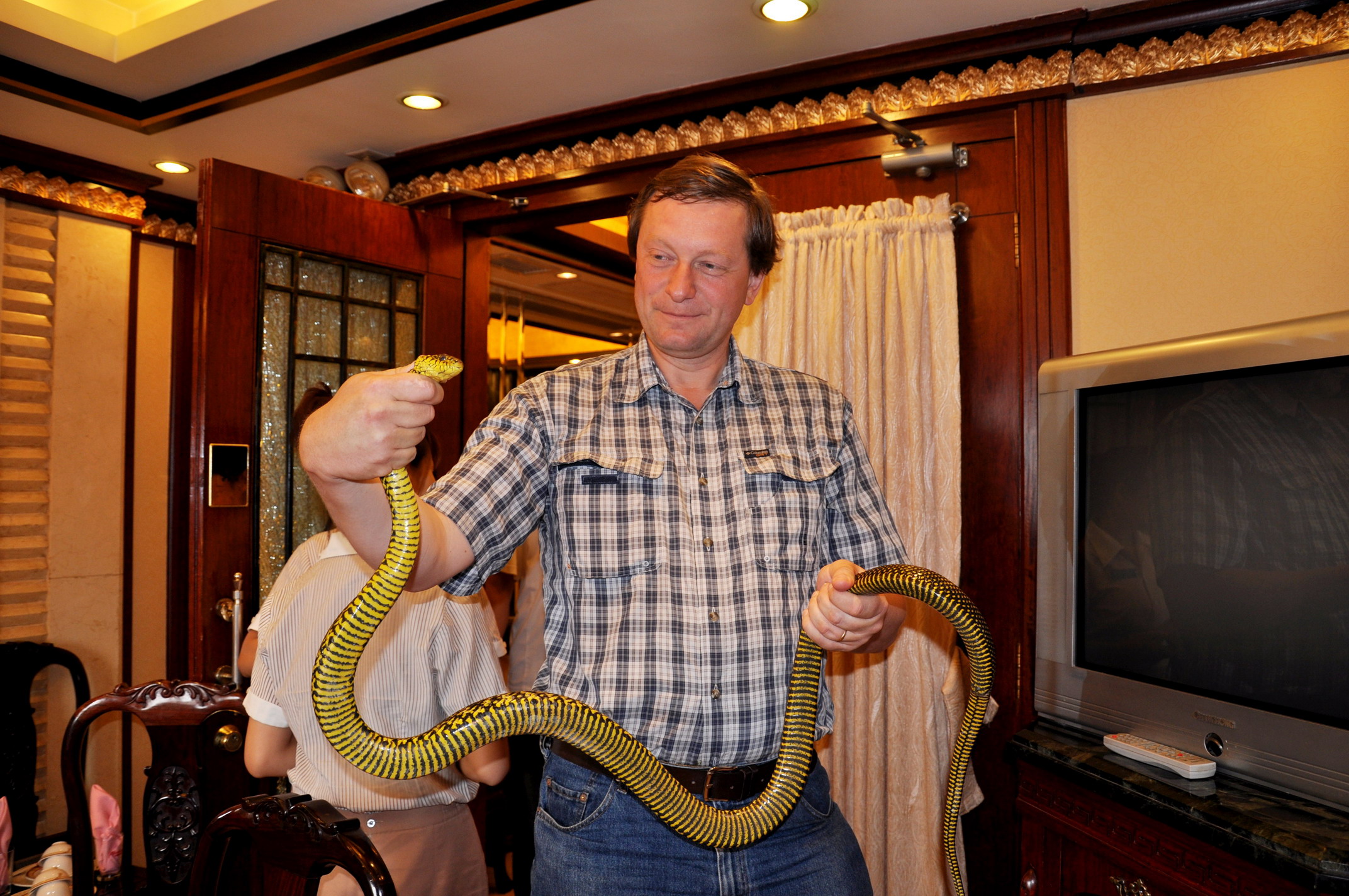
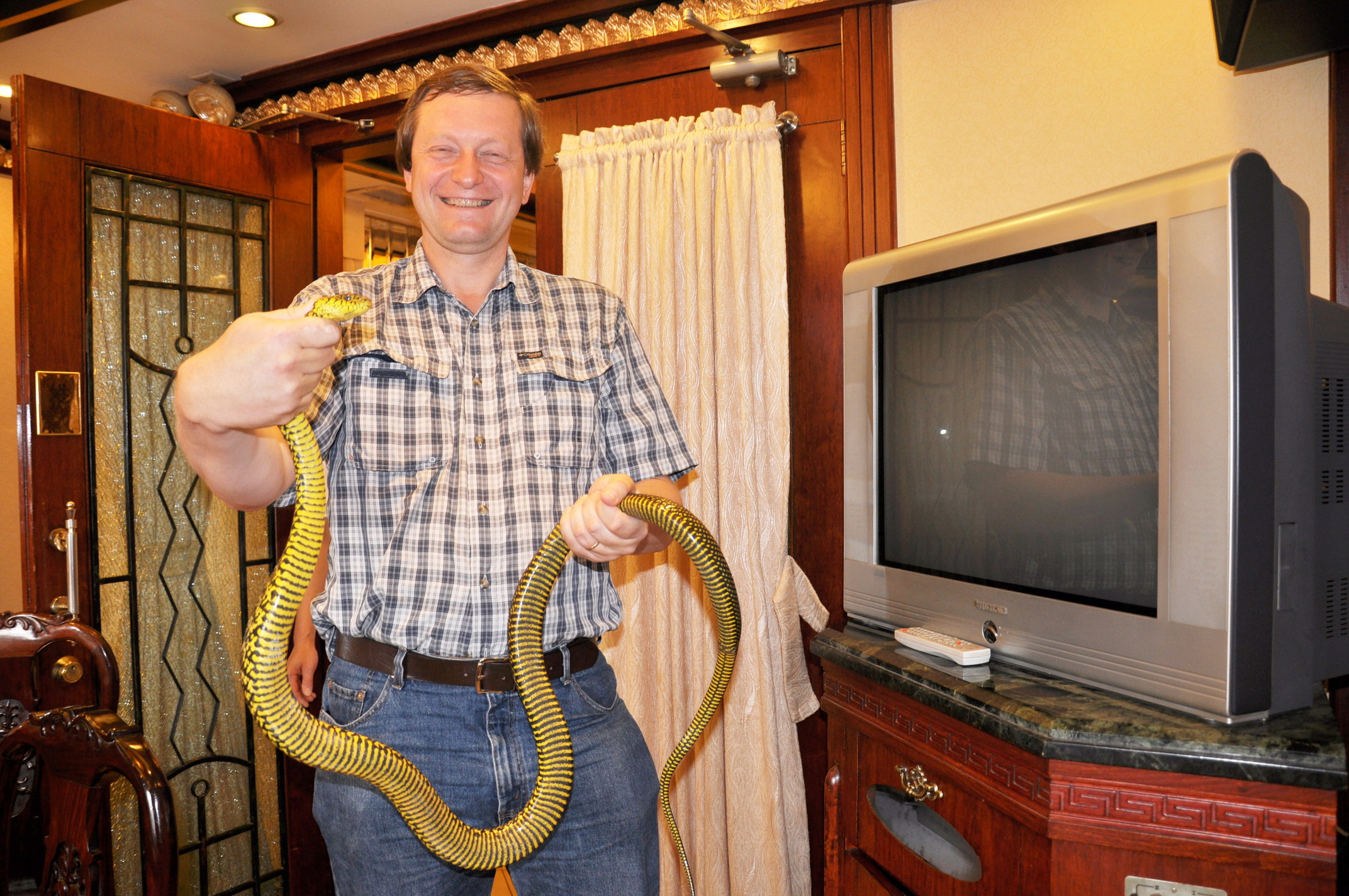
Half an hour later it was served at the table. The meat comes from the muscles on either side of the spine along the upper part of the snake. The spine runs along the top and the ribs grow out from it. The ribs don’t meet underneath, leaving a soft belly. Inside them are the very long intestine and various important organs I wouldn’t consider eating straight away.

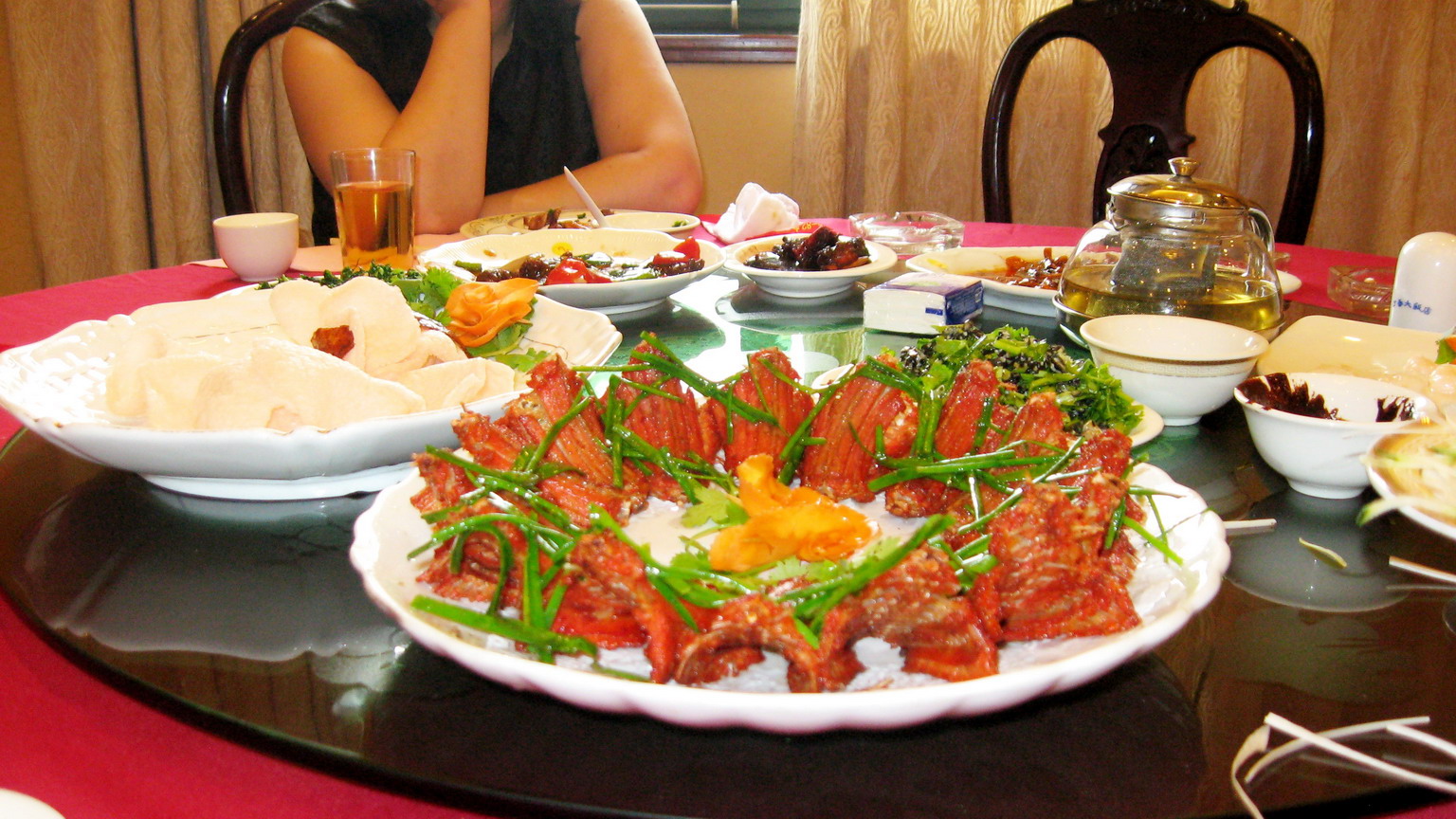
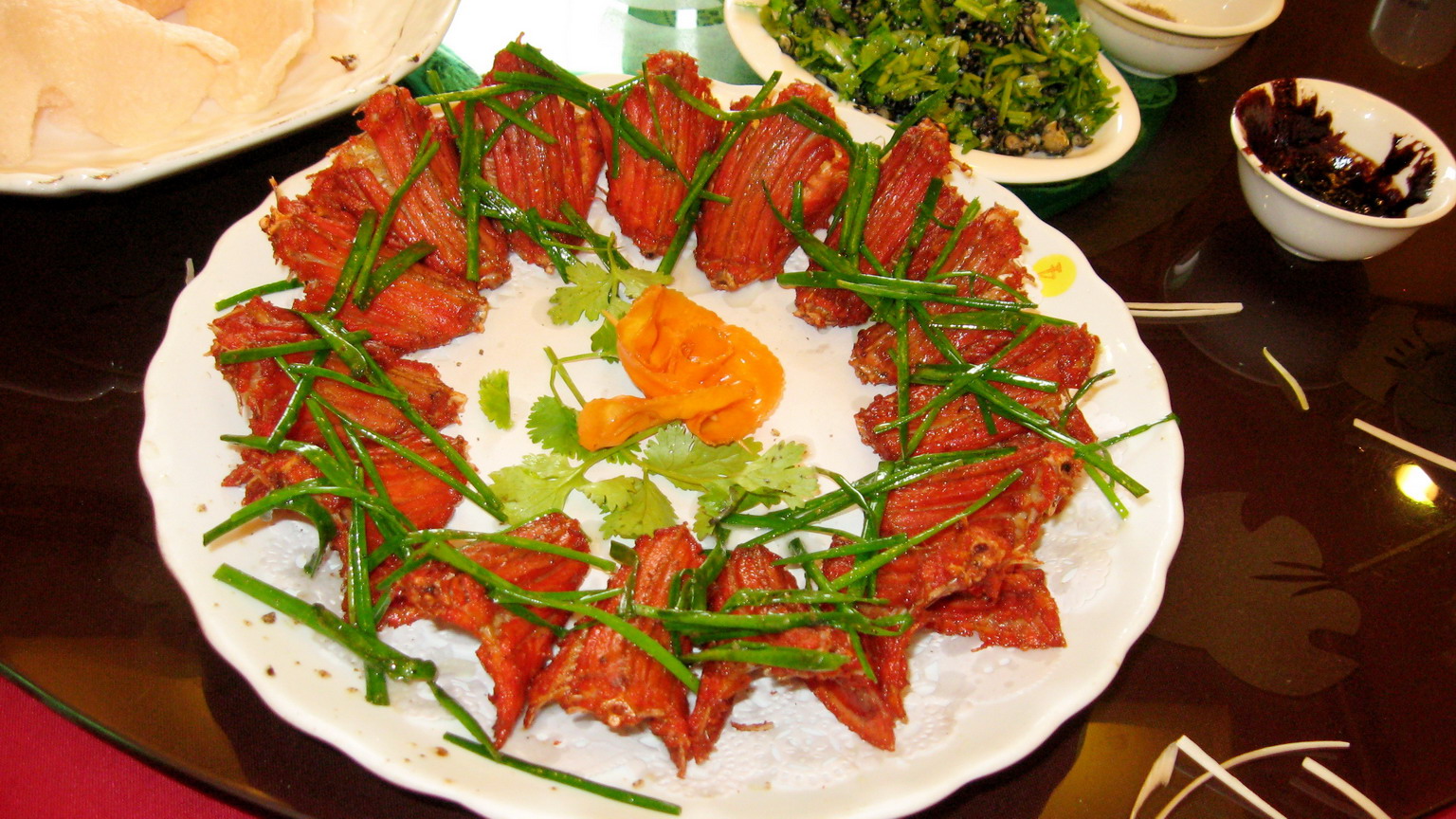
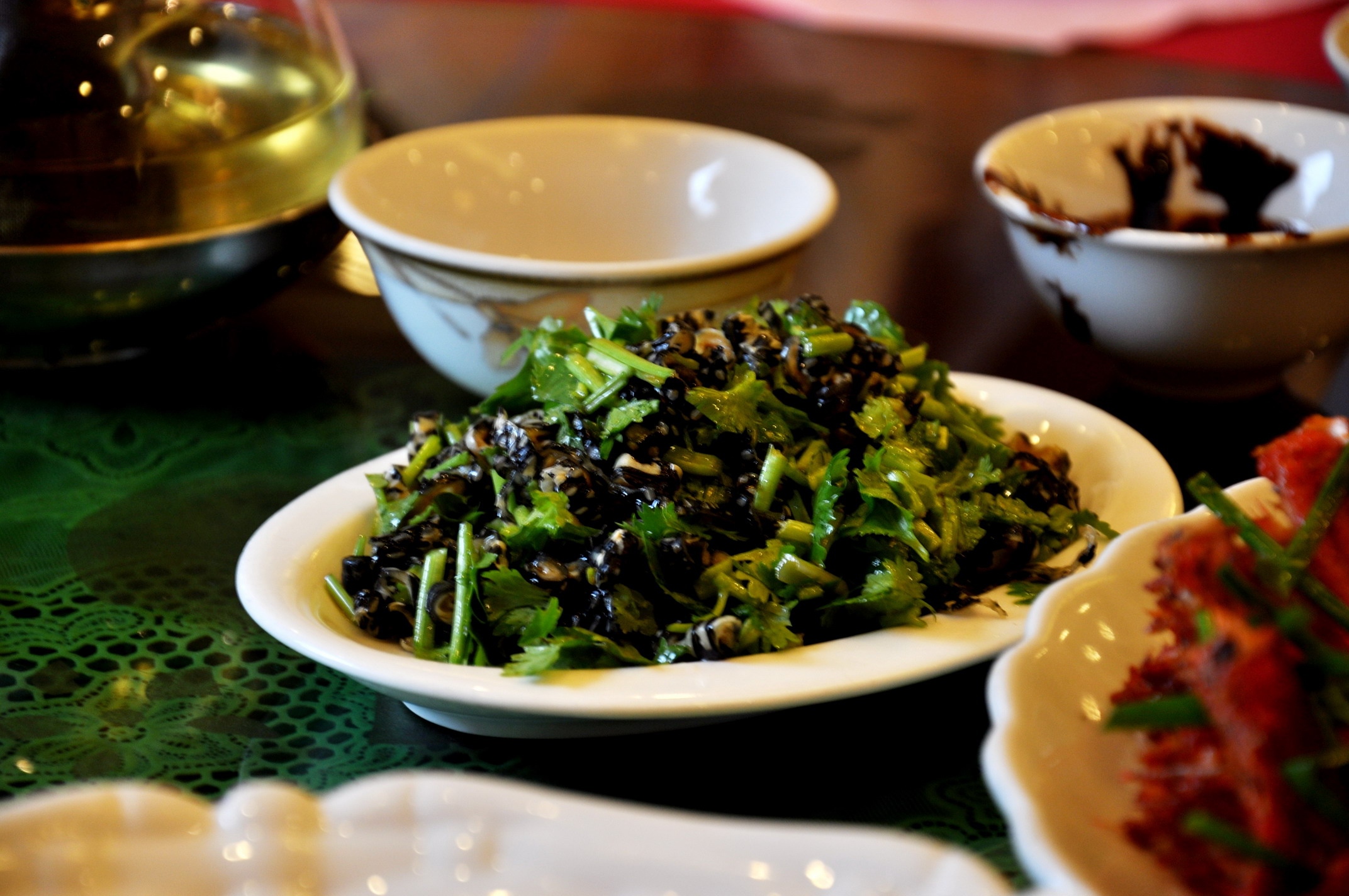
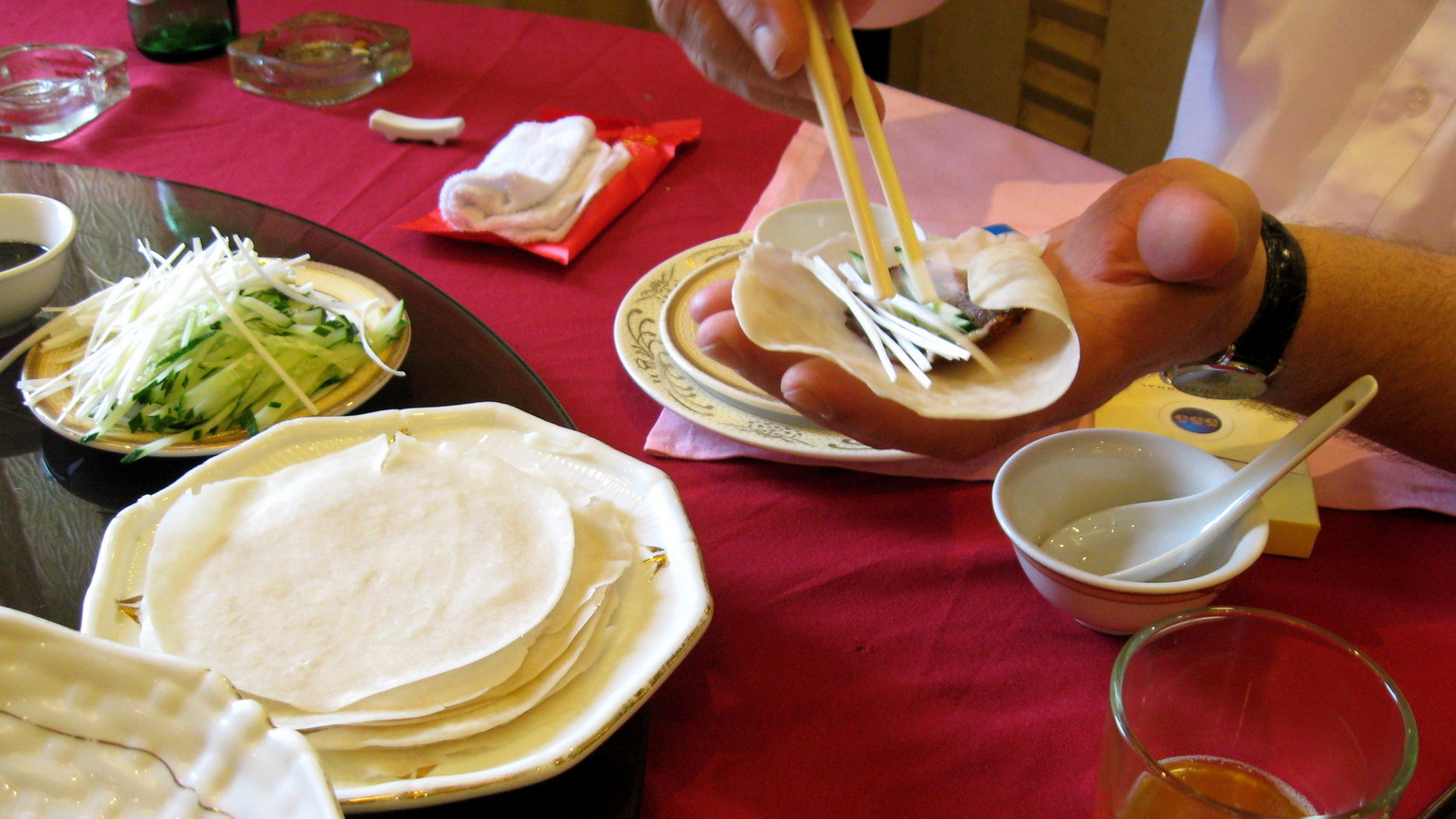
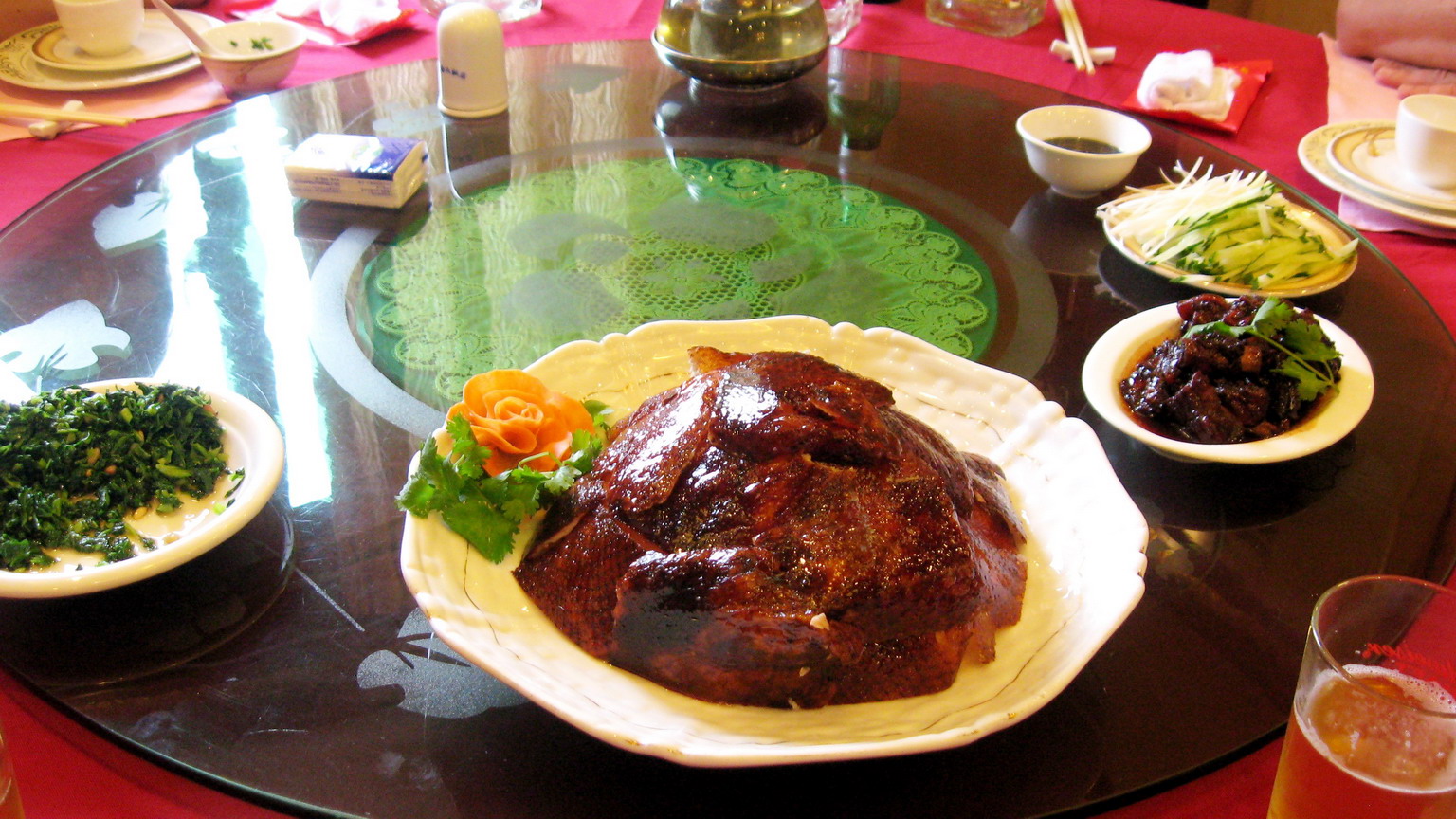
They also eat the skin, served finely sliced with oil and herbs. There were many other good things besides the snake, including Peking duck. I love Chinese food. The Chinese understand eating and have turned the making and consuming of food into extraordinarily sophisticated arts. They wrapped up the piece of snake we couldn’t finish so we could take it with us.
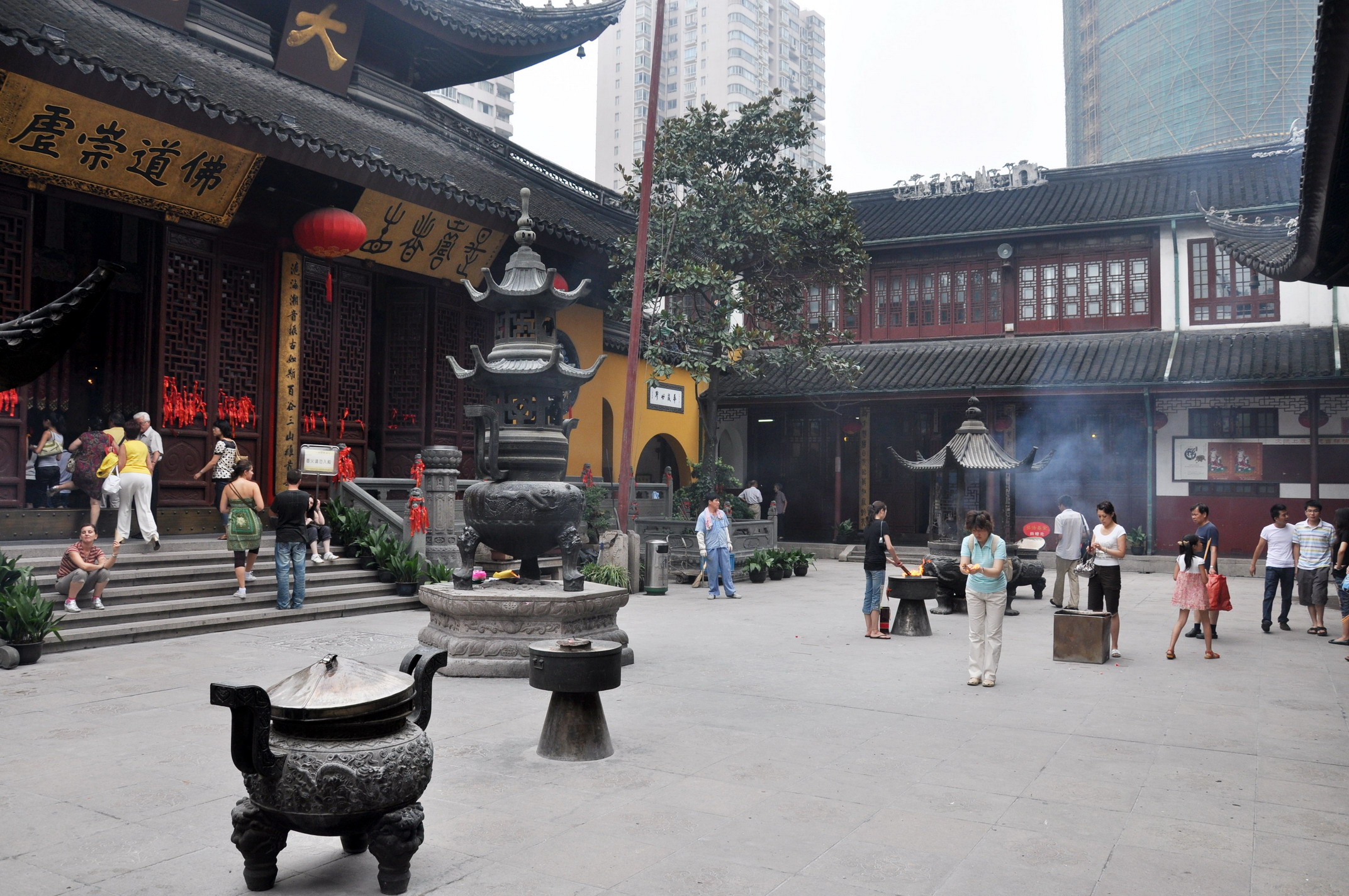
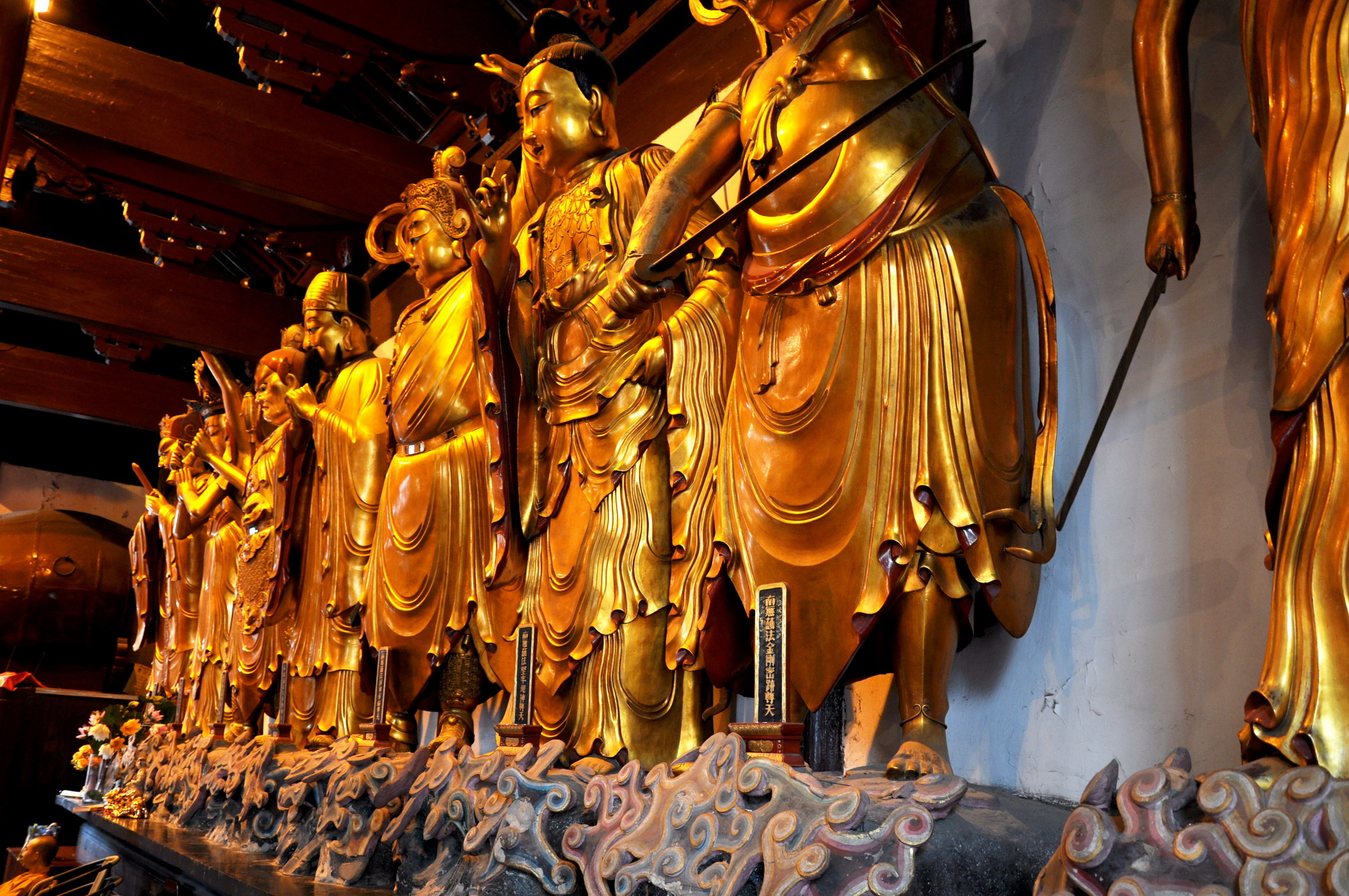
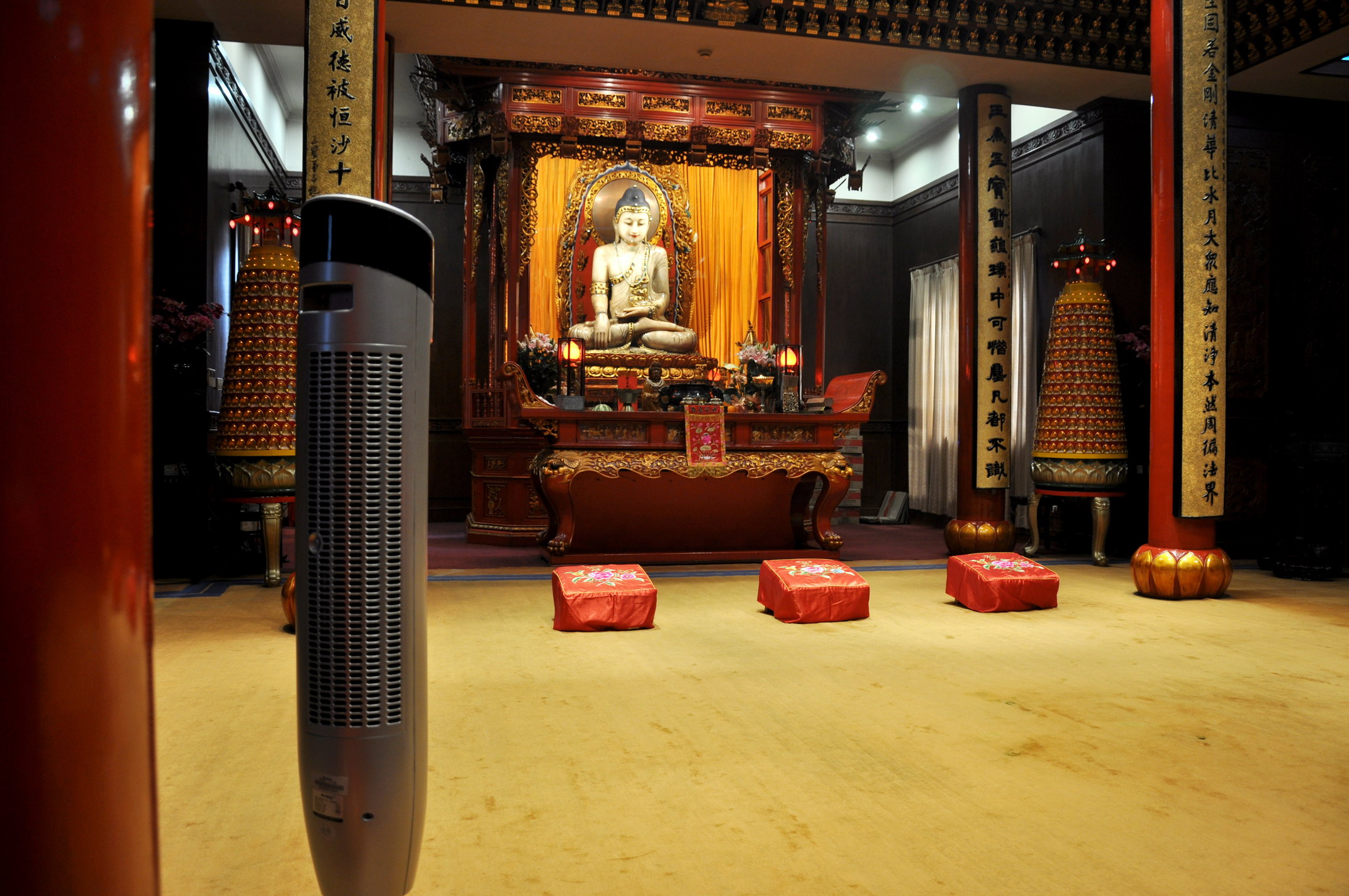
Afterwards we were driven to the Buddhist monastery of the Jade Buddha, the Jade Buddha Temple.
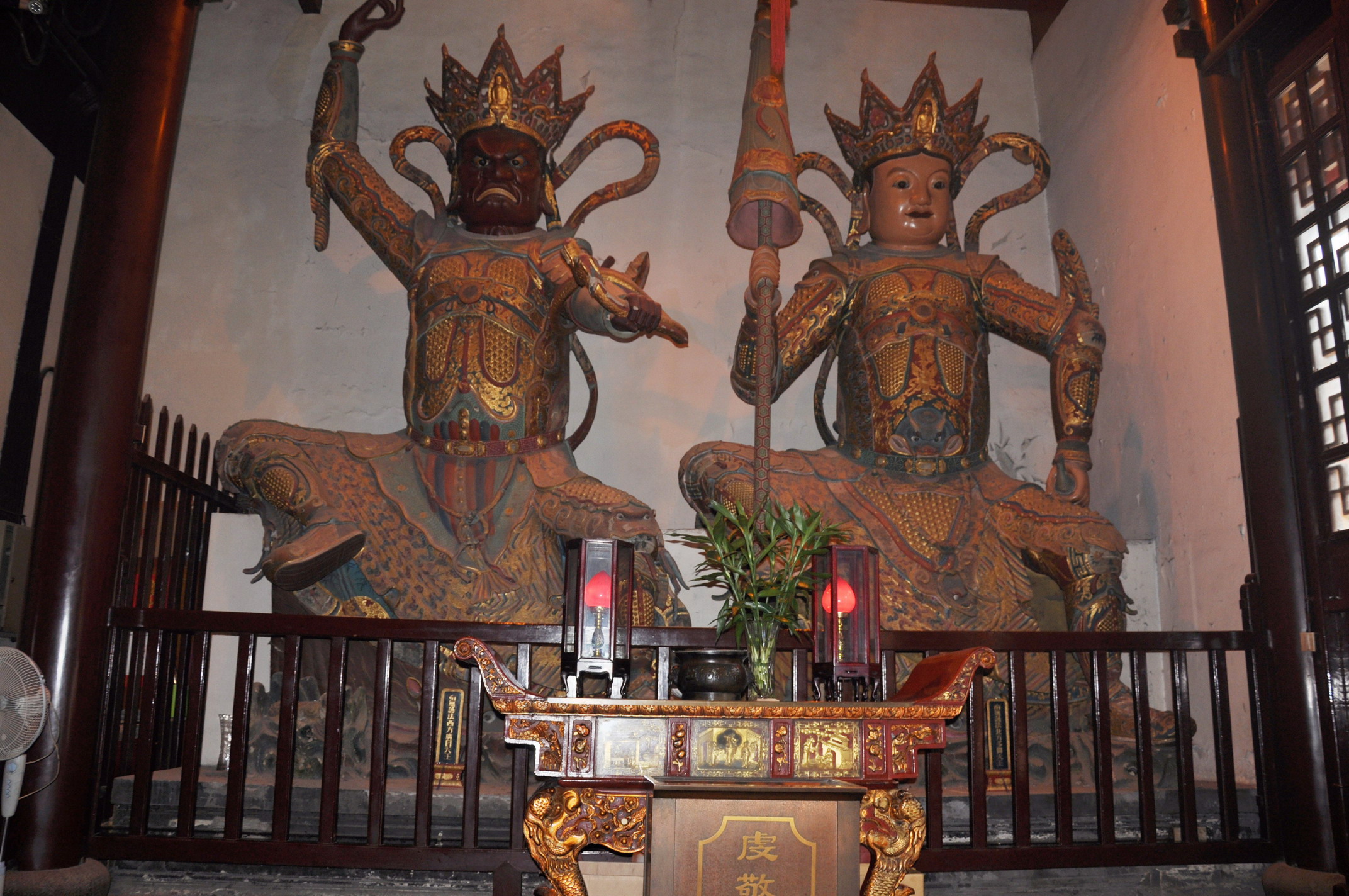
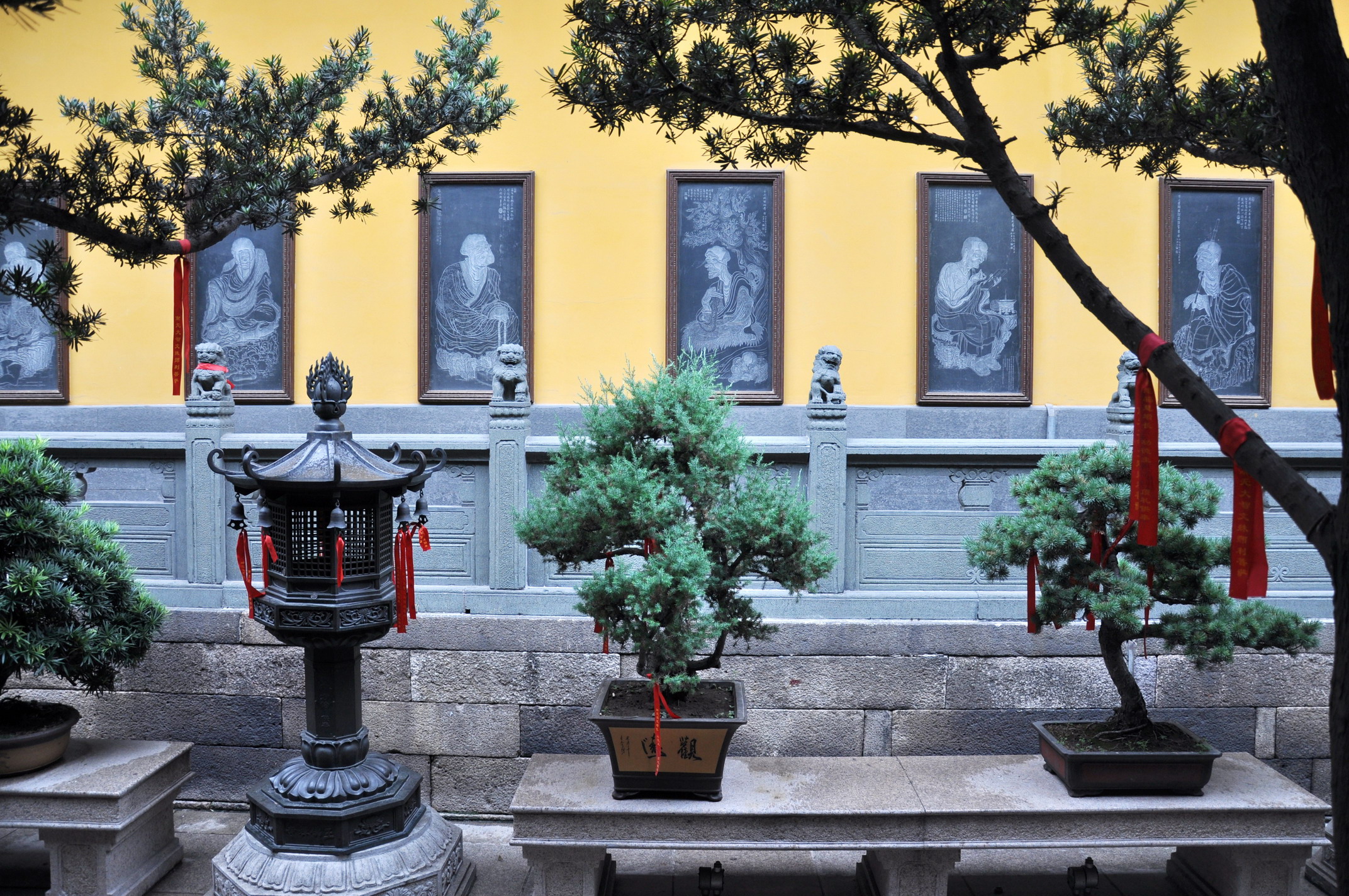
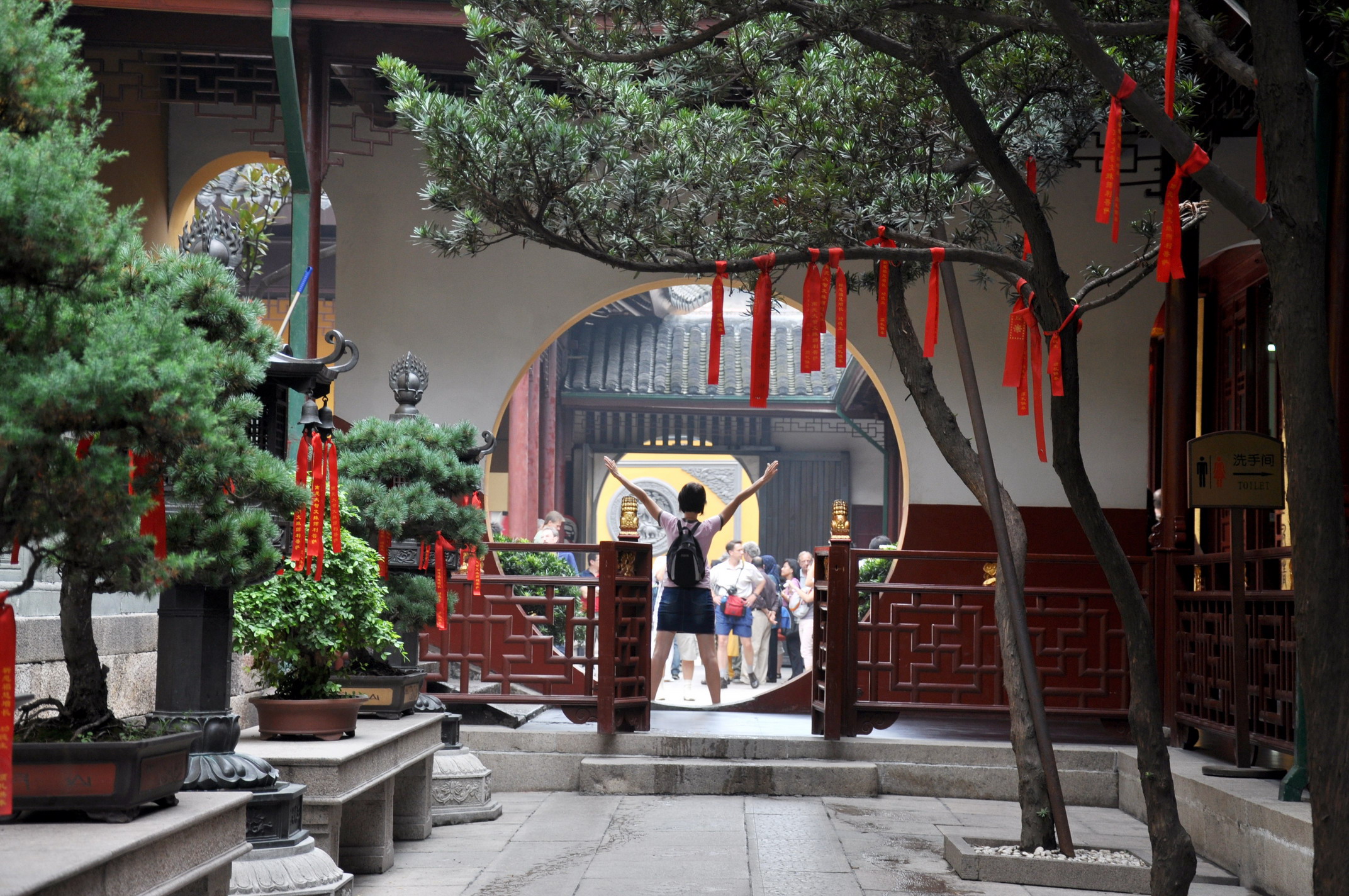
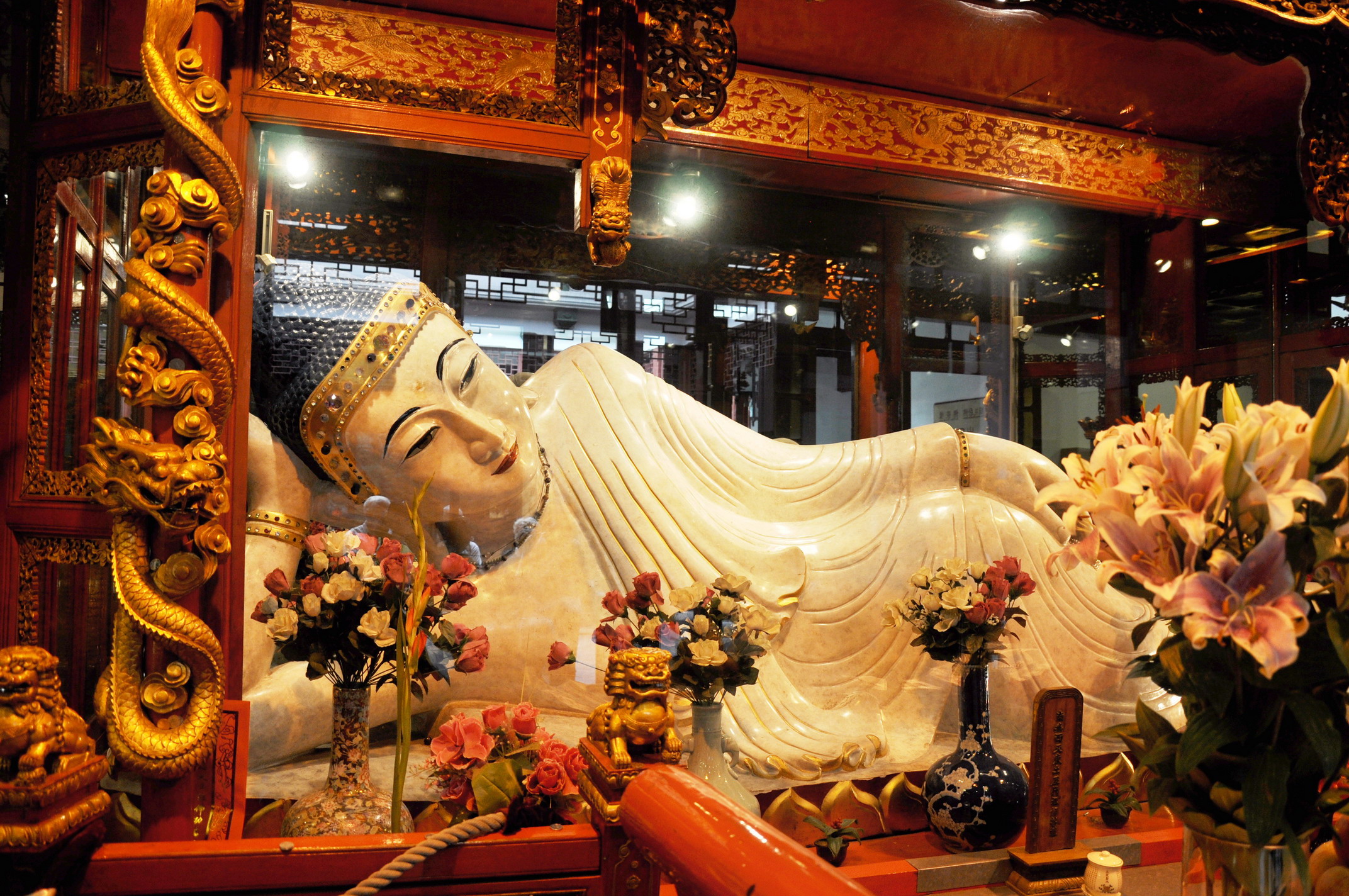
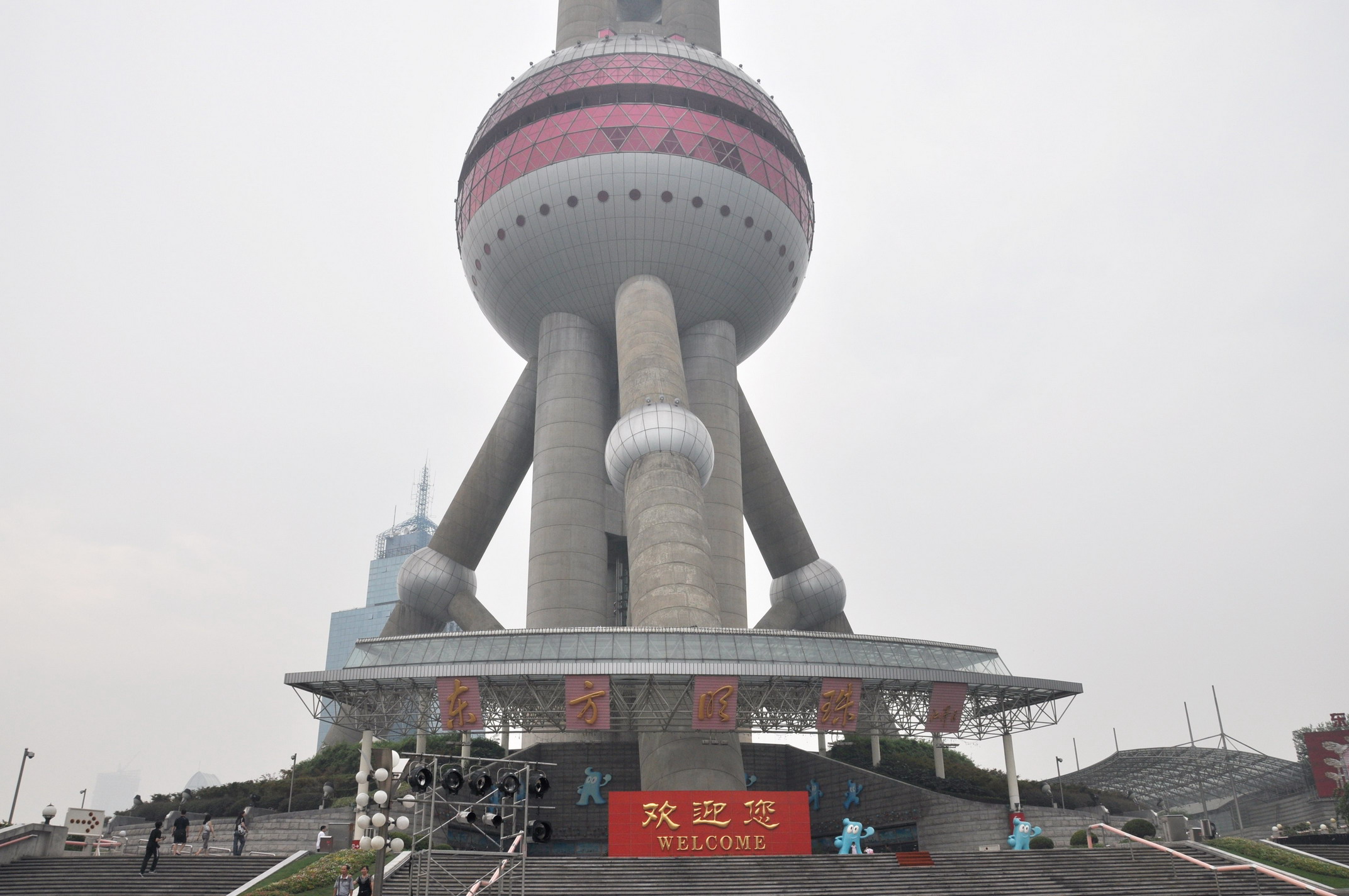
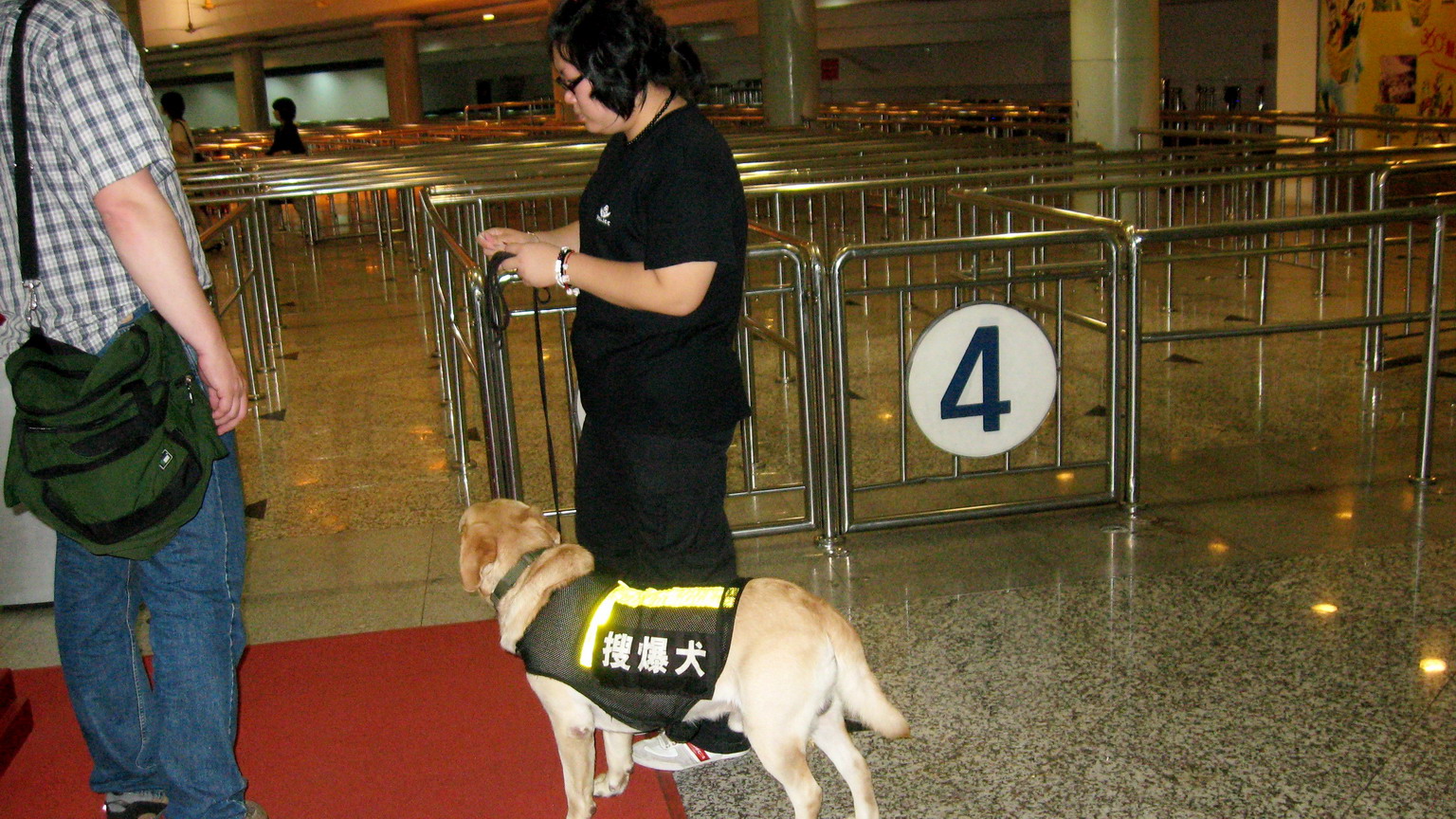
Next came a visit to the Oriental Pearl TV Tower. There’s an enormous queue in the morning, but it thins out towards evening, particularly if you don’t insist on going to the highest level. There isn’t much room at the top and the queue accordingly gets enormous. There’s more space in the big sphere halfway up and more lifts serving it. Down at the entrance, security was tighter and there was a dog. Upstairs, everything you’d expect in a television tower: binoculars and a transparent floor you’re afraid to walk on. There were already higher buildings you could go up in Shanghai. The World Financial Center, completed in 2008, stood at 492 metres, and Shanghai Tower was under construction at a planned 632.
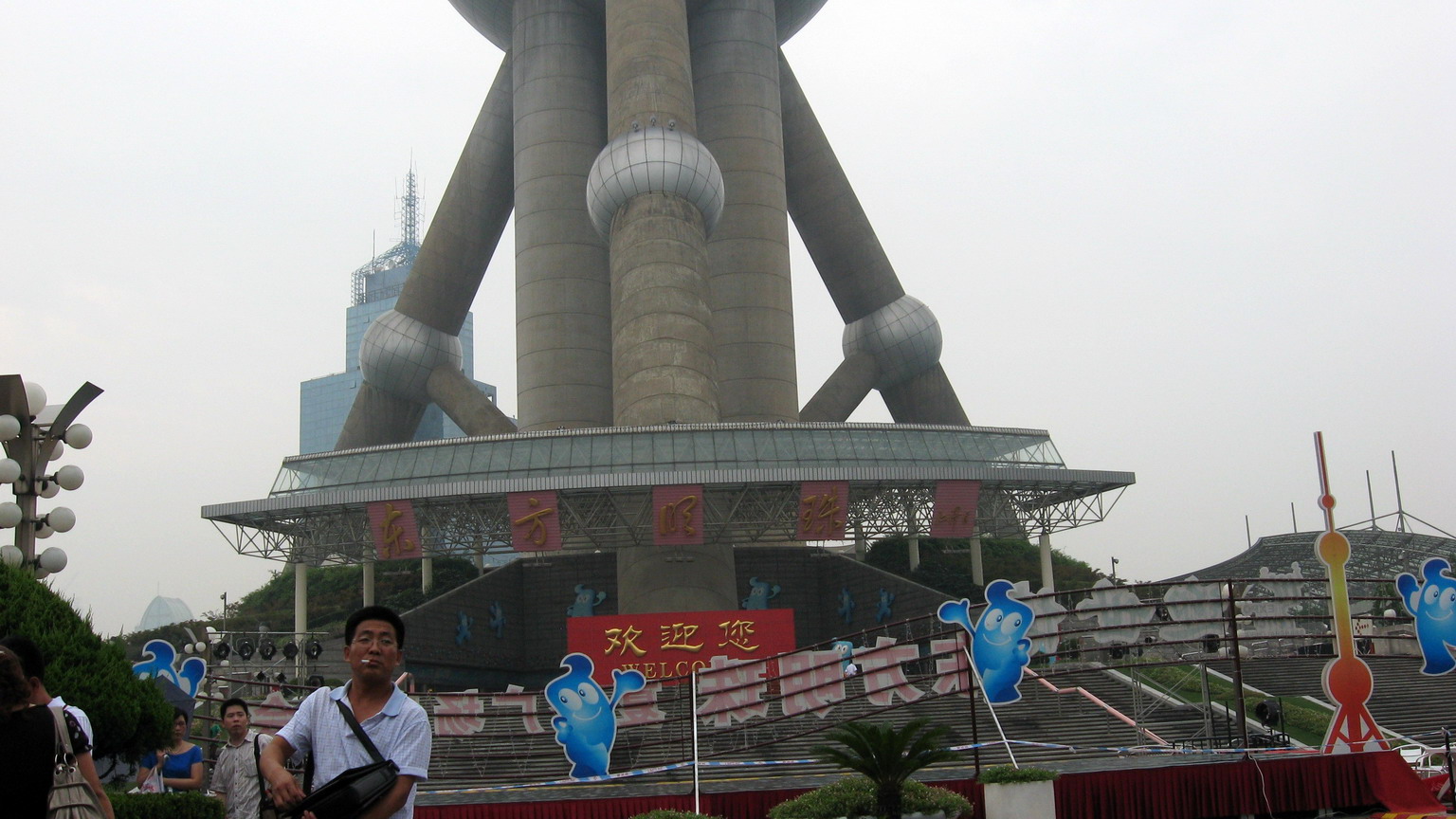
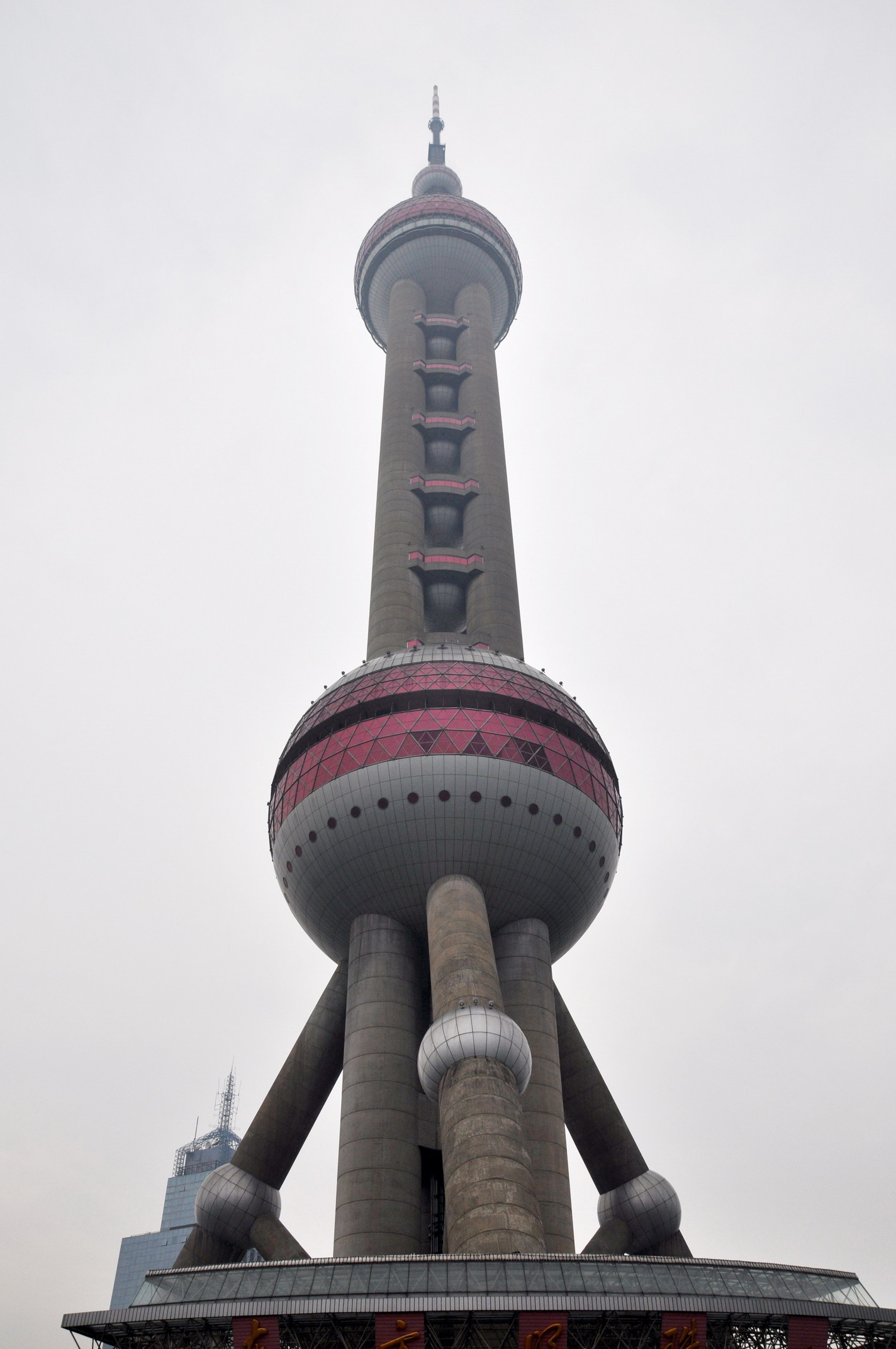
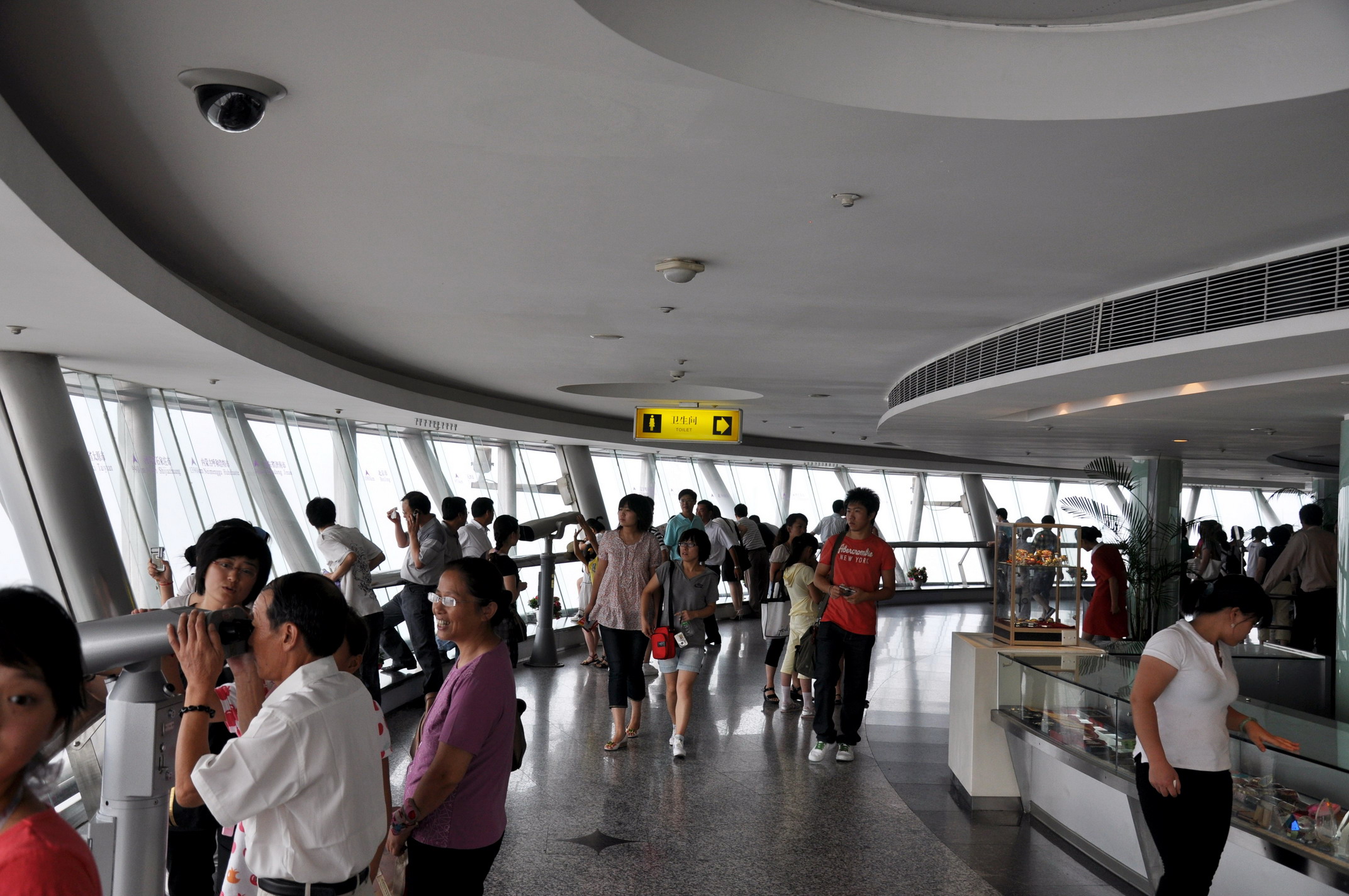
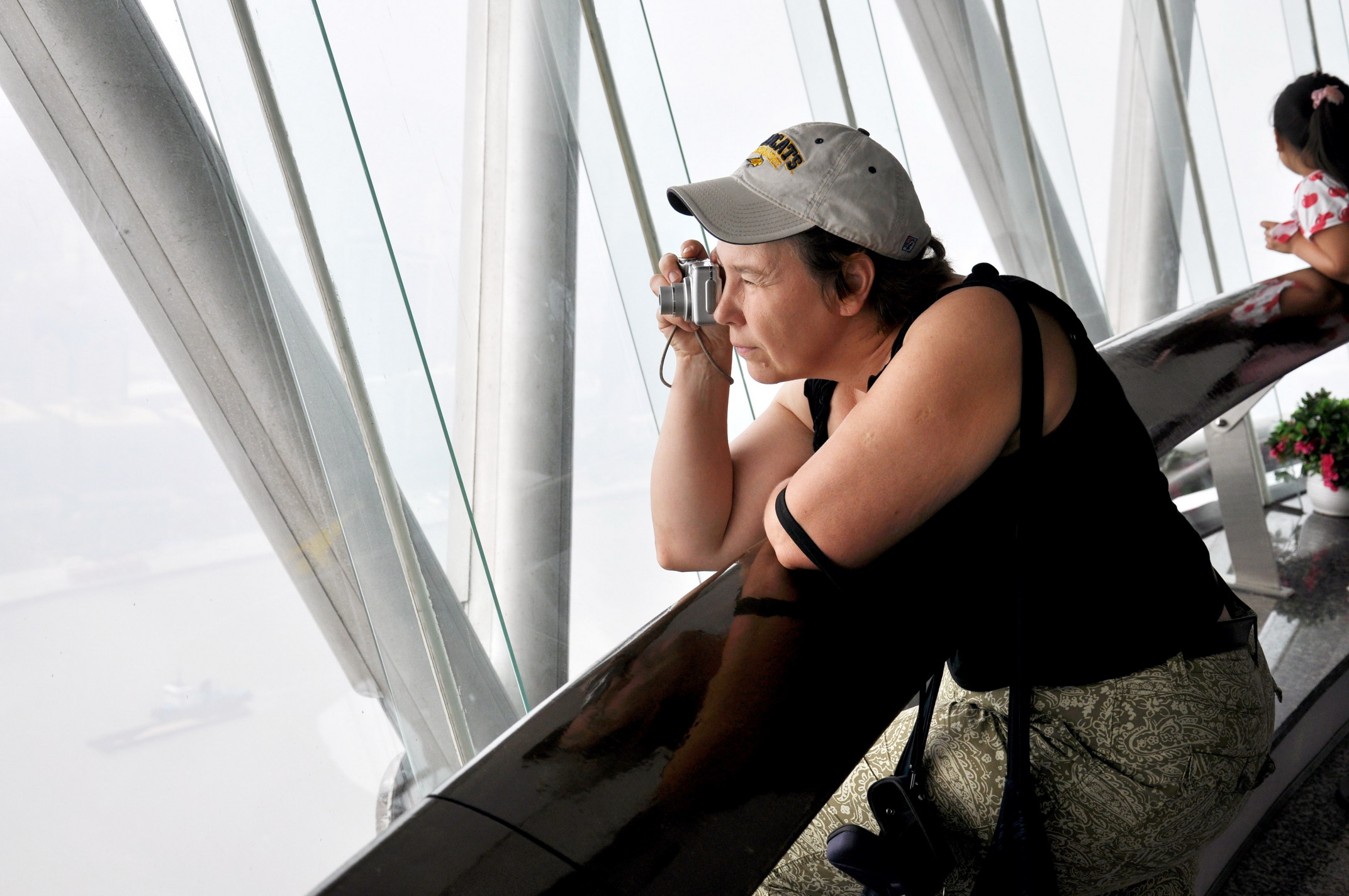
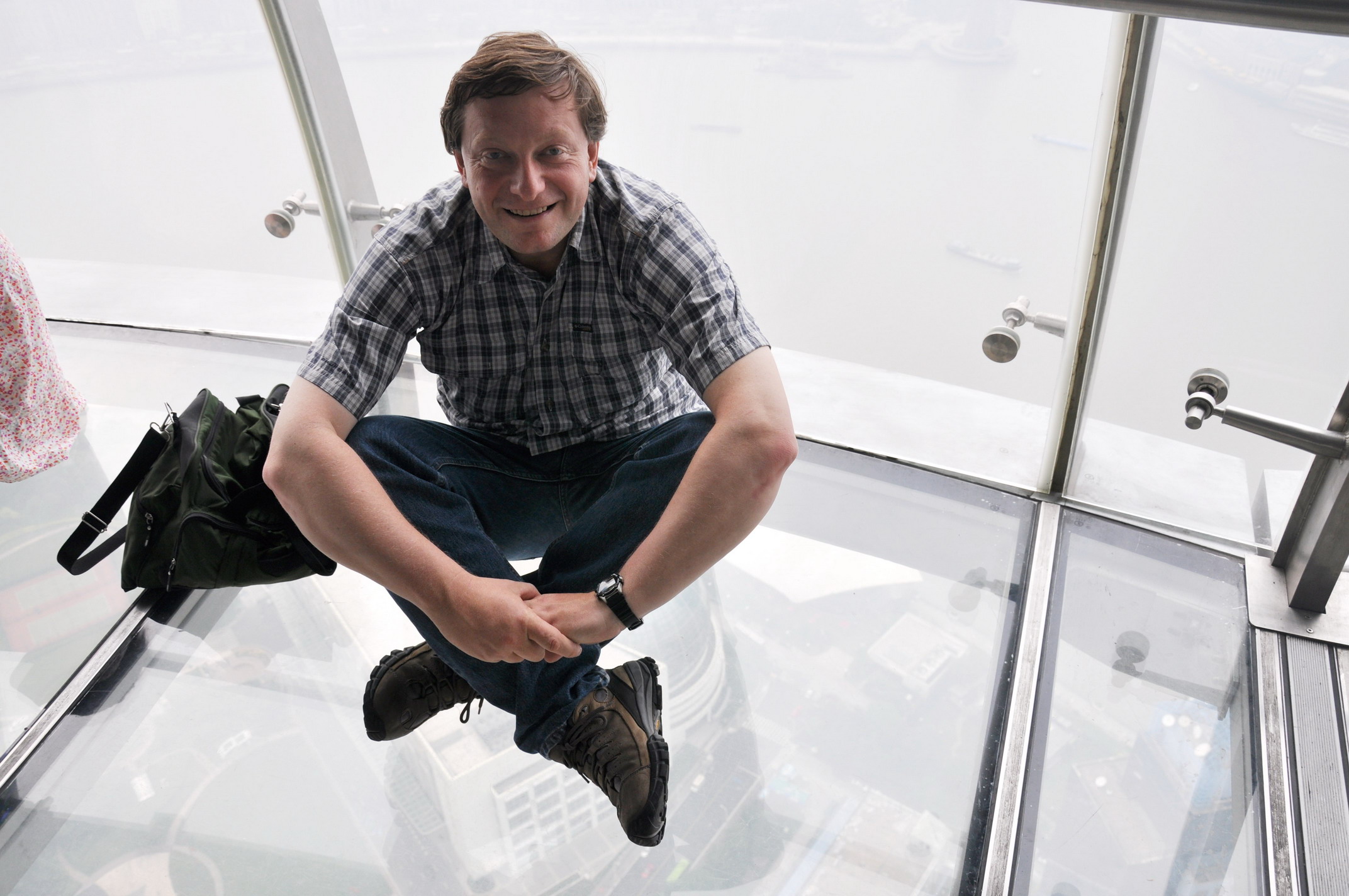
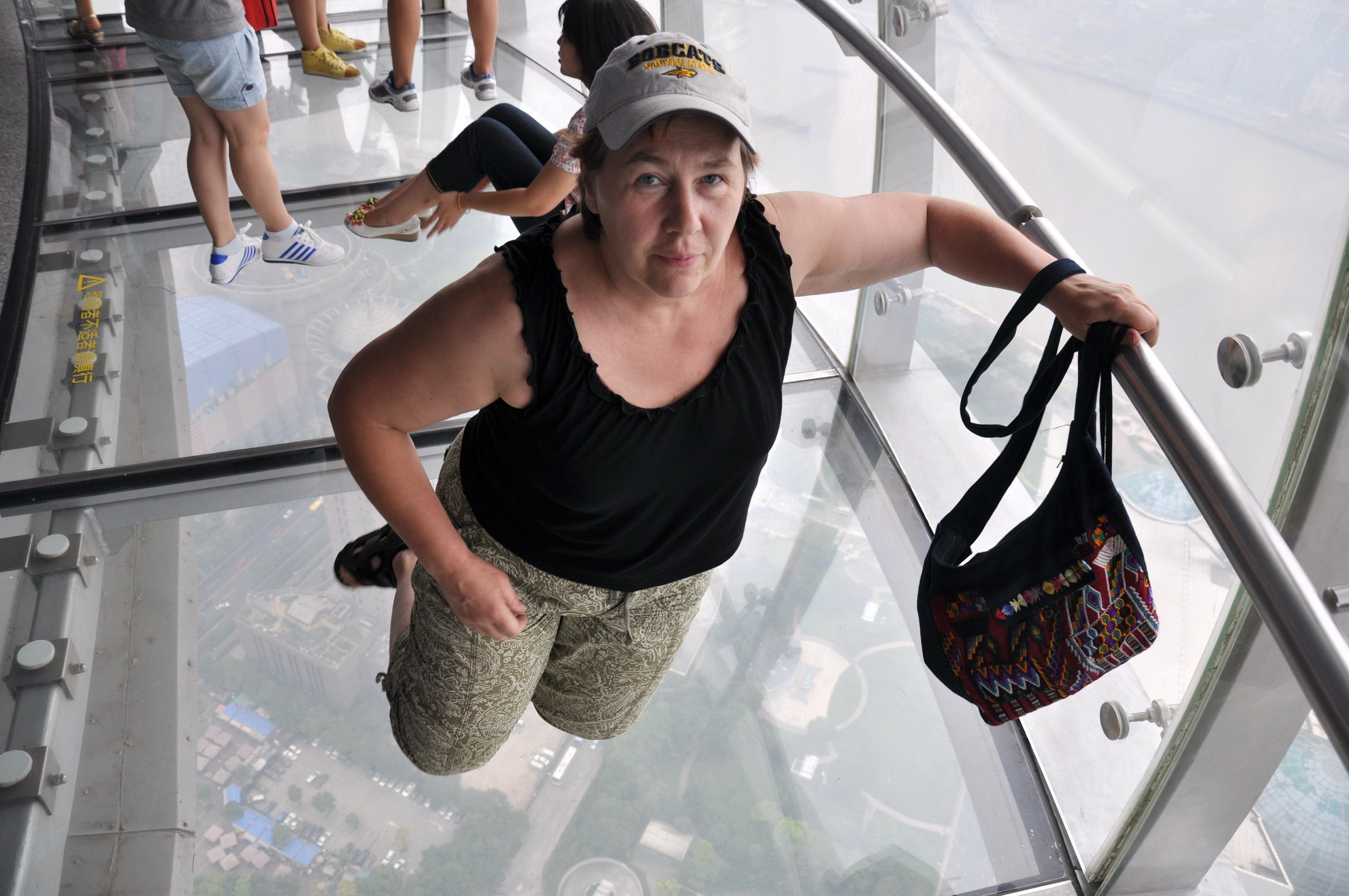
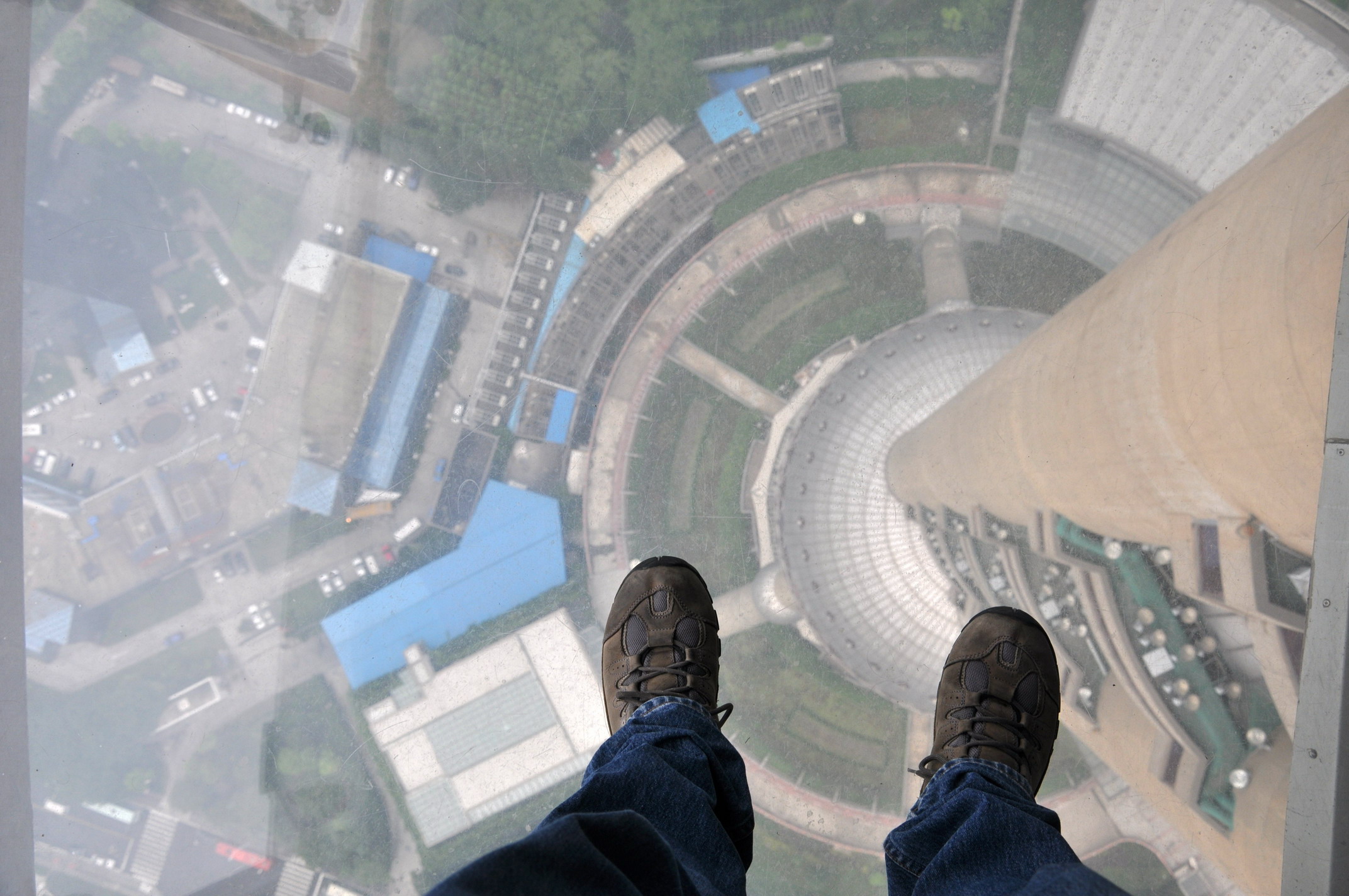
To me the tower was a wonder of engineering, but everything up close was a bit crooked. Screws weren’t quite driven in or had their heads stripped. There were gaps between panels and dirt in the window corners. I compared it with a similar tower in Auckland, where they’d managed to get everything clean and it all looked new.
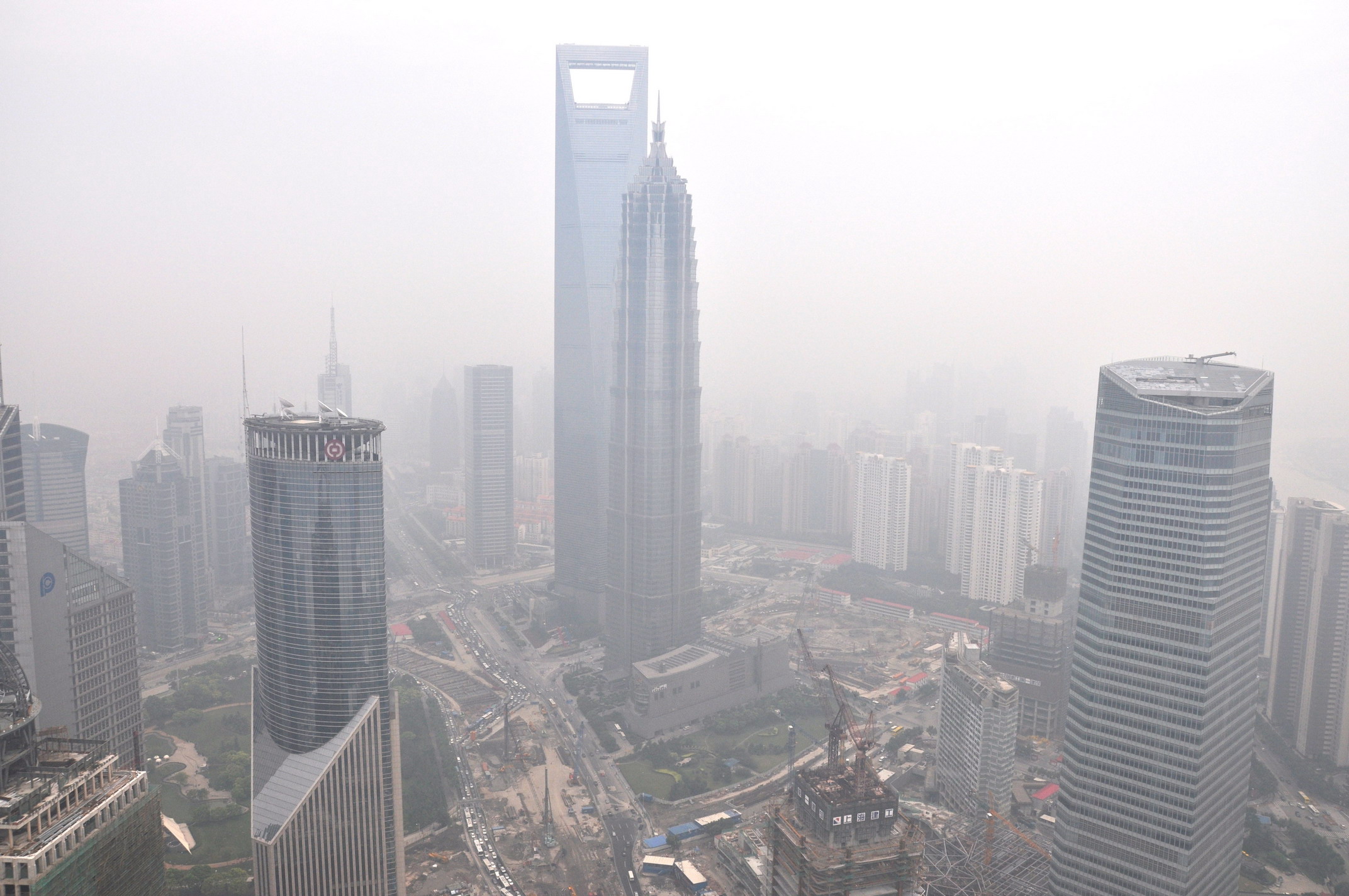
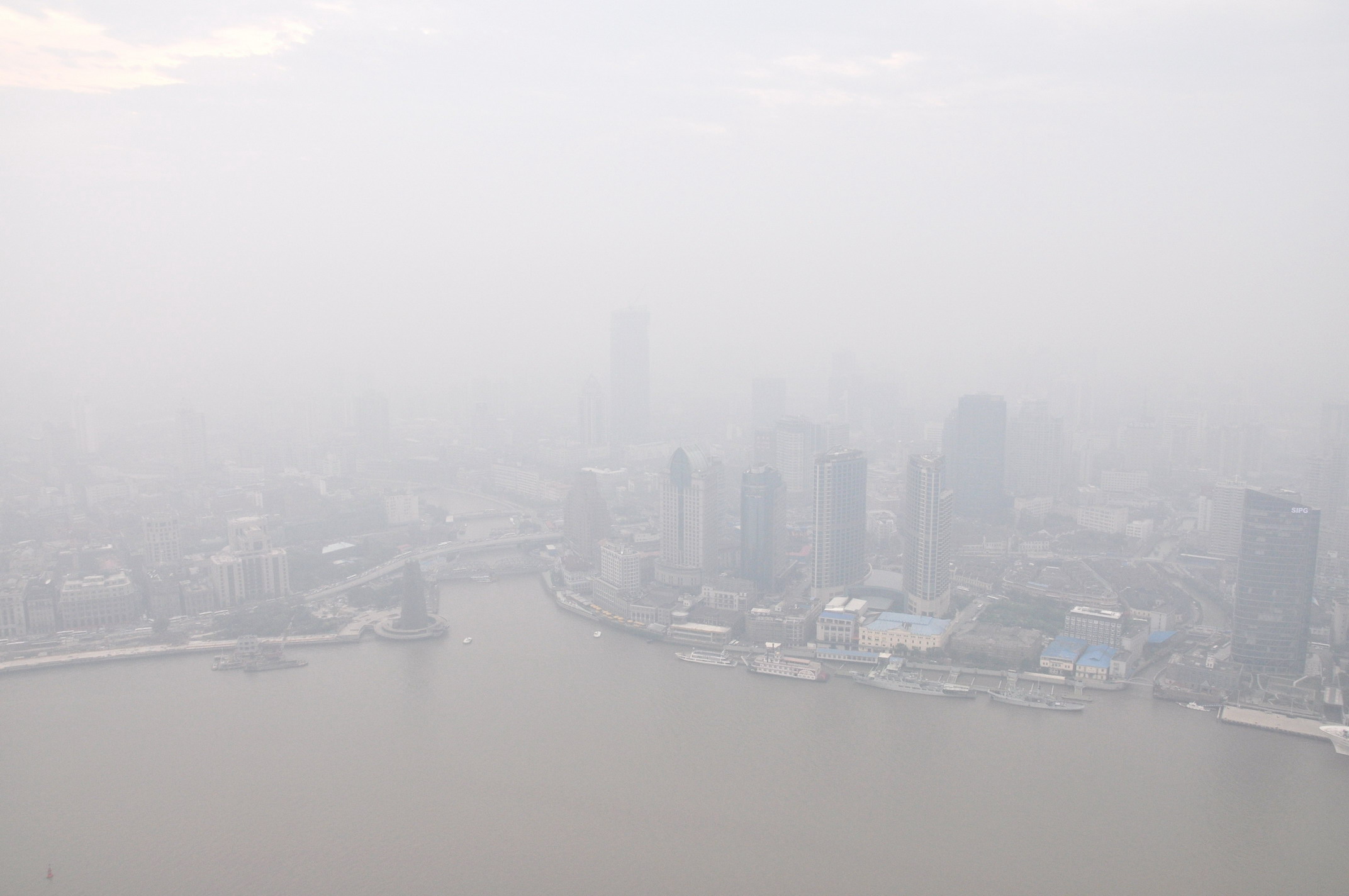
We had no luck with the weather. The whole city lay in mist. It may have been for the best. Three days earlier it had been unbearably hot in Shanghai. The paper claimed it had touched 45°C and dogs were dying in the street. In heat like that we wouldn’t have walked so far or waited in so many queues.
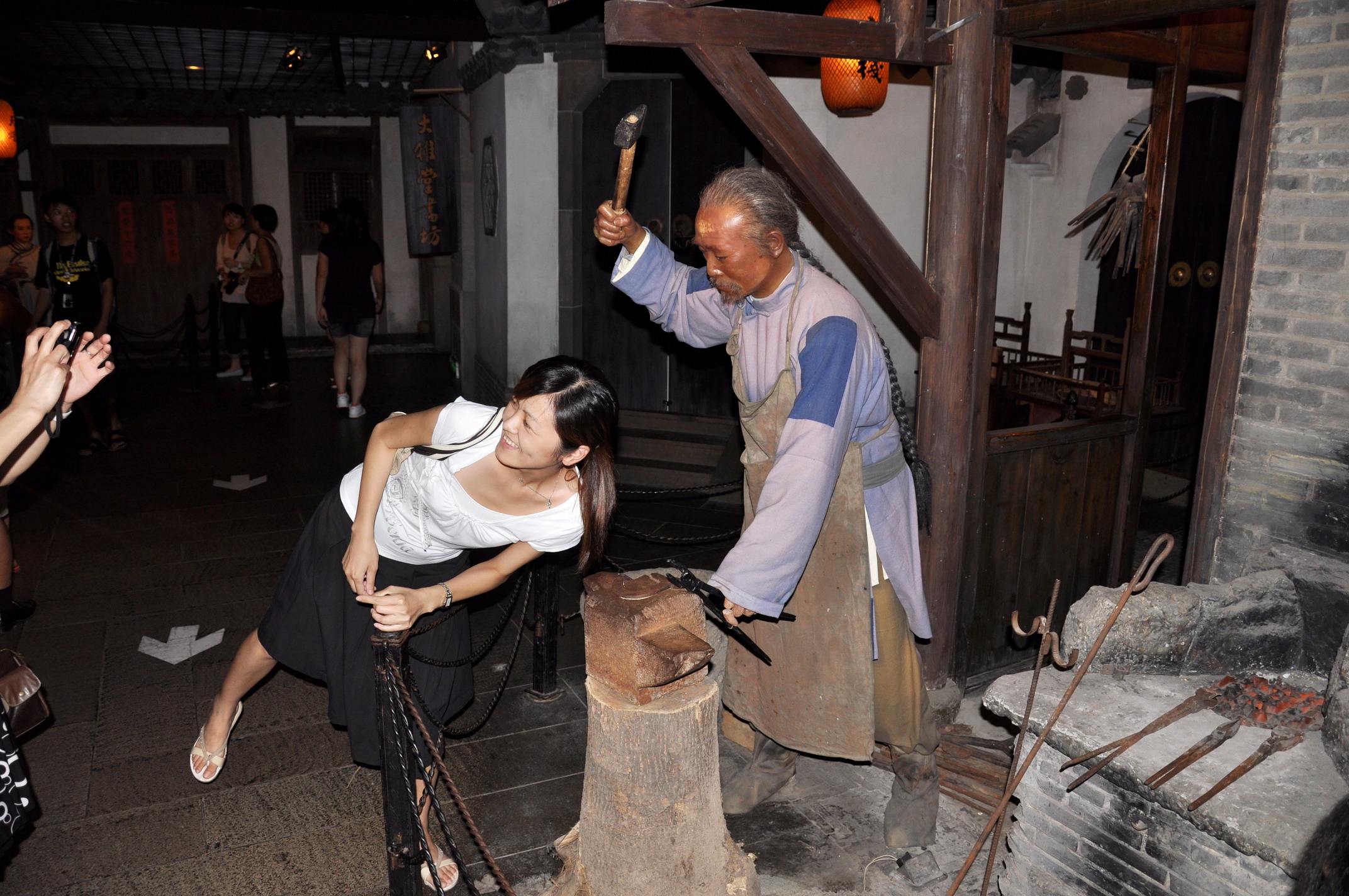
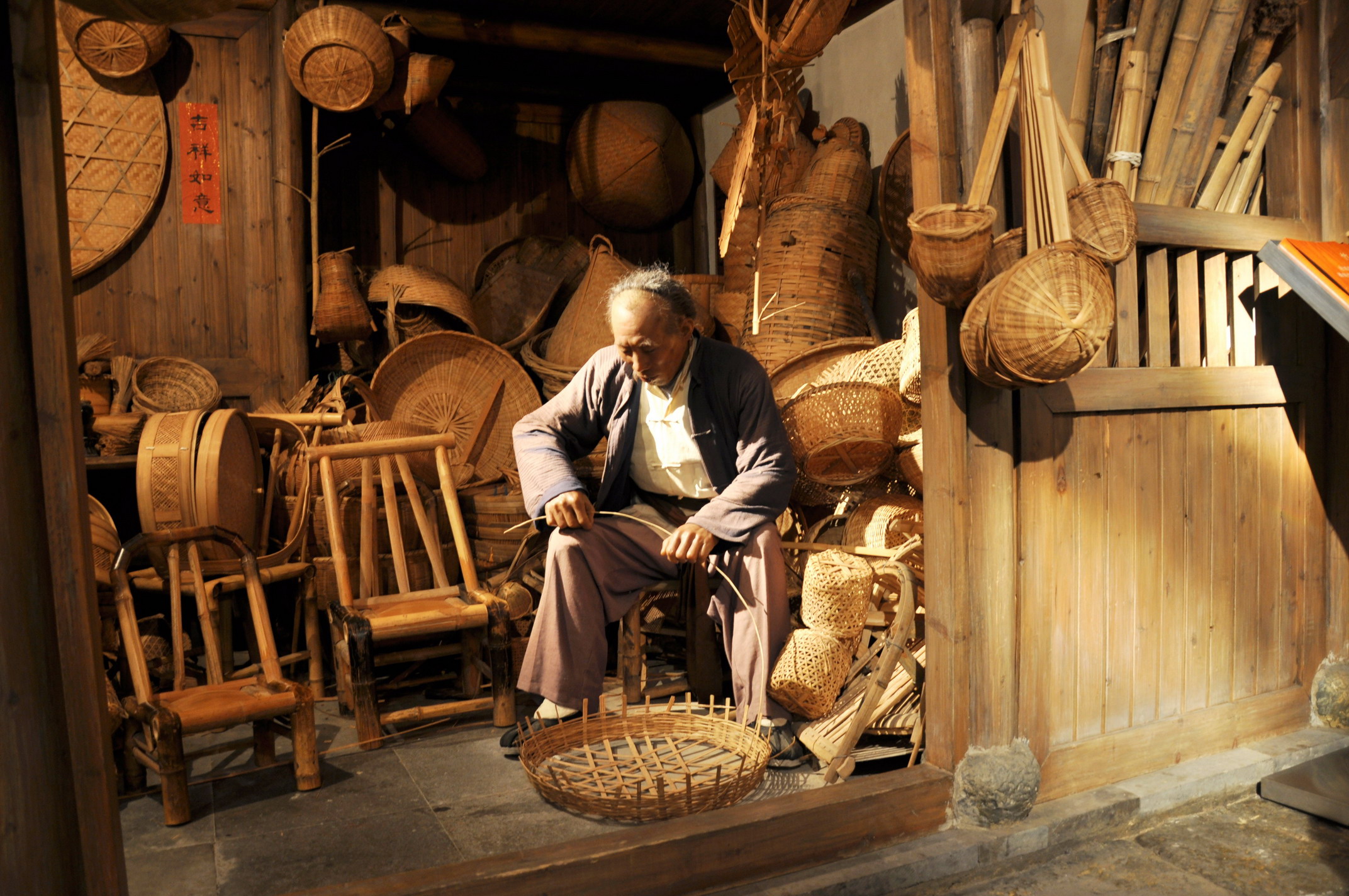
The tower itself was ordinary enough, but under it they had built an outstanding local history museum. In different rooms they had recreated the Shanghai of a hundred years ago. There were really well-made wax figures of people in different trades and walks of life.
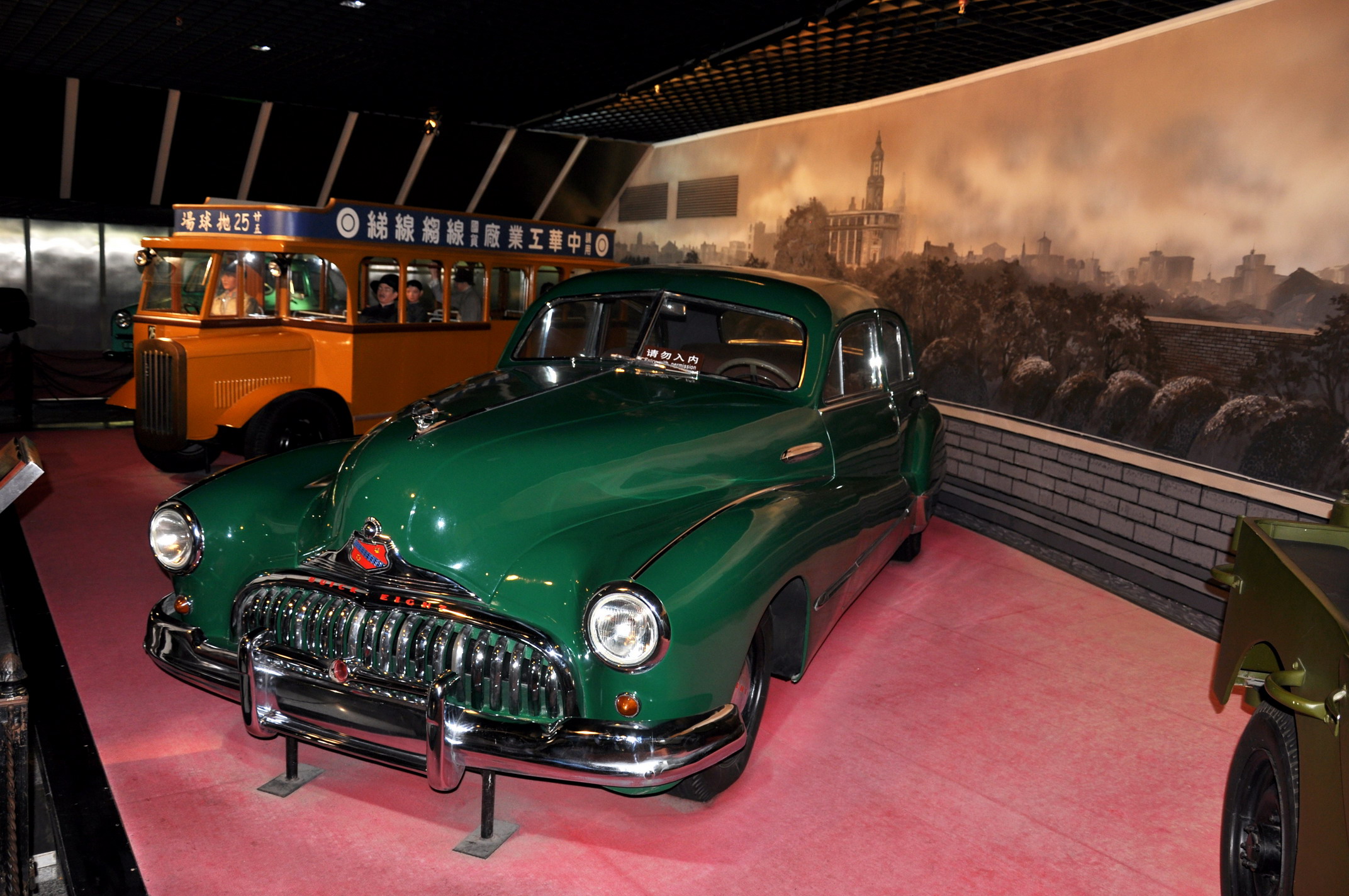
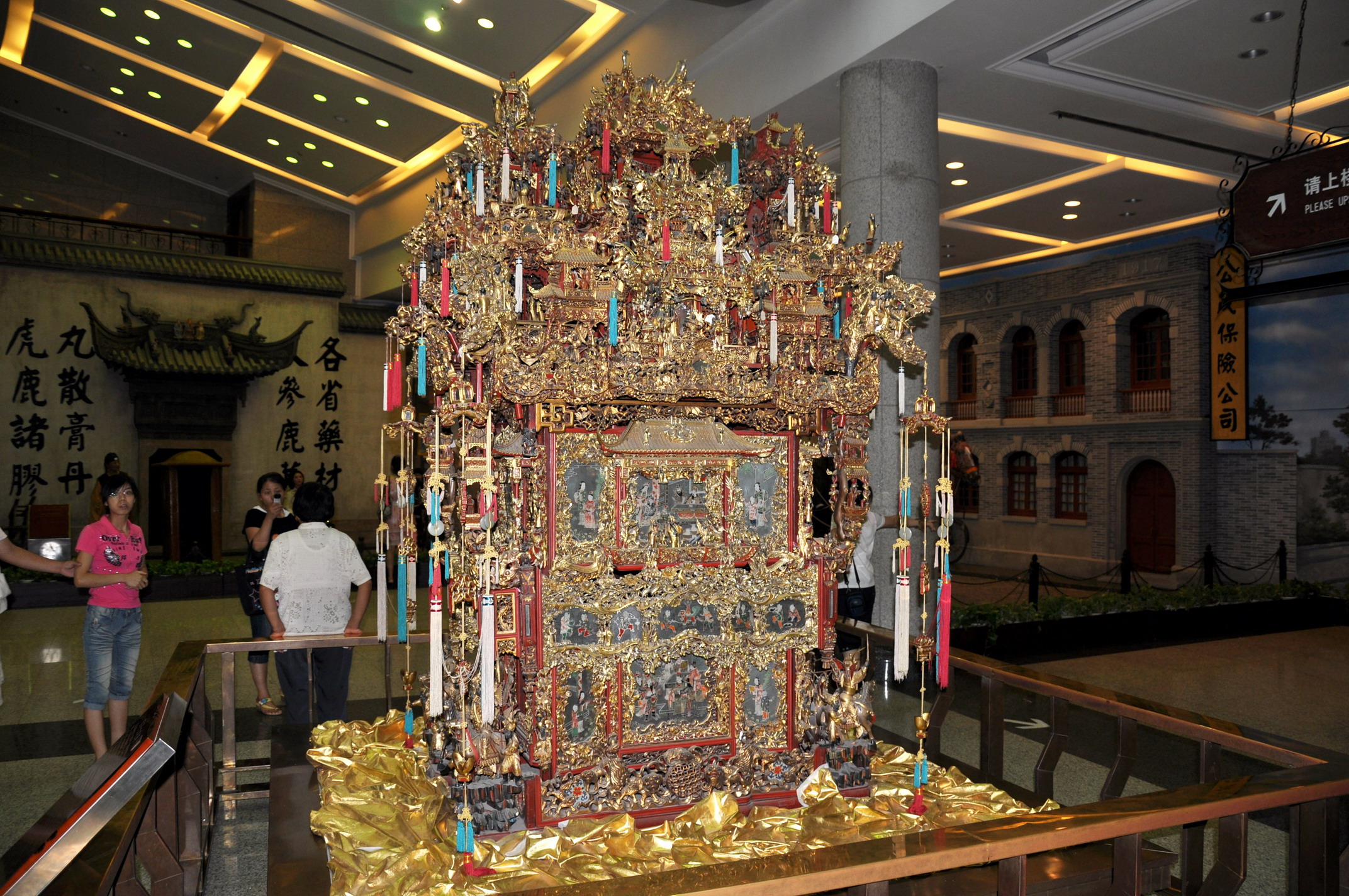
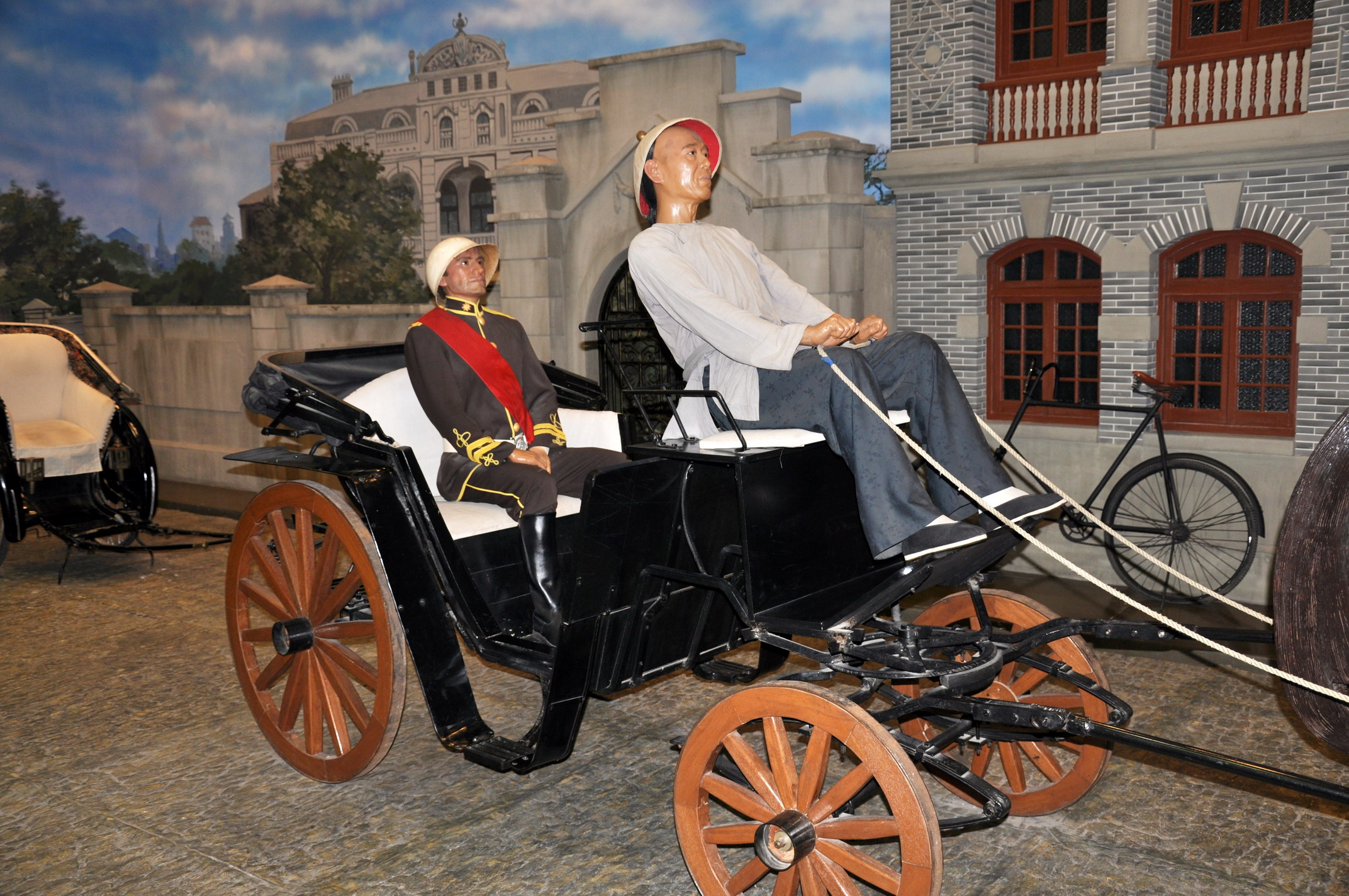
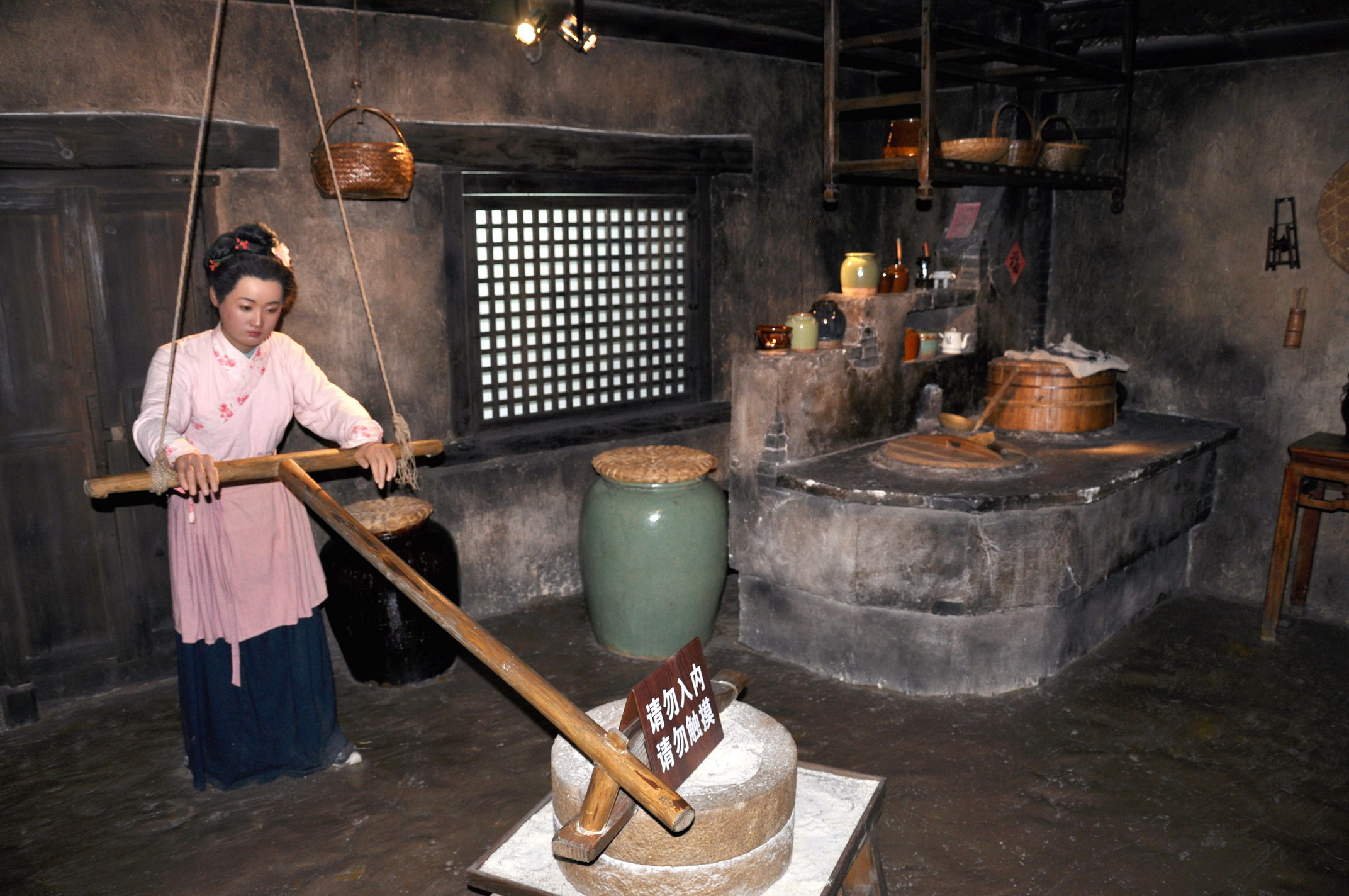
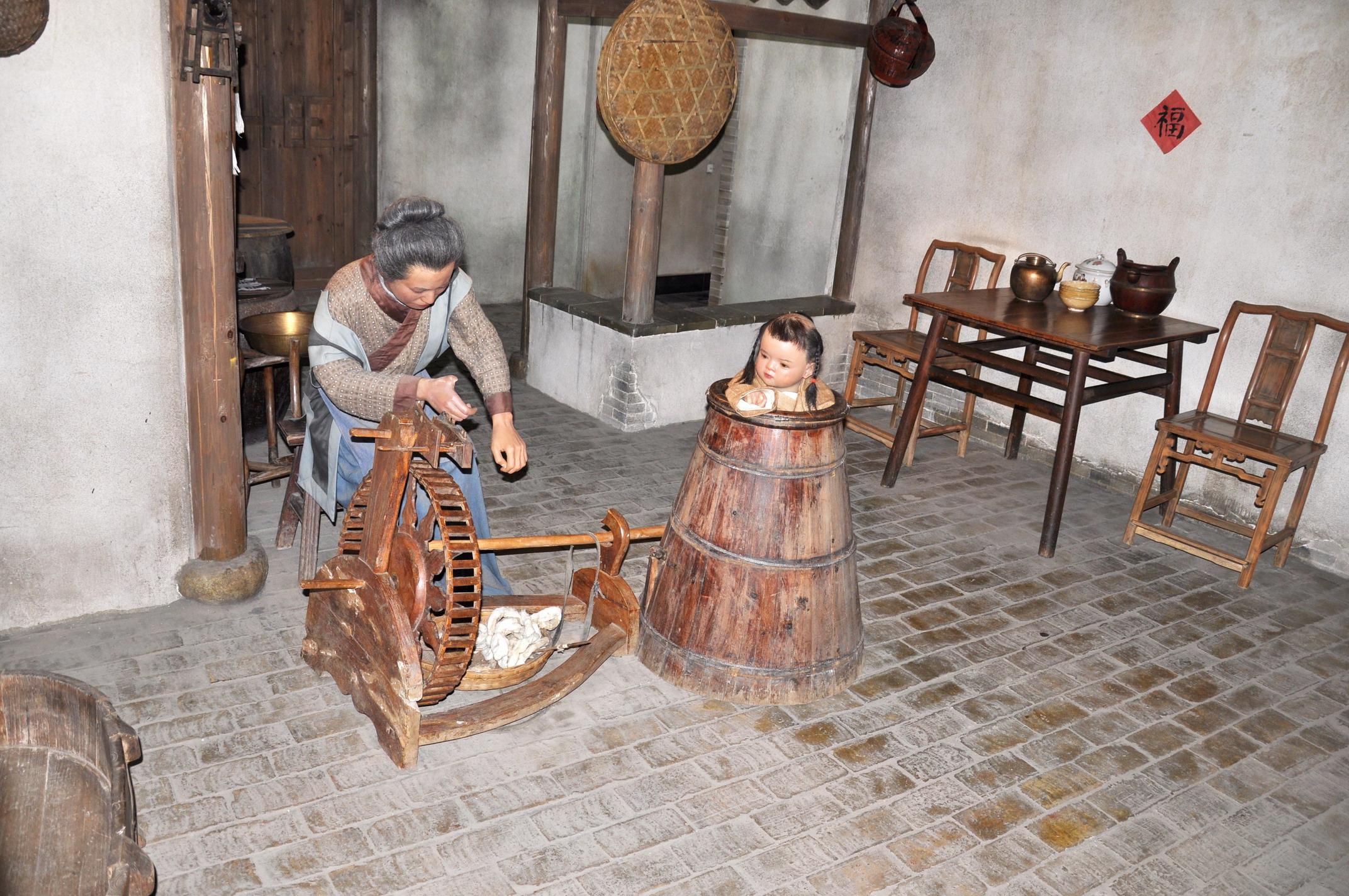
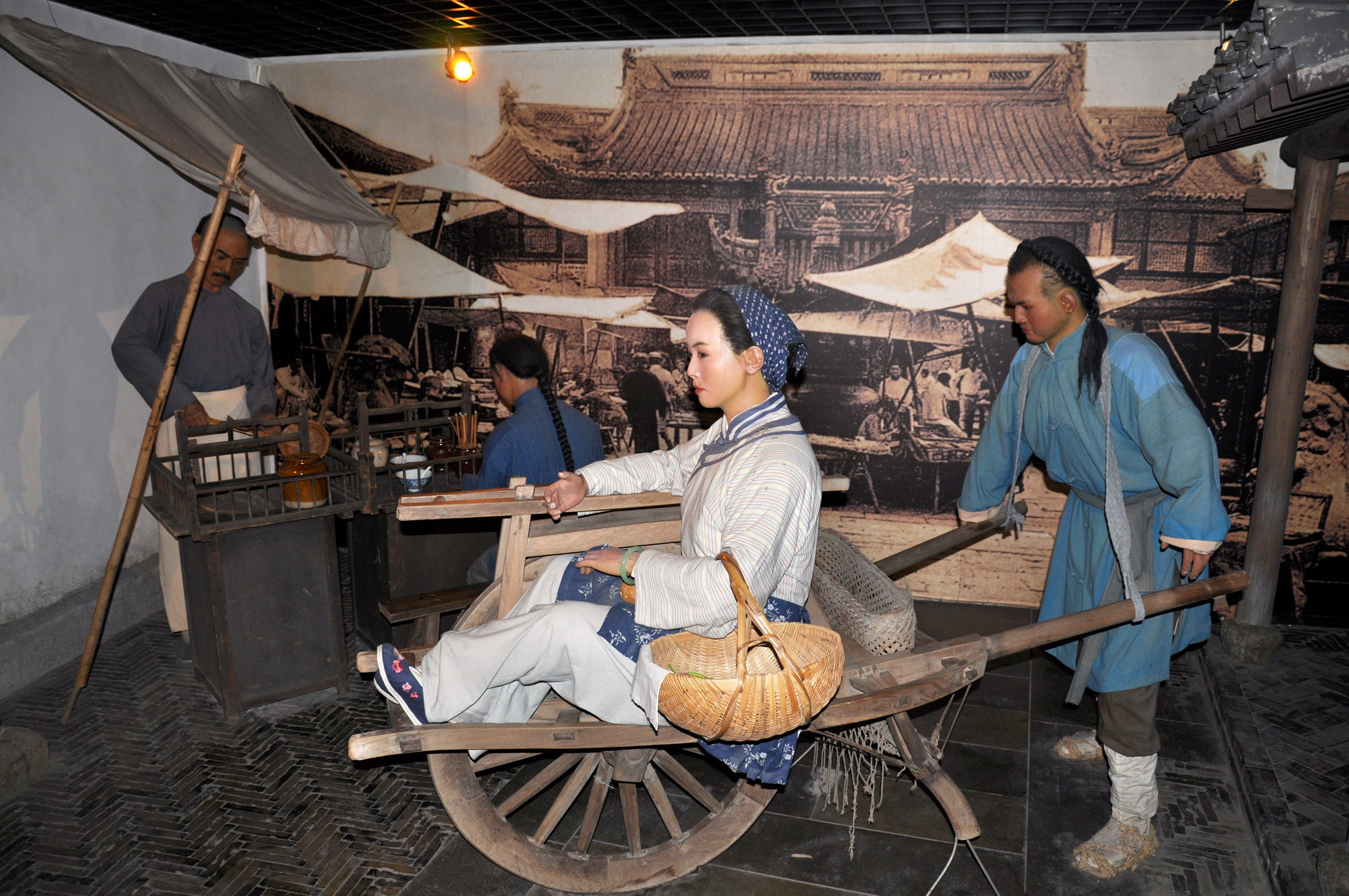
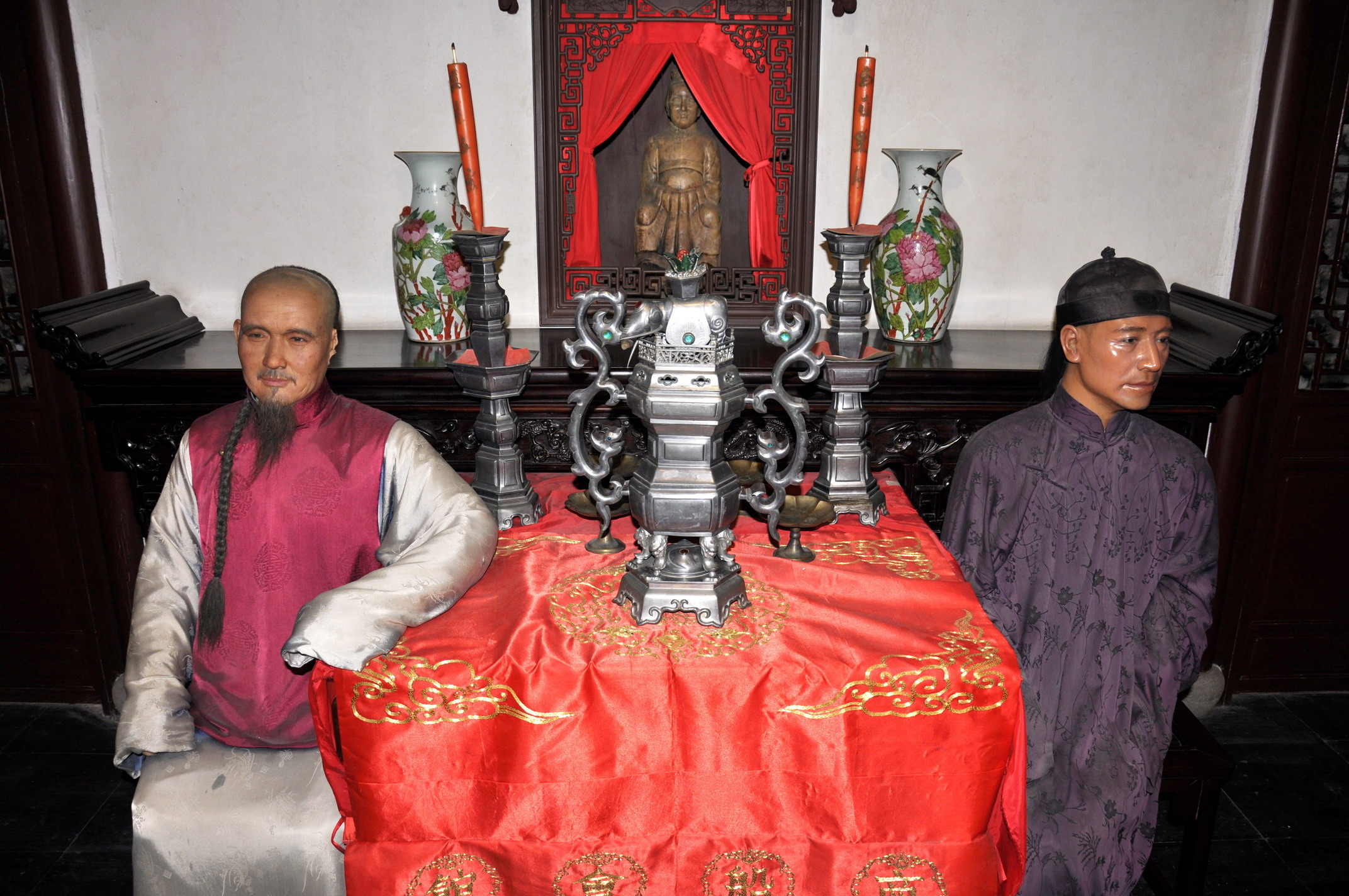
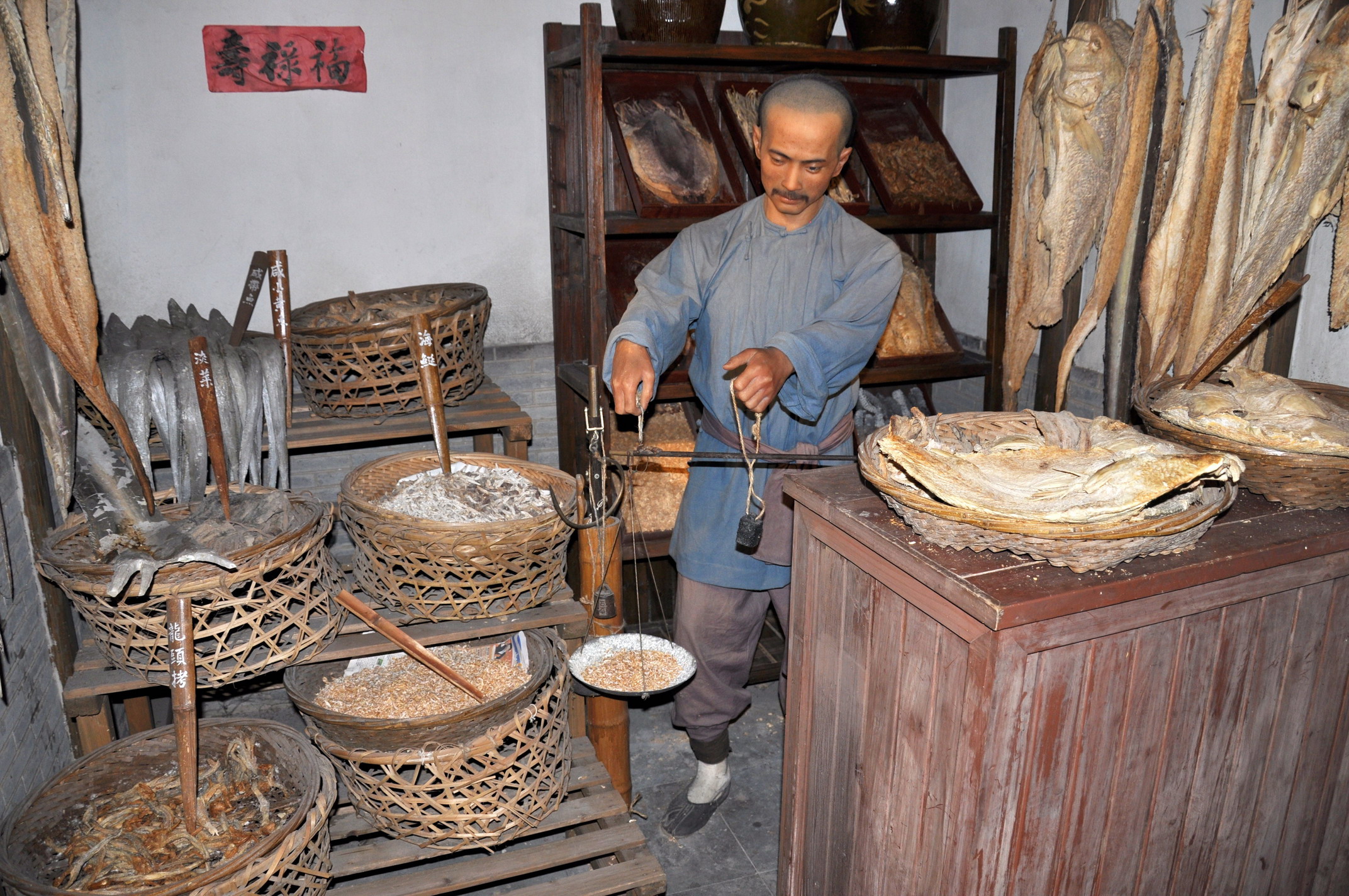
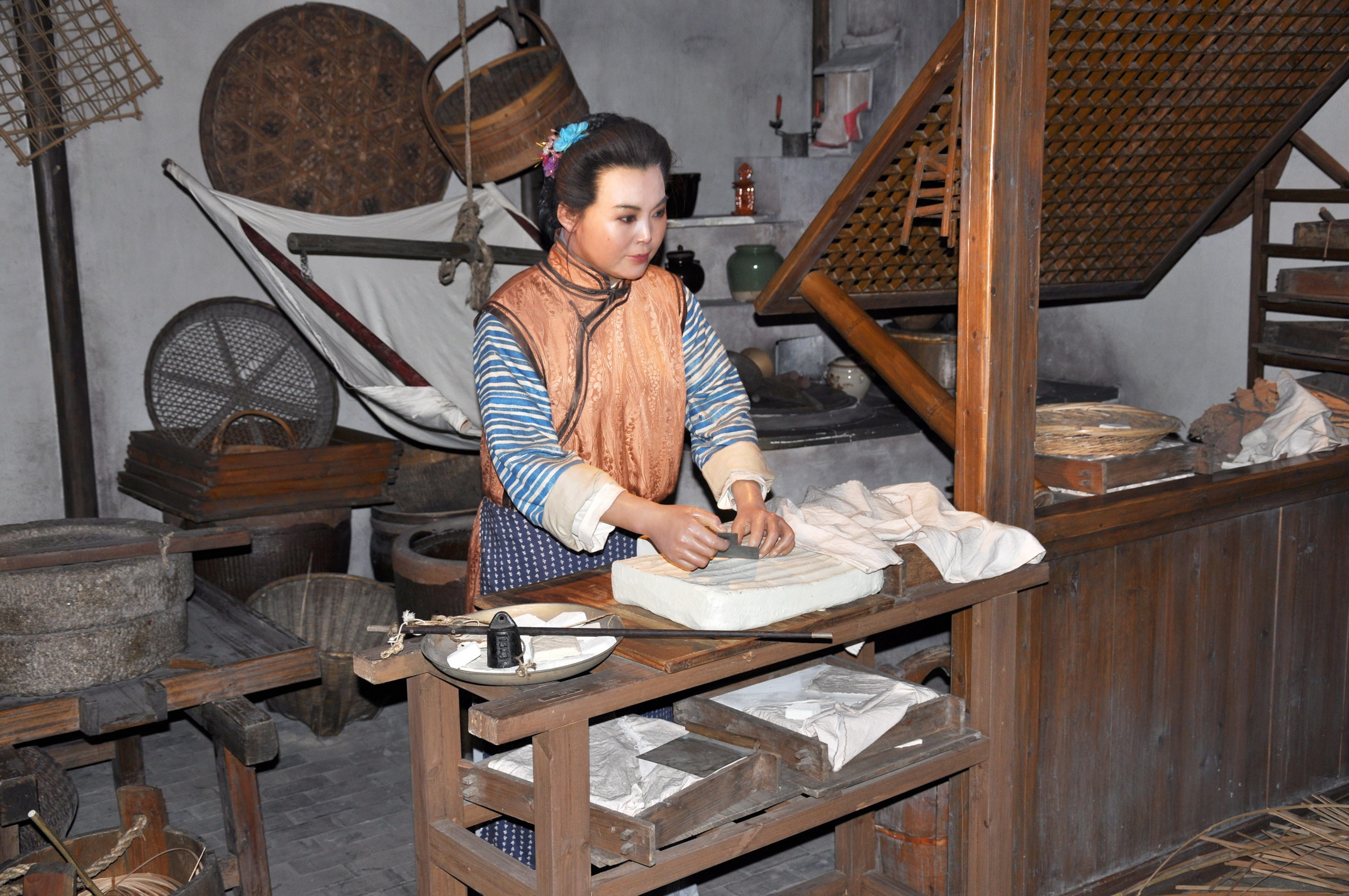
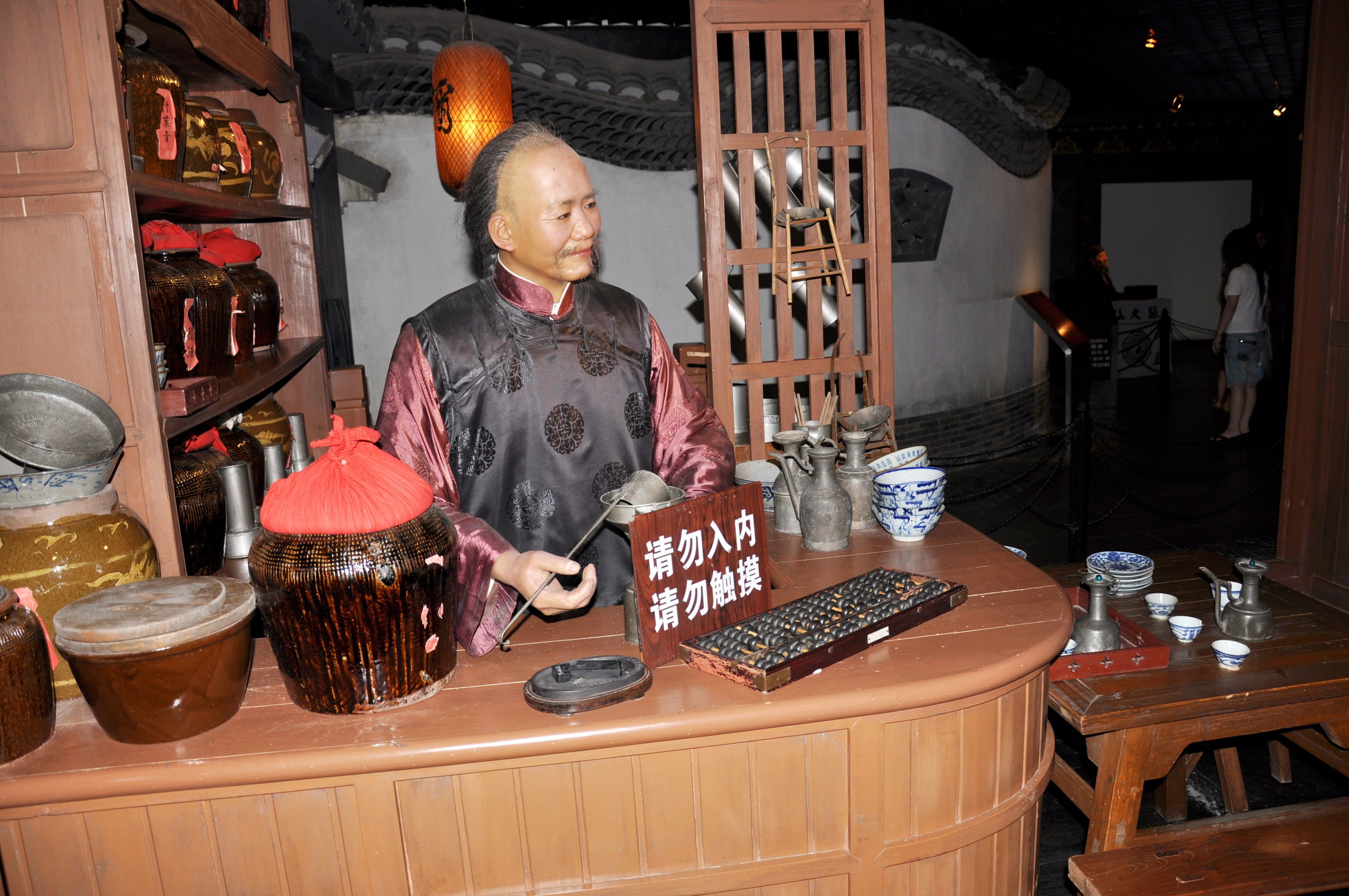
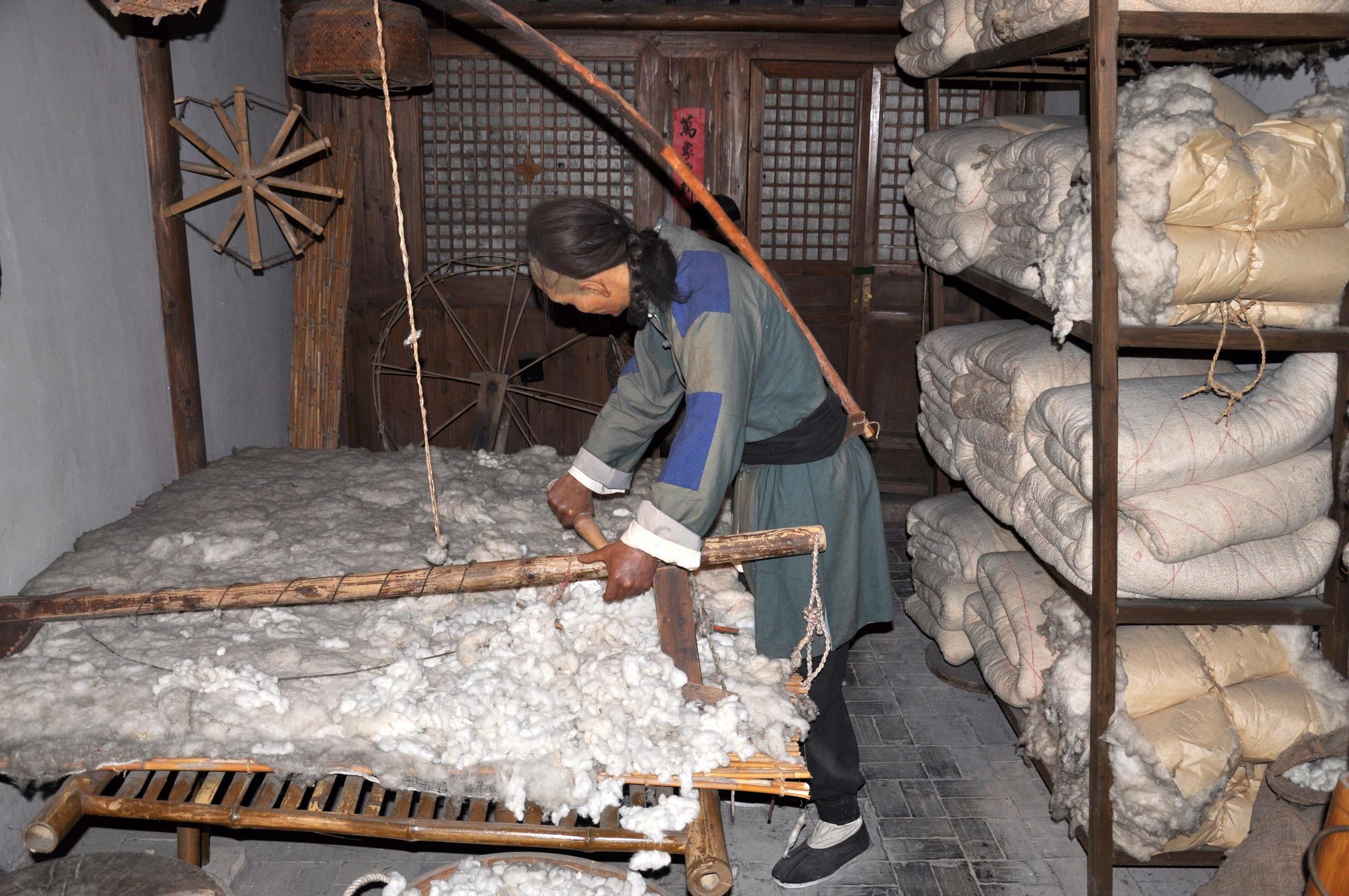
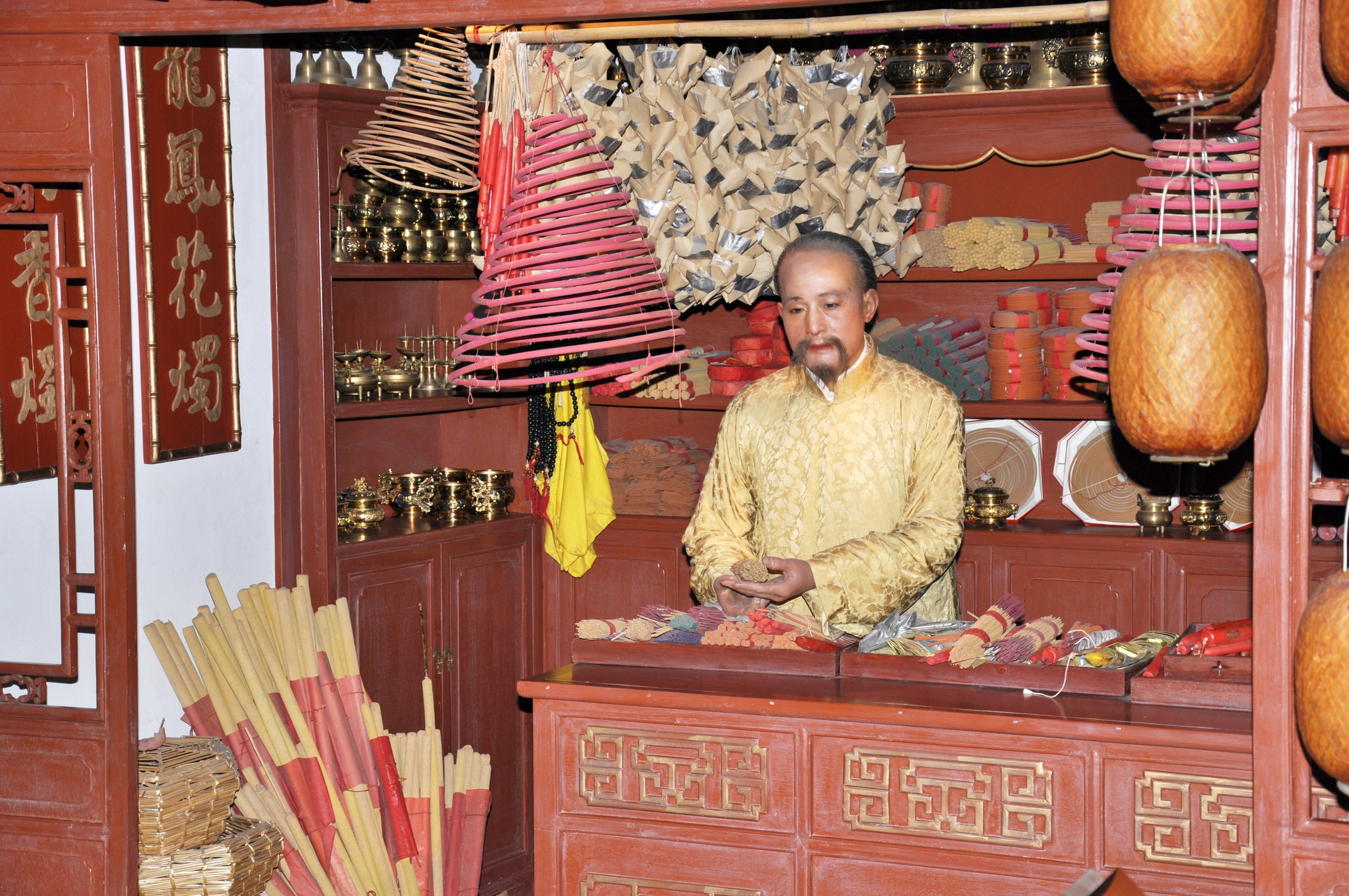
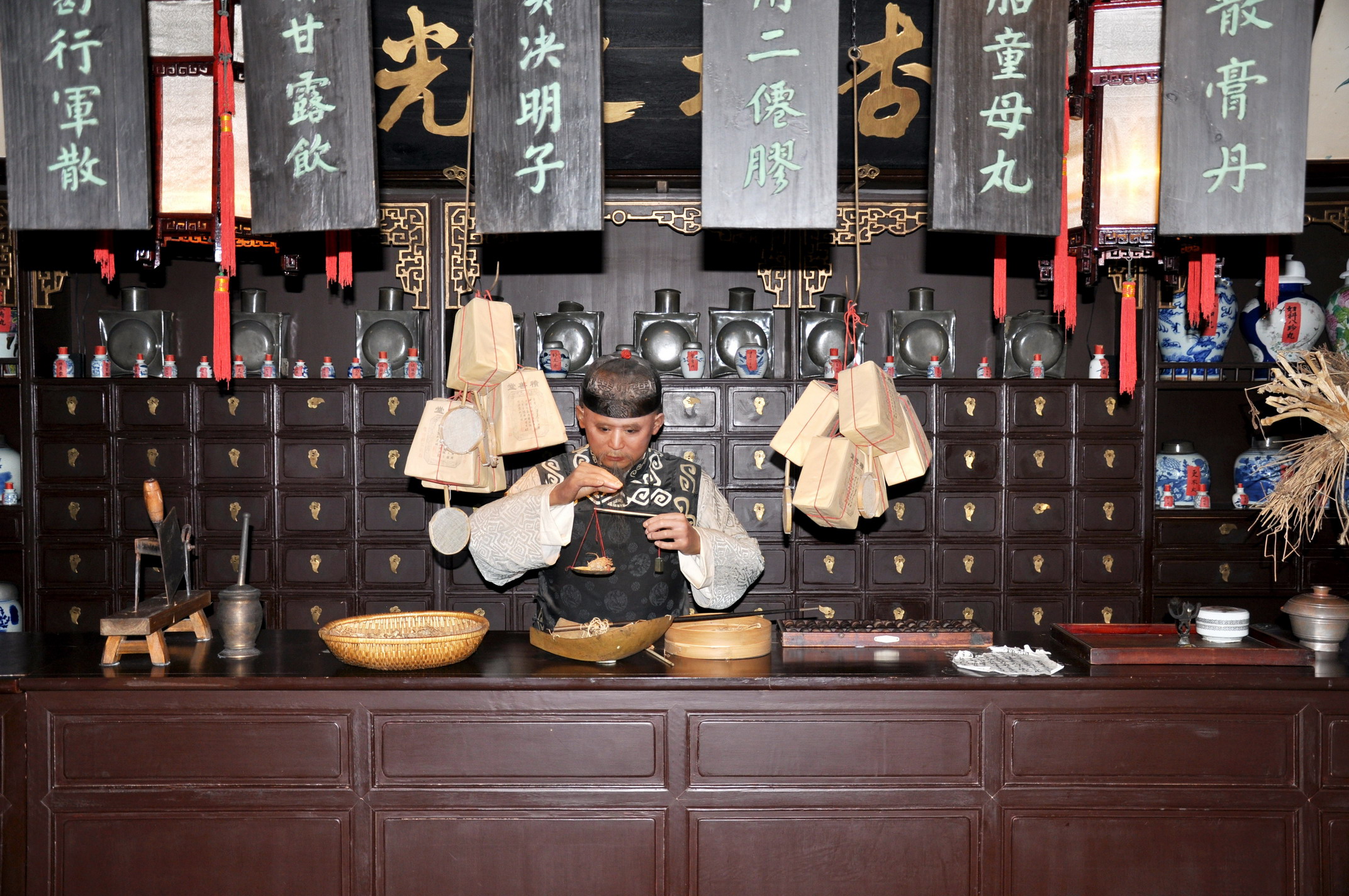
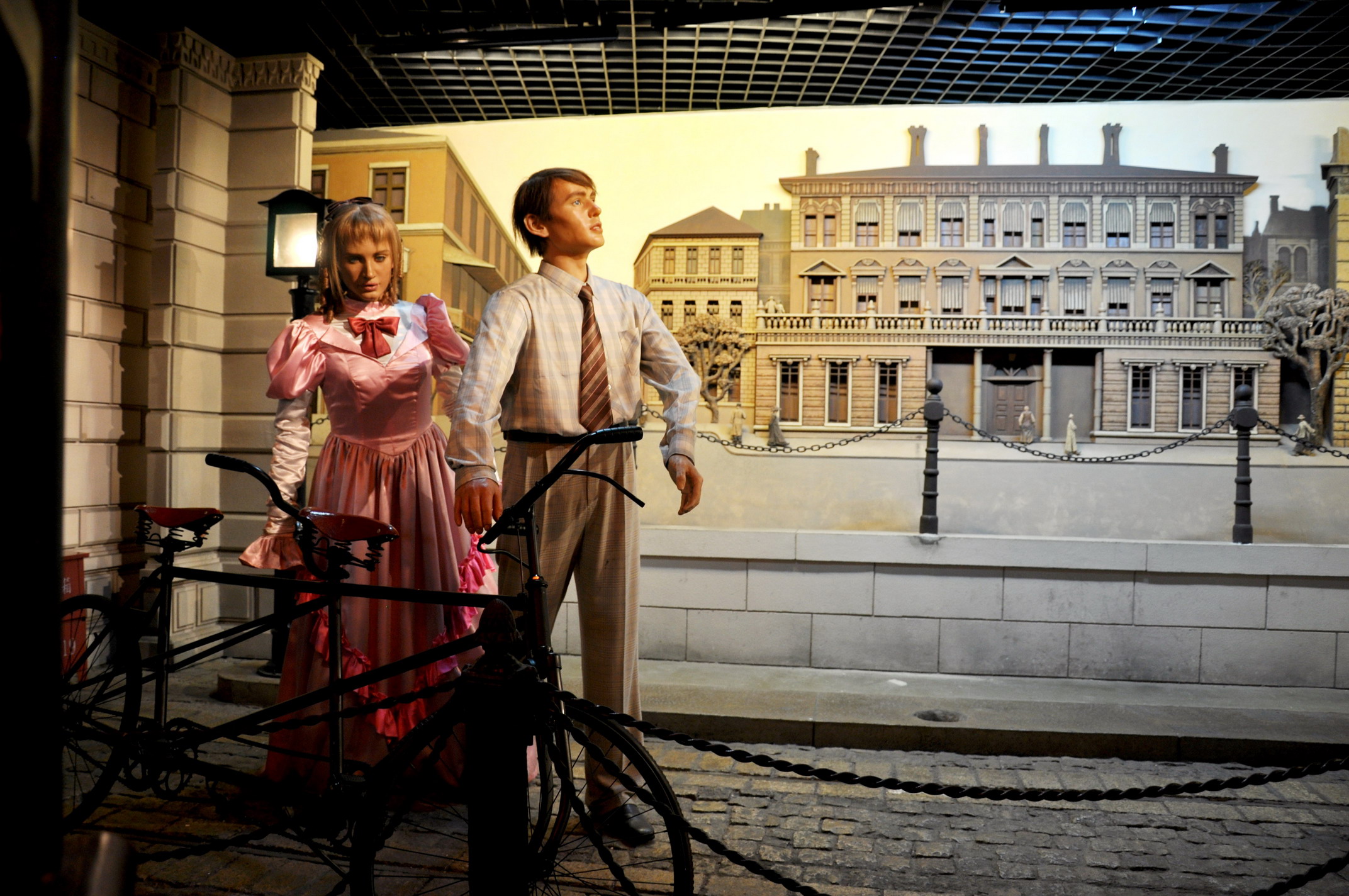
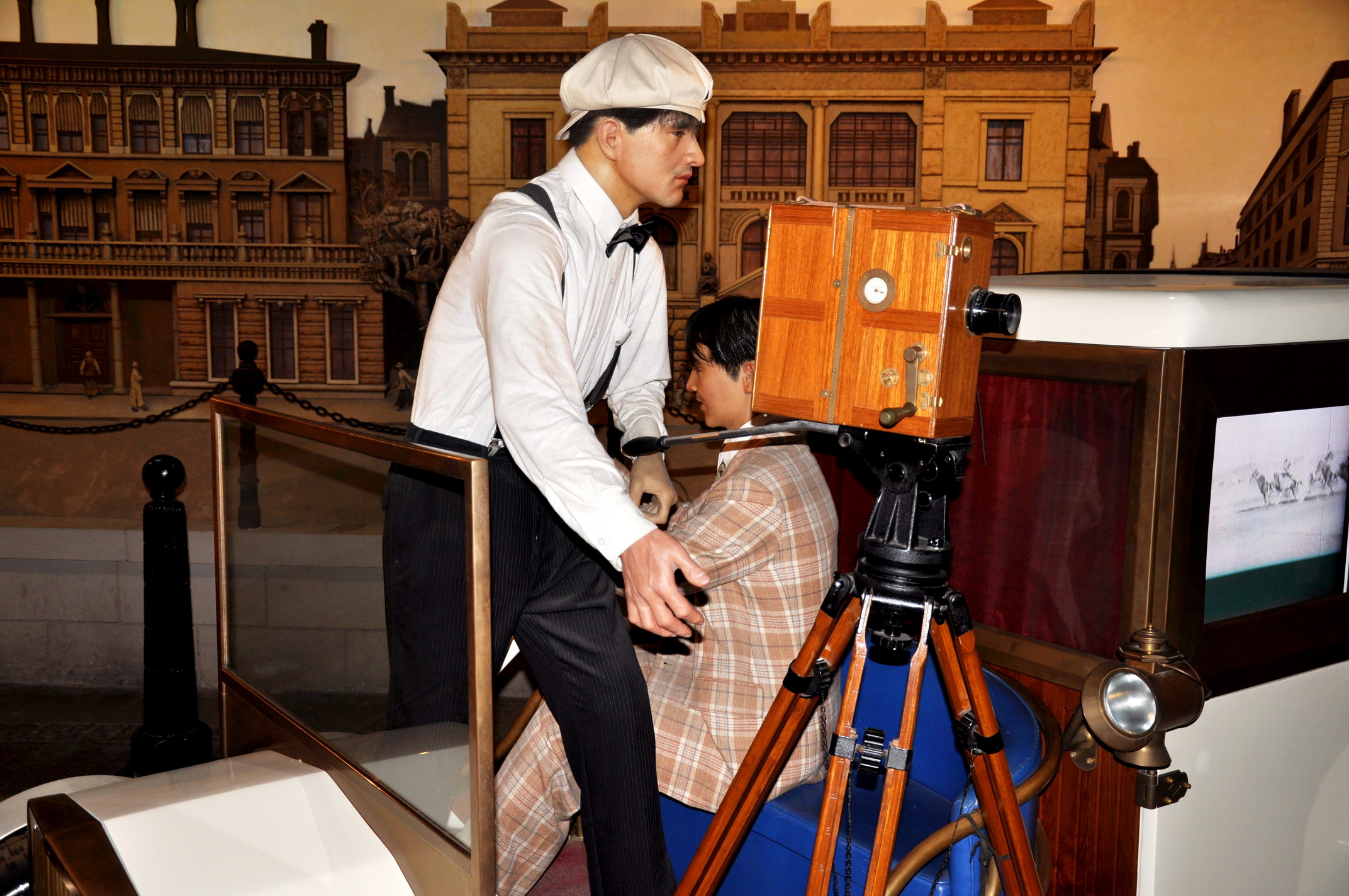
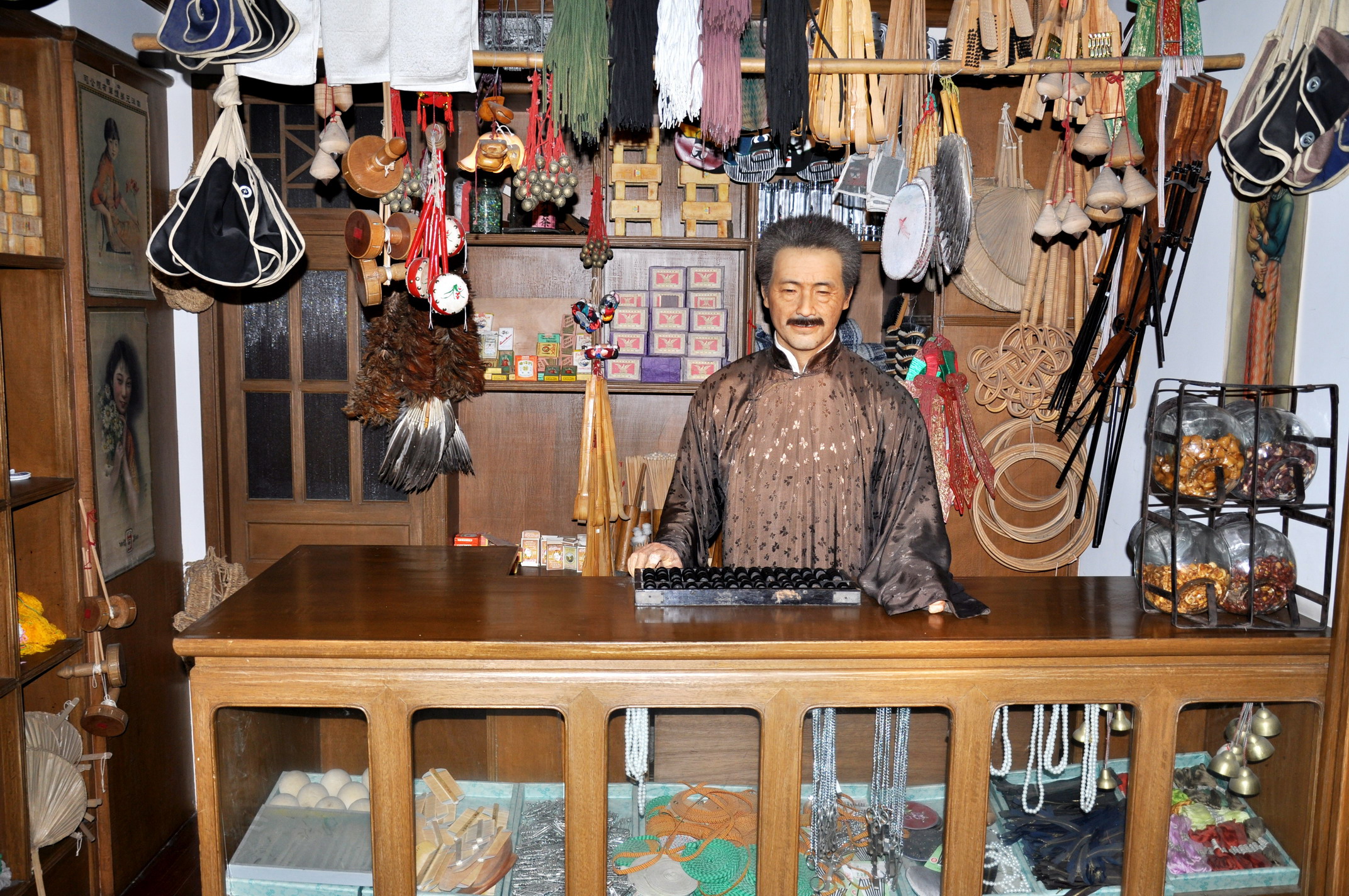
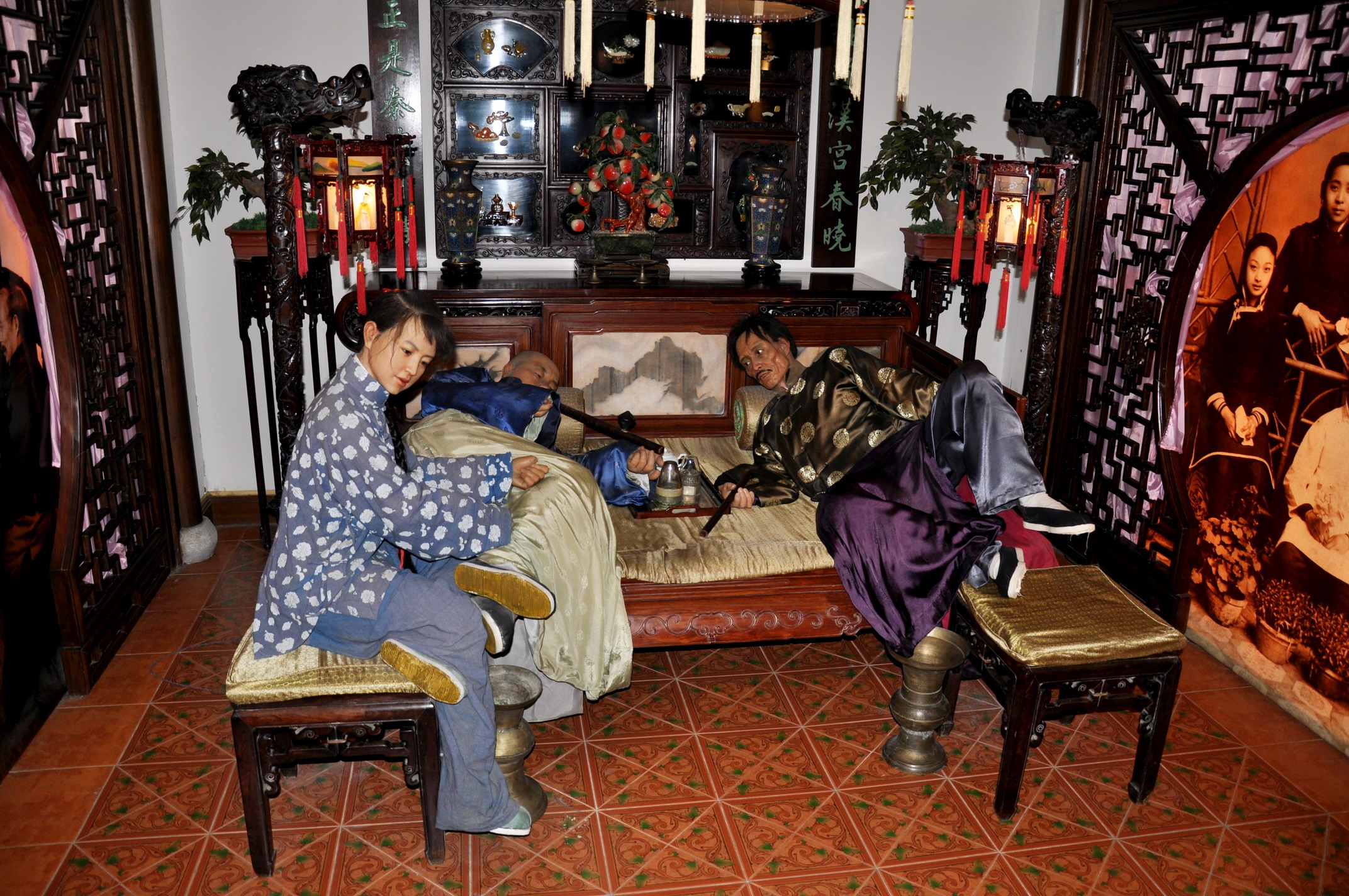
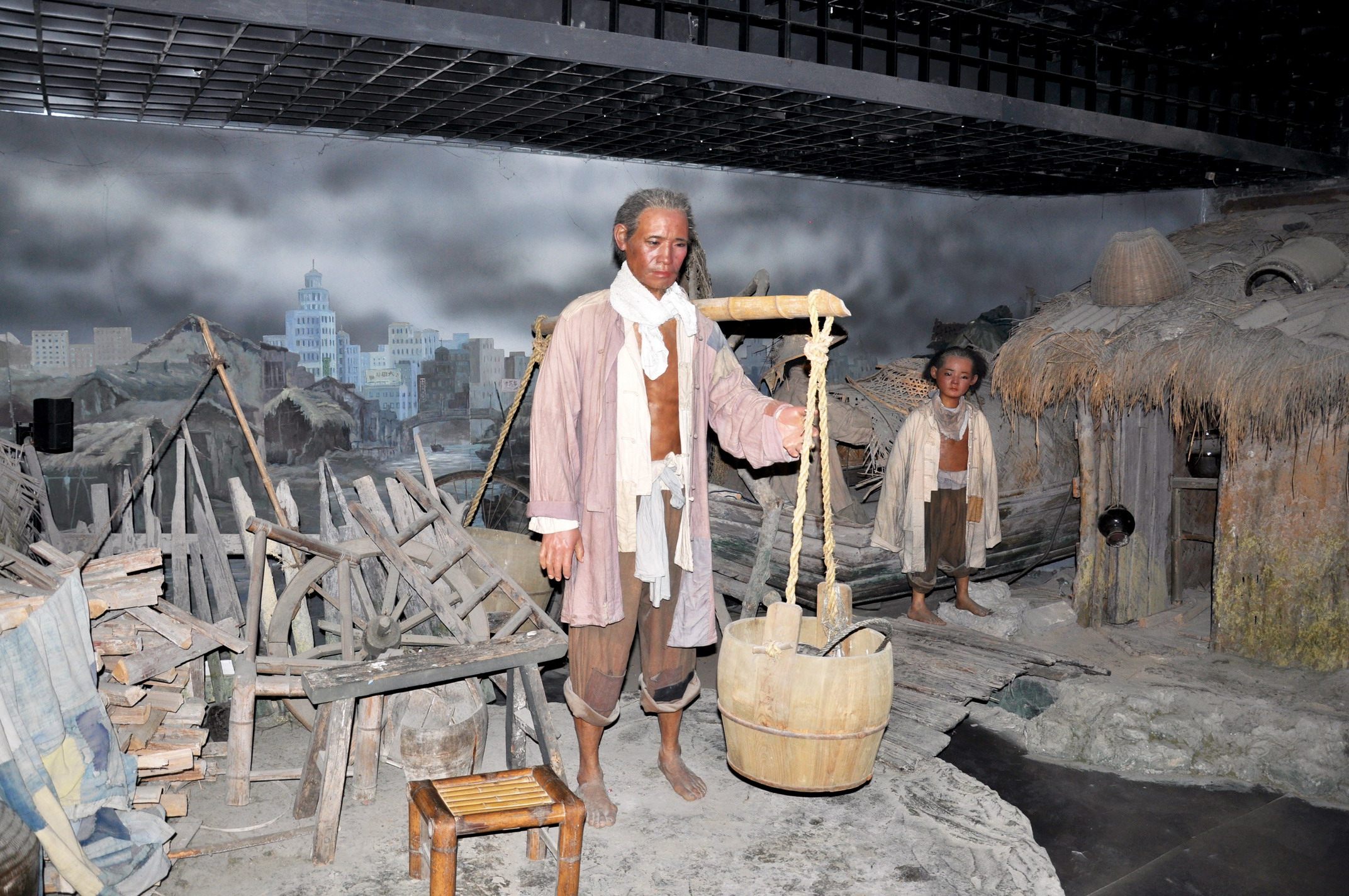
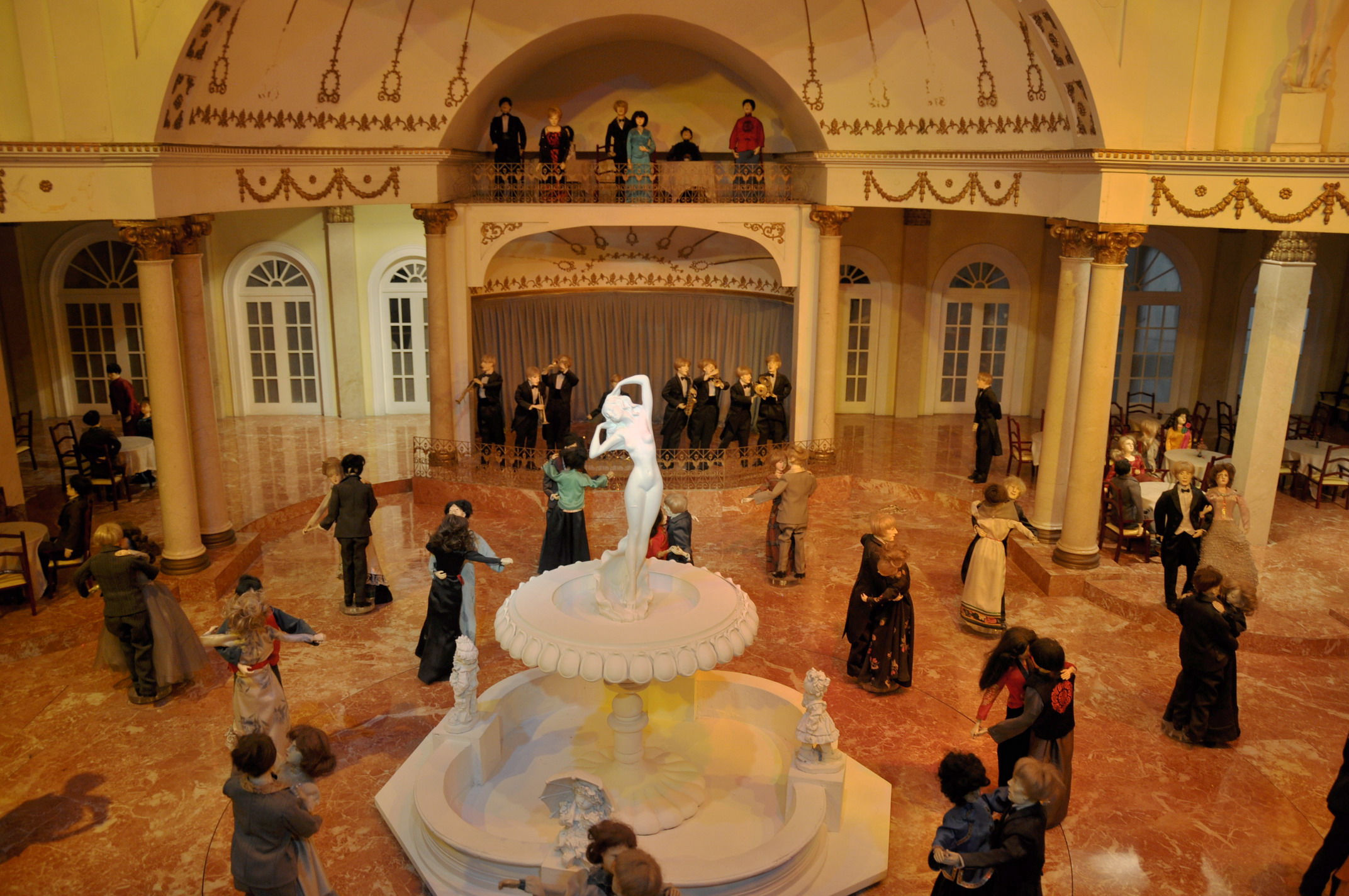
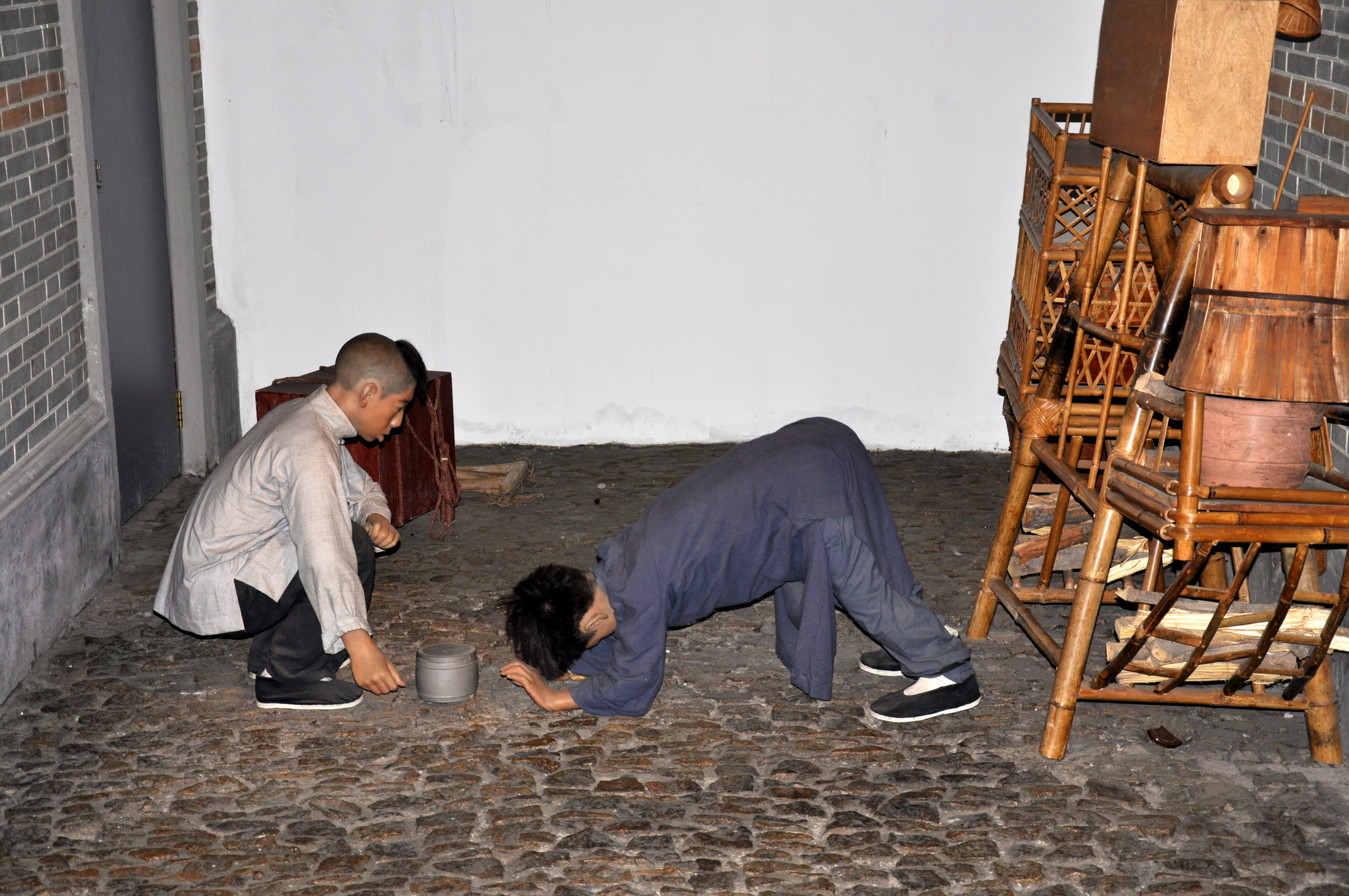
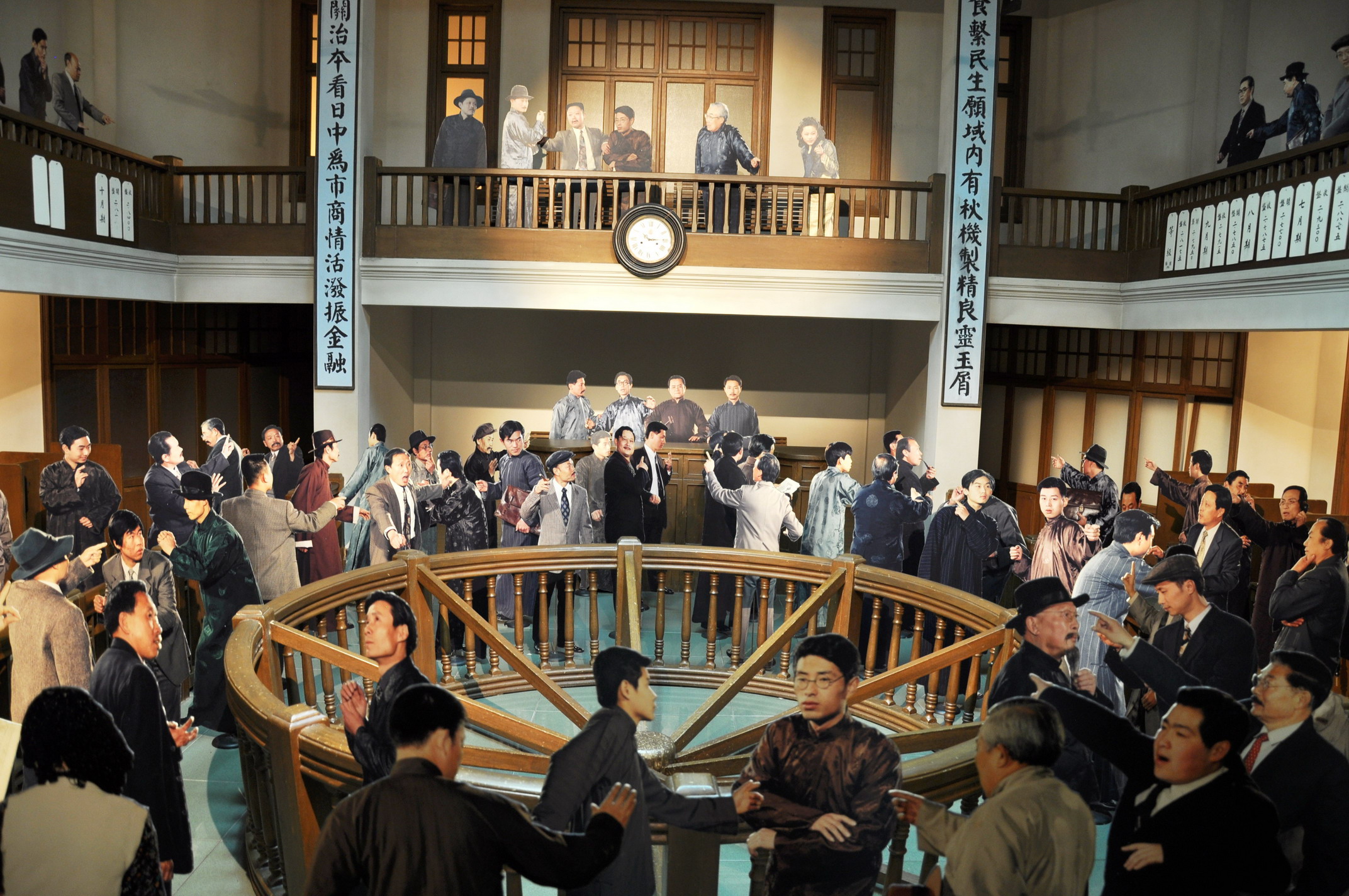
That evening we had another coffee with our friends and set off for Beijing by train. It turned out you had to get your ticket in advance. On the day itself there was nothing left and it was only thanks to the consulate that we got seats. As far as I could find out there were just three pairs of night trains between Shanghai and Beijing. The train covered the 1,300 kilometres in one night, like the Red Arrow from Saint Petersburg to Moscow.
You had to choose the right class of carriage. The cheapest ticket entitled you to stand. The carriages filled up like a metro at rush hour and people travelled that way for twelve hours, overnight.
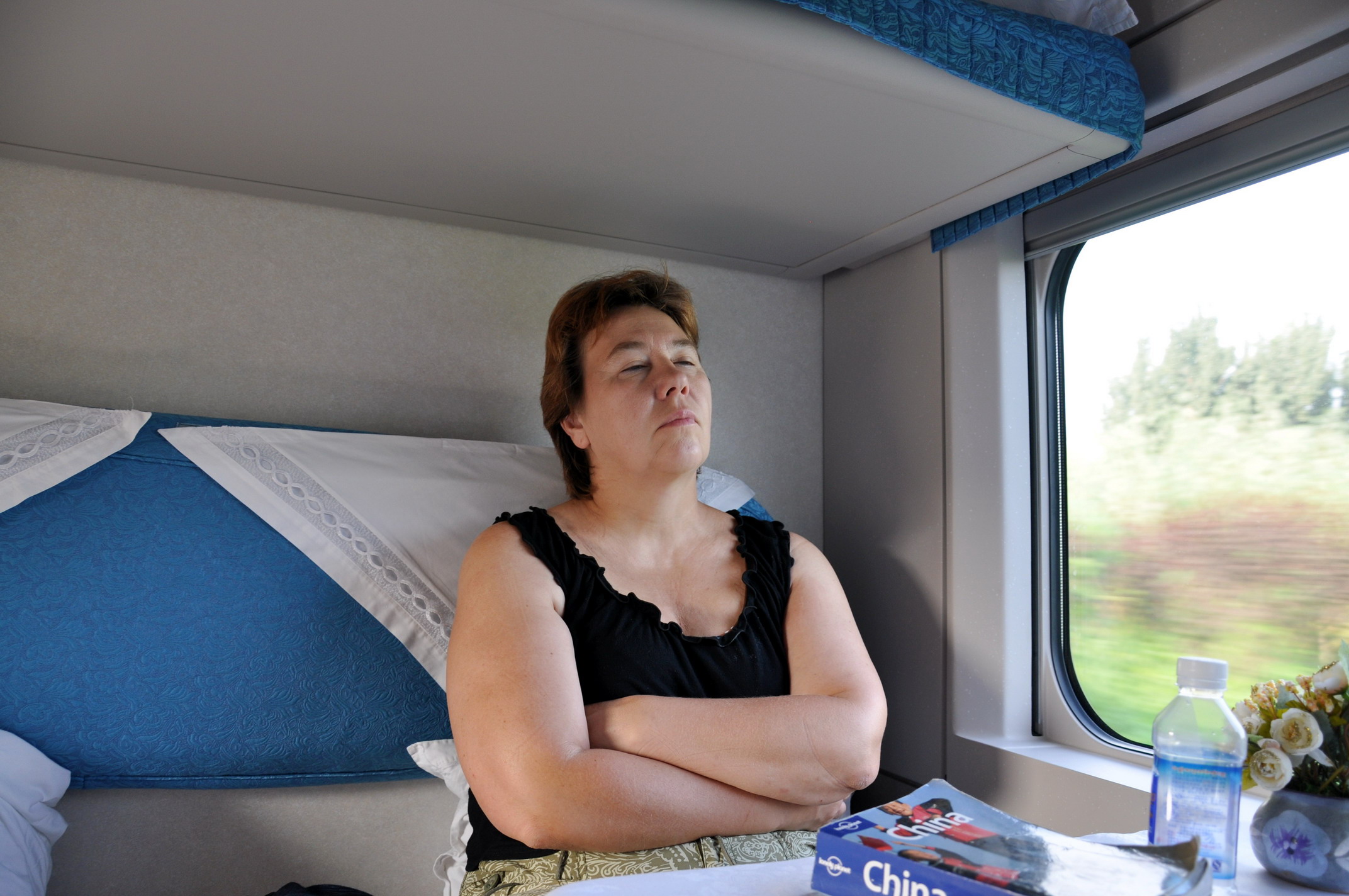
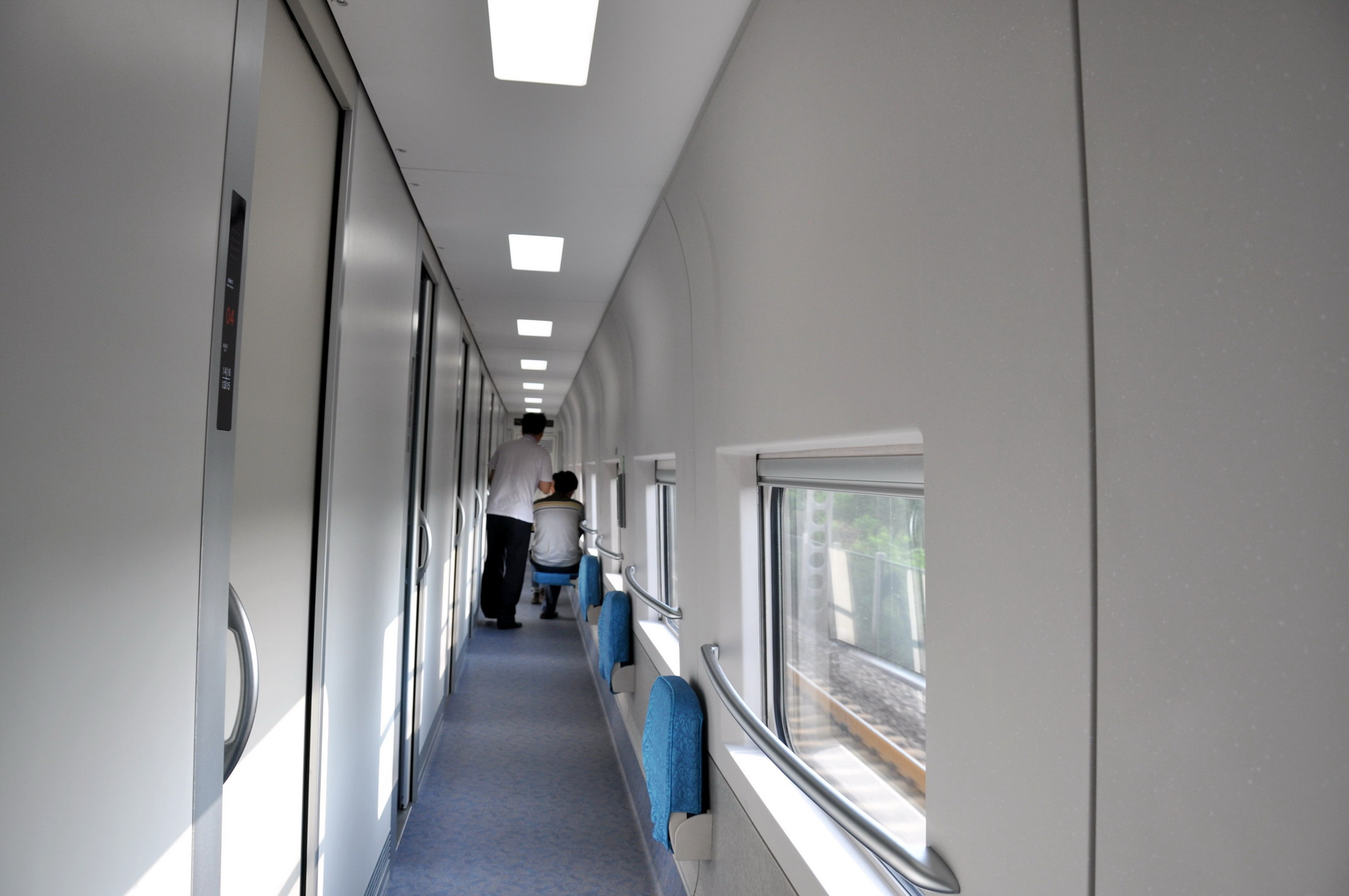
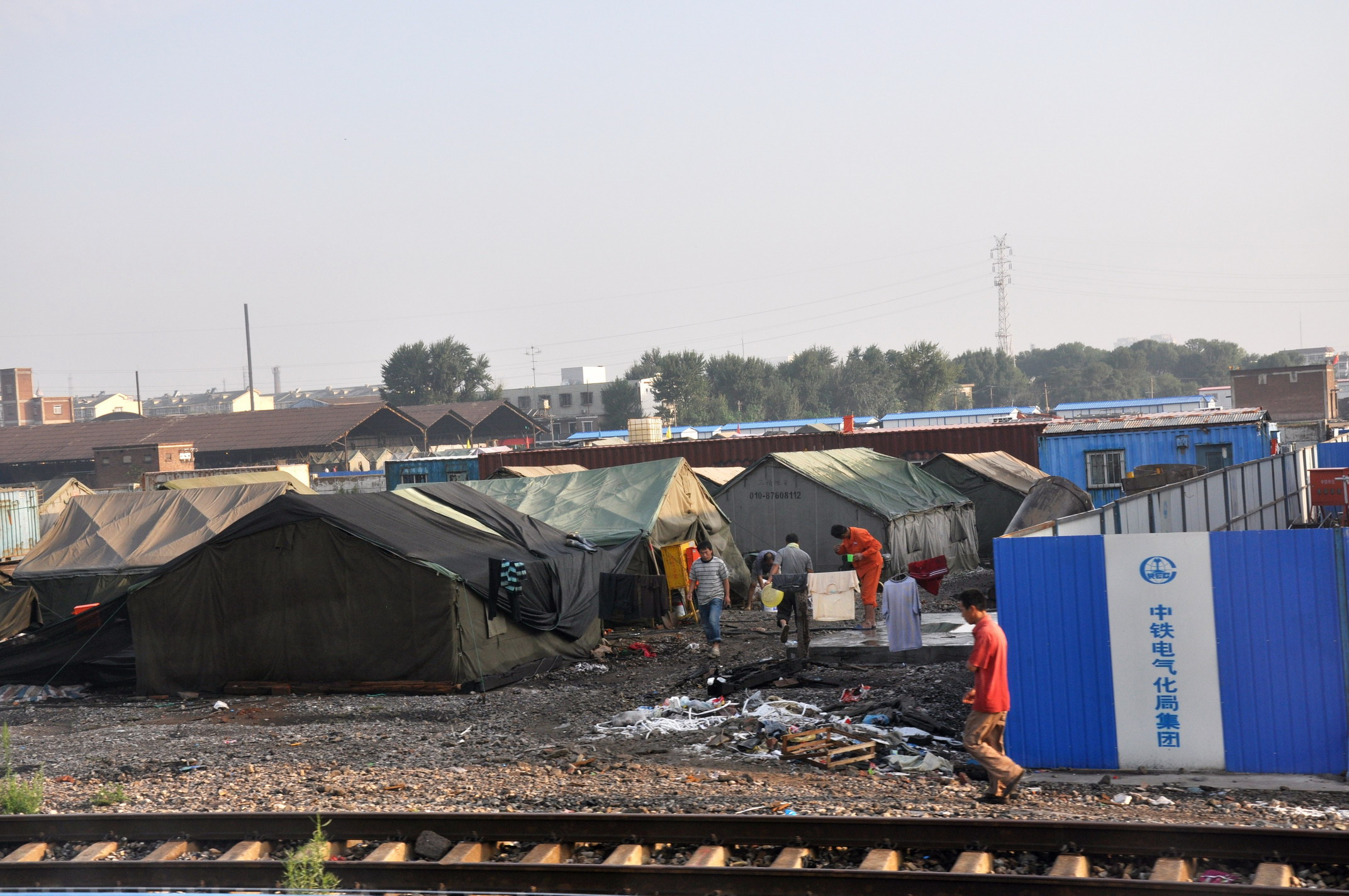
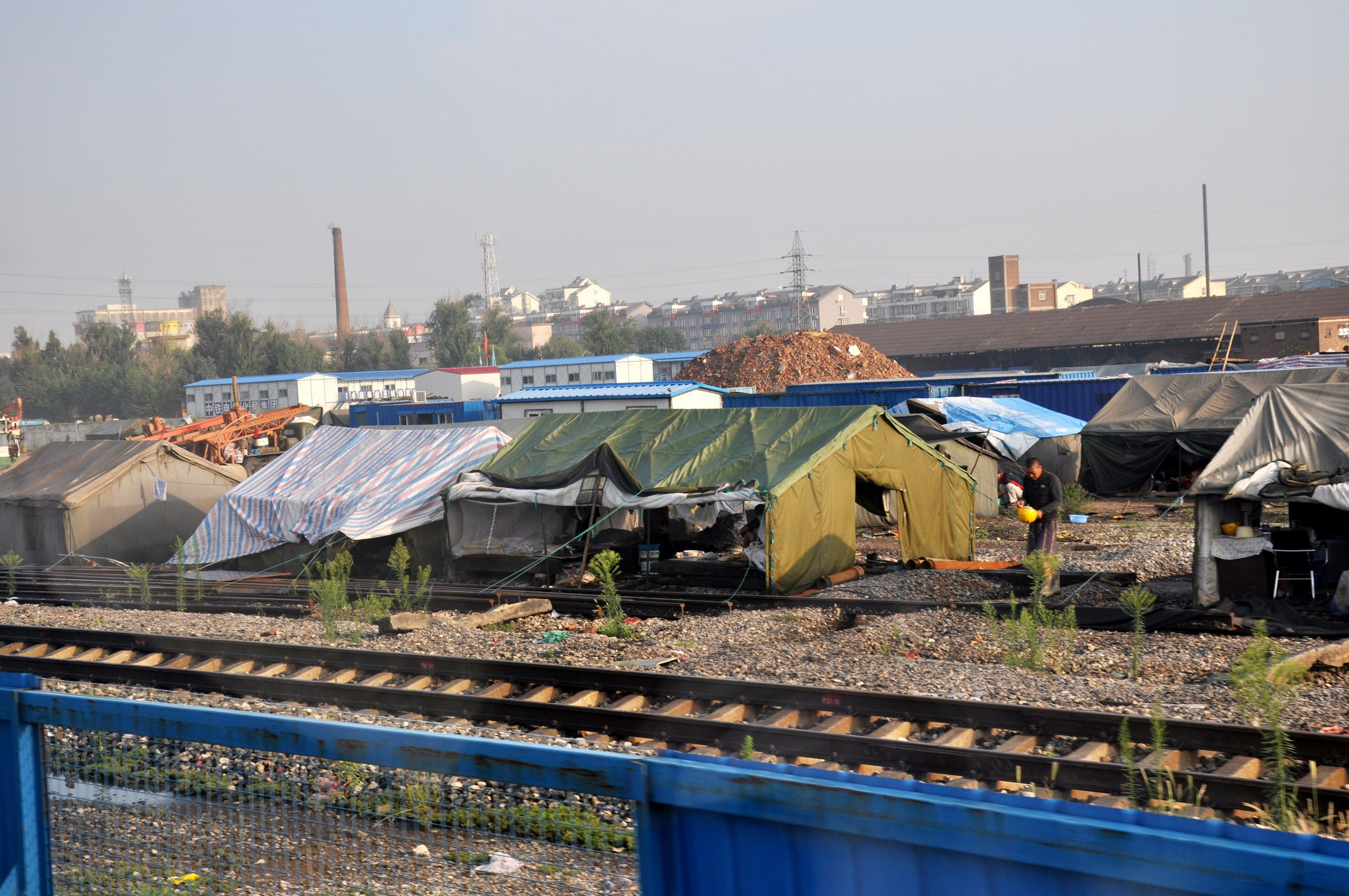
China had long talked of building a high-speed railway between Shanghai and Beijing. I’d heard plans to have it ready for the Olympics and then for Expo. From the train I saw little more than excavations, half-built viaducts and concrete pieces lying in the scrub. There was also talk of China adapting Siemens technology without giving its creators much in return. Picking a fight with the West had never stopped China, but in this instance I thought they might be worried. The line was still unfinished when we visited and eventually opened in 2011.
At the time I thought China was starting to have more trouble carrying off these immense construction projects. Everything seemed to take longer and cost more, and sometimes it seemed to go nowhere at all. Perhaps that was a healthy sign of capitalism growing up. Orders, a Party reprimand and a shout weren’t enough to get things done any more. Even money for the grand show was hard to raise. Even on the country’s main square, the workers didn’t look hurried.
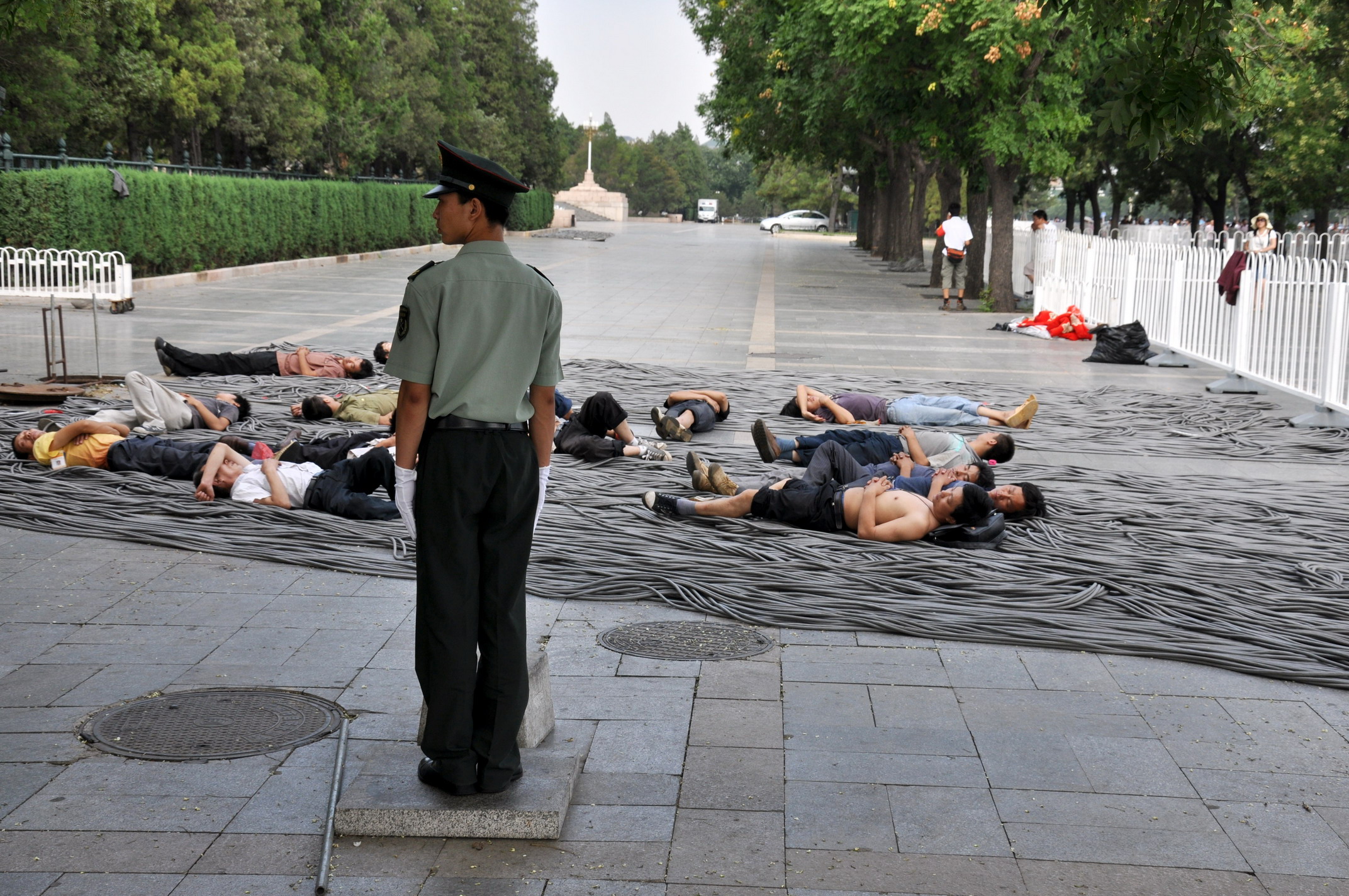
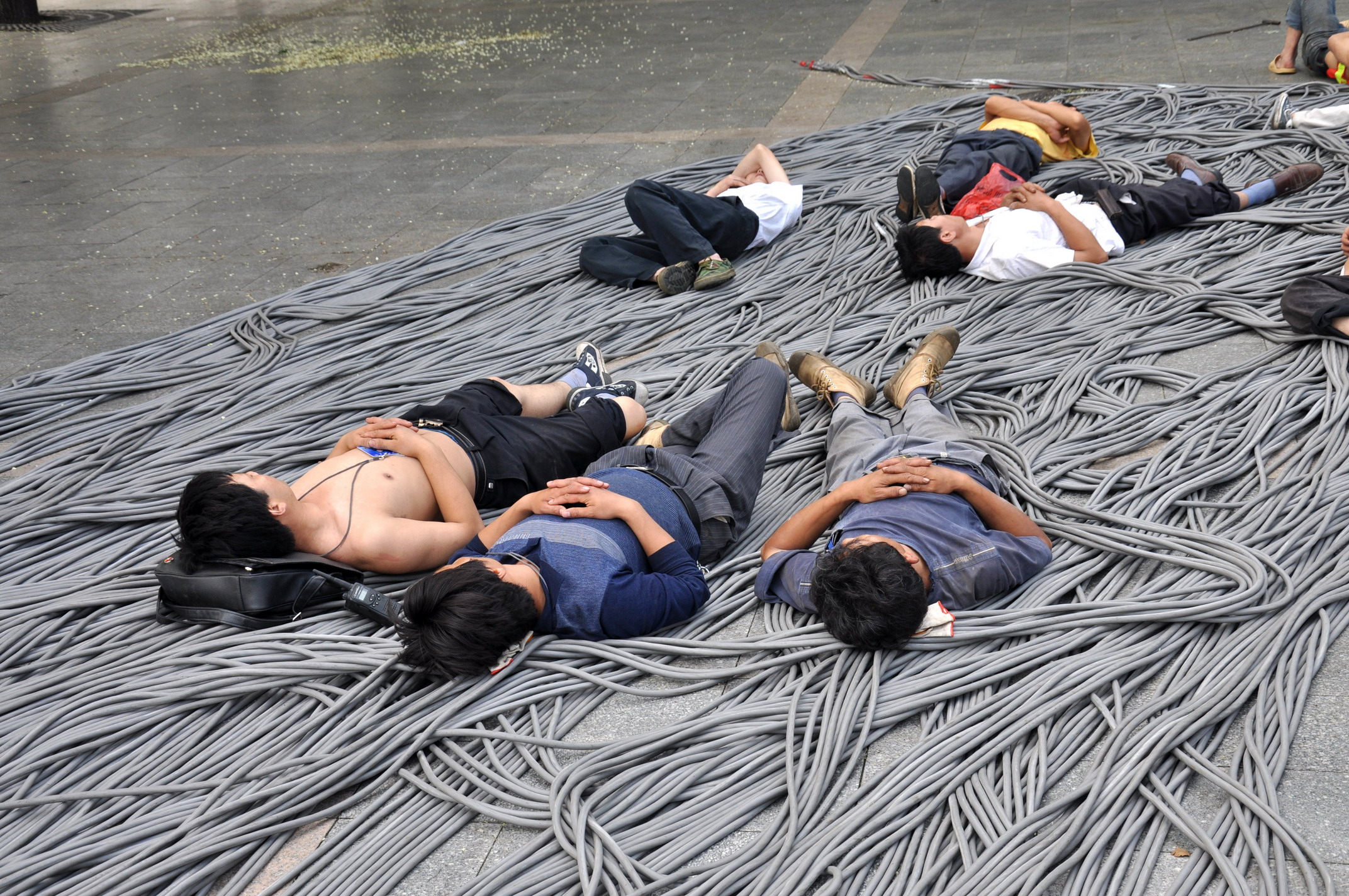
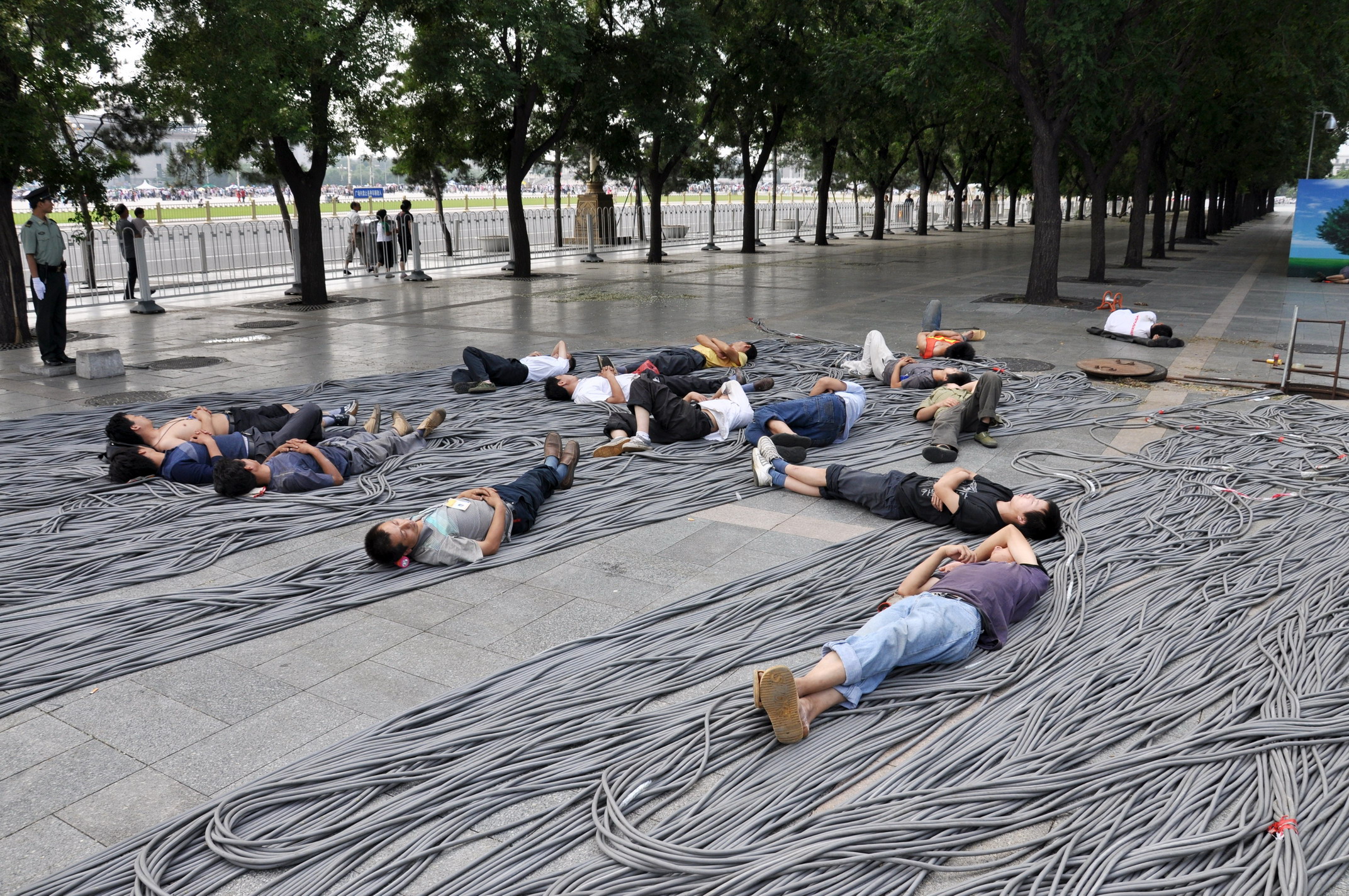
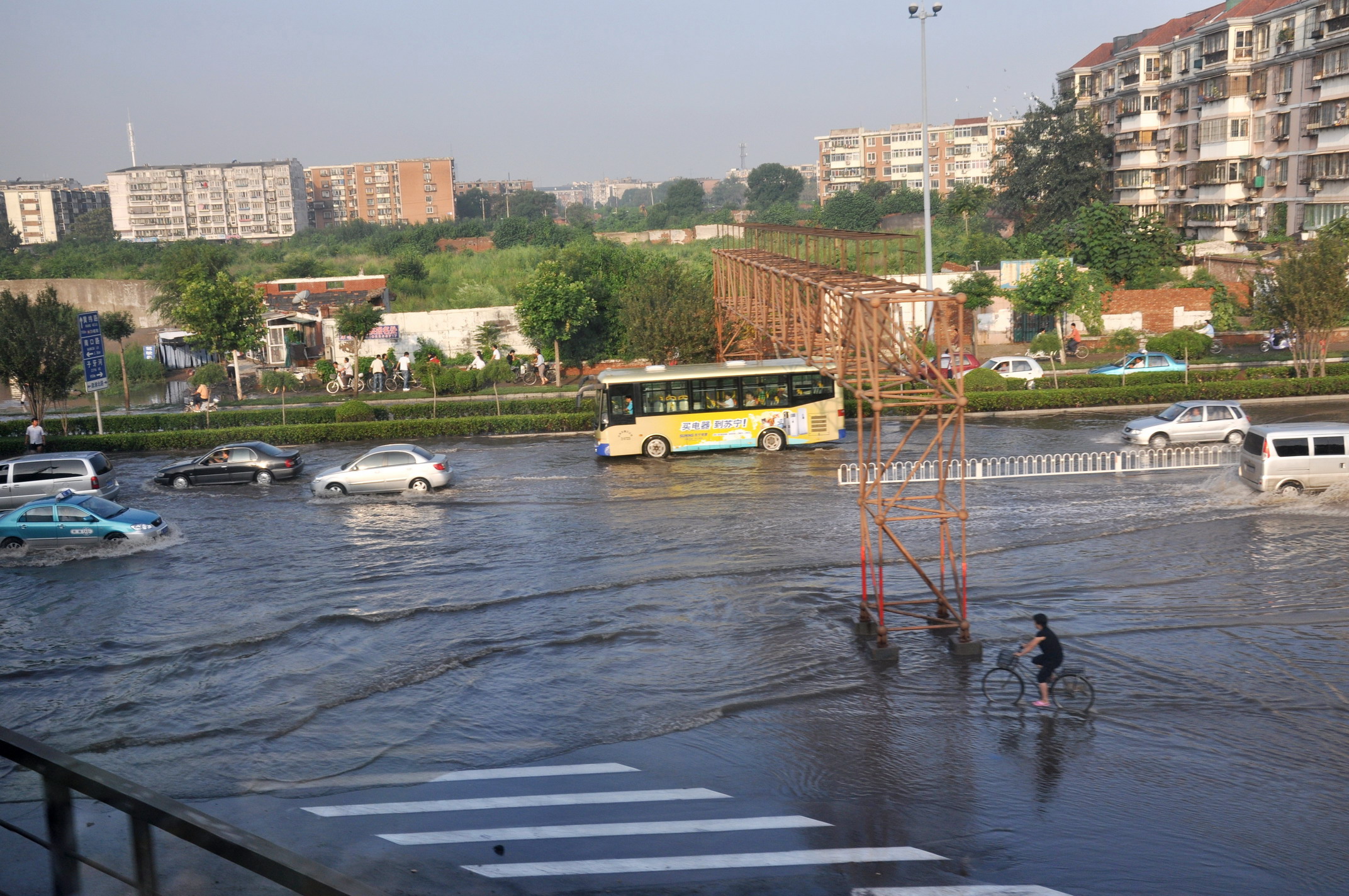
It’s interesting to look at a country through a train window. The railway usually goes round the back of things, and even from a motorway you can’t see what lies alongside it.
Beijing
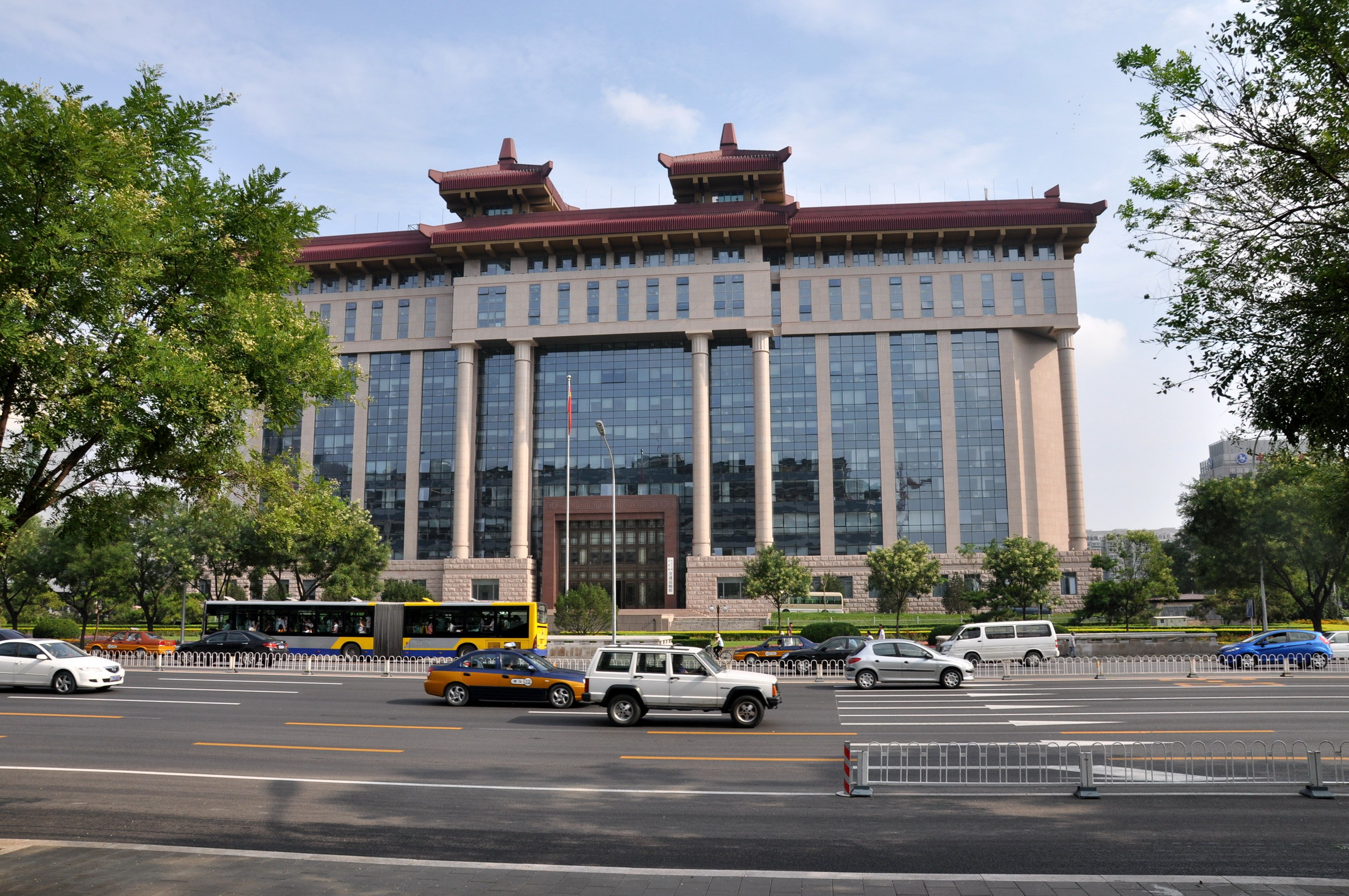
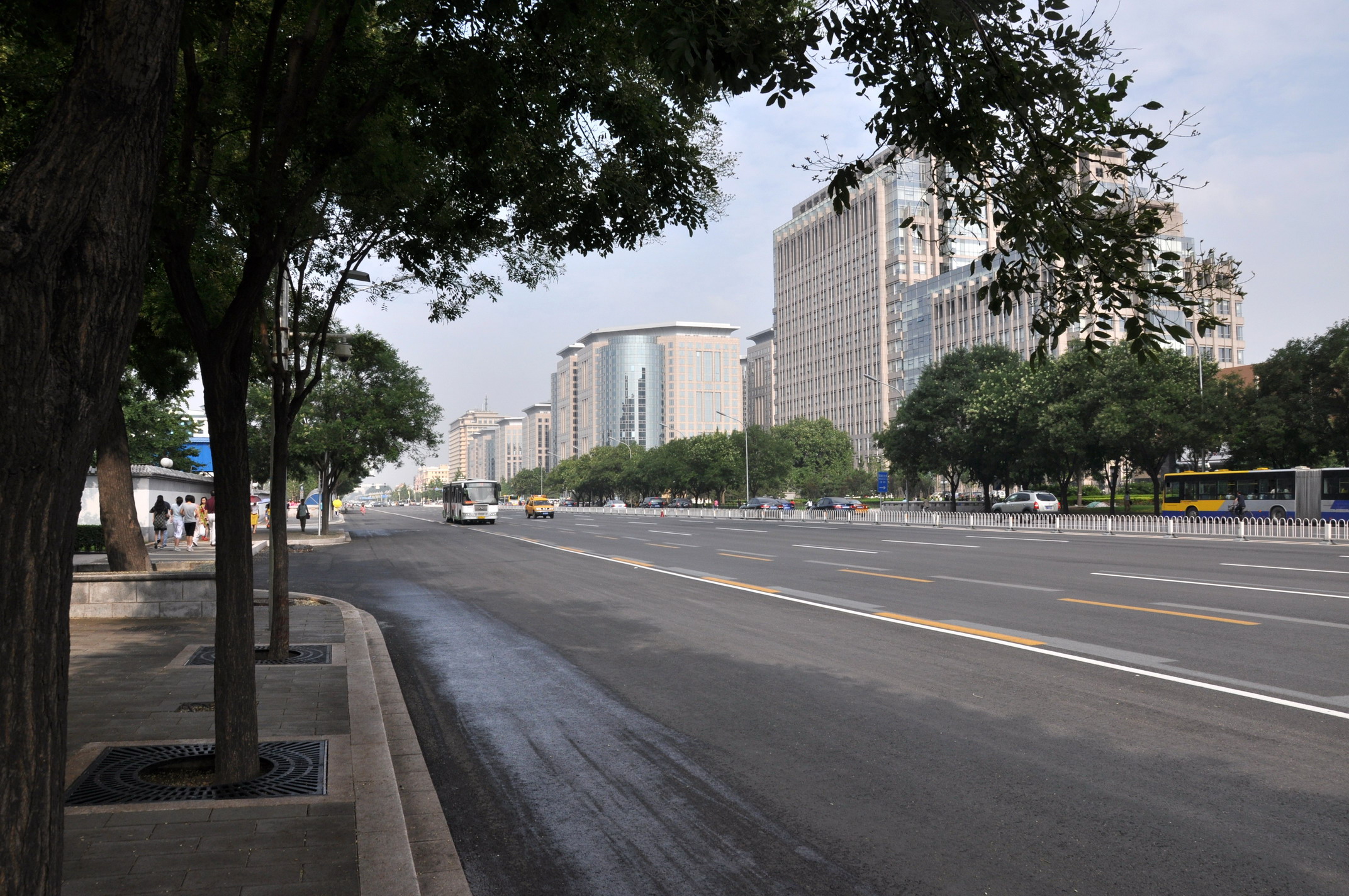
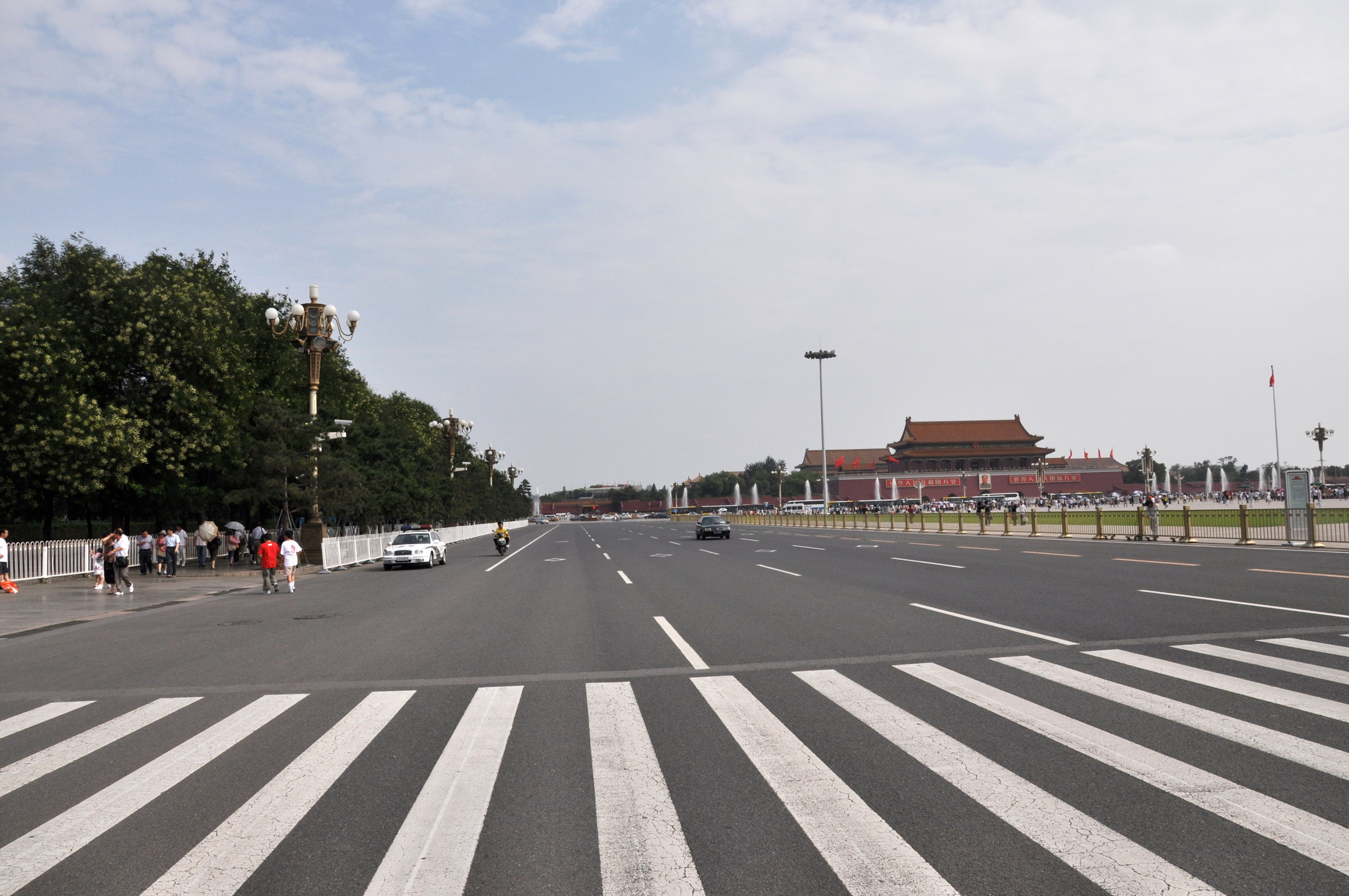
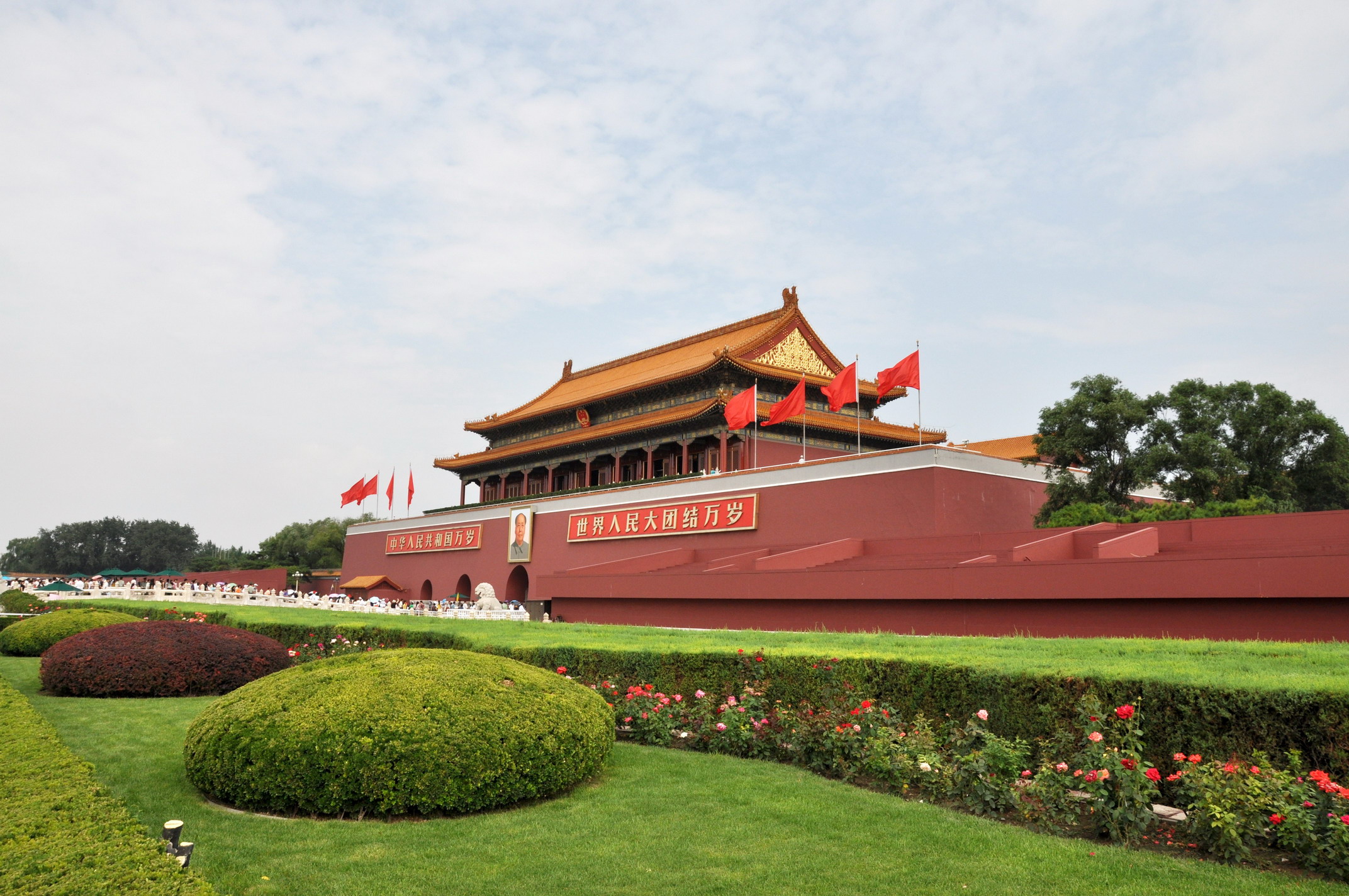
We began our day in Beijing at Tiananmen and the Forbidden City. We walked from the railway station to the square in the cool morning, an absolute pleasure. The streets in the centre of Beijing were clear. That didn’t necessarily mean the road network was good. It was hard to reach those broad central streets without waiting in traffic. And there was certainly traffic in China, even with car ownership still low. The figures I’d seen put it at a fraction of the rate in the United States and Russia, lower even than in Haiti, Iraq and Papua New Guinea. I reckoned getting it to the Russian level would pose a lot of problems, starting with something like fifteen times more roads. At the time there was a simpler solution. New plates in Shanghai were auctioned at prices that most people couldn’t afford. Registering a car could cost upwards of US$8,000.
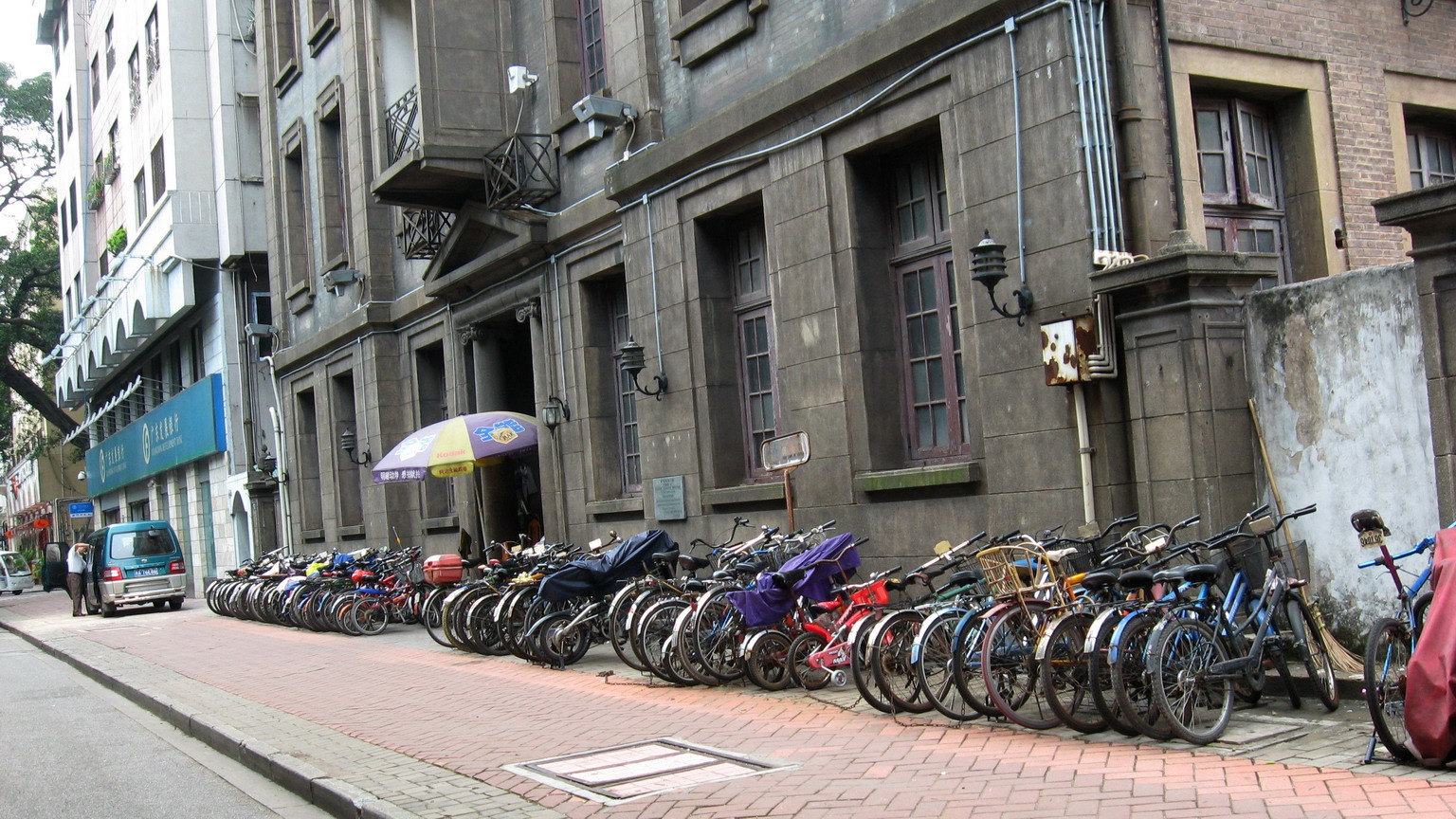
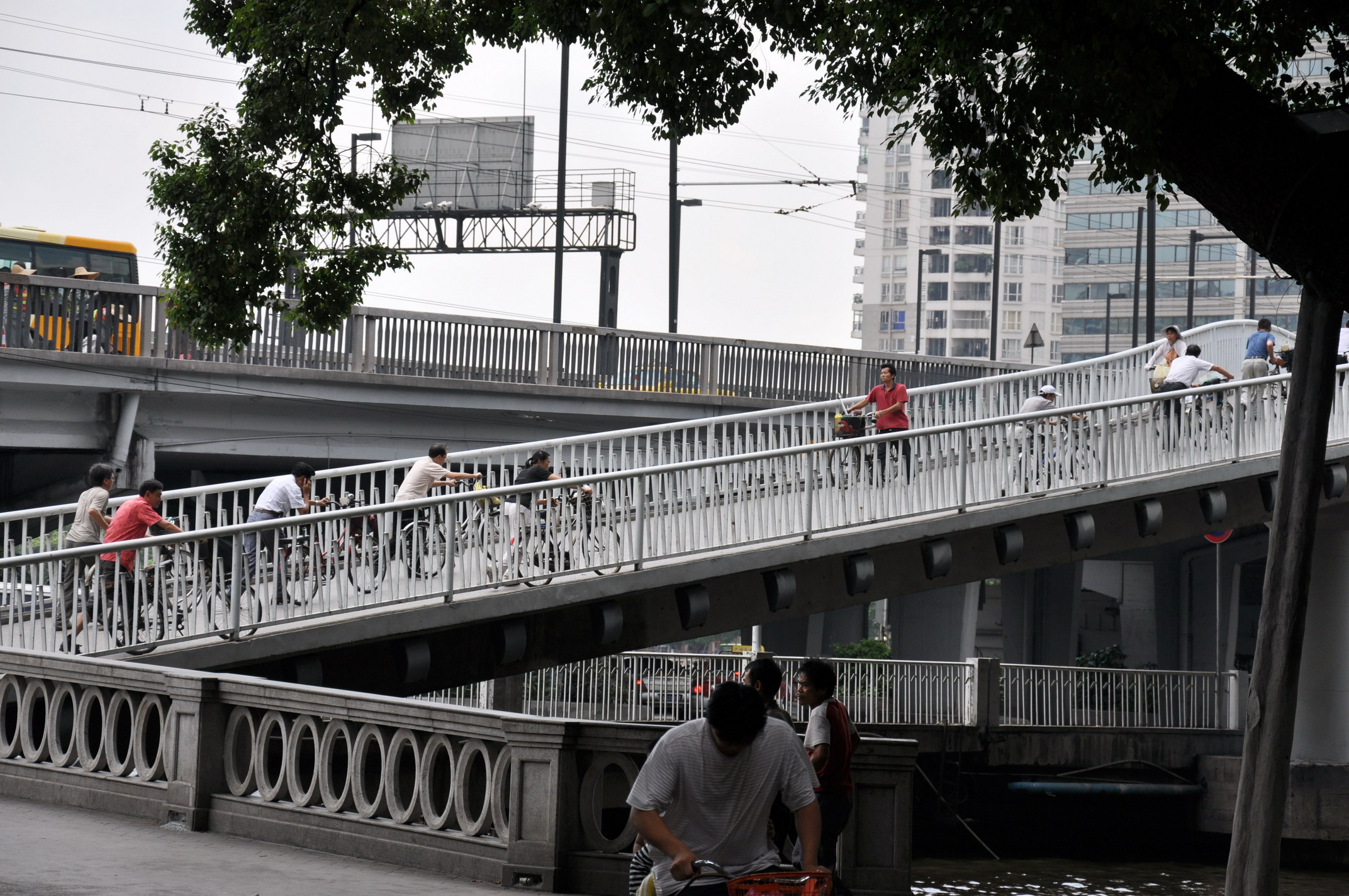
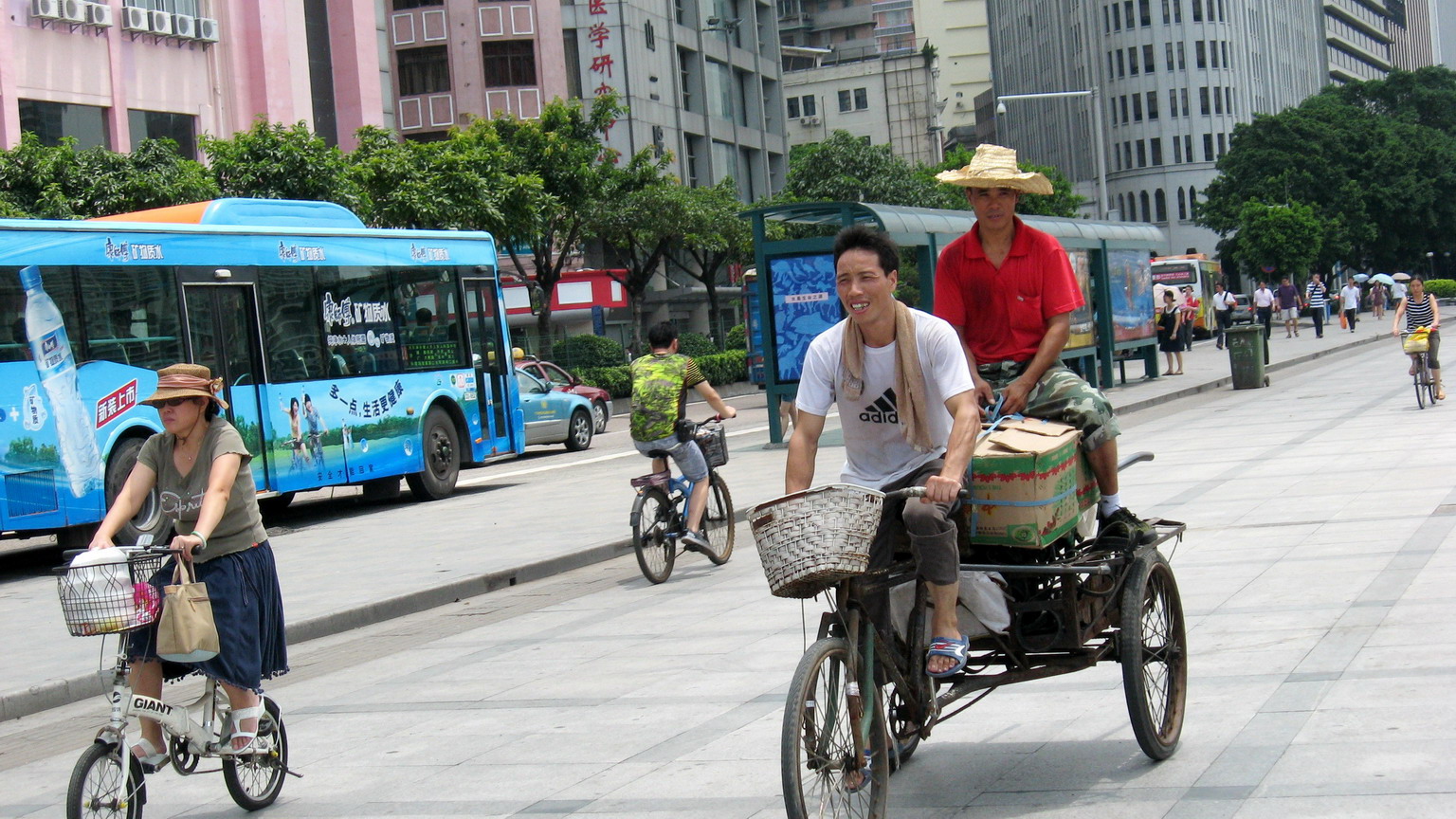
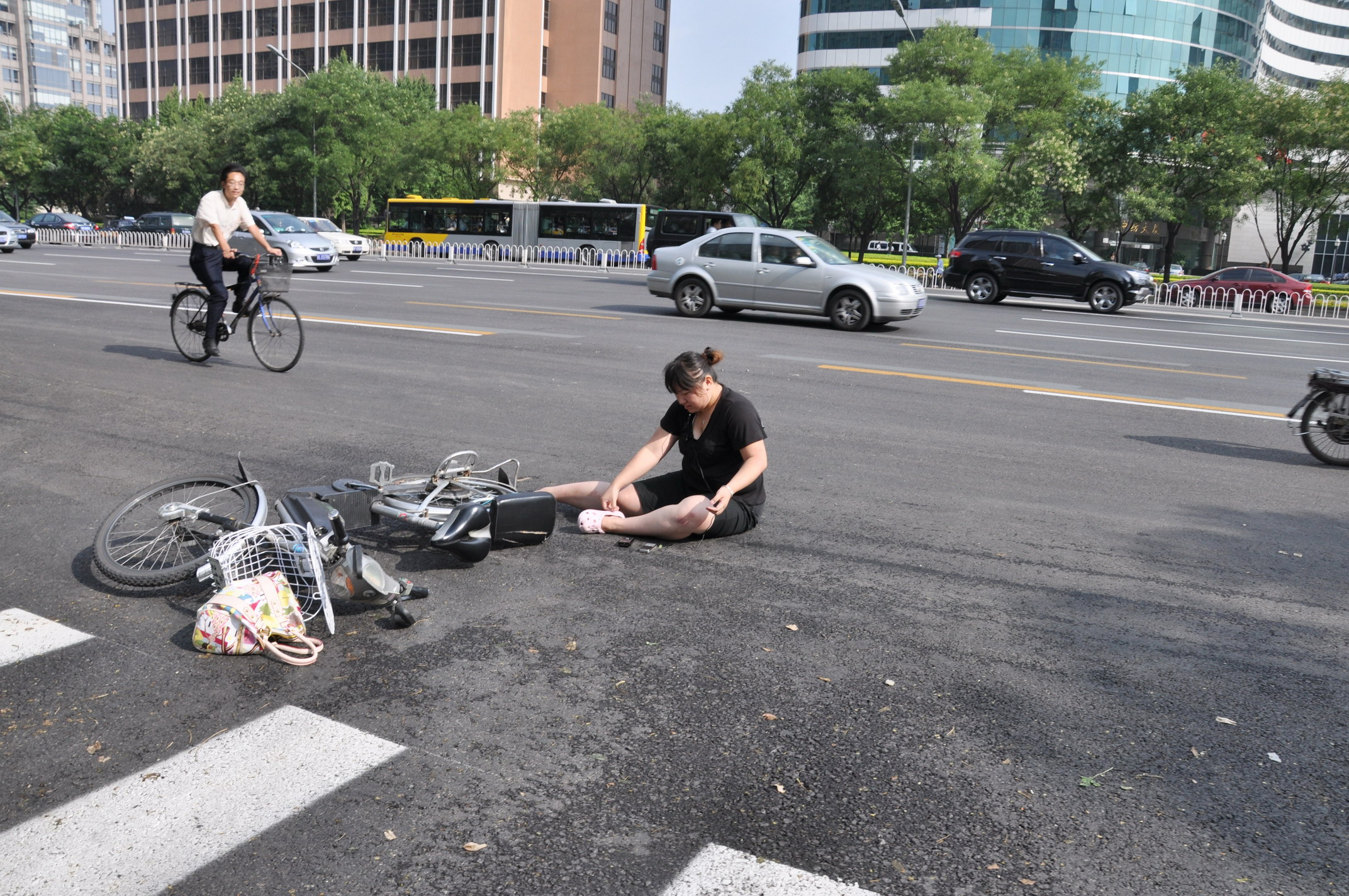
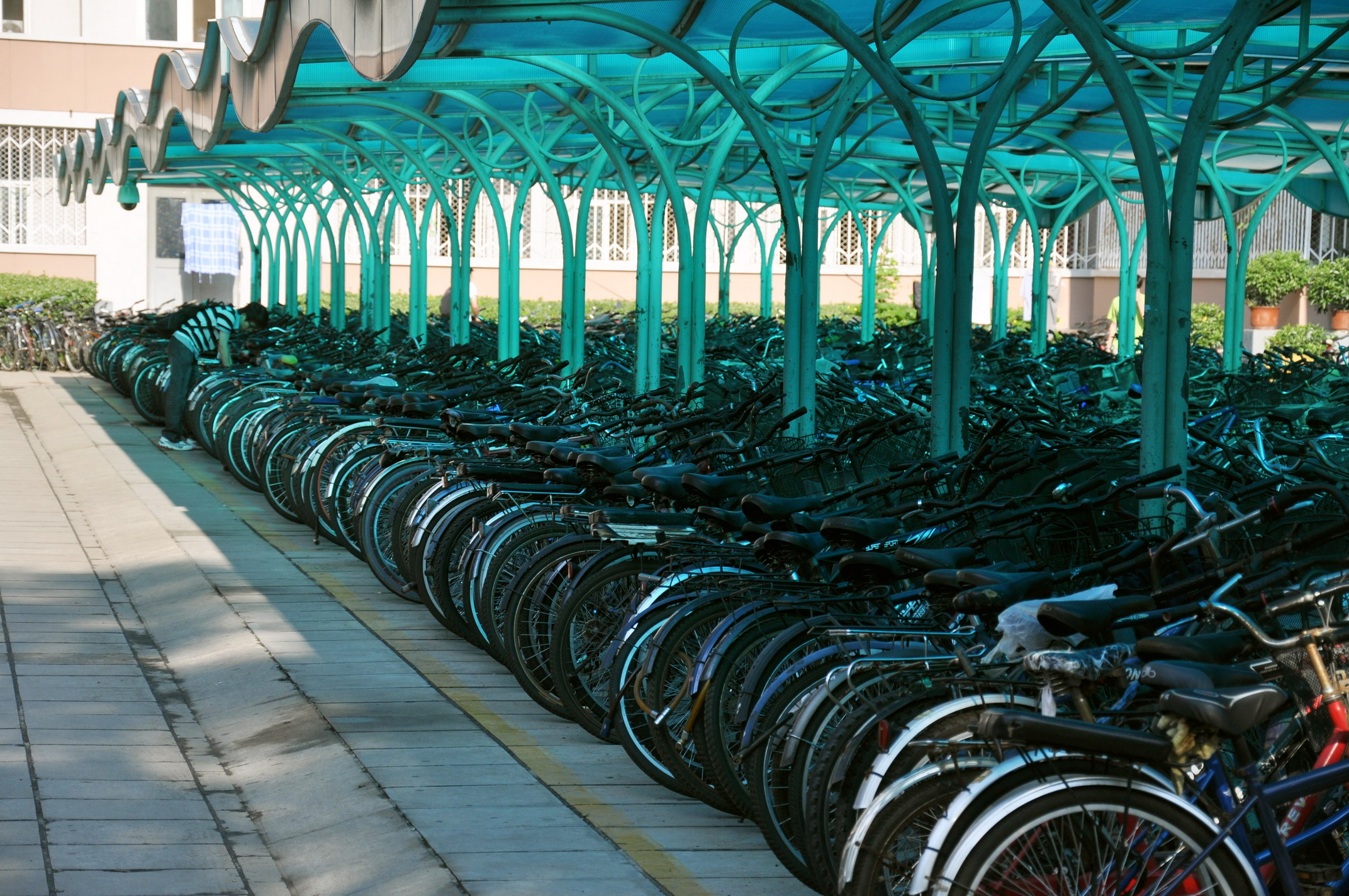
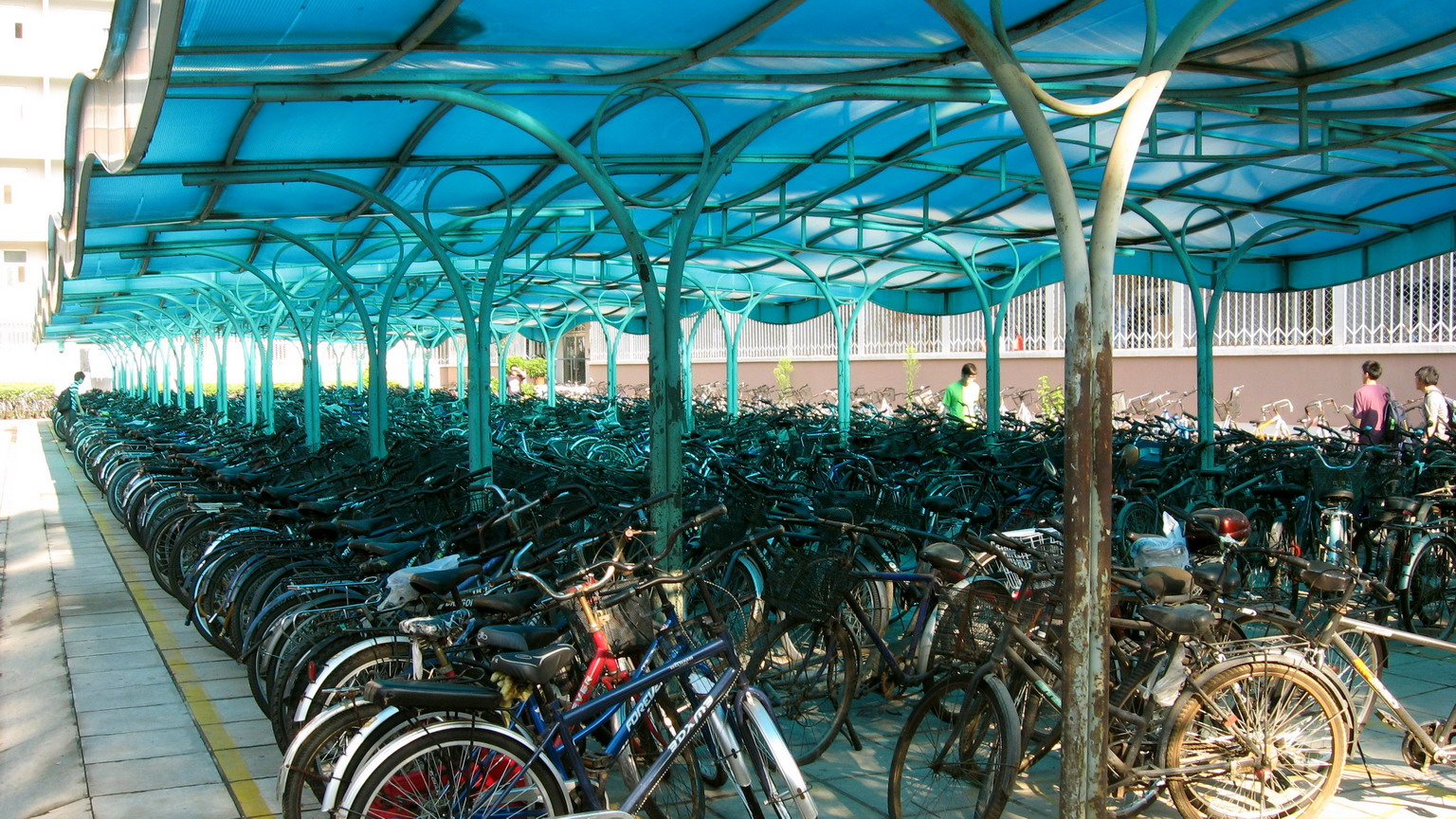
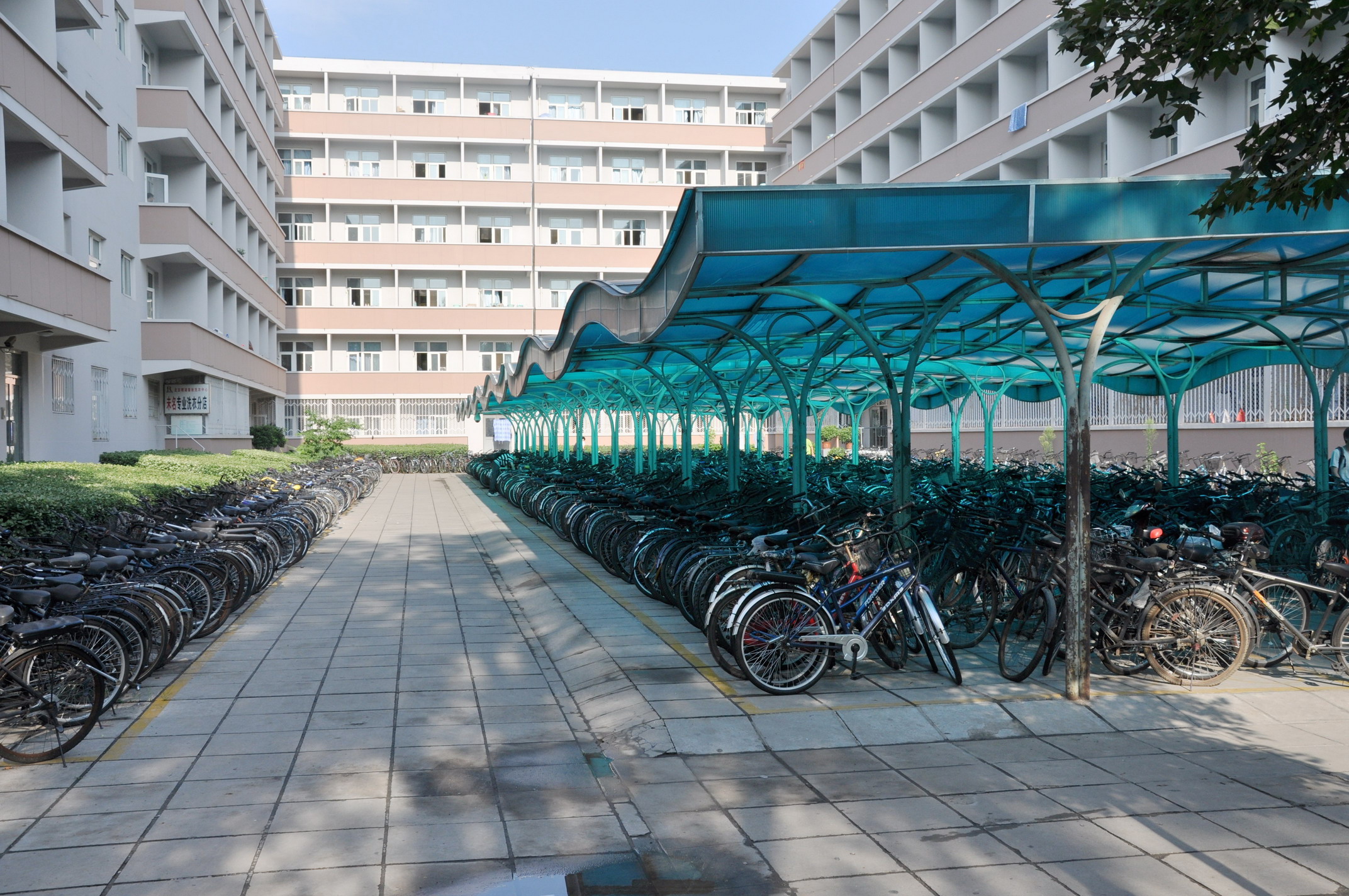
It was free to ride a bicycle and plenty of people did. In China even the crashes could involve bicycles. There were dedicated parking areas for bicycles too.
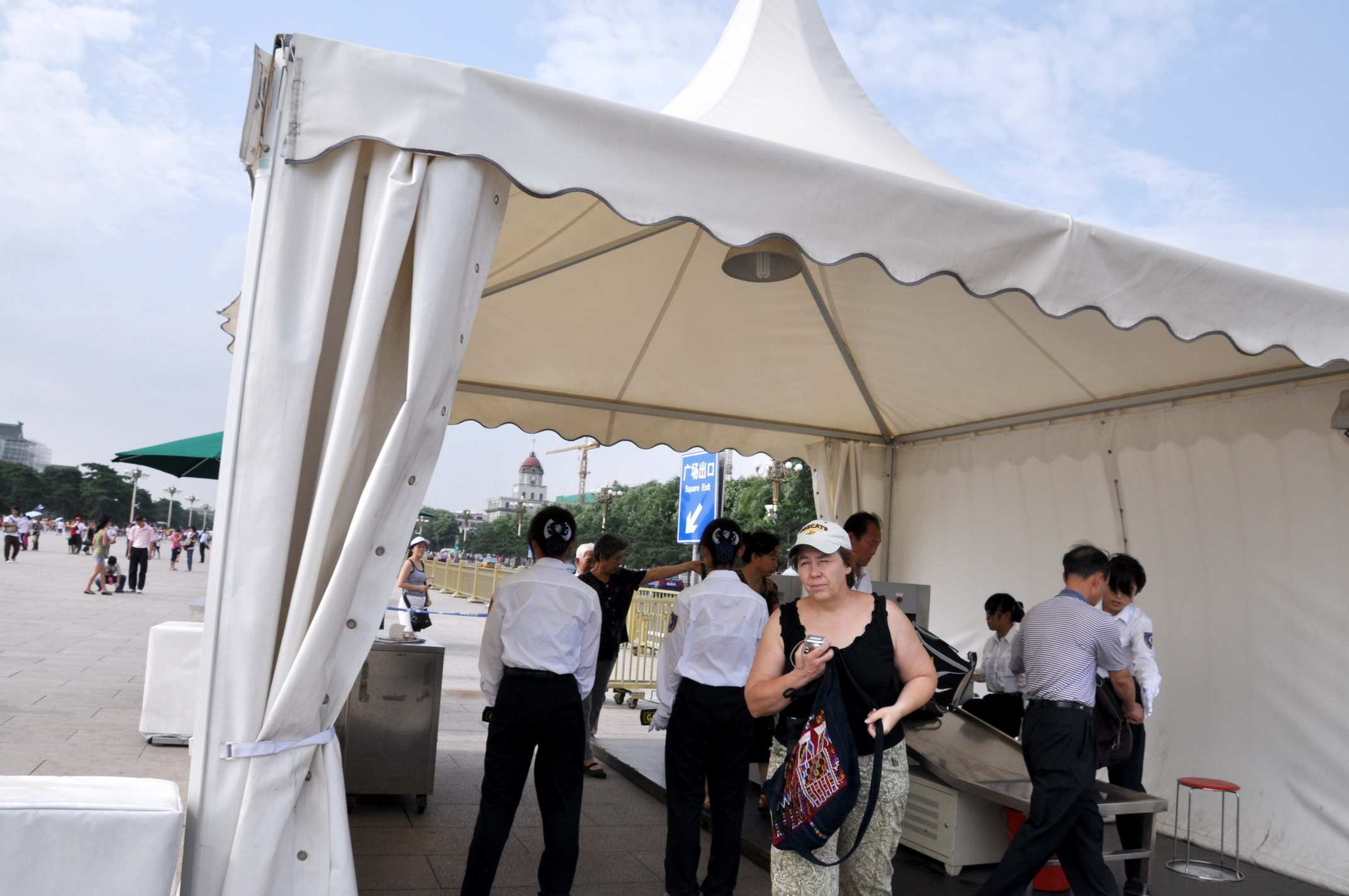
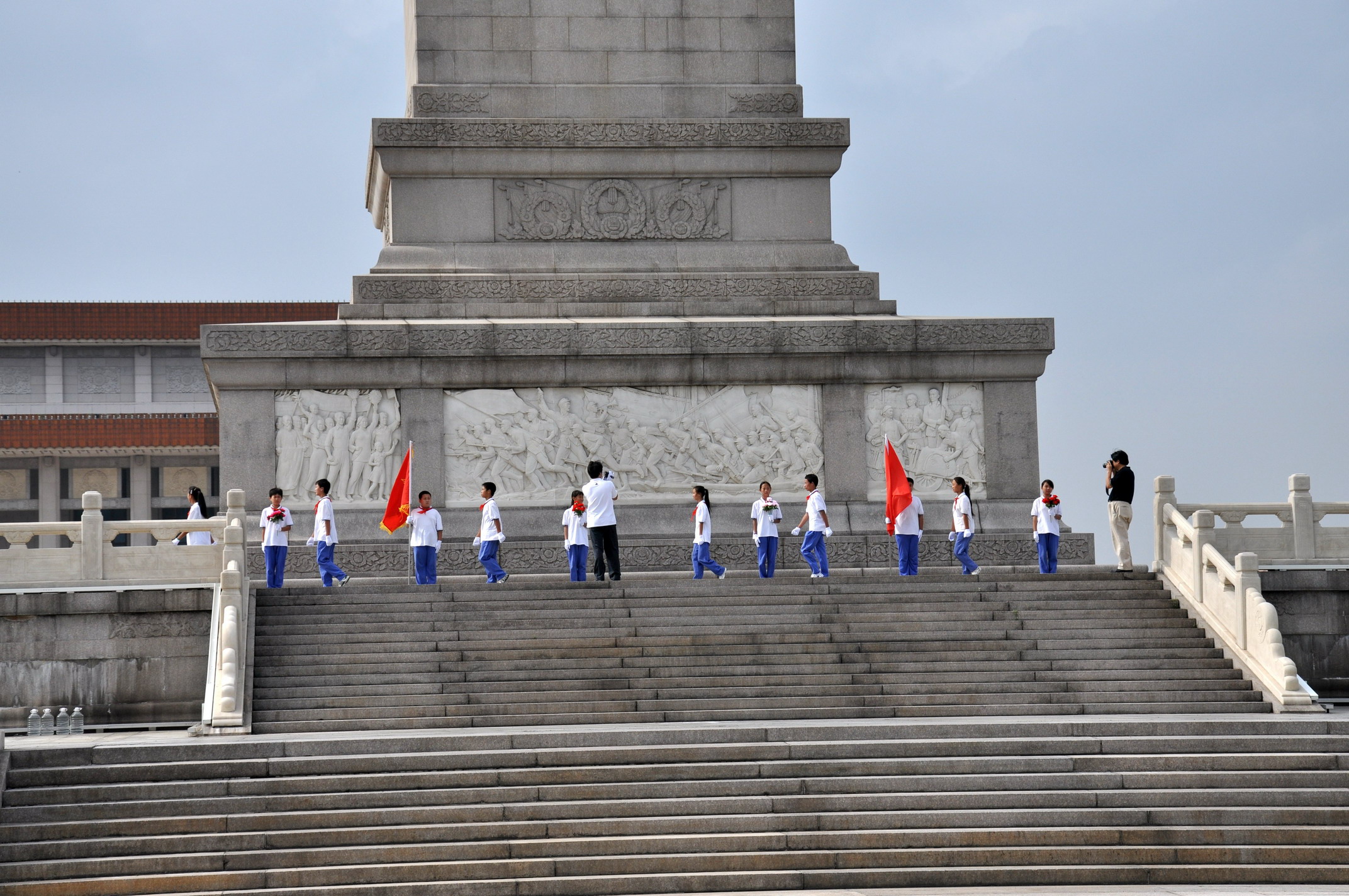
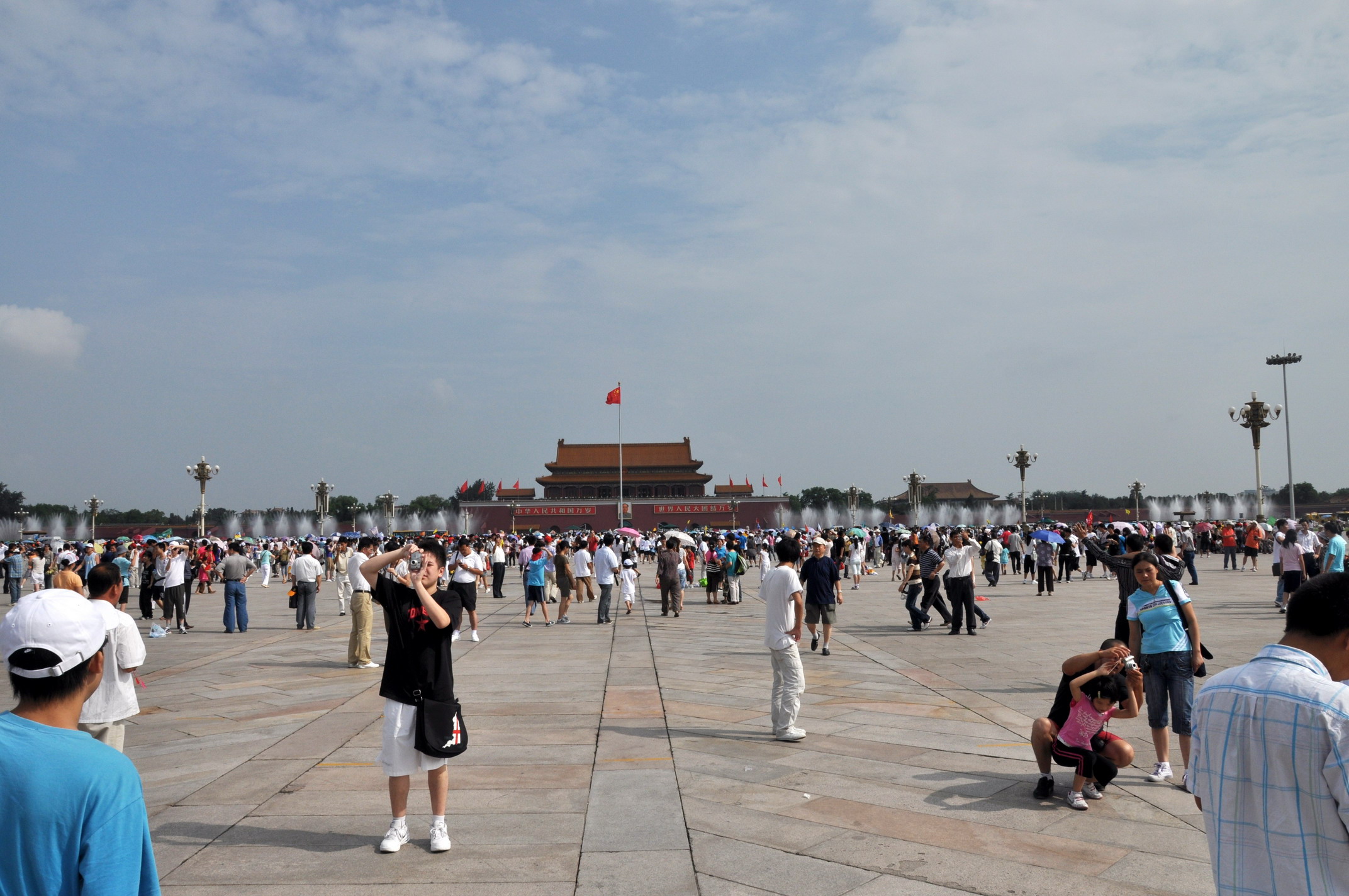
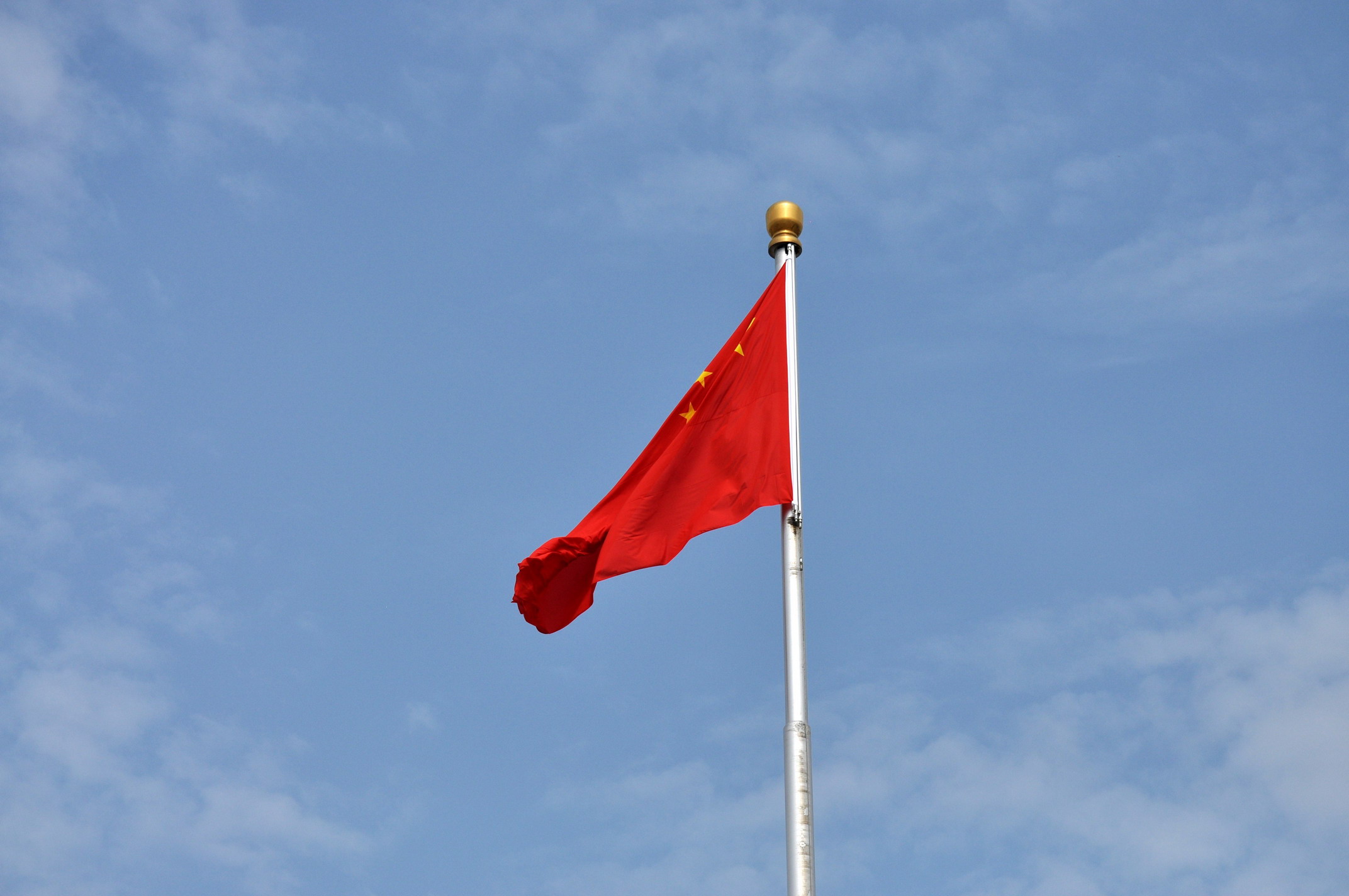
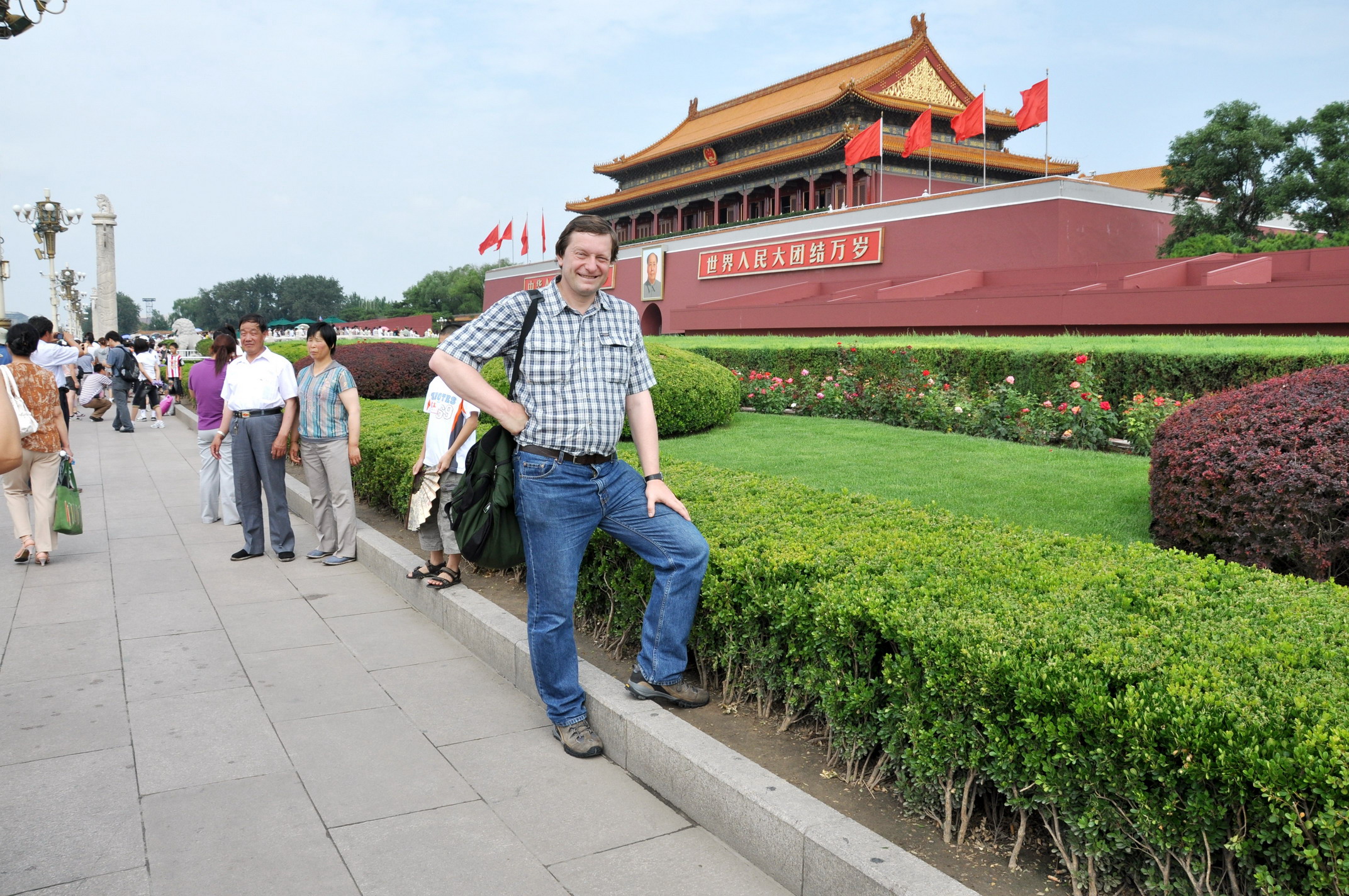
To get into Tiananmen Square you had to go through a metal detector and an X-ray check. Young Pioneers marched across the huge square. Communist grandmothers posed with a flag and delighted expressions, with the mausoleum as a backdrop and Mao’s portrait behind them. Most visitors were Chinese. A foreigner disappeared in the crowd.
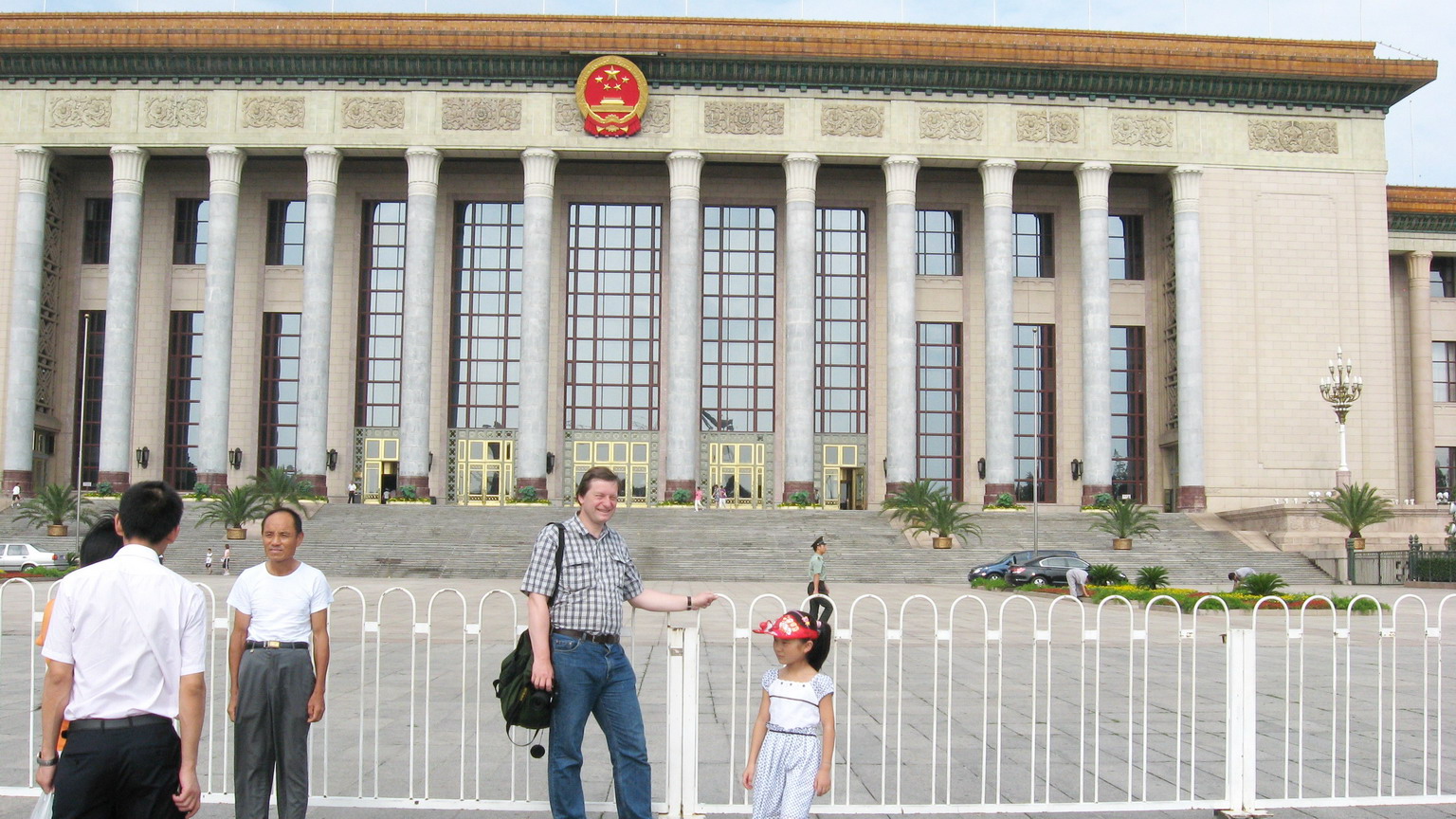
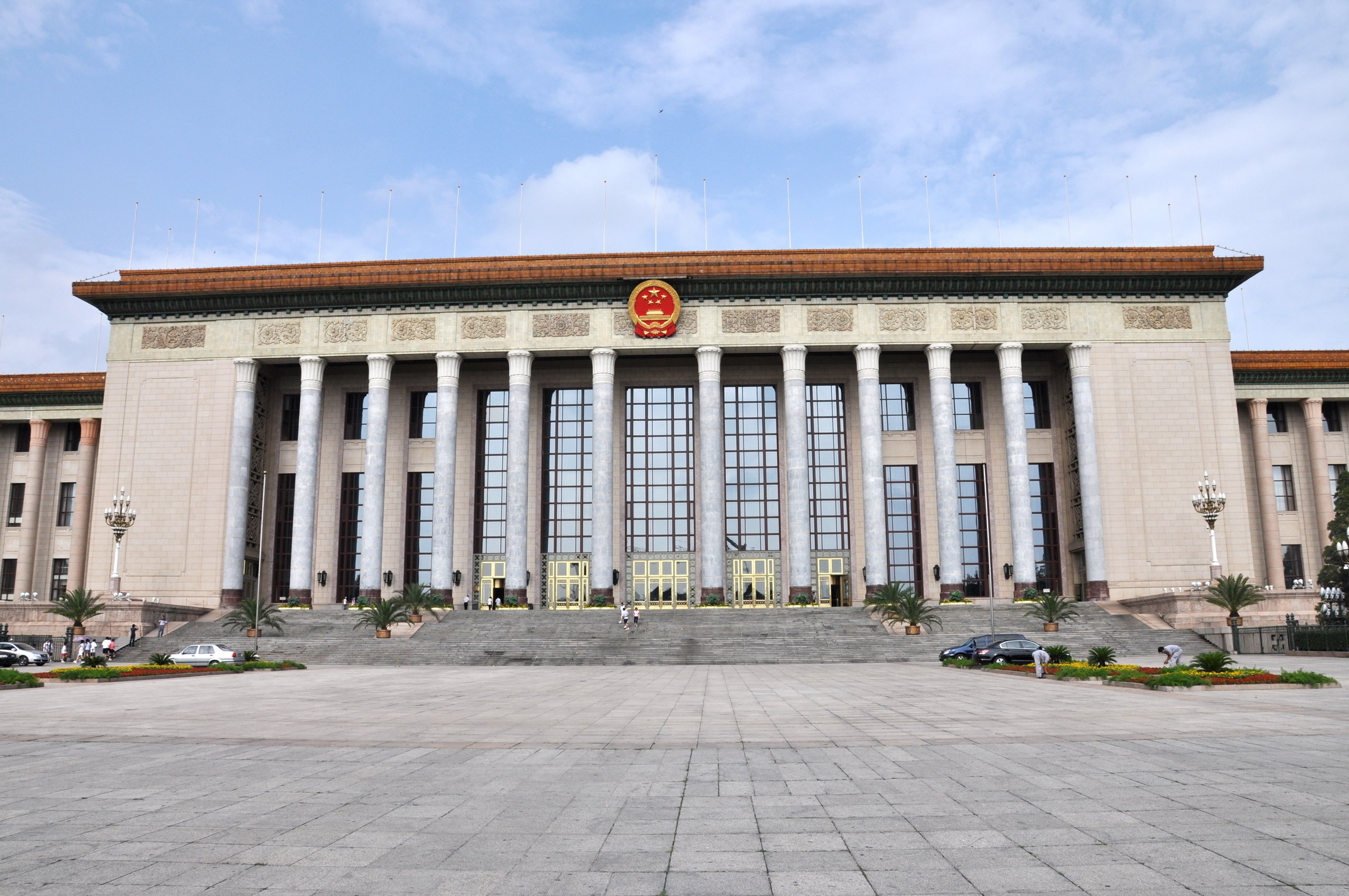
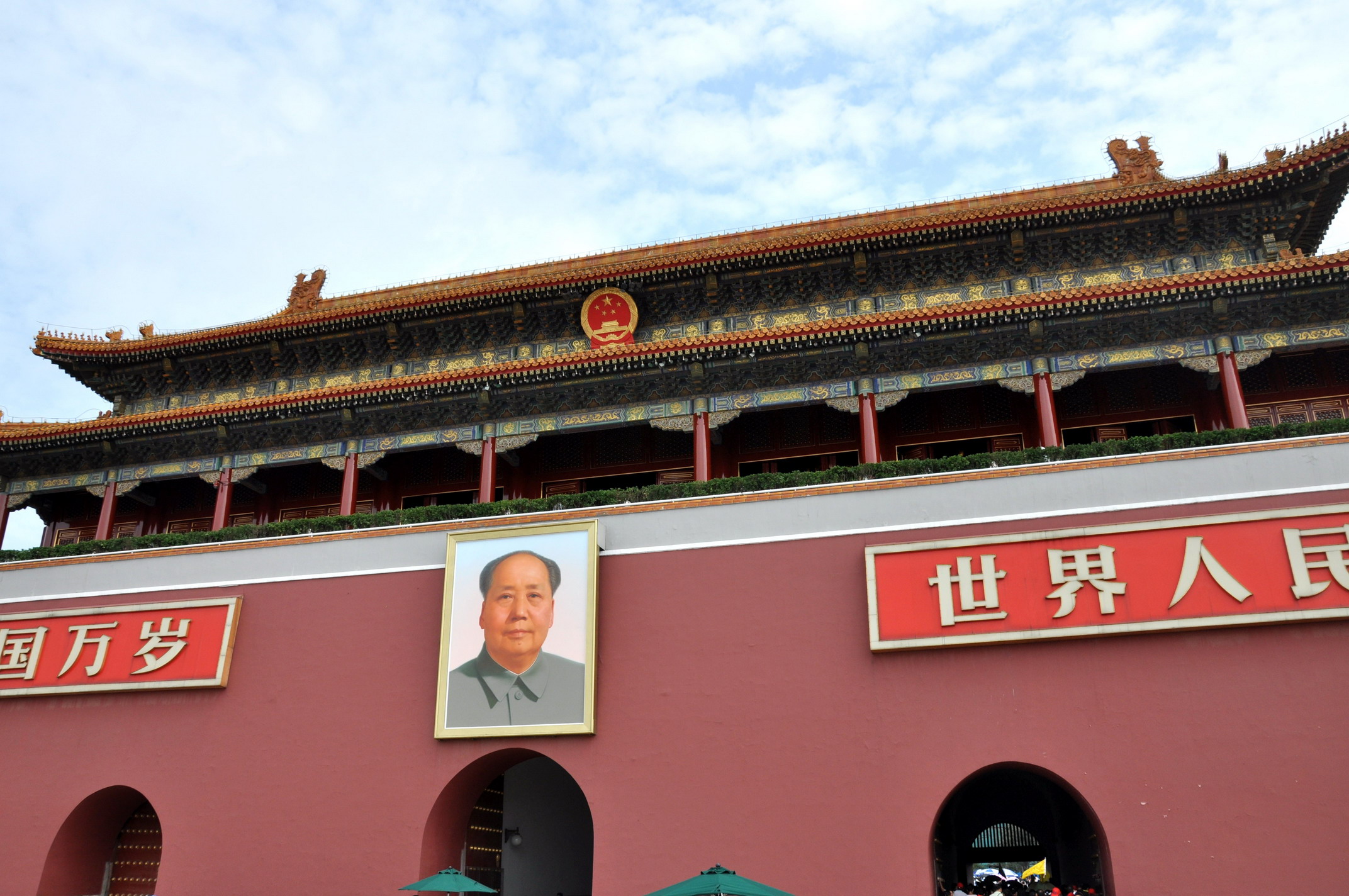
There was a kilometre-long queue for Mao’s mausoleum. You couldn’t take your bag or anything with you. We didn’t wait. Part of me thought I ought to see him while he was still there. Then I thought of how many people he’d killed and didn’t want to be suspected of the slightest sympathy for him.
Mao’s portraits could still be seen in China, but there seemed to be fewer of them. A different generation was in charge, with Hu Jintao then general secretary. Flowers had already replaced Mao on some coins. People said he would soon disappear from banknotes as well. There had been some criticism of his personality cult shortly after his death, with the usual verdict that he’d been three tenths wrong and seven tenths right. I thought the time was coming to adjust the percentages.
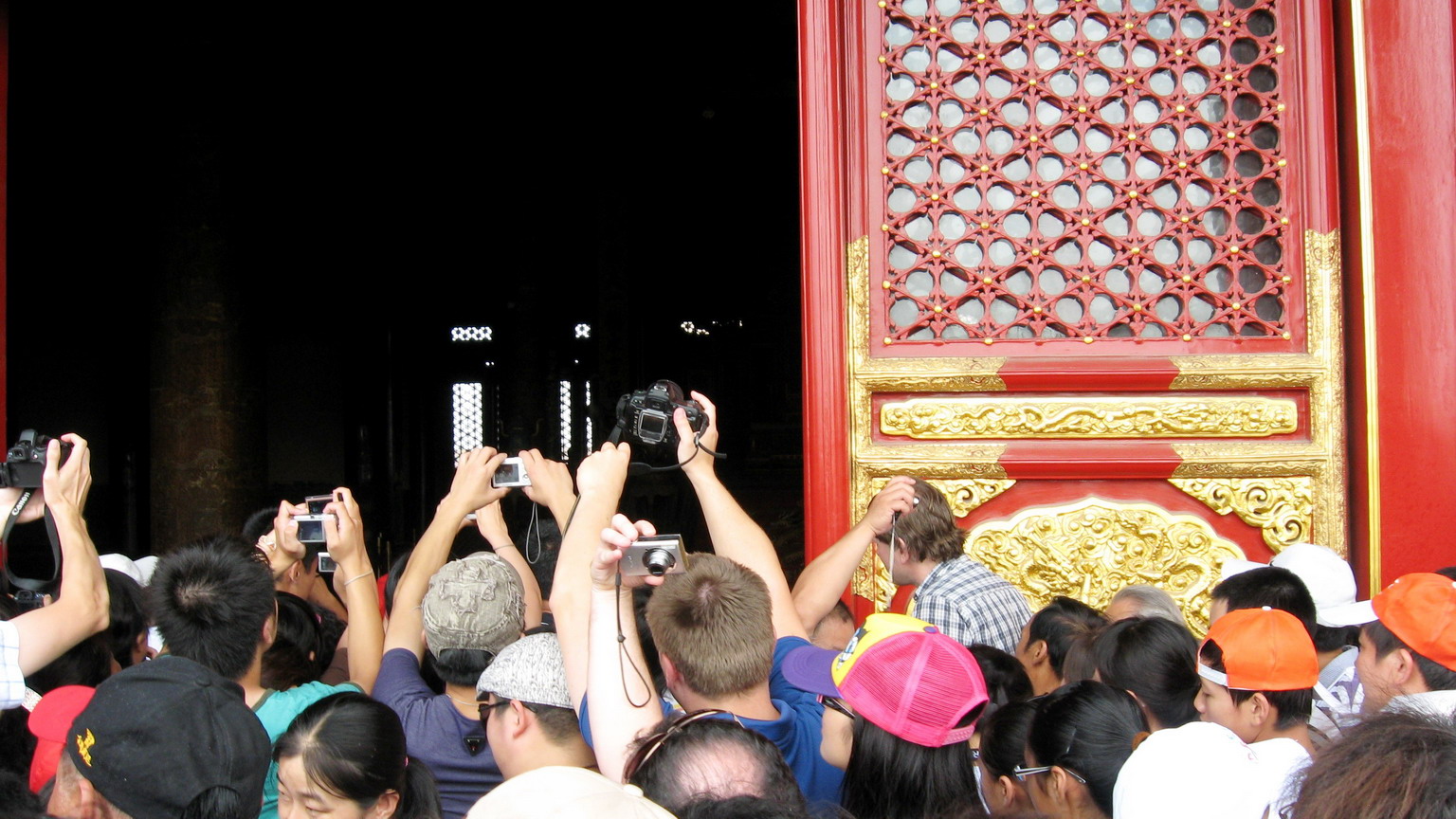
The entrance to the Forbidden City was ticketed. Even so, the crowd inside was even larger. Especially the crush around the throne of the Chinese emperor. There it was just a mass of bodies. Everybody wanted to photograph it. Monarchist feelings apparently existed. I also noticed how readily people followed the indicated route. A sign points left, so everyone goes left. There’s nothing forbidding a turn to the right, but the square is empty. I thought that didn’t bode well for the development of science and technology.
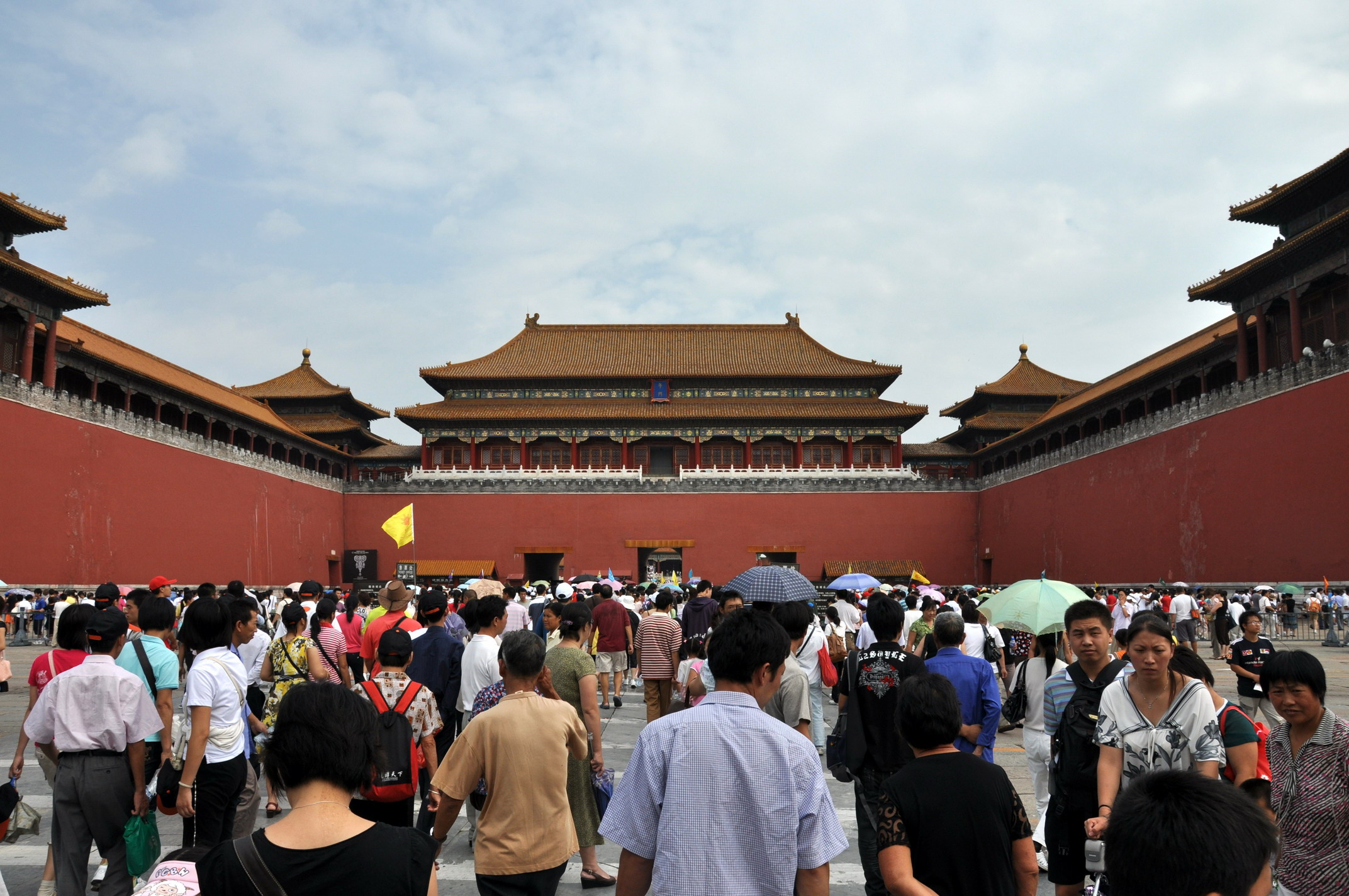
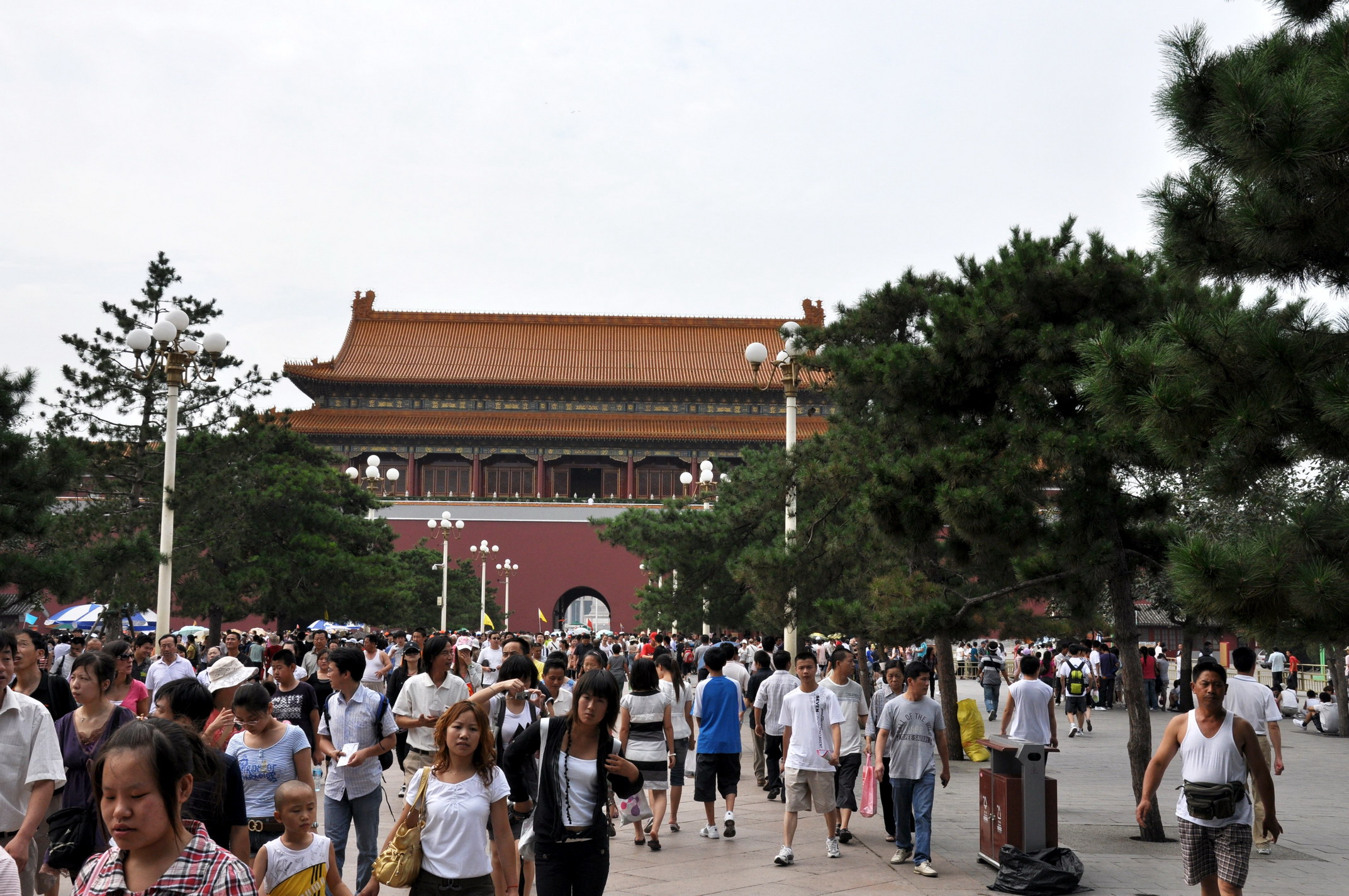
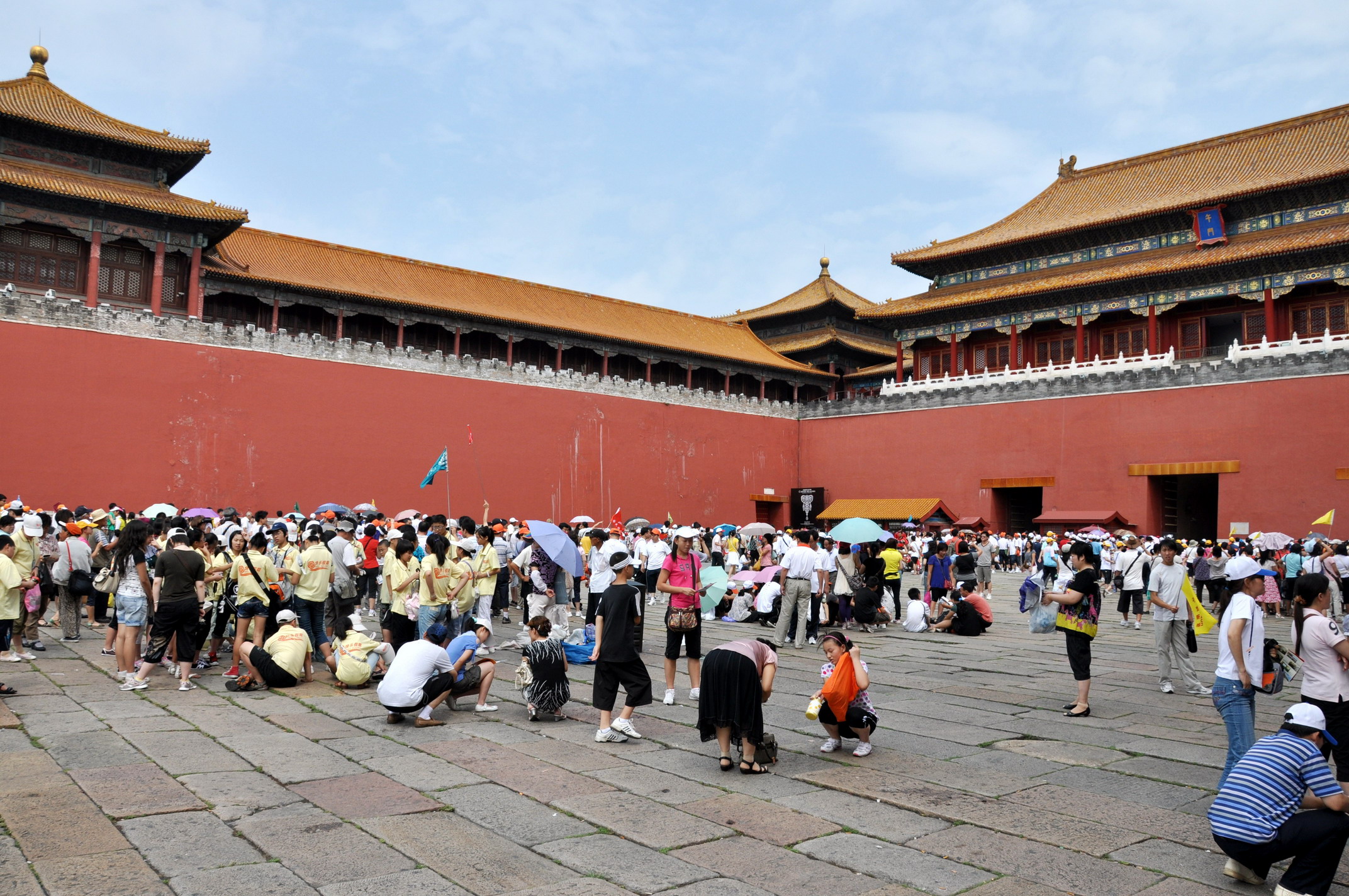
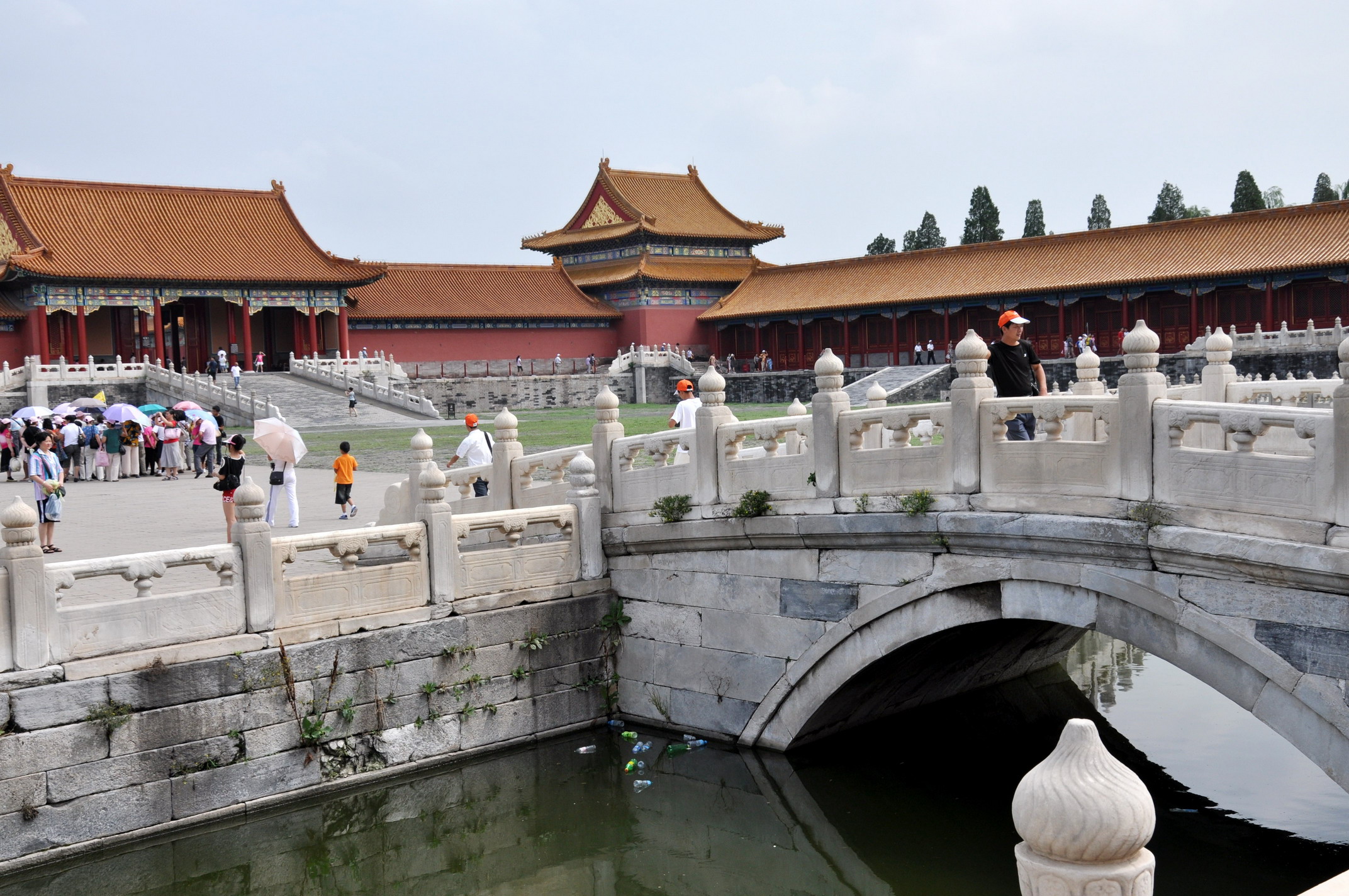
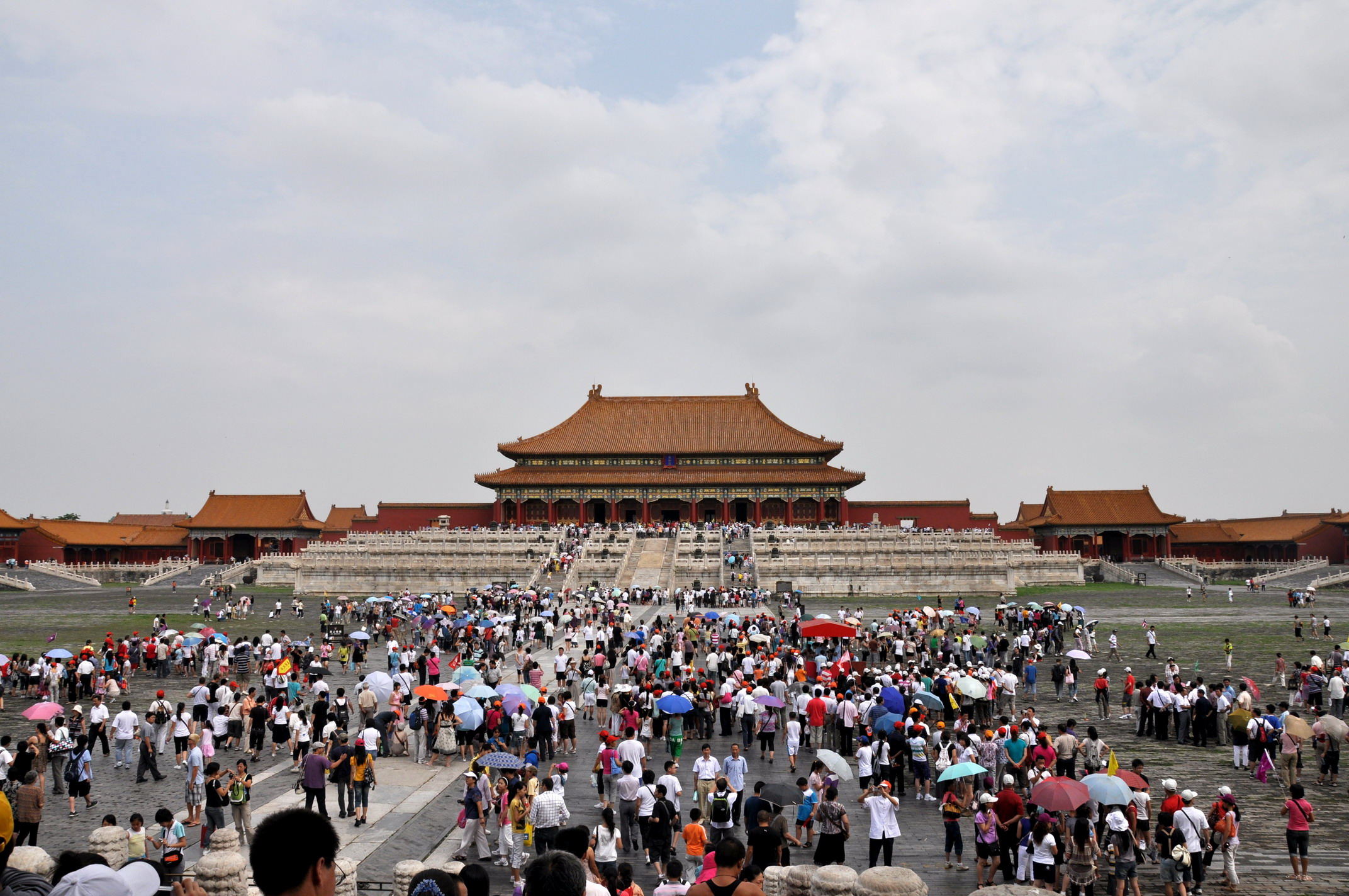
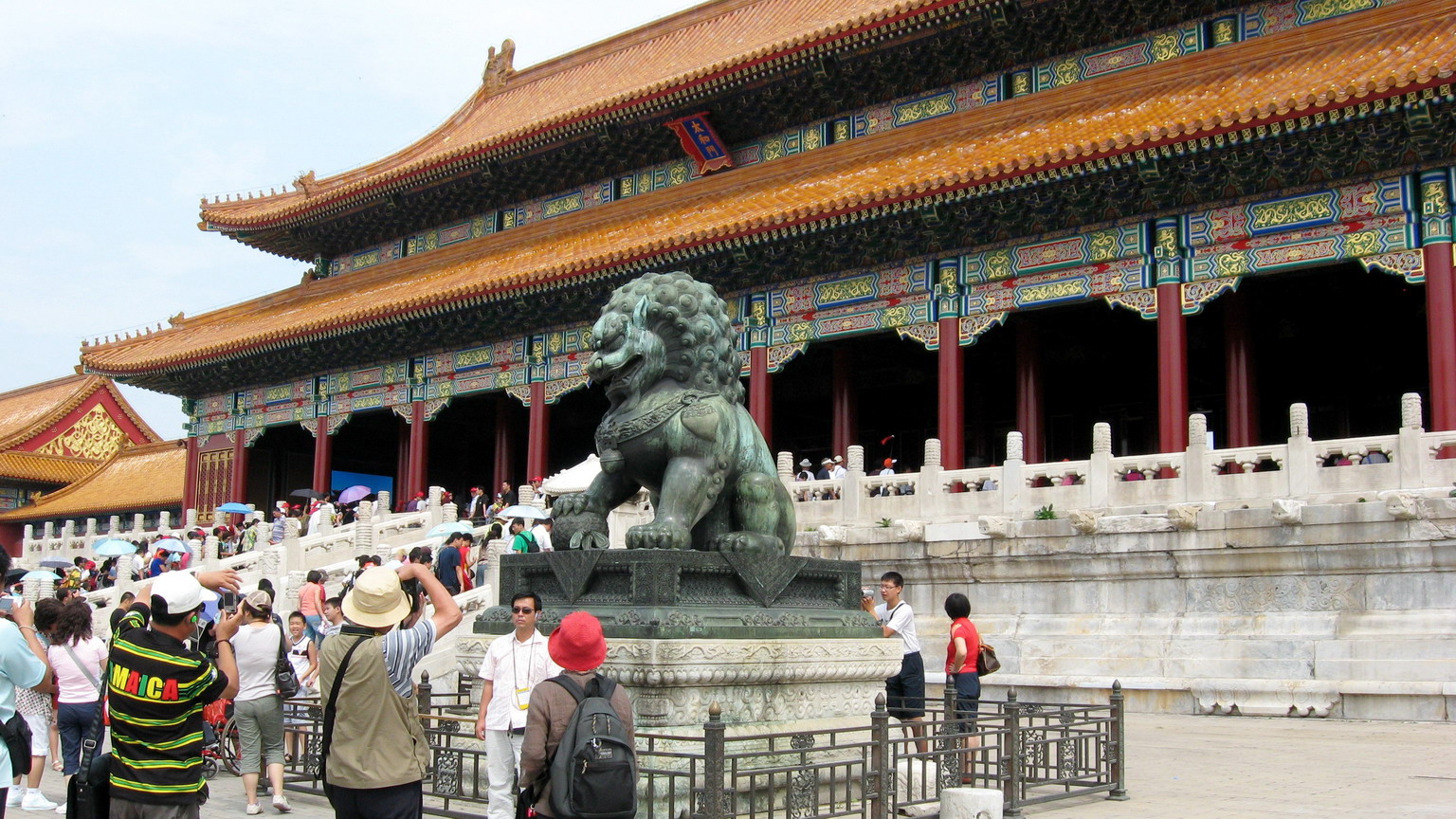
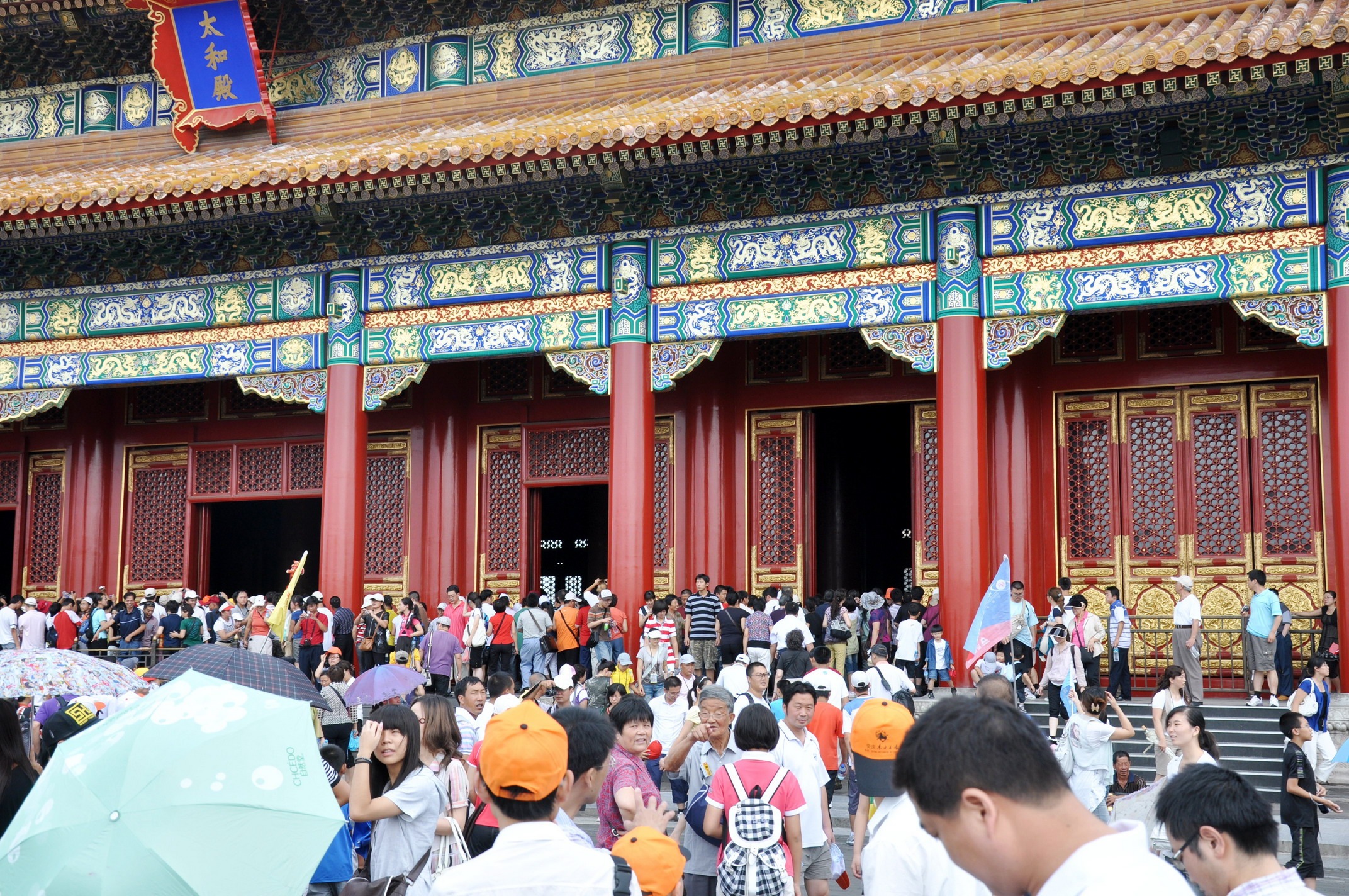
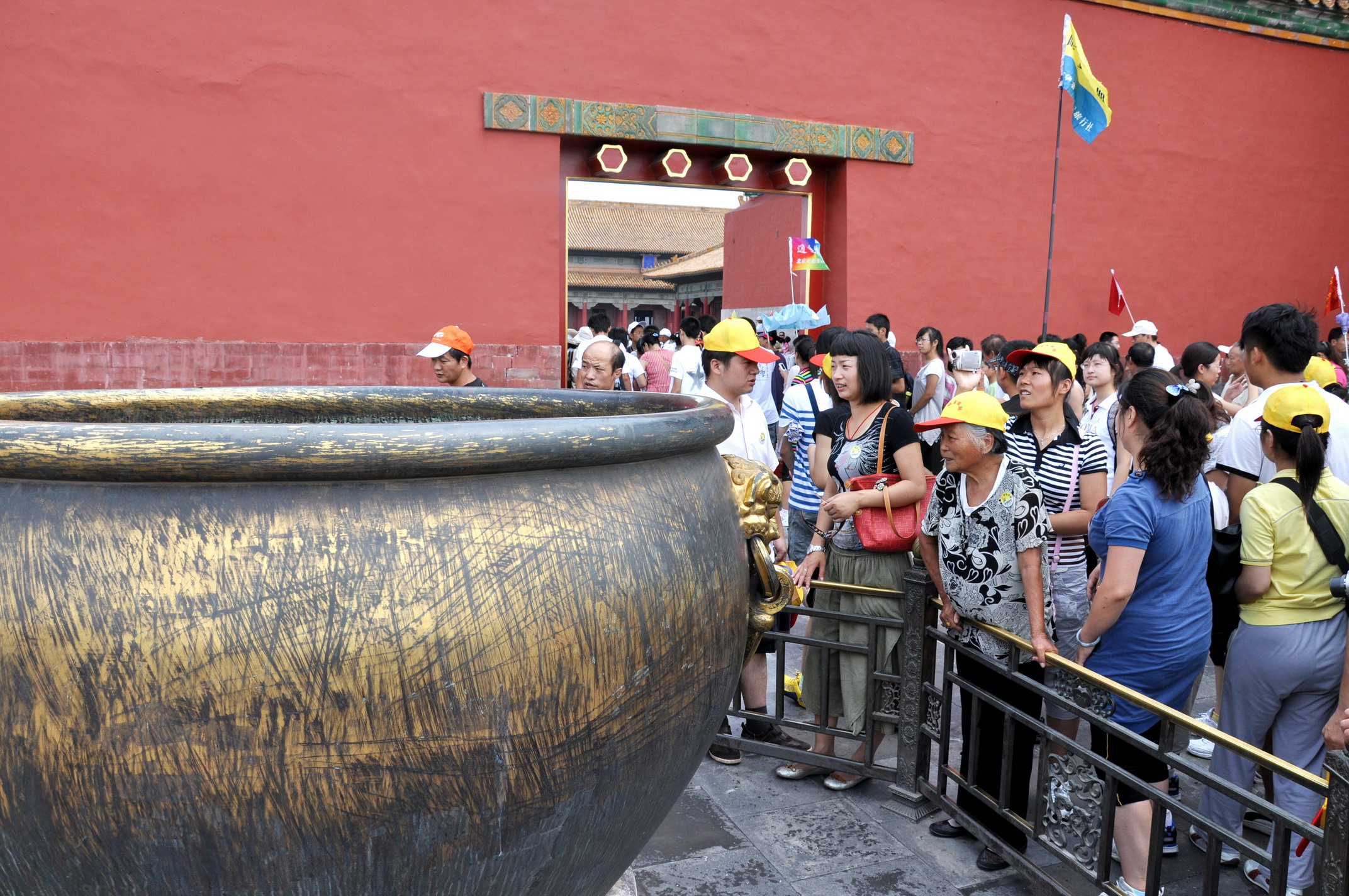
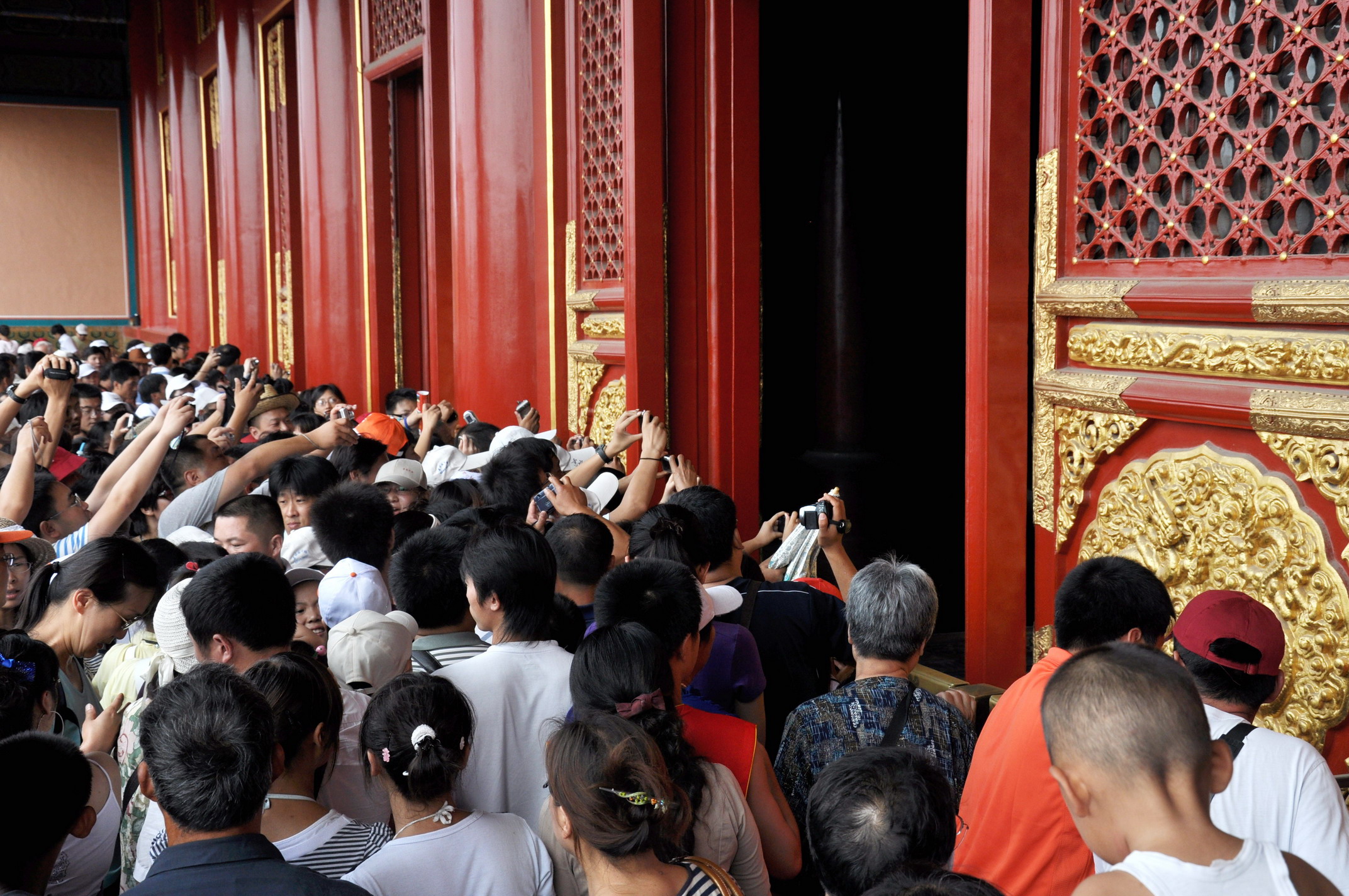
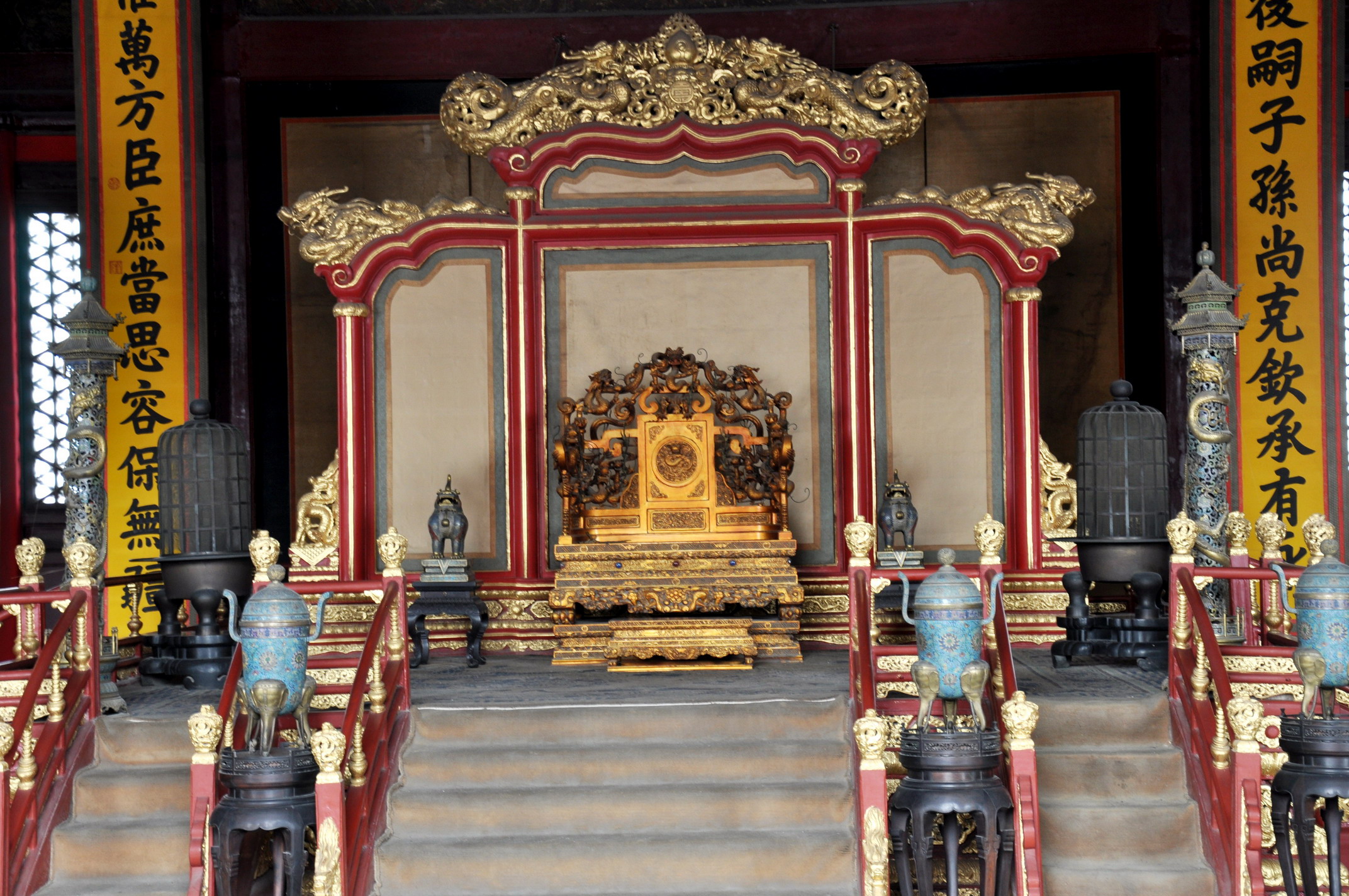
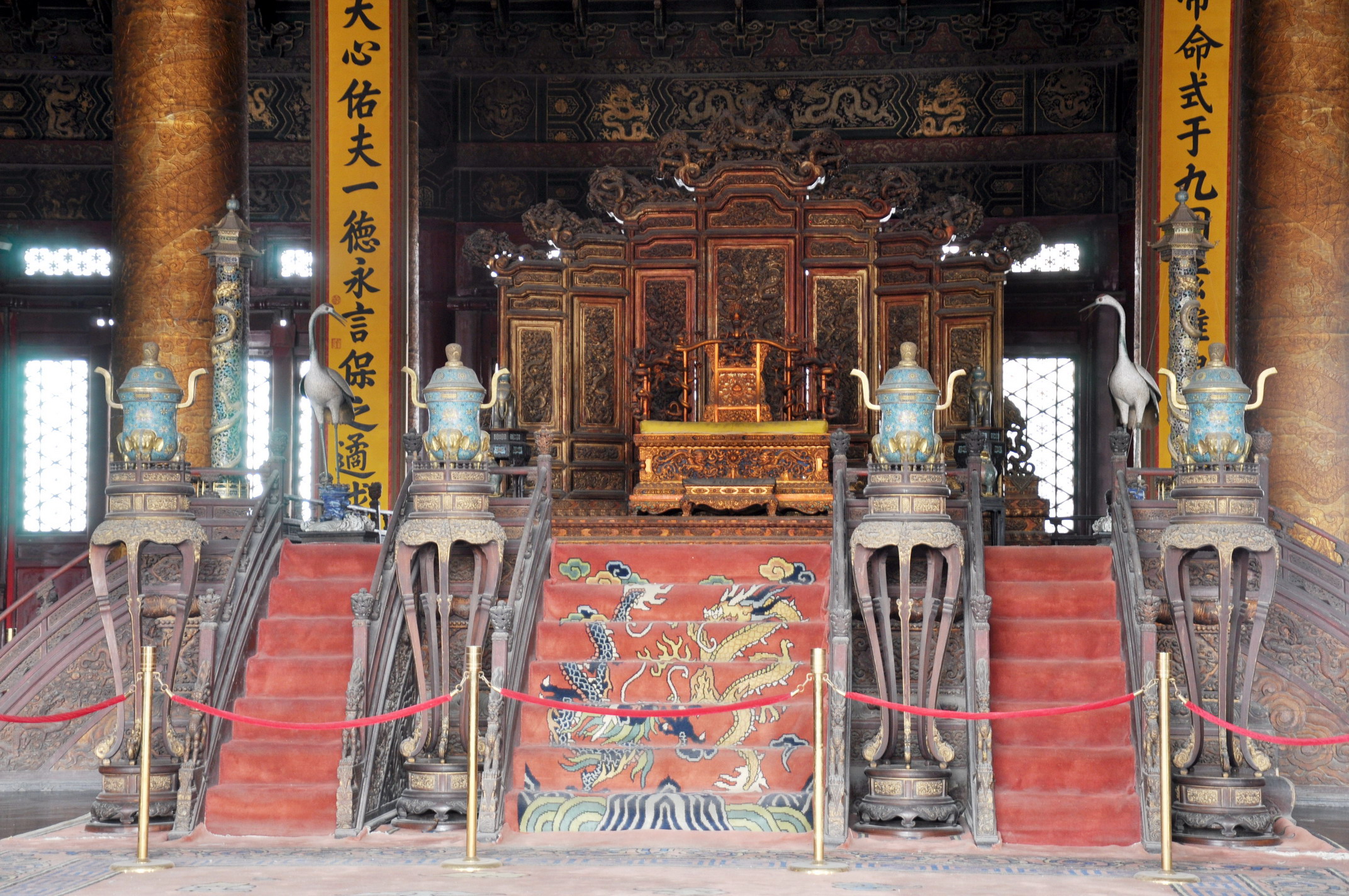
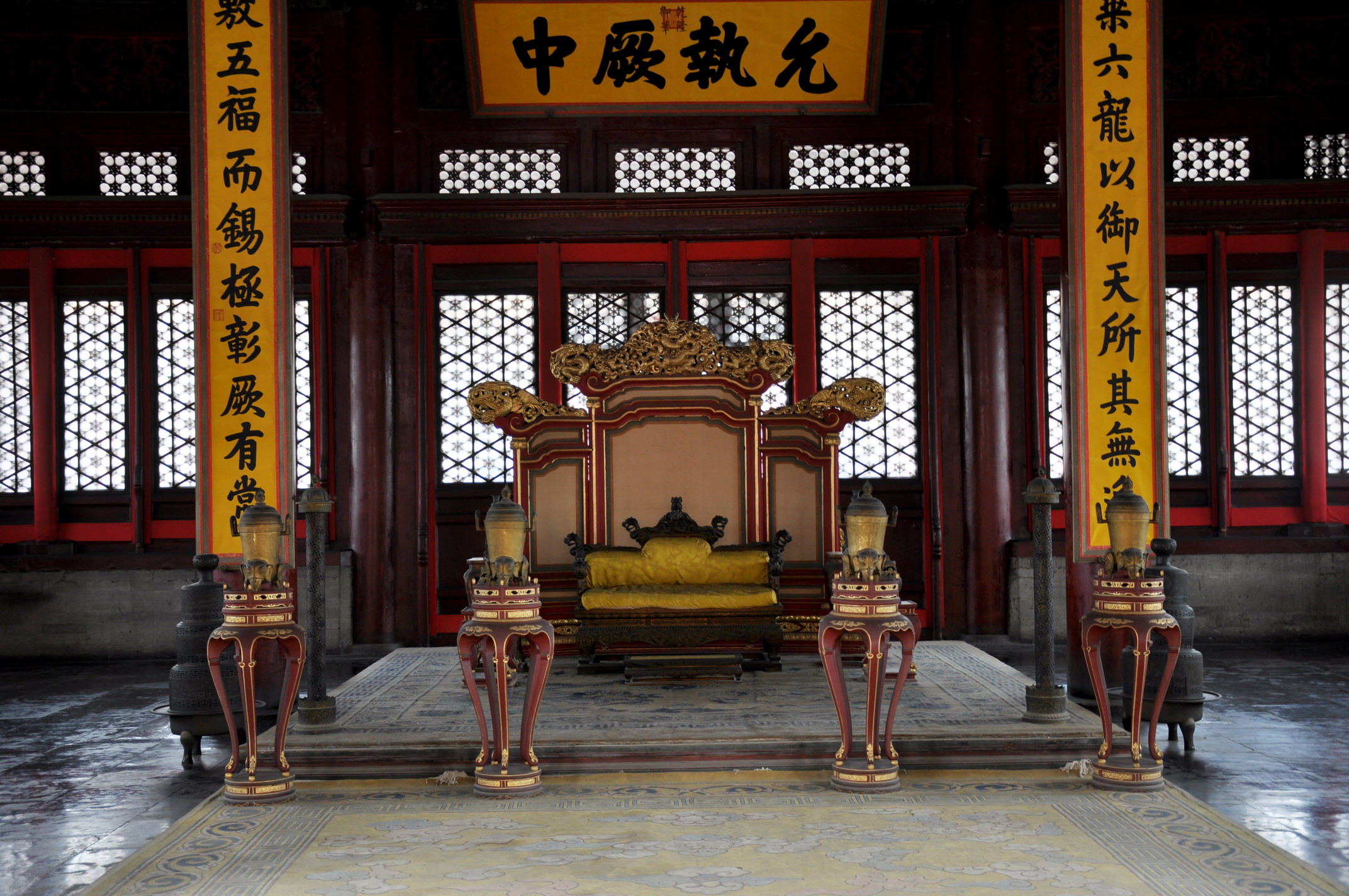
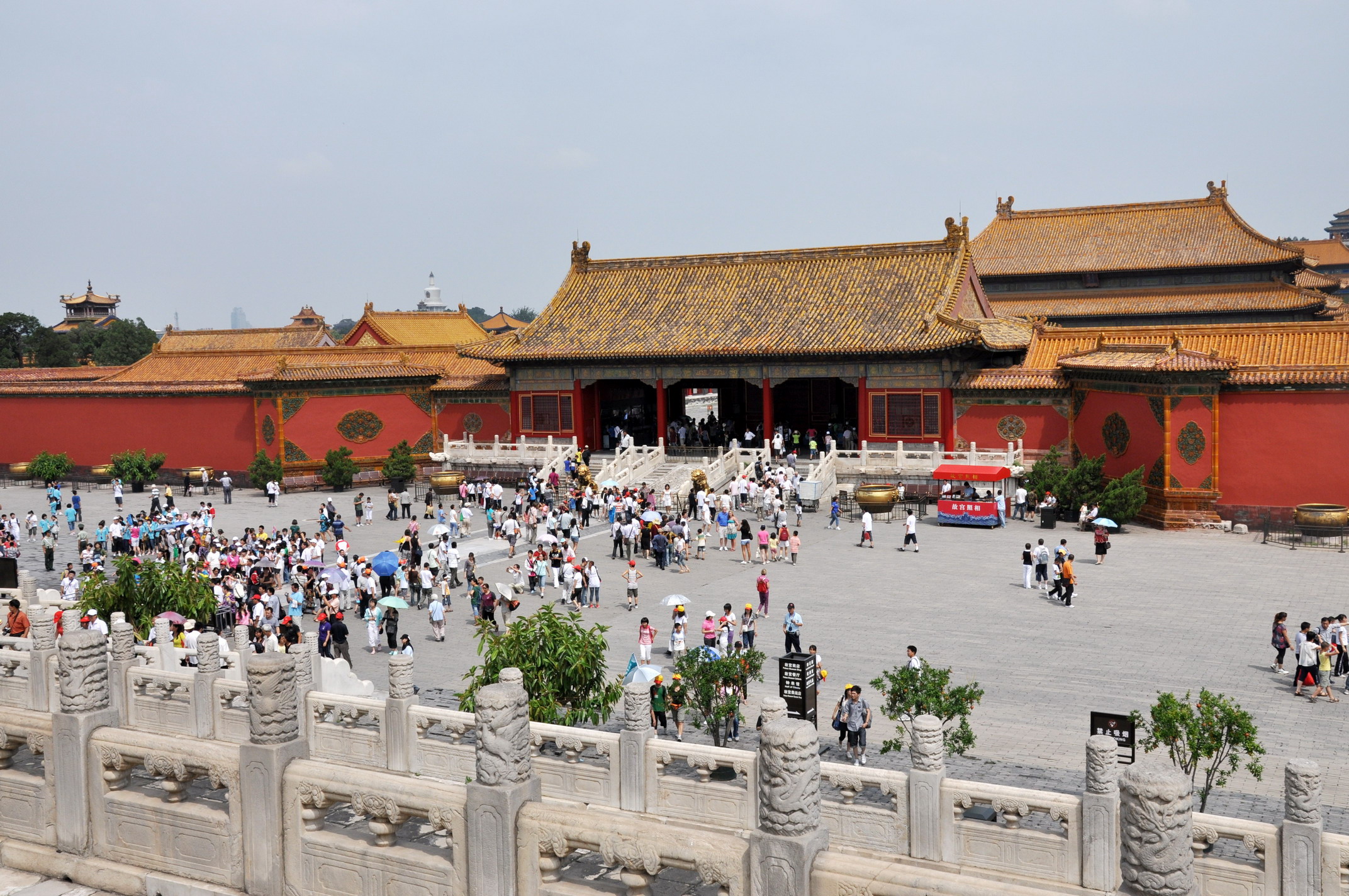
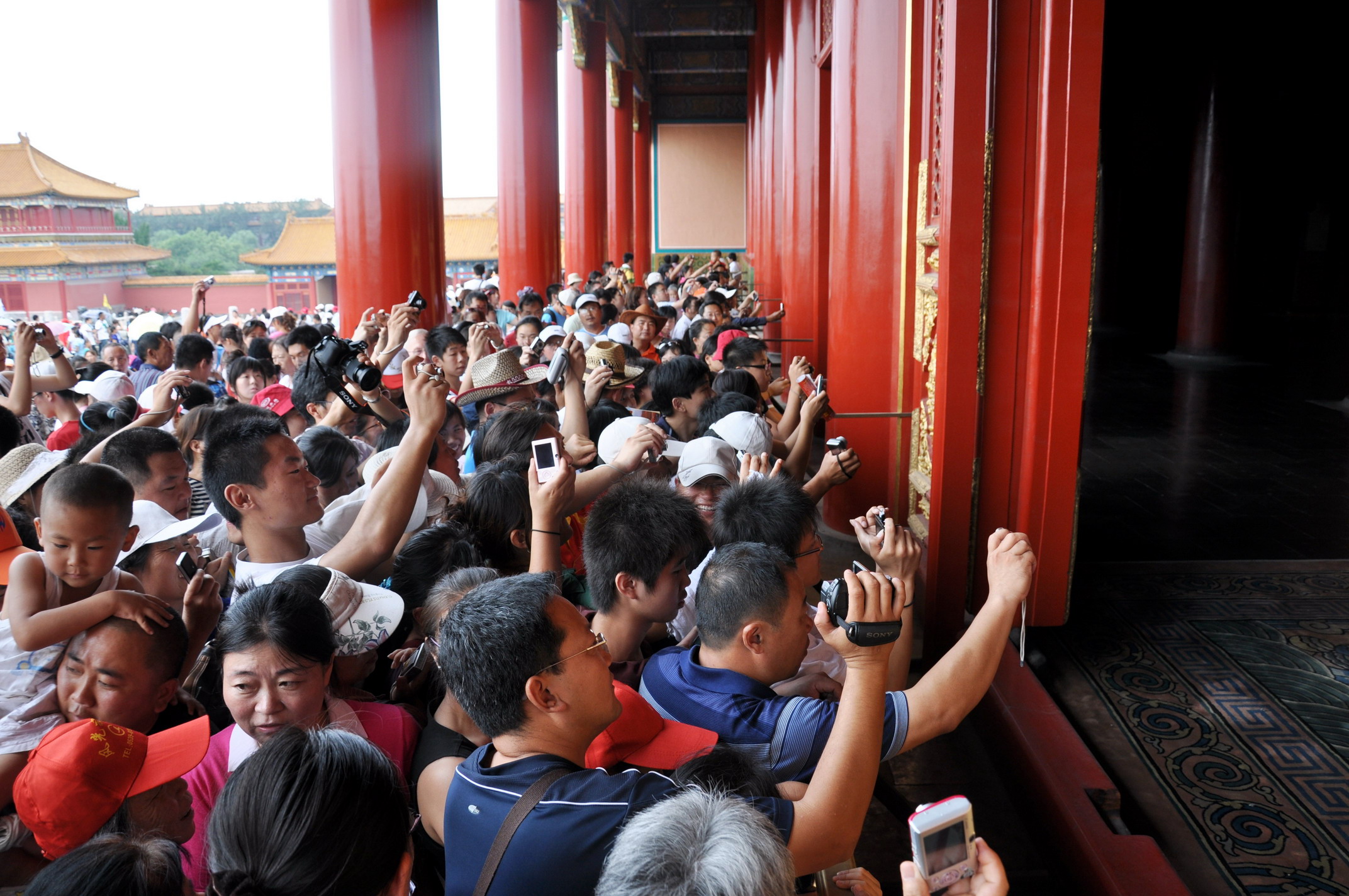
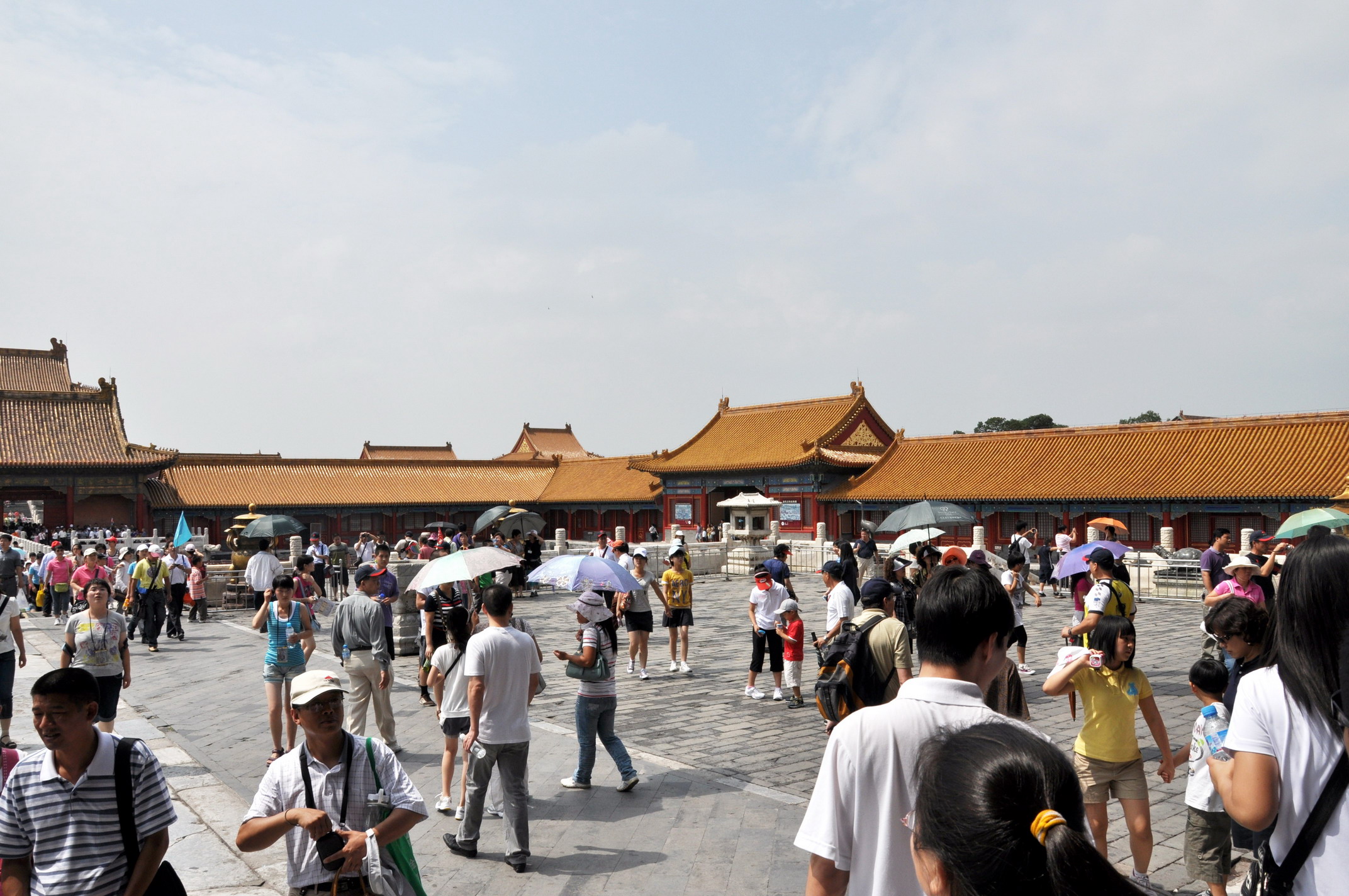
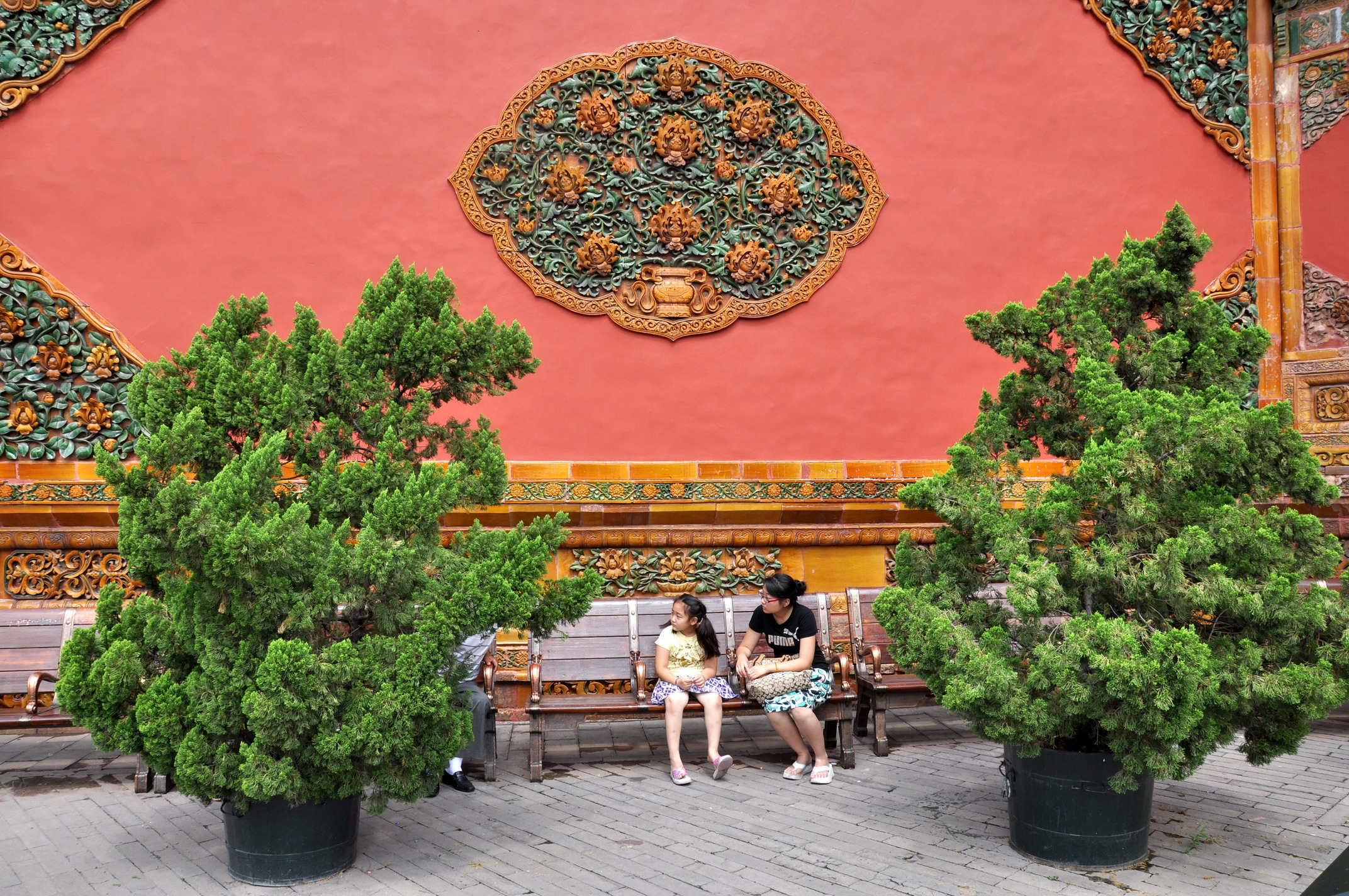
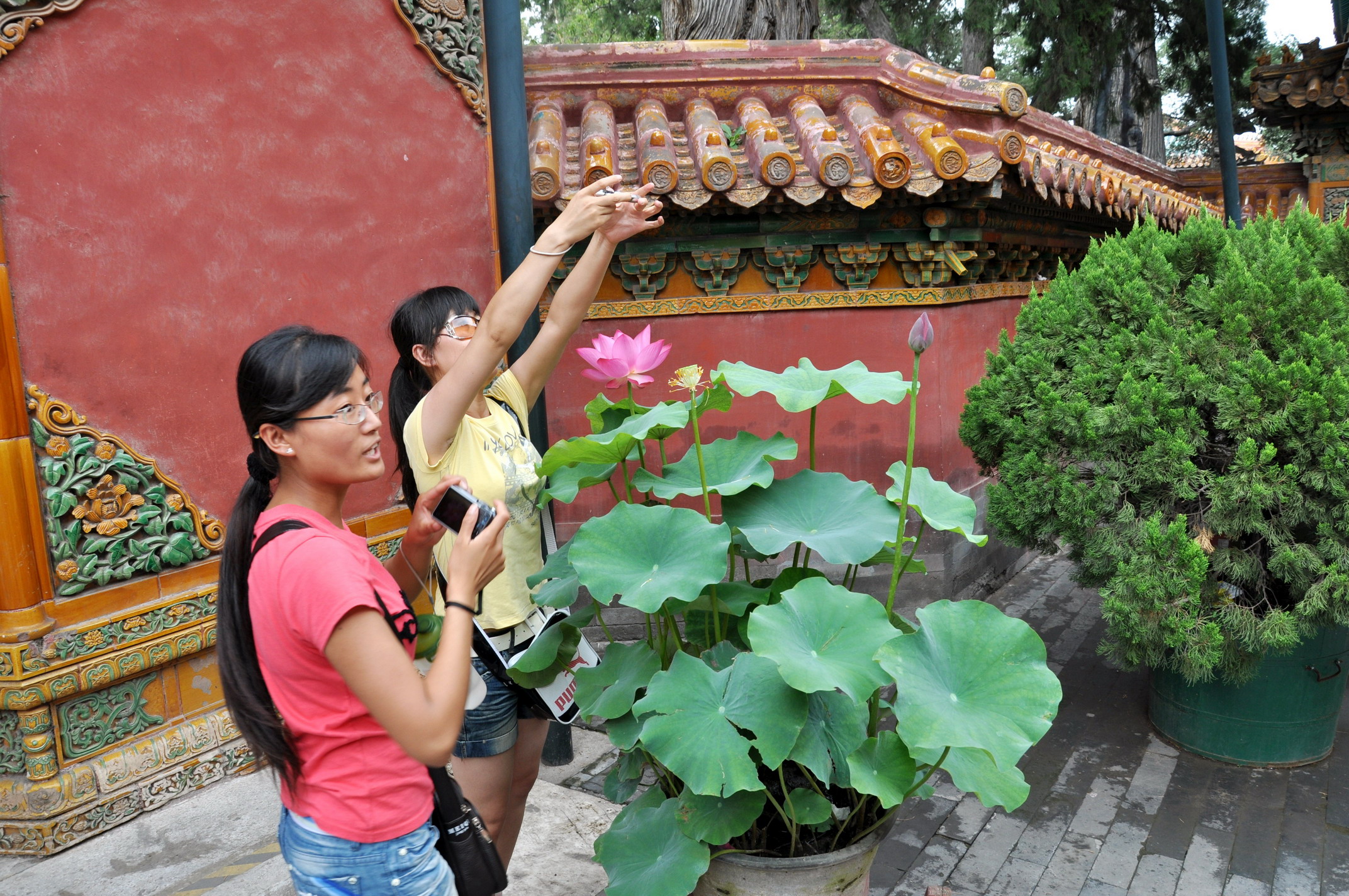
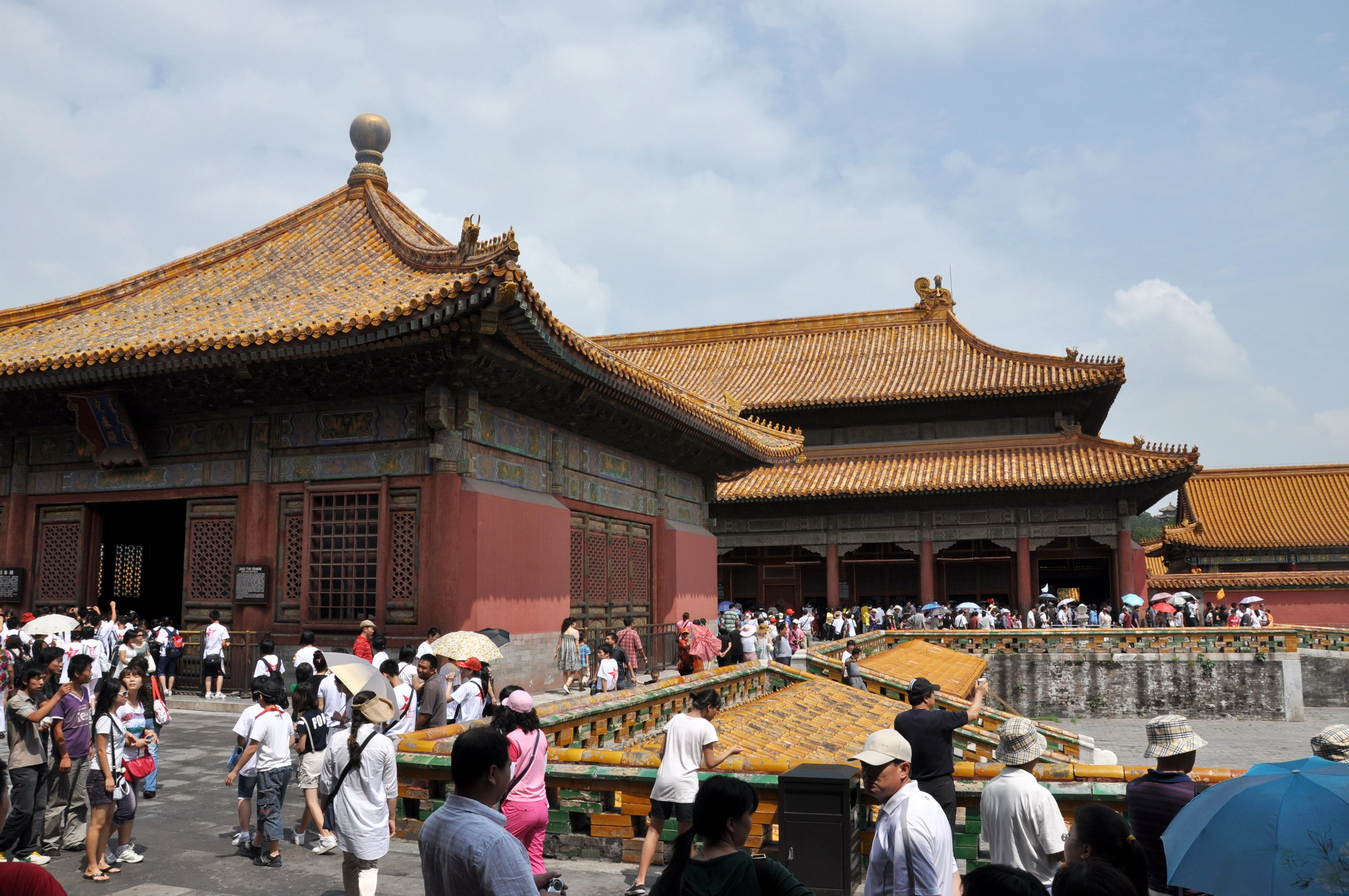
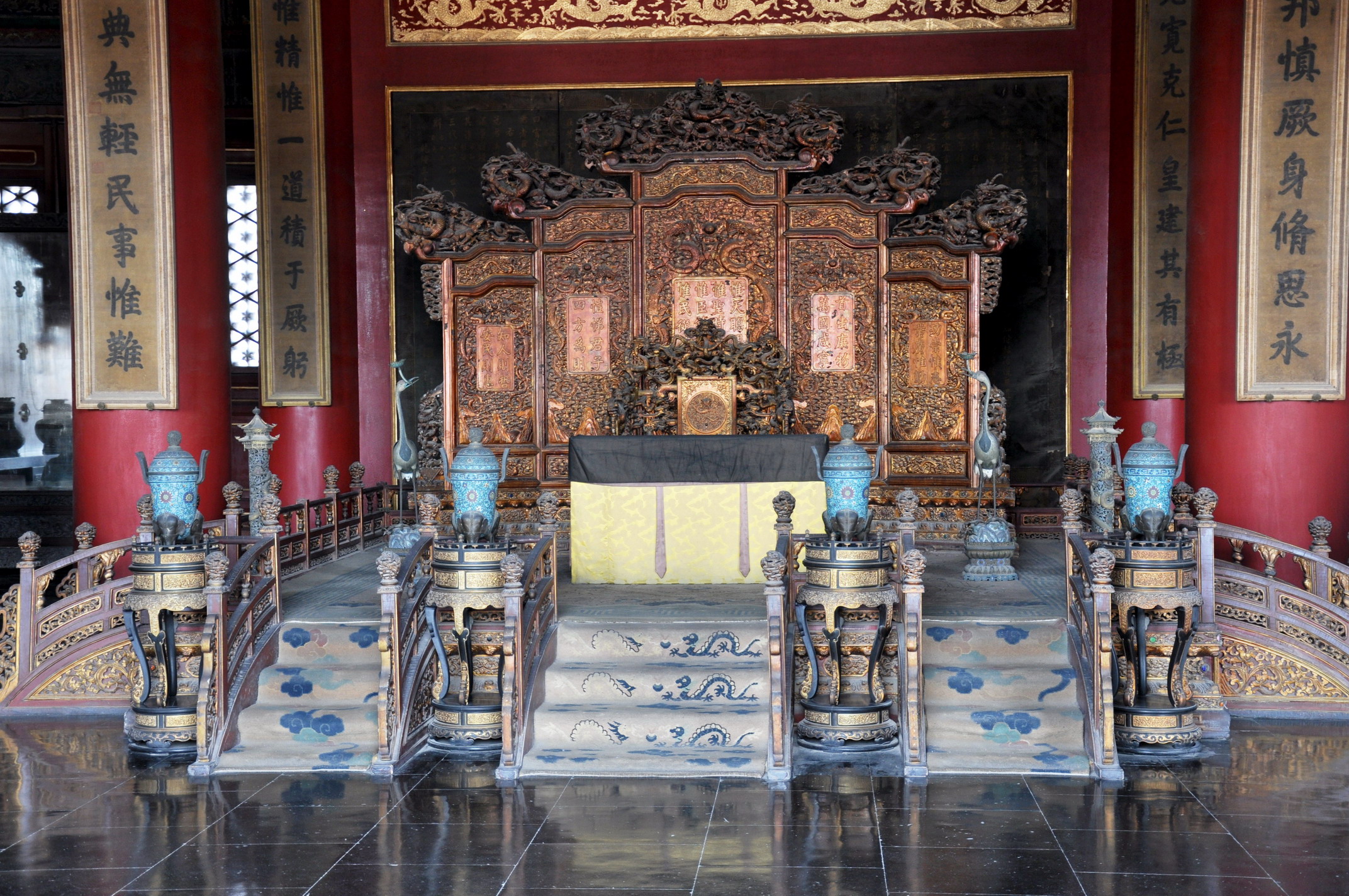
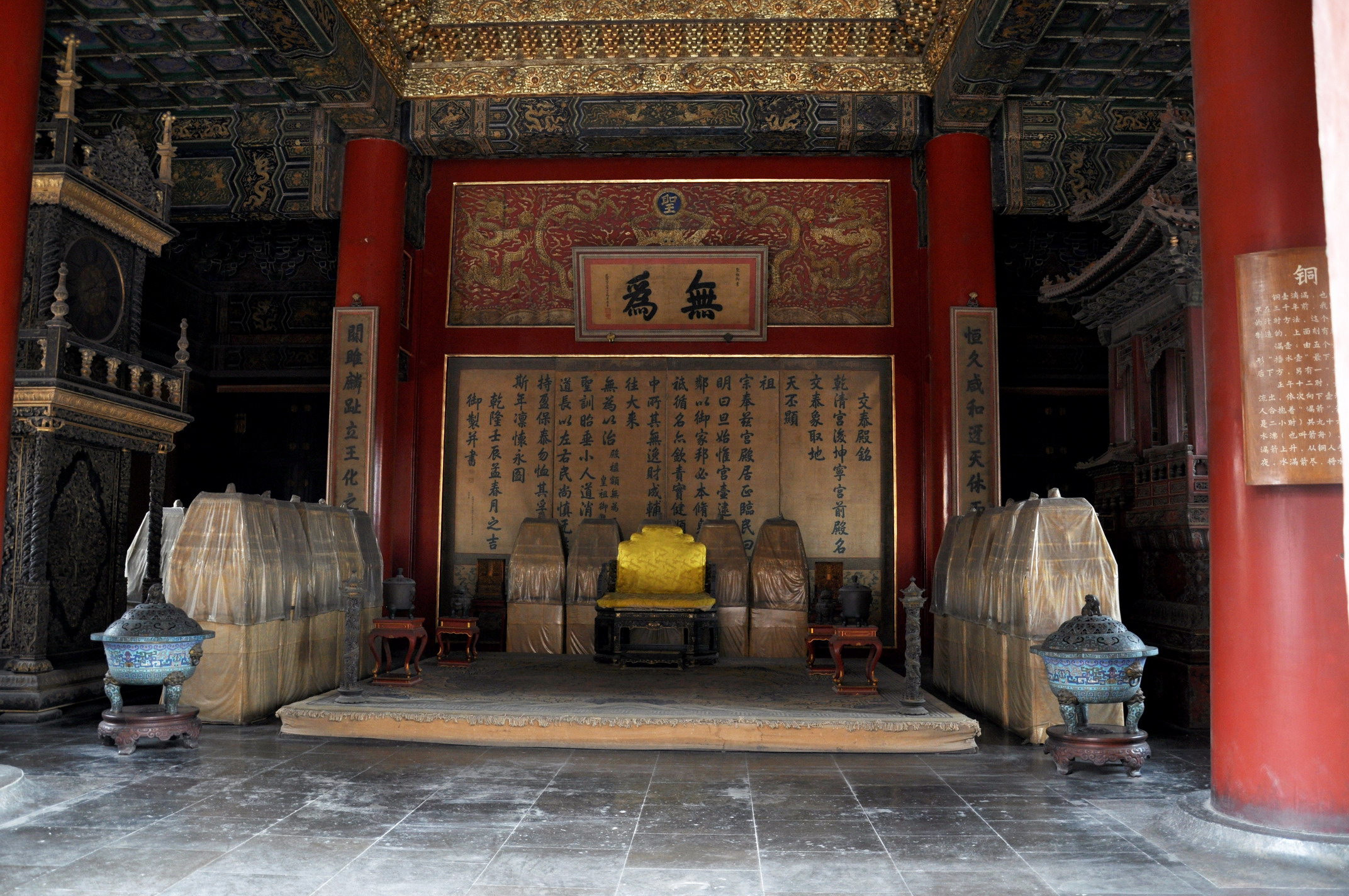
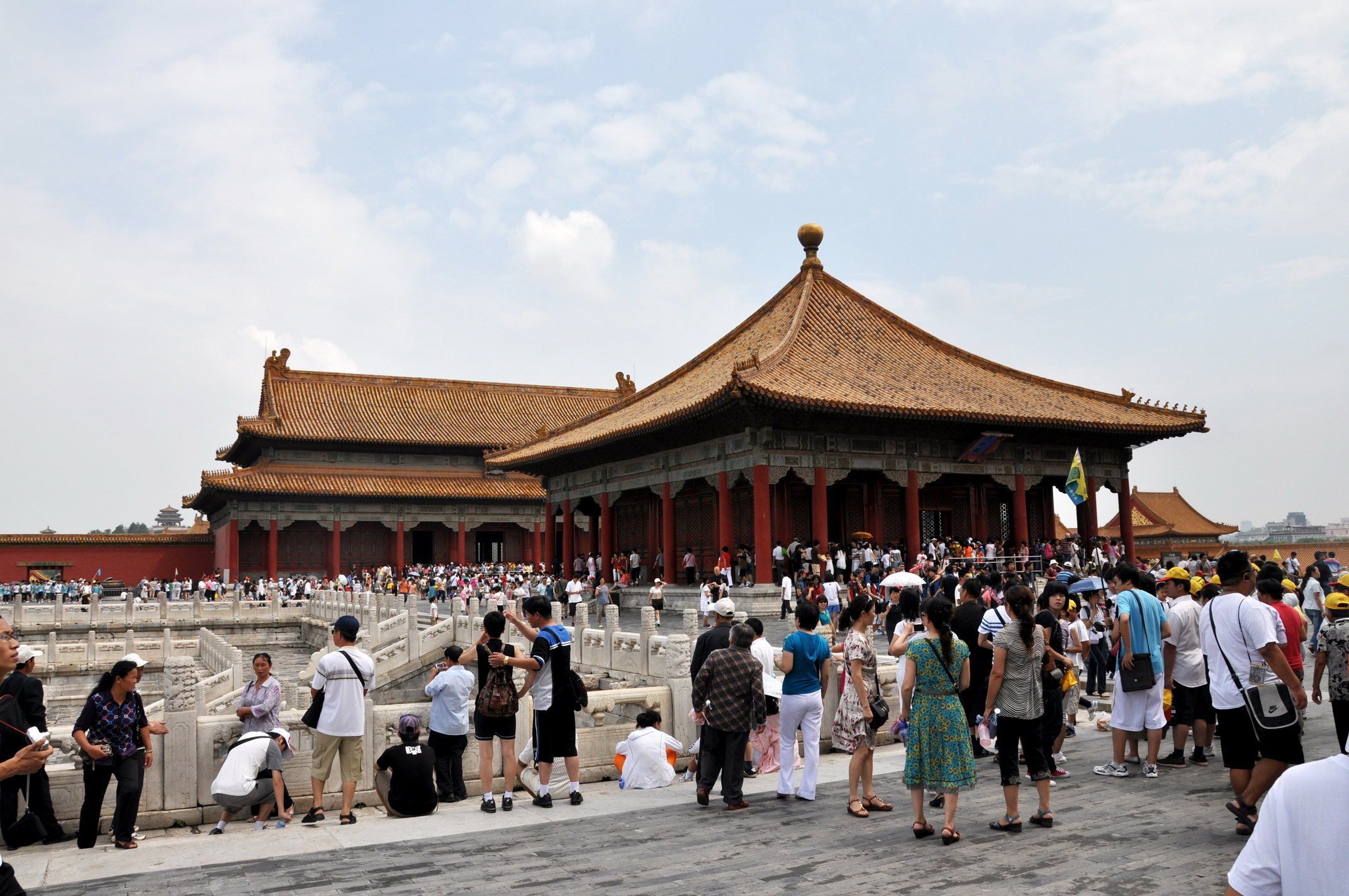
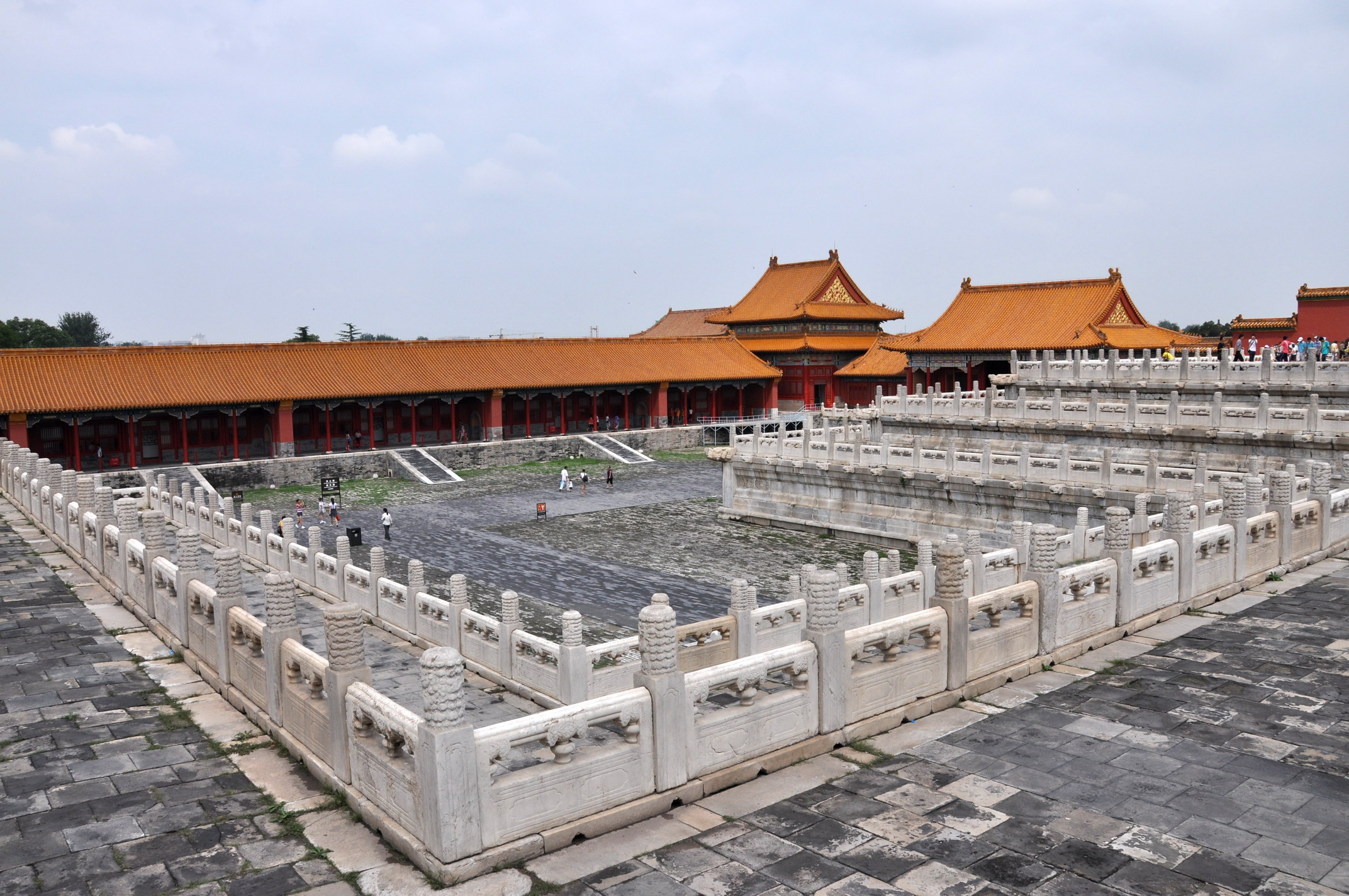
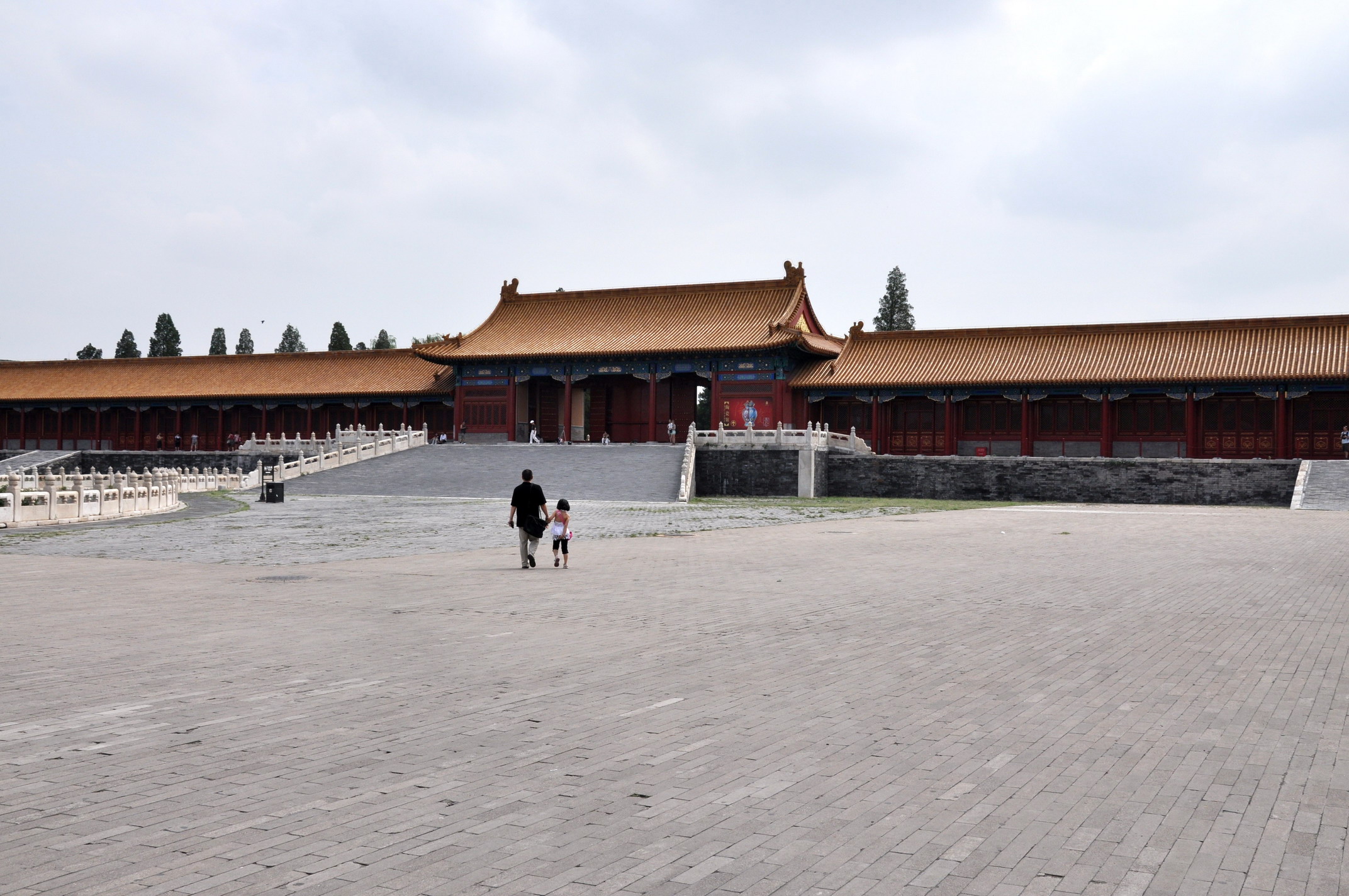
The Forbidden City is enormous. You can walk all through it for a whole day, but the many courtyards look very similar. Everything is beautiful, though awfully formal. I would leave time for other parks and temples as well.
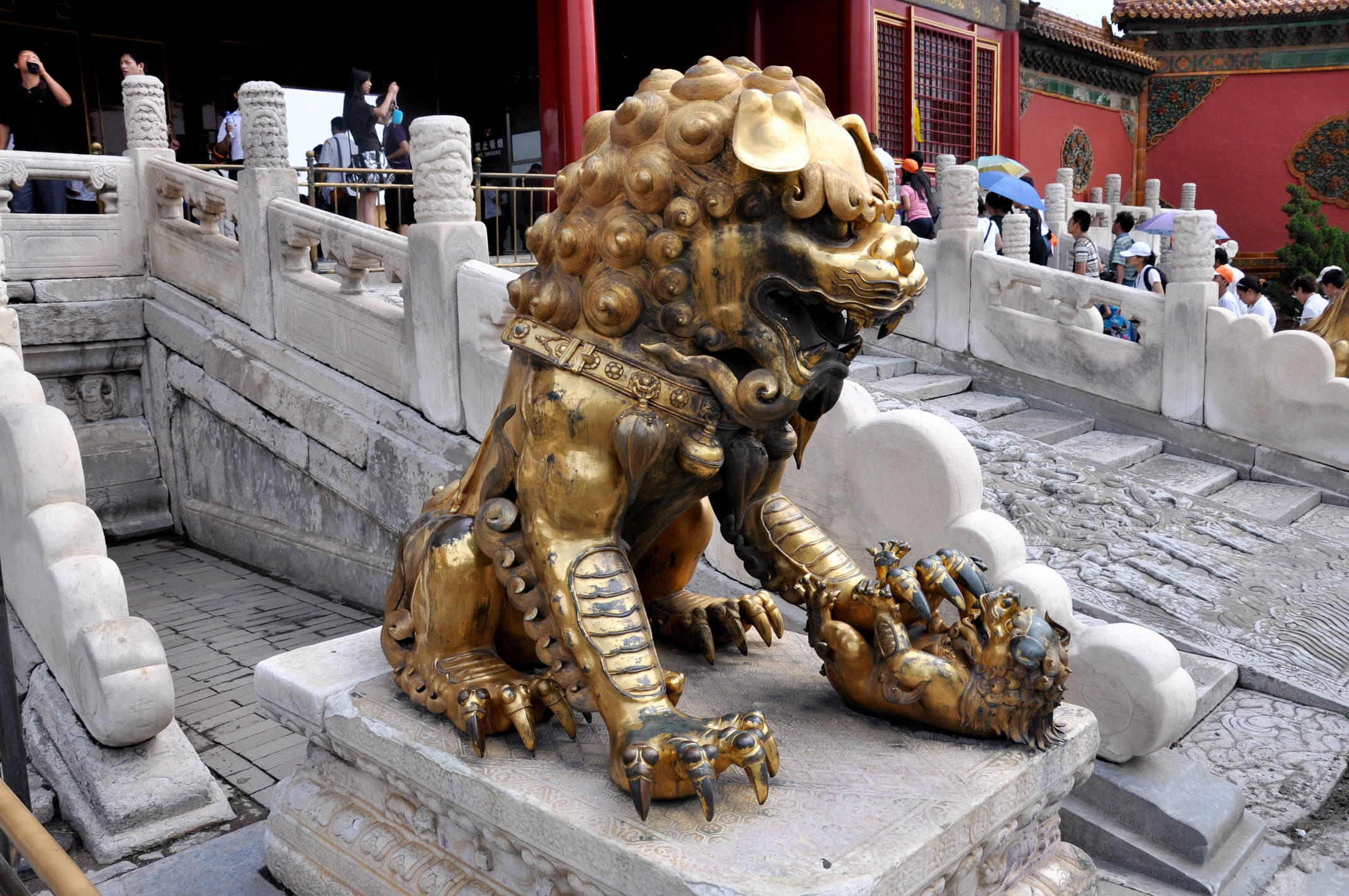
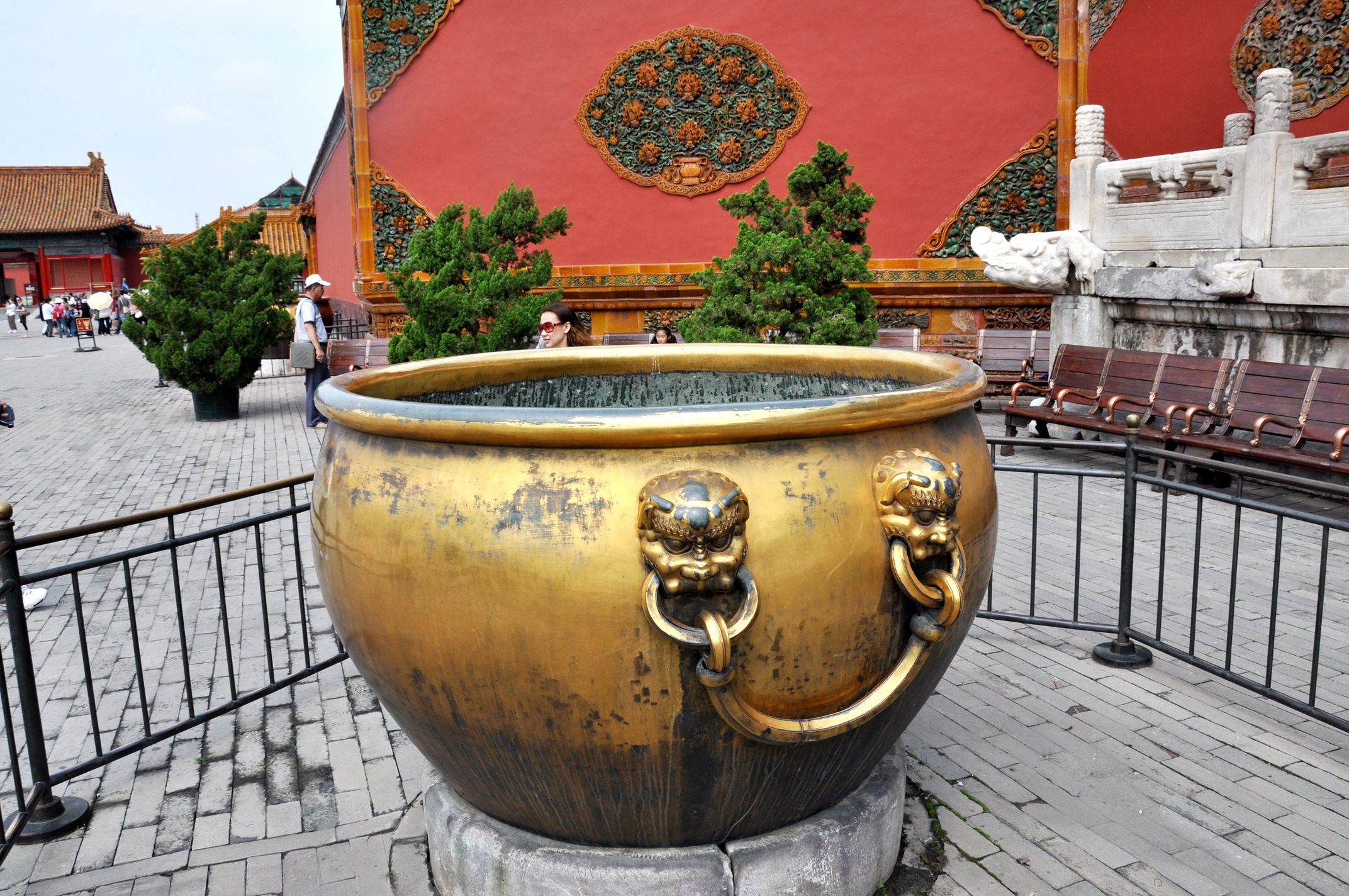
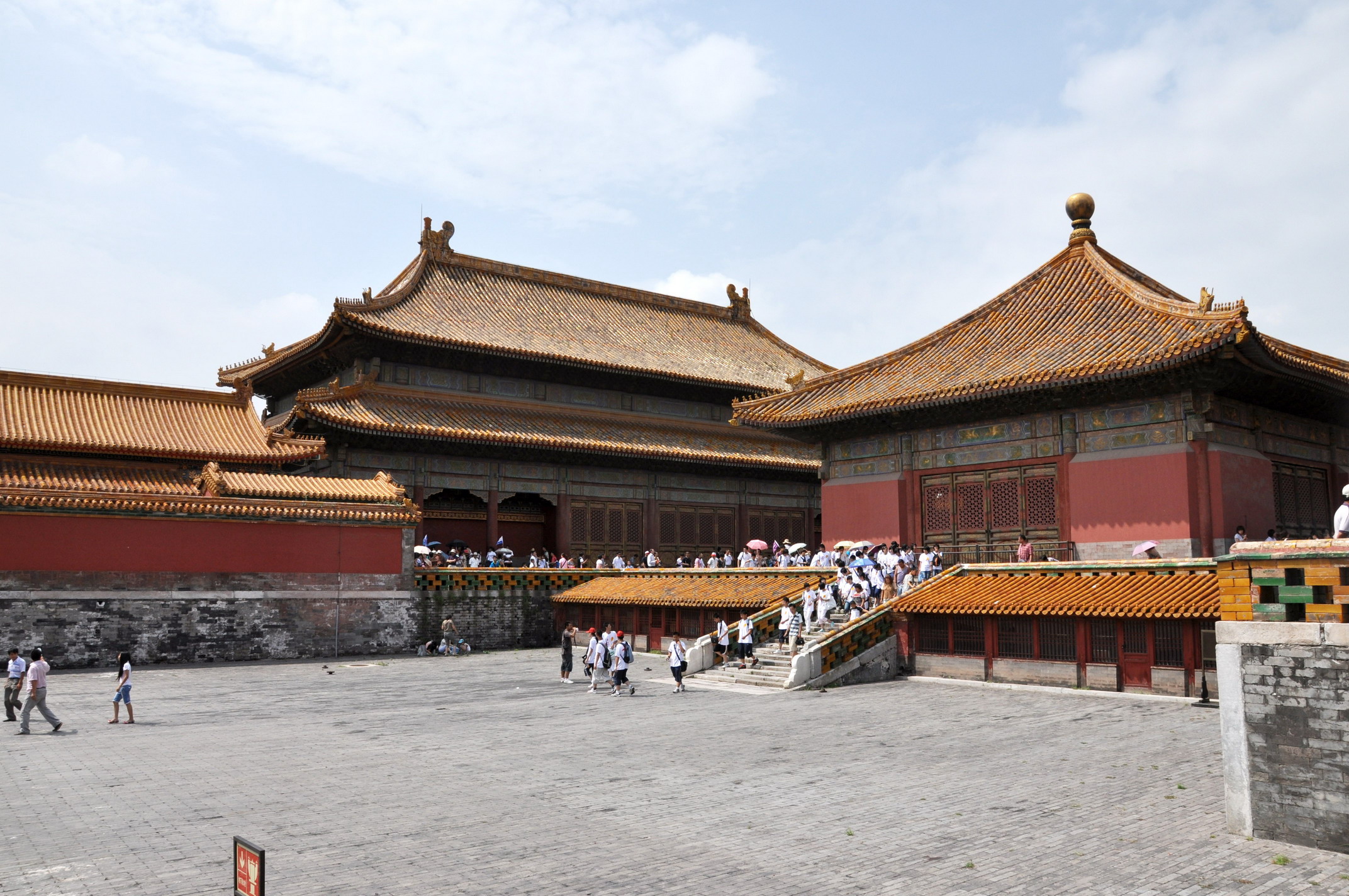
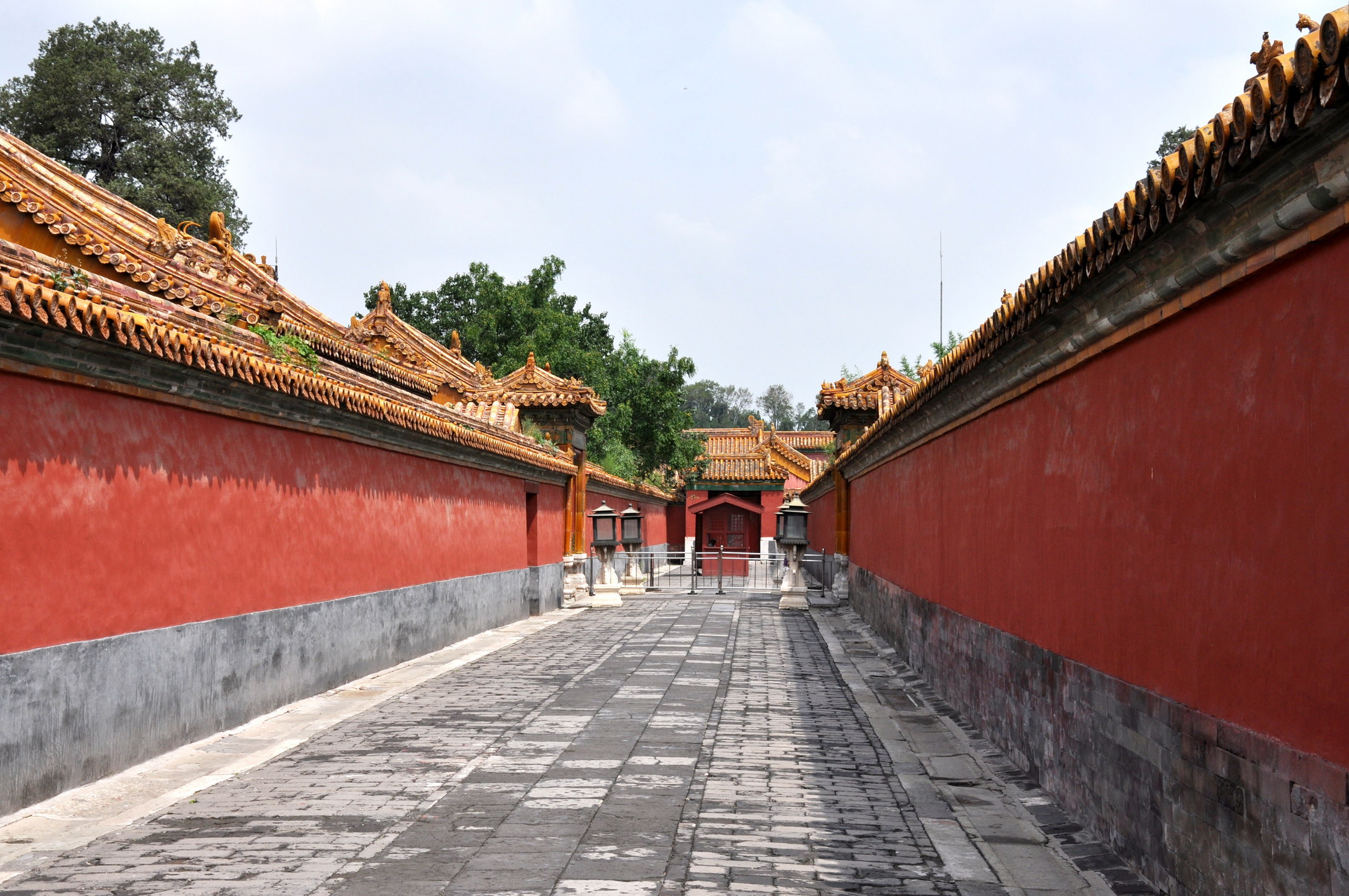
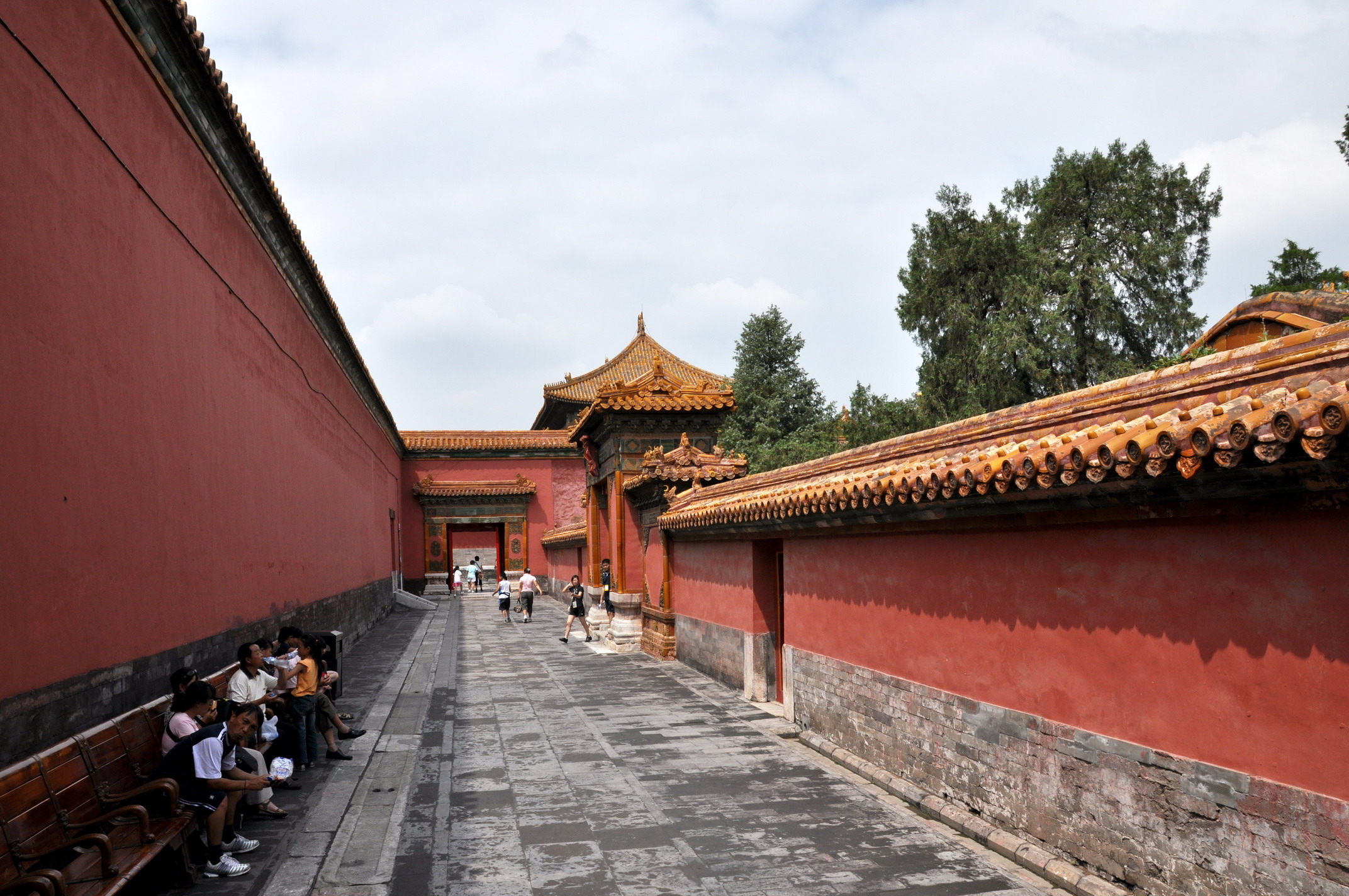
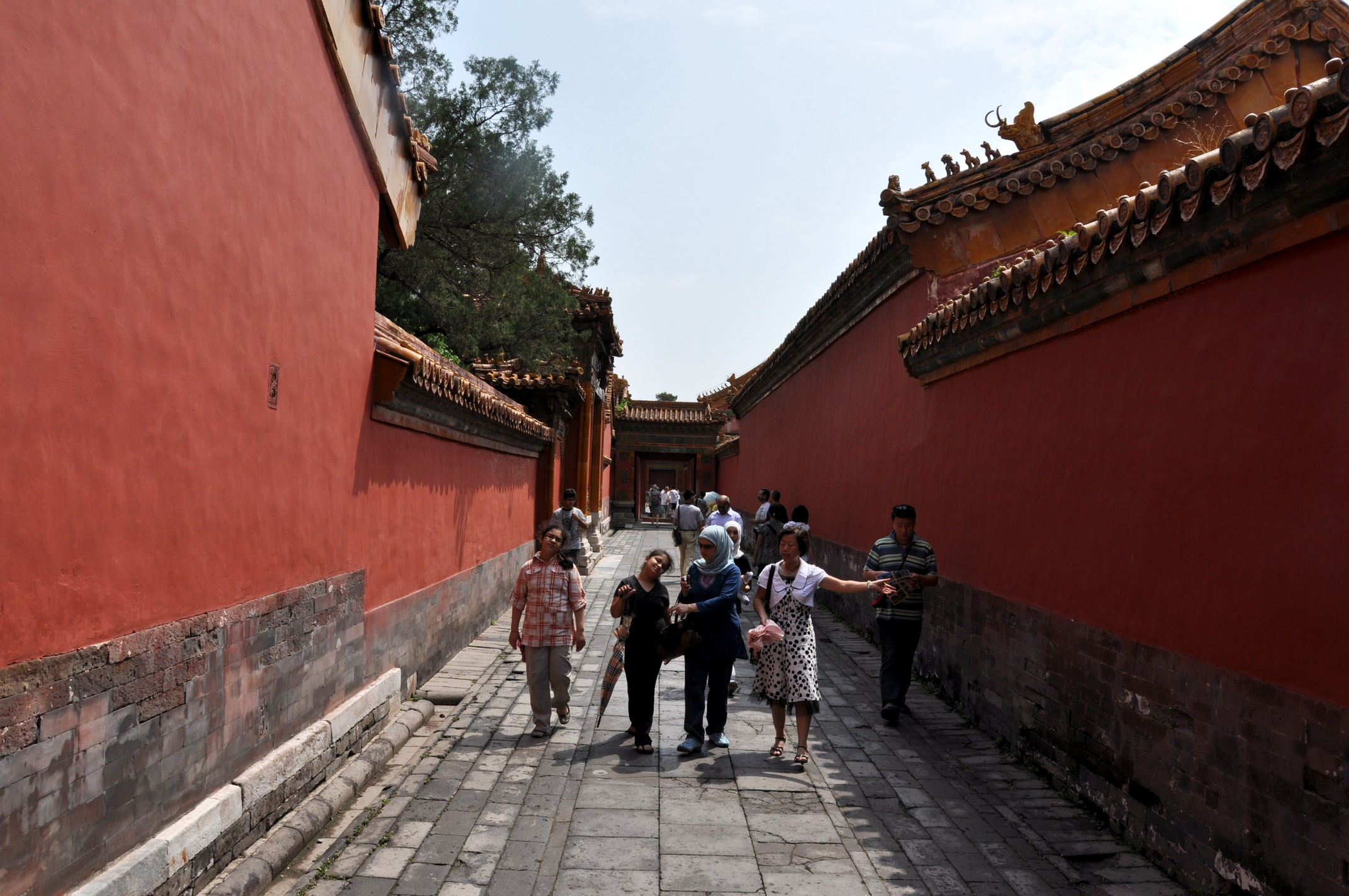
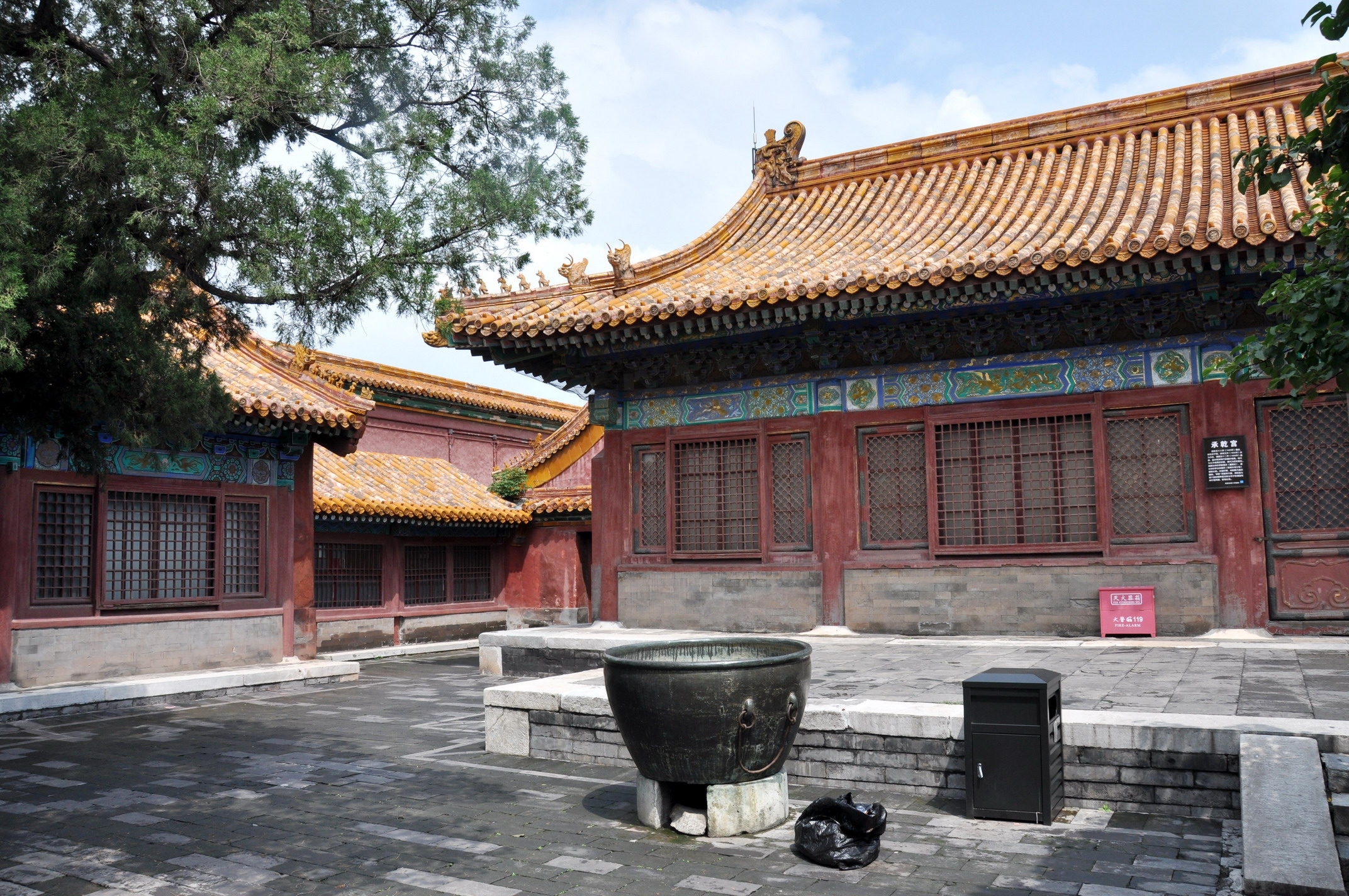
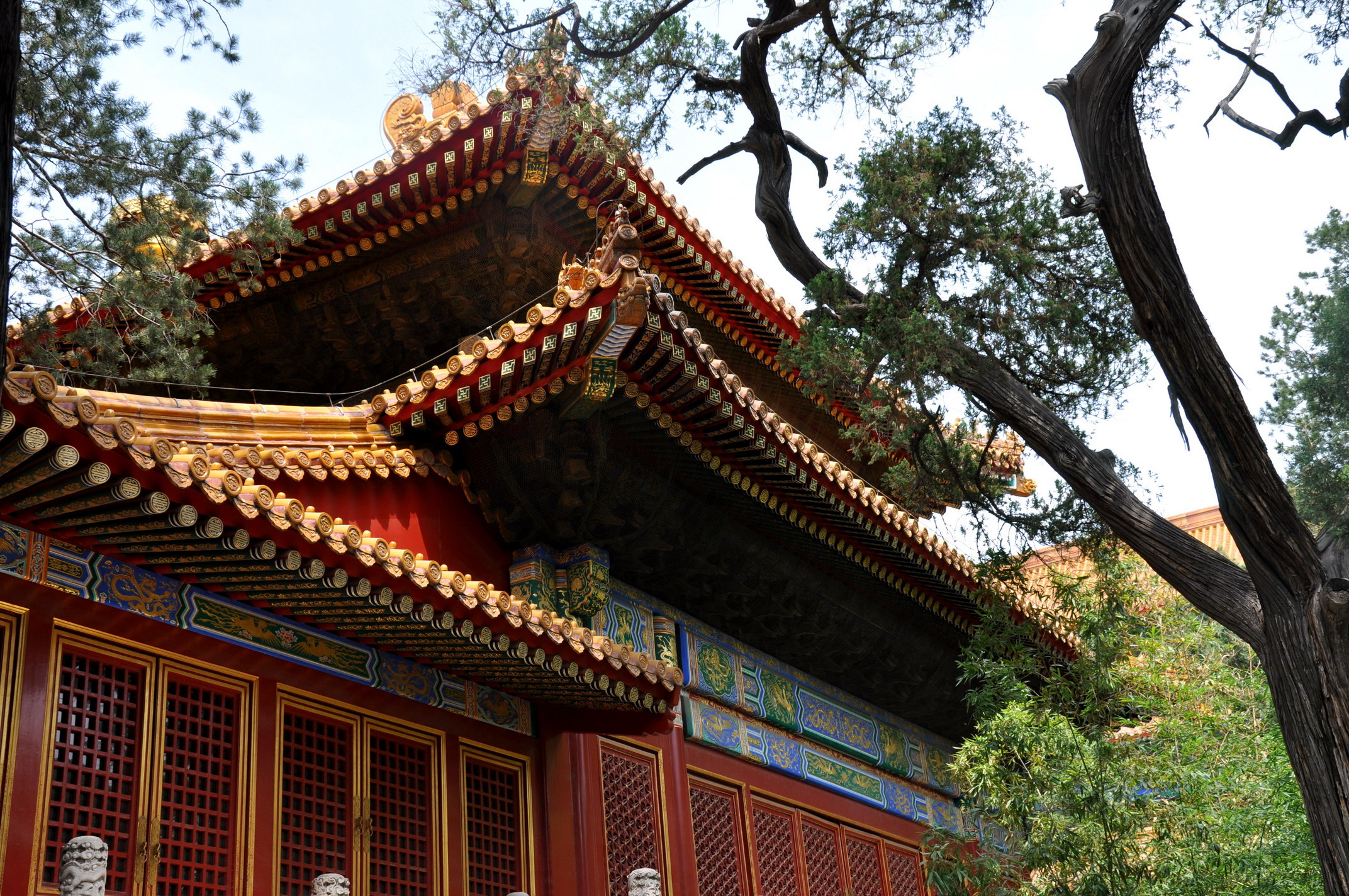
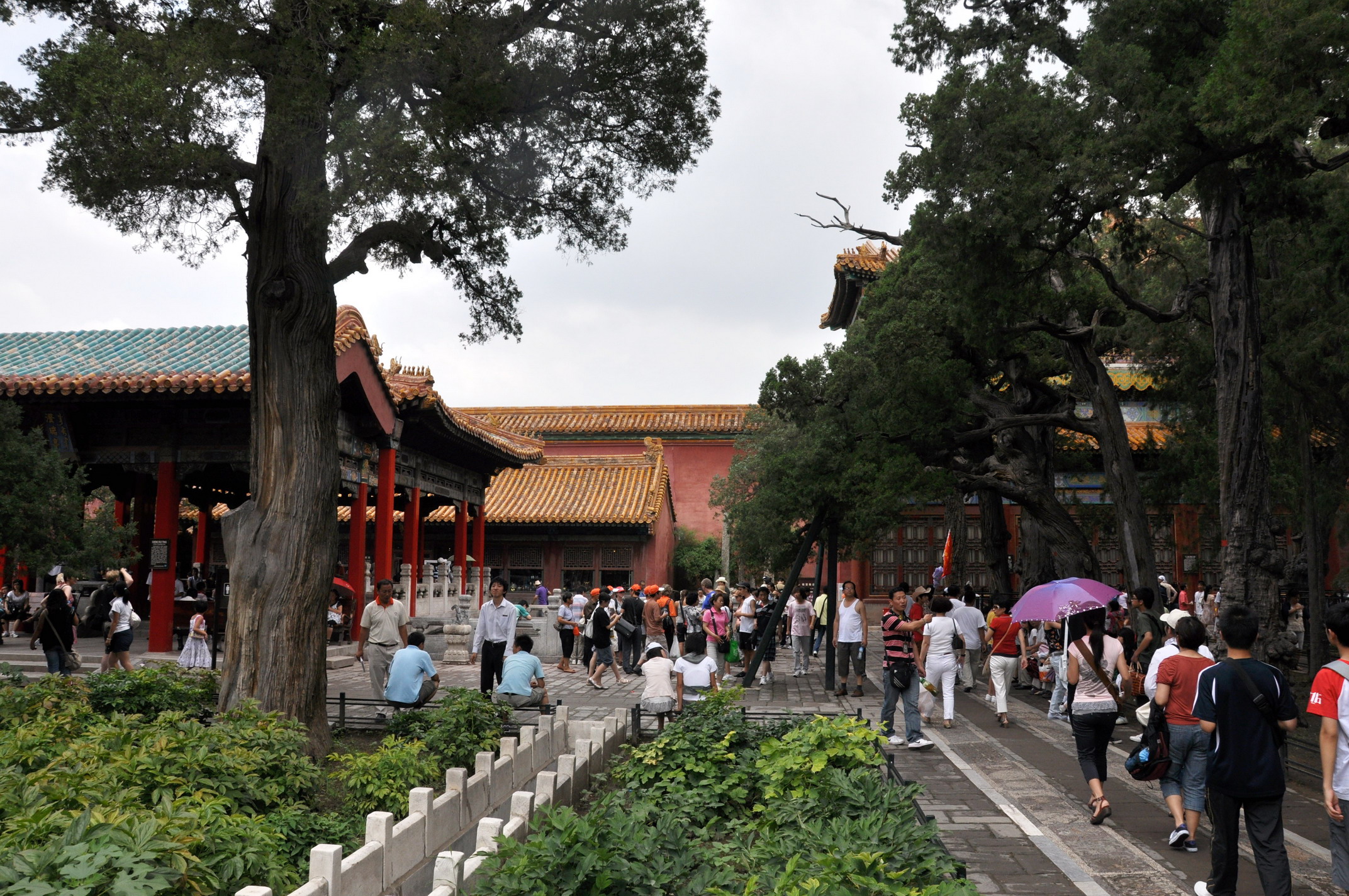
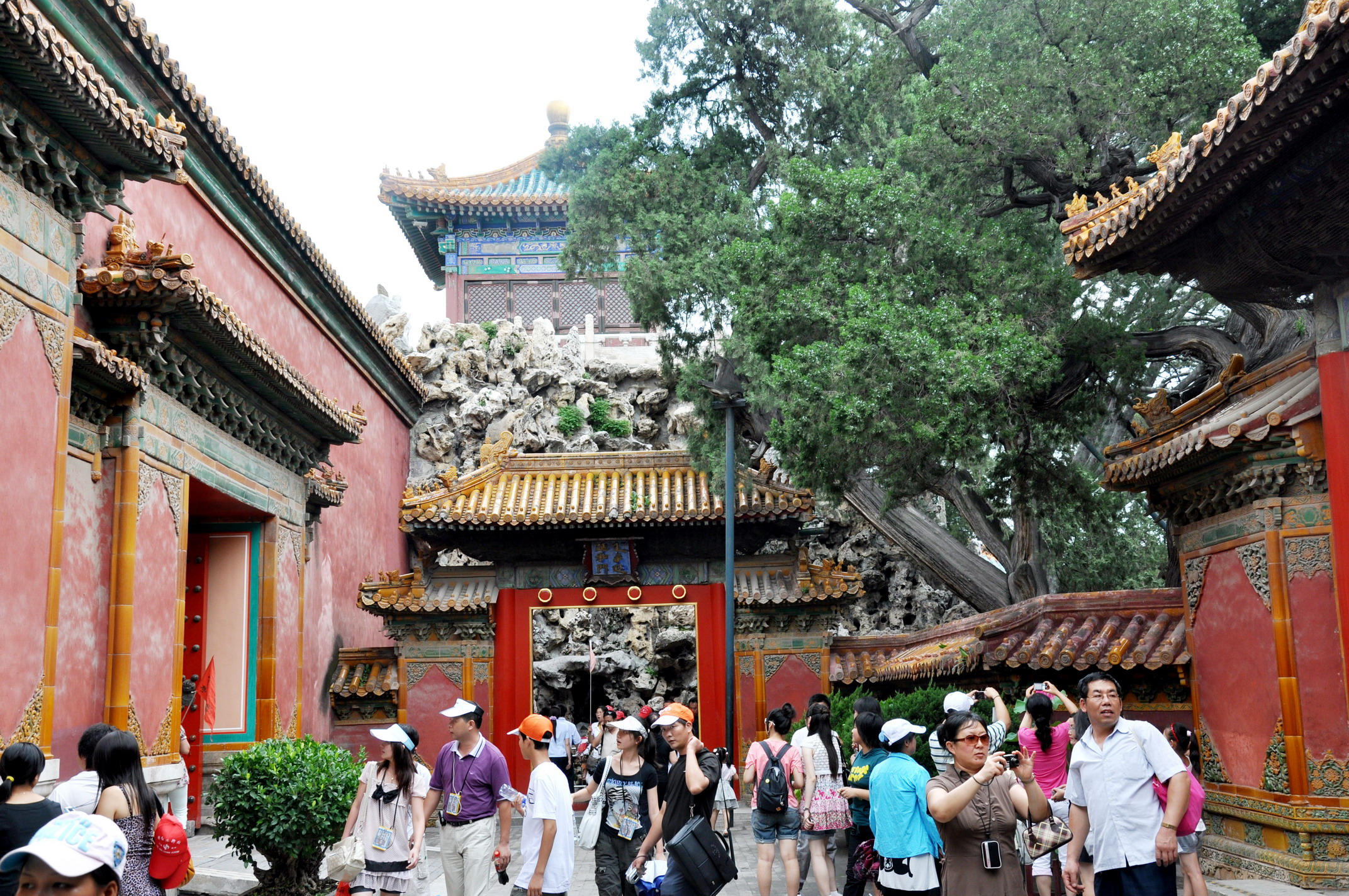
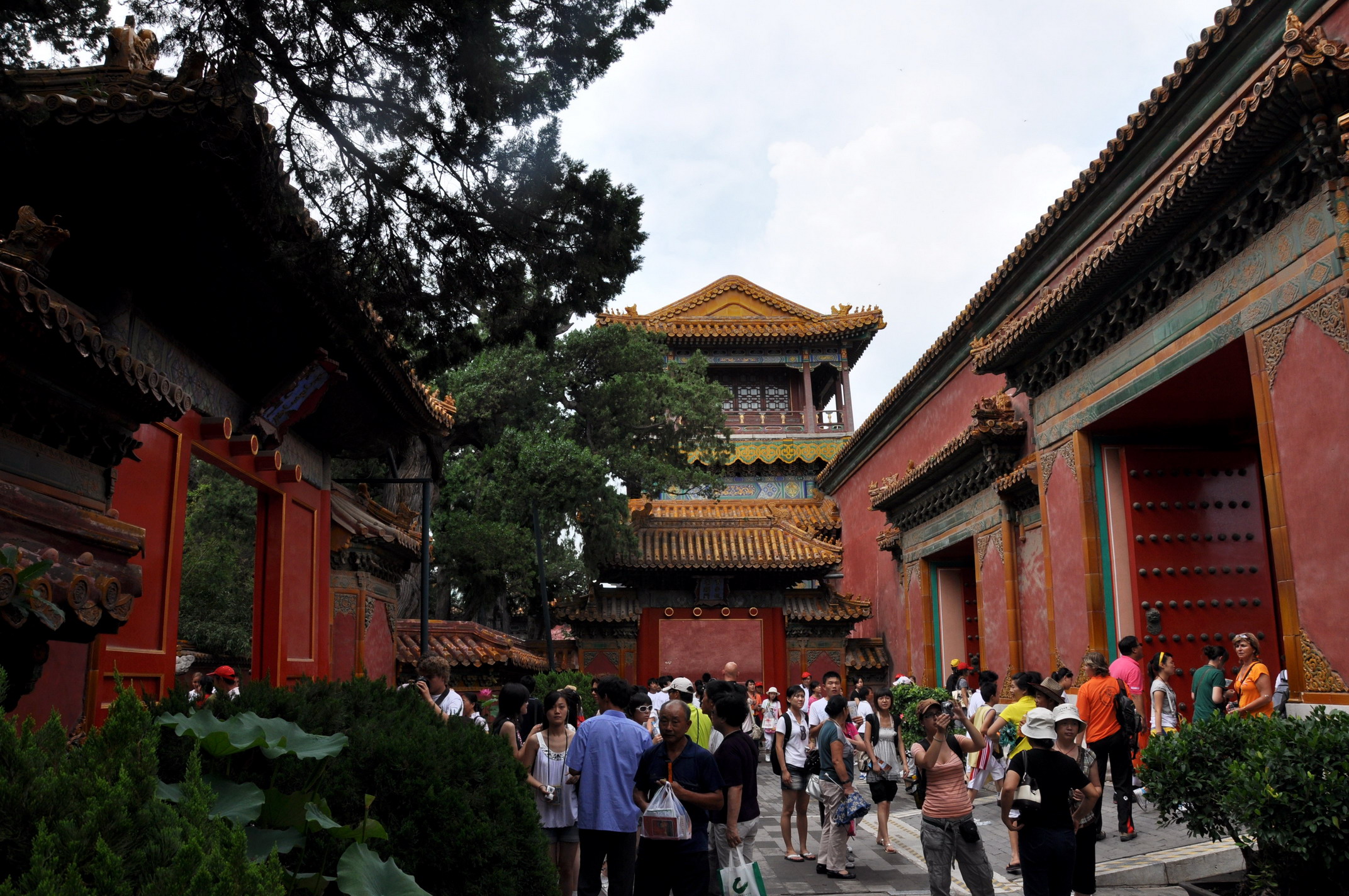
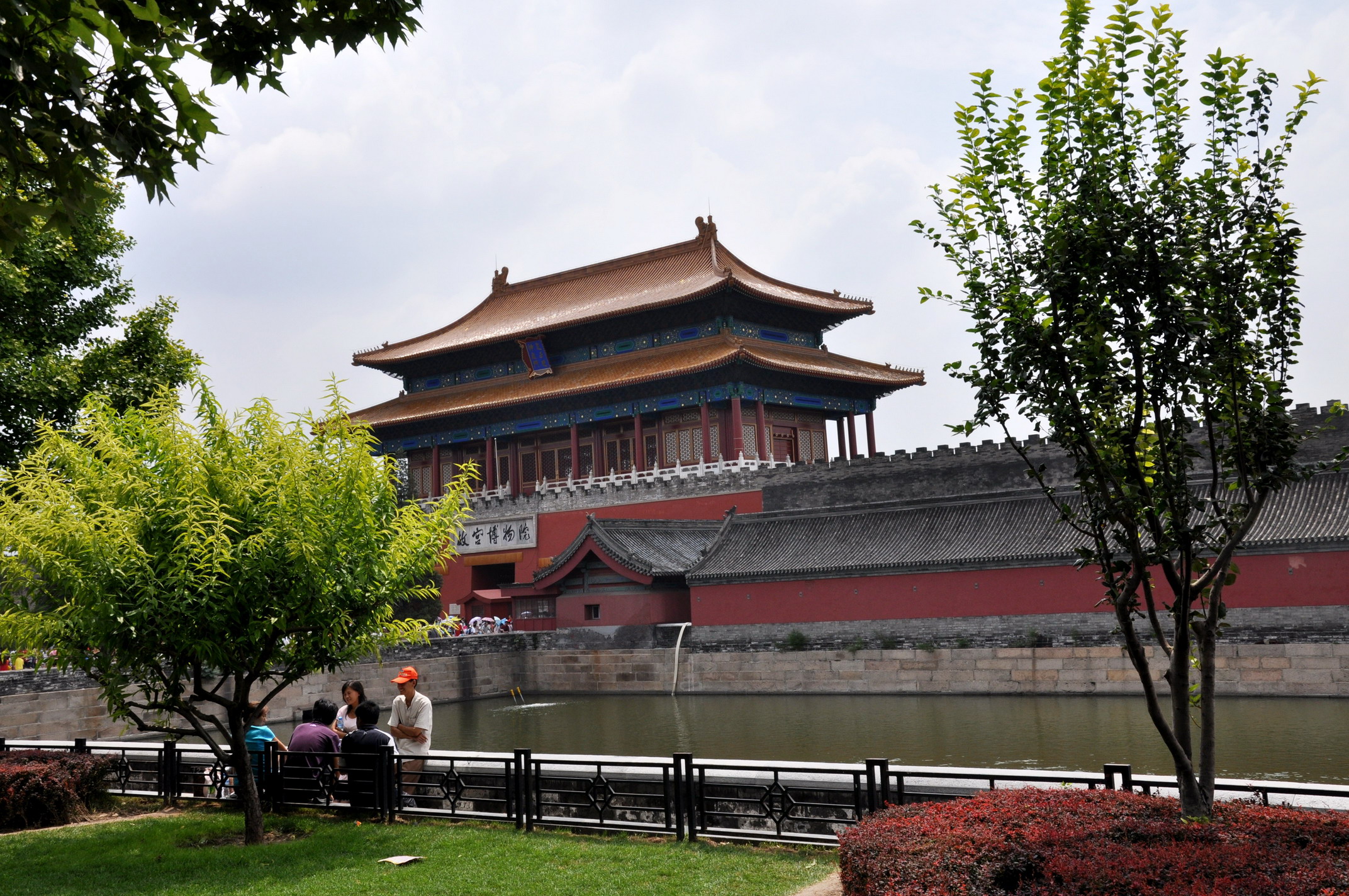
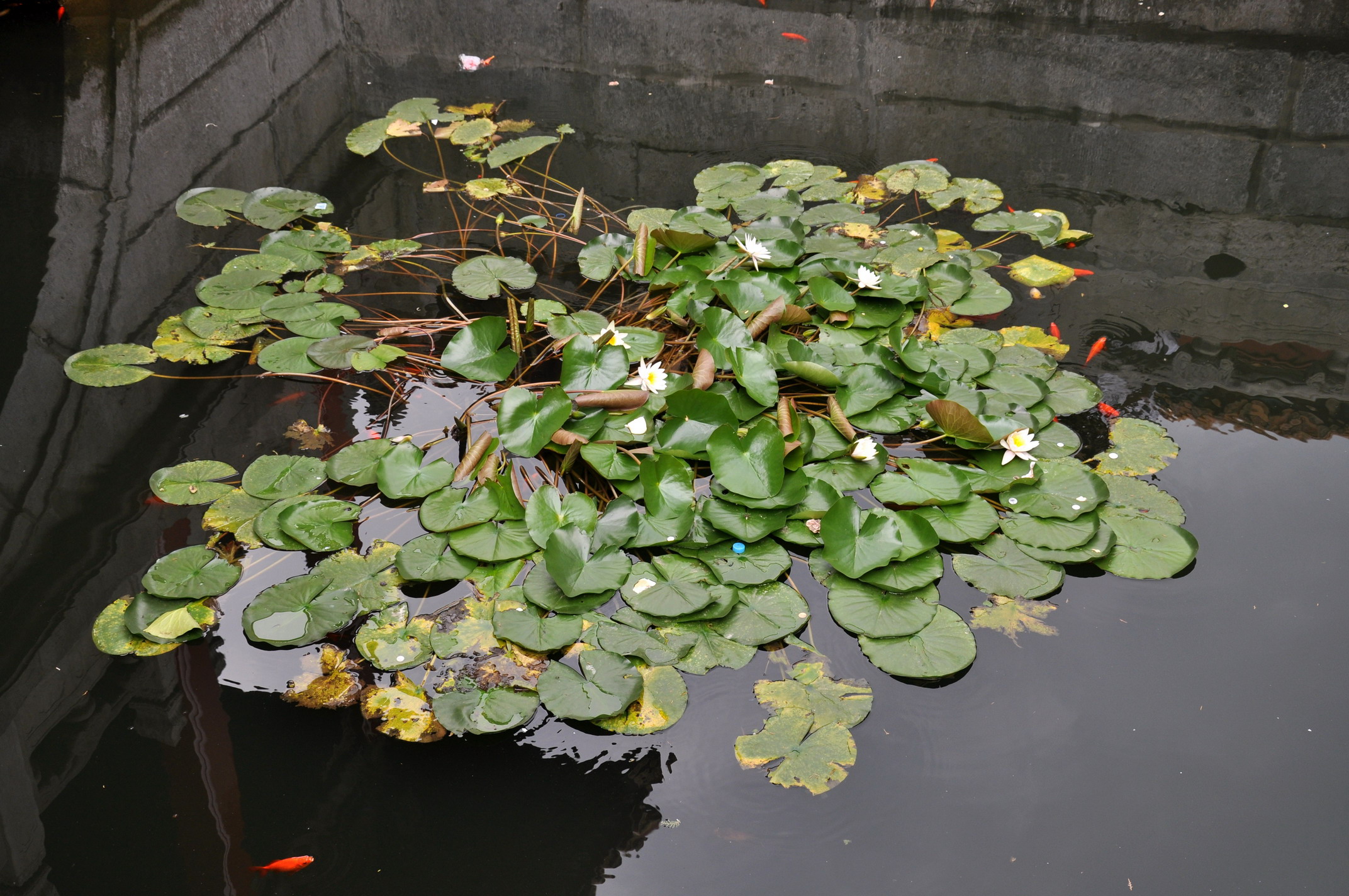
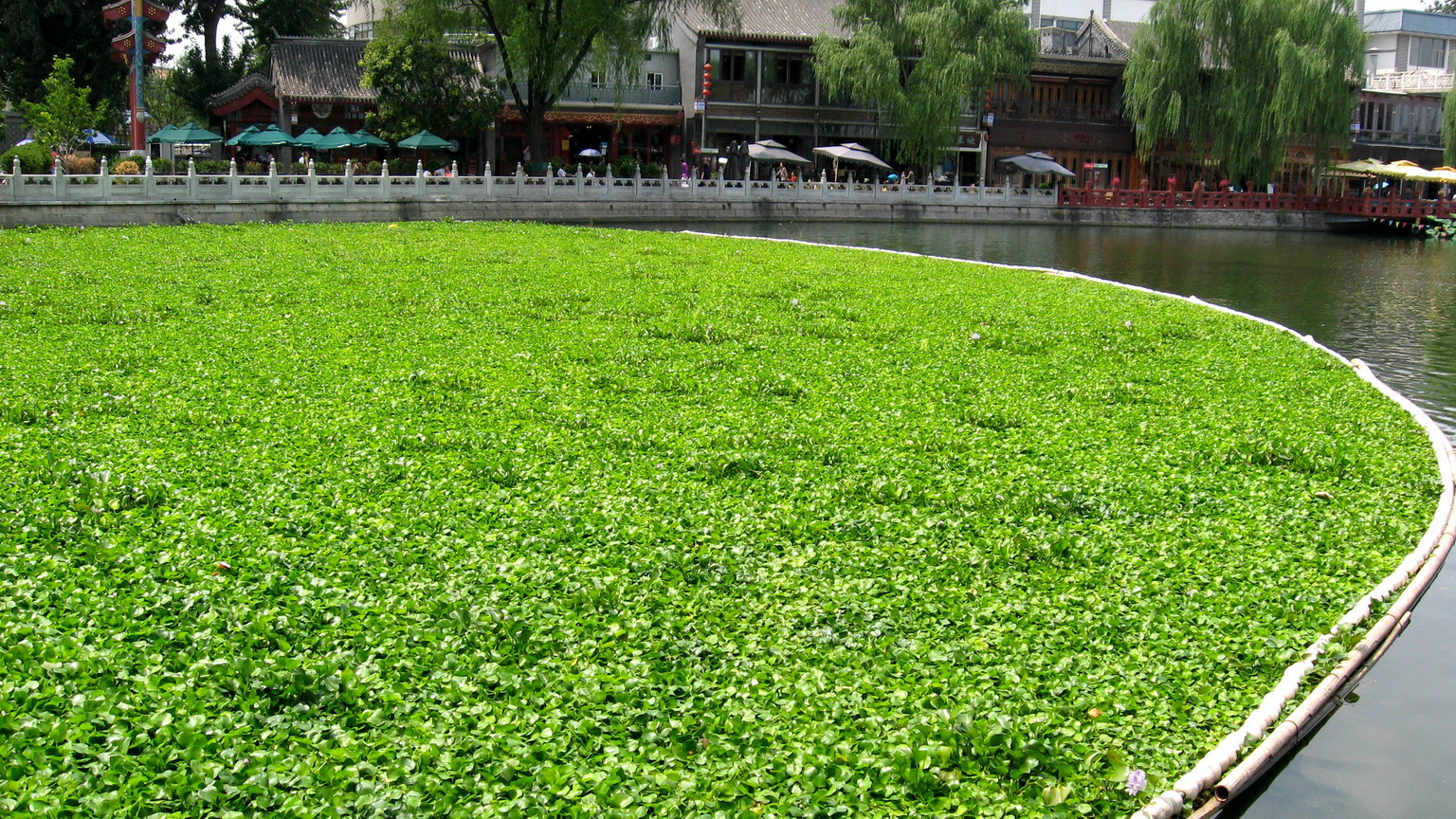
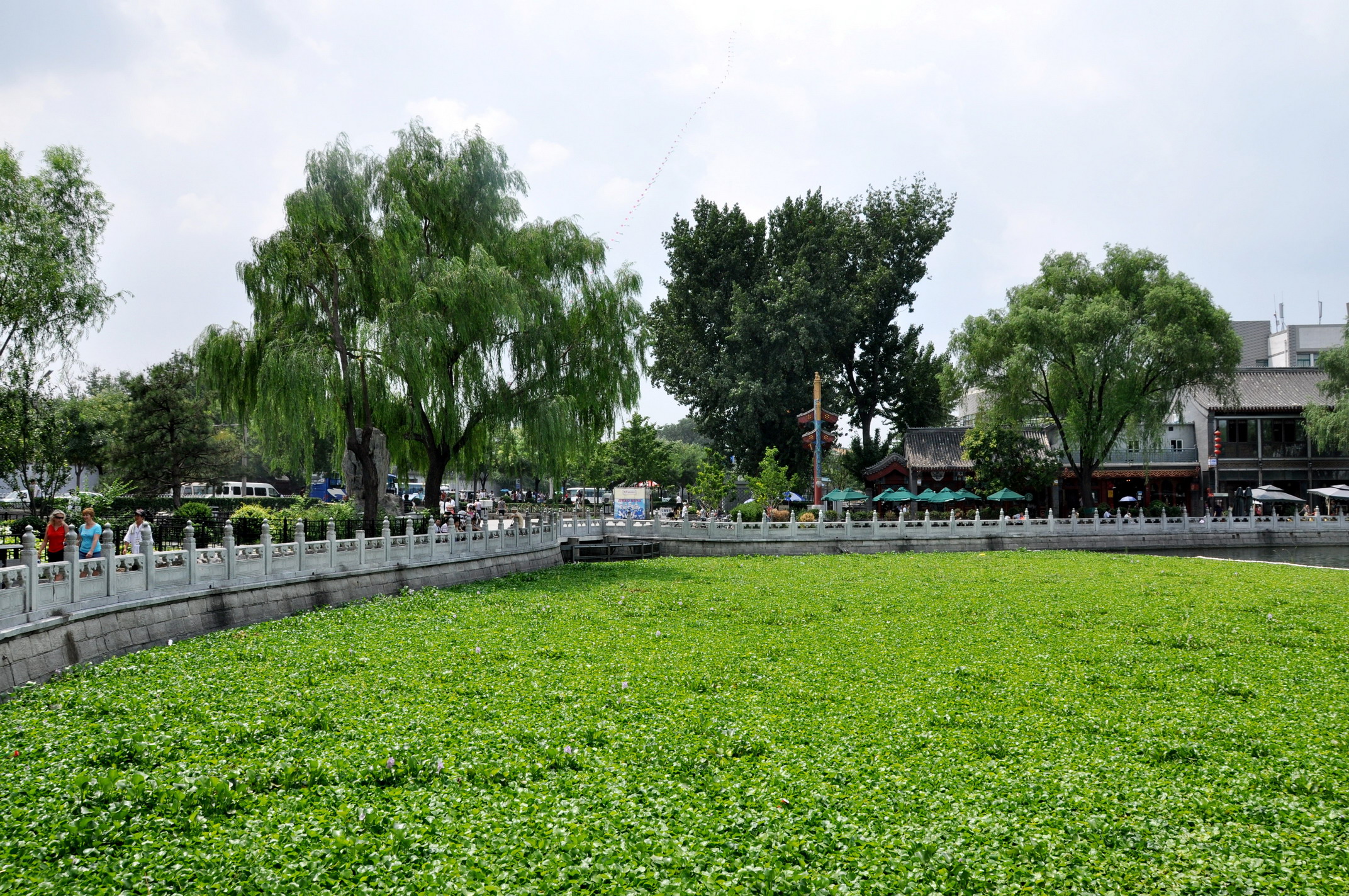
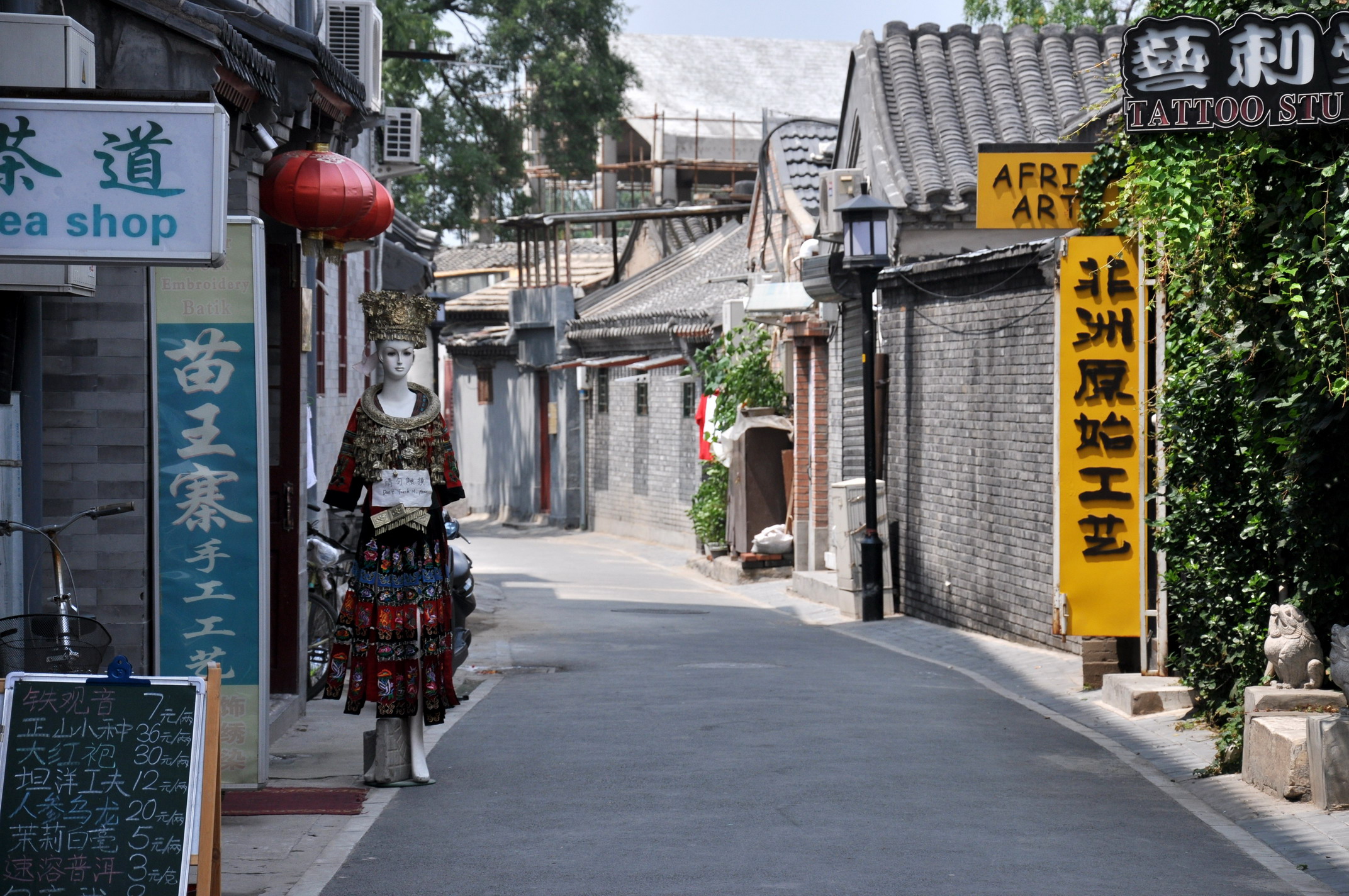
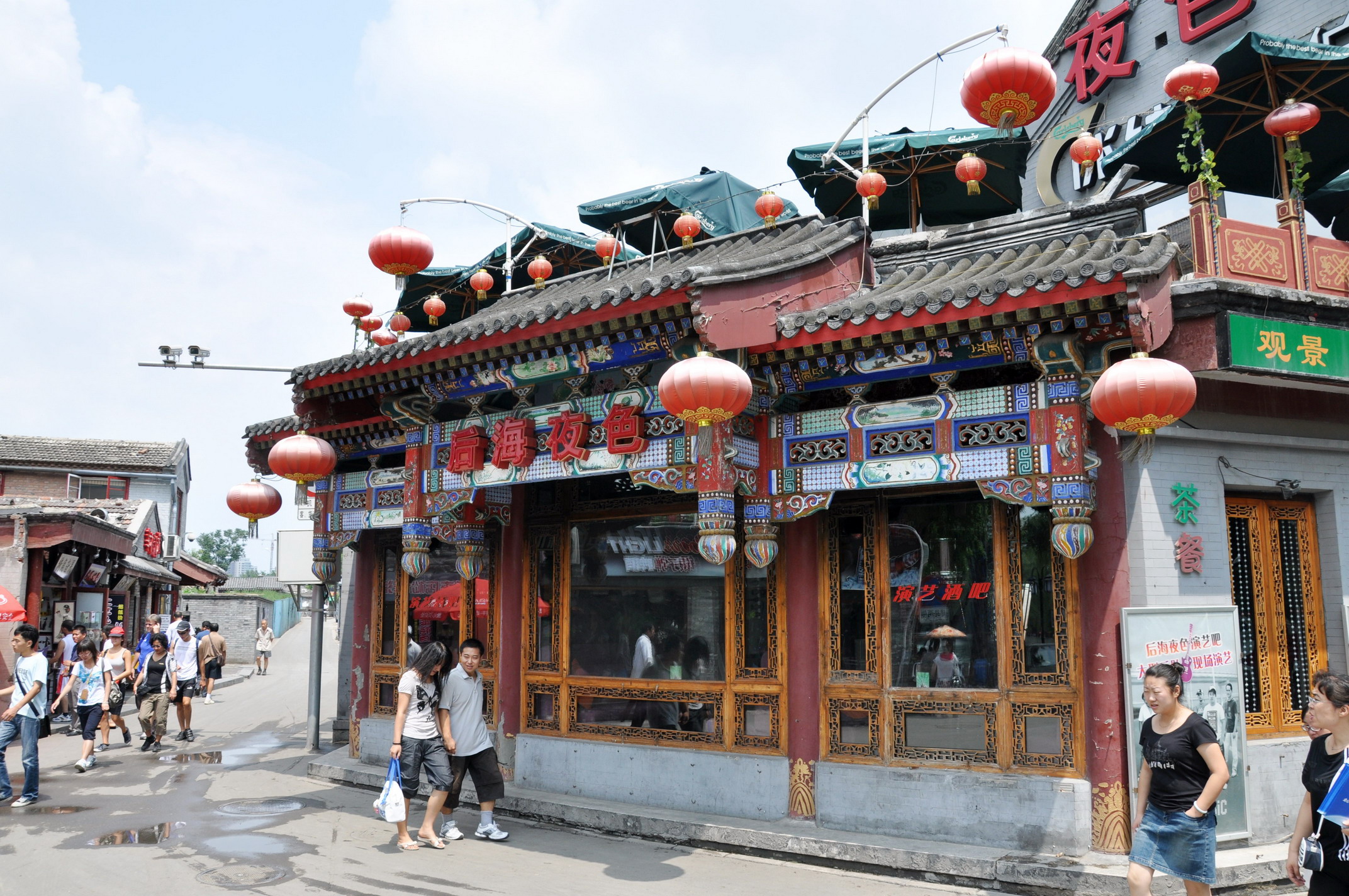
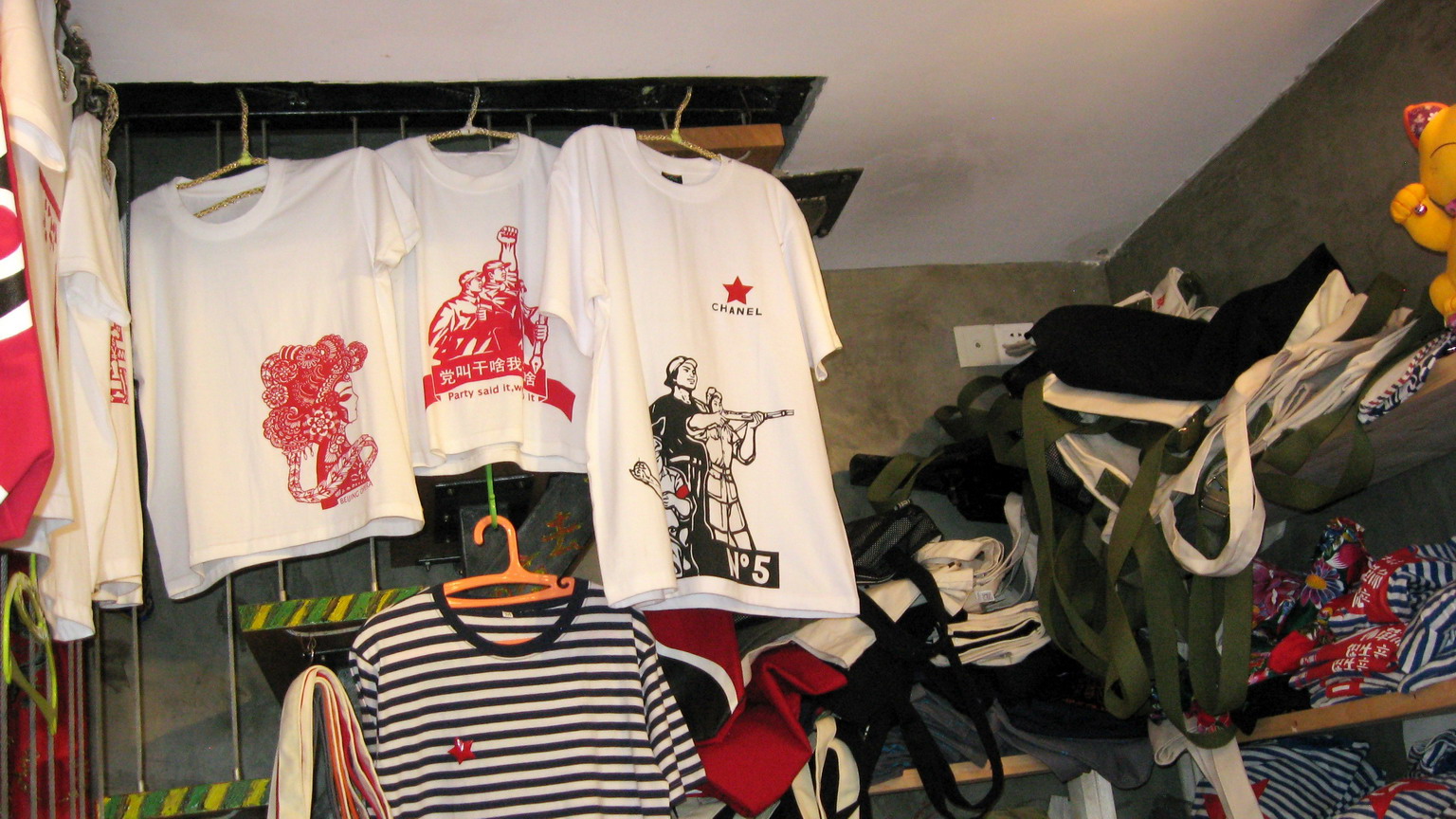
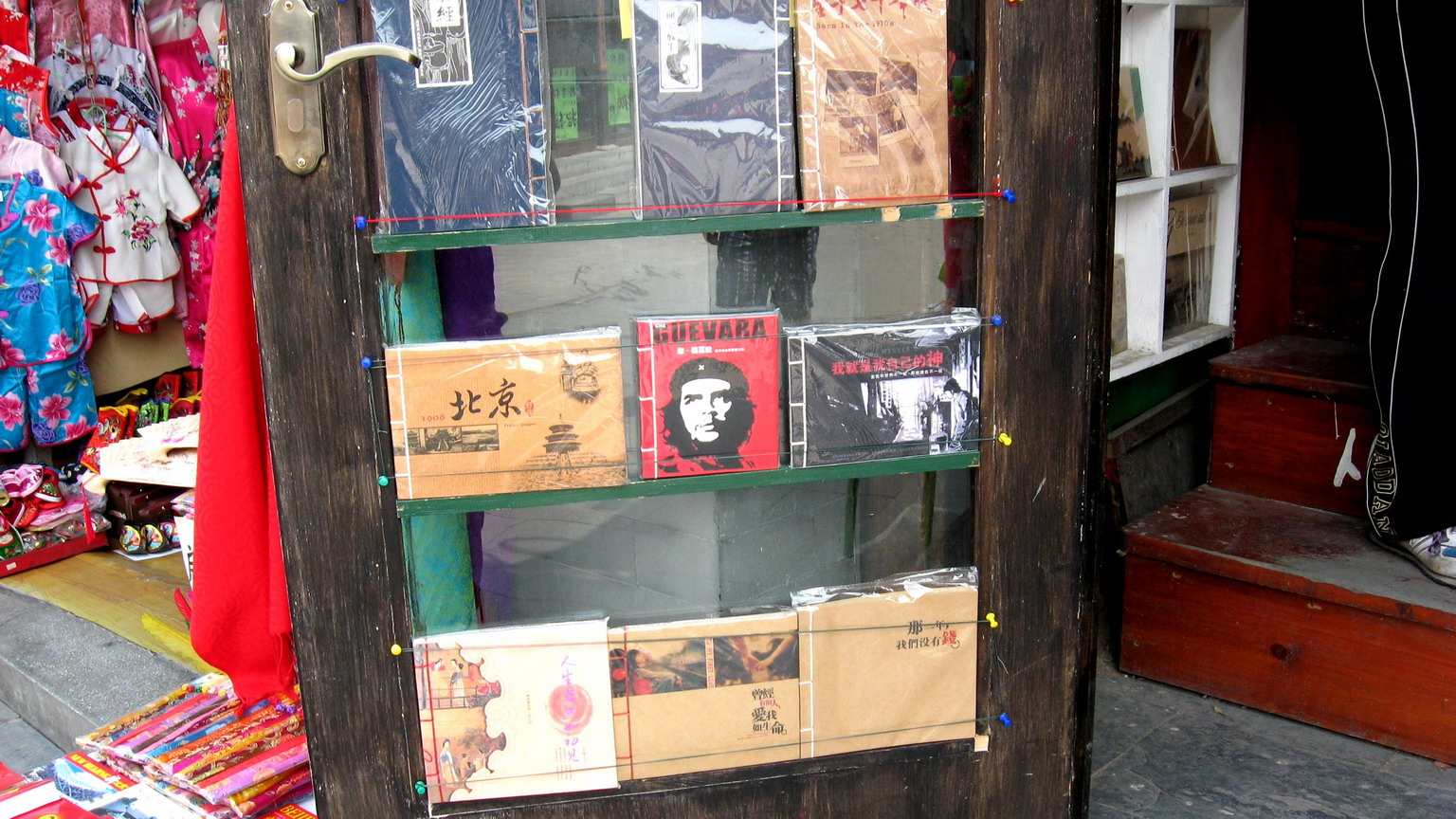
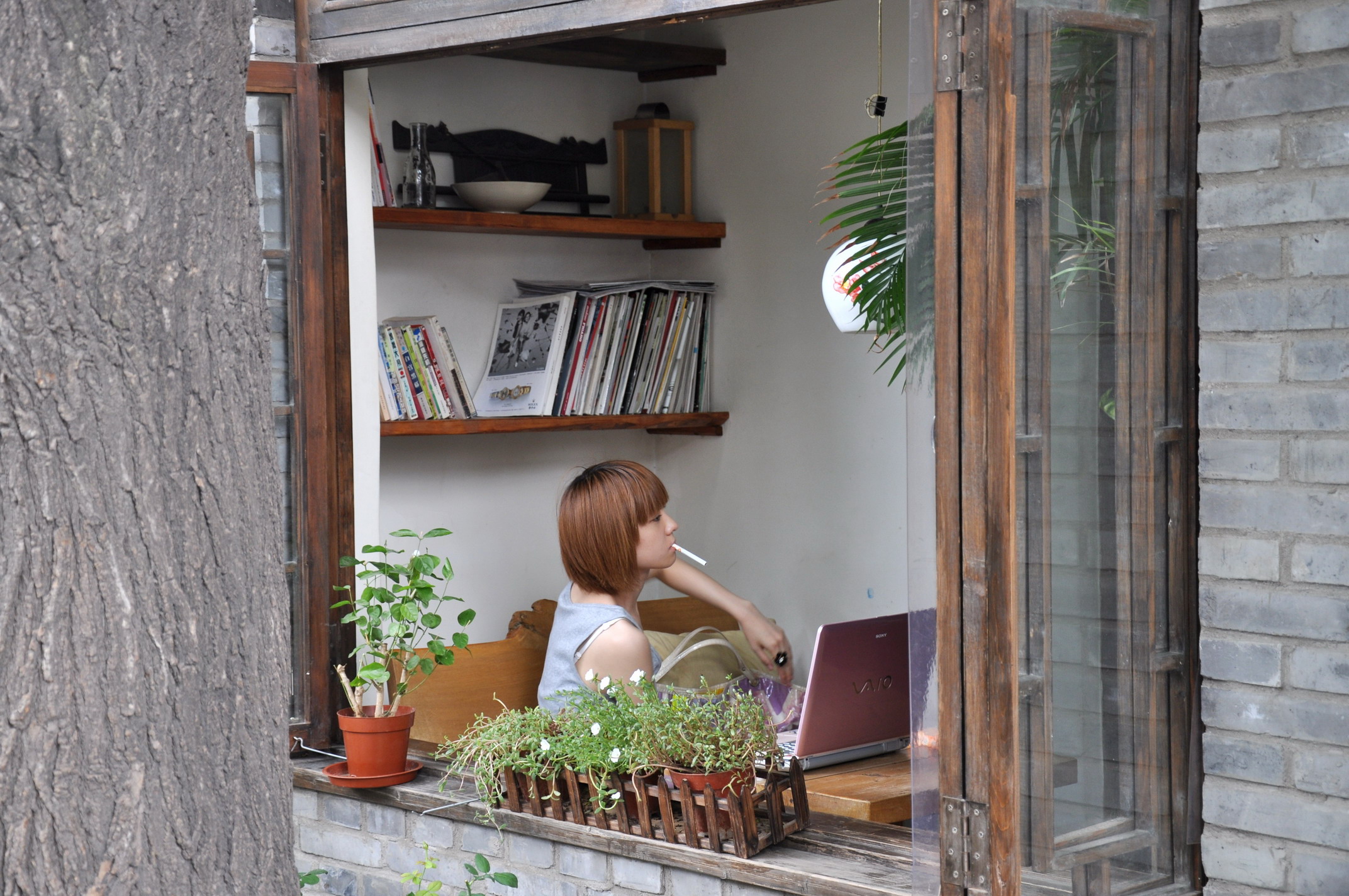
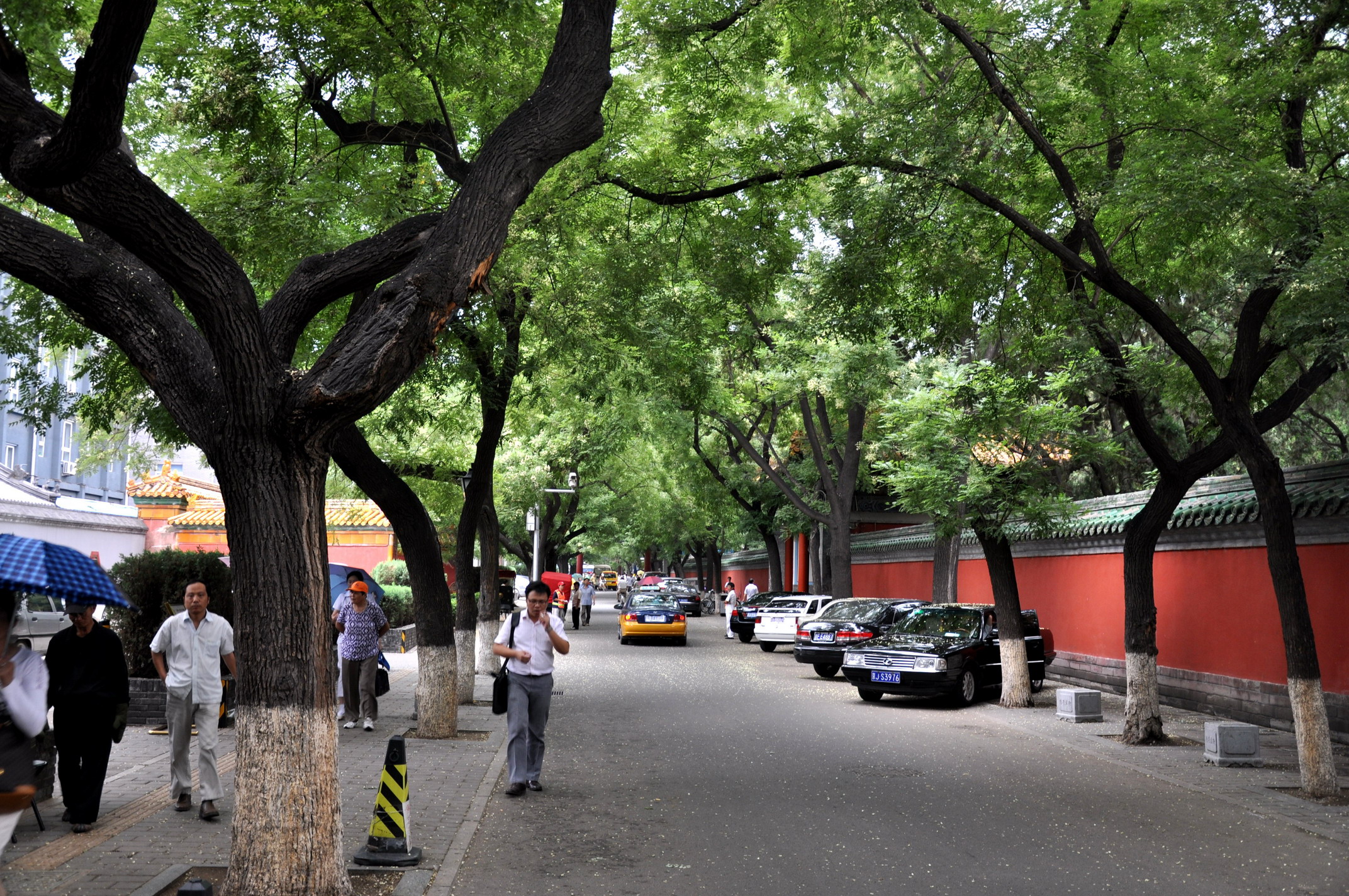
There’s another exit from the Forbidden City, at the far end from Tiananmen. There begin the lakes and parks. They reward a walk through them. Lots of souvenir shops too. They had three main themes. First, Mao and communism, with the little red books, badges and T-shirts with stars and Che Guevara. The second fashionable theme was tea, the third goods from Tibet. And plenty of cafés.
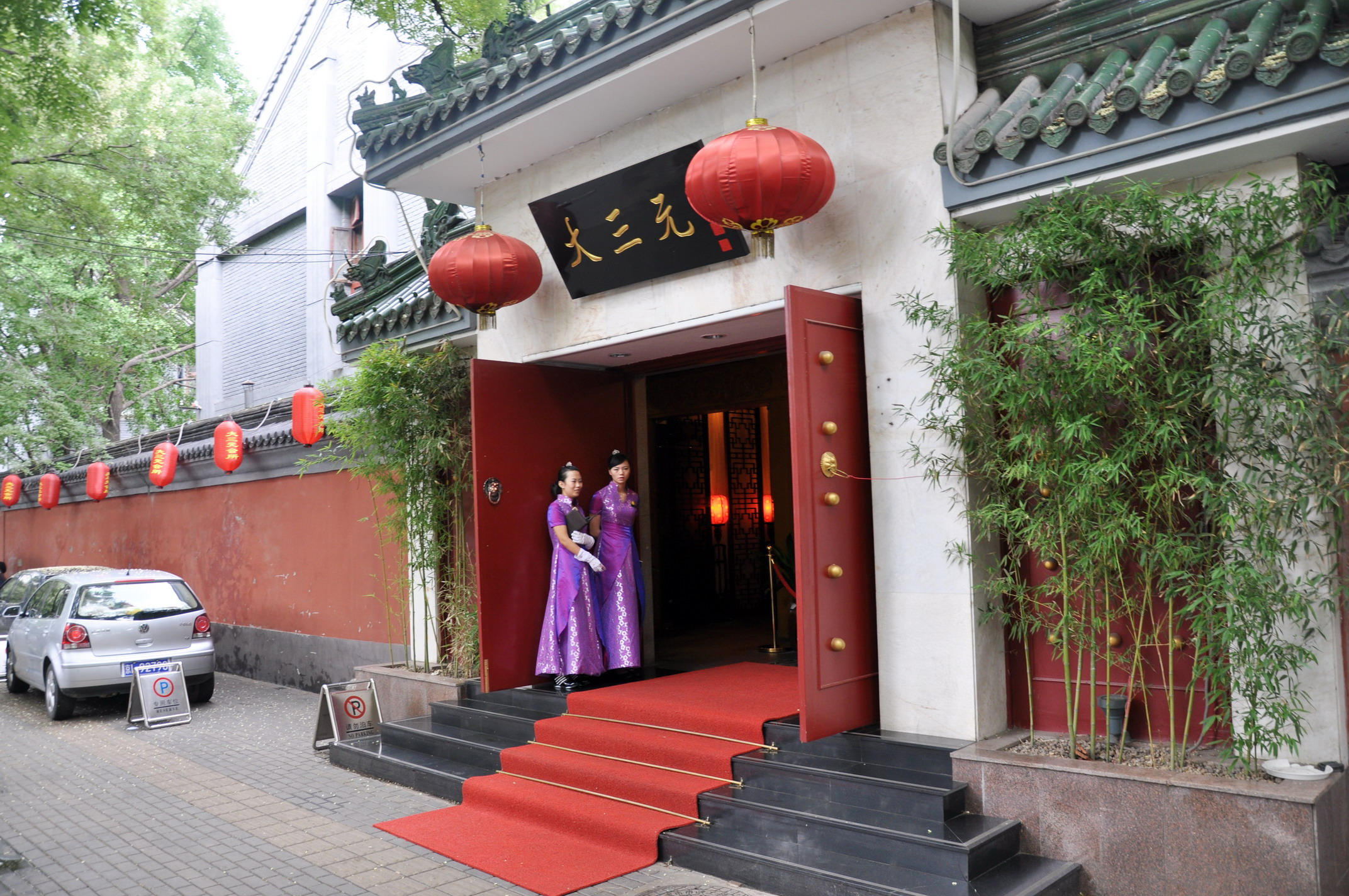
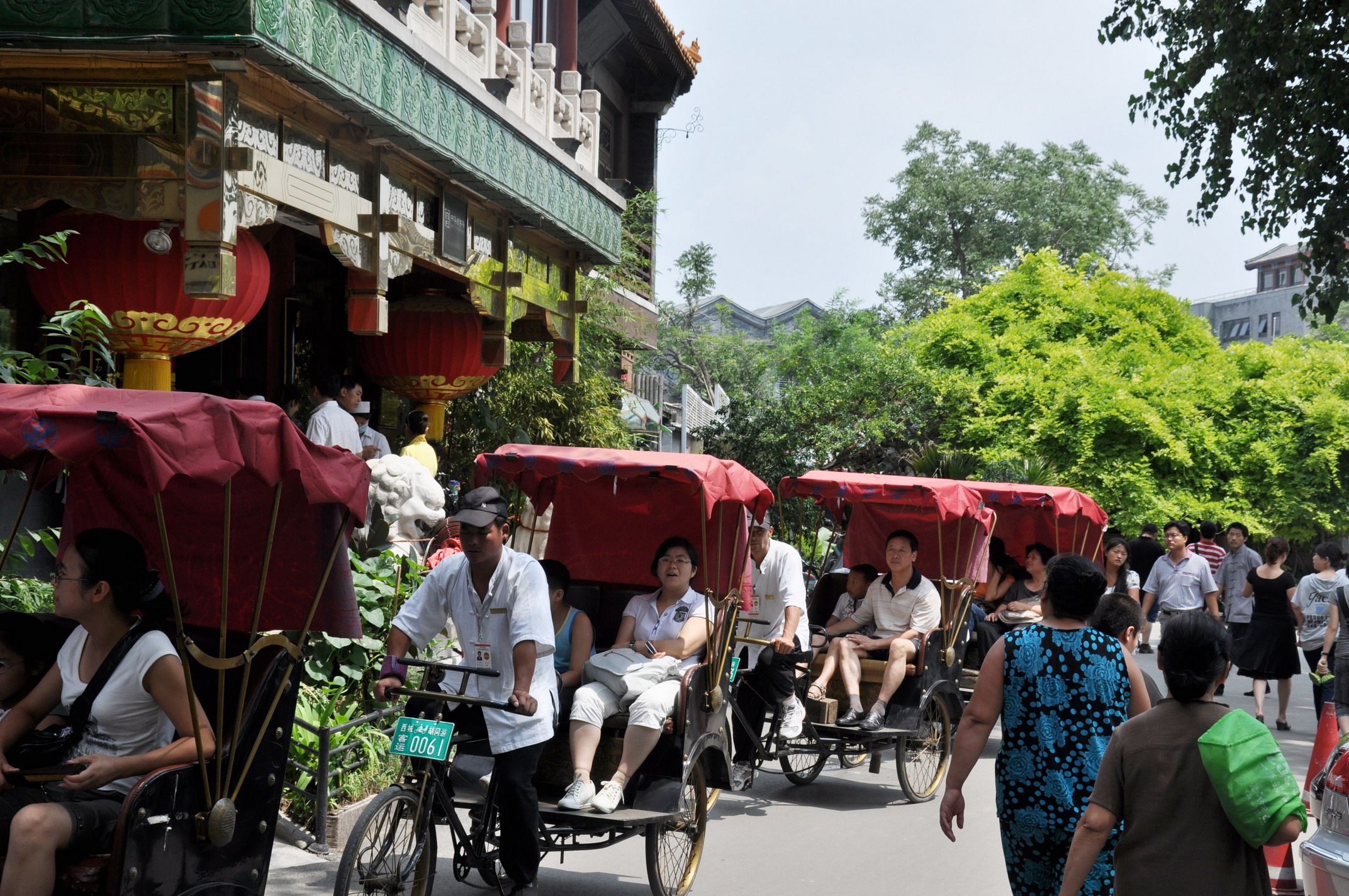
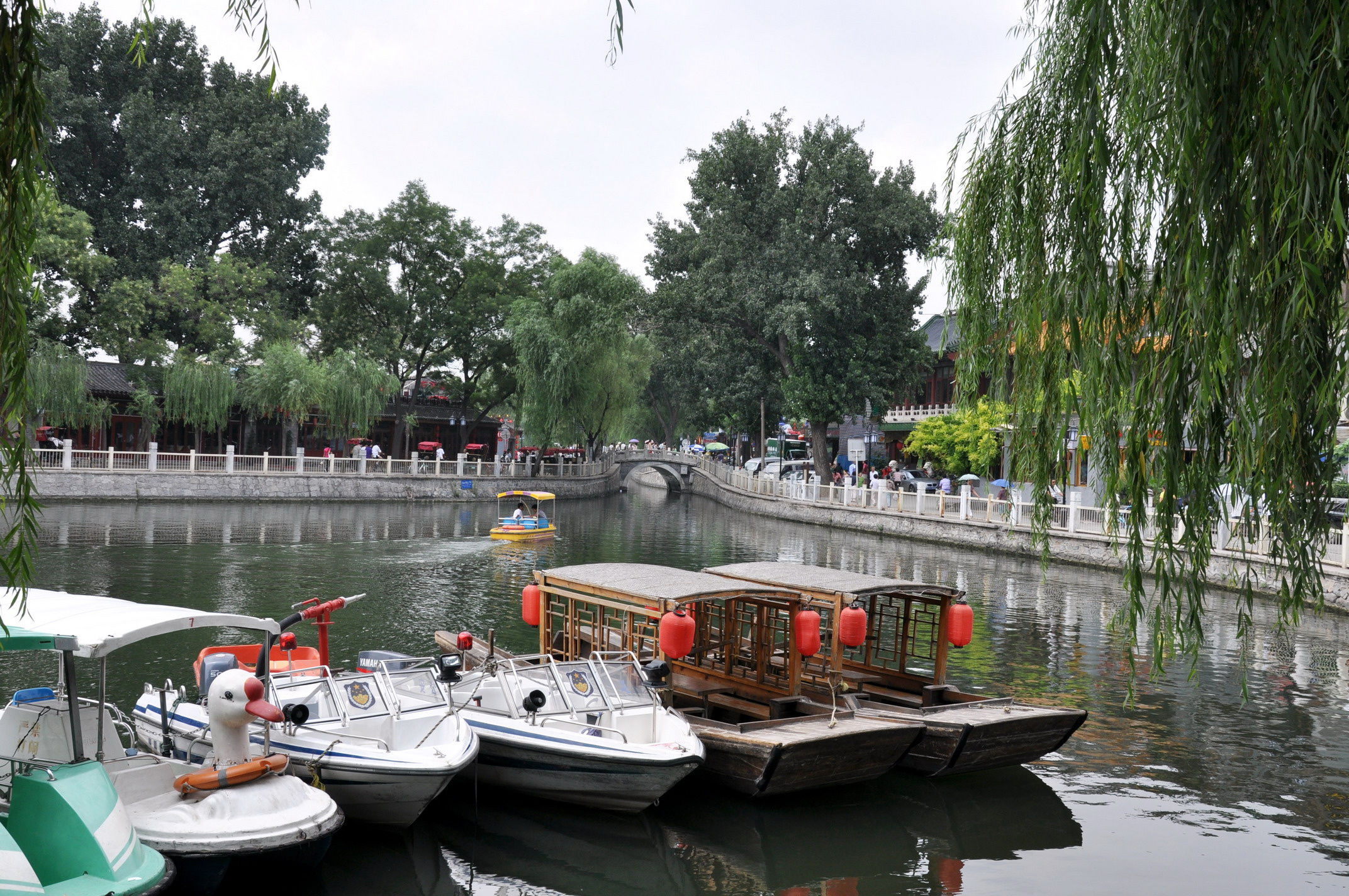
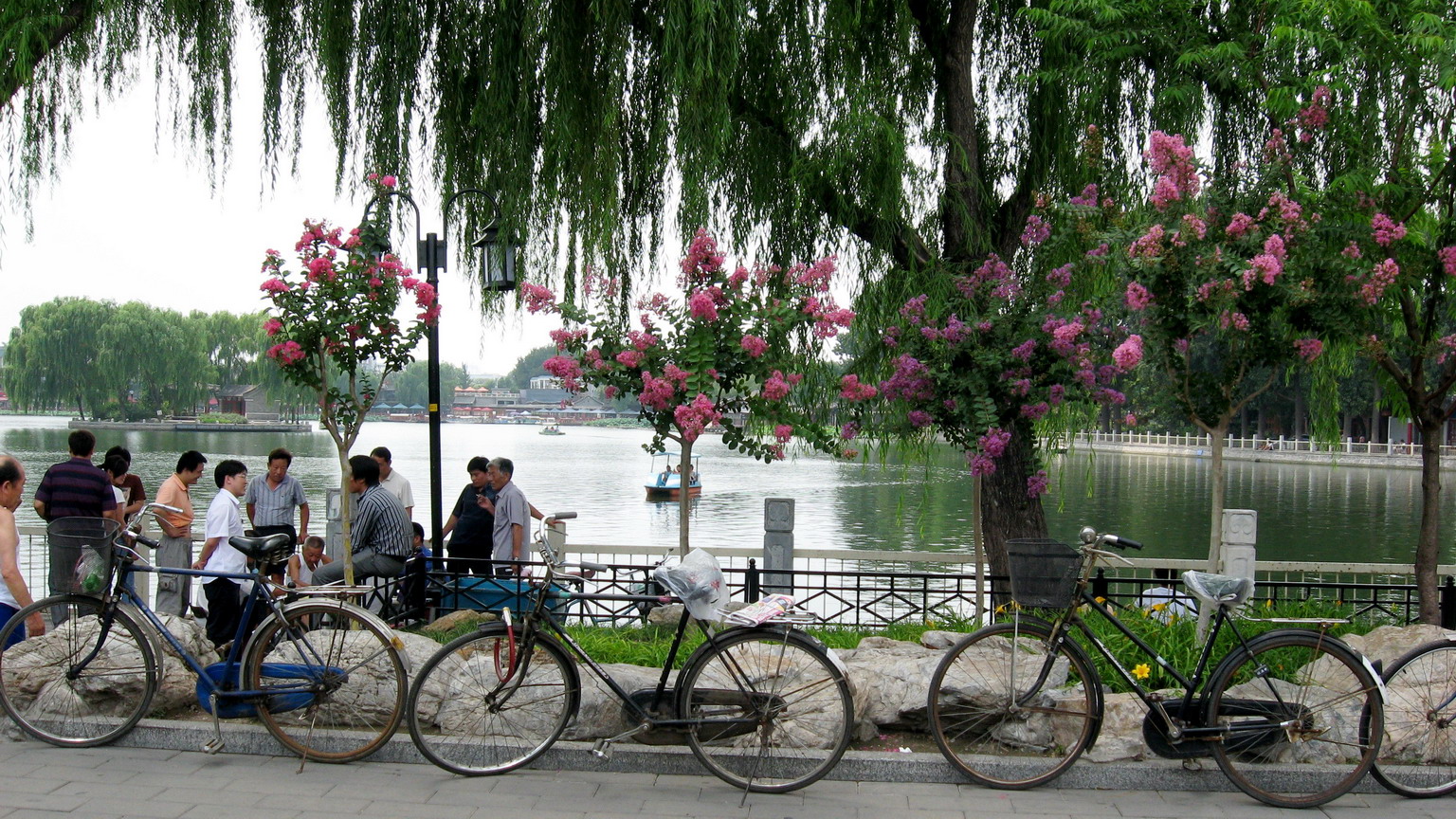
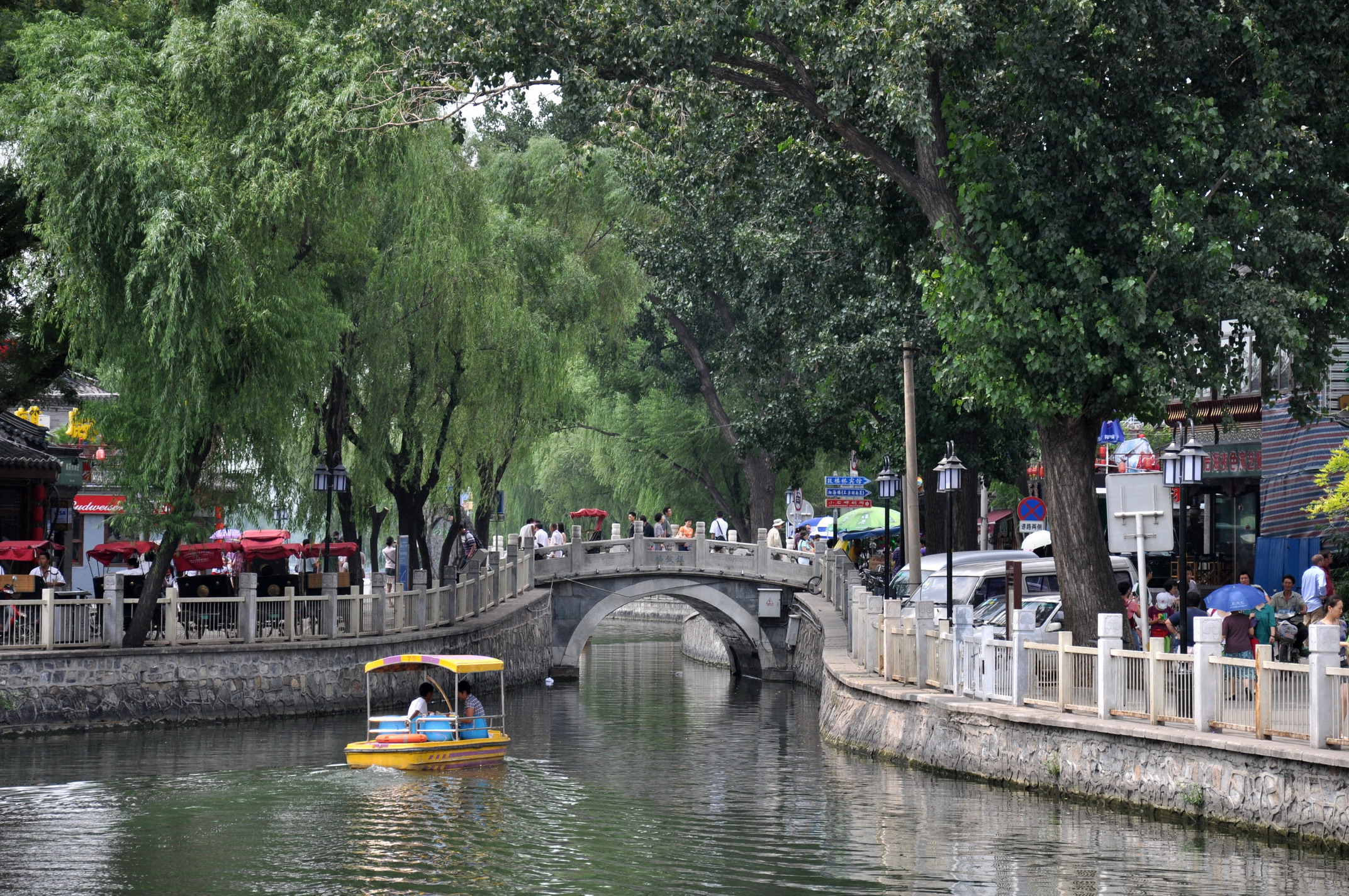
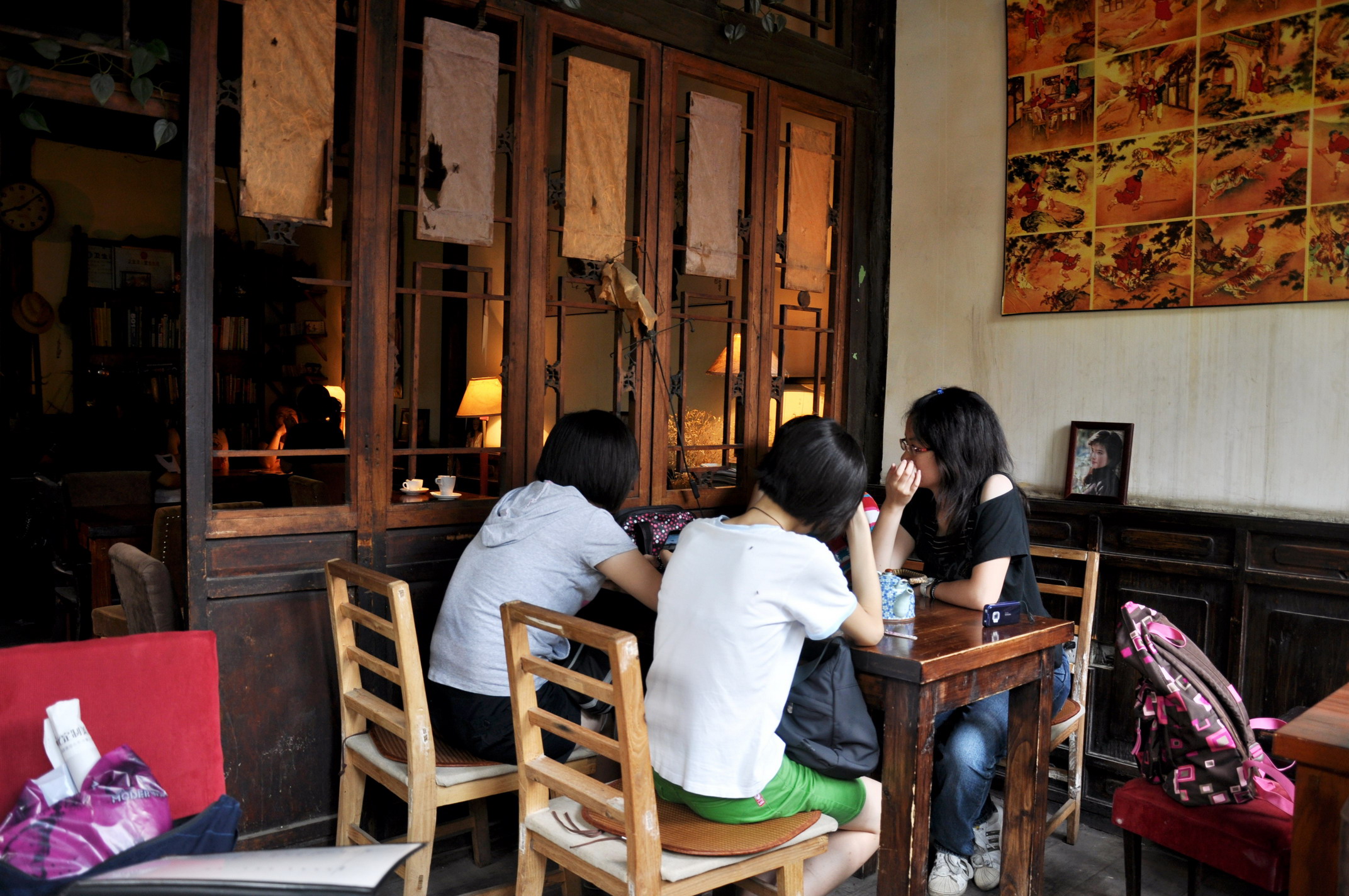
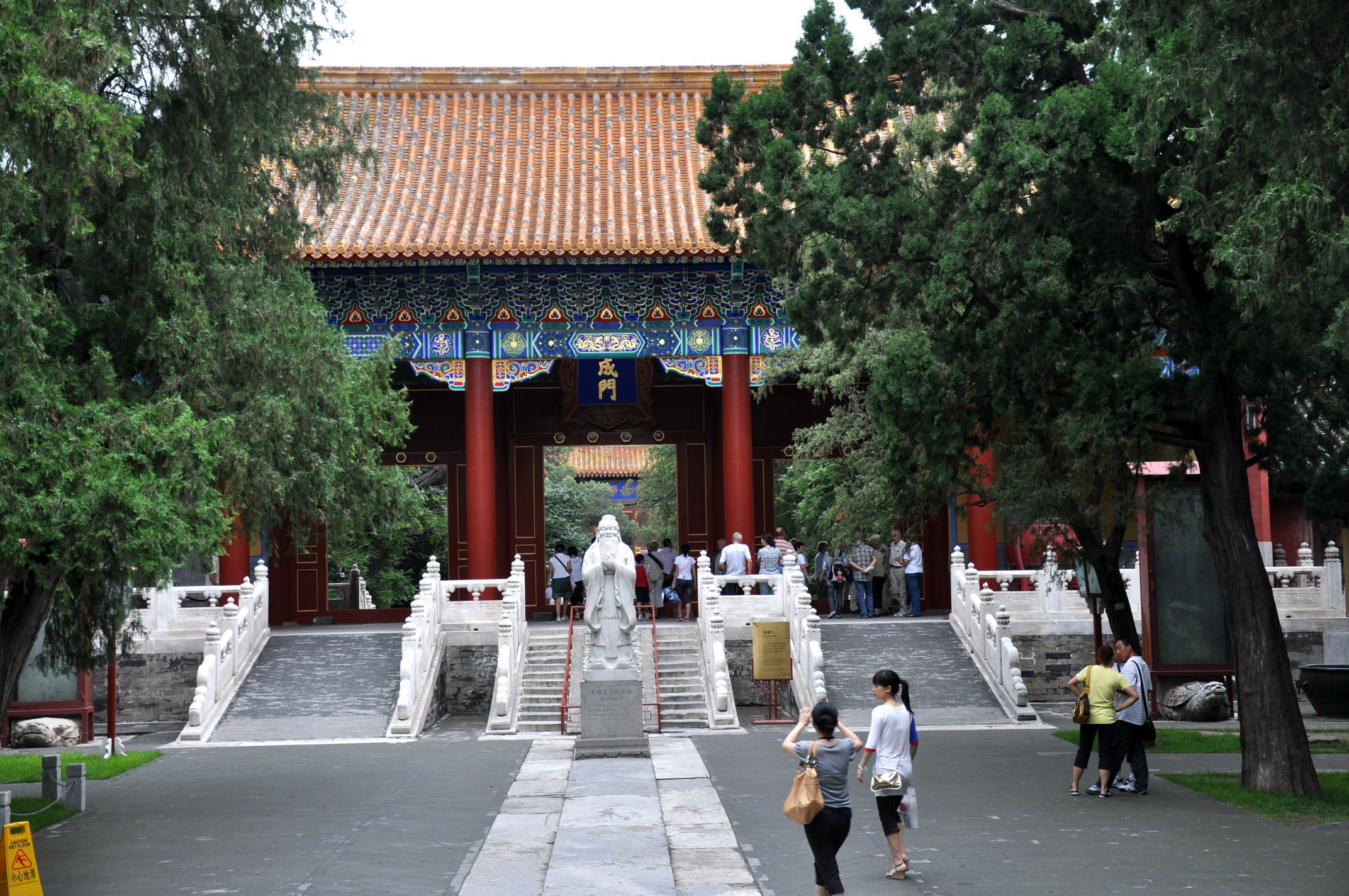
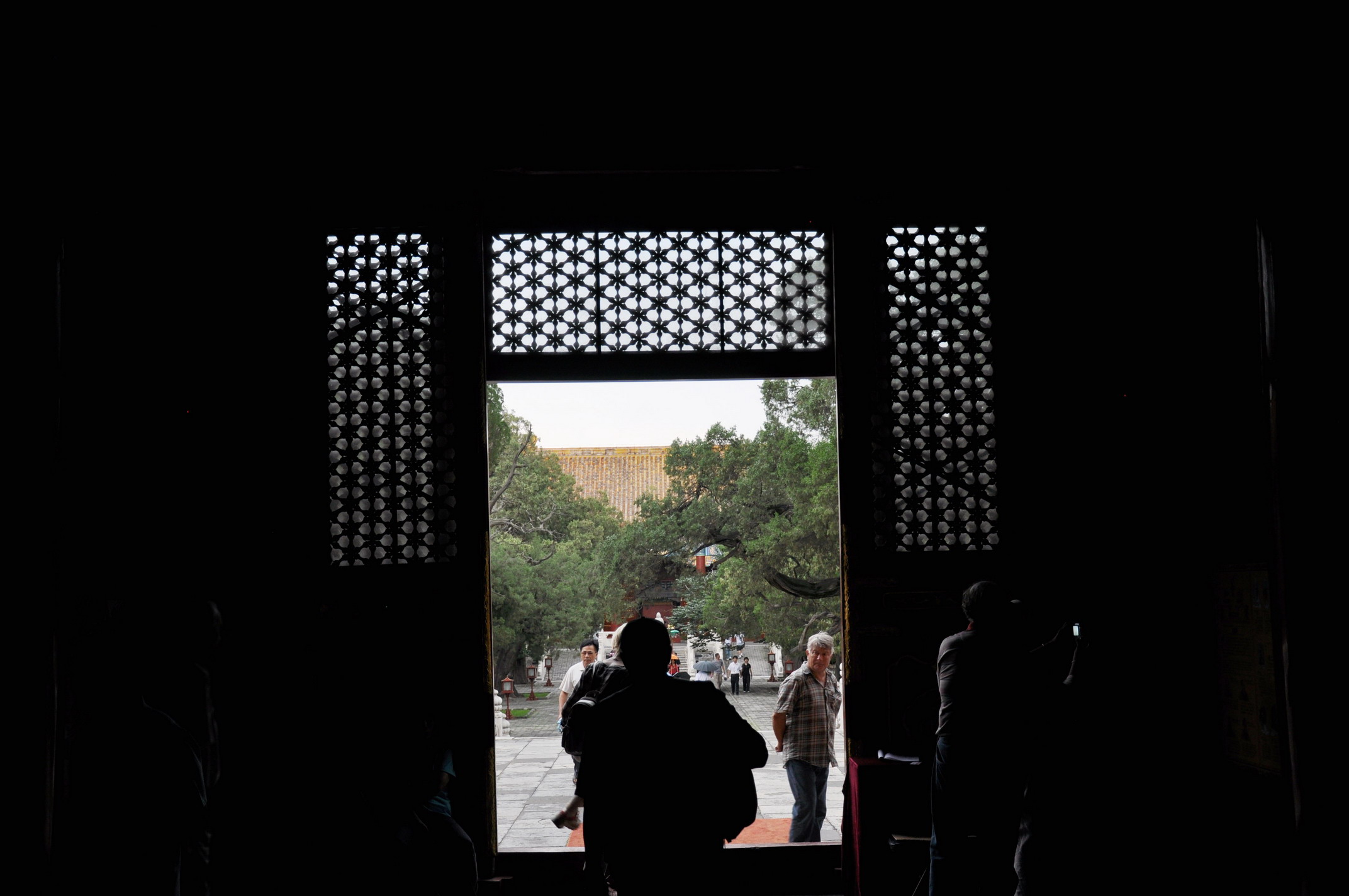
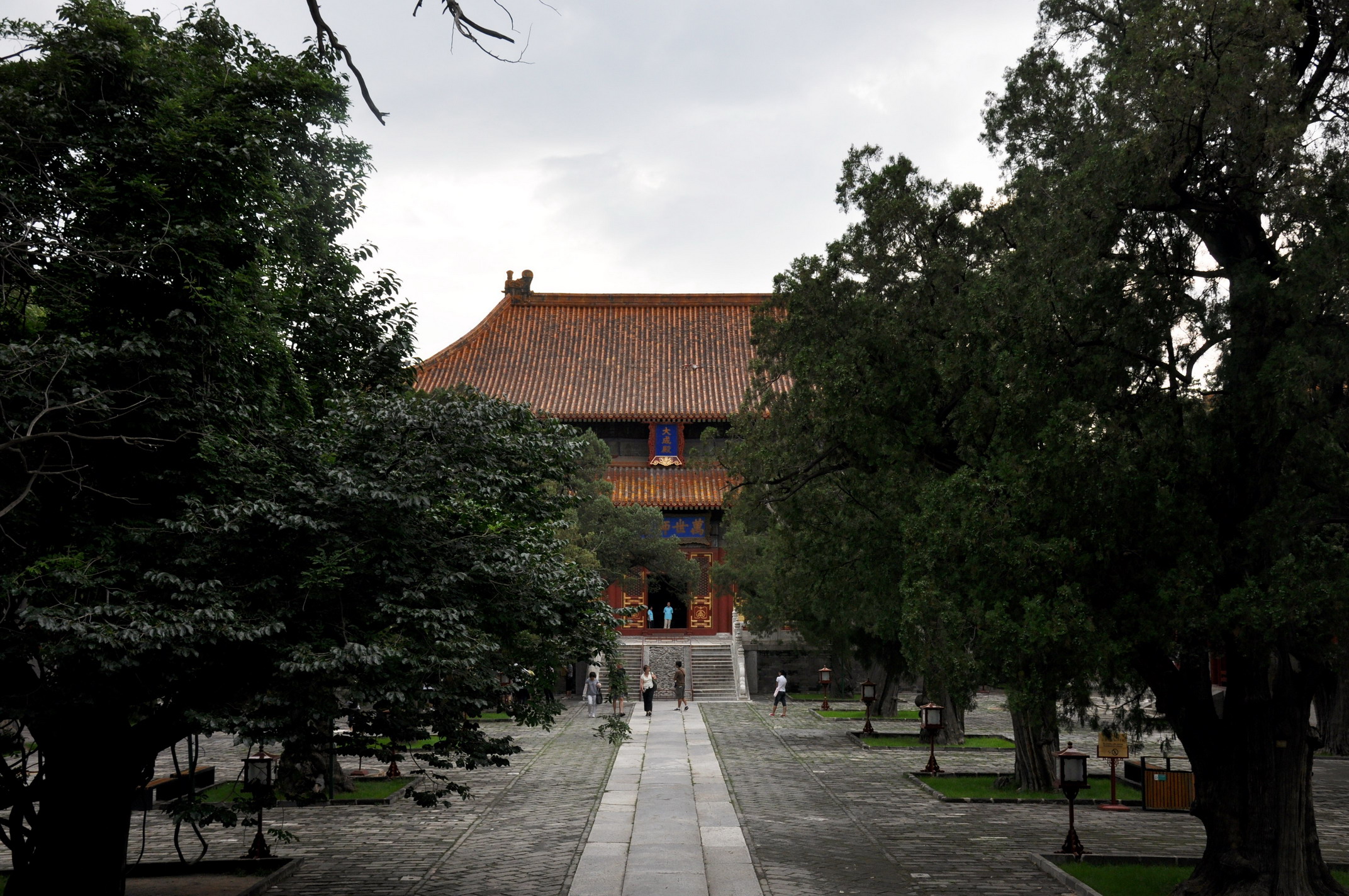
Beijing also has a great many temples. For variety we went to the Confucian Temple. Here, in place of the Buddha, were sacred rams and pigs listening to his great teaching. Everything was more austere. There was no burning incense and no fire. I saw no worshippers, just walls protected by barbed wire under current.
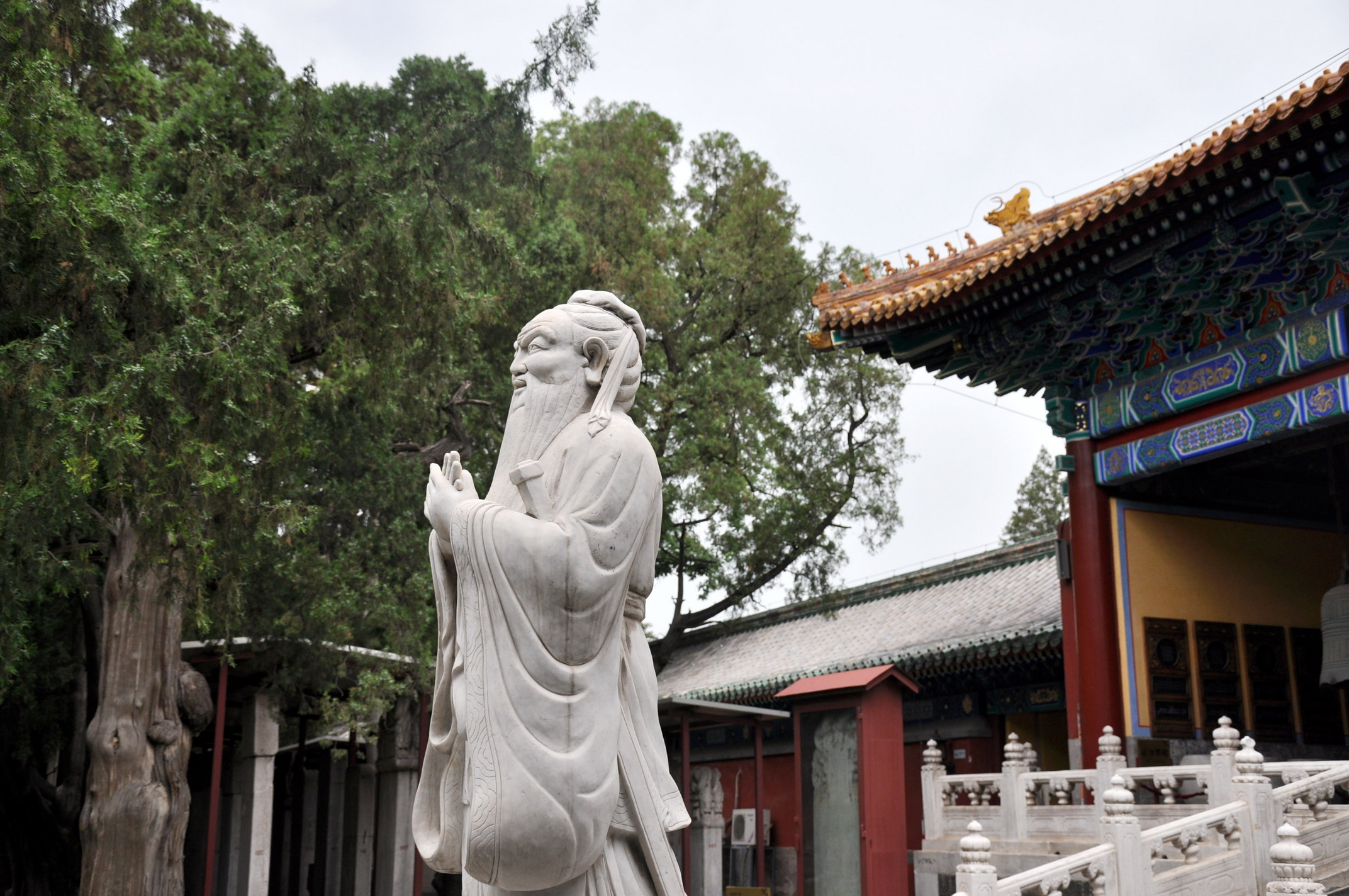
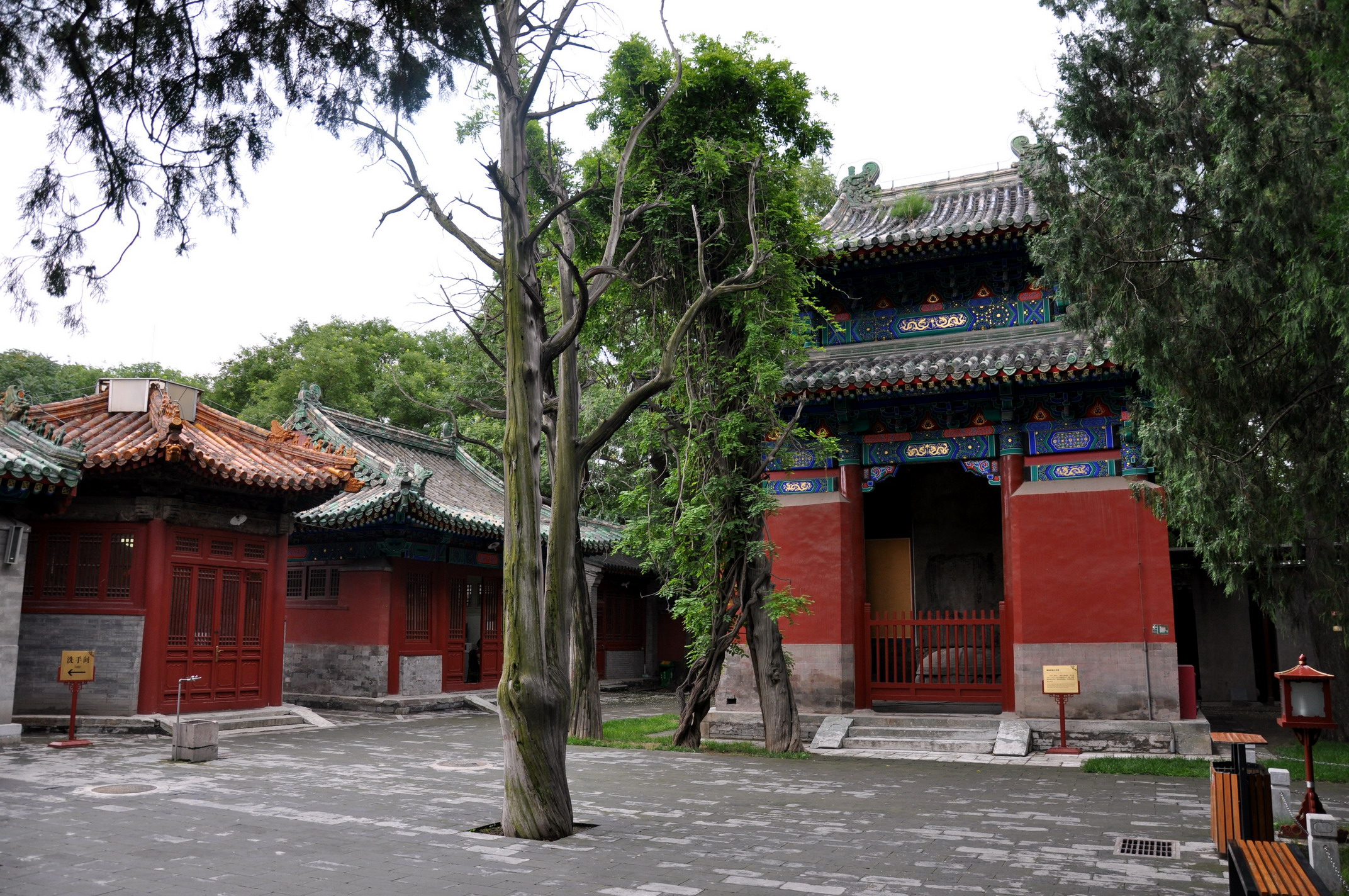
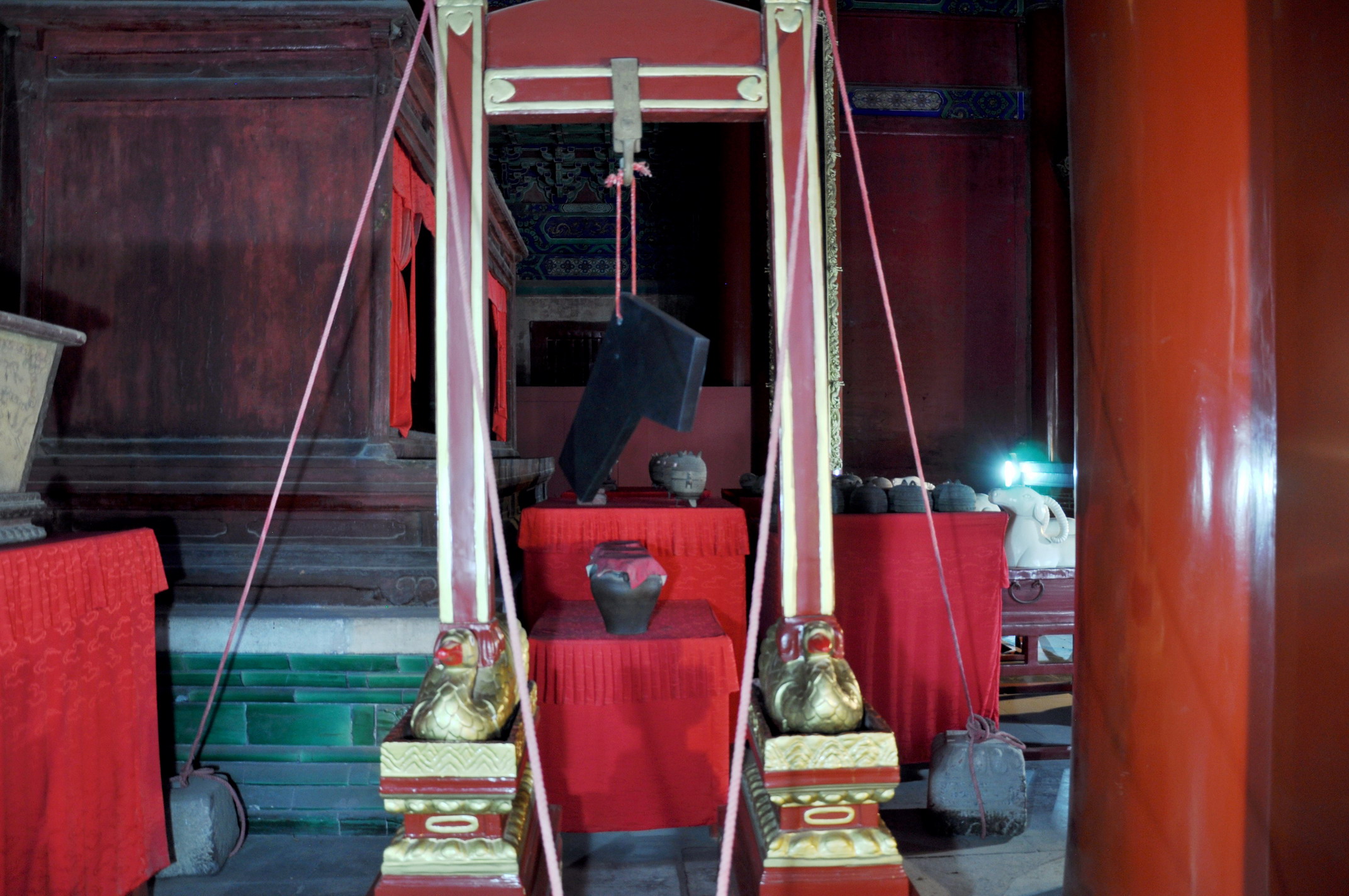
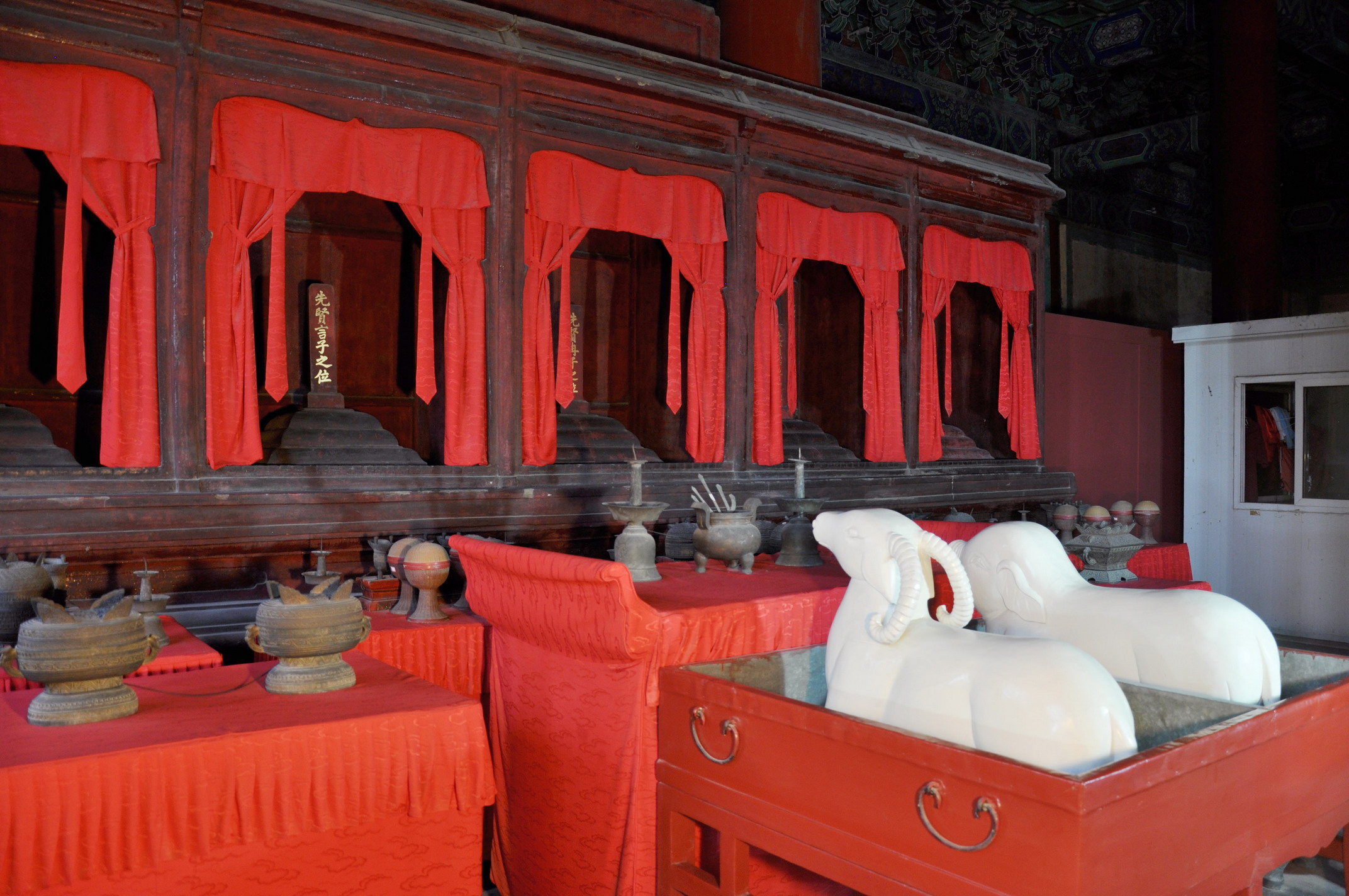
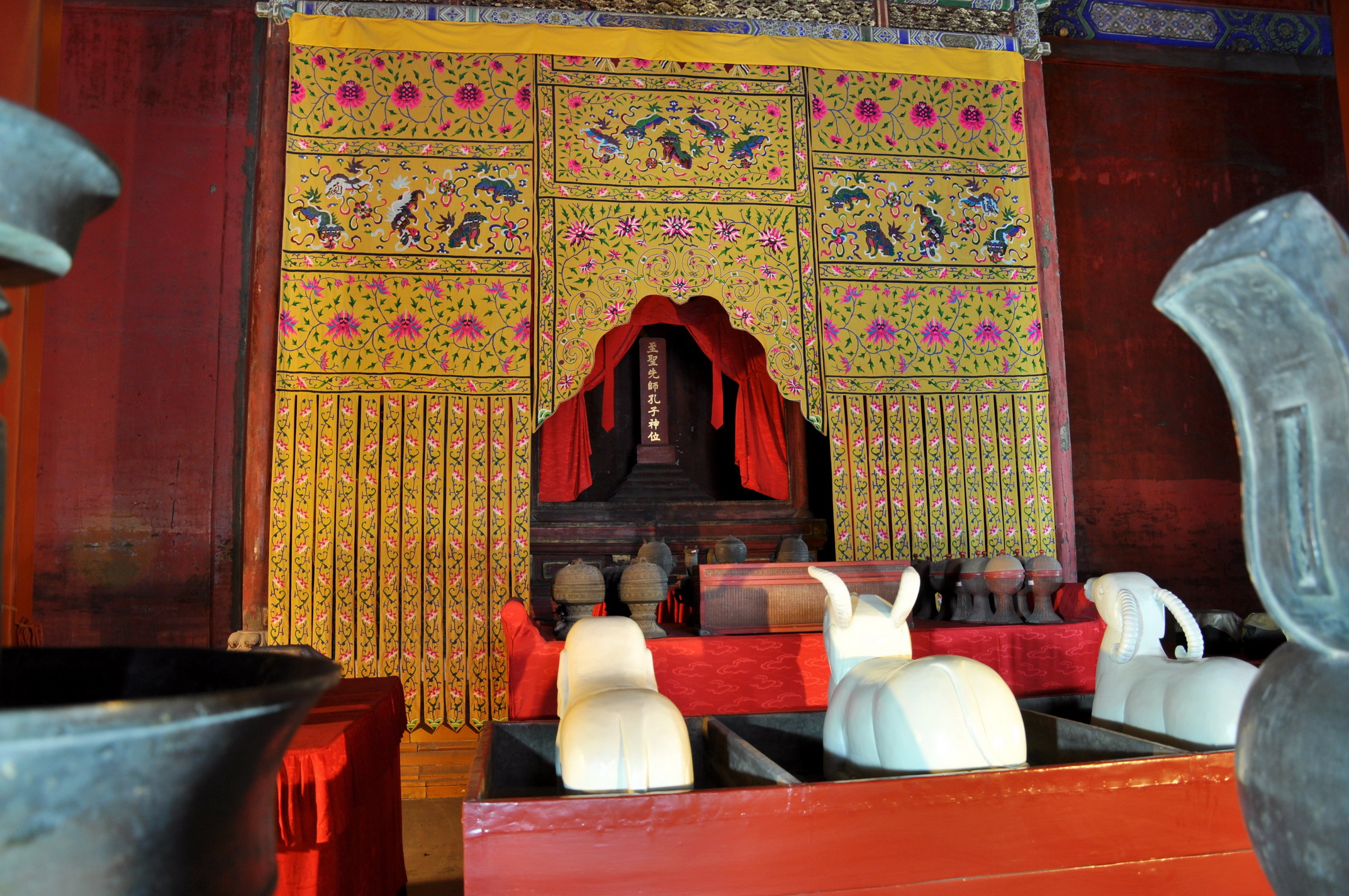
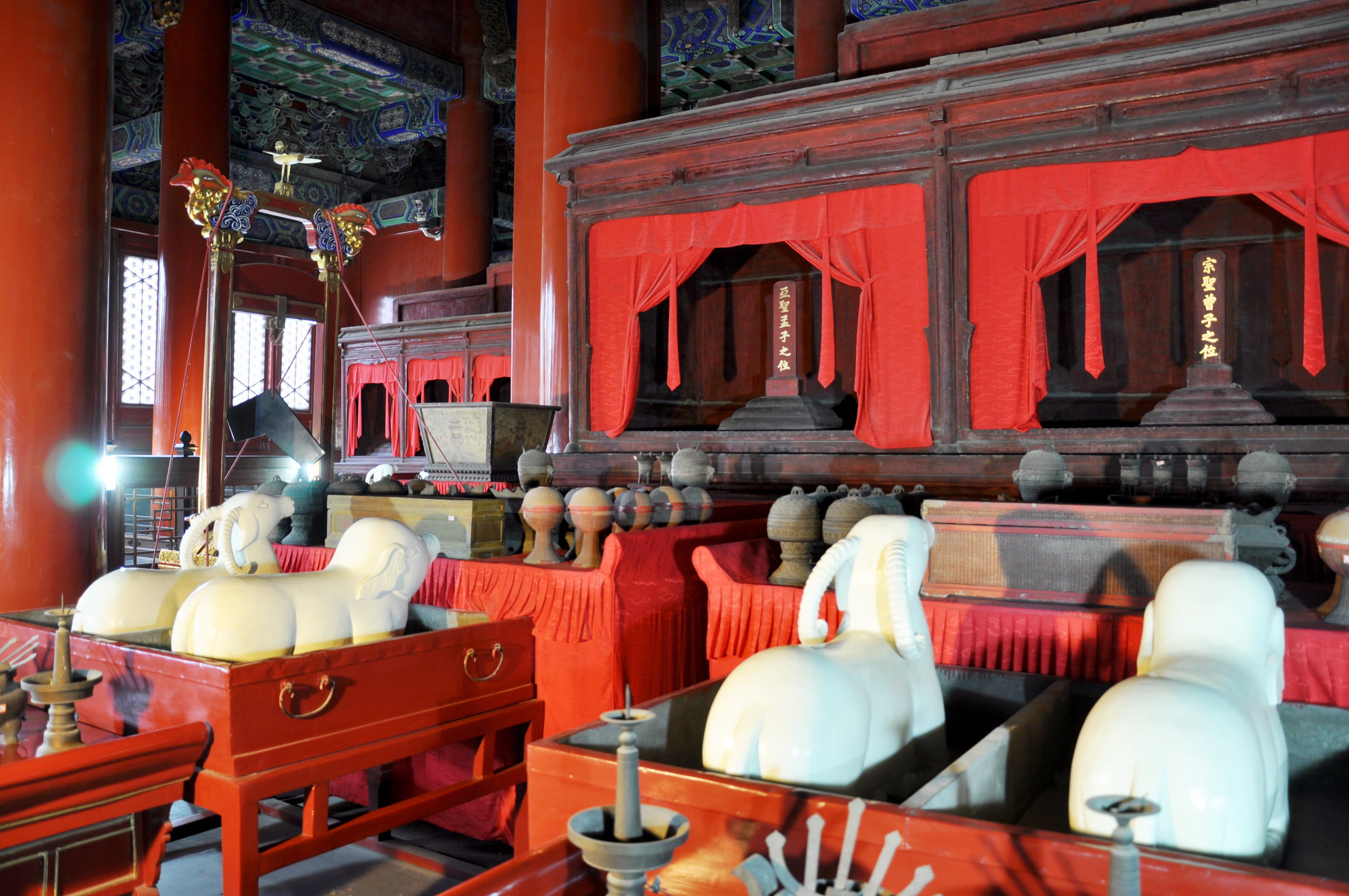
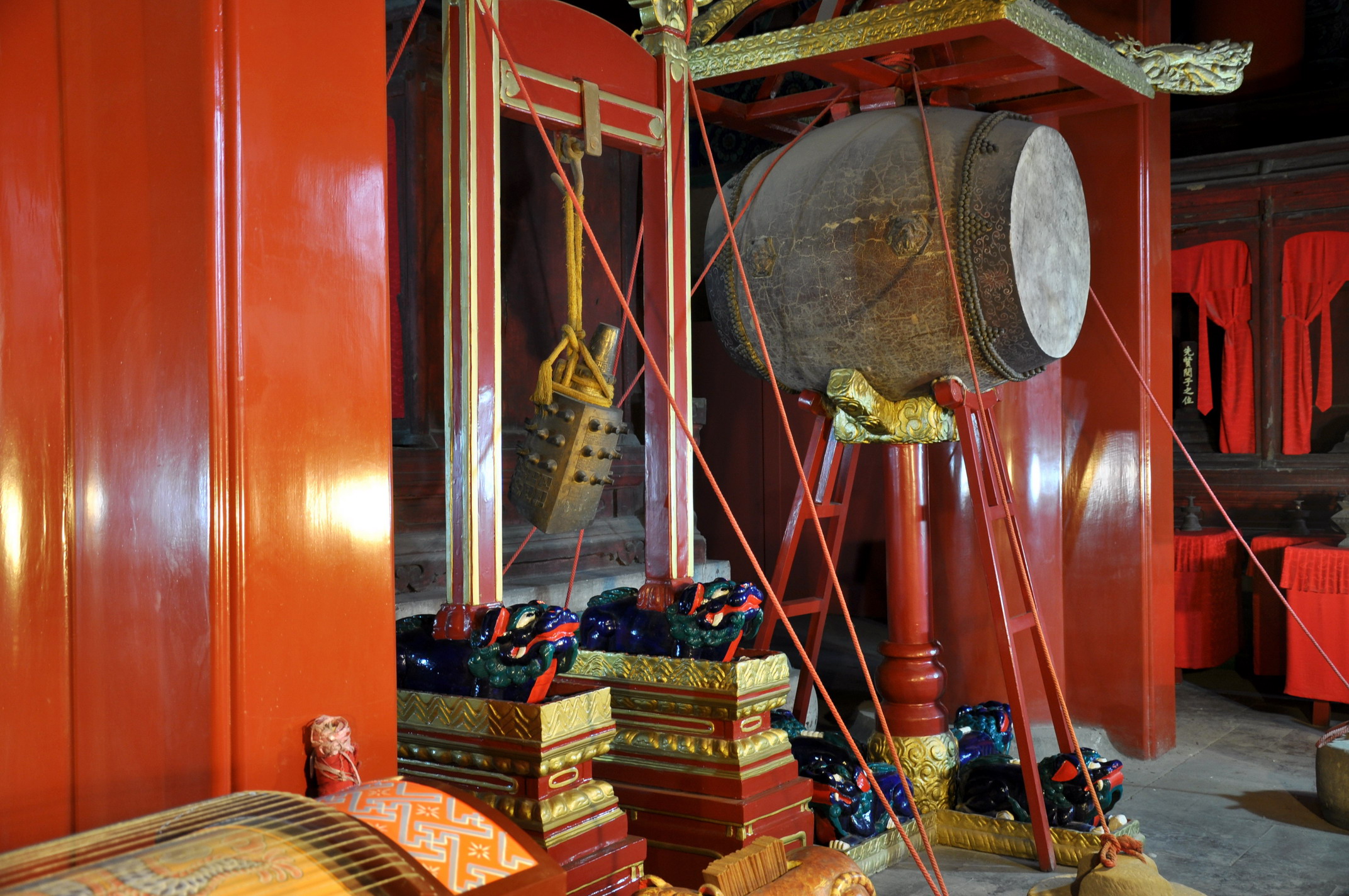
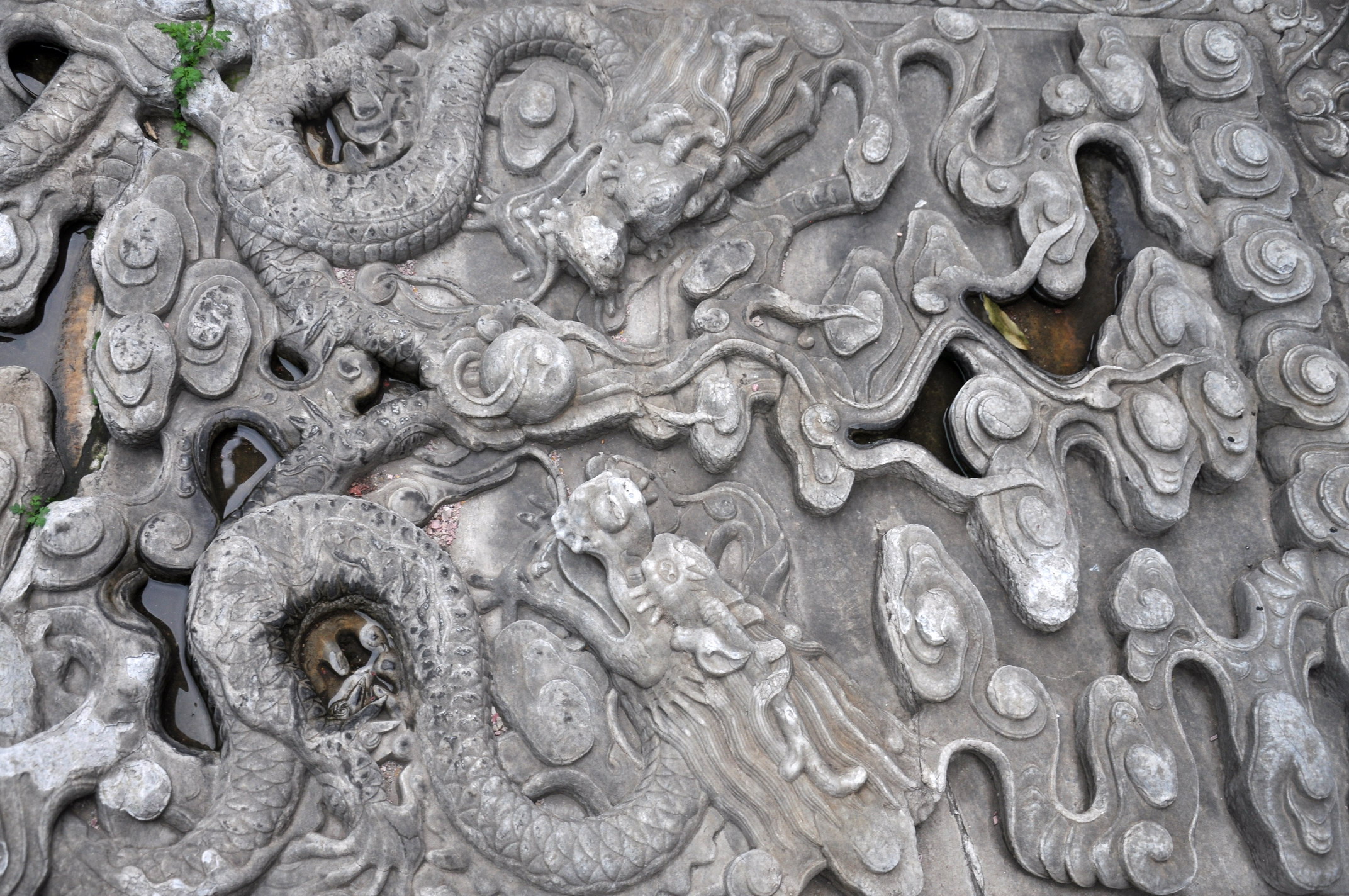
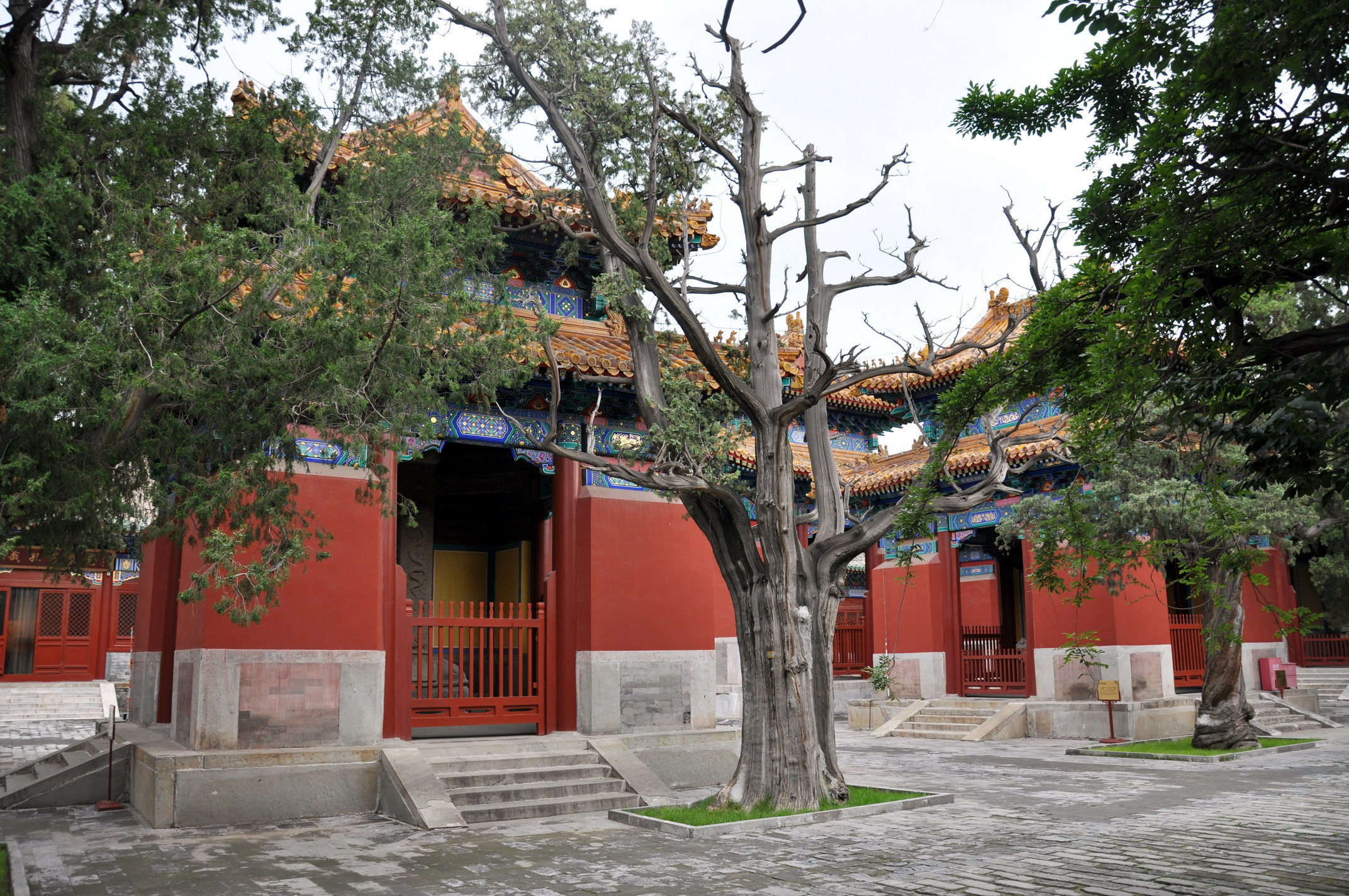
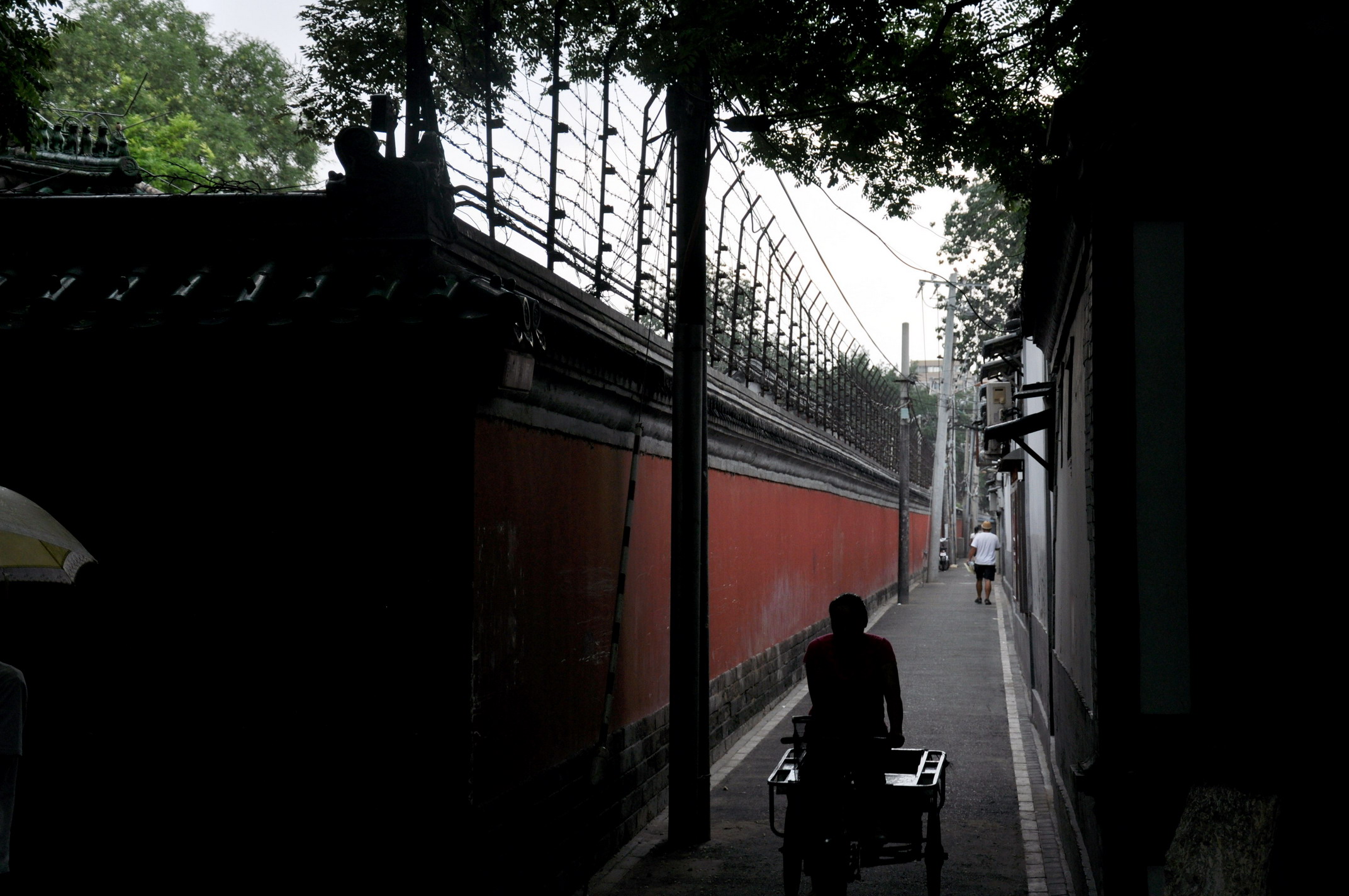
Nearby is the Tibetan Lama Temple. Here everything was more alive. There were turnstiles at the entrance like the metro, and instead of a ticket they gave you a CD with a presentation. The chief attraction is a seventeen-metre Buddha carved from a single trunk of sandalwood. It was impressively thick, too. They grow fine trees here. Everything at the Tibetan temple was very well kept and richly decorated, so much so that it made me think of a Potemkin village set up to suggest the central Chinese authorities alone could help Tibet flourish spiritually.
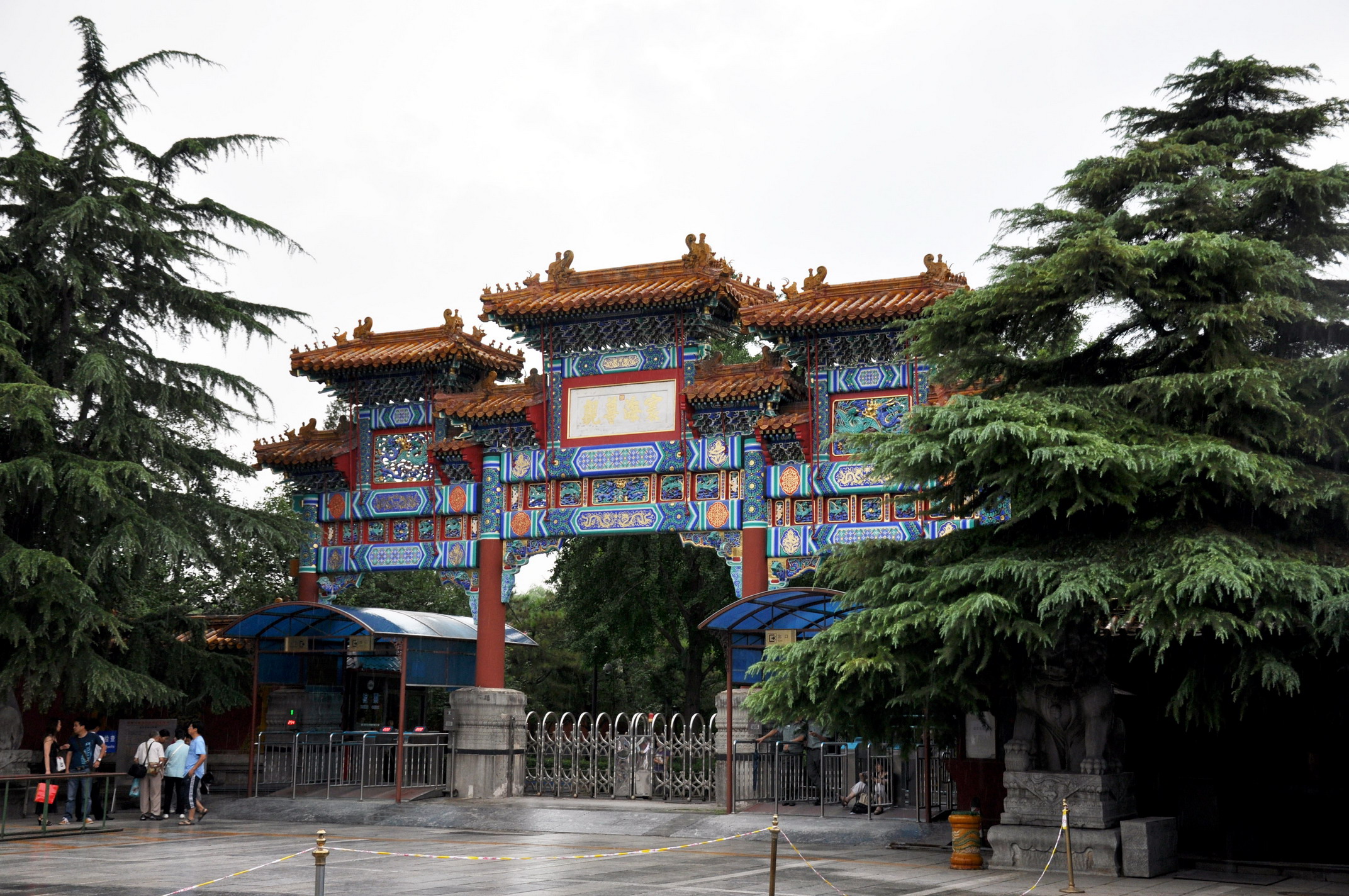
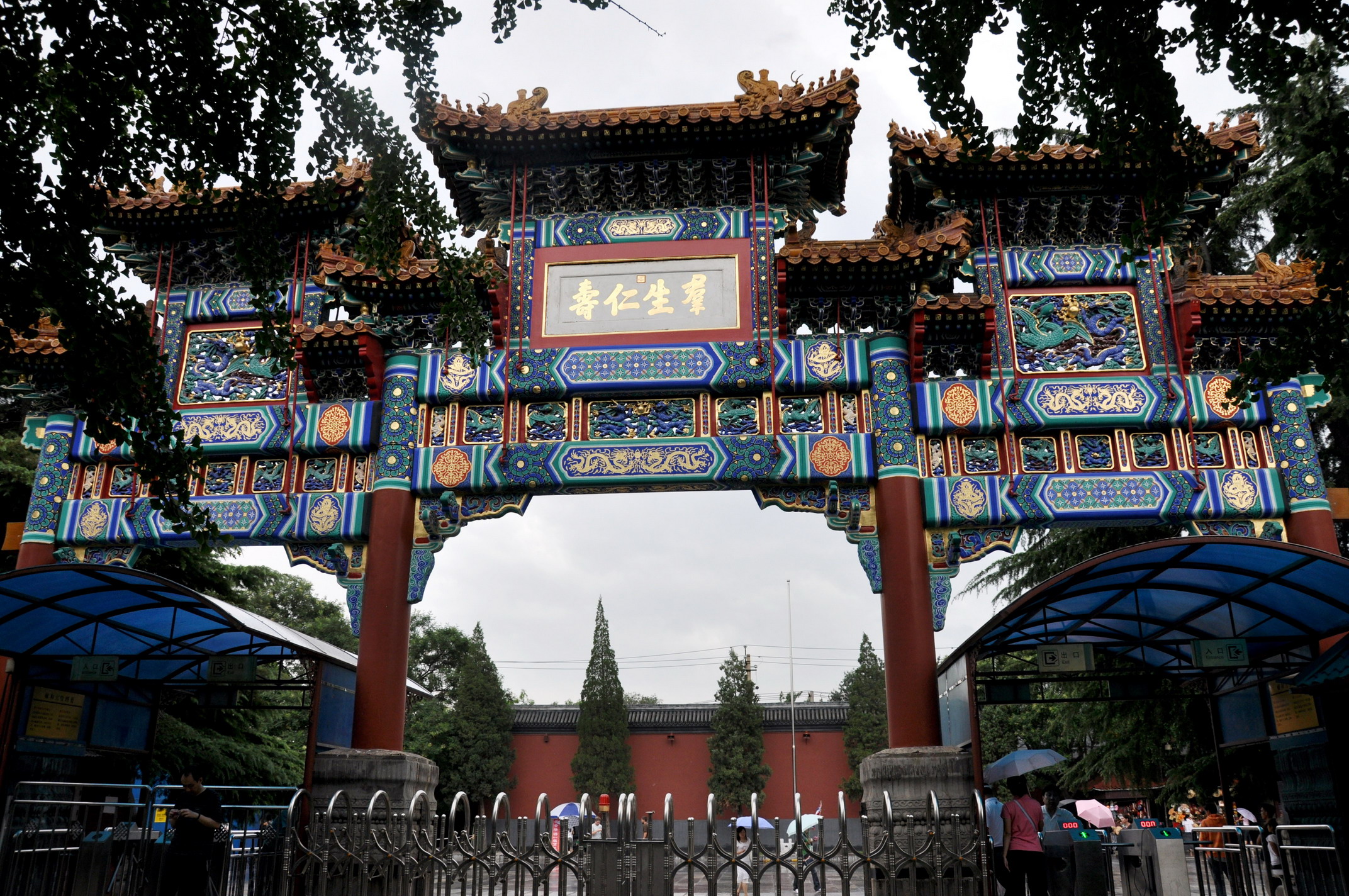
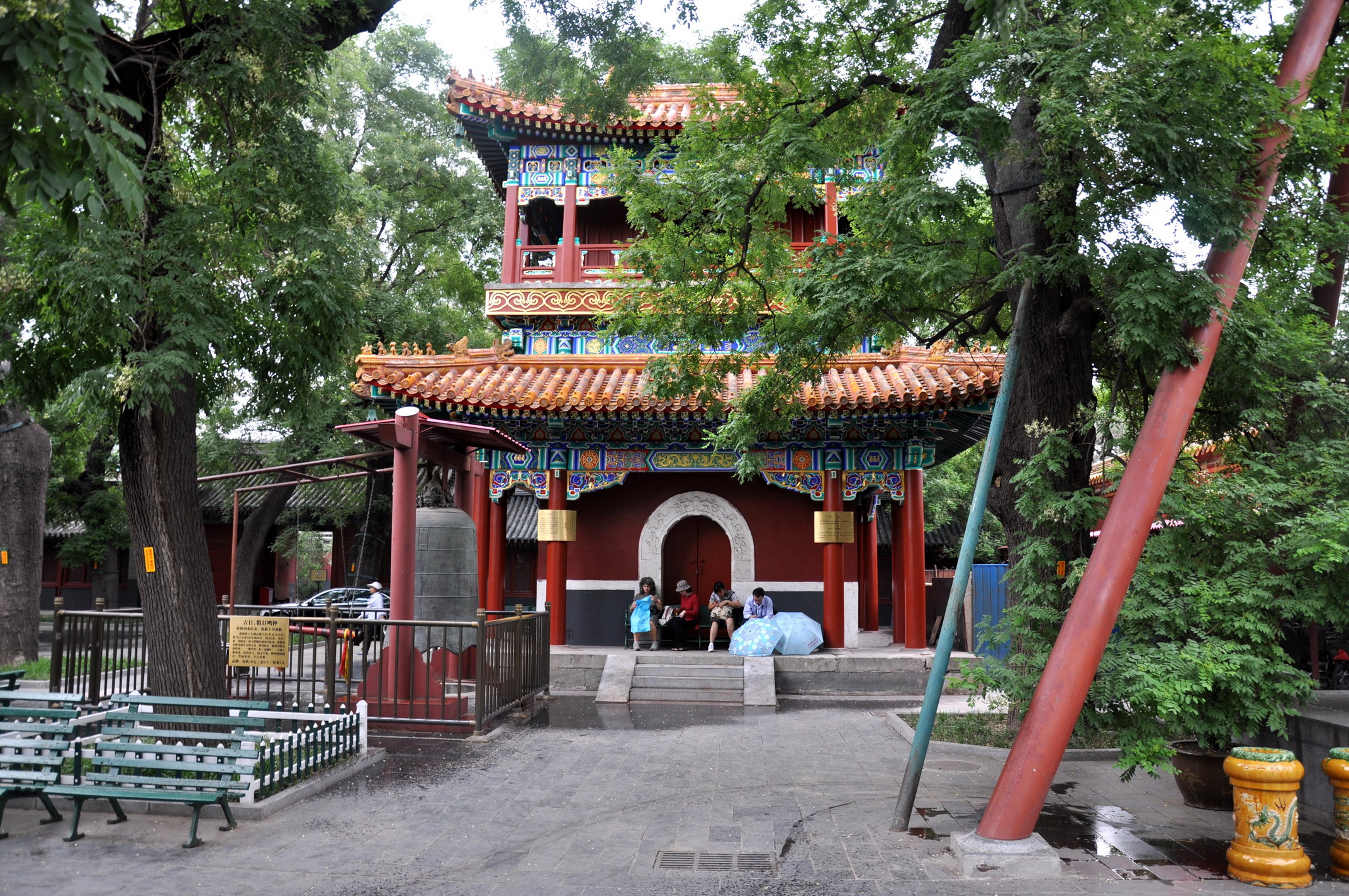
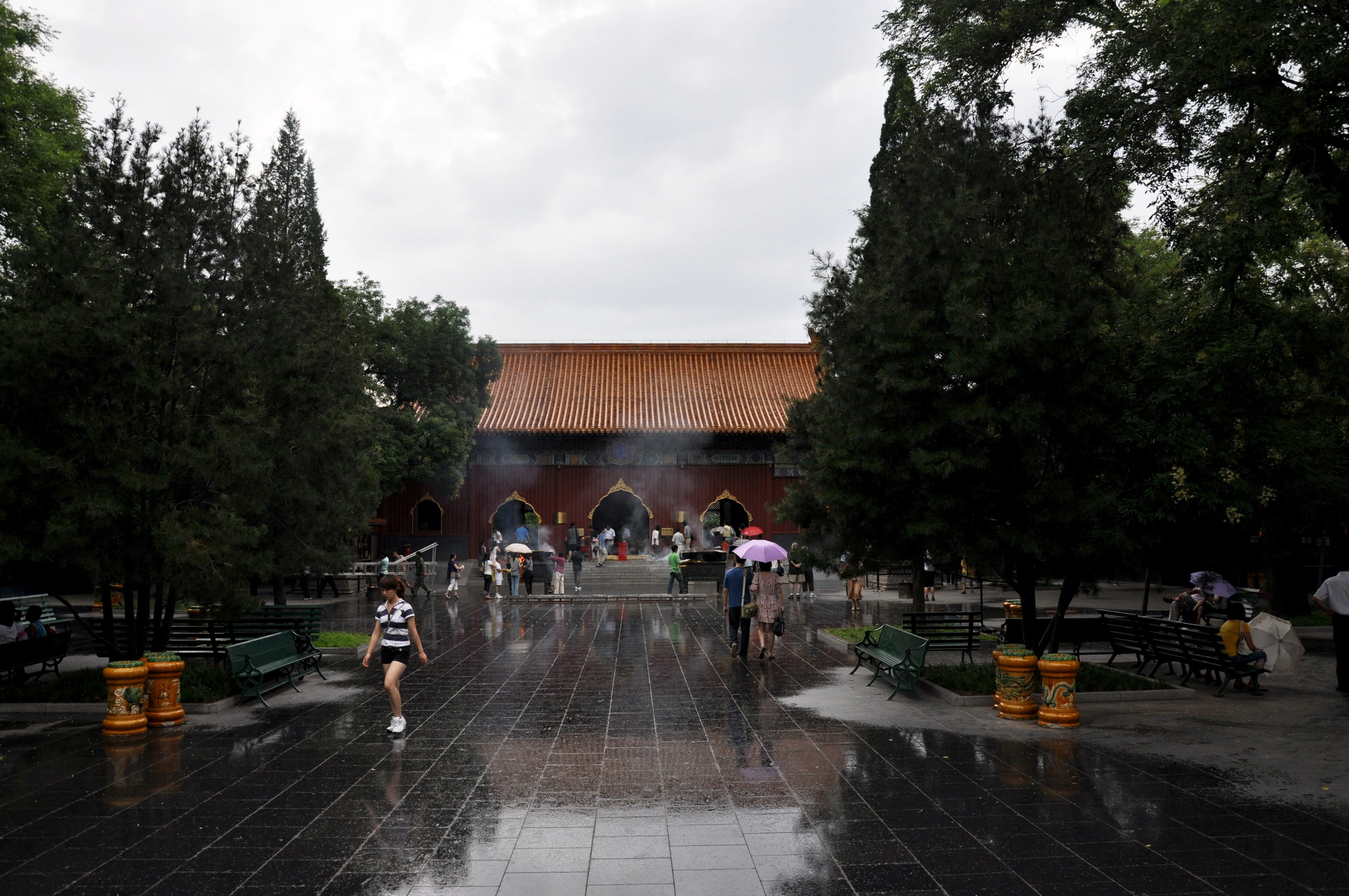
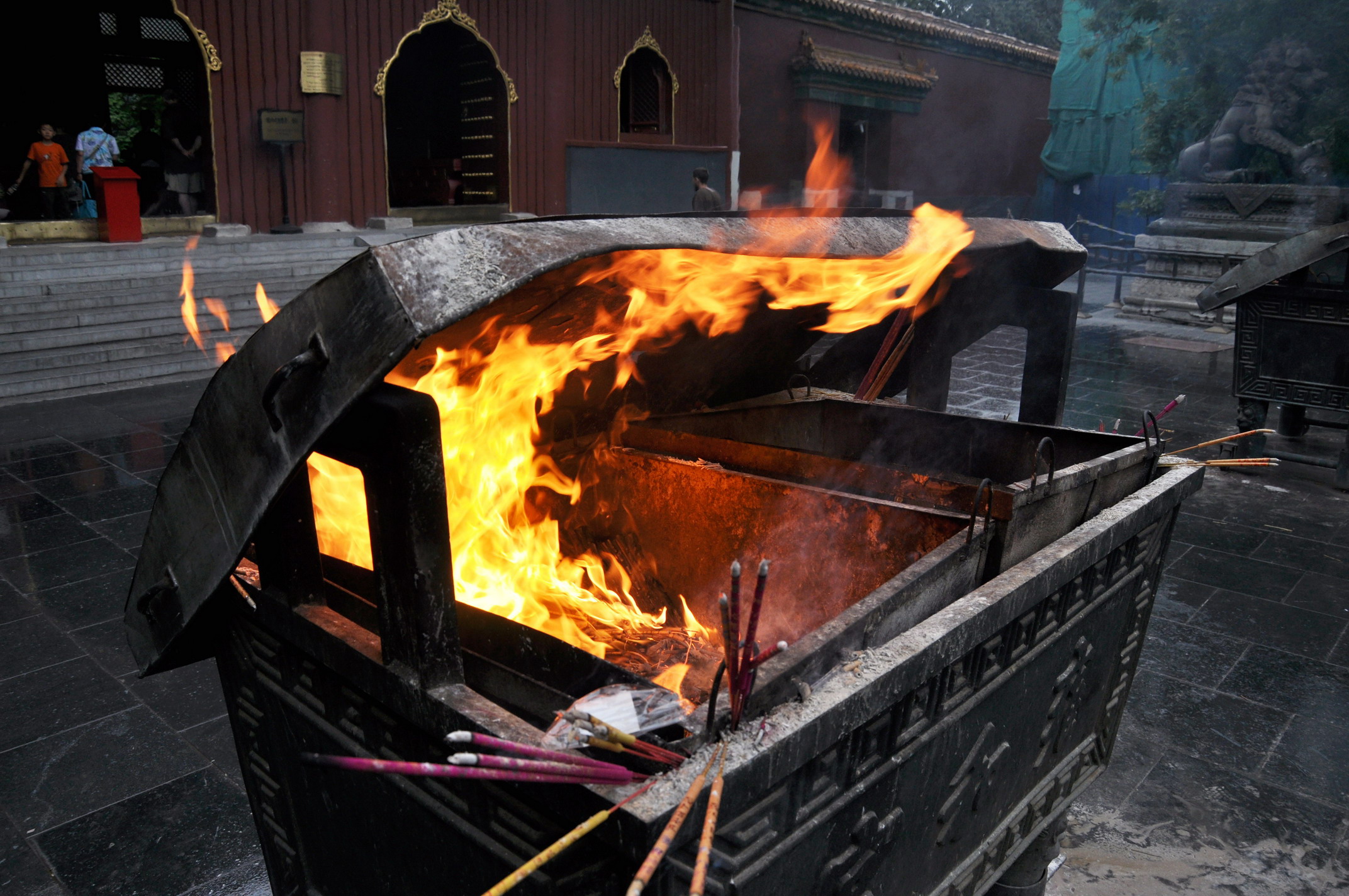
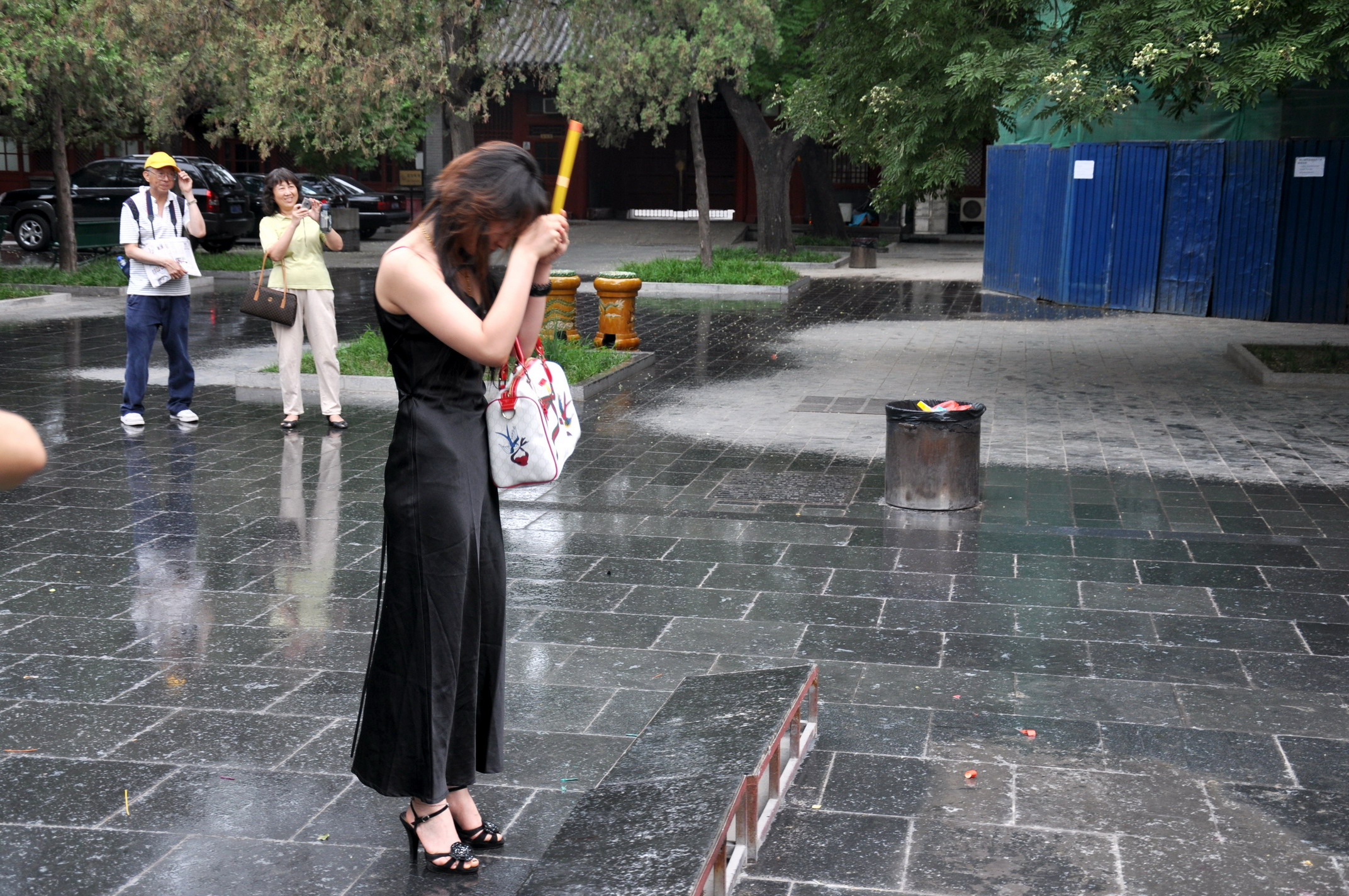
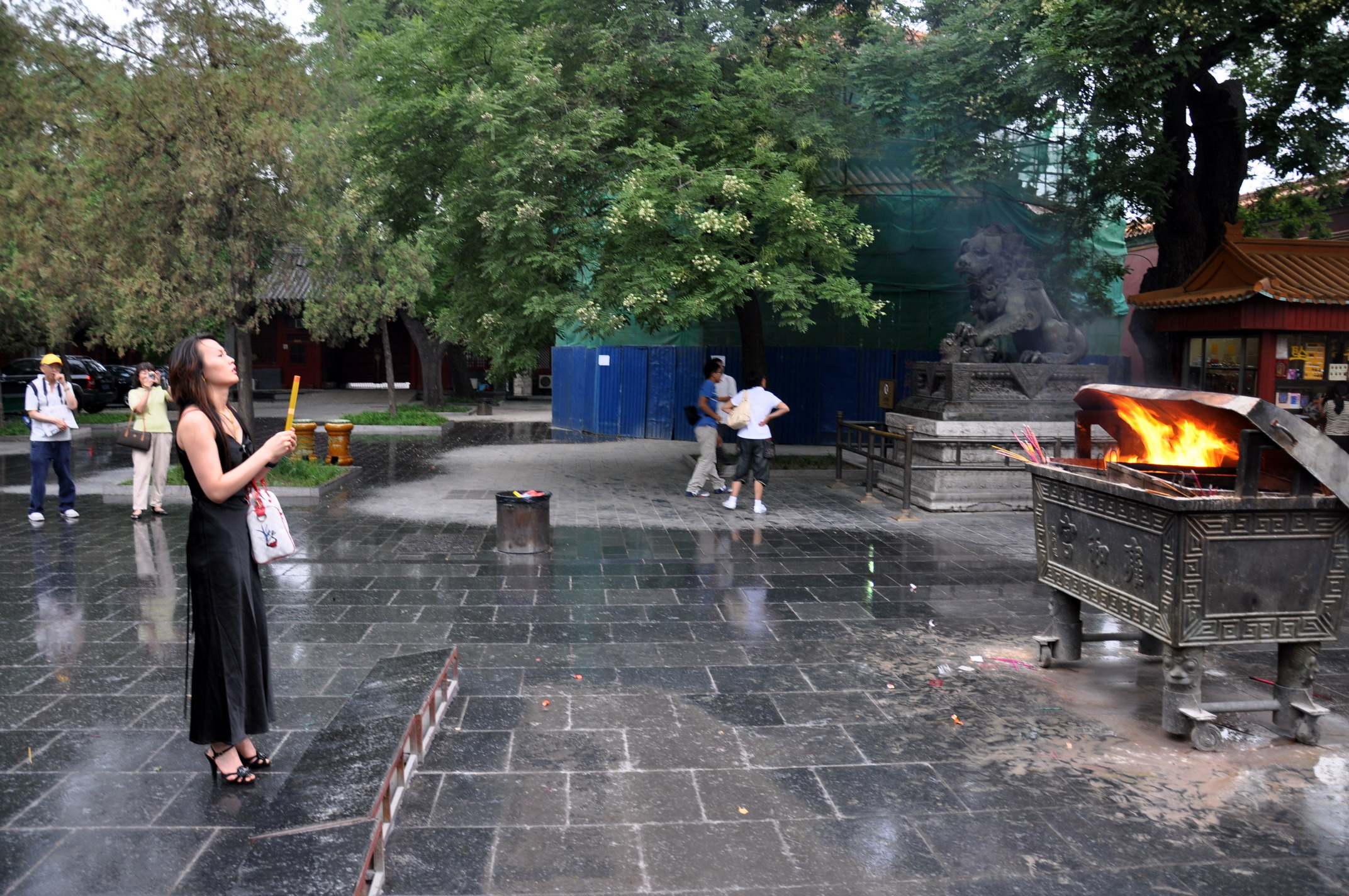
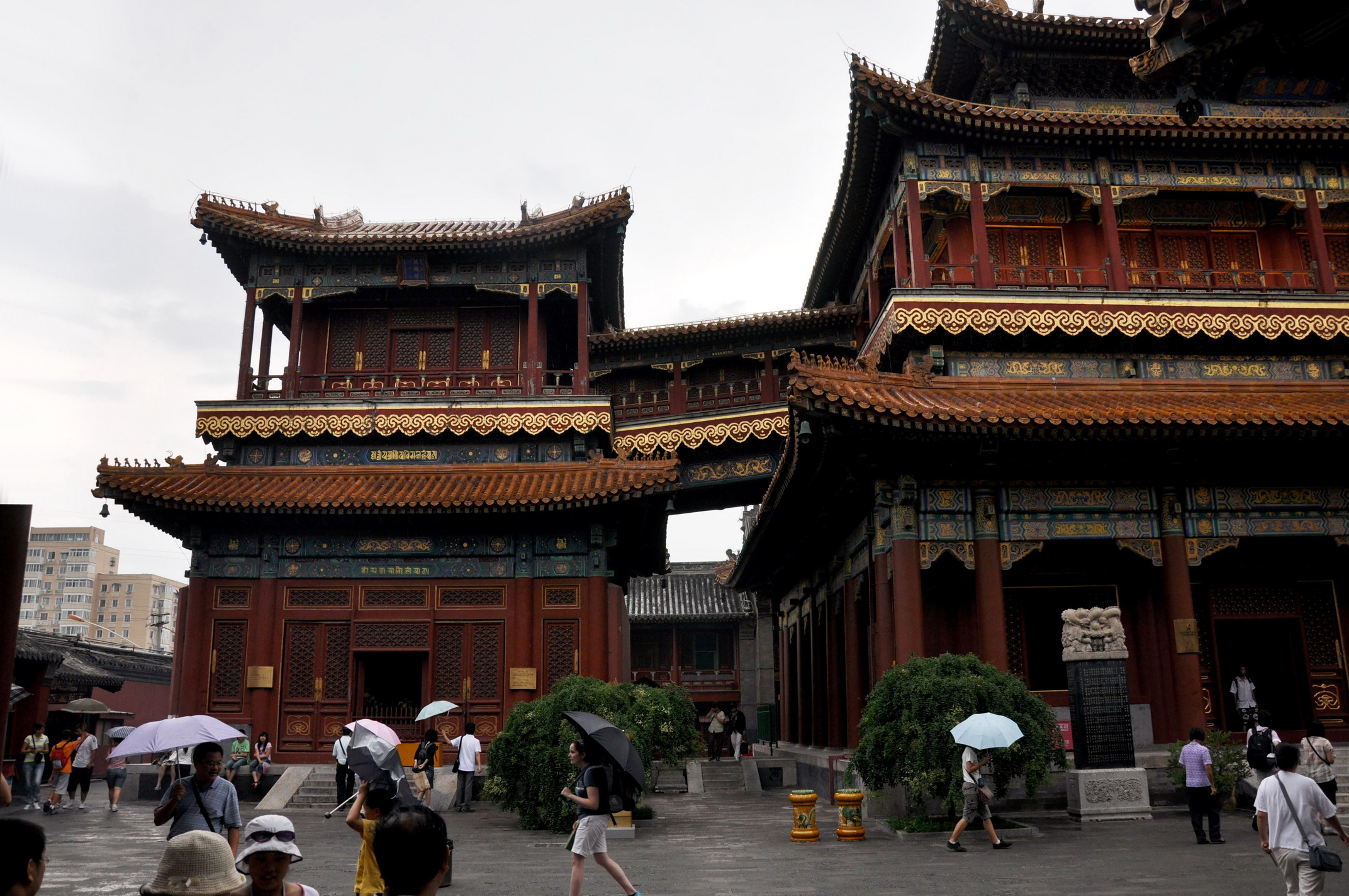
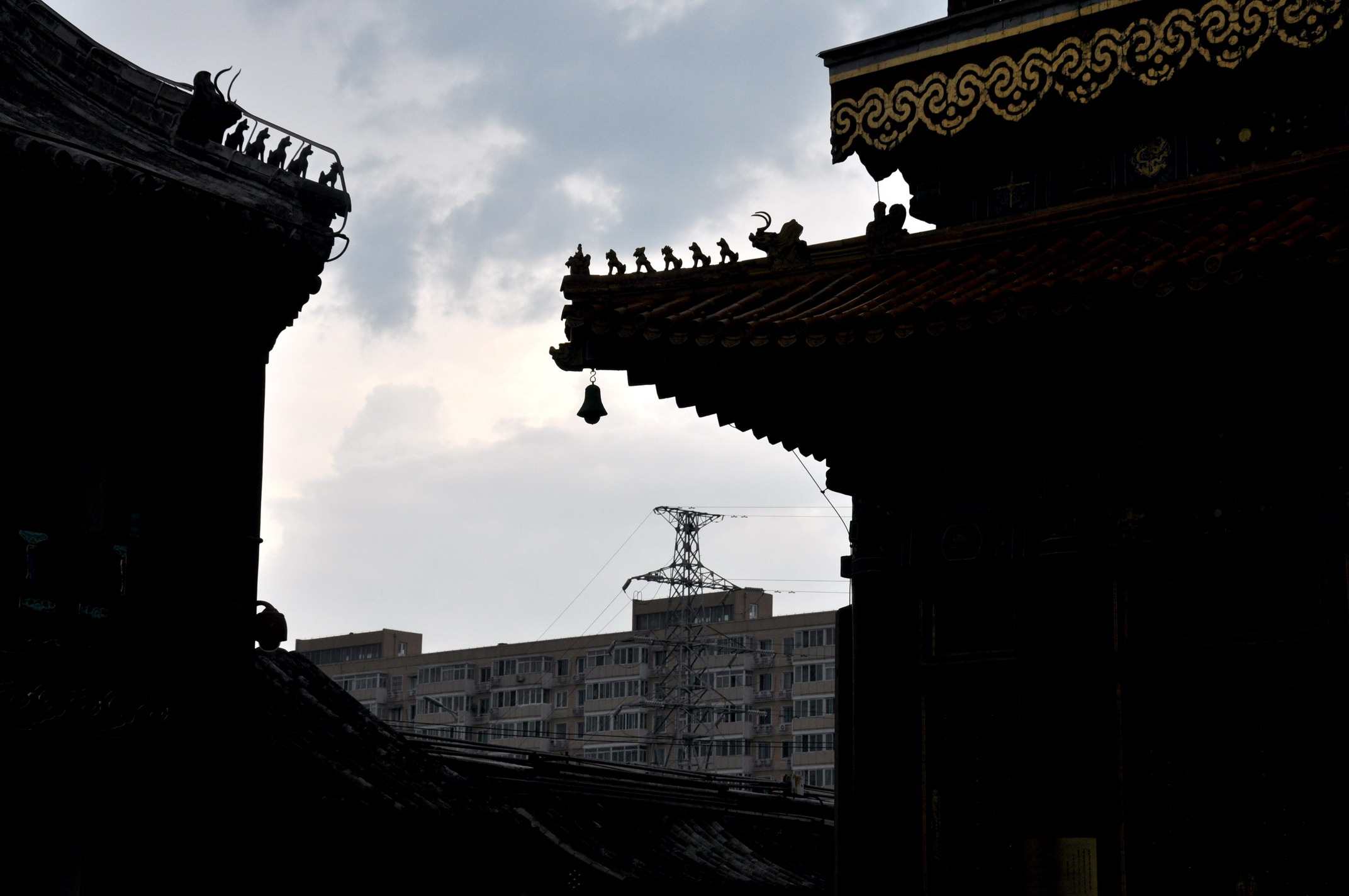
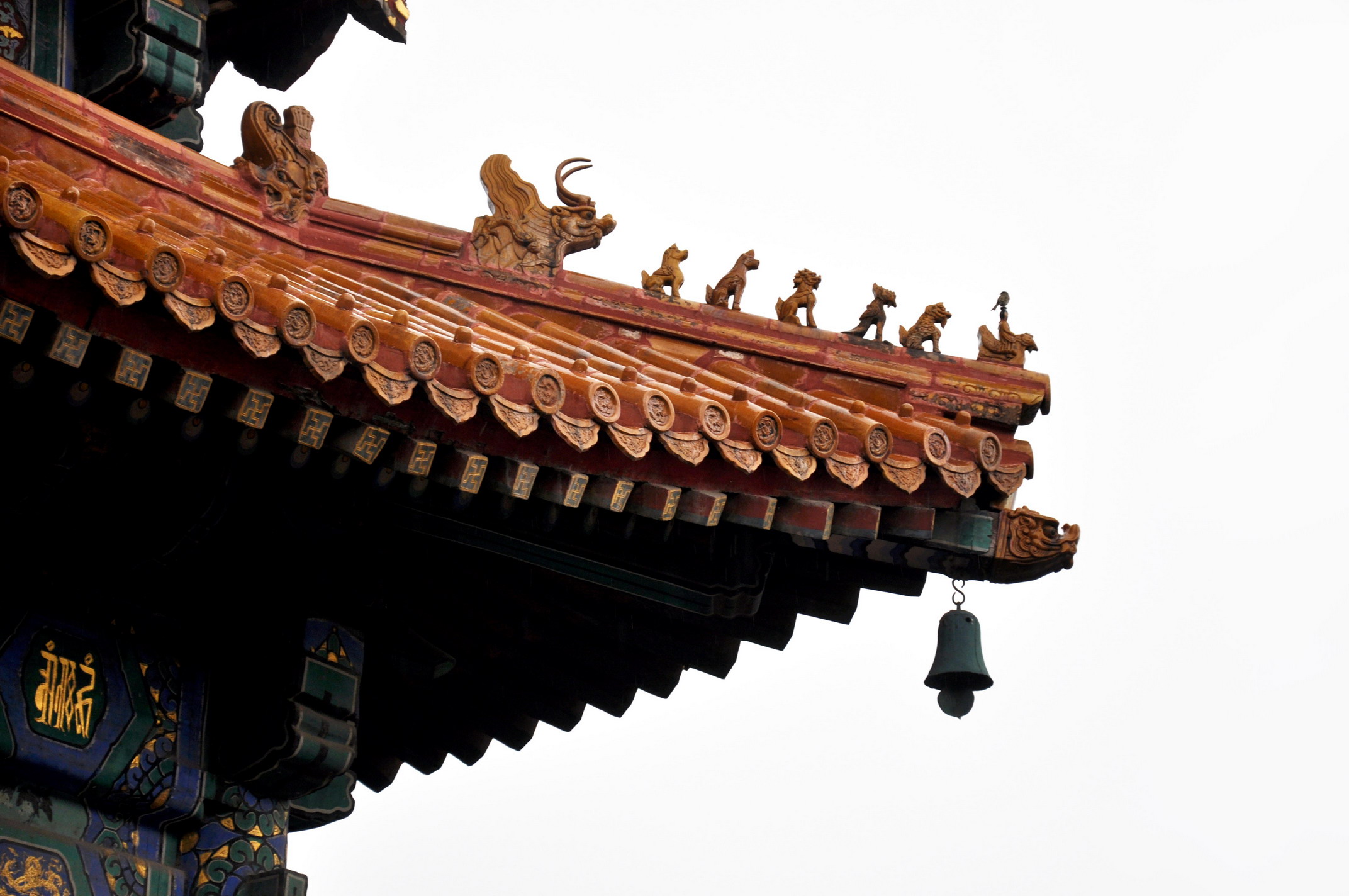
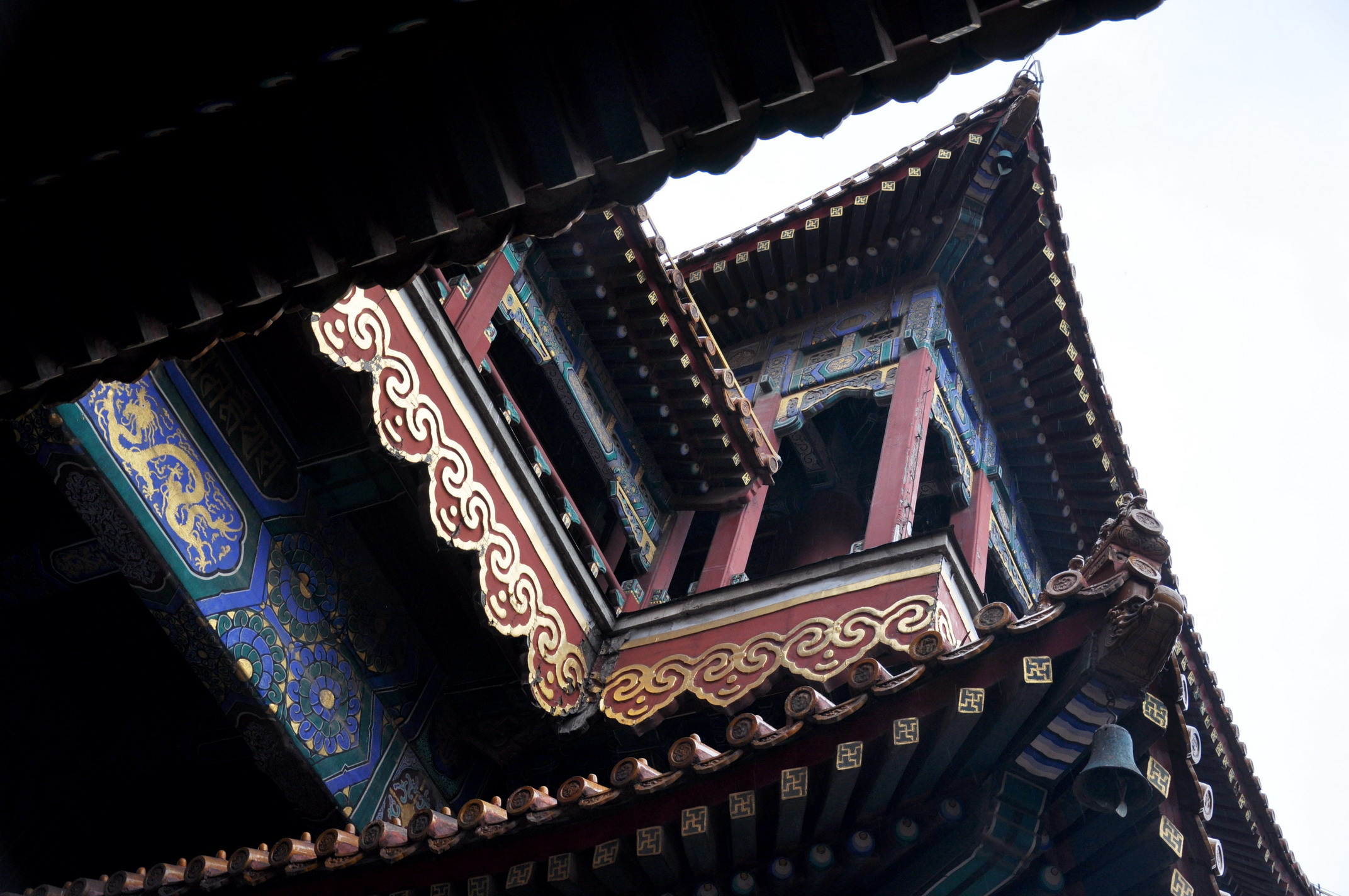
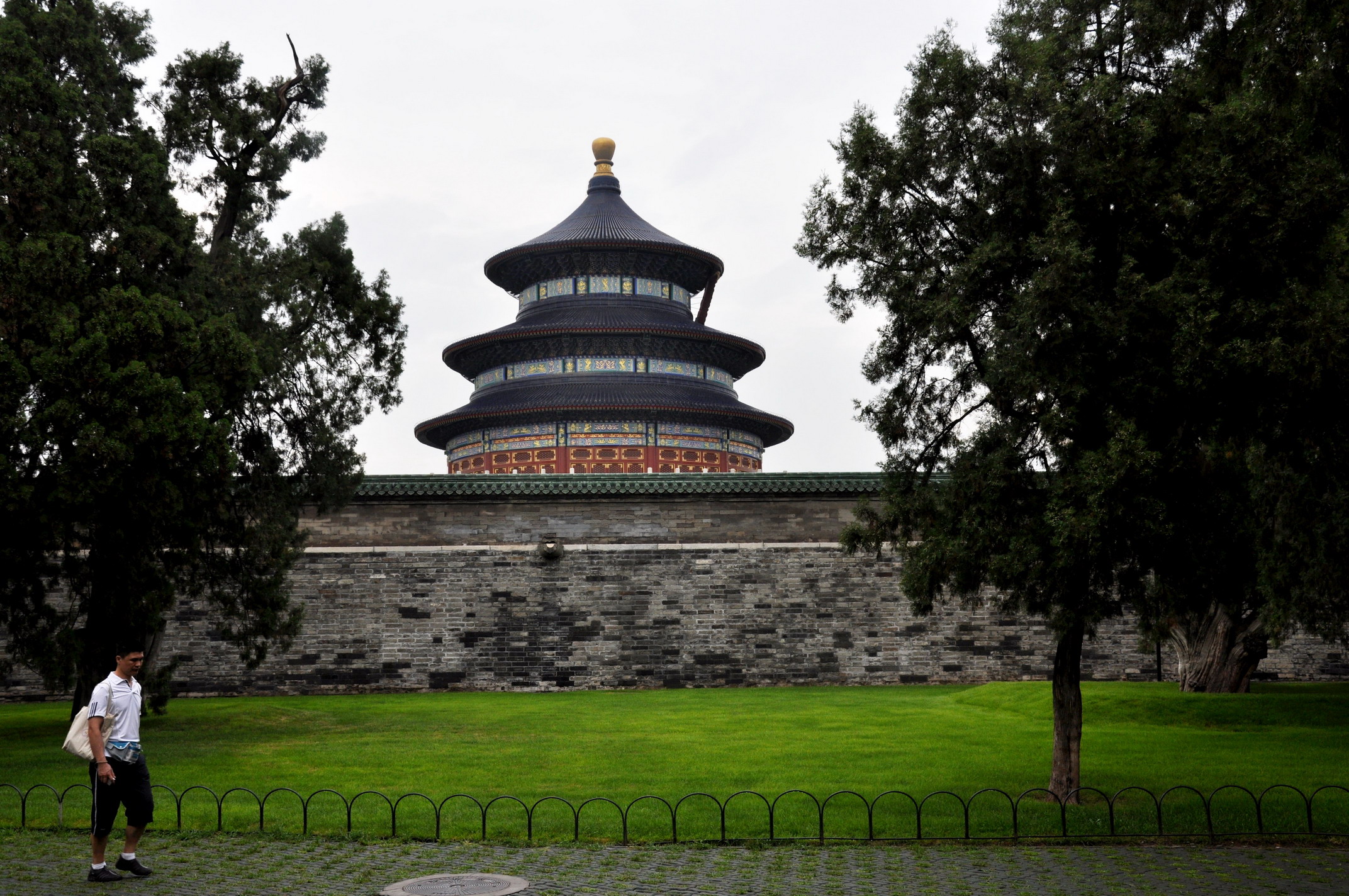
After the Lama Temple came the Temple of Heaven, in an enormous park with towers and avenues. We couldn’t resist sitting on a bench and sharing a bottle of beer. I wondered if that was against the law in China. Probably not. Eating outdoors was customary, although I’d seen attempts to discourage it in some places. I thought of the famously strict fines in Singapore for eating in prohibited places and looked round. Nobody seemed to have seen us.
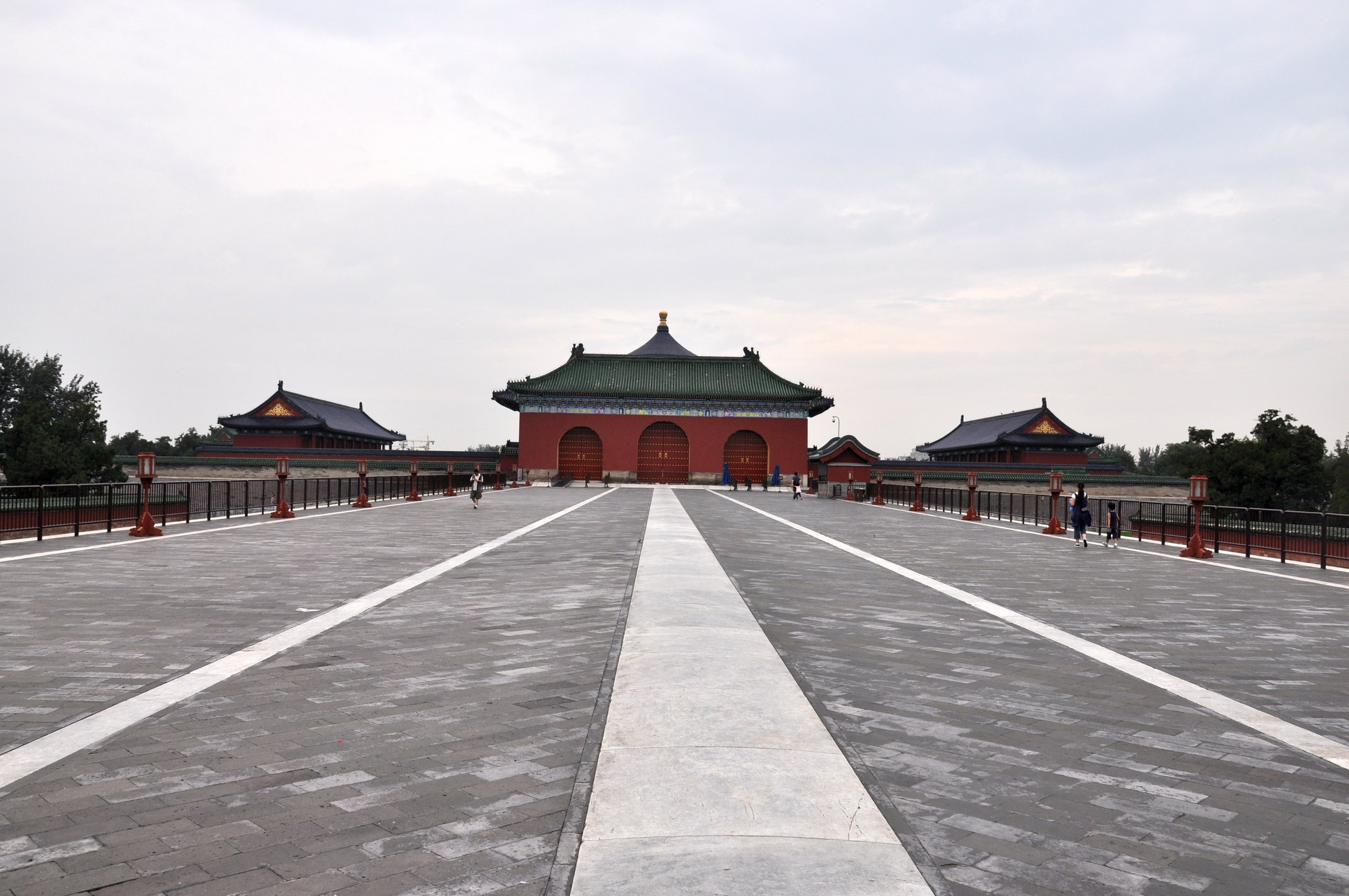
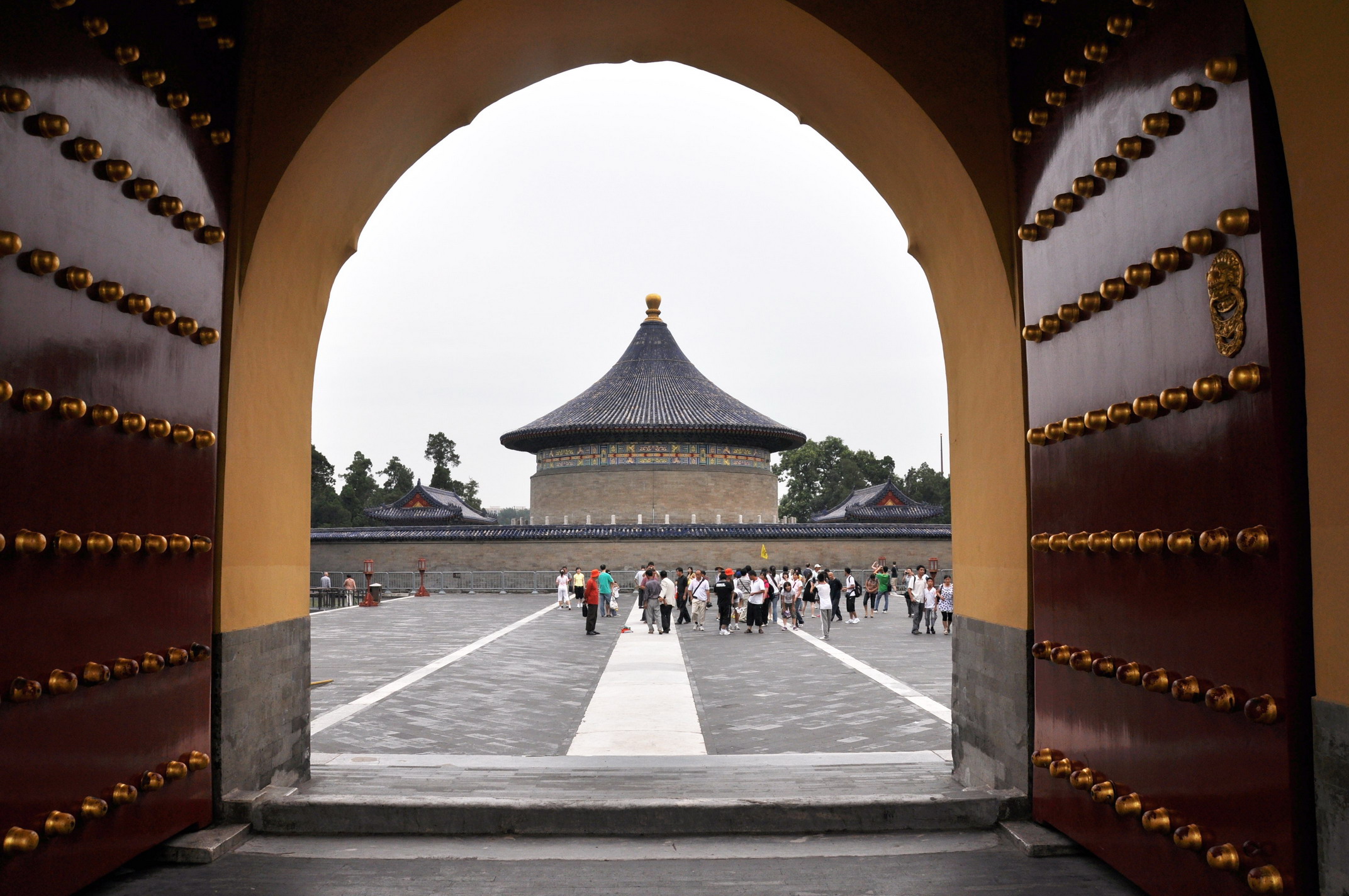
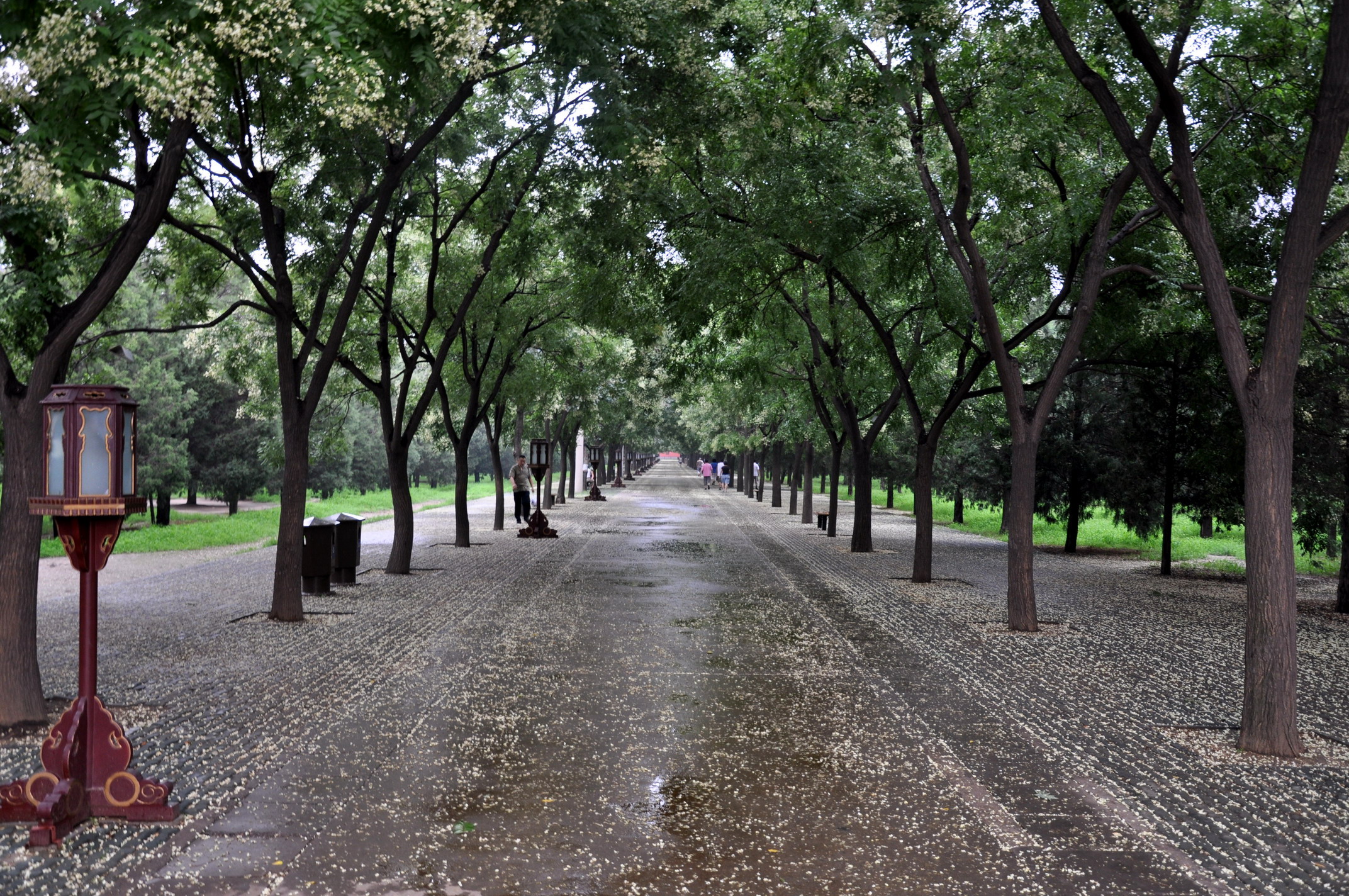
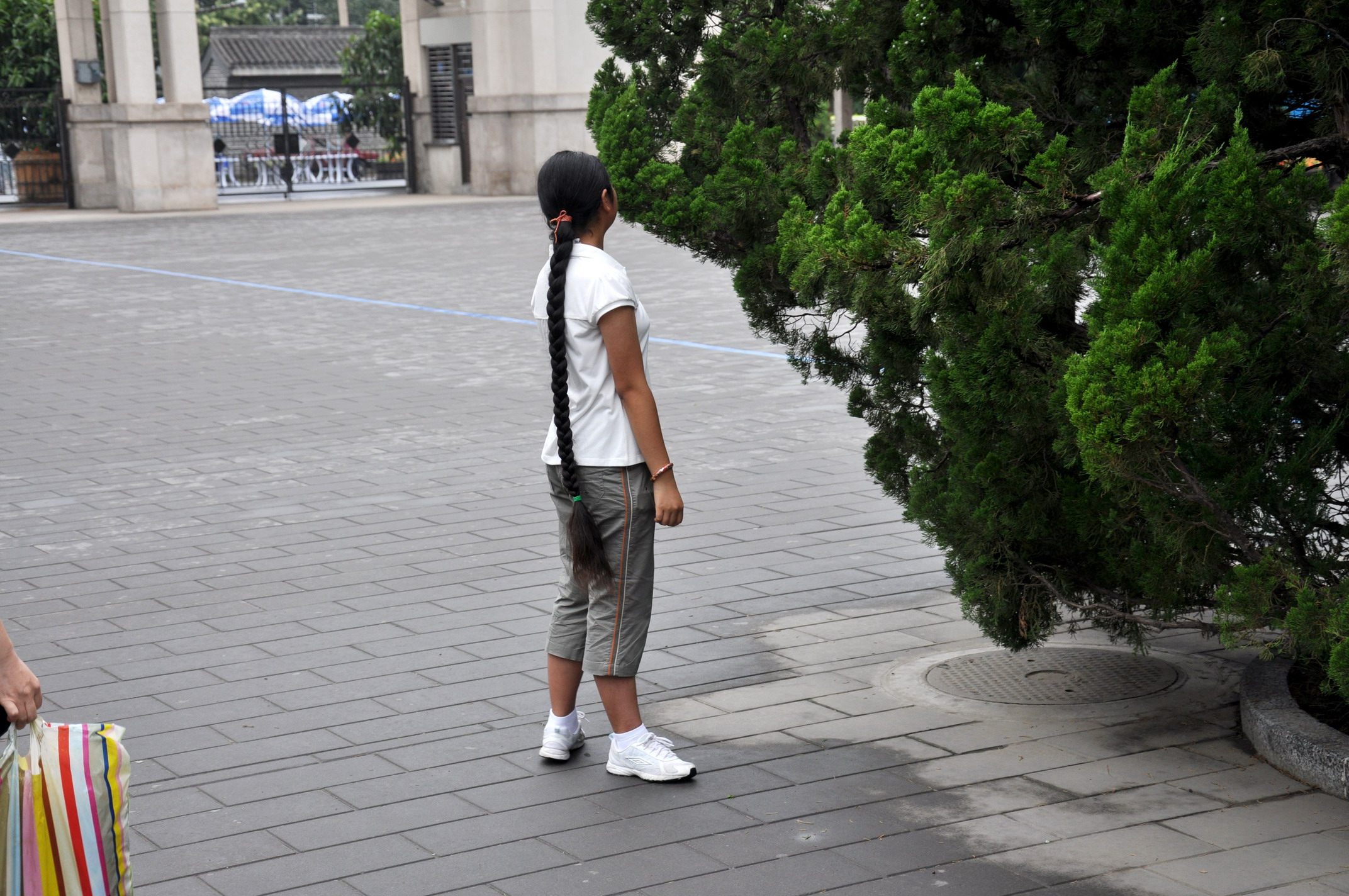
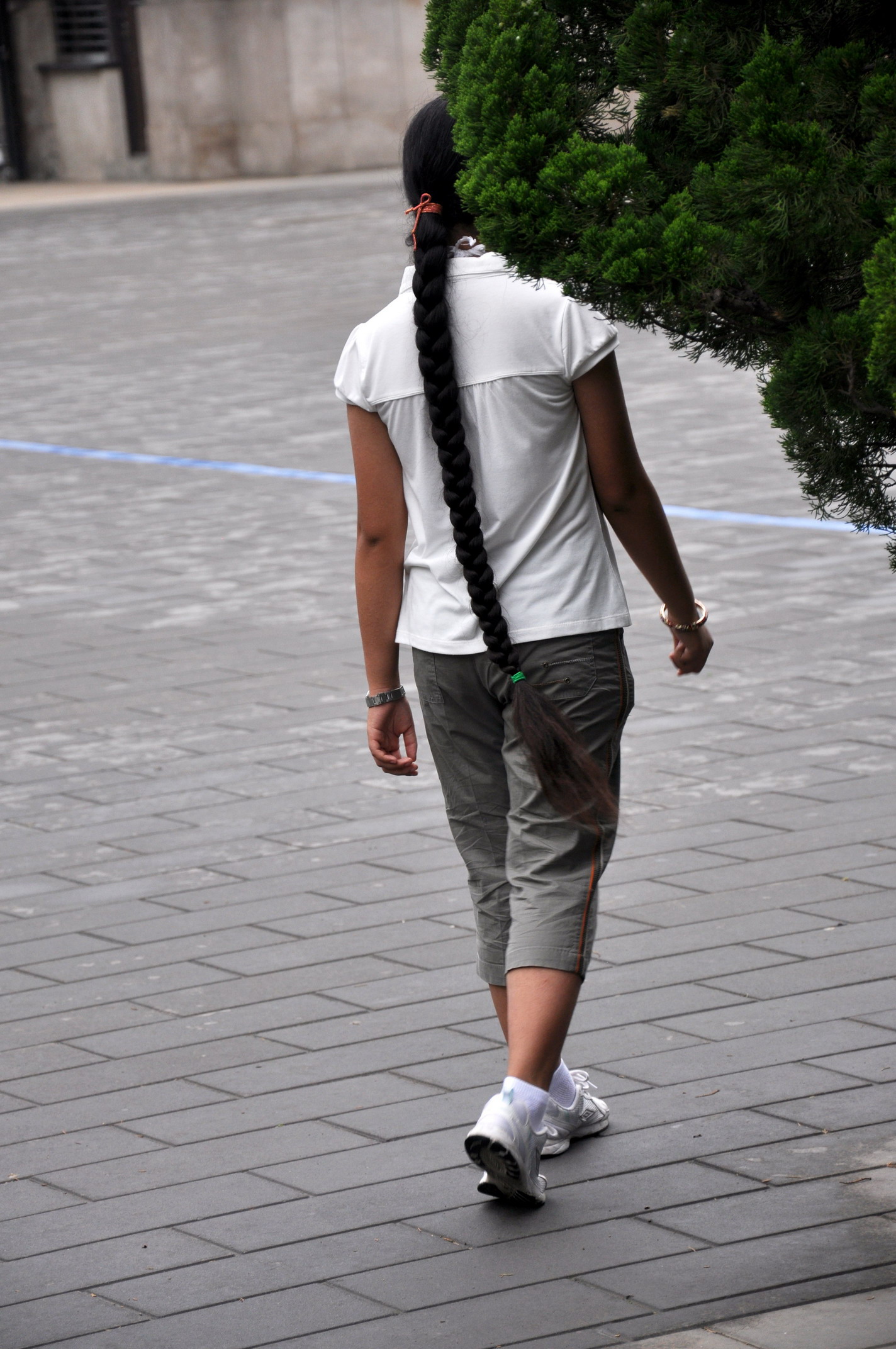
Only one young woman was nearby, with a plait down to her knees. How she’d managed to grow it, and how she lived with it, I couldn’t imagine. As a young man I’d derived a silly formula in which a girl’s coefficient of being sat upon was proportional to the square of the length of her hair.
Close to closing time in the evening, we looked for the entrance to Mao’s underground shelter, where he had planned to survive a nuclear war. He was radical on the subject. Let half of humanity die in the next war, he thought, and the survivors would live under Communism.
Sergei Tikhomirov joined us at the Lama Temple. He’d once been a prospective son-in-law for Lena. He’d come to China to do research. One fine day he’d decided being a programmer wasn’t cool enough. You had to be a scientist to impress women. Having become one, he decided there was no science in Russia and left the country for good. China, Taiwan, Brazil, Germany and on from there.
Luckily he was the only occupant of a room for three in a dormitory. We just had to ruffle our hair, make ourselves look young and stroll into Peking University with our backpacks and the air of a couple of students. Nobody asked for a pass. The plan worked. We had a free place to stay at the expense of the Chinese government, which had lately been trying to build up science. And it wasn’t only talk. They did whatever they could to bring in academics from all over the world. Classes taught in English had even become normal. Chinese is a great language, but the language of science is English. Somebody joked that in five hundred years the world would speak only one language: English with a strong Chinese accent. I was also told that the army rarely had to take people by force, especially students.
I didn’t think the country’s emphasis on obedience was especially good for science, or that Buddhism, as I understood it, encouraged individualism and creativity. But they had an idea: however hard you try to suppress a population of a billion, there will always be survivors, whether scientists or footballers. And the Chinese students I saw worked hard. They read textbooks in the metro. That wouldn’t be wasted, even if the people in power fell one day.
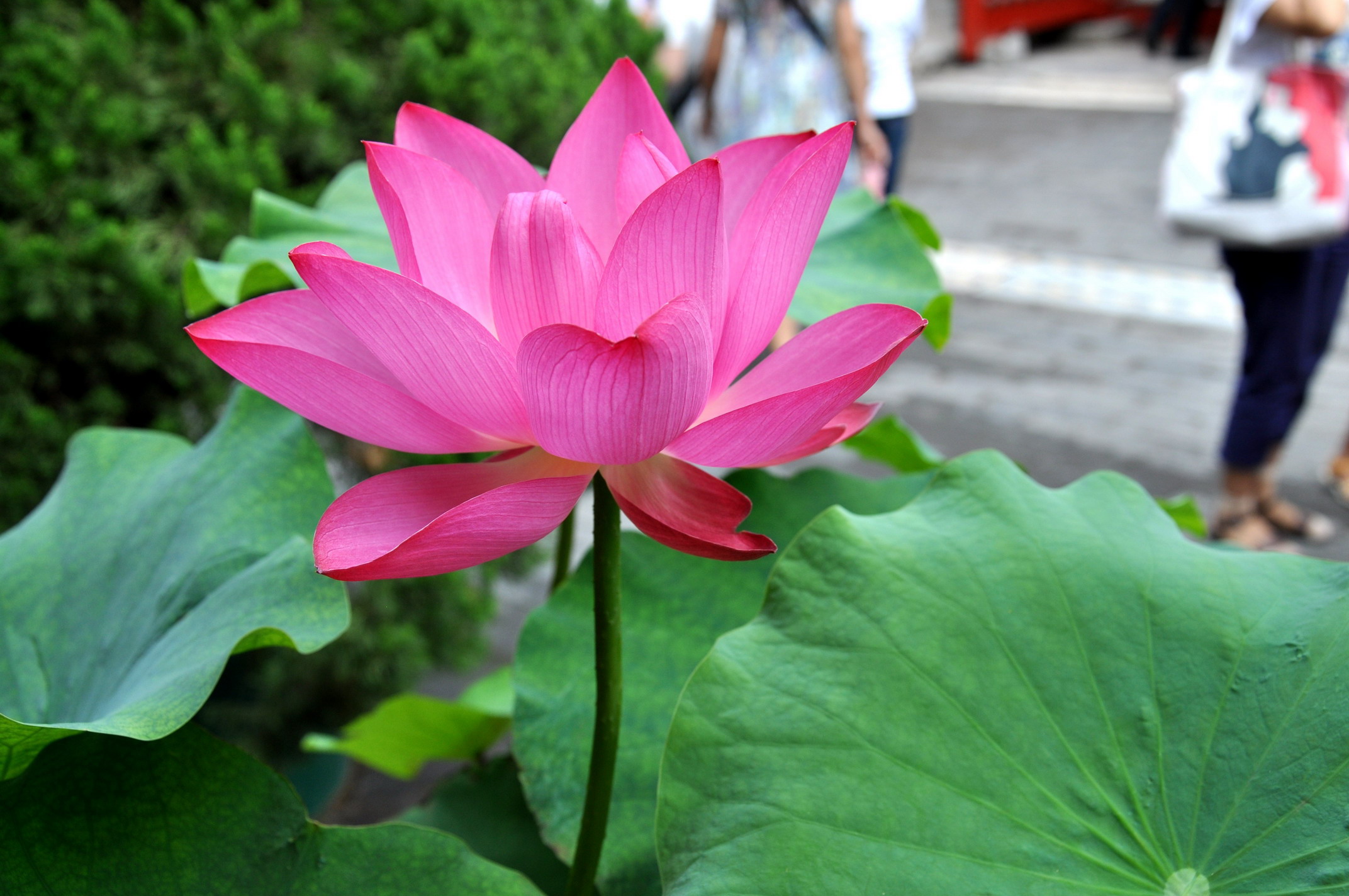
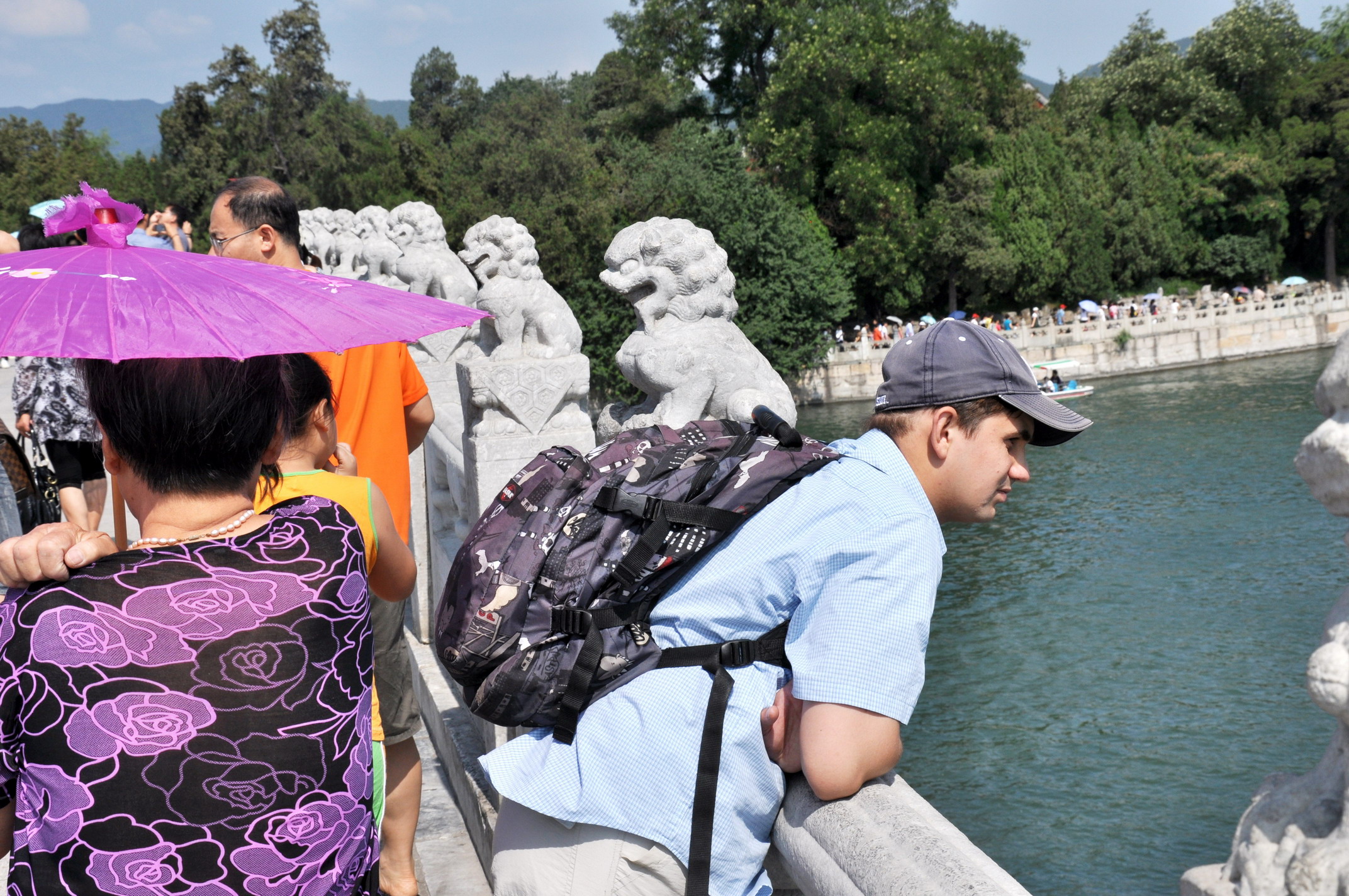
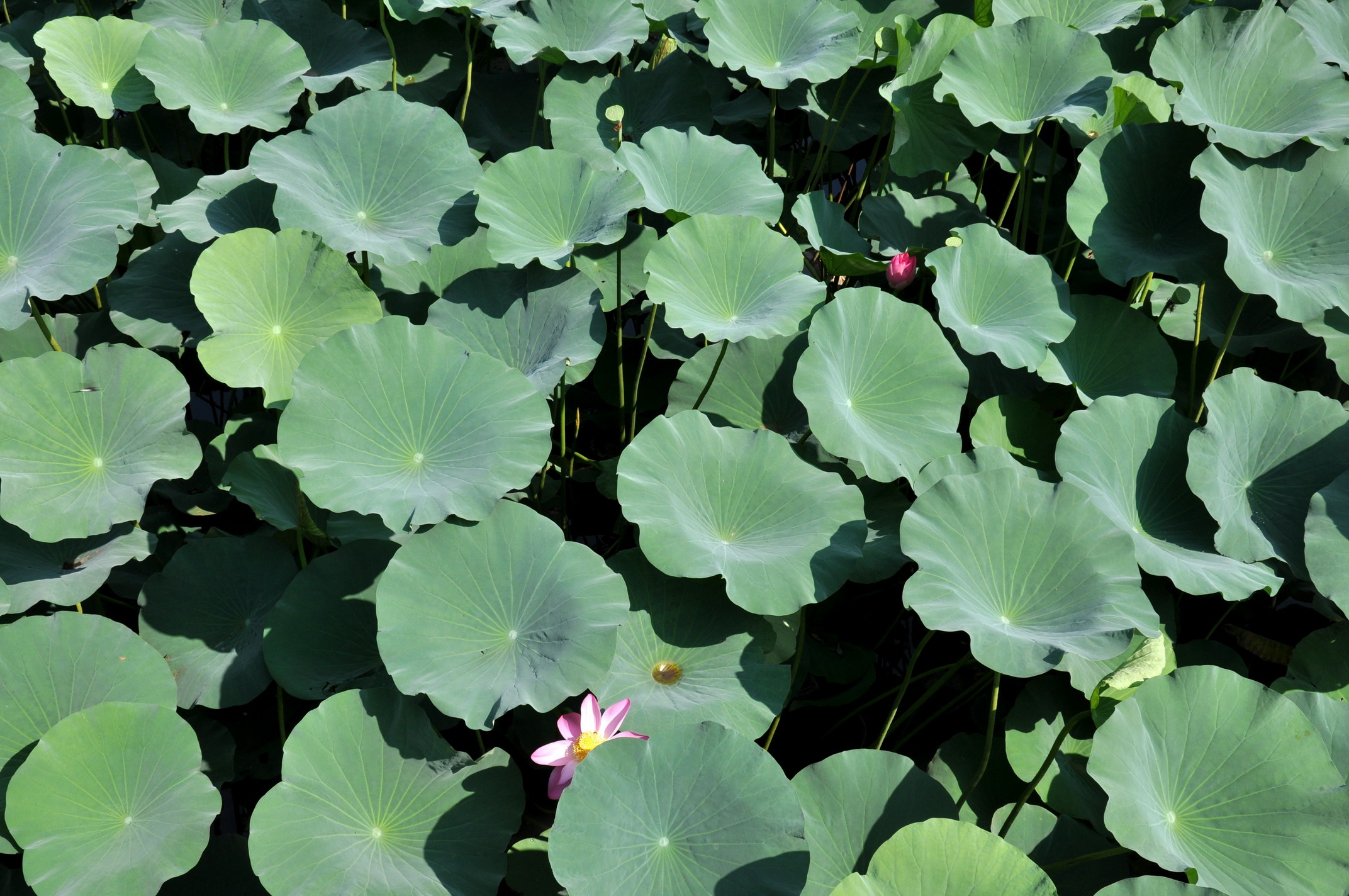
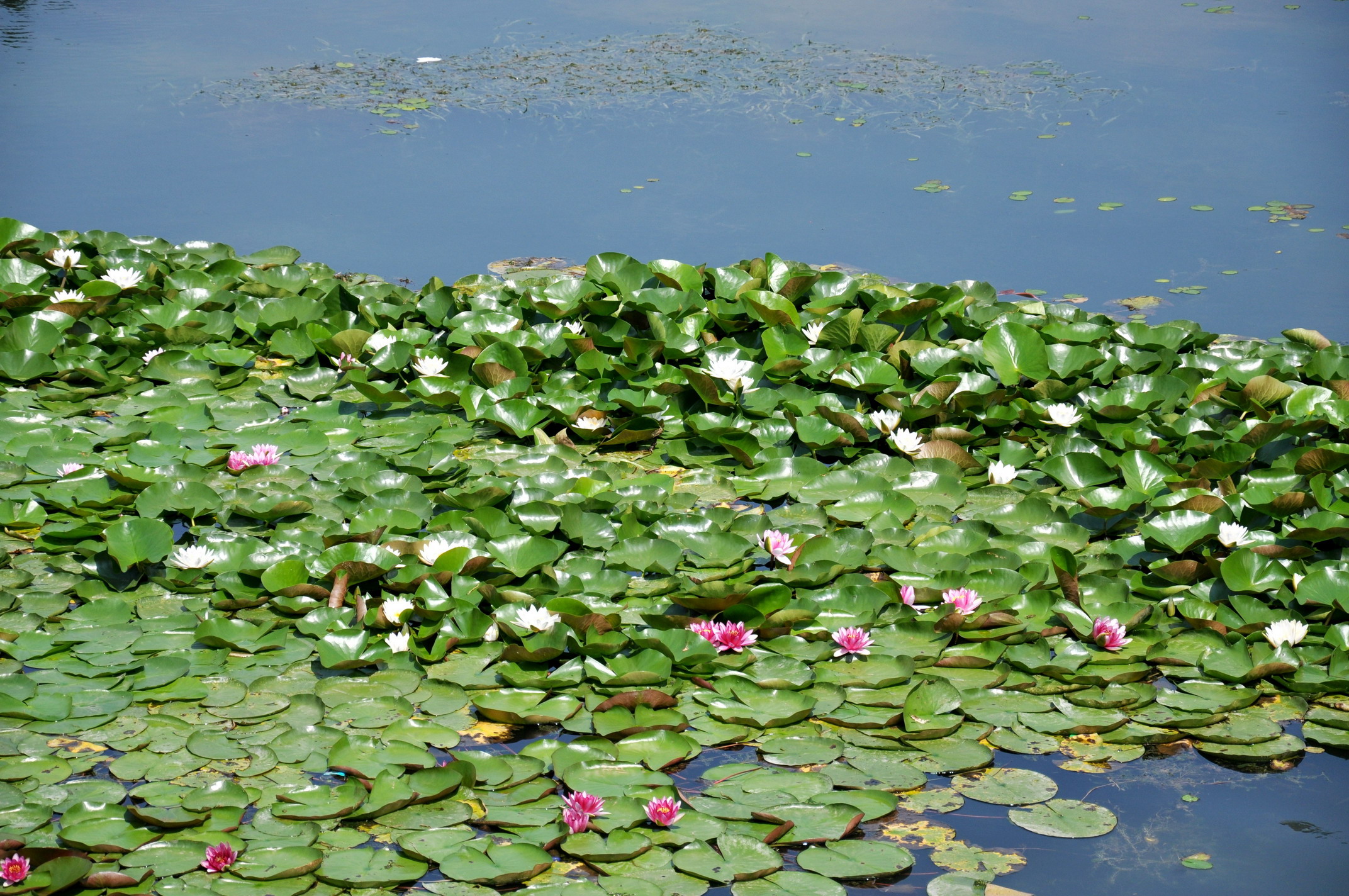
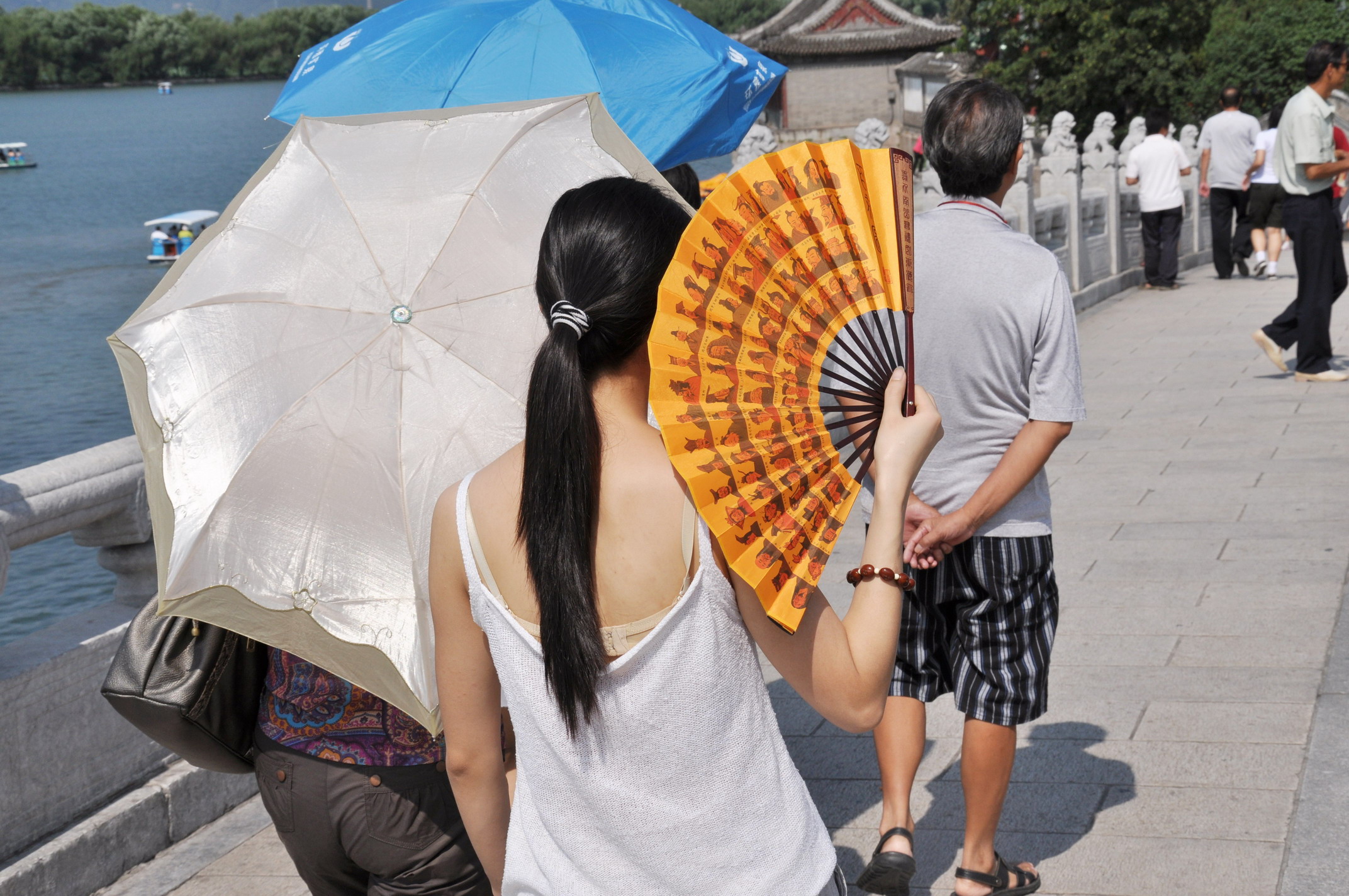
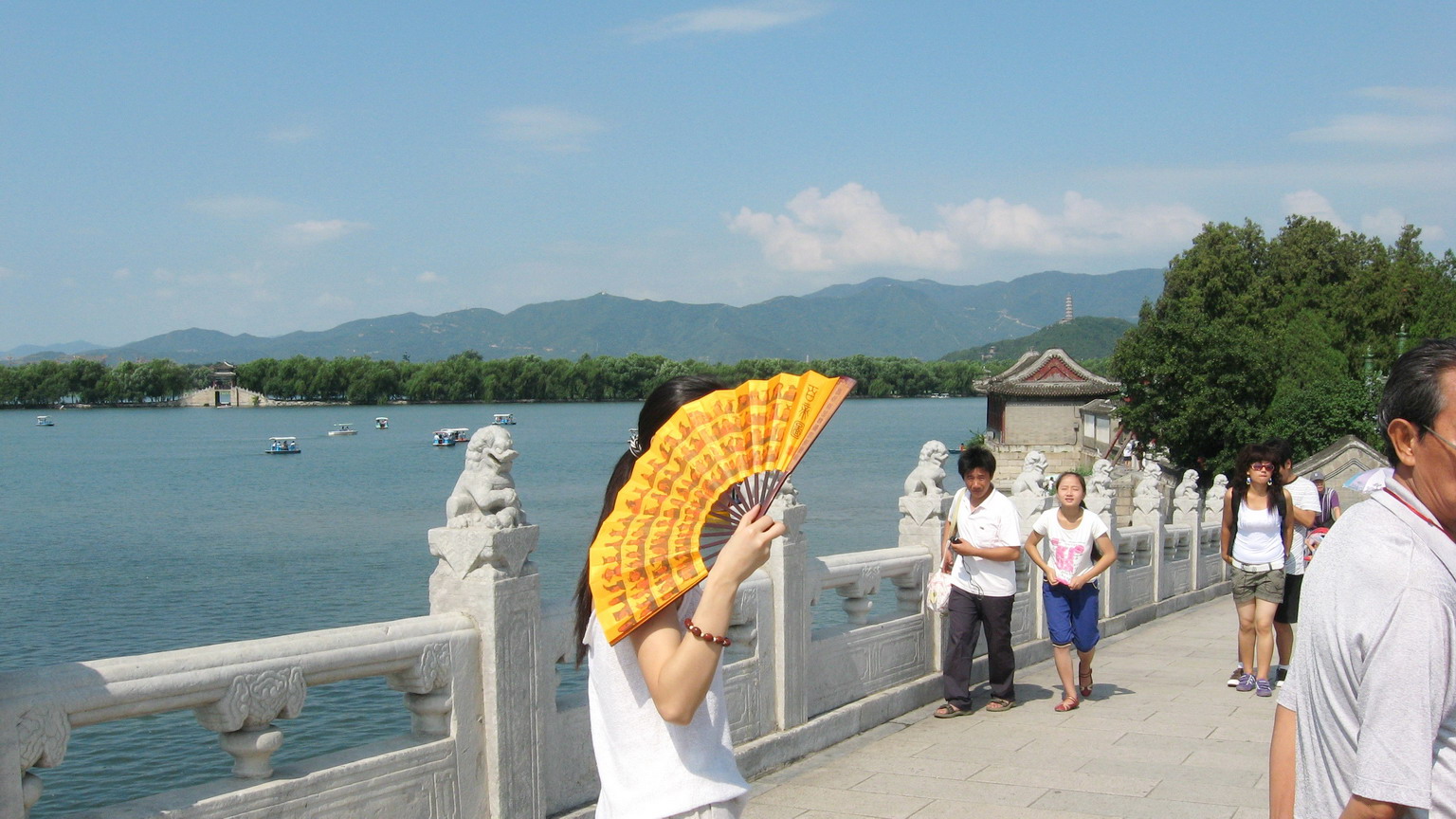
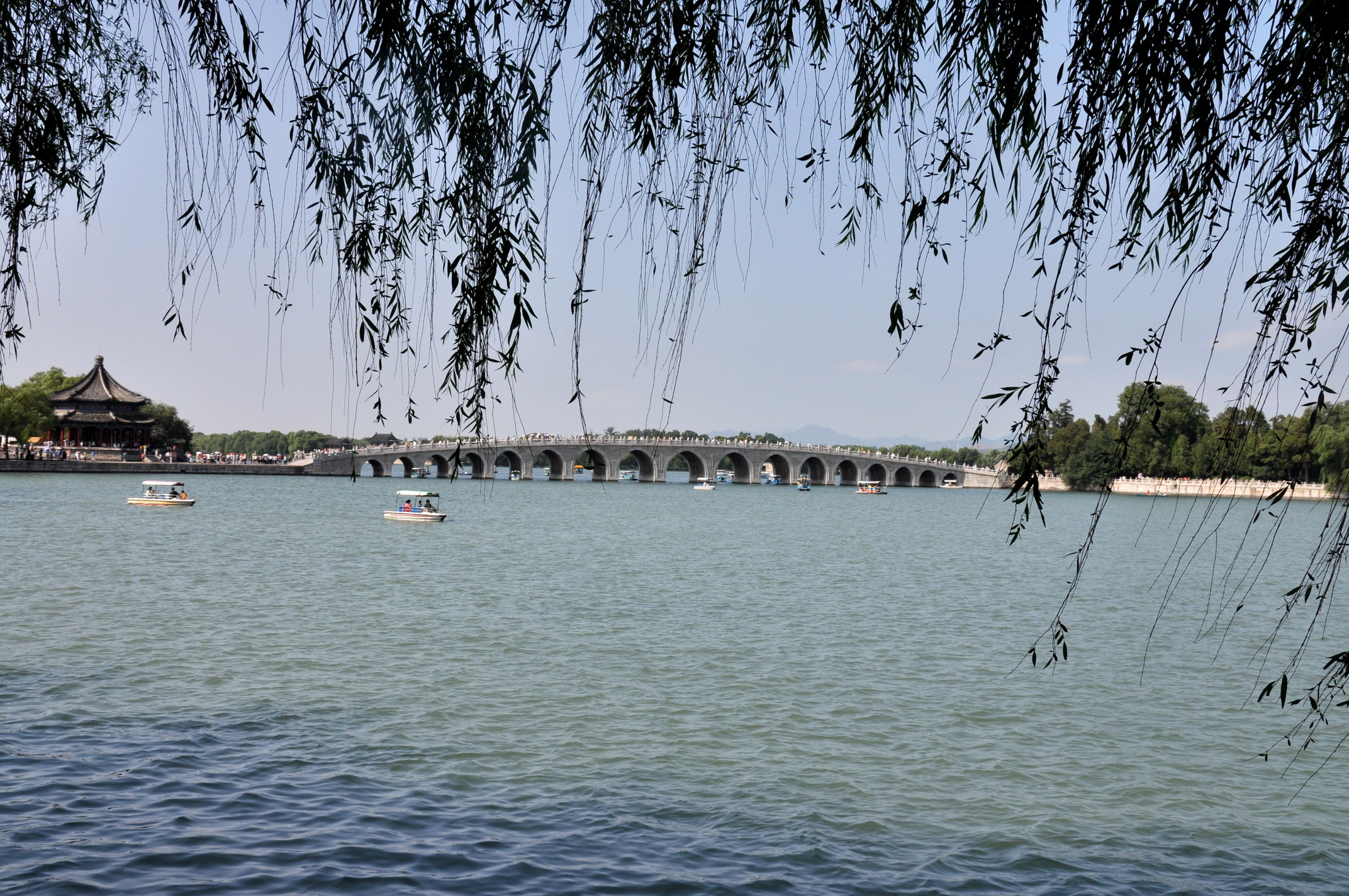
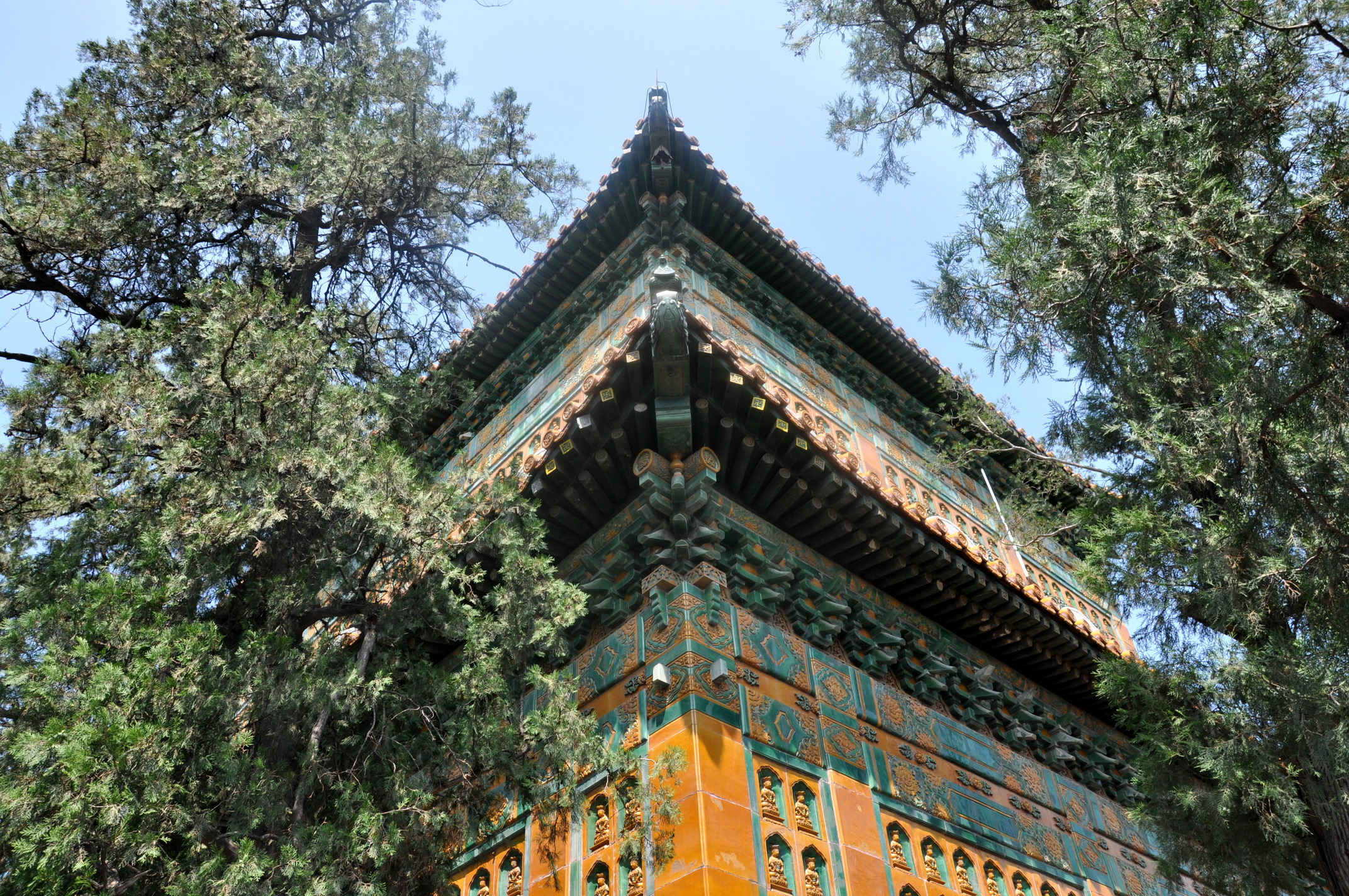
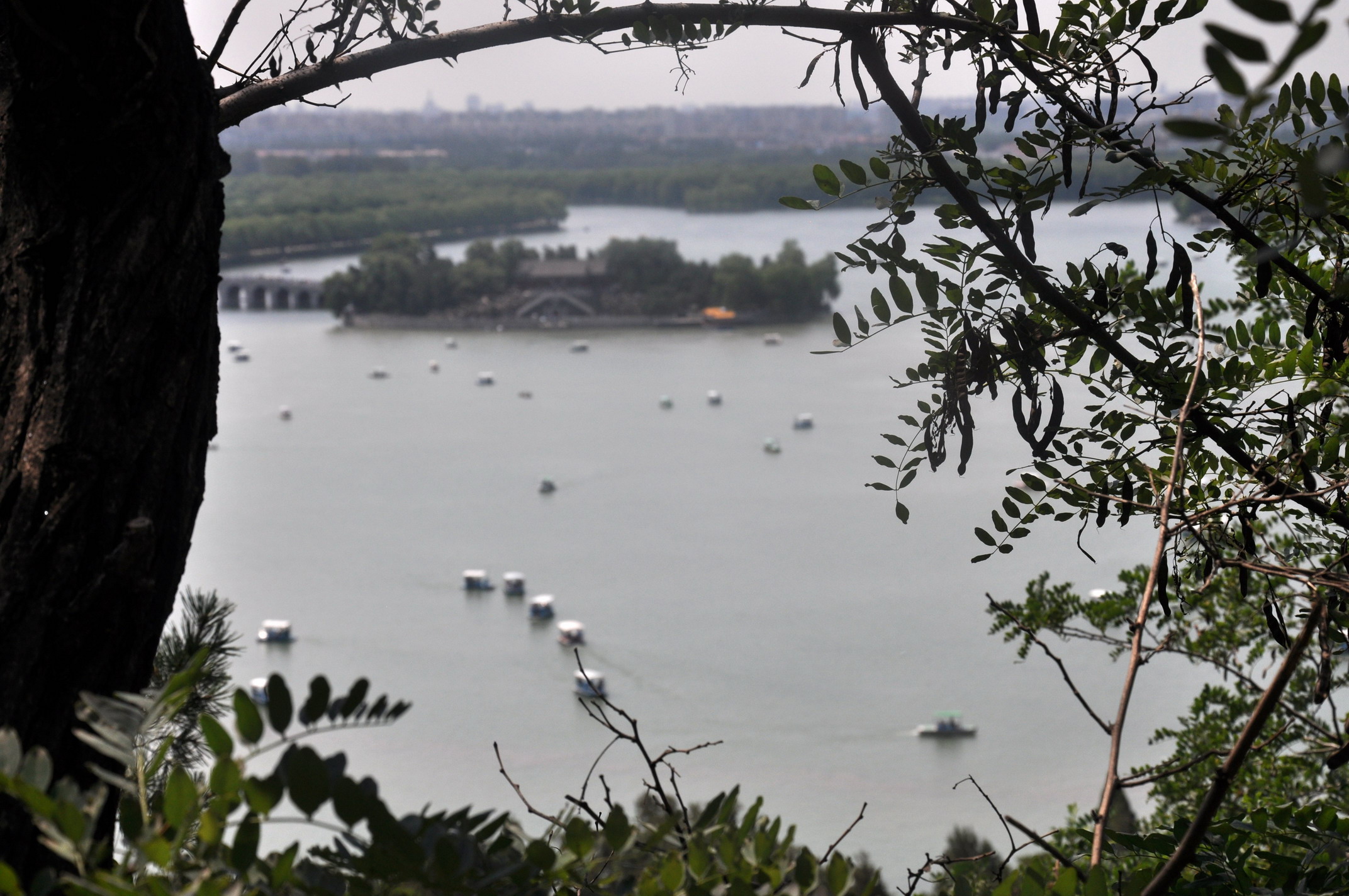
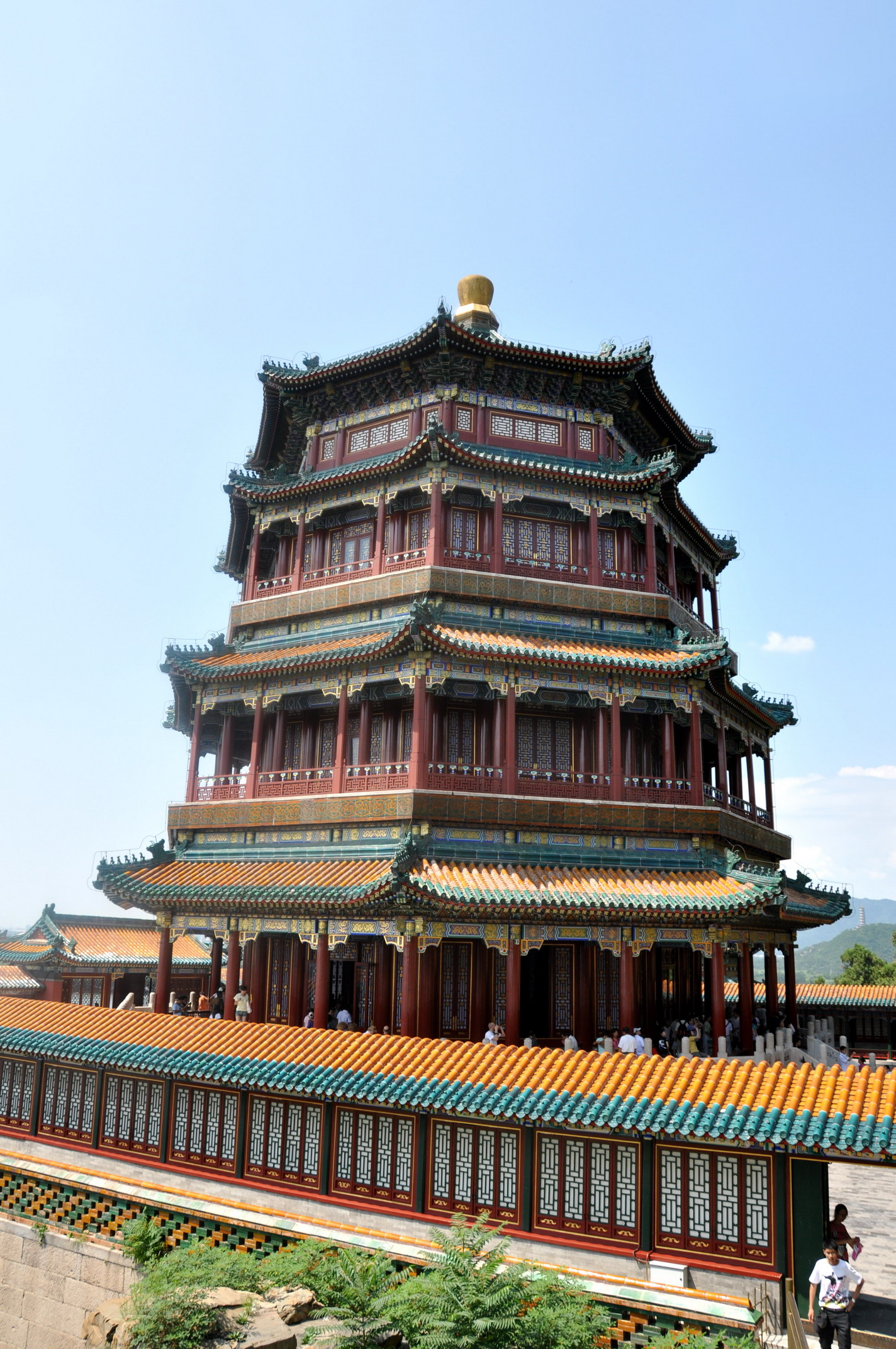
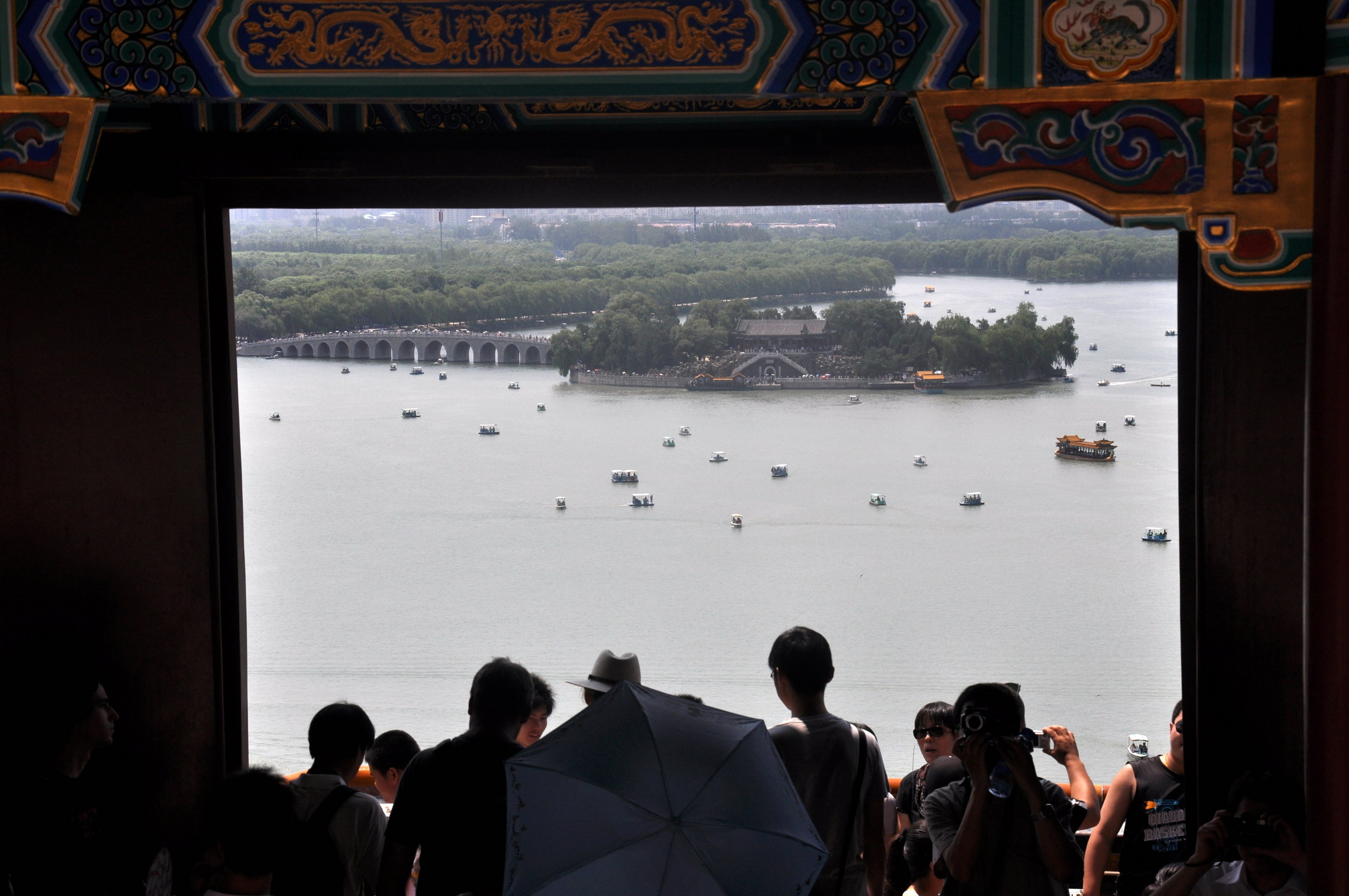
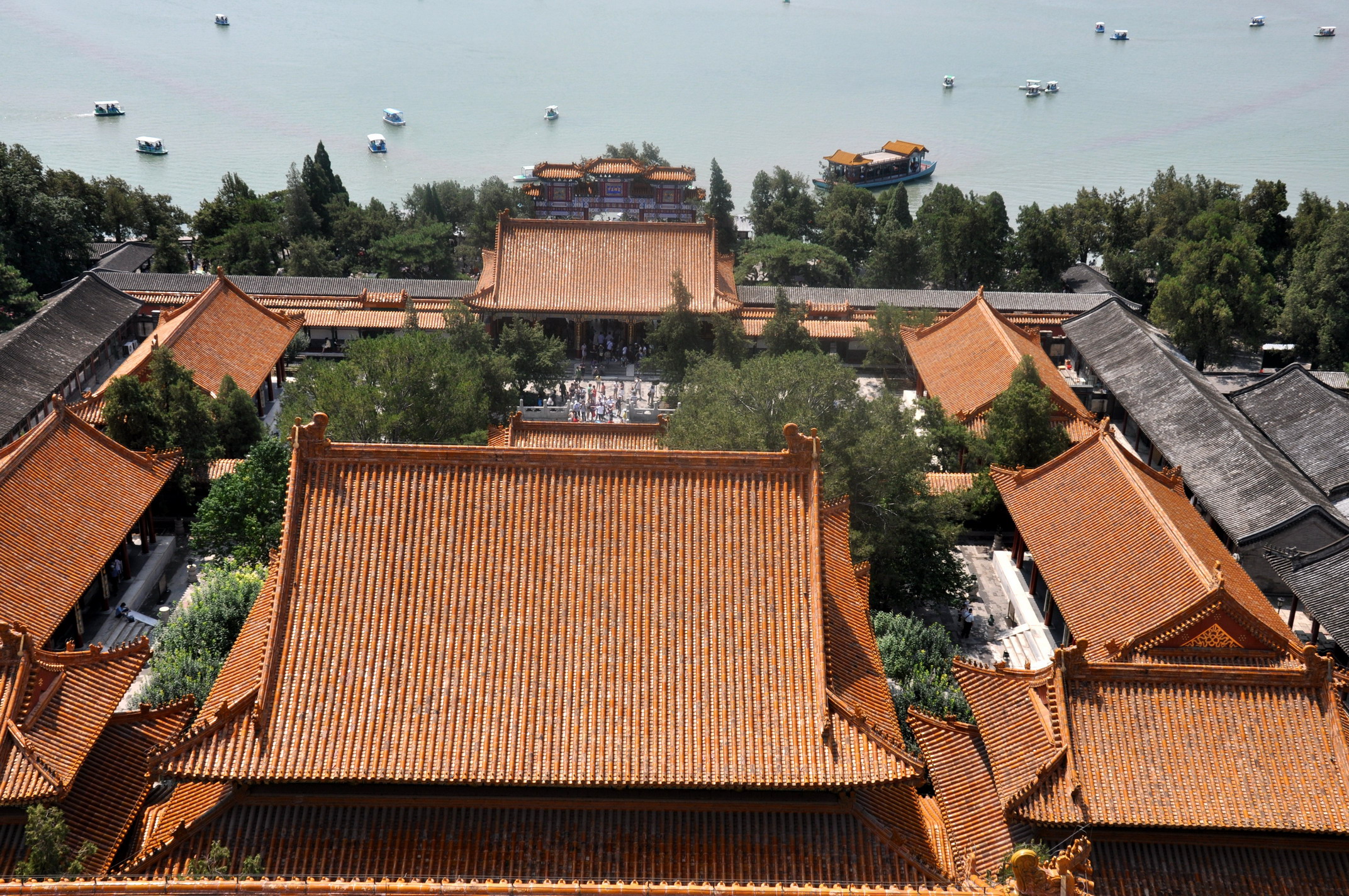
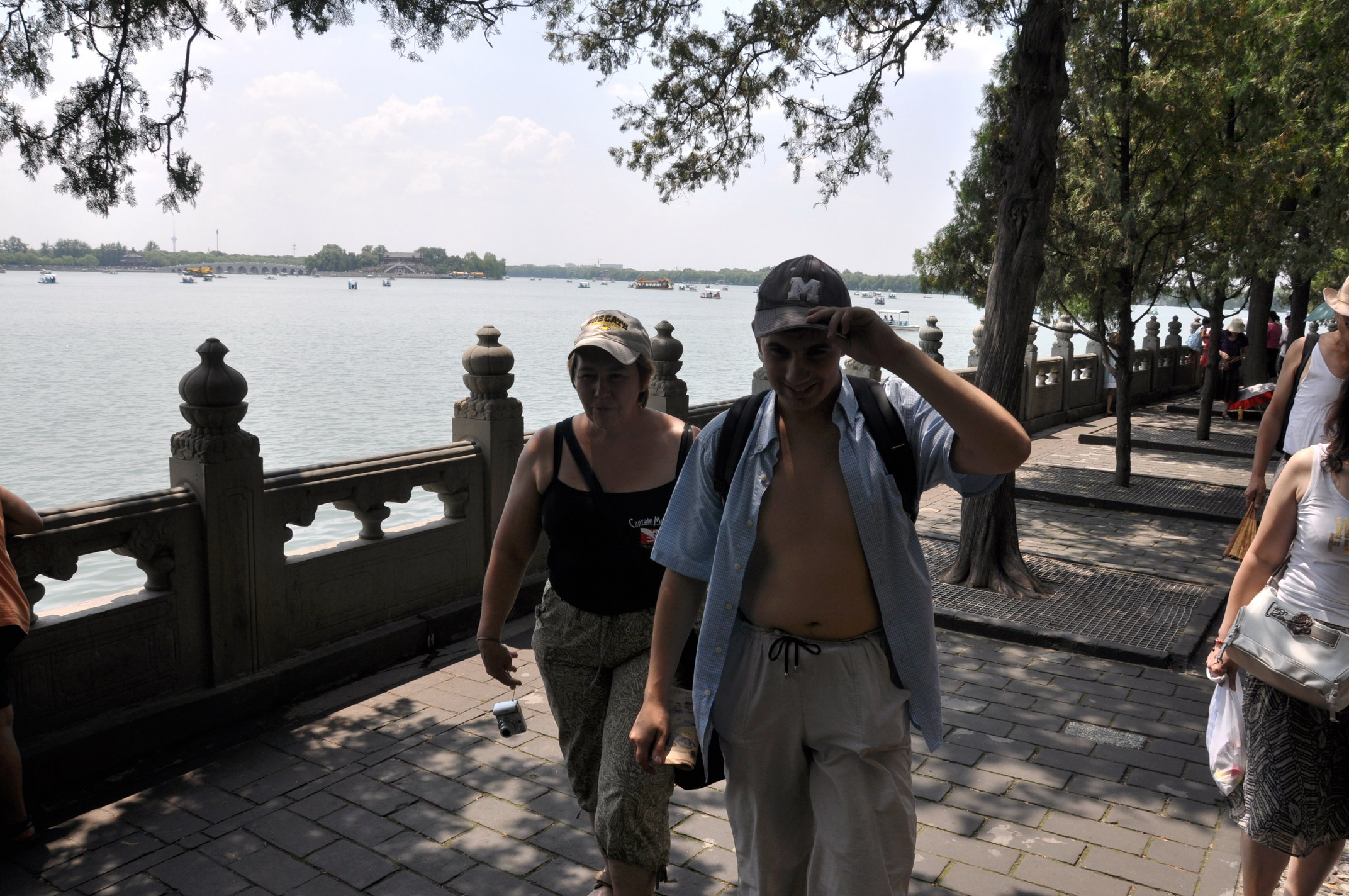
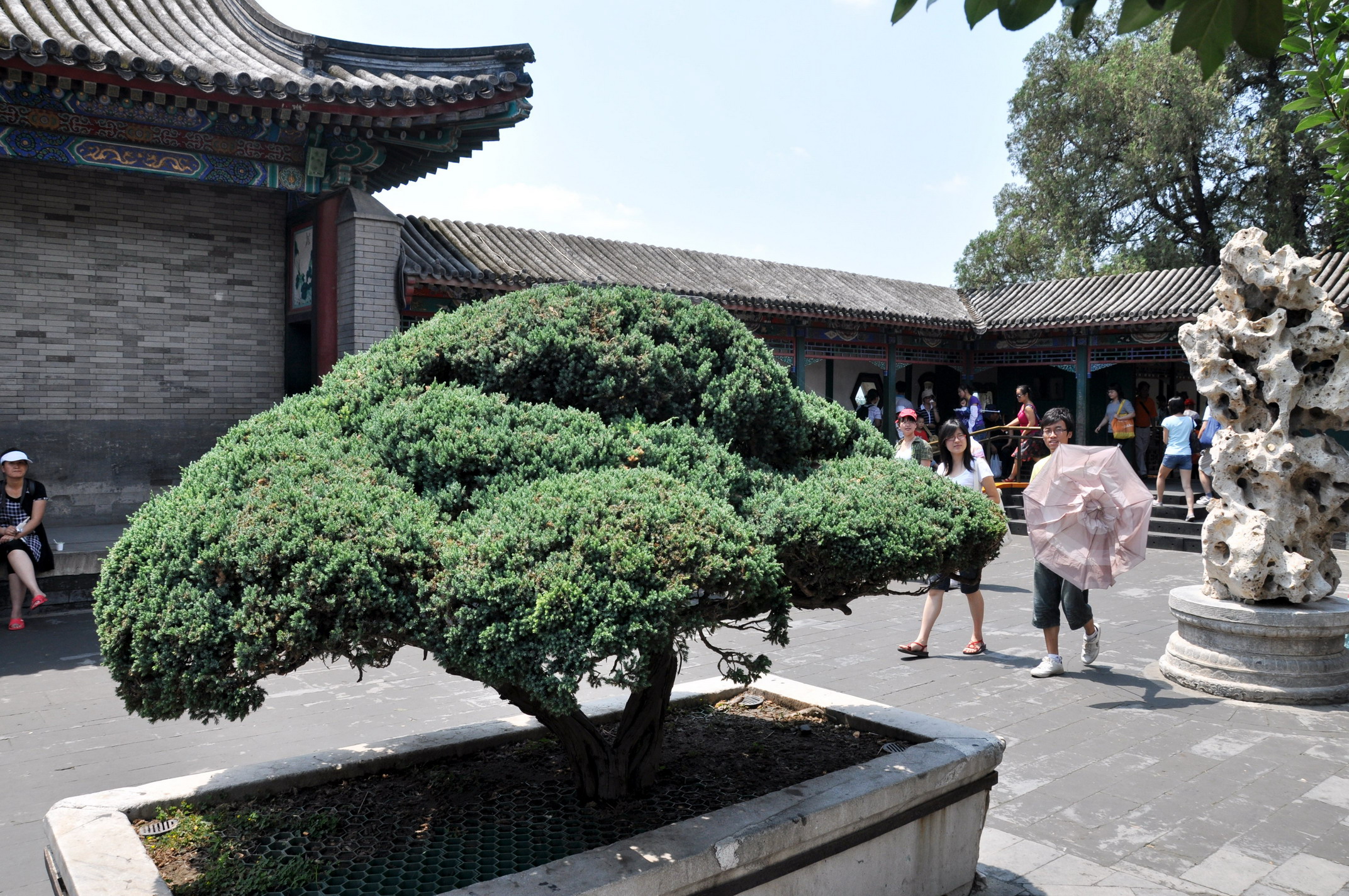
In the morning we drove to the Summer Palace. Just as we had Tsarskoye Selo and Pavlovsk, so too did China have a palace amid a lavish park, complete with lakes and bridges. At last we got a sunny day. People were out in boats. The channels could be crossed in boats made to look like old Chinese vessels. In a pavilion they were shooting a film about imperial China. People flew their kites from the bridge. Some danced, others did Chinese exercises. The quiet inlets were full of lotus. Young women hid their faces with a fan. And over all of this hung swaying willow branches.
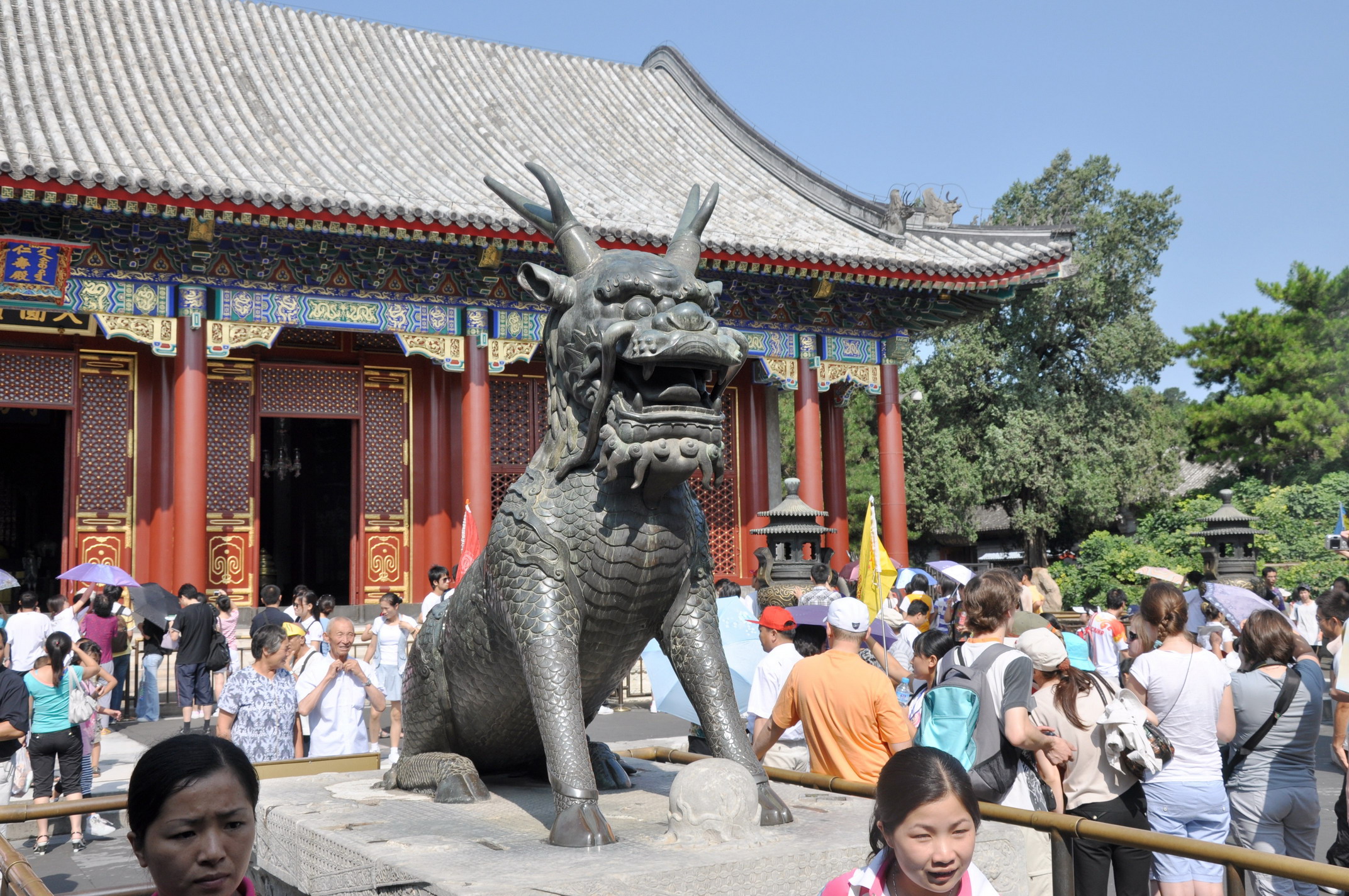
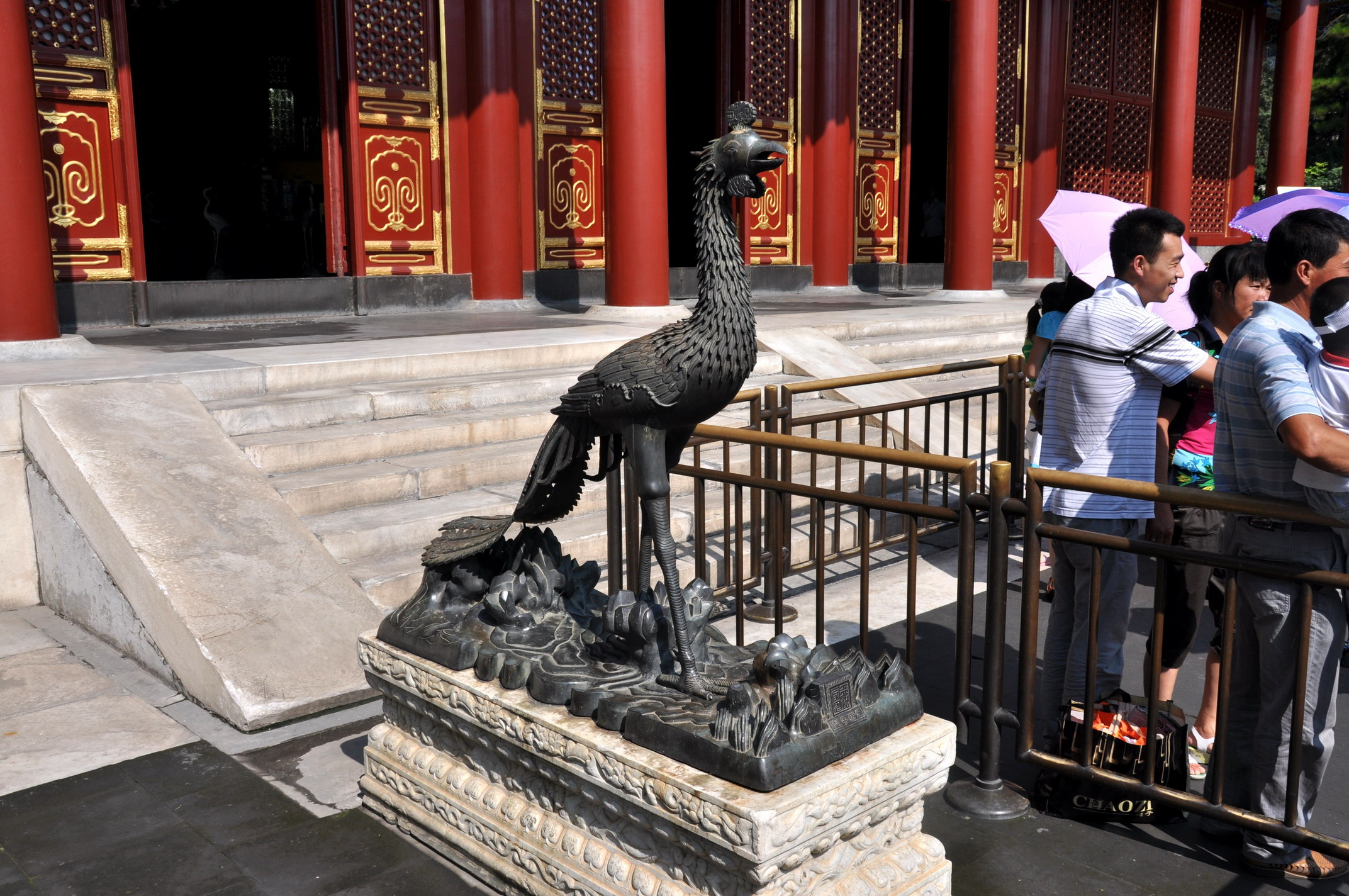
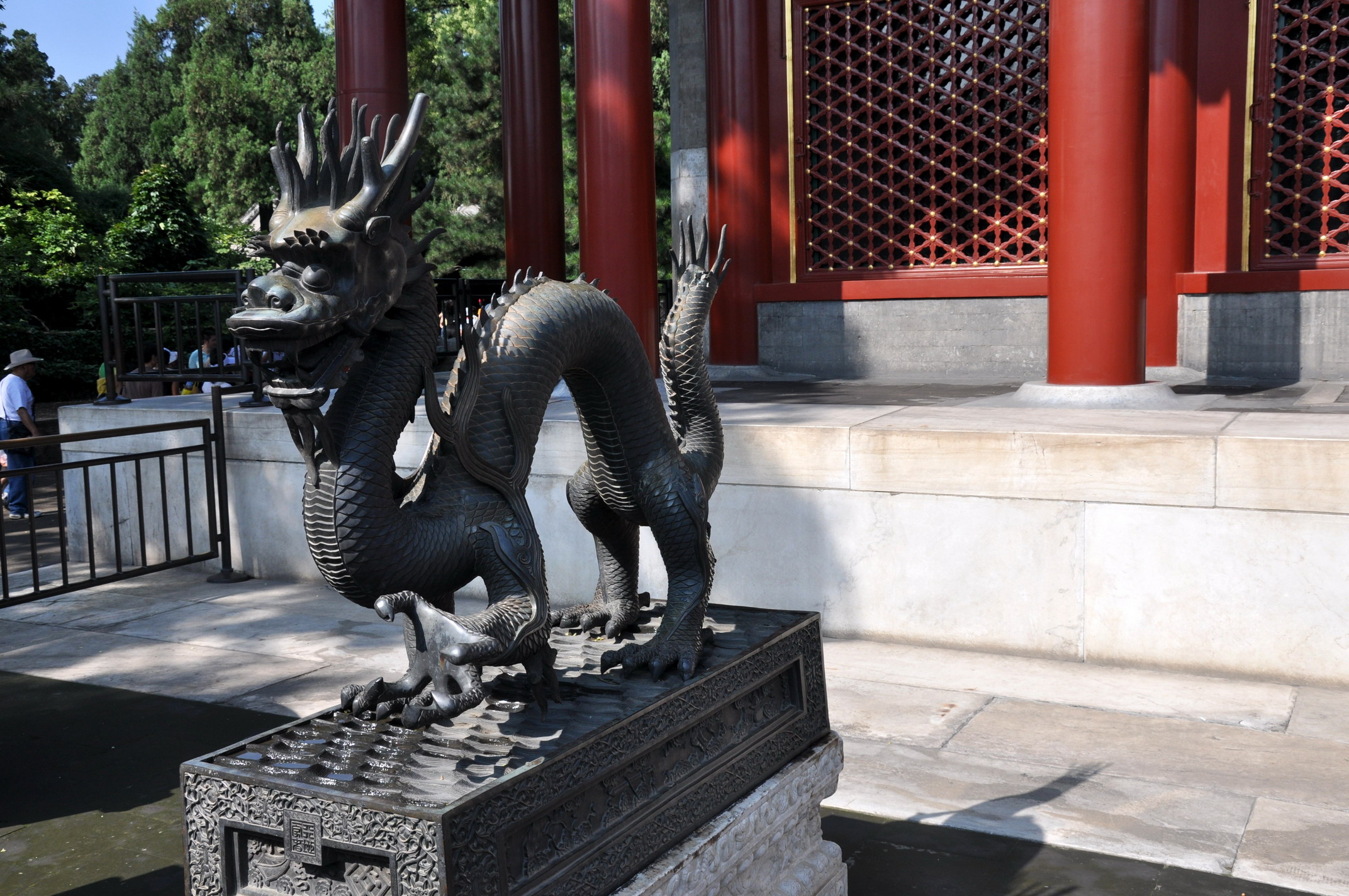
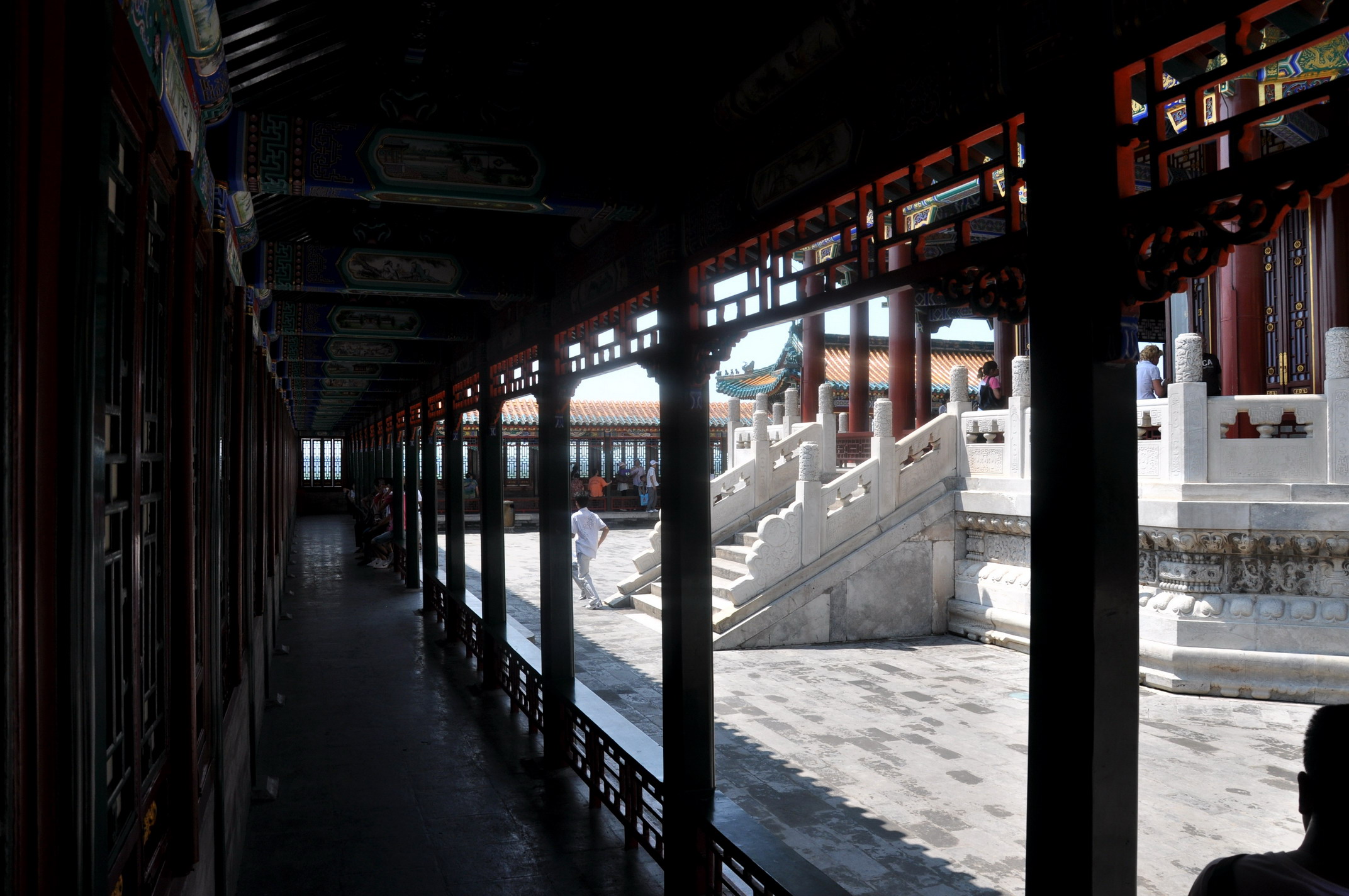
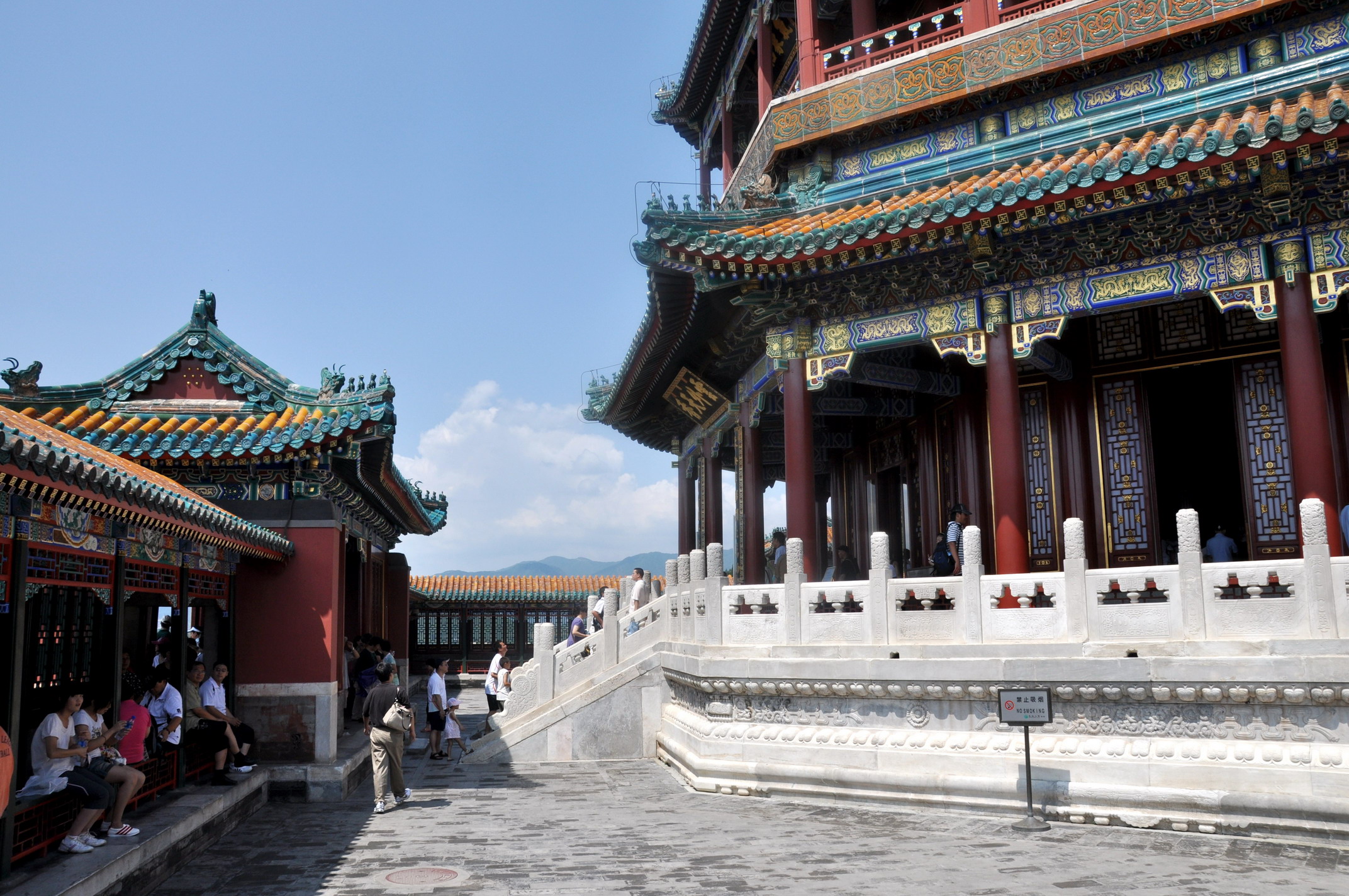
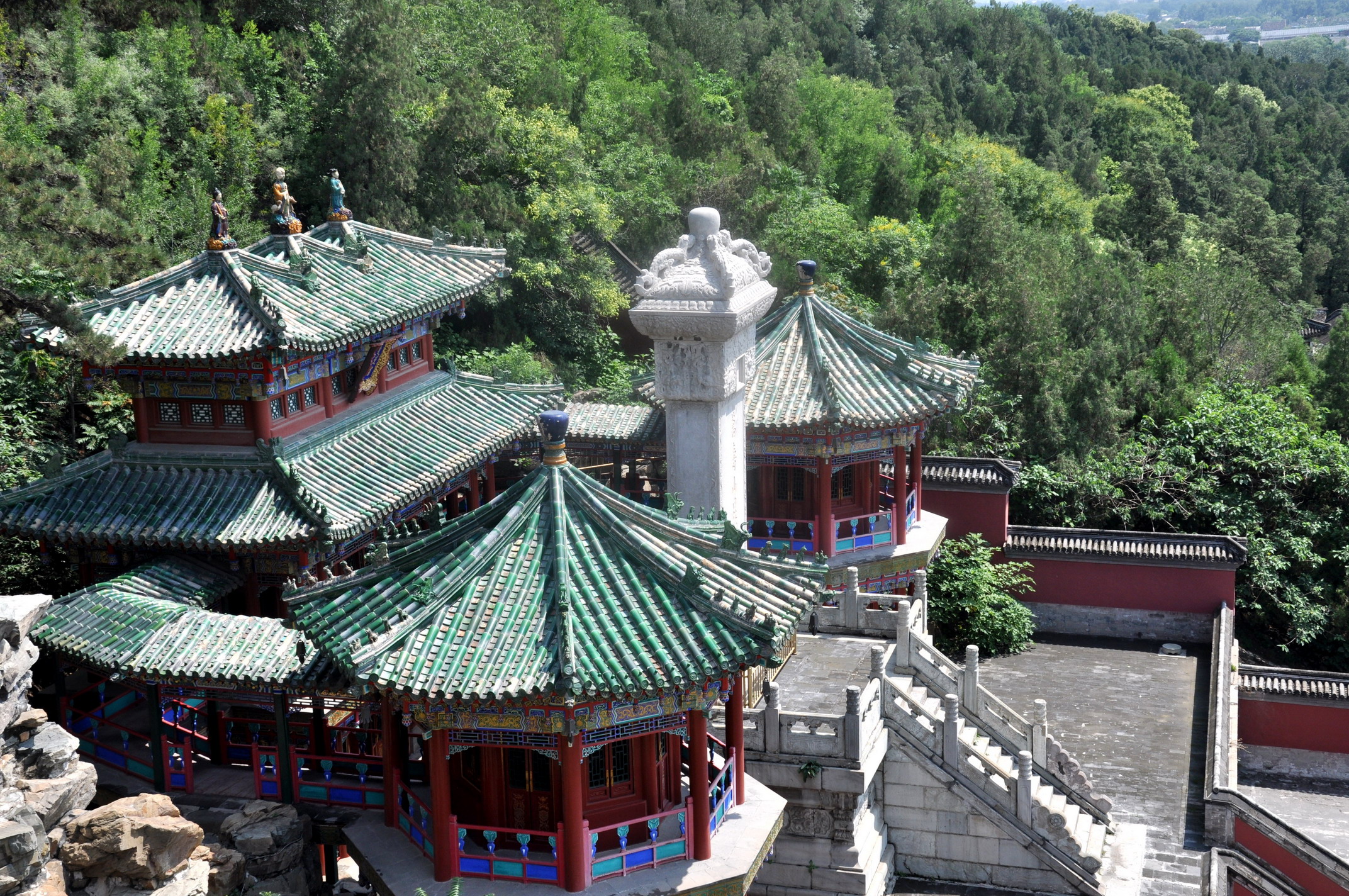
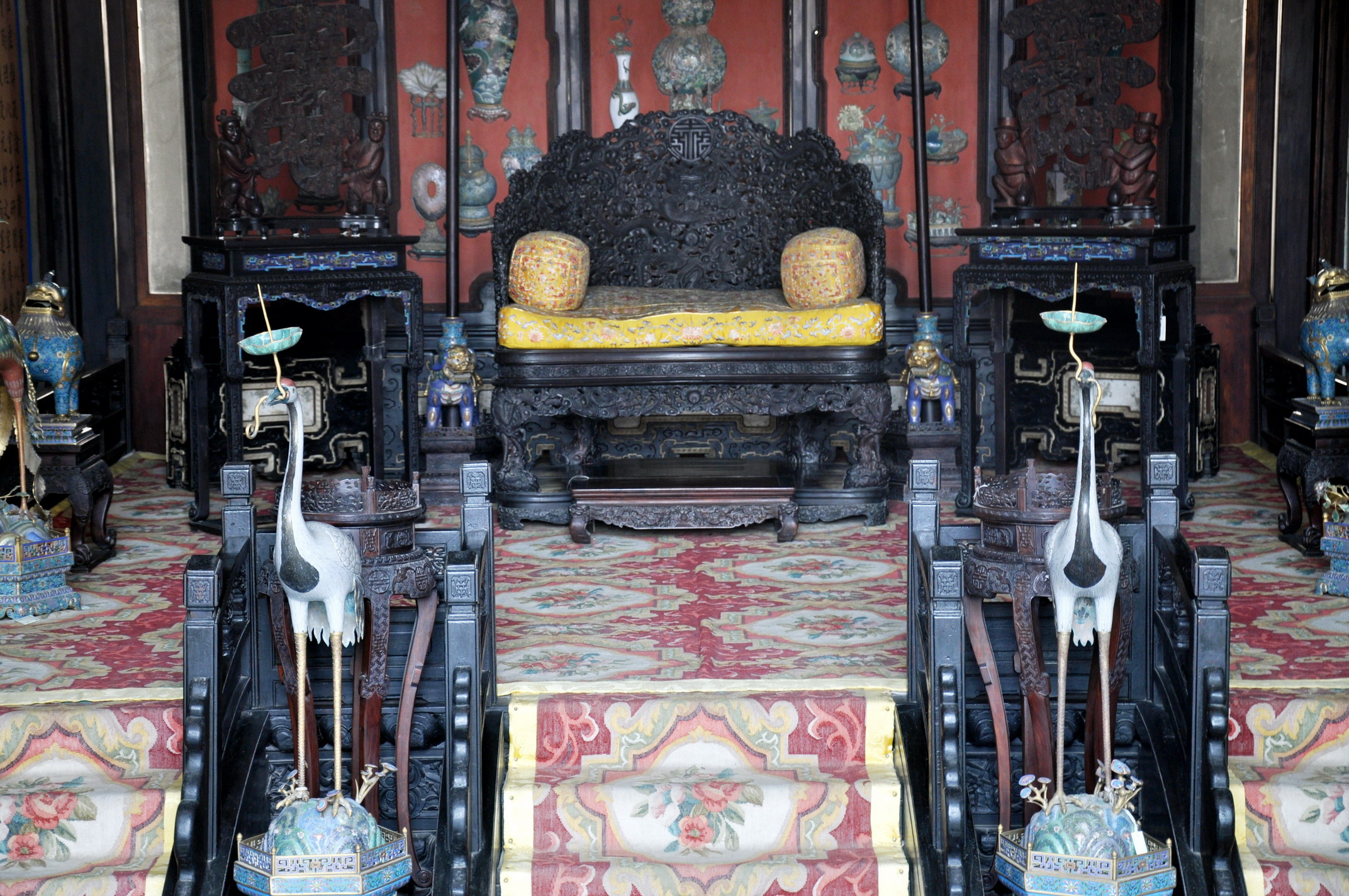
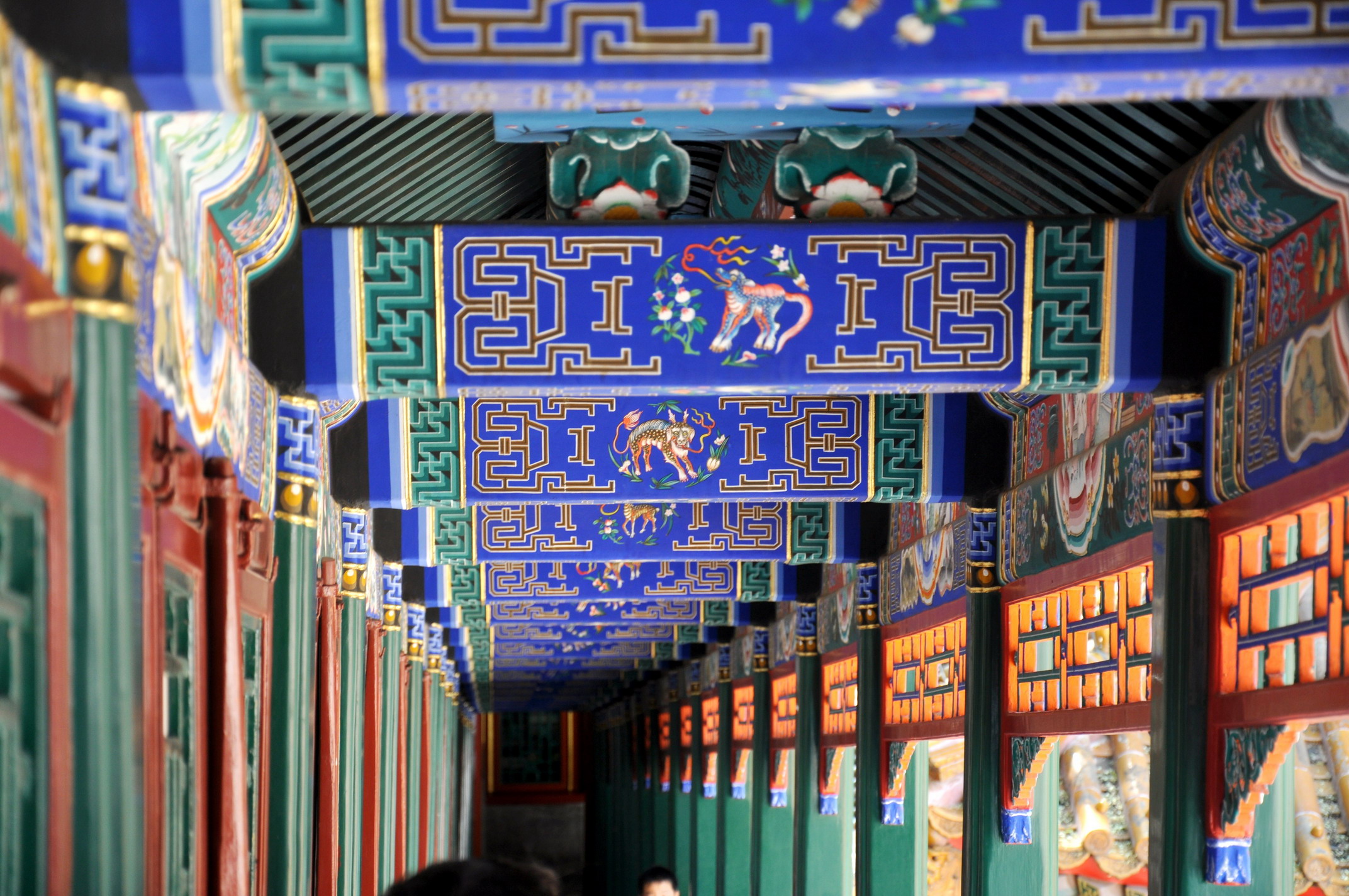
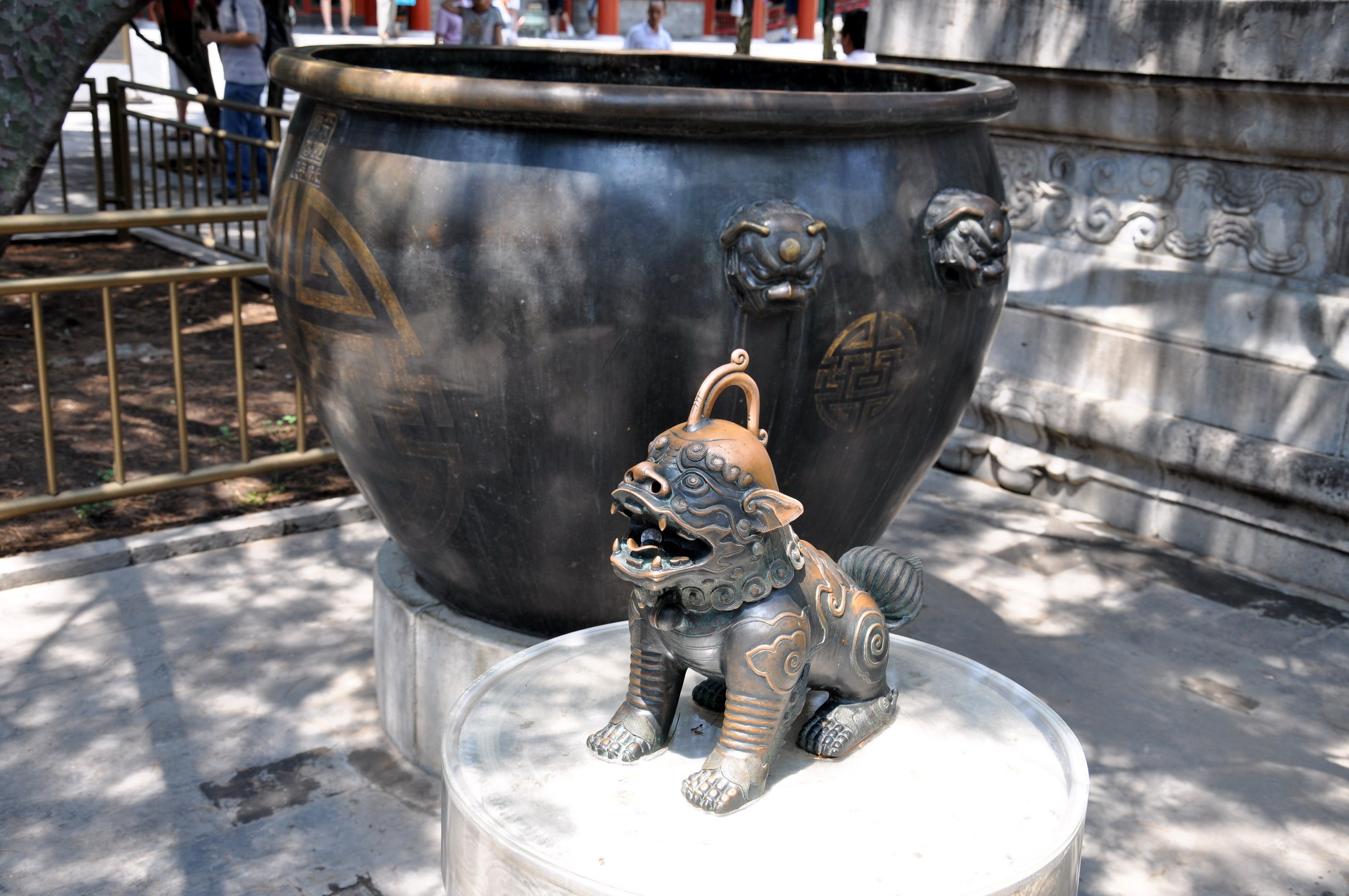
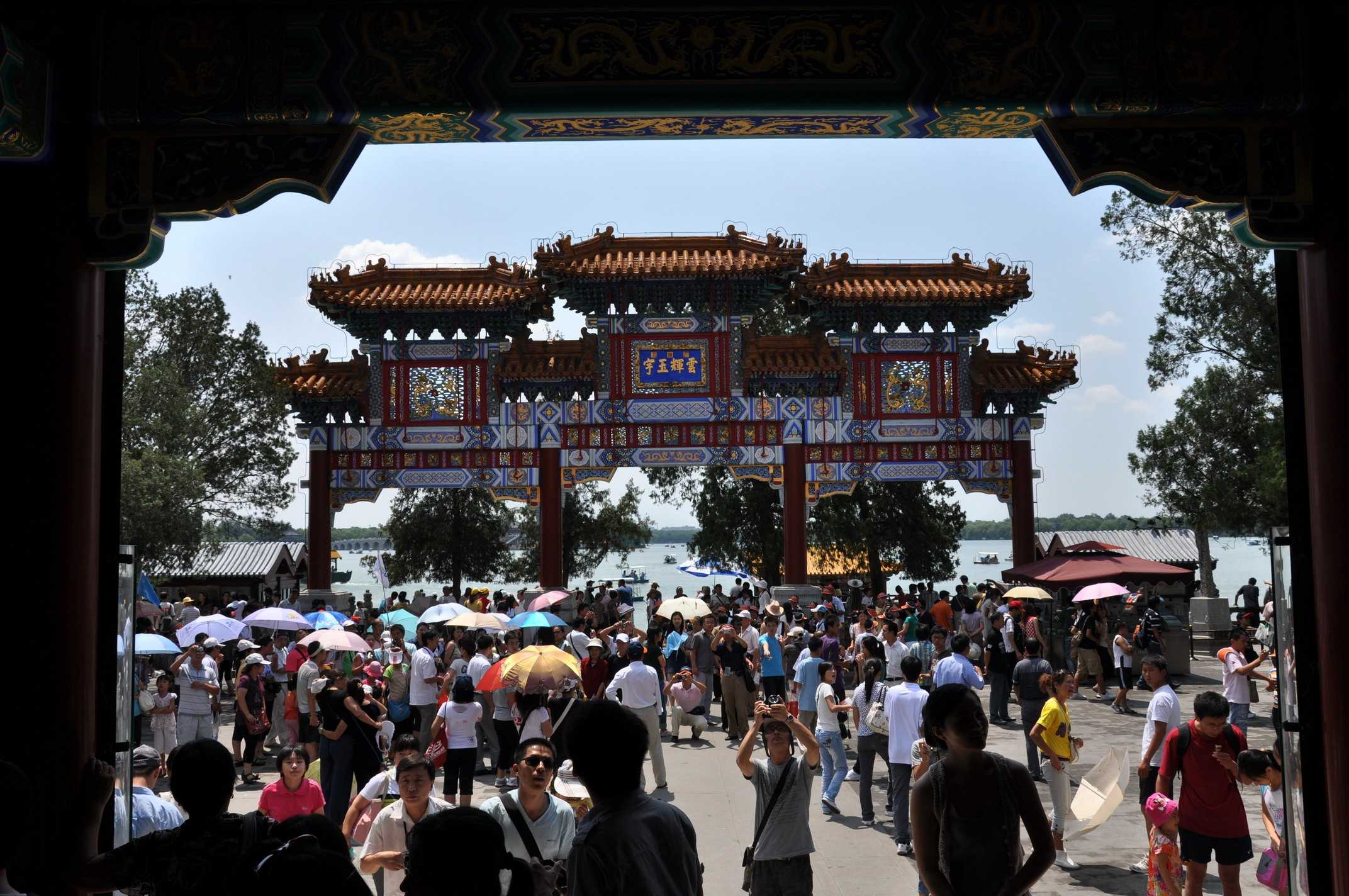
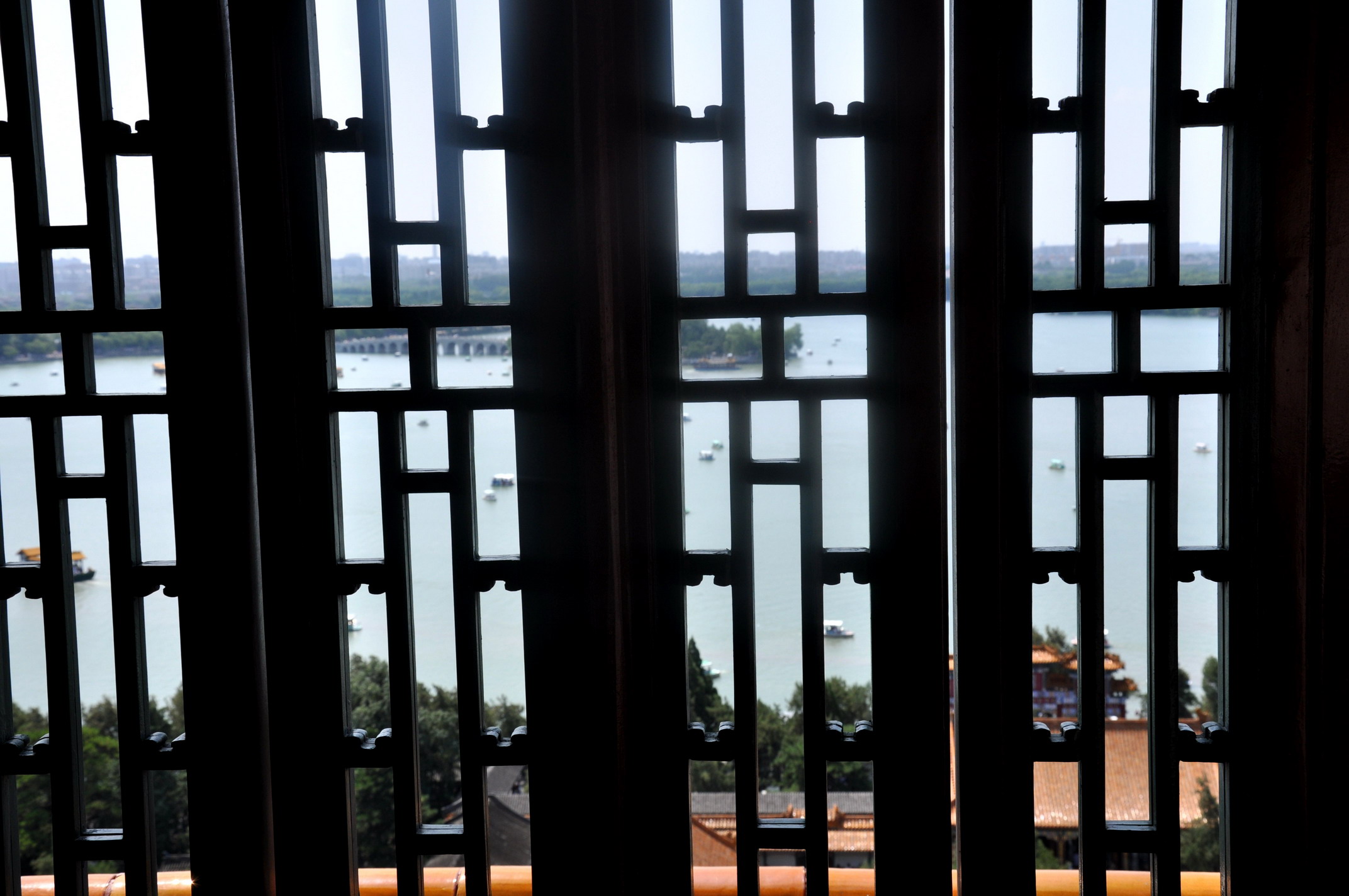
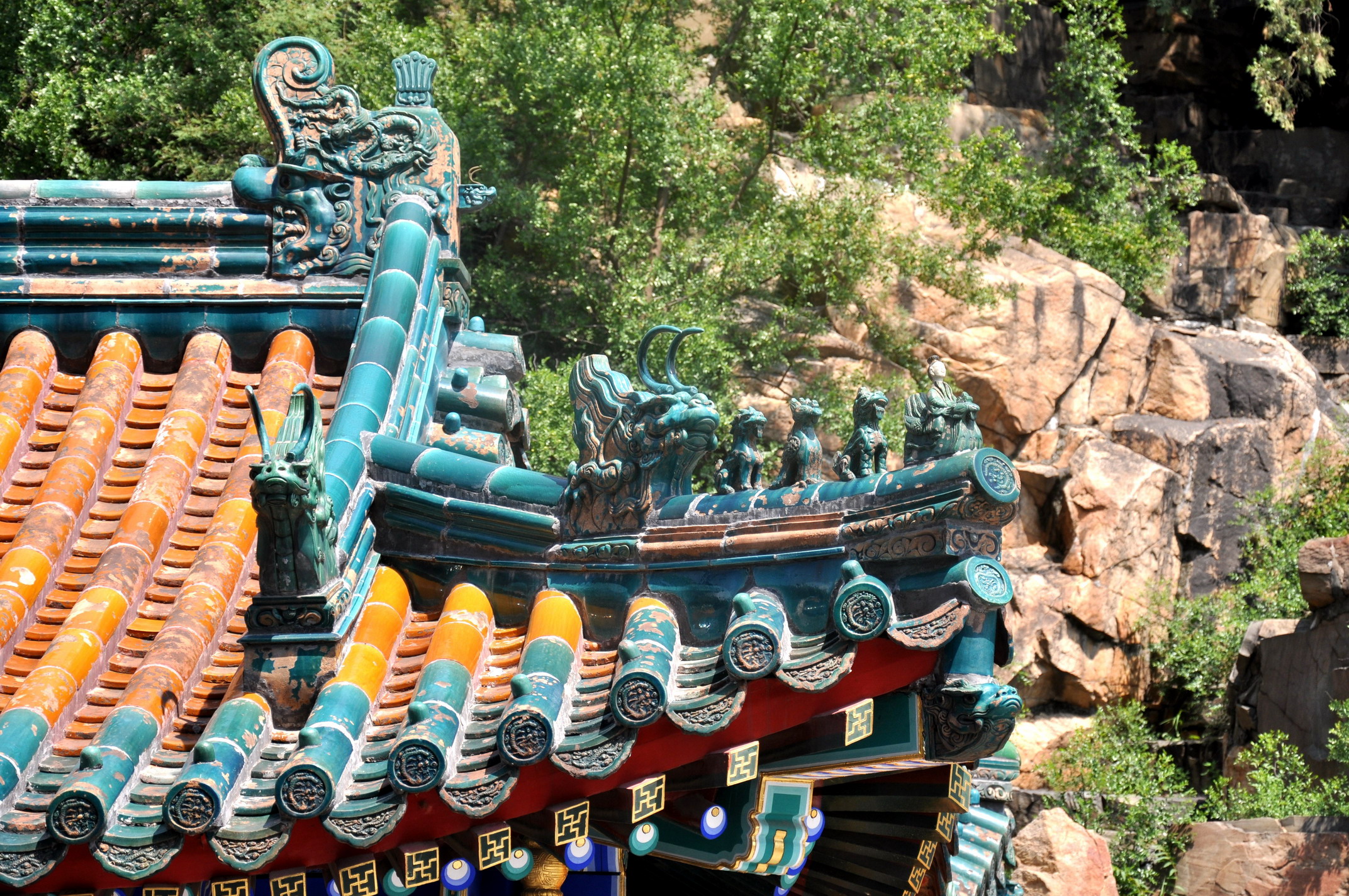
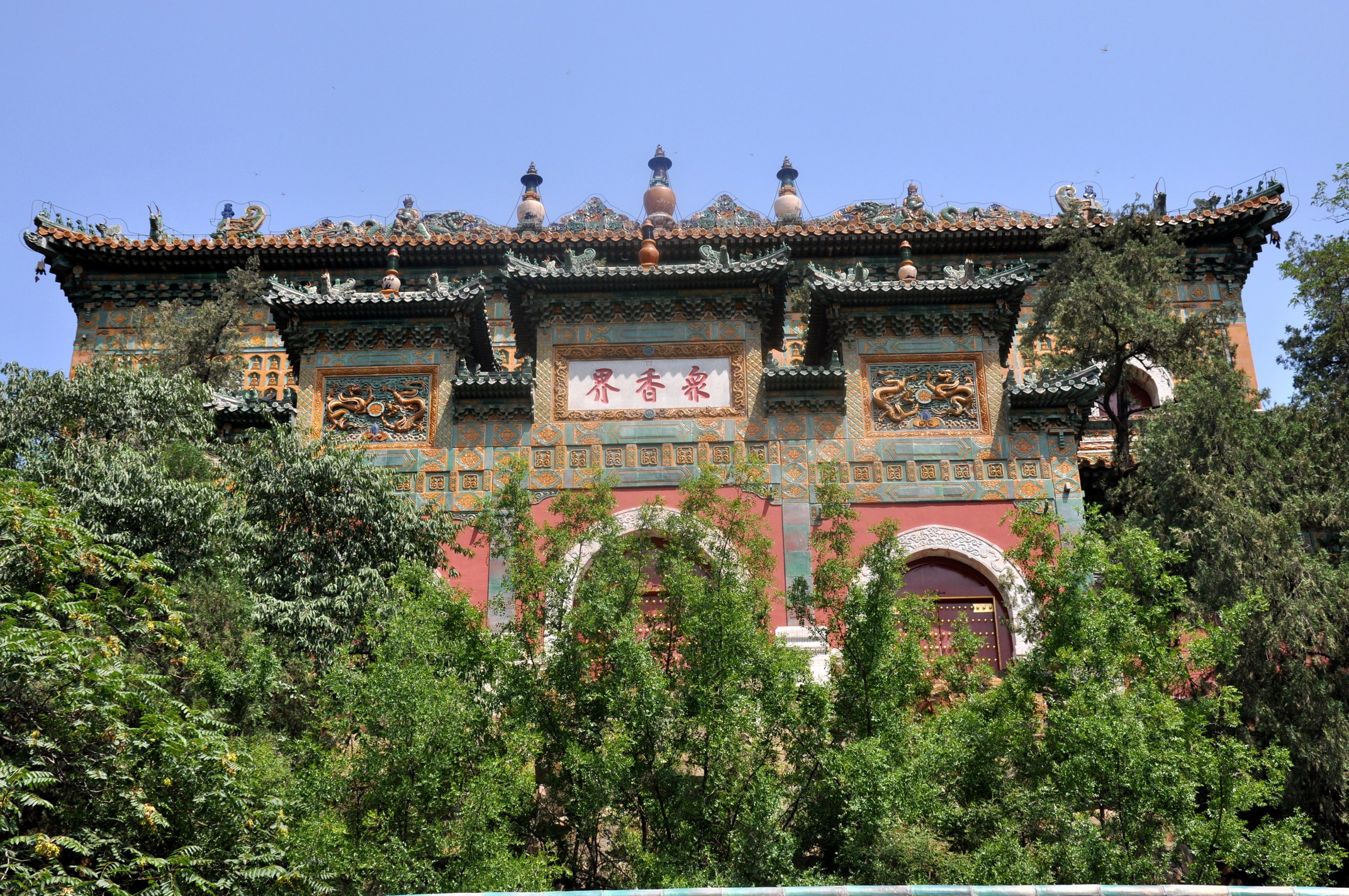
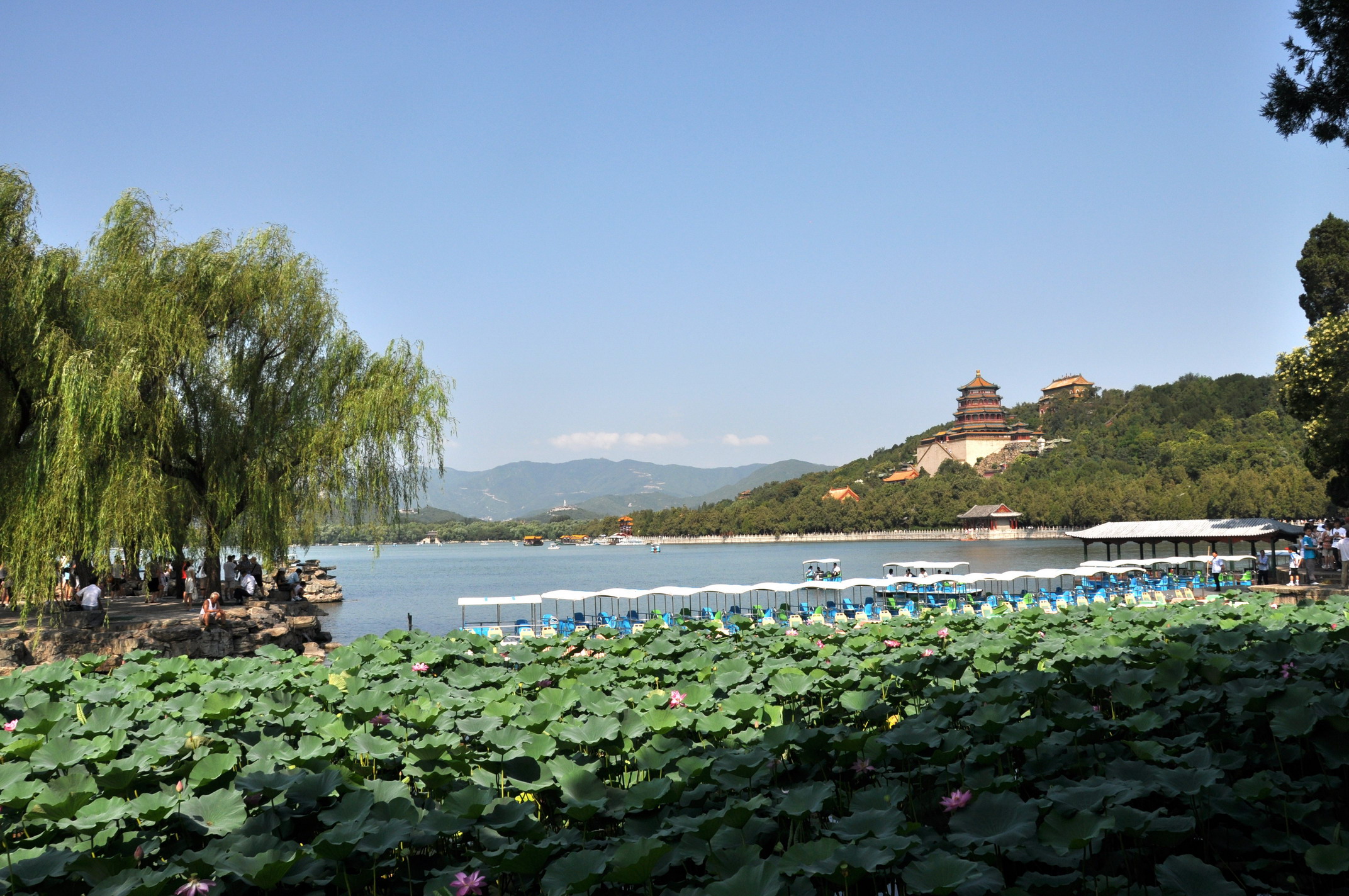
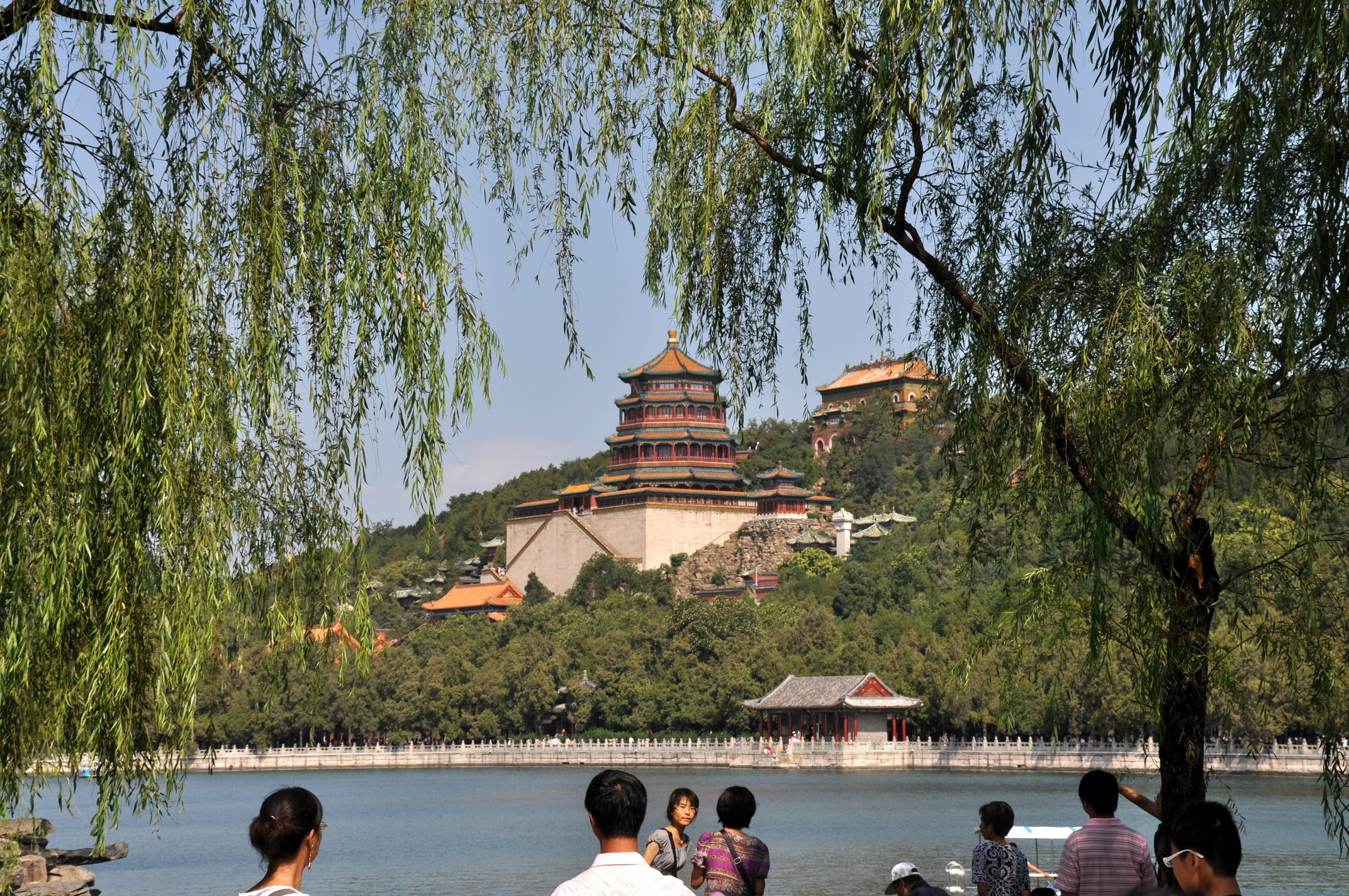
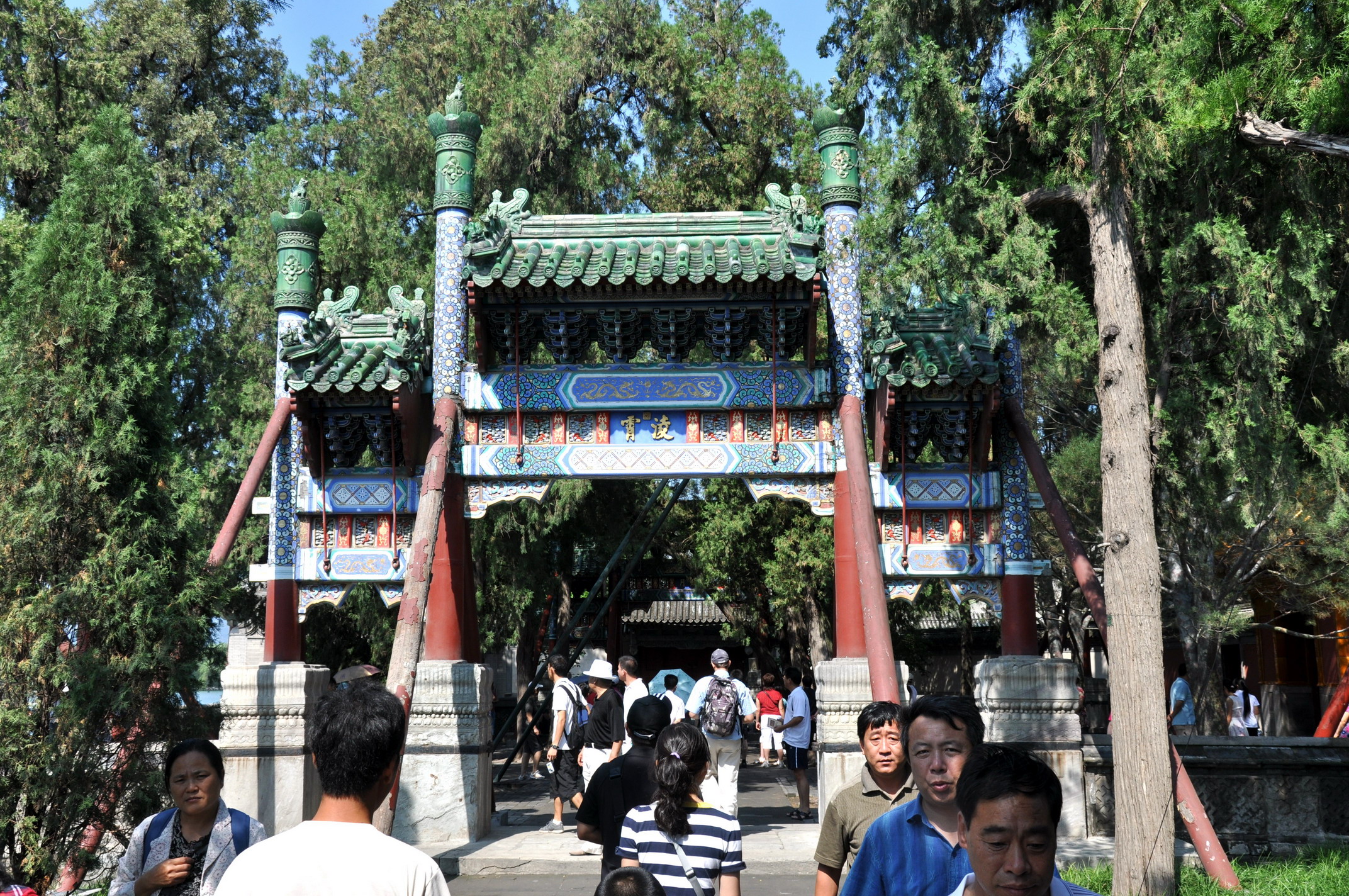
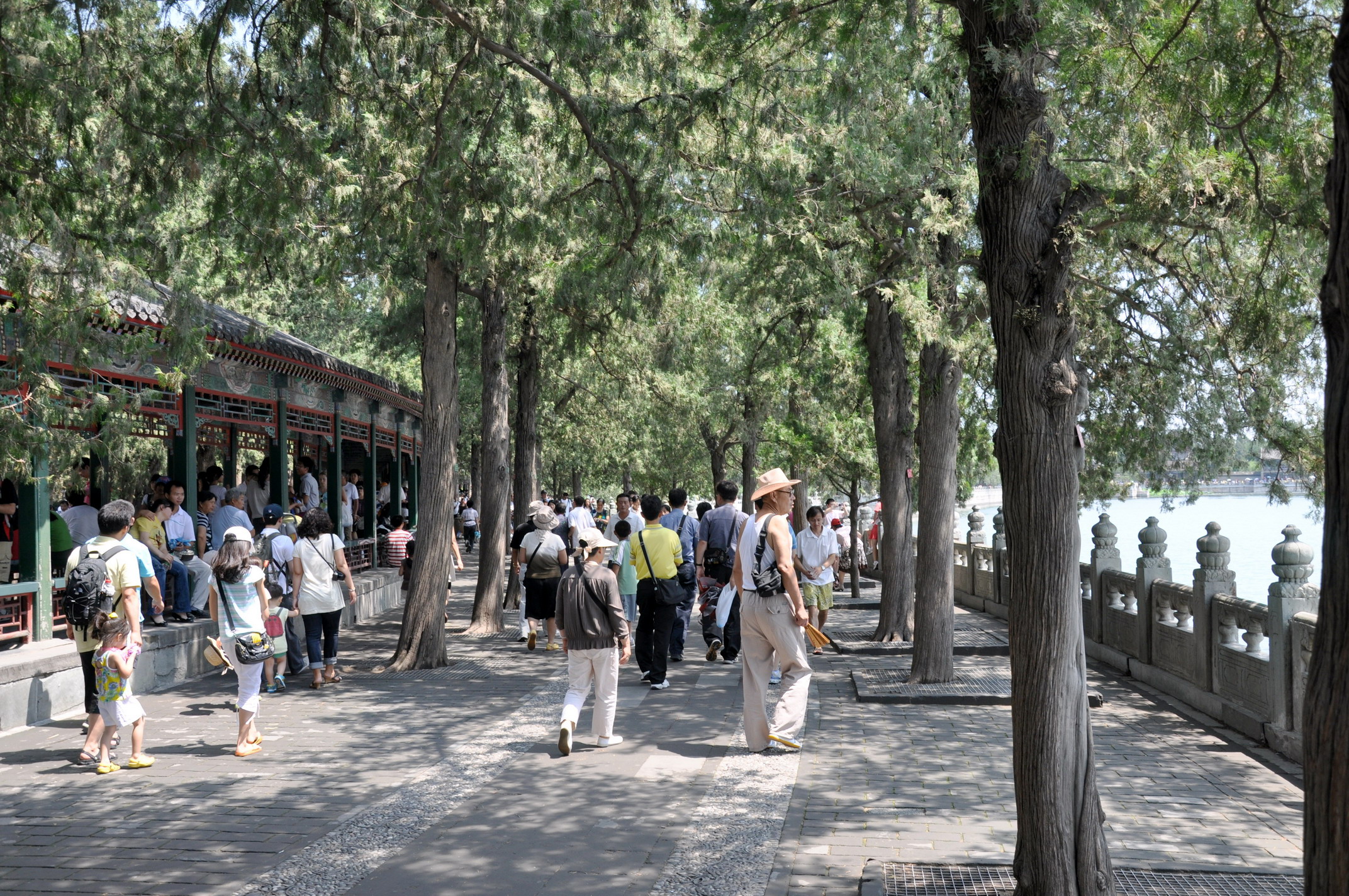
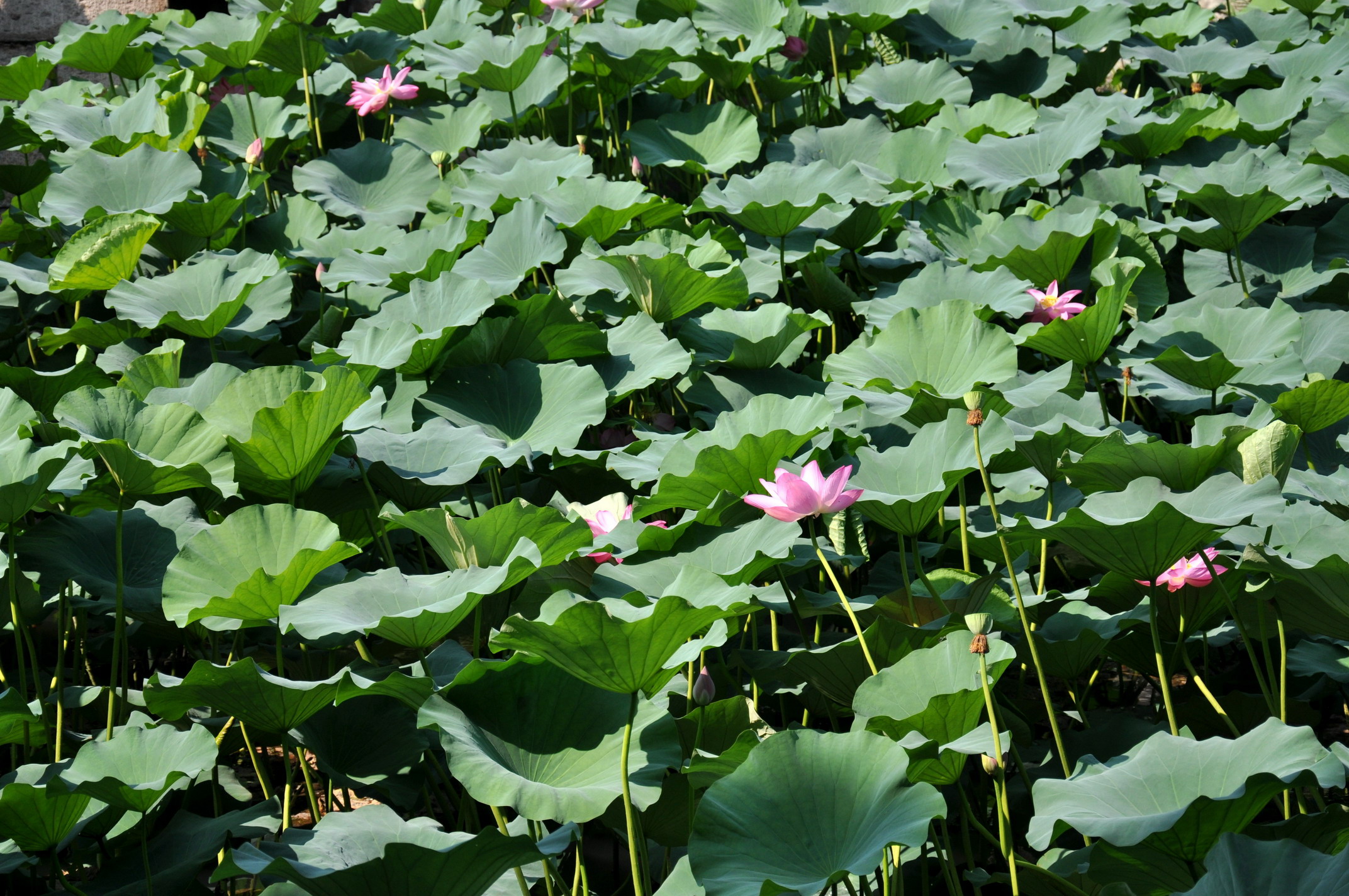
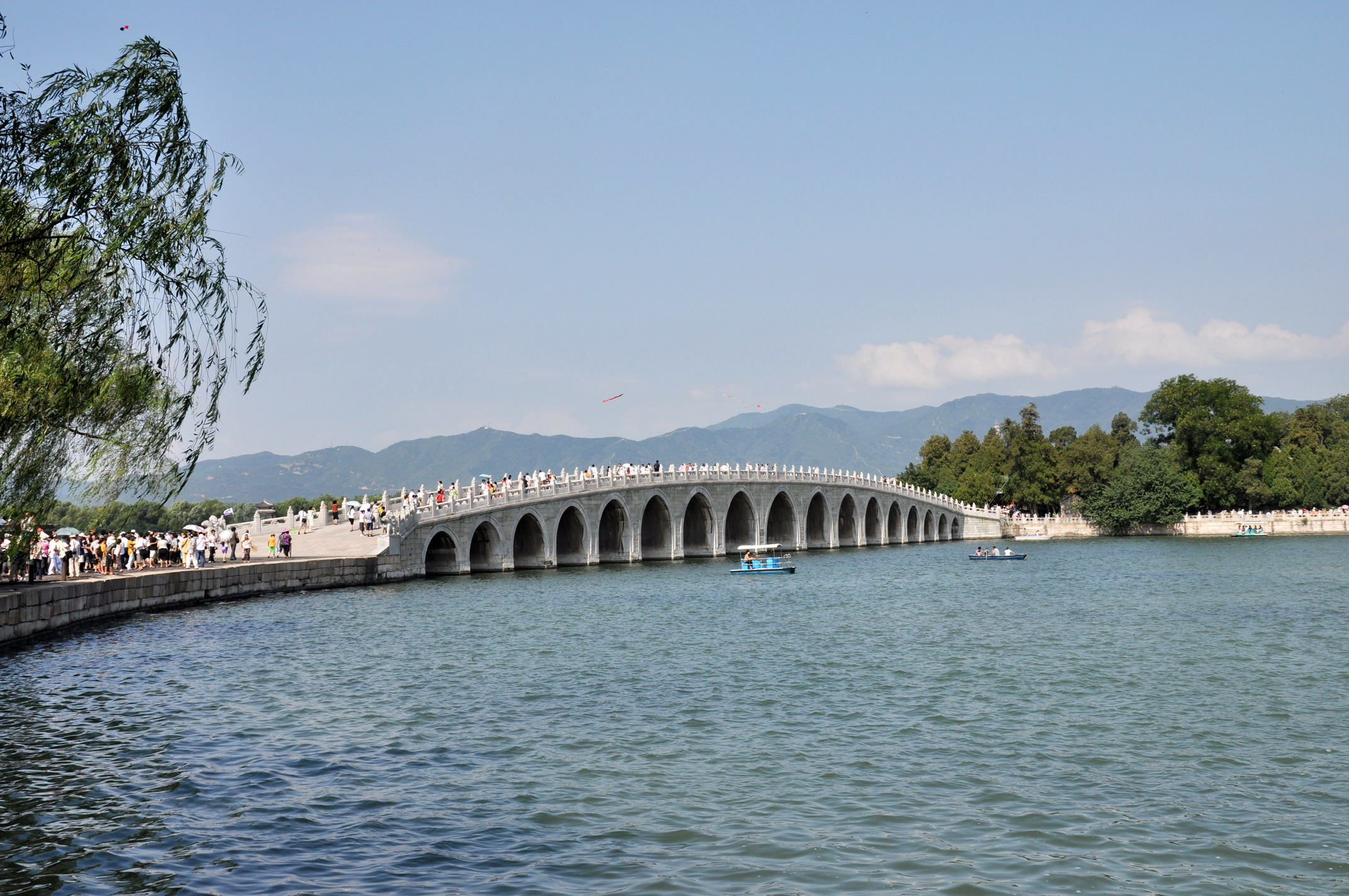
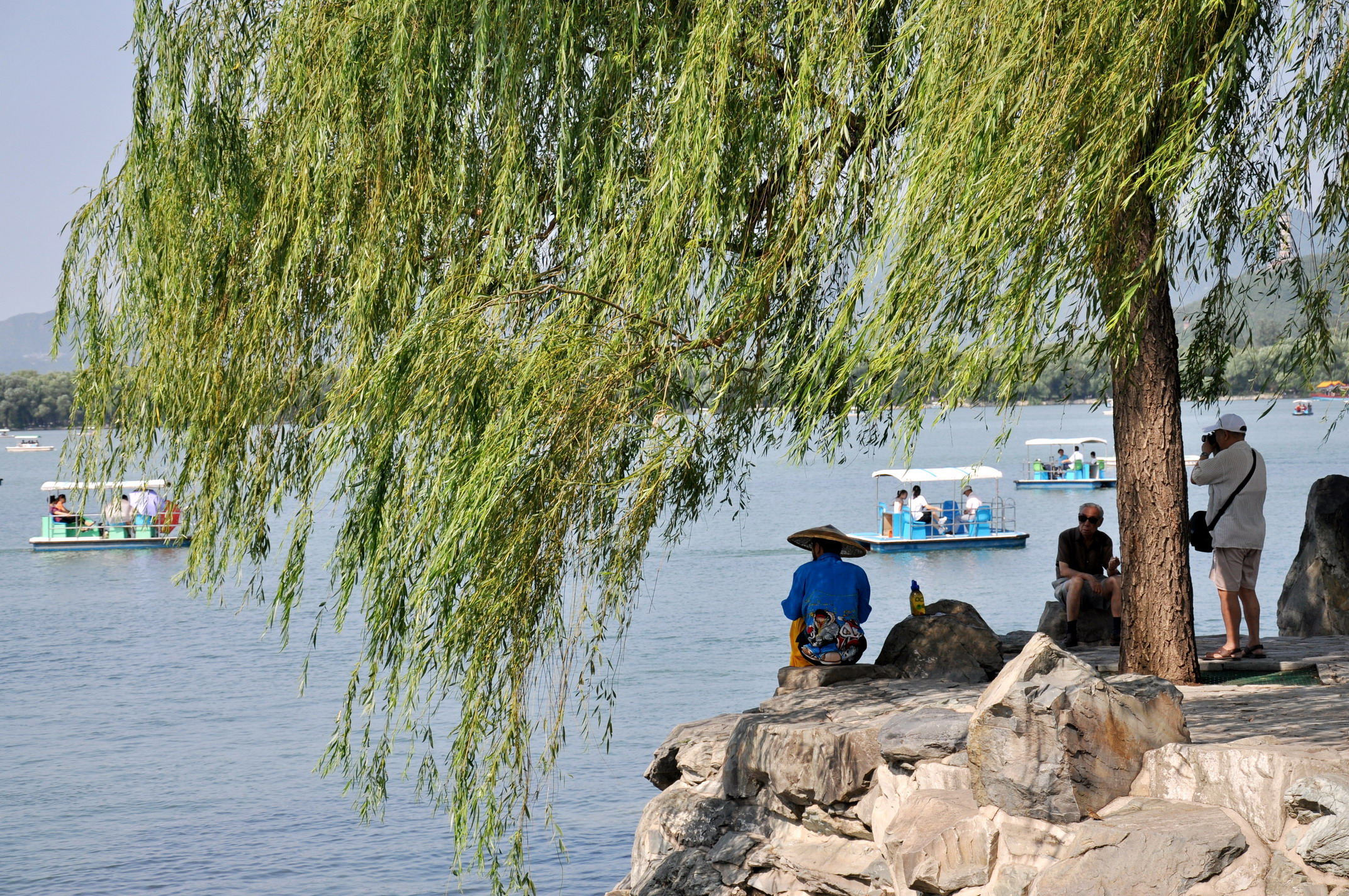
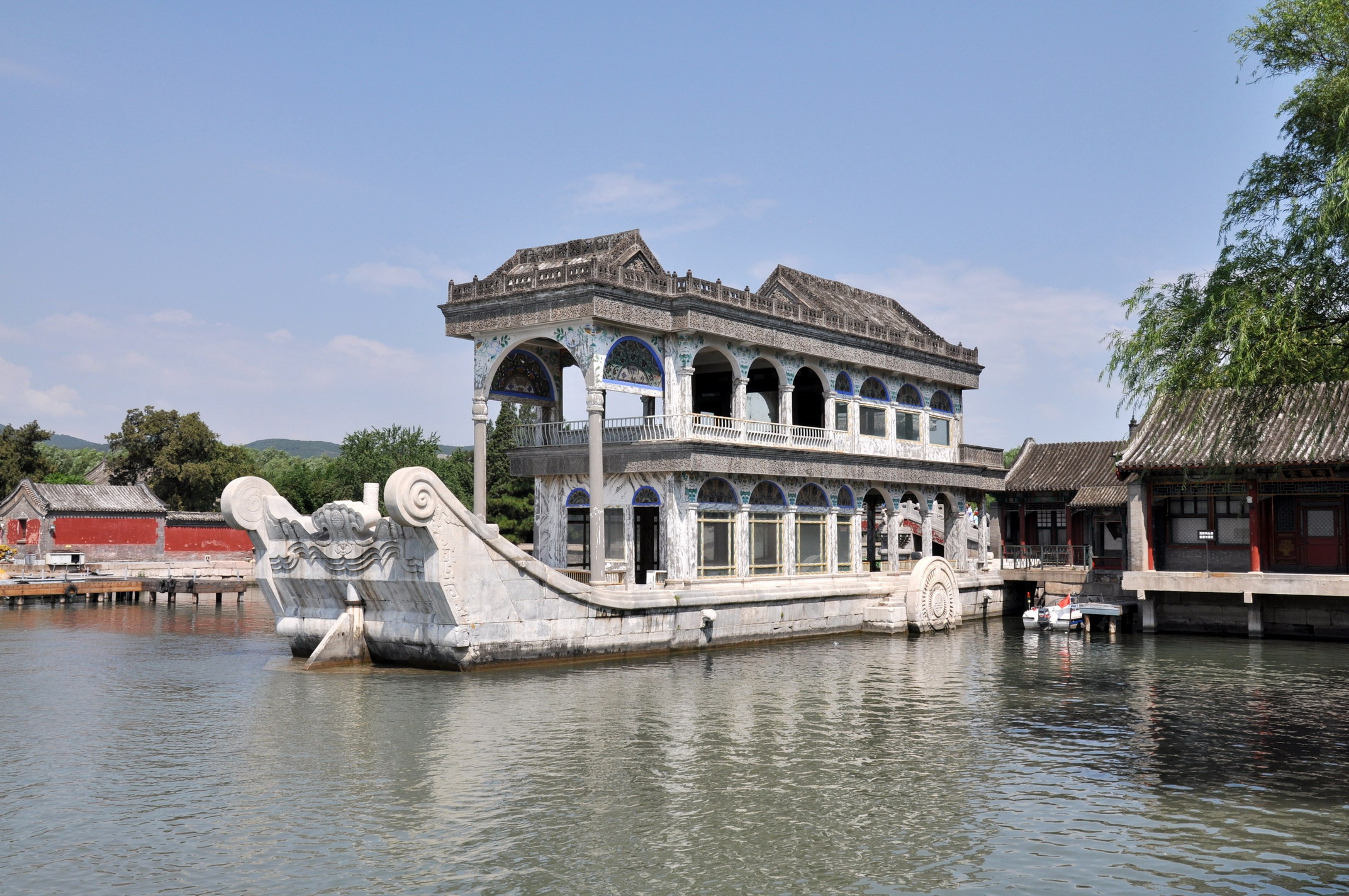
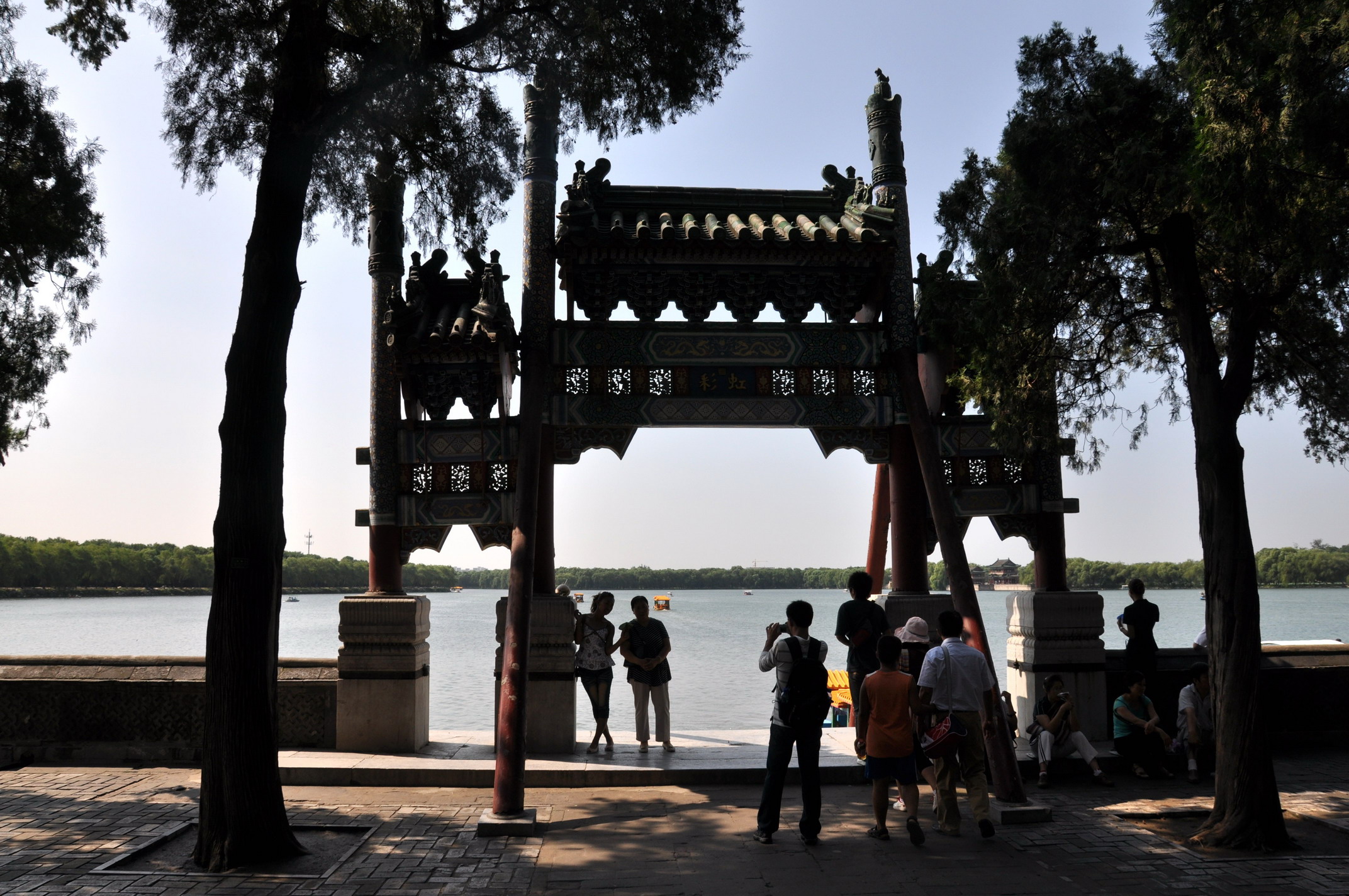
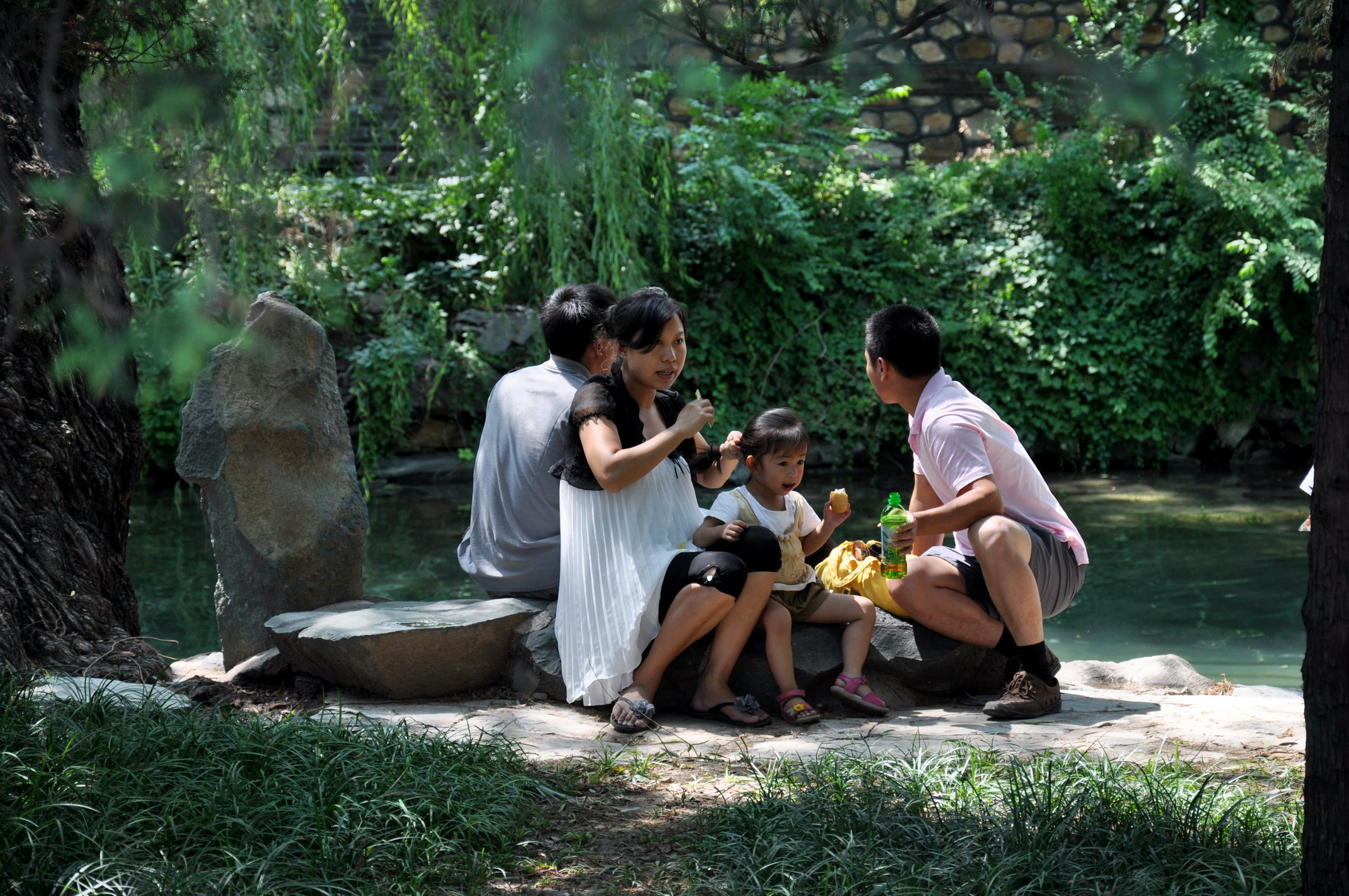
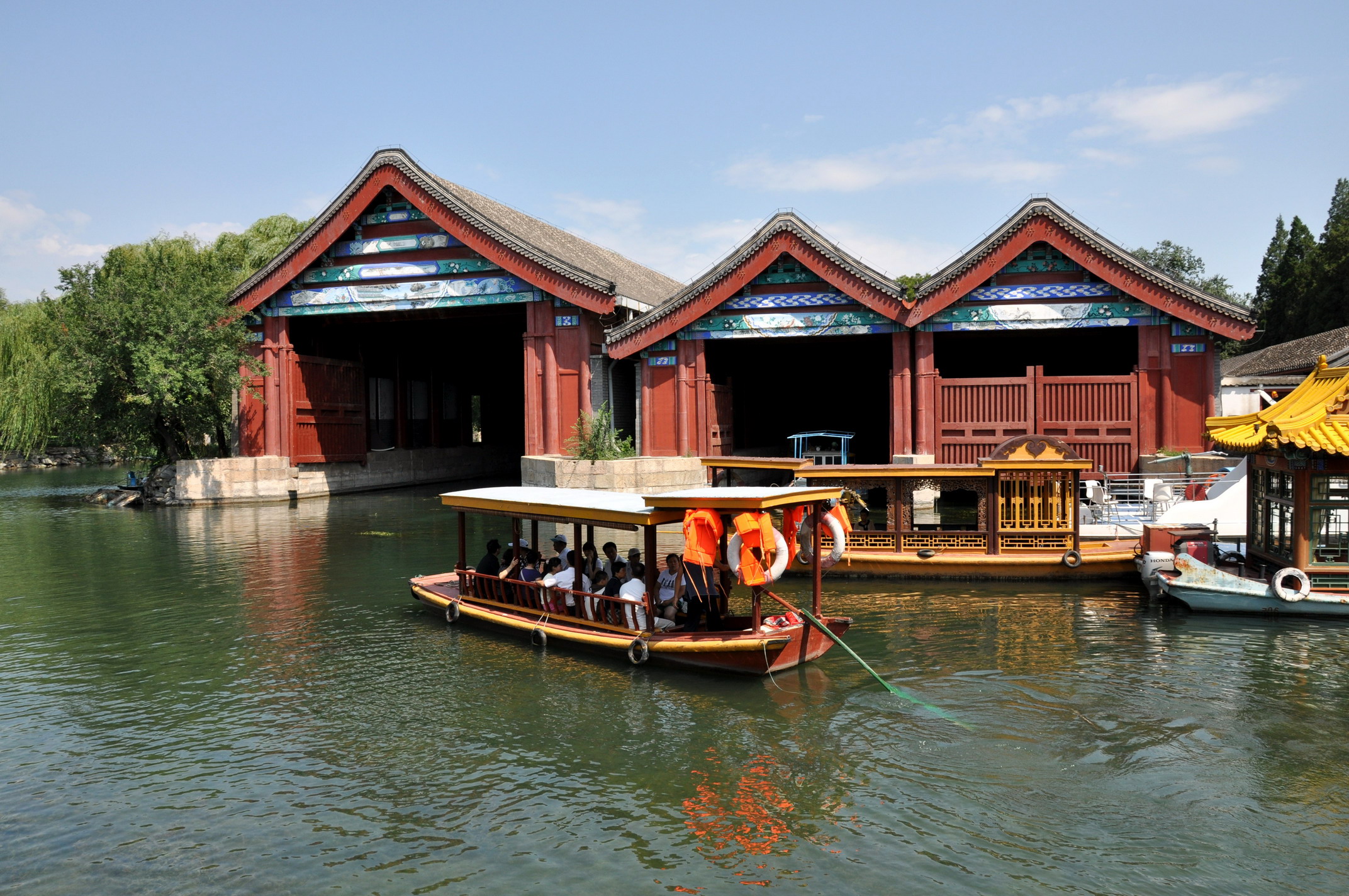
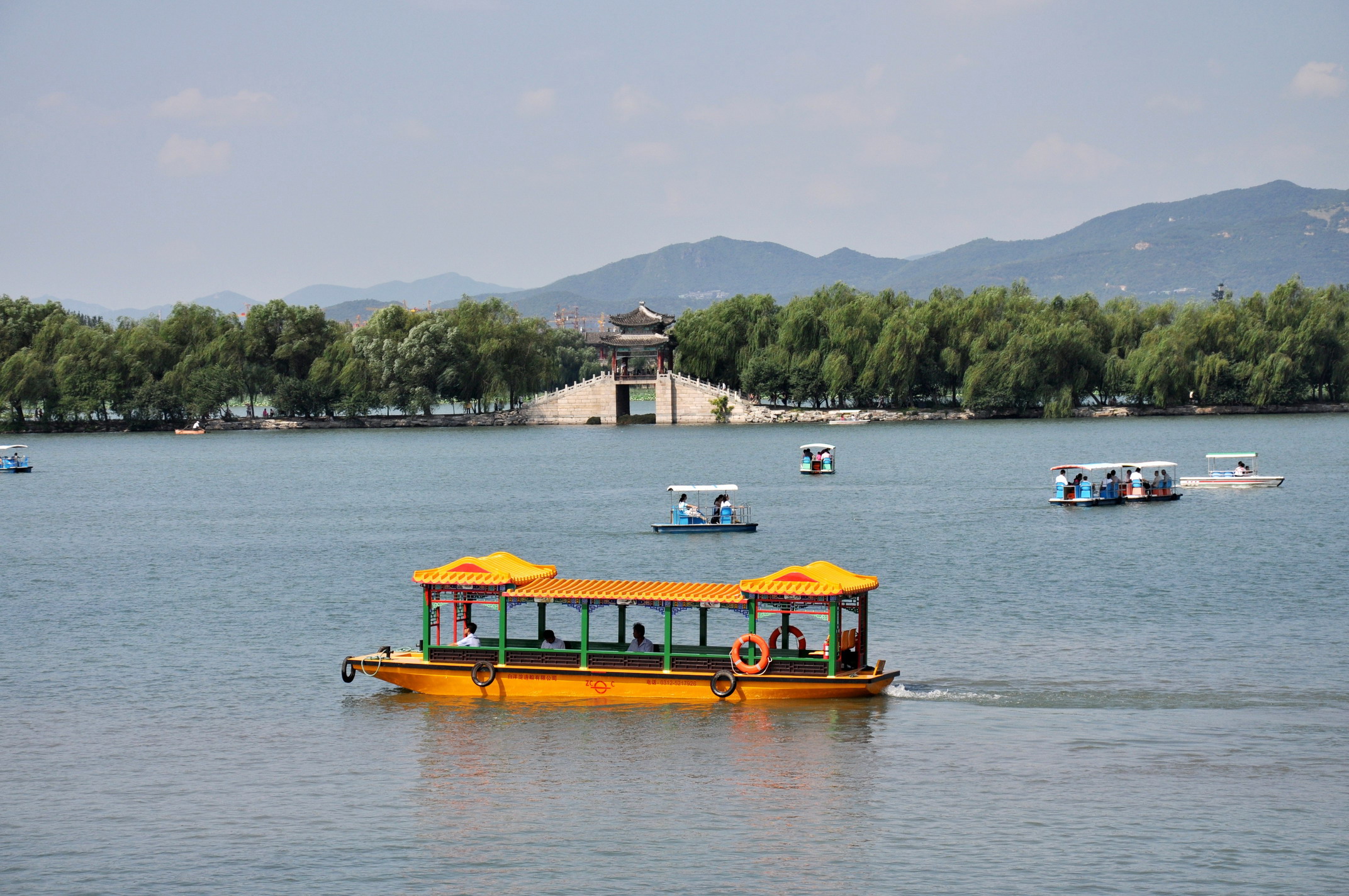
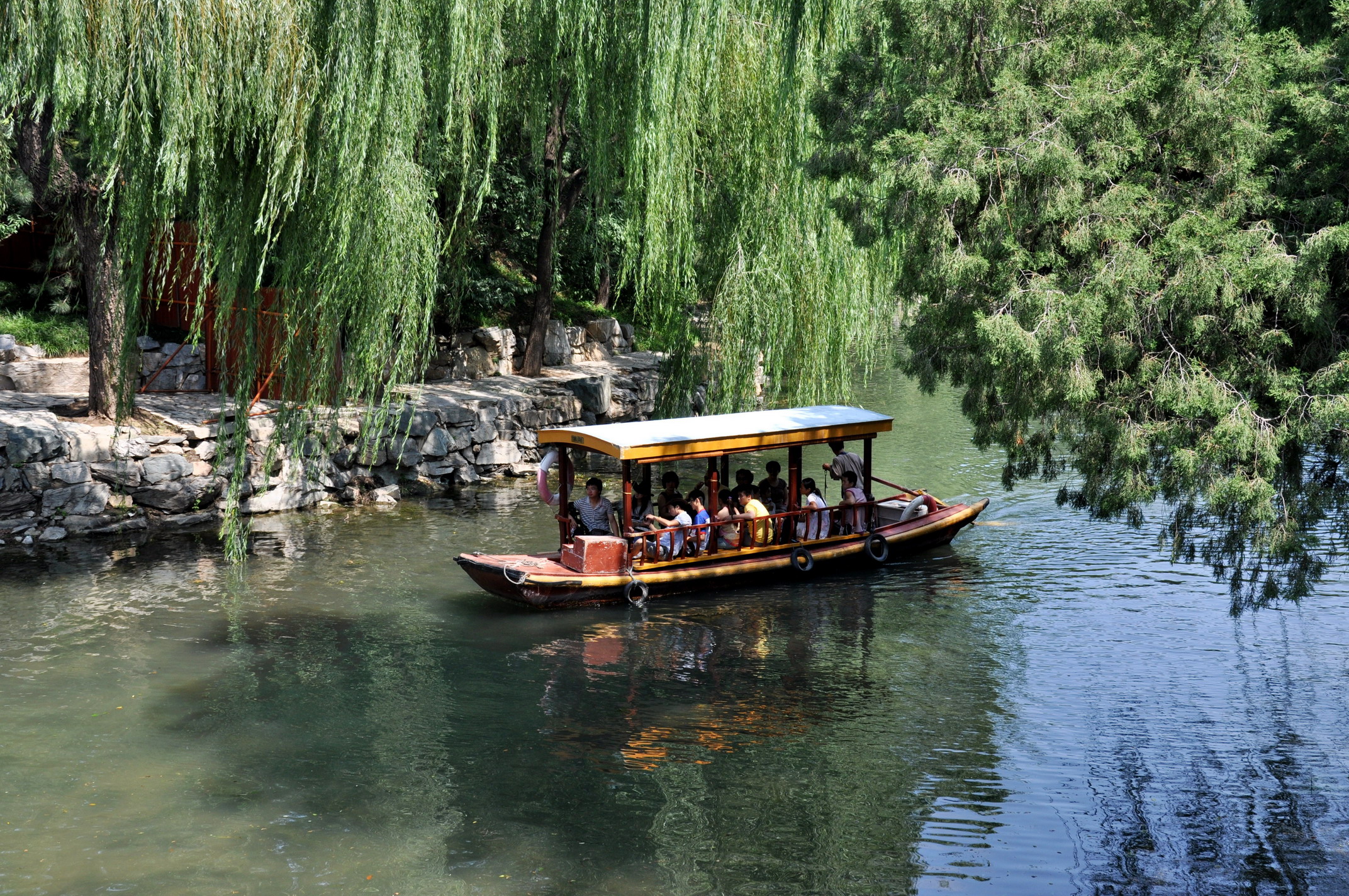
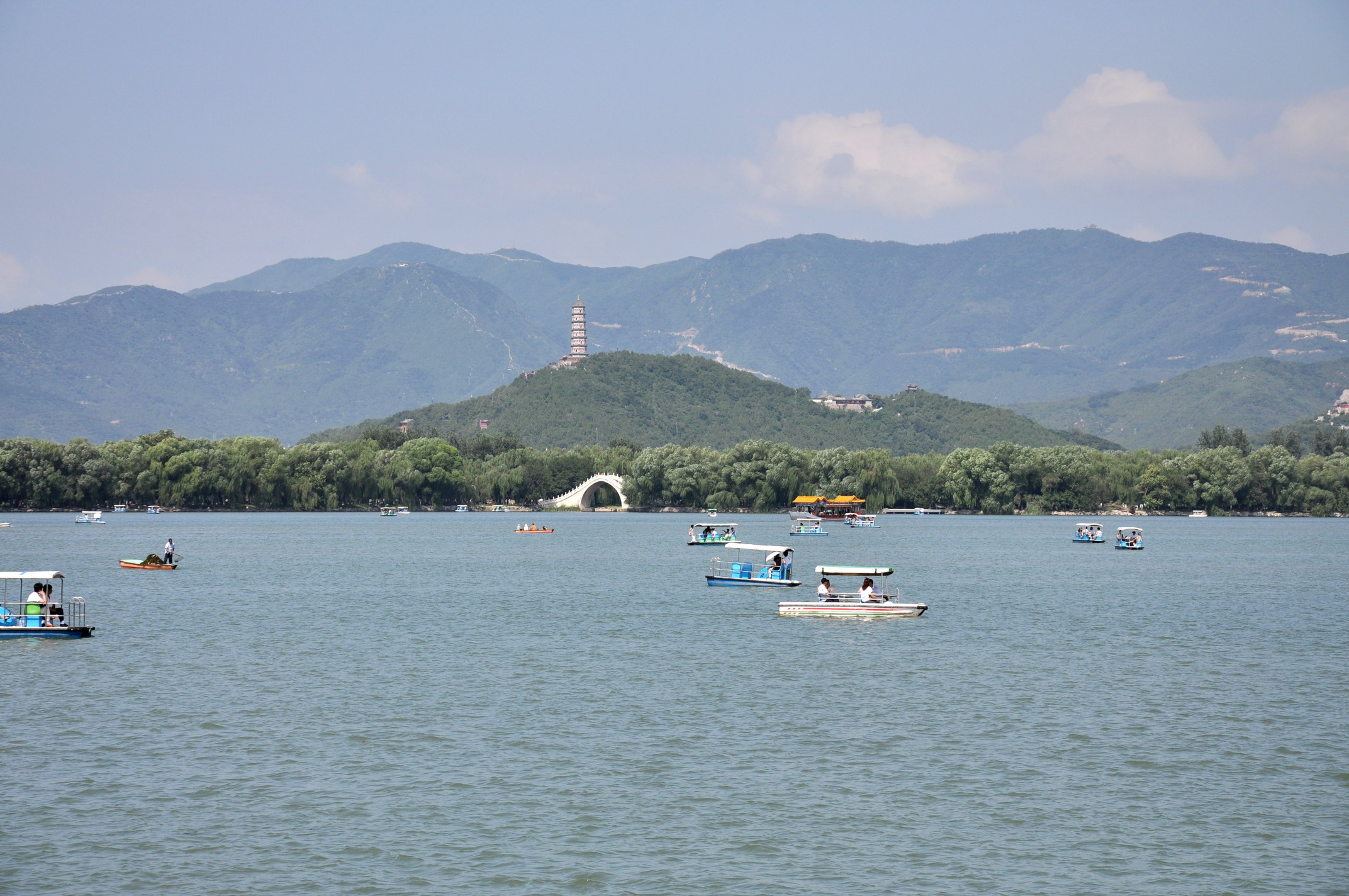
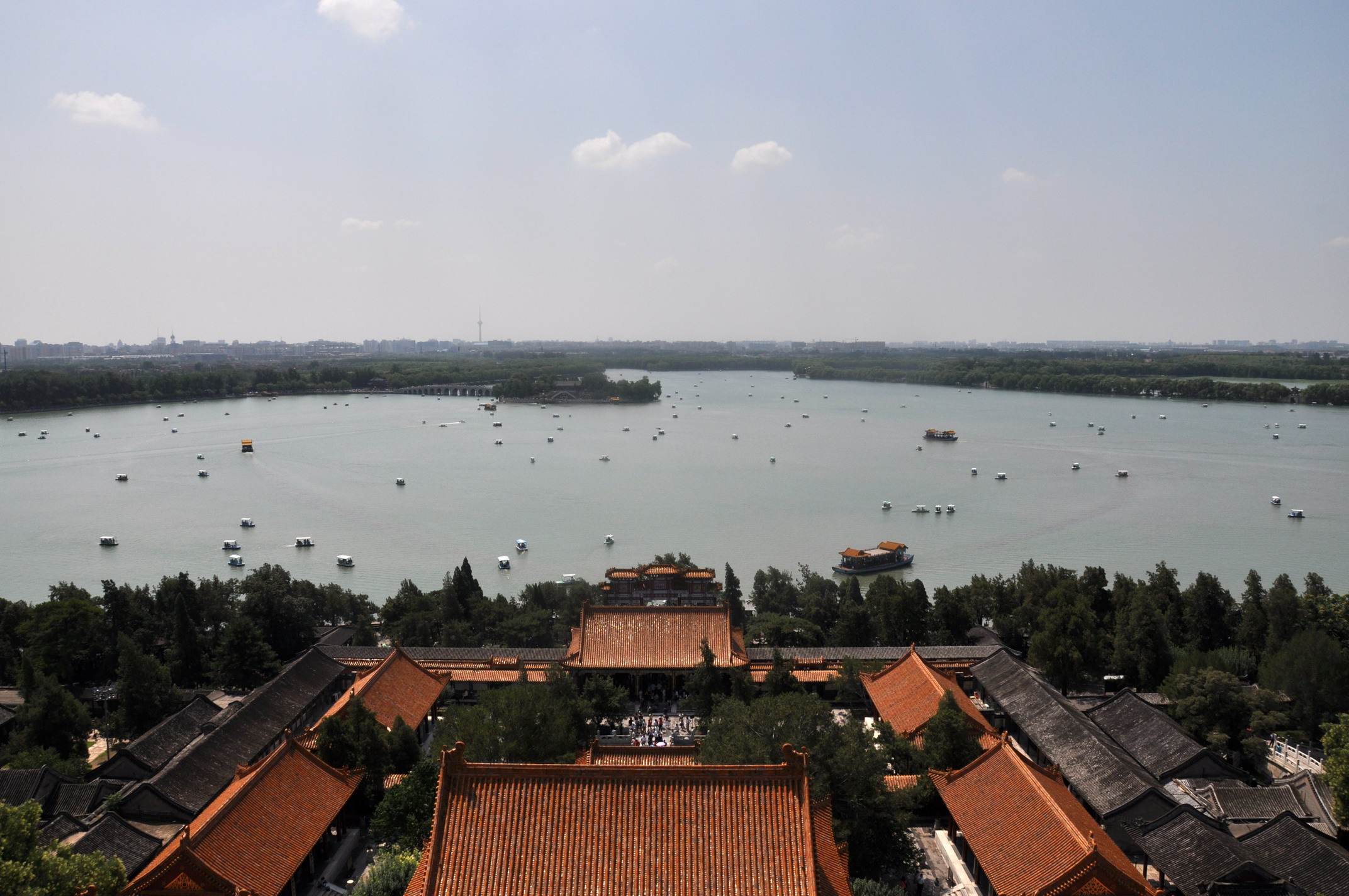
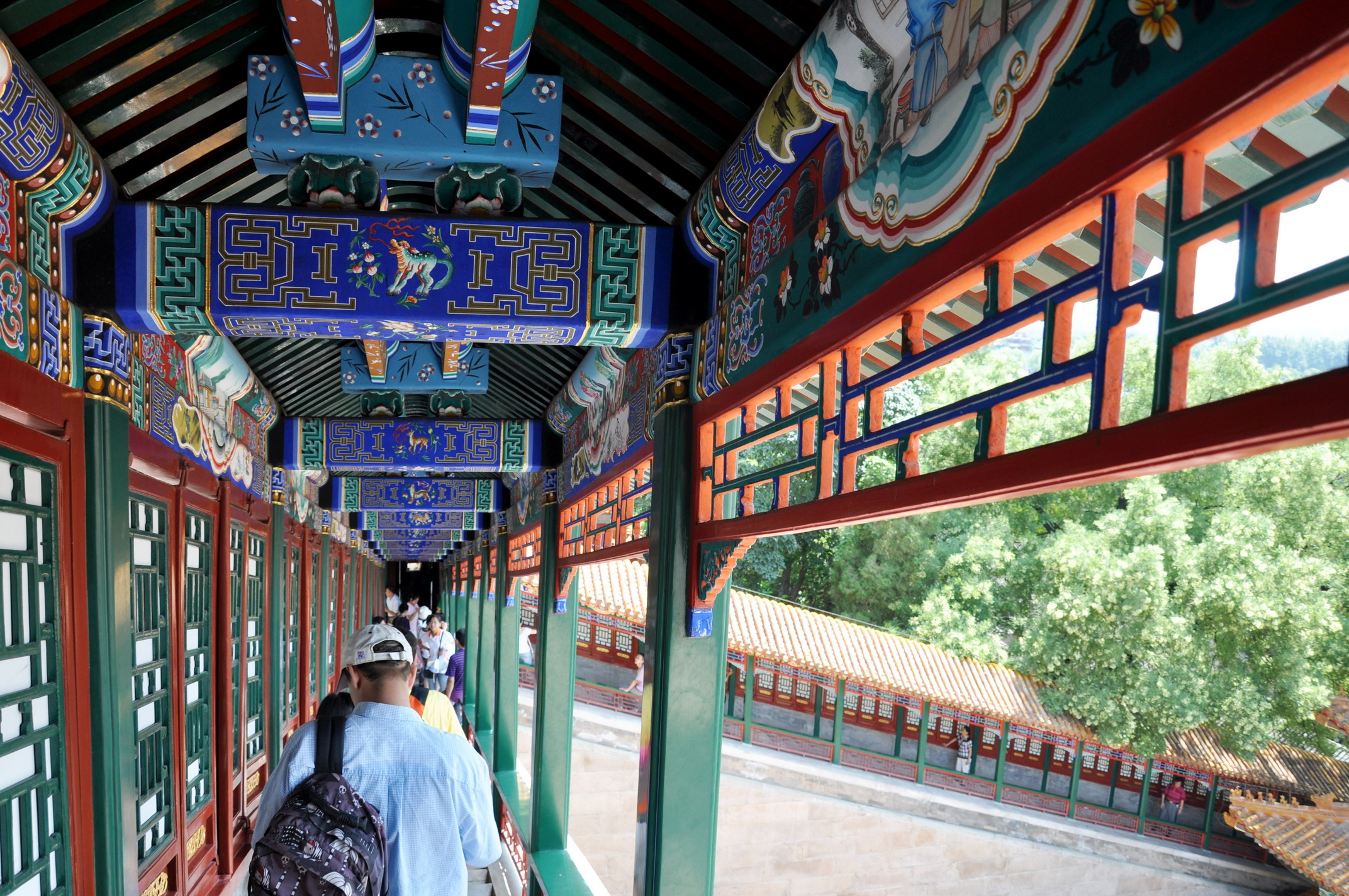
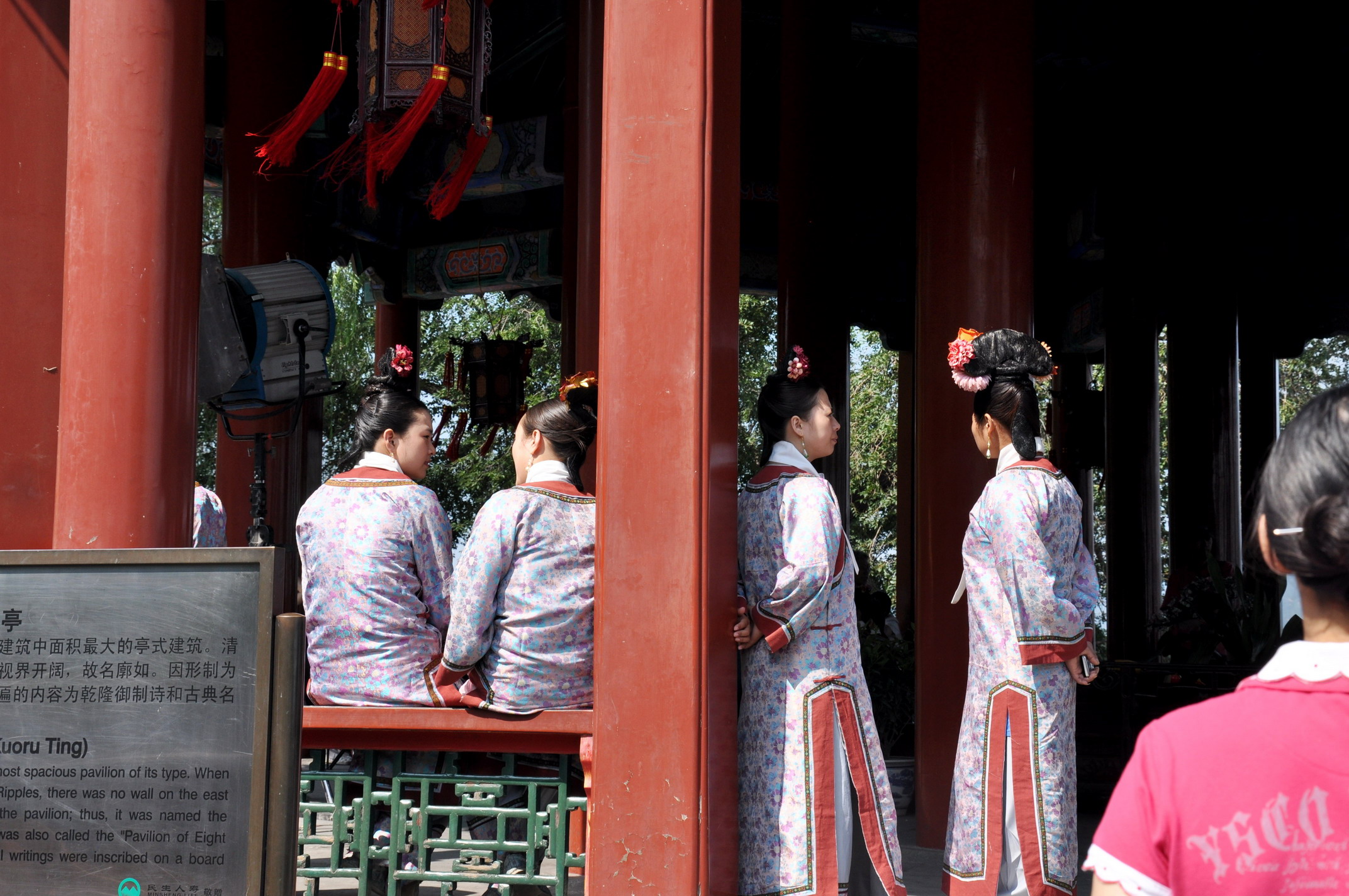
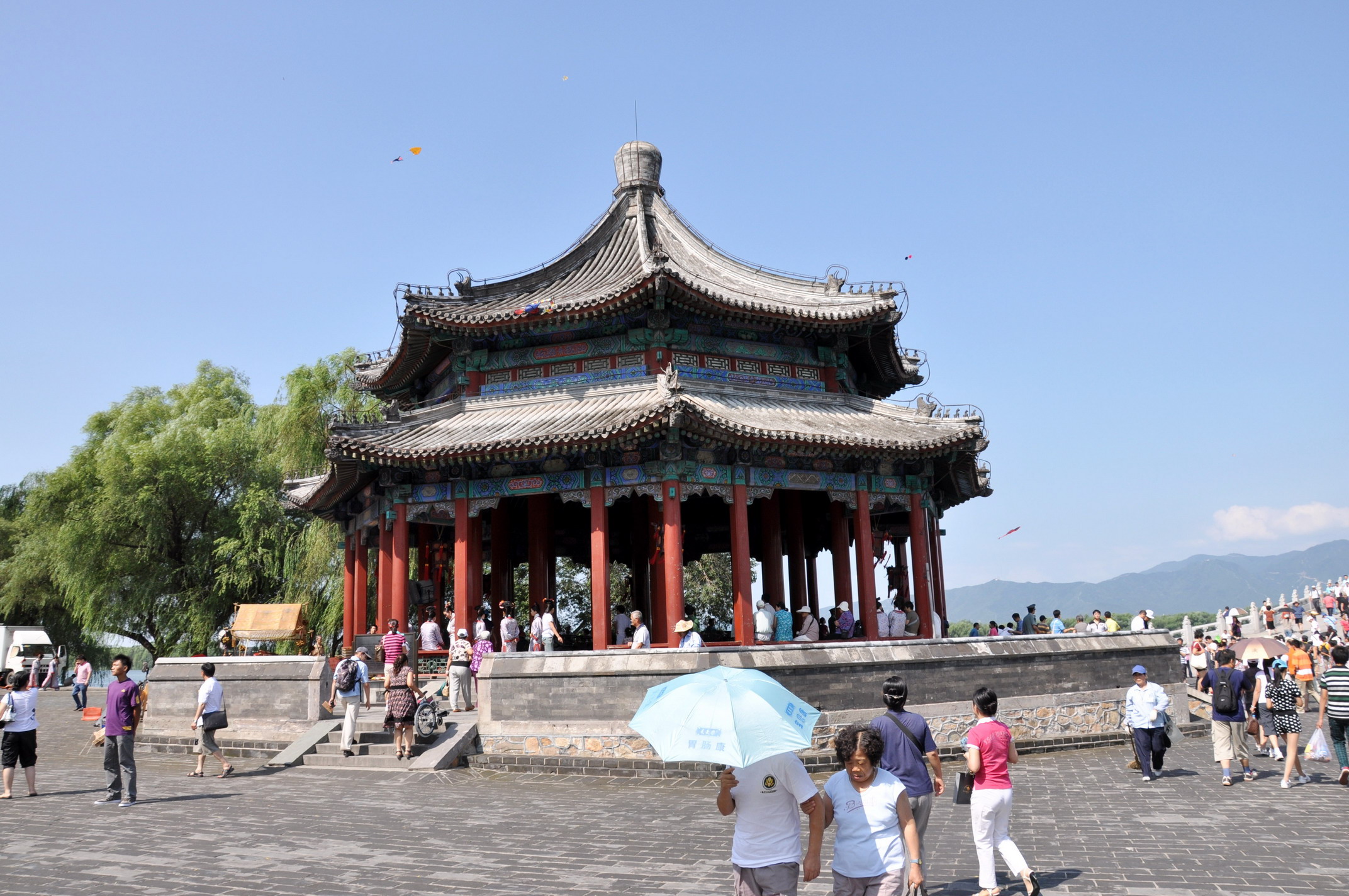
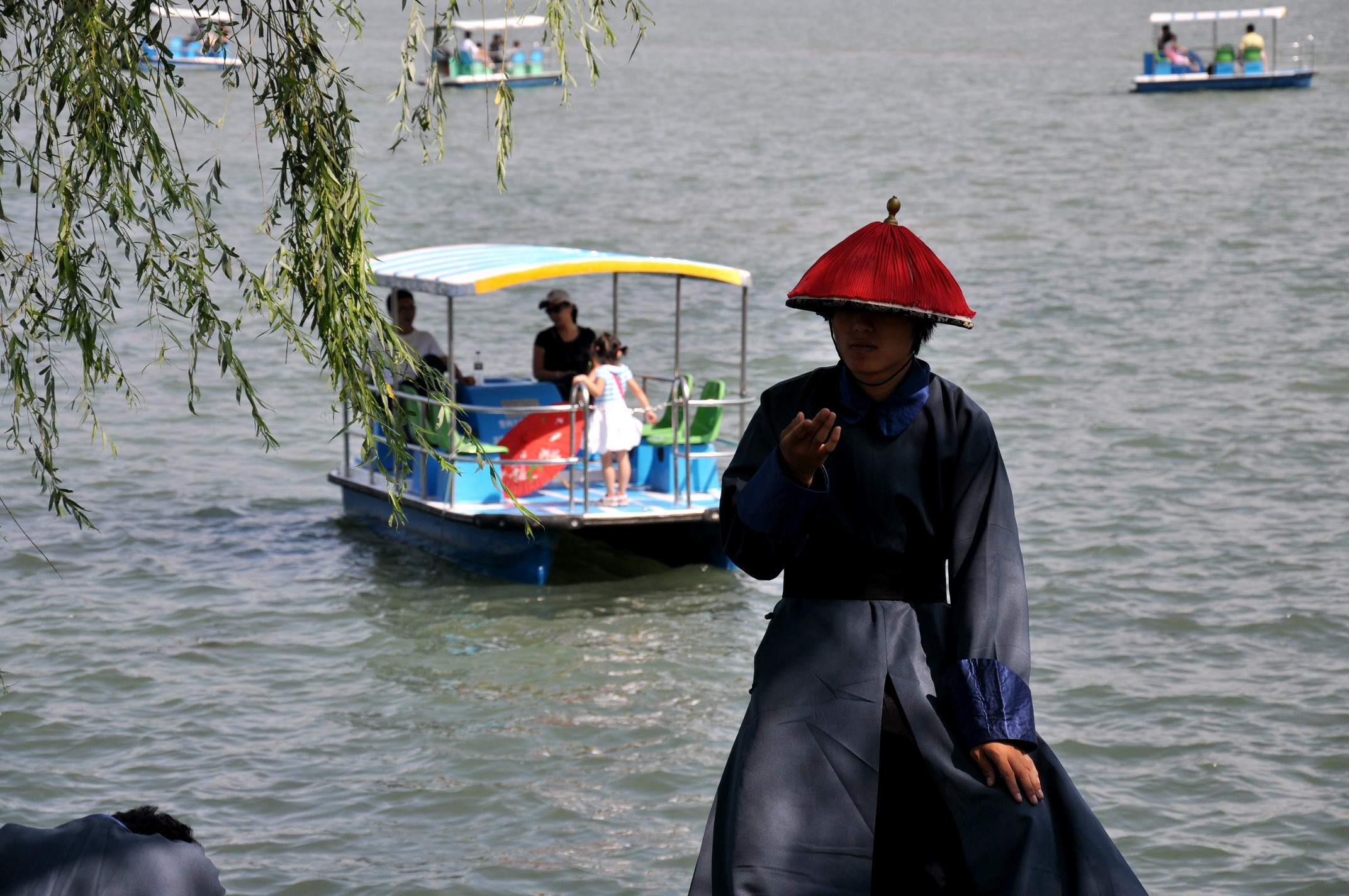
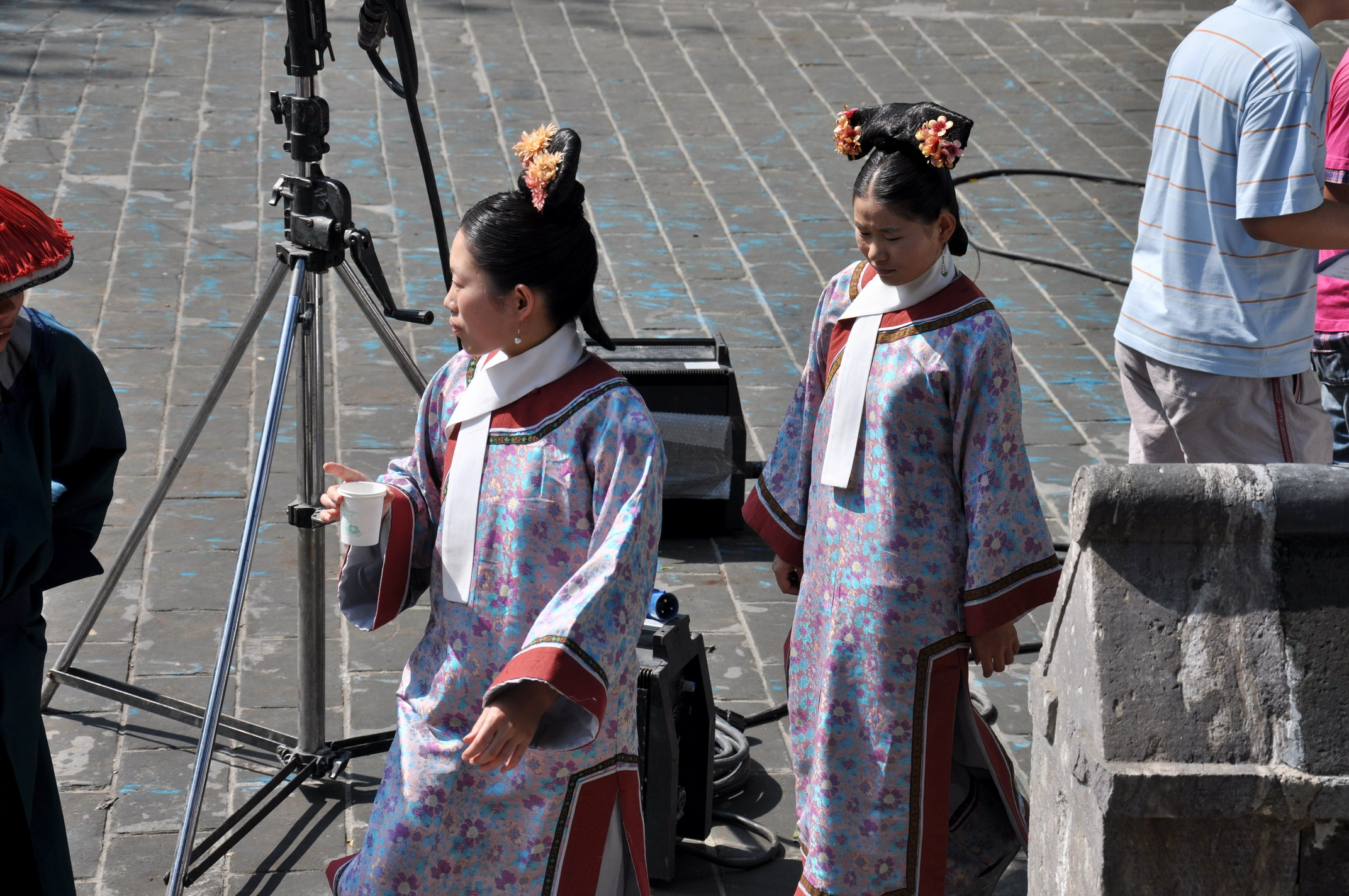
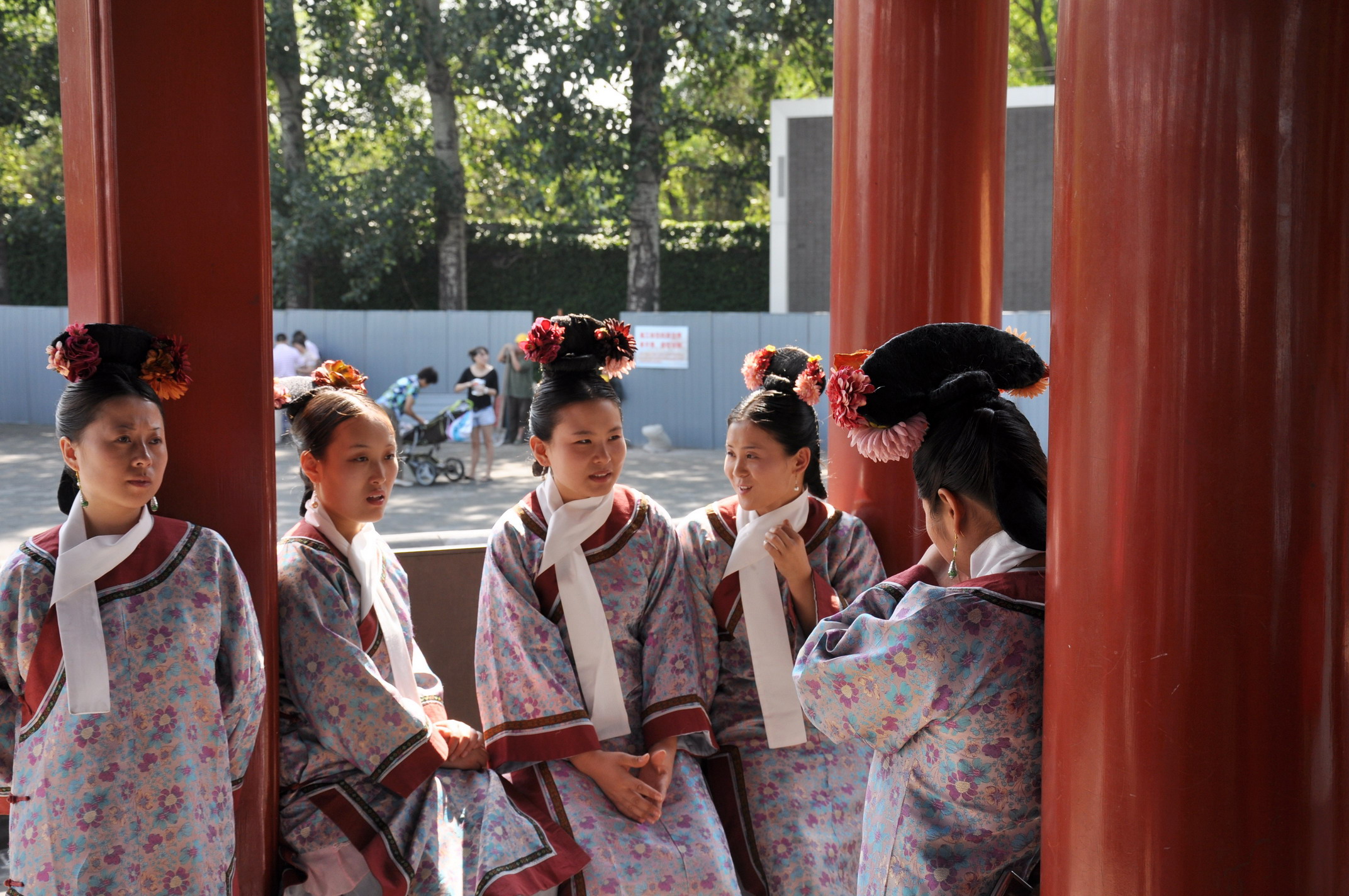
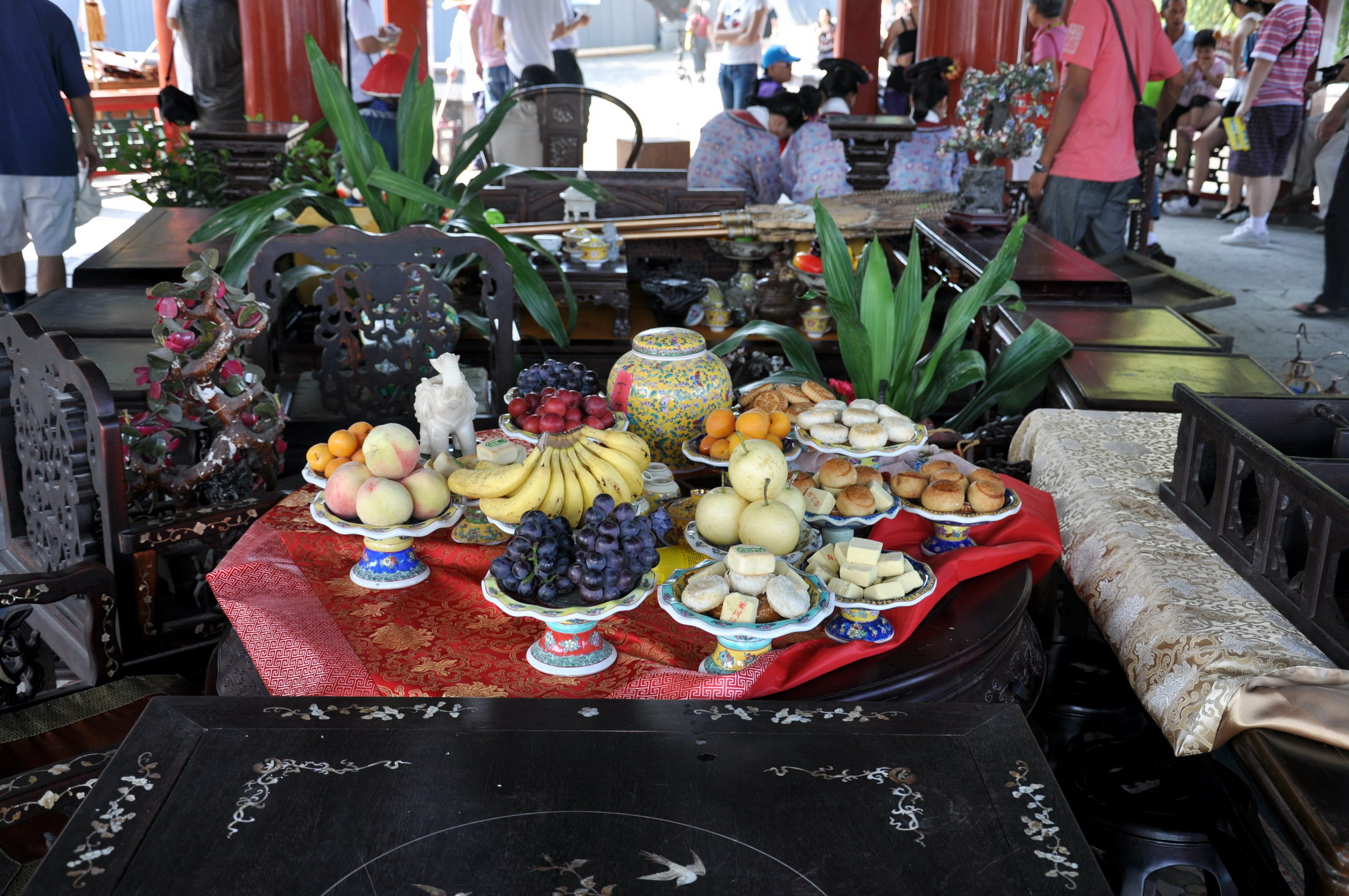
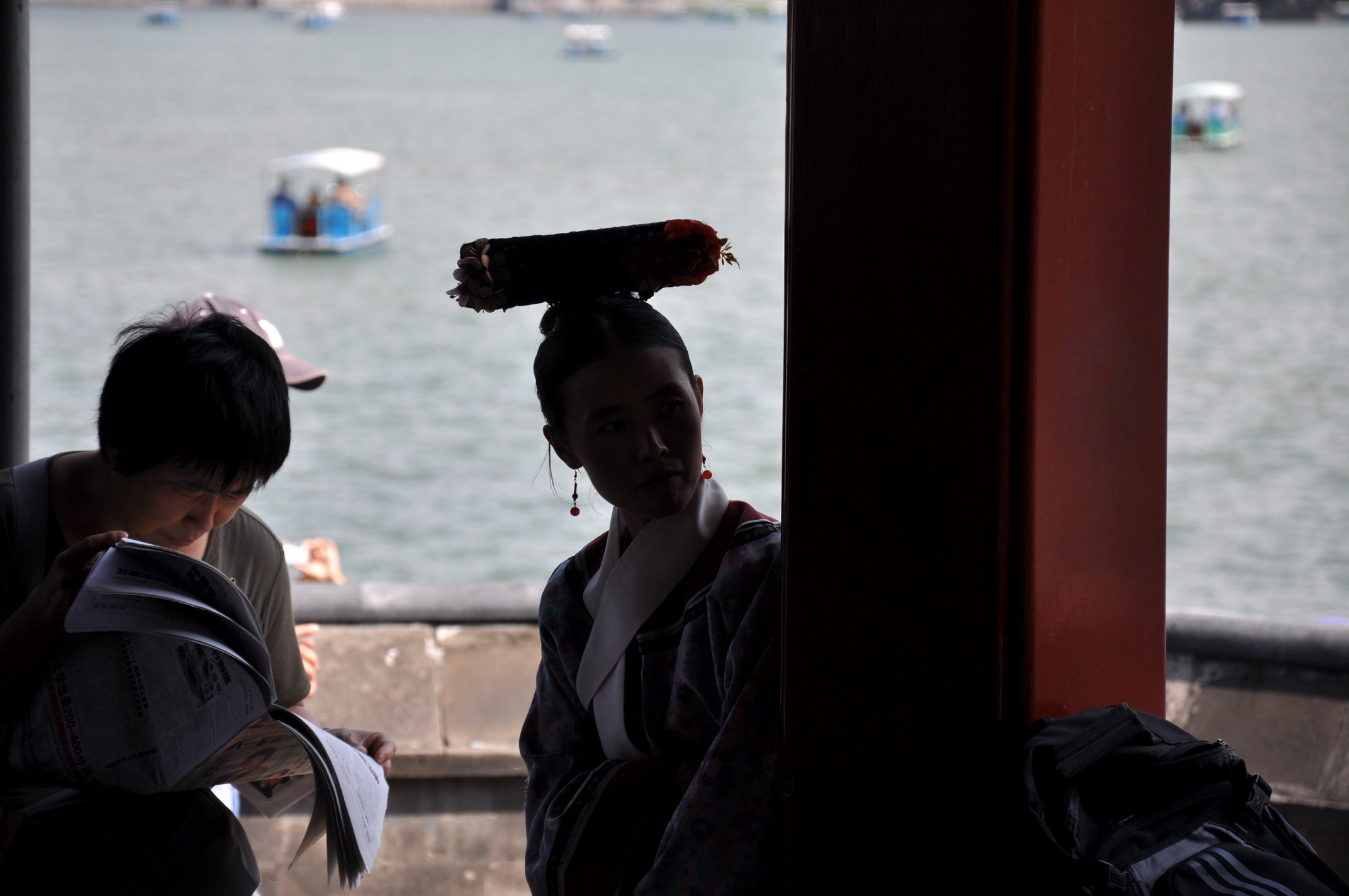
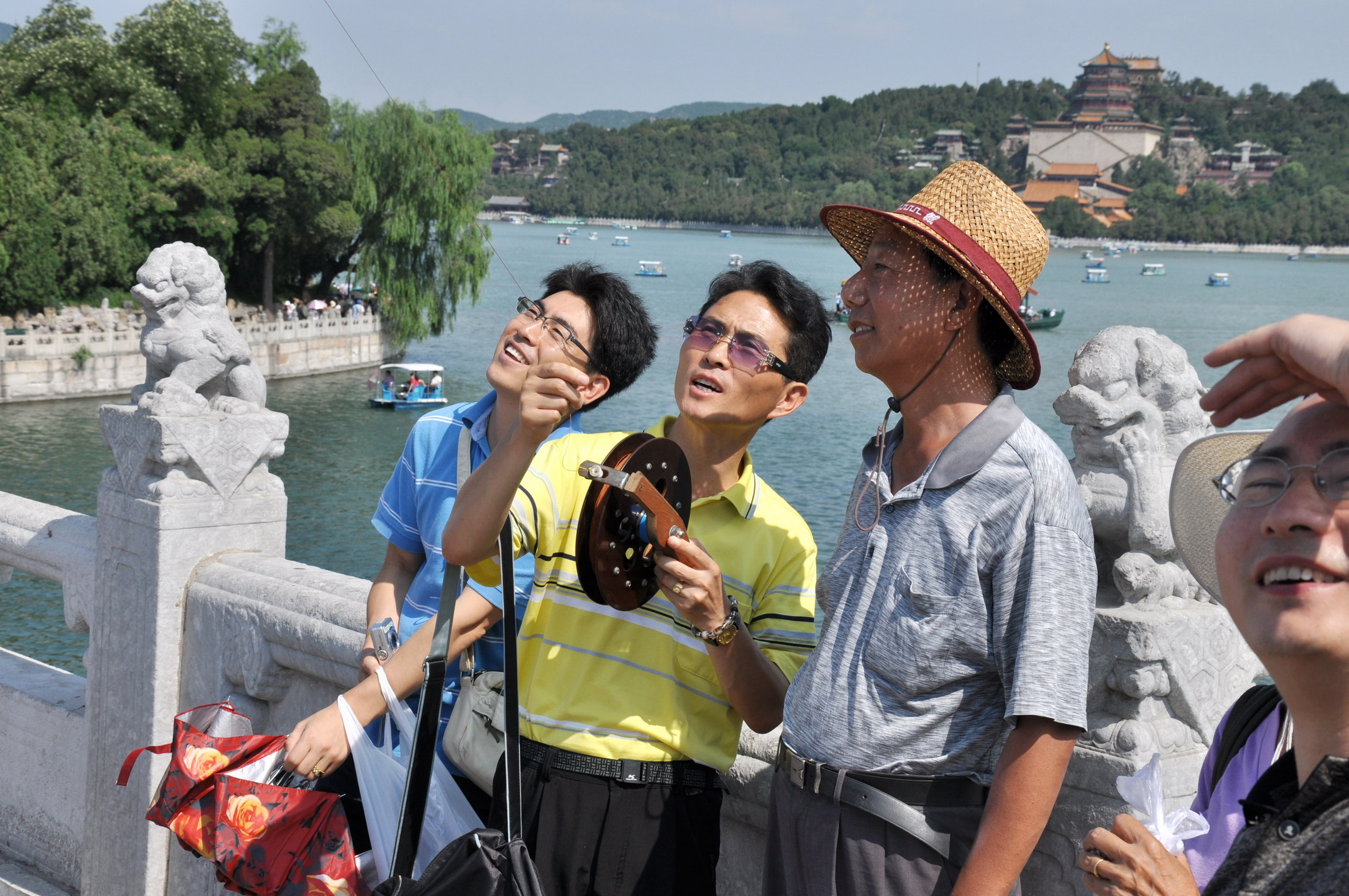
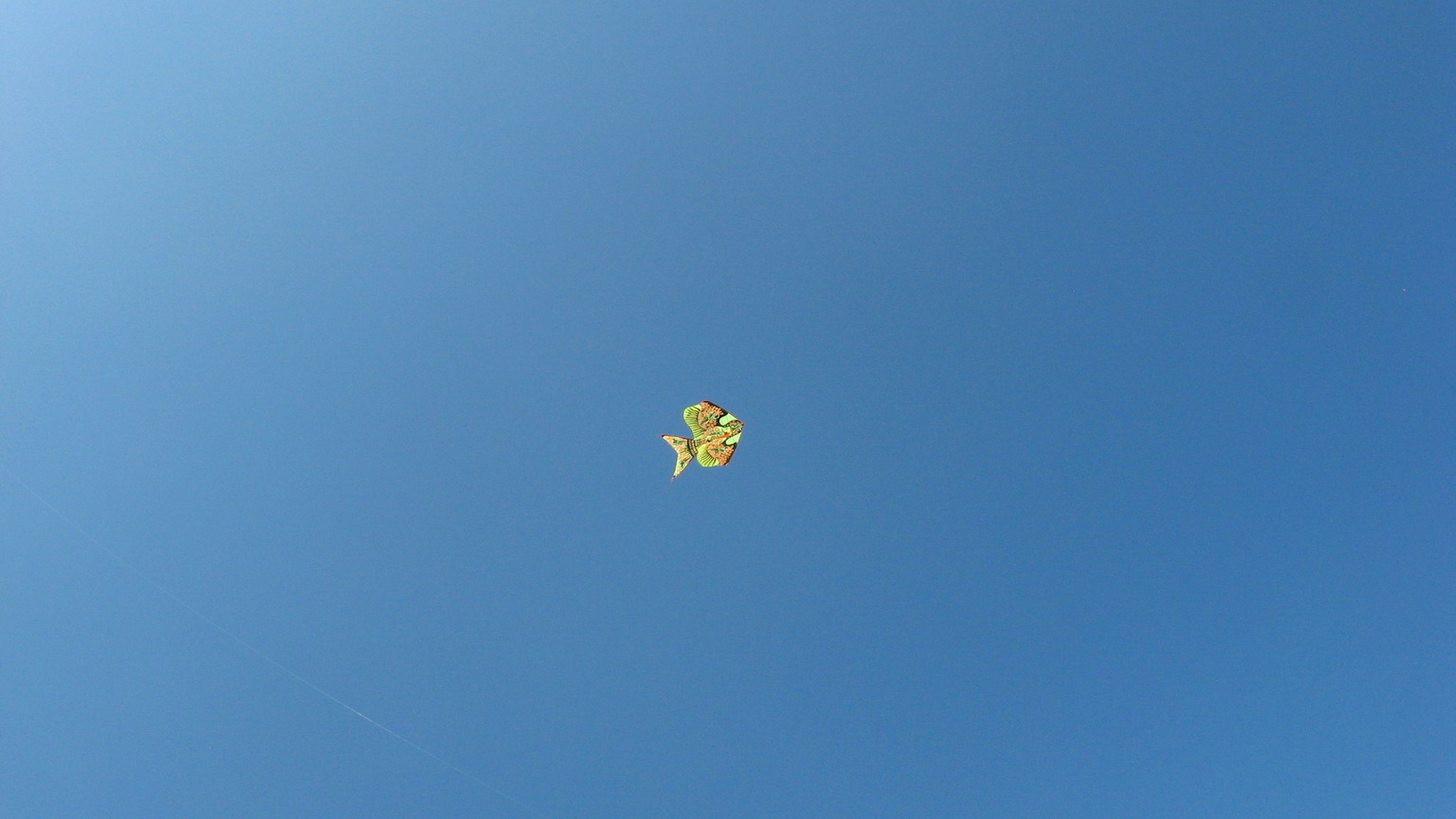
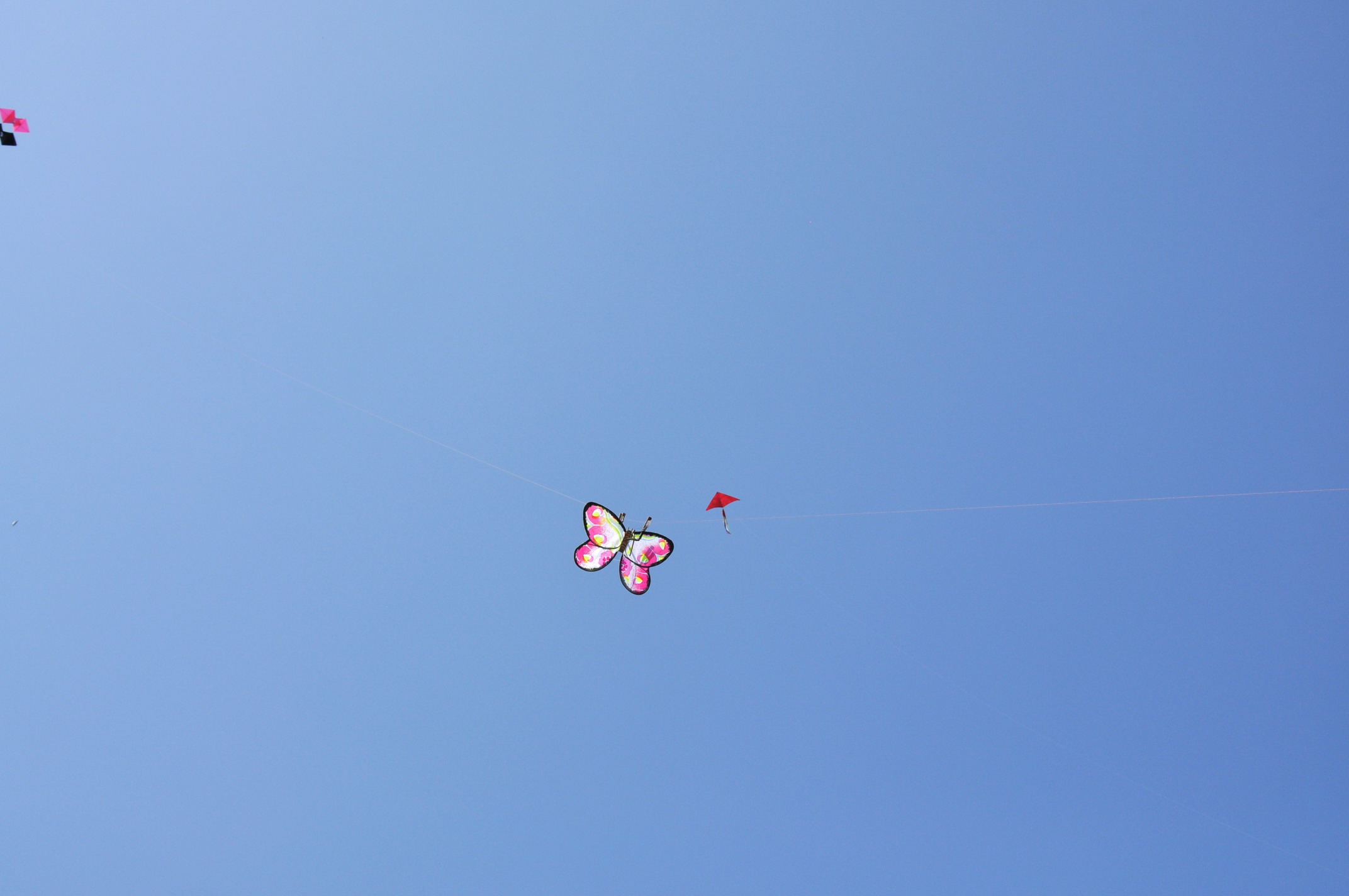
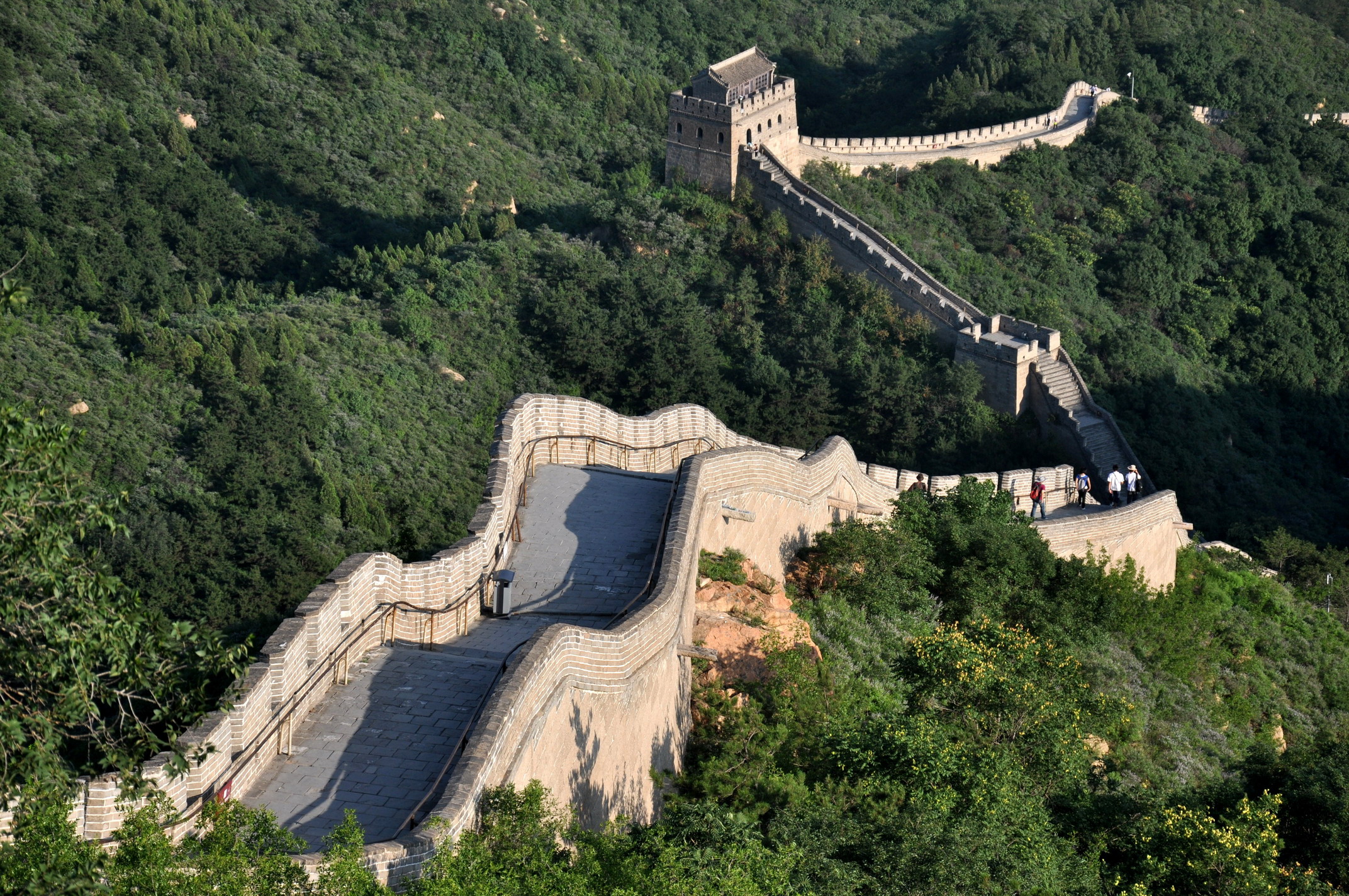
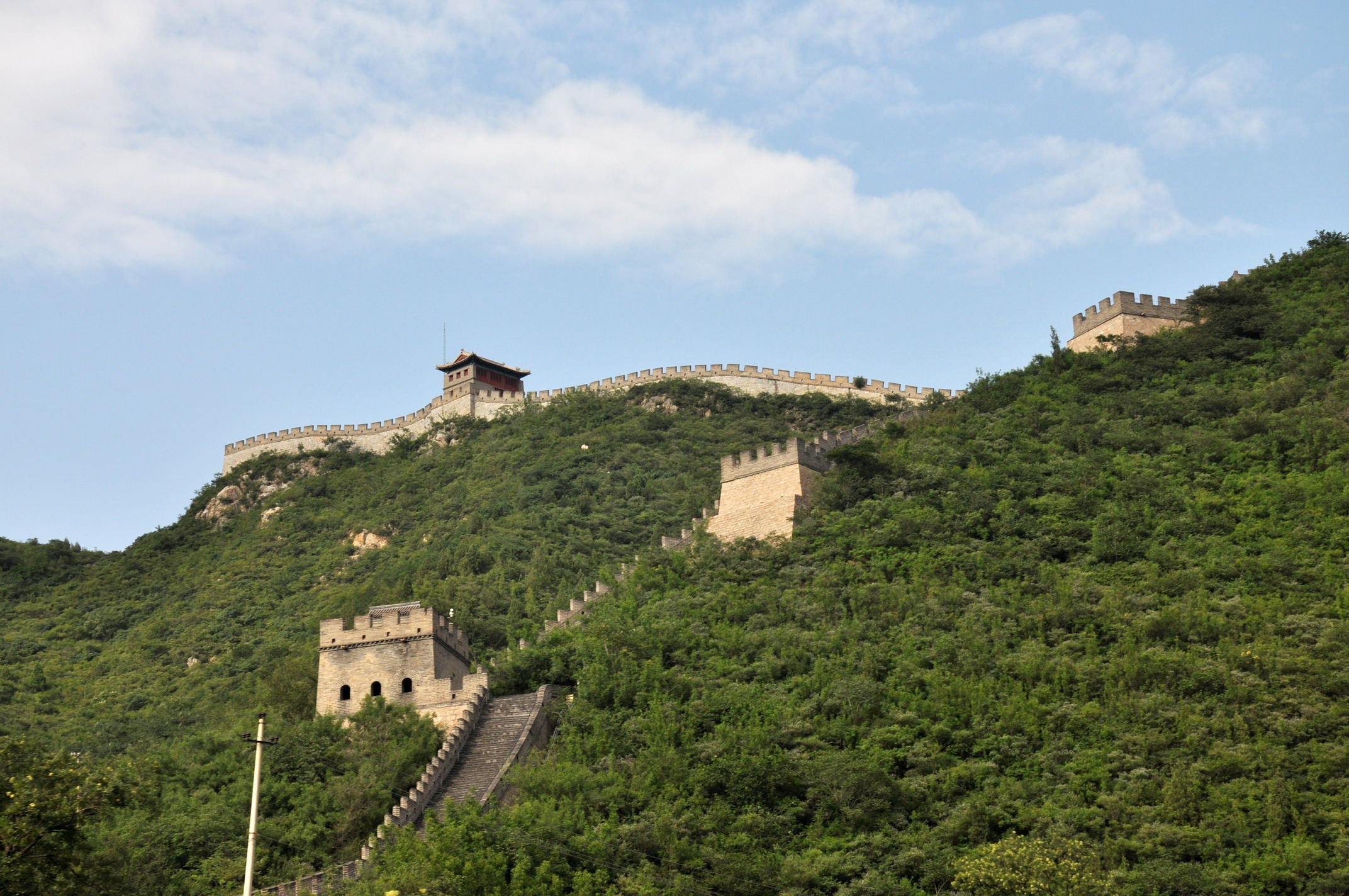
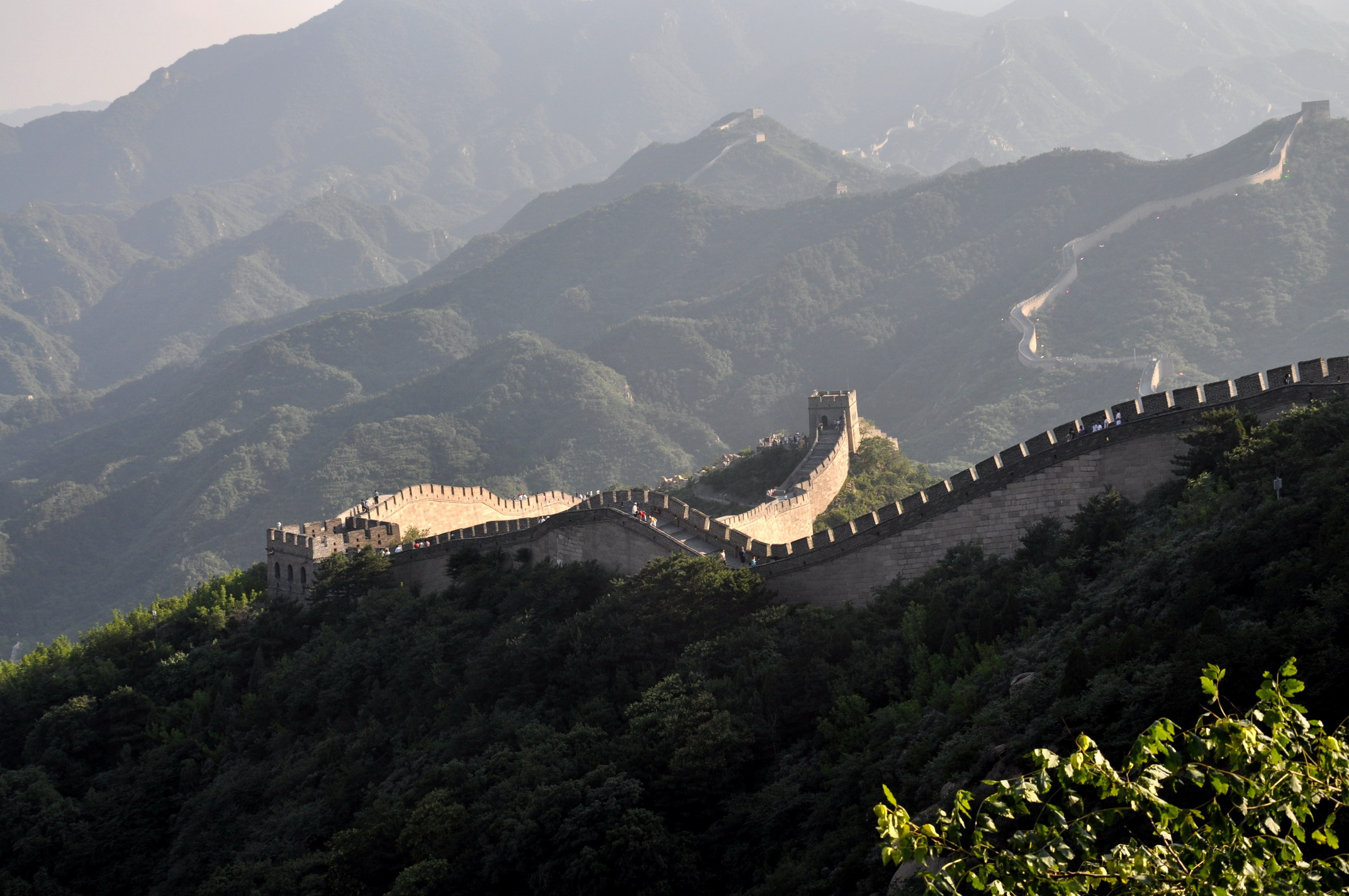
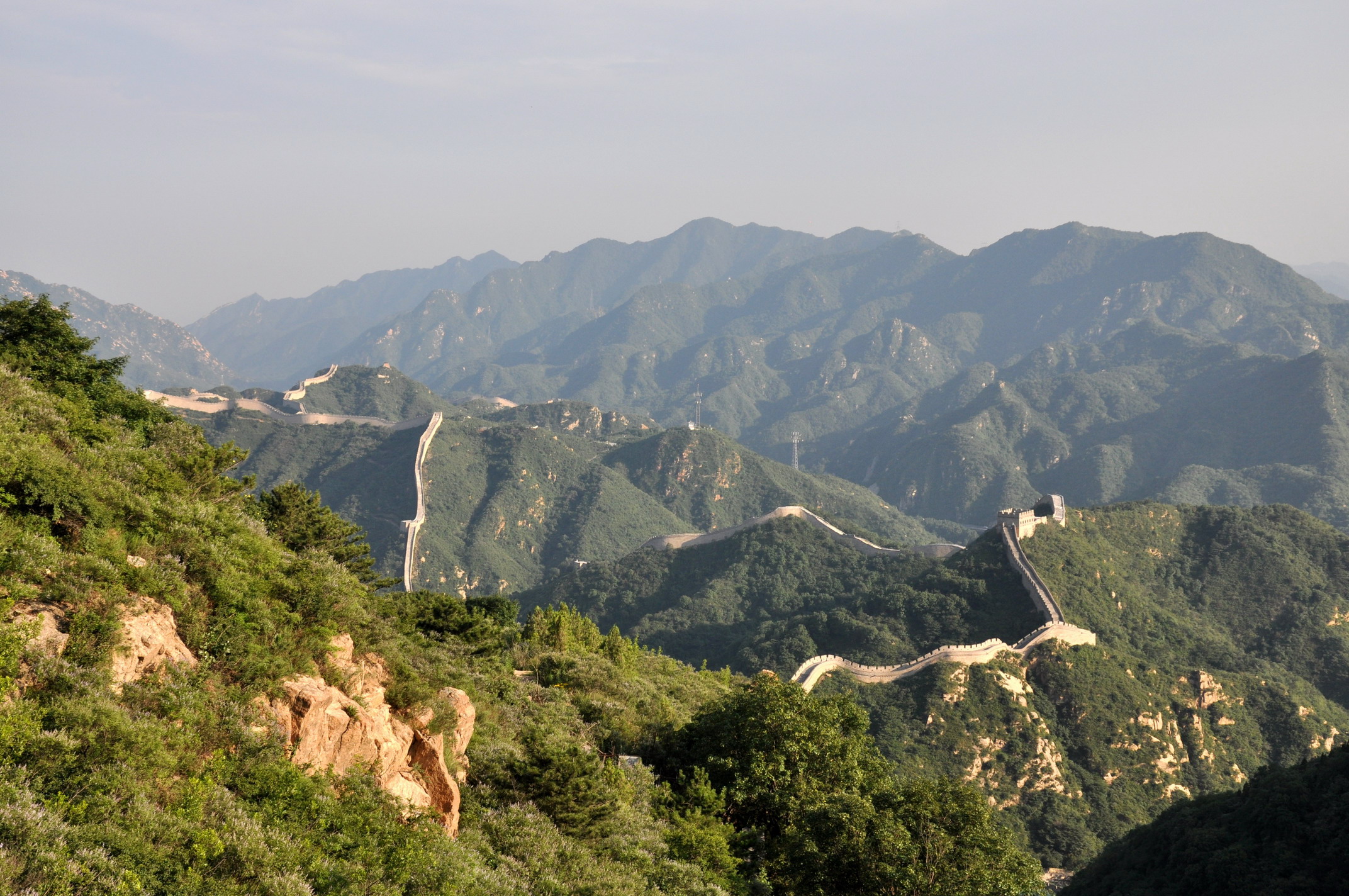
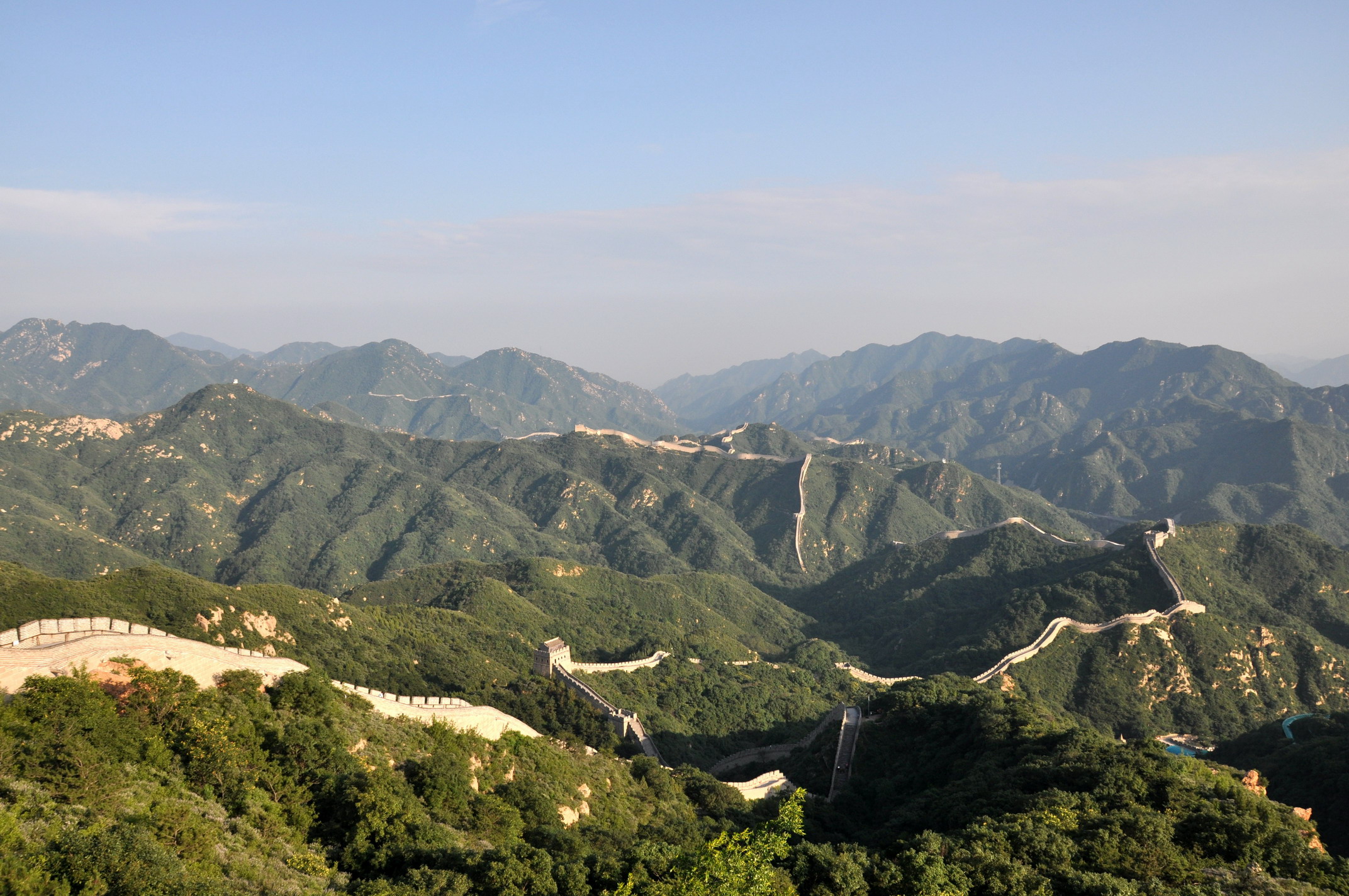
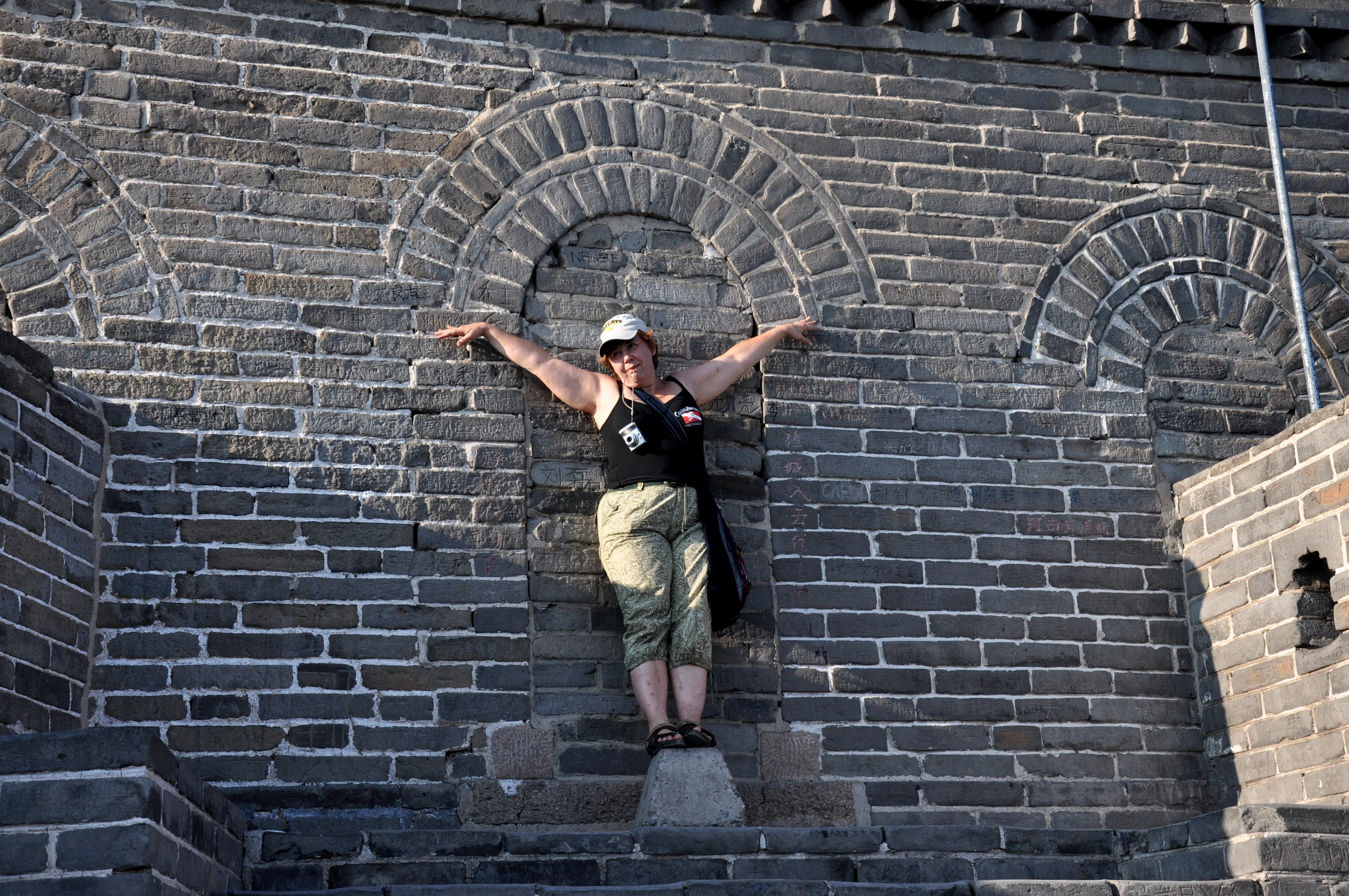
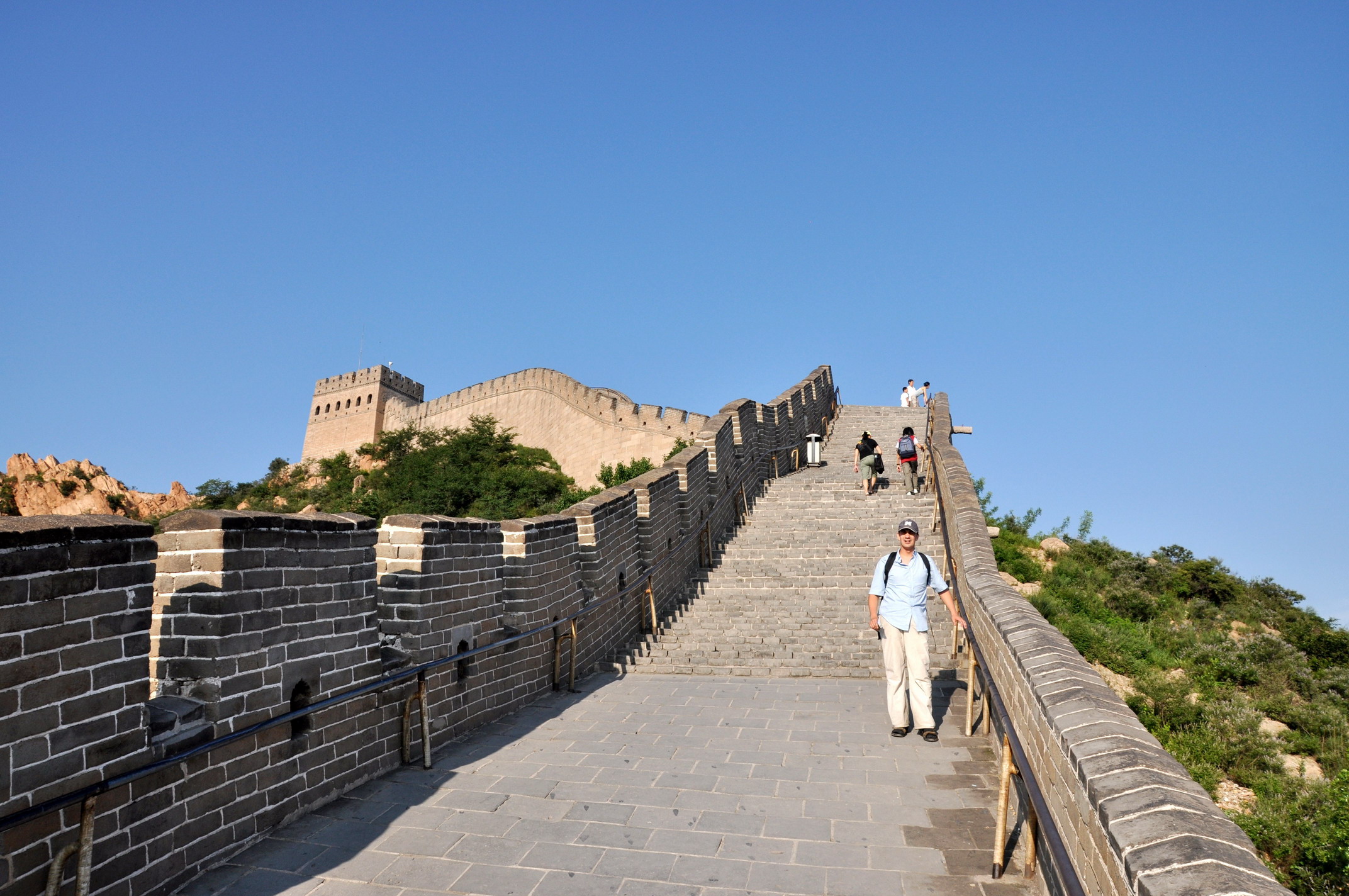
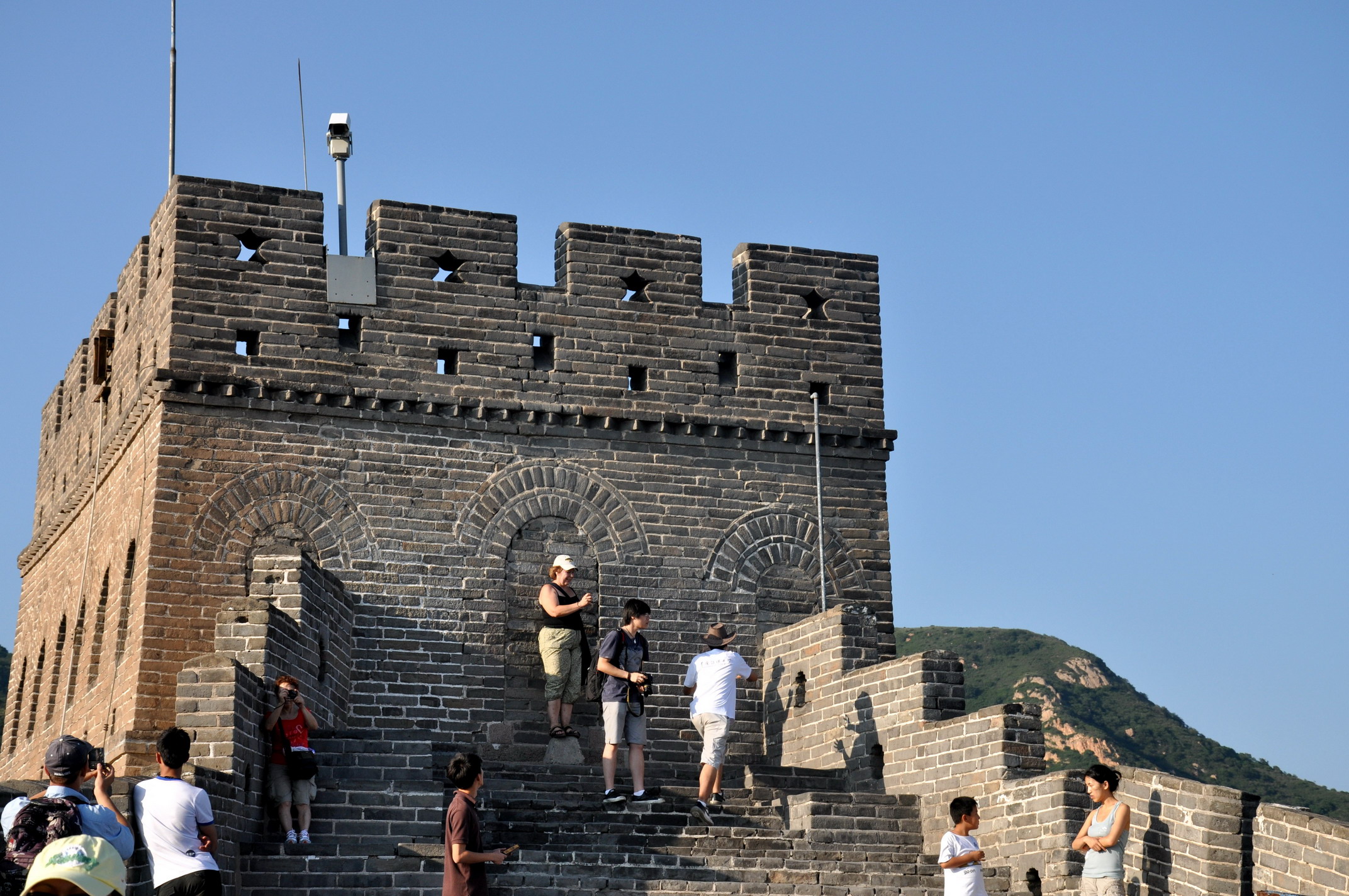
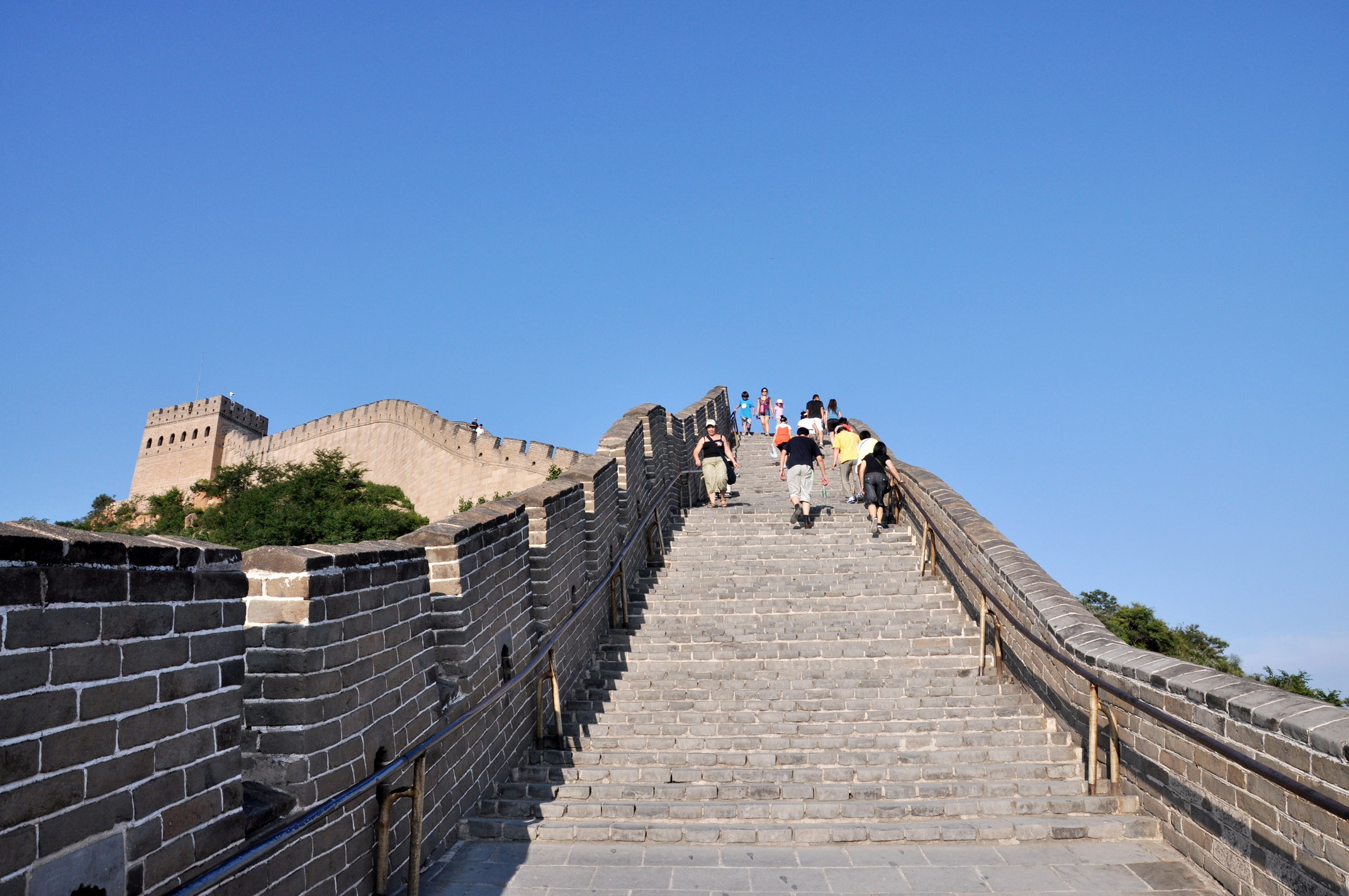
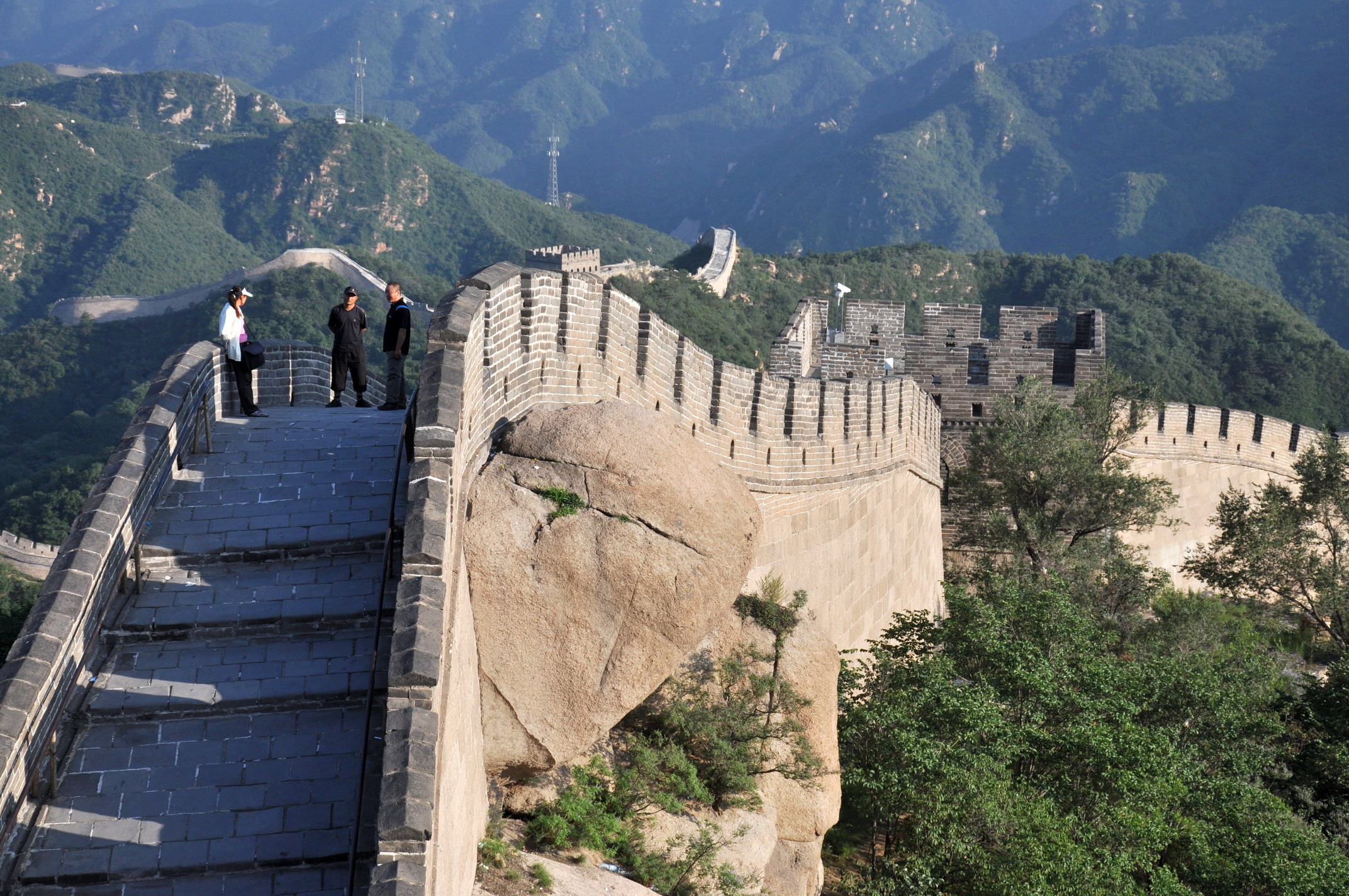
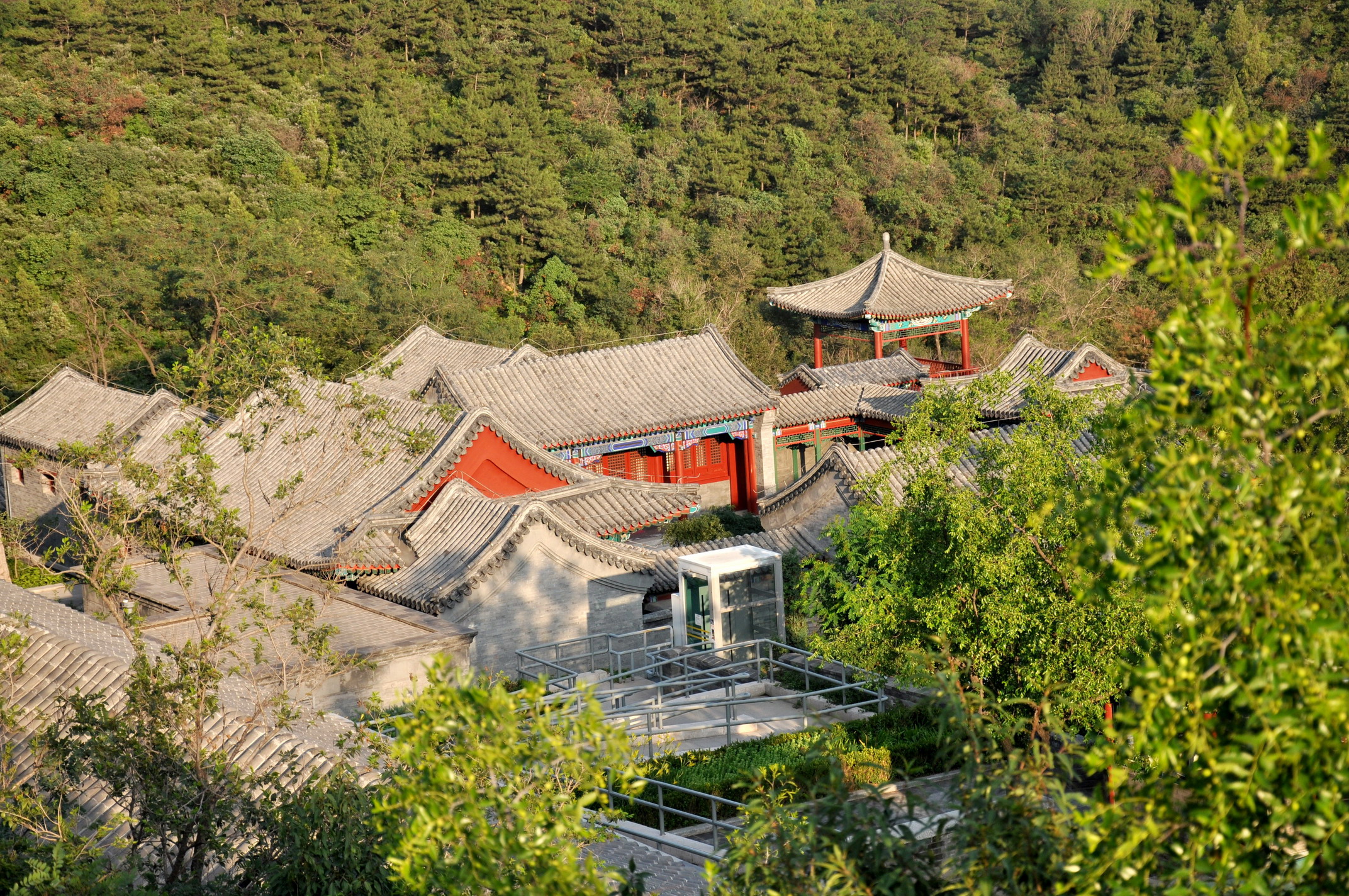
By noon it was hot. Time to leave. This was our last day in China, our flight was that evening, and we still hadn’t seen the Great Wall. Outside the palace we got a taxi and managed to explain our route. We started with Huanghua, a wild overgrown wooded stretch of wall. This is how it looks along most of its length. Wild it may be, but scrambling along it is forbidden. For a start, there are thickets you can’t get through. Then there are signs everywhere that say leave it alone and help protect the wall, with guards and whistles as well.
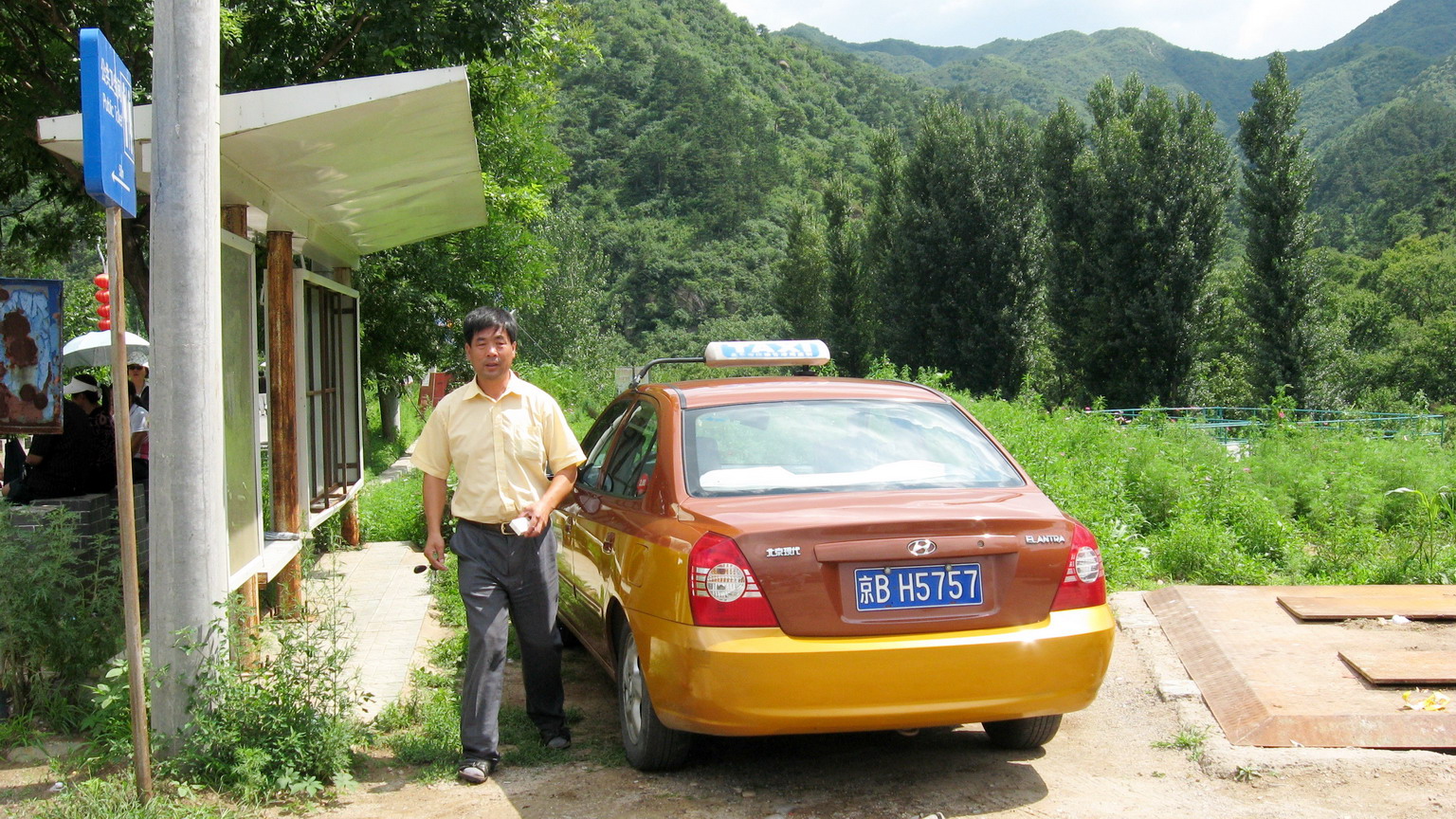
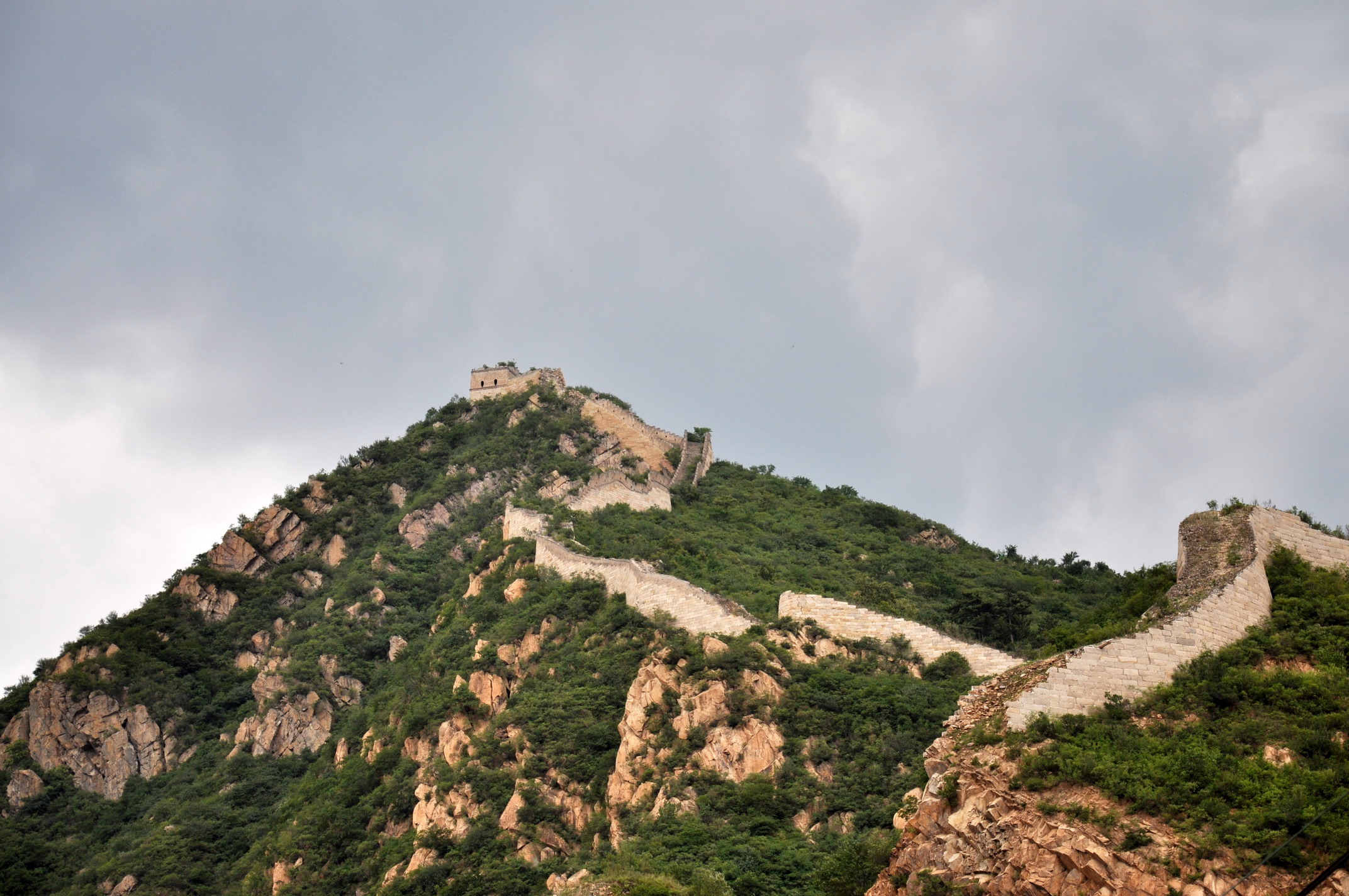
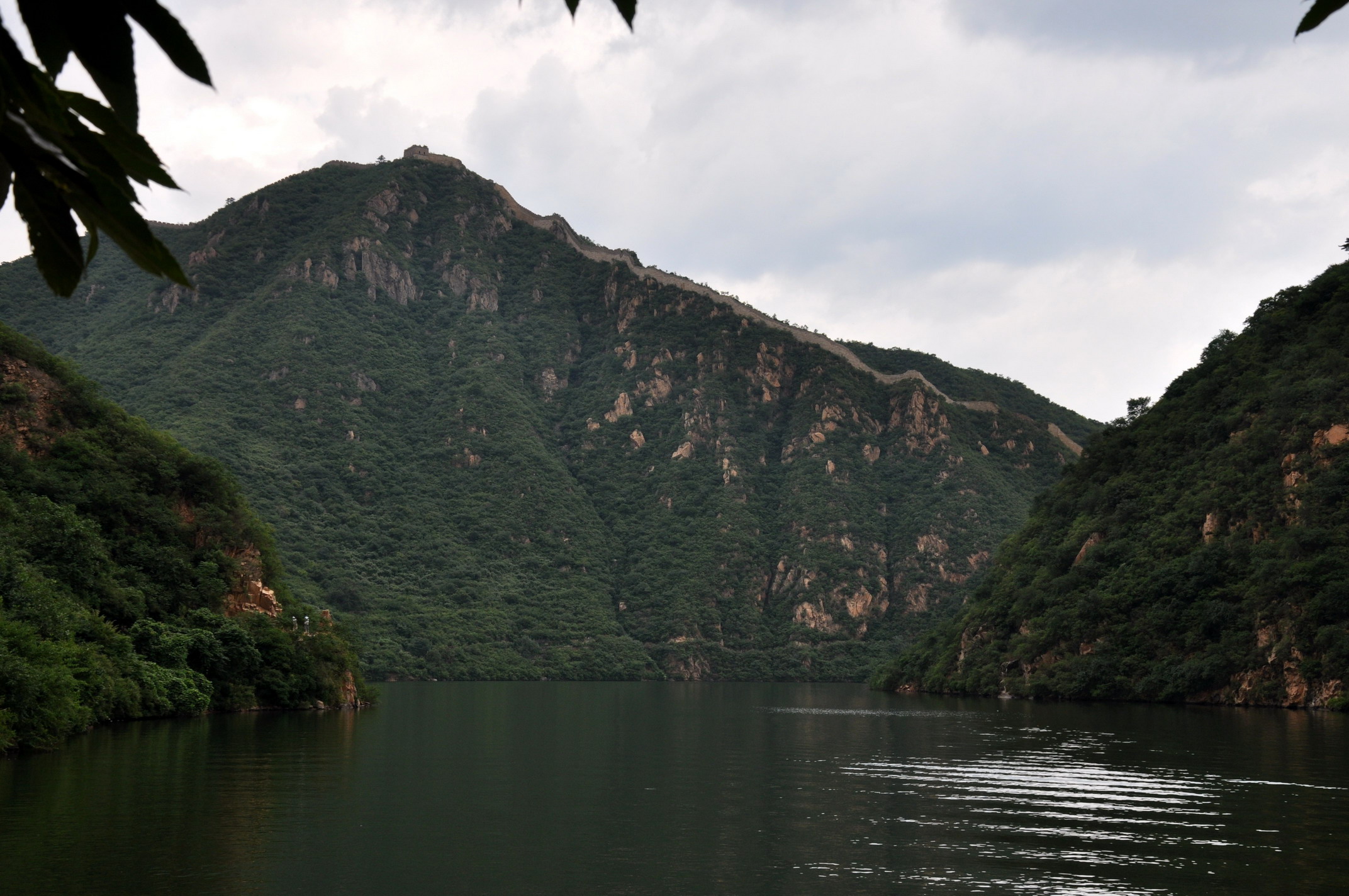
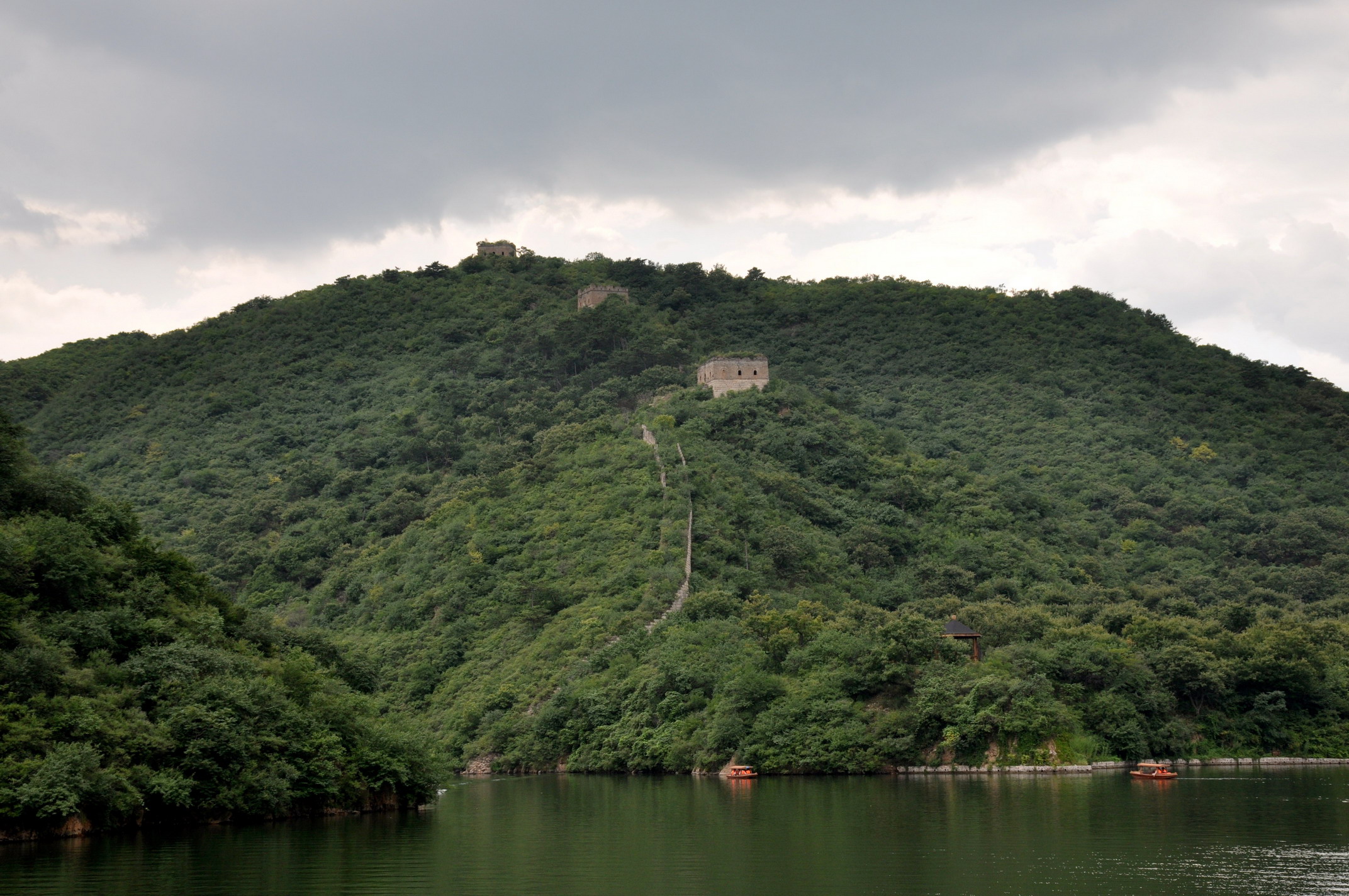
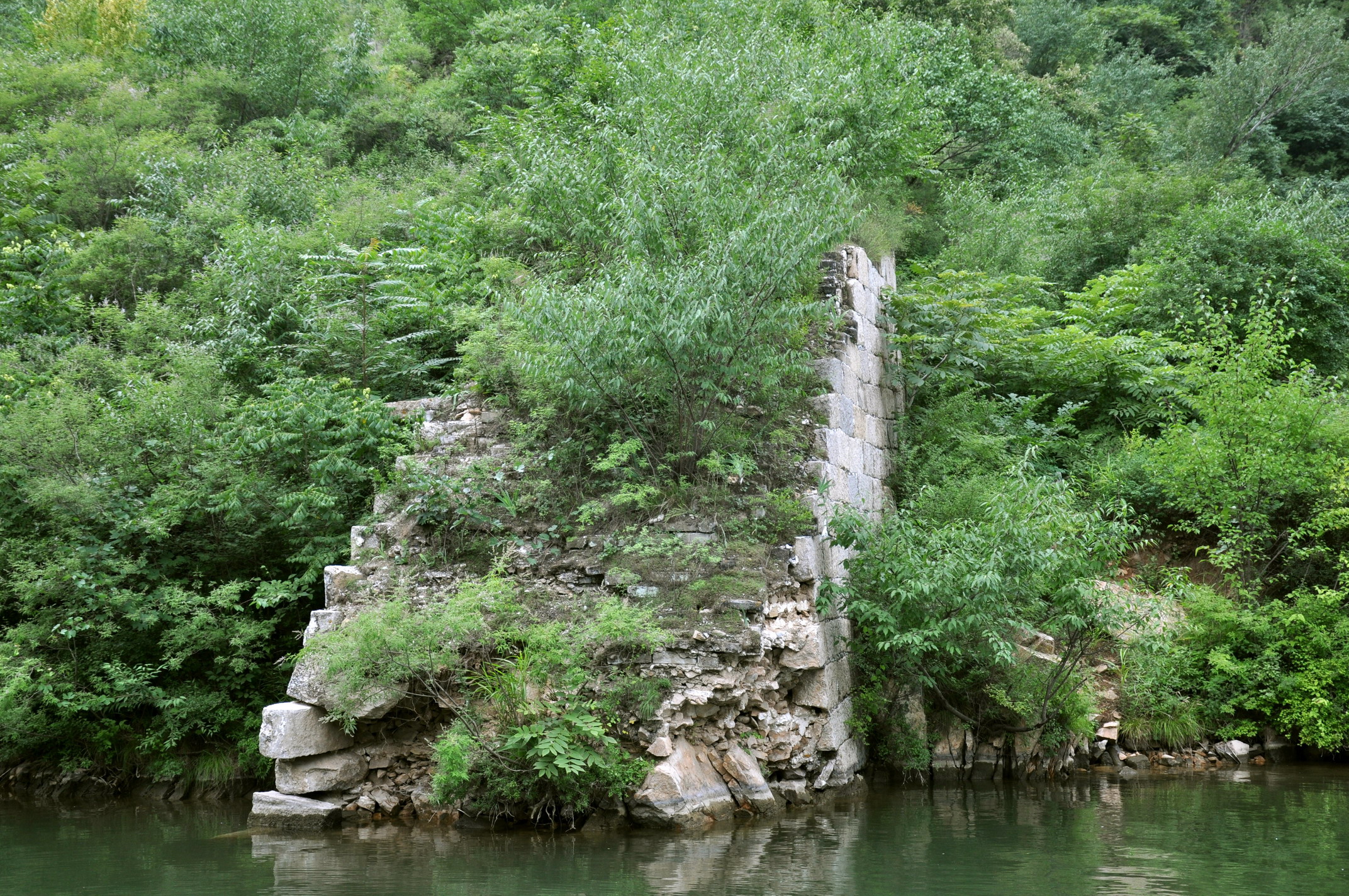
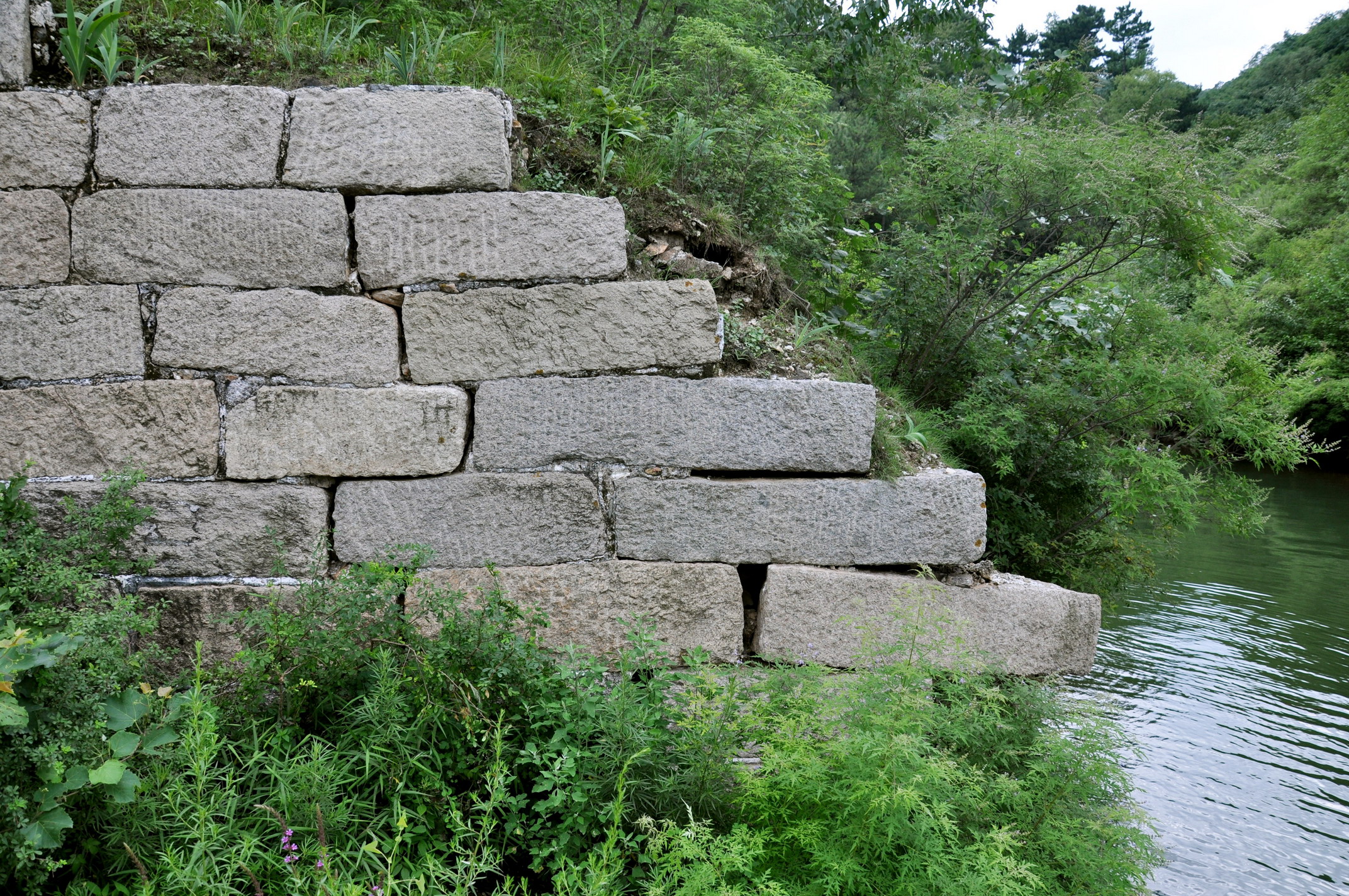
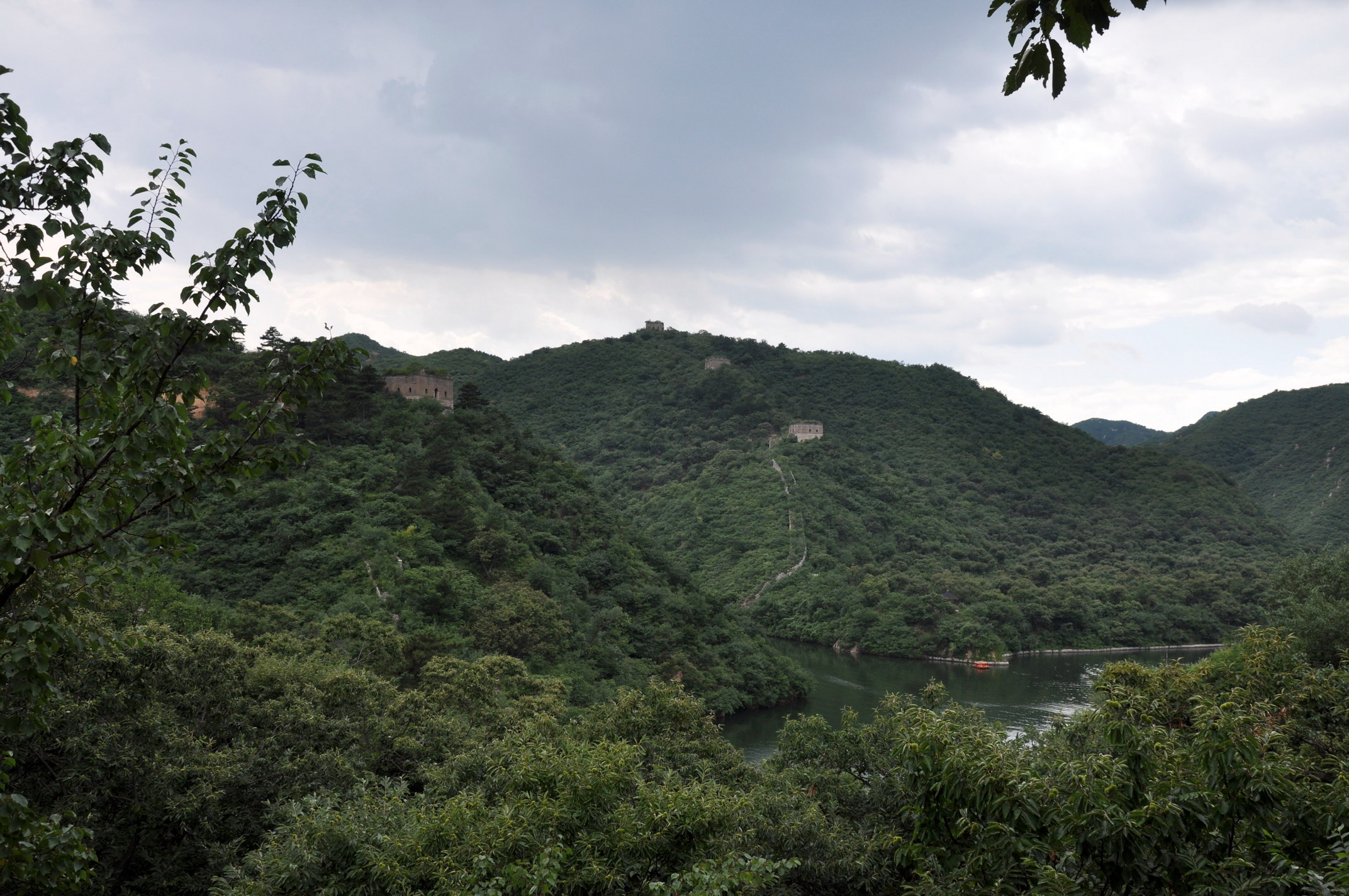
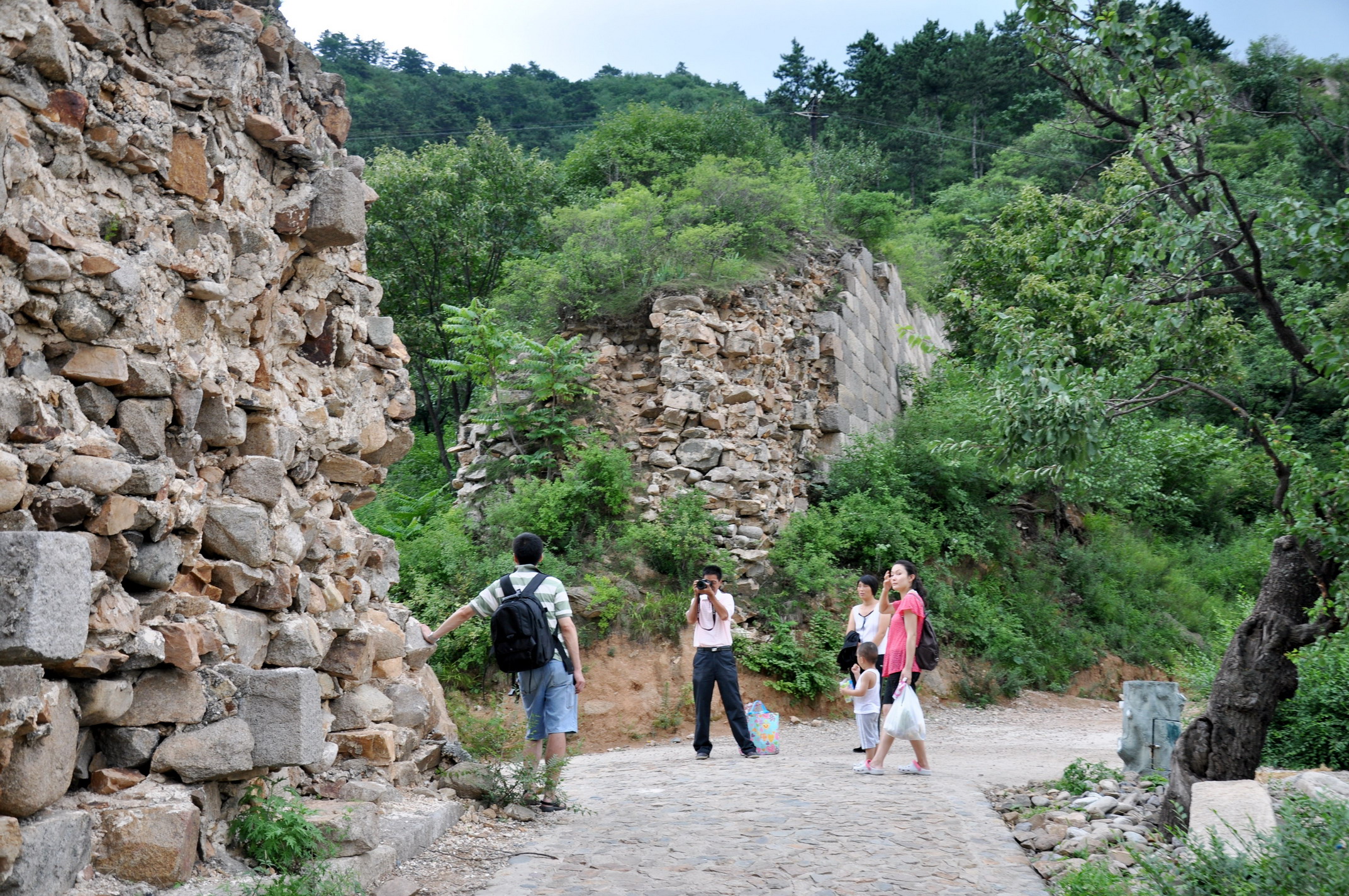
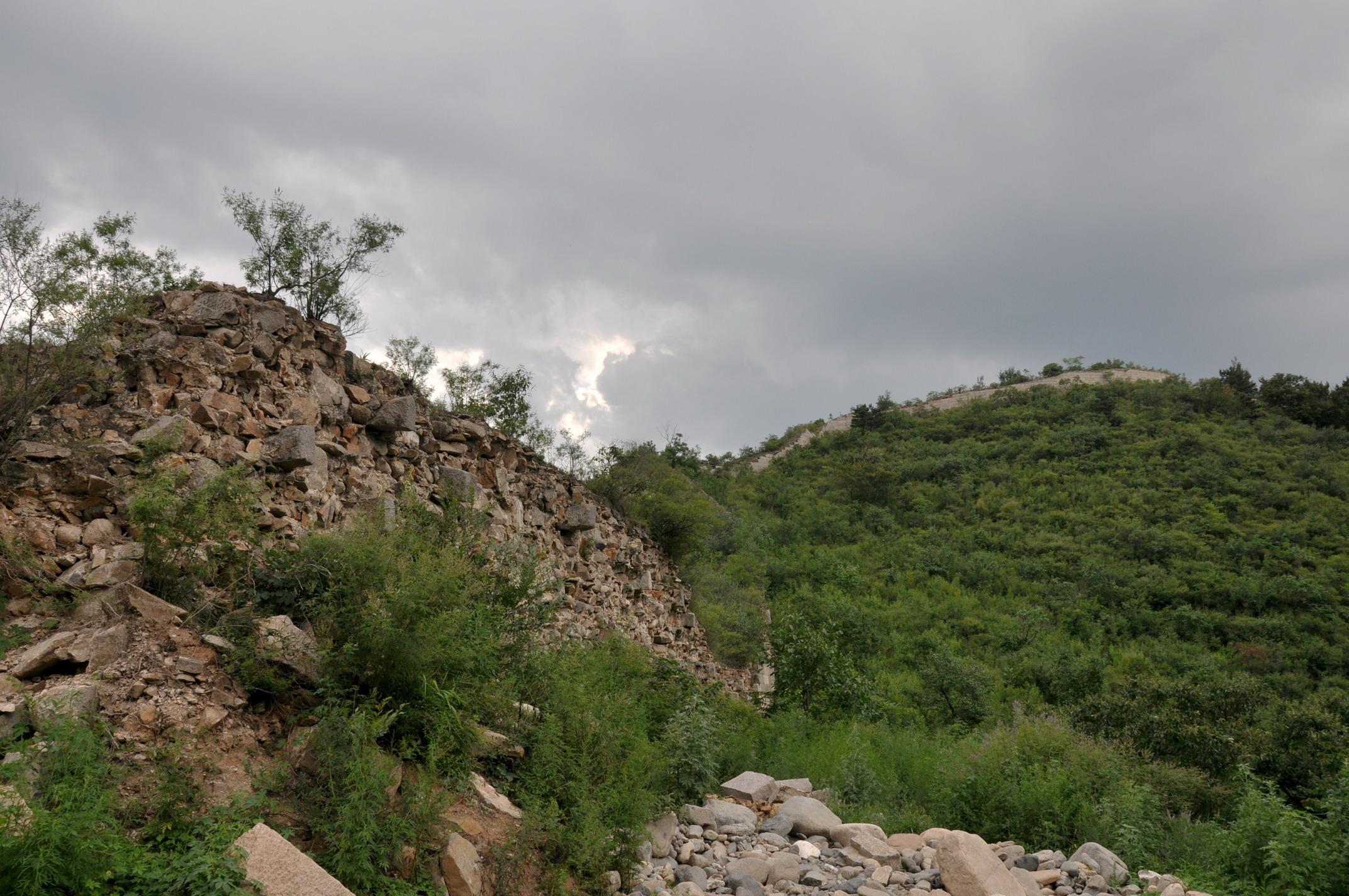
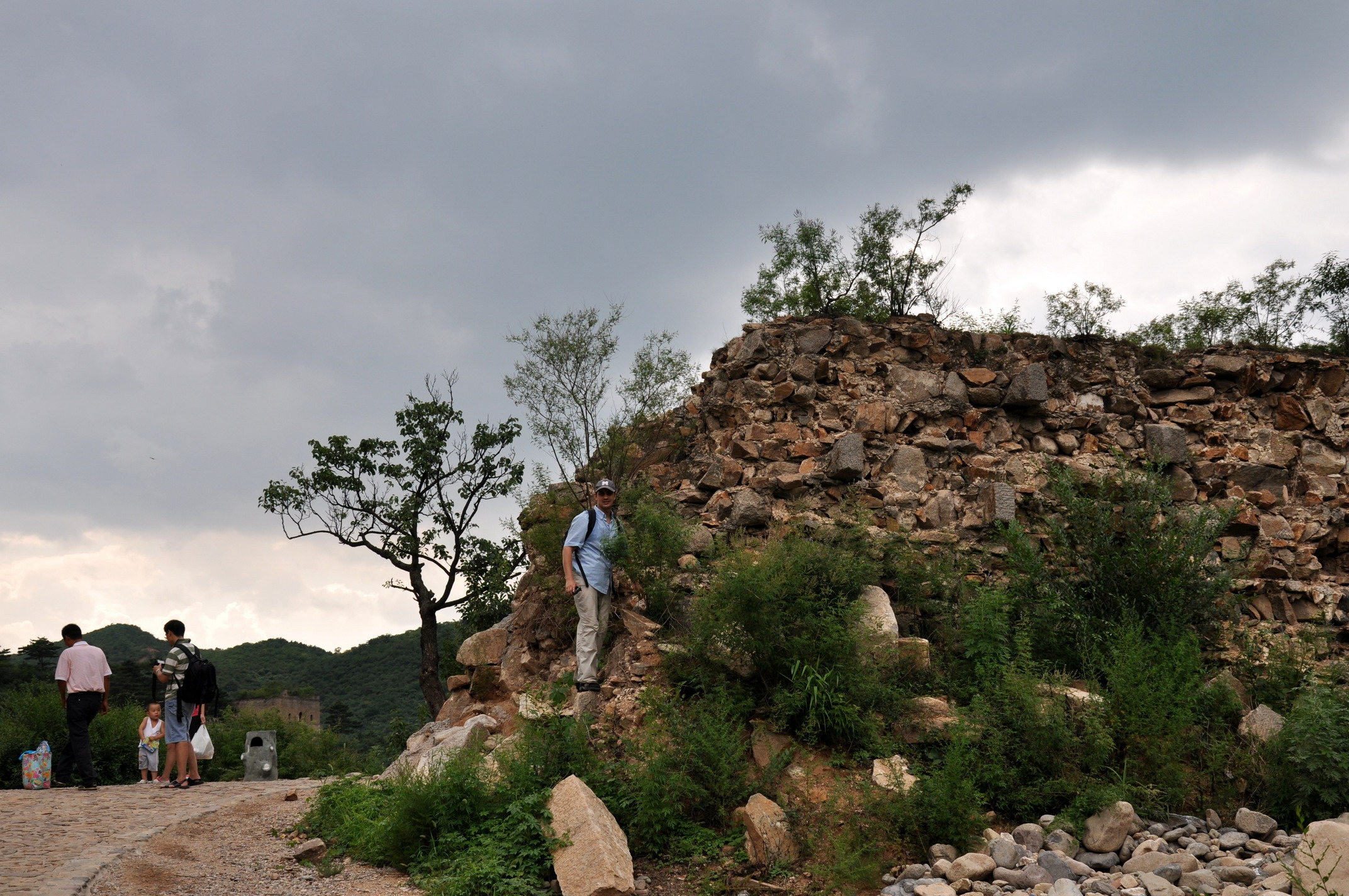
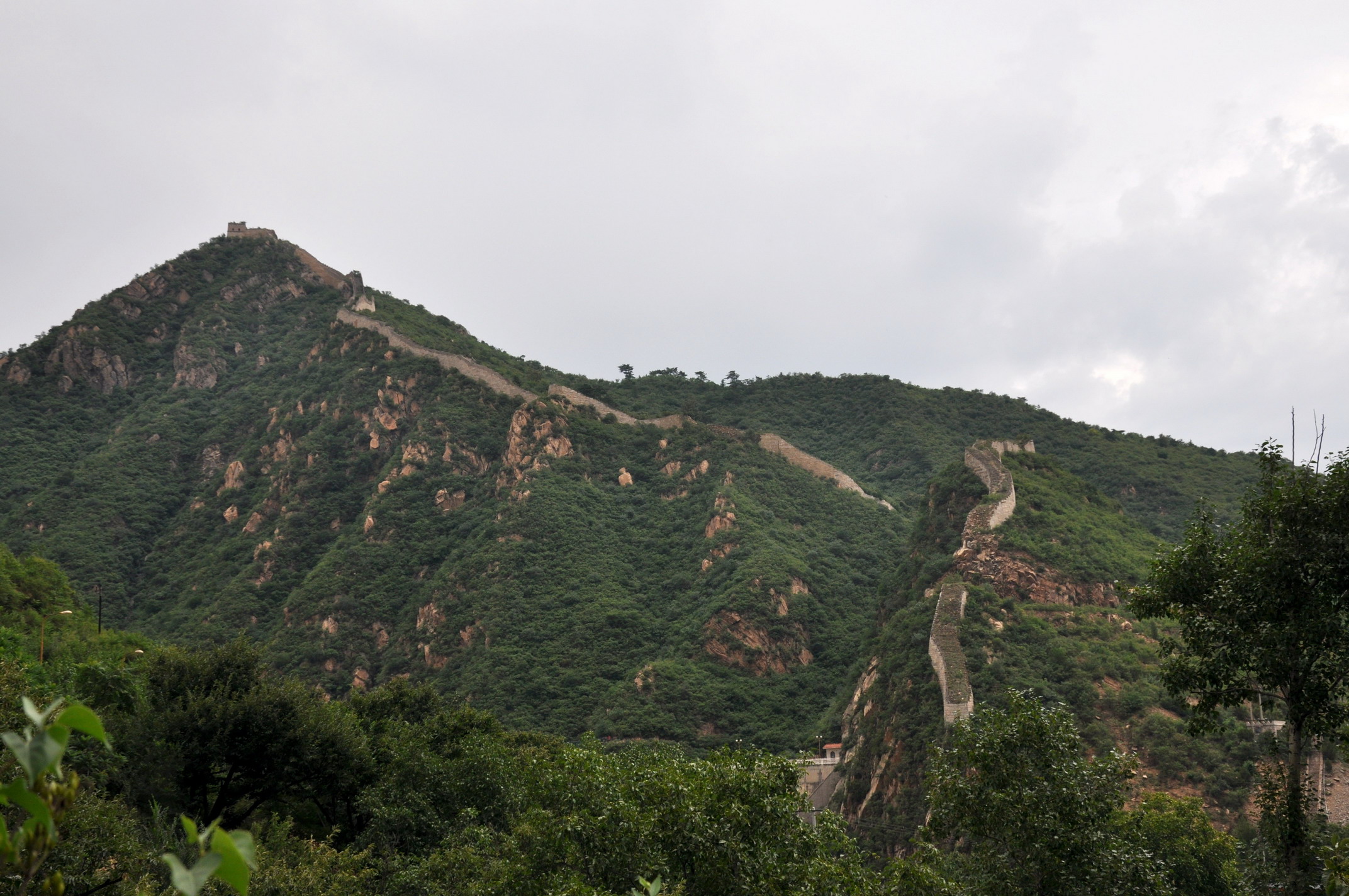
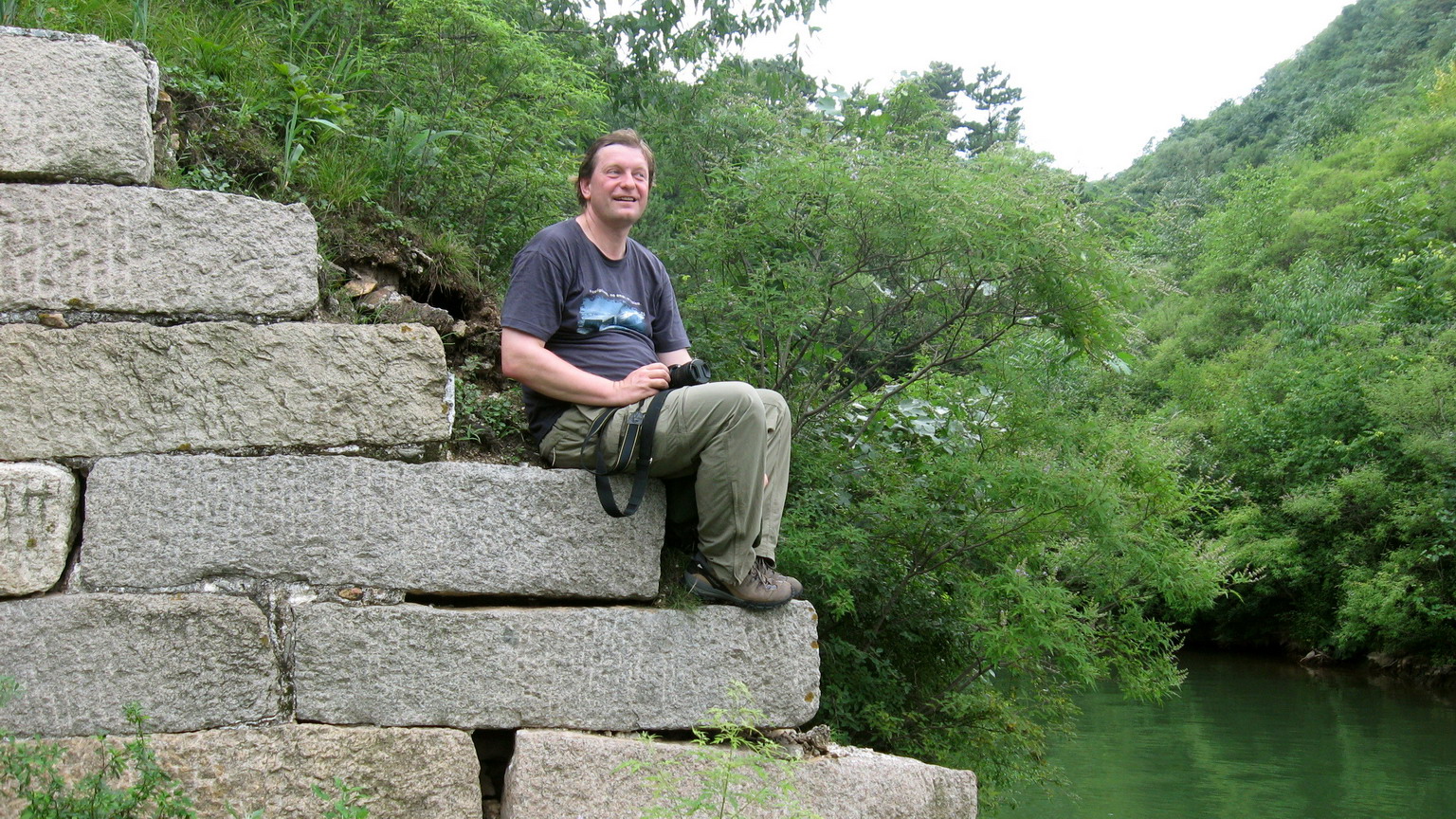
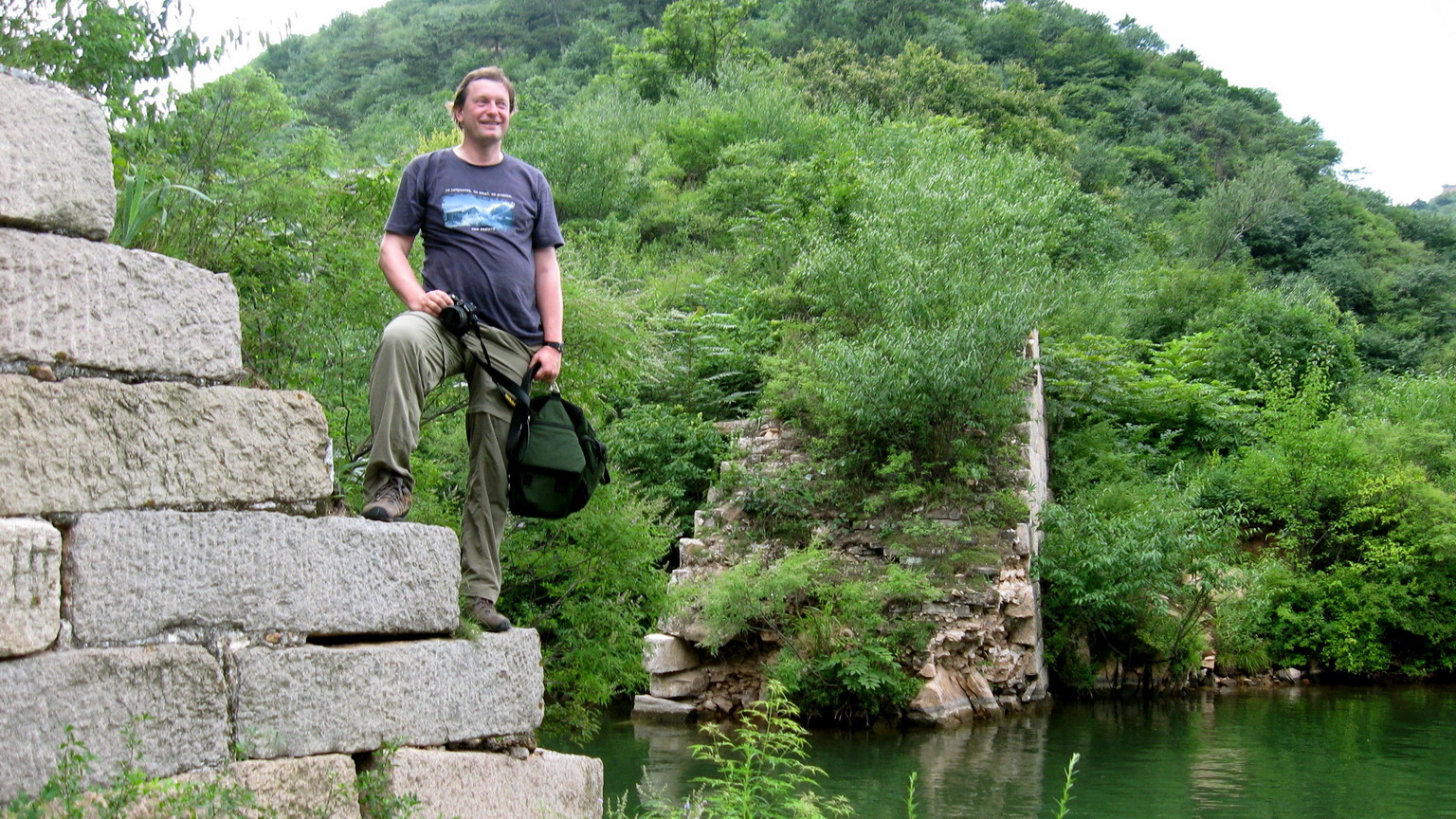
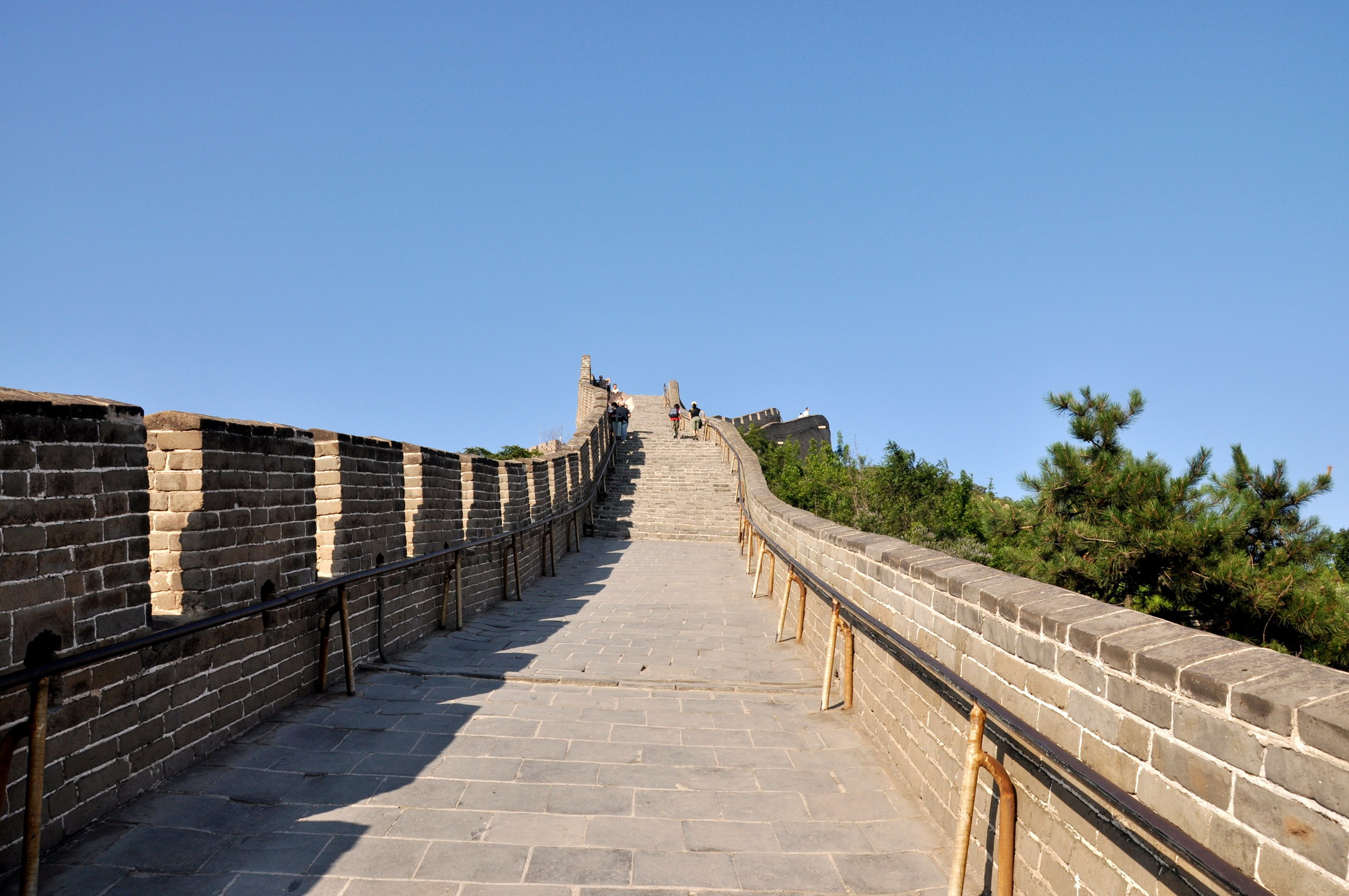
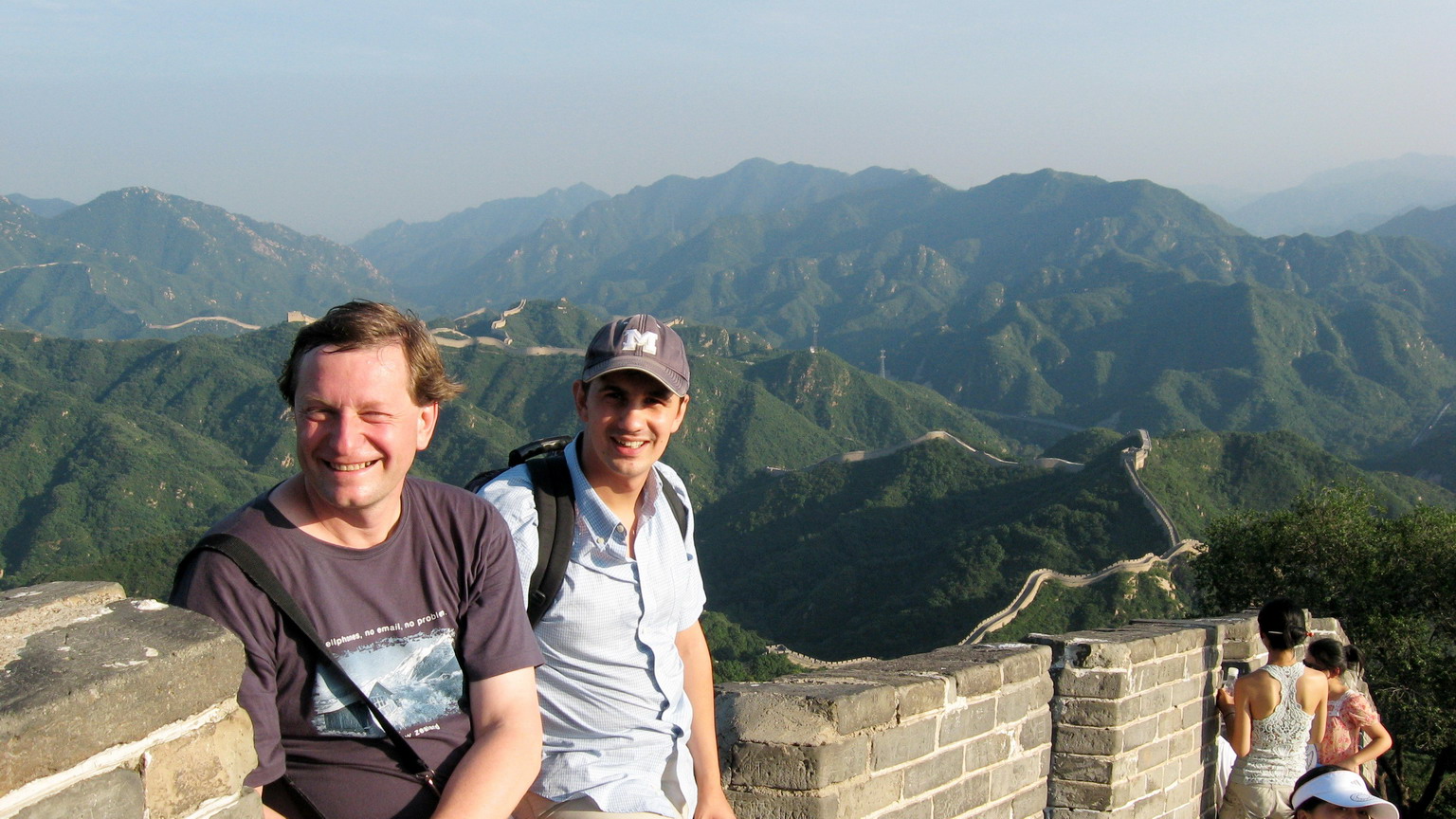
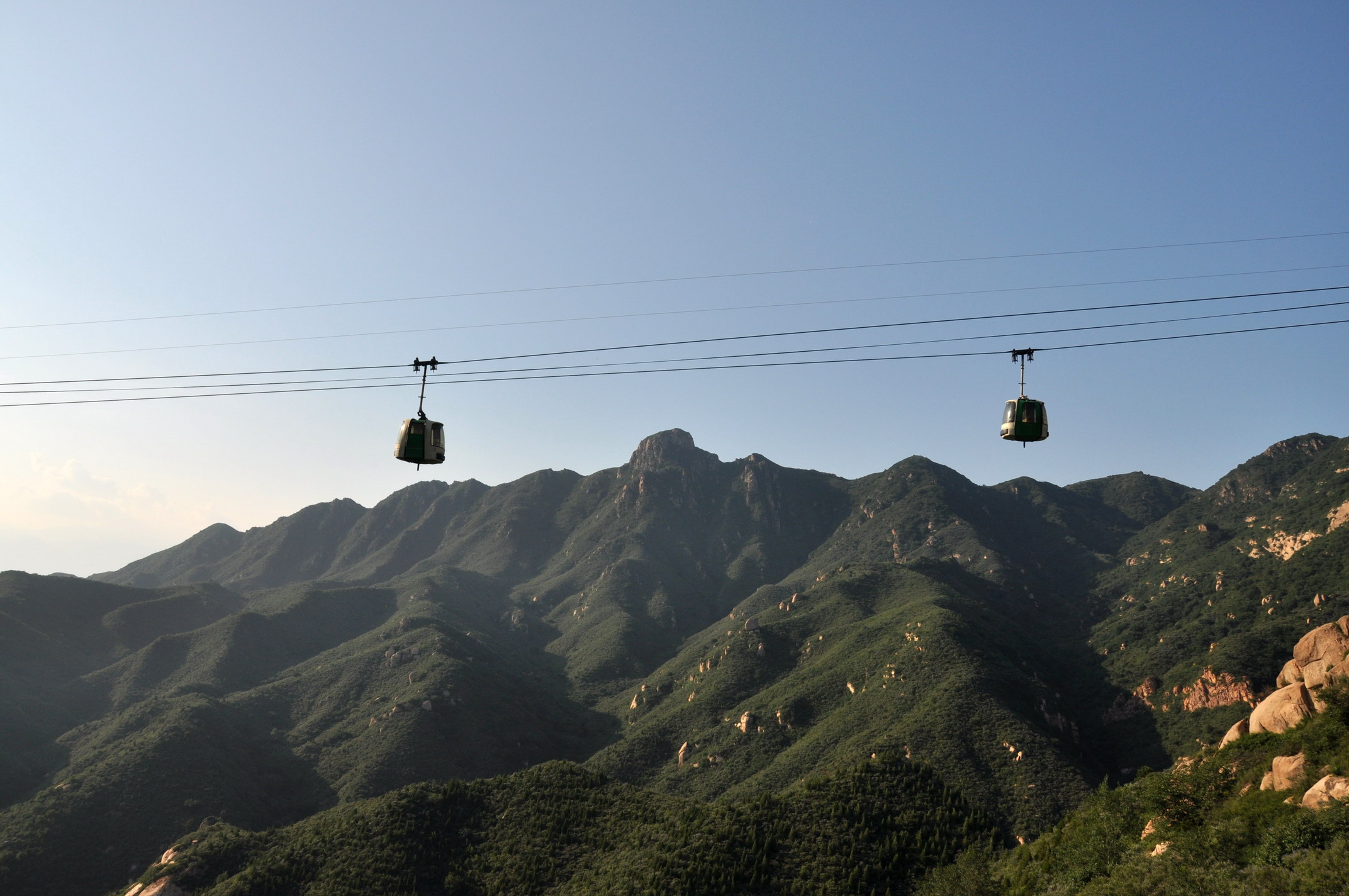
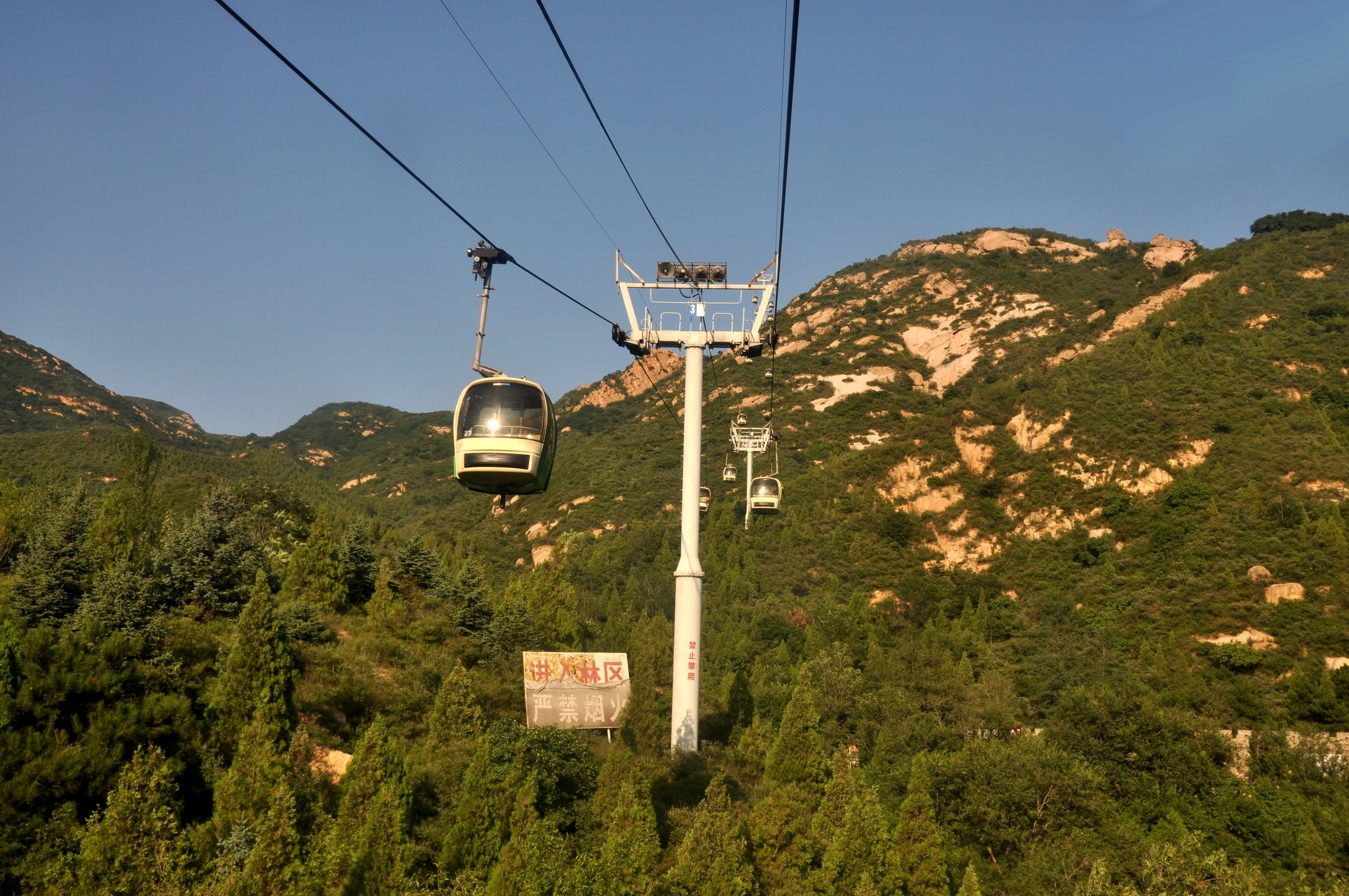
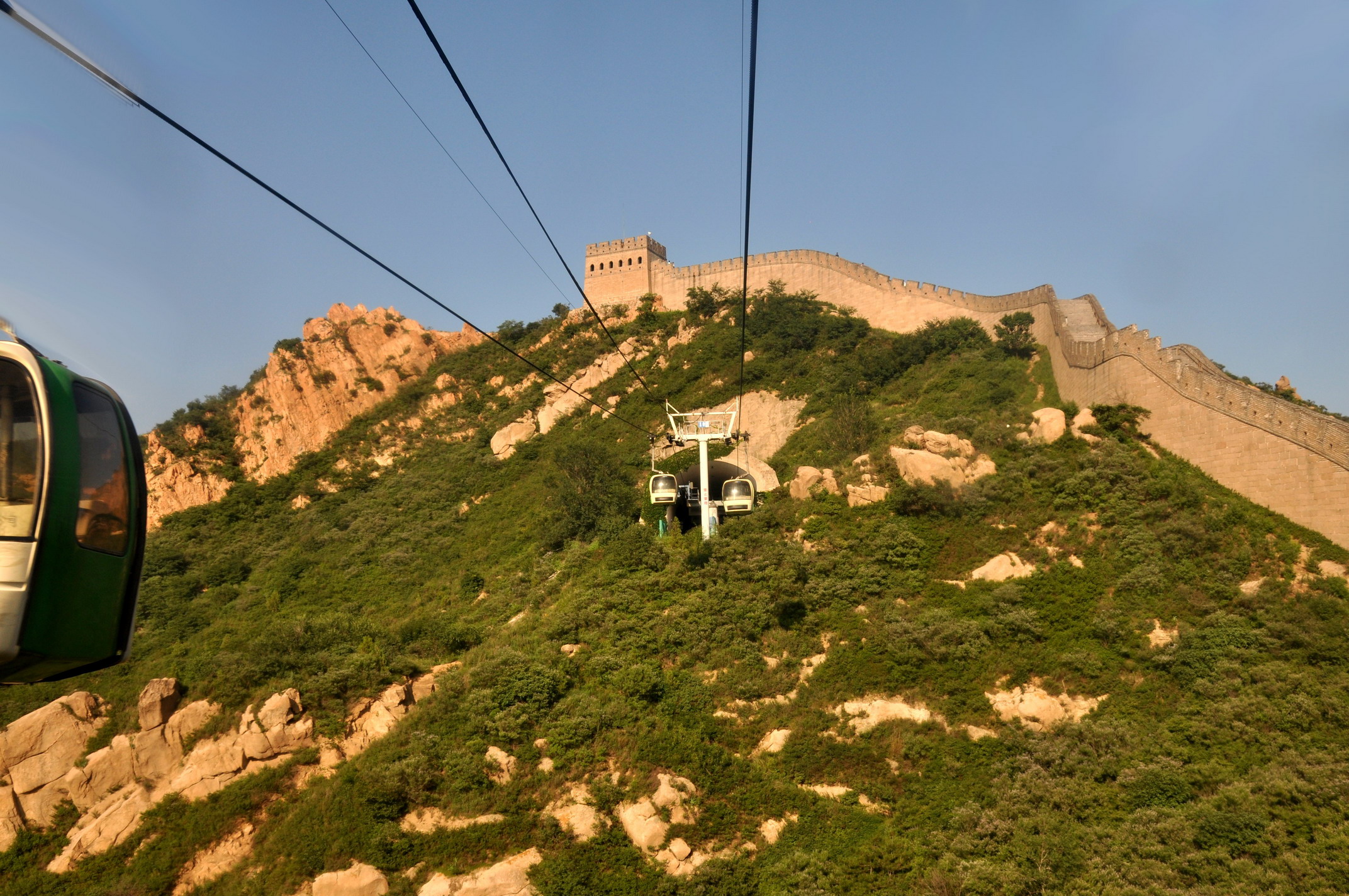
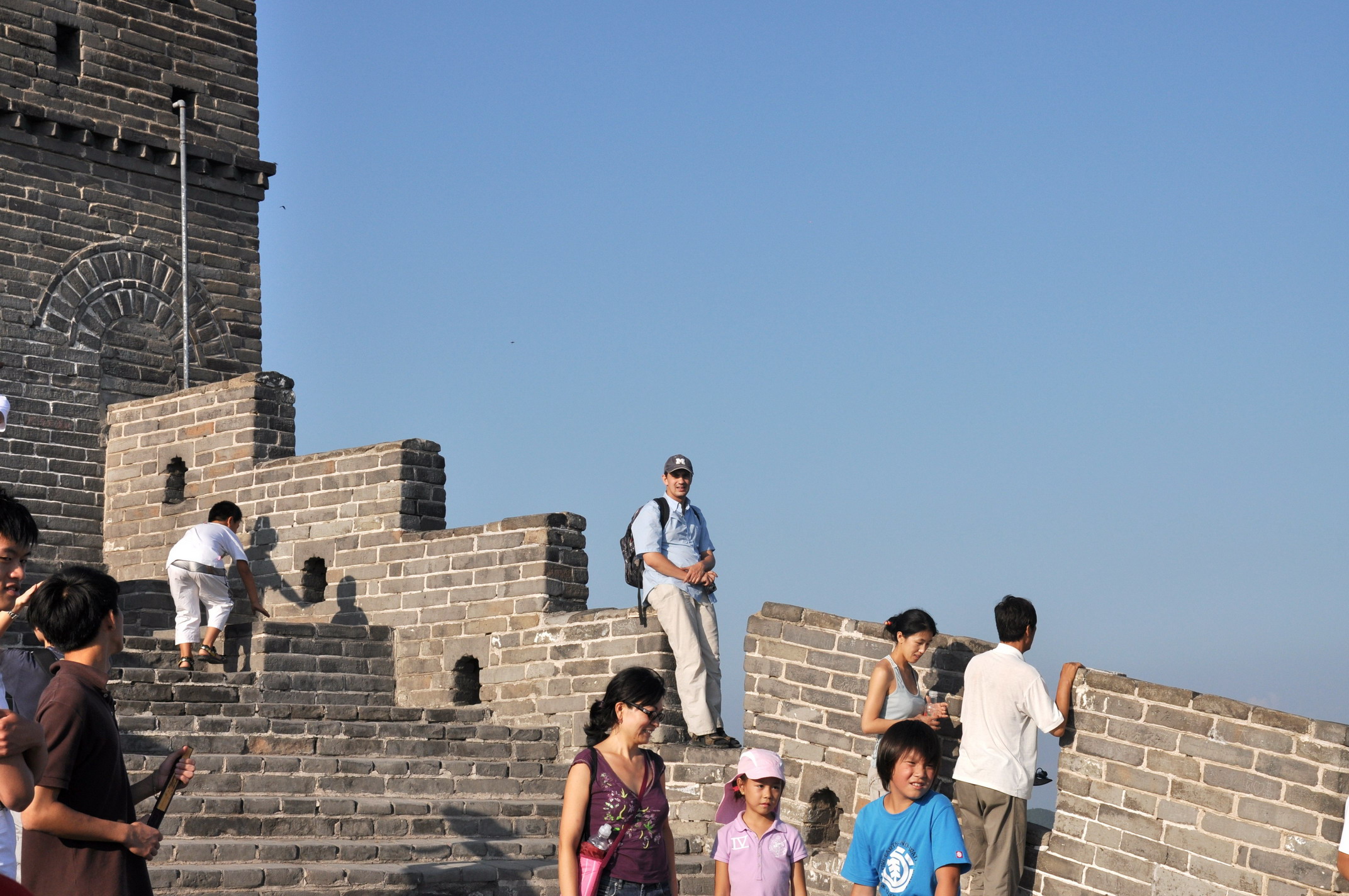
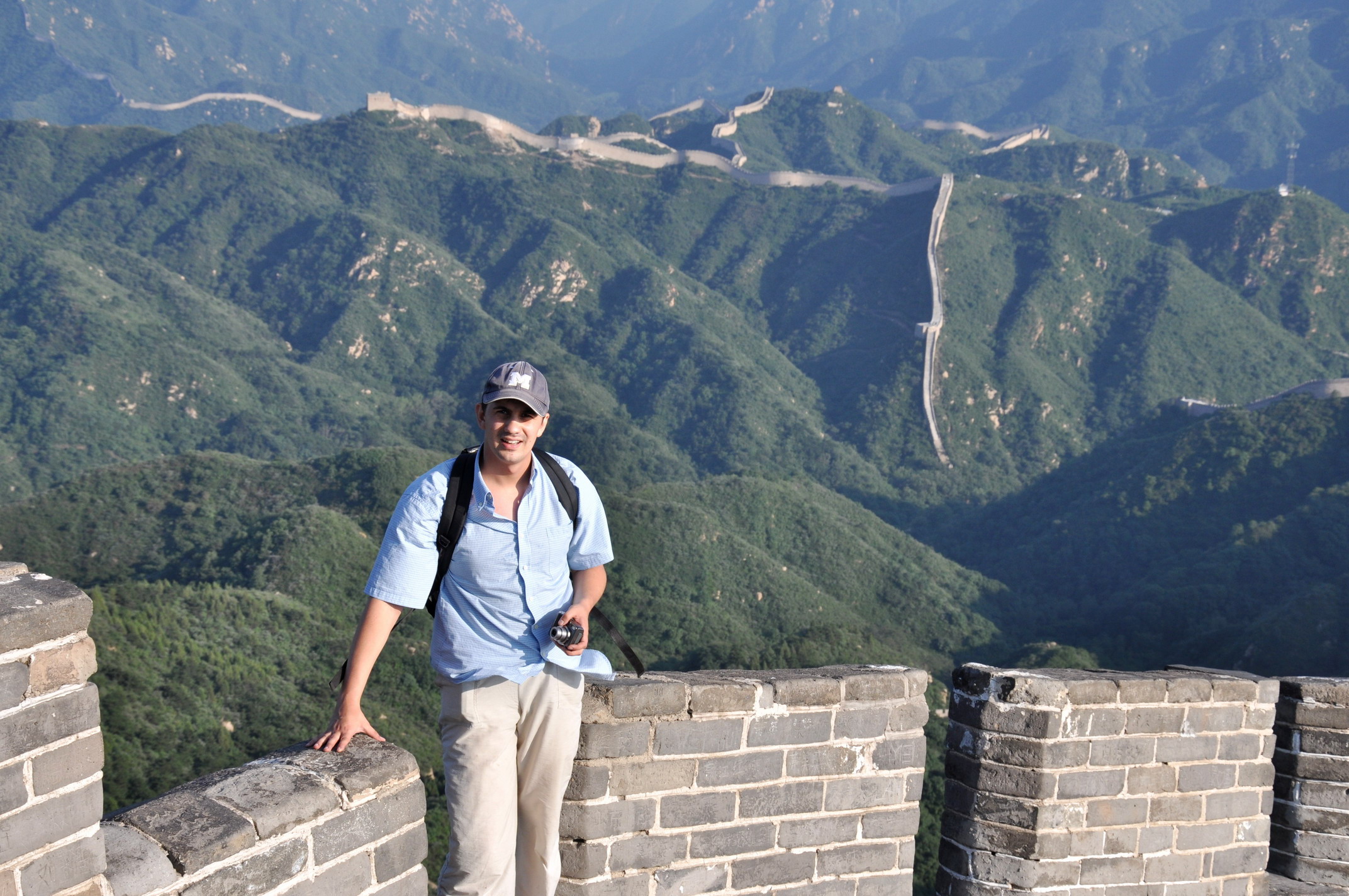
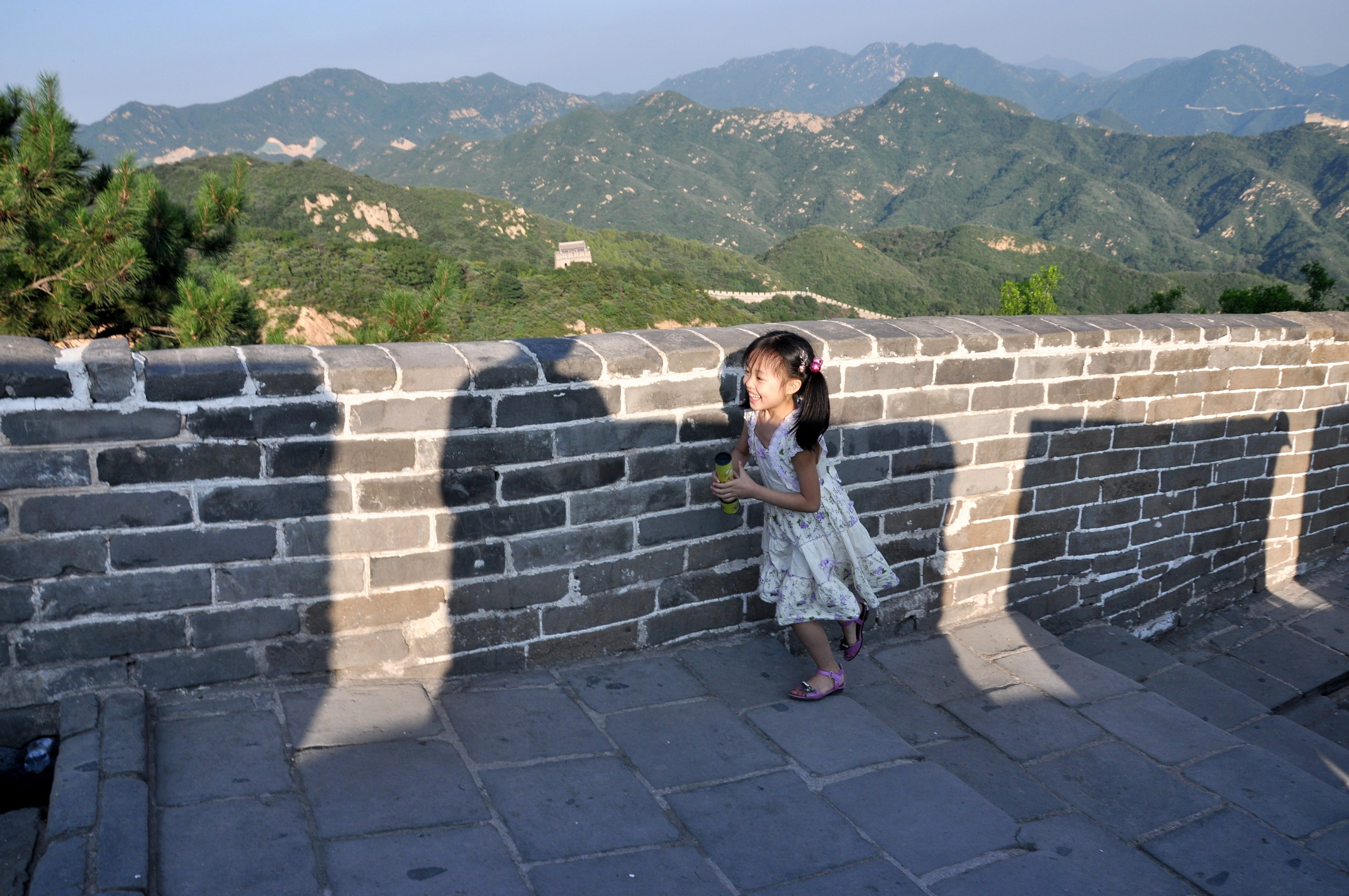
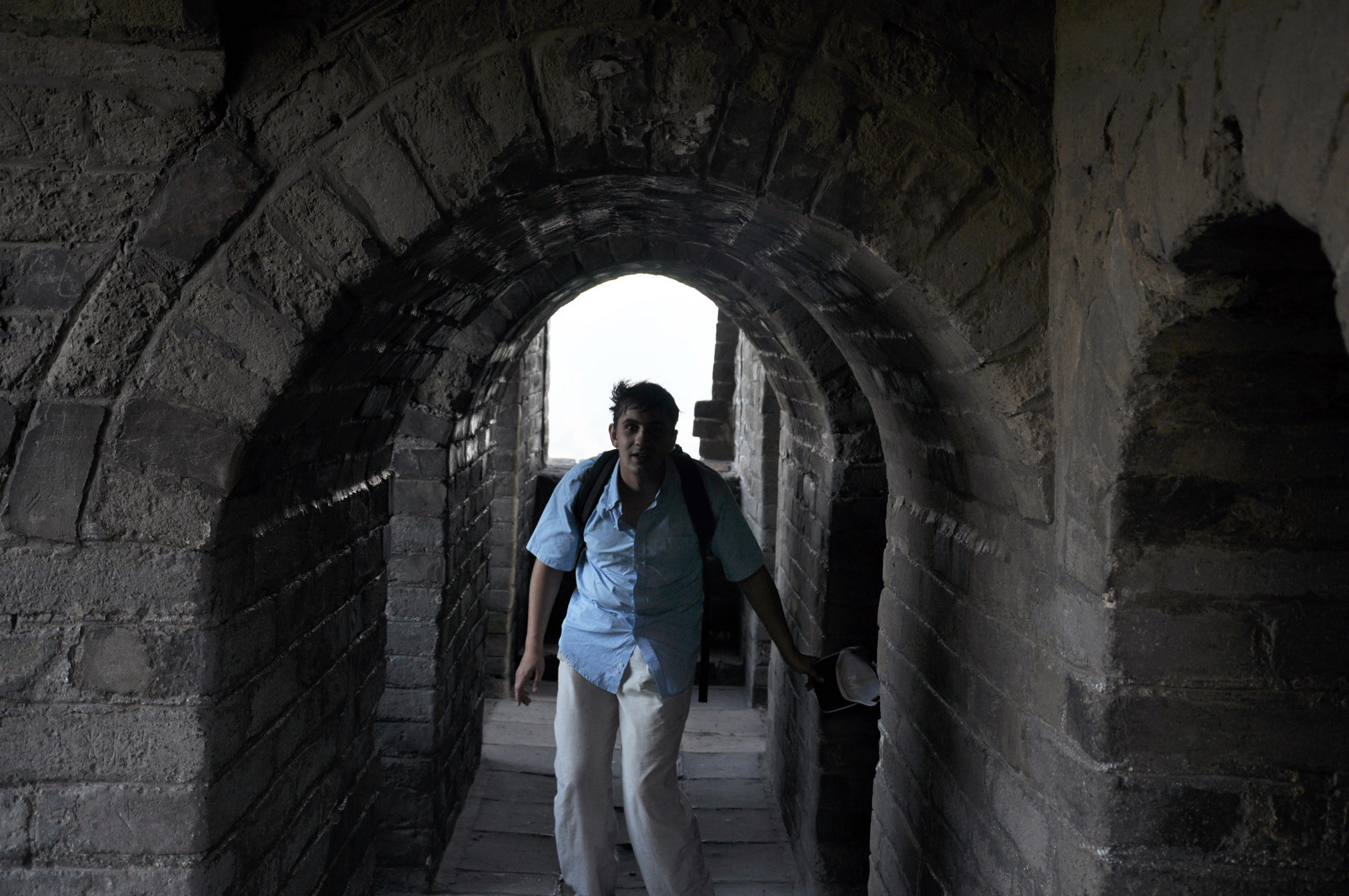
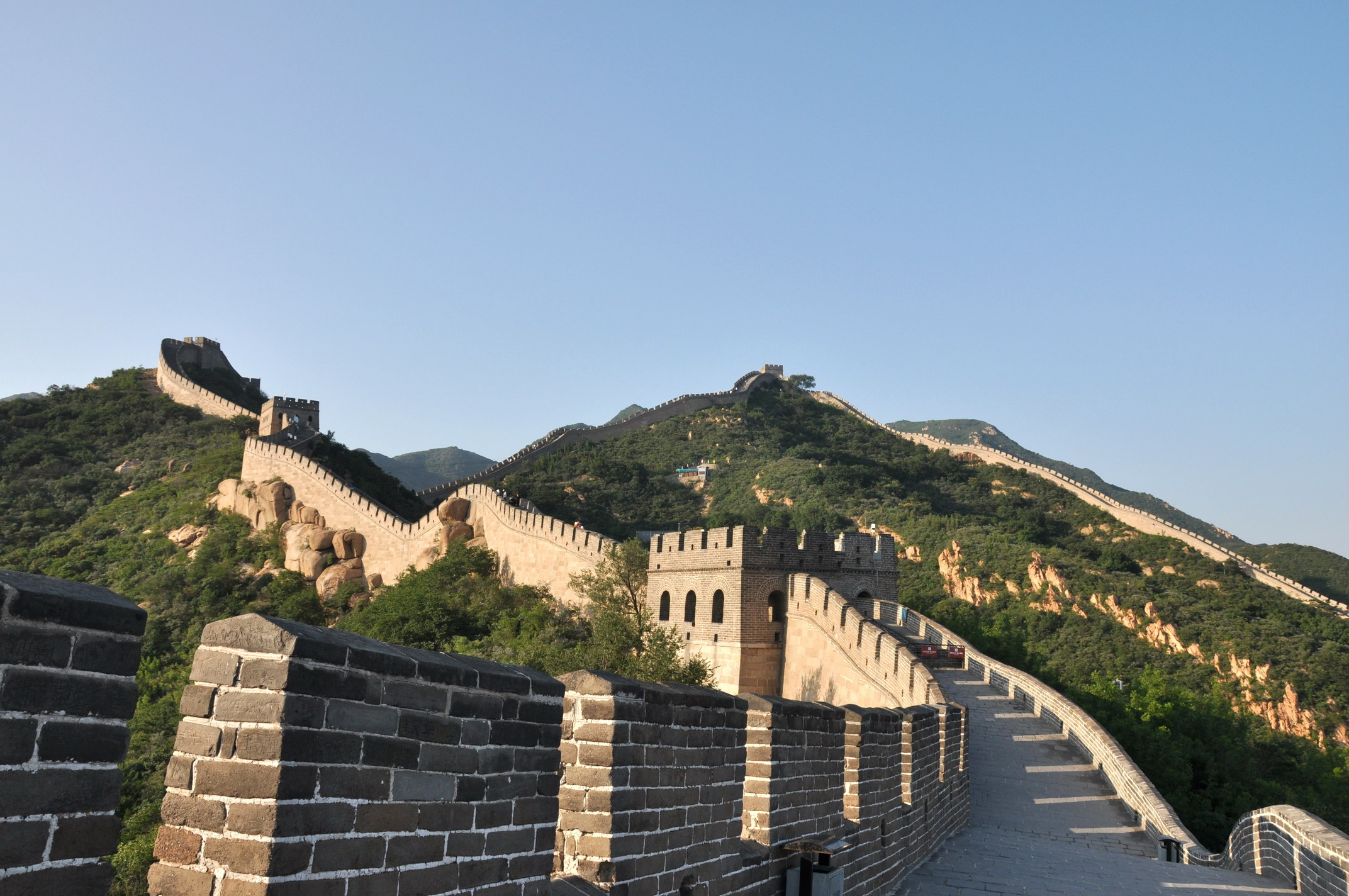
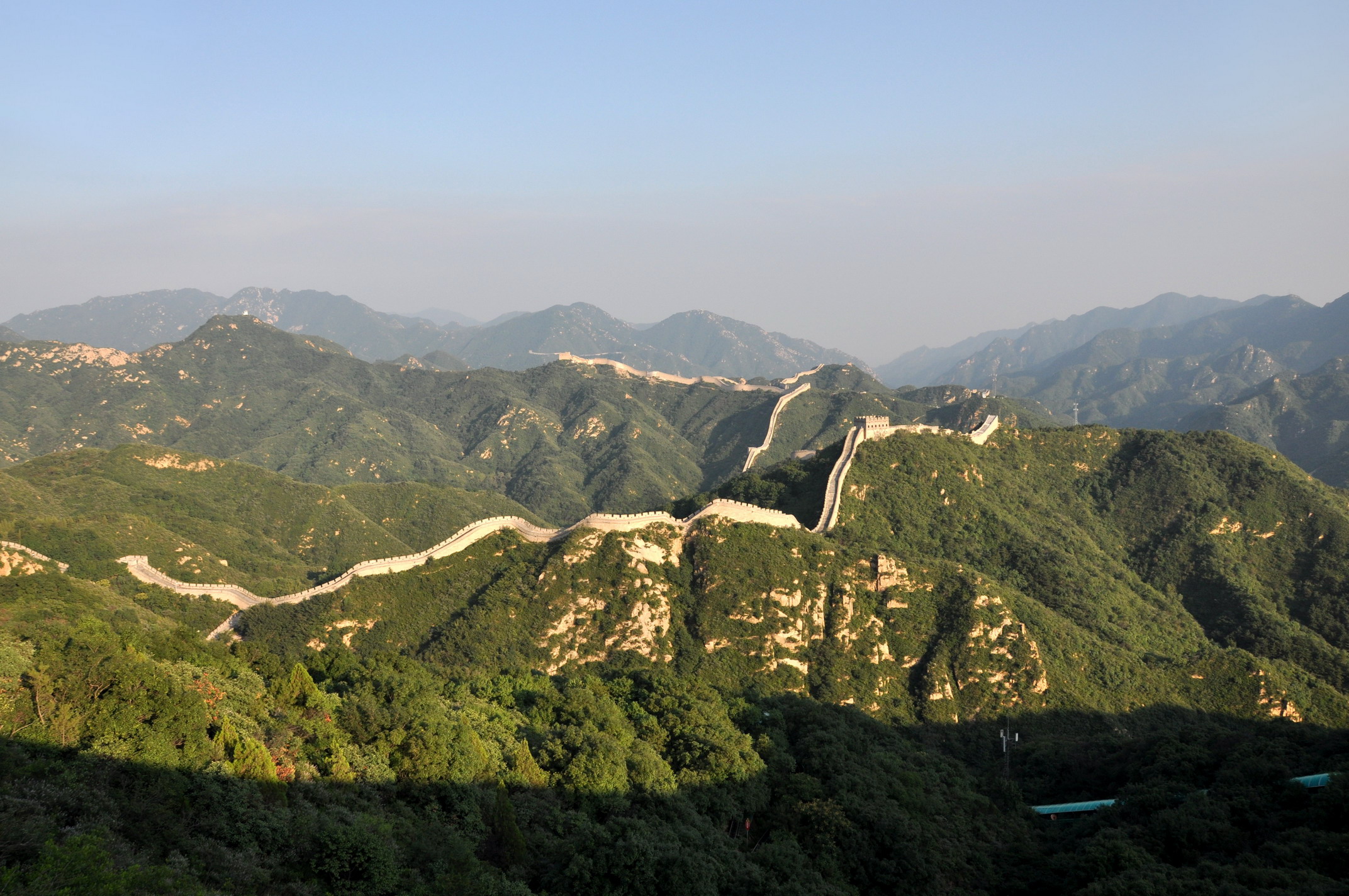
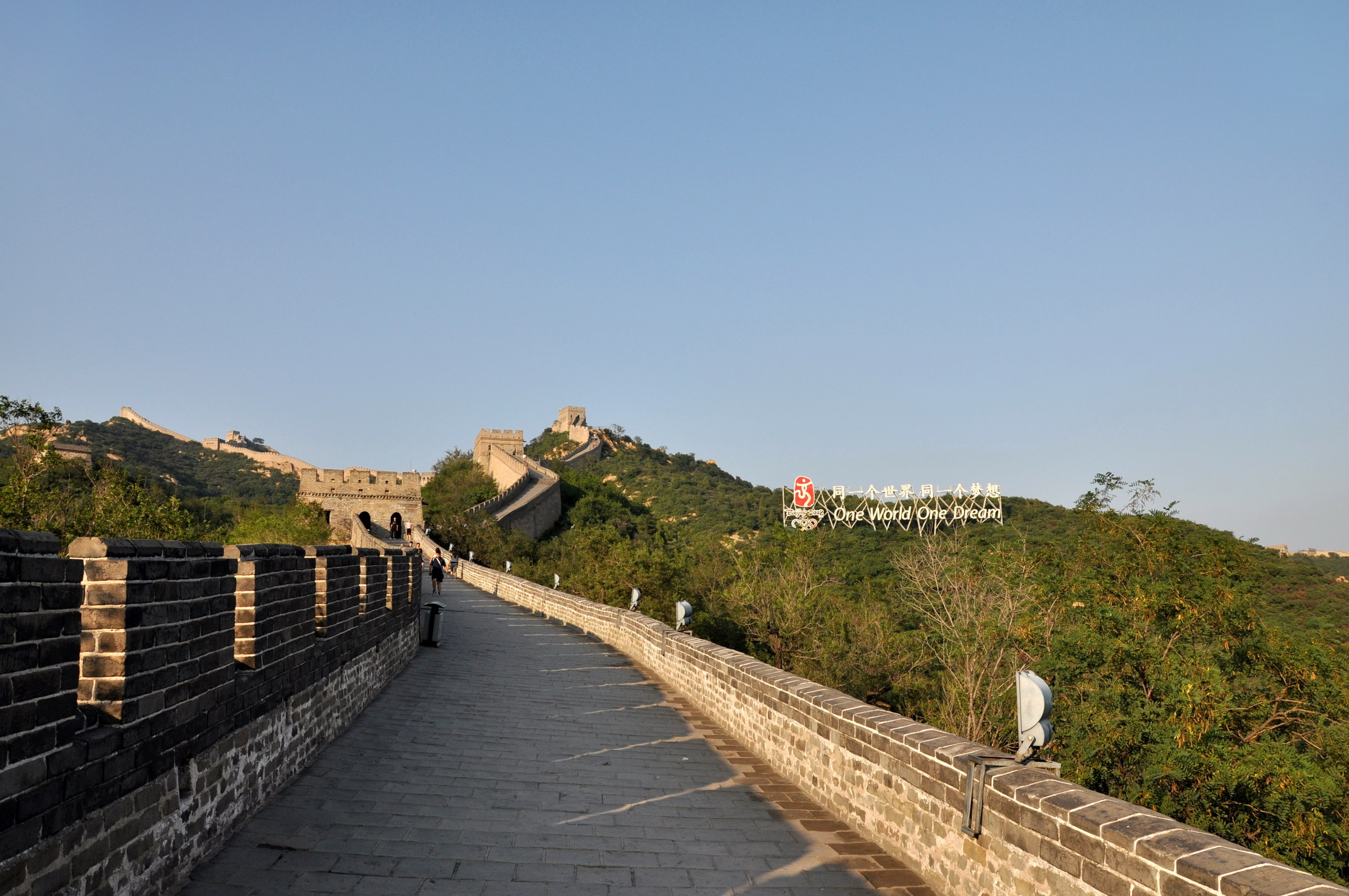
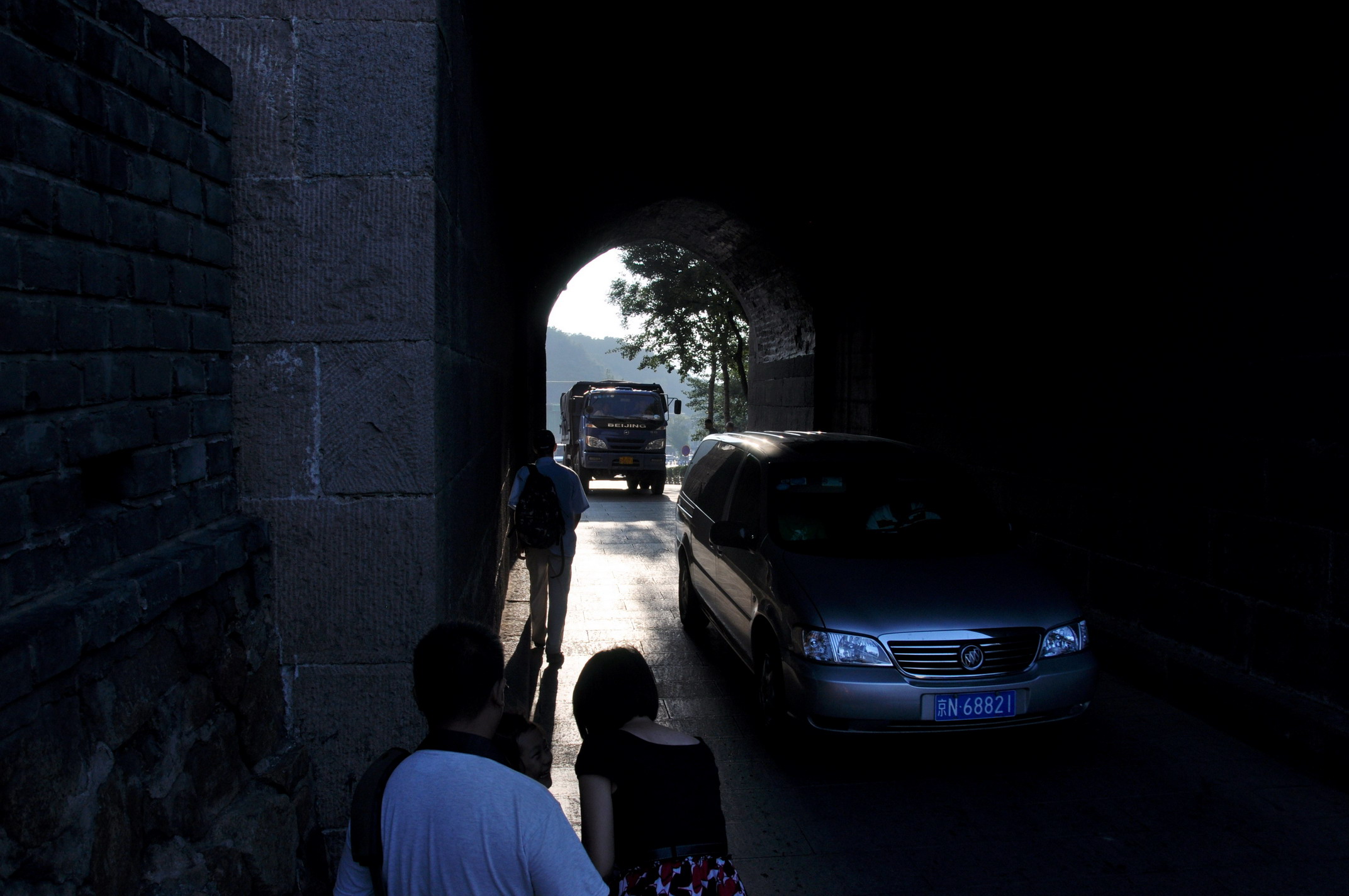
After a short circular walk, we took the same taxi to Badaling, the most famous and visited stretch of the wall. Here you can walk along the wall. Everything has been restored, and to avoid climbing in the heat they’ve put in a cable car. There weren’t all that many people. It was already evening and the crowd had thinned. In the rays of the setting sun we took an hour longer than we’d intended.
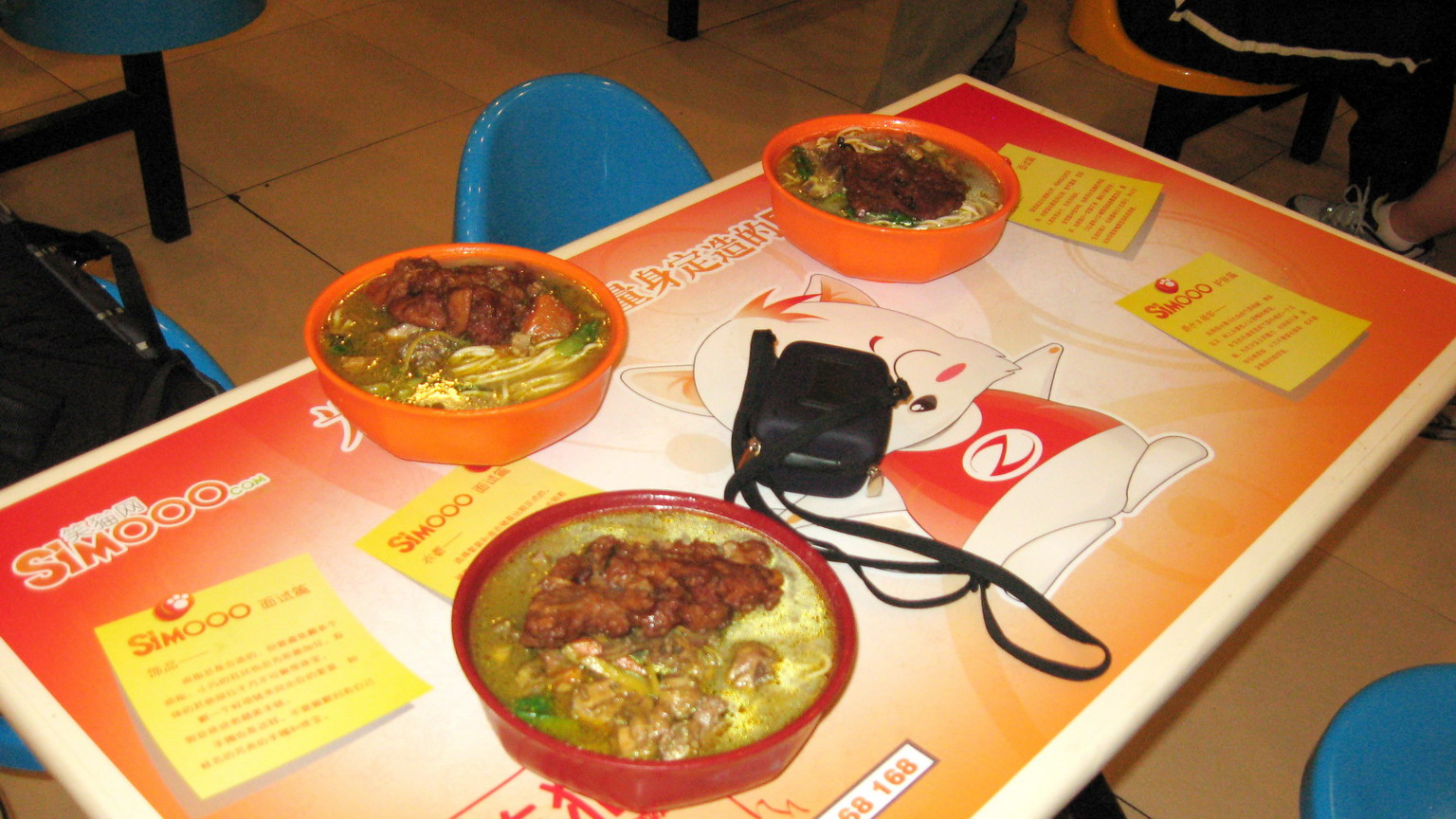
Now we had to do everything at a run. A taxi to the university and food in the student canteen. A meal cost less than a dollar. It took strength of spirit to eat it. Chinese cooking knows no limits, including at the cheap and inedible end of things. Then a quick wash and off to the plane.
There wasn’t a taxi to be found. We ran to the metro. It actually went to the airport. How long could it take? I reckoned an hour. It turned out to take more than two. Luckily we caught one of the last trains. The airport stretch had virtually no stops, but the train crawled. It went to one terminal, waited five minutes and went just as slowly to the other. Out of the metro there were no signs. Where was check-in? Which way should we run? We arrived three minutes before it closed. Phew. It was hot.
Then came the night flight to Saint Petersburg, and a reminder of service in Russia. I’d found plenty in China that wasn’t designed with people in mind, but here... I lifted my camera and a flight attendant barked at me not to take pictures. Where had they found this rude woman? A Chinese man hadn’t buckled something up. She said something in Russian and, imagine her surprise, he didn’t understand. She shouted, “Lena, come here, this one doesn’t speak Russian.” It seemed Lena was the only person on the whole plane who knew English. They didn’t serve wine on Russian planes by then, either. Arab airlines would give you wine even during Ramadan. Well, I wasn’t flying Pulkovo or Aeroflot again, and to hell with Russian service. After China it still frayed my nerves.
What I thought in 2009
I wasn’t one of those people who thought Gorbachev had got everything wrong and Russia ought to have done what China did. To my mind Russia was already dead by Gorbachev’s day. Nobody could have done anything. Khrushchev could have. That was when the world watched in horror as the USSR launched a satellite and made atomic bombs. People began to believe the planned economy had got something right. In time things fell into place. As I saw it in 2009, China was thirty to fifty years behind that Russian experience and had only recently sent up its own Gagarin and held the Olympics.
China’s Communists could see what had happened to the USSR and were trying to steer clear of the same fate. I was afraid they’d never wholly manage it. I thought China, too, would face its perestroika. Sooner or later a stubborn unimaginative leader would come to power after a dull career spent following other people’s orders. He would drive the country into a dead end that nobody could leave peacefully.
Meanwhile the main part of the labour force, born in the 1950s and 1960s, would approach retirement. At the time the average Chinese worker was happy to work and ask no questions, I thought. They’d begun with a bowl of rice and now they had a flat, a bicycle and a fridge. You could get away without giving old people a pension when each household had lots of grown children. That would soon change. Births had been restricted from the 1970s: “One family, one child.” It meant that two ageing parents would depend on a single wage earner. The new workers hadn’t been hardened by hunger in the revolution. They were only children, with university educations and full stomachs in childhood. They wanted wages of US$1,000–2,000 as soon as they left university. European wages. How would China compete in the world market then? Europeans also knew how to work. An Eastern European worker was already better value in some circumstances, I thought. And there was Vietnam close by, and another billion workers in India. In some places people still worked for very little. Typing this at my computer, I was already wearing a Vietnamese shirt and work trousers made in Nicaragua.
Would quality and Buddhist industry see them through? I doubted even neighbouring Japan had managed it.
The new generation of Chinese I was thinking of didn’t particularly want a lot of children. They wanted to go out and have a life. Changing partners, infidelity and sex before marriage struck me as things younger people took much more for granted. The Party could issue stern orders to forbid and punish things and refuse a couple a hotel room without the right stamp. Who would enforce them?
A career was becoming more important than family, and lower wages and higher taxes were hardly part of anyone’s plans. I expected both in twenty years, when China, like Europe, would be ageing. At the same time I expected exports to fall. Who would want expensive Chinese goods? In the economic climate then, I thought the shift of businesses to China had stalled or even reversed.
Then the country’s long-standing social problems would come back. Uyghurs and other minorities had had looser restrictions on births. China had its own Muslim communities. Tibetan unrest might grow again. I could even imagine Chinese settlers in Tibet one day wanting to separate, and students remembering Tiananmen. China’s economic strength grew in the south, while power lay in the north. At the time they felt as though they’d always understand one another and all thought of themselves as Han. In a crisis, I wondered whether the differences in languages would matter. We’d seen what happened between Russia and Ukraine and knew how quickly that debate could arise.
And corruption would come to the surface, of which there was already plenty. If everything came apart, shooting a few people wouldn’t settle it, especially if those who couldn’t pay to get away were the ones shot. I thought the central authorities understood all this and were doing what they could to smooth it over. They hadn’t been the ones who’d driven the country into the Communist dead end or launched the Cultural Revolution. Some of their own generation had suffered for it.
To leave politics behind, I wanted to wish them luck. A China in collapse would be a catastrophe for Russia. May they be spared bloodshed and hunger. Imagine a hundred million refugees at Yaroslavsky Station. After all, Chinese people had already shown they could build prosperous societies in Hong Kong, Taiwan and Singapore.
How I wanted to see more of China while I could, while it was still the workshop of the twenty-first century. If only they’d let foreigners drive there. I’d set off straight from Saint Petersburg in my Subaru.