Trip report
On the island of Borneo is the country of Brunei, or Brunei Darussalam, Malay for ‘Brunei, the Abode of Peace’. It is an absolute monarchy. Sultan Hassanal Bolkiah calls the shots. He is the twenty-ninth ruler in a dynasty that has reigned in Brunei since 1363. He is one of the world's richest men, with a fortune of 20 billion dollars and the world's largest palace, all 1,788 rooms of it.
The secret of this prosperity is simple. Brunei has a great deal of gas and oil and only half a million citizens. The sultan makes some effort to look beyond oil, or at least to stay ahead of the times. Its liquefied natural gas plant was built as far back as 1971. The oil won't last forever, and in a country as small as Brunei the chances of finding new deposits look slim. There have been attempts to develop banking, tourism and nanotechnology, with modest results. The country cannot even feed itself. Nearly all its food is imported, and agriculture accounts for just 0.7 per cent of GDP.
Unlike so many builders of socialism, the sultan remembers to feed ordinary people. Before the fall in oil prices, per capita GDP stood ninth in the world, alongside the richest Western countries. Households paid no utility bills and university education was virtually free. Brunei is a well-kept country with plenty of roads and cars, and a European standard of living. In places the luxury sets records. A night in one of the most expensive suites at The Empire Hotel cost more than $2,500. Those rooms realise Lenin's dream of golden toilets. Everything else is made of gold too, of course.
Getting into Brunei as a Russian citizen in 2014 was a different matter. In the sultan's eyes, it seemed, the citizens of godless, barbarous countries had no place in his holy land. Obtaining a visa took months, and there was no telling how it would turn out. In my understanding there was little point in unmarried women of childbearing age or Israelis applying at all.
In transit through Brunei
There was one loophole. If the sultan invited you himself, you were in luck. That sounded impossible, but things were not entirely hopeless. The Sultan of Brunei loves aircraft. Like any man with serious money these days, he needs a proper toy of his own: an airline.
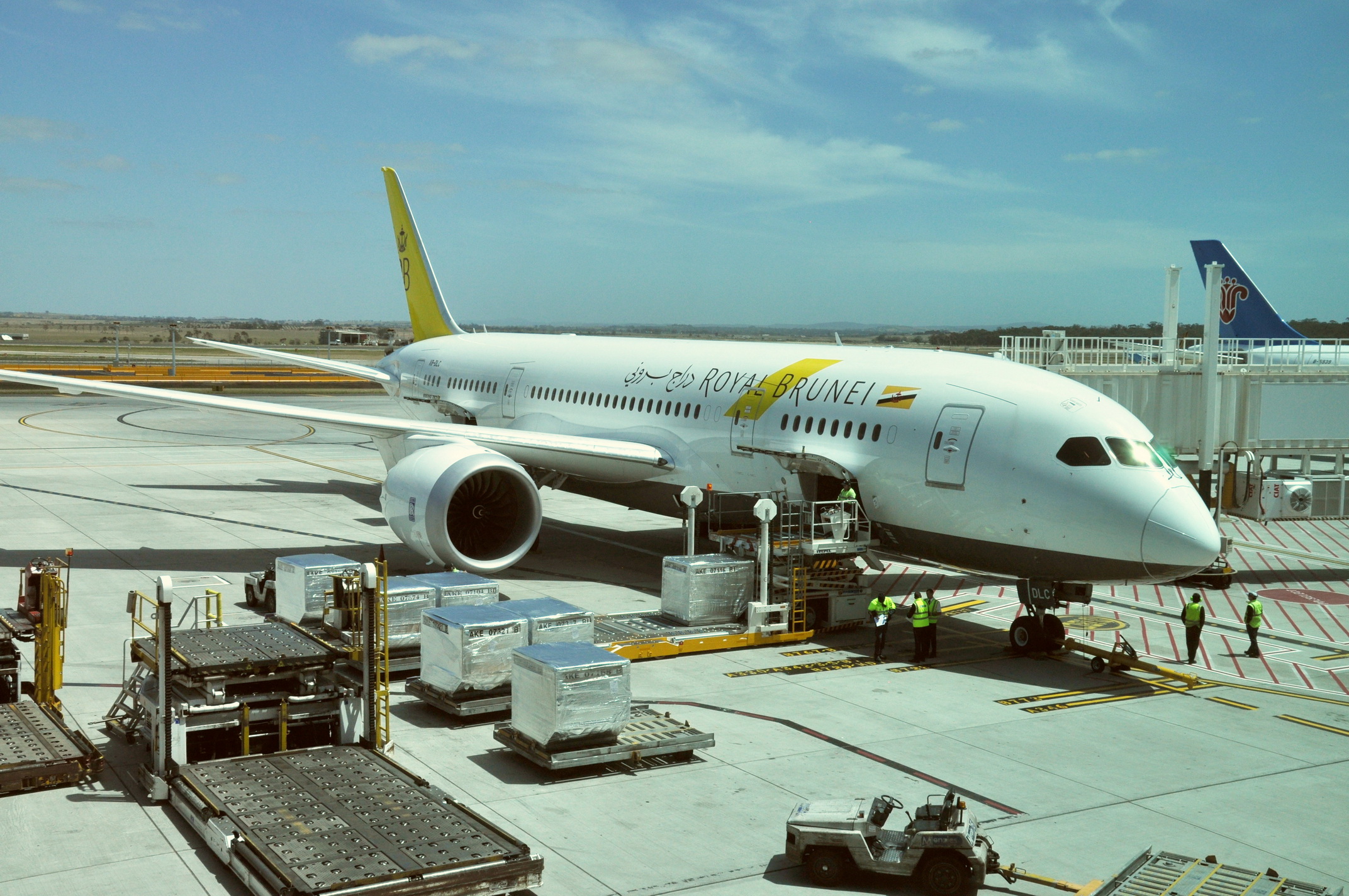
Royal Brunei had a modern fleet that included four Dreamliners. As an international carrier it was perfectly happy to take anyone through Brunei in transit, say from Singapore to Australia. With a little careful booking, you might find yourself in the great sultan's country for a night or two. On board the aircraft, you were the airline's guest. The sultan owned the airline. Therefore you were the sultan's guest, which was what we set out to prove.
At the airport on arrival, I could ask the airline for a letter to take to immigration and get a 72-hour visa. It took about an hour, but I had my golden key. Brunei is small, and three days, especially with a stop in each direction, were ample. At the time, according to what I'd read, overstaying could earn you prison and three strokes of the rattan cane. I combined the visit to Brunei with a flight to New Zealand. For a long-haul trip, Royal Brunei's fares were quite reasonable.
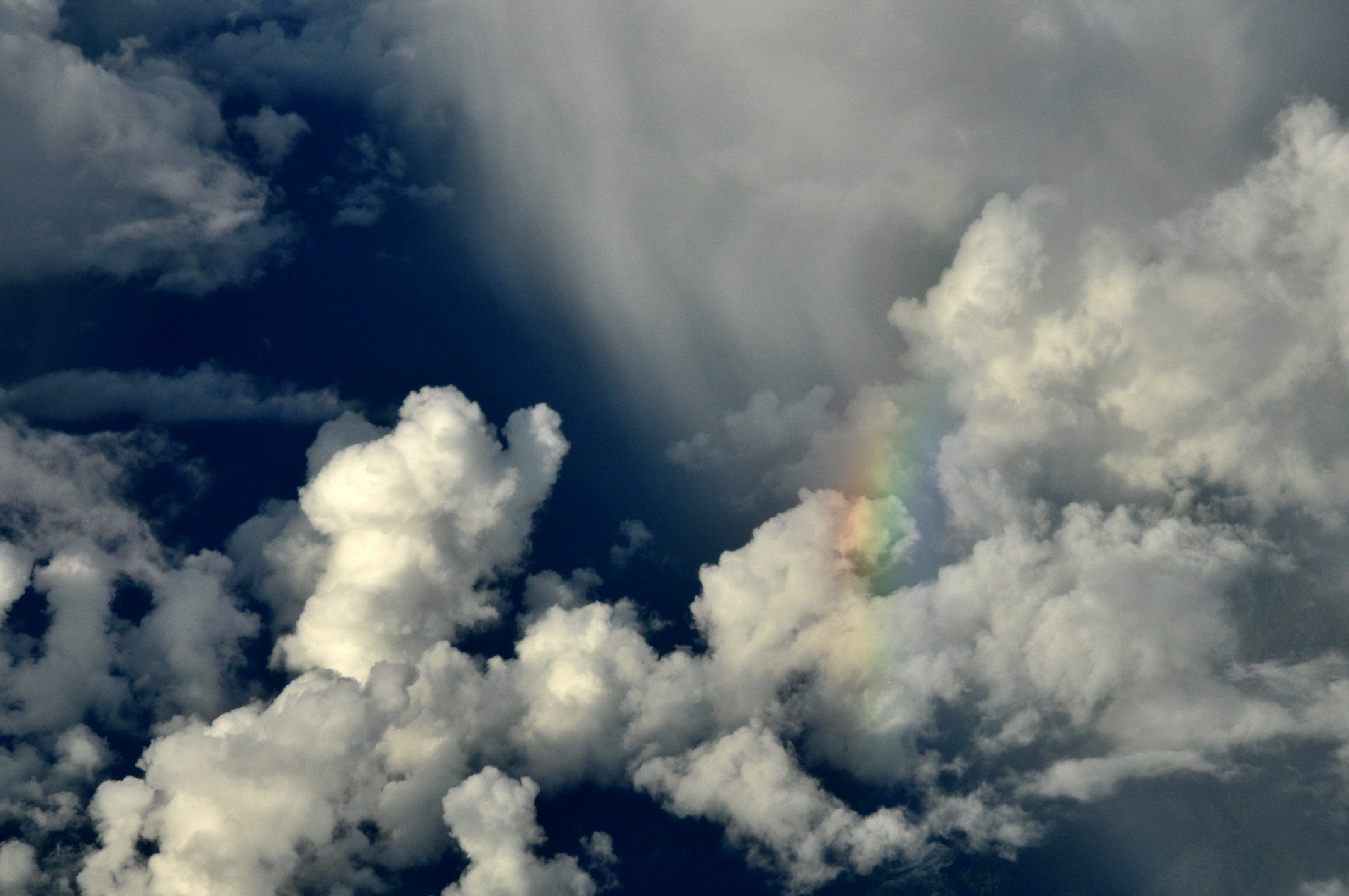
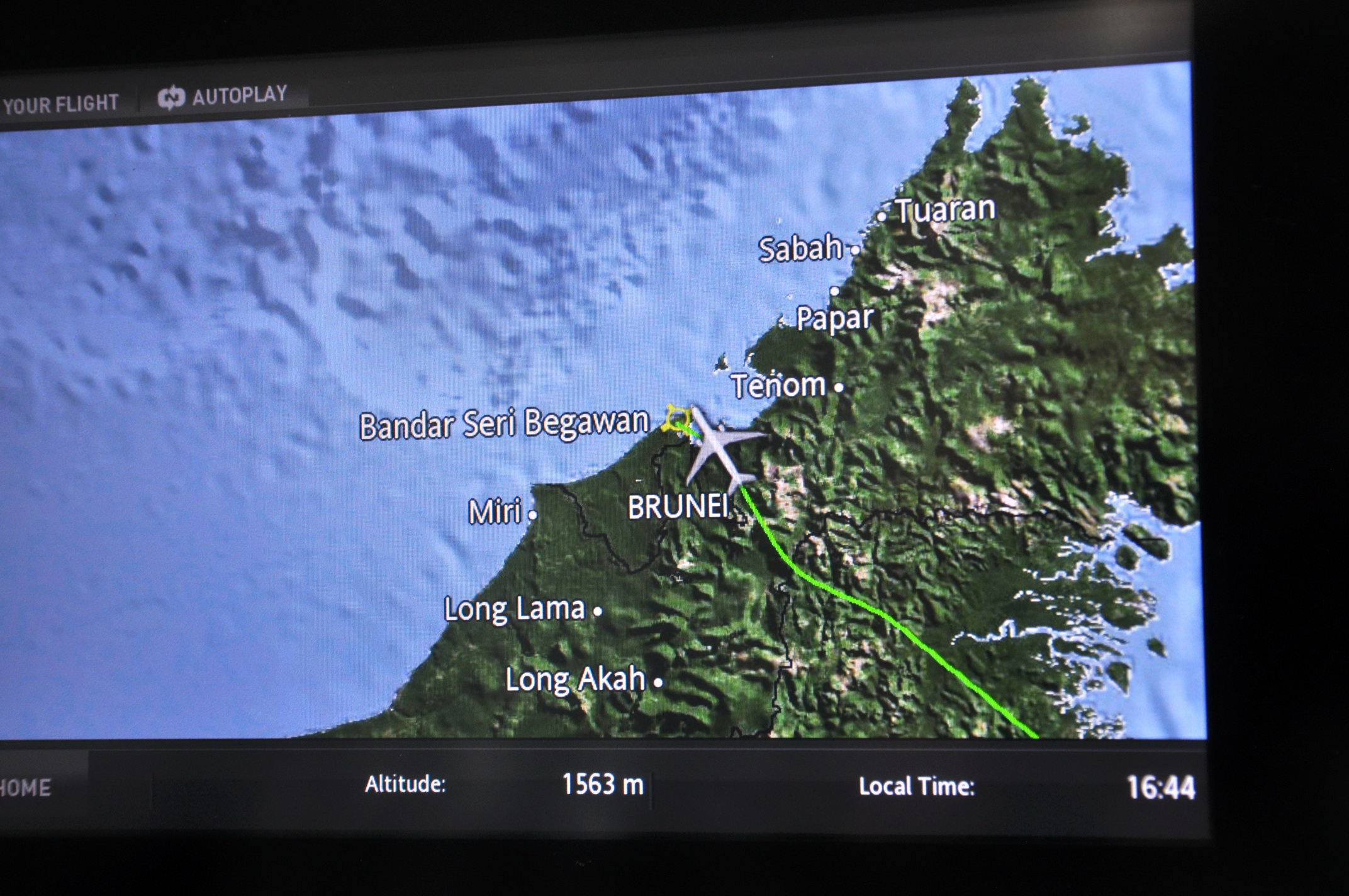
I flew in from Singapore on an A320. There were strict passport checks on boarding. The aircraft scarcely felt like economy class. Before takeoff, in place of the usual address from the captain, there was a prayer to Allah. The seatback screens showed us flying through the clouds.
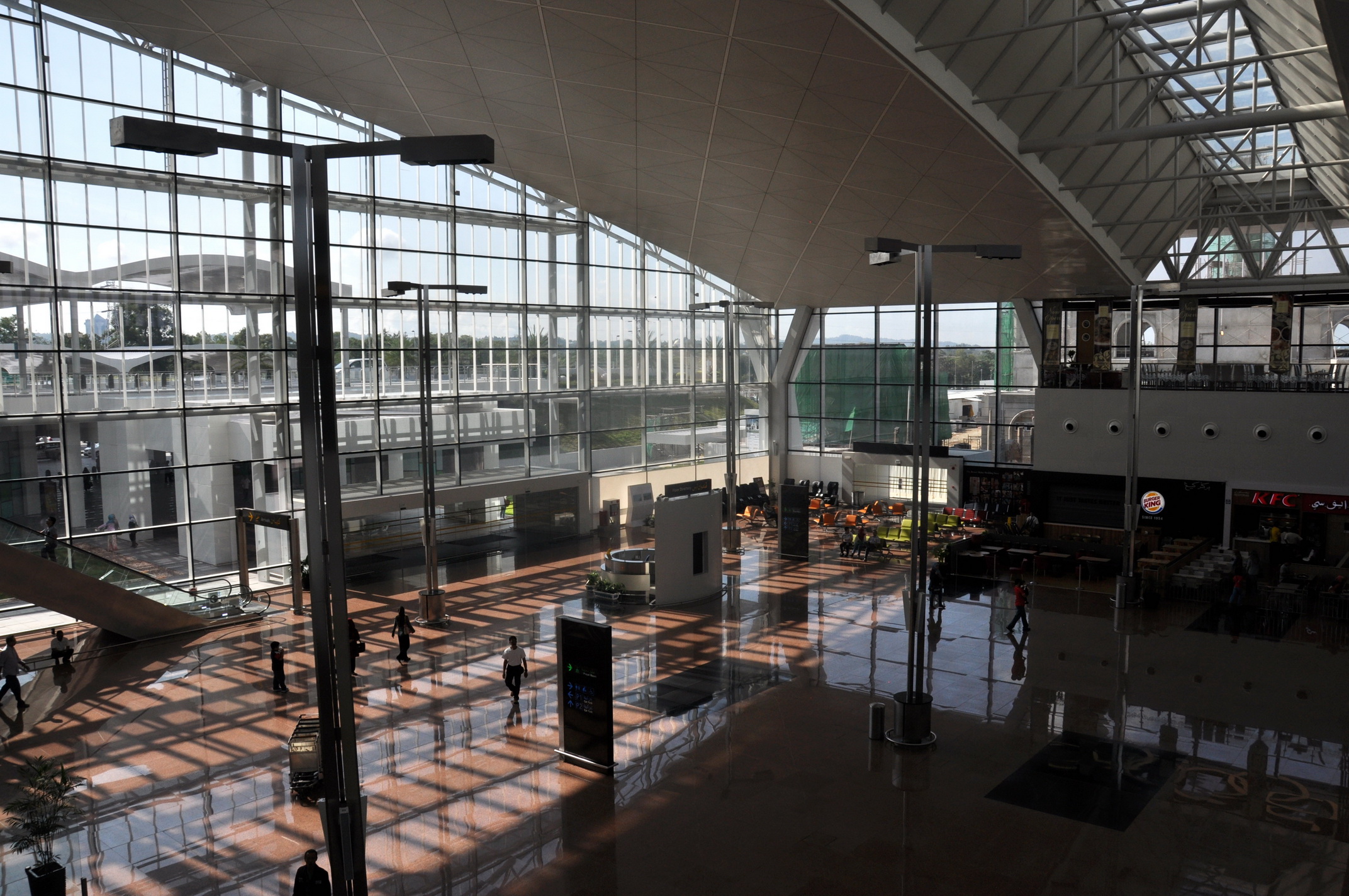
Arrival was uneventful. The airport was quite good. There was little point in rushing to the immigration queue because they dealt with transit passengers last anyway. My hotel booking came in handy. They looked at it several times. I could look for the airline representative myself or go straight to immigration, where they would sort things out. Customs officers showed no interest in people using the green channel. Incidentally, drug offences could carry the death penalty.
People dressed very much as they did in Europe. Even the young women generally wore a simple headscarf rather than a hijab or burqa that covered them from head to toe. Some went without even that, in shorts and T-shirts. Brunei followed sharia, yet I had read that only 67 per cent of its population was Muslim. Others were Christians, Buddhists or followers of local traditional beliefs. Brunei has its own dollar, pegged at par to the Singapore dollar. Shops took Singapore notes as readily as local ones, but the notes in circulation mainly bore the face of the same sultan. There were plenty of ATMs, many shops took cards, and mobile coverage was fine.
Malay was the official language, and everyone seemed to know English. Even locals often used it with one another. Brunei had been under British rule, and the influence was obvious. The British knew how to turn cannibals into gentlemen. Sultan Hassanal Bolkiah looks like a European monarch. He went to a British military academy, appears at receptions in a jacket and tie and is welcome at European courts.
He has titles and honours to spare. He is an honorary British field marshal and admiral, an honorary doctor of the Moscow State Institute of International Relations, a recipient of the Order of Prince Yaroslav the Wise and a Knight Grand Cross of the Order of the Bath, among others. His private life is eventful, too. His second wife was a flight attendant, and his third was a television journalist. He divorced both.
He likes motor racing and collects cars. There are said to be 600 Rolls-Royces alone, some 500 Ferraris and championship-winning Formula One cars from 1968 onwards. At first, the sultan struck a democratic pose. He cut off no heads and stoned no one, proceeding instead with cautious reforms for ‘progress within the law’. He even formed a government, though he made himself prime minister and put himself in charge of several ministries. Safer that way. Then the sharia rules grew more severe. I read that stoning had been prescribed for gay people, along with other offences under sharia, including adultery. Interestingly, divorce was still permitted. Perhaps that was a local peculiarity of sharia. What would the sultan do otherwise?
As I understood it, what the local rules called adultery could cover being together in a closed room or a parked car, or providing a haircut, a massage or makeup services to an unrelated person of the opposite sex. Other religions had in effect been suppressed as well. Drinking or smoking in public could mean a caning. Non-Muslims could drink and smoke in private. Visitors were allowed to bring in a litre of spirits for that purpose. The duty was 25 cents per cigarette. Criticism of the sultan, his relatives or his circle was prohibited.
Bandar Seri Begawan
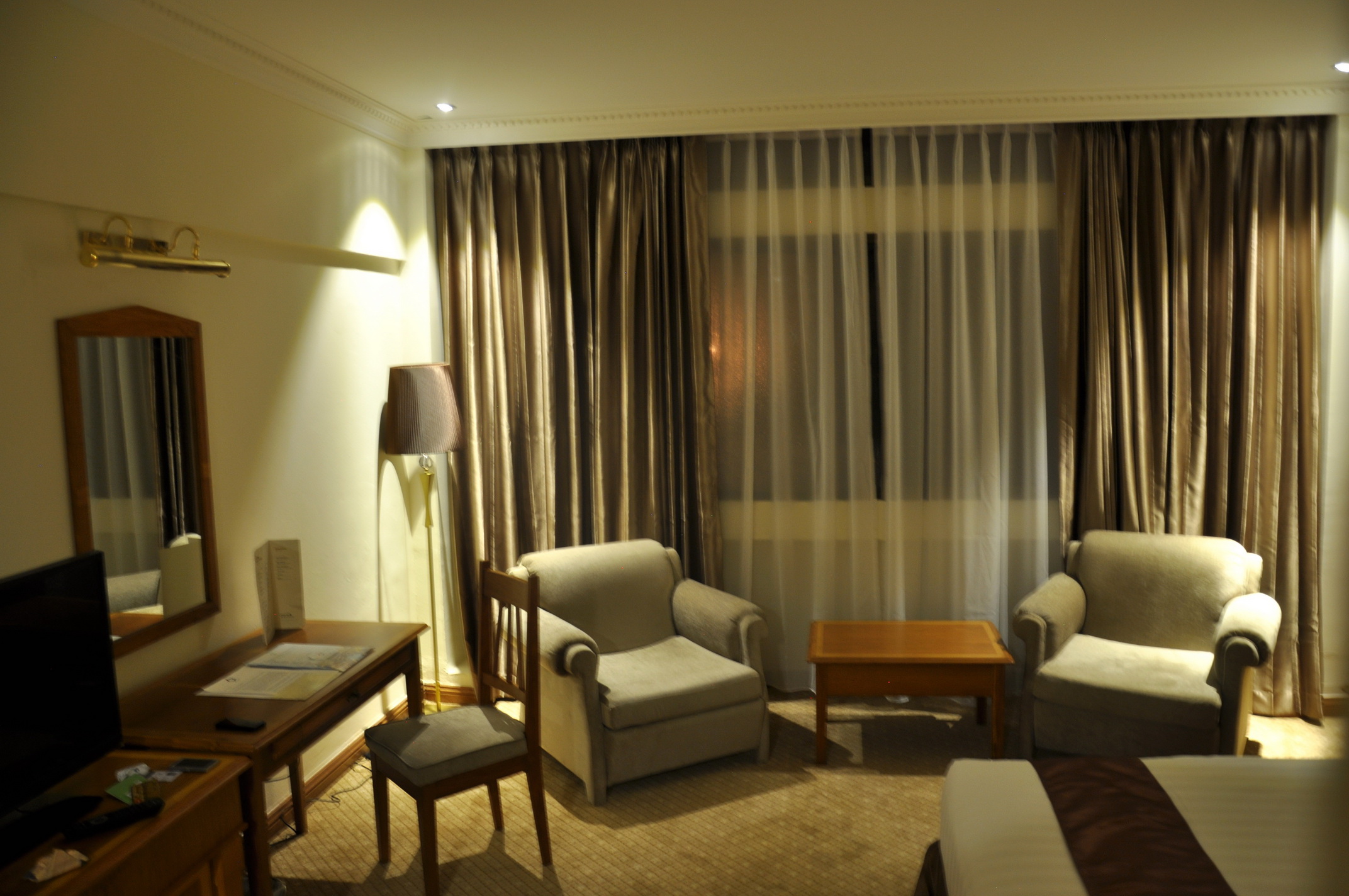
Life in Brunei was expensive. The cheapest hotel I could book online was the Star Lodge (04°56.222′N, 114°50.641′E, elevation 47 m). I took a taxi there.
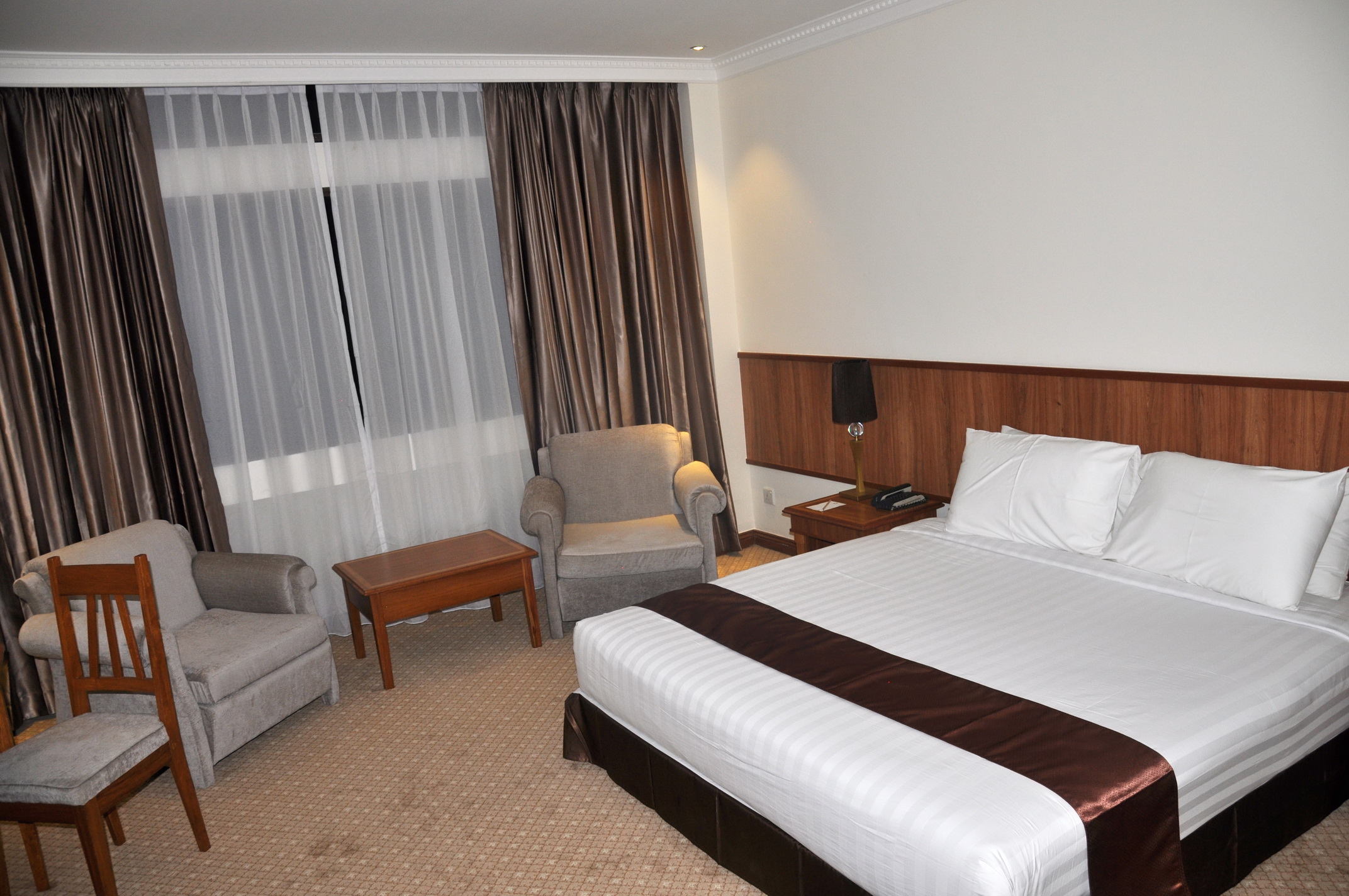
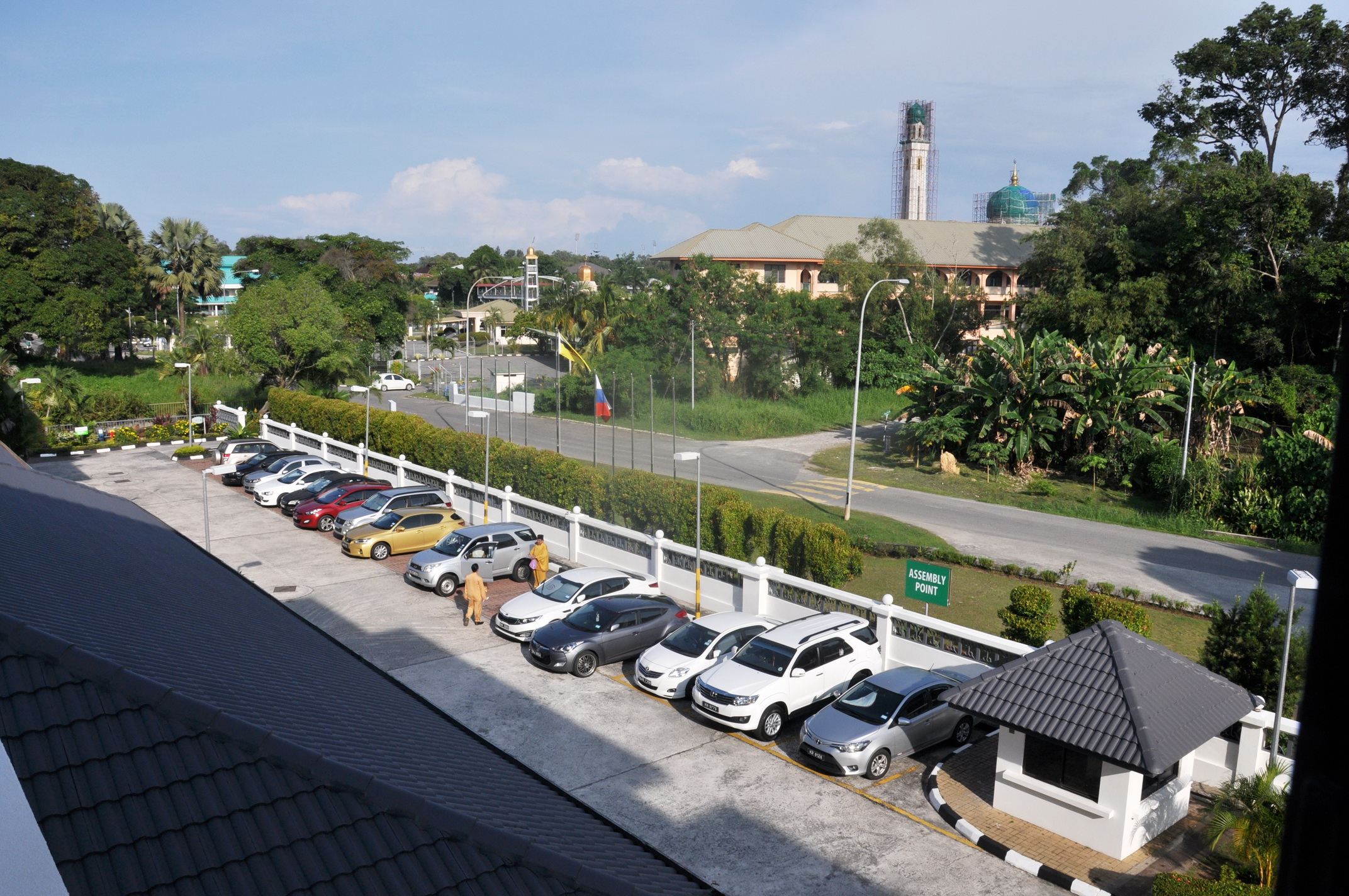
It was a perfectly decent hotel. I slept well. In the morning I opened the window and saw a Russian flag and signs in Russian. I couldn't believe my eyes. Hadn't I spent nearly twenty-four hours in the air? I switched on the GPS. It put me in Brunei. I wasn't imagining things. The Russian embassy was in the Star Lodge building. Breakfast was included, but it was meagre and would hardly see me through to evening.
I had hired a car to pick up at the airport. The agency kept office hours, so I hadn't been able to collect it the evening before. In the morning I took the hotel shuttle back to the airport. There were none of the familiar rental-car signs. A representative met me with a placard.
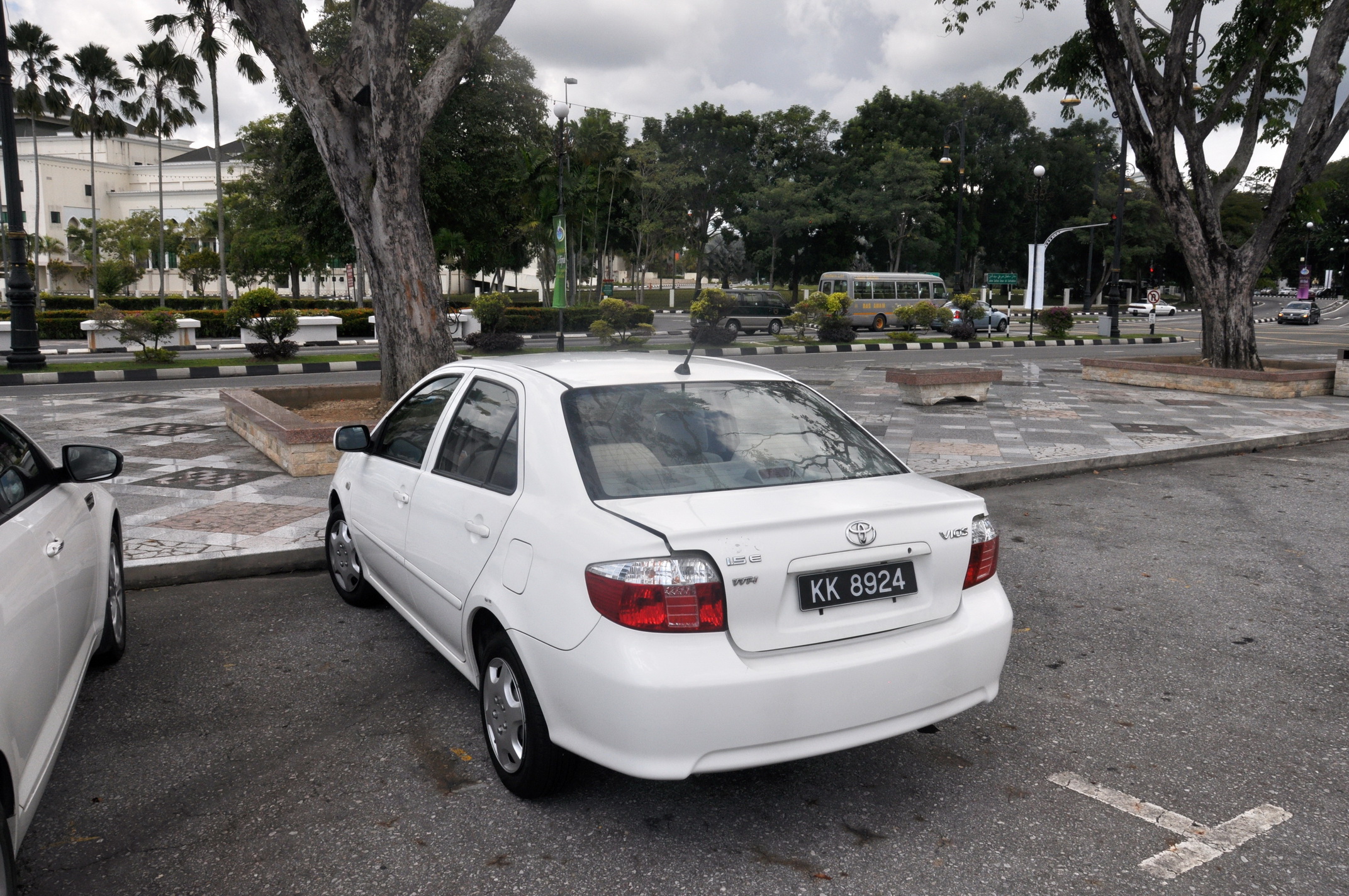
I got a Toyota Vios. Traffic drove on the left and was fairly heavy. There were plenty of roads and junctions everywhere, and a satnav came in handy. Maps of Brunei were available for several apps and GPS devices.
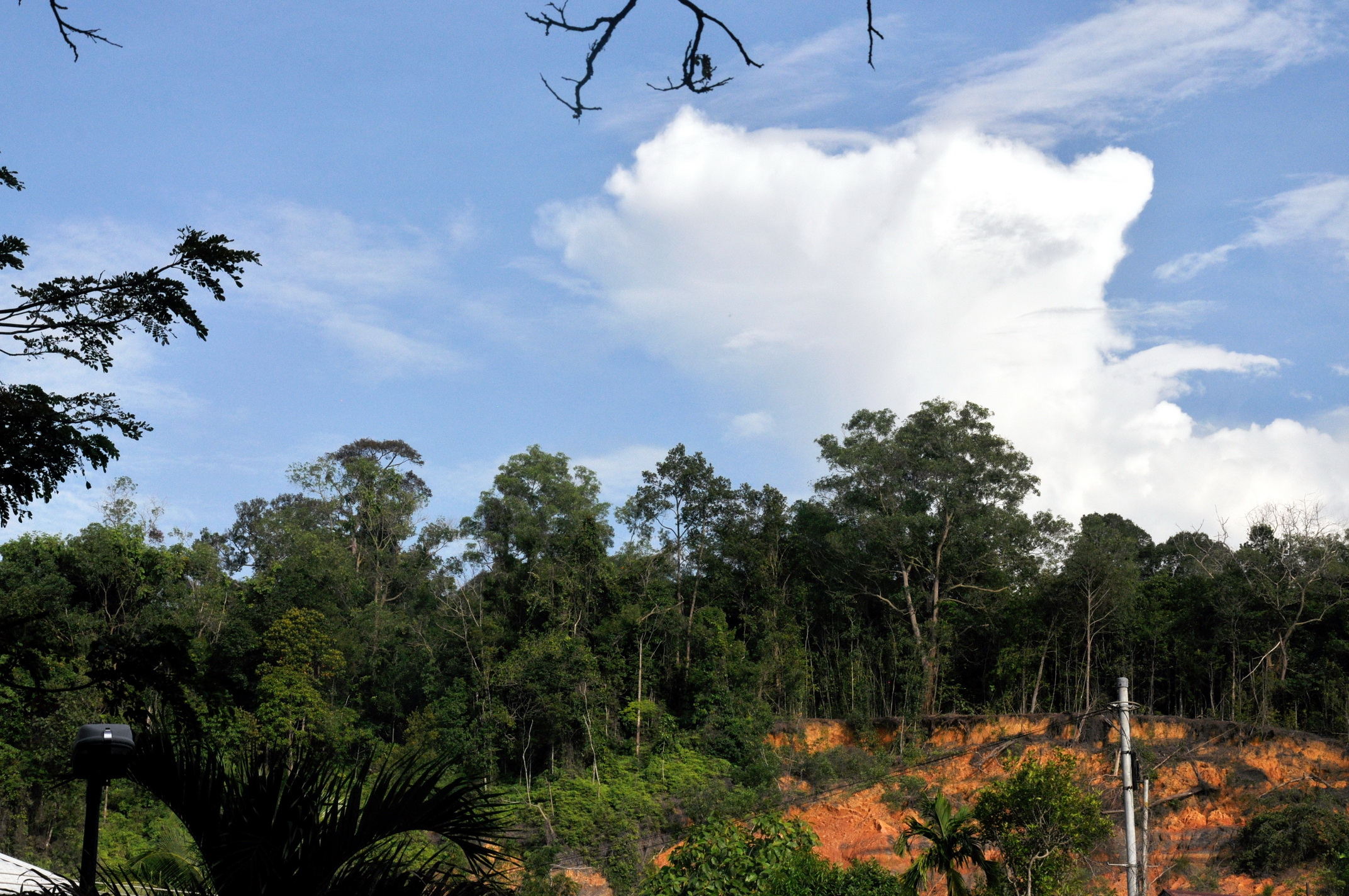
I began my tour in the capital, which was the country's main attraction for me. Of course, Brunei shares Borneo's marvellous rainforest. Taking the cost and the trouble of getting a visa into account, though, I would rather walk in those forests across the border.
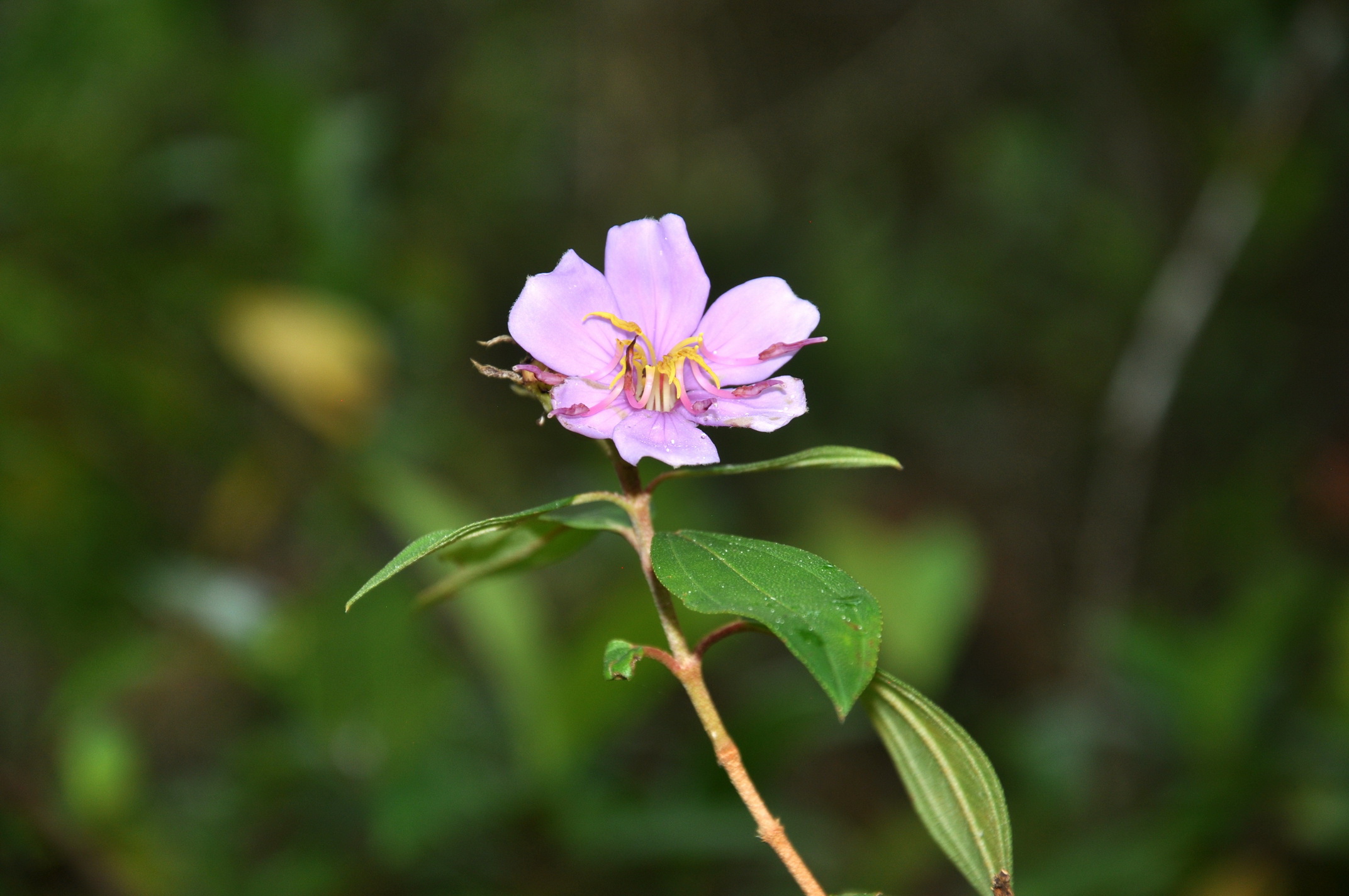
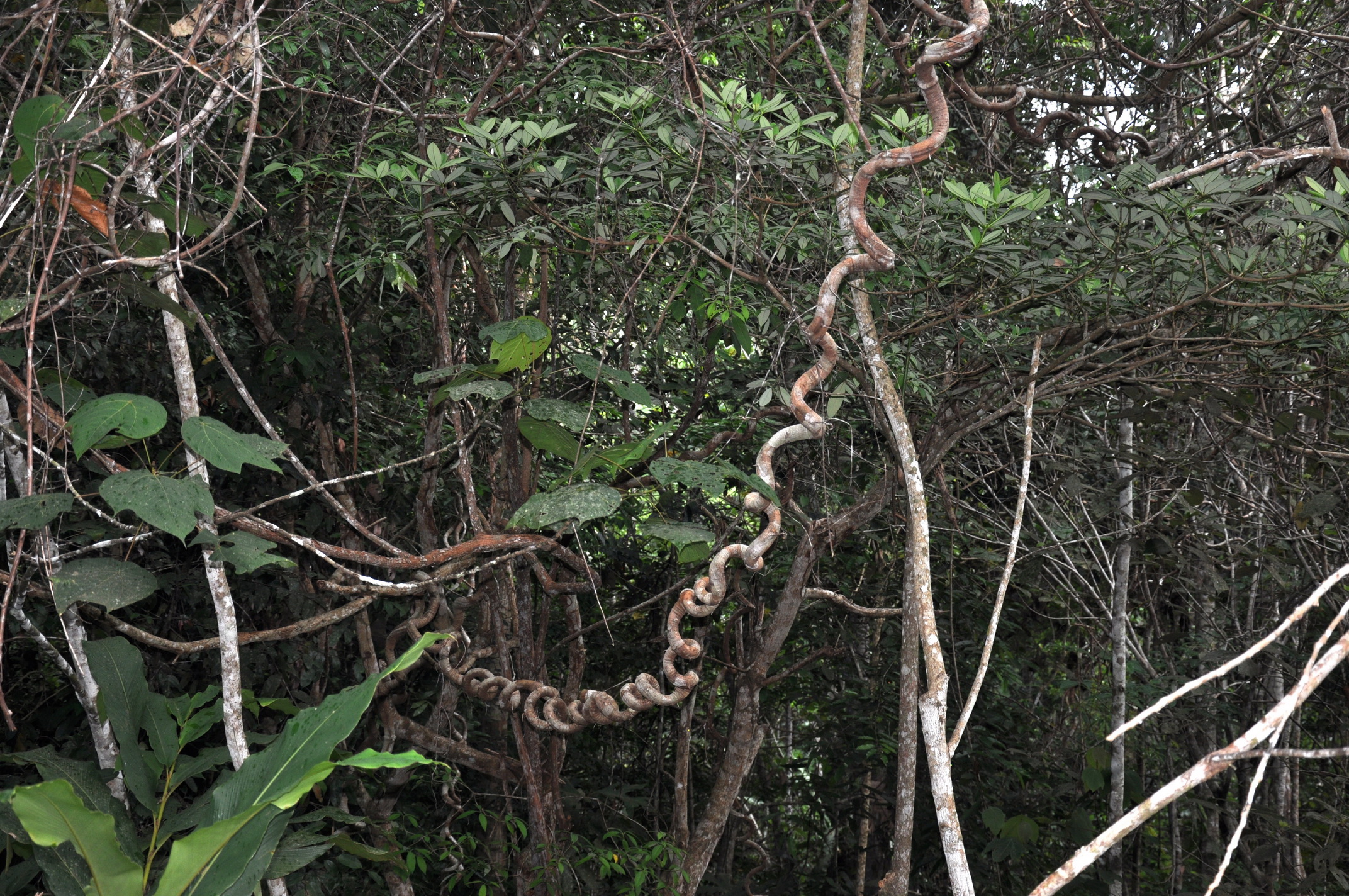
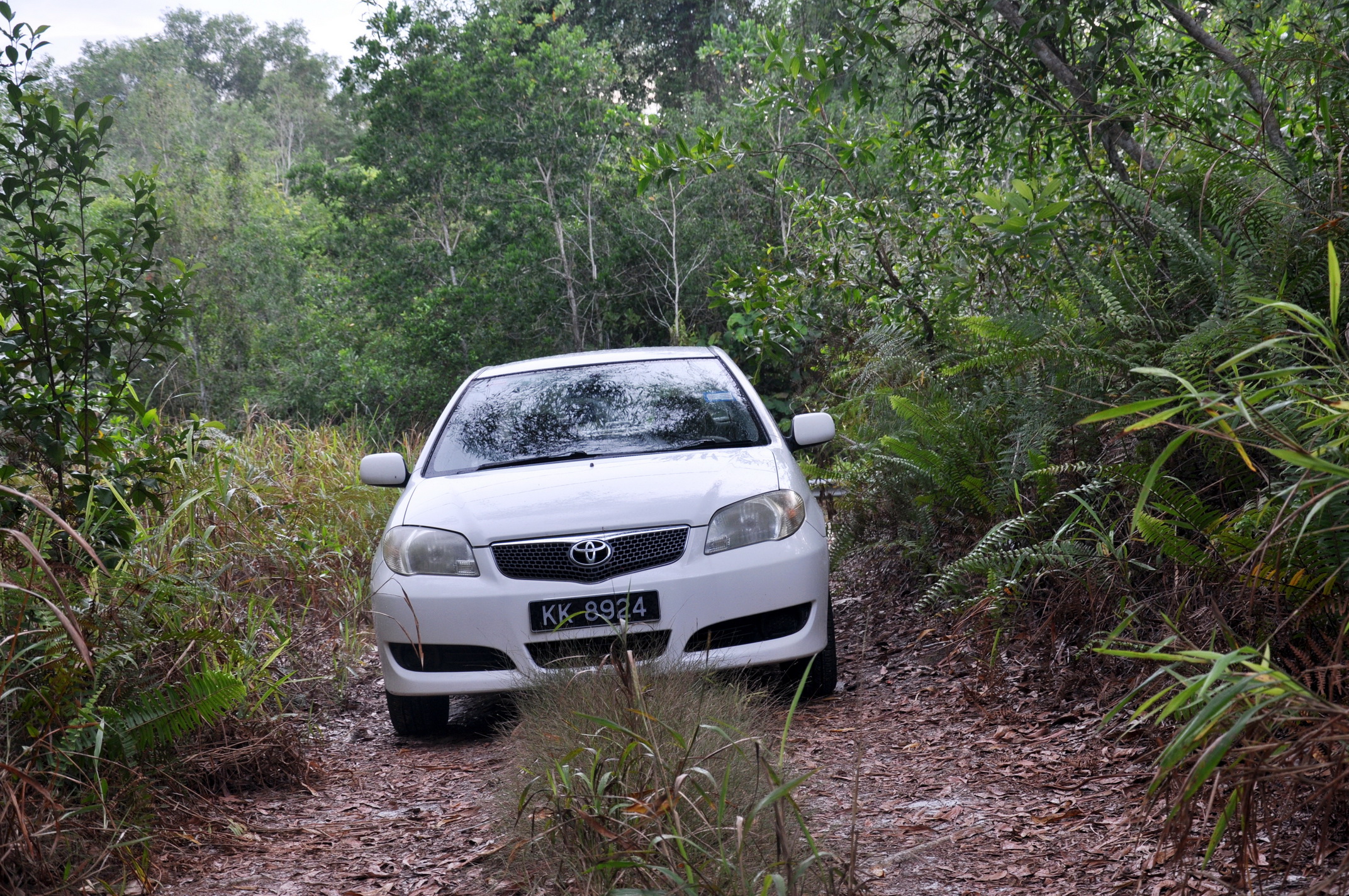
Bandar Seri Begawan, the capital of Brunei, means ‘City of His Excellency’. The current sultan gave it the name in the second year of his reign. For hundreds of years before that, the city was known simply as Brunei. Government buildings occupy the entire centre.
My first stop was the collection of gifts to the sultan, in the enormous Royal Regalia Museum. To go in, I had to leave everything at the door, including my camera and my shoes. Admission was free. There were gifts beyond counting, from everyone, including Putin and the Crimean authorities. The sultan was on friendly terms with Ukraine. Perhaps he was Yanukovych's inspiration when the Ukrainian president acquired his gold loaf. Yanukovych had even awarded him Ukraine's Order of Merit, First Class.
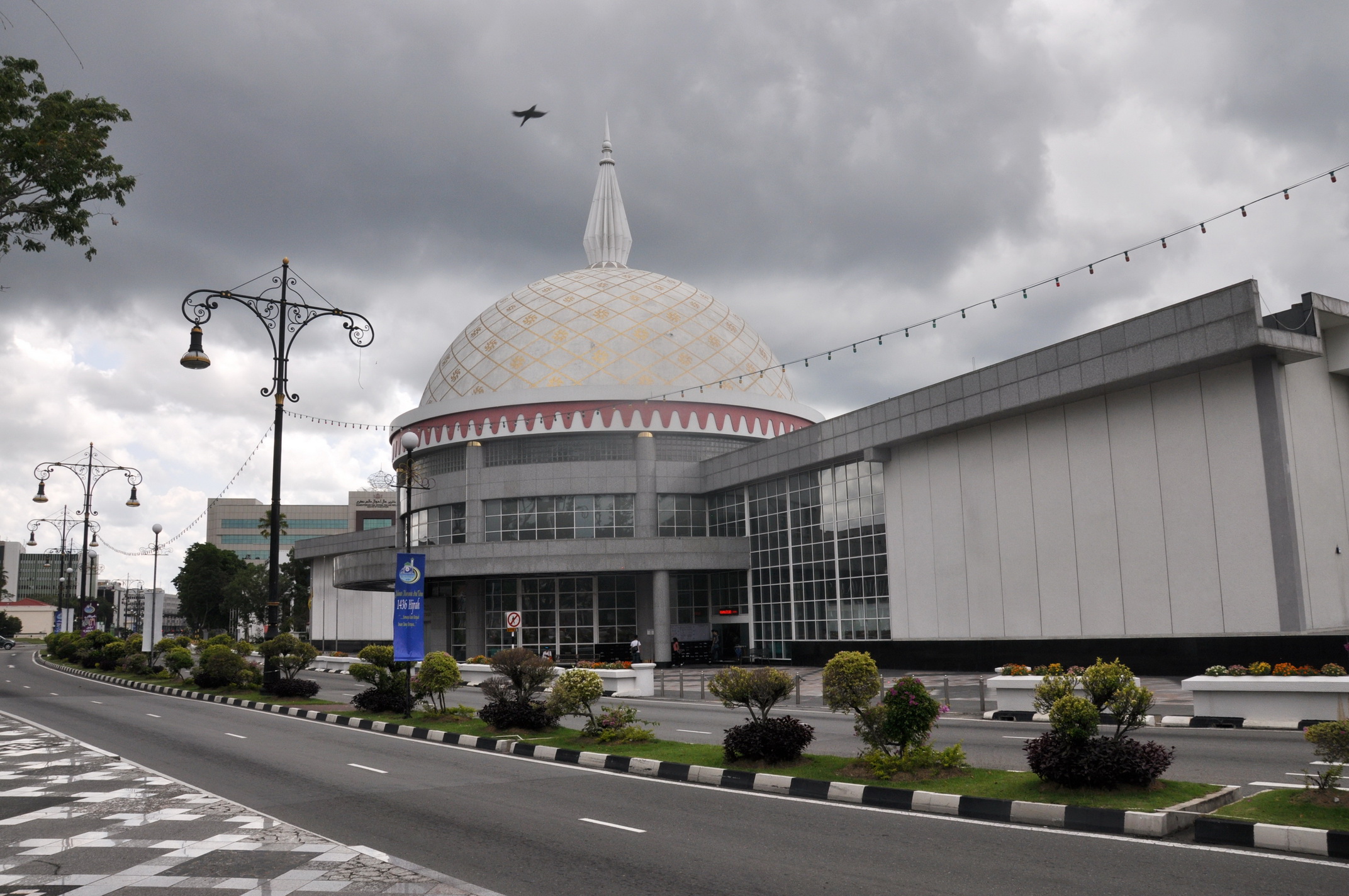
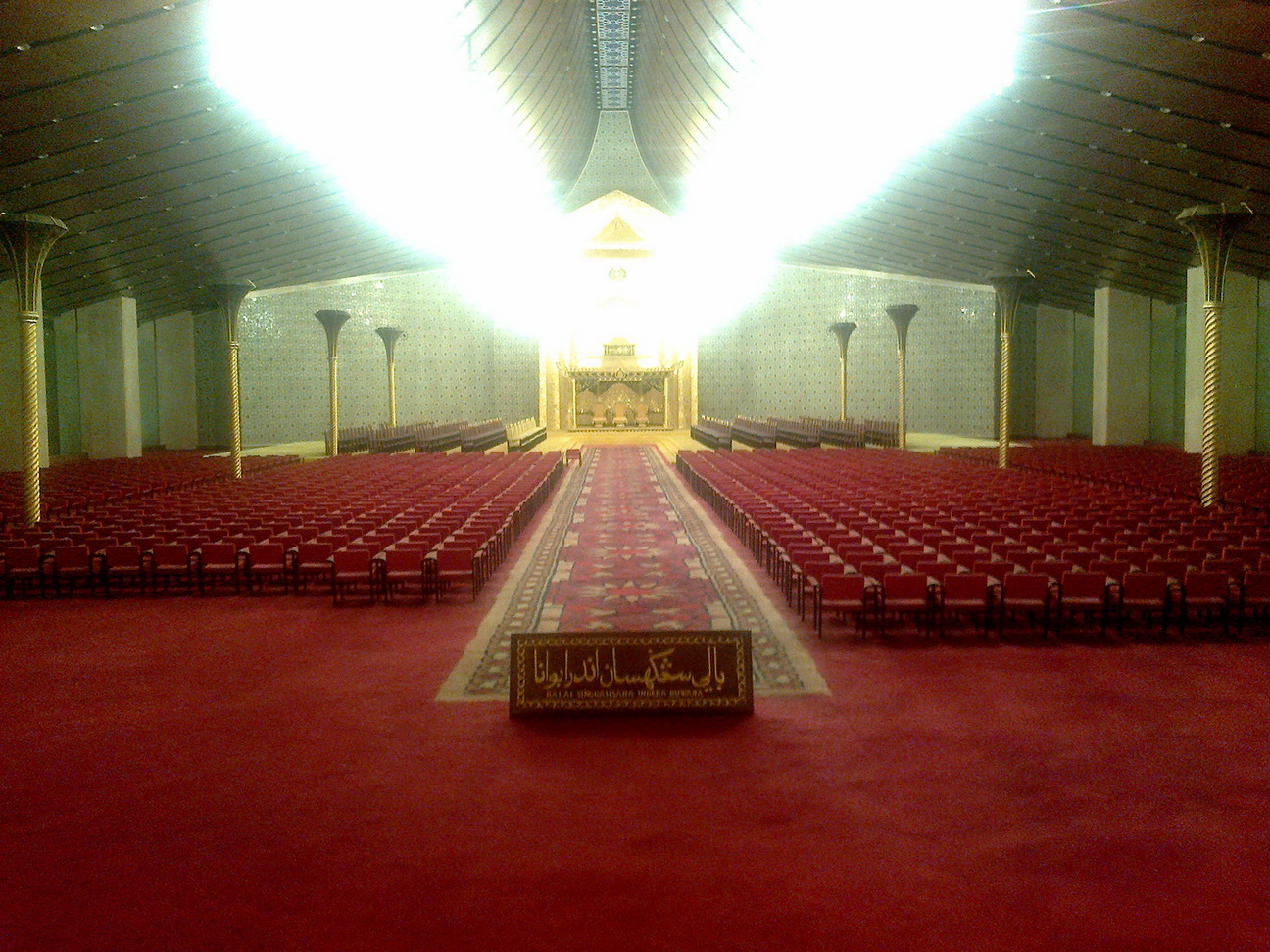
Alongside the gifts were royal ceremonial objects: gold vases, crowns, sceptres and other trinkets. They had even built a replica of the palace's throne room, which is almost the size of a football pitch. Most of the exhibition covered the coronation of the current sultan on 1 August 1968. It was a splendid affair, and most of the gifts had been presented for the occasion.
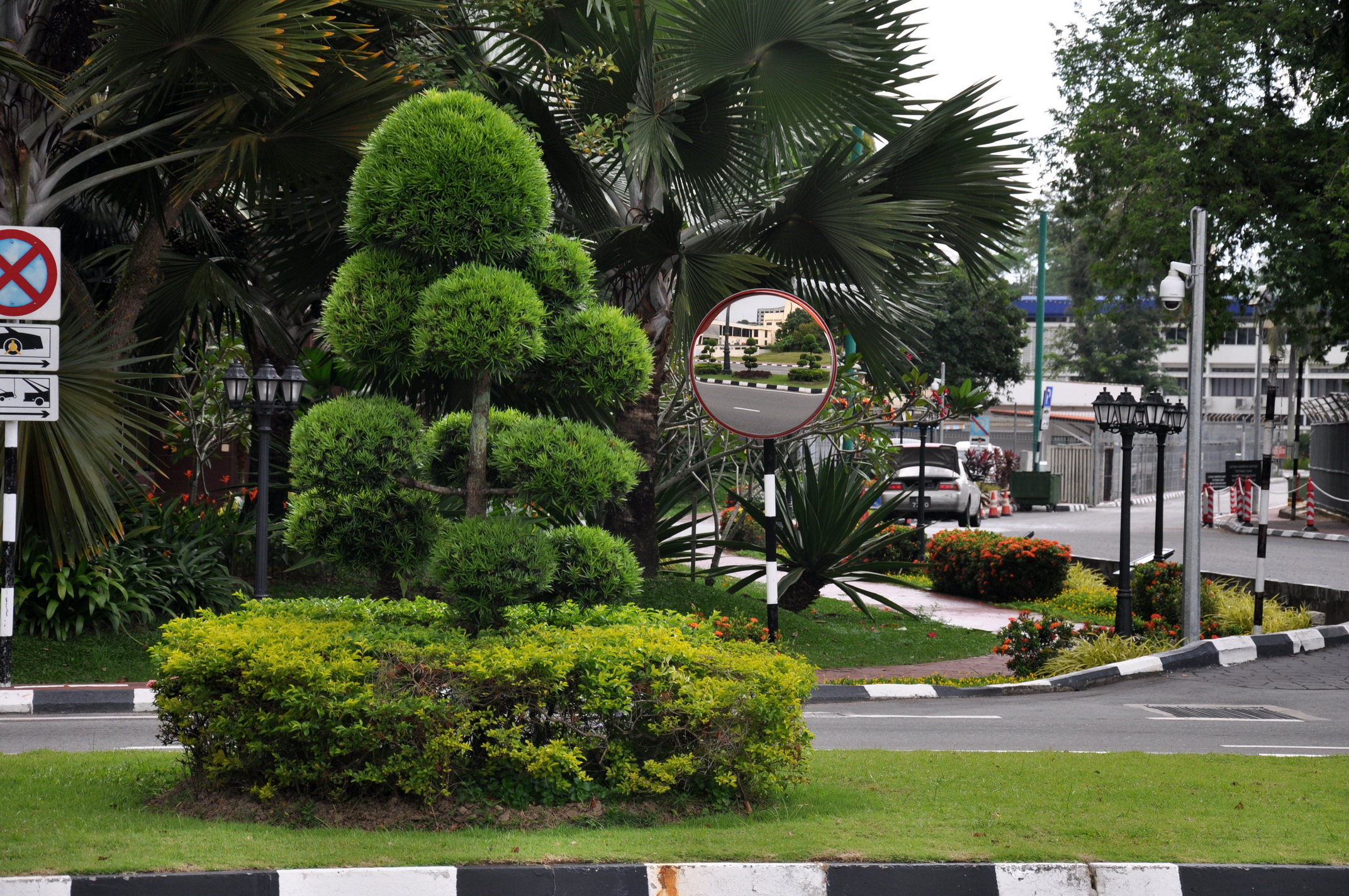
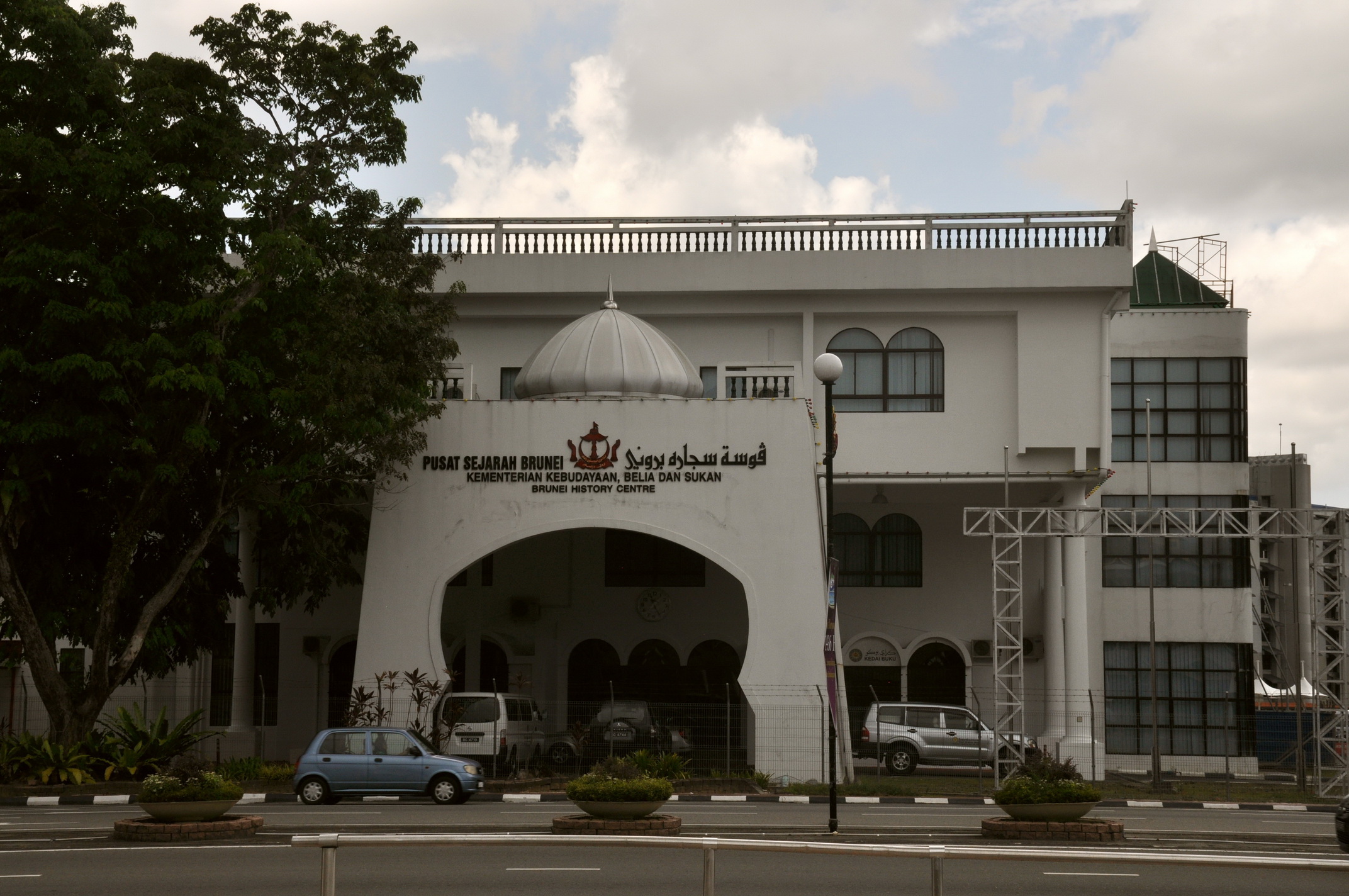
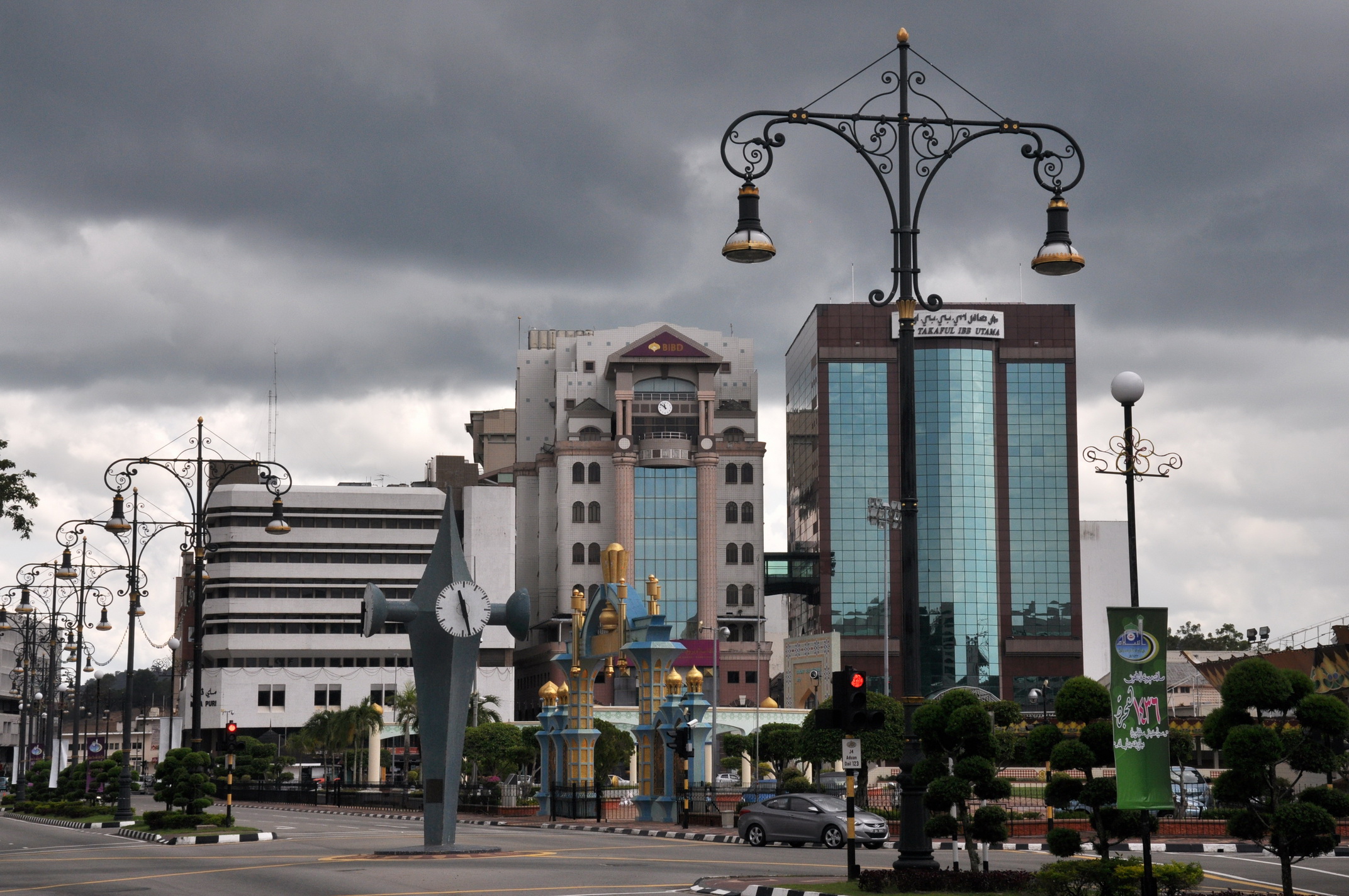
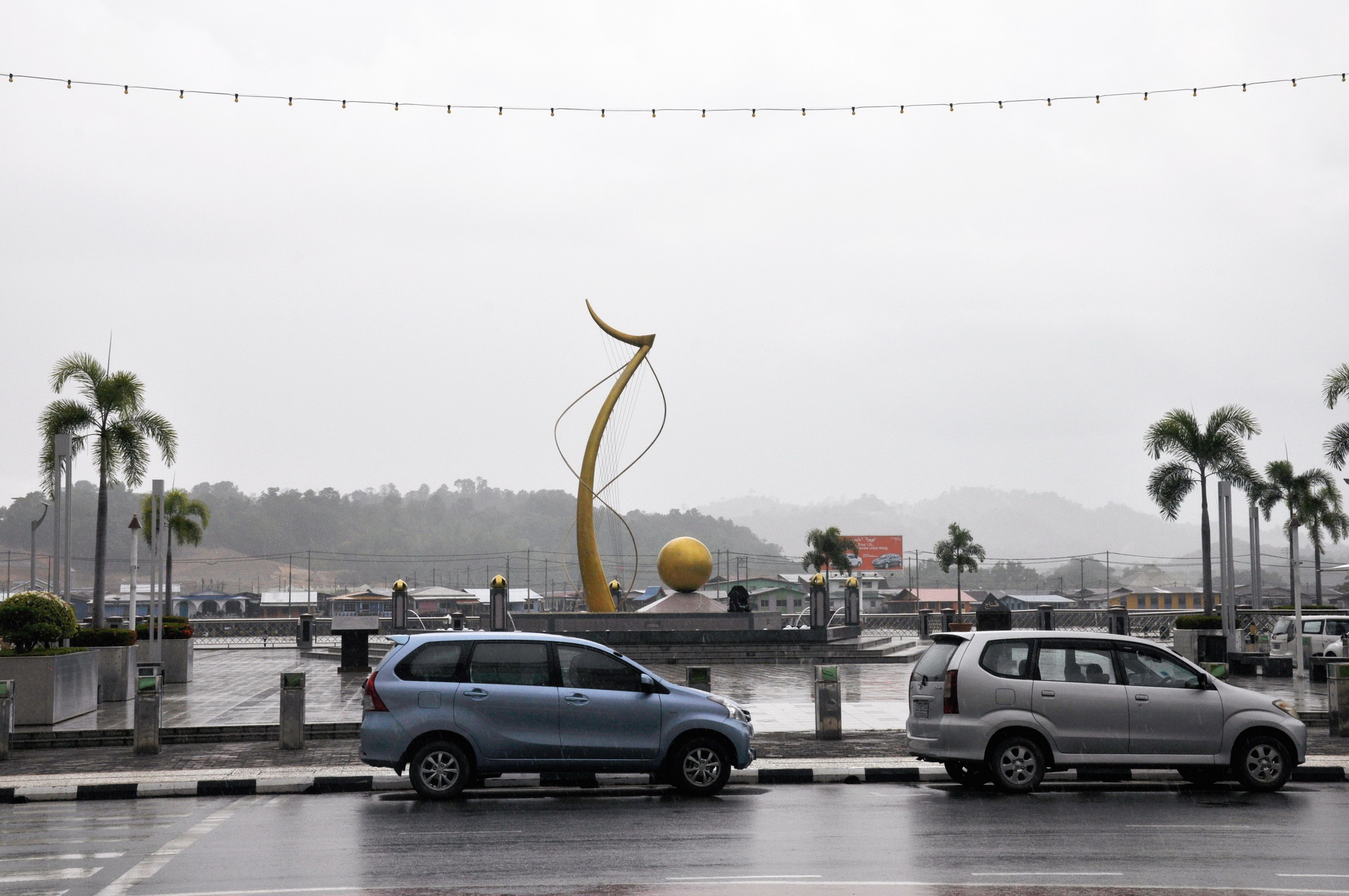
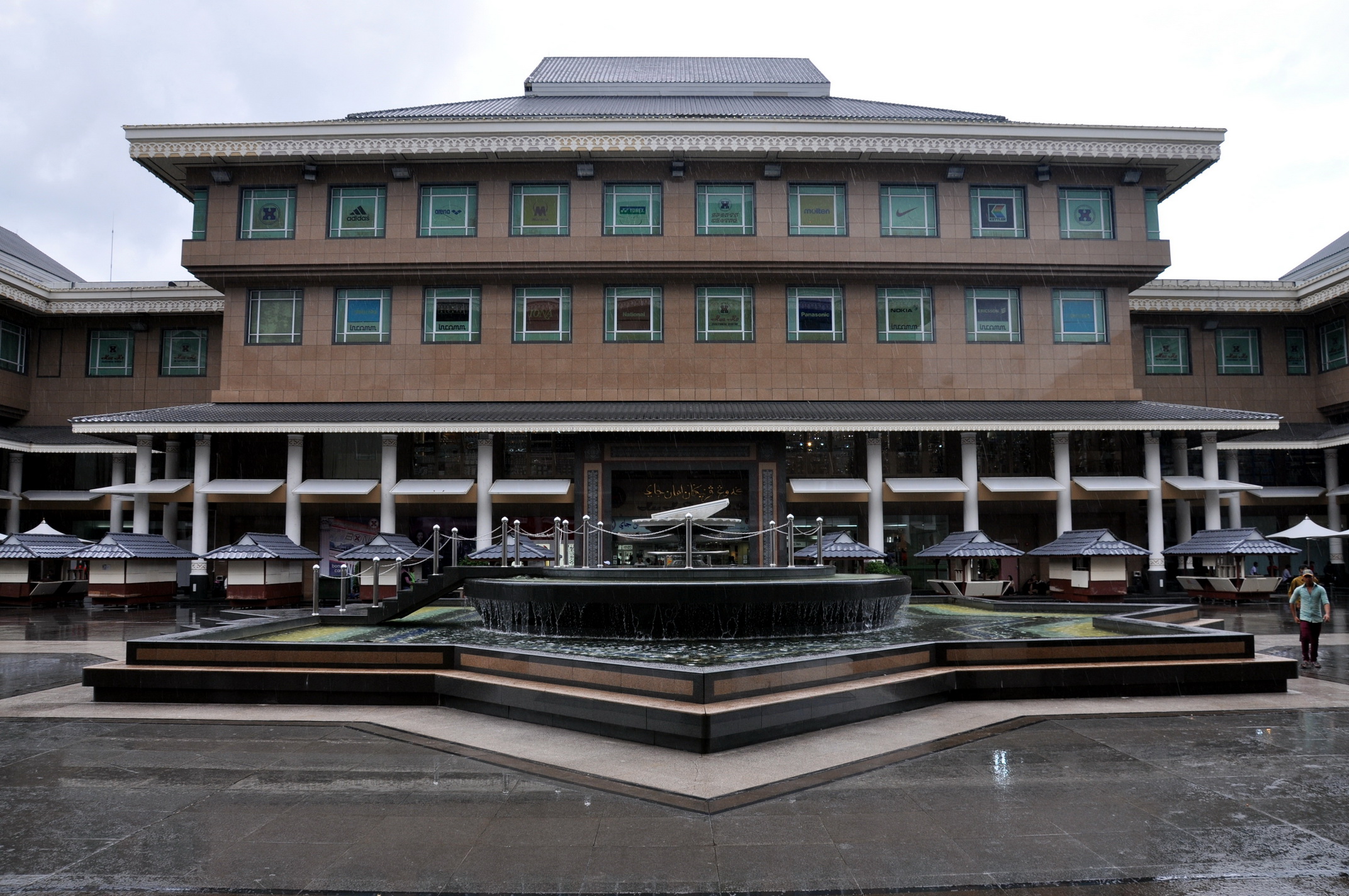
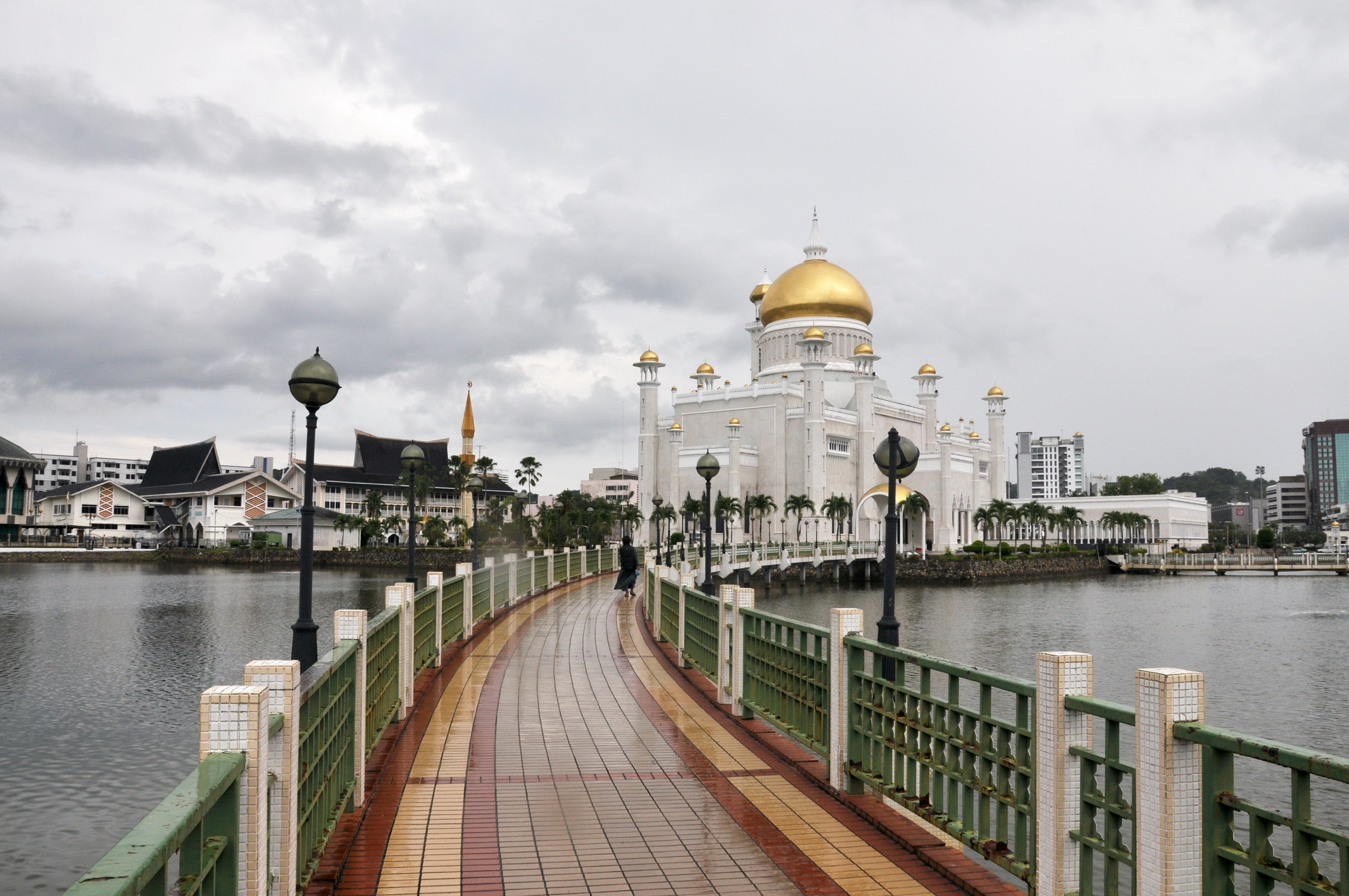
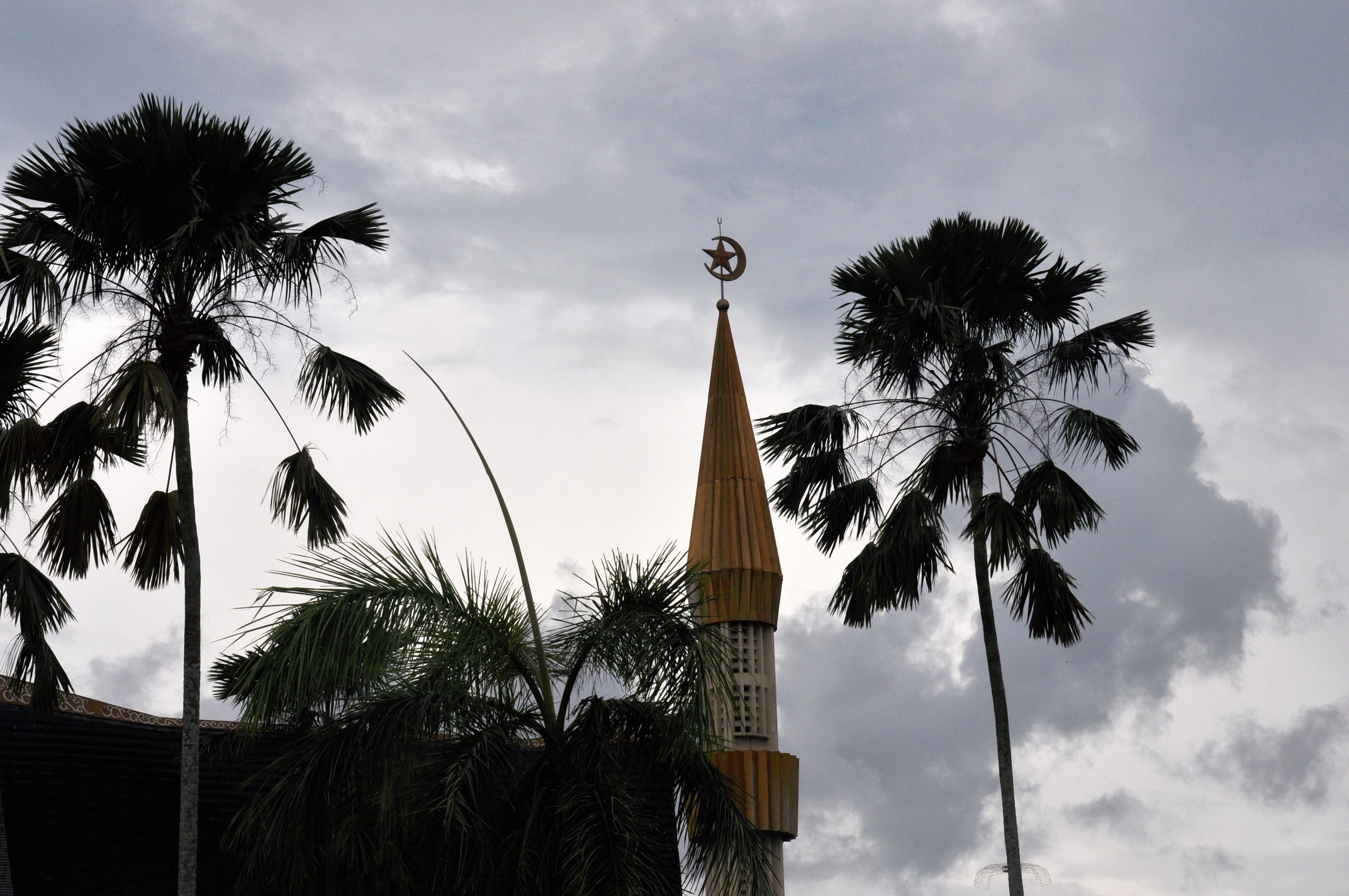
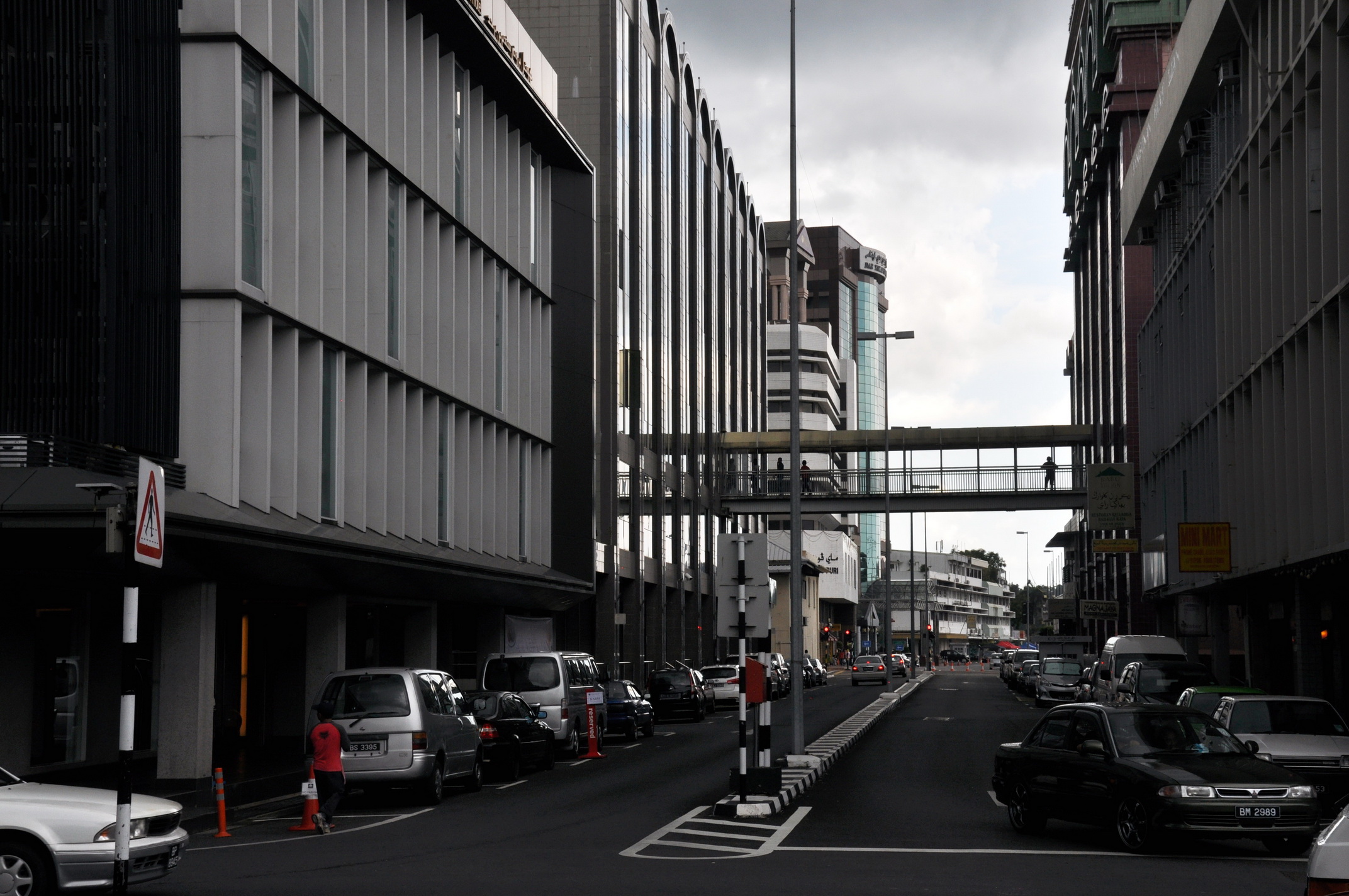
The heart of the city is exceptionally well kept. The district, which covers several square kilometres, is simply gorgeous. There are shopping arcades, cafés and crowds. I saw little sign of Islamic fundamentalism. There were fewer people in all-covering garments than in London. The architectural landmark that dominates the city is the Omar Ali Saifuddien Mosque, a vast building with a golden dome (04°53.374′N, 114°56.352′E).
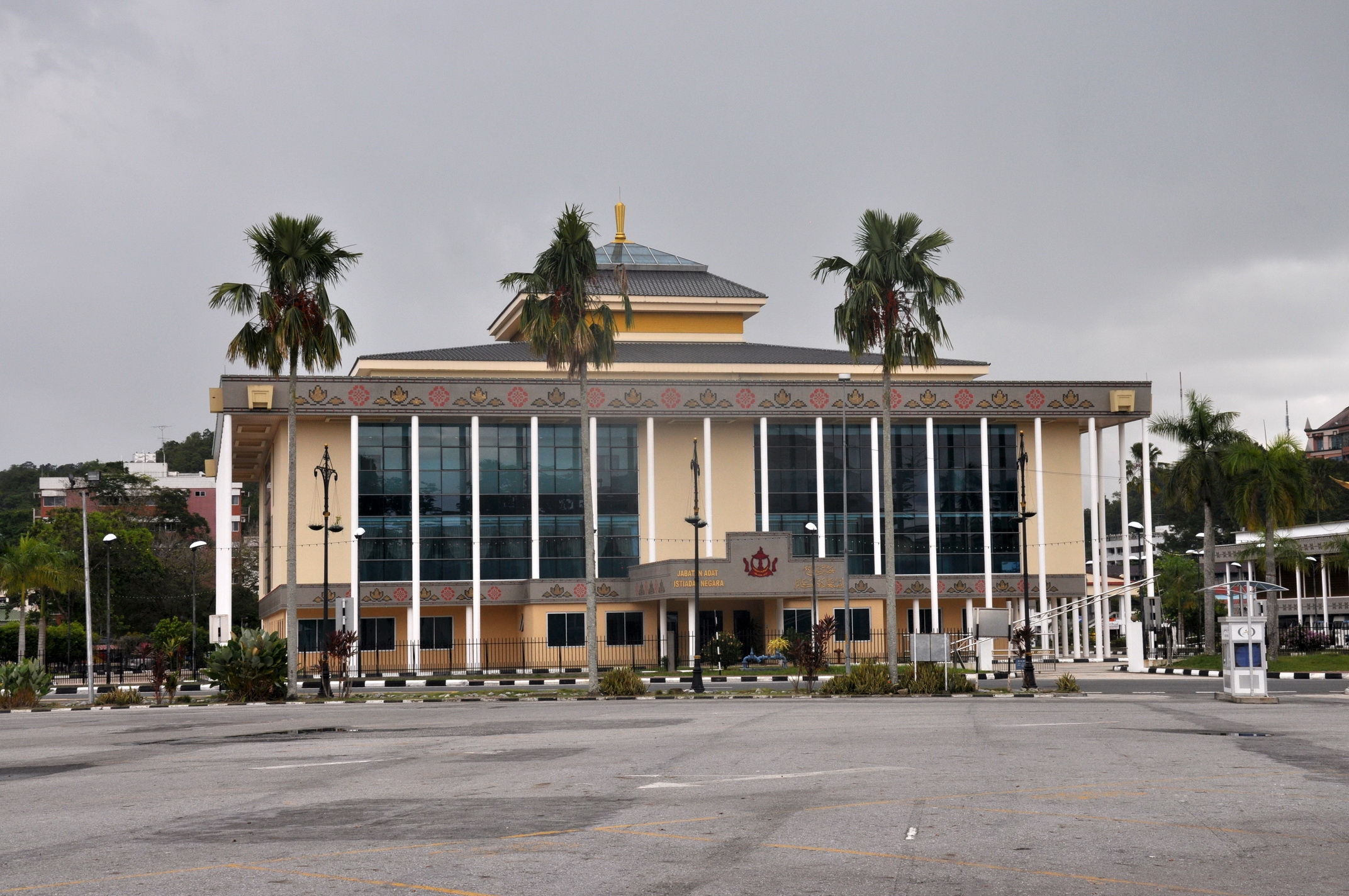
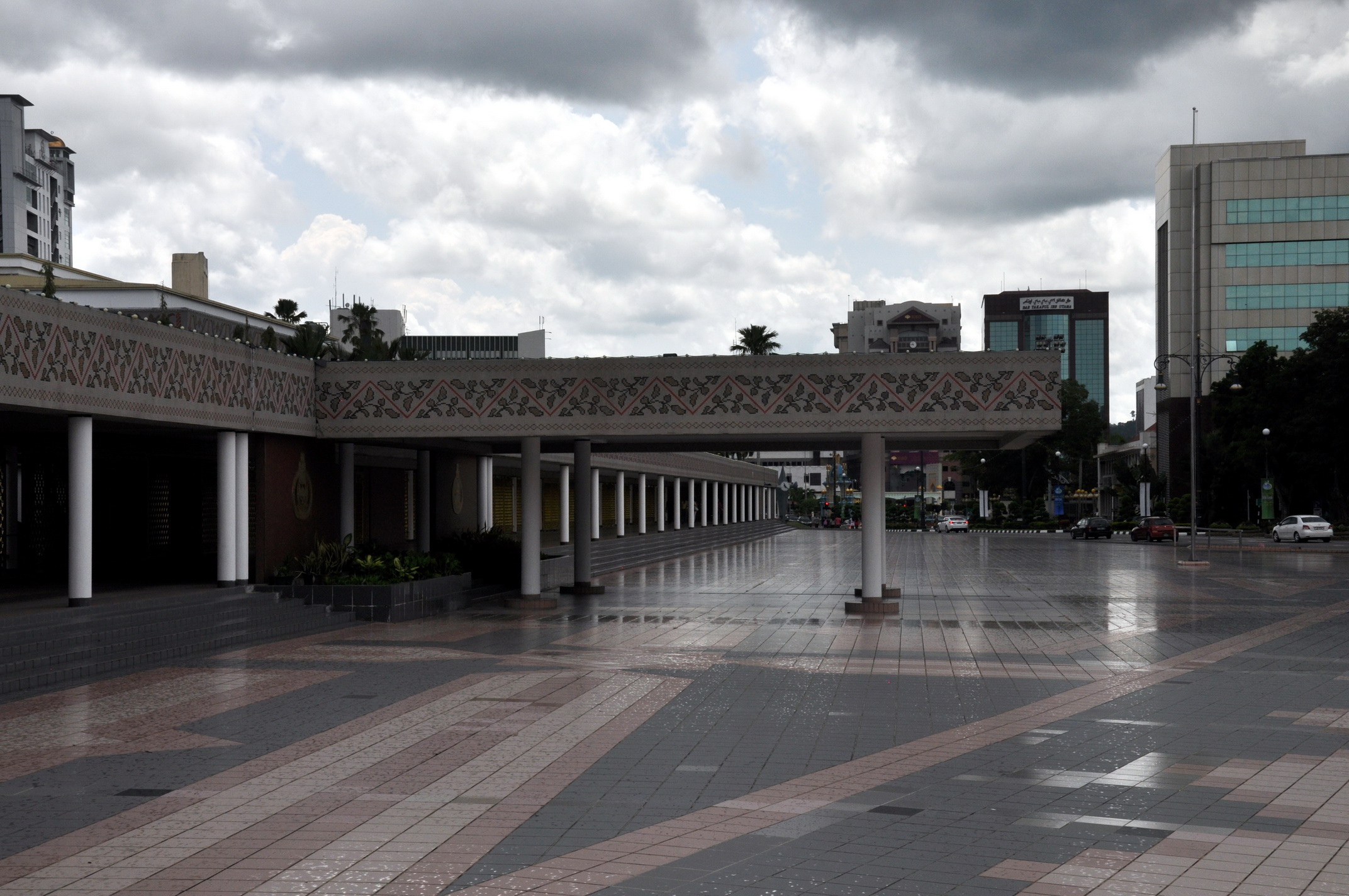
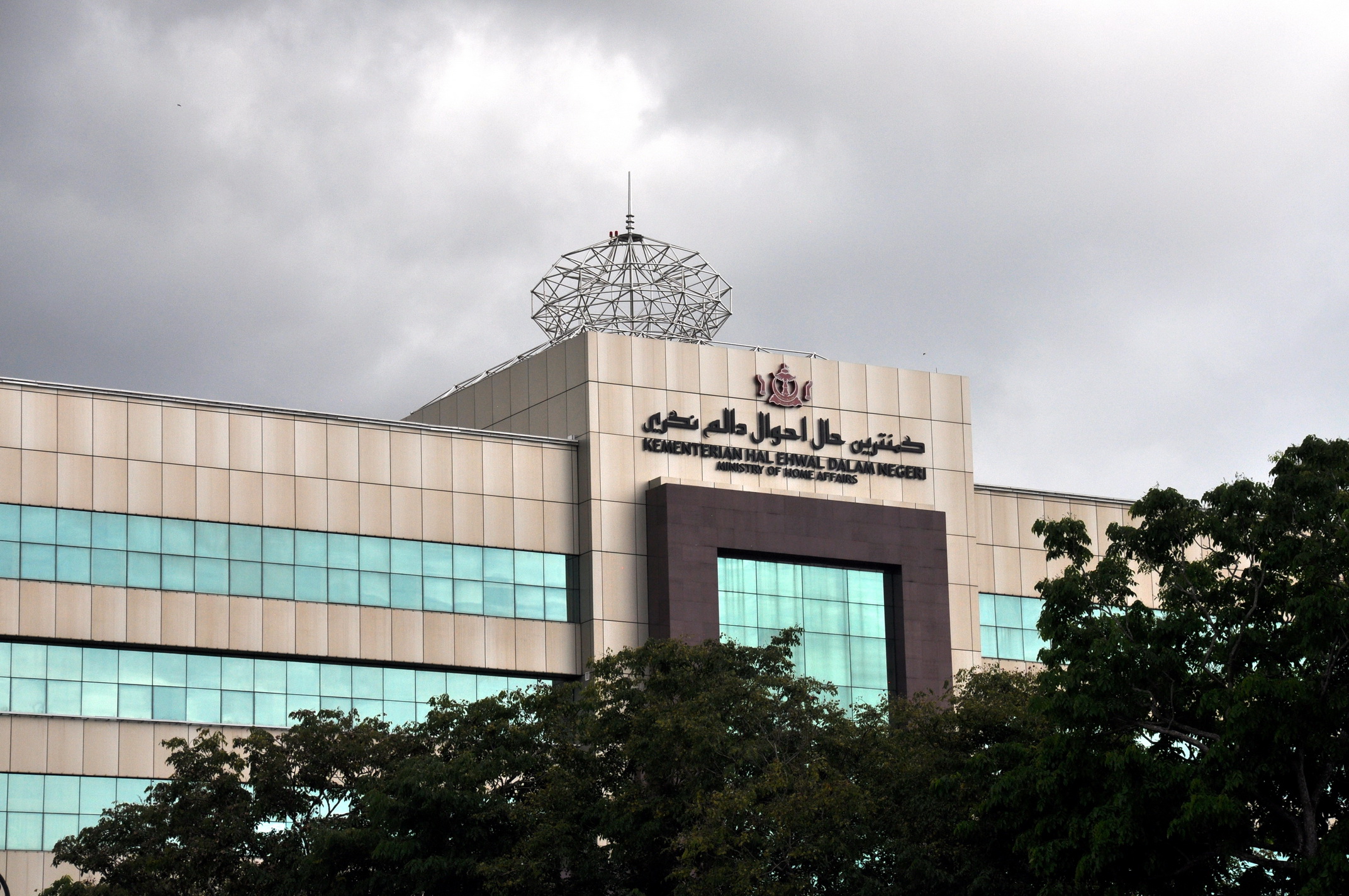
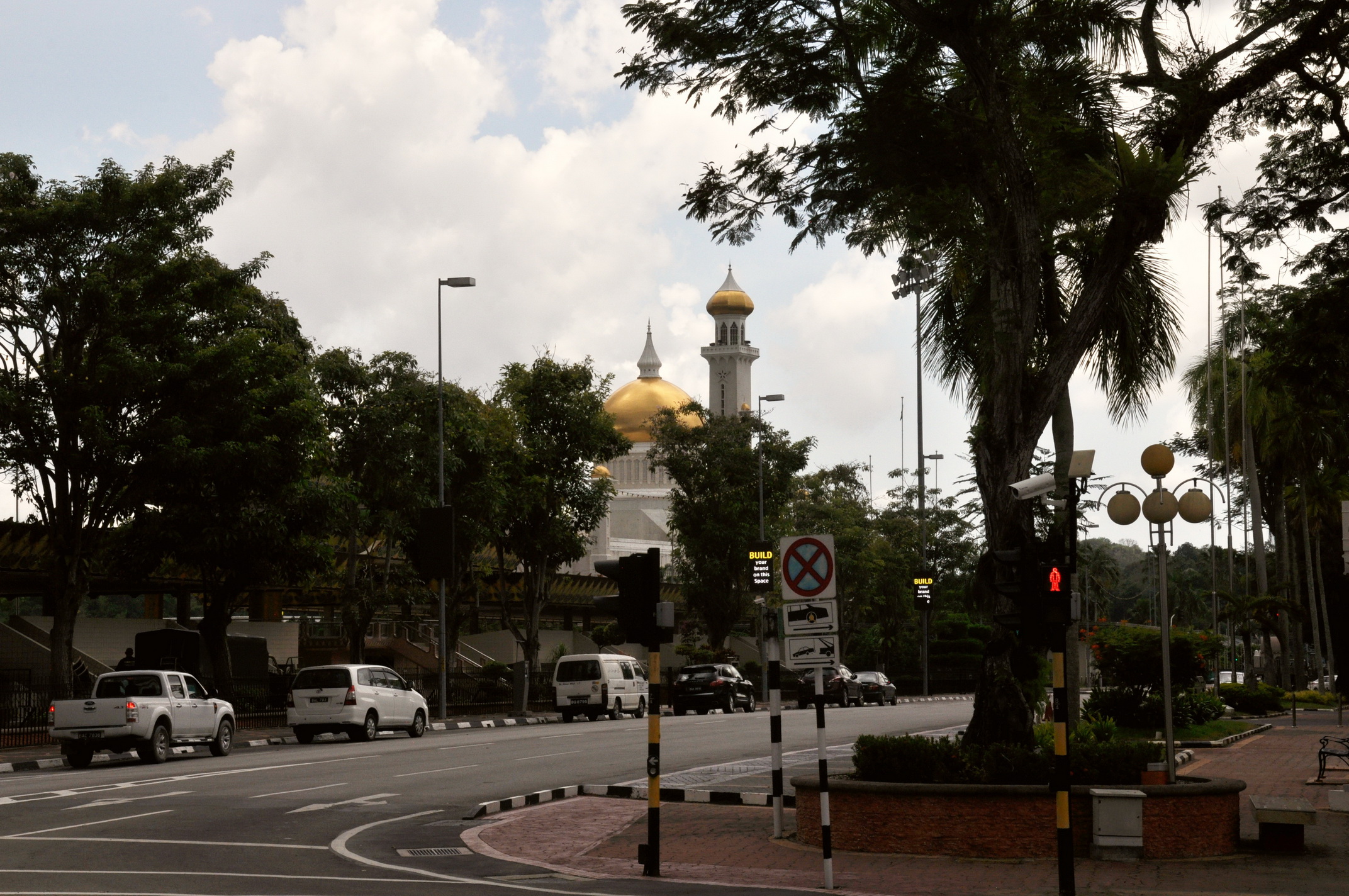
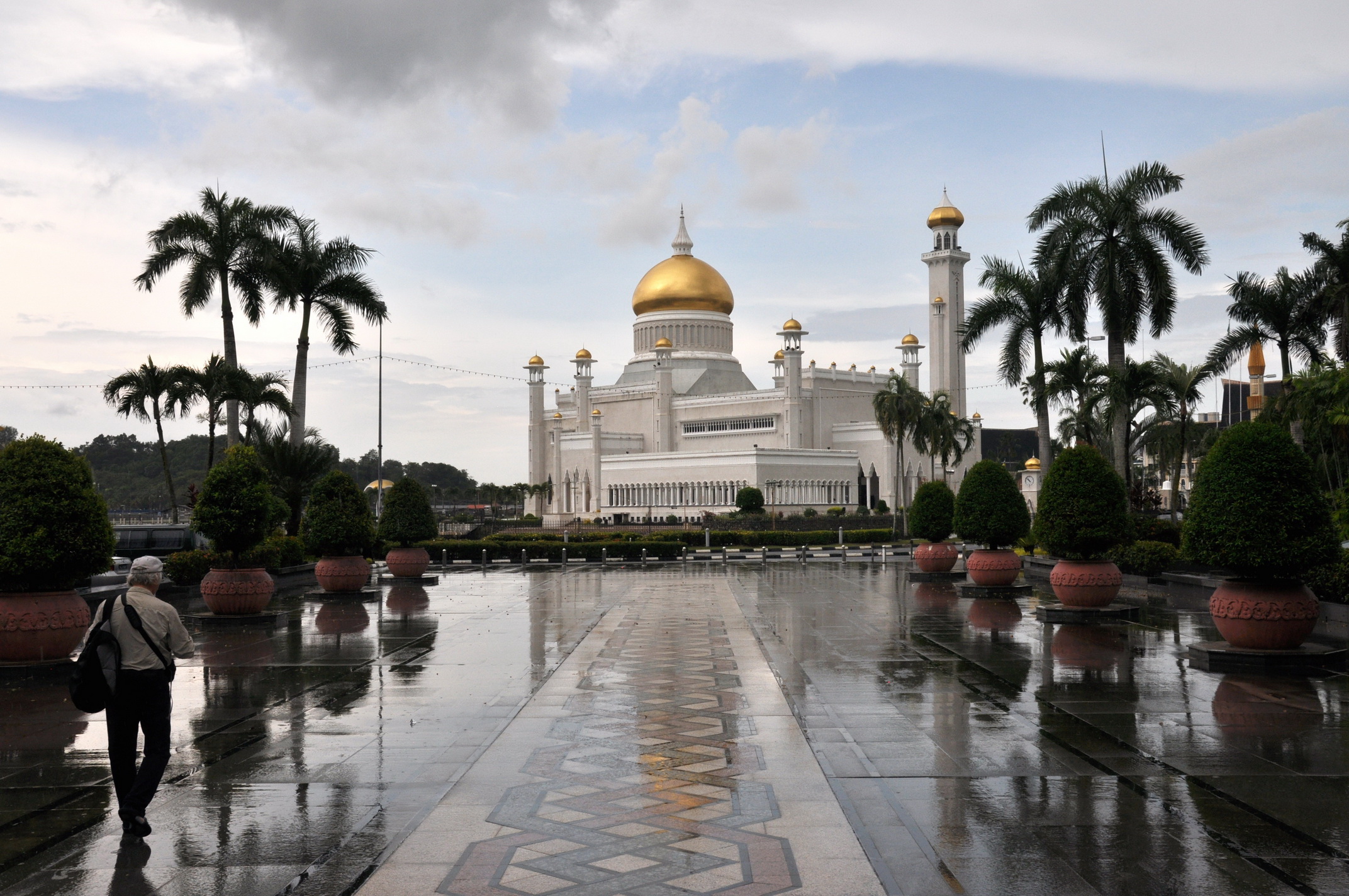
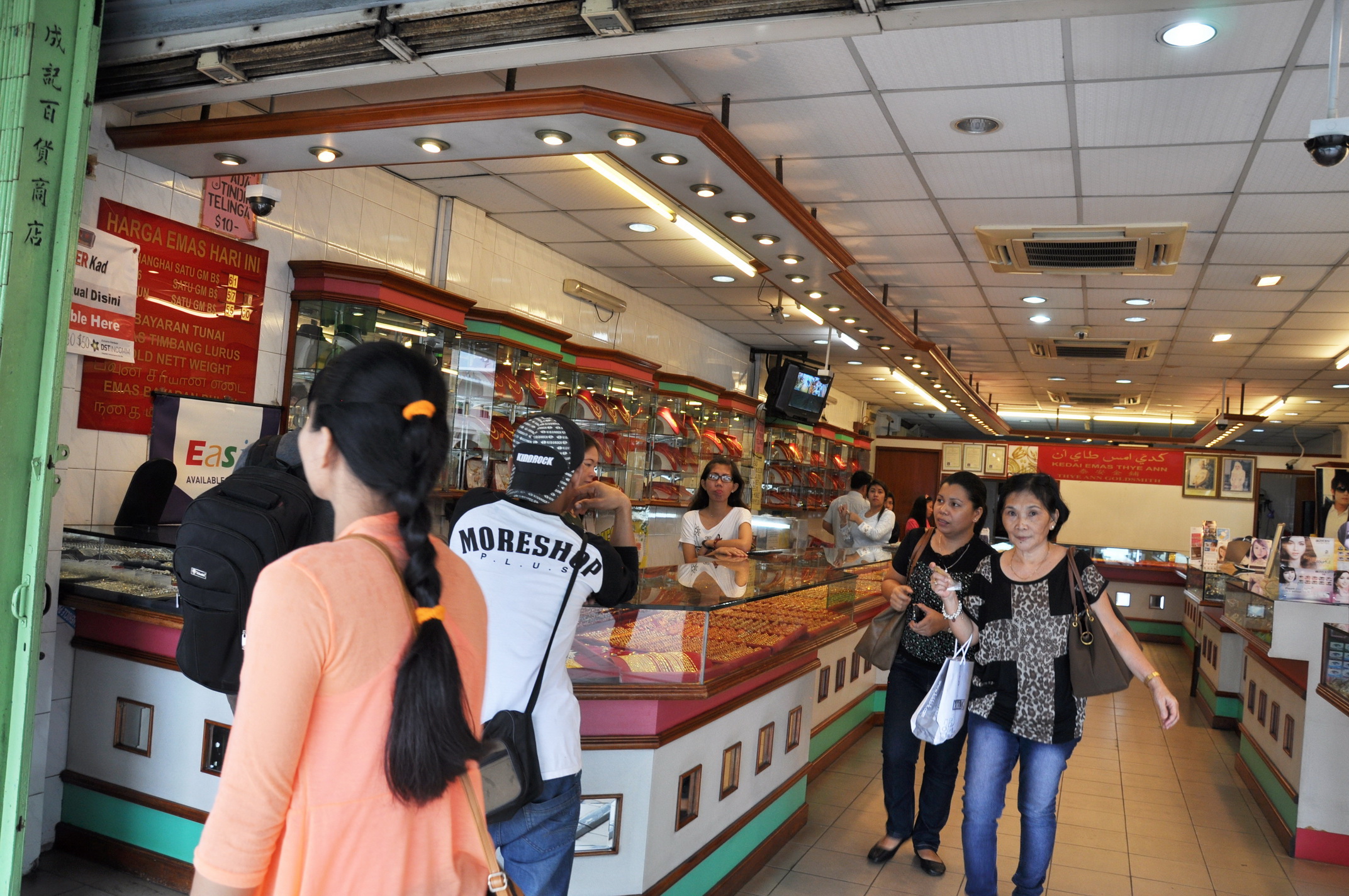
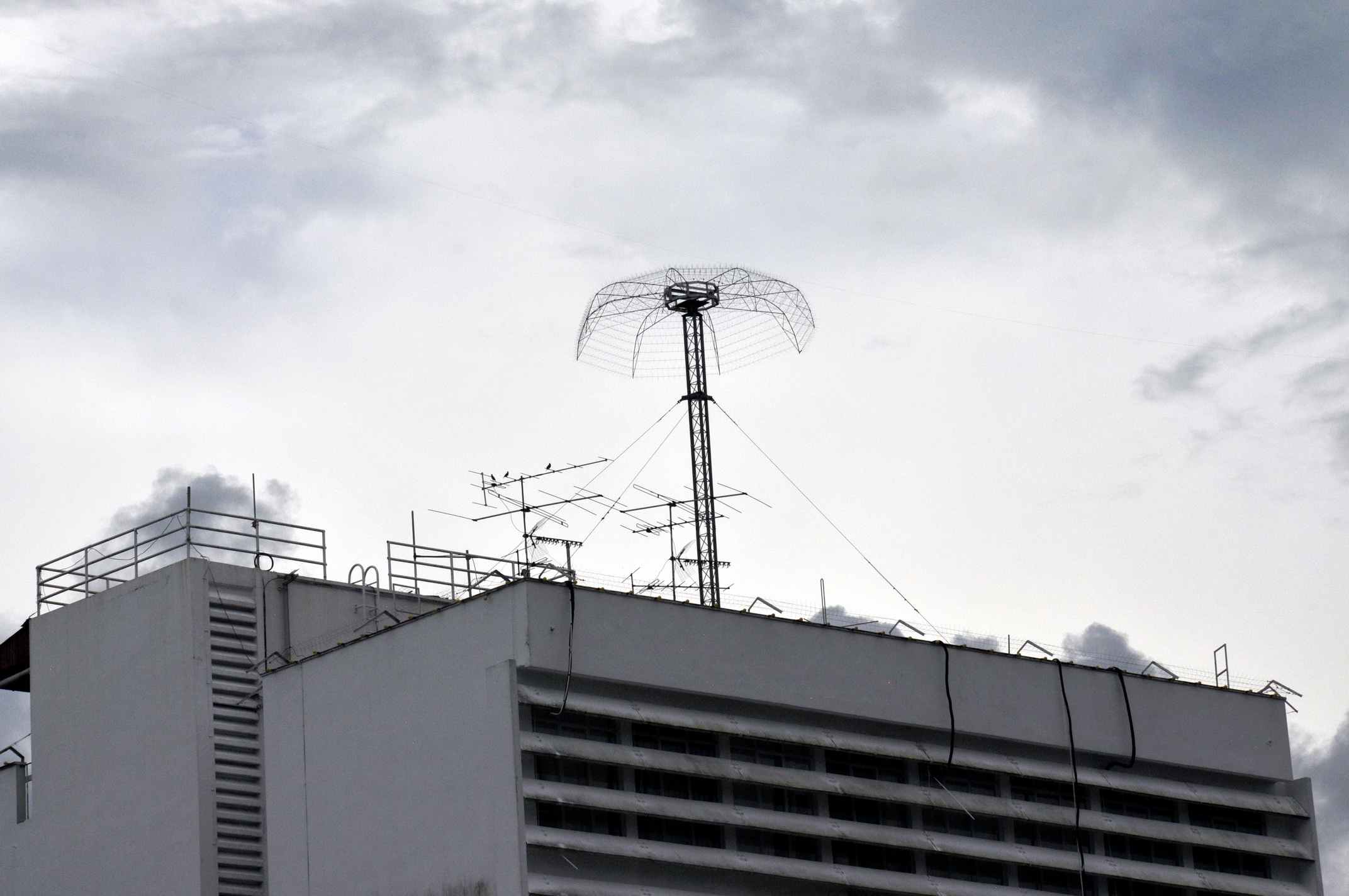
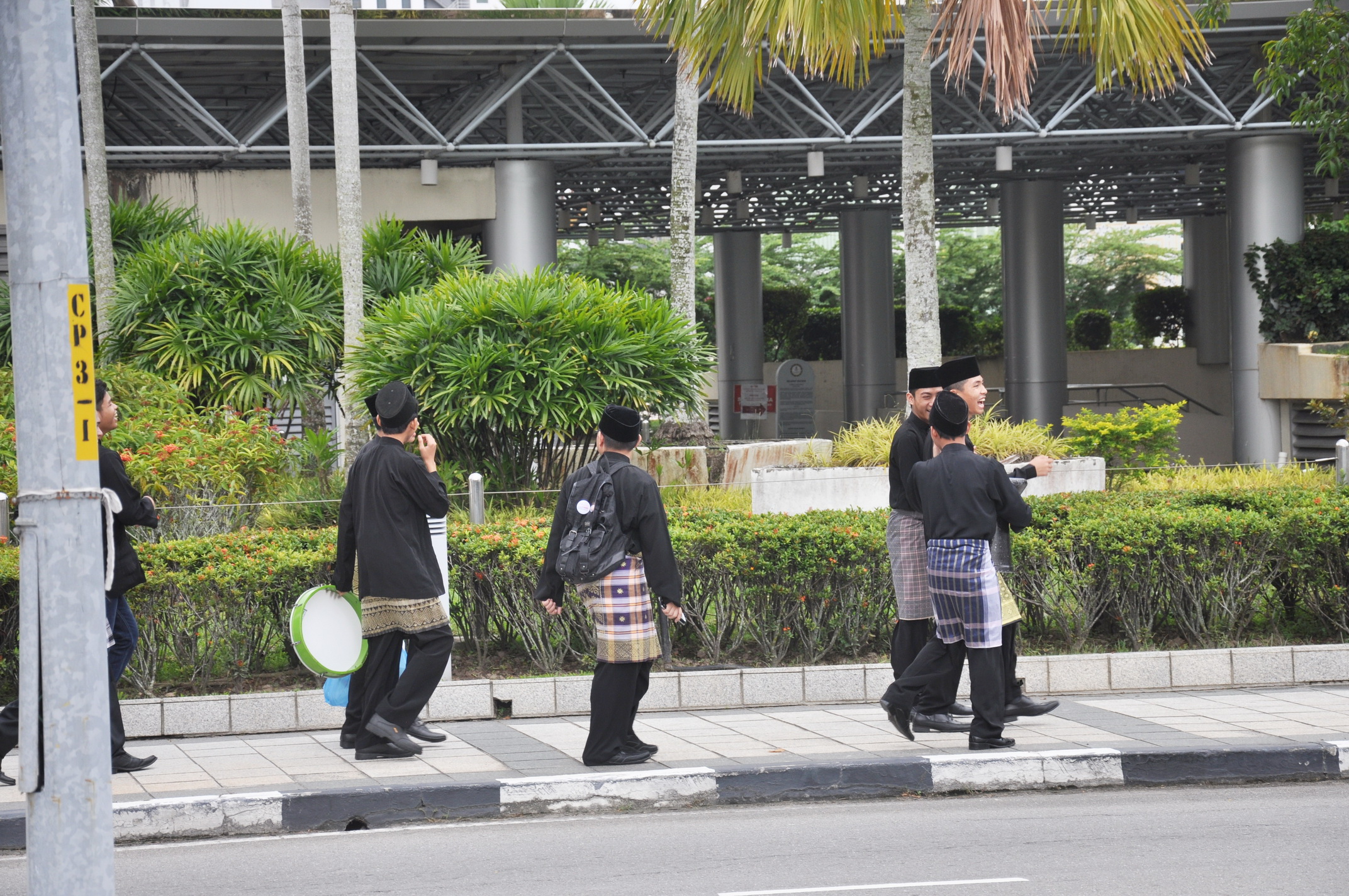
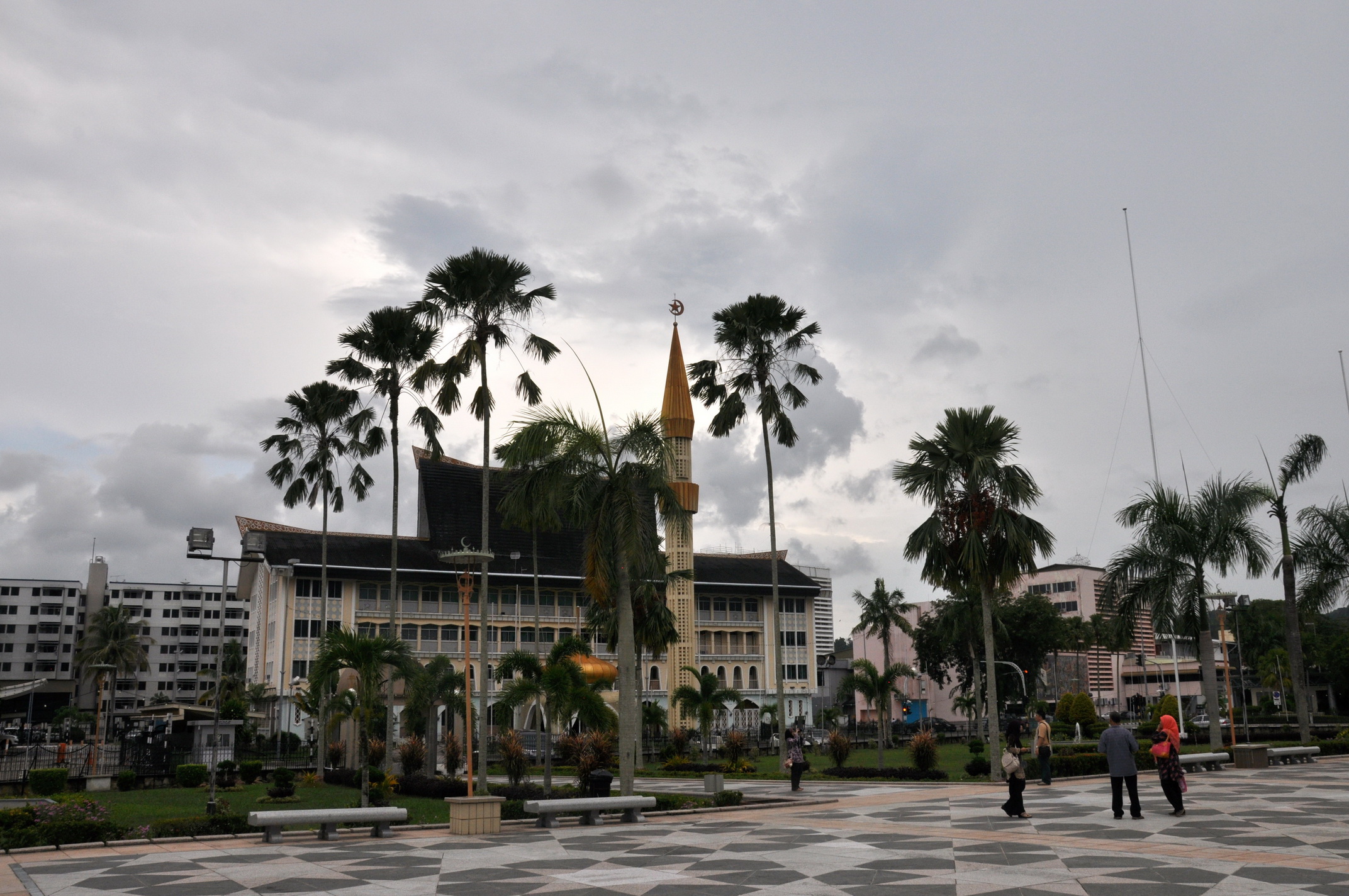
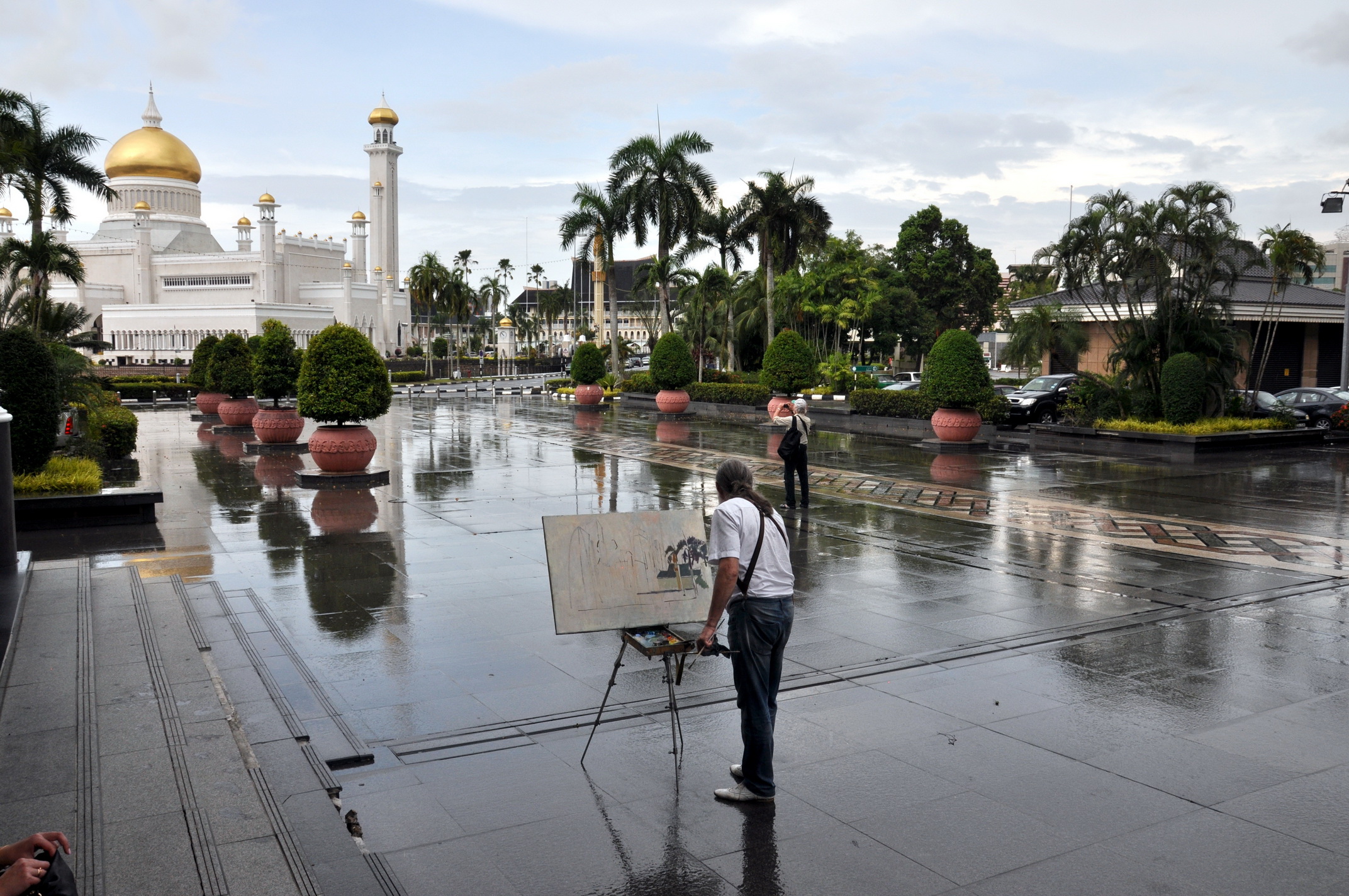
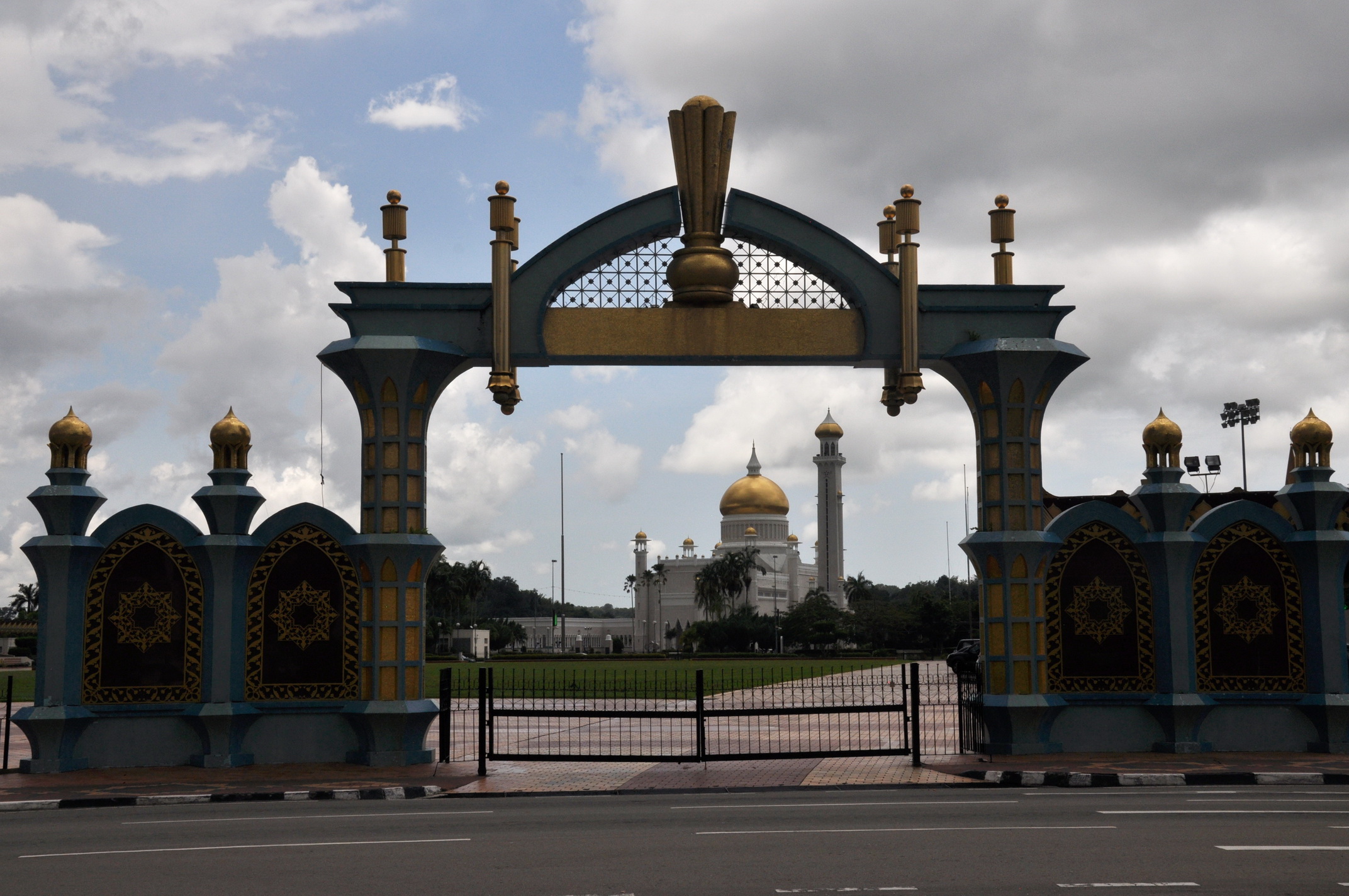
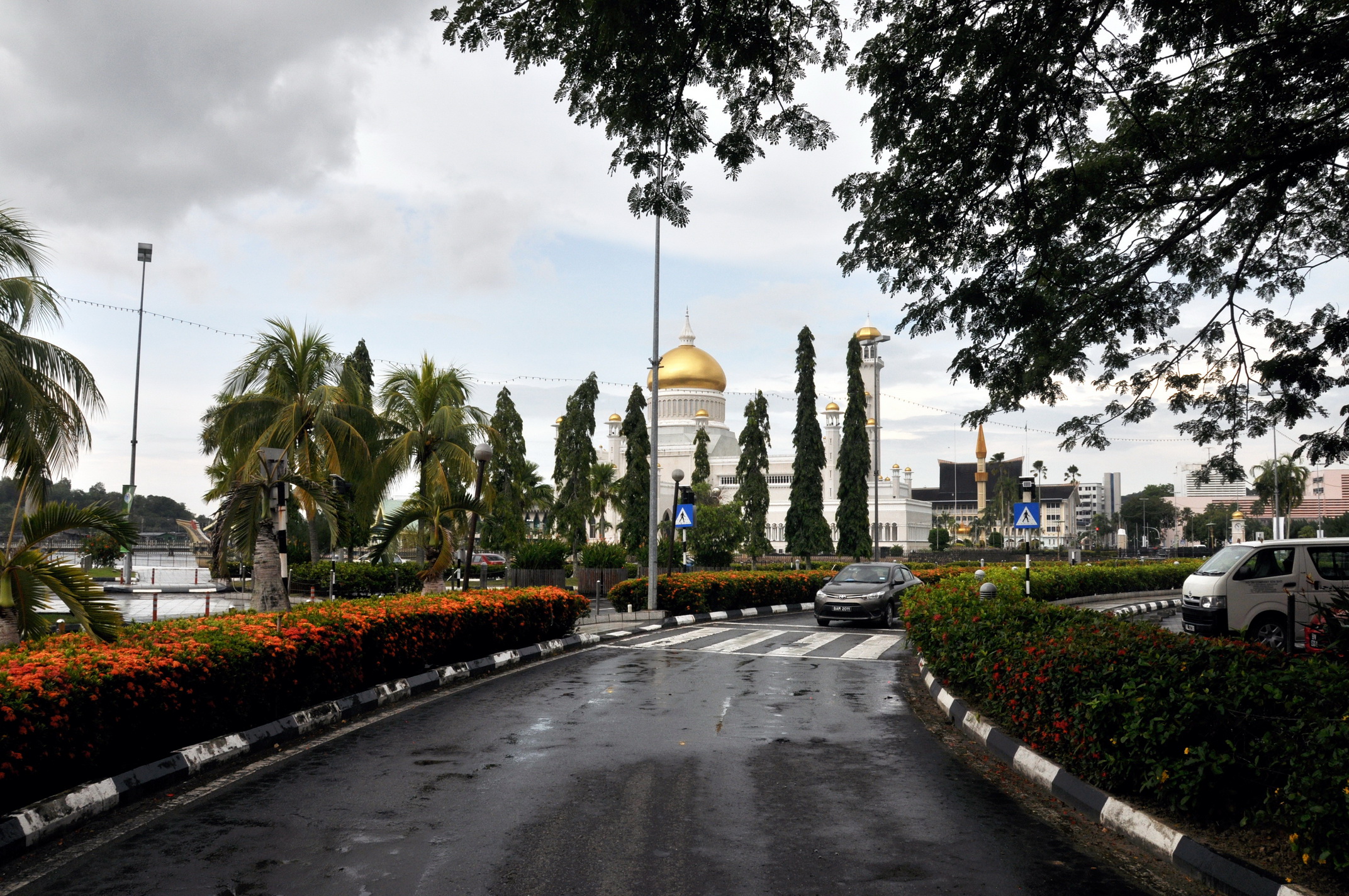
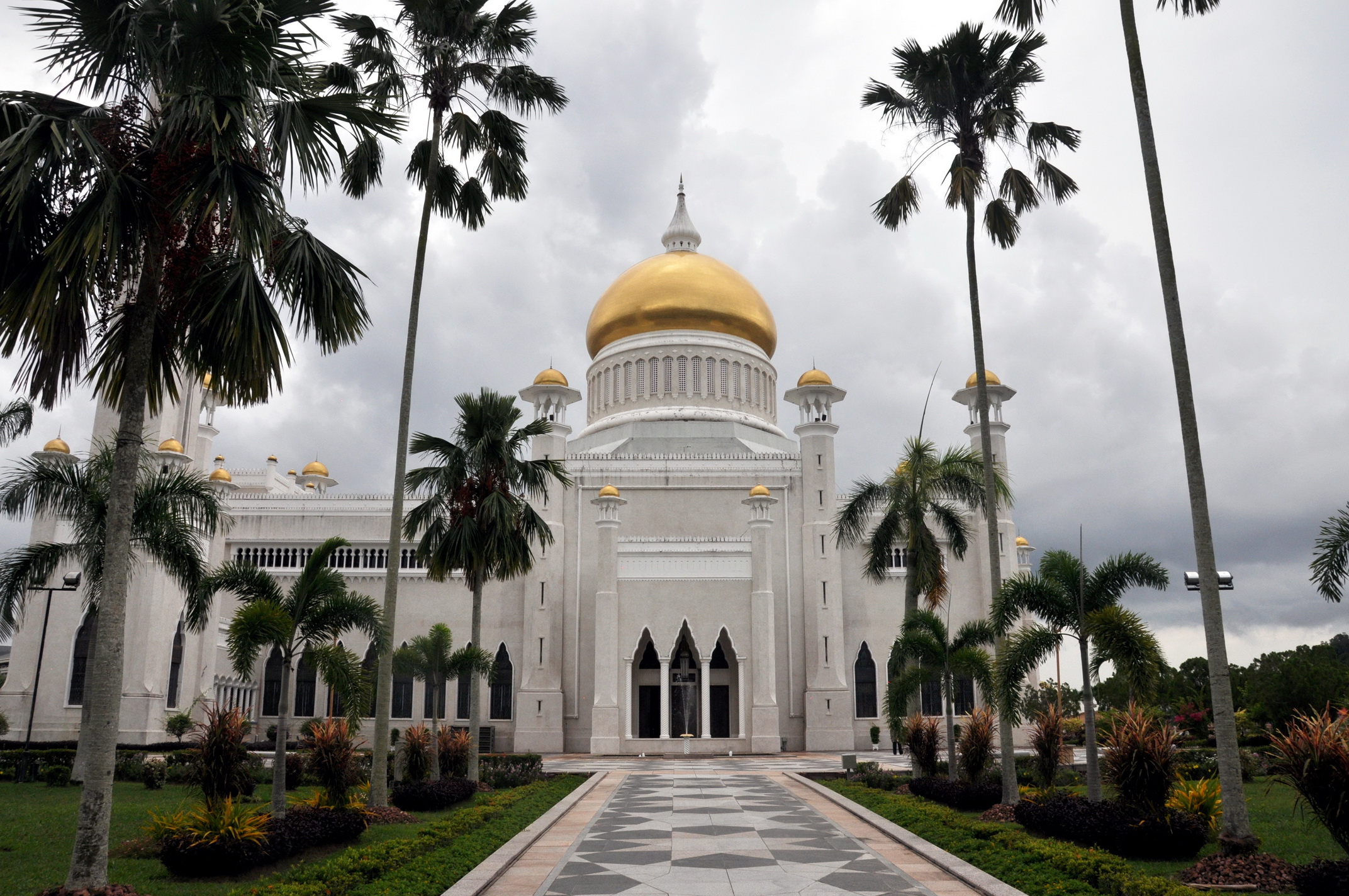
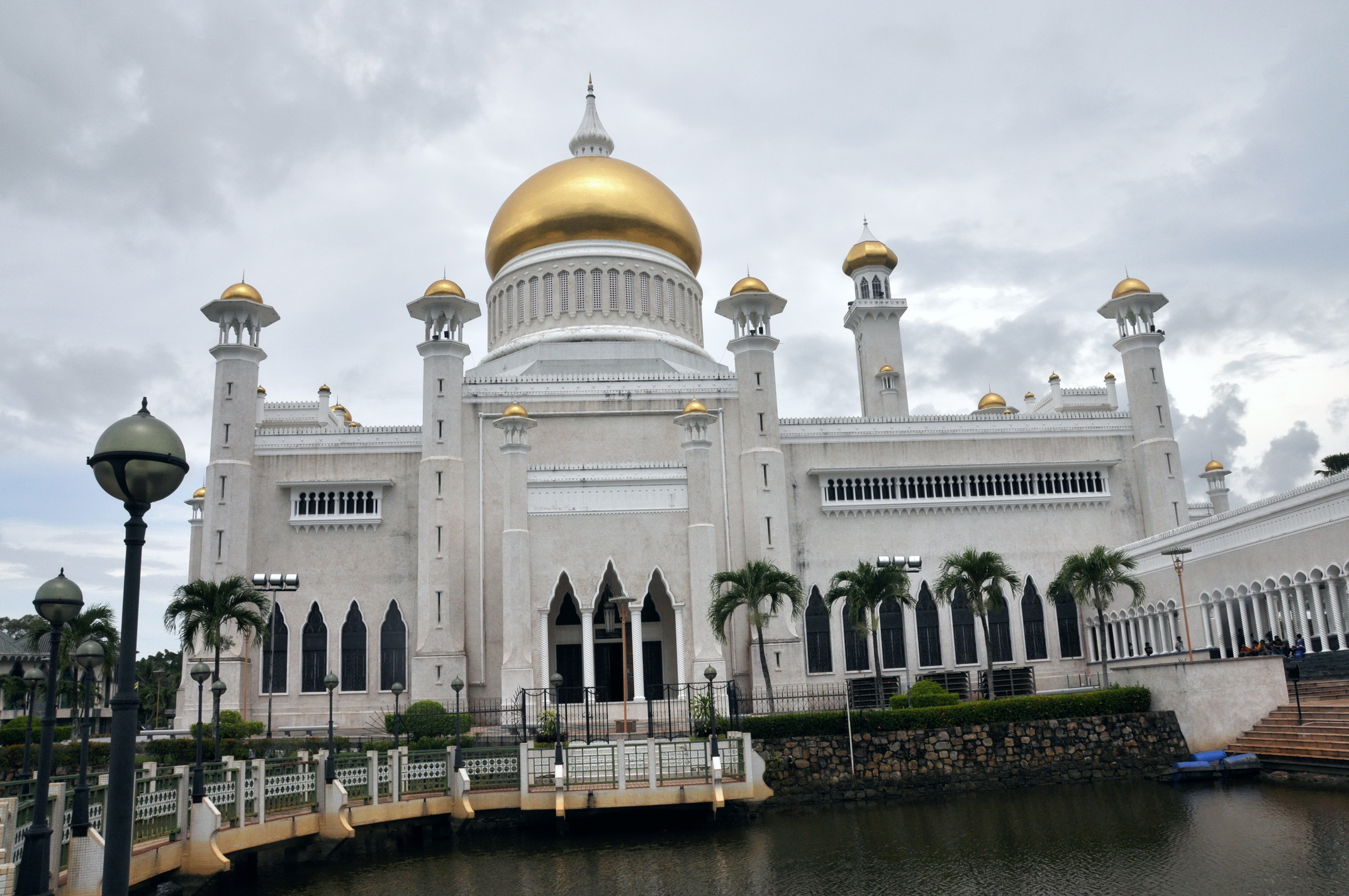
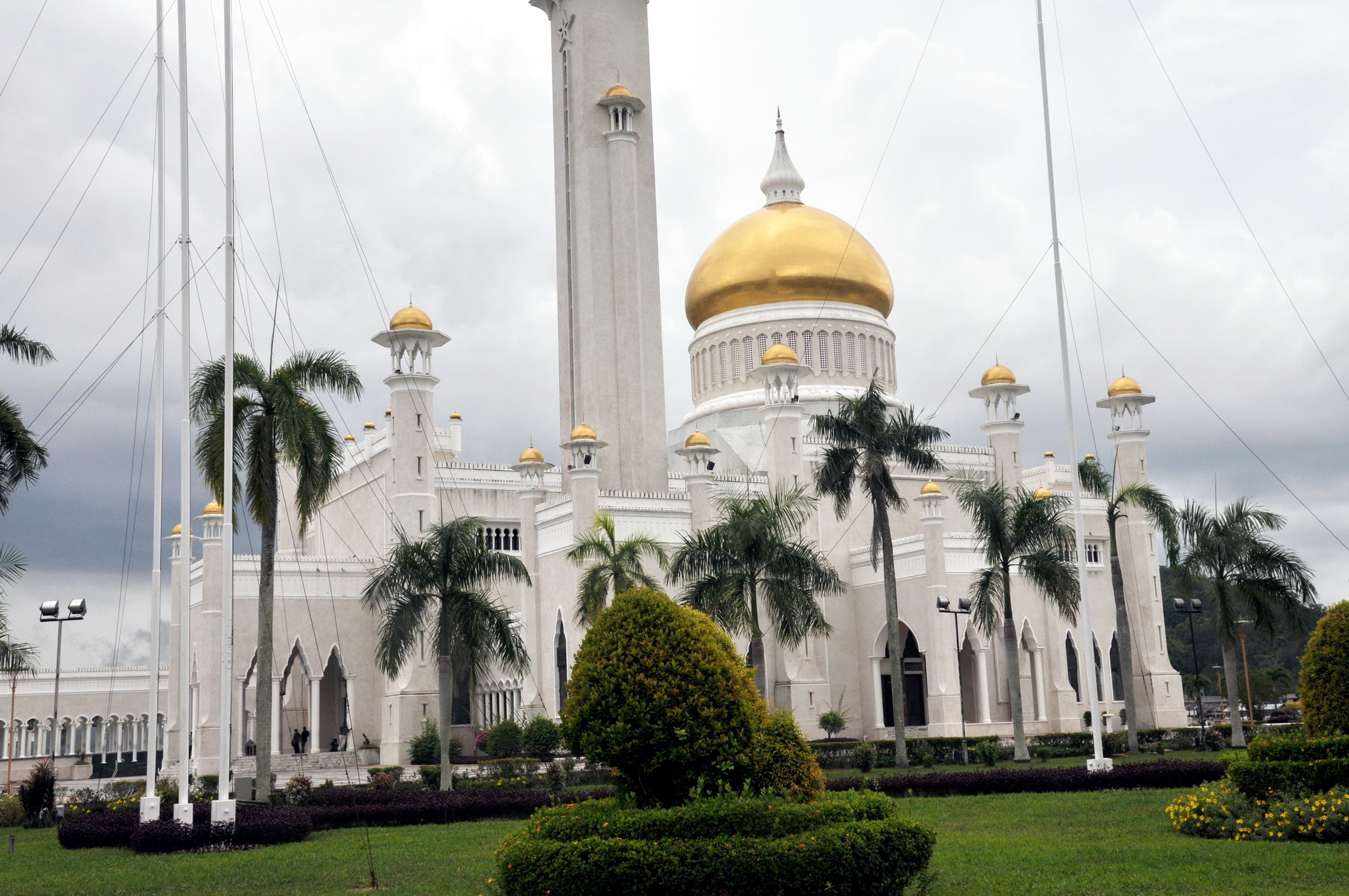
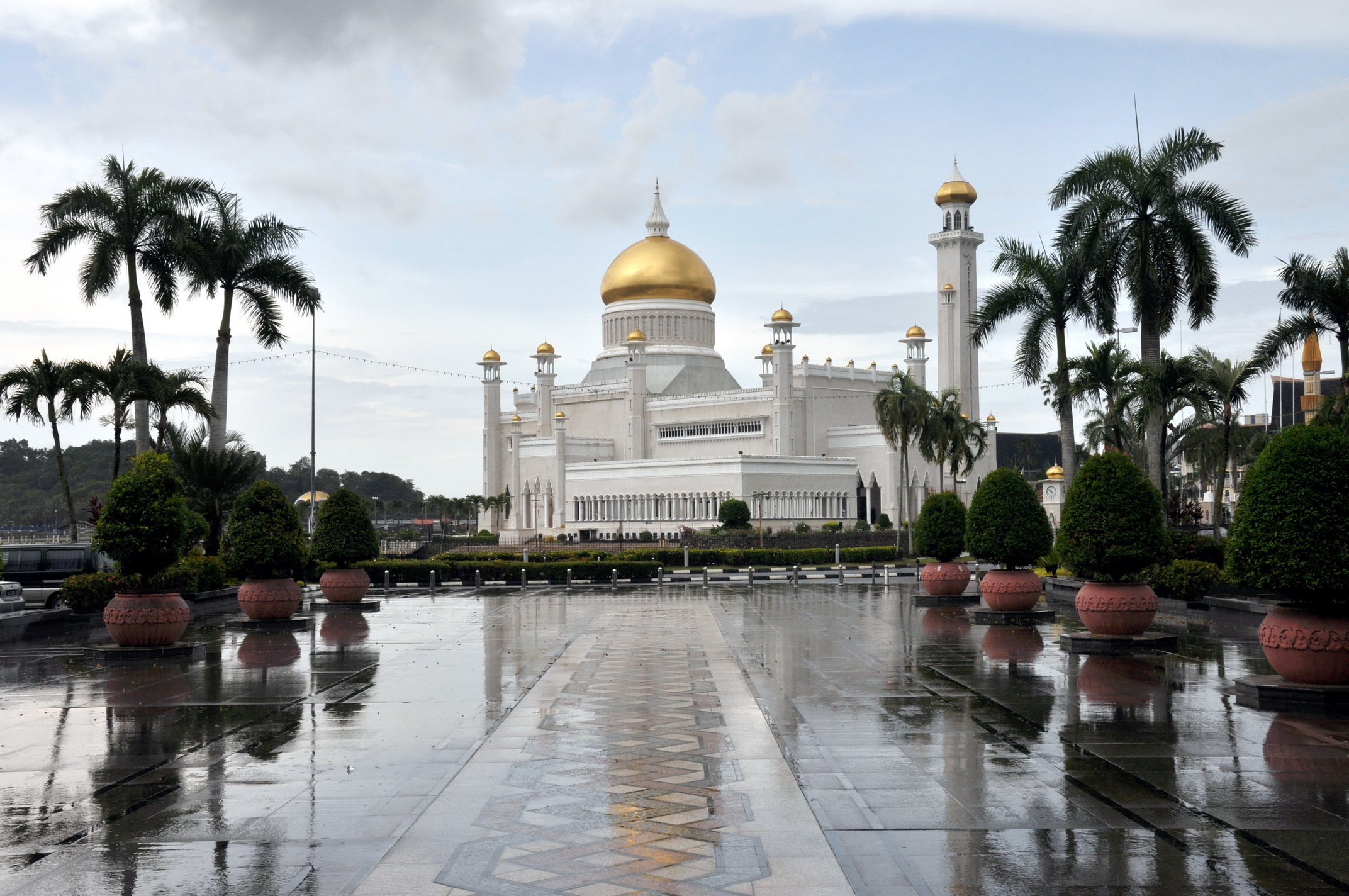
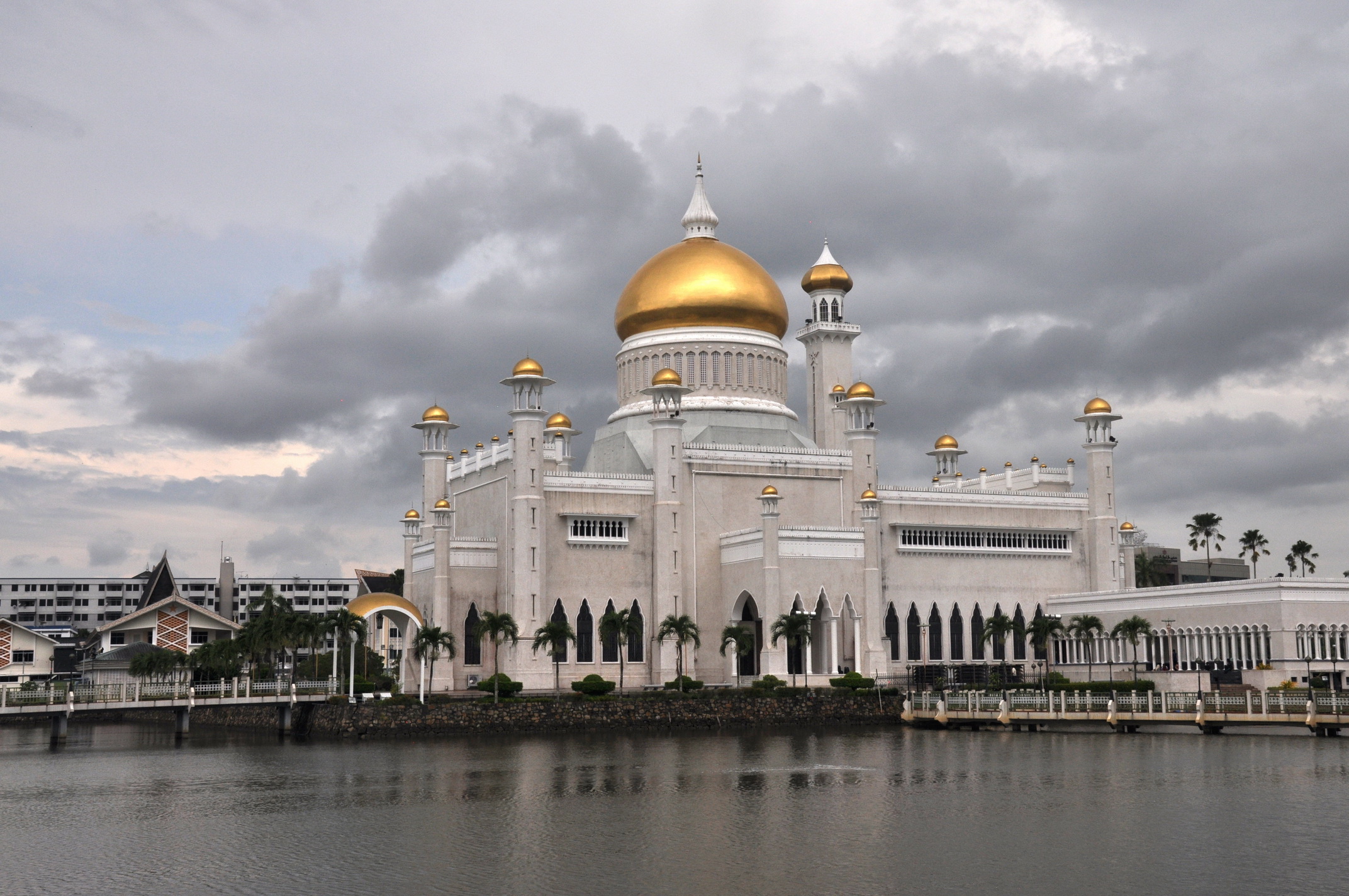
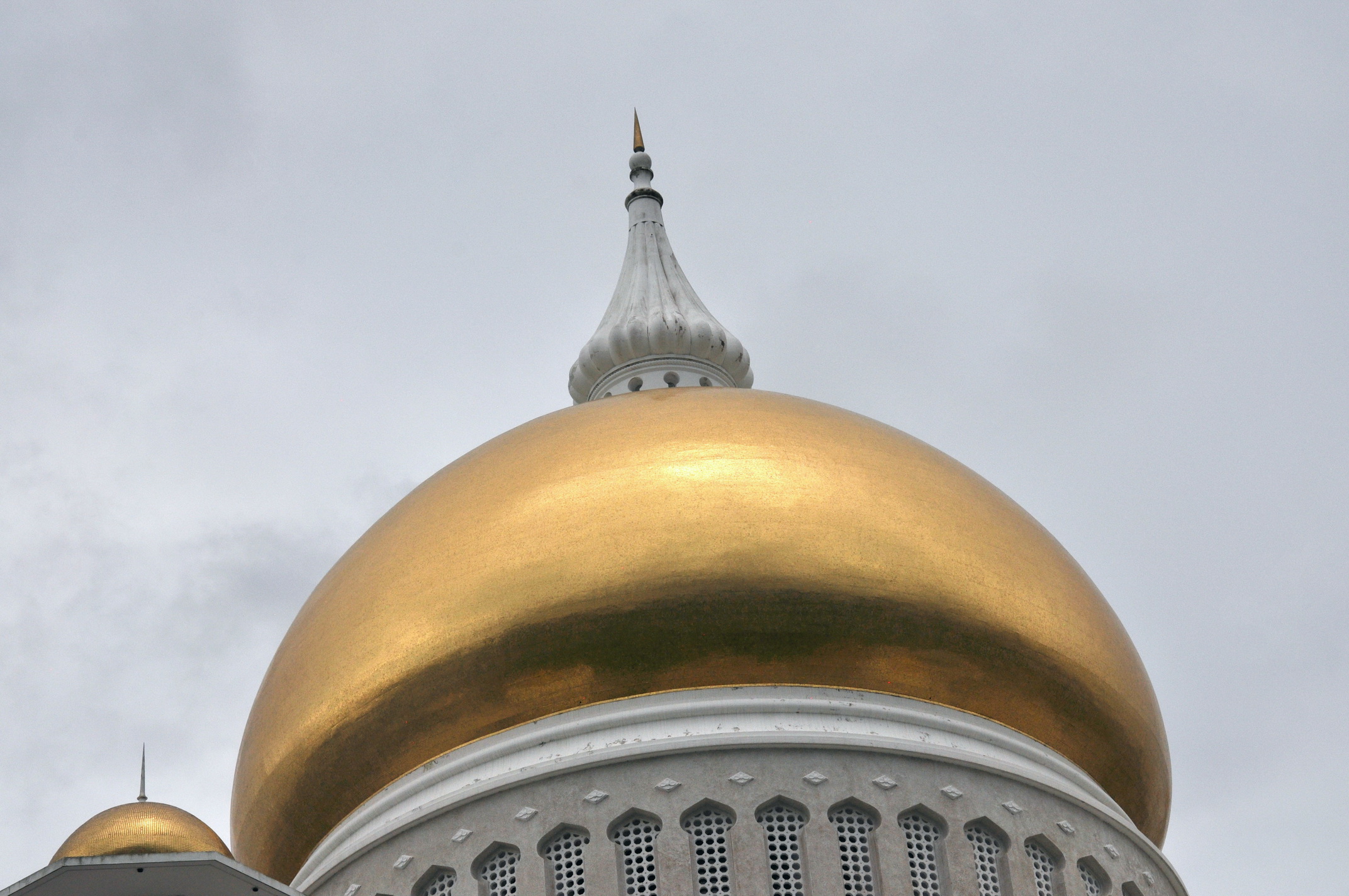
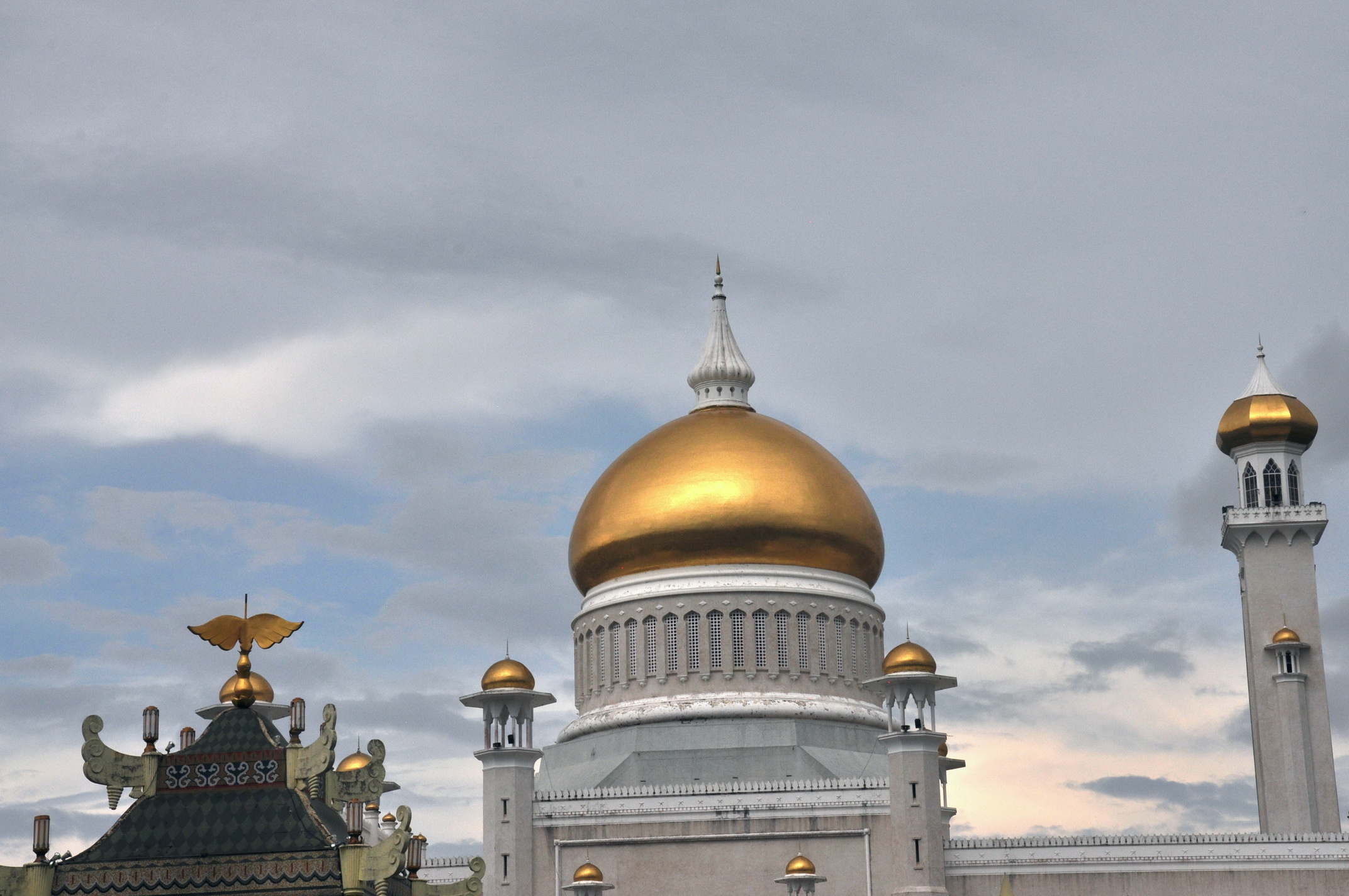
The tourist entrance charged admission at certain hours. I went in through the free entrance for Muslims, which was open all day and night, having washed my feet with conspicuous zeal. They spotted me and showed me out before long, by which time I had seen the place. The interior struck me as nothing special.
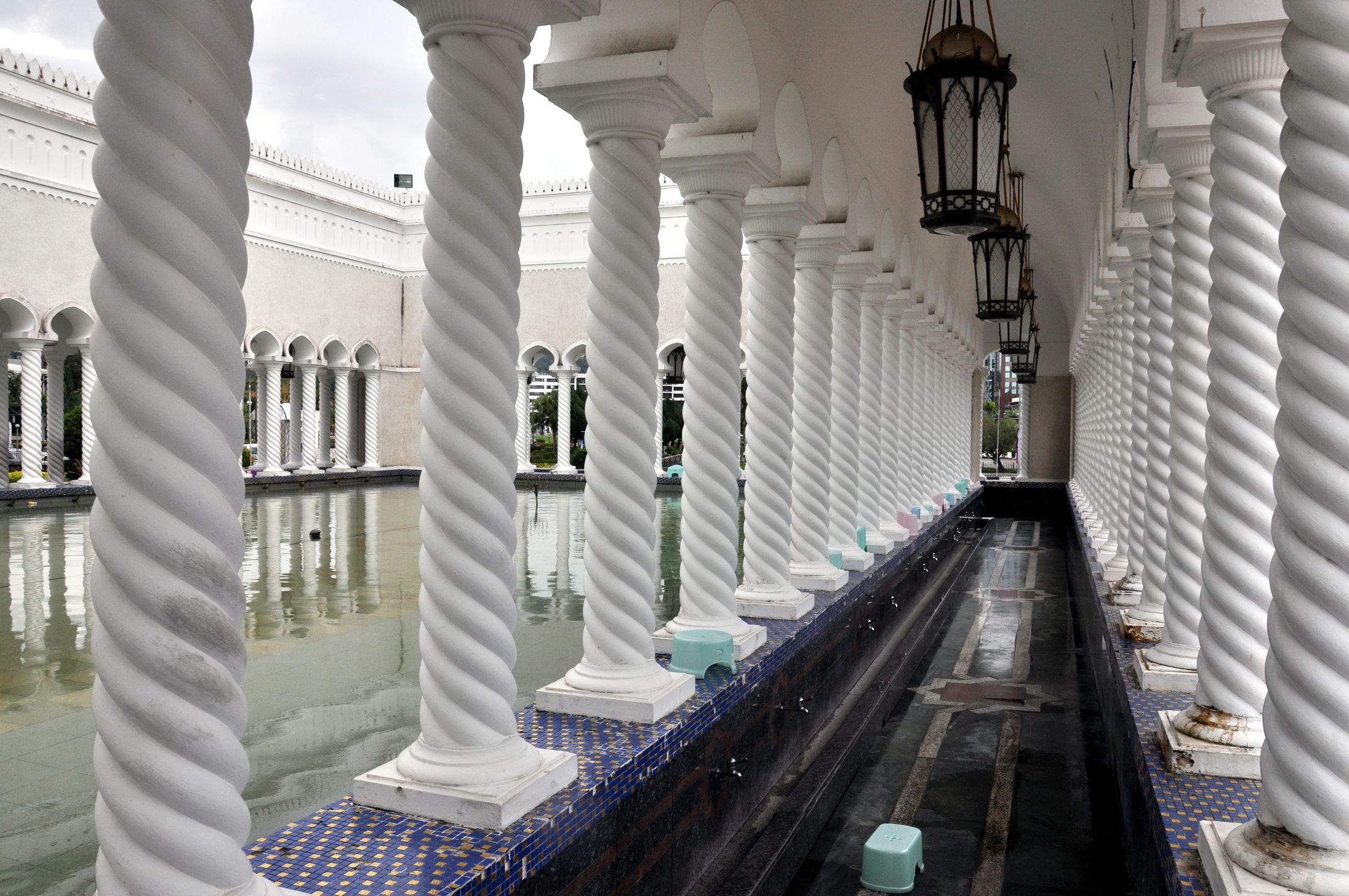
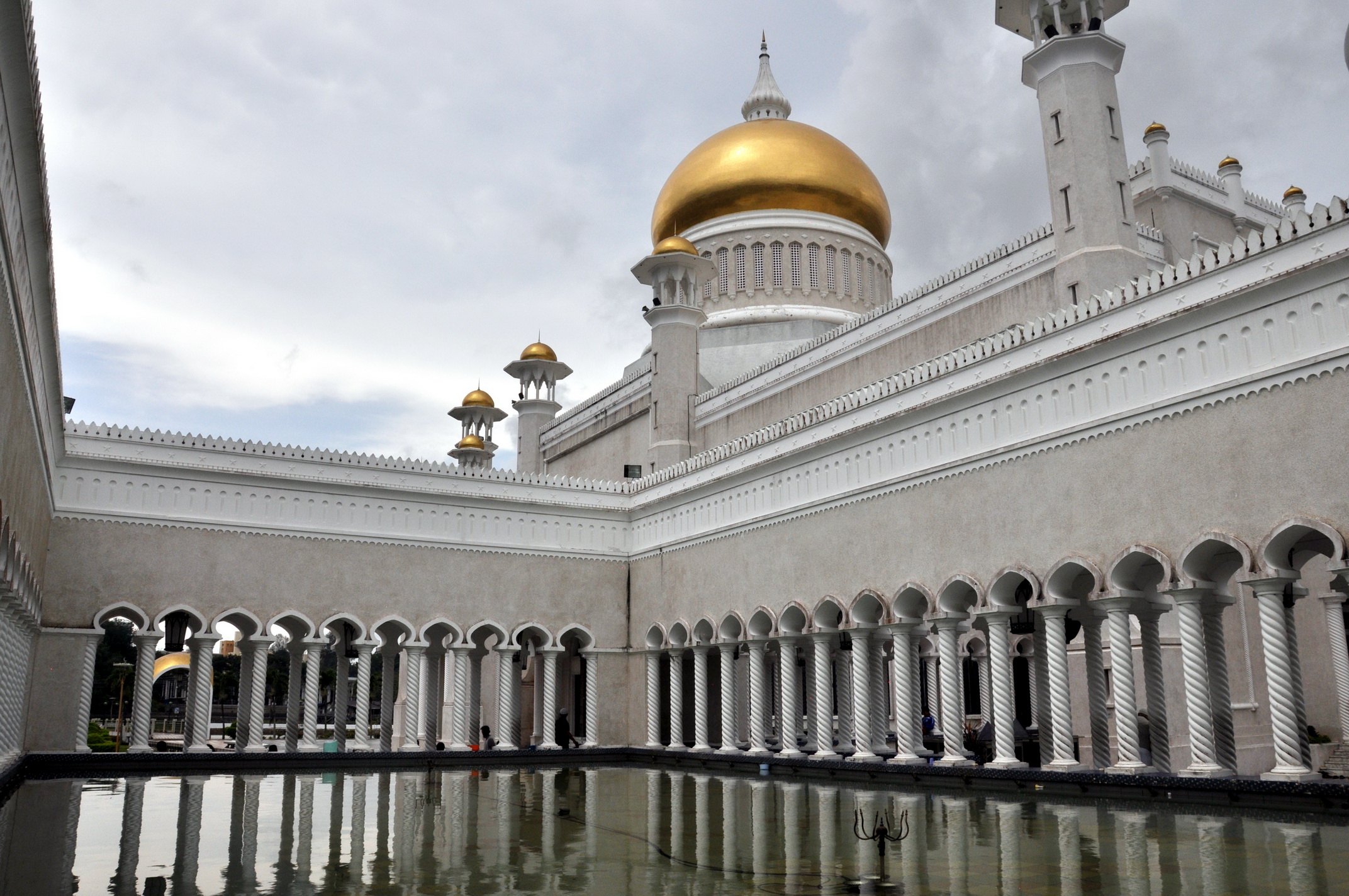
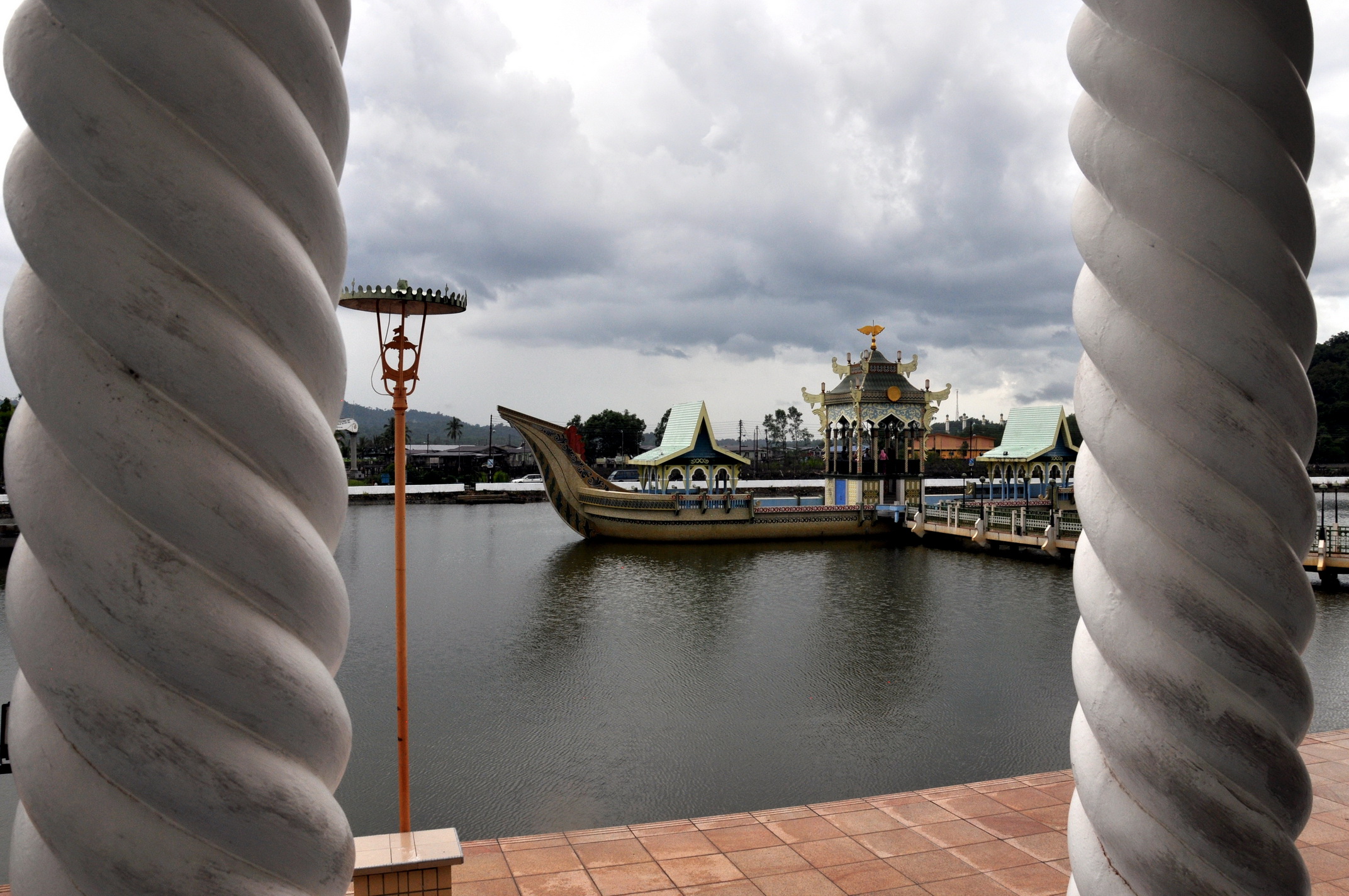
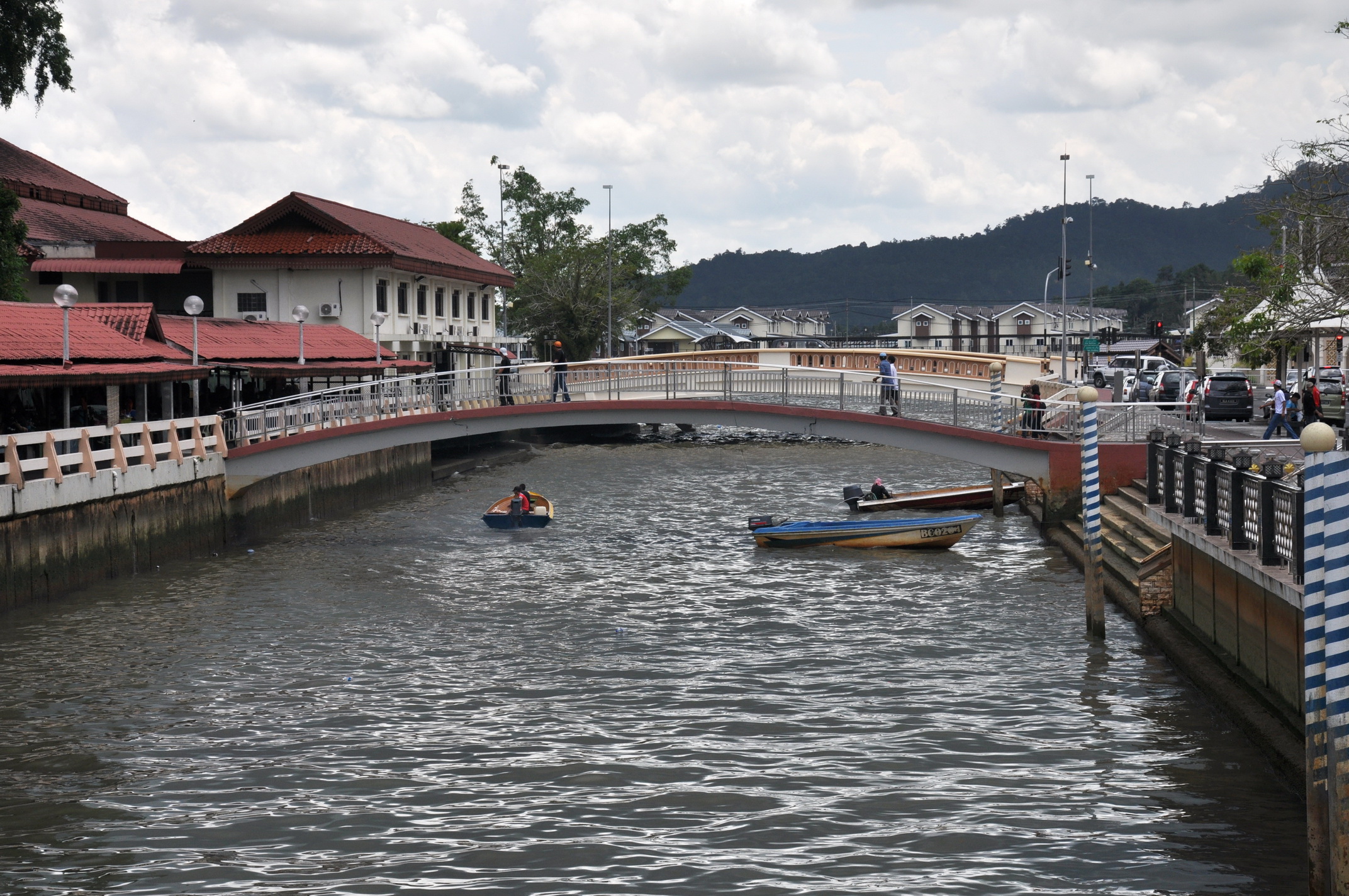
The mosque is surrounded by a pool. Everything was very beautiful and tastefully done. Next to the mosque begins the water village, with wooden houses on stilts connected by footbridges. There are many of them. Some can only be reached by boat.
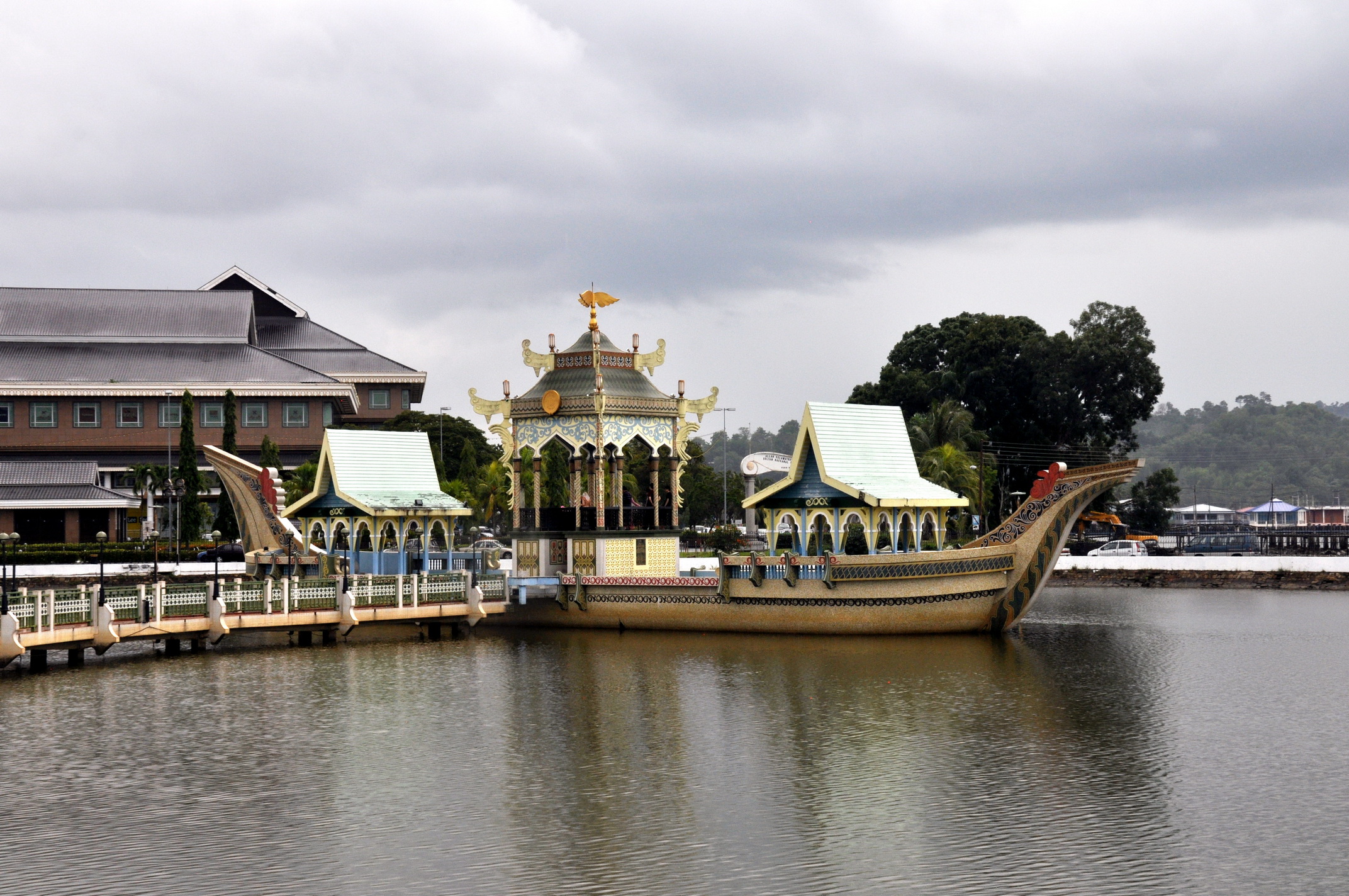
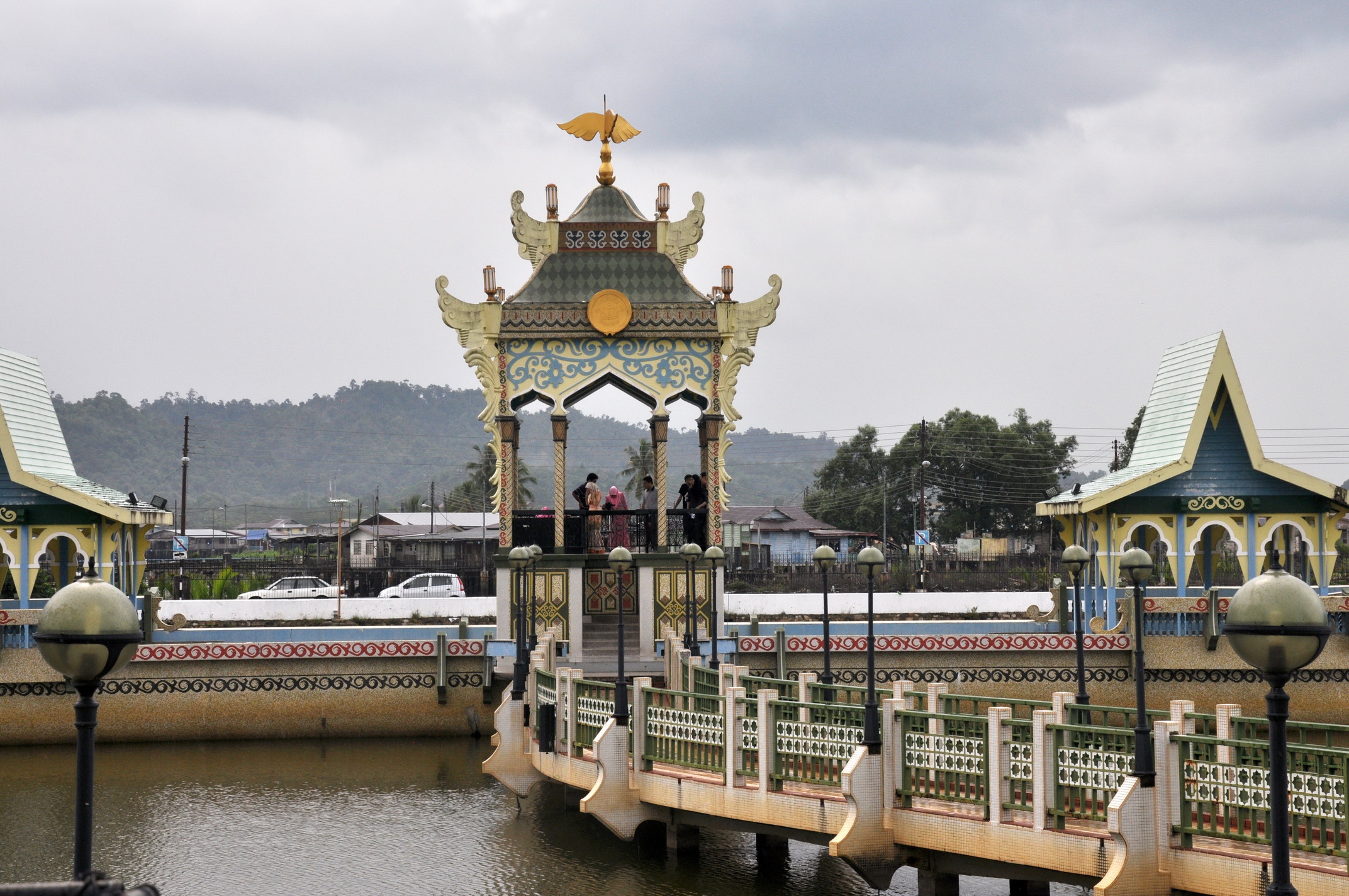
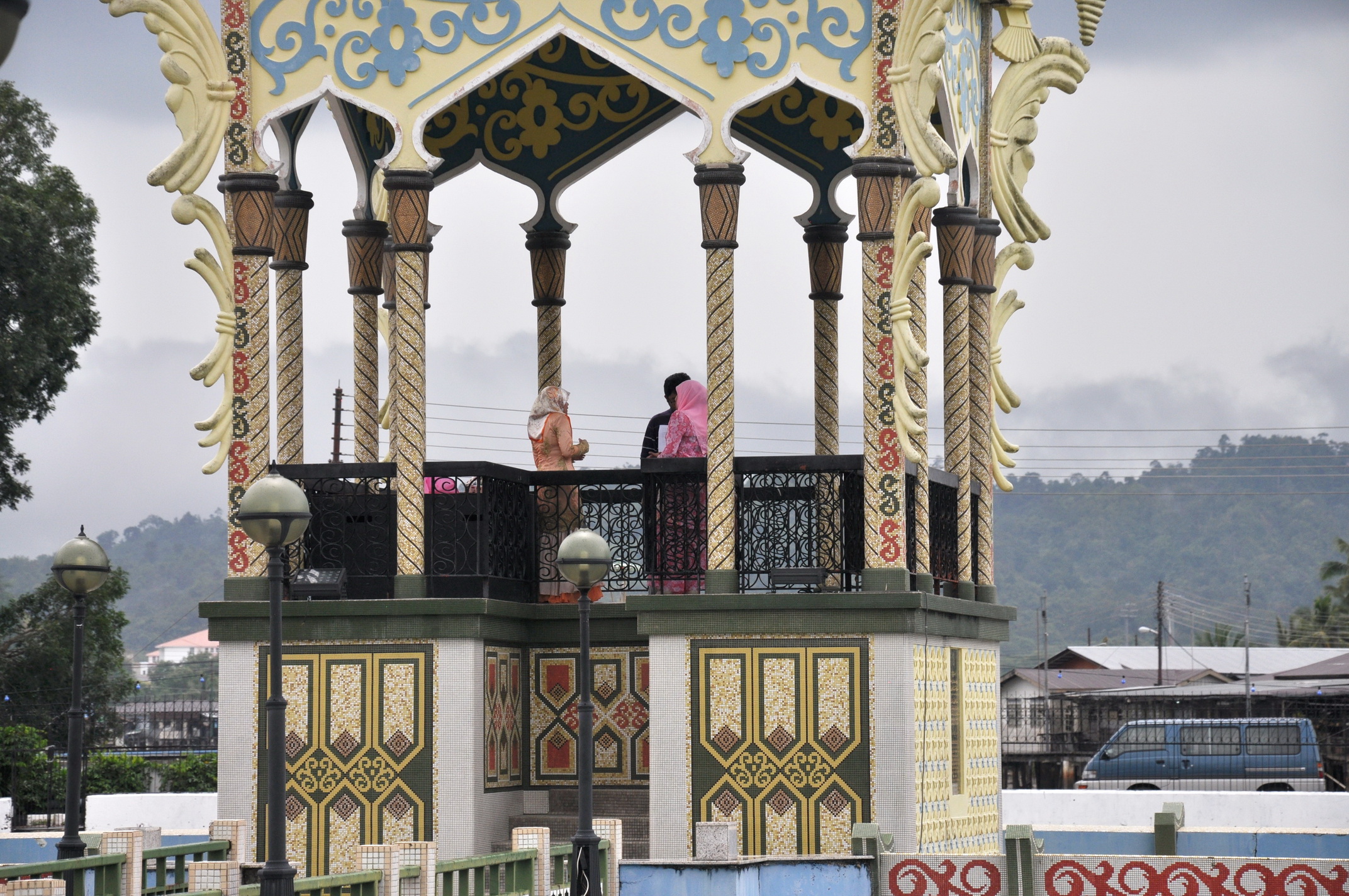
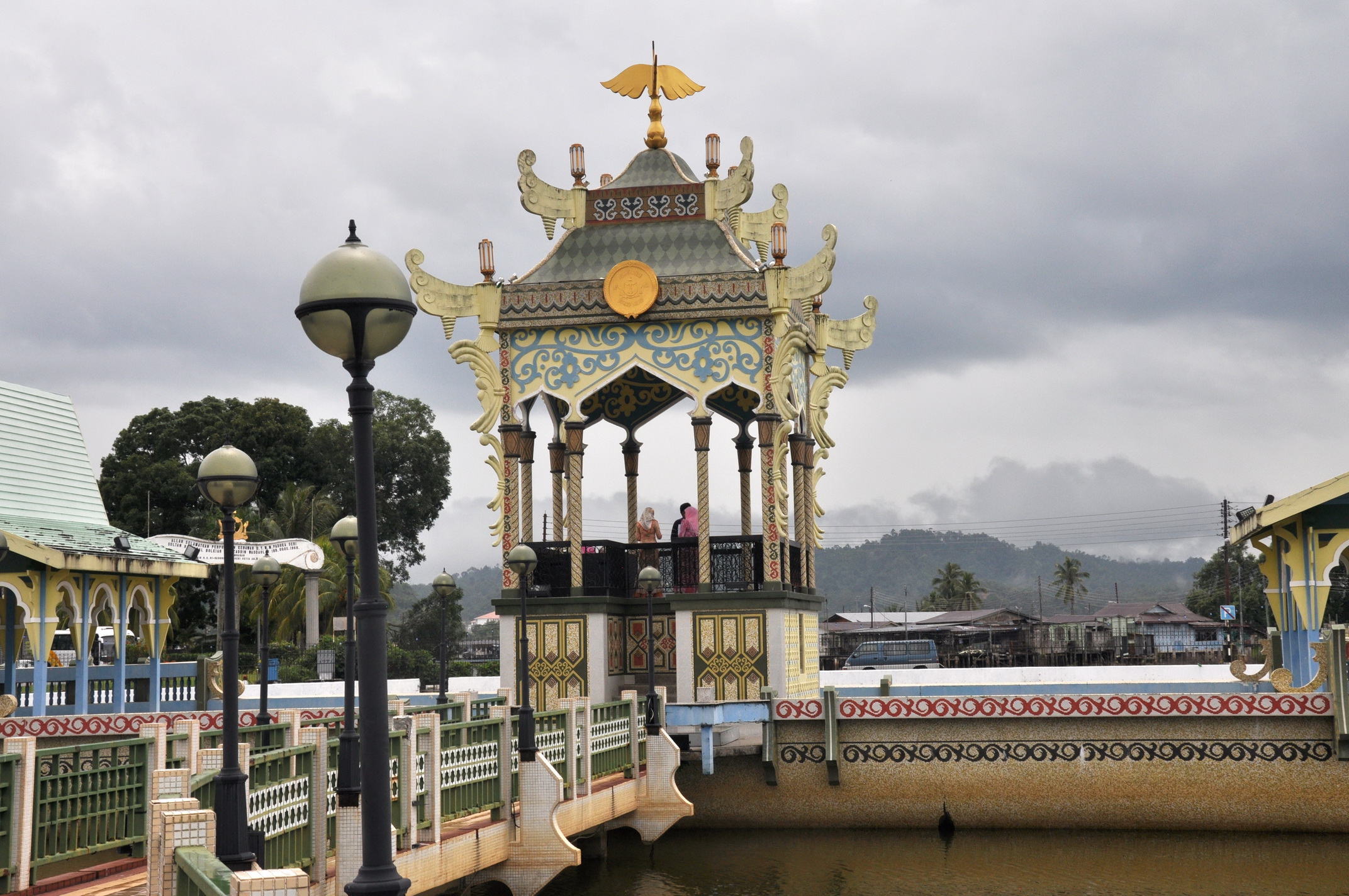
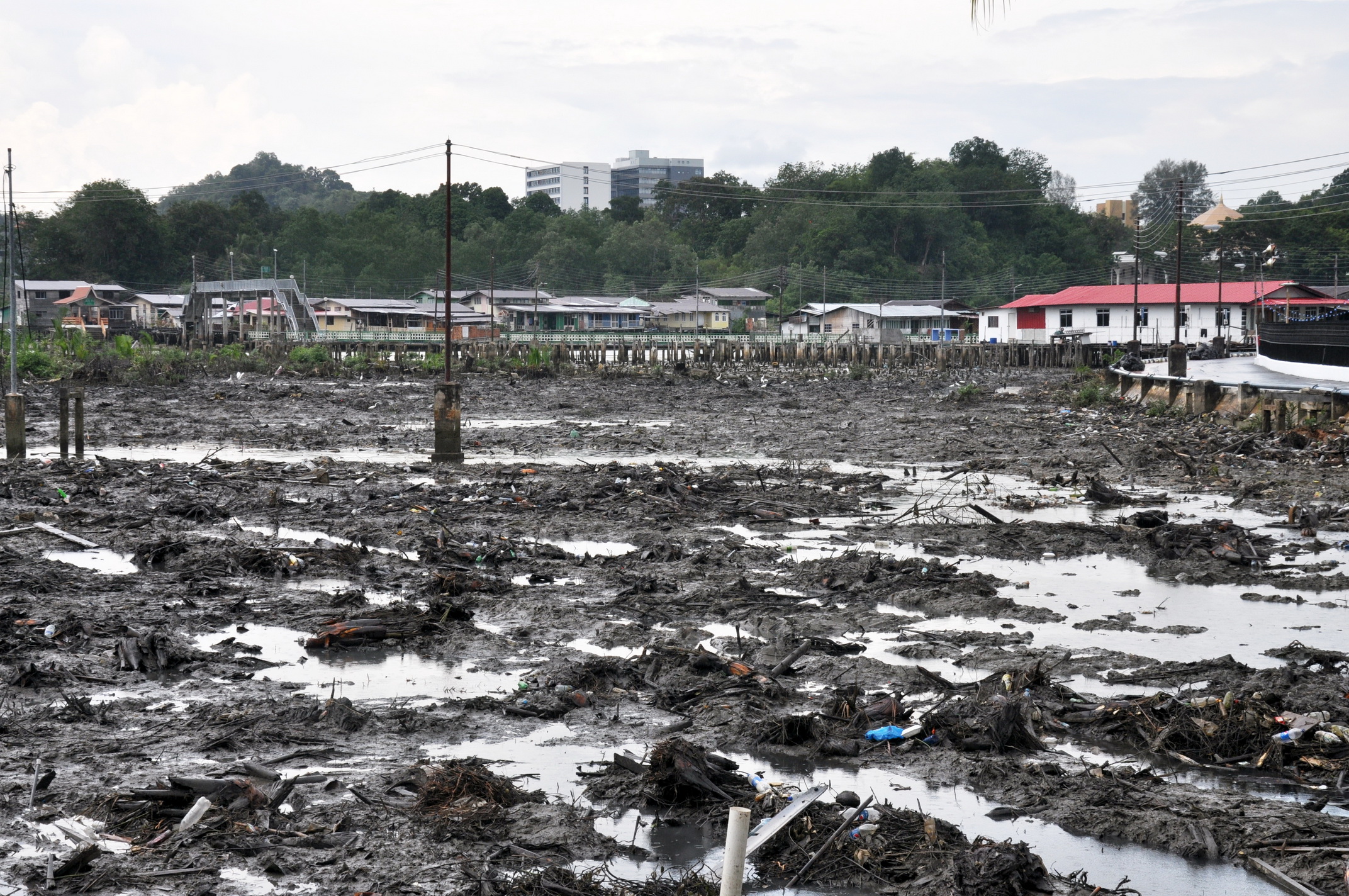
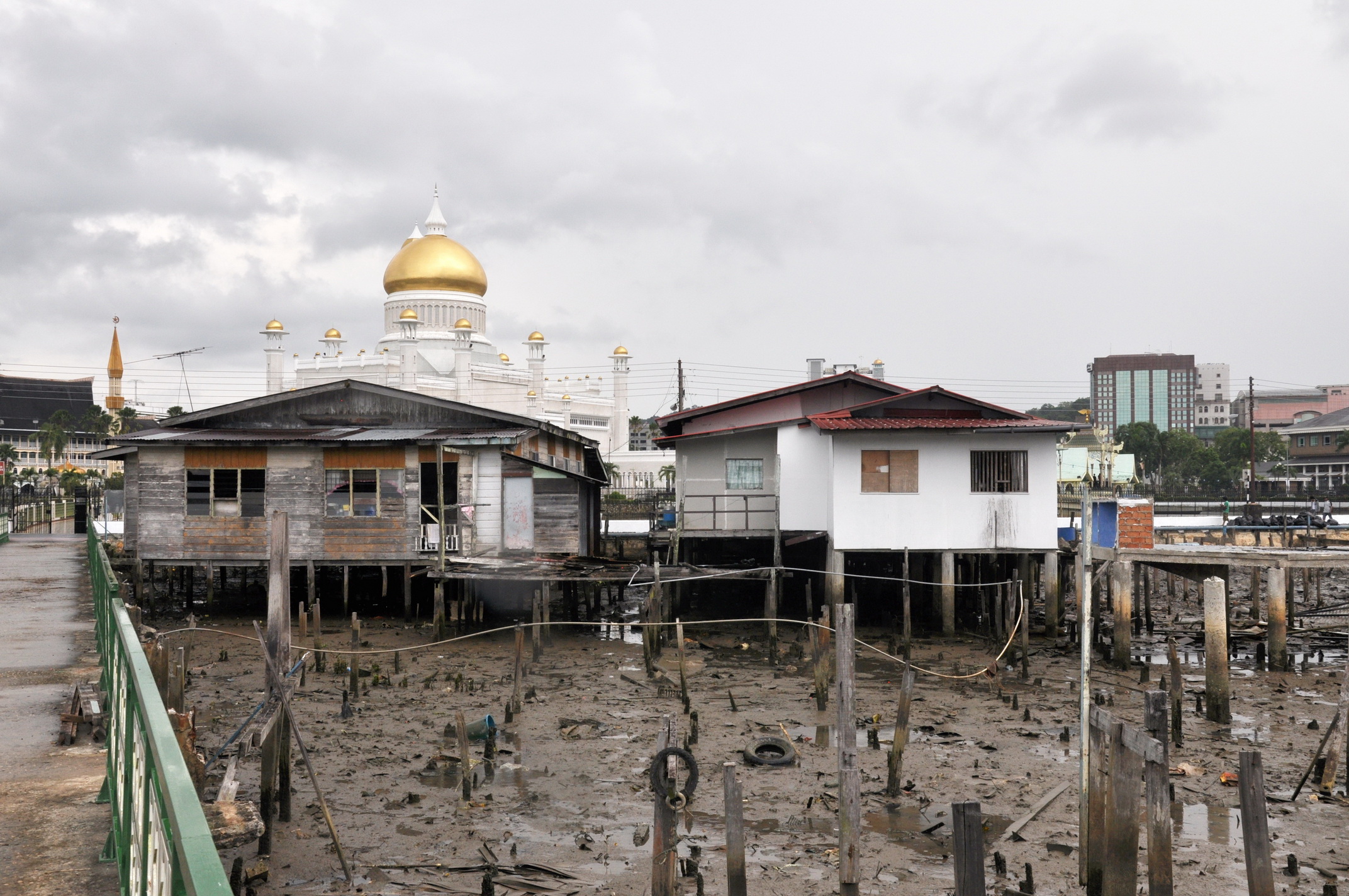
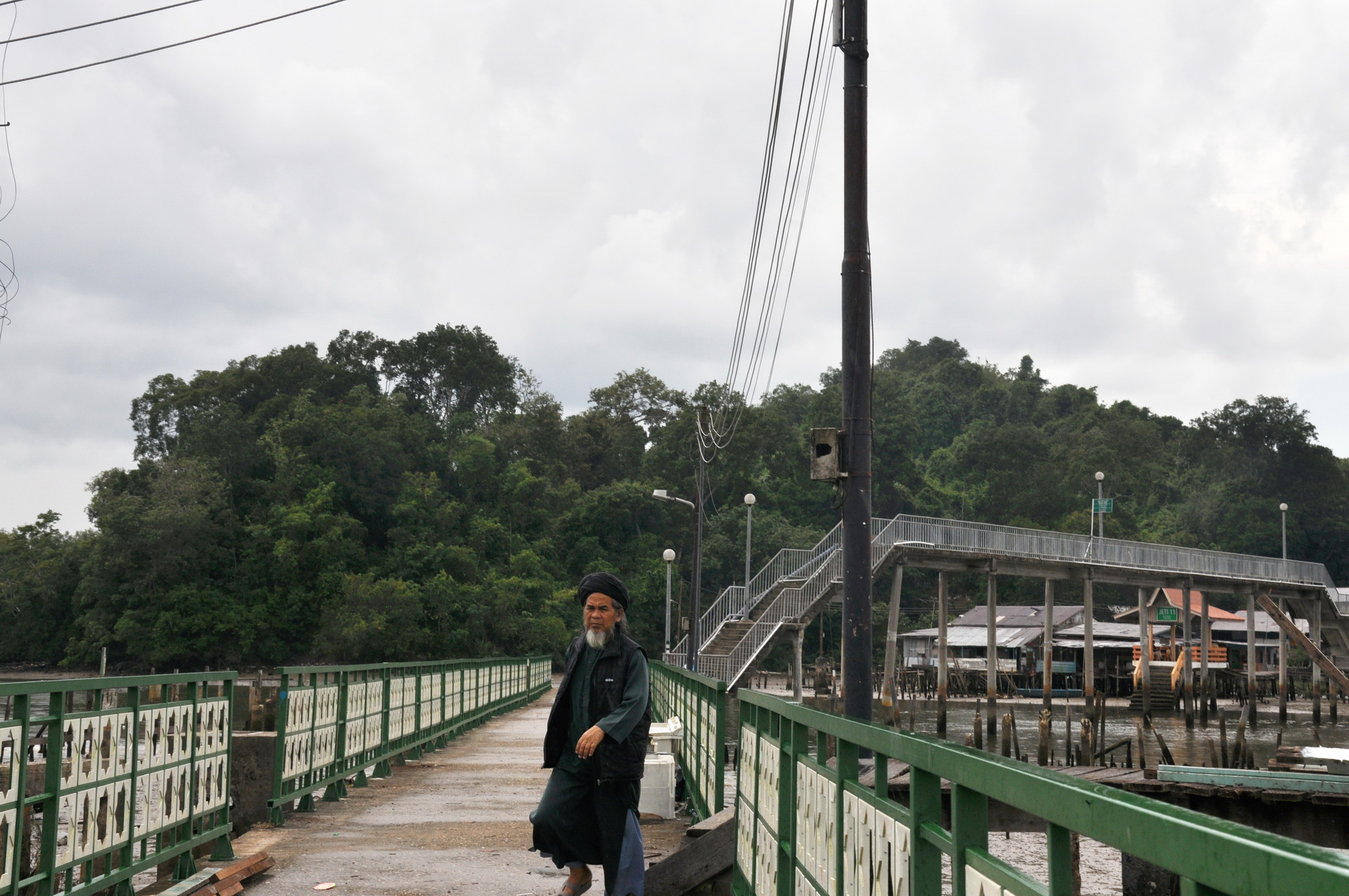
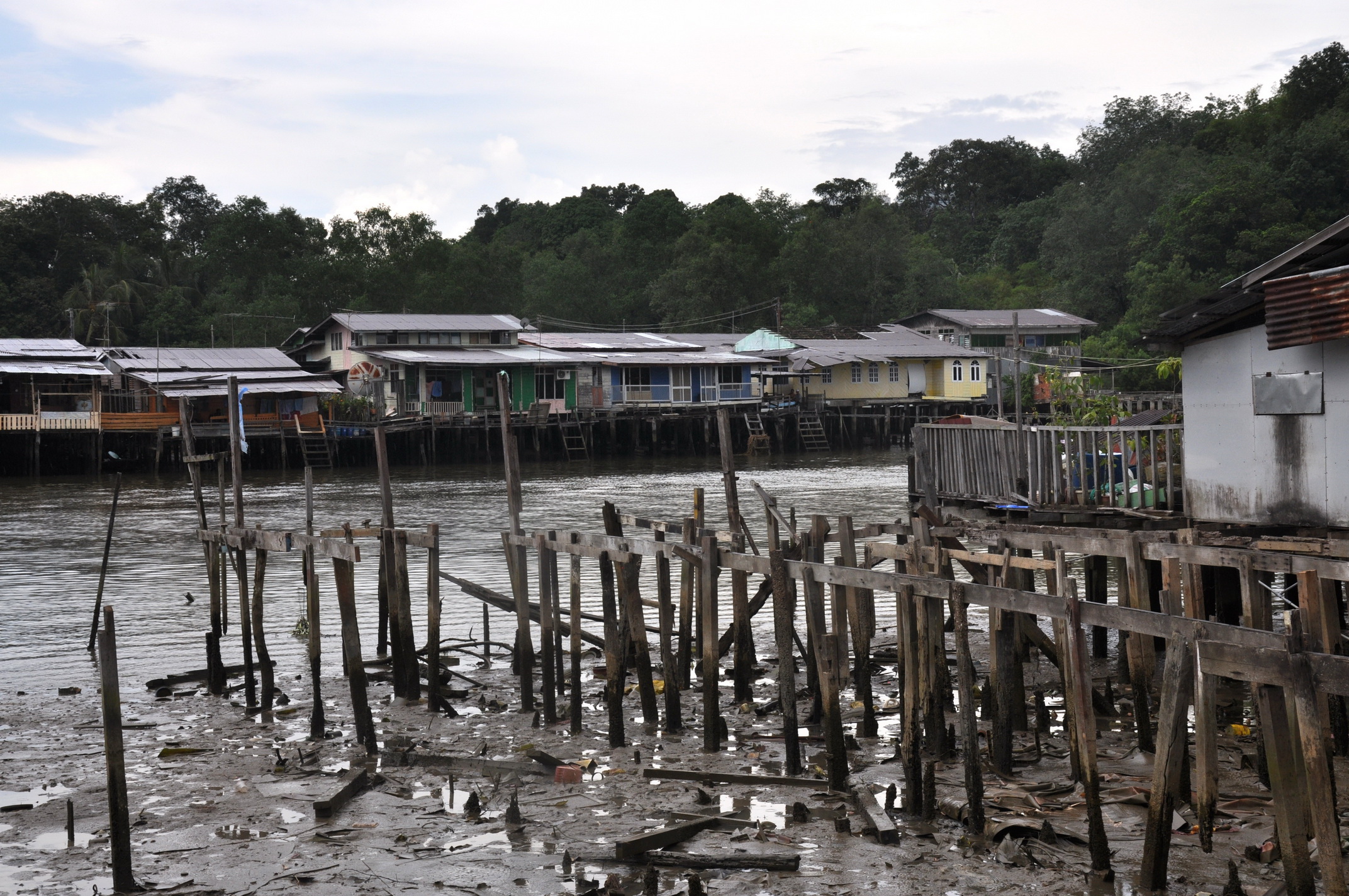
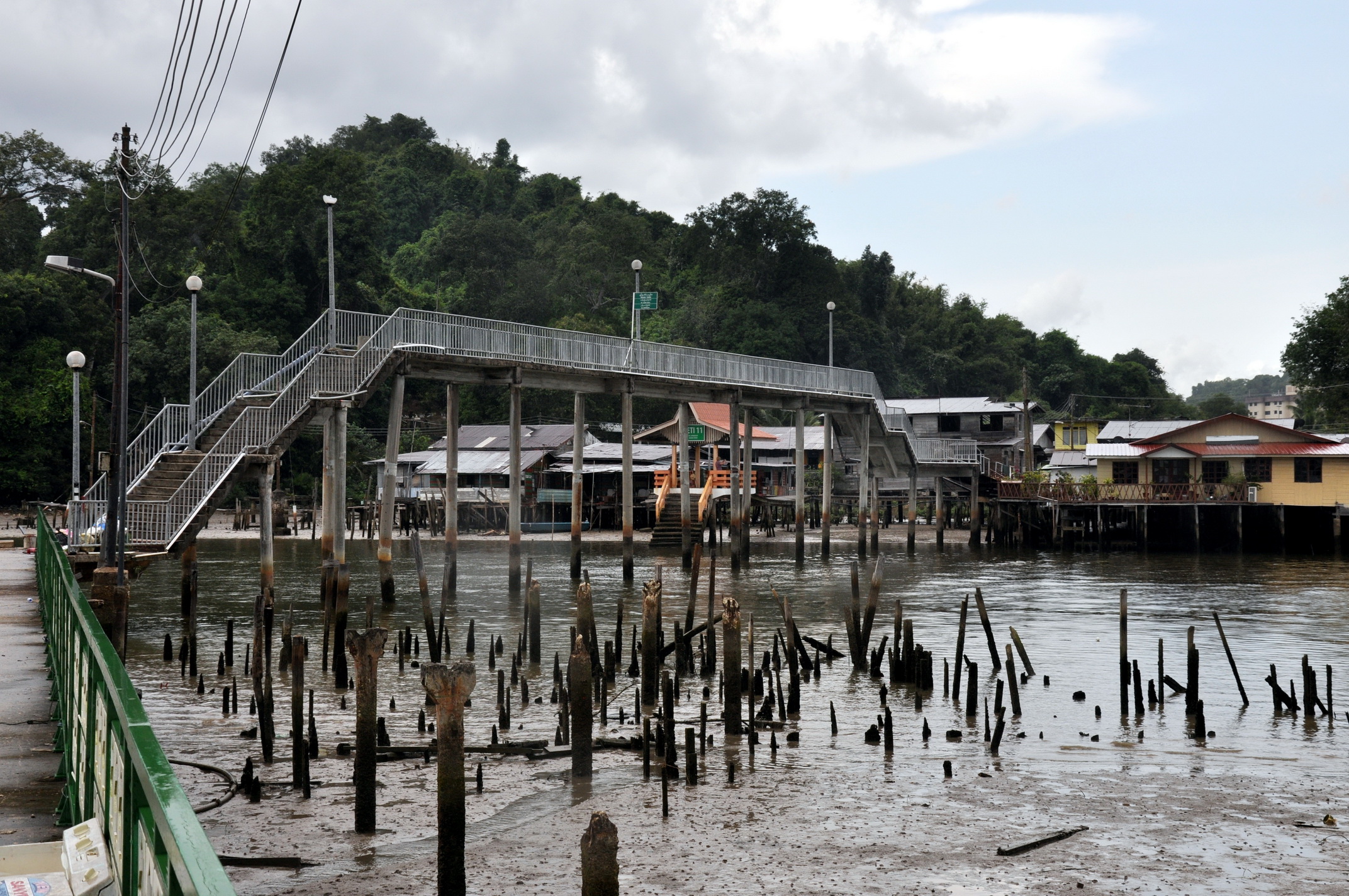
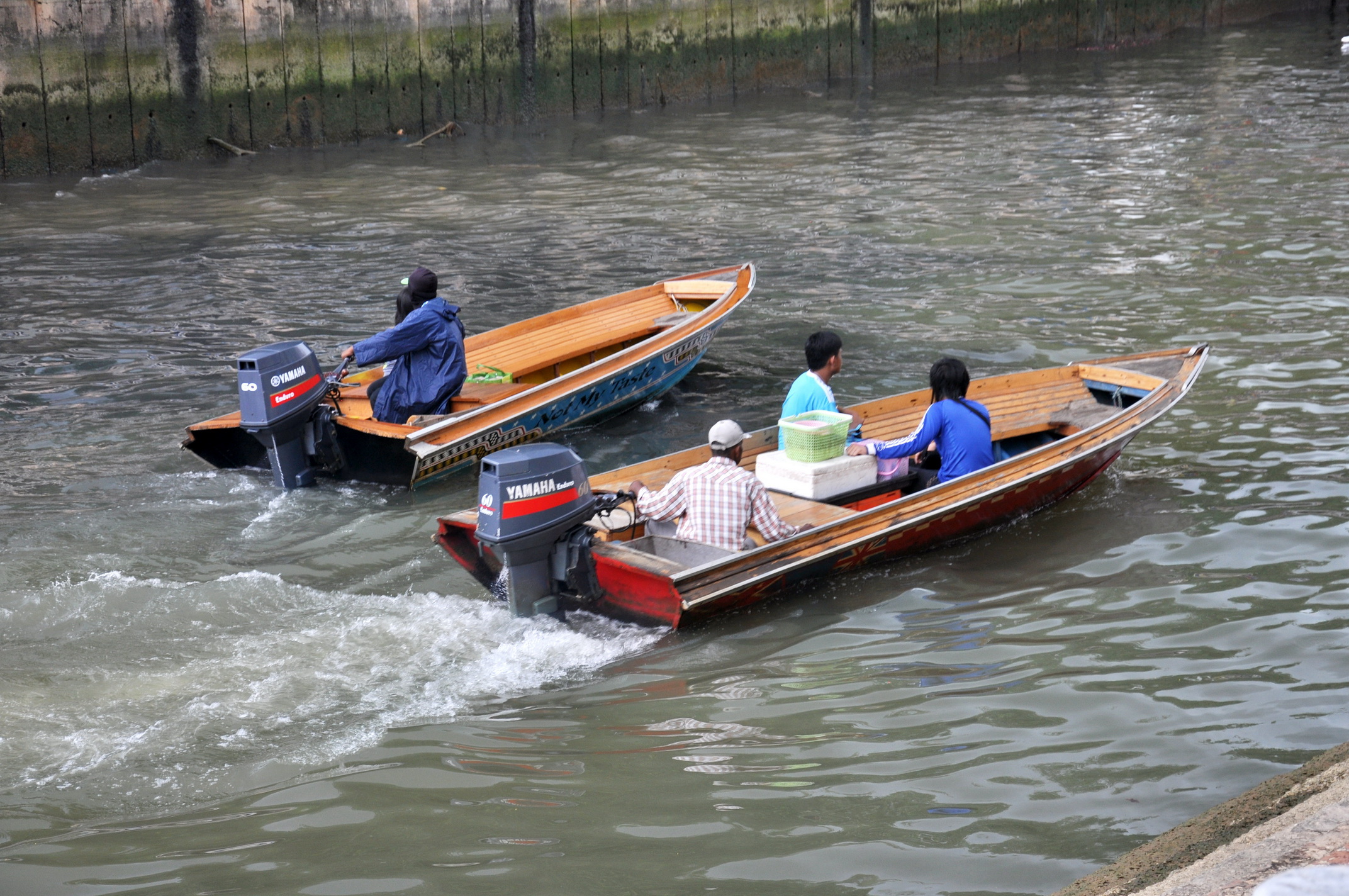
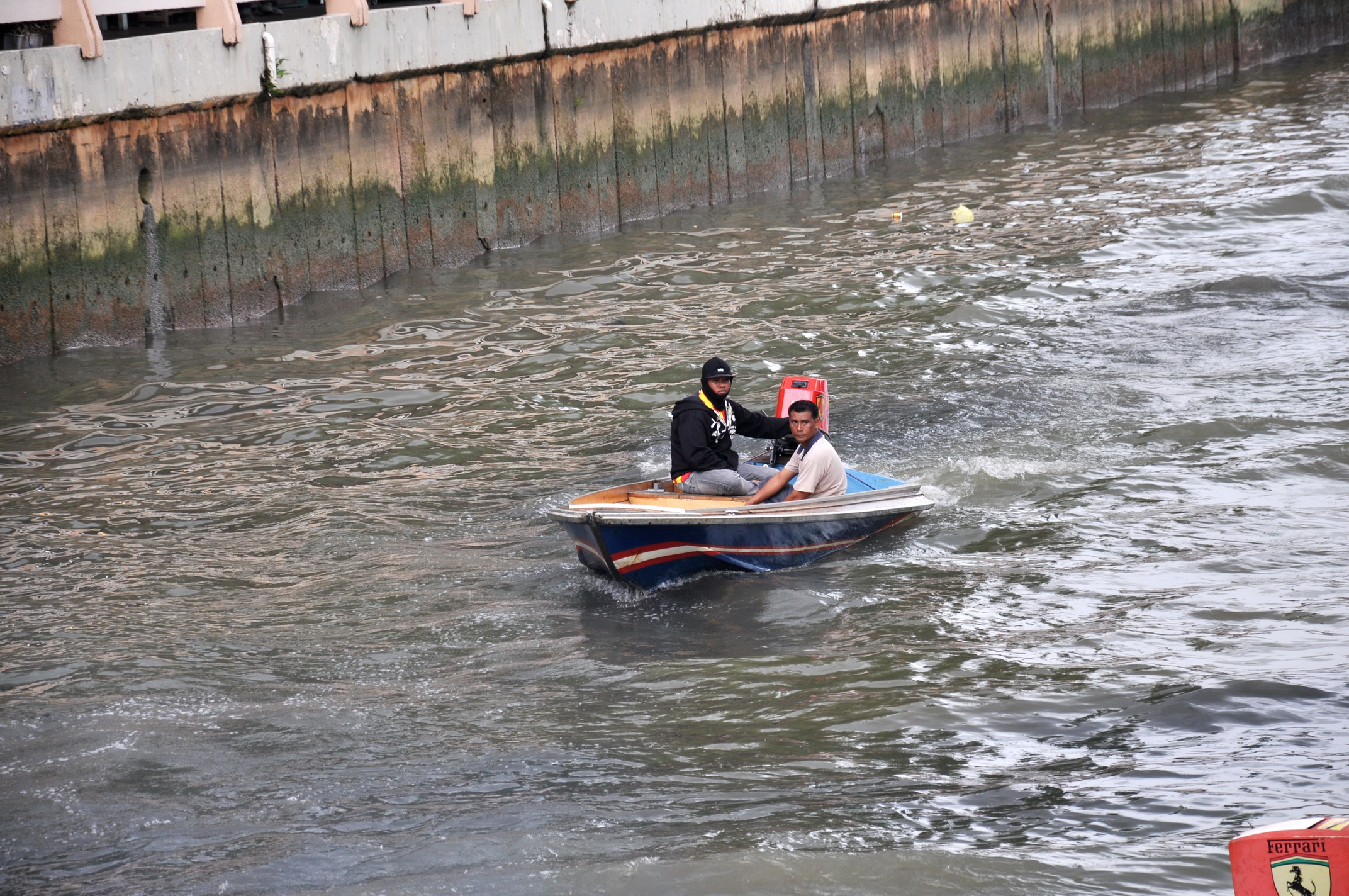
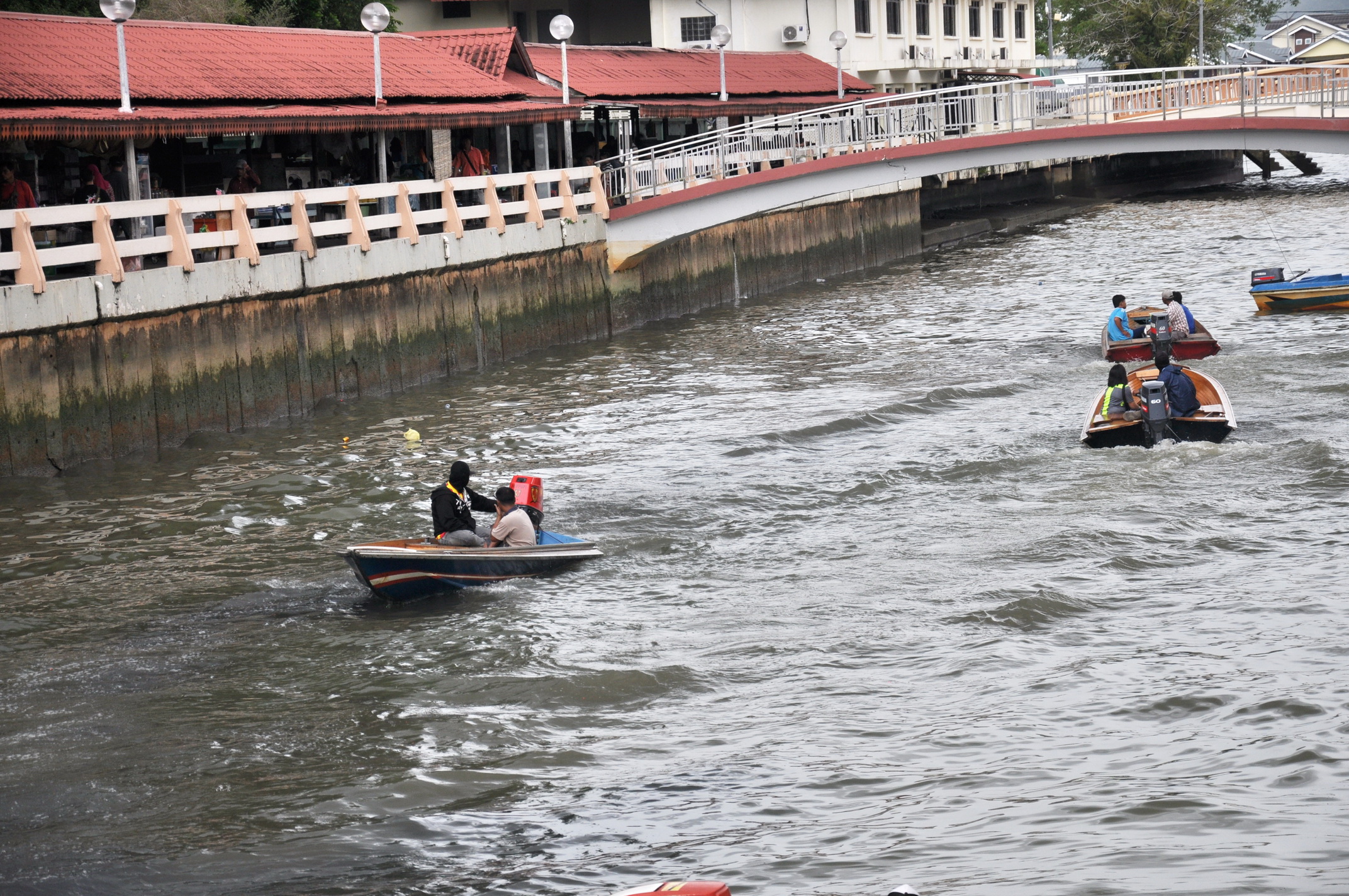
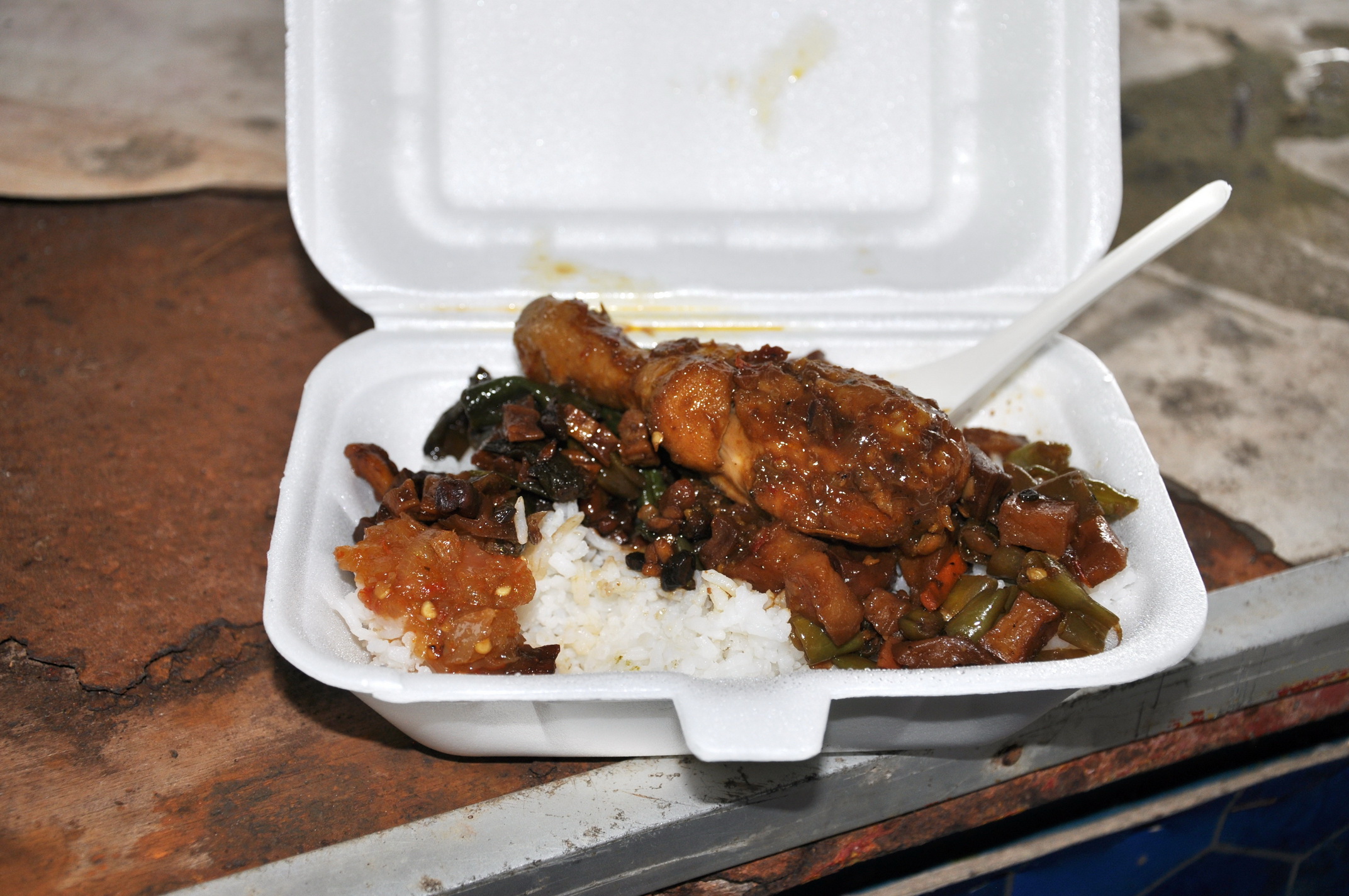
The contrast is striking. The marble quays give way to a marsh with leaning houses. This is history, and it should be authentic. The scene could have been a hundred years old, from before oil was discovered in 1929. The city had plenty of places to eat, but I went to the market. Here was tropical variety multiplied by the Eastern knack for trade. I had some market fast food. Now this was real local food.
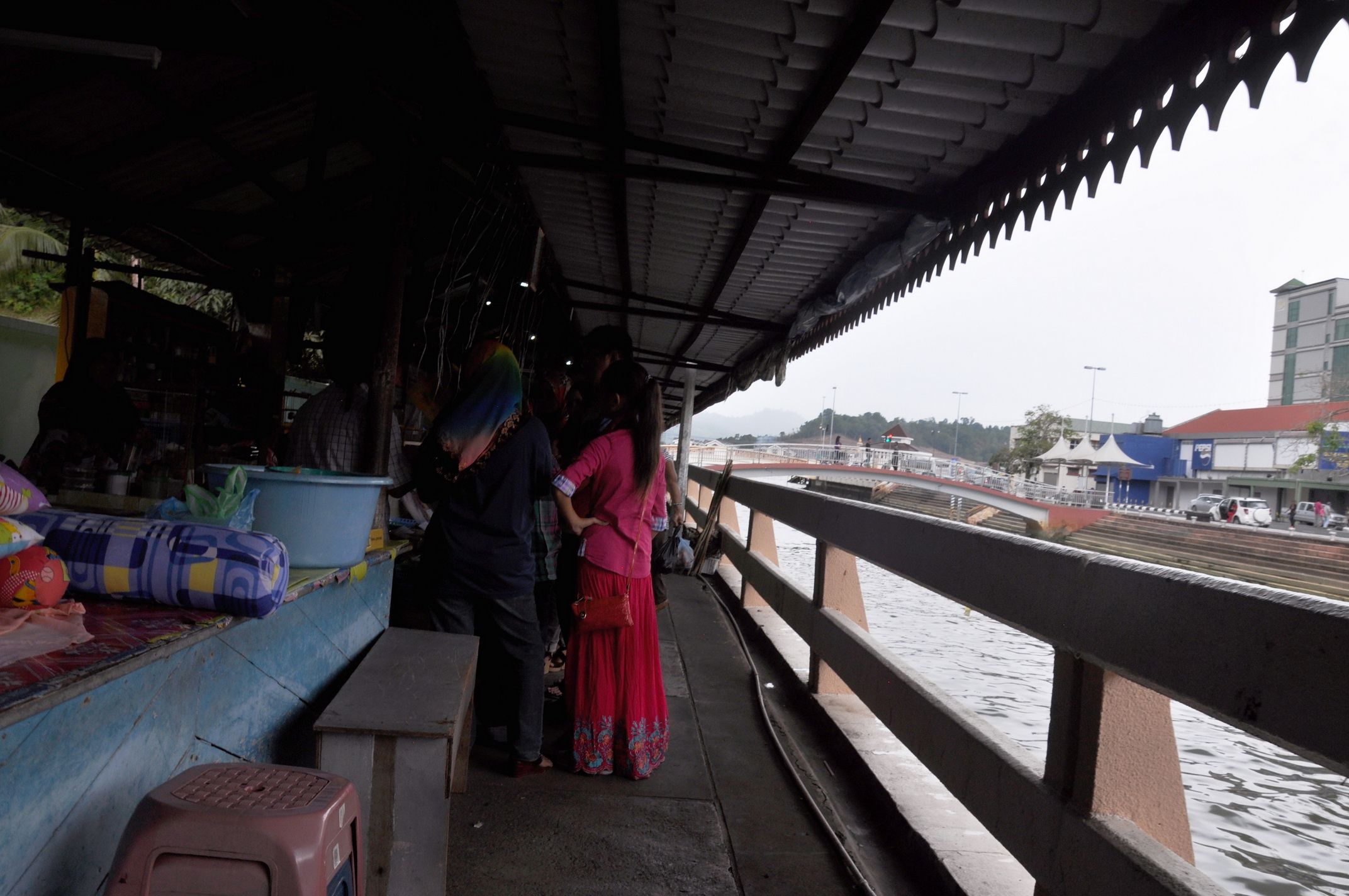
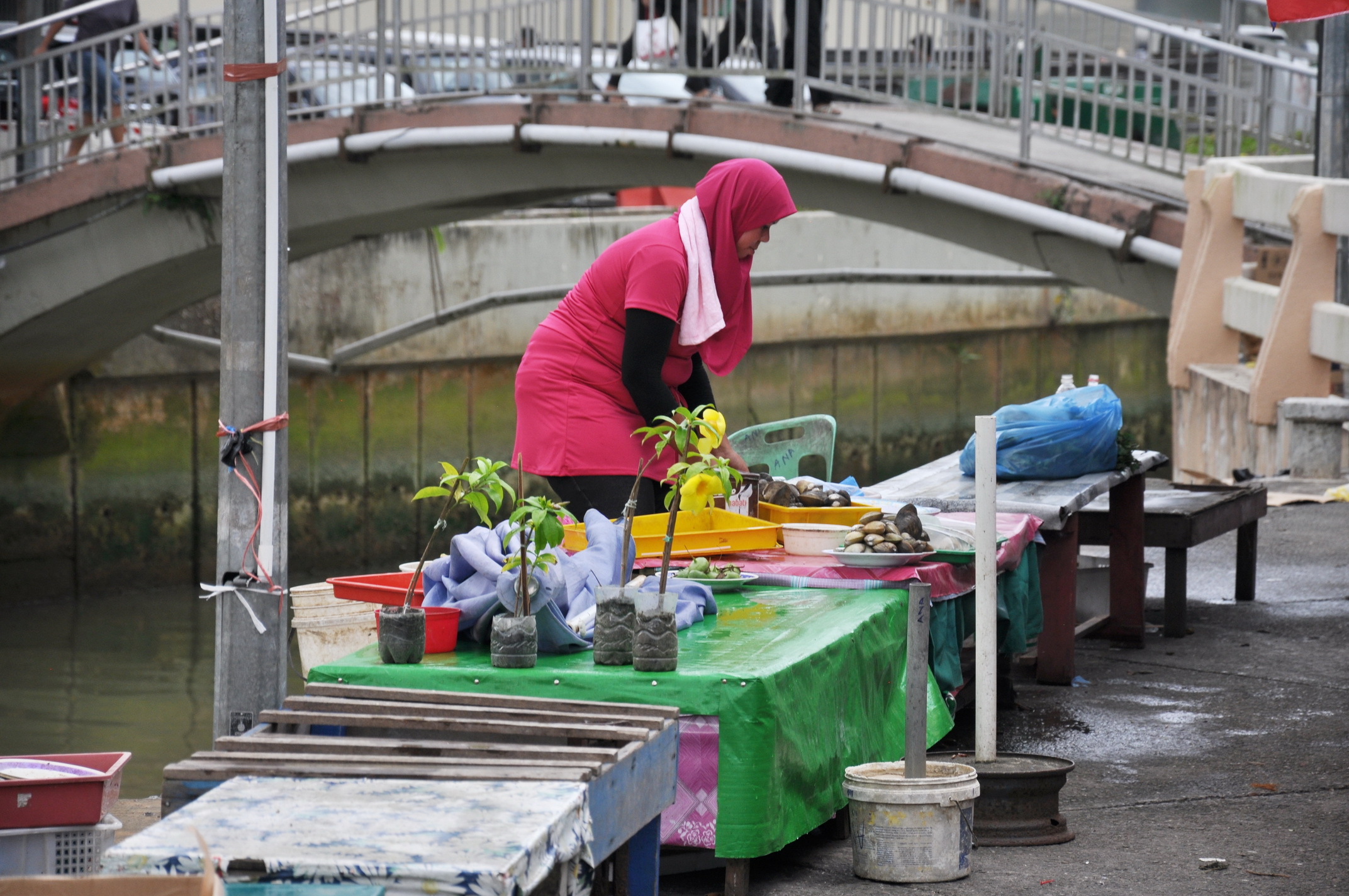
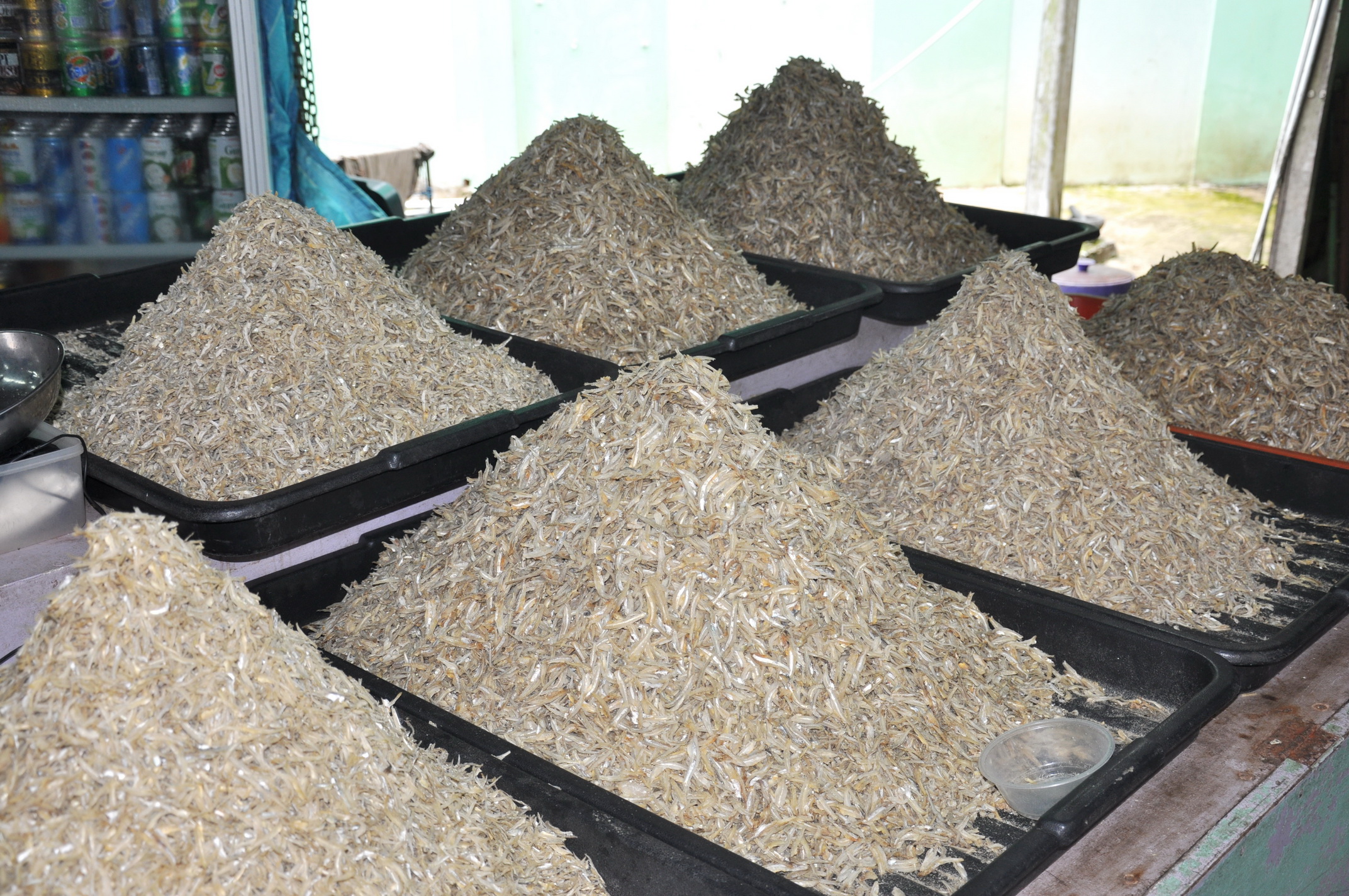
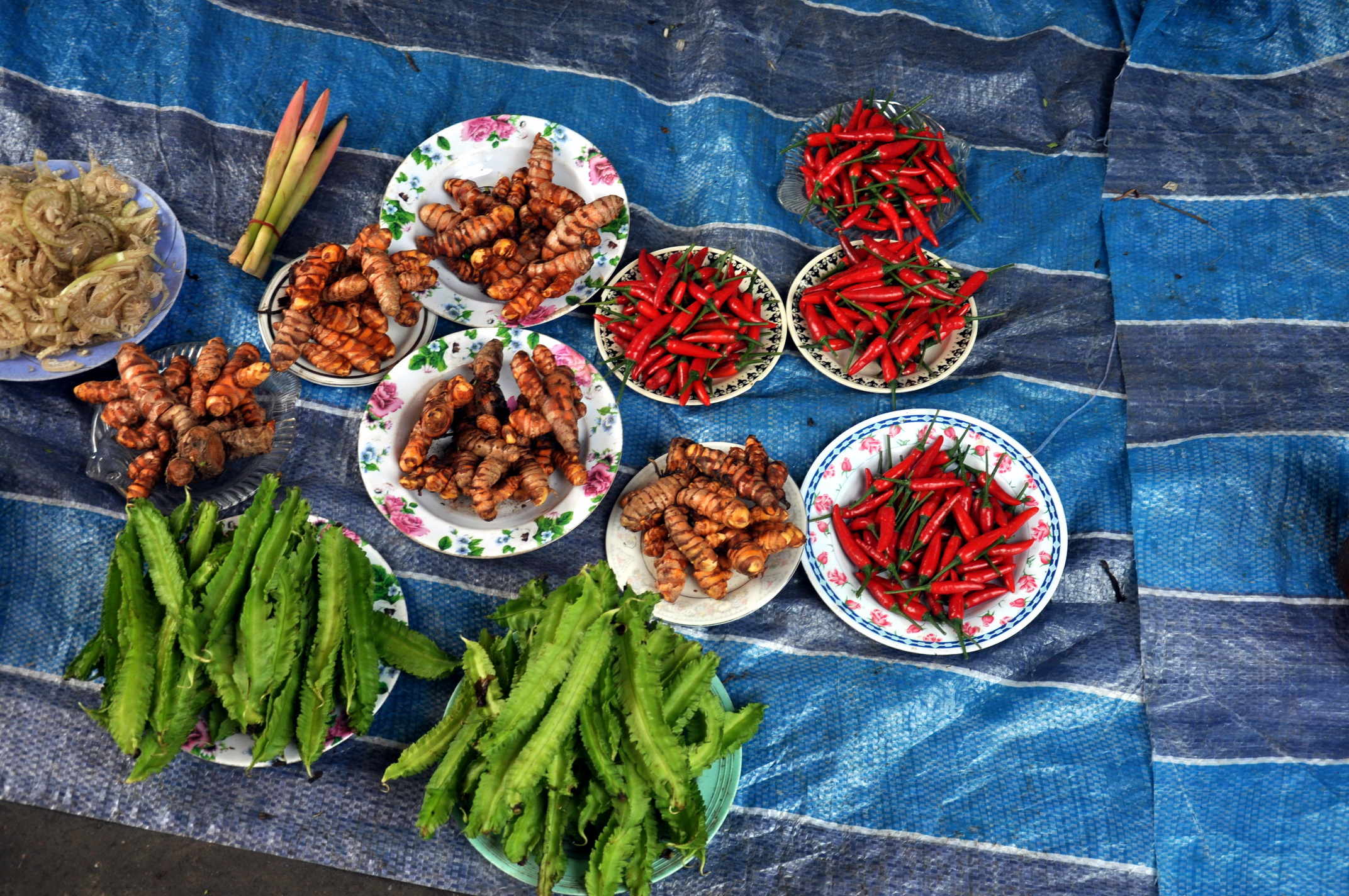
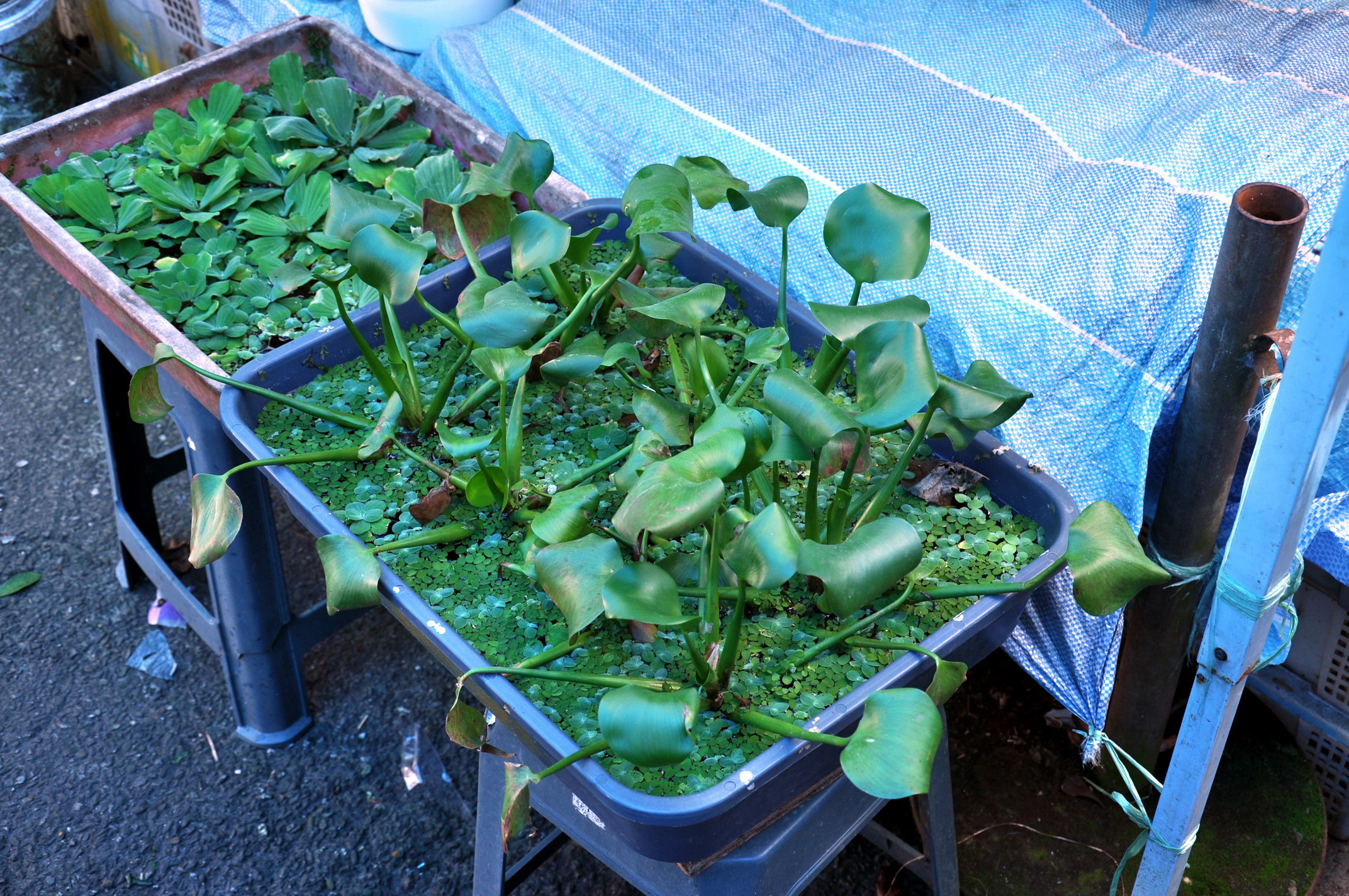
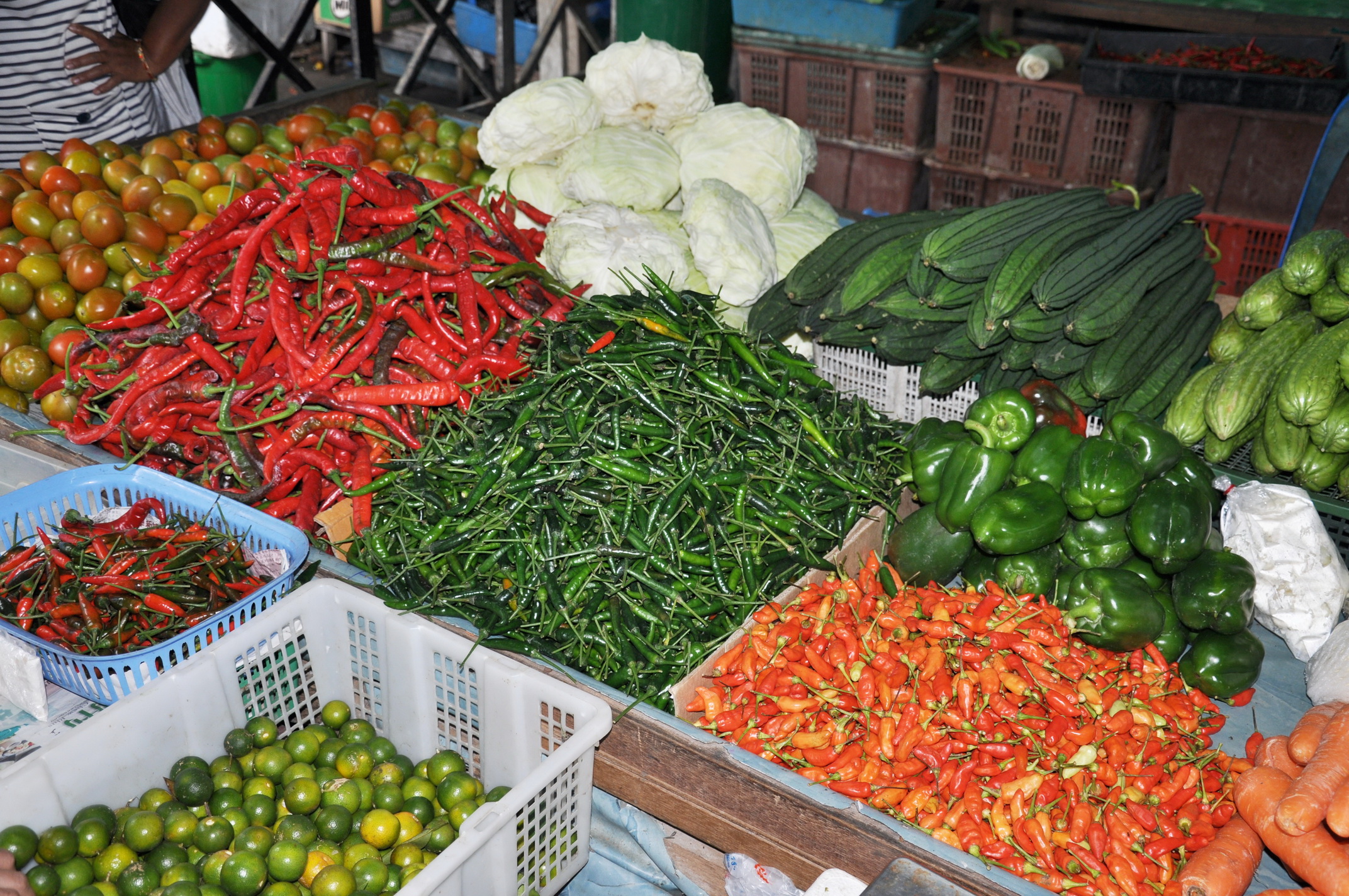
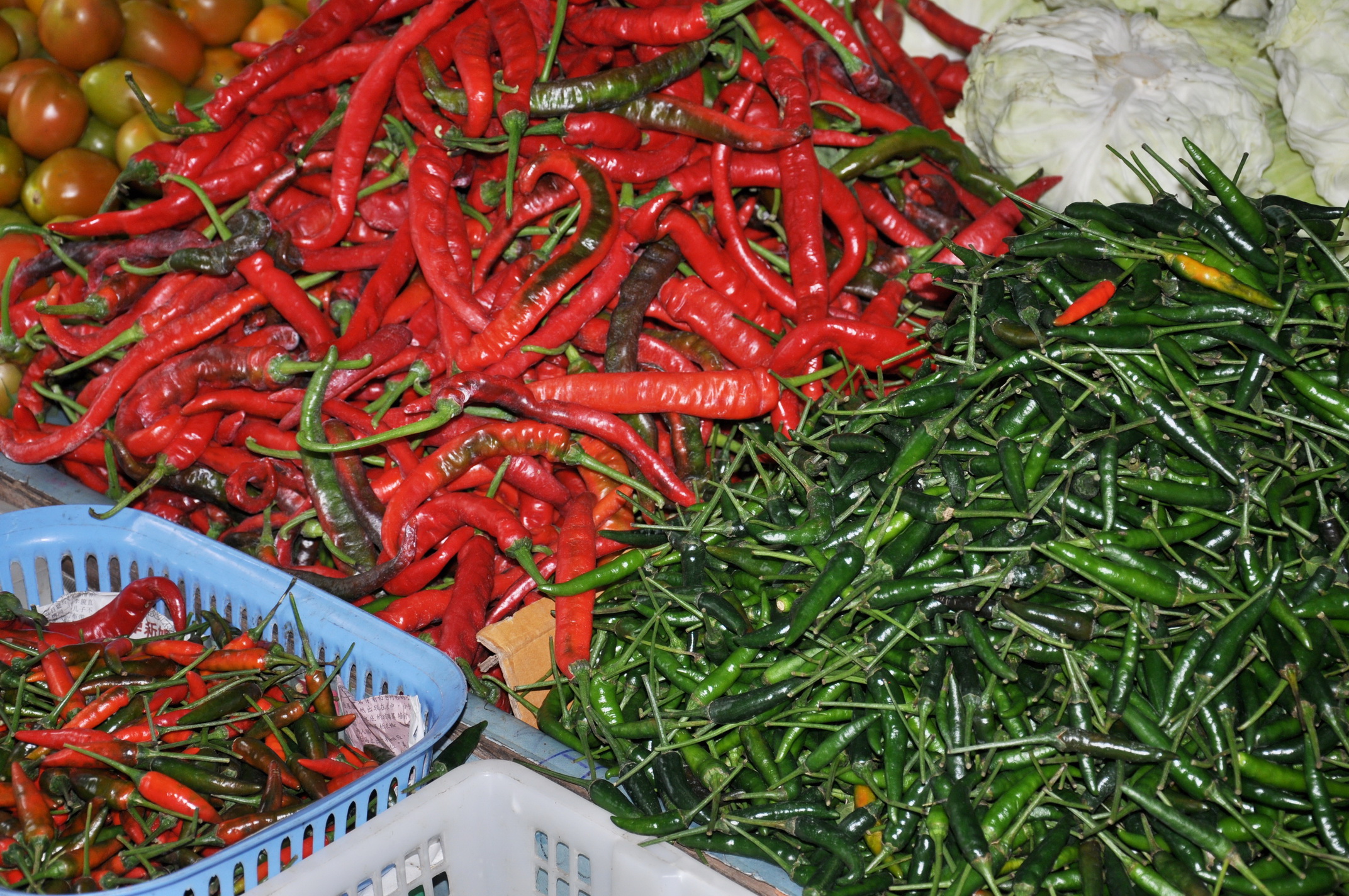
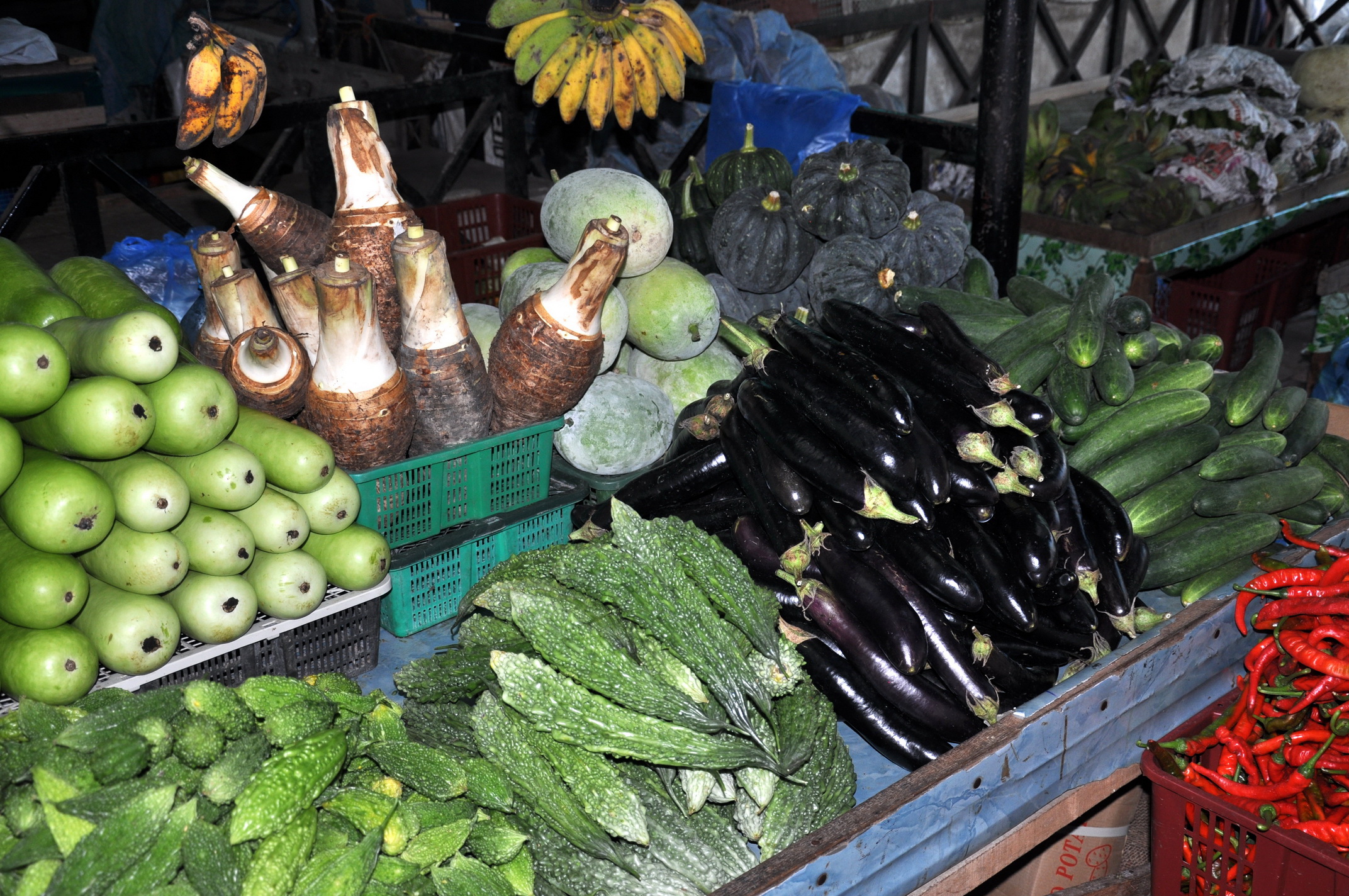
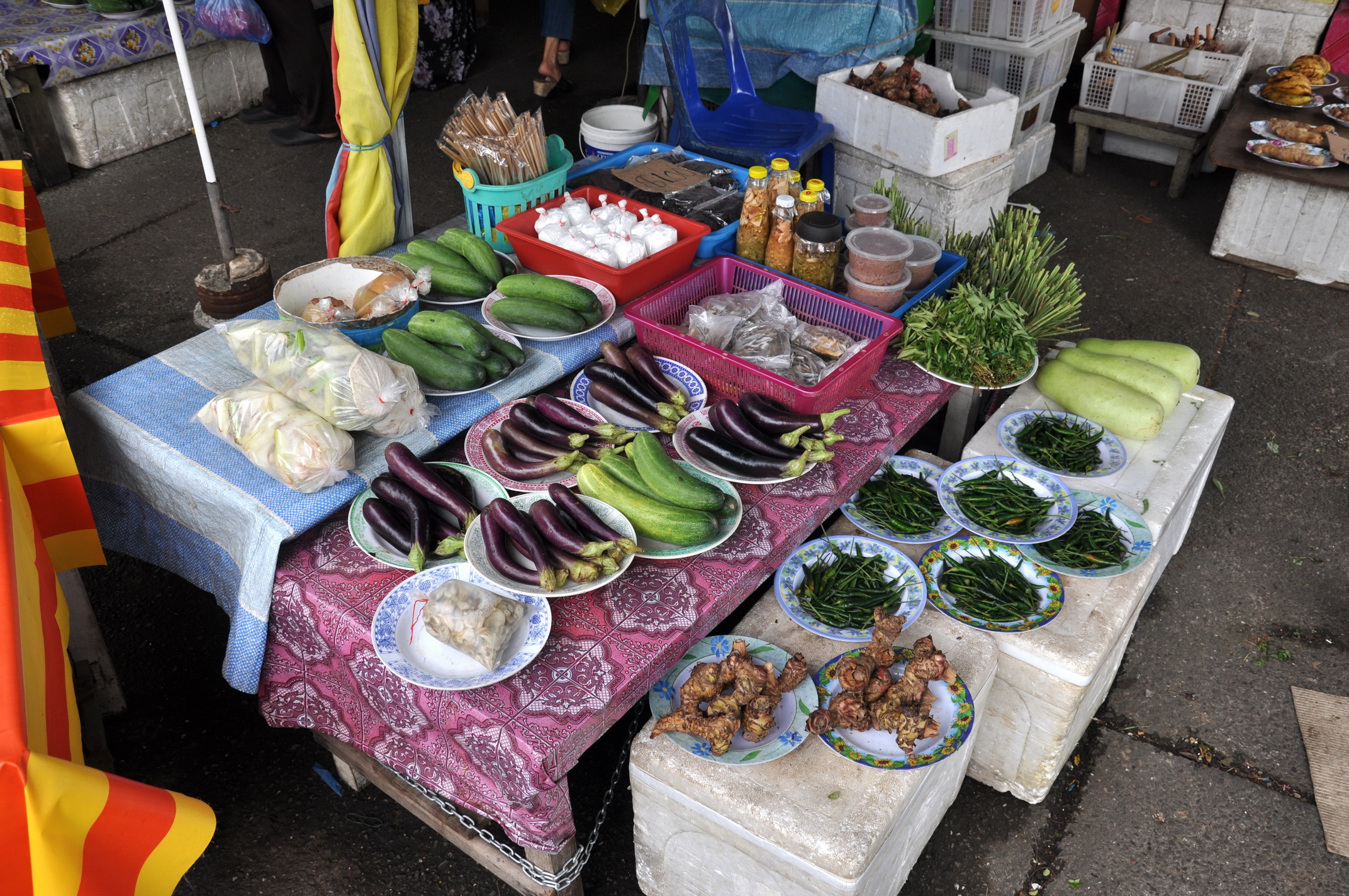
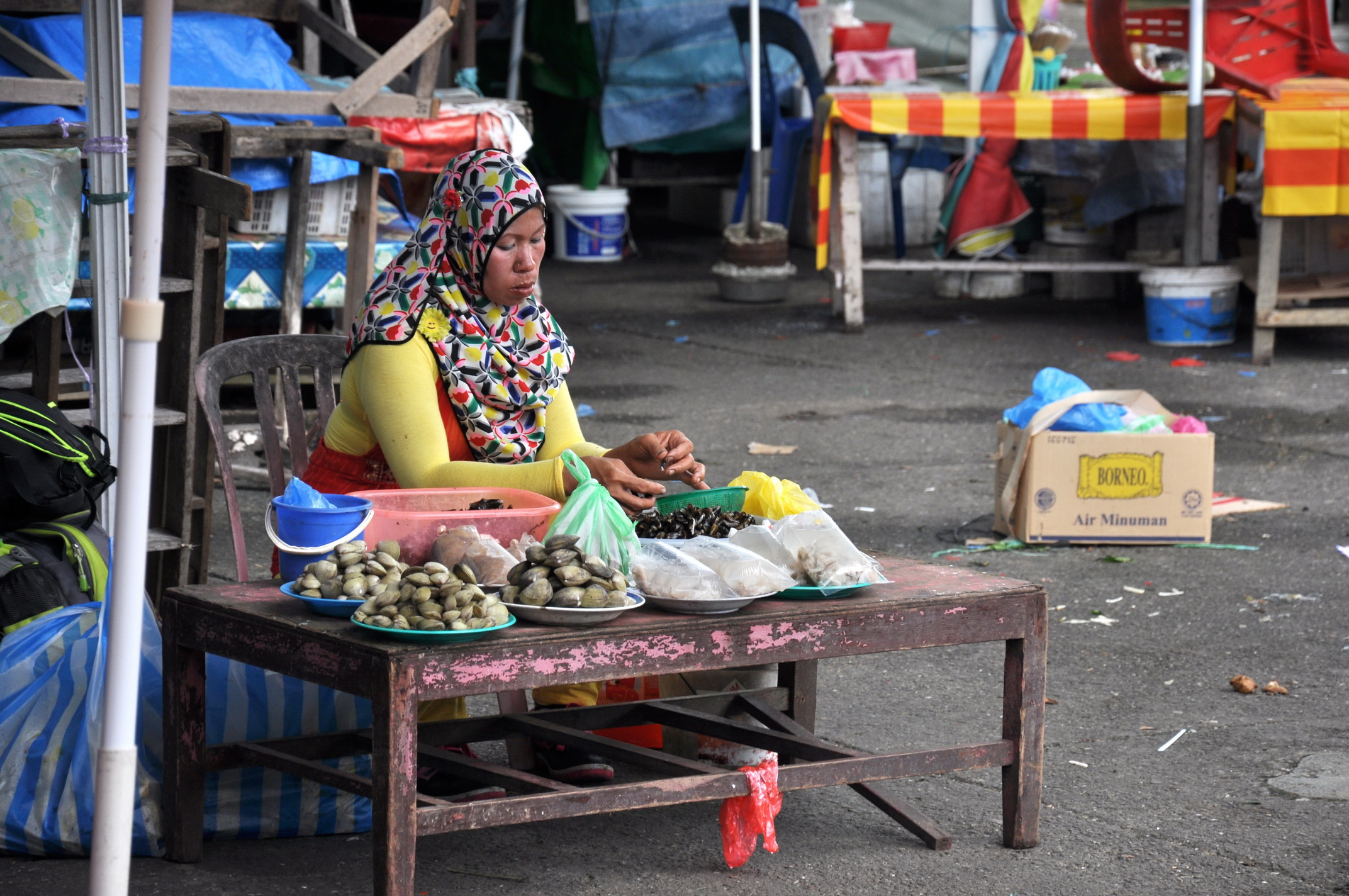
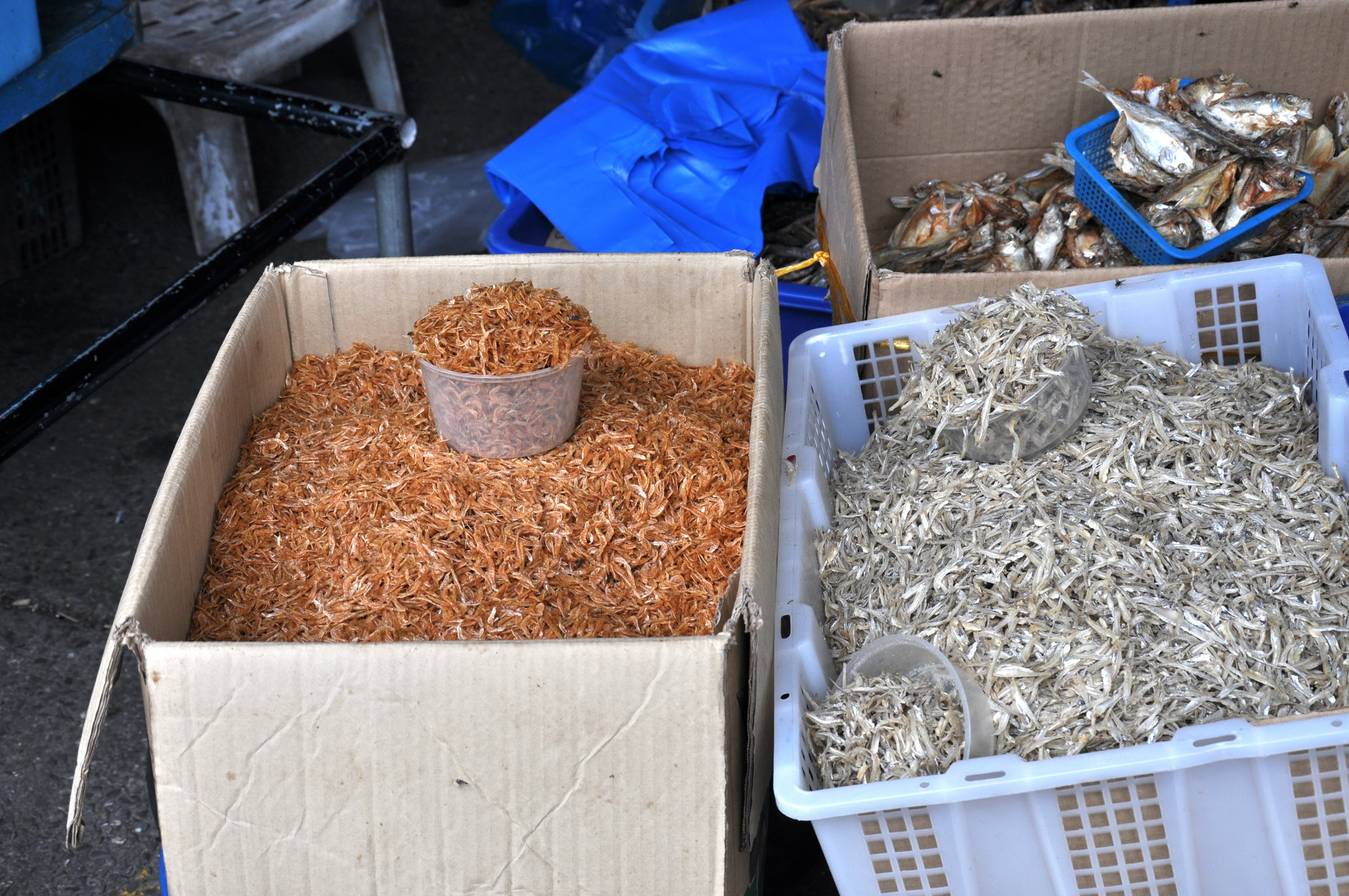
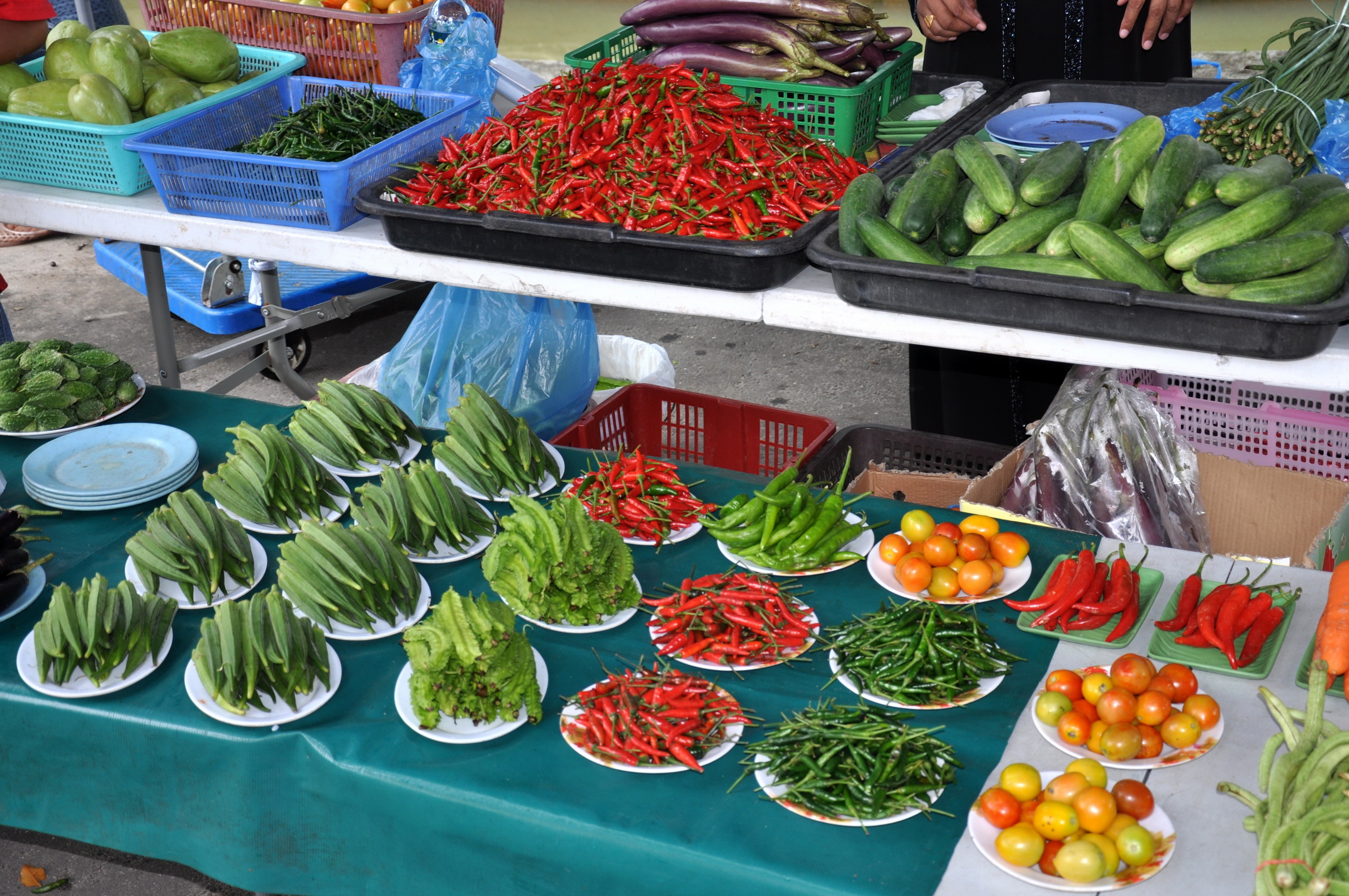
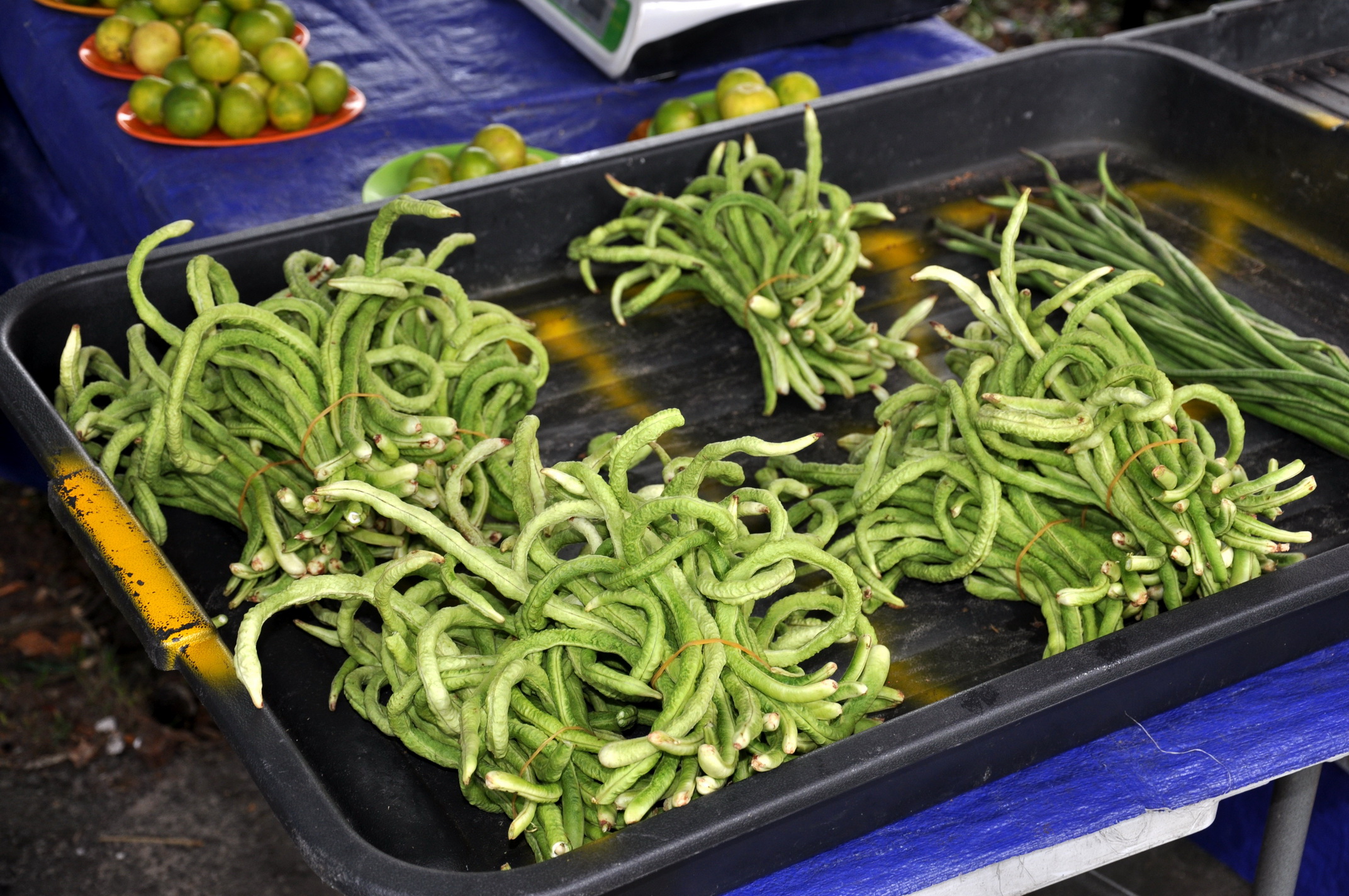
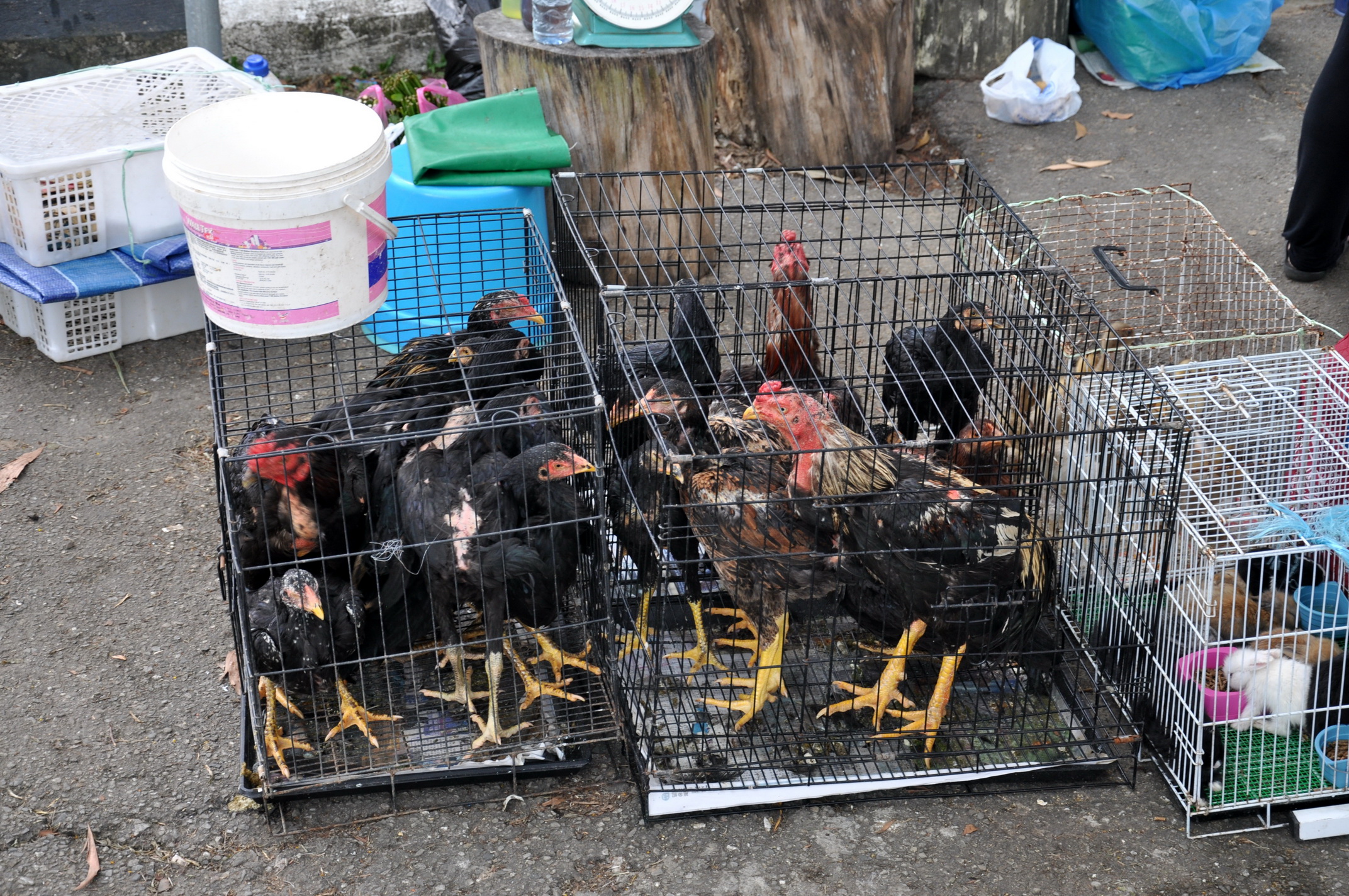
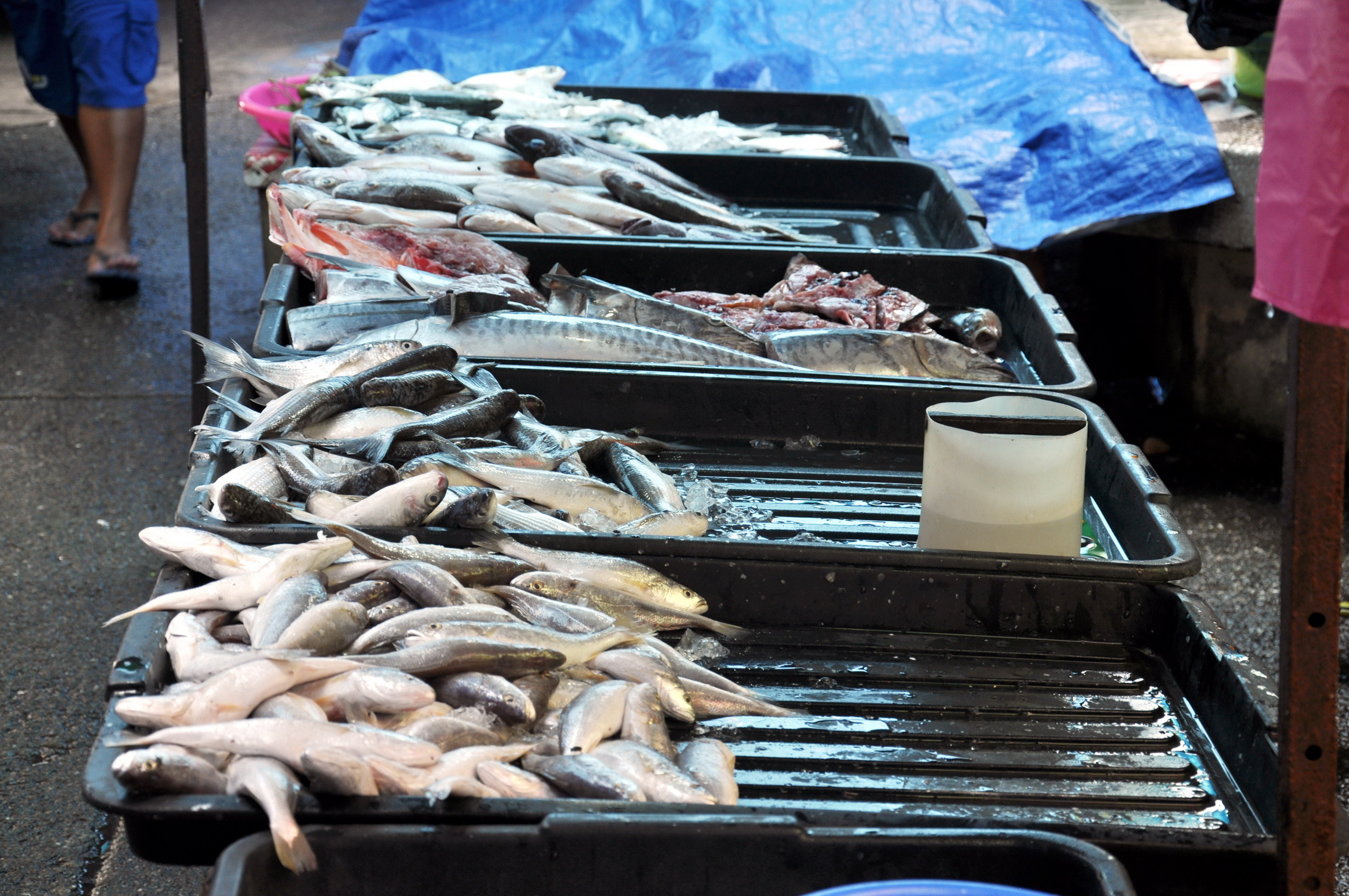
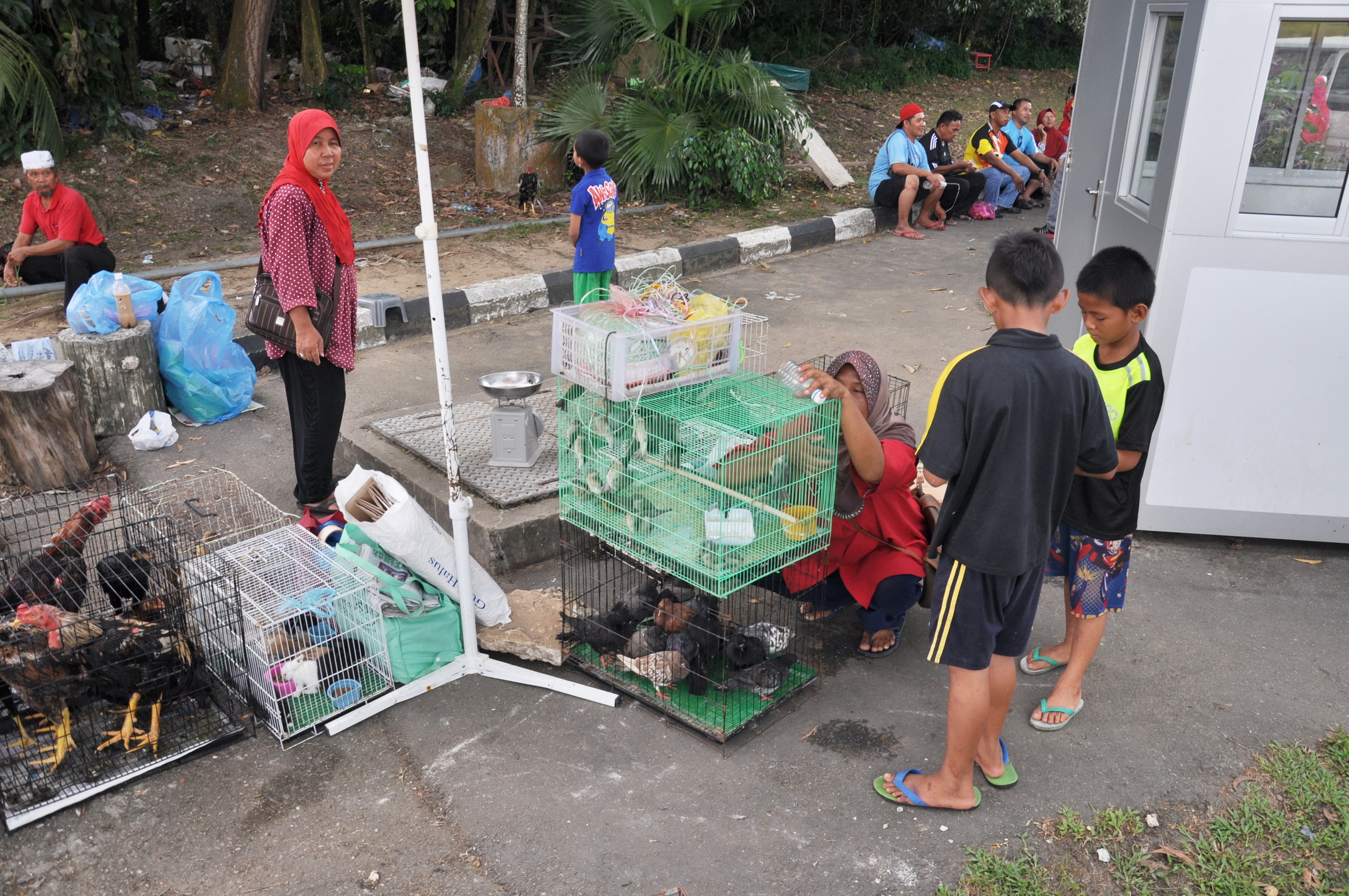
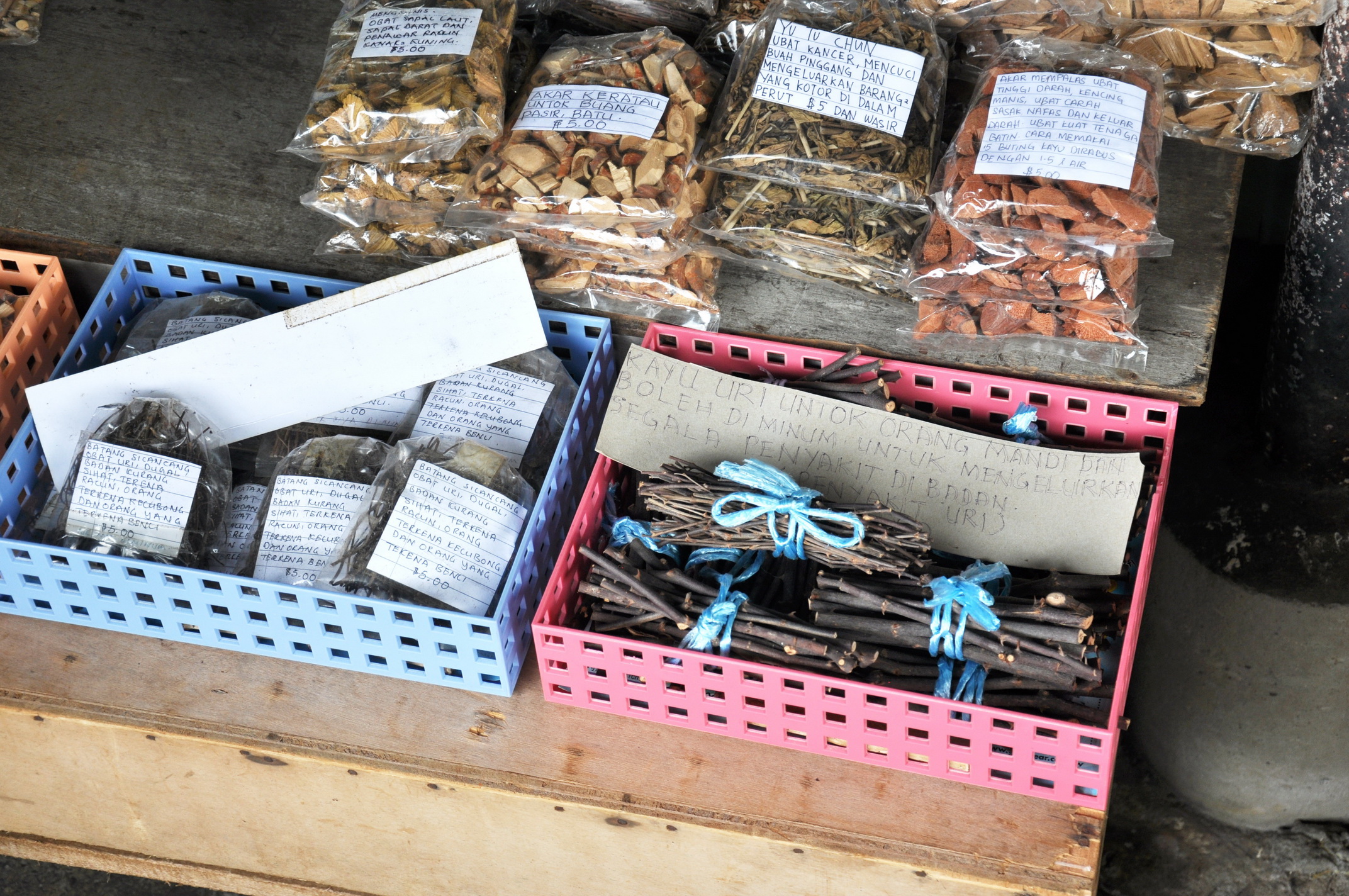
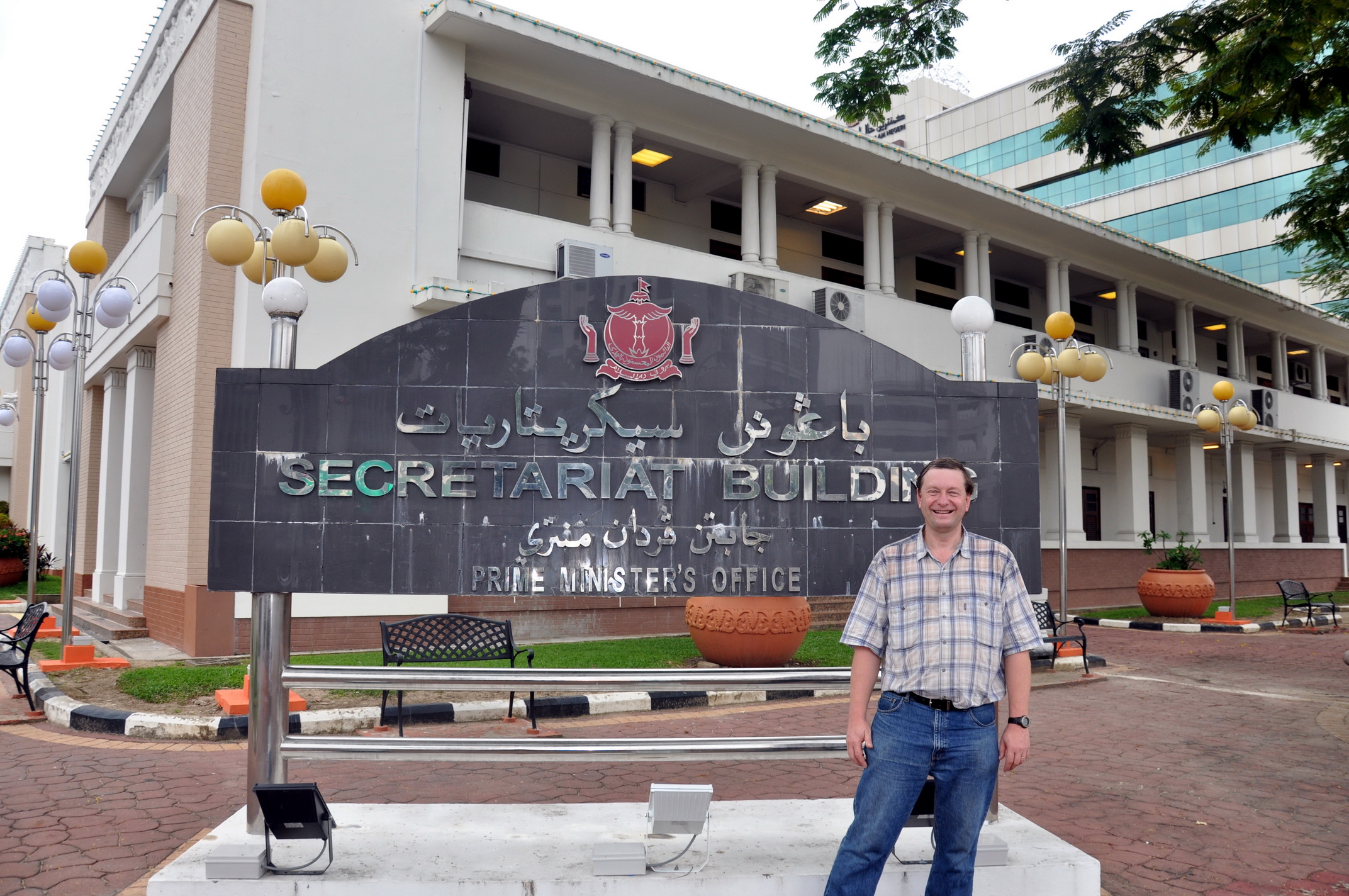
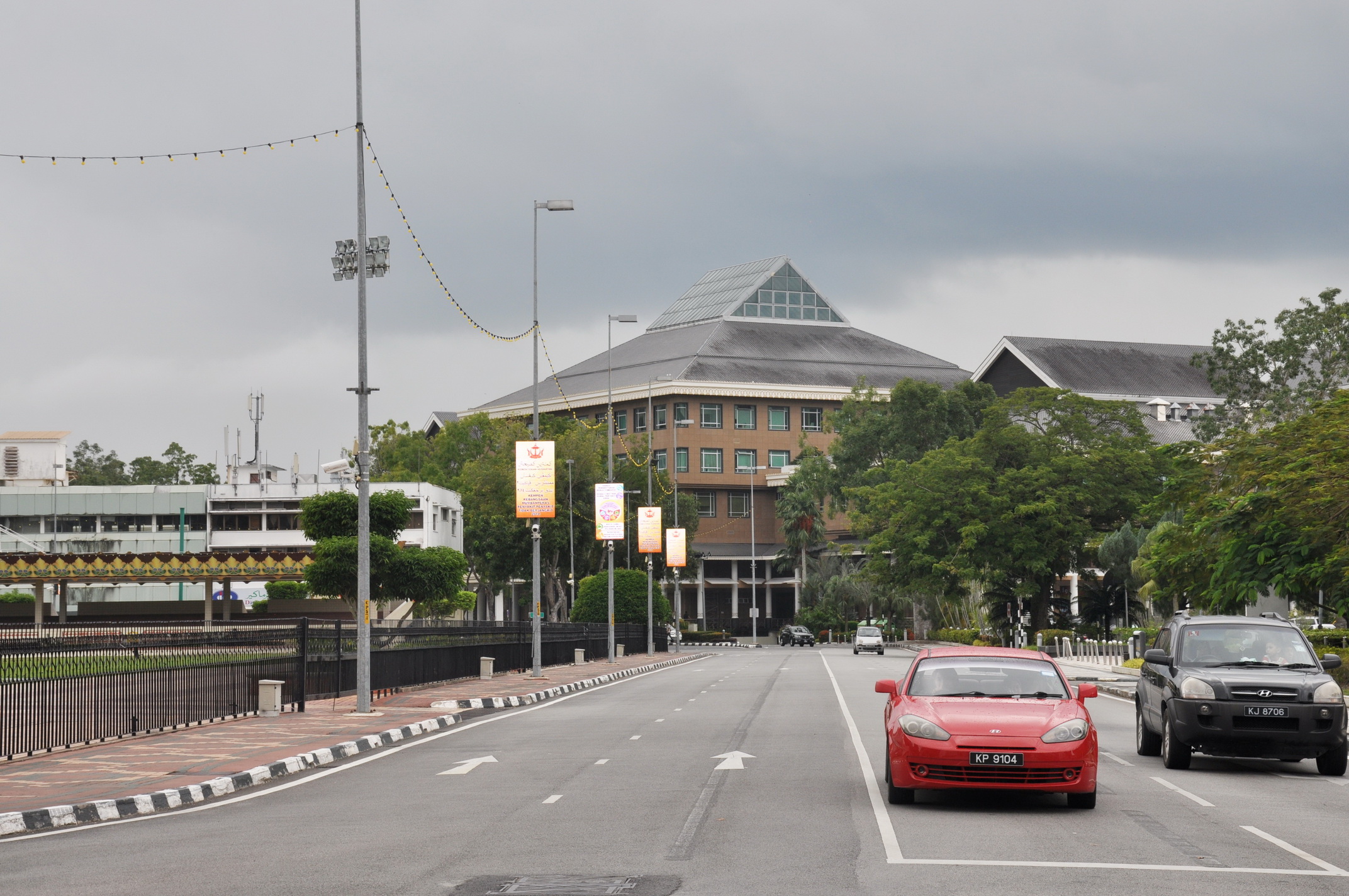
They sold songbirds there too, as well as roots for traditional remedies. On the wall of the prime minister's office was a remarkable mosaic. The subject could have come straight out of socialism: the country's workers getting on with their jobs. The surprising thing was that it included the intelligentsia in European clothes. They must have made the mosaic in the age of progress, before sharia grew so strict.
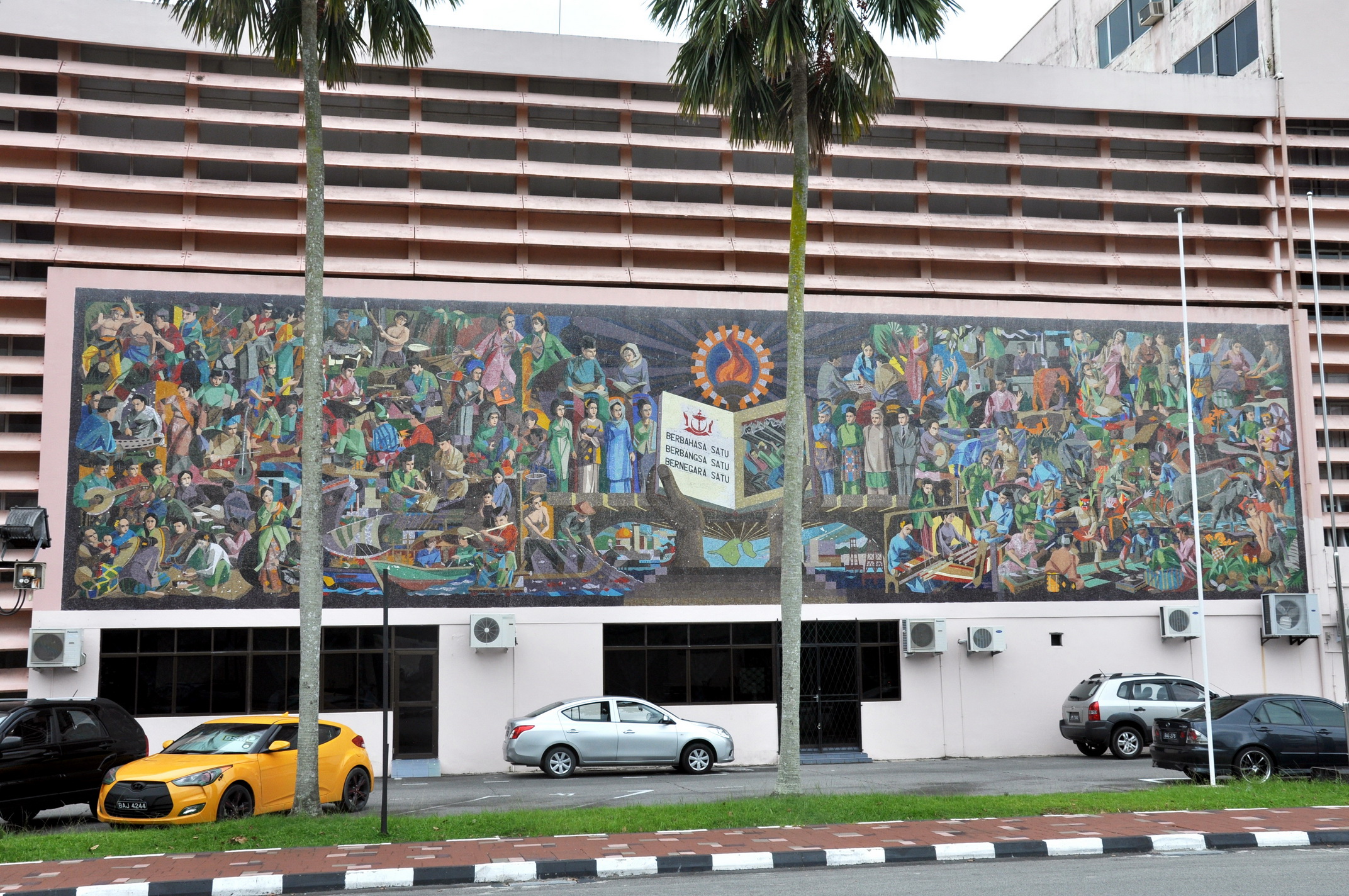
In the middle of the mosaic is a book bearing an inscription in Malay. Berbahasa satu. Berbangsa satu. Bernegara satu.
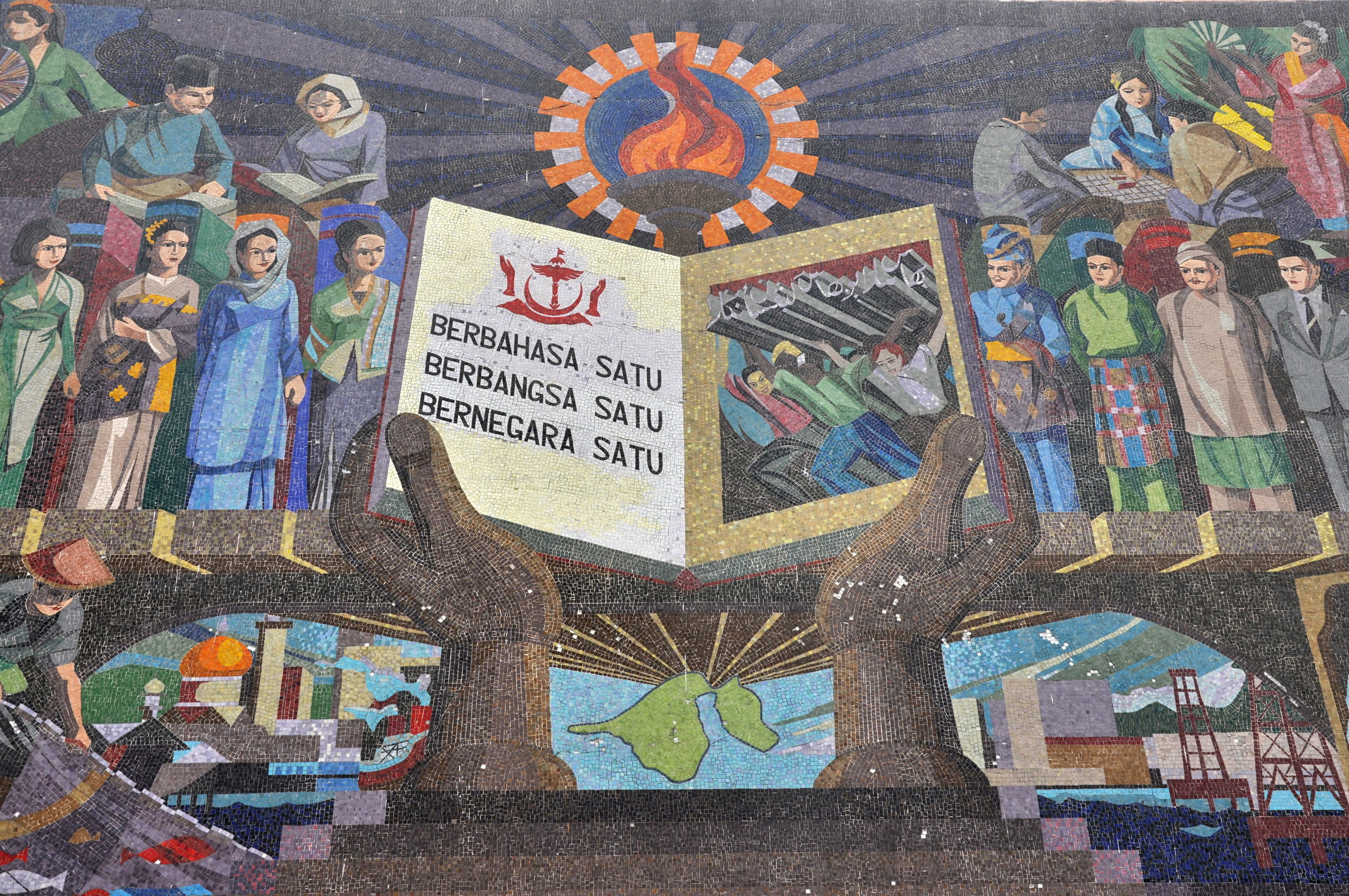
In the internet age it isn't hard to translate, even from Malay. The inscription did not surprise me. It was a local variation on ‘One people, one Reich, one Führer’.
Evolution gave sharks and dolphins much the same shape in the water. I thought dictatorships showed the same sort of convergence. The Soviet Union, the Nazis or the rulers of the Eastern satrapies, the result is much the same. It was almost the Moscow Metro.
Forest parks and the coast
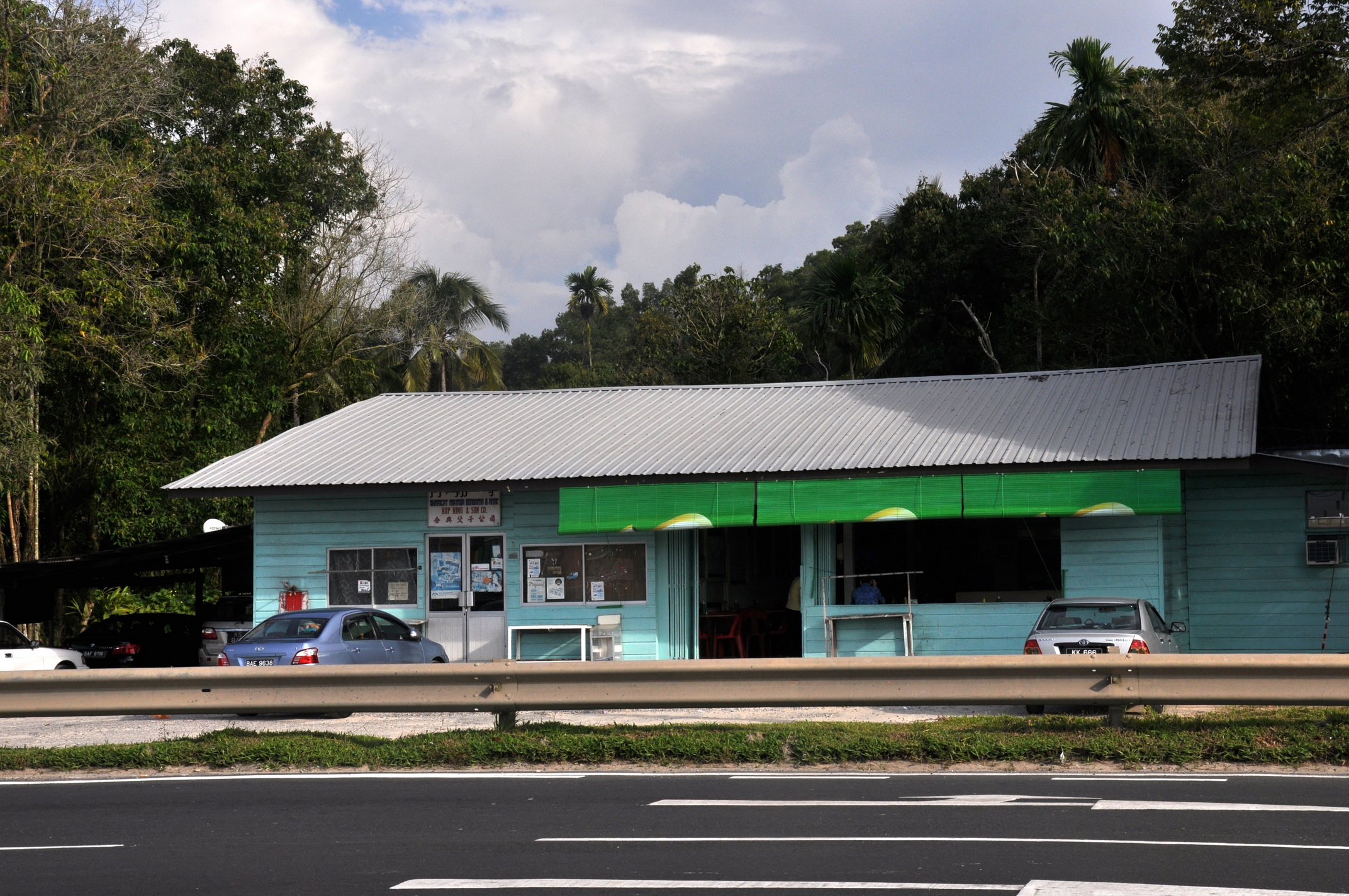
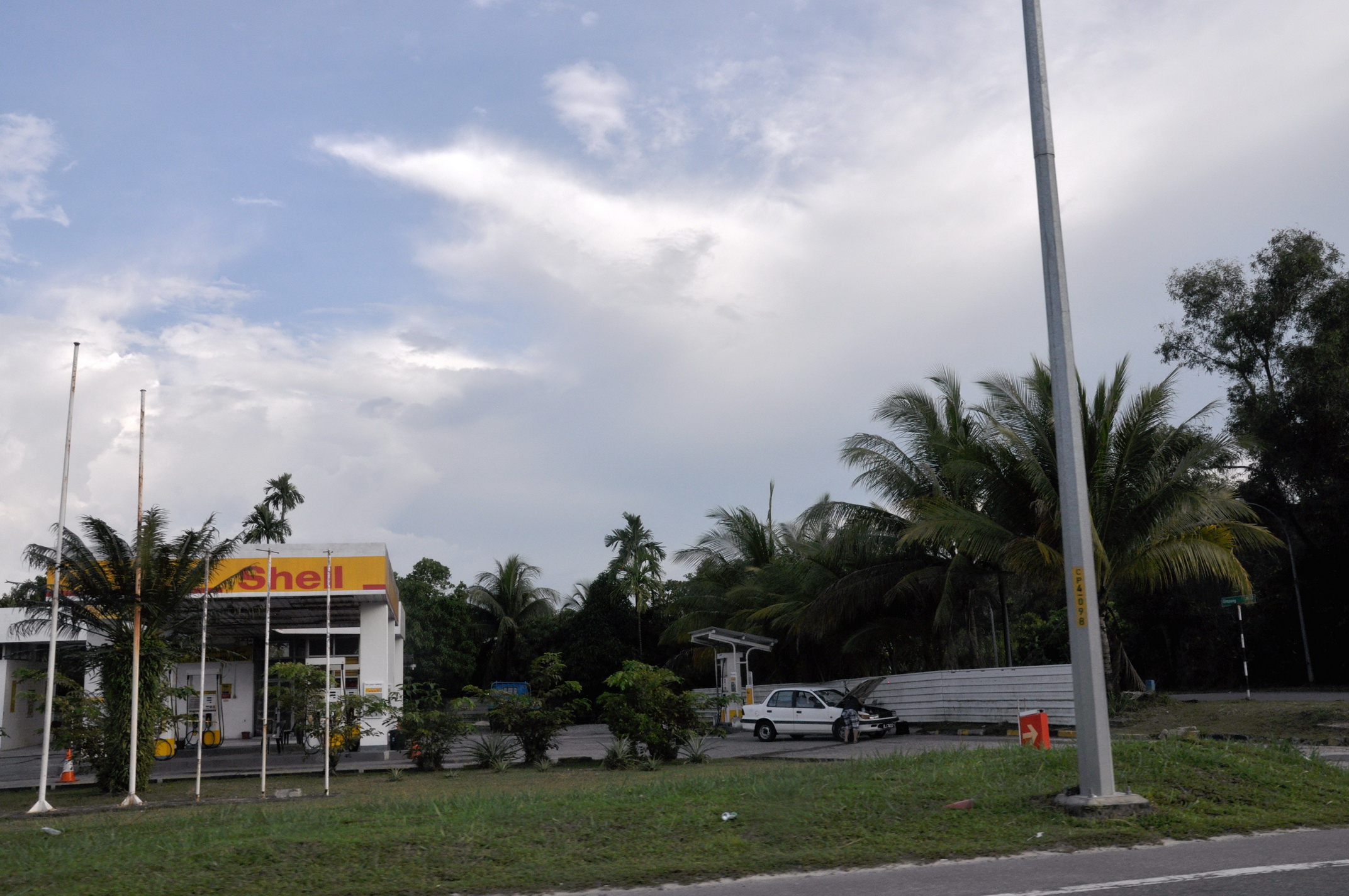
You can walk around the city in a few hours. I even found a post office and sent a stack of postcards. The city was my main stop, but I wanted to get out into the countryside, too. I drove west along the coast. The motorway gave way to a motorway construction site, surrounded by dunes of Brunei's famous white sand.
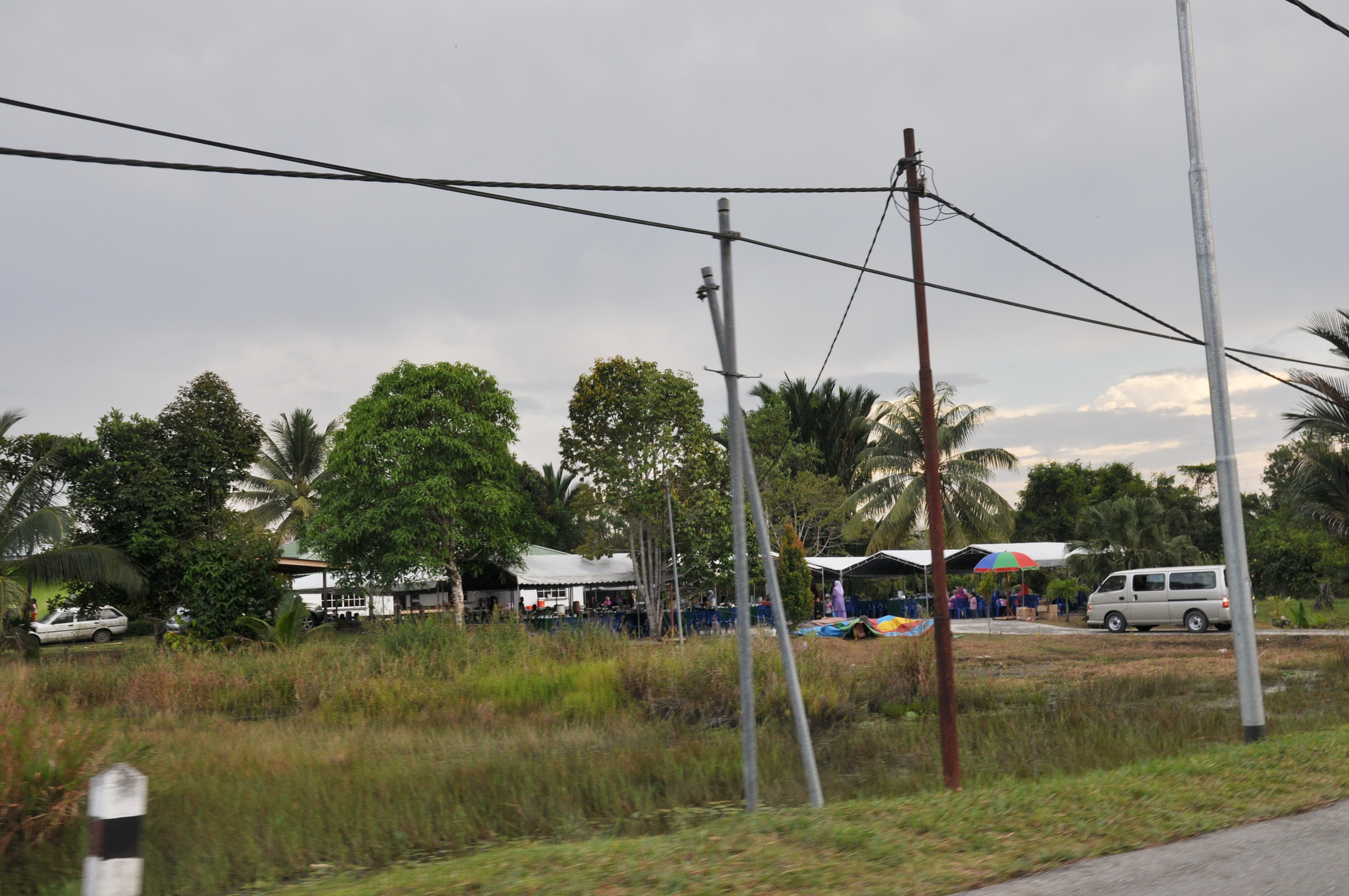
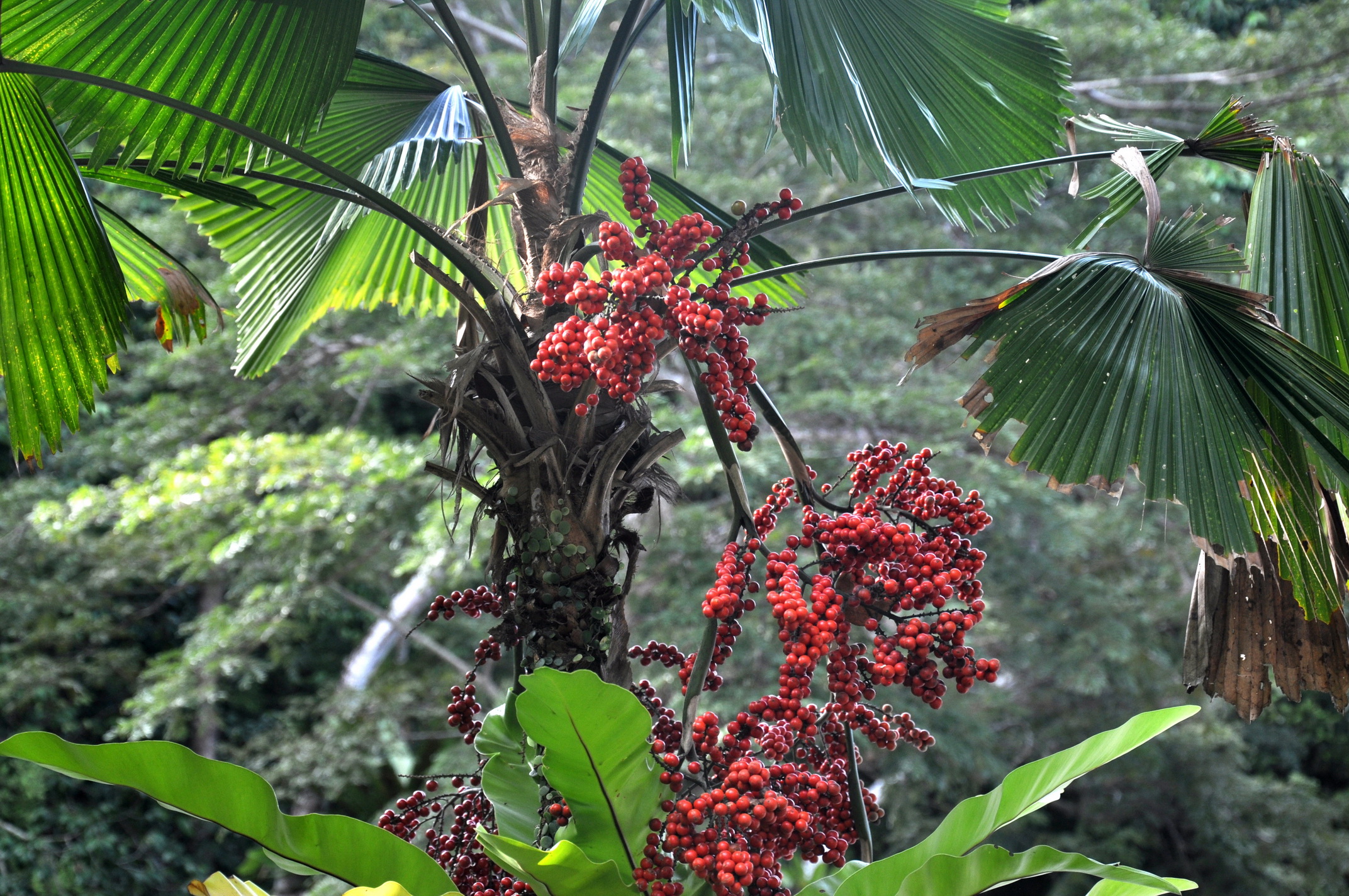
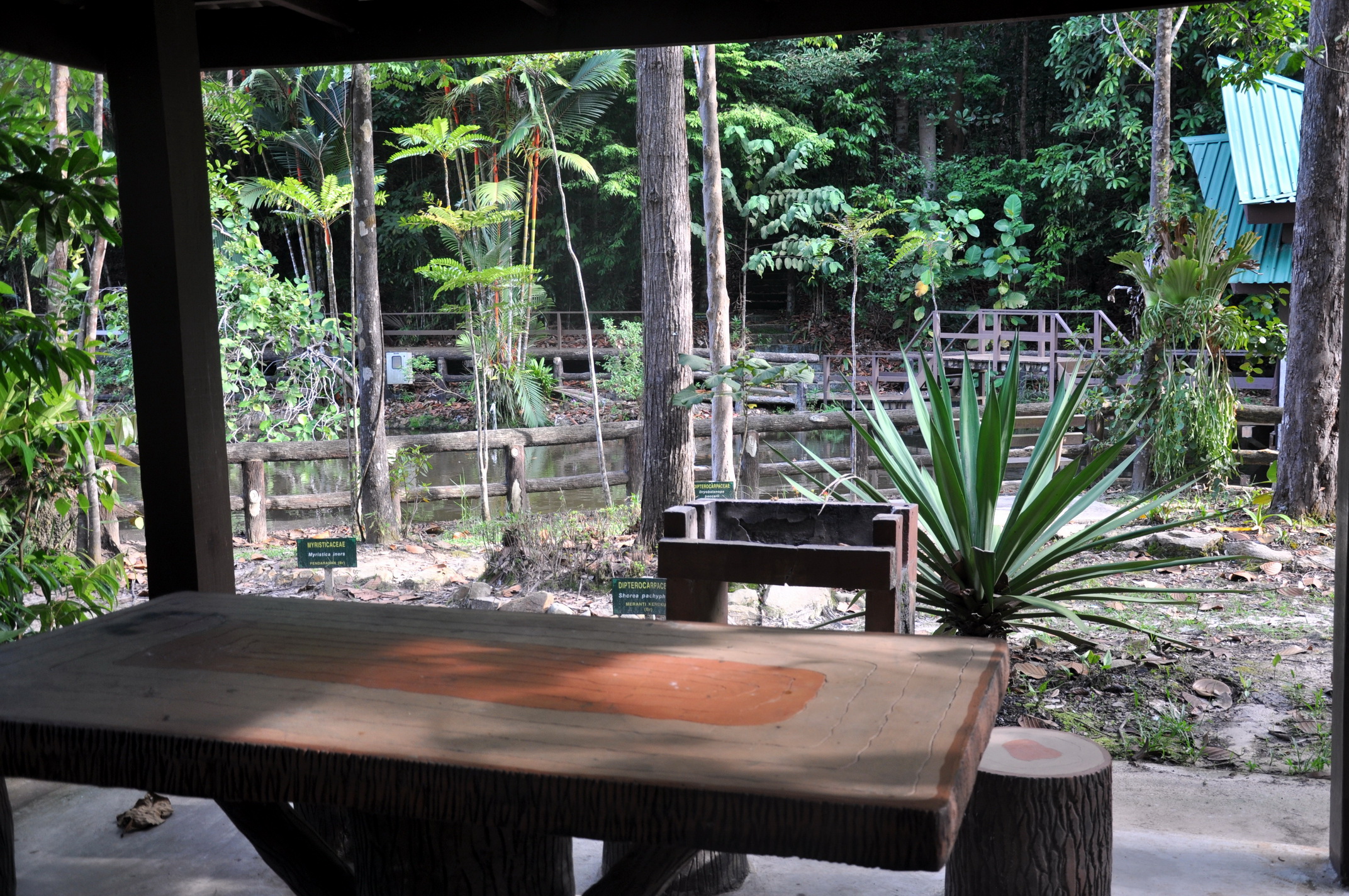
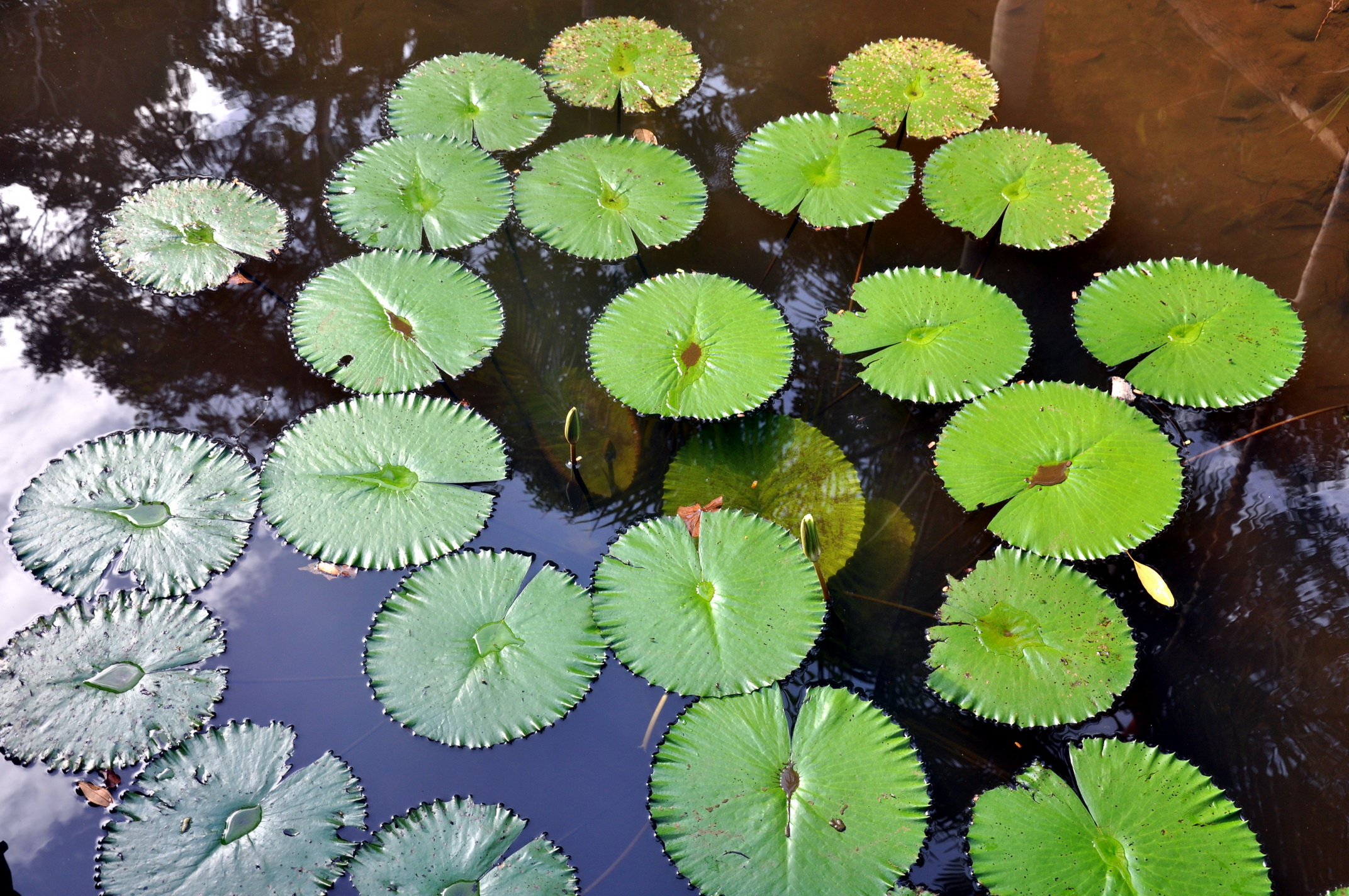
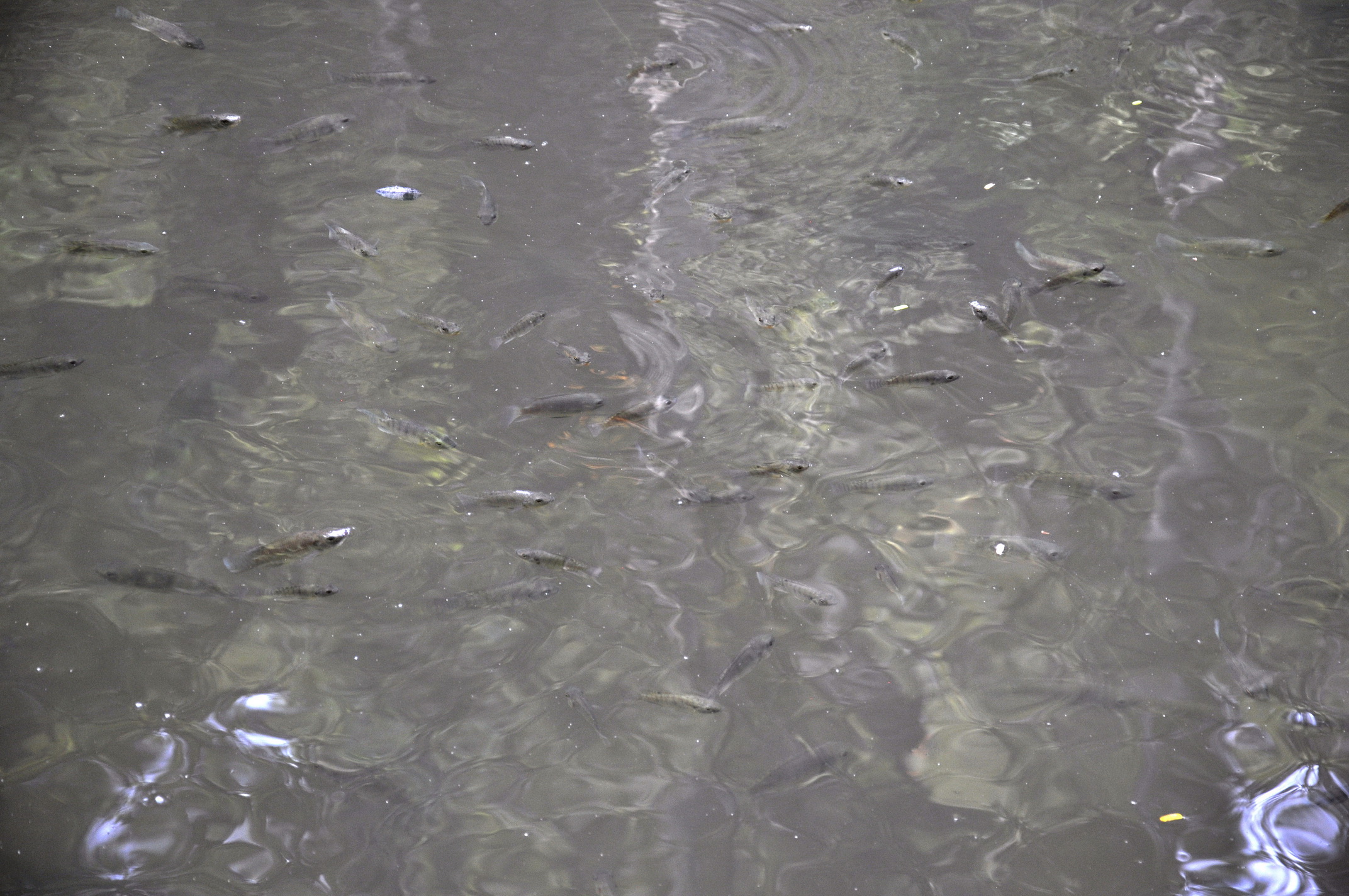
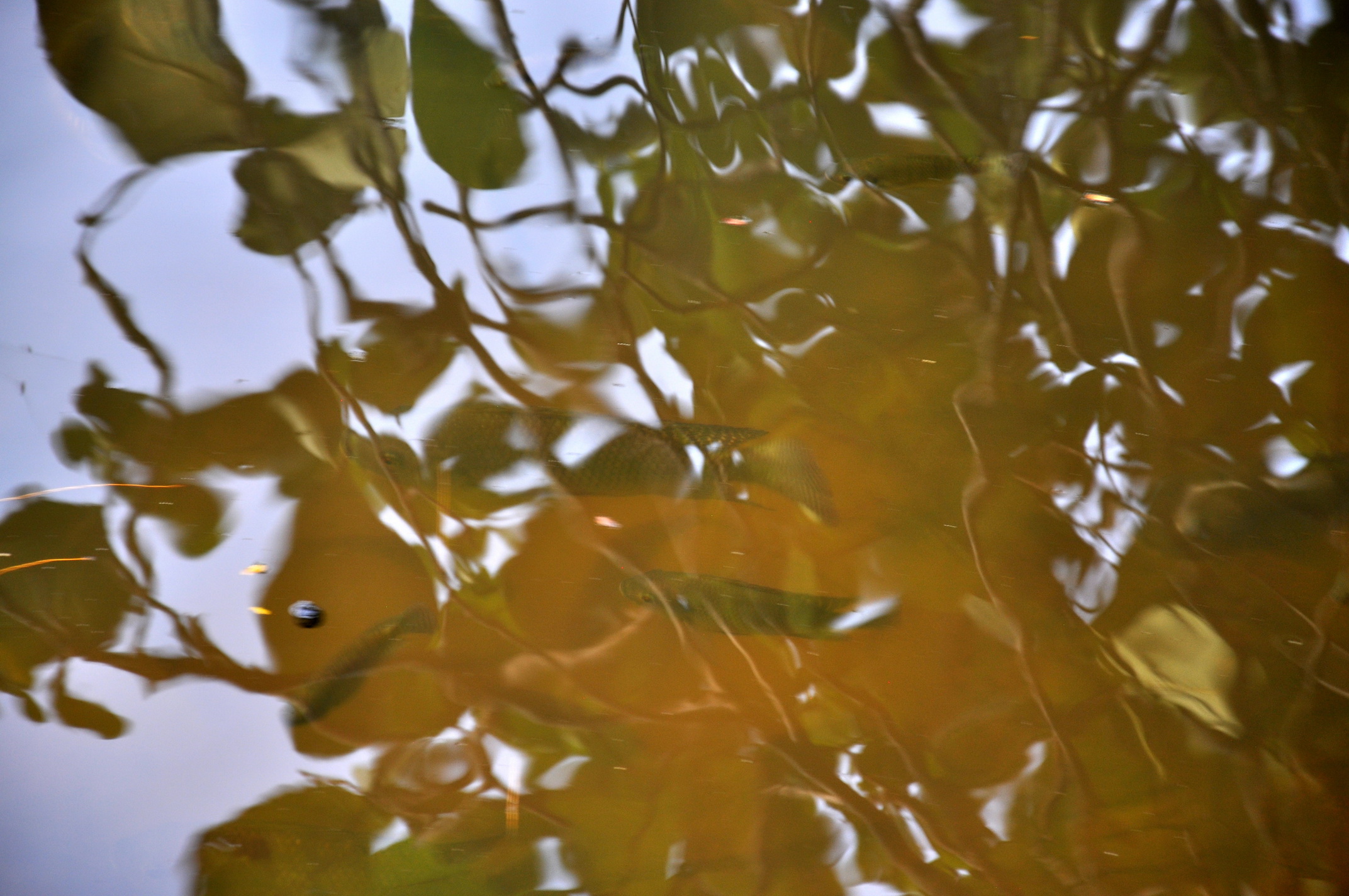
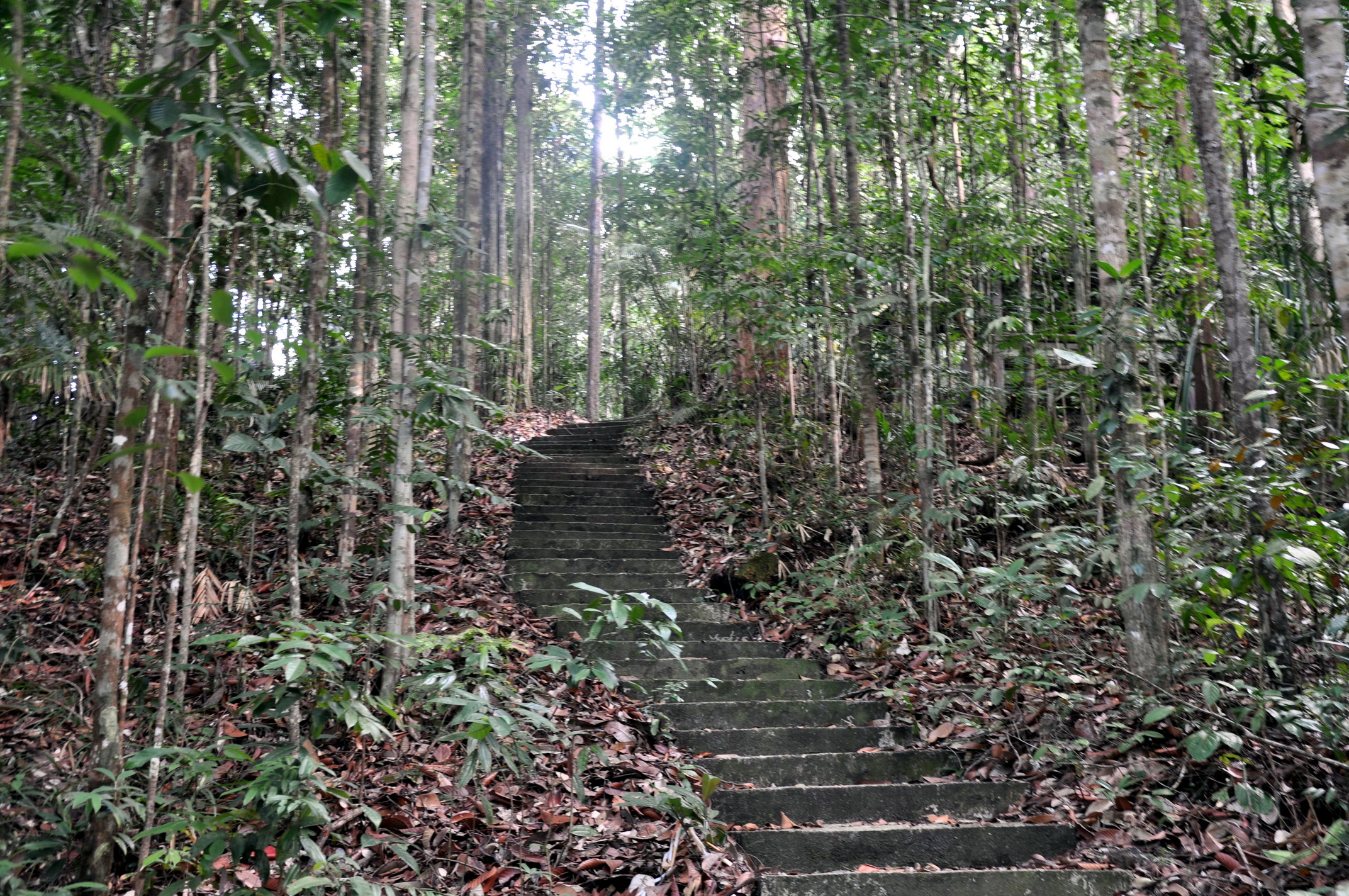
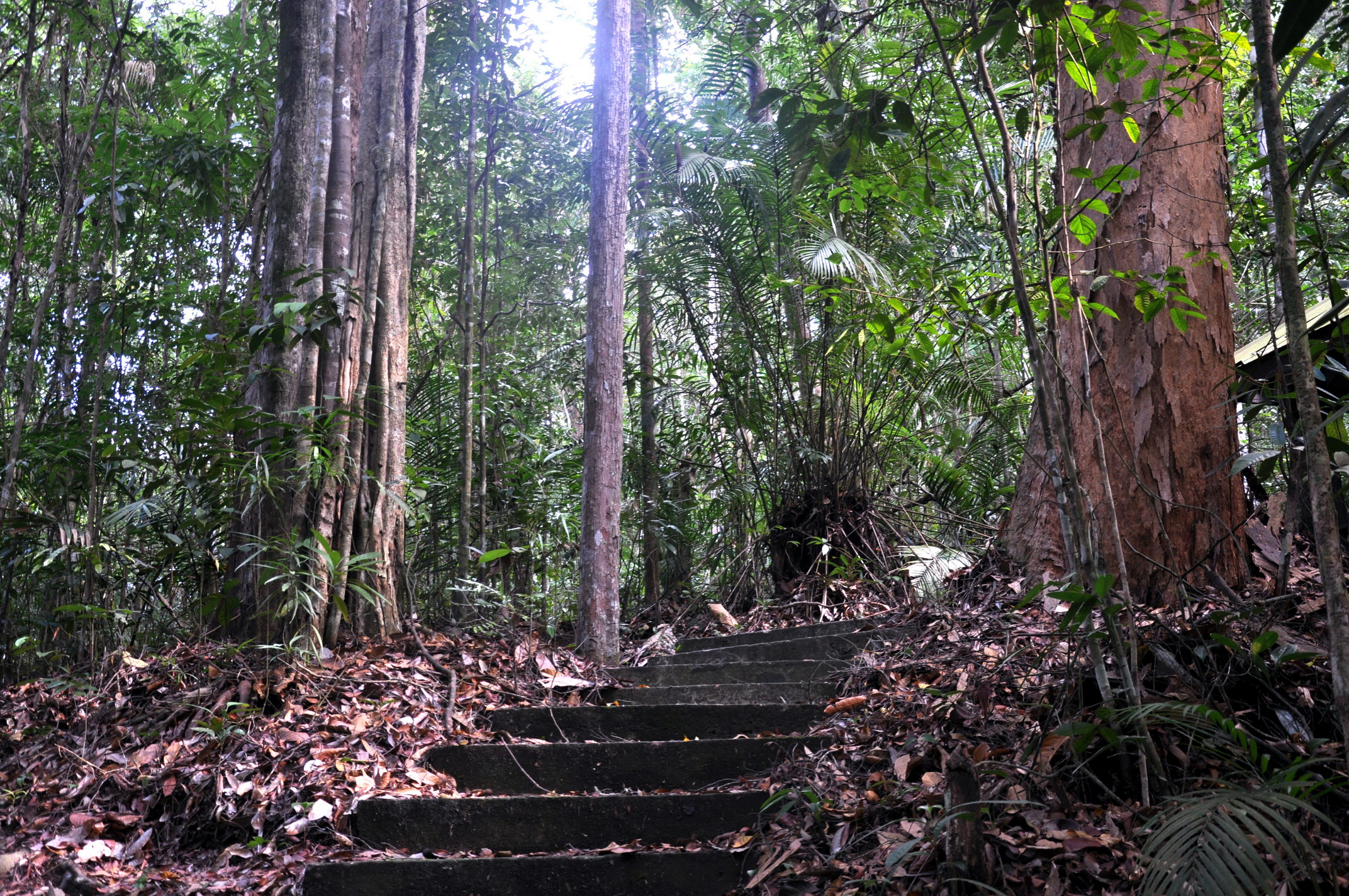
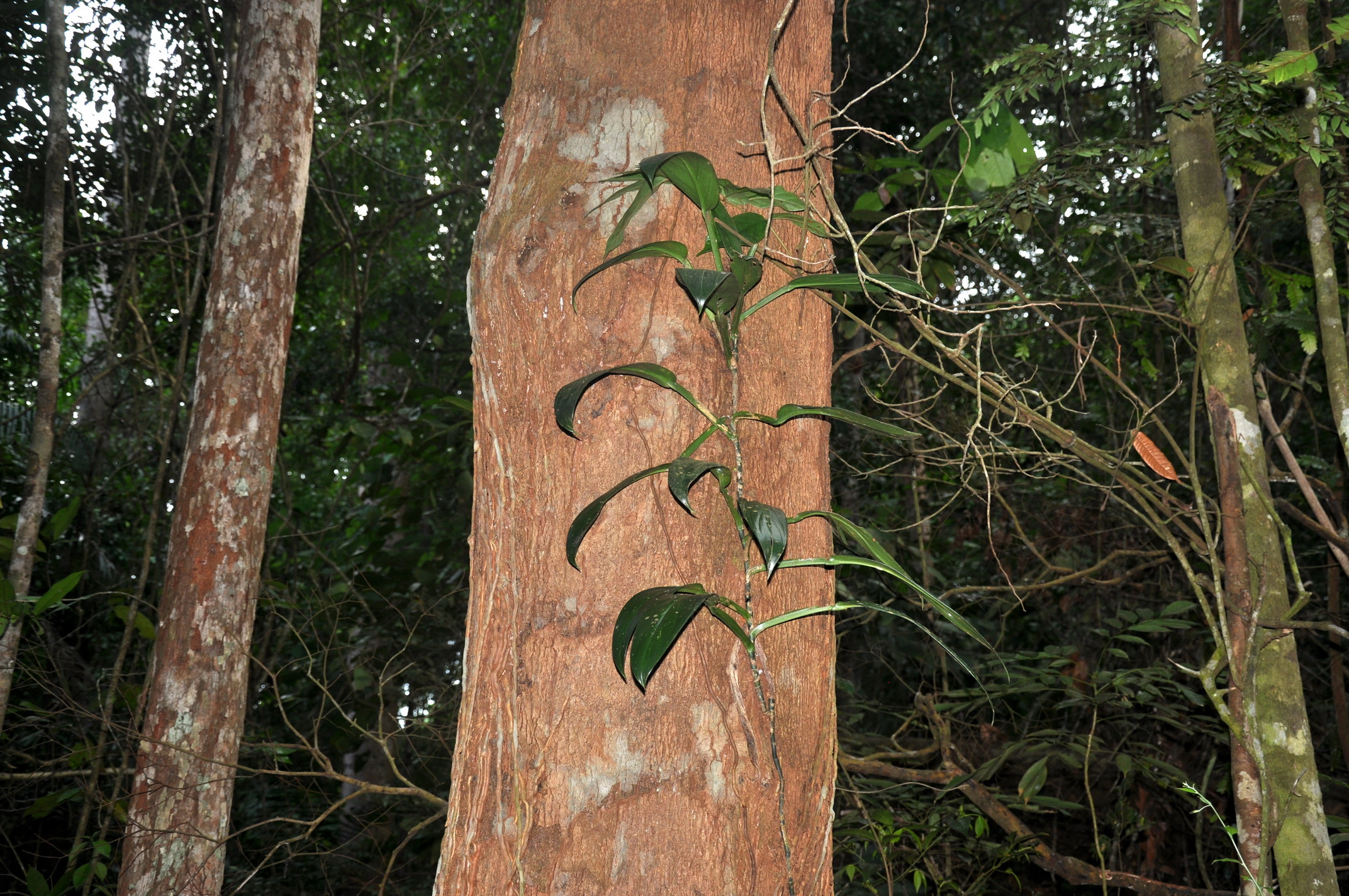
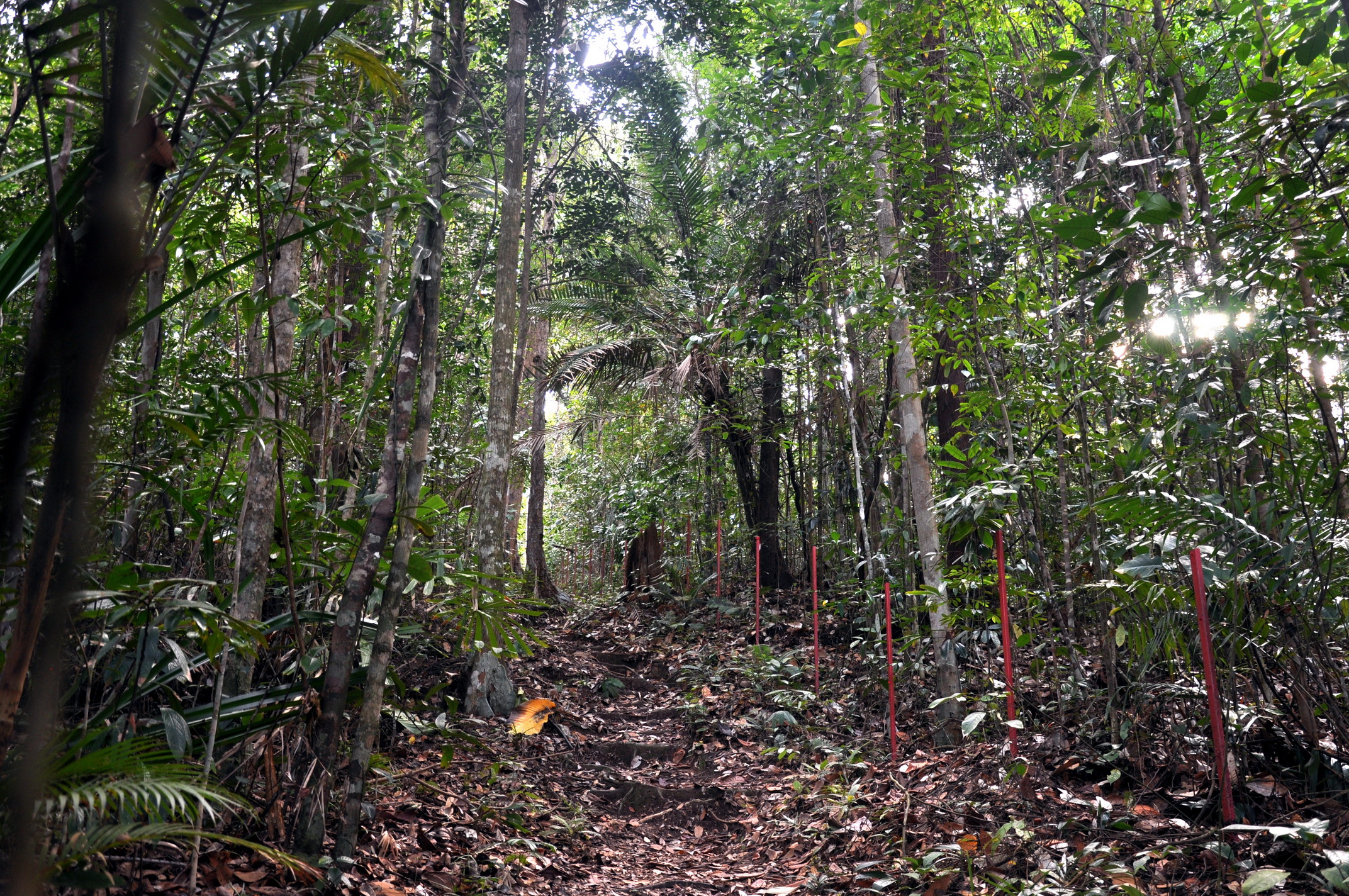
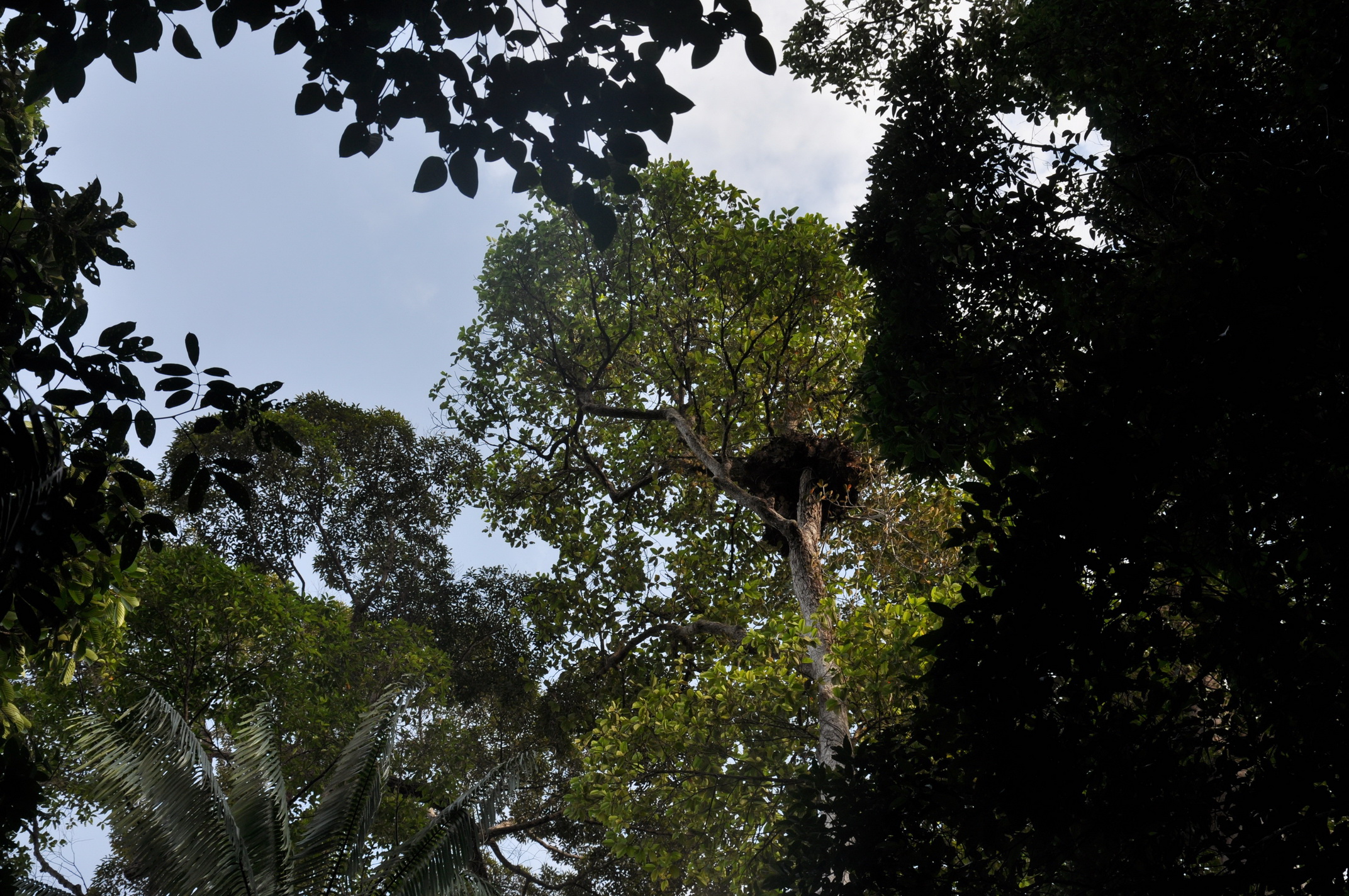
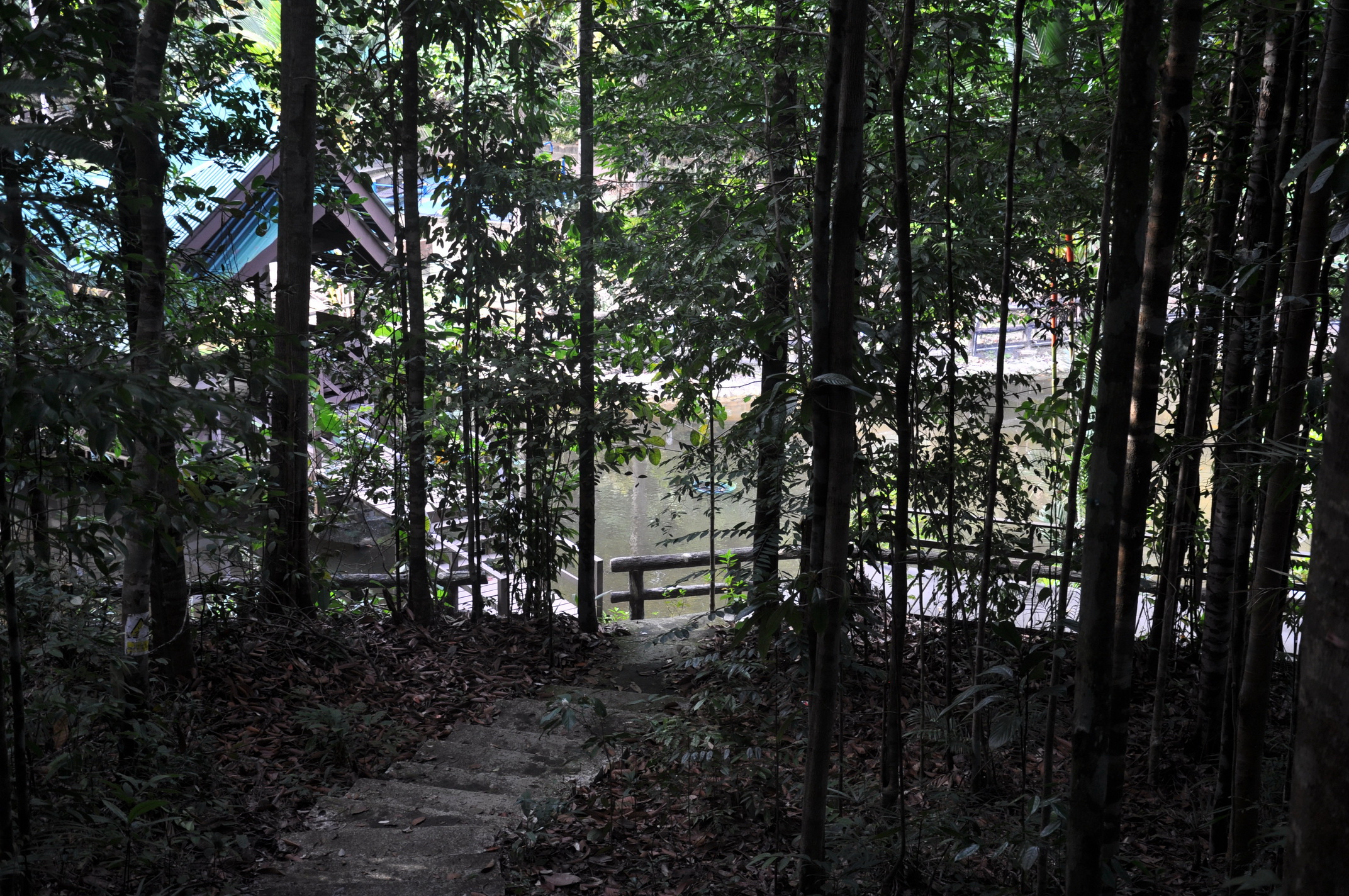
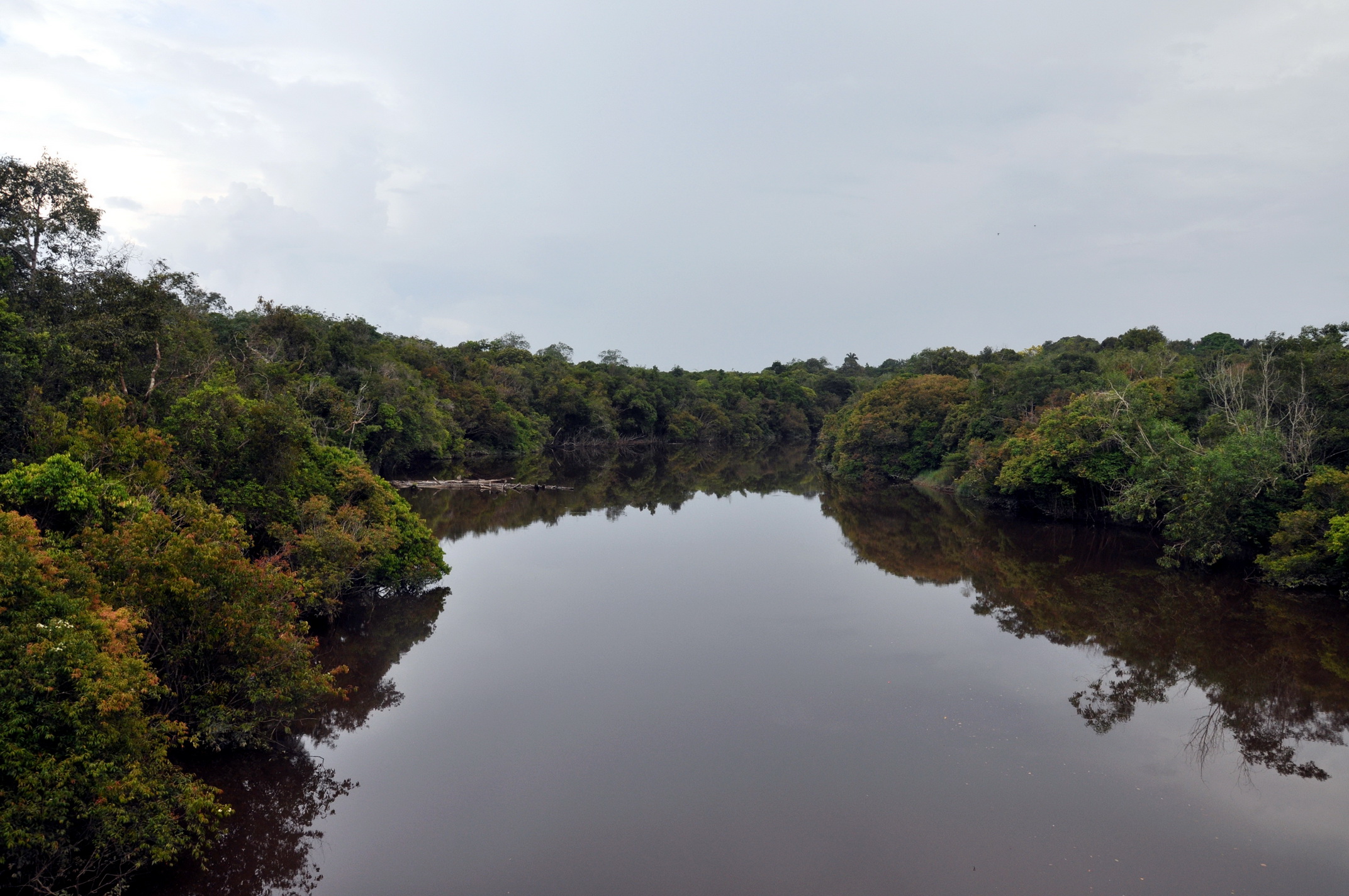
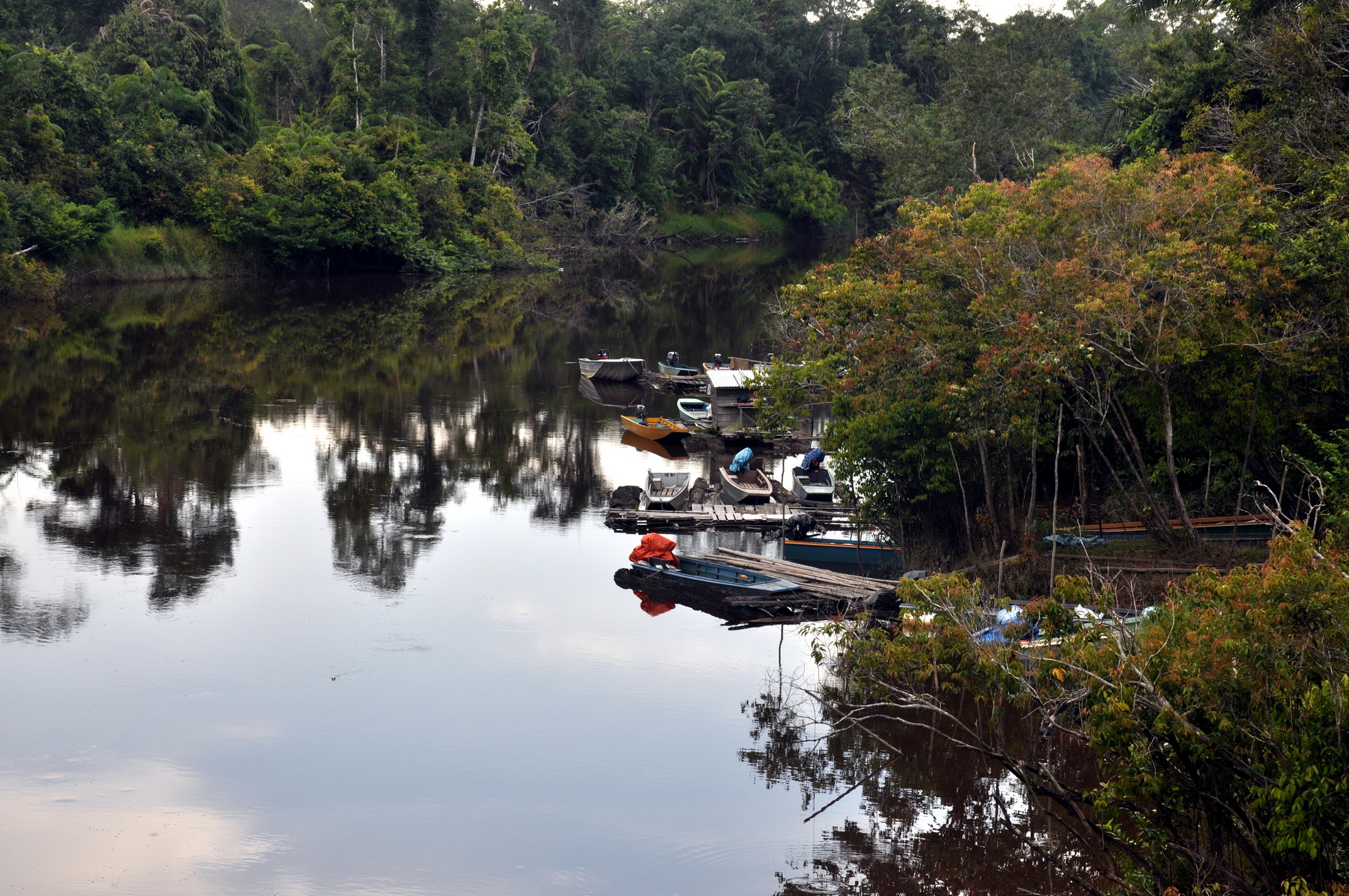
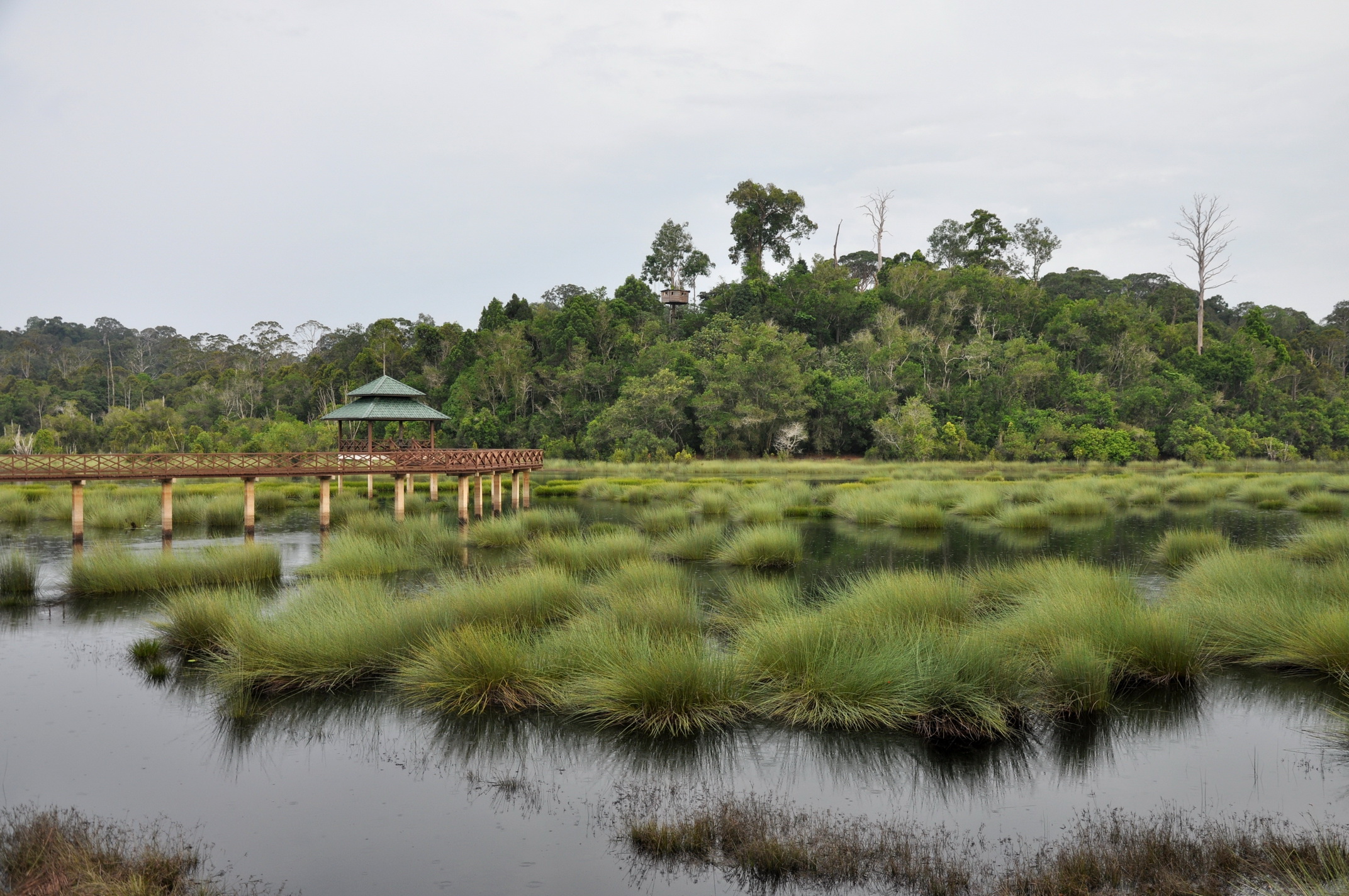
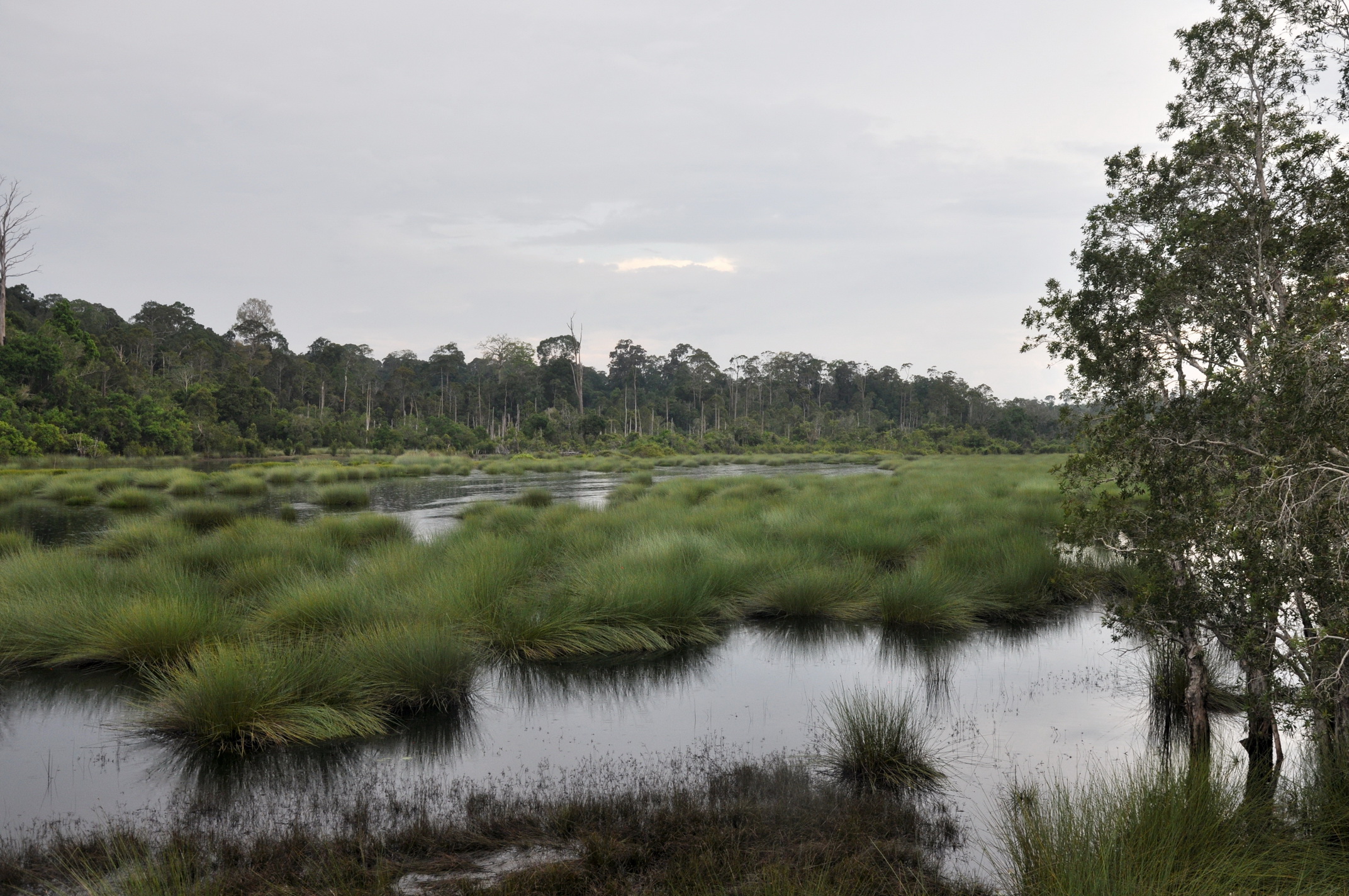
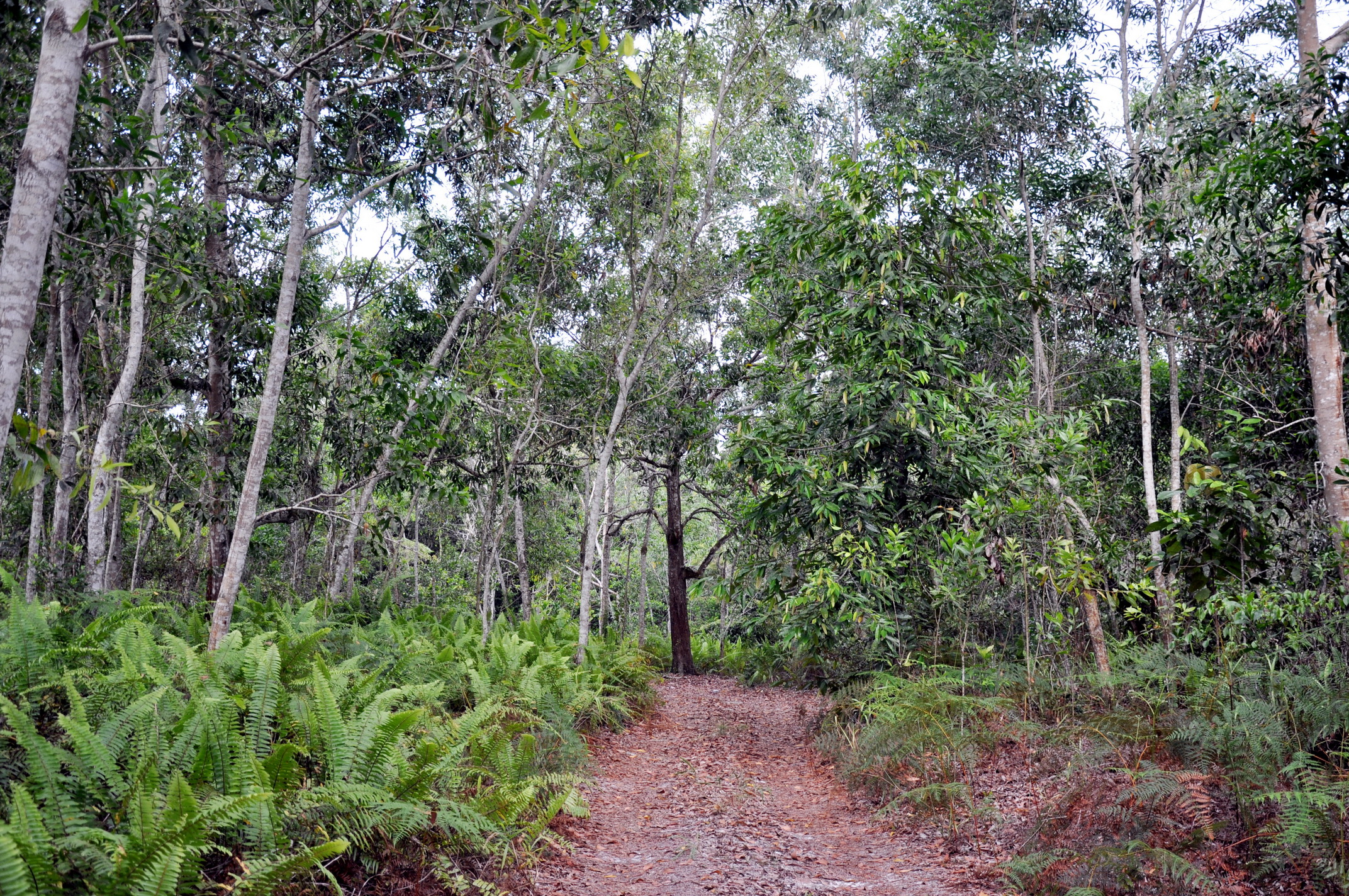
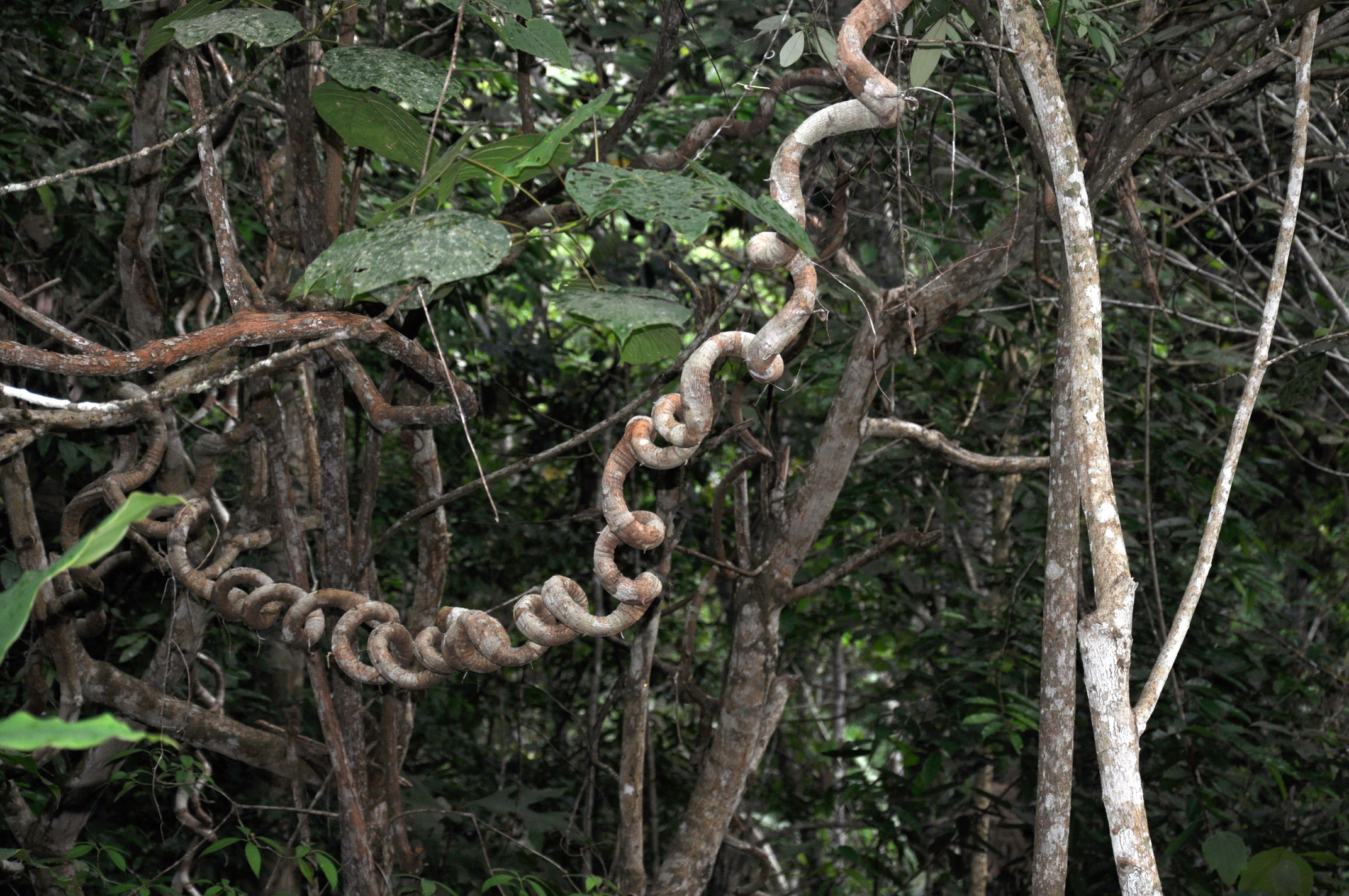
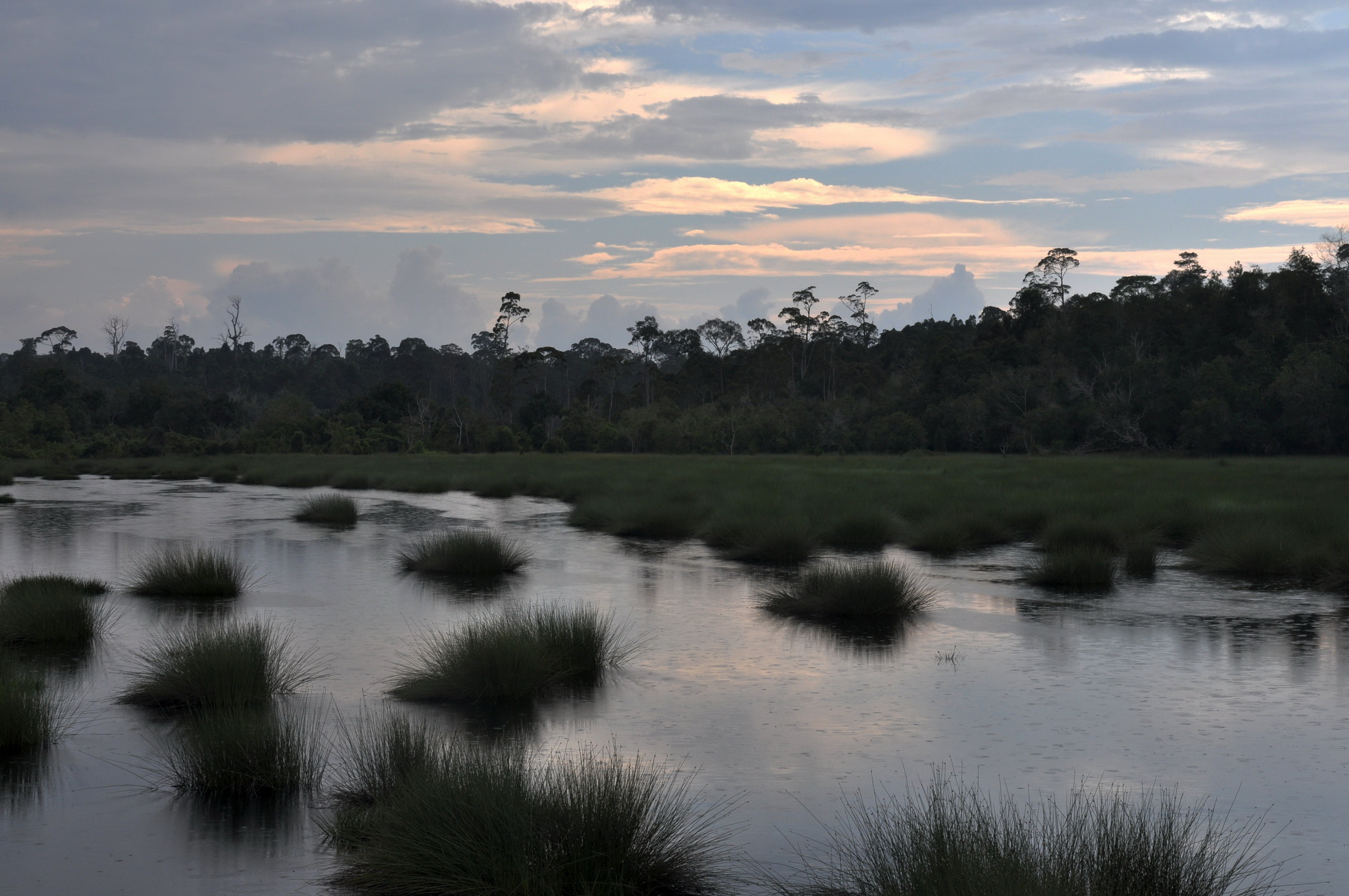
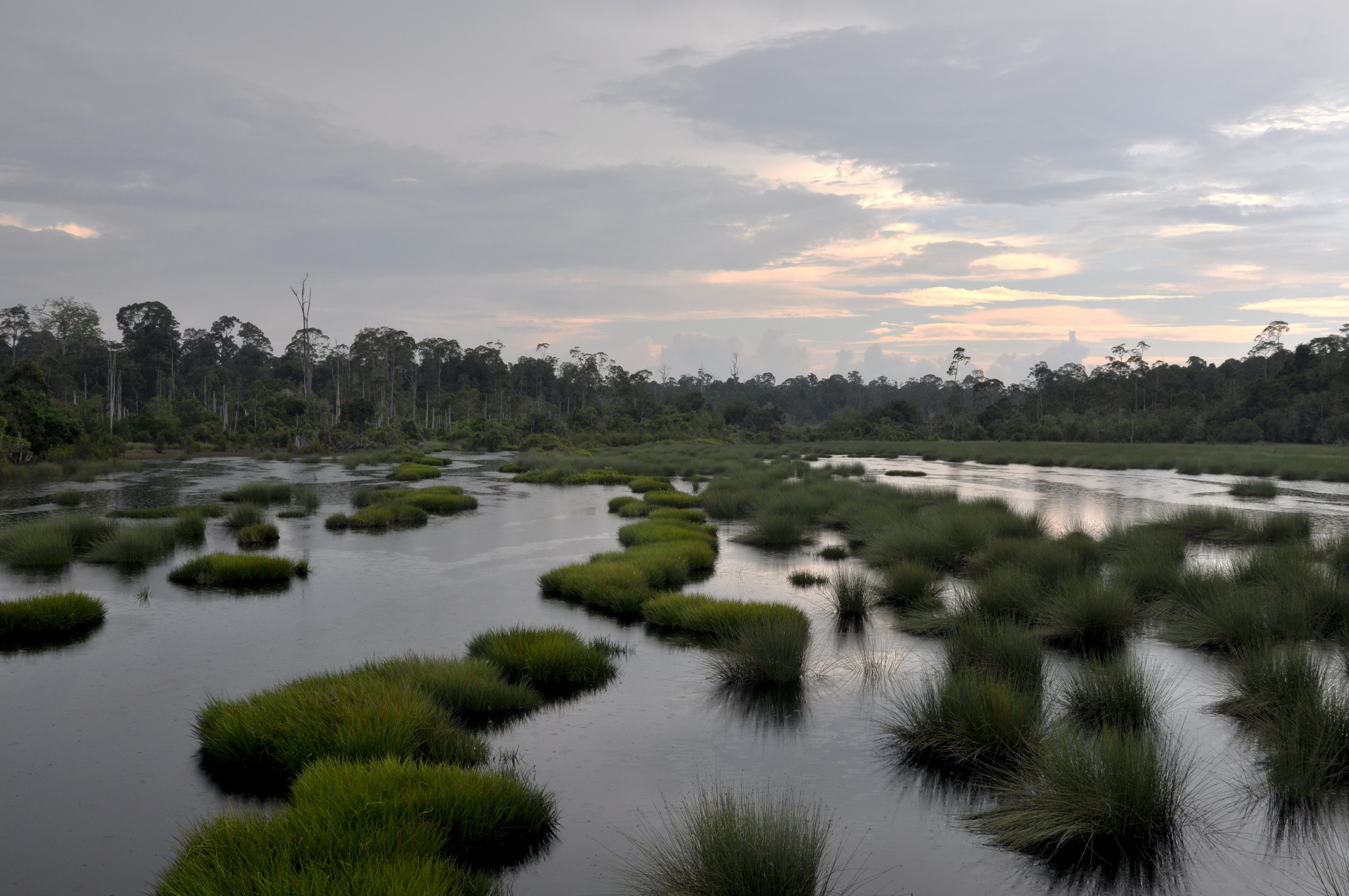
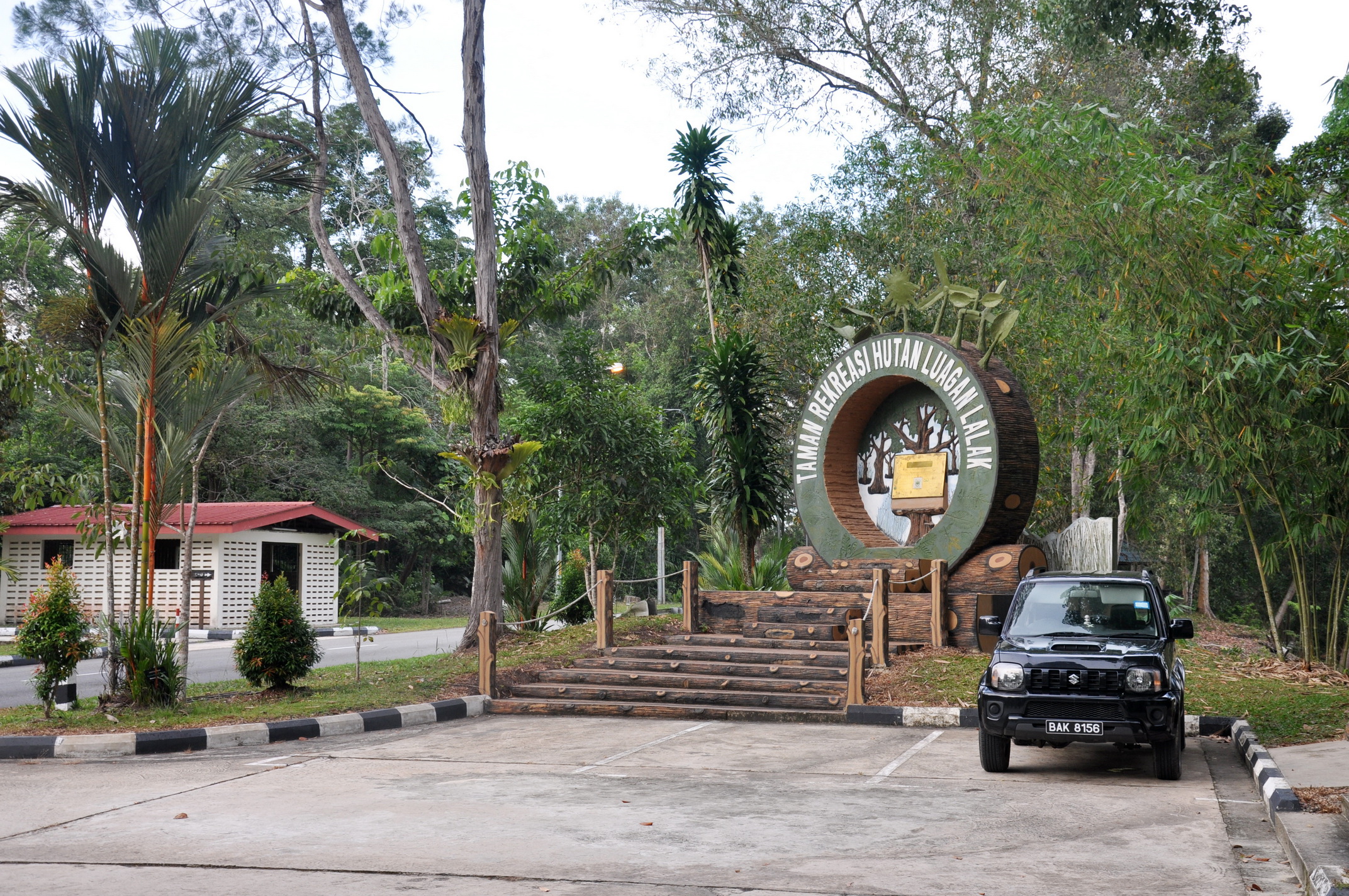
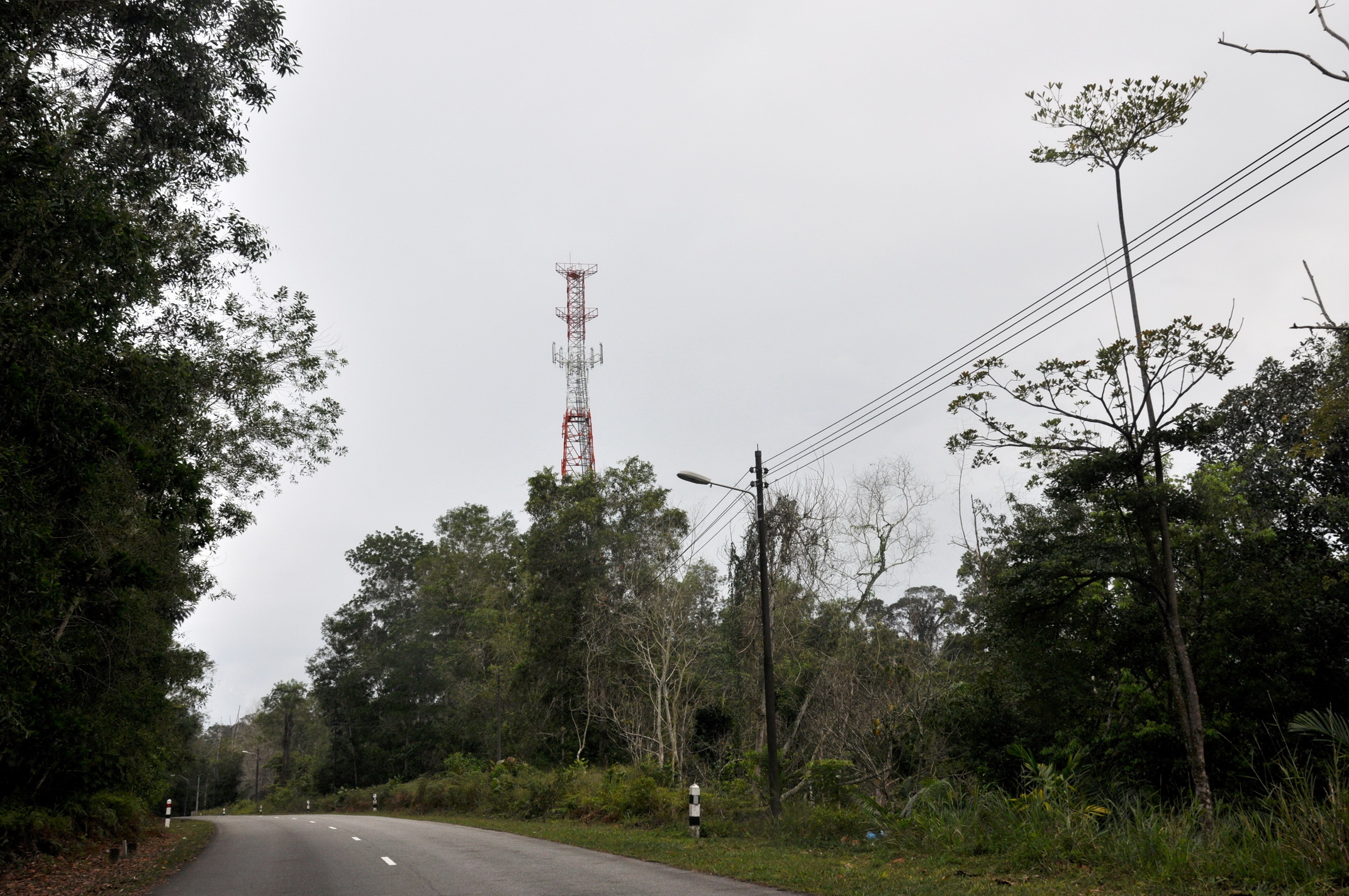
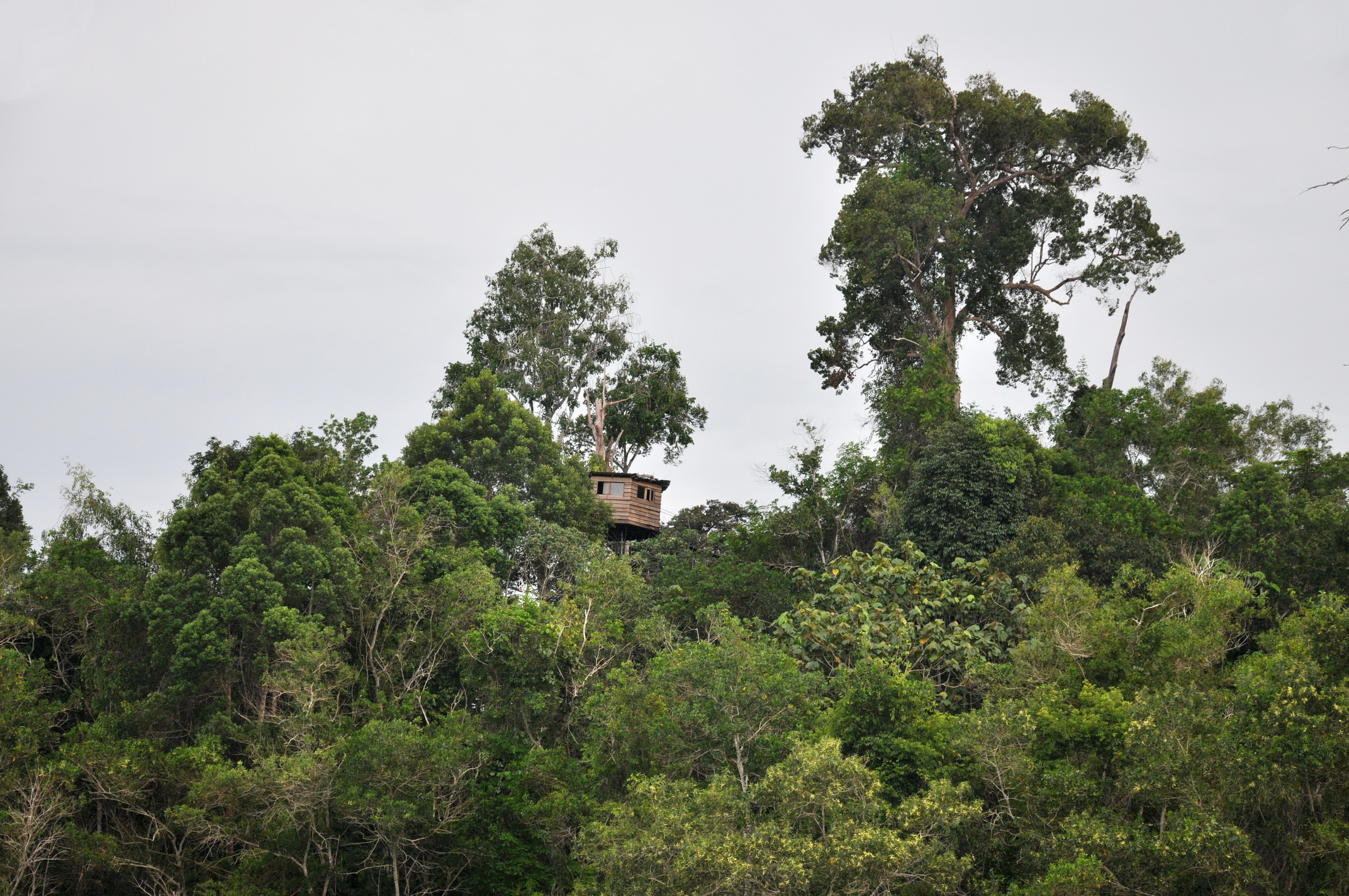
Near Kampung Sungai Liang village, I turned south into the jungle. Soon I came to a small nature park, with parking and paths between ponds teeming with fish. This was Sungai Liang Forest Recreation Park (04°40.255′N, 114°29.928′E). You can take a walk through the forest and look for monkeys and their nests. The place was designed for visitors. Well-turned-out children ran along the paths. Farther inland, in the wetlands, I found yet another park, Luagan Lalak Forest Recreation Park (04°30.919′N, 114°28.517′E). Out here there were boardwalks over the water and walkways in the tree canopy. They were a good place to watch birds.
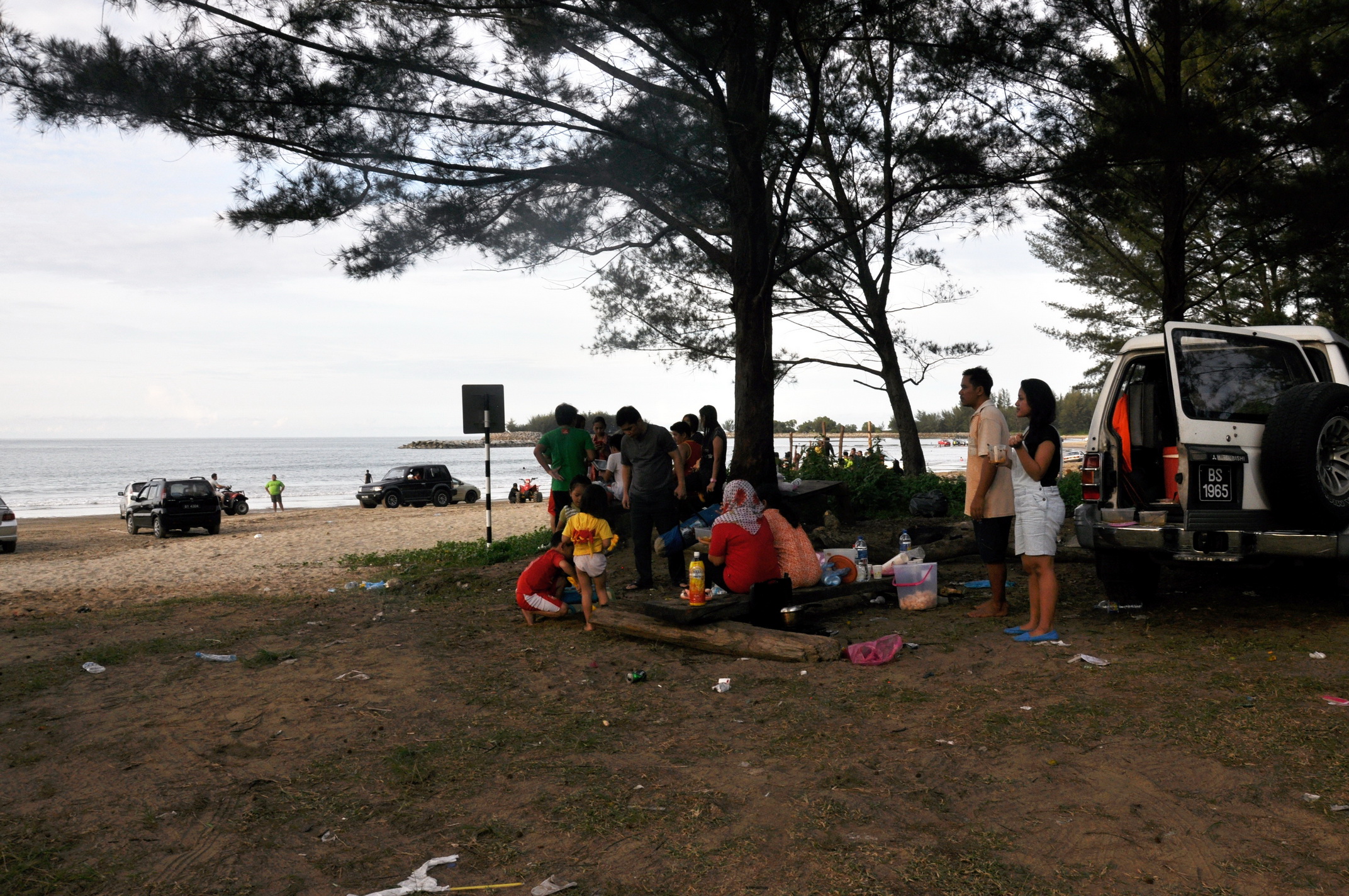
Another of Brunei's attractions is its beaches. I stopped at Empire Beach (04°58.094′N, 114°51.064′E).
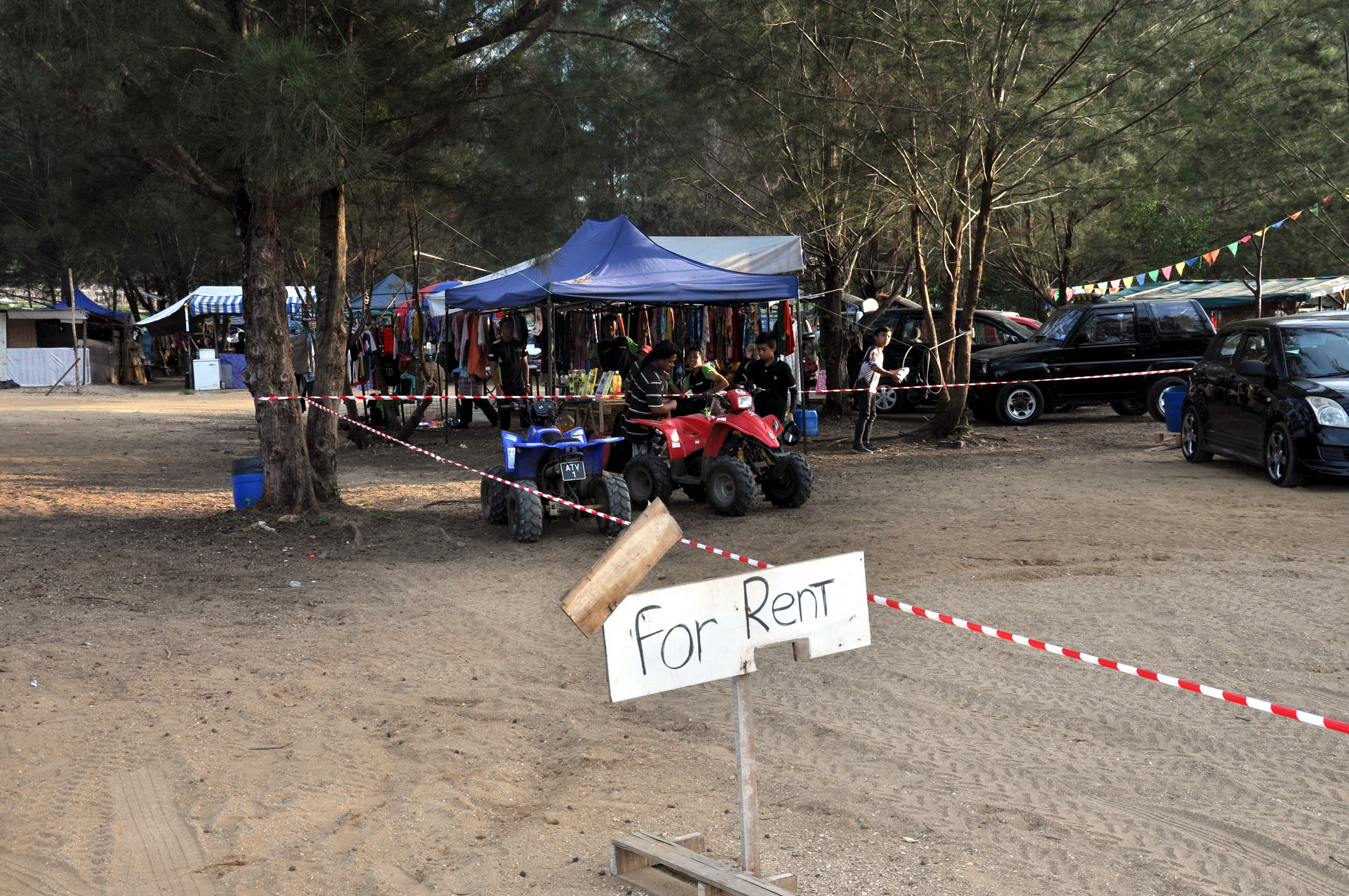
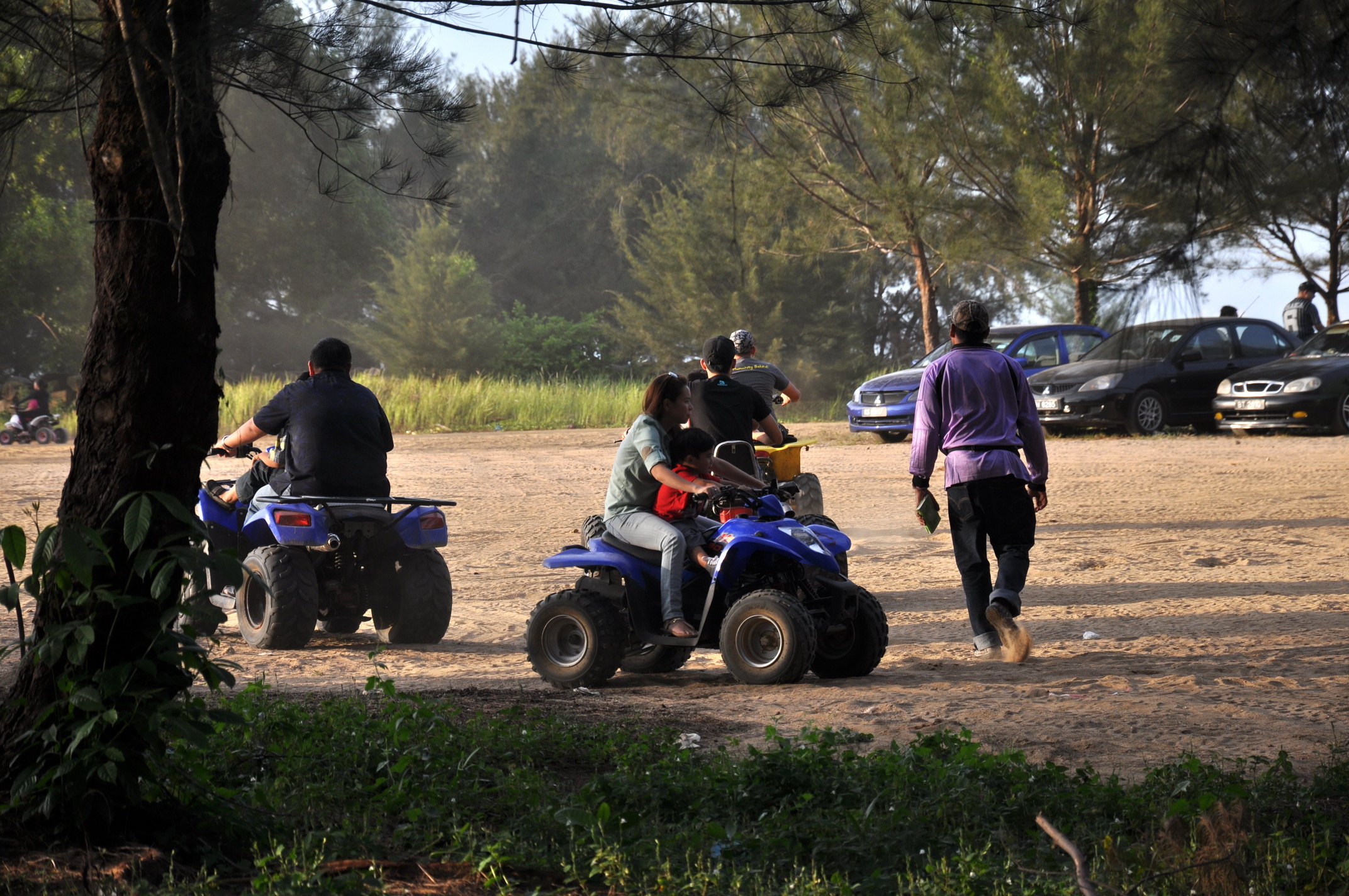
Here there was excellent sand and plenty of places to park your car. Thousands of people from the capital came here to unwind after work, get a barbecue going and swim. At the stalls you could buy food or even clothes. You could also hire quad bikes, and even little children rode them. It was a pleasure to see people enjoying themselves. In Europe, they would have banned the lot. Food from a stall is unsanitary, trading without a till a crime and cars on the beach a calamity. Children at the wheel would be unthinkable. Here, all of it was allowed. Even young women were free to swim in swimsuits instead of the clothes usually worn by Muslim bathers.
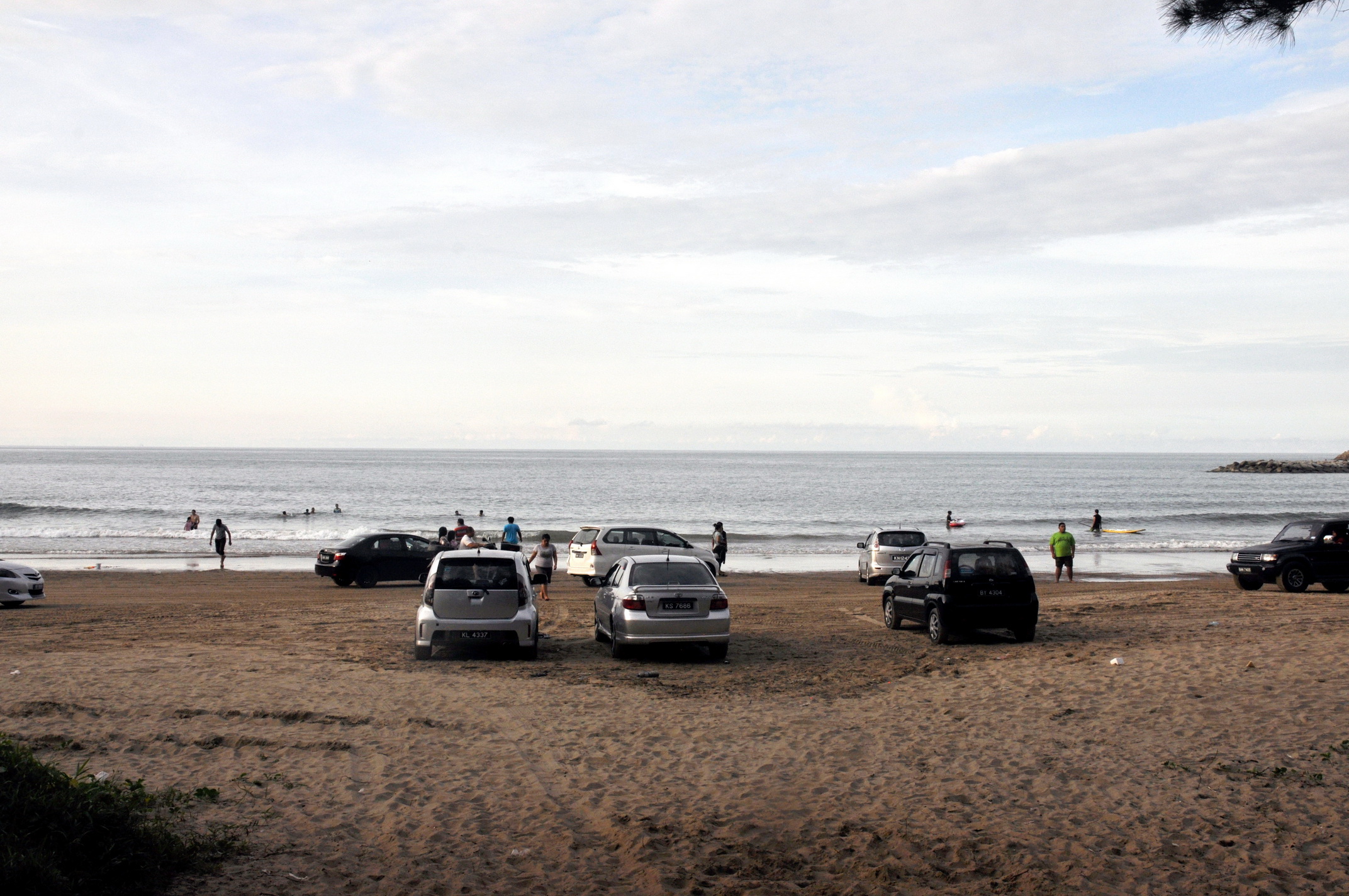
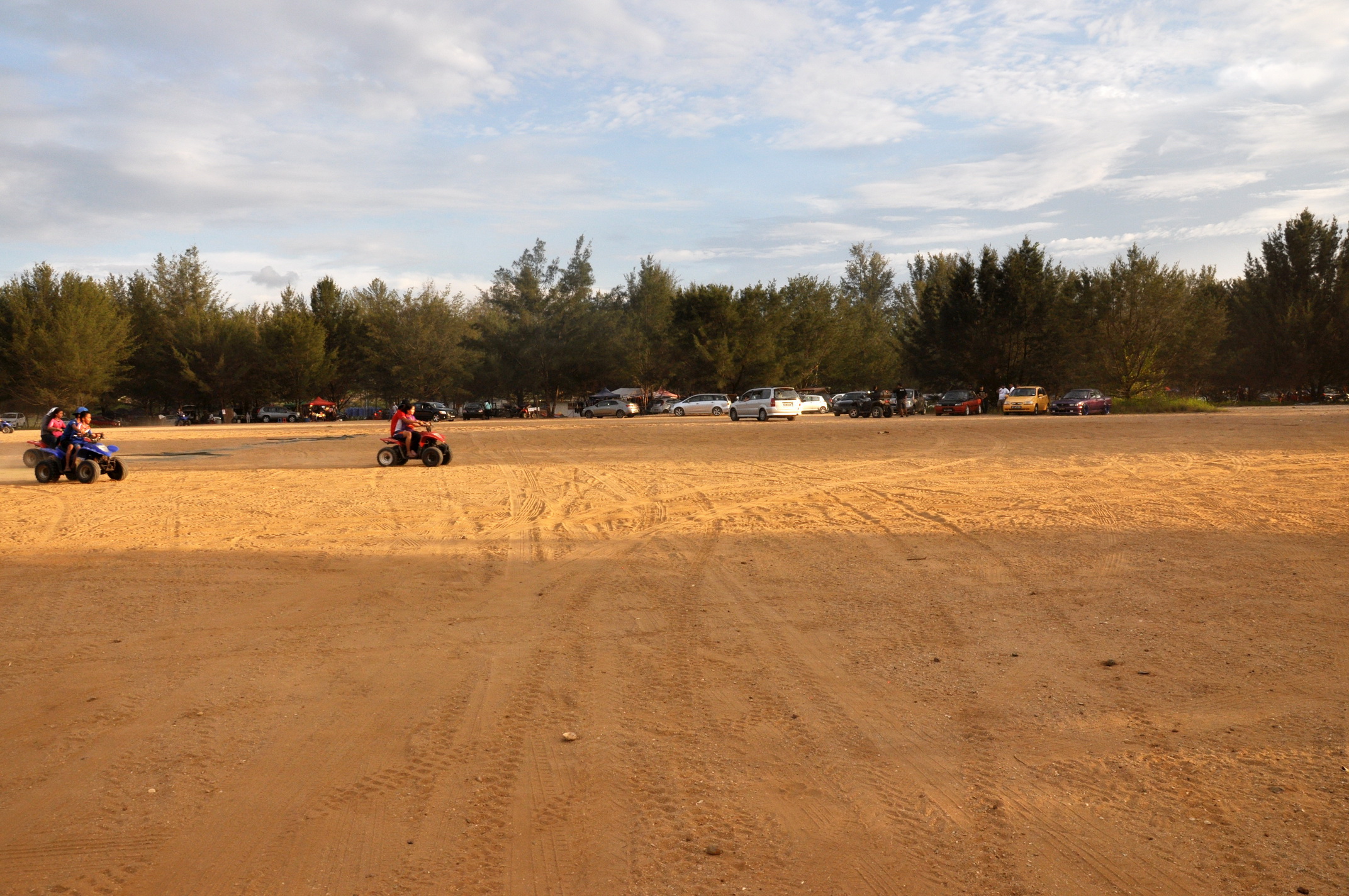
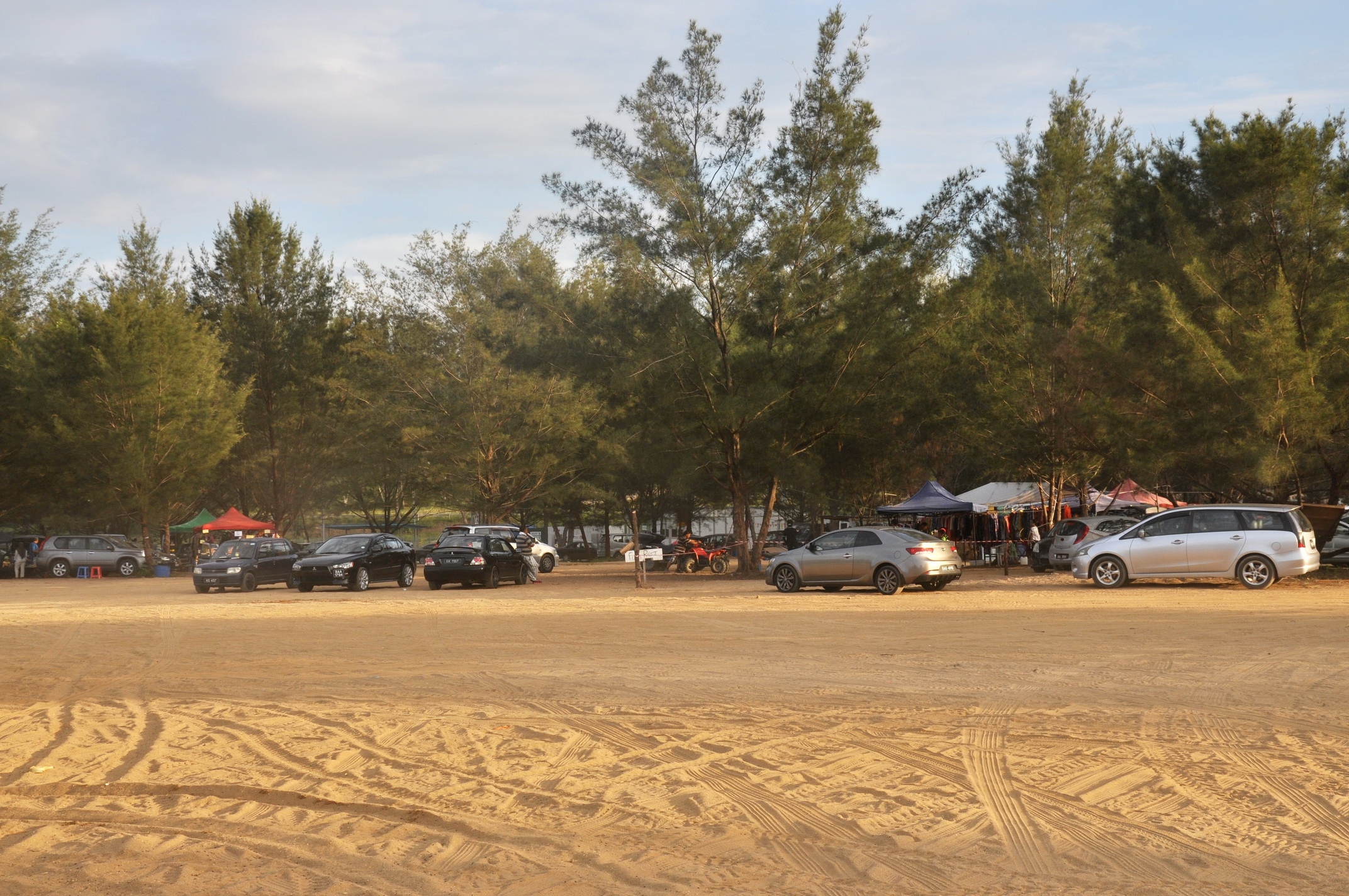
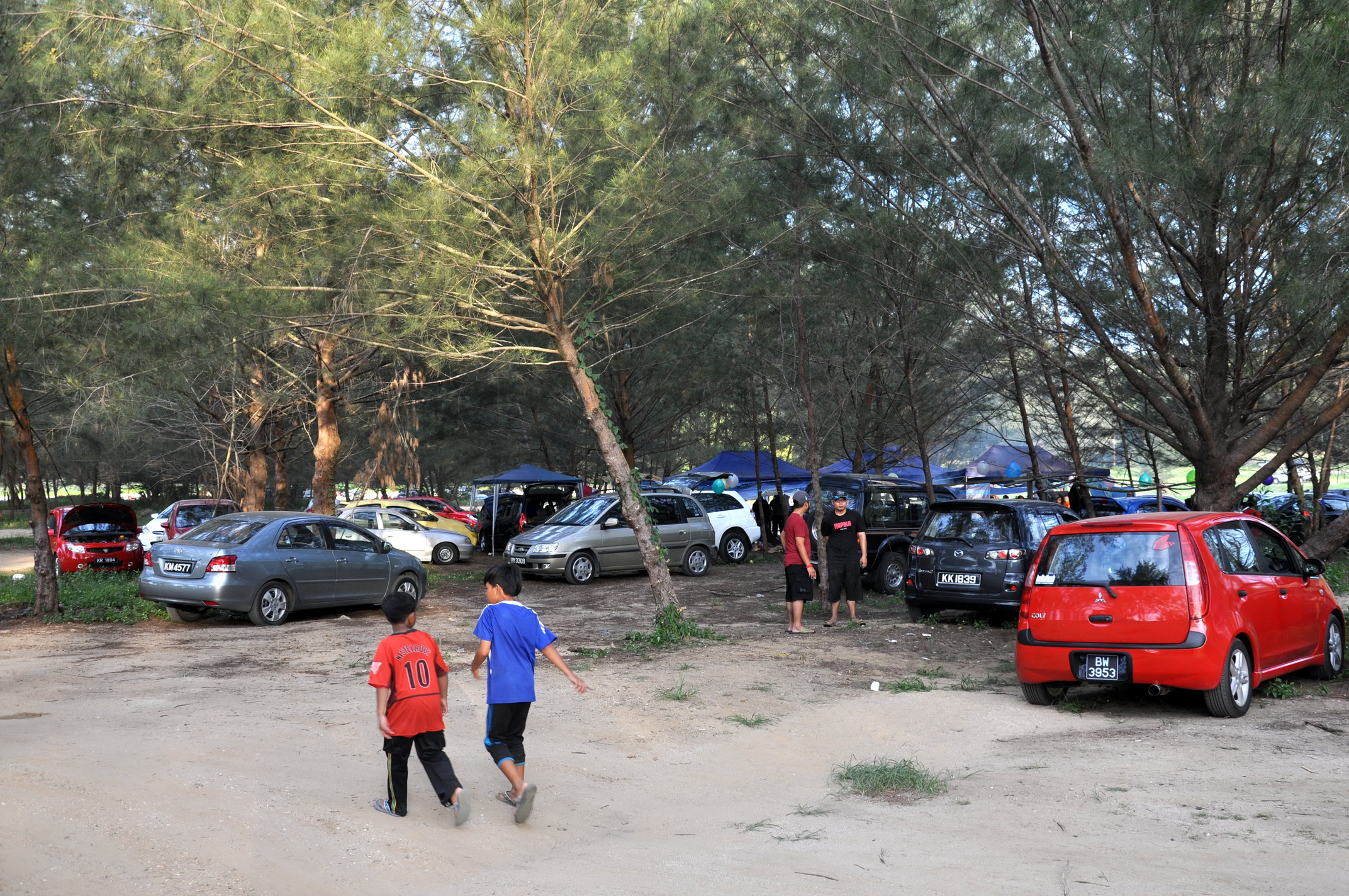
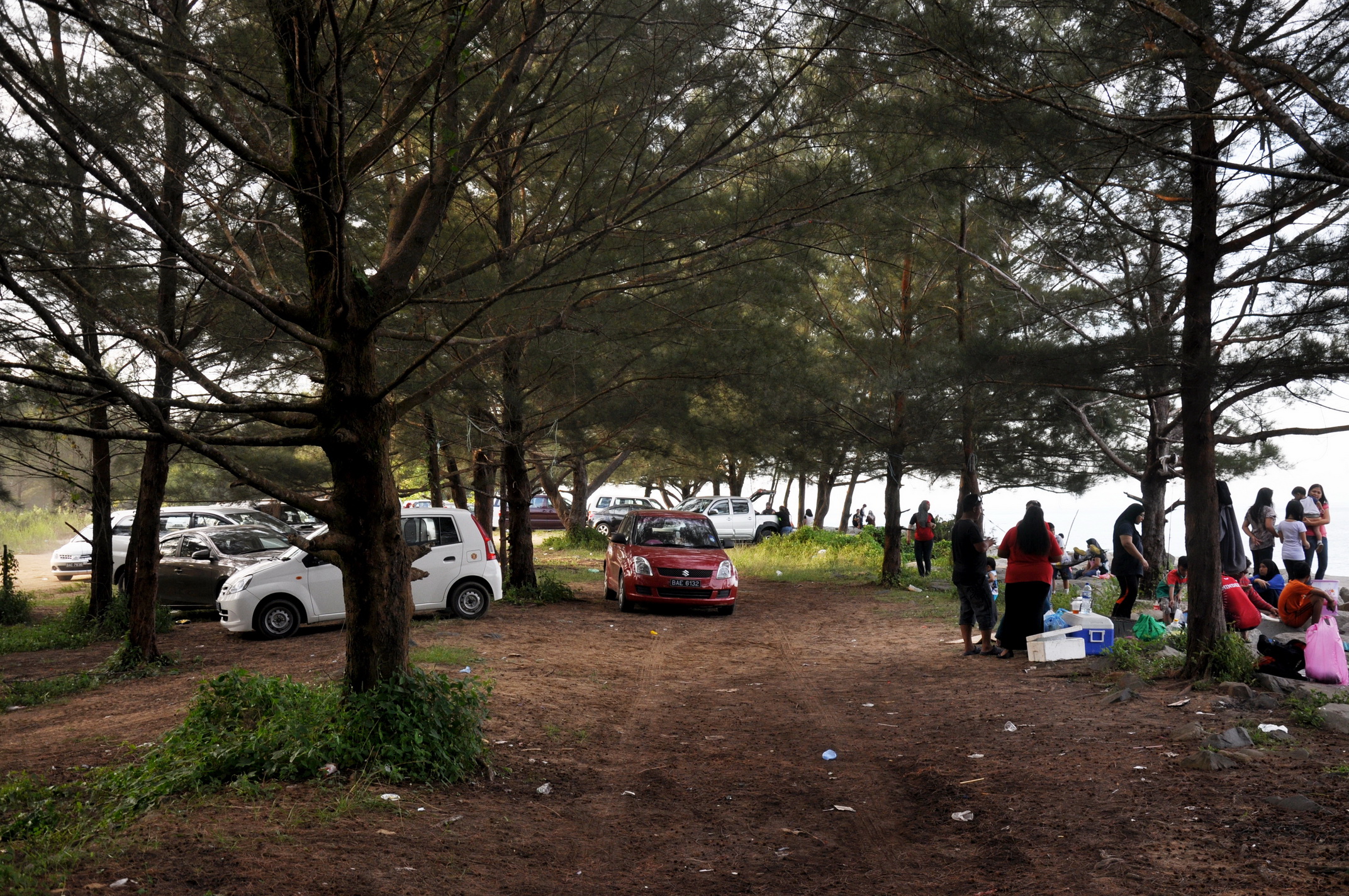
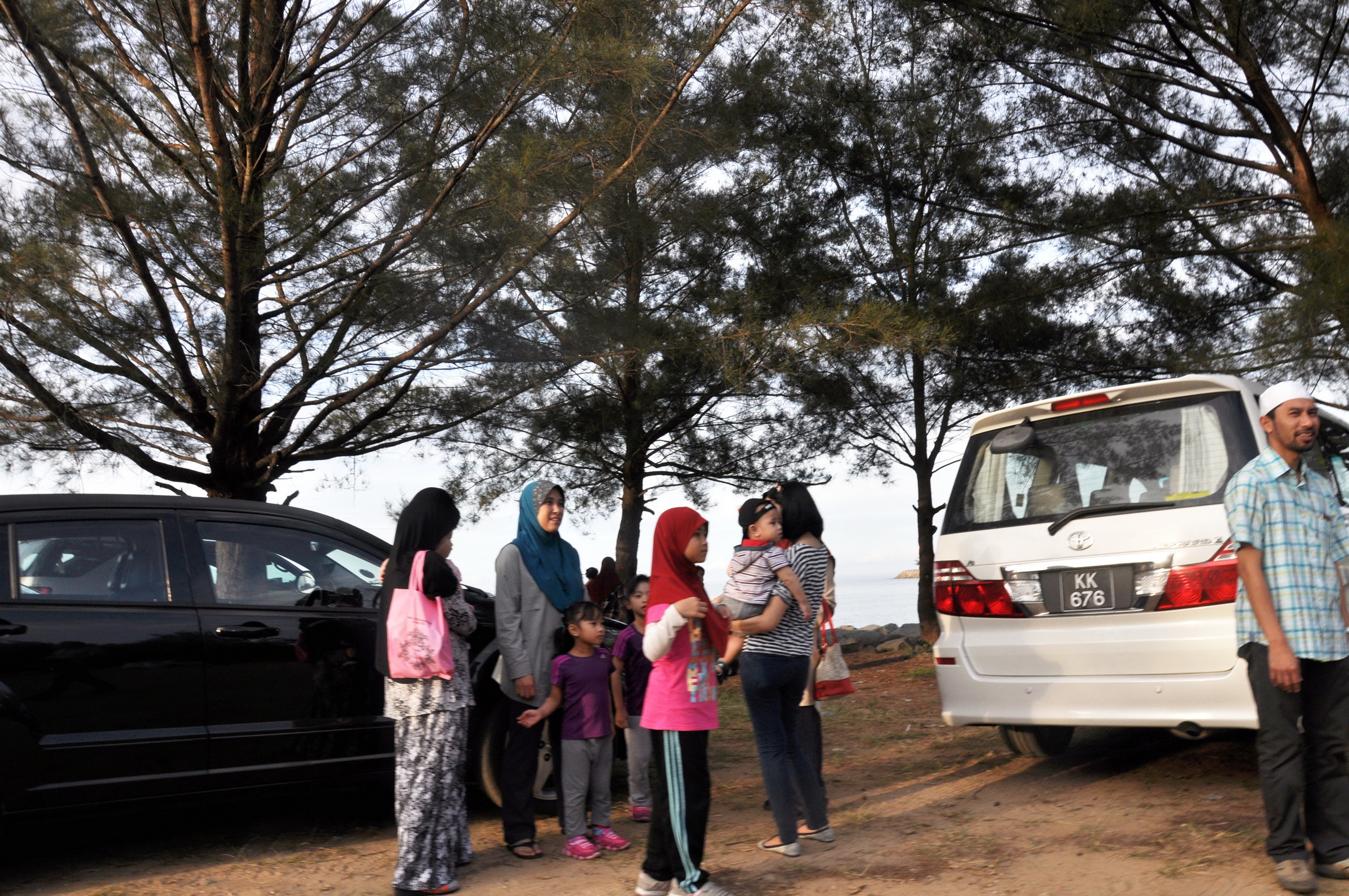
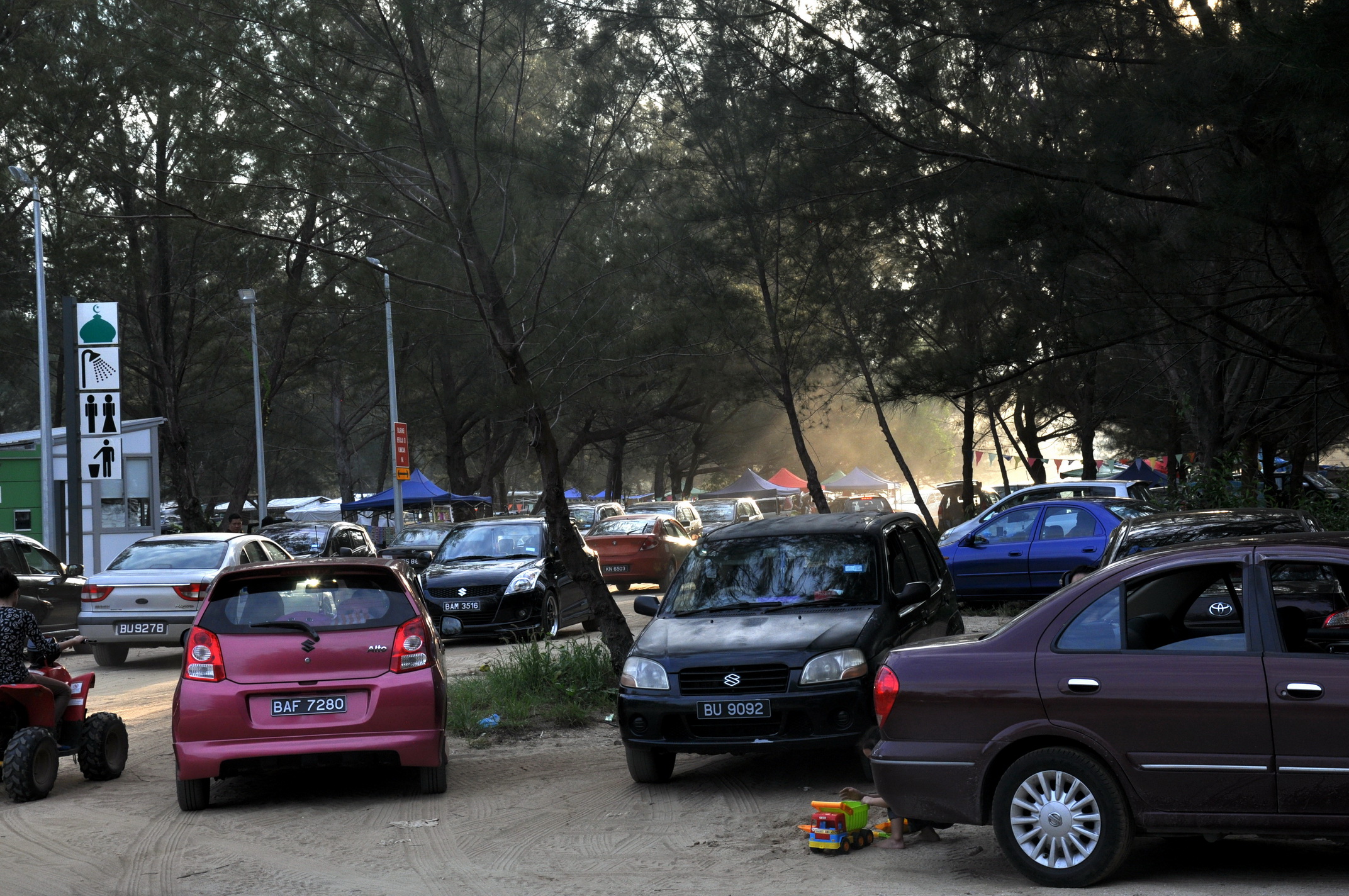
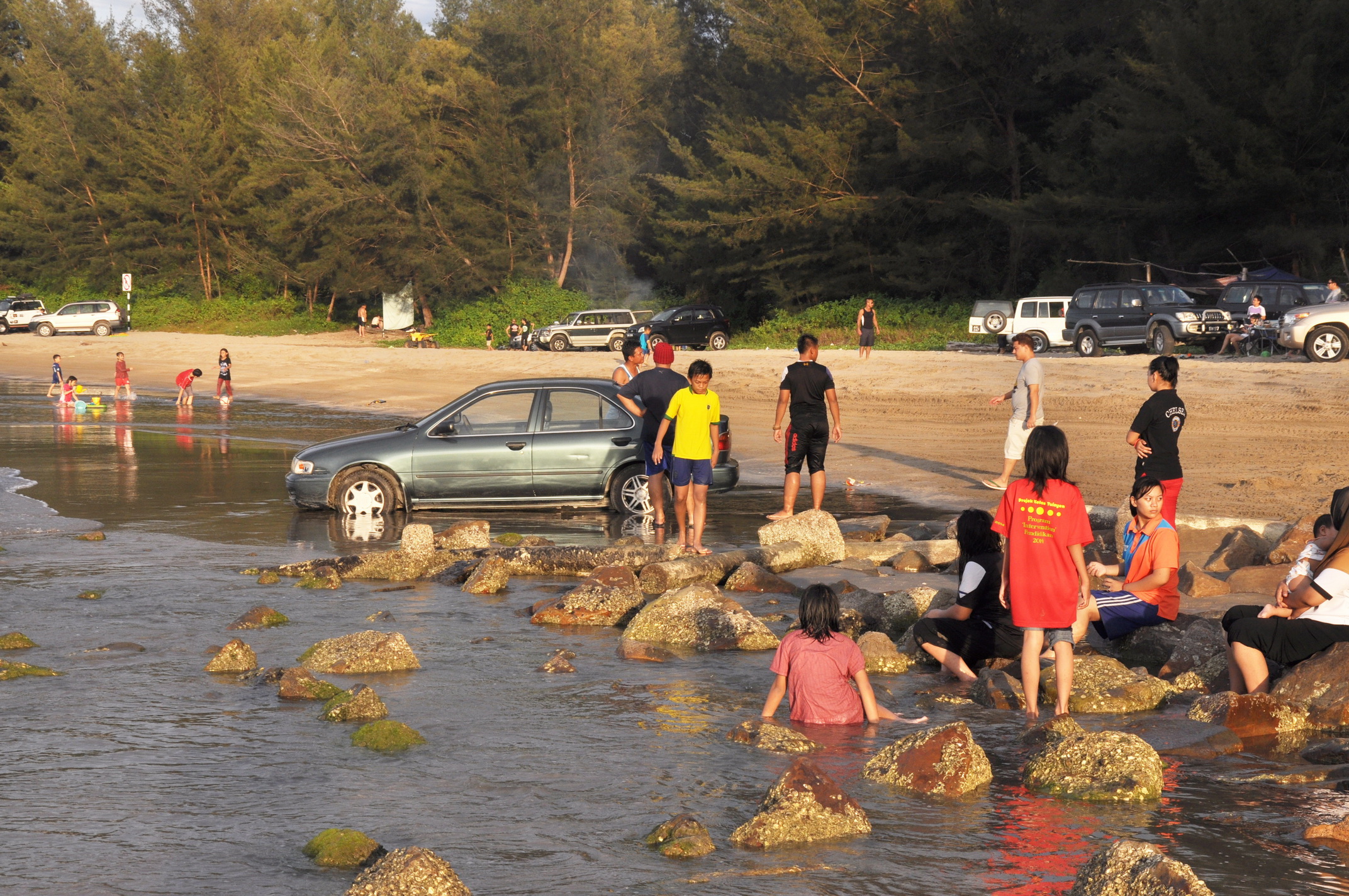
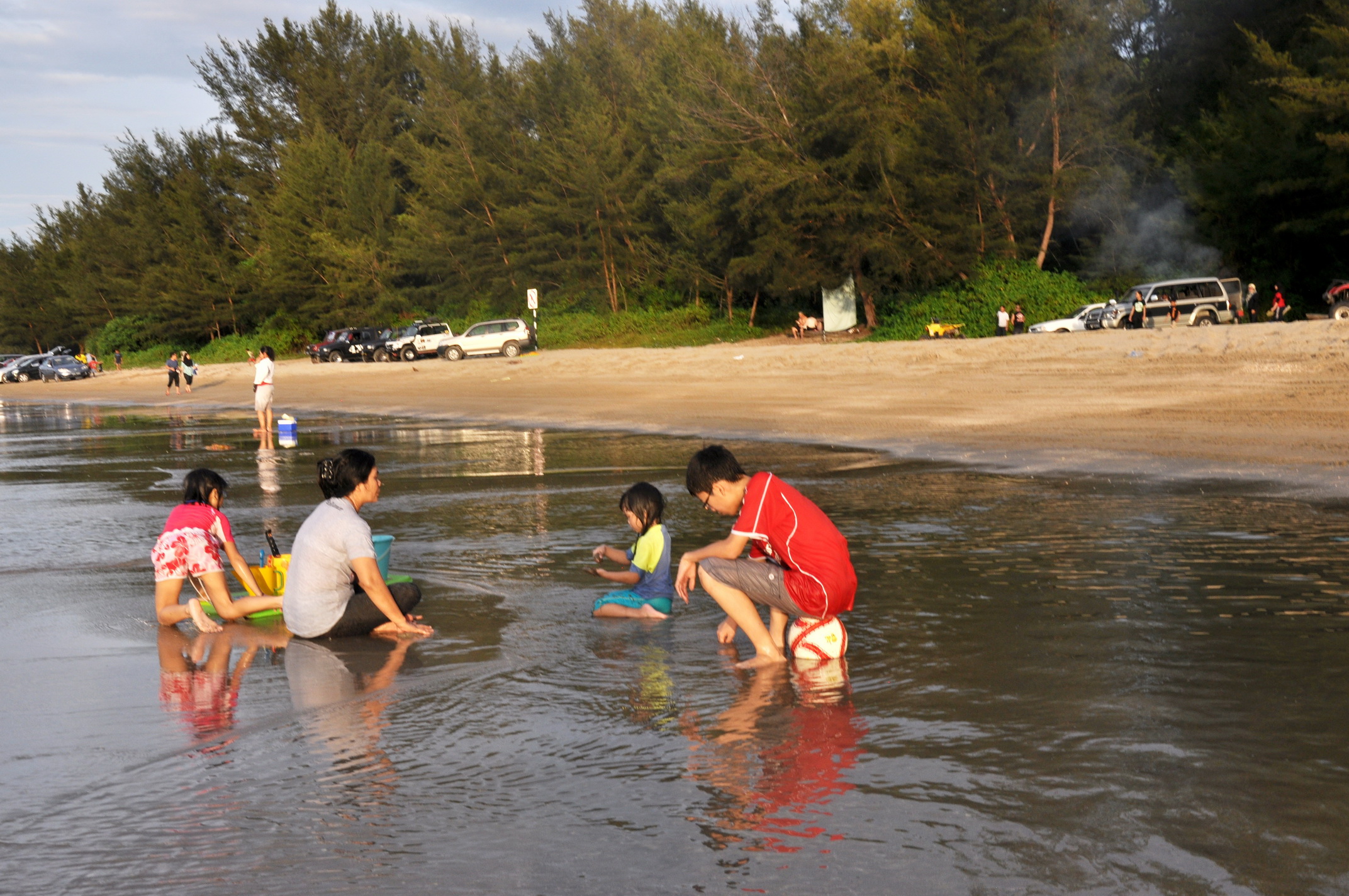
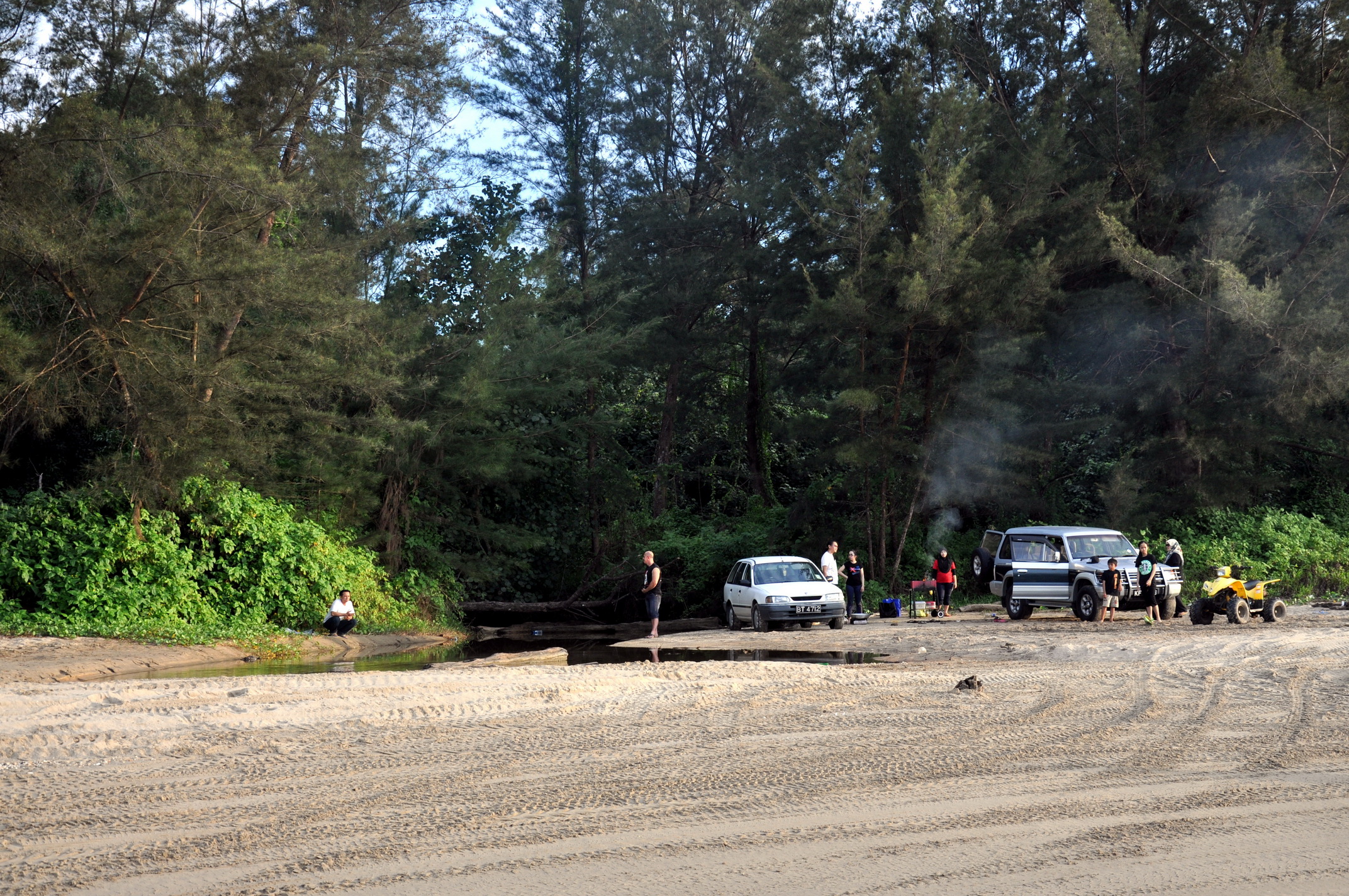
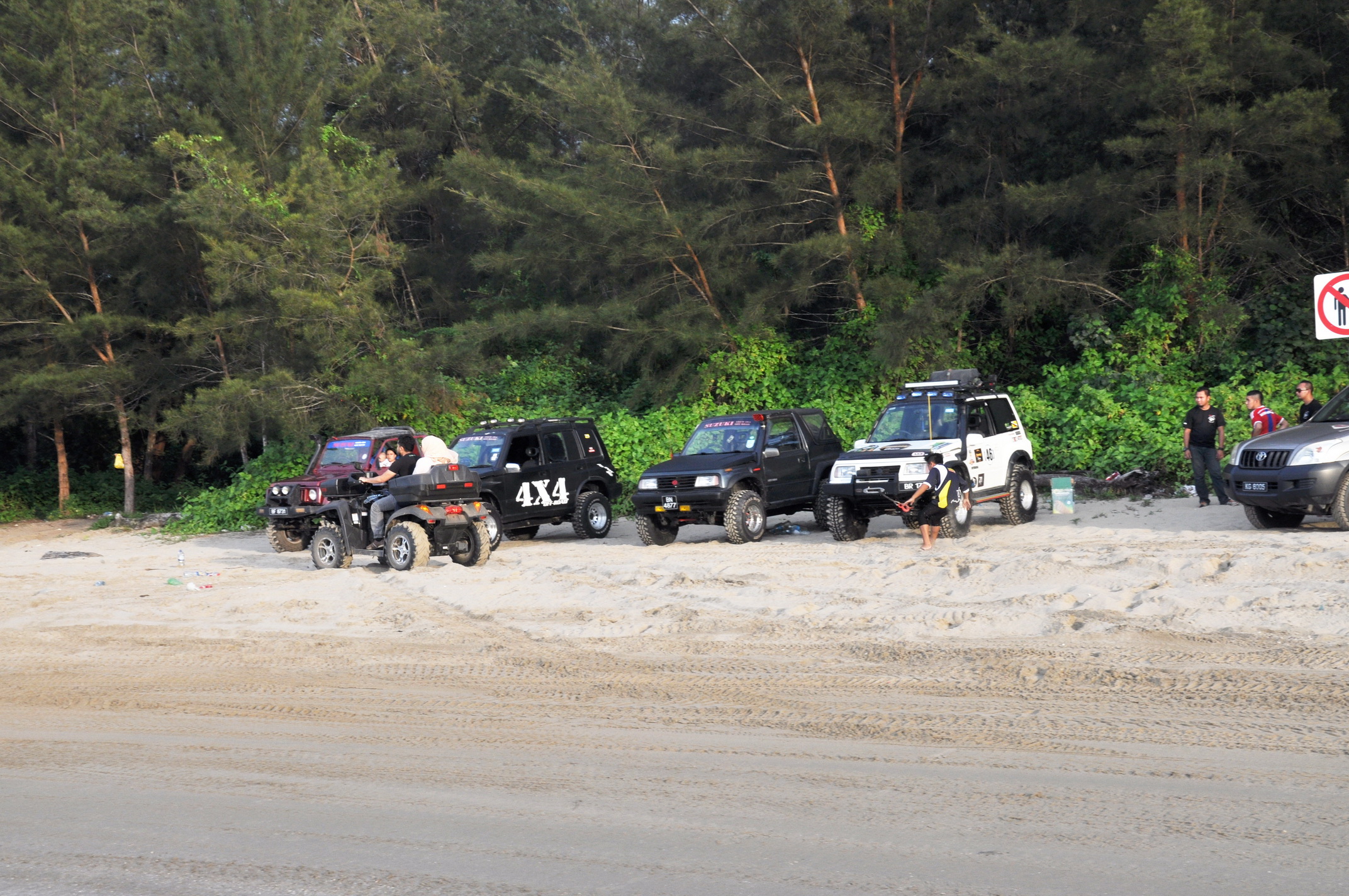
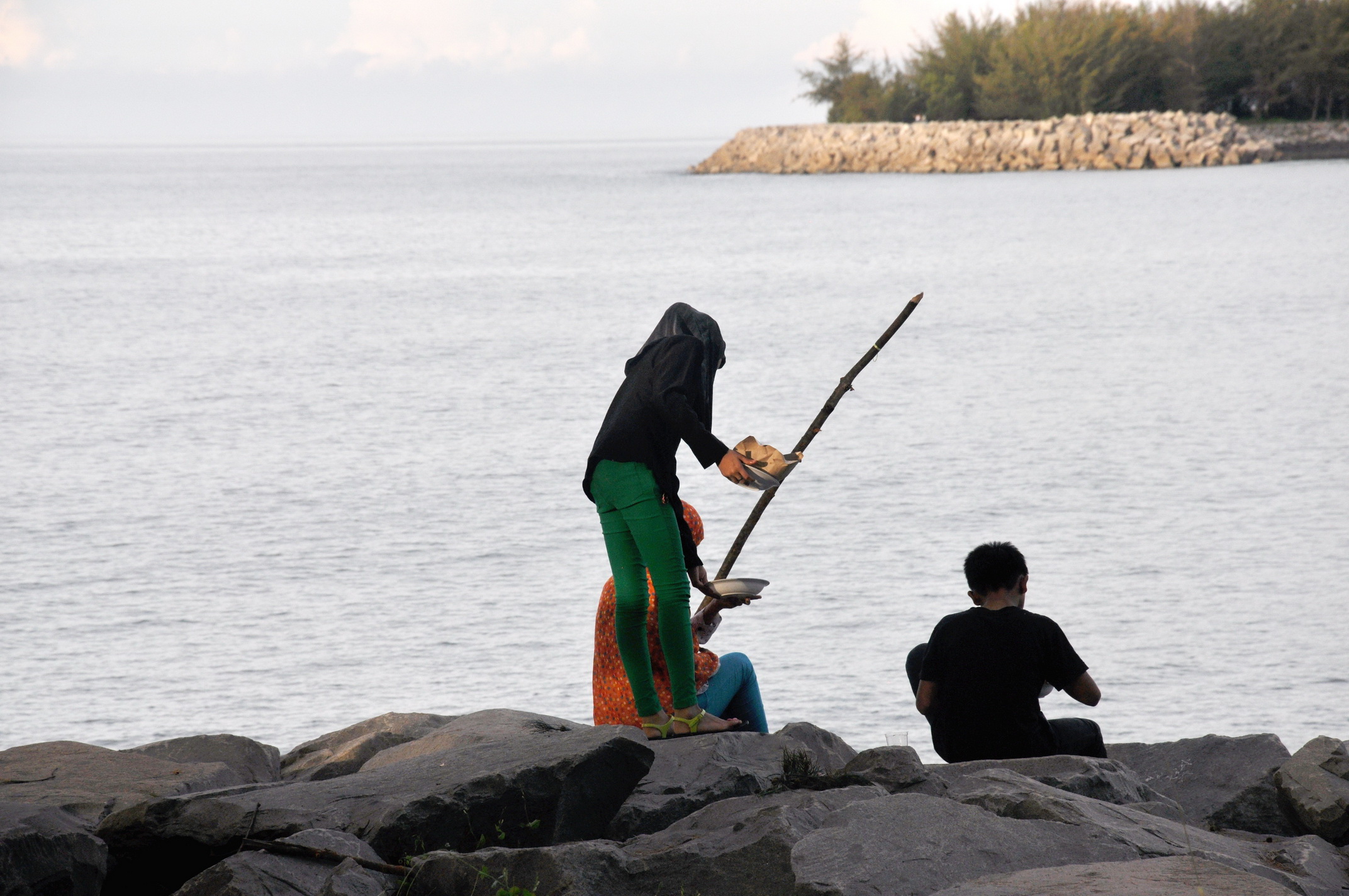
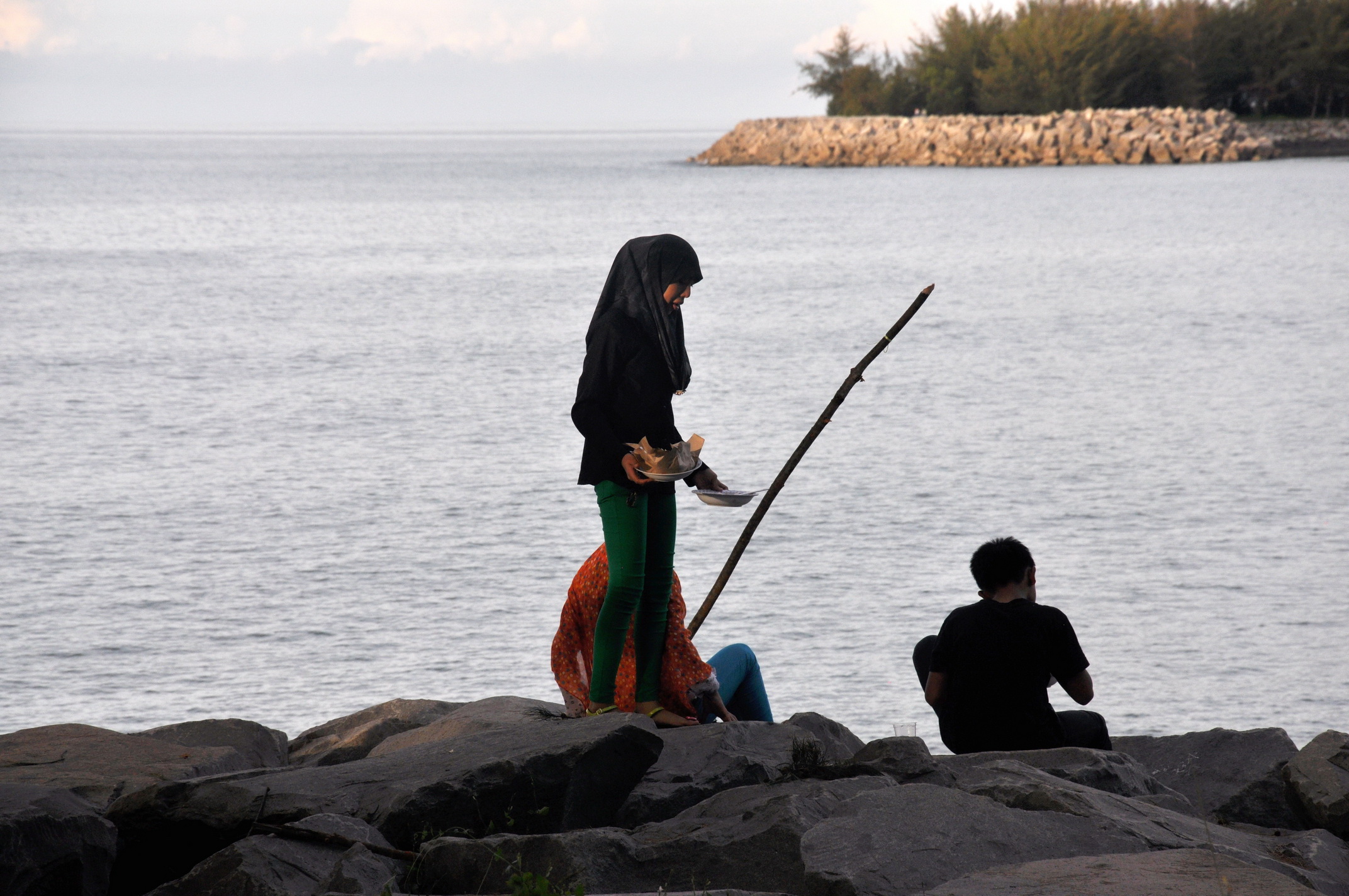
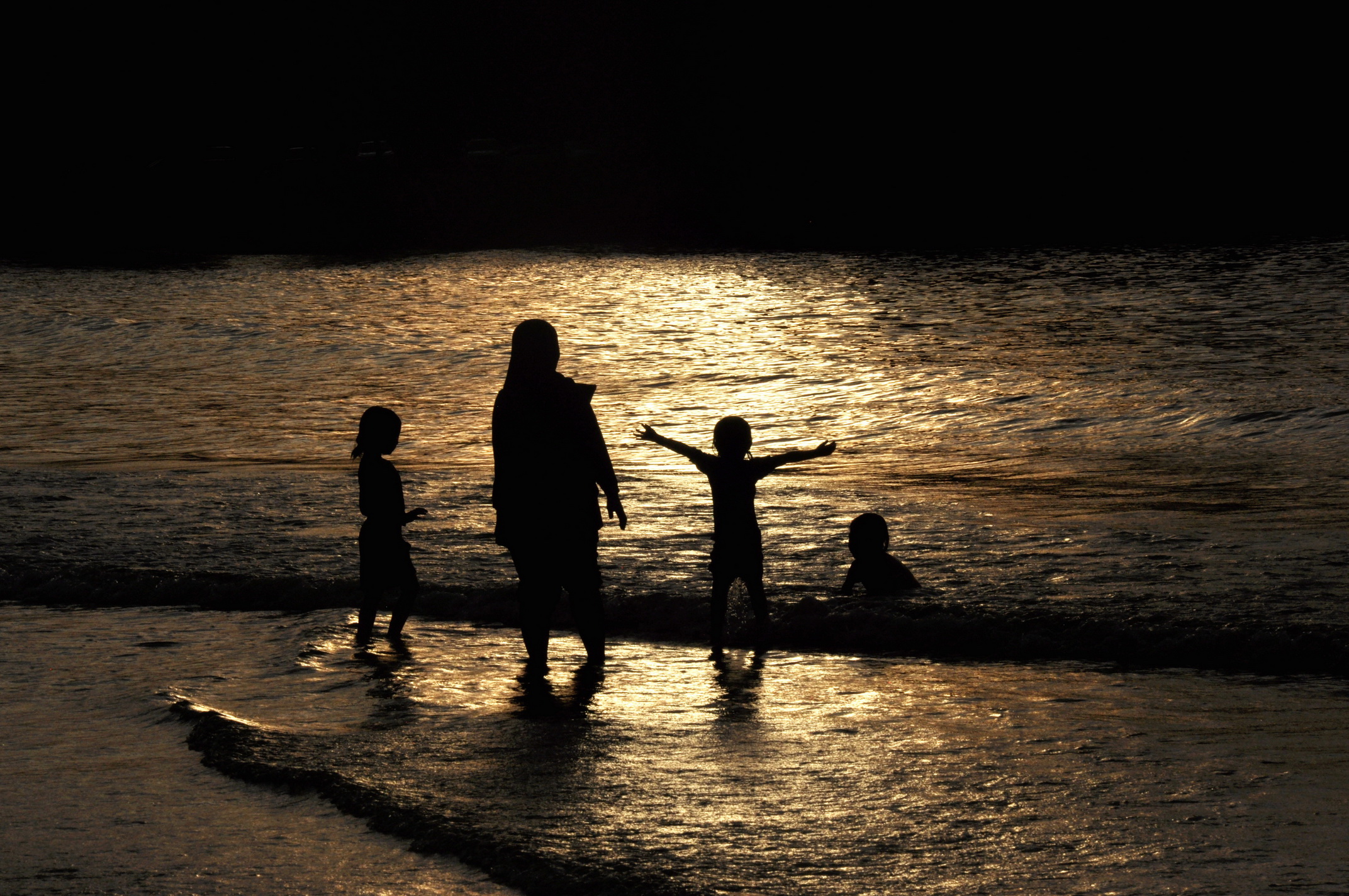
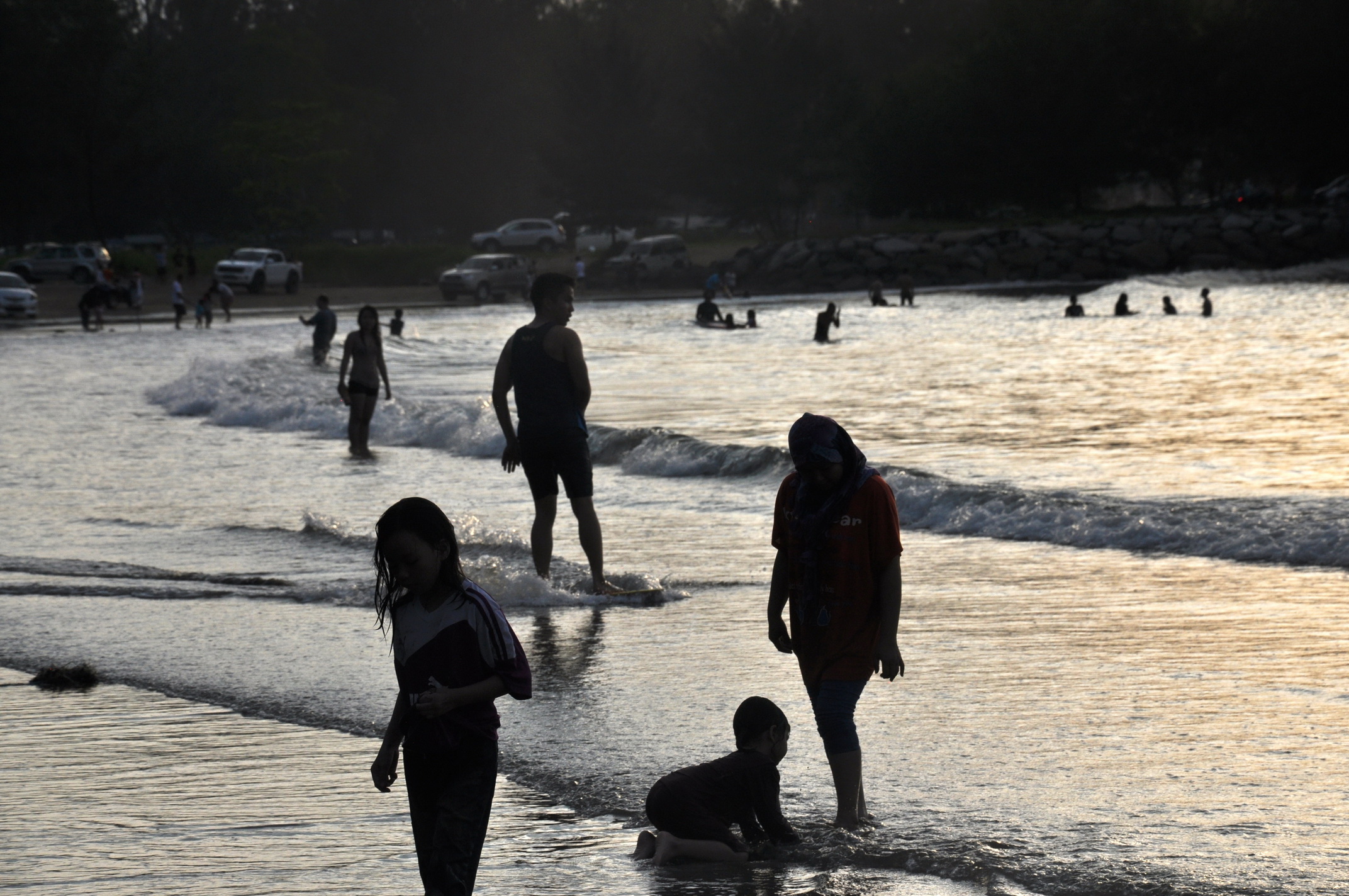
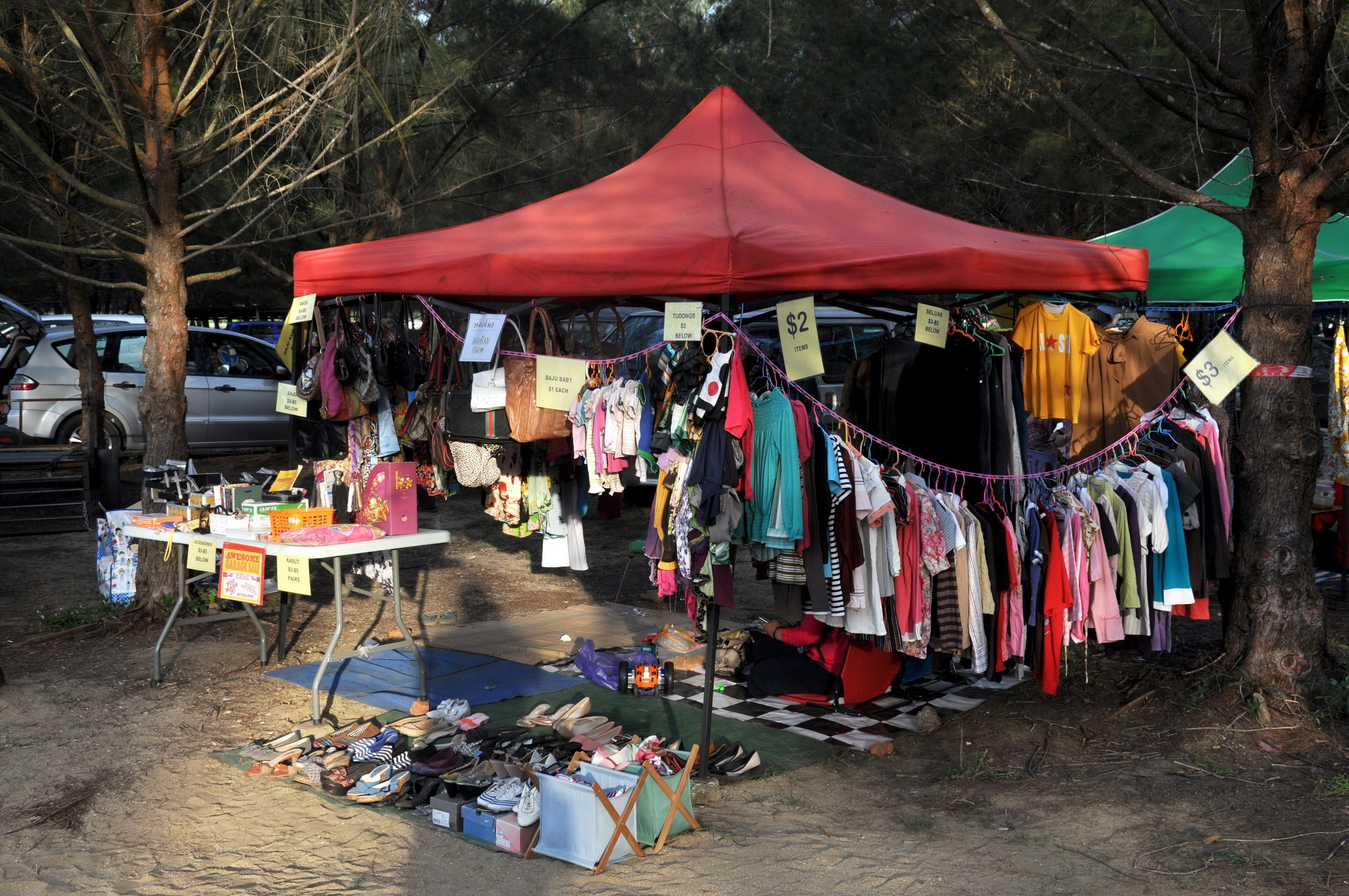
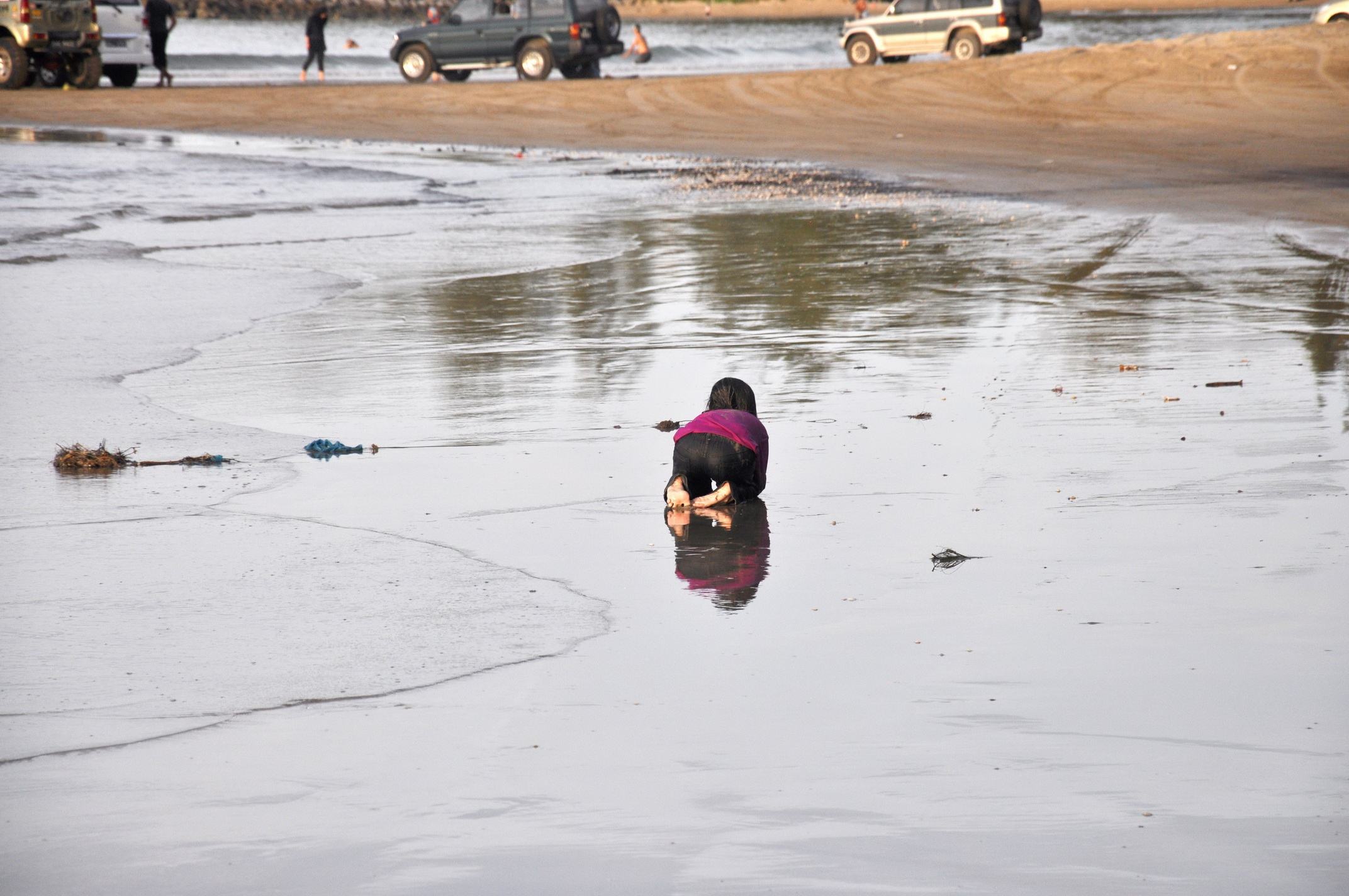
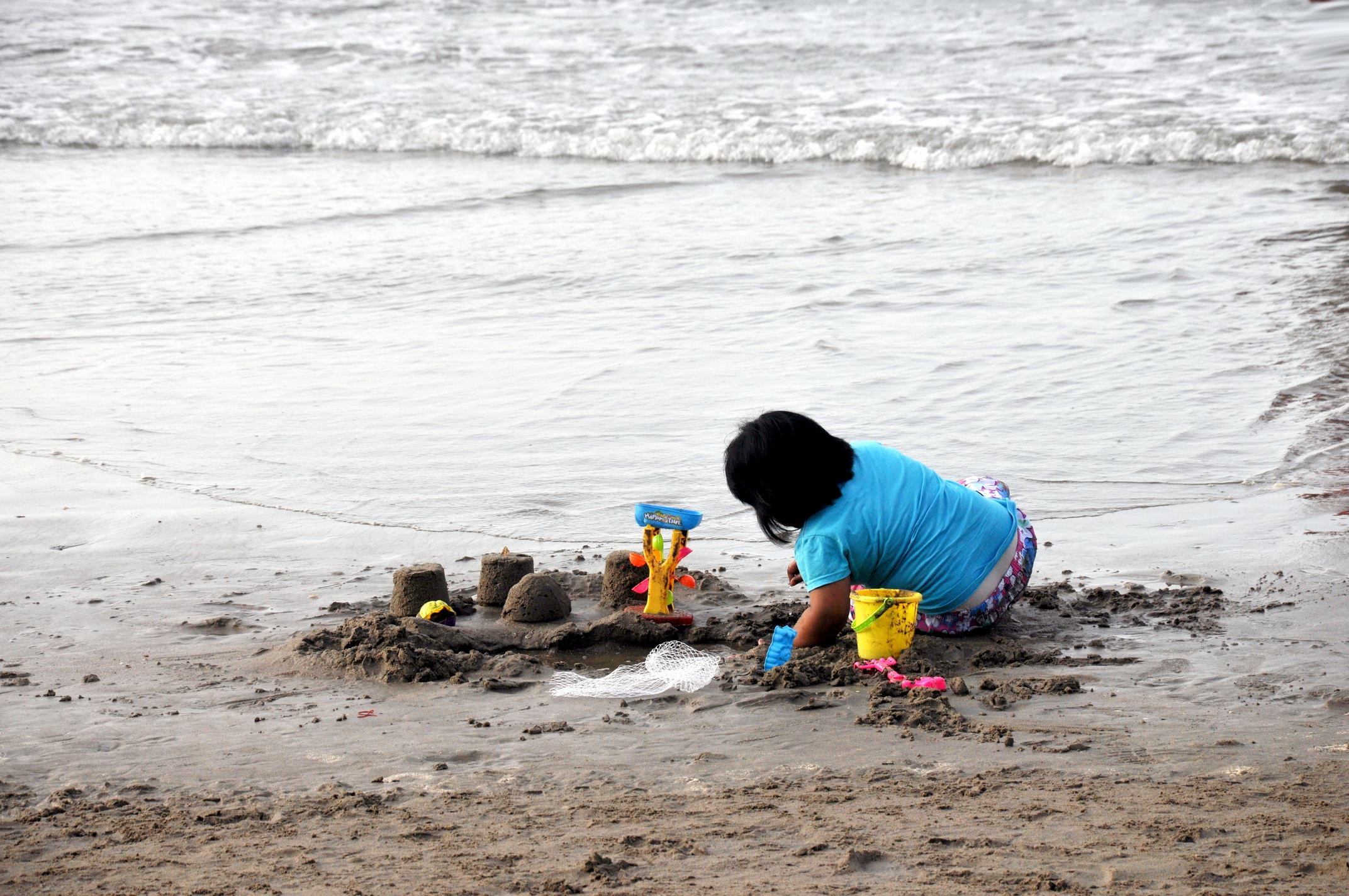
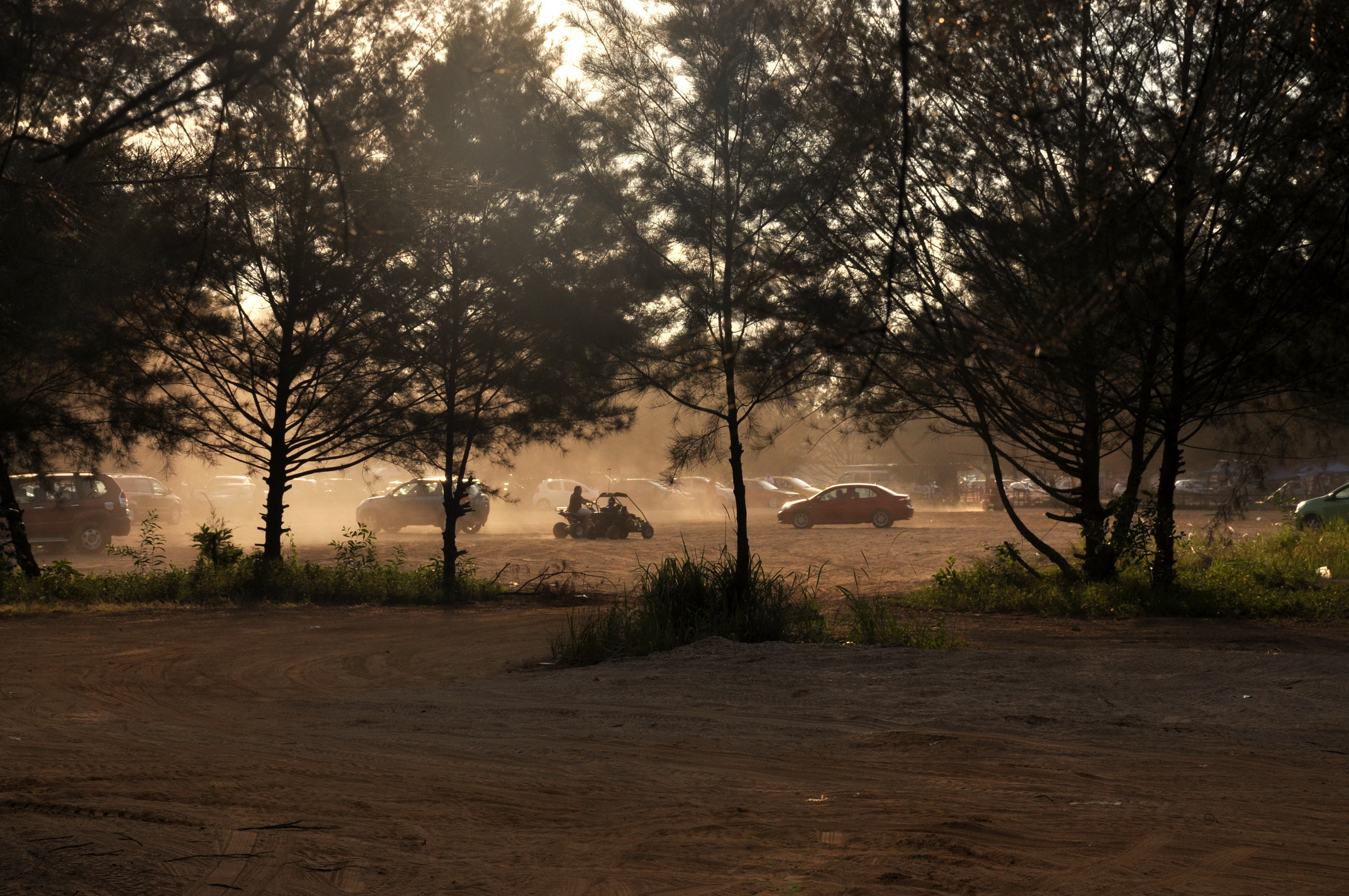
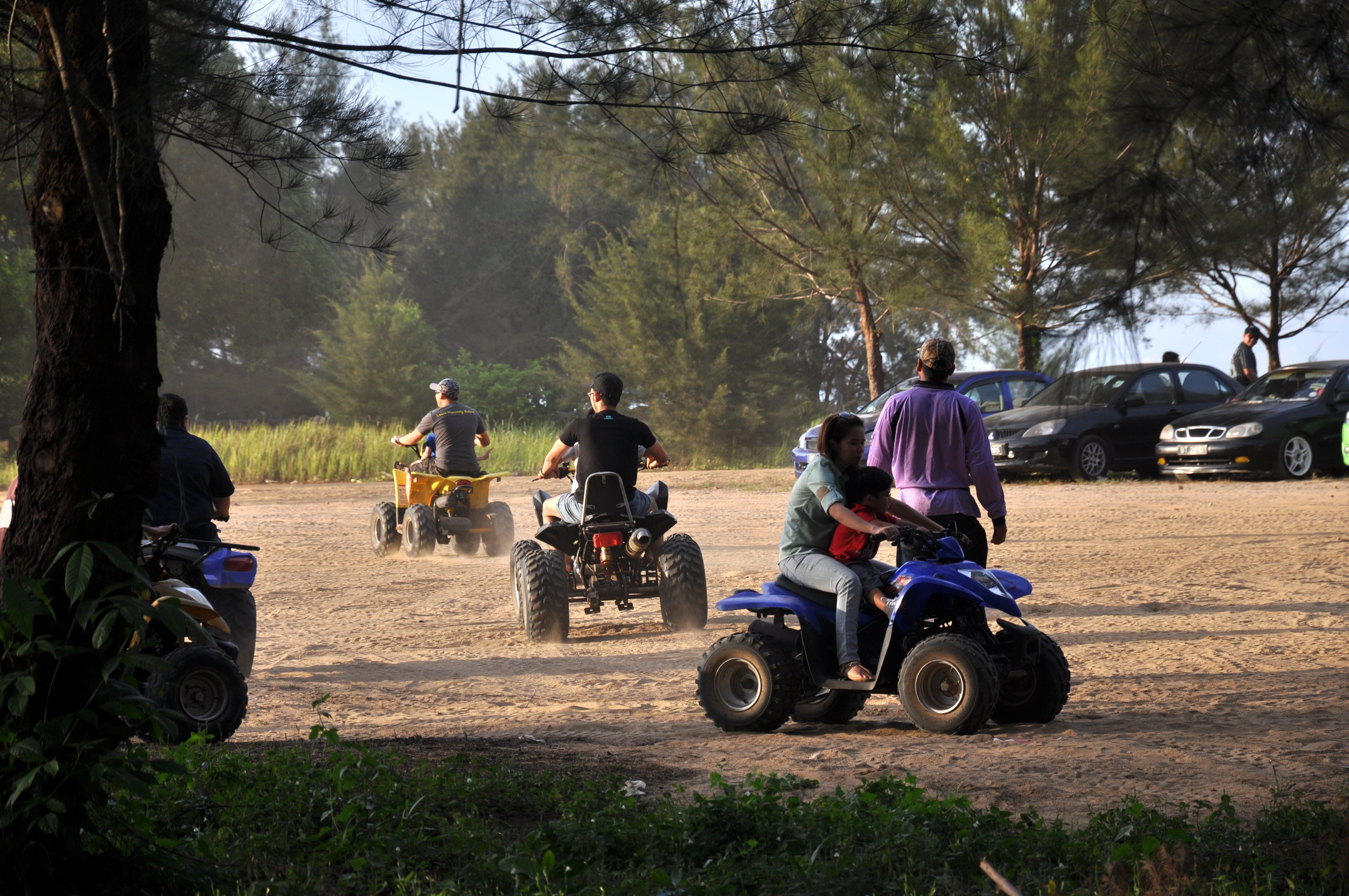
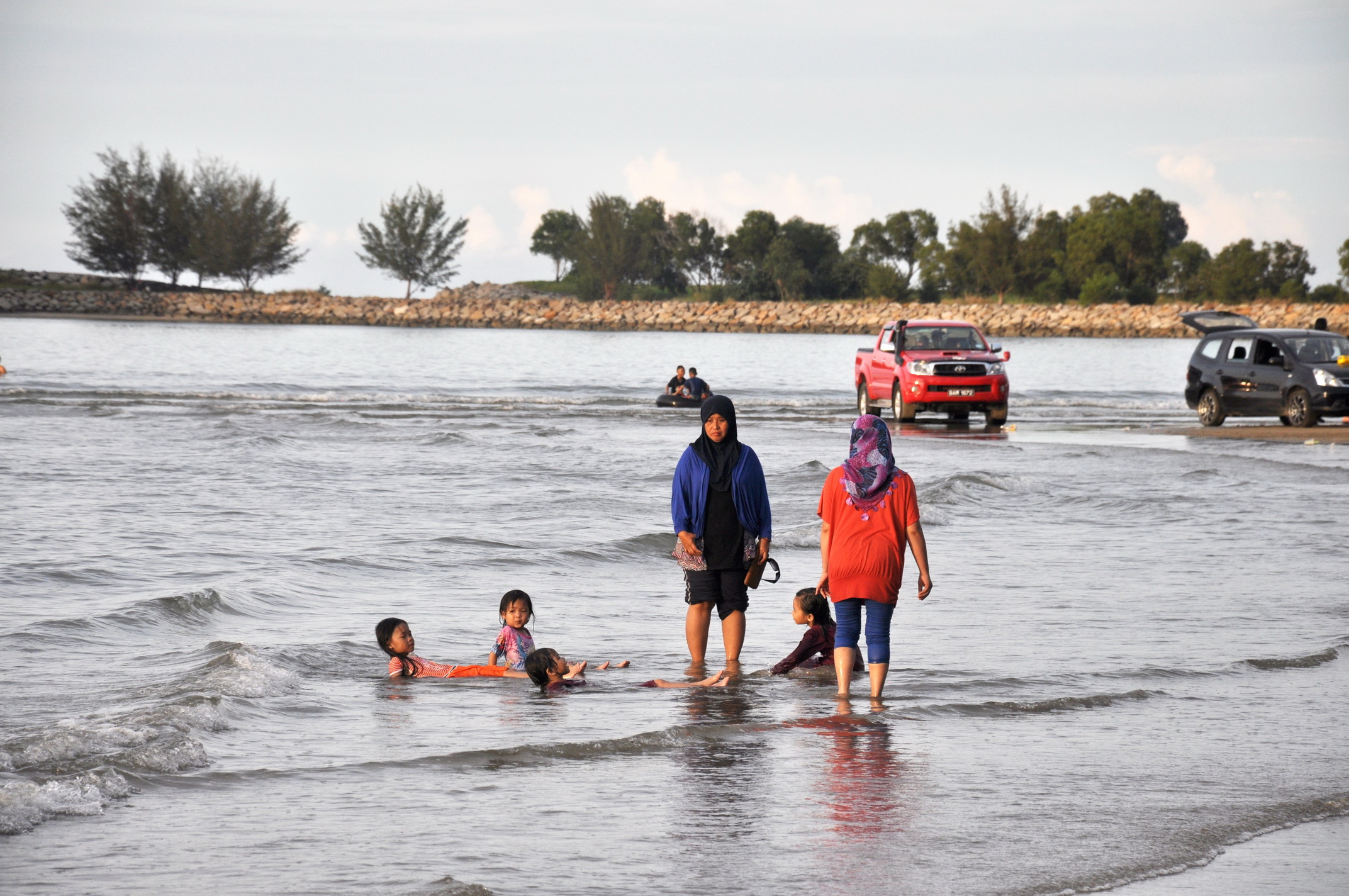
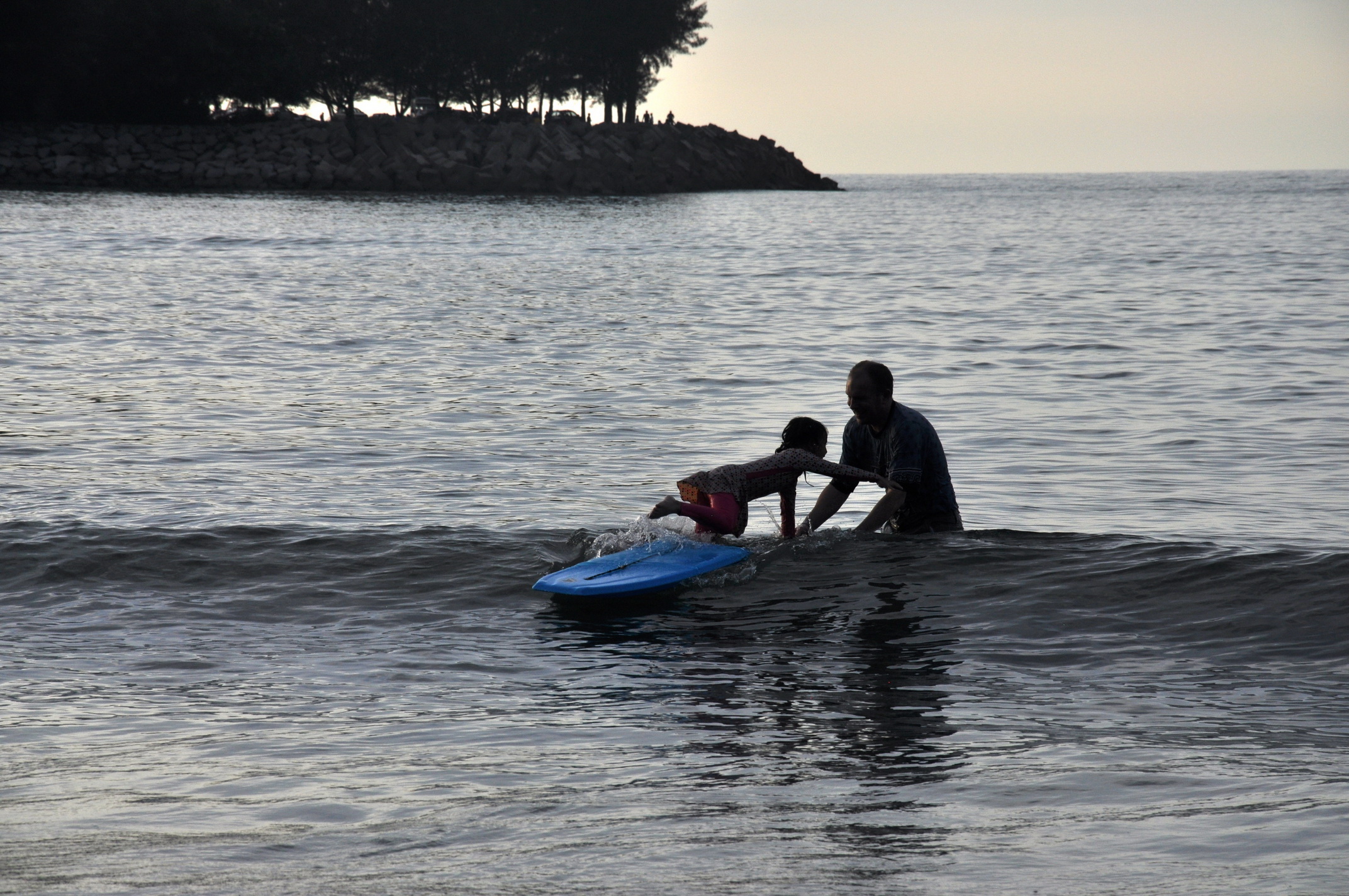
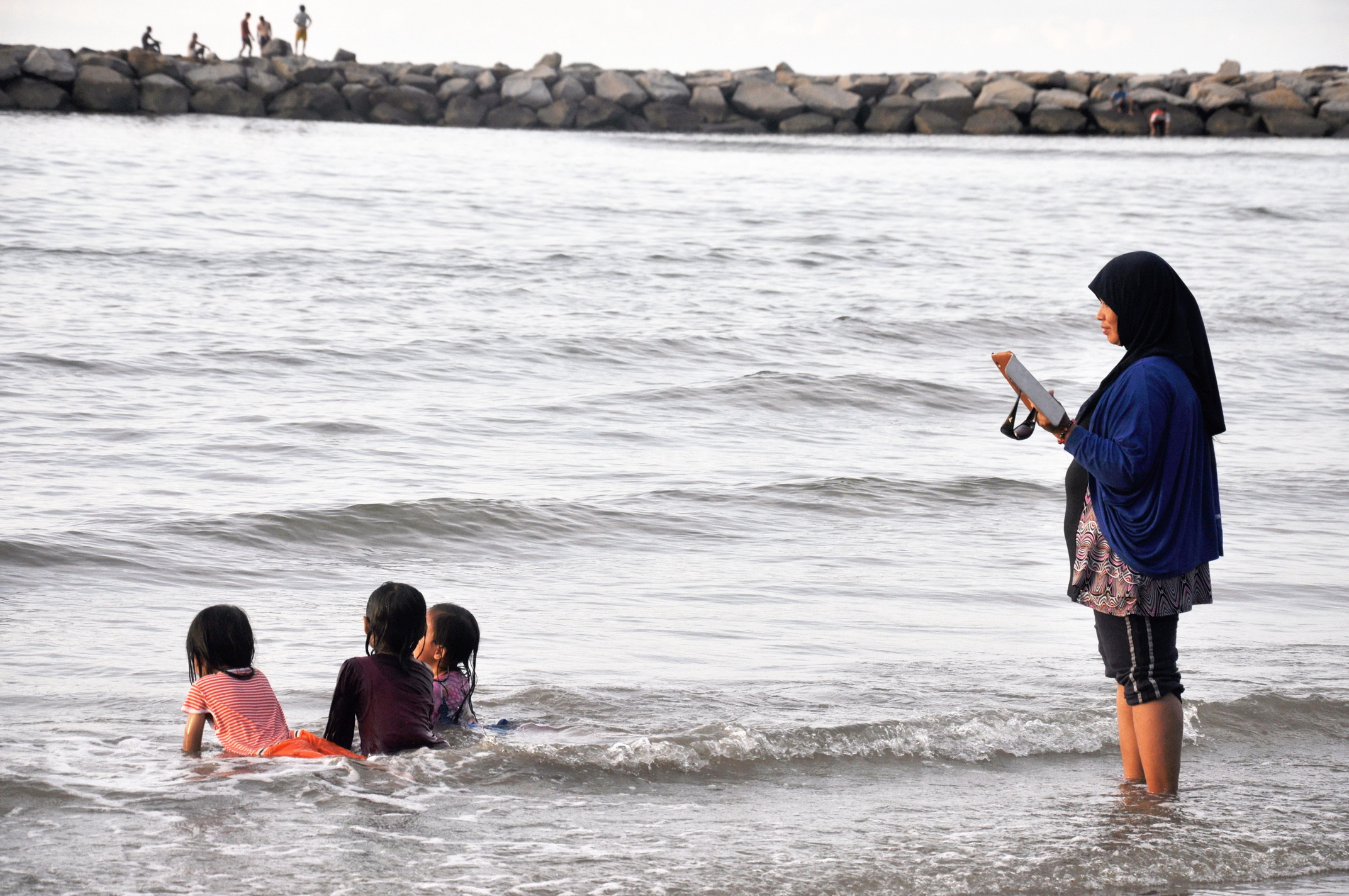
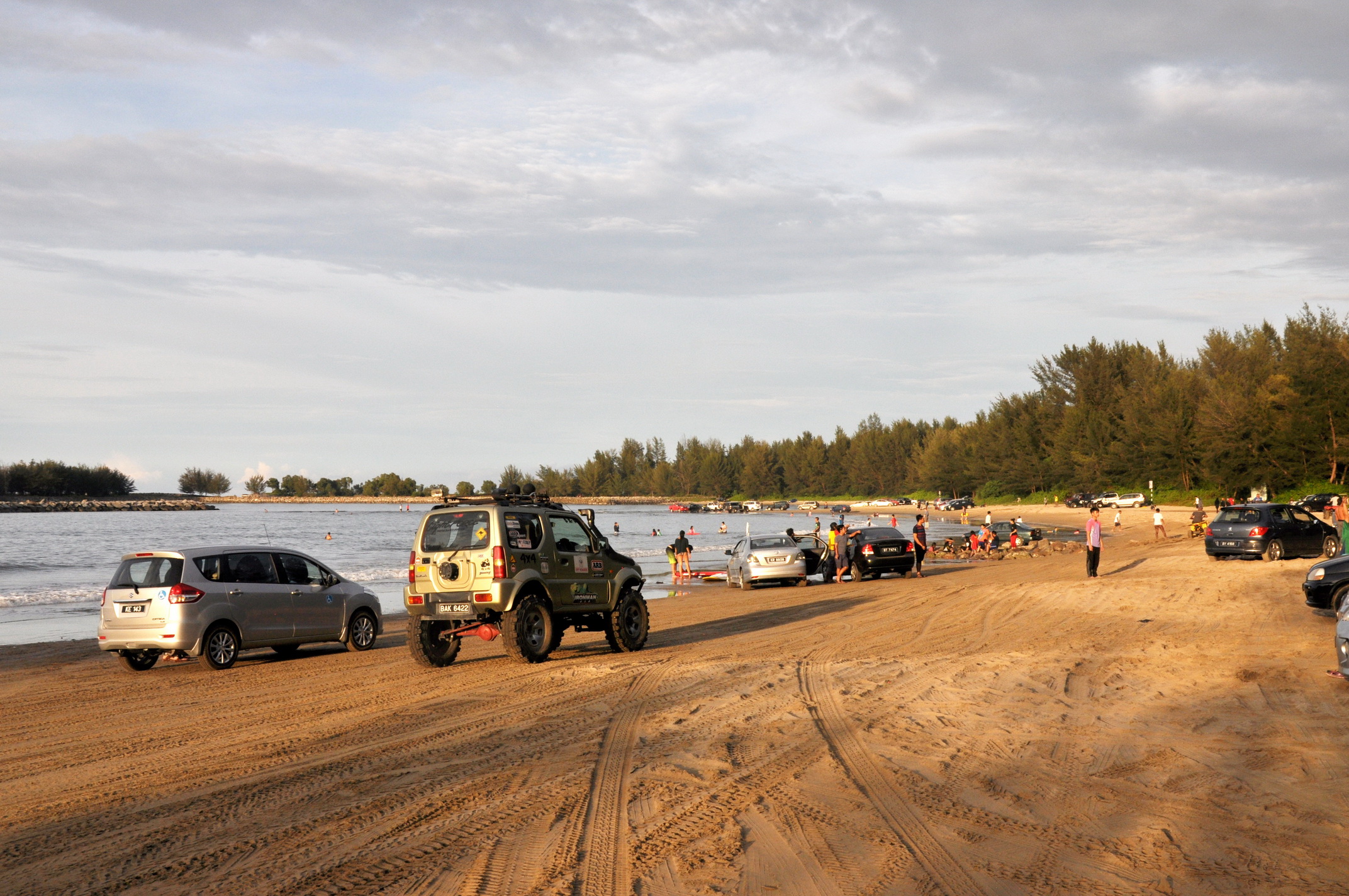
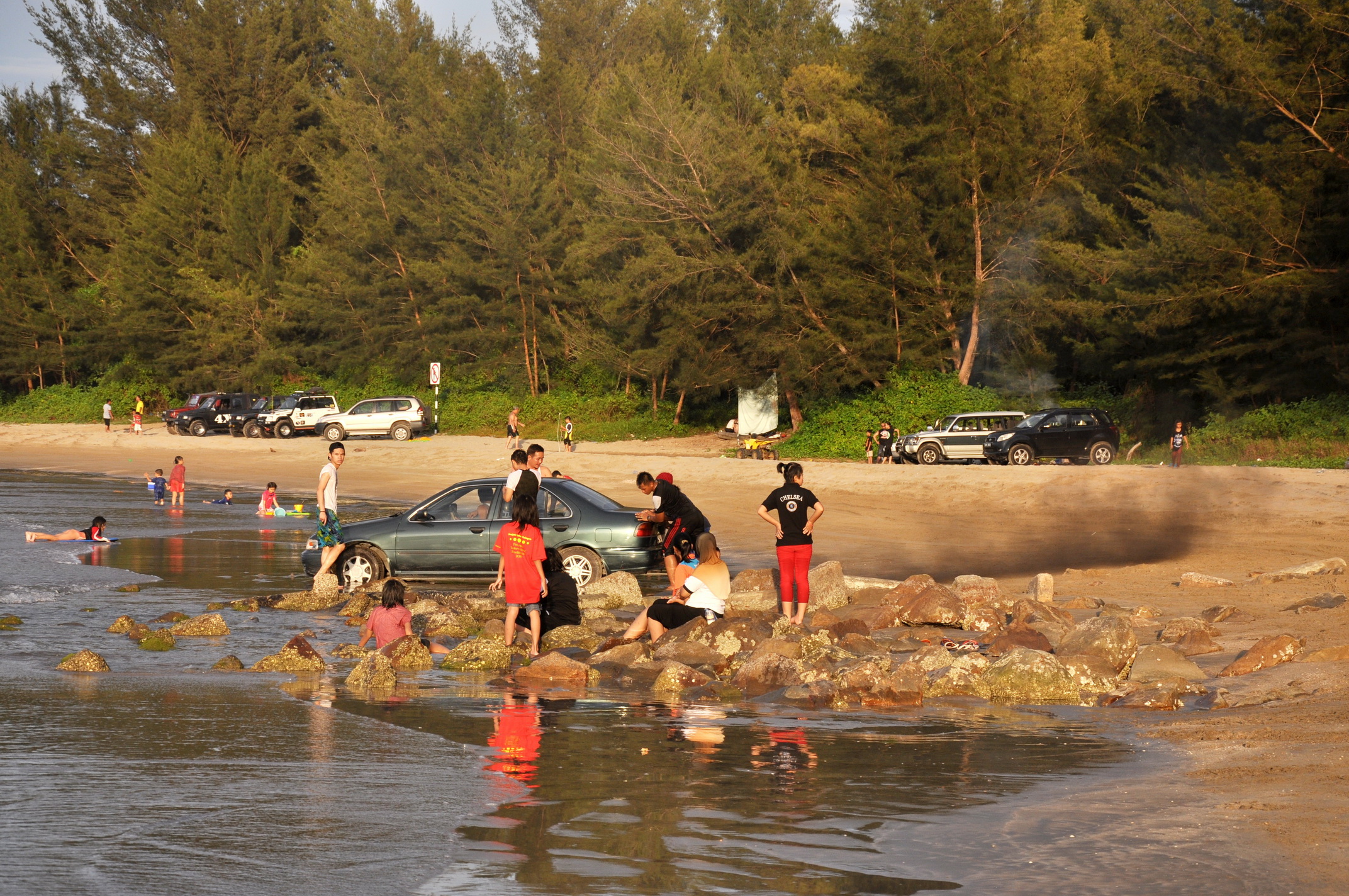
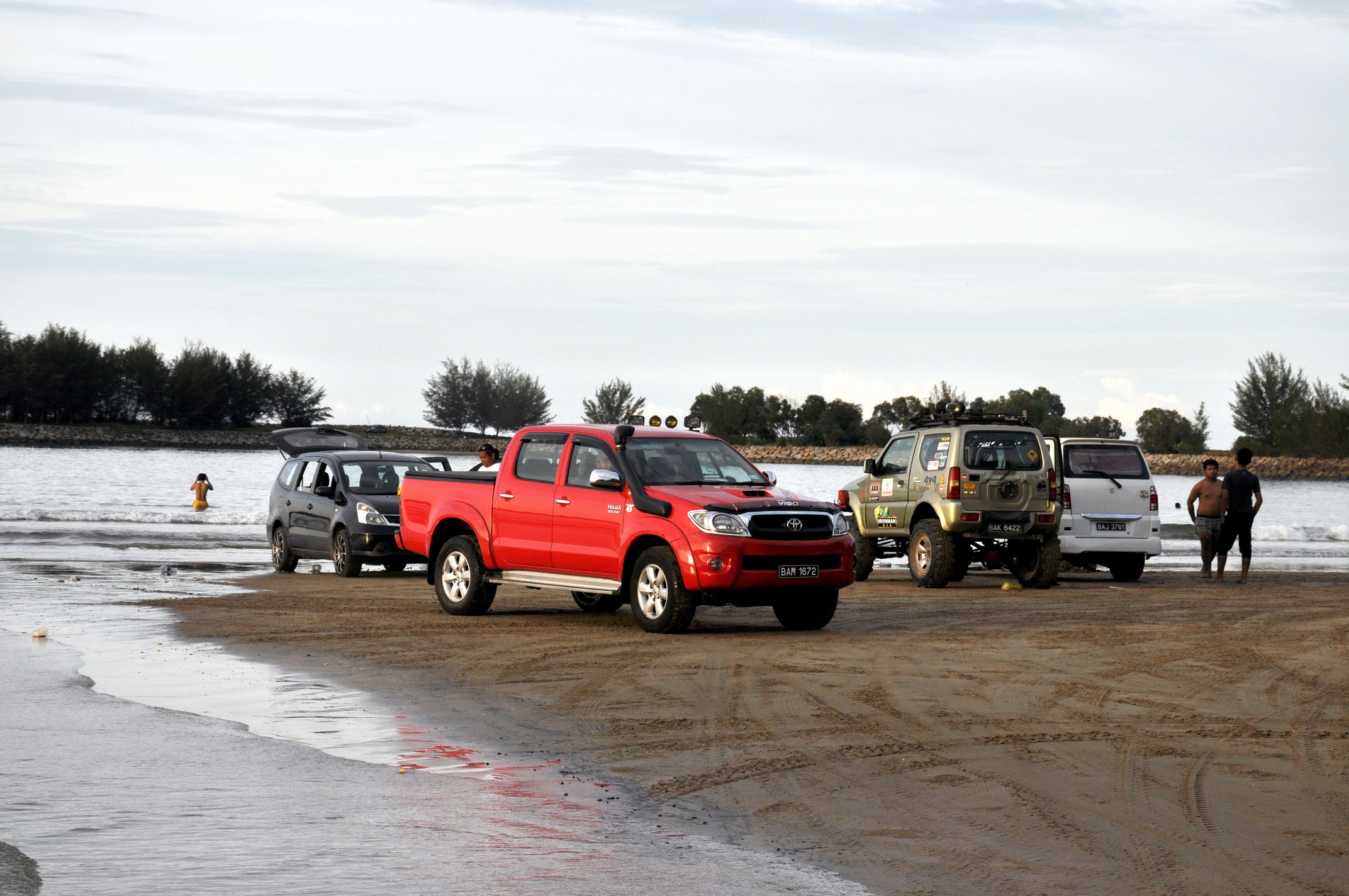
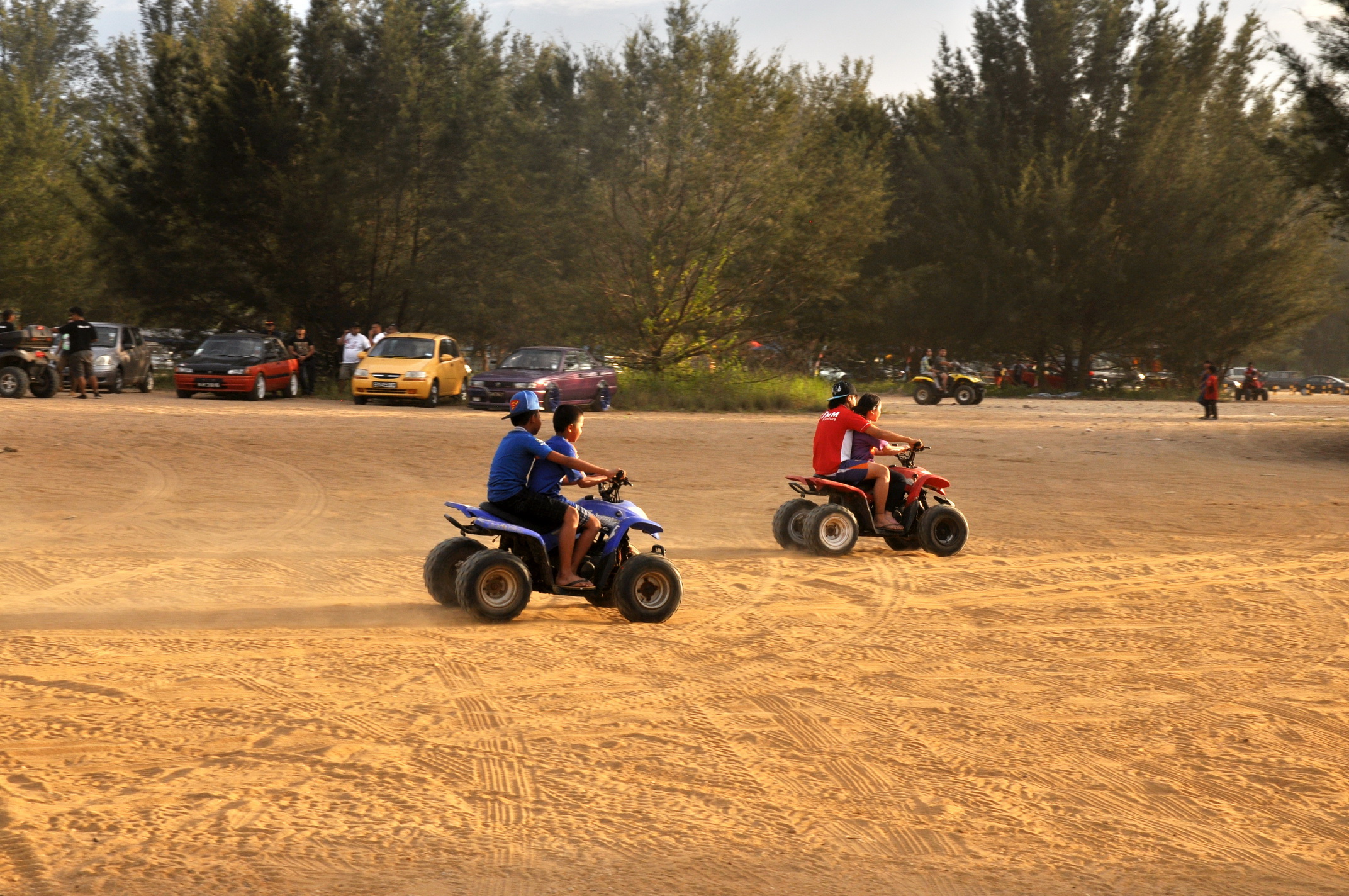
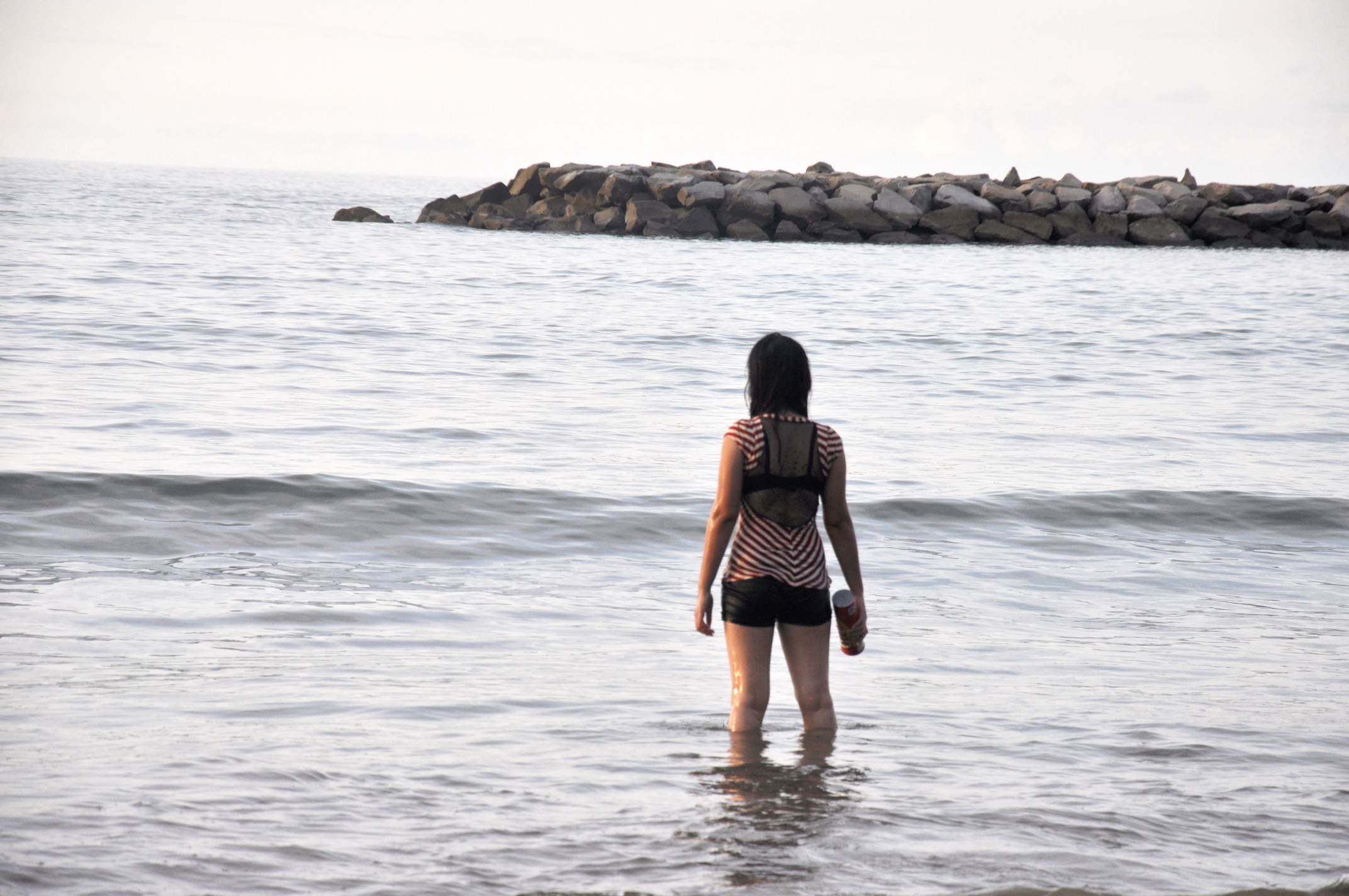
I had a swim myself. So much for the idea that freedom cannot go hand in hand with an absolute monarchy and no constitution.
Incidentally, although the death penalty was on the books, I found no reports online of it being carried out. I flew back out of Bandar Seri Begawan to Melbourne on a Boeing 787 Dreamliner. It was my first flight on that brand-new aircraft. I liked the A350 better, but in those early days of service I seemed to encounter both of these new Western aircraft only on airlines run by Muslim kings and sultans.
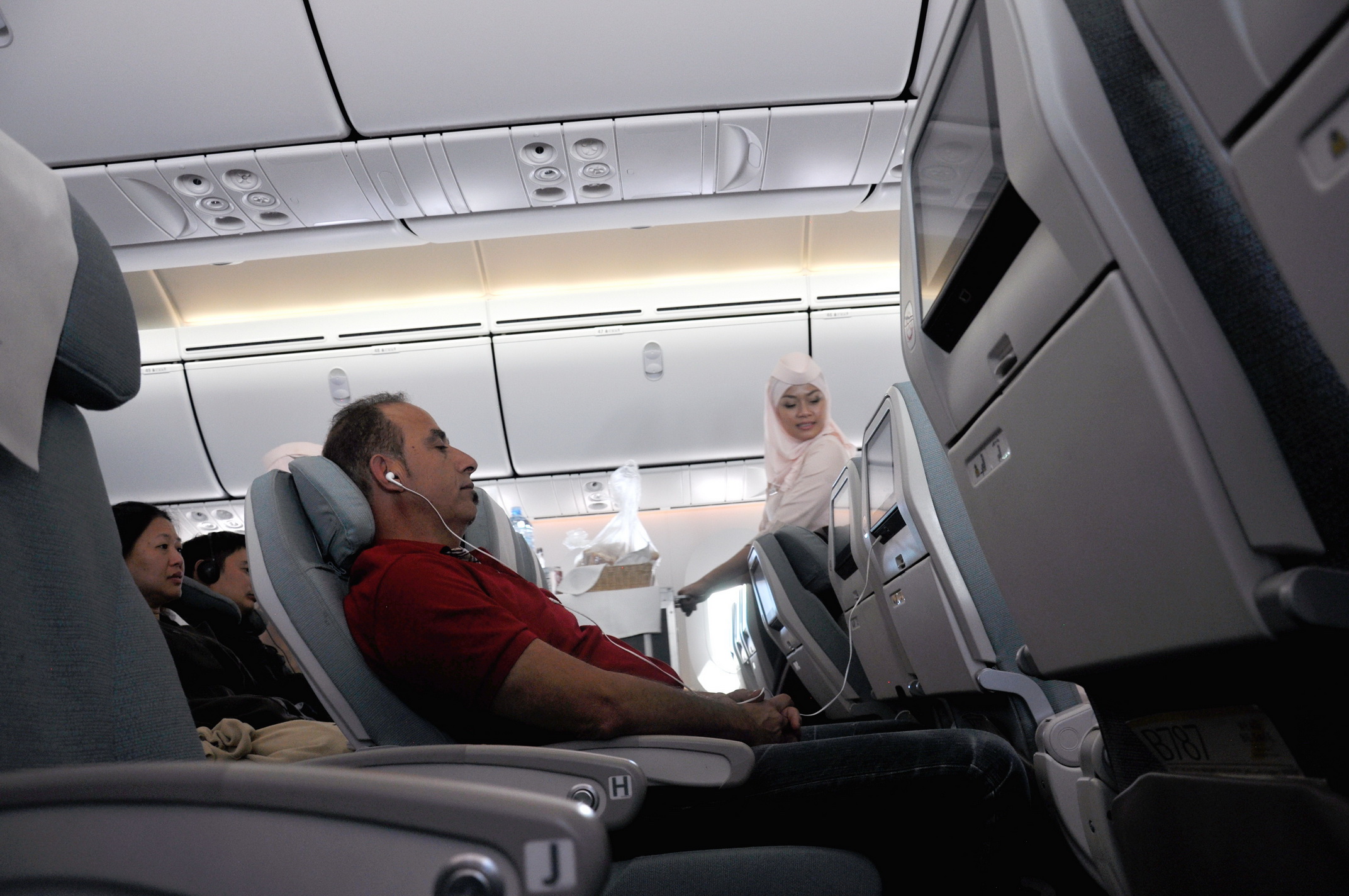
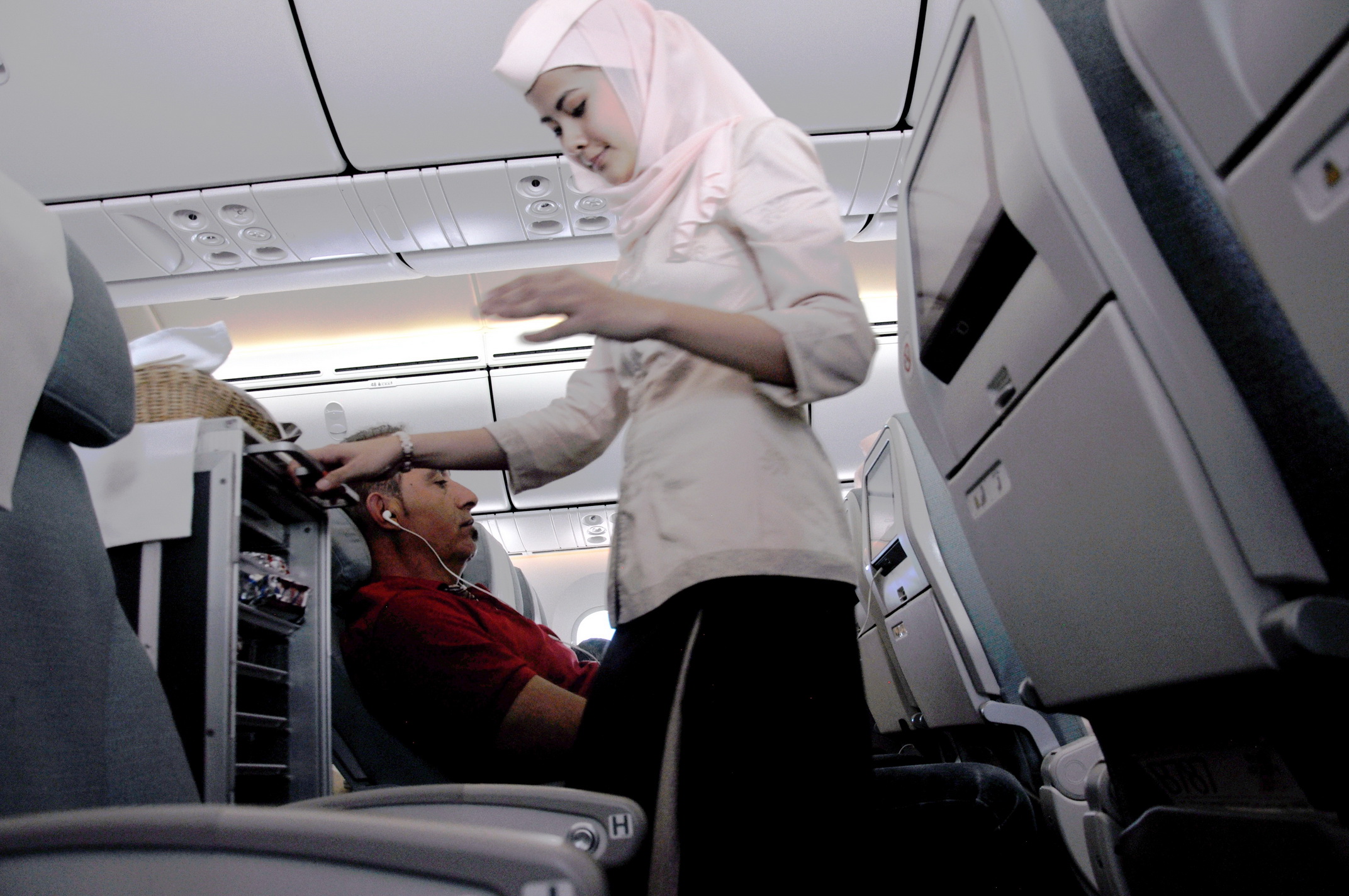
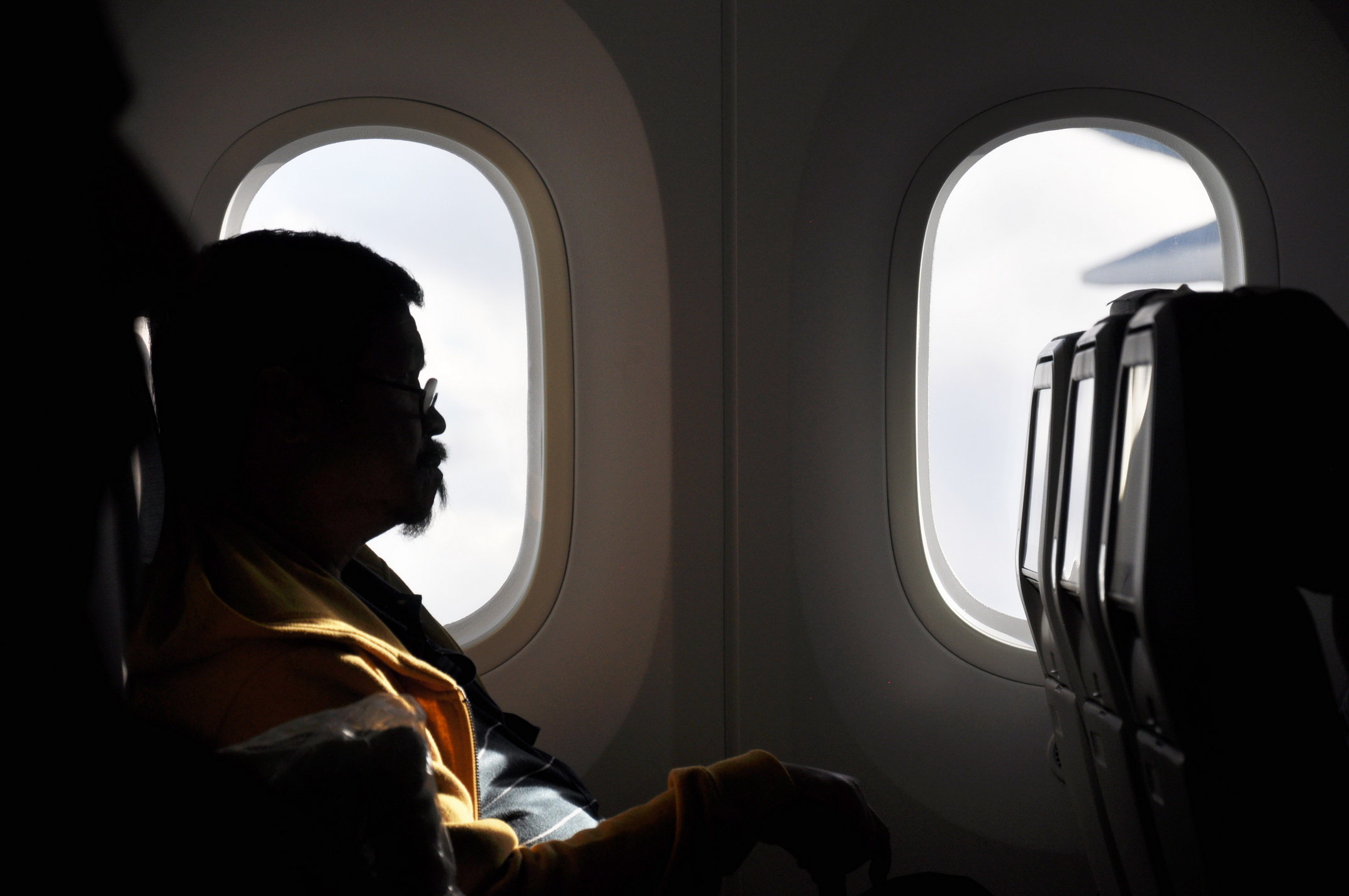
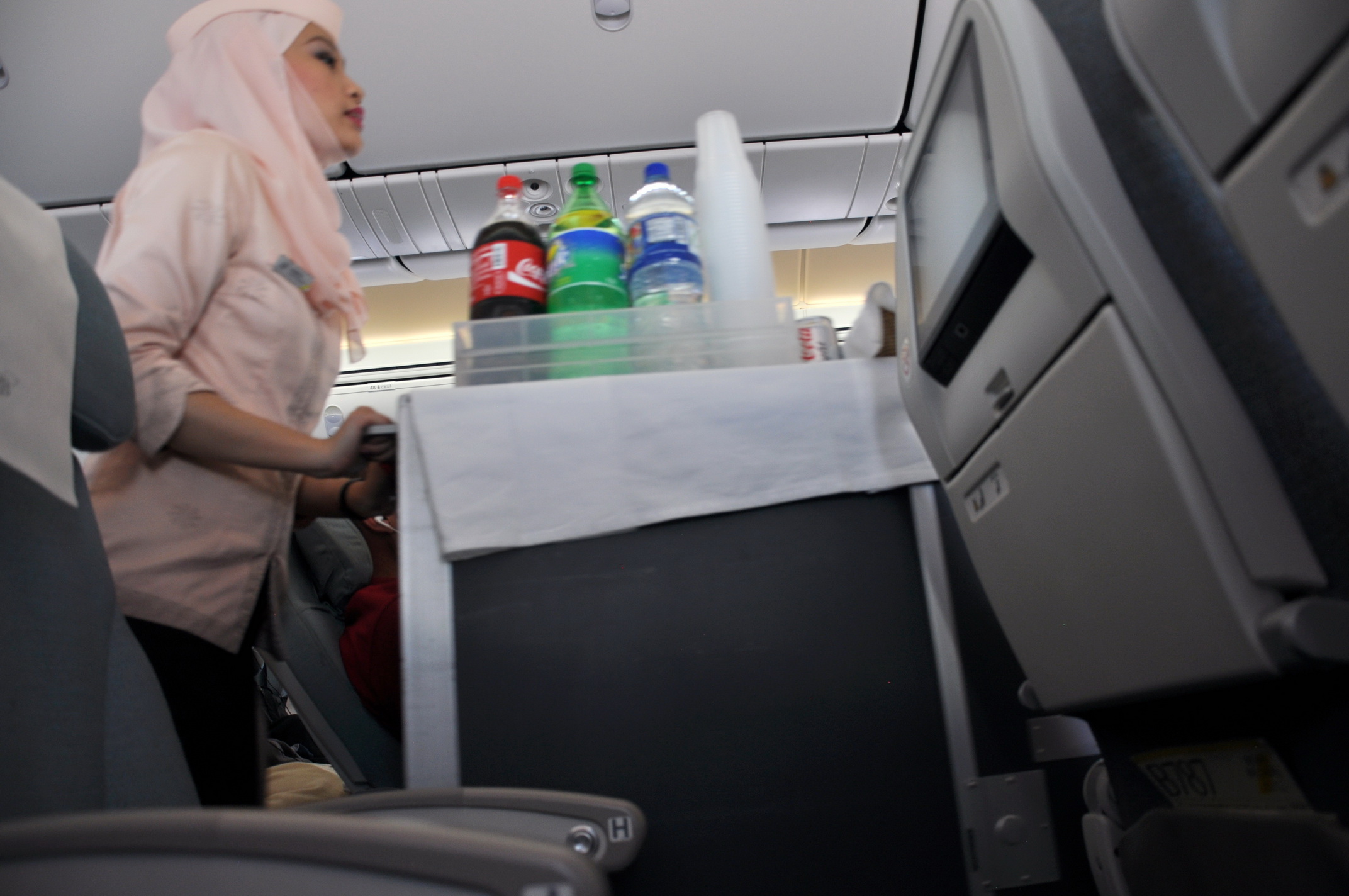
Brunei left me with a pleasant impression. I felt safe, though it was expensive. For my visit, 72 hours in transit was just about right. With sharia tightening, the oil running out and the sultan getting older, I felt it was worth visiting soon, before any upheaval.